MYSTIC HEALTHCARE & REHABILITATION CENTER, LLC
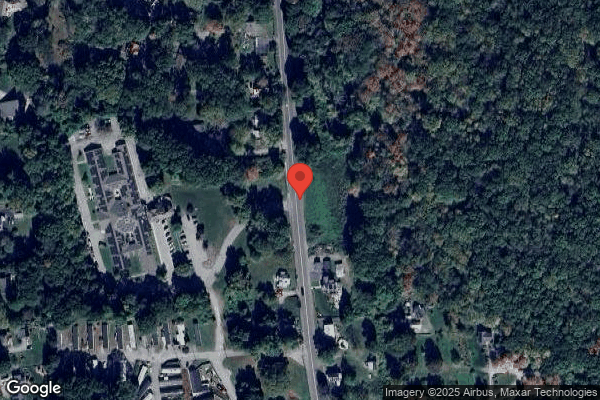
475 HIGH ST, MYSTIC, CT 06355 (860) 536-6070
For profit - Limited Liability company 100 Beds RYDERS HEALTH MANAGEMENT Data: November 2025
Trust Grade
35/100
#135 of 192 in CT
Last Inspection: November 2023

Within standard 12-15 month inspection cycle. Federal law requires annual inspections.

Overview

Mystic Healthcare & Rehabilitation Center has received a Trust Grade of F, indicating significant concerns about the quality of care provided. Ranking #135 out of 192 facilities in Connecticut places it in the bottom half, and #12 out of 14 in the local county suggests that families have limited options in the area. Unfortunately, the facility is worsening, with issues increasing from four to five in recent years. Staffing is a major concern, as the center has a low rating of 1 out of 5 stars and a high turnover rate of 64%, which is notably above the state average of 38%. While there have been no fines reported, the nursing home has faced serious incidents, such as failing to prevent pressure ulcers for a resident and not providing adequate supervision to prevent falls that led to fractures, raising red flags about the overall care environment.

Trust Score
F
35/100
In Connecticut
#135/192
Bottom 30%
Safety Record
Moderate
Needs review
Inspections
Getting Worse
4 → 5 violations
Staff Stability
⚠ Watch
64% turnover. Above average. Higher turnover means staff may not know residents' routines.
Penalties
✓ Good
No fines on record. Clean compliance history, better than most Connecticut facilities.
Skilled Nurses
○ Average
RN staffing data not reported for this facility.
Violations
⚠ Watch
24 deficiencies on record. Higher than average. Multiple issues found across inspections.
★★☆☆☆
2.0
Overall Rating
★☆☆☆☆
1.0
Staff Levels
★☆☆☆☆
1.0
Care Quality
★★★★☆
4.0
Inspection Score
Stable
2023: 4 issues
2025: 5 issues

The Good

  • Full Sprinkler Coverage · Fire safety systems throughout facility
  • No fines on record

Facility shows strength in fire safety.

The Bad

2-Star Overall Rating

Below Connecticut average (3.0)

Below average - review inspection findings carefully

Staff Turnover: 64%

18pts above Connecticut avg (46%)

Frequent staff changes - ask about care continuity

Chain: RYDERS HEALTH MANAGEMENT

Part of a multi-facility chain

Ask about local staffing decisions and management

Staff turnover is elevated (64%)

16 points above Connecticut average of 48%

The Ugly 24 deficiencies on record

2 actual harm
Feb 2025 5 deficiencies
CONCERN (D) 📢 Someone Reported This

A family member, employee, or ombudsman was alarmed enough to file a formal complaint

Potential for Harm - no one hurt, but risky conditions existed

Free from Abuse/Neglect (Tag F0600)

Could have caused harm · This affected 1 resident

**NOTE- TERMS IN BRACKETS HAVE BEEN EDITED TO PROTECT CONFIDENTIALITY** Based on review of the clinical record, facility documentation, facility policy and interviews for one (1) of six (6) residents ...

Read full inspector narrative →
**NOTE- TERMS IN BRACKETS HAVE BEEN EDITED TO PROTECT CONFIDENTIALITY** Based on review of the clinical record, facility documentation, facility policy and interviews for one (1) of six (6) residents (Resident #1) reviewed for abuse, the facility failed to ensure the resident was free from abuse when a staff member was observed pushing the resident into the wheelchair. The findings include: Resident #1 's diagnoses included dementia with behavioral disturbances. The admission Minimum Data Set (MDS) assessment dated [DATE] identified Resident #1 had a Brief Mental Interview for Mental Status (BIMS) of three (3) indicative of severely impaired cognition and required supervision assistance with personal hygiene, transfers and ambulation. The Resident Care Plan (RCP) dated 1/20/25 identified that Resident #1 has impaired cognition related to a diagnosis of dementia with behaviors including aggression and striking out with interventions that included to provide two (2) staff for all care during the 3:00 PM to 11:00 PM shift for sundowning behaviors, staff to identify themselves and explain procedures prior to event, staff to refer to the time of day, date and recent events in their interactions with the resident, staff to speak slowly, clearly and repeat information as needed and staff to stress keywords and present one thought, question, or command at a time. Review of the facility Reportable Event (RE) report dated 1/26/25 identified that on 1/26/25 at 8:30 AM Resident #1 reported to a NA (NA #4) that a man walked into his/her room in the evening (10:00 PM) on 1/25/25 without saying anything to the resident and was rough and hit him/her multiple times, specifically on the side of his/her face. The resident was noted with a 3.5 centimeter by 3.5 cm red/purple bruise to the top of his/her right hand and a small scab with dried blood at the center was noted. The RE reported that the police were notified, the NA (NA #3) was suspended pending investigation and an investigation into the allegation was initiated. Review of the facility schedule dated 1/25/25 identified that LPN #1, NA #3 and NA #2 worked on Resident #1's unit on the 3:00 PM to 11:00 PM shift. Review of nurse's notes dated 1/25/25 failed to identify documentation related to the alleged incident. The facility Summary Report dated 1/28/25 identified that when the Nursing Supervisor (RN #1) interviewed the resident, Resident #1 reported that they had been punched by a guy and further made a fist with his/her right hand and brought it up to his/her face making a punching motion three (3) times between his/her right eye and nose. A full body assessment was completed, and the resident was noted to have a new bruise on the right dorsal (back side) hand, but no facial injuries were observed. The report stated that during the facility's investigation, it was identified that the NA in question (NA #3) was punched in the face by Resident #1 on the evening of the alleged incident (1/25/25) and it was witnessed by staff but at no time was NA #3 witnessed having inappropriately touched Resident #1. The report identified that the facility was not substantiating the allegation of abuse by NA #3, as Resident #1 has diagnoses of dementia with behaviors, a known history of combative and sundowning behaviors and the resident was observed punching NA #3 and lacked facial bruising or redness. Interview and review of statement with NA #1 on 2/13/25 at 10:56 AM identified that as she walked through the double doors onto Resident #1's unit on 1/25/25 around 10:00 PM, she heard yelling and stated as she approached Resident #1's room, she heard NA #3 telling Resident #1 to sit down and stop, as the resident was swearing at NA #3. NA #1 reported that as she entered the room, NA #3 was standing behind Resident #1 and then pushed Resident #1 down into the wheelchair by the tops of his/her shoulders, the push was not gentle, but a hard push She identified that Resident #1 stated numerous times for NA #3 to get away from him/her but NA#3 remained and the resident ended up hitting NA #3 in the face with his/her left hand. She identified that she then noticed that Resident #1's right hand was dripping blood (opposite hand that he/she hit NA #3 with) and the resident reported to her that it was because NA #3 punched him/her there and NA #3 came into the room and was trying to wipe the area with a paper towel. She identified that she then pushed the resident in the wheelchair to the nurse's station and notified LPN #1 and RN #2 (evening shift Nursing Supervisor) what had happened, but stated they blew her off and said they were busy, so she cleaned his/her right hand and put a band aid on the area and Resident #1 then allowed her to get him/her into bed as he/she stated to her several times to keep NA #3 away from him/her. NA #1 reported that she reapproached RN #2 again at the end of the shift when she (RN #2) was finished helping a resident with a tube feed, stating that she again explained what had happened. She identified that she didn't think RN #2 took her report seriously, so when she arrived to work at 7:00 AM on 1/26/25, she immediately notified RN #1 (day shift Nursing Supervisor). Additionally, she reported that she has not observed NA #3 on Resident #1's unit since she reported the incident to RN #1 on 1/26/25. Interview with RN #1 on 2/13/25 at 11:30 AM identified that NA #1 came up to her on 1/26/25 just after 7:00 AM reporting to her the incident that had happened the night before with Resident #1 and NA #3, stating she observed NA #3 pushing Resident #1 down by the shoulders into the wheelchair and yelling at him/her. She stated that RN #2 never reported the incident to her on shift-to-shift report so she called her on the phone, stating RN #2 admitted that NA #1 reported to her that she observed NA #3 pushing Resident #1 down into his/her wheelchair and stated she (RN #2) didn't report it to anyone. RN #1 identified that she directed RN #2 to call the Administrator, as the DNS was on vacation and she (RN #2) then interviewed Resident #1, completed a full assessment on the resident and then called the police, the family and the physician and then called NA #3 and told him not to come in that day on the 3:00 PM to 11:00 PM shift pending the investigation. RN #1 reported that she did not observe any marks to Resident #1's face but that she noted a bruise and skin tear with dried blood to the top of his/her right hand. Interview with RN #2 on 2/13/25 at 11:53 AM identified that at about 9:00 PM on 1/25/25, NA #1 approached her with Resident #1 in the wheelchair stating that Resident #1 hurt his/her hand and reported that NA #3 was yelling at Resident #1 but never reported that NA #3 was physical or pushed Resident #1, so she never sent NA #3 home. She identified that around 11:00 PM, NA #1 approached her again and stated that NA #3 shouldn't be caring for Resident #1 but stated she offered no explanation as to why. Interview with the DNS and Administrator on 2/13/25 at 1:03 PM identified that although NA #1 reported in her statement that NA #3 pushed Resident #1 down by the shoulders into the wheelchair, the facility unsubstantiated the allegation of abuse, as the resident had no marks showing that he/she had been punched and after they had NA #1 display to them how she observed NA #3 pushing Resident #1 down, they stated they didn't think it was forceful and did not constituted abuse. They identified that at that time, Resident #1 had been a two-staff for all care due to aggression and sundowning behavior and they were unsure why he had been caring for the resident alone, but stated that NA #3 should have requested assistance immediately after the resident requested that he stop and leave his/her room and should not have continued to try and provide care to the resident. Interview with LPN #1 on 2/13/25 at 1:19 PM identified that in the late evening on 1/26/25, NA #1 rolled Resident #1 up to her in the wheelchair and requested a band aid stating he/she hurt their hand but stated that NA #1 never reported to her that NA #3 was physically abusive to towards or pushed Resident #1. She identified that two (2) medical incidents had been going on at the time and it was a hectic night, stating she never followed up with the resident or NA #1, stating she saw RN #1 enter Resident #1's room prior to the end of the shift so she thought everything was taken care of. Interview with NA #3 on 2/13/25 at 1:28 PM identified that on 1/25/25, he was changing Resident #1's clothes when he/she stood up, became aggressive and started hitting his arms away and telling him to get off him/her and to get away from him/her. NA #3 reported that he never pushed the resident down into the wheelchair and stated he stepped back but did not leave the room because that was the resident's baseline. He identified that he was unsure why NA #1 would have said he pushed the resident down. Interview with NA #4 on 2/13/25 at 1:39 PM identified that on 1/26/25 when she went to go provide morning care to Resident #1, he/she reported that a man had hit him/her in the head the previous night. She stated he/she was insistent and kept yelling that violence was wrong but was unable to identify the person's name. She stated that she thought it was unusual because she hadn't seen the resident shaken up like that previously, stating that he/she was calm with no complaints the previous day. Review of the Abuse Prevention policy (undated) directed, in part, that the facility will not condone any form of resident abuse or neglect, and all personnel is to report any signs and symptoms of abuse/neglect to their supervisor or to the Director of Nursing Services immediately. Abuse is the willful infliction of injury, unreasonable confinement, intimidation, or punishment with resulting physical harm, pain or mental anguish. It includes verbal abuse, sexual abuse, physical abuse, and mental abuse. Physical abuse includes, but is not limited to, hitting, slapping, punching, biting and kicking. Mistreatment means inappropriate treatment or exploitation of a resident. During abuse investigations, residents will be protected from harm and any employee accused of participating in an alleged abuse will be subjected to suspension during the course of the investigation. All reports of resident abuse shall be promptly and thoroughly investigated by facility management. The individual conducting the investigation will interview staff members (on all applicable shifts) who have had contact with the resident during the period of the alleged incident, interview other residents to whom the accused employee provides care or services when indicated and review all events leading up to the alleged incident.
CONCERN (D) 📢 Someone Reported This

A family member, employee, or ombudsman was alarmed enough to file a formal complaint

Potential for Harm - no one hurt, but risky conditions existed

Deficiency F0657 (Tag F0657)

Could have caused harm · This affected 1 resident

**NOTE- TERMS IN BRACKETS HAVE BEEN EDITED TO PROTECT CONFIDENTIALITY** Based on review of the clinical record, facility documentation, facility policy and interviews for one (1) of six (6) residents ...

Read full inspector narrative →
**NOTE- TERMS IN BRACKETS HAVE BEEN EDITED TO PROTECT CONFIDENTIALITY** Based on review of the clinical record, facility documentation, facility policy and interviews for one (1) of six (6) residents (Resident #1) reviewed for abuse, the facility failed to ensure there was two (2) staff present for care of the 3:00 PM to 11:00 PM shift on 1/25/25 per the resident's plan of care. The findings include: Resident #1 's diagnoses included dementia with behavioral disturbances. The admission Minimum Data Set (MDS) assessment dated [DATE] identified Resident #1 had a Brief Mental Interview for Mental Status (BIMS) of three (3) indicative of severely impaired cognition and required supervision assistance with personal hygiene, transfers and ambulation. The Resident Care Plan (RCP) dated 1/20/25 identified that Resident #1 has impaired cognition related to a diagnosis of dementia with behaviors including aggression and striking out with interventions included to provide two (2) staff for all care during the 3:00 PM to 11:00 PM shift for sundowning behaviors, staff to identify themselves and explain procedures prior to event, staff to refer to the time of day, date and recent events in their interactions with the resident, staff to speak slowly, clearly and repeat information as needed and staff to stress keywords and present one thought, question, or command at a time. Review of Resident #1's Care Card identified that there was to be two (2) staff for all care during the 3:00 PM to 11:00 PM shift for sundowning/behaviors. Review of the facility Reportable Event (RE) report dated 1/26/25 identified that on 1/26/25 at 8:30 AM Resident #1 reported to a NA (NA #4) that a man walked into his/her room in the evening (10:00 PM) on 1/25/25 without saying anything to the resident and was rough and hit him/her multiple times, specifically on the side of his/her face. It identified that the resident was noted with a 3.5 centimeter by 3.5 cm red/purple bruise to the top of his/her right hand and a small scab with dried blood at the center was noted. The RE reported that the police were notified, the NA (NA #3) was suspended pending investigation and an investigation into the allegation was initiated. The facility Summary Report dated 1/28/25 identified that when the Nursing Supervisor (RN #1) interviewed the resident, Resident #1 reported that they had been punched by a guy and further made a fist with his/her right hand and brought it up to his/her face making a punching motion three (3) times between his/her right eye and nose. A full body assessment was completed, and the resident was noted to have a new bruise on the right dorsal (back side) hand, but no facial injuries were observed. The report stated that during the facility's investigation, it was identified that the NA in question (NA #3) was punched in the face by Resident #1 on the evening of the alleged incident (1/25/25) and it was witnessed by staff but at no time was NA #3 witnessed having inappropriately touching Resident #1. The report identified that the facility was not substantiating the allegation of abuse by NA #3, as Resident #1 has diagnoses of dementia with behaviors, a known history of combative and sundowning behaviors and the resident was observed punching NA #3 and lacked facial bruising or redness. Interview and review of statement with NA #1 on 2/13/25 at 10:56 AM identified that as she walked through the double doors onto Resident #1's unit on 1/25/25 around 10:00 PM, she heard yelling and stated as she approached Resident #1's room, she heard NA #3 telling Resident #1 to sit down and stop, as the resident was swearing at NA #3. NA #1 reported that as she entered the room, NA #3 was standing behind Resident #1 and then pushed Resident #1 down into the wheelchair by the tops of his/her shoulders. She identified that she then noticed that Resident #1's right hand was dripping blood (opposite hand that he/she hit NA #3 with) and the resident reported to her that it was because NA #3 punched him/her there. Interview with the DNS and Administrator on 2/13/25 at 1:03 PM identified that at the time of the 1/25/25 allegation towards NA #3, Resident #1 had been a two-staff for all care due to aggression and sundowning behavior and they were unsure why he had been caring for the resident alone, as he should have been following the resident's Care Card, but stated that NA #3 should have requested assistance immediately after the resident requested that he stop and leave his/her room and should not have continued to try and provide care to the resident. Interview with NA #3 on 2/13/25 at 1:28 PM identified that on 1/25/25, he was changing Resident #1's clothes when he/she stood up, became aggressive and started hitting his arms away and telling him to get off him/her and to get away from him/her. NA #3 reported that he never pushed the resident down into the wheelchair and stated he stepped back but did not leave the room because that was the resident's baseline. Additionally, although the plan of care was updated on 1/20/25 (5-days prior to the allegation) stating that Resident #1 was to have two (2) staff for all care during the 3:00 PM to 11:00 PM shift for sundowning/behaviors, he reported that he was not aware of the update and that no one had communicated the change to him, but stated he should always follow the resident's care card. Although requested, a policy on Resident Care Cards was not obtained.
CONCERN (E) 📢 Someone Reported This

A family member, employee, or ombudsman was alarmed enough to file a formal complaint

Potential for Harm - no one hurt, but risky conditions existed

Grievances (Tag F0585)

Could have caused harm · This affected multiple residents

**NOTE- TERMS IN BRACKETS HAVE BEEN EDITED TO PROTECT CONFIDENTIALITY** Based on review of the clinical record, facility documentation, facility policy and interviews for four (4) of six (6) residents...

Read full inspector narrative →
**NOTE- TERMS IN BRACKETS HAVE BEEN EDITED TO PROTECT CONFIDENTIALITY** Based on review of the clinical record, facility documentation, facility policy and interviews for four (4) of six (6) residents (Residents #3, 4, 5 and 6) reviewed for abuse, the facility failed to ensure that the grievance forms were filled out and responded to per policy and failed to ensure the residents were provided support timely after allegations of abuse/mistreatment were made within the facility. The findings include: 1. Resident #3's diagnoses included anxiety disorder and depression. The Resident Care Plan (RCP) dated 10/28/24 identified Resident #3 has the potential for impaired psychosocial wellbeing related to the loss of independence and the need for assistance with interventions that included encouraging the resident to verbalize feelings and make routine daily decisions. The admission Minimum Data Set (MDS) assessment dated [DATE] identified Resident #3 had a Brief Mental Interview for Mental Status (BIMS) of fifteen (15) indicative of intact cognition and was dependent on staff for personal hygiene, toileting, bed mobility and transfers. Interview with Resident #3 on 2/13/25 at 11:59 AM identified that on several occasions in November 2024 (unable to recall the exact dates) NA #3 was very rude to him/her and came into his/her room and stated, I just wipe your a**. Resident #1 reported that it upset him/her and he/she stated that on one occasion he/she replied to him, I don't give a s***. Resident #3 reported that he/she reported NA #3's behavior to OT #1, and she reported it to Social Worker #1 who came to speak with him/her but no one ever followed up with him/her on the resolution. Resident #3 identified that he/she didn't see NA #3 again until his/her room was changed to a different unit following a hospitalization in December 2024 and one day NA #3 just came into his/her room and started up and getting things ready to perform care. The resident reported that he/she was, Fearful. Fearful for my life at that time. Resident #3 reported that he/she said to him, We are not going to do this again, are we? and he said, No and was fine after that but reported that he/she doesn't let him touch him/her, stating, I just don't understand why they just don't get rid of him. Review of the grievance book failed to identify any Grievances from Resident #3 from October 2024 through January 2024. Interview with Social Worker #1 on 2/14/25 at 10:48 AM identified that she is no longer employed by the facility and could not recall the incident, Resident #1 or NA #3. She identified that if another staff member had notified her of the allegation, she would have met with the resident and would have written up a grievance and placed it in the grievance book. Additionally, she identified that she should have met with the resident daily for 72 hours to offer support and stated that she should have documented her interactions in the progress notes but reported that she wasn't good about documenting and there weren't as many entries as there should have been. Review of social service notes from October 2024 through January 2025 failed to identify that Social Worker #1 met with Resident #3 following any allegations of abuse/neglect/mistreatment. Interview with OT #1 on 2/14/25 at 1:18 PM identified that she no longer works at the facility full-time but recalled Resident #3 reporting to her that sometime in December 2024, the resident had an incontinent episode on the 3:00 PM to 11:00 PM shift and NA #3 came into his/her room and unkindly stated he was there to wipe his/her a**, stating he/she was very upset and frustrated with the lack of care and compassion. OT #1 reported that Resident #1 reported the occurrence to her on the 7:00 AM to 3:00 PM on a weekend and she then reported the resident complaint to Social Worker #1, stating that Social Worker #1 went to speak with Resident #1 right away, stating that RN #1 (Day shift nursing supervisor) then suspended NA #3. She identified that several residents have had complaints regarding NA #3's care, and how he has left them on the toilet for extended periods of time but stated she had never personally received any other complaints from residents stating that NA #3 was verbally or physically abusive. Further, she identified that she would not have documented this resident allegation in her treatment note, as she had notified Social Worker #1 per protocol. 2. Resident #4's diagnoses included Parkinson's Disease without dyskinesia (involuntary body movements) and without mention of fluctuations (changes in symptoms) and adjustment disorder with anxiety (significant anxiety and worry that develops in response to a stressful life event). The Resident Care Plan (RCP) dated 11/4/24 identified that Resident #4 has the potential for impaired psychosocial wellbeing related to the loss of independence and a new diagnosis of Parkinson's disease with interventions that included encouraging the resident to verbalize feelings, staff to listen to the resident with interest and give realistic, positive feedback and encouraging the resident to make routine daily decisions. The admission Minimum Data Set (MDS) assessment dated [DATE] identified Resident #4 had a Brief Mental Interview for Mental Status (BIMS) of twelve (12) indicative of moderately impaired cognition and required substantial assistance with toileting, bed mobility and transfers and required moderate assistance with personal hygiene. Interview with RN #1 on 2/13/25 at 12:28 PM identified that on a weekend in November 2024, NA #5 had approached her and reported that Resident #4 was afraid to fall asleep because he was fearful of NA #3. She identified that there were at least two (2) other resident complaints that same day and that she notified the DNS that they rose to the level of abuse and then she (RN #1) suspended NA #3 and sent him home pending the investigation but was not directed by the DNS to initiate a Reportable Event. She identified that she obtained statements and put them under RN #3's (previous DNS) office door but was unsure if she had notified Social Worker #1 or what happened after that. Interview with NA #5 on 2/13/25 at 1:47 PM identified that Resident #4's family member (Person #4) was visiting in November and the resident stated, I don't want that man (NA #3) in my room because he scares me. He is rough and he scares me. I did not sleep all night. She identified that she reported Resident #4's concern to RN #1 (nursing supervisor) but was unsure of what happened after that. Interview with Person #4 on 2/13/25 at 2:01 PM identified that there were several times that Resident #4 had stated that he/she was fearful of NA #3, but that staff were present and heard it so he/she did not report it. Person #4 identified that he/she didn't know what to think of the allegations, as Resident #4 had never complained about any other staff except for NA #3. He reported that no one from the facility had ever reached out to him to discuss the concerns that Resident #4 had been having. Review of the grievance book from October 2024 through December 2024 failed to identify a grievance regarding Resident #4. Review of social service notes from 11/8/24 through 12/31/24 failed to identify and social service documentation regarding an allegation of abuse/neglect/mistreatment or follow-up interactions. 3. Resident #5's diagnoses included cerebral infarction (blood flow to the brain is interrupted, causing brain tissue to die), vision loss and generalized muscle weakness. The Resident Care Plan (RCP) dated 11/8/24 identified Resident #5 is at risk for impaired coping and impaired psychosocial wellbeing related to recent cerebral infarction with left sided weakness with interventions that included encouraging the resident to establish own goals, assisting the resident as needed to achieve goals and providing positive reinforcement for their efforts. The admission Minimum Data Set (MDS) assessment dated [DATE] identified Resident #5 had a Brief Mental Interview for Mental Status (BIMS) of fifteen (15) indicative of intact cognition and required substantial assistance with toileting, personal hygiene and bed mobility and was dependent on staff for transfers. Interview with RN #1 on 2/13/25 at 12:28 PM identified that on a weekend in November 2024 identified that Resident #5 reported that he/she was afraid to ring the bell for assistance because he/she would be yelled at and chastised by NA #3. Review of the grievance book from October 2024 through December 2024 failed to identify a grievance regarding Resident #5. Review of social service notes from 11/8/24 through 12/31/24 failed to identify and social service documentation regarding an allegation of abuse/neglect/mistreatment or follow-up interactions. 4. Resident #6's diagnoses included mood disorder with depressive features, generalized muscle weakness and the need for assistance with personal care. The Resident Care Plan (RCP) dated 10/28/24 identified Resident #6 is at risk for impaired psychosocial wellbeing related to unresolved home/family issues with interventions that included encouraging the resident to express feelings about roommate, family and staff, encouraging the resident to verbalize feelings, staff to listen to the resident with interest and assess and find the basis of the resident's problem and attempt to resolve. The admission Minimum Data Set (MDS) assessment dated [DATE] identified Resident #6 had a Brief Mental Interview for Mental Status (BIMS) of fourteen (14) indicative of intact cognition and required substantial assistance with toileting, personal hygiene, bed mobility and transfers. Interview with RN #1 on 2/13/25 at 12:28 PM identified that she was unable to recall what Resident #6's November 2024 allegation was in regards to NA #3 but reported that she notified the DNS that it rose to the level of abuse and then she (RN #1) suspended NA #3 (due to a total of 3 complaints/allegations of abuse in the same day) and sent him home pending the investigation but was not directed by the DNS to initiate a Reportable Event. She identified that she obtained statements and put them under RN #3's (previous DNS) office door but was unsure if she had notified Social Worker #1 or what happened after that. Review of the grievance book from October 2024 through December 2024 failed to identify a grievance regarding Resident #6. Review of social service notes from 11/8/24 through 12/31/24 failed to identify and social service documentation regarding an allegation of abuse/neglect/mistreatment or follow-up interactions. Interview with the DNS and Administrator on 2/13/25 at 2:38 PM identified that they were unaware of Resident #3's allegation from 2/8/25, as no one had ever notified them, and they were unable to identify who the three (3) residents were that were referred to on the Employee Warning Record on NA #3 dated 11/20/24 which reported that three (3) residents reported rude, abrupt and rushed care/treatment by NA #3 on 11/16/24. Concerns included being dismissive when asking for items and coming across like he was annoyed and bothered when a resident asked for help and not being polite or speaking with a resident during care. They identified that although there should have been, they were unable to locate any grievances or investigations for that date to go along with the Employee Warning Record. The Administrator stated that although her name, along with RN #3 (previous DNS) were listed as participants on the Employee Warning Record dated 11/20/24, she identified that she could not recall being a part of write-up with RN #3 and NA #3, reporting that she was not the Administrator at the time but was the Director of Social Services and stated she was working in several different buildings and if RN #3 mentioned it to her, it was only in passing stating that she already took care of it. She identified that if she had met with the residents, she would have documented in the clinical record. Acknowledgement statement from NA #3 in reply to the 11/20/24 Employee Warning Record stated, There were several residents that night (11/16/24) that were dirty and acting out. If it seemed like I was being short or was distracted it was because I had multiple people needing immediate care and I was stressed. My tone may have seemed rude, I hope not, but at the time I was doing multiple things. I did not mean to be rude or seem upset. I love my job and my patients. I just need to take a breath between patients sometimes and I push myself into stress. I'm sorry. Interview with the Administrator on 2/14/25 at 11:20 AM identified that for any allegations of abuse, a social worker is to meet with the resident daily for 72-hours and document the encounters in the clinical record, ensure a grievance form is filled out and forwarded to Administration, and communicate the resolution of the grievance to the complainant. She identified that she was unsure why there were no grievance forms or social service documentation for Residents #3, 4, 5 or 6. Interview with RN #3 (prior DNS) on 2/14/25 at 12:23 PM identified that she could recall NA #3 as having an off-putting personality, a blank affect and a long-distance stare but had observed him being calm and helpful in stressful situations. She reported that she could not recall an incident with Resident #3 being reported to her but stated she had texts on her phone from RN #1 from 11/17/24 reporting that there were three (3) resident/family complaints from Residents #4, #5 and #6 regarding NA #3. RN #3 identified that RN #1 stated that she spoke with NA #3 and he had a blank, odd look but had nothing to say and RN #3 replied back, Does this rise to the level of abuse? and RN #1 stated, No, customer service but reported that she (RN #1) obtained statements and placed them under RN #3's office door. She identified that she (RN #3) spoke with the three (3) residents when she came in the Monday after the incident but stated although she was unsure if full investigations were completed on Residents #4, #5 and #6, that they should have been. She identified that NA #3's statement in reply to the accusations sounded to her like the facility was short staffed and he (NA #3) wasn't supported by his co-workers. She identified that the three (3) complaints should have at least been documented on grievance forms and that Social Worker #1 was notified and should have met with all the residents for 72-hours and documented on her interactions and then met with them to go over the resolution but stated that Social Worker #1 was on her way out and many things didn't get done as they should have. She reported that she never followed up to ensure the grievances were completed. RN #3 reported that she remembered communicating to NA #3 that he was no longer allowed to care for Residents #4, #5 and #6, stating that the separation should have continued but could not recall if anything else was done or why there was no documentation of this or the investigation that led to NA #3 not being able to care for those residents. Review of the Concerns, Complaints and/or Grievances policy (undated) directed, in part, that concerns, complaints/grievances brought to the Administration's attention will be actively addressed for resolution and inform the resident/interested party of that outcome. Should a staff member overhear or be the recipient of a concern or complaint voiced by a resident, resident's representative, or another interested family member of a resident concerning the resident's treatment, care, violation of rights, etc. the staff member is encouraged to assist the resident, or person acting in the resident's behalf, to file a written concern or complaint with the facility and/or direct the concern/complaint to the Director of Social Services, Grievance Official. Should a concern or complaint be brought to the attention of the charge nurse/nursing supervisor attempts will be made to resolve/correct the issue. The charge nurse/nursing supervisor will fill out the Grievance Form which would include a concern/complaint and its resolution and submit the complete form to the facility Social Worker. If no satisfactory resolution can be achieved, the concern/complaint may be signed by the resident or the person filing the complaint or grievance on behalf of the resident.
CONCERN (E) 📢 Someone Reported This

A family member, employee, or ombudsman was alarmed enough to file a formal complaint

Potential for Harm - no one hurt, but risky conditions existed

Report Alleged Abuse (Tag F0609)

Could have caused harm · This affected multiple residents

**NOTE- TERMS IN BRACKETS HAVE BEEN EDITED TO PROTECT CONFIDENTIALITY** Based on review of the clinical record, facility documentation, facility policy, and interviews for four (4) of six (6) resident...

Read full inspector narrative →
**NOTE- TERMS IN BRACKETS HAVE BEEN EDITED TO PROTECT CONFIDENTIALITY** Based on review of the clinical record, facility documentation, facility policy, and interviews for four (4) of six (6) residents (Residents #3, 4, 5 and 6) reviewed for abuse, the facility failed to ensure the State Agency was notified of allegations of abuse/mistreatment timely. The findings include: 1. Resident #3's diagnoses included anxiety disorder and depression. The Resident Care Plan (RCP) dated 10/28/24 identified Resident #3 has the potential for impaired psychosocial wellbeing related to the loss of independence and the need for assistance. Interventions included encouraging the resident to verbalize feelings and make routine daily decisions. The admission Minimum Data Set (MDS) assessment dated [DATE] identified Resident #3 had a Brief Mental Interview for Mental Status (BIMS) of fifteen (15) indicative of intact cognition and was dependent on staff for personal hygiene, toileting, bed mobility and transfers. Interview with Resident #3 on 2/13/25 at 11:59 AM identified that on several occasions in November 2024 (unable to recall the exact dates) NA #3 was very rude to him/her and came into his/her room and stated, I just wipe your a**. Resident #3 reported that it upset him/her and he/she stated that on one occasion he/she replied to him, I don't give a s***. Resident #3 reported that he/she reported NA #3's behavior to OT #1, and she reported it to Social Worker #1 who came to speak with him/her but no one ever followed up with him/her on the resolution. Resident #3 identified that he/she didn't see NA #3 again until his/her room was changed to a different unit following a hospitalization in December 2024 and one day NA #3 just came into his/her room and started up and getting things ready to perform care. The resident reported that he/she was, Fearful. Fearful for my life at that time. Resident #3 reported that he/she said to him, We are not going to do this again, are we? and he said, No and was fine after that but reported that he/she doesn't let him touch him/her, stating, I just don't understand why they just don't get rid of him. Interview with OT #1 on 2/14/25 at 1:18 PM identified that she no longer works at the facility full-time but recalled Resident #3 reporting to her that sometime in December 2024, the resident had an incontinent episode on the 3:00 PM to 11:00 PM shift and NA #3 came into his/her room and unkindly stated he was there to wipe his/her a**, stating he/she was very upset and frustrated with the lack of care and compassion. OT #1 reported that Resident #1 reported the occurrence to her on the 7:00 AM to 3:00 PM on a weekend and she then reported the resident complaint to Social Worker #1, stating that Social Worker #1 went to speak with Resident #1 right away, stating that RN #1 (Day shift nursing supervisor) then suspended NA #3. She identified that several residents have had complaints regarding NA #3's care, and how he has left them on the toilet for extended periods of time but stated she had never personally received any other complaints from residents stating that NA #3 was verbally or physically abusive. Further, she identified that she would not have documented this resident allegation in her treatment note, as she had notified Social Worker #1 per protocol. Interview with Social Worker #1 on 2/14/25 at 10:48 AM identified that she is no longer employed by the facility and could not recall the incident, Resident #1 or NA #3 stating the facility used a lot of agency staff at that time and she could not recall anyone's name. She identified that if another staff had notified her of the allegation, she would have met with the resident and would have written up a grievance and placed it in the grievance book. Additionally, she identified that she should have met with the resident daily for 72 hours to offer support and stated that she should of documented her interactions in the progress notes but reported that she wasn't good about documenting and there weren't as many entries on residents as there should have been. Review of the State Agency Reportable Events website on 2/13/25 failed to identify the allegation of abuse/mistreatment was reported to the State Agency. 2. Resident #4's diagnoses included Parkinson's Disease without dyskinesia (involuntary body movements) and without mention of fluctuations (changes in symptoms) and adjustment disorder with anxiety (significant anxiety and worry that develops in response to a stressful life event). The Resident Care Plan (RCP) dated 11/4/24 identified that Resident #4 has the potential for impaired psychosocial wellbeing related to the loss of independence and a new diagnosis of Parkinson's disease. Interventions included encouraging the resident to verbalize feelings, staff to listen to the resident with interest and give realistic, positive feedback and encouraging the resident to make routine daily decisions. The admission Minimum Data Set (MDS) assessment dated [DATE] identified Resident #4 had a Brief Mental Interview for Mental Status (BIMS) of twelve (12) indicative of moderately impaired cognition and required substantial assistance with toileting, bed mobility and transfers and required moderate assistance with personal hygiene. Interview with RN #1 on 2/13/25 at 12:28 PM identified that on a weekend in November 2024, NA #5 had approached her and reported that Resident #4 was afraid to fall asleep because he was fearful of NA #3. She identified that there were at least two (2) other resident complaints that same day and that she notified the DNS that they rose to the level of abuse and then she (RN #1) suspended NA #3 and sent him home pending the investigation but was not directed by the DNS to initiate a Reportable Event. She identified that she obtained statements and put them under RN #3's (previous DNS) office door but was unsure of what happened after that. Interview with NA #5 on 2/13/25 at 1:47 PM identified that Resident #4's family member (Person #4) was visiting in November and the resident stated, I don't want that man (NA #3) in my room because he scares me. He is rough and he scares me. I did not sleep all night. She identified that she reported Resident #4's concern to RN #1 (nursing supervisor) but was unsure of what happened after that. Interview with Person #4 on 2/13/25 at 2:01 PM identified that there were several times that Resident #4 had stated that he/she was fearful of NA #3, but that staff were present and heard it so he/she did not report it. Person #4 identified that he/she didn't know what to think of the allegations, as Resident #4 had never complained about any other staff except for NA #3. He reported that no one from the facility had ever reached out to him to discuss the concerns that Resident #4 had been having. Review of the State Agency Reportable Events website on 2/13/25 failed to identify the allegation of abuse/mistreatment was reported to the State Agency. 3. Resident #5's diagnoses included cerebral infarction (blood flow to the brain is interrupted, causing brain tissue to die), vision loss and generalized muscle weakness. The Resident Care Plan (RCP) dated 11/8/24 identified Resident #5 is at risk for impaired coping and impaired psychosocial wellbeing related to recent cerebral infarction with left sided weakness. Interventions included encouraging the resident to establish own goals, assisting the resident as needed to achieve goals and providing positive reinforcement for their efforts. The admission Minimum Data Set (MDS) assessment dated [DATE] identified Resident #5 had a Brief Mental Interview for Mental Status (BIMS) of fifteen (15) indicative of intact cognition and required substantial assistance with toileting, personal hygiene and bed mobility and was dependent on staff for transfers. Interview with RN #1 on 2/13/25 at 12:28 PM identified that on a weekend in November 2024, she had three (3) resident complaints the same day, Resident #5, who reported that he/she was afraid to ring the bell for assistance because he/she would be yelled at and chastised by NA #3. RN #1 notified the DNS that they rose to the level of abuse and then she (RN #1) suspended NA #3 and sent him home pending the investigation but was not directed by the DNS to initiate a Reportable Event. She identified that she obtained statements and put them under RN #3's (previous DNS) office door but was unsure of what happened after that. Review of the State Agency Reportable Events website on 2/14/25 failed to identify the allegation of abuse/mistreatment was reported to the State Agency. 4. Resident #6's diagnoses included mood disorder with depressive features, generalized muscle weakness and the need for assistance with personal care. The Resident Care Plan (RCP) dated 10/28/24 identified Resident #6 is at risk for impaired psychosocial wellbeing related to unresolved home/family issues. Interventions included encouraging the resident to express feelings about roommate, family and staff, encouraging the resident to verbalize feelings, staff to listen to the resident with interest and assess and find the basis of the resident's problem and attempt to resolve. The admission Minimum Data Set (MDS) assessment dated [DATE] identified Resident #6 had a Brief Mental Interview for Mental Status (BIMS) of fourteen (14) indicative of intact cognition and required substantial assistance with toileting, personal hygiene, bed mobility and transfers. Interview with RN #1 on 2/13/25 at 12:28 PM identified that she was unable to recall what Resident #6's November 2024 allegation was in regards to NA #3 but reported that she notified the DNS that it rose to the level of abuse and then she (RN #1) suspended NA #3(due to a total of 3 complaints/allegations the same day) and sent him home pending the investigation but was not directed by the DNS to initiate a Reportable Event. She identified that she obtained statements and put them under RN #3's (previous DNS) office door but was unsure of what happened after that. Review of the State Agency Reportable Events website on 2/14/25 failed to identify the allegation of abuse/mistreatment was reported to the State Agency. Interview with the DNS and Administrator on 2/13/25 at 2:38 PM identified that they were unable to identify who the three (3) residents were that were referred to on the Employee Warning Record on NA #3 dated 11/20/24 which reported that three (3) residents reported rude, abrupt and rushed care/treatment by NA #3 on 11/16/24. Concerns included being dismissive when asking for items and coming across like he was annoyed and bothered when a resident asked for help and not being polite or speaking with a resident during care. They identified that they were unable to locate any grievances or investigations for that date to go along with the Employee Warning Record, but identified that according to what was written, the allegations should have been reported to the State Agency and then investigated. Interview with RN #3 (prior DNS) on 2/14/25 at 12:23 PM identified that she could recall NA #3 as having an off-putting personality, a blank affect and a long-distance stare but had observed him being calm and helpful in stressful situations. She reported that she could not recall an incident with Resident #3 being reported to her but stated she had texts on her phone from RN #1 from 11/17/24 reporting that there were three (3) resident/family complaints from Residents #4, #5 and #6 regarding NA #3. RN #3 identified that RN #1 stated that she spoke with NA #3 and he had a blank, odd look but had nothing to say and RN #3 replied back, Does this rise to the level of abuse? and RN #1 stated, No, customer service but reported that she (RN #1) obtained statements and placed them under RN #3's office door. She identified that she (RN #3) spoke with the three (3) residents when she came in the Monday after the incident but stated although she was unsure if full investigations were completed on Residents #4, #5 and #6 that they should have been. She reported that she had multiple calls and texts to and from RN #8 (Regional) on 11/20/24 regarding reporting the allegations but stated she couldn't fit the complaints into the seven (7) abuse categories, so she did not report the allegations to the State Agency. Review of the Abuse Prevention policy (undated) directed, in part, that the facility will not condone any form of resident abuse or neglect, and all personnel is to report any signs and symptoms of abuse/neglect to their supervisor or to the Director of Nursing Services immediately. Abuse is the willful infliction of injury, unreasonable confinement, intimidation, or punishment with resulting physical harm, pain or mental anguish. It includes verbal abuse, sexual abuse, physical abuse, and mental abuse. Physical abuse includes, but is not limited to, hitting, slapping, punching, biting and kicking. Mistreatment means inappropriate treatment or exploitation of a resident. During abuse investigations, residents will be protected from harm and any employee accused of participating in an alleged abuse will be subjected to suspension during the course of the investigation. All reports of resident abuse shall be promptly and thoroughly investigated by facility management. The individual conducting the investigation will interview staff members (on all applicable shifts) who have had contact with the resident during the period of the alleged incident, interview other residents to whom the accused employee provides care or services when indicated and review all events leading up to the alleged incident. Any allegation or incident of abuse will be reported immediately but no later than within two (2) hours of the allegation or occurrence to the Department of Public Health (DPH).
CONCERN (E) 📢 Someone Reported This

A family member, employee, or ombudsman was alarmed enough to file a formal complaint

Potential for Harm - no one hurt, but risky conditions existed

Investigate Abuse (Tag F0610)

Could have caused harm · This affected multiple residents

**NOTE- TERMS IN BRACKETS HAVE BEEN EDITED TO PROTECT CONFIDENTIALITY** Based on review of the clinical record, facility documentation, facility policy and interviews for five (5) of six (6) residents...

Read full inspector narrative →
**NOTE- TERMS IN BRACKETS HAVE BEEN EDITED TO PROTECT CONFIDENTIALITY** Based on review of the clinical record, facility documentation, facility policy and interviews for five (5) of six (6) residents (Residents #2, 3, 4, 5 and 6) reviewed for abuse, the facility failed to investigate allegations of abuse or neglect and failed to ensure a complete investigation was completed on Resident #1. The findings include: 1. Resident #1 's diagnoses included dementia with behavioral disturbances. The admission Minimum Data Set (MDS) assessment dated [DATE] identified Resident #1 had a Brief Mental Interview for Mental Status (BIMS) of three (3) indicative of severely impaired cognition and required supervision assistance with personal hygiene, transfers and ambulation. The Resident Care Plan (RCP) dated 1/20/25 identified that Resident #1 has impaired cognition related to a diagnosis of dementia with behaviors including aggression and striking out with interventions that included to provide two (2) staff for all care during the 3:00 PM to 11:00 PM shift for sundowning behaviors, staff identify themselves and explain procedures prior to event, staff to refer to the time of day, date and recent events in their interactions with the resident, staff to speak slowly, clearly and repeat information as needed and staff to stress keywords and present one thought, question, or command at a time. Review of the facility Reportable Event (RE) report dated 1/26/25 identified that on 1/26/25 at 8:30 AM Resident #1 reported to a NA (NA #4) that a man walked into his/her room in the evening (10:00 PM) on 1/25/25 without saying anything to the resident and was rough and hit him/her multiple times, specifically on the side of his/her face. The resident was noted with a 3.5 centimeter by 3.5 cm red/purple bruise to the top of his/her right hand and a small scab with dried blood at the center was noted. The RE reported that the police were notified, the NA (NA #3) was suspended pending investigation and an investigation into the allegation was initiated. Statements from NA #1, NA #3, NA #4 and Resident #1 were attached. Review of the facility schedule dated 1/25/25 identified that RN #2 (evening nursing supervisor), LPN #1, NA #3 and NA #2 worked on Resident #1's unit on the 3:00 PM to 11:00 PM shift. The facility Summary Report dated 1/28/25 identified that when the Nursing Supervisor (RN #1) interviewed the resident, Resident #1 reported that they had been punched by a guy and further made a fist with his/her right hand and brought it up to his/her face making a punching motion three (3) times between his/her right eye and nose. A full body assessment was completed, and the resident was noted to have a new bruise on the right dorsal (back side) hand, but no facial injuries were observed. The report stated that during the facility's investigation, it was identified that the NA in question (NA #3) was punched in the face by Resident #1 on the evening of the alleged incident (1/25/25) and it was witnessed by staff but at no time was NA #3 witnessed having inappropriately touching Resident #1. The report identified that the facility was not substantiating the allegation of abuse by NA #3, as Resident #1 has diagnoses of dementia with behaviors, a known history of combative and sundowning behaviors and the resident was observed punching NA #3 and lacked facial bruising or redness. Interview with the DNS and Administrator on 2/13/25 at 1:03 PM identified that although they should have obtained statements from all staff working on Resident #1's unit at the time of the allegation and any staff involved to complete a full investigation, they were unsure why they had not obtained statements from RN #2 (evening nursing supervisor), LPN #1 or NA #2. 2. Resident #2's diagnoses included anxiety disorder and other specified depressive episodes. The Resident Care Plan (RCP) dated 12/24/24 identified that Resident #2 has a history of exhibiting paranoid behavior or suspiciousness related to treatment. Interventions included to monitor the resident for triggers and avoid them in the future and when directed towards specific staff members, provide a substitute staff for the resident, establish and maintain routines, provide diversional activities and stimulation, provide consistent caregivers and allowing the resident choices and decision making. The quarterly Minimum Data Set (MDS) assessment dated [DATE] identified Resident #2 had a Brief Mental Interview for Mental Status (BIMS) of fifteen (15) indicative of intact cognition and was dependent on staff for toileting and transfers and required substantial assistance with personal hygiene. Interview with NA #1 on 2/13/25 at 10:56 AM identified that on the 3:00 PM to 11:00 PM shift on 2/8/25, Resident #2 reported to her that NA #3 came into his/her room and told him/her that he got in trouble and lost three (3) days of pay because of Resident #1 and NA #1 reporting that he pushed Resident #1. She reported that Resident #2 stated that he/she didn't feel comfortable around NA #3. NA #1 identified that she notified her charge nurse (RN #6). Interview with Resident #2 on 2/13/25 at 11:06 AM identified that NA #3 is very rude, telling him/her on more than one occasion that he's there to, wipe her a**, talking inappropriately to him/her and about other residents. Resident #2 reported that last Saturday (2/8/25), NA #3 complained to him/her that he was suspended for grabbing and yanking Resident #1 and that he lost money because of it and if he has one more complaint the facility told him he'd be let go. Resident #2 identified that he/she feels like he's on the edge mentally and is afraid he's going to get ahold of a firearm and have at it. Resident #2 identified that he/she reported this to NA #1 and LPN #2. Review of nurse's notes dated 2/7/25 through 2/13/25 failed to identify any resident complaints/issues regarding a staff member. Review of the grievance book from January to February 2025 failed to identify a grievance from Resident #2. Interview with RN #6 on 2/14/25 at 12:16 PM identified that NA #1 was her unit NA on 2/8/25 on the 3:00 PM to 11:00 PM shift, but stated NA #1 never reported to her an allegation or complaint regarding NA #3 from Resident #2, stating LPN #2 was responsible for Resident #2 that evening. Interview with LPN #2 on 2/14/25 at 1:45 PM identified that neither staff nor residents made a complaint to her regarding NA #3 on 2/8/25. She reported that she didn't really know NA #3, as she floats and doesn't work him often but stated she has never received a complaint regarding NA #3. She identified that if a resident was alleging a care concern or abuse she would have notified the nursing supervisor immediately. Interview with RN #1 (nursing supervisor) on 2/14/25 at 9:25 AM identified that she could not recall anyone notifying her that Resident #2 had an allegation/complaint regarding NA #3 on 2/8/25, stating she had received no complaints in a few weeks. 3. Resident #3's diagnoses included anxiety disorder and depression. The Resident Care Plan (RCP) dated 10/28/24 identified Resident #3 has the potential for impaired psychosocial wellbeing related to the loss of independence and the need for assistance. Interventions included encouraging the resident to verbalize feelings and make routine daily decisions. The admission Minimum Data Set (MDS) assessment dated [DATE] identified Resident #3 had a Brief Mental Interview for Mental Status (BIMS) of fifteen (15) indicative of intact cognition and was dependent on staff for personal hygiene, toileting, bed mobility and transfers. Interview with Resident #3 on 2/13/25 at 11:59 AM identified that on several occasions in November 2024 (unable to recall the exact dates) NA #3 was very rude to him/her and came into his/her room and stated, I just wipe your a**. Resident #1 reported that it upset him/her and he/she stated that on one occasion he/she replied to him, I don't give a s***. Resident #3 reported that he/she reported NA #3's behavior to OT #1, and she reported it to Social Worker #1 who came to speak with him/her but no one ever followed up with him/her on the resolution. Resident #3 identified that he/she didn't see NA #3 again until his/her room was changed to a different unit following a hospitalization in December 2024 and one day NA #3 just came into his/her room and started up and getting things ready to perform care. The resident reported that he/she was, Fearful. Fearful for my life at that time. Resident #3 reported that he/she said to him, We are not going to do this again, are we? and he said, No and was fine after that but reported that he/she doesn't let him touch him/her, stating, I just don't understand why they just don't get rid of him. Review of nurse's notes from 11/1/24 through 1/1/25 failed to identify any issues or resident complaints with staff members. Review of the grievance book failed to identify any Grievances from Resident #3 from October 2024 through January 2024. Interview with Social Worker #1 on 2/14/25 at 10:48 AM identified that she is no longer employed by the facility and could not recall the incident, Resident #1 or NA #3 stating the facility used a lot of agency staff at that time and she could not recall anyone's name. She identified that if another staff had notified her of the allegation, she would have met with the resident and would have written up a grievance and placed it in the grievance book. Additionally, she identified that she should have met with the resident daily for 72 hours to offer support and stated that she should of documented her interactions in the progress notes but reported that she wasn't good about documenting and there weren't as many entries on residents as there should have been. Review of social service notes from October 2024 through January 2025 failed to identify that Social Worker #1 met with Resident #3 following any allegations of abuse/neglect/mistreatment. Interview with OT #1 on 2/14/25 at 1:18 PM identified that she no longer works at the facility full-time but recalled Resident #3 reporting to her that sometime in December 2024, the resident had an incontinent episode on the 3:00 PM to 11:00 PM shift and NA #3 came into his/her room and unkindly stated he was there to wipe his/her a**, stating he/she was very upset and frustrated with the lack of care and compassion. OT #1 reported that Resident #1 reported the occurrence to her on the 7:00 AM to 3:00 PM on a weekend and she then reported the resident complaint to Social Worker #1, stating that Social Worker #1 went to speak with Resident #1 right away, stating that RN #1 (Day shift nursing supervisor) then suspended NA #3. She identified that several residents have had complaints regarding NA #3's care, and how he has left them on the toilet for extended periods of time but stated she had never personally received any other complaints from residents stating that NA #3 was verbally or physically abusive. Further, she identified that she would not have documented this resident allegation in her treatment note, as she had notified Social Worker #1 per protocol. 4. Resident #4's diagnoses included Parkinson's Disease without dyskinesia (involuntary body movements) and without mention of fluctuations (changes in symptoms) and adjustment disorder with anxiety (significant anxiety and worry that develops in response to a stressful life event). The Resident Care Plan (RCP) dated 11/4/24 identified that Resident #4 has the potential for impaired psychosocial wellbeing related to the loss of independence and a new diagnosis of Parkinson's disease. Interventions included encouraging the resident to verbalize feelings, staff to listen to the resident with interest and give realistic, positive feedback and encouraging the resident to make routine daily decisions. The admission Minimum Data Set (MDS) assessment dated [DATE] identified Resident #4 had a Brief Mental Interview for Mental Status (BIMS) of twelve (12) indicative of moderately impaired cognition and required substantial assistance with toileting, bed mobility and transfers and required moderate assistance with personal hygiene. Interview with RN #1 on 2/13/25 at 12:28 PM identified that on a weekend in November 2024, NA #5 had approached her and reported that Resident #4 was afraid to fall asleep because he was fearful of NA #3. She identified that there were at least two (2) other resident complaints that same day and that she notified the DNS that they rose to the level of abuse and then she (RN #1) suspended NA #3 and sent him home pending the investigation but was not directed by the DNS to initiate a Reportable Event. She identified that she obtained statements and put them under RN #3's (previous DNS) office door but was unsure of what happened after that. Interview with NA #5 on 2/13/25 at 1:47 PM identified that Resident #4's family member (Person #4) was visiting in November and the resident stated, I don't want that man (NA #3) in my room because he scares me. He is rough and he scares me. I did not sleep all night. She identified that she reported Resident #4's concern to RN #1 (nursing supervisor) but was unsure of what happened after that. Interview with Person #4 on 2/13/25 at 2:01 PM identified that there were several times that Resident #4 had stated that he/she was fearful of NA #3, but that staff were present and heard it so he/she did not report it. Person #4 identified that he/she didn't know what to think of the allegations, as Resident #4 had never complained about any other staff except for NA #3. He reported that no one from the facility had ever reached out to him to discuss the concerns that Resident #4 had been having. Review of nurse's notes from 11/1/24 through 1/1/25 failed to identify any issues or resident complaints with staff members. Review of the grievance book from October 2024 through December 2024 failed to identify a grievance regarding Resident #4. 5. Resident #5's diagnoses included cerebral infarction (blood flow to the brain is interrupted, causing brain tissue to die), vision loss and generalized muscle weakness. The Resident Care Plan (RCP) dated 11/8/24 identified Resident #5 is at risk for impaired coping and impaired psychosocial wellbeing related to recent cerebral infarction with left sided weakness. Interventions included encouraging the resident to establish own goals, assisting the resident as needed to achieve goals and providing positive reinforcement for their efforts. The admission Minimum Data Set (MDS) assessment dated [DATE] identified Resident #5 had a Brief Mental Interview for Mental Status (BIMS) of fifteen (15) indicative of intact cognition and required substantial assistance with toileting, personal hygiene and bed mobility and was dependent on staff for transfers. Interview with RN #1 on 2/13/25 at 12:28 PM identified that on a weekend in November 2024, she had three (3) resident complaints the same day and that she notified the DNS that they rose to the level of abuse and then she (RN #1) suspended NA #3 and sent him home pending the investigation but was not directed by the DNS to initiate a Reportable Event. She identified that she obtained statements and put them under RN #3's (previous DNS) office door but was unsure of what happened after that. Re-interview with RN #1 on 2/14/25 at 9:25 AM identified that one (1) of the three (3) complaints was from Resident #5, who reported that he/she was afraid to ring the bell for assistance because he/she would be yelled at and chastised by NA #3. Review of nurse's notes from 11/1/24 through 1/1/25 failed to identify any issues or resident complaints with staff members. Review of the grievance book from October 2024 through December 2024 failed to identify a grievance regarding Resident #5. 6. Resident #6's diagnoses included mood disorder with depressive features, generalized muscle weakness and the need for assistance with personal care. The Resident Care Plan (RCP) dated 10/28/24 identified Resident #6 is at risk for impaired psychosocial wellbeing related to unresolved home/family issues. Interventions included encouraging the resident to express feelings about roommate, family and staff, encouraging the resident to verbalize feelings, staff to listen to the resident with interest and assess and find the basis of the resident's problem and attempt to resolve. The admission Minimum Data Set (MDS) assessment dated [DATE] identified Resident #6 had a Brief Mental Interview for Mental Status (BIMS) of fourteen (14) indicative of intact cognition and required substantial assistance with toileting, personal hygiene, bed mobility and transfers. Interview with RN #1 on 2/13/25 at 12:28 PM identified that she was unable to recall what Resident #6's November 2024 allegation was in regards to NA #3 but reported that she notified the DNS that it rose to the level of abuse and then she (RN #1) suspended NA #3 (due to a total of 3 complaints/allegations the same day) and sent him home pending the investigation but was not directed by the DNS to initiate a Reportable Event. She identified that she obtained statements and put them under RN #3's (previous DNS) office door but was unsure of what happened after that. Review of nurse's notes from 11/1/24 through 1/1/25 failed to identify any issues or resident complaints with staff members. Review of the grievance book from October 2024 through December 2024 failed to identify a grievance regarding Resident #6. Interview with the DNS and Administrator on 2/13/25 at 2:38 PM identified that they were unaware of Resident #2's allegation from 2/8/25, as no one had ever notified them, and they were unable to identify who the three (3) residents were that were referred to on the Employee Warning Record on NA #3 dated 11/20/24 which reported that three (3) residents reported rude, abrupt and rushed care/treatment by NA #3 on 11/16/24. Concerns included being dismissive when asking for items and coming across like he was annoyed and bothered when a resident asked for help and not being polite or speaking with a resident during care. They identified that they were unable to locate any grievances or investigations for that date, however, identified that according to what was written, and any other allegations of abuse/neglect/mistreatment are to be reported to the State Agency and then investigated. Review of the Abuse Prevention policy (undated) directed, in part, that the facility will not condone any form of resident abuse or neglect, and all personnel is to report any signs and symptoms of abuse/neglect to their supervisor or to the Director of Nursing Services immediately. Abuse is the willful infliction of injury, unreasonable confinement, intimidation, or punishment with resulting physical harm, pain or mental anguish. It includes verbal abuse, sexual abuse, physical abuse, and mental abuse. Physical abuse includes, but is not limited to, hitting, slapping, punching, biting and kicking. Mistreatment means inappropriate treatment or exploitation of a resident. During abuse investigations, residents will be protected from harm and any employee accused of participating in an alleged abuse will be subjected to suspension during the course of the investigation. All reports of resident abuse shall be promptly and thoroughly investigated by facility management. The individual conducting the investigation will interview staff members (on all applicable shifts) who have had contact with the resident during the period of the alleged incident, interview other residents to whom the accused employee provides care or services when indicated and review all events leading up to the alleged incident. Any allegation or incident of abuse will be reported immediately but no later than within two (2) hours of the allegation or occurrence to the Department of Public Health (DPH).
Nov 2023 4 deficiencies
CONCERN (D)

Potential for Harm - no one hurt, but risky conditions existed

Respiratory Care (Tag F0695)

Could have caused harm · This affected 1 resident

**NOTE- TERMS IN BRACKETS HAVE BEEN EDITED TO PROTECT CONFIDENTIALITY** Based on observations, clinical record reviews, facility policy review, and interviews for two of six sampled residents (Residen...

Read full inspector narrative →
**NOTE- TERMS IN BRACKETS HAVE BEEN EDITED TO PROTECT CONFIDENTIALITY** Based on observations, clinical record reviews, facility policy review, and interviews for two of six sampled residents (Resident #11 and #35) who received oxygen therapy, the facility failed to ensure a physician's order was in place for a resident who required the use of continuous oxygen and failed to change oxygen tubing according to physician's orders and to prevent nosocomial infections. findings include: 1. Resident #11's diagnoses included asthma, chronic diastolic congestive heart failure (CHF), morbid obesity, sleep apnea and chronic obstructive pulmonary disease (COPD). The clinical admission assessment dated [DATE] identified Resident #11was re-admitted to the facility with continuous oxygen at 2 liters per minute via nasal cannula. The care plan dated 7/12/23 identified Resident #11 had the potential for alteration in respiratory status with the potential for poor airway clearance, dyspnea, fatigue, and respiratory distress related to COPD, CHF, morbid obesity, sleep apnea and oxygen dependence. Care plan interventions directed to administered medication as ordered, encourage resident to pace activities to prevent episodes of dyspnea, monitor oxygen saturation as needed and oxygen as ordered. The physician's order dated 7/20/23 directed to apply oxygen at 0 to 15 liters/minutes via nasal cannula or non-rebreather mask as needed if oxygen saturation was below 90 percent or to keep oxygen saturation at 90 percent and have an RN assess and notify the physician and check oxygen saturation every shift. The quarterly MDS assessment dated [DATE] identified Resident#11 had severe cognitive impairment, required total assistance with toileting, dressing, bed mobility, transfers and utilized oxygen therapy. Observation on 11/1/23 at 11:58 A.M. identified Resident #11 lying in bed with oxygen in place via nasal cannula with the oxygen concentrator set to 3 liters/minutes. A review of the physician's orders from June/2023 to 11/5/23 failed to identify Resident #11 had a physician's order for use of continuous oxygen. Interview with LPN #1 (a 7-3 shift charge nurse) on 11/6/23 at 11:20 AM identified Resident #11 was using oxygen at 3 liters/minute via nasal cannula continuously. She further identified that there would be a physician's order indicating the usage of continuous oxygen; however, she could not find the physician's order for the continuous oxygen for Resident #11. Interview with 7-3 shift nursing supervisor on 11/6/23 at 1:30 PM, RN #3 identified that Resident #11 was on continuous oxygen at 3liters/min via nasal cannula since h/she was re-admitted to facility back in June 2023. She also identified that Resident #11 was not on continuous oxygen prior to his/her hospitalization in June 2023. She further identified that there would be a physician's order indicating the use of continuous oxygen. Subsequent to surveyor inquiry, a physician's order for continuous oxygen use for Resident #11 was obtained. Interview with the DNS on 11/6/23 at 1:50 PM identified Resident #11 had been on continuous oxygen since he/she was re-admitted to facility in June 2023. She also identified that there should be a physician's order indicating the use of continuous oxygen. She further identified that the nurse forgot to obtain a physician's order for continuous oxygen use. Review of oxygen administration policy identified the guidelines for safe oxygen administration is to verify that there is a physician's order for the oxygen administration. 2. Resident #35's diagnoses included COVID-19, chronic obstructive pulmonary disease (COPD), orthostatic hypotension, and chronic respiratory failure. The quarterly MDS assessment dated [DATE] identified Resident #35 had moderate cognitive impairment and required moderate assistance with dressing, transfers, and minimal assistance with toileting. Review of the clinical record identified Resident #35 was sent from the facility to the hospital on 9/22/23 and was readmitted from the hospital on 9/27/23. readmission physician's orders dated 9/27/23 directed to administer oxygen at 1 to 4 liters per minute via nasal cannula on a continuous basis and to titrate the oxygen to maintain the oxygen saturation level at or over 92% every shift. The orders further directed to change the oxygen tubing weekly every Wednesday on night shift. Review of the November/2023 physician's orders identified the same orders were in place as the orders dated 9/27/23. Observation on 11/1/23 at 12:45 PM identified Resident #35 was in bed utilizing oxygen via nasal cannula connected to a condenser at 2 Liters per minute (LPM) with a label on the tubing dated 9/21. Interview with LPN #2 on 11/1/23 at 1:06 PM identified Resident #35's oxygen tubing is scheduled to be changed on the 11PM to 7AM shift weekly on Wednesday nights. LPN #2 further indicated that it was the responsibility of the 11PM to 7AM shift nurse to change, label and date the oxygen tubing and was unable to state why the oxygen tubing was not changed and had a label indicating that the last time the tubing was changed was on 9/21/23. LPN #2 removed and discarded the oxygen tubing, and replaced and labelled the new oxygen tubing. Interview with the DNS on 11/7/23 at 11:29 AM identified that oxygen tubing should be changed and labelled with the date it was changed every Wednesday by the nurse on the 11PM to 7AM shift. The facility Equipment Changing policy identified that nasal canula should be changed on a weekly basis as well as if it becomes soiled or falls on the ground. All respiratory therapy equipment must be changed to prevent nosocomial infections and the equipment should be marked with the date it was changed.
MINOR (B)

Minor Issue - procedural, no safety impact

Deficiency F0657 (Tag F0657)

Minor procedural issue · This affected multiple residents

**NOTE- TERMS IN BRACKETS HAVE BEEN EDITED TO PROTECT CONFIDENTIALITY** Based on clinical record review, review of facility policy and interviews for one sampled resident (Resident #43) reviewed for d...

Read full inspector narrative →
**NOTE- TERMS IN BRACKETS HAVE BEEN EDITED TO PROTECT CONFIDENTIALITY** Based on clinical record review, review of facility policy and interviews for one sampled resident (Resident #43) reviewed for dementia care, the facility failed to ensure that the care plan was reviewed by the interdisciplinary team following the quarterly MDS assessment. The findings include: Resident #43's diagnoses included dementia, impulse disorder, and anxiety disorder. The quarterly MDS assessment dated [DATE] identified Resident #43 had intact cognition and required assistance with activities of daily living ranging from set up help to substantial assistance from staff. Review of Resident #43's care plan identified that the last review/revise date on the care plan was 3/9/23. There were no revisions and/or an indication that the care plan had been reviewed following the completion of the MDS assessment dated [DATE]. Review of the clinical record failed to identify that a care plan conference inclusive of the interdisciplinary team was conducted following the completion of the MDS assessment dated [DATE]. Interview with LPN #3 (MDS Staff) on 11/8/23 at 9:08 AM identified the care plan is updated as needed for new orders or with significant changes and annually. LPN #3 identified that she was unaware that the care plan needed to be reviewed on a quarterly basis. Interview with the DNS on 11/8/23 at 10:32 AM identified that the care plan should be reviewed and/or revised quarterly, and as needed. She further identified that the clinical record lacked documentation that the care plan had been reviewed by the interdisciplinary team since 3/9/23. The care plan policy identified that required assessments of residents are ongoing and care plans are revised as information about the residents and the residents condition change.
MINOR (B)

Minor Issue - procedural, no safety impact

Deficiency F0761 (Tag F0761)

Minor procedural issue · This affected multiple residents

Based on observations, review of facility policy and interviews one of four medication carts, and two of two medication storage rooms, the facility failed to ensure that expired medications were remov...

Read full inspector narrative →
Based on observations, review of facility policy and interviews one of four medication carts, and two of two medication storage rooms, the facility failed to ensure that expired medications were removed from the medication cart and the medication storage rooms and failed to ensure the cleanliness of the medication cart. The findings include: Observation of the C Wing medication cart on 11/6/23 at 1:30 PM with LPN #2 (charge nurse) during a review of medication storage identified the following: Budesonide-Formoterol Fumarate 160-4.5 microgram (mcg) inhaler for cough located in the mediation cart drawer with an expiration date of May 2023 (6 months past the expiration date). Interview with LPN #2 on 11/6/23 at 1:30 PM identified that the resident that was identified on the medication was no longer utilizing the medication and it should have been discarded. Interview with the DNS on 11/7/23 at 11:34 AM identified that if a resident is no longer taking a medication, the medication should be discarded or discontinued, and should not have been in the cart. Observation of the C/D Wing medication storage room with LPN #2 on 11/6/23 at 1:40 PM identified the following: Three bottles of Vitamin D 10 mcg tablets with an expiration date of June 2023 (4 months past the expiration date). A bottle of Sodium Chloride 0.65% nasal spray with an expiration date of July 2023 (3 months past the expiration date). Ten Bisacodyl 10 milligram (mg) suppositories with an expiration date of March 2023 (7 months past the expiration date). Interview with LPN #2 on 11/6/23 at 1:40 PM identified that it was the responsibility of the scheduler who orders the over-the-counter medications to check the expiration dates. Interview with the DNS on 11/7/23 at 11:34 AM identified that it was the responsibility of the individual who orders the over-the-counter supplies to check the expiration dates monthly, but the facility does not have a policy that addresses when to check the expiration dates of medications in the medication storage rooms. Interview with the scheduler (NA #2) on 11/7/23 at 3:00 PM identified that she was responsible for checking the expiration dates of the house stock medications in the medication storage room on a monthly basis. NA #2 indicated that the facility does not have a policy as to when to check the expiration dates of house stock medications, and emphasized it was just the facility's practice. NA #2 further added that she tries to check but sometimes don't especially for medications that weren't used frequently. Observation of the A/B Wing medication storage room with LPN #4 (charge nurse) on 11/8/23 at 12:00 PM identified the following: Forty-two Bisacodyl 10mg suppositories located in the medication storage fridge with an expiration date of March 2023 (7 months past the expiration date). Interview with LPN #4 on 11/8/23 at 12:00 PM identified that it was the responsibility of the scheduler, who orders the over-the-counter medications, to check the expiration dates. The facility Storage of Medications policy identified that all expired medications will be removed from the active supply and be destroyed by the facility. Observation of the C-Wing medication cart on 11/6/23 at 1:30 PM with LPN #2 identified that greater than 20 loose pills, blister pack paper backings, and a white powdery substance pooled towards the back of the top and middle drawers, and on the right-side drawer sections of the medication cart there was greater than 10 loose pills and white powdery substance that was pooled towards the back of the third and fourth drawer. Further observation noted brown and black stains on a white paper-like lining in the bottom of the third drawer with medication bottles that were sticky with drip stains on the side. Interview with LPN #2 on 11/6/23 at 1:30 PM identified that the mediation cart is cleaned weekly by either the 11PM to 7 AM or 7AM to 3PM nurse, but it's not specified as to which nurse, nurses just try to maintain the cart. Interview with the DNS on 11/7/23 at 11:34 AM identified that the floor nurse is responsible to clean the cart as they go but the facility does not have a system or a policy for cleaning the medication carts.
MINOR (C)

Minor Issue - procedural, no safety impact

Pharmacy Services (Tag F0755)

Minor procedural issue · This affected most or all residents

Based on review of facility policy/procedures and interviews, the facility failed to ensure that controlled medications were reconciled (assurance of the medication count being correct) with each shif...

Read full inspector narrative →
Based on review of facility policy/procedures and interviews, the facility failed to ensure that controlled medications were reconciled (assurance of the medication count being correct) with each shift change. The findings include: Review of the Controlled Substance Change of shift Audits on the A wing with the DNS on 11/8/23 at 12:15 PM identified that the month of September/2023 had a total of twelve missed signatures, and the month of October/2023 had thirteen missed signatures. The signatures are used to indicate that the controlled medication count was conducted and reconciled. Review of the Controlled Substance Change of Shift Audits on the C wing with the DNS on 11/8/23 at 12:15 PM identified that the month of August/2023 had fourteen missed signatures, and the month of September/2023 had six missed signatures. Interview with the Charge Nurse on the C wing (LPN #2) on 11/8/23 at 1:10 PM identified that the nurse on duty counts the controlled medications with the oncoming nurse at shift change and then they both sign the Controlled Substance Change of shift Audits to indicate that the medication count is correct. Interview with the Charge Nurse on the A Wing (LPN #5) on 11/8/23 at 1:20 PM identified that the oncoming and the off going nurse count the controlled medications, then sign the Controlled Substance Change of shift Audits. The oncoming nurse then collects the keys to the medication cart and the key to the controlled medications. Interview with the DNS on 11/8/23 at 12:15 PM identified that the oncoming nurse and the off going nurse are expected to count the controlled medications which involves looking at the medications and verifying that the amount present is correct against the controlled medication reconciliation sheets; after which, the Controlled Substance Change of shift Audits are to be signed to acknowledge that the count is correct. The policy on controlled substance reconciliation was requested on 11/8/23 at 12:15 PM, the DNS identified that the facility did not have a policy, and that it was the practice of the facility to count controlled substances with the ongoing and off going nurse then sign the controlled substance change of shift audit sheet to accept the count. The DNS further added that this was not just the facility's practice but a known practice by all nurses as it was taught to nurses in nursing school.
Aug 2021 8 deficiencies
CONCERN (D)

Potential for Harm - no one hurt, but risky conditions existed

Deficiency F0561 (Tag F0561)

Could have caused harm · This affected 1 resident

**NOTE- TERMS IN BRACKETS HAVE BEEN EDITED TO PROTECT CONFIDENTIALITY** Based on review of the clinical record, review of facility documentation, review of facility policy and interviews for 2 of 2 re...

Read full inspector narrative →
**NOTE- TERMS IN BRACKETS HAVE BEEN EDITED TO PROTECT CONFIDENTIALITY** Based on review of the clinical record, review of facility documentation, review of facility policy and interviews for 2 of 2 residents (Resident #5 and Resident #57) reviewed for choices, the facility failed to provide care per resident's preferences. The findings included: 1. Resident #5 diagnoses included dementia, spinal stenosis, abdominal aortic aneurysm and chronic inflammatory demyelinating polyneuritis. The quarterly Minimum Data Set ( MDS) assessment dated [DATE] identified Resident #5 was cognitively intact and required supervision with one-person physical support for personal hygiene. The Resident Care Plan (RCP)7/23/21 identified the resident has an ADL self-care performance deficit related to fatigue, impaired balance, limited mobility and pain. Interventions include: to provide the resident with showers twice weekly with assistance., to provide assistance with ADL. Resident #5 prefers to have a basin of hot water and personal care items at bedside at 6:30 A.M. The resident is able to perform waist up washing drying and dressing. However the resident requires assistance with getting pants and footwear on. Interview with Resident #5 on 7/27/21 at 9:20 A.M. identified he/she would like to receive more showers, as she/he sometimes does not get one. Resident #5 identified he/she has requested more showers from staff, but nothing has changed. Interview with Nurse Aide ( NA #6) on 7/29/21 at 9:30 A.M. identified showers are given per shower schedule sheet. Residents can receive more than one shower a week but will need to ask staff prior to see if the request can be accommodate. NA #6 identified Resident #5 only receives one shower per week and to review when he/she received a shower, the facility staff will document the skin check that correlates with a shower given. Skin checks are performed weekly during a resident's shower day. NA #6 identified she documents showers on the electronic floor sheet records. Observation of Nurse Aide (NA #6) on 7/29/21 at 9:40 A.M. identified she would document showers on the electronic flow sheet. NA #6 attempted to view history of the shower section for Resident #5, but the electronic system either denied NA #6 access to the document or does not maintain the documentation. NA #6 identified she has never been able to view this section before. Interview with Licensed Practical Nurse ( LPN #3) on 7/29/21 at 10:00 A.M. identified the documented weekly skin checks on the electric charting system correlates to a resident receiving a shower. If a resident refuses a shower, a skin check will still be performed. LPN #3 identified residents can receive more than one shower per request. Review of the Weekly Skin Assessments on 7/29/21 at 10:30 A.M. identified Resident #5 was missing a Weekly Skin Assessment in the week of June 7, 2021 through July 3, 2021 and missed 4 consecutive weeks during the period of May 23, 2021 through June 9, 2021. Review of the nursing progress notes on 7/29/21 at 10:50 A.M. identified Resident #5 was not documented as refusing have a shower during the missing time periods of skin assessments. Interview with the Director of Nursing Services ( DNS) on 7/29/21 at 11:00 A.M. identified the nursing staff should be following the plan of care for all residents. Residents can have more than one shower, and if the resident is care planned, the facility staff should accommodate the resident's needs. The DNS identified the weekly skin assessments should correlate with showers provided to the resident. If a resident refuses a shower, a weekly skin assessment should be provided and a nursing note documenting refusal of shower should be identified. Review of the electronic medical records with the DNS on 7/29/21 at 11:20 A.M. identified the nurse aide's chart showers in the electronic flow sheet section. The DNS also identified there is a review history of showers documentation, but when the DNS attempted to view the history for Resident #5's shower documentation, the computer system denied access or was unable to provide the documentation. The DNS identified she was unsure if the electronic charting system would be able to create a history section for showers but verified the system most likely does not maintain this documentation. Review of the showers policy identified all residents will have a bath or shower weekly to promote good hygiene, good skin integrity, and to promote a feeling of well-being. This procedure will be performed by the CAN. All residents will be provided a bath or shower, subject to medical status, weekly. 2. Resident #57 had diagnoses that included hemiplegia affecting left non-dominant side, major depressive disorder, psychophysical visual disturbance and seizures. The quarterly MDS assessment dated [DATE] identified Resident #57 was cognitively intact and required extensive assist with two-person physical support for personal hygiene. The care plan 7/16/21 identified the resident has an ADL self-care performance deficit related to immobility and incontinence. Interventions include provide assistance with ADL tasks: showering, bathing and hygiene, oral care, incontinence care management, set up meals and dressing. Allow resident to make choices related to time to get-up or go to bed and clothes to wear. To provide assistive/adaptive device as needed. Keep clean, dry and comfortable at all times. Interview with Resident #57 on 7/26/21 at 11:15 A.M. identified his/her room was moved recently and he/she was not provided a shower on that week. Resident # 57 states he/she has not had a shower in at least 2 weeks currently, but also has missed many weeks in the past. Interview with NA #6 on 7/29/21 at 9:30 A.M. identified showers are given per the shower schedule sheet. Residents can receive more than one shower a week but will need to ask staff prior to see if the request can accommodate. NA #6 identified Resident #57 only receives one shower per week and to review when he/she received a shower, the facility staff will document a skin check that correlates with a shower given. Skin checks are performed weekly during resident's shower day. NA #6 identified she documents showers on the electronic floor sheet records. Observation of NA #6 on 7/29/21 at 9:40 A.M. identified she would document showers on the electronic flow sheet. NA #6 attempted to view history of the shower section for Resident #57, but the electronic system either denied NA #6 or did not maintain the documentation. NA #6 identified she has never been able to view this section before. Interview with LPN #3 on 7/29/21 at 10:00 A.M. identified the documented weekly skin checks on the electric charting system correlates to a resident receiving a shower. If a resident refuses a shower, a skin check will still be performed. LPN #3 identified residents can receive more than one shower per request. Review of the weekly skin assessments on 7/29/21 at 12:30 P.M. identified Resident #57 was missing 3 consecutive weekly skin assessments in the period of June 20, 2021 through July 10, 2021. Missed 1 week during the period of May 30, 2021 through June 5, 2021. Missed 1 week during the period of April 25, 2021 through May 5, 2021 and missed 2 consecutive weeks during the period of April 4, 2021 through April 17, 2021. Review of the nursing progress notes on 7/29/21 at 1:55 P.M. identified Resident #57 was not documented to have refused a shower during the missing time periods of skin assessments. Interview with DNS on 7/29/21 at 11:00 A.M. identified the nursing staff should be following the plan of care for all residents. Residents can have more than one shower, and if the resident is care planned, the facility staff should accommodate the resident's needs. The DNS identified the weekly skin assessments should correlate with showers provided to the resident. If a resident refuses a shower, a weekly skin assessment should be provided and a nursing note documenting refusal of shower should be identified. Review of the electronic medical records with the DNS on 7/29/21 at 11:20 A.M. identified nurse aide's chart showers in the electronic flow sheet section. The DNS identified there is a review history of showers documentation, but when the DNS attempted to view the history for Resident #57's shower documentation, the computer system denied access or she was unable to provide the documentation. The DNS also identified she was unsure if the electronic charting system would be able to create a history section for showers but verified the system most likely does not maintain this documentation. Review of the showers policy identified all residents will have a bath or shower weekly to promote good hygiene, good skin integrity, and to promote a feeling of well-being. This procedure will be performed by the NA. All residents will be provided a bath or shower, subject to medical status, weekly. .
CONCERN (D)

Potential for Harm - no one hurt, but risky conditions existed

Quality of Care (Tag F0684)

Could have caused harm · This affected 1 resident

**NOTE- TERMS IN BRACKETS HAVE BEEN EDITED TO PROTECT CONFIDENTIALITY** Based on clinical record reviews, review of facility policy and interviews for eight of ten residents (Resident #12, #16, #17,...

Read full inspector narrative →
**NOTE- TERMS IN BRACKETS HAVE BEEN EDITED TO PROTECT CONFIDENTIALITY** Based on clinical record reviews, review of facility policy and interviews for eight of ten residents (Resident #12, #16, #17, #29, #32, #61, #64, and #72) reviewed for Medication Administration, the facility failed to ensure medications were given timely and for one resident (Resident # 12) reviewed for edema, the facility failed to ensure anti-embolism compression stockings were applied per the physician order. The findings included: 1. Resident #12 was admitted to the facility in April 2017 with diagnoses that included cerebrovascular disease, atrial fibrillation, diabetics mellitus, and dementia. Review of the Medication Administration Record on 7/28/21 directed the glipizide 2.5 Milligrams (MG) for diabetes scheduled at 7:30 A.M. in the morning before breakfast was given at 12:55 PM. The Humalog 5 units subcutaneous before meals for diabetes scheduled at 8:00 A.M. was given at 12:55 P.M. The Pradaxa 75 MG two times a day for atrial fibrillation scheduled at 9:00 A.M. was not given until 12:55 P.M. There were a total of 15 medication scheduled between 7:30 A.M. to 9:00 A.M. that were not given until 12:55 PM on 7/28/21. 2. Resident #16 was admitted to the facility in February 2017 with a diagnosis that included diabetes mellitus, dementia, glaucoma, hypertension, and cerebral infarction. Review of the Medication Administration Record directed Gabapentin 100 MG to be given every 12 hours for pain scheduled at 9:00 A.M. was given at 1:36 P.M. Baclofen 2.5 MG every 12 hours for pain scheduled at 9:00 AM was given at 1:36 PM. Resident #16 there were also 7 medications scheduled between 8:00 A.M. to 9:00 AM and these medications were not given at 1:36 P.M. on 7/28/21. 3. Resident # 17 was admitted to the facility in November 2020 with a diagnosis that included cerebral infarction, diabetes mellitus, hypertension, and long term use of insulin. Review of the Medication Administration Record on 7/28/21 directed the insulin Lispro 4 units subcutaneous before meals scheduled at 8:00 A.M. was not given until 12:41 P.M. The carvedilol 6.25 MG give 2 times a day for hypertension and hold if heart rate was 55 or systolic blood pressure 100 scheduled for 9:00 A.M. was not given until 12:41 P.M. There were a total of 15 medications scheduled to be given between 8:00 Am to 9:00 AM that were not given until 12:41 P.M. 4. Resident # 29 was admitted to the facility in April 2021 with a diagnosis that included dementia, hypertension, and diabetes mellitus. Review of the Medication Administration Record on 7/28/21 directed the Protonix packet 40 MG via G-tube every 12 ours for GERD scheduled at 9:00 A.M. was not given until 1:07 P.M. The Actos 30 MG tablet via G-tube for diabetes mellitus scheduled 9:00 A.M. was not given until 1:07 P.M. There were 10 medications also scheduled to be given at 9:00 A.M. that were not given until 1:07 PM. 5. Resident # 32 was admitted to the facility in September 2019 with a diagnosis that included atrial fibrillation, diabetes mellitus, hypokalemia, and heart failure. Review of the Medication Administration record on 7/28/21 indicated the Potassium Chloride 20 MEQ/15 ml twice a day for hypokalemia scheduled at 9:00 A.M. was not given until 11:04 A.M. The metoprolol 100 MG every 12 hours for atrial fibrillation scheduled at 9:00 A.M. was not given until 11:04 AM. There were a total of 11 medications scheduled at 9:00 A.M. that were not given until 11:04 A.M. 6. Resident # 61 was admitted to the facility in March 2020 with a diagnosis that included dementia, and hypertension. Review of the Medication Administration Record on 7/28/21 directed to administer Lactulose 20 gm/30 ml give 20 ml twice a day for increased ammonia levels was scheduled at 9:00 A.M. but was not given until 1:42 P.M. There were 9 medications scheduled to be given at 9:00 A.M. that were not given until 1:28 PM. 7. Resident # 64 was admitted to the facility in October 2019 with a diagnosis that included anemia, hypertension, and heart failure. Review of the Medication Administration Record on 7/28/21 directed to administer Eliquis 2.5 MG every 12 hours for atrial fibrillation scheduled for 9:00 A.M. was not given until 1:01 P.M. There were a total of 11 medications scheduled for 9:00 A.M. that were not given until 1:01 PM. 8. Resident # 72 was admitted to the facility in April 2014 with a diagnosis that included cerebral infarction, diabetes mellitus and muscle spasms. Review of the Medication Administration Record on 7/28/21 indicated the Humalog 8 units subcutaneous before meals for diabetes scheduled at 8:00 A.M. was not given until 11:52 AM. The Baclofen 5 MG three times a day scheduled at 8:00 A.M. was not given until 11:52 A.M. The Metformin 1000 MG twice a day for diabetes mellitus was scheduled at 9:00 A.M. but was not given until 11:52 AM . There were 13 medications scheduled between 8:00 A.M. to 9:00 A.M. that were not given until 11:52 A.M. Observations and interview with RN #5 on 7/28/21 at 12:15 P.M. identified RN #5 was going to start to prepare Resident #51's medications that were scheduled to be given at 9:00 AM. RN #5 indicated he was late this morning because he thought he was scheduled for 3-11 P.M. shift not 7-3 A.M.shift. RN #5 indicated he received a phone call after 9:00 A.M. asking why he was not at work yet, so he got ready and came to the facility about 11:00 A.M. RN #5 prepared Resident #51's medication and could not find the eye drops so he went to the medication room first. When RN #5 returned he indicated he was not able to find the eye drops and administered the medications at 12:22 P.M. RN #5 indicated he did not tell anyone how far behind he was because he thought he would just get it done at some point. An interview with RN # 1 on 7/28/21 at 1:20 PM noted she was aware at 7:30 A.M. that RN #5 had not come in yet but indicated RN #5 had come in late before. RN # 1 indicated she told the 11-7 A.M. nurse to give report and the medication cart keys to LPN # 3 on unit C. RN # 1 indicated she got busy and then a little after 9:00 A.M. LPN # 3 text her telling informing her RN #5 still was not in the facility. RN #1 indicated she then went to the DNS. RN # 1 indicated the DNS told her to have RN #4 Staff Development take the unit and start passing medications on unit D. RN #1 indicated she looked for RN # 4 Staff Development and told her she needed to take unit D and start the medication pass until RN #5 comes in. RN # 1 indicated her expectation was that medications are to be given 1 hour before the scheduled time until 1 hour after the scheduled time. RN # 1 indicated she did not realize how far behind RN #4 Staff Development was on the medication pass. An interview with LPN # 3 on 7/28/21 at 1:223 PM indicated he did take the medication cart keys from the 11-7 A.M. nurse but she did not give him report there was a couple of things written on a piece of paper at the desk. LPN #3 indicated he started his medication pass and got busy and did not realize he still had the keys until he text RN # 1 at 9:11 A.M. LPN # 3 indicated he did not do any scheduled insulin's or any other medications from 7:00 AM to 10:00 A.M. that he had the keys to the medication cart for unit D. An interview with the DNS on 7/28/21 at 1:25 PM indicated she was aware that RN #5 had not shown up for work about 9:00 AM. The DNS indicated she directed for the Staff Development nurse to take the unit. The DNS indicated she was not aware the medication pass was so far behind. The DNS indicated her expectation was that medications are to be given 1 hour before the scheduled time until 1 hour after the scheduled time. The DNS indicated if the medications were not going to be passed on time that the charge nurse would update the supervisor or the DNS. An interview with RN #4 Staff Development on 7/28/21 at 2:15 PM indicated at 9:40 AM RN # told her she needed to take D-unit and start the medication pass. RN # 4 Staff Development indicated she was in the middle of doing incontinent care on a resident at that time. RN # 4 Staff Development indicated she finished providing care on the resident and at 10:00 A.M. she/he went to the unit and took the medication cart keys from LPN #3 . RN # 4 Staff development indicated she does not do medication passes so she asked RN # 1 for assistance and RN # 1 indicated she was too busy and could not help her. RN # 4 Staff Development indicated by the time RN #5 came in at 11:00 AM she had only done 5 residents' medications. RN # 4 Staff Development indicated she did not think about doing the diabetics first she just started at one end of the hallway. An interview with the Corporate RN on 8/2/21 at 1:00 P.M. verified the discontinued time on the medication administration Audit report was the time the medications were given, and the resident took the medications. The Corporate RN indicated the medications should have been given 1 hour before or after the scheduled time and the medications on unit D were not on 7/28/21. The facility Policy for Medication Administration Errors indicated the nine categories of medication errors included wrong time error administration of a dose of a drug greater than plus or minus 1 hour from its scheduled administration time. Although requested a protocol or policy regarding medication administration times a facility policy was not provided. 9. Resident #12 was admitted to the facility in April 2017 with diagnoses that included diabetes, left anterior fascicular block, chronic atrial fibrillation, and dementia. The quarterly MDS assessment dated [DATE] identified Resident #12 had severely impaired cognition, was frequently incontinent of bowel and bladder and required extensive assistance with activities of daily living. The care plan dated 5/11/21 identified an alteration in cardiac/circulatory status related to atrial fibrillation, hypertension, left anterior fascicular block, and hyperlipidemia. Interventions directed to monitor for pain, edema, cyanosis or dyspnea and report to Physician. The physician's progress note dated 6/16/21 identified that Resident #12 had Chronic heart failure and the plan was to apply [NAME] stockings in the A.M. and remove at bedtime, give torsemide and potassium daily. A physician's order dated 7/8/21 directed to apply [NAME] stockings at 6:00 A.M. and remove at 6:00 P.M. for edema and encourage leg elevation and remove per schedule. The nurse's note dated 7/26 through 7/29/21 failed to identify that Resident #12 had refused the [NAME] stockings. Observations on 7/26/21 at 10:36 A.M. and 1:55 P.M. identified bilateral legs are very swollen +2/3 edema sitting in wheelchair at bedside with legs noted on footrest. dependent feet touching the floor. wearing shorts and grippy socks . Observations on 7/27/21 at 9:49 A.M. and 1:00 P.M. identified the resident was sitting in the wheelchair at the bedside wearing shorts and nonskid gripper socks without the benefit of the [NAME] stockings for the bilateral lower extremity edema. Observation on 7/28/21 10:50 A.M. Resident #12 was sitting in recreation in a wheelchair dressed wearing shorts playing bingo with her/his bilateral lower extremities touching the floor with grippy socks on bilateral lower extremities were swollen without the benefit of the [NAME] stockings on. Observation, interview and clinical record review with RN #5 on 7/28/21 at 1:00 P.M. indicated Resident #12 did not have on the [NAME] stockings per the physician order even though the nurse had signed off that they were on. An interview with NA #2 on 7/28/21 at 1:10 P.M. identified she was the primary care giver for Resident #12 on 7/27 and 7/28/21 on 7-3 P.M. shift and Resident #12 did not have on [NAME] stocking on either day from the time she came in until the time she left. NA #2 indicated it was the responsibility of the night nursing assistant to put the [NAME] stockings on Resident #12 and she did not tell her charge nurse they were not on because it was 11-7 A.M. responsibility and when she comes in at 7:00 A.M. Resident #12 was already up in her wheelchair dressed. Observation on 7/29/21 at 9:00 A.M. Resident #12 was dressed in shorts sitting in the wheelchair at the bedside with gripper socks on without the benefit of the [NAME] stockings. An interview, observation and record review with RN #3 dated 7/29/21 at 9:15 A.M. indicated Resident #12 did not have on her/his [NAME] stockings and it was the 11-7 A.M. charge nurse responsibility to put the [NAME] stockings on at 6:00 A.M. RN #2 indicated review of clinical record the 11-7 A.M. charge nurse signed off indicating she had put on the [NAME] stockings, but they are not. RN #3 indicated she was not told in report that Resident #12 refused the [NAME] stocking and there was no nursing note indicating Resident #12 refused them. RN #3 did a room search and was only able to find 1 [NAME] stocking and questioned if it was the correct size because it was small. An interview with RN #2 on 7/29/21 at 9:30 A.M. indicted she was the nurse that signed off a U regarding if the [NAME] stockings were applied at 6:00 A.M. for Resident #12 on 7/26/2. RN #2 indicated she was the night supervisor and had 2 units for the 6:00 A.M. morning medication pass so she did not have the time to guarantee the [NAME] stockings were put on so she put U. RN #2 indicated the U means unknown and she did not have time to go check to if the [NAME] stockings were on so it was unknown. An interview with LPN #1 on 7/29/21 at 9:37 AM indicated she had signed off that the [NAME] stockings were applied to Resident #12 at 6:00 A.M. on 7/27. 7/28, and 7/29/21 but indicated the nursing assistants were responsible to put the [NAME] stockings. LPN #1 indicated she did not look at Resident #12 to verify that the [NAME] stockings were applied on these 3 days and assumed that the [NAME] stocking were on. LPN #1 indicated she did sign off that the [NAME] stockings were applied to bilateral lower extremities but did not know they were not applied, and she just assumed the nursing assistant had put them on. LPN #1 indicated she did not look at Resident #12 by the end of the shift to verify the [NAME] stockings were on. Interview with the DNS on 7/29/21 at 12:00 PM indicted her expectation would be the [NAME] stockings would be applied at 6:00 A.M. to Resident #12 per the physician order and if Resident #12 refused it would be documented on the Treatment Record and a nurse's note of why the resident refused. The DNS indicated the nurse's documentation should reflect what was done and the nurse was responsible for making sure the [NAME] stockings were applied before signing off in the TAR, and that the documentation reflects accurately if they were applied or not. The DNS indicated for the [NAME] stocking Resident #12 had to have her/his calf measured to indicated what size [NAME] stockings she/he needed but was not able to find the size needed in the medical record and would have RN #1 measure Resident #12 and get the correct size. The nurse's note dated 7/29/21 at 12:47 P.M. by RN #1 indicated Resident #12 had a calf circumference right leg measuring 41.4 Centimeter (CM) and left 40.0 CM. Leg wraps were applied. Resident #12 tolerated well. The Treatment Record (TAR) dated 7/1/21- 7/29/21 for the [NAME] stockings to be applied at 6:00 A.M. and remove at 6:00 P.M. indicated on 7/26/21 at 6:00 A.M. RN #2 sign off as a U for unknown status. On 7/27-7/29/21 LPN #1 signed on that the [NAME] stockings were applied and on Resident #12. Review of facility Elastic Stockings Policy identified elastic stockings will be utilized upon Physician order. The nurse will assess the resident's lower extremities to determine the size of elastic stockings needed. The nurse will instruct the nursing assistant how to apply the stockings.
CONCERN (D)

Potential for Harm - no one hurt, but risky conditions existed

Unnecessary Medications (Tag F0759)

Could have caused harm · This affected 1 resident

**NOTE- TERMS IN BRACKETS HAVE BEEN EDITED TO PROTECT CONFIDENTIALITY** Based on observation, review of the clinical record, facility policy, and interviews for one resident (Resident #51) reviewed fo...

Read full inspector narrative →
**NOTE- TERMS IN BRACKETS HAVE BEEN EDITED TO PROTECT CONFIDENTIALITY** Based on observation, review of the clinical record, facility policy, and interviews for one resident (Resident #51) reviewed for Medication Administration, the facility failed to ensure the medication error rate was less than 5%. The findings include: Resident #51 's diagnoses included pulmonary embolism, hypertension, atrial fibrillation, and chronic obstruction pulmonary disease. The quarterly Minimum Data Set (MDS) assessment dated [DATE] identified Resident #51 had a Brief Interview for Mental Status (BIMS) score of 11 out of fifteen, indicative of moderate cognitive impairment. The Resident Care Plan (RCP) dated 6/16/21 identified a potential for cardiac output secondary to chronic heart failure, dyslipidemia, hypertension, bilateral lower extremity edema, and history of Deep Vein Thrombus (DVT) / Pulmonary Embolism (PE). Interventions included to administer any medications and treatments as ordered. Observations and interview with RN #5 on 7/28/21 at 12:15 P.M. identified RN #5 in the process of starting to prepare Resident #51's medications scheduled to be given at 9:00 A.M. RN #5 indicated he was late this morning because he thought he was scheduled for 3-11 P.M. shift not 7-3 A.M. shift. RN #5 indicated he received a phone call after 9:00 A.M. asking why he was not at work yet, so he got ready and came to the facility about 11:00 A.M. RN #5 prepared Resident #51's medication and could not find the eye drops so he went to the medication room first. When RN #5 returned he indicated he was not able to find the eye drops and administered the medications at 12:22 P.M. RN #5 indicated he did not tell anyone how far behind he was because he thought he would just get it done at some point. An interview with RN # 1 on 7/28/21 at 1:20 PM noted she was aware at 7:30 A.M. that RN #5 had not come in yet but indicated RN #5 had come in late before. RN # 1 indicated she told the 11-7 A.M. nurse to give report and the medication cart keys to LPN # 3 on unit C. RN # 1 indicated she got busy and then a little after 9:00 A.M. LPN # 3 text her telling informing her RN #5 still was not in the facility. RN #1 indicated she then went to the DNS. RN # 1 indicated the DNS told her to have RN #4 Staff Development take the unit and start passing medications on unit D. RN #1 indicated she looked for RN # 4 Staff Development and told her she needed to take unit D and start the medication pass until RN #5 comes in. RN # 1 indicated her expectation was that medications are to be given 1 hour before the scheduled time until 1 hour after the scheduled time. RN # 1 indicated she did not realize how far behind RN #4 Staff Development was on the medication pass. An interview with RN # 1 on 7/28/21 at 1:20 PM noted she was aware at 7:30 A.M. that RN #5 had not come in yet but indicated RN #5 had come in late before. RN # 1 indicated she told the 11-7 A.M. nurse to give report and the medication cart keys to LPN # 3 on unit C. RN # 1 indicated she got busy and then a little after 9:00 A.M. LPN # 3 text her telling informing her RN #5 still was not in the facility. RN #1 indicated she then went to the DNS. RN # 1 indicated the DNS told her to have RN #4 Staff Development take the unit and start passing medications on unit D. RN #1 indicated she looked for RN # 4 Staff Development and told her she needed to take unit D and start the medication pass until RN #5 comes in. RN # 1 indicated her expectation was that medications are to be given 1 hour before the scheduled time until 1 hour after the scheduled time. RN # 1 indicated she did not realize how far behind RN #4 Staff Development was on the medication pass. An interview with LPN # 3 on 7/28/21 at 1:223 PM indicated he did take the medication cart keys from the 11-7 A.M. nurse, but she did not give him report there was a couple of things written on a piece of paper at the desk. LPN #3 indicated he started his medication pass and got busy and did not realize he still had the keys until he text RN # 1 at 9:11 A.M. LPN # 3 indicated he did not do any scheduled insulins or any other medications from 7:00 AM to 10:00 A.M. that he had the keys to the medication cart for unit D. An interview with the DNS on 7/28/21 at 1:25 PM indicated she was aware that RN #5 had not shown up for work about 9:00 AM. The DNS indicated she directed for the Staff Development nurse to take the unit. The DNS indicated she was not aware the medication pass was so far behind. The DNS indicated her expectation was that medications are to be given 1 hour before the scheduled time until 1 hour after the scheduled time. The DNS indicated if the medications were not going to be passed on time that the charge nurse would update the supervisor or the DNS. An interview with RN #4 Staff Development on 7/28/21 at 2:15 PM indicated at 9:40 AM RN # told her she needed to take D-unit and start the medication pass. RN # 4 Staff Development indicated she was in the middle of doing incontinent care on a resident at that time. RN # 4 Staff Development indicated she finished providing care on the resident and at 10:00 A.M. she/he went to the unit and took the medication cart keys from LPN #3. RN # 4 Staff development indicated she does not do medication passes so she asked RN # 1 for assistance and RN # 1 indicated she was too busy and could not help her. RN # 4 Staff Development indicated by the time RN #5 came in at 11:00 AM she had only done 5 residents' medications. RN # 4 Staff Development indicated she did not think about doing the diabetics first she just started at one end of the hallway. An interview with the Corporate RN on 8/2/21 at 1:00 P.M. verified the discontinued time on the medication administration Audit report was the time the medications were given, and the resident took the medications. The Corporate RN indicated the medications should have been given 1 hour before or after the scheduled time and the medications on unit D were not on 7/28/21. An interview with LPN # 3 on 7/28/21 at 1:223 PM indicated he did take the medication cart keys from the 11-7 A.M. nurse, but she did not give him report there was a couple of things written on a piece of paper at the desk. LPN #3 indicated he started his medication pass and got busy and did not realize he still had the keys until he text RN # 1 at 9:11 A.M. LPN # 3 indicated he did not do any scheduled insulin or any other medications from 7:00 AM to 10:00 A.M. that he had the keys to the medication cart for unit D. An interview with the DNS on 7/28/21 at 1:25 PM indicated she was aware that RN #5 had not shown up for work about 9:00 AM. The DNS indicated she directed for the Staff Development nurse to take the unit. The DNS indicated she was not aware the medication pass was so far behind. The DNS indicated her expectation was that medications are to be given 1 hour before the scheduled time until 1 hour after the scheduled time. The DNS indicated if the medications were not going to be passed on time that the charge nurse would update the supervisor or the DNS. An interview with RN #4 Staff Development on 7/28/21 at 2:15 PM indicated at 9:40 AM RN # told her she needed to take D-unit and start the medication pass. RN # 4 Staff Development indicated she was in the middle of doing incontinent care on a resident at that time. RN # 4 Staff Development indicated she finished providing care on the resident and at 10:00 A.M. she/he went to the unit and took the medication cart keys from LPN #3. RN # 4 Staff development indicated she does not do medication passes so she asked RN # 1for assistance and RN # 1 indicated she was too busy and could not help her. RN # 4 Staff Development indicated by the time RN #5 came in at 11:00 AM she had only done 5 residents' medications. RN # 4 Staff Development indicated she did not think about doing the diabetics first she just started at one end of the hallway. The nurse's note dated 7/28/21 at 2:13 P.M. identified that the APRN was notified that the resident received his/her morning medications late today. No new orders. The Medication Administration Record dated 7/28/21 identified the following scheduled 9:00 A.M. medications per the physicians orders were not given to Resident #51 until 12:20 P.M. Breo Ellipta Aerosol Powder breath 200-25 mcg/INH for COPD, apixaban 2.5MG give every 12 hours for DVT, pantoprazole sodium tablet delayed release 40 MG for gastrointestinal bleed, MiraLAX powder 17 gm/scoop twice a day for constipation, Colace cap 100 MG for constipation, Toprol XL extended release 24 hour 50 mg for hypertension, magnesium 250 MG tablet for hypo magnesium, Combivent Respimat aerosol 20-100 mcg/ACT four times a day for COPD, Vitamin D 125 mcg for Vitamin D deficiency, folic acid 1 MG for anemia, Iron 325 mg twice a day for anemia, cyanocobalamin 500 mcg for anemia, allopurinol 100 MG for gout, . Additionally, the scheduled 9:00 A.M. medication combigan solution 2 drops in the left eye every 12 hours for ocular hypertension was not given until 2:18 P.M. and the acetaminophen 325 MG give 2 tabs 2 times daily for pain was not given until 2:18 P.M. An interview with the Corporate RN on 8/2/21 at 1:00 PM verified the discontinued time on the medication administration Audit Report was the time the medications were given, and the resident took the medications. The Corporate RN indicated the medications should have been given 1 hour before or after the scheduled time and the medications on unit D were not on 7/28/21. The facility Policy for Medication Administration Errors indicated the nine categories of medication errors included: the wrong time error administration of a dose of a drug greater than plus or minus 1 hour from its scheduled administration time.
CONCERN (D)

Potential for Harm - no one hurt, but risky conditions existed

Medical Records (Tag F0842)

Could have caused harm · This affected 1 resident

**NOTE- TERMS IN BRACKETS HAVE BEEN EDITED TO PROTECT CONFIDENTIALITY** Based on observation, review of the clinical record, facility policy, and interviews for one resident (Resident # 12) reviewed f...

Read full inspector narrative →
**NOTE- TERMS IN BRACKETS HAVE BEEN EDITED TO PROTECT CONFIDENTIALITY** Based on observation, review of the clinical record, facility policy, and interviews for one resident (Resident # 12) reviewed for edema, the facility failed to ensure an accurate medical record. The findings include: Resident #12 was admitted to the facility in April 2017 with diagnoses that included diabetes mellitus, left anterior fascicular block, chronic atrial fibrillation, and dementia. The quarterly MDS assessment dated [DATE] identified Resident #12 had severely impaired cognition, was frequently incontinent of bowel and bladder and required extensive assistance with activities of daily living. The care plan dated 5/11/21 identified an alteration in cardiac/circulatory status related to atrial fibrillation, hypertension, left anterior fascicular block, and hyperlipidemia. Interventions directed to monitor for pain, edema, cyanosis or dyspnea and report to physician. The physician's progress note dated 6/16/21 identified Resident #12 had Chronic heart failure and the plan was to apply [NAME] stockings in the A.M. and remove at bedtime, give torsemide and potassium daily. A physician's order dated 7/8/21 directed to apply [NAME] stockings at 6:00 A.M. and remove at 6:00 P.M. for edema and encourage leg elevation and remove per schedule. The nurse's note dated 7/26-7/29/21 did not identify that Resident #12 had refused the [NAME] stockings. Observations on 7/26/21 at 10:36 A.M. and 1:55 P.M. identified bilateral legs are very swollen +2/3 edema sitting in wheelchair at bedside with legs not on footrest. dependent feet touching the floor. wearing shorts and grippy socks. Observations on 7/27/21 at 9:49 A.M. and 1:00 P.M. identified the resident was sitting in the wheelchair at the bedside wearing shorts and nonskid gripper socks without the benefit of the [NAME] stockings for the bilateral lower extremity edema. Observation on 7/28/21 10:50 A.M. Resident #12 was sitting in recreation in a wheelchair dressed wearing shorts playing bingo with her/his bilateral lower extremities touching the floor with grippy socks on bilateral lower extremities were swollen without the benefit of the [NAME] stockings on. Observation, interview and clinical record review with RN #5 on 7/28/21 at 1:00 P.M. indicated Resident #12 did not have on the [NAME] stockings per the physician order even though the nurse had signed off that they were on. An interview with NA #2 on 7/28/21 at 1:10 P.M. noted she was the primary care giver for Resident #12 on 7/27 and 7/28/21 on 7-3 P.M. shift and Resident #12 did not have on [NAME] stocking on either day from the time she came in until the time she left. NA #2 indicated it was the responsibility of the night nurse aide to put the [NAME] stockings on Resident #12 and she did not tell her charge nurse they were not on because it was 11-7 A.M. responsibility and when she comes in at 7:00 A.M. Resident #12 was already up in her/his wheelchair dressed. Observation on 7/29/21 at 9:00 A.M. Resident #12 was dressed in shorts sitting in the wheelchair at the bedside with gripper socks on without the benefit of the [NAME] stockings. An interview, observation and record review with RN #3 dated 7/29/21 at 9:15 A.M. indicated Resident #12 did not have the [NAME] stockings and indicated it was the 11-7 A.M. charge nurse responsibility to put the [NAME] stockings on at 6:00 A.M. RN #2 indicated review of clinical record the 11-7 A.M. charge nurse signed off indicating she had put on the [NAME] stockings, but they are not. RN #3 indicated she was not told in report Resident #12 refused the [NAME] stocking and there was no nursing note indicating Resident #12 refused them. An interview with RN #2 on 7/29/21 at 9:30 AM indicted she was the nurse that signed off a U regarding if the [NAME] stockings were applied at 6:00 A.M. for Resident #12 on 7/26/21. RN #2 indicated she was the night supervisor and had 2 units for the 6:00 A.M. morning medication pass so she did not have the time to guarantee the [NAME] stockings were put on so she put a U. RN #2 indicated the U means unknown and she did not have time to go check to if the [NAME] stockings were on so it was unknown. An interview with LPN #1 on 7/29/21 at 9:37 AM indicated she had signed off that the [NAME] stockings were applied to Resident #12 at 6:00 A.M. on 7/27, 7/28, and 7/29/21 but indicated the nurse aides were responsible for placing the [NAME] stockings on the resident. LPN #1 indicated she did not look at Resident #12 to verify that the [NAME] stockings were applied on the 3 days and assumed that the [NAME] stocking were on. LPN #1 indicated she did sign off that the [NAME] stockings were applied to bilateral lower extremities but did not know they were not applied, and she just assumed the nurse aide had put them on. LPN #1 indicated she did not look at Resident #12 by the end of the shift to verify the [NAME] stockings were on. Interview with the DNS on 7/29/21 at 12:00 PM the nurse's documentation should reflect what was done and the nurse was responsible for making sure the [NAME] stockings were applied before signing off in the TAR, and that the documentation reflects accurately if they were applied or not. The Treatment Record (TAR) dated 7/1/21 through 7/29/21 for the [NAME] stockings to be applied at 6:00 A.M. and remove at 6:00 P.M. indicated on 7/26/21 at 6:00 A.M. RN #2 sign off as a U for unknown status. On 7/27/21 through 7/29/21 LPN #1 signed on that the [NAME] stockings were applied and on Resident #12. Although requested a policy for accurate medical records, the DNS indicated there was not a policy.
CONCERN (D)

Potential for Harm - no one hurt, but risky conditions existed

Infection Control (Tag F0880)

Could have caused harm · This affected 1 resident

Based on observation, interview and facility documentation facility, review of facility policy, the failed to appropriately sanitize a medical device and the facility failed to ensure that staff sign ...

Read full inspector narrative →
Based on observation, interview and facility documentation facility, review of facility policy, the failed to appropriately sanitize a medical device and the facility failed to ensure that staff sign off on water management procedures per facility practice . The findings included: 1. During observation of medication administration on 7/26/2021 at 11:50 A.M., Registered Nurse (RN #7) was observed preparing materials to assess Resident # 35's blood sugar. RN# 7 was observed to have two (2) glucometers on her medication cart. She was observed to remove a germicidal disposable wipe identified as a bleach product from its container and briefly wipe one of the devices and place on a paper towel. RN# 7 then proceeded to gather materials including gloves, 2 x 2 gauze, alcohol wipes, lancet and test strip. RN# 7 proceeded into room and placed the materials directly onto Resident # 35's overbed table without the benefit of any field (barrier). She then proceeded to obtain blood sample from the resident's finger applied to the test strip in the glucometer. With gloved hands she was then noted to gather all the materials including the glucometer off the overbed table, returned to medication cart placing the glucometer on paper towel and disposing of lancet, 2 x 2 gauze, alcohol wipe and test strip. RN #7 was then observed to remove a towelette from the container identified as bleach product and quickly/briefly wipe the glucometer and device then placed on paper towel on cart. Interview with RN#7 on 7/26/2021 at 12:07 P.M. identified the method to sanitize the glucometer after resident use included to wipe off the device, place on paper towel to air dry for four (4) minutes. Interview with RN#8 Infection Preventionist (IP) on 7/26/2021 at 12:26 P.M. identified the bleach sanitizing product manufacturer directs a (wet time) meaning that the device must remain wet with the bleach sanitizing product disposable wipe for four (4) minutes, then allowed to air dry. Facility blood glucose monitoring policy procedure dated 10/2018 identified in part that to clean glucometer with bleach product or germicidal disposable wipe after each use and to allow dry times per manufacturer instructions. Subsequent to inquiry on 7/26/2021 the facility IP provided facility licensed staff training that included direction when utilizing bleach product, the glucometer must remain wet for four (4) minutes or two minutes when utilizing a (super san-cloth) and place on barrier to dry. The training additionally directed when at bedside utilizing resident's overbed table, to place materials on a barrier (i.e. paper towel) to prevent cross contamination. 2. On 07/26/21 at 9:45 AM, the surveyor was not provided with documentation from the Director of Maintenance, to show the following: 1) The facility's annual required update and sign-off of the water management book policies and procedures have not been completed. 2) A water management committee has not been formed using key members of the facility to reduce the spread and growth of water-based bacteria. 3) The book lacked documented flush logs of tubs showers and other dead ends identified 4) Annual meetings of the facility Water Management Committee and their discussion of their policies and procedures to mitigate water-based bacteria.
CONCERN (E)

Potential for Harm - no one hurt, but risky conditions existed

Deficiency F0676 (Tag F0676)

Could have caused harm · This affected multiple residents

**NOTE- TERMS IN BRACKETS HAVE BEEN EDITED TO PROTECT CONFIDENTIALITY** Based on clinical record review, observations and interviews for one sampled resident (Resident #65) who was reviewed for declin...

Read full inspector narrative →
**NOTE- TERMS IN BRACKETS HAVE BEEN EDITED TO PROTECT CONFIDENTIALITY** Based on clinical record review, observations and interviews for one sampled resident (Resident #65) who was reviewed for decline in Activities of Daily Living (ADL), the facility failed to ensure the resident did not experience a decline in transfer status . The findings include: Resident #65's diagnosis included, morbid obesity due to excess calories, Chronic Obstructive Pulmonary Disease (COPD), unspecified spinal stenosis, lumbar region with neurogenic claudication, muscle weakness, difficulty walking, epilepsy and anxiety disorder . A physician's order dated 1/11/2021 for the resident's activity level directed contact guard for mobility level. admission Minimum Data Set (MDS) assessment dated [DATE] identified Resident #65 with intact cognition, extensive assist with one person for bed mobility. Extensive assist, two-person physical assistance. Extensive assist with one person for locomotion on unit, toileting, and personal hygiene. Moving from seating to standing position the assessment identified the resident was not steady only able to stabilize with staff assistance and required staff assistance also with walking. The Rehabilitation Discharge summary dated [DATE] identified Resident #65 transferred to another acute care facility. Resident # 65 did receive Physical Therapy (PT) was noted with improvement and was evaluated for contact guard for ambulation and transfer and indicated the resident transitioned to long term care status. She/he was discharged from PT on 12/10/20 with a steady decline and indicated the resident was unable to walk. The resident exhibited little to no functional progress because of skilled rehabilitation due to resident self-limiting with activity. Resident # 65 responded positively to passive techniques ([NAME] Lift out of bed) to stimulate functional performance and enhance safety to prevent further decline. A physician's order dated 1/29/21 activity level: directed staff to utilize Sara lift for transfer to bed, wheelchair; contact guard bed mobility level, Assist times one bed level ADL. The quarterly MDS assessment dated [DATE] identified Resident #65 with intact cognition and noted extensive assist with one person for bed mobility. Extensive assist, two-person physical assistance. Extensive assist with one person for locomotion on unit, toileting, and personal hygiene. Total dependent with bathing. Moving from seating to standing position noted not steady only able to stabilize with staff. Walking, activity did not occur with walking. The Resident Care Plan (RCP) dated 7/13/21 does not reflect the resident ' s transfer activity orders. Interview with Resident #65 on 7/26/2021 during the survey identified that he/she wants to walk again. The resident stated since he/she has been sick during the COVID -19 pandemic she/he did not do well and went to another rehabilitation facility and came to this facility to be closer to family. Resident # 65 indicated she/he was walking at the previous facility in [NAME]. However, when she/he came this facility she/he participated in physical therapy but do not like the present facility's rehabilitation. She/he also indicated she/he may transfer to third acute care facility upon discharge. I get up with that lift that lifts me up in the air, but I don ' t like that, and I only get up once in a while when I want to go play bingo. I let the staff know when I want to get up. The big lift machine is a hassle. The last time I used that other lift where I stand and hold on was when I was in therapy only. The staff never used it on me. I only used it in therapy. I have never seen the other lift in my room. The therapy department dropped me because I refused therapy a few times. I was able to use the lift that I hold onto and stand in therapy but I have not used it since. Observation and interview with PT #2 on 7/29/21 at 10:15 A.M. identified that Resident #65 did use the Sara lift in rehabilitation and not a Hoyer lift. When he/she moved to the long-term care unit from the short-term unit that is when the staff must have started using the Hoyer lift. Resident #65 was giving permission for PT#2 to observe his/her ability to use Sara lift. During observation of transfer Resident # 65 stated her/his legs hurt trying to stand. PT #2 indicated that Resident #65 will need another evaluation on 7/30/21 to further review capability for the use of the Sara lift because it was hard to tell if he/she was still able to use the Sara lift. PT #2 further indicated that if the resident was not able to use the Sara lift, the expectation from nursing staff would be a referral to physical therapy to re-evaluate the residents transfer status. Interview and observation with NA #3 on 7/29/21 at 10:45 A.M. identified that Resident #65 was never a Sara lift on this unit. We always used the Hoyer Lift. I don ' t check the care cards daily but I had thought the care card stated Hoyer lift and now it stated Sara lift. Resident # 65 does not get out of bed often only when she/he wants to go to bingo and sometimes, he/she does not want to go to bingo, and he/she chooses to stay in bed. If he/she was a Sara lift and he/she had a decline, then he/she would inform the nurse so that rehabilitation was aware. Observation of the care card with NA #3 dated 4/21/21 identified the resident was to be transferred with Sara lift, two persons assist. Observation of the nurse aide computerized documentation on 7/16/21 and 7/24/21 indicated Resident #65 got out of bed using assist of 2 staff members via Hoyer lift. Interview with RN #1 on 7/29/21 at 10:50 A.M. indicated that Resident #65 was Hoyer lift, and she has assisted another aide about one month ago to get Resident #65 out of bed. RN # 1 supervisor further indicate that the care card dated 4/21/21 indicated Resident #65 transfers out of bed using a Sara lift and from what she remembered a Hoyer lift was used on Resident #65 since the resident was moved to the long-term care unit. Interview with NA # 4 on 7/29/21 at 11:00 A.M. indicated that when he/she cared for Resident #65, he/she used a mechanical lift when the resident last transferred. She also indicated she obtained how Resident #65 transferred from the aide care card. Interview with Business Office Manger on 7/29/21 at 11:10 A.M. indicated that Resident #65 was admitted on [DATE] and was in room [ROOM NUMBER] on the short-term unit. He/she further indicated that Resident #65 was moved to long, unit C wing on 1/22/21 and then to the long-term unit B wing on 2/18/2021. Interview with Resident #65 at 8:45 A.M. identified that the rehabilitation department did see him/her on Friday 7/30/21 and indicated the resident would start back in physical therapy using the stand lift with her/him again. Interview PT on 8/2/2021 at 9:05 A.M. identified Resident #65 did have a physical therapy evaluation on 7/30/21 where it was determined that Resident #65 could no longer use the Sara lift as he/she is unable to pull up him/herself to hold onto the grab bars. PT #2 further indicated that Resident #65 did not have the strength in his/her upper body extremities and lower body as he/she was too weak. However, PT# 2 indicated that Resident #65 will be starting again with physical therapy. A written statement from DNS, on 8/2/21 identified that Resident #65 had an order in place from 1/9/21 through 7/30/21 to transfer resident via Sara lift.
CONCERN (E)

Potential for Harm - no one hurt, but risky conditions existed

Accident Prevention (Tag F0689)

Could have caused harm · This affected multiple residents

**NOTE- TERMS IN BRACKETS HAVE BEEN EDITED TO PROTECT CONFIDENTIALITY** 3. Resident # 44 was admitted on [DATE] with diagnoses that included Acute Respiratory Failure with Hypoxia, altered mental stat...

Read full inspector narrative →
**NOTE- TERMS IN BRACKETS HAVE BEEN EDITED TO PROTECT CONFIDENTIALITY** 3. Resident # 44 was admitted on [DATE] with diagnoses that included Acute Respiratory Failure with Hypoxia, altered mental status, Anxiety, Atrial fibrillation, At risk for falling, Bipolar disorder, Chronic thoracic spine pain, Depression, Essential (Primary) Hypertension, GERD (gastroesophageal reflux disease), Chronic pain, Muscle weakness, Chronic Obstructive Pulmonary Disease (COPD), tremor , unsteadiness on feet, Unspecified lack of coordination . The admission assessment dated [DATE] identified resident's cognition was intact. The resident has a prior history of falls before admission to the facility. Resident #44 is at risk for falls due to generalized weakness, difficulty walking, unsteadiness, lack of coordination, impaired safety awareness related dementia and history of metabolic encephalopathy and the use psychotropic medication to treat his/her mental status. The care plan dated 2/15/21 identified Resident #44 had a potential risk for falls related to impaired mobility with interventions that included keeping the call light at bedside and keeping the environment well-lit, free of glare, and free of obstacles. Instruct in the proper use of any appliance or device to aid balance/ transfer. Instruct to ask for assistance prior to attempting to transfer or walk within his/her capacity to understand. Obtain and use proper footwear if indicated. Orient to the resident to surroundings. To provide needed assistance or supervision W/ mobility & toileting if needed. Reinforce safety education. A physician's order dated 4/13/21 directed transfer of Resident #44 with 1 assist with rolling walker from bed, wheelchair and to and from bathroom daily 1 assist with ambulation in hallway with rolling walker up to 300 feet as tolerated followed with wheelchair. The quarterly (MDS) assessment dated [DATE] identified Resident #44 # was with cognitive impairment and required extensive 1 person assist with transfers, ambulation, and personal care. A nursing progress note dated 7/24/2021 at 7:22 P.M. from LPN#2 identified Resident # 44 was ambulating on unit with Rolling walker with NA#5 when he/she lost balance. Incident was witnessed by NA#5. Vital signs were stable and the resident had no complaint of lower back discomfort, Tylenol administered. Mentation at baseline. RN#6 notified to further evaluation and indicated the next of kin was updated. A nursing progress note dated 7/24/2021 at 6:53 P.M.: On 7/24/2021 6:15 P.M. identified Resident #44 fell. The facility staff intercepted the fall and lowered resident to the floor. The location of this fall was in the hallway. Resident #44 was discovered in the following position: on his/her buttock. This fall occurred greater than 15 feet from the transfer surface. Prior to this fall Resident #44 was ambulating with staff. Prior to fall resident's mental status and level of consciousness noted: the resident was alert, forgetful, alert /forgetful neurological assessment intact. Footwear at the time of fall: resident had shoes on. Assistive device utilized: resident has an assistive device, but was not in use by the resident. Resident #44's vision and hearing: Resident's vision and/or hearing did not contribute to this fall. Alarm: Resident has no order for an alarm(s). On 7/24/2021 6:10 P.M. the resident has been toileted prior to this fall. At the time of fall the resident was dry. Post fall vital signs: 97.2 107/52 ( Normal Range 120/80) 140 pulse ( Normal Range 60 100 beats /min) 20 92% ( Normal Oxygen Saturation 95- 100 percent )- recheck 98. There are no post fall injuries noted at this time. No marks, no bruises, no skin tears, no redness. Full range of motion in all 4 extremities, no complains of pain and/or discomfort. No change in level of consciousness and/or mental status changes. none. Assistance time two +1 Contributing fall factor(s) is: poor safety awareness. The facility placed the following immediate intervention to prevent future falls: Staff education re: ambulation with resident. Post fall the Resident #44 remained in the facility and was monitored per facility protocol for three days. A nursing supervisor post fall evaluation dated 7/24/2021 at 6:52 P.M.: Nursing shift supervisor immediately arrived to the site of the resident's fall. Conducted post fall assessment. Reviewed the above nursing documentation and information regarding this fall. Agree with the above fall related information and documentation. 6:15 P.M.-Called to assess patient sitting on buttock in hallway. Patient was ambulating with NA when she unexpectedly fell to the floor. NA attempted to break fall and patient landed on his/her buttock. Resident did not sustain any injury- able to move all extremities through all spheres without constriction or pain. No bleeding bumps or bruising. Call to next of kin and APRN re: fall without injury. Monitoring in place time three days. Neurological assessment intact . Staff education conducted re: need for gait belt and follow up wheelchair for ambulating deconditioned patients. The care plan was not updated due to fall of Resident #44. After Resident #44 fell on 7/24/21 at 6:15P.M., a post fall evaluation was conducted by RN #6 and staff education was conducted. Education conducted regarded the current care plan, physician's order, and NA care card for the use of rolling walker, gait belt, and wheelchair to follow for ambulating deconditioned resident . An investigative statement dated 7/24/21 at 7:00 P.M. completed by NA #5 noted she/he answered a question for the fall investigation of Resident #44 which that answered the fall could have been prevented with the use of gait belt with wheelchair following. An interview and facility record review on 7/29/19 at 10:30 A.M., 7/29/21 at 10:45 A.M., and 12:00 P.M. with DNS regarding the fall of Resident #44 had on 7/24/21 at 6:15 .PM. According to the current care plan in place for Resident #44, DNS agrees that the use of gait belt and wheelchair to follow for ambulating deconditioned residents like Resident #44 is necessary. An interview and facility record review on 7/29/19 at 11:05 am, 7/29/21 at 11:40 A.M., and 4:40 P.M. with NA#5 for the fall of Resident #44 had on 7/24/21 at 6:15 P.M. According to NA #5, Resident #44 wanted to ambulate to his/her room. During interview of NA #5 mentioned that she/he assisted Resident #44 while he/she was utilizing his/her walker to ambulate back to his/her room. While resident was ambulating back to his/her room, the resident stopped to blow his/her nose. The NA #5 mentioned that the resident looked unsteady and then proceeded to fall to the floor where she/he braced the fall and gently lowered the resident the floor. NA #5 received education on the need for gait belt and wheelchair to follow for ambulating deconditioned residents to ensure resident safety. NA #5 did not confirm the use of gait belt and wheelchair to follow for ambulating deconditioned residents to ensure resident safety. An interview on 7/29/19 at 5:40 P.M. with LPN #2 regarding the fall of Resident #44 had on 7/24/21 at 6:15 P.M. According to LPN #2, he/she did not witness the fall of Resident #44. During interview of LPN #2 indicated he/she had mentioned that there was no use of wheelchair to follow while ambulating Resident #44 and was not sure if a gait belt was used or not. LPN #2 indicated that RN #6 came to the floor and assessed Resident #44 post fall and provided education to NA #5 for the need to utilize gait belt and wheelchair to follow for ambulating deconditioned residents to ensure resident safety. An interview on 7/30/19 at 1:00 P.M. with PT #1 for the fall of Resident #44 had on 7/24/21 at 6:15 P.M. According to PT #1, Resident #44 should be ambulated with assistance of a rolling walker, gait belt, and wheelchair to follow which would require two people. An interview on 8/01/19 at 9:45 A.M. with RN #6 regarding the fall of Resident #44 had on 7/24/21 at 6:15 P.M. According to RN #6 she/he did not witnessed Resident #44's fall. RN #6 was called to the floor by LPN #2. RN #6 did an assessment of Resident #44 to post fall. RN #6 provided education to NA #5 on how Resident #44 should be ambulated with the assistance of rolling walker, gait belt, and wheelchair. RN #6 indicated there was no wheelchair used but a gait was used by NA #5 to assist with Resident #44 while ambulating while using his/her rolling walker. 2. Resident #4 was admitted to the facility in June 2021 with diagnoses that included pneumonitis due to inhalation of food and vomit, dysphasia, cardiac arrest, pneumothorax, acute and chronic respiratory failure, diastolic congestive heart failure. The Medicare 5-day MDS assessment dated [DATE] identified Resident #4 had intact cognition, was required limited assist/supervision for activities of daily living and required supervision and required being set up for meals. The Hospital Speech daily note dated 7/14/21 recommended mechanical soft diet 1:1 assist medications crushed /whole in puree. Speech to further evaluate. The Hospital Discharge summary dated [DATE] indicated Resident #4 had speech evaluation done at 3:00 P.M. upgraded to dysphasia 2 diet thin liquids with 1:1 supervision during meals. A readmission Evaluation dated 7/15/21 identified that Resident #4 arrived from hospital and admission details indicated resident eats independently and does not have own teeth or dentures and indicated the resident was on a mechanically altered diet. A physician's order dated 7/15/21 directed to give a puree texture diabetic diet with no added salt and thin liquids. The physician's order did not indicated 1:1 supervision during meal times. The Nutrition assessment dated [DATE] indicated Resident #4 was on a puree texture with thin liquids. The Speech Therapy Evaluation dated 7/18/21 indicated current referral patient admitted on a puree diet with thin liquids with 1:1 supervision at meals. Patient referred to speech due to exacerbation of functional activity and tolerance during oral intake and risk for aspiration. The physician's progress note dated 7/19/21 indicated Resident #4 was in hospital with aspiration pneumonia and dysphasia. The Advanced Practice Registered Nurse (APRN) progress note dated 7/19/21 identified Resident #4 has dysphasia at the hospital and required a modified diet with assistance. Plan for speech evaluation. The Nursing Assistant Care Card dated 7/20/21 Resident #4 eats independently in his/her room and had aspiration precautions. The Nursing assistant care card did not indicate any level of supervision during meals. The care plan dated 7/20/21 identified at risk for dehydration. Interventions directed to assist resident to eat and drink if needed. Additionally, required assistance with ADL due to weakness and intervention was to assist with eating as ordered. Observations and interview on 7/27/21 at 12:20 P.M. identified Resident #4 sitting in the bedside chair eating lunch independently with only roommate in room. At 12:30 P.M. the LPN # 4 came into room and indicated Resident #4 does not need any supervision and she had entered to feed the roommate. Resident #4 indicated she/he was done with lunch and ate 50%-75% of the puree food on the plate. At 12:35 P.M. NA #1 indicated Resident #4 was a set up for meals and does not need assistance or supervision. Observation and interview on 7/28/21 NA # 1 indicated Resident #4 eats a puree diet since she returned from the hospital because the hospital lost residents dentures. NA # 1 indicated since Resident #4 came back from the hospital she was not aware of Resident #4 needing and 1:1 supervision or any observation during meals. NA #1 indicated she just need to set up Resident #4 for meals. The care plan dated 7/29/21 identified Resident #4 demonstrated some risk to potentially aspirate food or liquids related to diagnosis of dysphasia and history of pneumonia. Interventions included to observe the resident during mealtimes for any signs and symptoms of aspiration or difficulty swallowing. Additionally, feed slowly and in small amounts wait until food in mouth is swallowed before next bite. An interview and clinical record review with the Speech Therapist #1 on 7/29/21 at 12:20 PM noted on the hospital discharge paperwork on 7/15/21 it stated Resident #4 needed 1:1 supervision for meals. The Speech Therapist #1 indicated that should have been a physician's order but at the time of readmission it was nursing's responsibility to put the order in place until she saw the resident but did not see the order in the medical record. The speech Therapist indicated she saw Resident #4 on 7/18/21 and discontinued the 1:1 supervision for meals and changed it to occasional supervision during meals. The Speech Therapist #1 indicated it was her responsibility to change the order and make sure it was communicated to nursing and placed on the nursing assistance care card. After clinical record review the Speech Therapist #1 indicated she must have forgotten to change the physicians order form 1:1 supervision to occasional supervision during meals and write it on the nursing assistance care card. The Speech Therapist noted she did not do it. The Speech Therapist #1 noted occasional supervision meant the nursing staff needed to at least 2-3 times check on resident during each meal. Interview and clinical record review with DNS on 7/29/21 at 1:00 P.M. indicated RN # 9 supervisor was responsible for making sure he/she added on readmission 1:1 supervision for meals for Resident #4's to the physician orders and added it on the nursing assistance care card so they would know Resident #4 was 1:1 supervision until seen the resident was seen by speech and when speech would decide to change the level of supervision. The DNS indicated she was not aware the speech therapist changed the order on 7/18/21 to occasional supervision because it did not appear on the physician's orders or on the nursing assistant care card. The DNS indicated she would have questioned the Speech Therapist #1 about what occasional supervision was and how do you monitor. Although attempted, an interview with RN # 9 via phone the interview was not obtained. Although requested, a facility policy on readmission orders or how to do a readmission it was not provided. Based on clinical record reviews, review of facility documentation, review of facility policy and interviews for one of two residents (Resident #19) reviewed for smoking, the facility failed to provide adequate supervision during smoking and for one of four residents (Resident #4) reviewed for Accidents, the facility failed to ensure Resident #4 had supervision during meals per the hospitals recommendations and for one resident (Resident # 44) reviewed for accidents, the facility failed to ensure a resident was transferred in a safe manner to prevent a fall. The findings included: 1. Resident #19 had diagnoses that included schizoaffective disorder, pulmonary embolism, bipolar disorder and anxiety disorder. The quarterly MDS assessment dated [DATE] identified Resident #19 was cognitively intact and required limited assistance with one-person physical support for personal hygiene. The care plan identified the resident is risk for potential injury related to smoking. Interventions include to ascertain resident wishes about smoking and respect resident decision. Assess resident's ability to smoke safely. Instruct resident about the facility policy on smoking: locations, times, safety concerns. Supervised smoking at all times. Notify charge nurse immediately if it is suspected resident has violated facility smoking policy. Instruct resident about smoking risks and hazards and about smoking cessation aids that are available. Observe clothing and skin for signs of cigarette burns. Keep all smoking materials locked in medication room. The physician's order dated 3/23/21 identified resident may participate in smoking. Review of Resident #19's Smoking Assessment performed on 4/27/21 identified in the safety checklist/assessment, Resident #19 required supervision for needs of adaptive equipment. Observation on 7/28 and 7/29/21 at 10:00 A.M. identified NA #2 bringing Resident #19 outside for the morning smoke break. NA #2 assisted the resident throughout the smoking process until he/she was finished. NA #2 then took out her own cigarette and began smoking at the same time as Resident #19. Interview and observation with DNS on 7/29/21 at 2:05 PM identified NA #2 smoking with Resident #19 during the afternoon smoking break. DNS identified staff are not allowed to smoke at the same time as the residents. Staff can smoke during their breaks away from the facility and residents. The DNS was observed to approaching NA #2 outside and directed NA # 2 to put out her cigarette. Interview with NA #2 on 7/29/21 at 2:15P.M. identified she did not know she was not allowed to smoke with the residents. NA #2 verified she will not continue this practice and only smoke during her regular breaks. Review of the smoking policy identified any resident who wishes to smoke will have his/her level of smoking ability assessed using the Smoking Safety Checklist/Assessment form by the charge nurse upon admission and readmission. In addition, the smoking evaluations will be completed quarterly and with any change of condition.
CONCERN (E)

Potential for Harm - no one hurt, but risky conditions existed

Respiratory Care (Tag F0695)

Could have caused harm · This affected multiple residents

**NOTE- TERMS IN BRACKETS HAVE BEEN EDITED TO PROTECT CONFIDENTIALITY** 4. Resident #55 had diagnoses that included mild intermittent asthma, chronic diastolic heart failure, atrial fibrillation, obst...

Read full inspector narrative →
**NOTE- TERMS IN BRACKETS HAVE BEEN EDITED TO PROTECT CONFIDENTIALITY** 4. Resident #55 had diagnoses that included mild intermittent asthma, chronic diastolic heart failure, atrial fibrillation, obstructive sleep apnea and dyspnea. The resident care plan dated 6/14/2021 identified at risk for cardiac issue, Afibrillation, hypertension, CAD and obstructive sleep apnea. Interventions directed to oxygen/pulse ox as ordered, elevate head of the bed as ordered, observe for sign and symptom of dyspnea, rapid/shallow respirations, shortness of breath, cyanosis, decreased O2 levels, increased confusion or further decline in cognition, depression, airway obstruction and report any changes to MD. The admission MDS assessment dated [DATE] identified Resident #55 had intact cognition and required extensive assistance with one-person physical assist for all ADL. No physicians order identified to change the resident's oxygen tubing. The physician's order dated 6/15/2021 identified may apply 02 as needed to maintain 02 saturation over 92% and update MD/APRN and to obtain vital signs every shift. Observation on 7/26/2021 at 10:00 A.M. identified Resident #55 oxygen tubing was not dated. Resident #55 was wearing his/her oxygen at 2 L/minute at the time of observation. Interview and observation with RN #5 on 7/26/2021 at 1:00 P.M. identified that Resident #55 was wearing her/his oxygen and the oxygen tubing had no date. RN #5 identified that the oxygen tubing was to be changed weekly per physician's orders and policy. Interview with RN #1 on 7/26/2021 at 1:20 P.M. identified that she was made aware by RN #5 regarding the oxygen tubing was not dated and it be changed and dated on weekly basis by the 11-7 shift. Subsequent to inquiry, on 7/27/2021 at 9:23 A.M. an order was written for Resident #55 to have oxygen tubing changed every night on Tuesdays by the 11 - 7:00 A.M.shift. Observation on 7/27/21 at 10:06 A.M. identified Resident #55's oxygen tubing was dated. 5. Resident #429 had diagnoses included chronic obstructive disorder, unspecified atrial fibrillation, Type 2 diabetes mellitus, hypoxemia and major depressive disorder. The physician's order dated 7/20/21 identified to apply oxygen at 2-4:/min via nasal cannula as needed for O2 saturation below 92% and call immediately MD/APRN to notify regarding resident's condition and to obtain vital signs every shift for seven days then daily. The care plan dated 7/21/21 identified Resident #429 diagnosis include COPD Oxygen Dependent. Interventions included : to Administer oxygen and monitor effectiveness by checking oxygen saturation, elevate head of bed to assist and maintain maximal lung expansion, Monitor/ teach patient safety regarding oxygen tubing. Lung assessments as needed/ as ordered and to encourage breathing exercises. No physicians order identified on 7/26/2021 to change the resident's oxygen tubing. Observation on 7/26/2021 at 10:30 A.M. identified Resident #429 oxygen tubing was not dated. Resident #429 was wearing his/her oxygen at 2L/minute at the time of observation. Interview and observation with RN #5 on 7/26/2021 at 1:00 P.M. identified Resident #429 was wearing his/her oxygen and the oxygen tubing had no date. RN #5 identified that the oxygen tubing was to be changed weekly per physician's orders and facility policy. Interview with RN #1 on 7/26/2021 at 1:20 P.M. identified that she was made aware by RN #5 that the oxygen tubing was not dated and it needed to be changed and dated on weekly basis by the 11-7 A.M. shift. Subsequent to inquiry on 7/27/2021 at 9:21 A.M. an order was written for Resident #429 to have oxygen tubing changed every night on Tuesdays by the 11:00 P.M. to 7 :00 A.M. shift. Observation on 7/27/21 at 10:00 A.M. identified Resident #429 oxygen tubing was dated. 3. Resident #4 was admitted to the facility in June 2021 with diagnoses that included pneumonitis due to inhalation of food and vomit, dysphasia, cardiac arrest, pneumothorax, acute and chronic respiratory failure, diastolic congestive heart failure. The Medicare 5 day MDS assessment dated [DATE] identified Resident #4 had intact cognition, was required limited assist/supervision for activities of daily living and required oxygen therapy. A physician's order dated 7/8/21 directed to apply oxygen at 2-4 liters per minute via nasal cannula as needed for oxygen saturation levels below 92% and call immediately MD/APRN to notify regarding resident's condition. The care plan dated 7/20/21 identified a cardiac issue related to chronic heart failure and COPD. Interventions directed oxygen and pulse oxygen as ordered, and to change oxygen tubing as ordered. The nurse's note dated 7/26/21 at 11:06 A.M. identified that Resident #4 was on 4 liters per minute of oxygen stating at 97%. Observations on 7/26/21 at 10:45 A.M. and 1:40 P.M. identified the resident sitting on edge of bed with oxygen via nasal cannula tubing with an extension oxygen tubing without a bubbler canister without the benefit of a date on either tubing to indicate when it was last changed. An observation and interview with RN #1 on 7/26/21 at 1:45 P.M. noted there was not a date on either tubing to indicate when it was last changed. RN #1 indicted it probably was from when resident was readmitted on [DATE] (11 days prior). RN #1 indicated it was the nurse on 11-7 A.M. shift on Tuesday nights responsibility to change all the oxygen tubing and water canisters on a weekly basis and make sure the canister and each section of the oxygen tubing (in case it gets disconnected) had a date on it from when it was changed. RN #1 after review of the medical record indicated the reason the tubing did not get changed was because when resident was re-admitted to the facility the charge nurse did not put in the physician order to change the oxygen tubing on a weekly basis so RN #1 indicated she would put the order in place and have the charge nurse change and date the oxygen tubing. An interview on 7/27/21 at 1:00 P.M. indicated she had not found the order in the medical record to change the oxygen tubing on a weekly basis and she forgot to do it yesterday but would do it right now. A physician's order dated 7/27/21 directed to change oxygen tubing every week on Monday 11-7 A.M.shift. Based on clinical record reviews, review of facility policy and interviews for two of five residents (Resident #24 and Resident #70) reviewed for respiratory care, the facility failed to change oxygen tubing per physician orders and for three out five residents who utilized respiratory equipment ( Residents # #4, 55 and 429), the facility failed to ensure the resident's oxygen tubing was dated and labeled . The findings include: 1 Resident #24 had diagnoses that included legal blindness, vascular dementia with behavioral disturbance, major depressive disorder, anxiety disorder and cerebral infarction. The quarterly MDS assessment dated [DATE] identified Resident #24 had severe cognitive impairment, required total assistance with two-person physical support for all ADL and identified the utilization of oxygen while being a resident. The physician's order dated 1/03/21 identified to change oxygen and nebulizer tubing as well as the humidifier bottle once a week. Physician's order dated 11/10/18 identified to apply oxygen at 2-4 liters/minute via nasal cannula. The care plan 5/19/21 identified the resident had potential for altered cardiac output secondary to aortic stenosis, atrial fibrillation, coronary artery disease, congestive heart failure, dyslipidemia, hypertension, mitral valve regurgitation and tricuspid valve regurgitation. Interventions include: to report signs/symptoms of respiratory distress, dyspnea, cyanosis, diaphoresis, chest pain, presence of increase in edema, mental status change or fatigue. Administer oxygen as ordered. Oxygen saturation as indicated, keep saturation above or at 92%. Assist to reposition for maximum airflow with head of bed elevated. Observation on 7/26/21 at 1:50 P.M. identified Resident #24's oxygen tubing was not dated and the humified oxygen bottle was dated 7/17/21. Resident #24 was identified to be on oxygen with 3 liters/minute via nasal cannula. Interview with LPN #4 on 7/26/21 at 2:00 P.M. identified the night shift nurses are responsible for changing the oxygen tubing but this task can be carried over to any shift if it was not performed as scheduled. LPN #4 identified the tubing and humidifier should be changed weekly per physician orders. Subsequent to inquiry, LPN #4 went into Resident #24's room and verified the oxygen tubing was not dated and the humidifier was dated 7/17/21. LPN #4 change and dated the tubing and humidifier upon observation. Interview with DNS on 7/21/21 at 2:30 P.M. identified oxygen tubing and humidifiers should be changed weekly per physician orders. The DNS also indicted the night shift nurses are responsible for changing the oxygen tubing, but it can be done on any shift. Review of the oxygen policy identified O2 Safe will routinely change nasal cannula, masks and tubing weekly (paused due to COVID). Licensed staff will routinely change nasal cannula, masks, and tubing weekly in the absence of O2 Safe. 2. Resident #70 had diagnoses that included Alzheimer's disease, COPD, bipolar disease, pneumonia and dementia. The physician's order dated 1/03/21 identified to change oxygen and nebulizer tubing as well as the humidifier bottle once a week. The Physician's order dated 7/14/20 identified to apply oxygen at 2 liters/minute as needed to maintain saturation greater than 92%. The quarterly MDS assessment dated [DATE] identified Resident #70 had severe cognitive impairment, required total assistance with two-person physical support for all ADL and indicated the resident will utilize oxygen while being a resident. The care plan dated 5/3/21 and update on 5/26/21 identified the resident was positive for left lower lobe pneumonia. Interventions include to administer IV antibiotics as ordered. Oxygen as needed for shortness of breath and desaturation. Respiratory assessment as needed. Observation on 7/26/21 at 1:55 P.M. identified Resident #70's oxygen tubing was not dated. Resident #70 was identified to be on oxygen with 2 liters/minute via nasal cannula. Interview with LPN #4 on 7/26/21 at 2:00 P.M. identified the night shift nurses are responsible for changing the oxygen tubing but can carry over to any shift if it was not performed as scheduled. LPN #4 identified the tubing and humidifier should be changed weekly per physician orders. Subsequent to inquiry, LPN #4 went into Resident #70's room and verified the oxygen tubing was not dated. LPN #4 change and dated the tubing upon observation. Interview with DNS on 7/21/21 at 2:30 P.M. identified oxygen tubing and humidifiers should be changed weekly per physician orders. The DNS identified the night shift nurses are responsible for changing the oxygen tubing, but it can be done on any shift. Review of the oxygen policy identified O2 Safe will routinely change nasal cannula, masks and tubing weekly (paused due to COVID). Licensed staff will routinely change nasal cannula, masks, and tubing weekly in the absence of O2 Safe.
Apr 2019 7 deficiencies 2 Harm
SERIOUS (G)

Actual Harm - a resident was hurt due to facility failures

Pressure Ulcer Prevention (Tag F0686)

A resident was harmed · This affected 1 resident

**NOTE- TERMS IN BRACKETS HAVE BEEN EDITED TO PROTECT CONFIDENTIALITY** Based on observations, review of the clinical record, facility documentation, facility policy, and interviews for 1 of 2 residen...

Read full inspector narrative →
**NOTE- TERMS IN BRACKETS HAVE BEEN EDITED TO PROTECT CONFIDENTIALITY** Based on observations, review of the clinical record, facility documentation, facility policy, and interviews for 1 of 2 residents (Resident #56) reviewed for pressure ulcers, the facility failed to provide care according to professional standards to prevent the development of a pressure ulcer. The findings include: Resident #56 was admitted to the facility on [DATE] with diagnoses that included failure to thrive, chronic kidney disease stage 4, and Alzheimer's disease. A pressure sore risk assessment dated [DATE] identified Resident #56 was bedfast, completely immobile, nutrition was probably inadequate, and friction & sheer was a potential problem. The assessment identified Resident #56 was at significant risk to develop a pressure sore. The annual MDS assessment dated [DATE] identified Resident #56 had moderately impaired cognition, required extensive assistance of 2 staff with bed mobility, dressing and toilet use, was incontinent of bowel and bladder, and was free of pressure ulcers. The care plan dated 12/21/18 identified Resident #56 was at risk to fall related to cognition, impaired mobility and vision impairment. Interventions included to provide current seating system, which includes a tilt in space wheelchair with pressure relief cushion, bilateral leg rests and pelvic positioning belt to increase safety and comfort. Additionally, transfer the resident via a hoyer lift, and provide needed assistance or supervision with mobility and toileting if needed. The care plan identified Resident #56 was noncompliant with daily care needs. Interventions included to discuss objections, reasons, fears, ideas, inform resident about risks of non-compliance, offer alternatives, give positive feedback, accept resident's right to refuse and show respect for decisions. Review of the January 2019 documentation survey report v2, (31 days or 93 shifts), for turning and repositioning, 37 shifts lacked documentation that Resident #56 was turned/repositioned, and 23 shifts lacked documentation that Resident #56 was assisted with bed mobility. Review of the February 2019 documentation survey report v2, (6 days or 18 shifts), for turning and repositioning, 6 shifts lacked documentation that Resident #56 was turned/repositioned, and 5 shifts lacked documentation that Resident #56 was assisted with bed mobility. A wound assessment, (weekly), dated 2/7/19 identified Resident #56 was identified with a new left buttock stage II pressure ulcer that measured 2.0cm by 1.0cm by 0.1cm. Minimal bleeding was noted, and Triad was applied. A facility acquired pressure ulcer investigation tool dated 2/8/19 identified Resident #56 developed a facility acquired pressure ulcer on the coccyx. Additionally although a turning and repositioning program was in place, it was not done because Resident #56 is non-compliant and refuses. Further, a low air loss mattress was added on 2/8/19. The root cause analysis of the pressure sore development was identified as a general decline, poor oral food and fluid intake and decreased albumin level. A nurse's note dated 2/11/19 identified Triad was applied to Resident #56's open area on the left buttocks, and the resident would be seen by the wound nurse tomorrow. A wound assessment, (weekly), dated 2/12/19 identified Resident #56's left buttock stage II pressure ulcer measured 3.5cm by 2.2cm by 0.1cm. Moderate sero sanguineous drainage and the peri skin is dry and intact. Additionally, the treatment was changed to Calcium Alginate Ag, and the note clarified that the area is on the coccyx, not the left buttock as previously documented. Review of the wound physician visit report dated 2/12/19 identified Resident #56 had an acute stage 2 pressure ulcer and initial measurements were 3.5cm by 2.2cm by 0.1 cm with 50% epithelialization with moderate sero-sanguineous drainage, and the peri-wound is dry and intact. Recommendations included Calcium Alginate Ag followed by a dry clean dressing, pressure off loading in bed and frequent incontinent care. A physician's order dated 2/13/19 directed to cleanse the wound on the coccyx with wound cleanser, pat dry, apply Calcium Alginate Ag and cover with a dry clean dressing daily. Additionally, provide the resident with pressure off loading to the coccyx every shift. A wound assessment, (weekly), dated 2/19/19 identified Resident #56's coccyx had deteriorated to an unstageable pressure ulcer that measured 3.0cm by 4.5cm by 0.2cm with 75% slough present. Subsequent to physician notification, a new treatment with Santyl was ordered. Review of facility documentation identified the resident's weight on 3/5/19 was 115.6 pounds. A wound physician report dated 2/19/19 identified an acute unstageable pressure injury obscured full thickness skin and tissue loss and measured 3.0 cm x 4.5 cm x 0.2 cm deep. Observation of Resident #56 on 4/1/19 at 11:55 AM identified the resident positioned in bed on his/her back. Interview and review of facility documentation with the MDS Coordinator, (RN #2), on 4/3/19 at 1:15 PM identified that she was responsible for the development of the resident's care plan and was unable to find a current care plan that addressed preventative measures for skin prior to the development of the stage pressure ulcer on 2/7/19. RN #2 indicated she had resolved the previous at risk skin integrity care plan on 12/18/18 but indicated she should have only eliminated part of the care plan, not the entire skin care plan, and that there was no longer a current care plan for skin integrity until following the development of Resident #56's pressure ulcer on 2/7/19. Subsequently, a care plan was developed on 2/13/19 related to skin integrity. Interview and review of facility documentation with the wound nurse, (RN #3) on 4/3/19 at 1:39 PM identified although the physician was notified of Resident #56's pressure ulcer on 2/7/19 according to the weekly wound assessment, there was no physician's order for the Triad paste. RN #3 indicated an order should have been obtained. Additionally, RN #3 identified that Resident #56's off-loading of the coccyx began on 2/13/19 when the physician wrote the order. Intermittent observations of Resident #56 on 4/4/19 at 9:28 AM to 12:15 PM identified the following: The alternating pressure mattress was set to (Static 325) and was not alternating. Resident #56 was lying on his/her back with pillows on either side, and the head of the bed was elevated. Subsequent observations at 9:47 AM and 10:11 AM identified the resident had not changed position and/or the mattress settings was at Static 325. Observation at 10:40 AM identified a nurse aide was noted in the room with the resident, and at 11:14 AM Resident #56 remained on his/her back, the head of the bed was noted to be lower with pillows on either side of the resident, and the bed setting unchanged. Observation at 12:15 PM identified Resident #56 remained in the same position with no change in the bed setting. Interview and review of facility documentation with the DNS on 4/4/19 at 10:40 AM identified that although there was intermittent documentation that Resident #56 was provided with turning and re-positioning, the DNS was unable to provide evidence that staff provided consistent turning and re-positioning prior to the development of the pressure ulcer on 2/7/19. The DNS identified that the nurse aides should be documenting that the resident was turned and re-positioned every shift per the facility policy. Additionally, the DNS was unable to provide evidence that staff provided Resident #56 education on the need for turning and positioning, and/or that the resident had documented occurrences of refusals. Interview, observation and review of facility documentation on 4/4/19 at 12:20 PM with LPN #1 identified that she was unaware of the settings for the air mattress, but indicated it has been set that way since the resident received the mattress. LPN #1 identified that according to the physician's order, the resident was supposed to be off loaded from his/her coccyx. LPN #1 identified that she was unaware that the resident had not been repositioned off his/her back since 9:28 AM (almost 3 hours earlier) but the resident may have refused as he/she often refuses care. Another nurse aide entered the room and repositioned the resident onto his/her right side. Interview with the resident's assigned nurse aide, (NA #4) on 4/4/19 at 12:23 PM identified that Resident #56 had been cooperative with care and the only thing he/she refused during the shift was mouth care. NA #4 did not identify why the resident had not been re-positioned off his/her back and identified that nurse aides are not allowed to touch the air mattress settings. Interview and review of facility documentation on 4/4/19 at 3:02 PM with MD #1 identified that he was not sure if there needed to be physician directed settings for the air mattress, but that the wound nurse and wound physician would make that determination. Additionally, if there was a physician's order to provide off-loading to the coccyx, although the resident could not be off loaded at all times, MD #1 would expect the facility to follow the orders. Review of the manufacturer's operation manual for the air mattress identified that it is recommended that the patient be repositioned periodically while using the mattress. Adjust the mattress' internal pressure according to the patient's weight by using the weigh button on the control panel. Care givers should always perform a hand check by placing their hands underneath the patient's pelvis area to check if there is sufficient air support to ensure the patient is not bottoming out. The weight range is from 100 to 325 pounds. Alternating mode has a cycle time of 10 minutes and the mattress is to be set to 325 pounds during transfers. Review of the pressure ulcer policy identified turning and re-positioning is done at a minimum of every 2 hours. Review of the turning and re-repositioning schedule in bed identified the schedule is designed to maintain skin integrity while in bed, nursing assistants are responsible for tuning and repositioning the resident per the schedule, the staff nurse is responsible for oversight and monitoring and positioning residents on pressure ulcers should be avoided. Although Resident #56 was assessed to be at significant risk to develop a pressure ulcer, required extensive assistance of 2 staff with bed mobility, had a documented general decline, poor oral food/fluid intake, decreased albumin level, and a history of refusing turning and re-positioning, the facility failed to ensure staff provided consistent turning and re-positioning, and/or failed to provide Resident #56 education on the risks of non-compliance with turning and re-positioning, and/or failed to offer alternatives and/or failed to document the residents refusals with turning and re-positioning, and/or failed to notify of the physician of the refusals. Additionally, on 2/7/19 when Resident #56 was identified with a new stage II pressure ulcer, the facility failed to obtain an order for treatment to the area until 2/13/19, 6 days later. Further, when an air mattress was ordered on 2/8/19, the facility failed to ensure staff were knowledgeable regarding the air mattress and/or followed the manufacturer's recommendations for the settings. Although Resident #56 weighed 115.6 lbs., intermittent observations on 4/4/19 at 9:28 AM to 12:15 PM identified the mattress was set to static 325, and Resident #56 was not re-positioned off his/her back for almost 3 hours.
SERIOUS (G)

Actual Harm - a resident was hurt due to facility failures

Accident Prevention (Tag F0689)

A resident was harmed · This affected 1 resident

**NOTE- TERMS IN BRACKETS HAVE BEEN EDITED TO PROTECT CONFIDENTIALITY** Based on review of the clinical record, facility documentation, facility policy, and interviews for 2 of 3 residents (Resident #...

Read full inspector narrative →
**NOTE- TERMS IN BRACKETS HAVE BEEN EDITED TO PROTECT CONFIDENTIALITY** Based on review of the clinical record, facility documentation, facility policy, and interviews for 2 of 3 residents (Resident #44 and Resident #58) reviewed for accidents, the facility failed to ensure interventions and adequate supervision to prevent falls with a resulting femur fracture, and/or failed to investigate the resident's concern regarding his/her leg getting caught during a Hoyer transfer and/or failed to provide staff with re-education to ensure safe Hoyer transfers which resulted in a hip fracture. The findings include: Resident #44's diagnosis included anxiety, depression, and psychosis. The quarterly MDS assessment dated [DATE] identified Resident #44 had moderately impaired cognition, required extensive assistance with bed mobility, transfers and toilet use, required limited assistance with walking in room, utilized a walker and wheelchair, and had a history of falls. a. A reportable event form dated 2/25/18 at 2:00 PM identified Resident #44 had an unwitnessed fall while self-transferring from the wheelchair to the bathroom. Resident #44 sustained no injury. The facility intervention directed to conduct a bowel and bladder diary for 72 hours to re-evaluate elimination patters to establish prompted toileting plan. Interview with the DNS on 4/4/19 at 11:45 AM identified that although the bowel and bladder intervention was placed on the care plan, the diary was never initiated. b. A reportable event form dated 3/10/18 at 5:15 PM identified Resident #44 had an unwitnessed fall when he/she lost his/her balance walking between the recliner chair and the bed. Resident #44 sustained no injury. The investigation identified that the nurse aide did not follow the care card, and the room was identified to be cluttered. Additionally, although Resident #44 had moderately impaired cognition, corrective action included to reinforce teaching the resident to call for assistance. Interview with the DNS on 4/4/19 at 11:45 AM identified that the intervention to address the fall placed on the care plan on 3/12/19 was to conduct a bowel and bladder diary for 72 hours to develop prompted toileting based upon elimination patterns. The DNS identified that the bowel and bladder diary was incomplete, and that the facility did not evaluate the information to determine an outcome and/or make a determination on toileting patterns. c. A reportable event form dated 3/26/18 at 3:20 PM identified Resident #44 had an unwitnessed fall and was found on the floor in the bathroom. Resident #44 sustained no injury. Interview with the DNS on 4/4/19 at 11:45 AM identified that the intervention to address the fall was to toilet the resident on last rounds on the 7:00 AM to 3:00 PM shift. Although written on the reportable event form, the interventions was not placed on the care plan, and staff were not aware of the intervention. d. A reportable event form dated 3/30/18 at 3:20 PM identified Resident #44 had an unwitnessed fall, and found next to his/her roommate's bed. Resident #44 sustained a skin tear to the left forearm and small abrasion. The care plan update included to provide the resident a visual reminder to call for assistance. e. A reportable event form dated 3/31/18 at 11:23 AM identified Resident #44 had an unwitnessed fall and sustained no injury. The care plan was updated to include encouraging the resident to attend activities and encourage call bell use. f. A reportable event form dated 4/18/18 at 11:00 AM identified Resident #44 had an unwitnessed fall and sustained no injury. Interview with the DNS on 4/4/19 at 11:45 AM identified the care plan was updated to include using a visual reminder to call for assistance. The DNS identified that the previous sign, must have been missing so the facility repeated the intervention. g. A reportable event form dated 7/13/18 at 2:15 PM identified Resident #44 had an unwitnessed fall, and was found at the bottom of the recliner by a nurse aide. Resident #44 stated he/she was trying to get up and go to the bathroom. Resident #44 sustained bruises to the left leg, lateral and posterior calf. The intervention included to place Dycem in the recliner chair, and check the resident every 15 minutes. The supervisor's investigation identified that every 15 minute safety checks and alarms were in place. The alarm, however, was placed at an angle where it did not catch the resident's movement. NA #4's statement identified that Resident #44's motion alarm was on. Interview with the DNS on 4/4/19 at 11:45 AM identified the record failed to reflect when the resident had the motion alarm placed, and/or that the motion alarm was identified on the plan of care, and/or that the resident was on 15 minute checks. h. A reportable event form dated 7/19/18 at 5:20 AM identified Resident #44 had an unwitnessed fall and sustained no injury. The report identified the motion sensor did not alarm at the time of the fall, and the care plan was updated to include ensuring placement and function of the motion sensor. i. A reportable event form dated 7/22/18 at 1:45 PM identified Resident #44 had an unwitnessed fall when he/she attempted a self-transfer and sustained pain to the right shoulder and a purpura opened on the left forearm. Interview with the DNS on 4/4/19 at 11:45 AM identified that the care plan was updated to conduct a 72 hour bowel and bladder diary to establish elimination patterns to develop a prompted toileting plan. The DNS identified that the bowel and bladder diary was incomplete, and that the facility did not evaluate the information to determine an outcome and/or make a determination on toileting patterns. j. A reportable event form dated 8/3/18 at 4:00 PM identified Resident #44 had an unwitnessed fall when he/she lost his/her balance and was found on the floor. The care plan was updated to include mounting the motion sensor on the wall, and 15 minute checks were continued. k. A reportable event form dated 8/12/18 at 7:45 PM identified Resident #44 had an unwitnessed fall when he/she attempted a self-transfer from the recliner to bed without the use of the walker. Resident #44 hit the back of his/her head on the bedside table, ice was applied and the care card was updated to include putting the resident back to bed early after 7:00 PM. The investigation identified that although the care plan directed the use of a motion sensor, the motion sensor was off. Interview with the DNS on 4/4/19 at 11:45 AM identified that he/she believed that the staff had forgotten to turn the alarm back on. l. A reportable event form dated 8/25/18 at 3:02 PM identified Resident #44 had an unwitnessed fall and was found on the floor. Interview with the DNS on 4/4/19 at 11:45 AM identified that the intervention from 3/26/18 to toilet the resident on last rounds during the 7:00 AM to 3:00 PM shift was never placed on the care plan. Additionally, the DNS identified that the alarm was again in the off position when the resident fell and, according to the nurse aide statement dated 8/26/18, he/she had forgotten to recheck if the alarm was on before leaving the shift on 8/25/18. m. A reportable event form dated 9/27/18 at 2:15 PM identified Resident #44 was witnessed lowering him/herself to the floor. The care plan was updated to offer toileting every hour when awake. The investigation identified that the resident had a tabs alarm and that the resident was identified as disconnecting the alarm. Interview with the DNS on 4/4/19 at 11:45 AM identified she was unaware the resident had a tabs alarm. Additionally, the DNS could not identify documentation of the tabs alarm in the clinical record. n. A reportable event form dated 11/20/18 at 1:45 PM identified Resident #44 had an unwitnessed fall and was found sitting on the bathroom floor. Resident #44 stated he/she slipped when he/she tried to stand up from the toilet. No injury was sustained. Interview with the DNS on 4/4/19 at 11:45 AM identified the care plan was updated to include remaining within eyesight or visualization of the resident in the bathroom after meals. The DNS identified that residents who have alarms and/or are at high risk should not be left alone in the bathroom without staff. o. A reportable event form dated 11/28/18 at 2:00 PM identified Resident #44 had an unwitnessed fall and was found on the floor in the bathroom. The resident was noted to have bitten his/her right inner lip. The care plan intervention to remain with the resident when he/she was in the bathroom was repeated. A statement by NA #5 dated 11/28/18 identified she put the resident on the toilet and left the room. Interview with the DNS on 4/4/19 at 11:45 AM identified NA #5 did not remain with the resident and was in the hallway at the time the resident fell. p. A reportable event form dated 12/6/18 at 10:30 AM identified Resident #44 was witnessed sliding out of the recliner chair onto the floor. Resident #44 was attempting to self-transfer. The care plan was updated to assist the resident back to bed after breakfast. Interview with the DNS on 4/4/19 at 11:45 AM identified although the care plan directed to utilize a motion sensor, it was not in place at the time of the fall because she had done a facility wide alarm reduction project. The DNS identified that the resident no longer had a motion sensor at the time, but could not identify the date of the alarm removal. q. A reportable event form dated 1/16/19 at 6:30 AM identified Resident #44 had an unwitnessed fall and was found on the floor, lying on his/her right side under the bedside table against the wall next, with his/her head on the legs of the bedside table. The care plan was updated to include keeping the bed in low position. The resident had a full range of motion in all four extremities with some discomfort of the left hip. A left hip x-ray at the facility on 1/16/19 identified a left subcapital femur fracture with minimal displacement and angular deformity. The resident was sent to the hospital and underwent surgery to repair the femur fracture. A statement by NA #6 dated 1/16/19 identified Resident #44 was a little bit agitated/restless when he/she rang and wanted to get up but was not steady so NA #6 provided the resident a bed pan and removed it when the resident was done. NA #6 indicated the resident was unstable to walk. The documentation failed to reflect that NA #6 notified the charge nurse that Resident #44 was agitated/restless and/or not steady to walk. Interview with the DNS on 4/4/19 at 11:45 AM identified between 2/16/18 through 1/16/19, 11 months, Resident #44 had a total of 17 falls, and on 1/16/19 fell and sustained a left hip fracture. Additionally, the clinical record failed to reflect when the resident's motion sensor was removed. Additionally, the DNS identified that the resident had changed rooms since the left hip fracture and no longer had an alarm in the room. Although it was requested, the facility failed to provide documentation that 15 minute checks were consistently completed. Although Resident #44 had moderately impaired cognition, poor safety awareness and 16 falls between 2/16/18 through 1/15/19, the facility failed to ensure interventions were implemented correctly and consistently, failed to communicate care plan interventions to staff, and failed to provide adequate supervision to prevent the resident from repeated falls. Subsequently, on 1/16/19, despite being agitated/restless and unsteady, Resident #44 was left in bed without the benefit of supervision and had an unwitnessed fall and sustained a left subcapital femur fracture with minimal displacement and angular deformity which required surgical intervention. 2 Resident #58's diagnoses included diabetes mellitus and Multiple Sclerosis. Physician's orders dated 11/2018 directed to administer Gabapentin 600mg every 8 hours, Carbamazepine 400mg twice a day and Oxycodone 5mg every 6 hours as needed for pain. A quarterly MDS assessment dated [DATE] identified Resident #58 had intact cognition, and required total assistance with transfers, toilet use and bathing and had no pain. The corresponding care plan identified a problem with self-care deficit related to MS. Interventions included to provide assistance with care utilizing two staff members and to transfer the resident with a mechanical lift with the assistance to two staff members. A nurse's notes dated 11/17/18 at 9:48 PM identified Resident #58 was complaining of left upper leg pain upon movement. Additionally, the resident stated it (left upper leg) may have been injured during a transfer with Hoyer lift earlier in the day. Physician's order dated 11/18/18 directed to apply a muscle rub to the resident's left thigh (4) times a day and as needed for pain until resolved. A nurse's notes dated 11/18/18 at 7:23 PM identified Resident #58 was complaining of left upper leg pain upon movement and a muscle rub was applied with little effect. A review of the Supervisor/24 hour Resident Status Communication Summary Report dated 11/17, 11/18, 11/19, 11/20, and 11/22/18 identified Resident #58 complained of left upper leg discomfort. Additionally, the Supervisor/24 hour Resident Status Communication Summary Report dated 11/23/18 identified Resident #58 continued to complained of left leg pain and a request was made for the APRN to come and evaluate the resident. An APRN note dated 11/19/18 identified Resident #58's chief complaint was her/his follow up for a vitamin D level. The APRN note also identified Resident #58 complained of left upper leg pain upon movement and indicated his/her left upper leg was caught on the Hoyer lift when he/she was transferred on 11/17/18, and an order was obtained for a muscle rub as needed to area. Review of the November 2018 MAR dated 11/18/18 through 11/30/18 identified muscle rub was applied 4 times a day with the exception of 11/19/18 at 1:00 PM and 11/24/18 at 9:00 PM. The MAR dated 11/22/18 identified Resident #58 received oxycodone (pain medication) at 12:01 PM for pain. A nurse's note dated 11/24/18 at 1:26 PM identified Resident #58 received Tylenol 650mg for complaint of pain. A nurse's note dated 11/24/18 at 7:00 PM identified Resident #58 continues to complain of left femur pain. Tylenol and muscle rub give as needed and a new order for an X-ray was obtained. A radiology report dated 11/24/18 identified Resident #58's left hip x-ray identified a slightly separated comminuted intertrochanteric/sub-trochanteric fracture. A nurse's note dated 11/25/18 at 9:44 AM identified Resident #58 stated that his/her left foot was caught during a Hoyer transfer to bed a few days ago, or it may have occurred 2 ½ weeks ago. Additionally, Resident #58 reported that it happened again yesterday morning (11/24/18). Resident #58 states he/she has pain 10/10 with movement. A reportable event form dated 11/25/18 at 9:00 AM identified Resident #58 reported yesterday (11/24/18) his/her foot was caught on the bottom of the Hoyer lift during a transfer. The report further identified statements from NA #2 and NA #3 that identified during a transfer on 11/24/18 (day shift) Resident #58's foot became stuck under the Hoyer lift. The facility investigation dated 11/25/18 identified NA #3 indicated that while she was assisting NA #2 with the Hoyer lift for Resident #58 from the power chair to the bed, the resident's foot dropped in between the front pedal of the power chair, and the base of the Hoyer lift. Resident #58 said my foot at which time NA #2 and NA #3 stopped the transfer, and attempted to correct the problem. NA #3 indicated after the incident, Resident #58 never said anything else about her/his leg. Further review of the facility investigation dated 11/25/18 identified that on 11/24/18 during a transfer of Resident #58, NA #2 indicated she and NA #3 began to lift Resident #58 up via a Hoyer lift when the resident's foot got stuck under the Hoyer lift. NA #2 and NA #3 stopped the transfer, lowered the Hoyer lift and dislodged Resident #58's foot. NA #2 further indicated she and NA #3 did not inform the nursing staff of what had happened because Resident #58 seem fine after the incident. Interview with Resident #58 on 4/3/19 at 11:38 AM identified he/she sustained an injury during a Hoyer lift transfer on the evening shift on 11/17/18. Resident #58 further indicated that during the transfer the 2 staff members had his/her legs split, each leg on either side of the middle bar (states they should have had my legs together on one side) and when they spun him/her around his/her left leg got caught and twisted on the bar and pulled on his/her hip. Interview with RN #5 and review of facility documentation and Resident #58's clinical record on 4/3/19 at 1:08 PM identified she initiated a reportable event form on 11/25/18 because the resident reported his/her foot had been caught and hurt the day before (11/24/18) during a transfer. RN #5 also indicated she was unable to explain why she was unaware that an incident had occurred earlier in the week (11/17/2018) despite it being documented on the supervisor communication summary report. Interview with NA #2 on 4/3/19 at 1:25 PM identified that during a transfer with a Hoyer lift on 11/24/18, Resident #58's foot got stuck under the bottom of the hoyer Lift and the resident yelled stop. NA #2 further indicated the license staff was made aware that Resident #58 complained of left upper leg pain during the previous week and that she (NA #2) had heard that something happened to the resident on the evening shift the week before. Interview and review of Resident #58's clinical record and facility documentation with the DNS on 4/4/19 at 10:24 AM she indicated that she was unaware that an incident/accident occurred on 11/17/18 and was unable to provide documentation that an incident report and/or an investigation was completed for the 11/17/18 accident. Interview with the Nursing Supervisor, (RN #4) on 4/4/19 at 1:04 PM identified when she became aware that Resident #58 was injured during a transfer (as reported by the resident) she should have initiated a reportable event form and an investigation. RN #4 indicated she should have reported the resident's injury to DNS on 11/17/18 when she became aware of the injury. Interview and review of facility documentation with the ICN/Staff Development nurse (RN #3) on 4/4/19 at 8:37 AM identified facility staff were provided training on 12/1/18 related to the safe transferring (utilizing a hoyer/mechanical lift) of Resident #58 subsequent to the resident's injury and licensed staff was directed to observe the resident's transfer to ensure safety. Interview with APRN #1 on 4/4/19 identified she became aware of Resident #58's complaint of pain (due to a transfer) during morning report on Monday morning 11/19/18. APRN #1 indicated that staff had asked her to look in on Resident #58 for his/her complaint of left hip pain. APRN #1 indicated that on 11/19/18, the resident reported to her that the staff caught his/her leg (twisted up) on the Hoyer lift. APRN #1further indicated that she conducted an assessment on Resident #58 which identified some pain but no visible bruising. Interview and review of the radiology report dated 11/24/18 with MD #3 on 4/4/19 at 11:25 AM indicated Resident #58's comminuted intertrochanteric/subtrochanteric fracture was an acute (new) fracture. MD #3 further indicated that the type of fracture occurs from a rotational/bending type force, not spontaneous and that something happened to the extremity. Interview with RN #4 on 4/4/19 at 1:04 PM indicated that although the resident informed her that he/she had pain in the left upper leg and the pain occurred due to a hoyer lift transfer RN #4 did not follow the facility policy for initiating a reportable event form and investigation because she thought it had occurred on the previous shift and that the day nurse had completed the paper work. Review of the hoyer (mechanical) lift policy procedure identified the hoyer lift will be used to transfer residents who are unable to assist with transfers and that the goal is to safely and comfortably transfer residents and to prevent resident's injuries. The facility failed to protect Resident #58 from injury when they did not investigate the resident's concern regarding his/her leg getting caught during a hoyer transfer on 11/17/18, and subsequently, failed to provide staff with re-education to ensure safe hoyer transfers to prevent injuries. Additionally, on 11/25/18 at 9:44 AM, Resident #58 stated that again, during a hoyer transfer, his/her left foot was caught in the hoyer (11/24/18) and indicated he/she has pain 10/10 with movement. Subsequently, Resident #58 was diagnosed with a comminuted (a comminuted fracture is a break or splinter of the bone into more than two fragments) intertrochanteric/subtrochanteric fracture of the left hip.
CONCERN (D)

Potential for Harm - no one hurt, but risky conditions existed

Comprehensive Care Plan (Tag F0656)

Could have caused harm · This affected 1 resident

**NOTE- TERMS IN BRACKETS HAVE BEEN EDITED TO PROTECT CONFIDENTIALITY** Based on observation, review of the clinical record, and interviews for 1 resident (Resident #16) reviewed for dining services, ...

Read full inspector narrative →
**NOTE- TERMS IN BRACKETS HAVE BEEN EDITED TO PROTECT CONFIDENTIALITY** Based on observation, review of the clinical record, and interviews for 1 resident (Resident #16) reviewed for dining services, the facility failed to follow the care plan regarding intervening in a timely manner while a resident was coughing after drinking fluids. The findings include: Resident #16 had diagnoses that included diabetes, congestive heart failure, and end-stage renal disease. Physician's order dated 7/3/18 directed to provide a regular texture diet. Physician's order dated 12/20/18 directed to provide a Glucerna shake once a day for weight loss. The quarterly MDS dated [DATE] identified Resident #16 was without cognitive impairment, ate independently, used a wheelchair for mobility, and did not have an identified swallowing disorder. The care plan dated 3/24/19 for potential nutritional problem identified intervention to monitor for signs/symptoms of dysphasia such as coughing and eating poorly. Observation on 4/1/19 at 12:15 PM identified Resident #16 was in the dining room, with a cup of cranberry juice in front of him/her, persistently coughing. NA #1 was passing meal items with dietary personnel. Resident #16's coughing could be heard from anywhere in the dining room space. Resident #16 continued to cough for about 2 minutes. After approximately 2 minutes, and subsequent to surveyor inquiry, NA #1 went to Resident #16, removed the juice and meal, and notified the DNS. The DNS arrived within a minute and sent for the speech therapist. Interview with NA #1 on 4/1/19 at 12:26 PM identified she did not realize Resident #16 was coughing because she was busy bringing meal items to residents in the dining room. NA #1 identified she knew when residents begin coughing while they eat/drink the resident is supposed to stopped eating/drinking and a nurse should be promptly sought. Interview with RN #2 on 4/1/19 at 12:29 PM identified dining staff should be alert to the coughing and licensed staff should be notified immediately when persistent coughing occurs. RN #2 identified she was writing a note and/or had temporarily left the dining room when the coughing occurred and was not aware of the coughing. RN #2 identified she is rarely assigned to dining-room duty. RN #2 further identified NA #1 should have heard and responded to the coughing. Interview with Resident #16 on 4/1/19 at 12:35 PM identified that he/she began coughing after drinking juice and was coughing for about 5 minutes before the surveyor alerted the nurse aide. Resident #16 identified that he/she thinks the juice went down the wrong way and after the DNS saw him/her, he/she was told not to eat or drink and then the speech therapist arrived and sat with him/her while eating. Resident #16 indicated he/she only ate 2 bites and had some thickened liquids. Resident #16 indicated after the speech therapist added the thickener to the juice, it was much easier to swallow. Resident #16 identified he/she has had recent episodes of coughing while eating/drinking, but it did not last that long and indicated he/she was being worked up for his stomach and throat discomfort and loss of appetite and identified he/she has received thickened fluids in the past. Interview with the DNS on 4/2/19 at 9:16 AM identified Resident #16 should have been more promptly attended to. The DNS further identified that all nurse aids are taught and it is facility expectation to respond promptly when residents begin coughing while eating/drinking. Interview with RN #3 on 04/03/19 10:07 AM identified NA #1 was a new employee who recently completed orientation. NA #1, as all new nursing staff, should be mindful of resident coughing especially if it is persistent
CONCERN (D)

Potential for Harm - no one hurt, but risky conditions existed

Deficiency F0659 (Tag F0659)

Could have caused harm · This affected 1 resident

**NOTE- TERMS IN BRACKETS HAVE BEEN EDITED TO PROTECT CONFIDENTIALITY** Based on observation, review of the clinical record, and interviews for 1 resident (Resident #16) reviewed for dining services, ...

Read full inspector narrative →
**NOTE- TERMS IN BRACKETS HAVE BEEN EDITED TO PROTECT CONFIDENTIALITY** Based on observation, review of the clinical record, and interviews for 1 resident (Resident #16) reviewed for dining services, the facility failed to intervene in a timely manner while a resident was coughing after drinking fluids. The findings include: Resident #16 had diagnoses that included diabetes, congestive heart failure, and end-stage renal disease. Physician's order dated 7/3/18 directed to provide a regular texture diet. Physician's order dated 12/20/18 directed to provide a Glucerna shake once a day for weight loss. The quarterly MDS dated [DATE] identified Resident #16 was without cognitive impairment, ate independently, used a wheelchair for mobility, and did not have an identified swallowing disorder. The care plan dated 3/24/19 for potential nutritional problem identified intervention to monitor for signs/symptoms of dysphasia such as coughing and eating poorly. Observation on 4/1/19 at 12:15 PM identified Resident #16 was in the dining room, with a cup of cranberry juice in front of him/her, persistently coughing. NA #1 was passing meal items with dietary personnel. Resident #16's coughing could be heard from anywhere in the dining room space. Resident #16 continued to cough for about 2 minutes. After approximately 2 minutes, and subsequent to surveyor inquiry, NA #1 went to Resident #16, removed the juice and meal, and notified the DNS. The DNS arrived within a minute and sent for the speech therapist. Interview with NA #1 on 4/1/19 at 12:26 PM identified she did not realize Resident #16 was coughing because she was busy bringing meal items to residents in the dining room. NA #1 identified she knew when residents begin coughing while they eat/drink the resident is supposed to stopped eating/drinking and a nurse should be promptly sought. Interview with RN #2 on 4/1/19 at 12:29 PM identified dining staff should be alert to the coughing and licensed staff should be notified immediately when persistent coughing occurs. RN #2 identified she was writing a note and/or had temporarily left the dining room when the coughing occurred and was not aware of the coughing. RN #2 identified she is rarely assigned to dining-room duty. RN #2 further identified NA #1 should have heard and responded to the coughing. Interview with Resident #16 on 4/1/19 at 12:35 PM identified that he/she began coughing after drinking juice and was coughing for about 5 minutes before the surveyor alerted the nurse aide. Resident #16 identified that he/she thinks the juice went down the wrong way and after the DNS saw him/her, he/she was told not to eat or drink and then the speech therapist arrived and sat with him/her while eating. Resident #16 indicated he/she only ate 2 bites and had some thickened liquids. Resident #16 indicated after the speech therapist added the thickener to the juice, it was much easier to swallow. Resident #16 identified he/she has had recent episodes of coughing while eating/drinking, but it did not last that long and indicated he/she was being worked up for his stomach and throat discomfort and loss of appetite and identified he/she has received thickened fluids in the past. Interview with the DNS on 4/2/19 at 9:16 AM identified Resident #16 should have been more promptly attended to. The DNS further identified that all nurse aids are taught and it is facility expectation to respond promptly when residents begin coughing while eating/drinking. Interview with RN #3 on 04/03/19 10:07 AM identified NA #1 was a new employee who recently completed orientation. NA #1, as all new nursing staff, should be mindful of resident coughing especially if it is persistent
CONCERN (D)

Potential for Harm - no one hurt, but risky conditions existed

Deficiency F0710 (Tag F0710)

Could have caused harm · This affected 1 resident

**NOTE- TERMS IN BRACKETS HAVE BEEN EDITED TO PROTECT CONFIDENTIALITY** Based on clinical record review and interviews for one of four residents 50) reviewed for nutrition/weight loss, the facility fa...

Read full inspector narrative →
**NOTE- TERMS IN BRACKETS HAVE BEEN EDITED TO PROTECT CONFIDENTIALITY** Based on clinical record review and interviews for one of four residents 50) reviewed for nutrition/weight loss, the facility failed to notify the dietitian and physician of the continued weight loss. The findings include: Resident#50 was admitted on [DATE] with diagnoses which included status post sepsis, gastrointestinal bleed and pneumonia; atrial fibrillation, chronic obstructive pulmonary disease and diabetes mellitus. Physician orders dated 2/19/19 directed to administer Lasix 20mg two times a day for edema. The Nutrition assessment dated [DATE] indicated low concentrated sweets diet, regular texture, thin liquids consistency; current weight of 196.6 lbs, and BMI of 37.1. The assessment also indicated tolerating diet with 50-100% intake, appetite improving per resident and current diet adequate. The admission MDS assessment dated [DATE] identified moderate impairment in cognition, requiring extensive assistance of two staff for bed mobility, transfer and hygiene and supervision after set up for eating and no or unknown weight loss. The February 2019 care plan for potential nutritional problem included interventions of reporting significant weight changes, and monitor/document/report to MD for signs/symptoms of malnutrition including significant weight loss: 3 lbs in 1 week, >5% in 1 month, >7.5% in 3 months, and>120% in 6 months. Review of the clinical record identified subsequent weights: 2/22/19 194 lbs., 2/25/19 188 lbs., 3/3/19 176 lbs., 3/4/19 172 lbs., 3/8/19 171 lbs., 3/18/19 171 lbs., 3/19/19 160 lbs., and 4/1/19 161 lbs. Review of the clinical record failed to identify subsequent nutritional assessments, and/or orders related to nutrition. Interview with the Dietitian on 4/3/19 at 1:42 PM indicated that when the resident's weight was 176 lbs on 3/3/19 and the resident was re-weighed per policy on 3/4/19 identifying 172 lbs. The dietitian identified it was the responsibility of the nursing staff to notify her of the weight loss. The dietitian further indicated he/she would expect staff to post a referral on the computer bulletin board notifying the dietitian of the weight loss. In addition, the dietitian indicated she reviews monthly weights and has access to the weights for the previous 4 weeks but the resident's continued weight loss was not identified. In response to surveyor inquiry, a nutritional assessment was completed on 4/3/19 which identified the weight of 161 lbs., BMI 30.5, noting the significant weight loss of 35.8 lbs., (18.2% in 6 months )related to Lasix and fluctuating appetite. The assessment indicated meal intake usually more than 50%, resident will benefit from additional supplement to slow down weight loss, willing to try Glucerna, start on Glucerna shake daily. Interview and review of the resident's weights with APRN#1 on 4/04/19 at 1:35 PM indicated the APRN was aware the resident's weight had dropped into the 170s because the resident was being treated with Lasix for edema of the bilateral extremities but the APRN was not aware of the continued weight loss of 160 and 161 lbs. Facility policy for unplanned weight loss indicates the physician and staff will closely monitor residents who have been identified as having impaired nutrition or risk factors for developing impaired nutrition. Monitoring may include evaluating the care plan to determine if the interventions are being implemented and whether they are effective in attaining the established nutritional and weight goals. Facility policy for change in resident condition indicates the nurse will notify the physician when there has been a significant change in the resident's condition or a need to alter the resident's medical treatment significantly. A significant change is a major decline that will not normally resolve itself without interventions by staff or by implementing clinical interventions.
CONCERN (E)

Potential for Harm - no one hurt, but risky conditions existed

Quality of Care (Tag F0684)

Could have caused harm · This affected multiple residents

**NOTE- TERMS IN BRACKETS HAVE BEEN EDITED TO PROTECT CONFIDENTIALITY** Based on observation, review of the clinical record, facility documentation, facility policy and staff interview for 1 resident ...

Read full inspector narrative →
**NOTE- TERMS IN BRACKETS HAVE BEEN EDITED TO PROTECT CONFIDENTIALITY** Based on observation, review of the clinical record, facility documentation, facility policy and staff interview for 1 resident (Resident #20) identified with a vascular access site, the facility failed to monitor the access site and/or for 1 of 3 residents (Resident #58) reviewed for accidents, the facility failed to ensure that an RN assessment was immediately completed after an incident. The findings include: 1. Resident #20 was admitted on [DATE] with diagnoses which included end stage renal disease and diabetes. Review of the hospital Discharge summary dated [DATE] identified that incomplete evaluation of left arm arteriovenous (AV) fistula was done on 12/19/18 and AV fistula was patent with continuous flow. The discharge summary further identified that neurology services followed the resident for acute renal failure and CKD and the resident's kidney function had stabilized with measures undertaken. A care plan dated 1/17/19 identified the resident with renal failure related to end stage disease. Interventions directed staff to monitor, document and report signs and/or symptoms of acute failure. An admission MDS assessment dated [DATE] identified the resident as cognitively intact, required extensive assistance with bed mobility and dressing. Review of the residents clinical record identified from 1/16/19 through 4/1/19 the AV fistula bruit and thrill were not monitored and the resident was not receiving dialysis during that time. Observation and interview with LPN #1 on 4/2/19 at 12:10 PM identified that although restrictions directing no blood draw and no blood pressure in the left arm were posted over the resident ' s bed, she/he was not aware that the resident had an AV fistula in the left arm. LPN #1 identified that an AV fistula should have been monitored every shift. Interview and review of the resident's clinical record with the DON on 4/2/19 at 1:12 PM identified that although bruit and thrill monitoring of the AV fistula should be conducted at least every shift and documented in the TAR or MAR by the charge nurse, monitoring of the AV fistula was not completed and/or documented. Subsequent to surveyor inquiry, a physician order was obtained on 4/2/19 which directed to check bruit and thrill left arm AV fistula every shift. 2. Resident #58's diagnoses included diabetes mellitus and Multiple Sclerosis. Physician's orders dated 11/2018 directed to administer Gabapentin 600mg every 8 hours, Carbamazepine 400mg twice a day and Oxycodone 5mg every 6 hours as needed for pain. A quarterly MDS dated [DATE] identified Resident #58 had intact cognition, and required total assistance with transfers, toilet use and bathing and had no pain or hurting. The corresponding care plan identified a problem with self-care deficit related to MS. Interventions included to provide assistance with care utilizing two staff members and to transfer the resident with a mechanical lift with the assistance to two staff members. A nurse's notes dated 11/17/18 at 9:48 PM identified Resident #58 was complaining of left upper leg pain upon movement. Additionally, the resident stated it (left upper leg) may have been injured during a transfer with hoyer lift earlier in the day. Physician's order dated 11/18/18 directed to apply a muscle rub to the resident's left thigh (4) times a day and as needed for pain until resolved. A nurse's notes dated 11/18/18 at 7:23 PM identified Resident #58 was complaining of left upper leg pain upon movement and a muscle rub was applied with little effect. A review of the Supervisor/24 hour Resident Status Communication Summary Report dated 11/17, 11/18, 11/19, 11/20, and 11/22/18 identified Resident #58 complained of left upper leg discomfort. Additionally, the Supervisor/24 hour Resident Status Communication Summary Report dated 11/23/18 identified Resident #58 continued to complained of left leg pain and a request was made for the APRN to come and evaluate the resident. An APRN note dated 11/19/18 identified Resident #58's chief complaint was her/his follow up for a vitamin D level. The APRN note also identified Resident #58 complained of left upper leg pain upon movement and indicated his/her left upper leg was caught on the hoyer lift when he/she was transferred on 11/17/18, and an order was obtained for a muscle rub as needed to area. Review of the November 2018 MAR dated 11/18/18 through 11/30/18 identified muscle rub was applied 4 times a day with the exception of 11/19/18 at 1:00 PM and 11/24/18 at 9:00 PM. The MAR dated 11/22/18 identified Resident #58 received oxycodone (pain medication) at 12:01 PM for pain. A nurse's note dated 11/24/18 at 1:26 PM identified Resident #58 received Tylenol 650mg for complaint of pain. A nurse's note dated 11/24/18 at 7:00 PM identified Resident #58 continues to complain of left femur pain. Tylenol and muscle rub give as needed and a new order for an x-ray was obtained. A radiology report dated 11/24/18 identified Resident #58's left hip x-ray identified a slightly separated comminuted intertrochanteric/sub-trochanteric fracture. A nurse's note dated 11/25/18 at 9:44 AM identified Resident #58 stated that his/her left foot was caught during a hoyer transfer to bed a few days ago, or it may have occurred 2 ½ weeks ago. Additionally, Resident #58 reported that it happened again yesterday morning (11/24/18). Resident #58 states he/she has pain 10/10 with movement. A reportable event form dated 11/25/18 at 9:00 AM identified Resident #58 reported yesterday (11/24/18) his/her foot was caught on the bottom of the hoyer lift during a transfer. The report further identified statements from NA #2 and NA #3 that identified during a transfer on 11/24/18 (day shift) Resident #58's foot became stuck under the hoyer lift. The facility investigation dated 11/25/18 identified NA #3 indicated that while she was assisting NA #2 with the hoyer lift for Resident #58 from the power chair to the bed, the resident's foot dropped in between the front pedal of the power chair, and the base of the hoyer lift. Resident #58 said my foot at which time NA #3 and NA #2 stopped the transfer, and attempted to correct the problem. NA #3 indicated after the incident, Resident #58 never said anything else about her/his leg. Further review of the facility investigation dated 11/25/18 identified that on 11/24/18 during a transfer of Resident #58, NA #2 indicated she and NA #3 began to lift Resident #58 up via a hoyer lift when the resident's foot got stuck under the hoyer lift. NA #2 and NA #3 stopped the transfer, lowered the hoyer lift and dislodged Resident #58's foot. NA #2 further indicated she and NA #3 did not inform the nursing staff of what had happened because Resident #58 seem fine after the incident. Interview with Resident #58 on 4/3/19 at 11:38 AM identified he/she sustained an injury during a hoyer lift transfer on the evening shift on 11/17/18. Resident #58 further indicated that during the transfer the 2 staff members had his/her legs split, each leg on either side of the middle bar (states they should have had my legs together on one side) and when they spun him/her around his/her left leg got caught and twisted on the bar and pulled on his/her hip. Interview with RN #5 and review of facility documentation and Resident #58's clinical record on 4/3/19 at 1:08 PM identified she initiated a reportable event form on 11/25/18 because the resident reported his/her foot had been caught and hurt the day before (11/24/18) during a transfer. RN #5 also indicated she was unable to explain why she was unaware that an incident had occurred earlier in the week (11/17/2018) despite it being documented on the supervisor communication summary report. Interview with NA #2 on 4/3/19 at 1:25 PM identified that during a transfer with a hoyer lift on 11/24/18, Resident #58's foot got stuck under the bottom of the hoyer Lift and the resident yelled stop. NA #2 further indicated the license staff was made aware that Resident #58 complained of left upper leg pain during the previous week and that she (NA #2) had heard that something happened to the resident on the evening shift the week before. Interview and review of Resident #58's clinical record and facility documentation with the DNS on 4/4/19 at 10:24 AM she indicated that she was unaware that an incident/accident occurred on 11/17/18 and was unable to provide documentation that an incident report and/or an investigation was completed for the 11/17/18 accident. Interview with the nursing supervisor, (RN #4) on 4/4/19 at 1:04 PM identified when she became aware that Resident #58 was injured during a transfer (as reported by the resident) she should have initiated a reportable event form and an investigation. RN #4 indicated she should have reported the resident's injury to DNS on 11/17/18 when she became aware of the injury. Interview and review of facility documentation with the ICN/Staff Development nurse (RN #3) on 4/4/19 at 8:37 AM identified facility staff were provided training on 12/1/18 related to the safe transferring (utilizing a hoyer/mechanical lift) of Resident #58 subsequent to the resident's injury and licensed staff was directed to observe the resident's transfer to ensure safety. Interview with APRN #1 on 4/4/19 identified she became aware of Resident #58's complaint of pain (due to a transfer) during morning report on Monday morning 11/19/18. APRN #1 indicated that staff had asked her to look in on Resident #58 for his/her complaint of left hip pain. APRN #1 indicated that on 11/19/18, the resident reported to her that the staff caught his/her leg (twisted up) on the hoyer lift. APRN #1further indicated that she conducted an assessment on Resident #58 which identified some pain but no visible bruising. Interview and review of the radiology report dated 11/24/18 with MD #3 on 4/4/19 at 11:25 AM indicated Resident #58's comminuted intertrochanteric/subtrochanteric fracture was an acute (new) fracture. MD #3 further indicated that the type of fracture occurs from a rotational/bending type force, not spontaneous and that something happened to the extremity. Interview with RN #4 on 4/4/19 at 1:04 PM indicated that although the resident informed her that he/she had pain in the left upper leg and the pain occurred due to a hoyer lift transfer RN #4 did not follow the facility policy for initiating a reportable event form and investigation because she thought it had occurred on the previous shift and that the day nurse had completed the paper work. Review of the hoyer (mechanical) lift policy procedure identified the hoyer lift will be used to transfer residents who are unable to assist with transfers and that the goal is to safely and comfortably transfer residents and to prevent resident's injuries. The facility failed to immediately complete an RN assessment on 11/17/18 at 9:48 PM when Resident #58 complained of left upper leg pain upon movement because the left upper leg may have been injured during a transfer with hoyer lift earlier in the day. Additionally, Resident #58's leg was not assessed until 11/19/18, two days later when APRN #1 learned in morning report that Resident #58 had complaints of left leg pain. Additionally, when APRN #1 assessed the left leg, Resident #58 reported that the staff caught his/her leg (twisted up) on the hoyer lift. Additionally, the facility failed to investigate the residents concern regarding the leg getting caught during a hoyer transfer on 11/17/18, and subsequently, failed to provide staff with re-education to ensure safe hoyer transfers and prevent injuries. Further, on 11/25/18 at 9:44 AM, Resident #58 stated that again, his/her left foot was caught in the hoyer yesterday morning (11/24/18) during a transfer. Resident #58 states he/she has pain 10/10 with movement. Subsequently, Resident #58 was diagnoses with a comminuted (a comminuted fracture is a break or splinter of the bone into more than two fragments) intertrochanteric/subtrochanteric fracture of the left hip.
CONCERN (E)

Potential for Harm - no one hurt, but risky conditions existed

Deficiency F0692 (Tag F0692)

Could have caused harm · This affected multiple residents

**NOTE- TERMS IN BRACKETS HAVE BEEN EDITED TO PROTECT CONFIDENTIALITY** Based on clinical record review, interviews and review of facility documentation for three of four residents (Resident # 20, 50 ...

Read full inspector narrative →
**NOTE- TERMS IN BRACKETS HAVE BEEN EDITED TO PROTECT CONFIDENTIALITY** Based on clinical record review, interviews and review of facility documentation for three of four residents (Resident # 20, 50 and 66) reviewed for nutrition, the facility failed to follow up on dietician recommendations and/or notify the Dietician of a significant weight loss (Resident #50). The findings include: 1. Resident #20 was admitted on [DATE] with diagnoses which included diabetes, anemia, complicated surgical wound (abdominal wound dehiscence), congestive heart failure, and end-stage renal disease. A physician's order dated 1/17/19 directed to obtain diagnostic testing and laboratory studies per facility policy. The admission MDS assessment dated [DATE] identified Resident # 20 was without impaired cognition, required extensive assistance with activities of daily living and mobility, and required a wheelchair for mobility. The care plan dated 1/30/19 identified health risks relating to inadequate nutrition. Interventions directed to monitor and report nutritional abnormalities, and to meet nutritional needs. Interview and review of clinical record with the DNS on 4/3/19 at 10:05 AM identified an albumin level was recommended for Resident # 20 on the nutrition assessment dated [DATE]. The DNS could not explain why the albumin level was not obtained. Further review of the clinical record identified there was no record of an albumin level to base nutritional needs on and identified that Resident #20 had health conditions making protein level assessment priority. 2. Resident#50's was admitted on [DATE] with diagnoses which included status post sepsis, gastrointestinal bleed and pneumonia; atrial fibrillation, chronic obstructive pulmonary disease and diabetes mellitus. Physician orders dated 2/19/19 directed to administer Lasix 20mg two times a day for edema. The Nutrition assessment dated [DATE] indicated low concentrated sweets diet, regular texture, thin liquids consistency; current weight of 196.6 lbs., and BMI of 37.1. The assessment also indicated tolerating diet with 50-100% intake, appetite improving per resident and current diet adequate and a recommendation for an albumin level to establish a baseline. The admission MDS assessment dated [DATE] identified moderate impairment in cognition, requiring extensive assistance of two staff for bed mobility, transfer and hygiene and supervision after set up for eating and no or unknown weight loss. The resident care plan dated 2/19/19 for nutritional problem or potential nutritional problem included interventions of reporting significant weight changes, and monitor/document/report to MD PRN for signs/symptoms of malnutrition including significant weight loss: 3 lbs. in 1 week, >5% in 1 month, >7.5% in 3 months, >120% in 6 months and obtain and monitor lab/diagnostic work as ordered. a. Interview and review of the clinical record with the Dietitian on 4/3/19 at 12:30 PM failed to identify that an albumin level was obtained. The dietitian indicates he/she recommends an albumin level on new residents if unable to locate one in the chart. The Dietitian further indicated he/she is now aware that the suggestion written in the assessment is not always picked by all the nurse and obtained, therefore, from now on the dietitian will write an Albumin level order on the order sheet. b. Review of the clinical record identified subsequent weights: 2/22/19 194 lbs., 2/25/19 188 lbs., 3/3/19 176 lbs., 3/4/19 172 lbs., 3/8/19 171 lbs., 3/18/19 171 lbs., 3/19/19 160 lbs., and 4/1/19 161 lbs. Review of the clinical record failed to identify subsequent nutritional assessments, and/or orders related to nutrition. Interview with the Dietitian on 4/3/19 at 1:42 PM indicated that when the resident's weight was 176 lbs on 3/3/19 and the resident was re-weighed per policy on 3/4/19 identifying 172 lbs. The dietitian identified it was the responsibility of the nursing staff to notify her of the weight loss. The dietitian further indicated he/she would expect staff to post a referral on the computer bulletin board notifying the dietitian of the weight loss. In addition, the dietitian indicated she reviews monthly weights and has access to the weights for the previous 4 weeks but the resident's continued weight loss was not identified. In response to surveyor inquiry, a nutritional assessment was completed on 4/3/19 which identified the weight of 161 lbs., BMI 30.5, noting the significant weight loss of 35.8 lbs., (18.2% in 6 months )related to Lasix and fluctuating appetite. The assessment indicated meal intake usually more than 50%, resident will benefit from additional supplement to slow down weight loss, willing to try Glucerna, start on Glucerna shake daily. Interview and review of the resident's weights with APRN#1 on 4/04/19 at 1:35 PM indicated the APRN was aware the resident's weight had dropped into the 170s because the resident was being treated with Lasix for edema of the bilateral extremities but the APRN was not aware of the continued weight loss of 160 and 161 lbs. Facility policy for unplanned weight loss indicates the physician and staff will closely monitor residents who have been identified as having impaired nutrition or risk factors for developing impaired nutrition. Monitoring may include evaluating the care plan to determine if the interventions are being implemented and whether they are effective in attaining the established nutritional and weight goals. Facility policy for change in resident condition indicates the nurse will notify the physician when there has been a significant change in the resident's condition or a need to alter the resident's medical treatment significantly. A significant change is a major decline that will not normally resolve itself without interventions by staff or by implementing clinical interventions. 3. Resident#66 was admitted on [DATE] with diagnoses which included anemia, clostridium difficile infection, immunodeficiency and dysphagia. An admission MDS dated [DATE] identified intact cognition, requiring extensive assistance of two staff for bed mobility, transfer and hygiene and supervision after set up with eating. The care plan for dysphagia related to difficulty swallowing dated 3/28/19 includes goal of maintaining adequate nutrition and hydration. The Nutritional assessment dated [DATE] included recommendation for an albumin level to establish a baseline. Physician orders dated 3/21/19 directed for Magic Cup two times a day and diet order dated 3/26/19 directed for soft mechanical diet, thin liquids. Interview and review of the clinical record with the Dietitian on 4/3/19 at 12:30 PM failed to identify that an albumin level was obtained. The Dietitian indicates he/she recommends an albumin level on new residents if unable to locate one in the chart. The dietitian further indicated he/she is now aware that the suggestion written in the assessment is not always picked by all the nurse and obtained, therefore, from now on the dietitian will write an Albumin level order on the order sheet. . Physician orders dated 2/19/19 directed to administer Lasix 20mg two times a day for edema. The Nutrition assessment dated [DATE] indicated low concentrated sweets diet, regular texture, thin liquids consistency; current weight of 196.6 lbs, and BMI of 37.1. The assessment also indicated tolerating diet with 50-100% intake, appetite improving per resident and current diet adequate. The admission MDS assessment dated [DATE] identified moderate impairment in cognition, requiring extensive assistance of two staff for bed mobility, transfer and hygiene and supervision after set up for eating and no or unknown weight loss. The February 2019 care plan for potential nutritional problem included interventions of reporting significant weight changes, and monitor/document/report to MD for signs/symptoms of malnutrition including significant weight loss: 3 lbs in 1 week, >5% in 1 month, >7.5% in 3 months, and>120% in 6 months. Review of the clinical record identified subsequent weights: 2/22/19 194 lbs., 2/25/19 188 lbs., 3/3/19 176 lbs., 3/4/19 172 lbs., 3/8/19 171 lbs., 3/18/19 171 lbs., 3/19/19 160 lbs., and 4/1/19 161 lbs. Review of the clinical record failed to identify subsequent nutritional assessments, and/or orders related to nutrition. Interview with the Dietitian on 4/3/19 at 1:42 PM indicated that when the resident's weight was 176 lbs on 3/3/19 and the resident was re-weighed per policy on 3/4/19 identifying 172 lbs. The dietitian identified it was the responsibility of the nursing staff to notify her of the weight loss. The dietitian further indicated he/she would expect staff to post a referral on the computer bulletin board notifying the dietitian of the weight loss. In addition, the dietitian indicated she reviews monthly weights and has access to the weights for the previous 4 weeks but the resident's continued weight loss was not identified. In response to surveyor inquiry, a nutritional assessment was completed on 4/3/19 which identified the weight of 161 lbs., BMI 30.5, noting the significant weight loss of 35.8 lbs., (18.2% in 6 months )related to Lasix and fluctuating appetite. The assessment indicated meal intake usually more than 50%, resident will benefit from additional supplement to slow down weight loss, willing to try Glucerna, start on Glucerna shake daily. Interview and review of the resident's weights with APRN#1 on 4/04/19 at 1:35 PM indicated the APRN was aware the resident's weight had dropped into the 170s because the resident was being treated with Lasix for edema of the bilateral extremities but the APRN was not aware of the continued weight loss of 160 and 161 lbs. Facility policy for unplanned weight loss indicates the physician and staff will closely monitor residents who have been identified as having impaired nutrition or risk factors for developing impaired nutrition. Monitoring may include evaluating the care plan to determine if the interventions are being implemented and whether they are effective in attaining the established nutritional and weight goals. Facility policy for change in resident condition indicates the nurse will notify the physician when there has been a significant change in the resident's condition or a need to alter the resident's medical treatment significantly. A significant change is a major decline that will not normally resolve itself without interventions by staff or by implementing clinical interventions.
Understanding Severity Codes (click to expand)
Life-Threatening (Immediate Jeopardy)
J - Isolated K - Pattern L - Widespread
Actual Harm
G - Isolated H - Pattern I - Widespread
Potential for Harm
D - Isolated E - Pattern F - Widespread
No Harm (Minor)
A - Isolated B - Pattern C - Widespread

Questions to Ask on Your Visit

  • "Why is there high staff turnover? How do you retain staff?"
  • "Can I speak with families of current residents?"
  • "What's your RN coverage like on weekends and overnight?"

Our Honest Assessment

Strengths
  • • No fines on record. Clean compliance history, better than most Connecticut facilities.
Concerns
  • • 24 deficiencies on record, including 2 serious (caused harm) violations. Ask about corrective actions taken.
  • • Grade F (35/100). Below average facility with significant concerns.
  • • 64% turnover. Above average. Higher turnover means staff may not know residents' routines.
Bottom line: Trust Score of 35/100 indicates significant concerns. Thoroughly evaluate alternatives.

About This Facility

What is Mystic Healthcare & Rehabilitation Center, Llc's CMS Rating?

CMS assigns MYSTIC HEALTHCARE & REHABILITATION CENTER, LLC an overall rating of 2 out of 5 stars, which is considered below average nationally. Within Connecticut, this rating places the facility higher than 0% of the state's 100 nursing homes. A rating at this level reflects concerns identified through health inspections, staffing assessments, or quality measures that families should carefully consider.

How is Mystic Healthcare & Rehabilitation Center, Llc Staffed?

CMS rates MYSTIC HEALTHCARE & REHABILITATION CENTER, LLC's staffing level at 1 out of 5 stars, which is much below average compared to other nursing homes. Staff turnover is 64%, which is 18 percentage points above the Connecticut average of 46%. High turnover can affect care consistency as new staff learn residents' individual needs. RN turnover specifically is 59%, which is notably high. RNs provide skilled clinical oversight, so turnover in this role can affect medical care quality.

What Have Inspectors Found at Mystic Healthcare & Rehabilitation Center, Llc?

State health inspectors documented 24 deficiencies at MYSTIC HEALTHCARE & REHABILITATION CENTER, LLC during 2019 to 2025. These included: 2 that caused actual resident harm, 19 with potential for harm, and 3 minor or isolated issues. Deficiencies causing actual harm indicate documented cases where residents experienced negative health consequences.
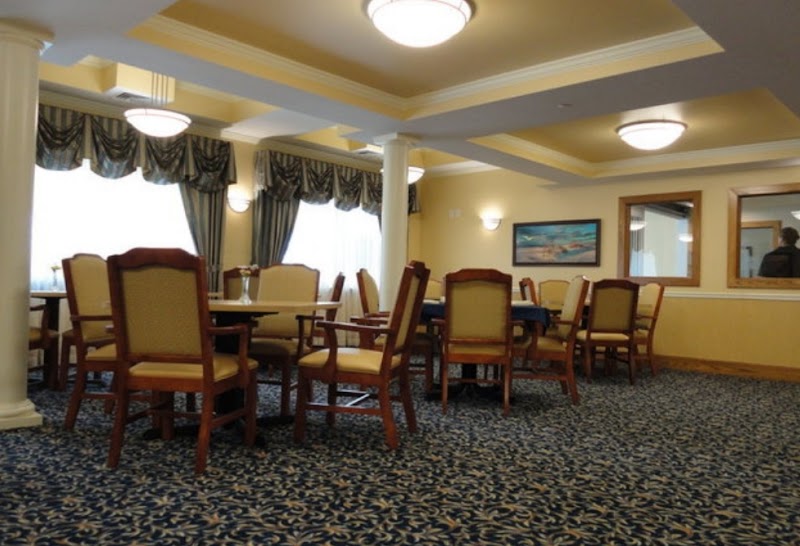
Who Owns and Operates Mystic Healthcare & Rehabilitation Center, Llc?

MYSTIC HEALTHCARE & REHABILITATION CENTER, LLC is owned by a for-profit company. For-profit facilities operate as businesses with obligations to shareholders or private owners. The facility is operated by RYDERS HEALTH MANAGEMENT, a chain that manages multiple nursing homes. With 100 certified beds and approximately 83 residents (about 83% occupancy), it is a mid-sized facility located in MYSTIC, Connecticut.
How Does Mystic Healthcare & Rehabilitation Center, Llc Compare to Other Connecticut Nursing Homes?

Compared to the 100 nursing homes in Connecticut, MYSTIC HEALTHCARE & REHABILITATION CENTER, LLC's overall rating (2 stars) is below the state average of 3.0, staff turnover (64%) is significantly higher than the state average of 46%, and health inspection rating (4 stars) is above the national benchmark.

What Should Families Ask When Visiting Mystic Healthcare & Rehabilitation Center, Llc?

Based on this facility's data, families visiting should ask: "How do you ensure continuity of care given staff turnover, and what is your staff retention strategy?" "Can you walk me through typical staffing levels on day, evening, and night shifts?" "Can I visit during a mealtime to observe dining assistance and food quality?" "How do you handle medical emergencies, and what is your hospital transfer rate?" These questions are particularly relevant given the facility's high staff turnover rate and the below-average staffing rating.

Is Mystic Healthcare & Rehabilitation Center, Llc Safe?

Based on CMS inspection data, MYSTIC HEALTHCARE & REHABILITATION CENTER, LLC has a clean safety record: no substantiated abuse findings (meaning no confirmed cases of resident harm), no Immediate Jeopardy citations (the most serious violation level indicating risk of serious injury or death), and is not on the Special Focus Facility watch list (a federal program monitoring the lowest-performing 1% of nursing homes). The facility has a 2-star overall rating and ranks #100 of 100 nursing homes in Connecticut. While no facility is perfect, families should still ask about staff-to-resident ratios and recent inspection results during their visit.

Do Nurses at Mystic Healthcare & Rehabilitation Center, Llc Stick Around?

Staff turnover at MYSTIC HEALTHCARE & REHABILITATION CENTER, LLC is high. At 64%, the facility is 18 percentage points above the Connecticut average of 46%. Registered Nurse turnover is particularly concerning at 59%. RNs handle complex medical decisions and coordinate care — frequent RN changes can directly impact care quality. High turnover means new staff may not know residents' individual needs, medications, or preferences. It can also be disorienting for residents, especially those with dementia who rely on familiar faces. Families should ask: What is causing the turnover? What retention programs are in place? How do you ensure care continuity during staff transitions?

Was Mystic Healthcare & Rehabilitation Center, Llc Ever Fined?

MYSTIC HEALTHCARE & REHABILITATION CENTER, LLC has no federal fines on record. CMS issues fines when nursing homes fail to meet care standards or don't correct problems found during inspections. The absence of fines suggests the facility has either maintained compliance or corrected any issues before penalties were assessed. This is a positive indicator, though families should still review recent inspection reports for the full picture.

Is Mystic Healthcare & Rehabilitation Center, Llc on Any Federal Watch List?

MYSTIC HEALTHCARE & REHABILITATION CENTER, LLC is not on any federal watch list. The most significant is the Special Focus Facility (SFF) program, which identifies the bottom 1% of nursing homes nationally based on persistent, serious quality problems. Not being on this list means the facility has avoided the pattern of deficiencies that triggers enhanced federal oversight. This is a positive indicator, though families should still review the facility's inspection history directly.