COMPLETE CARE AT GLENDALE
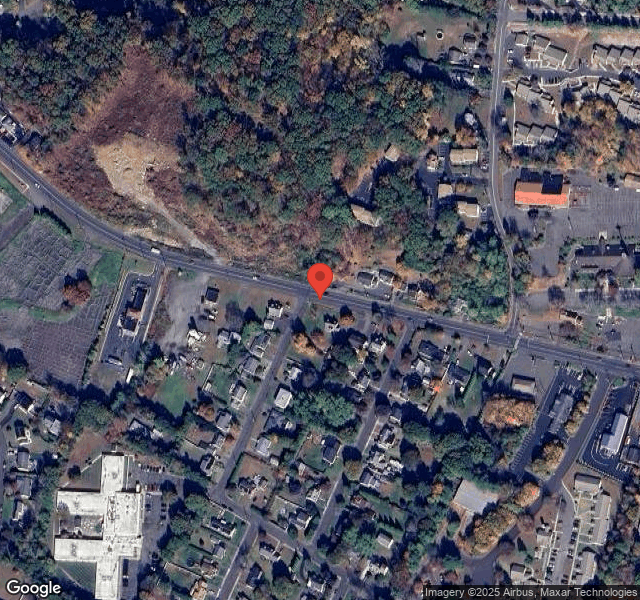
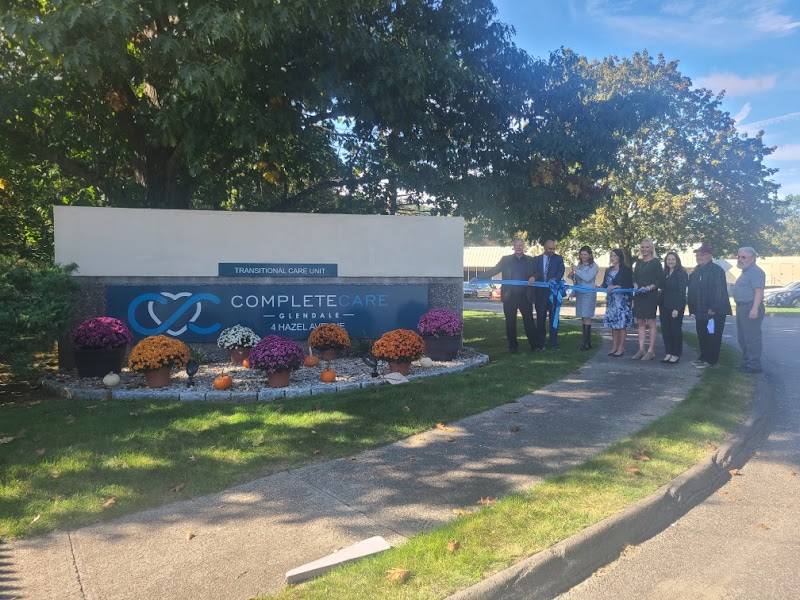
4 HAZEL AVE, NAUGATUCK, CT 06770 (203) 723-1456
For profit - Corporation 120 Beds COMPLETE CARE Data: November 2025
Trust Grade
68/100
#59 of 192 in CT
Last Inspection: January 2024

Within standard 12-15 month inspection cycle. Federal law requires annual inspections.

Overview

Complete Care at Glendale has a Trust Grade of C+, which means it is considered decent and slightly above average compared to other facilities. It ranks #59 out of 192 nursing homes in Connecticut, placing it in the top half of facilities in the state, and #7 out of 22 in Naugatuck Valley County, indicating that only six local options are better. The facility is currently improving, with issues decreasing from 11 in 2024 to just 2 in 2025. Staffing is rated average, with a turnover rate of 34%, which is better than the state's average of 38%, suggesting that staff members tend to stay longer and provide continuity of care. However, the facility has faced some concerning fines totaling $21,294 and has had specific incidents such as failing to maintain sanitary conditions in the kitchen and nourishment refrigerators, which could pose health risks. Additionally, there was a lack of proper documentation for oxygen therapy for some residents, highlighting areas needing improvement. Overall, while there are strengths in staffing stability and quality measures, families should be aware of the facility's sanitation issues and documentation lapses.

Trust Score
C+
68/100
In Connecticut
#59/192
Top 30%
Safety Record
Low Risk
No red flags
Inspections
Getting Better
11 → 2 violations
Staff Stability
○ Average
34% turnover. Near Connecticut's 48% average. Typical for the industry.
Penalties
✓ Good
$21,294 in fines. Lower than most Connecticut facilities. Relatively clean record.
Skilled Nurses
○ Average
Each resident gets 39 minutes of Registered Nurse (RN) attention daily — about average for Connecticut. RNs are the most trained staff who monitor for health changes.
Violations
⚠ Watch
26 deficiencies on record. Higher than average. Multiple issues found across inspections.
★★★★☆
4.0
Overall Rating
★★★☆☆
3.0
Staff Levels
★★★★★
5.0
Care Quality
★★★☆☆
3.0
Inspection Score
Stable
2024: 11 issues
2025: 2 issues

The Good

  • 5-Star Quality Measures · Strong clinical quality outcomes
  • Full Sprinkler Coverage · Fire safety systems throughout facility
  • No fines on record
  • Staff turnover below average (34%)

    14 points below Connecticut average of 48%

Facility shows strength in quality measures, fire safety.

The Bad

Staff Turnover: 34%

12pts below Connecticut avg (46%)

Typical for the industry

Federal Fines: $21,294

Below median ($33,413)

Minor penalties assessed

Chain: COMPLETE CARE

Part of a multi-facility chain

Ask about local staffing decisions and management

The Ugly 26 deficiencies on record

May 2025 2 deficiencies
CONCERN (D) 📢 Someone Reported This

A family member, employee, or ombudsman was alarmed enough to file a formal complaint

Potential for Harm - no one hurt, but risky conditions existed

Notification of Changes (Tag F0580)

Could have caused harm · This affected 1 resident

**NOTE- TERMS IN BRACKETS HAVE BEEN EDITED TO PROTECT CONFIDENTIALITY** Based on review of clinical records, interviews, facility documentation and facility policy for one (1) of three (3) residents (...

Read full inspector narrative →
**NOTE- TERMS IN BRACKETS HAVE BEEN EDITED TO PROTECT CONFIDENTIALITY** Based on review of clinical records, interviews, facility documentation and facility policy for one (1) of three (3) residents (Resident #1) reviewed for a change of condition, the facility failed to notify the resident's family of a critical lab value result. The findings included: Resident #1 was admitted to the facility in March of 2025 with diagnoses that included cervicalgia, other spondylosis, and subluxation of the T2/T3 thoracic vertebra. The comprehensive Minimum Data Set assessment (MDS) dated [DATE] identified Resident #1 was moderately cognitively impaired (Brief Interview for Mental Status (BIMS) score of 11), required set-up assistance with eating and oral hygiene, and required supervision with personal hygiene. The Resident Care Plan (RCP) dated 3/18/25 identified a risk for malnutrition related to hyponatremia, dehydration, intravenous fluids, variable oral intake, mechanically altered diet, and oral nutritional supplements. Interventions directed to monitor for signs of dehydration and monitor weights and labs as available. Lab results dated 4/16/25 at 2:53 PM identified a critical serum sodium level of 99. Nursing notes dated 4/16/25 at 3:54 PM identified Resident #1 was seen by MD #1 and APRN #1, new orders for a KUB (kidney, ureter, bladder x-ray) and an ultrasound to bilateral upper extremities, and that Person #1 was aware of all new orders, however failed to indicate Person #1 was informed of the critical sodium level of 99. Nursing notes dated 4/16/25 at 6:55 PM identified a peripheral intravenous line was inserted into Resident #1's left hand and that a one (1) liter normal saline infusion was initiated at 50 milliliters per hour, however failed to indicate Person #1 was informed of the critical sodium level of 99. Nursing notes dated 4/17/25 at 3:50 PM identified a STAT BMP (basal metabolic panel) was ordered for Resident #1, intravenous hydration was completed, and Person #1 was aware of all new orders. Review of the Notification of Changes policy directed to promptly inform the resident, consult with the resident's physician, and notify, consistent with his/her authority, the resident's representative when there was a change requiring such notification which included circumstances that required a need to alter treatment, such as a new treatment or discontinuation of current treatment due to adverse consequences, acute condition, or exacerbation of a chronic condition. ,
CONCERN (D) 📢 Someone Reported This

A family member, employee, or ombudsman was alarmed enough to file a formal complaint

Potential for Harm - no one hurt, but risky conditions existed

Quality of Care (Tag F0684)

Could have caused harm · This affected 1 resident

**NOTE- TERMS IN BRACKETS HAVE BEEN EDITED TO PROTECT CONFIDENTIALITY** Based on review of clinical records, interviews, facility documentation and facility policy for one (1) of three (3) residents (...

Read full inspector narrative →
**NOTE- TERMS IN BRACKETS HAVE BEEN EDITED TO PROTECT CONFIDENTIALITY** Based on review of clinical records, interviews, facility documentation and facility policy for one (1) of three (3) residents (Resident #1) reviewed for a change of condition, the facility failed to ensure follow-up labs were drawn in a timely manner for a resident with critical lab values. The findings included: Resident #1 was admitted to the facility with diagnoses that included cervicalgia, other spondylosis, and subluxation of the T2/T3 thoracic vertebra. The comprehensive Minimum Data Set assessment (MDS) dated [DATE] identified Resident #1 was moderately cognitively impaired (Brief Interview for Mental Status (BIMS) score of 11), required set-up assistance with eating and oral hygiene, and required supervision with personal hygiene. The Resident Care Plan (RCP) dated 3/18/25 identified a risk for malnutrition related to hyponatremia, dehydration, intravenous fluids, variable oral intake, mechanically altered diet, and oral nutritional supplements. Interventions directed to monitor for signs of dehydration and monitor weights and labs as available. Review of the hospital discharge records dated 3/12/25 identified Resident #1 was hyponatremic with a serum sodium level of 128, was treated with gentle fluid hydration, and his/her sodium level improved to 131 prior to discharge. Lab results dated 4/16/25 identified a critical serum sodium level of 99. Provider's orders dated 4/16/25 at 3:49 PM directed a Basic Metabolic Panel (BMP) (blood test that measures levels in the blood to assess metabolism, kidney function, blood sugar, and electrolyte balance) with a requested service date of 4/17/25. Review of the clinical record identified the order was canceled the morning of 4/17/25 and replaced with an order for a STAT (immediate) BMP at 11:15 AM. The BMP results dated 4/17/25 identified Resident #1's blood was drawn on 4/17/25 at 9:26 PM, was received by the lab for processing on 4/18/25 at 12:54 AM, and resulted on 4/18/25 at 2:02 AM with a critical serum sodium level of 103. APRN #2's (On-Call APRN) note dated 4/18/25 at 2:34 AM identified he/she was informed of Resident #1's abnormal sodium result of 103, Resident #1 was unarousable upon exam, Resident #1's condition was critical and directed Resident #1 be sent to the hospital. The 4/18/25 hospital record identified Resident #1 was diagnosed with hyponatremia, hypokalemia, hypomagnesemia, acute respiratory failure with hypoxia, hypovolemia, altered mental status, and was admitted into the critical care unit. An interview with APRN #1 on 5/13/25 at 11:20 AM identified an order for a BMP (which included a serum sodium level) was initially ordered on 4/16/25 at 3:49 PM, with a service date of 4/17/25. APRN #1 further indicated the lab results should have been available by the time he/she arrived at the facility on the morning of 4/17/25 and after identifying the labs were not drawn, placed a new order at 11:15 AM for a STAT BMP. APRN #1 indicated he/she immediately informed LPN #1, who was assigned to care for Resident #1 during the 7:00 AM to 3:00 PM shift on 4/17/25, of the STAT order. The order was entered into the lab portal at 12:45 PM (one hour and thirty minutes after the order was entered). Interview with MD #1 on 5/13/25 at 12:09 PM identified he/she was aware of the critical sodium level of 99 on 4/16/25 and ordered one (1) liter of normal saline to be administered at 50 milliliters per hour, Lasix 40 milligrams daily for treatment of hyponatremia, and a follow-up lab draw for 4/17/25 to re check Resident #1's sodium level. MD #1 further indicated the follow up sodium level of 103 was not an adequate response to the interventions ordered and required transfer to the hospital. A confirmation for the lab order dated 4/16/25 (with a service date of 4/17/25) was requested, however, the facility was unable to provide verification that the lab was ordered. Interview with APRN #1 on 5/13/25 at 4:00 PM identified he/she was not informed of any issue with the initial BMP order (entered on 4/16/25) and was never told lab orders needed to be entered as STAT to be drawn on a non-routine lab day (4/17/25). Interview with LPN #1 on 5/14/25 at 9:42 AM identified an order entered as STAT should be carried out immediately after completing essential in progress tasks. The process to enter a STAT lab order required the order to be entered into the electronic lab portal and to place a phone call to the lab service provider to directly notify the lab of the STAT order. Interview with the Director of Nurses (DON) on 5/14/25 at 10:30 AM identified the facility failed to process the BMP ordered by APRN #1 on 4/16/25. The DON further identified that both the charge nurse and nurse supervisor were responsible for checking pending orders in the electronic medical record (EMR) which is where the lab order would have been entered by the provider for facility processing. Interview with Person #1 (lab service provider) on 5/14/25 at 2:48 PM identified labs ordered for non-routine lab draw days (4/17/25) would need to be entered STAT for the lab to be scheduled and drawn and that the lab technician would be dispatched to fulfill the order within eight (8) hours after the order was placed. Person #1 further indicated that if a lab order needed to be drawn more expediently, the facility should have entered specifications in the comment field of the order screen. Person #1 identified the comment field for the lab order dated 4/17/25 was blank.
Jan 2024 11 deficiencies
CONCERN (D)

Potential for Harm - no one hurt, but risky conditions existed

Abuse Prevention Policies (Tag F0607)

Could have caused harm · This affected 1 resident

Based on review of facility documentation and policy for 1 of 5 personnel files reviewed, the facility failed to conduct a required background for an LPN, according to policy, prior to hire. The findi...

Read full inspector narrative →
Based on review of facility documentation and policy for 1 of 5 personnel files reviewed, the facility failed to conduct a required background for an LPN, according to policy, prior to hire. The findings include: LPN #2's hire date was 1/17/22. Review of LPN #2's personnel file identified that LPN #2 consented to a background check on 1/6/22, however, the file did not contain the state required ABCMS background check, including fingerprinting. Interview with the Director of HR on 1/26/24 at 1:00 PM identified LPN #2 did not have the required background check prior to hire. The Director of HR identified that she did not know why the background check was not done as it was prior to her employment at the facility. Review of the facility policy on background checks identified all offers of employment are contingent upon clear results of a thorough background check. Background checks will include social security verification, prior employment verification, personal and professional references, criminal history and state specific background checks, i.e. facilities operating in states that require state specific background check processes shall be adhered to per state guidelines.
CONCERN (D)

Potential for Harm - no one hurt, but risky conditions existed

PASARR Coordination (Tag F0644)

Could have caused harm · This affected 1 resident

**NOTE- TERMS IN BRACKETS HAVE BEEN EDITED TO PROTECT CONFIDENTIALITY** Based on review of the clinical record, facility documentation, facility policy, and interviews for 1 of 9 residents (Resident #...

Read full inspector narrative →
**NOTE- TERMS IN BRACKETS HAVE BEEN EDITED TO PROTECT CONFIDENTIALITY** Based on review of the clinical record, facility documentation, facility policy, and interviews for 1 of 9 residents (Resident #40) reviewed for PASSAR, the facility failed to submit a PASSAR when a resident received a new diagnosis. The findings include: 1. Resident #40 was admitted to the facility initially on 5/12/14 with a diagnosis that included mild or situational depression, myocardial infarction, and urinary tract infection. A PASARR Level 1 dated 5/1/14 identified Resident #40 had a diagnosis of mild or situational depression with no major mental illness and no diagnosis of dementia. The outcome from the assessment indicated a 120 day short term approval. Resident #40 was readmitted to the facility on [DATE] with diagnoses that included anxiety disorder, congestive heart disease, depression, and cerebral infarction. The care plan dated 3/25/23 identified Resident #40 was at risk for distressed and fluctuating mood symptoms related to diagnosis of depression. Interventions included to monitor for signs and symptoms of worsening sadness and depression. The annual MDS dated [DATE] identified Resident #40 had severely impaired cognition, a diagnosis of dementia, anxiety disorder, depression other than bipolar, and psychotic disorder other than schizophrenia, and received antidepressants 7 days a week. The social worker annual assessment dated [DATE] identified Resident #40 was not considered by the state level 2 PASARR process to have a serios mental illness and/or intellectual disability or a related condition. Interview with the MDS Coordinator, (RN #5) on 1/24/24 at 9:49 AM identified Resident #40 had an MDS dated [DATE] that indicated no for a diagnosis for PASSAR. RN #5 indicated Resident #40 was admitted without a diagnosis of dementia but in October of 2022 was given a diagnosis of dementia. Interview with SW #1 on 1/24/24 at 10:15 AM indicated social services was responsible to update the PASSAR when there was a new psychiatric diagnosis or if someone came in as a Level 2 and needed updates based on how many days the resident was approved for. SW #1 indicated after the surveyor requested the PASSAR for Resident #40, SW #1 indicated she reviewed the medical record and had noticed Resident #40 had a diagnosis of major depression after admission dated 5/12/14, but that diagnosis was not on the admission PASSAR. SW #1 indicated at that time a new PASSAR should have been done with the new diagnosis and it wasn't done. SW #1 indicated Resident #40 had a 120 day approval and there was not another PASARR completed at that time. SW #1 indicated it also did not get picked up when the prior social worker, SW #2, had done an audit of all PASSAR's for all residents that were in the facility in beginning of 2022. SW #1 indicated when she started in early 2022, the SW #2 had completed an audit of all PASSAR's in the facility a couple of months before she left and informed her that all the PASSAR's were up to date and were all set. SW #1 indicated she assumed, moving forward, she only had to review the PASSAR's on admission and when psychiatry identified a new psychiatric new diagnosis. SW #1 indicated it was missed and was an oversight. SW #1 indicated that she submitted a new PASSAR on 1/23/24 and today she received the outcome of the PASSAR as a Level 1 exempt due to the new diagnosis of dementia in 2022. SW #1 indicated she and the other social workers at the facility had started an audit yesterday of all PASSAR's in the facility to make sure the diagnosis on the PASSAR matches the diagnosis list in the medical record and would update PASARR if needed. Review of the facility preadmission screening for mental illness and/or intellectual development disability policy identified facility staff will ensure that appropriate pre-admission screening for mental illness and intellectual disability was conducted per federal and state regulations. Individuals identified with mental illness, or intellectual or developmental disability will be provided with appropriate services. The facility staff will ensure upon admission the pre-admission screening and resident PASARR has been completed. If a PASSAR is incomplete or incorrect, social services will coordinate with appropriate needs and services and any recommendations with be incorporated into the plan of care. Completed PASSAR's will be kept in the medical record. Social Services will coordinate any updates as needed and per the federal and state regulations.
CONCERN (D)

Potential for Harm - no one hurt, but risky conditions existed

Deficiency F0645 (Tag F0645)

Could have caused harm · This affected 1 resident

**NOTE- TERMS IN BRACKETS HAVE BEEN EDITED TO PROTECT CONFIDENTIALITY** Based on review of the clinical record, facility policy, and interviews for the only sampled resident (Resident #83) reviewed fo...

Read full inspector narrative →
**NOTE- TERMS IN BRACKETS HAVE BEEN EDITED TO PROTECT CONFIDENTIALITY** Based on review of the clinical record, facility policy, and interviews for the only sampled resident (Resident #83) reviewed for psychiatric medication side effects, the facility failed to ensure a status change Level 1 PASRR screen was completed. The findings include: Resident #83 was admitted to the facility on [DATE] with diagnoses that included neoplasm of the brain, anxiety, and major depressive disorder. Review of the Notice of PASRR Level 1 Outcome report dated 5/27/21 identified Resident #83 had situational low level behavioral health symptoms, a diagnosis of major depression with no indicators identified that would signify the need for further evaluation, at that time. The report further identified that if Resident #83's symptoms/behaviors did not improve or resolve within 30 - 60 days of the screen, then the nursing facility must submit an updated status change Level 1 screen to reevaluate the need for a PASSR Level 2 behavioral health evaluation. The annual MDS dated [DATE] identified Resident #83 had intact cognition, had an active diagnosis of depression, and had taken an antidepressant during the last 7 days. The care plan dated 12/15/23 identified Resident #83 exhibited or was at risk for distressed fluctuating mood symptoms related to anxiety or fear. Interventions included observing for signs of delirium, including delusions and hallucinations; notifying the physician as needed, and referencing the delirium care plan for additional interventions. The care plan further identified Resident # 83 was at risk for complications related to the antidepressant, needed daily, to manage his/her mood. Interventions included observation of Lexapro side effects, completion of the behavior monitoring flow sheet, monitoring for changes in mental status and functional level, and reporting changes to the physician, as indicated. Interview with SW #3 on 1/26/24 at 10:52 AM identified that since Resident #83's admission on [DATE], 4 Level of Care evaluations had been completed, but an updated status change Level 1 screen, per the recommendation on the 5/26/21 PASAR Level 1 Outcome report, had not been submitted. SW #3 indicated that since Resident #83's behavioral health symptoms/behaviors did not improve or resolved within 30 - 60 days of the initial screen, the facility should have submitted another Level 1 PASRR screen. Interview with the Director of Social Service (SW #1) on 1/26/24 at 11:00 AM identified that another Level 1 PASRR screen should have been submitted for Resident #83. SW #1 further identified that another Level 1 PASRR screen will be submitted for Resident #83 and that an audit of all facility PASRR outcome reports will be conducted to ensure there are no additional residents that had missed a screening or evaluation. The facility's Pre-admission Screening for Mental Illness and/or Intellectual/Developmental Disability policy directs facility staff to ensure that appropriate pre-admission screening for mental illness and/or intellectual/developmental disability is conducted per the federal/state regulations. Social Services will review the PASRR to determine appropriate needs/services and any recommendations will be incorporated into the plan of care.
CONCERN (D)

Potential for Harm - no one hurt, but risky conditions existed

Quality of Care (Tag F0684)

Could have caused harm · This affected 1 resident

**NOTE- TERMS IN BRACKETS HAVE BEEN EDITED TO PROTECT CONFIDENTIALITY** Based on observation, review of the clinical record, facility documentation, facility policy, and interviews for 1 resident (Res...

Read full inspector narrative →
**NOTE- TERMS IN BRACKETS HAVE BEEN EDITED TO PROTECT CONFIDENTIALITY** Based on observation, review of the clinical record, facility documentation, facility policy, and interviews for 1 resident (Resident #74) reviewed for positioning, the facility failed to ensure positioning in wheelchair per policy. The findings include: Resident #74 was admitted to the facility with diagnoses that included muscle weakness, difficulty in walking and dementia. An Occupational Therapy note dated 12/7/23 identified Resident #74 was a fall risk and dependent on staff to put on and take off footwear. Resident #74 utilized a wheelchair and could sit unsupported for 30 seconds with his/her feet flat on floor but was unable to stand unsupported with an assistive device. The quarterly MDS dated [DATE] identified Resident #74 had severely impaired cognition, was always incontinent of bowel and bladder and required maximum assistance for transfers from bed to chair and toilet transfers. Resident #74 was independent with self-propelling in a standard wheelchair at least 150 feet in hallway and 50 feet when making 2 turns. Resident #74 was non ambulatory. A physician's order dated 1/10/24 directed a pressure redistribution cushion to chair. The care plan dated 1/18/24 identified the resident was at risk for skin breakdown due to limited mobility. Interventions included applying pressure redistribution surfaces to chair as per guidelines. Resident #74 uses a sit to stand lift for transfers. Resident #74 self-propels in wheelchair so keep room free from clutter. Observation on 1/22/24 at 10:10 AM identified Resident #74 was self-propelling down the hallway in a standard wheelchair using only his/her arms. The resident's legs were unable to reach the floor and observed extended outward and dangling about 4-5 inches above the floor. The wheelchair was without the benefit of leg rests. Interview with Resident #74 on 1/22/24 at 10:11 AM indicated he/she does not have leg rests but was requesting if someone could get some. Resident #74 indicated he/she was not comfortable in the wheelchair because his/her legs did not reach the floor because of a new cushion. Interview with NA #1 on 1/22/24 at 10:12 AM indicated she provided morning care for Resident #74 and the resident required a stand pivot with one assist out of bed to the standard wheelchair. NA #1 indicated Resident #74 did not have leg rests in his/her room for the wheelchair. NA #1 searched the room and the closet and indicated no leg rests could be found and identified she did not know how long they have been missing. NA #1 indicated she did not inform anyone about the missing leg rests. Interview with NA #2 on 1/22/24 at 10:15 AM indicated that the central supply person had received several new wheelchair cushions, and the central supply person went around giving residents new cushions. NA #2 indicated the central supply person gave Resident #74 a new cushion last Friday, but the new cushion was higher than the last cushion Resident #74 had. Interview with the Director of the Rehabilitation Department (PT #1), on 1/22/24 at 10:18 AM indicated that everyone was responsible for assigning cushions to wheelchairs. PT #1 indicated that sometimes it is the rehab department, sometimes nursing and sometimes the central supply person. PT #1 indicated Resident #74 self-propels sometimes with his/her arms and sometimes with his/her legs. PT #1 indicated Resident #74 sometimes uses leg rests for going outside and Resident #74 sometimes attempts to stand independently and was a fall risk. PT #1 indicated if there were leg rests on Resident #74's wheelchair, it could be more dangerous if Resident #74 attempted to stand up with the leg rests on the wheelchair. In an observation of Resident #74 while in the wheelchair, PT #1 indicated that Resident #74's feet do not touch the floor and were about 4 inches from the floor. PT #1 indicated Resident #74 was sitting on a higher cushion than he remembers. PT #1 indicated he could lower the wheelchair to use the same cushion or change the cushion so Resident #74's feet would reach the floor. PT #1 indicated he could also add leg rests. In an interview with Resident #74 on 1/22/24 at 10:20 AM he/she informed PT #1 that he/she was not comfortable with the positioning in the wheelchair. Resident #74 indicated he/she would like to try changing the cushion and have leg rests. Interview with LPN #1 on 1/22/24 at 10:30 AM indicated Resident #74 only uses his/her arms to self-propel in the wheelchair and does not use his/her legs. Interview with PT #1 on 1/22/24 at 10:35 AM identified the measurement from Resident #74's feet to the floor was 4.5 inches and the new cushion on the wheelchair was 2.5 inches high. PT #1 indicated the old cushion was only about a half inch high. PT #1 indicated he could lower the wheelchair and change cushion and give Resident #74 leg rests. PT #1 with OT #1 searched Resident #74's room and indicated there were no leg rests in the room and did not know how long they were not available. In an interview on 1/22/24 at 10:45 AM, Resident #74 reported to PT #1 and OT #1 he/she wanted leg rests. After surveyor inquiry, a physician's order dated 1/22/24 directed occupational therapy evaluation and treatment as recommended. Observation on 1/24/24 at 8:36 AM identified Resident #74 was sitting in his/her wheelchair eating breakfast with a one-inch cushion and bilateral leg rests on the wheelchair with his/her legs resting on the leg rests. Interview with the Staff Development Nurse, (RN #1) on 1/24/24 at 8:45 AM indicated nursing staff are educated on a web-based system with paper posttest. RN #1 indicated the nursing staff must have competencies. RN #1 indicated if a resident cannot self-propel with their legs, then the wheelchair must have leg rests. Interview with LPN #1 on 1/24/24 at 9:00 AM indicated therapy was in with Resident #74 this morning and gave Resident #74 a smaller cushion which was not as high for the wheelchair and leg rests to make him/her more comfortable. Interview with Director of Rehabilitation (PT #1), on 1/25/24 at 10:45 AM indicated on 1/22/24 he lowered Resident #74's wheelchair, added leg rests and changed the cushion. PT #1 indicated Resident #74 was picked up by OT for positioning and was now on case load. Review of the facility use of a wheelchair policy identified the purpose was to provide mobility for non-ambulatory residents with safety and comfort. A wheelchair should be the proper size: if too large the resident will not maintain good body alignment and if too small skin irritation will result due to pressure. Do not remove leg rests unless resident uses feet on floor to enable mobility. Pad seat of the chair with a pressure reducing cushion. Ensure cushion has a cover. Assist resident into wheelchair and lower leg rests and place resident's feet on the footrests. Position feet and legs in proper body alignment.
CONCERN (D)

Potential for Harm - no one hurt, but risky conditions existed

Pressure Ulcer Prevention (Tag F0686)

Could have caused harm · This affected 1 resident

**NOTE- TERMS IN BRACKETS HAVE BEEN EDITED TO PROTECT CONFIDENTIALITY** Based on observation, review of the clinical record, facility documentation, facility policy, and interviews for 1 of 4 resident...

Read full inspector narrative →
**NOTE- TERMS IN BRACKETS HAVE BEEN EDITED TO PROTECT CONFIDENTIALITY** Based on observation, review of the clinical record, facility documentation, facility policy, and interviews for 1 of 4 residents (Resident #29) reviewed for pressure ulcers, the facility failed to ensure that a low air loss mattress was applied timely for a resident admitted at risk of skin breakdown, and failed to ensure that an RN assessment was completed on a newly identified skin issue. The findings include: Review of the hospital Discharge summary dated [DATE] identified Resident #29 was discharged from the hospital to the facility with a wound vac in place at the right hip due to an abscess requiring surgical intervention. Resident #29 was admitted to the facility on [DATE] with diagnoses that included cerebral infarction, osteomyelitis of the right femur, and insulin dependent diabetes. The care plan dated 11/23/23 identified Resident #29 was at risk for skin breakdown due to decreased mobility, incontinence, and actual skin breakdown related to a right hip pressure wound with wound vac. Interventions included completing weekly wound assessments to include measurements and description of the wound status. The Braden Scale (used to determine risk of pressure ulcer development) dated 11/23/23 identified that Resident #29 had a high risk of developing pressure ulcers. The admission MDS dated [DATE] identified Resident #29 had severely impaired cognition, was always incontinent of bowel, frequently incontinent of bladder and required maximum assistance with bathing, eating, and toileting. The MDS further identified Resident #29 was at risk for development of pressure ulcers. A physician's order dated 12/5/23 directed to apply a low air loss mattress with a setting of 160 lbs. The order further directed to check settings and function every shift. Review of the clinical record failed to identify that a low air loss mattress had been placed prior to 12/5/23, 12 days after admission. A nurse's note dated 12/17/23 at 2:43 AM by LPN #4 identified that Resident #29 had a change of condition evaluation due to newly identified skin issue. LPN #4 identified Resident #29 had a 2 cm x 3 cm pressure injury with blackened skin at the sacrum. The note further identified the APRN and Person #1, Resident #29's resident representative, were notified. Review of the clinical record failed to identify an RN assessment was completed following the development of the newly identified skin issue on 12/17/23. A wound care physician's note dated 12/19/23 identified Resident #29 was seen for follow up evaluation of a right hip post-surgical wound, and an initial evaluation of an unstageable full thickness pressure injury to the sacrum. The sacral wound measured 4.5 cm x 5.5 cm and the depth of the wound was unstageable due to the presence of nonviable tissue and necrosis. The treatment plan included a daily dressing of calcium alginate with silver, gauze island, and border dressing daily. The care plan dated 1/22/24 identified Resident #29 was at risk for skin breakdown due to decreased mobility, incontinence, and actual skin breakdown related to a right hip pressure wound with wound vac and a newly developed sacral pressure ulcer. Interventions included the use of a low air loss mattress and to check the function and settings every shift. Interview with Person #1 on 1/22/24 at 10:24 AM identified that Resident #29 had a pressure ulcer that developed after admission to the facility. Person #1 identified that Resident #29 originally came to the facility for care of a right hip wound and developed an area on his/her back side a couple of weeks after admission. Person #1 identified that he/she was upset about the new pressure ulcer, as he/she felt the facility should have had interventions in place due to Resident #29's history with wounds. Interview with LPN #2 on 1/25/24 at 1:45 PM identified she was unsure when the low air loss mattress was placed, but there had been issues with the settings related to firmness that happened 'a few months ago' and that maintenance recommended the setting of 160 lbs. LPN #2 identified she reached out to maintenance about the mattress a couple of days after the mattress was placed, but by verbal request, and that the placement and documentation of maintenance assisting would not have any documentation. Interview and review of the clinical record with RN #3 on 1/26/24 at 11:13 AM identified that Resident #29 was admitted to the facility with a wound vac to the right hip. RN #3 identified that Resident #29 was initially scheduled to see an outside wound care physician, but at some point, that changed and subsequently the facility wound care physician saw Resident #29 for an initial evaluation on the morning of 12/5/23. RN #3 identified that during the initial evaluation, she saw that Resident #29 had a low air mattress in place, but the mattress felt too soft and so the weight was increased to 160 lbs. to increase the firmness. RN #3 identified she was unaware how long Resident #29 had the mattress in place, who placed it, or why it would have been placed without a physician's order prior to 12/5/23. RN #3 identified that the facility had a system to request low air loss mattresses and she would research to see if a request had been made for the mattress to determine when it was applied to Resident #29's bed. RN #3 also identified that Resident #29 should have had an RN assessment following the newly identified pressure ulcer on 12/17/23 by LPN #4. RN #3 further identified LPN #4 would not be able to make the determination if a wound was related to a pressure injury, and that an RN assessment would be necessary to determine this. RN #3 identified that she was typically notified of newly identified skin issues by the nursing staff via 'a sticky note on my desk', text, or 24-hour report sheets, and she would often complete an RN assessments of new wounds, but that a nursing supervisor could also assess any new skin issues. RN #3 also identified she did review charts of residents with newly identified skin issues. Interview with the DNS on 1/26/24 at 11:42 AM identified that for any newly identified skin issues, an RN assessment should be completed. The DNS identified an LPN would not be able to make an assessment if a skin issue was related to a possible pressure injury, and that would need to be determined by an RN. The DNS identified she did not complete an RN assessment of Resident #29's wound on 12/17/23 and she was unsure why a RN had not assessed Resident #29's wound until 12/19/23 as this was not the facility policy. Interview with the Regional Clinical Manager on 1/26/24 at 11:59 AM identified that the low air loss mattress for Resident #29 was not located in the facility system, and he was unable to determine when the mattress was applied. Although requested, the facility failed to provide a policy on Braden Scale assessments, a policy on newly identified skin issues or a policy on low air loss mattresses. The facility policy on nursing assessments directed that LPNs may assist an RN to collect data for nursing assessments, but assessments would be reviewed, coordinated, and certified as complete by RN within 24 hours of the assessment. The policy further directed that nursing assessments included a change of condition.
CONCERN (D)

Potential for Harm - no one hurt, but risky conditions existed

Respiratory Care (Tag F0695)

Could have caused harm · This affected 1 resident

**NOTE- TERMS IN BRACKETS HAVE BEEN EDITED TO PROTECT CONFIDENTIALITY** Based on observation, review of the clinical record, facility documentation, facility policy, and interviews for 1 resident (Res...

Read full inspector narrative →
**NOTE- TERMS IN BRACKETS HAVE BEEN EDITED TO PROTECT CONFIDENTIALITY** Based on observation, review of the clinical record, facility documentation, facility policy, and interviews for 1 resident (Resident #102) reviewed for respiratory care, the facility failed to follow the manufacturer recommendations in the cleaning and storage of a CPAP (continuous positive airway pressure is a machine that uses mild air pressure to keep breathing airways open while you sleep.) The findings include: Resident #102 was admitted to the facility on [DATE] with diagnoses that included obstructive sleep apnea and dependance on others for enabling machines and devices. The care plan dated 8/31/23 identified Resident #102 was at risk for respiratory complications related to sleep apnea. Interventions included maintaining CPAP per order. The admission MDS dated [DATE] identified Resident #102 had intact cognition and required supervision or touching assistance for bathing, upper and lower body dressing and required non-invasive mechanical ventilators such as Bi-PAP or CPAP. A physician's order dated 1/10/24 directed to provide CPAP 5/15 back up rate 5/15 oxygen liter flow: apply at bedtime and remove in the morning. Interface type: full face mask. Humidification (if appropriate) heated or cool. Fill humidifier with sterile or distilled water. The physician orders did not direct how often and how much distilled water to use, when to change the CPAP filter, or when to clean and change the full face mask and tubing. Observation on 1/22/24 at 7:45 AM identified Resident #102 was lying flat in bed with eyes closed. Resident #102 had a CPAP machine on top of the nightstand with the CPAP mask without the benefit of being bagged, and the mask and tubing were not dated. Interview with Resident #102 on 1/22/24 at 7:45 AM indicated he/she had been at the facility since last summer (2023) and no one in the facility had ever changed the CPAP face mask or tubing. Resident #102 indicated he/she does not have a bag to put his/her face mask in to keep it clean. Interview with the DNS on 1/22/24 at 12:09 PM indicated the CPAP tubing was to be changed weekly, but she did not answer how often the mask needed to be changed and stated she would get the policy. The DNS indicated she would get a bag for the mask then indicated she would throw away the mask and tubing and get a new mask and tubing. The DNS also did not answer how often the filter on the CPAP machine should be changed or how often the tubing gets cleaned/changed. The DNS went into the medication room with LPN #1. The DNS discarded the CPAP masks because it was not bagged. The DNS indicated the nurse on Saturday 11:00 PM -7:00 AM was responsible to change the tubing and masks weekly. The nurse's note, written by the DNS, dated 1/22/24 at 1:35 PM identified that a request was sent to the oxygen company for replacement CPAP mask. Review of the facility CPAP/BiPAP Cleaning Policy identified clean the CPAP frame when visibly soiled after use with soap and water. Dry well. After using cover with plastic bag or completely enclosed in machine storage when not in use. Follow manufacturer instructions for frequency of cleaning and repairing filters and servicing the machine. Replace the equipment routinely in accordance with manufacturer recommendations. General guidelines face mask and tubing change once every 3 to 6 months and headgear, non-disposable able filters, and humidifier chamber once every 6 months. Review of the manufacturer manual for the CPAP identified the filter screens out normal household dust and pollens and provides a more complete filtration of very fine particles. The blue pollen filter needs to be rinsed once at least every 2 weeks and replaced sooner if appears dirty or damaged. The disposable ultra fine filter needs to be replaced after 30 nights of use. Cleaning the tubing, hand wash the tubing and mask before first use and then daily. Wash with warm water and liquid dish soap, rinse thoroughly and air dry.
CONCERN (D)

Potential for Harm - no one hurt, but risky conditions existed

Deficiency F0711 (Tag F0711)

Could have caused harm · This affected 1 resident

**NOTE- TERMS IN BRACKETS HAVE BEEN EDITED TO PROTECT CONFIDENTIALITY** Based on review of the clinical record, facility documentation, facility policy, and interviews for 1 resident (Resident #102) r...

Read full inspector narrative →
**NOTE- TERMS IN BRACKETS HAVE BEEN EDITED TO PROTECT CONFIDENTIALITY** Based on review of the clinical record, facility documentation, facility policy, and interviews for 1 resident (Resident #102) reviewed for respiratory care, the facility failed to have physicians' orders signed in a timely manner. The findings include: Resident #102 was admitted to the facility on [DATE] with diagnoses that included obstructive sleep apnea, stroke, heart disease, and epilepsy. The care plan dated 8/31/23 identified Resident #102 was at risk for seizures. Interventions included medicating resident per physician order and monitor effectiveness. Review of physician's orders dated 8/31/23 - 10/31/23 failed to reflect the physician/APRN had signed and dated the orders. The admission MDS dated [DATE] identified Resident #102 had intact cognition and required supervision or touching assistance for bathing, upper and lower body dressing. Additionally, required non-invasive mechanical ventilators such as Bi-pap or CPAP. Review of physician's orders dated 12/1/23 - 12/31/23 failed to reflect the physician/APRN had signed and dated the orders. Interview with RN #3 on 1/25/24 at 6:20 AM indicated the physician must sign the admission orders then sign monthly orders every month for 3 months and then monthly or every 60 days. RN #3 indicated MD #2 signs his orders electronically and does not let the APRN's sign his resident's orders. Interview with the Unit Manager (RN #4) on 1/25/24 at 8:30 AM indicated the physician must see the resident and sign admission orders within 24 hours, then monthly by the APRN or physician. RN #4 indicated the APRN's and physicians in facility can sign the orders electronically. RN #4 indicated MD #2 will usually sign the interim and monthly orders electronically. After clinical record review, RN #4 indicated MD #2 had only signed the monthly orders for November 2023 and January 2024 electronically. RN #4 indicated the admission orders for August 2023, monthly orders for September, October, and December 2023 were not signed electronically or in the paper chart. RN #4 indicated MD #2 prefers to sign his own orders. Interview with Medical Records Person #1 on 1/25/24 at 9:00 AM indicated she and the DNS were responsible to make sure the physician orders and the admission history and physical were completed, signed and dated within 48 hours. Medical Records Person #1 indicated the physician was responsible to sign the monthly orders every 30 days for the first 3 months and then they can continue every 30 or 60 days. Medical Records Person #1 indicated the physicians usually don't do every 60 days, the physicians here usually sign orders every 30 days, unless there was a physician's order for the monthly orders to be renewed every 60 days if the resident was stable. Medical Records Person #1 indicated MD #2 only signs orders electronically, not on paper. After review of the paper clinical record, Medical Records Person #1 indicated the admissions, interim and monthly orders were not signed by a physician. Medical Records Person #1 indicated she did not know how to look in the electronic medical record to see if the physician had signed the monthly and interim orders electronically. Interview with the DNS on 1/25/24 at 9:05 AM indicated that the physicians have to sign admission orders within 48 hours of admission, then every 30 days for 3 months, and then every 60 days, but most physicians want to review, and sign orders every 30 days at this facility. After review of the medical record, the DNS indicated the physician orders were only signed electronically by the physician and were only signed on 11/8/23 and 1/10/24. The DNS indicated that MD #2 does not allow the APRN's to sign his physician's orders including Resident #102 electronically. Interview with MD #2 on 1/25/24 at 9:27 AM indicated he was responsible to sign the admission orders, monthly orders, and interim orders for his residents. MD #2 indicated he was responsible to see all new admissions within 48 hours and sign the admission orders. MD #2 indicated goes to the facility once a week and he tries to get to the facility within the 48 hours of a new admission. MD #2 indicated he signs all orders electronically in the computer and does not sign the orders in the charts. MD #2 indicated he believes the APRN's do not sign the physician's orders in the electronic medical record. After electronic clinical record review for Resident #102, MD #2 indicated he only signed the residents orders on 11/8/23 and 1/10/24 and were next to be reviewed and signed on 2/9/24. MD #2 indicated he does not know why he did not sign the admission orders for Resident #102 or the monthly orders for September, October, and December 2023. Review of the admission orders policy identified that a physician must personally approve, in writing, a recommendation that an individual be admitted to a facility. A physician, physician assistant, nurse practitioner or clinical nurse specialist must provide written and or verbal orders for the resident's immediate care and needs. The orders should allow facility staff to provide essential care to the resident consistent with the residents mental and physical status on admission. Although requested, a policy regarding the signing of physician's orders was not provided.
CONCERN (D)

Potential for Harm - no one hurt, but risky conditions existed

Drug Regimen Review (Tag F0756)

Could have caused harm · This affected 1 resident

**NOTE- TERMS IN BRACKETS HAVE BEEN EDITED TO PROTECT CONFIDENTIALITY** Based on review of the clinical record, facility documentation, facility policy, and interviews for 1 of 5 residents (Resident #...

Read full inspector narrative →
**NOTE- TERMS IN BRACKETS HAVE BEEN EDITED TO PROTECT CONFIDENTIALITY** Based on review of the clinical record, facility documentation, facility policy, and interviews for 1 of 5 residents (Resident #65) reviewed for unnecessary medications, the facility failed to ensure the attending physician reviewed and responded to the pharmacy consultant's recommendations. The findings include: Resident #65 was admitted to the facility on [DATE] with diagnoses that included heart failure, bradycardia, and chronic atrial fibrillation. Review of the consultant pharmacist's medication regimen review dated 7/15/23 identified the resident is currently receiving Amiodarone 200mg twice daily. After initial dosing and steady state is achieved, the most recommended dose is 100mg once daily to minimize side effects. Please evaluate the current need for a higher dose. Consider tapering to standard maintenance dose of 100mg once daily, if appropriate. The facility responded as follows; (would defer to the consultant cardiologist to evaluate). A physician's order dated 9/29/23 directed to administer Amiodarone HCL 200mg by mouth two times daily, for arrythmia. Review of the consultant cardiologist's nursing facility subsequent visit documents dated 10/25/23 and 11/8/23 identified that Resident #65 was receiving Amiodarone 200 mg. The visit documents failed to identify if the consultant cardiologist had reviewed the pharmacist's 7/15/23 recommendation to re-evaluate the current need for a higher dose of Amiodarone. Review of the consultant pharmacist's medication regimen review dated 12/5/23 identified the resident is currently receiving Amiodarone 200mg twice daily. After initial dosing and steady state is achieved, the most recommended dose is 100mg once daily to minimize side effects. Please evaluate the current need for a higher dose. Consider tapering to standard maintenance dose of 100mg once daily, if appropriate. The facility responded as follows; (would defer to the consultant cardiologist to evaluate). The quarterly MDS dated [DATE] identified Resident #65 had intact cognition and during the last 7 days received medication from the following high-risk pharmacological classifications: antianxiety, anticoagulant, diuretic, and opioid. The care plan dated 1/5/24 identified Resident #65 was at risk for cardiovascular symptoms or complications related to his/her diagnoses of atrial fibrillation, congestive heart failure, bradycardia, and hyper/hypotension episodes. Interventions included administering cardiac medications as ordered, assessing and monitoring vital signs, monitoring labs, and reporting abnormal labs to the physician. The care plan further identified Resident #65 was receiving diuretic therapy related to edema and congestive heart failure. Interventions included monitoring the medication dose to achieve desired effects while minimizing adverse consequences, especially when multiple antihypertensives were prescribed simultaneously. Interview and review of the clinical record with the consultant cardiologist (MD #3) on 1/26/24 at 8:46 AM identified that he did not have access to his notes, and he was unable to recall if he had reviewed the consultant pharmacist's medication regimen review dated 7/15/23, to evaluate the Amiodarone dosing recommendation. MD #3 further identified that he would not have agreed to the Amiodarone reduction to 100mg once daily as Resident #65 was not appropriate for such a big dose reduction. MD #3 indicated however he would add Resident #65 to his list to evaluate during his next visit to the facility and review the Amiodarone dosing. Interview with the Unit Manager (RN #5) identified that she oversees cardiac rounds when the consultant cardiologist visits the facility, and her responsibilities include prepping the resident's medication list, x-rays, recent labs, etc. that will need to be reviewed by the cardiologist, accompanying the physician during rounds, discussing recommendations for testing, labs, medication, or treatment changes with the cardiologist, and lastly communicating updates to the medical APRN. RN #5 indicated that the cardiologist documents his notes, including a medication review, on the consultation sheet; a copy of the consultation is placed in the resident's medical record. RN #5 identified that she did not have a direct answer as to why the medication regimen reviews dated 7/15/23 and 12/5/23, deferring to a cardiology evaluation, lacked documentation that the review was completed. Interview with APRN #1 on 1/26/24 at 11:37 AM identified that she did not have access to her computer and without her documentation in front of her would not be able to answer specific questions. APRN #1 further identified that for a recommendation related to Amiodarone dosing she would defer to the consulting cardiologist. APRN #1 indicated that the process for the monthly medication regimen review is that she would indicate if a recommendation needed to be reviewed by one of the consultants and document as such. APRN #1 would make a copy of the medication regimen review and provide copies to the DNS and unit manager. After the resident was seen by the consultant, APRN #1 indicated that she would review the consultant's documentation, including the medication review, for updates or order changes. Interview with the Regional Clinical Manager and the DNS on 1/26/24 at 12:03 PM identified that RN #5 oversees cardiac rounds, and she is responsible for relaying recommendations and information. The DNS further indicated that RN #5 is not able to control what the consultant cardiologist documented once the information is relayed. The Regional Clinical Manager identified that going forward the nurse who passes along the information to the consultant can write a confirmation note indicating that there are no changes to the resident's medication regimen based on the consultant pharmacist's recommendations. Review of the Pharmacist Provider Requirements policy directs a consultant pharmacist will establish a system whereby the consultant pharmacist's observations and recommendations regarding customer's drug therapy are communicated to those with authority and/or responsibility to implement and/or respond to the recommendations in an appropriate and timely fashion. Although requested, documentation to indicate the medication regimen reviews dated 7/15/23 and 12/5/23 had been reviewed and responded to by the attending physician was not provided.
CONCERN (D)

Potential for Harm - no one hurt, but risky conditions existed

Deficiency F0761 (Tag F0761)

Could have caused harm · This affected 1 resident

Based on observation, review of the clinical record, facility documentation, facility policy, and interviews, the facility failed to ensure that medication storage refrigerator temperatures were monit...

Read full inspector narrative →
Based on observation, review of the clinical record, facility documentation, facility policy, and interviews, the facility failed to ensure that medication storage refrigerator temperatures were monitored in accordance with facility policy. The findings include: Observation of the facility medication storage areas on 1/26/24 at 9:15 AM with RN #1 identified the medication refrigerator temperature logs for the L/M unit identified multiple missing daily temperatures. The observation further identified the medication refrigerators on the L/M and the SR units contained Insulin. A further review of the medication refrigerator temperature logs for the 2 medication refrigerators for the facility was completed for 11/2023 - 1/2024 (3 months). Review of the 11/2023 medication refrigerator temperature logs identified that for M/L unit refrigerator, no temperatures were recorded on 11/5 and 11/26/23. The review also identified 21 of 30 days only one temperature was recorded. Review of the 11/2023 refrigerator logs for the S/R unit identified that for 24 of 30 days, only one temperature was recorded. Review of the 12/2023 medication refrigerator temperature logs for the M/L unit refrigerator identified no temperatures were recorded on 12/9, 12/12, 12/30, and 12/31/23. The review also identified for 17 of 31 days, only one temperature was recorded. Review of the 12/2023 temperature logs for the S/R unit refrigerator identified that no temperatures were documented on 12/15/23, and for 24 of 31 days, only one temperature was recorded. Review of the 1/2024 medication refrigerator temperature logs for the M/L unit refrigerator identified no temperatures were recorded on 1/12, 1/14, and 1/26/24. The review also identified for 15 of 26 days, only one temperature was recorded. Review of the 1/2024 temperature logs for the S/R unit refrigerator identified that no temperatures were documented on 1/2, 1/7, 1/8, 1/12, and 1/22/24. The review also identified that for 18 of 26 days, only one temperature was recorded. Review of the S/R unit temperature log on 1/26/24 also identified a documented temperature of 39 F at 1:00 AM on 1/27/24, (a date in the future). Interview with RN #3 on 1/26/24 at 9:55 AM identified that she was responsible for collecting and reviewing the medication refrigerator logs for the facility. RN #3 identified she was unsure if the logs were required to be completed once or twice daily, but that they were typically done on the 11:00 PM - 7:00 AM shift, and again on the 7:00 AM - 3:00 PM shift. RN #3 identified she was aware of the missing temperatures on the logs and was working with the nursing supervisors of the facility to ensure they were completed. The Temperature Log for Refrigerator instructions directed temperatures were to be recorded twice each workday. The facility policy on daily monitoring of medication refrigerator temperatures directed that medication refrigerators would be monitored daily to ensure temperatures were within proper range for prescribed medications. The policy further directed that medication refrigerator temperatures would be checked twice daily by licensed staff, and the temperatures would be logged on the Refrigerator Temperature Log.
CONCERN (D)

Potential for Harm - no one hurt, but risky conditions existed

Infection Control (Tag F0880)

Could have caused harm · This affected 1 resident

**NOTE- TERMS IN BRACKETS HAVE BEEN EDITED TO PROTECT CONFIDENTIALITY** Based on observation, review of the clinical record, facility documentation, facility policy, and interviews for 1 of 4 resident...

Read full inspector narrative →
**NOTE- TERMS IN BRACKETS HAVE BEEN EDITED TO PROTECT CONFIDENTIALITY** Based on observation, review of the clinical record, facility documentation, facility policy, and interviews for 1 of 4 residents (Resident # 29) reviewed for pressure ulcers, the facility failed to ensure that facility staff maintained proper infection control technique and hand hygiene during a dressing change. The findings include: Review of the hospital Discharge summary dated [DATE] identified Resident #29 was discharged from the hospital to the facility with a wound vac in place at the right hip due to an abscess requiring surgical intervention. Resident #29 was admitted to the facility on [DATE] with diagnoses that included cerebral infarction, osteomyelitis of the right femur, and insulin dependent diabetes. The care plan dated 11/23/23 identified Resident #29 was at risk for skin breakdown due to decreased mobility, incontinence, and actual skin breakdown related to a right hip pressure wound with wound vac. Interventions included completing weekly wound assessments to include measurements and description of the wound status. The Braden Scale (used to determine risk of pressure ulcer development) dated 11/23/23 identified that Resident #29 had a high risk of developing pressure ulcers. The admission MDS dated [DATE] identified Resident #29 had severely impaired cognition, was always incontinent of bowel, frequently incontinent of bladder and required maximum assistance with bathing, eating, and toileting and was at risk for development of pressure ulcers. A nurse's note dated 12/17/23 at 2:43 AM by LPN #4 identified that Resident #29 had a change of condition evaluation due to a newly identified skin issue. LPN #4 identified Resident #29 had a 2 cm x 3 cm pressure injury with blackened skin at the sacrum. The note further identified the APRN and Person #1, Resident #29's resident representative, were notified. A physician's order dated 12/17/23 directed wound care by cleansing with normal saline and applying calcium alginate and bordered foam dressing daily. A wound care physician's note dated 12/19/23 identified Resident #29 was seen for follow up evaluation of a right hip post-surgical wound and an initial evaluation of an unstageable full thickness pressure injury to the sacrum. The sacral wound measured 4.5 cm x 5.5 cm and the depth of the wound was unstageable due to the presence of nonviable tissue and necrosis. The treatment plan included a daily dressing of calcium alginate with silver, gauze island, and border dressing daily. A physician's order dated 1/24/24 directed Santyl Ointment to Resident #29's sacral wound daily. Observation on 1/26/24 at 10:54 AM during a dressing change to Resident #29's sacral pressure ulcer by LPN #3, who performed the dressing change, while LPN #5 assisted identified the following. LPN #3 opened dressing supplies, which included 4 x 4 gauze and 2 border foam dressings, and placed them directly on top the dresser with no barrier to the left of Resident #29's bed. LPN #3 was not observed to wiped or clean off the dresser top prior to placing the dressing supplies. A closed package containing a 4 x 4 inch sheet of calcium alginate was also observed on the dresser. LPN #3 was observed to wash her hands an put on clean gloves on. LPN #3 then reached into her pockets, with the gloves, to retrieve an item, removed her hands, and then reached in her pockets a second time, retrieved a pair of bandage scissors, and placed them on the dresser. RN #3 (IP/Wound nurse) entered the room. LPN #3 placed her gloved hands in her pocket again to retrieve a black marker, to label the new dressing. RN #3 then directed LPN #3 that she should not place gloved hands into her pockets and that she should remove her gloves, wash her hands, and don new gloves, which LPN #3 then completed. RN #3 and LPN #5 then assisted LPN #3 with Resident #29 with repositioning and with removing Resident #29's brief, which was soiled with stool. At 10:57 AM, LPN #3 removed the sacral pressure ulcer dressing dated 1/25/24, cleansed the wound with normal saline on a 4 x 4 gauze, and placed the used gauze and old dressing inside of the soiled brief. LPN #3 removed her gloves, folded the brief into a ball and placed the brief at the foot of Resident #29's bed. At 11:00 AM, LPN #3 removed and disposed of the soiled brief from Resident #29's bed and washed her hands while LPN #5 and RN #3 stayed with Resident #29. LPN #3 then donned a new pair of gloves and opened the package containing the calcium alginate sheet and placed the sheet directly on the dresser top. LPN #3 then began cutting the calcium alginate sheet with bandage scissors. LPN #3 was not observed to clean the scissors prior to using them. During this process, LPN #3 then placed the calcium alginate sheet on the dresser top 2 additional times. RN #3 then identified that LPN #3 should not place the calcium alginate sheet directly on the dresser and would need to use a new sheet to apply to Resident #29's wound. LPN #5 then removed her PPE, washed her hands, and left the room to retrieve a new sheet of Calcium Alginate. LPN #5 then returned to the room with the package and handed LPN #3 the package to LPN #3, who was observed to have the same gloves on. LPN #3 opened the new package, this time leaving the calcium alginate sheet to rest on top of the internal portion of the package. After cutting the calcium alginate sheet, LPN #3, without any additional glove changes or hand hygiene, applied Santyl Ointment to Resident #29's open sacral with her gloved fingers. LPN #3 then changed her gloves but was not observed perform hand hygiene and applied the Calcium Alginate and border form dressings to Resident #29's sacral pressure ulcer. RN #3 and LPN #3 then placed a clean brief on Resident # 29 and LPN #3 collected all the open dressing packages from the dresser top and discarded them, doffed her gloves and washed her hands. Immediately following the conclusion of this observation at 11:08 AM, RN #3 and LPN #3 identified they had finished the dressing change, and no other interventions were needed and then exited Resident #29's room. Observations failed to identify that the dresser top was cleaned before or following the completion of the dressing change. Interview with LPN #3 on 1/26/24 at 11:10 AM identified she panicked while being watched during the dressing change. LPN #3 identified that RN #3 was in the room to assist, and they had reviewed the dressing change policy and protocol prior to the observation. LPN #3 identified that due to the number of the people in the room, and observation by this surveyor, she was nervous and that caused her to mess up. Interview and clinical record review with RN #3 on 1/26/24 at 11:13 AM identified that she had reviewed both the dressing change policy, hand hygiene policy, use of PPE policy and the policy and procedures related to dressing changes with LPN #3 on 1/25/24 and 1/26/24 as she was aware that Resident #29 would likely have an observation of his/her dressing change due to the wound vac in place. RN #3 identified LPN #3 should not have had gloves on while reaching into her pockets, should have had dressing materials on a barrier and not directly on a dresser top, and should have had a trash collection bag set up to dispose of items including the soiled brief and used gloves. RN #3 also identified that LPN #3 should have wiped down the bandage scissors after removing them from her pocket, should have utilized a tongue depressor to apply the Santyl ointment to Resident #29's wound instead of using gloved fingers, and should have had gloves and hand sanitizer ready at the bedside for the dressing change. RN #3 identified it was not policy to leave a soiled brief on a resident's bed during a dressing change. Review of facility documentation related to LPN #3's competency evaluations identified LPN #3 completed annual competencies related to hand hygiene and PPE use on 11/29/23. The competencies included hand washing and gloving, including hand hygiene following donning and doffing of gloves, and removal of PPE, including glove removal following contamination. The facility policy on clean dressing changes directed that a clean field should be set up for wound cleansing and dressing application and should include a table wiped clean (if soiled) and a disposable cloth or linen liner then placed on the table. The policy also directed that only supplies to be used on the wound should be placed on the clean filed, and at one time, an area should be established for soiled items to be placed (chux or plastic bag). The facility policy on wound care directed to use a clean cloth (such as a paper towel) to establish a clean field, and all items to be used during the dressing change should be on the clean field. The policy further directed that reusable item, such as scissors, should be wiped with alcohol for wound care. The policy also directed that wound care should use a no-touch technique, and tongue applicators and blades should be used for creams and ointments from their containers.
CONCERN (E)

Potential for Harm - no one hurt, but risky conditions existed

Food Safety (Tag F0812)

Could have caused harm · This affected multiple residents

Based on observation, review of facility documentation, facility policy, and interviews, the facility failed to maintain nourishment refrigerators in a clean and sanitary manner including labeling, da...

Read full inspector narrative →
Based on observation, review of facility documentation, facility policy, and interviews, the facility failed to maintain nourishment refrigerators in a clean and sanitary manner including labeling, dating and discarding food items as per the policy. The findings include: A tour of the resident's nourishment refrigerators with the Director of Dietary on 1/22/24 at 7:40 AM identified the following. Nourishment refrigerator #1. Brown liquid on the bottom in the freezer and the refrigerator had dried liquid on the bottom shelf and splatter marks on the inside walls. Ice cream partially eaten not labeled or dated in the freezer. Minestrone soup dated 8/4/23, not labeled with a name. Small container with sausage cubes and toothpicks in each piece of meat dated 1/17/24 not labeled with a name. A sandwich baggy with 4 cheese cubes dated 1/17/24 not labeled with a name. A chicken sandwich on a plate with saran wrap not labeled with a name or dated. A peanut butter and jelly sandwich in saran wrap with hard bread dated 1/18/24. A sandwich baggy with 5 cubes of cheese dated 1/18/24 not labeled with a name. A sandwich baggy with 13 cubes of cheese dated 1/18/24 not labeled with a name. A sandwich baggy with 16 cubes of cheese dated 1/18/24 not labeled with a name. Brown pudding in a bowl with a lid not labeled with a name or dated. A cup of applesauce with a lid not labeled with a name or dated. Inside the bottom drawer was a brown paper bag dated 9/15/23 with a small round cheesecake with no date, and cheese sticks, 2 expired on 12/2/23, 1 expired on 12/4/23, and 1 expired on 1/6/24. In the bottom drawer was a bag of 8 tangerines not labeled with a name or dated. Nourishment refrigerator #2. Crumbs on the shelves in the refrigerator and liquid spots in the refrigerator. The freezer had a reddish-brown liquid frozen on the bottom. The seal of the freezer was torn and missing pieces. In the freezer was a frozen yogurt labeled with a name but not dated. In the freezer was a reusable metal 40 ml water bottle not labeled with a name or dated. In the freezer was a red liquid in an Arizona bottle half full not labeled with a name or dated. In the freezer was a half-eaten ice cream caramel cookie crunch not labeled with a name or dated. In the refrigerator was a pitcher of liquid not labeled with a name or dated. There was a ½ sandwich that was wrapped in paper towels and was hard to touch, not labeled with a name or dated. Soup in a bowl with lid dated 1/16/24 not labeled. An interview with the Director of Dietary on 1/22/24 at 8:20 AM indicated that it was the kitchen and housekeeping's responsibility to keep the nourishment refrigerators and freezers clean. The Director of Dietary indicated she usually cleans them daily, but she was off on Friday, Saturday, and Sunday and identified that it was the cook's responsibility when she was off. The Director of Dietary did not know why the freezers and refrigerators were not kept clean and indicated all items in the nourishment refrigerator were to get discarded after 3 days. The Director of Dietary indicated all staff and visitors know that all items must be labeled and dated before placing them in the refrigerator or freezer and there was a sign on the front of both refrigerators to remind the staff and visitors. The Director of Dietary indicated in refrigerator #1 that she did not know how she missed the brown paper bag in the bottom drawer with the expired cheese sticks. The Director of Dietary indicated in refrigerator #2 in the freezer the yogurt and water bottle belonged to staff and staff are aware they are not allowed to use the resident's nourishment refrigerator. The Director of Dietary indicated the water pitcher with juice was from the nourishment cart and nursing should have dated it before placing it in the refrigerator. Review of the policy on resident refrigerators identified items not labeled and dated will be discarded. Items older than 3 days will also be discarded. Review of the facility food brought in for residents identified food brought into resident's by family or visitors will be handled and stored in a safe and sanitary manner to ensure the safe consumption of food brought in. Storing food brought in that requires refrigeration shall be labeled with the resident's name and date that the food was brought in. Food must be stored in a closed container to prevent contamination. Food with be held in the refrigerator for 3 days following the date on the label and will be discarded by staff.
Aug 2021 5 deficiencies
CONCERN (D)

Potential for Harm - no one hurt, but risky conditions existed

Pressure Ulcer Prevention (Tag F0686)

Could have caused harm · This affected 1 resident

**NOTE- TERMS IN BRACKETS HAVE BEEN EDITED TO PROTECT CONFIDENTIALITY** Based on clinical record review, facility documentation, facility policy and interview for two of four of residents reviewed for...

Read full inspector narrative →
**NOTE- TERMS IN BRACKETS HAVE BEEN EDITED TO PROTECT CONFIDENTIALITY** Based on clinical record review, facility documentation, facility policy and interview for two of four of residents reviewed for pressure ulcers (Resident # 82 and Resident #609), facility failed to ensure treatment orders were obtained timely for residents with pressure ulcers. The findings include: 1) Resident #82's diagnoses included dehydration and osteoarthritis. The nursing admission assessment dated [DATE] identified that Resident #82 had a stage II pressure ulcer on his/her buttocks and required assistance for mobility. A physician's order dated 8/17/2021 directed to monitor the wound site daily for surrounding tissue and wound pain, and to monitor the status of the dressing. A physician's order dated 8/19/2021 directed to cleanse the buttock wound with normal saline, apply Hydrogel Ag Gel (Silver) topically and cover with dry clean dressing daily for 14 days. The Resident Care Plan (RCP) dated 8/23/2021 identified a risk for skin breakdown due to decreased mobility. Interventions directed to turn and reposition, and to provide treatment as ordered. Clinical record review identified that although the staff signed on the Treatment Administration Record (TAR) for the wound monitoring daily from admission, the review failed to identify any treatment was provided for the stage II pressure wound identified upon admission until an order was obtained on 8/19/2021 (two days after admission). Interview, and clinical record review with the DON and RN #2 on 8/30/2021 at 2:30 PM identified that Resident #82 was admitted with a stage II pressure ulcer on his/her buttocks. The DON indicated that although an order was obtained on 8/17/2021 to monitor the wound and wound dressing, no wound treatment order was obtained until 8/19/2021 (two days after admission) and no wound treatment was provided until after the order was obtained on 8/19/2021. She further indicated the treatment order should have been obtained upon Resident #82's admission and wound care should have been provided. Although requested, a facility policy was not provided regarding obtaining wound care treatments, however interview with the DON identified the expectation was that a treatment order should have been obtained when Resident #82 was admitted to the facility with an identified pressure ulcer. 2) Resident #609's diagnoses included COPD and Quadriplegia. A discharge return expected MDS assessment dated [DATE] identified the presence of two stage three (3) pressure areas. Review of the clinical record identified Resident #609 was readmitted to the facility on [DATE]. Hospital W-10 Inter-agency referral report dated 4/17/2021 identified that Resident #609 had two (2) pressure ulcers located on his/her coccyx and one (1) right lateral buttock pressure ulcer (present on hospital admission and hospital discharge). The report identified pressure injury wound care treatment for the pressure ulcers as medical grade honey foam covered with a clean dry dressing. The Resident Care Plan (RCP) in place upon readmission on [DATE] identified a Resident #609 was at risk for skin breakdown, had actual pressure ulcers located on his/her right coccyx and buttocks, and was resistive to care related to repositioning/redistribution of his/her weight to the right side. Interventions directed to position Resident #609 off his/her right side and to provide empathy and encouragement. Nurse note dated 4/17/2021 at 10:36 PM identified Resident #609 was readmitted to the facility after hospitalized for exacerbation of respiratory condition and identified skin injuries present to the right iliac crest and coccyx that measured 5 centimeters (cm) by 4 cm. Review of nurse's notes 4/17/2021 through 4/21/2021 identified a nurse's note dated 4/18/2021 that mentioned wound care orders were to be followed and that Resident #609 would be reassessed by the wound team during wound rounds. Physicians wound evaluation and management summary dated 4/20/2021 identified stage three (3) pressure areas located on Resident #609's right upper buttock and sacrum. The wound management summary identified the wounds had deteriorated, and that a surgical excisional debridement procedure was provided to remove necrotic tissue. Physician's orders dated 4/20/2021 directed Santyl (Collagenase) Ointment 250 unit/gram (gm), apply to right upper buttocks and sacrum wounds topically every day for wound care. Review of MAR identified wound treatments were initiated on 4/21/2021. Additional clinical record review failed to identify that wound treatments were provided upon Resident #609's re-admission to the facility on 4/17, and treatments were not documented as provided until 4/21/2021 (four days after re-admission). During an interview, clinical record review and facility documentation review with RN #1/facility wound and infection control preventionist, on 8/27/2021 at 1:16 PM, she identified that the hospital discharge W-10 form directed to apply medication grade honey foam and dressing to Resident #609's wounds daily. RN #1 was unable to provide documentation that Resident #609 received wound care from admission on 4/17 until an order was obtained on 4/21/2021; she indicated that no wound treatments were provided to the right upper buttock and sacrum wounds. Review of the facility Skin Integrity Management Policy directed in part, that a comprehensive evaluation of the patient be conducted upon re-admission to center. It further directed that if a patient requires treatment modalities, monitoring of wounds or dressings would be performed/implemented as ordered and documented.
CONCERN (E)

Potential for Harm - no one hurt, but risky conditions existed

Respiratory Care (Tag F0695)

Could have caused harm · This affected multiple residents

**NOTE- TERMS IN BRACKETS HAVE BEEN EDITED TO PROTECT CONFIDENTIALITY** Based on observation, review of the clinical record, facility policy, and interviews for two of three residents (Resident #32 an...

Read full inspector narrative →
**NOTE- TERMS IN BRACKETS HAVE BEEN EDITED TO PROTECT CONFIDENTIALITY** Based on observation, review of the clinical record, facility policy, and interviews for two of three residents (Resident #32 and #54) reviewed for respiratory care, the facility failed to ensure there was an order for oxygen therapy and that oxygen tubing was changed per facility policy. The findings include: 1. Resident #32's diagnoses included chronic obstructive pulmonary disease (COPD). The quarterly MDS dated [DATE] identified Resident #32 had intact cognition, was independent with ADLs, and utilized oxygen therapy. The care plan initially dated 5/28/2021 identified Resident #32 exhibited or was at risk for respiratory complications related to COPD. Interventions directed to provide oxygen as ordered via nasal cannula. Observation of Resident #32 on 8/24/2021 at 10:05 AM identified the resident was wearing oxygen 2 liters via nasal cannula. Review of the clinical record failed to identify a current physician order for oxygen use. Review of the facility Oxygen: Nasal Cannula Policy directed in part, to verify the oxygen order. a. Observation of Resident #32's oxygen tubing on 8/24/2021 at 10:05 AM identified the tubing was dated 8/8/2021 (16 days before the observation). Interview with LPN #4 on 8/24/21 at 1:30 PM identified that the oxygen tubing should be changed every Sunday by the 11-7 nurse. LPN #4 was unable to identify why the tubing had not been changed since 8/8/2021. Review of the facility Oxygen: Nasal Cannula Policy directed in part, to replace the disposable oxygen set-up every seven days. 2. Resident #54 diagnoses included acute respiratory failure with hypoxia, and dementia. The quarterly MDS dated [DATE] identified Resident #54 had severely impaired cognition and required total assistance for personal hygiene. Further review identified Resident #54 had no respiratory diagnosis and did not identify that Resident #54 required oxygen. A physician's order dated 7/12/2021 directed Oxygen at two to three liters a minute via nasal cannula as needed to maintain oxygen saturation above 90%. Observation on 8/24/2021 at 1:02 PM identified Resident #54 was lying in bed and was receiving oxygen via a nasal cannula set at three (3) liters per minute. Observation further identified that the nasal cannula had a tape with a date 8/8 written on it. Interview on 8/24/2021 at 1:20 PM with LPN #4 identified that nasal cannulas and tubing are changed every week on Sundays by 11-7 shift nurse. Interview with RN #3 on 8/24/2021 at 1:33 PM identified that all oxygen tubing was changed every week. She further identified that the expectation was that 11-7 nurses change them on Saturday night and date them accordingly. Review of the facility Oxygen: Nasal Cannula Policy directed in part, to replace the disposable set-up every seven days.
CONCERN (E)

Potential for Harm - no one hurt, but risky conditions existed

Infection Control (Tag F0880)

Could have caused harm · This affected multiple residents

**NOTE- TERMS IN BRACKETS HAVE BEEN EDITED TO PROTECT CONFIDENTIALITY** Based on observation, clinical record review, facility policy review, manufacturer guidelines review, and interviews for one sam...

Read full inspector narrative →
**NOTE- TERMS IN BRACKETS HAVE BEEN EDITED TO PROTECT CONFIDENTIALITY** Based on observation, clinical record review, facility policy review, manufacturer guidelines review, and interviews for one sampled resident (Resident #28) reviewed for medication administration, the facility failed to ensure staff disinfected the multi-use glucometer in accordance with manufacturer's guidelines after resident use. The findings include: Resident #28's diagnoses included type 2 diabetes. The quarterly MDS dated [DATE] identified Resident #28 was alert and oriented, and received insulin seven out of the last seven days. The care plan dated 8/18/21 identified diagnosis of diabetes. Interventions directed to obtain and record glucose levels as ordered. Physician's order dated 4/30/2021 directed to administer Humalog Solution (Lispro insulin) per sliding scale subcutaneously before meals. Observations on 8/25/2021 at 11:45 AM identified LPN #2 removed a glucometer labeled #2 from the medication cart and used an alcohol prep 2-ply 70% pad to cleanse the glucometer before using to obtain Resident #28's fingerstick. LPN #2 explained the procedure to Resident #28 and obtained the fingerstick. After obtaining Resident #28's fingerstick, LPN #2 was observed to use a new alcohol prep pad to clean the glucometer and place the glucometer back into the medication cart, removed gloves and performed hand hygiene. Observations on 8/25/2021 at 11:45 AM identified LPN #2 failed to follow facility policy regarding cleaning of the glucometer following use on a resident. Interview with the Administrator and LPN #2 on 8/25/2021 at 3:40 PM identified LPN #2 used an alcohol pad to clean the glucometer after resident use. LPN #2 indicated that he had two (2) glucometers in the medication cart, and had two (2) residents that required fingersticks (#1 was for the other resident, and #2 was for Resident #28). He further indicated that he had not used the glucometer on another resident prior to the observation. He identified that he was nervous being observed and the use of the alcohol pad was an error. He further identified that after the surveyor observation he realized the error and used a disinfecting wipe to clean the glucometer. Review of facility Point of Care Testing Policy dated 6/1/2021, directed in part, to disinfect the equipment before and after patient use and before storing. Review of Manufacturer's Guidelines, Caring for the Meter, dated 2018, directed in part, the following products are validated for disinfecting the glucometer: Medline Micro-Kill Disinfecting Cleaning wipes, Clorox Healthcare Bleach Germicidal and Disinfecting wipes, or Medline Micro-Kill Bleach Germicidal Bleach wipes.
CONCERN (E)

Potential for Harm - no one hurt, but risky conditions existed

Room Equipment (Tag F0908)

Could have caused harm · This affected multiple residents

Based on observations, facility documentation review and interviews for kitchen and food services, the facility failed to ensure equipment was maintained in a safe operating condition. The findings in...

Read full inspector narrative →
Based on observations, facility documentation review and interviews for kitchen and food services, the facility failed to ensure equipment was maintained in a safe operating condition. The findings included: During a tour of the kitchen on 8/24/21 at 9:40 A.M. to 10:12 A.M. the following concerns related to the facility's walk-in freezer were identified: a. A ceiling mounted return air ventilation system positioned over a food preparation area utilized for preparing vegetables and other food items, was noted as having louvers which were stained with a heavy accumulation of black dirt, thick layers of dust, and debris. The ceiling tiles surrounding or adjacent to the return air ventilation system were noted to be stained with black dirt, grime, debris, dust, grease splatter and mold. b. The floor of the walk-in freezer was coated with a thick patch of ice in the doorway. The ice was further noted to have dirt and debris and food matter frozen within the ice observed on the doorway floor. The other areas of the floors in the freezer were identified as being stained with black and brown grime and rust. A icicle was noted as being suspended from the top shelf of a food rack to the right of the walk-in freezer's door, approximately six-inches in length. In addition, the vertical door strips of the walk-in freezer were identified as being heavily coated with ice. An interview with the FSD at the time of this observation identified that the freezer door had been broken for some time preventing the door from closing all the way, resulting in the accumulation of ice in the areas previously noted. Interview with the FSD on 8/23/2021 at 9:40 AM identified the freezer door was broken and did not close completely. He further identified the door had been broken for a while. Subsequent to surveyor inquiry, the facility took the freezer out of service and contracted with a freezer truck until repairs could be made to the freezer. On 8/25/21 at 11:40 A.M. an interview and review of facility documentation with the Administrator indicated, that the former Administrator had communicated with the regional office the need for a new walk-in freezer door on 7/6/21 however, the request was denied on 7/9/21 per the regional office. Subsequent to surveyor's observation of condition of the walk-in freezer, on 8/27/21 a new walk-in freezer door was installed. c. Observation of a multi-sliced toaster, identified that the rotating toaster rack was rusted, corroded and blackened with dark matter and debris. An attempt to interview the FSD at the time was unsuccessful secondary to the FSD offered no comment regarding the condition of the multi-sliced toaster. d. On 8/25/2021 at 8:52 A.M. during an additional tour of the kitchen, it was noted that the facility had removed the outer grille or louver of the return air vent system for cleaning. Upon further evaluation of the internal areas of the vent, it was noted that layers of packed dust-like matter, gray in color had accumulated within the internal areas of the ventilation system. Subsequent to surveyor's observation an interview with the Regional Food Service Manager (RFSM) identified that the facility had dismantled the air vent to thoroughly clean the unit (inside and out) for the removal of all dirt, dust and debris. Subsequent to surveyor inquiry, the facility conducted a deep clean of the kitchen areas identified. Although requested, a facility policy was not provided for surveyor review.
CONCERN (F)

Potential for Harm - no one hurt, but risky conditions existed

Food Safety (Tag F0812)

Could have caused harm · This affected most or all residents

Based on observations, review of facility documentation and interviews for kitchen and food services, the facility failed to prepare and store food under sanitary conditions. The findings included: Ob...

Read full inspector narrative →
Based on observations, review of facility documentation and interviews for kitchen and food services, the facility failed to prepare and store food under sanitary conditions. The findings included: Observation and tour of the facility's kitchen on 8/23/2021 during the period of 9:40 A.M. to 10:12 A.M. identified the following concerns: a. A ceiling mounted return air ventilation system positioned over a food preparation area utilized for preparing vegetables and other food items, was noted as having louvers which were stained with a heavy accumulation of black dirt, thick layers of dust, and debris. The ceiling tiles surrounding or adjacent to the return air ventilation system were noted to be stained with black dirt, grime, debris, dust, grease splatter and mold. On 8/25/2021 at 8:52 A.M. during an additional tour of the kitchen, it was noted that the facility had removed the outer grille or louver of the return air vent system for cleaning. Upon further evaluation of the internal areas of the vent, it was noted that layers of packed dust-like matter, gray in color had accumulated within the internal areas of the ventilation system. Subsequent to surveyor's observation an interview with the Regional Food Service Manager (RFSM) identified that the facility had dismantled the air vent to thoroughly clean the unit (inside and out) for the removal of all dirt, dust and debris. Although a review of facility documentation regarding infection control and environmental rounds and a cleaning schedule was provided by the facility, the documentation was lacking to reflect that the return air ventilation system was part of the facility's review. Although requested, no facility policy was provided for surveyor review. b. Several areas of the kitchen floor (i.e., beneath, and around prep tables and in corner areas) were noted as being soiled with a heavy accumulation of caked-up dirt, grime, grease and debris, black and brown in color, with an appearance resembling that of coffee grounds. c. The floor of the walk-in freezer was coated with a thick patch of ice in the doorway. The ice was further noted to have dirt and debris and food matter frozen within the ice observed on the doorway floor. The other areas of the floors in the freezer were identified as being stained with black and brown grime and rust. A icicle was noted as being suspended from the top shelf of a food rack to the right of the walk-in freezer's door, approximately six-inches in length. In addition, the vertical door strips of the walk-in freezer were identified as being heavily coated with ice. An interview with the FSD at the time of this observation identified that the freezer door had been broken for some time preventing the door from closing all the way, resulting in the accumulation of ice in the areas previously noted. On 8/25/2021 at 11:40 A.M. an interview and facility documentation review with the Administrator indicated, that the former Administrator had communicated with the regional office the need for a new walk-in freezer door on 7/6/2021 however, the request was denied on 7/9/2021 by the regional office. Subsequent to surveyor's observation of condition of the walk-in freezer, on 8/27/2021 a new walk-in freezer door was installed. d. Observation of the walk-in refrigerator identified food items that were not labeled to reflect the age, the food items included: a container of egg salad and a container of mixed vegetables. It was further identified that two trays of condiments (i.e., mustard, ketchup, and tartar sauce) were placed in small serving cups (for a total of 24 cups on each tray) were being stored in the walk-in refrigerator without the benefit of being labeled, or covered, and were left exposed to the elements of the refrigerator. In addition, 12 pieces of fish were identified on a tray that were left exposed to the elements of the refrigerator without being covered. An interview with the FSD at the time of the observation identified that all food items should have been labeled, dated, and covered. An interview with the RFSD on 8/25/2021 at 8:52 AM regarding items in the walk-in refrigerator identified that all food items should have a label with a date, and if it is not labeled then the facility would discard the food. e. Observation of a multi-sliced toaster, identified that the rotating toaster rack was rusted, corroded and blackened with dark matter and debris. An attempt to interview the FSD at the time was unsuccessful secondary to the FSD offered no comment regarding the condition of the multi-sliced toaster. Subsequent to the unsanitary observations of the kitchen area, all food preparation and other kitchen activities were suspended. The facility developed an immediate plan of action in order to maintain food preparation and dining services for the residents of the facility in the dining room of the facility.
Apr 2019 8 deficiencies
CONCERN (D)

Potential for Harm - no one hurt, but risky conditions existed

Deficiency F0578 (Tag F0578)

Could have caused harm · This affected 1 resident

**NOTE- TERMS IN BRACKETS HAVE BEEN EDITED TO PROTECT CONFIDENTIALITY** Based on clinical record review, review of facility policy and interview for one of 2 residents reviewed for code status/advance...

Read full inspector narrative →
**NOTE- TERMS IN BRACKETS HAVE BEEN EDITED TO PROTECT CONFIDENTIALITY** Based on clinical record review, review of facility policy and interview for one of 2 residents reviewed for code status/advanced directives (R#412), the facility failed to ensure the residents code status was identified as a full code based on his/her advance directives/health care instructions. The finding includes: Resident #412 was admitted on [DATE] with diagnoses included Lewy Bodies Dementia, Parkinson's disease, and urinary tract infection. Resident Health Care instructions dated and signed by Resident #412's healthcare decision maker (Person #10) on [DATE] identified if necessary and if R#412's condition warranted Cardiopulmonary Resuscitation (CPR) was to be initiated and/or R#412 was to be transferred to the hospital for any condition requiring hospital level care. A Quarterly Minimum Data Set (MDS) dated [DATE] identified Resident #412 had severe cognitive impairment with short and long term memory deficits. A review of Physician orders from [DATE] through [DATE] failed to reflect R#412's healthcare decisions regarding full code status in accordance with the Health Care instructions form dated [DATE]. Interview and review of the clinical record on [DATE] at 2:00 PM with MD#1 identified his/her progress note dated [DATE] indicated R#412's code status was comfort measures only (CMO). MD#1 did not know why s/he had documented that R#412 was CMO because Person #10 and MD#1 had discussed changing R#412's code status to comfort measures only however Person #10 stated s/he would get back to MD#1 after discussing it with R#412's family. Interview and review of the clinical record on [DATE] at 1:15 PM with the DON identified R#412's physician's orders failed to identify his/her code status and/or advance directives. The DON indicated that a physician's order should accurately reflect the resident's wishes and nurse's should not assume a resident code status unless verified by a physician's order. The DON further stated that the Resident's Healthcare Instructions should be updated when there is a change in the resident's medical condition. Review of the Resident Healthcare Instructions form indicated the Resident Health Care instructions were not a physician's order and identified instructions should be reviewed by the physician prior to the entry of orders. Additionally, the form indicated a review of the Resident Healthcare instructions should be conducted if the resident has a health status change. The facility Health Care Decision Making policy indicated if the Patient Health Care Instructions form is used, a physician's order must be obtained identifying the resident's wishes. In the absence of advance directives, health care instructions may be used to guide health care decisions.
CONCERN (D)

Potential for Harm - no one hurt, but risky conditions existed

Notification of Changes (Tag F0580)

Could have caused harm · This affected 1 resident

**NOTE- TERMS IN BRACKETS HAVE BEEN EDITED TO PROTECT CONFIDENTIALITY** Based on observation, review of the clinical record, facility documentation, facility policy, and interviews for 2 of 4 resident...

Read full inspector narrative →
**NOTE- TERMS IN BRACKETS HAVE BEEN EDITED TO PROTECT CONFIDENTIALITY** Based on observation, review of the clinical record, facility documentation, facility policy, and interviews for 2 of 4 residents reviewed for change in condition (Resident #40 and Resident #412), the facility failed to ensure the Physician responded timely to a change of condition and/or the Physician's Assistant (PA) was notified in a timely manner when there was a change in condition. The findings include: a. Resident #40 was admitted to the facility on [DATE] with diagnoses that included iron deficiency anemia, rhabdomyolysis and generalized anxiety disorder. Physician orders from 5/18/18 through 5/3/19 directed Resident #40 was a Full Code. The quarterly Minimum Data Set assessment dated [DATE] identified Resident #40 was moderately cognitively impaired and was independent with personal care. The care plan dated 3/8/19 identified cardiovascular symptoms or complications related to hypertension with interventions that included the administration of medications as ordered and assess effectiveness, monitor vital signs and monitor labs. The vital sign flow sheet dated 4/11/19 at 8:50 AM noted Resident #40's pulse rate was 74 beats per minute. A Nursing Home to Hospital Transfer Form dated 4/11/19 at 7:49 PM noted Resident #40 was being transferred to the emergency room for a low heart rate of 34. Vital signs were recorded as temperature 97.5, heart rate 34 beats per minute, respirations 20, blood pressure 142/88 and an oxygen saturation of 98% on room air. A nursing progress note dated 4/11/19 at 7:49 PM identified Resident #40 had an unplanned transfer to the hospital and that the responsible party was notified of the transfer. A second Nursing Home to Hospital Transfer Form dated 4/11/19 at 7:57PM identified Resident # 40's transfer was completed at that time. An interview on 4/23/19 12:24 PM with Person #1 (Resident #40's representative) identified he/she had received a call on 4/11/19 at 5:25 PM from Licensed Practical Nurse (LPN) #5 reporting Resident #40 had a low heart rate of 35, the on-call physician had been notified and LPN #5 was waiting for the physician to call back. Person #1 contacted the facility at approximately 7:00 PM when he/she had not been notified about the status of Resident #40. LPN #5 reported that he had not yet heard from the physician who was on call and was going to attempt to reach the facility APRN to report the change of condition. An interview on 4/24/19 at 3:21 PM with LPN #5 identified beginning at 4:00 PM, Resident #40's heart rate was fluctuating in the 30's. RN #3 was notified of the change in condition. RN #3 directed LPN #5 to call the physician on-call to report the change of condition. In addition, LPN #5 contacted Person #1. LPN #5 indicated efforts were made to raise the heart rate to the 50's such as elevating Resident #40's leg and hydrating, however proved ineffective. Additionally, LPN #5 identified when the on-call physician had not called back in 1 to 1 1/2 hours, he contacted Physician's Assistant (PA) #1 to report the change of condition. Resident #40 was transferred to the hospital for evaluation. LPN #5 further identified Resident #40's family was contacted to notify of the transfer.(A Nursing Home to Hospital Transfer Form dated 4/11/19 at 7:49 PM noted Resident #40 was transferred to the hospital). An interview on 4/24/19 at 5:13 PM with PA #1 identified she was first contacted by the facility at 7:20 PM according to her phone records reporting Resident #40 was having a low heart rate (approximately 3 hours and 20 minutes after Resident #40 was identified as having a low heart rate). PA #1 further indicated this was the only call received regarding Resident #40 because, based on the clinical information received from LPN #5, she would have not directed to monitor the resident but rather transfer to the hospital immediately. An interview and record review on 4/24/19 at 5:45 PM with RN #3 identified she was contacted by LPN #5 (but could not recall the exact time) with a report Resident #40 had a low heart rate in the 40's. RN #3 stated she went to see the resident with LPN #5 and completed an assessment (but did not document) after inquiring if the on-call physician had been notified and determined Resident #40 was otherwise asymptomatic. RN #3 instructed LPN #5 to let her know what the on-call physician had to say. Approximately 1 to 1-1/2 hours later, RN #3 had followed up with LPN #5 and directed LPN #5 to notify PA #1 because the on-call physician had not yet called back. PA #1 according to RN #3 called right back and directed to transfer Resident #40 out to the hospital for further evaluation. The hospital Discharge summary dated [DATE] identified Resident #40 was diagnosed with acute heart block, a permanent pacemaker was inserted and Resident #40 transferred back to the facility on 4/16/19. An interview on 4/24/19 at 5:55 PM with the DNS identified it would be her expectation that the provider return the phone call within the hour when contacted to report a change of condition. The facility policy for Notification of change of condition directed that the physician must immediately be notified when there is a change in condition. Upon Resident #20 developing a fluctuating heart rate between 30-40 beats per minute at approximately 4:00 PM, the on-call physician was notified but failed to return the call to direct treatment. LPN #5 then waited another 1 to 1 1/2 hours to contact PA #1 for direction, and Resident #20 was transferred to the hospital at approximately 7:57 PM (approximately 3 hours and 20 minutes after developing a low heart rate). b. Resident #412 was admitted on [DATE] with diagnoses included Lewy Bodies Dementia, Parkinson's disease, and urinary tract infection. The Resident Care Plan (RCP) dated 4/6/18 identified Resident #412 had impaired/decline in cognition related to dementia with behavioral disturbances. Interventions included to monitor for new/acute health problems and/or medical conditions and report changes to the physician. A Quarterly Minimum Data Set (MDS) dated [DATE] identified R#412 had severe cognitive impairment, short and long term memory deficits, and was totally dependent on staff to provide activities of daily living. A nurse's note dated Friday 8/24/18 at 11:11 PM identified Licensed Practical Nurse (LPN) #1 had left a note for Physician Assistant (PA) #1 to follow up and evaluate if R#412 had experienced seizure activity as witnessed by a Nursing Assistant (NA). PA #1's progress note dated Monday 8/28/19 at 5:26 PM, identified s/he was notified on 8/28/18 by LPN#1 via a note dated 8/24/18 that R#412 had possible seizure activity however, the medical record lacked documentation of the behaviors/symptoms witnessed and/or additional assessments. Nurse's notes during the period of 8/24/18 through 8/26/18 failed to identify that R#412 had been evaluated by a physician/PA for possible seizure activity, however, was evaluated by a physician on 8/27/18 and 8/28/18 for increased lethargy. Interventions included laboratory studies, urine and sputum cultures. The urinalysis was positive for bacteria however culture and sensitivities was pending. R#412 was started on antibiotics for a possible urinary tract infection pending sensitivities. Review of the clinical record and interview with PA#1 on 4/26/19 at 12:15 PM identified s/he was notified of the resident's change in condition via a note left by the night nurse dated 8/24/18 (LPN#1), however, PA #1 had not seen this note until 8/28/18. PA#1 stated although R#412 had no history of seizure activity, s/he would have expected the change in the resident's condition to be reported promptly to the on call physician after an assessment had been conducted. During interview and review of the Facility's Change in Condition policy with the DON on 4/26/19 at 1:15 PM s/he indicated LPN#1 should have called the on call physician/physician's assistant immediately when R#412 had a change in condition. However, s/he was unable to provide documentation that the resident's possible seizure activity had been reported to the on call MD/PA. Facility's Change in Condition policy indicated the facility must immediately consult with the patient's physician when there is a significant change in the patient's physical or mental status (that is, a deterioration in health status in either life-threatening conditions or clinical complications).
CONCERN (D)

Potential for Harm - no one hurt, but risky conditions existed

Deficiency F0658 (Tag F0658)

Could have caused harm · This affected 1 resident

**NOTE- TERMS IN BRACKETS HAVE BEEN EDITED TO PROTECT CONFIDENTIALITY** Based on review of the clinical record, review of facility policy, and interview for one of two residents (R#412) reviewed for c...

Read full inspector narrative →
**NOTE- TERMS IN BRACKETS HAVE BEEN EDITED TO PROTECT CONFIDENTIALITY** Based on review of the clinical record, review of facility policy, and interview for one of two residents (R#412) reviewed for change in condition, the facility failed to ensure the resident was assessed by a Registered Nurse (RN) when new onset seizure activity was suspected. The finding includes: Resident #412 was admitted on [DATE] with diagnoses that included Lewy Bodies Dementia, Parkinson's disease, and urinary tract infection. The Resident Care Plan (RCP) dated 4/6/18 identified Resident (R) #412 had impaired/decline in cognition related to dementia and behavioral disturbances. Interventions included monitor for new/acute health problems or medical conditions and report changes to the physician. A Quarterly Minimum Data Set (MDS) dated [DATE] identified R#412 had severe cognitive impairment, short and long term memory deficits, and was totally dependent on staff to provide activities of daily living. A nurse's note dated 8/24/18 at 11:11 PM identified Licensed Practical Nurse (LPN) #1 had left a note for Physician Assistant (PA) #1, to follow up and evaluate if R#412 had experienced seizure activity as witnessed by a Nursing Assistant (NA). Further review of the nurse's notes failed to reflect that LPN #1 reported to the RN supervisor the suspected seizure activity and/or that a RN assessed the resident. PA #1's progress note dated 4/28/18 at 5:26 PM identified s/he was notified by the night nurse (LPN#1) via a note dated 4/24/18 that R#412 had possible seizure activity however, the medical record lacked nursing documentation of the behaviors/symptoms witnessed during the questionable seizure on 8/24/18. Interview and review of the clinical record on 4/26/19 at 2:00 PM with LPN#1, the nurse in charge on 8/24/18, identified that s/he was unable to recall what the NA reported to him/her regarding R#412's seizure activity. LPN#1 indicated although usual practice would be to notify the RN Supervisor, LPN#1 could not recall if s/he had notified the RN Supervisor of the change in R#412's condition. Interview and review of the clinical record on 4/26/19 at 12:15 PM with PA#1 identified s/he was notified of the resident's change in condition via a note left by the night nurse dated 8/24/18 (LPN#1), however, PA #1 had not seen this note until 8/28/18. PA#1 stated although R#412 had no history of seizure activity, s/he would have expected the change in the resident's condition to be reported promptly to the on call physician after an assessment had been conducted. Review of the clinical record and interview with the Director of Nursing (DON) on 4/26/19 at 1:15 PM, he/she indicated for shift to shift report the nurses notes, in the electronic record, for the previous 24 hours are compiled and reviewed. However, the DON was unable to provide documentation that the resident's possible seizure activity had been reported to the RN Supervisor at the time of the incident so that a comprehensive assessment could be conducted. Interview and review of the Facility's Change in Condition policy with the DON on 4/26/19 at 1:15 PM s/he indicated LPN#1 should have immediately gone to check on R#412, taken vital signs and notified the RN Supervisor. The RN Supervisor should have then assessed R#412 and notified the MD/PA on call. The DON indicated that the medical record failed to identify that this had been completed. Facility's Change in Condition policy indicated the facility must immediately consult with the patient's physician when there is a significant change in the patient's physical or mental status (that is, a deterioration in health status in either life-threatening conditions or clinical complications).
CONCERN (D)

Potential for Harm - no one hurt, but risky conditions existed

Quality of Care (Tag F0684)

Could have caused harm · This affected 1 resident

**NOTE- TERMS IN BRACKETS HAVE BEEN EDITED TO PROTECT CONFIDENTIALITY** Based on observations, clinical record review, review of facility documentation, review of facility policies and procedures and ...

Read full inspector narrative →
**NOTE- TERMS IN BRACKETS HAVE BEEN EDITED TO PROTECT CONFIDENTIALITY** Based on observations, clinical record review, review of facility documentation, review of facility policies and procedures and interviews for 1 of 3 sampled residents (Resident #406) reviewed for change in condition, the facility failed to notify the MD/PA of a significant weight gain. The findings include: Resident # 406 was admitted on [DATE] with diagnoses that included heart failure and kidney failure. The nursing admission assessment dated [DATE] identified Resident # 407 was alert/oriented and weighed 220lbs on the mechanical lift scale. Review of the hospital discharge record dated 12/6/18 directed daily weights, and notify MD/APRN if weight gain of more than 2-3 pounds per day or worsening swelling in ankles, legs, or abdomen. The Resident Care Plan (RCP) dated 12/7/18 identified the resident is at risk for cardiovascular complications related to congestive heart failure. Interventions directed to observe for shortness of breath, chest pain, monitor labs and monitor weight as ordered. Review of the physician's order dated 12/7/18 directed to weigh resident every evening. The daily weight flowsheet identified that Resident #406 weighed 225 lbs on 12/7/18 and 225.4 lbs on 12/8/19 on the standing scale. The physician's order dated 12/8/18 directed to administer Furosemide 40mg by mouth daily related to acute diastolic congestive heart failure, start date 12/9/18. Review of the nurse's note dated 12/9/18 at 12:01 AM identified that the family was concerned regarding the resident's weights and diuretics. The MD was notified and a order was received to start diuretics. Interview with the DNS on 4/24/19 at 12:00 PM identified the the facility does does not have a specific policy for monitoring weights on CHF residents. The DNS identified that the facility practice is to follow the hospital discharge instructions and/or physician's orders regarding frequency of weights and when to report weight gain. Interview and record review with RN#1 on 4/24/19 at 4:00 PM identified if a resident gains 5lbs in one week or 3lbs in one day the resident should be reweighed, and the physician/PA should be notified of the weight gain. RN #1 identified the MD/PA should have been notified on 12/7/18 that the resident gained 5lbs in one day. RN #1 was unable to provide an explanation for why the MD/PA was not notified and/or why the resident was not reweighed. Interview with PA #1 on 4/26/19 at 12:00 PM identified he/she would have expected the facility to notify him/her or the physician on 12/7/19 that the resident gained 5lbs. PA #1 identified the facility should notify him/her if there is weight gain of 3 lbs so he/she can assess the resident to determine if the resident's treatment needs to be changed. Review of facility weight policy identified residents are weighed upon admission, weekly for four weeks, and additionally as ordered by the physician, if a resident's weight is less than or greater than five pounds from the previous weight. Based on a review of the clinical record, review of facility policy, and interview for one of two residents reviewed for change in condition (R#412), the facility failed to ensure the resident received quality care when s/he exhibited a change in condition. The finding includes: Resident #412 was admitted on [DATE] with diagnoses included Lewy Bodies Dementia, Parkinson's disease, and urinary tract infection. The Resident Care Plan (RCP) dated 4/6/18 identified Resident (R) #412 had impaired/decline in cognition related to dementia and behavioral disturbances. Interventions included monitor for new/acute health problems or medical conditions and report changes to the physician. A Quarterly Minimum Data Set (MDS) dated [DATE] identified R#412 had severe cognitive impairment, short and long term memory deficits, and was totally dependent on staff to provide activities of daily living. A nurse's notes dated 8/24/18 at 11:11 PM identified Licensed Practical Nurse (LPN) #1 had left a note for Physician Assistant (PA) #1 to follow up and evaluate if R#412 had experienced seizure activity as witnessed by a Nursing Assistant (NA). Further review of the nurse's notes failed to reflect that the change in the resident's condition had been assessed by a RN. PA #1's progress note dated 8/28/18 at 5:26 PM identified s/he was notified by the night nurse (LPN#1) via a note dated 4/24/18 that R#412 had possible seizure activity however, the medical record lacked nursing documentation of the behaviors/symptoms witnessed during the questionable seizure on 8/24/18 and/or additional assessments completed after the episode. Interview and review of the clinical record on 4/26/19 at 2:00 PM with LPN#1, the nurse in charge on 8/24/18, identified that s/he was unable to recall what the NA reported to him/her regarding R#412's seizure activity. LPN#1 indicated although usual practice would be to notify the RN Supervisor, LPN#1 could not recall if s/he had notified the RN Supervisor of the change in R#412's condition. Interview and review of the clinical record on 4/26/19 at 12:15 PM with PA#1 identified s/he was notified of the resident's change in condition via a note left by the night nurse on 8/24/18 (LPN#1). PA#1 indicated that although R#412 had no history of seizure activity s/he would have expected the change in the resident's condition to be reported promptly to the on call physician after an assessment had been conducted. Interview and review of the Facility's Change in Condition policy with the DON on 4/26/19 at 1:15 PM s/he indicated LPN#1 should have immediately gone to check on R#412, taken vital signs and notified the RN Supervisor. The RN Supervisor should have then assessed R#412 and notified the MD/PA on call. The DON indicated that the medical record failed to identify that this had been completed.
CONCERN (D)

Potential for Harm - no one hurt, but risky conditions existed

Accident Prevention (Tag F0689)

Could have caused harm · This affected 1 resident

**NOTE- TERMS IN BRACKETS HAVE BEEN EDITED TO PROTECT CONFIDENTIALITY** Based on review of the clinical record, facility documentation, facility policy, and interviews for 1 of 5 residents reviewed fo...

Read full inspector narrative →
**NOTE- TERMS IN BRACKETS HAVE BEEN EDITED TO PROTECT CONFIDENTIALITY** Based on review of the clinical record, facility documentation, facility policy, and interviews for 1 of 5 residents reviewed for accidents (Resident #405), the facility failed to provide supervision during a meal resulting in an accident. The findings include: Resident #405 was admitted to the facility on [DATE] with diagnoses that included dysphagia oropharyngeal phase, a congenital disease, and right hand contracture. The care plan dated 11/20/17 identified that Resident #405 required assistance and/or was dependent for ADL care in eating related to Down's syndrome and scoliosis. Interventions directed to provide Resident #405 with set-up and supervision with eating. Speech therapy Discharge summary dated [DATE] recommended Resident #405 to continue puree solids, nectar thickened liquids, and supervision with meals. The quarterly Minimum Data Set, dated [DATE] identified Resident #405 had severely impaired cognition, required supervision set up help only with eating, was on a mechanically altered diet-required change in texture of food or liquids ( e.g., pureed food, thickened liquids). A physician's order dated 4/4/18 directed dysphagia puree texture diet, thick liquids- nectar like consistency. Visual and/or bedside [NAME] report dated 3/29/18 identified Resident #405 was to eat meals on the unit, in staff view, staff was to provide Resident #405 with set-up and supervision for eating. A Reportable Event form dated 4/20/18 at 5:30 PM identified that during the dinner meal, Nurse Aide (NA) entered Resident #405's room and noted Resident #405 having an episode of severe choking. The coughing ceased, Resident #405 was in apparent distress as evidenced by lips moving without air exchange. The NA performed a Heimlich maneuver and was able to dislodge apparent food (green beans). Review of facility investigation identified that Resident #405 was observed to be choking on the meal, the Heimlich maneuver was performed, and semi-solid green bean was removed with success. Resident #405 was afebrile, had no signs and/or symptoms of aspiration or respiratory distress. A Witnessed Interview Record form written by LPN #1 dated 4/20/18 at 5:30 PM identified that LPN #1 was called by staff to Resident #405's room. Resident #405 was having difficulty breathing. NA #1, NA #2 and NA #4 helped place Resident #405 in a sitting position to prepare for the Heimlich maneuver. A Witnessed Interview Record form written by NA #4 dated 4/20/18 at 5:30 PM identified that at 5:30 PM (dinner time), NA #4 and another NA (NA #2) went into Resident #405's room to help with feeding. Resident #405 was choking and coughing. Resident #405 then turned purple and silent and was no longer coughing. NA #2 called the nurse and NA #4 sat resident upright at the edge of the bed and applied the Heimlich maneuver with nurse helping support Resident #405 upright. Resident #405 coughed up food and phlegm and began breathing normally. Additionally, NA #4 identified that he/she did not set Resident #405 up with the meal tray in bed, the tray was next to the night stand during drink pouring, so Resident #405 would not start feed by him/herself. Witnessed Interview Record form written by NA #2 dated 4/20/18 (no time identified) identified that NA #2 approached Resident #405 at 5:30 PM to assist with feeding at dinner time. Resident #405 was choking and coughing. Resident #405 then turned deep purple and no longer was coughing but was trying to gasp for air in obvious distress. NA #4 called for the nurse then performed the Heimlich with nurse present. Resident #405 coughed up green beans phlegm and began to breathe normally. Witnessed Interview Record form written by NA #1 on 4/20/18 at 5:30 PM identified that a co-worker told her that Resident #405 was coughing and choking and the resident turned purple. Resident #405 was set up on the edge of the bed, no longer coughing, but gasping for air. NA #4 called the nurse, then the Heimlich maneuver was performed. A nurses note dated 4/20/18 at 10:07 PM identified that a NA had entered the room and found Resident #405 coughing, then noticed no air exchange and Resident #405's face was turning red. NA performed the Heimlich maneuver successfully. Resident #405 was sitting on the side of his/her bed in no apparent distress and with no apparent injury noted. The change in condition evaluation dated 4/20/18 identified a choking episode on 4/20/18 in the afternoon. Resident #405 was given dinner by kitchen staff before staff could observe. Resident #405 ate pureed green beans, staff noted Resident #405 coughing, wheezing, then unable to cough. Heimlich was performed. MD notified and recommended to monitor Oxygen saturation and temperature. Resident #405 care plan was revised on 4/20/18 and identified that food tray was not to be left in Resident #405's room within reach of resident if staff were not present to supervise eating. Interview with LPN #1 on 4/23/19 at 3:25 PM identified that Resident #405 was on aspiration precautions and if a resident was on aspiration precautions they needed to be supervised during the meals. The dinner tray should not have been delivered to Resident #405 and he/she should have not been eating alone. Interview with NA #1 on 4/23/19 at 3:42 PM identified that Resident #405 was in his/her room, sitting up in bed. NA #4 informed NA #1 that Resident #405 was coughing, his/her face was purple, LPN #1 was called and Heimlich maneuver was successfully performed. Resident #405 had the dinner tray in front of him/her. Additionally, NA #1 identified that Dietary brings the meal trays to the unit from the steam table on a cart and Dietary delivers the trays into resident's rooms. NA#1 identified that it was NA's responsibility to inform Dietary staff that Resident #405 was not to have the dinner tray left in front of him/her unsupervised because there is nowhere on the diet slip that identified that. NA # 1 further identified that she forgot to inform the Dietary staff on 4/20/18 not to leave the tray in front of Resident #405. Additionally, NA #1 identified that the green beans and/or peas had chunks of non-pureed solids. Interview with RN #1 on 4/24/19 at 10:12 AM identified that she was told that NA #4 was walking by Resident #405's room and found Resident #405 coughing and there was no air exchange. RN #1 identified that NA #4 performed the Heimlich maneuver and Resident #405 expressed a piece of food, a piece of green bean. RN #1 identified that she checked Resident #405's meal tray after the incident and Resident #405 received the correct diet of pureed green beans. Interview with the Food Service Director on 4/24/19 at 9:35 AM identified that he was unaware that there was an issue with puree food with some chunks of non-pureed food in it. Interview with the Clinical Quality Specialist on 4/24/19 at 3:40 PM identified that it was the NA's responsibility to pass the beverages during the dinner meal service and the Dietary Aide (DA) was responsible to deliver Resident #405's dinner tray. The NA's were aware that Resident #405 was to be supervised with meals and NA's knew not to set up the dinner tray and leave in front of the resident. The DA entered the room with the dinner tray, Resident #405 motioned, made a gesture and/or indication that he/she would like the food, so the DA brought the food within close proximity to Resident #405. The NA returned to Resident #405's room knowing that he/she required supervision with meals after passing the beverages and noticed Resident #405 was struggling, and coughing. Heimlich maneuver was preformed and Resident #405 expelled the food (a green bean). The expectation was for the nursing staff to provide correct supervision with meals which Resident #405 did not receive. Review of facility policy entitled meal service in dining room identified that if resident requires assistance with eating, do not serve trays to the table until assistance was available. Although attempted, an interview with NA #4 and DA's were not obtained. The facility failed to follow Resident #405's plan of care for supervision with meals, which led to Resident #405 self feeding without supervision and choking on a green bean that was within the pureed vegetable requiring the Heimlich maneuver to be performed.
CONCERN (D)

Potential for Harm - no one hurt, but risky conditions existed

Deficiency F0761 (Tag F0761)

Could have caused harm · This affected 1 resident

Based on observation, interviews, and review of facility policy for 1 of 3 medication carts observed for medication storage, the facility failed to ensure Insulin vials were labeled/dated when opened....

Read full inspector narrative →
Based on observation, interviews, and review of facility policy for 1 of 3 medication carts observed for medication storage, the facility failed to ensure Insulin vials were labeled/dated when opened. The findings include: Observation of the Sunflower unit medication cart with LPN #4 on 4/23/19 at 11:15 AM noted 4 opened Insulin vials without the benefit of being labeled and/or dated. Interview with LPN #4 at that time identified the staff that opened the Insulin bottle was responsible to date the vial upon opening. Interview with the DNS on 4/30/19 at 9:55 AM identified when the nurse opens a vial of Insulin the expectation would be that he/she label and date the vial when opened. The facility policy and procedure for storage and expiration dating of medications directed once any medication is opened, the facility should follow manufacturer/supplier guidelines with respect to expiration dates for opened medications. Facility staff should record the date opened on the medication container when the medication has a shortened expiration date once opened.
CONCERN (D)

Potential for Harm - no one hurt, but risky conditions existed

Deficiency F0808 (Tag F0808)

Could have caused harm · This affected 1 resident

**NOTE- TERMS IN BRACKETS HAVE BEEN EDITED TO PROTECT CONFIDENTIALITY** Based on review of the clinical record, facility documentation, facility policy, and interviews for 1 of 1 residents reviewed fo...

Read full inspector narrative →
**NOTE- TERMS IN BRACKETS HAVE BEEN EDITED TO PROTECT CONFIDENTIALITY** Based on review of the clinical record, facility documentation, facility policy, and interviews for 1 of 1 residents reviewed for accidents (Resident #405), the facility failed to ensure puree was of the appropriate consistency resulting in a choking episode. The findings include: Resident #405 was admitted to the facility on [DATE] with diagnoses that included dysphagia oropharyngeal phase, a congenital disease, and right hand contracture. The care plan dated 11/20/17 identified that Resident #405 required assistance and/or was dependent for ADL care in eating related to Down's syndrome and scoliosis. Interventions directed to provide Resident #405 with set-up and supervision with eating. Speech therapy Discharge summary dated [DATE] recommended Resident #405 to continue puree solids, nectar thickened liquids, and supervision with meals. The quarterly Minimum Data Set, dated [DATE] identified Resident #405 had severely impaired cognition, required supervision set up help only with eating, was on a mechanically altered diet-required change in texture of food or liquids ( e.g., pureed food, thickened liquids). A physician's order dated 4/4/18 directed dysphagia puree texture diet, thick liquids- nectar like consistency. Visual and/or bedside [NAME] report dated 3/29/18 identified Resident #405 was to eat meals on the unit, in staff view, staff was to provide Resident #405 with set-up and supervision for eating. A Reportable Event form dated 4/20/18 at 5:30 PM identified that during the dinner meal, Nurse Aide (NA) entered Resident #405's room and noted Resident #405 having an episode of severe choking. The coughing ceased, Resident #405 was in apparent distress as evidenced by lips moving without air exchange. The NA performed a Heimlich maneuver and was able to dislodge apparent food (green beans). Review of facility investigation identified that Resident #405 was observed to be choking on the meal, the Heimlich maneuver was performed, and semi-solid green bean was removed with success. Resident #405 was afebrile, had no signs and/or symptoms of aspiration or respiratory distress. A Witnessed Interview Record form written by NA #4 dated 4/20/18 at 5:30 PM identified that at 5:30 PM (dinner time), NA #4 and another NA (NA #2) went into Resident #405's room to help with feeding. Resident #405 was choking and coughing. Resident #405 then turned purple and silent and was no longer coughing. NA #2 called the nurse and NA #4 sat resident upright at the edge of the bed and applied the Heimlich maneuver with nurse helping support Resident #405 upright. Resident #405 coughed up food and phlegm and began breathing normally. Additionally, NA #4 identified that he/she did not set Resident #405 up with the meal tray in bed, the tray was next to the night stand during drink pouring, so Resident #405 would not start feed by him/herself. Witnessed Interview Record form written by NA #2 dated 4/20/18 (no time identified) identified that NA #2 approached Resident #405 at 5:30 PM to assist with feeding at dinner time. Resident #405 was choking and coughing. Resident #405 then turned deep purple and no longer was coughing but was trying to gasp for air in obvious distress. NA #4 called for the nurse then performed the Heimlich with nurse present. Resident #405 coughed up green beans and phlegm and began to breathe normally. Interview with NA #1 on 4/23/19 at 3:42 PM identified that Dietary brings the meal trays to the unit from the steam table on a cart and Dietary delivers the trays into resident's rooms. Additionally, NA #1 identified that the green beans and/or peas had chunks of non-pureed solids that she noticed after Resident #405 had the choking episode. Interview with RN #1 on 4/24/19 at 10:12 AM identified that she was told that NA #4 was walking by Resident #405's room and found Resident #405 coughing and there was no air exchange. RN #1 identified that NA #4 performed the Heimlich maneuver and Resident #405 expressed a piece of food, a piece of green bean. RN #1 identified that she checked Resident #405's meal tray after the incident and Resident #405 received the correct diet of pureed green beans. Interview with the Food Service Director (FSD)on 4/24/19 at 9:35 AM identified that he was unaware that there was an issue with puree food with some chunks of non-pureed food in it. Additionally, the FSD indicated a green bean may have fallen into the pan of puree. Interview with NA #3 on 4/24/19 at 10:35 AM identified that once in a while there is chunks of solid food in the puree and when she sees them she puses it them to the side. Subsequently, the FSD indicated that the puree is kept on the other side of the steam table. Although attempted, an interview with NA #4 and DA's were not obtained. The facility failed to ensure puree did not contain pieces of food that caused choking for a resident with dysphagia.
CONCERN (D)

Potential for Harm - no one hurt, but risky conditions existed

Medical Records (Tag F0842)

Could have caused harm · This affected 1 resident

**NOTE- TERMS IN BRACKETS HAVE BEEN EDITED TO PROTECT CONFIDENTIALITY** Based on observation, review of the clinical record, facility documentation, facility policy, and interviews for 1 of 4 sampled ...

Read full inspector narrative →
**NOTE- TERMS IN BRACKETS HAVE BEEN EDITED TO PROTECT CONFIDENTIALITY** Based on observation, review of the clinical record, facility documentation, facility policy, and interviews for 1 of 4 sampled residents experiencing a change in condition that required hospitalization (Resident #40), the facility failed to ensure a Registered Nurse (RN) assessment was documented for a change in condition. The findings include: 1. Resident #40 was admitted to the facility on [DATE] with diagnoses that included iron deficiency anemia, rhabdomyolysis and generalized anxiety disorder. The quarterly Minimum Data Set assessment dated [DATE] identified Resident #40 was moderately cognitively impaired and was independent with personal care. The care plan dated 3/8/19 identified cardiovascular symptoms or complications related to hypertension with interventions that included the administration of medications as ordered and assess effectiveness, monitor vital signs and monitor labs. The vital sign flow sheet dated 4/11/19 at 8:50 AM noted Resident #40 had a pulse rate of 74 beats per minute. A nursing progress note dated 4/11/19 at 7:49 PM identified Resident #40 had an unplanned transfer to the hospital and that the responsible party was notified of the transfer. A Nursing Home to Hospital Transfer Form dated 4/11/19 at 7:49 PM noted Resident #40 was being transferred for a low heart rate of 34. Vital signs were recorded as temperature 97.5, heart rate 34 beats per minute, respirations 20, blood pressure 142/88 and an oxygen saturation of 98% on room air. The vital sign flow sheet dated 4/11/19 at 7:53PM identified a new onset of low heart rate of 34 beats per minute. A second Nursing Home to Hospital Transfer Form dated 4/11/19 at 7:57PM identified Resident # 40's transfer was completed at that time. The hospital Discharge summary dated [DATE] identified Resident #40 was diagnosed with acute heart block, a permanent pacemaker was inserted and Resident #40 was transferred back to the facility on 4/16/19. An interview on 4/24/19 at 3:21 PM with LPN #5 identified beginning at 4:00 PM, Resident #40's heart rate was fluctuating in the 30's. RN #3 was notified of the change in condition. RN #3 directed LPN #5 to call the physician on-call to report the change of condition. In addition, LPN #5 contacted Person #1. LPN #5 indicated efforts were made to raise the heart rate to the 50's such as elevating Resident #40's leg and hydrating, however proved ineffective. Additionally, LPN #5 identified when the on-call physician had not called back in 1 to 1 1/2 hours, he contacted Physician's Assistant (PA) #1 to report the change of condition. Resident #40 was transferred to the hospital for evaluation. LPN #5 further identified Resident #40's family was contacted to notify of the transfer.(A Nursing Home to Hospital Transfer Form dated 4/11/19 at 7:57 PM noted Resident #40 was transferred to the hospital). An interview and record review on 4/24/19 at 5:00PM with RN #5 identified she was aware of Resident #40's change of condition and briefly stopped by to see the resident before she left the facility at approximately 5:00 PM. RN #5 could not locate documentation the an RN assessment had been completed, she stated she did assess Resident #40 by monitoring vital signs, color and change of mental status. RN #5 indicated she did not document her assessment in the clinical record but probably should have. An interview and record review on 4/24/19 at 5:45 PM with RN #3 identified she was contacted by LPN #5 with a report Resident #40 had a low heart rate in the 40's. RN #3 stated she went to see the resident with LPN #5 and completed an assessment after inquiring if the on-call physician had been notified and determined Resident # 40 was otherwise asymptomatic. While RN #3 indicated she did assess Resident #40, she was unable to provide the documented RN assessment stating she was too busy to complete it. An interview and record review on 4/30/19 at 8:56 AM with the DNS identified that while she did not review the clinical record herself to evaluate the circumstances surrounding Resident #40's transfer, she spoke to RN #3 and was comfortable with her assessment. The DNS further indicated an RN assessment should have been documented in the clinical record when there was a change of condition. The facility policy for Nursing Assessments directed that while the LPN may assist the RN in data collection, assessments must be certified as complete by the RN within 24hours.
Understanding Severity Codes (click to expand)
Life-Threatening (Immediate Jeopardy)
J - Isolated K - Pattern L - Widespread
Actual Harm
G - Isolated H - Pattern I - Widespread
Potential for Harm
D - Isolated E - Pattern F - Widespread
No Harm (Minor)
A - Isolated B - Pattern C - Widespread

Questions to Ask on Your Visit

  • "Can I speak with families of current residents?"
  • "What's your RN coverage like on weekends and overnight?"

Our Honest Assessment

Strengths
  • • No major safety red flags. No abuse findings, life-threatening violations, or SFF status.
  • • 34% turnover. Below Connecticut's 48% average. Good staff retention means consistent care.
Concerns
  • • 26 deficiencies on record. Higher than average. Multiple issues found across inspections.
  • • $21,294 in fines. Higher than 94% of Connecticut facilities, suggesting repeated compliance issues.
Bottom line: Mixed indicators with Trust Score of 68/100. Visit in person and ask pointed questions.

About This Facility

What is Complete Care At Glendale's CMS Rating?

CMS assigns COMPLETE CARE AT GLENDALE an overall rating of 4 out of 5 stars, which is considered above average nationally. Within Connecticut, this rating places the facility higher than 99% of the state's 100 nursing homes. This rating reflects solid performance across the metrics CMS uses to evaluate nursing home quality.
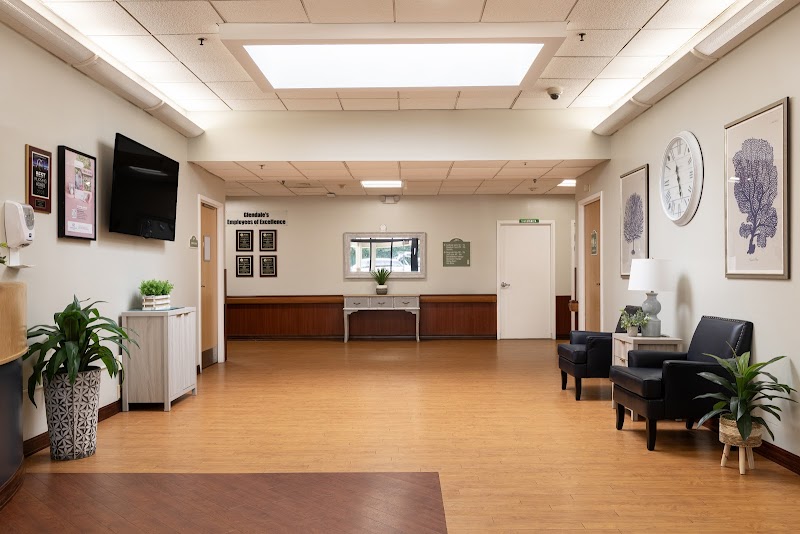
How is Complete Care At Glendale Staffed?

CMS rates COMPLETE CARE AT GLENDALE's staffing level at 3 out of 5 stars, which is average compared to other nursing homes. Staff turnover is 34%, compared to the Connecticut average of 46%. This relatively stable workforce can support continuity of care.

What Have Inspectors Found at Complete Care At Glendale?

State health inspectors documented 26 deficiencies at COMPLETE CARE AT GLENDALE during 2019 to 2025. These included: 26 with potential for harm.

Who Owns and Operates Complete Care At Glendale?

COMPLETE CARE AT GLENDALE is owned by a for-profit company. For-profit facilities operate as businesses with obligations to shareholders or private owners. The facility is operated by COMPLETE CARE, a chain that manages multiple nursing homes. With 120 certified beds and approximately 112 residents (about 93% occupancy), it is a mid-sized facility located in NAUGATUCK, Connecticut.
How Does Complete Care At Glendale Compare to Other Connecticut Nursing Homes?

Compared to the 100 nursing homes in Connecticut, COMPLETE CARE AT GLENDALE's overall rating (4 stars) is above the state average of 3.0, staff turnover (34%) is significantly lower than the state average of 46%, and health inspection rating (3 stars) is at the national benchmark.

What Should Families Ask When Visiting Complete Care At Glendale?

Based on this facility's data, families visiting should ask: "Can I visit during a mealtime to observe dining assistance and food quality?" "How do you handle medical emergencies, and what is your hospital transfer rate?" "Can I speak with family members of current residents about their experience?"

Is Complete Care At Glendale Safe?

Based on CMS inspection data, COMPLETE CARE AT GLENDALE has a clean safety record: no substantiated abuse findings (meaning no confirmed cases of resident harm), no Immediate Jeopardy citations (the most serious violation level indicating risk of serious injury or death), and is not on the Special Focus Facility watch list (a federal program monitoring the lowest-performing 1% of nursing homes). The facility has a 4-star overall rating and ranks #1 of 100 nursing homes in Connecticut. While no facility is perfect, families should still ask about staff-to-resident ratios and recent inspection results during their visit.

Do Nurses at Complete Care At Glendale Stick Around?

COMPLETE CARE AT GLENDALE has a staff turnover rate of 34%, which is about average for Connecticut nursing homes (state average: 46%). Moderate turnover is common in nursing homes, but families should still ask about staff tenure and how the facility maintains care continuity when employees leave.

Was Complete Care At Glendale Ever Fined?

COMPLETE CARE AT GLENDALE has been fined $21,294 across 1 penalty action. This is below the Connecticut average of $33,292. While any fine indicates a compliance issue, fines under $50,000 are relatively common and typically reflect isolated problems that were subsequently corrected. Families should ask what specific issues led to these fines and confirm they've been resolved.

Is Complete Care At Glendale on Any Federal Watch List?

COMPLETE CARE AT GLENDALE is not on any federal watch list. The most significant is the Special Focus Facility (SFF) program, which identifies the bottom 1% of nursing homes nationally based on persistent, serious quality problems. Not being on this list means the facility has avoided the pattern of deficiencies that triggers enhanced federal oversight. This is a positive indicator, though families should still review the facility's inspection history directly.