AUTUMN LAKE HEALTHCARE AT NEW BRITAIN
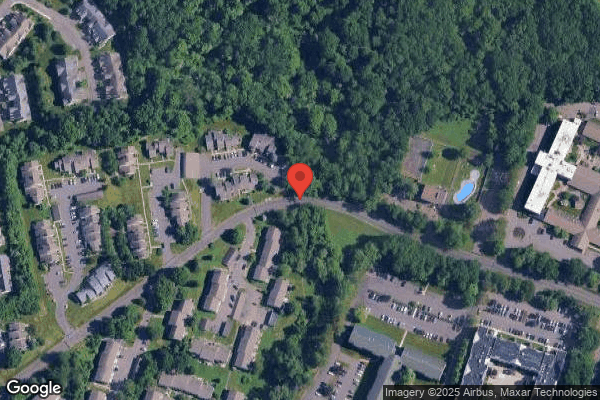

400 BRITTANY FARMS RD, NEW BRITAIN, CT 06053 (860) 224-3111
For profit - Limited Liability company 282 Beds AUTUMN LAKE HEALTHCARE Data: November 2025
Trust Grade
70/100
#52 of 192 in CT
Last Inspection: May 2024

Within standard 12-15 month inspection cycle. Federal law requires annual inspections.

Overview

Autumn Lake Healthcare at New Britain has a Trust Grade of B, indicating it is a good choice among nursing homes. It ranks #52 out of 192 facilities in Connecticut, placing it in the top half, and #19 out of 64 in Capitol County, meaning there are only 18 local facilities that perform better. Unfortunately, the facility is seeing a worsening trend, with the number of issues increasing from 2 in 2023 to 14 in 2024. Staffing is a concern, with a low rating of 2 out of 5 stars and a turnover rate of 40%, which is slightly above the state average, indicating that staff may not stay long enough to build strong relationships with residents. However, the facility has not incurred any fines, which is a positive sign, and the RN coverage is below average, being lower than 95% of Connecticut facilities, suggesting that residents might not receive adequate monitoring. Specific incidents noted by inspectors include a failure to notify a physician about significant weight loss for a resident, which could lead to further health complications. Additionally, the facility did not ensure proper care plans were in place for residents on anticoagulant medications, which could increase their risk of serious health issues. While there are some strengths, such as no fines and a good overall rating, families should weigh these against the concerning trends and specific care deficiencies.

Trust Score
B
70/100
In Connecticut
#52/192
Top 27%
Safety Record
Low Risk
No red flags
Inspections
Getting Worse
2 → 14 violations
Staff Stability
○ Average
40% turnover. Near Connecticut's 48% average. Typical for the industry.
Penalties
✓ Good
No fines on record. Clean compliance history, better than most Connecticut facilities.
Skilled Nurses
⚠ Watch
Each resident gets only 21 minutes of Registered Nurse (RN) attention daily — below average for Connecticut. Fewer RN minutes means fewer trained eyes watching for problems.
Violations
⚠ Watch
26 deficiencies on record. Higher than average. Multiple issues found across inspections.
★★★★☆
4.0
Overall Rating
★★☆☆☆
2.0
Staff Levels
★★★★☆
4.0
Care Quality
★★★★☆
4.0
Inspection Score
Stable
2023: 2 issues
2024: 14 issues

The Good

  • 4-Star Quality Measures · Strong clinical quality outcomes
  • Full Sprinkler Coverage · Fire safety systems throughout facility
  • No fines on record
  • Staff turnover below average (40%)

    8 points below Connecticut average of 48%

Facility shows strength in quality measures, fire safety.

The Bad

Staff Turnover: 40%

Near Connecticut avg (46%)

Typical for the industry

Chain: AUTUMN LAKE HEALTHCARE

Part of a multi-facility chain

Ask about local staffing decisions and management

The Ugly 26 deficiencies on record

Jul 2024 2 deficiencies
CONCERN (D) 📢 Someone Reported This

A family member, employee, or ombudsman was alarmed enough to file a formal complaint

Potential for Harm - no one hurt, but risky conditions existed

Transfer Requirements (Tag F0622)

Could have caused harm · This affected 1 resident

**NOTE- TERMS IN BRACKETS HAVE BEEN EDITED TO PROTECT CONFIDENTIALITY** Based on review of the clinical record, facility documentation, facility policy and interviews for the one (1) of (3) three resi...

Read full inspector narrative →
**NOTE- TERMS IN BRACKETS HAVE BEEN EDITED TO PROTECT CONFIDENTIALITY** Based on review of the clinical record, facility documentation, facility policy and interviews for the one (1) of (3) three residents (Resident #1), reviewed for the discharge process, the facility failed to notify the homecare agency timely of a discharge delaying start of care. The findings include: Resident #1's diagnoses included sepsis (complications of an infection), low back pain, dyspnea (difficulty breathing), and orthostatic hypotension (low blood pressure that occurs when standing up from a sitting a lying position). The admission Minimum Data Set (MDS) assessment dated [DATE] identified Resident #1was moderately cognitively impaired and required supervision assistance with bed mobility, and moderate assistance with transfers and personal hygiene. The Resident Care Plan dated 2/16/23 identified that Resident #1had a self-care performance deficit related to decreased strength and endurance with interventions that included utilizing the assistance of 1 staff for dressing, bathing, bed mobility, and transfers, and an assist of 1 staff for toileting and ambulation with a rolling walker. A physician's order dated 2/24/23 directed that Resident #1 was stable for discharge home with services on 2/24/23. A late entry social service note dated 2/27/23 at 4:05 PM identified that Resident #1 was discharged and transported home by a family member on 2/24/23. The resdient chose a homecare agency for Physical Therapy (PT), Occupational Therapy (OT), and Skilled Nursing (SN) services. Review of progress notes from 2/17/23 through 2/23/23 failed to identify any previous documentation related to a plan for Resident #1's discharge by social work staff. Review of facility documentation identified that the Interagency Patient Referral Report was sent to the homecare agency on 2/27/23 at 12:01 PM, 3 days after the resident discharged home on 2/24/23. Interview with RN #1 (Home Health Intake Nurse) on 7/18/23 at 11:27 AM identified that the facility sent the referral to them on 2/23/23 but did not send the discharge paperwork until 2/27/23, so they were not aware that Resident #1 had been discharged on 2/24/23 until that time, delaying the start of care for PT, OT and skilled nursing services. When they were made aware of the facility discharge on [DATE], they immediately called the primary care physician to obtain orders. She indicated that the resident was started on services 3/1/23. Further, she identified that admission clinicians are available for start of service on the weekend. Interview and clinical record review with Social Worker #1 and the DNS on 7/18/24 at 12:03 PM identified that SW #2 was responsible for Resident #1's discharge planning, but she was no longer employed at the facility. They indicated that it's the expectation that the Social Worker would document in the clinical record an initial admission note, a progress note on any encounters that they had with the resident and/or family and then a discharge note. They also identified that it would be the expectation that the Social Worker would send the Interagency Report to the homecare agency the same day the resident was discharged . They reported that discharge planning begins on admission, but that a concrete discharge plan is dependent on the insurance. The facility has weekly Medicare meetings, where they obtain more information on how long a resident's stay will be covered for, and once they have a ballpark date, they will start referrals for aftercare, durable medical equipment needed for discharge, and any follow-up appointments required. They indicated that once they identify who will accept a resident's insurance for homecare services, they will call the agency and speak with the representative, and they will let the facility know exactly what they need to send with the referral, and then once the agency reviews the documents, they will call the facility back to let them know if they can accept the resident. They will then communicate to the homecare agency the planned discharge date when it is determined. They indicated they were unable to identify why the facility did not send the Interagency Form and notify the homecare agency that Resident #1 was discharged home until 3 days after the discharge. They were also unable to identify why there was no documentation on the discharge plan prior to the actual discharge home on 2/24/23. Although attempted, SW #2 was unavailable for an interview. Review of the Discharge Summary and Plan policy dated 2015 directed, in part, that the post-discharge plan will contain, at a minimum, a description of the resident's and family's preference for care, a description of how the resident and family will access such services, a description of how the care should be coordinated if continuing treatment involves multiple caregivers, the identity of specific resident needs after discharge, and a description of how the resident and family -need to prepare for the discharge. A copy of the post-discharge plan and summary will be provided to the resident and receiving facility and a copy will be filed in the resident's medical record. Although requested, a policy on referrals to home care agencies was not obtained.
CONCERN (D) 📢 Someone Reported This

A family member, employee, or ombudsman was alarmed enough to file a formal complaint

Potential for Harm - no one hurt, but risky conditions existed

Quality of Care (Tag F0684)

Could have caused harm · This affected 1 resident

**NOTE- TERMS IN BRACKETS HAVE BEEN EDITED TO PROTECT CONFIDENTIALITY** Based on review of the clinical record, facility documentation, facility policy and interviews for the one (1) of three (3) resi...

Read full inspector narrative →
**NOTE- TERMS IN BRACKETS HAVE BEEN EDITED TO PROTECT CONFIDENTIALITY** Based on review of the clinical record, facility documentation, facility policy and interviews for the one (1) of three (3) residents reviewed for admission plan of care, (Resident #1), the facility failed to follow physician's orders regarding a medication. The findings include: Resident #1's diagnoses included glaucoma (an eye condition that damages the optic nerve) and type 2 diabetes mellitus. The admission Minimum Data Set (MDS) assessment dated [DATE] identified Resident #1 was moderately cognitively impaired and required supervision assistance with bed mobility, and moderate assistance with transfers and personal hygiene. Review of the hospital Discharge summary dated [DATE] directed to continue taking Latanoprost (treats glaucoma) ophthalmic solution 1 drop to each eye daily at bedtime. A physician's order dated 2/8/23 directed to administer Latanoprost Ophthalmic Solution 0.005% one drop in both eyes at bedtime for glaucoma. A medication administration note dated 2/8/23 at 8:51 PM identified that Latanoprost was not administered, as it was not available and was pending delivery from the pharmacy. A medication administration note dated 2/9/23 at 8:54 PM identified that Latanoprost was not administered, as it was not available, and the pharmacy was contacted by the supervisor. No follow-up note was available as to what the pharmacy had communicated to the facility. A medication administration note dated 2/10/23 at 5:45 PM identified that Latanoprost was not administered, but there was no reason documented. Interview with the Pharmacist on 7/18/24 at 10:15 AM identified that the facility first ordered Latanoprost for Resident #1 on 2/8/23 at 7:12 PM. He indicated the medication was filled on 2/8/23 and delivered to the facility and signed for by RN #2 on 2/9/23 at 3:32 AM. Additionally, he reported that for a resident who has been on this medication, missing doses can lead to eye pain or pressure and headaches, depending on the severity of the glaucoma. Interview with the DNS on 7/18/23 at 10:45 AM identified that in February of 2023, the facility had not yet been scanning incoming delivery orders from the pharmacy, and they did not retain any of the pharmacy delivery slips. She indicated the pharmacy would deliver one large delivery for the entire building, and the supervisor would sign for it and then deliver the medications to each unit. She identified that due to the volume of medications in each delivery and time constraints, the supervisor would only individually check and count the narcotics, but best practice would be to check to be sure each medication on the delivery slip was included in the order and then contact the pharmacy as soon as possible to request a STAT order of the missing medications. She reported that if floor nurses are administering medications and discover a medication is missing for a new admission resident, she would expect the staff to be contacting the pharmacy within 24 hours to inquire when the medication would be arriving, and then writing a note in the Electronic Health Record (EHR) identifying that they had called the pharmacy, information on any delays, and when it should be expected to arrive. Additionally, she identified that the nurse should be notifying the physician for all missed doses on medication to request an alternative until the original medication is delivered if applicable, and then documenting their encounter with the physician in the EHR. She indicated that she was unsure of why there was a gap in administration from when the pharmacy reported that the medication was delivered on 2/9/23, and then when nursing first administered the medication to Resident #1 on 2/11/23. Although requested, a policy on new admission pharmacy orders was not obtained.
Jun 2024 1 deficiency
CONCERN (D) 📢 Someone Reported This

A family member, employee, or ombudsman was alarmed enough to file a formal complaint

Potential for Harm - no one hurt, but risky conditions existed

Comprehensive Care Plan (Tag F0656)

Could have caused harm · This affected 1 resident

**NOTE- TERMS IN BRACKETS HAVE BEEN EDITED TO PROTECT CONFIDENTIALITY** Based on clinical record review, facility documentation review, facility policy review, and interviews for one of three resident...

Read full inspector narrative →
**NOTE- TERMS IN BRACKETS HAVE BEEN EDITED TO PROTECT CONFIDENTIALITY** Based on clinical record review, facility documentation review, facility policy review, and interviews for one of three residents (Resident #2) reviewed for care planning, the facility failed to ensure care plan was comprehensive. The findings include: Resident #2 was admitted on [DATE] with diagnoses included laryngectomy (surgical removal of larynx (voice box), and had an intact laryngeal tube intact with oxygen via humidifier. A physician's order dated 1/11/2023 directed bedside tracheal humidification to be placed over laryngeal stoma every bedtime. The Resident Care Plan (RCP) dated 1/11/2023 identified Resident #2 had a laryngectomy tube. Interventions directed humidified oxygen as prescribed. The nurse's note dated 1/11/2023 at 7:51 AM laryngeal tube intact, oxygen via humidifier but resident consistently removes humidifier mask. The RPT (Respiratory Physical Therapist) note dated 1/12/2023 at 7:00 AM identified Resident #2 was educated on the importance of keeping humidification over his/her stoma a bedtime and while lying in bed to keep secretions moist. The admission Minimum Data Set (MDS) assessment dated [DATE] identified Resident #2 was alert and oriented, and received oxygen therapy, suctioning and tracheostomy care. Review of the January [DATE] indicated Resident #2 refused tracheal humidification for 9:00 PM on 1/28 and 1/29/2023. Review of the February MAR from 2/1 to 2/15/2023 for 9:00 PM indicated Resident #2 refused tracheal humidification on 2/2 and 2/7/2023. A RPT notes dated 2/8, 2/9 and 2/13/2023 indicated Resident #2 continued to refuse humidification at bedtime. Review of care plan failed to identify a care plan was developed for refusals of humidification to the laryngeal stoma. Interview, clinical record review, and facility documentation review on 6/11/2024 at 1:24 PM with the DNS and RPT #1 identified Resident #2 was provided education regarding the need for humidification to the stoma, and Resident #2 frequently refused the humidification. On 6/11/2024 at 3:23 PM interview and clinical record with the DNS identified although Resident #2 should have been care planned for refusals of humidification, interview failed to identify a care plan was developed, and why a refusal care plan was not developed. Review of facility Care Plans - Comprehensive Policy directed in part, each resident's comprehensive care plan is designed to incorporate identified problem areas and incorporate risk factors associated with identified problems. The Policy further directed the resident has a right to refuse to participate in medical and nursing treatments when such refusals are made, appropriate documentation will be entered into the resident's clinical record in accordance with established policies.
May 2024 11 deficiencies
CONCERN (D) 📢 Someone Reported This

A family member, employee, or ombudsman was alarmed enough to file a formal complaint

Potential for Harm - no one hurt, but risky conditions existed

Deficiency F0554 (Tag F0554)

Could have caused harm · This affected 1 resident

**NOTE- TERMS IN BRACKETS HAVE BEEN EDITED TO PROTECT CONFIDENTIALITY** Based on observation, review of facility policy and interviews for one sampled resident (Resident #166) observed self-administer...

Read full inspector narrative →
**NOTE- TERMS IN BRACKETS HAVE BEEN EDITED TO PROTECT CONFIDENTIALITY** Based on observation, review of facility policy and interviews for one sampled resident (Resident #166) observed self-administering medications, the facility failed to ensure the resident was assessed for self-administration of medications. The findings include: Resident #166's diagnoses included chronic obstructive pulmonary disease, heart failure and chronic pain. The resident medication self-assessment forms dated 10/27/23 & 1/4/24 indicated Resident #166 expressed no desire to self-administer medications. The quarterly MDS assessment dated [DATE] identified Resident #166 was cognitively intact and was dependent for transfers, showering, toileting and required set up for meals. The care plan dated 2/29/24 identified a self-care deficit related to decreased strength and endurance, with interventions that included nursing assistants (NA's) to ensure foods are cut into bit sized pieces during each meal tray set up. Observation on 5/7/24 at 10:04 AM identified Resident #166 in bed by the window, with the privacy curtain drawn halfway between he/she and his/her roommate. The resident's overbed table was in front of the resident and it contained a medicine cup with numerous pills visible in the cup. Interview on 5/7/24 at 10:05 AM with Resident #166 identified that the nurses sometimes leave the medications with him/her to self-administer. Resident #166 further explained he/she would never throw the medications away or not take them and proceeded to self-administer the medications contained within the medicine cup. Observation on 5/7/24 at 10:06 AM identified LPN #2 was across the hall from Resident #166's room in a resident's room with the medication cart placed in front of her. The privacy curtain obstructed the view of Resident #166 from the hallway. Interview on 5/7/24 at 10:08 AM with LPN #2 identified that the facility policy is that medications should not be left at the bedside, nurses are expected to remain at the bedside and wait for the resident to take their medications. LPN #2 identified she was near Resident #166's room on this opposite side of the hallway. She further noted that she could peek in on Resident #166 to make sure he/she took the morning medications. In addition, LPN #2 identified that Resident #166 preferred that the nurses not hover and requested privacy. LPN #2 then leaned over and came from behind the medication cart to observe if Resident #166 had taken the medications. All morning medications that were left at the bedside were verified with LPN #2. Review of the medication administration record (MAR) with LPN #2 identified she had poured the following medications into the medicine cup: 1. Amlodipine 5mg daily for high blood pressure. 2. Aspirin 81mg delayed release tablet once daily. 3. Duloxetine HCL 20mg cap once daily for chronic pain related to adjustment disorder with Depression. 4. Gabapentin 300mg daily for diabetic neuropathy related to diabetes. 5. Isosorbide ER 60mg daily for high blood pressure. 6. Multivitamin one tab daily for vitamin deficiency. 7. Tylenol 325mg tabs totaling two tabs (650mg) twice daily for pain related to osteoarthritis. 8. Apixaban 5mg twice daily to prevent clots. 9. Carvedilol 3.125mg twice daily for high blood pressure. 10. Pantoprazole Sodium 40mg twice daily to decrease stomach acid. Review of the physician's orders for May/2024 did not identify an order that directed Resident #166 could self-administer medications. Interview on 5/8/24 at 10:59 AM with the DNS identified that during medication administration the resident should be within the nurse's view so that the nurse can visualize the resident consuming the medication. The DNS further noted that the nurse cannot leave the resident until the medications are consumed and medications should not be left at the bedside. A second interview with the DNS on 5/9/24 at 8:44 AM identified Resident #166 was unable to self-administer medications and noted that he/she had been sick and debilitated when admitted . She further noted that it might be time to re-evaluate the resident for self-administration of medications and noted self-administration assessments are completed upon admission, readmission and quarterly. Review of the Administering Medications policy established that a resident may self-administer their own medications, only if the attending physician in conjunction with the interdisciplinary care team has determined that they have the decision-making capacity to do so safely.
CONCERN (D) 📢 Someone Reported This

A family member, employee, or ombudsman was alarmed enough to file a formal complaint

Potential for Harm - no one hurt, but risky conditions existed

Deficiency F0578 (Tag F0578)

Could have caused harm · This affected 1 resident

**NOTE- TERMS IN BRACKETS HAVE BEEN EDITED TO PROTECT CONFIDENTIALITY** Based on review of the clinical record, review of facility documentation, review of facility policy and interviews for one sampl...

Read full inspector narrative →
**NOTE- TERMS IN BRACKETS HAVE BEEN EDITED TO PROTECT CONFIDENTIALITY** Based on review of the clinical record, review of facility documentation, review of facility policy and interviews for one sampled resident (Resident #126), the facility failed to ensure the physician's order and the resident's signed Advance Directives were congruent. The finding includes: Resident #126 's diagnoses included pulmonary fibrosis, asthma, and chronic cough. The physician's order dated [DATE] directed Resident #126's code status was Full Code (a full code means that if a person's heart stopped beating and/or they stopped breathing, all resuscitation procedures will be provided to keep them alive. This process can include chest compressions, intubation, and defibrillation and is referred to as CPR (cardiopulmonary resuscitation). Review of the clinical record identified an Advanced Directive form dated [DATE] that noted Resident #126 had elected a code status of Do No Resuscitate (DNR), which means that a person has decided not to have CPR attempted on them if their heart or breathing stops. The quarterly MDS assessment dated [DATE] identified Resident #126 had intact cognition and was independent with most activities of daily living apart from requiring supervision and set up assistance. Resident #126's care plan dated [DATE] identified the resident had a code status of DNR with interventions that included honor advanced directives through the next review date. Interview with LPN #2 on [DATE] at 1:27 PM identified that when determining a resident's code status, she first checks the physician's orders in the electronic medical record (EMR) and then checks the resident's physical clinical record for the advanced directives to make sure they match. After checking Resident #126's status, she noted that there was an order in the EMR for full code dated [DATE] and the signed advanced directives form in the physical medical record dated [DATE] noted a status of DNR. LPN #2 further noted that if a code occurred (the resident stopped breathing, and or was without pulses), she would follow the physician's order or advanced directive form with the most recent date. Additionally, LPN #2 identified that the advanced directives form should be reviewed and signed within twenty-four hours of a resident's admission or readmission to the facility. Interview on [DATE] at 1:46 PM with the DNS identified that all of the physical clinical records have a red sleeve denoting where the advanced directives are located. She further noted that when a resident is admitted or readmitted advanced directives are reviewed with the resident, family, or conservator within twenty-four hours. She further noted that it sometimes takes longer to get the advanced directives signed by the family or conservator and in those instances the resident would be designated a full code until the advanced directives were reviewed and signed. Additionally, the DNS identified that they would be conducting a facility wide audit to check for any other discrepancies. Interview with Resident #126 on [DATE] at 3:02 PM identified she/he wished to maintain the status of DNR that was elected on the advanced directives that she/he had signed on [DATE]. Subsequent to surveyor inquiry, a physician's order dated [DATE] directed a code status of DNR. Review of the Advanced Directives policy dated 5/2021established that upon admission to the facility, the resident will be provided with written information concerning the right to refuse or accept medical or surgical treatment and to formulate an advanced directive if he or she chooses to do so. The plan of care for each resident will be consistent with his or her documented treatment preferences and/or advanced directives.
CONCERN (D)

Potential for Harm - no one hurt, but risky conditions existed

Deficiency F0658 (Tag F0658)

Could have caused harm · This affected 1 resident

**NOTE- TERMS IN BRACKETS HAVE BEEN EDITED TO PROTECT CONFIDENTIALITY** Based on observations, review of clinical records, review of facility documentation, review of facility policy and interviews fo...

Read full inspector narrative →
**NOTE- TERMS IN BRACKETS HAVE BEEN EDITED TO PROTECT CONFIDENTIALITY** Based on observations, review of clinical records, review of facility documentation, review of facility policy and interviews for one sampled resident (Resident #42) reviewed for positioning and range of motion, the facility failed to ensure a physician's order was in place for the use of splints and for one sampled resident (Resident #213) who had orders for a compounded medication, the facility failed to ensure expired medication was not administered to the resident. The finding include: 1. Resident #42 was readmitted to the facility in January of 2024 with diagnoses that included quadriplegia, stiffness of unspecified joint, aphasia, and gastrostomy. The quarterly MDS assessment dated [DATE] identified Resident #42 had severe cognitive impairment, required maximal assistance with toileting, was dependent on staff for personal hygiene, transfers, was non-ambulatory, and had range of motion limitations of bilateral upper and lower extremities. The care plan dated 4/15/24 identified Resident #42 had the potential for impairment to skin integrity related to immobility, bilateral elbow splints and bilateral hand splints, with an intervention to apply bilateral hand splints. The care further identified a self-care deficit related to limited range of motion with an intervention for staff to place bilateral hand splints during morning (AM) care and remove them during PM care. A review of Resident #42's physician's order for the period of January/2024 through May/2024 failed to identify an order for bilateral hand splints. Resident #42's nurse aide care card instructed staff to apply bilateral hand splints during AM care and remove during PM care. Observation on 5/6/24 at 12:00 PM identified Resident #42 seated in a wheelchair wearing a hand splint to his/her left hand, the right hand was unadorned. Observation on 5/7/24 at 2:35 PM identified Resident #42 seated in a wheelchair, there was no splints applied to either hand. Observation with the Charge Nurse (LPN #5) on 5/8/24 at 12:58 PM identified Resident #42 seated in a wheelchair wearing a hand splint to his/her left hand and the right hand was unadorned. Interview with LPN #5 on 5/8/24 at 12:58 PM identified Resident #42 should have physician's orders directing the use of hand splints. After reviewing the orders, LPN #5 identified there were no orders in place regarding the use of hand splints. LPN #5 further identified that splints are applied by the NA's and nurses are responsible for checking the splint application and skin integrity. Interview with NA #1 on 5/8/24 at 1:03 PM identified she applied the splint to the resident's left hand, but the right-hand splint was not functioning. NA #1 further noted that she notified occupational therapy on 5/8/24 and was awaiting a replacement. Interview with the Unit Manager/Supervisor (RN #2) on 5/8/24 at 1:30 PM identified residents who utilize splints should have a physician's order addressing its usage based on the occupational therapist's recommendation. RN #2 further noted she reviewed Resident #42's physician's orders from January through May 2024 and was unable to identify a physician's order for splints. In addition, RN #2 identified that Resident #42 was re-admitted to the facility in January and the orders for the splint were not added but noted the resident had an order for the splint previously. Interview with the Assistant Director of Rehab (OT #1) on 5/8/24 at 1:27 PM identified they were notified on 5/8/24 that the right-hand splint could not be located. OT #1 further noted that a physician's order confirming the recommendation made by the occupational therapist for splint usage should be in place. Interview with the Charge Nurse (LPN #6) on 5/9/24 at 11:55 PM identified she observed Resident #42 intermittently wearing bilateral hand splints but did not check to see if a physician's order was written for the splint usage. A second interview with OT #1 on 5/9/24 at 12:30 PM identified Resident #42 was last seen by the occupational therapy department in September of 2023 and was discharged from therapy in October of 2023. OT #1 further noted that a physician's order is required for splint usage to prevent skin breakdown and irritation. Additionally, OT #1 provided the OT Discharge summary dated [DATE] which identified recommendations for remove bilateral elbow splints in with AM care and apply with PM care and to apply bilateral hand splints with AM care and remove with PM care. Interview with the DNS on 5/10/24 at 10:00 AM identified that a resident should have a physician's order when utilizing a splint. The DNS noted that all orders are discontinued when residents are transferred to the hospital and should be reviewed with the physician and reordered as required upon the resident's return to the facility. Review of the Assistive Devices and Equipment policy identified that the facility will maintain and supervise the use of assistive devices and equipment for residents. 2. Resident #213's diagnoses included protein calorie malnutrition, gastro-esophageal reflux disease (GERD) without esophagitis, and end stage renal disease. The admission MDS assessment dated [DATE] identified Resident #213 had intact cognition and was dependent for eating, oral hygiene, toileting, showering/bathing, and dressing. The Resident Care Plan dated 3/20/24 identified the resident has a nutritional problem or related to advanced age, therapeutic diet, mechanically altered diet, fluid restriction, food allergy, tube feeding supplementation diet, poor by mouth intake, increased nutritional needs. Interventions directed to monitor weight, skin, labs, and oral intake per protocol or as needed. The physician's orders for May/2024 (the origination date of the order was 3/21/24) identified an order for Lansoprazole oral suspension 3mg/ml with instructions to administer 10 ml via G-tube one time a day for GERD. Observation of the medication storage room with LPN #4 on 6/8/24 at 6:59 AM identified Lansoprazole Suspension for Resident #213 with an expiration date of 4/30/24 written prominently on the bottle in black pen. This medication was discarded into the return to pharmacy by LPN #4 at this time. Review of Resident #213's MAR for May 2024 identified Lansoprazole Suspension was administered daily as ordered from 5/1/24 to 5/10/24. Review of the Point Click Care audit detail report for the Lansoprazole suspension for the month of May for Resident #213 identified the medication was clicked off administered on 5/1/24, 5/2/24, 5/3/24, 5/4/24, 5/5/24, 5/6/24, 5/7/24, 5/8/24, 5/9/24, and 5/10/24. 10 days following the medication expiration date. Interview with LPN #4 on 5/8/24 at 7:00 AM identified the Lansoprazole oral suspension was expired for Resident #213 and should be sent back to the pharmacy and re-ordered and that it should not be in use. Interview with LPN #3 on 5/10/24 at 11:56 AM identified she administered Lansoprazole oral suspension to Resident #213 on 5/10/24. When asked to locate the medication administered to the resident, LPN #3 checked the medication cart and the medication storage room, and the medication was not found. In addition, LPN #3 identified she must have made an error and had not administered the medication as ordered. She further noted that she was going to contact the pharmacy to get a refill of the Lansoprazole. Subsequent to surveyor inquiry LPN #3 struck out administration of Lansoprazole for Resident #213 at 11:59 AM on 5/10/24. Interview with the Pharmacist on 5/10/24 at 12:11PM identified that efficacy following expiration date depends on what the medication is compounded with, and Lansoprazole was compounded with sterile water and Sodium Bicarbonate. He noted the medication was last filled on 4/16/24 and was good for 14 days following the fill date. In addition, he noted the Lansoprazole would lose efficacy once expired and the expectation is that the medication is used until the expiration date and should have been discarded after 4/30/24. Further, the Pharmacist noted that the turnaround time for ordered medication is within 24 hours. Interview with the DNS on 5/10/24 at 12:50 PM identified she was aware of the medication not being available on the floor and that medications should not be in use following their expiration date. Review of the Administering Medications policy directed medications must be administered in accordance with the orders, including any required time frame. The individual administering the medications must check the label THREE (3) times to verify the right medication, right dosage, right time, right method (route) of administration before giving the medication. The expiration date must be checked prior to administering. The individual administering the medication must initial the resident's MAR on the appropriate line after giving each medication and before administering the next ones.
CONCERN (D)

Potential for Harm - no one hurt, but risky conditions existed

Quality of Care (Tag F0684)

Could have caused harm · This affected 1 resident

**NOTE- TERMS IN BRACKETS HAVE BEEN EDITED TO PROTECT CONFIDENTIALITY** Based on review of clinical record, review of facility documentation, review of facility policy and interviews for one sampled r...

Read full inspector narrative →
**NOTE- TERMS IN BRACKETS HAVE BEEN EDITED TO PROTECT CONFIDENTIALITY** Based on review of clinical record, review of facility documentation, review of facility policy and interviews for one sampled resident (Resident #213) who had physician orders for a compounded medication, the facility failed to ensure the medicaion was administered as ordered. Resident #213's diagnoses included protein calorie malnutrition, gastro-esophageal reflux disease (GERD) without esophagitis, and end stage renal disease. The admission MDS assessment dated [DATE] identified Resident #213 had intact cognition and was dependent for eating, oral hygiene, toileting, showering/bathing, and dressing. The Resident Care Plan dated 3/20/24 identified the resident has a nutritional problem or related to advanced age, therapeutic diet, mechanically altered diet, fluid restriction, food allergy, tube feeding supplementation diet, poor by mouth intake, increased nutritional needs. Interventions directed to monitor weight, skin, labs, and oral intake per protocol or as needed. The physician's orders for May/2024 (the origination date of the order was 3/21/24) identified an order for Lansoprazole oral suspension 3mg/ml with instructions to administer 10 ml via G-tube one time a day for GERD. Observation of the medication storage room on 6/8/24 at 6:59 AM identified Lansoprazole Suspension for Resident #213 with an expiration date of 4/30/24 written prominently on the bottle in black pen. This medication was discarded into the return to pharmacy by LPN #4 at this time. Review of Resident #213's MAR for May 2024 identified Lansoprazole Suspension was administered daily as ordered from 5/1/24 to 5/10/24. Review of the Point Click Care audit detail report for the Lansoprazole suspension for the month of May for Resident #213 identified the medication was clicked off administered on 5/8/24 at 8:07 AM by LPN #11, on 5/9/24 at 8:18 AM by LPN #11, and on 5/10/24 at 8:34 AM and struck out at 5/10/24 at 11:59 AM by LPN #3. Interview with LPN #3 on 5/10/24 at 11:56 AM identified she administered Lansoprazole oral suspension to Resident #213 on 5/10/24. When asked to locate the medication administered to the resident, LPN #3 checked the medication cart and the medication storage room, and the medication was not found. In addition, LPN #3 identified she must have made an error and had not administered the medication as ordered. She further noted that she was going to contact the pharmacy to get a refill of the Lansoprazole. Interview with the DNS on 5/10/24 at 12:50 PM identified she was aware of the medication not being administered but was signed for as administered. The DNS identified that medications not passed should not be signed for in the MAR. Review of the Administering Medications policy directed medications must be administered in accordance with the orders, including any required time frame. The individual administering the medications must check the label THREE (3) times to verify the right medication, right dosage, right time, right method (route) of administration before giving the medication. The expiration date must be checked prior to administering. The individual administering the medication must initial the resident's MAR on the appropriate line after giving each medication and before administering the next ones.
CONCERN (D) 📢 Someone Reported This

A family member, employee, or ombudsman was alarmed enough to file a formal complaint

Potential for Harm - no one hurt, but risky conditions existed

Deficiency F0761 (Tag F0761)

Could have caused harm · This affected 1 resident

**NOTE- TERMS IN BRACKETS HAVE BEEN EDITED TO PROTECT CONFIDENTIALITY** Based on observation, facility policy and interviews for one of three sampled medication rooms the facility failed to store medi...

Read full inspector narrative →
**NOTE- TERMS IN BRACKETS HAVE BEEN EDITED TO PROTECT CONFIDENTIALITY** Based on observation, facility policy and interviews for one of three sampled medication rooms the facility failed to store medications appropriately. The findings include: Observation on [DATE] at 6:44am of Station 4 medication room with LPN #4 identified Ipatropium Bromide/Albuterol Sulfate 0.5mg & 3mg/3ml Rx#10754244 for Resident #16 was stored that expired 1/2024. Observation on [DATE] at 6:50am of Station 4 medication room with LPN#4 identified Ipatropium Bromide/Albuterol Sulfate 0.5mg & 3mg/3ml Rx#10903962 for Resident #394 stored that expired 2/2024. Observation on [DATE] at 6:53 am of Station 4 medication room with LPN#4 identified Ipatropium Bromide/Albuterol Sulfate 0.5mg & 3mg/3ml Rx# 10754244 for Resident #16 was stored that expired 1/2024. Observation on [DATE] at 6:55am of Station 4 medication room with LPN#4 identified Ipatropium Bromide/Albuterol Sulfate 0.5mg & 3mg/3ml Rx# 10728345 stored that expired 1/2024. Observation on [DATE] at 6:57am of Station 4 medication room with LPN#4 identified Albuterol Sulfate inhalation 0.083% 2.5mg/3ml Rx#10445440 that expired 4/2024. Observation on [DATE] at 6:59am of Station 4 medication refrigerator with LPN#4 identified Lansoprazole suspension compounded medication 3mg/ml for Resident #213 that expired on [DATE]. Interview with LPN#4 on [DATE] at 7:00am identified the medications were indeed expired and that it was everyone's job to go through the medications regularly to see if they were expired, and that they should be sent back to pharmacy and placed in a red pharmacy return bin if they are expired. Review of the MAR for [DATE] on [DATE] identified Lansoprazole had been signed off administered to Resident #213 on [DATE]st, 2nd, 3rd, 4th, 5th, 6th, 7th, 8th, and 10th of 2024. Interview with Pharmacist #1 on [DATE] at 12:11pm identified that efficacy following expiration date depends on what the medication is compounded with, this medication (Lansoprazole) was compounded with sterile water and sodium bicarbonate. It was last filled on [DATE] and is good for 14 days following the fill date. The medication would lose efficacy once expired. No further refills had been filled. There was none noted in the system to go out today [DATE]. No electronic refill request could be located once identified it was expired. The expectation is that the medication is only used until the expiration date, and that it should have been re-ordered for the resident and discarded after [DATE]. Once the medication is re-ordered the facility should have received it within 24 hours. Review of the medication storage policy directed the facility should not use discontinued, outdated, or deteriorated drugs or biologicals. All such drugs shall be returned to the dispensing pharmacy or destroyed.
CONCERN (D) 📢 Someone Reported This

A family member, employee, or ombudsman was alarmed enough to file a formal complaint

Potential for Harm - no one hurt, but risky conditions existed

Infection Control (Tag F0880)

Could have caused harm · This affected 1 resident

**NOTE- TERMS IN BRACKETS HAVE BEEN EDITED TO PROTECT CONFIDENTIALITY** Based on observation, review of facility documentation, review of facility policy, and interviews, for 2 of 3 residents (Residen...

Read full inspector narrative →
**NOTE- TERMS IN BRACKETS HAVE BEEN EDITED TO PROTECT CONFIDENTIALITY** Based on observation, review of facility documentation, review of facility policy, and interviews, for 2 of 3 residents (Resident #42 and Resident #230) reviewed for infection surveillance, the facility failed to identify and maintain records of residents with known MDRO colonization and failed to appropriately cohort residents with a known MDRO colonization. The findings include: Resident #42's was admitted to the facility with diagnoses that included hemiplegia, MRSA, C-diff, aphasia, and gastrostomy. The quarterly MDS assessment dated [DATE] identified Resident #42 cognitive skills for daily decision making was severely impaired, required maximal assistance with toileting hygiene, bathing and dependent on care personal hygiene, transfers, and non-ambulatory. The care plan dated 4/15/24 identified Resident #42 had a history of MRSA and C-diff colonization with interventions that included: monitor for sign and symptom of C-diff and monitor or report to MD as needed for sign or symptom of MRSA infection every shift. A physician's order dated 4/25/24 directed for Enhance Barrier Precautions to be maintained at all times every shift for gastrostomy tube. Resident #230's was admitted to the facility with diagnoses that included type 2 diabetes mellitus, urinary tract infection, and acute posthemorrhagic anemia. The admission MDS assessment dated [DATE] identified Resident #230 had moderately impaired cognition, required maximal assistance with toileting hygiene, transfers, personal hygiene, dressing, and moderate assistance with mobility. A review of the care plan dated 3/26/24 for Resident #230 failed to identify any history of a MDRO colonization. Review of the Hospital Discharge summary dated [DATE] identified Resident #230 had ESBL E.coli and was treated with the final day of therapy completed on the day of discharge. Review of the History and Physical progress note dated 3/6/24 written by MD #1 identified that Resident #260 hospital course for a diagnosis of ESBL E.coli-right pyelonephritis for which resident completed 4 days of meropenem (antibiotic). Observation on 5/6/24 at 12:00 PM identified that both Resident #42 and Resident #230 were presently sharing a room. Review of the facility's current Enhanced Barrier and MDRO log with the DNS and the Infection Preventionist Nurse (LPN #8) on 5/8/24 at 8:34 AM failed to identify that Resident #42 had a history/colonization of MRSA and C-diff, and that Resident #230 had a history/colonization of ESBL. Interview with the DNS and LPN #8 on 5/8/24 at 8:34 AM identified that Resident #42 did not use the bathroom, hence why Resident #230 was placed in the same room. The DNS then identified that Resident #230 had ESBL and both residents probably should not have been placed in the same room. The DNS further indicated that the bed board did not reflect the MDRO's history of Resident #42 and #230 and will update accordingly. They added that the admission cooperate nurse completed the bed board indicating the MDRO's, and the IP would be responsible for the MDRO's log. LPN #8 indicated that she started working as the IP nurse in September of 2023 and that she was responsible for updating the MDRO log. LPN #8 further added that it was the practice of the facility to update the MDRO log daily after reviewing: admission records, laboratory testing results, and after daily morning facility report. The DNS and LPN #8 added that they review hospital discharge summary, laboratory testing result and receives a thorough nurse-to-nurse report from hospitals and other acute care settings to obtain the resident's MDRO status. The DNS identified residents with the same infections should be cohort in the same room or with a resident that would be a low risk of acquiring the infection per the facility's policy. Review of the Multidrug-Resistant Organisms policy identified that the appropriate precautions will be taken when caring for residents with known or suspected to have a MDRO. The policy further identified that when single rooms are not available, cohort residents with the same MDRO in the same room, and if not possible cohort with a resident who was at low risk for acquisition of MDRO's and are likely to have a short length of stay.
CONCERN (E)

Potential for Harm - no one hurt, but risky conditions existed

Notification of Changes (Tag F0580)

Could have caused harm · This affected multiple residents

**NOTE- TERMS IN BRACKETS HAVE BEEN EDITED TO PROTECT CONFIDENTIALITY** Based on clinical record review, facility policy review, and interviews for one of four sampled residents (Resident #87) reviewe...

Read full inspector narrative →
**NOTE- TERMS IN BRACKETS HAVE BEEN EDITED TO PROTECT CONFIDENTIALITY** Based on clinical record review, facility policy review, and interviews for one of four sampled residents (Resident #87) reviewed for nutrition, the facility failed to notify the physician and resident representative regarding a significant weight loss. The findings include: Resident #87's diagnoses included type 2 diabetes mellitus, hypertension, anxiety, vascular dementia, and paranoid schizophrenia. The quarterly MDS assessment dated [DATE] identified Resident #87 had severe cognitive impairment, required set up assistance for eating, was non-ambulatory, had a height of 67 inches, a weight of 174 pounds, and did not have weight loss in the past six months. The annual MDS assessment dated [DATE] identified Resident #87 had severe cognitive impairment, required supervision for eating inclusive of verbal cues and touching assistance, was non-ambulatory, had a height of 67 inches, a weight of 174 pounds, did not have weight loss in the past six months, and had a mechanically altered therapeutic diet. Resident #87's care plan dated 11/15/23 identified a potential nutritional risk related to dysphagia, type 2 diabetes, dementia, and schizophrenia. Care plan interventions included: monitor weights as ordered, provide, and serve diet as ordered, monitor and document signs and symptoms of dysphagia, and monitor for significant weight loss: 3 pounds (lbs.) in 1 week, greater than 5 percent in 1 month, greater than 7.5 percent in 3 months, and greater than 10 percent in 6 months. Review of the clinical record identified weight records that noted Resident #87 weighed 174.2 pounds (lbs.) on 7/9/23. Further review of the clinical record identified no recorded weights from August 2023 through December 2023. The quarterly MDS assessment dated [DATE] identified Resident #87 had severe cognitive impairment, required supervision with eating, extensive assistance with all activities of daily living, had a weight of 157 pounds, was not on a physician prescribed weight loss regimen and experienced a weight loss of 5% in the past month or 10% in the past six months, and was on a mechanically altered therapeutic diet. Review of physician's orders from July/2023 through February/2024 identified orders that instructed to obtain monthly weights on the 7-3 shift on the 10th day of the month. The weight and vital summary record identified Resident #87 weighed 152 pounds on 1/12/24, indicative of a 13 percent weight loss within a six-month time period. Further review identified Resident #87 was re-weighed on 1/12/24 at 2:40 PM with a resulting weight of 156.6 pounds (weight loss of 10.1 percent from 7/9/23). Review of Dietician #2's nutritional evaluation dated 1/30/24 identified Resident #87 triggered for significant weight loss of greater than 10 percent from the previous recorded weight, and food intake was 50 percent to 100 percent per meal according to the nursing documentation. The evaluation further noted that additional food items would be provided on the resident's tray for optimal food intake and noted that Resident #87's nutrition may decline related to dementia. Review of the nursing progress notes from 1/12/24 through 1/31/24 failed to identify Resident #87's physician and responsible party(ies) were notified of the significant weight loss. Interview and clinical weight record review with RN #1 (wound nurse but covering unit manager) on 5/8/24 at 10:00 AM identified that the dietician was responsible for assessing residents for weight loss. The charge nurse was responsible for recording the weights in the electronic medical record and the unit manager would ensure that there was a weight recorded in the resident's clinical record. There would also be a physician's order directing the frequency of weights. RN #1 could not locate monthly weights from August 2023 through December 2023. She also identified that nursing notifies the dietician, physician, and resident representative of significant weight loss, and it should be documented in the nursing progress notes. In addition, she could not recall whether or not she was aware of Resident #87's significant weight loss. Interview with the DNS on 5/9/24 at 2:15 PM identified that in regards to the monitoring of weights and weight loss in the facility, it is discussed in morning report and there is also an at-risk meeting twice a week. After reviewing Resident #87's clinical record, the DNS could not find documentation to identify that the physician and resident representative had been notified of the resident's significant weight loss. Interview with Dietician #2 on 5/10/24 at 9:45 AM identified Resident #87 triggered for a significant weight loss when she did the nutritional evaluation on 1/30/24. She also noted that she was aware Resident #87 did not have any documented monthly weights from August 2023 through December 2023 and identified that she sent an email to all unit managers and the DNS regarding the missing weights. She further identified that she added extra food items such as pudding, ice cream, and apple sauce on his/her meal tray related to the significant weight loss. In addition, she identified that she had not notified the physician and resident representative(s) of the weight loss because it was nursing's responsibility. Interview with APRN #1 on 5/10/24 at 11:00 AM identified he expects nursing to notify him of a weight loss. He further noted that once he was made aware he reviews the resident's weight loss, goals of care, and provides a plan of care. He recently started in his position of APRN for the facility and was not aware of Resident #87's significant weight loss. The Weight Assessment and Intervention policy identified that the multi-disciplinary team strived to prevent and intervene for undesirable weight loss to the residents. The resident's weight is recorded in each resident's medical record. The threshold for a significant unplanned weight loss would be greater than 5 percent in 1 month, greater than 7.5 percent in 3 months, and greater than 10 percent in 6 months. If weight loss was verified, nursing would notify the dietician, physician, and family.
CONCERN (E) 📢 Someone Reported This

A family member, employee, or ombudsman was alarmed enough to file a formal complaint

Potential for Harm - no one hurt, but risky conditions existed

Comprehensive Care Plan (Tag F0656)

Could have caused harm · This affected multiple residents

**NOTE- TERMS IN BRACKETS HAVE BEEN EDITED TO PROTECT CONFIDENTIALITY** Based on review of the clinical record, review of facility documentation, review of facility policy and interviews for two sampl...

Read full inspector narrative →
**NOTE- TERMS IN BRACKETS HAVE BEEN EDITED TO PROTECT CONFIDENTIALITY** Based on review of the clinical record, review of facility documentation, review of facility policy and interviews for two sampled residents (Resident #81 and #160) receiving anticoagulant medication, the facility failed to ensure the care plan included interventions to address the possible side effects and the monitoring that should accompany the use of an anticoagulant. The findings include: 1. Resident #81's diagnoses included acute embolism and thrombosis (disruption of the blood flow in veins and arteries), fractured left femur, and chronic diastolic congestive heart failure. The quarterly MDS assessment dated [DATE] identified Resident #81 had severe cognitive impairment, required maximal assistance with personal hygiene, toileting, was non-ambulatory, and utilized anticoagulant medication (blood thinner) that the assessment noted to be a high-risk medication. The physician's orders for May/2024 directed to administer Apixaban/Eliquis (a blood thinner used to prevent blood clots) 5 milligram (mg) one tablet by mouth every 12 hours. The origination date of the order was 2/23/21 (meaning the resident has been on this medication continuously since that date) According to Eliquis.com, the use of the medication poses a bleeding risk, in that it increases the risk of bleeding and can cause serious, potentially fatal bleeding. Resident #81's care plan dated 3/12/24 identified an alteration in musculoskeletal status related to left femur fracture with an intervention to administer anticoagulant medication as ordered. Further review of the care plan failed to identify the interventions related to the use of the Apixaban and the possible side effects related to the use of an anticoagulant and the increased risk of bleeding. Interview with the MDS Coordinators (LPN #1 and RN #3) on 5/10/24 at 12:25 PM identified Resident #81's care plan did not address interventions to address the possible side effects of anticoagulant therapy. RN #3 further identified that their corporate office directed them to develop anticoagulant care plans only for residents taking Coumadin and Lovenox medications. In addition, LPN #1 identified it was the responsibility of the MDS Coordinator and the nursing staff to ensure the care plan is comprehensive and updated as necessary. Interview with the DNS on 5/10/24 at 10:00 AM identified that residents who are prescribed anticoagulant medication should have a care plan in place for anticoagulant therapy. The DNS added it was not the sole responsibility of the MDS coordinator but nursing as well in developing and updating care plans as needed. Review of the Comprehensive Person-Centered Care Plan policy identified that the facility is to develop an individualized comprehensive care plan for each resident that includes measurable objectives and timetables to meet the resident's medical, nursing, mental and psychological needs. It further identified that the comprehensive care plan is designed to incorporate risk factors associated with identified problems and recognized standards of practice for problem areas and conditions. Additionally, the policy identified that the care planning/interdisciplinary team is responsible for periodic review and updating of the care plans. 2. Resident #160's diagnoses included chronic embolism and thrombosis (disruption of the blood flow in veins and arteries), end stage renal disease, renal dialysis, and hyperlipidemia. The quarterly MDS assessment dated [DATE] identified Resident #160 had moderately impaired cognition, required maximal assistance with personal hygiene, was ambulatory, and utilized anticoagulant medication (blood thinner) that the assessment noted to be a high-risk medication Resident #160's care plan dated 3/19/24 identified a potential skin impairment related to fragile skin with an intervention that included to monitor for alteration in skin integrity related to subcutaneous anticoagulant use. Further review of the care plan failed to identify sides and symptoms to monitor for as a result of the resident being on anticoagulant therapy. A physician's order dated 3/31/24 through 5/30/24 directed Apixaban (a blood thinner used to prevent blood clots) 2.5 milligram (mg) one tablet by mouth every 12 hours related to chronic embolism and thrombosis. According to Eliquis.com, the use of the medication poses a bleeding risk, in that it increases the risk of bleeding and can cause serious, potentially fatal bleeding. Interview with the MDS Coordinator (LPN #1) on 5/9/24 at 3:10 PM identified Resident #160's care did not include a care plan that focused on anticoagulant therapy, but noted the resident should have had one. LPN #1 further identified that when the care plan was reviewed, interventions addressing the side effects to monitor could have been developed and implemented. LPN #1 added that it was the responsibility of both MDS and nursing to update and revise care plans as needed. Interview with the DNS on 5/10/24 at 10:00 AM identified that residents who are prescribed anticoagulant medication should have a care plan in place for anticoagulant therapy. The DNS added it was not the sole responsibility of the MDS coordinator but nursing as well in developing and updating care plans as needed. Interview with the Unit Manager/Supervisor (RN #2) on 5/10/24 at 1:10 PM identified that Resident #160 should have a care plan developed for anticoagulant therapy if the resident is taking any anticoagulant medication. RN #3 failed to identify why Resident #160 did not have a care plan developed for anticoagulant and that it was the responsibility of both nursing and MDS to create and to update care plans. Review of the Comprehensive Person-Centered Care Plan policy identified that the facility is to develop individualized comprehensive care plan for each resident that includes measurable objectives and timetables to [NAME] the resident's medical, nursing, and mental and psychological needs. It further identified that the comprehensive care plan is designed to incorporate risk factors associated with identified problems and recognized standards of practice for problem areas and conditions. The policy further identified that the care planning/interdisciplinary team is responsible for periodic review and updating of the care plans.
CONCERN (E)

Potential for Harm - no one hurt, but risky conditions existed

Deficiency F0692 (Tag F0692)

Could have caused harm · This affected multiple residents

**NOTE- TERMS IN BRACKETS HAVE BEEN EDITED TO PROTECT CONFIDENTIALITY** Based on clinical record review, facility policy review, and interviews for one of four sampled residents (Resident #87) reviewe...

Read full inspector narrative →
**NOTE- TERMS IN BRACKETS HAVE BEEN EDITED TO PROTECT CONFIDENTIALITY** Based on clinical record review, facility policy review, and interviews for one of four sampled residents (Resident #87) reviewed for nutrition, the facility failed to ensure the dietician assessed the resident for weight loss timely and failed to obtain the resident's monthly weight in accordance to facility policy. The findings include: Resident #87 's diagnoses included type 2 diabetes mellitus, hypertension, anxiety, vascular dementia, and paranoid schizophrenia. Review of Resident #87's weight records identified a weight of 174.2 pounds on 7/9/23, further review identified no documented weights from August 2023 through December 2023. The Resident Care Plan (RCP) dated 11/15/23 identified Resident #87 had a potential nutritional risk related to dysphagia, type 2 diabetes, dementia, and schizophrenia. Care plan interventions directed to monitor resident weight as ordered, provide, and serve diet as ordered, monitor/document signs and symptoms of dysphagia, and monitor for significant weight loss: 3 pounds (lbs.) in 1 week, greater than 5 percent in 1 month, greater than 7.5 percent in 3 months, and greater than 10 percent in 6 months. Resident #42's weight record identified Resident #87 was weighed on 1/12/24 at 9:06 AM with a weight of 152 pounds. (weight loss of 13 percent from 7/9/23). Further weight record reviewed identified Resident #87 had a re-weigh on 1/12/24 at 2:40 PM with a weight of 156.6 pounds (weight loss of 10.1 percent from 7/9/23). The quarterly Minimum Data Set (MDS) assessment dated [DATE] identified Resident #87 had severe cognitive impairment and required limited assistance with eating and extensive assistance with bed mobility, toileting, hygiene, transfer, and non-ambulatory. Further review of the resident assessment identified Resident #87 had an unplanned weight loss and was receiving a therapeutic mechanically altered diet. Dietician #2's nutritional evaluation dated 1/30/24 identified Resident #87 triggered for significant weight loss of greater than 10 percent from the previous recorded weight, food intake was 50 percent to 100 percent at meals according to nursing documentation. The evaluation further noted that added food items would be provided on the tray for optimal food intake and noted Resident #87's nutrition may decline related to dementia and the registered dietician would continue to monitor and evaluate as needed. The physician's order dated 4/1/24 with origination date of 10/29/21 directed to obtain a monthly weight on 7-3 shift 10th day of the month. The physician's order dated 4/1/24 with origination date of 10/25/23 directed to provide carbohydrate-controlled diet, ground texture food consistency and thin liquid. Interview and clinical weight record review with RN #1 (wound nurse but covering unit manager) on 5/8/24 at 10:00 AM identified that the dietician was responsible for assessing resident for weight loss. The charge nurse was responsible for recording the weights in the electronic medical record and the unit manager would ensure that there was a weight recorded in the resident clinical record. There would also be a physician's order on how frequently the resident required a weight. RN #1 could not identify why Resident #87 had no weight recorded from August 2023 through December 2023, but she identified that facility had a vacancy for the unit manager, and she or the DNS was covering for being the unit manager during that time period. Interview with Dietician #1 on 5/9/24 at 11:10 AM identified that she was responsible for assessing residents for a weight loss and identified that the facility process was to run a daily weight report that highlights residents with weight loss in 30 days and/or 180 days. She further noted that weight loss is also discussed in the morning report. She identified that a significant weight loss would be greater than 5 percent in 30 days and greater than 10 percent in 180 days. In addition, the dietician also ran a report that identified missing weights at least once a month. She further identified that missing weights would not appear on the weight loss report. Interview with the DNS on 5/9/24 at 2:15 PM identified that the department heads discuss any potential weight loss in morning report and there is also an at-risk meeting twice a week for any resident with a weight loss. She confirmed that Resident #87 had a physician's order for a monthly weight. She also reviewed Resident #87's weight record and noted there were no monthly weights recorded from August 2023 through December 2023. Additionally, she identified that all weights should be entered in the electronic medical record so the resident weight would be included in the weight loss report otherwise, any missing weight would not be reflected in the weight loss report. She was unsure why Resident #87's weight loss had been missed. Interview with Dietician #2 on 5/10/24 at 9:45 AM identified Resident #87 triggered for a significant weight loss when she did the nutritional evaluation on 1/30/24. She also was aware that Resident #87 had no monthly weight recorded from August 2023 through December 2023. She noted that she sent an electronic mail monthly to all unit managers and the DNS regarding the monthly missing weight for Resident #87. She identified that the nursing department was responsible for ensuring the weight was obtained and recorded in the electronic medical record. She also identified that she added extra food items such as pudding, ice cream, and apple sauce on the tray related to significant weight loss. The Weight Assessment and Intervention policy identified that the multi-disciplinary team would strive to prevent and intervene for undesirable weight loss to the residents. The resident's weight would be recorded in each resident's medical records. The threshold for a significant unplanned weight loss would be greater than 5 percent in 1 month, greater than 7.5 percent in 3 months, and greater than 10 percent in 6 months.
MINOR (B) 📢 Someone Reported This

A family member, employee, or ombudsman was alarmed enough to file a formal complaint

Minor Issue - procedural, no safety impact

Deficiency F0638 (Tag F0638)

Minor procedural issue · This affected multiple residents

**NOTE- TERMS IN BRACKETS HAVE BEEN EDITED TO PROTECT CONFIDENTIALITY** Based on clinical record reviews, and interviews for three sampled residents (Residents #25, #104, and #170) reviewed for reside...

Read full inspector narrative →
**NOTE- TERMS IN BRACKETS HAVE BEEN EDITED TO PROTECT CONFIDENTIALITY** Based on clinical record reviews, and interviews for three sampled residents (Residents #25, #104, and #170) reviewed for resident assessments, the facility failed to ensure quarterly MDS assessments were completed and submitted within prescribed timing parameters. The finding includes: Resident #25 had an admission MDS assessment dated [DATE](this date references the assessment reference date) with a completion date of 12/13/23 (the completion date indicates the completion of the MDS). Resident #25 had a quarterly assessment dated [DATE] (the quarterly should be no later than 92 days following the previous comprehensive MDS assessment), the deadline for the completion date of the MDS was 3/23/24. The actual completion date of the MDS was 5/2/24 making the completion of the MDS 40 days late. Resident #104 had an annual MDS assessment dated [DATE] with a completion date of 12/20/23 (eleven days late). Resident #104 had a quarterly assessment dated [DATE], the deadline for the completion date of the MDS was 3/11/24. The actual completion date of the MDS was 5/8/24 making the completion of the MDS 58 days late. Resident #170 had an admission MDS assessment dated [DATE] with a completion date of 11/27/23. Resident #170 had quarterly MDS assessment dated [DATE], the deadline for the completion date of the MDS was 3/12/24; however, the actual completion date of the quarterly assessment 5/2/24 (51 days late). Interview with LPN #1(MDS Coordinator) on 5/8/24 at 10:25 AM identified she is responsible for the completion of the MDS assessments. She further identified that she is aware that the MDS assessment is to be completed within 14 days of the assessment reference date. In addition, she acknowledged that she was late in completing and submitting the quarterly MDS assessments for Residents #25, #104, and #170. LPN #1 noted that for a time there were only two MDS Coordinators for the facility and she could not catch up The Resident Assessment Instrument 3.0 user manual identified that the resident's assessment must be completed no later than the set ARD + 14 calendar days to be considered timely.
MINOR (B) 📢 Someone Reported This

A family member, employee, or ombudsman was alarmed enough to file a formal complaint

Minor Issue - procedural, no safety impact

Deficiency F0730 (Tag F0730)

Minor procedural issue · This affected multiple residents

Based on review of personnel files, review of facility policy, and interviews for two of three sampled nurse aides (NA #1 and #3) the facility failed to complete annual performance evaluations. The fi...

Read full inspector narrative →
Based on review of personnel files, review of facility policy, and interviews for two of three sampled nurse aides (NA #1 and #3) the facility failed to complete annual performance evaluations. The findings include: Interview with HR #1 on 5/10/24 at 8:50 AM identified that performance evaluations could be located for 2022 and 2023 for NA#1 (hired on 8/10/12) and NA#3 (hired on 7/7/99), and that typically they would be completed by the unit manager, however, there has been some turnover recently so annual reviews of the NA's have not been completed. Interview with the DNS on 5/10/24 at 10:00am identified there were no annual evaluations only annual competencies that were being completed and that in the policy entitled Competency of Nursing Personnel it directed evaluations to be done at any time interval determined by the Nursing Administration for reasons of performance issues and/or attendance. No policy speaking to the requirement of annual performance review of NA's could be provided when requested.
Sept 2023 2 deficiencies
CONCERN (D) 📢 Someone Reported This

A family member, employee, or ombudsman was alarmed enough to file a formal complaint

Potential for Harm - no one hurt, but risky conditions existed

Deficiency F0760 (Tag F0760)

Could have caused harm · This affected 1 resident

**NOTE- TERMS IN BRACKETS HAVE BEEN EDITED TO PROTECT CONFIDENTIALITY** Based on clinical record reviews, facility documentation, policy, and interviews for one of three sampled residents (Resident #1...

Read full inspector narrative →
**NOTE- TERMS IN BRACKETS HAVE BEEN EDITED TO PROTECT CONFIDENTIALITY** Based on clinical record reviews, facility documentation, policy, and interviews for one of three sampled residents (Resident #1) who were a new admission and received a medication to treat a low thyroid level, Levothyroxine, the facility failed to transcribe the medication on admission to ensure the resident was free of a significant medication error. The findings include: Resident #1's diagnoses included hypothyroidism. The Inter-Agency Referral Report dated 7/25/23 directed Levothyroxine (Synthroid) 100 micrograms (mcg) take one tablet by mouth daily. The admission Minimum Data Set (MDS) assessment dated [DATE] identified Resident #1 made consistent and reasonable decisions regarding tasks of daily life, required set up help only with eating, and had a thyroid disorder. The Resident Care Plan dated 8/10/23 identified Resident #1 had hypothyroidism. Interventions directed to give thyroid replacement therapy as ordered, to monitor and document for side effects and effectiveness. The Facility Reported Incident form dated 7/25-8/21/23 identified upon receiving a letter from Resident #1's spouse, Person #1, an investigation revealed Resident #1's Synthroid was omitted from the admission orders and Resident #1 did not receive the Synthroid for the duration of Resident #1's stay from 7/26/23 through 8/21/23, twenty-eight (28) days. The facility was unaware of any side effects that may have occurred secondary to the omission of the Synthroid. Review of the clinical record and the Electronic Medication Administration Record (EMAR) for July and August 2023 failed to reflect the Levothyroxine order was transcribed upon admission resulting in Resident #1 missing twenty-seven (27) doses of Levothyroxine. Interview with Person #1 on 9/27/23 at 9:20 AM identified Resident #1 was discharged from the facility on August 21, 2023. Person #1 indicated the next morning he/she was reviewing the paperwork Resident #1 received upon discharge including the list of medications and noticed the thyroid medicine was not on that list. Person #1 identified he/she called the facility and told the staff Resident #1 did not receive the thyroid medication while at the facility. Person #1 indicated Resident #1 had bloodwork drawn on 8/23/23 including a thyroid-stimulating hormone (TSH) level which was 6.10 (normal levels between 0.45-4.5) and the Synthroid dose was not changed by the doctor Resident #1 received the same dose of Synthroid 100 mcg once a day. Interview with the 7AM-3PM Unit Manager, Registered Nurse (RN) #1, on 9/27/23 at 10:25 AM identified when she was transcribing the admission orders she got distracted with a personal phone call. RN #1 indicated she came off the floor and when she came back, she resumed the transcription of the admission orders. RN #1 identified she thought she was picking up where she left off, however she omitted the Synthroid at that point because of the distractions. RN #1 identified the 11PM-7AM shift was to conduct a second reconciliation of Resident #1's admission orders. Interview with the Director of Nurses (DON) on 9/27/23 at 11:00 AM identified the process to transcribe the admission orders was for the nursing supervisor or unit manager to review the Inter-Agency Referral Report (W-10) or the hospital discharge summary with the provider, then the orders get inputted into the Electronic Medication Administration Record (EMAR). The DON indicated the 11PM-7AM nursing supervisor was to review the new admission orders again against the W-10 and that was the second check. The DON identified then the 7AM-3PM unit manager or quality assurance nurse would review the orders against the W-10 again, and that was the third check. The DON indicated RN #1 did not transcribe the Synthroid order upon Resident #1's admission due to being distracted and somehow the second and the third checks did not pick up on the omitted Synthroid order. Interview with 11PM-7AM Nursing Supervisor, Registered Nurse (RN) #2, on 9/28/23 at 8:45 AM identified she believed she reconciled Resident #1's medications during the 11PM-7AM shift and could not recall what happened during the shift and how Resident #1's Synthroid order was missed for the second time. Review of the Medication/Transcription Orders directed when transcribing orders of medications, specify the type, route, dosage, frequency, and strength of the medication ordered.
CONCERN (D) 📢 Someone Reported This

A family member, employee, or ombudsman was alarmed enough to file a formal complaint

Potential for Harm - no one hurt, but risky conditions existed

Deficiency F0773 (Tag F0773)

Could have caused harm · This affected 1 resident

Based on clinical record reviews, facility documentation, and interviews for one of three sampled residents (Resident #1) who were a new admission, the facility failed to implement the physician's ord...

Read full inspector narrative →
Based on clinical record reviews, facility documentation, and interviews for one of three sampled residents (Resident #1) who were a new admission, the facility failed to implement the physician's order and obtain laboratory blood work. The findings include: Resident #1's diagnoses included malignant neoplasm of bladder, pancreatic adenocarcinoma, chronic anemia, hypomagnesemia, and hypokalemia. A physician's progress note dated 7/25/23 identified Resident #1 was evaluated today and the plan was to draw admission blood work. A physician's order dated 7/25/23 at 2:37 PM directed to obtain a Complete Blood Count (CBC) and Comprehensive Metabolic Panel (CMP) on 7/27/23. Review of the clinical record and facility documentation failed to identify the CBS and CMP had been obtained on 7/27/23. Interview with Advanced Practice Registered Nurse (APRN) #1 on 9/27/23 at 9:50 AM identified he would expect the CBC and CMP to be drawn per the physician's order. Interview with the Director of Nurses (DON) on 9/28/23 at 1:30 PM identified she could not locate the CBC and CMP results report for 7/27/23. The DON indicated she called the laboratory services and there were no results of a CBC and CMP drawn on 7/27/23 for Resident #1. The DON identified she did not know what happened or why the CBC and CMP were not drawn on 7/27/23 and there was no documentation in the nurse's notes regarding the laboratory blood work.
Nov 2021 3 deficiencies
CONCERN (D)

Potential for Harm - no one hurt, but risky conditions existed

Deficiency F0578 (Tag F0578)

Could have caused harm · This affected 1 resident

**NOTE- TERMS IN BRACKETS HAVE BEEN EDITED TO PROTECT CONFIDENTIALITY** Based on clinical record reviews, review of facility documentation, review of facility policy, and interviews for one of three s...

Read full inspector narrative →
**NOTE- TERMS IN BRACKETS HAVE BEEN EDITED TO PROTECT CONFIDENTIALITY** Based on clinical record reviews, review of facility documentation, review of facility policy, and interviews for one of three sampled residents (Resident #538) reviewed for Advance Directives, the facility failed to ensure the physician's order reflected the resident written choice. The findings include: Resident #538's diagnoses included coronary artery disease, diabetes mellitus and stroke. The admission Advance Directive form dated [DATE] directed a Full Code. The admission History and Physical dated [DATE] identified Resident #538's cognitive status appeared intact, but evaluation was limited by slurred speech. The admission physician's order dated [DATE] directed an Advance Directive for a Full Code. The Advanced Practice Registered Nurse (APRN) progress note dated [DATE] identified the Advance Directive for a Full Code. The Advance Directive, Level of Treatment Option form dated [DATE] identified a change of Resident #538's Advance Directive to No Cardiopulmonary Resuscitation (CPR) and No Intubation. Although Resident #538 had signed a new Advance Directive on [DATE], the physician's orders dated [DATE] and [DATE] and the APRN progress notes dated [DATE], [DATE], and [DATE] indicated Resident #538 remained a Full Code. The physician's progress note dated [DATE] directed a Do Not Resuscitate, Do Not Intubate, Registered Nurse Pronouncement (DNR/DNI/RNP) per request. Review of the APRN progress notes dated [DATE], [DATE], [DATE], and [DATE] directed an Advance Directive for Do Not Resuscitate and Do Not Intubate. Review of the physician's order and progress note dated [DATE] continued to direct an Advance Directive for a Full Code. A physician's order dated [DATE] again directed a DNR/DNI/RNP as well as the subsequent physician's order and progress note dated [DATE]. Interview and review of the clinical record with the Assistant Director of Nursing (ADON) on [DATE] at 10:53 AM identified that the advance directive was likely incorrectly transcribed on flip night (the day when the Medication and Treatment Administration Records are change for the new month). The ADON indicated that all areas should have identified Resident #538's code status correctly. The ADON noted that the facility staff should use the signed DNR form to identify code status in the event of an emergency.
CONCERN (D)

Potential for Harm - no one hurt, but risky conditions existed

Deficiency F0658 (Tag F0658)

Could have caused harm · This affected 1 resident

**NOTE- TERMS IN BRACKETS HAVE BEEN EDITED TO PROTECT CONFIDENTIALITY** Based on clinical record reviews, and interviews for one sampled resident (Resident #539) who was a recent admission and exhibit...

Read full inspector narrative →
**NOTE- TERMS IN BRACKETS HAVE BEEN EDITED TO PROTECT CONFIDENTIALITY** Based on clinical record reviews, and interviews for one sampled resident (Resident #539) who was a recent admission and exhibited behavioral symptoms, the facility failed to transcribe a physician's order from the discharging facility to include the indication of use directive for an as needed medication. The findings include: Resident #539's diagnoses included acute alcohol dependence and withdrawal, anxiety disorder, cerebrovascular attack, and hepatitis. The Nursing admission assessment dated [DATE] identified Resident #539 was had some difficulty making decisions regarding tasks of daily life. The Hospital Discharge summary dated [DATE] directed to administer Seroquel 25 milligrams (mg) as needed for breakthrough agitation. The admission physician's order dated 5/7/21 directed to administer Seroquel 25 milligrams (mg) as needed for tremors related to alcohol dependence with withdrawal delirium for fourteen (14) days. The physician's order failed to reflect documentation of the hospital's direction to administer the Seroquel for breakthrough agitation. The nurse's notes dated 5/8/21 at 3:04 PM and 5:54 PM identified Resident #539 was confused and needed to be redirected numerous times during the shift. The nurse's note dated 5/8/21 at 6:22 PM identified the administration of Ativan 1 mg as needed for hallucinations, agitation, anxiety for three (3) days. A physician's order dated 5/8/21 directed to administer Ativan 1 mg as needed for hallucinations, agitation, or anxiety for three (3) days. The nurse's note dated 5/8/21 at 8:06 PM identified after one and one half (1-1/2) hours post administration of the Ativan 1 mg, Resident #539 was confused, aggressive, threatening to leave the facility, wandering the hall, refusing medication, going into female resident's rooms, and hallucinating. The nurse's note dated 5/8/21 at 9:17 PM identified Resident #539 had been behaving very aggressive all day, pacing up and down the hallways, wandering into other resident rooms, combative toward staff and stated he/she wanted to leave the facility. The note indicated per the Nursing Supervisor, Resident #539 was experiencing periods of incoherence, delusions and unsafe behaviors, a call was placed to the on-call provider and then to Emergency Medical Services (EMS) for assistance, the Responsible Party was contacted but did not answer and after thirty (30) minutes of the EMS sitting with Resident #539, Resident #539 agreed to go to the hospital. Upon further review, the nurse's notes dated 5/8/21 failed to reflect documentation Resident #539 had any observed tremors. Although the nurse's note dated 5/8/21 at 5:54 PM identified multiple interventions were implemented including the as needed (PRN) medication Ativan and the Nursing Supervisor spending one to one (1:1) time with Resident #539 throughout the shift, the note failed to reflect documentation the as needed Seroquel 25 mg was administered. An interview with Advanced Practice Registered Nurse (APRN) #1 on 11/23/21 at 11:25 AM identified he had not directed, nor was he aware the facility had changed the indication for use for the as needed Seroquel. An interview with the Nursing Supervisor, Registered Nurse (RN) #3, on 11/23/21 at 12:48 PM noted Resident #539 had been hallucinating, getting violent, attempting to strike a nurse aide, going in and out of other resident rooms, and was a danger to him/herself or others. RN #3 identified she had not administered the Seroquel 25 mg due to the indication for tremors, but she did call the on-call provider and obtained the order for Ativan 1 mg. RN #3 identified she received an order for Seroquel 50 mg as a one (1) time dose that was given just prior to Resident #539 leaving the facility. An interview with the nurse, RN #2, on 11/23/21 at 1:07 PM identified that she had admitted Resident #539 to the facility from the hospital. RN #2 was unable to identify why the indication for use was changed but that the protocol was to make such changes under the direction of the admitting APRN, APRN #2. RN #2 was unable to identify if the APRN was contacted for the change to the indication for use of the Seroquel 25 mg for tremors. In an interview with APRN #2 on 11/23/21 at 1:30 PM she could not recall if she had made the change in the indication, but identified in general, she would not change an indication on admission. APRN #2 identified, if requested, she would have added tremors to the existing indication for breakthrough agitation.
CONCERN (D)

Potential for Harm - no one hurt, but risky conditions existed

Respiratory Care (Tag F0695)

Could have caused harm · This affected 1 resident

**NOTE- TERMS IN BRACKETS HAVE BEEN EDITED TO PROTECT CONFIDENTIALITY** Based on observation, review of the clinical record, facility documentation, facility policy, and interviews for 1 resident (Res...

Read full inspector narrative →
**NOTE- TERMS IN BRACKETS HAVE BEEN EDITED TO PROTECT CONFIDENTIALITY** Based on observation, review of the clinical record, facility documentation, facility policy, and interviews for 1 resident (Resident #77) reviewed for respiratory care, the facility failed to provide necessary respiratory care consistent with professional practice. The findings include: Resident #77 was admitted to facility with the diagnosis of acute respiratory failure, pneumothorax, malignant neoplasm of lung, malignant neoplasm of main bronchus and centrilobular emphysema. The quarterly MDS dated [DATE] indicated Resident #77 was cognitively intact, was occasionally incontinent of bladder, always continent of bowel and required limited assistance of one staff member for bed mobility, transfers, toileting and required extensive assistance of one staff member with dressing and personal hygiene. A physician's order dated 9/24/21 directed for Budesonide Suspension 0.5 mg/2 ml 1 vial inhalation (nebulizer) twice a day with a discontinue date of 11/23/21. A physician's order dated 9/24/21 directed for Ipratropium-Albuterol 0.5-2.5 mg/3 ml 1 vial inhalation (nebulizer) twice a day with a discontinue date of 11/23/21. The care plan dated 11/16/21 identified alteration in respiratory status with interventions to administer medication/nebulizer/puffers as ordered and monitor for effectiveness and side effects. An observation on 11/17/21 at 10:30 AM identified Resident #77 with nebulizer mask was hanging on the head of the bed without the benefit of a bag. An observation on 11/22/21 at 8:44 AM and 3:09 PM identified Resident #77 with nebulizer mask was hanging on the head of the bed without the benefit of a bag. An observation of 11/23/21 at 8:28 AM identified Resident #77 with nebulizer mask was hanging on the head of the bed without the benefit of a bag. An observation with RN #1 on 11/23/21 at 8:29 AM identified that the nebulizer mask in Resident #77's room was hanging on the head of the bed without the benefit of a bag. An interview with RN #1 on 11/23/21 at 8:29 AM identified that the facility policy is for nebulizer mask to be placed in a bag between uses. Additionally, RN #1 identified that she could not provide a reason for the lack of being in a bag. An interview with the ADNS on 11/23/21 at 8:34 AM identified that the facility policy is the nebulizer mask should be in a bag when not in use by the resident. Additionally, the ADNS indicated it is the responsibility of the nurse on the unit to ensure the nebulizer mask is properly stored in between uses. A physician's order dated 11/23/21 directed for Budesonide Suspension 0.5 mg/2 ml 1 vial inhalation (nebulizer) twice a day. A physician's order dated 11/23/21 directed for Ipratropium-Albuterol 0.5-2.5 mg/3 ml 1 vial inhalation (nebulizer) twice a day. Review of facility policy labelled Administering Medication through a Small Volume (handheld) Nebulizer directed care of equipment as follows: Rinse and disinfect the nebulizer equipment accorder to the facility protocol. Additionally, the policy directed that when the equipment is completely dry, store in a plastic bag with the resident's name and the date on it.
Jun 2019 7 deficiencies
CONCERN (D)

Potential for Harm - no one hurt, but risky conditions existed

Safe Environment (Tag F0584)

Could have caused harm · This affected 1 resident

**NOTE- TERMS IN BRACKETS HAVE BEEN EDITED TO PROTECT CONFIDENTIALITY** Based on observations, review of facility documentation, review of facility policy, and interviews, the facility failed to ensur...

Read full inspector narrative →
**NOTE- TERMS IN BRACKETS HAVE BEEN EDITED TO PROTECT CONFIDENTIALITY** Based on observations, review of facility documentation, review of facility policy, and interviews, the facility failed to ensure a home-like environment. The findings include: 1. On 6/6/19 at 10:42 AM the surveyor, accompained by the Director of Maintenance, observed that the carpeting within the corridor throughout the entire Station #2 Sub Acute wing is torn, frayed, and extremely dirty, not being able to maintain a homelike environment as required by the refrenced standard. 2. Observation of room [ROOM NUMBER] on 6/4/19 at 10:11 AM identified the following: a. Multiple ceiling stains were observed extending into the bathroom. b. The two corners on the left and right side above the windows were identified with brown/yellowish stains that were approximately 1 to 2 feet in diameter. c. The wall with the resident's bed, was observed with a large surface area (approximately 4 feet in width and 2 to 3 feet in height) of unpainted/unfinished wall. d. The bathroom ceiling in the right corner was noted with brown/yellowish color staining approximately 1 foot in diameter. The facility failed to provide documentation that reflected open/active work orders in regards to room [ROOM NUMBER] in Station 4 in the months of January, February, March, April and May of 2019. Review of facility maintenance log book identified environmental rounds were last completed in January of 2019. The maintenance log book failed to identify monthly environmental rounds and/or wing inspection for room [ROOM NUMBER], Station 4 for the months of February, March, April and May of 2019. An interview and review of facility documentation with Maintenance #1 on 6/10/19 at 1:45 PM identified the facility had not addressed the environmental concerns for room [ROOM NUMBER] because of staffing shortages in the maintenance department. Instead, Maintenance #1 identified that the department prioritized their tasks accordingly, adding only immediate projects were being handled while other projects were delayed. Interview with the Maintenance Director on 6/11/19 at 9:30 AM identified staff are expected to conduct inspections of each wing on a monthly bases. Once the inspection was completed, staff are to document their findings on the wing inspection form. The last filed inspection for room [ROOM NUMBER], Station 4 was conducted in January of 2019. Facility policy identified that the wing inspection form will be completed and returned to the Maintenance Supervisor at the end of each month.
CONCERN (D)

Potential for Harm - no one hurt, but risky conditions existed

Report Alleged Abuse (Tag F0609)

Could have caused harm · This affected 1 resident

**NOTE- TERMS IN BRACKETS HAVE BEEN EDITED TO PROTECT CONFIDENTIALITY** Based on observations, clinical record review, review of facility documentation, review of facility policy, and interviews for 1...

Read full inspector narrative →
**NOTE- TERMS IN BRACKETS HAVE BEEN EDITED TO PROTECT CONFIDENTIALITY** Based on observations, clinical record review, review of facility documentation, review of facility policy, and interviews for 1 sampled resident reviewed for abuse (Resident #179), the facility failed notify the State Agency for a resident alleging physical mistreatment within mandated time frames. The findings include: Resident #179's was admitted to the facility on [DATE] with diagnoses that included dementia without behavioral disturbance, anxiety disorder, anoxic brain damage, encephalopathy and epilepsy. The quarterly Minimum Data Set assessment dated [DATE] identified Resident #179 was severely cognitively impaired and required total two person assist with personal care. The Resident Care Plan (RCP) dated 4/30/19 identified Resident #179 had a potential to demonstrate aggressive behavior verbally and physically towards staff, accusatory behavior stating, Don't hit me, constantly, yelling out at times. On 6/4/19 at 9:45AM upon entering into Resident #179's room, Surveyor #1 introduced himself to Resident #179 who immediately yelled, go away, you hurt me. Surveyor #1 immediately exited the room and, along with Surveyor #2, notified Registered Nurse (RN) #2 that Resident #179 stated you hurt me. RN #2 reported Resident #179 had a history of making accusatory statements, stating, don't hit me adding it was incorporated into Resident #179's care plan. Surveyor #1 and Surveyor #2 informed RN #2 that Resident #179 stated you hurt me, not don't hit me and that the expectation was to follow facility protocols when an a verbal allegation of this type was made. An interview and review of facility documentation on 6/5/19 at 10:05 AM with the DNS and Administrator identified that the DNS could not recall any allegations of mistreatment made towards a member of the survey team nor was she able to determine from her own ongoing personal notes that an allegation of mistreatment was reported, The Administrator indicated he may have heard a report of Resident #179 stating, don't hurt me but could not recall by whom and when it was it was reported to him, adding Resident #179 made such statements frequently and that the remark was not considered an allegation of abuse. An interview on 6/5/19 at 10:10 AM with RN #2 identified that upon being notified by Surveyor #2 of the allegation regarding Resident #179, she immediately reported the incident to the DNS and Administrator and included Resident #179's name to be seen by psychiatry. Subsequent to surveyor inquiry, a Reportable Event (RE) form dated 6/5/19 at 10:33 AM was submitted to the State Agency which identified that on 6/4/19 at 12:00 PM, State Surveyor #1 reported an allegation of mistreatment where Resident #179 stated you hurt me. An investigation was immediately initiated which included notification to the physician, family and administrator. The initial report did not indicate that the police were notified at that time. A subsequent interview and clinical record review with the DNS on 6/11/19 at 9:57 AM identified the untimely submission of the RE was because she was not made aware of the allegation until it was brought to her attention by Surveyor #1 and Surveyor #2. The policy for Abuse directed each resident has the right to be free from abuse. When abuse is suspected, an investigation is immediately initiated that include notifications to physician, family representative state agency, local state representative and law enforcement. Such allegations are to be reported immediately if bodily injury is suspected, 24 hours if no bodily injury or abuse is suspected.
CONCERN (D)

Potential for Harm - no one hurt, but risky conditions existed

Comprehensive Care Plan (Tag F0656)

Could have caused harm · This affected 1 resident

**NOTE- TERMS IN BRACKETS HAVE BEEN EDITED TO PROTECT CONFIDENTIALITY** Based on review of the clinical record, facility policy and/or procedures and interviews for 1 resident reviewed for infections ...

Read full inspector narrative →
**NOTE- TERMS IN BRACKETS HAVE BEEN EDITED TO PROTECT CONFIDENTIALITY** Based on review of the clinical record, facility policy and/or procedures and interviews for 1 resident reviewed for infections (Resident #7), the facility failed to ensure the care plan was comprehensive to include a specific Multi Drug Resistant Organism (MDRO). The findings included: 1. Resident #7 was admitted to the facility on [DATE] with diagnoses which included acute and chronic respiratory failure with hypoxia, chronic obstructive pulmonary disease (COPD), Methicillin-resistant Staphylococcus aureus (MRSA) infection as the cause of diseases elsewhere. A urine culture obtained prior to admission and dated 12/5/18 identified a positive result for Extended-spectrum beta-lactamases (ESBL) with recommendations to follow the Infection Prevention (IP) guidelines for enhanced isolation precautions. A discharge summary form from a previous hospitalization dated 2/15/19 identified Resident #7 had a history dating back to 12/5/18 of ESBL of the urine. The care plan failed to include documentation that included management of Resident #7's previous finding of ESBL in the urine. The Resident Care Plan dated 2/26/19 identified Resident #7 had a history of MRSA infection secondary to bacteremia with interventions that included administration of medication as ordered, maintain universal precautions during care and monitor temperature and pulse per protocol. The annual Minimum Data Set (MDS) assessment dated [DATE] identified Resident #7 was without cognitive impairment and required extensive two person assist with personal care. Additionally, the MDS identified Resident #7 was always incontinent of urine. A signed laboratory report dated 3/15/19 with a final result dated 3/19/19 noted a result of + ESBL in the urine greater than 100.000 col/ml with + Proteus Mirailis greater than 100,000. Nursing progress notes dated 3/9/19 through 5/15/19 did not include any documented history of ESBL. The Advanced Practice Registered Nurse (APRN) progress notes dated 3/15/19 through 6/2/19 failed to include any documented history of ESBL. The Infectious Disease progress notes dated 4/18/19 failed to include documentation related to ESBL. The IP multi drug resistant organism (MDRO) facility list (that was not part of the clinical record) dated 5/31/19 identified Resident #7 had a history of MDRO's that included ESBL. An interview and clinical record review on 6/5/19 at 1:46 PM with APRN #1 identified that while she saw Resident #7 frequently for multiples comorbidities and ongoing exacerbation of COPD, MRSA osteomyelitis and bacteremia, she was aware of the history of ESBL, consulted with infectious disease who indicated it was not necessary to treat. APRN #1 was unable to locate documentation of ESBL management in her notes. An interview and record review on 6/6/19 at 9:06 AM with the DNS, Registered Nurse (RN) #5 Regional Nurse, RN #6 Regional Nurse and RN #7 identified that while they were aware of a history of ESBL in the urine, they were unable to provide documentation supporting there was a revision to the care plan when ESBL in the urine was identified on the previous Discharge summary dated [DATE] and subsequent urine culture dated 3/15/19 identifying +ESBL in the urine adding there would be no need to have the history included on the care plan unless Resident #7 became symptomatic. An interview on 6/6/19 at 10:15 AM with MD #2 identified that while he mainly followed Resident #7 for MRSA osteomyelitis and bacteremia, he was aware of the + ESBL in the urine from March and determined it was colonized therefore did not require active treatment at the time of discovery. A subsequent interview with RN #1 on 6/11/19 at 12:15PM identified that although she reviews all discharge paperwork at the time of admission, she was not employed at the facility at the time of Resident #7's returned from the hospital on [DATE] and 2/15/19 when Resident #7 returned from the hospital. The policy for Comprehensive Care Plans direct the interdisciplinary team will review and revise the care plan after each comprehensive and quarterly care plan.
CONCERN (D)

Potential for Harm - no one hurt, but risky conditions existed

Quality of Care (Tag F0684)

Could have caused harm · This affected 1 resident

**NOTE- TERMS IN BRACKETS HAVE BEEN EDITED TO PROTECT CONFIDENTIALITY** Based on clinical record review, interview, and review of facility policy and procedure for 1 of 4 sampled residents observed fo...

Read full inspector narrative →
**NOTE- TERMS IN BRACKETS HAVE BEEN EDITED TO PROTECT CONFIDENTIALITY** Based on clinical record review, interview, and review of facility policy and procedure for 1 of 4 sampled residents observed for medication administration (Resident #31), the facility failed to administer medications in accordance with physicians orders and/or for 1 sampled resident reviewed for pain (Resident # 82), the facility failed to ensure timely scheduling for a rheumatogy consultation as physician directed. The findings include: 1. Resident #31 diagnoses included type 2 Diabetes Mellitus. The quarterly Minimum Data Set assessment dated [DATE] identified Resident #31 had mildly impaired cognition, required supervision with Activities of Daily Living, and received daily Insulin injections. The Resident Care Plan dated 3/5/19 identified a problem with Diabetes Mellitus. Interventions included to administer diabetes medication as ordered by the doctor, and to monitor/document for side effects and effectiveness. Physician's orders dated 6/1/19 directed to administer Humalog 100 units per Milliliter (ml), inject 3 units subcutaneously daily with breakfast. Observation of Resident #31's medication administration on 6/4/19 at 10:15 AM with Licensed Practical Nurse (LPN) #2 identified LPN #2 withdrew 3 units of Humalog Insulin from the insulin vial, cleansed Resident #31's right upper arm with an alcohol pad and injected the 3 units of the Humalog insulin into Resident #31's right upper arm. Additionally LPN #2 administered Amlodipine 10mg, Atenolol 25mg, Calcium 600mg with Vitamin D 400 mg x 2, Lexapro 20mg, Lasix 20mg, Lactulose 30ml, Aspirin 325mg, Iron sulfate 325mg, and Oxycodone IR 5mg. Interview with LPN #2 at that time identified he/she administered all of Resident #31's morning medications including the 8:00 AM, 9:00 AM and 10:00 AM medications at the same time. Additionally, LPN #2 identified that Resident #31 had consumed his/her breakfast meal between 8:45 AM and 9:00 AM on that morning. The manufacturers recommendations for the use of Humalog insulin identified Humalog is a fast acting insulin and should be taken 15 minutes before or immediately after the meal. Interview with the Pharmacy Consultant #1 on 6/6/19 at 1:00 PM identified LPN #2 should have followed physician orders and administered the Humalog insulin at breakfast in accordance with physicians orders. 2. Resident # 82 was admitted to the facility on [DATE] with diagnoses that included malignant neoplasm of the breast with metastatic disease, arthropathy, and rhabdomyolysis. A 60 day Minimum Data Set (MDS) assessment dated [DATE] identified Resident #82 was cognitively intact and required extensive assistance of two for bed mobility, transfers, dressing, toilet use, and personal hygiene. The MDS further identified Resident #82 had been on a scheduled pain medication regimen, received as needed pain medication, should have a pain assessment conducted, had the presence of pain occasionally. The nurse's note dated 2/16/19 identified Resident #82 complained of pain to his/her right hand which was noted to be swollen the Advanced Practice Registered Nurse (APRN) was notified. The physician's progress note dated 2/16/19 identified Resident #82 complained of pain in the hands, the right worse than the left, presented with swelling to the right hand, will obtain an x-ray of the right hand, and monior for pain control. Will order a lab test for Rheumatoid arthritis. Resident #82 reported he/she was supposed to see a Rheumatologist for a question of rheumatoid arthritis. A physician's order dated 2/16/19 directed to obtain an X-ray of Resident #82's right hand secondary to pain and swelling and administer Prednisone 20 milligrams (mg) daily for five days. A radiology report dated 2/17/19 of Resident #82's right hand identified osteoarthritis in the distal interphalangeal joints and chondrocalcinosis in the right wrist. A physician's progress note dated 2/18/19 for a follow up visit for hand pain identified that the x-ray revealed moderate osteoarthritis and pseudo gout in right wrist, swelling continues in right hand with pain, Prednisone started yesterday will continue to monitor. The Resident Care Plan (RCP) dated 2/19/2019 identified Resident #82 was at risk for alterations in comfort with interventions directed to administer analgesic/opioid medication as ordered, monitor for pain daily using 0-10 pain scale and document, and obtain an X-ray to right hand due to increased pain and swelling. A physician's order dated 2/20/19 directed to discontinue Prednisone 20mg and start Prednisone 40mg once per day for five days. The nurse's note dated 2/20/19 identified Prednisone continued for right hand edema and scheduled Tramadol given for pain relief. A physician's order dated 2/23/19 directed to administer Tramadol 50mg 1/2 tablet every 8 hours. The nurse's note dated 2/25/19 identified Resident #82's continued to complain of right hand arthritic pain and the right hand presented with edema. A pain evaluation dated 3/2/19 identified Resident #82 rated his/her pain mild to hip with the frequency as less than daily and relief with medications. The nurse's note dated 4/5/19 identified Resident #82 was seen by the Advanced Practice Registered Nurse (APRN) for right hand swelling and pain, and a new order was obtained for Prednisone. The physician's note dated 4/5/19 identified Resident #82's right hand continued with swelling, plan was to obtain Uric Acid levels and start Prednisone 40mg daily for 5 days. A physician's ordered dated 4/5/19 directed to administer Prednisone 40mg daily for 5 days. The nurse's note dated 4/6/19 identified Resident #82's right hand continues with edema, complains of pain encouraged to elevate arm. The nurse's note dated 4/7/19 identified Resident #82's right hand had continued edema, and complained of pain 6/10, Resident #82 was seen today by APRN with new orders obtained to draw laboratory blood tests and refer Resident #82 to Rheumatology. The physician's progress note dated 4/7/19 identified Resident #82 complained of his/her right hand being stiff and difficult to use, reported a history of Rheumatoid Arthritis and would draw laboratory tests tomorrow and referral to Rheumatologist. The physician's order dated 4/7/19 directed Resident #82 to have blood work on 4/8/19 for Cyclic citrullinated peptide antibody (anti-ccp) and Rheumatoid Factor and to refer to Rheumatology. A fax cover sheet from the Rheumatology department dated 4/8/19 questioned the reason Resident #82 was being referred. A laboratory report dated 4/9/19 identified Resident # 82 only had the Anti-CCP laboratory test drawn on 4/8/19 with an interpretation of negative (but failed to reflect a Rheumatoid Factor was drawn). A physician's progress note dated 4/15/19 identified Resident #82 was being seen for complaints of pain in right hand with a history of breast cancer and metastatic bone cancer. Right hand has been treated numerous times with Prednisone. Pain versus arthritis, osteoarthritis versus pseudo gout versus rheumatoid arthritis. Plan is to continue with pain control as ordered and refer to Rheumatology. A physician's order dated 4/16/19 directed to administer Tramadol 50mg every 8 hours as needed for pain. A physician's order dated 5/1/19 directed to refer to Rheumatology. The physician's progress note dated 5/11/19 identified Resident #82 was seen for right hand pain which was getting more painful was supposed to be referred to a Rheumatologist. Resident #82 reports Prednisone was minimally helpful last time and will continue with Tramadol as ordered until referred to Rheumatology. A physician's order dated 6/3/19 directed a consult to Uconn Rheumatology department whoever can see patient sooner, please schedule appointment and Physical Therapy consult to evaluate and treat for arthritis. Interview with Registered Nurse (RN) #1 on 6/6/19 at 7:03 AM identified he/she was responsible for setting up referrals per physician orders along with the Unit Secretary. RN #1 could not recall if Resident #82 had a referral arranged for a Rheumatology consult and identified the only referral he/she was aware of for Resident #82 was for an orthopedic consult. An interview with Unit Secretary #1 on 6/6/19 at 11:20 AM identified he/she was responsible for arranging referrals and/or consults for the residents. He/she indicated a referral was sent to Uconn for Resident #82 to have a consult with Rheumatology. Unit Secretary #1 indicated he/she sent the referral on 4/8/19 but the fax was sent back to the facility requesting additional information regarding Resident #82 prior to setting up the appointment. Unit Secretary #1 could not explain the reason there had been no follow up since the additional information was submitted. An interview and review of the fax cover sheet which was dated 4/23/19 with RN #1 on 6/6/19 at 12:00 PM identified the Rheumatology Department was questioning the reason Resident #82 was being referred to a Rheumatologist and that labs were missing. The Rheumatology Department also requested Resident #82's admission record, medication list, physician order and for the facility to call for an appointment. In addition, in order to triage Resident #82's appointment the Rheumatology Department requested labs of a Complete blood count, Erythrocyte sedimentation rate, C-reactive protein, Rheumatoid factor, and Antinuclear Antibody. A clinical record review with RN #1 on 6/6/19 failed to reflect the physician ordered and/or the required labs were done for the Rheumatology referral with the exception of the resulted lab test for Cyclic citrullinated peptide antibody. Subsequent to surveyor inquiry, RN #1 identified Resident #82 would be having labs drawn on 6/7/19 for a complete blood count (CBC), Erythrocyte sedimentation rate, C-reactive protein, Rheumatoid factor, and Antinuclear Antibody. In addition a pain evaluation assessment dated [DATE] indicated Resident # 82 exhibited sad, pained, worried facial expressions and was having issues with his/her sleep cycle and sleep quality due to moderate pain in the right hand occurring daily and sometimes pain awakes him/her during the night. The plan of care was to refer Resident # 82 for a Rheumatology consult. Although a policy was requested from the facility regarding Referrals/Consults the facility did not provide a policy. The facility failed to ensure a Rheumatoid Factor was drawn and/or timely scheduling of a Rheumatology consult as directed on 4/7/19 physician's orders. Resident #82 continued with hand pain, was seen by the physician on 4/7/19, 4/15/19, 5/1/19, 5/11/19 and 6/3/19 and the physician directed to schedule a Rheumatology consultation each time he/she evaluated Resident #82. Based on clinical record review, interview, and review of facility policy and procedure for 1 of 4 resident's observed for medication administration (Resident #31), the facility failed to administer medications in accordance with physicians orders and/or for 1 sampled resident reviewed for pain (Resident #82), the facility failed to ensure timely scheduling for a Rheumatogy consultation as physician directed. The findings include: 1. Resident #31 diagnoses included type 2 Diabetes Mellitus. The quarterly Minimum Data Set assessment dated [DATE] identified Resident #31 had mildly impaired cognition, required supervision with Activities of Daily Living, and received daily Insulin injections. The Resident Care Plan dated 3/5/19 identified a problem with Diabetes Mellitus. Interventions included to administer diabetes medication as ordered by the doctor, and to monitor/document for side effects and effectiveness. Physician's order dated 6/1/19 directed to administer Humalog 100 units per milliliter (ml), inject 3 units subcutaneously daily with breakfast. Observation of Resident #31's medication administration on 6/4/19 at 10:15 AM with LPN #2 identified LPN #2 withdrew 3 units of Humalog Insulin from the insulin vial, cleansed Resident #31's right upper arm with an alcohol pad and injected the 3 units of the Humalog insulin into Resident #31's right upper arm. Additionally LPN #2 administered Amlodipine 10mg, Atenolol 25mg, Calcium 600mg with Vitamin D 400 mg x 2, Lexapro 20mg, Lasix 20mg, Lactulose 30ml, Aspirin 325mg, Iron sulfate 325mg, and Oxycodone IR 5mg. Interview with LPN #2 at that time identified he/she administered all of Resident #31's morning medications including the 8:00 AM, 9:00 AM and 10:00 AM medications at the same time. Additionally, LPN #2 identified Resident #31 had consumed his/her breakfast meal between 8:45 AM to 9:00 AM on that morning. The manufacturer's recommendations for the use of Humalog insulin identified Humalog is a fast acting insulin and should be taken 15 minutes before or immediately after the meal. Interview with the Pharmacy Consultant #1 on 6/6/19 at 1:00 PM identified LPN #2 should have followed physician orders and administered the Humalog insulin at breakfast in accordance with physician's orders. 2. Resident # 82 was admitted to the facility on [DATE] with diagnoses that included malignant neoplasm of breast with metastatic disease, arthropathy, and rhabdomyolysis. A 60 day Minimum Data Set (MDS) assessment dated [DATE] identified Resident #82 was cognitively intact and required extensive assistance of two for bed mobility, transfers, dressing, toilet use, and personal hygiene. The MDS further identified Resident #8 had been on a scheduled pain medication regimen, received as needed pain medication, should have a pain assessment conducted, had the presence of pain occasionally. The nurse's note dated 2/16/19 identified Resident #82 complained of pain to his/her right hand which was noted to be swollen the Advanced Practice Registered Nurse (APRN) was notified. The physician's note dated 2/16/19 identified Resident #82 complained of pain in the hands, the right worse than the left, presented with swelling to the right hand, will obtain an x-ray of the right hand, and monitor for pain control. Will order a lab test for Rheumatoid arthritis. Resident #82 reported he/she was supposed to see a Rheumatologist for a question of rheumatoid arthritis. A physician's order dated 2/16/19 directed to obtain an X-ray of Resident #82's right hand secondary to pain and swelling and administer prednisone 20 milligrams (mg) daily for five days. A radiology report dated 2/17/19 of Resident #82's right hand identified osteoarthritis in the distal interphalangeal joints and chondrocalcinosis in the right wrist. The physician's note dated 2/18/19 was related to a follow up visit for hand pain. Additionally, the physician's note identified that the x-ray revealed moderate osteoarthritis and pseudo gout in the right wrist, swelling continued in the right hand with pain, prednisone was started yesterday, will continue to monitor. The Resident Care Plan (RCP) dated 2/19/2019 identified Resident #82 was at risk for alterations in comfort with interventions directed to administer analgesic/opioid medication as ordered, monitor for pain daily using 0-10 pain scale and document, and obtain an X-ray to right hand due to increased pain and swelling. A physician's order dated 2/20/19 directed to discontinue Prednisone 20mg and start Prednisone 40mg once per day for five days. The nurse's note dated 2/20/19 identified Prednisone continued for right hand edema and scheduled Tramadol given for pain relief. A physician's order dated 2/23/19 directed to administer Tramadol 50mg 1/2 tablet every 8 hours. The nurse's note dated 2/25/19 identified Resident #82's continued to complain of right hand arthritic pain and the right hand presented with edema. A pain evaluation dated 3/2/19 identified Resident #82 rated his/her pain mild to hip with the frequency as less than daily and relief with medications. The nurse's note dated 4/5/19 identified Resident #82 was seen by the APRN for right hand swelling and pain, and a new order was obtained for Prednisone. The physician's note dated 4/5/19 identified Resident #82's right hand continued with swelling, plan was to obtain Uric Acid levels and start Prednisone 40mg daily for 5 days. A physician's ordered dated 4/5/19 directed to administer Prednisone 40mg daily for 5 days. The nurse's note dated 4/6/19 identified Resident #82's right hand continues with edema complains of pain encouraged to elevate arm. The nurse's note dated 4/7/19 identified Resident #82's right hand had continued edema, and complained of pain 6/10, Resident #82 was seen today by APRN with new orders obtained to draw laboratory blood tests and refer Resident #82 to Rheumatology. The physician's note dated 4/7/19 identified Resident #82 complained of his/her right hand being stiff and difficult to use, reported a history of Rheumatoid Arthritis and would draw laboratory tests tomorrow and referral to Rheumatologist. The physician's order dated 4/7/19 directed Resident #82 to have blood work on 4/8/19 for Cyclic citrullinated peptide antibody (anti-ccp) and Rheumatoid Factor and to refer to Rheumatology. A laboratory report dated 4/9/19 identified Resident # 82 only had the Anti-CCP laboratory test drawn on 4/8/19 with an interpretation of negative (but failed to reflect a Rheumatoid Factor was drawn). The physician's note dated 4/15/19 identified Resident # 82 was being seen for complaints of pain in right hand with a history of breast cancer and metastatic bone cancer. Right hand has been treated numerous times with prednisone. Pain versus arthritis, osteoarthritis versus pseudo gout versus rheumatoid arthritis. Plan is to continue with pain control as ordered and refer to Rheumatology. A physician's order dated 4/16/19 directed to administer Tramadol 50mg every 8 hours as needed for pain. A physician's order dated 5/1/19 directed to refer to Rheumatology. The physician's progress note dated 5/11/19 identified Resident #82 seen for right hand pain which was getting more painful was supposed to be referred to a Rheumatologist. Resident # 82 reports Prednisone was minimally helpful last time will continue with Tramadol as ordered until referred to Rheumatology. A physician's order dated 6/3/19 directed a consult to UConn Rheumatology department whoever can see patient sooner please schedule appointment and Physical Therapy consult to evaluate and treat for arthritis. Interview with Registered Nurse (RN) #1 on 6/6/19 at 7:03 AM identified he/she was responsible for setting up referrals per physician orders along with the Unit Secretary. RN #1 could not recall if Resident #82 had a referral arranged for a Rheumatology consult and identified the only referral he/she was aware of for Resident #82 was for an orthopedic consult. An interview with Unit Secretary #1 on 6/6/19 at 11:20 AM identified he/she was responsible for arranging referrals and/or consults for the residents. He/she indicated a referral was sent to UConn for Resident #82 to have a consult with Rheumatology. Unit Secretary #1 indicated he/she sent the referral on 4/8/19 but the fax was sent back to the facility requesting additional information regarding Resident #82 prior to setting up the appointment. Unit Secretary #1 could not explain the reason there had been no follow up since the additional information was submitted. An interview and review of the fax cover sheet which was dated __________with RN #1 on 6/6/19 at 12:00 PM identified the Rheumatology Department was questioning the reason Resident #82 was being referred to a Rheumatologist. The Rheumatology Department also requested Resident #82's admission record, medication list, physician order and for the facility to call for an appointment. In addition in order to triage Resident #82's appointment the Rheumatology Department requested labs of a Complete blood count, Erythrocyte sedimentation rate, C-reactive protein, Rheumatoid factor, and Antinuclear Antibody. A clinical record review with RN#1 was not able to reflect the physician ordered and/or the required labs were done for the Rheumatology referral with the exception of the resulted lab test for Cyclic citrullinated peptide antibody. Subsequent to surveyor inquiry RN # 1 identified Resident # 82 would be having labs drawn tomorrow 6/7/19 for a Complete blood count, Erythrocyte sedimentation rate, C-reactive protein, Rheumatoid factor, and Antinuclear Antibody. In addition a pain evaluation assessment dated [DATE] indicated Resident # 82 exhibited sad, pained, worried facial expressions and was having issues with his/her sleep cycle and sleep quality due to moderate pain in the right hand occurring daily and sometimes pain awakes him/her during the night. The plan of care is to refer Resident # 82 for a Rheumatology consult. Although a policy was requested from the facility regarding Referrals/Consults the facility did not provide a policy.
CONCERN (D)

Potential for Harm - no one hurt, but risky conditions existed

Pressure Ulcer Prevention (Tag F0686)

Could have caused harm · This affected 1 resident

**NOTE- TERMS IN BRACKETS HAVE BEEN EDITED TO PROTECT CONFIDENTIALITY** Based on observation, clinical record review and interview for 1 of 1 resident in survey sample reviewed for pressure ulcers (Re...

Read full inspector narrative →
**NOTE- TERMS IN BRACKETS HAVE BEEN EDITED TO PROTECT CONFIDENTIALITY** Based on observation, clinical record review and interview for 1 of 1 resident in survey sample reviewed for pressure ulcers (Resident #211) facility failed to ensure physician directed interventions were applied. The findings included: Resident #211 diagnoses included malignant cervical cancer. A quarterly Minimum Data Set assessment dated [DATE] identified Resident #211 was moderately cognitively impaired and required extensive assistance with bed mobility. Nurse's notes dated 5/10/19 at 1:33 PM noted that Resident #211 was alert and complaining of left hip pain. The nurse's note further identified that Resident #211 was medicated with good effect. Nurse's notes dated 5/27/19 at 7:30 AM identified darkened areas on both heels. The left heel measured 5 centimeters (cm) by 5 cm and the right heel measured 4.0 cm x 4.5 cm with noted serosanguinous drainage. The note further identified heels were elevated off the bed and skin prep applied. Physician's orders dated 5/28/19 directed to clean the right and left heel with normal saline, blot dry, apply skin prep to heels every shift and as needed, off load boots to both feet at bed time, while in bed, and while in wheel chair. Physician #1's Multi Wound Cart details (assessment) dated 5/29/19 identified an unstageable pressure injury with obscured full-thickness skin and tissue loss located on left heel that measured 4.5 cm by 4.6 cm by 0 cm and an unstageable pressure injury obscured with full-thickness skin and tissue loss located on Resident #211's right heel that measured 2.5 cm by 3.0 cm by 0 cm. Intermittent observations of Resident #211 on 6/6/19 at 6:32 AM through 6/6/19 at 7:50 AM (night shift into day shift) noted that the resident remained in bed on his/her back, with his/her heels directly on the bed without the benefit of offloading of any type. Observation and interview with Charge Nurse/Licensed Practical Nurse (LPN) #6 on 6/6/19 at 7:55 AM noted blue boots on a chair across from Resident #211's bed and Resident #211 was without the benefit of offloading and/or offloading boots in bed. Interview with LPN #4 on 6/6/19 at 7:58 AM indicated that although during the night no staff reported having any concerns, complaints and/or refusal of care from Resident #211, he/she was unaware that there was a physician's order directing to apply offloading boots to Resident #211's bilateral feet (heel protection). Subsequent to surveyor inquiry, LPN #3 and LPN #4 reviewed the clinical record and identified that the 5/28/19 physician's order to apply off load boots to both feet at bed time, while in bed, and while in the wheelchair was not transcribed and/or forwarded to the June 2019 orders and/or Treatment Administration Record (TAR). Observation and measurement of Resident #211's bilateral heel wounds with RN #4 (Wound Nurse) on 6/6/19 at 8:51 AM noted a current measurement of Resident #211's left heel as 4.4 cm by 4.2 cm (on 5/29/19 the left heel measured 4.5 cm by 4.6 cm by 0 cm) and the right heel as 2.5 by 3.2 cm (on 5/29/19 the right heel measured 2.5 cm by 3.0 cm by 0 cm). Although there was not a signicifant change to the bilateral heel measurements, the physician order to utilize off loading boots was not transcribed to the June 2019 TAR/orders, staff was unaware of the physician orders directing off loading boots and surveyor observation identified Resident #211's heels were not off loaded.
CONCERN (D)

Potential for Harm - no one hurt, but risky conditions existed

Infection Control (Tag F0880)

Could have caused harm · This affected 1 resident

**NOTE- TERMS IN BRACKETS HAVE BEEN EDITED TO PROTECT CONFIDENTIALITY** Based on clinical record review, staff interview and observation for 1 of 2 residents reviewed for infections (Resident #7), the...

Read full inspector narrative →
**NOTE- TERMS IN BRACKETS HAVE BEEN EDITED TO PROTECT CONFIDENTIALITY** Based on clinical record review, staff interview and observation for 1 of 2 residents reviewed for infections (Resident #7), the facility failed to donn personal protective equipment (PPE) for a resident on transmission based precautions and for 1 of 4 sampled residents observed receiving medication (Resident #64), the facility failed to administer medication in accordance with infection control standards of practice. The findings include: 1. Resident # 7 was admitted to the facility on [DATE] with diagnoses that included acute and chronic respiratory failure with hypoxia. Chronic obstructive pulmonary disease (COPD). Methicillin-resistant Staphylococcus aureus (MRSA) infection as the cause of diseases elsewhere. The Resident Care Plan dated 2/26/19 identified Resident #7 had a history of MRSA to a skin infection secondary to bacteremia with interventions that included administration of medication as ordered, maintain universal precautions during care and monitor temperature and pulse per protocol. The annual Minimum Data Set assessment dated [DATE] identified Resident #7 was without cognitive impairment and required extensive two person assist with personal care. An observation on 6/4/19 at 10:20 AM identified Licensed Practical Nurse (LPN) #1 entered into Resident #7's room who was currently on contact isolation without the benefit of donning any personal protective equipment (PPE). LPN #1 was standing at Resident #7's bedside administering medications that included an inhalation device that was removed from a plastic bag. LPN #1 handed the inhalation device to Resident #7 who self-administered the medication, handed the device back to LPN #1 who accepted the medication without the benefit of PPE including gloves and placed the medication back in the plastic storage bag. LPN #1 then exited the room without first performing hand hygiene, handled the medication cart keys to open up the medication cart to return the inhalation device back to the cart and close the cart before utilizing hand sanitizer from a wall mounted device. Interview on 6/4/19 at 10:20 AM with LPN #1 identified that he should have donned PPE that included gloves upon entering the room as he made direct contact with Resident #7. Interview on 6/4/19 at 11:16AM with RN #1 identified that she provided staff education on contact isolation on 5/30/19 that included LPN #1 that directed to don gloves and gowns upon entering a resident's room for any reason and remove before exiting the room, for a resident on contact isolation. The facility policy for contact isolation directed that in addition to standard precautions, contact precautions are to be implemented for a resident known or suspected to be infected with microorganisms that can be transmitted by direct contact with the resident or indirect to environmental surfaces or resident's items in the resident's room. 2. Resident #64's was admitted to the facility on [DATE] was diagnoses which included multiple sclerosis, an acute respiratory infection and acute respiratory failure. The quarterly Minimum Data Set assessment dated [DATE] identified Resident #64 was cognitively intact, required extensive to total assistance with activities of daily living, and received an antianxiety medication, antidepressant, and an opioid medication daily. Physician's orders dated 6/5/19 directed to administer Zanaflex 4 milligrams (mg) four times a day, Cymbalta 60 mg daily, Baclofen 20 mg three times a day, Aspirin 81 mg daily, Calcium/D 600-400 daily, Senexon-s 8.6-50 mg two times a day, Metoprolol 25 mg every 12 hours, Oxycodone/APAP 5-325 mg daily. Observations of Licensed Practical Nurse (LPN) #2 on 6/4/19 at 11:35 AM noted a clear plastic medicine cup with the morning medications, the medication cup then fell to floor spilling all the medication onto the floor, LPN #2 was observed to pick up the all medications from the floor and place them back into the medicine cup, and proceeded to administer those medications to Resident #64. Interview and review of clinical record with LPN #2 on 6/4/19 at 11:45 AM noted the medicine cup had fallen to the floor and because there was a narcotic medication included, he/she was unsure of how to dispose of the medication so he/she just proceeded to administer the medications to Resident #64 .
MINOR (B)

Minor Issue - procedural, no safety impact

Deficiency F0568 (Tag F0568)

Minor procedural issue · This affected multiple residents

**NOTE- TERMS IN BRACKETS HAVE BEEN EDITED TO PROTECT CONFIDENTIALITY** Based on review of the clinical record, facility documentation, facility policy and/or procedures and interviews for 1 of 1 samp...

Read full inspector narrative →
**NOTE- TERMS IN BRACKETS HAVE BEEN EDITED TO PROTECT CONFIDENTIALITY** Based on review of the clinical record, facility documentation, facility policy and/or procedures and interviews for 1 of 1 sampled resident reviewed for personal funds (Resident #35), the facility failed to ensure Resident #35's financial representative received quarterly statements. The findings included: Resident #35's diagnoses included encephalopathy, epilepsy, dementia with behavioral disturbance, and anxiety disorder. A quarterly Minimum Data Set assessment dated [DATE] identified Resident #35 as severely impaired for cognitive status and requiring extensive assistance for most activities of daily living. The Resident Care Plan updated on 3/28/19 identified a problem with communication related to forgetting thoughts at times as the focus. Interventions included to anticipate and meet needs and encourage to continue stating thoughts even if resident was having difficulty. On 6/4/19 at 1:30 PM during a resident council meeting Resident #35 alleged his/her financial representative (Person #3) was taking all of his/her money and he/she not able to obtain money for his/herself. On 6/11/19 at 12:47 PM an interview with Person #3 indicated he/she was the financial conservator for Resident #35. Person #3 further identified that he/she believed Resident #35 received approximately $16.00 a month after all his/her expenses are paid and that Resident #35 can ask for the money because it was there for him/her. Person #3 further indicated that he/she purchased whatever Resident #35 wanted upon request. Person #3 further indicated that when it comes to quarterly statements he/she does not receive any quarterly statements from the facility regarding Resident #35's account although he/she is the resident's financial conservator. On 6/11/19 at 2:20 PM an interview and review of Resident #35's quarterly statement from 1/31/19 to 3/31/19 with the Business Office Manager (BOM) indicated that although there was a place on the statement for the recipient to sign to acknowledge receipt of the statement, Person #3's signature was lacking to reflect that he/she had received Resident #35's quarterly statement. The BOM further noted that although he/she sees Person #3 all the time, he/she should have asked Person #3 to sign and return the statement, but the BOM didn't. The BOM further indicated he/she had no other documentation to reflect the quarterly statemenst had been sent.
Understanding Severity Codes (click to expand)
Life-Threatening (Immediate Jeopardy)
J - Isolated K - Pattern L - Widespread
Actual Harm
G - Isolated H - Pattern I - Widespread
Potential for Harm
D - Isolated E - Pattern F - Widespread
No Harm (Minor)
A - Isolated B - Pattern C - Widespread

Questions to Ask on Your Visit

  • "Can I speak with families of current residents?"
  • "What's your RN coverage like on weekends and overnight?"

Our Honest Assessment

Strengths
  • • No major safety red flags. No abuse findings, life-threatening violations, or SFF status.
  • • No fines on record. Clean compliance history, better than most Connecticut facilities.
  • • 40% turnover. Below Connecticut's 48% average. Good staff retention means consistent care.
Concerns
  • • 26 deficiencies on record. Higher than average. Multiple issues found across inspections.
Bottom line: Mixed indicators with Trust Score of 70/100. Visit in person and ask pointed questions.

About This Facility

What is Autumn Lake Healthcare At New Britain's CMS Rating?

CMS assigns AUTUMN LAKE HEALTHCARE AT NEW BRITAIN an overall rating of 4 out of 5 stars, which is considered above average nationally. Within Connecticut, this rating places the facility higher than 99% of the state's 100 nursing homes. This rating reflects solid performance across the metrics CMS uses to evaluate nursing home quality.

How is Autumn Lake Healthcare At New Britain Staffed?

CMS rates AUTUMN LAKE HEALTHCARE AT NEW BRITAIN's staffing level at 2 out of 5 stars, which is below average compared to other nursing homes. Staff turnover is 40%, compared to the Connecticut average of 46%. This relatively stable workforce can support continuity of care.

What Have Inspectors Found at Autumn Lake Healthcare At New Britain?

State health inspectors documented 26 deficiencies at AUTUMN LAKE HEALTHCARE AT NEW BRITAIN during 2019 to 2024. These included: 23 with potential for harm and 3 minor or isolated issues.
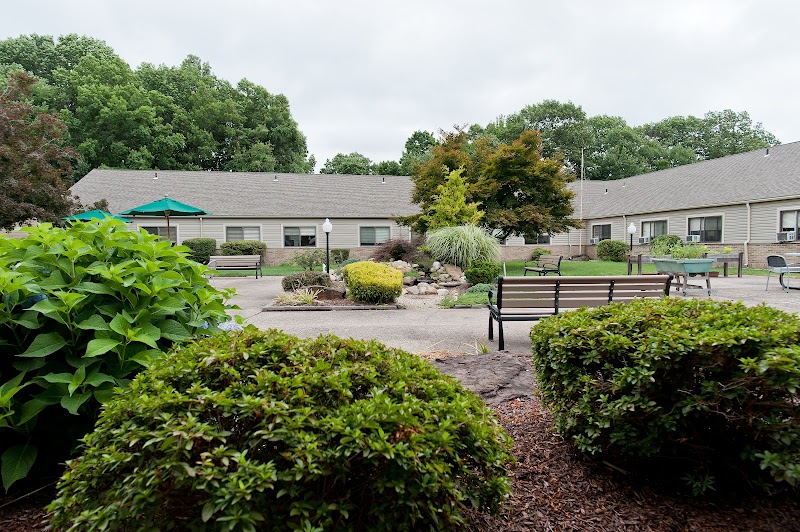
Who Owns and Operates Autumn Lake Healthcare At New Britain?

AUTUMN LAKE HEALTHCARE AT NEW BRITAIN is owned by a for-profit company. For-profit facilities operate as businesses with obligations to shareholders or private owners. The facility is operated by AUTUMN LAKE HEALTHCARE, a chain that manages multiple nursing homes. With 282 certified beds and approximately 252 residents (about 89% occupancy), it is a large facility located in NEW BRITAIN, Connecticut.

How Does Autumn Lake Healthcare At New Britain Compare to Other Connecticut Nursing Homes?

Compared to the 100 nursing homes in Connecticut, AUTUMN LAKE HEALTHCARE AT NEW BRITAIN's overall rating (4 stars) is above the state average of 3.0, staff turnover (40%) is near the state average of 46%, and health inspection rating (4 stars) is above the national benchmark.

What Should Families Ask When Visiting Autumn Lake Healthcare At New Britain?

Based on this facility's data, families visiting should ask: "Can you walk me through typical staffing levels on day, evening, and night shifts?" "Can I visit during a mealtime to observe dining assistance and food quality?" "How do you handle medical emergencies, and what is your hospital transfer rate?" "Can I speak with family members of current residents about their experience?" These questions are particularly relevant given the below-average staffing rating.

Is Autumn Lake Healthcare At New Britain Safe?

Based on CMS inspection data, AUTUMN LAKE HEALTHCARE AT NEW BRITAIN has a clean safety record: no substantiated abuse findings (meaning no confirmed cases of resident harm), no Immediate Jeopardy citations (the most serious violation level indicating risk of serious injury or death), and is not on the Special Focus Facility watch list (a federal program monitoring the lowest-performing 1% of nursing homes). The facility has a 4-star overall rating and ranks #1 of 100 nursing homes in Connecticut. While no facility is perfect, families should still ask about staff-to-resident ratios and recent inspection results during their visit.

Do Nurses at Autumn Lake Healthcare At New Britain Stick Around?

AUTUMN LAKE HEALTHCARE AT NEW BRITAIN has a staff turnover rate of 40%, which is about average for Connecticut nursing homes (state average: 46%). Moderate turnover is common in nursing homes, but families should still ask about staff tenure and how the facility maintains care continuity when employees leave.

Was Autumn Lake Healthcare At New Britain Ever Fined?

AUTUMN LAKE HEALTHCARE AT NEW BRITAIN has no federal fines on record. CMS issues fines when nursing homes fail to meet care standards or don't correct problems found during inspections. The absence of fines suggests the facility has either maintained compliance or corrected any issues before penalties were assessed. This is a positive indicator, though families should still review recent inspection reports for the full picture.

Is Autumn Lake Healthcare At New Britain on Any Federal Watch List?

AUTUMN LAKE HEALTHCARE AT NEW BRITAIN is not on any federal watch list. The most significant is the Special Focus Facility (SFF) program, which identifies the bottom 1% of nursing homes nationally based on persistent, serious quality problems. Not being on this list means the facility has avoided the pattern of deficiencies that triggers enhanced federal oversight. This is a positive indicator, though families should still review the facility's inspection history directly.