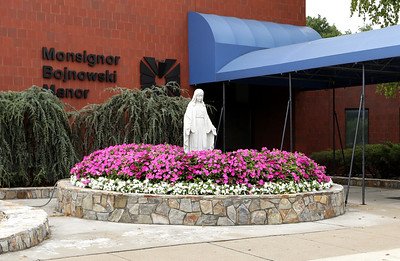
MONSIGNOR BOJNOWSKI MANOR
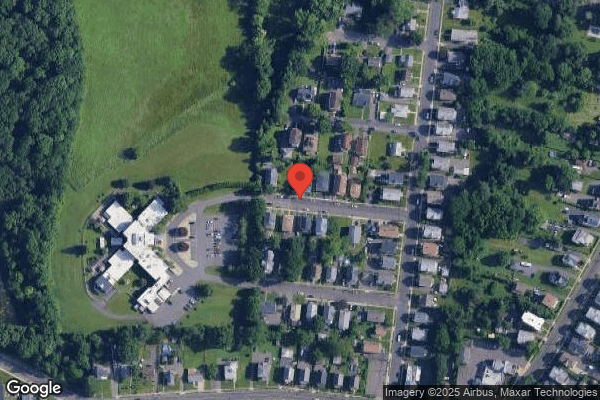
50 PULASKI STREET, NEW BRITAIN, CT 06053 (860) 229-0336
Non profit - Corporation 60 Beds Independent Data: November 2025
Trust Grade
73/100
#30 of 192 in CT
Last Inspection: February 2025

Within standard 12-15 month inspection cycle. Federal law requires annual inspections.

Overview

Monsignor Bojowski Manor in New Britain, Connecticut has a Trust Grade of B, which indicates it is a good choice for families considering care options. It ranks #30 out of 192 facilities in Connecticut, placing it in the top half, and #12 out of 64 in Capitol County, meaning there are only 11 local options that are better. However, the facility's trend is concerning as it is worsening, with issues increasing from 3 in 2024 to 9 in 2025. Staffing is rated average with a turnover rate of 59%, significantly higher than the state average of 38%, which may affect the continuity of care. There are some troubling incidents, such as medications being left unsecured and the facility failing to administer necessary vaccinations to residents, highlighting areas that need improvement alongside its strengths in quality measures.

Trust Score
B
73/100
In Connecticut
#30/192
Top 15%
Safety Record
Low Risk
No red flags
Inspections
Getting Worse
3 → 9 violations
Staff Stability
⚠ Watch
59% turnover. Above average. Higher turnover means staff may not know residents' routines.
Penalties
○ Average
$21,991 in fines. Higher than 74% of Connecticut facilities. Some compliance issues.
Skilled Nurses
○ Average
Each resident gets 38 minutes of Registered Nurse (RN) attention daily — about average for Connecticut. RNs are the most trained staff who monitor for health changes.
Violations
⚠ Watch
32 deficiencies on record. Higher than average. Multiple issues found across inspections.
★★★★★
5.0
Overall Rating
★★★☆☆
3.0
Staff Levels
★★★★★
5.0
Care Quality
★★★★☆
4.0
Inspection Score
Stable
2024: 3 issues
2025: 9 issues

The Good

  • 5-Star Quality Measures · Strong clinical quality outcomes
  • Full Sprinkler Coverage · Fire safety systems throughout facility
  • No fines on record

Facility shows strength in quality measures, fire safety.

The Bad

Staff Turnover: 59%

13pts above Connecticut avg (46%)

Frequent staff changes - ask about care continuity

Federal Fines: $21,991

Below median ($33,413)

Minor penalties assessed

Staff turnover is elevated (59%)

11 points above Connecticut average of 48%

The Ugly 32 deficiencies on record

Feb 2025 9 deficiencies
CONCERN (D)

Potential for Harm - no one hurt, but risky conditions existed

Deficiency F0657 (Tag F0657)

Could have caused harm · This affected 1 resident

**NOTE- TERMS IN BRACKETS HAVE BEEN EDITED TO PROTECT CONFIDENTIALITY** Based on review of the clinical record, review of facility policy/procedures and interviews for one sampled resident (Resident #...

Read full inspector narrative →
**NOTE- TERMS IN BRACKETS HAVE BEEN EDITED TO PROTECT CONFIDENTIALITY** Based on review of the clinical record, review of facility policy/procedures and interviews for one sampled resident (Resident #52) reviewed for hospice care and had the behavior of refusing care and medications, the facility failed to ensure the resident's care plan addressed the refusals of care and medication. The findings include: Resident #52 was admitted to the facility in October of 2024. Diagnoses included vascular dementia with agitation, anxiety disorder due to known physiological condition, open wound of unspecified front wall of thorax without penetration into thoracic cavity, disorientation and insomnia. The admission MDS assessment dated [DATE] identified the resident had intact cognition, required supervision or touching assistance with toileting, showering, and personal hygiene, independent with position changes and required supervision/touching assistance with transfers and walking. The assessment further indicated Resident #52 exhibited delusions, but did not exhibit physical or verbal behavioral symptoms directed toward others and did not exhibit rejection of care or wandering. The significant change MDS assessment dated [DATE] identified Resident #52 had intact cognition, was experiencing delusions, and did not exhibit rejection of care or wandering. The care plan dated 1/3/25 identified the problem of end-of-life requiring Hospice services, pain, and the risk for potential adverse effects of psychotropic medication. Physician's orders dated 1/12/25 directed an assist of one for transfers and ambulation with a rolling walker, monitor for side effects of medication and monitor target behaviors. The orders further identified the following medication orders: 1. Administer Lorazepam 0.5 mg 1 tab by mouth every six hours for anxiety 2. Administer Morphine Concentrate 20mg sublingually every three hours as needed for pain or shortness of breath 3. Administer Prochlorperazine Maleate 10mg by mouth every six hours as needed for nausea and/or vomiting. 4. Administer Seroquel 12.5mg by mouth twice per day 5. Administer Trazadone 25mg by mouth twice per day for anxiety, insomnia, and delusions. Review of nursing notes from 11/1/24 through 2/3/25 identified Refusals of care as listed below with no indication of re-approach or redirection: 11/17/24: Refused Trazodone this evening 11/18/24: Continues to refuse scheduled Trazodone 11/19/24: Continues to refuse scheduled Trazodone 11/23/24: Continued to refuse scheduled Trazodone 12/9/24: Refused scheduled Trazodone stating there was no need for sleeping aid 12/15/24: Refused HS Trazodone 12/16/24: Refused HS Trazodone 12/17/24: Refused HS Trazodone 12/23/24: Refused HS Trazodone 12/24/24: refused HS Trazodone 12/25/24: Refused HS Trazodone 12/28/24: Refused HS Trazodone 12/30/24: Refused Trazodone 12/31/25: Refused scheduled Trazodone 1/1/25: Refused Trazodone 1/15/25: Refused body check so post fall assessment not completed. 1/15/25: Refused vitals and remains combative 1/16/25: Refused medications and treatment to chest 1/22/25: Refused scheduled Trazodone 1/24/25: Refused Hospice assessment and was not cooperative. 1/25/25: Refused am medications, refused dressing change 1/28/25: Confused and non-cooperative with care. The medication administration record (MAR) for December 2024 identified Resident #52 refused Trazodone at bedtime 26 times out of 31 attempted administrations. The MAR for January 2025 identified Resident #52 refused 23 out of 31 attempted administrations at bedtime. The nurse's progress note dated 1/23/25 identified Resident #52 opted to discontinue radiation treatments for cancer and was placed on Hospice. The nurse's progress note dated 1/28/25 at 10:32 PM identified Resident #52 refused care by the hospice and identified he/she was able to manage. Interview on 2/4/25 at 10:50 AM with LPN#6 identified Resident #52 is redirectable but often refuses care and medications depending on the staff and the resident's mood. LPN#6 indicated that he reapproaches the resident with a good outcome usually. Interview on 2/4/25 at 11:07 AM with the DNS identified that when a resident has consistent refusals of care or medications, the supervisor and the provider should be notified. The DNS further identified the facility did not have a policy regarding refusals of care or refusals of medications, but she would expect refusals to be addressed in the resident's care plan. Interview on 2/4/25 at 11:29 AM with RN#2 regarding resident refusals identified that the RN Supervisor and the APRN should be notified, and the type and frequency of refusals should be identified. She further noted that when Resident #52 refuses, the staff should reapproach and if the resident still does not allow the treatment/care/medication, then the APRN should be notified. Additionally, RN #2 identified the care plan should have been updated to include interventions such as reapproach, etc. and indicated the MDS coordinator is responsible for making care plan changes. Further review of the care plan dated 1/3/25 failed to address Resident #52's behavior of refusing care, treatments and medications. Interview on 2/4/25 at 11:48 AM with LPN#4 (MDS Coordinator) identified he looks at the morning report/24-hour report and run reports back to the last time he reviewed the chart. When asked about refusals being reflected in the care plan LPN #4 indicated that the change in condition was reflected in the transition to Hospice Care. Additionally, LPN #4 indicated that there was a care plan that addressed refusal of showers and directed staff to redirect and honor resident's right to refuse. The care planning policy identified that the facility ensures residents have a comprehensive and individualized plan of care that will guide caregivers to assist residents to achieve or maintain their highest practical level of wellbeing. The policy indicated that the care plan is reviewed and updated at least quarterly and as necessary to reflect changes in the resident's status.
CONCERN (D) 📢 Someone Reported This

A family member, employee, or ombudsman was alarmed enough to file a formal complaint

Potential for Harm - no one hurt, but risky conditions existed

Quality of Care (Tag F0684)

Could have caused harm · This affected 1 resident

**NOTE- TERMS IN BRACKETS HAVE BEEN EDITED TO PROTECT CONFIDENTIALITY** Based on review of the clinical record, review of facility documentation, review of facility policy/procedures and interviews fo...

Read full inspector narrative →
**NOTE- TERMS IN BRACKETS HAVE BEEN EDITED TO PROTECT CONFIDENTIALITY** Based on review of the clinical record, review of facility documentation, review of facility policy/procedures and interviews for one of two sampled residents (Resident #35) reviewed for hospitalization, the facility failed to ensure medication was administered as ordered. The findings include: Resident #35's diagnoses included epilepsy, dementia and anxiety. The quarterly MDS assessment dated [DATE] identified Resident #35 was moderately cognitively impaired, had no behaviors, required max assistance for bed mobility, dressing, and hygiene, was dependent for transfers, utilized a mechanical lift and utilized a wheelchair for mobility. The physician's orders for June/July 2024 (original order dated 10/5/22) directed to administer Clobazam (benzodiazepine/used to treat seizures) 10mg orally once a day in the evening. The Controlled Substance Disposition Record dated 6/14/24 indicated a 30-day supply (30 tabs) of Clobazam 10mg tablets were delivered to the facility on 6/14/24. The disposition record identified that the last dose administered was on 7/13/24. Review of the medication administration record (MAR) for the month of July/2024 identified the Clobazam was not administered on 7/14, 7/15, & 7/16/24. The nurse's note, dated 7/16/24 at 10:31 PM written by RN #3 identified Resident #35 was not feeling well, had difficulty pronouncing words, and had labored breathing with an expiratory wheeze. The advanced practice registered nurse (APRN) and family were notified and the family wanted Resident #35 to be sent out to the hospital to be evaluated A medication error report dated 7/17/24 indicated that Clobazam 10mg was not administered as ordered on 7/14/24 resulting in Resident #52 being hospitalized for 24 hours. The report further indicated that the evaluation at the hospital was negative. The nurses note dated 7/17/24 at 4:13 AM written LPN #1 indicated a call was received from the hospital physician inquiring about the last administration of Clobazam. Per the MAR, it was last administered on 7/13/24. There were missed doses on 7/14-7/16/24 as the medication was not available. A Reportable Event report dated 7/17/24 indicated Resident #35 missed 3 doses of Clobazam medication due to the medication not being available and Resident #35 was sent to the hospital to be evaluated for shortness of breath. The blood serum laboratory results for Resident #35 dated 7/17/24 indicated Clobazam was at a level of 202 with the normal range noted as 30-300 nanograms per milliliter (ng/ml). Interview on 1/30/25 at 12:15 PM with the DNS identified that the pharmacy requested a prescription to refill the Clobazam and APRN #1 wrote the prescription electronically. The medication was still not refilled by the pharmacy so LPN #3 cancelled the original order for the Clobazam, hoping a new order would expedite getting the medication but it did not. The pharmacy was contacted and indicated the medication had been discontinued, which was not the case. A new order was sent to the pharmacy. DNS further identified that when a medication is not received from the pharmacy within 24-48 hours, a call needs to be placed to the pharmacy. Interview on 1/30/25 at 12:32 PM with RN #2 (day supervisor) indicated the medication refills and orders are completed through the electronic medical record (EMR) system. There is a button in the EMR for refilling medications and it shows the date of the last request/refill. All staff are responsible for reordering medications. Medications are re-ordered when a 5-day supply is remaining. When a controlled medication is ordered, a prescription is required, unless it is a previous order with refills on it. If there were refills on it, then a prescription is not required. The APRN and or MD can call the pharmacy to order or refill a controlled medication and can fax or order electronically through the EMR. Any new controlled medications require a prescription. RN #2 was unable to recall any issue with Resident #35's seizure medication in July of 2024. Interview on 1/30/25 at 12:45 PM with the Pharmacist associated with the pharmacy identified that a 30-day supply of Clobazam was filled on 6/13/24 with an additional 3 refills remaining. He noted that the medication was refilled on 7/17/25. The Pharmacist could not identify any issues related to the refilling of the Clobazam in July 2024 because a new prescription was not needed in order for the medication to be refilled. The Pharmacist further noted that there were no notes related to the refilling of the medication from July 2024. He further noted that he found no billing issues that would have affected the medication being refilled and he noted that not receiving three doses of an antiseizure medication, may increase the risk of having seizures. Interview on 1/31/25 at 9:17 AM with Person #1 identified Resident #35 was evaluated for a stroke at the hospital and noted that while the resident was at the hospital, the emergency room physician notified him/her that Resident # 35 had not received 3 doses of the Clobazam. Person #1 identified that the facility did not notify him/her that the medication had not been administered for three days. Interview on 2/3/25 at 2:31 PM with APRN #1identified the DNS notified her that Resident #35 had missed doses of Clobazam. She further noted that Resident #35 was at a higher risk for having a seizure with the missed doses. APRN #1 identified that she had contacted the resident's Neurologist (MD #1) and after he viewed a video (the resident had a camera with a video feed installed in his/her room) of the incident with the Resident, he noted non-rhythmic shaking of the right hand only and identified that he suspected that changes in the resident and the shaking of the right hand were not related to the resident experiencing a seizure because Resident #35 had a structural abnormality on the right frontotemporal and parietal lobes of the brain. Interview on 2/4/25 at 11:44 AM with LPN #2 indicated the clobazam was not available from the pharmacy. There were refills remaining, yet the pharmacy showed no refills available. That incident was a pharmacy error. That's why the medication was not delivered. The EMR showed refills remaining. When the pharmacy was contacted, they did not show or see any refills remaining. The pharmacy had incorrect data regarding the refills. The pharmacy was contacted multiple times to refill the Clobazam. LPN #2 was re-educated on contacting the pharmacy, APRN and DNS, if or when a medication is unavailable in order to escalate a solution. Review of the Medication Administration policy directed, in part, that medications were administered by licensed nurses, as ordered by the physician and in accordance with professional standards of practice. To report and document any adverse side effects or refusals, and to correct any discrepancies and report to the nurse manager.
CONCERN (D)

Potential for Harm - no one hurt, but risky conditions existed

Accident Prevention (Tag F0689)

Could have caused harm · This affected 1 resident

**NOTE- TERMS IN BRACKETS HAVE BEEN EDITED TO PROTECT CONFIDENTIALITY** Based on observations, clinical record review, facility documentation review, facility policy review, and interviews for one of ...

Read full inspector narrative →
**NOTE- TERMS IN BRACKETS HAVE BEEN EDITED TO PROTECT CONFIDENTIALITY** Based on observations, clinical record review, facility documentation review, facility policy review, and interviews for one of three sampled residents (Resident #16) reviewed for accidents, the facility failed to ensure the resident was provided accurate supervision to prevent an elopement and failed to ensure staff responded to the door alarm when the resident exited the building. The findings include: Resident # 16 's diagnoses included dementia, poly-osteoarthritis, restlessness and agitation. The elopement evaluation dated 6/24/24 identified Resident #16 was at risk for elopement. A physician's order dated 6/24/24 identified Resident #16 wander guard on right wrist and check bracelet application every shift, check function once a shift. The quarterly Minimum Data Set (MDS) assessment dated [DATE] identified Resident #16 had severe cognitive impairment, required supervision with transfers and ambulation and had a wander guard (monitoring device that triggers an alarm) in place. The care plan dated 9/13/24 identified Resident #16 frequently wandered and was at risk for elopement from the building. The care plan interventions directed to offer and engage resident in an activity, apply wander guard and check function when resident is seen heading toward or lingering near an exit door, and offer to escort to another area of the building. The nurse's note dated 11/17/24 at 7:34 PM identified Resident #16 had eloped to the courtyard patio outside of the facility at approximately 5:50 PM and Resident #16 returned into the facility at 6:00 PM. Resident #16 was independent with ambulation and the wander guard was noted to the right wrist. Resident #16 was in the dining room which ended approximately at 5:30PM and he/she was noted ambulating back and forth in the St. [NAME] hallway. A body audit was completed with no noted injuries. The physician, responsible party and DNS were notified of the elopement. Review of facility Accident and Incident (A & I) report dated 11/17/24 identified Resident #16 had eloped outside to the courtyard patio, and he/she was seen knocking on the window outside the building at the end of the St [NAME] hallway. Further review of facility (A &I) report identified the timeline of events based on the facility cameras identified the following: 5:14 PM: Resident #16 was sitting in the dining room on the St. [NAME] unit. 5:35 PM: Resident #16 finished dinner and left the dining room. 5:39 PM: Resident #16 was noted sitting on a chair in the St [NAME] hallway near the nurses' station. 5:50 PM: The dining room was cleared from all residents, tables were cleaned, and lights were turned off and the door to the recreation room was closed but not locked. 5:55 PM: Resident #16 walked toward the dining room located on St [NAME] and there was no staff present in the St [NAME] hallway. Resident #16 opened the door that led to the dining room and closed the door behind him/her. The nursing supervisor was on the phone with a family member sitting at the nurses' station and was facing the St, [NAME] hallway. 5:56 PM: Resident #16 opened the door and walked out to the courtyard patio. 6:00 PM: LPN #2 walked out of a resident's room and walked toward the medication cart located near the St [NAME] lounge door, LPN #2 heard a knock on the window and saw Resident #16 knocking on the windows from outside in the courtyard. LPN #2 opened the door and brought Resident #16 back inside the building from the courtyard. 6:05 PM: Resident #16 was inside the facility and the St [NAME] rear door and St [NAME] lounge door were both alarming when resident brought into the facility. Observation on 1/29/25 at 10:30 AM identified Resident #16 was pacing back and forth without assistive device in the St. [NAME] hallway. A tour of the building with the DNS on 2/3/25 at 9:40 AM identified all doors that could lead to outside the facility are equipped with an alarm. The St [NAME] rear door where Resident #16 went out to the courtyard patio was equipped with a door alarm when opened and also the St [NAME] lounge area door was also equipped with a door alarm where Resident #16 was seen knocking on the window. The DNS identified that when a door is opened, there is an audible alarm and blinking red light at the alarm panel near the nurses' station. The alarm panel is labelled and will identify the door that has been opened. The tour further identified that the patio is enclosed but is not secure (a resident can exit the patio area through a gate). Interview and review of the facility timeline of events with the DNS on 2/3/25 at 9:30 AM identified Resident #16 was a high risk for elopement because of his/her independent ambulation and frequently wandering throughout the facility hallway. She identified that she received a call from her nursing staff because Resident #16 went out to the courtyard on 11/17/24. She also identified that she reviewed the facility camera the next day to review how Resident #16 accessed the courtyard without staff's knowledge. She identified that Resident #16 was seen walking in St [NAME] hallway and there was no staff at St [NAME] because they were taking care of other resident. Furthe, the recreation room leading to the St [NAME] dining room was closed but it was not locked. Resident #16 was able to open and exit the recreation door. She identified that all facility doors that lead to the outside are equipped with an alarm, and it will show an alert at the alarm panel near the nurses' station when a door is opened. She also identified that after this incident, the recreation door is now locked after dinner time. She identified that the courtyard patio was for resident use; however, any resident in the courtyard patio would need staff supervision. Interview with NA #2 on 2/3/25 at 3:20 PM identified that she was not the assigned nursing aide for Resident #16. She identified that she did not observe Resident #16 elope to the courtyard patio. She noted that she heard the door alarm at the alarm panel at the nurses' station, but she did not stop to investigate which door alarm was activated and noted that when the facility investigated the facility camera, she was seen walking by the alarm panel approximately three times without stopping to investigate which door alarm was activated. NA #2 further identified that she was given a verbal warning and education was provided regarding responding to the alarm. Interview with LPN #2 on 2/4/25 at 12:30 PM identified she saw Resident #16 knocking on the window in the courtyard patio at St [NAME] lounge door when she came out from a resident room, and she had not heard the alarm. She further identified that the St [NAME] rear door and St [NAME] lounge door were both active at the alarm panel when she brought Resident #16 back inside the facility. The Elopement and Wandering Resident's policy identified that the facility would ensure that residents who exhibit wandering behavior and/or at risk of elopement will receive adequate supervision to prevent accidents. The policy also indicated that the alarms are not a replacement for necessary supervision and staffs will be vigilant in responding to the alarms in a timely manner.
CONCERN (D)

Potential for Harm - no one hurt, but risky conditions existed

Infection Control (Tag F0880)

Could have caused harm · This affected 1 resident

Based on observations, review of facility policy/procedures and interviews, the facility failed to ensure the hand hygiene procedures were followed by staff involved in direct resident contact. The fi...

Read full inspector narrative →
Based on observations, review of facility policy/procedures and interviews, the facility failed to ensure the hand hygiene procedures were followed by staff involved in direct resident contact. The findings include: Continuous observations of medication administration on 1/30/25 at 9:21 AM identified LPN#5 took Resident #34's blood pressure and then exited the room without performing hand hygiene. LPN #5 then preceded to the medication cart, prepared Resident #34's medications, and re-entered the resident's room and administered the medications. LPN#5 spoon fed the resident a few medications at a time and assisted the resident with drinking the water. LPN#5 then returned to the med cart and prepared an additional medication that Resident #34 had requested. It was noted that Resident #34 had a new complaint of rash to bilateral arms. At 9:45 AM, LPN#5 exited Resident #34's room, retrieved the blood pressure machine (which had been wiped down by the NA) and entered Resident 50's room and obtained a blood pressure. LPN#5 exited the room without performing hand hygiene, and did not sanitize the blood pressure machine. LPN#5 prepared Resident #50's medications. A NA took Resident #50 to the bathroom to wash up. LPN#5 was then asked by another NA to obtain supplies for another resident. LPN#5 labelled and taped up Resident #50's medications and placed them in the top drawer of the medication cart and went down the hallway. At 9:58 AM, LPN #5 walked away from the medication cart and entered Resident #46's room, donned gloves, provided care to Resident #46 then exited the room and discarded the gloves. LPN #5 did not perform hand hygiene after discarding the gloves. He then obtained foley bags from a hall closet and brought them into Resident #46's room. LPN#5 exited Resident #46's room and returned to the medication cart. At 10:11 AM LPN#5 poured juice for Resident #50 and entered Resident #50's room to administer medications. While in Resident #50's room LPN#5 handed the medication cup to Resident #50, grabbed a paper towel from the bathroom and picked something up off of the floor. He discarded whatever he picked up into the trash, poured more juice for the resident continued observing the resident take medication and then performed hand hygiene as he exited the room. Interview on 1/30/25 at 10:20 AM with LPN #5 identified he is from the agency but has worked at the facility regularly for the past two months. LPN#5 identified he was unfamiliar with the facility's hand hygiene policy and indicated that when performing medication administration, he should perform hand hygiene every couple of rooms by using the hand sanitizer or washing his hands. Interview on 1/30/25 at 10:24 AM with RN#2 identified that hand hygiene should be completed by sanitizing after every care, or in between each patient and before and after glove use. Additionally, staff should wash hands with soap and water if visibly soiled. The facility policy for hand hygiene identified hand hygiene as a general term for cleaning hands by handwashing with soap and water or the use of an antiseptic hand rub, also known as alcohol-based hand rub, and indicated alcohol-based hand rub with 60 - 95% alcohol is the preferred method for cleaning hands in most clinical situations. Additionally, the policy identified to wash hands with soap and water whenever they are visibly dirty, before eating and after using the restroom. Additionally, the policy identified the use of gloves does not replace hand hygiene and indicated to perform hand hygiene prior to donning gloves, and immediately after removing gloves. The policy identified hand hygiene is indicated and will be performed under the conditions listed in the attached hand hygiene table which indicated alcohol-based hand rub should be used: between resident contacts, before applying and after removing personal protective equipment, including gloves, before preparing or handling medications, and before providing resident care procedures
CONCERN (E)

Potential for Harm - no one hurt, but risky conditions existed

Deficiency F0761 (Tag F0761)

Could have caused harm · This affected multiple residents

Based on observations, review of facility policy/procedures and interviews, the facility failed to ensure medications designated for destruction and/or return to pharmacy were secured. The findings in...

Read full inspector narrative →
Based on observations, review of facility policy/procedures and interviews, the facility failed to ensure medications designated for destruction and/or return to pharmacy were secured. The findings include: Observation on 1/30/25 at 10:28 AM identified the DNS office door opened and unoccupied with a yellow basket located on top of the medication safe that contained several blister packs containing medications. The office is located on a nursing unit and opens to the resident corridor. There was one resident seated in a chair located next to the nurses' station approximately 20 feet from the opened door/office. Observation on 1/31/25 at 1:18 PM identified the DNS office door open with medications in sight. The office was unoccupied, and four residents were seated in wheelchairs outside of the unoccupied office. There was no facility staff present in the area. Observation on 2/3/25 at 12:07 PM noted the office door opened with medications in sight and unsecured. Interview on 2/3/25 at 12:39 PM with RN#2 identified discontinued and expired medications are stored in a cabinet in the medication storage room. RN#2 indicated that the medications are kept there until taken by the DNS for destruction or return to pharmacy. Interview on 2/3/25 at 1:00 PM with the DNS identified that on a biweekly basis, medications that belonged to discharged or expired residents are removed from circulation and kept in a locked box in the DNS office. Some medications that need to be returned to pharmacy or destroyed are kept in the medication room. The DNS further identified that the medications in the DNS office are supposed to be destroyed; however, they had not yet been destroyed. Observation of the open office on 2/3/25 from 2:00 PM to 2:20 PM identified several ambulatory residents, and visitors in the corridor near the opened office. Interview on 2/3/25 at 2:22 PM with the DNS identified she did not secure the office door because she did not feel residents and visitors would enter the office. Medications present and unsecured in the yellow basket included: 1. Eliquis 2.5 mg tablet 5 tablets 2. Eliquis 2.5 mg tablet (6 pills) 3. Eliquis 2.5 mg tablet (22 pills left) 4. Amox-Clav 500-125mg (7 pills) 5. Cephalexin 500 mg capsule (14 pills) 6. Cephalexin 500mg capsule (30 pills) 7. Ciprofloxacin HCL (1 pill) 8. Cephalexin 500mg capsule (2 pills) 9. Ciprofloxacin HCL 250 mg (2pills) 10. Ciprofloxacin HCL 250 mg (1 pill) 11. Eliquis 2.5 mg tablet (22 pills) 12. Smz/TMP DS DS 800-160 mg (3 pills) 13. Cephalexin 500 mg (2 pills) 14. Prednisone 5mg (30 pills) 15. Minocycline HCL 100mg (4 pills) 16. Prednisone 5mg (22 pills) 17. Levofloxacin 500 mg tablet (1 pill) 18. Ciprofloxacin HCL f/c 250 mg (1 pill) 19. Midodrine HCL 10 mg (11 pills) 20. Eliquis 5 mg (22 pills) 21. Levofloxacin f/c 750 mg (2 pills) 22. Smz/TMP DS 800-160 mg tab (2 pills) 23. Cephalexin 500 mg (4 pills) 24. Cefuroxime f/c 500 mg (5 pills) 25. Levofloxacin 500 mg (2 Pills) 26. Levofloxacin 500 mg (1 pill) 27. Baclofen 5mg tab (30 pills) 28. Cefuroxime 500mg (3 pills) The facility policy for medication storage identified that all medications housed on our premises will be stored in the pharmacy and/or medication rooms according to the manufacturer's recommendations and sufficient to ensure proper sanitation, temperature, light, ventilation, moisture control, segregation, and security and indicated that the pharmacy and all medication rooms are routinely inspected by the consultant pharmacist for discontinued, outdated, defective or deteriorated medications.
CONCERN (E)

Potential for Harm - no one hurt, but risky conditions existed

Deficiency F0883 (Tag F0883)

Could have caused harm · This affected multiple residents

**NOTE- TERMS IN BRACKETS HAVE BEEN EDITED TO PROTECT CONFIDENTIALITY** Based on review of clinical records, review of facility policy, review of facility documentation, and interviews for five of fiv...

Read full inspector narrative →
**NOTE- TERMS IN BRACKETS HAVE BEEN EDITED TO PROTECT CONFIDENTIALITY** Based on review of clinical records, review of facility policy, review of facility documentation, and interviews for five of five sampled residents (Resident #12, Resident #31, Resident #43, Resident #46, and Resident #49) reviewed for immunizations, the facility failed to ensure that the pneumococcal vaccine was assessed/and administered and failed to offer the influenza vaccine to residents (Resident #12 and Resident #31). The findings include: Resident #12's diagnoses included hypertension, osteoarthritis, and hypercholesterolemia. Review of the Resident Vaccine Consent form which consists of the pneumococcal vaccine consent identified Resident #12 gave the facility permission to administer the pneumococcal vaccine on 4/21/24 and on 7/7/24. Review of Resident #12's vaccination report failed a history of receiving the pneumococcal vaccine(s) or that he/she had been administered the vaccine while at the facility. Interview with the DNS (who is an Infection Preventionist (IP) and is covering for the IP) on 2/3/25 at 2:15 PM identified Resident #12 should have been offered and given the PCV 20 vaccine based on the resident's pneumococcal history. Resident #31's diagnoses included dementia, depressive disorder, and gastrointestinal hemorrhage. Review of the Resident Vaccine Consent form which consists of the Pneumococcal vaccine consent dated 4/21/24 identified Resident #31 indicated that he/she had received the PCV 13 vaccine in the past in the month of October of 2023. Review of Resident #31's clinical records failed to identify that he/she had received any of the pneumococcal vaccines while at the facility or documentation of having received them prior to being admitted to the facility. It also did not contain documentation that the resident had refused the vaccine. Interview with the DNS (who is also an Infection Preventionist (IP) covering for the IP in her absence) on 2/3/25 at 2:15 PM identified Resident #31 should have been offered and given the PCV 20 vaccine based on the resident's pneumococcal history. Resident #43's diagnoses included type 2 diabetes mellitus, peripheral vascular disease, and spinal stenosis. Review of the Resident Vaccine Consent form which consist for Pneumococcal vaccine consent identified Resident #43 gave the facility permission to administer the pneumococcal vaccine on 7/25/24. Review of Resident #43 vaccination report failed to identify any history obtained or inoculation of pneumococcal vaccine for the resident. Review of Resident #43's clinical records failed to identify that he/she had received any of the pneumococcal vaccines at the facility. Interview with the DNS (who is also an Infection Preventionist (IP) covering for the IP in her absence) on 2/3/25 at 2:15 PM identified Resident #43 should have been offered and given the PCV 20 vaccine based on the resident's pneumococcal history. Resident #46's diagnoses included sepsis, sleep apnea, chronic obstructive pyelonephritis and gout. Review of the Resident Vaccine Consent form which consist for Pneumococcal vaccine consent identified Resident #46 gave the facility permission to administer the pneumococcal vaccine on 10/30/24. Review of Resident #46 vaccination report failed to identify any history obtained or inoculation of pneumococcal vaccine for the resident. Review of Resident #46 clinical records failed to identify that he/she had received any of the pneumococcal vaccine at the facility. Interview with the DNS (who is also an Infection Preventionist (IP) covering for the IP in her absence) on 2/3/25 at 2:15 PM identified Resident #46 should have been offered and given the PCV 20 vaccine based on the resident's pneumococcal history. Resident # 49's diagnoses included dementia, hypercholesterolemia and psychotic disorder. The quarterly MDS assessment dated [DATE] identified Resident #49 had severely impaired cognition, and resident pneumococcal vaccine was up to date. Review of the Resident Vaccine Consent form which consist for Pneumococcal vaccine consent identified Resident #46 gave the facility permission to administer the pneumococcal vaccine on 9/27/24. Review of Resident #49's vaccination report failed to identify any history obtained or inoculation of pneumococcal vaccine for the resident. Review of Resident #49's clinical records failed to identify that he/she had received any of the pneumococcal vaccines at the facility. Interview with the DNS (who is also an Infection Preventionist (IP) covering for the IP in her absence) on 2/3/25 at 2:15 PM identified Resident #49 should have been offered and given the PCV 20 vaccine based on the resident's pneumococcal history. According to the Centers for Disease Control and Prevention (CDC) Pneumococcal Vaccine timing for adults identified that adults 65years or older have an option to receive the pneumococcal vaccine 20 (PVC 20) if they had already received both Prevnar 13 (PCV 13) at any age and/ pneumococcal vaccine (PPSV23) at or after age [AGE] years old and are eligible to receive after 5 years the PCV20 or another dose of the PPSV23 after shared decision with the provider and the patient. CDC also identify that an adult over the age of 65 years and had no prior vaccination of the pneumococcal vaccine are eligible for receiving the PCV20 vaccine or the PCV15 then after one year the PPSV23 vaccine. Interview with the DNS (who is also an Infection Preventionist (IP) covering for the IP in her absence) on 2/3/25 at 2:15 PM identified it is the responsibility of the infection control nurse on admission to review and assess vaccination status and obtain consents from residents. The DNS further identified the IP nurse is also responsible for obtaining the physician's order for the appropriate vaccine and input the order for the nurses on the unit or the IP nurse to administer the vaccine. The DNS identified she expects residents to receive the pneumococcal vaccine within 30 days of giving consents and for historically vaccine information to be documented in the preventative care section of the electronic medical record system. Review of the Pneumococcal Vaccination policy identified each resident would be assessed for pneumococcal immunization upon admission, self-reporting of immunization will be accepted. Any additional efforts to obtain information will be documented, including efforts to determine fate of immunization or type of vaccine received. Resident #12's diagnoses included hypertension, osteoarthritis, and hypercholesterolemia. Review of the Resident Vaccine Consent form which consist of the Influenza vaccine consent identified Resident #12 had signed the consent on 7/7/24 without selecting an option to receive, refuse, or provided vaccination history of receiving the vaccine. Review of Resident #12 vaccination report identified on 11/15/24 that the influenza consent was not obtained and was not on record for the resident to receive the annual flu vaccine. Review of Resident #12 clinical records failed to identify that he/she had received the influenza vaccination at the facility or had refused in the fall when the facility hosted the influenza vaccination clinic for the residents. Interview with Resident #12 on 2/14/25 at 2:08 PM identified he/she could not recall the facility offering or administering the influenza vaccine to him/her in the fall of 2024. Resident #12 identified if it was offered, he/she would have accepted as the providers encourage him/her to receive the influenza vaccine. Resident #31's diagnoses included dementia, depressive disorder, and gastrointestinal hemorrhage. Review of the Resident Vaccine Consent form which consist of the Influenza vaccine consent identified Resident #31 had signed the consent on 4/20/24 indicating that he/she had already received the influenza vaccine in October of 2023. Review of Resident #31 vaccination report identified on 11/15/24 that the influenza consent was not obtained and was not on record for the resident to receive the annual flu vaccine. Review of Resident #31 clinical records failed to identify that he/she had received the influenza vaccination at the facility or had refused in the fall when the facility hosted the influenza vaccination clinic for the residents. Interview with Person #3 identified he/she could not recall the facility offering or signing any consent for Resident #31 to receive the influenza vaccine. Person #3 identified the only vaccine offered he/she recalled was the COVID -19 which consent was signed, and Resident #31 received the COVID-19 vaccine. Interview with the DNS (who is also an Infection Preventionist (IP) covering for the IP in her absence) on 1/31/25 at 1:30 PM identified Resident #12 and Resident #31 should have been offered and given the influenza vaccine as the resident was in the facility during the time the vaccine was being administered to all residents. The DNS indicated the IP nurse was out on leave at the moment who would be better able to answer why the resident did not receive the vaccine as she was only aware of this when she host the COVID-19 clinic on 1/21/25 that some residents who were in the building did not receive the vaccine. Review of the Influenza Vaccination Program policy identified to minimize the risk of acquiring, transmitting or experiencing complications from influenza by offering our residents, staff members, and volunteer workers annual immunization against influenza.
MINOR (B)

Minor Issue - procedural, no safety impact

Assessment Accuracy (Tag F0641)

Minor procedural issue · This affected multiple residents

**NOTE- TERMS IN BRACKETS HAVE BEEN EDITED TO PROTECT CONFIDENTIALITY** Based on review of clinical records, review of facility policy, review of facility documentation, and interviews for five of fiv...

Read full inspector narrative →
**NOTE- TERMS IN BRACKETS HAVE BEEN EDITED TO PROTECT CONFIDENTIALITY** Based on review of clinical records, review of facility policy, review of facility documentation, and interviews for five of five sampled residents (Residents #12, #31, #43, #46, and #49) reviewed for immunizations, the facility failed to ensure the MDS assessments were accurately encoded. The findings include: 1. Resident #12's diagnoses included hypertension, osteoarthritis, and hypercholesterolemia. The quarterly MDS assessment dated [DATE] identified Resident #12 was cognitively intact, and noted the influenza vaccine was received on 11/15/24 and the pneumococcal vaccination was up to date. Review of the clinical record with LPN #4 (MDS Coordinator) identified a hospital Discharge summary dated [DATE] that identified Resident #12 received PPSV23(PPSV23 stands for pneumococcal polysaccharide vaccine 23. It is a vaccine that helps protect against pneumococcal disease, which is caused by bacteria called Streptococcus Pneumoniae) on 8/14/2014. Further review of the clinical record failed to identify that the resident was offered and/or received an up-to-date pneumococcal vaccine (administered within the past five years). There was also no documentation to support the resident being administered the influenza vaccine. Interview with Resident #12 on 2/14/25 at 2:08 PM identified he/she did not recall receiving the influenza vaccine in the fall of 2024. Interview with LPN #4 (MDS Coordinator) on 2/3/25 at 12:23 PM identified Resident #12's pneumococcal vaccine was not up to date and the resident had not been administered the influenza vaccine. 2. Resident #31's diagnoses included dementia, depressive disorder, and gastrointestinal hemorrhage. The quarterly MDS assessment dated [DATE] identified Resident #31 had severe cognitive impairment, had an up-to-date pneumococcal vaccine, and noted the influenza vaccine was not administered in the facility Review of the clinical record with LPN #4 (MDS Coordinator) on 2/3/25 at 12:23 PM identified Resident #31 had not been administered the pneumococcal vaccine within the past five years, and there was also no documentation to support the resident being administered the influenza vaccine. Interview with LPN #4 (MDS Coordinator) on 2/3/25 at 12:23 PM identified Resident #31's pneumococcal vaccine was not up to date and the resident had not been administered the influenza vaccine. 3. Resident #43's diagnoses included type 2 diabetes mellitus, peripheral vascular disease, and spinal stenosis. The quarterly MDS assessment dated [DATE] identified Resident #43 was cognitively intact and had an up-to-date pneumococcal vaccine. Review of the clinical record with the MDS coordinator (LPN #4) on 2/3/25 at 12:23 PM failed to identify Resident #43 had been administered the pneumococcal vaccine within the past five years. Interview with LPN #4 on 2/3/25 at 12:23 PM identified Resident #43 had not been administered the pneumococcal vaccine within the past five years. 4. Resident #46's diagnoses included sepsis, sleep apnea, chronic obstructive pyelonephritis and gout. The quarterly MDS assessment dated [DATE] identified Resident #46 had moderately impaired cognition and was up to date with the pneumococcal vaccine. Review of the clinical record with LPN #4 on 2/3/25 at 12:23 PM failed to identify Resident #46 had received the pneumococcal vaccine within the past five years. Interview with LPN #4 on 2/3/25 at 12:23 PM identified Resident #46 had not been administered the pneumococcal vaccine within the past five years. 5. Resident # 49's diagnoses included dementia, hypercholesterolemia and psychotic disorder. The quarterly MDS assessment dated [DATE] identified Resident #49 had severely impaired cognition and was up to date with the pneumococcal vaccine. Review of the clinical record with LPN #4 on 2/3/25 at 12:23 PM identified Resident #49 had received the Prevnar 13 (PCV13/a type of pneumococcal vaccine) on 9/22/2019. Further review of the record failed to identify any other pneumococcal vaccines administered or offered within the past five `years. Interview with LPN #4 on 2/3/25 at 12:23 PM identified Resident #49 had not been administered the pneumococcal vaccine within the past five years. According to the Centers for Disease Control and Prevention (CDC) Pneumococcal Vaccine timing for adults identified that adults 65years or older have the option to receive the pneumococcal vaccine 20 (PVC 20) if they have already received both Prevnar 13 (PCV 13) at any age and/ pneumococcal vaccine (PPSV23) at or after age [AGE] years old and are eligible to receive after 5 years the PCV20 or another dose of the PPSV23. The CDC also identified that an adult over the age of 65 years and have no prior vaccination of the pneumococcal vaccine are eligible for receiving the PCV20 vaccine or the PCV15 then after one year the PPSV23 vaccine. Interview with LPN #4 on 2/3/25 at 12:23 PM identified that when completing the immunization section of the MDS, he reviews the resident's hospital discharge documentation, and immunization consent forms. LPN #4 further identified that he is responsibility for the accurate coding of the MDS assessments and noted that he had not coded the assessments for Resident's #12, #31, #43, #46 and #49 accurately. In addition, he did not explain why the MDS assessments had been inaccurately coded when the clinical records did not contain the information necessary for what was indicated in the MDS assessments. Interview with the DNS on 2/3/25 at 2:15 PM identified she was responsible for signing off on the resident assessments. The DNS identified she signs the MDS assessments to indicate the completion of the assessment, but noted it is the MDS Coordinator's responsibility to ensure the assessments accurately reflect the resident's status. Review of the MDS 3.0 Completion policy identified the facility conducts an initial and periodically a comprehensive, accurate and standardized assessment of each resident's functional capacity using the RAI specified by the state. The policy further identified that persons completing part of the assessment must attest to the accuracy of the section they complete by signature and indication of the relevant sections. The R.N. Coordinator signs, dates and attests to the timely completion of the RAI once all other disciplines have completed their sections.
MINOR (C)

Minor Issue - procedural, no safety impact

Transfer Notice (Tag F0623)

Minor procedural issue · This affected most or all residents

**NOTE- TERMS IN BRACKETS HAVE BEEN EDITED TO PROTECT CONFIDENTIALITY** Based on clinical record review, review of facility documentation, review of facility policy, and interviews for one of two samp...

Read full inspector narrative →
**NOTE- TERMS IN BRACKETS HAVE BEEN EDITED TO PROTECT CONFIDENTIALITY** Based on clinical record review, review of facility documentation, review of facility policy, and interviews for one of two sampled residents (Resident #34) reviewed for hospitalization, the facility failed to ensure the Ombudsman's office was provided with the required notification of the transfer. The findings included: Resident #34's diagnoses included osteomyelitis, anemia, and osteoarthritis of the knee. The quarterly assessment dated [DATE] identified Resident #34 had moderate cognitive impairment, required maximal assistance with personal hygiene, toileting hygiene and was non-ambulatory. LPN #6's progress note dated 11/29/24 at 2:44 PM identified the nurse aide reported Resident #34 was unresponsive and LPN #6 and the Nursing Supervisor entered the Resident #34's room and found the resident slumped over in the wheelchair and was unresponsive to the administration of sternal rub. The APRN was notified and ordered Resident #34 be sent to the emergency room for evaluation. The DNS's note dated 11/29/24 at 2:44 PM identified Resident #34 was admitted to the hospital with osteomyelitis and syncope. A request for the monthly Ombudsman's report for transfers and discharges for the last 4 months was made on 2/3/25 at 9:00 AM. A copy of the report was not provided. Review of the facility's admission/discharge reports for the past six months identified the following: • For the month of September, there were sixteen residents discharged and/or transferred from the facility. • For the month of October 2024, there were twenty-one residents discharged and/or transferred from the facility. • For the month of November 2024, there were seventeen residents discharged and/or transferred from the facility. • For the month of December 2024, there were twelve residents discharged and/or transferred from the facility. • For the month of January 2025, there were fifteen residents discharged and/or transferred from the facility. Interview with the Administrator on 2/3/25 at 1:04 PM identified the Social Worker is responsible for sending the monthly report of transfers and discharges to the Ombudsman's office. The Administrator further identified that the Social Worker was out on leave, and he did not have access to the Ombudsman's reporting portal. Interview with the Social Worker (SW #1) on 2/4/25 at 10:25 AM identified she was responsible for completing the monthly transfer and discharge report; however, it was not completed. SW #1 identified she started working at the facility in September of 2024 and was unaware that she was responsible for completing the report. She further identified the report should include all discharges and/or transfers to the hospital, home, deaths in the facility, and admission. On 2/4/25 (after surveyor inquiry) the facility updated the Ombudsman's office of all discharges and transfers that occurred during the period of September/2024 through January/2025. Review of the Transfer and Discharge (including AMA-against medical advice) policy identified the facility would maintain evidence that the notices were sent to the Ombudsman. The policy further identified the Social Services Director would provide copies of notices for emergency transfers to the Ombudsman, but they may be sent when practicable, such as in a list of residents on a monthly basis, as long as the list meets all requirements for content of such notice.
MINOR (C)

Minor Issue - procedural, no safety impact

Food Safety (Tag F0812)

Minor procedural issue · This affected most or all residents

Based on observations, facility policy and interviews, the facility failed to label/cover food in the refrigerator, freezer, and dry storage as well as wear proper hair/beard coverings while preparing...

Read full inspector narrative →
Based on observations, facility policy and interviews, the facility failed to label/cover food in the refrigerator, freezer, and dry storage as well as wear proper hair/beard coverings while preparing food in the kitchen. Observation on 1/29/25 at 10:30 AM with [NAME] Supervisor #1 during the initial brief tour identified bologna wrapped in plastic wrap in the reach in fridge with no label of date opened or discard date. Interview on 1/29/25 at 10:30 AM with [NAME] Supervisor #1 identified the bologna should have been labeled when it was opened and he was unsure when it was opened and will discard. Observation on 1/29/25 at 10:42 AM with [NAME] Supervisor #2 identified a tray of pasta with meat sauce in a metal tray covered with foil with the lower right corner of the tray opened exposing the food to open air in the walk-in freezer. Interview on 1/29/25 at 10:42 AM with [NAME] Supervisor #2 identified the food should not have been opened to air in the freezer and it should have been properly covered. Observation on 1/29/25 at 10:45 AM with [NAME] Supervisor #2 identified 2 bags of fish squares opened and tied at the top of the bag in the walk-in freezer with no open label date and no date of expiration. Interview on 1/29/25 at 10:45 AM with [NAME] Supervisor #2 identified that food should be labeled with an open date and a date of expiration while stored in the freezer. Observation on 1/29/25 at 10:50 AM with [NAME] Supervisor #2 identified two bags opened and tied at the top of yellow cake mix with no open date and no expiration date. Interview on 1/29/25 at 10:50 AM with [NAME] Supervisor #2 identified the cake mix should have been labeled with an open date and a expiration date. Observation on 1/29/25 at 10:52 AM with [NAME] Supervisor #1 identified Dietary Aide #1 preparing pears into individual servings from a can. Dietary Aide #1 was not wearing a beard guard and had a full beard that was approximately 1 inch in length. Interview on 1/29/25 at 10:52 with Dietary Aide #1 identified he does not typically wear a beard covering and did not believe it was required. Observation on 1/31/25 at 11:20 AM identified [NAME] Supervisor #2 was not wearing a head covering and was placing food into the steam table. After seeing the surveyor, [NAME] Supervisor #2 walked over to the far side of the kitchen to place his hat on. Interview on 1/31/25 at 11:22 AM with [NAME] Supervisor #2 identified he should have been wearing a hair guard. Interview on 1/31/25 at 11:30 AM with the Dietary Manager identified food should be labeled with date prepared or when opened in the refrigerator/freezer and food should also be labeled with an expiration date on it. The facility policy directs the staff to wear hair guards and beard guards while preparing food in the kitchen. Review of facility Food Storage Policy directed the facility to utilize a date marking system. Dry storage items will be required to have a date (including month/date/year) in which product was delivered or a manufacturer printed Best By/use by date. A product still within its delivered box with a visible food distributor shipping label with date is acceptable. Review of the facility policy Hair Restraint directed anyone within the kitchen, who will have close contact with the preparation or service of food, food storage areas, equipment will keep hair effectively/appropriately restrained to include a facial hair.
Sept 2024 1 deficiency
CONCERN (D) 📢 Someone Reported This

A family member, employee, or ombudsman was alarmed enough to file a formal complaint

Potential for Harm - no one hurt, but risky conditions existed

Infection Control (Tag F0880)

Could have caused harm · This affected 1 resident

**NOTE- TERMS IN BRACKETS HAVE BEEN EDITED TO PROTECT CONFIDENTIALITY** Based on clinical record review, observations, facility documentation review, facility policy review, and interviews for one of ...

Read full inspector narrative →
**NOTE- TERMS IN BRACKETS HAVE BEEN EDITED TO PROTECT CONFIDENTIALITY** Based on clinical record review, observations, facility documentation review, facility policy review, and interviews for one of three residents (Resident #1) reviewed for wound care, the facility failed to ensure hand hygiene was performed during a dressing change in accordance with accepted infection control practices. The findings include: Resident #1's diagnoses included an open knee wound and osteomyelitis of the knee. The admission assessment dated [DATE] identified Resident #1 was alert and oriented, had a left shin surgical incision with a surgical dressing and Jackson Pratt drain in place. The physician order dated 8/17/2024 directed left anterior knee wound: apply skin prep, allow to dry, cut a thin strip of Alginate AG with silver and gently pack into the wound bed using a cotton tipped applicator leaving the end exposed, apply Aquacel AG over the wound bed and cover with an adhesive foam dressing, change daily and as needed. The Resident Care Plan (RCP) dated 8/6/2024 identified chronic antibiotic use due to chronic osteomyelitis and a pressure ulcer/injury. Interventions directed to administer antibiotic per MD order, follow up with infectious disease specialist as ordered. The physician order dated 9/5/2024 directed to cleanse left knee wound with dial soap and water, apply calcium alginate lay on top of wound followed by drawtex or a highly absorbent dressing, followed an abdominal pad dressing and roll gauze, change daily and as needed. Observation of wound care provided on 9/18/2024 at 10:15 AM with LPN #1 identified LPN #1 removed the soiled dressing, and then while wearing the same gloves, LPN #1 cleansed the wound. LPN #1 further applied the clean dressing while wearing the same soiled gloves. LPN #1 failed to remove the soiled gloves, perform hand hygiene and don new gloves after removing the soiled dressing and after cleansing the wound, prior to applying the clean dressing. Interview with LPN #1 on 9/18/2024 at 10:31 AM identified that she should have removed the soiled gloves and washed her hands after removing the soiled dressing and then and donned clean gloves before applying Resident #1's clean dressing. LPN #1 further indicated she had been trained on the wound care treatment procedure, that she forgot and did not know why she didn't follow the wound care procedure. Interview, clinical record review, and facility documentation review with RN #1 on 9/18/2024 at 11:14 AM identified when a nurse performs wound care, he/she should remove dirty gloves, wash their hands, and apply new gloves before proceeding with a dressing change/applying the clean dressing. Review of facility Policy and Procedure for Clean Dressing Technique directed in part, it is the policy of this facility that all clean dressing changes and treatments to be performed by the Treatment or Charge Nurse in a manner that maintain skin integrity and prevents infection by maintaining a clean working environment and following clean nursing technique. Wash Hands, apply clean gloves, remove old dressing and discard in plastic bag, remove gloves, wash hands, apply clean gloves, cleanse wound with solution ordered, observe wound, remove gloves, wash hands apply clean gloves, apply any medication ordered and dress wound.
Mar 2024 2 deficiencies
CONCERN (D) 📢 Someone Reported This

A family member, employee, or ombudsman was alarmed enough to file a formal complaint

Potential for Harm - no one hurt, but risky conditions existed

Resident Rights (Tag F0550)

Could have caused harm · This affected 1 resident

**NOTE- TERMS IN BRACKETS HAVE BEEN EDITED TO PROTECT CONFIDENTIALITY** Based on clinical record review, observations, facility documentation, facility policy and interviews for one of three residents...

Read full inspector narrative →
**NOTE- TERMS IN BRACKETS HAVE BEEN EDITED TO PROTECT CONFIDENTIALITY** Based on clinical record review, observations, facility documentation, facility policy and interviews for one of three residents (Resident #3), reviewed for abuse, the facility failed to ensure the resident was treated in a dignified manner. The findings include: Resident #3's diagnoses included sepsis, fracture of T9-T10 vertebra, moderate protein-calorie malnutrition, osteoarthritis, and acute/chronic pain. The quarterly Minimum Data Set assessment dated [DATE] identified Resident #3 as alert and oriented, and required extensive assistance of one (1) person with bed mobility, transfers, dressing, toilet use, and personal hygiene. The Resident Care Plan (RCP) dated 1/19/2024 identified Resident #3 had a diagnosis of arthritis and may be prone to fractures. Interventions directed to monitor for pain/discomfort, and assist with care. The facility incident report dated 2/1/2024 at 9:00 PM identified Resident #3 reported NA #1 was verbally abusive during care. Resident #1 alleged that NA #1 used a loud voice while taking care of him/her, verbally abused him/her, took Resident #3's shoes off without unlacing them and was rough while providing care. Resident #3 explained NA #1 took off the resident clothes so fast and rough, that made the resident have shoulder pain. Further, NA #1 refused to use Resident #3's walker for transfers. NA #1 was removed from the schedule, and Resident #3 was assessed to have no injury. Facility summary dated 2/5/2024 identified NA #1 was an agency staff and was on her cell phone while she simultaneously provided care to Resident #3 on 2/1/2024. NA #1 became loud while on the phone, was not paying attention to Resident #3 and quickly removed Resident #3's clothing and shoes. The RN #2 (supervisor) heard loud voices and responded to the room, identified the situation and immediately removed NA #1 from the room, assessed Resident #3 for any injury (none identified), and provided emotional support. Although attempted, an interview with RN #2 was unable to be obtained during survey. Interview with NA #1 on 3/6/2024 at 1:00 PM identified on 2/1/2024, she answered Resident #3's call bell and assisted with PM care. NA #1 indicated as she began to help, Resident #3 indicated he/she can take care of him/herself and began to self-transfer back to bed. NA #1 identified she asked if Resident #3 needed assistance with his/her clothes, but Resident #3 stated, I can't hear you and NA #1 indicated she increased her tone throughout the interaction. After Resident #3 was in bed and settled, a nurse came into the room and assisted with finishing PM care. Approximately 5 minutes later, the nurse requested I leave the building due to Resident #3 alleged abuse concerns. NA #1 identified she had not returned to the facility and was unaware of the outcome of the investigation. NA #1 identified during the interaction with Resident #3, she never touched the resident's arm during care and resident was able to self-transfer to bed. NA #1 indicated she spoke loudly because Resident #3 was unable to hear what she was saying. Interview with the DON on 3/07/2024 at 10:00 AM identified the facility concluded NA #1 should not have been on the phone, and should have treated Resident #3 with care. The DON indicated NA #1 did not respond to Resident #3's care in a dignified manner. Review of the facility Dignity Policy directed in part, it is the practice of this facility to protect and promote resident rights and treat each resident with respect and dignity as well as care for each resident in a manner and in an environment, that maintains or enhances resident's quality of life by recognizing each resident's individuality. All staff members are involved in providing care to residents to promote and maintain resident dignity and respect resident rights. Speak respectfully to residents; avoid discussions about residents that may be overheard.
CONCERN (D) 📢 Someone Reported This

A family member, employee, or ombudsman was alarmed enough to file a formal complaint

Potential for Harm - no one hurt, but risky conditions existed

Report Alleged Abuse (Tag F0609)

Could have caused harm · This affected 1 resident

**NOTE- TERMS IN BRACKETS HAVE BEEN EDITED TO PROTECT CONFIDENTIALITY** Based on clinical record review, facility documentation review, facility policy review, and interviews for one of three resident...

Read full inspector narrative →
**NOTE- TERMS IN BRACKETS HAVE BEEN EDITED TO PROTECT CONFIDENTIALITY** Based on clinical record review, facility documentation review, facility policy review, and interviews for one of three residents (Resident #1) reviewed for abuse, the facility failed ensure the State Agency was notified timely of an allegation of mistreatment. The findings include: Resident #1's diagnoses included Alzheimer's dementia, peripheral vascular disease, non-pressure chronic ulcers, urinary tract infection, and depression. The quarterly Minimum Data Set (MDS) assessment dated [DATE] identified Resident #1 had significantly impaired cognition and required extensive assistance with assist of one (1) with bed mobility and transfers. The Resident Care Plan (RCP) dated 12/22/2023 identified Resident #1 was sometimes confused and forgetful due to age-related forgetfulness/dementia. Intervention directed to allow resident time to respond when speaking to resident, offer one step at a time directions, if the resident does not seem to understand what you are saying, please restate using simpler terms, and if the resident is confused or forgetful, offer gentle reminders. Clinical record review identified Resident #1's primary language was not English. The facility incident report dated 1/30/2024 at 8 AM identified Resident #1 alleged emotional distress with a sexual accusation occured at 2 AM by a male staff member. Review of the nursing note dated 1/30/2024 at 6:37 AM identified Resident #1 had increased confusion with several attempts to get out of bed from 2 AM. Assisted out of bed at 4 AM, dressed and in wheelchair. Resident #1 requested to spend some time with Resident #2, and visited and after a few minutes Resident #1 started to scream and Resident #2 asked for staff to remove Resident #1 from the room. Resident #1 was kept at the nurse's station for close monitoring. NA #3 started her shift at 6 AM and spoke with Resident #1 in the resident's primary language. Resident #1 then related to NA #3 an allegation of sexual abuse that was alleged to have occurred to him/her and to Resident #2 during the night of 1/30/2024. LPN #1 notified the supervisor. Review of the nursing note dated 1/30/2024 at 10:07 AM identified the DON was reviewing the 24-hour report and noted the incident from the night shift about Resident #1. APRN #1 and SW #1 were fluent in Resident #1's primary language, and along with DON, interviewed Resident #1 and Resident #2 together. Resident #1 alleged an assault on him/her by a male staff member during the night. A body assessment identified no injury, and support was provided. Review of facility cameras identified no males entered the room (no males were working), and the accused male had not worked with Resident #1 or Resident #2 for several weeks. Resident #1's responsible party (Power of Attorney - POA) was updated and indicated Resident #1 was probably recalling a past trauma from many years ago. Interview with the DON on 3/07/2024 at 10:00 AM identified the allegation of abuse was not reported to the State Agency, due to the DON completing the investigation within the two hours. The DON identified upon notification of the incident, she, APRN #1 and SW #1 immediately initiated an investigation. The DON indicated both APRN #1 and SW #1 were fluent in Resident #1's language and were able to interview Resident #1. Resident #1 indicated Resident #2 was raped by a male Physical Therapy Aide (PTA #1). Resident #2 was interviewed and denied the allegations occurred, and indicated it was most likely Resident #1 who was raped. The DON indicated the facility cameras were reviewed and no male staff members entered Resident #1 and #2's room during the night shift. The DON identified Resident #1's Power of Attorney (POA) (responsible party) was contacted, who identified Resident #1 possibly was re-living a traumatic event from many years ago, and Resident #1 had made similar accusations in the past. Interview identified although all allegations of abuse are required to be reported to the State Agency, the DON indicated she thought if she investigated and resolved the allegation within two (2) hours that she did not need to report the allegation. Review of the State Public Health Code (PHC) directed in part, Class B reportable events are a complaint of patient abuse. The PHC further directed a Class B event requires immediate notification to the State Agency with a written report within seventy-two (72) hours. Review of the facility Abuse Prevention Policy directed in part, allegations of abuse are a Class B State Reportable Event. The Administrator is responsible for ensuring that proper notification is done in accordance with applicable state regulations. Class B incidents require immediate notification of the state.
Jan 2023 15 deficiencies
CONCERN (D)

Potential for Harm - no one hurt, but risky conditions existed

Deficiency F0578 (Tag F0578)

Could have caused harm · This affected 1 resident

**NOTE- TERMS IN BRACKETS HAVE BEEN EDITED TO PROTECT CONFIDENTIALITY** Based on review of the clinical record, facility policy and interviews for 1 of 3 residents (Resident # 254) reviewed for advanc...

Read full inspector narrative →
**NOTE- TERMS IN BRACKETS HAVE BEEN EDITED TO PROTECT CONFIDENTIALITY** Based on review of the clinical record, facility policy and interviews for 1 of 3 residents (Resident # 254) reviewed for advanced directives, the facility failed to ensure a physician's order was obtained when implementing an advanced directive. The findings include: Resident #254 was admitted on [DATE] with diagnoses that included dementia, hypertension, chronic kidney disease. The care plan dated [DATE] identified Resident #254 required assist with Activities of Daily Living (ADL). An intervention includes Advanced Directives per resident/representative. The Medical Treatment Decision form dated [DATE] signed by the responsible party identified all measures excluding Cardiopulmonary Resuscitation (CPR) and respiratory support via respirator be taken to maintain life. An admission Minimum Data Set (MDS) assessment dated [DATE] identified Resident #254 had moderate cognitive impairment and required assist with personal care. An interview on [DATE] at 9:32 AM with the Director of Nursing Services ( DNS) identified advanced directives are addressed on admission. The responsible party signed the advanced directive on [DATE]. However, the physician did not sign the advanced directive. The DNS indicated CPR would have been initiated if lifesaving measures were necessary without the physician signature. The Advanced Directive Policy and Procedure dated [DATE] directs for basic life support, including CPR- Cardiopulmonary Resuscitation, when a resident require such emergency care, prior to the arrival of emergency medical services, subject to a physician order and resident choice indicated in the advanced directive. Nurses and other care staff are educated to initiate CPR, as recommended by the American Heart Association (AHA) unless: a valid Do Not Resuscitate (DNR) order is in place.
CONCERN (D)

Potential for Harm - no one hurt, but risky conditions existed

Free from Abuse/Neglect (Tag F0600)

Could have caused harm · This affected 1 resident

**NOTE- TERMS IN BRACKETS HAVE BEEN EDITED TO PROTECT CONFIDENTIALITY** Based on clinical record review, review of facility policy, and staff interviews for 1 of 3 sampled residents (Resident #28) rev...

Read full inspector narrative →
**NOTE- TERMS IN BRACKETS HAVE BEEN EDITED TO PROTECT CONFIDENTIALITY** Based on clinical record review, review of facility policy, and staff interviews for 1 of 3 sampled residents (Resident #28) reviewed for an allegation of mistreatment, the facility failed to ensure Resident #28 did not verbally mistreat Resident #47. The findings include: 1. Resident #28's diagnosis include dementia, adjustment disorder with mixed anxiety and depressed mood, and mild cognitive impairment. The Annual Minimum Data Set (MDS) assessment dated [DATE] identified Resident #28 was moderately cognitively impaired, required total assistance with two persons for transfers and extensive assistance with two persons for bed mobility and toilet use. The MDS further identified that Resident #28 required extensive assistance with one person for dressing and personal hygiene. A Resident Care Plan dated 10/19/22 identified Resident #28 had a problem with confusion and forgetfulness due to dementia with interventions that included to orient to surroundings, room, staff and call light system, to allow resident time to respond when spoken to and restate words, offer medications as ordered, monitor for effectiveness and side effects and to make adjustments as needed or ordered. A physician's progress note dated 1/3/23 at 3:14 PM identified Resident #28's mini mental exam was alert but confused and at baseline. 2. Resident #47's diagnoses include pneumonia,, anxiety, paranoid schizophrenia, bipolar disorder and Chronic Obstructive Pulmonary Disease ( COPD). The quarterly MDS assessment dated [DATE] identified the resident was cognitively intact , required limited assistance with bed mobility, transfers and personal hygiene and noted no behavior symptoms. A nurse's note dated 1/3/23 at 10:36 PM identified that Resident #28 was overheard and observed by LPN #4 and other staff to call Resident #47 a fu__ing bi__ch and an a__hole directly at Resident #47 despite redirection. Interview with the DNS on 1/23/23 at 10:30 AM identified that there were no previous resident to resident interactions, verbal or physical abuse or aggression between Resident #28 and Resident #47. Interview and record review with LPN #4 on 1/23/23 at 1:38 PM identified that LPN #4 overheard and observed Resident #28 using obscenities directed toward Resident #47. LPN #4 further identified that she had not witnessed this behavior prior with Resident #28 and was told by the staff on the unit that it was a common issue. Facility policy regarding Abuse identified it was the policy of the facility to provide protection for the health, welfare and rights of each resident by developing and implementing written policies and procedures that prohibit and prevent abuse, neglect, exploitation and misappropriation of resident property.
CONCERN (D)

Potential for Harm - no one hurt, but risky conditions existed

Abuse Prevention Policies (Tag F0607)

Could have caused harm · This affected 1 resident

**NOTE- TERMS IN BRACKETS HAVE BEEN EDITED TO PROTECT CONFIDENTIALITY** Based on clinical record review, review of facility policy and staff interview for 1 of 4 residents reviewed for abuse for (Resi...

Read full inspector narrative →
**NOTE- TERMS IN BRACKETS HAVE BEEN EDITED TO PROTECT CONFIDENTIALITY** Based on clinical record review, review of facility policy and staff interview for 1 of 4 residents reviewed for abuse for (Resident # 47), the facility failed to follow their policy regarding examining the resident for psychological concerns following a verbal abuse within accordance to facility policy. The finding include: Resident #47's diagnoses include pneumonia, anxiety, paranoid schizophrenia, bipolar disorder and Chronic Obstructive Pulmonary Disease (COPD). The quarterly MDS assessment dated [DATE] identified the resident was cognitively intact , required limited assistance with bed mobility , transfers and personal hygiene and noted no behavior symptoms. A nurse's note dated 1/3/23 at 10:36 PM identified Resident #28 was overheard and observed by LPN #4 and other staff using profanity at Resident #47 directly despite redirection. A review of Resident # 47's progress notes dated 1/3/23 through 1/23/23 failed to reflect that staff had conducted a psychosocial assessment on Resident # 47 after the incident with Resident # 28 on 1/3/23. A review of facility documentation on 1/23/23 failed to identify that the verbal abuse between the Resident # 28 and Resident # 47 had been reported to administration and the state agency within two hours and failed to identified that the facility followed their policy for abuse regarding examining Resident # 47 for psychosocial assessment if needed post abuse incident. Interview with the DNS on 1/24/23 at 11:03 AM identified an agency staff was covering as the supervisor on 1/3/23 ( at time of incident). The DNS also indicated the social worker ask Resident # 47 if s/he wanted a room change the next day but Resident # 47 decline the room change. The DNS also indicated she could not provide documentation or evidence that staff examined Resident # 47 for a psychosocial assessment immediately after the incident occurred or during the shift the incident occurred. Facility policy regarding Abuse identified it was the policy of the facility to provide protection for the health, welfare and rights of each resident by developing and implementing written policies and procedures that prohibit and prevent abuse and neglect. Additionally directs for protection and prevention to conduct a psychosocial assessment post incident and when needed.
CONCERN (D)

Potential for Harm - no one hurt, but risky conditions existed

Report Alleged Abuse (Tag F0609)

Could have caused harm · This affected 1 resident

**NOTE- TERMS IN BRACKETS HAVE BEEN EDITED TO PROTECT CONFIDENTIALITY** Based on clinical record review, review of facility policy, and staff interviews for 1 of 3 sampled residents (Resident #28) rev...

Read full inspector narrative →
**NOTE- TERMS IN BRACKETS HAVE BEEN EDITED TO PROTECT CONFIDENTIALITY** Based on clinical record review, review of facility policy, and staff interviews for 1 of 3 sampled residents (Resident #28) reviewed for an allegation of mistreatment, the facility failed to ensure LPN #4 report the verbal mistreatment to the facility and therefore the State Agency had not been notified. The findings include: 1. Resident #28's diagnosis include dementia, adjustment disorder with mixed anxiety and depressed mood, and mild cognitive impairment. The Annual Minimum Data Set (MDS) assessment dated [DATE] identified Resident #28 was moderately cognitively impaired, required total assistance with two persons for transfers and extensive assistance with two persons for bed mobility and toilet use. The MDS further identified that Resident #28 required extensive assistance with one person for dressing and personal hygiene. A Resident Care Plan dated 10/19/22 identified Resident #28 had a problem with confusion and forgetfulness due to dementia with interventions that included to orient to surroundings, room, staff and call light system, to allow resident time to respond when spoken to and restate words, offer medications as ordered, monitor for effectiveness and side effects and to make adjustments as needed or ordered. A physician's progress note dated 1/3/23 at 3:14 PM identified Resident #28's mini mental exam was alert but confused and at baseline. 2. Resident #47's diagnoses include pneumonia,, anxiety, paranoid schizophrenia, bipolar disorder and Chronic Obstructive Pulmonary Disease ( COPD). The quarterly MDS assessment dated [DATE] identified the resident was cognitively intact , required limited assistance with bed mobility, transfers and personal hygiene and noted no behavior symptoms. A nurse's note dated 1/3/23 at 10:36 PM identified that Resident #28 was overheard and observed by LPN #4 and other staff to call Resident #47 a fu__ing bi__ch and an a__hole directly to Resident #47 despite redirection. Clinical record review from 1/3/23 through 1/24/23 failed to identify documentation to reflect LPN #4 had reported the verbal mistreatment to the Nursing Supervisor and failed to identify the incident had been reported to the State Agency. Interview with the DNS on 1/23/23 at 1:25 PM identified that all staff were trained on abuse and the procedure for abuse reporting. The DNS further identified that verbal and physical abuse are reported immediately because investigations and statements need to be taken due to the 2-hour reporting window to the Department of Public Health (DPH). Interview and record review with LPN #4 on 1/23/23 at 1:38 PM identified that LPN #4 overhead and observed Resident #28 using obscenities directed toward Resident #47. LPN #4 further identified that she had not witnessed this behavior prior with Resident #28 but was told by the staff on the unit that it was a common issue. LPN #4 identified that two other NA's were present with her and that she was not sure of their names. Additionally, LPN #4 identified she was not sure if she had notified the Nursing Supervisor. LPN #4 identified that although she was responsible for completing a Reportable Event form (RE), she did not complete any paperwork regarding Resident #28 verbally mistreating Resident #47. LPN #4 also identified that she did document a nurse's note in the electronic medical record. Interview and record review with RN Supervisor (RN #3) on 1/23/23 at 3:09 PM identified that he was not notified of any abuse allegation for Resident #28 on 1/3/23 by any staff member. RN #3 further identified that he would have immediately started an investigation, assess Resident #28, determine if any staff involvement to send home, notify the DNS and complete appropriate paperwork according to the policy. Interview with the DNS on 1/24/23 at 12:45 PM identified that she reviewed the nurse's note written by LPN #4 on 1/3/23 and that she was not notified of the allegation against Resident #28 by any staff members. Additionally, the DNS identified she did not report the incident because Resident #47 verbalized being fine and that she decided there was no need to report to the State Agency. Facility policy regarding Abuse identified the Administrator will be notified immediately, but no later that 2 hours after an allegation of abuse is made. An allegations of abuse is a Class B reportable event and he Administrator is responsible for ensuring that proper notification is done in accordance with applicable state regulations. Additionally, the facility policy identified a Class B incident requires immediate notification of the state and the submission of a written report within 72 hours of the event.
CONCERN (D)

Potential for Harm - no one hurt, but risky conditions existed

Comprehensive Care Plan (Tag F0656)

Could have caused harm · This affected 1 resident

**NOTE- TERMS IN BRACKETS HAVE BEEN EDITED TO PROTECT CONFIDENTIALITY** Based on clinical record reviews, observations and staff interviews for 2 sampled residents reviewed for implementation of the c...

Read full inspector narrative →
**NOTE- TERMS IN BRACKETS HAVE BEEN EDITED TO PROTECT CONFIDENTIALITY** Based on clinical record reviews, observations and staff interviews for 2 sampled residents reviewed for implementation of the care plan for (Resident #6), the facility failed to ensure the resident plan of care was followed regarding the use of a Tubi-grip, and for (Resident #42) reviewed for a skin tear, the facility failed to ensure that Geri-Sleeves were implemented according to interventions for a skin tear. The findings included: 1. Resident #6's Diagnosis included atherosclerotic heart disease, heart failure and edema. The resident care plan dated 9/14/2022 indicated Resident #6 had cardiopulmonary concerns due to diagnosis of Congestive Heart Failure (CHF), hypertension, and coronary artery disease. Interventions included in part, to be aware of symptoms of heart failure, arrythmias and to provide medication as ordered and to follow up with the cardiologist. The care plan further indicated Resident #6 requires assistance with ADL. Interventions include to assistance the resident with daily washing, dressing, grooming, bathing, toileting, and mouth care. The care plan additionally noted if resident refused care to remind of the importance but to honor the resident's wishes. The Certified Nurse Aide Care card revised 9/30/22 indicated by circling a choice of yes or no, no Geri legs, no elastic stockings and no Tubi-grips as part of the plan of care. The quarterly MDS assessment dated [DATE] indicated mild cognitive impairment and required extensive assistance of one person for dressing. Observation on 11/19/2023 at 10:05 AM identified Resident #6 was not wearing any socks and was notes with lower leg swelling. Observation on 1/23/2023 at 10:44 AM indicated Resident #6 was not wearing stockings. Interview and clinical record review with RN #5 on 1/24/2023 at 10:50 AM identified a current MD order directing Tubi-grips applied to the bilateral lower legs in the morning and off at bedtime. RN#5 further indicated that she had just completed her medication pass and had not started her treatments. RN #5 indicated she would be doing treatments shortly and would check on the physician orders. RN #5 reviewed the nurse aide care card and indicated that Tubi-grips was not part of Resident#6's plan of care and verified the last care card revision was on 9/30/2022. RN#5 further identified the licensed nurses are responsible for applying and removing stocking. RN # 5 further indicated she does not update care plans. On 1/24/2023 at 11:00 AM RN #6 indicated that even though Resident #6 has a physician's order for Tubi-grips to the bilateral lower extremities. RN #6 indicated he was unable to find a care plan addressing Tubi-grip and indicated the Tubi-grip should be addressed in the care plan. The Facility policy labeled Comprehensive Care Plans revised October 2022 indicated in part, the comprehensive care plan will describe at a minimum services to be furnished to attain or maintain the resident's highest practicable physical, mental and psychosocial well-being and services that would otherwise be furnished, but not provided due to the residents right to exercise his or her right to refuse treatment. 2. Resident #42's diagnosis included dementia, nutritional anemia, vitamin d deficiency and age-related osteoporosis. A Resident Care Plan dated 11/7/22 identified Resident #42 had a problem with being at risk for pressure ulcers due to impaired mobility. Interventions included to minimize skin exposure to moisture, to report any signs of skin breakdown and to conduct weekly skin inspections. The admission Minimum Data Set (MDS) assessment dated [DATE] identified Resident #42 was cognitively intact, required extensive assistance with two persons for bed mobility, transfers, and dressing. The MDS assessment further identified Resident #42 required extensive assistance with one person for toilet use and personal hygiene. A nurse's note dated 12/30/22 identified Resident #42 sustained a skin tear that was cleansed and a dressing was applied. A Reportable Event (RE) form dated 12/30/22 at 9:30 AM identified Resident #42 sustained a left forearm skin tear while a sweater was being put on. Additionally, the RE identified the actions taken was the application of a wound dressing and Geri-Sleeves. Observation on 1/19/23 at 10:42 AM identified Resident #42 was fully dressed and wearing a short sleeve shirt with no Geri-Sleeves on either arm. Observation on 1/23/23 at 1:34 PM identified Resident #42 lying in bed, fully dressed and wearing a shirt with three quarter length sleeves with no Geri-Sleeves on either arm. A clinical record review from 12/30/22 through 1/24/23 failed to identify documentation of a care plan and physician's order for the use of Geri-Sleeves. There was no documentation of a care plan for Resident #42 refusal of care. On 1/24/23 the Nurse's Aide (NA) Care Card last revised 12/10/22 failed to identify Resident #42 utilized Geri-Sleeves. Interview and record review with the Nursing Supervisor (RN #2) on 1/24/23 at 10:06 AM identified she completed the interventions for Geri-Sleeves on the RE form, obtained the physician's order and updated the care plan for the use of Geri-Sleeves. However, record review at the time with RN #2 failed to identify a physician's order and care plan were completed in the electronic medical record on 12/30/22 for Resident #42's use of Ger-Sleeves. RN #2 further identified that she had thought she updated the care plan and indicated the use of Geri-Sleeves for Resident #42 should have been updated on the NA Care Card. Additionally, RN #2 identified NA #4 while putting on Resident #42's sweater, the resident sustained a skin tear secondary to NA #4's nails. Interview and record review with the DNS on 1/24/23 at 10:15 AM failed to identify a care plan and physician's order for Resident #42's use of Geri-Sleeves completed in the medical record from 12/30/22 through 1/24/23. The DNS further identified there should be a care plan, physician's order, and NA Care Card with an intervention for Geri-Sleeves. Additionally, the DNS indicated the NA Care Card was used to communicate residents care to the nurse aides. Resident #42's Care Card was reviewed with the DNS at 10:17 AM, and no Geri-Sleeves were identified. Subsequent to inquiry, on 1/24/23 at 10:18 AM, the DNS searched Resident #42's bedroom drawers and located 2 Geri-Sleeves. Additionally, subsequent to surveyor inquiry on 1/24/23 at 10:20 AM, LPN #3 entered Resident #42's room, explained the need for Geri-Sleeves to Resident #42 and applied one Geri-Sleeve on each arm with no resistance from Resident #42. Interview with NA #3 on 1/24/23 at 10:21 AM identified she was the primary NA for Resident #42 when she worked part-time at the facility. NA #3 further identified that she was not aware Resident #42 required Geri-Sleeves, she reviews the NA Care Card when working and indicated there were no instructions for the use of Geri-Sleeves identified on the card or in the computer. Additionally, NA #3 identified Resident #42 does not refuse care with her. Interview with NA #4 on 1/24/23 at 10:26 AM identified she observed the left forearm skin tear on 12/30/22 when she was removing Resident #42's sweater and reported it to RN #2. NA #4 identified Resident #42 was not combative during sweater removal, she wears gloves when providing care to residents, and that she did not have long nails during the mentioned time frame. Additionally, NA #4 identified she had not witnessed Resident #42 wear Geri-Sleeves. Subsequent to inquiry, on 1/24/23, a physician's order was obtained for Geri-Sleeves to the bilateral upper extremities at all times, to be removed for care, and a care plan for alteration in skin integrity with Geri-Sleeves as an intervention was initiated.
CONCERN (D)

Potential for Harm - no one hurt, but risky conditions existed

Deficiency F0657 (Tag F0657)

Could have caused harm · This affected 1 resident

**NOTE- TERMS IN BRACKETS HAVE BEEN EDITED TO PROTECT CONFIDENTIALITY** Based on observation, staff interview, and clinical record review for 1 of 1 sampled resident (Resident #42) reviewed for a skin...

Read full inspector narrative →
**NOTE- TERMS IN BRACKETS HAVE BEEN EDITED TO PROTECT CONFIDENTIALITY** Based on observation, staff interview, and clinical record review for 1 of 1 sampled resident (Resident #42) reviewed for a skin tear, the facility failed to ensure that Geri-Sleeves were implemented according to interventions for a skin tear. The findings include: Resident #42's diagnosis included dementia, nutritional anemia, vitamin d deficiency and age-related osteoporosis. APhysicians order dated 1/31/2022 directed to apply Tubi Grip stockings to bilateral lower extremities in the Am and to remove them in the PM daily. A Resident Care Plan dated 11/7/22 identified that Resident #42 had a problem with being at risk for pressure ulcers due to impaired mobility with interventions that included to minimize skin exposure to moisture, to report any signs of skin breakdown and to conduct weekly skin inspections. The admission Minimum Data Set (MDS) assessment dated [DATE] identified Resident #42 was cognitively intact, required extensive assistance with two persons for bed mobility, transfers, and dressing. The MDS further identified Resident #42 required extensive assistance with one person for toilet use and personal hygiene. A nurse's note dated 12/30/22 identified Resident #42 sustained a skin tear that was cleansed with a dressing applied. A Reportable Event (RE) form dated 12/30/22 at 9:30 AM identified Resident #42 sustained a left forearm skin tear while a sweater was being put on. Additionally, the RE identified the actions taken were for the application of a wound dressing and Geri-Sleeves. Observation on 1/19/23 at 10:42 AM identified that Resident #42 was fully dressed and wearing a short sleeve shirt with no Geri-Sleeves on either arm. Observation on 1/23/23 at 1:34 PM identified that Resident #42 lying in bed, was fully dressed and wearing a shirt with three quarter length sleeves with no Geri-Sleeves on either arm. Clinical record review from 12/30/22 through 1/24/23 failed to identify documentation of a care plan and physician order for the use of Geri-Sleeves. There was no documentation of a care plan for Resident #42 refusal of care, and the Nursing Aide (NA) Care Card last revised 12/10/22 failed to identify Resident #42 utilized Geri-Sleeves. Interview and record review with the Nursing Supervisor (RN #2) on 1/24/23 at 10:06 AM identified that she completed the interventions for Geri-Sleeves on the RE form, obtained the physician order and updated the care plan for the use of Geri-Sleeves. Record review at that time with RN #2 failed to identify that a physician order and care plan was completed in the electronic medical record on 12/30/22 for Resident #42's use of Geri-Sleeves. RN #2 further identified that she had thought she did it and indicated that the use of Geri-Sleeves for Resident #42 should have been updated on the NA Care Card. Additionally, RN #2 identified that NA #4 was putting on Resident #42's sweater and that the skin tear occurred related to NA #4's nails. Interview and record review with the DNS on 1/24/23 at 10:15 AM failed to identify that a care plan and physician order for Resident #42's use of Geri-Sleeves was completed in the medical record from 12/30/22 through 1/24/23. The DNS further identified that there should be a care plan, physician order and NA Care Card with the intervention for Geri-Sleeves. Additionally, the DNS indicated that the NA Care Card was used to communicate residents care to the NA's. Resident #42's Care Card was reviewed with the DNS at 10:17 AM, and no Geri-Sleeves were identified. Subsequent to surveyor inquiry on 1/24/23 at 10:18 AM, the DNS searched Resident #42's bedroom drawers and located 2 Geri-Sleeves. Additionally, subsequent to surveyor inquiry on 1/24/23 at 10:20 AM, LPN #3 entered Resident #42's room, explained the need for Geri-Sleeves to Resident #42 and applied one Geri-Sleeve on each arm with no resistance from Resident #42. Interview with NA #3 on 1/24/23 at 10:21 AM identified that she was the primary NA for Resident #42 and worked part-time at the facility. NA #3 further identified that she was not aware of Resident #42 requiring Geri-Sleeves, that she reviewed the NA Care Card when working and there were no instructions for the use of Geri-Sleeves identified on the card or in the computer. Additionally, NA #3 identified that Resident #42 does not refuse care with her. Interview with NA #4 on 1/24/23 at 10:26 AM identified that she observed the left forearm skin tear on 12/30/22 when she was removing Resident #42's sweater and reported it to RN #2. NA #4 identified that Resident #42 was not combative during sweater removal, always wears gloves when providing care to residents, and that she did not have long nails during that time frame. Additionally, NA #4 identified that she had not witnessed Resident #42 wear Geri-Sleeves. Subsequent to surveyor inquiry on 1/24/23, a physician's order was obtained for Geri-Sleeves to the bilateral upper extremities at all times, to be removed for care, and a care plan for alteration in skin integrity with Geri-Sleeves as an intervention was initiated.
CONCERN (D)

Potential for Harm - no one hurt, but risky conditions existed

Deficiency F0658 (Tag F0658)

Could have caused harm · This affected 1 resident

**NOTE- TERMS IN BRACKETS HAVE BEEN EDITED TO PROTECT CONFIDENTIALITY** Based on interview and record review for 1 of 1 sampled residents (Resident #4) reviewed for medication errors, the facility fai...

Read full inspector narrative →
**NOTE- TERMS IN BRACKETS HAVE BEEN EDITED TO PROTECT CONFIDENTIALITY** Based on interview and record review for 1 of 1 sampled residents (Resident #4) reviewed for medication errors, the facility failed to ensure medication was administered according to professional standards of practice, which resulted in Resident #4 receiving an unscheduled dose of an antibiotic. The finding include: Resident #4's diagnoses included high blood pressure, elevated cholesterol, and urinary tract infection (UTI). A Resident Care Plan initiated 4/12/18 through 10/7/22 identified a problem with occasional incontinence of urine or stool requiring assistance with toileting. Interventions included a toileting program which included assisting with toileting before and after meals, and at bedtime. The quarterly MDS assessment dated [DATE] indicated Resident #4 had intact cognition and required extensive assistance with 2 staff for mobility, toilet use and personal hygiene. Nurse's notes dated 6/29/22 at 12:22 PM identified Resident #4's family requested a urine be obtained secondary to increased weakness, lethargy, frequency and a decreased urine output. Additionally, the nurses note identified the APRN was notified and directed to obtain a urine for culture and sensitivity. Nurse's notes dated 7/2/22 at 8:09 AM identified Resident #4's urine culture was positive for Extended Spectrum Beta-Lactamase (ESBL), the APRN was notified and directed intermuscular (IM) antibiotic for 5 days. A physician order dated 7/2/22 at 9:48 AM directed Ertapenem (an antibiotic) 1 gram IM to be given at 9:00 AM, beginning on 7/3/22 at 9:00 AM for a UTI. The Medication Administration Record (MAR) indicated Resident #4 received the 1st dose of the medication injection (Ertapenem) at 9:00 AM on 7/3/22 as ordered. A Reportable Event Form dated 7/28/22 indicated on 7/3/22, Resident #4 had received a 2nd unscheduled dose of the medication Ertapenem 1 gram IM. Additionally, the facility investigation indicated the issue was brought to the attention of the facility on 7/26/22 by Resident #4's family member. On 1/24/22 at 2:00 AM, during a telephone interview with LPN #2 indicated he was told at approximately 3:00 PM during the change of shift on 7/3/22 that he needed to administer Resident #4's antibiotic on his shift. Additionally, LPN #2 identified he gave Resident #4 an injection of an antibiotic in the evening of 7/3/22 at approximately 8:00 PM. LPN #2 indicated the staff was providing incontinent care to Resident #4 and he took the opportunity to administer the antibiotic at that time. LPN #2 indicated he did not check the MAR prior to administering the antibiotic because he was told the name and dose of the medication by the off going nurse at shift report. LPN #2 did check the MAR after he administered the antibiotic and realized it should not have been given at that time (because it was administered at 9:00 AM on 7/3/22). At that time LPN #2 indicated he realized he had made an error and reported the error to a supervisor who no longer works at the facility. The facility policy regarding medication administration dated 6/30/18 indicates to review the MAR to identify medication to be administered.
CONCERN (D)

Potential for Harm - no one hurt, but risky conditions existed

Quality of Care (Tag F0684)

Could have caused harm · This affected 1 resident

**NOTE- TERMS IN BRACKETS HAVE BEEN EDITED TO PROTECT CONFIDENTIALITY** Based on clinical record review, review of facility policy and staff interview for 1 of 3 closed records review for (Resident # ...

Read full inspector narrative →
**NOTE- TERMS IN BRACKETS HAVE BEEN EDITED TO PROTECT CONFIDENTIALITY** Based on clinical record review, review of facility policy and staff interview for 1 of 3 closed records review for (Resident # 52), the facility failed to obtain physician's orders or to release the resident's body to the funeral home. The findings include: Resident # 52 was admitted on [DATE]. The resident's diagnoses included chronic anxiety, hypertension, end stage renal insufficiency and hyperlipidemia. The significant change MDS assessment dated [DATE] identified the resident was cognitively intact, required two person assists with bed mobility and transfers, limited one person assist with eating and extensive one person assistance with personal hygiene. The nurses notes dated 11/7/22 identified Resident # 52 code status was Do Not Resuscitate (DNR), Do Not Intubate (DNI) and Do Not Hospitalize ( DNH). The social service note dated 11/10/22 record as late entry on 11/16/22 identified Resident # 52's code status was DNR, the resident was alert and orient time to person, place , time and situation. The resident has a change in condition due to recent hospitalization for constipation and dehydration secondary to refusal to eat or drink. The resident was identified as failure to thrive and made Comfort Measures Only (CMO). The nurses notes dated 11/12/22 to through 12/17/22 noted the resident with a decline in medical condition secondary to poor appetite, the resident was evaluated by the dietician and offered regular diet , National Dysphagia Diet (NDD)4 and provided ice cream/sherbet allowed per request. The progress note dated 12/18/2022 4:44 AM nursing progress notes identified the charge nurse an RN was called to assess patient, patient noted with no respirations, patient is not responding to stimuli, no apical pulse noted, no blood pressure, pupils fixed - not reacting, patient is pronounced dead at 4:44 AM. The progress note dated 12/18/2022 11:46 AM identified Body picked up by the funeral home. A review of the physician's orders dated 12/18/22 through 1/23/23 failed to reflect that a physician's order was obtained prior to transport Resident# 52's body to the funeral home. Interview and clinical record review on 1/24/23 at 10:54 AM identified usually when the physician is notified of the death an order to release the body is obtained by staff. A review of the physical's order with the DNS identified she could not provide evidence of a physician's order to release the body to funeral home on [DATE] through 1/23/23.
CONCERN (D)

Potential for Harm - no one hurt, but risky conditions existed

Accident Prevention (Tag F0689)

Could have caused harm · This affected 1 resident

**NOTE- TERMS IN BRACKETS HAVE BEEN EDITED TO PROTECT CONFIDENTIALITY** Based clinical record review, review of facility documentation, facility policy and interviews for 1 of 3 residents reviewed for...

Read full inspector narrative →
**NOTE- TERMS IN BRACKETS HAVE BEEN EDITED TO PROTECT CONFIDENTIALITY** Based clinical record review, review of facility documentation, facility policy and interviews for 1 of 3 residents reviewed for accidents (Resident #25), the facility failed to supervise a resident who exhibited wandering behaviors and was at risk for elopement. The findings include: Resident #25's diagnoses included dementia with behavioral disturbance and Cerebrovascular Accident (CVA). The quarterly MDS assessment dated [DATE] identified Resident #25 was severely cognitively impaired requiring limited assistance of one staff member for transfer and needed supervision with set up assistance for walking in hallway and on unit. The MDS assessment dated [DATE] also identified Resident #25 exhibited wandering behaviors that occurred 4 to 6 days during the assessment timeframe but less than daily. A care plan dated 12/7/22 identified Resident #24 has altered psychosocial well-being as resident is occasionally combative during care due to dementia. Interventions included: to document resistance to care and to reward resident for demonstrating consistent behavior. Additionally, the care plan identified Resident #24 frequently wanders and can be confused and forgetful. Interventions included: the application of a wander guard per facility policy and to offer to escort Resident #25 to another area of the building if heading toward or lingering by an exit door. The care plan for at risk for falls dated 12/7/22. Interventions included: to remind the resident to keep a distance from another resident when s/he ambulates and to increase staff supervision with intensity based on resident need. A facility complaint form dated 12/13/22 identified Person #1 had complained about Resident #25's wandering in Resident #10's room and as a resolution Resident #25 was placed on 15-minute checks. A review of Resident #25's Fifteen Minute Checks forms from 1/9/23 to 1/22/23 identified the following: 1. On 1/13/23 the 7:00AM to 3:00 PM noted 19 of the 33 every fifteen minutes checks were documented. The 3:00 - 11:00 PM lacked evidence of every fifteen-minute checks. 2. On 1/14/23 the 11:00 PM to 7:00 AM shifts lacked documentation of every fifteen-minutes checks 3. On 1/15/23 the 11:00 to 7:00 AM noted 4 out 33 every fifteen-minutes checks documented. 4. On 1/18/23 the 11:00 to 7:00 AM shift lacked documentation of every fifteen-minute checks. A review of the NA care card dated 1/20/23 lacked documentation Resident #25 was on every 15-minute checks Further review of Resident # 25 fifteen- minutes checks also noted on 1/22/23 the 3:00 PM -11:30PM shift and the 11:00 PM to 7:00 AM shift no evidence of fifteen -minute checks. Interview with RN #2 (day supervisor) on 1/23/23 at 11::00 AM identified Resident #25 was placed on every 15-minute checks at the direction of the Director of Nursing Services after some resident's family members had complained about Resident #25's wandering in other residents' rooms. She also indicated nurse aides are responsible for documenting the completion of fifteen-minute check sheets every shift. RN #2 indicated she had noticed when a regular staff nurse aides get busy the documenting of fifteen-minute checks can be challenging. RN #2 indicated because Resident # 25 move quickly and wanders conducting fifteen- minutes checks can be difficult. She also identified that if the regular staff was not scheduled the floor nurse would review the resident's care needs for fifteen- minute checks with the nurse aide. RN #2 further indicated nurse aide can review the care card for fifteen-minute check and indicated the 11:00 PM to 7:00 AM shift would initiate the fifteen-minute check form for the 24-hour period. Interview with NA #1 on 1/23/23 at 11:15 AM identified she is responsible for completing and document every 15-minute checks for Resident #25 and indicated she was unsure if the fifteen-minute checks were on the NA care card. Interview with Social Worker (SW) #1 on 1/23/23 at 2:00 PM identified families and residents had expressed concerns about Resident #25 wandering into residents 'rooms. The plan to address the concerns expressed was to place Resident # 25 on every 15-minute checks. Interview with the DNS on 1/24/23 at 9:15 AM identified Resident #25 was placed on the every 15 minute checks due to her/his wandering behaviors as s/he will wander into other residents rooms. She also indicated residents and families have complained about Resident # 25 wandering behavior therefore an intervention needed to be put in place. The DNS indicated nurse aides and nurses are responsible for ensuring every fifteen- minute checks are completed. The staff will place every fifteen-minute checks in her mailbox on the 3:00 PM to 11:00 PM shift for review and she has noticed some of the fifteen-minute checks are incomplete. She will then follow up with the nurse aide the next day regarding missing checks. The facility policy, Elopements and Wandering Residents notes the facility will ensure that residents who exhibit wandering behavior and/or are at risk for elopement receive adequate supervision to prevent accidents and receive care with their person-centered plan of care addressing the unique factors contributing to wandering or elopement. Wandering is defined as random or repetitive locomotion that may be goal directed or non-goal directed. The facility policy, Patient Observation and Precautions, in part defines fifteen minute checks as the visual identification and observation of the patient's location and behavior at least every 15 minutes while awake or sleeping. The policy also notes 15-minute check sheets are maintained for the duration of the 15-minute checks.
CONCERN (D)

Potential for Harm - no one hurt, but risky conditions existed

Deficiency F0725 (Tag F0725)

Could have caused harm · This affected 1 resident

Based on review of facility documentation of staffing ratios, review of facility policy and interview, the facility failed to ensure sufficient staffing in a 24-hour period. The findings include: A fo...

Read full inspector narrative →
Based on review of facility documentation of staffing ratios, review of facility policy and interview, the facility failed to ensure sufficient staffing in a 24-hour period. The findings include: A four-day selected sample of the nursing staffing schedule dated 1/1/23 through 1/23/23 identified on 1/1/23 the facility had 148.5 combined license/CNA hours for a 24-hour period reflecting 4.5. hours less than the required 153 hours for a census of 51. An interview on 1/23/23 at 8:42 AM with the DNS identified while families may complain of the facility experiencing staffing shortages, the facility generally did not experience staffing shortages. On 1/1/23 many staff called out unexpectedly and efforts were made to replace staff including she, herself coming into work. Ongoing efforts to acquire new staff were ongoing which included the following : bonuses to come in when short, use of agency staff and overstaffing shifts when able to offset anticipated call outs. The Facility Assessment identified an average daily balance of 52 with 92% of residents requiring assist of 1-2, 2% total care. The facility staffing plan directs the provision of staffing to ensure care 24 hours a day/7 day a week. Although a facility policy for staffing was requested. none was provided.
CONCERN (D)

Potential for Harm - no one hurt, but risky conditions existed

Deficiency F0730 (Tag F0730)

Could have caused harm · This affected 1 resident

Based on review of facility employee files, facility policy and interview for 1 of 5 employees for ( NA #5), the facility failed to ensure that the NA's annual performance review was completed accordi...

Read full inspector narrative →
Based on review of facility employee files, facility policy and interview for 1 of 5 employees for ( NA #5), the facility failed to ensure that the NA's annual performance review was completed according to facility policy. The findings include: A review of employee files on 1/14/23 identified NA #5 did not receive her/an Annual Performance Evaluation. An interview on 1/24/23 at 11:32 AM with the DNS identified she was responsible for ensuring Annual Performance reviews were completed for nurse aides. The DNS indicated not completing NA #5's Performance Evaluation was an oversight. The policy for Annual Performance Appraisals directs the job performance of each employee will be reviewed and evaluated annually.
CONCERN (D)

Potential for Harm - no one hurt, but risky conditions existed

Infection Control (Tag F0880)

Could have caused harm · This affected 1 resident

Based on observation, facility documentation, facility policy and interviews, the facility failed to ensure staff practiced proper cleaning of the multi-use glucometer and failed to ensure appropriate...

Read full inspector narrative →
Based on observation, facility documentation, facility policy and interviews, the facility failed to ensure staff practiced proper cleaning of the multi-use glucometer and failed to ensure appropriate Personal Protective Equipment ( PPE) was available to staff members upon entrance to the building and failed to maintain appropriate length of time required for transmission-based precautions for 2 residents as required by the Centers for Disease Control and Prevention ( CDC). The findings included: 1. An observation of LPN #1 on 1/19/2023 at 11:52 AM while obtaining a fingerstick for blood glucose for a resident. LPN #1 indicated that one glucometer was available on the medication cart. LPN #1 then proceeded to clean the glucometer before use with Sani Wipes. LPN #1 further indicated that after wiping off the glucometer s/he would allow the meter to dry completely about 30 seconds to one minute. After hand sanitizing, LPN #1 gathered supplies for the procedure went into a resident's room then verified identification. Glucometer strip was placed into the glucometer. The resident's finger was wiped with an alcohol pad and allowed to dry. LPN #1 lanced the resident's finger for the blood specimen then applied it to the test strip finishing with applied pressure to the affected finger. After reading the result, LPN #1 placed the used test strip into his/her glove which was placed in the medication cart's sharps container along with the used lancet and placed the meter on the medication cart. LPN #1 washed his/her hands, went back to the medication cart, obtained the Sani-Wipes, and wiped down all sides of the glucometer then indicated s/he would wait for the meter to fully dry for about a minute before using again. Interview with the IP on 1/20/23 at 9:00 AM indicated that she would have expected LPN #1 to have let the glucometer sit for 2 minutes as the Sani Wipe label indicated. Interview on 1/20/23 at 9:15 AM with the DNS indicated that by the time the nurse completed the documentation of the result and gave insulin coverage as needed the two minutes required would have been up and had timed the particular scenario described. The DNS was unable to indicate why LPN #1 was not aware of the need to wait 2 minutes and indicated staff would be in-serviced. The DNS was unable to provide prior in-servicing upon request by the surveyor at the time of the interview. The facility policy given to surveyor without date indicated that glucometers must be cleaned and disinfected after each use and according to the manufacturer's instructions regardless of whether the glucometer is intended for single resident or multi-resident use. 2. On 1/23/2023 at 6:35 AM a staff member was noted to enter through the front entrance of the facility without the benefit of a face mask. Upon inquiry at the time of the observation the staff indicated no masks were available therefore s/he would need to go downstairs to the nursing units to obtain one. On 1/23/2023 At 6:40 AM an interview with the DNS regarding no masks available to staff at the reception area where staff and visitors enter the building identified s/he was made aware no mask was available at the entrance. The DNS indicated she asked the Administrator to obtain the masks for staff and visitors. She also indicated mask should have been available for use. On 1/23/2023 at 6;55 am a supply of masks were noted to be available for staff and visitor use in the lobby area at the entrance of the facility. On 1/23/2023 at 7:00AM an Interview with the Administrator identified it is the receptionist's responsibility to maintain the Personal Protective Equipment ( PPE) supply at the reception area and when the receptionist was not present the supervisor would be responsible. On 1/23/2023 at 7:05 AM interview with Dietary Aide #1 identified s/he was the staff member who had entered the building without the benefit of a mask and s/he was able to obtain a mask once s/he to the kitchen. Dietary Aide #1 further indicated that this was the first time s/he noticed no masks were available for staff upon entrance to the facility. On 1/23/2023 an interview with RN #4 at 7:30 AM who worked 11:00 AM to 7:00 AM shift identified she was never told that making sure masks were available to staff at the reception area was her responsibility. RN # 4 further indicated staff knows that masks are available in a treatment cart but upon surveyor observation with RN # 4 that is in the reception area but on observation with the surveyor masks were found on treatment cart. RN # 4 indicated she would follow up. 3. On 1/23/2023 at 9:00 AM during review of the facility Infection Control Program with the IP, review of the line list for the most recent Covid outbreak included Residents #354 and #37 who had tested positive for Covid 19 on 1/10/2023 and 1/11/2023 respectively with symptom resolution for both indicated as of 1/18/2023 .The IP indicated dates were when isolation was removed and indicated she was new to the role of IP at this facility. a. Review of Resident #354's clinical record indicated Resident # 354 tested positive for Covid 19 on 1/10/2023 was placed on isolation precautions and on 1/20/2023. The resident was removed from isolation precautions (only after 9 days passed from testing positive) not CDC 10-day recommendation. b. Review of Resident #37's clinical record indicated Resident #37 tested positive for Covid 19 on 1/11/2023. However the resident was taken off of isolation precautions on 1/20/2023 only 9 days passed after testing positive). Review of the facility policy not dated for Coronavirus Testing indicated on page 2 which notes residents who test positive for Covid-19 will follow the CDC symptom-based strategy for discontinuing transmission-based precautions. The Policy further indicated that transmission-based precautions may be discontinued when at least 10 days have passed since the date of their first positive viral diagnostic test.
CONCERN (D)

Potential for Harm - no one hurt, but risky conditions existed

Deficiency F0883 (Tag F0883)

Could have caused harm · This affected 1 resident

Based on clinical record review, review of the facility Infection Control Program, facility documentation and interviews for 1 of 5 residents (Resident #37) reviewed for vaccination , the facility fai...

Read full inspector narrative →
Based on clinical record review, review of the facility Infection Control Program, facility documentation and interviews for 1 of 5 residents (Resident #37) reviewed for vaccination , the facility failed to ensure the resident received a consent and education regarding the influenza (Flu) vaccine. The findings include: Resident # 37's diagnosis included Covid 19, Acute Respiratory Disease, hypertension, and atrial fibrillation. Review of Resident #37's clinical record identified Resident #37 received the flu vaccine in the facility on 10/1/2021. The record further identified Resident #37 received the Covid 19 Vaccine in the facility on 10/4/2022. Resident # 37's resident clinical record indicated a vaccine consent form for the annual flu vaccine that noted a yes, I agree to receive the annual influenza vaccine checked, and noted Resident #37's name, but no date or signature. On 1/24/2023 an interview with the IP at 11:25 AM identified she was unable to find a consent for the Covid 19 or influenza vaccines for Resident # 37. The IP also indicated the consent may have been misfiled. The IP was unable to produce evidence of the vaccine consent and education completed for Resident #37 prior vaccinations administered on 10/1/2021 and 10/4/2022.
CONCERN (E)

Potential for Harm - no one hurt, but risky conditions existed

Deficiency F0726 (Tag F0726)

Could have caused harm · This affected multiple residents

Based on review of facility documentation of licensed staff training for Intravenous (IV) Therapy, review of facility policy and interview, the facility failed to ensure that annual (IV) education and...

Read full inspector narrative →
Based on review of facility documentation of licensed staff training for Intravenous (IV) Therapy, review of facility policy and interview, the facility failed to ensure that annual (IV) education and competencies were completed. The findings include: On 1/23/2023 at 10:55AM an interview and review of facility training/ education for licensed staff identified the initial IV Therapy training for licensed staff was completed. However, the facility failed to evidence that annual IV Therapy educational training or competencies were completed for 2022. The Infection Control Preventionist ( IP) identified she was unable to find any annual IV in servicing or competencies for the licensed personnel for 2022 and indicates she could not explain why they had not been completed. A review of the facility IV Therapy log on 1/23/23 identified the most recent Intravenous therapy was initiated and ended on 1/22/2023. Prior Intravenous therapy were provided on 9/15/2022, 8/25/2022 and 8/20/2022. The log then indicated prior intravenous therapy was provided in 2020 and 2021. No facility policy was provided regarding IV therapy in-service and competency training.
CONCERN (E)

Potential for Harm - no one hurt, but risky conditions existed

Deficiency F0761 (Tag F0761)

Could have caused harm · This affected multiple residents

**NOTE- TERMS IN BRACKETS HAVE BEEN EDITED TO PROTECT CONFIDENTIALITY** Based on observation and staff interview for 2 of 4 medication carts and refrigeration of medications, the facility failed to di...

Read full inspector narrative →
**NOTE- TERMS IN BRACKETS HAVE BEEN EDITED TO PROTECT CONFIDENTIALITY** Based on observation and staff interview for 2 of 4 medication carts and refrigeration of medications, the facility failed to discard expired medications and store topical creams separately from medications. The findings include: a. Observation of the medication cart for the [NAME] Unit with LPN #3 on 1/24/23 at 10:35 AM identified the following: 1. Nitroglycerin 0.4 milligram (mg) tablets (tabs) with an expiration date of 5/2022 (25 tabs) 2. Lispro Kwikpen 100 Units (U) /1 milliliter (ml) with an expiration date of 12/22/22 3. An opened bottle of B-100% (B Complex) with an expiration date of 12/2022 Additionally, the following topical creams were also observed to be stored in the medication cart: 1. One tube of Preparation H 2. One tube of Triamcinolone Cream 3. One tube of Ketoconazole 2% Cream 4. One tube of Mupirocin ointment 5. One tube of Clotrimazole/Betamethasone Cream 6. One tube of Skin Protectant Additional observations of the medication cart for [NAME] Unit identified the following topical creams were stored in the medication cart: 1. One tube of Triamcinolone Cream 2. One tube of Triad Hydrophilic Wound Dressing Ointment b. Observation of the only medication room refrigerator with LPN #3 on 1/24/23 at 10:35 AM identified the following: 1. Acetaminophen 650 mg Suppository (Supp) with an expiration date of 2021 (6 supp) 2. Acetaminophen 650 mg Suppository with an expiration date of 2019 (3 supp) 3. Bisacodyl 10 mg Suppository with an expiration date of 11/2022 (24 supp) 4. Promethazine HC 12.5 mg Suppository with an expiration date of 6/2020 (9 supp) 5. One 0.9% Sodium Chloride Injectable Flush with an expiration date of 12/31/22 Interview with LPN #3 on 1/24/23 at 10:35 AM identified that she was aware that topical creams should not be stored in medication carts and that she did not put the creams in the cart. LPN #3 further identified that nurses were responsible to remove expired medications, replace them and place the medications in a cabinet for discard. Interview and review of expired medications with the Nursing Supervisor (RN #2) on 1/24/23 at 11:08 AM identified that nurses were responsible to check and remove expired medications and to keep topical creams in a treatment cart. RN #2 failed to identify a process specifying which nurse or shift was responsible, and when should medications be checked for expiration dates.
Mar 2020 5 deficiencies
CONCERN (D)

Potential for Harm - no one hurt, but risky conditions existed

Quality of Care (Tag F0684)

Could have caused harm · This affected 1 resident

**NOTE- TERMS IN BRACKETS HAVE BEEN EDITED TO PROTECT CONFIDENTIALITY** Based on observation, review of the clinical record, review of facility documentation and interviews for one sampled resident (R...

Read full inspector narrative →
**NOTE- TERMS IN BRACKETS HAVE BEEN EDITED TO PROTECT CONFIDENTIALITY** Based on observation, review of the clinical record, review of facility documentation and interviews for one sampled resident (Resident #21), reviewed for a skin condition, the facility failed to ensure that a change in the resident's skin condition was reported in a timely manner. The findings include: Resident #21's diagnoses included adjustment disorder with mixed anxiety, depressed mood and dementia with behavioral disturbances. A quarterly assessment dated [DATE] identified Resident #21 had severe cognitive impairment, required extensive assistance from staff for most activities of daily living, was without limitations in range of motion for upper and lower extremities and did not receive an anticoagulant. Resident #21's care plan (RCP) updated on 1/14/20 identified a problem with alteration in skin integrity and approaches included gentle handling during all transfers and care procedures, inspect skin when providing care for signs and symptoms of breakdown, bruising and infection and report any issues as needed. During an observation and resident screening on 3/3/20 at 10:34 AM Resident #21 was identified as having a purplish/reddish bruise to the lower right arm just above the area of the wrist. On 3/4/20 at 11:20 A.M. the resident was observed out of bed sitting at the bedside in his/her wheelchair, wearing a long sleeved, pink sweat jacket. The bruise to the resident's wrist was not visible at the time due to the resident's clothing. On 3/4/20 at 11:22 A.M. during an observation and interview with LPN #2, the sleeve to the resident's right arm was rolled back to reveal the bruise to the resident's lower right arm. An interview with LPN #2 at the time, indicated she was unaware of the resident's bruise and would talk with the nurse aide (NA #1) who was assigned to provide care to the resident if she was aware of the bruise. LPN #2 further indicated that although NA #1 was on her lunch break, she would make the inquiry. On 3/4/20 at 11:38 A.M. an interview with NA #1 indicated, she had discovered the resident's bruise 20 minutes prior to taking her lunch break while performing morning care. NA #1 further indicated that although she was to have reported finding the bruise to LPN #2 immediately, NA #1 didn't report the bruise, but intended to after lunch. On 3/4/20 at 2:00 P.M. an interview and review of the clinical record with RN #3 who was the assigned to provide care for Resident #21 as the charge nurse on 3/3/20 during the 7:00 A.M.-3:00 P.M. shift indicated she wasn't aware the resident had a bruise, but if the resident's nurse aide (NA #2) saw the bruise during care, she would have expected her to report it immediately so an incident report could be initiated. On 3/4/20 at 2:14 P.M. an interview with NA #2 who was assigned to provide care to Resident #21 on 3/3/20 during the 7:00 A.M.-3:00 P.M. shift, indicated she saw the bruise and although she did not tell the nurse, she should have. On 3/4/20 at 11:54 A.M. an interview and review of the clinical record with the DNS indicated Resident #21's bruise to the right lower arm should have been reported immediately to the charge nurse upon discovery. The DNS further indicated, the area would be assessed and an investigation into the cause of the bruising would be initiated. Subsequent to surveyor's observations and inquiry, a nurse's progress note dated 3/4/20 at 12:01 P.M. identified in part, a discolored area was noted to Resident #21's right posterior wrist, purple/red in color, measuring 2.8 cm x 3.0 cm. The APRN was updated and new orders directed to apply geri-sleeves to right upper extremity at all times and remove for care and skin integrity checks. Resident #21's power of attorney (POA) was updated and was in agreement with current plan of care.
CONCERN (D)

Potential for Harm - no one hurt, but risky conditions existed

Deficiency F0757 (Tag F0757)

Could have caused harm · This affected 1 resident

**NOTE- TERMS IN BRACKETS HAVE BEEN EDITED TO PROTECT CONFIDENTIALITY** Based on clinical record review and interview for one of five sampled residents, (Resident #25), reviewed for unnecessary medica...

Read full inspector narrative →
**NOTE- TERMS IN BRACKETS HAVE BEEN EDITED TO PROTECT CONFIDENTIALITY** Based on clinical record review and interview for one of five sampled residents, (Resident #25), reviewed for unnecessary medications, the facility failed to ensure laboratory tests were obtained as recommended. The finding include: Resident #25's diagnoses included intracerebral hemorrhage and hyperlipidemia. A physician's admission orders dated 9/25/19 directed to administer Rosuvastatin 10mg daily at 5:30 PM. The order was discontinued on 10/4/19 and changed from administer daily to administer every other day with a start date of 10/5/19. The admission MDS assessment dated [DATE] identified Resident # 25 had intact cognition and required extensive assistance of two staff for ADLs. Review of Resident #25's care plan dated 10/10/19 did not contain a care plan for hyperlipidemia. Laboratory tests obtained on 10/4/19 identified Cholesterol 92 (normal range is 100-200), Triglyceride 81 (normal range is less than 200), HDL 35 (normal range is 35-97) and LDL 41 (normal range is less than 100). A pharmacy consultation report dated 11/11/19 recommended to discontinue the Rosuvastatin, and recheck a fasting lipid panel in 8 weeks. The APRN accepted the recommendations and signed the report on 11/20/19. Review of the clinical record identified the Rosuvastatin was discontinued on 11/20/19, however, the record failed to indicate that the repeat fasting lipid panel was drawn. Interview with the DNS on 3/5/20 at 10:45 AM indicated that when a pharmacy recommendation is made and the physician/APRN indicates acceptance of the recommendation, nursing puts the order in. The DNS indicated that she wrote the order to discontinue the Rosuvastatin and told someone to put a request for lipids to be drawn but did not go back to check that the request was completed. She further noted that Resident #25 would have a fasting lipid panel drawn on the next lab day, 3/6/20. The facility failed to ensure that pharmacy recommended laboratory blood work was obtained.
CONCERN (D)

Potential for Harm - no one hurt, but risky conditions existed

Infection Control (Tag F0880)

Could have caused harm · This affected 1 resident

**NOTE- TERMS IN BRACKETS HAVE BEEN EDITED TO PROTECT CONFIDENTIALITY** Based on clinical record review, observation and interview for one sampled resident (Resident #2) reviewed for pressure ulcers, ...

Read full inspector narrative →
**NOTE- TERMS IN BRACKETS HAVE BEEN EDITED TO PROTECT CONFIDENTIALITY** Based on clinical record review, observation and interview for one sampled resident (Resident #2) reviewed for pressure ulcers, the facility failed to follow recommended infection control standards. The findings include: Resident #2's diagnoses included Parkinson's disease and a history of pilonidal cyst. An admission MDS assessment dated [DATE] identified the resident had intact cognition, required extensive assistance of two staff for bed mobility and extensive assistance of one staff for transfers, dressing and hygiene. The assessment further identified that the resident was at risk for pressure ulcers but did not have any current pressure ulcers. The resident's care plan identified Resident # 2 was at risk for pressure ulcers due to decreased mobility, an open area/slit to the coccyx and a history of surgery for a pilonidal cyst. The weekly pressure ulcer monitoring form and a nurse's note dated 2/20/20 identified Resident #2 had a stage 2 pressure ulcer that measured 1.0 cm in length by 0.2 cm in width by 0.2 cm in depth of the coccyx crease. Observation of the dressing change to the pressure ulcer on 3/4/20 at 1:45 PM identified LPN #1 informed Resident #2 that the dressing change needed to be completed and requested the resident ambulate to the bathroom. LPN #1 then proceeded to cover the edge of the sink in the bathroom with a towel and place the needed supplies for the dressing change on the towel. Resident #2 stood in the bathroom and held the handles of the rolling walker during the dressing change. LPN #1 then proceeded to removed and old dressing, discarded the dressing, removed his gloves, re-gloved and applied the treatment and new dressing to the wound without the benefit of washing his hands between the removal of the soiled dressing and the application of the new dressing. Interview with RN #1 at 2 PM indicated a dressing change should not be done in the bathroom unless the resident prefers or requests such. RN #1 also indicated that hands should be washed between removing a soiled dressing and applying a new one. Interview with LPN #1 at 2:10 PM indicated he usually does the dressing change in the bathroom because that is where he has done it in the past and since Resident #2's roommate was also in the room, doing the dressing change in the bathroom allowed for privacy. LPN #1 did not indicate it was the resident's preference to have the dressing change done in the bathroom. An education form dated 3/4/20 completed by RN #1 for LPN #1 included a review of the wound care policy and procedures. The educational material reviewed with LPN #1 identified that after removing an old wound dressing and removing gloves, hands are to be washed before re-applying gloves and the new dressing to the affected area. Review of the facility wound care policy indicated to discard gloves, wash hands, and put new gloves on before the application of a clean dressing.
MINOR (C)

Minor Issue - procedural, no safety impact

Deficiency F0574 (Tag F0574)

Minor procedural issue · This affected most or all residents

Based on observations and interviews, the facility failed to ensure that all pertinent state regulatory and informational agencies as well as information concerning how to file a formal complaint with...

Read full inspector narrative →
Based on observations and interviews, the facility failed to ensure that all pertinent state regulatory and informational agencies as well as information concerning how to file a formal complaint with the state survey agency was prominently posted throughout the facility. The findings included: On 3/3/20 during the period of 10:30 AM - 11:00 AM a resident council meeting was held with the following residents in attendance, Resident #4, Resident #9, Resident #27, Resident #30 and Resident #46. In discussion with the residents it was identified that the residents were happy with the care and/or services they were receiving at the facility but lacked knowledge as to how to file a formal complaint with the state survey agency and where to find the posted information in the facility. Interview, observation and review of facility documentation on 3/4/20 at 11:14 AM with the administrator identified that documentation detailing a list of state agencies inclusive of mailing and email addresses and telephone numbers of all pertinent state regulatory and informational agencies inclusive of resident advocacy groups, the state survey agency, the state licensure office, the protection and advocacy agency, adult protective services and the local contact agency for information about returning to the community and the Medicaid fraud control unit with a statement that the resident may file a complaint with the state survey agency concerning any suspected violation of state or federal nursing facility regulations including but not limited to resident abuse, neglect, exploitation, misappropriation of resident property in the facility and noncompliance with advance directives requirements and requests for information regarding returning to the community. The Administrator indicated that although he did not have the above noted information posted in the facility, he identified that if a resident chose to file a complaint, he would make the information available.
MINOR (C)

Minor Issue - procedural, no safety impact

Grievances (Tag F0585)

Minor procedural issue · This affected most or all residents

Based on observations, review of the clinical record and interviews, the facility failed to ensure, residents were informed on how to file or voice a grievance. The findings include: On 3/3/20 during...

Read full inspector narrative →
Based on observations, review of the clinical record and interviews, the facility failed to ensure, residents were informed on how to file or voice a grievance. The findings include: On 3/3/20 during the period of 10:30 AM - 11:00 AM a resident council meeting was held with the following residents in attendance, Resident #4, Resident #9, Resident #27, Resident #30 and Resident #46. In a discussion with the residents it was identified that although the residents were happy with the care and services they were receiving at the facility, they were unaware as to how to file a grievance with the facility if they were to have any issues or concerns that needed to be addressed. Review of facility documentation received during the survey from the Administrator noted there were no grievances documented from the last survey ending 4/27/19 through 3/3/20. On 03/04/20 at 11:14 AM during an interview, observation and review of facility documentation posted throughout the facility with the Administrator, he identified three bins which were mounted on the wall in the residential care area of the facility. Each bin was labeled and filled with forms to address grievances for the resident, the family and staff. In addition, a locked boxed with a slot was mounted on the wall positioned beneath the bins with a label directing those with the intent of filing a grievance, to place their completed form into the locked box through the slot. The Administrator indicated he would review additional resident council minutes to check to see if the residents had received instructions on filing a grievance during a previous resident council meeting. On 03/04/2020 at 12:20 PM an interview and review of the resident council minutes with the Director of Recreation (DOR) regarding the residents council members' lack of knowledge as to how to file a grievance indicated she had never spoken to the residents about filing a grievance and therefore this information would not be present in the resident council minutes or notes. The DOR further indicated she would work with the social worker to address this matter to help inform the residents on how to file a grievance with the facility. On 3/4/20 at 1:40 PM an interview with LPN #2 indicated that although she is aware of the process of assisting the residents in filing a grievance she had never received a request from a resident to file a grievance on a resident's behalf. On 3/4/20 at 1:54 PM an interview with RN #4 indicated she was aware of the steps in processing and assisting a resident in filing a grievance, but has not received a request from a resident on how to file a grievance.
Understanding Severity Codes (click to expand)
Life-Threatening (Immediate Jeopardy)
J - Isolated K - Pattern L - Widespread
Actual Harm
G - Isolated H - Pattern I - Widespread
Potential for Harm
D - Isolated E - Pattern F - Widespread
No Harm (Minor)
A - Isolated B - Pattern C - Widespread

Questions to Ask on Your Visit

  • "Why is there high staff turnover? How do you retain staff?"
  • "Can I speak with families of current residents?"
  • "What's your RN coverage like on weekends and overnight?"

Our Honest Assessment

Strengths
  • • No major safety red flags. No abuse findings, life-threatening violations, or SFF status.
Concerns
  • • 32 deficiencies on record. Higher than average. Multiple issues found across inspections.
  • • $21,991 in fines. Higher than 94% of Connecticut facilities, suggesting repeated compliance issues.
  • • 59% turnover. Above average. Higher turnover means staff may not know residents' routines.
Bottom line: Mixed indicators with Trust Score of 73/100. Visit in person and ask pointed questions.

About This Facility

What is Monsignor Bojnowski Manor's CMS Rating?

CMS assigns MONSIGNOR BOJNOWSKI MANOR an overall rating of 5 out of 5 stars, which is considered much above average nationally. Within Connecticut, this rating places the facility higher than 99% of the state's 100 nursing homes. This rating reflects solid performance across the metrics CMS uses to evaluate nursing home quality.

How is Monsignor Bojnowski Manor Staffed?

CMS rates MONSIGNOR BOJNOWSKI MANOR's staffing level at 3 out of 5 stars, which is average compared to other nursing homes. Staff turnover is 59%, which is 13 percentage points above the Connecticut average of 46%. High turnover can affect care consistency as new staff learn residents' individual needs.

What Have Inspectors Found at Monsignor Bojnowski Manor?

State health inspectors documented 32 deficiencies at MONSIGNOR BOJNOWSKI MANOR during 2020 to 2025. These included: 27 with potential for harm and 5 minor or isolated issues.

Who Owns and Operates Monsignor Bojnowski Manor?

MONSIGNOR BOJNOWSKI MANOR is owned by a non-profit organization. Non-profit facilities reinvest revenue into operations rather than distributing to shareholders. The facility operates independently rather than as part of a larger chain. With 60 certified beds and approximately 57 residents (about 95% occupancy), it is a smaller facility located in NEW BRITAIN, Connecticut.

How Does Monsignor Bojnowski Manor Compare to Other Connecticut Nursing Homes?

Compared to the 100 nursing homes in Connecticut, MONSIGNOR BOJNOWSKI MANOR's overall rating (5 stars) is above the state average of 3.1, staff turnover (59%) is significantly higher than the state average of 46%, and health inspection rating (4 stars) is above the national benchmark.

What Should Families Ask When Visiting Monsignor Bojnowski Manor?

Based on this facility's data, families visiting should ask: "How do you ensure continuity of care given staff turnover, and what is your staff retention strategy?" "Can I visit during a mealtime to observe dining assistance and food quality?" "How do you handle medical emergencies, and what is your hospital transfer rate?" "Can I speak with family members of current residents about their experience?" These questions are particularly relevant given the facility's high staff turnover rate.

Is Monsignor Bojnowski Manor Safe?

Based on CMS inspection data, MONSIGNOR BOJNOWSKI MANOR has a clean safety record: no substantiated abuse findings (meaning no confirmed cases of resident harm), no Immediate Jeopardy citations (the most serious violation level indicating risk of serious injury or death), and is not on the Special Focus Facility watch list (a federal program monitoring the lowest-performing 1% of nursing homes). The facility has a 5-star overall rating and ranks #1 of 100 nursing homes in Connecticut. While no facility is perfect, families should still ask about staff-to-resident ratios and recent inspection results during their visit.

Do Nurses at Monsignor Bojnowski Manor Stick Around?

Staff turnover at MONSIGNOR BOJNOWSKI MANOR is high. At 59%, the facility is 13 percentage points above the Connecticut average of 46%. High turnover means new staff may not know residents' individual needs, medications, or preferences. It can also be disorienting for residents, especially those with dementia who rely on familiar faces. Families should ask: What is causing the turnover? What retention programs are in place? How do you ensure care continuity during staff transitions?

Was Monsignor Bojnowski Manor Ever Fined?

MONSIGNOR BOJNOWSKI MANOR has been fined $21,991 across 5 penalty actions. This is below the Connecticut average of $33,299. While any fine indicates a compliance issue, fines under $50,000 are relatively common and typically reflect isolated problems that were subsequently corrected. Families should ask what specific issues led to these fines and confirm they've been resolved.

Is Monsignor Bojnowski Manor on Any Federal Watch List?

MONSIGNOR BOJNOWSKI MANOR is not on any federal watch list. The most significant is the Special Focus Facility (SFF) program, which identifies the bottom 1% of nursing homes nationally based on persistent, serious quality problems. Not being on this list means the facility has avoided the pattern of deficiencies that triggers enhanced federal oversight. This is a positive indicator, though families should still review the facility's inspection history directly.