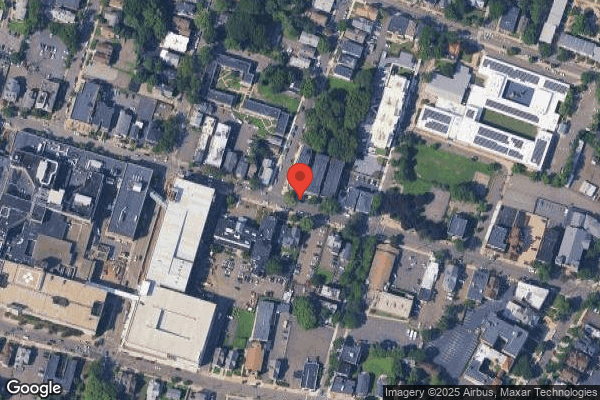
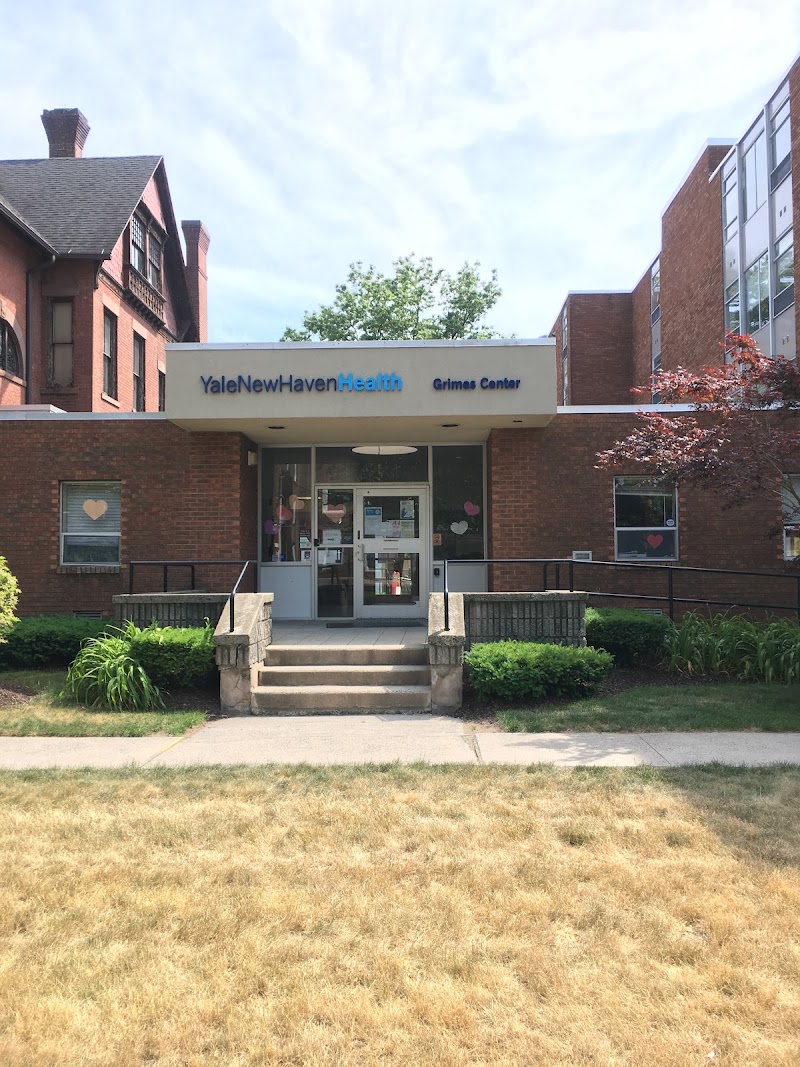
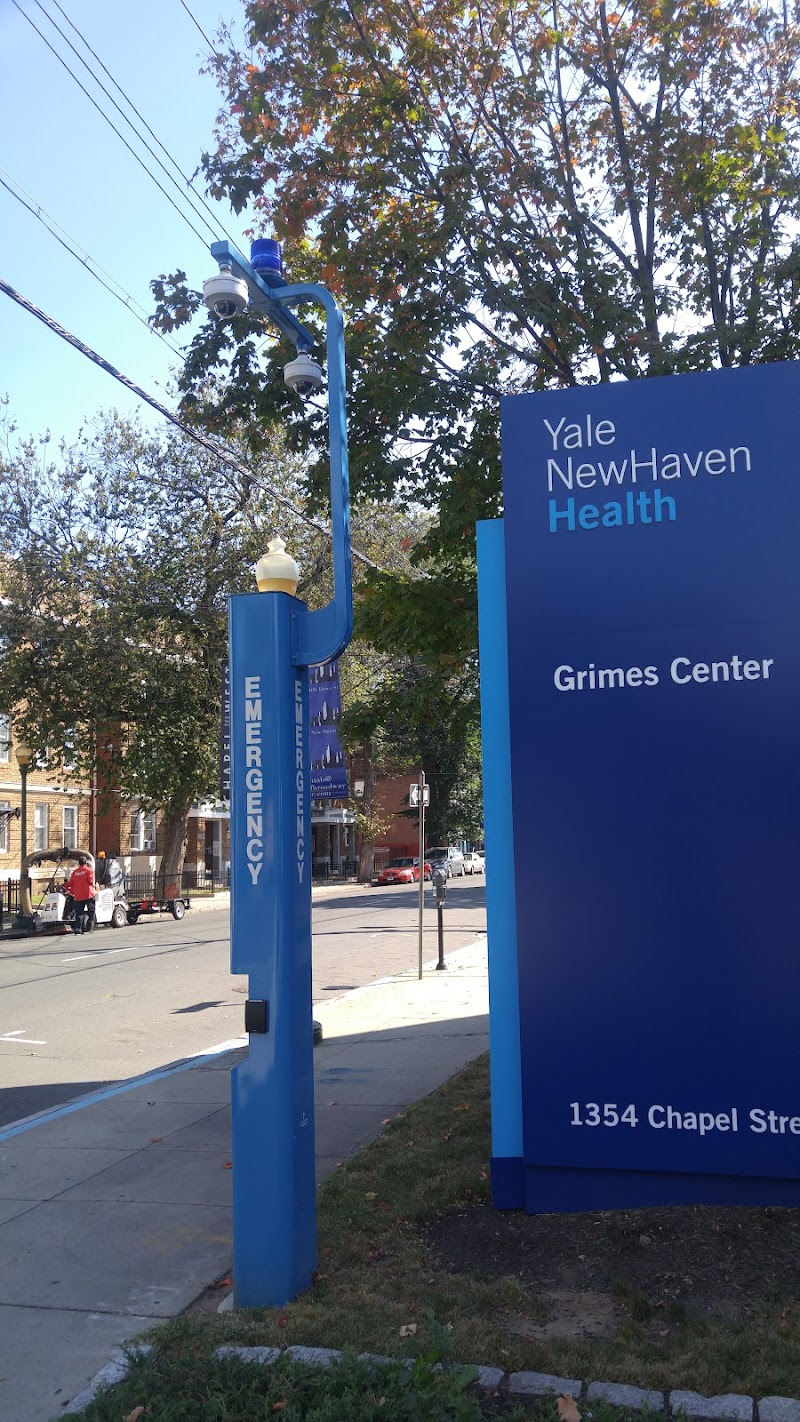
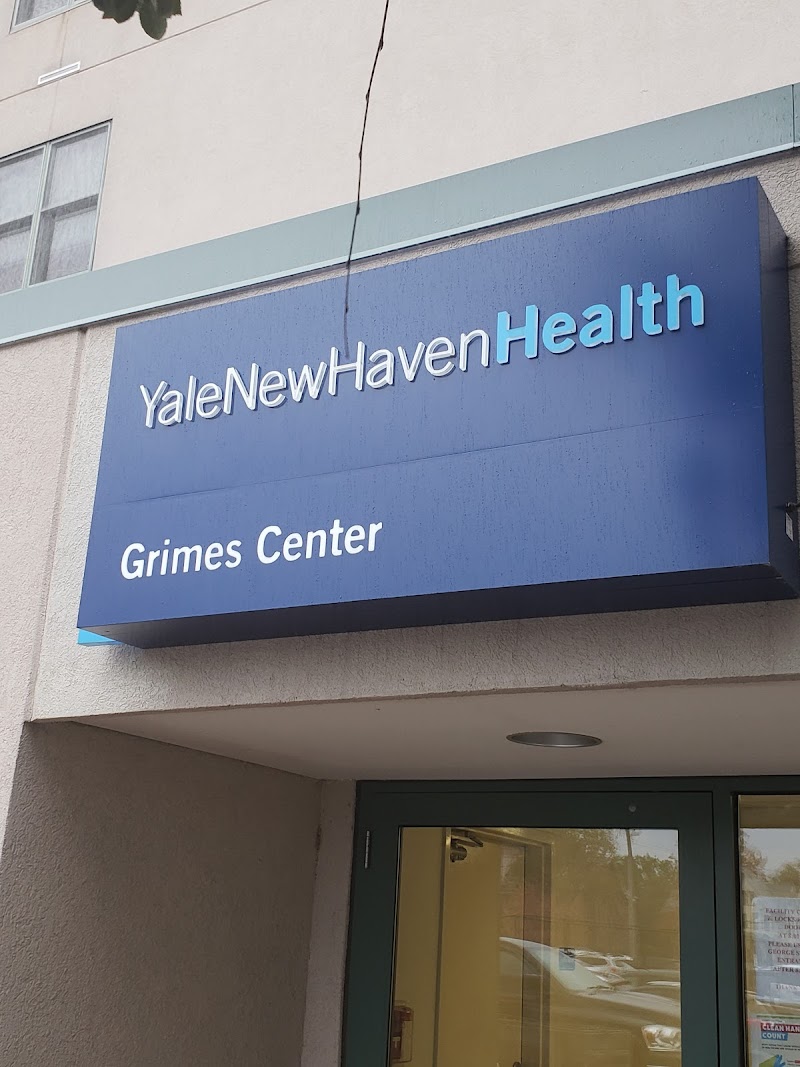
GRIMES CENTER

1354 CHAPEL ST, NEW HAVEN, CT 06511 (203) 867-8300
Non profit - Corporation 114 Beds Independent Data: November 2025
Trust Grade
85/100
#17 of 192 in CT
Last Inspection: April 2024

Within standard 12-15 month inspection cycle. Federal law requires annual inspections.

Overview

Grimes Center in New Haven, Connecticut has a Trust Grade of B+, indicating it is above average and recommended for families considering care options. It ranks #17 out of 192 facilities in Connecticut, placing it in the top half, and #2 out of 23 in its county, suggesting it is one of the better local choices. However, the facility is experiencing a worsening trend, with the number of reported issues increasing from 2 in 2021 to 10 in 2024, raising concerns about care quality. Staffing is a strength, with a 4/5 star rating and a low turnover rate of 15%, well below the state average, which means staff are likely to know the residents well. Notably, there have been no fines, indicating compliance with regulations, but recent inspections revealed concerns such as food not being dated properly and the absence of a certified Infection Preventionist, which could pose health risks. Overall, while Grimes Center has strengths in staffing and compliance, families should be aware of the recent increase in care issues.

Trust Score
B+
85/100
In Connecticut
#17/192
Top 8%
Safety Record
Low Risk
No red flags
Inspections
Getting Worse
2 → 10 violations
Staff Stability
✓ Good
15% annual turnover. Excellent stability, 33 points below Connecticut's 48% average. Staff who stay learn residents' needs.
Penalties
✓ Good
No fines on record. Clean compliance history, better than most Connecticut facilities.
Skilled Nurses
✓ Good
Each resident gets 60 minutes of Registered Nurse (RN) attention daily — more than 97% of Connecticut nursing homes. RNs are the most trained staff who catch health problems before they become serious.
Violations
⚠ Watch
22 deficiencies on record. Higher than average. Multiple issues found across inspections.
★★★★★
5.0
Overall Rating
★★★★☆
4.0
Staff Levels
★★★★★
5.0
Care Quality
★★★★☆
4.0
Inspection Score
Stable
2021: 2 issues
2024: 10 issues

The Good

  • 4-Star Staffing Rating · Above-average nurse staffing levels
  • 5-Star Quality Measures · Strong clinical quality outcomes
  • Low Staff Turnover (15%) · Staff stability means consistent care
  • Full Sprinkler Coverage · Fire safety systems throughout facility
  • No fines on record
  • Staff turnover is low (15%)

    33 points below Connecticut average of 48%

Facility shows strength in staffing levels, quality measures, staff retention, fire safety.

The Bad

No Significant Concerns Identified

This facility shows no red flags. Among Connecticut's 100 nursing homes, only 1% achieve this.

The Ugly 22 deficiencies on record

Dec 2024 2 deficiencies
CONCERN (D) 📢 Someone Reported This

A family member, employee, or ombudsman was alarmed enough to file a formal complaint

Potential for Harm - no one hurt, but risky conditions existed

Comprehensive Care Plan (Tag F0656)

Could have caused harm · This affected 1 resident

**NOTE- TERMS IN BRACKETS HAVE BEEN EDITED TO PROTECT CONFIDENTIALITY** Based on review of the clinical record, facility documentation, facility policy, and interviews for one (1) of three (3) residen...

Read full inspector narrative →
**NOTE- TERMS IN BRACKETS HAVE BEEN EDITED TO PROTECT CONFIDENTIALITY** Based on review of the clinical record, facility documentation, facility policy, and interviews for one (1) of three (3) residents (Resident #1) reviewed for the plan of care , the facility failed to ensure a comprehensive care plan with appropriate interventions was implemented for a resident at risk for bruising. The findings include: Resident #1 had diagnoses that included Waldenstrom macroglobulinemia, myeloproliferative disease ( blood disorders) , lymphoplasmacytic lymphoma (a type of cancer), anemia, amyloidosis, post-traumatic stress disorder, delirium, and depressive disorder. Review of the nursing admission assessment dated [DATE] completed by RN #6 identified Resident #1 had a fading bruise to the left side of forehead, bruising to both arms, and dark purple discoloration to the peri area extending to the inner buttocks. The care plan dated 10/19/24 identified Resident #1 at risk for impaired skin integrity related to decreased mobility and incontinence. Interventions directed preventative treatments per MD orders, weekly skin audit, and monitor for skin changes and report as needed. Review of MD #5's note dated 10/22/24 identified Resident #1 is noted with small non-palpable purpura in the crease between h/her inner thigh line and extensive ecchymosis to the coccyx and buttocks. MD #5 indicated the purpura, and ecchymosis is of unknown etiology questioning if related to Resident #1's diagnosis of amyloidosis and possible trauma related to a wick used in the hospital. MD #5 indicated he was also questioning if Zanubrutinib (Brukinsa) (antineoplastic medication used to treat certain cancers) is contributing to above. Review of MD #2's note dated 10/23/24 at 12:09 P.M. identified Resident #1's had acute kidney injury and anemia had suspected volume depletion but now worsening questioning possibly from Zanubrutinib. MD #2 indicated she spoke with MD #6 (oncologist) who recommends holding Zanubrutinib for now. MD #2 indicated she there is a question if Zanubrutinib (Brukinsa) is the cause of Resident #1's perianal ecchymosis noted yesterday. The admission MDS dated [DATE] identified Resident #1 had a Brief Interview for Mental Status (BIMS) of ten (10) indicative of moderately impaired cognition, was frequently incontinent of bowel and bladder, was dependent with transfers, and required substantial assistance with ADLs and bed mobility. In addition, Resident #1 is taking an antiplatelet medication. The physician's order dated 11/11/24 directed to admininster Brukinsa (antineoplastic medication used to treat certain cancers) 160 milligrams twice per day. Review of APRN #1's note dated 11/21/24 at 1:01 P.M. identified Resident #1 was seen for an evaluation of h/her left hip bruise. APRN #1 identified Resident #1's left thigh hyperemia appears to be superficial rupture of the capillaries and of note Resident #1's Brukinsa was recently resumed which may also increase the risk for bruising. Interview with APRN #1 on 12/5/24 at 11:35 A.M. identified on 11/20/24 Resident #1 had used the commode over the toliet and from Resident #1's left thigh resting against the frame of the commode Resident #1 developed a large bruise. APRN #1 identified Resident #1 was at risk for increased bruising related to h/her diagnoses and the side effects related the medication Brukinsa that include bruising. Interview with the DNS on 12/5/24 at 2:00 P.M. identified Resident #1 was at increased risk for bruising due to multiple diagnoses that cause bruising and the side effects related to the use Brukinsa medication. The DNS identified there should have been a comprehensive care plan in place for Resident #1 that identified the resident was at increased risk of bruising with appropriate interventions. The DNS indicated it is her expectations when a resident is identified at risk a care plan is developed, and interventions are implemented. Review of facility care plan policy dated 1/3/2024 identified a comprehensive care plan based on identified needs, strengths and preferences of the resident will be developed no later than 7 days after completion of the admission MDS. The care plan will include a statement of the problem; reasonable and measurable goals; interventions to achieve these goals and discipline responsible for carrying out the interventions.
CONCERN (D) 📢 Someone Reported This

A family member, employee, or ombudsman was alarmed enough to file a formal complaint

Potential for Harm - no one hurt, but risky conditions existed

Deficiency F0658 (Tag F0658)

Could have caused harm · This affected 1 resident

**NOTE- TERMS IN BRACKETS HAVE BEEN EDITED TO PROTECT CONFIDENTIALITY** Based on clinical record review, facility documentation, facility policy, and interviews for one (1) of three (3) residents (Res...

Read full inspector narrative →
**NOTE- TERMS IN BRACKETS HAVE BEEN EDITED TO PROTECT CONFIDENTIALITY** Based on clinical record review, facility documentation, facility policy, and interviews for one (1) of three (3) residents (Resident #1) reviewed for abuse, the facility failed to ensure the charge nurse was notified when it was identified that the resident had purple discoloration to the groin and upper inner thighs. The findings include: Resident #1 had diagnoses that included Waldenstrom macroglobulinemia (a blood disorder), myeloproliferative disease (a blood disease), lymphoplasmacytic lymphoma (a type of cancer), amyloidosis, ( a systemic diease) post-traumatic stress disorder, delirium, and depressive disorder. The admission MDS dated [DATE] identified Resident #1 had a Brief Interview for Mental Status (BIMS) of ten (10) indicative of moderately impaired cognition, was frequently incontinent of bowel and bladder, was dependent with transfers, and required substantial assistance with ADLs and bed mobility. The physician's order dated 11/11/24 directed to administer Brukinsa (antineoplastic medication used to treat certain cancers) 160 milligrams twice per day. The care plan dated 11/20/24 identified Resident #1 has a large bruise to the left outer thigh with interventions that direct to monitor skin for changes and report as needed. Interview and clinical record review with the DNS on 12/5/24 at 2:00 P.M. that the resident was sent to the hospital for abnormal bloodwork, while at the hospital there was bruising noted to the vaginal area and the hospital had called to report the finding to the facility, and she started an investigation. The investgation identified that NA #1 noted on 11/28/24 that she observed purple discoloration to Resident #1's groin and upper inner thighs, however, NA #1 did not report the change in condition to the charge nurse. The DNS identified NA #1 should have reported Resident #1's change in condition to the charge nurse on 11/28/24. The DNS indicated it is her expectation that when a resident has any change in condition the nurse aide reports it immediately to the charge nurse. The DNS identified on 12/2/24 she initiated staff education to ensure nurse aides report changes in condition to the nurses immediately. An interview with NA #1 on 12/5/24 at 10:20 A.M. identified while providing care to Resident #1 on 11/28/24 during the 7:00 A.M. to 3:00 P.M. shift NA #1 noted Resident #1's groin and upper inner thighs had purple discoloration. NA #1 identified although on 11/24/24 when she last cared for Resident #1, she did not observe any purple discoloration to Resident #1's groin and upper inner thighs NA #1 did not report the change in condition to the nurse on 11/28/24. NA #1 indicated she thought the nurse already knew. Review of the facility's Inservice education dated 12/2/24 identified staff were provided with education that was titled: When staff notice bruising or open areas on residents' the nurse aides need to report it to the nurses right away. Review of facility change in condition policy dated 1/3/2024 identified; in part, all significant changes in resident's condition will be reported to the physician and family.
Apr 2024 8 deficiencies
CONCERN (D)

Potential for Harm - no one hurt, but risky conditions existed

Deficiency F0578 (Tag F0578)

Could have caused harm · This affected 1 resident

**NOTE- TERMS IN BRACKETS HAVE BEEN EDITED TO PROTECT CONFIDENTIALITY** Based on review of the clinical record, review of facility documentation and interviews for 3 of 3 residents (Resident #53, #58,...

Read full inspector narrative →
**NOTE- TERMS IN BRACKETS HAVE BEEN EDITED TO PROTECT CONFIDENTIALITY** Based on review of the clinical record, review of facility documentation and interviews for 3 of 3 residents (Resident #53, #58, and #70) reviewed for advanced directive, the facility failed to ensure the advanced directive form was completed. The findings include: 1. Resident #53 was readmitted to the facility on [DATE] with diagnoses which included dementia, end stage renal disease, and anxiety. The hospital Discharge summary dated [DATE] did not identify a code status for Resident #53. A nurses' note dated [DATE] at 10:09 PM identified Resident #53 was admitted to the facility and was alert and oriented times 3. The resident representative was called identified he/she wanted Resident #53 to be a full code. The facility consent form for the administration or withdrawal of cardiopulmonary resuscitation (CPR) identified on [DATE] that 1 nurse had signed a telephone verbal consent from the resident's representative as a full code. The witness line was blank. Review of the nurse's notes dated [DATE]-[DATE] did not reflect that Resident #53 was asked about his/her wishes for the code status. A physician progress note dated [DATE] did not identify a code status. The APRN progress note dated [DATE] did not identify a code status. The quarterly MDS assessment dated [DATE] identified Resident #53 had intact cognition and required extensive assistance with bed mobility, transfers, dressing, toilet use, and personal hygiene. The care plan dated [DATE] identified advanced directives. Interventions included Resident #53 was a full code and to review advanced directives quarterly with the resident and/or family. Interview with the DNS on [DATE] at 6:50 AM identified the code status must be discussed on every admission and readmission with the resident or resident's representative that day or within the first 24 hours. The DNS indicated that if a resident had a BIMS of 14-15 that resident could sign the advanced directives themselves but if not cognitively intact then the charge nurse was responsible to call the resident representative. The DNS indicated that if the charge nurse calls a resident representative that 2 nurses or 1 nurse and 1 social worker must be present to discuss and receive the advanced directive wishes and the 2 staff must sign the advanced directive form. The DNS indicated if the charge nurse was not able to reach the resident representative that her expectation was there would be a nurses note to reflect that there was a call attempting to get the advance directives. The DNS indicated that if by the day after admission the charge nurse did not get in touch with the resident representative, the social worker would attempt to call and document the call. The DNS indicated if there was a telephone verbal consent for the code status she did not expect that the next time the resident representative visited or at the next quarterly care conference that the resident representative would sign the form. Interview with the ADNS on [DATE] at 7:10 AM indicated that a resident with a BIMS of 15 was able to make their own decisions. The ADNS indicated that Resident #53 had a conservator of person who was the resident representative. The ADNS indicated that on readmission or admission the charge nurse was responsible to get the advanced directives right away. The ADNS indicated if the charge nurse had to call a resident representative to get a code status 2 nurses must hear the resident representative's wishes for the code status on the phone and sign the document. After review of the clinical record, the ADNS indicated there was not a physician's order for the code status and the advance directive form for Resident #53 was only signed by one nurse and there was not any witness. The ADNS indicated there must be 2 nurse's signatures and did not know why it was not done correctly. 2. Resident #58 was readmitted to the facility on [DATE] with diagnoses which included a stroke, anxiety, and diabetes. The nurses note dated [DATE] at 11:00 PM identified Resident #58 was admitted from hospital and was alert and confused. Resident representative was called and requested Resident #58 be a full code. The facility consent form for the administration or withdrawal of cardiopulmonary resuscitation (CPR) form identified on [DATE] that 1 nurse had signed a telephone verbal consent from the resident's representative as a full code. The witness line was blank. A physician's order dated [DATE] directed Resident #58 was a full code. The quarterly MDS assessment dated [DATE] identified Resident #58 had moderately impaired cognition and required extensive assistance with bed mobility, transfers, dressing, toilet use, and personal hygiene. The care plan dated [DATE] identified advanced directives. Interventions included Resident #58 was a full code and to review advanced directives quarterly with the resident and/or family. Interview with the ADNS on [DATE] at 7:15 AM indicated that Resident #58 had a responsible party. After clinical record review, the ADNS indicated that the charge nurse had called the resident representative and received a verbal consent from the resident representative but did not have a witness. The ADNS indicated she would have expected a second person to witness and sign the form. 3. Resident #70 was admitted to the facility on [DATE] with diagnoses which included heart failure, schizophrenia, and diabetes. The hospital Discharge summary dated [DATE] identified Resident #70 was a full code per the W-10 to the hospital but was not discussed with resident or resident representative. A physician's order dated [DATE] directed full code. The care plan dated [DATE] identified advanced directives. Interventions included Resident #70 was a full code and to review advanced directives quarterly with the resident and/or family. The nurse's note dated [DATE] at 9:44 PM identified Resident #70 was admitted to the facility and had a BIMS of 3 (BIMS of 3 means severely impaired cognition). Called the conservator and left a message. Review of the progress notes dated [DATE]- [DATE] did not identify any staff had attempted to speak with the conservator regarding the code status. Interview with the ADNS on [DATE] at 7:20 AM identified the administration or withdrawal of cardiopulmonary resuscitation (CPR) form was blank in Resident #70's chart. The ADNS indicated that Resident #70 was admitted from the hospital as a full code on [DATE] and the facility had not spoken with Resident #70's conservator. The ADNS indicated the conservator had visited but did not recall when. The ADNS indicated the charge nurse should have discussed the advanced directives when he/she had visited and documented the conversation. The ADNS indicated the code status should have been obtained within the first day or two following admission to the facility. Interview with the SW #1 on [DATE] at 7:30 AM indicated if a resident was admitted and is not cognitively intact nursing will inform her if they were unable to reach the residents representative. SW #1 indicated she will attempt to call and if she needs to, she will fax, scan, or email the residents representative regarding the advanced directives requesting they sign the form and send it back to the facility. SW #1 indicated that she should document any attempts to call someone but doesn't always document. SW #1 indicated the advanced directive should have been received by the resident or resident representative within 24-48 hours of the admission or readmission. SW #1 indicated that a resident is a full code until the resident or resident representative signs the advance directive form. SW #1 indicated that Resident 53's representative does come into the facility to visit and could sign the advanced directive form. SW #1 indicated that Resident #58, she did not see any social worker notes identifying social services got involved with the code status. SW #1 indicated that Resident #70, she had seen the resident representative and handed the advanced directive form to him/her but thought nursing would have followed up to get the form back. Review of the facility Advanced Directive and Physician Order Form Policy identified all residents upon admission to the facility will be asked their advanced directives. The advanced directive and physician order form will be completed. The physician order for code status will be transcribed by the nurse into the electronic medical record.
CONCERN (D)

Potential for Harm - no one hurt, but risky conditions existed

Transfer Notice (Tag F0623)

Could have caused harm · This affected 1 resident

**NOTE- TERMS IN BRACKETS HAVE BEEN EDITED TO PROTECT CONFIDENTIALITY** Based on review of the clinical records ,review of facility documentation, and interviews for 3 of 5 residents (Resident #1, 18 ...

Read full inspector narrative →
**NOTE- TERMS IN BRACKETS HAVE BEEN EDITED TO PROTECT CONFIDENTIALITY** Based on review of the clinical records ,review of facility documentation, and interviews for 3 of 5 residents (Resident #1, 18 and 71), reviewed for hospitalization, the facility failed to ensure the Office of the State Long-Term Care Ombudsman was notified when the residents were transferred to the hospital. The findings include. 1a. Resident #1 was admitted to the facility in February 2024 with diagnoses which included chronic kidney disease, myocardial infarction, and atherosclerotic heart disease. The nurse's note dated 2/17/24 at 1:48 PM identified Resident #1 was transferred to the hospital. The nurse's note dated 2/29/24 at 2:41 PM identified Resident #1 was readmitted to the facility. Review of the Action Summary dated 2/1/24 - 2/29/24 failed to reflect the Office of the State Long-Term Care Ombudsman had been notified when Resident #1 was transferred to the hospital on 2/17/24. b. The nurse's note dated 3/16/24 at 6:22 AM identified Resident #1 was transferred to the hospital. The nurse's note dated 3/28/24 at 3:39 AM identified Resident #1 was readmitted to the facility. Review of the Action Summary dated 3/1/24 - 3/31/24 failed to reflect the Office of the State Long-Term Care Ombudsman had been notified when Resident #1 was transferred to the hospital on 3/16/24. 2a. Resident #18 was admitted to the facility in September 2020 with diagnoses which included congestive heart failure, atrial fibrillation, and chronic kidney disease. The nurse's note dated 3/15/24 at 10:55 AM identified Resident #18 was transferred to the hospital. The nurse's note dated 3/20/24 at 8:47 PM identified Resident #18 was readmitted to the facility. Review of the Action Summary dated 3/1/24 - 3/31/24 failed to reflect the Office of the State Long-Term Care Ombudsman had been notified when Resident #18 was transferred to the hospital on 3/15/24. b. The nurse's note dated 3/28/24 at 12:13 PM identified Resident #18 was transferred to the hospital. The nurse's note dated 4/2/24 at 11:28 PM identified Resident #18 was readmitted to the facility. Review of the Action Summary dated 3/1/24 - 3/31/24 failed to reflect the Office of the State Long-Term Care Ombudsman had been notified when Resident #18 was transferred to the hospital on 3/28/24. 3. Resident #71 was admitted to the facility in November 2023 with diagnoses that included Wegener's granulomatosis, epilepsy, and chronic pain syndrome. The nurse's note dated 11/17/23 at 6:14 PM identified Resident #71 was transferred to the hospital. The nurse's note dated 12/27/23 at 11:01 PM identified Resident #71 was readmitted to the facility. Review of the Action Summary dated 11/1/23 - 11/30/23 failed to reflect the Office of the State Long-Term Care Ombudsman had been notified when Resident #71 was transferred to the hospital on [DATE]. Interview with the Administrator on 4/8/24 at 9:00 AM identified she was not aware of the Action Summary was being sent out monthly but was not aware it was being sent incorrectly. Interview with the DNS on 4/8/24 at 9:10 AM identified SW #1 and the medical record staff were responsible for sending the Action Summary to the Office of the State Long-Term Care Ombudsman. Interview with the medical record staff on 4/8/24 at 10:39 AM identified she uploads the discharges to the hospital to the Office of the State Long-Term Care Ombudsman the first week of each month. The medical record person indicated she was not aware she was sending the incorrect Action Summary. Subsequent to surveyor inquiry SW #1 send the correction for the Action Summary dated 1/1/23 - 12/31/23 and 1/1/24 - 3/31/24 to the Office of the State Long-Term Care Ombudsman. Although requested, a facility policy was not provided.
CONCERN (D)

Potential for Harm - no one hurt, but risky conditions existed

Accident Prevention (Tag F0689)

Could have caused harm · This affected 1 resident

**NOTE- TERMS IN BRACKETS HAVE BEEN EDITED TO PROTECT CONFIDENTIALITY** 2. Resident # 37 was admitted to the facility on [DATE] with diagnoses which included repeated falls, muscle weakness, and demen...

Read full inspector narrative →
**NOTE- TERMS IN BRACKETS HAVE BEEN EDITED TO PROTECT CONFIDENTIALITY** 2. Resident # 37 was admitted to the facility on [DATE] with diagnoses which included repeated falls, muscle weakness, and dementia. The admission MDS assessment dated [DATE] identified Resident # 37 had severely impaired cognition, was always continent of bowel and bladder, required extensive assistance from staff with bathing and moderate assistance with toileting and transfers. The MDS further identified Resident #37 had a history of falls in the month prior to admission to the facility and had at least one following admission to the facility. The care plan dated 11/11/23 identified Resident #37 was at risk for falls due to functional decline and a history of repeated falls. Interventions included offering frequent toileting, always use nonskid socks, and keep resident in sight. A facility accident and incident (A&I) report dated 11/25/23 at 11:45 PM identified Resident #37 had an unwitnessed fall. The report identified that Resident #37 was found on the bathroom floor after self-transferring to the bathroom. Interventions identified that Resident #37 required a 1:1 sitter. Review of the clinical record failed to identify any documentation related to 1:1 monitoring observations of Resident #37 after the 11/25/23 unwitnessed fall. A facility A&I report dated 11/26/23 at 12:50 PM identified Resident #37 had an unwitnessed fall attempting to get up from a chair and fell to the floor on his/her right arm. Interventions included a X-ray of the right arm and that Resident required a 1:1 sitter. The care plan dated 11/26/23 identified Resident # 37 was at risk for falls due to functional decline and a history of repeated falls and included a new intervention of a need for a 1:1 sitter. Review of the clinical record failed to identify any documentation related to 1:1 monitoring observations of Resident #37 after the 11/26/23 unwitnessed fall. An APRN note dated 11/27/23 by APRN #1 identified that Resident #37's right arm x ray did not show any acute fracture, but that Resident #37 had a + Covid test and had been started on Paxlovid (a medication for Covid 19). The note further identified Resident #37 had a 1:1 sitter for safety interventions. Review of the clinical record identified multiple nursing notes which noted Resident #37 was on 1:1 monitoring due to repeated falls. The clinical record failed to identify any documentation related to 1:1 monitoring observations by any nursing staff at the facility conducted on Resident #37 from 11/27-12/7/23. A nurse's note dated 12/7/23 at 12:49 AM identified Resident #37 had a 1:1 sitter for safety. A facility A&I report dated 12/7/23 at 7:30 AM identified Resident #37 had an unwitnessed fall and was found sitting on the floor next to his/her bed. The interventions included continuing with a 1:1 sitter. Review of working daily staffing roster included with the A&I report failed to identify that any staff member was assigned to monitor Resident #37 at any time from 7:00 AM-11:00PM. Review of the clinical record failed to identify any documentation related to neurological monitoring completed following Resident #37's unwitnessed fall on 12/7/23. Review of the clinical record identified that Resident #37's monitoring was changed from 1:1 to every 30 minute checks on 1/4/24 and identified that Resident #37 had every 30 minute monitoring completed and documented on the form Every half hour checks for safety and care needs. Further review of the clinical record identified one additional monitoring form completed for Resident #37 dated 1/6/24. The clinical record failed to identify any additional documentation related to every 30 minute observations or monitoring completed for Resident #37 from 1/7-1/17/24. The nurse's note dated 1/17/24 at 12:56 AM identified Resident #37 was on every 30 minute checks. A facility A&I report dated 1/17/24 at 10:00 AM identified Resident #37 had an unwitnessed fall. The A&I report identified that staff were providing care to the resident at approximately 10:00 AM and identified a bruised area to Resident #37's left shoulder and left outer eye. The report identified Resident #37 indicated he/she fell last night while attempting to use the bathroom. Interventions included an X-ray of the left shoulder and every 15 minute checks of the resident. The X ray report dated 1/18/24 identified Resident #37 had no acute changes to the left shoulder. Review of the clinical record failed to identify any documentation related to every 15 minute observations or monitoring completed following Resident #37's unwitnessed fall on 1/17/24. The clinical record also failed to identify every 15 minute observations or monitoring were completed on 1/18/24 and 1/19/24. Review of the clinical record identified documentation related to every 15 minutes and observation checks completed on Resident #37 beginning on 1/20/24. The documentation reviewed identified multiple days and timeframe's when no observations or monitoring were documented and included: 1/22/24: 7 AM-2:45 PM and 6 PM-10:45 PM 1/23/24: 7 AM-10:45 PM 1/24/24: 7:45 PM-9 PM 1/27/24: 9 AM-10:45 PM 1/29/24: 8 PM-10:45 PM 1/30/24: 7 AM-2:45 PM 1/31/24: 3 PM-10:45 PM 2/1/24: No documentation for this date 2/4-2/5/24: No documentation for these dates A facility A&I report dated 2/7/24 at 10:05 PM identified Resident #37 had an unwitnessed fall. The report identified that Resident #37 was found on the floor to the left side of his/her bed and no apparent injuries were identified. Interventions included continuing every 15 minute checks. Review of the clinical record identified documentation related to every 15 minute monitoring and observation checks were continued and completed on Resident #37 following the fall on 2/7/24. The documentation reviewed failed to identify any observations or monitoring were documented or completed for the following dates/times: 2/9/24: 7 AM-2:45 PM 2/10/24: 3 PM-10:45 PM 2/11/24: 3 PM-10:45 PM 2/12/24: 7 AM-2:45 PM 2/13/24: 7 AM-2:45 PM 2/14/24: 7 AM-10:45 PM 2/16/24: 7 AM-2:45 PM 2/18/24: 7 AM-2:45 PM 2/19/24: 3 PM-10:45 PM 2/25/24: 7 AM-10:45 PM 2/26/24: 7 AM-10:45 PM 2/27/24: 7 AM-2:45 PM 2/28/24: 7 AM-2:45 PM and 8 PM-10:45 PM A facility A&I report dated 2/29/24 at 2:30 AM identified Resident #37 had a witnessed fall by facility staff. The report identified Resident #37 was witnessed trying to place shoes on and after standing upright slid to the floor. The report further identified while the resident initially had no apparent injuries, at 5:15 AM, the resident was observed to have a small hematoma to the right temple. Interventions included to continue 15 minute checks. Review of the clinical record identified documentation related to every 15 minutes and observation checks were continued and completed on Resident #37 following the fall on 2/29/24. The documentation reviewed failed to identify any observations or monitoring were documented or completed for the following dates/times: 2/29/24: 12:45PM-2:45 PM 3/2/24: 7 AM-2:45 PM and 7:15 PM-10:45 PM 3/3/24: 7 AM-2:45 PM 3/4-3/5/24: No documentation for these dates 3/6/24: 7 AM-2:45 PM 3/9/24: 3 PM-10:45 PM 3/10/24: 3 PM-10:45 PM 3/12/24: 7 AM-2:45 PM 3/13/24: 7 AM-2:45 PM 3/15/24: 2:15 PM-10:45 PM A facility A&I report dated 3/16/24 at 9:30 AM identified Resident #37 had an unwitnessed fall. The report identified that Resident #37 slid off his/her bed and hit his/her buttocks on the floor. Resident #37 reported he/she was attempting to walk to the bathroom. Interventions included continuing every 15 minute checks. Further review of the clinical record failed identify any documentation related to every 15 minute monitoring and observation checks were completed on 3/16/24 from 7 AM -2:45 PM. Review of the clinical record failed to identify any documentation related to neurological monitoring was completed following Resident #37's unwitnessed fall on 3/16/24. Review of the clinical record identified documentation related to every 15 minute monitoring and observation checks were continued and completed on Resident #37 following the fall on 3/16/24. The documentation reviewed failed to identify any observations or monitoring were documented or completed on 3/17/24 or 3/18/24. A facility A&I report dated 3/19/24 at 12:15 AM identified Resident #37 had an unwitnessed fall. The report identified Resident # 37 was found sitting on the floor next to his/her bed with no apparent injuries. Interventions included continuing every 15 minute checks and offer toileting when resident was awake. Review of the clinical record identified documentation related to every 15 minute monitoring and observation checks were continued and completed on Resident #37 following the fall on 3/19/24. The documentation reviewed failed to identify any observations or monitoring were documented or completed on 3/21/24 beginning at 3 PM. A facility A&I report dated 3/21/24 at 3:15 PM identified Resident #37 had an unwitnessed fall. The report identified Resident #37 was found sitting on the floor in his/her room with his/her back against a chair. Resident #37 reported that he/she had returned from the bathroom and attempted to sit in the chair but slid to the floor. Interventions included a 1:1 sitter. Review of the clinical record failed to identify any documentation related to neurological monitoring was completed following Resident #37's unwitnessed fall on 3/21/24. Review of the clinical record failed to identify documentation related to 1:1 observation and monitoring were initiated and completed on Resident #37 following the fall on 3/21/24 from 3:00 PM-10:45 PM. Further review of the clinical record identified that every 15 minute were done in place of 1:1 monitoring beginning 3/22/24 at 11 PM. The documentation reviewed failed to identify any observations or monitoring, including every 15 minute checks or 1:1 monitoring, were documented or completed for the following dates/times: 3/22/24: 7:15 PM-10:45 PM 3/23/24: 7 AM-10:45 PM 3/24/24: no documentation for this date 3/25/24: 7 AM-10:45 PM 3/26/24: 7 AM-10:45 PM 3/27-3/28/24: no documentation for these dates 3/29/24: 12:30 PM-10:45 PM 3/30/24: no documentation related to monitoring or observations. Review of the monitoring form identified sitter/1:1 written at the 11 PM, 7 AM, and 3 PM time slots with a line and arrow drawn down the row of the respective subsequent 15-minute times with no additional documentation. 4/1-4/3/24: no documentation for these dates 4/4/24: Review of the monitoring form identified sitter/1:1 written at the 11 PM time slots with a line and arrow drawn down the row. 7 AM-2:45 identified 15 minute checks were completed. The documentation also identified a line and arrow and 1:1 sitter written in at the 3PM timeslot with an arrow to 9:15 PM. No additional line or note was identified from 9:30 PM-10:45 PM. 4/5/24: Review of the monitoring form identified sitter written at the 11 PM time slot with a line and arrow drawn down the row. 7 AM-10:00 AM identified 15 minute checks were completed and at 10:15 AM sitter was written into the time slot with a line and arrow drawn to 2:45 PM. No documentation was identified from 3 PM-10:45 PM. 4/6/24: no documentation related to monitoring or observations. Review of the monitoring form identified sitter/1:1 written at the 11 PM and 3 PM time slots with a line and arrow drawn down the row. No documentation was identified from 7 AM-2:45 PM. A daily nursing roster report dated 4/7/24 provided to the survey team upon entrance to the facility identified Resident #37 was on every 15 minute checks. Observation on 4/7/24 at 7:46 AM identified Resident #37 sleeping in bed in his/her room. During this observation, no staff member was identified in the room. During this observation, NA #1 was observed assisting another resident in the same hallway as Resident #37. Review of the clinical record identified Resident #37 was on 1:1 monitoring as a nursing measure on 4/7/24. Review of the daily staffing sheet for 4/7/24 identified NA #1 was assigned as the sitter for Resident #37's unit. Observation on 4/8/24 at 8:45 AM identified NA #1 in Resident #37's room. NA #1 was assisting Resident #299, Resident #37's roommate, with dressing. NA #1 was observed with her back turned to Resident #37, who was seated across the room in a chair. Interview on 4/8/24 at 10:00 AM with RN # 2 (unit manager) and LPN #3, who was assigned to care for Resident #37, identified that Resident #37 had a nursing intervention in place for 1:1 monitoring and that providers at the facility did not place monitoring orders for residents. RN #2 identified that a sitter was listed on the daily nursing schedule to be assigned to residents who required 1:1 monitoring, but due to staffing issues, 1:1 monitoring could not always be provided. RN #2 identified that depending on staffing, monitoring for Resident #37 would fluctuate between 1:1 monitoring, every 15-minute checks, every 30 minute checks, or every hours. LPN #3 identified there was always a staff member checking in on Resident #37, even if it was not 1:1 and that when the sitter assigned to care for Resident #37 would go on break or lunch, that Resident #37 would not have a sitter assigned to cover this time, rather, staff would just go in and do frequent checks on the resident. RN #2 identified that Resident #299 had recently been put on 1:1 monitoring due to a recent fall, and that he/she was moved to the same room as Resident #37 to allow for one sitter to be assigned to both residents. RN #2 identified that the facility did not have the staffing for each resident to have a staff member assigned individually and that the staff member assigned to complete 1:1 monitoring for more than one resident was expected to also complete any ADL assistance, including assistance with toileting, daily care, personal hygiene, and transfers. Observation and interview with NA #1 on 4/8/24 at 1:15 PM identified that she was the primary day shift staff member assigned to complete 1:1 monitoring for Resident #37. NA #1 identified that while the schedule would identify her assignment as a sitter for Resident #37, this often changed due to short staffing due to call outs. NA #1 identified that she had been assigned to care for both Resident #37 and Resident #299 as a 1:1 and that any staff member in the facility would be assigned to care for both residents as a 1:1, and that would include all care that would be provided to both residents during the shift. NA #1 also identified that when she was assigned to care for Resident #37, she was also responsible to document her observations on the form for every 15 minute checks. NA #1 identified that prior to 4/8/24, she had not been assigned to complete any 1:1 monitoring or care for Resident #39 for over a week due to staffing and assignment changes, and had not been assigned to care for or provide monitoring for Resident #37 on 4/7/24. During this observation, NA #1 was observed sitting with both Resident #37 and #299 in the unit's resident dining room. Interview with the DNS on 4/8/24 at 2:24 PM identified that the facility policy did not require that frequent monitoring, whether it be hourly, every 30 minute, 15 minute, or 1:1 continuous monitoring, have a physician's order. The DNS identified that the facility would decide on the level of monitoring needed on a case by case basis and that the facility policy for residents with a history of falls allowed for purposeful rounding, which required staff to check on residents hourly, and that level of monitoring would change depending on the resident's needs. The DNS identified that if a resident was deemed to need 1:1 monitoring, this would have been determined based on her discussing the resident at the weekly risk management meeting with APRN #1. The DNS identified that she was aware of Resident #37's history of repeated falls and that he/she had been on 1:1 monitoring from 11/26/23-1/3/24, then changed to every 30 minute checks from 1/4-2/6/24, then every 15 minute checks from 2/7-3/20/24, and was currently on 1:1 monitoring. The DNS identified that 1:1 monitoring in the facility was to be conducted with one staff member and one resident, and that the assignment be 1 person to 1 person. The DNS also identified that neurological monitoring should be initiated and completed over 72 hours for any resident who was a poor historian and had an unwitnessed fall. The DNS identified that she reviewed the facility A&I reports as part of the risk meetings for the residents and that she was unsure why the documentation related to the neurological assessments for 12/7/23, 3/16/24, or 3/21/24 but that they should have been completed. The DNS identified she was not aware that the staff had adjusted Resident #37's monitoring based on staffing issues, or at times the monitoring intervention in place was not being carried out at all due to staffing issues. The DNS identified she did review Resident #37's case and history of falls weekly at-risk management but did not review staffing or the monitoring sheets to determine if that may be part of Resident #37's issue with repeated falls. The DNS identified that she would re-educate the staff on 1:1 monitoring and that Resident #37 should have only have one staff member assigned to him/her exclusively if he/she required 1:1 monitoring. The DNS was not able to explain how Resident #37 continued to have multiple falls while on enhanced monitoring. Interview with APRN #1 on 4/9/24 at 12:45 PM identified that she was aware of Resident #37's history of repeated falls and that he/she often required either 15 minute checks or 1:1 monitoring. APRN #1 identified that the monitoring was not a provider directed order in the resident's chart, but a nursing intervention, but that the level of monitoring was determined based on the resident's risk and discussion between her and the DNS, and at times also Resident #37's physician. APRN #1 identified that she was not aware that the monitoring put in place was altered based on the nursing staffing levels and was not being done at times, and identified staffing has been an issue everywhere. APRN #1 identified that her expectation would be that the monitoring level discussed with the DNS, whether it be every 15 minutes or continuous 1:1 monitoring, be carried out to ensure the resident's safety. The facility policy on falls directed that residents at risk for falls would have fall prevention and precautions implemented as appropriate and that all falls would be reviewed during at risk meetings, monthly, and as needed to identify trends and any common causes. The policy further directed that interventions would be utilized for patients that were fall risks, including purposeful rounding and at times may require a 1:1 sitter. The policy identified that as part of the fall prevention program, the facility staff would complete purposeful rounding, which included rounding on all residents of the facility hourly to determine if the residents required any assistance or needed any items (tissues, something to eat/drink, etc) to help with fall prevention. The facility policy on neurological checks directed neurological checks should be completed on any resident with an unwitnessed fall who was unable to accurately verbalize if he/she hit his/her head. The policy further directed that for unwitnessed falls, check would be initiated and completed every 15 minutes for 2 hours, every 30 minutes for 2 hours, every hour for 4 hours, every 8 hours for 16 hours, and every shift for 3 days and should include date and time of the assessment, level of consciousness, vital signs, and pupil response. Based on review of the clinical record, review of facility documentation, and interviews for 2 of 4 residents (Resident #40, Resident #37) reviewed for accidents, the facility failed to provide adequate supervision to prevent a fall resulting in a fracture and the facility failed to ensure appropriate observation and monitoring was conducted for a resident with multiple recurrent falls.The findings include: 1. Resident #40 was admitted to the facility with diagnoses which included schizophrenia, emphysema, bilateral lower extremity neuropathy, and multiple malignant neoplasms. The quarterly MDS assessment dated [DATE] identified intact cognition and required supervision with transfers, bed mobility, walking in room and corridor, dressing, toilet use, and personal hygiene. The care plan dated 3/23/23 identified Resident #40 was at risk for falls related to cancer diagnosis and anticipated decline in functional status with a progressive terminal disease. Interventions included to cue for safety awareness, keep environment safe, and remind to call for assistance. The Occupational Therapy Discharge summary dated [DATE] identified Resident #40 was contact guard assistance with rolling walker or holding the tube feeding pole and assistance with peroneal hygiene for thoroughness. Resident #40 was discharged with recommendations of continue with independent ambulation and participation with activities of daily living. The Physical Therapy Discharge summary dated [DATE] identified ambulation with rolling walker minimal assist of 1 sidestepping. Discharge recommendations continue ambulation with or without feeding tube pole for support and moderate independent mobility ad lib on nursing unit. The reportable event dated 4/29/23 at 2:55 PM indicated Resident #40 had an unwitnessed fall in the shower. Resident #40 indicated that he/she slipped and fell while in the shower on his/her left arm. Resident #40 complained of pain in left shoulder, had increased swelling, tenderness to touch, and was unable to move the left upper extremity. The physician was notified and directed the resident be transferred to the emergency room for an evaluation. The care plan dated 4/30/23 identified at risk for falls. Intervention directed to assist resident in the shower to prevent falls in the shower. The reportable event summary written by the DNS dated 5/3/23 identified Resident #40 had an unwitnessed fall in the shower. The emergency room x-ray report indicated an acute mildly displaced fracture at the proximal humerus. Resident #40 had reported he/she was in the shower and lost his/her balance and slipped and fell onto the left arm. Resident #40 had gotten him/herself up off the shower floor and ambulated to his/her room and notified the nurse of the fall and requested pain medication. Left cuff and collar sling in place and Resident #40 now is non weight bearing to the left upper extremity. Resident #40 is to follow up with orthopedics within 2 weeks. Interview and clinical record review with the DNS on 4/8/24 at 10:27 AM indicated Resident #40 was independent with ambulation and the nursing assistant should help set Resident #40 up in the shower but was expected to stay in shower room with resident for safety in case the resident would fall because the floor gets wet from the water, or the shower chair could move when attempting to sit on it or get up. Interview and clinical record review with OT #1 on 4/8/24 at 10:45 AM indicated that she had worked with Resident #40 and discharged him/her on 3/23/23. OT #1 indicated Resident #40 could ambulate independently but was not evaluated if he/she could shower independently. OT #1 indicated that she would be responsible to evaluate a resident to see if the resident was safe to shower independently. OT #1 indicated her expectation was that when Resident #40 gets a shower that a nursing assistant stay with Resident #40. Interview with NA #3 on 4/9/24 at 10:30 AM indicated when she is assigned to Resident #40, she will bring him/her washcloths and towels and Resident #40 will ambulate to the shower room. NA #3 indicated after Resident #40 is set up she will leave him/her alone in the shower. NA #3 indicated when Resident #40 is done with the shower Resident #40 will ambulate independently back to his/her room pushing the IV/feeding tube pole. NA #3 indicated that all the nursing assistants just knew that Resident #40 was independent in the shower. NA #3 indicated she does not recall if it was on the nursing assistant care card for Resident #40 to shower alone NA #3 indicated she did not ask the nurse if it was okay to leave Resident #40 alone in the shower. NA #3 indicated on the day that Resident #40 had fallen and had to go to the emergency room she did not recall if she had escorted him/her that day to the shower prior to going on her break. NA #3 did recall she was at break at the time of the fall. Interview with APRN #1 on 4/9/24 at 12:47 PM indicated that for a resident to be independent and left alone in a shower that therapy would have to conduct an evaluation and clear the resident as independent in the shower. The facility was unable to provide documentation that Resident #40 was assessed by therapy to independently shower alone and have a physicians order to allow Resident #40 to shower alone. Although attempted, an interview with LPN #3and RN #3 were not obtained.
CONCERN (D)

Potential for Harm - no one hurt, but risky conditions existed

Deficiency F0692 (Tag F0692)

Could have caused harm · This affected 1 resident

**NOTE- TERMS IN BRACKETS HAVE BEEN EDITED TO PROTECT CONFIDENTIALITY** Based on review of the clinical record, review of facility documentation, and interviews for 1 of 2 residents (Resident #17) rev...

Read full inspector narrative →
**NOTE- TERMS IN BRACKETS HAVE BEEN EDITED TO PROTECT CONFIDENTIALITY** Based on review of the clinical record, review of facility documentation, and interviews for 1 of 2 residents (Resident #17) reviewed for nutrition, the facility failed to ensure the dietitian had followed up on weight loss. The findings include: Resident #17 was admitted to the facility with a diagnosis which included Alzheimer's disease, dementia, dysphagia, and diabetes. The quarterly MDS assessment dated [DATE] identified Resident #17 had severely impaired cognition and required set up with meals. Resident #17's height was 70 inches, weighed of 236 lbs. and did not have a weight gain or loss. Resident #17 was on a therapeutic diet. The care plan dated 12/13/23 identified nutrition and dehydration risk with a weight gain this quarter ending on 12/13/23. Interventions included to provide diet as ordered. The dietitian quarterly progress note dated 12/13/2023 at 9:36 AM identified Resident #17's diet was no added salt and no concentrated sweets. On 12/11/23 residents' weight was 235.9 lbs. Resident continues to feed him/herself and oral intake is consistently documented at 75-100%, with no problems chewing or swallowing. Resident has diagnosis of dementia and new goal is for weight maintenance. A review of the clinical record failed to identify Resident #17 usual and/or ideal body weight. The care plan was revised on 12/13/23 to identify at risk for nutrition and dehydration related to dysphasia. Interventions included providing diet as ordered and Resident #17 will maintain weight of 236 lbs. plus or minus 5 lbs through next review. The Weight Summary Form identified Resident weight on 12/25/2023 at 8:55 PM was 239 lbs. A physician's order dated 1/3/24 directed to provide shower, body audit, and weight every Monday 3:00 PM -11:00 PM shift. The dietitian progress note dated 1/3/2024 at 12:03 PM identified Resident #17 was scheduled for a significant change due to a left ankle fracture. There is no change in residents' nutritional status related to this change. Care plan remains as outlined. The Weight Summary Form dated 1/8/24 identified Resident #17's weight was 224 lbs., a weight loss from 12/25/23 of 15 lbs. which represented a 6.3 % weight loss. Additionally, had an 11.8 lbs. representing a 5% weight loss from 12/11/23, and had an 18.6 lbs. weight loss representing a 7.7% weight loss since 10/9/23. Weight Summary Form dated 1/10/24 identified Resident #17's weight was 221.9 lbs., identified it was a 14 lb. and 6% weight loss since 12/11/23 and 18.6 lb. and 7.7% weight loss since 10/23/23. Weight Summary Form dated 1/23/24 identified Resident #17's weight was 220.6 lbs. identified it was an 18.4 lbs. and 7.7% weight loss since 12/25/23. Weight Summary Form dated 2/12/24 identified Resident #17's weight was 219.5 lbs. identified it was a 19.5 lbs. and 8.2% weight loss since 12/25/23. Interview and clinical record review with the Dietitian on 4/8/24 at 12:00 PM, failed to provide documentation that she had assessed Resident #17 after the noted weight loss on 1/8, 1/10, 1/23, and 2/12/24 and brought it to the weekly meeting with the interdisciplinary team to develop and implement interventions to stabilize or improve nutritional status before complications arise. The Dietitian had assessed Resident #17 on 12/13/23 and then did not see Resident #17 until 3/8/24. Review of the facility Nutritional Care of Residents for Weight Loss and Gain Policy identified to assist in maintaining each resident as closely as possible to their ideal body weight. All residents will be assessed by the dietitian and the dietitian will define the ideal body weight for individual residents. When there is an unexplained weight loss or gain, nursing will reweigh the resident to check for accuracy of the weight. If there is a 5% weight loss in a month or a 10% weight loss in 6 months, the charge nurse shall notify the physician, the dietitian and the residents care plan will be updated with the new interventions to prevent any further unwanted weight loss. If there is a significant unplanned weight loss or gain the dietitian will assess the resident and will make appropriate recommendations to address the loss or gain. Review of the dietitian job description identified she was responsible for assessing resident's dietary needs through interviews, assessments, and collaboration with other team members.
CONCERN (D)

Potential for Harm - no one hurt, but risky conditions existed

Deficiency F0725 (Tag F0725)

Could have caused harm · This affected 1 resident

**NOTE- TERMS IN BRACKETS HAVE BEEN EDITED TO PROTECT CONFIDENTIALITY** Based on observations, clinical record review, facility documentation, facility policy, and interviews for 1 of 4 residents (Res...

Read full inspector narrative →
**NOTE- TERMS IN BRACKETS HAVE BEEN EDITED TO PROTECT CONFIDENTIALITY** Based on observations, clinical record review, facility documentation, facility policy, and interviews for 1 of 4 residents (Resident #37) reviewed for accidents, the facility failed to ensure adequate nursing staff was available to provide close monitoring for a resident with multiple falls per facility policy. The findings include: Resident # 37 was admitted to the facility on [DATE] with diagnoses which included repeated falls, muscle weakness, and dementia. The admission MDS assessment dated [DATE] identified Resident # 37 had severely impaired cognition, was always continent of bowel and bladder, required substantial assistance from staff with bathing and moderate assistance with toileting and transfers. The MDS further identified Resident #37 had a history of falls in the month prior to admission to the facility and had at least one following admission to the facility. The care plan dated 11/26/23 identified Resident # 37 was at risk for falls due to functional decline and a history of repeated falls and included a new intervention of a need for a 1:1 sitter. Review of the clinical record and facility accident/incident reports identified Resident #37 had a total of 12 falls at the facility between 11/2/23-3/21/24. A daily nursing roster report dated 4/7/24 provided to the survey team upon entrance to the facility identified Resident #37 was on every 15 minute checks. Review of the clinical record identified Resident #37 was on 1:1 monitoring as a nursing measure on 4/7/24 Review of the daily staffing sheet for 4/7/24 identified NA #1 was assigned as the sitter for Resident #37's unit. Observation on 4/7/24 at 7:46 AM identified Resident #37 sleeping in bed in his/her room. During this observation, no staff member was identified in the room. During this observation, NA #1 was observed assisting another resident in the same hallway as Resident #37. Observation on 4/8/24 at 8:45 AM identified NA #1 in Resident #37's room. NA #1 was assisting Resident #299, Resident #37's roommate, with dressing. NA #1 was observed with her back turned to Resident #37, who was seated across the room in a chair. Interview on 4/8/24 at 10:00 AM with RN # 2 (unit manager) and LPN #3, who was assigned to care for Resident #37, identified Resident #37 had a nursing intervention in place for 1:1 monitoring and that providers at the facility did not place monitoring orders for residents. RN #2 identified that a sitter was listed on the daily nursing schedule to be assigned to residents who required 1:1 monitoring, but due to staffing issues, 1:1 monitoring could not always be provided. RN #2 identified that depending on staffing, monitoring for Resident #37 would fluctuate between 1:1 monitoring, every 15-minute checks, every 30 minute checks, or every hour checks. LPN #3 identified there was always a staff member checking in on Resident #37, even if it was not 1:1 and that when the sitter assigned to care for Resident #37 would go on break or lunch, that Resident #37 would not have a sitter assigned to cover this time, rather, staff would just go in and do frequent checks on the resident. RN #2 identified that Resident #299 had recently been put on 1:1 monitoring due to a recent fall, and that he/she was moved to the same room as Resident #37 to allow for one sitter to be assigned to both residents. RN #2 identified that the facility did not have the staffing for each resident to have a staff member assigned individually and that the staff member assigned to complete 1:1 monitoring for more than one resident was expected to also complete any ADL assistance, including assistance with toileting, daily care, personal hygiene, and transfers. Observation and interview with NA #1 on 4/8/24 at 1:15 PM identified that she was the primary day shift staff member assigned to complete 1:1 monitoring for Resident #37. NA #1 identified that while the schedule would identify her assignment as a sitter for Resident #37, this often changed due to short staffing due to call outs. NA #1 identified that she had been assigned to care for both Resident #37 and Resident #299 as a 1:1 and that any staff member in the facility would be assigned to care for both residents as a 1:1, and that would include all care that would be provided to both residents during the shift. NA #1 also identified that when she was assigned to care for Resident #37, she was also responsible to document her observations on the form for every 15 minute checks. NA #1 identified that prior to 4/8/24, she had not been assigned to complete any 1:1 monitoring or care for Resident #37 for over a week due to staffing and assignment changes, and had not been assigned to care for or provide monitoring for Resident #37 on 4/7/24. During this observation, NA #1 was observed sitting with both Resident #37 and #299 in the unit's resident dining room. Interview with the DNS on 4/8/24 at 2:24 PM identified that the facility policy did not require that frequent monitoring, whether it be hourly, every 30 minute, 15 minute, or 1:1 continuous monitoring, have a physician's order. The DNS identified that the facility would decide on the level of monitoring needed on a case by case basis and that the facility policy for residents with a history of falls allowed for purposeful rounding, which required staff to check on residents hourly, and that level of monitoring would change depending on the resident's needs. The DNS identified that she was aware of Resident #37's history of repeated falls with current 1:1 monitoring. The DNS identified that 1:1 monitoring in the facility was to be conducted with one staff member and one resident, and that the assignment be 1 person to 1 resident. The DNS identified she was not aware that the staff had adjusted Resident #37's monitoring based on staffing issues, or at times the monitoring intervention in place was not being carried out at all due to staffing issues. The DNS identified she did review Resident #37's case and history of falls weekly at-risk management meeting but did not review staffing or the monitoring sheets to determine if that may be part of Resident #37's issue with repeated falls. The DNS identified that she would re-educate the staff on 1:1 monitoring, and that Resident #37 should have only have one staff member assigned to him/her exclusively if he/she required 1:1 monitoring. Interview with APRN #1 on 4/9/24 at 12:45 PM identified that she was aware of Resident #37's history of repeated falls and that he/she often required either 15 minute checks or 1:1 monitoring. APRN #1 identified that the monitoring was not a provider directed order in the resident's chart, but a nursing intervention, but that the level of monitoring was determined based on the resident's risk and discussion between her and the DNS, and at times also Resident #37's physician. APRN #1 identified that she was not aware that the monitoring put in place was altered based on the nursing staffing levels and was not being done at times and identified staffing has been an issue everywhere. APRN #1 identified that her expectation would be that the monitoring level discussed with the DNS, whether it be every 15 minutes or continuous 1:1 monitoring, be carried out to ensure the resident's safety. The facility policy on falls directed that residents at risk for falls would have fall prevention and precautions implemented as appropriate and that all falls would be reviewed during at risk meetings, monthly, and as needed to identify trends and any common causes. The policy further directed that interventions would be utilized for patients that were fall risks, including purposeful rounding and at times may require a 1:1 sitter. The policy identified that as part of the fall prevention program, the facility staff would complete purposeful rounding, which included rounding on all residents of the facility hourly to determine if the residents required any assistance or needed any items (tissues, something to eat/drink, etc) to help with fall prevention.
CONCERN (D)

Potential for Harm - no one hurt, but risky conditions existed

Medication Errors (Tag F0758)

Could have caused harm · This affected 1 resident

**NOTE- TERMS IN BRACKETS HAVE BEEN EDITED TO PROTECT CONFIDENTIALITY** Based on review of the clinical record, review of facility documentation, and interviews for 1 of 5 residents (Resident #16) rev...

Read full inspector narrative →
**NOTE- TERMS IN BRACKETS HAVE BEEN EDITED TO PROTECT CONFIDENTIALITY** Based on review of the clinical record, review of facility documentation, and interviews for 1 of 5 residents (Resident #16) reviewed for unnecessary medications, the facility failed monitor targeted behaviors for antipsychotics use. The findings include: Resident #16 was admitted to the facility with diagnoses which included bipolar disorder, dementia, depressive episodes, and anxiety. The quarterly MDS assessment dated [DATE] identified Resident #16 had intact cognition, did not display physical or verbal behaviors towards others, no hallucinations or delusions, no rejection of care or wandering. Resident #16 receives antipsychotics and antidepressants in the last 7 days. The care plan dated 2/7/24 identified daily use of psychotropic medication related to bipolar disorder with anxiety and depression. Interventions included to administer medications as ordered, monitor for side effects including movement disorder, discomfort, hypotension, gait disturbance, constipation or cognitive/behavioral impairment, and physician to consider dose reduction when clinically appropriate. The psychiatric APRN progress note dated 2/15/24 indicated Resident #16 was on Zoloft and Zyprexa daily and Trazodone (start date unknown) twice a day as needed for 30 days. Resident #16 chooses to stay in bed and self-isolate at baseline. Resident #16 and staff deny any concerns for adverse reactions for psychotropic medications. A physician's order dated 2/21/24 directed to document on behavior monitoring flow sheet every shift. Olanzapine Oral Tablet 5 MG (Zyprexa an antipsychotic) give 5 mg by mouth at bedtime for depression, Sertraline HCl Oral Tablet (Zoloft an antidepressant) give 100 mg by mouth one time a day for depression. Additionally, Trazadone 25 mg (a sedative, original order dated 12/29/23) twice a day as needed for 60 days and then re-evaluate. The psychiatric APRN progress note dated 2/26/24 indicated to monitor behaviors of concern: disorganized behaviors, delusions, and restlessness. Resident #16 is currently hypomanic. The physician progress note dated 3/4/24 indicated Resident #16 was seen to help with dealing with grief of losing roommate. Resident #16 does not present an active delusion process. The progress note did not reflect the rationale to continue the use Trazadone 25mg as needed for 60 days. A physician's order dated 3/4/24 directed to give Trazodone HCl Oral Tablet (Trazodone HCl) give 25 mg by mouth twice a day as needed for anxiety/sleep for 60 Days and have APRN re-evaluate Trazodone order in 6o days. Interview with the DNS on 4/7/24 at 2:30 PM indicted that the licensed nurses must document every shift for targeted behaviors for Resident #16 on antipsychotic medication which id located in the electronic health record. Interview and clinical record review with the DNS on 4/8/24 at 1:30 PM indicated that the behavior flow sheets that were provided contained the signatures of the nursing assistants and some from the nurses. Review of the flow sheets with the DNS indicated that for example on 3/11/24 the day and evening shift it was the nurse that documented but on 11-7 it was only the nursing assistant that signed off on the behaviors. The DNS indicated that the behaviors for Resident #16 was a computerized template and not targeted behaviors for Resident #16 specifically. The DNS indicated that it was supposed to be individualized for the behaviors that the resident exhibits. The psychiatric APRN progress note dated 4/9/24 indicated behaviors of concern to monitor for Resident #16 were delusions, hallucinations, paranoid, and restlessness. Review of the 3/1/24-4/8/24 identified the licensed nurses were signing off every shift on the physician order that they would document behaviors on the behavior monitoring flow sheet every shift. Review of the March 2023 behavior monitoring flow sheet there were 50 behaviors listed. The DNS and the Administrator identified Licensed nursing staff signed off on 60 shifts out of 93 opportunities for monitoring behaviors and the nursing assistants documented on 31 shifts. There were 2 days on the 11:00 PM -7:00 AM shifts missing signatures on 3/13/24 and 3/24/24. Review of the 4/1/24-4/8/24 behavior monitoring flow sheet the DNS and the Administrator identified the Licensed nursing staff signed off on 15 shifts out of 24 opportunities for monitoring behaviors and the nursing assistants documented on 7 shifts. There was 1 shift missing documentation on 4/1/24 on the 11:00 PM -7:00 AM shift. Review of the facility Antipsychotic Drug Use Indications Policy identified the facility was to utilize antipsychotic drugs to treat specific indications as endorsed by the Pharmacy and Therapeutics Committee. Antipsychotic drugs should not be used unless the clinical record documentation shows the resident has one or more of the following specific conditions as Schizophrenia, Schizoaffective disorder, Psychotic mood disorder, acute psychotic episodes, Tourette's disorder, Huntington's disease, and organic mental syndrome (including dementia) with associated psychotic and/or agitated features as defined as specific behaviors such as specific quantitative (number of episodes) and objectivity such as hitting, biting, kicking, scratching, documented by the facility which causes the resident to actually interfere with staff's ability to provide care and continuously crying out, screaming, yelling, pacing if these behaviors cause impairment in functional capacity and if they are quantitative and psychotic symptoms such as hallucinations, paranoia, and delusions exhibited as specific behaviors. All anti-psychotic and psychotropic medications that are ordered as needed are limited to 14 days and cannot be renewed unless the attending physician or prescribing practitioner evaluates the resident for the appropriateness of that medication.
CONCERN (D)

Potential for Harm - no one hurt, but risky conditions existed

Infection Control (Tag F0880)

Could have caused harm · This affected 1 resident

**NOTE- TERMS IN BRACKETS HAVE BEEN EDITED TO PROTECT CONFIDENTIALITY** Based on observation, facility documentation, facility policy and interviews, the facility failed to ensure the glucometer was s...

Read full inspector narrative →
**NOTE- TERMS IN BRACKETS HAVE BEEN EDITED TO PROTECT CONFIDENTIALITY** Based on observation, facility documentation, facility policy and interviews, the facility failed to ensure the glucometer was sanitized after use and hand hygiene performed per policy and professional standards of care. The findings include: Resident #245 was admitted to the facility on [DATE] with diagnosis which included Type 2 Diabetes, muscle weakness, and congestive heart failure. The nursing assessment dated [DATE] identified Resident #245 was alert, forgetful, and confused and oriented to person and place. The care plan for Resident #245 dated 4/1/24 identified a focus on both nutrition and hydration with interventions that included to provide diet as ordered, and labs as ordered. The physician's orders dated 4/1/24 identified Resident #245's blood sugar should be monitored before meals and at bedtime, and to administer Lispro (insulin) via a sliding scale based upon blood sugar level. Observation on 4/7/24 at 7:45AM identified LPN #1 obtaining a blood sugar level for Resident #245. LPN #1 obtained a blood sugar of 187 mg/dl, exited the room wearing gloves and placed the glucometer on top of the medication cart. LPN #1 removed her gloves, discarded the lancet used to obtain the blood sugar in the appropriate container and performed hand hygiene, repositioned the glucometer with her recently sanitized left hand, entered the blood sugar into the computer and proceeded to open an alcohol swab to clean the top of the bottle of Lispro (insulin) to administer 2 units as ordered for administration without the benefit of hand hygiene. The surveyor stopped the administration prior to the insulin syringe being inserted for the insulin draw to inquire about hand hygiene. LPN #2 indicated she did not perform hand hygiene after touching the glucometer. LPN # 1 proceeded to go to the room across the hall to Resident #7 and # 246. She identified both were due for blood sugar monitoring prior to breakfast. LPN #1 inserted the glucometer strip into the glucometer and proceeded with unopened alcohol swabs and a lancet to enter the room. The Surveyor asked that she stop and inquired of her knowledge of facility policy for glucometer cleaning. She identified she did not know. LPN #1 returned to the cart stating she asked a coworker who advised her to use the Sani-Purple wipes which have a noted dwell time of 2 minutes. LPN #1 wiped the unit with the Sani-Purple wipe as she claims she was instructed to do and immediately proceeded to insert the lancet. The surveyor inquired about adequate dwell time to which LPN #1 was uncertain. LPN #1 called the supervisor, RN #1, who identified the policy to clean glucometer and perform hand hygiene are on the cart and proceeded share the policies with LPN #1. RN #1 advised LPN #1 that she should have napkins to position the glucometer on after wiping for the dwell time, and RN #1 secured napkins from another cart and instructed LPN #1 on the proper cleaning. LPN #1 cleaned the glucometer as instructed and noted per policy the dwell time is an additional 2 minutes for a total of 4 minutes before the glucometer is considered sanitized for subsequent use. Interview with RN #4 and the ADNS/Staff Development 4/9/24 at 9:30AM identified agency staff are briefed on facility policy upon initial entrance into the facility. The overview generally takes 1 hour to complete. She identified LPN #1 was educated on glucometer cleaning and the policy is also visible on all medication carts should there be a question. Interview with the DNS on 4/9/24 at 10:40AM identified all licensed agency staffing receive an overview of policies and procedures including glucometer cleaning upon entrance into the facility. LPN #1 should have followed the policy for glucometer cleaning to ensure the safety of the residents. Subsequent to surveyor inquiry, the facility initiated an inservice on Glucometer Disinfecting which states Staff should follow facility policy and steps for cleaning and disinfecting the glucometer before and after each use. The instructions for glucometer use located on the med carts included 28 steps with a dwell time of 2 minutes for the Purple Cap Wipes PDI and a bleach wipe dwell time of 4 minutes. The manufacturer's recommendations for this glucometer suggest the use of a germicidal bleach wipe, and a dwell time for 1 minute and allow to air dry for an additional minute for a total of 2 minutes. The policy for cleaning and disinfecting the glucometer includes after securing the blood sugar, disinfecting the glucometer (Sani-wipes or Purple Cap Wipes PDI-dwell time 2 minutes) after each use.
CONCERN (E)

Potential for Harm - no one hurt, but risky conditions existed

Deficiency F0882 (Tag F0882)

Could have caused harm · This affected multiple residents

Based on facility documentation review, and interviews, the facility failed to ensure a certified Infection Preventionist was employed by the facility. The findings include Review of RN #4 (Infection ...

Read full inspector narrative →
Based on facility documentation review, and interviews, the facility failed to ensure a certified Infection Preventionist was employed by the facility. The findings include Review of RN #4 (Infection Control Nurse) certification documentation on 4/8/24 at 9:30 AM identified a certificate of achievement from Infection Control Training dated 4/4/22 and the course topics included: Introduction, Transmission, Prevention and Control, Hand Hygiene, Personal Protective Equipment, Environmental Controls, Sharps and Injection Safety, Occupational Health and Safety, Sepsis, Final Exam. The course was 4 hours long, and the certification expires after 2 years. RN #4 also identified she took also took several courses in the CDC/Infection Control Training site which was is 19 hours long and consists of 23 modules, however RN#4 did not complete the final exam associated with the CDC/Infection Control Training and as a result did not have a certificate of completion. The courses were taken June 2022. Interview and Infection Control curriculum review with RN #4 on 4/9/24 at 9:40 AM identified RN #4 completed many modules however 2 remained outstanding and she had never taken the test to secure a certificate of completion. Interview with the Administrator and DNS on 4/9/24 at 10:40 identified they were not aware the CDC course and final test were not completed. The DNS identified RN #4 was the only nurse certified for infection control since her hire date of June 2022. Subsequent to surveyor inquiry, RN #4 completed the 2 remaining modules, took the test and presented a certificate certifying completion of the CDC Infection Prevention Course and exam dated 4/9/24. The policy for the Infection Prevention and Control Program state the qualifications and job responsibilities of the Infection Preventionist are outlined in the Infection Preventionist job description which states the qualifications include the ability to demonstrate and to maintain the standards of care rendered in accordance with the State Agency, governing body of the facility and the State and Federal agencies.
Dec 2021 2 deficiencies
CONCERN (D)

Potential for Harm - no one hurt, but risky conditions existed

Pressure Ulcer Prevention (Tag F0686)

Could have caused harm · This affected 1 resident

**NOTE- TERMS IN BRACKETS HAVE BEEN EDITED TO PROTECT CONFIDENTIALITY** Based on observation, review of the clinical records, facility policy, and interviews for 1 of 2 residents (Resident #33) review...

Read full inspector narrative →
**NOTE- TERMS IN BRACKETS HAVE BEEN EDITED TO PROTECT CONFIDENTIALITY** Based on observation, review of the clinical records, facility policy, and interviews for 1 of 2 residents (Resident #33) reviewed for pressure ulcers, the facility failed to ensure a Registered Nurse (RN) assessed the wound when a pressure ulcer to the left heel was identified. The findings include: Resident #33's diagnoses included unspecified dementia with behavioral disturbances, peripheral vascular disease, unspecified other deformities of the toe, foot and Type II diabetes with diabetic chronic kidney disease. Physician orders dated 5/16/20 and renewed monthly through 11/29/21 directed to monitor both heels for pressure areas every shift. The Resident Care Plan dated 5/25/21 identified a problem with being at risk for impaired skin related to immobility and incontinence. Interventions included monitoring of affected areas for changes and report as needed, assure adequate nutritional amounts at meal times, place a pillow between legs to prevent legs rubbing together. The quarterly Minimum Data Set (MDS) assessment dated [DATE] identified Resident #33 had severely impaired cognition, was frequently incontinent of bowel and bladder and required supervision with bed mobility, toileting, and transferring and required extensive assist of one for personal hygiene. Additionally, the MDS identified Resident #33 was at risk for developing a pressure ulcer, did not currently have a pressure ulcer and utilized a pressure reducing device to the bed/chair and ointments/medications were applied to areas other than the feet. Nurse's note dated 11/27/21 and completed by Licensed Practical Nurse (LPN) #3 identified comfort measures only (CMO) continued. Resident #33 was alert and aphasic with no signs of pain or discomfort. Resident #33 was identified as having a reddened left heel that was soft to touch. The nurse's note further identified skin prep was applied. The nurse's note further identified Resident #33's left shin was red due to his/her right leg always being crossed over the left leg, a pillow was applied between the legs and his/her bilateral heels were elevated. Further review of the nurse's notes dated 11/27/21 and 11/28/21 failed to reflect an RN had assessed Resident #33's left heel. A skin assessment dated [DATE] identified that skin was intact and no redness noted (despite 11/27/21 nurse's note reflecting a reddened left heel) A skin assessment dated [DATE] identified a Stage one large, red, non-blanchable area to left heel measuring 16.0 cm by 4.0 cm by 4.0 cm. Heels to be offloaded and skin prep applied to the site. Interview with Registered Nurse (RN) #1 on 12/8/21 at 10:40 AM identified that it was the responsibility of the RN Charge Nurse or Nursing Supervisor to complete a RN assessment when an area of impaired skin integrity was observed. Interview and record review with the Infection Control Nurse (ICN) on 12/8/21 at 11:35 AM indicated that a RN assessment needed to be completed when a pressure area was identified. Additionally, the record review with the ICN failed to reflect a RN assessment was completed when the pressure sore to the left heel was identified on 11/27/21. Although attempted, an interview with the 7:00 AM to 3:00 PM shift Nursing Supervisor working on 11/27/21 was unable to be obtained.
CONCERN (F)

Potential for Harm - no one hurt, but risky conditions existed

Food Safety (Tag F0812)

Could have caused harm · This affected most or all residents

Based on observations during a tour of the Dietary Department, review of facility policy and interviews, the facility failed to ensure foods were dated when opened, refrigerator/freezer temperature lo...

Read full inspector narrative →
Based on observations during a tour of the Dietary Department, review of facility policy and interviews, the facility failed to ensure foods were dated when opened, refrigerator/freezer temperature logs were completed and trash receptacles were covered. The findings include: a. On 12/6/21 at 10:40 AM, tour of the Dietary Department with the Dietary Manager identified the Cook's Reach-in refrigerator was observed with an opened half gallon container of half and half and an opened half gallon container of organic milk without a date which identified when the containers were opened. The walk-in refrigerator identified an opened half gallon container of half and half, two opened 32-ounce containers of almond milk, a 32-ounce opened container of thickened apple juice without the benefit of a date in which it was opened. Additionally, an 8 pound pouch of Italian wedding soup with meatballs was observed in the walk-in refrigerator with a date to be used by date 11/27/21 (10 days old). Additionally, three 32 gallon garbage containers/bins in the kitchen were observed without the benefit of a cover/lid. 2 were located next to the cook's food preparation area and the other was located near the a Dietary Aid station where desserts and drink items were prepared for distribution to the units. Each can was filled approximately 1/2 way with food and storage debris. The Dietary Manager identified that the drink carts are utilized with each meal and the containers should be dated for date and time opened. Additionally, he identified that there should be no outdated food items stored in the refrigerators. Also, the Dietary Manager identified that he was unaware that the garbage containers needed to be covered. Facility policy on Food Storage identified to prevent food contamination, all items must be covered, dated and labeled. The Food Storage policy further identified that food must be discarded after three days. The Dietary Services food policy further identified that food waste may be disposed of in a garbage disposal or covered waste can. Subsequent to the surveyor's observations, all of the items in the refrigerate were disposed of by the Dietary Manager. b. Observation, interview and review of the temperature logs with the Dietary Manager on 12/6/21 at 1:00 PM identified that temperatures for the Cook's Reach-in refrigerator were not documented for the mornings or evenings on 10/15/21, 10/16/21, 10/17/21, 10/19/21, 10/20/21, 10/26/21, 10/27/21, 10/30/21, 10/31/21, 11/4/21, 11/5/21, 11/6/21, 11/7/21, 11/28/21, and 11/29/21. Additionally, the walk-in refrigerator lacked temperature documentation for 10/1/21, 10/2/21, 10/3/21, 10/5/21, 10/7/21, 10/8/21, 10/12/21, 10/15/21, 10/16/21, 10/17/21, 10/19/21, 10/20/21, 10/26/21, 10/27/21, 10/30/21, 10/31/21, 11/4/21, 11/5/21, 11/7/21, 11/28/21, and 11/29/21. The ice cream freezer lacked temperature documentation for 10/1/21, 10/2/21, 10/3/21, 10/5/21, 10/7/21, 10/8/21, 10/12/21, 10/15/21, 10/16/21, 10/17/21, 10/19/21, 10/20/21, 10/26/21, 10/27/21, 10/30/21, 10/31/21, 11/4/21, 11/5/21, 11/6/21, 11/7/21, 11/28/21, and 11/29/21. The Dietary Manager identified the temperatures in the refrigerators and freezers should be checked twice a day and recorded on the respective logs. He continued by stating that a Dietary Aide was assigned to check and record the temperature in the log daily and he was working with the Dietary Aides to assure that the log was completed as expected. The facility policy regarding Daily Refrigeration Temperature log directed that foods are maintained at a proper temperature during storage and that the morning cook will monitor and log all refrigeration temperatures on a daily log sheet and the evening cook will monitor and log all refrigeration temperatures on a daily log sheet. All cooks should report any insufficient temperatures to the supervisor on duty.
Jul 2019 10 deficiencies
CONCERN (D)

Potential for Harm - no one hurt, but risky conditions existed

Quality of Care (Tag F0684)

Could have caused harm · This affected 1 resident

**NOTE- TERMS IN BRACKETS HAVE BEEN EDITED TO PROTECT CONFIDENTIALITY** Based on an observation, a clinical record review and staff interviews for one sampled resident (Resident #50), reviewed for act...

Read full inspector narrative →
**NOTE- TERMS IN BRACKETS HAVE BEEN EDITED TO PROTECT CONFIDENTIALITY** Based on an observation, a clinical record review and staff interviews for one sampled resident (Resident #50), reviewed for activities of daily living (ADL's), the facility failed to provide care in accordance with physicians orders and/or the residents plan of care. The findings include: Resident # 50's diagnoses include epilepsy, intracranial injury with loss of consciousness and anoxic brain damage. An annual Minimum Data Set (MDS) assessment dated [DATE] identified severe cognitive impairment, total dependence for all activities of daily living, incontinent of bowel and bladder, a gastrostomy tube, and the resident was at risk for the development of a pressure ulcer. The Resident Care Plan (RCP) dated 06/17/19 identified a problem with impaired skin integrity due to decreased mobility and a history of unstageable coccyx pressure ulcers with interventions that included to off load heels with a pillow or foam wedge, the utilization of pressure relieving devices in the bed and the chair, provision of incontinent care, turning and repositioning every two to three hours and as needed. Physician's orders dated 07/10/19 directed to off load feet when in bed every shift, apply a protective dressing to sacrum/coccyx, check the dressing for placement every shift, provide incontinent care as needed, and turn and reposition the resident every two hours. Continuous observation on 07/17/19 from 5:45 AM to 10:20 AM (4 hours and 35 minutes) noted Resident # 50 positioned in bed on his/her back (head of bed at approximately 45 degrees) without the benefit of repositioning and/or incontinent care. Observation of morning care provided by NA#2 and NA# 3 at 10:20 AM with LPN # 1 present, noted Resident #50 was without the benefit of off loaded heels and/or a protective dressing on his/her coccyx/sacrum. Further observation with LPN #1 noted Resident #50's brief was saturated with urine. The pad beneath the resident was stained yellow (the length from the upper back to buttocks) and there was deep lines of demarcation imbedded on the resident's buttocks and anterior legs from the brief and chuck/pad. Interview with NA#2 at 10:44 AM indicated Resident #50 was checked at approximately 8:30 AM, however this was not observed by the surveyor. Interview with LPN#1 on 7/17/19 at 10:45 AM indicated at 8:30 AM Resident #50 received respiratory therapy and was administered medications by LPN #1 with the surveyor present. Interview and review of Residents #50's clinical record with LPN #1 on 07/17/19 at 10:48 AM identified physician's orders directed to provide turning and repositioning every two hours and an Optifoam protective dressing should have been applied to the resident's sacrum/coccyx area . The facility incontinent care guidelines directed in part to check for incontinence every two hours and as needed per the resident's individualized plan of care. The facility failed to provide repositioning, and/or incontinent care, and/or failed to ensure the resident was positioned (i.e. off loading heels) properly, and/or failed to ensure the coccyx dressing was in place in accordance with the plan of care.
CONCERN (D)

Potential for Harm - no one hurt, but risky conditions existed

Incontinence Care (Tag F0690)

Could have caused harm · This affected 1 resident

**NOTE- TERMS IN BRACKETS HAVE BEEN EDITED TO PROTECT CONFIDENTIALITY** Based on a clinical record review, staff interviews and a review of the facility policy and procedures for one sampled resident ...

Read full inspector narrative →
**NOTE- TERMS IN BRACKETS HAVE BEEN EDITED TO PROTECT CONFIDENTIALITY** Based on a clinical record review, staff interviews and a review of the facility policy and procedures for one sampled resident reviewed for bowel and bladder function (Resident #147), the facility failed to to implement protocols related to bowel regime in accordance with the facility policy and procedure. The findings include: Resident #147 was admitted to the facility on [DATE] with diagnoses that included malignant neoplasm, polymyalgia rheumatica, systolic congestive heart failure, degenerative disc disease, and chronic back/shoulder pain. The admission nursing assessment dated [DATE] identified the resident was alert and oriented, total dependence with (Activities of Daily Living) ADL's, and experienced an eight out of ten pain scale (ten being the highest level of pain). Physician orders dated 7/8/18 direct to administer Fentanyl 12 micrograms (mcg)/hour (hr) transdermal to be changed every three days, Colace 100 milligrams (mg) twice a day, Miralax 17 grams daily. Physician's orders also directed to monitor bowel movements (BM) every shift and document the amount (small, medium, large, or extra large) every shift. If the resident was absent a BM for six shifts the bowel regime would be initiated per policy and procedure. The Resident Care Plan (RCP) dated 7/9/18 identified Resident #147 was at risk for impaired skin integrity with interventions that included an air mattress, check for hydration status every shift, monitor intake and output, keep skin dry and clean, a cushion for the wheelchair/chair, off load heels with a pillow and weekly weights. Physician orders dated 7/11/18 directed to start the house bowel protocol that included the administration of Senna-s two tablets twice a day, and discontinue Colace. Physician orders dated 7/14/18 directed to administer Milk of magnesia 30 (cubic centimeters) cc for constipation. The bowel movement report form dated 7/8/18 through 7/15/28 identified R #147 went eleven shifts absent a documented bowel movement. Interview and review of the clinical record with the Director of Nursing (DON) on 7/18/19 at 8:30 AM indicated residents BM's are monitored and documented every shift by the nursing staff on the BM report sheet. If after six shifts if the resident did not have a BM the nursing staff should initiate the bowel routine per facility policy. The clinical record failed to reflect the facility bowel routine was initiated when Resident #147 was absent a BM after six shifts. The facility bowel regime policy ensured all residents would have a bowel movement at least every three days. For those residents who do not have a bowel movement after six shifts, the facility would initiate the physician's standard orders for the bowel protocol. The protocol was as follows; if the resident was absent a bowel movement (BM) after six shifts on the seventh shift offer six ounces of prune juice, assess the abdomen, and document the findings. If the resident was absent a BM on the eighth shift administer 30 cubic centimeters (cc) of Milk of Magnesia, assess the abdomen and document the findings. If the resident was absent a BM by the ninth shift administer a Dulcolax suppository, assess the abdomen and document findings. If the resident was absent a BM by the tenth shift administer a fleet enema, assess the abdomen and document the findings. The policy further directed if the resident was absent a BM after the protocol was followed, the nurse would contact the physician for further orders.
CONCERN (D)

Potential for Harm - no one hurt, but risky conditions existed

Deficiency F0698 (Tag F0698)

Could have caused harm · This affected 1 resident

**NOTE- TERMS IN BRACKETS HAVE BEEN EDITED TO PROTECT CONFIDENTIALITY** Based on a review of the clinical record and staff interviews for one of two residents reviewed for hemodialysis (Resident #39),...

Read full inspector narrative →
**NOTE- TERMS IN BRACKETS HAVE BEEN EDITED TO PROTECT CONFIDENTIALITY** Based on a review of the clinical record and staff interviews for one of two residents reviewed for hemodialysis (Resident #39), the facility failed to assess for a bruit and thrill to ensure adequate blood flow. The findings included: Review of the clinical record identified Resident #39 was admitted to the facility on [DATE] with diagnoses that included end stage renal disease, a left arm arteriovenous fistula (AVF), type two diabetes, anemia, heart failure and hypertension. Physician's orders dated 5/1/19 through 7/1/19 directed hemodialysis three times weekly. The Minimum Data Set (MDS), dated [DATE] identified moderate cognitive impairment, extensive assistance for bed mobility, transfers, toilet use, ambulation and personal hygiene. The Resident Care Plan dated 6/4/19 identified chronic renal failure as a problem with interventions that included, to check the shunt site for signs of infection, pain, and bleeding daily, communicate with the dialysis center regarding medications, diet and laboratory results, coordinate the resident's care with the dialysis center, make transportation arrangements for dialysis, and consult with the dietician for nutritional support related to renal disease. Interview and review of the nurse's notes dated 5/1/19 through 7/15/19 with the Assistant Director of Nursing (ADON) on 7/16/19 at 1:30 PM identified on only four occasions a bruit and thrill was assessed. A review of the Medication Administration Record dated 5/1/19 through 7/15/19 failed to direct an assessment of a bruit or thrill. Further interview with the ADON indicated the facility failed to obtain a physician's order that directed the assessment of a bruit or thrill. Subsequent to the surveyors inquiry a physician's order dated 7/16/19 directed to check the left AVF bruit and thrill every shift daily, and to notify the physician if a bruit or thrill was absent. Furthermore, the ADON indicated the facility failed to have a policy that directed the assessment of a bruit and thrill in the presence of an arteriovenous fistula.
CONCERN (D)

Potential for Harm - no one hurt, but risky conditions existed

Medication Errors (Tag F0758)

Could have caused harm · This affected 1 resident

**NOTE- TERMS IN BRACKETS HAVE BEEN EDITED TO PROTECT CONFIDENTIALITY** Based on a review of the clinical record and staff interviews for two of five residents reviewed for unnecessary medications (Re...

Read full inspector narrative →
**NOTE- TERMS IN BRACKETS HAVE BEEN EDITED TO PROTECT CONFIDENTIALITY** Based on a review of the clinical record and staff interviews for two of five residents reviewed for unnecessary medications (Resident # 62 and #66), the facility failed to ensure that an as need (prn) order for psychoactive medications was limited to fourteen days in accordance with the facility policy. The findings included: 1. Review of the clinical record identified Resident # 62 was admitted to the facility on [DATE] with diagnoses that included type two diabetes, chronic ischemic heart disease, anxiety disorder and status post a recent left foot hallux valgus surgery and infection. Physician's orders dated 6/11/19 directed Lorazepam 0.5 milligrams (mg), nightly, prn. A stop date failed to be identified. The Resident Care Plan dated 6/11/19 identified psychoactive medication use related to anxiety with interventions that included the administration of medications as ordered, monitor and document for side effects and medication effectiveness, consider dose reduction when clinically appropriate, report side effects to the prescriber and discuss with the prescriber and family regarding ongoing dosage need for the use of psychoactive medications. The Minimum Data Set (MDS) dated [DATE] identified intact cognition, limited assistance with bed mobility and transfers, supervision with ambulation and personal hygiene and the resident received one day of antianxiety medication. A pharmacy medication review form dated 6/29/19 identified Lorazepam 0.5 mg nightly prn was ordered over fourteen days and informed the prescriber. 2. Review of the clinical record identified Resident #66 was admitted to the facility on [DATE] with diagnoses that included type two diabetes, mood disorder, chronic obstructive pulmonary disease, short gut syndrome, anxiety and depression. Physician's orders dated 6/17/19 directed Lorazepam 0.5 mg every twelve hours prn. The stop date was 7/17/19. The Resident Care Plan dated 6/14/19 identified the use of psychotropic medications related to anxiety with interventions that included to administer medications as ordered, monitor and document for side effects and medication effectiveness, consider dose reduction when clinically appropriate, report side effects to the prescriber and discuss with the prescriber and family regarding ongoing dosage need for the use of psychoactive medications. The MDS dated [DATE] identified intact cognition, extensive assistance required for toilet use, and supervision required for personal hygiene, dressing and the resident received seven days of antianxiety medications. A pharmacy medication review form dated 6/29/19 identified Lorazepam 0.5 mg nightly prn was ordered over fourteen days. Interview with APRN #1 on 7/18/19 at 1:45 PM indicated although the prescriber's are made aware by the consulting pharmacists that orders have exceeded a time limitation, she did not know the mechanism by which to evaluate the resident prior to the specified time to determine if the medication was still necessary. Further interview with APRN #1 identified she did not document a rationale for the extension of psychoactive medications that were ordered beyond fourteen days, as she was not aware of the fourteen day requirement in accordance with the facility's policy. The facility policy entitled psychoactive medications directed in part that prn psychoactive medications have a fourteen day limitation unless the prescriber feels it was appropriate to extend the order. The policy further directed if the order required an extension the rationale would be documented in the clinical record and would provide a specific duration of use.
CONCERN (D)

Potential for Harm - no one hurt, but risky conditions existed

Deficiency F0760 (Tag F0760)

Could have caused harm · This affected 1 resident

**NOTE- TERMS IN BRACKETS HAVE BEEN EDITED TO PROTECT CONFIDENTIALITY** Based on a clinical record review, staff interviews, a review of facility documentation, and a review of the facility policy and...

Read full inspector narrative →
**NOTE- TERMS IN BRACKETS HAVE BEEN EDITED TO PROTECT CONFIDENTIALITY** Based on a clinical record review, staff interviews, a review of facility documentation, and a review of the facility policy and procedure for the one sampled resident reviewed for significant medications errors (Resident #147), the facility failed to ensure the resident was free from a significant medication error. The findings include: Resident #147 was admitted to the facility on [DATE] with diagnoses that included malignant neoplasm, polymyalgia rheumatica, systolic congestive heart failure, degenerative disc disease, and chronic back/shoulder pain. The admission nursing assessment dated [DATE] identified Resident #147 was alert, oriented, total dependence was required for all activities of daily living (ADL), and experienced an eight out of ten on the pain scale (ten indicating the highest level of pain). Physician orders dated 7/8/18 direct to administer Fentanyl 12 micrograms (mcg)/hour(hr) transdermal patch once daily and to change the patch every three days. The Resident Care Plan (RCP) dated 7/9/18 identified a risk for pain related to disease process with interventions that included to administer pain medication per physicians orders, monitor for effectiveness of pain medication, and report to the physician if the resident does not experience a reduction in pain, or relief of pain after one hour of receiving prescribed interventions. The nurse notes dated 7/12/18 at 5:30 PM identified a 50 mcg Fentanyl patch was noted on Resident #147's right chest with a date of 7/11/18 at 8:30 AM. A dose of Fentanyl 12 mcg via a transdermal patch every third day was noted on the physician order sheet and medication administration record. Once identified the Fentanyl patch 50 mcg was immediately removed, thirty three hours after the incorrect dose was applied. Further review of the nurses note date 7/12/18 indicated Resident #147 stated he/she was having visual hallucinations reported as seeing a women with a child and seeing double persons in his/her room, however, was unable to say when these hallucinations started due to confusion. The physician was notified and directed to hold Tramadol 100 milligrams (mg) for 24 hours and change Tramadol to as needed (prn) every 6 hours for 24 hours. The physician orders dated 7/12/18 direct to hold/remove Fentanyl patch until further notice, hold current scheduled Tramadol for 24 hours and to change current scheduled Tramadol 100 milligrams (mg) to as needed for 24 hours. The Reportable event form dated 7/12/18 identified a Fentanyl patch to the right chest was the wrong dose. Resident #147 had on a 50 mcg Fentanyl patch instead of a 12 mcg Fentanyl patch in accordance with physicians orders. The patch was removed, the physician was notified and directed to hold Tramadol for 24 hours. The physician's assistant's (PA) progress note dated 7/13/18 identified on 7/11/18 when the residents Fentanyl patch was due to be changed a 50 mcg/hour patch was placed instead of his/her prescribed 12 mcg/hour patch, as pharmacy accidentally sent the wrong dose. That evening Resident #146 was noted to have complaints of visual changes and hallucinations. The facility investigation identified the pharmacy delivered the wrong dose. The manufacturers box identified Fentanyl Transdermal 50 mcg/hour. Subsequently, LPN #2 received education related to the five medication rights for medication administration. The facility policy for medication administration guidelines identified the five rights for medication administration that directed the administration of medications to the right resident, right drug, right dose, right route and right time. A triple check of these five rights was recommended at three steps in the process of preparation of a medication: first when the medication was selected, second, when the dose was removed from the container, and third, just after the dose was prepared.
CONCERN (D)

Potential for Harm - no one hurt, but risky conditions existed

Deficiency F0808 (Tag F0808)

Could have caused harm · This affected 1 resident

**NOTE- TERMS IN BRACKETS HAVE BEEN EDITED TO PROTECT CONFIDENTIALITY** Based on a review of the clinical record, staff interviews and a review of facility documentation for one sampled residents revi...

Read full inspector narrative →
**NOTE- TERMS IN BRACKETS HAVE BEEN EDITED TO PROTECT CONFIDENTIALITY** Based on a review of the clinical record, staff interviews and a review of facility documentation for one sampled residents reviewed for hospitalization (Resident #96), the facility failed to ensure an accurate diet was ordered on admission. The findings included: Review of the clinical record identified Resident #96 was admitted to the facility on [DATE] with diagnoses that included dementia, pulmonary hypertension, chronic kidney disease and heart failure. Review of the clinical record from the hospital dated 4/22/19 identified Resident #96 was hospitalized for cardiac disease, aspiration pneumonia and was on a dysphagia diet with a pureed consistency. The hospital Discharge summary dated [DATE] indicated Resident #96 was on a heart healthy renal diet. The consistency was not provided. Physician's orders on admission to the facility dated 4/23/19 directed a heart healthy renal diet with a regular consistency. The RCP dated 4/24/19 identified Resident #96 was a nutritional and hydration risk with interventions that included to monitor intake and output every shift, provide the diet as ordered, observe for signs and symptoms of dehydration, report a decrease in the residents intake, and obtain weekly weights. Physician's orders dated 4/25/19 directed a regular diet with a pureed consistency. The Minimum Data Set (MDS) dated [DATE] identified severe cognitive impairment, extensive assistance for bed mobility, transfers, eating, dressing, toilet use and a therapeutic and mechanically altered diet. Further review of the clinical record indicated Resident # 96 was readmitted to the hospital on [DATE] with aspiration pneumonia, was treated with antibiotics and returned to the facility on 5/6/19. Interview and review of the clinical record with Registered Dietician (RD) #1 on 7/17/19 at 2:30 PM indicated she reviewed the hospital paperwork on 4/25/19 that identified Resident #96 had been on a pureed diet in the hospital, therefore, she notified nursing to change the order. Interview and review of the clinical record with the assistant director of nursing (ADON), on 7/17/19 at 2:45 PM indicated the discharge paperwork from the hospital did not identify the consistency of the diet. The ADON identified it was the responsibility of the nurse admitting the resident to review all of the hospital paperwork to ensure the correct diet. Further interview with the ADON indicated the admitting nurse should have notified the physician to obtain orders for the consistency of the diet and she/he did not.
CONCERN (E)

Potential for Harm - no one hurt, but risky conditions existed

Report Alleged Abuse (Tag F0609)

Could have caused harm · This affected multiple residents

**NOTE- TERMS IN BRACKETS HAVE BEEN EDITED TO PROTECT CONFIDENTIALITY** Based on a review of the clinical records, staff interviews, a review of the facility documentation, and a review of the facilit...

Read full inspector narrative →
**NOTE- TERMS IN BRACKETS HAVE BEEN EDITED TO PROTECT CONFIDENTIALITY** Based on a review of the clinical records, staff interviews, a review of the facility documentation, and a review of the facility policy for seven of fourteen residents reviewed for maltreatment (Resident #11, #148, #196, #248, #249, #298 and #299), the facility failed to report allegations of abuse to the state agency. The findings included: 1. Review of the clinical record identified Resident #11 was admitted to the facility on [DATE] with diagnoses that included Alzheimer's disease, dementia with behavioral disturbance, depression, anxiety, morbid obesity, urinary incontinence and peripheral vascular disease. The Minimum Data Set (MDS) dated [DATE] identified short and long term memory deficits, severe cognitive impairment, total dependence for transfers, personal hygiene, toilet use and dressing with a two person assist, and frequently incontinent of bowel and bladder. The Resident Care Plan (RCP) dated 4/24/19 identified a potential for skin alteration related to bowel and bladder incontinence with interventions that included to loosen incontinent pads to prevent skin breakdown, off load heels, dietary consult, protein supplement as ordered, turn and reposition every two hours and as needed, use bariatric disposable briefs, and weekly skin checks. Physician's orders dated 5/1/19 directed to reposition Resident #11 every two hours, every shift and every day. Review of the Concern/Complaint/Grievance form dated 5/18/19 at 4:45 PM indicated the resident's family member alleged Resident #11 had not been provided care on 5/18/19 from 12:00 PM through 4:45 PM as the lunch tray was still in front of the resident who was located in the dining room. On 5/18/19 at 6:00 PM the nursing supervisor documented on the grievance form that he/she spoke with the staff member caring for Resident #11 and was informed Resident #11 should have been provided incontinent care at 3:00 PM and had not. Immediate incontinent care was provided and education was given to the staff member. Interview and facility documentation review with the Assistant Director of Nursing (ADON) on 7/18/19 at 10:00 AM indicated it was the practice of the facility that when an allegation of mistreatment or neglect was reported, the nursing supervisor would assess the resident and interview the person who reported the allegation. In addition, the staff involved would be interviewed, a grievance form would be initiated, and the Director of Nursing (DON) and/or ADON would be notified to determine if the allegation was abuse versus a customer service issue. Further interview with the ADON indicated she did not feel this case was neglect as it was a one-time occurrence, therefore, she did not remove the staff member from the care of Resident #11. The ADON identified if she thought the allegation was abuse and/or neglect she would have completed an accident and investigation form, reported the incident to the state agency, removed the staff member from the care of all residents, and conducted a comprehensive investigation. 2. Resident #148's diagnoses included muscle weakness, abnormalities of gait and mobility, rheumatoid arthritis and reduced mobility. The RCP dated 02/01/18 identified Resident #148 had limited physical mobility/ require assistance with activities of daily living (ADL's) related to respiratory compromise with interventions that included assistance for mobility, transfers, dressing, bathing toileting and set up with meals. An admission (MDS) assessment dated [DATE] identfied R#148 had intact cognition and required extensive assistance with bed mobility, dressing, toilet use, and personal hygiene. Review of the Concern/Complaint/Grievance report dated 02/15/19 identified Resident #148 reported to RN#10 that when she/he made a request for assistance with care, NA# 9, was rude. Resident #148 requested that NA # 9 be removed from her care. Subsequent to the incident NA # 9 was educated and his/her assignment changed. Interview and review of the First Report of Concerns/Complaint/Grievance log with the Director of Nursing (DON) on 7/18/19 at 11:03 AM indicated she interviewed NA #9 and failed to conduct an investigation as she felt this was a customer service issue. Furthermore, the DON provided NA#9 with education and a new assignment, and felt this was an adequate intervention. Additionally, she did not report this allegation to the state agency as she felt it was a customer service issue. 3. Review of the clinical record identified Resident #196 was admitted to the facility on [DATE] with diagnoses that included type two diabetes, cerebral infarction, hypertension and a thyroid disorder. The MDS dated [DATE] identified intact cognition, extensive assistance with bed mobility, transfers, dressing, toilet use and personal hygiene with total incontinence of bowel and bladder. The RCP dated 12/18/18 identified incontinence as a problem with interventions that included to apply barrier cream every shift, check the resident every two to three hours and as needed for incontinent episodes, keep the skin clean and dry, monitor for skin breakdown and report to the physician, offer the bedpan every two to three hours while awake, and provide incontinent care after each episode. Physician's orders dated 12/20/18 at 9:00 AM directed to transfer the resident via a sliding board, the assistance of two staff members for bed mobility, wheelchair use only, utilize the bedpan for toileting every shift, every day. Review of the Concern/Complaint/Grievance form dated 12/20/18 at 3:15 PM identified Resident #196 alleged he/she called to be placed on the bedpan. The staff member came into the resident's room, pulled the covers back, made a derogatory remark and left. Resident #196 alleged he/she waited one to two hours for the bedpan. Interview with Nursing Supervisor #1 on 7/18/19 at 9:45 AM, who the allegation was reported to on 12/20/18, indicated she did not document the incident, and she could not recall the event. Interview with the DON on 7/18/19 at 10:55 AM identified on 12/21/19 at 8:00 AM she interviewed Resident #196 who denied the allegation. The DON viewed the facility camera, which was located in the hallway, that identified the staff member caring for Resident #196 entered the room at 2:30 PM and left the room at 2:57 PM. The DON indicated this confirmed to her that care had been provided, therefore this incident was not an allegation of neglect/abuse and did not require notification to the state agency. 4. Resident # 248's was admitted to the facility on [DATE] with diagnoses included a recent right femur fracture, hypertension and syncope. The RCP dated 11/30/18 identified Resident #248 had limited physical mobility and required ADL assistance related to recent surgery, right hip intertrochanteric fracture with trochanteric fixator nail placement (TFN), with interventions that included the provision of supportive care and assistance with mobility as needed. Review of the nurses noted dated 11/30/18 and 12/1/18 identified Resident #248 was alert, oriented, incontinent and utilized a wheelchair. Review of rehabilitation notes dated 11/30/18 and 12/1/18 identified Resident #248 required supervision from the bed to the wheelchair, the resident declined ambulation, supervision was required from sitting to standing, and contact guard was needed when utilizing the rolling walker. Review of the Concern/Complaint/Grievance report dated 12/1/18 identified Resident #248 reported NA#1 was rough, fast and did not listen during care, changing and/or repositioning, and complained his/her leg hurt after NA #1 cared for him/her. Further review identified Resident #248 requested that NA #1 no longer care for him/her. Subsequent to Resident #248's grievance NA #1 no longer provided care to the resident. A review of facility documentation identified on 12/1/18 NA #1 indicated she/he provided incontinence care to Resident #248 however, the resident was able to turn on her/his side without assistance. Interview with the DON on 7/17/19 at 1:29 PM indicated although the grievance form identified Resident #248 stated NA #1 was rough, she did not substantiate abuse/maltreatment because when she interviewed the resident he/she never indicated NA #1 was rough. The DON further identified she/he was unable to provide documentation of her/his conversation with the resident, but had Resident #248 indicated NA #1 was rough, she would follow the facility abuse policy and report the allegation to the state agency. The DON identified the resolution was to change NA #1's assignment. Interview with NA #1 on 7/17/19 at 3:05 PM identified she/he could not recall the details from 12/1/18 and was not sure why the resident stated that she/he was rough while providing care. 5. Resident #249's diagnoses included left humerus fracture, left shoulder pain, hypertension, diabetes and heart failure. The RCP dated 4/9/19 identified the resident had limited physical mobility and required assistance with ADL's related to disease process with interventions that directed staff to provide supportive care and assistance with mobility as needed. The physician order dated 4/9/19 directed left arm sling at all times. The physician order dated 4/11/19 directed one person assist for transfers with hand held assist. The admission MDS assessment dated [DATE] identified Resident #249 with intact cognition and required a two person extensive assistance with bed mobility, dressing and toilet use, and a one person extensive assistance with personal hygiene. The physician orders dated 4/17/19 directed no weight bearing (proximal left humerus fracture), passive range of motion (ROM) to the shoulder to begin next week and active ROM of elbow, wrist and fingers. Nurses Note dated 4/21/19 at 3:08 AM identified Resident #249 alert and responsive, resting in bed quietly. No complaints of pain and/or discomfort. Sling to left upper extremity in place. Review of the Concern/Complaint/Grievance report dated 4/21/19 identified Resident #249 reported when she/he called for assistance to go to the bathroom, a staff member responded by saying go to the bathroom yourself herself. The resident further identified the staff member provided her/him with the roommate's walker and told her/him to clean up herself/himself. Subsequent to Resident #249's grievance, the agency nurses aide (NA) who was responsible for the resident's care on 4/21/19 no longer returned to the facility. Review of the facility Investigation and Findings identified that the NA in question thought she/he saw the resident walking, however her customer service skills were lacking. Interview and facility documentation review with the DON on 7/18/19 at 12:40 PM identified she apologized to the resident for the agency NA's behavior and informed the resident the agency staff member (NA) would no longer work at the facility. The DON indicated she was unaware if the resident received care and/or assist during the shift. Further interview with the DON identified Resident #249 was satisfied with the resolution therefore, the DON identified the residents grievance as poor customer service and did not investigate and/or report allegation of maltreatment as per facility abuse policy. 6. Resident # 298 was admitted to the facility on [DATE] with diagnoses that included cerebral infarction, diabetes, vascular dementia, hypertension, and arteriosclerosis. The MDS significant change assessment dated [DATE] identified intact cognition, extensive assistance with ADL's, and frequently incontinent of bowel and bladder. The RCP dated 1/17/19 identified limited physical mobility as a problem with interventions that included feed every meal, rehabilitation referrals for evaluation and treatment, staff assistance for mobility, transfers, dressing, bathing and toileting. Review of facility First Report of Concerns /Complaint/Grievance log on 7/18/19 identified Person # 1 reported to NA #10 that Resident #298 was wet and needed to be changed on 3/16/19 at 3:00 PM. Person # 1 was told by a NA #10 that no one was on-duty to provide care to Resident #298 and indicated NA #9 who was assigned to the resident had not yet arrived. Person #1 further identified Resident #298 was still wet and had not been changed at 4:00 PM when he/she left. Interview and review of the First Report of Concerns /Complaint / Grievance log with the DON on 7/18/19 at 10:05 AM identified the investigation regarding Person #1's allegation of resident not receiving incontinent care was not investigated until 3/18/19 and she could recall the details of the event and did not have documentation to support her decision. The DON further indicated the concern regarding care not provided was not reported to the state agency as of 7/18/19. Interview with NA # 9 on 7/18/19 at 12:25 P.M. identified she/he could not recall the incident. Interview with NA # 10 on 7/18/19 at 12:30 PM identified he/she could not recall the incident and indicated he/she would not tell Person # 1 that there was no one on duty to care for Resident # 298. 7. Resident # 299 was admitted on [DATE] with diagnoses that included osteoarthritis, diabetes, chronic kidney disease, and chronic obstructive pulmonary disease. The admission MDS assessment dated [DATE] identified the resident's cognition and memory was intact and the resident required extensive assistance with bed mobility, transfers and personal hygiene. The RCP dated 4/19/19 identified an ADL self-care deficit related to recent surgery with intervention that directed to provide assistance as needed with ADL's. Review of facility First Report of Concerns/Complaint/Grievance dated 4/21/19 identified Resident # 299 and a family member indicated on 4/21/19 at 1:00 PM Resident # 299 requested to use the urinal and NA # 7 came into the room pointed at the urinal (out of reach of the resident) and walked out of the room. Interview with review of the First Report of Concerns/Complaint/Grievance log with the DON on 7/18/19 at 10:00 A.M. identified she/he thought the concern was a customer service issue and that was why she did not report this incident to the state agency, but could not recall the details of the allegation and did not have documentation to support her decision. A review of the facility's policy entitled Incident of Abuse, Neglect, Mistreatment, Injuries of Unknown Source, Misappropriation of Resident Property, Exploitation, Abandonment and/or Fear of Retaliation in part directed all allegations would be thoroughly investigated and acted upon in accordance with the steps of the policyThe policy directed anyone who witnessed or had knowledge of abuse of mistreatment would report the incident immediately to the supervisor. An accident and incident report would be completed for each resident involved and the Administrator and DON would be notified. The DON or designee would notify the resident/patient's responsible party, physician, Department of Public Health, and the local police. The policy further directed to report the allegation of abuse immediately, but not later than two hours after the allegation is made to the Department of Public Health. Lastly, the policy also directed to document the conclusion/actions taken with the Department of Public Health subsequent to the investigation.
CONCERN (E)

Potential for Harm - no one hurt, but risky conditions existed

Investigate Abuse (Tag F0610)

Could have caused harm · This affected multiple residents

**NOTE- TERMS IN BRACKETS HAVE BEEN EDITED TO PROTECT CONFIDENTIALITY** Based on a clinical record review , a review of facility documentation, staff interviews, and a review of the facility policy an...

Read full inspector narrative →
**NOTE- TERMS IN BRACKETS HAVE BEEN EDITED TO PROTECT CONFIDENTIALITY** Based on a clinical record review , a review of facility documentation, staff interviews, and a review of the facility policy and procedure for 7 of 14 sampled residents reviewed for maltreatment (Residents #11, #148, #196, #248, #249, #298 and #299), the facility failed to initiate and conduct a timely and thorough investigation after allegations of abuse and/or neglect. The findings include: 1. Review of the clinical record identified Resident #11 was admitted to the facility on [DATE] with diagnoses that included Alzheimer's disease, dementia with behavioral disturbance, depression, anxiety, morbid obesity, urinary incontinence and peripheral vascular disease. The Minimum Data Set (MDS) dated [DATE] identified short and long term memory deficits, severe cognitive impairment, total dependence for transfers, personal hygiene, toilet use and dressing with a two person assist, and frequently incontinent of bowel and bladder. The Resident Care Plan (RCP) dated 4/24/19 identified a potential for skin alteration related to bowel and bladder incontinence with interventions that included to loosen incontinent pads to prevent skin breakdown, off load heels, dietary consult, protein supplement as ordered, turn and reposition every two hours and as needed, use bariatric disposable briefs, and weekly skin checks. Physician's orders dated 5/1/19 directed to reposition Resident #11 every two hours, every shift and every day. Review of the Concern/Complaint/Grievance form dated 5/18/19 at 4:45 PM indicated the resident's family member alleged Resident #11 had not been provided care on 5/18/19 from 12:00 PM through 4:45 PM as the lunch tray was still in front of the resident who was located in the dining room. On 5/18/19 at 6:00 PM the nursing supervisor documented on the grievance form that he/she spoke with the staff member caring for Resident #11 and was informed Resident #11 should have been provided incontinent care at 3:00 PM and had not. Immediate incontinent care was provided and education was given to the staff member. Interview and facility documentation review with the Assistant Director of Nursing (ADON) on 7/18/19 at 10:00 AM indicated it was the practice of the facility that when an allegation of mistreatment or neglect was reported, the nursing supervisor would assess the resident and interview the person who reported the allegation. In addition, the staff involved would be interviewed, a grievance form would be initiated, and the Director of Nursing (DON) and/or ADON would be notified to determine if the allegation was abuse versus a customer service issue. Further interview with the ADON indicated she did not feel this case was neglect as it was a one-time occurrence, therefore, she did not remove the staff member from the care of Resident #11. The ADON identified if she thought the allegation was abuse and/or neglect she would have completed an accident and investigation form, removed the staff member from the care of all residents, and conducted a comprehensive investigation. 2. Resident #148's diagnoses included muscle weakness, abnormalities of gait and mobility, rheumatoid arthritis and reduced mobility. The RCP dated 02/01/18 identified Resident #148 had limited physical mobility and required assistance with activities of daily living (ADL's) related to respiratory compromise with interventions that included assistance of staff for mobility, transfers, dressing, bathing, toileting, and set up with meals. An admission (MDS) assessment dated [DATE] identfied R#148 had intact cognition and required extensive assistance with bed mobility, dressing, toilet use, and personal hygiene. Review of the Concern/Complaint/Grievance report dated 02/15/19 identified Resident #148 reported to RN#10 that when she/he made a request for care to NA# 9 , the staff member was rude. Resident #148 requested that NA # 9 be removed from his/her care. Subsequent to the incident NA # 9 was educated and his/her assignment changed. Interview with review of the First Report of Concerns/Complaint/Grievance log with the Director of Nursing (DON) on 7/18/19 at 11:03 AM indicated she interviewed NA# 9 who reported it was a very busy and he/she felt rushed. The DON identified she did not conduct an investigation because she thought this case was a customer service issue. The DON further indicated she provided NA#9 with education and an alternate assignment, which she felt was an adequate intervention. 3. Review of the clinical record identified Resident #196 was admitted to the facility on [DATE] with diagnoses that included type two diabetes, cerebral infarction, hypertension and a thyroid disorder. The MDS dated [DATE] identified intact cognition, extensive assistance with bed mobility, transfers, dressing, toilet use and personal hygiene, with total incontinence of both bowel and bladder. The RCP dated 12/18/18 identified incontinence as a problem with interventions that included to apply barrier cream very shift, check the resident every two to three hours and as needed for incontinent episodes, keep the skin clean and dry and monitor for any skin breakdown and report to the physician, offer the bedpan every two to three hours while awake, and provide incontinent care after each episode. Physician's orders dated 12/20/18 at 9:00 AM directed to transfer the resident via a sliding board, the assistance of two staff members for bed mobility, wheelchair use only, utilize the bedpan for toileting every shift, every day. Review of the Concern/Complaint/Grievance form dated 12/20/18 at 3:15 PM identified Resident #196 alleged he/she called staff requesting to be placed on the bedpan on 12/20/18 during the day shift (the time was not documented). The staff member came into the resident's room, pulled the covers back, made a derogatory remark and left. Resident #196 alleged he/she waited one to two hours for the bedpan. Interview with Nursing Supervisor #1 on 7/18/19 at 9:45 AM indicated she did not document the incident and she could not recall the event. Interview with the DON on 7/18/19 at 10:55 AM identified she interviewed Resident #196 on 12/21/19 at 8:00 AM who denied the allegation. The DON viewed the facility camera that identified the staff member caring for the resident entered the room at 2:30 PM and left the room at 2:57 PM. The DON indicated this confirmed to her that care had been provided, therefore was not an allegation of neglect/abuse, and did not require a comprehensive investigation and/or the removal of the staff member from care of all the residents. 4. Resident # 248's diagnoses included right femur fracture, hypertension and syncope. The RCP dated 11/30/18 identified Resident #248 had limited physical mobility and required ADL assistance related to recent surgery, right hip intertrochanteric fracture with trochanteric fixator nail placement (TFN) with interventions that included the provision of supportive care and assistance with mobility as needed. Review of the nurses noted dated 11/30/18 and 12/1/18 identified Resident #248 was alert, oriented, incontinent and utilized a wheelchair. Review of rehabilitation notes dated 11/30/18 and 12/1/18 identified Resident #248 required supervision from the bed to the wheelchair, the resident declined ambulation, supervision was required from sitting to standing, and contact guard was needed when utilizing the rolling walker. Review of the Concern/Complaint/Grievance report dated 12/1/18 identified Resident #248 reported NA#1 was rough, fast and did not listen during care, and/or repositioning. Resident #248 requested that NA #1 be removed from his/her care. Subsequent to the incident NA #1 was not assigned to Resident #248. A review of facility documentation identified a statement dated 12/1/18 from NA #1 that identified NA #1 provided incontinence care to Resident #248 and the resident was able to turn on her/his side without assistance. Interview with the DON on 7/17/19 at 1:29 PM identified although she/he spoke with the resident in December 2018 (unsure about the date), she/he did not remove NA #1 from the schedule. The DON further indicated she/he did not substantiate mistreatment and/or neglect as Resident #248 did not tell her/him that NA #1 was rough. Furthermore, the DON identified she was unable to provide documentation of her conversation with the resident but had the resident indicated the staff member was rough, she would follow the facility abuse policy and conduct a comprehensive investigation. The DON indicated the resolution was to change the assignment of NA #1. Interview with NA #1 on 7/17/19 at 3:05 PM identified she/he could not recall some of the details from 12/1/18 and was not sure why the resident stated she/he was rough while providing care. 5 . Resident #249's diagnoses included left humerus fracture, left shoulder pain, hypertension, diabetes and heart failure. The RCP dated 4/9/19 identified Resident #249 had limited physical mobility and required assistance with ADL's related to his/her disease process with interventions that included the provision of supportive care and assistance with mobility as needed. The physician order dated 4/9/19 directed a left arm sling at all times. The physician order dated 4/11/19 directed a one person assist for transfers with a hand held assistance. The admission MDS assessment dated [DATE] identified Resident #249 with intact cognition, required a two person extensive assistance with bed mobility, dressing and toilet use, and one person extensive assistance with personal hygiene. The physician orders dated 4/17/19 directed no weight bearing (proximal left humerus fracture), passive range of motion (ROM) of the shoulder to begin next week and active ROM of elbow, wrist and fingers. The nurses notes dated 4/21/19 at 3:08 AM identified Resident #249 was alert and responsive, resting in bed quietly. No complaints of pain and/or discomfort. Sling to the left upper extremity was in place. Review of the Concern/Complaint/Grievance report dated 4/21/19 identified Resident #249 called for assistance to go to the bathroom, a staff member (agency NA) responded by stating go to the bathroom yourself. Resident #249 further identified staff provided her/him with the roommate's walker and told her/him to clean up herself/himself. Subsequent to Resident #249's grievance, the agency nurses aide no longer worked at the facility. Review of the facility Investigation and Findings identified the staff member thought the resident was ambulatory, however, her customer service skills were lacking. Interview and facility documentation review with DON on 7/18/19 at 12:40 PM identified she apologized to the resident for the agency's NA behavior and informed Resident #249 that the NA would not be returning to the facility. The DON indicated she was unaware if the resident received care and/or assistance during the shift. Further interview with the DON identified Resident #249 was satisfied with the resolution that the agency NA would no longer work at the facility. The DON indicated the residents complaint was a grievance related to poor customer service and she did not conduct a comprehensive investigation related to an allegation of maltreatment as per facility abuse policy. 6. Resident # 298 was admitted on [DATE] with diagnoses that included cerebral infarction, diabetes, vascular dementia, hypertension, and arteriosclerosis. The MDS significant change assessment dated [DATE] identified intact cognition, extensive assistance with ADL's, and frequently incontinent of bowel and bladder. The RCP dated 1/17/19 identified limited physical mobility as a problem with interventions that included feed every meal, rehabilitation referrals for evaluation and treatment, staff assistance for mobility, transfers, dressing, bathing and toileting. Review of facility First Report of Concerns /Complaint/Grievance log on 7/18/19 identified Person # 1 reported to NA #10 that Resident #298 was wet and needed to be changed at 3:00 P.M. PM on 3/16/19. Person # 1 was told by a NA #10 that no one was on-duty to provide care to Resident # 298 and indicated that NA #9 who was assigned to the resident had not yet arrived. Person #1 further identified Resident #298 was still wet and had not been changed at 4:00 PM when he/she left. Interview and review of the First Report of Concerns /Complaint / Grievance log with the DON on 7/18/19 at 10:05 A.M. identified the investigation regarding Person # 1's allegation was not investigated until 3/18/19 and she felt it was a customer service issue therefore she did not conduct a comprehensive investigation. The DON could not recall the specifics of the case and did not have supporting documentation. Interview with NA # 9 on 7/18/19 at 12:25 P.M. identified she/he could not recall the incident. Interview with NA # 10 on 7/18/19 at 12:30 P.M. identified he/she could not recall the incident and indicated he/she would not tell Person # 1 that there was no one on duty to care for Resident # 298. 7. Resident #299 was admitted on [DATE] with diagnoses that included osteoarthritis, diabetes, chronic kidney disease, and chronic obstructive pulmonary disease. The admission MDS assessment dated [DATE] identified the resident's cognition and memory was intact and the resident required extensive assistance with bed mobility, transfers and personal hygiene. The RCP dated 4/19/19 identified an ADL self-care deficit related to recent surgery with intervention that directed to provide assistance as needed with ADL's. Review of facility First Report of Concerns/Complaint/Grievance dated 4/21/19 identified Resident # 299 and a family member indicated on 4/21/19 at 1:00 PM Resident # 299 requested to use the urinal and NA # 7 came into the room pointed at the urinal (out of reach of the resident) and walked out of the room. Interview with review of the First Report of Concerns/Complaint/Grievance log with the DON on 7/18/19 at 10:00 A.M. identified she/he thought the concern was a customer service issue and therefore did not conduct a comprehensive investigation in accordance with the facility policy. The DON could not recall the specifics of the case and did not have supporting documentation. A review of the facility's policy entitled Incident of Abuse, Neglect, Mistreatment, Injuries of Unknown Source, Misappropriation of Resident Property, Exploitation, Abandonment and/or Fear of Retaliation in part directed all allegations would be thoroughly investigated and acted upon in accordance with the steps of the policy. The policy directed anyone who witnessed or had knowledge of abuse or mistreatment would report the incident immediately to the supervisor. An accident and incident report would be completed for each resident involved and the Administrator and DON would be notified. The DON or designee would notify the resident/patient's responsible party, physician, Department of Public Health, and the local police. The Administrator/DON of designee would immediately conduct an investigation. The individuals accused would be immediately removed from direct patient care and suspended pending the findings of the investigation. In conducting the investigation the Administrator/DON/Designee would interview all witnesses, including the person accused of the abuse, interview all other parties who may have knowledge useful to the investigation. The policy further directed to obtain dated and signed statements from all involved staff including the accused individual, review the employment record and history of the accused. Lastly, document the conclusion of the investigation and actions taken on the internal investigation form. Follow up with the Department of Public Health reporting the conclusion and actions that were taken.
CONCERN (E)

Potential for Harm - no one hurt, but risky conditions existed

QAPI Program (Tag F0867)

Could have caused harm · This affected multiple residents

Based on staff interviews, review of clinical records, review of facility documentation, the facility failed to ensure that the Quality Assurance (QA) Committee identified, discussed deficient practic...

Read full inspector narrative →
Based on staff interviews, review of clinical records, review of facility documentation, the facility failed to ensure that the Quality Assurance (QA) Committee identified, discussed deficient practice, and/or developed and implemented plans of action to correct the identified quality deficiencies. The findings include: The regulation of Quality Assurance is not met as evidenced by: Please refer to F 609, and F 610. Interview with the Director of Nursing on 7/18/19 at 4:00 PM failed to identify why the facility QA Committee did not identify the deficient practices and included the issues in the QA process.
CONCERN (F)

Potential for Harm - no one hurt, but risky conditions existed

Food Safety (Tag F0812)

Could have caused harm · This affected most or all residents

Based on observations, staff interviews, a review of the facility documentation, and a review of the facility policy, the facility failed to record wash and rinse dishwasher temperatures to ensure pro...

Read full inspector narrative →
Based on observations, staff interviews, a review of the facility documentation, and a review of the facility policy, the facility failed to record wash and rinse dishwasher temperatures to ensure proper sanitation. The findings included: Observation and interview with the Director of Dietary on 7/15/19 at 10:00 AM identified dishwasher temperatures were not documented since 5/17/19 and temperatures were only recorded once a day for the month of March and April. The Dietary Director indicated it was the facility expectation that the wash and rinse temperatures would be recorded for each meal, and he was responsible to ensure they were completed. The Dietary Director further identified he failed to ensure the documentation of temperatures and indicated the dietary aides look at the temperatures each meal and would report temperatures that were out of range. Interview and review of the facility policies with the Dietary Director and the Director of Nursing on 07/16/19 01:08 PM identified the facility failed to have a policy related to monitoring dishwasher temperatures.
Understanding Severity Codes (click to expand)
Life-Threatening (Immediate Jeopardy)
J - Isolated K - Pattern L - Widespread
Actual Harm
G - Isolated H - Pattern I - Widespread
Potential for Harm
D - Isolated E - Pattern F - Widespread
No Harm (Minor)
A - Isolated B - Pattern C - Widespread

Questions to Ask on Your Visit

  • "Can I speak with families of current residents?"
  • "What's your RN coverage like on weekends and overnight?"

Our Honest Assessment

Strengths
  • • Grade B+ (85/100). Above average facility, better than most options in Connecticut.
  • • No major safety red flags. No abuse findings, life-threatening violations, or SFF status.
  • • No fines on record. Clean compliance history, better than most Connecticut facilities.
  • • 15% annual turnover. Excellent stability, 33 points below Connecticut's 48% average. Staff who stay learn residents' needs.
Concerns
  • • 22 deficiencies on record. Higher than average. Multiple issues found across inspections.
Bottom line: Generally positive indicators. Standard due diligence and a personal visit recommended.

About This Facility

What is Grimes Center's CMS Rating?

CMS assigns GRIMES CENTER an overall rating of 5 out of 5 stars, which is considered much above average nationally. Within Connecticut, this rating places the facility higher than 99% of the state's 100 nursing homes. This rating reflects solid performance across the metrics CMS uses to evaluate nursing home quality.

How is Grimes Center Staffed?

CMS rates GRIMES CENTER's staffing level at 4 out of 5 stars, which is above average compared to other nursing homes. Staff turnover is 15%, compared to the Connecticut average of 46%. This relatively stable workforce can support continuity of care.

What Have Inspectors Found at Grimes Center?

State health inspectors documented 22 deficiencies at GRIMES CENTER during 2019 to 2024. These included: 22 with potential for harm.

Who Owns and Operates Grimes Center?

GRIMES CENTER is owned by a non-profit organization. Non-profit facilities reinvest revenue into operations rather than distributing to shareholders. The facility operates independently rather than as part of a larger chain. With 114 certified beds and approximately 91 residents (about 80% occupancy), it is a mid-sized facility located in NEW HAVEN, Connecticut.

How Does Grimes Center Compare to Other Connecticut Nursing Homes?

Compared to the 100 nursing homes in Connecticut, GRIMES CENTER's overall rating (5 stars) is above the state average of 3.1, staff turnover (15%) is significantly lower than the state average of 46%, and health inspection rating (4 stars) is above the national benchmark.

What Should Families Ask When Visiting Grimes Center?

Based on this facility's data, families visiting should ask: "Can I visit during a mealtime to observe dining assistance and food quality?" "How do you handle medical emergencies, and what is your hospital transfer rate?" "Can I speak with family members of current residents about their experience?"

Is Grimes Center Safe?

Based on CMS inspection data, GRIMES CENTER has a clean safety record: no substantiated abuse findings (meaning no confirmed cases of resident harm), no Immediate Jeopardy citations (the most serious violation level indicating risk of serious injury or death), and is not on the Special Focus Facility watch list (a federal program monitoring the lowest-performing 1% of nursing homes). The facility has a 5-star overall rating and ranks #1 of 100 nursing homes in Connecticut. While no facility is perfect, families should still ask about staff-to-resident ratios and recent inspection results during their visit.

Do Nurses at Grimes Center Stick Around?

Staff at GRIMES CENTER tend to stick around. With a turnover rate of 15%, the facility is 30 percentage points below the Connecticut average of 46%. Low turnover is a positive sign. It means caregivers have time to learn each resident's needs, medications, and personal preferences. Consistent staff also notice subtle changes in a resident's condition more quickly. Registered Nurse turnover is also low at 21%, meaning experienced RNs are available to handle complex medical needs.

Was Grimes Center Ever Fined?

GRIMES CENTER has no federal fines on record. CMS issues fines when nursing homes fail to meet care standards or don't correct problems found during inspections. The absence of fines suggests the facility has either maintained compliance or corrected any issues before penalties were assessed. This is a positive indicator, though families should still review recent inspection reports for the full picture.

Is Grimes Center on Any Federal Watch List?

GRIMES CENTER is not on any federal watch list. The most significant is the Special Focus Facility (SFF) program, which identifies the bottom 1% of nursing homes nationally based on persistent, serious quality problems. Not being on this list means the facility has avoided the pattern of deficiencies that triggers enhanced federal oversight. This is a positive indicator, though families should still review the facility's inspection history directly.