BEECHWOOD HEALTH & REHABILITATION CENTER
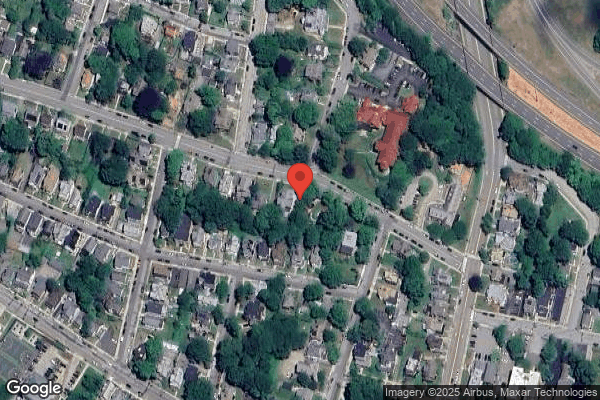
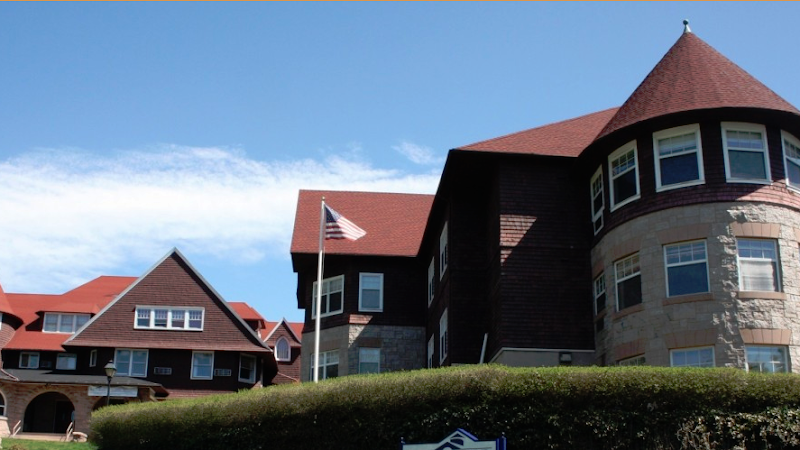
31 VAUXHALL STREET, NEW LONDON, CT 06320 (860) 442-4363
For profit - Limited Liability company 60 Beds Independent Data: November 2025
Trust Grade
70/100
#55 of 192 in CT
Last Inspection: June 2025

Inspected within the last 6 months. Data reflects current conditions.

Overview

Beechwood Health & Rehabilitation Center has received a Trust Grade of B, indicating it is a good choice for care, falling into the 70-79 range on the grading scale. It ranks #55 out of 192 facilities in Connecticut, placing it in the top half, and #8 out of 14 in its county, showing there are only a few local options that perform better. The facility is on an improving trend, with the number of issues identified decreasing from 13 in 2023 to 8 in 2025. Staffing is a noted strength, earning a 3 out of 5 stars with a 0% turnover rate, which is well below the state average. Additionally, the center provides more RN coverage than 93% of state facilities, ensuring better oversight of resident care. However, there are some concerns, such as a failure to credit interest earned on personal funds for 30 residents and issues with documenting advanced directives for some individuals. There have also been incidents where hazards were not removed to prevent falls, and meal assistance was not adequately provided for residents with specific needs. Overall, while Beechwood has strengths in staffing and oversight, families should be aware of the specific care and documentation issues present.

Trust Score
B
70/100
In Connecticut
#55/192
Top 28%
Safety Record
Low Risk
No red flags
Inspections
Getting Better
13 → 8 violations
Staff Stability
○ Average
Turnover data not reported for this facility.
Penalties
✓ Good
No fines on record. Clean compliance history, better than most Connecticut facilities.
Skilled Nurses
✓ Good
Each resident gets 67 minutes of Registered Nurse (RN) attention daily — more than 97% of Connecticut nursing homes. RNs are the most trained staff who catch health problems before they become serious.
Violations
⚠ Watch
22 deficiencies on record. Higher than average. Multiple issues found across inspections.
★★★★☆
4.0
Overall Rating
★★★☆☆
3.0
Staff Levels
★★★★☆
4.0
Care Quality
★★★★☆
4.0
Inspection Score
Stable
2023: 13 issues
2025: 8 issues

The Good

  • 4-Star Quality Measures · Strong clinical quality outcomes
  • Full Sprinkler Coverage · Fire safety systems throughout facility
  • No fines on record

Facility shows strength in quality measures, fire safety.

The Bad

No Significant Concerns Identified

This facility shows no red flags. Among Connecticut's 100 nursing homes, only 0% achieve this.

The Ugly 22 deficiencies on record

Jun 2025 8 deficiencies
CONCERN (D)

Potential for Harm - no one hurt, but risky conditions existed

Report Alleged Abuse (Tag F0609)

Could have caused harm · This affected 1 resident

**NOTE- TERMS IN BRACKETS HAVE BEEN EDITED TO PROTECT CONFIDENTIALITY** Based on a review of the clinical record, interviews, facility documentation, and facility policy, for 1 of 3 sampled residents ...

Read full inspector narrative →
**NOTE- TERMS IN BRACKETS HAVE BEEN EDITED TO PROTECT CONFIDENTIALITY** Based on a review of the clinical record, interviews, facility documentation, and facility policy, for 1 of 3 sampled residents (Resident #28) reviewed for abuse and for the only sampled resident (Resident #30) reviewed for grievances the facility failed to report an allegation of abuse to the State Agency per the requirement. The findings include: 1. Resident #28's diagnoses included bipolar disorder, morbid obesity, and chronic congestive heart failure. The quarterly Minimum Data Set (MDS) assessment dated [DATE] identified Resident #28 had a Brief Interview of Mental Status (BIMS) score of 9 indicating cognition was moderately impaired, required a wheelchair for mobility, and was dependent on staff for bed mobility, and all transfers. The Resident Care Plan (RCP) dated 5/12/2025 identified Resident #28 was dependent on staff for meeting emotional, intellectual, physical, and social needs related to immobility and physical limitations. Interventions directed staff to converse with Resident #28 when providing care, provide 1 to 1 bedside visits, and to escort the resident to activities of his/her choice. Review of the Grievance/Concern form dated 6/5/2025 identified Resident #28 stated NA #7 was often in a bad mood and told Resident #28, This is just a job. In addition, Resident #28 felt as though NA #7 talked about him/her being overweight and that NA #7 was angry 90% of the time. Although there was a signature line for the staff member who completed the form to sign, no staff member had signed the intake portion of the grievance form. Interview with Resident #28 on 6/23/2025 at 10:35 AM identified Resident #28 reported that NA #7 was rude and belittling toward him/her. Resident #28 stated NA #7 told him/her, this is just a job. Resident #28 said that hearing such a statement from a healthcare worker was upsetting. Interview with Social Worker (SW) #1 on 6/24/2025 at 3:02 PM identified she was made aware, on 6/6/2025, of the concern that had occurred between Resident #28 and NA #7. The DNS had informed her of the concern during morning report stating that NA #7 had been reassigned off of Resident #28's care. SW #1 reported her role in the allegation was limited to just speaking with Resident #28 after the complaint had already been addressed by the DNS. She described herself as, just a messenger, reported that standard grievance follow-up is expected within 48 hours, and the matter had been viewed as more of a nursing customer service issue. Further, the situation fell under the DNS's responsibility to report and investigate concerns. SW #1 stated the comments made by NA #7 were not appropriate or caring statements for a healthcare worker to say to a resident. Interview and review of facility documentation with the DNS on 6/24/2025 at 3:41 PM identified that she had spoken to Resident #28 following a request from the surveyor for documentation. She indicated that Therapeutic Recreation Director (TRD) #1 had brought the concern to her attention regarding Resident #28 immediately upon being reported on 6/5/2025. On the grievance form it was alleged that NA #7 entered the room in a bad mood when providing care to Resident #28 stating, This is just a job, and also made comments about Resident #28 being overweight. The DNS discussed the matter with Social Worker #1 the following morning during the staff morning meeting and reported that NA #7 had been reassigned and would not be taking care of Resident #28 any longer. The DNS was unable to identify who completed the intake portion of the grievance form or who had crossed off the resident's last name and wrote anonymous. She indicated she felt as though the resident wished to remain anonymous due to the cross off and that was the reason she had not reported the allegation of verbal abuse to the State Agency and reassigned NA #7. When she spoke with Resident #28 he/she expressed feeling upset about the just a job comment and stated that such remarks should not come from a healthcare worker. The DNS identified that she did not inquire about the weight related comment when she spoke to Resident #28. She also indicated she spoke to NA #7 after speaking with Resident #28, and that NA #7 stated she had made the just a job comment not directly to Resident #28, but to a colleague, in the hallway, toward the end of a stressful day. NA #7 indicated that Resident #28 may have overheard the comment but denied saying anything directly to the resident. The DNS stated that such comments were inappropriate, in hindsight the situation had potential for verbal abuse and should have been reported to the State Agency at the time the allegations were first brought to her attention on 6/5/2025. The DNS subsequently took NA #7 off the schedule on 6/24/2025 pending the outcome of the investigation and per the facility abuse policy and filed a Facility Reported Incident (FRI) dated 6/24/2025 which identified that on 6/5/2025 Resident #28 reported a staff member said to him/her this is just a job and made comments about him/her being overweight. Re-interview with Resident #28 on 06/25/25 at 9:20 AM identified the incident occurred when Resident #28 asked for assistance to be boosted up in bed. Resident #28 reported the request irked NA #7, and she appeared visibly irritated. Resident #28 recalled NA #7, saying this is just a job in a dismissive tone. Although Resident #28 could not recall the exact words, he/she stated NA #7 was making fun of his/her weight. Additionally, Resident #28 reported overhearing NA #7 make fun of his/her weight to other residents. Resident #28 recalled NA #7 telling his/her roommate they were easy to boost, which Resident #28 found hurtful. Interview with TRD #1 on 6/26/2025 at 8:42 AM identified that she could not recall how she learned of the allegation or the specific details of the event but that she did inform the DNS of the allegation that NA #7 said something about it being just a job and something about Resident #28 being overweight. She did not recall completing the grievance form and could not explain why it was not signed. TRD #1 stated she was aware of the abuse policy and if a healthcare worker suspected or saw something, then the allegations must be reported immediately. TRD #1 did report the allegations to the DNS, she did not feel the comments made by NA #7 to Resident #28 fell under verbal abuse, and she believed NA #7 was an excellent nursing assistant but did not have great bedside manners. Interview with NA #7 on 6/26/2025 at 12:26 PM identified NA #7 reported that she was walking down the hallway at the end of the stressful shift and said out loud, this is just a job. She stated she was not directly speaking to anyone. She acknowledged she may have been near Resident #28's room when she commented, and Resident #28 may have overheard the comment. NA #7 explained she was tired and overwhelmed with multiple call lights going off at once. She also stated that when providing care to Resident# 28, it typically requires 3 or 4 staff members because 2 people are not enough to safely move Resident #28 and Resident #28 needed to be boosted, like every 5 minutes. NA #7 denied saying anything to Resident #28 about his/her weight. 2. Resident #30's diagnoses include dementia without behaviors, muscle weakness and reduced mobility. The quarterly Minimum Data Set (MDS) dated [DATE] identified Resident #30 had a Brief Interview for Mental Status (BIMS) score of 6 indicating severe cognitive impairment and required set-up or clean-up assistance with Activities of Daily Living (ADL), able to transfer independently, and was frequently incontinent of urine and bowel. The Resident Care Plan dated 2/7/2024 identified an incontinence as an area of concern. Interventions included to provide toileting and incontinent care. Physician's orders dated 4/1/2024 directed to provide the assistance of 1 staff for transfers, mobility, and ADL's. A grievance form completed by Resident #30's responsible party dated 4/8/2024 identified that Resident #30 was in his/her pajamas at 10:30 AM in a very soiled pull up (incontinent brief) with a strong order. Also on the grievance form, the social worker indicated the resolution was to re-educate staff on performing rounds for toileting. There was no further documentation attached to the grievance form which was signed by the social worker and Administrator and the signatures were undated. A review of social work and nursing notes from 4/8/2024 through 4/30/2024 failed to indicate information with regard to the grievance form dated 4/8/2024 filed on Resident #30's behalf of an alleged incident of an overly soiled and odorous brief. Interview with the Director of Nursing Services (DNS) on 6/25/2025 at 12:30 PM identified that she was unaware of the grievance filed on Resident #30's behalf dated 4/8/2025. The DNS was unable to locate any investigation or education provided to staff for toileting rounds. The DNS indicated that if she was aware of the grievance she would have reported the allegation to the State Agency. She indicated that she was usually responsible for nursing grievance resolution and was unsure why this grievance was not brought to her attention. The staff members who were involved with the grievance form, social worker, nurse aide, and Administrator were no longer employed at the facility. An attempt to interview all 3 former staff members was unsuccessful. Subsequent to surveyor inquiry, the allegation of neglect was reported to the State Agency on 6/25/2025. A review of the Grievance/Complaint policy dated 6/7/24 directed, in part, any issue determined to be a potential allegation of abuse, neglect, misappropriation of property, exploitation, or injuries of unknown origin will immediately be reported and investigated following the abuse protocol/policy. A review of the Abuse Prohibition policy dated 4/12/2025 directed, in part, all allegations of abuse/neglect will be reported within time periods for reasonable suspicion of a crime and depends on the seriousness of the event that leads to the reasonable suspicion. Results in serious bodily injury or not, the individual shall report immediately, but not later than 2 hours after forming the suspicion.
CONCERN (D)

Potential for Harm - no one hurt, but risky conditions existed

Investigate Abuse (Tag F0610)

Could have caused harm · This affected 1 resident

**NOTE- TERMS IN BRACKETS HAVE BEEN EDITED TO PROTECT CONFIDENTIALITY** Based on a review of the clinical record, interviews, facility documentation, and facility policy, for 1 of 3 sampled residents ...

Read full inspector narrative →
**NOTE- TERMS IN BRACKETS HAVE BEEN EDITED TO PROTECT CONFIDENTIALITY** Based on a review of the clinical record, interviews, facility documentation, and facility policy, for 1 of 3 sampled residents (Resident #28) reviewed for abuse and for the only sampled residents (Resident #30) reviewed for grievances the facility failed to investigate an allegation of abuse per the facility policy. The findings include: 1. Resident #28's diagnoses included bipolar disorder, morbid obesity, and chronic congestive heart failure. The quarterly Minimum Data Set (MDS) assessment dated [DATE] identified Resident #28 had a Brief Interview of Mental Status (BIMS) score of 9 indicating cognition was moderately impaired, required a wheelchair for mobility, and was dependent on staff for personal hygiene, bed mobility, and all transfers. The Resident Care Plan (RCP) dated 5/12/2025 identified Resident #28 was dependent on staff for meeting emotional, intellectual, physical, and social needs related to immobility and physical limitations. Interventions directed staff to converse with Resident #28 when providing care, provide 1 to 1 bedside visits, and to escort the resident to activities of his/her choice. Review of the Grievance/Concern form dated 6/5/2025 identified Resident #28 stated NA #7 was often in a bad mood and told Resident #28, This is just a job. In addition, Resident #28 felt as though NA #7 talked about him/her being overweight and that NA #7 was angry 90% of the time. Although there was a signature line for the staff member who completed the form to sign, no staff member had signed the intake portion of the grievance form. Interview with Resident #28 on 6/23/2025 at 10:35 AM identified Resident #28 reported that NA #7 was rude and belittling toward him/her. Resident #28 stated NA #7 told him/her, This is just a job. Resident #28 said that hearing such a statement from a healthcare worker was upsetting. Interview with Social Worker (SW) #1 on 6/24/2025 at 3:02 PM identified she was made aware, on 6/6/2025, of a concern that had occurred between Resident #28 and NA #7. The DNS had informed her during morning report stating that NA #7 had reassigned off of Resident #28's care. SW #1 reported her role in the allegation was limited to just speaking with Resident #28 after the complaint had already been addressed by the DNS. She described herself as, just a messenger, reported that standard grievance follow-up is expected within 48 hours, and the matter had been viewed as more of a nursing customer service issue. Further, the situation fell under the DNS's responsibility to report and investigate concerns. SW #1 stated the comments made by NA #7 were not appropriate or caring statements for a healthcare worker to say to a resident. Interview and review of facility documentation with the DNS on 6/24/2025 at 3:41 PM identified that she had spoken to Resident #28 following a request for documentation. She indicated that the Therapeutic Recreation Director (TRD) #1 had brought the concern to her attention regarding Resident #28 immediately upon being reported on 6/5/2025. On the grievance form it was alleged that NA #7 entered the room in a bad mood when providing care to Resident #28, stated, This is just a job, and also made comments about Resident #28 being overweight. The DNS discussed the matter with Social Worker #1 the following morning during the staff morning meeting and reported that NA #7 had been reassigned and would not be taking care of Resident #28 any longer. The DNS was unable to identify who completed the intake portion of the grievance form or who had crossed off the resident's last name and wrote anonymous. She indicated she felt as though the resident wished to remain anonymous due to the cross off and that was the reason she had not interviewed any staff or investigated the incident. When she spoke with Resident #28 he/she expressed feeling upset about the just a job comment and stated that such remarks should not come from a healthcare worker. The DNS identified that she did not inquire about the weight related comment when she spoke to Resident #28. She also indicated she spoke to NA #7 after speaking with Resident #28, and that NA #7 stated she had made the just a job comment not directly to Resident #28, but to a colleague, in the hallway, toward the end of a stressful day. NA #7 indicated that Resident #28 may have overheard the comment but denied saying anything directly to the resident. The DNS subsequently took NA #7 off the schedule on 6/24/2025 pending the outcome of the investigation and per the facility abuse policy began an investigation into Resident #28's concern. Re-interview with Resident #28 on 06/25/25 at 9:20 AM identified the incident occurred when Resident #28 asked for assistance to be boosted up in bed. Resident #28 reported the request irked NA #7, and she appeared visibly irritated. Resident #28 recalled NA #7, saying this is just a job in a dismissive tone. Although Resident #28 could not recall the exact words, he/she stated NA #7 was making fun of his/her weight. Additionally, Resident #28 reported overhearing NA #7 make fun of his/her weight to other residents. Resident #28 recalled NA #7 telling his/her roommate they were easy to boost, which Resident #28 found hurtful. Interview with TRD #1 on 6/26/2025 at 8:42 AM identified that she could not recall how she learned of the allegation or the specific details of the event but that she did inform the DNS of the allegation that NA #7 said something about it being just a job and something about Resident #28 being overweight. She did not recall completing the grievance form and could not explain why it was not signed. TRD #1 stated she was aware of the abuse policy and if a healthcare worker suspected or saw something, then the allegations must be reported immediately. TRD #1 did report the allegations to the DNS, she did not feel the comments made by NA #7 to Resident #28 fell under verbal abuse, she believed NA #7 was an excellent nursing assistant but did not have great bedside manners. Interview with NA #7 on 6/26/2025 at 12:26 PM identified NA#7 reported that she was walking down the hallway at the end of the stressful shift and said out loud, this is just a job. She stated she was not directly speaking to anyone. She acknowledged she may have been near Resident #28's room when she commented, and Resident #28 may have overheard the comment. NA #7 explained she was tired and overwhelmed with multiple call lights going off at once. She also stated that when providing care to Resident# 28, it typically requires 3 or 4 staff members because 2 people are not enough to safely move Resident #28 and Resident #28 needed to be boosted, like every 5 minutes. NA #7 denied saying anything to Resident #28 about his/her weight. 2. Resident #30's diagnoses include dementia without behaviors, muscle weakness and reduced mobility. The quarterly Minimum Data Set (MDS) dated [DATE] identified Resident #30 had a Brief Interview for Mental Status (BIMS) score of 6 indicating severe cognitive impairment and required set-up or clean-up assistance with Activities of Daily Living (ADL), able to transfer independently, and was frequently incontinent of urine and bowel. The Resident Care Plan dated 2/7/2024 identified an incontinence as an area of concern. Interventions included to provide toileting and incontinent care. Physician's orders dated 4/1/2024 directed to provide the assistance of 1 staff for transfers, mobility, and ADL's. A grievance form completed by Resident #30's responsible party dated 4/8/2024 identified that Resident #30 was in his/her pajamas at 10:30 AM in a very soiled pull up (incontinent brief) with a strong order. Included on the grievance form, the social worker indicated the resolution was to re-educate staff on performing rounds for toileting. There was no investigation attached to the grievance form which was signed by the social worker and Administrator and the signatures were undated. A review of Resident #30's flow sheets (record of care provided) dated 4/8/2024 identified that Resident #30 was incontinent of urine on the 7:00 AM to 3:00 PM shift. A review of social work and nursing notes from 4/8/2024 through 4/30/2024 failed to indicate information with regard to the grievance form dated 4/8/2024 filed on Resident #30's behalf of an alleged incident of an overly soiled and odorous brief. Interview and review of facility documentation with the Director of Nursing Services (DNS) on 6/25/2025 at 12:30 PM identified that she was unaware of the grievance filed on Resident #30's behalf dated 4/8/2025. The DNS was unable to locate any investigation or education provided to staff for toileting rounds. The DNS indicated that if she was aware of the grievance she would have initiated an investigation per the facility policy. She indicated that she was usually responsible for nursing grievances and was unsure why this grievance was not brought to her attention. The staff members who were involved with the grievance form, social worker, nurse aide, and administrator were no longer employed at the facility. An attempt to interview all 3 former staff members was unsuccessful. Subsequent to surveyor inquiry, an investigation into the allegation of neglect was started on 6/25/2025. A review of the Grievance/Complaint policy dated 6/7/24 directed, in part, any issue determined to be a potential allegation of abuse, neglect, misappropriation of property, exploitation, or injuries of unknown origin will immediately be reported and investigated following the abuse protocol/policy. Review of the Abuse Prohibition policy dated April 12, 2025, directed, in part, a thorough investigation of reports of alleged resident abuse or neglect would be conducted by the Administrator or DNS to determine if the conduct of the individual is in violation of any standard of care. The resident(s) involved in a case of suspected abuse will be protected from potential harm during the investigation procedure.
CONCERN (D)

Potential for Harm - no one hurt, but risky conditions existed

Deficiency F0657 (Tag F0657)

Could have caused harm · This affected 1 resident

**NOTE- TERMS IN BRACKETS HAVE BEEN EDITED TO PROTECT CONFIDENTIALITY** Based on review of clinical record, facility policy, and interviews for the only sampled resident, (Resident #33) reviewed for c...

Read full inspector narrative →
**NOTE- TERMS IN BRACKETS HAVE BEEN EDITED TO PROTECT CONFIDENTIALITY** Based on review of clinical record, facility policy, and interviews for the only sampled resident, (Resident #33) reviewed for care planning, the facility failed to ensure the Resident Care Plan was reviewed and revised on a quarterly basis with participation from an interdisciplinary team and Resident #33's representative. The findings included: Resident #33's diagnoses included dementia, anxiety, and dysphagia. The quarterly Minimum Data Set (MDS) assessment dated [DATE] identified Resident #33 had a Brief Interview of Mental Status (BIMS) score of 4 indicating Resident #33 was severely cognitively impaired, and required set-up and clean-up assistance when eating, and extensive assistance with bed mobility, toileting, and transfers. Review of the Resident Care Conference (RCC) quarterly meeting documentation on 4/24/2024 at 2:44 PM identified Person #1 was responsible for Resident #33. A note indicated an interdisciplinary RCC meeting took place with Person #1, social services and the MDS coordinator. Resident #33's plan of care was discussed, however, there was no documentation that indicated a multidisciplinary team reviewed or provided input to Resident #33's care needs. Review of the RCC documentation dated 7/31/2024 identified a care plan meeting was held however, there was no documentation Person #1 attended. In addition, there was no indication this was an interdisciplinary meeting with input or review from any other facility staff, and only Social Services and the MDS coordinator were present. Further review of the clinical record failed to identify that documentation of a RCC meeting took place from August 2024 through January 2024. Review of the clinical record on 2/5/2025 identified an RCC meeting was held and Person #1, Social Services and the MDS Coordinator attended, but there was no indication this was an interdisciplinary meeting that included other facility departments. Review of the clinical record from March to June 2025 failed to identify documentation that a RCC meeting was held. Interview with Person #1 on 6/23/2025 at 1:54 PM identified that Person #1 was responsible for Resident #33 and while he/she had participated in RCC's in the past, Person #1 had not been invited or attended an RCC meeting in a while. Person #1 stated he/she assumed the facility had stopped scheduling the meetings but would have liked to attend. Interview with the Social Worker (SW) #1 on 6/24/2025 at 2:33 PM identified that she was new to the facility and had only started in May 2025. She reported that Resident #33 did not have an RCC meeting as he/she should have in May. SW #1 did not know why Resident #33 was not scheduled. Additionally, SW #1 reported that only the facility personnel that were invited and attended RCC meetings were herself and the MDS coordinator. Other departments, such as nursing, dietary, therapy, or recreation were not made aware of the meetings and, therefore, did not attend or provide input on the Resident #33's status or needs. Interview with Corporate RN #1 on 6/24/2025 at 3:11 PM identified that the expectation is that the RCC is held at least quarterly or sooner if the resident's status changes. Additionally, an interdisciplinary team must review and update the RCP quarterly. Corporate RN#1 was unable to explain the lack of input, attendance, or scheduling for RCC's. Subsequent to surveyor inquiry, Person #1 was contacted, and an RCC was scheduled for June. Review of the Care plan, Comprehensive Person-Centered Policy dated 12/2016, directed, in part, the interdisciplinary team, in conjunction with the resident and/or his/her family or legal representative, develops and implements a comprehensive, person-centered care plan for each resident. The interdisciplinary team must review and update the care plan. when there is a significant change, when desired outcomes are not met, when a resident has been readmitted , and at least quarterly.
CONCERN (D)

Potential for Harm - no one hurt, but risky conditions existed

ADL Care (Tag F0677)

Could have caused harm · This affected 1 resident

**NOTE- TERMS IN BRACKETS HAVE BEEN EDITED TO PROTECT CONFIDENTIALITY** Based on observation, review of clinical record, facility policy, and staff interviews, the facility failed to ensure fingernail...

Read full inspector narrative →
**NOTE- TERMS IN BRACKETS HAVE BEEN EDITED TO PROTECT CONFIDENTIALITY** Based on observation, review of clinical record, facility policy, and staff interviews, the facility failed to ensure fingernail care was provided to Resident #4. The findings include: Resident #4 was admitted in February 2020 with diagnoses including encounter for palliative care, malignant neoplasm of the left breast (breast cancer), chronic systolic (congestive) heart failure, and unspecified atrial flutter. The quarterly Minimum Data Set (MDS) dated [DATE] identified Resident #4 had a Brief Interview of Mental Status (BIMS) score of 99, indicating inability to complete the Brief Interview of Mental Status, and was dependent for personal hygiene. The Resident Care Plan dated 6/15/2025 identified Resident #4 had an ADL self-care performance deficit. Interventions indicated: requires extensive assist by (1) staff with personal hygiene, and with a terminal prognosis with comfort focused care, and with adjustments to the provision of ADLs to compensate for changing abilities. Observations on 6/23/2025 at 11:26 AM and 6/25/2025 at 10:00 AM, and 6/25/2025 at 2:52 PM identified Resident #4's fingernails were noted to be lengthy and soiled with brownish debris under the fingernail. A physician order dated 11/1/2024 directed skin inspection every week Wednesday on the 7:00 AM to 3:00 PM. A review of the NA Task Care card for Resident #4 directed bathing/bed bath on Wednesday on the 7:00 AM to 3:00 PM. A review of the flow sheet for Resident #4 identified that NA #5 had signed off Resident #4 indicating completion of bathing bed bath on 6/25/2025 at 1:55 PM. Attempts to speak with NA#5 were unsuccessful. Interview with NA #6 identified that although she did not provide care for Resident #4, she would expect washing of hands and trimming and cleaning of nails, if needed, to occur during a bed bath. Additionally, NA #6 identified that nail care would occur even if it was not a scheduled bath day but nails needed to be cleaned. Interview with Licensed Practical Nurse (LPN) #1 on 6/26/2025 at 11:52 AM identified that on a resident bath/shower day the NA will let them know when bathing is being done so a skin check can be done. LPN #1 further identified that the same would be true for a resident receiving a bed bath. LPN #1 stated the expectation for a bed bath would include a full body wash and a neat and tidy overall appearance. Further, LPN #1 stated that it was the recreation lady that usually would take care of them but otherwise the NA or nurse could. Interview with Corporate Nurse #1 identified that her expectation for a bed bath would include a head to toe wash and rinse including a clean and trim of fingernails. Corporate Nurse #1 identified that it was the responsibility of the NA to provide fingernail care during AM & PM care. Further, Corporate Nurse #1 indicated that the facility has a regular supply of emery boards and orange sticks for NA's to utilize for nail care. Review of the Activities of Daily Living (ADLs), Supporting policy directed, in part, residents who are unable to carry out activities of daily living independently will receive the services necessary to maintain good nutrition, grooming and personal and oral hygiene.
CONCERN (D)

Potential for Harm - no one hurt, but risky conditions existed

Deficiency F0761 (Tag F0761)

Could have caused harm · This affected 1 resident

**NOTE- TERMS IN BRACKETS HAVE BEEN EDITED TO PROTECT CONFIDENTIALITY** Based on observations, review of the clinical record, and facility policy for 3 residents identified during the initial screenin...

Read full inspector narrative →
**NOTE- TERMS IN BRACKETS HAVE BEEN EDITED TO PROTECT CONFIDENTIALITY** Based on observations, review of the clinical record, and facility policy for 3 residents identified during the initial screening of residents (Resident # 51, Resident #48 and Resident #21) the facility failed to ensure medications were not at bedside and alcoholic beverages were not stored in the medication refrigerator in 1 of 2 medication refrigerators. The findings include: 1.a. Resident #21's diagnoses included Chronic Obstructive Pulmonary Disease (COPD) and sleep apnea. The Resident Care Plan dated 2/7/2025 identified COPD as an area of concern. Interventions included providing aerosol or bronchodilators as ordered, monitor for side effects of medication, monitor for acute respiratory insufficiency, and administered oxygen therapy as ordered. Resident #21's quarterly Minimum Data Set (MDS) assessment dated [DATE] identified Resident #21 as being moderately cognitively impaired as the result of a Brief Interview for Mental Status (BIMS) assessment score of 9. Physician's orders dated 6/23/2025 directed to administer, Trelegy Ellipta Inhalation Activated 200-62-5-25 microgram (MCG) 1 puff inhale one time a day for COPD and Ketoconazole External Cream 2% apply to scalp 2 times a day for fungal rash. Observation on 6/23/25 at 11:39AM during the initial resident screening identified that Resident #21 had the Ketoconazole cream 2% and Trelegy inhaler on the over the bed table. Resident #21 indicated that the nurse leaves the medications there. Observation on 6/23/25 at 1:09 PM identified the Ketoconazole 2% cream and Trelegy inhaler were no longer at the bedside. Interview with LPN#1 on 6/23/25 at 1:12PM indicated the facility was working on getting an order to self-administer the medications as Resident #21 did not have an order to self-administer and there was not a self-administration evaluation completed. LPN #1 stated that she left inhaler at bedside by accident. b. Resident # 51's diagnoses included dysphagia, constipation, and adjustment disorder with mixed anxiety. Furthermore, the care plan identified impaired vision related to Hyperopia (impaired vision of close objects) as an area of concern. Interventions included keep personal items within reach, assist with glasses, orient to surroundings and notify MD of any visual problems The quarterly Minimum Data Set (MDS) dated [DATE] identified Resident #21 as being severely cognitively impaired indicated by a Brief Interview of Mental Status (BIMS) score of 7 and required limited assistance with activities of daily living. Physician orders dated 5/29/2025 directed to administer Aspercream 10% every 8 hours to knees as needed and gas relief chewable tabs 80 mg (milligrams) give 2 tabs as needed every 8 hours for gas/bloating. Observation on 6/23/25 at 10:15AM during initial resident screening identified Resident #51 with a bottle of Nuvoflex collagen joint support caps that were opened and missing capsules, a bottle and a box that contained Gas-X soft gel 80 mg, and (2) 3-ounce (oz) tubes of Aspercream all opened and stored on his/her over the bed table. Resident #51 stated he/she takes these medications whenever he/she felt the need. A review of the clinical record on 6/23/2025 with LPN #1 identified that Resident #51 had orders for Gas-X and Aspercream. Resident #51 did not have a physician order or an evaluation to self-administer medications, and did not have a physician order that prescribed Nuvoflex collagen joint support caps to be taken. Observation with LPN #1 on 6/23/2025 at 11:30 AM identified that Gas-X, Aspercream, and Nuvoflex were in Resident #51's room on his/her over the bed table. LPN #1 stated she had not seen the medications on the over the bed table and if she had, she would have removed them because Resident #51 did not have an order to self-administer, and the medications were not secured per policy. c. Resident #48's diagnoses included dementia, adjustment disorder and visuospatial deficit with spatial neglect following a cerebral infraction (difficulty processing information about location, orientation, and relationship between objects after an injury to the brain). Resident #48's quarterly Minimum Data Set (MDS) assessment date 5/12/2025 identified Resident #48 as unable to complete a Brief Interview for Mental Status (BIMS) assessment due to cognitive status and required supervision with activities of daily living. Physician's orders dated 5/25/2025 directed to administer Calcium Carbonate (Tums) chewable 500 mg every 6 hours as needed for heartburn. The Resident Care Plan dated 5/29/2025 identified dependency related to transfer, strengthening and medication management related to stroke. Interventions included ensure adaptive equipment that the resident needs are provided and items are within reach. Observation on 6/23/2025 at 10:30 AM during initial resident screening identified Resident #48 with a bottle of Tums 500mg ½ full stored on the over the bed table. Resident #48 indicated she took the Tums when needed for heartburn. A review of Resident #48's clinical record with LPN #1 on 6/23/2025 at 11:40 AM identified there was no physician order to self-administer medications and no self-administration evaluation completed. Observation with LPN#1 on 6/23/2025 at 11:45 AM identified a half full bottle of Tums on Resident #48' over the bed table. LPN #1 stated she had not seen the bottle of Tums and if she had, she would have removed the medication as Resident #48 did not have physician order to self-administer and medications were not stored secure per facility policy. After identification of medication concerns by bedside, medications were removed from Resident # 21, Resident #51 and Resident #48 room. In addition, a Self-Administration of Medication Evaluations were completed on Resident #21, Resident #51 and Resident #48 on 6/23/2025. Subsequent to surveyor inquiry, on 6/23/2025, the facility conducted a facility wide audit to ensure no other residents had medications at their bedside. Interview with DNS on 6/23/2025 at 12:45 PM identified that if medications were at the bedside, it was the charge nurse's responsibility to remove the medications. The DNS indicated that the medications for Resident #21, Resident #51 and Resident # 48 should not have been at the bedside as they did not have an order for self- administration or a self-administration evaluation completed. Furthermore, if a resident has an order to self-administer medications, the medications are kept secured in the resident's room. 2. Observation on 6/25/2025 at 11:00 AM identified that 2 bottles of wine and 8 bottles of beer were being stored in the 2nd floor medication refrigerator with resident medications. Interview with DNS on 6/25/2025 at 12:00 PM indicated that wine and beer should not be stored with medications. She indicated that it is the charge nurses' responsibility to ensure no non-medication items were stored in the medication refrigerator. The DNS indicated that she was unsure of the policy related to medication storage but believed it stated only medications should be stored in the medication refrigerators. Observation on 6/26/2025 at 1:15 PM identified that the wine and beer remained in the 2nd floor medication refrigerator. The Medication Storage policy dated 1/2025 directed, in part, medications and biologicals are stored properly, following manufacturers or provider pharmacy recommendations. The medication supply shall be accessible only to licensed nursing personnel, pharmacy personnel, or staff members lawfully authorized to administer medications. Refrigerated medications should be kept in closed and labeled containers with internal medications separated for external medications and all medications segregated from fruit juices, applesauce, and other foods used in administering medications. Any other food such as employee lunches and activity department refreshments should not be stored in this refrigerator. The Self Administration of Medication policy dated 12/2016 directed, in part, that residents have the right to self-administer medications if the interdisciplinary team determines it is clinically appropriate. As a part of the overall evaluation the staff and practitioner will assess each resident's mental and physical abilities to self- administer. Medications for self-administration must be stored in a safe and secure place which is not accessible by other residents.
CONCERN (D)

Potential for Harm - no one hurt, but risky conditions existed

Food Safety (Tag F0812)

Could have caused harm · This affected 1 resident

Based on observations, facility documentation, facility policy and staff interviews, the facility failed to ensure the kitchen ice machine was maintained in sanitary condition. During surveyor walk t...

Read full inspector narrative →
Based on observations, facility documentation, facility policy and staff interviews, the facility failed to ensure the kitchen ice machine was maintained in sanitary condition. During surveyor walk through of the kitchen on 6/23/2025 at 10:30 AM with Director of Dietary (DD) observation was made of a black substance within the ice machine. Interview and observation with the DD on 6/25/2025 at 11:57 AM identified that the ice machine cleaning would be the responsibility of the Maintenance Director but that the facility currently did not currently have a full time Maintenance Director. Additionally, the DD stated he never thought of looking up into the machine for cleanliness. Subsequent to surveyor inquiry the machine was cleaned by DD and the black residue was no longer present. Review of the Beechwood Monthly Preventive Maintenance & Safety Checklist on 6/25/2025 documented a check of the Ice machine cleanliness, function and filters for April 2025 and June 2025. No verification checklist was completed by the facility for May 2025. Review of the Sanitization policy indicates that all equipment, food contact surfaces and utensils shall be washed to remove or completely loosen soils by using manual or mechanical means necessary and sanitized using hot water and/or chemical sanitizing solutions. Further, the policy states ice machines and ice storage containers will be drained, cleaned and sanitized per manufacturer's instructions and facility policy.
CONCERN (E)

Potential for Harm - no one hurt, but risky conditions existed

Deficiency F0567 (Tag F0567)

Could have caused harm · This affected multiple residents

Based on review of clinical records, facility documentation, facility policy, and an interviews for 30 of 52 sampled residents (Resident #1, #3, #4, #5, #6, #8, #13, #14, #15, #18, #23, #24, #26, #28,...

Read full inspector narrative →
Based on review of clinical records, facility documentation, facility policy, and an interviews for 30 of 52 sampled residents (Resident #1, #3, #4, #5, #6, #8, #13, #14, #15, #18, #23, #24, #26, #28, #29, #30, #33, #35, #39, #42, #44, #58, #500, #501, #502, #503, #504, #505, #506, and #507) reviewed for personal funds, the facility failed to credit interest earned to each resident's personal funds account. The findings include: Interview and facility documentation review with Director of Revenue #1 on 6/25/2025 at 2:10 PM, identified that Resident #33 had personal funds held by the facility in an interest-bearing account. Director of Revenue #1 indicated the monthly application of interest earned to an individual resident's account was a manual process. She identified that the facility failed to apply any interest earned to Resident #33's personal funds account from April 2024 to May 2025. Further review of Resident Trust Accounts identified a total of 30 residents with funds held by the facility who did not have interest earned applied to their individual accounts. Current facility residents affected included: Resident #1, #3, #4, #5, #6, #8, #13, #14, #15, #18, #23, #24, #26, #28, #29, #30, #33, #35, #39, #42, #44, and #58. discharged residents affected included: Resident #500, #501, #502, #503, #504, #505, #506, and #507. The Director of Revenue #1 stated that Business Manager #1 had assumed responsibility for managing resident personal fund accounts. She was unsure of why the interest had not been applied to each individual account since April 2024. However, she believed that Business Manager #1 was not properly trained, which resulted in the failure to apply interest as required by federal regulation. Review of the Personal Needs Account Policy and Procedure Policy dated 3/1/2021 failed to include the application of interest to a resident account.
CONCERN (E)

Potential for Harm - no one hurt, but risky conditions existed

Deficiency F0578 (Tag F0578)

Could have caused harm · This affected multiple residents

**NOTE- TERMS IN BRACKETS HAVE BEEN EDITED TO PROTECT CONFIDENTIALITY** Based on record review, staff interviews, and facility policy for 3 of 4 sampled residents (Resident #4, Resident #22, and Resid...

Read full inspector narrative →
**NOTE- TERMS IN BRACKETS HAVE BEEN EDITED TO PROTECT CONFIDENTIALITY** Based on record review, staff interviews, and facility policy for 3 of 4 sampled residents (Resident #4, Resident #22, and Resident #33) reviewed for advanced directives, the facility failed to obtain a signed copy of an Advanced Directive form for Resident #4 and Resident #33, and for Resident #22 failed to transcribe the signed Advance Directive form to the electronic medical record. The findings include: 1. Resident #4 was admitted in February of 2020 with diagnoses that included encounter for palliative care, malignant neoplasm of the left breast (breast cancer), chronic systolic (congestive) heart failure, unspecified atrial flutter, cardiomyopathy, and essential hypertension. The admission Minimum Data Set assessment dated [DATE] identified Resident #4 had a Brief Interview of Mental Status (BIMS) score of 11, indicating moderate cognitive impairment. The quarterly Minimum Data Set, dated [DATE] identified Resident#4 had a BIMS score of 99, indicating the resident was unable to complete the Brief Interview of Mental Status evaluation. The Resident Care Plan dated [DATE] identified Resident #4 had an advanced directive for DNR/DNI/DNH (Do not Resuscitate/Do not Intubate/Do not Hospitalize) A medical record review identified a handwritten MD note dated [DATE] on the physician order sheet stating: DNR/DNI/NMP (Nurse May Pronounce). A signed Advanced Directive was not located in the medical record of Resident #4. A review of Resident #4's electronic medical record identified a start date, physician order, on [DATE] for an Advanced Directive indicating DNR/DNI/DNH/NMP/(Nurse May Pronounce)/Comfort Measures A signed copy of the Advance Directive was not located in the electronic medical record. A review of physician note for Resident #4 dated [DATE] at 2:02 PM indicated Resident #4 preference was for a Full Code. A physician note dated [DATE] at 12:40 PM identified that the resident's family member planned to come to the facility to sign the Advanced Directive form. Subsequently, a Progress Note dated [DATE] at 4:47 PM indicated that Resident #4's family member had signed an Advanced Directive to make the resident a DNR. Interview and clinical record review on [DATE] at 12:54 PM with Registered Nurse (RN) #1 identified that Resident #4 did not have a signed Advanced Directive form in the paper chart. She further identified that the nursing supervisor was responsible to ensure a signed copy was placed in the chart. RN #1 stated the physician note in the chart was an extra step but that the signed order is a must. Although RN #1 believed the Advanced Directive form was accidentally removed when the chart was thinned she was unable to locate the form. Interview with the Director of Nursing Services (DNS) on [DATE] at 10:18 AM identified that her expectation was a signed copy of the Advanced Directive form would be in the resident's chart. She was unable to identify why there was not a copy in Resident #4's chart and stated she would attempt to locate it from medical records; however, this was never located. Further, the DNS expectation was that the Advanced Directive form would be added to the resident chart upon admission and reviewed quarterly. 2. Resident #22 was admitted in [DATE] with diagnoses that included multiple sclerosis, disorder of bone density and structure, and hypertension. The Resident Care Plan dated [DATE] identified Resident #22 had an Advanced Directive that directed staff for a Do Not Resuscitate (DNR) status. The admission Minimum Data Set assessment dated [DATE] identified Resident #22 had a Brief Interview of Mental Status (BIMS) score of 15 indicating intact cognition, required set up assistance for personal hygiene, and required maximal assistance for chair-bed-to chair transfers. An Advanced Directive form signed by Resident #22 and the physician, dated [DATE] identified that Resident #22 had provided consent for a DNR status. Interview and clinical record review on [DATE] at 11:46 AM with Licensed Practical Nurse (LPN) #2 identified that Resident #22 did not have a code status order within his/her electronic medical record. LPN #2 further identified an Advanced Directive form was to be signed by residents upon admission, or within 24 hours of admission, with the admitting nurse. After the Advanced Directive form was signed, the form would be sent to the physician to sign the order, and the nurse supervisor was responsible to enter the advanced directive status order into the electronic health record. Interview and clinical record review on [DATE] at 12:54 PM with Registered Nurse (RN) #2 identified Resident #22 did not have a code status order within his/her electronic medical record. RN #2 further identified that it was her responsibility to enter the order into the electronic medical record as she was the nurse who acknowledged the advance directive code status order. RN #2 was unable to identify why the code order was not entered into the electronic medical record. Interview with the Director of Nursing Services (DNS) on [DATE] at 1:33 PM identified that she had the expectation for Resident #22's code order to be entered into the electronic health record no later than [DATE]. The DNS further identified the missing advance directive code order in the electronic health record could have resulted in Resident #22 receiving Cardiopulmonary Resuscitation (CPR) against his/her wishes in an emergency situation. Subsequent to surveyor inquiry, on [DATE] at 2:01 PM a code status order was entered into the electronic health record for Resident #22 by RN #2 that directed DNR. 3. Resident #33's diagnoses included dementia, anxiety, and dysphagia. The New admission Evaluation dated [DATE] identified Resident #33 was oriented to person and was cognitively confused at the time of the evaluation. Resident #33 required both a walker and a wheelchair for mobility, maximal assistance from staff with personal hygiene, bed mobility and transfers, and required assistance with meal set up when eating. Review of the Resident Care Plan dated [DATE] identified Resident #33's care plan failed to include an advance directive plan of care. The quarterly Minimum Data Set (MDS) assessment dated [DATE] identified Resident #28 had a Brief Interview of Mental Status (BIMS) score of 7 indicating cognition was severely impaired. A physician's order dated [DATE] indicated Resident #33 was a Do not Resuscitate (DNR). A physician's order that was still in effect, dated [DATE] indicated Resident #33 was a full code. Review of the clinical record on [DATE] at 2:15 PM identified the facility failed to obtain a signed copy of Resident #33's advance directive. Interview and clinical record review with RN #1 on [DATE] at 1:02 PM identified the facility did not have a signed copy of Resident #33's advance directive. RN #1 stated she did not know why this was not there, but it was the responsibility of the nursing supervisor to ensure that the form was completed and signed. RN #1 stated that per the facility policy, the advance directive must be signed and completed within 24 hours of admission to the facility. Interview with Corporate RN #1 on [DATE] at 1:16 PM identified it was the facility's policy for the RN supervisor on duty to ensure a resident's advance directive was signed and a hard copy placed in the physical chart. The RN supervisor must complete this task within 24 hours of admission without exception. While she was unsure of why it had not been completed, she believed it was an oversight on the part of the nursing supervisor. Review of the facility's Advanced Directive policy identified, in part, that information of whether or not a resident has executed an advanced directive shall be displayed prominently in the medical record and any revocations of the advance directive must be submitted, in writing, to the Administrator. Further, the policy identified that the Director of Nursing Services or designee will notify the Attending Physician of advanced directives so that appropriate orders can be documented in the resident's medical record.
May 2023 3 deficiencies
CONCERN (D) 📢 Someone Reported This

A family member, employee, or ombudsman was alarmed enough to file a formal complaint

Potential for Harm - no one hurt, but risky conditions existed

Free from Abuse/Neglect (Tag F0600)

Could have caused harm · This affected 1 resident

**NOTE- TERMS IN BRACKETS HAVE BEEN EDITED TO PROTECT CONFIDENTIALITY** Based on clinical record reviews, facility documentation, facility policy and interviews for one of three sampled resident (Resi...

Read full inspector narrative →
**NOTE- TERMS IN BRACKETS HAVE BEEN EDITED TO PROTECT CONFIDENTIALITY** Based on clinical record reviews, facility documentation, facility policy and interviews for one of three sampled resident (Resident #5) who were reviewed for an allegation of staff to resident verbal abuse, the facility failed to ensure Resident #5 was free from verbal abuse. The findings include: Resident #5's diagnoses included mild neurocognitive disorder. The annual Minimum Data Set assessment dated [DATE] identified Resident #5 had short- and long-term memory deficits, required supervision with locomotion on the unit and utilized a wheelchair (manual or electric) as a mobility device. The Resident Care Plan dated 4/10/23 identified Resident #5 had a potential for an alteration in psychosocial well-being related to progressive illness, loss of independence. Interventions directed to allow Resident #5 time to answer questions and to verbalize feelings, perceptions and fears as needed. The Facility Reported Incident form dated 4/23/23 at 4:00 PM identified Resident #5 alleged an inappropriate conversation with a staff member. The nurse's note dated 4/23/23 at 6:00 PM identified the Director of Nurses (DON) met with Resident #5 at 5:30 PM. Resident #5 reported an incident that occurred earlier in the day with a man he/she did not know, this man was asking Resident #5 questions and telling Resident #5 he/she was the cause of his marriage breaking up. The note indicated Resident #5 reported another staff member was present and removed him/her from the conversation and made him/her feel secure back in the recreation program. The note identified the Recreation Aide, #1, provided one (1) to one (1) support and reassurance for the safety, Resident #5 verbalized he/she was feeling safe and expressed he/she was OK and Resident #5 did not appear to be in any distress during the conversation. The psychological services supportive care progress note dated 4/28/23 at 10:40 AM identified Resident #5 was asked if anything was out of ordinary, or if anything was specifically bothering him/her today. Resident #5 did not bring up any issue or the situation that allegedly occurred over the weekend nor did Resident #5 present in distress. Interview with Recreation Aide #1 on 5/10/23 at 10:25 AM identified she was overseeing a recreation worship service activity on Sunday when the Maintenance Director, #2, came into the recreation room and said he needed to talk to Resident #5. Recreation Aide #1 indicated she stated to Maintenance Director #2 we only have two (2) hymns left can this wait? Recreation Aide #1 identified Maintenance Director #2 stated no, that it was personal and went up to Resident #5 and whispered to Resident #5. Recreation Aide #1 indicated she assumed he was asking Resident #5 for permission. Recreation Aide #1 identified Maintenance Director #2 proceeded to bring an agreeable, however somewhat bewildered Resident #5 to the second-floor dining room. Recreation Aide #1 indicated Maintenance Director #2 asked her if she wanted to join them, and she agreed. Recreation Aide #1 identified once they got in the room Maintenance Director #2 opened his Bible and began reading a passage from it and it seemed to be a passage about lying. Recreation Aide #1 indicated after finishing the passage from the Bible he basically said to Resident #5 that he/she had lied. Recreation Aide #1 identified Maintenance Director #2 was saying he had been faithful to his wife and his divorce was about his wife leaving him. Recreation Aide #1 indicated she told Maintenance Director #2 this conversation was inappropriate and began to take Resident #5 out of the room. Recreation Aide #1 identified as she headed to the closest exit Maintenance Director #2 continued to run about Resident #5 who gave no indication he/she had any idea what he was talking about. Recreation Aide #1 indicated at some point Maintenance Director #2 mentioned he was not working, however was acting as a visitor. Recreation Aide #1 identified she returned Resident #5 to the worship service as Maintenance Director #2 walked away. Recreation Aide #1 indicated not knowing where Maintenance Director #2 was she advised the second-floor staff to prevent Maintenance Director #2 from going to see Resident #5 should he return to talk to Resident #5. Interview with the Director of Nursing (DON) on 5/10/23 at 10:52 AM identified she met with Resident #5 on 4/23/23 at 5:30 PM and asked Resident #5 how his/her day was going. The DON indicated Resident #5 proceeded to tell her about what happened that afternoon and stated he/she was in a recreation program when a man tapped him/her on the shoulder and asked to speak with him/her. The DON identified Resident #5 told her Recreation Aide #1 followed them out of the room and the man then began saying that he knows Resident #5 and accused him/her of trying to break up his marriage. The DON indicated Resident #5 asked how do you know me and Maintenance Director #2 replied don't worry about it. The DON identified Maintenance Director #2 asked Resident #5 if he/she was a Christian and he/she said yes. The DON indicated Maintenance Director #2 kept saying you are causing my wife to divorce me. The DON indicated Resident #5 stated Recreation Aide #1 was present and she deescalated the situation and told Maintenance Director #2 this wasn't the time for this conversation. The DON identified she spoke to Director of Maintenance #2 and asked if he had seen Resident #5 on 4/23/23 and he stated he came in as a visitor to see Resident #5. The DON indicated Maintenance Director #2 told her Resident #5 was spreading slander about him and accusing him of cheating on his wife. The DON identified Maintenance Director #2 was told by an aide that Resident #5 accused the aide of being a homewrecker. The DON indicated Maintenance Director #2 stated he went up to Resident #5 in the recreation room and tapped his/her shoulder and said he needed to speak with him/her. The DON identified Maintenance Director #2 reported Recreation Aide #1 accompanied them to the dining room and at no time was he alone with Resident #5. The DON indicated he asked Resident #5 if he/she was a Christian to which he/she replied he/she was. The DON indicated Maintenance Director #2 then said he recited a scripture to Resident #5 about lying. The DON identified Maintenance Director #2 told Resident #5 he has never had any relations with anybody besides his wife of fifteen (15) years. The DON indicated Maintenance Director #2 stated Recreation Aide #1 said this was not the time or place for this conversation and took Resident #5 out of the dining room and back to the recreation program. The DON identified the allegation of verbal abuse was substantiated and Maintenance Director #2 resigned his position before he was to be terminated. Interview with Resident #5 on 5/10/23 at 1:05 PM identified he/she could not recall what Maintenance Director #2 said to him/her. Resident #5 indicated he/she was not afraid and felt safe at the facility. Although attempted, an interview with Maintenance Director #2 was not obtained. Review of the Abuse Prohibition policy directed to maintain a zero tolerance for any form of abuse or neglect of a resident. Maintain a work and living environment that was professional and free from threat off and/or occurrence of harassment, abuse, neglect, corporal punishment, or misappropriation of property. Protect its residents from all the above conditions by anyone including but not limited to staff, other residents, consultants or volunteers, staff of other agencies serving the resident, family members or legal guardians, friends, or other individuals. Provide a safe, comfortable, and homelike environment for the residents us one it is most basic and essential duties. Subsequent to the 4/23/23 incident the facility implemented an immediate plan of correction that included immediate and on-going education of facility staff on the facility policies on abuse, fear of retaliation and a specific lesson plan related to gossip, perception, and appropriate places for conversations. Resident #5 has not presented with any signs of distress due to this concern. The staff member involved was immediately removed from the facility and has since resigned from their position. All residents were interviewed or assessed for any issues or concerns related to the employee/concern, and none were noted. Random audits were conducted weekly to ensure there were no issues with care/abuse for staff/vendors/visitors. The Director of Nursing or designee was to be responsible for the completion of the action plan. Date of compliance 5/5/23. Review of the action plan and facility documentation on 5/10/23 identified the deficiency was corrected on 5/5/23.
CONCERN (D) 📢 Someone Reported This

A family member, employee, or ombudsman was alarmed enough to file a formal complaint

Potential for Harm - no one hurt, but risky conditions existed

Accident Prevention (Tag F0689)

Could have caused harm · This affected 1 resident

**NOTE- TERMS IN BRACKETS HAVE BEEN EDITED TO PROTECT CONFIDENTIALITY** Based on clinical record reviews, facility documentation review, facility policy review, and interviews for one of four sampled ...

Read full inspector narrative →
**NOTE- TERMS IN BRACKETS HAVE BEEN EDITED TO PROTECT CONFIDENTIALITY** Based on clinical record reviews, facility documentation review, facility policy review, and interviews for one of four sampled residents (Resident #4) who was a recent admission and was at risk for falls, the facility failed to maintain one to one supervision and the resident subsequently had a fall with no injury. The findings include: Resident #4 's diagnoses included fusion of spine requiring surgical aftercare, major depressive disorder, and metabolic encephalopathy. The admission Minimum Data Set assessment dated [DATE] identified Resident #4 rarely made decisions regarding tasks of daily life, had difficulty focusing attention and disorganized thinking and required extensive two (2) person assistance with turning and repositioning while in bed, transfers getting in and out of the bed and chair, and toilet use, was non-ambulatory and had a history of two (2) falls with no injuries. The Resident Care Plan dated 8/25/22 identified Resident #4 has had falls with no injury related to impulsiveness, poor comprehension, and poor safety awareness. Interventions directed floor mats to both sides of the bed, maintain bed in the low bed, one-to-one (1:1) observations, and room change to increase monitoring of resident. Review of the nurse's notes from 8/18/20 through 8/22/20 identified Resident #4 had four (4) falls with no injuries. The 8/22/20 at 9:41 PM identified Resident #4 would be on 1:1 observation for twenty-four (24) hours. The nurse's note dated 8/25/20 at 12:31 PM identified Resident #4 was transferred to the hospital and the 8/31/20 note indicated Resident #4 was re-admitted to the facility at 9:30 PM. The nurse's note dated 9/1/20 at 5:34 AM identified Resident #4 remained on 1:1 observation related to poor safety awareness, restlessness, and frequent re-directing. The note indicated Resident #4 made several attempts to swing his/her legs over the sides of the bed and was redirected and repositioned each time, the bed was in the low position and the floor mats were in place. The Facility Reported Incident form and investigation dated 9/1/20 at 7:10 AM identified Resident #4 had an unwitnessed fall and was found on the floor in the resident's room. The 11PM-7AM nurse aide, Nurse Aide (NA) #2, identified she provided care from 6:00 AM to 7:00 AM, with Resident #4 last seen positioned in bed and awake. Interventions to prevent reoccurrence identified one-to-one supervision, physical therapy screen, and seventy-two (72) hour neuro-checks. The nurse's note dated 9/1/20 at 12:00 PM identified at 7:10 AM, Resident #4 was found on the floor in a prone position with head still on the bed, Resident #4 was moved to the floor then was Hoyer lifted back into bed, prior to any movement from the floor, Resident #4 was assessed and cleared, vital signs were taken as per the neuro sheet, Resident #4 complained of left hip and lower abdomen pain, Dilaudid pain medication was administered at 8:00 AM, Resident #4 was currently resting comfortably, will continue to monitor and assess and one-to-one care was provided all shift. Interview and clinical record review with RN #3 on 5/2/23 at 11:25 AM identified he was unable to recall Resident #4 and this incident. RN #3 identified if a one-to-one observation was initiated, the resident would remain under constant observation until assessed and cleared by nursing. Interview with NA #2 on 5/2/23 at 12:55 PM identified she did not recall Resident #4 or performing a one-to-one observation with this resident. NA #2 identified if a resident is a one-to-one observation, the staff member performing the task was not allowed to leave the resident unattended until they are relieved by another staff member. Interview and clinical record review with the Director of Nursing (DON) on 5/2/23 at 1:50 PM identified documentation for a one-to-one is performed by the nurse within the nursing progress notes in the electronic charting system. The DON identified based on the nursing progress note by RN #2, the nursing staff should have maintained the one-to-one observation into the next shift. The DON was unable to identify how Resident #4 had an unwitnessed fall based on the one-to-one observation initiated by the previous shift nurse (RN #2) but indicated the one-to-one observation should have been maintained until cleared by the nursing team. Review of the Safety and Supervision of Residents Policy identified resident supervision as a core component of the systems approach to safety. The type and frequency of resident supervision is determined by the individual resident's assessed needs and identified hazards in the environment. The type and frequency of resident supervision may vary among residents and over time for the same resident. For example, resident supervision may need to be increased when there are temporary hazards in the environment or if there is a change in the resident's condition.
CONCERN (D) 📢 Someone Reported This

A family member, employee, or ombudsman was alarmed enough to file a formal complaint

Potential for Harm - no one hurt, but risky conditions existed

Deficiency F0730 (Tag F0730)

Could have caused harm · This affected 1 resident

Based on review of employee files, interviews, and policy review for three of three nurse aides (Nurse Aides #4, #5 and #6) who were reviewed for performance evaluations, the facility failed to ensure...

Read full inspector narrative →
Based on review of employee files, interviews, and policy review for three of three nurse aides (Nurse Aides #4, #5 and #6) who were reviewed for performance evaluations, the facility failed to ensure that yearly evaluations were completed. The findings include: 1. Nurse Aide (NA) #4 had a hire date of 6/23/21. Review of the employee file identified there was no performance evaluation completed since the date of hire. 2. NA #5 had a hire date of 5/3/12. Review of the employee file identified that the last performance evaluation was completed on 5/3/19. 3. NA #6 had a hire date of 10/27/00. Review of the employee file identified that the last performance evaluation was completed on 10/27/19. Interview with the Administrator on 5/10/23 at 12:55 PM identified she instructed the previous Director of Nursing to start completing performance evaluations because she knew they were not being done. The Administrator indicated the departments heads were responsible for completing the performance evaluations for their staff. Review of the Performance Planning and Review Process policy directed to provide a formal and documented performance review at the end of an employe's introductory period and at least annually thereafter.
Apr 2023 10 deficiencies
CONCERN (D) 📢 Someone Reported This

A family member, employee, or ombudsman was alarmed enough to file a formal complaint

Potential for Harm - no one hurt, but risky conditions existed

Free from Abuse/Neglect (Tag F0600)

Could have caused harm · This affected 1 resident

**NOTE- TERMS IN BRACKETS HAVE BEEN EDITED TO PROTECT CONFIDENTIALITY** Based on review of the clinical record, facility documentation, facility policy and interviews for 1 of 2 residents (Resident #9...

Read full inspector narrative →
**NOTE- TERMS IN BRACKETS HAVE BEEN EDITED TO PROTECT CONFIDENTIALITY** Based on review of the clinical record, facility documentation, facility policy and interviews for 1 of 2 residents (Resident #9) reviewed for allegations of mistreatment, the facility failed to ensure the resident was free from staff abuse. The findings include: Resident #9's diagnoses included neurocognitive disorder, myoneural disorder, spinal stenosis, rheumatoid arthritis, anxiety, depression, and adjustment disorder. The Resident Care Plan dated 11/14/22 identified the resident had a mood problem related to anxiety, depression, insomnia, and poor appetite. Interventions directed to assist the resident in developing activity program that was meaningful and of interest to the resident, monitor/record, and report to the physician acute episodes of feeling or sadness, loss of pleasure and interest in activities, feeling of worthlessness or guilt, change in eating habits, change in sleep patterns, diminished ability to concentrate and change in psychomotor. The quarterly Minimum Data Set ( MDS) assessment dated [DATE] identified Resident #9 had moderately impaired cognition, was always incontinent of bowel and bladder and required two staff extensive assistance with bed mobility, transfer, and toilet use. A Reportable Event Form dated 12/28/22 at 1:15 PM identified Resident #9 stated that a Nurse Aide (NA) used inappropriate (swearing) language in her/his presence. The investigation summary identified NA #3 alleged that NA #5 used foul/cursing language to/in presence of Resident #9. The physician, police and responsible party were notified of the allegation. Interview with the resident identified NA #5 stated I hate this f*** job. Resident #9 responded by saying she/he did not like how NA #5 was speaking and NA #5 responded by saying I don't give a f***. NA #5 confirmed that she spoke about hating her job and expressed frustration, however she used the word freaking. During further interview NA #5 identified we are adults and sometimes we say things in the wrong way or place, and that she is frustrated but need the job. NA #3 was present at the time of the incident and confirmed the allegation. NA #3 immediately reported the incident. Further, NA #5 was immediately suspended pending investigation. The nurse's note dated 12/28/22 at 1:53 PM identified an allegation was made by a staff member that another NA used foul/cursing language to/in presence of Resident #9. The resident had a Registered Nurse (RN) assessment completed and no signs and/or symptoms of injury or emotional distress were observed. The resident did not like the use of foul language in her/his presence. The physician and resident's responsible party were notified, and the resident will be followed by social worker and psychiatry for follow up support. The social service note dated 12/28/22 at 3:28 PM identified one-to-one visit with the resident who presented visibly upset and distressed secondary to verbalization of frustration with a staff member. The resident was encouraged to share her/his feelings of sadness. The resident was receptive to one-to-one visits and reassurance was provided. Interview with Licensed Practical Nurse(LPN #3) on 4/17/23 at 10:10 AM identified NA #5 was upset prior to the 12/28/22 1:15 PM about getting Resident #9 ready for an appointment and the appointment was scheduled for another date. LPN #3 stated she was just upset that she spent all the time getting the resident ready for an appointment and we had the wrong date, there was no reason to take her off the unit, she was swearing under her breath, nothing big, she was annoyed. Further interview identified NA #5 went back into Resident #9's room to assist the resident, but LPN #3 would never suspect that she would use swear words while speaking to the resident. Interview with Social Worker (SW#1) on 4/18/23 at 12:20 PM identified she spoke with Resident #9 shortly after the incident. The resident was upset, looked anxious and stated, I should not be cursed at and asked why she had to curse at me. The resident was wondering what she/he did to cause NA #5 behavior and asked for the aide not to care for her/him anymore. Later, the resident was in good spirit knowing that NA #5 will not be taking care of her/him anymore. Interview with NA #3 on 4/18/23 at 1:22 PM identified NA #5 was not familiar with her assignment and was overwhelmed that day. While in the resident's room, NA #5 stated that she needs to find another f*** job, the resident said not to swear and NA #5 replied I do not give f***, she repeated a few times. NA #3 identified she asked NA #5 to leave the resident's room and NA #5 walked away to the infection control office. The resident was crying hard and said that she/he did not appreciate being treated like that and she/he should not be spoken to that way. NA #3 reported the incident to the supervisor. Although attempted, an interview with NA #5 was not obtained. Interview with Acting Director of Nursing Services on 4/18/23 at 11:30 AM identified the facility completed an investigation and determined NA #5 did use foul cursing language in presence of the resident including directed at the resident that was witnessed by NA #3. Facility documentation identified NA #5 was terminated for the resident abuse. Facility completed staff education including abuse, abuse prohibition, and staff burnout. In addition, random care audits and abuse prohibition audits were implemented. Review of facility Abuse Policy identified Verbal Abuse is the use of oral, written or gestured language that willfully includes disparaging and derogatory terms to resident or their families, or within their hearing distance, regardless of their age, ability to comprehend or disability.
CONCERN (D)

Potential for Harm - no one hurt, but risky conditions existed

PASARR Coordination (Tag F0644)

Could have caused harm · This affected 1 resident

**NOTE- TERMS IN BRACKETS HAVE BEEN EDITED TO PROTECT CONFIDENTIALITY** Based on clinical record review, facility documentation review, facility policy, and interviews for 1 sample resident (Resident ...

Read full inspector narrative →
**NOTE- TERMS IN BRACKETS HAVE BEEN EDITED TO PROTECT CONFIDENTIALITY** Based on clinical record review, facility documentation review, facility policy, and interviews for 1 sample resident (Resident # 37) reviewed for Preadmission Screening and Resident Review (PASRR), the facility failed to obtain and complete a PASRR level II screening. The findings include: Resident # 37's diagnoses included bipolar disorder, Post-Traumatic Stress Disorder (PTSD), type 2 diabetes mellitus and anxiety. The 5-day Minimum Data Set (MDS) assessment dated [DATE] identified Resident # 37 had a Brief Interview for Mental Status (BIMS) score of 13 out of 15, indicative of no cognitive impairment and required extensive assist of 2 person with bed mobility, transfer, hygiene and toileting. Review of PASRR screen level 1 dated 2/9/22 identified Resident #37 was approved for 120 days. Interview with Social Worker (SW) on 4/18/23 at 1:30 PM identified she was responsible for submitting PASRR screens. She also identified that she assumed the role for PASSR screening last year on July 2022. Subsequent to inquiry, SW submitted Resident # 37's screen for PASRR Level 2. She also indicated the Level II screening should had been completed when Resident #37 decided to stay in the facility. Review of facility policy title PASRR Policy and Procedure notes residents who have PASRR upon admission the assessment will be part of medical record. Every resident admitted in facility required a PASRR either level I or level II if needed.
CONCERN (D)

Potential for Harm - no one hurt, but risky conditions existed

Comprehensive Care Plan (Tag F0656)

Could have caused harm · This affected 1 resident

**NOTE- TERMS IN BRACKETS HAVE BEEN EDITED TO PROTECT CONFIDENTIALITY** Based on clinical record reviews, observations, facility documentation, facility policy and interviews for 1 sampled resident (R...

Read full inspector narrative →
**NOTE- TERMS IN BRACKETS HAVE BEEN EDITED TO PROTECT CONFIDENTIALITY** Based on clinical record reviews, observations, facility documentation, facility policy and interviews for 1 sampled resident (Resident#51) who was reviewed for pressure ulcer, the facility failed to ensure that a care plan for prevention of skin breakdown was in place for a resident found at risk. The findings include: Resident # 51's diagnoses included low back pain, Deep Vein Thrombosis ( DVT), hypertension and chronic kidney disease. A Braden scale for predicting pressure ulcer risk completed on 1/14/2023 indicated a score of 18 placing Resident #51 in the At-Risk category for developing a pressure ulcer. The admission MDS assessment dated [DATE] identified Resident # 51 had no cognitive impairment and required extensive assistance of two persons for bed mobility and toileting and extensive assistance of one person for transfer. The MDS further indicated Resident #51 was at risk for skin breakdown and care planning was to be completed. A Braden skin assessment completed 3/15/23 after readmission indicated Resident #51 was at risk for pressure ulcer. A skin observation document tool dated 3/15/2023 indicated skin was intact with no areas of concern. A physician's order on 4/5/2023 directed to wash the right gluteal fold with normal saline and to apply calcium alginate to the wound bed followed by a foam dressing daily and as needed. A skin assessment dated [DATE] indicated an unstageable pressure ulcer of the sacrum with 60% necrotic tissue and was 1 Centimeter ( CM) long x 0.8 CM wide and x 0.1 CM deep. A physician's order dated 4/8/2023 indicated Resident #51 had an unstageable pressure ulcer of the sacrum and directed to cleanse area with normal saline, apply Medi-honey to wound bed followed by a dry protective dressing daily. The Resident Care plan dated 4/12/2023 indicated Resident #51 had an unstageable pressure ulcer of the sacrum related to decreased mobility, decreased oral intake and weight loss. Interventions included: to provide treatment as ordered, monitor wound healing, position Resident #51 off the wound area, and to provide wound oversite by the wound care team. The care plan also indicated to provide a pressure-relieving mattress to the bed, to monitor nutritional status and to complete a weekly wound assessment. An observation on 4/13/23 at 11:55 AM identified Resident #51 sleeping on his/her right side in bed on a pressure relieving mattress with the control setting at bottom of the bed. A wound physician wound evaluation and management summary dated 4/14/2023 at 8:15 AM indicated a full thickness stage 3 pressure ulcer of the sacrum 1.0 CM long x 0.6 CM wide x 0.1 CM deep. In an interview and record review with (RN#7) MDS Nurse on 4/19/23 at 10:15AM indicated she was responsible for writing the care plans on admission and the admission MDS indicated at risk for skin breakdown and a need to care plan for prevention of skin breakdown. RN# 7 did not know why she did not write a preventative skin care plan. RN#7 also indicated that it was not until 4/12/2023 that she became aware of the unstageable pressure ulcer discovered on 4/7/2023 (90 days after the initial identification of risk and 23 days after readmission with identification again that was at risk for skin breakdown). RN#7 further indicated she initiated a pressure ulcer care plan after the wound nurse indicated s/he did not writing a care plan when the pressure ulcer was first identified. In an interview with the DNS on 4/19/2023 indicated that she would have expected a care plan for pressure ulcer prevention would have been in place on admission. Review of the facility policy labeled Prevention of Pressure Ulcers/Injuries dated July 2017, indicated in part that the identification of pressure ulcer/injury risk factors and interventions for specific risk factors would begin with the review of the resident's care plan to identify the risk factors as well as the interventions designed to reduce or eliminate those risks. The policy further indicated that a frequency of repositioning would be determined, and the resident would be repositioned as indicated in the care plan and support surfaces would be chosen based on a set criterion.
CONCERN (D)

Potential for Harm - no one hurt, but risky conditions existed

ADL Care (Tag F0677)

Could have caused harm · This affected 1 resident

**NOTE- TERMS IN BRACKETS HAVE BEEN EDITED TO PROTECT CONFIDENTIALITY** Based on clinical record review, review of facility policy and interviews for 1 of 5 residents for (Resident #206) reviewed for ...

Read full inspector narrative →
**NOTE- TERMS IN BRACKETS HAVE BEEN EDITED TO PROTECT CONFIDENTIALITY** Based on clinical record review, review of facility policy and interviews for 1 of 5 residents for (Resident #206) reviewed for Activities of Daily Living (ADL), the facility failed to ensure the resident received assistance with ADL timely. The findings include: Resident # 206's diagnoses included dementia, pneumonia, and a healing fracture of the right clavicle. The admission MDS assessment 6/25/2021 indicated that cognitive skills were moderately impaired and required extensive assistance of 2 persons for bed mobility, extensive assistance of one person for eating and personal hygiene. The care plan dated 6/22/2021 indicated Resident #206 has a potential nutritional problem related to a right clavicle fracture and recent pneumonia. Intervention includes in part to provide total assistance with eating during meals. The care plan indicated that Resident #206 had an alteration in musculoskeletal status related to a right clavicle fracture. Interventions included in part to keep the right arm elevated on a pillow and to anticipate and meet the needs of Resident #206. The care plan also indicated Resident # 206 had pneumonia with interventions that included in part to encourage good fluid intake as well as good nutrition. The Nurse Aide [NAME] for Resident #206 indicated the need for total assistance with meals, to provide incontinent with AM and PM care and twice per shift and as needed to offer the bedpan and/or check for incontinence every two hours while awake. The NA [NAME] also indicated to anticipate and meet the needs of Resident #206. An interview and record review with the DNS on 4/20/23 at 8:25 AM identified for the month of July 2021 personal hygiene, toileting, and meals were not documented as provided. The DNS further indicated that if care was provided it should be documented. The Nurse Aide Documentation Survey Report (nurse aid flow sheets) for the month of July 2021 was reviewed contained the following omissions: 1. Eating and documentation of amount of meal percentage noted on the 3-11 PM shift on 7/4/2021 and 7-3 PM and 3-11 PM shifts on 7/12/2021 failed to reflect assistance with meals and /or eating. 2. Toilet use lacked documentation on the 3-11 PM shift on 7/4/2021, 11-7 AM shift on 7/5/2021 and 7-3 PM shift on 7/12/2021 the resident received assistance with toileting. 3. Personal Hygiene (includes oral care) lacked documentation on 3-11 PM shift on 7/4/2021 and 7-3 PM shift on 7/12/2021 the resident was assisted with personal hygiene., A review of facility staff schedule during the survey with the DNS identified she/he was not able to names of staff who took care of Resident # 206 on July 4th, 5th, and 12th 2021. A telephone call with RN #6 ( 7-3 PM supervisor on 4/20/23) at 10:30 AM indicated she did not recall the resident but did recall she supervised the 7-3 PM shift. RN # 6 identified that part of her duties included observation that care was being provided, that everyone was fed appropriately, toileted, turned, and oral care was provided. RN #6 further indicated that she does not recall any concerns reported to her in July 2021. Telephone calls were placed to other staff members assigned on Resident #206's unit on the shifts on July 4th, 5th, and 12th 2021 starting at 11:36 AM and concluded at 11:59 AM. A telephone call on 4/20/23 at 11:36 AM to NA #7 identified s/he could not recall the resident but sometimes NAs get busy and do not document. A telephone call on 4/20/23 from 11:38 AM to NA #8 on 4/20/23 at 11:36 AM identified NA #9 would have been assigned to Resident #206's room and indicated s/he does not remember the resident. Attempts were made to reach NA#9 and NA# 11 but were unsuccessful. A telephone call to NA#10 indicated she could not remember the resident. The facility policy labeled Charting and Documentation, dated July 2017, indicated in part notes all services provided to the resident shall be documented in the resident's medical record. The facility policy labeled Mouth Care, dated February 2018, indicated in part the date and time mouth care was provided should be documented in the medical record along with who provided the care and if oral care was refused, to document it in the medical record as well as report the refusal to the supervisor.
CONCERN (D)

Potential for Harm - no one hurt, but risky conditions existed

Quality of Care (Tag F0684)

Could have caused harm · This affected 1 resident

**NOTE- TERMS IN BRACKETS HAVE BEEN EDITED TO PROTECT CONFIDENTIALITY** Based on clinical record reviews, observations, facility policy and interviews for 1 of 3 Residents (#32) observed during meals ...

Read full inspector narrative →
**NOTE- TERMS IN BRACKETS HAVE BEEN EDITED TO PROTECT CONFIDENTIALITY** Based on clinical record reviews, observations, facility policy and interviews for 1 of 3 Residents (#32) observed during meals that required feeding assistance by staff, the facility failed to ensure that staff provided one to one assistance to a resident with eating as directed by the physician. The findings include: Resident # 32's diagnosis included nonalcoholic steatohepatitis, hepatic encephalopathy, and ascites. A physician's order on 2/18/2023 directed to provide a low sodium, carbohydrate controlled, cardiac diet of regular texture thin consistency with no gravy and to provide one to one assistance for feeding. The quarterly Minimum Data Set (MDS) assessment dated [DATE] identified Resident #32 had moderate cognitive impairment and required supervision and set up for eating. An observation on 4/18/2023 at 8:30 AM identified Resident #32 sitting upright in bed, alert and awake with a breakfast plate of waffles in front of the resident uneaten. Resident #32 indicated that he/she is not always hungry, but breakfast is a favorite. An observation on 4/18/2023 at 8:40 AM noted the charge nurse had the medication cart in the doorway and NA# 3 was in Resident#32's room talking with the resident's roommate prior to leaving the room. Further observation identified Resident #32 still had the same untouched breakfast plate on the over the bed table in front of him/her. Charge nurse, LPN # 2, indicated Resident #32 only requires encouragement to eat and an interview with NA#3 indicated Resident #32 has good and bad days and needs lots of encouragement to eat. NA # 3 also indicated a family member will sometimes bring in the resident's favorite foods for him/her to eat. An interview and record review with the nursing supervisor RN#2 on 4/18/2023 at 10:45 AM, indicated the physician's order directed 1-1 assist for meals, review of the NA assignment failed to indicate that assistance was needed with meals and review of care plan did not indicate that Resident #32 required assistance of one with eating. An interview and review of clinical records on 4/18/2023 at 2:00 PM with the Director of Rehabilitation indicated that after the 2/18/2023 readmission the therapy department treated Resident #32 for physical and occupational therapy, but not for eating. The Director of Rehabilitation also indicated that it was up to nursing to inform therapy if there was a change in a resident's abilities. She/he further indicated that the discharge therapy notes show a base line set up and supervision for eating which is provided to all residents that are not on therapy for eating. An Interdisciplinary Resident Data Collection form (Therapy Screen) completed by a facility Occupational therapist on 4/18/2023 with no time indicated Resident #32 due to decreased cognition and the inability to initiate or carryover would lead to a risk of weight loss and decreased intake at meals and that only a therapy screen would be provided due to the resident's inability to carry over new learning. An interview and record review on 4/19/2023 at 9:00 AM with the DNS indicated the one-to-one assistance with eating order was initiated from the nurse-to-nurse admission report from the hospital on 2/18/22 and was not indicated in the hospital therapy notes or discharge summary. The DNS further indicated that the facility had identified a problem with transcription of orders onto the assignments to communicate resident needs and have been working toward improving the issue. The DNS further indicated that subsequent to inquiry she had therapy screen Resident #32 and she has received recommendations and orders for one-to-one assistance with eating. The DNS also indicated that the care plan and the nurse aide assignment were updated to reflect Resident #32's current orders and plan of care. On 4/19/2023 at 10:30 AM an interview with the dietician indicated there is no way to determine between fluid loss and weight loss of fat/muscle mass and one cannot look at the diet intake alone. The Dietician indicated that although she wrote a note on 3/24/23 that Resident #32 had a significant weight loss over the past 6 months, the resident's medical condition causes the weights to fluctuate with treatment and indicated that the resident's intake recently has improved a bit. An observation on 4/19/23 at 12:45PM of Resident # 32, found a NA pulling up a chair toward the resident in bed to provide assistance with eating. An interview on 4/20/2023 at 9:05AM with RN # 2, Nursing Supervisor, indicated that if she needed to explain to a nurse aide what 1:1 assistance with eating meant for Resident #32, the NA would stay with the resident while eating to provide assistance and encouragement to eat. A telephone call on 4/20/2023 at 9:53 AM with the Medical Director ( MD #1) and Resident #32's physician, indicated if there was a physician's order for 1:1 assistance it should have been followed. MD # 1 also indicated that she knows the resident well and due to the residents varying blood levels the resident's cognitive status varies from very confused to alert. MD #1 further indicated Resident#32's weight is not an accurate picture of weight loss due to the medical treatment/procedure frequently required that results in weight fluctuations. MD#1 indicated Resident #32 would not have been harmed from not following the 2/18/23 order for 1-1 assistance (60 days since the order was written) Subsequent to inquiry the Resident Care Plan dated 4/18/2023 identified Resident #32 had a deficit in the ability to perform activities of daily living due to weakness . Interventions included in part that the ability to perform activities of daily living due to weakness , the resident required assistance of one staff member to eat. The facility policy labeled Assistance with Meals dated 7/2017 notes residents who require assistance will be provided assistance that meets their individual needs and those who cannot feed themselves will be fed with attention to safety, comfort, and dignity.
CONCERN (D)

Potential for Harm - no one hurt, but risky conditions existed

Pressure Ulcer Prevention (Tag F0686)

Could have caused harm · This affected 1 resident

**NOTE- TERMS IN BRACKETS HAVE BEEN EDITED TO PROTECT CONFIDENTIALITY** Based on clinical record reviews, observations, facility policy and interviews for 1 sampled resident (Resident#51) who was revi...

Read full inspector narrative →
**NOTE- TERMS IN BRACKETS HAVE BEEN EDITED TO PROTECT CONFIDENTIALITY** Based on clinical record reviews, observations, facility policy and interviews for 1 sampled resident (Resident#51) who was reviewed for pressure ulcer, the facility failed to ensure that a Resident at risk for skin breakdown did not develop a pressure ulcer. The findings include: Resident # 51's diagnoses included low back pain, Deep vein thrombosis, Hypertension and Chronic kidney disease. A Braden scale for predicting pressure ulcer risk completed on 1/14/2023 indicated a score of 18 placing Resident #51 in the At-Risk category for developing a pressure ulcer. The admission MDS assessment dated [DATE] identified Resident # 51 had no cognitive impairment and required extensive assistance of two persons for bed mobility and toileting and extensive assistance of one person for transfer. The MDS further indicated Resident #51 was at risk for skin breakdown and care planning was to be completed. A Braden skin assessment completed 3/15/23 after readmission indicated Resident #51 was at risk for pressure ulcer. A skin observation document tool dated 3/15/2023 indicated skin was intact with no areas of concern. A skin assessment dated [DATE] indicated an unstageable pressure ulcer of the sacrum that had 60% necrotic tissue and was 1 CM long x 0.8 CM wide and x 0.1 CM deep. A physician's order on 4/5/2023 directed to wash the right gluteal fold with normal saline and to apply calcium alginate to the wound bed followed by a foam dressing daily and as needed. A physician's order dated 4/8/2023 indicated Resident #51 had an unstageable pressure ulcer of the sacrum and directed to cleanse area with normal saline, apply Medi-honey to wound bed followed by a dry protective dressing daily. The Resident Care plan dated 4/12/2023 indicated Resident #51 had an unstageable pressure ulcer of the sacrum related to decreased mobility, decreased oral intake and weight loss. Interventions included in part: to provide the treatment as ordered, monitor wound healing, position Resident #51 off the wound area and to provide wound oversite by the wound care team. Further interventions directed to provide a pressure-relieving mattress to the bed, to monitor nutritional status and to complete a weekly wound assessment. An observation on 4/13/23 at 11:55 AM identified Resident #51 sleeping on his/her right side in bed with a pressure relieving mattress with the control setting at bottom of the bed. A wound physician wound evaluation and management summary dated 4/14/2023 at 8:15 AM indicated a full thickness stage 3 pressure ulcer of the sacrum 1.0 CM long x 0.6 CM wide x 0.1 CM deep. In an interview and record review with the MDS nurse, RN #7 on 4/19/23 at 10:15AM identified she did not know why she did not write a preventative skin care plan. RN#7 also indicated that it was not until 4/12/2023 she became aware of the unstageable pressure ulcer discovered on 4/7/2023 (90 days after the initial identification of risk and 23 days after readmission with identification again that was at risk for skin breakdown. In an interview with the DNS on 4/19/2023 indicated that she would have expected a care plan for pressure ulcer prevention would have been in place on admission. The facility policy labeled Prevention of Pressure ulcers/Injuries dated July 2017, indicated in part that the resident's care plan is to be reviewed to identify risk factors and well as interventions .The policy further indicated that a repositioning plan, support surface choice would be created and chosen based on specific criteria and education would be provided to the resident.
CONCERN (D)

Potential for Harm - no one hurt, but risky conditions existed

Deficiency F0694 (Tag F0694)

Could have caused harm · This affected 1 resident

**NOTE- TERMS IN BRACKETS HAVE BEEN EDITED TO PROTECT CONFIDENTIALITY** Based on clinical record review, facility documentation review, facility policy review, and interviews for 1 residents (Resident...

Read full inspector narrative →
**NOTE- TERMS IN BRACKETS HAVE BEEN EDITED TO PROTECT CONFIDENTIALITY** Based on clinical record review, facility documentation review, facility policy review, and interviews for 1 residents (Resident #25) reviewed for Intravenous Therapy ( IV )therapy, the facility failed to ensure parenteral fluids were administered by qualified, competent and trained staff. The findings include: Resident # 25's diagnoses included Type 2 diabetes mellitus, heart failure, dementia, and sepsis. The quarterly Minimum Data Set (MDS) assessment dated [DATE] identified Resident # 25 had a Brief Interview for Mental Status (BIMS) score of zero out of fifteen, indicating the resident had severely impaired cognition, was always incontinent of bowel and bladder and required extensive assistance of two people for activities of daily living (ADL). The Advanced Registered Nurse ( APRNs) order dated 4/11/23 at 7:00 PM directed to administer 1 liter of ½ NS (normal saline) at 80 cc/hour one time only for sepsis. The nurse's note dated 4/12/23 at 8:04 AM identified the resident was receiving an IV infusion of 1 liter of ½ NS at 80 cc/hour, with no signs of infiltration or phlebitis. The Medication Administration Record (MAR) indicated the IV fluids were administered. The nurse's note dated 4/12/23 at 3:23 PM identified the resident had received 1 liter of fluids via a peripheral IV line in his/her left forearm. An APRN's order dated 4/12/23 at 7:35 PM directed to administer 1 liter of D5W (5% dextrose in water) at 80 cc/hour one time only, for hypoglycemia. The nurse's note dated 4/13/23 at 12:15 AM identified the resident was receiving 1 liter of IV fluids via a peripheral line in his/her left forearm. The Medication Administration Record (MAR) indicated the IV fluids were administered. The Resident Care Plan (RCP) dated 4/13/23 identified a deficit in providing self-care related to confusion and dementia. Interventions directed to assist with bathing, dressing, and bed mobility. The RCP identified the resident received antibiotic therapy on 4/18/23 related to infection. Interventions directed to administer antibiotic medications as ordered by the physician, and to monitor effectiveness and side effects every shift. The RCP identified the resident was at risk for dehydration related to poor intake and diuretic use. Interventions directed to administer medications as ordered, and to monitor and document signs of dehydration. Additionally, the RCP identified the resident was receiving intravenous (IV) fluids related to a fluid deficit. Interventions directed to monitor and document signs and symptoms for infection and leaking at the IV site. Additionally, an APRN's order dated 4/13/23 at 6:37 AM directed to discontinue when the infusion was completed. Observation on 4/13/23 at 1:10 PM identified the resident had a capped peripheral intravenous line in his/her left forearm. Interviews and in-service record reviews with RN #1 on 4/18/23 at 1:10 PM failed to provide documentation of neither certification nor annual education of licensed nursing staff regarding IV infusion therapy. Interview with the DNS on 4/19/23 at 9:40 AM identified the facility did not have current IV competencies for nursing staff. Review of facility Administration of IV Fluids and Medications Policy directed in part, the nurse administering intravenous solutions should have knowledge of the pharmacological implications relative to the patient's diagnosis and clinical status. The facility failed to provide safe administration of parenteral fluids by qualified, competent, and trained staff in accordance with State laws and practice acts.
CONCERN (D)

Potential for Harm - no one hurt, but risky conditions existed

Infection Control (Tag F0880)

Could have caused harm · This affected 1 resident

**NOTE- TERMS IN BRACKETS HAVE BEEN EDITED TO PROTECT CONFIDENTIALITY** Based on clinical record review, observations, interviews, and review of facility policy for 1 sampled residents( Resident #51) ...

Read full inspector narrative →
**NOTE- TERMS IN BRACKETS HAVE BEEN EDITED TO PROTECT CONFIDENTIALITY** Based on clinical record review, observations, interviews, and review of facility policy for 1 sampled residents( Resident #51) reviewed for pressure ulcers, the facility failed to ensure that infection control practices for a resident on isolation were followed and for 1 of 3 residents for (Resident# 208) reviewed for toileting/incontinent care, the facility failed to ensure that staff performed proper hand hygiene. The findings include:. The findings included: 1. An observation on 4/18/23 at 12:29 PM identified a staff member, NA#6 entering Resident #51's room with isolation signage holding a covered meal plate not wearing gloves). NA # 6 placed the meal on the residents table and walked out of the room into the hall. The charge nurse LPN #2 with supplies for the NA interrupted NA#6 while walking away from the room and indicated she needed to read the contact precautions sign outside the door before entering the room and directed NA # 6 to apply the appropriate personal protective equipment. NA #6 indicated that she did not know. Interview with the Infection Preventionist (IP) who was in the area of Resident #51's room at the time of the observation indicated she would have expected NA # 6 to perform hand washing, application of gloves and a gowning prior to the delivery of a meal tray for a resident on contact precautions. Review of the facility policy notes contact precautions are required due to the potential exposure to microorganisms through direct contact with or indirect contact with belongings/environment. The policy further indicated directs gloves be worn when there is contact with the resident environment and to wear a gown if you anticipate that your clothing may become contaminated. 2. Resident # 208's diagnoses included Parkinson's disease, Congestive heart failure and atrial fibrillation. Resident # 208 was readmitted to the facility on [DATE]. The Care plan dated 4/16/2023 indicated Resident #208 had ADL deficit related to a decline in independence following an illness and hospitalization. The interventions included in part to provide extensive assistance for toileting, and bed mobility. On 4/18/23 at 10:25 AM during an observation of incontinent care identified NA #4 after providing incontinent care leaving the room to obtain another disposable adult diaper. After removing her gloves NA#4 opened the door to the resident's room without the benefit of handwashing. Further observation identified NA #4 noted with a new washcloth and adult diaper in her hands. Subsequent to inquiry, NA#4 went into the bathroom washed her hands and applied new gloves prior to providing further assistance to Resident #208. On 4/18/2023 at 11:10 AM an interview with the DNS identified she would have expected the NA after removing gloves would perform hand washing prior to leaving the room.
CONCERN (E) 📢 Someone Reported This

A family member, employee, or ombudsman was alarmed enough to file a formal complaint

Potential for Harm - no one hurt, but risky conditions existed

Accident Prevention (Tag F0689)

Could have caused harm · This affected multiple residents

**NOTE- TERMS IN BRACKETS HAVE BEEN EDITED TO PROTECT CONFIDENTIALITY** Based on clinical record reviews, observation, review of facility's documentation review of policy and interviews for 1 of 3 sam...

Read full inspector narrative →
**NOTE- TERMS IN BRACKETS HAVE BEEN EDITED TO PROTECT CONFIDENTIALITY** Based on clinical record reviews, observation, review of facility's documentation review of policy and interviews for 1 of 3 sampled residents (Resident #32) who was reviewed for falls, the facility failed to remove hazard to prevent a fall with injury and for 1 sampled resident ( Resident # 155) who required assistance with meal, the facility failed to remove a hot beverage lid to prevent an accident and for 1 sampled resident (Resident # 20) with history of dysphagia, the facility failed to cut up the resident's meat to prevent an accident. The findings included: 1. Resident #32's diagnoses included hepatic encephalopathy, non-alcoholic steatohepatitis, type 2 diabetes mellitus, cirrhosis of the liver, hypotension, convulsions, anxiety disorder, and lack of coordination. A fall risk Evaluation was completed 3/13/2023 for Resident #32 identified Resident #32 was at risk for falls. The quarterly Minimum Data Set (MDS) assessment dated [DATE] identified the resident had moderately impaired cognition and required supervision with eating and was totally dependent or required extensive assistance with all other activities of daily life. The MDS also identified Resident #32 had no history of falls since admission. The Resident's Care Plan (RCP) dated 3/29/2023 at risk for falls related to deconditioning , gait/balance problem and receiving psychotropic and diuretic medications. Interventions included: Anticipate and meet my needs every shift and when needed daily, to keep call light within reach encourage and remind me to use as needed, conduct purposeful rounding on patient to assure needs are being met to avoid episodes of self- transferring, to provide activities to minimize potential falls while diversion and distraction such as recreational activities and to supply appropriate adaptive equipment or devices as needed. Re-evaluate as needed for continued appropriateness and to ensure least restrictive device or restraint for resident. The physician's order dated 4/2023 for Resident # 32 directed Hoyer lift with an assist of two people for transfers. The nurse's note dated 4/03/2023 at 2:00 PM identified Resident #32 was observed on the ground on left side parallel to the bed. Copious amounts of frank red blood were noted to left side of head. Laceration to left side of head and indicated pressure was applied. The resident also sustained a skin tear to left elbow and Resident #32 reported no complaint of pain. Resident #32 was alert and confused and was unable to articulate what happened at the time of the incident. The resident was assessed and Blood Pressure was 98/56 (Normal Range 120/80), and heart rate 72. Primary Care Physician (PCP) was updated, assessed Resident #32, and ordered staff to send Resident # 32 to Emergency Department ( ED) for further evaluation. 911 was called, and the resident was assisted by four members of the emergency management team (EMT) on to stretcher. A facility Reportable event Report dated 4/03/2023 at 2:00 PM identified Resident #32 slid out of wheelchair landing on his/her left side, head wound noted with bleeding and skin tear noted to left elbow. The report further identified Resident #32 was sent to the ED for further evaluation and that the fall was unwitnessed. A review of hospital summary dated 4/03/2023 at 6:06 PM identified Resident #32 had a fall from wheelchair, the resident had a laceration of scalp and hematoma of left parietal scalp. A laceration repair was done to scalp and area was closed with one staple, Resident #32 tolerated the procedure well with no immediate complications. The resident was discharged back to facility. Interview with Resident #32 on 4/17/23 10:40 AM identified he/she slipped off the wheelchair because he/she was sitting on something that he/she could not recall the name of that caused him/her to slip off the chair. Interview with NA #1 on 4/18/23 at 9:10 AM identified during transfers of Resident #32 from bed to chair the Hoyer pad is usually left beneath Resident #32 to make it easier for transfer back to bed. NA # 1 further indicated on the day of the fall 4/03/2023 Resident #32 was sitting on the Hoyer pad. She/he further indicated since the incident the Hoyer pad is no longer left for Resident #32 to sit on in the wheelchair. Interview with Director of Rehabilitation on 4/19/23 at 2:53 PM identified physical therapy/occupational therapy recommended that Resident #32 have a standard wheelchair with pressure relieving wound cushion. He/she further identified that it had been a struggle to get nursing staff not to leave the Hoyer pad in the wheelchair. She identified for Resident #32 the Hoyer pad being left in the chair defeats the purpose of the pressure relieving wound cushion and indicated rehabilitation recommends that Hoyer pads are removed immediately. An interview with DNS on 4/19/23 at 3:08 PM identified that she did not interview Resident #32 following the incident or during her investigation of the incident. She further identified that she did not ask what the resident was sitting on when he/she fell even though the fall was unwitnessed. She identified that based on the statement given by the staff she had concluded that Resident #32 was probably trying to get out of the wheelchair when he /she fell. The DNS failed to identify that Resident #32 was sitting on the Hoyer pad (fall risk hazard) when he/she slipped out of the wheelchair. A review of the facility's Fall Response and Management policy dated 6/16/2017 notes if a fall is unwitnessed, investigate the cause of the event immediately after emergency care had been given and the resident's condition was stabilized. The policy further directed that the facility should determine the cause of fall and risk factors if possible and communicate event and interventions to staff. The facility failed to complete a thorough investigation to determine what may have caused Resident #32 to slip from his/her wheelchair and resulted in injury as per facility's policy. Resident #32 slipped off the Hoyer pad that was left for him/her to sit on in wheelchair and was not supposed to have been left in wheelchair. 2. Resident #155's diagnoses included COPD, hypothyroidism, vitamin B12 deficiency anemia, type 2 diabetes mellitus, bilateral primary osteoarthritis of hip, chronic respiratory failure, and disorders of the muscle. The admission MDS assessment dated [DATE] identified Resident #155 had no cognitive impairment, behavioral symptoms or swallowing issue. The MDS also identified Resident #155 was independent with eating, required supervision with personal hygiene and extensive assistance with all other activities of daily life. The MDS further identified Resident # 155 had no impairment to upper or lower extremity (which included shoulder, elbow, wrist, hand, hip, knee, ankle, and foot) and Resident #155's ability to use suitable utensils to bring food and/or liquid to the mouth and swallow food and/or liquid once the meal is placed before him/ her required supervision or touching assistance. The Resident Care Plan dated 4/01/2022 identified Resident #155 had an alteration in neurological status, increased muscle weakness, and decreased balance related to disease process (suspected Amyotrophic Lateral Sclerosis (ALS). Interventions included to monitor, document, and report as needed signs or symptoms of tremors, rigidity, dizziness, any changes in level of consciousness, or slurred speech and monitor intake and record every meal intake. A physician's order dated 4/27/2022 directed physical therapy, occupational, speech therapy (to evaluate and treat as needed), bilateral resting hand splints on in the evening at bedtime, off in the morning when awake daily, and indicated Resident # 155 should use a lip plate, red foam built up utensils, two-handled cup with no lids for all meals. The physician's order dated 5/03/2022 directed Resident #155 to have a mechanical soft texture, thin consistency diet and be on one-to-one supervision for all meals and beverages, and should use a lip plate, red foam built up utensils and two-handled cup with no lids for all meals. The physician's order dated 5/05/2022 directed for Resident #155 to have an assist of one with meals every shift. An occupational therapy note dated 5/09/2022 at 1:16 PM identified during eating, Resident #155 required substantial or maximal assistance and required one to one assistance from caregivers due to progressing contractures and muscle loss. The nurse's note dated 5/09/2022 at 3:58 PM identified Resident #155 was noted to have increased difficulty using his/her hands and that Resident #155 was also having difficulty coughing due to weakened muscles. He/she continued to have a loose nonproductive cough and required assistance with meals due to muscle weakness. A nurse's note dated 5/11/2022 at 7:42 PM identified Resident #155's meal intakes had declined, and he/she was requiring increased assistance with meals. A nurse's note dated 5/12/2022 at 2:05 PM identified the RN was called to Resident#155's room to perform an assessment. Resident #155 had spilled hot coffee on his/herself and had two burns one to left arm and another to left hip. Left arm had a twenty-two centimeters by twelve centimeters red/blister. Left hip had a fifteen by twelve centimeters red blister that was cleansed and treated per physician's orders. Resident #155 complained of pain and Oxycodone x 1 now plus ice was administered with good effect per physician's order. The physician's orders for Oxycodone ( Pain Medication ) 5MG orally as needed every four hours and Doxycycline ( Antibioitics) 100 MG orally two times daily for seven days . Staff was also directed to have Resident #155 be evaluated by wound Care Team. Interview with Rehabilitation Therapist on 4/18/23 at 8:33 AM identified the resident's experienced a rapid decline in condition and was made one to one supervision for eating to promote intake and maximize safety. Interview with RN # 5 on 4/18/23 at 11:04 AM identified she was unaware the resident was on one to one to one for all beverages and meal. Interview with the DNS on 4/18/23 at 11:13 AM identified that Resident #155 should have had a different cup and should have had supervision for meals. Subsequent to inquiry, staff was provided education regarding the resident plan of care. 3. Resident #20's diagnoses included dementia, muscle weakness, and dysphagia. The physician's order dated 4/3/23 directed to provide a dysphagia 3 diet, low sodium, low lactose, thin liquid, all foods chopped, large portions. A physician's order dated 4/6/22 directed to provide a low sodium, dysphagia 3 cut meats, thin liquids diet. The annual Minimum Data Set (MDS) assessment dated [DATE] identified Resident #20 had a Brief Interview for Mental Status (BIMS) score of five out of fifteen, indicating severe cognitive impairment. The resident required extensive assistance of 1 person for ADL and required set-up and supervision during eating. A review of the facility lunch dietary slip dated 6/14/22 identified resident was served a low sodium, dysphagia 3 cut meats, thin liquids diet. S/he was served a 3 oz. Hamburger on a bun with ketchup. The Facility Incident Report identified on 6/14/22 at 12:45 PM, Resident # 20 was seated in his/her wheelchair at his/her table tray outside his/her room near the second floor nurses' station. Resident # 20 received a dysphagia 3 meal that consisted of a 3-ounce (oz) Hamburger on a bun with ketchup. The Hamburger was not cut up. A Housekeeper near the nurse's station alerted nearby staff NA #3 Resident # 20 was suddenly agitated. NA #3 observed Resident # 20 in respiratory distress, turning blue and showing universal sign of choking. NA #3 performed abdominal thrusts and a piece of hamburger meat was expelled. Resident #20 resumed normal breathing, and color return to baseline. The charge nurse, supervisor, medical director were notified and new orders for vital signs as per protocol, pulmonary assessment every shift, speech therapy screen. In addition, diet was downgraded to pureed. The nurse's note dated 6/14/22 at 3:51 PM identified that NA #3 notified the nurse Resident # 3 was showing the universal signs of choking, and abdominal thrusts performed. Resident # 20 assessed for vital signs; supervisor notified. The speech therapist note dated 6/14/22 identified the resident had no restriction in swallowing but was impulsive when eating. S/he recommended the resident receive a diet with soft, bite-sized, mechanical soft/chopped foods. The physician's order dated 6/16/22 directed to provide a dysphagia 3 diet, low sodium, thin liquids, all foods chopped. l Observations on 4/13/23 at 1:50 PM identified Resident # 20 sitting in the wheelchair in the dining room, receiving set-up by a NA, and the resident was served a dysphagia 3 diet, low sodium, low lactose, thin liquid, all foods chopped, large portions. The resident was served cut-up sweet and sour chicken, whipped potatoes, cut-up apple crisp, with ginger ale. Interview with NA #3 on 4/19/23 at 11:00 AM identified s/he was working on the unit on 6/14/22 during lunchtime. NA# 3 indicated Resident #20 was sitting in the hallway by the nurses' station for lunch on 6/14/22 when s/he observed the resident having difficulty breathing and Resident # 20 was noted placing his/her hands to his/her own throat. NA #3 identified the resident was showing the universal sign of choking and was not moving air. NA #3 indicated s/he performed 3 abdominal thrusts to Resident #20. The nurse came to assess the emergency and Resident # 20 expelled a piece of hamburger from his/her mouth. Interview with Occupational Therapist of Rehabilitation on 4/20/23 at 11:28 AM identified the resident was on a dysphagia 3 diet which required staff to cut meat at the time of the incident. S/he indicated a 3 oz hamburger on a bun with ketchup would not be acceptable on a dysphagia 3 diet with cut meats. Interview with DNS on 5/3/23 at 2:40 PM identified the resident had received a dysphagia 3 diet for lunch on 6/14/22 but staff did not cut up the resident's hamburger as directed in the physician's orders. The facility did not have a policy regarding dysphagia 3 diets. The facility failed to prevent a choking accident by not following the physician's order to ensure that the resident's meat was cut up.
MINOR (B)

Minor Issue - procedural, no safety impact

Assessment Accuracy (Tag F0641)

Minor procedural issue · This affected multiple residents

**NOTE- TERMS IN BRACKETS HAVE BEEN EDITED TO PROTECT CONFIDENTIALITY** Based on clinical record reviews and interviews for 2 of 2 residents reviewed for hospitalization (Resident #5 and #7), the faci...

Read full inspector narrative →
**NOTE- TERMS IN BRACKETS HAVE BEEN EDITED TO PROTECT CONFIDENTIALITY** Based on clinical record reviews and interviews for 2 of 2 residents reviewed for hospitalization (Resident #5 and #7), the facility failed to ensure the resident's MDS accurately reflected the residents discharge status at the time of the assessment. The findings included: 1. Resident # 5 's diagnoses included dementia, major depressive disorder, anxiety, Chronic Obstructive Pulmonary Disease (COPD) and hypothyroid. The nurse's note dated 10/24/22 at 6:42 PM identified Resident #5 had respiratory distress and the physician's order directed to send to hospital for an evaluation. The discharge MDS dated [DATE] identified Resident #5 was discharge and return anticipated. Resident #5 was not in the facility when the quarterly MDS assessment dated [DATE] was completed and submitted to the state agency on 10/27/22. In an interview and clinical record review with RN # 7 (MDS Coordinator) on 4/19/23 at 10:00 AM identified she was responsible for scheduling the MDS assessment. She also identified that she had the nursing supervisor who help her/him complete MDS assessment. Clinical review of Resident #5 MDS quarterly assessment identified the quarterly assessment should had not been completed and submitted because Resident #5 was discharge from the facility. RN#7 indicated she forgot to delete the previous schedule quarterly assessment. Subsequent to inquiry, RN#7 completed and inactivate the quarterly MDS assessment dated [DATE] on 4/19/23 secondary to the resident's discharge status. Review of Resident Assessment Instrument (RAI) manual identified in the tracking records and discharge assessments that Omnibus Reconciliation Act (OBRA) required of tracking record and assessment consist of the entry tracking record and discharge assessment. If a resident was discharged prior to the completion deadline for the assessment, completion of the assessment is not required. In closing the record, the facility should note why the RAI was not completed. 2. Resident #9's diagnoses included end stage renal disease, diabetes, heart disease, pressure ulcer and anxiety. The nursing notes dated 3/4/23 at 9:48 AM identified Resident #7 had increased confusion, refused specialized treatment, the physician and responsible party were notified, and the resident was sent to the emergency room for further evaluation. The entry/discharge reporting MDS assessment dated [DATE] identified the resident with a discharge assessment - return anticipated and the resident was discharged to the acute hospital. Review of the clinical record and facility documentation identified Resident #7 had not returned to the facility. Review of quarterly MDS assessment dated [DATE] identified the resident had intact cognition, required extensive assistance with bed mobility and was independent with eating. The hospital discharge summary progress notes dated 3/22/23 at 2:07 PM identified the resident was receiving palliative care with family at bedside while at the hospital. Interview with the DNS on 4/20/23 at 11:40 AM identified the MDS should have been coded to reflect that Resident # 7 was discharged from the facility. The quarterly MDS assessment dated [DATE] should not have been completed because the resident was not in the facility, this error was corrected on 4/18/23. Subsequent to inquiry the MDS assessment for Resident #7 was modified on 4/18/23 to inactivate existing quarterly MDS assessment dated [DATE] to reflect the resident's discharge status. Surveyor: Tan, [NAME]
Mar 2021 1 deficiency
CONCERN (E)

Potential for Harm - no one hurt, but risky conditions existed

Deficiency F0711 (Tag F0711)

Could have caused harm · This affected multiple residents

Based on clinical record review, review of facility policy and interview for 3 of 3 sampled residents (Residents #29, #36 and #41) reviewed for the timeliness of physician's orders, the facility faile...

Read full inspector narrative →
Based on clinical record review, review of facility policy and interview for 3 of 3 sampled residents (Residents #29, #36 and #41) reviewed for the timeliness of physician's orders, the facility failed to ensure that the routine medication orders were reviewed, renewed, signed and dated every sixty days. The findings include: Review of Resident #29's clinical record identified the last routine monthly signed medication orders were dated February 11, 2020. Although, the routine monthly medication orders for February 2020 were signed by an APRN; the subsequent routine monthly medication orders were not signed and dated by either an APRN or a physician from March 2020 through and including February 2021 (a total of 6 occurrences of a failure to review, renew, sign and date the routine medication orders every 60 days). Review of Resident #36's clinical record identified the last routine monthly signed medication orders were signed and dated in March of 2020. Although, the routine monthly medication orders for March 2020 were signed by a physician; the routine monthly medication orders were not signed by either an APRN or a physician from May 2020 through and including February 2021 (a total of 5 occurrences of a failure to review, renew, sign, and date the routine medication orders every 60 days). Review of Resident #41's clinical record identified the last routine monthly signed medication orders were signed and dated in March of 2020. Although, the monthly medication orders for March 2020 were signed by a physician; the subsequent routine monthly medication orders were not signed and dated by either an APRN or a physician from May 2020 through and including February 2021(a total of 5 occurrences of a failure to review, renew, sign and date the routine medication orders every 60 days). Interview with the DNS on 2/25/21 at 1:00 PM identified that all physician orders for long term residents should be reviewed and signed at least every 60 days. Although the facility's physician's orders are computerized, clinicians are not able to electronically sign orders and must manually sign the monthly orders after they are printed and placed into the physical clinical record. The DNS indicated that either the APRN or physician must sign the orders every 60 days and; although, the nursing staff place reminder stickers on the physician's orders that need to be signed, they are often overlooked. In addition, the DNS identified that because of the pandemic, the facility's focus has been on obtaining PPE supplies, educating staff and keeping up with all the infection control and CDC recommendations for preventing COVID-19 in the building. The DNS identified that subsequent to surveyor inquiry, all physician's orders were reviewed and signed by the attending physician. Review of the facility's policy entitled; Medication Orders. it identified that each resident must be under the care of a Licensed Physician authorized to practice medicine in the state and must be seen by the physician at least every sixty days.
Understanding Severity Codes (click to expand)
Life-Threatening (Immediate Jeopardy)
J - Isolated K - Pattern L - Widespread
Actual Harm
G - Isolated H - Pattern I - Widespread
Potential for Harm
D - Isolated E - Pattern F - Widespread
No Harm (Minor)
A - Isolated B - Pattern C - Widespread

Questions to Ask on Your Visit

  • "Can I speak with families of current residents?"
  • "What's your RN coverage like on weekends and overnight?"

Our Honest Assessment

Strengths
  • • No major safety red flags. No abuse findings, life-threatening violations, or SFF status.
  • • No fines on record. Clean compliance history, better than most Connecticut facilities.
Concerns
  • • 22 deficiencies on record. Higher than average. Multiple issues found across inspections.
Bottom line: Mixed indicators with Trust Score of 70/100. Visit in person and ask pointed questions.

About This Facility

What is Beechwood Health & Rehabilitation Center's CMS Rating?

CMS assigns BEECHWOOD HEALTH & REHABILITATION CENTER an overall rating of 4 out of 5 stars, which is considered above average nationally. Within Connecticut, this rating places the facility higher than 99% of the state's 100 nursing homes. This rating reflects solid performance across the metrics CMS uses to evaluate nursing home quality.
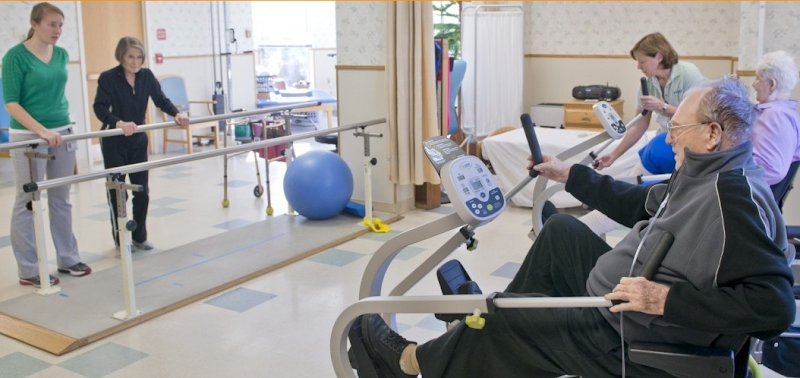
How is Beechwood Health & Rehabilitation Center Staffed?

CMS rates BEECHWOOD HEALTH & REHABILITATION CENTER's staffing level at 3 out of 5 stars, which is average compared to other nursing homes.

What Have Inspectors Found at Beechwood Health & Rehabilitation Center?

State health inspectors documented 22 deficiencies at BEECHWOOD HEALTH & REHABILITATION CENTER during 2021 to 2025. These included: 21 with potential for harm and 1 minor or isolated issues.
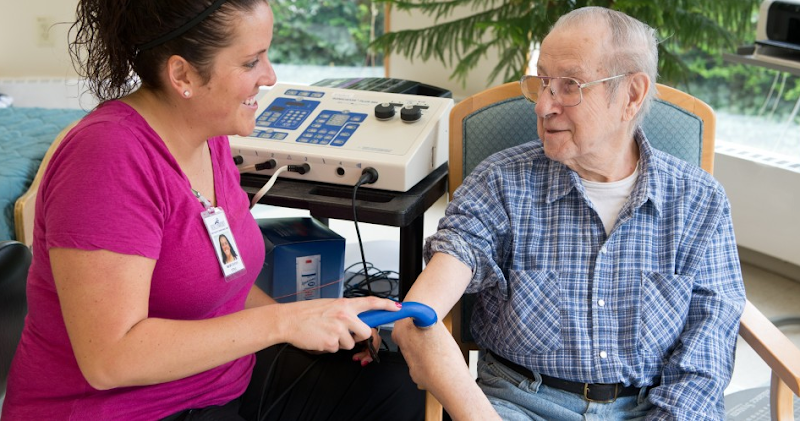
Who Owns and Operates Beechwood Health & Rehabilitation Center?

BEECHWOOD HEALTH & REHABILITATION CENTER is owned by a for-profit company. For-profit facilities operate as businesses with obligations to shareholders or private owners. The facility operates independently rather than as part of a larger chain. With 60 certified beds and approximately 56 residents (about 93% occupancy), it is a smaller facility located in NEW LONDON, Connecticut.

How Does Beechwood Health & Rehabilitation Center Compare to Other Connecticut Nursing Homes?

Compared to the 100 nursing homes in Connecticut, BEECHWOOD HEALTH & REHABILITATION CENTER's overall rating (4 stars) is above the state average of 3.0 and health inspection rating (4 stars) is above the national benchmark.

What Should Families Ask When Visiting Beechwood Health & Rehabilitation Center?

Based on this facility's data, families visiting should ask: "Can I visit during a mealtime to observe dining assistance and food quality?" "How do you handle medical emergencies, and what is your hospital transfer rate?" "Can I speak with family members of current residents about their experience?"

Is Beechwood Health & Rehabilitation Center Safe?

Based on CMS inspection data, BEECHWOOD HEALTH & REHABILITATION CENTER has a clean safety record: no substantiated abuse findings (meaning no confirmed cases of resident harm), no Immediate Jeopardy citations (the most serious violation level indicating risk of serious injury or death), and is not on the Special Focus Facility watch list (a federal program monitoring the lowest-performing 1% of nursing homes). The facility has a 4-star overall rating and ranks #1 of 100 nursing homes in Connecticut. While no facility is perfect, families should still ask about staff-to-resident ratios and recent inspection results during their visit.

Do Nurses at Beechwood Health & Rehabilitation Center Stick Around?

BEECHWOOD HEALTH & REHABILITATION CENTER has not reported staff turnover data to CMS. Staff turnover matters because consistent caregivers learn residents' individual needs, medications, and preferences. When staff frequently change, this institutional knowledge is lost. Families should ask the facility directly about their staff retention rates and average employee tenure.

Was Beechwood Health & Rehabilitation Center Ever Fined?

BEECHWOOD HEALTH & REHABILITATION CENTER has no federal fines on record. CMS issues fines when nursing homes fail to meet care standards or don't correct problems found during inspections. The absence of fines suggests the facility has either maintained compliance or corrected any issues before penalties were assessed. This is a positive indicator, though families should still review recent inspection reports for the full picture.

Is Beechwood Health & Rehabilitation Center on Any Federal Watch List?

BEECHWOOD HEALTH & REHABILITATION CENTER is not on any federal watch list. The most significant is the Special Focus Facility (SFF) program, which identifies the bottom 1% of nursing homes nationally based on persistent, serious quality problems. Not being on this list means the facility has avoided the pattern of deficiencies that triggers enhanced federal oversight. This is a positive indicator, though families should still review the facility's inspection history directly.