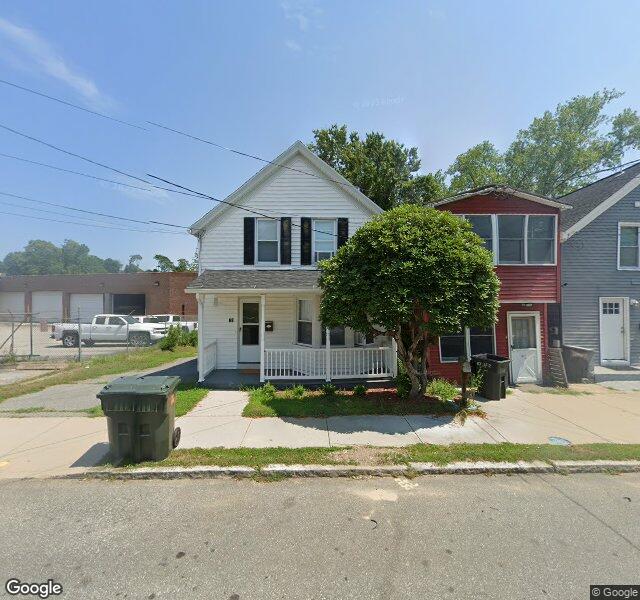
HARBOR VILLAGE NORTH HEALTH AND REHABILITATION CEN

78 VIETS ST EXTENSION, NEW LONDON, CT 06320 (860) 447-1416
For profit - Limited Liability company 128 Beds Independent Data: November 2025
Trust Grade
50/100
#129 of 192 in CT
Last Inspection: July 2024

Within standard 12-15 month inspection cycle. Federal law requires annual inspections.

Overview

Harbor Village North Health and Rehabilitation Center has a Trust Grade of C, which means it is average and in the middle of the pack among nursing homes. It ranks #129 out of 192 facilities in Connecticut, placing it in the bottom half of state facilities, and #11 out of 14 in its county, indicating limited local options. Unfortunately, the facility is showing a worsening trend, with issues increasing from 2 in 2023 to 13 in 2024. Staffing is a relative strength, earning a 4 out of 5 stars, with a turnover rate of 34%, which is below the state average. However, the facility has faced concerns, including a lack of cleanliness in the kitchen and laundry areas, and failing to notify physicians of significant changes in residents’ health conditions, which raises potential safety issues.

Trust Score
C
50/100
In Connecticut
#129/192
Bottom 33%
Safety Record
Low Risk
No red flags
Inspections
Getting Worse
2 → 13 violations
Staff Stability
○ Average
34% turnover. Near Connecticut's 48% average. Typical for the industry.
Penalties
✓ Good
No fines on record. Clean compliance history, better than most Connecticut facilities.
Skilled Nurses
○ Average
Each resident gets 37 minutes of Registered Nurse (RN) attention daily — about average for Connecticut. RNs are the most trained staff who monitor for health changes.
Violations
⚠ Watch
31 deficiencies on record. Higher than average. Multiple issues found across inspections.
★★☆☆☆
2.0
Overall Rating
★★★★☆
4.0
Staff Levels
★★★★☆
4.0
Care Quality
★★☆☆☆
2.0
Inspection Score
Stable
2023: 2 issues
2024: 13 issues

The Good

  • 4-Star Staffing Rating · Above-average nurse staffing levels
  • 4-Star Quality Measures · Strong clinical quality outcomes
  • Full Sprinkler Coverage · Fire safety systems throughout facility
  • No fines on record
  • Staff turnover below average (34%)

    14 points below Connecticut average of 48%

Facility shows strength in staffing levels, quality measures, fire safety.

The Bad

2-Star Overall Rating

Below Connecticut average (3.0)

Below average - review inspection findings carefully

Staff Turnover: 34%

12pts below Connecticut avg (46%)

Typical for the industry

The Ugly 31 deficiencies on record

Jul 2024 13 deficiencies
CONCERN (D)

Potential for Harm - no one hurt, but risky conditions existed

Resident Rights (Tag F0550)

Could have caused harm · This affected 1 resident

**NOTE- TERMS IN BRACKETS HAVE BEEN EDITED TO PROTECT CONFIDENTIALITY** Based on observation, review of facility policy, and interviews for one sampled resident (Resident #33) reviewed for dignity, th...

Read full inspector narrative →
**NOTE- TERMS IN BRACKETS HAVE BEEN EDITED TO PROTECT CONFIDENTIALITY** Based on observation, review of facility policy, and interviews for one sampled resident (Resident #33) reviewed for dignity, the facility failed to provide care and speak to the resident in a dignified manner. The findings include: Resident #33's diagnoses included unspecified dementia, personal history of traumatic brain injury, and Asperger's syndrome. The quarterly MDS assessment dated [DATE] identified Resident #33 had moderately impaired cognition, utilized a manual wheelchair, was dependent for eating, oral hygiene, toileting, bathing, personal care, and dressing. Resident #33's care plan dated 6/4/24 identified an ADL (activities of daily living) self-care performance deficit and noted the resident required assistance, had poor motivation, cognitive impairments, weakness, weakness, and kyphosis with interventions that directed: provide privacy for all care, encourage resident to assist with care, anticipate needs. Observation on 7/2/24 at 5:20 AM identified NA#1 providing morning hygiene care to Resident #33 with the door to the resident's room in the open position. The resident was lying in the bed closest to the door on his/her right side with a full-frontal view of the naked body visible from the hallway. The curtain in the room was present but not closed. Resident #33 repeated I smell the smell, four times. NA #1 replied to the resident in a frustrated manner, that's your ass (inserted Resident's #33's first name), that's your ass, that's your ass (inserted Resident #33's first name), that's your ass. This was repeated three times. NA#1 then visualized the surveyor and closed the door to the room. Interview on 7/2/24 at 6:25 AM with NA #1 identified the door should have been closed during care and he should have provided privacy and that the comment to Resident #33 just came out, and that he should not have said it to the resident and that he should have spoken to the resident with respect. Interview on 7/2/24 at 6:38 AM with LPN#1 identified privacy should always be given to the resident and if the door was not closed the curtain should have been drawn, as well as the way in which NA#1 spoke to Resident #33 was verbal abuse and it needed to be reported immediately to the supervisor. On 7/2/24 6:45 AM LPN#1 found RN#1 to make the report with Corporate Director RN#4, Administrator and surveyor present. Corporate RN #4 reported that she would immediately suspend NA#1 pending investigation, start retraining immediately, and make a report to FLIS (Facility Licensing and Investigations Section.) Interview with RN#1 on 7/2/24 at 6:55 AM identified the curtain should have been draw if the door was not closed for care of the resident, as well as an introduction should be made when you walk into the room and knocking on the door and that no matter whether the person was alert or oriented or confused NA#1 should not have spoken to the resident like that and that he should have spoken to the resident with dignity, respect and provided privacy. Review of facility policy titled Quality of Life Dignity Revised 2009 directed residents shall be treated with dignity and respect at all times. Staff shall speak respectfully to residents at all times. Staff shall promote maintain and protect resident privacy, including bodily privacy during assistance with personal care and during treatment procedures.
CONCERN (D)

Potential for Harm - no one hurt, but risky conditions existed

Deficiency F0583 (Tag F0583)

Could have caused harm · This affected 1 resident

**NOTE- TERMS IN BRACKETS HAVE BEEN EDITED TO PROTECT CONFIDENTIALITY** Based on observation, interviews, and review of facility policy for one of one sampled resident, (Resident #33) observed for per...

Read full inspector narrative →
**NOTE- TERMS IN BRACKETS HAVE BEEN EDITED TO PROTECT CONFIDENTIALITY** Based on observation, interviews, and review of facility policy for one of one sampled resident, (Resident #33) observed for personal care, the facility failed to provide privacy for the resident while receiving care. The findings include: Resident #33's diagnoses included unspecified dementia, personal history of traumatic brain injury, and Asperger's syndrome. The quarterly MDS assessment dated [DATE] identified Resident #33 had moderately impaired cognition, utilized a manual wheelchair, was dependent for eating, oral hygiene, toileting, bathing, personal care and dressing. Resident #33's care plan dated 6/4/24 identified an ADL (activities of daily living) self-care performance deficit and noted the resident required assist for thoroughness, had poor motivation, cognitive impairments, weakness, impaired gait, weakness and kyphosis. Care plan interventions directed: one for care if in bed, provide privacy for all care, encourage resident to assist with care, anticipate needs. Observation on 7/2/24 at 5:20 AM NA#1 was providing morning hygiene care to Resident #33. The door was open, and the resident was lying in the bed closest to the door on his/her right side with a full-frontal view of the naked body visible from the hallway. The curtain in the room was present but not closed. Resident #33 repeated I smell the smell, four times. NA #1 replied to the resident in a frustrated manner, that's your ass (inserted Resident's #33's first name), that's your ass, that's your ass (inserted Resident #33's first name), that's your ass. This was repeated three times. NA#1 then visualized the surveyor and closed the door to the room. Interview on 7/2/24 at 6:25 AM with NA #1 identified the door should have been closed during care and he should have provided privacy, and the curtain should have been drawn if the door was not closed. Interview on 7/2/24 at 6:38 AM with LPN#1 identified privacy should always be given to the resident and if the door was not closed the curtain should have been drawn, and it needed to be reported immediately to the supervisor. Interview with RN#1 on 7/2/24 at 6:55 AM identified the curtain should have been draw if the door was not closed for care of the resident, as well as an introduction should be made when you walk into the room and knocking on the door and that no matter whether the person was alert, or oriented or confused NA#1 should have provided privacy. Review of facility policy titled Quality of Life Dignity Revised 2009 directed staff shall promote maintain and protect resident privacy, including bodily privacy during assistance with personal care and during treatment procedures.
CONCERN (D)

Potential for Harm - no one hurt, but risky conditions existed

Quality of Care (Tag F0684)

Could have caused harm · This affected 1 resident

**NOTE- TERMS IN BRACKETS HAVE BEEN EDITED TO PROTECT CONFIDENTIALITY** Based on clinical record review, facility documentation review, facility policy review, and interviews for two of three resident...

Read full inspector narrative →
**NOTE- TERMS IN BRACKETS HAVE BEEN EDITED TO PROTECT CONFIDENTIALITY** Based on clinical record review, facility documentation review, facility policy review, and interviews for two of three residents (Resident #16 and Resident #43) reviewed for change in condition and change in weight, the facility failed to consistently monitor and assess residents for worsening health condition and failed to assess a significant weight gain. The findings include: 1. Resident #16 's diagnoses included chronic anemia secondary to blood loss, cirrhosis of the liver, chronic kidney disease, gastroesophageal reflux disease (GERD), abdominal hernia, atrial fibrillation, heart failure, and congenital malformation of heart. The quarterly MDS assessment dated [DATE] identified Resident #16 had no cognitive impairments, required limited assistance for toileting, dressing, and hygiene, was independent with bed mobility, transfers, and was ambulatory with a rolling walker. The care plan dated 6/8/24 identified Resident #16 had a gastro-intestinal problem related to abdominal hernia and GERD. Care plan interventions directed to observe and document Gastro-Intestinal (GI) condition and frequency, duration, aggravating and/or alleviating factors, treat GI symptoms, administer medications as ordered, report to the physician when there is a change of condition, and follow diet as prescribed. The nurse's note dated 6/24/24 at 9:48 PM identified Resident #16 complained of generalized abdominal pain, refused pain medication when first offered and vomited a tiny amount of liquid. The note further identified Resident #16 accepted Tramadol 50 mg (analgesic pain medication) at 9:53 PM. Additionally the note identified the medication was effective. APRN #1's progress note dated 6/25/24 identified Resident #16 was evaluated related to an acute onset of nausea and vomiting with decreased appetite. The assessment identified Resident #16 denied abdominal pain, diarrhea and/or constipation, and did not have a fever or chills. The note further identified Resident #16 vomited undigested food three times, APRN #1 ordered an abdominal KUB (Kidney, Ureter, and Bladder) x-ray, abdominal ultrasound (diagnostic imaging to visualize organ), and nothing by mouth after midnight in preparation for the abdominal ultrasound scheduled for the following day. Further, the note identified that APRN #1 also ordered a clear liquid diet, to monitor bowel movements and abdominal assessment every shift for nausea/vomiting for 2 days, and Zofran 4 mg (anti-emetic medication) by mouth every 4 hours as needed for nausea/vomiting, encourage oral hydration, obtain CBC (Complete Blood Count) and CMP (Comprehensive Metabolic Panel), and monitor for signs and symptoms of infection, bleeding or worsening conditions The nurse's note dated 6/25/24 at 3:15 PM identified Resident #16 was alert, oriented, tolerated medications, and took fluids. It further noted Resident #16 had an episode of vomiting at approximately 7:15 AM and was administered Zofran 4 mg by mouth with good effect and no further vomiting was noted. Resident #16 did not express complaints of pain. The nurse's note dated 6/25/24 at 3:25 PM written by RN#2 (7-3 shift nursing supervisor) identified Resident #16 had nausea/vomiting at breakfast time. APRN #1 was made aware and new orders were obtained and directed to start a clear liquid diet, monitor bowel movements and perform abdominal assessments, abdomen KUB x-ray, abdomen ultrasound, Zofran 4mg as needed and it was administered with good effect. No further vomiting was noted for the remainder of the shift. The nurse's note dated 6/25/24 for the 3-11 shift failed to identify that an abdominal assessment was completed as ordered. The note also did not identify whether or not the resident had any of the following: signs and symptoms of infection, bleeding and/or worsening symptoms. The nurse's note dated 6/26/24 at 7:47 AM written by RN #1 identified Resident #16 vomited a small amount of bile yellow/green emesis at approximately 12:00 AM; Zofran 4 mg was administered with good effect. The note further identified Resident #16 was pale, complained of abdominal pain upon palpation, noted a large mass, firmness and tenderness to the left lower quadrant, bowel sounds positive in all four quadrants. In addition, the note identified Resident #16 had had a large bowel movement on 6/24/24, did not have a fever. The nurse's note dated 6/26/24 at 10:20 AM written by RN#2 identified Resident #16 was on a clear liquid diet, alert/oriented with no mental changes, no signs and symptoms of cardiopulmonary distress. It further identified Resident #16 complained of abdominal discomfort and nausea. The abdomen KUB x-ray was obtained, and the result was negative, APRN #1 was updated with the results. The ultrasound technician arrived at the facility at 10:10 AM to do the abdominal ultrasound to rule out hernia. Resident #16's bowel sound were positive, and no signs of rebound tenderness was noted. The nurse's note dated 6/26/24 at 2:40 PM written by LPN #3 identified Resident #16 was arousable in the morning and continued with nothing by mouth until the abdominal ultrasound was obtained. Resident #16 had a fever of 100.9 degrees Fahrenheit in the morning, Tylenol (anti-reducer fever medication) was administered and Resident #16's body temperature reduced to 98.7 degrees Fahrenheit. The note further identified the resident's white blood cell count (WBC) was elevated and intravenous (IV) fluid of dextrose-sodium chloride (NACL) 5-0.45 for hydration was ordered and infused at 75 milliliters (ml) per hour to the left forearm. Further, Resident #16 was clammy with cold sweats and oxygen saturation was 87 percent (normal range is 95% to 100%) oxygen at 2 liters per minute via nasal cannula was administered. Resident #16 had no appetite, did not eat lunch but accepted 240 milliliters of apple juice. No nausea and vomiting, heart rate slightly elevated at 112 per minute prior administering medication, APRN #1 made aware of the findings. APRN #1's progress note dated 6/26/24 identified Resident #16 was seen for follow-up related to nausea/vomiting and decreased appetite. The note further identified Resident #16 was tolerating the clear liquid diet, denied abdominal pain, diarrhea or constipation. The abdominal KUB and abdominal ultrasound were unremarkable. The nursing staff was updated with treatment plan and to monitor loosely for any changes in condition. Resident #16 had a poor appetite and slight acute kidney injury. APRN #1 ordered IV for hydration. change IV site every 72 hours, change IV dressing with each site change and as needed, to administered dextrose-NACL solution 5-0.45 percent at 75 milliliters(ml) per hour via IV every shift for elevated BUN for 3 days, monitor vital sign every 4 hours for GI distress for 2 day. The nurse's note dated 6/26/24 at 7:28 PM identified Resident #16 was alert to self, had shortness of breath, labored breathing and was on oxygen at 2 liters via nasal cannula. It further noted Resident #16 had complaints of pain and discomfort, had active bowel sounds in all quadrants, a low-grade fever of 100.6 and Tylenol 650 mg was administered. Further, the RN supervisor was called to assess the changes in Resident #16's condition. Review of the clinical record failed to identify an RN assessment of Resident #16's worsening condition related to the new onset of altered mental condition, shortness of breath and labored breathing. There was also no documentation identifying that APRN #1 was notified of the changes in the resident's condition. The nurse's note dated 6/26/24 at 8:03 PM written by RN #4 (3-11 nursing supervisor) identified Resident #16 pulled out his/her peripheral IV. RN#4 replaced with 22 gauge in the left lower arm and resumed the dextrose-NACL solution 5-0.45 percent infusing at this time at 75 ml per hour to the left lower arm. The nurse's note dated 6/27/24 at 1:00 AM written by RN#1 (11-7 shift nursing supervisor) identified Resident #16 was pale and jaundice with open mouth labored breathing, and unresponsiveness. Resident #16 was placed on a non-rebreather mask with oxygen set at 10 liter per minute and the head of bed was elevated at 90 degrees. Resident #16's oxygen saturation was 85 percent, skin was cool and clammy, and the dextrose-NACL 5-0.45 percent was infusing at 75 ml per hour to the left lower forearm. Resident #16 had started to vomit black liquid emesis and was suction to clear the airway, the radial pulse was thready and weak at 40 beats per minute, and respirations were at 10 beats per minute. 911 emergency service was called and arrived at approximately 1:15 AM and Resident #16 was transferred to the hospital. Interview with LPN #3 (charge nurse for 7-3 shift) on 7/2/24 at 1:00 PM identified Resident #16 was not feeling well and had been vomiting. On 6/26/24 during her morning shift, Resident #16 had a fever of 100.9, heart rate slightly elevated at 112, oxygen saturation down to 87% on room air and appeared cool and sweaty. Tylenol was administered and the temperature went down. In addition, she applied Oxygen at 2 liters per minute. She also identified that Resident #16 had no appetite, but he/she was able to drink 240 ml of apple juice. She identified that the abdominal KUB x-ray was negative and was scheduled for an abdominal ultrasound that morning. She further identified that RN# 2 and APRN #1 were made aware of the finding. She also identified that Resident #16 had a new order for dextrose-NACL 5-0.45 percent IV fluid at 75 ml per hour that she already had started. Interview with RN #2 (7-3 shift nursing supervisor) on 7/2/24 at 1:20PM identified she was responsible for assessing resident for new change of condition. She identified that she was aware of Resident #16's nausea and vomiting that had started during the 3-11 shift on 6/24/24. She also identified that APRN #1 had assessed Resident #16 for nausea and vomiting and Resident #16 had received a medical work-up. She identified that the APRN #1 order abdominal KUB x-ray, abdominal ultrasound, labs for CBC, CMP, Zofran 4 mg by mouth as needed every 4 hour for nausea/vomiting, monitoring for bowel movements and abdominal assessment every shift. She further identified that the abdominal KUB x-ray and abdominal ultrasound were negative, and the WBC was slightly elevated. She identified that when she started at the facility 6 months ago, she used to read the 24-hour report and was also receiving a shift-to-shift verbal report; however, after the former DNS started in the facility, he took over the reading of the 24-hour report summary. Interview with LPN #6 (3-11 charge nurse) on 7/3/24 at 9:30 AM identified he received a report that Resident #16 was not feeling well and was receiving IV fluids. He also identified that Resident #16 had a fever of 100.7 and respirations of 21 that were noted to be labored with mouth breathing. Resident #16 was only alert to self, but his/her baseline mentation was alert/oriented to person, place, and time. He also noted that Resident #16 was sleeping throughout for 3-11 shift, but he/she would open his/her eyes when called upon. He notified RN #4 (3-11 shift supervisor) and made him aware of Resident #16's fever, mouth and labored breathing and his/her altered mentation. Interview and clinical record review with the ADNS on 7/3/24 at 11:15 AM identified that the RN would be responsible for assessing residents when there is a change in condition. She would expect the RN to immediately assess and document in the nursing progress note and/or in the Situation, Background, Assessment, and Recommendation (SBAR) form. She identified that she was aware Resident #16 was not feeling well and had nausea and vomiting. Upon clinical review of nursing notes written on 6/24/24 (new onset of vomiting), she identified the RN did not write a complete assessment. The nurse should have written a complete assessment to identify whether it was due to her chronic condition or acute condition and notified the physician immediately when it was acute. She also expected the resident condition to be monitored at least every shift or more when needed until the symptoms had resolved. She also identified that Resident #16 had multiple co-morbidities that placed the resident at high risk for acute illness. She further identified that Resident #16 had an abdominal KUB x-ray and abdominal ultrasound which were all negative and received IV fluids during his/her acute illness and she felt that the facility did everything they could to monitor the resident. Interview with APRN #1 on 7/3/24 at 11:45 AM identified that Resident #16 had extensive medical history which included Barrett's esophagus, colon polyps (non-cancerous), chronic constipation, chronic anemia, congenital heart defect and heart failure. She identified that Resident #16 vomited undigested food x 3 episodes during her initial visit with the resident. Her plan of care was to order an abdominal KUB x-ray, abdominal ultrasound, labs CBC, CMP, monitor for bowel movement and serial abdominal assessments. She identified that the abdominal KUB x-ray and abdominal ultra sound were unremarkable, and the WBC was slightly elevated. APRN #1 identified that she was also aware of Resident #16's bilious yellow/green vomit, low grade fever, oxygen desaturation, and elevated heart rate. After receiving these results, APRN #1 decided not to escalate the care and continued to monitor the resident condition within the facility. Review of the clinical record failed to identify an RN assessment of Resident #16's worsening condition related to the new onset of altered mental condition, shortness of breath and labored breathing on 6/26/24 on the 3:00 to 11:00 PM shift. There was also no documentation identifying that APRN #1 was notified of the changes in the resident's condition prior to the resident being sent to the hospital emergently on 6/27/24 on the 11-7AM shift. The resident expired at the hospital. Interview and medical diagnoses review with MD#1 (medical director) on 7/3/24 at 12:10 PM identified Resident #16 had multiple co-morbid medical diagnoses that put the resident at high risk for sudden death. He identified that he was notified of the sudden death of Resident #16 the following morning when he was at the facility. MD#1 also identified that if he had witnessed the onset of the resident's new signs/symptoms of fever, oxygen desaturation, SOB/labored breathing and elevated heart rate, despite the negative abdominal KUB and ultrasound, he would have sent the resident out to the hospital at the time because there currently was no known cause of the resident's condition. MD#1 could not identify whether the outcome would be different because of Resident #16's medical co-morbid diagnoses. He identified that he would not have continued to monitor the resident's condition in the facility when the resident continued to develop new symptoms. He further identified that he was not notified when Resident #16' clinical condition worsened. Interview with RN #3 (11-7 shift nursing supervisor) on 7/3/24 at 2:30 PM identified Resident #16 was not feeling well and had episodes of nausea/vomiting. She identified that Resident #16 had vomited a small amount of yellow/green emesis on 6/25/24 and on abdominal exam had pain upon palpation, a large umbilical hernia and a large mass-like firmness of left lower quadrant. Resident #16 had positive bowel sounds to all quadrants. She did not call the physician when she noted yellow/green emesis and abnormal abdominal and identified it was because this was not a new change in the resident's condition. She was already aware that Resident #16 had been vomiting and the abdominal KUB was negative. She identified there already was an order for Zofran 4 mg in place for that specific reason and she administered the Zofran 4 mg with good effect. Resident #16 also had an abdominal ultrasound scheduled for the morning of 6/26/24. The APRN #1 was already aware of the resident's nausea and vomiting. On 6/27/24, she identified that she assessed Resident #16 at approximately 12:30 AM and noted Resident #16 was sleeping but arousable, the head of the bed was elevated at 90 degrees, and he/she was visibly not in respiratory distress. The skin was pale and yellow and his/her oxygen saturation at 91% at 3 L/min via nasal cannula. RN #3 identified that the yellow skin color was not Resident #16's baseline skin color. She could not provide a reason why she did not call the physician when she noted the skin color change of Resident #16. She further identified that at 1:00 AM she was called into Resident #16's room because he/she had labored breathing. RN #3 noted Resident #16 was unresponsive with jaundiced pale, cool and clammy skin and open mouth labored breathing. The crash cart, AED and oxygen was obtained. She put Resident #16 on a non-rebreather mask set at 10 L/min. She also noted that Resident #16 had vomited black emesis and started to suction the resident to clear the airway. 911 emergency response was called and arrived at the facility at approximately 1:15 AM and took over the resident's care. She further identified that she did not need to administer CPR because Resident #16 continued to have a pulse and shallow breathing. Interview with RN #4 (3-11 shift supervisor) on 7/3/24 at 3:30 PM identified Resident #16 was not feeling well, had nausea and vomiting and aware he need to monitor resident's condition and assessed resident abdomen. He identified that he last saw the resident at approximately 6:30 PM in the room with the HOB elevated. He identified that Resident #16 had pulled the IV line out and he started a new IV line and resumed the dextrose-NACL 5-0.45 percent at 75 ml per hour. He also identified that he was aware of Resident #16's low grade fever, but he was not aware of the SOB and labored mouth breathing of the resident. He identified that he did not do the physical assessment of the resident, but only visually observed the resident and did not note any respiratory distress. He further identified that he should have done a physical assessment of the condition of the resident rather than only visually observing. The Change in a Resident's Condition or Status policy identified that the facility would promptly notify the resident's, attending physician and representatives of the changes in the resident's condition. The policy also identified that the prior to notifying the physician, the nurse would make a detailed observations and gather relevant pertinent information for the provider. 2. Resident #43's diagnoses included congestive heart failure (CHF), diabetes, and dementia. A physician's order dated 10/28/23 directed obtain weekly weights for four weeks then monthly. The Quarterly Minimum Data Set (MDS) assessment dated [DATE] identified Resident #43 was severely cognitively impaired, required moderate assistance with eating and extensive assistance of 2 persons with transfers and toileting. The Resident Care Plan (RCP) dated 11/2/23 identified Resident #43 with Congestive Heart Failure. Interventions included diuretic use (Lasix), fluid restrictions, lab work as ordered, monitoring, documenting, and reporting to the provider any signs and symptoms of CHF such as dependent edema of legs and feet, periorbital edema, shortness of breath upon exertion and weight gain unrelated to intake. Review of Resident #43's documented weights from 10/28/24 to 6/5/24 identified the following weights: 10/31/2023 165.8 Lbs., 11/1/2023 165.8 lbs., 11/2/2023 160.0 Lbs., 11/9/2023 161.2 Lbs., 11/23/2023 196.3 lbs., 12/1/2023 197.4 Lbs., 1/26/2024 196.5 lbs., 1/26/2024 196.5 Lbs., 2/1/2024 171.0 Lbs., 3/1/2024 168.5 Lbs., 3/5/2024 167.3 Lbs., 4/1/2024 167.2 lbs., 5/1/2024 168.5 Lbs., 5/5/2024 169.1 Lbs. and 6/5/2024 165.2 Lbs. Review of documented weights in Medical Administration Record (MAR) identified the following weights; 1/25/24 197.4 Lbs. and 1/29/24 196.5 Lbs. Review of Resident # 43's clinical record identified that he/she gained 35.1 Lbs. between 11/9/2023 (161.2 Lbs.) and 11/23/2023 (196.3 Lbs.). Further review of clinical record failed to identify that Resident #43 was reassessed by the provider after a significant weigh gain of 35.1 Lbs. on 11/23/23. Resident #43 was not reassessed by the provider until 2/9/24. An interview with APRN #1 on 7/2/24 at 1:00 PM identified that monitoring of weights was required for Resident #43 due to CHF concerns to monitor for signs of fluid overload. APRN #1 stated that even though she was not employed at the facility at that time, Resident #43 should have been physically reassessed by the provider after significant weight gain, but the physician was not notified. An interview and record review with LPN #3 on 7/3/24 at 9:50 AM failed to identify that Resident #43 was reassessed by licensed personnel after significant weight gain. Interview and clinical record review with the Dietician on 7/03/24 at 12:30 PM identified that there was potential need for the doctor to address Resident #43's weight gain due to CHF concerns, but the physician was not notified or Resident #43's weight gain discussed in risk meetings until after 1/25/24. Interview with MD#1 on 7/3/24 at 12:30 identified he would have physically reassessed the Resident#43 to determine the cause of weight gain had he been notified on 11/23/2023. In addition, MD #1 identified that weight gain could have contributed to patient's lower leg edema that was reported in clinical record on 1/15/24. Review of facility's Resident change in condition/Notification of change, identified in part, that resident's change in condition will be reported immediately to the Unit Manager or shift Nursing Supervisor. The licensed nurse will assess the resident for signs and symptoms of physical or mental change in condition. If the change in condition is non-emergent the licensed nurse will complete a progress note. Notification of the physician and family will be documented in the progress note and each condition documented on 24-hour report.
CONCERN (D)

Potential for Harm - no one hurt, but risky conditions existed

Drug Regimen Review (Tag F0756)

Could have caused harm · This affected 1 resident

**NOTE- TERMS IN BRACKETS HAVE BEEN EDITED TO PROTECT CONFIDENTIALITY** Based on clinical record review, review of facility policy and interviews for two of five sampled residents (Residents #14 & #33...

Read full inspector narrative →
**NOTE- TERMS IN BRACKETS HAVE BEEN EDITED TO PROTECT CONFIDENTIALITY** Based on clinical record review, review of facility policy and interviews for two of five sampled residents (Residents #14 & #33) reviewed for unnecessary medication, the facility failed to implement pharmacy review recommendations. The findings include: 1. Resident #14's diagnoses included gastro-esophageal reflux disease (GERD), bipolar disorder, and chronic obstructive pulmonary disease (COPD). The admission MDS assessment dated [DATE] identified Resident #14 had intact cognition, independent with toileting hygiene, bed mobility, required supervision with personal hygiene, and utilized a walker. Resident #14's care plan dated 10/31/23 identified Resident #14 utilized pain medication and psychotropic medication with interventions that included observing for potential or possible side effects such as constipation and diarrhea. The physician's order from December 2023 through July 2024 directed Miralax oral packet (Polyethylene Glycol 3350) to give one packet by mouth as needed for constipation. Review of the clinical record and pharmacy notes identified that the pharmacist made recommendations for the following dates: 12/13/23, 1/17/24, 2/14/24, and 3/20/24 identified that the medication regimen was reviewed by the pharmacist and recommendations were made. Review of the pharmacy recommendation obtained from the pharmacist, dated 12/13/2023 identified to clarify Resident #14's as needed (PRN) Miralax order to include a frequency, which the physician/prescriber response section was not completed as to indicate whether they agreed, disagreed or other. Another pharmacy recommendation obtained from a stack of pharmacy recommendation sheets provided by the facility dated 3/20/24 identified to clarify Resident #14's as needed (PRN) Miralax order to include a frequency in which the physician/prescriber response section was completed by APRN #1, which identified a response of agreement with her signature. Review of physician's orders between 12/1/23 to 7/2/24 failed to identify an order for Miralax that clarified the frequency of which the medication should be administered following the pharmacy recommendation and the providers agreement. Interview on 7/2/24 at 1:26 PM with Pharmacy Consultant #1 identified she would email the recommendations to the DNS and ADNS for them to follow up on, but as of last month she now emails them to the now DNS (former ADNS) and the APRN. A report would be provided for the facility indicating which recommendations were still pending, as well as would be discussed at meetings, and a report would be generated to the facility indicating which items had been followed up on and which were outstanding. The Pharmacy Consultant #1 identified she would review the resident's orders to check if a recommendation that was made previously were addressed and if it wasn't, she would add the recommendation again and make a note as the facility had 30 days to act upon the recommendation. Interview with the ADNS on 7/2/24 at 2:07 PM indicated they are now (within the past few weeks) emailing the recommendations to the APRN, (APRN #1) to cut out the [NAME], as in the past they were emailed to her and the DNS, and the DNS oversaw them. Interview with APRN #1 on 7/2/24 at 2:31 PM identified she started in February of 2023, and the then DNS would give the pharmacy recommendations to the APRN to address. APRN #1 added that she would input the orders herself as they were to be addressed by the 15th of the month. APRN #1 identified that it was her signature on Resident 14's pharmacy recommendation sheet dated 3/20/24 and the order got missed by her as she typically input the orders in the electronic medical record system. She added that she would sign and return the pharmacy recommendation to the DNS, and they would forward it back to the pharmacy that they were addressed. APRN #1 added that Miralax is typically administered daily and if given more than the prescribed frequency it could result in the resident having diarrhea. Review of the facility policy titled Medication Monitoring Medication Regimen Review and Reporting dated 1/24 directed the findings of the Medication Regimen Reviews (MRR) to be communicated to the director of nursing or designee and the medical direction. These findings are documented and filed with the other consultant pharmacist recommendations in the resident's chart. Resident-specific MRR recommendations and findings are documented and acted upon by the nursing care center and/or the physician. The nursing care center follows up on the recommendations to verify that appropriate action has been taken. Recommendations should be acted upon within 30 calendar days or per facility specific protocols. For those issues that require physician intervention, the attending physician either accepts and acts upon the report and recommendation or rejects all or some of the report and should document his or her rationale of why the recommendation is rejected in the resident's medical record. 2. Resident #33's diagnoses included unspecified dementia, unspecified psychosis not due to a substance or known physiological condition, and Asperger's syndrome. The annual MDS assessment dated [DATE] identified Resident #33 had moderately impaired cognition, utilized a manual wheelchair, was dependent for eating, oral hygiene, toileting, bathing, personal care and dressing. Resident #33's care plan dated 3/20/24 indicated resident utilized Psychotropic medications. Care plan interventions directed: ortho bp's as ordered, administer medications as ordered. Observe/document for side effects and effectiveness. Review of the pharmacy recommendation dated 3/21/24 indicated: Resident #33 had an order for Seroquel which may cause orthostatic hypotension. Please monitor orthostatic BP weekly x 4 weeks and then monthly thereafter. With a Physician/Prescriber response of AGREE signed and dated 3/15/24. Review of the pharmacy recommendation dated 5/16/24 indicated: Resident #33 had an order for Seroquel which may cause orthostatic hypotension. Please monitor orthostatic BP weekly x 4 weeks and then monthly thereafter. With a Physician/Prescriber response of AGREE signed and dated 6/10/24. Review of Resident #33's vitals reviewed between the time of 3/21/24 and 6/30/24 failed to identify any orthostatic blood pressures were taken. Review of physician's orders between 3/1/24 to 6/30/24 failed to identify an order for orthostatic BP's were put into place following the pharmacy recommendation and the providers agreement. Interview on 7/2/24 at 1:26 PM with Pharmacy Consultant #1 identified she would email the recommendations to the DNS and ADNS for them to follow up on and as of last month she now emails them to the now DNS (former ADNS) and the APRN. A report would be provided to the facility indicating which recommendations were still pending, as well as for the monthly meetings a report would be generated to the facility indicating which items had been followed up on and which were outstanding. Interview with the ADNS on 7/2/24 at 2:07 PM indicated they are now (within the past few weeks) emailing the recommendations to the APRN to cut out the [NAME]. In the past they were emailed to her and the DNS, and the DNS was in charge of them. They are part of the medical chart and should be kept in the chart, however, were provided to the survey team from a stack that was kept outside of the medical chart. Interview with APRN #1 on 7/2/24 at 2:31 PM identified she started in February of 2023, and the DNS would give the recommendation for the APRN to address, and she would put the order in or the DNS would offer to put the order in. They would have to be addressed by the 15th of the month. The recommendation may have been missed by her, however in April the DNS offered to put the order in the computer as they were back logged, I would sign and then give them back. Once it was signed it would be returned to the DNS and they would forward it back to the pharmacy that it was addressed. Review of the facility policy titled Medication Monitoring Medication Regimen Review and Reporting dated 1/24 directed the findings of the Medication Regimen Reviews (MRR) to be communicated to the director of nursing or designee and the medical direction. These findings are documented and filed with the other consultant pharmacist recommendations in the resident's chart. Resident-specific MRR recommendations and findings are documented and acted upon by the nursing care center and/or the physician. The nursing care center follows up on the recommendations to verify that appropriate action has been taken. Recommendations should be acted upon within 30 calendar days or per facility specific protocols. For those issues that require physician intervention, the attending physician either accepts and acts upon the report and recommendation or rejects all or some of the report and should document his or her rationale of why the recommendation is rejected in the resident's medical record.
CONCERN (D)

Potential for Harm - no one hurt, but risky conditions existed

Unnecessary Medications (Tag F0759)

Could have caused harm · This affected 1 resident

**NOTE- TERMS IN BRACKETS HAVE BEEN EDITED TO PROTECT CONFIDENTIALITY** Based on observation, review of the clinical record, facility policy, and interview for one of two sampled residents (Resident #...

Read full inspector narrative →
**NOTE- TERMS IN BRACKETS HAVE BEEN EDITED TO PROTECT CONFIDENTIALITY** Based on observation, review of the clinical record, facility policy, and interview for one of two sampled residents (Resident #111) reviewed for Medication Administration, the facility failed to ensure a medication error rate of less than 5%. The findings include: Resident #111's diagnoses included hypertension, depression, repeated falls, and anxiety. The Minimum Data Set (MDS) assessment dated [DATE] identified that Resident # 111 was severely cognitively impaired, required moderate assistance for personal hygiene, bed mobility and transfers and supervision assistance with eating. Physician's order in effect on 7/1/24 directed to give oral chewable Aspirin enteric coated (EC) 81mg, 1 tablet by mouth one time a day for blood thinner, Bupropion Hydrochloride (HCl) extended release (ER) 150mg, 1 tablet by mouth one time a day for depressive episodes and Metoprolol succinate ER Tartrate 25 mg, I tablet by mouth one time a day for hypertension, (HTN, blood pressure). Observation of medication preparation for Resident #111 on 7/1/24 at 11:30 AM, with LPN #2 identified he/she dispensed scheduled medications and crushed all the medications together and mixed in apple sauce to administer to Resident #111. LPN #2 entered Resident #111's room to administer the medication but was interrupted by the surveyor. Review of the pharmacy directions on the medication instructions with LPN #2 on 7/1/24 at 11:37 AM directed not to crush or chew the EC and/or the ER medications. Review of the Medication Administration Record with LPN #2 identified orders for Aspirin enteric coated (EC), Bupropion HCL ER and Metoprolol Succinate ER medications. Interview with the LPN #2 on 7/1/24 at 11:40 identified she should have read the directions fully on the medication administration record and instructions on the medication label prior to mixing and crushing the medications. LPN #2 indicated that she is not the regular nurse for that specific unit and that she was nervous hence failed to correctly follow medication administration instructions. Interview with the RN Nursing Supervisor (RN#2) on 7/1/24 at 11:53 AM, identified that administration orders should have been followed while administering medications. Interview with the Pharmacy Consultant on 7/2/24 at 8:45 AM, identified that Enteric coated medications and extended-release medications are designed to be released for an extended period. He/she further stated if Metoprolol ER is crushed it will be released faster in a short period and therefore will lower blood pressure faster, if Aspirin EC is crushed, it will cause irritation to the stomach and that bupropion HCl ER will be released faster. The total facility medication error rate was 12%. The facility policy for Medication Administration directed, in part, that medications must be administered in accordance with the orders including any time frame and facility staff administering the medication should check the label 3 times to verify the right resident, right medication, right dose, right time and right method (route) of administration before giving the medication.
CONCERN (E)

Potential for Harm - no one hurt, but risky conditions existed

Notification of Changes (Tag F0580)

Could have caused harm · This affected multiple residents

**NOTE- TERMS IN BRACKETS HAVE BEEN EDITED TO PROTECT CONFIDENTIALITY** Based on clinical record review, facility documentation review, facility policy review, and interviews for two of three sampled ...

Read full inspector narrative →
**NOTE- TERMS IN BRACKETS HAVE BEEN EDITED TO PROTECT CONFIDENTIALITY** Based on clinical record review, facility documentation review, facility policy review, and interviews for two of three sampled residents (Resident #16 and Resident #43) reviewed for significant change in condition, the facility failed to notify the physician when the residents experienced a significant changes in condition. The findings include: 1. Resident #16 's diagnoses included chronic anemia secondary to blood loss, cirrhosis of the liver, chronic kidney disease, gastroesophageal reflux disease (GERD), abdominal hernia, atrial fibrillation, heart failure, and congenital malformation of heart. The quarterly MDS assessment dated [DATE] identified Resident #16 was cognitively intact, required limited assistance for toileting, dressing, and hygiene, was independent with bed mobility, transfers, and was ambulatory with a rolling walker. The care plan dated 6/8/24 identified Resident #16 had a gastro-intestinal problem related to an abdominal hernia and GERD. Care plan interventions directed to observe and document gastro-intestinal (GI) condition and frequency, duration, aggravating and/or alleviating factors, treat GI symptoms, administer medications as ordered, report to the physician when there is a change of condition, and follow diet as prescribed. The nurse's note dated 6/24/24 at 9:48 PM identified Resident #16 complained of generalized abdominal pain, refused pain medication when first offered and vomited a tiny amount of liquid. The note further identified Resident #16 accepted Tramadol 50 mg (analgesic pain medication) at 9:53 PM. APRN #1's progress note dated 6/25/24 identified Resident #16 was evaluated related to an acute onset of nausea and vomiting with decreased appetite. The assessment identified Resident #16 denied abdominal pain, diarrhea and/or constipation, and did not have a fever or chills. The note further identified Resident #16 vomited undigested food three times, APRN #1 ordered an abdominal KUB (Kidney, Ureter, and Bladder) x-ray, abdominal ultrasound (diagnostic imaging to visualize organ), and nothing by mouth after midnight in preparation for the abdominal ultrasound scheduled for the following day. Further, the note identified that APRN #1 also ordered a clear liquid diet, monitor bowel movements and abdominal assessment every shift for nausea/vomiting for 2 days, and Zofran 4 mg (anti-emetic medication) by mouth every 4 hours as needed for nausea/vomiting, encourage oral hydration, obtain CBC (Complete Blood Count) and CMP (Comprehensive Metabolic Panel), and monitor for signs and symptoms of infection, bleeding or worsening conditions. The nurse's note dated 6/25/24 for the 3-11 shift failed to identify that an abdominal assessment was completed as ordered. The note also did not identify whether or not the resident had any of the following: signs and symptoms of infection, bleeding and/or worsening symptoms. The nurse's note dated 6/26/24 at 7:47 AM written by RN #1 identified Resident #16 vomited a small amount of bile yellow/green emesis at approximately 12:00 AM; Zofran 4 mg was administered with good effect. The note further identified Resident #16 was pale, complained of abdominal pain upon palpation, noted a large mass, firmness and tenderness to the left lower quadrant, bowel sounds positive in all four quadrants. In addition, the note identified Resident #16 had had a large bowel movement on 6/24/24 and did not have a fever. The nurse's note dated 6/26/24 at 10:20 AM written by RN #2 identified Resident #16 was on a clear liquid diet, alert/oriented with no mental changes, no signs and symptoms of cardiopulmonary distress. It further identified Resident #16 complained of abdominal discomfort and nausea. The KUB x-ray was obtained, and the result was negative, APRN #1 was updated with the results. The ultrasound technician arrived at the facility at 10:10 AM to do the abdominal ultrasound to rule out hernia. Resident #16's bowel sounds were positive, and no signs of rebound tenderness was noted. The nurse's note dated 6/26/24 at 2:40 PM written by LPN #3 identified Resident #16 had a fever of 100.9 degrees Fahrenheit in the morning, Tylenol (anti-reducer fever medication) was administered and Resident #16's body temperature reduced to 98.7 degrees Fahrenheit. The note further identified the resident's white blood cell count (WBC) was elevated and intravenous (IV) fluid of dextrose-sodium chloride (NACL) 5-0.45 for hydration was ordered and infused at 75 milliliters (ml) per hour to the left forearm. Further, Resident #16 was clammy with cold sweats and oxygen saturation was 87 percent (normal range is 95% to 100%) oxygen at 2 liters per minute via nasal cannula was administered. Resident #16 had no appetite, did not eat lunch but accepted 240 milliliters of apple juice. No nausea and vomiting, heart rate slightly elevated at 112 per minute prior administering medication, APRN #1 made aware of the findings. APRN #1's progress note dated 6/26/24 identified Resident #16 was seen for follow-up related to nausea/vomiting and decreased appetite. The note further identified Resident #16 was tolerating the clear liquid diet, denied abdominal pain, diarrhea or constipation. The abdominal KUB and abdominal ultrasound were unremarkable. The nursing staff was updated with treatment plan and to monitor loosely for any changes in condition. Resident #16 had a poor appetite and slight acute kidney injury. APRN #1 ordered IV for hydration. change IV site every 72 hours, change IV dressing with each site change and as needed, to administer dextrose-NACL solution 5-0.45 percent at 75 milliliters(ml) per hour via IV every shift for elevated BUN for 3 days, monitor vital sign every 4 hours for GI distress for 2 day. The nurse's note dated 6/26/24 at 7:28 PM identified Resident #16 was alert to self only, had shortness of breath, labored breathing and was on oxygen at 2 liters via nasal cannula. It further noted Resident #16 had complaints of pain and discomfort, had active bowel sounds in all quadrants, a low-grade fever of 100.6 and Tylenol 650 mg was administered. Further, the RN supervisor was called to assess the changes in Resident #16's condition. The nurse's note dated 6/26/24 at 8:03 PM written by RN #4 (3-11 nursing supervisor) identified Resident #16 pulled out his/her peripheral IV. RN#4 replaced with 22 gauge in the left lower arm and resumed the dextrose-NACL solution 5-0.45 percent infusing at this time at 75 ml per hour to the left lower arm. The nurse's note dated 6/27/24 at 1:00 AM written by RN#1 (11-7 shift nursing supervisor) identified Resident #16 was pale and jaundiced with open mouth labored breathing, and unresponsiveness. Resident #16 was placed on a non-rebreather mask with oxygen set at 10 liter per minute and the head of bed was elevated at 90 degrees. Resident #16's oxygen saturation was 85 percent, skin was cool and clammy, and the dextrose-NACL 5-0.45 percent was infusing at 75 ml per hour to the left lower forearm. Resident #16 had started to vomit black liquid emesis and was suction to clear the airway, the radial pulse was thready and weak at 40 beats per minute, and respirations were at 10 beats per minute. 911 emergency service was called and arrived at approximately 1:15 AM and Resident #16 was transferred to the hospital. Review of the clinical record failed to identify an RN assessment of Resident #16's worsening condition related to the new onset of altered mental condition, shortness of breath and labored breathing on 6/26/24 on the 3:00 to 11:00 PM shift. There was also no documentation identifying that APRN #1 was notified of the changes in the resident's condition prior to the resident being sent to the hospital emergently on 6/27/24 on the 11-7AM shift. The resident expired at the hospital. Interview with LPN #6 (3-11 charge nurse) on 7/3/24 at 9:30 AM identified he received a report that Resident #16 was not feeling well and was receiving IV fluids. He also identified that Resident #16 had a fever of 100.7 and respirations of 21 that were noted to be labored with mouth breathing. Resident #16 was only alert to self, but his/her baseline mentation was alert/oriented to person, place, and time. He also noted that Resident #16 was sleeping throughout for 3-11 shift, but he/she would open his/her eyes when called upon. He notified RN #4 (3-11 shift supervisor) and made him aware of Resident #16's fever, mouth and labored breathing and his/her altered mentation. Interview and clinical record review with the ADNS on 7/3/24 at 11:15 AM identified that the RN would be responsible for assessing residents when there is a change in condition. She would expect the RN to immediately assess and document in the nursing progress note and/or in the Situation, Background, Assessment, and Recommendation (SBAR) form. She identified that she was aware Resident #16 was not feeling well and had nausea and vomiting. Upon clinical review of nursing notes written on 6/24/24 (new onset of vomiting), she identified the RN did not write a complete assessment. The nurse should have written a complete assessment to identify whether it was due to her chronic condition or acute condition and notified the physician immediately when it was acute. She also expected the resident condition to be monitored at least every shift or more when needed until the symptoms had resolved. She also identified that Resident #16 had multiple co-morbidities that placed the resident at high risk for acute illness. She further identified that Resident #16 had an abdominal KUB x-ray and abdominal ultrasound which were all negative and received IV fluids during his/her acute illness and she felt that the facility did everything they could to monitor the resident. Interview and medical record review with MD#1 (Medical Director) on 7/3/24 at 12:10 PM identified Resident #16 had multiple co-morbid medical diagnoses that put the resident at high risk for sudden death. He identified that he was notified of the sudden death of Resident #16 the following morning when he was at the facility. MD#1 also identified that if he had witnessed the onset of the resident's new signs/symptoms of fever, oxygen desaturation, SOB/labored breathing and elevated heart rate, despite the negative abdominal KUB and ultrasound, he would have sent the resident out to the hospital at the time because there currently was no known cause of the resident's condition. MD#1 could not identify whether the outcome would be different because of Resident #16's medical co-morbid diagnoses. He identified that he would not have continued to monitor the resident's condition in the facility when the resident continued to develop new symptoms. He further identified that he was not notified when Resident #16' clinical condition worsened. Interview with RN #4 (3-11 shift supervisor) on 7/3/24 at 3:30 PM identified Resident #16 was not feeling well, had nausea and vomiting and aware he need to monitor resident's condition and assessed resident abdomen. He identified that he last saw the resident at approximately 6:30 PM in the room with the HOB elevated. He identified that Resident #16 had pulled the IV line out and he started a new IV line and resumed the dextrose-NACL 5-0.45 percent at 75 ml per hour. He also identified that he was aware of Resident #16's low grade fever, but he was not aware of the SOB and labored mouth breathing of the resident. He identified that he did not do the physical assessment of the resident, but only visually observed the resident and did not note any respiratory distress. He further identified that he should have done a physical assessment of the condition of the resident rather than only visually observing. The Change in a Resident's Condition or Status policy identified that the facility would promptly notify the resident's, attending physician and representatives of the changes in the resident's condition. The policy also identified that the prior to notifying the physician, the nurse would make a detailed observations and gather relevant pertinent information for the provider. 2. Resident #43's diagnoses included congestive heart failure (CHF), diabetes, and dementia. A physician's order dated 10/28/23 directed obtain weekly weights for four weeks then monthly. The Quarterly Minimum Data Set (MDS) assessment dated [DATE] identified Resident #43 was severely cognitively impaired, required moderate assistance with eating and extensive assistance of 2 persons with transfers and toileting. The Resident Care Plan (RCP) dated 11/2/23 identified Resident #43 with Congestive Heart Failure. Interventions included diuretic use (Lasix), fluid restrictions, lab work as ordered, monitoring, documenting, and reporting to the provider any signs and symptoms of CHF such as dependent edema of legs and feet, periorbital edema, shortness of breath upon exertion and weight gain unrelated to intake. Review of Resident #43's clinical record identified that he/she weighed 165.8 Lbs. on 11/1/2023; 160.0 Lbs. on 11/2/2023; 161.2 Lbs. on 11/9/2023; 196.3 Lbs. on 11/23/2023; 197.4 Lbs. on 12/1/2023; 196.5 Lbs. on 1/26/2024; 171.0 Lbs. on 2/1/2024; and 168.5 Lbs. on 3/1/2024. Further review of Resident #43's clinical record identified that he/she gained 35.1 Lbs. between 11/9/2023 (161.2 Lbs.) and 11/23/2023 (196.3 Lbs.). Additionally, the clinical record did not indicate whether Resident #43 was re-weighed, and/or physician notification of the significant weight gain. A physician's order in effect on 11/9/2023 directed to administer Torsemide (diuretic) 20mg by mouth daily. A physician's order dated 11/21/2023 directed to administer Torsemide 10mg by mouth daily. A physician's order dated 1/15/2024 directed to administer Torsemide 20mg daily for bilateral lower edema for increased edema with reduction in dose. A physician's order dated 1/25/2024 directed to obtain daily weights for 7 days for weight gain. An interview with APRN #1 on 7/2/24 at 1:00 PM identified that monitoring of weights was required for Resident #43 due to CHF and concerns of signs of fluid overload. APRN #1 stated that even though she was not employed at the facility at that time, Resident #43 should have been reweighed, physically assessed and the diuretic (water pill) order readjusted. APRN #1 confirmed after record review that the previous APRN was not notified when Resident #43 gained 35.1 Lbs. within 2 weeks. An interview and record review with LPN #3 on 7/3/24 at 9:50 AM identified that he/she documented resident #43's weight in the computer on 11/9/23 after obtaining the weight from a Certified Nurse Assistant (CNA). LPN #3 stated that she did not notice that Resident #43 had gained 35.1 Lbs. within 2 weeks. LPN #3 stated that that Resident #43 should have been reweighed within a day to verify the weight and physician notified due to significant weight gain based on the facility's weight policy. LPN #3 stated that the dietician should have noted the significant weight gain and requested for Resident #43 to be re-weighed since he/she is responsible for monitoring weights. Interview with the Dietician on 7/3/24 at 10:50 AM identified that he/she monitors weights weekly assisted by the Director of Nursing (DNS). In addition, the Dietician identified that he/she normally makes a list of residents that need to be weighed and gives it to the nurse and any weight changes of 3 pounds should be re-weighed within 24 hours and physician notified. The Dietician also identified that weight issues are normally discussed during weekly risk meetings attended by the DNS, Assistant Director of Nursing, (ADNS), MDS nurse and the Medical Director, (MD). Interview and clinical record review with the Dietician on 7/3/24 at 12:30 PM failed to identify that Resident #43 was reweighed after a significant weight gain on 11/9/23. The Dietician stated that he/she was on bereavement leave during this time and could not address the issue but identified that there was potential need for the doctor to address Resident #43's weight gain due to CHF concerns. The dietician further stated that upon her return from the bereavement leave, she did not address Resident #43's weight issue or notify the physician because he/she thought the wheel chair could have added to the Resident #43's weight. She also identified that she found it difficult to address issues with the previous providers because they were not approachable. Re-interview, clinical record review, review of work attendance and weekly risk meeting logs/record review with the Dietician on 7/3/24 at 2:00 PM identified that he/she was only away for one week (12/24-12/30) he/she acknowledged that attended weekly risk meetings on 11/28/23, 12/5/23 and 12/12/23 but failed to address Resident #43's significant weight gain until 1/25/24 when she documented the on the issue and recommended daily weights for 7 days to reestablish baseline. Resident #43's re-weight weight was 197.4 Lbs. on 1/25/24 and 196.5 on 1/26/24. Interview and clinical record review with the DNS on 7/03/24 at 12:00PM, identified that CNA's normally weigh the patient and the nurse documents the weight. The DNS further identified that in case there is a difference of 3 pounds or more from the most recent weight, the nurse should instruct the CNA to reweigh the resident. In addition, the DNS identified that the dietician is responsible for monitoring residents' weights and that weight issues are discussed during weekly risk meetings and monthly in QAPI meetings. The DNS was unable to explain why Resident #43 was not re-weighed, physician notified, or Resident #43's weight discussed in weekly risk meetings. Interview with MD#1 on 7/3/24 at 12:30 PM identified that he/she had not been notified of Resident #43's 35.1 Lbs. weight gain on 11/23/2023. MD #1 stated that had he been notified, he/she would have requested Resident #43 be re-weighed with a verified scale. In addition, MD #1 identified that he/she would have physically assessed the resident to determine the cause of weight gain. MD #1 further stated that weight gain could have contributed to patient's lower leg edema that was reported in clinical record on 1/15/24. Further review of facility's weight policy identified, in part, that each resident will be weighed upon admission, weekly for 4 weeks and monthly or more frequently if deemed necessary by the interdisciplinary team. An appropriate type of scale to weigh the resident will be determined by the resident's physical condition. If a resident has a 3 pound or more difference from the most recent weight, the scale shall be re-zeroed, and weight taken again to confirm accuracy. A licensed nurse will be requested to verify and re-weigh the resident within 24 hours for accuracy and documentation purposes. If verification of weight change indicates significant weight change, the physician and registered dietician will be notified, and appropriate interventions put in place.
CONCERN (E)

Potential for Harm - no one hurt, but risky conditions existed

Deficiency F0603 (Tag F0603)

Could have caused harm · This affected multiple residents

Based on observations, review of clinical records, review of the facility assessment and interviews for thirty-eight sampled residents (R#2, R#9, R#10, R#15, R#23, R#25, R#26, R#28, R#31, R#33, R#41, ...

Read full inspector narrative →
Based on observations, review of clinical records, review of the facility assessment and interviews for thirty-eight sampled residents (R#2, R#9, R#10, R#15, R#23, R#25, R#26, R#28, R#31, R#33, R#41, R#45, R#53, R#60, R#65, R#68, R#71, R#73, R#74, R#75, R#76, R#81, R#82, R#83, R#89, R#91, R#92, R#94, R#95, R#98, R#101, R#102, R#103, R#105, R#106, R#108, R#112 & R#318) residing on the secured dementia unit (South unit) of the total census of 115, the facility failed to assess, care plan, demonstrate that the secured unit was the least restrictive setting, and obtain consents for residents who were selected to reside on the secured unit. The findings include: Observations during all days of the survey June 26th, July 1, 2, 3, 8 & 9, 2024 identified the secured unit (South Unit) located on the first floor had double doors that bordered the center unit that required a number code to be punched into the key pad in order for the doors to open. The unit also contained an exit in the southwest end of the hallway where there was an emergency exit and on the southeast corner of the unit that had an emergency exit. The codes to the doors to enter and exit the secured unit were provided to the survey team on the first day of survey 6/26/2024. Intermittent observations on all days of the survey identified only the staff inputting the code and moving through the doors and opening the doors for visitors to enter or leave. Review of the Facility Assessment on 7/2/24 identified the facility had a secure dementia unit located on the main floor, the South Unit. The assessment described the unit as a secured dementia unit, located on the South East and South [NAME] units of the facility. The Assessment did not include criteria, planning, or specific function of the unit. Interview with the Corporate Director for Clinical Services (RN#5) and the Administrator on 7/2/24 at 1:00 PM identified there were 40 residents on the unit. 37 residents have dementia diagnoses and 3 do not have diagnoses of dementia but have schizoaffective or other psychological diagnoses. Although the facility assessment states secured dementia unit, the administration identified it is a secured unit but is not dementia specific and residents placed on this unit are not care planned for a secured unit. Review of the clinical records of each of the thirty-eight residents residing on the secured unit failed to identify the following: • Failed to identify that consent had been obtained from the responsible party for the resident to reside on a secured unit. • Failed to identify physician's orders directing the need and/or purpose for the resident being placed on a secured unit. • Failed to demonstrate that the secured unit was the least restrictive setting. • The care plans did not reflect that the resident's resided on a secured unit or that they and/or their responsible party were in agreement with the resident's placement. Interview with the Administrator on 7/8/2024 at 9:30 AM identified that the secured unit was not a certified dementia unit and that the facility did not have criteria for placement. The decision to place a resident on the unit was based on diagnoses or family (conservator) requests. There is not a process for assessment, nor does the doctor write an order or approve a resident's placement. Interview with RN#5, the Administrator, Social Worker #1, and the dementia unit Program Director (RN #6) on 7/9/24 at 10:30 AM identified the facility does have a secured unit that does house dementia residents. Dementia residents are also housed in other units of the facility. The facility does not have any criteria for admission/placement on the secured unit. admission is usually discussed interdisciplinary approach but there are no criteria or guidelines for placement. Additionally, there are no re-assessments to determine if the placement is appropriate or the least restrictive approach for the resident. There were no evaluations, no consents, nor permissions for placement on the secured unit.
CONCERN (E)

Potential for Harm - no one hurt, but risky conditions existed

ADL Care (Tag F0677)

Could have caused harm · This affected multiple residents

**NOTE- TERMS IN BRACKETS HAVE BEEN EDITED TO PROTECT CONFIDENTIALITY** Based on observation, review of the clinical record, and interviews for one sampled resident (Resident #39) reviewed for activit...

Read full inspector narrative →
**NOTE- TERMS IN BRACKETS HAVE BEEN EDITED TO PROTECT CONFIDENTIALITY** Based on observation, review of the clinical record, and interviews for one sampled resident (Resident #39) reviewed for activities of daily living, the facility failed to provide the necessary services to maintain good grooming and personal care related to toenail care. The finding includes: Resident #39's diagnoses included injury of the lumbar spinal cord, sequela, and paraplegia. The treatment administration record for April, May, and June 2024 identified that body assessments and weekly skin checks were completed on shower days. The quarterly MDS assessment dated [DATE] identified Resident #39 had intact cognition, and an impairment on both sides to the upper and lower body and used a wheelchair. Physician's orders dated 6/10/2024 directed for podiatry, audiology, dental, and ophthalmology consults as needed. The care plan dated 5/17/2024 identified Resident #39 had a self-care and mobility performance deficit and needed assistance with hygiene and mobility related to the resident's diagnoses. The care plan interventions identified the resident's ability fluctuated day to day and throughout the course of the day and identified the resident's lower leg edema made legs heavy and difficult to move independently. Interventions identified staff assisted with lower body care as needed and that the resident wore a right brace (afo) as scheduled. Resident #39 preferred to stay in bed but would be encouraged to get out of bed daily. Review of the physician's orders dated 6/10/2024 identified the resident may receive physical therapy, occupational therapy, and speech therapy evaluate and treat as indicated, Braden scale monthly. Observation and interview with Resident #39 on 6/26/2024 at 10:50 AM identified the resident seated in bed, dressed with an afo on the right foot and black sneakers in place. Resident #39 stated he/she was having pain in his/her toes related to the toenails being long. The resident removed the left sneaker without assistance and identified two toenails on the 2nd and 3rd digits that had grown over the end of the toes. The resident identified that the podiatrist attends to the feet regularly but doesn't do much. Observation of the toes on the left foot identified the 2nd through 5th digits are contracted and the middle proximal phalangeal joint is raised and prominent. The skin on the toes is purple in color and appears glossy. The toenails are thickened, yellowed, and brittle with the 2nd and 3rd toenails grown out and curved over the end of the toes. Interview and observation with Resident #39 on 7/8/2024 at 2:00 PM identified the resident had, in place, an afo on the right foot with black boots in place. NA #2 removed the sneakers, socks, and afo for visualization of the toes and toenails. The resident identified the end of the toes were painful at times. The toes are contracted, the skin is peeling and flakes off with removal of the socks. The toenails are yellow, brittle, thickened, flaking, and long with three of the nails wrapping over and around the end of the toes. Interview with NA#2 identified the facility provides shower care but does not provide specific foot care and the resident is seen by the facility podiatrist. Review of the clinical chart identified the resident had been seen by the visiting podiatrist on 5/5/2024, 3/5/2024, 12/15/2023, 10/11/2023, 8/28/2023, 7/10/2023, 5/10/2023, 2/24/2023, 11/18/2022, 9/12/2022, 4/15/2022, 2/13/2022, 12/15/2021, 8/15/2021, 6/16/2021, 4/15/2021. Review of the podiatrist treatment notes from visits dated 5/5/24, 3/5/24, 12/15/2023, 10/11/23, 7/10/23, and 5/10/23 identified the resident had bilateral hammertoes on the 2nd, 3rd, 4th, and 5th digits. Identification of the nails prior to treatment on each of the visits identified all nails bilaterally were elongated, discolored, mycotic, thick, yellow, lytic, with subungual debris, and had a thickness of 5 mm. All progress notes identified non-professional treatment of patient's feet is hazardous to patient's podiatric care. Patient's nails are debrided to prevent ingrown nails and promote proper podiatric care. Treatment identified on all visits was all 10 nails debrided without incident and identified that anti-fungal treatment was contra-indicated and nails were reduced in length and Thickness to either 3mm or 2mm with the method of reduction being manual. There is no documentation that Resident #39 had refused any type of care. Interview with the Podiatrist on 7/8/2024 at 12:45 PM identified that she did not recollect the resident, but answered questions based on her documented notes. The resident had fungal nails that were debrided. She is not able to prescribe the anti-fungal medication because it is the medical doctors' responsibility to prescribe oral anti-fungal medications, but she identified she would not make a referral for oral medication because of the age of most of the residents she sees, and co-morbidities. The podiatrist identified that the debridement would address the length of some nails. Additionally, since the resident is bedbound, the length of the nail is less concerning and doesn't interfere with daily activity. Review of the facility Foot Care Policy identified the residents will receive appropriate care and treatment in order to maintain mobility and foot health. The policy identified that residents with foot disorders or medical conditions associated with foot complications will be referred to qualified professionals. And that overall foot care will include the care and treatment in accordance with professional standards of practice. Review of the Healthcare Service agreement between the facility and the Podiatry Group identified the provider shall provide resident care and treatment, in accordance with the highest professional standards.
CONCERN (E)

Potential for Harm - no one hurt, but risky conditions existed

Deficiency F0804 (Tag F0804)

Could have caused harm · This affected multiple residents

**NOTE- TERMS IN BRACKETS HAVE BEEN EDITED TO PROTECT CONFIDENTIALITY** Based on observation, interview, and review of facility policy for two of two sampled residents, (Resident #20) reviewed for foo...

Read full inspector narrative →
**NOTE- TERMS IN BRACKETS HAVE BEEN EDITED TO PROTECT CONFIDENTIALITY** Based on observation, interview, and review of facility policy for two of two sampled residents, (Resident #20) reviewed for food, the facility failed to provide food that was prepared in a manner to conserve nutritive value and in a palatable manner. The findings include: 1. Resident #20's diagnoses included unspecified dementia, major depressive disorder, and diabetes insipidus. The quarterly MDS assessment dated [DATE] identified Resident #20 had moderately impaired cognition, utilized a cane/crutch, utilized set up or clean up assistance with eating, independent with oral hygiene, supervision with toileting, set up or clean up assistance with personal care and dressing. Resident #33's care plan dated 5/6/24 identified a nutritional problem or potential nutritional problem r/t morbid obesity, diuretic use, diabetes, hypertension, and GERD. Care plan interventions directed: controlled carbohydrate diet, no added salt, regular consistency with thin liquids, small starch portions. Interview with Resident #20 on 6/26/24 at 10:30 AM identified the food was horrible. There is not a lot of variety or flavor, and they utilize a lot of pasta. Review of the menu for 6/2/24 to 7/13/24 identified: Week #3 6/2/24 to 6/8/24 pasta was on the menu 4 times. Week #4 6/9/24 to 6/15/24 pasta was on the menu 3 times. Week #1 6/16/24 to 6/22/24 pasta was on the menu 4 times. Week #2 6/23/24 to 6/29/24 pasta was on the menu 4 times. Week #3 6/30/24 to 7/6/24 pasta was on the menu 4 times. Week #4 7/7/24 to 7/13/24 pasta was on the menu 3 times. Observation and taste testing on 7/2/24 of lunch meal test tray ordered at 12:10 PM contained pork with gravy, mashed potatoes, zucchini on one plate and a second plate contained broccoli and cheese quiche. The pork was light pink in color and questioned if it was cooked thoroughly. Zucchini was mushy with bland flavor. The quiche crust was raw. The menu stated the meal of Pork should have been served with a side of broccoli not zucchini. Interview with Food Service Manager on 7/2/24 at 12:50 PM identified the quiche crust was indeed raw and the zucchini is typically overcooked due to the fact it is a frozen vegetable. They ran out of the broccoli due to the fact the truck was late in arriving and they were hoping to utilize the broccoli that was coming on the delivery truck for the lunch service. The food service manager was responsible of the ordering, but the cooks determined how much they need per service. The residents were not notified of the change. Interview with [NAME] #1 on 7/2/24 at 1:02 PM who has worked in the kitchen for 40 years. Identified the broccoli ran out due to the fact the delivery truck was late and that the broccoli that was cooked was withered. This was an issue that happened with the broccoli, zucchini, squash, and cauliflower mix. This could be prevented by steaming however they had previously asked for a steamer and did not get one. The quantity of food was determined by the menu tickets, so they know how much to prepare for that meal. [NAME] #1 indicated the food did not look palatable, however they had to cook it long enough so that that it held the temperature, and that steaming would have been the preferred method of cooking. Interview with Dietician on 7/3/24 at 10:01 AM identified consuming undercooked or raw foods could cause GI symptoms and that if food was overcooked such as the broccoli the nutritional value could be lost if it was cooked over temperature to the point it turned to mush. Review of facility policy titled Proper Cooking Temperatures dated 5/20/20 identified cooling and cooking temperatures are designed to have foods remain outside of the food danger zone 41degrees to 135 degrees during the meal service cycle in order to create an environment where bacteria do not thrive and increase. Proper cooking temperature does not account for the temperature needed to plate the meal, transport the meal and have it remain greater than or equal to 135 degrees. 2. Resident #39's diagnoses included unspecified injury to unspecified level of lumbar spinal cord, sequela, paraplegia unspecified, personal history of other infectious and parasitic diseases. Review of physician's orders dated 6/10/2024 identified regular diet, regular texture, regular thin liquid consistency and no extra breads or rolls. Review of the clinical record identified Resident #39 stated he/she did not like the food choices nor the way the food is cooked. He/she further identified the food is sometimes over cooked or served undercooked and, at times, not edible. These issues are being discussed at the food committee meetings that piggyback the resident council meetings weekly. Observation of Resident #39 on 6/26/24 at 1:30 PM identified the resident had pushed his lunch tray away and was not eating. He had a sandwich set off to the side, wrapped in paper towel and three cups of orange juice with covers sitting on the tray table. Resident did identify that he consumed his breakfast with exception of the juices. Observation and tasting of facility test tray on 7/2/24 at 12:0 PM identified on plat that contained pork with gravy, mashed potatoes, and zucchini. The vegetable on the menu was broccoli and the served item was zucchini and was cooked and served overcooked and mushy, with no flavor. The pork was light pink in color. The second plate contained Quiche that was served was undercooked, the crust was doughy and the eggs still slightly watery. Interview with Food Service Manager on 7/2/24 at 12:50 PM identified that the zucchini was served instead of broccoli because the delivery truck was late, and the kitchen intended to use the broccoli being delivered that day to make up the deficit. The food service manager agreed the quiche was undercooked but denied that the pork was undercooked. The food service manager identified the kitchen used frozen vegetables and identified that frozen vegetables do not maintain their integrity.
CONCERN (E)

Potential for Harm - no one hurt, but risky conditions existed

Deficiency F0925 (Tag F0925)

Could have caused harm · This affected multiple residents

**NOTE- TERMS IN BRACKETS HAVE BEEN EDITED TO PROTECT CONFIDENTIALITY** Based on observations, review of facility documentation and interviews for resident rooms #'s 15, 18, 20, 26 and the hallway in ...

Read full inspector narrative →
**NOTE- TERMS IN BRACKETS HAVE BEEN EDITED TO PROTECT CONFIDENTIALITY** Based on observations, review of facility documentation and interviews for resident rooms #'s 15, 18, 20, 26 and the hallway in the Northeast wing of the facility, the facility failed to ensure the environment was free of pests, specifically flies and fruit flies and the facility failed to ensure the kitchen food storage environment was free from visible signs of rodent infestation. The findings include: 1. Observations on 6/26/2024 at approximately 1:30 PM of rooms (rm)15, 18, and 20 of the Northeast wing identified fruit flies were present. In room [ROOM NUMBER], there were cups of orange juice with caps and a sandwich wrapped in a paper towel. There were an excessive amount of fruit flies in the room, on the cups, on the resident's overbed table, side table and bed. Rm 15 also had fruit flies near the window and on the room divider curtain. The area near the window had items stacked on top of one another, clothing was piled on some of the boxes. There was no food that was able to be visualized. Rm 20 had fruit flies on the curtains separating the beds. Review of the pest control company's invoice and inspection report dated 2/8/24 identified the facility was treated for rodents at that time. Additionally, there is a list of potential items that need to be fixed in order to prevent pests from entering the building. This is the last documented treatment from [NAME] as provided by the facility. Review of another company's pest control services invoice dated 6/5/24 and 6/21/24 identified the facility's interior had been treated for ants and mice and the exterior treated for rodents. The facility was notified of the fruit flies on 6/26/24 at 3:00 PM and provided plastic storage bins for the residents to secure snacks and condiments in these rooms. Additionally, the facility contacted the pest control contractor to address fruit flies in the North East unit. Review of the pest services invoice dated 6/27/24, subsequent to surveyor inquiry, identified the company spot treated window area in room [ROOM NUMBER] for fruit flies and the representative identified that he spoke with staff about sanitation issues that need to be addressed. Observations on 07/01/24 at 2:01 PM identified fruit flies found on the northeast wing of the facility in room [ROOM NUMBER], 18 and 20 and in the hallway of the Northeast wing hallway. Observation on 7/8/24 at 2:30 PM identified Someone had placed cups of vinegar on top of the freestanding closet in room [ROOM NUMBER] and the flies were plentiful in the room on the closet, the dresser, the dividing curtains, and the bed. Interview with the resident in the room at that time identified the flies had increased over the weekend and were crawling on the resident throughout the day and night. Interview with the Administrator on 7/8/24 at 1:48 PM identified the facility used a different pest control company previously but do not have any documentation on what was done at the facility. They weren't doing much. That's why I let them go. Interview with the DNS on 7/8/24 at 2:35 PM identified the facility had contacted the pest control service and had the area treated for fruit flies. Additionally, the DNS identified the treatment for the fruit flies was done outside because they grow in the ground. She identified the chemical cannot be used inside the building. She identified the facility is doing deep cleaning of each of the rooms and had moved the resident from RM [ROOM NUMBER] out of the room with the resident's permission in order to clean the room. 2. Observation on 6/26/24 at 9:50 AM of the 3-day emergency food supply area located in the rear side across the dishwashing room of the kitchen identified the following items on a wire rack storage shelving unit: • 12 large cans of Diced Peaches in its original box casing noted to have chewed markings creating a hole in the bottom of the box. • 6 large cans of Carrots in its original box casing noted to be covered with fecal droppings. • One case of canned Corn Beef Hash was noted to have fecal droppings inside and outside of the box casing. • 6 large cans of Diced pears noted to have fecal droppings on the top of the cans. • 6 large cans of [NAME] Beans noted to have fecal droppings on the top of the cans. • 6 large cans of Chili Beans noted to have fecal droppings on the top of the cans. • 6 large cans of Dice Beets noted to have fecal droppings on the top of the cans. • The flooring underneath and to the right of the wire storage rack containing the emergency food supplies was coated with fecal droppings. • A rodent trap box was noted underneath the wire storage shelves, in the dry storage rooms, and on the floor in the coffee beverage station area. Interview with the Food Service Manager on 6/26/24 at 10:45 AM identified that the facility does have a rodent issue previously wherein treatment is done by a pest control company twice monthly. The Food Service Manager added he had just started working at the facility 4 weeks ago and has quite a bit of things on his list to review and check but had not check and review the emergency food supply dry storage area. Review of the former pest control company's invoice and inspection report dated 2/8/24 identified the facility was treated for rodents at that time. Additionally, there is a list of potential items that need to be fixed to prevent pests from entering the building. This was the last documented treatment provided by the facility. Review of the current pest services invoice dated 6/5/24 and 6/21/24 identified the facility interior had been treated for ants and mice and the exterior treated for rodents. Interview with the Sanitarian (Person #1) on 7/1/24 at 11:11 AM identified that her last visit was in February of 2024 when she identified that the facility had issues with mice. Person #1 then recommended that food in the dry storage area be stored in plastic containers. Person #1 indicated that on her visit to the facility on June 26, 2024, identified items in the dry storage area being stored in plastic containers. Review of the pest services invoice dated 6/27/24, subsequent to surveyor inquiry, identified the company spot treated window area in room [ROOM NUMBER] for fruit flies and the representative identified that he spoke with staff about sanitation issues that need to be addressed, which they had started on as of yesterday (6/26/24). Also, treated room [ROOM NUMBER] for reported sightings of mice. This report failed to mention any treatments for mice in the kitchen area. Interview with the Administrator on 7/3/24 at 11:18 AM identified she was unaware of the mice droppings in the emergency dry food storage area until it was identified by the surveyor. The Administrator added that a pest control company came twice monthly when she started 10 months ago and had since changed to weekly visit base on the sightings. She added that they were not seeing any improvements or change company with the previous company and decided to go with another pest control company. The Administrator indicated that the new company comes twice monthly and has seen improvement since the start of the new company. Review of the Food Storage policy identified that food storage to include dry storage, refrigerators, freezers, and chemical rooms would be clean and sanitary.
CONCERN (F)

Potential for Harm - no one hurt, but risky conditions existed

Food Safety (Tag F0812)

Could have caused harm · This affected most or all residents

Based on observations, review of facility policy, and interviews, the facility failed to ensure that the kitchen was kept in a clean and sanitary manner and failed to discard expired foods. The findin...

Read full inspector narrative →
Based on observations, review of facility policy, and interviews, the facility failed to ensure that the kitchen was kept in a clean and sanitary manner and failed to discard expired foods. The findings include: During a tour of the Dietary Department on 6/26/24 at 9:50 AM with the Food Service Manager the following was identified: • One ceiling fan covered with a heavy coat of brownish dust-like matter blowing directly over washed silverware and mugs. • The walls of the dish washing room area were covered with a coat of greyish dust-like matter. • The sink area in the dish washing room was noted to have a foul odor with an accumulation of grime and dirt on the walls underneath the sink with the exposed pipes under the sink noted to have a thick black coating. • The walls above the paper towel dispenser at the handwashing sink before entering the dishwashing room noted to have a heavy accumulation of dust. • The ceiling tiles in the dish room, and the food cart placement area noted to have an accumulation of dust and dirt. • The vent above the stove noted to have an accumulation of dust like particles while a cranberry sauce was being prepared. Review of the cooks and the dietary aide cleaning schedule log failed to identify fans, walls, and ceiling tiles as a part of the areas to be cleaned by the kitchen staff. Interview with the Food Service Manager on 6/26/24 at 10:00 AM identified he had only started in his position now 4 weeks and had identified that the kitchen walls, ceiling, and dishwashing area needed to be steam cleaned. He indicated he had reported the issue of the cleaniliness of the kitchen in the morning meetings wherein the Maintenance Director at the time agreed to have the cleaning done. However, he was relieved of his position on Friday. The Food Service Manager identified that the kitchen had a cleaning schedule, and it was the responsibility of the kitchen staff to clean the fans. However, the cleaning schedule of the kitchen did not include areas such as the fans, ceilings, or walls and he would have to make changes to the schedule's cleaning areas moving forward. He indicated that the cleaning of the kitchen ceiling was the responsibility of the maintenance and housekeeping department. Interview with the Sanitarian (Person #1) on 7/1/24 at 11:11 AM identified that she last inspected the kitchen in February and identified the fan in the dishwashing area needed cleaning and the overall cleanliness of the kitchen required cleaning. Person #1 added that when she came on 6/26/24 at 3:30 PM, the staff were on their hands and knees scrubbing and washing the walls in the rear dishwashing area and in the dry storage area where the emergency supplies were been stored and will have to plan another follow-up visit with the facility. Review of the Cleaning Schedule policy identified that it was the responsibility of the dietary department to maintain all areas of the facility's kitchen and related areas in a clean and sanitary manner. The policy further identifed that the the food service director should consisitently look for and identiify new areas needing cleaning and and then add to the cleaning schedule as necessary. Observation on 6/26/24 at 9:50 AM of the 3-day emergency food supply area located in the rear side across the dishwashing room of the kitchen identified the following items on a wire rack storage shelving unit: • 2 boxes of Toasty Oats Cereal containing 4 bags of 32ounce packages with an expiration date of 2/24 • 6 large cans of Butter Scotch pudding with an expiration date of 10/23 • 12 large cans of Diced Peaches with a best buy (BB) date of 8/30/23 • 6 large cans of Mixed Vegetables with an expiration date of 12/23 • 6 large cans of Diced Pears with expiration date of 12/23 • 6 packages of Non-Dairy Milk with an arrival date of 8/8/21 and an expiration date of 6/9/23 • 12 cans of Chicken Dumpling with a best buy date of 2/14/24 • 6 large cans of Apple Sauce unsweetened with an expiration date of 10/26/23 • 6 large cans of [NAME] Beans with an expiration date of 6/23 • 6 large cans of Dice Beets with an expiration date of 6/23 Observation on 6/26/24 at 9:50 AM with the Food Service Manager identified the following in the walk-in freezer: • One package of opened sausage wrapped with clear plastic wrap with an opened date of 12/22/23 and expiration date of 1/1/2024. • One package of opened salami with an expiration date of 3/24 • One package opened turkey pepperoni with an expiration date of 1/1/24. Interview with the Food Service Manager on 6/26/24 at 10:45 AM identified he would be responsible for checking the emergency food supply expiration dates but has not done so yet as he had started with the current dry storage area. He indicated that he was only at the facility for 4 weeks now and had a lot of items on his list to complete. The Food Service Manager identified that it was the responsibility of whoever is stocking the freezer to check expiration dates and rotate the stock. He also indicated that the kitchen did not have 3 days' supply of food in its regular supply as they received delivery on Tuesday and Thursday but will be discarded all the items and reordered immediately. Interview with the Dietician on 7/3/24 at 10:01 AM identified the cleanliness of the kitchen was identified during the environmental rounds wherein some improvements were made. The dietician added that if residents are served expired can foods as the ones identified that the resident could become ill and experience gastrointestinal symptoms. Interview with the Administrator on 7/3/24 at 11:18 AM identified she was aware of the issues of cleanliness of the kitchen and had made improvements such as changing the grease trap in the dishwashing area, had the housekeeping department clean the kitchen floors monthly, and the fans were cleaned. She added that the fans were not on a cleaning schedule and that she would instruct the staff to clean the fans as needed and whenever she observed it needing cleaning during her rounds. The Administrator added that the ceiling titles would not be cleaned but it was the responsibility of the maintenance department to replace the tiles. Review of the facility Date Marking policy identified that the date marking system was to be implemented to identify how old foods are and when those foods must be discarded by having a designated employee(s) that would be assigned to monitor products within department refrigerators, and freezers. Review of the Food Storage policy identified that the facility utilized a date marking policy to ensure that ready-to-eat, closed, or opened foods maintain an expiration or used by dating system.
CONCERN (F)

Potential for Harm - no one hurt, but risky conditions existed

Infection Control (Tag F0880)

Could have caused harm · This affected most or all residents

Based on observation, facility documentation review, facility policy review, and interviews, the facility failed to follow through a resolution after identifying an issue during environmental rounds a...

Read full inspector narrative →
Based on observation, facility documentation review, facility policy review, and interviews, the facility failed to follow through a resolution after identifying an issue during environmental rounds and failed to maintain a clean laundry area. The findings include: Review of the monthly facility environmental rounds from January 2024 to June 2024 identified the facility noted issues of the cleanliness in the kitchen, further review of the documentation failed to identify how the lack of cleanliness was addressed. Interview with Infection Control Nurse (ICN) LPN #5 in the presence of RN# 5 (Regional Clinical Specialist) on 7/3/24 at 10:45 AM identified that the maintenance, housekeeping, and LPN #5 were responsible for conducting the monthly environmental rounds. LPN #5 had noted an issue of the cleanliness in the kitchen during the monthly environmental rounds. She identified that the facility had 10 days to offer a resolution and/or resolve the issue found in the environmental rounds; however, she could not provide evidence that the cleanliness noted in the monthly environmental rounds had been addressed. She further identified that the cleanliness of the kitchen remained an issue from January 2024 through June 2024. Observation on 7/3/24 at 11:45 AM in the laundry area located in the basement with LPN #5 and the Laundry Manager identified the back wall, ceiling wall, the metal pipe, and the floor where the two washing machines were located was covered with a significant amount of lint debris. Interview with the Laundry Manager (laundry regional director) on 7/3/24 at 12:05 PM identified that the laundry manager was responsible for maintaining the cleanliness of the laundry area. He identified that the laundry manager position has not been filled for several months and he was covering for the facility in the laundry area. He further identified that he could not provide documentation of when the identified areas containing the lint debris had last been cleaned. The Environmental Rounds Best Practice policy identified that environmental rounds would be conducted by infection preventionist designee, maintenance, dietary and housekeeping representatives monthly. After the completion of environmental rounds, a report would be created, and all problem areas would be given to the specific department for resolution. Each department had 10 days to resolve the problem areas and complete a written summary to resolve the problem.
MINOR (B)

Minor Issue - procedural, no safety impact

Medical Records (Tag F0842)

Minor procedural issue · This affected multiple residents

**NOTE- TERMS IN BRACKETS HAVE BEEN EDITED TO PROTECT CONFIDENTIALITY** Based on clinical record review, review of facility policy and interviews for one sampled resident (Residents #14) the facility ...

Read full inspector narrative →
**NOTE- TERMS IN BRACKETS HAVE BEEN EDITED TO PROTECT CONFIDENTIALITY** Based on clinical record review, review of facility policy and interviews for one sampled resident (Residents #14) the facility failed to ensure medical records were readily accessible and complete. The findings include: Resident #14's diagnoses included gastro-esophageal reflux disease (GERD), bipolar disorder, and chronic obstructive pulmonary disease (COPD). The admission MDS assessment dated [DATE] identified Resident #14 had intact cognition, independent with toileting hygiene, bed mobility, required supervision with personal hygiene, and utilized a walker. Review of the monthly medication regimen review pharmacy notes identified that the pharmacist made recommendations for the following dates: 12/13/23, 1/17/24, 2/14/24, and 3/20/24. Interview with the DNS (the former ADNS) on 7/1/24 at 1:30 PM identified that the pharmacy recommendations are kept in the resident's paper chart on the unit. A request was made to the facility on 7/2/24 at 8:30 AM to provide the signed copy of the pharmacist recommendations report for Resident #14 from December 2023 to June 2024 (12/13/23, 1/17/24, 2/14/24, and 3/20/24), as they were not in the resident's medical records, to identify whether the prescriber agreed or disagreed with the pharmacist, the facility failed to provide a signed copy of the 12/13/23, 1/17/24, and 2/14/24 pharmacist recommendation reports. Interview with the ADNS on 7/2/24 at 2:07 PM indicated they are now (within the past few weeks) emailing the recommendations to the APRN to cut out the [NAME]. The DNS further identified that the pharmacist recommendations are part of the resident's medical chart and should be kept in the chart, however, were provided to the survey team from a stack that was kept outside of the medical chart. Interview with the former DNS (RN #3) on 7/3/24 at 12:48 PM identified he was unable to recall if he had given the pharmacy recommendations to the medical record personnel to file after the APRN had reviewed the recommendations. Interview with the Medical Records #1 on 7/3/24 at 2:20 PM identified that pharmacy recommendations papers are placed in her mailbox located in the copier room for her to file. She added that she checks her mailbox daily and if a pharmacy recommendation paper was to be filed it would file under the pharmacy tab in the resident's chart. Review of the facility policy titled Medication Monitoring Medication Regimen Review and Reporting dated 1/24 directed the findings of the Medication Regimen Reviews (MRR) to be communicated to the director of nursing or designee and the medical director. These findings are documented and filed with the other consultant pharmacist recommendations in the resident's chart.
Jul 2023 2 deficiencies
CONCERN (D) 📢 Someone Reported This

A family member, employee, or ombudsman was alarmed enough to file a formal complaint

Potential for Harm - no one hurt, but risky conditions existed

Free from Abuse/Neglect (Tag F0600)

Could have caused harm · This affected 1 resident

**NOTE- TERMS IN BRACKETS HAVE BEEN EDITED TO PROTECT CONFIDENTIALITY** Based on clinical record review, facility documentation review, facility policy review and interviews for one of three Residents...

Read full inspector narrative →
**NOTE- TERMS IN BRACKETS HAVE BEEN EDITED TO PROTECT CONFIDENTIALITY** Based on clinical record review, facility documentation review, facility policy review and interviews for one of three Residents (Resident #1) reviewed for abuse, the facility failed to ensure the resident was free from mistreatment. The findings include: Resident #1 was admitted with diagnoses that included degeneration of the spine column (spondylosis), traumatic brain injury (TBI) and depression. An admission Minimum Data Set (MDS) assessment dated [DATE] identified Resident #1 was alert, oriented, and required extensive assistance of one (1) staff member for bed mobility, dressing, and personal hygiene. The Resident Care Plan (RCP) dated 6/8/2023 identified Resident #1 had a potential for altered cognition related to history of TBI and had an alteration in mood demonstrated anxiety surrounding routine medications and care. Interventions directed to explain care before providing, two for care due to accusatory behavior, anticipate needs and speak softly and clearly when communicating. A facility reportable event form dated 6/29/2023 at 4:30 PM identified the facility had received a complaint from Resident #1's representative that alleged verbal abuse and neglect that occurred on 6/7/2023. Resident #1 indicated when a NA complained about the room being untidy there was a verbal back-and-forth between Resident #1 and the NA. Resident #1 indicated the NA placed her hands on the wheelchair arm rests while Resident #1 was in the wheelchair, leaned toward Resident #1 and the NA used harsh words directed toward Resident #1. Resident #1 was assessed and identified to have no physical injury, and the accused staff was suspended. Interview with Occupational Therapy was she (OT) #1 on 7/20/2023 at 11:00 AM identified that on 6/7/2023, she was in the Rehab gym and heard yelling coming from Resident #1's room. OT #1 indicated she went to the room and observed NA #1 standing in front of Resident #1's wheelchair (Resident #1 was seated in the wheelchair). NA #1 had a hand on each armrest of Resident #1's wheelchair and was leaning toward Resident #1 to be face to face with Resident #1. OT #1 indicated she observed/heard NA #1 say in a loud voice don't you ever. OT #1 indicated she went to find someone to report the observation to, and she saw the DNS coming down the hall. She asked the DNS if she was headed to Resident #1's room and informed the DNS that she had witnessed NA #1 yelling and something harsh was happening in the room. Interview with the DNS on 7/20/2023 at 1:09 PM identified that on 6/6/2023, NA #1 came to her office and informed the DNS that Resident #1 had called her a name (used foul language) after Resident #1 requested assistance from NA #1. NA #1 was caring for Resident #1's roommate and was unable to assist Resident #1. As the DNS left the office to go to see Resident #1, Resident #1 was coming down the hallway. Resident #1 identified that when he/she had asked NA #1 for assistance, NA #1's tone of voice became nasty and Resident #1 responded verbally by calling NA #1 a name. Later in the morning, the DNS went to check on Resident #1 and to talk with NA #1. As she was walking towards Resident #1's room, OT #1 reported that NA #1 and Resident #1 were going at it verbally and it was harsh. Since she had talked to Resident #1 and NA #1 about a verbal exchange earlier in the day, she did not ask any additional questions at that time. She indicated that if someone had reported a harsh verbal interaction between a resident and a staff member, she would consider it an allegation of abuse. The DNS identified that she should have questioned OT #1 about her report but thought that the OT #1 was referring to the incident earlier in the day and she dismissed it as an allegation since she thought she had already determined what had happened. The DNS further indicated she should have investigated when OT #1 made the comment to her. Interview with Social Worker (SW) #1 on 7/20/2023 at 2PM identified she interviewed Resident #1 on 6/29/2023 after the allegation of mistreatment. Resident #1 indicated to her that NA #1 was providing care for his/her roommate and commented to Resident #1 that her/his side of the room was messy. Resident #1 made a verbal response to NA and then NA #1 walked over to her/his wheelchair while he/she was in the wheelchair. NA #1 then placed one hand on each armrest, leaned in very close so their faces were very close. Resident #1 informed SW #1 that he/she could feel NA #1's breath and moisture on his/her face when NA #1 spoke in a loud voice and told Resident #1 to not ever talk to NA #1 like that again. Interview and facility documentation review with the Assistant Director of Nurses (ADNS) on 7/21/2023 at 10 AM identified that she was notified on 6/29/2023 by the corporate nurse that the facility had received an allegation of abuse via email. She completed the investigation, and it was determined that the event had occurred on 6/7/2023 when NA #1 had complained to Resident #1 that her/his side of the room was untidy, and Resident #1 responded by calling NA #1 a derogatory name. NA #1 then went over to Resident #1, placed her hands on each arm rests of Resident #1's wheelchair, put her face close to Resident #1's face and loudly told Resident #1 to not call her that. The ADNS indicated the facility substantiated the abuse allegation due to NA #1's loud voice and intimidating Resident #1, and NA #1's employment was terminated. Although attempted, an interview with NA#1 was not obtained during survey. Review of facility documentation identified NA #1 last worked on 6/25/2023, and her employment with the facility was terminated. Review of the facility Abuse Prohibition and Reporting Reasonable Suspicion of Crime-Elder Justice Act Policy dated 3/2019 directed in part, residents will be free from abuse. The Policy further directed mental abuse was defined as the infliction of emotional suffering that include but not limited to humiliation, harassment and intimidation. Verbal abuse was defined as the use of oral, written, gestured language that willfully includes disparaging and derogatory terms to Resident or their families or within hearing distance regardless of the age or disability.
CONCERN (D) 📢 Someone Reported This

A family member, employee, or ombudsman was alarmed enough to file a formal complaint

Potential for Harm - no one hurt, but risky conditions existed

Abuse Prevention Policies (Tag F0607)

Could have caused harm · This affected 1 resident

**NOTE- TERMS IN BRACKETS HAVE BEEN EDITED TO PROTECT CONFIDENTIALITY** Based on clinical record review, facility documentation review, facility policy review and interviews for one of three Residents...

Read full inspector narrative →
**NOTE- TERMS IN BRACKETS HAVE BEEN EDITED TO PROTECT CONFIDENTIALITY** Based on clinical record review, facility documentation review, facility policy review and interviews for one of three Residents (Resident #1) reviewed for abuse, the facility failed ensure an investigation was completed timely after an allegation of mistreatment. The findings include: Resident #1 was admitted with diagnoses that included degeneration of the spine column (spondylosis), traumatic brain injury (TBI) and depression. An admission Minimum Data Set (MDS) assessment dated [DATE] identified Resident #1 was alert, oriented, and required extensive assistance of one (1) staff member for bed mobility, dressing, and personal hygiene. The Resident Care Plan (RCP) dated 6/8/2023 identified Resident #1 had a potential for altered cognition related to history of TBI and had an alteration in mood demonstrated anxiety surrounding routine medications and care. Interventions directed to explain care before providing, two for care due to accusatory behavior, anticipate needs and speak softly and clearly when communicating. A facility reportable event form dated 6/29/2023 at 4:30 PM identified the facility had received a complaint from Resident #1's representative that alleged verbal abuse and neglect that occurred on 6/7/2023. Resident #1 indicated when a NA complained about the room being untidy there was a verbal back-and-forth between Resident #1 and the NA. Resident #1 indicated the NA placed hands on the wheelchair arm rests while Resident #1 was in the wheelchair, leaned toward Resident #1 and the staff member used harsh words directed toward Resident #1. Resident #1 was assessed and identified to have no physical injury, and the accused staff was suspended. Interview with Occupational Therapy was she (OT) #1 on 7/20/2023 at 11:00 AM identified that on 6/7/2023, she was in the Rehab gym and heard yelling coming from Resident #1's room. OT #1 indicated she went toward the room and observed NA #1 standing in front of Resident #1's wheelchair (Resident #1 was seated in the wheelchair). NA #1 had 1 hand on each armrest of Resident #1's wheelchair and was leaning forward Resident #1 to be face to face with Resident #1. OT #1 indicated she observed/heard NA#1 say in a loud voice don't you ever. OT #1 indicated she went to find someone to report the observation to and saw the Director of Nurses (DNS) coming down the hall. She asked the DNS if she was headed to Resident #1's room and informed the DNS that she had witnessed NA #1 yelling and something harsh was happening in the room. Interview with the DNS on 7/20/2023 at 1:09 PM identified that on 6/6/2023, NA #1 notified her that Resident #1 had made a derogatory comment to her. The DNS then left her office to go speak with Resident #1 and Resident #1 informed her that NA #1 had a nasty tone. The DNS indicated when she was in the hall later in the day, OT #1 reported to her that NA #1 and Resident #1 were going at it verbally and it was harsh. The DNS identified she did not investigate the reported incident because she had talked with Resident #1 prior, and she dismissed it as the allegation from earlier in the day and she did not investigate the incident. Although the DNS indicated that if a staff member spoke in a harsh tone to a resident, she would consider it abuse, she was unable to explain why she did not investigate the incident when OT #1 notified her. She indicated she should have questioned OT #1 about the allegation. Interview and facility documentation review with the Assistant Director of Nurses (ADNS) on 7/21/2023 at 10 AM identified that she was notified on 6/29/2023 by the corporate nurse that the facility had received an allegation of abuse via email. She completed the investigation, and it was determined that the event had occurred on 6/7/2023 when NA #1 had complained to Resident #1 that her/his side of the room was untidy, and Resident #1 responded by calling NA #1 a derogatory name. NA #1 then went over to Resident #1, placed her hands on each arm rests of Resident #1's wheelchair, put her face close to Resident #1's face and loudly told Resident #1 to not call her that. The ADNS indicated the facility substantiated the abuse allegation due to NA #1's loud voice and intimidating Resident #1, and NA #1's employment was terminated. Review of the facility Abuse Prohibition and Reporting Reasonable Suspicion of Crime-Elder Justice Act Policy dated 3/2019 directed in part, upon notification of the allegation of abuse, the administrators will be informed immediately of an incident of alleged or suspected abuse and a thorough investigation of reports of alleged resident abuse or neglect would be conducted.
Dec 2021 4 deficiencies
CONCERN (D)

Potential for Harm - no one hurt, but risky conditions existed

Deficiency F0657 (Tag F0657)

Could have caused harm · This affected 1 resident

**NOTE- TERMS IN BRACKETS HAVE BEEN EDITED TO PROTECT CONFIDENTIALITY** Based on review of the clinical record, review of facility policy and interviews for one of four residents (Resident #70) review...

Read full inspector narrative →
**NOTE- TERMS IN BRACKETS HAVE BEEN EDITED TO PROTECT CONFIDENTIALITY** Based on review of the clinical record, review of facility policy and interviews for one of four residents (Resident #70) reviewed for accidents, the facility failed revise and implement an intervention from the resident's care plan following a fall. The findings include: Resident #70 had diagnoses that included Parkinson's disease, chronic obstructive pulmonary disease, anxiety disorder, epilepsy, and schizophrenia. The quarterly MDS assessment dated [DATE] identified Resident #70 had moderate cognitive impairment, limited assistance with one-person physical support for all Activities of Daily Living (ADL). The care plan 9/2021 dated identified for falls identified resident is at moderate risk for falls or fall related injury related to cognitive and sensory factors such as Parkinson's/dementia, history of falls in community, psychiatric medication use, epilepsy and non-compliance with transfer and ambulation orders. Interventions included: to ensure floor mats are in place. Assist of two, stand/pivot with transfers from bed to wheelchair and back. Immobilizer on at all times. Bed in lowest position. Rehabilitation screening - wheelchair utilization for long distances. Medication review and laboratory blood work as ordered. Additionally, direct to transport to the common room area when in the wheelchair. To remind and educate resident to ring for assistance to transfer and to use bathroom. A review of the facility Accident and Incident/ Reportable Event Investigation dated 12/14/21 at 10:00 AM identified on 10/29/21 at 5:00 P.M., Resident #70 had two witnessed falls reported by his/her roommates. Resident# 70's first fall occurred at 12:45 AM. Roommates reported the fall to the Registered Nurse (RN) Supervisor. Resident #70 had put him/herself back to bed and was assessed by the RN and noted with no injuries. Resident #70 denied the fall. At 4:04 AM, Resident #70's roommate called for staff to report that Resident #70 was on the floor in the bathroom. Resident # 70 was assessed by the RN Supervisor with no injuries noted. The resident was assisted from the floor to his/her wheelchair by the RN Supervisor and the Nurse Aide (NA). Resident was placed in a common area and staff conducted neurological assessments and vital signs were started. Resident #70 had no complaints of pain at this time. The Advanced Practice Registered Nurse (APRN) on call was notified of both falls and Resident #70's responsible party was notified. At 9:30 AM, Resident #70's right knee was noted to be swollen and painful. A call was placed to APRN, and an order was obtained to send to the Emergency Department (ED): for evaluation. Resident #70 was readmitted to the facility on [DATE], with a diagnosis of knee trauma with a tibial plateau fracture. The imaging indicated a nondisplaced comminuted posteromedial tibial plateau fracture with minimal depression. Severe tricompartmental arthritic changes with subchondral sclerosis, cystic change and osteophytosis. Interventions included: To move Resident #70 to a room that was closer to the nurse's station and to apply and ensure that floor mats are at bed side. Therapy is working resident as well. Nursing continues to monitor for pain and provide appropriate treatment and support. Observation on 12/13, 12/14, 12/15, 12/16 and 12/20/21 identified Resident #70 did not have floor mats in place next to bed or in his/her room. Interview with DNS on 12/20/21 at 10:15 AM identified it is the nursing staff responsibility to implement interventions once identified that are to be in place. No interventions should have been changed since original incident. All interventions including floor mats should be in place and at resident's bedside. Interview with Licensed Practical Nurse (LPN #1) on 12/20/21 at 12:40 PM identified it is the nursing departments responsibility to implement interventions at the time of the incident. The facilities process status post fall is first reporting the incident on the 24hour board and to convene during morning report and discuss the incident with the fall response team. As a team, we discuss and implement proper interventions to prevent further falls or injuries. All staff could be responsible for updating the care plans. LPN #1 identified a possible reason the floor mats are not currently in place could be that originally, the floor mats were in place prior to the room change. Once the room change occurred, the floor mats may not have followed the resident and subsequently were not in place. Review of the Care Plan Policy identified the care plan shall be used in developing the resident's daily care routines and will be available to staff personnel who have responsibility for providing care or services to the resident. Completed care plans are placed in the resident's chart and/or in a 3-ring binder located at the appropriate nurse's station. The Nurse Supervisor uses the care plan to complete the NAs daily/weekly work assignment sheets and/or flow sheets. NAs are responsible for reporting to the Nurse Supervisor any noted change in the resident. Other facility staff should report any change in the resident's condition to the Nurse Supervisor and/or the MDS Assessment Coordinator. Changes in the resident's condition must be reported to the MDS Assessment Coordinator so that a review of the resident's assessment and care plan can be made. Documentation must be consistent with the resident's care plan. Information contained on the care plan and other documents used by nursing staff shall be maintained in a confidential manner in accordance with established facility policy.
CONCERN (D)

Potential for Harm - no one hurt, but risky conditions existed

Deficiency F0661 (Tag F0661)

Could have caused harm · This affected 1 resident

**NOTE- TERMS IN BRACKETS HAVE BEEN EDITED TO PROTECT CONFIDENTIALITY** Based on clinical record and interview for one of two residents reviewed for discharge (Resident #114), the facility failed to e...

Read full inspector narrative →
**NOTE- TERMS IN BRACKETS HAVE BEEN EDITED TO PROTECT CONFIDENTIALITY** Based on clinical record and interview for one of two residents reviewed for discharge (Resident #114), the facility failed to ensure the resident received documentation regarding medications last administered in the facility post discharge and failed to notify the primary physician the resident had left Against Medical Advice. The findings include: Resident # 114 was admitted to the facility on [DATE]. The resident's diagnoses included Post Traumatic Stress Disorder (PTSD), bipolar disorder and right knee (ORIF) Open Reduction and Internal Fixation. A review of the admission nurse's note dated 11/9/21 identified the resident was admitted to the facility post right knee ORIF which required rehabilitation services. A review of the Medication Administration Record for November 2021 identified the resident received Oxycodone IR 5 Milligrams by mouth every 6 hours for when needed pain, Wellbutrin XL (anti-depressant) 150 MG twice a day, Seroquel (anti-psychotic) 300 MG at 9:00 PM and Lovenox (anticoagulant) 40 MG/0.4 ml Subcutaneous. The psychiatric note dated 11/12/21 identified Resident # 114 stated that s/he was having more depression and requested to have an increase in Wellbutrin. The psychiatric consultation note dated 11/15/21 identified the resident was on Seroquel 300 MG at hour of sleep. The resident was noted tearful at times, exhibited increased anxiety and sadness related to situation recently. The plan was to increased Wellbutrin. Additionally, the psychiatric note identified Resident # 114 denied any suicidal ideation or homicidal ideation. 11/15/21 The social service note dated 11/15/21 identified the resident was alert and oriented time three. Resident # 114 was admitted post motor vehicle accident which required admission for short-term rehabilitation secondary to right tibia fracture. Resident # 114 goal was also to return to the community when ready to be with his/her children. The Social Worker (SW) provided ongoing support and encouragement. The SW will assist the resident with safe discharge planning. The progress note dated 11/17/21 at 11:41 A.M. identified Resident # 114 was screaming and shouting at the laundry staff member at 7:30 A.M. about his/her clothing Management came to assess the problem but the resident indicated s/he was leaving. Resident # 114 left the facility to return to the community Against Medical Advice (AMA) at 8:25 AM. The resident signed the AMA form which was witnessed two people and gathered her/his belongings. A review of the clinical record nurse's notes, progress notes, social service notes, discharge plans dated 11/17/21 through 12/20/21 failed to reflect that the facility had attempted to provided Resident # 114 with a medication list and that the resident's Primary Care Physician (PCP)had been notified of the resident discharge AMA. Record review and interview with the DNS on 12/20/21 at 1:45 PM identified she believed that Resident # 114 did not get a medication list of when the resident's medication was last administered in the facility. The DNS also indicated that she could not provide evidence the resident's PCP was made aware the resident left AMA on 11/17/21. .
CONCERN (D)

Potential for Harm - no one hurt, but risky conditions existed

Quality of Care (Tag F0684)

Could have caused harm · This affected 1 resident

**NOTE- TERMS IN BRACKETS HAVE BEEN EDITED TO PROTECT CONFIDENTIALITY** Based on clinical record review and interview for one of one of two sampled resident reviewed for discharge (Resident # 113), th...

Read full inspector narrative →
**NOTE- TERMS IN BRACKETS HAVE BEEN EDITED TO PROTECT CONFIDENTIALITY** Based on clinical record review and interview for one of one of two sampled resident reviewed for discharge (Resident # 113), the facility failed to ensure the resident's Registered Nurse Pronouncement (RNP) physician's orders had a date and was within accordance to professional standards per facility practice. The findings include Resident # 113's diagnoses included dementia with behavioral disturbances, major depression, type diabetes mellitus, hypertension and peripheral vascular disease. The admission MDS assessment dated [DATE] identified the resident was severely cognitively impaired, required extensive assistance with ADL and noted no hospice. A review of the August 2021 Medication Administration Record noted RNP dated 8/24/21 but lack a physician's order for August 2021 for RNP. However, review of the physician's orders dated 9/2021 through 11/2021 failed to reflect the physician's orders for RNP with a current date and physician's signature. The progress note dated 11/10/21 noted DNR/DNI and noted the resident was on was Tramadol (pain medication) when need for back pain. The hospice note dated 11/13/21 noted recommendation per MD directed to increase MSO4 (Morphine Sulfate) 0.5 Milligram (MG) to every 2 hours round the clock and 0.5 MG q hour when needed for shortness of breath. Additionally directed to discontinue current scheduled MS04 orders. The nurse's note dated 11/13/21 at 1:09 PM noted RN Supervisor was called into the room to assess patient. Apical heart rate unobtainable, no respirations observed or auscultated. Vitals unobtainable. Time of Death called at 11:05 AM. Hospice was called and notified of patient's death and MD notified. Funeral home contacted and will pick up patient. Interview with the DNS on 12/20/21 at 2:00 PM identified she could not provide a current physician's order with date for Resident # 113's RNP from 9/2021 to present.
CONCERN (D)

Potential for Harm - no one hurt, but risky conditions existed

Respiratory Care (Tag F0695)

Could have caused harm · This affected 1 resident

**NOTE- TERMS IN BRACKETS HAVE BEEN EDITED TO PROTECT CONFIDENTIALITY** Based on review of the clinical record, review of facility policy and interviews for one resident (Resident #70) reviewed for re...

Read full inspector narrative →
**NOTE- TERMS IN BRACKETS HAVE BEEN EDITED TO PROTECT CONFIDENTIALITY** Based on review of the clinical record, review of facility policy and interviews for one resident (Resident #70) reviewed for respiratory care, the facility failed to change the resident's oxygen tubing per facility policy and practice. The findings include: Resident #70's diagnoses included Parkinson's disease, chronic obstructive pulmonary disease, anxiety disorder, epilepsy, and schizophrenia. The quarterly MDS assessment dated [DATE] identified Resident #70 had moderate cognitive impairment, limited assistance with one-person physical support for ADL and identified no utilization of oxygen therapy within the last 14 days. The care plan 9/2021 dated identified for altered respiratory status identified resident has altered respiratory status/difficulty breathing related to COPD. The resident will maintain normal breathing pattern. Interventions included: to provide oxygen as prescribed by the physician. Administer medication/puffers as ordered. Monitor for effectiveness and side effects. Monitor/document changes in orientation, increased restlessness, anxiety, and air hunger. Monitor for signs/symptoms of respiratory distress and report to MD as needed: increased respirations, decreased pulse oximetry, increased heart rate, restlessness, diaphoresis, headaches, lethargy, confusion, hemoptysis, cough, pleuritic pain, accessory muscle usage and skin color changes to blue/grey. The physician's order dated 11/13/21 identified to change oxygen tubing every week on Monday 11-7 shift. Observation on 12/13/21 at 11:30 AM identified Resident #70's oxygen tubing was dated 11/13/21. Resident # 70 was identified receiving 2 liters of oxygen via nasal cannula at the time. The nasal cannula was moderately loose on Resident #70. The tip of the tubing nares was identified with yellow/brown discoloration. Interview and observation with RN #2 on 12/13/21 at 11:45 AM verified that Resident # 70's oxygen tubing was dated 11/13/21. RN #2 identified it is the night shift nurse's responsibility to change the oxygen tubing and indicated this can carry over to any shift if it was not performed as scheduled. RN #2 identified the tubing should be changed weekly per physician orders. A medical record review of the Treatment Administration Record (TAR) on 12/13/21 at 1:00 PM identified Resident # 70's oxygen tubing was last documented as changed on 11/13/21. Interview with DNS on 12/20/21 at 10:15 AM identified oxygen tubing should be changed weekly per physician orders. The DNS identified it is the night shift nurse's responsibility to change the oxygen tubing usually on Monday's, but it can be done on any shift. Review of the Oxygen Administration Policy identified the purpose of this procedure guidelines for safe oxygen administration. Verify that there is a physician's order for the procedure. Review the physician's order or facility protocol for oxygen administration. After completing the oxygen setup or adjustment, the following information should be recorded in the resident's medical record: the date and time that the procedure was performed. The name and title of individual who performed the procedure. The rate of oxygen flow, route, and rationale. The frequency and duration of the treatment. The reason for PRN administration. All assessment data obtained before, during, and after the procedure. The signature and title of the person recording the data.
Jul 2019 12 deficiencies
CONCERN (D)

Potential for Harm - no one hurt, but risky conditions existed

Resident Rights (Tag F0550)

Could have caused harm · This affected 1 resident

**NOTE- TERMS IN BRACKETS HAVE BEEN EDITED TO PROTECT CONFIDENTIALITY** Based on clinical record reviews, review of facility documentation, and interviews for two of four sampled residents (Resident #...

Read full inspector narrative →
**NOTE- TERMS IN BRACKETS HAVE BEEN EDITED TO PROTECT CONFIDENTIALITY** Based on clinical record reviews, review of facility documentation, and interviews for two of four sampled residents (Resident #370 and #32) who were reviewed for an allegation of verbal abuse, the facility failed to ensure that comments which included profane words were not spoken in an area where residents were able to overhear the comments and/or for one of fifteen residents (Resident #104) reviewed for dining, the facility failed to ensure a dignified dining experience. The findings include: a. Resident #370's diagnoses included schizophrenia, depression, and anxiety. The quarterly Minimum Data Set assessment dated [DATE] identified Resident #370 had some memory recall deficits, delusions, was independent with activities of daily care, non-ambulatory, utilized a wheelchair for mobility, had an indwelling urinary catheter, a colostomy, and received antipsychotic and antianxiety medications. The Resident Care Plan dated 5/10/19 identified the resident had a self-care deficit, limited range of motion to the lower extremities related to bilateral above the knee amputations. Interventions directed that the resident was independent with care however, the resident's self-performance level may fluctuate throughout the course of the day, therefore provide assistance as appropriate. Resident #32's diagnoses included cerebrovascular accident. The quarterly Minimum Data Set assessment dated [DATE] identified Resident #32 had no memory deficits and was independent with making decisions regarding tasks of daily living. The nurse's note dated 7/14/19 at 4:04 PM identified Resident #370 was assessed by a Registered Nurse related to an allegation of verbal abuse, no signs and/or symptoms of physical or emotional injury was noted, and all parties were contacted per protocol. The Reportable Event Form dated 7/14/19 at 12:00 PM identified Resident #370 stated two (2) staff members cursed at him/her. The investigation identified Resident #370 gave the Nursing Supervisor a description of the two (2) staff members and one (1) of the staff members called the resident a mother f_ _ _ _ _. The investigation identified Resident #370's roommate, Resident #32 was present in the room at the time of the incident. When interviewed, Resident #32, stated a nurse aide answered the call light and said something about this f_ _ _ _ _ _ hell and I'm always in this f_ _ _ _ _ _ room. In an interview with Resident #32 on 7/16/19 at 9:20 AM identified that a nurse aide came into the room to answer his/her roommate's call light. Resident #32 stated the nurse aide stood at the foot of Resident #370's bed and commented what the f_ _ _ _, am I the only aide here, where the f_ _ _ _ is everyone else. Resident #32 indicated the nurse aide was upset because his/her roommate, Resident #370, had been ringing the bell. Resident #32 stated although he/she believed the comments were not directed towards them, he/she was upset that the nurse aide used that kind of language in front of residents. Interview with the 3-11PM nurse aide, Nurse Aide (NA) #4 on 7/16/19 at 2:08 PM she denied cursing in Resident #370 and #32's room when she answered the call light. Review of the summary report dated 7/17/19 identified at the conclusion of the investigation although verbal abuse was not substantiated, the nurse aide spoke in an undignified manner in the residents' presence and upon returning to work after being suspended when the incident was reported, the nurse aide was educated related to speaking in a dignified manner. The Abuse Prohibition and Quality Assurance and Reporting Reasonable Suspicion of Crime policy is to maintain a work and living environment that is professional and free from threat of and/or occurrence of harassment, abuse (verbal, physical, mental, psychological or sexual), neglect, corporal punishment, involuntary seclusion, or misappropriation of property. b. Resident #104's diagnoses included cerebral palsy, anxiety, and dementia. A physician's order dated 6/5/19 directed to discontinue the Hi-Cal supplement twice daily and begin HiCal 120 milliliters three times daily. The Resident Care Plan (RCP) dated 6/18/19 identified a nutritional problem or potential nutritional problem realted to dementia and the need for assistance with self feeding. Interventions directed to provide assistance with intake and allow adequate time to eat. The physician's order dated 6/24/19 directed to provide a nectal thick liquid via cup, attempt one to one assistance with eating, if the resident refuses, and provide close one to one supervision. The 30 day Minimum Data Set (MDS) assessment dated [DATE] identified Resident #104 was severely cognitively impaired and required limited assistance with eating. Observation on 7/14/19 at 11:53 AM identified Resident #104 was seated at the table with seven other residents who had been served their meals. Resident #104 sat and watched as the other seven residents at his/her table ate for 22 minutes without being served his/her lunch. Interview with Licensed Practical Nurse (LPN) #6 on 7/14/19 at 12:15 PM identified that Resident #104's meal must have been on the other cart for the other dining room. LPN #6 then removed Resident #104 from the dining room. Interview with the Director of Nurses (DNS) on 7/14/19 at 2:15 PM identified that Resident #104 should have been removed from the area, and not left to watch other residents eat. The facility failed to ensure that the residnet was served his/her meal along with the other residents at the table to promote a dignified dining experience.
CONCERN (D)

Potential for Harm - no one hurt, but risky conditions existed

Safe Environment (Tag F0584)

Could have caused harm · This affected 1 resident

**NOTE- TERMS IN BRACKETS HAVE BEEN EDITED TO PROTECT CONFIDENTIALITY** Based on observations, review of facility documentation and interviews for 1 of 3 residents (Resident #106) reviewed for environ...

Read full inspector narrative →
**NOTE- TERMS IN BRACKETS HAVE BEEN EDITED TO PROTECT CONFIDENTIALITY** Based on observations, review of facility documentation and interviews for 1 of 3 residents (Resident #106) reviewed for environment, the facility failed to provide a safe, sanitary, and/or homelike environment. The findings include: Resident #106 was admitted on [DATE] with diagnoses that included Alzheimer's, Type two Diabetes, stroke, and chronic pulmonary edema. The care plan revised on 5/16/19 identified Resident # 106 had intermittent episodes of bladder incontinence, wears briefs, and changes them independently. The quarterly Minimum Data Set (MDS) assessment dated [DATE] identified Resident #106 had severe cognitive impairment and could transfer, walk, use the bathroom, and move in bed independently. Additionally, Resident #106 required limited assistance of one staff for dressing and personal hygiene and extensive assistance of one person for bathing. Further, the MDS identified Resident #106 was always continent of bowel and bladder. Observation and interview with Registered Nurse (RN) #2 in Resident #106's bathroom on 7/14/19 at 12:31 PM identified a strong urine odor, fluid surrounding the toilet, and a towel was noted on the floor. Additionally, two floorboard tiles (4th and 6th) were lifted completely from the floor and were lying horizontally on top of each other on the floor near the bench in the bathroom to the left of the toilet. Additionally, the 8th, 9th, 11th, and 12th floor board tiles were loose and RN #2 identified the fluid on the floor was urine. Further, RN #2 cleaned the floor and notified maintenance to replace the tiles. Interview with Nurse Aide (NA) #2 on 7/14/19 12:56 PM identified that he/she had observed the loose boards in the bathroom at 8:30 AM on 7/14/19, however, he/she did not report this to anyone. Additionally, NA #2 said he/she would usually report an issue like this to maintenance, however maintenance does not work on the weekends. Further NA #2 identified Resident #106 used the bathroom by him/herself and urinated on the bathroom floor frequently. Observation and interview with the Administrator on 7/14/19 at 1:11 PM identified all bathroom floor tiles had been removed by the Director of Housekeeping. Additionally, the bathroom smelled of urine and the Administrator indicated the urine must have caused the floor tiles to lift. Interview and observation with The Director of Housekeeping on 7/14/19 01:14 PM identified the floor tiles came loose because urine leaked under the floor tiles. Observation and interview with the District Manager of Housekeeping Services on 7/15/19 at 10:27 AM identified the floor was scrubbed with bleach, and indicated that urine leaked under the floor and lifted the tiles. Additionally, the District Manager of Housekeeping identified the floor would be sealed and retiled. Review of the resident room inspection form and interview with the Director of Maintenance on 7/15/19 at 2:59 PM identified Resident #106's floor was replaced on 3/4/19 due to the tiles lifting from urine leakage. Additionally, the Director of Maintenance identified he/she conducted room inspections of all rooms quarterly and random room inspections were completed monthly. Further the Director of Maintenance indicated he/she was not aware of the current issue in Resident #106''s bathroom and would expect staff to notify him/her if there was a problem. Review of the work order log for Resident #106's unit did not identify an issue with the bathroom floor, prior to survey inquiry. Interview with the Director of Maintenance on 7/17/19 at 2:20PM identified Resident #106's bathroom floor would be replaced next week with a one piece tile to prevent urine from leaking under the tiles. Although requested the facility failed to provide a policy for environmental rounds.
CONCERN (D)

Potential for Harm - no one hurt, but risky conditions existed

Free from Abuse/Neglect (Tag F0600)

Could have caused harm · This affected 1 resident

**NOTE- TERMS IN BRACKETS HAVE BEEN EDITED TO PROTECT CONFIDENTIALITY** Based on clinical record reviews, review of facility documentation, and interview for one of four sampled residents (Resident #2...

Read full inspector narrative →
**NOTE- TERMS IN BRACKETS HAVE BEEN EDITED TO PROTECT CONFIDENTIALITY** Based on clinical record reviews, review of facility documentation, and interview for one of four sampled residents (Resident #28) who were reviewed for an allegation of abuse and dependent on staff for the provision of care, the facility failed to maintain a functioning call bell to ensure that the resident was free from mistreatment. The findings include: Resident #28's diagnoses included Alzheimer's disease, anxiety disorder, dementia, and a history of falls. The significant change Minimum Data Set assessment dated [DATE] identified Resident #28 had some memory recall deficits, needed supervision and cuing with making decision regarding tasks of daily life, required extensive one (1) person assistance with repositioning while in bed, transfers in and/or out of the bed and chair, dressing, personal hygiene and toileting, and limited assistance of one (1) person with ambulating, was continent of bowel and bladder, had no history of falls in the past ninety (90) days and received antianxiety and antidepressant medications. The Resident Care Plan dated 2/18/19 identified the resident was at risk for falls and required assistance with care. Interventions directed to maintain the bed in the lowest position, to encourage the resident to call for help, to encourage the resident to wear non-skid socks and/or shoes when out of bed, and to assist with ambulating, toileting and dressing. The nurse's note dated 4/2/19 at 11:34 AM identified a suspicion of neglect was noted and all parties were notified. The Reportable Event Form dated 4/2/19 identified there was an allegation/suspicion of neglect, that an 11PM-7AM nurse aide removed the call bell cord from the wall outlet and replaced the cord with a plug, therefore disengaging the call light function. The report indicated Resident #28 was assessed and there were no physical injuries identified. The investigation identified that around 11:00 PM on 4/1/19 the call bell was in place and functioning and per the nurse aide, she swapped the call bell with the plug/peg at around 2:00 AM on 4/2/19 rendering the call bell to be inactive. The report indicated the charge nurse discovered the swap out around 4:00 AM and corrected the issue immediately and validated the call bell functioned. The investigation identified around 4:30 AM Resident #28 utilized the bedpan, the skin was intact and the incontinent brief was dry. When questioned by the charge nurse, the nurse aide, Nurse Aide (NA) #7 admitted to swapping out the call bell with the plug/peg, the nurse aide was provided immediate education and the charge nurse reported the incident to the Nursing Supervisor, the actions taken to correct the call bell issue and the validation that the call was functioning. At the conclusion of the investigation, the facility substantiated that the call bell was disabled for a period of approximately two (2) hours and NA #7 was terminated from employment for disabling the call bell. The nurse's note dated 4/2/19 at 11:48 AM identified when seen by the Staff Development Coordinator Resident #28 was pleasant, conversing well, no emotional distress was noted, the resident was laughing and denied pain or discomfort. In follow-ups to the 4/2/19 incident, the social service notes dated 4/3/19 and 4/4/19 identified Resident #28 was happy, in good spirits and had no signs and/or symptoms of emotional distress. Observations on 7/15/19 at 9:12 AM identified Resident #28 resided in a private room and the room was next to the nurse's station. In an interview with the 11PM-7AM charge nurse, LPN #5 on 7/15/19 at 1:14 PM identified that Resident #28 would call frequently or yell out for assistance and around 4:00 AM she realized the resident had not been calling. LPN #5 stated she went into the room, the call bell was in her hand, the cord was tied around the side rail and when she followed the cord to the wall the cord was on the floor and a plug was in the wall outlet. LPN #5 stated she was not sure of the timeframe when the call bell was swapped off, but the switch happened after she completed her rounds at the beginning of the shift. LPN #5 identified when she showed the plug to and questioned the nurse aide, Nurse Aide (NA) #7, the nurse aide admitted putting the plug in the wall outlet. LPN #5 identified that Resident #28 was not aware the call bell was not functioning. In an interview with the 11PM-7AM Nursing Supervisor, Registered Nurse (RN) #4, on 7/15/19 at 1:26 PM identified he was on duty 4/2/19 and around 5:00 AM a charge nurse, Licensed Practical Nurse (LPN) #5, came down to the unit he was on, showed him a device that she found in the call bell outlet and at that time LPN #5 did not know who had plugged the call bell. In an interview with the Director of Nursing (DON) on 7/15/19 at 1:30 PM identified NA #7 did not deny swapping the call bell out with the plug and NA #7 would not disclose where she found the plug. The DON identified NA #7 was terminated on 4/3/19 for not following the Abuse policy and procedure when she disabled Resident #28's call bell on 4/2/19. The Abuse Prohibition and Quality Assurance and Reporting Reasonable Suspicion of Crime policy is to maintain a work and living environment that is professional and free from threat of and/or occurrence of harassment, abuse (verbal, physical, mental, psychological or sexual), neglect, corporal punishment, involuntary seclusion, or misappropriation of property. The policy directs the Administrator will be informed immediately of an incident of alleged or suspected abuse. Subsequent to the 4/2/19 incident the facility developed and implemented a Corrective Action Plan that was completed by 4/19/19 and no further incidents of swapping out the call bell with a plug has occurred. The Corrective Action Plan included: -A house audit was completed on 4/2/19 to ensure that all call bells were functioning and no other resident was affected. -A review of Preventive Maintenance Program was completed and validates that the call bell systems were being checked monthly per the schedule. -Random resident interviews were completed for call bell response and function. -A call bell response audit was completed on all three (3) shifts to ensure that call bells are being answered timely and will continue. -Education on Abuse, Neglect and expectations around call bells was initiated on 4/2/19 and continued to capture all nursing staff. -Random audits and resident interviews will be conducted weekly times four (4) and monthly times two (2) to ensure call bells are being answered timely and for function of the call bell system. -The Administrator or designee will be responsible for monitoring. -Findings and trends will be brought to the QAPI committee for three (3) months. Review of the facility action plan identified the incident was corrected on 4/19/19.
CONCERN (D)

Potential for Harm - no one hurt, but risky conditions existed

Report Alleged Abuse (Tag F0609)

Could have caused harm · This affected 1 resident

**NOTE- TERMS IN BRACKETS HAVE BEEN EDITED TO PROTECT CONFIDENTIALITY** Based on clinical record reviews, review of facility documentation and interviews for one of four sampled residents (Resident #2...

Read full inspector narrative →
**NOTE- TERMS IN BRACKETS HAVE BEEN EDITED TO PROTECT CONFIDENTIALITY** Based on clinical record reviews, review of facility documentation and interviews for one of four sampled residents (Resident #28) who was reviewed for an incident of mistreatment, the facility failed to ensure the incident was reported to the Administrator and/or Director of Nursing at the time of the occurrence. The findings include: Resident #28's diagnoses included Alzheimer's disease, anxiety disorder, dementia, and a history of falls. The significant change Minimum Data Set assessment dated [DATE] identified Resident #28 had some memory recall deficits, needed supervision and cuing with making decision regarding tasks of daily life, required extensive one (1) person assistance with repositioning while in bed, transfers in and/or out of the bed and chair, dressing, personal hygiene and toileting, and limited assistance of one (1) person with ambulating, was continent of bowel and bladder, had no history of falls in the past ninety (90) days and received antianxiety and antidepressant medications. The Resident Care Plan dated 2/18/19 identified the resident was at risk for falls and required assistance with care. Interventions directed to maintain the bed in the lowest position, to encourage the resident to call for help, to encourage the resident to wear non-skid socks and/or shoes when out of bed, and to assist with ambulating, toileting and dressing. The nurse's note dated 4/2/19 at 11:34 AM identified a suspicion of neglect was noted and all parties were notified. The Reportable Event Form dated 4/2/19 identified there was a suspicion of neglect, that an 11PM-7AM nurse aide removed the call bell cord from the wall outlet and replaced the cord with a plug, therefore disengaging the call light function. The report indicated Resident #28 was assessed and there were no physical injuries identified. The investigation identified that around 11:00 PM on 4/1/19 the call bell was in place and functioning and per the nurse aide, she swapped the call bell with the plug/peg at around 2:00 AM on 4/2/19. The report indicated the charge nurse discovered the swap out around 4:00 AM and corrected the issue immediately and validated the call bell functioned. When questioned by the charge nurse, the nurse aide admitted to swapping out the call bell with the plug/peg, the nurse aide was provided immediate education, the charge nurse went to speak with the Nursing Supervisor around 4:45 AM, the supervisor was busy with a resident and upon completion, the Supervisor spoke with the charge nurse at about 5:15 AM. At that time the charge nurse told the Supervisor of the discovery, the actions taken to correct the call bell issue, the validation that the call bell worked, and care was provided. The Director of Nursing was notified at 8:30 AM, approximately four (4) hours after the charge nurse discovered the plug. At the conclusion of the investigation, the facility substantiated that the call bell was disabled for a period of approximately two (2) hours and the nurse aide was terminated from employment for disabling the call bell. In an interview with the 11PM-7AM charge nurse, LPN #5, on 7/15/19 at 1:14 PM identified that Resident #28 would call frequently or yell out for assistance and around 4:00 AM she realized the resident had not been calling. LPN #5 stated she went into the room, the call bell was in her hand, the cord was tied around the side rail and when she followed the cord to the wall the cord was on the floor and a plug was in the wall outlet. LPN #5 indicated she reported the incident to the Supervisor and then around 8-8:30 AM she contacted the Director of Nursing, four (4) hours after finding the call bell had been swapped out. LPN #5 stated she was not sure of the timeframe when the call bell was swapped off, but the switch happened after she completed her rounds at the beginning of the shift. LPN #5 identified when she showed the plug to and questioned the nurse aide, Nurse Aide (NA) #7, the nurse aide admitted putting the plug in the wall outlet. LPN #5 indicated although she educated the nurse aide, she and the Supervisor did not send NA #7 home at 5:00 AM. In an interview with the 11PM-7AM Nursing Supervisor, Registered Nurse (RN) #4, on 7/15/19 at 1:26 PM identified he was on duty 4/2/19 and around 5:00 AM a charge nurse, Licensed Practical Nurse (LPN) #5, came down to the unit he was on and showed him a device that she found in the call bell outlet. RN #4 stated at that time LPN #5 did not know who had plugged the call bell. RN #4 identified he did not report the incident to the Director of Nursing and/or Administrator because he did not look at the incident as abuse and knew LPN #5 would take care of the incident. In an interview with the Director of Nursing (DON) on 7/15/19 at 1:30 PM identified NA #7 worked the remainder of the shift after LPN #5 found the call bell had been swapped out. The DON stated she spoke with the Nursing Supervisor, RN #4, and he understands what he needs to do in the future. The Abuse Prohibition and Quality Assurance and Reporting Reasonable Suspicion of Crime policy is to maintain a work and living environment that is professional and free from threat of and/or occurrence of harassment, abuse (verbal, physical, mental, psychological or sexual), neglect, corporal punishment, involuntary seclusion, or misappropriation of property. The policy directs the Administrator will be informed immediately of an incident of alleged or suspected abuse.
CONCERN (D)

Potential for Harm - no one hurt, but risky conditions existed

Quality of Care (Tag F0684)

Could have caused harm · This affected 1 resident

**NOTE- TERMS IN BRACKETS HAVE BEEN EDITED TO PROTECT CONFIDENTIALITY** Based on observations, clinical record review, review of facility documentation, review of facility policy, and interviews, for ...

Read full inspector narrative →
**NOTE- TERMS IN BRACKETS HAVE BEEN EDITED TO PROTECT CONFIDENTIALITY** Based on observations, clinical record review, review of facility documentation, review of facility policy, and interviews, for one of seven sampled residents (Resident #37) reviewed for range of motion, the facility failed to ensure placement of the resident's hand splint and/or for one of ten sampled Residents (Resident #97) reviewed for ADL's, the facility failed to consistently ambulate and/or document ambulation for a resident who was dependent on staff for assistance with mobility. The findings include: a. Resident #37's diagnoses included Alzheimer's and depression. The Occupational Therapy Discharge summary dated [DATE] instructed the wearing of a right upper extremity hand roll. The Quarterly Minimum Data Set (MDS) assessment dated [DATE] identified Resident #37 was totally dependent on staff with bed mobility, transfers, and dressing. Additionally, the resident had a functional limitation in range of motion to both upper extremities. A physician's order dated 5/22/19 directed facility staff to don a right hand bolster with morning care and remove at lunch. The Care plan dated 6/10/19 identified an ADL deficit with a risk for contracture. Interventions directed to assist the resident with bed mobility and dressing, transfer Resident #37 with a mechanical lift, and encourage/provide passive/active with routine care. Observations on 7/14/19 at 11:10 AM and 11:30 AM identified Resident #37 in bed, wearing a hospital gown, and without the benefit of a right hand splinting device. Interview with Nurse Aide (NA) #2 on 7/14/19 at 2:43 PM identified that he/she did not place Resident #37's splint in his/her right hand because the resident does not like the splint and has to fight with him/her to get the splint placed. NA #2 identified he/she has told several nurses that Resident #37 did not like to wear the splint. Interview with the Director of Nurses (DNS) on 7/16/19 at 2 PM identified that he/she was not aware Resident #37 did not like his/her splint. Subsequent to surveyor inquiry, a nursing to rehabilitation communication form dated 7/17/19 identified that Resident #37 did not like the splint and would like Resident #37 evaluated. The Occupational Therapy (OT) evaluation response identified that Resident #37 and the caregivers report noncmpliance with the current splinting order and that other device options with a specialized splinting vendor for contracture managment would be explored. b. Resident #97 was admitted on [DATE] with diagnoses that included Parkinson's, dementia, major depression, anxiety, left elbow replacement, Chronic Obstructive Pulmonary Disease (COPD), Hypertension (HTN), and Arthritis. The 14 day readmission Minimum Data Set (MDS) assessment dated [DATE] identified Resident #97 had moderate cognitive impairment and was totally dependent of two staff for bed mobility and dressing. Additionally, Resident #97 required extensive assistance of two persons for transfers and toileting and required assist of one person for personal hygiene. Further, the MDS identified Resident #97 did not walk in the room or corridor and did not refuse care. The maintenance Activities of Daily Living (ADL) & Safety Care Plan and Communication Tool intervention dated 6/11/19 identified Resident #97 required a wheelchair for locomotion and ambulated with rehab only until specified. The ADL care plan revised on 6/27/19 identified Resident #97 could not complete ADL tasks independently and required individualized interventions to improve function due to a recent hospitalization and decline with limited upper and lower extremities. Additionally, interventions included to assist Resident #97 with transfers and required a wheelchair for locomotion. The monthly physician's orders for June 2019 and July 2019 directed to ambulate Resident #97 with rehab only until specified. An interim physician's order dated 6/30/19 directed staff to transfer and ambulate Resident #97 with assistance of one person with a rolling hemi walker. The TAR (treatment administration record) for June 2019 and July 2019 identified Resident #97 ambulated with the rehabilitation department only. The Physical Therapist (PT) Progress & Discharge summary dated [DATE] identified Resident #97 had met his/her ambulation goal and could ambulate 200 feet. Additionally, the discharge summary identified Resident #97 would improve gait ability with a hemi walker on even surfaces with assistance from the nursing staff and would be discharged from the therapy program to the same level of care with assistance from the nursing staff. A review of nursing flow sheet documentation from 7/1/19 through 7/15/19 identified Resident #97 walked 7 out of 15 days. (less than half the time). Additionally, the flow sheet identified Resident #97 walked under 10 feet on 7/4/19 and 10-25 feet on 7/8, 7/13 and 7/14/19 on the 7:00 AM-3:00 PM shift. Additionally, Resident #97 walked 10-25 feet on 7/9, 7/10, 7/11, 7/13 and 7/14/19 on the 3:00 PM-11:00 PM shift. Interview with Person #1 on 7/14/19 at 11:24AM identified that physical therapy was discontinued approximately 2 weeks prior and Resident #97 had not been assisted with ambulation after therapy stopped. Interview with Nurse Aide (NA) #1 on 7/16/19 at 8:50AM identified Resident #97 was not on an ambulation program, however, he/she ambulated Resident #97 to and from the bathroom. Additionally, NA #1 identified he/she assisted Resident #97 with ambulation from his/her room to the nurse's station in the afternoon. Further, NA #1 identified if Resident #97 was on an ambulation program there would be a special form in the nurse aide charting book that identified the schedule and there was not. Additionally, NA #1 indicated he/she did not document when and how far Resident #97 walked each day. Interview with Licensed Practical Nurse (LPN) #3 on 7/16/19 at 8:45AM identified Resident #97 walked only with therapy and did not walk with nursing staff. Additionally, LPN #3 identified physical therapy would communicate the need for an ambulation program on a document and a physician's order would be obtained and transcribed to the Treatment Administration Record (TAR). Interview with the Director of Nurses (DNS) on 7/16/19 9:00AM identified that he/she would expect staff to document ambulation for Resident #97 on the nurse aide flow sheet and TAR. Additionally, the DNS identified when PT recommended an ambulation program an order would be obtained and transcribed to the TAR, care plan, and nurse aide flow sheet and physical therapy would provide education to the nursing staff. Further, the DNS identified if PT #1 did not communicate the recommendation to the nursing staff and education was last provided by PT 5/9/19 and identified Resident #97 could walk to and from bathroom with staff. Interview with PT #1 on 7/16/19 at 9:15AM identified Resident #97 was discharged from PT on 6/28/19 and Resident #97 was on an ambulation program. Additionally, PT #1 identified the nursing staff should walk Resident #97 (100-150 feet) daily to maintain his/her current level of function. Further, PT #1 identified staff could follow Resident #97 with a wheelchair when walking to accommodate rest periods. Interview with PT #1 on 07/17/19 at 8:10AM identified PT #1 evaluated Resident #97 on 7/16/19 after Resident #97 returned from a doctor's appointment. PT #1 indicated that Resident #97 walked 100 feet and had not declined in status from 6/28/19. Additionally, PT # 1 identified Resident #97 required cues to ambulate and he/she would provide staff training prior to implementing the program. Further, PT #1 identified there was a delay in starting the ambulation program because PT #1 did not write the specific order with instructions on walking distance and education was not provided to staff. Review of the facility ambulation policy identified residents will be evaluated for their ability to ambulate and an ambulation program will be developed based on individual resident needs to increase independent activity, circulation, muscle strength, morale, and dignity. Additionally, the policy identified the ambulation program was to maintain skin integrity and prevent self care deficits caused by immobility. Further, the ambulation program will be carried out daily with the frequency determined by the resident's capabilities. Although Resident #97 was discharged from PT, could walk 200 feet on level ground, and therapy recommended Resident #97 walk 100-150 feet daily, facility staff did not consistently assist and/or document ambulation for Resident #97.
CONCERN (D)

Potential for Harm - no one hurt, but risky conditions existed

Pressure Ulcer Prevention (Tag F0686)

Could have caused harm · This affected 1 resident

**NOTE- TERMS IN BRACKETS HAVE BEEN EDITED TO PROTECT CONFIDENTIALITY** Based on observations, clinical record review, review of facility documentation, review of facility policy, and interviews, for ...

Read full inspector narrative →
**NOTE- TERMS IN BRACKETS HAVE BEEN EDITED TO PROTECT CONFIDENTIALITY** Based on observations, clinical record review, review of facility documentation, review of facility policy, and interviews, for one of two sampled residents (Resident #77) reviewed for pressure ulcers, the facility failed to ensure turning and positioning was provided to a dependent resident with a pressure ulcer. The findings include: Resident #77's diagnoses included Artherosclerotic Heart Disease, Alzheimer's, Benign Prostatic Hyperplasia, and peripheral vascular disease. The significant change Minimum Data Set (MDS) assessment dated [DATE] identified Resident #77 was severely cognitively impaired, required the extensive assistance of one staff with bed mobility, dressing, and toilet use, and required the limited assistance of one staff with transfers and eating. Additionally, although Resident #77 currently did not have a pressure ulcer, he/she was at risk for pressure ulcer development, did not have a pressure reducing device for the chair, and was not on a turning and repositioning program. The Braden scale dated 5/25/19 identified a score of 12 indicating a high risk of skin breakdown. a. The Resident Care Plan (RCP) dated 5/25/19 identified a potential/actual impairment to skin integrity related to fragile skin. Interventions directed to follow facility protocols for treatment, review potential causative factors and eliminate/resolve where possible, and use remedy cream as ordered. The care plan was updated on 6/2/19 to include turning and repositioning Resident #77 every two hours and as needed to prevent new wounds and prevent an active wound on the coccyx from worsening. Review of the nurse's notes dated 5/15/19 through 6/2/19 failed to identify that the resident was being turned and repositioned, prior to the onset of the stage two pressure ulcer. Review of the Nurse Aide (NA) flow sheets dated 5/15/19 through 5/21/19 and again on 5/25/19 through 5/31/19 failed to identify Resident #77 was turned and repositioned from 4:00 PM through 12:00 AM. Review of the NA flow sheets dated 5/30/19 and 5/31/19 during the night shift from 12:00 AM through 8:00 AM failed to identify that Resident #77 was turned and repositioned. Additionally, the facility documentation identified that the resident was independent with positioning from 5/15/19 through 5/31/19 but the NA care card identified Resident #77 required assistance. The facility failed to provide the NA turning and positioning flow sheets for June 2019 and/or the treatment [NAME] for June 2019. Interview and review of facility documentation with the Director of Nurses (DNS) on 7/16/19 at 2:15 PM failed to identify that the facility was able to locate the turning and position sheet and/or treatment [NAME] for June 2019. Interview with the DNS on 07/16/19 04:44 PM identified that although he/she felt there was documentation instructing the facility staff to provide turning and positioning to Resident #77 in the care plan, he/she was unable to provide documentation that staff were providing the turning and repositioning prior to the onset of the stage two pressure ulcer. Interview with the DNS on 07/17/19 at 08:40 AM identified that although the facility found the NA turning and positioning sheet for June 2019, Resident #77 was not turned or repositioned, according to the flow sheet, the entire day on 6/1/19 and on 6/2/19, was not turned and repositioned until 8:00AM. b. The nurse's note dated 6/2/19 at 11:15 AM identified a skin alteration, stage two pressure sore to the coccyx area directly on a bony prominence, no drainage observed, wound bed pink, 100% granulation, no slough observed, measuring 0.5 centimeters (cm) by 0.5 cm by 0.1 cm, wound ordered obtained, wound physician to assess on the next wound rounds, order obtained to turn and position every two hours and as needed, and the conservator was updated. The physician's order dated 6/2/19 directed to reposition the patient every two hours and as needed, cleanse the coccyx stage two wound ulcer with wound cleanser, apply hydrocolloid dressing every three days and as needed for soiling and/or dislodgement. The wound physician's note dated 6/5/19 identified a stage two pressure wound of the coccyx measuring 0.4 centimeters (cm) by 0.3 cm by not a measurable depth. Recommendations were made for off-loading, repositioning, discontinuation of hydrocolloid, and the addition of house barrier cream. Intermittent observations on 7/14/19 at 11:42 AM identified Resident #77 in bed, on his/her back, dressed in a hospital gown, with the head of the bed lowered. At 12:30 PM the resident was dressed in a hospital gown, on his/her back and had the head of the bed raised. Observation at 1:15 PM identified Resident #77 still dressed in a hospital gown, on his/her back, with the head of the bed raised. Observation and interview with the DNS on 7/14/19 at 2:25 PM identified that Resident #77 remained in bed, dressed in a hospital gown, on his/her back with the head of the bed lowered. The DNS identified that the Resident was dependent on staff for Activities of Daily Living (ADL's) and turning and positioning, should have been dressed and out of bed, and that while in bed, Resident #77 should have been turned and repositioned according to the physician's orders. Subsequent to surveyor inquiry, the DNS directed facility staff to turn, reposition, and change all dependent resident's. Observation and interview with the Registered Nurse (RN) #1 on 07/14/19 at 3:15 PM identified that Resident #77 remained on his/her back in a hospital gown with the head of the bed down but had been changed. RN #1 provided wound care to Resident #77. RN #1 measured the pressure ulcer and identified that the pressure ulcer measurements were 1 cm by 0.5 cm by 0.5 cm with no surrounding redness and the interior of the wound was beefy red. Interview and review of facility documentation with Nurse Aide (NA) #2 on 07/16/19 at 2:43 PM identified that he/she was one of two NA's on the units on 7/14/19 during the 7:00 AM to 3:00 PM shift. NA #2 identified that the staff are usually able to get everyone out of bed bed, but due to the lack of staff, although, all residents who required changing were provided with incontinent care, not all residents could be dressed and/or repositioned and/or taken out of bed. The facility failed to ensure Resident #77 was repositioned according to the plan of care and/or provide consistent documentation of such.
CONCERN (D)

Potential for Harm - no one hurt, but risky conditions existed

Accident Prevention (Tag F0689)

Could have caused harm · This affected 1 resident

**NOTE- TERMS IN BRACKETS HAVE BEEN EDITED TO PROTECT CONFIDENTIALITY** Based on clinical record reviews, review of facility documentation and interviews for one of six sampled residents (Resident #17...

Read full inspector narrative →
**NOTE- TERMS IN BRACKETS HAVE BEEN EDITED TO PROTECT CONFIDENTIALITY** Based on clinical record reviews, review of facility documentation and interviews for one of six sampled residents (Resident #171) who required total two (2) person assistance with incontinent care and repositioning in the bed, the facility failed to safely turn the resident during the provision of care to prevent the resident from sliding off the bed. The findings include: Resident #171's diagnoses included acute and chronic respiratory failure, lack of coordination, tracheostomy, gastrostomy tube, and obesity. The thirty-day Minimum Data Set assessment dated [DATE] identified Resident #171 rarely or never made decisions regarding tasks of daily life, had required total two (2) person assistance with turning from side to side while in bed and personal hygiene, was non-ambulatory, and was always incontinent of bowel and bladder. The Resident Care Plan dated 5/25/19 identified the resident was a potential for falls and had a self-care deficits. Interventions directed to ensure the bed was in the lowest position at all times while the resident was in bed, pad alarm on at all times when in bed, safety checks every fifteen (15) minutes, and total assistance. The nurse's note dated 6/10/19 at 6:04 AM identified Resident #171 had a witnessed fall at 4:30 AM and was transferred to the hospital for an evaluation. The nurse's note dated 6/10/19 at 2:28 PM identified Resident #171 returned to the facility at approximately 12:00 PM and a report from the hospital indicated all tests were negative for injury. The Reportable Event Form dated 6/10/19 at 4:05 AM identified Resident #171 had a witnessed fall out of the bed and no apparent injury was noted. The investigation identified when Resident #171 was being turned, the resident's legs started to slide off the bed as well as the body and the nurse aide slowly lowered Resident #171 to the floor. In an interview with an 11PM-7AM nurse aide, Nurse Aide (NA) #6 on7/16/19 at 10:07 AM she identified that another nurse aide came in to assist her with providing incontinent care to Resident #171. NA #6 stated that they were going to turn Resident #171 with the draw sheet on a count of three (3) and when she rolled the resident towards the other nurse aide, NA #5, Resident #171's legs started to fall off the bed, NA #5 caught the resident's body and lowered Resident #171 to the floor. NA #6 indicated she rolled Resident #171 too fast for NA #5. In an interview with NA #5 on 7/16/19 at 12:25 PM, she identified that she had been working on another unit and NA #6 asked her to help with Resident #171. NA #5 stated that they were going to turn Resident #171 with the draw sheet on a count of three (3). NA #5 identified while she was waiting for the count of three (3), NA #6 turned Resident #171 on the count of two (2). NA #5 stated she was caught off guard and saw Resident #171's legs going down off the bed, so she eased the resident to the floor, and then reported the incident to the charge nurse. The Falls Response and Management policy directs if with a resident and they are about to fall, try to break the fall with your body.
CONCERN (D)

Potential for Harm - no one hurt, but risky conditions existed

Deficiency F0757 (Tag F0757)

Could have caused harm · This affected 1 resident

**NOTE- TERMS IN BRACKETS HAVE BEEN EDITED TO PROTECT CONFIDENTIALITY** Based on observation, review of the clinical record, review of facility documentation, review of facility policy, and interviews...

Read full inspector narrative →
**NOTE- TERMS IN BRACKETS HAVE BEEN EDITED TO PROTECT CONFIDENTIALITY** Based on observation, review of the clinical record, review of facility documentation, review of facility policy, and interviews, for 1 of 5 residents (Resident #102) reviewed for unnecessary medications, the facility failed to monitor blood sugars per physician's orders. The findings include: Resident #102 was admitted to the facility on [DATE] with diagnoses that include vascular dementia with behavioral disturbance, peripheral vascular disease, and diabetes mellitus with resultant chronic kidney disease and diabetic neuropathy. The quarterly Minimum Data Set (MDS) assessment dated [DATE] identified that Resident #103 was moderately cognitively impaired, required limited assistance with bed mobility, and required extensive assistance for hygiene. A physician's order dated 6/10/19 directed to complete blood sugars by accuchek three times a day. Based on results of the blood sugar testing, Humalog insulin should be injected per sliding scale as follows: 150-199=3 units, 200-249=6 units, 250-299=9 units, 300-349=12units, 350-399=15units, greater than 400=call the MD. It further directed to complete a blood sugar at bedtime with no coverage and to administer Lantus 12 units at bedtime. The Resident's care plan (RCP) dated 6/11/19 indicated that Resident #102 had diabetes mellitus and that he/she should be monitored for diabetic complications. Interventions included blood glucose monitoring as ordered, for blood sugars less than 70 & if unable to swallow, IM glucagon per manufacturer's instructions, recheck blood glucose in 15 minutes and notify physician (MD) and may obtain blood glucose as needed for symptoms of hypo/hyperglycemia and notify MD. Interview and review of the medical record with Registered Nurse (RN) #1 on 7/16/19 at 12:50pm failed to reflect documentation for Resident #102's blood glucose (accuchek) results for the scheduled blood sugar testing at bedtime from 7/1/19 to 7/7/19, 7/10/19, 7/13/19 and 7/14/19; for the scheduled blood sugar testing at 7:30 AM on 7/5/19 to 7/7/19, 7/15/19 and 7/16/19; for the scheduled blood sugar at 11:30AM on 7/5/19 and 7/10/19; and for the scheduled blood sugar at 4:30PM on 7/6/19, 7/13/19 and 7/14/19. An interview with the Director of Nursing Services (DNS) on 7/17/19 at 8:00 AM identified that blood sugar levels should be completed and documented as ordered and that based on the blood sugar result, the ordered sliding scale insulin dose should be administered as appropriate. It is the responsibility of the licensed nurse assigned to the resident to complete the ordered testing and ordered medication administration. The DNS was unable to explain why the licensed nursing staff did not follow the physician's' orders. He/She further identified that the licensed nurse could have documented the result in the progress notes but based on his/her review, he/she was unable to identify any documentation of the blood sugar results for the dates as identified above. The facility policy Medication Administration identified that medications must be administered in accordance with orders, including any required timeframe and that the individual administering the medication must initial the resident's Medication Administration Record (MAR) on the appropriate line after giving each medication and before administering the next one. The facility policy Diabetes- Clinical Protocol indicated to monitor blood glucose three to four times a day if on intensive insulin therapy or sliding scale insulin. The facility failed to monitor Resident #102's blood sugars as ordered. The medical record lacked documentation of the required blood sugar testing.
CONCERN (D)

Potential for Harm - no one hurt, but risky conditions existed

Deficiency F0838 (Tag F0838)

Could have caused harm · This affected 1 resident

Based on observations, review of facility documentation, review of facility policy, and interviews, the facility failed to ensure the annual documented facility assessment included the number of suffi...

Read full inspector narrative →
Based on observations, review of facility documentation, review of facility policy, and interviews, the facility failed to ensure the annual documented facility assessment included the number of sufficient nurse staffing required to meet the needs of the residents on a behavioral unit. The findings include: Interview and review of facility documentation with the Director of Nurses (DNS) on 7/17/19 at 4:00 PM identified that although the facility identified the number of staff required for the facility as a whole, the facility failed to document the specific numbers of staff, per shift for the behavioral unit based on the specific needs of the residents.
CONCERN (D)

Potential for Harm - no one hurt, but risky conditions existed

Infection Control (Tag F0880)

Could have caused harm · This affected 1 resident

**NOTE- TERMS IN BRACKETS HAVE BEEN EDITED TO PROTECT CONFIDENTIALITY** Based on observation, review of the clinical record, review of facility documentation, review offacility policy, and interviews,...

Read full inspector narrative →
**NOTE- TERMS IN BRACKETS HAVE BEEN EDITED TO PROTECT CONFIDENTIALITY** Based on observation, review of the clinical record, review of facility documentation, review offacility policy, and interviews, for 4 residents (Resident #39, Resident #41, Resident #44 and Resident #53), the facility failed to maintain oxygen tubing and/or Continuous Positive Airway Pressure (CPAP) tubing in a sanitary manner. The findings include: a. Resident #39 was admitted to the facility on [DATE] with diagnoses of chronic obstructive lung disease (COPD), dependence on supplemental oxygen, sleep apnea, obstructive sleep apnea, heart failure, and idiopathic neuropathies. The Minimum Data Set (MDS) assessment dated [DATE] identified that Resident #39 was cognitively intact. The Resident Care Plan (RCP) dated 5/4/19 directed to encourage to wear oxygen as ordered and to provide oxygen as ordered. Physician's order dated 6/26/19 directed to change oxygen tubing every week on Tuesday 11-7 shift , to change nebulizer set up every week on Tuesdays, and for oxygen 3 liters per minute via nasal cannula continuous. Observation on 7/14/19 at 11:00 AM identified that Resident #39's oxygen tubing was lying on his/her bed and was dated 6/18/19. Interview and observation with Licensed Practical Nurse (LPN) #1 on 7/14/19 at 11:00AM identified that the date on the tubing identified when the tubing was last changed. He/She stated that the tubing should be changed weekly and stored appropriately when not in use. LPN #1 removed the outdated, inappropriately stored tubing. b. Resident #53 was admitted to the facility on [DATE] with diagnoses of chronic obstructive lung disease, obstructive sleep apnea, and heart failure. The MDS dated [DATE] identified that Resident #53 was cognitively intact. The Resident Care Plan (RCP) revised on 6/11/19 directed CPAP as ordered and to provide oxygen as ordered. Physician's order dated 6/27/19 directed to change oxygen tubing and/or neb set every week on Tuesday 11-7 shift and for oxygen 2 liters per minute via nasal cannula to maintain oxygen saturation above 90%. Observation on 7/14/19 at 11:00 AM identified that Resident #53's oxygen tubing was lying on the floor and was dated 6/18/19. The CPAP mask tubing was dated 7/3/19. Interview and observation with LPN #1 on 7/14/19 at 11:00AM identified that the date on the tubing identifies when the tubing was last changed. He/She stated that the tubing should be changed weekly, stored appropriately when not in use. LPN #1 removed the outdated, inappropriately stored tubing. c. Resident #44 was admitted to the facility on [DATE] with diagnoses of heart failure, dependence on supplemental oxygen, COPD, and gastro-esophageal reflux disease without esophagitis. The MDS dated [DATE] identified that Resident #44 was cognitively intact. Physician's orders dated 7/1/19 directed to change oxygen tubing every week on Tuesday on the 11-7 shift and to provide oxygen 2 liters per nasal cannula as needed at bed time. The Resident Care Plan (RCP) dated 6/11/19 directed to encourage resident to wear oxygen and to provide oxygen as ordered. Observation on 7/14/19 at 11:15 AM identified that Resident #44's oxygen tubing was dated 6/4/19. Interview and observation with LPN #2 on 7/14/19 at 11:15AM identified that the date on the tubing identifies when the tubing was last changed. He/She stated that the tubing should be changed weekly and immediately removed the outdated tubing. d. Resident #41 was admitted to the facility on [DATE] with diagnoses of hemiplegia and dysphagia. The MDS dated [DATE] identified that Resident #41 was severely cognitively impaired, required extensive assistance with 2 staff for bed mobility, and required total dependence for personal hygiene. Physician's orders dated 6/24/19 directd Brovana15mcg/2ml solution, inhale 1 unit dose vial per nebulizer twice daily and budesonide 0.5 mg/2ml suspension inhale 1 unit dose vial per nebulizer twice daily. Observation on 7/14/19 at 11:00 AM identified that Resident #41's nebulizer treatment tubing was dated 6/19/19. Interview and observation with LPN #2 on 7/14/19 at 11:00AM identified that the date on the tubing identifies when the tubing was last changed. He/She stated that the tubing should be changed weekly and immediately removed the outdated tubing. Interview with Registered Nurse (RN) #1 on 7/14/19 at 1:00 PM identified that the nurses are responsible to change oxygen tubing weekly. Additionally RN #1 identified that the nurse who cared for the resident should check the tubing dates as part of their daily check of the resident. Interview with RN #2 (Infection Prevention) on 7/14/19 at 1:15 PM identified that the respiratory tubing should be changed weekly and that all residents will be checked to assure that there were no further instances of outdated tubing. Interview with the Director of Nurses on 7/17/19 at 8:00 AM identified that the nursing staff should follow the physician's orders and to change oxygen/CPAP/nebulizer tubing weekly and that it is done on the 11-7 AM shift. Review of the Respiratory Therapy Prevention of Infection facility policy stated to change oxygen cannulas and tubing every seven (7) days or as needed, and to keep the oxygen cannula and tubing in a plastic bag when not in use. The facility did not maintain the CPAP/oxygen/nebulizer tubing in sanitary conditions and/or per physician's orders.
CONCERN (E)

Potential for Harm - no one hurt, but risky conditions existed

ADL Care (Tag F0677)

Could have caused harm · This affected multiple residents

**NOTE- TERMS IN BRACKETS HAVE BEEN EDITED TO PROTECT CONFIDENTIALITY** Based on observations, clinical record review, review of facility documentation, review of facility policy, and interviews, for ...

Read full inspector narrative →
**NOTE- TERMS IN BRACKETS HAVE BEEN EDITED TO PROTECT CONFIDENTIALITY** Based on observations, clinical record review, review of facility documentation, review of facility policy, and interviews, for 9 of 14 sampled residents (Resident #'s 6, 37, 65, 71, 86, 90, 96, 105, and 110) reviewed for Activities of Daily Living (ADL's), the facility failed to provide assistance with dressing and/or transfers out of bed and/or turning and positioning for dependent residents. The findings include: a. Resident #6's diagnoses included Alzheimer's and schizophrenia. The Annual Minimum Data Set (MDS) assessment dated [DATE] identified Resident #6 was severely cognitively impaired, required extensive assistance with dressing, and could transfer and walk independently. The Care plan dated 5/16/19 identified an ADL deficit. Interventions directed to assist the resident with dressing. Observation on 7/14/19 at 11:35 AM and 1:11 PM identified Resident #6 in bed, positioned on his/her back, wearing a hospital gown and an incontinent product. b. Resident #37's diagnoses included Alzheimer's and depression. The Occupational Therapy Discharge summary dated [DATE] instructed the wearing of a right upper extremity hand roll. The Quarterly Minimum Data Set (MDS) assessment dated [DATE] identified Resident #37 was totally dependent on staff with bed mobility, transfers and dressing. Additionally, the resident had a functional limitation in range of motion to both upper extremities. A physician's order dated 5/22/19 directed facility staff to don a right hand bolster with morning care and remove at lunch. The Care plan dated 6/10/19 identified an ADL deficit with a risk for contracture. Interventions directed to assist the resident with bed mobility and dressing, transfer Resident #37 with a mechanical lift, and encourage/provide passive/active with routine care. Observation on 7/14/19 at 11:10 AM, 11:30 AM, and 1:00 PM identified Resident #37 in bed, wearing a hospital gown, positioned on his/her back, and without the benefit of a right hand splinting device. c. Resident #65's diagnoses included alcohol induced persisting dementia. The Significant Change Minimum Data Set (MDS) assessment dated [DATE] identified Resident #65 was severely cognitively impaired, required extensive assistance with transfers, and was totally dependent on staff for dressing. The Care plan dated 6/18/19 identified an ADL deficit. Interventions directed to assist the resident with transfers and dressing. The Braden Scale dated 7/14/19 identified Resident #65 was at high risk for pressure ulcer development. Observation on 7/14/19 at 11:42 AM, 12:32 PM, 12:55 PM, and 1:15 PM identified Resident #65 in bed, positioned on his/her back, wearing a hospital gown. d. Resident #71's diagnoses included dementia and anxiety. The Quarterly Minimum Data Set (MDS) assessment dated [DATE] identified Resident #71 was severely cognitively impaired and totally dependent on staff for bed mobility, transfers, and dressing. The Braden Scale dated 6/7/19 identified Resident #71 was at high risk for pressure ulcer development. The Care plan dated 7/1/19 identified an ADL deficit. Interventions directed to assist the resident with bed mobility, transfers, and dressing. Observations of Resident #71 on 7/14/19 at 11:10 AM, 11:30 AM, and 1:00 PM identified the resident in bed, dressed in a hospital gown, and positioned on his/her left side. e. Resident #86's diagnoses included dementia and macular degeneration. The Care plan dated 4/23/19 identified an ADL deficit. Interventions directed to assist the resident with bed mobility, transfers, and dressing and honor choices and preferences. The Quarterly Minimum Data Set (MDS) assessment dated [DATE] identified Resident #86 was severely cognitively impaired, totally dependent on staff for transfers and dressing, and required extensive assistance with bed mobility. Observations of Resident #86 on 7/14/19 at 10:10 AM and 11:38 AM identified the resident in bed, dressed in a hospital gown, and positioned on his/her back. Interview and observation with Person #2 on 07/14/19 at 12:12 PM identified that the staff were short on help today and that there were only two Nursing Assistants (NA) on every wing so they didn't get Resident #86 out of bed that day. Resident #86 added that he/she would have liked to have gotten out of bed. f. Resident #90's diagnoses included dementia and anxiety. The Care plan dated 4/30/19 identified an ADL deficit. Interventions directed to assist the resident with bed mobility, transfers, and dressing. The Quarterly Minimum Data Set (MDS) assessment dated [DATE] identified Resident #90 was severely cognitively impaired and totally dependent on staff for bed mobility, transfers, and dressing. Observations of Resident #90 on 7/14/19 at 10:09 AM, 11:34 AM, and 12:49 PM identified the resident in bed, dressed in a hospital gown, and positioned on his/her back. g. Resident #96 was admitted on [DATE] with diagnoses that included Dementia with behavioral disturbance, diabetes, major depression, and essential hypertension. The maintenance ADL & Safety Care Plan Communication tool dated 1/1/19 identified Resident #96 eats in the dining room and directed staff to offer Resident #96 to go back to bed after lunch and dinner. The significant change MDS dated [DATE] identified Resident #96 had moderate cognitive impairment, required extensive assistance of one person for bed mobility, and was totally dependent of staff for transfers, dressing, toileting, personal hygiene, and bathing. Additionally, the MDS identified Resident #96 required supervision with set up help for eating and did not refuse care. The ADL (activities of daily living care plan) revised on 7/1/19 identified Resident # 96 had a ADL self care performance deficit related to Alzheimer's dementia. Observation of Resident #96 on 07/14/19 at 12:15 PM identified Resident #96 was sitting in bed, dressed in a hospital gown, eating lunch from the bedside tray table that was over the bed. Interview with NA #3 on 7/14/19 at 12:15PM identified that Resident #96 usually eats in the dining room, however today Resident #96 was eating in bed because there were not enough staff to get Resident #96 up to the dining room due to call outs. Additionally NA #3 identified there were only 2 nurse aides on the floor. Interview with Assistant Director of Nurses (ADNS) on 7/14/19 at 12:20PM identified the census for the unit was 43 and there were 2 nurse aides and he/she was filling in as an aide during the 7-3 shift. Interview with NA #2 on 7/14/19 at 12:45 PM identified that he /she did not dress and get Resident #96 out of bed to the dining room for lunch because they were short 2 nurse aides. Additionally, NA #2 identified Resident #96 did not refuse care and usually goes to the dining room for meals. Observation and interview with Licensed Practical Nurse (LPN) #4 on 7/14/19 12:19 PM identified Resident #96 was eating in bed. LPN #4 identified Resident #96 usually gets dressed and out of bed in the morning and goes to the dining room for meals. Further LPN #4 assumed Resident #96 was still in bed because he/she refused. Observation and interview with the Director of Nurses (DNS) on 7/14/19 at 2:00 PM identified Resident #96 dressed in a hospital gown lying on his/her left side. Additionally, the DNS identified Resident #96 should have been dressed, out of bed and in the dining room for lunch. g. Resident #105's diagnoses included schizophrenia and depression. The Care plan dated 4/30/19 identified an ADL deficit. Interventions directed to assist the resident with bed mobility, transfers, and dressing. The Braden Scale dated 6/12/19 identified Resident #105 was at high risk for pressure ulcer development. The 14 day Minimum Data Set (MDS) assessment dated [DATE] identified Resident #105 was severely cognitively impaired and required extensive assistance with bed mobility, transfers and dressing. Observations of Resident #105 on 7/14/19 at 10:09 AM, 11:34 AM, and 12:49 PM identified the resident in bed, dressed in a hospital gown, and positioned on his/her back. i. Resident #110's diagnoses included dementia and depression. The Quarterly Minimum Data Set (MDS) assessment dated [DATE] identified Resident #110 was severely cognitively impaired, required extensive assistance with bed mobility and transfers, and was totally dependent on staff for dressing. The Care plan dated 7/17/19 identified an ADL deficit. Interventions directed to assist the resident with bed mobility, transfers, and dressing. Observations of Resident #110 on 7/14/19 at 11:18 AM, 11:39 AM, and 1:10 PM identified the resident in bed, dressed in a hospital gown, and positioned on his/her back. Interview with NA #2 on 7/14/19 identified that Resident #6 refused to get up but most of the time he/she is up before the first shift arrives. Interview with NA #2 on 7/14/19 at 2:50 PM identified that Resident #6 and #86 had refused to get up, and that Resident #6 is usually up before the first shift arrives. NA #2 did not have time to go back and check with the residents later. Resident #37, 71 and 90 were washed and changed but required two staff for a mechanical lift and the facility did not have enough staff to do that day. NA #2 identified the remainder of the resident's who were not dressed and/or taken out of bed were washed and changed. NA #2 identified if everyone had been dressed and taken out of bed that is all the staff would have had time to do and they still needed to transport residents, check and change residents, and provide meals. NA #2 identified that Resident #105 will only roll back onto his/her back if he/she is turned and positioned. Interview and observations of Residents #6, 37, 65, 71, 86, 90, 105 and 110 on 7/14/19 from 2:10 pm through 2:25 PM with the DNS identified that all resident's should be washed dressed and taken out of bed daily with the exception of Resident #105. Additionally, Resident #105 should have been turned and positioned per the facility policy. Review of the facility policy for activities of daily living identified appropriate care and services will be provided for residents who are unable to carry out ADL'S independently with the consent of the resident and in accordance with the plan of care including appropriate support and assistance with hygiene including bathing dressing, grooming, oral care, mobility, transfer and ambulation, dining, and communication.
CONCERN (E)

Potential for Harm - no one hurt, but risky conditions existed

Deficiency F0725 (Tag F0725)

Could have caused harm · This affected multiple residents

**NOTE- TERMS IN BRACKETS HAVE BEEN EDITED TO PROTECT CONFIDENTIALITY** Based on observations, clinical record review, review of facility documentation, review of facility policy, and interviews, for ...

Read full inspector narrative →
**NOTE- TERMS IN BRACKETS HAVE BEEN EDITED TO PROTECT CONFIDENTIALITY** Based on observations, clinical record review, review of facility documentation, review of facility policy, and interviews, for 10 of 14 sampled residents (Resident #'s 6, 37, 65, 71, 77, 86, 90, 96, 105, and 110) reviewed for Activities of Daily Living (ADL's), the facility failed to to ensure sufficient nurse staffing to meet the needs of the residents. The findings include: a. Resident #6's diagnoses included Alzheimer's and schizophrenia. The Annual Minimum Data Set (MDS) assessment dated [DATE] identified Resident #6 was severely cognitively impaired, required extensive assistance with dressing, and could transfer and walk independently. The Care plan dated 5/16/19 identified an ADL deficit. Interventions directed to assist the resident with dressing. Observation on 7/14/19 at 11:35 AM and 1:11 PM identified Resident #6 in bed, positioned on his/her back, wearing a hospital gown and an incontinent product. b. Resident #37's diagnoses included Alzheimer's and depression. The Occupational Therapy Discharge summary dated [DATE] instructed the wearing of a right upper extremity hand roll. The Quarterly Minimum Data Set (MDS) assessment dated [DATE] identified Resident #37 was totally dependent on staff with bed mobility, transfers and dressing. Additionally, the resident had a functional limitation in range of motion to both upper extremities. A physician's order dated 5/22/19 directed facility staff to don a right hand bolster with morning care and remove at lunch. The Care plan dated 6/10/19 identified an ADL deficit with a risk for contracture. Interventions directed to assist the resident with bed mobility and dressing, transfer Resident #37 with a mechanical lift, and encourage/provide passive/active with routine care. Observation on 7/14/19 at 11:10 AM, 11:30 AM, and 1:00 PM identified Resident #37 in bed, wearing a hospital gown, positioned on his/her back, and without the benefit of a right hand splinting device. c. Resident #65's diagnoses included alcohol induced persisting dementia. The Significant Change Minimum Data Set (MDS) assessment dated [DATE] identified Resident #65 was severely cognitively impaired, required extensive assistance with transfers, and was totally dependent on staff for dressing. The Care plan dated 6/18/19 identified an ADL deficit. Interventions directed to assist the resident with transfers and dressing. The Braden Scale dated 7/14/19 identified Resident #65 was at high risk for pressure ulcer development. Observation on 7/14/19 at 11:42 AM, 12:32 PM, 12:55 PM, and 1:15 PM identified Resident #65 in bed, positioned on his/her back, wearing a hospital gown. d. Resident #71's diagnoses included dementia and anxiety. The Quarterly Minimum Data Set (MDS) assessment dated [DATE] identified Resident #71 was severely cognitively impaired and totally dependent on staff for bed mobility, transfers, and dressing. The Braden Scale dated 6/7/19 identified Resident #71 was at high risk for pressure ulcer development. The Care plan dated 7/1/19 identified an ADL deficit. Interventions directed to assist the resident with bed mobility, transfers, and dressing. Observations of Resident #71 on 7/14/19 at 11:10 AM, 11:30 AM, and 1:00 PM identified the resident in bed, dressed in a hospital gown, and positioned on his/her left side. e. Resident #77's diagnoses included Artherosclerotic Heart Disease, Alzheimer's, Benign Prostatic Hyperplasia, and peripheral vascular disease. The significant change Minimum Data Set (MDS) assessment dated [DATE] identified Resident #77 was severely cognitively impaired, required the extensive assistance of one staff with bed mobility, dressing, and toilet use, and required the limited assistance of one staff with transfers and eating. Additionally, although Resident #77 currently did not have a pressure ulcer, he/she was at risk for pressure ulcer development, did not have a pressure reducing device for the chair, and was not on a turning and repositioning program. The Braden scale dated 5/25/19 identified a score of 12 indicating a high risk of skin breakdown. The Resident Care Plan (RCP) dated 5/25/19 identified a potential/actual impairment to skin integrity related to fragile skin. Interventions directed to follow facility protocols for treatment, review potential causative factors and eliminate/resolve where possible, and use remedy cream as ordered. The care plan was updated on 6/2/19 to include turning and repositioning Resident #77 every two hours and as needed to prevent new wounds and prevent an active wound on the coccyx from worsening. The nurse's note dated 6/2/19 at 11:15 AM identified a skin alteration, stage two pressure sore to the coccyx area directly on a bony prominence, no drainage observed, wound bed pink, 100% granulation, no slough observed, measuring 0.5 centimeters (cm) by 0.5 cm by 0.1 cm, wound ordered obtained, wound physician to assess on the next wound rounds, order obtained to turn and position every two hours and as needed, and the conservator was updated. The physician's order dated 6/2/19 directed to reposition the patient every two hours and as needed, cleanse the coccyx stage two wound ulcer with wound cleanser, apply hydrocolloid dressing every three days and as needed for soiling and/or dislodgement. The wound physician's note dated 6/5/19 identified a stage two pressure wound of the coccyx measuring 0.4 centimeters (cm) by 0.3 cm by not a measurable depth. Recommendations were made for off-loading, repositioning, discontinuation of hydrocolloid, and the addition of house barrier cream. Intermittent observations on 7/14/19 at 11:42 AM identified Resident #77 in bed, on his/her back, dressed in a hospital gown, with the head of the bed lowered. At 12:30 PM the resident was dressed in a hospital gown, on his/her back and had the head of the bed raised. Observation at 1:15 PM identified Resident #77 still dressed in a hospital gown, on his/her back, with the head of the bed raised. Observation and interview with the DNS on 7/14/19 at 2:25 PM identified that Resident #77 remained in bed, dressed in a hospital gown, on his/her back with the head of the bed lowered. The DNS identified that the Resident was dependent on staff for Activities of Daily Living (ADL's) and turning and positioning, should have been dressed and out of bed, and that while in bed, Resident #77 should have been turned and repositioned according to the physician's orders. Subsequent to surveyor inquiry, the DNS directed facility staff to turn, reposition, and change all dependent resident's. Interview and review of facility documentation with Nurse Aide (NA) #2 on 07/16/19 at 2:43 PM identified that he/she was one of two NA's on the units on 7/14/19 during the 7:00 AM to 3:00 PM shift. NA #2 identified that the staff are usually able to get everyone out of bed, but due to the lack of staff, although, all residents who required changing were provided with incontinent care, not all residents could be dressed and/or repositioned and/or taken out of bed. f. Resident #86's diagnoses included dementia and macular degeneration. The Care plan dated 4/23/19 identified an ADL deficit. Interventions directed to assist the resident with bed mobility, transfers, and dressing and honor choices and preferences. The Quarterly Minimum Data Set (MDS) assessment dated [DATE] identified Resident #86 was severely cognitively impaired, totally dependent on staff for transfers and dressing, and required extensive assistance with bed mobility. Observations of Resident #86 on 7/14/19 at 10:10 AM and 11:38 AM identified the resident in bed, dressed in a hospital gown, and positioned on his/her back. Interview and observation with Person #2 on 07/14/19 at 12:12 PM identified that the staff were short on help today and that there were only two Nursing Assistants (NA) on every wing so they didn't get Resident #86 out of bed that day. Resident #86 added that he/she would have liked to have gotten out of bed. g. Resident #90's diagnoses included dementia and anxiety. The Care plan dated 4/30/19 identified an ADL deficit. Interventions directed to assist the resident with bed mobility, transfers, and dressing. The Quarterly Minimum Data Set (MDS) assessment dated [DATE] identified Resident #90 was severely cognitively impaired and totally dependent on staff for bed mobility, transfers, and dressing. Observations of Resident #90 on 7/14/19 at 10:09 AM, 11:34 AM, and 12:49 PM identified the resident in bed, dressed in a hospital gown, and positioned on his/her back. h. Resident #96 was admitted on [DATE] with diagnoses that included Dementia with behavioral disturbance, diabetes, major depression, and essential hypertension. The maintenance ADL & Safety Care Plan Communication tool dated 1/1/19 identified Resident #96 eats in the dining room and directed staff to offer Resident #96 to go back to bed after lunch and dinner. The significant change MDS dated [DATE] identified Resident #96 had moderate cognitive impairment, required extensive assistance of one person for bed mobility, and was totally dependent of staff for transfers, dressing, toileting, personal hygiene, and bathing. Additionally, the MDS identified Resident #96 required supervision with set up help for eating and did not refuse care. The ADL (activities of daily living care plan) revised on 7/1/19 identified Resident # 96 had a ADL self care performance deficit related to Alzheimer's dementia. Observation of Resident #96 on 07/14/19 at 12:15 PM identified Resident #96 was sitting in bed, dressed in a hospital gown, eating lunch from the bedside tray table that was over the bed. Interview with NA #3 on 7/14/19 at 12:15PM identified that Resident #96 usually eats in the dining room, however today Resident #96 was eating in bed because there were not enough staff to get Resident #96 up to the dining room due to call outs. Additionally NA #3 identified there were only 2 nurse aides on the floor. Interview with Assistant Director of Nurses (ADNS) on 7/14/19 at 12:20PM identified the census for the unit was 43 and there were 2 nurse aides and he/she was filling in as an aide during the 7-3 shift. Interview with NA #2 on 7/14/19 at 12:45 PM identified that he /she did not dress and get Resident #96 out of bed to the dining room for lunch because they were short 2 nurse aides. Additionally, NA #2 identified Resident #96 did not refuse care and usually goes to the dining room for meals. Observation and interview with Licensed Practical Nurse (LPN) #4 on 7/14/19 12:19 PM identified Resident #96 was eating in bed. LPN #4 identified Resident #96 usually gets dressed and out of bed in the morning and goes to the dining room for meals. Further LPN #4 assumed Resident #96 was still in bed because he/she refused. Observation and interview with the Director of Nurses (DNS) on 7/14/19 at 2:00 PM identified Resident #96 dressed in a hospital gown lying on his/her left side. Additionally, the DNS identified Resident #96 should have been dressed, out of bed and in the dining room for lunch. i. Resident #105's diagnoses included schizophrenia and depression. The Care plan dated 4/30/19 identified an ADL deficit. Interventions directed to assist the resident with bed mobility, transfers, and dressing. The Braden Scale dated 6/12/19 identified Resident #105 was at high risk for pressure ulcer development. The 14 day Minimum Data Set (MDS) assessment dated [DATE] identified Resident #105 was severely cognitively impaired and required extensive assistance with bed mobility, transfers and dressing. Observations of Resident #105 on 7/14/19 at 10:09 AM, 11:34 AM, and 12:49 PM identified the resident in bed, dressed in a hospital gown, and positioned on his/her back. j. Resident #110's diagnoses included dementia and depression. The Quarterly Minimum Data Set (MDS) assessment dated [DATE] identified Resident #110 was severely cognitively impaired, required extensive assistance with bed mobility and transfers, and was totally dependent on staff for dressing. The Care plan dated 7/17/19 identified an ADL deficit. Interventions directed to assist the resident with bed mobility, transfers, and dressing. Observations of Resident #110 on 7/14/19 at 11:18 AM, 11:39 AM, and 1:10 PM identified the resident in bed, dressed in a hospital gown, and positioned on his/her back. Interview with NA #2 on 7/14/19 identified that Resident #6 refused to get up but most of the time he/she is up before the first shift arrives. Interview with NA #2 on 7/14/19 at 2:50 PM identified that Resident #6 and #86 had refused to get up, and that Resident #6 is usually up before the first shift arrives. NA #2 did not have time to go back and check with the residents later. Resident #37, 71 and 90 were washed and changed but required two staff for a mechanical lift and the facility did not have enough staff to do that day. NA #2 identified the remainder of the resident's who were not dressed and/or taken out of bed were washed and changed. NA #2 identified if everyone had been dressed and taken out of bed that is all the staff would have had time to do and they still needed to transport residents, check and change residents, and provide meals. NA #2 identified that Resident #105 will only roll back onto his/her back if he/she is turned and positioned. Interview and observations of Residents #6, 37, 65, 71, 86, 90, 105 and 110 on 7/14/19 from 2:10 pm through 2:25 PM with the DNS identified that all resident's should be washed dressed and taken out of bed daily with the exception of Resident #105. Additionally, Resident #105 should have been turned and positioned per the facility policy. Review of the facility policy for activities of daily living identified appropriate care and services will be provided for residents who are unable to carry out ADL'S independently with the consent of the resident and in accordance with the plan of care including appropriate support and assistance with hygiene including bathing dressing, grooming, oral care, mobility, transfer and ambulation, dining, and communication.
Understanding Severity Codes (click to expand)
Life-Threatening (Immediate Jeopardy)
J - Isolated K - Pattern L - Widespread
Actual Harm
G - Isolated H - Pattern I - Widespread
Potential for Harm
D - Isolated E - Pattern F - Widespread
No Harm (Minor)
A - Isolated B - Pattern C - Widespread

Questions to Ask on Your Visit

  • "Can I speak with families of current residents?"
  • "What's your RN coverage like on weekends and overnight?"

Our Honest Assessment

Strengths
  • • No fines on record. Clean compliance history, better than most Connecticut facilities.
  • • 34% turnover. Below Connecticut's 48% average. Good staff retention means consistent care.
Concerns
  • • 31 deficiencies on record. Higher than average. Multiple issues found across inspections.
  • • Grade C (50/100). Below average facility with significant concerns.
Bottom line: Mixed indicators with Trust Score of 50/100. Visit in person and ask pointed questions.

About This Facility

What is Harbor Village North Cen's CMS Rating?

CMS assigns HARBOR VILLAGE NORTH HEALTH AND REHABILITATION CEN an overall rating of 2 out of 5 stars, which is considered below average nationally. Within Connecticut, this rating places the facility higher than 0% of the state's 100 nursing homes. A rating at this level reflects concerns identified through health inspections, staffing assessments, or quality measures that families should carefully consider.

How is Harbor Village North Cen Staffed?

CMS rates HARBOR VILLAGE NORTH HEALTH AND REHABILITATION CEN's staffing level at 4 out of 5 stars, which is above average compared to other nursing homes. Staff turnover is 34%, compared to the Connecticut average of 46%. This relatively stable workforce can support continuity of care.

What Have Inspectors Found at Harbor Village North Cen?

State health inspectors documented 31 deficiencies at HARBOR VILLAGE NORTH HEALTH AND REHABILITATION CEN during 2019 to 2024. These included: 30 with potential for harm and 1 minor or isolated issues.

Who Owns and Operates Harbor Village North Cen?

HARBOR VILLAGE NORTH HEALTH AND REHABILITATION CEN is owned by a for-profit company. For-profit facilities operate as businesses with obligations to shareholders or private owners. The facility operates independently rather than as part of a larger chain. With 128 certified beds and approximately 117 residents (about 91% occupancy), it is a mid-sized facility located in NEW LONDON, Connecticut.

How Does Harbor Village North Cen Compare to Other Connecticut Nursing Homes?

Compared to the 100 nursing homes in Connecticut, HARBOR VILLAGE NORTH HEALTH AND REHABILITATION CEN's overall rating (2 stars) is below the state average of 3.0, staff turnover (34%) is significantly lower than the state average of 46%, and health inspection rating (2 stars) is below the national benchmark.

What Should Families Ask When Visiting Harbor Village North Cen?

Based on this facility's data, families visiting should ask: "Can I visit during a mealtime to observe dining assistance and food quality?" "How do you handle medical emergencies, and what is your hospital transfer rate?" "Can I speak with family members of current residents about their experience?"

Is Harbor Village North Cen Safe?

Based on CMS inspection data, HARBOR VILLAGE NORTH HEALTH AND REHABILITATION CEN has a clean safety record: no substantiated abuse findings (meaning no confirmed cases of resident harm), no Immediate Jeopardy citations (the most serious violation level indicating risk of serious injury or death), and is not on the Special Focus Facility watch list (a federal program monitoring the lowest-performing 1% of nursing homes). The facility has a 2-star overall rating and ranks #100 of 100 nursing homes in Connecticut. While no facility is perfect, families should still ask about staff-to-resident ratios and recent inspection results during their visit.

Do Nurses at Harbor Village North Cen Stick Around?

HARBOR VILLAGE NORTH HEALTH AND REHABILITATION CEN has a staff turnover rate of 34%, which is about average for Connecticut nursing homes (state average: 46%). Moderate turnover is common in nursing homes, but families should still ask about staff tenure and how the facility maintains care continuity when employees leave.

Was Harbor Village North Cen Ever Fined?

HARBOR VILLAGE NORTH HEALTH AND REHABILITATION CEN has no federal fines on record. CMS issues fines when nursing homes fail to meet care standards or don't correct problems found during inspections. The absence of fines suggests the facility has either maintained compliance or corrected any issues before penalties were assessed. This is a positive indicator, though families should still review recent inspection reports for the full picture.

Is Harbor Village North Cen on Any Federal Watch List?

HARBOR VILLAGE NORTH HEALTH AND REHABILITATION CEN is not on any federal watch list. The most significant is the Special Focus Facility (SFF) program, which identifies the bottom 1% of nursing homes nationally based on persistent, serious quality problems. Not being on this list means the facility has avoided the pattern of deficiencies that triggers enhanced federal oversight. This is a positive indicator, though families should still review the facility's inspection history directly.