BEL-AIR MANOR NURSING & REHABILITATION CENTER
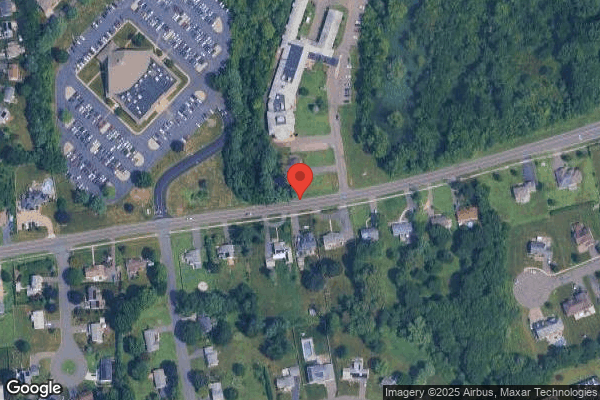

256 NEW BRITAIN AVENUE, NEWINGTON, CT 06111 (860) 666-5689
For profit - Corporation 71 Beds RYDERS HEALTH MANAGEMENT Data: November 2025
Trust Grade
58/100
#86 of 192 in CT
Last Inspection: May 2025

Inspected within the last 6 months. Data reflects current conditions.

Overview

Bel-Air Manor Nursing & Rehabilitation Center has received a Trust Grade of C, which means it is average and sits in the middle of the pack among nursing facilities. It ranks #86 out of 192 in Connecticut, indicating they are in the top half, and #28 out of 64 in Capitol County, meaning there are only a few better options nearby. The facility's performance has remained stable, with 14 reported issues both in 2023 and 2025. Staffing is a relative strength, with a rating of 3 out of 5 stars and a turnover rate of 39%, which is close to the state average. However, they have incurred fines totaling $13,627, which is concerning as it is higher than 75% of facilities in Connecticut. While the center has better RN coverage than 76% of similar facilities, there have been specific incidents of concern. For example, they failed to check blood glucose levels and administer insulin for residents with diabetes before meals. Additionally, the facility did not maintain proper expiration dates for food items, which could affect resident safety. They also did not provide adequate personal hygiene services for some residents, which is a significant area of weakness. Overall, while there are strengths in staffing and RN coverage, families should weigh these against the concerning fines and recent inspection findings.

Trust Score
C
58/100
In Connecticut
#86/192
Top 44%
Safety Record
Low Risk
No red flags
Inspections
Holding Steady
14 → 14 violations
Staff Stability
○ Average
39% turnover. Near Connecticut's 48% average. Typical for the industry.
Penalties
⚠ Watch
$13,627 in fines. Higher than 82% of Connecticut facilities, suggesting repeated compliance issues.
Skilled Nurses
✓ Good
Each resident gets 45 minutes of Registered Nurse (RN) attention daily — more than average for Connecticut. RNs are trained to catch health problems early.
Violations
⚠ Watch
37 deficiencies on record. Higher than average. Multiple issues found across inspections.
★★★☆☆
3.0
Overall Rating
★★★☆☆
3.0
Staff Levels
★★☆☆☆
2.0
Care Quality
★★★☆☆
3.0
Inspection Score
Stable
2023: 14 issues
2025: 14 issues

The Good

  • Full Sprinkler Coverage · Fire safety systems throughout facility
  • No fines on record
  • Staff turnover below average (39%)

    9 points below Connecticut average of 48%

Facility shows strength in fire safety.

The Bad

3-Star Overall Rating

Near Connecticut average (3.0)

Meets federal standards, typical of most facilities

Staff Turnover: 39%

Near Connecticut avg (46%)

Typical for the industry

Federal Fines: $13,627

Below median ($33,413)

Minor penalties assessed

Chain: RYDERS HEALTH MANAGEMENT

Part of a multi-facility chain

Ask about local staffing decisions and management

The Ugly 37 deficiencies on record

Jun 2025 1 deficiency
CONCERN (E) 📢 Someone Reported This

A family member, employee, or ombudsman was alarmed enough to file a formal complaint

Potential for Harm - no one hurt, but risky conditions existed

Deficiency F0658 (Tag F0658)

Could have caused harm · This affected multiple residents

**NOTE- TERMS IN BRACKETS HAVE BEEN EDITED TO PROTECT CONFIDENTIALITY** Based on review of clinical records, interviews, and facility documentation for three (3) of three (3) residents (Resident #1, #...

Read full inspector narrative →
**NOTE- TERMS IN BRACKETS HAVE BEEN EDITED TO PROTECT CONFIDENTIALITY** Based on review of clinical records, interviews, and facility documentation for three (3) of three (3) residents (Resident #1, #2, and #3) for medication administration, the facility failed to ensure residents blood glucose levels were obtained before meals and failed to ensure insulin was administered before meals according to provider order. The findings included: 1a. Resident #1 was admitted to the facility in April of 2025 and had diagnoses that included Type 2 diabetes mellitus, dementia, and chronic obstructive pulmonary disease. A physician's order dated 4/23/25 directed Lispro (a short-acting insulin) administration per sliding scale (two (2) units for a blood glucose level of 151-200, four (4) units for a blood glucose level of 201-250, six (6) units for a blood glucose level of 251-300, eight (8) units for a blood glucose level of 301-350, ten (10) units for a blood glucose level of 351-400, and to notify the provider of blood glucose levels greater than 400) before meals and at bedtime for diabetes. The admission Minimum Data Set (MDS) assessment dated [DATE] identified Resident #1 had severe cognitive impairment (Brief Interview for Mental Status (BIMS) score of 6), was dependent with toileting, lower body dressing, and toileting transfers. The Resident Care Plan (RCP) dated 5/6/25 identified Resident #1 had diabetes. Interventions directed to monitor blood glucose levels and administer medications as ordered. Review of the mealtime schedule identified Resident #1 had breakfast scheduled for 8:00 AM, lunch scheduled for 11:30 AM, and dinner scheduled for 4:30 PM. The Medication Administration Report dated April 2025 identified Lispro was administered as follows: - 4/26/25 at 10:00 AM (scheduled to be administered before breakfast) - 4/26/25 at 5:53 PM (scheduled to be administered before dinner) - 4/29/25 at 9:27 AM (was scheduled to be administered before breakfast) Review of the Medication Administration Report dated May 2025 identified Lispro was administered as follows: - 5/1/25 at 12:05 PM (scheduled to be administered before breakfast) - 5/1/25 at 2:14 PM (scheduled to be administered before lunch) - 5/4/25 at 8:47 AM (scheduled to be administered before breakfast) - 5/4/25 at 5:31 PM (scheduled to be administered before dinner) - 5/5/25 at 9:07 AM (scheduled to be administered before breakfast) - 5/6/25 at 12:37 PM (scheduled to be administered before lunch) - 5/8/25 at 9:04 AM (scheduled to be administered before breakfast) - 5/9/25 at 8:59 AM (scheduled to be administered before breakfast) - 5/16/25 at 6:14 PM (scheduled to be administered before dinner) - 5/19/25 at 6:08 PM (scheduled to be administered before dinner) - 5/15/25, at 8:51 AM (scheduled to be administered before breakfast) - 5/16/25 at 9:07 AM (scheduled to be administered before breakfast) 1b. Resident #2 was admitted to the facility in April of 2025 with diagnoses that included Type 2 diabetes mellitus, chronic kidney disease, and major depressive disorder. The admission Minimum Data Set (MDS) assessment dated [DATE] identified Resident #2 had intact cognition (Brief Interview for Mental Status (BIMS) score of 15) and was dependent with toileting, bathing, and mobility. The RCP dated 4/29/25 identified diabetes. Interventions directed to monitor blood glucose levels and administer medications as ordered. A physician's order dated 4/11/25 directed to administer Lispro, five (5) units, with meals for diabetes. Review of the mealtime schedule identified Resident #2 had breakfast scheduled for 8:00 AM, lunch scheduled for 11:30 AM, and dinner scheduled for 4:30 PM. Review of the April Medication Administration Report identified Lispro was to be given at 8:00 AM, 12:00 PM, and 5:00 PM with meals, however, was administered as follows: - 5/1/25: 5 units were administered at 10:36 AM - 5/6/25: 5 units were administered at 9:27 AM - 5/7/25: 5 units were administered at 6:04 PM - 5/8/25: 5 units were administered at 9:16 AM - 5/15/25: 5 units were administered at 9:24 AM - 5/20/25: 5 units were administered at 9:15 AM - 5/21/25: 5 units were administered at 7:11 PM - 5/23/25: 5 units were administered at 9:17 AM - 5/28/25: 5 units were administered at 6:06 PM - 5/30/25: 5 units were administered at 6:33 PM - 5/31/25: 5 units were administered at 7:07 PM - 6/1/25: 5 units were administered at 6:24 PM 1c. Resident #3 was admitted to the facility in February of 2023 and had diagnoses that included Type 2 diabetes mellitus, dementia, and anxiety disorder. The quarterly Minimum Data Set (MDS) assessment dated [DATE] identified Resident #3 had severe cognitive impairment (Brief Interview for Mental Status (BIMS) score of 7) and required substantial assistance with toileting, bathing, and personal hygiene. The RCP dated 5/6/25 identified risk for hyper/hypoglycemia related to diabetes mellitus, type 2. Interventions directed to monitor blood glucose levels per physician's order and administration of insulin per order. A physician's order directed to administer Insulin Lispro Injection Solution 100 units per milliliter as per sliding scale: (two (2) units for a blood glucose level of 200-249, three (3) units for a blood glucose level of 250-299, four (4) units for a blood glucose level of 300-349, five (5) units for a blood glucose level of 350-399, six (6) units for a blood glucose level of greater than 400 and provider notification) with meals related to Type 2 diabetes mellitus with diabetic neuropathy. Review of the mealtime schedule identified Resident #3 had breakfast scheduled for 8:30 AM to 8:45 AM, lunch scheduled for 12:00 PM to 12:15 PM, and dinner scheduled for 4:30 PM to 4:45 PM. Review of the April Medication Administration Report identified Lispro was to be given at 8:00 AM, 12:00 PM, and 5:00 PM with meals, however, was administered as follows: - 5/7/25: at 5:56 PM (scheduled to be administered with dinner) - 5/12/25: at 6:06 PM (scheduled to be administered with dinner) - 5/14/25: at 11:01 AM (scheduled to be administered with lunch) - 5/14/25: at 5:54 PM (scheduled to be administered with dinner) - 5/15/25: at 9:09 AM (scheduled to be administered with breakfast) - 5/19/25: at 1:10 PM (scheduled to be administered with lunch) - 5/21/25: at 6:08 PM (scheduled to be administered with dinner) - 5/22/25: at 1:00 PM (scheduled to be administered with lunch) - 5/25/25: at 1:02 PM (scheduled to be administered with lunch) - 5/24/25: at 5:20 PM (scheduled to be administered with dinner) - 5/28/25: at 7:05 PM (scheduled to be administered with dinner) - 5/30/25: at 6:32 PM (scheduled to be administered with dinner) - 5/31/25: at 6:39 PM (scheduled to be administered with dinner) - 6/1/25: at 6:23 PM (scheduled to be administered with dinner) Interview with RN #1 on 6/2/25 at identified meals were served to residents anytime between their scheduled mealtime and thirty (30) minutes thereafter. Interview with the Director of Nursing Services (DNS) on 6/2/25 at 1:10 PM identified the facility's standard of practice was to check the resident's blood glucose level prior to meals. Interview with APRN #1 on 6/2/25 at 12:39 PM identified staff should obtain blood glucose levels within thirty (30) minutes of meal intake. APRN #1 later identified that a resident could be at risk for a hypoglycemic episode if blood glucose levels were taken during or following meals, depending on how much food was eaten prior to the blood glucose level being checked and treated. Interview with the DNS on 6/3/25 at 1:41 PM identified residents prescribed a set dose of insulin with meals should be administered their dose either thirty (30) minutes prior to their meal or with their meal. Review of the Medication Administration and General Guidelines policy directed medications were administered as prescribed in accordance with good nursing principles and practices and only by persons legally authorized to do so. The policy further identified that medications were administered in accordance with written orders of the prescriber.
May 2025 11 deficiencies
CONCERN (D)

Potential for Harm - no one hurt, but risky conditions existed

Notification of Changes (Tag F0580)

Could have caused harm · This affected 1 resident

**NOTE- TERMS IN BRACKETS HAVE BEEN EDITED TO PROTECT CONFIDENTIALITY** Based on observations, review of the clinical record, facility documentation, facility policy, and interviews for one of four re...

Read full inspector narrative →
**NOTE- TERMS IN BRACKETS HAVE BEEN EDITED TO PROTECT CONFIDENTIALITY** Based on observations, review of the clinical record, facility documentation, facility policy, and interviews for one of four residents (Resident #24) reviewed for pressure ulcers and one out of three residents (Resident #40) reviewed for nutrition, the facility failed to notify the Advanced Practice Registered Nurse (APRN) and family/responsible party of a significant weight loss. The findings include: 1. Resident #24 had diagnoses that included dysphagia, the presence of a cardiac pacemaker and dementia. The Resident Care Plan (RCP) dated 1/16/25 identified Resident #24 had a history of pressure wounds and was at risk for oral/nutritional problems with a goal to not have a weight loss. Interventions included weight as ordered and per facility protocol, and Registered Dietician (RD) evaluation as needed. The quarterly Minimum Data Set (MDS) assessment dated [DATE] identified Resident #24 was severely cognitively impaired, required substantial/maximal assistance with for eating and was dependent for personal hygiene and transfer. Review of Resident #24's weights in the clinical record identified weights were as follows: on 3/22/25 Resident #24 weighed 118 pounds (lbs.), on 3/29/25 weighed 116.3 lbs., on 4/5/25 weighed 115.8 lbs., and on 4/19/25 weighed 106.1 lbs. (a 11.9 lb./10.08% loss in 28 days). The next recorded weight on 4/24/25 was a re-weight of 104.1 lbs (a continued weight loss of 13.9 lbs./11.77% in 33 days). A Dietician note dated 4/28/25 (9 days after the significant weight loss was documented and 4 days after the re-weight) at 1:19 PM identified Resident #25 weight monitoring identified weight of 118 lbs. to 106/104 lbs. this morning. Severe weight loss of 10.5%. Intake had declined to 50-75% of meals. Resident #24 received assistance with meals and was consuming supplements every day 75- 100%. Plan was to increase supplements to address unplanned weight loss. Nursing notes failed to identify documentation that the APRN or family had been updated about the loss of 11.9 lbs. or 10.08 percent (%) of body weight in less than 1 month. As well as after a reweight that was completed on 4/24/25 of 104.1 that confirmed the weight loss. Interview with RN #1, (the 7:00 AM to 3:00 PM Nursing Supervisor) on 5/9/25 at 8:20 AM identified that if a resident had a confirmed significant weight loss identified by nursing, they would contact the nursing supervisor who would then contact the APRN and family. The weight loss would be confirmed by a reweight. The nursing staff would also contact the dietician either face to face when she was here, place information in her communication book or email her. Although she was not on 4/19/25, she was the Nursing Supervisor on 4/24/25 and could not recall that she was contacted with Resident #24's confirmation re-weight. Interview and review of Resident #24's medical record with APRN #2 on 5/9/25 at 10:52 AM identified she was unaware of Resident #24's significant weight loss initially recorded on 4/19/25 or when the reweight was completed on 4/23/25. She would have expected the nurses to contact her or at least place the information in the APRN communication book located on the unit. She just reviewed the book and noted that there was no documentation of Resident #24's weight loss. Had she been contacted on 4/19/25 or 4/23/2025 she would have evaluated the resident, documented her evaluation and would have likely started the additional supplements that were ordered upon notification of the significant weight loss on 4/28/25. Interview and review of Resident #24's medical record with the Director of Nursing (DNS) on 5/12/25 at 8:40 AM identified that she would expect the nursing staff to contact the APRN for a significant weight loss of 5%. She continued that it would also be placed in the APRN follow up book. She did not know the reason this was not done when Resident #24 had the documented 10.08% weight loss in 1 month on 4/19/25 and after the next weight, recorded on 4/24/25. The nursing staff should also contact the family to notify them of the weight loss at the time it was identified. Interview and review of Resident #24's medical record with the Dietician on 5/12/24 at 9:40 AM identified she had reviewed Resident #24's record on 4/16/25 and had added a supplement due to Resident #24's reported decreased meal intake. Upon her review the next time she was at the facility on 4/23/25, she identified the 4/19/25 recorded weight of 106.1 lbs. She noted that the electronic medical record had flagged the weight as a 10.5% weight loss for Resident #24 from the previous month's recorded weight on 3/22/25 of 118 lbs. She continued that she did not evaluate Resident 24's flagged unplanned significant weight loss on 4/23/25 as she needed to have a confirmed weight with a reweight before completing an evaluation. She placed a request into Resident #24's electronic record (PCC) for a reweight but did not talk to nursing to get a reweight that day. She continued that it was the end of day and that was the most efficient way for her to communicate the need for a reweight as it would populate a report that the facility would review and assure the request was completed. When she returned to the facility on 4/28/25, she noted that the reweight documented for Resident #24 was completed on 4/24/28 as 104 lbs. With the reweigh completed, she determined the weight to be accurate and she completed her evaluation with recommendations for increased supplements. She then triggered in PCC that the information be placed on the MD report that the APRN would review. She had not contacted the APRN prior to notifying through PCC on 4/28/25. Interview with LPN #3 and review of Resident #24's weight documentation on 5/13/25 at 11:00 AM identified she recorded Resident #24's weight on 4/19/25 of 106 lbs. and did not know the reason she did not reweigh the resident at that time and she did not know why she did not contact the supervisor or the APRN. She continued that she 'had dropped the ball. Had she contacted the supervisor, either she or the supervisor would have contacted the family. She identified she also should have sent an email or written in the dietician's communication book to notify the dietician as well. She did not do that either. Subsequent to the surveyor inquiry, APRN #2 evaluated Resident #24's weight loss on 5/9/25 and agreed with the current treatment plan as recommended by the Dietician and to monitor. 2. Resident #40 was admitted to the facility in April 2025 with diagnoses that included dysphagia, aphasia, and Type 2 diabetes mellitus. A physician's order dated 4/21/25 directed to weigh Resident #40 weekly on shower days. The Resident Care Plan dated 4/23/25 identified Resident #40 had impaired utilization of nutrients related to diabetes mellitus, stroke, no teeth, and being on a puree diet. Other impaired utilization of nutrients listed were elevated blood pressure with the risk for weight loss and unplanned weight loss, muscle loss related to diet texture dislike and refusing to eat puree meats. Interventions included to provide diet and fluids as ordered, magic cup supplement with lunch, weights as ordered per facility protocol, Registered Dietician evaluation as needed, speech therapy as needed, monitor dietary intake as ordered, and administer supplements as ordered. The admission Minimum Data Set (MDS) assessment dated [DATE] identified Resident #40 was severely cognitively impaired and required substantial/maximal assistance with eating, oral hygiene, and dressing. Additionally, the MDS identified Resident #40's weight on admission was 144 pounds, without loss of liquids/solids from mouth when eating/drinking, holding food in mouth/cheeks or residual food in mouth after meals, coughing/choking during meals or when swallowing medications, or complaints of difficulty/pain when swallowing. Although physician's orders directed to weigh Resident #40 weekly on shower days, a review of the weights and vitals sheet identified weekly weights were only taken on 4/19/25 (144.2 pounds), and on 5/5/25, (123.4 pounds). (Identifying a significant weight loss of 20.8 pounds/14.4 % in 2 weeks). A physician's order dated 5/7/25 that was entered by the Dietician and not from MD/APRN being notified per interview with the Dietician on 5/9/25 at 11:36 AM directed for a re-weight on 5/7/25 to verify the weight loss of 20.8 pounds in 2 weeks. A review of Resident #40's electronic health record failed to identify the APRN/physician was notified of the significant weight loss. Interview and record review with Registered Nurse (RN) #1 on 5/9/25 at 9:55 AM identified it was facility policy to obtain a reweight for a significant/severe weight loss, update the family, provider and Dietician. The record review failed to identify that the provider was notified of the weight loss. Interview with APRN #2 on 5/9/25 at 10:02 AM failed to identify that she was notified of Resident #40's severe weight loss, but stated the facility had another APRN that also oversees Resident #40. Interview with APRN #1 on 5/9/25 at 10:22 AM identified she was not aware of the severe weight loss for Resident #40, only speech therapy and family concerns of poor meal intake for which she started him/her on an appetite stimulant. If she had been notified of the severe weight loss, she would have collaborated with speech therapy and the Dietician to find out the underlying cause, order blood work, and make sure it's not due to any medications he/she was on. Review of the Resident Nutrition Services Policy directed in part that nursing personnel will evaluate food and fluid intake in residents with, or at risk for, significant nutritional problems. Significant variants from usual eating or intake patterns must be recorded in the resident's medical record. The nurse supervisor shall evaluate the significance of such information and report it to the attending Physician and Dietician. The facility policy Weight Assessment and Intervention, directed in part that any weight change of 5 % or more since the last weight assessment will be retaken the next day for confirmation with nursing communicating the weight in writing to the dietician once verified. The dietician will respond within 48 hours of the written receipt. The threshold for significant unplanned weight loss was a 5% weight loss in 1 month with a loss greater than 5% was considered severe.
CONCERN (D)

Potential for Harm - no one hurt, but risky conditions existed

Report Alleged Abuse (Tag F0609)

Could have caused harm · This affected 1 resident

**NOTE- TERMS IN BRACKETS HAVE BEEN EDITED TO PROTECT CONFIDENTIALITY** Based on observation, clinical record review, facility documentation review, facility policy review, and interviews for one resi...

Read full inspector narrative →
**NOTE- TERMS IN BRACKETS HAVE BEEN EDITED TO PROTECT CONFIDENTIALITY** Based on observation, clinical record review, facility documentation review, facility policy review, and interviews for one resident (Resident #25) reviewed for grievances, the facility failed to notify state and local authorities of an allegation of neglect. The findings include: Resident #25 was admitted with diagnoses that included cancer that spread to the bone, major depression and post-traumatic stress syndrome. The quarterly Minimum Data Set (MDS) assessment dated [DATE] identified Resident #24 was alert and oriented and was independent for personal hygiene, ambulation with a walker and transfer. The Resident Care Plan (RCP) dated 3/25/25 identified Resident #25 had a history of anxiety and depression. Interventions included observing for periods of anxiety or sadness, provide a calm, quiet environment and encourage Resident #25 to verbalize thoughts and feelings related to anxiety. A facility grievance/concern form dated 4/15/25, noted Resident #25 reported that a call bell was ringing in another resident's room at 1:00 AM. Resident #25 went to the nurse's station and observed the Licensed Practical Nurse (LPN) #5 to be sleeping. She/he called out to LPN #5, but LPN #5 did not wake up. Resident #25 took a picture of LPN #5 and sent it to the Director of Nurses (DNS) later in the shift at 4:27 AM, the concern form continued that Resident #25 noticed the same call light was on reporting that the staff did not answer the call light. Resident #25 continued that it was not answered until her/his nurse, after finishing medication administration at 5:14 AM, answered it. Resident #25 expressed that the facility was lucky as the other resident could have fallen or had a medical emergency. At 7:15 AM, Resident #25 reported that she/he had overheard the day shift NAs saying that 2 residents on the unit had not been changed overnight due to the call bell not answered for 3 hours. A facility statement dated 4/15/25 and written by Nurse Aide (NA) #3 identified she had found Resident #32 with a saturated brief and pad. Resident #32 reported that staff did not provide her/him with any care overnight. A Grievance response letter dated 4/22/25 addressed to Resident #25 written by the Director of Social Work identified that the findings of the investigation into staff sleeping was confirmed. The findings regarding Resident #25's report of incontinent care not being completed was not confirmed. Interview and review of the facility investigation of Resident #25's 4/15/25 allegation with the Director of Nursing (DNS) on 5/12/2025 at 8:40 AM identified if there was a report of a resident who did not get care for overnight or for 3 hours, she would consider it an allegation of neglect. She continued that she completed the investigation into Resident #25's grievance and addressed both reported concerns as documented on the grievance form: sleeping staff, unanswered call bell, and staff not checking or changing residents. She confirmed that the LPN was asleep and as part of Resident #25's grievance investigation, she completed a call bell and incontinence care audit. Reviewing NA #3's statement, she identified that it could be interpreted as an allegation of neglect. The DNS was aware of the reporting requirements for allegations of neglect and identified that she did not report the allegation of the staff not providing incontinence care as she only followed the facility's grievance process when completing the investigation. Interview and review of a facility statement dated 4/15/25 with NA #3 on 5/12/25 at 11:55 AM identified she was working on 4/15/25 on Resident #25's unit. Resident #32 had the call light on when she came on shift at 7:00 AM and she went to the room to see what was needed. Resident #32's pad and incontinent brief were saturated, and Resident # 32 had reported that she/he had not been changed all night. She immediately went to get RN #1, the supervisor to evaluate the resident. Interview with RN #1 on 5/12/25 at 1:14 PM identified that on 4/15/25, NA #3 came to her early in the shift to report that Resident #32 reported that she/he did not get changed overnight and NA #3 asked her to come to the resident's room. Resident #32 identified that she/he had not been changed all night. RN #1 assisted NA #3 to change the resident. RN #1 recalled Resident #32's pad and incontinent brief were saturated with urine. She immediately reported it to the Director of Nurses as she felt it was an allegation of neglect. The Director of Social Work was unavailable for interview during the survey. The facility policy Recognizing Signs and Symptoms of Abuse/Neglect/Exploitation or Mistreatment dated 11/25/2016 identified in part, that signs of possible physical neglect included caregivers' intentional indifference to resident's personal care or needs or residents left alone who needed supervision. The facility policy Reporting Abuse to Facility Management dated 11/25/2016 directed in part, when an alleged abuse is reported, the administrator or designee notified the following persons or agencies: the state DPH, attending physician, responsible party and the local police. Abuse was defined as deprivation by an individual including the caretaker, of services necessary to attain or maintain physical, mental and psychosocial well-being. Neglect was defined as the failure to provide goods and or services to the resident to avoid physical harm, pain, mental anguish or emotional distress. Any individual observing or suspecting resident abuse must promptly report the incident and a reportable event form is completed.
CONCERN (D)

Potential for Harm - no one hurt, but risky conditions existed

Comprehensive Care Plan (Tag F0656)

Could have caused harm · This affected 1 resident

**NOTE- TERMS IN BRACKETS HAVE BEEN EDITED TO PROTECT CONFIDENTIALITY** Based on staff interview, observations, review of the clinical record and facility policy for 1 of 5 sampled resident (Resident ...

Read full inspector narrative →
**NOTE- TERMS IN BRACKETS HAVE BEEN EDITED TO PROTECT CONFIDENTIALITY** Based on staff interview, observations, review of the clinical record and facility policy for 1 of 5 sampled resident (Resident #5) reviewed for side rails and for 1 of 3 sampled residents (Resident #53) reviewed for pressure ulcers, the facility failed to ensure the Resident Care Plan (RCP) was comprehensive to include side rail padding (Resident #5) and refusals for positioning (Resident #53). The findings include: 1. Resident #5's diagnoses included vascular dementia without behavioral disturbances, generalized muscle weakness and cachexia (irreversible weight and muscle loss). A physician's order dated 11/9/20 and currently in effect directed for quarter (¼) side-rails to be in place to both sides of the bed for mobility and transfer ability. A side rail evaluation dated 3/2/23 identified that a side-rail was indicated for enhancement of mobility and that the resident expressed a desire for a side-rail. It reported that side-rails were not indicated to provide safety for Resident #5 and that the resident does not have a history of seizures. The evaluation did not identify how many side-rails were indicated or the length of the side-rails that were to be put in place. A side rail evaluation dated 8/18/23 was incomplete with no information filled out. The annual Minimum Data Set (MDS) assessment dated [DATE] identified Resident #5 was severely cognitively impaired and required substantial assistance for bed mobility. The Resident Care Plan (RCP) dated 2/18/25 identified that Resident #5 was at risk for falls related to decreased strength, decreased coordination, impaired sense of balance and unsteady gait (walking or moving on foot). Interventions included providing assistance with all Activities of Daily Living (ADLs). Observation of Resident #5 on 5/8/25 at 10:58 AM identified Resident #5 in bed with double-sided Velcro pads intact to both side-rails. Observation of Resident #5 on 5/9/25 at 12:51 PM identified Resident #5 in bed with double-sided Velcro pads intact to both side-rails. Review of active physician's orders and/or the RCP failed to identify the use of side-rail padding. Review of the Nurse Aide Care Card (undated) failed to identify the use of ¼ side rails or side rail padding. Observation of Resident #5 and interview with the DNS on 5/9/25 at 2:35 PM identified the resident in bed with double-sided Velcro pads intact to both side-rails, reporting that she was unsure of the reason the padding was in place, that the use of side-rail padding should be identified in the RCP and she was unsure of the reason it was not. She reported that she was unaware that side-rail padding was not identified on the facility paper care cards for the Nurse Aides (NA's) to also follow. The DNS identified that she was unable to provide documentation as to the reason the padding was in place. 2. Resident #53's diagnoses included type 2 diabetes mellitus with hyperglycemia, chronic pain and edema. The quarterly Minimum Data Set (MDS) assessment dated [DATE] identified Resident #53 was moderately cognitively impaired, required substantial assistance for bed mobility and was dependent on staff for transfers. The Resident Care Plan (RCP) dated 4/8/25 identified that Resident #53 was at risk for skin breakdown due to immobility and deconditioning and had recurrent skin breakdown on the sacrum/coccyx. Interventions included turning and repositioning the resident every 2 hours while in bed and as it meets the resident's needs, pressure redistribution devices as ordered, following the facility skin protocol and reporting any new areas to the nurse and provider. Review of wound care physician's note dated 5/2/25 identified that Resident #53 was seen for evaluation of a Moisture Associated Skin Damage (MASD) wound which measured 2.0 centimeters (cm) by 1.5 cm by 0.2 cm reporting that the wound base was 100 percent (%) granulation (newly formed connective tissue indicating the start of the healing process) and a moderate amount of serous drainage (clear, thin, watery fluid seen in the early stages of wound healing) was noted. The note identified that the wound had been first evaluated on 3/28/25 and that a pressure redistributing mattress was in place, staff was repositioning the resident every 2 hours and that staff was encouraging an out of bed schedule. Observation of Resident #53 with Registered Nurse #3 (wound nurse) and MD #2 (wound physician) on 5/9/25 at 11:00 AM identified Resident #53 lying on his/her back without offloading with the head of the bed elevated approximately 45 degrees, an air mattress was in place to the bed, and the resident's spouse was at the bedside. The coccyx wound was assessed by MD #2 and was measured at 3 cm by 1.5 cm, Medi honey (wound treatment) was applied to the wound bed and a foam dressing was applied. All infection control measures were noted to be followed. A pillow was then placed under the resident's left buttocks for offloading purposes. Interview with MD #2 on 5/9/25 following the wound evaluation identified that although the resident was receiving a protein supplement and staff was attempting to offload and reposition Resident #53 off of his/her coccyx area frequently, he reported that the coccyx wound had worsened to a Stage 3 pressure ulcer (full-thickness skin loss where the wound extends through the skin and into the subcutaneous tissue revealing the fatty layer). MD #2 stated that the worsened wound was due to the resident's non-compliance with repositioning, not allowing the head of the bed to be lowered to offload pressure to his/her lower back and buttocks and refusing a consistent out of bed schedule. Review of wound care physician's note dated 5/9/25 identified that Resident #53 was seen for evaluation of a coccyx wound which measured 3.0 centimeters (cm) by 1.5 cm by 0.2 cm reporting that the wound base was 100 percent (%) granulation and a moderate amount of serous drainage was noted. The note identified that the wound was now a Stage 3 pressure ulcer and that despite the facility treating the wound correctly, the resident's co-morbidities (multiple diagnoses) and his/her unwillingness to offload the area is contributing to the outcome/decline. Interview and review of Resident #53's Care Plan (RCP) with RN #3 on 5/9/25 at 11:32 AM identified that although he was aware that Resident #53 doesn't allow staff to consistently turn and reposition him/her. Additionally, RN #3 stated Resident #53 would only allow repositioning onto the left side, would often complain of the pillow on one side of his/her buttocks and request that it be pulled out, he was unsure of the reason the RCP did not include Resident #53's refusals, stating Resident #53 should have been, as the refusals have been taking place for a few months. RN #3 reported that although he made rounds with the wound physician and received updates prior to other staff related to skin integrity, it was the responsibility of the charge nurse, MDS or Nursing Supervisor to update the plan of care to include refusals. Interview with NA #1 on 5/9/25 at 12:12 PM identified that when Resident #53 was in bed, he/she often refused to allow the head of the bed to be lowered and to be repositioned and when he/she does allow it, the resident often requested for the pillow to be removed shortly after. NA #1 reported that when Resident #53 doesn't allow repositioning, she sometimes reports it to the charge nurse if they were in the area. Subsequent to surveyor inquiry, Resident #53's RCP related to skin breakdown was updated on both 5/9/25 and 5/11/25 to identify that he/she refused repositioning, offloading and an out of bed schedule. Interview with RN #5 (MDS Coordinator) on 5/12/25 at 10:10 AM identified that although she only began employment at the facility 1 week ago, refusal care plans were an interdisciplinary responsibility, stating that staff that observed a behavior consistently should be the ones to update the plan of care, identifying that she updated the RCP's when she was reviewing resident documentation for quarterly evaluations but that initiation of behavior care plans to include resident refusals were not her sole responsibility. Review of the Care Planning- Interdisciplinary Team policy (undated) directed, in part, that ongoing changes in residents' status shall be updated by Nursing and/or Interdisciplinary Team (IDT) as needed. As care plans are updated, staff shall follow the updated plan of care and as updated on the Care card as applicable. The resident, the resident's family and/or the resident's legal representative/guardian or surrogate are encouraged to participate in the development of and revisions to the resident's care plan. Every effort will be made to schedule care plan meetings at the best time of the day for the resident and family.
CONCERN (D)

Potential for Harm - no one hurt, but risky conditions existed

Deficiency F0658 (Tag F0658)

Could have caused harm · This affected 1 resident

**NOTE- TERMS IN BRACKETS HAVE BEEN EDITED TO PROTECT CONFIDENTIALITY** Based on review of the clinical record, facility documentation, facility policy and interviews for 1 of 3 residents (Resident #2...

Read full inspector narrative →
**NOTE- TERMS IN BRACKETS HAVE BEEN EDITED TO PROTECT CONFIDENTIALITY** Based on review of the clinical record, facility documentation, facility policy and interviews for 1 of 3 residents (Resident #23) reviewed for medication administration, the facility failed to ensure that the expiration date was checked on a narcotic medication prior to administration. The findings include: Resident #23's diagnoses included Parkinson's disease, chronic pain and type 2 diabetes mellitus with polyneuropathy. A physician's order dated 3/20/25 directed to administer Morphine Sulfate Extended Release (ER) 15 milligram (mg) oral tablet by mouth every eight (8) hours for chronic pain, as part of a 45 mg dose (received in combination with a 30 mg tablet) and to hold for sedation. The quarterly Minimum Data Set (MDS) assessment dated [DATE] identified Resident #23 had intact cognition and was independent with eating, personal care and bed mobility. The Resident Care Plan (RCP) dated 4/10/25 identified Resident #23 had pain related to cancer, a history of chronic pain and was receiving Morphine and Dilaudid (narcotic pain medications) for break-through pain. Interventions included assessing the characteristic of the pain, reassessing interventions with any changes in response to pain or pain medications and with every assessment and administering pain medications as ordered. Review and observation of the Annex medication cart narcotic box on 5/9/25 at 12:55 PM with LPN #1 identified one (1) blister pack of Morphine Sulfate Extended Release (ER) 15 mg oral tablets with prescription number 2910659/001. The blister pack was noted to have seven (7) tablets remaining and had a lot number A71434 and an expiration date of 3/19/25. Review of the Controlled Substance Disposition Record for the Morphine Sulfate Extended Release (ER) 15 mg oral tablet with prescription number 2910659/001 identified that it was sent by the pharmacy and received on 4/4/25 (16-days after expiration) with sixty (60) tablets. The disposition record identified that fifty-three (53) tablets had been signed out as administered between 4/15/25 and 5/2/25 (after the medication's expiration date). Interview with LPN #1 on 5/9/25 at 12:55 PM identified that he had signed out the Morphine on 4/21/25 at 5:52 PM and on 4/25/25 at 9:40 AM from that blister pack (prescription number 2910659/001), reporting he didn't check the expiration date and never noticed the medication had expired but identified that he should always check for expiration dates prior to medication administration. The DNS was subsequently notified. Interview with the DNS on 5/9/25 at 1:50 PM identified that she contacted the pharmacy and they stated that the expiration date on the blister pack of Morphine Sulfate Extended Release (ER) 15 mg oral tablet with prescription number 2910659/001 was incorrect and that the correct expiration date was 10/26, reporting that the pharmacy stated they would fax a confirmation letter and pick up the medication from the facility. The DNS identified that it was her expectation that all staff check the expiration date on all medications prior to administering the medication to a resident and reported that she was unsure why this hadn't happened for Resident #23's Morphine Sulfate Extended Release (ER) 15 mg oral tablet with prescription number 2910659/001. Review of a pharmacy fax dated 5/9/25 regarding Resident #23 identified that they had spoken with the facility DNS about the Morphine Sulfate 15 mg ER tablets with an expiration of 2025 reporting that they checked the lot number and stock bottle, and the foil had been misprinted and the actual expiration was 10/2026. It identified that they would pick up the medication from the facility and fix the foil. Review of the Medication Storage in the Facility policy (undated) directed, in part, that the nurse will check the expiration date of each medication prior to administering it. No expired medications will be administered to a resident.
CONCERN (D)

Potential for Harm - no one hurt, but risky conditions existed

Quality of Care (Tag F0684)

Could have caused harm · This affected 1 resident

**NOTE- TERMS IN BRACKETS HAVE BEEN EDITED TO PROTECT CONFIDENTIALITY** Based on interviews, record and policy review for 1 of 3 residents (Resident #40) sampled for nutrition, the facility failed to ...

Read full inspector narrative →
**NOTE- TERMS IN BRACKETS HAVE BEEN EDITED TO PROTECT CONFIDENTIALITY** Based on interviews, record and policy review for 1 of 3 residents (Resident #40) sampled for nutrition, the facility failed to follow a physician's order to obtain weekly weights and a reweight on a resident with a significant weight loss. The findings included: Resident #40 was admitted to the facility in April 2025 with diagnoses that included dysphagia, aphasia, and type 2 diabetes mellitus. A physician's order dated 4/21/25 directed to weigh Resident #40 weekly on his/her shower day. The Resident Care Plan dated 4/23/25 identified Resident #40 had impaired utilization of nutrients related to diabetes mellitus, stroke, no teeth, puree diet, and elevated blood pressure with risk for weight loss and unplanned weight loss, muscle loss related to diet texture dislike and refusing to eat puree meats. Interventions included diet and fluids as ordered, magic cup supplement with lunch, weights as ordered per facility protocol, registered dietician evaluation as needed, speech therapy as needed, monitor dietary intake as ordered, and administer supplements as ordered. The admission Minimum Data Set (MDS) assessment dated [DATE] identified Resident #40 was severely cognitively impaired and required substantial/maximal assistance with eating, and oral hygiene. Additionally, the MDS identified Resident #40's weight on admission was 144 pounds, without loss of liquids/solids from mouth when eating/drinking, holding food in mouth/cheeks or residual food in mouth after meals, coughing/choking during meals or when swallowing medications, or complaints of difficulty/pain when swallowing. Although physician's orders directed to weigh Resident #40 weekly on shower day, a review of the weights and vitals sheet identified weekly weights were only taken on 4/19/25 (144.2 pounds), and on 5/5/25, (123.4 pounds). (A severe weight loss of 20.8 pounds/14.4 % in 2 weeks). A physician's order dated 5/7/25 directed for a re-weight on 5/7/25 to verify the weight loss from 5/5/25 of 20.8 pounds in 2 weeks. Although physician's orders directed to reweigh Resident #40 on 5/7/25, a review of the weights and vitals sheet identified Resident #40 was not reweighed. Interview with Nurse Aide (NA) #1 on 5/9/25 at 8:58 AM identified the NA's were notified by the nurse to weight and resident and the NAs were responsible for obtaining resident weights , and the weights were documented on the vital sign clipboard. Interview and record review with Registered Nurse (RN) #1 on 5/9/25 at 9:55 AM identified it was facility policy to obtain weights on residents per physician or dietician order, that the NAs were responsible for obtaining the weight and the nurse checks for completion/discrepancies and then transcribes the weight from the vital sign sheet into the electronic health record. Review of the weights with RN #1 failed to identify that weights were obtained weekly per physician's order or that a reweight was obtained on 5/7/25, with the only weights documented were on 4/19/25 (admission) and 5/5/25. Subsequent to surveyor inquiry, RN #1 obtained a re-weight for Resident #40, which was documented as 132.6 pounds. Review of the Weight Assessment and Intervention Policy directed in part for nursing staff to obtain resident weight on admission, the next day and weekly for 4 weeks. Any weight change of 5% or more since the last weight assessment will be retaken the next day for confirmation. If the weight is verified, nursing will immediately notify the Dietician in writing. The threshold for significant unplanned and undesired weight loss will be based on the following criteria: 1 month-5% weight loss is significant; great than 5% is severe. Interventions for undesirable weight loss shall be based on careful consideration of the following: resident choices, nutrition and hydration needs, functional factors, environmental factors, chewing or swallowing abnormalities, medications, use of supplementation or feeding tubes and end of life decisions.
CONCERN (D)

Potential for Harm - no one hurt, but risky conditions existed

Deficiency F0761 (Tag F0761)

Could have caused harm · This affected 1 resident

Based on observations, facility policy and interviews, the facility failed to ensure the medication carts and medication storage room were free from unlabeled and expired medications and non-medicatio...

Read full inspector narrative →
Based on observations, facility policy and interviews, the facility failed to ensure the medication carts and medication storage room were free from unlabeled and expired medications and non-medication items and that medications were stored properly. The findings include: 1. Observation and interview on 5/9/25 at 11:38 AM in the South Wing Medication room with the DNS, identified house stock medications including a box of 100 capsules of Diphenhydramine (an antihistamine and/or sedative medication) 25 milligram (mg) expired 11/2024, and a box of Beneprotein 0.25 ounce packets expired 7/2023. Opened, unlabeled and undated medications were identified as Miconazole Nitrate 2 percent (%) cream and Lactulose (a medication used as a laxative or to treat liver disease) 10 grams (g) in 15 milliliters (mL) solution. Food items were observed to be stored in the medication room cabinets alongside house stock medications included a basket of coffee creamers and sugar/sugar substitute packets, and a foam take out container with plastic utensils inside. Drawers of the medication room were contained of unlabeled curling irons, electric razors, charging cords, headphones, air pumps, glasses and hearing aids. The DNS identified that expired medications, opened and unlabeled medications, food items, electronics and residents' personal items should not be stored in the medication room, and she was unsure of the reason the above medications were present and not discarded. She identified that expired and discontinued medications should be stored in the applicable bin to be returned to the pharmacy and not in the cabinets, drawers or the countertops of the medication room. The DNS identified that all food items should be stored in the nourishment room only. She reported that the South Wing medication room was recently cleaned out approximately one (1) week ago and was completed every week on the day shift and was unsure of the reason staff were storing the above items in the medication room. 2. Observation of the nursing supervisor's office and interview with RN #1 (the 7:00 AM to 3:00 PM nursing supervisor) on 5/9/25 at 12:42 PM identified a box of Juven packets (a powder that is mixed with water and ingested to support wound healing) and a box of fourteen (14) bottles of Kayexalate (a medication to treat elevated potassium levels) 15 grams on the top shelf above the desk. RN #1 reported that she was unsure of the reason the Juven packets were in the nursing supervisor's office, stating they should have been in the medication room but identified that the bottles of Kayexalate 15 grams were stock for the Pyxis (automatic medication dispensing team). She reported that the bottles do not fit in the drawers of the Pyxis and she hadn't had time to call the pharmacy and decide how to get a larger drawer added but identified that they shouldn't have been stored in the nursing supervisor's office. 3. Observation and interview on 5/9/25 at 12:55 PM with LPN #1 of the Annex medication cart, identified an opened, unlabeled and undated container of Xarelto (a medication to prevent blood clots) 15 mg tablets with an expiration date of 4/2025 and nine (9) house stock Diphenhydramine capsules in a blister pack with an expiration date of 3/2024. Multiple loose pills totaling at least ten (10) were noted in and around the blister packs of the medication cart. The bottom drawer of the medication cart was noted with a roller hairbrush, unlabeled black glasses, nine (9) loose green lancets, an open package of Calcium Alginate (wound treatment product) and multiple packets of Peri- Guard ointment (skin protectant). LPN #1 identified that expired medications should not be stored in the medication cart, reported that non medication items such as treatment items, hairbrushes and unlabeled personal items should not be stored in the medication cart, and he was not sure of the reason the items were stored in the cart. Interview with RN #3 (the Infection Preventionist) on 5/9/25 at 1:25 PM identified that he personally cleans the medication carts weekly on Mondays during environmental rounds and reported that he had just cleaned the carts on 5/5/25 and was unsure why expired medications and non-medication items were stored in the medication carts, reporting that they should not have been. He reported that he expected staff to keep the carts clean and free of expired medications and non medication items. 4. Observation and interview on 5/9/25 at 1:48 PM with LPN #2 at the South medication cart, identified house stock medications including Zinc Sulfate 220 mg tablets expired 1/2025, Hydrocortisone Acetate 25 mg suppositories expired 5/2/25 and Vitamin B-6 100 mg tablets expired 4/2025. The cart was noted to be overly sticky and at least one dozen loose pills were located on the floor of one of the drawers of the medication cart. LPN #2 identified that she was agency staff and hadn't worked at the facility in a long time but reported that the medication cart was unorganized and dirty and reported that expired medications should not be stored in the medication cart. Review of the Medication Storage in the Facility policy directed, in part, that all medications dispensed by the pharmacy are stored in the container with the pharmacy label. Orally administered medications are kept separate from externally used medications and treatments such as suppositories, ointments, creams, vaginal products, etc. Except for those requiring refrigeration or freezing, medications intended for internal use are stored in a medication cart or other designated area. Medication storage areas are kept clean, well-lit, and free of clutter and extreme temperatures and humidity. When the original seal of a manufacturer's container or vial is initially broken, the container or vial will be dated. The nurse will check the expiration date of each medication before administering it. No expired medication will be administered to a resident. All expired medications will be removed from the active supply and destroyed in the facility, regardless of the amount remaining. The medication will be destroyed in the usual manner. Although requested, a policy on medication cart cleaning was not provided.
CONCERN (D)

Potential for Harm - no one hurt, but risky conditions existed

Medical Records (Tag F0842)

Could have caused harm · This affected 1 resident

**NOTE- TERMS IN BRACKETS HAVE BEEN EDITED TO PROTECT CONFIDENTIALITY** Based on review of the clinical record, facility policy and interviews for 1 of 3 residents (Resident #1) reviewed for nutrition...

Read full inspector narrative →
**NOTE- TERMS IN BRACKETS HAVE BEEN EDITED TO PROTECT CONFIDENTIALITY** Based on review of the clinical record, facility policy and interviews for 1 of 3 residents (Resident #1) reviewed for nutrition, the facility failed to ensure that meal percentages were consistently being documented for a resident with significant weight loss. The findings include: Resident #1's diagnoses included dementia without behavioral disturbances, dysphagia, severe protein-calorie malnutrition and type 2 diabetes mellitus. The quarterly Minimum Data Set (MDS) assessment dated [DATE] identified Resident #1 was moderately cognitively impaired and required substantial assistance for bed mobility. Additionally, the MDS identified that Resident #1 had a weight loss of 5 percent (%) or more in the last month or a loss of 10 % or more in the last 6 months. The Resident Care Plan (RCP) dated 4/28/25 identified Resident #1 had severe protein calorie malnutrition related to severe weight loss, dysphagia, loss of muscle and fat, low Body Mass Index (BMI) and blood work indicating inflammation despite intake being above the estimated needs. Interventions included to monitor the dietary intake as ordered. A nutrition note dated 4/23/25 at 3:08 PM identified that Resident #1's weight was down 4 pounds from the weight of the previous week. The nutritional note reported that blood work was obtained and indicated inflammation or chronic disease state was a factor affecting the resident's weight loss. The note identified that by mouth intakes averaged 50 %. An Advanced Practice Registered Nurse (APRN) progress note dated 4/25/25 at 10:00 AM identified that Resident #1 was evaluated for ongoing weight loss with poor meal intake of approximately 50 %. The note reported that nursing will monitor and report changes in oral intake. Review of April 2025 Documentation Survey Report (Nurse Aide documentation) identified that the meal intake percent (%) eaten for breakfast was not documented for Resident #1 on 4/1/25, 4/2/25, 4/7/25, 4/17/25, 4/22/25, 4/24/25 and 4/29/25. The meal intake percent (%) eaten for lunch was not documented on 4/1/25, 4/2/25, 4/3/25, 4/6/25, 4/7/25, 4/11/25, 4/14/25 through 4/17/25, 4/19/25, 4/21/25, 4/22/25, 4/24/25 through 4/26/25, 4/28/25 and 4/29/25. An APRN progress note dated 5/2/25 at 10:00 AM identified that Resident #1 continued to decline overall with continued weight loss and poor appetite with a meal intake of approximately 50 % and the resident was recently started on Mirtazapine 15 mg at bedtime as an appetite enhancer. Review of May 2025 Documentation Survey Report (Nurse Aide documentation) identified that the meal intake percent (%) eaten for breakfast was not documented for Resident #1 on 5/2/25, and 5/4/25. The meal intake percent (%) eaten for lunch was not documented on 5/1/25 through 5/9/25. The meal intake percent (%) eaten for dinner was not documented on 5/5/25. Interview and clinical record review with the Dietician on 5/12/25 at 12:28 PM identified that she averaged the resident's meal intakes within a certain timeframe to calculate intake trends to treat the resident appropriately, so she relied on the Nurse Aide's (NA's) to document accurately and consistently every meal so that the calculation was correct. She reported that for Resident #1, who has had a significant weight loss, the NA's were not documenting on each meal and although she doesn't believe it would affect her treatment plan, she expected that the NA's document the meal percentages eaten accurately and consistently and report any changes to nursing so that she can then be notified. Interview with the DNS on 5/12/25 at 1:04 PM identified that she expects that the NAs document completely and accurately for all tasks for each resident, reporting that she was not aware that they were not documenting on the meal percentages each meal for Resident #1 stating they should have been. She identified that the accuracy and completeness of the NA documentation is important for the care of each resident and that she will start reviewing the NA documentation more closely for omissions. Review of Charting and Documentation policy (undated) directed, in part, that Certified Nursing Assistants may only make entries in the resident's medical chart as permitted by facility policy. Interview with RN #4 (Regional) on 5/12/25 at 2:35 PM identified that she could not locate a policy pertaining to NA documentation but reported that all NAs receive training on electronic documentation on hire and that all NAs are expected to document complete and accurate information for all populated tasks for all residents on their assignments. Although requested, a facility policy for Nurse Aide documentation was not provided.
CONCERN (D)

Potential for Harm - no one hurt, but risky conditions existed

Infection Control (Tag F0880)

Could have caused harm · This affected 1 resident

**NOTE- TERMS IN BRACKETS HAVE BEEN EDITED TO PROTECT CONFIDENTIALITY** Based on clinical record review, facility documentation review, facility policy review, and interviews for 2 of 2 residents (Res...

Read full inspector narrative →
**NOTE- TERMS IN BRACKETS HAVE BEEN EDITED TO PROTECT CONFIDENTIALITY** Based on clinical record review, facility documentation review, facility policy review, and interviews for 2 of 2 residents (Resident #23 and Resident #44) who transferred to the hospital and were reviewed for Multi-Drug Resistant Organisms (MDROs), the facility failed ensure at the time of transfer to an acute care hospital the MDRO colonization status, special instructions or precautions for ongoing care related to the MDRO were communicated to the receiving hospital. The findings include: 1. Resident #23 was admitted with diagnoses that included Parkinson's disease and chronic obstructive pulmonary disease (COPD). A lab result dated 6/24/24 identified Resident #23's sputum was positive for Extended- spectrum beta lactamase (ESBL-enzymes that identify antibiotic resistance) bacteria (Klebsiella) and Methicillin (antibiotic) resistance bacteria (staphylococcus) or MRSA. The quarterly Minimum Data Set (MDS) assessment dated [DATE] identified Resident #23 was alert and oriented and was independent for personal hygiene, ambulation with a walker and transfer. Resident #23 was occasionally incontinent of urine. The MDS did not identify Resident #23 had a MDRO (despite the lab result of 6/24/24 identifying MRSA and ESBL in the sputum). The Resident Care Plan (RCP) dated 10/22/24 identified Resident #23 had emphysema (lung disease) and was an active smoker. Interventions included aerosol treatments as ordered and elevate head of the bed. A nursing note dated 11/10/24 at 8:37 AM identified that Resident #23 was in respiratory distress and was transferred to the hospital emergency department (ED) via 911. Interview and review of the Multi Drug Resistant Organism (MDRO) log with RN #3, the Infection Preventionist on 5/9/25 at 11:00 AM identified Resident #23 was on the facility MDRO list and had facility acquired MRSA and ESBL in both the urine and nose as of 6/28/24 and again on 10/9/24. Nursing notes failed to identify that Resident #23's MDRO status was communicated on transfer to the hospital on [DATE]. 2. Resident #44 was admitted with diagnoses that included dementia and end stage renal disease. A lab result dated 11/26/24 identified Resident #44 had ESBL klebsiella (bacteria) in urine cultures. The Resident Care Plan (RCP) dated 11/7/24 identified Resident #44 was frequently incontinent of bladder with interventions that included incontinent care every 2 hours and as needed. A hospital Discharge summary dated [DATE] identified Resident #44 had history of ESBL klebsiella (bacteria) in urine cultures. The quarterly Minimum Data Set (MDS) assessment dated [DATE] identified Resident #44 was moderately cognitively impaired and needed substantial assistance for personal/toilet hygiene, and transfer. Resident #44 was occasionally incontinent of urine. A nursing note dated 4/8/25 at 12:23 PM identified that Resident #44 was in respiratory distress and was transferred to the hospital emergency department (ED) via 911. Interview and review of the Multi Drug Resistant Organism (MDRO) log with RN #3, the Infection Preventionist on 5/9/25 at 11:00 AM identified Resident #44 was on the facility MDRO list and had community acquired ESBL in the urine. Nursing notes failed to identify that Resident #44's MDRO status was communicated on transfer to the hospital on 4/8/25. Interview with RN #3 on 5/12/25 at 12:30 PM identified that Resident #23 was transferred to the hospital on [DATE] and Resident #44 had been transferred to the hospital on 4/8/25. Both medical records lacked documentation that at the time of transfer to the hospital that the MDRO colonization status, any special instructions or precautions for ongoing care were identified and communicated to the hospital. He was aware that the facility needed to notify at the time of transfer to another facility of the MDRO status. RN #3 continued that it was the facility's process to inform the hospital verbally. He could not locate any documentation regarding information that was provided upon transfer to another facility (nursing notes, Inter-Agency Referral form/W10) for Resident #23 or Resident #44 and noted he did not monitor that aspect of the MDRO requirements. Interview with the DNS on 5/13/25 at 9:30 AM identified she was aware that the facility needed to notify on transfer a resident's MDRO status and this was completed when the transferring nurse provided verbal report. The documentation that was provided at transfer included the resident's face sheet that included diagnoses and the resident's medication profile. A copy was not retained, and the nurses were not completing the electronic transfer/discharge document that was a part of the electronic medical record, so she was unable to provide any documentation of communication of MDRO status and any precautions necessary upon transfer. Interview with RN #6, (Regional Nurse) on 5/13/25 at 11:30 AM identified that the face sheet would include the MDRO diagnoses but that the facility did not retain any copies of paperwork completed on transfer to the hospital and the electronic discharge form was not utilized. Resident #23's and #44's face sheet failed to include the MDRO diagnoses. The facility policy Control of MDRO colonization failed to identify the requirement to notify the hospital upon transfer of the MDRO status. The facility policy Guidelines for Methicillin- Resistant Staphylococcus Organism (MDRO) colonization identified in part, to notify other institutions as soon as possible of the resident's history of MRSA when planning inter-agency transfer to help ensure optimal infection control measures are instituted.
CONCERN (E)

Potential for Harm - no one hurt, but risky conditions existed

Food Safety (Tag F0812)

Could have caused harm · This affected multiple residents

Based on the tour of the Dietary Department, interview and facility documentation, the facility failed to identify expiration dates for dry stock and frozen items. The findings included: Tour of the D...

Read full inspector narrative →
Based on the tour of the Dietary Department, interview and facility documentation, the facility failed to identify expiration dates for dry stock and frozen items. The findings included: Tour of the Dietary Department on 5/9/25 at 12:05 PM with the Dietary Manager identified the following: a. The basement dry stock contained 16 individual bags of sliced white breads with no expiration date, 2 (1-gallon) coleslaw dressing jars with no expiration date and 4 (1-pound) cans of chicken base that lacked an expiration date. b. The walk-in basement freezer contained 12 packages of hot dog buns with no expiration date, 12 packages of hamburger buns with no expiration date, 2 plastic wrapped 5-pound beef chucks with no expiration dates, a 1 5-pound bag of chicken tenders with no expiration date and a 10-pound bag of chicken breast with no expiration date. Interview with the Dietary Director on 5/9/25 at 12:56 PM failed to identify the policy on expiration dates, and stated they were most likely on the boxes they were delivered in, but due to lack of room in the facility, items were removed from the boxes. She was unable to identify how the items with no expiration dates would be identified as expired without being labeled. Review of the Food policy directed in part that all food will be labeled and dated to allow for rotation of supplies. Review of the Shelf Life and Use of Frozen Foods policy directed in part that all foods should be covered, labeled and dated when it was freezed.
MINOR (B)

Minor Issue - procedural, no safety impact

Deficiency F0553 (Tag F0553)

Minor procedural issue · This affected multiple residents

**NOTE- TERMS IN BRACKETS HAVE BEEN EDITED TO PROTECT CONFIDENTIALITY** Based on interviews, record and policy review for 1 of 3 residents (Resident #40) sampled for nutrition, the facility failed to ...

Read full inspector narrative →
**NOTE- TERMS IN BRACKETS HAVE BEEN EDITED TO PROTECT CONFIDENTIALITY** Based on interviews, record and policy review for 1 of 3 residents (Resident #40) sampled for nutrition, the facility failed to include a resident in the participation of the development and implementation of his or her person-centered plan of care. The findings include: Resident #40 was admitted to the facility in April 2025 with diagnoses that included dysphagia, aphasia, and Type 2 diabetes mellitus. The baseline Resident Care Plan (RCP) dated 4/19/25 identified Resident#40 had a decline in intellectual functioning characterized by a deficit in memory, judgement, decision making and thought process related to altered mental status. The facility admission Record Face Sheet dated 4/19/25 identified Resident #40 was the guarantor and care conference person and Person #1 was an alternate care conference contact. The admission Minimum Data Set (MDS) assessment dated [DATE] identified Resident #40 was severely cognitively impaired and required substantial/maximal assistance with eating, oral hygiene, and dressing. Additionally, the MDS identified Resident #40 was an active participant in the assessment process and goal setting, with an overall goal to return to the community. Although multiple requests were made, the facility failed to identify if any person (Resident #40 or Person #1) was invited and/or attended the RCC, and could not identify who from the interdisciplinary team attended the RCC, either through a RCC attendance sheet or social service notes, etc. Interview with the Regional Registered Nurse (RN) #6 on 5/13/25 at 12:30 PM identified the facility did not have a RCC sign in sheet for Resident #40 because a conference was not held. Additionally, he identified that a conference should have been held, and it was the responsibility of the MDS Coordinator and Social Services to ensure the meeting took place. Interview and record review with the MDS Coordinator Registered Nurse (RN) #5 on 5/13/25 at 12:42 PM identified it was facility policy to hold a RCC with the resident or responsible party 48-72 hours after admission, and then quarterly. The record review failed to identify social worker or MDS documentation that the meeting was held, or that Resident #40 was invited to attend. Additionally, she identified it was the social workers responsibility to schedule the conference and invite the resident. The social worker was not available for interview. Review of the Care Planning Policy identified the care plan is developed by the interdisciplinary team in collaboration with the resident and/or the responsible party and the resident's physician. The resident or responsible party will be invited to attend all care plan conferences.
MINOR (B)

Minor Issue - procedural, no safety impact

Deficiency F0645 (Tag F0645)

Minor procedural issue · This affected multiple residents

**NOTE- TERMS IN BRACKETS HAVE BEEN EDITED TO PROTECT CONFIDENTIALITY** Based on clinical record reviews, review of facility policy and staff interviews for 1 of 5 sampled residents (Resident #25) rev...

Read full inspector narrative →
**NOTE- TERMS IN BRACKETS HAVE BEEN EDITED TO PROTECT CONFIDENTIALITY** Based on clinical record reviews, review of facility policy and staff interviews for 1 of 5 sampled residents (Resident #25) reviewed for Pre-admission Screening and Resident Review (PASRR), the facility failed to ensure a Level 1 pre-screen of a new resident with a mental disorder diagnosis was completed. The findings included: Resident #25 was admitted to the facility on [DATE] with diagnoses that included major depressive disorder, anxiety disorder, and post-traumatic stress disorder. A Preadmission Screening and Resident Review (PASRR) Level 1 Screen outcome dated 6/7/16 and from a previous long term care stay at another facility (completed by the State contracted agency for PASRR review) identified Resident #25 had no level 2 condition and that the PASRR Level 1 was negative. Review of the notice of action letter dated 6/15/17 identified that Resident #25's PASRR Level 1 screening was reviewed by the State contracted agency and showed that nursing facility placement was appropriate. Additionally, it identified that no further Level 1 screening was needed unless Resident #25 had or was suspected of having a serious mental illness or an intellectual or developmental disability and exhibit a significant change in treatment needs. The Resident Care Plan (RCP) dated 1/15/24 identified a problem with depression with interventions that included medications as ordered, allow resident to verbalize feelings concerning disease process, encourage resident to participate in activities of choice, and MD to evaluate drug regimen. Additional interventions included psychiatry consult/follow-up, and during episodes of sadness, encourage resident to discuss feelings. Additionally, the RCP identified a problem with anxiety and interventions included to monitor periods of anxiety, help resident identify events that have precipitated anxiety in the past, encourage verbalizing thoughts and feelings to external anxiety, attempt to redirect resident's focus to the present situation, provide calm and quiet environment, psychiatry evaluation and follow-up, and to administer anti-anxiety per order and monitor for effectiveness. The admission Minimum Data Set (MDS) assessment dated [DATE] identified Resident #25 was cognitively intact and had active diagnoses of anxiety disorder, depression, and post-traumatic stress disorder. Review of the clinical record and interview with the Administrator on 5/13/25 at 8:05 AM identified Resident #25 was admitted to the facility on [DATE] with a diagnosis of major depressive disorder, anxiety disorder, and post-traumatic stress disorder and identified a negative PASRR Level 1 screening dated 6/7/16. Additionally, the interview identified that if a new admission had a previous PASRR Level 1 screen, it was received by the facility from the discharging facility, and reviewed by the social worker (SW) with follow-up as necessary. Additionally, the Administrator indicated it was the responsibility of the social worker to review and submit to the proper agency for any significant changes. An interview and clinical record review with SW #1 on 5/13/25 at 11:05 AM identified that the facility received PASRR outcomes from the facility where the resident was being discharged from. SW #1 identified Resident #25 had a negative PASRR Level 1 screen dated 6/7/16 on facility admission, with no mental disorders noted. SW #1 stated that it was the social service departments responsibility to review PASRR's on admission and that a resident with a negative PASRR Level 1 screen who was admitted with mental disorders should have had the State contracted agency conduct a new PASRR Level 1 screen. The interview failed to identify the reason a new Level 1 screen was not completed upon admission to the facility. Review of the contracted State agency PASRR and level of care screening and procedures for long term care services manual identified that a person with known or suspected serious mental illness who is requesting admission to a Medicaid Certified nursing facility must be evaluated through the PASRR process.
Mar 2025 2 deficiencies
CONCERN (D) 📢 Someone Reported This

A family member, employee, or ombudsman was alarmed enough to file a formal complaint

Potential for Harm - no one hurt, but risky conditions existed

Notification of Changes (Tag F0580)

Could have caused harm · This affected 1 resident

**NOTE- TERMS IN BRACKETS HAVE BEEN EDITED TO PROTECT CONFIDENTIALITY** Based on clinical record review, facility documentation review, facility policy review, and interviews for one of three resident...

Read full inspector narrative →
**NOTE- TERMS IN BRACKETS HAVE BEEN EDITED TO PROTECT CONFIDENTIALITY** Based on clinical record review, facility documentation review, facility policy review, and interviews for one of three residents (Resident #2) reviewed for change in condition, the facility failed to ensure the resident's Power of Attorney was notified timely of a hospital transfer and medication changes. The findings include: Resident #2's diagnoses included congestive heart failure, chronic kidney disease, tremors, and anxiety. Review of Resident #2's advance directives dated 12/4/2017 identified Person #2 was the medical Power of Attorney (POA). The quarterly Minimum Data Set (MDS) assessment dated [DATE] identified Resident #2 had a Brief Interview for Mental Status (BIMS) score of fifteen out of fifteen (15/15), indicative of intact cognition and required set-up assistance for ADLs (activities of daily living). The Resident Care Plan (RCP) dated 8/23/2024 identified Resident #2 had ineffective airway clearance. Interventions directed to administer medications as ordered, monitor resident for signs and symptoms of pneumonia, and update the family with any changes in resident's condition. A. A nursing note dated 9/1/2024 at 12:46 AM, written by RN #1, identified Resident #2 was sent to the hospital for lethargy, altered mental status, low oxygen saturation with 88-92% (normal above 90%), and heart rate was 40. Record review failed to identify Person #2/POA was notified of the change in condition and transfer to the hospital. A nursing note dated 9/2/2024 at 10:26 AM by RN #2 identified a call was placed to the hospital for a follow up on Resident #2's status, and indicated Resident #2 was admitted to the hospital with a diagnosis of pneumonia. The note further identified a call was received from Person #2, who informed RN #2 that the hospital had contacted him/her. Person #2 was informed of the hospital diagnosis and bed hold. A nursing note dated 9/2/2024 at 3:53 PM written by RN #1 identified RN #1 received hospital report regarding Resident #2 was returning to the facility. Person #2 was notified and RN #1 explained (to Person #2) that he was the nurse that sent Resident #2 to the hospital. RN #1 apologized for the miscommunication as RN #1 believed the charge nurse alerted Person #2 regarding the transfer to the hospital as RN #1 notified the APRN on-call. Although attempted, interview with RN #1 was unable to be obtained during the survey. Interview and record review with the DON on 3/26/2025 at 2:35 PM identified RN #1 should have notified Person #2 regarding Resident #2's change in condition and transfer to the hospital. The DON stated RN #1 was the supervisor for the shift, and was responsible for ensuring the notification, but stated any staff could also have made the notification. Interview failed to identify why the POA was not notified. B. A nursing note dated 9/4/2024 at 4:20 PM by RN #3 identified Resident #2 was alert and oriented, but forgetful. Lung sounds were diminished, no cough, no shortness of breath on exertion. Follow-up chest x-ray, and Person #3 was notified. A nursing note dated 10/17/2024 at 2:37 PM by RN #3 identified Person #3 was updated regarding an increase in tremors and a new order for Clonazepam (used to treat anxiety and tremors), discontinued Clonazepam morning dose, and plan for a neurology appointment. Interview and clinical record review with DON on 3/26/2025 at 2:35 PM identified Person #2 was the POA and should be the first person to be notified of any medication changes, and not Person #3. Review of the facility undated Change in Condition and Change in Treatment/Services Policy directed in part, the facility must immediately notify the resident's legal representative when there is a need to alter treatment significantly (that is, a need to discontinue or change an existing form of treatment due to adverse consequences, or to commence a new form of treatment); or a decision to transfer or discharge the resident from the facility.
CONCERN (D) 📢 Someone Reported This

A family member, employee, or ombudsman was alarmed enough to file a formal complaint

Potential for Harm - no one hurt, but risky conditions existed

Medical Records (Tag F0842)

Could have caused harm · This affected 1 resident

**NOTE- TERMS IN BRACKETS HAVE BEEN EDITED TO PROTECT CONFIDENTIALITY** Based on clinical record review, facility documentation review, facility policy review, and interviews for one of three resident...

Read full inspector narrative →
**NOTE- TERMS IN BRACKETS HAVE BEEN EDITED TO PROTECT CONFIDENTIALITY** Based on clinical record review, facility documentation review, facility policy review, and interviews for one of three residents (Resident #1) reviewed for accidents, the facility failed to ensure the clinical record was complete and accurate to include physician/APRN notification when an ordered x-ray was delayed. The findings include: Resident #1's diagnoses included Alzheimer's disease, dementia, and anxiety. The Resident Care Plan (RCP) dated 2/10/2024 identified a fall risk. Interventions directed to provide assistance/supervision with mobility and toileting, and two (2) assist for transfers. The quarterly Minimum Data Set (MDS) assessment dated [DATE] identified Resident #1 had a Brief Interview for Mental Status (BIMS) score of two out of fifteen (2/15), indicative of severe cognitive impairment, and maximum assistance with two (2) persons for transfers. APRN #1 note dated 3/10/2025 identified Resident #1 was seen due to a fall; Resident #1 resisted transfer with assist of two (2) for a weight and fell to the floor. Complaints of left lower extremity pain, no shortening or notable deformities of the left lower extremity. Will not be sent to the hospital at this time, will monitor for pain. A reportable event form dated 3/10/2025 at 11:15 AM identified Resident #1 required assist of two (2) for transfers and LPN #1 observed Resident #1 fall to the floor during a transfer with assist of two to the sitting scale (to obtain a weight). Resident #1 was resistive to transfer. An order was obtained for an x-ray of the left lower extremity. A fracture was identified on 3/11/2025 at 3:15 PM. Nursing note dated 3/10/2025 at 12:29 PM identified one (1) hour after fall resident complained of left lower extremity pain. APRN #1 was updated and ordered left lower extremity x-rays. A nursing note dated 3/10/2025 at 9:25 PM (10 hours and 10 minutes after the fall), written by RN #5, identified per the Radiology Team, the x-ray will be done tomorrow due to staffing issues. Record review failed to identify the physician/APRN was notified the x-ray was not able to be completed until 3/11/2025 (the day after the fall). Nursing note dated 3/11/2025 at 10:45 AM identified knee bruised and swelling, and STAT (immediate) x-ray ordered. APRN #1 note dated 3/11/2025 identified bruising to the left leg, no deformities noted, knee with mild swelling and movement. X-ray result identified an acute proximal femur fracture with displacement. Will transfer to the hospital. The facility summary dated 3/13/2025 identified Resident #1 was alert, confused and anxious. While LPN #1 and NA #1 were transferring Resident #1 to obtain a weight, Resident #1 was resisting, LPN #1 attempted to lower Resident #1 safely to the floor and Resident #1 fell to the floor. The supervisor/RN #4 was called and assisted with transferring Resident #1 back into his/her chair. Resident #1 had positive range of motion, soreness to the left lower extremity, and an x-ray was ordered. The x-ray was performed on 3/11/2025 revealed a fracture to the left hip and Resident #1 was transferred to the hospital for evaluation. Interview with APRN #1 on 3/26/2025 at 1:00 PM identified on 3/10/2025 she worked until 5 or 6 PM and indicated she was not notified while she was in the facility that the x-ray was delayed for Resident #1. Further, APRN #1 identified the on-call service was not notified of the delay (the on-call service received only one call from the facility regarding another resident). APRN #1 indicated she would expect the nursing staff to update her or the physician team regarding a delay in receiving an x-ray in a timely manner. Interview with RN #5 on 3/26/2025 at 1:40 PM identified on 3/10/2025, she received a call from the radiology provider regarding Resident #1's x-ray and that it would not be obtained timely due to staffing issues. RN #5 indicated she notified the on-call physician team regarding the delay for the x-ray, and stated she notified the on-call about another resident issue, but she was unable to verify who on the on-call team she spoke to. RN #5 identified she should have documented in the clinical record to include that she made notification to the physician. Interview and clinical record review with DON on 3/26/2025 at 2:35 PM identified her expectation was that the nursing staff accurately document notifying providers in a nursing note. The DON indicated RN #5 should have written a note reflecting the call to the physician/APRN regarding the delay in obtaining the x-ray. Although requested, the facility did not have a policy related to documentation.
Sept 2023 10 deficiencies
CONCERN (D)

Potential for Harm - no one hurt, but risky conditions existed

Notification of Changes (Tag F0580)

Could have caused harm · This affected 1 resident

**NOTE- TERMS IN BRACKETS HAVE BEEN EDITED TO PROTECT CONFIDENTIALITY** Based on clinical record review, facility policy review, and interviews for one sampled resident (Resident #16) reviewed for a m...

Read full inspector narrative →
**NOTE- TERMS IN BRACKETS HAVE BEEN EDITED TO PROTECT CONFIDENTIALITY** Based on clinical record review, facility policy review, and interviews for one sampled resident (Resident #16) reviewed for a medication error, the facility failed to notify the physician or APRN when the resident's medication was not administered as directed. The findings include: Resident #16's diagnoses included pseudobulbar affect, psychotic disorder with delusions, heart failure, dementia, Alzheimer's, hypertension, and anxiety. The significant change MDS assessment dated [DATE] identified Resident #16 had severe cognitive impairment, required extensive assistance with bed mobility, toileting, and personal hygiene, was non-ambulatory and required extensive assistance of two staff members for transfers. Physician's order dated 8/9/23 directed to administer Azithromycin (anti-bacterial) ophthalmic solution 1% instill 1 drop to both eyes twice per day for two days, then instill 1 drop once per day for five days (total of 9 doses). APRN #1's progress note dated 8/14/23 identified Resident #16 was evaluated for conjunctivitis and a new onset of cellulitis. The assessment and plan noted to continue Azithromycin ophthalmic 1% solution 1 drop to bilateral eyes twice per day for 2 days, then 1 drop once a day for 5 days. The note further identified to continue to cleanse left eye with baby soap and water, then wipe clean and dry to remove all crust/drainage for 6 days and start Cephalexin (antibiotic) 500 milligram (mg) every 12 hours for 7 days. Physician's order dated 8/14/23 directed to administered Cephalexin 500 mg by mouth twice per day for 7 days (total of 14 doses). The Resident Care Plan (RCP) dated 8/14/23 identified Resident #16 had cellulitis to the right lower extremity. Interventions included: administer antibiotic as ordered by physician, administer treatment and dressing changes as ordered by physician, give adequate fluid per dietician recommendations and report to physician if site continues to show signs of infection despite antibiotic therapy. Review of the Medication Administration Record (MAR) from August 2023 through September 2023 identified Resident #16 received 5 doses of Azithromycin ophthalmic 1% solution instead of the 9 doses prescribed (the medication was not administered on 8/9/23, 8/10/23 or 8/11/23), and received 8 doses of Cephalexin 500 mg instead of the 14 doses prescribed. Interview with RN #1 on 9/11/23 at 11:30 AM identified that medication should be administered as prescribed by the physician and the physician should be notified when medication is not available. She further identified she was unaware that Resident #16 did not receive the complete course of Azithromycin ophthalmic 1% solution and Cephalexin 500 mg as prescribed by the physician. Interview with APRN #1 on 9/11/23 at 11:45 AM identified she expects the nursing staff to follow the physician's orders and for the nursing staff to notify her if for any reason an ordered medication is not administered. She further identified that she was unaware Resident #16 did not receive the complete course of Azithromycin ophthalmic 1% eye drop solution and Cephalexin 500 mg as prescribed. Additionally, she identified that she would have re-assessed Resident #16 had she been aware that he/she had not received the complete course of antibiotic therapy. Interview with the DNS on 9/11/23 at 12:00 PM identified she would investigate the medication error and provide education to the licensed staff.
CONCERN (D)

Potential for Harm - no one hurt, but risky conditions existed

Comprehensive Care Plan (Tag F0656)

Could have caused harm · This affected 1 resident

**NOTE- TERMS IN BRACKETS HAVE BEEN EDITED TO PROTECT CONFIDENTIALITY** Based on clinical record review, review of facility policy and interviews for one of three sampled residents (Resident #6) revie...

Read full inspector narrative →
**NOTE- TERMS IN BRACKETS HAVE BEEN EDITED TO PROTECT CONFIDENTIALITY** Based on clinical record review, review of facility policy and interviews for one of three sampled residents (Resident #6) reviewed for dementia care, the facility failed to ensure the resident care plan addressed the resident's diagnosis of dementia and contained interventions to direct the resident's care and for one of five sampled residents (Resident #43) reviewed for unnecessary medications, the facility failed to ensure the care plan identified the use of an anticoagulant, side effects to observe for and precautions that needed to be taken. The findings include: 1. Resident #6's diagnoses included unspecified dementia, delusional disorders, and paranoid personality disorder. The quarterly MDS assessment dated [DATE] identified Resident #6 had moderately impaired cognition and required extensive assistance with bed mobility, dressing, personal hygiene, and required supervision with eating. The Resident Care Plan dated 8/10/23 identified impaired cognition with interventions that included encourage socialization and recreation activity, Interview with RN #5 (MDS Coordinator) on 9/12/23 at 10:26 PM and 9/13/23 at 9:53 AM identified Resident #6's care plan did not reflect the needs associated with impaired cognition related to dementia and the interventions were not updated to reflect the needs of a person with dementia. RN #5 noted that the care plan should include interventions such as speak in simpler terms, not argue with the resident, approach in a calm and non-threatening manner, de-escalate issues, and returning at a later time if the resident refuses care. In addition, RN #5 identified that not including the diagnoses of dementia with interventions on the care plan was an oversight. Subsequent to surveyor inquiry, the care plan was updated to include eleven new interventions to address the resident's cognitive status and diagnoses of dementia. The Care Planning-Interdisciplinary team (IDT)policy identified that ongoing changes in a resident's status shall be updated by Nursing and/or the IDT as needed. 2. Resident #43's diagnoses included hypertension, atrial fibrillation, occlusion and stenoses of the right carotid artery, cerebral infarct, and hemiplegia of the right side. A quarterly MDS assessment dated [DATE] identified Resident #43 had moderately impaired cognition, required extensive assistance for bed mobility, transfers, locomotion, dressing, and toilet use. The monthly physician's orders for August/2023 identified Resident #43 had an order for Eliquis (anticoagulant) 5 mg to be administered on a daily basis, the orders also identified that the resident had been on Eliquis since 12/12/22. According to Drugwatch (www.drugwatch.com) common Eliquis side effects include nosebleeds, bleeding gums, bruising easily and bleeding that takes longer to stop. Internal bleeding is a rare serious side effect. Stopping Eliquis suddenly may increase the risk of blood clots. The Resident Care Plan (RCP) dated 8/3/23 failed to identify the use of Eliquis, possible side effects of Eliquis use and precautions that should be taken related to the use of Eliquis. Interview with RN #5 (MDS Coordinator) on 9/12/23 at 10:15 AM identified she is responsible for updating the RCP and acknowledged that she should have included a focus area for anticoagulant therapy in Resident #43's care plan with interventions to monitor for bleeding and bruising. RN #5 further identified that the care plan should have been updated when the medication was initiated but noted that she missed (error) including the information on the resident's comprehensive care plan. She further identified that the process for updating care plans is either through morning meeting when the team brings up a care plan issues that need updating or at the time of the care plan review. Per the facility policy for Change in a Resident's Condition or Status, the policy states that the nurse will record in the resident's medical record information relative to changes in the resident's medical/mental condition or status.
CONCERN (D)

Potential for Harm - no one hurt, but risky conditions existed

Deficiency F0658 (Tag F0658)

Could have caused harm · This affected 1 resident

**NOTE- TERMS IN BRACKETS HAVE BEEN EDITED TO PROTECT CONFIDENTIALITY** Based on clinical record review, review of facility policy, and staff interviews for one sampled resident (Resident #58) who die...

Read full inspector narrative →
**NOTE- TERMS IN BRACKETS HAVE BEEN EDITED TO PROTECT CONFIDENTIALITY** Based on clinical record review, review of facility policy, and staff interviews for one sampled resident (Resident #58) who died in the facility, the facility failed to ensure a physician's order for RN pronouncement of death was transcribed into the electronic medical record and failed to ensure the handwritten order contained the resident's name and date of birth . The findings include: Resident #58 had diagnoses that included dementia, acute kidney failure, metabolic encephalopathy, ischemic heart disease, protein calorie malnutrition, atrial fibrillation, and peripheral vascular disease. A physician's progress note dated [DATE] identified Resident #58 had failure to thrive due to dementia and hypoxic respiratory failure and had an overall poor prognosis. The admission MDS assessment dated [DATE] identified Resident #58 had severe cognitive impairment, required extensive assistance for bed mobility, dressing, personal hygiene, and required total assistance for transfers, and toileting. The facility's Advanced Directive form identified that it was signed on [DATE] by the Resident #58's representative and identified the election of a status of do not resuscitate (DNR), which means if a person's heart stops, they are electing to not have cardiopulmonary resuscitation performed. Resident #58's care plan dated [DATE] identified the focus area of Advance Directive planning for DNR (do not resuscitate), DNI (do not intubate), DNH (do not hospitalized ), no intravenous therapies, and no enteral feeding. The care plan interventions included RN to assess and pronounce death, update physician and family and obtain order to release the body to the funeral home. Further review identified the resident was receiving hospice care with interventions that included: assess for pain each shift, administer pain meds as ordered, assess for anxiety, and administer meds as ordered. Review of physician's orders in the electronic medical record failed to identify a physician's order for registered nurse pronouncement (RNP). Review of the physical clinical record identified an order dated [DATE] that identified an order for RNP; however, the order did not contain the resident's name or date of birth (which is a requirement for physician's orders). The nurse's note dated [DATE] at 8:38 AM identified the nurse went to Resident #58's room at approximately 12:17 AM to administer medications, and found the resident with no pulse, and pupils were fixed and dilated. The note further identified that the nursing supervisor was notified. The nursing supervisor's note dated [DATE] at 12:17 AM identified she was notified by the charge nurse that Resident #58 did not appear to be breathing. The note further identified that she assessed the resident and found pulse and respirations absent, and pupils fixed. In addition, the nursing supervisor's note identified that she pronounced the resident's death at 12:17 AM. Interview with the DNS on [DATE] at 11:45AM identified that RNP orders should be located in the electronic medical record in the physician order section at the top of the orders. The DNS further identified that she did not know why the nursing supervisor on duty would pronounce without an RNP order. On [DATE] at 12:00 PM, the DNS provided a progress note from the physician dated [DATE] that identified the resident had a status of DNR per the hospital documentation (W-10) and had an RNP in place. The DNS also identified the order dated [DATE] that noted the RNP; however, the order did not contain the resident's name or date of birth . The DNS acknowledged that the order was not transcribed into the electronic medical record and the practice of the facility is to transcribe all physician orders into the electronic medical record. In addition, the DNS did not produce a policy/procedure for RNP. Attempts to reach the nursing supervisor who completed the death pronouncement for Resident #58 were unsuccessful. The Medication policy identified that the nurse on duty is responsible for entering the new order into the electronic medical record at the time the order is received. Review of the Admission, Assessment and Follow Up policy indicates that orders obtained from a physician must be entered into the Resident's Medical Record. The Connecticut Public Health Code section 7-62-2 identifies in part that an attending physician who has determined that the prognosis for a patient is for an anticipated death shall: document such determination in the patient's medical or clinical record and at the time of such determination and documentation, authorize in writing a specific registered nurse or nurses to make a determination and pronouncement of death, except when an anticipated death occurs in an institution which has adopted policies and procedures pursuant to section 7-62-3 pf these regulations. The physician may authorize registered nurse employees in such institution to make a determination and pronouncement of death.
CONCERN (D)

Potential for Harm - no one hurt, but risky conditions existed

Quality of Care (Tag F0684)

Could have caused harm · This affected 1 resident

**NOTE- TERMS IN BRACKETS HAVE BEEN EDITED TO PROTECT CONFIDENTIALITY** Based on clinical record review, facility policy review, and interviews for one sampled resident (Resident #16) who had physicia...

Read full inspector narrative →
**NOTE- TERMS IN BRACKETS HAVE BEEN EDITED TO PROTECT CONFIDENTIALITY** Based on clinical record review, facility policy review, and interviews for one sampled resident (Resident #16) who had physician's orders for antibiotic therapy to treat acute infections, the facility failed to ensure that the resident received the complete course of antibiotic therapy as prescribed by the physician. The findings include: Resident # 16's diagnoses included pseudobulbar affect, psychotic disorder with delusion, heart failure, dementia, Alzheimer, hypertension, and anxiety. The significant change MDS assessment dated [DATE] identified Resident # 16 had severe cognitive impairment, required extensive assistance with bed mobility, transfers, toileting, and personal hygiene, and was non-ambulatory. Physician's order dated 8/9/23 directed to administer Azithromycin (anti-bacterial) ophthalmic solution 1% instill 1 drop to both eyes twice per day for two days, then instill 1 drop once per day for five days (total of 9 doses). APRN #1's progress note dated 8/14/23 identified Resident #16 was evaluated for conjunctivitis and a new onset of cellulitis. The assessment and plan noted to continue Azithromycin ophthalmic 1% solution 1 drop to bilateral eyes twice per day for 2 days, then 1 drop once a day for 5 days. The note further identified to continue to cleanse left eye with baby soap and water, then wipe clean and dry to remove all crust/drainage for 6 days and start Cephalexin (antibiotic) 500 milligram (mg) every 12 hours for 7 days. Physician's order dated 8/14/23 directed to administered Cephalexin 500 mg by mouth twice per day for 7 days (total of 14 doses). The Resident Care Plan (RCP) dated 8/14/23 identified Resident #16 had cellulitis to the right lower extremity. Interventions included: administer antibiotic as ordered by physician, administer treatment and dressing changes as ordered by physician, give adequate fluid per dietician recommendations and report to physician if site continues to show signs of infection despite antibiotic therapy. Review of Medication Administration Record (MAR) from August 2023 through September 2023 identified Resident #16 received Azithromycin ophthalmic 1% solution on 8/10 (1 dose), 8/11 (1 dose), 8/12 (1 dose), 8/13 (1 dose) and 8/14/23 (1 dose) received a total of 5 doses instead of 9 doses as prescribed and received cephalexin 500 mg on 8/14 (1 dose), 8/15 (2 doses), 8/22 (2 doses), 8/29 (2 doses) and 9/5/23 (1 dose) received a total of 8 doses instead of 14 doses as prescribed. Interview with RN #1 on 9/11/23 at 11:30 AM identified that medication should be administered as prescribed by the physician and the physician should be notified when medication is not available. She further identified she was unaware that Resident #16 did not receive the complete course of Azithromycin ophthalmic 1% solution and Cephalexin 500 mg as prescribed by the physician. Interview with APRN #1 on 9/11/23 at 11:45 AM identified she expects the nursing staff to follow the physician's orders and for the nursing staff to notify her if for any reason an ordered medication is not administered. She further identified that she was unaware Resident #16 did not receive the complete course of Azithromycin ophthalmic 1% eye drop solution and Cephalexin 500 mg as prescribed. Additionally, she identified that she would have re-assessed Resident #16 had she been aware that he/she had not received the complete course of antibiotic therapy. Interview with DNS on 9/11/23 at 12:00 PM identified that RN #1 notified her of the medication error that had occurred for Resident #16 Azithromycin solution eye drop and Cephalexin 500 mg medications. She also identified that physician or APRN would be notified when medication was not administered. Subsequent to surveyor inquiry, she would investigate the medication error and would provide education to the licensed nurse.
CONCERN (D)

Potential for Harm - no one hurt, but risky conditions existed

Deficiency F0687 (Tag F0687)

Could have caused harm · This affected 1 resident

**NOTE- TERMS IN BRACKETS HAVE BEEN EDITED TO PROTECT CONFIDENTIALITY** Based on clinical record review, observation, facility documentation review, facility policy review, and interviews for one samp...

Read full inspector narrative →
**NOTE- TERMS IN BRACKETS HAVE BEEN EDITED TO PROTECT CONFIDENTIALITY** Based on clinical record review, observation, facility documentation review, facility policy review, and interviews for one sampled resident (Resident #26) had diabetes mellitus and was reviewed for foot care, the facility failed to ensure podiatry services were offered and provided. findings include: Resident #26 admitted to the facility on [DATE] with diagnoses that included type 2 diabetes mellitus, lung cancer, Parkinson's, chronic respiratory failure, and chronic obstructive pulmonary disease (COPD). The Resident Care Plan (RCP) dated 3/30/23 identified Resident #26 was at risk for hypoglycemia/hyperglycemia related to type 2 diabetes mellitus with interventions that included: report any signs and symptoms of skin changes, discoloration, irritation of breakdown and address promptly, check blood glucose per physician order, endocrinology consult as needed, arrange podiatry consult as needed and diabetic foot care as needed. The physician's order dated 8/10/23 directed to provide diabetic foot care at bedtime and podiatry care as needed. The quarterly MDS assessment dated [DATE] identified Resident #26 had intact cognition, required supervision with bed mobility, transfers, toileting, personal hygiene, and ambulation. Review of the clinical record identified a blank podiatry consent form. Observation and interview on 9/7/23 at 11:00 AM with Resident #26 identified he/she had long toenails to his/her bilateral feet. Resident #26 identified that he/she conveyed to RN #2 and RN #3 that he/she would like to receive podiatry services. Interview with RN #2 on 9/12/23 at 10:15 AM identified that the Medical Record staff person is responsible for obtaining the consent for podiatry services. She further noted that she could not remember Resident #26 requesting a podiatry consult. Interview with Medical Record Staff #1 on 9/12/23 at 10:20 AM identified that she is responsible for obtaining the podiatry consent forms and placing the residents on the list to be seen by the podiatrist. She further identified that the nursing staff notifies her when residents need podiatry services and noted that she was not notified that Resident #26 needed to be scheduled to be seen by podiatry. Interview with the DNS on 9/12/23 at 10:40 AM identified that all long-term residents are offered podiatry services. She also identified that the licensed staff are not allowed to cut toenails when a resident has a diagnosis of diabetes mellitus. She further identified that Resident #26 should have been offered podiatry services when he/she became a long-term resident and had a diagnosis of diabetes mellitus. Interview with RN #3 on 9/12/23 at 3:00 PM identified that she was aware Resident #26 requested a podiatry consult. She also identified that she offered Resident #26 podiatry consult, but she forgot to notify Medical Record Staff #1 to obtain the consent. Although requested, a facility policy was not provided regarding podiatry services.
CONCERN (D)

Potential for Harm - no one hurt, but risky conditions existed

Deficiency F0804 (Tag F0804)

Could have caused harm · This affected 1 resident

Based on observation, facility policy review, and interviews for one of eight sampled residents (Resident #311) reviewed for dining, the facility failed to ensure food was served within acceptable tem...

Read full inspector narrative →
Based on observation, facility policy review, and interviews for one of eight sampled residents (Resident #311) reviewed for dining, the facility failed to ensure food was served within acceptable temperature ranges. The findings include: Resident #311's diagnoses included type 2 diabetes mellitus, Alzheimer's, and major depressive disorder. Interview on 9/6/23 at 1:30 PM with Resident #311 identified he/she was served scrambled eggs and oatmeal for breakfast that day and it was cold. Observation on 9/11/23 between 11:05 AM and 12:00 PM of the lunch meal preparation identified that the cook checked all the food temperatures in the steam table and all of the temperatures were within acceptable range per CMS guidance. The food is then placed in a metal cart, brought to the units and to the dining room and then served to the residents. The Food Service Director checked a test tray for food temperature at the end of service (last tray to be served off metal cart), the vodka pasta with chicken was 113.5 degrees Fahrenheit (F). The initial temperature of this dish when placed in the steam table was 145 degrees F (chicken temp was 173). The Food Service Director indicated that the temperature was too low and that he was in the process of working with the facility on setting up a point of service system for food delivery which would help maintain food at a higher temperature. The Food Service Director further indicated that he was aware that residents have had complaints about the food temperatures, and he plans to attend the next dining committee meeting to help address dining issues. Interview with Resident #311 on 9/12/23 at 2:00 PM identified that the food was still served cold. The facility Food Service policy identified that hot cooked foods will be held at temperatures above 140 degrees F and foods will be transported in covered containers that will maintain safe food temperatures.
CONCERN (D)

Potential for Harm - no one hurt, but risky conditions existed

Infection Control (Tag F0880)

Could have caused harm · This affected 1 resident

**NOTE- TERMS IN BRACKETS HAVE BEEN EDITED TO PROTECT CONFIDENTIALITY** Based on review of clinical records, review of facility policy, review of facility documentation, observations, and interviews o...

Read full inspector narrative →
**NOTE- TERMS IN BRACKETS HAVE BEEN EDITED TO PROTECT CONFIDENTIALITY** Based on review of clinical records, review of facility policy, review of facility documentation, observations, and interviews one sampled resident (Resident #311) on transmission-based precaution (TBP), the facility failed to have the appropriate signage was placed outside of the resident's room indicating the resident was on transmission-based precautions and the specific personal protective equipment (PPE) required to be used by staff/visitors. The findings include: Resident #311 had a diagnosis of Covid-19. The nursing admission assessment dated [DATE] identified Resident #311 was alert and oriented to person, place, and time, and required limited assistance with bed mobility, transfers, and dressing. Resident #311's care plan dated 9/5/23 identified the resident tested positive for Coronavirus (COVID-19). Care plan interventions included: posting contact and droplet precaution signs outside the resident's door and placing an isolation cart outside the door containing gloves, gowns, goggles, masks and N95 mask if available. The monthly physician's orders for September/2023 directed to maintain contact and droplet precautions for COVID-19 every shift. Observations of Resident #311's room on 9/6/23 at 12:30 PM, 1:30 PM and 3:25 PM identified Resident #311 seated in a recliner chair utilizing oxygen via nasal canula at 1 liter per minute, a PPE supply cart was located outside of the room, red tape at the doorway and halfway up the door frame; however, there was no signage indicating specific PPE to be worn or the type of transmission-based precaution that was to be followed by staff/visitors. Observation on 9/7/23 at 12:50 PM identified Resident #311 in room sitting in a recliner, a PPE supply cart outside the room, red tape at the doorway and halfway up the door frame; however, there was no signage indicating specific PPE to be worn or the type of transmission-based precaution that was to be followed by staff/visitors. Observation on 9/11/23 at 8:55 AM identified Resident #311 in room in the bed, a PPE supply cart outside the room, a red tape at the doorway and halfway up the door frame; however, there was no signage indicating the specific PPE to be worn or the type of transmission-based precaution that was to be followed by staff/visitors. Interview and observation with the charge nurse (LPN #3) on 9/11/23 at 9:00 AM identified that a sign should have been placed outside of the resident's room when the resident is on transmission-based precaution isolation. LPN #3 identified that this alerts staff to the type of PPE to be worn. LPN #3 identified that Resident #311's room was without signage, and proceeded to open the PPE supply cart drawers, removed the signage, and placed it on the door frame of Resident #311's room. Interview with the Infection Control Nurse (RN #6) identified that signage should be placed outside of a resident's room who is on TBP to indicate to staff the specific PPE to be worn. RN #6 indicated that he did not know why the signage wasn't placed outside of Resident #311's room as they check every shift. Review of the Transmission Based Precautions policy and procedure directed to obtain appropriate signage and post outside the door frame and post droplet precaution or contact precaution sign for staff/visitor review. A copy of the signage was included in the policy which indicated the specific PPE for droplet and contact precautions which were gown, gloves, face mask and eye protection, and when to wear each PPE item.
MINOR (C)

Minor Issue - procedural, no safety impact

Deficiency F0572 (Tag F0572)

Minor procedural issue · This affected most or all residents

Based on review of facility documentation and interviews, the facility failed to ensure ongoing communication regarding resident rights was conducted. The findings include: Interview with the Recreati...

Read full inspector narrative →
Based on review of facility documentation and interviews, the facility failed to ensure ongoing communication regarding resident rights was conducted. The findings include: Interview with the Recreation Director on 9/12/23 at 1:30 PM identified that she is responsible for facilitating the monthly resident council meetings with the residents. She further identified that when she reviews resident rights with the residents, she includes that in the meeting documentation. In addition, the Recreation Director identified that she was unaware that she should routinely review resident rights and could not provide documentation that identified the last time resident rights were reviewed during the resident council meeting. Review of the Resident Council minutes from March 2023 to August 2023 failed to identify documentation that that resident rights were reviewed with the residents during the monthly resident council meetings. Interview with the DNS on 9/12/23 at 2:00 PM identified that ongoing communication regarding resident rights are conducted at the monthly resident council meetings. The DNS further identified that the facility did not have a policy that addressed specifically how often resident rights should be reviewed and/or who and when updates were to be provided. The DNS identified that she expected the Recreation Director to review the resident rights every quarter and document in the resident council minutes.
MINOR (C)

Minor Issue - procedural, no safety impact

Deficiency F0730 (Tag F0730)

Minor procedural issue · This affected most or all residents

Based on review of facility documentation, facility policy, and interview for 5 of 6 nurse aides reviewed, the facility failed to complete annual performance evaluations. The findings include: Review...

Read full inspector narrative →
Based on review of facility documentation, facility policy, and interview for 5 of 6 nurse aides reviewed, the facility failed to complete annual performance evaluations. The findings include: Review of the personnel files for NA #1, #2, #3, #4, and #5, failed to reflect that yearly performance evaluations were completed. Interview with the DNS on 9/13/23 at 11:30 AM identified the yearly performance evaluations could not be found for the above NA's. The process followed would be that Human Resources would give her a list of evaluations to be completed and the DNS would complete them, and they should be done annually. The reason this was not done could not be identified as the DNS stated she and the HR were both new. Review of the Performance Evaluation policy directed first performance evaluation to be conducted after ninety days and annually thereafter.
MINOR (C)

Minor Issue - procedural, no safety impact

Deficiency F0761 (Tag F0761)

Minor procedural issue · This affected most or all residents

Based on observations, facility policy and interviews the facility failed to ensure expired medications were not stored in the medication storage room. The findings include: Observation on 9/12/23 at ...

Read full inspector narrative →
Based on observations, facility policy and interviews the facility failed to ensure expired medications were not stored in the medication storage room. The findings include: Observation on 9/12/23 at 6:20 AM in the South Medication room with the DNS, identified house stock; Ibuprofen 200mg tablets expired 8/2023, Bisacodyl 5mg tablets expired 7/2023, and Acetaminophen 650mg suppository expired 6/2023. Observation on 9/12/23 at 7:30 AM with LPN #1 of the Central/Main medication cart, identified multiple loose pills totaling at least a dozen in and around the blister packs. Observation on 9/12/23 at 9:00 AM with RN #4 at the South medication cart, identified at least two dozen loose pills located on the floor of the medication cart. Interview with the DNS on 9/12/23 at 6:20 AM, and 7:30 AM identified these medications should not be stored in the South medication room as the pharmacy consultant was in the facility last week and is responsible for going through the medications, and that the medications carts were just cleaned last week and that they are cleaned weekly. Med cart cleaning schedule, and log was requested however the DNS did not have one. Interview with RN #4 on 9/12/23 at 9:05 AM identified that the carts are usually cleaned every month and that housekeeping will come and vacuum them out with a nurse present. Interview with Housekeeper #1 on 9/13/23 at 9:31 AM identified the medication carts are not on a cleaning schedule, when nursing asks them to be cleaned, they clean them. Review of storage of medications policy directed the nursing staff shall be responsible for maintaining medication storage AND preparation areas in a clean, safe, and sanitary manner. The facility shall not use discontinued, outdated, or deteriorated drugs or biologicals. All such drugs shall be returned to the dispensing pharmacy or destroyed. Although a medication cart cleaning policy/procedure was requested one was not provided.
Jul 2023 2 deficiencies
CONCERN (D) 📢 Someone Reported This

A family member, employee, or ombudsman was alarmed enough to file a formal complaint

Potential for Harm - no one hurt, but risky conditions existed

Deficiency F0602 (Tag F0602)

Could have caused harm · This affected 1 resident

**NOTE- TERMS IN BRACKETS HAVE BEEN EDITED TO PROTECT CONFIDENTIALITY** Based on clinical record review, review of facility documentation, review of facility policy, and interviews for one sampled res...

Read full inspector narrative →
**NOTE- TERMS IN BRACKETS HAVE BEEN EDITED TO PROTECT CONFIDENTIALITY** Based on clinical record review, review of facility documentation, review of facility policy, and interviews for one sampled resident (Resident #1) who had a physician's order to be served wine every morning, the facility failed to ensure the resident's wine was monitored from shift to shift to prevent the removal of the resident's property from the facility. The findings include: Resident #1's diagnoses included macular degeneration. The annual Minimum Data Set assessment dated [DATE] identified Resident #1 made reasonable and consistent decisions regarding tasks of daily living and required supervision after set up with eating. A monthly physician's order dated 6/12/23 directed may give Resident #1 one bottle (187ml) of wine each morning and remove previous empty bottle on each administration on every day shift. The Resident Care Plan dated 6/14/23 identified Resident #1 may self-administer his/her daily wine intake 187 milliliters (ml). Interventions directed the nurse may give Resident #1 one (1) bottle (187ml) of wine each morning and remove the previous empty bottle on each administration, locked box with key in Resident #1's room, Resident #1 was instructed to keep wine locked up, and Resident #1 verbalized understanding. The social service note dated 6/27/23 at 1:18 PM identified a nurse had attempted to take a portion of Resident #1's wine, Social Worker visited with Resident #1 and offered support, and Resident #1 showed no signs of distress. The nurse's note dated 6/27/23 at 2:13 PM identified Resident #1 was notified of an investigation about his/her wine that was stored in the medication room and police notification that a nurse had possibly attempted to take a portion of his/her supply of wine, the wine was found and replaced to the stock. The note indicated Resident #1 reported no ill effects from the incident and was happy the facility was aware of issue and reassured of the facility's intervention to start counting the number of wine bottles and maintaining a log of the bottle removal from the medication room. The Facility Reported Incident form dated 6/27/23 at 2:00 PM identified while in the medication room a nurse noticed wine missing from Resident #1's supply that was there in the morning. The report indicated upon immediate investigation the agency nurse was found with five (5) bottles of Residence #1's wine as well as a portion of a blister pack of medication (Augmentin) in her possession. The agency nurse denied taking the wine, however stated the medication was from another facility of which name she would not disclose. The Summary Report dated 6/28/23 identified the allegation of misappropriation of Resident #1's was substantiated, and the nurses were to record the wine count shift to shift. Interview with the 7AM-3PM charge nurse, Licensed Practical Nurse (LPN) #2, on 7/17/23 at 9:40 AM identified she was checking the overstock medications in the medication room and noticed the Blueberry Watermelon wine carton was empty. LPN #2 indicated in the morning after one (1) bottle was dispended to Resident #1, there was one (1) more bottle of that specific flavor left for Resident #1. LPN #2 identified once she noticed the wine was missing, she immediately notified the supervisor. Interview with the Director of Nurses (DON) on 7/17/23 at 11:50AM identified on 6/27/23 at around 2:00 PM identified LPN #2 approached her and RN #1 to notify them that this morning she gave Resident #1 his/her schedule wine from the medication room, and Resident #1 had one more bottle of his/her favorite flavor which had a blue top left for tomorrow along with her unflavored bottles. The DON indicated when LPN #2 went back to the medication room to grab an overflow of medication from the cabinet, LPN #2 noticed that one blue tab bottle of wine was no longer in the cabinet. The DON identified she and RN #1 went to the cabinet in the medication room and confirmed there were no wine bottles with a blue cap in the cabinet and the cardboard four (4) pack holder for the bottles was in the trash. The DON indicated she proceeded to find LPN #4 who was the other nurse who had access to the medication room. The DON identified upon questioning LPN #4, RN #1 and herself asked LPN #4 if she would be willing to open her personal bag that was located on the medication room counter and show them the contents. The DON indicated LPN #4 agreed and upon opening her personal bag there was what appeared to be a bottle. The DON identified when LPN #4 was asked to empty the contents of her bag, LPN #4 stated I did not put this here as five (5) bottles of wine were in her possession in the black purse like bag, four (4) Sutter Home [NAME] and one (1) Sutter Home fruit infusion. The DON indicated in addition, a portion of a blister pack of Augmentin was located and when questioned LPN #4 stated I only drink soda and those pills are from another home, the nurse gave them to me, but would not provide the name of the facility. The DON identified LPN #4 was escorted off the premises at that time. The Abuse Prevention Policy/Procedure directed the facility will not condone any form of resident abuse and will continually monitor the facility's policies, procedures, training program, system, etc., to assist in preventing resident abuse. Attempts to interview LPN #4 were unsuccessful.
CONCERN (D) 📢 Someone Reported This

A family member, employee, or ombudsman was alarmed enough to file a formal complaint

Potential for Harm - no one hurt, but risky conditions existed

Deficiency F0697 (Tag F0697)

Could have caused harm · This affected 1 resident

**NOTE- TERMS IN BRACKETS HAVE BEEN EDITED TO PROTECT CONFIDENTIALITY** Based on clinical record review, facility documentation, facility policies and interviews for one sampled resident (Resident #2)...

Read full inspector narrative →
**NOTE- TERMS IN BRACKETS HAVE BEEN EDITED TO PROTECT CONFIDENTIALITY** Based on clinical record review, facility documentation, facility policies and interviews for one sampled resident (Resident #2) who had chronic pain and received an opioid pain medication, Tramadol, the facility failed to ensure the pain medication was administered per the physician's order. The findings include: Resident #2's diagnoses included chronic left shoulder neuropathic pain. The quarterly Minimum Data Set assessment dated [DATE] identified Resident #2 made reasonable and consistent decisions regarding tasks of daily living, required supervision with turning and repositioning when in bed, getting in and out of the bed and chair, and walking in the room, and had a scheduled pain medication regimen. The Resident Care Plan dated 3/2/23 identified pain. Interventions directed to assess characteristics of pain and administer pain medications as order. The physician's progress note dated 4/10/23 at 1:01 PM identified Resident #2 was seen today for requested evaluation of left shoulder pain and a boil on the upper back. The note indicated the shoulder pain had been going on for a while and Resident #2 was on Lyrica 75 milligrams (mg) three (3) times a day and Gabapentin 300 mg three (3) times a day. The note identified Resident #2 stated the neuropathic pain was starting to bother him/her, it was very uncomfortable and the boil on the upper back was noted to have mild redness. The note indicated Resident #2 stated the current dose of Tramadol was not working and the recommendation was to increase the Tramadol from 25 mg to 50 milligrams every eight (8) hours as needed. A physician's order dated 4/10/23 directed Tramadol (Ultram) oral tablet 50 milligrams (mg) give one (1) tablet by mouth every eight (8) hours as needed for left shoulder pain for fourteen (14) days. Review of the April 2023 Electronic Medication Administration Record (EMAR) identified Resident #2 received Tramadol 50 mg on 4/10 at 10:52 PM, on 4/11 at 7:09 AM and 3:33 PM, on 4/12 at 8:12 AM, on 4/13 at 2:27 AM and 11:29 AM and on 4/14/23 at 12:22 AM, 8:44 AM and 5:32 PM. Upon further review, the EMAR identified the 4/12/23 administered at 5:00 PM dose of Tramadol was not documented on the EMAR. Review of the Controlled Substance Disposition Record form directed Tramadol 50 mg, give one (1) half tablet (25mg) by mouth every eight (8) hours as needed for left shoulder pain and boil to back for seven (7) days. Further review of the Controlled Substance Disposition Record form identified Resident #2 received Tramadol 25 mg on 4/10 at 10:52 PM, on 4/11 at 7:09 AM, on 4/11 at 3:30 PM, on 4/13 at 2:30 PM, and 4/14/23 at 5:30 PM. Further review of the Controlled Substance Disposition Record form identified the 4/14/23 dose of Tramadol administered at 8:44 AM was not documented on the Controlled Substance Disposition Record form. Interview and review of the clinical record with the Director of Nursing (DON) on 7/17/23 at 3:45 PM identified she was not aware of the medication error until she was notified by the surveyor on 7/17/23. The DON indicated the nurses probably looked at the Controlled Substance Disposition Record form which directed to administer 25 mg of Tramadol every eight (8) hours and the physician's order directed to administer Tramadol 50 mg every eight (8) hours for fourteen (14) days. The DON identified the order for Tramadol was changed on 4/10/23 and the Tramadol was increased from 25 mg to 50 mg every eight (8) hours. The DON indicated the nurses who administrated the controlled medication were to document the administration in the EMAR and the Controlled Substance Disposition Record form. Interview and review of the clinical record with the 3-11PM charge nurse, Licensed Practical Nurse (LPN) #1, on 7/17/23 at 4:06 PM identified on 4/14/23 he administered Tramadol 25 mg to Resident #2. LPN #1 indicated he guessed he was used to the Tramadol 25 mg, and he did not know the order for the Tramadol was changed to 50 mg. LPN #1 identified he must have looked at the order on the Controlled Substance Disposition Record form, not the physician's order and made an error. The medication administration-general guidelines policy directed medications were administered in accordance with written orders of the prescriber. The individual who administered the medication dose records the administration on the resident's MAR directly after the medication was given.
Jan 2023 2 deficiencies
CONCERN (D) 📢 Someone Reported This

A family member, employee, or ombudsman was alarmed enough to file a formal complaint

Potential for Harm - no one hurt, but risky conditions existed

Notification of Changes (Tag F0580)

Could have caused harm · This affected 1 resident

**NOTE- TERMS IN BRACKETS HAVE BEEN EDITED TO PROTECT CONFIDENTIALITY** Based on clinical record reviews, facility documentation, facility policy, and interviews for one of three sampled residents (Re...

Read full inspector narrative →
**NOTE- TERMS IN BRACKETS HAVE BEEN EDITED TO PROTECT CONFIDENTIALITY** Based on clinical record reviews, facility documentation, facility policy, and interviews for one of three sampled residents (Resident #1) who was a new admission, the facility failed to notify a physician or Advanced Practice Registered Nurse when medications were not available for administration. The findings include: Resident #1's diagnoses included influenza, centrilobular emphysema, chronic obstructive pulmonary disease (COPD) and atrial fibrillation. The Resident Care Plan dated 12/8/22 identified Resident #1 had an alteration in respiratory status with potential for poor airway clearance, dyspnea, fatigue and respiratory distress secondary to influenza, history of pneumonia, centrilobular emphysema and COPD. Interventions directed to administer medications, inhalers and nebulizer treatments if ordered. Upon further review, the Resident Care Plan identified Resident #1 took a blood thinning medication. Interventions directed to administer medications as ordered. A physician's order dated 12/8/22 directed to administer Albuterol Sulfate Nebulization Solution 1.25 milligrams/3 milliliters (mg/ml), 3 ml inhale orally via nebulizer four (4) times a day for wheezing, Ipratropium Bromide Solution 0.02% 2.5 ml inhale orally four (4) times a day, give with Albuterol 1.25mg/3ml nebulization solution, Budesonide-Formoterol Fumarate Aerosol 160-4.5 microgram/actuation (mcg/act) two (2) puffs inhale orally two (2) times a day related to COPD and Eliquis 2.5 mg by mouth two (2) times a day for prophylaxis related to atrial fibrillation. Review of the clinical record for December 2022 failed to reflect documentation a physician or Advanced Practice Registered Nurse (APRN) was notified when the Eliquis, Albuterol Sulfate Nebulization Solution, Ipratropium Bromide Solution and Budesonide-Formoterol Fumarate Aerosol were not available for administration during the 3-11PM shift on 12/8/22. Interview with the 3-11PM Nursing Supervisor, Registered Nurse (RN) #1, on 1/3/23 at 11:08 AM identified although she could not recall the APRN's name or the time, RN #1 indicated she notified the on-call APRN on 12/8/22, regarding the Eliquis, Albuterol Sulfate Nebulization Solution, Ipratropium Bromide Solution and Budesonide-Formoterol Fumarate Aerosol not being available for administration. RN #1 identified the APRN stated to administer the medications when they arrived. Interview with the Advanced Practice Registered Nurse (APRN) #1 on 1/3/23 at 12:45 PM identified she was not scheduled to work at the facility and was not on-call on 12/8/22. Review of the on-call log with APRN #1 at the time of the interview identified the on-call system had not been contacted on 12/8/22 or 12/9/22 regarding Resident #1. Interview with the Advanced Practice Registered Nurse (APRN) #2 on 1/3/23 at 1:00 PM identified she did not remember being notified by RN #1 on 12/8/22 or 12/9/22 regarding Resident #1's Eliquis, Albuterol Sulfate Nebulization Solution, Ipratropium Bromide Solution and Budesonide-Formoterol Fumarate Aerosol not being available for administration. Interview with the Director of Nursing (DON) on 1/3/23 at 2:05 PM identified if medications were not available, the nurse or the supervisor were to check the Emergency box (E-box), if the medications were not available in house, the supervisor was to be notified, if not the one checking for the medications. The DON indicated if the medications were not available, then the nursing staff were to call for STAT delivery of the medications from the pharmacy. The DON identified in case of an emergency the nurses can borrow a medication from another resident. The DON identified if the medication was still not available a physician was to be notified. Review of the Unavailable Medications policy directed if the medication were unavailable, the following was to be instituted to promote delivery of medication. Obtain medication from the E-Box in the Nursing Office. If the medication was not available in house, the supervisor was to be notified. Call for STAT delivery from the pharmacy. Only, borrow from another resident in a [NAME]-fide emergency. Notify the physician if the medication will not arrive on time, proceed with further orders from the physician and document this in the medical record. At no time was it ever acceptable to document medication not available on the MAR. All of the above steps must be taken to obtain medications in a timely manner.
CONCERN (D) 📢 Someone Reported This

A family member, employee, or ombudsman was alarmed enough to file a formal complaint

Potential for Harm - no one hurt, but risky conditions existed

Deficiency F0658 (Tag F0658)

Could have caused harm · This affected 1 resident

Based on clinical record reviews, facility documentation, facility policy, and interviews for one of three sampled residents (Resident #1) who received an anticoagulant medication and an inhaler, the ...

Read full inspector narrative →
Based on clinical record reviews, facility documentation, facility policy, and interviews for one of three sampled residents (Resident #1) who received an anticoagulant medication and an inhaler, the facility failed to document in the clinical record when the medications were administered in accordance with the standards of practice. The findings include: Resident #1's diagnoses included influenza, centrilobular emphysema, chronic obstructive pulmonary disease (COPD) and atrial fibrillation. The Resident Care Plan dated 12/8/22 identified Resident #1 had an alteration in respiratory status with potential for poor airway clearance, dyspnea, fatigue and respiratory distress secondary to influenza, history of pneumonia, centrilobular emphysema and COPD. Interventions directed to administer medications, inhalers and nebulizer treatments if ordered. Upon further review, the Resident Care Plan identified Resident #1 took a blood thinning medication. Interventions directed to administer medications as ordered. A physician's order dated 12/8/22 directed to administer Albuterol Sulfate Nebulization Solution 1.25 milligrams/3 milliliters (mg/ml), 3 ml inhale orally via nebulizer four (4) times a day for wheezing, Ipratropium Bromide Solution 0.02% 2.5 ml inhale orally four (4) times a day, give with Albuterol 1.25mg/3ml nebulization solution, Budesonide-Formoterol Fumarate Aerosol 160-4.5 microgram/actuation (mcg/act) two (2) puffs inhale orally two (2) times a day related to COPD and Eliquis 2.5 mg by mouth two (2) times a day for prophylaxis related to atrial fibrillation. Review of the clinical record and the Electronic Medication Administration Record (EMAR) for December 2022, failed to reflect the Eliquis and Albuterol Sulfate Nebulization Solution, Ipratropium Bromide Solution and Budesonide-Formoterol Fumarate Aerosol were documented as administered during the 3-11PM shift on 12/8/22. Interview with the 3-11PM charge nurse, Licensed Practical Nurse (LPN) #1, on 1/3/23 at 11:00 AM identified she borrowed the Eliquis from another resident and RN #1 administered the medication while Resident #1 was on the phone with Person #1. LPN #1 indicated Resident #1 was not short of breath or wheezing during the 3-11PM shift, however Resident #1 was saying he/she needed to receive his/her medications. LPN #1 identified Resident #1 did not receive the inhalers because the inhalers were not delivered from the pharmacy. Interview with the 3-11PM Nursing Supervisor, Registered Nurse (RN) #1, on 1/3/23 at 11:08 AM identified Resident #1 received the Eliquis and one (1) of the inhalers during the 3-11PM shift. RN #1 indicated LPN #1 borrowed the Eliquis from another resident and one (1) of the inhalers was found in the medication cart. RN #1 identified she administered the Eliquis while Resident #1 was on the phone with Person #1. RN #1 indicated she did not recall Resident #1 wheezing or being short of breath during the 3-11PM shift on 12/8/22. Interview with the Director of Nursing on 1/3/23 at 2:05 PM identified if a medication was administered by a nurse, the nurse was to sign it off in the EMAR and/or write a note in the clinical record if the medication was not given or refused. Review of the Medication Administration policy directed the nurse will record the administration of the medication on the medication record (PCC) prior to proceeding to the next resident.
Dec 2022 1 deficiency
CONCERN (D) 📢 Someone Reported This

A family member, employee, or ombudsman was alarmed enough to file a formal complaint

Potential for Harm - no one hurt, but risky conditions existed

ADL Care (Tag F0677)

Could have caused harm · This affected 1 resident

**NOTE- TERMS IN BRACKETS HAVE BEEN EDITED TO PROTECT CONFIDENTIALITY** Based on clinical record review, facility documentation review, and interviews for one of one resident (Resident #1) reviewed fo...

Read full inspector narrative →
**NOTE- TERMS IN BRACKETS HAVE BEEN EDITED TO PROTECT CONFIDENTIALITY** Based on clinical record review, facility documentation review, and interviews for one of one resident (Resident #1) reviewed for activities of daily living, the facility failed to ensure the resident received shower assistance timely for a dependent resident. The findings include: Resident #1's diagnoses included manic episodes, schizoaffective disorder, depression, anxiety, and severe with psychotic symptoms, polyarthritis, and obesity. The quarterly Minimum Data Set (MDS) assessment dated [DATE] identified Resident #1 had no cognitive impairment, was totally dependent with dressing, personal hygiene and bathing required assistance one or more persons. The Resident Care Plan (RCP) dated 11/2/2022 identified Resident #1 had a self-care deficit. Interventions directed to shower on Wednesdays, 7:00 AM-3:00 PM shift. A physician's order dated 10/1/2022 to 12/31/2022 directed to assist of one for ADLs. A review of the NAs care card (directs resident care) identified Resident #1 was scheduled for weekly showers on Mondays during the 3:00 PM to 11:00 PM shift, and Fridays during the 7:00 AM to 3:00 PM shift. A review of Resident #1's bathing/shower log from 11/25/2022 to 12/22/2022 identified that Resident #1 was scheduled to receive six (6) showers and indicated Resident #1 received only three (3) showers during the time period reviewed. Interview with LPN #1 on 12/22/2022 at 2:58 PM identified Resident #1 sometimes refused to take a shower. LPN #1 was unable to provide documentation that Resident #1 had refused any showers between 11/25 and 12/22/2022. Interview with NA #1 (NA assigned to provide care for Resident #1) on 12/22/2022 at 3:30 PM identified that Resident #1 was always happy to receive a shower. Interview, clinical record review, and facility documentation review with the DNS on 12/22/2022 at 3:49 PM, identified that Resident #1 received bed baths instead of showers during 11/25 and 12/22/2022 when the three (3) showers were not provided. The DNS was unable to provide documentation that Resident #1 had refused any showers between 11/25 and 12/22/2022. The DNS further indicated the facility quality assurance committee had identified that some Residents may not have been receiving showers as they would have liked, and the facility had started education and reevaluated how staff were distributed across units. She identified that the facility was doing its best to prevent reoccurrence in the future, and Resident #1 should have received the showers as scheduled. Although requested, a facility ADL policy was not provided for surveyor review. Facility did not provide a policy for surveyor review, however the DNS identified that the expectation was that the showers should have been done as desired.
Sept 2021 8 deficiencies
CONCERN (D)

Potential for Harm - no one hurt, but risky conditions existed

Deficiency F0578 (Tag F0578)

Could have caused harm · This affected 1 resident

**NOTE- TERMS IN BRACKETS HAVE BEEN EDITED TO PROTECT CONFIDENTIALITY** Based on clinical record reviews, interviews, and review of policy for 6 of 21 sampled residents (Residents # 3, 8, 9, 27, 33 an...

Read full inspector narrative →
**NOTE- TERMS IN BRACKETS HAVE BEEN EDITED TO PROTECT CONFIDENTIALITY** Based on clinical record reviews, interviews, and review of policy for 6 of 21 sampled residents (Residents # 3, 8, 9, 27, 33 and 37) who were reviewed for Advanced Directives, the facility failed to ensure the Advanced Directive form was complete in the resident paper chart in accordance with the physician order. The findings included: 1.Resident # 3 diagnoses included Alzheimer's disease and unspecified dementia. The Resident Care plan (RCP) dated [DATE] identified Resident # 3 advanced care plan with Full Code and Registered Nurse Pronouncement of death. Additionally, identified code interventions included physician's order and documentation of the resident's code status and advance care planning in resident's clinical record. The physician order dated [DATE] directed Full Code and Registered Nurse Pronouncement of death if code failed. Interview with Licensed Practical Nurse (LPN # 2) the admission/discharge support (LPN) on [DATE] at 11:39 A.M. identified a completed Advanced Directive form was unavailable in the chart for Resident # 3 and the form in chart was blank. Interview with the Director of Nursing Services (DNS) on [DATE] at 12:10 P.M. identified the process for obtaining Advanced Directives was to obtain on admission and if the resident was able to sign for him/her and was responsible for self. If the person was unable to sign, the facility would reach out to family for clarification of directives. Additionally, she identified until family clarified directives any resident unable to sign for themselves would remain a full code until DNR was signed. The DNS further indicated she was unable to locate a completed Advanced Directive form for Resident # 3 in the clinical record. Interview with the Social Work Director on [DATE] at 10:00 A.M. identified the family of Resident # 3 signed all paperwork as the legal representative. Review of facility documentation entitled Advance Directives identified form without the benefit of documented directives. Review of facility policy entitled Resident Rights and Advance Directives directed in part on admission for residents to have an advanced directive placed in the chart and wishes communicated to staff. During the care planning process, the facility will identify, clarify, and review with the resident or legal representative whether they desire to make any changes to Advanced Directive. 2.Resident # 8's diagnoses included Alzheimer's disease and unspecified dementia. The RCP dated [DATE] identified Resident # 8 for advanced care plan with Do Not Resuscitate, Do Not Intubate, Do Not Hospitalize and Registered Nurse Pronouncement of death. An intervention includes to not to initiate Cardiopulmonary Resuscitation (CPR). The physician's order dated [DATE] directed Do Not Resuscitate, Do Not Intubate, Do Not Hospitalize and Registered Nurse Pronouncement of death. Interview with LPN # 2 (the admission/discharge support LPN) on [DATE] at 11:39 A.M. identified a completed Advanced Directive form was unavailable in the chart for Resident # 8 and the form in chart was blank. Interview with the Director of Nursing Services (DNS) on [DATE] at 12:10 P.M. identified the process for obtaining Advanced Directives was to obtain on admission and if the resident was able to sign for him/her and was responsible for self. If the person was unable to sign, the facility would reach out to family for clarification of directives. Additionally, she identified until family clarified directives any resident unable to sign for themselves would remain a full code until DNR was signed. The DNS further indicated she was unable to locate a completed Advanced Directive form for Resident # 8 in the clinical record. Interview with the DNS on [DATE] at 1:00 P.M. identified subsequent to surveyor inquiry, the Advance Directive form for Resident # 8 was located in a second chart. However, the directive regarding wishes regarding intubation was not clarified. Interview with the Social Work Director on [DATE] at 10:00 A.M. identified the family of Resident # 8 signed all paperwork as the resident's legal representative. Review of facility documentation entitled Advance Directives identified form without the benefit of documented directives. 3. Resident # 9 diagnoses included Chronic Obstructive Pulmonary Disease (COPD) and chronic diastolic heart failure. The RCP dated [DATE] identified Resident # 9 for advanced care plan with Do Not Resuscitate, Do Not Intubate and Registered Nurse Pronouncement of death. Interventions included physician's order and documentation of the resident's code status and advance care planning in resident's clinical record. The physician's order dated [DATE] directed Do Not Resuscitate, Do Not Intubate and Registered Nurse Pronouncement of death. Interview with LPN # 2 on [DATE] at 11:39 A.M. identified the columns marked yes and no to direct directives were crossed off and rewritten by a supervisor without the benefit of legal representative signature and the form was not complete. Additionally, LPN # 2 identified a new form should have been obtained from the file cabinet rather than crossing off the yes and no columns for accurate documentation and more than one signature should have been in place next to the changes to the form to confirm changes accuracy with the family and the nurse. Interview with the Director of Nursing Services (DNS) on [DATE] at 12:10 P.M. identified the process for obtaining Advanced Directives was to obtain on admission and if the resident was able to sign for him/her and was responsible for self. If the person was unable to sign, the facility would reach out to family for clarification of directives. Additionally, she identified until family clarified directives any resident unable to sign for themselves would remain a full code until DNR was signed. The DNS further indicated she was unable to locate a completed Advanced Directive form for Resident # 9 in the clinical record. Interview with the Social Work Director on [DATE] at 10:00 A.M. identified the family of Resident # 9 signed all paperwork as the legal representative. Review of facility documentation entitled Advance Directives identified form without the benefit of documented directives. 4. Resident # 27 diagnoses included acute respiratory failure with hypoxia and metabolic encephalopathy. The RCP dated [DATE]/21 identified Resident # 37 for advanced care plan with Do Not Resuscitate. Interventions included not to administer CPR. The physician's order dated [DATE] directed Do Not Resuscitate. Interview with LPN # 2 on [DATE] at 11:39 A.M. identified a completed Advanced Directive form was unavailable in the chart for Resident # 27 and the form in chart was blank. LPN #2 further indicated the form may have been mailed to the resident's family for review. Interview with the Director of Nursing Services (DNS) on [DATE] at 12:10 P.M. identified the process for obtaining Advanced Directives was to obtain on admission and if the resident was able to sign for him/her and was responsible for self. If the person was unable to sign, the facility would reach out to family for clarification of directives. Additionally, she identified until family clarified directives any resident unable to sign for themselves would remain a full code until DNR was signed. The DNS further indicated she was unable to locate a completed Advanced Directive form for Resident # 27 in the clinical record. Interview with the Social Work Director on [DATE] at 10:00 A.M. identified the resident was responsible for self and able to sign his/her paperwork. An interview with the Director of Nursing on [DATE] at 12:00 PM subsequent to surveyor inquiry, the DNS identified Resident # 27 was responsible for self and had signed the Advance Directive form on [DATE]. Review of facility documentation entitled Advance Directives identified form without the benefit of documented directives. 5. Resident # 33 diagnose included Diabetes Mellitus and Schizophrenia. The RCP dated 9/3//21 identified Resident # 33 for advanced care plan with Full Code and Registered Nurse Pronouncement of death if code fails. Interventions that included physician's order and documentation of the resident's code status and advance care planning in resident's clinical record. The physician's order dated [DATE] directed Full Code and Registered Nurse Pronouncement of death if code failed. Interview with LPN # 2 on [DATE] at 11:39 A.M. identified a completed Advanced Directive form was unavailable in the chart for Resident # 33. Interview with the Director of Nursing Services (DNS) on [DATE] at 12:10 P.M. identified the process for obtaining Advanced Directives was to obtain on admission and if the resident was able to sign for him/her and was responsible for self. If the person was unable to sign, the facility would reach out to family for clarification of directives. Additionally, she identified until family clarified directives any resident unable to sign for themselves would remain a full code until DNR was signed. The DNS further indicated she was unable to locate a completed Advanced Directive form for Resident # 33 in the clinical record. Interview with the Social Work Director on [DATE] at 10:00 A.M. identified the family of resident # 33 signed all paperwork as the legal representative. Review of facility documentation entitled Advance Directives identified form without the benefit of documented directives. 6. Resident # 37/'s diagnoses included acute respiratory failure with hypoxia and metabolic encephalopathy. The RCP dated [DATE] identified Resident # 37 for advanced care plan with Do Not Resuscitate, Do Not Intubate and Registered Nurse Pronouncement of death. Interventions that included physician's order and documentation of the resident's code status and advance care planning in resident's clinical record. The physician's order dated [DATE] directed Do Not Resuscitate, Do Not Intubate and Registered Nurse Pronouncement of death. Interview with LPN # 2 on [DATE] at 11:39 A.M. identified a completed Advanced Directive form was unavailable in the chart for Resident # 37 and the form in chart was blank. Interview with the Director of Nursing Services (DNS) on [DATE] at 12:10 P.M. identified the process for obtaining Advanced Directives was to obtain on admission and if the resident was able to sign for him/her and was responsible for self. If the person was unable to sign, the facility would reach out to family for clarification of directives. Additionally, she identified until family clarified directives any resident unable to sign for themselves would remain a full code until DNR was signed. The DNS further indicated she was unable to locate a completed Advanced Directive form for Resident # 3 in the clinical record. Interview with the Social Work Director on [DATE] at 10:00 A.M. identified the family of Resident # 37 signed all paperwork as the legal representative. Review of facility documentation entitled Advance Directives identified form without the benefit of documented directives. Review of facility policy entitled Resident Rights and Advance Directives directed in part on admission for residents to have an advanced directive placed in the chart and wishes communicated to staff. During the care planning process, the facility will identify, clarify, and review with the resident or legal representative whether they desire to make any changes to Advanced Directive.
CONCERN (D)

Potential for Harm - no one hurt, but risky conditions existed

Comprehensive Care Plan (Tag F0656)

Could have caused harm · This affected 1 resident

**NOTE- TERMS IN BRACKETS HAVE BEEN EDITED TO PROTECT CONFIDENTIALITY** Based on review of clinical record, and interview for one of sampled residents reviewed for accidents, the facility failed to en...

Read full inspector narrative →
**NOTE- TERMS IN BRACKETS HAVE BEEN EDITED TO PROTECT CONFIDENTIALITY** Based on review of clinical record, and interview for one of sampled residents reviewed for accidents, the facility failed to ensure a comprehensive person-centered care plan to address the resident's impulsive behaviors. The finding include: Resident # 20 diagnoses included anxiety disorder, major depressive disorder, and unsteadiness on feet. The quarterly MDS assessment dated [DATE]identified Resident # 20 with the ability to make consistent and reasonable decisions regarding tasks of daily life. Interview with Nurse Aide (# 2) on 9/15/21 at 3:15 PM identified Resident # 20 was frequently impulsive, and the resident's behavior resulted in the residents fall on 4/21/21. A review of Resident # 20's care plans on 9/15/21 and 10/14/21 failed to reflect a comprehensive person-centered care plan to address the resident's impulsive behavior. Interview with the Assistant Director of Nurses on 10/14/21 at 12:20 P.M. identified the care plan for Resident # 20 failed to reflect the resident's behavior of impulsivity. The ADNS indicated she was unaware of the resident's behavior as a precipitating factor in the fall. Although requested a care plan to reflect impulsive behaviors and interventions was unable to be provided
CONCERN (D)

Potential for Harm - no one hurt, but risky conditions existed

Deficiency F0658 (Tag F0658)

Could have caused harm · This affected 1 resident

**NOTE- TERMS IN BRACKETS HAVE BEEN EDITED TO PROTECT CONFIDENTIALITY** Based on observation, review of clinical record, facility documentation and interviews for (Resident # 96) one of three sampled ...

Read full inspector narrative →
**NOTE- TERMS IN BRACKETS HAVE BEEN EDITED TO PROTECT CONFIDENTIALITY** Based on observation, review of clinical record, facility documentation and interviews for (Resident # 96) one of three sampled residents reviewed for medication administration, the facility failed to ensure a medication was administered in accordance with professional standards and the correct dosage form. The findings include: Resident # 96 admitted to the facility with diagnosis that included dementia and heart failure. The admission MDS assessment dated [DATE] identified Resident # 96 with severe cognitive impairment. The physicians' order dated 9/8/21 identified may crush appropriate medications and combine. The physician's order dated 9/8/21 identified Metoprolol ER 25 Milligrams (MG) po daily. The care plan dated 9/9/21 identified Resident # 96 with dysphagia. An intervention which includes to crush medications as indicated. Observation on 9/13/21 at 10:10 A.M. identified LPN# 1 to crush and combine 7 pills for Resident # 96 including Metoprolol ER, mix in applesauce and administer to Resident # 96. The medication blister pack identified do not crush on the label. Interview with the Value RX pharmacist on 9/13/21 at 2:41 PM identified not to crush Metoprolol ER and indicated although the medication could be cut in half. The medication can be available in liquid and capsule forms for dispensing. Interview with LPN # 1 on 9/13/21 at 3:29 PM identified she was unaware that Metoprolol ER could not be crushed, and she was not familiar with the medications and orders for Resident # 96. Interview with the DNS on 9/13/21 at 3:33 P.M. identified medications should not be crushed when contraindicated. Additionally, she identified the nurse administering medications should verify on the blister pack if medication is do not crush and should verify any discrepancies with the physician. Although requested a policy for medication administration was not provided.
CONCERN (D)

Potential for Harm - no one hurt, but risky conditions existed

Quality of Care (Tag F0684)

Could have caused harm · This affected 1 resident

**NOTE- TERMS IN BRACKETS HAVE BEEN EDITED TO PROTECT CONFIDENTIALITY** Based on review of clinical record, review of facility policy and interviews for one sampled resident for (Resident # 23), revie...

Read full inspector narrative →
**NOTE- TERMS IN BRACKETS HAVE BEEN EDITED TO PROTECT CONFIDENTIALITY** Based on review of clinical record, review of facility policy and interviews for one sampled resident for (Resident # 23), reviewed for nutrition, the facility failed to ensure weekly weights were completed per physician's order. The findings include: Resident #23's diagnoses included type 2 diabetes with hyperglycemia, dysphagia and adult failure to thrive. The Resident Care Plan dated 5/5/21 identified unplanned significant weight loss with an intervention which include to obtain weights as ordered. The quarterly Minimum Data Set assessment dated [DATE] identified Resident # 23 was severely cognitively impairment, required extensive two person assist for transfers, extensive one person assist for locomotion with a wheelchair and total dependence for activities of daily living and noted a weight loss of 10 % or more in 6 months without a physician prescribed weight loss regime. A physician's order dated 7/26/21 directed to obtain weekly weights on bath/shower day every Thursday evening shift. The Advanced Practice Registered Nurse (APRN) note dated 7/26/21 identified abnormal weight loss and directed to check weekly weights and follow up with dietician. Review of Electronic Medication Administration Record (MAR) identified weekly weights were not obtained on 7/29/21, 8/5/21, 8/19/21. 9/2/21 and 9/9/21. Review of Electronic MAR administration note dated 7/29/21 identified weight not obtained as it was not the shower day for Resident # 23. Review of Electronic MAR administration note dated 8/5/21 identified weight not applicable. Review of Electronic MAR administration note dated 8/19/21 identified weight not obtained as it was not the shower day for Resident # 23. Review of Electronic (MAR) administration note dated 9/2/21 identified weight not obtained as it was not the shower day for Resident # 23. Review of Electronic MAR administration note dated 9/9/21 identified weight not applicable. Review of facility documentation entitled NA CARE CARD identified Resident # 23 was scheduled for a weekly shower on Thursdays 3-11 P.M. with a weekly weight via Hoyer. In an interview with the dietician on 9/16/21 at 8:15 A.M. identified Resident # 23 had an order for weekly weights since admission. However, the APRN wrote a physician's order on 7/26/21 secondary to significant weight loss that he/she noticed since July 2021 not all weekly weights were obtained as expected. In an interview with Medical Doctor (MD # 1) the Medical Director on 9/16/21 at 9:15 A.M. identified he expected weekly weights to be completed if the physician's order was in place. In an interview with the Director of Nursing on 9/16/21 at 1 :00 P.M. identified the number on the Electronic MAR in place of the weekly weight directed to refer to an electronic administration note. The DNS also indicated weights are expected to be obtained on the date ordered. Review of facility policy entitled Weight directed in part for weekly weights that weights should be obtained on residents with significant weight loss until the resident's weight is stabilized. Additionally, directed staff to utilize a Hoyer lift for non-ambulatory residents.
CONCERN (D)

Potential for Harm - no one hurt, but risky conditions existed

Deficiency F0692 (Tag F0692)

Could have caused harm · This affected 1 resident

**NOTE- TERMS IN BRACKETS HAVE BEEN EDITED TO PROTECT CONFIDENTIALITY** Based on review of the clinical record, review of facility policy and interviews for one of three residents (Resident #24) revie...

Read full inspector narrative →
**NOTE- TERMS IN BRACKETS HAVE BEEN EDITED TO PROTECT CONFIDENTIALITY** Based on review of the clinical record, review of facility policy and interviews for one of three residents (Resident #24) reviewed for nutrition, the facility failed to ensure the resident was evaluated by the dietician timely when the resident was noted with a significant weight loss. The findings include: Resident #24 was admitted to the facility with diagnoses that included dementia without behavioral disturbance, dysphagia, diabetes mellitus, gastric-esophageal reflux, and muscle weakness, An RCP initiated on 11/12/2020 identified a nutritional focus for Resident #24. Interventions included for aspiration precautions to elevate head of bed (HOB) 30 -45 degrees, to conduct weight as ordered and to provide a registered dietician evaluation as needed. A physician's order dated 3/12/21 directed to provide Resident #24 with a regular diet, ground texture and thin liquids consistency. A physician's order dated 5/22/21 directed to provide Resident #24 with ice cream one time a day as a supplement. An RCP dated 7/1/21 identified that Resident #24 had a nutritional focus noting weight was 122 pounds (lbs.) and indicated the resident's weight was trending downward. However, the resident's weight was stable times 60 days with ice cream to prevent additional weight loss. Resident #24's weight documented in the medical record on 7/1/21 at 2:59 P.M. was 122 lbs. A review of Resident # 24's recorded daily meal intake percentage from 7/5/21 through 7/11/21 ranged from 33% to 86% daily averaging 58% eaten of total meals daily for the week. From 7/12/21 through 7/18/21 Resident 24's recorded daily meal intake ranged from 8% to 58% averaging 30% of eaten of total meals daily for the week., From 7/19/21 through 7/25/21 Resident 24's recorded daily meal intake ranged from 17 % to 50%, lacking documentation of meal intake for 7/21, averaging 33% of daily meals eaten for the week. A nursing progress note dated 7/21/21 at 6:00 P.M. identified that Resident #24 had 0.6 Centimeter (CM) x 1 CM open area noted on the right upper buttock, granulation tissue to wound bed and with treatment initiated. A review of Resident # 24's recorded daily meal intake from 7/26/21 through 8/1/21 ranged from 25% to 75% daily averaging 52% eaten of total meals daily for the week and from 8/1 through 8/5/21 Resident 24's recorded daily meal intake ranged from 17 % to 58%, lacking documentation of meal intake for 8/3/21, averaging 58% eaten of total meals daily for the week. A quarterly MDS assessment dated [DATE] identified that Resident #24 was severely cognitively impaired, required extensive assistance with 2 staff for bed mobility, total dependence for transfer and required limited assistance of 1 staff for eating. Resident #24's documented weight on 8/5/21 at 3:10 P.M. was 112.7 lbs. A significant weight loss of 7.62% in 1 month. A dietician note dated 8/24/21 at 12:50 P.M. identified Resident #24 had a weight loss that was re-checked with current weight 112-113 pounds. Resident was being fed by staff with diet provided as all ground consistency. The resident had been receiving ice cream as a supplement with Ensure Plus initiated BID (twice a day) to promote calories/protein/fluid to stabilize nutritional status and to promote weight increase. Wound report of 7/30/21 had resident's MASD (moisture associated skin damage) improving. A physician's order dated 8/24/21 directed to provide Resident #24 with ensure plus 240 cc twice a day as a supplement. A physician's order dated 9/1/21 directed to weigh Resident # 24 weekly on shower days. Interview and review of Resident #24's medical record with Dietician #1 on 9/14/21 at 2:00 P.M. identified that she could not recall being informed of the resident's weight on 8/5/21. The Dietician also stated that nursing would contact her directly for a significant weight change. The staff would be expected to re-weigh first and if the weight result was the same, they would notify her of the change. The Dietician indicated she worked 20 hours a week and is not on site at the facility every day. Dietician #1 further identified that based on review of the record she had requested on 8/12/21 Resident #1 be re-weighed. The resident's weight was documented to be 113.9 lbs. At that point, noting the change in weight. She also indicated Resident #23's weight seemed to stabilize with the ice cream supplement added in March. She did recommend adding an ensure supplement on 8/24/21 as documented in her progress note. Dietician #1 could not recall why after noting the weight loss on 8/12/21 that additional interventions were not added until 8/24/21. Dietician #1 did indicate that Resident #24 was challenging and did not like many supplements except for the ice cream. Interview and review of Resident #24's medical record with the Director of Nurses (DNS) on 9/14/21 at 2:30 P.M. identified that if a Resident's weight is significantly different from a previous recorded weight, the staff is expected to reweigh the resident. If the reweigh is consistent and indicates a significant loss, the staff should notify the nurse on the unit, the supervisor or herself directly. If the dietician was in house, she would be notified verbally and if not she or the supervisor would contact the Dietician via phone. A review of Resident 24's medical record identified a lack of an evaluation from the dietician regarding the resident's significant weight loss recorded on 8/5/21 until 8/24/21. Interview and review of Resident #24's medical record with the DNS on 9/15/21 at 7:00 A.M. identified Resident #24's weight change on 8/5/21 was likely due to an NA who did not conduct a reweight per policy and that the electronic medical record had not flagged the Resident #24's weight loss as significant causing the loss not to appear up on her daily report. She continued by saying that the electronic record system should have flagged the change in Resident #24's weight when the 8/5/21 weight of 112.7 which indicated more than a 5% weight loss in 1 month. The NA should have reported the weight change to the nurse who would have reported to the supervisor or directly to her. A review of the facility's policy: Nutrition (Impaired)/Unplanned Weight loss directs in part that the threshold for significant unplanned and undesired weight loss as a 5% weight loss and greater than 5% as severe. The facility failed to complete a timely evaluation when Resident #24 experienced severe weight loss of 7.62% in one month on August 5, 2021.
CONCERN (D)

Potential for Harm - no one hurt, but risky conditions existed

Deficiency F0761 (Tag F0761)

Could have caused harm · This affected 1 resident

Based on observation, interview and review of facility policy, the facility failed to store emergency medications in the Emergency Medication box (E-box) in a safe manner. The findings include: Observ...

Read full inspector narrative →
Based on observation, interview and review of facility policy, the facility failed to store emergency medications in the Emergency Medication box (E-box) in a safe manner. The findings include: Observation with the Director of Nurses (DNS) on 9/15/21 at 11:45 A.M. of the facility Emergency Medication box (e-box) identified five (5) Calcium acetate 667 MG tablets that expired on 6/9/21, five (5) Lasix (Diuretic) 20 MG tablets that expired on 8/25/21 and two (2) Mirtazapine (Anti-depressant) 15 MG tablets that expired 8/3/21 stored in the e-box. Interview with the DNS on 9/15/21 at 12:00 P.M. identified that the contracted pharmacy service is responsible for checking the e-box and disposal of outdated medications. The DNS indicated the E box was checked last in August 2021and the outdated medications were missed. The facility policy: Emergency Service directs in part that the pharmacy supplies emergency medications including emergency drugs, antibiotics, controlled substances, products for infusion in an automated dispensing machine in compliance with state regulations. The policy further directs that the automated dispensing cabinets are monitored/inventoried by the provider pharmacy at least every thirty (30) days for completeness and expiration dating of the contents. Subsequent to the surveyor's observation on 9/15/21, the DNS disposed of the expired medications and the Pharmacy service completed an inventory for any expired mediations in the facility E-box.
CONCERN (D)

Potential for Harm - no one hurt, but risky conditions existed

Deficiency F0883 (Tag F0883)

Could have caused harm · This affected 1 resident

**NOTE- TERMS IN BRACKETS HAVE BEEN EDITED TO PROTECT CONFIDENTIALITY** Based on observation, review of the clinical record reviews, facility documentation, facility policy, and interviews for 3 of 5 ...

Read full inspector narrative →
**NOTE- TERMS IN BRACKETS HAVE BEEN EDITED TO PROTECT CONFIDENTIALITY** Based on observation, review of the clinical record reviews, facility documentation, facility policy, and interviews for 3 of 5 sampled residents reviewed for Pneumococcal immunization (Residents #6, #13 and #15), the facility failed to track and monitor the resident immunization status to screen for eligibility and provide residents with education for pneumococcal vaccination. The findings included: 1.Resident #6 was admitted to the facility on [DATE]. Resident #6's diagnoses included plasma cell cancer, schizophrenia, coronary artery disease (CAD) and diabetes mellitus (DM). A physician's order dated 11/6/2020 directed to provide Resident #6 with pneumococcal vaccination unless previously vaccinated. A quarterly MDS assessment dated [DATE] identified that Resident #6 's pneumococcal vaccination was not up to date and the reason was that it was not offered. Interview and review of the Resident #6's medical record with RN #2 on 9/15/21 at 11:00 A.M. identified Resident #6's medical record lacked documentation that Resident #6 was screened for, offered, or provided education regarding pneumococcal vaccination during her/his stay at the facility. 2. Resident #13 was admitted to the facility on 2/25 2019. Resident #13's diagnoses included chronic obstructive pulmonary disease (COPD), stroke with resultant hemiplegia/hemi paresis and depression. A quarterly MDS assessment dated [DATE] identified Resident #13 's pneumococcal vaccination was not up to date and the reason was that it was refused. Interview and review of Resident #13's medical record with RN #2 on 9/15/21 at 11:00 A.M. identified that Resident #13's medical record lacked documentation that Resident #13 was provided education regarding pneumococcal vaccination risk and benefits during her/his stay at the facility after the resident declined the vaccination. 3. Resident #15' was admitted to the facility on [DATE]. Resident #15's diagnoses included CAD, dementia, and hypertension. A physician's order dated 9/29/20 directed to provide Resident #15 with pneumococcal vaccination unless previously vaccinated. An annual MDS assessment dated [DATE] identified Resident #15 's pneumococcal vaccination was not up to date and the reason was not identified. Interview and review of Resident#15s medical record with RN #2 on 9/15/21 at 11:00 AM identified that Resident #15 's medical record lacked documentation that the resident was screened for, offered, or provided education regarding pneumococcal vaccination during her/his stay at the facility. Interview with the RN#2 on 9/15/21 at 11:10 A.M. identified that the previous Infection Control Nurse (ICN) left the position the end of July and indicated she assumed the (ICN) role in August 2021 as the regional nurse. The facility had experienced an outbreak when she first started and that she continues to evaluate the infection control needs of the facility. The facility policy: Pneumococcal Vaccination of Residents in part directs that the facility offers pneumococcal vaccination to all residents or their responsible party upon admission and will also asked the resident about vaccination history as both PCV 13 and PPSV23 (pneumococcal vaccinations) should be administered routinely in series to all adults aged 65 or older. The facility's Pneumococcal Vaccine policy further directed that adults aged 65 years or older should first be vaccinated with PCV13 and then vaccinated with PPSV23 at least 1 year later. Adults [AGE] years of age or older who previously received PPSV23, should receive a dose of PCV13 at least 1 year after the 1st dose. Additionally, the policy notes that each resident's vaccine administration information is entered into Point Click Care (the Resident's electronic medical record) identifying the date the vaccine was administered, the manufacturer and lot number of the vaccination and vaccination site and route. If the vaccine was not given, documentation of the reason should be completed. The facility failed to screen, offer, and educate Resident # 6, Resident #13 and Resident #15 for pneumococcal vaccinations and failed to document their vaccination status.
CONCERN (E)

Potential for Harm - no one hurt, but risky conditions existed

ADL Care (Tag F0677)

Could have caused harm · This affected multiple residents

**NOTE- TERMS IN BRACKETS HAVE BEEN EDITED TO PROTECT CONFIDENTIALITY** Based on review of the clinical records, review of facility policy and interviews for 2 residents (Resident #5 and Resident #45)...

Read full inspector narrative →
**NOTE- TERMS IN BRACKETS HAVE BEEN EDITED TO PROTECT CONFIDENTIALITY** Based on review of the clinical records, review of facility policy and interviews for 2 residents (Resident #5 and Resident #45) reviewed for Activities of Daily Living (ADL), the facility failed to provide necessary services to maintain personal hygiene. The findings included: 1.Resident #5's diagnoses included dementia, anemia and bilateral heel pressure ulcers. The quarterly Minimum Data Set (MDS) assessment dated [DATE] identified Resident #5 was severely cognitively impaired and required extensive assist with one-person physical support for personal hygiene. The RCP identified the resident has a behavioral problem with refusal of personal care on occasion dated (4/11/19). Refusal to have nail trimming/cut/filing dated (12/27/20). Interventions include: to decrease visual or auditory stressors when over stimulated. Divert the resident with eating, drinking, talking or music. If agitated during activity, stop the activity, and try again later. Fluids encouraged. Introduce self to resident and explain what you are going to do simply. Make no sudden movements. Work slowly. Give space. Never move a resident in a wheelchair without explaining where he/she is going and why. Monitor for triggering events and avoid them in the future. Small, supervised group activities for short periods of time. Keep task demand simple. To quiet resident in a calm, reassuring manner. Speak with low soothing, calm voice using simple concise clear terms. Listen and be supportive. Remove specific cause, return at later time to provide care attempted earlier. Observation of Resident #5 on 9/13/21 at 1:20 P.M. identified he/she noted with facial hair with an estimated length of 2-3 inches. The resident appeared uncleaned. Interview with Nurse Aide (NA #1) on 9/15/21 at 11:00 A.M. identified showers are given per the shower schedule sheet. She also indicated residents can receive more than 1 shower a week but will need to ask staff prior to so the request can be accommodated. NA #1 identified skin checks are performed weekly during a resident's shower day. NA #1 further indicated he documents resident showers on the electronic floor sheet records. Additionally, indicated if a resident refuses a shower, he will notify a RN and will document the refusal in the electronic charting system. Review of the shower schedule on 9/15/21 at 11:10 A.M. identified Resident #5 receives showers on the 3:00 PM-11:00 PM shift on Fridays. Interview with RN #5 on 9/15/21 at 11:35 A.M. identified a skin assessment correlate with a shower day for resident convenience. Skin checks will be noted in the electric charting system and nurse progress notes will reflect refuses. Nurse aides will also document shower intakes and refuses in the electronic charting system. Medical record review with RN #4 of the Electronic Charting System under NA Shower Task on 9/16/21 at 8:30 A.M. identified Resident #5's last documented shower was performed on 10/07/2020. Documentation identified Resident #5 last refusal of any type of personal hygiene care was charted on 12/30/2020. Documentation identified Resident #5 was not receiving weekly personal hygiene care in the months of September '20, November '20, February '21, March '21, April 21', May 21', June 21' and July 2021. Interview with RN #4 on 9/16/21 at 8:45 AM identified the medical record review of Resident #5's shower intake did not reflect resident was receiving weekly showers. RN #4 identified if a resident refuses a shower, a nurse's progress note should reflect the refusal. Medical record review of the nursing progress notes on 9/16/21 at 9:25 AM identified there was no documentation reflecting any refusals of personal hygiene care by Resident #5 through September 2020 to September 2021. Interview with DNS on 9/16/21 at 1:00 P.M. identified if a resident refuses a shower, a weekly skin assessment should be provided and a nursing note documenting refusal of shower should be identified. Review of the showers policy identified all residents will have a bath or shower weekly to promote good hygiene, good skin integrity, and to promote a feeling of well-being. This procedure will be performed by the CNA. All residents will be provided a bath or shower, subject to medical status, weekly. Review of the morning care policy identified Certified Nurse's Aides (NA) will provide A.M. care daily to all residents/patients. Upon start of the A.M. shift, NA's will: assist resident to bathroom or shower on scheduled day. Allow resident/patient to do as much as possible for self if possible. Wash resident/patients back, feet and perineum. Shave resident/patient daily (as needed) as resident will allow/tolerate. 2. Resident #45's diagnoses included epileptic seizures with simple partial seizures, major depressive disorder, cognitive communication deficit and anxiety disorder. The admission MDS assessment dated [DATE] identified Resident #45 was cognitively intact and was an extensive assist with one-person physical support for personal hygiene. The RCP identified the resident was a risk for falls related to decrease endurance/strength, history of falls, generalized weakness, use of antidepressant and diagnosis of seizure disorder. Interventions include: to place the call light within easy reach at all times, to orient the resident to surroundings, to instruct in the proper use of any appliance or device to aid balance/transfers and instruct the resident to ask for assistance prior to attempting to transferring or walking within his/her capacity to understand. Interview with Resident #45 on 9/14/21 at 8:55 A.M. identified he/she has been at the facility for over two weeks and was not given or offered a shower. Interview with Nurse Aide (NA #1) on 9/15/21 at 11:00 A.M. identified showers are given per the shower schedule sheet. She also indicated residents can receive more than 1 shower a week but will need to ask staff prior to so the request can be accommodated. NA #1 identified skin checks are performed weekly during a resident's shower day. NA #1 further indicated he documents resident showers on the electronic floor sheet records. Additionally, indicated if a resident refuses a shower, he will notify a RN and will document the refusal in the electronic charting system. Review of the shower schedule on 9/15/21 at 11:10 A.M. identified Resident #45 receives showers on the 3;00 PM-11:00 PM shift on Thursdays. Interview with RN #5 on 9/15/21 at 11:35 A.M. identified a skin assessment correlate with a shower day because it is convenient for the resident. Skin checks will be noted in the electric charting system and nurse progress notes will reflect refusal. Nurse aides will also document shower intakes and refusal in the electronic charting system. Medical record review with RN #4 of the Electronic Charting System under NA Shower Task on 9/16/21 at 8:30 A.M. identified Resident #45 had no documented shower since his/her admission date on 8/30/21. Interview with RN #4 on 9/16/21 at 8:45 A.M. identified the medical record review of Resident #45's shower intake did not reflect resident had received a shower since admission. RN #4 identified if a resident refuses a shower, a nurse's progress note should reflect the refusal. Medical record review of the nursing progress notes on 9/16/21 at 9:25 A.M. identified there was no documentation reflecting any refusals of personal hygiene care by Resident #45 since admission on [DATE]. Interview with DNS on 9/16/21 at 1:00 P.M. identified if a resident refuses a shower, a weekly skin assessment should be provided and a nursing note documenting refusal of shower should be identified. Review of the showers policy identified all residents will have a bath or shower weekly to promote good hygiene, good skin integrity, and to promote a feeling of well-being. This procedure will be performed by the NA. All residents will be provided a bath or shower, subject to medical status, weekly. Review of the morning care policy identified Certified Nurse's Aides (NA) will provide A.M. care daily to all residents/patients. Upon start of the A.M. shift, NA's will: assist resident to bathroom or shower on scheduled day. Allow resident/patient to do as much as possible for self if possible. Wash resident/patients back, feet and perineum. Shave resident/patient daily (as needed) as resident will allow/tolerate.
Understanding Severity Codes (click to expand)
Life-Threatening (Immediate Jeopardy)
J - Isolated K - Pattern L - Widespread
Actual Harm
G - Isolated H - Pattern I - Widespread
Potential for Harm
D - Isolated E - Pattern F - Widespread
No Harm (Minor)
A - Isolated B - Pattern C - Widespread

Questions to Ask on Your Visit

  • "Can I speak with families of current residents?"
  • "What's your RN coverage like on weekends and overnight?"

Our Honest Assessment

Strengths
  • • No major safety red flags. No abuse findings, life-threatening violations, or SFF status.
  • • 39% turnover. Below Connecticut's 48% average. Good staff retention means consistent care.
Concerns
  • • 37 deficiencies on record. Higher than average. Multiple issues found across inspections.
  • • $13,627 in fines. Above average for Connecticut. Some compliance problems on record.
  • • Grade C (58/100). Below average facility with significant concerns.
Bottom line: Mixed indicators with Trust Score of 58/100. Visit in person and ask pointed questions.

About This Facility

What is Bel-Air Manor Nursing & Rehabilitation Center's CMS Rating?

CMS assigns BEL-AIR MANOR NURSING & REHABILITATION CENTER an overall rating of 3 out of 5 stars, which is considered average nationally. Within Connecticut, this rating places the facility higher than 0% of the state's 100 nursing homes. This mid-range rating indicates the facility meets federal standards but may have areas for improvement.

How is Bel-Air Manor Nursing & Rehabilitation Center Staffed?

CMS rates BEL-AIR MANOR NURSING & REHABILITATION CENTER's staffing level at 3 out of 5 stars, which is average compared to other nursing homes. Staff turnover is 39%, compared to the Connecticut average of 46%. This relatively stable workforce can support continuity of care.

What Have Inspectors Found at Bel-Air Manor Nursing & Rehabilitation Center?

State health inspectors documented 37 deficiencies at BEL-AIR MANOR NURSING & REHABILITATION CENTER during 2021 to 2025. These included: 32 with potential for harm and 5 minor or isolated issues.
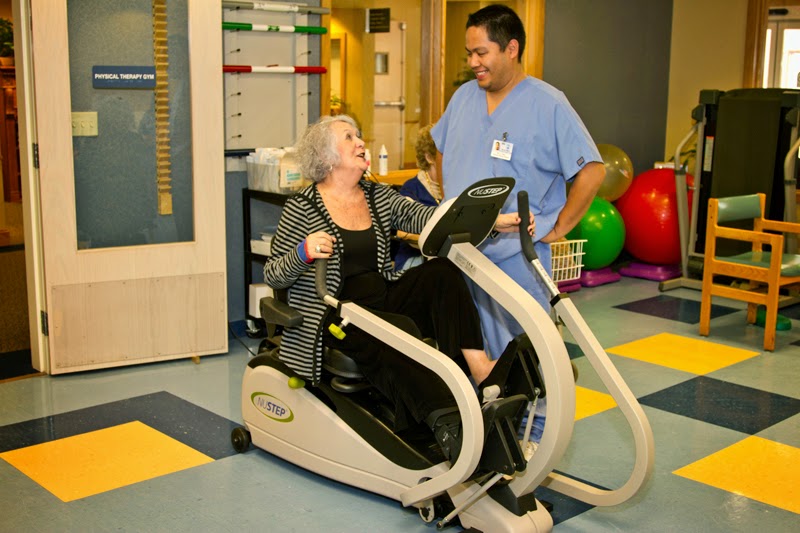
Who Owns and Operates Bel-Air Manor Nursing & Rehabilitation Center?

BEL-AIR MANOR NURSING & REHABILITATION CENTER is owned by a for-profit company. For-profit facilities operate as businesses with obligations to shareholders or private owners. The facility is operated by RYDERS HEALTH MANAGEMENT, a chain that manages multiple nursing homes. With 71 certified beds and approximately 66 residents (about 93% occupancy), it is a smaller facility located in NEWINGTON, Connecticut.
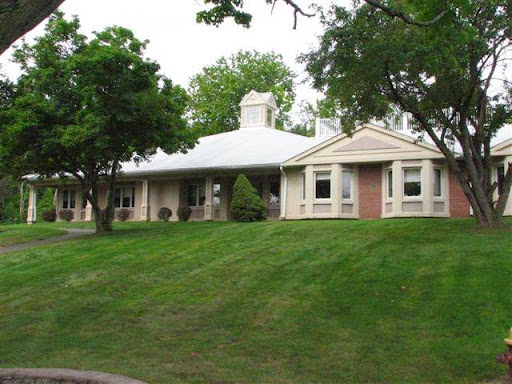
How Does Bel-Air Manor Nursing & Rehabilitation Center Compare to Other Connecticut Nursing Homes?

Compared to the 100 nursing homes in Connecticut, BEL-AIR MANOR NURSING & REHABILITATION CENTER's overall rating (3 stars) is below the state average of 3.0, staff turnover (39%) is near the state average of 46%, and health inspection rating (3 stars) is at the national benchmark.

What Should Families Ask When Visiting Bel-Air Manor Nursing & Rehabilitation Center?

Based on this facility's data, families visiting should ask: "Can I visit during a mealtime to observe dining assistance and food quality?" "How do you handle medical emergencies, and what is your hospital transfer rate?" "Can I speak with family members of current residents about their experience?"

Is Bel-Air Manor Nursing & Rehabilitation Center Safe?

Based on CMS inspection data, BEL-AIR MANOR NURSING & REHABILITATION CENTER has a clean safety record: no substantiated abuse findings (meaning no confirmed cases of resident harm), no Immediate Jeopardy citations (the most serious violation level indicating risk of serious injury or death), and is not on the Special Focus Facility watch list (a federal program monitoring the lowest-performing 1% of nursing homes). The facility has a 3-star overall rating and ranks #100 of 100 nursing homes in Connecticut. While no facility is perfect, families should still ask about staff-to-resident ratios and recent inspection results during their visit.

Do Nurses at Bel-Air Manor Nursing & Rehabilitation Center Stick Around?

BEL-AIR MANOR NURSING & REHABILITATION CENTER has a staff turnover rate of 39%, which is about average for Connecticut nursing homes (state average: 46%). Moderate turnover is common in nursing homes, but families should still ask about staff tenure and how the facility maintains care continuity when employees leave.

Was Bel-Air Manor Nursing & Rehabilitation Center Ever Fined?

BEL-AIR MANOR NURSING & REHABILITATION CENTER has been fined $13,627 across 1 penalty action. This is below the Connecticut average of $33,215. While any fine indicates a compliance issue, fines under $50,000 are relatively common and typically reflect isolated problems that were subsequently corrected. Families should ask what specific issues led to these fines and confirm they've been resolved.

Is Bel-Air Manor Nursing & Rehabilitation Center on Any Federal Watch List?

BEL-AIR MANOR NURSING & REHABILITATION CENTER is not on any federal watch list. The most significant is the Special Focus Facility (SFF) program, which identifies the bottom 1% of nursing homes nationally based on persistent, serious quality problems. Not being on this list means the facility has avoided the pattern of deficiencies that triggers enhanced federal oversight. This is a positive indicator, though families should still review the facility's inspection history directly.