CIVITA CARE CENTER AT NEWINGTON
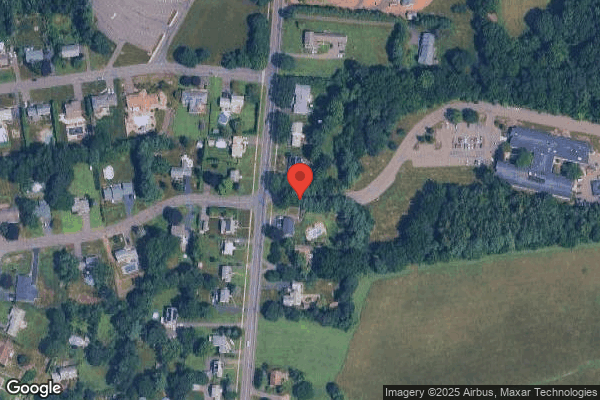

240 CHURCH ST, NEWINGTON, CT 06111 (860) 667-2256
For profit - Corporation 180 Beds CIVITA CARE CENTERS Data: November 2025
Trust Grade
15/100
#171 of 192 in CT
Last Inspection: December 2023

Within standard 12-15 month inspection cycle. Federal law requires annual inspections.

Overview

Civita Care Center at Newington has received a Trust Grade of F, indicating significant concerns and poor overall quality of care. Ranking #171 out of 192 nursing homes in Connecticut places it in the bottom half of facilities statewide and #59 out of 64 in its county, suggesting very few local options are worse. Although the trend is improving, with reported issues decreasing from 11 in 2024 to 4 in 2025, the facility still has a concerning record, including $72,261 in fines, which is higher than 87% of Connecticut facilities. Staffing is a strong point, with a 0% turnover rate, indicating stability among staff, but the facility has serious deficiencies; for instance, there were incidents where residents did not receive timely pain medication and others were not properly supported during transfers, posing risks for falls. Overall, while there are some strengths, the facility’s poor ratings and serious incidents raise significant concerns for families considering this home for their loved ones.

Trust Score
F
15/100
In Connecticut
#171/192
Bottom 11%
Safety Record
High Risk
Review needed
Inspections
Getting Better
11 → 4 violations
Staff Stability
○ Average
Turnover data not reported for this facility.
Penalties
✓ Good
$72,261 in fines. Lower than most Connecticut facilities. Relatively clean record.
Skilled Nurses
⚠ Watch
Each resident gets only 29 minutes of Registered Nurse (RN) attention daily — below average for Connecticut. Fewer RN minutes means fewer trained eyes watching for problems.
Violations
⚠ Watch
40 deficiencies on record. Higher than average. Multiple issues found across inspections.
★☆☆☆☆
1.0
Overall Rating
★☆☆☆☆
1.0
Staff Levels
★★★☆☆
3.0
Care Quality
★☆☆☆☆
1.0
Inspection Score
Stable
2024: 11 issues
2025: 4 issues

The Good

  • Full Sprinkler Coverage · Fire safety systems throughout facility
  • No fines on record

Facility shows strength in fire safety.

The Bad

1-Star Overall Rating

Below Connecticut average (3.0)

Significant quality concerns identified by CMS

Federal Fines: $72,261

Well above median ($33,413)

Moderate penalties - review what triggered them

Chain: CIVITA CARE CENTERS

Part of a multi-facility chain

Ask about local staffing decisions and management

The Ugly 40 deficiencies on record

3 actual harm
Aug 2025 3 deficiencies
CONCERN (D) 📢 Someone Reported This

A family member, employee, or ombudsman was alarmed enough to file a formal complaint

Potential for Harm - no one hurt, but risky conditions existed

Notification of Changes (Tag F0580)

Could have caused harm · This affected 1 resident

**NOTE- TERMS IN BRACKETS HAVE BEEN EDITED TO PROTECT CONFIDENTIALITY** Based on review of the clinical record, facility documentation, and facility policy, and interviews for one of three residents (...

Read full inspector narrative →
**NOTE- TERMS IN BRACKETS HAVE BEEN EDITED TO PROTECT CONFIDENTIALITY** Based on review of the clinical record, facility documentation, and facility policy, and interviews for one of three residents (Resident #4) reviewed for change in condition, the facility failed to ensure the provider was notified timely of a delay in obtaining STAT (immediate) laboratory work in accordance with physician orders, and failed to ensure the physician/APRN was notified timely of critical lab results. The findings include:Based on review of the clinical record, facility documentation, and facility policy, and interviews for one of three residents (Resident #4) reviewed for change in condition, the facility failed to ensure the provider was notified timely of a delay in obtaining STAT (immediate) laboratory work in accordance with physician orders, and failed to ensure the physician/APRN was notified timely of critical lab results. The findings include: Resident #4's diagnoses included Alzheimer's, flaccid neuropathic bladder (weak bladder muscles unable to contract properly) and urinary retention. The quarterly Minimum Data Set (MDS) assessment dated [DATE] identified that Resident #4 had a Brief Interview for Mental Status (BIMS) score of three out of fifteen, indicative of severe cognitive impairment, was dependent for personal care and always incontinent of bowel and bladder. The Resident Care Plan (RCP) dated 5/22/2025 identified Resident #4 was incontinent of bowel and bladder at times, had a history of urinary retention, and to monitor for retention. Interventions directed to observe for signs and symptoms of infection such as changes in mental status, complaints of back pain/dysuria, hematuria and elevated temperature and observe urinary output color, odor, and presence of sediment or blood in urine. APRN noted dated 8/1/2025 identified a urinalysis was completed due to foul smelling urine, the culture and sensitivity was obtained and ordered to start Macrobid (antibiotic)100 milligrams (mg) twice a day for five (5) days, labs reviewed, good oral (po) intake, encourage extra fluids, and if any changes noted may repeat labs. APRN note dated 8/8/2025 (late entry 8/28/2025) identified Resident #4 was seen due to reported lethargy, poor po intake, sitting up in chair, alert when called name but appeared tired, confused with dementia, vitals signs were stable, afebrile (no temperature), lungs were clear, no cough or congestion was noted. Urinary tract infection/dementia progressing. New orders today: ordered STAT (urgent or rush, immediately) chest x-ray, CBC (complete blood count), CMP (comprehensive metabolic panel), UA (urinalysis), also D5 1/2 strength NS (normal saline) intravenous (IV) two (2) bags, and if workup shows any infection will start antibiotics, keep responsible party notified. A physician order dated 8/8/2025 at 12:51 PM directed STAT CBC, CMP, urinalysis (UA) and culture and sensitivity (C/S). The nursing note written by LPN #6 dated 8/8/2025 at 2:40 PM indicated Resident #4 was seen by the APRN with new orders obtained, and the responsible party was updated. Record review identified the IV was started on 8/8/2025, and the chest x-ray was unable to be completed due to resident movement, and the supervisor and provider were notified. Record review failed to identify that the STAT lab work and UA and C/S were obtained or that the physician/APRN was notified that the labs and urine sample were not obtained on 8/8 or 8/9/2025. Nurses note dated 8/10/2025 at 12:29 PM (written by RN #1) identified Resident #4 was alert but confused at baseline, lethargic for a few days, was receiving IV hydration, labs and urine were sent out and a chest x-ray was obtained with negative results. Vital signs were stable, temperature 98.3. Responsible party asked for resident to be sent to hospital for evaluation, and Resident #4 was transferred to the hospital via ambulance. Review of Emergency Medical Services (EMS) run sheet identified EMS left the facility to transport to the hospital on 8/10/2025 at 12:43 PM. Review of laboratory results for labs identified the sample was collected on 8/10/2025 at 7:42 AM with results received by the facility on 8/10/2025 at 1:09 PM. The results further identified the critical values were called to the facility and a read-back of the results were performed with facility RN #1 at 2:09 PM. Record review failed to identify the physician/APRN was notified the STAT orders were not obtained on 8/8/2025 when ordered, and were not obtained on 8/9/2025. Interview and record review on 8/28/2025 at 11:58 AM with LPN #6 identified he was the charge nurse on 8/8/2025 during the 7 AM to 3 PM shift, and Resident #4 was his patient. LPN #6 stated APRN #2 had ordered STAT blood work on 8/8/2025 after 12 noon for Resident #4 and APRN #2 had directed him to order the blood work STAT. LPN #6 stated he called the lab to book the lab draw for Saturday 8/9/2025. LPN #6 stated he believed APRN #2 was aware the lab would not draw blood work until the next day, but he did not have a conversation with the APRN #2 that STAT labs ordered at the facility after 12 noon are not drawn until the next day. Interview and record review on 8/28/2025 at 11:06 AM with RN #1 identified she worked 8/9/2025 and was aware the blood work was ordered for 8/8/2025. Although RN #1 stated she spoke with the on-call provider on 8/9/2025 regarding continuing the IV hydration pending the blood work, but she was unaware the blood work was ordered STAT and was not aware they were delayed until late in the day. Interview, clinical record review and facility documentation review on 8/28/2025 at 10:31 AM with RN #3 identified she was the evening shift supervisor on 8/8/2025 and did not recall if STAT bloodwork was ordered on 8/8/2025. RN #3 further stated if the lab does not obtain STAT bloodwork by noon (12:00 PM), the physician/APRNs are aware and if needed residents can be sent to the hospital to obtain bloodwork. Interview failed to identify why the APRN was not notified the STAT lab work was not drawn on 8/8/2025 as ordered. Interview and record review on 8/28/2025 at 1:06 PM with APRN #2 identified on 8/8/2025 she ordered the blood work to be drawn STAT, and she identified STAT meant within four (4) hours. APRN #2 stated she was not notified that the blood work would not be drawn that day (8/8/2025) and she would want to have been notified. APRN #2 reviewed the APRN on-call notes and identified the on-call called the facility on 8/9 and was informed the urine sample was obtained, the chest x-ray was negative, Resident #4 was lethargic but was not notified the STAT blood work was not obtained as ordered. APRN #4 stated the facility should have notified the on-call APRN there was a delay in obtaining the blood work. a. Nurses note dated 8/10/2025 at 4:02 PM written by RN #1 identified critical lab results were received two (2) hours after Resident #4 was transferred to the hospital. Lab results were BUN (blood urea nitrogen; normal 6 to 20) 184.0 and Creatinine 10.81 (normal 0.7 to 1.3; strongly suggest severe and acute kidney failure), Potassium 7.6 (normal 3.6 to 5.2) and CO2 (carbon dioxide; normal from a vein 3.7 to 5.6) 13. Clinical record review failed to identify the physician/APRN and the hospital were notified of the critical lab results received from the lab on 8/10/2025 at 2:09 PM. Interview, clinical record review, and facility documentation review on 8/28/2025 at 11:06 AM with RN #1 identified she received the critical blood work results on 8/102025 from the laboratory about two (2) hours after Resident #4 was transferred to the hospital, however she did not notify the physician/APRN or the hospital because she thought the hospital would draw their own blood work anyway. RN #1 further stated, in retrospect maybe she should have reported the critical lab results to the hospital. Interview, and review of the clinical record and facility documentation on 8/28/2025 at 2:36 PM with the DNS identified Resident #4 had blood work ordered STAT on 8/8/2025. The DNS stated the facility physicians and APRNs are aware that STAT blood work is not done after 12 noon, and if APRN #2 wanted it STAT, Resident #4 could have been sent to the hospital. Interview failed to identify the APRN was notified that the blood work was not obtained as ordered. Further, the DNS stated RN #1 should have called the hospital to report the critical lab results received on 8/10/2025. Interview failed to identify staff notified APRN #2 that the STAT blood work would not be obtained on 8/8/2025, and failed to identify why APRN #2 was not notified. Review of facility Clinical Protocol for Labs and Diagnostic Testing Policy directed in part; a nurse will identify the urgency of communicating with the Attending Physician based on physician request, the seriousness of the any abnormality, and the individual's current condition and identify situations that warrant immediate notification Review of facility Lab and Diagnostic Test Results Policy: Physician Role and Follow-Up directed in part, clinically significant test results will be reviewed and acted upon appropriately and in a timely manner. Review of facility Change in Condition Policy directed in part, the facility promptly notifies the resident, his/her attending physician, and resident representative of change in resident's medical condition. The Policy further directed a significant change of condition is a major decline in the resident's status that will not normally resolve itself without intervention.
CONCERN (D) 📢 Someone Reported This

A family member, employee, or ombudsman was alarmed enough to file a formal complaint

Potential for Harm - no one hurt, but risky conditions existed

Quality of Care (Tag F0684)

Could have caused harm · This affected 1 resident

**NOTE- TERMS IN BRACKETS HAVE BEEN EDITED TO PROTECT CONFIDENTIALITY** Based on a review of clinical records, facility documentation, facility policy, and interviews for one of three residents (Resid...

Read full inspector narrative →
**NOTE- TERMS IN BRACKETS HAVE BEEN EDITED TO PROTECT CONFIDENTIALITY** Based on a review of clinical records, facility documentation, facility policy, and interviews for one of three residents (Resident #4) reviewed for change in condition, the facility failed to ensure laboratory work was obtained timely in accordance with physician orders, and failed to act on critical lab results timely. The findings include: Based on a review of clinical records, facility documentation, facility policy, and interviews for one of three residents (Resident #4) reviewed for change in condition, the facility failed to ensure laboratory work was obtained timely in accordance with physician orders, and failed to act on critical lab results timely. The findings include: Resident #4's diagnoses included Alzheimer's, flaccid neuropathic bladder (weak bladder muscles unable to contract properly) and urinary retention. The quarterly Minimum Data Set (MDS) assessment dated [DATE] identified that Resident #4 had a Brief Interview for Mental Status (BIMS) score of three out of fifteen, indicative of severe cognitive impairment, was dependent for personal care and always incontinent of bowel and bladder. The Resident Care Plan (RCP) dated 5/22/2025 identified Resident #4 was incontinent of bowel and bladder at times, had a history of urinary retention, and to monitor for retention. Interventions directed to observe for signs and symptoms of infection such as changes in mental status, complaints of back pain/dysuria, hematuria and elevated temperature and observe urinary output color, odor, and presence of sediment or blood in urine. APRN noted dated 8/1/2025 identified a urinalysis was completed due to foul smelling urine, the culture and sensitivity was obtained and ordered to start Macrobid (antibiotic)100 milligrams (mg) twice a day for five (5) days, labs reviewed, good oral (po) intake, encourage extra fluids, and if any changes noted may repeat labs. Record review identified the last dose of Macrobid was administered on 8/6/2025. APRN note dated 8/8/2025 (late entry 8/28/2025) identified Resident #4 was seen due to reported lethargy, poor po intake, alert when called name but appeared tired, confused with dementia, vital signs were stable, afebrile (no temperature), lungs were clear, no cough or congestion was noted. The note indicated urinary tract infection/dementia progressing. Further, the note directed new orders today: ordered STAT (urgent or rush, immediately) chest x-ray, CBC (complete blood count), CMP (comprehensive metabolic panel), UA (urinalysis), also D5 1/2 strength NS (normal saline) intravenous (IV) two (2) bags, and if workup shows any infection will start antibiotics, keep responsible party notified. The nursing note written by LPN #6 dated 8/8/2025 at 2:40 PM indicated Resident #4 was seen by the APRN with new orders obtained, and the responsible party was updated. Record review identified the IV was started on 8/8/2025, and the chest x-ray was unable to be completed due to resident movement, and the supervisor and provider were notified. Additional record review failed to identify that the STAT lab work and UA and C/S were obtained on 8/8 or 8/9/2025. Interview on 8/28/2025 at 11:37 AM with Lab Representative #1 identified the laboratory picked up the urine sample on 8/9/2025 and had no record of any blood work drawn for Resident #4 on 8/9/2025. Interview and record review on 8/28/2025 at 11:58 AM with LPN #6 identified he was the charge nurse on 8/8/2025 during the 7 AM to 3 PM shift, and Resident #4 was his patient. LPN #6 stated APRN #2 had ordered STAT blood work on 8/8/2025 after 12 noon for Resident #4 and APRN #2 had directed him to order the blood work STAT and he called the lab to book the lab draw for Saturday 8/9/2025. LPN #6 stated STAT labs ordered at the facility after 12 noon are not drawn until the next day and he believed APRN #2 was aware, but he did not have a conversation with the APRN #2 that the blood work would not be obtained on 8/8/2025. Although LPN #6 stated he ordered the lab work to be drawn STAT, he was unable to identify when the lab said they would do the lab draw. Interview, clinical record review and facility documentation review on 8/28/2025 at 10:31 AM with RN #3 identified she was the evening shift supervisor on 8/8/2025 and did not recall if STAT bloodwork was ordered for Resident #4 on 8/8/2025. RN #3 further stated if the lab does not obtain STAT bloodwork by noon (12:00 PM), the physician/APRNs are aware and if needed residents can be sent to the hospital to obtain bloodwork. Interview failed to identify why the APRN was not notified the STAT lab work was not drawn on 8/8/2025 as ordered. Interview, clinical record review, and facility documentation review on 8/28/2025 at 11:06 AM with RN #1 identified she worked 8/9/2025 and was aware the blood work was ordered for 8/8/2025. The laboratory indicated they would not be in on 8/9/2025 and would be in on 8/10/2025 to obtain the blood work. Although RN #1 stated she spoke with the on-call provider on 8/9/2025 regarding continuing the IV hydration pending the blood work, but she was unaware the blood work was ordered STAT and was not aware they were delayed until late in the day. Interview on 8/28/2025 at 10:59 AM with Lab Representative Supervisor (LRS) #1 identified facility did not notify the lab of any STAT lab orders required on 8/8/2025, and further stated there were no labs were ordered for 8/9/2025. LRS #1 stated the lab work was drawn on 8/10/2025. Interview and record review on 8/28/2025 at 1:06 PM with APRN #2 identified on 8/8/2025 she ordered the blood work to be drawn STAT, and she identified STAT meant within four (4) hours. APRN #2 stated she was not notified that the blood work would not be drawn that day (8/8/2025) and she would want to have been notified. APRN #2 reviewed the APRN on-call notes and identified the on-call APRN called the facility on 8/9/2025 and was informed the urine sample was obtained, the chest x-ray was negative and Resident #4 was lethargic but the APRN was not notified the STAT blood work was not obtained as ordered. APRN #4 stated the facility should have notified the on-call APRN there was a delay in obtaining the blood work. Interview, and review of the clinical record and facility documentation on 8/28/2025 at 2:36 PM with the DNS identified Resident #4 had blood work ordered STAT on 8/8/2025. The DNS stated the facility physicians and APRNs are aware that STAT blood work is not done after 12 noon, and if APRN #2 wanted it STAT, Resident #4 could have been sent to the hospital. a. Nurses note dated 8/10/2025 at 12:29 PM (written by RN #1) identified Resident #4 was alert but confused at baseline, lethargic for a few days, was receiving IV hydration, labs and urine were sent out and a chest x-ray was obtained with negative results. Vital signs were stable, temperature 98.3. Responsible party asked for resident to be sent to hospital for evaluation, and Resident #4 was transferred to the hospital via ambulance. Review of Emergency Medical Services (EMS) run sheet identified EMS left the facility to transport to the hospital on 8/10/2025 at 12:43 PM. Review of laboratory results for labs identified the sample was collected on 8/10/2025 at 7:42 AM with results received by the facility on 8/10/2025 at 1:09 PM. The results further identified the critical values were called to the facility and a readback of the results were performed with facility RN #1 at 2:09 PM. Nurses note dated 8/10/2025 at 4:02 PM written by RN #1 identified critical lab results were received two (2) hours after Resident #4 was transferred to the hospital. Lab results were BUN (blood urea nitrogen; normal 6 to 20) 184.0 and Creatinine 10.81 (normal 0.7 to 1.3; strongly suggest severe and acute kidney failure), Potassium 7.6 (normal 3.6 to 5.2) and CO2 (carbon dioxide) 13 (normal from a vein 3.7 to 5.6). Record review failed to identify staff acted on the critical blood work results; review failed to identify the physician/APRN or hospital were notified of the critical results. Interview, clinical record review, and facility documentation review on 8/28/2025 at 11:06 AM with RN #1 identified she received the critical blood work results on 8/10/2025 from the laboratory about two (2) hours after Resident #4 was transferred to the hospital, however she did not notify the physician/APRN or the hospital because she thought the hospital would draw their own blood work anyway. RN #1 further stated, in retrospect maybe she should have reported the critical lab results to the hospital. Interview, and review of the clinical record and facility documentation on 8/28/2025 at 2:36 PM with the DNS identified RN #1 should have called the hospital to report the critical lab results received on 8/10/2025. Interview failed to identify staff notified APRN #2 that the STAT blood work would not be obtained on 8/8/2025, and failed to identify why APRN #2 was not notified. Review of facility Clinical Protocol for Labs and Diagnostic Testing Policy directed in part; the staff will process test requisitions and arrange for tests. When lab results are reported to the facility, a nurse will first review the results. A nurse will identify the urgency of communicating with the Attending Physician based on physician request, the seriousness of the any abnormality, and the individual's current condition. Identifying Situations that Warrant Immediate Notification whether physician has requested to be notified as soon as result is received, whether the result should be conveyed to physician regardless of other circumstances. A physician can be notified by phone, fax, voicemail, e-mail, pager or telephone message, facility staff should document information about how, when and to whom the information was provided and the response. Direct voice communication with the physician is the preferred means for presenting any results requiring immediate notification, especially when the resident's clinical status is unstable or current treatment needs review or clarification. Review of facility Lab and Diagnostic Test Results Policy: Physician Role and Follow-Up directed in part the facility shall use a systematic process for obtaining and reviewing lab and diagnostic test results and reporting results to physicians. Clinically significant test results will be reviewed and acted upon appropriately and in a timely manner. Procedure - the physician will identify, and order diagnostic and lab testing based on diagnostic and monitoring needs. The staff will process test requisitions and arrange for tests.
CONCERN (D) 📢 Someone Reported This

A family member, employee, or ombudsman was alarmed enough to file a formal complaint

Potential for Harm - no one hurt, but risky conditions existed

Accident Prevention (Tag F0689)

Could have caused harm · This affected 1 resident

**NOTE- TERMS IN BRACKETS HAVE BEEN EDITED TO PROTECT CONFIDENTIALITY** Based on a review of clinical records, facility documentation, facility policy, and interviews for two of three residents (Resid...

Read full inspector narrative →
**NOTE- TERMS IN BRACKETS HAVE BEEN EDITED TO PROTECT CONFIDENTIALITY** Based on a review of clinical records, facility documentation, facility policy, and interviews for two of three residents (Resident # 2 and Resident #3) reviewed for abuse, the facility failed to ensure adequate supervision for residents with known wandering behaviors to prevent a resident-to-resident interaction. The findings include: Based on a review of clinical records, facility documentation, facility policy, and interviews for two of three residents (Resident # 2 and Resident #3) reviewed for abuse, the facility failed to ensure adequate supervision for residents with known wandering behaviors to prevent a resident-to-resident interaction. The findings include: 1. Resident #2's diagnoses included dementia, bipolar disorder and schizoaffective disorder. The annual Minimum Data Set (MDS) assessment dated [DATE] identified Resident #2 had severely impaired cognition and ambulated independently. The Resident Care Plan (RCP) dated 5/15/2025 identified Resident #2 had a potential for alteration in safety related to wandering behavior. Interventions directed approach in a calm manner, encourage recreation activities as a diversion, and redirect as needed if wandering into others rooms. 2. Resident #3's diagnoses included dementia. The annual MDS assessment dated [DATE] identified Resident #3 had severe cognitive impairment, had no behaviors, and was independent with wheelchair mobility. The RCP dated 6/12/2025 identified a risk for alteration in safety related to wandering behavior. Interventions directed encourage recreation activities as a diversion, and redirect as needed. Facility reportable event dated 8/17/2025 at 3:15 PM identified Resident #2 was observed in another resident's room sitting on Resident #3's lap with Resident #2's undergarment around Resident #2's ankles. Resident #3 appeared to be attempting to remove Resident #2 from his/her lap by pushing him/her away from his/her lap. Resident #3's pants were intact and zipped. Staff immediately intervened, separated and relocated both residents, the APRN was notified, and evaluated Resident #2 and had no injuries. Staff evaluated Resident #3, no injuries were identified, and both residents were transferred to the hospital for evaluation. Facility summary dated 8/22/2025 identified the incident occurred at 3:15 PM, and staff last observed Resident #3 at 2:53 PM in his/her room, and Resident #2 was last observed walking in the hallway at 3 PM. The room the residents were observed in was located closed to Resident #2's room, and the room had a video camera. Facility review of the video identified Resident #3's clothing remained intact. Both residents were identified to have no injuries and subsequent to the incident, Resident #3 was moved to another unit. Interview with Nurse Aide (NA) #3 on 8/27/2025 at 11:52 AM and review of her written statement identified on 8/17/2025 shortly after 3 PM she observed Resident #2 and #3 in another resident's room. Resident #3 was sitting in his/her wheelchair, and Resident #2 was sitting on Resident #3's lap and Resident #2's undergarment was at his/her ankles. Resident #3's clothing was intact (wearing pants that were zipped). Resident #2 had his/her back to Resident #3 (was facing forward on Resident #3's lap), Resident #2 was bouncing while Resident #3 was trying to push Resident #2 away. Interview, clinical record review, and facility documentation review on 8/27/2025 at 2:28 PM with DNS identified Resident #2 and Resident #3 had a history of wandering behaviors, and NA #3 observed the residents in another resident's room. Resident #2 was sitting on Resident #3's lap with Resident #2's undergarments down around his/her ankle. Resident #3's clothing was intact. The residents were separated, evaluated with no injuries identified, and transferred to the hospital for evaluation. Subsequent to the incident, both residents were seen by psychiatry services, and Resident #3's room was moved to another unit. Further, Resident #2 was placed on every 15-minute checks, and remained on every 15-minute checks as of 8/27/2025. Although interview identified the facility thought Resident #2 pushed Resident #3's wheelchair into the room, interview failed to identify how the residents were able to access another resident's room without staff knowing where Resident #2 and Resident #3 were. Review of facility Resident Right To Freedom From Abuse, Neglect, and Exploitation Policy and Procedure directed in part, staff shall monitor for any behaviors that may provoke a reaction by resident or others, which include, but are not limited to: Sexually aggressive behavior such as saying sexual things, inappropriate touching/grabbing. The Policy further directed the facility will take steps to ensure that the resident is protected from abuse.
Apr 2025 1 deficiency
CONCERN (D) 📢 Someone Reported This

A family member, employee, or ombudsman was alarmed enough to file a formal complaint

Potential for Harm - no one hurt, but risky conditions existed

Report Alleged Abuse (Tag F0609)

Could have caused harm · This affected 1 resident

**NOTE- TERMS IN BRACKETS HAVE BEEN EDITED TO PROTECT CONFIDENTIALITY** Based on record review, facility documentation, and staff interviews for one of three residents (Resident #2) reviewed for accid...

Read full inspector narrative →
**NOTE- TERMS IN BRACKETS HAVE BEEN EDITED TO PROTECT CONFIDENTIALITY** Based on record review, facility documentation, and staff interviews for one of three residents (Resident #2) reviewed for accidents, the facility failed to ensure staff reported an allegation of abuse in a timely manner. The findings include: Resident #2 had a diagnosis of non-pressure chronic ulcers to the left and right calf. The quarterly MDS dated [DATE] identified Resident #2 had a BIMS of 15 indicating intact cognition, and had behaviors of rejecting care, and was independent for ADLs and transfers. The Resident Care Plan (RCP) identified chronic venous ulcers to lower extremities, accusatory behavior towards staff, and manipulation behaviors. Interventions directed to have two (2) staff members present when approaching the resident, observe skin for signs of infection, and treatments as ordered. Nursing note dated 3/19/2025 at 11:02 AM identified Resident #2 alleged RN #2 punctured his/her leg with scissors while doing a dressing change. The wound had minimal bleeding noted, no slough, redness, or warmth present. Review of the Connecticut Department of Public Health Facility Licensing and Investigation Section events report tracking system identified a reportable event for Resident #2. The Report identified on 3/21/2025 at 11 AM, Resident #2 reported that he/she was upset because the wound physician stated there was no puncture wound, and Resident #2 alleged a puncture wound was caused by the nurse during a dressing change on 3/19/2025. The Report further indicated Resident #2 had a history of accusatory behaviors. Record review failed to identify RN #2 reported the allegation that Resident #2 made to her on 3/19/2025 when she performed the wound care. Interview with RN #2 on 4/7/2025 at 12:29 PM identified she notified the DNS and Administrator of the accusation on 3/19/2025 after Resident #2 made the allegation that she punctured the resident's leg when removing the dressing on 3/19/2025. Interview with the DNS on 4/7/2025 at 1:13 PM identified RN #2 reported to her on 3/21/2025 that Resident #2 accused her of puncturing his/her leg during a dressing change on 3/19/2025. The DNS stated RN #2 did not report the allegation on 3/19/2025 because there was no injury noted. Further, the DNS stated RN #2 should have reported the allegation on 3/19/2025 when the resident made the allegation. Review of facility undated Abuse and Investigation and Reporting Policy directed all alleged violations involving abuse will be reported to the facility administrator or his/her designee immediately.
Oct 2024 5 deficiencies 1 Harm
SERIOUS (H) 📢 Someone Reported This

A family member, employee, or ombudsman was alarmed enough to file a formal complaint

Actual Harm - a resident was hurt due to facility failures

Free from Abuse/Neglect (Tag F0600)

A resident was harmed · This affected multiple residents

**NOTE- TERMS IN BRACKETS HAVE BEEN EDITED TO PROTECT CONFIDENTIALITY** Based on record review and staff interviews the facility failed to ensure residents were free from abuse for three (3) of five (...

Read full inspector narrative →
**NOTE- TERMS IN BRACKETS HAVE BEEN EDITED TO PROTECT CONFIDENTIALITY** Based on record review and staff interviews the facility failed to ensure residents were free from abuse for three (3) of five (5) residents (Resident ID # 2, #3 and #7). The facility failed to ensure interventions were in place to address verbal altercations which occurred prior to a physical altercation between Resident #1 and Resident #2, and for Resident #3 and #7 the facility failed to ensure the residents were free from physical and psychosocial abuse. The findings included: 1. Resident #1 had diagnoses which included schizoaffective disorder, bipolar disorder, and schizophrenia. Review of the quarterly Minimum Data Set (MDS) assessment dated [DATE] identified Resident #1, had a Brief Interview for Mental Status (BIMS) of fifteen (15) indicative of intact cognition, was independent with Activities of Daily Living (ADL) including ambulation, did not present with hallucinations or delusions, and did not exhibit any physical, verbal or behavioral symptoms directed toward others. Review of Resident #1's care plan dated 2/11/24 identified Resident #1 had a potential for alteration in mood due to diagnoses of anxiety, bipolar, and schizoaffective disorders and received psychotropic medications with interventions that directed to provide support, medication administration as ordered, and to be alert to a decline in mood/behavior. Resident #2 had diagnoses which included cerebral infarction, hemiplegia affecting left, nondominant side, and adjustment disorder. Review of the quarterly Minimum Data Set assessment dated [DATE] identified Resident #2 had a Brief Interview for Mental Status (BIMS) of fourteen (14) indicative of intact cognition and required substantial assistance with ADL's and was non-ambulatory. Review of Resident #2's Care Plan dated 12/19/23 identified a risk for alterations in mood/behavior related to depressive episodes and anxiety disorder with interventions that directed to encourage resident to verbalize feelings and fears, to spend time talking to the resident, and to allow expression of feelings. Review of Social Worker (SW) #1's note dated 12/19/23 identified Resident #2 had concerns with his roommate (Resident #1), wanted to move to another room, and that SW #1 would assist. No further documentation about the room change was identified and the facility census on 2/15/24 identified Resident #2 remained in the room with Resident #1. Review of a nurse's note dated 2/15/24 at 8:58 AM identified that Resident #2 alleged that Resident #1 had stuck him/her in the face, the resident had a swollen bloody lip. Review of the Facility Licensing and Investigations Section Reportable Event form dated 2/15/24 identified that Resident #1 punched Resident #2 in the face because Resident #1 thought Resident #2 was the devil. The residents were immediately separated, and Resident #1 was transported to the hospital. Review of the police report dated 2/15/24 at 8:16 AM identified a physical altercation occurred between two roommates, Resident #1 and Resident #2. Interview with Resident #2 identified that Resident #1 came out of the bathroom, charged at Resident #2, and began punching him/her in the face. The police report further identified that Resident #1 then fell on top of Resident #2, causing a head-to-head collision, and a minor cut was observed on Resident #2's bottom lip. The police report noted in an interview with Resident #1 identified that he hit Resident #2 because he/she thought Resident #2 was the devil. Resident #1 was transferred to the hospital for evaluation. Review of a hospital Discharge summary dated [DATE] identified that Resident #1 denied suicidal or homicidal ideation and did not meet the criteria for inpatient psychiatric hospitalization and was sent back to the skilled nursing facility. A nurse's note dated 2/15/24 at 10:53 PM identified that Resident #1 had returned from the hospital and moved to a different room, (with no roommate) and no behaviors were noted. Interview with Resident #2 on 10/2/24 at 8:52 AM identified he/she had requested a room change in December 2023 as he/she felt his roommate (Resident #1) was mentally unstable. Resident #2 identified feeling uncomfortable with the living situation and was concerned for his/her safety as he/she was unsure when a situation would become violent. Resident #2 further indicated he/she informed the Social Worker that he/she did not want to share a room with Resident #1 any longer and was told there were no rooms available. Resident #2 indicated he/she had to deal with the situation and tried to ignore Resident #1's verbal outbursts as the room change did not occur. Interview with Licensed Practical Nurse (LPN) #1 on 9/30/24 at 11:04 AM identified he/she did not witness the incident between Resident #1 and Resident #2 on 2/15/24, however had gone to the residents' room and saw Resident #2 sitting on the edge of his/her bed, bleeding from the mouth, crying, and visibly upset. LPN #1 further identified Resident #2 had reported he/she was attacked and did not retaliate due to weakness from his/her stroke and fear of getting into trouble. LPN #1 indicated Resident #1 was placed on one-to -one supervision until sent to the emergency room for further evaluation. Interview with Social Worker (SW) #1 on 10/1/24 at 3:03 PM identified Resident #1 would frequently make negative and racist remarks to Resident #2 prior to the 2/15/24 incident. These remarks consisted of Resident #1 calling Resident #2 evil, the devil, racist remarks, and complaining about him/her leaving the bathroom unclean, however, there were no physical altercations were noted prior to 2/15/24. SW #1 indicated he/she had informed Administrator #2 (previous administrator) of their first argument, she could not recall the exact date, she identified it was sometime in December 2023. SW #1 further identified he/she did not move Resident #2 at that time of his/her request on 12/19/23 because he/she thought there were no empty beds available. SW #1 identified that the arguments between Resident #1 and Resident #2 had continued and after the second argument which SW #1 estimated had occurred sometime in January 2024, he/she again informed Administrator #2, and was instructed to move one of the residents to a new room, however both residents refused to move. SW#1 further identified that she did not document the ongoing arguments in the clinical record and was unsure why. Interview with Administrator #2 (Administrator in place at the time of the incident) on 10/1/24 at 4:02 PM identified he/she remembered the altercation between Resident #1 and Resident #2 on 2/15/24, however could not recall being informed that any verbal exchanges/concerns between the two residents occurred prior to the 2/15/24 incident. Administrator #2 identified anytime a physical or verbal incident had taken place, the resident's room would immediately be changed. Interview with the Administrator #1 (current administrator) 10/3/24 AT 9:30 AM identified rooms were available on the long-term care unit in December 2023. Interview with the Director of Nurses (DON) on 10/1/24 at 9:12 AM identified that Resident #1 was cleared psychiatrically on 2/15/24 and sent back to the facility and placed into a private room. The DON stated that she was not aware of any of the verbal exchanges that occurred between Resident #1 and Resident #2 prior to the 2/15/24 incident and was not informed by SW #1 that this was occurring. The DON further identified he/she would have immediately separated the residents had she known the verbal exchanges were taking place as it created an unsafe situation and would have also involved different disciplines to support/inquire about the issue and hopefully resolve it. 2. Resident #7 had diagnoses that included schizophrenia, generalized anxiety disorder, and congestive heart failure. Review of the quarterly Minimum Data Set assessment dated [DATE] identified Resident #7 had a Brief Interview for Mental Status (BIMS) of fourteen (14) indicative of intact cognition and was independent with ADLs and ambulation. Review of Resident #7's Care Plan dated 4/3/24 identified an alteration in mood state with interventions that directed to monitor for irritability, anxiety, depression, and any mood changes. A nurse's note dated 6/9/24 at 3:43 PM Resident #1 was noted to hit staff and a resident, 911 and a doctor strong (an emergency code for immediate assistance) was called. Resident #1 broke free from staff and hit another resident in the head. Review of the Facility Licensing and Investigations Section Reportable Event form dated 6/9/24 at 3:30 PM identified Resident #7 was standing at the nurse's station when he/she was punched on the side of the face by Resident #1. Resident #7 was assessed and no injuries were identified and Resident #1 was transferred to the hospital. Review of the police report dated 6/9/24 at 4:01 PM identified a physical altercation between a resident and staff member, where Resident #1 had a mental episode and jumped on LPN #2's back and then punched another resident in the face. The report further indicated Resident #1 was calm, in the presence of staff, sitting in a wheelchair upon police arrival to the facility. The report identified Resident #1 was transported to the hospital following the incident. Review of a care plan dated 7/1/24 identified that the resident had been hospitalized after hitting a resident and a staff member and had returned to the facility on 7/1/24 and was placed on one-to-one supervision until 7/11/24, when every fifteen-minute checks were initiated. Although the hospital discharge summary for the hospital stay from 6/9/24-7/1/24 was requested it was not provided. Interview with Resident #7 on 10/3/24 at 1:50 PM identified he/she was hit in the head, back and arms by Resident #1 on 6/9/24, that Resident #1 had punched him/her hard, called him/her a demon, and threatened to kill me. Resident #7 further identified that he/she still has flashbacks of the incident and was frightened after the incident. Interview with LPN #2 on 10/2/24 at 3:40 PM identified he/she had walked into the unit at 3:00 PM on 6/9/24, and walked into the nurse's station to receive report, and that Resident #1 had followed him and started hitting him with his/her fist in the back and then on the chest. LPN #2 further identified the floor staff assisted in separating the resident from LPN #2 and had placed Resident #1 in a wheelchair in front of the nurse's station under the supervision of staff. LPN #2 indicated he/she stepped away from the incident and was at the elevator when he/she heard commotion at the nurse's desk and heard Resident #1 had hit Resident #7. Interview with Nurse Aide (NA) #1 on 10/2/24 at 10:12 AM identified witnessing Resident #1 hitting LPN #2 on 6/9/24 and that, five (5) staff members separated Resident #1 from LPN #2, Resident #1 was placed in a wheelchair near the nurse's station under staff supervision. NA #1 identified staff had attempted to calm Resident #1 down, but Resident #1 had gotten up from the wheelchair, and ran into a resident ' s room, grabbed an overbed table, and brought it into the hallway as Resident #7 was approaching the nurse's station. Resident #1 then broke away from staff and ran over to Resident #7 started hitting Resident #7 in the head and calling him/her a demon. NA #1 further indicated Resident #7 was crying following the incident and was taken to his/her room where he/she remained until Resident #1 was transferred out of the facility. Interview with the Regional Clinical Consultant on 10/3/24 at 3:00 PM identified that Resident #1 had an extended hospital stay and upon return was placed on one-to-one supervision until 7/11/24, the resident had not exhibited behaviors so the interdisciplinary team decided every 15 minute checks was appropriate, the resident then was on every 30 minute checks and then every hour checks until they were discontinued due to a hospital stay for another physical altercation with a resident on 9/13/24. 3. Resident #3 had diagnoses which included disorganized schizophrenia, anxiety disorder, and encephalopathy. Review of the admission Minimum Data Set assessment dated [DATE] identified Resident #3 had a Brief Mental Interview for Mental Status (BIMS) of twelve (12) indicative of moderately impaired cognition, did not exhibit physical or verbal behaviors towards others, and was independent with ADLs. Review of the Care Plan dated 7/25/24 identified Resident #3 had memory loss, impaired cognition, and was at risk for communication impairment with interventions that directed to face resident when speaking, and if resident was restless/agitated, to reapproach later in a calm, soothing manner. Review of the Facility Licensing and Investigations Section Reportable Event form dated 9/13/24 identified that Resident #1 attacked Resident #3 and was punching him/her in the face. Both residents were assessed, and no injuries were noted. Review of the police report dated 9/13/24 at 9:51 AM identified an altercation between Resident #1 and Resident #3 where Resident #1 had punched Resident #3 in the head and a scuffle had ensued. The report further indicated Resident #3 had identified Resident #1 had struck him/her in the head for no reason while he/she was walking by and threatened that he/she was going to get a gun and come back and shoot Resident #1. When the police officer asked Resident #1 what had occurred, Resident #1 responded, I saw the devil in that person. Both residents were sent to the emergency room for further evaluation. Interview with Occupational Therapist (OT) #1 on 9/30/24 at 2:46 PM identified that on 9/13/24, he was following Resident #1 with a wheelchair as he/she was walking in the hallway and had passed by Resident #3 who was ambulating in the hallway in the opposite direction when Resident #1 punched Resident #3. OT #1 further indicated Resident #3 retaliated and punched back at Resident #1. OT #1 identified the staff were able to successfully separate the two residents and that Resident #1 had stated Resident #3 was the devil. Both residents were sent to the emergency room for further evaluation. Interview with the Administrator on 10/3/24 at 5:10 PM identified that she was the administrator when the incident on 9/13/24 occurred. Resident #1 was sent to the hospital and subsequently transferred to another facility better suited for the resident's needs. The administrator further identified that the facility has zero tolerance any form of abuse. Review of the abuse policy identified that the residents in the facility will be free from abuse.
CONCERN (D) 📢 Someone Reported This

A family member, employee, or ombudsman was alarmed enough to file a formal complaint

Potential for Harm - no one hurt, but risky conditions existed

Deficiency F0657 (Tag F0657)

Could have caused harm · This affected 1 resident

**NOTE- TERMS IN BRACKETS HAVE BEEN EDITED TO PROTECT CONFIDENTIALITY** Based on review of clinical records, interview, and review of facility documentation for two (2) of six (6) residents reviewed f...

Read full inspector narrative →
**NOTE- TERMS IN BRACKETS HAVE BEEN EDITED TO PROTECT CONFIDENTIALITY** Based on review of clinical records, interview, and review of facility documentation for two (2) of six (6) residents reviewed for the plan of care for Resident #4, the facility failed ensure a velcro stop sign was in place in accordance with the plan of care, and for Resident #6 reviewed for falls, the facility failed to follow a care plan intervention. The findings included: 1. Resident #4 had diagnoses which included paranoid schizophrenia, schizoaffective disorder, and chronic obstructive pulmonary disease. Review of the admission Minimum Data Set assessment dated [DATE] identified Resident #4 as cognitively intact and was independent with Activities od Daily Living. Review of the Facility Licensing and Investigations Section Reportable Event form dated 6/24/24 identified a physical altercation between Resident #4 and Resident #5 and identified a stop sign banner would be placed across Resident #4's doorway. A Nurses note dated 6/24/24 identified that another resident had entered h/her room and would not leave, so Resident #4 punched Resident #5 in the head. Review of Resident #4's Care Plan dated 6/24/24 identified psychotropic medication related to schizoaffective disorder and potential for altered mood behavior with interventions that directed to administer medications as ordered, observe for changes in mood, psych consultation and treatment as ordered, and stop sign banner placed at the front of room door. Observation and interview on 9/30/24 with LPN #4 identified a stop sign banner was missing from Resident #4's and all staff was responsible to ensure the stop sign remains on Resident #4's door. Interview with the Regional Clinical Consultant on 9/30/24 at 4:40 PM identified a stop sign banner should have been in place on Resident #4's door per incident/care plan directive. The care plan policy directed that the comprehensive care plan would: describe services that would be furnished to attain the resident's highest practicable physical, mental, and psychosocial well-being; incorporate identified problem areas; incorporate risk factors associated with identified problem areas; and aid in preventing or reducing decline in the resident's functional status.
CONCERN (D) 📢 Someone Reported This

A family member, employee, or ombudsman was alarmed enough to file a formal complaint

Potential for Harm - no one hurt, but risky conditions existed

Quality of Care (Tag F0684)

Could have caused harm · This affected 1 resident

**NOTE- TERMS IN BRACKETS HAVE BEEN EDITED TO PROTECT CONFIDENTIALITY** Based on review of clinical records, interview, and review of facility policy for one (2) of three (3) residents (Resident #1 an...

Read full inspector narrative →
**NOTE- TERMS IN BRACKETS HAVE BEEN EDITED TO PROTECT CONFIDENTIALITY** Based on review of clinical records, interview, and review of facility policy for one (2) of three (3) residents (Resident #1 and Resident #6) reviewed for medication and treatment administration, the facility failed to administer a psychiatric medication to a resident with a schizophrenia and failed to provide wound care to a patient with a Stage III pressure ulcer. The findings included: 1. Resident #1 had diagnoses which included schizoaffective disorder, bipolar disorder, and schizophrenia. Review of the quarterly Minimum Data Set assessment dated [DATE] identified Resident #1 as cognitively intact, did not present with hallucinations or delusions, and did not exhibit any physical, verbal or behavioral symptoms directed toward others. Review of Resident #1's care plan dated 2/15/24 identified Resident #1 had a potential for alteration in mood due to diagnoses of anxiety, bipolar, and schizoaffective disorders and received psychotropic medications with interventions that directed to provide support, medication administration as ordered, and to be alert to a decline in mood/behavior. Review of a physician's order dated 6/1/24 directed for the resident to have an Absolute Neutrophil Count (ANC) (bloodwork used to monitor the neutrophil level in residents on clozapine) every month. Results should be sent to the pharmacy on the first of the month so clozapine can be dispensed, Clozapine will not be dispensed if the bloodwork is not received. Review of the medication administration record identified the order to fax labwork to the pharmacy for 6/1/24 had initials with parentheses around them indicating that the task was not done, however no explanation as to why it wasn't done was documented. Review of physician's orders dated 6/4/24 directed to administer clozapine 375 mg (a medication used to treat schizophrenia) by mouth at bedtime. Review of the Medication Administration Record dated June 2024 identified Resident #1 was administered 75 mg of clozapine (of the 375 mg order) on 6/4/24 at bedtime. A nurse's noted dated 6/4/24 at 9:00 AM identified clozapine 300 mg was not in stock due to Resident #1's lab draw for an Absolute Neutrophil Count (ANC-for residents on clozapine) was not completed as ordered. The note further indicated the Advanced Practice Registered Nurse (APRN) was made aware and directed to administer 75 mg (of the 375 mg order) to the Resident #1 on 6/4/24. A nurse's noted dated 6/5/24 identified an ANC was obtained on 6/5/24 and a request to the pharmacy to send an emergency supply for clozapine 100 mg. Review of the Medication Administration Record dated June 2024 identified Resident #1 was administered 375 mg of clozapine on 6/5/24 at bedtime and nightly thereafter per physician's order. Interview with the Regional Clinical Consultant on 10/3/24 at 4:00 PM identified the standard of practice is that a physician's order, whether it be medication or lab, was to be followed. The Regional Clinical Consultant further indicated there was a laboratory order monthly for Resident #1 and was unsure of why it was missed. Review of the medication administration policy identified that medications will be administered in accordance to physician orders. 2. Resident #6 had diagnoses of neurocognitive disorder with Lewy bodies, anxiety, and major depressive disorder. Review of the admission Minimum Data Set assessment dated [DATE] identified Resident #6 as moderately cognitively impaired and could ambulate with assistance. Review of Resident #6's updated Care Plan dated 3/27/24 identified the resident was at risk for pressure ulcers and had a pressure ulcer to the coccyx with interventions that directed to administer the treatment to the coccyx as ordered and encourage/assist with turning and repositioning as needed. Review of the Wound Management Detail Report dated 5/31/24 identified a deteriorating Stage III pressure ulcer in the coccyx region measuring 2.5 centimeters (cm) in length, and 4 cm in width. Review of a physician order dated 6/14/24 directed to wash coccyx with normal saline, followed by moisten Dakin's solution (an antiseptic), followed by foam dressing daily. Review of the June 2024 Administration Report identified Resident #6's treatment on 6/27/24 was not signed off as administered. Interview with the Regional Clinical Coordinator on 10/3/24 at 4:00 PM failed to identify why wound care was not provided to Resident #6 on 6/27/24 and that the standard of practice was to follow the physician's order. Review of the pressure ulcer policy identified that pressure ulcer treatments will be administered in accordance with the physician orders.
CONCERN (D) 📢 Someone Reported This

A family member, employee, or ombudsman was alarmed enough to file a formal complaint

Potential for Harm - no one hurt, but risky conditions existed

Medical Records (Tag F0842)

Could have caused harm · This affected 1 resident

**NOTE- TERMS IN BRACKETS HAVE BEEN EDITED TO PROTECT CONFIDENTIALITY** Based on review of clinical records, interviews and review of facility documentation for one (1) of three (3) residents, (Reside...

Read full inspector narrative →
**NOTE- TERMS IN BRACKETS HAVE BEEN EDITED TO PROTECT CONFIDENTIALITY** Based on review of clinical records, interviews and review of facility documentation for one (1) of three (3) residents, (Resident #6) reviewed for activities of daily living, the facility failed to document activities of daily living each shift. The findings included: Resident #6 had diagnoses of neurocognitive disorder with Lewy bodies, anxiety, and major depressive disorder. Review of the admission Minimum Data Set assessment dated [DATE] severely cognitively impaired and required substantial assistance with toileting. Review of Resident #6's Care Plan dated 4/29/23 identified a risk for skin breakdown due to decreased mobility and assistance with dressing, hygiene, bathing, and toileting with interventions that directed to assist with turning and repositioning, skin care after each incontinent episode, and provide assistance with activities of daily living as needed. Review of Resident #6's Point of Care History for May and June of 2024 identified staff failed to document the resident's activities of daily living (which included support provided for eating, percentage of meal consumed, how the resident used the toilet and support provided for toileting) each shift. Interview with the Regional Clinical Consultant on 10/1/24 at 1:35 PM identified it was facility practice to document activities of daily living each shift and the responsibility of the nursing supervisors and Director of Nurses (DON) to review the reports. Interview with the DON on 10/1/24 at 1:38 PM identified the activity of daily living reports may have not been completed per shift as the facility hires several nurse's aides from the agency who do not have passwords to the charting system and therefore were unable to chart. The DON further indicated that facility staff was aware of their charting expectations and responsibilities.
CONCERN (F) 📢 Someone Reported This

A family member, employee, or ombudsman was alarmed enough to file a formal complaint

Potential for Harm - no one hurt, but risky conditions existed

Deficiency F0712 (Tag F0712)

Could have caused harm · This affected most or all residents

**NOTE- TERMS IN BRACKETS HAVE BEEN EDITED TO PROTECT CONFIDENTIALITY** Based on clinical record reviews, facility policy and interviews for seven (7) of fifteen (15) residents (Residents #1, #2, #3, ...

Read full inspector narrative →
**NOTE- TERMS IN BRACKETS HAVE BEEN EDITED TO PROTECT CONFIDENTIALITY** Based on clinical record reviews, facility policy and interviews for seven (7) of fifteen (15) residents (Residents #1, #2, #3, #4, #5, #6, and #7) reviewed for physician visits, the facility failed to ensure physician visits were conducted in accordance with state agency requirements. The findings included: 1. Resident #1 had diagnoses which included Alzheimer's Disease, seizure disorder, and schizoaffective disorder, bipolar type. The quarterly Minimum Data Set (MDS) assessment dated [DATE] identified that the resident had short term and long term memory deficits and was dependent with bathing, toileting, oral, and personal hygiene. Review of the physician's evaluation/visit notes dated 1/31/24 through 8/26/24 failed to identify Resident #1 was evaluated by the physician every sixty (60) days in accordance with the public health code. 2. Resident #2 had diagnoses which included Alzheimer's Disease, Diabetes Mellitus, anxiety, and depression. The quarterly Minimum Data Set (MDS) assessment dated [DATE] identified that the resident had short term and long term memory deficits and required partial to moderate assistance with toileting and bathing. Review of the physician's evaluation/visit notes dated 3/25/24 through 10/7/24 failed to identify physician's evaluation/visits were conducted for Resident #2 from 3/25/24 through 10/7/24. 3. Resident #3 had diagnoses which included Alzheimer's disease, anxiety, and adjustment disorder. The quarterly Minimum Data Set (MDS) assessment dated [DATE] identified Resident #1 had a Brief Mental Interview for Mental Status (BIMS) of thirteen (13) indicative of intact cognition and was independent with toileting, dressing, and personal hygiene. Review of the physician's evaluation/visit notes dated 4/1/24 through 10/14/24 failed to identify Resident #3 was evaluated by a physician or advanced nurse practitioner during the month of June 2024. Review of the physician's evaluation/visits further identified the physician had evaluated Resident #3 in August 2024 an April 2024, however failed to evaluate the resident in June 2024. 4. Resident #4 had diagnoses which included schizophrenia, anxiety, and coronary artery disease. The quarterly Minimum Data Set (MDS) assessment dated [DATE] identified Resident #4 had a Brief Mental Interview for Mental Status (BIMS) of fourteen (14) indicative of intact cognition and was independent with toileting, dressing, and personal hygiene. Review of the physician's evaluation/visit notes dated 1/8/24 through 10/16/24 failed to identify Resident #3 was evaluated by a physician every sixty (60) days in accordance with the public health code. 5. Resident #5 had diagnoses which included Alzheimer's Disease, diabetes mellitus, and heart failure. The quarterly Minimum Data Set (MDS) assessment dated [DATE] identified Resident #5 had a Brief Mental Interview for Mental Status (BIMS) of eleven (11) indicative of moderately impaired cognition and required substantial assistance with toileting, bathing, and personal hygiene. Review of the physician's evaluation/visit notes dated February 2024 through October 2024 identified physician visits were conducted in February 2024 and April 2024, however failed to evaluate the resident every sixty (60) days thereafter. 6. Resident #6 had diagnoses which included depression, anxiety, and atrial fibrillation. The admission Minimum Data Set (MDS) assessment dated [DATE] identified Resident #6 had a Brief Mental Interview for Mental Status (BIMS) of thirteen (13) indicative of intact cognition and required substantial assistance bathing, applying footwear, and with performing personal hygiene. Review of physician's evaluation/visit notes dated July 2024 through September 2024 identified a physician saw Resident #6 on 7/19/24, however failed to maintain monthly evaluations for the first ninety (90) days of the resident's admission to the facility in accordance with the public health code. 7. Resident #7 had diagnoses which included heart failure, anxiety, and bipolar disorder. The quarterly Minimum Data Set (MDS) assessment dated [DATE] identified Resident #7 had a Brief Mental Interview for Mental Status (BIMS) of fifteen (15) indicative of intact cognition and was dependent with bathing. Review of the physician's evaluation/visit notes dated 3/22/24 through 9/19/24 identified Resident #7 was evaluated by a physician every sixty days as identified by documented visits on 3/22/24 and 5/10/24, however failed to maintain visits every 60 days thereafter as his/her next evaluation was dated 8/20/24. Interview with the Regional Nurse Consultant on 10/31/24 at 3:30 PM identified the facility's standard of practice was for physician's to assess/evaluate each resident every thirty (30) days for the first ninety (90) day of residency, then every sixty (60) days thereafter, alternating with an advanced nurse practitioner, and/or whenever the need presented. Review of the Physician's Services policy directed to conduct routine, required visits, physician orders and progress notes were maintained in accordance with current OBRA regulations and facility policy, and physician visits, frequency of visits, emergency care of residents, etc., were provided in accordance with current OBRA regulations and facility policy. Review of the Connecticut Public Health Code identified each resident in a chronic and convalescent nursing home shall be examined by his/her personal physician at least once every thirty (30) days for the first ninety (90) days following admission. After ninety (90) days, alternative schedules for visits may be set if the physician determines and so justifies in the patient's medical record that the patient's condition does not necessitate visits at thirty (30) day intervals. At no time may the alternative schedule exceed sixty (60) days between visits.
Aug 2024 1 deficiency
CONCERN (D) 📢 Someone Reported This

A family member, employee, or ombudsman was alarmed enough to file a formal complaint

Potential for Harm - no one hurt, but risky conditions existed

Deficiency F0655 (Tag F0655)

Could have caused harm · This affected 1 resident

**NOTE- TERMS IN BRACKETS HAVE BEEN EDITED TO PROTECT CONFIDENTIALITY** Based on clinical record reviews, facility documentation, facility policy, and interviews for five (5) of five (5) sampled resid...

Read full inspector narrative →
**NOTE- TERMS IN BRACKETS HAVE BEEN EDITED TO PROTECT CONFIDENTIALITY** Based on clinical record reviews, facility documentation, facility policy, and interviews for five (5) of five (5) sampled residents (Residents #4, #5, #6, #7 and #8) who were recently admitted to the facility, the facility failed to provide the residents or their representatives a summary of a baseline or comprehensive care plan within forty-eight (48) hours of admission and conduct a care plan meeting. The findings include: 1. Resident #4's diagnoses included fall, back pain, type 2 diabetes mellitus, and anemia. The admission Minimum Data Set assessment dated [DATE] identified Resident #4 made reasonable and consistent decisions regarding tasks of daily life, required maximum assistance with toileting, showering, dressing, and moderate assistance with hygiene, and moderate assistance with bed mobility, transfers, and ambulation. The Resident Care Plan dated 6/26/24 identified Resident #4 required assistance with daily living skills, was at risk for skin breakdown, at risk for falls, and had chronic pain. Interventions directed to provide assistance of one (1) for activities of daily living, encourage resident to get out of bed, assist with turning and repositioning, offload heels, pressure redistribution mattress, skin checks and treatment as needed, assess pain level and provide pain medication as needed, place call light in reach, provide assist with bed mobility, transfers and ambulation, and physical and occupational therapy as needed. Review of the clinical record from 6/14/24 to 7/14/24 failed to identify Resident #4 or his/her representative was provided with a copy of their baseline or comprehensive care plan or invited to attend a care plan meeting. 2. Resident #5's diagnoses included spinal stenosis, bipolar disorder, and type 2 diabetes mellitus. The admission Minimum Data Set assessment dated [DATE] identified Resident #5 made reasonable and consistent decisions regarding tasks of daily life, required maximum assistance with toileting, showering, dressing, and was dependent with hygiene, and moderate assistance with bed mobility, transfers, and ambulation. The Resident Care Plan dated 7/9/24 identified Resident #5 required assistance with daily living skills, was on psychotropic medication, was at risk for skin breakdown, at risk for falls, and had chronic pain. Interventions directed to provide assistance for activities of daily living, monitor for abnormal movements, gradual dose reduction as indicated, medications as ordered, psychiatry visits as ordered, encourage resident to get out of bed, assist with turning and repositioning, offload heels, pressure redistribution mattress, skin checks and treatment as needed, assess pain level and provide pain medication as needed, place call light in reach, provide assist with bed mobility, transfers and ambulation, and physical and occupational therapy as needed. Review of the clinical record from 6/25/24 to 7/23/24 failed to identify Resident #5 or his/her representative was provided with a copy of their baseline or comprehensive care plan or invited to attend a care plan meeting. 3. Resident #6's diagnoses included intracerebral hemorrhage, low back pain, dementia, and history of stroke. The admission Minimum Data Set assessment dated [DATE] identified Resident #6 rarely or never made decisions regarding tasks of daily life, required maximum assistance with toileting, showering, dressing, and hygiene, and moderate assistance with bed mobility, transfers, and ambulation. The Resident Care Plan dated 8/2/24 identified Resident #6 required assistance with daily living skills, was on psychotropic medication, was at risk for skin breakdown, at risk for falls, and had chronic pain. Interventions directed to provide assistance for activities of daily living, monitor for abnormal movements, gradual dose reduction as indicated, medications as ordered, psychiatry visits as ordered, encourage resident to get out of bed, assist with turning and repositioning, offload heels, pressure redistribution mattress, skin checks and treatment as needed, assess pain level and provide pain medication as needed, place call light in reach, provide assist with bed mobility, transfers and ambulation, and physical and occupational therapy as needed. Review of the clinical record from 7/23/24 to 8/6/24 failed to identify Resident #6 or his/her representative was provided with a copy of their baseline or comprehensive care plan or invited to attend a care plan meeting. Interview with Resident #6's Power of Attorney (Person #1) on 8/6/24 at 2:00 PM identified he/she had spoken to the Director of Nursing on 8/5/24 about the requirements to have a meeting with the facility within seventy-two (72) hours of Resident #6's admission to review the Resident Care Plan and the Director of Nursing identified it had not been done because the facility did not have a Social Worker. Interview with the Director of Nursing (DON) on 8/6/24 at 2:45 PM identified she had spoken with Person #1 on 8/5/24 and was unsure if a meeting for Resident #6 had been held. The DON identified the reason it may not have been held to date was because the facility did not have an in-house Social Worker. 4. Resident #7's diagnoses included chronic obstructive pulmonary disease, anxiety, polyneuropathy, and osteoarthritis. The admission Minimum Data Set assessment dated [DATE] identified Resident #7 made reasonable and consistent decisions regarding tasks of daily life, required moderate assistance with toileting, showering, dressing, and hygiene, moderate assistance with transfers, was independent with bed mobility, and was non-ambulatory. The Resident Care Plan dated 8/1/24 identified Resident #7 required assistance with daily living skills, was at risk for skin breakdown, at risk for falls, and at risk for pain. Interventions directed to provide assistance for activities of daily living, encourage resident to get out of bed, assist with turning and repositioning, offload heels, pressure redistribution mattress, skin checks and treatment as needed, assess pain level and provide pain medication as needed, place call light in reach, provide assist with bed mobility, transfers and ambulation, and physical and occupational therapy as needed. Review of the clinical record from 7/25/24 to 8/6/24 failed to identify Resident #7 or his/her representative was provided with a copy of their baseline or comprehensive care plan or invited to attend a care plan meeting. 5. Resident #8's diagnoses included type 2 diabetes mellitus, anxiety, fall, osteoarthritis, and heart failure. The Resident Care Plan dated 7/24/24 identified Resident #8 required assistance with daily living skills, was at risk for cardiac complications, at risk for skin breakdown, at risk for falls, and at risk for pain. The admission Minimum Data Set assessment dated [DATE] identified Resident #8 made reasonable and consistent decisions regarding tasks of daily life, required maximum assistance with toileting, showering, dressing, and hygiene, and moderate assistance with bed mobility and transfers and supervision with ambulation. Interventions directed to provide assistance for activities of daily living, encourage resident to get out of bed, assist with turning and repositioning, offload heels, pressure redistribution mattress, cardiac meds as ordered, check blood pressure and pulse as ordered, elevate head of bed to prevent shortness of breath, skin checks and treatment as needed, assess pain level and provide pain medication as needed, place call light in reach, provide assist with bed mobility, transfers and ambulation, and physical and occupational therapy as needed. Review of the clinical record from 7/20/24 to 8/6/24 failed to identify Resident #8 or his/her representative was provided with a copy of their baseline or comprehensive care plan or invited to attend a care plan meeting. Interview with the Regional Social Worker on 8/6/24 at 3:15 PM identified the facility followed a process to have an Interdisciplinary Team Meeting within seventy-two (72) hours of a resident being admitted to the facility, and at a minimum, team members included in the meeting were the resident and/or their representative, nursing, social work, physical and occupational therapists and the business office. The Regional Social Worker indicated the original meeting and ongoing care plan meetings were documented on the Care Plan Meeting Form and the Minimum Data Set (MDS) Coordinator scheduled the meetings. Review of the facility calendar for scheduled care conferences for the months of June, July, and August 2024 failed to identify meeting dates were scheduled for Residents #4, #5, #6, #7, and #8. The Regional Social Worker was unable to locate documentation in the clinical records that identified residents, or their representatives were invited to a care plan meeting or given a copy of their care plan summary. Review of the facility policy Care Planning-Interdisciplinary Team identified a comprehensive care plan for each resident is developed within seven (7) days of completion of the resident assessment (MDS). The policy further directed the resident, the resident's representative are encouraged to participate in the development and revisions to the resident's care plan and every effort is made to schedule the meetings at the best time of the day for the resident or representative to attend.
Jul 2024 3 deficiencies
CONCERN (D) 📢 Someone Reported This

A family member, employee, or ombudsman was alarmed enough to file a formal complaint

Potential for Harm - no one hurt, but risky conditions existed

Deficiency F0569 (Tag F0569)

Could have caused harm · This affected 1 resident

Based on clinical record review, facility documentation review, facility policy review, and interviews for one of three residents (Resident #4) reviewed for resident rights, the facility failed to man...

Read full inspector narrative →
Based on clinical record review, facility documentation review, facility policy review, and interviews for one of three residents (Resident #4) reviewed for resident rights, the facility failed to manage the resident's personal funds accordingly. The findings include: Resident #4's diagnoses included depression, and anxiety disorder. The Resident Care Plan (RCP) dated 3/23/2023 identified Resident #4 is at risk for experiencing alterations in mood states related to recent move to skilled nursing facility for Long Term Care. Interventions included staff providing support, and social services to provide visits. The admission Minimum Data Set (MDS) form dated 3/30/2023 identified Resident #4 was alert and oriented. Record review identified Resident #4's payor source was Medicaid. Interview with Person #4 (Business Office Manager) on 7/11/2024 at 10:30 AM identified Resident #4 had a personal funds account balance at the prior nursing home of one thousand eight hundred nine dollar and fourteen cents ($1809.14), prior to being transferred to the current skilled nursing facility and the discharging facility sent a check to the current facility on 6/14/2023 for that amount. The Business Office Manager stated Resident #4 accumulated this amount during the resident's stay at his/her previous skilled nursing facility, could utilize the money for any of his/her needs (the money was not to be used to cover expenses for his/her stay at the facility). Review of the facility Resident Statement Landscape documentation identified Resident #4 received a personal check of one thousand eight hundred nine dollar and fourteen cents ($1809.14) sent from his/her previous skilled nursing facility. Additionally, the facility withdrew $1734.14 from Resident #4's personal funds account for care cost, leaving a balance of $75 remaining. Interview with Regional Business Office Manager (RBOM #1) on 7/15/2024 at 12:15 PM identified after reviewing Resident #4's account management, RBOM #1 identified the facility should not have utilized any of the funds in Resident #4's personal funds account for payment for the resident's care. RBOM #1 stated the facility received another check for $2,522.00 from Resident #4's previous facility with a memo indicating for the money was for applied income (to be applied for fees related to Resident #4's stay). Subsequent to interview, RBOM #1 identified Resident #4 would be re-imbursed the $1734.14 back to his/her personal account. Review of the Management of Residents' Personal Funds Policy (undated) identified in part, the facility shall manage the personal funds of residents who request the facility to do so. Should the facility manage the resident's funds, the facility will act as a fiduciary of the resident funds and hold, safeguard, manage, and account for the personal funds of the resident. No service charge will be levied against the resident for the management of personal funds. The resident will be informed in advance of any charges imposed to his or her personal funds.
CONCERN (D) 📢 Someone Reported This

A family member, employee, or ombudsman was alarmed enough to file a formal complaint

Potential for Harm - no one hurt, but risky conditions existed

Quality of Care (Tag F0684)

Could have caused harm · This affected 1 resident

**NOTE- TERMS IN BRACKETS HAVE BEEN EDITED TO PROTECT CONFIDENTIALITY** Based on review of the clinical record, facility documentation, facility policy and interviews for the two (2) of three (3) resi...

Read full inspector narrative →
**NOTE- TERMS IN BRACKETS HAVE BEEN EDITED TO PROTECT CONFIDENTIALITY** Based on review of the clinical record, facility documentation, facility policy and interviews for the two (2) of three (3) residents, (Resident #1 and Resident #4), reviewed for medication administration, and care and services, the facility failed to ensure that a resident was free from a medication error and failed to ensure a follow-up consultant appointment was scheduled timely. The findings include: 1. Resident #1's diagnoses included acute embolism and thrombosis of the left femoral vein (blood clot), polycythemia vera (blood cancer), heart disease, and dementia. A re-entry Minimum Data Set (MDS) assessment dated [DATE] identified Resident #1 had severely impaired cognition and was independent with activities of daily living. A Resident Care Plan dated 6/20/24 identified that Resident #1 received medications in error with interventions that directed to perform frequent checks to monitor any mentation changes, and to complete vital signs and neurological checks every four (4) hours for twenty-four (24) to forty-eight (48) hours following the medication error on 6/20/24. A nurse's note dated 6/20/24 at 11:37 PM identified that at 10:10 PM, Resident #1 received Donepezil 10 milligrams (mg) (a medication used to treat dementia) and Gabapentin 100 mg (an anti-convulsant) that was intended for a different resident. Review of the facility Reportable Event Form and Facility Accident and Incident form dated 6/20/24 identified that on 6/20/24 at 10:10 PM, Resident #1 received two (2) medications that were ordered for another resident. LPN #1 administered Gabapentin and Donepezil in error to Resident #1. The APRN and responsible party were notified and an order was received to monitor vital signs and to perform a neurological assessment every four (4) hours. An Employee Education Intervention dated 6/21/24 identified that LPN #1 was educated on 7/11/24 that prior to administering medication to a resident, it is expected that they perform the 3 checks including checking the Electronic Medication Administration Record (EMAR) for the medication order, checking the resident's name bracelet, and the resident's photo in the EMAR to confirm the correct resident prior to administering the medication. Review of the Resident #1's June 2024 physician's orders failed to reflect a physician's order for Donepezil or Gabapentin. An APRN note dated 6/21/24 at 3:22 PM identified that she was called into Resident #1's room prior to 12:00 PM due to an increase in weakness and pallor (a pale appearance). The note indicated that the resident was transferred back to bed with a mechanical lift and per her assessment, the resident had improved and she gave orders for staff to continue monitoring neurological vital signs every four (4) hours for the next 48 hours. Additionally, she identified that the resident had received Gabapentin and Donepezil in error the previous evening and that lethargy (lack of energy, weakness) and somnolence (excess sleepiness) was to be expected. A nurse's note dated 6/22/24 at 6:36 AM identified that she was called to the unit by the charge nurse, who had reported that Resident #1 was having difficulty breathing. On assessment, she had noted that the resident was not responding per baseline, had crackles to both lungs on auscultation (listening), and his/her oxygen level was between 81 and 82 percent on room air. She placed the resident on oxygen via a non-rebreather (mask), called emergency services, the on-call provider, and the family. The resident was transported by emergency services to the hospital. Review of the hospital physician notes dated 6/23/24 at 2:21 PM identified that Resident #1 suffered a cardiac arrest (loss of heart function) and was intubated (a tube was placed to maintain the airway), but that it was unclear if the Gabapentin and Donepezil that were given to the resident at the facility were what led to his/her unresponsiveness, though one would not expect it based on the dosing suggested. Additionally, the hospital records indicated that the resident had been admitted to the hospital from [DATE] through 6/28/24. Interview with LPN #1 on 7/11/24 at 1:50 PM identified that on 6/20/24 around 6:00 PM RN #2 approached her and requested that she take the assignment on another unit due to a staff member leaving without notice. She indicated that she had initially refused, communicating to RN #2 that she was a brand-new graduate nurse who had only oriented in the facility for six (6) shifts and was still on orientation. There were no other nurse's available, she felt guilty finally agreed to take the assignment. She stated that around 10:00 PM she went in to Resident #1's room to give him his/her medications, reporting that Resident #1 was confused and was not wearing a name bracelet. When she went back to the cart to document, she realized that she was in the wrong room and gave Resident #1 another resident's medications. She indicated she locked the cart and reported it to RN #2 immediately. She reported that she should have identified that she had the correct resident prior to medication administration, but that she was very behind and felt rushed, leading to the error. LPN #1 identified the resident was not wearing a name band, so she looked for a picture in the MAR, however, there was no picture in the MAR, she should have asked a staff member on the floor for verification of the resident's identity, however, she did not know any staff on the floor. Additionally, LPN#1 identified that she had not yet completed her orientation on the medication pass. Interview with RN #2 on 7/15/24 at 11:28 AM identified that he was notified by the first-floor nurse around 6:00 PM on 6/20/24 that he/she was leaving due to an emergency. He indicated that he notified the DNS by text that the nurse had left, and she directed that he have LPN #1 take the assignment. He reported that he notified LPN #1 and she refused to take the assignment, stating she was new and didn't feel comfortable, as she had never worked on that floor and didn't know the residents. He indicated that he then reached out to the staffing agency, but no one was available to work the shift, so he requested that one of the other nurses go to the unit so that LPN #1 could work where she felt comfortable, but the other nurses refused. He reported that LPN #1 eventually came to him and agreed to switch units and go to the other unit, and then a few hours later she called him and reported she had made a medication error on Resident #1. Interview with the DNS on 7/11/24 at 12:36 PM identified that LPN #1 had self-reported the medication error she made with Resident #1, and had reported that she thought that Resident #1 was Resident #5 but that Resident #5 was not on Gabapentin or Donepezil and they were not able to identify who's medications she gave to Resident #1, and the facility has been unable to reach LPN #2 for clarification. Resident #1 did have a name band on the wheelchair and a picture in the MAR, and she was unsure why LPN #2 did not see either. She reported that the APRN assessed the resident the next day and determined the resident was stable and did not require further evaluation. She reported that since the 6/20/24 incident, she started conducting audits of resident name bracelets and pictures in the Medication Administration Record. Further, although she did not have the documentation, LPN#2 had finished her orientation for the medication pass prior to 6/20/24. Interview with MD #1 (facility Medical Director) on 7/11/24 11:35 AM identified that Resident #1 had not been ordered Gabapentin or Donepezil while residing at the facility. He indicated that receiving both of those medications in error would not have caused the resident to have respiratory distress, unresponsiveness, or cause cardiac arrest. Further, he reported that neither the Gabapentin 100 mg nor Donepezil 10 mg have sedating effects on that low of a dose. Additionally, he reported that Gabapentin is a long-acting medication, and that it takes about 10 days to build up in the blood and become effective, which one dose in error will not do. Interview with Pharmacist #1 on 7/11/24 at 4:34 PM identified that to his knowledge, one-time doses of Gabapentin 100 mg and Donepezil 10 mg would not cause respiratory distress, unresponsiveness, or cause cardiac arrest. He indicated that Gabapentin has the potential in high doses over a long period of time, but not with 100 mg one time. Review of the Adverse Consequences and Medication Errors policy directed, in part, that a medication error is defined as the preparation or administration of drugs or biologicals which is not in accordance with physician's orders, manufacturers specifications, or accepted professional standards and principles of the professional(s) providing services. Examples of medication errors include: omissions, unauthorized drug (a drug administered without a physician's order), wrong dose, wrong route of administration, wrong dosage form, wrong drug, wrong time, and/or failure to follow manufacturer instructions and/or accepted professional standards. When any of the above occurs, the prescriber and/or staff rule out medication as a cause and document it in the resident's clinical record. 2.Resident #4's diagnoses included gastro-esophageal reflux (GERD) and constipation. The Resident Care Plan (RCP) dated 3/23/2023 identified Resident #4 was at risk for constipation due to decreased mobility. Interventions directed bowel regimen per protocol, monitor bowel movements, observe for medication induced constipation, and assess bowel sounds and abdominal discomfort. The admission Minimum Data Set (MDS) form dated 3/30/2023 identified Resident #4 was alert and oriented and required one (1) staff assist with ADLs. Review of the Gastroenterologist (GI) Consultation Discharge Instructions dated 3/30/2023 identified Resident #4 was to follow-up with Gastroenterologist (GI) in three (3) months (due 6/2023). Record review and facility documentation from 3/30/2023 to 5/28/2024 failed to identify a follow-up Gastroenterology appointment was initiated or performed. A physician progress note dated 5/28/2024 at 4:19 PM by APRN #2 identified APRN #2 was requested to evaluate Resident #4 for constipation and request to see Gastroenterologist. The note identified she reviewed the GI note from 3/30/2023 that recommended Resident #4 have a follow-up visit in 3 months (due 6/2023). The note identified it did not appear from EMR (electronic medical records) that a visit was completed and APRN #2 would request follow-up for possible endoscopy/colonoscopy. Interview with RN #1 (Regional Clinical Support) on 7/15/2024 at 10:40 AM identified the unit secretary (US #1) was responsible for ensuring appointments and transportation was scheduled for all the nursing units after notified by the nursing staff. Interview with Unit Secretary (US #1) on 7/15/24 at 11:10 AM identified Resident #4 was seen by his/her GI physician on 3/30/2023, and the physician recommended a follow-up visit in three months (6/2023). US #1 identified the GI office indicated they would call the facility to schedule the next appointment, but there is no record of the GI office calling the facility to schedule the next appointment. US #1 identified the facility should have followed-up with the GI office to schedule that appointment. US #1 identified the facility became aware of the missed follow-up on 5/28/2024, and scheduled an appointment for a 9/23/2024 (15 months after it was due) at 9:30 AM. No facility policy was provided for surveyor review regarding scheduling consult appointments. Based on review of the clinical record, facility documentation, facility policy, and interviews for one of three residents (Resident #4) reviewed for care and services, the facility failed to ensure a follow-up consultant appointment was scheduled timely. The findings include: Resident #4's diagnoses included gastro-esophageal reflux (GERD) and constipation. The Resident Care Plan (RCP) dated 3/23/2023 identified Resident #4 was at risk for constipation due to decreased mobility. Interventions directed bowel regimen per protocol, monitor bowel movements, observe for medication induced constipation, and assess bowel sounds and abdominal discomfort. The admission Minimum Data Set (MDS) form dated 3/30/2023 identified Resident #4 was alert and oriented and required one (1) staff assist with ADLs. Review of the Gastroenterologist (GI) Consultation Discharge Instructions dated 3/30/2023 identified Resident #4 was to follow-up with Gastroenterologist (GI) in three (3) months (due 6/2023). Record review and facility documentation from 3/30/2023 to 5/28/2024 failed to identify a follow-up Gastroenterology appointment was initiated or performed. A physician progress note dated 5/28/2024 at 4:19 PM by APRN #2 identified APRN #2 was requested to evaluate Resident #4 for constipation and request to see Gastroenterologist. The note identified she reviewed the GI note from 3/30/2023 that recommended Resident #4 have a follow-up visit in 3 months (due 6/2023). The note identified it did not appear from EMR (electronic medical records) that a visit was completed and APRN #2 would request follow-up for possible endoscopy/colonoscopy. Interview with RN #1 (Regional Clinical Support) on 7/15/2024 at 10:40 AM identified the unit secretary (US #1) was responsible for ensuring appointments and transportation was scheduled for all the nursing units after notified by the nursing staff. Interview with Unit Secretary (US #1) on 7/15/24 at 11:10 AM identified Resident #4 was seen by his/her GI physician on 3/30/2023, and the physician recommended a follow-up visit in three months (6/2023). US #1 identified the GI office indicated they would call the facility to schedule the next appointment, but there is no record of the GI office calling the facility to schedule the next appointment. US #1 identified the facility should have followed-up with the GI office to schedule that appointment. US #1 identified the facility became aware of the missed follow-up on 5/28/2024, and scheduled an appointment for a 9/23/2024 (15 months after it was due) at 9:30 AM. No facility policy was provided for surveyor review regarding scheduling consult appointments.
CONCERN (D) 📢 Someone Reported This

A family member, employee, or ombudsman was alarmed enough to file a formal complaint

Potential for Harm - no one hurt, but risky conditions existed

Safe Environment (Tag F0921)

Could have caused harm · This affected 1 resident

**NOTE- TERMS IN BRACKETS HAVE BEEN EDITED TO PROTECT CONFIDENTIALITY** Based on observations, review of the clinical record, facility documentation, facility policy and interviews for the one (1) of ...

Read full inspector narrative →
**NOTE- TERMS IN BRACKETS HAVE BEEN EDITED TO PROTECT CONFIDENTIALITY** Based on observations, review of the clinical record, facility documentation, facility policy and interviews for the one (1) of three (3) residents, (Resident #2) reviewed for care and services , the facility failed to ensure that a residents room was kept in a sanitary condition. The findings include: Resident #2 'S diagnoses included chronic pain syndrome, conversion disorder with seizures (a mental health condition that causes physical symptoms) and bipolar disorder. The 5-day Minimum Data Set (MDS) assessment dated [DATE] identified Resident #2 was cognitively intact, displayed behaviors regarding rejection of care, and required supervision assistance for bed mobility, and was dependent with transfers and personal hygiene. Observation and interview of Resident #2's room with RN #1 on 7/15/24 at 9:47 AM, identified Resident #2's room cluttered with multiple layers of boxes lining one side of the room, packages and clothing strewn on an armchair and a recliner, a sticky substance on the walkable portion of the floor, disposable cups and tissues under the bed, a dried yellow stain on the sheets and chuck pad located on the bed, with an odor of urine. RN #1 identified that she was not aware of the state of the resident's room, was not sure how it got to that state, and that she would speak to the Housekeeping Director. Observation with LPN #5 on 7/15/24 at 12:25 PM identified a water pitcher on the floor on the right side of the bed next to Resident #2's left leg, filled with a yellow substance. Resident #2 identified that the pitcher was filled with night urine and that the NA's usually rinse it and give it back to him/her but that they had never come in to empty it in the morning. LPN #5 reported she had not witnessed Resident #2 storing urine in that way previous to observation. Interview with the Housekeeping Director on 7/15/24 at 12:10 PM identified that he has never seen Resident #2's room uncluttered and orderly. He indicated that it's very hard for his workers to go in and clean because the resident doesn't want anything touched or moved, and if he has any new staff filling in, he/she yells at them, calls them names, and then the resident reports that no-one cleaned the room. He reported the resident does allow certain staff to go in to do light cleaning, but that many times they try to clean when he/she is sleeping. He identified that while they encourage the resident to allow decluttering and cleaning by the staff, he is not aware of a plan as to how the facility is going to clean the room up. Review of the Detailed Cleaning Check Off List provided by the Housekeeping Director identified logs from 6/3/24 through 6/9/24 and 7/1/24 through 7/7/24 reporting that they clean when possible, but many times the resident refused. The 6/3/24 log stated that they must figure out a way to remove all the clutter in his/her residence, and that his staff was yelled at by Resident #2 for entering the room. The 6/5/24 log reported that the housekeeper was cursed at and called racial names by Resident #2. The 6/6/24 log reported that the boxes in the room make cleaning very difficult.
Apr 2024 2 deficiencies
CONCERN (D) 📢 Someone Reported This

A family member, employee, or ombudsman was alarmed enough to file a formal complaint

Potential for Harm - no one hurt, but risky conditions existed

Deficiency F0658 (Tag F0658)

Could have caused harm · This affected 1 resident

**NOTE- TERMS IN BRACKETS HAVE BEEN EDITED TO PROTECT CONFIDENTIALITY** Based on clinical record reviews, observations, facility policy and interviews for one sampled resident (Resident #1) who refuse...

Read full inspector narrative →
**NOTE- TERMS IN BRACKETS HAVE BEEN EDITED TO PROTECT CONFIDENTIALITY** Based on clinical record reviews, observations, facility policy and interviews for one sampled resident (Resident #1) who refused medications at times, the facility failed to ensure pre-poured, unlabeled medications for the resident were not left in a medication cup in an unlocked medication cart. The findings include: Resident #1's diagnoses included Parkinson's Disease and dementia with other behavioral disturbance. The quarterly Minimum Data Set, dated [DATE] identified Resident #1 had short-and long-term memory deficits and made poor decisions regarding tasks of daily living. Review of the April 2024 Medication Administration Record identified on 4/16/24 at 9:00 AM Resident #1 refused the following medications: Amantadine 100 milligrams (mg) (a medication for treatment of dyskinesia related to Parkinson's Disease); Carbidopa-Levodopa 25-100 mg (a medication to treat Parkinson's Disease); Multivitamin; Nuplazid 34 mg (a medication for Parkinson's Disease); and Sertraline 25 mg (a medication for dementia). Observations by state surveyors on the locked dementia unit on 4/16/24 at 12:30 PM identified the medication room door was tied open with a lanyard, a loop of fabric designed to be worn around the neck and two (2) medication carts were noted in the room without the benefit of being locked. In the top drawer of one (1) of the unlocked medication carts was a medication cup with five (5) tablets and labeled with Resident #1's name. Observations identified no licensed staff were in the area of the medication room or the nurse's station. An interview was conducted on 4/17/24 at 12:43 PM with the 7AM-3PM charge nurse, Licensed Practical Nurse (LPN) #2. LPN #2 stated on 4/16/24 Resident #1 refused his/her morning medications. LPN #2 identified when a resident refuses medication, the facility policy was to discard the medications. LPN #2 identified she was waiting for another licensed staff member to witness her discard the medications. Interview with the Director of Nursing (DON), the Administrator, the Regional Nurse Consultant, and the Regional Resource Nurse on 4/17/24 at 1:57 PM identified on 4/16/24 at approximately 12:30 PM the medication room on the dementia unit was found to be propped open and two (2) unlocked medication carts were in the room. In the top drawer of one (1) of the medication carts was a cup with pre-poured medication (5 pills) for Resident #1. The DON and Administrator identified the facility policy for medications when the resident refuses, the medications are to destroy/discard the medications, update the provider and the family and document in the resident's clinical record. The DON and Administrator identified the facility policy to discard the medications only requires a witness when there is a controlled medication involved. The DON and Administrator identified the nurses are responsible to ensure this policy is followed and LPN #2 did not follow this policy. Review of the facility policy titled Medication Administration and Documentation-General, undated, directed, in part, the licensed nurse will administer the medication at the time it is prepared (never pre-pours a medication), assures medications are not left unattended, keeps medications secured in a locked area or in visible control at all times, documents all held or refused medications on the MAR, and uses prudent professional judgment by informing the Physician in a timely manner when medications held, refused or otherwise unavailable for administration.
CONCERN (D) 📢 Someone Reported This

A family member, employee, or ombudsman was alarmed enough to file a formal complaint

Potential for Harm - no one hurt, but risky conditions existed

Deficiency F0761 (Tag F0761)

Could have caused harm · This affected 1 resident

Based on observations, facility policy and interviews for one (1) of three (3) medication rooms located at the nurse's station, the facility failed to ensure the medication room door on the dementia u...

Read full inspector narrative →
Based on observations, facility policy and interviews for one (1) of three (3) medication rooms located at the nurse's station, the facility failed to ensure the medication room door on the dementia unit was closed and locked and failed to ensure the two (2) medication carts in the medication room were locked while the door was propped open. The findings include: Observations on 4/16/24 at 12:30 PM on the secured dementia unit identified an unlocked medication room, the door was held open with a lanyard, a loop of fabric designed to be worn around the neck, and two (2) unlocked medication carts were noted in the room. During this observation, several residents (approximately twelve (12) residents) were noted walking up and down the hallway past the nurse's station where the medication room was located and licensed staff were not in the area or at the nurse's station. Interview with the 7AM-3PM charge nurse, Registered Nurse (RN) #2, on 4/17/24 at 12:27 PM identified she had worked on the locked dementia unit the previous day (4/16/24) and this was her assigned unit. RN #2 stated between 12:00-12:15 PM on 4/16/24, she prepared medication for a resident and left to administer the medication without closing the door to the medication room (the door locks automatically when closed). RN #2 identified there was another nurse sitting at the nurse's station when she left the area and when she returned to the nurse's station, there were two (2) state surveyors at the medication room and the nurse was gone. RN #2 stated when she left the area, she thought she had closed the medication cart to lock it, but the lock did not latch all the way. RN #2 identified she was aware of the facility policy which directed to always close and lock the door to the medication room and always lock and close the medication cart when away from the cart. Interview with the 7AM-3PM charge nurse, Licensed Practical Nurse (LPN) #2, on 4/17/24 at 12:43 PM identified on 4/16/24 she was assigned to her normal unit, the secured dementia unit. LPN #2 identified at approximately 12:30 PM she got up from the nurse's station to check a resident and did not realize at that time the door to the medication room was left open. LPN #2 stated she was gone from the area for only one (1) to two (2) minutes and when she returned to the nurse's station, two (2) state workers were in the medication room and were calling for the Director of Nursing (DON). LPN #2 indicated she did not recall the medication cart being left open and she was aware of the facility policy which directed, in part, to keep the medication room door closed and locked when not in attendance as well as the medication cart to be locked and closed when not in attendance. Interview with the DON, the Administrator and two (2) Regional Resource Nurses on 4/17/24 at 1:57 PM identified on 4/16/24 at approximately 12:30 PM, two (2) state surveyors observed the medication room door on the dementia unit propped opened, found the two (2) medication carts in the room were unlocked and there were no staff members in the area. The DON and Administrator identified facility policy directs, in part, the medication room should be closed and locked at all times when there is no staff member in attendance and RN #2 and LPN #2 did not follow facility policy. Review of the facility policy titled Medication Storage, undated, directed, in part, medications must be stored in accordance with manufacturer's specifications and secured in locked storage areas in compliance with state and federal requirements and accepted professional standards of practice with access to medications limited to only authorized personnel. The policy further directed, in part, that medication storage areas shall always remain locked or behind locked doors when not in use and the facility must ensure that only appropriately authorized staff have access to medication storage areas. The facility policy titled Medication Administration and Documentation-General, undated, directed, in part, the medication cart must be locked when out of nurse's view and the medication room must be locked when unattended. The policy further directed, in part, the licensed nurse assures medications are not left unattended and to keep medications always secured in a locked area or in visible control at all times.
Dec 2023 14 deficiencies 1 Harm
SERIOUS (G)

Actual Harm - a resident was hurt due to facility failures

Deficiency F0697 (Tag F0697)

A resident was harmed · This affected 1 resident

**NOTE- TERMS IN BRACKETS HAVE BEEN EDITED TO PROTECT CONFIDENTIALITY** Based on review of the clinical record, review of facility documentation, review of facility policy and interviews, for one of t...

Read full inspector narrative →
**NOTE- TERMS IN BRACKETS HAVE BEEN EDITED TO PROTECT CONFIDENTIALITY** Based on review of the clinical record, review of facility documentation, review of facility policy and interviews, for one of two sampled residents (Resident #375) reviewed for pain management, the facility failed to administer pain medication when the resident made a request to be medicated. The findings include: Resident #375 was admitted to the facility on [DATE] with diagnoses that included chronic obstructive pulmonary disease (COPD), cellulitis (infection of the skin) of right lower limb, and chronic pain syndrome. The admission MDS assessment dated [DATE] identified Resident #375 had moderately impaired cognition, required minimal assistance with personal hygiene and required the assistance of two staff members with dressing, positioning, and transfers. The assessment further noted that the resident had an almost constant presence of pain. The care plan dated 11/12/23 identified Resident #375 was at risk for pain with interventions that included: administer pain medication as indicated and observe for vocal complaints of pain and non-verbal sounds such as crying, moaning, or groaning. A physician's order dated 11/22/23 directed to administer Oxycodone (opioid) 20 milligram (mg) by mouth every 4 hours as needed for moderate to severe pain. Interview on 12/05/23 at 3:00 PM with Resident #375 identified that the for two days of the previous week, the facility did not have his/her pain medication available. Resident #375 further identified that he/she felt like he/she was losing his/her mind due to the level of pain. A nurse's note dated 11/29/23 at 8:39 AM identified Resident #375 complained of pain at 6:45 AM, was screaming, and was told that the medication had not arrived from the pharmacy and was not in the facility's emergency medication supply. In addition, the note identified that the resident declined to be sent to the emergency room and conveyed that they would not help her and would just say that the emergency room is not for pain management. A review of the audit report for the Omnicell machine (an automatic medication dispensing system) which is used to store the facility's emergency supply of medications and requires the nurses to log in with personal log in information. The audit identified that the DNS and the ADNS logged into the system on 11/29/23 at 12:15 PM and noted that the facility had 20 tablets of Oxycodone 10mg available at that time. The audit report identified that the DNS and the ADNS were the only staff that logged into the system on 11/29/23. A progress note written by APRN #1 dated 11/29/23 at 2:40 PM identified she was asked to see Resident #375 for agitation, a pain level of 10 out of 10 (based on a pain scale of 1-10 with 10 being the highest level) for back and lower extremities, increased agitation and crying out for pain medication. The note further identified that the order previous order for Oxycodone was renewed, and a script faxed to the pharmacy. A nurse's note dated 11/29/23 at 10:08 PM identified that the Oxycodone was delivered from the pharmacy at 9:30 PM and the resident was administered the pain medication (approximately 15 hours from the time the resident requested the medications and was noted to have a pain level of 10). Review of the medication administration record (MAR) identified that the resident was medicated as requested according to the physician's orders on 11/28/23, thus did not go two days without pain medication. Interview on 12/11/23 at 3:12 PM with the Nursing Supervisor (RN #7) who was the 11:00 PM to 7:00 AM shift supervisor working on 11/29/23 identified that the charge nurse reported Resident #375 requested pain medication and that the resident did not have any available. She further noted that she checked the Omnicell for Oxycodone but there was none available. She did not explain how she accessed the Omnicell without logging into the system (which is necessary to ascertain the availability of any of the emergency medications). Interview with the DNS on 12/11/23 at 2:44 PM identified she was notified on 11/29/23 that Resident #375 and the emergency box was out of Oxycodone. The DNS indicated that she checked the emergency box and Oxycodone was available. The DNS further indicated that if a resident is out of a medication the emergency supply should be checked. The DNS identified that there should not have been a delay with medicating Resident #375 because the Oxycodone was available. The DNS did not explain why the medication was not administered to the resident when she accessed the Omnicell and determined that it contained 20 tabs of Oxycodone 10mg. Review of the facility's policy on Medication Shortage/Unavailable Medication identified that if the next available delivery of the medication will result in a missed or delayed dose of the resident's medication, the medication should be taken from the emergency medication supply.
CONCERN (D)

Potential for Harm - no one hurt, but risky conditions existed

Deficiency F0578 (Tag F0578)

Could have caused harm · This affected 1 resident

**NOTE- TERMS IN BRACKETS HAVE BEEN EDITED TO PROTECT CONFIDENTIALITY** Based on clinical record review, facility policy review, and interviews for two sampled residents (Resident #16 and #375) review...

Read full inspector narrative →
**NOTE- TERMS IN BRACKETS HAVE BEEN EDITED TO PROTECT CONFIDENTIALITY** Based on clinical record review, facility policy review, and interviews for two sampled residents (Resident #16 and #375) reviewed for advance directives, the facility failed to obtain the most recent advance directive from the legal representative when the resident's code status changed and failed to ensure there was a physician's order indicating the resident's wishes related to cardiopulmonary code status, hospitalization, artificial nutrition, and intravenous fluids. The findings include: 1. Resident #16's diagnoses included transient cerebral ischemic attack, schizoaffective disorder, Type 2 diabetes mellitus and dementia. The admission MDS assessment dated [DATE] identified Resident #16 had severe cognitive impairment and required extensive assistance for bed mobility, toilet use, hygiene, transfers, and ambulation. The signed advance directive consent form dated [DATE] identified Resident #16 had the code status of full code. A full code means that if a person's heart stopped beating and/or they stopped breathing, all resuscitation procedures will be provided to keep them alive. This process can include chest compressions, intubation, and defibrillation and is referred to as Cardiopulmonary Resuscitation (CPR). The physician's order dated [DATE] directed Resident #16 had a status of full code. The nurse's note dated [DATE] at 3:08 PM identified Resident #16 had a critical potassium level of 6.9 (normal range is 3.6 to 5.2 millimoles per liter, having a blood potassium level higher than 6.0 can be dangerous and usually requires immediate treatment). The physician's order dated [DATE] directed to send Resident #16 to the hospital to be evaluated due to the critical potassium level. The nurse's note dated [DATE] at 9:53 PM written by LPN #2 identified Resident #16 returned to the facility at 8:10 PM. Review of the hospital discharge documentation identified Resident #16 had a code status of DNR (do not resuscitate), which means a person has elected to not have CPR performed if their heart or breathing stops. The readmission physician's orders dated [DATE] directed a code status of full code. Review of the clinical record identified that upon readmission to the facility, the resident did not have a new completed advanced directive form. The completed form remained the form dated [DATE]. Interview and clinical record review with RN #1 (7-3 shift supervisor) on [DATE] at 11:40 AM identified that the charge nurses are responsible for addressing advance directives with the resident/responsible party upon admission/readmission. RN #1 could not identify whether advance directives were discussed with the legal representative when the resident returned from the hospital with a new code status of DNR. Subsequent to surveyor inquiry, Resident #16's legal representative was contacted, and the resident's code status was changed to DNR. Interview with the DNS on [DATE] at 1:00 PM identified that the charge nurse was responsible for obtaining the resident's advanced directives upon admission. The DNS further identified that the orders and advanced directive form should be updated when there is a change in code status. Interview with LPN #2 (3-11 charge nurse) on [DATE] at 6:00 AM identified that she is responsible for obtaining the resident's advanced directives upon admission. She noted that she discusses the advance directive with the resident and/or legal representative, although she could not remember whether she discussed Resident #16's advanced directives with the resident's legal representative when the resident was readmitted from the hospital. Review of the Advance Directive policy identified that residents would be provided with written information concerning the right to refuse and/or accept medical or surgical treatment and to formulate an advance directive upon admission. 2. Resident #375 was admitted to the facility on [DATE] with diagnoses that included chronic obstructive pulmonary disease (COPD), cellulitis (infection of the skin) of right lower limb, and chronic pain. The admission Minimum Data Set (MDS) assessment dated [DATE] identified Resident #375 was moderately cognitively impaired and required minimal assistance with personal hygiene and required the assistance of two staff members with dressing, positioning, and transfers. Review of the clinical record identified a Health Care Instruction Consent form that was signed by Resident #375, as well as the facility's representative on [DATE], and signed by MD #1 on [DATE] that identified Resident #375 elected to have cardiopulmonary resuscitation (CPR) performed in the case where his/her heart stops, intubation, artificial nutrition, artificial hydration, and hospitalization. Review of physician's orders for the period of [DATE], through [DATE], failed to identify an order that addressed the resident's wishes elected on the Health Care Instruction Consent form. Interview with the Nursing Supervisor (RN #1) and the Charge Nurse (RN #8) on [DATE] at 3:09 PM identified that if Resident #375 had a life-threatening emergency where they would need to provide CPR or withhold CPR, they would look in the physical clinical record under the advanced directive section and review the Health Care Instruction Consent form and the physician's orders to identify the resident's code status. After reviewing the physician's orders RN #1 and RN #8 noted that there were no physician's orders addressing the resident's code status. Additionally, RN #1 identified that the advanced directives listed on the Health Care Instruction Consent form should match the physician's order and is the physician's responsibility to input/write the order whether in the computer or in the physical chart after they have reviewed and signed the consent form. Interview with the evening Nursing Supervisor (RN #2) on [DATE] at 3:40 PM identified that after a resident or resident representative sign the Health Care Instruction Consent form, it is then placed in a binder for either the physician or the Nurse Practitioner to review, sign and write an order. RN #2 indicated that if the physician did not write an order in the chart or enter the order in the computer after the consent was reviewed and signed. Interview with MD #1 on [DATE] at 1:05 PM identified that the nurses were responsible for order entry after the consent is signed by the physician, and the physician would then sign the orders after they have been entered into the computer. Review of the facility's policy on Advance Directives identified that upon admission written information would be provided to formulate an advance directive. The policy further identified that the attending physician would be notified of the advance directives so that the appropriate orders would be documented in the resident's medical record and plan of care.
CONCERN (D)

Potential for Harm - no one hurt, but risky conditions existed

Deficiency F0655 (Tag F0655)

Could have caused harm · This affected 1 resident

**NOTE- TERMS IN BRACKETS HAVE BEEN EDITED TO PROTECT CONFIDENTIALITY** Based on clinical record review, facility policy review, and interviews for one of two sampled residents (Resident #85) admitted...

Read full inspector narrative →
**NOTE- TERMS IN BRACKETS HAVE BEEN EDITED TO PROTECT CONFIDENTIALITY** Based on clinical record review, facility policy review, and interviews for one of two sampled residents (Resident #85) admitted to the facility in the past three months, the facility failed to develop a baseline care plan to direct the resident's care needs. The findings include: Resident #85 was admitted to the facility on [DATE] with diagnoses that included Covid-19 acute respiratory disease, pneumonia, severe malnutrition, and dementia. Review of Resident #85's clinical record failed to identify that a baseline care plan had been developed to address areas of concern, goals of care and interventions to implement. The admission MDS assessment dated [DATE] identified Resident #85 had moderate cognitive impairment, required total assistance for transfers, hygiene, toilet use, bed mobility and ambulation. The assessment further identified Resident #85 had no history of falls in the last six months. Interview with RN #2 (3-11 shift nursing supervisor) on 12/11/23 at 2:30 PM identified that the 11-7 shift nursing supervisor is responsible for developing the baseline care plans and the baseline care plan is started on admission and completed within 48 hours. She further identified that she could not identify why Resident #85 did not have a baseline care plan developed within the first forty-eight hours of his/her admission to the facility. Interview with the DNS on 12/11/23 at 2:40 PM identified that the system in place for the completion of the baseline care plan for new admissions was the same as what RN #2 conveyed. The DNS further identified that after the completion of baseline care plan, the social worker is responsible for reviewing the plan of care with the resident and/or the legal representative and documenting this encounter in a progress note. Interview with SW #1 on 12/13/24 at 8:30 AM identified that she is responsible for discussing the baseline care plan with the resident and/or legal representative, and completing a progress note. She did not provide a reason for not doing so with Resident #85's legal representative. The Baseline Care Plan policy identified a baseline care plan will be developed for each resident within 48 hours of admission to meet the resident's immediate needs. The baseline care plan would be used until the staff can conduct the comprehensive assessment and develop an interdisciplinary person-centered care plan. The resident/or representative would be provided with a summary of the baseline care plan.
CONCERN (D)

Potential for Harm - no one hurt, but risky conditions existed

Pressure Ulcer Prevention (Tag F0686)

Could have caused harm · This affected 1 resident

**NOTE- TERMS IN BRACKETS HAVE BEEN EDITED TO PROTECT CONFIDENTIALITY** Based on clinical record review, and interviews for one of two sampled residents (Resident #53) reviewed for pressure ulcers, th...

Read full inspector narrative →
**NOTE- TERMS IN BRACKETS HAVE BEEN EDITED TO PROTECT CONFIDENTIALITY** Based on clinical record review, and interviews for one of two sampled residents (Resident #53) reviewed for pressure ulcers, the facility failed to ensure the Registered Nurse (RN) assessed a newly admitted resident with pressure wounds in accordance with professional standards of practice. The findings include: Resident #53's diagnoses included type 2 diabetes mellitus, peripheral vascular disease, foot blister, unspecified psychosis due to known physiological condition and dementia. The Resident Care Plan (RCP) dated 8/8/23 identified Resident #53 at high risk for skin breakdown due to decreased mobility. The care plan interventions directed to encourage resident to get out of bed as needed, encourage, and assist with turning and re-positioning, offload heel when in bed, skin care after each incontinence and skin check and treatment as ordered. The significant change MDS assessment dated [DATE] identified Resident #53 had severe cognitive impairment, required extensive assistance with bed mobility, toilet use, hygiene, and transfers. The assessment further identified the resident was non-ambulatory and had the presence of two deep tissue injuries (DTI). The nurse's note dated 11/24/23 at 2:20 PM identified Resident #53 was unable to swallow, was unresponsive to stimuli, and was on an antibiotic for a urinary tract infection (UTI). The note further identified that the APRN was updated and gave an order to send the resident to the hospital for further evaluation. The APRN progress note dated 11/24/23 at 4:24 PM identified Resident #53 was evaluated for altered mental status, tachycardia, hypoxemia, increased lethargy, poor intake, oxygen saturation of 87%, and was unresponsive to sternal rub. According to the hospital Discharge summary dated [DATE], Resident #53 was treated for diagnoses of UTI and sepsis. The nurse's note dated 11/28/23 at 10:52 PM authored by LPN #2 identified Resident #53 was readmitted to the facility at 6:30 PM, was alert and confused at baseline, had three stage 2 pressure ulcers on buttocks, one open wound to the coccyx, two open wounds to the gluteal folds and wounds to bilateral heels. The wound assessment dated [DATE] at 8:00 PM completed by LPN #2 identified Resident #53 had a stage 2 pressure wound to the coccyx that measured 2.0 centimeters in length by 2.0 centimeters (cm)in width and an intact fluid filled blister to the right heel that measured 2.0 cm by 5.0 cm. The assessment further noted a DTI to the left heel that measured 2.5 cm by 2.0 cm. Review of the clinical record identified that LPN #2 completed the following admission assessments: fall risk, dehydration, elopement, and Braden Scale (assessment of the risk for the development of pressure ulcers/injuries). Further review of the clinical record failed to identify that a registered nurse had assessed the pressure ulcers for the period of 11/28/23 through 11/30/23. Interview with RN #2 (3-11 shift nursing supervisor) on 12/6/23 at 3:35 PM identified that when a resident has a new pressure ulcer/wound, the charge nurse and the nursing supervisor perform the assessment of the wound together. RN #2 further identified that she saw Resident #53's pressure wounds and obtained treatment orders from the physician. She noted that she typically does not document a nursing assessment and only obtains the treatment order. Interview with LPN #2 (3-11 charge nurse) on 12/7/23 at 10:00 AM identified that Resident #53 had an open wound to the coccyx, fluid filled blister to the right heel, and DTI to the left heel. She also identified that the wounds were new upon the resident's readmission from the hospital. LPN #53 further noted that she notified RN #2 of the pressure wounds, but RN #2 did not accompany her when she went to assess the wounds. Interview and clinical record review with the DNS on 12/11/23 at 10:40 AM identified that the nursing supervisor and the LPN assess the onset of new pressure ulcers/wounds together and the nursing supervisor is responsible for documenting the assessment in the nursing progress note and/or in the wound management section. After reviewing Resident #53's clinical record, the DNS identified that the record lacked documentation that the nursing supervisor (RN) had assessed the resident's wounds. The State Board of Examiners for Nursing issued a declaratory ruling in 1989 that addressed the LPN's role in the nursing process. It concluded that LPNs are properly allowed to participate in all phases of the nursing process under the direction of a registered nurse (RN), as outlined in its ruling. The board concluded that an LPN could contribute to the nursing assessment by collecting, reporting, and recording subjective and objective patient-related data in an accurate and timely manner, but an LPN cannot perform the assessment independently. State law defines the practice of nursing by an LPN as the performing of selected tasks and sharing of responsibility under the direction of a registered nurse or an advanced practice registered nurse and within the framework of supportive and restorative care, health counseling and teaching, case finding and referral, collaborating in the implementation of the total health regimen and executing the medical regimen under the direction of a licensed physician or dentist (CGS § 20-87a(c)).
CONCERN (D)

Potential for Harm - no one hurt, but risky conditions existed

Medication Errors (Tag F0758)

Could have caused harm · This affected 1 resident

**NOTE- TERMS IN BRACKETS HAVE BEEN EDITED TO PROTECT CONFIDENTIALITY** Based on observation, review of the clinical record, review of facility policy, and interviews for Resident one of five sampled ...

Read full inspector narrative →
**NOTE- TERMS IN BRACKETS HAVE BEEN EDITED TO PROTECT CONFIDENTIALITY** Based on observation, review of the clinical record, review of facility policy, and interviews for Resident one of five sampled residents (Resident #92) reviewed for unnecessary medications and received psychotropic medication, the facility failed to complete an Abnormal Involuntary Motion Scale (AIMS) assessment every six months. The findings include: Resident #92's diagnoses included unspecified dementia, unspecified severity, without behavioral disturbance, psychotic disturbance, mood disturbance, and anxiety, major depressive disorder, and persistent mood disorder. Review of pharmacy recommendations dated 10/12/2023 identified Resident #92 needed an updated AIMS assessment and identified that per policy the AIMS was required every six months. The Quarterly MDS dated [DATE] identified Resident #92 had intact cognition, required substantial/maximum assistance with toileting, showering, and personal hygiene, and used a wheelchair for mobility. The physician's orders dated 12/1/2023 directed Prozac 40 mg one time daily for unspecified dementia, Remeron 7.5 mg at bedtime for depressive disorder, Duloxetine 30 mg one time daily for depressive disorder, and Seroquel (antipsychotic) 200mg at bedtime for unspecified dementia. The care plan dated 12/1/2023 identified Resident #92 had the problem of psychosocial well-being with interventions that included ongoing evaluation of the effectiveness of psychotropic medications on target symptoms, and observe for changes in mood, behavior, sleep pattern, and appetite. Interview with the Consulting Pharmacist on 12/12/23 at 11:11 AM identified recommendations are emailed to the ADNS on a monthly basis. He further identified that there was no response to the recommendation and there wasn't another AIMS assessment completed since March/2023 (an AIMS should have been completed in September/2023). Review of the Antipsychotic Medication Use policy identified that residents receiving psychotropic medications should have an AIMS assessment completed every six months.
CONCERN (D)

Potential for Harm - no one hurt, but risky conditions existed

Deficiency F0761 (Tag F0761)

Could have caused harm · This affected 1 resident

Based on observations, review of facility policy and interviews for one of two medication storage rooms and one of three medication carts, the facility failed to remove expired medications from medica...

Read full inspector narrative →
Based on observations, review of facility policy and interviews for one of two medication storage rooms and one of three medication carts, the facility failed to remove expired medications from medication circulation. The findings include: Observations on 12/8/23 at 1:35 PM of the Alstation unit medication storage room and the [NAME] wing medication cart with LPN #1 identified the following: an opened bottle of tuberculin purified protein derivative (PPD) with an expiration date of 12/26 located in the medication refrigerator, a bottle of insulin with an expiration date of 8/29/23 also located in the refrigerator, a blister pack of Omeprazole 40 mg with an expiration date of 11/21/23 located in the medication cart and a container of sterile water located in the cabinet with an expiration date of 11/2/23. None of the bottles contained the date that the medication had been opened. Interview with LPN #1 on 12/8/23 at 2:05 PM identified that the facility's policy identified insulin should be dated when opened and discarded after 28 days. She further noted that expired medications and biologicals should be discarded. Interview with the Pharmacist on 12/12/23 at 8:47 AM identified that multi-vial insulins and PPD vials should all be noted with the date opened. Insulin once opened expires in 28 days and PPD vials once opened expire in 30 days. In addition, the Pharmacist identified that sterile water is considered a single use item and should be used immediately upon opening and discarded within a maximum of 24 hours.
CONCERN (D)

Potential for Harm - no one hurt, but risky conditions existed

Medical Records (Tag F0842)

Could have caused harm · This affected 1 resident

**NOTE- TERMS IN BRACKETS HAVE BEEN EDITED TO PROTECT CONFIDENTIALITY** Based on clinical record review, review of facility policy and interviews for three sampled residents (Residents #92, #97, and #...

Read full inspector narrative →
**NOTE- TERMS IN BRACKETS HAVE BEEN EDITED TO PROTECT CONFIDENTIALITY** Based on clinical record review, review of facility policy and interviews for three sampled residents (Residents #92, #97, and #116) the facility failed to ensure medical records were readily accessible and complete. The findings include: 1. Resident #92's diagnoses included unspecified dementia without behavioral disturbances, psychotic disturbance, mood disturbance, anxiety, major depressive disorder, and persistent mood disorder. A progress note dated 3/2/2023 identified that Resident #92 had an Abnormal Involuntary Motion Scale (AIMS) assessment on that date. The Quarterly MDS assessment dated [DATE] identified Resident #92 had intact cognition, had non-Alzheimer's dementia, anxiety disorder, depression, was frequently incontinent of bowel and bladder, required substantial/maximum assistance with toileting, showering, and personal hygiene, and used a wheelchair for mobility. Review of the clinical record and pharmacy notes dated 8/16/2023 and 10/12/2023 identified that the medication regimen was reviewed by the pharmacist and recommendations were made. Review of the pharmacy recommendations, obtained from the Pharmacist dated 8/16/2023 identified long term use of Methocarbamol (muscle relaxant) 500 mg three times daily had high incidence of CNS side effects and recommendations to taper and discontinue were made. This recommendation was not present in the pharmacy recommendation book, the resident's chart, nor was there a response by the facility related to the recommendation. Review of the pharmacy recommendations, obtained from the consultant pharmacist, dated 10/12/2023 identified that Resident #92 needed an updated Abnormal Involuntary motion Scale (AIMS) and identified that per policy the AIMS was required every 6 months. A request was made to the facility on [DATE] at 11:30 AM to provide the signed copy of the pharmacist recommendation report for 7/27/23 and 9/12/23, as they were not in the resident's medical records, to identify whether the prescriber agreed or disagreed with the pharmacist, the facility failed to provide a signed copy of the 9/12/23 pharmacist recommendation reports. Interview with the ADNS on 12/12/23 at 2:39 PM identified that a copy of the pharmacist recommendation was to be kept in the resident's medical record and one copy in the drug binder. The ADNS indicated that she was new to this responsibility and was unable to indicate why the records were not kept in the resident's medical record, nor why it was not responded to or kept in the drug binder. Review of the Drug Regimen review- monthly policy identified that the prescriber/licensed designee shall act upon the drug regimen review findings/recommendations in a timely manner of 7-14 days or less and shall document on the drug regimen review form whether he/she agrees or disagrees with the recommendation and provide a brief clinical rationale if no change is to be made. Additionally, the facility shall maintain copies of all drug regimen review recommendations along with prescriber responses in an easily retrievable location for presentation to surveyors, upon request. These reviews along with prescriber responses shall be considered a permanent part of each resident's medical chart. 2. Resident #97's diagnoses included bipolar disorder, depression, and anxiety. The quarterly MDS assessment dated [DATE] identified Resident #97 was cognitively intact and required supervision with dressing, toilet hygiene and was independent with transfers. Review of the Pharmacist Consultant Medication/Drug Regimen Review for the period of March 27, 2023, through December 9, 2023, identified that the pharmacist made recommendations to the prescriber on 3/27/23 and 4/20/23. A request was made to the facility on [DATE] at 11:30 AM to provide the signed copy of the pharmacist recommendation report for 3/27/23 and 4/20/23, as they were not in the resident's clinical record, to identify whether the prescriber agreed or disagreed with the pharmacist recommendations, the facility failed to provide a signed copy of the 4/20/23 pharmacist recommendation reports. 3. Resident #116 was admitted to the facility on [DATE] with diagnoses that included congestive heart failure, weakness, anxiety, and depression. The quarterly Minimum Data Set (MDS) assessment dated [DATE] was moderately cognitively impaired and required maximal assistance with toileting hygiene, dependent for transfers and independent with eating. Review of the Pharmacist Consultant Medication/Drug Regimen Reviewed progress notes for the period of July 27, 2023, through December 9, 2023, identified that the pharmacist made recommendations to the prescriber on 7/27/23 and 9/12/23. A request was made to the facility on [DATE] at 11:30 AM to provide the signed copy of the pharmacist recommendation report for 7/27/23 and 9/12/23, as they were not in the resident's medical records, to identify whether the prescriber agreed or disagreed with the pharmacist, the facility failed to provide a signed copy of the 9/12/23 pharmacist recommendation reports. Interview with the ADNS on 12/12/23 at 2:45 PM identified that a copy of the pharmacist recommendation should be in the resident's medical record after it was reviewed and signed by the prescriber. The ADNS indicated that she was new to this responsibility and was unable to indicate why the records were not in the resident's clinical record.
CONCERN (E)

Potential for Harm - no one hurt, but risky conditions existed

Safe Environment (Tag F0584)

Could have caused harm · This affected multiple residents

**NOTE- TERMS IN BRACKETS HAVE BEEN EDITED TO PROTECT CONFIDENTIALITY** Based on observations, the facility failed to provide a homelike environment. The findings include: Observations on 12/08/23 fro...

Read full inspector narrative →
**NOTE- TERMS IN BRACKETS HAVE BEEN EDITED TO PROTECT CONFIDENTIALITY** Based on observations, the facility failed to provide a homelike environment. The findings include: Observations on 12/08/23 from 1:59 PM to 2:15 PM identified several rooms, (212, 211, 235, 240, 232) that had windows that were cloudy and appeared to have condensation trapped within the panes. The condition of the windows impaired the ability to see through the windows. On the Chateaux unit, the shower head was observed to be leaking water and the lower half of the tiles in the shower area contained a black substance that appeared to be mold. The Bordeaux shower unit was noted to have a leaking shower head and the Chateaux lounge and the wall outside of room [ROOM NUMBER] had had holes in the wall.
CONCERN (E)

Potential for Harm - no one hurt, but risky conditions existed

Deficiency F0586 (Tag F0586)

Could have caused harm · This affected multiple residents

Based on review of the grievances, review of facility policy, and interviews, the facility failed to ensure that residents received a written copy of the summary/resolution and failed to identify that...

Read full inspector narrative →
Based on review of the grievances, review of facility policy, and interviews, the facility failed to ensure that residents received a written copy of the summary/resolution and failed to identify that the resolution was discussed with the residents. The findings include: A review of the filed resident grievances for the period of 6/15/23 through 12/5/23 failed to identify that residents were notified of actions taken regarding their concerns and failed to document resident responses to grievance resolutions and failed to provide the residents with a written copy of the resolution to filed grievances. During the resident council meeting held on 12/8/23 at 1:08 PM the residents identified that the facility failed to provide a written response to grievances filed by the residents and failed to ensure that residents were aware of grievance resolutions. Interview with the Administrator on 12/12/23 at 2:15 PM identified that residents were not provided with a copy of the grievance resolution and noted that the social worker is responsible for providing a copy to the residents. The Administrator further noted that due to the high turnover of social work staff, she has been handling the grievances. In addition, the Administrator could not identify or show documentation that grievance resolutions were discussed with the resident and/or resident representative. Review of the Resident Grievance/Complaint procedure policy identified that a written summary of the results of the investigation would be provided to the resident within five working days of the date the grievance was filed.
CONCERN (E)

Potential for Harm - no one hurt, but risky conditions existed

Quality of Care (Tag F0684)

Could have caused harm · This affected multiple residents

**NOTE- TERMS IN BRACKETS HAVE BEEN EDITED TO PROTECT CONFIDENTIALITY** Based on observation, review of the clinical record, review of facility documentation, review of facility policy, and interviews...

Read full inspector narrative →
**NOTE- TERMS IN BRACKETS HAVE BEEN EDITED TO PROTECT CONFIDENTIALITY** Based on observation, review of the clinical record, review of facility documentation, review of facility policy, and interviews for one sampled resident (Resident #59) with a therapeutic diet, the facility failed to ensure that an ordered assessment for speech therapy was completed. The findings include: Resident #59's diagnoses included dysphasia oropharyngeal phase, hemiplegia and hemiparesis following nontraumatic subarachnoid hemorrhage affecting left dominant side, and cognitive communication deficit. The quarterly MDS assessment dated [DATE] identified Resident #59 had intact cognition, unclear speech (slurred or mumbled words), required extensive assistance with transfers, dressing, personal hygiene, was independent with eating and utilized a walker and a wheelchair for mobility. Resident #59's care plan dated 10/03/2023 identified he/she was at risk for choking/aspiration related to dysphagia/difficulty swallowing after a stroke with interventions that included: educate the resident and family/visitors on diet and liquid consistency orders and the risks of noncompliance, provide the least restrictive diet consistency as ordered: dysphagia pureed texture, thin liquids, and speech evaluation/treatment as needed. The care plan also identified that the resident had a potential for alteration in nutritional status related to dysphagia, varied oral intake with interventions that included: provide diet as ordered and offer snacks as ordered. The APRN's note dated 6/23/2023 at 1:14 PM identified Resident #59 had gradual weight loss over the last six months and reported difficulty with swallowing. A speech therapy screen evaluation was ordered due to difficulty swallowing and resident was continued on puree and thin liquids. Interview with the Speech Therapist on 12/12/2023 at 12:40 PM identified that when an evaluation is requested, the nurses fill out a screen form and that is how the therapy department knows an evaluation needs to be completed. The ST identified that the therapy department had not received a screen form for Resident #59 in the past year. She also indicated that she was out of work for June, July, and August 2023. Interview with APRN#1 on 12/12/2023 at 3:06 PM identified that she did not remember writing the speech eval order in June. APRN#1 identified that when speech evaluates the resident, they usually follow up. She indicated that it was unclear why the referral was not completed or followed up with. Review of the Requests for Therapy Services Policy identified that a physician's order must be obtained prior to requesting therapy services. Once an order is obtained, the Director of Nursing Services shall forward a request to the therapist.
CONCERN (E)

Potential for Harm - no one hurt, but risky conditions existed

Pharmacy Services (Tag F0755)

Could have caused harm · This affected multiple residents

Based on review of facility documentation, review of facility policy and interviews, the facility failed to ensure accurate reconciliation of controlled medication in the facility's emergency automate...

Read full inspector narrative →
Based on review of facility documentation, review of facility policy and interviews, the facility failed to ensure accurate reconciliation of controlled medication in the facility's emergency automated dispensing supply unit. The findings include: A request for the disposition records for Oxycodone (controlled medication) 5 milligram and Oxycodone 10 milligram that was delivered to the facility prior to November 2023 for the emergency automated dispensing supply unit was made to the DNS on 12/11/23 at 3:00 PM and on 12/12/23 at 10:30 AM. Interview with the DNS and Administrator on 12/12/23 at 2:35 PM identified that the supervisor and another nurse would have accepted, verified, and signed the Controlled Drug Receipt/Proof -of -Use/Disposition Form when the controlled medications were delivered to the facility. After which both nurses would restock the emergency automated dispensing supply unit and leave the Controlled Drug Receipt/Proof -of -Use/Disposition Form in the DNS's mailbox. Interview with the Administrator and the Corporate Nurse Consultant (RN #4) identified that they were unable to locate the Controlled Drug Receipt/Proof -of -Use/Disposition Form for the Oxycodone controlled medication ordered in October. RN #4 and the Administrator identified that it's the responsibility of the DNS to maintain such records. The Administrator and RN #4 identified that it was the facility's policy to have two nurses sign the Controlled Drug Receipt/Proof -of -Use/Disposition Form and maintain such records on file. The Inventory Control of Drugs policy identified that separate individual narcotic records are maintained on all schedule II drugs in the form.
CONCERN (E)

Potential for Harm - no one hurt, but risky conditions existed

Deficiency F0802 (Tag F0802)

Could have caused harm · This affected multiple residents

Based on observations, review of facility documentation, review of facility policy and interviews, the facility failed to ensure sufficient support personnel to carry out the functions of the food and...

Read full inspector narrative →
Based on observations, review of facility documentation, review of facility policy and interviews, the facility failed to ensure sufficient support personnel to carry out the functions of the food and nutrition services safely and effectively. The findings include: Interviews conducted during the initial resident pooling process identified that food service on the weekends and some weekdays were excessively late, i.e. 7:30 pm, and at times did not include the entirety of the menu items that were listed on the daily menu and/or were served cold. Review of the facility dining policy dated 10/6/2022 identified dinner is served between 5pm and 5:40 pm depending on the resident unit. The policy also indicated that times are subject to change. Interview with the Food Service Director and the Administrator on 12/7/2023 at 9:54 AM identified the kitchen is short staffed. The Director identified callouts and staff not picking of overtime shifts as the problem. The Administrator identified the facility is unionized and indicated difficulty with the hiring and retention of staff. Both the Food Service Director and the Administrator identified that evening meals have been served late up to 7:30 pm over the weekend. Additionally, it was identified that food served at the facility is not made from scratch but is canned and reconstituted due to the kitchen being short staffed. The Food Service Director identified that he has had to cook with the cooks because they weren't performing the way they were expected to. Interview with Housekeeper #1 on 12/11/23 at 11:00 AM Identified that she is pulled at times to work in the kitchen because of staffing issues. Additionally, after her regular 37.5 hours for housekeeping she has been asked to cover in the kitchen in the evenings, which she does from 4-8pm most days. Review of the kitchen staffing schedule over the period 11/24/23 through 12/09/23 identified that there were several call outs, or no shows and the kitchen operated with a cook and one or two dietary aides for the dinner meal. Although requested, a policy regarding staffing levels for the dietary staff, was not provided by the facility.
CONCERN (E)

Potential for Harm - no one hurt, but risky conditions existed

Menu Adequacy (Tag F0803)

Could have caused harm · This affected multiple residents

**NOTE- TERMS IN BRACKETS HAVE BEEN EDITED TO PROTECT CONFIDENTIALITY** Based on observations, clinical record review, review of facility documentation, and interviews, for two of nine sampled residen...

Read full inspector narrative →
**NOTE- TERMS IN BRACKETS HAVE BEEN EDITED TO PROTECT CONFIDENTIALITY** Based on observations, clinical record review, review of facility documentation, and interviews, for two of nine sampled residents (Resident #19, and Resident #116), reviewed for dining, the facility failed to provide menu choices. The findings include: 1. Resident #19's diagnoses included chronic kidney disease, osteoarthritis, and heart failure. The quarterly MDS assessment dated [DATE] identified Resident #19 had moderately impaired cognition, required setup with eating, assistance of two staff member for self-care, and maximal assistance with mobility. Observation of Resident #19's meal tray and meal ticket on 12/5/23 at 12:45 PM identified Resident #19 was seated upright in a wheelchair eating lunch. The meal consisted of a tuna sandwich, milk, melted strawberry ice cream and mandarin oranges. Ginger ale was listed on Resident #19's meal ticket but was not provided on the meal tray. Observation of Resident #19's meal tray and ticket on 12/8/23 at 12:30 PM identified Resident #19 was seated in a wheelchair feeding himself/herself. The meal consisted of a salami sandwich, milk, ice cream, and coffee. Ginger ale was listed on Resident #19's meal ticket but was not provided on the meal tray. Interview with [NAME] #1 on 12/8/23 at 9:45 AM identified that resident beverages are placed on their meal trays by the dietary staff during tray line service and the nursing assistants distribute the coffee. [NAME] #1 indicated that it was the responsibility of the dietary aide to check the meal tray to ensure that the items selected on the meal ticket are placed on the resident's meal tray. 2. Resident #116's diagnoses included congestive heart failure, depression, anxiety, and hypertension. The quarterly MDS assessment dated [DATE] identified Resident 116 had moderately impaired cognition and required maximal assistance with toileting hygiene, dependent for transfers and was independent with eating. A physician's order dated 10/31/23 directed Resident #116's diet was a regular diet with 2-gram sodium restriction. A review of the alternative menu entitled Always Available Menu on 12/7/23 at 12:00PM identified the following meal choices: hamburger/cheeseburger, hot dog, deli sandwich, tuna sandwich, egg salad sandwich, grilled cheese sandwich, peanut butter and jelly sandwich, veggie burger, cottage cheese and fruit, chef salad, side salad, and soup [NAME] jour. A review of Resident #116's lunch menu options for 12/7/23, 12/8/23, 12/11/23 and 12/12/23 identified the choice of a sliced turkey sandwich with a tossed salad and Italian dressing or sliced tomatoes, two cranberry juices, ginger ale, or diet ginger ale for each day. A review of the facility's lunch menu options for 12/7/23 identified an entrée of old-fashioned Salisbury steak, mashed potatoes, green peas, powdered sugar brownie, and bread. Observation of Resident #116's meal tray and ticket on 12/7/23 at 12:30 PM identified Resident #116 was seated upright in wheelchair eating a meal that consisted of a chicken salad sandwich, a peanut butter and jelly sandwich, two glasses of apple juice, a side salad, and ginger ale. Interview with the Food Service Director on 12/7/23 at 9:54 AM identified that residents are given their menus on Tuesday to select meal choices for the following week and if the resident is unable to complete their menus the computer software (Source Teck) automatically selects a meal choice based on the resident's diet. The Food Service Director indicated it was the responsibility of the kitchen staff to provide beverages except coffee on meal trays. Interview with the Dietician on 12/11/23 at 11:33 AM identified that the alternative menu which is the Always Available Menu provided to residents is not inclusive of residents on a therapeutic diet such as a 2-gram Sodium due to the food choices on the menu.
CONCERN (E)

Potential for Harm - no one hurt, but risky conditions existed

Food Safety (Tag F0812)

Could have caused harm · This affected multiple residents

Based on observations, and interviews, the facility failed to maintain a clean and sanitary kitchen environment. The findings include: Observation in the kitchen with the FSD on 12/5/23 at 10:15 AM id...

Read full inspector narrative →
Based on observations, and interviews, the facility failed to maintain a clean and sanitary kitchen environment. The findings include: Observation in the kitchen with the FSD on 12/5/23 at 10:15 AM identified. a sticky brown stain on the metal portion in the front of the gas stove, a sticky black dusty material sticking on top of the hood range, multiple metal vents on the ceiling were noted to be rusty and dirty and the kitchen ceiling was also dusty. The standing fan was dusty and blowing air. In addition, the standing fan was positioned in a manner where it was noted to blow air in the direction of the clean dishes. The stove hood sticker indicated the last maintenance was on June 14, 2023. The FSD identified that the maintenance occurred every 90 days and as needed. Interview with the FSD on 12/5/23 at 10:45 AM identified that the dietary staff are responsible for maintaining the cleanliness of the kitchen and noted that the last time the ceiling was cleaned was probably back in September 2023. He further identified that due to the staffing shortage in his department, he was unable to consistently assign a kitchen staff to clean the kitchen environment.
Aug 2023 1 deficiency
CONCERN (D) 📢 Someone Reported This

A family member, employee, or ombudsman was alarmed enough to file a formal complaint

Potential for Harm - no one hurt, but risky conditions existed

Notification of Changes (Tag F0580)

Could have caused harm · This affected 1 resident

**NOTE- TERMS IN BRACKETS HAVE BEEN EDITED TO PROTECT CONFIDENTIALITY** Based on clinical record review, facility documentation review, and facility policy review and interviews for one of three resid...

Read full inspector narrative →
**NOTE- TERMS IN BRACKETS HAVE BEEN EDITED TO PROTECT CONFIDENTIALITY** Based on clinical record review, facility documentation review, and facility policy review and interviews for one of three residents (Resident #1) reviewed for change in condition, the facility failed to ensure a change in condition was reported timely. The findings include: Resident #1 was admitted with diagnoses that included dementia, Diabetes Mellitus (DM), chronic kidney disease (CKD) stage 3 and anxiety. An annual Minimum Data Set (MDS) assessment dated [DATE] identified Resident #1 had moderately impaired cognition, had a diagnosis of diabetes, and did not receive insulin injections. A Resident Care Plan (RCP) dated 3/22/2023 identified that Resident #1 was at risk for complications related to diagnosis of diabetes. RCP interventions directed medications as ordered and fingerstick as ordered. A physician order dated 6/2/2023 directed Resident #1's code status was do not resuscitate (DNR), do not intubate (DNI), RN May Pronounce death (RNP), and hospitalization only for trauma. The order further directed to obtain a finger stick blood sugar (FSBS) every Friday. Notify physician/APRN if FSBS is below 70 and above 400. Clinical record review failed to identify Resident #1 received any scheduled or sliding scale insulin coverage for diabetes management (received oral medications). APRN note dated 6/20/2023 at 10:53 AM identified Resident #1 was seen for follow up related to a general decline in condition. An extensive discussion was had with the responsible party regarding the decline due to dementia and discussed hospice services. The responsible party declined hospice services and expressed a goal for comfort care. A nursing note dated 6/20/2023 at 10:55 PM (written by LPN #1) identified that at 5:15 PM a family member alerted the nurse that Resident #1 was not feeling well. Vital signs were noted: blood pressure 98/48, pulse 112, 92% pulse oximetry (blood oxygen level), the APRN on call was updated and directed to check Resident #1's FSBS. The FSBS reading was obtained with results that read HI. The NA reported that a family member was feeding Resident #1. Cereal was observed on Resident #1's face and Resident #1 was wheezing. Pulse oximetry was 88% and the supervisor notified. Review of the Medication Administration Record (MAR) identified the FSBS was obtained at 6 PM (45 minutes after the change in condition was noted). A physician's order dated 6/20/2023 at 6:30 PM directed to obtain a finger stick blood sugar now, administer insulin Humalog 10 units stat (immediately), DuoNeb nebulizer (inhaled medication for wheezing) treatment one (1) dose now, stat chest x-ray, IV fluids and vital signs every 4 hours. A nursing note dated 6/21/2023 at 12:01 AM (written by RN #1/supervisor) identified she was notified of the change in condition on 6/20/2023 at 6:30 PM. An assessment was completed by RN #1 and identified Resident #1 was short of breath, wheezing with crackles to bilateral lungs with oxygen saturation 88 % on room air and the APRN notified. The note further indicated a few minutes after receipt of the new physician orders, RN #1 and LPN #1 entered Resident #1's room and noted Resident #1 was not breathing, no pulse, and Resident #1 had dilated pupils and fixed. RN #1 pronounced Resident #1 and the physician was notified. Review of the death certificate signed by APRN #1 identified time of death was 7:05 PM and was due to acute Respiratory arrest. Interview and clinical record review with APRN #1 on 8/18/2023 at 12 noon identified she had no recollection of the events that occurred on 6/20/2023. Interview and clinical record review with RN #1 on 8/18/2023 at 12:40 PM identified she was not notified of the change in condition at 5:15 when Resident #1 had the FSBS was HI. RN #1 identified the HI reading indicated Resident #1's blood sugar was over 500. RN #1 further indicated she was notified of Resident #1's change in condition at 6:30 PM (1 hour and 15 minutes after the change in condition was identified and 30 minutes after the HI blood sugar reading was obtained). Although multiple attempts were made to interview LPN #1, interview was unable to be obtained during survey. The Director of Nurses was unavailable for interview during the survey. Review of the clinical record and interviews indicated although a change in condition was identified by LPN #1 at 5:15 PM, and the APRN ordered to obtain a FSBS, the initial FSBS was not obtained until 6 PM. Further, RN #1 was not notified of the change in condition until 6:30 PM (1 hour and 15 minutes after the change in condition), and insulin was subsequently administered in accordance with orders. No facility policy was provided for surveyor review.
Jul 2023 1 deficiency
CONCERN (D) 📢 Someone Reported This

A family member, employee, or ombudsman was alarmed enough to file a formal complaint

Potential for Harm - no one hurt, but risky conditions existed

Free from Abuse/Neglect (Tag F0600)

Could have caused harm · This affected 1 resident

**NOTE- TERMS IN BRACKETS HAVE BEEN EDITED TO PROTECT CONFIDENTIALITY** Based on observation, review of the clinical record, facility documentation, facility policy, and interviews for one (1) of thre...

Read full inspector narrative →
**NOTE- TERMS IN BRACKETS HAVE BEEN EDITED TO PROTECT CONFIDENTIALITY** Based on observation, review of the clinical record, facility documentation, facility policy, and interviews for one (1) of three (3) residents reviewed for abuse, (Resident #2), the facility failed to ensure that a cognitively impaired resident free from sexual abuse. The findings include: 1. Resident #1 was admitted to the facility with diagnoses that included heart disease and dementia. The quarterly Minimum Data Set (MDS) dated [DATE] identified Resident #1 had severely impaired cognition, was a limited assist of one staff for walking in his/her room, in the corridor and on the unit and was always incontinent of bowel and bladder. The care plan dated 3/21/23 identified Resident #1 required assistance with dressing, hygiene, bathing and toileting with interventions that included to encourage Resident #1 to participate in ADL's as much as possible, provide supervision/setup and/or assistance as needed. A nurse's note written by Registered Nurse (RN) #1 dated 6/23/23 at 12:00 AM identified Resident #1 was in bed with Resident #2, Resident #1's pants were lying on the floor and was observed with his/her head between Resident #2's legs. A nursing note dated 6/23/23 at 1:14 AM identified Resident #1 was sent to the hospital at 1:00 AM. At 8:05 AM it identified Resident #1 returned from the hospital, the resident was placed on one to one supervision and a room change was made. 2. Resident #2 was admitted to the facility with diagnoses that included Alzheimer's dementia, anxiety and muscle weakness. Resident #2 had a power of attorney (POA) for health care decisions. The quarterly MDS dated [DATE] identified Resident #2 had severely impaired cognition, his/her preferred language was Polish, required total dependence on one staff for dressing, toilet use and personal hygiene, and was incontinent of bladder and was frequently incontinent of bowel. The care plan dated 5/1/23 identified Resident #2's primary language was polish and he/she could understand and speak some English. Resident #2 had a diagnosis of dementia and could respond to yes/no questions with interventions that included to provide a quiet environment when able, encourage Resident #2 to use signs/gestures/sounds when expressing self and provide visual cueing. A nurse's note written by RN #1 dated 6/23/23 at 1:01 AM identified a NA found another resident lying in Resident #2's bed, Resident #2's diaper was off and Resident #1's pants were off. The APRN was notified, police called and was unable to reach Resident #1's family. A nurse's note written by LPN #2 dated 6/23/23 at 1:17 AM identified Resident #2 was sent out to the hospital at 1:15 AM. At 6:18 AM a nursing note identified Resident #2 came back at 6:00 AM with no new orders and Resident #2's daughter was aware of the incident. A reportable event form dated 6/22/23 at 10:50 PM identified Resident #1 was in Resident #2's bed with his/her pants lying on the floor and observed with his/her head between Resident #2's legs. The residents were separated immediately, placed on 1:1 observation and sent to the hospital for evaluation. The APRN, family and police were notified. Review of Resident #2's hospital emergency room notes identified Resident #2 was found with a male resident between his/her legs performing a sexual act. There were no signs or symptoms of trauma to vaginal area. Interview with NA #2 on 7/11/23 at 12:50 PM identified she saw Resident #2's door closed with the light on and entered the room. She identified she saw Resident #1 sitting on Resident #2's bed. Resident #2 was lying down, his/her night gown was pulled up and his/her brief was open. Resident #1 was wearing a tee shirt and his/her pajama pants and pull up were on the ground. She identified Resident #1's head was between Resident #2's legs. She identified she stayed in the room and called for help. NA #3 called for the nurse and entered the room. She further identified Resident #1 did not have a history of wandering into residents' rooms or a history of sexually inappropriate behaviors that she was aware of. Interview with NA #3 on 7/11/23 at 1:21 PM identified she last saw Resident #1 at 10:00 PM sitting in the hallway wearing red plaid pajama pants and a tee shirt. She identified she last saw Resident #2 at 9:30 PM when she put him/her to bed wearing a johnny gown and diaper. She identified she went to Resident #2's room when NA #2 called for help. She identified Resident #1 was sitting on the side of Resident #2's bed with his/her diaper on the floor and pajama pants off. She identified Resident #1 was lying on his/her back with his/her eyes closed and appeared to be sleeping. Resident #1's brief was open on one side. She identified the nurse and supervisor then came into the room. Interview with LPN #1, the nurse on 3/22/23 3:00 PM to 11:00 PM shift, on 7/11/23 at 1:45 PM identified he was called by the NA to go to Resident #2's room. He identified Resident #1 had his/her brief off and was coming up from out of Resident #2's bed. He identified Resident #2's brief was pulled off and he/she appeared to be sleeping. He identified he was present in the room until RN #1, the supervisor, came in. He further identified he last saw Residents' #1 and #2 when he was doing his rounds around 10:30 PM. Interview with RN #1, the RN supervisor on 3/22/23 3:00 PM to 11:00 PM shift, on 7/11/23 at 1:42 PM identified at 10:50 PM she was notified that Resident #1 was found in Resident #2's room with Resident #1's head in-between Resident #2's legs. She identified when she entered Resident #1 was putting his/her pants back on and ambulated to his/her room across the hall. She identified Resident #1 was placed on one to one observation immediately. She identified Resident #2 was assessed and body audit completed with no trauma observed on his/her genital area. She further identified Resident #1 did not have a history of wandering or sexually inappropriate behavior. Interview with the DNS and Regional Director on 7/12/23 at 3:00 PM identified that neither resident had a history of wandering into others rooms or sexually inappropriate behavior. She further stated that if cognitively impaired residents want to have a sexual relationship, the responsible parties would be notified and it would be discussed as a team and care planned, if appropriate. Review of the abuse, neglect, exploitation and misappropriation of property police directed that instanced of abuse of all residents, irrespective of any mental or physical condition, can cause physical harm, pain or mental anguish. It includes verbal abuse, sexual abuse, physical abuse and mental abuse. It identified sexual abuse as non-consensual sexual contact of any type with a resident. Review of the resident rights policy directed residents have the right to be free from abuse, neglect, misappropriation of property and exploitation.
Sept 2021 3 deficiencies 1 Harm
SERIOUS (G)

Actual Harm - a resident was hurt due to facility failures

Accident Prevention (Tag F0689)

A resident was harmed · This affected 1 resident

**NOTE- TERMS IN BRACKETS HAVE BEEN EDITED TO PROTECT CONFIDENTIALITY** Based on clinical record review, observations, facility documentation review, facility policy review and interviews for one of t...

Read full inspector narrative →
**NOTE- TERMS IN BRACKETS HAVE BEEN EDITED TO PROTECT CONFIDENTIALITY** Based on clinical record review, observations, facility documentation review, facility policy review and interviews for one of two residents (Resident #90) reviewed for accidents, the facility failed to ensure staff supported the resident's head, neck, and back in accordance with facility policy during a mechanical lift (Hoyer) transfer to prevent a fall with injury. The findings include: Resident #90's diagnoses included cerebrovascular accident with hemiplegia and schizophrenia. The quarterly MDS assessment dated [DATE] identified Resident #90 had severe cognitive impairment, no behavioral symptoms, was non-ambulatory, required total assistance of two staff for bed mobility and transfers, and had limited bilateral upper extremities range of motion. The Resident Care Plan (RCP) dated 7/28/2021 identified Resident #90 was at risk for falls due to weakness, abnormal posture and utilized a total mechanical lift for transfers with assist of two. Interventions directed to provide assistance with bed mobility, and transfers. Physician's monthly orders dated 8/10/2021 directed to transfer Resident #90 utilizing a Hoyer lift with assist of two and identified that Resident #90 utilized a tilt in space customized wheelchair with a pelvic positioning belt. Review of facility reportable event report dated 8/27/2021 at 1:10 PM identified during a Hoyer lift (mechanical lift) transfer with two nurse aides present, Resident #90 slid off the Hoyer lift pad, hit her/his head on the frame of the Hoyer lift and landed on his/her buttocks on the floor. The Hoyer pad remained attached to the Hoyer lift when the fall occurred. The report further identified that the resident was immediately seen by the APRN and sent to the hospital emergency department for evaluation. Review of NA #1's written statement identified that she supported Resident #90's legs during the Hoyer lift transfer when Resident #90 moved to the right side and fell to the floor. Review of NA #3's written statement identified that she was operating the Hoyer lift and supporting Resident #90's head during the Hoyer lift transfer, and Resident #90 moved to the right side and fell to the floor. Review of the hospital documentation identified that Resident #90 was admitted to the hospital on [DATE] and had a Computerized Tomography (CT) Scan of the head and cervical spine. CT scan results identified Resident #90 had a comminuted acute fracture of the anterior arch of cervical vertebrae #1 (C1), extending into the bilateral lateral masses, and an acute fracture of the left superior articular facet of cervical vertebrae #2 (C2). Nurse's note dated 8/28/2021 at 12:24 PM identified Resident #90 returned to the facility at 10:30 AM via stretcher, was alert and responsive, and denied pain. The note further indicated that Resident #90 had a C1 and C2 fracture and was wearing a Miami J neck collar. Review of Physicians order dated 8/28/2021 directed Resident #90 was to wear a Miami J collar at all times. The order further directed the charge nurse to be present with two (2) NAs for all Hoyer lift transfers. Interview and facility documentation review with NA #3 on 9/7/2021 at 2:48 PM identified that during Resident #90's Hoyer lift transfer from the bed to the wheelchair on 8/27/2021, she was standing at the Hoyer lift controls while NA #1 supported Resident #90's legs for balance. When Resident #90 was lifted off the bed, she indicated that Resident #90's upper body was not supported. She further indicated that when Resident #90 was in the air in the Hoyer sling over the floor, she moved the Hoyer lift to turn the Hoyer lift in the room and she reached away for a moment (leaving Resident #90's upper body without guidance or support from her) to bring the wheelchair into position for completing the transfer. While Resident #90's upper body had no support provided by NA #3, Resident #90 leaned toward the right and fell out of the Hoyer sling to the floor. Interview and observation of a re-enactment demonstration of the transfer with NA #1 and NA #3 on 9/9/2021 at 1:25 PM identified that Resident #90's wheelchair was not placed near the bed prior to raising Resident #90 off the bed with the Hoyer lift. The demonstration identified Resident #90 was lifted off the bed and the Hoyer lift was parallel to the bed when NA #3 stepped away from Resident #90 (Resdient #90 was in the air over the floor), and Resident #90's upper body was without any staff support in the Hoyer lift sling. NA #3 indicated that when she moved away from Resident #90 to bring the wheelchair close to Resident #90, Resident #90 moved to the right side and fell to the floor. Interview with NA #1 on 9/21/21 at 2:38 PM identified that she supported Resident #90's legs while NA #3 operated the Hoyer lift, and NA #3 did not provide upper body support to Resident #90 during the transfer. She indicated that after Resident #90 was lifted off the bed and was in the air (in the Hoyer sling) over the floor, NA #3 was not holding onto Resident #90's upper body. She identified that when Resident #90 was in the air, NA #3 attempted to bring the wheelchair into position, and Resident #90's upper body had no support provided by NA #3. She further indicated that Resident #90 moved when she and NA #3 tried to reposition him/her in the sling while in the air and when his/her upper body was not provided support by NA #3, Resident #90 tilted to the right and fell out of Hoyer lift onto the floor. Interview with the Director of Nursing (DON) on 9/21/2021 at 3:20 PM identified that NA #3 failed to support Resident #90's upper body during the Hoyer lift transfer on 8/27/2021, in accordance with facility policy, and Resident #90 fell to the floor. She indicated that Resident #90 required more support during transfers than two (2) staff were able to provide. The DON identified that since the fall on 8/27/2021 additional supervision was provided for Resident #90 for all transfers to ensure safety. The care plan was updated to direct all transfers were performed by three (3) staff, and the third person must be the charge nurse. She further indicated that staff should have provided support to Resident #90's upper body during the transfer. Review of the facility Safe Lifting and Movement Policy dated 9/2017, directed in part, that only staff with documented trained on the safe use of the machines will be allowed to lift or move residents. Review of the facility Lifting Machine, Using a Mechanical Policy, dated July 2017, directed in part to assess the resident's current condition, including can the resident understand and follow instructions, does the resident express fear, appear anxious, is agitated, resistant or combative. The Policy further directed to attach the sling straps to the sling bar, make sure the sling is securely attached to the clips and properly balanced. Further the Policy directed to make sure the resident's head, neck and back are supported. and to support the resident as he/she is moved.
CONCERN (D)

Potential for Harm - no one hurt, but risky conditions existed

Incontinence Care (Tag F0690)

Could have caused harm · This affected 1 resident

**NOTE- TERMS IN BRACKETS HAVE BEEN EDITED TO PROTECT CONFIDENTIALITY** Based on clinical record review, facility documentation review, facility policy review, and interviews for one sampled resident ...

Read full inspector narrative →
**NOTE- TERMS IN BRACKETS HAVE BEEN EDITED TO PROTECT CONFIDENTIALITY** Based on clinical record review, facility documentation review, facility policy review, and interviews for one sampled resident (Resident #222) reviewed for catheter use, the facility failed to ensure catheter was changed in accordance with the physician's order. The findings include: Resident #222's diagnoses included quadriplegic and neurogenic bladder with a suprapubic tube. The quarterly MDS dated [DATE], identified Resident #222 was alert and oriented, required total assist of two staff for personal hygiene, and had a suprapubic tube (S/P). The Resident Care Plan (RCP) dated 6/8/2021, identified Resident #222 had a suprapubic tube, related to a neurogenic bladder. Interventions directed to provide daily suprapubic tube care, monitor for signs and symptoms of a urinary tract infection (UTI), and record urinary output. A physician's order dated 6/24/2021 directed to change the suprapubic (S/P) tube every four (4) weeks on the 23rd of each month. Review of the clinical record identified that the S/P tube was changed by nursing staff on 7/24/2021. Additional review of medical record identified that on 8/19/2021 Resident #222 was transferred to the hospital due to respiratory symptoms. Further review identified Resident #222 was readmitted to the facility on [DATE]. Physician's orders dated 8/25/2021 directed to change the S/P tube every four (4) weeks, on the 23rd of each month. Review of the Treatment Administration Record (TAR) dated from 8/1 through 8/31/2021, identified Resident #222 was due to have his/her S/P tube changed on 8/23/2021. The space on the TAR for the nurse to initial was marked H to indicate Resident #222 was at the hospital and the S/P tube was not changed. Additional review of the clinical record failed to identify the S/P tube was changed while Resident #222 was at the hospital, or since he/she was readmitted . During an interview and clinical record review with the DNS on 9/9/2021 at 3:30 PM, the DNS was unable to provide documentation that Resident #222's S/P tube had been changed since 7/24/2021. The DNS indicated the S/P tube was due to be changed on 8/23/2021 and that the S/P tube was not changed while Resident #222 was at the hospital. She indicated that since the S/P tube was not changed when Resident #222 was in the hospital, the physician should have been notified and the S/P tube should have been changed when he/she returned to the facility on 8/25/2021. The facility Suprapubic Catheter Replacement Policy dated 10/2010, directed in part, the nursing staff verify physician's order for the suprapubic catheter replacement, assemble the equipment and supplies using sterile techniques follow the procedure steps described (to replace the suprapubic catheter).
CONCERN (F)

Potential for Harm - no one hurt, but risky conditions existed

Food Safety (Tag F0812)

Could have caused harm · This affected most or all residents

Based on observations, facility documentation review and interviews, the facility failed to ensure food was stored and prepared in accordance with standards for food service safety. The findings inclu...

Read full inspector narrative →
Based on observations, facility documentation review and interviews, the facility failed to ensure food was stored and prepared in accordance with standards for food service safety. The findings include: Observations and interview with the Food Services Director (FSD) on 9/1/2021 at 10:46 AM identified the following: the reach-in refrigerator vent at the top of the inside of the refrigerator had approximately ¼ to ½ an inch of thick black dust; the cook's reach-in refrigerator August 2021 temperature log was missing temperatures for 23 evening shifts out of 31 opportunities; the milk cooler labeled #3 had approximately ½ inch thick buildup of white ice on the back left wall from the base to the top of the refrigerator; dripping piping observed under the main kitchen sink; walk-in refrigerator cool air blower vent with moisture dripping clear liquid onto covered food; Interview at the time of the observations identified although the temperature logs should be completed twice daily (with all dated filled in), the vents and the ice buildup should be cleaned, and the pipe should be repaired to stop the leaks, the FSD was unable to explain why they were not completed. Although requested, the facility failed to provide a cleaning, maintenance of equipment, routine policy.
May 2019 6 deficiencies
CONCERN (D)

Potential for Harm - no one hurt, but risky conditions existed

Free from Abuse/Neglect (Tag F0600)

Could have caused harm · This affected 1 resident

**NOTE- TERMS IN BRACKETS HAVE BEEN EDITED TO PROTECT CONFIDENTIALITY** Based on review of the clinical record, facility documentation, facility policy and staff interview for 1 of 3 residents reviewe...

Read full inspector narrative →
**NOTE- TERMS IN BRACKETS HAVE BEEN EDITED TO PROTECT CONFIDENTIALITY** Based on review of the clinical record, facility documentation, facility policy and staff interview for 1 of 3 residents reviewed for abuse (Resident #304), the facility failed to protect Resident #304 from physical abuse from Resident #143. The findings include: Resident #304 was admitted to the facility on [DATE] with diagnoses that included dementia, benign prostatic hypertrophy and anemia. A quarterly Minimum Data Set, dated [DATE] identified Resident #304 as being severely cognitively impaired and requiring extensive assitance of one for bed mobility, locomotion on/off the unit, dressing, eating, toilet use, and personal hygiene. Resident #143 was admitted to the facility on [DATE] with diagnosis that included Huntington's disease, dementia, depression and anxiety. admission Minimum Data Set, dated [DATE] identified Resident #143 had severe cognitive impairment, required extensive assistance with bed mobility, transfer, and walking in room. A Behavioral Plan for Resident #143 dated 12/17/18 directed that if Resident #143 was having repeated episodes of aggression or agitation, staff should begin tracking those behaviors to identify triggers. A nurse's note dated 1/12/19 at 12:29 PM identified that at 10:20 AM, Resident #143 hit a Nurse Aide (NA) in the left side of her head. Resident #143 was standing next to a chair with fists clutched and an angry look on his/her face. After a few minutes, Resident #143 sat down and responded yes when asked if he/she was ok. Resident #143 was placed on every 15 minutes checks for 72 hours and psychiatric to follow-up. Physician orders dated 1/12/19 directed every 15 minute checks for 72 hours. A nurse's note dated 1/13/19 at 4:46 PM identified that at 4:15 PM, Resident #143 was in a Recreation program, Resident #143 stood up and came behind the Recreation staff trying to touch his/her arm. Recreation staff attempted to leave the room and Resident #143 ran after her. Resident #143 become very agitated, swinging at staff, almost hitting other residents who were in room. It took several staff members to contain Resident #143, preventing him/her from swinging. Resident #143 was assisted back to his/her room where he/she knocked over a table. Fists remained clenched, angry look on Resident #143's face. Advanced Practice Registered Nurse (APRN) was called and directed to send Resident #143 to the hospital for evaluation, police were in attendance. A nurse's progress note (SBAR Communication Form) dated 1/13/19 at identified that Resident #143 presented with extreme agitation that started on 1/12/19 and since it started it had gotten worse. Resident #143 exhibited physical aggression and was a danger to self and others. Resident #143 was agitated, fists clenched, swinging at staff and other residents. Resident #143 become agitated in recreation room, hitting at staff and almost hitting other residents. A Nursing Home to Hospital Transfer form dated 1/13/19 identified Resident #143 was hitting at staff and residents. Resident #143 was being transferred to the hospital due to extreme agitation. A hospital psychiatry note dated 1/13/19 identified Resident #143 stated that he/she did not intend to harm others again. Resident #143 denied suicidal or homicidal ideation, intent, or plan. At the time of this evaluation, Resident #143 did not appear to pose an imminent risk of harm to self or others, nor was he/she gravely disabled. A nurse's note date 1/13/19 at 10:42 PM identified Resident #143 returned to the facility from the hospital at approximately 9:40 PM. A nurse's note dated 1/13/19 at 11:03 PM identified Resident #143 was up in his/her room, slammed room door, lost balance and fell onto buttocks. Resident #143 got self-up and went to the recliner chair. Resident #143 refused assessment, and was swinging at staff, etc. Resident #143 refused vital signs and neurological assessment. No injuries were noted from the fall. A nurse's note dated 1/14/19 at 11:20 AM identified that at 11:10 AM while the Recreation Aide (RA) was sitting in front of multiple residents, Resident #143 stood up and approached the RA and swung his/her arms hitting the recreation aide on both upper and lower arms 3 times. Psychiatrist was made aware. A Psychiatric evaluation dated 1/14/19 identified Resident #143 had recent outbursts with hitting at staff members. Resident #143 hit a NA and Recreation staff member. Resident #143 was sent to the hospital for behaviors and was placed on every 15 minute checks (for 72 hours). Resident #143 was impulsive and was unable to make his/her needs known at times. Resident #143 was able to say that he/she was angry, but not why. A nurse's note dated 1/14/19 at 2:37 PM identified Resident #143 refused vital signs and neurological assessment. A nurse's note dated 1/16/19 at 6:02 AM identified Resident #143 refused vital signs and neurological assessment. Every 15 minute checks were completed from 1/12/19 to 1/16/19 as directed. A nurse's note dated 1/17/19 at 3:42 AM identified Resident #143 refused vital signs to be taken this shift. A nurse's note dated 1/17/19 at 8:47 AM identified that Resident #143 was observed hitting Resident #304's upper body while Resident #304 was in bed. Charge nurse went in to stop Resident #143 who then started to hit the nurse multiple times. Resident #304 was removed from the room. APRN was updated and ordered 1:1 observation until Resident #143 was sent to the hospital for evaluation of behavior. 911 was called around 8:10 AM with police escort. A nurse's note dated 1/17/19 at 11:33 AM identified that Resident #143 was standing up next to roommate's (Resident #304) bed, NA was standing next to Resident #143 and trying to keep Resident #143 away from Resident #304. Nurse got between both residents and started talking to Resident #143 when Resident #143 started to hit the nurse. Nurse asked the staff to come in and help NA get Resident #304 out of the room safely since Resident #143 was trying to hit the nurse again. A Reportable Event form dated 1/17/19 at 8:00 AM identified that Resident #143 started hitting his/her roommate (Resident #304) while his/her roommate was sleeping. No injuries were observed. Resident #143 was sent to the hospital for further evaluation. A witness statement by NA #2 dated 1/17/19 identified Resident #143 was punching Resident #304 in the abdomen. Resident #304 was in bed sleeping. A witness statement by LPN #3 dated 1/17/19 identified that around 8:00 AM, the NA caring for residents was calling for help. When LPN #3 arrived in the room he noticed Resident #143 standing up next to Resident #304's bed and NA was standing next to Resident #143, talking to him/her and trying to keep Resident #143 away from Resident #304. LPN #3 got himself in between both residents and started to talk to Resident #143 when Resident #143 started to hit LPN #3. LPN #3 than asked staff to come in to help NA #2 to take Resident #304 out of the room since Resident #143 was trying to hit LPN #3 again. Interview with RN #5 on 5/02/19 at 9:40 AM identified that Resident #143 hit Recreation staff in the Recreation room, hit the NA, and hit the Hospcie Nurse and Hospice NA. Resident #143 did not like a lot of noise in his/her room. Resident #143's roommate's (Resident #304) bed was noisy and Resident #304 was total care. The NA's had to come to reposition Resident #304 frequently and use a mechanical lift to get Resident #304 out of bed. RN #5 further identified that too many people in the room and too much noise, was when the staff noticed Resident #143 would turn the switch. The NA would walk over to care for the roommate (Resident #304) and Resident #143 would just get up and go after them. Interview with Recreation Assistant #1 on 5/2/19 at 10:11 AM identified that the incident she had was when Resident #143 was in the activity room, Resident #143 stood up and started to swing at her. Other residents were present in the room, and Recreation Assistant #1 had Resident #143 immediately follow her and walked Resident #143 out of the room. Recreation Assistant #1 identified that from that point on Recreation staff tried to keep Resident #143 isolated, away from group setting. Interview and clinical record review with the DNS on 5/2/19 at 2:12 PM identified on 1/17/19 Resident #143 hit Resident #304. Resident #143 had impulsive behavior directed essentially towards the staff and there was no specific pattern. The DNS was unsure if Resident #143 had any other resident to resident altercations, however it did sound familiar. Review of the facility policy on abuse identified that the residents have the right to be free from abuse, neglect, misappropriation of resident property and exploitation. This includes but is not limited to freedom from corporal punishment, involuntary seclusion, verbal, mental, sexual or physical abuse. As part of the resident abuse prevention, the administration will protect the residents from abuse by anyone including, but not necessarily limited to: facility staff, other residents, consultants, volunteers, and staff from other agencies, family members, legal representatives, friends, visitors, or any other individuals.
CONCERN (D)

Potential for Harm - no one hurt, but risky conditions existed

Deficiency F0697 (Tag F0697)

Could have caused harm · This affected 1 resident

**NOTE- TERMS IN BRACKETS HAVE BEEN EDITED TO PROTECT CONFIDENTIALITY** Based on observation, review of the clinical record, facility documentation, facility policy, and interviews for 1 of 1 resident...

Read full inspector narrative →
**NOTE- TERMS IN BRACKETS HAVE BEEN EDITED TO PROTECT CONFIDENTIALITY** Based on observation, review of the clinical record, facility documentation, facility policy, and interviews for 1 of 1 resident reviewed for pain management (Resident #254) , the facility failed to adequately monitor Resident #254's pain per physician's order. The findings include: Resident # 254 was admitted to the facility on [DATE] with diagnoses that included spondylolisthesis, diabetes, left sided rib pain, breast cancer and status post right mastectomy. The Resident admission Evaluation form dated 4/24/19 identified Resident # 254 was placed in the facility for short term care and rehabilitation, had no obvious behavioral concerns, clearly communicated, Braden scale of 18 (having no risk of developing a pressure ulcer), had a pain level of 3 on admission that was described as sharp, achy pain, resulting in Resident #254 grimacing in pain. Physician's orders dated 4/24/19 directed Hydromorphone 2 mg, take one tablet by mouth every 3 hours as needed for severe pain. Physician's orders dated 4/24/19 directed Acetaminophen 500mg, take 1000mg four times daily (every 6 hours) as needed (PRN) but failed to direct the reason to administer Acetaminophen. Physician's orders dated 4/24/19 directed to complete a pain evaluation every shift using a pain scale from 1-10 (10 signifying very severe/horrible pain). The undated care plan identified a problem with pain related to a lumbar fusion. Interventions included complete pain assessment sheet, assess pain on a scale of 1-10, and administer analgesics per order. Medication Administration Record (MAR) dated 4/29/19 at 10:15 AM identified Resident #254 was medicated with Dilaudid 2mg by mouth for complaints of back pain for a pain level of 10 out of 10. Resident #254's response/results was documented as OK. Interview with Resident #254 on 4/29/19 at 1:02 PM identified that his/her pain was really bad and his/her left foot couldn't even be touched. Resident #254 also identified that the pain medicine only lasts half an hour and he/she really does not get much relief. Observation during this interview identified Resident #254 wincing in pain and unable to reposition in bed without a lot of discomfort. Interview with LPN #1 on 4/29/19 at 1:10 PM identified that she was not aware that her pain was so extensive in her left foot and that Resident #254's pain medication was not holding her for longer than 30 minutes. Medication Administration Record (MAR) dated 4/29/19 at 1:15 PM identified Resident #254 was medicated with Dilaudid 2mg by mouth for complaints of back and left lower extremity for heel/foot pain of 10 out of 10 pain. Resident #254's response to the pain medication was not documented. Interview and record review with RN #3 on 5/2/19 at 10:44 AM identified that she did not document the required pain response to the medication that was administered on 4/29/19 at 1:15pm. Additionally, RN #3 identified that she was not aware of the policy but that she typically reassesses pain within 30 min to one hour after administering pain medicine. RN #1 identified at this time, that it is a requirement to document a pain response within one hour either on the MAR or in the nurse's note. Review of facility pain policy identified the staff will reassess the individuals pain and its consequences at regular intervals. The facility failed to ensure a physician order for Tylenol PRN directed the reason for usage and failed to include Resident #254's response/results when Dilaudid was administered on 4/29/19 as a PRN medication for pain.
CONCERN (D)

Potential for Harm - no one hurt, but risky conditions existed

Food Safety (Tag F0812)

Could have caused harm · This affected 1 resident

Based on observation, review of facility policy and interviews, the facility failed to ensure foods in the nourishment room refrigerators were properly maintained. The findings include: Observation of...

Read full inspector narrative →
Based on observation, review of facility policy and interviews, the facility failed to ensure foods in the nourishment room refrigerators were properly maintained. The findings include: Observation of Bordeaux nourishment freezer on 4/29/19 at 10:30 AM with the Director of Dietary identified a frozen unlabeled bottle of yellow liquid in an opened Gatorade labeled bottle without the benefit of a label or opened date on it. Two separate bags containing the contents of open topped frozen fast food ice cream sundaes that were unlabeled and without the benefit of a date on them. Additionally the Director of Dietary identified that the opened Gatorade bottle and bags containing sundaes without a lid should have had labels on them, and that nursing was in charge of labeling the food in the refrigerators. Interview with DNS on 5/2/19 at 12:27 PM identified that Dietary was in charge of monitoring the food in the nourishment refrigerators. Review of the facility policy for the nourishment kitchen directed to ensure all provided items are labeled and dated per facility policy, and that resident food that is not labeled with the residents name will be discarded.
CONCERN (D)

Potential for Harm - no one hurt, but risky conditions existed

Infection Control (Tag F0880)

Could have caused harm · This affected 1 resident

**NOTE- TERMS IN BRACKETS HAVE BEEN EDITED TO PROTECT CONFIDENTIALITY** Based on observation, review of the clinical record, facility documentation, facility policy, and interviews for 1 of 2 sampled ...

Read full inspector narrative →
**NOTE- TERMS IN BRACKETS HAVE BEEN EDITED TO PROTECT CONFIDENTIALITY** Based on observation, review of the clinical record, facility documentation, facility policy, and interviews for 1 of 2 sampled residents reviewed for dialysis (Resident # 53), the facility failed to ensure equipment utilized for a specialized treatment was stored/ maintained in a sanitary environment. The findings include: Resident # 53 was admitted to the facility on [DATE] with diagnoses that included end stage renal disease, anemia and ascites. The quarterly Minimum Data Set, dated [DATE] identified Resident #53 had intact cognition, required extensive assistance with dressing, toilet use and personal hygiene and received dialysis treatment. The care plan dated 3/22/19 identified a goal of being free from infections related to administration of peritoneal dialysis. Interventions included to follow dialysis protocol and to monitor for signs of infection . A physician's order dated 4/18/19 directed to provide continuous cyclic peritoneal dialysis daily at 7:00 PM. Medication Administration Record dated 4/19/19 through 5/1/19 identified Resident #53 received continuous cyclic peritoneal dialysis daily. Observation and interview with Licensed Practical Nurse (LPN) #2 on 5/1/19 at 10:56 AM and with Registered Nurse #2 (Nursing Supervisor) on 5/1/19 at 11:05 AM identified an opened box of procedure masks labeled with Resident #53's name in a cabinet with a frayed blue mop head beside it located in the shower room alcove on the second floor unit. LPN #2 identified that the equipment in the cabinet was to be used for Resident #53's dialysis procedures. Although Registered Nurse #2 could not identify if the mop had been utilized, nor the reason the mop was in the cabinet beside the open box of face masks, she identified that the mop head should not be stored beside the face masks because it could be an infection control issue. Interview with the ADNS on 5/1/19 at 11:20 AM identified that mop heads are not to be kept with dialysis supplies in order to prevent potential infection. Interview with Director of Building Maintenance/Housekeeping and Corporate Director of Maintenance/ Housekeeping on 5/1/19 at 2:18 PM identified that the facility does use blue mop heads and that mop heads are not to be stored in any nursing unit areas. Additionally, they identified that the mop heads are collected by housekeepers on the first floor in the morning as they begin a shift and then the mop heads are to be returned to the soiled utility room on the first floor for cleaning following use. Director of Building Maintenance/Housekeeping and Corporate Director of Maintenance/Housekeeping were unable to identify the reason a frayed blue mop head was in a cabinet on a nursing unit beside resident supplies. Review of facility policy for peritoneal dialysis identified nursing is to don a face mask as part of the dialysis procedure and is to maintain strict asepsis when adding medications to the dialysate and to use sterile technique when connecting the dialysis catheter to the tubing. Although requested, a facility policy was not provided for storage of dialysis equipment or storage of housekeeping supplies and or mops was not provided.
MINOR (B)

Minor Issue - procedural, no safety impact

Deficiency F0553 (Tag F0553)

Minor procedural issue · This affected multiple residents

**NOTE- TERMS IN BRACKETS HAVE BEEN EDITED TO PROTECT CONFIDENTIALITY** Based on observation, review of the clinical record, facility documentation, facility policy, and interviews for 1 sampled resid...

Read full inspector narrative →
**NOTE- TERMS IN BRACKETS HAVE BEEN EDITED TO PROTECT CONFIDENTIALITY** Based on observation, review of the clinical record, facility documentation, facility policy, and interviews for 1 sampled resident reviewed for care planning (Resident # 25), the facility failed to ensure Resident #25 participated and/or was invited to participate in the development and/or implementation of his/her person-centered plan of care. The findings include: Resident # 25 was admitted to the facility on [DATE] with diagnoses that included Parkinson's disease, hypertension and chronic obstructive pulmonary disorder. Review of the face sheet identified Resident #25 was conserved by Person #1. The quarterly Minimum Data Set (MDS) dated [DATE] identified Resident #25 had moderately impaired cognition, required extensive assistance with dressing, toilet use and personal hygiene and that Resident #25 participated in assessment and goal setting. Resident Care Plan (RCP) conference attendance dated 5/16/18, 8/15/18, 11/14/18, and 2/13/19 identified that a care plan meeting was conducted but failed to identify Resident #25 and/or the resident's representative was in attendance. Review of facility documentation failed to identify evidence to reflect Resident #25 and/or Person #1 was invited to care plan meetings. Review of Social Service documentation failed to identify communication with Resident #25's conservator related to Resident #25's attending care plan meetings. Interview with Resident #25 on 4/29/19 at 3:30 PM identified Resident #25 knew nothing about care plan meetings. On 5/1/19 at 12:05 PM, interview with Registered Nurse (RN) #2, who was the Nursing Supervisor identified that the MDS Coordinator and Social Worker (SW) were responsible for arranging care plan meetings quarterly. Additionally, RN #2 identified that although Resident #25 is conserved, he/she frequently voiced opinions and care preferences. Although RN #2 attended care meetings as part of the care team, could not recall attending a care plan meeting with Resident #25 present nor could RN #2 recall Resident #25's conservator requesting that Resident not be included in care meetings. On 5/1/19 at 12:39 PM, interview with RN #4 (the MDS Coordinator) identified that she is in charge of arranging quarterly care meetings for Resident #25. The MDS Coordinator identified that Resident #25 is conserved. RN #4 sends the Receptionist a schedule of care plan meetings monthly and the Receptionist sends communications to the appropriate parties to invite them to participate in a care plan meeting. RN #4 identified that communication is not sent with a receipt nor are copies of care plan invitations that were sent kept by the facility. RN #4 identified that the Receptionist sends a letter to Resident #25's Conservator but does not send a letter of invitation to care meetings to Resident #25. Although RN #4 did not provide documentation identifying Resident #25 declined to participate in care planning meetings, RN #4 identified that sometimes Resident #25 wants to speak with her and sometimes Resident #25 does not want to speak with her. RN #4 identified that she works with the Social Worker for care planning. RN #4 identified that Resident #25 should be invited to care planning meetings. Interview with Receptionist #1 at 5/1/19 at 12:59 PM identified that she obtains a calendar with care plan meetings from the Social Worker monthly and sends care plan meeting invitations to appropriate parties. Receptionist #1 identified that she sends care plan meeting invitations to Resident #25's conservator. Receptionist #1 identified that no return receipt is sent with the invitations and no invitations to care plan meetings are sent to Resident #25. Interview with SW #1 on 5/1/19 at 2:27 PM identified that it is a resident's right to attend a care plan meeting even if they are conserved. Interview with SW #2 on 5/1/19 at 3:51 PM identified that SW #2 began working at facility 2 months ago and is assigned as SW for Resident #25. Additionally, although SW #2 was orienting at facility 2/13/19, she did not attend a care conference for Resident #25. Facility policy identified that the facility care planning interdisciplinary team is responsible for the development of an individualized and comprehensive care plan for each resident. Additionally, the resident, the resident's legal representative are encouraged to participate in the development of the resident's care plan and every effort will be made to schedule the care plan meetings at the best time of the day for the resident and family. The Resident handbook provided by the facility identified that the resident has right to participate in care and treatment and to participate to the fullest extent possible in planning his/ her own medical treatment and care.
MINOR (B)

Minor Issue - procedural, no safety impact

Assessment Accuracy (Tag F0641)

Minor procedural issue · This affected multiple residents

**NOTE- TERMS IN BRACKETS HAVE BEEN EDITED TO PROTECT CONFIDENTIALITY** Based on clinical record review, review of facility documentation, and interviews, for 1 sampled resident (Resident #58) reviewe...

Read full inspector narrative →
**NOTE- TERMS IN BRACKETS HAVE BEEN EDITED TO PROTECT CONFIDENTIALITY** Based on clinical record review, review of facility documentation, and interviews, for 1 sampled resident (Resident #58) reviewed for the Pre-admission Screening and Resident Review (PASRR), the facility failed to accurately code the Minimum Data Set (MDS). The findings included: Resident #137 was admitted to the facility on [DATE] with diagnoses that included major depressive disorder with psychosis, vascular dementia, mood disorder, anxiety, and obsessive compulsive disorder. A PASRR summary of finding report dated 2/9/15 identified that Resident #137 had a diagnosis of major depressive disorder and anxiety disorder. The resident had long term care approval with Level II PASRR. The annual MDS dated [DATE] identified Resident #137 had no cognitive impairment, was not currently considered by the state Level II PASRR process to have serious mental illness and/or intellectual disability and had active diagnosis of anxiety disorder, depression, and psychotic disorder (other than schizophrenia). Interview with the Director of Social Service on 4/30/19 at 2:30 PM identified that Resident #137 had long term care approval with a Level II PASRR since 2015. Interview and clinical record review with MDS Coordinator (RN #4) on 4/30/19 at 2:37 PM identified she had miscoded the MDS assessment dated [DATE] in error due to lack of the information in the clinical record and indicated she should have coded the resident as having had a positive Level II PASRR assessment.
Understanding Severity Codes (click to expand)
Life-Threatening (Immediate Jeopardy)
J - Isolated K - Pattern L - Widespread
Actual Harm
G - Isolated H - Pattern I - Widespread
Potential for Harm
D - Isolated E - Pattern F - Widespread
No Harm (Minor)
A - Isolated B - Pattern C - Widespread

Questions to Ask on Your Visit

  • "Can I speak with families of current residents?"
  • "What's your RN coverage like on weekends and overnight?"

Our Honest Assessment

Strengths
  • • Licensed and certified facility. Meets minimum state requirements.
Concerns
  • • Multiple safety concerns identified: 3 harm violation(s), $72,261 in fines. Review inspection reports carefully.
  • • 40 deficiencies on record, including 3 serious (caused harm) violations. Ask about corrective actions taken.
  • • $72,261 in fines. Extremely high, among the most fined facilities in Connecticut. Major compliance failures.
  • • Grade F (15/100). Below average facility with significant concerns.
Bottom line: Trust Score of 15/100 indicates significant concerns. Thoroughly evaluate alternatives.

About This Facility

What is Civita At Newington's CMS Rating?

CMS assigns CIVITA CARE CENTER AT NEWINGTON an overall rating of 1 out of 5 stars, which is considered much below average nationally. Within Connecticut, this rating places the facility higher than 0% of the state's 100 nursing homes. A rating at this level reflects concerns identified through health inspections, staffing assessments, or quality measures that families should carefully consider.

How is Civita At Newington Staffed?

CMS rates CIVITA CARE CENTER AT NEWINGTON's staffing level at 1 out of 5 stars, which is much below average compared to other nursing homes.

What Have Inspectors Found at Civita At Newington?

State health inspectors documented 40 deficiencies at CIVITA CARE CENTER AT NEWINGTON during 2019 to 2025. These included: 3 that caused actual resident harm, 35 with potential for harm, and 2 minor or isolated issues. Deficiencies causing actual harm indicate documented cases where residents experienced negative health consequences.

Who Owns and Operates Civita At Newington?

CIVITA CARE CENTER AT NEWINGTON is owned by a for-profit company. For-profit facilities operate as businesses with obligations to shareholders or private owners. The facility is operated by CIVITA CARE CENTERS, a chain that manages multiple nursing homes. With 180 certified beds and approximately 161 residents (about 89% occupancy), it is a mid-sized facility located in NEWINGTON, Connecticut.

How Does Civita At Newington Compare to Other Connecticut Nursing Homes?

Compared to the 100 nursing homes in Connecticut, CIVITA CARE CENTER AT NEWINGTON's overall rating (1 stars) is below the state average of 3.0 and health inspection rating (1 stars) is much below the national benchmark.

What Should Families Ask When Visiting Civita At Newington?

Based on this facility's data, families visiting should ask: "Can you walk me through typical staffing levels on day, evening, and night shifts?" "Can I visit during a mealtime to observe dining assistance and food quality?" "How do you handle medical emergencies, and what is your hospital transfer rate?" "Can I speak with family members of current residents about their experience?" These questions are particularly relevant given the below-average staffing rating.

Is Civita At Newington Safe?

Based on CMS inspection data, CIVITA CARE CENTER AT NEWINGTON has a clean safety record: no substantiated abuse findings (meaning no confirmed cases of resident harm), no Immediate Jeopardy citations (the most serious violation level indicating risk of serious injury or death), and is not on the Special Focus Facility watch list (a federal program monitoring the lowest-performing 1% of nursing homes). The facility has a 1-star overall rating and ranks #100 of 100 nursing homes in Connecticut. While no facility is perfect, families should still ask about staff-to-resident ratios and recent inspection results during their visit.

Do Nurses at Civita At Newington Stick Around?

CIVITA CARE CENTER AT NEWINGTON has not reported staff turnover data to CMS. Staff turnover matters because consistent caregivers learn residents' individual needs, medications, and preferences. When staff frequently change, this institutional knowledge is lost. Families should ask the facility directly about their staff retention rates and average employee tenure.

Was Civita At Newington Ever Fined?

CIVITA CARE CENTER AT NEWINGTON has been fined $72,261 across 2 penalty actions. This is above the Connecticut average of $33,801. Fines in this range indicate compliance issues significant enough for CMS to impose meaningful financial consequences. Common causes include delayed correction of deficiencies, repeat violations, or care failures affecting resident safety. Families should ask facility leadership what changes have been made since these penalties.

Is Civita At Newington on Any Federal Watch List?

CIVITA CARE CENTER AT NEWINGTON is not on any federal watch list. The most significant is the Special Focus Facility (SFF) program, which identifies the bottom 1% of nursing homes nationally based on persistent, serious quality problems. Not being on this list means the facility has avoided the pattern of deficiencies that triggers enhanced federal oversight. This is a positive indicator, though families should still review the facility's inspection history directly.