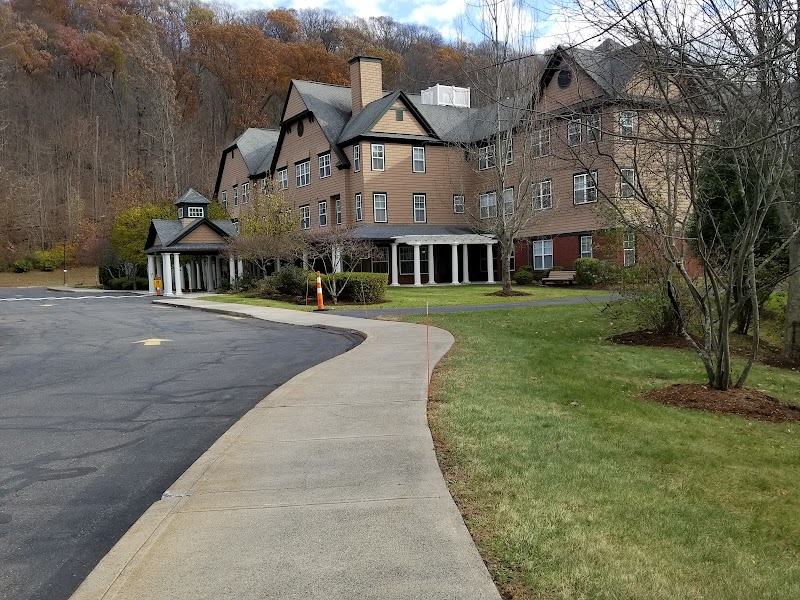
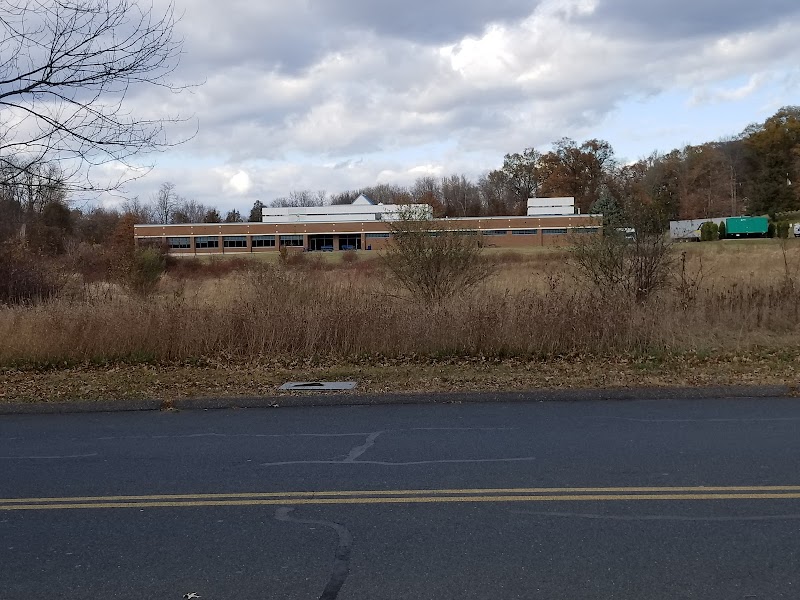
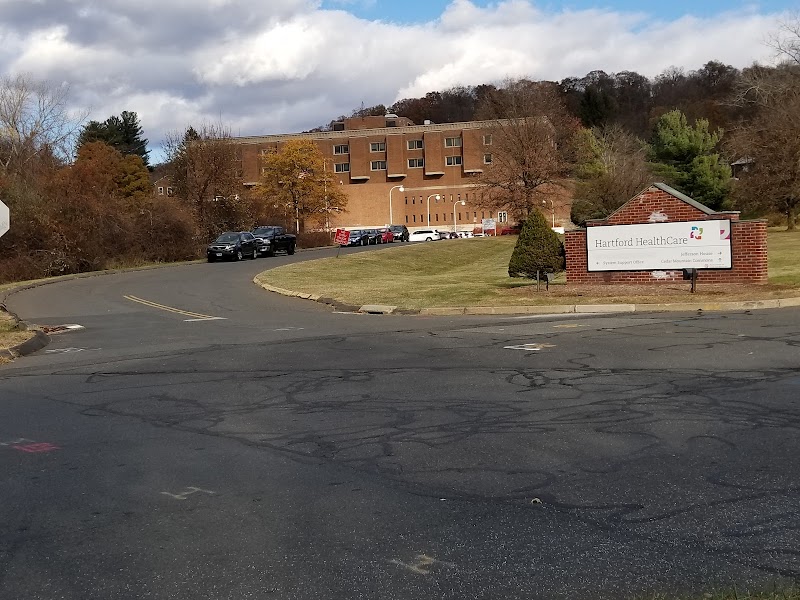
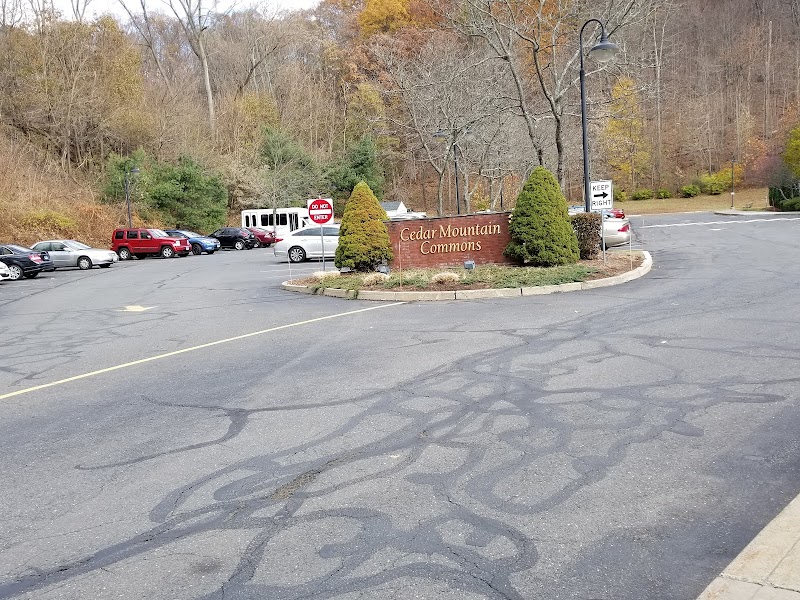
JEFFERSON HOUSE

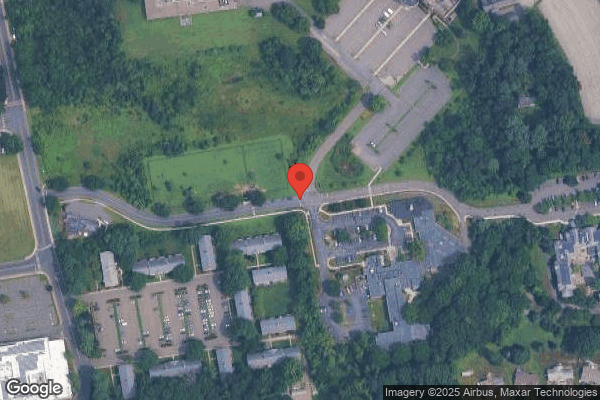
1 JOHN H STEWART DR, NEWINGTON, CT 06111 (860) 667-4453
Non profit - Corporation 104 Beds Independent Data: November 2025
Trust Grade
85/100
#21 of 192 in CT
Last Inspection: January 2025

Within standard 12-15 month inspection cycle. Federal law requires annual inspections.

Overview

Jefferson House in Newington, Connecticut, holds a Trust Grade of B+, indicating it is above average and recommended for families considering care options. Ranking #21 out of 192 facilities in the state places it in the top half, while its #7 ranking out of 64 in Capitol County suggests there are only six local facilities performing better. However, the facility's trend is concerning as it has worsened from 9 issues in 2023 to 10 in 2025. Staffing is a strength here, with a perfect 5-star rating and a low turnover rate of 24%, which is significantly below the state average. On the downside, there were recent incidents where the facility failed to maintain proper refrigerator temperatures for food safety and did not follow through on physician orders for resident care, including a lack of scheduled appointments for necessary specialist consultations. Despite these weaknesses, the facility has no fines and offers excellent RN coverage, which is crucial for addressing health issues.

Trust Score
B+
85/100
In Connecticut
#21/192
Top 10%
Safety Record
Low Risk
No red flags
Inspections
Getting Worse
9 → 10 violations
Staff Stability
✓ Good
24% annual turnover. Excellent stability, 24 points below Connecticut's 48% average. Staff who stay learn residents' needs.
Penalties
✓ Good
No fines on record. Clean compliance history, better than most Connecticut facilities.
Skilled Nurses
✓ Good
Each resident gets 113 minutes of Registered Nurse (RN) attention daily — more than 97% of Connecticut nursing homes. RNs are the most trained staff who catch health problems before they become serious.
Violations
⚠ Watch
25 deficiencies on record. Higher than average. Multiple issues found across inspections.
★★★★★
5.0
Overall Rating
★★★★★
5.0
Staff Levels
★★★★★
5.0
Care Quality
★★★☆☆
3.0
Inspection Score
Stable
2023: 9 issues
2025: 10 issues

The Good

  • 5-Star Staffing Rating · Excellent nurse staffing levels
  • 5-Star Quality Measures · Strong clinical quality outcomes
  • Low Staff Turnover (24%) · Staff stability means consistent care
  • Full Sprinkler Coverage · Fire safety systems throughout facility
  • No fines on record
  • Staff turnover is low (24%)

    24 points below Connecticut average of 48%

Facility shows strength in staffing levels, quality measures, staff retention, fire safety.

The Bad

No Significant Concerns Identified

This facility shows no red flags. Among Connecticut's 100 nursing homes, only 1% achieve this.

The Ugly 25 deficiencies on record

Jan 2025 10 deficiencies
CONCERN (D)

Potential for Harm - no one hurt, but risky conditions existed

Deficiency F0583 (Tag F0583)

Could have caused harm · This affected 1 resident

**NOTE- TERMS IN BRACKETS HAVE BEEN EDITED TO PROTECT CONFIDENTIALITY** Based on observation, review of the clinical record, facility documentation, facility policy and interviews for 2 of 3 residents...

Read full inspector narrative →
**NOTE- TERMS IN BRACKETS HAVE BEEN EDITED TO PROTECT CONFIDENTIALITY** Based on observation, review of the clinical record, facility documentation, facility policy and interviews for 2 of 3 residents (Resident #87 and Resident #353) reviewed for transmission-based precautions, the facility failed to ensure privacy related to having the posted isolation sign identify the type of infection/reason for the resident's isolation. The findings include: 1. Resident #87's diagnoses included current herpes zoster/shingles, chronic obstructive pulmonary disease and congestive heart failure. The quarterly Minimum Data Set assessment dated [DATE] identified Resident #87 was cognitively intact and required partial to moderate assistance with toileting, transfers, and bed mobility. The Resident Care Plan dated 1/3/25 indicated a rash related to herpes zoster and antiviral medication for a diagnosis of shingles. Interventions included treatments and medications as ordered and to inform medical staff as needed. A physician's order dated 1/23/25 directed contact precautions, place a contact precaution sign on the door, highly transmissible active infection that cannot be contained, and Resident #87 must be in room alone and without a roommate. An observation on 1/27/25 at 10:00 AM identified Resident #87's room had a sign with a large red circle, a white hand inside the circle and text that indicated NO ENTRY to persons who HAVE NOT HAD: the varicella/chicken pox vaccine or chicken pox. Please visit the Nurses Station. Resident #87 was observed inside of the room and seated in the bedside recliner. Interview with Resident #87 on 1/27/25 at 1:15 PM identified that although he/she understood why the isolation sign was on the door, he/she did not like it and thought the sign should be removed. Resident #87 indicated he/she was going to speak to the nurse about removing the sign from the door. Interview with Person #2 on 1/27/25 at 1:17 PM identified that he/she did not like that there was an isolation sign on the door and that it made it look like the room was quarantined. Person #2 indicated she was going to speak to the nurse about having the isolation sign removed. An observation on 1/28/25 at 10:00 AM identified that the door to Resident #87's room had an isolation sign on the door with a large red circle, a white hand inside the circle and text that indicated NO ENTRY to persons who HAVE NOT HAD: the varicella/chicken pox vaccine or chicken pox. Please visit the Nurses Station. Resident #87 was observed inside of the room and seated in the bedside recliner. 2. Resident #353's diagnoses included current herpes zoster/shingles, pancytopenia and thrombocytopenia. The admission Minimum Data Set assessment dated [DATE] identified Resident #353 was cognitively intact and required substantial/maximal assistance with bed mobility and was dependent with transfers and toileting. The Resident Care Plan dated 1/13/25 indicated Resident #353 was at risk for impaired skin integrity related to severe protein malnutrition. Interventions included conduct a systemic skin inspection on shower day and provide treatment to impaired skin integrity and rashes as ordered. A physician's progress note dated 1/17/25 at 1:51 PM identified a unilateral left upper back/posterior left shoulder area with erythematous, blotchy rash with tiny vesicles noted in a dermatomal pattern, highly suspect for herpes zoster. The progress note indicated isolation precautions and antiviral medication were ordered. Observations on 1/22/25 at 11:15 AM and 1/23/25 at 1:30 PM identified the door to Resident #353's room had an isolation sign with a large red circle, a white hand inside the circle and text that indicated NO ENTRY to persons who HAVE NOT HAD: the varicella/chicken pox vaccine or chicken pox. Please visit the Nurses Station. Resident #353 was observed inside of the room and seated in the bedside recliner. Interview with the Infection Preventionist (RN #7), on 1/27/25 at 12:17 PM identified the isolation signs observed on the door of Resident #87 and Resident #353's rooms indicating NO ENTRY to persons who HAVE NOT HAD: the varicella/chicken pox vaccine or chicken pox were placed there according to the facility policy and that the same signage is utilized at all of the company's locations. RN #7 identified that, although the isolation sign indicated varicella/chicken pox in the text, the isolation sign did not divulge Resident #87 and Resident #353's actual diagnoses of shingles. Futher, RN #7 was unable to explain how a visitor with a medical background would remain unaware of the resident diagnosis since specific infections were posted on the isolation sign. RN #7 was unable to identify conditions/diagnoses other than varicella/chicken pox to which these particular precautions would apply, therefore not maintaining Resident #87 and Resident #353's privacy. Interview with Resident #353 on 1/28/25 at 9:49 AM identified that although he/she knew why the isolation sign was on his door, he/she had to explain to his many visitors what his/her condition was and why the sign was there. Resident #353 indicated he preferred the sign was no longer on his door. Review of the facility policy, Contact/Airborne Precautions for Herpes Zoster (Shingles), undated, directed that a patient with localized shingles (lesions confined to one area and can be covered) would be placed on Standard Precautions with No Entry signage on the door. Non-immune staff should not enter the room if possible. The policy further directed that ideally the patient with shingles should be placed in a single room if available. Review of the facility policy, Enhanced Barrier Precautions, undated, directed that Standard Precautions were a set of infection control practices used for all residents regardless of their diagnosis and infection status. Review of the facility policy, Precautions for Shingles, dated 6/1/24, directed when Standard Precautions are required, ideally the patient with shingles should be placed in a single room if available and a No Entry shingles sign shall be posted.
CONCERN (D)

Potential for Harm - no one hurt, but risky conditions existed

Deficiency F0658 (Tag F0658)

Could have caused harm · This affected 1 resident

**NOTE- TERMS IN BRACKETS HAVE BEEN EDITED TO PROTECT CONFIDENTIALITY** Based on observations, review of clinical records, facility documentation, facility policy and interviews for 2 of 5 residents (...

Read full inspector narrative →
**NOTE- TERMS IN BRACKETS HAVE BEEN EDITED TO PROTECT CONFIDENTIALITY** Based on observations, review of clinical records, facility documentation, facility policy and interviews for 2 of 5 residents (Resident #9 and Resident #64) reviewed for unnecessary medications, the facility failed to follow professional standards for medication administration. The findings include: 1. Resident #9 was admitted to the facility in August of 2022 with diagnoses that included infection and inflammatory reaction due to internal right knee prosthesis (chronic infection of knee replacement), peripheral vascular disease, and Factor VIII disorder (increase bleeding disorder). The quarterly Minimum Data Set (MDS) assessment dated [DATE] identified Resident #9 as being cognitively intact and required maximum assistance with personal hygiene, dressing, showering and totally dependent for toileting and independent with eating. The Resident Care Plan dated 1/2/25 identified behavioral symptoms with interventions to administer medications per physician orders and monitor for any side effects or adverse reactions and may have artificial tears and Ayr saline nasal spray at bedside to self-administer. Physician's orders dated August 2022 through 1/3/25 identified Resident #9 was not on Insulin (had no physician orders for Insulin). A nurse's note dated 1/22/25 at 5:33 PM and written by Registered Nurse (RN) #6 identified Person #1 phoned the facility to inform nursing staff that Resident #9 reported that Licensed Practical Nurse (LPN #2/an agency nurse) entered Resident #9's room to administer an Insulin injection into his/her abdomen. Additionally, the nursing note identified LPN #2 prepared Resident #9's abdomen with an alcohol wipe for injection and then asked Resident #9 his/her name. Resident #9 asked LPN #2 what he/she was doing, and then LPN #2 proceeded to leave the room. RN #6 explained to Person #1 that LPN #2 was sent home, and the staffing agency was contacted. Facility documentation titled Near Miss Report Form and completed by RN #6 identified that on 1/22/25, LPN #2 attempted to administer Insulin subcutaneously (beneath the skin) to Resident #9's abdomen until Resident #9 questioned what he/she was doing. LPN #2 proceeded to leave the room. RN #6 updated the staffing agency of the incident, and that LPN #2 could no longer return to the facility. An interview with Resident #9 on 1/27/25 at 11:00 AM indicated that LPN #2 walked into Resident #9's room, pulled up his/her shirt, started to wipe down his/her stomach and took a cap off a pen containing medication (Insulin). Resident #9 stated he did not recognize LPN #2 and did not think he/she had ever seen LPN #2. Resident #9 proceeded to ask LPN #2 what he/she was doing and what was LPN #2 going to give him/her. LPN #2 responded that he/she was going to give Resident #9 Insulin and Resident #9 stated he/she informed LPN #2 that he/she did not take Insulin. LPN #2 responded by asking Resident # 9 his/her name at that time (but not before attempting to inject Insulin to Resident #9). Resident #9 informed LPN #2 that his/her name was on the door and asked LPN #2 if he/she checked the door prior to coming in the room. Resident # 9 indicated that LPN #2 responded that he/she had to leave. Resident #9 verbalized that if he/she received the Insulin could have had a bad reaction. Resident #9 indicated that he/she proceeded to call Person #1 to update on what had transpired and Person #1 contacted the facility. Resident #9 indicated that LPN #2 never asked his/her name when entering the room nor did LPN #2 check Resident #9's name bracelet on his/her wrist. On observation during interview, Resident #9's name bracelet was on his/her right wrist and appeared to be slightly worn, indicating he/she had been wearing it awhile. Resident #9 indicated that the name bracelet had been on since he/she was admitted to the facility in 2022 and he/she has never removed the name bracelet (yet LPN #2 had not verified his/her name bracelet to ensure the right resident was receiving an injectable medication). Interview with LPN #2 on 1/27/25 at 1:15 PM via the telephone indicated that he/she went into Resident #9's room and placed all medications on Resident #9's over bed table. LPN #2 stated that Resident #9 was not wearing a name bracelet, so he/she proceeded to ask Resident #9 his/her name. According to LPN #2, instead of providing his/her name, Resident #9 asked what the injection pen was for. LPN #2 informed Resident #9 that the pen contained Insulin and indicated that just because he/she entered the room with the Insulin pen did not mean Resident # 9 was going to receive it. LPN #2 stated that he/she informed Resident #9 that he/she needed to know his/her name and indicated to Resident #9 that the Insulin was not for him/her. LPN #2 denied raising Resident #9's shirt and wiping his/her abdomen with alcohol. LPN #2 indicated that Insulin was for another male resident that was eating in the dining room (yet LPN #2 was in Resident #9's room). LPN #2 indicated that many residents were not wearing name bracelets (all residents had name bracelets on during survey). LPN #2 stated he/she was feeling ill and shortly after RN #6 informed LPN #2 around 5:30 PM that he/she needed to leave the facility related to the Insulin incident and due to feeling ill. Interview with RN #6 on 1/27/25 at 2:30 PM indicated that Person #1 phoned the facility on 1/22/25 and spoke to her to report that LPN #2 attempted to administer Insulin to Resident #9 prior to supper without properly identifying Resident #9. RN #6 stated she was already going to assess LPN #2 since she had been sick (vomiting) in the bathroom and was planning to send LPN # 2 home. RN #6 stated after the Insulin incident, LPN #2 needed to leave and not return. RN #6 indicated that she contacted the ADNS and the staffing agency to inform them of the incident and that LPN #2 had left the facility around 5:30 PM. RN #6 indicated that she was informed that there was a medication error with another resident who did not receive the correct dose of medication from LPN #2 on 1/22/25. 2. Resident #64 was admitted to the facility in August 2024 with diagnoses that included dementia with behavioral disturbances, anxiety, and depression. The quarterly Minimum Data Set (MDS) dated [DATE] identified Resident #64 as being cognitively impaired with inattention and disorganized thinking and required moderate assist for personal hygiene, dressing, showering, toileting and eating. The Resident Care Plan dated 12/3/24 identified behavioral symptoms as a focus issue and to administer medications as ordered, monitor effectiveness, avoid over stimulation, provide 1 to 1 as needed and provide and follow consistent and familiar routines. A physician's order dated 1/22/25 directed to administer Klonopin (a medication for anxiety) 0.5 mg (milligrams) at 5:00 PM and Klonopin 0.5 mg every 12 hours as needed for restlessness or agitation. A Reportable Event Form dated 1/22/24 at 4:06 PM indicated that LPN #2 administered Klonopin 0.25 mg instead of Klonopin 0.5 mg to Resident #64 as ordered at 5:00 PM. A nursing note dated 1/23/25 at 8:30 AM identified that Person #2 was notified of a medication error. An interview with LPN #2 on 1/27/25 at 1:15 PM revealed that she was not aware of making any type of medication errors and that she had no idea what the facility was referring to. Interview with the ADNS on 1/28/25 at 9:30 AM identified that LPN #2 had made a medication error regarding Resident #64's Klonopin on 1/22/25, that the appropriate documentation for medication errors had been completed and the staffing agency had been notified by the ADNS on 1/23/25 regarding LPN # 2's medication error. A review of Medication Administration Policy directed, in part, to bring medication cart to an area adjacent to resident room, read order entirely, remove medications from the drawer and read label 3 times (when removing from drawer, before pouring and after pouring). Identify resident by reading the wristband. A review of Medication Error policy date 7/1/24 directed, in part to prevent medication errors and ensure safe medication administration, nurses should verify the following information: a. Right medication, dose, route, and time of administration. b. Right resident and right documentation. If a medication error occurs the nurse assess and examines the resident's condition and notifies the health care practitioner. The nurse reports the incident to the appropriate supervisor and completes the incident or occurrence report.
CONCERN (D)

Potential for Harm - no one hurt, but risky conditions existed

Pressure Ulcer Prevention (Tag F0686)

Could have caused harm · This affected 1 resident

Deficiency Text Not Available

Read full inspector narrative →
Deficiency Text Not Available
CONCERN (E)

Potential for Harm - no one hurt, but risky conditions existed

Quality of Care (Tag F0684)

Could have caused harm · This affected multiple residents

**NOTE- TERMS IN BRACKETS HAVE BEEN EDITED TO PROTECT CONFIDENTIALITY** Based on observations, review of the clinical record, facility documentation, facility policy and interviews for 1 of 4 sampled ...

Read full inspector narrative →
**NOTE- TERMS IN BRACKETS HAVE BEEN EDITED TO PROTECT CONFIDENTIALITY** Based on observations, review of the clinical record, facility documentation, facility policy and interviews for 1 of 4 sampled residents, (Resident #57) reviewed for accidents, the facility failed to implement a physician's order for the application of padded side rails. Additionally, for 1 of 1 sampled resident (Resident #63) reviewed for choices, the facility failed to schedule an appointment with a specialist per provider recommendations and resident request, and for 1 of 3 residents (Resident #87) reviewed for general concerns, the facility failed to schedule a hematology consult per physician's order. The findings include:1. Resident #57's diagnoses included cognitive decline, osteoarthritis, and acute embolism and thrombosis (blood flow blockage) of the deep veins in the lower extremities. The annual Minimum Data Set assessment dated [DATE] identified Resident #57 was cognitively intact, had limited range of motion on both sides of the lower extremities, and was totally dependent on staff for bed mobility and transfers.The Resident Care Plan dated 12/26/24 identified Resident # 57 was at risk for bruising and bleeding related to anticoagulant therapy and was also at risk for impaired skin integrity. Interventions included staff to provide a safe environment with no sharp edges, to monitor for active signs of bleeding, apply side ride pads, and to check for placement of rail pads each shift (3 times a day). The physician's orders in effect from 1/21/25 through 1/28/25 directed the application of side rail pads and staff were to check for placement each shift.Observation on 1/21/25 at 10:31 AM identified Resident #57 was awake, sitting upright in a chair. There were 2 blue side rail pads leaning against the wall, in the corner of the room, behind Resident #57's chair. Observation on 1/22/25 at 9:01 AM identified Resident #57 was awake and sitting upright in bed with a tray table across the bed. Resident #57 stated he/she just woke up. There were 2 side rails in the up position without the benefits of side rail pads. There were 2 blue side rails pads in the corner of the room, propped up against the wall.Observations on 1/24/25 at 5:58 AM and 7:58 AM identified Resident #57 in bed without the benefit of padded side rails on the 2 bed rails that were in the up position. Two blue side rail pads were noted in the corner of the room propped up against the wall. Observation and interview with RN #9 and NA #2 on 1/27/25 at 11:02 AM identified Resident #57 was sitting upright in a chair near the window in the corner of the room. RN #9 indicated that the blue pads in the corner of the room were side rail pads. NA #2 indicated that Resident #57 required the bed rail pads placed only when he/she was in bed because he/she bruised very easily. RN #9 took the blue pads and indicated she would have to reach out to the Maintenance Department to get new side rail pads because the blue side rail pads that were in Resident #57's room did not fit the new beds which had been obtained by the facility. RN #9 did not know what the policy was, but indicated it was the NA's responsibility to ensure the side rail rail pads were applied to the bed. Interview with the ADNS on 1/28/25 at 10:30 AM indicated the facility changed Resident #57's bed sometime over the summer. The ADNS was not aware the side rail pads did not fit the bed and would need to follow-up with maintenance. The ADNS indicated Resident #57 was at risk for bruising and bleeding if the side rail pads were not applied. Review of the Resident Safety Policy directed, in part, that bed rail protection is implemented for residents with seizure activity and any others requiring such intervention as designated in the care plan. 2. Resident #63 was admitted to the facilities Short-Term Care Unit on 9/19/24 with diagnoses that included chronic congestive heart failure (CHF), presence of an implanted defibrillator, left bundle branch block, and cardiomyopathy.The admission Minimum Data Set (MDS) assessment dated [DATE] identified Resident #63 was cognitively intact, required maximal assistance with personal hygiene, and was dependent on chair/bed-to-chair transfers.The Resident Care Plan (RCP) dated 10/10/24 identified Resident #63 was at risk for decreased activity tolerance and shortness of breath related to CHF, cardiomyopathy, cardiac defibrillator, and atrial fibrillation. Interventions included adjusting the intensity of activities, monitoring of weight, and Cardiology follow-up as needed. An In-House Cardiology APRN note dated 10/14/24 at 9:54 AM directed follow-up with Resident #63's Cardiologist within 7 to 10 days of his/her transfer from the Short-Term Rehabilitation Unit to the Long Term Care Unit and recommended telemonitoring for CHF. The APRN note further stated that In-House Cardiology was signing off from Resident #63's care and his/her care should be managed with the CHF Protocol.Resident #63 was transferred to the facilities Long Term Care Unit on 11/29/24.A physician's order (from the facilities physician) dated 12/12/24 directed the Automatic Implanted Cardioverter Defibrillator (AICD) monitor to be plugged in at the bedside at all times.An interview with Resident #63 on 1/22/25 at 10:07 AM identified that he/she had requested to see his/her own Cardiologist and had not seen them as requested. Resident #63 expressed concern that he/she was told he/she could only see In-House providers and that did not include his/her own Cardiologist.An interview with Registered Nurse (RN) #2 on 1/27/25 at 12:40 PM identified that the facility physician was the person responsible for placing an order for a resident to see a specialist and nurses were responsible for tracking resident's appointments on a unit calendar. RN #2 failed to locate documentation that Resident #63 had been evaluated by his/her Cardiologist after Cardiologist APRN recommendations and admission to Long Term Care from the Short-Term Care Unit.An interview with the Nursing Supervisor (RN #4) on 1/27/25 at 12:56 PM identified that a follow-up visit with Resident #63's Cardiologist should have been scheduled (per APRN recommendations) after the resident's discharge from the Short-Term Care Unit but could not identify the reason the appointment was not made.An interview with the Unit Secretary/Scheduler on 1/28/25 at 9:40 AM identified she was not aware Resident #63 requested to see his/her Cardiologist and thus did not schedule an appointment. She further identified that she was usually notified in writing by a nurse manager when an appointment needed to be scheduled. An interview with Nurse Supervisor (RN #8) on 1/28/25 at 9:48 AM identified she was unaware that Resident #63 requested and needed to see a cardiologist (per APRN note from 10/14/24) and did not direct the Unit Secretary/Scheduler to make an appointment. RN #8 indicated that Resident #63 was planned to be discharged home but instead was transferred to the Long-Term Care Unit. She further noted that when a resident was transferred from Short Term Care to Long Term Care, they were no longer able to receive services from the In-House Cardiologist and that information should have been relayed between nurses during hand-off.An interview with the Unit Secretary on 1/28/25 at 9:48 AM identified that Resident #63 had attempted to schedule his/her own Cardiology appointment on 1/7/25 but canceled the appointment his/herself due to lack of transportation. The Unit Secretary stated she was unaware Resident #63 tried to independently schedule a Cardiology appointment until this morning when she called the Cardiology office and was given that information. She further noted the Cardiology office stated Resident #63's pacemaker and AICD had not been interrogated (a standard procedure performed by a Cardiologist to ensure a pacemaker is functioning properly and to retrieve stored usage data from the pacemaker itself, ensuring optimal pacing therapy is provided to a patient) since 1/2/24.An interview with Person #4 from Resident #63's Cardiology Office on 1/28/25 at 11:41 AM identified that Resident #63 should have been evaluated by his/her Cardiologist after his/her last facility In-House Cardiology visit on 10/14/24. She further noted that lack of timely follow-up by Resident #63 could result in potential heart failure exacerbation.Subsequent to surveyor inquiry a physician's order dated 1/28/25 directed staff to contact Resident #63's Cardiologist to schedule an appointment for his/her AICD.Review of the Physician Order Monitoring Policy identified that all resident medical records will be reviewed on a daily basis. The nurse will review each record and ensure that all orders have been implemented.3. Resident #87's diagnoses included protein deficiency anemia, iron deficiency anemia and folate deficiency anemia. The admission Minimum Data Set (MDS) assessment dated [DATE] identified Resident #87 was cognitively intact and was independent with eating. Additionally, the MDS identified Resident #87 required supervision with toileting and personal hygiene and was independent with eating.The Resident Care Plan dated July 2024 identified Resident #87 was at risk for impaired nutritional status related to a diagnosis of protein deficiency anemia. Interventions included to monitor and report labs as ordered.A lab result collected on 9/3/24 and reported on 9/11/24, indicated a low albumin level and an abnormal protein band. The blood work results further identified a significantly elevated lambda light chain and a low [NAME]/lambda ratio.A physician's progress note dated 9/11/24 noted a review of recent blood work with abnormal results which needed further investigation and a hematology consult was to be scheduled.A physician's order dated 9/11/24 directed to schedule a hematology consult to evaluate Resident #87's abnormal blood work results. Interview and record review with the Unit Secretary/Scheduler on 1/27/25 at 10:37 AM identified that she was not aware that a hematology consult had been ordered by the physician on 9/11/24 and was unable to locate a record that the physician ordered hematology consult had been scheduled for Resident #87. Additionally, the Unit Secretary/Scheduler indicated that the nurse should have seen the order in the electronic system and when it was transcribed by the nurse it should have been written in the appointment book. The Unit Secretary/Scheduler identified that although she checks the appointment book regularly, she would not have known Resident #87 needed a hematology consult because it was not written in the appointment book.Subsequent to surveyor inquiry on 1/27/25 at 10:40 AM, the Unit Secretary/Scheduler indicated that she had contacted the hematology office and left a message with the office to schedule a new patient appointment for Resident #87. Interview and record review with the Registered Nurse Supervisor (RN #8) on 1/27/25 at 10:45 AM, identified that the physician order dated 9/11/24 for a hematology consult was placed under general orders in the electronic record, nursing should have seen it and transcribed it from there. Additionally, RN #8 indicated when the 11:00 PM to 7:00 AM nurse completed an audit of the orders for 9/11/24, the previously untranscribed order for the hematology consult should have been picked up, transcribed and put into the appointment book at that time. RN #8 indicated that nursing should have written the request for the hematology consult in the appointment book and without doing so, the Unit Secretary would not have known about or scheduled the needed appointment for Resident #87.Interview with MD #1 (the ordering physician) on 1/27/25 at 1:00 PM identified that he ordered the hematology consult on 9/11/24 after he reviewed abnormal blood work results for the resident. MD #1 indicated that he wrote the order for the hematology consult as a physician's order and in his progress note and that the order should have been transcribed and followed through by nursing. MD #1 identified that, although Resident #87 appeared relatively asymptomatic, the abnormal blood work results indicated he/she should have been seen by a hematologist to determine if he/she needed additional testing or treatment, especially because of the resident's various anemia diagnoses. MD #1 further indicated that failure to schedule the hematology consult could have led to a potential worsening of Resident #87's condition. Review of the facility's, Physician Order Monitor policy, undated, directed to ensure that all physician orders are noted and implemented as ordered. The policy further directed that all resident medical records will be reviewed daily and all audits will be completed by the 11:00 PM to 7:00 AM licensed staff on each nursing unit. The nurse should review each record and note that all orders have been implemented.
CONCERN (E)

Potential for Harm - no one hurt, but risky conditions existed

Food Safety (Tag F0812)

Could have caused harm · This affected multiple residents

**NOTE- TERMS IN BRACKETS HAVE BEEN EDITED TO PROTECT CONFIDENTIALITY** Based on the tour of the Dietary Department, interviews, review of facility policy and facility documentation, the facility fail...

Read full inspector narrative →
**NOTE- TERMS IN BRACKETS HAVE BEEN EDITED TO PROTECT CONFIDENTIALITY** Based on the tour of the Dietary Department, interviews, review of facility policy and facility documentation, the facility failed to ensure that beard restraints were worn appropriately, perform hand hygiene when appropriate, ensure open food items were properly closed/dated and not near debris on the floor and failed to discard expired food items. The findings include: During observations of meal service on 1/23/25 at 11:45 AM with the Director of Food Services, the following was identified: 1a. Dietary Aide #1 (DA) was observed at the tray line placing plated food on residents' trays wearing a beard restraint that covered only the lower half of his facial hair with the sides of his beard exposed. Subsequent to surveyor inquiry, the Director of Food Services (who was also observing the meal service) informed DA #1 that his beard was exposed around the beard restraint and that his beard restraint needed to be readjusted. DA #1 proceeded to walk away from the plating area, removed his gloves, removed his beard restraint and reapplied it attempting to readjust the beard restraint. DA #1 then washed his hands, applied new gloves, and then returned to the serving area and resumed placing the plated food on the trays. DA #1's beard restraint still did not fully cover his beard with facial hair half exposed on the sides. DA # 1 stated to the Director of Food Services that he was not able to fully cover the beard as the beard restraint would not cover the sides of his face. DA #1 continued with plating food on the residents' trays with his facial hair exposed. b. The Executive Chef was observed to be plating food items from the steam table (chicken or hamburger on a bun with lettuce and tomato, rosemary potatoes and green beans) wearing a beard restraint that only covered half of his facial hair, with the sides of his beard exposed. Subsequent to surveyor inquiry, the Director of Food Services informed the Executive Chef at 11:54 AM that his beard restraint did not fully cover his facial hair. The Executive Chef proceeded to go to the sink area, removed his gloves, readjusted his beard restraint, washed his hands, and applied new gloves. He then returned to his station of plating food but the beard restraint still did not cover his facial hair with the sides and lower cheek facial hair being exposed. The Director of Food Services informed him that his beard was still not fully covered. The Executive Chef proceeded to attempt to readjust his beard restraint while at the steam table without the benefit of walking away from the area or performing appropriate hand hygiene including washing his hands and changing his gloves after touching his face. The Executive Chef continued to plate food with facial hair exposed and with the same gloves. c. At 11:57 AM, observation of the Executive Chef noted he walked away from the steam table and proceeded to the grill area. Hamburgers were cooking on the grill that were partially cooked and still raw on one side. The Executive Chef was observed to touch a raw hamburger with his gloved hands and flipped another hamburger with a spatula. He then proceeded and turned around to the preparation station and removed a hamburger bun from the package without the benefit of removing his gloves and washing his hands after touching the raw meat and before touching the hamburger bun. An interview with the Executive Chef on 1/27/25 at 10:20 AM indicated that he was aware that his beard restraint was not properly covering his facial hair on 1/23/25 when serving. He indicated that before serving he sometimes adjusts the beard restraint as it can be uncomfortable and forgets to put it back in place when he starts to serve meals. He also indicated that he should have changed gloves and washed his hands after he touched his face and after touching the raw hamburger. Additionally, he stated that he immediately was aware that he cross contaminated when he touched the raw hamburger and then touched the hamburger roll. The Executive Chef indicated he has been educated on the proper use of beard restraints, hand hygiene, glove use and cross contamination after handling raw meat. He stated that there was a lot going on and it just slipped his mind when these incidents occurred. 2. A tour of the large dry goods storage area (located in the basement) at 12:30 PM with the Director of Food Services, the following was identified: a. A bag of 50-pound flour that was ½ full, was partially opened without the benefit of a label of the date opened or discard/expiration date. On the floor next below the bag of flour there was a pile of swept debris. The floor had been swept without the benefit of discarding the debris on the floor. Interview with the Director of Food Services at the time of observation identified that the bag of flour should have been secured and dated and the debris on floor should have been discarded in the trash. In addition, a 20-pound bag of corn meal with less than one third used was on a shelf that was left partially opened without the benefit of a label of the date opened or discard/expiration date. The Director of Food Services indicated that the bag was not properly closed, and he would secure it or put it in a plastic container and label and date the corn meal. b. Metal shelves contained a 2/3 full, 21 ounce container of Everything Bagel spice with an expiration of November 2023 (14 months old), a Japanese Seven spice container with an expiration date of April 2023 (21 months old) that was two thirds filled and a Harissa Spice with expiration date of April 2023 (21 months old) that was two thirds full. There were (8) 32-ounce containers of plant-based coconut milk that expired February 2024 (11 months old). The Director of Food Services indicated that these products had not been in use and should have been removed from the shelves and discarded. A review of Uniform Dress Code policy dated 1/25 directed, in part, associates working with food wear approved restraints and refrain all facial hair with a beard net restraint. A review of Food Handling Guidelines policy dated 1/25 directed, in part, food shall be protected against cross-contamination by appropriately separating types of raw animal products from other foods and hands should be scrubbed following appropriate hand washing techniques according to facility policy between food preparation tasks, between tasks and before putting on clean gloves. A review of Disposable Glove use policy dated 1/24 directed, in part, that disposable gloves must be changed, and hands washed when the gloves are dirty or ripped and when moving from one task to another. A review of posted sign titled, Main Storage Room Standard Expectation, posted on the inside door of the in the main dry storage area, directed, in part, clean up all spills and trash from the floor. This task is to be conducted by each staff member who enters and uses the Main storage room. A review of Food and Storage Supply policy dated 1/25 directed, in part, to date and rotate items, first in and first out. Discard food past the used-by date or expiration date. Cover, label and date unused portions and open packages. Use the Medadvantage/Freshdale labeling system or complete all section on a [NAME] orange label.
CONCERN (E)

Potential for Harm - no one hurt, but risky conditions existed

Infection Control (Tag F0880)

Could have caused harm · This affected multiple residents

**NOTE- TERMS IN BRACKETS HAVE BEEN EDITED TO PROTECT CONFIDENTIALITY** Based on observations, review of the clinical record, facility policy, and staff interviews for 5 of 5 residents (Resident #10, ...

Read full inspector narrative →
**NOTE- TERMS IN BRACKETS HAVE BEEN EDITED TO PROTECT CONFIDENTIALITY** Based on observations, review of the clinical record, facility policy, and staff interviews for 5 of 5 residents (Resident #10, #32, #66, #73, and #83) reviewed for blood glucose testing, the facility failed to clean and disinfect a glucometer device per the manufacturer's instructions for use. 1. Resident #10's diagnoses included Type 2 Diabetes, Alzheimer's disease, and chronic obstructive pulmonary disease (COPD). A physician's order dated [DATE] directed to obtain a blood glucose level every Tuesday at 6:00 AM. A chart review identified that Resident #10 had blood glucose checks performed per physician order on [DATE], [DATE], [DATE], [DATE], [DATE], [DATE], [DATE], [DATE], and [DATE]. The quarterly Minimum Data Set (MDS) assessment dated [DATE] identified Resident #10 had moderately impaired cognition, required maximal assistance with his/her personal hygiene, and was dependent with chair/bed-to-chair transfers and rolling left and right. The Resident Care Plan (RCP) dated [DATE] identified Resident #10 was at risk for episodes of hyperglycemia and hypoglycemia from diabetes and included interventions of monitoring his/her glucose, obtaining blood glucose levels three times a day and as needed, and monitoring for signs and symptoms of hyperglycemia and hypoglycemia. 2. Resident #32's diagnoses included Type 2 Diabetes, Alzheimer's disease, and Stage 3 chronic kidney disease. A physician's order dated [DATE] and currently in effect directed to obtain a blood glucose level every Thursday at 6:00 AM. The significant change MDS assessment dated [DATE] identified Resident #32 had severely impaired cognition, required moderate assistance with eating, and was independent with chair/bed-to-chair transfers and rolling left and right. The RCP dated [DATE] identified Resident #32 was at risk for episodes of hyperglycemia and hypoglycemia from diabetes and included interventions of monitoring blood glucose as ordered, and monitoring for signs and symptoms of hyperglycemia and hypoglycemia. A chart review identified that Resident #32 had blood glucose checks performed per physician order on [DATE], [DATE], [DATE], [DATE], [DATE], [DATE], [DATE], and [DATE]. 3. Resident #66's diagnoses included Type 2 Diabetes, Stage 3 chronic kidney disease, and hemiplegia and hemiparesis. A RCP dated [DATE] failed to identify a risk for episodes of hyperglycemia and hypoglycemia from diabetes or implement any interventions. The quarterly MDS assessment dated [DATE] identified Resident #66 was cognitively intact, required maximal assistance with upper body dressing and rolling left and right, and was dependent with a change in position from sitting to lying. A physician's order dated [DATE] directed to obtain a blood glucose level one time a day on Monday, Wednesday, and Friday at 6:00 AM. A chart review identified that Resident #66 had blood glucose checks performed per physician order on [DATE], [DATE], [DATE], [DATE], [DATE], [DATE], [DATE], [DATE]. 4. Resident #73's diagnoses included Type 2 Diabetes, dementia, and heart failure. The MDS assessment dated [DATE] identified Resident #73 had moderately impaired cognition, and required maximal assistance for personal hygiene, chair/bed-to-chair transfers, and rolling left and right. A chart review identified that Resident #66 had blood glucose checks performed per physician order on [DATE], [DATE], [DATE], [DATE], [DATE], [DATE], [DATE], [DATE], [DATE], [DATE], [DATE], [DATE], [DATE], [DATE], [DATE], [DATE], [DATE], [DATE], [DATE], [DATE], [DATE], [DATE], [DATE], and [DATE]. The RCP dated [DATE] identified Resident #73 was at risk for episodes of hyperglycemia and hypoglycemia from diabetes and included interventions of monitoring blood glucose as ordered, and monitoring for signs and symptoms of hyperglycemia and hypoglycemia. A physician's order dated [DATE] directed to obtain a blood glucose level one time a day on Monday, Wednesday, and Friday at 6:00 AM. 5. Resident #83's diagnoses included Type 2 Diabetes, atrial fibrillation, and hyperlipidemia. A physician's order dated [DATE] directed to obtain a blood glucose level once a day every three days at 6:00 AM. The quarterly MDS assessment dated [DATE] identified Resident #83 was cognitively intact, required maximal assistance for personal hygiene, and required moderate assistance for chair/bed-to-chair transfers and achieving a sit to stand position. The RCP dated [DATE] identified Resident #83 was at risk for episodes of hyperglycemia and hypoglycemia from diabetes and included interventions of monitoring blood glucose as ordered, and monitoring for signs and symptoms of hyperglycemia and hypoglycemia. A chart review identified that Resident #83 had blood glucose checks performed per physician order on [DATE], [DATE], [DATE], [DATE], [DATE], [DATE], [DATE], [DATE], [DATE], [DATE], [DATE], [DATE], [DATE], [DATE], [DATE], [DATE], [DATE], [DATE], and [DATE]. An observation of the glucometer's usage on [DATE] at 5:20 AM identified that Registered Nurse (RN) #1 was cleaning a glucometer with disinfectant wipes that expired on [DATE] (4 months ago). An interview with RN #1 on [DATE] at 5:20 AM identified that the glucometer was used to take blood glucose measurements for multiple residents on the facility's unit. RN #1 further identified the expired wipes were used for disinfection purposes daily and the responsibility to ensure the wipes used were not expired was the responsibility of the nurse using them. RN #1 failed to identify why the disinfectant wipes had not been removed from the medication cart when they expired and why she did not check the expiration date before using the wipes. RN #1 further stated the policy of the facility was to remove expired disinfection products from use and dispose of them. An interview on [DATE] at 5:37 AM with the Nursing Supervisor (RN #13) identified the disinfectant wipes used to clean the facility's glucometer expired on September of 2024. RN #13 identified it was the responsibility of the nurse using the wipes to ensure the wipes were not expired. RN #13 failed to identify why the disinfectant wipes had continued to stay in circulation for use for over 4 months after their expiration. Subsequent to surveyor inquiry, the disinfectant wipes were removed from the medication cart for disposal and a new container of disinfectant wipes was placed in the medication cart to be used for glucometer cleaning. An interview with the Disinfectant's Professional Customer Care Center on [DATE] at 9:11 AM identified the disinfectant wipes should be disposed of no later than the expiration date listed on the packaging. The Care Center indicated the greater the time that passes after the expiration date of the product, the less effective the product will be. The Care Center could not guarantee the expired product was providing proper disinfection and sanitizing of equipment and recommended its immediate disposal. An interview with the Nurse Manager (RN #4) on [DATE] at 8:59 AM identified 5 residents (Resident #10, #32, #66, #73 and #83) had received blood glucose testing using the glucometer from the cart with the expired disinfectant. Review of the Glucometer Disinfection Policy identified that glucometers should be disinfected according to manufacturer instructions before and after each use to prevent the transmission of Hepatitis A, Hepatitis B, and the Human Immunodeficiency Virus (HIV). Review of the Expired Cleaning Supply Disposal Policy identified that nurses are responsible for monitoring cleaning supplies on their carts and products should be removed before or at their expiration date.
CONCERN (F)

Potential for Harm - no one hurt, but risky conditions existed

Staffing Data (Tag F0851)

Could have caused harm · This affected most or all residents

Based on staff interview and review of Payroll Based Journal (PBJ) submissions for Quarter 1 (October 1, 2024 through December 31, 2024) and Quarter 2 (January 1, 2024 through March 31, 2024) the faci...

Read full inspector narrative →
Based on staff interview and review of Payroll Based Journal (PBJ) submissions for Quarter 1 (October 1, 2024 through December 31, 2024) and Quarter 2 (January 1, 2024 through March 31, 2024) the facility failed to ensure the PBJ data was submitted on time. The findings include: PBJ submissions for Quarter 1 of 2024 and Quarter 2 of 2024 identified the facility as a 1-star rating and excessively low weekend staffing metric was suppressed for the facility for Quarter 1 and Quarter 2 of 2024. On 1/28/25 at 2:21 PM an interview with Administrator identified that the staff member who was responsible for submitting the PBJ reports had left and then came back per diem, she did not submit the PBJ on time for Quarter 1 and therefore Quarter 2 was also triggered. The Administrator further identified that she was responsible at this time for reporting the PBJ and no further issues have been identified. Review of the Mandatory submission of staffing information based on payroll data in a uniform format. The facility must submit direct care staffing information on the schedule specified by CMS, but no less frequently than quarterly.
MINOR (B)

Minor Issue - procedural, no safety impact

Deficiency F0638 (Tag F0638)

Minor procedural issue · This affected multiple residents

Based on clinical record reviews, review of the Resident Assessment Instrument (RAI) Manual, facility policy, and interviews for 2 of 4 sampled residents (Resident #49 and Resident #89) reviewed for r...

Read full inspector narrative →
Based on clinical record reviews, review of the Resident Assessment Instrument (RAI) Manual, facility policy, and interviews for 2 of 4 sampled residents (Resident #49 and Resident #89) reviewed for resident assessment, the facility failed to complete a Quarterly Minimum Data Set (MDS) assessment in a timely manner. The findings include: 1. Resident #49's diagnoses included dementia and spinal stenosis. On 1/27/25 at 10:43 AM review of MDS submissions with MDS Coordinator #2 (LPN #1) identified a quarterly MDS assessment was completed on 8/16/24, but failed to complete further MDS assessments. Additionally, MDS Coordinator #2 identified a quarterly MDS assessment should have been completed in November 2024 (72 days past due). 2. Resident #89's diagnoses included chronic systolic heart failure and type 2 diabetes mellitus. On 1/27/25 at 10:43 AM review of MDS submissions with MDS Coordinator #2 (LPN #1) identified a quarterly MDS assessment was completed on 8/28/24, but failed to complete further MDS assessments. Additionally, MDS Coordinator #2 identified a quarterly MDS assessment should have been completed in November 2024 (60 days past due). Further interview with MDS Coordinator #2 (LPN #1) identified that although Resident #49 and #89 appeared on the November 2024 MDS calendar as being due for assessment completion, she did not know the reason they were not completed. As per the RAI OBRA required assessment summary the facility has 3 months to complete a Quarterly MDS assessment.
MINOR (B)

Minor Issue - procedural, no safety impact

MDS Data Transmission (Tag F0640)

Minor procedural issue · This affected multiple residents

Based on record review, staff interview and Resident Assessment Instrument (RAI) policy for 4 of 4 sampled residents (Resident's #49, #52, #89, and #96) reviewed for late Minimum Data Set (MDS) transm...

Read full inspector narrative →
Based on record review, staff interview and Resident Assessment Instrument (RAI) policy for 4 of 4 sampled residents (Resident's #49, #52, #89, and #96) reviewed for late Minimum Data Set (MDS) transmittals, the facility failed to ensure MDS' were transmitted timely. The findings include: Interview and transmittal review of MDS' on 1/27/25 at 10:23 AM with MDS Coordinator #1 (RN #5) identified the following: 1. Resident #49 was admitted to the facility in February 2023. a. An annual MDS assessment was completed on 2/20/24, but not transmitted until 3/11/24 (5 days past due). b. A quarterly MDS assessment was completed on 8/16/24, but not transmitted until 9/19/24 (19 days past due). 2. Resident #52 was admitted to the facility in October 2021. a. A quarterly MDS assessment was completed on 6/20/24, but not transmitted until 8/15/24 (42 days past due). b. A quarterly MDS assessment was completed on 12/17/24, but not transmitted until 1/23/25 (23 days past due). 3. Resident #89 was admitted to the facility in September 2023. a. A quarterly MDS assessment was completed on 5/30/24, but not transmitted until 6/25/24 (12 days past due). b. An annual MDS assessment was completed on 8/28/24, but not transmitted until 9/16/24 (6 days past due). 4. Resident #96 was admitted to the facility in September 2024. a. An admission MDS assessment was completed on 9/10/24, but not transmitted until 9/30/24 (6 days past due). b. A quarterly MDS assessment was completed on 12/10/24, but not transmitted until 1/23/25 (30 days past due). Additional, MDS Coordinator #1 identified she was a newer employee and was catching up when she was hired. Additionally, she stated they were behind in transmitting MDS' due to other MDS Coordinators having time off. According to the Resident Assessment Instrument (RAI) manual, a quarterly assessment must be electronically submitted within 14 days of the MDS completion date.
MINOR (B)

Minor Issue - procedural, no safety impact

Safe Environment (Tag F0921)

Minor procedural issue · This affected multiple residents

**NOTE- TERMS IN BRACKETS HAVE BEEN EDITED TO PROTECT CONFIDENTIALITY** Based on tour of the nourishment rooms and interviews, the facility failed to ensure that 3 sinks in 4 nourishment rooms were ma...

Read full inspector narrative →
**NOTE- TERMS IN BRACKETS HAVE BEEN EDITED TO PROTECT CONFIDENTIALITY** Based on tour of the nourishment rooms and interviews, the facility failed to ensure that 3 sinks in 4 nourishment rooms were maintained in a clean and sanitary manner. The findings included: Observations and interviews on 1/23/25 at 10:35 AM with Director of Environmental Services and Administrator revealed the following: a. The first floor [NAME] nourishment room cabinet under the sink was locked with a zip tie and a green substance was noted on the bottom of the cabinet. Interview with the Director of Environmental Services at that time indicated that it should not have a green substance on the bottom and the green substance must be coming from the pipes. b. The first floor [NAME] North nourishment room door was unlocked, the sink was noted with a container under the pipe that was collecting water with small black particles on the bottom of the cabinet. The Director of Environmental Services turned on the faucet which revealed a slow leak coming from the pipe under the cabinet. He indicated that the particles on the bottom were most likely debris and rust. He stated the leak would be fixed and area under the sink cleaned. Interview with the Administrator at time of discovery indicated that nothing should be under the sink and items were removed. The small kitchenette area adjacent to the large kitchen had a small sink that was unlocked with small black spots on the bottom of the cabinet. The Director of Environmental Services indicated that the area would be cleaned and locked. c. The second floor [NAME] nourishment room cabinet under the sink had some black debris, rust and a mouse trap. The Director of Environmental Services indicated on interview during observation that the area needed to be cleaned, could not identify the last time the sink was checked and it should not be maintained in this manner. Interview with Environmental Services Assistant on 1/23/25 at 11:30 AM revealed that he was not doing any repairs under the sinks in the nourishment rooms at this time and that he did not receive a verbal request for work or a ticket issued for work requests. Interview with the Administrator on 1/23/25 at 11:40 AM indicated that there was no preventive maintenance in place for under the sinks, but she would be initiating a preventive maintenance plan. The Administrator indicated that staff was able to put in a work request with computerized system called Workhub which produces a work request ticket. She was unable to provide any work tickets related to repairs needed under the sinks. Interview with RN #7 on 1/28/25 at 10:00 AM revealed Environmental Rounds are done monthly with the Director of Environmental Services and the Assistant. She indicated that they do not check under the sinks as they are usually zip tied closed. She stated that she does not remove the zip ties to check under the sink as she does not have spares to replace them. Although requested, a facility policy for maintenance and care for under the sinks was not provided as the Administrator stated there was no policy available.
Sept 2023 9 deficiencies
CONCERN (D)

Potential for Harm - no one hurt, but risky conditions existed

Resident Rights (Tag F0550)

Could have caused harm · This affected 1 resident

**NOTE- TERMS IN BRACKETS HAVE BEEN EDITED TO PROTECT CONFIDENTIALITY** Based on clinical record reviews, observations, facility policy review and interviews for for four residents (Resident #19, #29...

Read full inspector narrative →
**NOTE- TERMS IN BRACKETS HAVE BEEN EDITED TO PROTECT CONFIDENTIALITY** Based on clinical record reviews, observations, facility policy review and interviews for for four residents (Resident #19, #29, #52 and #77) requiring assistance to eat in 2 of 4 dining rooms, the facility failed to provide a dignified dining experience. The findings included: 1. Resident #19's diagnoses included Alzheimer's disease, anxiety, schizoaffective disorder, anemia, dysphagia, and cerebral infarction. The quarterly Minimum Data Set (MDS) assessment dated [DATE] identified Resident #19 had severe cognitive impairment, had no signs and symptoms of possible swallowing disorder, and required extensive assistance with eating. The Resident Care Plan (RCP) dated 7/28/23 identified Resident #19 at risk for loneliness. Interventions directed staff to allow the resident to express feelings, offer emotional support, keep topics of conversation light and cheerful, and allow the resident to participate in daily care and decision-making or in establishing goals. Further review identified the resident was at risk for aspiration. Interventions directed to check oral cavity for pocketing, assist of one with feeding and observe for signs and symptoms of aspiration during meals. A physician's order dated 9/22/23 directed regular, nectar thick and pureed (NDD1) diet. Special instructions directed adaptive equipment; scoop dish, liquids by cup or spoon, no straws, small bites/sips and assist of one with feeding. Observations of the lunch meal on 9/25/23 at 12:50 PM identified Resident #19 shared a table with Resident #18 in the first-floor dining room. Nurse Aide (NA) #1 was observed standing over Resident #19 while assisting him/her to eat and interacting/conversing with Resident #18 rather than with Resident #19 while feeding the resident. Interview with NA #1 on 9/25/23 at 1:10 PM identified due to Resident #19 's height she wanted to make sure that she was feeding him/her at the correct angle, so he/she would not choke. NA #1 further identified I did not know that sitting down was a requirement. If I had known, I would have sat down of course. Interview with the Administrator on 9/26/23 at 11:05 AM identified the expectation was for staff to sit down while feeding a resident and to include the resident in the conversation as appropriate. The Administrator further identified she was not aware NA #1 was concerned with sitting down because of the resident's height therefore, rehabilitation department will assess the resident for need of any additional equipment and for safety during feeding. Interview with the Director of Nursing Services (DNS) 9/28/23 at 11:03 AM identified NA #1 received education on 9/26/23 which directed for staff to sit down while feeding the resident and to involve the resident in as many decisions as possible, to include the resident in the conversation and not to talk about the resident as he/she was not there. The resident should be treated with consideration, respect, and dignity. Speech therapy note dated 9/29/23 identified Resident #19 safely tolerated current diet texture without sign and symptoms of aspiration. The resident was upright for all by mouth intake and noted the resident was safe and appropriate for staff to sit while feeding. Review of facility Residents Rights directed in part the resident has the right to be treated with consideration, respect and full recognition of his/her dignity and individuality in an environment that promotes maintenance or enhancement of his/her quality of life and privacy in treatment and in care for his/her personal needs. 2. Resident #29's diagnosis included chronic congestive heart failure, asthma, weight loss and hypertension. A physician's order dated 7/2/2023 directed to provide a regular diet with thin liquids. The quarterly Minimum Data Set (MDS) assessment dated [DATE] indicated cognitive status was intact and required supervision and set up for eating. The care plan dated 8/31/2023 indicated Resident #29 was at nutritional risk and has a decreased ability to perform self-care activities related to weight loss and medical conditions. The interventions included in part to determine likes and dislikes, provide diet as ordered to assist with meals as needed. An observation on 9/26/23 at 12:28 PM Resident #29 (1 of 10) residents dining in the [NAME] dining room were all served meals on trays. On 9/26/2023 at 1:09 PM an interview with NA #5 identified they served meals on trays because it is easier to keep all the resident food items together. NA #5 further indicated that prior to the start of Covid the food items may have been removed from the dietary trays and placed on the dining table. On 9/26/2023 at 1:11 PM an interview with Registered Nurse (RN#4) indicated meals have been served on dietary trays in the dining room. On 9/25/2023 an interview with the DNS who was made aware residents in the dining room were served meals on dietary trays during the lunch meal. The DNS indicated s/he would talk to the staff regarding the incident. An interview on 9/28/2023 at 10:54 AM with the DNS identified s/he would expect when meals are served, food items would be transferred from the dietary trays and placed on the dining table. The facility policy dated 1/2023 labeled Resident Food Services, Resident Dining Preferences, indicated in part during meal service food will be provided on trays in the dining room only by resident request and or per the plan of care. 3. Resident #52's diagnoses included dementia, chronic kidney disease, and hypertension. The quarterly nutritional assessment completed on 8/6/23 by dietary indicated Resident #52 was on a regular, thin liquid diet. The quarterly Minimum Data Set (MDS) assessment dated [DATE] identified Resident #52 had moderately impaired cognition, required extensive assistance of 1 for bed mobility, transferring, dressing, toilet use, and personal hygiene. Resident #52 required supervision with set up help only for eating. Observation on 9/27/23 at 7:55 AM identified Resident #52 was served breakfast on the dietary tray in the [NAME] dining room. Resident #52 was observed sitting alone at a table with a breakfast tray in front of him/her. Interview on 9/27/23 at 7:57 AM with NA#1 identified meals are served on dietary trays in the dining room and s/he has never removed food item from trays when serving residents in dining rooms. Interview with DNS on 9/29/23 at 8:35 AM identified meals served in a dining room should be removed from the dietary tray prior to serving the resident unless a resident requests his/her meal on the tray. Additionally, the DNS identified meals served in resident rooms can be served on trays unless a resident requests the tray be removed. Facility policy reviewed for resident dining preferences which identified trays are only to be provided in the dining room by resident requests and/or per care plan. 4. Resident #77's diagnoses included cerebral infarction, hypertension, and depression. The quarterly nutritional assessment completed on 8/19/23 by dietary identified the resident was on a regular, thin liquid diet. The annual MDS assessment dated [DATE] identified Resident #77 as severely cognitively impaired, required extensive assistance of 1 for bed mobility, transferring, dressing, toilet use, and personal hygiene. Resident #77 required extensive one person assistance for eating. The physician's order dated 9/15/23 directed Resident #77 requires assistance of one with feeding. Observation on 9/27/23 at 7:55 AM identified Resident #77 was served breakfast on the dietary tray in the [NAME] dining room without the benefit of the food items being removed. Interview with DNS on 9/29/23 at 8:35 AM identified meals served in a dining room should be removed from the dietary tray prior to serving the resident unless a resident requests his/her meal on the tray. Additionally, the DNS identified meals served in resident rooms can be served on trays unless a resident requests the tray be removed. Facility policy reviewed for resident dining preferences which identified trays are only to be provided in the dining room by resident requests and/or per care plan.
CONCERN (D)

Potential for Harm - no one hurt, but risky conditions existed

Deficiency F0578 (Tag F0578)

Could have caused harm · This affected 1 resident

**NOTE- TERMS IN BRACKETS HAVE BEEN EDITED TO PROTECT CONFIDENTIALITY** Based on review of the clinical record, facility documentation, facility policy and interviews for 2 of 2 sampled residents (Res...

Read full inspector narrative →
**NOTE- TERMS IN BRACKETS HAVE BEEN EDITED TO PROTECT CONFIDENTIALITY** Based on review of the clinical record, facility documentation, facility policy and interviews for 2 of 2 sampled residents (Resident #1 and Resident #22), the facility failed to ensure advanced directives in the paper clinical record matched advanced directives in the electronic health record (EHR). The findings include: 1. Resident #1 was admitted to the facility on [DATE] with diagnoses that include heart failure, chronic kidney disease, coronary artery disease with angina pectoris, and cognitive impairment. The Quarterly Minimum Data Set (MDS) assessment dated [DATE] identified Resident #1 had intact cognition and required extensive assistance of 2 for bed mobility, was totally dependent on 2 for transferring, dressing and toilet use, and dependent on 1 for personal hygiene. The Resident Care Plan (RCP) dated [DATE] identified Resident #1 needed assistance and guidance in management of disease/illness. Interventions included the resident's code status was do not resuscitate (DNR), do not Intubate (DNI), Registered Nurse (RN) may pronounce, no tube feeding, okay to hospitalize and okay with intravenous (IV) fluids. A review of the clinical record identified a Resident Expression of Treatment Preferences document signed by Resident #1's Health Care Administrator on [DATE]. The document indicated Resident #1's code status was DNR, do not hospitalize, no tube feedings and no IV fluids. Additionally, there is no documentation of Resident #1's preference for intubation. Provider progress notes dated [DATE] identified that Resident #1's code status is comfort measures only (CMO), DNR, DNR, RN may pronounce death, no IV fluid, no tube feed, and do not hospitalize. Interview with APRN #1 on [DATE] at 1:55 PM identified that providers are responsible for reviewing and updating advanced directives. APRN #1 indicated that if a resident chooses to be DNI, it is noted on the Resident Expression of Treatment document with a notation indicating the resident is a DNI, and also documented in a provider order and in a provider progress note. Additionally, APRN #1 noted that advanced directives are reviewed every 120 days. Interview with RN #4 on [DATE] at 2:30 PM identified that advanced directives in the paper clinical records should match advanced directives in the EHR. RN #4 indicated that in the event he/she needed to review a resident's advanced directive he/she would look in the paper clinical record and/or the EHR. He/she further identified that if advanced directives in the paper clinical record and EHR do not match, he/she would contact the nursing supervisor and the provider. Interview with RN #6 on [DATE] at 8:34 AM identified that staff receive annual education about advanced directives including intubation status, resident rights, and review of advanced directives. Additionally, RN #6 indicated that staff are educated that advanced directives in the paper clinical record and EHR must match and if they do not match staff is to discuss with the resident and the provider. Interview with the DNS on [DATE] at 8:25 AM identified that all residents of the facility should have a signed advance directive in the clinical record, which should be obtained on admission to the facility. The DNS further identified advanced directives should be reviewed at the quarterly RCP meetings. Additionally, the DNS identified that the advanced directives in the paper clinical record should match the advanced directives in the resident's EHR. 2. Resident #22 was admitted to the facility on [DATE]. The resident's diagnoses included. cerebral infarction, vascular dementia, and atrial fibrillation. The physician's progress note dated [DATE] identified Resident #22's advanced directives included DNR, DNI and no hospitalization. The Resident Care Plan (RCP) dated [DATE] identified Resident #22 needed assistance and guidance in management of illness/disease conditions. Interventions included the resident had an established advance directive of full code (full code means that if a person's heart stopped beating and/or they stopped breathing, resuscitation procedures will be provided to keep them alive). A review of the clinical record identified a Resident Expression of Treatment Preferences document signed by Resident #22's Health Care Administrator on [DATE]. The document indicated Resident #22's code status was DNR, do not hospitalize, no tube feedings but wishes to receive IV fluids. Additionally, there is no documentation of Resident #1's preference for intubation. The physician's progress note dated [DATE] identified Resident #22's advanced directives included DNR, DNI, RN may pronounce death, do not hospitalize, no feeding tubes and CMO. The quarterly MDS assessment dated [DATE] identified Resident #22 had intact cognition and required extensive assistance of 1 for bed mobility, transfers, dressing, toilet use and personal hygiene. The physician's orders dated [DATE] directed Resident #22's advanced directives included DNR, DNI, RN may pronounce, do not hospitalize, no tube feedings but noted the resident wishes to receive IV fluids. Interview with APRN #1 on [DATE] at 1:55 PM identified providers are responsible for reviewing and updating advanced directives. APRN #1 indicated that if a resident chooses to be DNI, it is noted on the Resident Expression of Treatment document with a notation indicating the resident is a DNI. APRN #1 also indicated the information is documented in a physician's order and in a physician's progress note. Additionally, APRN #1 noted advanced directives are reviewed every 120 days. Interview with RN #4 on [DATE] at 2:30 PM identified advanced directives in the paper clinical records should match advanced directives in the EHR. RN #4 indicated that in the event s/he needed to review a resident's advanced directive s/he would look in the paper clinical record and/or the EHR. She/he further identified that if advanced directives in the paper clinical record and EHR do not match, s/he would contact the nursing supervisor and the provider. Interview with RN #6 on [DATE] at 8:34 AM identified staff receive annual education about advanced directives including intubation status, resident rights, and review of advanced directives. Additionally, RN #6 indicated staff are educated that advanced directives in the paper clinical record and EHR must match and if they do not match staff is directed to discuss with the resident and the provider. Interview with the DNS on [DATE] at 8:25 AM identified all residents of the facility should have a signed advance directive in the clinical record, which should be obtained on admission to the facility. The DNS further identified advanced directives should be reviewed at the quarterly RCP meetings. Additionally, the DNS identified that the advanced directives in the paper clinical record should match the advanced directives in the resident's EHR. The facility policy on advanced care code status directed that every resident of the facility had the right to accept or decline CPR in the event of a cardiac or respiratory arrest, and the facility would ensure that the resident's wishes were followed. Additionally, the policy directed that DNR orders are reviewed every 60 days.
CONCERN (D)

Potential for Harm - no one hurt, but risky conditions existed

Safe Environment (Tag F0584)

Could have caused harm · This affected 1 resident

Based on observation, review of facility documentation, staff interviews, and facility policy, the facility failed to ensure the environment was maintained in good repair and a homelike manner. The fi...

Read full inspector narrative →
Based on observation, review of facility documentation, staff interviews, and facility policy, the facility failed to ensure the environment was maintained in good repair and a homelike manner. The findings include: Tour of the facility 9/25/23 at 11:50 AM identified the following: Room A 209 was observed with a black substance noted in the vents of the window unit air conditioner. Observation with Manager of Facilities on 9/25/23 at 12:00 PM identified the air conditioner in room A 209 had a black substance noted in the vents of the window unit air conditioner. Subsequent to surveyor's inquiry, the window unit air conditioner in room A 209 was replaced with a brand-new window unit air conditioner. Interview with the Manager of Facilities on 9/28/23 at 1:10 PM indicated that window unit air conditioners are cleaned, and filters changed in April when window unit air conditioners are put in and cleaned again in October when window unit air conditioners are removed and stored. Additionally, the Manager of Facilities indicated there was no documentation of cleaning of window air condition units. Review of facility policy Equipment Safety identified that all equipment will be maintained in good working order to ensure safe, efficient performance and prevention of injury to the user.
CONCERN (D)

Potential for Harm - no one hurt, but risky conditions existed

Deficiency F0655 (Tag F0655)

Could have caused harm · This affected 1 resident

**NOTE- TERMS IN BRACKETS HAVE BEEN EDITED TO PROTECT CONFIDENTIALITY** Based on review of clinical record and interviews for resident 1 of 1 (Resident #72) reviewed for care planning, the facility fa...

Read full inspector narrative →
**NOTE- TERMS IN BRACKETS HAVE BEEN EDITED TO PROTECT CONFIDENTIALITY** Based on review of clinical record and interviews for resident 1 of 1 (Resident #72) reviewed for care planning, the facility failed to ensure that the resident's had an admission baseline care plan. The findings include: Resident #72's diagnoses included chronic heart failure, myocardial infarction, atrial fibrillation, and pleural effusion. Resident was admitted to facility on 9/1/2023. An admission MDS assessment dated [DATE] identified the resident was alert and cognitively intact and required extensive assistance of two with bed mobility, transfers, toilet use, and extensive assistance of one for dressing, personal hygiene, and supervision with assistance of one for eating. On 9/29/23, review of Resident #72's clinical record identified the resident's RCP dated 9/3/23 contained several care plan entries from a previous admission in 2021. However, the resident had not been at the facility since discharge in 2021. The facility had not discontinued care plan items from a 2021 admission these items which included interventions and goals to monitor pain secondary to a surgical procedure, anemia (low blood count) due to a gastro-intestinal bleed, dehydration due to anemia and gastro-intestinal bleed. Additionally, the care plan was not updated to indicate resident's desire to be care planned for CMO (comfort measures only) for the resident recent admission. A nursing progress note dated 9/8/23 indicated the residents code status was changed and s/he was now CMO. A social worker progress note dated 9/15/23 indicated that the initial resident care conference was held with the interdisciplinary team and resident's family did not feel resident needed to attend due to doing poorly on CMO and his/her prognosis is poor. An APRN note dated 9/25/23 indicated resident on CMO. Interview on 9/27/23 at 2:15 PM with LPN #1 and RN #7, MDS Coordinator, identified the facility's process when a resident is discharged from the facility is to completely discontinue the care plan and create a new care plan for the new admission to the facility. RN #7 indicated the facility needed to figure out how to discontinue the discharged resident's care plan in the clinical record software system. RN #7 and LPN #1 indicated that this process currently is done by discontinuing each prior care plan entry, and that while the resident's orders get discontinued in the software system at discharge, that does not currently lead to a discontinuation of the out-of-date care plan. Interview and clinical record review on 9/28/23 at 12:20 PM with LPN #1 identified care plans should be updated and revised within 21 days. She further indicated she thought this resident had just returned to the facility from the prior month and therefore, she had not discontinued the previous admission's (2021) care plan entries because she had missed taking note of the year on the care plan items. Additionally, she indicated she would update the care plan to this admission and review which care plan areas were applicable to this stay. Subsequent to inquiry, LPN #1 provided and updated the care plan to reflect the resident's current admissions patient centered care plan needs.
CONCERN (D)

Potential for Harm - no one hurt, but risky conditions existed

Comprehensive Care Plan (Tag F0656)

Could have caused harm · This affected 1 resident

**NOTE- TERMS IN BRACKETS HAVE BEEN EDITED TO PROTECT CONFIDENTIALITY** Based on observation, clinical record review and interview for 1 of 3 residents with dentures (Resident #57), the facility faile...

Read full inspector narrative →
**NOTE- TERMS IN BRACKETS HAVE BEEN EDITED TO PROTECT CONFIDENTIALITY** Based on observation, clinical record review and interview for 1 of 3 residents with dentures (Resident #57), the facility failed to revise the plan of care to meet the resident's dental needs. The findings include: Resident #57's diagnoses included heart disease, gastro-esophageal reflux, anemia, anxiety, depression, and adjustment disorder. Review of Comprehensive Nutritional assessment dated [DATE] identified Resident #57 had no oral/dental problem and had dentures. The Observation Report dated 8/22/23 identified Resident #57's oral cavity with no ulcers, lesions, halitosis, dry membranes, or bleeding gums. The quarterly Minimum Data Set assessment dated [DATE] identified Resident # 57 had moderate cognitive impairment, had no broken or loosely fitting full or partial denture and required extensive assistance with bed mobility and eating. An undated Dental Request for Service form identified no for dental services and signed by Resident #57's Representative. A physician's order dated 8/28/23 directed regular diet with thin liquids. The Resident Care Plan dated 9/1/23 identified the resident with decreased ability to perform self-care. Interventions directed to provide oral care twice a day. Remove full upper dentures at night, soak in water and denture tablet, clean and put on in the morning before breakfast. Review of Patient/Resident Care card dated 9/11/23 identified the resident had full upper denture. Further review failed to identify the required directions for denture care. Observations on 9/25/23 at 11:30 AM identified Resident #57 resting in bed with lower dentures visibly loose, moving and turning around when the resident was talking. The resident stated she/he was waiting for lunch. Observation and interview with NA #2 on 9/25/23 at 12:35 PM identified the resident refused to eat her/his lunch and asked for a peanut butter sandwich. The resident's lower denture was visibly loose, and the resident was pushing that denture into place with her/his tongue. The resident stated, I need something to glue my teeth in. NA #2 stated the resident has Fixodent but it does not work, then NA #2 took the open tube of Fixodent with missing cover from the bathroom, showed it to the surveyor and left the room without the benefit of applying it to the resident's lower loose denture or calling the nurse for assistance. Subsequently, RN #5 was notified and identified she was unaware Resident #57's dentures did not fit, came into the resident's room, and assisted the resident. The nurse's note dated 9/27/23 identified nursing assessed the resident's oral status and observed her/his dentures were loose. The resident's representative was contacted and agreed to sign a Dental Request form so the resident can be seen by dental services on 10/10/23. The note further identified that nursing staff were educated on standard of practice for oral hygiene care. This included: removing and cleaning dentures at night, soaking it in water and denture tablet and clean and put on in the morning before breakfast and utilizing Fixodent to keep dentures in place. A physician's order dated 9/27/23 directed to remove and clean dentures at night, soak in water and denture tablet and clean and put on in the morning before breakfast. The order further directed to utilize Fixodent to have dentures stay in place every shift. Interview with DNS on 9/28/23 at 11:50 AM identified, she expected staff to reapply larger amount of Fixodent as needed and to notify the nurse if there were any problems. The Speech Therapy evaluation dated 9/29/23 identified dysphagia evaluation completed secondary to the resident with loose fitting lower denture. Denture adhesive applied to lower denture before meal was given and appeared to adhere denture in place. No complaints of pain or discomfort. The resident was able to tolerate prescribed regular diet consistency with no signs or symptoms of aspiration. Review of facility Denture Care Policy dated 4/12/23 directed in part, it is the practice of this facility to provide denture care to residents to avoid gingival infection and irritation as per current standards of practice. Further review identified some residents use an adhesive to seal dentures in place. Apply a thin layer to the undersurface before inserting. If the resident needs help inserting the dentures, moisten upper denture and press firmly to seal in place. Insert moistened lower denture. Ask the resident if dentures feel comfortable. Ask the resident if the dentures feel as though they fit, and if there is any tenderness of the gums or mouth.
CONCERN (D)

Potential for Harm - no one hurt, but risky conditions existed

Deficiency F0657 (Tag F0657)

Could have caused harm · This affected 1 resident

**NOTE- TERMS IN BRACKETS HAVE BEEN EDITED TO PROTECT CONFIDENTIALITY** Based on review of the clinical record, facility documentation, facility policy, and interviews for 2 of 2 residents (Resident #...

Read full inspector narrative →
**NOTE- TERMS IN BRACKETS HAVE BEEN EDITED TO PROTECT CONFIDENTIALITY** Based on review of the clinical record, facility documentation, facility policy, and interviews for 2 of 2 residents (Resident #31 and Resident #87) reviewed for care planning, the facility failed to revise and update the resident's care plan according to timely. The findings include: 1. Resident #31 was admitted to the facility on [DATE]. The resident's diagnoses. included atrial fibrillation, knee amputation and dementia. The quarterly Minimum Data Set (MDS) assessment dated [DATE] identified Resident #31 had intact cognition, required extensive assistance of 2 for bed mobility, was totally dependent on 2 for transferring, dressing and toilet use, and dependent on 1 for personal hygiene. The resident care plan (RCP) for Resident #31 was last reviewed and revised on 3/8/23 by LPN #1. The social worker care conference note dated 8/31/23 indicated there was a resident care conference for Resident #31 with the social worker, dietician, a nurse, and two of the resident's family members present regarding Resident 31's care plan Interview and review of the clinical record with MDS/Care Plan Coordinator (LPN #1), on 9/28/23 at 2:55 PM identified Resident #31's care plan had not been reviewed and revised since 3/8/23. LPN #1 acknowledged that s/he had not updated the care plan quarterly as required. Interview with the DNS on 9/29/23 at 8:35 AM identified care plans are reviewed and revised at the quarterly RCP meeting. The DNS further indicated the MDS/Care Plan Coordinator is responsible for reviewing and revising resident care plans quarterly with the care plan meetings. Additionally, the DNS indicated staff was also responsible for making sure the care plan is up-to-date and should communicate with the nursing supervisor or MDS/Care Plan Coordinator if the care plan needs to be updated. The facility policy for comprehensive care plans identified a comprehensive person-centered care plan must be developed for each patient and must include measurable objectives and timeframe's to meet resident's needs. The policy identifies that the comprehensive care plan will be reviewed and revised by the interdisciplinary team after each comprehensive and quarterly MDS. 2. Resident #87 was admitted to the facility on [DATE]. The residents' diagnoses included. Diabetes mellitus, chronic obstructive pulmonary disease, and asthma. The RCP for Resident #87 was last reviewed and revised on 2/6/23 by LPN #1. The quarterly MDS assessment dated [DATE] identified Resident #87 had intact cognition, and required assistance of one with bed mobility, transfer, dressing, toilet use, and personal hygiene. The social worker care conference note dated 7/20/23 indicated there was a resident care conference for Resident #87 with the interdisciplinary team and one of the resident's family members were present regarding Resident 87's care plan. Interview and review of the clinical record with MDS/Care Plan Coordinator (LPN #1), on 9/29/23 at 9:55 AM identified Resident #87's care plan had not been reviewed and revised since 2/6/23. LPN #1 acknowledged s/he had not updated the care plan quarterly as required.
CONCERN (D)

Potential for Harm - no one hurt, but risky conditions existed

Accident Prevention (Tag F0689)

Could have caused harm · This affected 1 resident

**NOTE- TERMS IN BRACKETS HAVE BEEN EDITED TO PROTECT CONFIDENTIALITY** Based on observations, clinical record review and staff interviews for 2 of 3 residents reviewed during dining (Residents #8 and...

Read full inspector narrative →
**NOTE- TERMS IN BRACKETS HAVE BEEN EDITED TO PROTECT CONFIDENTIALITY** Based on observations, clinical record review and staff interviews for 2 of 3 residents reviewed during dining (Residents #8 and #29), the facility failed to ensure supervision during group dining to prevent a potential accident. The finding include: An observation and interview on 9/25/2023 at 1:11 PM interview with RN#4 identified s/he was brought to the dining area to observe 2 residents still eating and unattended by staff. RN#4 stayed in the dining area until 1:13 PM when another staff member was able to take over supervision of the residents still in dining room. 1. Resident #8's diagnosis included cerebral infarction, and dementia. The significant change Minimum Data Set (MDS) assessment dated [DATE] indicated Resident #8 was severely cognitively impaired and required extensive assistance of one person for eating. The care plan dated 8/10/23 indicated Resident#8 had a decreased ability to perform self-care activities and to assist with eating. 2. Resident #29's diagnosis included chronic congestive heart failure, asthma, weight loss and hypertension. A physician's order dated 7/2/2023 directed to provide a regular diet with thin liquids. The quarterly Minimum Data Set (MDS) assessment dated [DATE] indicated cognitive status was intact and required supervision and set up for eating. The care plan dated 8/31/2023 identified Resident #29 with nutritional risk and noted a decreased ability to perform self-care activities related to weight loss and medical conditions. Interventions included in part to determine likes and dislikes, provide diet as ordered to assist with meals as needed. On 9/25/2023 2:40 PM an interview with the DNS regarding both residents left unsupervised while eating identified s/he would talk with the staff. An interview with the DNS on 9/28/23 at 10:54 AM indicated s/he would expect a staff member to remain present in the dining room when residents are eating.
CONCERN (D)

Potential for Harm - no one hurt, but risky conditions existed

Deficiency F0761 (Tag F0761)

Could have caused harm · This affected 1 resident

Based on observations, clinical record review, facility policy review, and interviews for 1 of 4 medication carts on the first floor, the facility failed to ensure medications were stored in a secure ...

Read full inspector narrative →
Based on observations, clinical record review, facility policy review, and interviews for 1 of 4 medication carts on the first floor, the facility failed to ensure medications were stored in a secure manner. The findings include: Observation on 9/25/23 at 11:35 AM of the first-floor unit identified the medication cart parked by a resident's room in the hallway with clear plastic medicine cup containing one pink, round tablet left on top of the cart. Further observation identified RN #2 was inside the resident's room, wearing personal protective equipment and providing care while facing the resident inside the room at which time leaving the medication cart placed in the hallway not within eyesight of RN#2 from the room. Further observation identified staff members, visitors and residents walking by the medication cart with medication visible on top of the cart. Interview with RN #2 on 9/25/23 at 11:54 AM identified she could not see the medicine cup with the medication left on top of the cart from inside the resident's room. RN #2 further identified the medication should be disposed of or locked inside the medication cart when she walked away and spent about 15 minutes inside the resident's room, while the medication cart was unattended and not in her view. RN #2 identified the pink tablet was Topiramate (anticonvulsant) that was previously dropped out of the bubble pack and needed to be disposed of, but she was rushing, and she did not realize, she had left the medication on top of the cart when she went inside the resident's room. Interview with DNS on 9/28/23 at 11:05 AM identified RN #2 failed to keep an unattended medication secured by leaving the medication on top of the medication cart in the hallway. For residents' safety, RN #2 should not have left the medication unattended because anyone could have taken the medication. Review of facility Medication Storage policy dated 4/12/23 identified during a medication pass, medications must be under the direct observation of the person administering medications or locked in the medication storage area/cart.
CONCERN (E)

Potential for Harm - no one hurt, but risky conditions existed

Food Safety (Tag F0812)

Could have caused harm · This affected multiple residents

Based on a tour of the kitchen and staff interview, the facility failed to ensure that kitchen equipment was maintained in a sanitary manner. The findings include: A tour of the kitchen on 9/25/23 at...

Read full inspector narrative →
Based on a tour of the kitchen and staff interview, the facility failed to ensure that kitchen equipment was maintained in a sanitary manner. The findings include: A tour of the kitchen on 9/25/23 at 10:27 AM with the Food Service Director identified the following: The ice machine in the kitchen was observed to have a black and pink substance on the inside of the ice machine. Subsequent to inquiry, the ice machine was emptied and cleaned. Interview on 9/25/23 at 10:30 AM with the Food Service Director identified the ice machine should be cleaned by kitchen staff in the evening at the end of meal service. Interview on 9/26/23 at 8:10 AM with System Director identified there is no specific cleaning schedule other than the expectation that the ice machine is cleaned at the end of the day.
Jul 2021 6 deficiencies
CONCERN (D)

Potential for Harm - no one hurt, but risky conditions existed

Resident Rights (Tag F0550)

Could have caused harm · This affected 1 resident

**NOTE- TERMS IN BRACKETS HAVE BEEN EDITED TO PROTECT CONFIDENTIALITY** Based on clinical record review, facility documentation review and interviews for one sampled resident reviewed for abuse (Resid...

Read full inspector narrative →
**NOTE- TERMS IN BRACKETS HAVE BEEN EDITED TO PROTECT CONFIDENTIALITY** Based on clinical record review, facility documentation review and interviews for one sampled resident reviewed for abuse (Resident #43), the facility failed to ensure the resident received assistance in a dignified manner. The findings include: Resident #43's diagnoses included Spastic Hemiplegic Cerebral Palsy and Dysphagia (difficulty swallowing). The quarterly (MDS) assessment dated [DATE] identified Resident #43 was alert and oriented, and had no mood or behavior problems. The assessment further identified that Resident #43 was totally dependent on staff for activities of daily living (ADL) including bed mobility, required extensive assistance with eating and did not have any broken or loosely fitting full or partial dentures. The Resident Care Plan (RCP) dated 5/21/2021 identified a problem with decreased ability to perform self-care (i.e. self-feeding, wash, dress), and anxiety. Interventions directed to provide one staff assist for all meals and to provide oral care with power toothbrush twice a day. Additional interventions directed to allow Resident #43 to have control over situations if possible. Review of Psychiatric evaluation dated 5/27/2021 identified that Resident #43 was alert and oriented to person, place and time, situation and had no behaviors. Review of the facility reportable event documentation dated 6/15/2021 identified Resident #43 reported that NA #5 came to assist him/her to brush his/her teeth. NA #5 asked Resident #43 if he/she had dentures. Resident #43 told NA #5 that he/she did not have dentures; that all his/her teeth were his/her own and NA #5 then proceeded to open Resident #43's mouth to feel for dentures. Social Worker (SW) #2's statement indicated that Resident #43's description was very detailed and that Resident #43 reported that after telling NA #5 he/she had her own teeth, NA #5 was rough when opening his/her mouth to check for dentures. RN #5's statement indicated that Resident #43 reported he/she felt very upset about the incident and was additionally very upset when RN #5 informed him/her that the police would interview him/her for a statement. During an interview with Resident #43 on 6/16/21 at 10:40 AM he/she indicated that a NA #5 put her fingers into his/her mouth to check for dentures. Resident #43 stated I don't know why she did it in the first place, and he/she told her not to do it, but she kept doing it; she should have listened to me. Resident #43 further verbalized that the incident was upsetting and that it was not normal that staff wouldn't listen. Interview with nursing supervisor RN #5 on 6/16/21 at 11:03 AM identified the facility policy and practice when a resident refuses or resists care was that staff should stop, make sure the resident is safe and report the situation to the charge nurse. Interview with SW #2 on 6/16/21 at 11:52 AM identified that although Resident #43 did not report the incident that evening the incident occurred, the resident was very upset when she/he reported the incident to her the following day. Interview with NA #5 on 6/16/21 at 12:48 PM she indicated she had never worked with R#43 before and she did not receive a resident care card that provided information related to Resident #43's needs (which is usually passed from shift to shift for each nurse aide). She indicated that although the resident did tell her that he/she did not have dentures, it was her experience that most residents have dentures. She further indicated that because of not believing the resident she wanted to check for herself if Resident #43 had dentures. Review of the Resident #43's care card dated 4/29/21 identified no indication of the presences or use of dentures.
CONCERN (D)

Potential for Harm - no one hurt, but risky conditions existed

Report Alleged Abuse (Tag F0609)

Could have caused harm · This affected 1 resident

**NOTE- TERMS IN BRACKETS HAVE BEEN EDITED TO PROTECT CONFIDENTIALITY** Based on observations, clinical record review, facility policy review, and interviews for one of three residents reviewed for ab...

Read full inspector narrative →
**NOTE- TERMS IN BRACKETS HAVE BEEN EDITED TO PROTECT CONFIDENTIALITY** Based on observations, clinical record review, facility policy review, and interviews for one of three residents reviewed for abuse, (Resident #4), the facility failed to ensure staff consistently implemented the facility policy for abuse and the facility failed to ensure staff reported an allegation of mistreatment timely. The findings include: Resident #4's diagnoses included dementia, osteoarthritis, and anxiety disorder. The quarterly MDS dated [DATE] identified Resident #4 had severe cognitive impairment, no mood problems, no hallucinations or delusions, no behaviors, and required extensive assistance of one staff for dressing. The care plan dated 12/10/20 identified a problem of accusatory behavior and visual hallucinations. Interventions directed to maintain a calm environment and approach in a slow, gentle manner. Physician order dated 10/8/20 directed add diagnosis of primary osteoarthritis of left shoulder. A Reportable Event Form dated 1/5/21 identified Resident #4 stated a nurse's aide pushed him/her while providing care. The Reportable Event Form follow up documentation identified that at 1:30 PM the resident's representative called facility nurse and reported the resident had been mistreated early in the morning. Resident #4 was interviewed and identified the staff. Resident #4 indicated that as he/she sat up the staff person pushed him/her back down five times and the aide was not being nice to him/her. The facility investigation included a statement from NA #2, which identified on 1/5/21, in the morning, Resident #4 had asked NA #2, where was the lady who had hurt him/her was, and later, after 10:00 AM, the resident had asked if the lady who took him/her off the toilet was the one who hurt her. Nurses note dated 1/5/21 identified Resident #4 denied any pain/discomfort, had no change in behavior. Interview with NA #2 on 6/16/21 at 12:51 PM identified upon going into the resident's room in the morning on 1/5/21, the resident kept where is the lady/gentleman who hurt me. NA #2 identified she did not report Resident #4's comment to anyone because NA #2 thought Resident #4 did not like getting cared for by someone else. NA #2 identified that she should have reported this right away and received re-education from the facility on reporting. NA #2 identified that later in the day the supervisor was asked about Resident #4 because the responsible party had reported Resident #4 was hurt by staff. NA #2 identified that NA #3 had provided care for Resident #4 before NA #2's shift started on 1/5/21 Interview with NA #3 on 6/16/21 at 1:03 PM identified he/she did dress Resident #4 on 1/5/21, however, she did not push or harm the resident. Interview and review of facility documentation with the Administrator on 6/17/21 at 12:36 PM identified staff are expected to report immediately if a resident indicated they were hurt by someone, and further identified the facility policy is to report immediately. Review of the facility Resident Abuse Prevention Policy directed in part, that any allegation of abuse should be immediately reported to an immediate supervisor, department director, or Administrator.
CONCERN (D)

Potential for Harm - no one hurt, but risky conditions existed

Pressure Ulcer Prevention (Tag F0686)

Could have caused harm · This affected 1 resident

**NOTE- TERMS IN BRACKETS HAVE BEEN EDITED TO PROTECT CONFIDENTIALITY** Based on observations, clinical record review, facility documentation review, and interviews for one of four residents, (Residen...

Read full inspector narrative →
**NOTE- TERMS IN BRACKETS HAVE BEEN EDITED TO PROTECT CONFIDENTIALITY** Based on observations, clinical record review, facility documentation review, and interviews for one of four residents, (Resident #17), reviewed for pressure ulcers, the facility failed to ensure a dressing order was in place prior to use, and failed to ensure appropriate monitoring of skin covered by a dressing, and failed to ensure a dressing was changed regularly. The findings include: Resident #17's diagnoses included congestive heart failure, kidney disease, dysphagia, cognitive impairment, and difficulty walking. The significant change MDS dated [DATE] identified Resident #17 had moderately impaired cognition, was dependent for bed mobility, transfers, toileting and personal hygiene, was at risk for pressure ulcers and did not have any pressure ulcers. The care plan dated 4/8/21 identified Resident #17 was at risk for pressure ulcers due to decreased mobility, chair bound and moisture from incontinence. Interventions directed to conduct skin assessments, off load heels when in bed, avoid sheering skin when positioning, and low air loss mattress. A physician order dated 4/1/21 directed after incontinence, cleanse with antimicrobial cleanser, pat dry thoroughly and apply barrier cream to peri-area. The nurses note dated 6/12/21 at 7:17 AM identified LPN #1 was called to Resident #17's room at 3:00 AM to change a dressing on Resident 17's coccyx because it was soiled and odorous. The coccyx dressing was dated 6/5/21, with initials of RN #2. When LPN #1 removed the dressing LPN #1 observed an open area on the coccyx that measured 1.5 centimeters (cm) x 1.0 cm x 0.3 cm and a fluid filled area 0.3 cm x 0.2 cm over non-blanchable reddened skin to the left of the coccyx. The wound was cleansed, covered with dressing and the RN supervisor was notified. The nurses note dated 6/12/21 at 3:49 PM, written by RN #1, identified an unstageable wound was noted on Resident #17's coccyx/sacrum that measured 4.8 cm x 1 cm x 0.1 cm. The wound bed was black with streaks of white slough that covered 90% of the wound bed with 10% granulation tissue. The physician and resident's responsible party were notified. New treatment orders were obtained. A physician's order dated 6/12/21 directed to cleanse the wound with normal saline, followed by Santyl ointment, nickel thick, followed by foam dressing daily. Additional review of the clinical record, including a review of the physician's orders and the TAR from 4/1/21 through 6/11/21 failed to identify Resident #17 had a pressure ulcer, treatments or protective dressings prior to 6/12/21. Interview and record review with the DNS on 6/16/21 at 11:03 AM identified there was no order for, or documentation of, any dressing prior to orders obtained on 6/12/21. The DNS further identified the facility investigation related to the wound identified RN #2 had placed the dressing on 6/5/21 and the dressing remained in place until 6/12/21. The DNS indicated that RN #2 had believed the dressing was used for protection as the skin was intact when RN #2 had applied the dressing. The DNS identified that RN #2 should not have been applied the dressing on 6/5/21, and RN #2 should have contacted the physician to obtain a treatment order, and then documented in the clinical record. She further indicated that if a protective dressing was indicated, RN #2 should have ensured orders were in place for monitoring and changing the dressing. The DNS identified although there was no specific policy related to the treatment, it was a nursing expectation that the physician would be notified, treatment orders obtained, and nurse's notes written regarding a change in condition. Interview with RN #2 on 6/16/21 at 12:28 PM identified RN #2 did apply a foam dressing on 6/5/21 to Resident 17's coccyx. She indicated that there was no skin problem when she applied the dressing, and that a NA had told her a dressing was soiled so she applied a new dressing. She further indicated that although she did not check the clinical record for a physician's order prior to applying the dressing, she should have checked the record first. Facility policy for treatment administration identified all treatments administered are to be charted on the TAR.
CONCERN (D)

Potential for Harm - no one hurt, but risky conditions existed

Accident Prevention (Tag F0689)

Could have caused harm · This affected 1 resident

**NOTE- TERMS IN BRACKETS HAVE BEEN EDITED TO PROTECT CONFIDENTIALITY** Based on observations, clinical record review, facility documentation review, and interviews for one of two residents (Resident ...

Read full inspector narrative →
**NOTE- TERMS IN BRACKETS HAVE BEEN EDITED TO PROTECT CONFIDENTIALITY** Based on observations, clinical record review, facility documentation review, and interviews for one of two residents (Resident #17) reviewed for accidents, the facility failed to implement the plan of care related to fall prevention. The findings include: Resident #17's diagnoses included congestive heart failure, kidney disease, dysphagia, cognitive impairment, and difficulty walking. A fall risk assessment dated [DATE] identified Resident #17 was at high risk for falls. The quarterly MDS dated [DATE] identified the resident had moderate cognitive impairment, required extensive assistance of one staff for bed mobility, transfers, ambulation and toilet use, and had one fall with no injury since the prior assessment. The care plan dated 2/7/21, identified the resident had a fall on 2/7/21, was observed lying on the floor, interventions included chair alarm applied. Physician orders dated 2/7/21 directed to use a chair alarm, check alarm for proper functioning, do not leave unattended without alarm, and the purpose of alarm was to identify resident patterns. Nurse's note dated 3/15/21 identified a staff responded to Resident #17's call for help and Resident #17 was observed sitting on the floor, right hand holding onto the wheelchair, and the chair alarm pad was placed Resident 17's bed. Resident #17 complained of left lower extremity pain. The physician/practitioner was notified and ordered x-ray of left hip. The facility Reportable Event Form dated 3/15/21 identified staff were educated to check for alarm placement and functioning. The statement by NA #1 identified the alarm was not sounding because it was not in the chair. The Reportable Event Form further identified a hospital emergency department x-ray of left femur identified findings were highly suspicious for non-displaced fracture, weight bearing as tolerated, no surgical interventions necessary. Interview with the DNS on 6/16/21 at 10:57 AM identified NA #1 did not apply the chair alarm in the chair when Resident #17 was transferred to the chair; she indicated that NA #1 forgot to apply the chair alarm. The DNS further identified Resident #17 had a care plan and resident care card that directed use of the chair alarm, and NA #1 should have ensured the use of the chair alarm (it was an expectation of nurse aides). Interview with NA #1 on 6/17/21 at 1:17 PM identified she was across the hall, heard a noise, went to Resident #17's room, found Resident #17 on the floor and called the nurse. NA #1 identified the alarm did not sound because it was not on the resident's chair. NA #1 looked for the alarm after the fall and located it on Resident #17's bed. NA #1 further identified she/he had assisted Resident #17 to and from the bathroom prior to the fall, and that she should have checked for the alarm placement when she assisted Resident #17 back into the chair. She indicated that she did reapply the chair alarm; it was her error, as she was aware Resident #17 was to have a chair alarm. NA #1 did not know who had placed the alarm in the resident's bed. The facility policy for Fall Prevention/Fall Assessment Protocol directed in part, standard interventions for high fall risk residents included bed and chair alarms with quick response from all staff. The policy further identified: After every fall, immediately put an intervention into place and document the intervention.
CONCERN (F)

Potential for Harm - no one hurt, but risky conditions existed

Food Safety (Tag F0812)

Could have caused harm · This affected most or all residents

Based on observations, facility documentation review, facility policy review, and interviews for kitchen review, the facility failed to ensure the walk-in refrigerator was maintained at the appropriat...

Read full inspector narrative →
Based on observations, facility documentation review, facility policy review, and interviews for kitchen review, the facility failed to ensure the walk-in refrigerator was maintained at the appropriate temperature, and the facility failed to ensure high refrigerator temperatures were rechecked for accuracy and recorded any repeat temperature checks. The findings include: Observations and interview on 7/6/2021 at 8:48 AM with the Administrator and Food Services Manager (FSM) identified that the refrigerator temperature should be below 41 degrees Fahrenheit (F). The walk-in refrigerator temperature near the door was 46, and near the back of the walk-in refrigerator was 39 F. The Administrator identified the refrigerator door did not shut properly and they were waiting to have it repaired. Random temperature checks of two milk containers stored at the back of the refrigerator at the time of the interview, identified the milk temperatures were both 43 F, and they should have been 41 F or less. Review of the temperature logs identified temperature recordings were over 41 F on the following: April 2021 - five (5) recordings out of 30 opportunities; May 2021 - three (3) out of 31 morning recordings and seventeen (17) out of 31 evening recordings; June 2021 - seventeen (17) out of 30 morning recordings and twenty-eight (28) out of 30 evening recordings; July three (3) out of five morning recordings and five (5) out of five evening recordings. The FSM further indicated that although he would have been notified of any high temperatures, and a recheck of the temperature would have been done, he was unable to provide documentation of any temperature rechecks after high readings were obtain. The FSM indicated that many of the evening temperatures were high because the door is frequently open for staff access, he was unable to provide documentation of any temperature rechecks prior to the following mornings. Additional review of the temperature logs identified the three (3) of the May morning high temperatures, all of the seventeen (17) June high morning temperatures, as well as two of the high July morning temperatures all followed high temperatures from the night before. The interview further identified that maintenance and the facility vendor were notified on 6/8/2021. Interview with the Administrator and the DON on 7/6/2021 at 9:40 AM identified no residents had been ill during June or July with gastrointestinal (GI) symptoms. Subsequent to surveyor inquiry, all dairy products and any mayonnaise/items with mayonnaise were discarded. Interview with the Administrator on 7/6/2021 at 10:49 AM identified that a new supply of discarded items would be obtained and would be stored in an alternate refrigerator. Additional information obtained on 7/7/2021 that the repairs to the refrigerator door were completed on 7/7/2021. Review of facility Cold Storage Temperatures Policy, directed in part, refrigerated storage to be maintained at 41 F or below.
MINOR (B)

Minor Issue - procedural, no safety impact

Deficiency F0761 (Tag F0761)

Minor procedural issue · This affected multiple residents

Based on observations, interview and review of facility policy, for medication storage review, the facility failed to ensure that all Intravenous (IV) solutions and supplies were removed from the emer...

Read full inspector narrative →
Based on observations, interview and review of facility policy, for medication storage review, the facility failed to ensure that all Intravenous (IV) solutions and supplies were removed from the emergency supply timely when expired. The findings include: Interview and observation with RN #4 (Infection Control Nurse) on 6/15/21 at 12:50 PM identified the facility emergency medication box (e-box) contained thirty-seven (37) heparin solution 5 cubic centimeter (cc) syringes with an expiration date of 3/31/21. Additionally, there were five (5) intravenous solution (IV) 1000 milliliter (ml) bags of Dextrose 5% one-half normal saline and two (2) Dextrose 5% IV solution 1000 ml bags that did not have their original outer protective bag cover and had no documentation of the date they were received from the pharmacy. RN #4 indicated that she or the supervisors were responsible to check the e-box for expired medications, and would check expiration dates prior to using the medication. RN #4 indicated that the e-box should be checked weekly for any expired meds and the expired heparin solution syringes should not be in the e-box. Interview with Pharmacist #1 on 6/15/21 at 2:08 PM identified that any IV solution bag that is not in it's original outer protective bag expires in thirty (30) days. Pharmacist #1 further indicated that if any IV solution bag is not in the original outer protective bag, it should be labeled with the date the facility received it without the protective bag or the date it was removed from the protective bag. Additionally, Pharmacist #1 identified that he/she does not have access to the e-box to check the integrity of the intravenous solution bags. Interview with the Director of Nursing Services (DNS) on 6/17/21 at 8:47 AM identified that it was the responsibility of the Infection Preventionist to ensure there were no expired medications in the e-box. Additionally, the DNS was unable to identify how the facility ensured that an IV solution received without the original protective bag was not used past the thirty (30) day expiration date. Review of the facility policy on IV Therapy Responsibilities identified in part that the intravenous (IV) cart should be checked monthly to maintain inventory and check expiration dates on products.
Understanding Severity Codes (click to expand)
Life-Threatening (Immediate Jeopardy)
J - Isolated K - Pattern L - Widespread
Actual Harm
G - Isolated H - Pattern I - Widespread
Potential for Harm
D - Isolated E - Pattern F - Widespread
No Harm (Minor)
A - Isolated B - Pattern C - Widespread

Questions to Ask on Your Visit

  • "Can I speak with families of current residents?"
  • "What's your RN coverage like on weekends and overnight?"

Our Honest Assessment

Strengths
  • • Grade B+ (85/100). Above average facility, better than most options in Connecticut.
  • • No major safety red flags. No abuse findings, life-threatening violations, or SFF status.
  • • No fines on record. Clean compliance history, better than most Connecticut facilities.
  • • 24% annual turnover. Excellent stability, 24 points below Connecticut's 48% average. Staff who stay learn residents' needs.
Concerns
  • • 25 deficiencies on record. Higher than average. Multiple issues found across inspections.
Bottom line: Generally positive indicators. Standard due diligence and a personal visit recommended.

About This Facility

What is Jefferson House's CMS Rating?

CMS assigns JEFFERSON HOUSE an overall rating of 5 out of 5 stars, which is considered much above average nationally. Within Connecticut, this rating places the facility higher than 99% of the state's 100 nursing homes. This rating reflects solid performance across the metrics CMS uses to evaluate nursing home quality.

How is Jefferson House Staffed?

CMS rates JEFFERSON HOUSE's staffing level at 5 out of 5 stars, which is much above average compared to other nursing homes. Staff turnover is 24%, compared to the Connecticut average of 46%. This relatively stable workforce can support continuity of care.

What Have Inspectors Found at Jefferson House?

State health inspectors documented 25 deficiencies at JEFFERSON HOUSE during 2021 to 2025. These included: 21 with potential for harm and 4 minor or isolated issues.

Who Owns and Operates Jefferson House?

JEFFERSON HOUSE is owned by a non-profit organization. Non-profit facilities reinvest revenue into operations rather than distributing to shareholders. The facility operates independently rather than as part of a larger chain. With 104 certified beds and approximately 99 residents (about 95% occupancy), it is a mid-sized facility located in NEWINGTON, Connecticut.

How Does Jefferson House Compare to Other Connecticut Nursing Homes?

Compared to the 100 nursing homes in Connecticut, JEFFERSON HOUSE's overall rating (5 stars) is above the state average of 3.1, staff turnover (24%) is significantly lower than the state average of 46%, and health inspection rating (3 stars) is at the national benchmark.

What Should Families Ask When Visiting Jefferson House?

Based on this facility's data, families visiting should ask: "Can I visit during a mealtime to observe dining assistance and food quality?" "How do you handle medical emergencies, and what is your hospital transfer rate?" "Can I speak with family members of current residents about their experience?"

Is Jefferson House Safe?

Based on CMS inspection data, JEFFERSON HOUSE has a clean safety record: no substantiated abuse findings (meaning no confirmed cases of resident harm), no Immediate Jeopardy citations (the most serious violation level indicating risk of serious injury or death), and is not on the Special Focus Facility watch list (a federal program monitoring the lowest-performing 1% of nursing homes). The facility has a 5-star overall rating and ranks #1 of 100 nursing homes in Connecticut. While no facility is perfect, families should still ask about staff-to-resident ratios and recent inspection results during their visit.

Do Nurses at Jefferson House Stick Around?

Staff at JEFFERSON HOUSE tend to stick around. With a turnover rate of 24%, the facility is 22 percentage points below the Connecticut average of 46%. Low turnover is a positive sign. It means caregivers have time to learn each resident's needs, medications, and personal preferences. Consistent staff also notice subtle changes in a resident's condition more quickly. Registered Nurse turnover is also low at 12%, meaning experienced RNs are available to handle complex medical needs.

Was Jefferson House Ever Fined?

JEFFERSON HOUSE has no federal fines on record. CMS issues fines when nursing homes fail to meet care standards or don't correct problems found during inspections. The absence of fines suggests the facility has either maintained compliance or corrected any issues before penalties were assessed. This is a positive indicator, though families should still review recent inspection reports for the full picture.

Is Jefferson House on Any Federal Watch List?

JEFFERSON HOUSE is not on any federal watch list. The most significant is the Special Focus Facility (SFF) program, which identifies the bottom 1% of nursing homes nationally based on persistent, serious quality problems. Not being on this list means the facility has avoided the pattern of deficiencies that triggers enhanced federal oversight. This is a positive indicator, though families should still review the facility's inspection history directly.