NORWICH SUB-ACUTE AND NURSING
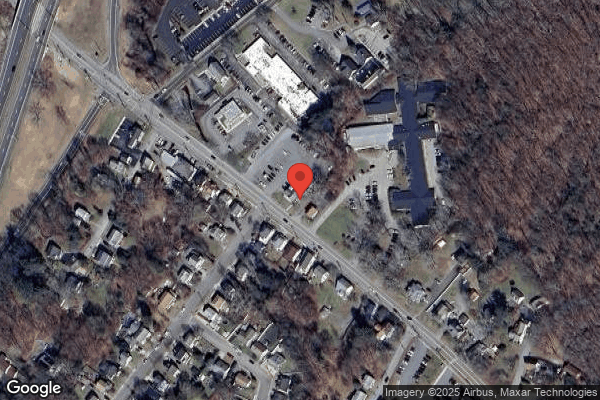

93 WEST TOWN STREET, NORWICH, CT 06360 (860) 889-2614
For profit - Limited Liability company 120 Beds Independent Data: November 2025
Trust Grade
60/100
#71 of 192 in CT
Last Inspection: March 2023

Over 2 years since last inspection. Current conditions may differ from available data.

Overview

Norwich Sub-Acute and Nursing has a Trust Grade of C+, indicating it is slightly above average but not outstanding. It ranks #71 out of 192 facilities in Connecticut, placing it in the top half, and #9 out of 14 in the local county, meaning there are few better options nearby. Unfortunately, the facility is experiencing a worsening trend, with reported issues increasing from 1 in 2024 to 4 in 2025. Staffing is a relative strength, with a turnover rate of 32%, which is below the state average, but the RN coverage is only rated as average. However, concerns arise from the $49,810 in fines, which is higher than 89% of facilities in the state, suggesting ongoing compliance problems. Specific incidents include a serious issue where a resident fell due to inadequate supervision while outside, and concerns regarding food safety in the kitchen, where several opened food items were improperly labeled and stored. Overall, while the staffing stability and good health inspection ratings are positives, the increase in issues and significant fines indicate areas that need improvement.

Trust Score
C+
60/100
In Connecticut
#71/192
Top 36%
Safety Record
Moderate
Needs review
Inspections
Getting Worse
1 → 4 violations
Staff Stability
○ Average
32% turnover. Near Connecticut's 48% average. Typical for the industry.
Penalties
✓ Good
$49,810 in fines. Lower than most Connecticut facilities. Relatively clean record.
Skilled Nurses
○ Average
Each resident gets 41 minutes of Registered Nurse (RN) attention daily — about average for Connecticut. RNs are the most trained staff who monitor for health changes.
Violations
⚠ Watch
26 deficiencies on record. Higher than average. Multiple issues found across inspections.
★★★★☆
4.0
Overall Rating
★★★☆☆
3.0
Staff Levels
★★★★☆
4.0
Care Quality
★★★★☆
4.0
Inspection Score
Stable
2024: 1 issues
2025: 4 issues

The Good

  • 4-Star Quality Measures · Strong clinical quality outcomes
  • Full Sprinkler Coverage · Fire safety systems throughout facility
  • No fines on record
  • Staff turnover below average (32%)

    16 points below Connecticut average of 48%

Facility shows strength in quality measures, fire safety.

The Bad

Staff Turnover: 32%

14pts below Connecticut avg (46%)

Typical for the industry

Federal Fines: $49,810

Above median ($33,413)

Moderate penalties - review what triggered them

The Ugly 26 deficiencies on record

1 actual harm
Jun 2025 4 deficiencies 1 Harm
SERIOUS (G) 📢 Someone Reported This

A family member, employee, or ombudsman was alarmed enough to file a formal complaint

Actual Harm - a resident was hurt due to facility failures

Accident Prevention (Tag F0689)

A resident was harmed · This affected 1 resident

**NOTE- TERMS IN BRACKETS HAVE BEEN EDITED TO PROTECT CONFIDENTIALITY** Based on review of the clinical record, facility documentation, facility policy and interviews for one (1) of three (3) resident...

Read full inspector narrative →
**NOTE- TERMS IN BRACKETS HAVE BEEN EDITED TO PROTECT CONFIDENTIALITY** Based on review of the clinical record, facility documentation, facility policy and interviews for one (1) of three (3) residents (Resident #1) reviewed for falls, the facility failed to ensure the resident was supervised outside of the facility leading to a fall with injury. The findings include: Resident #1's diagnoses included Congestive Heart Failure (CHF), Chronic Obstructive Pulmonary Disease (COPD), atrial fibrillation (irregular heartbeat), anxiety disorder and personality disorder. The annual Minimum Data Set (MDS) assessment dated [DATE] identified Resident #1 had intact cognition (Brief Interview for Mental Status (BIMS) of 13), required substantial assistance for bed mobility and was dependent on staff for transfers. Review of the Morse Fall Scale Evaluation dated 4/24/25 identified Resident #1 had a history of falls, was observed with a weak gait (difficulty walking) and overestimates or forgets his/her limits, putting Resident #1 at a high risk for falling. The Resident Care Plan (RCP) dated 4/25/25 identified Resident #1 as a high risk for falls due to gait/balance problems and incontinence. Interventions included ensuring Resident #1 was wearing appropriate footwear when ambulating or mobilizing in the wheelchair, anticipating and meeting Resident #1's needs and ensuring a safe environment. A nurse's note dated 5/25/25 at 9:05 PM by RN #1 (3:00 PM to 11:00 PM nursing supervisor) identified Resident #1 fell, and upon assessment, Resident #1 was lying on the ground in front of his/her wheelchair with a laceration to the forehead/hairline with a moderate amount of blood and that pressure was applied to the area. The note identified Resident #1 was alert and at baseline cognition, range of motion to all extremities was within normal limits, and Resident #1 was complaining of a moderate headache. The family and the Advanced Practice Registered Nurse (APRN) were notified, and Resident #1 was transferred to the hospital around 7:10 PM. Review of the facility Accident and Investigation (A&I) report dated 5/25/25 identified that at 6:30 PM, Resident #1 was found outside on the ground near the facility main entrance. Resident #1 leaned forward out of the wheelchair to pick something up from the ground and tumbled out of the chair, hitting his/her head. The A&I identified Resident #1 was on an anticoagulant (a blood thinner that prevents blood clots from forming or growing larger) and sustained a laceration to the scalp/hairline and an abrasion to the bridge of his/her nose. The report identified Resident #1 was educated on spending outdoor time in the facility courtyard rather than the facility main entrance and Physical Therapy would evaluate Resident #1 for the use of a reacher/grabber. RN #3's statement dated 5/25/25 identified at approximately 6:30 PM, he was off duty driving by the facility when he observed Resident #1 sitting outside of the front of the facility in his/her wheelchair. RN #3 indicated he knew Resident #1 to be confused and was concerned Resident #1 was unsupervised, so pulled into the facility and tried to locate a nursing supervisor. He identified that once he located RN #1 and they ran to the main entrance of the facility, Resident #1 was already on the ground, RN #1 started her assessment, and he called the DNS to alert her of the incident at 6:47 PM. Review of hospital documentation dated 5/25/25 identified Resident #1 was evaluated in the ED after he/she was found on the ground outside of the nursing home, had an unknown loss of consciousness and presented with an injury to the forehead and was diagnosed, in part, with a head contusion (a bruise) and a forehead laceration. The facial wound was cleaned and closed with Dermabond (a tissue adhesive used to close wounds, like sutures, but without the need for subsequent removal) and Resident #1 was transported back to the facility. Observation of the front entrance of the facility on 6/9/25 at 9:30 AM identified a fairly steep decline down to the parking area. There were approximately ten (10) feet on either side of the main entrance door that was flat before a change in the downwards slope. It did not appear to be safe for residents in wheelchairs to be sitting outside the front entrance. Interview and observation with Resident #1 on 6/9/25 at 10:09 AM identified that on 5/25/25 around dinner time, he/she rolled him/herself in the wheelchair to the receptionist desk to request money from his/her account. Resident #1 reported that when no one was present at the receptionist desk area, he/she decided to go through the main entrance doors, which opened as he/she approached them, to sit outside in the main entrance area. Resident #1 identified that he/she started to read a book and then noticed paper on the ground, so leaned over to pick up the paper and stated, the next thing I knew I was on the ground. Resident #1 indicated he/she slipped out of the wheelchair face first onto the ground. On observation, Resident #1 was noted with a scabbed area to the bridge of his/her nose and a band aid (dated 6/7) placed vertically covering an area between the eyebrows. Resident #1 identified that he/she looked like a racoon last week with bruising surrounding both eyes. Interview with RN #1 (3:00 PM to 11:00 PM nursing supervisor) on 6/9/25 at 10:46 AM identified that on 5/25/25, she was alerted by another staff member (could not recall who) that Resident #1 was sitting unattended outside of the main entrance. She reported that she immediately went to the scene and observed Resident #1 on the ground with a laceration to the forehead and that she applied pressure to control bleeding. RN #1 identified Resident #1 was transferred to the ED for evaluation due to the head strike. RN #1 reported she could not recall if the brakes on the wheelchair were locked and identified she was unsure how Resident #1 got outside or how long he/she was outside. Interview with the DNS on 6/9/25 at 11:09 AM identified Resident #1 should not have been outside the facility main entrance unattended. The DNS identified her investigation discovered NA #2 changed the main entrance door from night mode (door is locked and anyone trying to leave must enter a code to disengage the door and anyone trying to enter must push a buzzer on the outside of the building for staff to manually push a button behind the receptionist desk to open the door) to day mode (door automatically opens when someone approaches to exit or enter the building). She reported that Receptionist #1 left early on 5/25/25 and changed the door to night mode prior to leaving. She identified the receptionist desk is usually staffed until 7:00 PM but she was unsure if staff on all the units were aware there was no staff at the receptionist desk so that residents were supervised accordingly. She was unable to provide statements identifying when Resident #1 was last seen prior to RN #1 observing Resident #1 outside at 6:30 PM and was unable to explain why statements were not obtained from all staff that could have had contact with Resident #1 that evening. The DNS identified that following the 5/25/25 incident, NA #2 was sent home and suspended for three (3) days, staff were educated on the use of the main entrance door afterhours, Resident #1 was educated to use the courtyard if he/she wishes to go outside and PT was requested to evaluate Resident #1 for the use of a reacher/grabber. Review of Receptionist #1's timecard identified that she worked from 9:30 AM to 4:15 PM on 5/25/25. Review of facility education documentation dated 5/25/25 identified that, at no time, should the main entrance doors be set to day mode without an attendant at the desk, and if there is no receptionist on duty, the door must remain on night mode and visitors must be let in and out by the button at the desk only. Interview with OT #1 (Rehab Manager) on 6/9/25 at 1:07 PM identified Resident #1 was receiving Occupational Therapy services on 5/25/25, he/she was not safe to be outside unattended on 5/25/25 and he/she required supervision while in the wheelchair due to cognition and poor safety awareness. He identified Resident #1 was not safe to be sitting outside the main entrance of the building as it was a downwards hill and Resident #1 did not have sufficient lower extremity strength to stop him/herself if the wheelchair was on an uneven surface or if it started to roll. OT #1 further indicated Resident #1 required a Hoyer (mechanical) lift for transfers for years due to lower extremity weakness. Interview with NA #2 on 6/9/25 at 3:04 PM identified that on 5/25/25 she was working on the North Unit, which was the unit closest to the main entrance. She reported that Receptionist #1 left early, and that she (NA #2) was repeatedly interrupted by the front door buzzer while performing evening care for residents. She reported she felt like she was putting the residents at risk for falls by having to leave them to open the front door, so she changed the front door from night mode to day mode so people could enter and exit through the main entrance freely rather than interrupt her. NA #2 identified she should not have touched the settings on the door and was suspended for three (3) days following the incident. Although attempted, interviews with NA #1, LPN #1 and RN #1 were not obtained. Although requested, facility policies for locking of the main entrance door and criteria for allowing residents to be outside of the building on facility grounds unattended were not provided.
CONCERN (D) 📢 Someone Reported This

A family member, employee, or ombudsman was alarmed enough to file a formal complaint

Potential for Harm - no one hurt, but risky conditions existed

Deficiency F0603 (Tag F0603)

Could have caused harm · This affected 1 resident

**NOTE- TERMS IN BRACKETS HAVE BEEN EDITED TO PROTECT CONFIDENTIALITY** Based on review of the clinical record, facility documentation, facility policy and interviews for one (1) of three (3) resident...

Read full inspector narrative →
**NOTE- TERMS IN BRACKETS HAVE BEEN EDITED TO PROTECT CONFIDENTIALITY** Based on review of the clinical record, facility documentation, facility policy and interviews for one (1) of three (3) residents (Resident #1) reviewed for falls, the facility failed to ensure a resident, who was not assessed as an elopement risk, was free from involuntary seclusion, when a Wanderguard device (a bracelet which is a part of a wander management system designed to prevent those at risk for wandering from leaving a protected area) was applied without the resident's consent. The findings include: Resident #1's diagnoses included Congestive Heart Failure (CHF), Chronic Obstructive Pulmonary Disease (COPD), atrial fibrillation (irregular heartbeat), anxiety disorder and personality disorder. The annual Minimum Data Set (MDS) assessment dated [DATE] identified Resident #1 had intact cognition (Brief Interview for Mental Status (BIMS) of 13), required substantial assistance for bed mobility and was dependent on staff for transfers. Review of the Morse Fall Scale Evaluation dated 4/24/25 identified Resident #1 had a history of falls, was observed with a weak gait (difficulty walking) and overestimates or forgets his/her limits, putting Resident #1 at a high risk for falling. Review of an Elopement Evaluation dated 4/24/25 identified Resident #1 was oriented to person and place, was not exit seeking, had not attempted to elope in the last 30 days and was not at risk for elopement. The Resident Care Plan (RCP) dated 4/25/25 identified Resident #1 as a high risk for falls due to gait/balance problems and incontinence. Interventions included ensuring Resident #1 was wearing appropriate footwear when ambulating or mobilizing in the wheelchair, anticipating and meeting Resident #1's needs and ensuring a safe environment. The RCP did not identify a risk for elopement. A nurse's note dated 5/25/25 at 9:05 PM by RN #1 (3:00 PM to 11:00 PM nursing supervisor) identified Resident #1 fell, and upon assessment, Resident #1 was lying on the ground in front of his/her wheelchair with a laceration to the forehead/hairline with a moderate amount of blood and that pressure was applied to the area. The note identified Resident #1 was alert and at baseline cognition, range of motion to all extremities was within normal limits, and Resident #1 was complaining of a moderate headache. The family and the Advanced Practice Registered Nurse (APRN) were notified, and Resident #1 was transferred to the hospital around 7:10 PM. Review of the facility Accident and Investigation (A&I) report dated 5/25/25 identified that at 6:30 PM, Resident #1 was found outside on the ground near the facility main entrance. Resident #1 leaned forward out of the wheelchair to pick something up from the ground and tumbled out of the chair, hitting his/her head. The A&I identified Resident #1 was on an anticoagulant (a blood thinner that prevents blood clots from forming or growing larger) and sustained a laceration to the scalp/hairline and an abrasion to the bridge of his/her nose. The report identified Resident #1 was educated on spending outdoor time in the facility courtyard rather than the facility main entrance and Physical Therapy would evaluate Resident #1 for the use of a reacher/grabber. Review of hospital documentation dated 5/25/25 identified Resident #1 was evaluated in the ED after he/she was found on the ground outside of the nursing home, had an unknown loss of consciousness and presented with an injury to the forehead and was diagnosed, in part, with a head contusion (a bruise) and a forehead laceration. The facial wound was cleaned and closed with Dermabond (a tissue adhesive used to close wounds, like sutures, but without the need for subsequent removal) and Resident #1 was transported back to the facility. Review of an Elopement Risk Scale dated 5/26/25 identified Resident #1 could communicate and follow instructions, move without assistance while in the wheelchair, had no history of wandering, knew how to return to his/her unit, had no episodes of walking aimlessly and had no diagnosis of dementia. A physician's order dated 5/26/25 directed for a Wanderguard to be intact to Resident #1's wheelchair and for staff to check placement and function every shift. Interview and observation with Resident #1 on 6/9/25 at 10:09 AM identified that on 5/25/25 around dinner time, he/she rolled him/herself in the wheelchair to the receptionist desk to request money from his/her account. Resident #1 reported that when no one was present at the receptionist desk area, he/she decided to go through the main entrance doors, which opened as he/she approached them, to sit outside in the main entrance area. Resident #1 identified that he/she started to read a book and then noticed paper on the ground, so leaned over to pick up the paper and stated, the next thing I knew I was on the ground. Resident #1 indicated he/she slipped out of the wheelchair face first onto the ground. Resident #1 identified he/she did not know what a Wanderguard was, no one discussed the use of a Wanderguard with him/her and he/she never tried to leave the facility without permission. The back of Resident #1's wheelchair was maroon in color, 'Jay J3' model, and was labeled with Resident #1's last name. A Wanderguard was attached to the front left of the wheelchair just above the left wheel. Interview with RN #1 (3:00 PM to 11:00 PM nursing supervisor) on 6/9/25 at 10:46 AM identified she never observed Resident #1 wandering or exit seeking and indicated Resident #1 was not at risk for elopement before or after the fall incident. Interview with the DNS on 6/9/25 at 11:09 AM identified Resident #1 should not have been outside the facility main entrance unattended for safety reasons. She identified that an Elopement Risk Assessment was completed on 5/26/25 which did not identify exit seeking behavior or wandering. She further identified a Wanderguard was placed on Resident #1's wheelchair subsequent to the 5/25/25 fall incident to remind Resident #1 not to go out the front door. She identified Resident #1 was not conserved and was self responsible. She identified she did not discuss the use of the Wanderguard with Resident #1 or request consent for the use of the Wanderguard. She indicated she did not associate the use of the Wanderguard with involuntary seclusion even though the device caused the exit doors to lock. Review of the facility At Risk for Elopement binder with the Business Office Manager on 6/9/25 at 12:02 PM, located at the receptionist desk, failed to identify Resident #1's picture or information within the binder identifying he/she was at risk for elopement. Although attempted, interviews with NA #1 and LPN #1 were not obtained. Review of the Wanderguard Security System policy dated 7/2023 directed, in part, that a Wanderguard Security Device will be placed on any resident that the resident care team decides is at risk for wandering away from the facility. When the Wanderguard door alarm sounds, the nearest employees shall immediately respond to that door. Although requested, a facility policy on involuntary seclusion was not provided.
CONCERN (D) 📢 Someone Reported This

A family member, employee, or ombudsman was alarmed enough to file a formal complaint

Potential for Harm - no one hurt, but risky conditions existed

Comprehensive Care Plan (Tag F0656)

Could have caused harm · This affected 1 resident

**NOTE- TERMS IN BRACKETS HAVE BEEN EDITED TO PROTECT CONFIDENTIALITY** Based on review of the clinical record, facility documentation, facility policy and interviews for one (1) of three (3) resident...

Read full inspector narrative →
**NOTE- TERMS IN BRACKETS HAVE BEEN EDITED TO PROTECT CONFIDENTIALITY** Based on review of the clinical record, facility documentation, facility policy and interviews for one (1) of three (3) residents (Resident #4) reviewed for elopement, the facility failed to ensure a comprehensive care plan was developed for a resident who was at risk for elopement and had a provider ordered Wanderguard (a bracelet which is a part of a wander management system designed to prevent those at risk for wandering from leaving a protected area). The findings include: Resident #4's diagnoses included dementia with behavioral disturbances and adjustment disorder with anxiety. A physician's order dated 5/30/24 directed a Wanderguard be affixed to Resident #4's wheelchair at all times. An Elopement Evaluation dated 12/11/24 identified Resident #4 was exit seeking, oblivious to needs or safety, wanted to go home or leave, had a diagnosis of Alzheimer's disease (a progressive dementia that destroys memory and important mental functions) and was at risk for elopement. The annual Minimum Data Set (MDS) assessment dated [DATE] identified Resident #4 had severely impaired cognition (Brief Mental Interview for Mental Status (BIMS) score of 3), was dependent on staff for personal hygiene, bed mobility and transfers. The MDS identified wandering behaviors were not present. An Elopement Evaluation dated 3/4/25 identified Resident #4 was not exit seeking, displayed behaviors of wanting to go home, watched others go out the doors, expressed/experienced feelings of fear/anger of abandonment and had a diagnosis of Alzheimer's disease. A nurse's note dated 5/22/25 at 1:42 PM identified Resident #4 continued to tell staff that he/she is going to quit this job and take the bus home. A nurse's note dated 5/23/25 at 12:05 PM identified that family was in to visit and discussed increased confusion related to bed relocation (5/21/25). Resident #4 was looking for his/her friend, wanted to go home to his/her mother and father, and believed people were looking at him/her through the window. A nurse's note dated 5/27/25 at 5:21 PM identified Resident #4 reported he/she was going home with his/her brother because he/she needed to go home to his/her parents. A nurse's note dated 6/2/25 at 12:27 PM identified Resident #4 believed he/she was an employee of the facility, wanted the afternoon off, continued to believe he/she was going home to his/her parent's house and was redirected with little effect. A nurse's note dated 6/4/25 at 12:08 PM identified Resident #4 was sitting in the common area stating he/she was bored, needed to find a new job and that he/she was leaving with his/her spouse to their house in Pennsylvania. Review of the May and June 2025 Medication Administration Record (MAR) identified behavior monitoring for pacing but failed to identify a behavior of exit seeking, wanting to go home or leave the facility, watching others go out of doors, or expressing/experiencing feelings of fear/anger of abandonment. Review of the facility At Risk for Elopement binder, on 6/9/25 at 12:02 PM, which was located at the receptionist desk, identified Resident #4's picture and information identifying he/she was at risk for elopement. Observation of Resident #4 on 6/9/25 at 12:49 PM, identified a Wanderguard intact to the front right of Resident #4's wheelchair. Resident #4 reported that after lunch, he/she was going to work. Interview with RN #2 (MDS Coordinator) on 6/9/25 at 1:29 PM identified she completed the Elopement Evaluation dated 3/4/25 which identified Resident #4 had exit seeking behaviors but was not at risk for elopement. She further identified Resident #4 often had exit seeking behaviors and expressed he/she wanted to leave the facility. Additionally, RN #2 identified she was unaware behavior monitoring did not include exit seeking behaviors to include wanting to go home or leave, watching others go out of doors or expressing/experiencing feelings of fear/anger of abandonment. She identified that since there was a physician's order for a Wanderguard and the Wanderguard was currently in place, staff should have been documenting exit seeking behaviors as part of the facility's behavior monitoring. She identified that she should have discovered the lack of documentation when she completed the comprehensive assessment. RN #2 further identified that any resident who had a Wanderguard should have a care plan in place for elopement with interventions to prevent elopement. Interview with the DNS on 6/9/25 identified Resident #4 was at risk for elopement, the Elopement Evaluation should have identified the elopement risk and an elopement care plan should have been developed. The DNS identified that RN #2 was responsible for the evaluation, the care plan and ensuring behavior monitoring matched actual behaviors. The DNS identified RN#2 should have notified her with any discrepancies. Subsequent to surveyor inquiry, a Resident Care Plan (RCP) dated 6/9/25 identified Resident #4 was at risk for elopement and wandering related to disorientation to place, history of attempts to leave the facility unattended and impaired safety. Interventions included distracting the resident from wandering by offering pleasant diversions, structured activities, food, conversation, television and books and that the resident was a wander alert and had a Wanderguard bracelet on his/her wheelchair. Review of the Care Plans policy dated 6/2023 directed, in part, that the care plan will be developed no later than seven (7) days after the completion of the comprehensive assessment (MDS). The Resident Care Plan (RCP) will include the residents' needs, realistic goals, and the care and services needed to meet these goals. The MDS coordinator is responsible for ascertaining that all MDS triggered items have been addressed. The RCP of each resident is completed and reviewed by the 21st day after admission and quarterly thereafter at the Resident Care Conference (RCC). RCP's can also be revised, as needed, at any time, on an interim basis. RCP's will include physical, cognitive and psycho-social problems and will address the residents' needs on an individual basis.
CONCERN (D) 📢 Someone Reported This

A family member, employee, or ombudsman was alarmed enough to file a formal complaint

Potential for Harm - no one hurt, but risky conditions existed

Deficiency F0658 (Tag F0658)

Could have caused harm · This affected 1 resident

**NOTE- TERMS IN BRACKETS HAVE BEEN EDITED TO PROTECT CONFIDENTIALITY** Based on review of the clinical record, facility documentation, facility policy and interviews for one (1) of three (3) resident...

Read full inspector narrative →
**NOTE- TERMS IN BRACKETS HAVE BEEN EDITED TO PROTECT CONFIDENTIALITY** Based on review of the clinical record, facility documentation, facility policy and interviews for one (1) of three (3) residents (Resident #1) reviewed for falls, the facility failed to ensure that a laceration sustained from a fall was treated in accordance with physician's orders. The findings include: Resident #1's diagnoses included Congestive Heart Failure (CHF), Chronic Obstructive Pulmonary Disease (COPD), atrial fibrillation (irregular heartbeat), anxiety disorder and personality disorder. The annual Minimum Data Set (MDS) assessment dated [DATE] identified Resident #1 had intact cognition (Brief Interview for Mental Status (BIMS) of 13), required substantial assistance for bed mobility and was dependent on staff for transfers. The Resident Care Plan (RCP) dated 5/29/25 identified that Resident #1 had an actual impairment to skin integrity of the face and forehead related to an abrasion and a laceration sustained from a fall. Interventions included following facility protocols for treatment of an injury and monitoring and documenting the location, size and treatment of the skin injury. A nurse's note dated 5/25/25 at 9:05 PM by RN #1 (3:00 PM to 11:00 PM nursing supervisor) identified Resident #1 fell, and upon assessment, Resident #1 was lying on the ground in front of his/her wheelchair with a laceration to the forehead/hairline with a moderate amount of blood and that pressure was applied to the area. The note identified Resident #1 was alert and at baseline cognition, range of motion to all extremities was within normal limits, and Resident #1 was complaining of a moderate headache. The family and the Advanced Practice Registered Nurse (APRN) were notified, and Resident #1 was transferred to the hospital around 7:10 PM. PM. A physician's order dated 6/8/25 directed for the forehead laceration to be cleansed with normal saline, patted dry, bacitracin (a topical antibiotic used to help prevent skin infections from cuts, scrapes and burns) to be applied to the area and covered with a band aid daily and as needed. Observation of Resident #1 on 6/9/25 at 10:09 AM identified a band aid dated 6/7 placed vertically covering an area between both eyebrows. A dark drainage was noted under the band aid. Observation of Resident #1 with the DNS on 6/9/25 at 11:06 AM identified a band aid dated 6/7 placed vertically covering an area between both eyebrows. A dark drainage was noted under the band aid. Review of the June 2025 Treatment Administration Record (TAR) identified that the treatment to Resident #1's forehead was signed off as completed on 6/8/25 by LPN #2. Review of nurse's notes dated 6/8/25 failed to identify documentation related to the forehead dressing. Interview and clinical record review with the DNS on 6/9/25 at 11:09 AM identified that per physician's order the treatment to Resident #1's forehead should have been completed daily on the 3:00 PM to 11:00 PM shift and as needed. Subsequent to surveyor inquiry, the treatment to Resident #1's forehead was signed off as completed in the TAR on 6/9/25 at 11:13 AM. Observation of Resident #1 on 6/9/25 at 11:38 AM identified the band aid to his/her forehead was noted to be clean, dry and intact and was dated 6/9. Interview with LPN #2 on 6/9/25 at 11:49 AM identified that on 6/8/25, she signed off the forehead treatment as administered prior to completing the treatment. She identified that when she went to administer the treatment around 8:30 PM, the resident was already sleeping so she did not assess the area or change the dressing as ordered. She identified she should never sign off orders as administered prior to completing them and that she was in a rush. Re-interview with the DNS on 6/9/25 at 2:47 PM identified that licensed nurses should not sign off orders until they are administered. Although requested, a facility policy for physician's orders and treatment administration were not provided.
May 2024 1 deficiency
CONCERN (D) 📢 Someone Reported This

A family member, employee, or ombudsman was alarmed enough to file a formal complaint

Potential for Harm - no one hurt, but risky conditions existed

Deficiency F0805 (Tag F0805)

Could have caused harm · This affected 1 resident

**NOTE- TERMS IN BRACKETS HAVE BEEN EDITED TO PROTECT CONFIDENTIALITY** Based on clinical record review, facility documentation review, facility policy review, and interviews for one of three resident...

Read full inspector narrative →
**NOTE- TERMS IN BRACKETS HAVE BEEN EDITED TO PROTECT CONFIDENTIALITY** Based on clinical record review, facility documentation review, facility policy review, and interviews for one of three residents (Resident #1) reviewed for nutrition, the facility failed to provide ensure a resident with difficulty swallowing was served the correct diet consistency in accordance with physician orders. The findings include: Resident #1 was admitted with diagnoses that included myoneural disorder (progressive muscle weakness), dysphagia (difficulty swallowing), dementia, and aphasia. The quarterly MDS assessment dated [DATE] identified Resident #1was alert and oriented, and independent for eating. A RCP dated 4/18/2024 identified a problem with nutritional status and that Resident #1 was on a mechanically altered diet and wore dentures. The RCP directed diet as per physician's order, adjust texture as needed to facilitate eating. A physician order dated 4/2/2024 directed International Dysphagia Diet Standardization Initiative (IDDSI) 5 minced and moist solids; allow crustless soft sandwiches (chicken or egg salad) cut into bite-sized pieces, allow IDDSI 6 kielbasa and sauerkraut; IDDSI 0 - thin liquids. A facility incident report dated 4/28/2024 at 1:13 PM identified Resident #1 was seen by a family member to be red in the face while eating lunch and the family member called for help, removed Resident #1's bottom dentures and provided the Heimlich maneuver. When LPN #1 arrived, a family member swept Resident #1's mouth and removed a piece of beet that was not diced. Resident #1's diet was downgraded to puree and a speech language pathologist (SLP) screen was to be completed. A facility summary dated 5/1/2024 identified that on 4/28/2024 a SLP evaluation was completed, and Resident #1's diet was upgraded back to IDDSI 5 minced with moist solids and thin liquids. Nursing and dietary staff were educated on IDDSI diets. Interview with SLP #1 on 5/17/2024 at 9:50 AM identified that Resident #1 had dysphagia and required a diet with minced/moist food (IDDSI 5 diet) because Resident #1 had a reduced oral phase (not chewing long before a swallow was initiated). SLP #1 stated Resident #1 did not chew food down into little pieces for safe swallowing, and the altered diet did not require biting, only required minimal chewing and lumps were able to be mashed by the tongue and only four (4) millimeters in size. SLP #1 stated Resident #1 could not effectively swallow a sliced beet, or mash it with her/his tongue, and it was not part of the ordered diet. Interview with the Acting Food Service Director (FSD #1) on 5/17/2024 at 10:15 AM identified that residents physician diet orders are entered into the kitchen's menu system by the kitchen staff and a meal ticket with diet orders and food preferences was printed at the time of a resident's meal. The meals are plated from a steam table on the unit by the cook when the meal is called out from the ticket by another member of the dietary staff and then another dietary staff member delivered it to Resident #1. Further, dietary staff was responsible for setting up the resident to eat if the resident is an independent eater. FSD #1 identified that on 4/28/2024, there was a certified cook (Cook #1) plating lunch from the steam table and the Food Service Director (FSD #2) was the second staff dietary staff member assisting with meal delivery on the unit. She continued that both were trained and resources to staff for meal consistency and the IDDSI requirements. FSD #1 stated dietary staff had not recognized that sliced beets should not have been served to Resident #1 who was ordered an IDDSI 5 diet. She identified that both [NAME] #1 and FSD #2 had been terminated due to the 4/28/2024 incident where Resident #1 had been served a sliced beet during lunch service in error. Interview with LPN #1 on 5/17/2024 at 10:30 AM identified that she was the charge nurse on Resident #1's unit on 4/28/2024 on the day shift when at approximately 12:30 PM she heard Resident #1's family member calling for help from Resident #1's room. As she entered the room, the family member was behind the wheelchair with arms around Resident #1 performing the Heimlich maneuver. Resident #1 was making audible noises; face was reddened. LPN #1 moved to position herself to continue to provide the Heimlich behind Resident #1 and the family member moved around the front of Resident #1 and proceeded to perform a mouth sweep removing a quarter sized round beet from Resident #1's mouth. Resident#1 was assessed and had no change to her/his baseline. Resident #1's diet was changed to pureed until a SLP evaluation was completed. A new pureed lunch was provided, and Resident #1 ate approximately 50 to 75 percent of it without issue. Interview with the DON on 5/17/2024 at 11:30 AM identified the FSD #2 had reported that he thought the beets were soft and had served them to Resident #1. FSD #2 identified he knew Resident #1's ordered diet and still served Resident #1 the sliced beets. The DON stated Resident #1 was independent for eating, should not have received the beets, and nursing staff did not serve or assist the Resident with the lunch meal on 4/28/2024. Although requested, a facility policy for IDDSI diet was not provided for surveyor review during the survey.
Jun 2023 3 deficiencies
CONCERN (D) 📢 Someone Reported This

A family member, employee, or ombudsman was alarmed enough to file a formal complaint

Potential for Harm - no one hurt, but risky conditions existed

Report Alleged Abuse (Tag F0609)

Could have caused harm · This affected 1 resident

**NOTE- TERMS IN BRACKETS HAVE BEEN EDITED TO PROTECT CONFIDENTIALITY** Based on clinical record review, facility documentation, facility policies and interviews for one sampled resident (Resident #1)...

Read full inspector narrative →
**NOTE- TERMS IN BRACKETS HAVE BEEN EDITED TO PROTECT CONFIDENTIALITY** Based on clinical record review, facility documentation, facility policies and interviews for one sampled resident (Resident #1) who was reviewed for an injury of unknown origin, the facility failed to report the injury to the Administrator or the Director of Nursing at the time the allegation of abuse was identified. The findings include: Resident #1's diagnoses included dementia, psychotic disturbance, mood disturbance and anxiety. The quarterly Minimum Data Set assessment dated [DATE] identified Resident #1 rarely or never made decisions regarding tasks of daily life, required total two (2) person assistance with getting in and out of the bed and chair, toilet use, and personal hygiene, extensive one (1) person assistance with turning and repositioning while in the bed and dressing, and was always incontinent of bowel and bladder. The Facility Reported Incident form dated 6/19/23 at 5:30 PM identified blood was noted on Resident #1's teeth, lips, tongue, and a scratch on the left facial cheek, the left upper lip had swelling, and the left cheek had swelling and a bruise and there was a small scratch measuring 1.2 centimeters at the left jaw line. The form identified that although the hospice nurse, a family member and the Advanced Practice Registered Nurse were notified, the form failed to reflect documentation the Administrator or Director (DON) had been notified of the injury of unknown origin at this time. The nurse's note dated 6/19/23 at 10:55 PM identified Resident #1 was restless and attempted to get out of bed twice and the as needed medication Ativan was administered at 5:48 PM with good effect. Interview with the 3-11PM Nursing Supervisor, Registered Nurse (RN) #1, on 6/22/23 at 1:13 PM identified she was a charge nurse that night as well as the Nursing Supervisor. RN #1 indicated she felt Resident #1 was safe and she did not report the incident to the Administrator or the DON because she thought the facility had seventy-two (72) hours to report the incident. Interview and review of the clinical record with the Regional Nurse, Registered Nurse (RN) #3, on 6/22/23 at 3:45 PM identified the incident happened on 6/19/23 at 5:30 PM and the injry was reported to the state agency on 6/20/23 on the 7AM-3PM shift as soon as the DON found out Resident #1 had a bruise to his/her face and had a missing tooth. RN #3 indicated the incident should have been reported to the DON or the Administrator at the time injury was identified. Review of the Abuse Reporting policy directed all personnel must promptly report any incident or suspected incident of resident abuse, including injuries of unknown source and misappropriation of resident property. All alleged violations including mistreatment, neglect, or abuse, including injuries of unknown source and misappropriation of resident property, must be reported to the administrator or his/her designee, i.e., immediate supervisor. The DON was unavailable for an interview.
CONCERN (D) 📢 Someone Reported This

A family member, employee, or ombudsman was alarmed enough to file a formal complaint

Potential for Harm - no one hurt, but risky conditions existed

Deficiency F0657 (Tag F0657)

Could have caused harm · This affected 1 resident

**NOTE- TERMS IN BRACKETS HAVE BEEN EDITED TO PROTECT CONFIDENTIALITY** Based on clinical record reviews, facility documentation, facility policy and interviews for one of three sampled residents (Res...

Read full inspector narrative →
**NOTE- TERMS IN BRACKETS HAVE BEEN EDITED TO PROTECT CONFIDENTIALITY** Based on clinical record reviews, facility documentation, facility policy and interviews for one of three sampled residents (Resident #1) who were reviewed for an injury of unknow origin, the facility failed to review and revise Resident #1's care plan to address the resident's behavioral symptoms, (agitation, restlessness, and combativeness), to prevent an injury. The findings include: Resident #1's diagnoses included dementia, psychotic disturbance, mood disturbance and anxiety. The quarterly Minimum Data Set assessment dated [DATE] identified Resident #1 rarely or never made decisions regarding tasks of daily life, did not exhibit physical or verbal behavioral symptoms, required total two (2) person assistance with getting in and out of the bed and chair, toilet use, and personal hygiene, extensive one (1) person assistance with turning and repositioning while in the bed and dressing, and was always incontinent of bowel and bladder. Review of the Resident Care Plan dated 4/27/23 identified there was no problem that Resident #1 had exhibited behavioral symptoms. The nurse's note dated 6/10/23 at 10:30 PM identified Ativan was administered at 10:15 PM for restlessness and crying out. The nurse's note dated 6/12/23 at 6:47 AM identified Resident #1 was crying and agitated and the as needed Ativan was administered with good effect. The nurse's note dated 6/15/23 at 4:05 AM identified Resident #1 was agitated at the start of the shift, the as needed Ativan was administered by the previous shift, Resident #1 calmed down significantly, however remained awake and chatting to self, there was some mild restless behaviors throughout the night and Resident #1 was noted to be balling up the sheets and removing the johnny. The nurse's note dated 6/16/23 at 8:10 PM identified the as needed Ativan was administered for combativeness and excessive crying, during evening care Resident #1 began hitting staff, and the supervisor was made aware. The nurse's note dated 6/19/23 at 10:55 PM identified Resident #1 was restless and attempted to get out of bed twice, the as needed Ativan was administered at 5:48 PM with good effect. The nurse's note dated 6/20/23 at 12:57 AM identified upon entering room the Nursing Supervisor noted a nurse aide was with Resident #1, Resident #1 was lying in the center of the bed on his/her back, Resident #1 had bloody teeth, tongue, and lips. The note indicated Resident #1's left lip was lifted and on the left upper gum there was a broken tooth. The note identified while trying to assess Resident #1, Resident #1 was combative pushing at anyone who was trying to get closer to him/her and the charge nurse was asked to medicate Resident #1with the as needed medication for agitation and anxiety. The note identified on return the Nursing Supervisor was able to wash a small amount of blood off Resident #1's cheek and noted an approximately four (4) centimeter superficial scratch. The note indicated Resident #1 continued to be combative, and an assessment would have to wait until the staff could get closer to Resident #1. The note identified Resident #1's family member was there, was able to wash Resident #1 's face and mouth and asked the staff not to disturb Resident #1 at this time as Resident #1 was calm. Review of the care plan identified a problem was developed related to the facial injury sustained on 6/19/23 with an intervention to pad bilateral side rails for protection, however the care plan failed to address Resident #1's physical and behavioral symptoms. Interview with a 3-11PM nurse aide, Nurse Aide (NA) #1, on 6/22/23 at 11:47 AM identified occasionally Resident #1 was a little combative, however nothing to the point where Resident #1 had ever made him/herself bleed. NA #1 indicated Resident #1 would hit, grab, pinch, and mainly did it when he/she was in pain. NA #1 identified Resident #1 was able to move in bed independently, he/she tended to wiggle and end up sideways on the bed. Interview with the 3-11PM charge nurse, Licensed Practical Nurse (LPN) #1, on 6/22/23 at 12:04 PM identified Resident #1's behavior was changing, and the nurse aides stated Resident #1 was screaming out, yelling out and crying. LPN #1 indicated Resident #1 had been combative with care more recently and Resident #1's behavior started to change a couple of weeks ago. Interview with a 3-11PM nurse aide, Nurse Aide (NA) #2, on 6/22/23 at 1:50 PM identified she had helped a coworker change Resident #1 and in the past Resident #1 was combative, tried to get out of bed and that was why Resident #1 had bed alarm. Interview with a 3-11PM nurse aide, Nurse Aide (NA) #3, on 6/22/23 at 3:00 PM identified when Resident #1 was in a lot of pain, he/she got very agitated, thrashed out, and would try to hit the staff. NA #3 indicated Resident #1 would get progressively more aggressive, would thrash in bed, would be halfway out of bed and would not sit still. NA #3 identified she had to reapproach Resident #1 several times because Resident #1 was getting very aggressive and tried to hit her. Interview with the Minimum Data Set (MDS) Coordinator, Registered Nurse (RN) #4, on 6/22/23 at 2:48 PM identified she was unaware Resident #1 exhibited combative, aggressive behaviors. RN #4 indicated the change in any resident's behavior was usually communicated during morning report and the MDS Coordinator would review and revise the plan of care. Interview and review of the clinical record with the Regional Nurse, Registered Nurse (RN) #3, on 6/22/23 at 2:30 PM identified Resident #1's care plan did not have a care plan to address Resident #1's combative and aggressive behaviors prior to the incident on 6/19/23. RN #3 indicated the MDS Coordinator was responsible to review and revise the resident care plan. Review of the Care Planning policy directed to have an interdisciplinary care plan to achieve and maintain optimal status for each resident. The resident care plan will include physical, cognitive and psycho-social problems and will address the residents needs on an individualized basis.
MINOR (B) 📢 Someone Reported This

A family member, employee, or ombudsman was alarmed enough to file a formal complaint

Minor Issue - procedural, no safety impact

Deficiency F0790 (Tag F0790)

Minor procedural issue · This affected multiple residents

Based on clinical record review, facility documentation, facility policies and interviews for one sampled resident (Resident #1) who required dental care, the facility failed to ensure Resident #1 rec...

Read full inspector narrative →
Based on clinical record review, facility documentation, facility policies and interviews for one sampled resident (Resident #1) who required dental care, the facility failed to ensure Resident #1 received dental services. The findings include: Resident #1's diagnoses included dementia, psychotic disturbance, mood disturbance and anxiety. The care conference report dated 1/27/23 identified the care team met after meeting with Resident #1, Resident #1's family member was present, the current orders, code status, plan of care and consults were reviewed, Resident #1 was on a modified diet and on the list for the dentist to see for a chipped tooth. Review of the clinical record and facility documentation failed to reflect documentation Resident #1 was seen by the dentist as requested by the family member on 1/27/23. Interview with the Medical Records/Unit Coordinator on 6/22/23 at 1:38 PM identified in January 2023, she was requested to add Resident #1 to the dental list, and she had to contact Resident #1's family member to obtain dental consent. The Medical Records/Unit Coordinator identified Resident #1's family member decided to sign up to see the facility dentist and indicated the family member stated to her at that time it was not a priority because Resident #1 was not in pain. The Medical Records/Unit Coordinator identified the dentist came into the facility in February, however the dentist saw a different resident with the same last name who was also on the list of services. The Medical Records/Unit Coordinator indicated she pointed out to the dentist Resident #1 was not treated, the dentist admitted the mistake, stated Resident #1 would be added to the list and would get back to her when the dentist was coming again. The Medical Records/Unit Coordinator identified she did not receive a follow up from the dentist and she also did not follow up because Resident #1 signed onto Hospice services in March. The Medical Records/Unit Coordinator indicated to her Hospice services meant comfort measures only and no more treatments, that was why she did not follow up with the dentist. Review of the Dental Services policy directed the facility will provide qualified dentist services for all residents. Subsequent to surveyor inquiry Resident #1 was scheduled to be seen by the dentist on 6/23/23.
May 2023 2 deficiencies
CONCERN (D) 📢 Someone Reported This

A family member, employee, or ombudsman was alarmed enough to file a formal complaint

Potential for Harm - no one hurt, but risky conditions existed

Quality of Care (Tag F0684)

Could have caused harm · This affected 1 resident

**NOTE- TERMS IN BRACKETS HAVE BEEN EDITED TO PROTECT CONFIDENTIALITY** Based on review of the clinical record, facility documentation, facility policy, and interviews for 1 of 3 residents (Resident #...

Read full inspector narrative →
**NOTE- TERMS IN BRACKETS HAVE BEEN EDITED TO PROTECT CONFIDENTIALITY** Based on review of the clinical record, facility documentation, facility policy, and interviews for 1 of 3 residents (Resident #2) reviewed for medication administration, the facility failed to administer medications timely as ordered. The findings include: Resident #2 was admitted to the facility with diagnoses that included orthopedic aftercare, stroke, type II diabetes and inflammatory and infection reaction due to internal joint prosthesis. The care plan dated 5/6/23 identified Resident #2 had an alteration in cardiac status secondary to hypertension. Interventions included medications per physician order. Physician's order dated 5/6/23 directed aspirin 81 mg twice a day for blood thinner. Physician's order dated 5/6/23 directed Lopressor 50 mg every 12 hours for high blood pressure. Physician's order dated 5/6/23 directed metformin 500 mg every 12 hours for type II diabetes. Physician's order dated 5/6/23 directed Neurontin 300 mg three times a day for inflammatory reaction due to internal joint prosthesis . Physician's order dated 5/6/23 directed senna plus one tablet at bed time for hypertension. The admission MDS dated [DATE] identified Resident #2 had no impairments in cognition, was continent with bowel and urine and was an extensive assist of one staff for toilet use and personal hygiene. Review of the medication administration report dated 5/9/23 identified the following medications were scheduled to be administered at 8:00 PM and were documented as administered at 11:15 PM; Aspirin 81 mg, Lopressor 50 mg, Metformin 500 mg, Neurontin 300 mg and Senna plus. Interview with RN #1 on 5/30/23 at 2:00 PM identified if he documented the medication administration as late then it was late. He identified he was newer to unit and could have had other things could on that night that needed attention. Review of the administration of medications policies and procedures directed that medications are to be given at the time ordered or with 60 minutes before or after the time designated.
MINOR (B) 📢 Someone Reported This

A family member, employee, or ombudsman was alarmed enough to file a formal complaint

Minor Issue - procedural, no safety impact

Medical Records (Tag F0842)

Minor procedural issue · This affected multiple residents

**NOTE- TERMS IN BRACKETS HAVE BEEN EDITED TO PROTECT CONFIDENTIALITY** Based on review of the clinical record, facility documentation, facility policy, and interviews for one (1) of three (3) residen...

Read full inspector narrative →
**NOTE- TERMS IN BRACKETS HAVE BEEN EDITED TO PROTECT CONFIDENTIALITY** Based on review of the clinical record, facility documentation, facility policy, and interviews for one (1) of three (3) residents reviewed for allegations of neglect, (Resident #2), the facility failed to document a thorough investigation of a resident's allegation of neglect. The findings include: Resident #2 had diagnoses that included morbid obesity and depression. A care plan dated 5/6/23 identified Resident #2 had an alteration in activities of daily living (ADL's) with interventions that included moderate assist of one for toileting and upper/lower body self care, allow adequate time for Resident #2 to perform ADL activity, encourage Resident #2 to do as much for his/herself as possible and provide assistive/adaptive devices. The care plan was updated on 5/9/23 for two staff for care at all times due to accusatory behavior. Occupation Therapy evaluation and plan of treatment dated 5/8/23 identified staff provide 100% of assistance for toileting due to Resident #2 being bed level at that time and no applicable for toilet/commode transfers. A nurse's note dated 5/9/23 at 4:39 PM identified Resident #2 was heard shouting and calling staff names because he/she was on the bedpan and uncomfortable. Resident #2 continued to make negative comments while cursing and name calling. Two staff were present for any interactions for the remainder of the shift. A former DNS note dated 5/9/23 at 2:19 PM identified Resident #2 was to be two for care at all times related to accusatory behavior. The admission MDS dated [DATE] identified Resident #2 had no impairments in cognition, was continent with bowel and urine and was an extensive assist of one staff for toilet use and personal hygiene. Review of the grievance log failed to identify a grievance was completed for Resident #2. Review of Resident #2's record failed to identify an accident and incident form was completed for Resident #2. Interview with the former DNS on 5/25/23 at 11:00 AM identified Resident #2 reported to her that she was left on the bedpan for 45 minutes on 5/9/23. She identified she investigated the concern and spoke with the NA who cared for him/her (NA #5). She identified NA #5 identified Resident #2 was placed on the bedpan and had to leave the room to care for another resident and that she was gone for less than 10 minutes. She identified she spoke with Resident #2 about the event and Resident #2 agreed it was less than 45 minutes that he/she was on the bedpan and that Resident #2 was ok after the discussion. She identified after talking with NA #5 and Resident #2 she thought it did not warrant neglect, however, she did not complete an accident and incident or grievance because it was not advised by her trainer. She further identified Resident #2 was two staff for all care following this event due to accusatory behaviors. Although requested, a copy of the former DNS's investigation documentation related to this event was not provided. Interview with NA #5 on 5/31/23 at 12:26 PM identified another NA had put Resident #2 on the bed pan, however, she did not know who or when. She identified Resident #2's call bell went on while she had another resident on the toilet. She identified she entered Resident #2's room and Resident #2 identified he/she was ready to get off the bed pan. NA #5 asked Resident #2 if she could have 5 minutes to get another resident off the toilet and Resident #2 identified that was okay. NA#5 got the resident off the toilet and Resident #2's call bell went on again and NA #5 identified she answered it within the minute. She identified Resident #2 told her she didn't care about him/her, that she wasn't the one on the bed pan for half an hour and proceeded to be rude and accusatory toward NA #5. She identified she did not feel comfortable caring for Resident #2 alone and asked the nurse to come in with her. She identified the DNS spoke with Resident #2 and changed Resident #2 to two staff members with care due to accusatory behaviors. Interview with the Regional Director of Nursing on 5/25/23 at 2:12 PM identified she would expect a grievance to be completed for a resident complaint of being left on a bedpan for 45 minutes. Review of the abuse reporting policy identified neglect is defined as the failure of the facility, its employees or service providers to provide good and services to a resident that are necessary to avoid harm, pain, mental anguish or emotional distress. It identified the charge nurse or supervisor must complete a reportable event form and obtain a written, signed and dated statement from the person reporting the incident. Review of the bedpan, placement and removal policy and procedure directed to tell the resident to call when finished and to be sure the call light and toilet paper are within easy reach of the resident.
Mar 2023 10 deficiencies
CONCERN (D)

Potential for Harm - no one hurt, but risky conditions existed

Deficiency F0561 (Tag F0561)

Could have caused harm · This affected 1 resident

**NOTE- TERMS IN BRACKETS HAVE BEEN EDITED TO PROTECT CONFIDENTIALITY** Based on review of the clinical record review, facility documentation, facility policy and interview for 1 resident (Resident #4...

Read full inspector narrative →
**NOTE- TERMS IN BRACKETS HAVE BEEN EDITED TO PROTECT CONFIDENTIALITY** Based on review of the clinical record review, facility documentation, facility policy and interview for 1 resident (Resident #447) reviewed for choices, the facility failed to ascertain and implement the resident's choice related to showering. The findings include: Resident #447 was admitted to the facility on [DATE] with diagnoses that included fibromyalgia, atrial fibrillation, and stress incontinence. The care plan dated 3/6/23 identified that Resident #447 needed assistance with activities of daily living due to weakness and deconditioning. Interventions included encouraging the resident to do as much as he/she can for him/herself. The physician's orders dated 3/7/23 directed to provide Resident #447 a shower and weekly body audit every Sunday on the 7:00 AM - 3:00 PM shift. The admission MDS dated [DATE] identified Resident #447 had intact cognition and felt it was very important to choose between a tub bath, shower, bed bath or sponge bath while at the facility. Interview with Resident #447 on 3/15/23 at 2:18 PM identified that he/she had not been offered or received a shower since his/her admission to the facility on 3/6/23, 9 days and had been using the bathroom sink daily to wash up. Resident #447 indicated on 3/14/23 a facility staff member told him/her that his/her scheduled shower day was on Sundays. Resident #447 identified that he/she had not been offered a shower on 3/12/23. Interview with Resident #447 on 3/20/23 identified he/she got his/her first shower on Sunday 3/19/23,13 days after admission. Interview with LPN #1 on 3/22/23 at 10:37 AM identified although she signed off on the TAR that Resident #447 had received a shower on 3/12/23, she did not actually see Resident #447 shower on 3/12/23. LPN #1 identified she just signed the task off since it included the body audit. LPN #1 also identified that if Resident #447 had told her that he/she didn't get a shower on the assigned day, she would have notified the nurse aide to make sure it was done. Interview with the DNS on 3/22/23 at 11:42 AM identified that all facility residents have the option to shower multiple days per week if they wish. The DNS indicated she was not sure how residents are notified of their scheduled shower day, but she does expect the facility staff to notify a resident of their shower day if they ask. The DNS identified that she was not sure why LPN #1 signed that Resident #447 had a shower on 3/12/23 if he/she did not have a shower and could not explain why Resident #447 was not offered a shower prior to 3/19/23. Review of an undated east wing shower list failed to reflect Resident #447's shower day. The bath and shower policy directed a resident should be given a shower by the established shower schedule and should receive a minimum of one shower a week. The activities of daily living policy directed that the abilities of each resident to meet the demands of daily living will be assessed by a nurse with the goal of returning to a maximal level of independence and an acceptable quality of life. The policy further directed to schedule and provide showers/baths as requested. Although requested, the facility failed to provide the temp/shower log list for 3/12/23.
CONCERN (D)

Potential for Harm - no one hurt, but risky conditions existed

Quality of Care (Tag F0684)

Could have caused harm · This affected 1 resident

**NOTE- TERMS IN BRACKETS HAVE BEEN EDITED TO PROTECT CONFIDENTIALITY** Based on review of the clinical record, facility documentation, facility policy and interviews for 1 resident (Resident #29) rev...

Read full inspector narrative →
**NOTE- TERMS IN BRACKETS HAVE BEEN EDITED TO PROTECT CONFIDENTIALITY** Based on review of the clinical record, facility documentation, facility policy and interviews for 1 resident (Resident #29) reviewed for hospitalization and anticoagulant use, the facility failed to complete an admission assessment upon the resident's return from the hospital and failed to ensure the physician order was followed related to the administration of an anticoagulant medication, and for 1 resident (Resident #447) reviewed for choices, the facility failed to ensure that weekly body audits were completed per facility policy. The findings include: 1. Resident # 29's diagnoses included a cerebral infarction, pathological dislocation of the right shoulder and pneumonia. The admission MDS assessment dated [DATE] identified Resident #29 had moderate cognitive impairment, required extensive assistance for bed mobility, transfers, ambulation, locomotion, dressing, toileting, and personal hygiene. The Resident Care Plan (RCP) dated 12/2/23 identified Resident #29 had an ADL (activities of daily living) self-care deficit with interventions that included physical and occupational therapy, assistance with the performance of ADL care. The RCP further identified Resident #29 was on an anticoagulant with interventions that included medication administration as ordered and monitoring for bleeding or bruising. A nurse's note dated 2/6/23 at 8:03 PM identified Resident #29 was seen by the APRN at 6:45 PM for decreased pulmonary oxygenation level, increased heart rate and fever. The resident was sent to the hospital. A nurse's note dated 2/7/23 at 4:08 AM identified that the resident was admitted to the hospital for sepsis and pneumonia. The hospital Discharge summary dated [DATE] identified the resident was admitted to the hospital on [DATE] with a diagnosis of aspiration pneumonia. A nurse's note dated 2/14/2023 indicated Resident #29 returned to the facility at 3:20 PM on 2/13/2023. A review of Resident #29's clinical record failed to identify that a nursing admission assessment was completed upon the resident's readmission to the facility on 2/13/23, inclusive of the following assessments: Braden scale, elopement risk, pain, oral cavity, influenza/pneumonia vaccine status, bowel and bladder continence, and abuse/neglect risk. Interview with DNS on 3/21/23 at 1:30 PM identified that when a resident returns to the facility after a hospitalization, all admission documents including assessments and progress notes are to be completed. The DNS further indicated that the charge nurse at the time of re-admission is responsible to complete those documents. Review of the facility's admission policy and procedure identified that a nursing assessment form is to be completed by the admitting nurse. A policy for re-admission was requested but was not provided. Based on clinical record review, review of facility documentation, review of facility policy, and interviews for one sampled resident (Resident #29) reviewed for hospitalization, the facility failed to complete an admission assessment upon the resident's return from the hospital. The findings include: Resident # 29's diagnoses included a cerebral infarction, pathological dislocation of the right shoulder and pneumonia. The admission MDS assessment dated [DATE] identified Resident #29 had moderate cognitive impairment, required extensive assistance for bed mobility, transfers, ambulation, locomotion, dressing, toileting, and personal hygiene. The Resident Care Plan (RCP) dated 12/2/23 identified Resident #29 had an ADL (activities of daily living) self-care deficit with interventions that included physical and occupational therapy, assistance with the performance of ADL care. The RCP further identified Resident #29 was on an anticoagulant with interventions that included medication administration as ordered and monitoring for bleeding or bruising. A nurse's note dated 2/6/23 at 8:03 PM identified Resident #29 was seen by the APRN at 6:45 PM for decreased pulmonary oxygenation level, increased heart rate and fever. The resident was sent to the hospital. A nurse's note dated 2/7/23 at 4:08 AM identified that the resident was admitted to the hospital for sepsis and pneumonia. The hospital Discharge summary dated [DATE] identified the resident was admitted to the hospital on [DATE] with a diagnosis of aspiration pneumonia. A nurse's note dated 2/14/2023 indicated Resident #29 returned to the facility at 3:20 PM on 2/13/2023. A review of Resident #29's clinical record failed to identify that a nursing admission assessment was completed upon the resident's readmission to the facility on 2/13/23, inclusive of the following assessments: Braden scale, body audit, elopement risk, pain, oral cavity, influenza/pneumonia vaccine status, bowel and bladder continence, , and abuse/neglect risk. Interview with the DNS on 3/21/23 at 1:30 PM identified that when a resident returns to the facility after a hospitalization, all admission documents including assessments and progress notes are to be completed by the charge nurse at the time of readmission or admission. Review of the facility's admission policy and procedure identified that a nursing assessment form is to be completed by the admitting nurse. A policy for re-admission was requested but was not provided. 2. Resident # 29's diagnoses included pulmonary embolism, cerebral infarction, a pathological dislocation of the right shoulder and hypertensive heart disease. The admission MDS assessment dated [DATE] identified Resident #29 had moderate cognitive impairment, required extensive assistance for bed mobility, transfers, ambulation, locomotion, dressing, toileting, and personal hygiene. The Resident Care Plan (RCP) dated 12/2/23 identified Resident #29 had an ADL (activities of daily living) self-care deficit with interventions that included physical and occupational therapy, assistance with the performance of ADL care. The RCP further identified Resident #29 was on an anticoagulant with interventions that included medication administration as ordered and monitoring for bleeding or bruising. Review of physician's orders identified a physician's order dated 12/2/22 that directed to administer Xarelto 20 mg daily. A physician's order dated 1/18/23 directed to hold blood thinners for 5 days prior to a scheduled appointment for an image guided Cortisone injection to the right shoulder. A physician's order dated 1/19/23 directed to hold Xarelto starting 1/20/23 for a scheduled right shoulder injection on 1/25/23. Review of the medication administration record (MAR) for Resident #29 for January 2023 identified that Xarelto was held from 1/20/23 through 1/27/23 and not resumed until 1/28/23 (4 doses following the Cortisone injection on1/25/23). A nurse's note dated 1/29/23 at 5:00 PM identified Resident #29 became aphasic with right sided weakness, had difficulty ambulating, and was transferred to the hospital emergency department. The hospital Discharge summary dated [DATE] noted that Resident #29 had an acute stroke due to embolism of the left middle cerebral artery, and noted that blood thinners had been on hold. The resident was discharged from the hospital back to the facility with an order for Heparin (injectable anticoagulant medication). Interview with the DNS on 3/22/23 at 12:00 PM identified that the nurse who took the order to hold the Xarelto was no longer employed by the facility. The DNS identified, that based on the way the order was written, the Xarelto should have been held on 1/21, 1/22, 1/23, 1/24 and 1/25/23, and resumed on 1/26/23. The DNS was unaware that the Xarelto was not resumed until 1/29/23. Interview with MD #1 on 3/23/23 at 12:20 PM identified that he did not write the order to hold the Xarelto. MD #1 further identified that his recommendation for holding Xarelto for a Cortisone injection would have been to hold for a few days before the procedure and to resume the day after. MD #1 noted that he could not conclude that holding the Xarelto for the number of days it was held contributed to Resident #29's stroke. Review of the facility's anticoagulation policy did not include instructions on anticoagulation medication holds. 3. Resident #447 was admitted to the facility on [DATE] with diagnoses that included fibromyalgia, atrial fibrillation, and stress incontinence. The care plan dated 3/6/23 identified Resident #447 had stress incontinence with interventions that included to monitor skin integrity and report significant findings. The physician's orders dated 3/7/23 directed to provide Resident #447 a shower and complete a weekly body audit every Sunday on the 7:00 AM - 3:00 PM shift. Review of the March 2023 TAR identified LPN #1 signed the weekly body audit as completed for Sunday on the 7:00 AM - 3:00 PM shift. Review of the weekly body audit report dated 3/12/23 at 2:05 PM, completed by LPN #1, identified Resident #447 had intact skin. The admission MDS dated [DATE] identified Resident #447 had intact cognition and had no identified skin injuries or conditions. Interview with Resident #447 on 3/15/23 at 2:18 PM identified that he/she had not been offered or received a shower since his/her admission to the facility on 3/6/23, 9 days and had been using the bathroom sink daily to wash up. Resident #447 indicated on 3/14/23 a facility staff member told him/her that his/her scheduled shower day was on Sundays. Resident #447 identified that he/she had not been offered a shower on Sunday 3/12/23. Interview with Resident #447 on 3/20/23 identified he/she got his/her first shower on Sunday 3/19/23,13 days after admission. Interview with LPN #1 on 3/22/23 at 10:37 AM identified that she did not actually see Resident #447 shower on 3/12/23 and just signed the task off as completed since it included the body audit. LPN #1 identified she didn't always complete a full head to toe skin audit and stated sometimes if they are in the bathroom I will look, or I will just look at their arms, sometimes they are in the bed and I look when they are laying down. Interview with Resident #447 on 3/22/23 at 11:09 AM identified he/she did not have a full head to toe skin assessment completed on 3/12/23, and no one from the facility had ever looked at his/her skin from head to toe while undressed in a gown, while in bed, or while in the bathroom. Interview with the DNS on 3/22/23 at 11:42 AM identified that residents of the facility should have a full head to toe body/skin audit on shower days, with the resident undressed either in the shower room or in their room, and the audit would include all skin areas including the back of the knees and the heels. The DNS reviewed the March 2023 TAR documentation from 3/12/23 completed by LPN #1 that indicated Resident #447 had a shower and body audit. The DNS identified that she was not sure why LPN #1 signed that Resident #447 had a shower on 3/12/23 if he/she did not have a shower or a full body/skin audit. The bath and shower policy directed a resident should be given a shower by the established shower schedule and should receive a minimum of one shower a week. The policy further directed that any unusual skin issues noted during the shower should be reported, including bumps, lumps, bruises, rashes, and skin breaks. Although requested, the facility failed to provide policies on weekly body audits or assessments.
CONCERN (D)

Potential for Harm - no one hurt, but risky conditions existed

Pressure Ulcer Prevention (Tag F0686)

Could have caused harm · This affected 1 resident

**NOTE- TERMS IN BRACKETS HAVE BEEN EDITED TO PROTECT CONFIDENTIALITY** Based on clinical record review, observations, facility documentation, and interviews for 1 of 3 sampled residents (Resident #25...

Read full inspector narrative →
**NOTE- TERMS IN BRACKETS HAVE BEEN EDITED TO PROTECT CONFIDENTIALITY** Based on clinical record review, observations, facility documentation, and interviews for 1 of 3 sampled residents (Resident #25) reviewed for pressure ulcers, the facility failed to ensure that the low air loss mattress (LAL) was at the correct setting per physician orders on multiple observations. The findings include: Resident #25 was admitted to the facility on [DATE] with diagnoses that included cellulitis of the right lower limb, a terminal illness and chronic venous hypertension (idiopathic) with ulcers of bilateral lower extremities. The admission Minimum Data Set (MDS) assessment dated [DATE] identified Resident #25 was moderately cognitively impaired and required extensive assistance of one for bed mobility, dressing and hygiene. Additionally, the MDS identified Resident #25 required extensive assistance of one for toilet use, supervision of 1 with ambulation and was independent after being setup for eating. Nurse's notes dated 1/23/23 at 3:40 PM identified Resident #25 complained of difficulty swallowing, unable to swallow liquids without choking, neck swollen, APRN in to access and sent to hospital for evaluation. Nurse's notes dated 2/9/23 at 3:45 PM identified Resident #25 was re-admitted to the facility at 1:30 PM via private car with a diagnosis of a Stage 4 pressure ulcer to the coccyx. A Braden Risk Assessment (a tool used to identify the risk for developing a pressure sore) dated 2/9/23 identified Resident #25 was at a mild risk for the development of pressure ulcers. A Resident Care Plan dated 2/9/23 identified a problem with having a Stage 4 pressure ulcer on the sacrum. Interventions included to order an air mattress or equivalent, assess and record the skin surrounding the pressure ulcer, assess pressure ulcer weekly, treatment as ordered and report any further signs of breakdown. A physician's order dated 2/9/23 directed to place the resident on a LAL mattress set at 120 and to check for placement and function every shift, day, evening, and night. Resident #25's weight record identified on 2/9/23 Resident #25 weighed 126 pounds. Observation on 3/15/23 at 10:32 AM identified Resident #25 to be seated on the side of the bed on a LAL mattress that was set for a weight of 60 pounds (despite Resident #25 being 126 pounds and a physician order directing a setting of 120 pounds). Resident #25's weight record identified on 3/20/23 Resident #25 weighed 109.3 pounds. An additional observation with RN #2 (Nursing Supervisor) on 3/21/23 at 10:06 AM identified Resident #25 to be seated on the side of the bed on a LAL mattress that was set for a weight of 60 pounds (despite Resident #25 being 109.3 pounds and the physician order directing a setting for 120 pounds). Interview with RN #2 (Nursing Supervisor) on 3/21/23 at that time identified maintenance sets up the LAL mattress and nursing should check the settings. An interview on 3/21/23 at 10:26 AM with the Maintenance Director identified they are responsible for delivering the LAL mattress to residents, nursing assistants are responsible for placing the mattress on the bed and nurse's are responsible to set the setting of the mattress. The Maintenance Director identified that they are not allowed to make adjustments to the settings or set the settings on the mattress. On 3/21/23 at 10:27 AM, LPN #3 questioned Resident #25 regarding if he/she tampered with the LAL mattress setting, in which Resident #25 denied altering the setting stating I wouldn't even know how to do that. Although the Treatment Administration Record dated 3/1/23 to 3/21/23 identified to check the LAL mattress for function and placement every shift, it failed to identify to check for appropriate settings at the time of function/placement checks.
CONCERN (D)

Potential for Harm - no one hurt, but risky conditions existed

Deficiency F0687 (Tag F0687)

Could have caused harm · This affected 1 resident

**NOTE- TERMS IN BRACKETS HAVE BEEN EDITED TO PROTECT CONFIDENTIALITY** Based on clinical record review, observations, facility documentation, and interviews for 1 of 1 sampled resident (Resident #25)...

Read full inspector narrative →
**NOTE- TERMS IN BRACKETS HAVE BEEN EDITED TO PROTECT CONFIDENTIALITY** Based on clinical record review, observations, facility documentation, and interviews for 1 of 1 sampled resident (Resident #25) reviewed for podiatry services, the facility failed to provide foot care for a resident with long toenails. The findings include: Resident #25 was admitted to the facility as a short term stay (rehabilitation) resident on 1/7/23 with diagnoses that included cellulitis of the right lower limb, a terminal illness and chronic venous hypertension (idiopathic) with ulcers of bilateral lower extremities. admission nurses notes dated 1/7/23 at 5:15 PM identified Resident #25 was observed to have thick, overgrown, and yellow toenails. The Resident Care Plan dated 1/7/23 identified a problem with impaired mobility related to weakness and deconditioning status post hospitalization for cellulitis of the lower extremities. Interventions included to continue with therapy, provide positive feedback, assist with toilet use, and encourage frequent position changes. A Consent for Services document dated 1/18/23 and signed by Resident #25 identified he/she did not wish podiatry services through the facility provided contractor. The admission Minimum Data Set (MDS) assessment dated [DATE] identified Resident #25 was moderately cognitively impaired and required extensive assistance of one for bed mobility, dressing and hygiene. Additionally the MDS identified Resident #25 required extensive assistance of one for toilet use and was independent after being setup for eating. A Consent for Services document dated 1/18/23 and signed by Resident #25 (who was identified as being moderately cognitively impaired on the MDS) identified he/she did not wish podiatry services through the facility provided contractor. On 3/15/23 at 11:46 AM Resident #25 was observed to be seated at the side of the bed, his/her right sock was not applied and his/her toenails were noted to be long, thick, unkept, discolored with the great toe and second toenail curved over and touching the adjacent toenails (visible from the doorway). Resident #25 further identified that he/she doesn't wear a sock on the right foot because the toe nail snags on the sock when applied. Resident #25 further noted that he/she reported to the nurse wanting to see the podiatrist but could not recall the date he/she requested and whom he/she made the request to. On 3/21/23 at 10:06 AM observation with RN #2 (Nursing Supervisor) identified Resident #25 was observed to be seated at the side of the bed, his/her right sock was not applied and his/her toenails were noted to be extremely long, thick, unkept, discolored with the great toe and second toenail curved over and touching the adjacent toenails. On 3/21/23 at 10:15 AM interview with the Medical Record Unit Coordinator identified she was responsible for scheduling podiatry visits and Resident #25 entered the facility as a short term stay resident. Additionally, she identified podiatry comes to the facility every 60 days, and since most short term stay residents are not in the facility for that long, do not get placed on the podiatry list. She further identified if there are podiatry issues with a short term stay resident, she refers them to the Nursing Supervisor. Additionally, she identified the podiatrist had been at the facility on 3/13/23 to provide foot care to residents but did not provide treatment to Resident #25 because he/she was not on the list to be seen. On 3/21/23 at 10:53 AM interview with Person #1 identified being aware of Resident #25's foot condition and stated Resident #25 told him/her that the facility was scheduling a podiatry appointment but that was a long time ago. Although on 1/18/23 Resident #25 initially did not consent for services by the facility contracted Podiatrist, the facility subsequently had not offered foot care for his/her extremely long toenails. On 3/22/23 at 10:57 AM interview with LPN #3 identified Resident #25 was added to the list for foot care services at the next podiatry visit. Although requested, the facility did not have a policy for podiatry visits.
CONCERN (D)

Potential for Harm - no one hurt, but risky conditions existed

Safe Environment (Tag F0921)

Could have caused harm · This affected 1 resident

Based on a tour of the environment, observations, and interviews, the facility failed to ensure the area outside of the East Wing was free of cigarette butts and failed to ensure the staircase landing...

Read full inspector narrative →
Based on a tour of the environment, observations, and interviews, the facility failed to ensure the area outside of the East Wing was free of cigarette butts and failed to ensure the staircase landing and steps to the basement were clean. The findings include: Observations of the rear parking lot from the East Wing exit on 3/15/23 at 10:15 AM identified the grounds near the exit door were littered with cigarette butts and an empty cigarette pack. There was a smoking receptacle in the vicinity and signage which directed no smoking. Observation of the basement steps (located outside the Dietary hallway) and staircase landing on 3/15/23 at 10:20 AM and on 3/15/23 at 12:55 with the Administrator identified a large amount of debris, dust, black particles, and grime. Interview with the Directory of Dietary on 3/15/23 at 10:17 AM identified that some facility staff members, not residents, would smoke in the area outside of the East Wing exit. He also indicated that the Director of Maintenance would be responsible to oversee the upkeep of both the staff smoking area and the basement staircase and landing. Interview with the Facility Administrator on 3/15/23 at 12:55 PM identified that the facility was a non-smoking facility, but staff are allowed to smoke out back. The Administrator indicated that the Director of Maintenance should oversee daily cleaning of the area. Additionally, the facility Administrator identified that there was no scheduled cleaning for the basement stairway and landing because it was a non-resident area. Subsequent to surveyor inquiry, the Maintenance Director indicated that the parking lot behind the East Wing had been cleaned and the cigarette butts on the ground had been removed. The facility did not have a smoking policy for staff members.
CONCERN (E)

Potential for Harm - no one hurt, but risky conditions existed

Food Safety (Tag F0812)

Could have caused harm · This affected multiple residents

**NOTE- TERMS IN BRACKETS HAVE BEEN EDITED TO PROTECT CONFIDENTIALITY** Based on observation, review of facility policy, and staff interviews, during a tour of the kitchen, the facility failed to stor...

Read full inspector narrative →
**NOTE- TERMS IN BRACKETS HAVE BEEN EDITED TO PROTECT CONFIDENTIALITY** Based on observation, review of facility policy, and staff interviews, during a tour of the kitchen, the facility failed to store food according to professional standards. The findings include: Observation in the Dietary Department with the Food Service Manager on 3/15/23 at 9:50 AM identified the following items found in the walk- in refrigerator: 1.French dressing 1 Gal- noted to be open and with a received date of 9/15/22. The container lacked opened and expiration dates. 2. [NAME] Italian 1 Gal- noted to be open with approximately 1/8th of the contents missing, and with a received date of 3/9/23. The container lacked opened and expiration dates. 3. Sweet Relish- noted to be open with 1/2 of the contents missing, and with a received date of 2/10/23. The container lacked opened and expiration dates. 4. Mayonnaise 1 Gal, noted to be open with 3/4 of the contents missing, and with a received date of 2/10/23. The container lacked opened and expiration dates. 5. Ken's Ranch 1 Gal, noted to be open with 3/4 of the contents missing. The container lacked received, opened, and expiration dates. During the continued kitchen tour, in the Walk- in Freezer the following were noted to be open and lacked an open date: 1. 1 Bag of Salisbury Steak patties 2. Pre-formed egg discs in an open 3. One box of 11 ground- beef patties Interview and review of the facility food storage policy with the Food Services Manager on 3/15/23 at 10:15 AM identified he could not locate an opened, expiration, and/or received date for the above listed items in the walk-in refrigerator. The Food Services Manager indicated the items should have been labeled with the date when the item was opened. Additionally, the open items in the walk in freezer should have been wrapped in plastic wrap once opened and labeled with an opened date. Subsequent to surveyor inquiry, re-interview with the Food Services Manager on 3/15/23 at 11:58 AM identified he threw out all the unlabeled condiments listed above and would be in-servicing the staff on proper food storage. Review of the Facility Food Storage Policy, Revised 8/15/2013 directed, in part, open boxes of food shall be re-wrapped, dated, and used up as soon as possible, before other boxes are opened.
MINOR (B)

Minor Issue - procedural, no safety impact

Deficiency F0625 (Tag F0625)

Minor procedural issue · This affected multiple residents

**NOTE- TERMS IN BRACKETS HAVE BEEN EDITED TO PROTECT CONFIDENTIALITY** Based on review of the clinical record, facility documentation, and interviews for 3 of 3 residents (Resident #29, 43 and 48) re...

Read full inspector narrative →
**NOTE- TERMS IN BRACKETS HAVE BEEN EDITED TO PROTECT CONFIDENTIALITY** Based on review of the clinical record, facility documentation, and interviews for 3 of 3 residents (Resident #29, 43 and 48) reviewed for hospitalizations, the facility failed to provide the resident and/or the resident representative written notice of the bed hold policy. The findings include: 1. Resident # 29's diagnoses included pulmonary embolism, cerebral infarction, a pathological dislocation of the right shoulder and hypertensive heart disease. The admission MDS assessment dated [DATE] identified Resident #29 had moderate cognitive impairment, required extensive assistance for bed mobility, transfers, ambulation, locomotion, dressing, toileting, and personal hygiene. The Resident Care Plan (RCP) dated 12/2/23 identified Resident #29 had an ADL (activities of daily living) self-care deficit with interventions that included physical and occupational therapy, assistance with the performance of ADL care. The RCP further identified Resident #29 was on an anticoagulant with interventions that included medication administration as ordered and monitoring for bleeding or bruising. A nurse's note dated 1/29/23 at 5:00 PM identified Resident #29 was observed to have garbled speech, a new onset of right upper extremity weakness, pupils reactive but sluggish and resident was unable to follow directions. The note further identified that the APRN was notified, and orders obtained to transfer resident to hospital emergency department. A nurse's note dated 2/5/23 at 1:49 PM identified that the physician was aware of Resident #29's readmission from the hospital. A dietitian's note dated 2/6/23 at 11:22 AM indicated Resident #29 was readmitted from the hospital with a diagnosis of post-acute stroke. A nurse's note dated 2/6/23 at 8:03 PM identified Resident #29 was seen by the APRN at 6:45 PM for decreased pulmonary oxygenation level, increased heart rate and fever. The resident was sent to the hospital. A nurse's note dated 2/7/23 at 4:08 AM identified that the resident was admitted to the hospital for sepsis and pneumonia. The hospital Discharge summary dated [DATE] identified the resident was admitted to the hospital on [DATE] with a diagnosis of aspiration pneumonia. Review of the nurses' notes, and social service notes during the time frame of Resident #29's hospitalizations (1/29/23-2/5/23 and 2/6/23-2/13/23) failed to indicate that Resident #29's responsible party was provided in writing with the bed hold policy. Interview with the admission's nurse on 3/22/23 at 9:45 AM identified that when a resident is admitted to the hospital, she is responsible for notifying the family of the bed hold options. She further identified that she recalled contacting the resident's responsible party on both 1/29/23 and 2/6/23 to convey the the bed hold options, however she failed to document the calls or the responsible party's decision. Interview with the Administrator on 3/22/23 at 10:10 AM identified that the current process for notifying the responsible parties of bed holds is to have admissions speak with the family and inform the business office of their wishes. Review of the facility's Bed Hold policy failed to identify the process for notifying the responsible party of the bed hold options and failed to identify where the documentation of the responsible party's decision should be noted. 2. Resident #43 was admitted to the facility on [DATE] with diagnoses that included dementia. Resident #43's quarterly MDS dated [DATE] identified Resident # 43 had intact cognition. The nurse's note dated 3/4/23 at 12:21 PM identified that Resident #43 had increased confusion and right upper quadrant abdominal pain and was transferred to the hospital for evaluation and treatment. Resident #43 was readmitted to the facility on [DATE]. 3. Resident #48 was admitted to the facility on [DATE] with diagnoses that included dementia. The quarterly MDS dated [DATE] identified Resident #48 had moderately impaired cognition. A nurse's note dated 1/16/23 at 12:27 PM identified Resident #48's blood work indicated a critically high potassium level of 7.1 mEqL (normal value 3.3mEq/L-5.1mEq/L), the APRN was notified, and the resident was sent to the hospital for evaluation. The clinical record identified Resident #48 returned to the facility 1/19/23. Interview with the Director of Admissions on 3/22/23 at 11:10 PM identified that she is responsible to provide the bed hold policy to residents and their representatives on admission. The Director of Admissions identified that she does not provide the bed hold policy to the resident or representative at the time of hospital transfer. Interview with both the Administrator and the DNS on 3/22/23 at 11:15 AM identified that although the bed hold policy is given to the resident at the time of admission, it is not given to the resident or representative at the time of hospital transfer. Although requested, a bed hold policy was not provided.
MINOR (B)

Minor Issue - procedural, no safety impact

Staffing Information (Tag F0732)

Minor procedural issue · This affected multiple residents

Based on observation and staff interview, the facility failed to ensure nurse and nurse aide staffing information was thoroughly completed prior to posting. The findings include: Observation on 3/20/2...

Read full inspector narrative →
Based on observation and staff interview, the facility failed to ensure nurse and nurse aide staffing information was thoroughly completed prior to posting. The findings include: Observation on 3/20/23 at 11:30 AM and on 3/21/23 at 12:25 PM identified posted staffing failed to include the 3:00 PM to 11:00 PM shift staffing hours/numbers scheduled to work for nurses and nurse aides. On 3/21/23 at 12:29 PM observation of the posted staffing with the Administrator identified it was the responsibility of the scheduler to post the staffing hours on the bulletin board in the hallway by nursing supervisor office. Additionally, he indicated he instructed the scheduler to omit the 3:00 PM to 11:00 PM section until all call outs for 3:00 PM to 11:00 PM were received. Subsequent to surveyor inquiry on 3/21/23 the 3:00 PM to 11:00 PM nurse and nurse aide staffing was completed and posted.
MINOR (B)

Minor Issue - procedural, no safety impact

Deficiency F0947 (Tag F0947)

Minor procedural issue · This affected multiple residents

Based on staff interview and review of staff education, the facility failed to ensure 12 hours of mandatory staffing was completed for Nurse Aide (NA) #2, NA #3 and NA #4. The findings include: On 3/2...

Read full inspector narrative →
Based on staff interview and review of staff education, the facility failed to ensure 12 hours of mandatory staffing was completed for Nurse Aide (NA) #2, NA #3 and NA #4. The findings include: On 3/21/23 at 12:29 PM, interview and review of staff inservices with the DNS identified the following: 1. NA #2 was hired on 9/3/21. Review of the employee inservices failed to identify NA #2 had ever received 12 hours of training, including inservicing on abuse, dementia, communication (knowing what to report) and behavioral health. 2. NA #3 was hired on 3/8/23. Review of the employee inservices failed to identify NA #3 had ever received 12 hours of training, including education on resident rights, dementia, infection control and communication. 3. NA #4 was hired on 9/9/22. Review of the employee inservices failed to identify NA #4 had ever received 12 hours of training including education on resident rights, dementia and communication. Interview with the DNS at that time identified the facility does not currently have a Staff Development employee, and she was sharing the role with the Infection Preventionist, but could not identify the reason 12 hours of inservicing was not completed for NA #2, NA #3 and NA #4.
MINOR (C)

Minor Issue - procedural, no safety impact

Deficiency F0838 (Tag F0838)

Minor procedural issue · This affected most or all residents

Based on observation, review of the Facility Assessment and staff interview, the facility failed to update the Facility Assessment's staffing grid to reflect the new Connecticut General Statute 19a-56...

Read full inspector narrative →
Based on observation, review of the Facility Assessment and staff interview, the facility failed to update the Facility Assessment's staffing grid to reflect the new Connecticut General Statute 19a-563h regarding 3.0 staffing. The findings include: On 3/21/23 at 12:34 PM interview and review of the Facility Assessment with the Administrator identified he included a paragraphed section entitled Staffing Plan that reflected discussions with the Scheduler to meet the new 3.0 staffing regulations, however the Facility Assessment's staffing grid located in the Facility Assessment (which identified the number of licensed staff and nurse aides that were to be scheduled) had not been updated to reflect the new staffing requirements of the Connecticut General Statute for 3.0 staffing (19a-563h.) Additionally, the Administrator identified he would re-calculate the staffing grid to reflect the new staffing requirement.
Feb 2020 5 deficiencies
CONCERN (D)

Potential for Harm - no one hurt, but risky conditions existed

Deficiency F0554 (Tag F0554)

Could have caused harm · This affected 1 resident

**NOTE- TERMS IN BRACKETS HAVE BEEN EDITED TO PROTECT CONFIDENTIALITY** Based on observation, clinical record review, review of facility policy and interviews for 1 of 3 residents reviewed for medicat...

Read full inspector narrative →
**NOTE- TERMS IN BRACKETS HAVE BEEN EDITED TO PROTECT CONFIDENTIALITY** Based on observation, clinical record review, review of facility policy and interviews for 1 of 3 residents reviewed for medication administration (Resident #62), the facility failed to assess Resident #62 for self-administration of medications prior to allowing Resident #62 to self-administer medication. The findings include: Resident #62 was admitted to the facility on [DATE] with diagnoses that included chronic obstructive pulmonary disease (COPD), pulmonary fibrosis, dementia and general weakness. Physician's orders dated 7/23/18 (and currently in effect) directed to administer Anoro Ellipta Blister Device (a respiratory metered dose inhaler) 62.5-25 micrograms (mcg), 1 puff inhalation once a day. Physician's orders dated 7/5/19 (and currently in effect) directed to administer Saline Nasal Mist Aerosol Spray 0.65%, two sprays each nostril three times a day. The quarterly Minimum Data Set (MDS) assessment dated [DATE] identified Resident #62 was moderately cognitively impaired and required supervision with set up assistance for bed mobility , dressing, toilet use and transfers. Physician's orders dated 1/31/20 directed to administer Xopenex Solution (a bronchodilator medication) for nebulization, 0.63milligram (mg)/3milliliters (ml), 1 unit dose inhalation three times a day (nebulized respiratory treatment). Observation of medication administration on 2/19/20 at 8:30 AM with Licensed Practical Nurse (LPN) #1 identified LPN #1 provided Anoro Ellipta blister device (respiratory metered dose inhaler) and the Saline Nasal Mist aerosol spray 0.65% to Resident #62 to self-administer. LPN #1 initiated the Xopenex nebulized respiratory treatment via the nebulizer machine and face mask. LPN #1 gave Resident #62 the call bell and instructed him/her to ring the call bell if he/she needed anything while the Xopenex breathing treatment was being administered via the nebulizer machine and face mask. LPN #1 then left Resident #62's room and proceeded to the next room to continue passing medications to another resident. Interview with LPN #1 on 2/19/20 at 11:55 AM identified that residents can self-administer their own medications after a documented assessment has been completed on the assessment sheet and a physician's order would need to be written in the resident's medical record before a resident was allowed to self-administer their own medications. LPN #1 further stated that Resident #62 could self-administer some of his/her medications. Interview and review of the medical record with the DNS on 2/20/20 at 7:30 AM failed to reflect Resident #62 was assessed and failed to obtain a physician's order to self-administer medication. A policy for Self-Administration of Medication identified that residents should be assessed to determine whether self-administration of medications is safe and clinically appropriate. Subsequent to surveyor's observation, the Nursing Supervisor identified that education was started in regards to nebulizer treatment monitoring and self-administration of medication for all nursing staff.
CONCERN (D)

Potential for Harm - no one hurt, but risky conditions existed

Report Alleged Abuse (Tag F0609)

Could have caused harm · This affected 1 resident

**NOTE- TERMS IN BRACKETS HAVE BEEN EDITED TO PROTECT CONFIDENTIALITY** Based on review of the clinical record, facility documentation, interviews and facility policy for 1 of 3 sampled residents (Res...

Read full inspector narrative →
**NOTE- TERMS IN BRACKETS HAVE BEEN EDITED TO PROTECT CONFIDENTIALITY** Based on review of the clinical record, facility documentation, interviews and facility policy for 1 of 3 sampled residents (Resident #43) reviewed for skin conditions and for 1 sampled resident (Resident #206) reviewed for grievances, the facility failed to report an injury of unknown origin and an allegation of mistreatment to the State Agency. The findings include: a. Resident #43 was admitted to the facility on [DATE] with diagnosis that included dementia, cerebral vascular accident and seizure disorder. The annual Minimum Data Set (MDS) assessment dated [DATE] identified Resident #43 was severely cognitively impaired and did not exhibit any behaviors. Additionally, the MDS identified that Resident #43 required extensive assist of two for bed mobility, was totally dependent on two for transfers, and did not walk. The MDS also identified Resident #43 required total dependence of one for dressing, toilet use, hygiene, bathing, and locomotion on and off the unit. The Resident Care Plan (RCP) dated 12/31/19 identified a problem with socially inappropriate behavior and Resident #43 could become physically aggressive and resistive to care. Interventions included to administer medications, redirect resident to ensure safety of resident and others, discuss behavior with the resident, approach with a calm demeanor and if Resident #43 refused care the intervention was to approach later. A Reportable Event (RE) form dated 2/15/20 at 4:00 PM identified Resident #43 was observed with a bruise to his left eye and brow. Interventions included to place the bed controller out of arms way when Resident #43 was in bed. The summary of the investigation written by the Nursing Supervisor identified Resident #43 had a history of arm thrashing and combativeness and the bed remote which was near his arm and chest was put out of reach. Additionally, the RE form failed to identify the bruise was reported to the State Agency pending the outcome of the investigation. A nurse's note dated 2/15/20 at 7:03 PM identified Resident #43 was observed to have a reddened and purple left eye lid and brow from inner canthus to the outer canthus with no swelling or drainage. The nurse's note further identified the intervention of padded upper rails was already in place and a new intervention included to place the bed control out of reach, as it was near Resident #43's right arm (although review the RCP dated 12/31/19 identified a problem with alteration with activities of daily living secondary to a stroke and was unable to move his/her right side). Observation on 2/18/20 at 11:31 AM identified Resident #43 had a maroon, dark purple and yellow discoloration that extended from the left inner and outer eyelid, to above the brow line. Interview with the DNS on 2/20/20 at 9:45 AM identified she did not report the unwitnessed eye injury to the State Agency because she believed and concluded from her investigation that Resident #43 hit him/herself in the eye when agitated during a podiatry visit on 2/15/20, although no one witnessed Resident #43 hit his/her head while becoming agitated. Interview with the Podiatrist on 2/20/20 at 10:15 AM identified he clipped Resident #43's nails on 2/15/19 between 3:00 PM and 3:30 PM and Resident #43 was agitated, moving about in bed and swinging one arm around. The Podiatrist also indicated Resident #43's behavior was nothing out of the ordinary. Additionally, the Podiatrist indicated he had a staff member hold Resident #43's foot while he clipped the nails and another staff member remained at the head of the bed to help calm Resident #43. Additionally, the Podiatrist did not witness Resident #43 hit or bump his/her eye, nor did he notice a bruise. Interview with Registered Nurse (RN) #2 on 2/20/20 at 10:57 AM identified she did not know the exact cause of Resident #43's eye bruise. Interview with Licensed Practical Nurse (LPN) #1 on 2/19/20 at 3:23 PM identified she was the only staff member that assisted the Podiatrist to hold Resident #43's foot while he trimmed Resident #43's toenails. Additionally, LPN #1 indicated she did not notice an eye bruise or see Resident #43 hit or bump his/her eye. LPN #1 further identified she did not recall where the bed controller was positioned and was not sure if the bed rails were padded. Interview with NA #4 on 2/19/20 at 3:41 PM identified she found a bruise to Resident #43's left eye on 2/15/20 after the Podiatrist left. Additionally, NA #4 identified she did not see Resident #43 hit him/herself or bump his/her eye on anything. The facility policy for Abuse Reporting identified injuries of unknown origin must be reported to the State Agency by the Administrator or his/her designee. The DNS did not report the injury of unknown origin to the State Agency pending the outcome of the investigation. b. Resident #206 was admitted to the facility on [DATE] with diagnoses that included Clostridium Difficile, morbid obesity, and depressive disorder. A baseline Resident Care Plan (RCP) dated 9/29/19 identified a problem with having a Stage 3 pressure ulcer to the right and left buttocks on admission. Interventions included to keep the area clean and dry as much as possible and to minimize moisture, keeping linens clean, dry and wrinkle free with repositioning every 2 hours. The admission Minimum Data Set (MDS) assessment dated on 10/3/19 identified Resident #206 had moderately impaired cognition and required extensive assistance of two for bed mobility, toilet use, personal hygiene and was non-ambulatory. Additionally, the MDS identified that Resident #206 did not have hallucinations or delusions and had no behavioral symptoms directed to self or others, but rejected care on occasion. The Resident Care Plan (RCP) dated 10/7/19 identified a problem of cognitive loss, dementia, limitations on safety awareness and refusal of care. Interventions included to anticipate resident's needs and to allow adequate time to verbalize feelings. b1. A Grievance Report form dated 10/10/19 identified that Person #3 called the Administrator and reported that Resident #206 was lying in urine because no one answered his/her call bell. The Grievance Report form dated 10/10/19 (no time documented) identified that the Administrator met with Resident #206 and the resident did not bring up concerns until he mentioned the telephone call from Person #3. Additionally, Resident #206 mentioned to the Administrator that staff could answer call lights quicker, but did not mention lying in urine. Interview with the Administrator on 2/20/20 at 8:00 AM and review of the grievance form dated 10/10/19 identified that he had received a call from Person #3 on 10/10/19 regarding Resident #206 lying in urine because his/her call light was not answered. After meeting with Resident #206, he thought he had resolved Resident #206's concerns during that meeting, as the resident did not mention lying in urine, commenting only on slow call bell response. He further identified that he did not have documentation on completing additional staff interviews. Interview with the DNS on 2/20/20 at 10:15 AM and review of the grievance form dated 10/10/20 identified that she could not recall if the Administrator informed her of the grievance dated 10/10/20 that identified that Resident #206 was lying in urine and staff were not answering the call bell. The DNS further stated that if a concern included a statement that a resident was lying in urine and staff were not answering the call bell, appropriate investigations would be completed. b2. A Grievance Report form dated 10/18/19 identified Resident #206 reported that a Nurse Aide (NA) hit him/her in the hand with a remote control. Additionally, the Grievance Report form identified that Resident #206 called the NA a clown and the NA got upset and flipped him/her the remote control and hit him/her in the hand. The conclusion of the Grievance Report dated 10/21/20 identified that staff were interviewed, and facility was unable to substantiate the allegation of NA being upset and throwing the remote control. The facility failed to provide evidence that Resident #206's grievance from 10/10/19 of Resident #206 lying in urine due to the call light not being answered and a grievance from 10/18/19 of an allegation of a NA of hitting him/her in the hand with a remote control had been reported to the State Agency. The facility policy for Abuse Reporting identified when there is an allegation of a suspected case of mistreatment, neglect, injuries of unknown source or abuse reported, the facility administrator or designee will notify the State Agency.
CONCERN (D)

Potential for Harm - no one hurt, but risky conditions existed

Investigate Abuse (Tag F0610)

Could have caused harm · This affected 1 resident

**NOTE- TERMS IN BRACKETS HAVE BEEN EDITED TO PROTECT CONFIDENTIALITY** Based on review of the clinical record, facility documentation, interviews and facility policy for 1 of 1 sampled resident (Resi...

Read full inspector narrative →
**NOTE- TERMS IN BRACKETS HAVE BEEN EDITED TO PROTECT CONFIDENTIALITY** Based on review of the clinical record, facility documentation, interviews and facility policy for 1 of 1 sampled resident (Resident #206) reviewed for grievances, the facility failed to complete a thorough investigation regarding alleged incidences of mistreatment/neglect. The findings include: Resident #206 was admitted to the facility on [DATE] with diagnoses that included Clostridium Difficile, morbid obesity, and depressive disorder. A baseline Resident Care Plan (RCP) dated 9/29/19 identified a problem with having a Stage 3 pressure ulcer to the right and left buttocks on admission. Interventions included to keep the area clean and dry as much as possible and to minimize moisture, keeping linens clean, dry and wrinkle free, with repositioning every 2 hours. The admission Minimum Data Set (MDS) assessment dated [DATE] identified Resident #206 had moderately impaired cognition and required extensive assistance of two for bed mobility, toilet use, personal hygiene and was non- ambulatory. Additionally, the MDS identified that Resident #206 did not have hallucinations or delusions and had no behavioral symptoms directed to self or others, but rejected care on occasion. The Resident Care Plan (RCP) dated 10/7/19 identified a problem of cognitive loss, dementia, limitations on safety awareness and refusal of care. Interventions included to anticipate resident's needs and to allow adequate time to verbalize feelings. a. A Grievance Report form dated 10/10/19 identified that Person #3 called the Administrator and reported that Resident #206 reported he/she was lying in urine because no one answered his/her call bell. The Grievance Report form dated 10/10/19 (no time documented) identified that the Administrator met with Resident #206 and the resident did not bring up concerns until he mentioned the telephone call from Person #3. Additionally, Resident #206 mentioned to the Administrator that staff could answer call lights quicker, but did not mention laying in urine. Interview with the Administrator on 2/20/20 at 8:00 AM and review of the grievance form dated 10/11/19 identified that he had received a call from Person #3 on 10/10/19 regarding Resident #206 lying in urine because his/her call light was not answered. After meeting with Resident #206, he thought he had resolved Resident #206's concerns during that meeting as the resident did not mention lying in urine, commenting only on slow call bell response. He further identified that he did not have documentation on completing additional staff interviews. Interview with the DNS on 2/20/20 at 10:15 AM and review of the grievance form dated 10/11/20 identified that she could not recall if the Administrator informed her of the grievance dated 10/11/20 that identified that Resident #206 was lying in urine and staff were not answering the call bell. The DNS further stated that if a concern included a statement that a resident was lying in urine and staff were not answering the call bell, appropriate investigations would be completed. b. A Grievance Report form dated 10/18/19 identified Resident #206 reported that a Nurse Aide (NA) hit him/her in the hand with a remote control. Additionally, the Grievance Report form identified that Resident #206 called the NA a clown and the NA got upset and flipped him/her the remote control and hit him/her in the hand. The investigation attached to the Grievance Report identified only LPN #4 and NA #6 were interviewed regarding Resident #206 allegation from 10/18/19. The conclusion of the Grievance Report dated 10/21/20 identified that staff were interviewed (although only 2 staff members were interviewed), and facility was unable to determine the allegation of NA being upset and throwing of the remote control. The facility failed to provide evidence that Resident #206's grievance from 10/10/19 of Resident #206 lying in urine due to the call light not being answered and a grievance from 10/18/19 of an allegation of a NA of hitting him/her in the hand with a remote control had been thoroughly investigated by the facility. The facility policy for Abuse Reporting identified when there is an allegation of a suspected case of mistreatment, neglect, injuries of unknown source or abuse identified an immediate investigation will be made.
CONCERN (D)

Potential for Harm - no one hurt, but risky conditions existed

Quality of Care (Tag F0684)

Could have caused harm · This affected 1 resident

**NOTE- TERMS IN BRACKETS HAVE BEEN EDITED TO PROTECT CONFIDENTIALITY** Based on observations, review of the clinical record and staff interviews for 1 of 3 sampled residents (Resident #43) reviewed f...

Read full inspector narrative →
**NOTE- TERMS IN BRACKETS HAVE BEEN EDITED TO PROTECT CONFIDENTIALITY** Based on observations, review of the clinical record and staff interviews for 1 of 3 sampled residents (Resident #43) reviewed for skin conditions, the facility failed to implement care plan interventions for a resident who had a history of a seizure disorder, had combative behaviors, and was resistant to care. The findings include: Resident #43 was admitted to the facility on [DATE] with diagnosis that included dementia, stroke, non-traumatic intracerebral hemorrhage, and epilepsy with a seizure disorder. Physician's order dated 1/13/15 (and currently in effect) directed to pad upper bed rails. The annual Minimum Data Set (MDS) dated [DATE] identified Resident #43 had severe cognitive impairment and did not exhibit behaviors. Additionally, Resident #43 required extensive assist of 2 for bed mobility, was totally dependent on 2 for transfers in and out of bed and did not walk. The MDS also identified Resident #43 required total dependence of one for dressing, toilet use, hygiene, bathing, and locomotion on and off the unit. The Resident Care Plan (RCP) dated 12/31/19 identified Resident #43 had the potential for seizure activity related to a diagnosis of epilepsy and included an intervention to pad side rails. The Nurse Aide (NA) care plan assignment (not dated) identified Resident #43 required 2 padded side rails on the bed as enablers. Observation and interview with Registered Nurse (RN) #1 on 2/19/20 at 2:30 PM identified Resident #43 in bed, awake, and lying on his/her back. Additionally, half side rails were noted in the raised position and not padded. RN #1 indicated Resident #43 should have had padded side rails because of a history of seizures and did not know the reason or how long they were not in place. Additionally, RN #1 indicated NA #3 did not inform her the padding was not in place on the bed rails and subsequently, RN #1 indicated she would apply new pads to the bed rails. Interview with NA #3 on 2/21/20 at 9:30 AM identified she did not realize the bed rails lacked padding and further identified that she did not know the reason Resident #43's bed rails were not padded. Review of the facility policy for the use of side rails identified side rails with padding may be used to prevent injury in situations of uncontrollable movement disorders.
CONCERN (D)

Potential for Harm - no one hurt, but risky conditions existed

Infection Control (Tag F0880)

Could have caused harm · This affected 1 resident

**NOTE- TERMS IN BRACKETS HAVE BEEN EDITED TO PROTECT CONFIDENTIALITY** Based on observation, facility documentation, facility policy and interviews for 1 of 3 residents (Resident #155) reviewed for t...

Read full inspector narrative →
**NOTE- TERMS IN BRACKETS HAVE BEEN EDITED TO PROTECT CONFIDENTIALITY** Based on observation, facility documentation, facility policy and interviews for 1 of 3 residents (Resident #155) reviewed for transmission based precautions, the facility failed to ensure infection control practices were followed. The findings include: Resident #155 was admitted to the facility on [DATE] with diagnosis that included a perforation of the intestine and post-operative colostomy. Nurse's notes dated 2/19/20 at 12:41 AM, 6:04 AM, 11:05 AM, and 3:38 PM identified that Resident #155's colostomy was draining loose stools. Physician's order dated 2/20/20 directed to send a stool specimen for Clostridium Difficile (C-diff). Nurse's note dated 2/20/20 at 11:30 AM identified the Advanced Practice Registered Nurse (APRN) was updated on resident, ordered stool to rule out C-diff so she can start Imodium. Enteric precautions initiated. A Resident Care Plan (RCP) dated 2/21/20 identified Resident #155 was on isolation precautions for possible C-diff and a stool culture was pending. Interventions included to initiate contact precautions, and provide resident and family teaching regarding importance of frequent handwashing. a. Observation on 2/21/20 at 9:30 AM identified Resident #155 was on enteric precautions, had a cart outside his/her room with appropriate precautionary equipment. A sign was noted on the door to see nurse prior to entering. Person #2 (family member) exited Resident #155's room at 9:15 AM and asked Housekeeper #1 for a broom to clean Resident #155's floor. Housekeeper #1 retrieved a broom and dustpan and entered Resident #155's room without the benefit of a gown or gloves. Approximately 20 seconds later, Housekeeper #1 exited Resident #155's room with the broom and dust pan in hands, placed the broom and dustpan back on her cart without the benefit of washing hands upon exit of the room or without rinsing the broom. Interview at that time with the Infection Control Nurse (ICN) identified that all staff should wear proper precaution equipment when entering and exiting a room with a resident on precautions. Once informed of Housekeeper #1's process, the ICN asked Housekeeper #1 (in the presence of this surveyor), the reason she did not wear a gown. Housekeeper #1 identified she had just gone in the room for a brief moment to clean the floor and that was the reason she did not put a gown on. The ICN identified that she would provide further education. Interview with the DNS on 2/21/20 at 9:22 AM identified that the DNS was not clear on the policy for Housekeeping entering a resident's room that was on precautions, but was going to look it up at that time. b. Observation on 2/21/20 at 9:32 AM identified Person #1 (a family member) exiting Resident #155's room with cup in hand, placed the cup on top of a cart adjacent to the ice bucket. Person #1 then scooped ice from the ice bucket into the cup, placed the scoop back into the container, and left with the ice. ICN witnessed the scooping of the ice, and at the same time, Person #1 then asked where he/she could get water. ICN stated we can have a nurse get it for you, the ICN then asked LPN #5 for water for the visitor. LPN #5 was noted to take the cup (which was from Resident #155's room), without the benefit of gloves on, poured water into the cup, and returned it to Person #1 without the benefit of using soap and water and/or disinfecting the area. Interview with ICN at that time identified that she was not aware Person #1 was Resident #155's family, and was not aware that the cup had belonged to Resident #155's (who was on precautions for C-diff) room. Subsequent to surveyor inquiry, the ICN removed the ice bucket from the floor and the water pitcher from LPN #5's cart. Interview with Administrator and DNS on 2/21/20 at 9:45 AM identified that staff should follow policy when entering and exiting a room that contained a resident on precautions. Visitors are provided the education, but are not required to gown up. Interview with the Director of Housekeeping on 2/21/20 at 10:49 AM identified that the policy for cleaning a precaution room included cleaning that room last on the assigned list. Staff should use regular disinfectant to clean floors, and a bleach based wipe to clean the bathrooms. If floor the was soiled, a towel should be used and then a mop, the mop is then placed in a bag and sent to laundry where it would be sanitized and cleaned. A dry broom should be rinsed if utilized in the room. The Director of Housekeeping further identified that Housekeeping should inquire with the nurse about what to wear when entering resident's rooms, but did state that a resident on Contact Precautions should include having the staff wear a gown, gloves, and mask if needed. Further interview with the Director of Housekeeping identified that Housekeeper #1 entered Resident #155's room and cleaned up egg that was on the floor. The Director of Housekeeping identified that Housekeeper #1 should have rinsed the broom after exiting the room instead of placing it directly back on the Housekeeping cart. Review of facility policy for Contact Precautions identified contact precautions are required when performing resident care activities that require touching the resident's dry skin or environmental surfaces which could have been contaminated. For care of specified residents which documented or suspected infections from highly transmittable or epidemiologically significant pathogens, strict gloving, handwashing and gowning when there is potential to come into contact with affected body substance. Review of facility policy for Clostridium Difficile directed to use enteric contact precautions, hand washing of staff, residents and visitors before entering and upon leaving room, glove and gown are required when entering the room. Review of facility policy for Isolation room cleaning directed to disinfect cleaning equipment used in an isolation room prior to going to next room. Preferred cleaning solution for C -diff outbreaks is a minimum of 1:10 sodium hypochlorite solution.
Jan 2019 1 deficiency
CONCERN (D)

Potential for Harm - no one hurt, but risky conditions existed

Grievances (Tag F0585)

Could have caused harm · This affected 1 resident

**NOTE- TERMS IN BRACKETS HAVE BEEN EDITED TO PROTECT CONFIDENTIALITY** Based on review of the clinical record, review of facility documentation, review of facility policy, and interviews, for one res...

Read full inspector narrative →
**NOTE- TERMS IN BRACKETS HAVE BEEN EDITED TO PROTECT CONFIDENTIALITY** Based on review of the clinical record, review of facility documentation, review of facility policy, and interviews, for one resident (Resident #40) reviewed for resident council, the facility failed to follow facility policies to resolve a grievance for a resident who reported missing items. The findings include: Resident #40 was admitted on [DATE] with diagnoses that included repeated falls, muscle weakness, and hypertension. The admission Minimum Data Set (MDS) assessment dated [DATE] identified Resident #40 had moderate cognitive impairment and required extensive assistance of one person assist with personal care. The care plan dated 9/24/18 identified Resident #40 had an alteration in thought process as exhibited by forgetfulness and a concern related to psychosocial well-being. Interventions included allowing resident to express feelings, determine resident's needs, and encourage family involvement. Facility documentation dated 1/10/18 at 9:41 AM identified that Resident #40 reported an incident of missing money to an unidentified staff member within the last year and was unsure if the money was put into his/her account. Resident #40 had indicated that he/she had a total of $300 and that $200 went missing from a pocket book and a day later the remaining $100 was missing from a shirt pocket. A review of Resident #40's facility account failed to reflect a $300 deposit had been made to the account on behalf of Resident #40. A review of facility documentation dated 2/5/18 through 10/25/18 failed to reflect documentation that a grievance had been filed and/or investigated and/or resolved on behalf of Resident #40 regarding the missing money. An interview with Social Worker (SW) #2 on 1/11/19 at 10:43 AM identified he/she recalled an incident where Resident #40 thought he/she lost money, however, Person #2 confirmed he/she was confused and, therefore, did not pursue the incident further. SW#2 further stated that he/she failed to have any documented notes to support that this incident had occurred and/or was reconciled. An interview with Person #2 on 1/11/19 at 10:50 AM identified a recollection of an incident where Resident #40 had missing money in the amount of $300. Person #2 took Resident #40's pocket book home with him/her that night when he/she reported the missing money. Person #2 further stated Resident #40 had other money that was secured in the pocket of his/her shirt the following day that was reported missing as well. Person #2 reported to the facility social workers who stated they would look into the matter. Person #2 stated no resolution to the matter was ever provided. An interview with the Director of Nursing Services (DNS) on 1/11/19 at 11:26 AM identified it would be her expectation that facility staff follow up and investigate on a resident's concern for a resident who reported missing items. The policy for missing items directed that when a resident and/or responsible party identifies a lost item, social services would follow up with an action and conclusion and document that the resident and/or responsible party would be notified of the result. The facility failed to ensure that this had occurred.
Understanding Severity Codes (click to expand)
Life-Threatening (Immediate Jeopardy)
J - Isolated K - Pattern L - Widespread
Actual Harm
G - Isolated H - Pattern I - Widespread
Potential for Harm
D - Isolated E - Pattern F - Widespread
No Harm (Minor)
A - Isolated B - Pattern C - Widespread

Questions to Ask on Your Visit

  • "Can I speak with families of current residents?"
  • "What's your RN coverage like on weekends and overnight?"

Our Honest Assessment

Strengths
  • • 32% turnover. Below Connecticut's 48% average. Good staff retention means consistent care.
Concerns
  • • 26 deficiencies on record, including 1 serious (caused harm) violation. Ask about corrective actions taken.
  • • $49,810 in fines. Higher than 94% of Connecticut facilities, suggesting repeated compliance issues.
Bottom line: Mixed indicators with Trust Score of 60/100. Visit in person and ask pointed questions.

About This Facility

What is Norwich Sub-Acute And Nursing's CMS Rating?

CMS assigns NORWICH SUB-ACUTE AND NURSING an overall rating of 4 out of 5 stars, which is considered above average nationally. Within Connecticut, this rating places the facility higher than 99% of the state's 100 nursing homes. This rating reflects solid performance across the metrics CMS uses to evaluate nursing home quality.
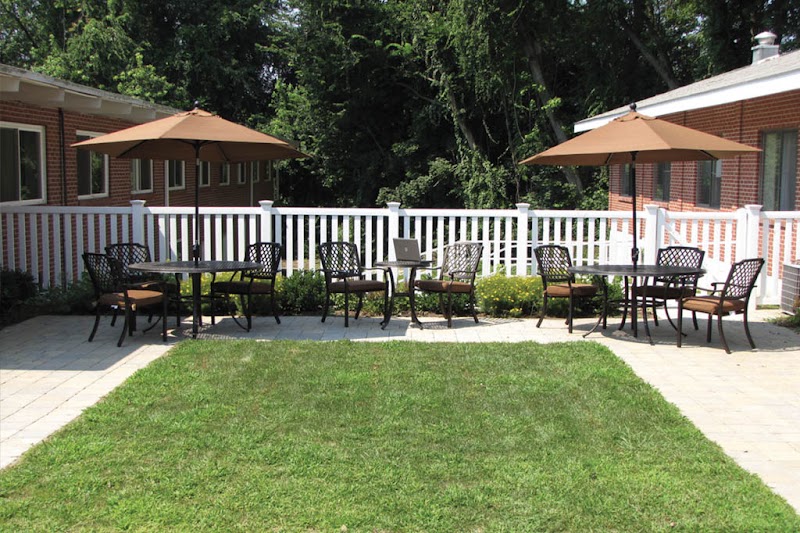
How is Norwich Sub-Acute And Nursing Staffed?

CMS rates NORWICH SUB-ACUTE AND NURSING's staffing level at 3 out of 5 stars, which is average compared to other nursing homes. Staff turnover is 32%, compared to the Connecticut average of 46%. This relatively stable workforce can support continuity of care.

What Have Inspectors Found at Norwich Sub-Acute And Nursing?

State health inspectors documented 26 deficiencies at NORWICH SUB-ACUTE AND NURSING during 2019 to 2025. These included: 1 that caused actual resident harm, 19 with potential for harm, and 6 minor or isolated issues. Deficiencies causing actual harm indicate documented cases where residents experienced negative health consequences.
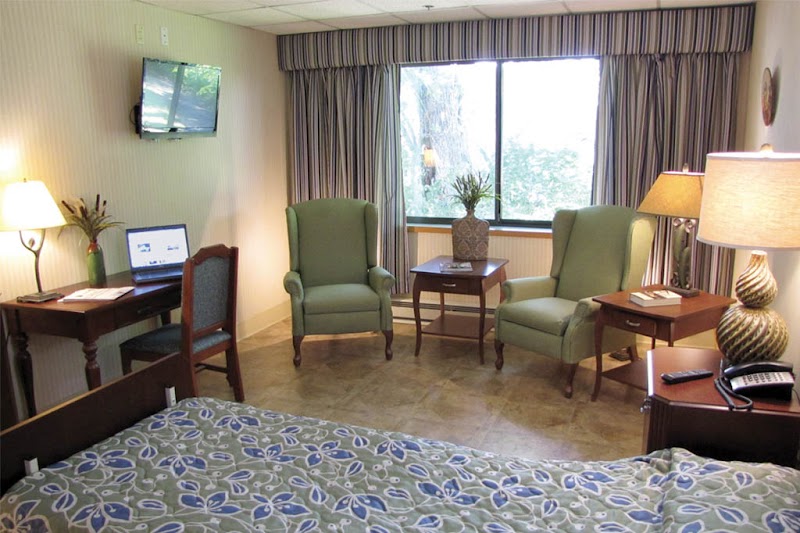
Who Owns and Operates Norwich Sub-Acute And Nursing?

NORWICH SUB-ACUTE AND NURSING is owned by a for-profit company. For-profit facilities operate as businesses with obligations to shareholders or private owners. The facility operates independently rather than as part of a larger chain. With 120 certified beds and approximately 102 residents (about 85% occupancy), it is a mid-sized facility located in NORWICH, Connecticut.

How Does Norwich Sub-Acute And Nursing Compare to Other Connecticut Nursing Homes?

Compared to the 100 nursing homes in Connecticut, NORWICH SUB-ACUTE AND NURSING's overall rating (4 stars) is above the state average of 3.0, staff turnover (32%) is significantly lower than the state average of 46%, and health inspection rating (4 stars) is above the national benchmark.

What Should Families Ask When Visiting Norwich Sub-Acute And Nursing?

Based on this facility's data, families visiting should ask: "Can I visit during a mealtime to observe dining assistance and food quality?" "How do you handle medical emergencies, and what is your hospital transfer rate?" "Can I speak with family members of current residents about their experience?"

Is Norwich Sub-Acute And Nursing Safe?

Based on CMS inspection data, NORWICH SUB-ACUTE AND NURSING has a clean safety record: no substantiated abuse findings (meaning no confirmed cases of resident harm), no Immediate Jeopardy citations (the most serious violation level indicating risk of serious injury or death), and is not on the Special Focus Facility watch list (a federal program monitoring the lowest-performing 1% of nursing homes). The facility has a 4-star overall rating and ranks #1 of 100 nursing homes in Connecticut. While no facility is perfect, families should still ask about staff-to-resident ratios and recent inspection results during their visit.

Do Nurses at Norwich Sub-Acute And Nursing Stick Around?

NORWICH SUB-ACUTE AND NURSING has a staff turnover rate of 32%, which is about average for Connecticut nursing homes (state average: 46%). Moderate turnover is common in nursing homes, but families should still ask about staff tenure and how the facility maintains care continuity when employees leave.

Was Norwich Sub-Acute And Nursing Ever Fined?

NORWICH SUB-ACUTE AND NURSING has been fined $49,810 across 1 penalty action. The Connecticut average is $33,577. While any fine indicates a compliance issue, fines under $50,000 are relatively common and typically reflect isolated problems that were subsequently corrected. Families should ask what specific issues led to these fines and confirm they've been resolved.

Is Norwich Sub-Acute And Nursing on Any Federal Watch List?

NORWICH SUB-ACUTE AND NURSING is not on any federal watch list. The most significant is the Special Focus Facility (SFF) program, which identifies the bottom 1% of nursing homes nationally based on persistent, serious quality problems. Not being on this list means the facility has avoided the pattern of deficiencies that triggers enhanced federal oversight. This is a positive indicator, though families should still review the facility's inspection history directly.