ORANGE HEALTH CARE CENTER

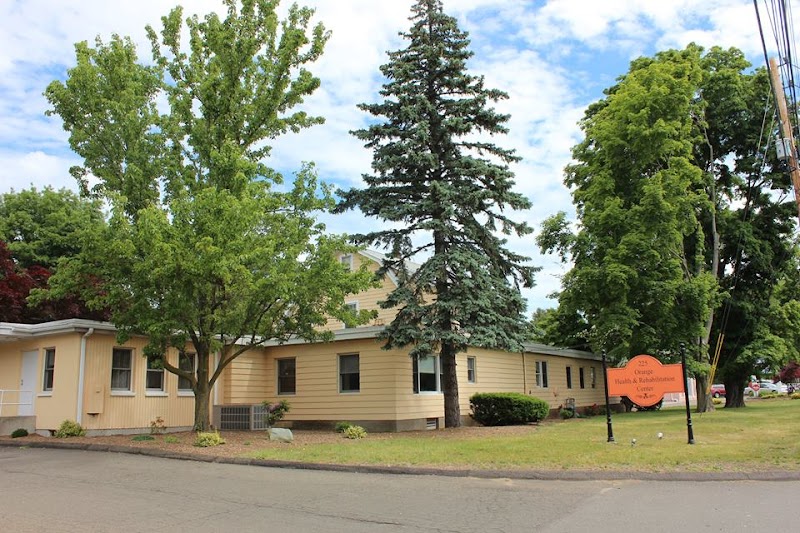
225 BOSTON POST RD, ORANGE, CT 06477 (203) 795-0835
For profit - Corporation 60 Beds Independent Data: November 2025
Trust Grade
90/100
#31 of 192 in CT
Last Inspection: July 2025

Inspected within the last 6 months. Data reflects current conditions.

Overview

Orange Health Care Center received an excellent Trust Grade of A, indicating that it is highly recommended and performs well compared to other facilities. It ranks #31 out of 192 nursing homes in Connecticut, placing it in the top half of the state, and #3 out of 22 in Naugatuck Valley County, meaning only two local options are rated higher. The facility is improving, reducing the number of issues from 8 in 2023 to 5 in 2025, and has a good staffing rating with a low turnover rate of 24%, significantly below the state average. There have been no fines, which is a positive sign, and the center offers more RN coverage than 75% of similar facilities, ensuring better oversight for residents' care. However, some concerns have been noted, including the failure to ensure timely physician visits for residents and instances of expired IV solutions found in storage, as well as unsanitary conditions in the kitchen area, which highlights areas needing attention despite the overall strengths of the facility.

Trust Score
A
90/100
In Connecticut
#31/192
Top 16%
Safety Record
Low Risk
No red flags
Inspections
Getting Better
8 → 5 violations
Staff Stability
✓ Good
24% annual turnover. Excellent stability, 24 points below Connecticut's 48% average. Staff who stay learn residents' needs.
Penalties
✓ Good
No fines on record. Clean compliance history, better than most Connecticut facilities.
Skilled Nurses
✓ Good
Each resident gets 46 minutes of Registered Nurse (RN) attention daily — more than average for Connecticut. RNs are trained to catch health problems early.
Violations
⚠ Watch
20 deficiencies on record. Higher than average. Multiple issues found across inspections.
★★★★★
5.0
Overall Rating
★★★★☆
4.0
Staff Levels
★★★★☆
4.0
Care Quality
★★★★★
5.0
Inspection Score
Stable
2023: 8 issues
2025: 5 issues

The Good

  • 4-Star Staffing Rating · Above-average nurse staffing levels
  • 4-Star Quality Measures · Strong clinical quality outcomes
  • Low Staff Turnover (24%) · Staff stability means consistent care
  • Full Sprinkler Coverage · Fire safety systems throughout facility
  • No fines on record
  • Staff turnover is low (24%)

    24 points below Connecticut average of 48%

Facility shows strength in staffing levels, quality measures, staff retention, fire safety.

The Bad

No Significant Concerns Identified

This facility shows no red flags. Among Connecticut's 100 nursing homes, only 1% achieve this.

The Ugly 20 deficiencies on record

Jul 2025 5 deficiencies
CONCERN (D)

Potential for Harm - no one hurt, but risky conditions existed

Notification of Changes (Tag F0580)

Could have caused harm · This affected 1 resident

**NOTE- TERMS IN BRACKETS HAVE BEEN EDITED TO PROTECT CONFIDENTIALITY** Number of residents sampled: 1Number of residents cited: 1Based on review of the clinical record, review of facility documentati...

Read full inspector narrative →
**NOTE- TERMS IN BRACKETS HAVE BEEN EDITED TO PROTECT CONFIDENTIALITY** Number of residents sampled: 1Number of residents cited: 1Based on review of the clinical record, review of facility documentation, review of facility policy/procedures and interviews for 1 of 5 sampled residents (Resident #22) reviewed for non-pressure skin conditions, the facility failed to ensure a significant change in physical status or a need to alter treatment was consulted with the resident's physician in a timely manner. The findings include: Resident #22 was admitted to the facility 6/25/25 with diagnosis that included the presence of an aortocoronary bypass graft, and hypertension. The care plan dated 6/26/25 identified Resident #22 had a surgical incision on the chest and left lower extremity status post coronary artery bypass graft (CABG) with interventions that included: facilitate follow up with surgeon as scheduled and as needed, report any redness, warmth, fever, increased pain or edema to physician, and treatment to surgical site as ordered. Additionally, the care plan identified the potential for bleeding related to antiplatelet therapy with interventions that included: observe for and report immediately and as needed signs and symptoms of antiplatelet complications and signs and symptoms of bleeding. The physician's orders dated 6/27/25 directed to cleanse the left lower extremity surgical incision with wound cleanser, apply bacitracin followed by alginate and apply a dry, clean dressing, change daily. The admission MDS assessment dated [DATE] identified Resident #22 had intact cognition, utilized a walker, required moderate assistance with personal hygiene, upper and lower body dressing and had the presence of a surgical wound. The treatment administration record (TAR) for July 2025 identified Resident #22 received daily wound treatments on 7/1, 7/2, 7/3, 7/4, 7/5, 7/6 and 7/7/25. The nursing progress note dated 7/1/25 identified no signs and symptoms of infection or bleeding on the incision site. The nursing progress note dated 7/2/25 at 6:55 AM identified no signs and symptoms of infection or bleeding on the incision site. The nursing progress note dated 7/2/25 at 10:37 PM identified surgical incisions were open to air, well approximated and without s/s infection.The nursing progress note dated 7/4/25 at 6:34 AM identified the wound dressing on left leg soaked with blood, dressing changed (1st change).The nursing progress note dated 7/4/25 at 3:14 PM by RN#4 identified treatment was done to left lower leg and the old dressing was saturated with bloody drainage (2nd change in one day).The nursing progress note dated 7/4/25 at 10:15 PM identified the dressing to left lower extremity was changed due to drainage (3rd change in one day).The nursing progress note dated 7/5/25 at 6:24 AM identified wound dressing to left leg soaked with blood and dressing changed (1st change). The nursing progress note dated 7/5/25 at 2:16 PM by RN#4 identified treatment was done to left lower leg old dressing saturated with bloody drainage and indicated the wound continued to ooze slowly with bloody drainage. The note also identified Resident #22 was put in the APRN's book for evaluation (2nd change).The nursing progress note dated 7/5/25 at 10:49 PM identified the dressing to left lower extremity changed due to drainage (3rd change). The nursing progress note dated 7/6/25 at 7:21 AM identified the left lower extremity dressing was clean, dry and intact. The nursing progress note dated 7/6/25 at 1:00 PM identified treatment to left lower leg old dressing saturated with bloody drain (1st change).The nursing progress note dated 7/6/25 at 10:50 PM identified dressing to left lower extremity changed due to drainage (2nd change).The nursing progress note dated 7/7/25 at 7:24 AM identified the left lower extremity dressing was clean, dry and intact.The nursing progress note dated 7/7/25 at 9:15 AM identified that the left surgical incision dressing was saturated with blood and was reported to the APRN, who ordered to hold aspirin and Plavix for 24 hours and call the surgeon (1st change). The nursing progress notes identified that the resident had three consecutive days (7/4, 7/5 and 7/6) of excessive bleeding, requiring the dressing to be changed three times a day and not once as ordered. The APRN's notification binder identified Resident #22 had left lower leg oozing bloody drainage saturated dressings that required changing (the notation was dated 7/5/25). The entry was initialized and dated 7/7/25 indicating the resident was seen by the APRN. APRN #2's progress note dated 7/7/25 at 9:59 AM identified she was asked to see Resident #22 due to increased bleeding to the left lower leg surgical wound, starting on 7/4/25, saturation of the dressing with a plan for left lower leg wound to be followed by cardiology and surgeon. Nursing staff to reach out to provider and review current symptoms and hold anticoagulant for 24 hours. The nursing progress note dated 7/7/25 at 3:27 PM by RN #2 identified Resident #22's left lower leg dressing was observed saturated with bloody drainage and wound observed with bloody oozing and 15 minutes pressure applied and treatment applied as ordered and findings reported to APRN and APRN saw resident and gave new orders to hold aspirin and Plavix and call the surgeon (2nd change). The cardiothoracic consultation report dated 7/9/25 identified Resident #22 was seen for a post operative wound check of the left lower extremity harvest site. The wound was noted to have discharge, odor, and depth. Resident #22 was noted to have shortness of breath with concerns for pleural effusion. New orders included Aquacel packing strip twice a day to wound, superficial wound culture today and follow up appointment made for 7/16/25. Interview on 7/16/25 at 11:18 AM with RN #2 identified the doctor or APRN should have been notified with any changes to drainage or change to the resident to include any change in the presentation of the incision like redness. Additionally, if the wound order does not contain as needed dressing changes, then any need for additional changes would require staff to call the doctor. RN #2 indicated that the on-call physician should have been notified when the bleeding issue began as it was a change in Resident #22's wound presentation. Interview on 7/16/25 at 11:29AM APRN #1 identified that she would have expected to be notified of increased bleeding because it was a change in the wound condition and should not have just been placed in the communication binder. Interview on 7/16/25 at 12:45 PM with the DNS identified that the surgical wounds are not managed by the facility MD, the facility wound MD, nor the APRNs in the facility. The DNS indicated that the surgeon is the MD who follows the surgical wounds, and the surgical office is who needs to be contacted in order to obtain orders or report changes. The DNS identified that she was in and out of the building on 7/5 and 7/6 and wasn't notified until 7/7/25 that Resident #22's wound was bleeding and then she made the phone call to the surgical office. The DNS indicated that the notification should have been made when the change was first noticed. Interview on 7/18/2025 at 1:01 PM with the Physician's Assistant (PA) from the cardiothoracic surgical office, identified Resident #22 was a cardiovascular patient who had a CABG with a harvest from the left leg on 6/25/25. The PA indicated that Resident #22 was seen in the clinic on 7/9 after the office received a call from a nurse at the facility on 7/7/25 indicating the wound had bled through a dressing and requesting guidance on a new dressing. The PA identified it was not relayed that Resident #22 had soaked through several dressings for several days. The PA further noted that when seen on 7/9/25 the wound had an odor and was oozing a lot, a wound culture was obtained, and the wound was debrided. Further, the PA identified there was an excess of sloughing and some tunneling of the wound and the dressing order was changed to cleaning and packing twice daily, and she questioned whether Resident #22 had received adequate wound care at the facility. In addition, the PA identified the facility should have called the surgical office to notify the doctor of the changes in the wound. Interview on 7/18/2025 at 3:00 PM with RN#4 identified that she noticed Resident#22s dressing had to be changed a couple of times and indicated that she put Resident #22 in the APRN book to be seen. RN#4 identified that she wasn't thinking it needed immediate follow up at the time but thinking back indicated it could have been referred to the on call. RN#4 identified that she would not be the one to contact the surgical office and that would be done by the RN supervisor or the DNS. Interview on 7/21/25 at 9:38 AM with APRN #2 identified that when she assessed Resident #22 on 7/7/25 she visualized the wound dressing but did not visualize the wound. APRN#2 identified that if there was active bleeding she would order a complete blood count (CBC) and could manage medically but would defer wound interventions to the surgeon. The facility skin care policy identified residents with wounds and/or pressure ulcers are identified, assessed and provided appropriate treatment to encourage healing and/or integrity. The policy identified ongoing monitoring and evaluation are provided to ensure optimal resident outcomes. The policy identified residents admitted with skin impairments will have appropriate interventions to promote healing and that a physician's order for treatment will be obtained and wound location and characteristics documented in nurses notes and indicated the wound care treatment protocol was to be used and that the resident will be seen by the wound care specialist weekly and will be documented on regarding size, progress, orders or changes in orders.The facility policy and procedure for notification of change in condition identified that upon identification of a change in condition, the licensed nurse will notify the physician. If the physician does not respond, notify the Medical Director. The policy directs to report all pertinent data and obtain and implement specific orders for intervention and notify the nursing supervisor. Additionally, the policy directed to document findings related to change in condition, document physician notification and response, family notification, interventions, and the resident disposition.
CONCERN (D)

Potential for Harm - no one hurt, but risky conditions existed

Deficiency F0628 (Tag F0628)

Could have caused harm · This affected 1 resident

**NOTE- TERMS IN BRACKETS HAVE BEEN EDITED TO PROTECT CONFIDENTIALITY** Number of residents sampled: 1Number of residents cited: 1Based on clinical record review, review of facility documentation, and...

Read full inspector narrative →
**NOTE- TERMS IN BRACKETS HAVE BEEN EDITED TO PROTECT CONFIDENTIALITY** Number of residents sampled: 1Number of residents cited: 1Based on clinical record review, review of facility documentation, and interviews for one sampled resident (Resident #61) reviewed for discharge, the facility failed to ensure the Ombudsman's office was provided with the required notification of the transfer. The findings include:Resident #61's diagnoses included rheumatoid arthritis of multiple sites, anemia, and type 2 diabetes mellitus.The admission MDS assessment dated [DATE] identified Resident #61 had intact cognition, required set-up or clean up assistance with personal hygiene, toileting hygiene, upper body dressing, supervision with bed mobility, transfers and ambulation.The Social Worker (SW#2) progress note dated 4/17/25 at 4:50 PM identified Resident #61 was discharged home with medications and home care services in place. The note further identified that discharged paperwork was reviewed and signed with the resident.A review of the transfer notice sent to the Ombudsmen's office for the month of April 2025 failed to identify that the Ombudsmen's office was notified of Resident #61's discharge to home on 4/17/25. In addition, a review of the transfer notice sent to the Ombudsmen's office from January 2025 to June 2025 failed to identify any discharges that occurred at the facility were reported to the Ombudsmen's office. An email confirmation from the Ombudsmen's office dated 7/17/25 identified that the reports sent to the office monthly by the facility appeared to be only hospitalizations and not of discharges or transfers as the facility is required to report all routine discharges monthly and submit them to the Ombudsman's portal. Review of the facility's discharge report for the past six months identified the following: for the month of January, there were five residents discharged and/or transferred from the facility; for the month of February, there were nine residents discharged and/or transferred from the facility; for the month of March, there were thirteen residents discharged and/or transferred from the facility; for the month of April, there were ten residents discharged and/or transferred from the facility; for the month of May, there were nine residents discharge and/or transferred from the facility; for the month of June, there were nine residents discharge and/or transferred from the facility.Interview with the Director of Social Service (SW #2) on 7/17/25 at 10:00 AM identified that the Director of Admissions was responsible for sending the transfers and discharge reports to the Ombudsmen's office via the portal.Interview with the Director of Admissions (LPN #2) on 7/17/25 at 11:30 AM identified she was responsible for sending the notice to the ombudsmen's office for transfer and discharges of hospitalizations and involuntary discharges. LPN #2 identified she had been sending reports to the ombudsmen's office for at least 5 years and had only sent hospitalizations. She identified she was not aware of having to send discharge notification to the Ombudsmen's office as a requirement or if it is a requirement. She indicated that she would send the hospitalization report monthly for the previous month within the first two weeks of each month to the ombudsmen via the portal and it does not include discharges.Interview with the Administrator on 7/17/25 at 12:20 PM identified she was not aware that transfers and discharges needed to be reported to the ombudsmen's office as the facility had only been sending reports that included residents who were sent to the hospital and any involuntary discharges. The Administrator identified that the facility does not have a policy for transfers and discharges as it is a regulation, so the facility practice is to follow the regulation.
CONCERN (D)

Potential for Harm - no one hurt, but risky conditions existed

Deficiency F0657 (Tag F0657)

Could have caused harm · This affected 1 resident

**NOTE- TERMS IN BRACKETS HAVE BEEN EDITED TO PROTECT CONFIDENTIALITY** Number of residents sampled: 22Number of residents cited: 2Based on clinical record reviews and interviews for two of three samp...

Read full inspector narrative →
**NOTE- TERMS IN BRACKETS HAVE BEEN EDITED TO PROTECT CONFIDENTIALITY** Number of residents sampled: 22Number of residents cited: 2Based on clinical record reviews and interviews for two of three sampled residents (Residents #8 and #22) reviewed for care planning, the facility failed to ensure that the care plan meeting was scheduled and completed by the interdisciplinary team following the MDS assessment. The findings include: 1. Resident #8's diagnoses included depression, anxiety, and vascular dementia.The quarterly MDS assessment dated [DATE] identified Resident #8 had severely impaired cognition, required maximal assistance for bed mobility, transfers and required total assistance for personal hygiene, toileting hygiene, lower body dressing. The assessment further identified Resident #8 was non-ambulatory and utilized a wheelchair independently.The Reportable Event Report dated 5/22/25 at 12:15 PM identified Resident #8 was observed on the floor in his/her room lying on his/her left side in front of the wheelchair with no noted injuries. The report further identified that Resident #8 was asked what he/she was trying to do at the time of the fall, and he/she pointed to a head band on the floor. The fall investigation documentation identified a care plan intervention to ensure no objects are on the floor to entice the resident not to reach down to the floor. Review of the care plan dated 5/15/25 identified Resident #8 was at risk for falls related to being impulsive, impaired safety awareness, as resident had an unwitnessed fall on 5/2/25 with an abrasion to nose with an intervention directed for 5/2/25 to encourage or assist the resident to not wear clothing with slippery surface and ensure pant legs are above his/her knees. The care plan did not identify that Resident #8 had an unwitnessed fall on 5/22/25 and did not contain the intervention identified on the fall investigation. Review of Resident #8's nurse aide care card instructions also did not identify the implementation of the new intervention. Interview and review of the record with the DNS on 7/17/25 at 10:10 AM identified the care plan was not updated following Resident #8's fall on 5/22/25. She identified the care plan is usually reviewed and revised after an incident by the MDS Coordinator or herself, but she had failed to provide the information to the MDS Coordinator for the care plan to be revised. The DNS identified the intervention developed was to be added to the care card, but it was not added.Interview and review of Resident #8's clinical record with the MDS Coordinator (RN #1) on 7/17/25 at 12:51 PM failed to identify in the current care plan dated 5/15/25 that Resident #8 had a fall on 5/22/25 with the intervention noted from the investigation was implemented. RN #1 identified the resident's care plan should have been revised to include the intervention developed based on the fall. He identified it was his responsibility to review and revise the resident's care plan, but he had not received information pertaining to the fall from the DNS. In a second interview with the DNS on 7/22/25 at 2:00 PM, she identified that it is the facility's practice to update the resident's care plan within 48 to 72 hours following a fall. Review of the Fall policy identified nursing staff will assess resident, provide care and implement immediate interventions to minimize further injuries. 2. Resident #22 was admitted to the facility on [DATE] with diagnoses that included myocardial infarction, vascular implant, presence of aortocoronary bypass graft, and hypothyroidism.The admission MDS assessment dated [DATE] identified Resident #22 had intact cognition and required assistance with activities of daily living ranging from set up help to substantial assistance from staff. The MDS assessment further identified that the resident triggered and should have a care plan for the following areas: visual function, activities of daily living, urinary incontinence, psychosocial wellbeing, mood state, activities, falls, nutritional status and pressure ulcers. Review of the resident care plan meeting form for Resident #22 identified that the care plan meeting form was blank. The care plan meeting should have been completed within 21 days of the Resident #22's admission date (7/15/25). Interview with RN #1 (MDS Coordinator) on 7/17/25 at 10:30 AM identified that he was responsible for scheduling care plan meetings for long term residents and the social worker was responsible for scheduling the care plan meeting for short term residents. He identified the care plan meeting consists of the multi-disciplinary team, which includes nursing, therapy, social worker, recreation, and resident and/or family member. He further identified that the care plan meetings are documented on the care plan meeting form and the participants of the care plan meeting sign the care plan meeting form to indicate their attendance and participation in the meeting. RN #1 further noted that the form indicated that a meeting had not taken place. Interview with SW #1 on 7/17/25 at 10:55 AM identified that she is responsible for scheduling care plan meetings for short term residents. She identified that she typically would schedule the care plan meeting with the resident and/or family member within one or two weeks from the admission date. She identified that the care plan meeting would include representatives from therapy, nursing, social worker, and resident and/or family member. She also identified that there was a care plan meeting sign-in form that all attendees sign. She further identified there was no care plan meeting scheduled or held for Resident #22 and noted it was an oversight on her part that the care plan meeting for Resident #22 was missed.Although requested, a facility care plan meeting policy was not provided.
CONCERN (D)

Potential for Harm - no one hurt, but risky conditions existed

Quality of Care (Tag F0684)

Could have caused harm · This affected 1 resident

**NOTE- TERMS IN BRACKETS HAVE BEEN EDITED TO PROTECT CONFIDENTIALITY** Number of residents sampled: 5Number of residents cited: 5Based on review of the clinical record, review of facility documentati...

Read full inspector narrative →
**NOTE- TERMS IN BRACKETS HAVE BEEN EDITED TO PROTECT CONFIDENTIALITY** Number of residents sampled: 5Number of residents cited: 5Based on review of the clinical record, review of facility documentation, review of facility policy/procedures and interviews for three of five sampled residents (Residents #14, 22, and #34) reviewed for non-pressure skin conditions (surgical incisions/wounds), the facility failed to ensure the primary care physician managed and monitored the post-surgical wound and acted upon changes to the wound in a timely manner and failed to ensure the alternating pressure mattress was set to the residents’ weights as ordered The findings include: 1. Resident #14’s diagnoses included dementia, and anxiety. The quarterly MDS assessment dated [DATE] identified Resident #14 was severely cognitively impaired, had no behaviors, was dependent for bed mobility, transfers, and personal hygiene, required substantial to maximal assistance with dressing, was non ambulatory, and utilized a wheelchair for mobility. The MDS further identified Resident #14 had no current skin impairments, utilized a pressure reducing device in a chair, and bed and the application of ointments/medications to the feet. The care plan dated 5/13/25 identified Resident #14 was at risk for skin breakdown related to bilateral heels, deep tissue injury, and blisters on gluteal folds. Care plan entry dated 5/21/25 identified the resident had moisture associated skin damage (MASD) to gluteal cleft with interventions that included treatment to gluteal cleft, encourage to reposition and weekly follow up with the wound physician. Physician’s order dated 7/1/25 directed air mattress every shift for wound, check setting every shift (setting is according to weight) for comfort, and proper positioning. Review of Resident #14’s clinical record identified Resident #15’s weight to be 152 pounds as of 7/15/25. The Wound Physician’s (MD#3) note dated 7/16/25 identified Resident #14 had an MASD full thickness wound that was noted to be improving with delayed wound closure, the measurements were noted as 0.5cm in width by 0.5cm in length by 0.1cm in depth, with a small amount of serosanguineous exudate. The note further identified the plan was to optimize nutrition with a registered dietician consultation, avoid friction/sheer/traumatic forces, fingernail hygiene with hygiene assistance/incontinence care, and follow the facility pressure ulcer prevention protocol. Observations on 7/15/25 at 9:40 AM and 2:30 PM and, on 7/16/25 at 9:15 AM and 2:00 PM identified Resident #14 in bed positioned on his/her back with the pressure mattress on and set to a weight of 375 pounds. A review of the medication administration record/treatment administration record (MAR/TAR) for July 2025 identified LPN#3 signed off on 7/15/25 for the checking of the mattress setting (day shift) and LPN#4 signed off on 7/16/25. Interview and observation on 7/16/25 at 2:15 PM with the DNS identified Resident #14’s air mattress was set to a weight of 375 and DNS noted it was the incorrect setting because the setting should be set according to the resident’s weight, for proper pressure relief and healing. The DNS further identified that signing the MAR/TAR as completed means that the nurse should ensure the mattress is set at the appropriate setting. Interview on 7/17/25 with LPN #3 at 9:48 AM identified she was the nurse on Resident #15’s unit on 7/15/25 and noted that she signed off in the MAR/TAR that she checked the air mattress setting; however, she identified that she went into the resident’s room and checked that the pressure mattress was plugged in and on but did not check what the pressure relieving mattress was set to for weight. She identified that she was rushing around ensuring multiple things were being done at the same time and identified that signing the MAR/TAR means that the order was followed, although she signed off in the MAR/TAR without ensuring the air mattress setting was at a therapeutic level. Interview on 7/17/25 at 10:56 AM with LPN#4 identified that she had not checked the mattress setting on her shift for Resident #14 until after the Surveyor’s observation with the DNS was completed then she went in around 2:45 PM and ensured that the setting was correct. LPN#4 could not identify why she had already signed off that the mattress setting was correct prior to 2:45 PM. Interview on 7/18/25 at 11:40 PM with APRN #1 identified that she orders air mattresses for residents being treated for a MASD and/or for a pressure area with the goal of reducing the risk of worsening or developing a pressure ulcer. There are some standing orders that are in place regarding the mattresses. The mattresses are set according to the resident’s weight and if it is not set to the correct setting and if there is not enough air in the mattress it will not be elevated and if there is too much air it could cause a pressure area. Interview on 7/21/25 at 1:45 PM with MD #3 identified that she monitors and assesses Resident #14’s wound on a weekly basis and expects the orders for the mattress settings be followed. If the mattress is set lower than it should be, the mattress would not be providing the amount of support that it should, and if it inflated too much the resident is more at risk for pressure areas due to the mattress being too hard. She further noted that it was concerning that the mattress settings were not being set and/or monitored as ordered because this could prevent the resident from healing. Review of the Skin Care Policy directed appropriate preventative surfaces to beds and wheelchairs will be implemented on all residents identified at risk. 2. Resident #22 was admitted to the facility from an acute care hospital on 6/25/25 with diagnosis that included the presence of an aortocoronary bypass graft, and hypertension. The admission nursing note dated 6/25/25 identified Resident #22 was admitted with two surgical wounds one located on the sternal area, and another located on the left lower extremity, resulting from a left saphenous vein graft. The note identified the surgical incision had been approximated with wound glue and had slight bloody drainage. The care plan dated 6/26/25 identified Resident #22 had a surgical incision on the chest and left lower extremity status post coronary artery bypass graft (CABG) with interventions that included: facilitate follow up with surgeon as scheduled and as needed, report any redness, warmth, fever, increased pain or edema to physician, and treatment to surgical site as ordered. Additionally, the care plan identified the potential for bleeding related to antiplatelet therapy with interventions that included: observe for and report immediately and as needed signs and symptoms of antiplatelet complications and signs and symptoms of bleeding. Nursing progress note dated 6/26/25 at 7:51 AM identified surgical incision clean, dry and intact (CDI), sutures intact, no s/s of infection. The physician's orders dated 6/27/25 directed to cleanse the left lower extremity surgical incision with wound cleanser, apply bacitracin followed by Alginate apply a dry clean dressing, and change daily. Review of the treatment administration records for June/2025 and July/2025 identified the resident was administered the wound treatment as ordered. Nursing progress note dated 6/27/25 at 6:17 AM identified the surgical dressing on chest was CDI. Provider progress note dated 6/27/25 at 9:15 AM identified Current surgical site assessment reveals healing sternal incision with hydrocolloid removed, healing chest tube sites, right groin ecchymosis without hematoma, and stable left lower extremity hematoma at vein harvest site - mildly tender but without signs of infection. Review of nursing progress notes from 6/28/25 through7/3/25 identified no signs and symptoms of infection or bleeding to the incision site. The admission MDS assessment dated [DATE] identified Resident #22 had intact cognition, utilized a walker, required moderate assistance with personal hygiene, upper and lower body dressing and had the presence of a surgical wound. The nursing progress note dated 7/4/25 at 6:34 AM identified the wound dressing on left leg soaked with blood, dressing changed (1st change). The nursing progress note dated 7/4/25 at 3:14 PM by RN#4 identified treatment was done to left lower leg and the old dressing was saturated with bloody drainage (2nd change in one day). The nursing progress note dated 7/4/25 at 10:15 PM identified the dressing to left lower extremity was changed due to drainage (3rd change in one day). The nursing progress note dated 7/5/25 at 6:24 AM identified wound dressing to left leg soaked with blood and dressing changed (1st change). The nursing progress note dated 7/5/25 at 2:16 PM by RN#4 identified treatment was done to left lower leg old dressing saturated with bloody drainage and indicated the wound continued to ooze slowly with bloody drainage. The note also identified Resident #22 was put in the APRN's book for evaluation (2nd change). The nursing progress note dated 7/5/25 at 10:49 PM identified the dressing to left lower extremity changed due to drainage (3rd change). The nursing progress note dated 7/6/25 at 7:21 AM identified LLE DSG CDI the left lower extremity dressing was clean, dry and intact. The nursing progress note dated 7/6/25 at 1:00 PM identified treatment to left lower leg old dressing saturated with bloody drain (1st change). The nursing progress note dated 7/6/25 at 10:50 PM identified dressing to left lower extremity changed due to drainage (2nd change). The nursing progress note dated 7/7/25 at 7:24 AM identified LLE DSG CDI. The left lower extremity dressing was clean, dry and intact. The nursing progress note dated 7/7/25 at 9:15 AM identified that the left surgical incision dressing was saturated with blood and was reported to the APRN, who ordered to hold aspirin and Plavix for 24 hours and call the surgeon (1st change). The nursing progress notes identified Resident #22 had three consecutive days (7/4, 7/5 and 7/6) of excessive bleeding, requiring the dressing to changed three times a day and not once as ordered. The APRN’s notification binder identified Resident #22 had left lower leg oozing bloody drainage saturated dressings that required changing (the notation was dated 7/5/25). The entry was initialized and dated 7/7/25 indicating the resident was seen by the APRN. Review of the clinical record and the APRN’s notification binder identified that the physician and/or APRN was not called and notified of the resident’s increase in drainage and the frequency that the resident’s dressings had to be changed. The notification was only placed in the notification binder. Review of facility documentation identified that there is an APRN on site at the facility Monday through Friday. APRN #2’s progress note dated 7/7/25 at 9:59 AM identified she was asked to see Resident #22 due to increased bleeding to the left lower leg surgical wound, starting on 7/4/25, saturation of the dressing with a plan for left lower leg wound to be followed by cardiology and surgeon. Nursing staff to reach out to the cardiac surgeon and review current symptoms and hold anticoagulant for 24 hours. The nursing progress note dated 7/7/25 at 3:27 PM by RN#2 identified Resident #22’s left lower leg dressing was observed saturated with bloody drainage and wound observed with bloody oozing and 15 minutes pressure applied and treatment applied as ordered and findings reported to APRN and APRN saw resident and gave new orders to hold aspirin and Plavix and call the surgeon (2nd change). The cardiothoracic consultation report dated 7/9/25 identified Resident #22 was seen for a post operative wound check of the left lower extremity harvest site. The wound was noted to have discharge, odor, and depth. Resident #22 was noted to have shortness of breath with concerns for pleural effusion. New orders included Aquacel packing strip twice a day to wound, superficial wound culture today and follow up appointment made for 7/16/25. Additionally, the office ordered the Cephalexin (antibiotic) 500mg twice per day be increased to four times per day. The resident had already been placed on Cephalexin for a diagnosis of urinary tract infection. The nursing progress note dated 7/10/25 at 2:47 PM identified the wound treatment was administered as ordered with noted serosanguinous drainage and no redness or swelling noted. The nursing progress note dated 7/11/25 at 2:25 PM identified the wound was packed with alginate strips as ordered and the old dressing was saturated with bloody drainage. The nursing progress note dated 7/12/25 identified the LLE wound dressing was saturated with bloody drainage and the wound had blood oozing around wound bed, no swelling or redness, no complaints of pain. The nursing progress note dated 7/13/25 at 2:03 PM identified the dressing to the LLE was saturated with bloody drainage and there was blood oozing from the wound and the wound size had an increase in length, width and depth. Redness was noted around the wound, and the resident identified he/she was experiencing tenderness. The note further indicated the treatment was applied as ordered and pressure was applied to the wound and a written note was left for the APRN. The APRN’s notification binder contained an entry dated 7/13/25 that identified Resident #22 had a low blood pressure and the LLE surgical wound had increased length, width, depth and was draining serosanguinous fluid. The entry further noted the resident had a vascular appointment on 7/16. The entry was initialed by the APRN with a date of 7/14/25. Further review of the clinical record failed to identify documentation that the APRN evaluated Resident #22’s left lower leg surgical wound. A review of the treatment administration record (TAR) for July 2025 identified Resident #22 was administered Cephalexin (antibiotic) 500mg by mouth every 12 hours for a urinary tract infection (UTI) on 7/7 (pm dose only), 7/8, and 7/9 (am dose only). Further review identified that Cephalexin 500 mg was administered every 6 hours for UTI/surgical wound infection on 7/9, 7/10, 7/11, 7/12, 7/13, 7/14, 7/15 and 7/16 (two doses). The nursing progress note dated 7/14/25 at 6:12 AM identified there was no active bleeding or infection noted on the chest or left leg. APRN #1’s progress note dated 7/16/25 at 2:04 PM identified Resident #22 was seen by cardiac surgery for follow up to LLE surgical wound and indicated that around noon, the cardiac surgery office called the facility to report Resident #22 was sent to the emergency room. Interview on 7/16/25 at 11:18 AM with RN #2 identified she would call the doctor or APRN with any drainage or change to the resident. RN #2 indicated with any change in the presentation of the incision; any redness would need a call to the doctor. RN #2 identified If the wound care order does not contain PRN or as needed dressing changes and needs to be changed more frequently, then the doctor needs to be called. RN#2 indicated there is an on-call number for the weekend but identified she handled it on Monday when she reported to the DNS. The surgeon was called, and we received orders to hold the Plavix and aspirin. Interview on 7/16/25 at 11:29 AM APRN #1 identified there is someone on call over weekends and holidays and indicated she would expect to receive a phone call with any change in presentation. APRN#1 identified the extra wound drainage/bleeding is a change in condition and should not have just been put in the communication binder. APRN#1 indicated Resident #22 was being monitored for low Hemoglobin and hematocrit which is affected by bleeding. APRN#1 identified she reviewed the resident labs on 7/8/25 and was not told that the resident was bleeding. APRN#1 identified that if the wound order didn't contain a PRN change, staff should have called and obtained an order for additional wound care. Interview on 7/16/25 at 12:45 PM with the DNS identified that the surgical wounds are not managed by the facility’s physician, APRN’s, or wound physician. The DNS indicated that the surgeon (outside of the facility) is the who follows the surgical wounds, and the surgical office is who needs to be contacted in order to obtain orders or report changes. The DNS identified that she was in and out of the building on 7/5 and 7/6 and wasn’t notified until 7/7/25 that Resident #22’s wound was bleeding and then she made the phone call to the surgical office. The DNS indicated that the notification should have been made when the change was first noticed. Interview on 7/18/25 at 2:32 PM with MD #1 (Medical Director) identified the wound specialist oversees the surgical wounds. MD#1 indicated she was not wound certified and does not manage the wounds. She also identified that the APRN’s also see the residents. Interview on 7/18/25 at 3:00 PM with RN #4 identified that she placed the entry concerning Resident #22’s wound into the APRN book to be seen on 7/5/25. RN #4 indicated that at the time she did not think the bleeding was an immediate concern and identified that reflecting back on it, she should have called the on-call physician to report the changes with the wound. RN#4 indicated she would not have called the surgical office and that the on call would have been who she would have called. Interview on 7/21/25 at 8:24 AM with LPN #1 identified is the wound care nurse and sees residents with the wound physician. LPN#1 identified that the wound care doctor does not see or monitor surgical wounds. LPN#1 indicated that surgical wounds are managed by the surgical team that performed the surgery (outside of the facility) and she does not see surgical wounds nor document on surgical wounds. Interview on 7/21/25 at 9:38 AM with APRN #2 identified that on 7/7/25 when she went to see Resident #22 in response to the entry placed in the notification book. APRN#2 could not recall if she visualized the wound and indicated that if there is a problem with surgical wounds, they are referred to the surgeon or sent to the hospital to be evaluated. Additionally, she noted that when a resident is admitted , the nurses visualize the surgical wounds and neither the doctor nor the APRNs visualize the surgical wounds. Interview on 7/21/25 at 11:10 AM with the DNS identified that the wound culture completed by the cardiothoracic surgeon’s office resulted in positive results, but the DNS was unable to say how she came to know this information. Review of the clinical record failed to identify laboratory results with an indication of what the outcome of the wound culture was (the laboratory testing was completed by the surgeon’s office). Interview on 7/21/25 at 11:20 AM with RN #2 identified that she documented what she saw, increased bleeding and need to change the dressing, but did not report her findings to anyone. RN #2 indicated that on 7/13/25 she placed Resident #22’s information in the APRN book to be seen on 7/14, which was a Monday and there is APRN coverage Monday through Friday. She did not identify any follow up with the APRN to ascertain whether or not, the APRN followed up with an evaluation of Resident #22s’s surgical wound. Interview on 7/21/25 at 12:05 PM with the surgical Physician’s Assistant (PA) identified that she spoke with the DNS on 7/7/25 and indicated she was told that the wound had bled through one dressing. The surgical PA identified that the expectation is that if something was different from baseline, a medical change or change of management, the surgical office should be notified immediately. The surgical PA indicated that the 7/7 conversation with the DNS was the only contact the surgical office had with the facility and when Resident #22 was seen on 7/16/25 for the follow up, the wound had tunneled in two spaces, had obvious signs and symptoms of infection and indicated Resident #22 was sent to the hospital to avoid further mismanagement of the wound. Interview on 7/21/25 at 1:39 PM with the Wound Care Physician identified that she does not see surgical wounds in the facility. The Wound Care Physician indicated she might visualize the wound if staff came to her with a problem, but then they would be referred to the surgeon or sent to the hospital. Although requested, wound culture results were not provided by the facility or the wound clinic. The facility skin care policy identified residents with wounds and/or pressure ulcers are identified, assessed and provided appropriate treatment to encourage healing and/or integrity. The policy identified ongoing monitoring and evaluation are provided to ensure optimal resident outcomes. The policy identified residents admitted with skin impairments will have appropriate interventions to promote healing and that a physician’s order for treatment will be obtained and wound location and characteristics documented in nurses notes and indicated the wound care treatment protocol was to be used and that the resident will be seen by the wound care specialist weekly and will be documented on regarding size, progress, orders or changes in orders. The facility failed to ensure Resident #22’s left lower leg surgical wound was monitored and changes in the wound reported to the surgeon’s office in a timely manner. The facility ascertained that they do not manage surgical wounds, but the surgical staff do not hold privileges within the facility, which would indicate that a physician and/or APRN must take responsibility for the managing of the wounds which would include consulting with the consultant physician (surgeon) as necessary. There was a delay in treatment/assessment from 7/4/25 to 7/9/25 and there was a second delay in treatment/assessment from 7/13/25 to 7/16/25 when the resident was sent to the surgeon’s office and subsequently sent to the acute care hospital for evaluation and treatment of the left lower extremity surgical wound. 3. Resident #34’s diagnoses included dementia, muscle weakness, and adult failure to thrive. The care plan dated 5/27/25 identified Resident #34 was at risk for skin break down due to bladder incontinence, bowel incontinence, history of skin breakdown, impaired mobility and nutritional deficits. Interventions included air mattress in place every shift, check setting every shift for proper setting according to weight for comfort and proper positioning. The annual MDS assessment dated [DATE] identified Resident #34 was severely cognitively impaired, had no behaviors, was dependent with bed mobility, transfers, dressing, personal hygiene, was non-ambulatory, utilized a wheelchair for mobility, had an open lesion other than ulcers, rashes, cuts, and skin tear and utilized a pressure reducing device for chair and bed, and was on a turning and repositioning schedule. Physician’s order dated 7/1/25 directed air mattress every shift for wound, check setting every shift (setting is according to weight) for comfort, and proper positioning Review of Resident #34’s clinical record identified Resident #34’s weight to be 132lbs as of 7/15/25. The Wound Physician’s (MD#3) note on 7/9/25 identified Resident #34 had a neoplasm that was being monitored status post excision by dermatology and the current plan was to continue the current wound recommendations to include the facility pressure ulcer prevention protocol. Observation on 7/15/25 at 9:45 AM identified Resident #34 lying in bed on his/her side with the pressure mattress on and set to a weight of 375. Observation on 7/15/25 at 2:35 PM identified Resident #34 was out of bed in his/her wheelchair with the pressure mattress on and set to a weight of 375. Observation on 7/16/25 at 9:20 AM identified Resident #34 was lying in bed on his/her back with the pressure mattress on and set to a weight of 375. Observation on 7/16/25 at 2:05 PM identified Resident #34 was out of bed into his/her wheelchair with the pressure mattress on and set to a weight of 375. A review of the medication administration record/treatment administration record (MAR/TAR) for July 2025 identified LPN#3 signed off on 7/15/25 for the checking of the mattress setting (day shift) and LPN#4 signed off on 7/16/25. Interview and observation on 7/16/25 at 2:15 PM with the DNS identified Resident #14’s air mattress was set to a weight of 375 and DNS noted it was the incorrect setting because the setting should be set according to the resident’s weight, for proper pressure relief and healing. The DNS further identified that signing the MAR/TAR as completed means that the nurse should ensure the mattress is set at the appropriate setting. Interview on 7/17/25 with LPN #3 at 9:48 AM identified she was the nurse on Resident #15’s unit on 7/15/25 and noted that she signed off in the MAR/TAR that she checked the air mattress setting; however, she identified that she went into the resident’s room and checked that the pressure mattress was plugged in and on but did not check what the pressure relieving mattress was set to for weight. She identified that she was rushing around ensuring multiple things were being done at the same time and identified that signing the MAR/TAR means that the order was followed, although she signed off in the MAR/TAR without ensuring the air mattress setting was at a therapeutic level. Interview on 7/17/25 at 10:56 AM with LPN#4 identified that she had not checked the mattress setting on her shift for Resident #34 until after the Surveyor’s observation with the DNS was completed then she went in around 2:45 PM and ensured that the setting was correct. LPN#4 could not identify why she had already signed off that the mattress setting was correct prior to 2:45 PM. Interview on 7/18/25 at 11:40 PM with APRN #1 identified that she orders air mattresses for residents being treated for a MASD and/or for a pressure area with the goal of reducing the risk of worsening or developing a pressure ulcer. There are some standing orders that are in place regarding the mattresses. The mattresses are set according to the resident’s weight and if it is not set to the correct setting and if there is not enough air in the mattress it will not be elevated and if there is too much air it could cause a pressure area. Interview on 7/21/25 at 1:45 PM with MD #3 identified that she monitors and assesses Resident #34’s wound on a weekly basis and expects the orders for the mattress settings be followed. If the mattress is set lower than it should be, the mattress would not be providing the amount of support that it should, and if it inflated too much the resident is more at risk for pressure areas due to the mattress being too hard. She further noted that it was concerning that the mattress settings were not being set and/or monitored as ordered because this could prevent the resident from healing. Review of the Skin Care Policy directed appropriate preventative surfaces to beds and wheelchairs will be implemented on all residents identified at risk.
CONCERN (E)

Potential for Harm - no one hurt, but risky conditions existed

Deficiency F0712 (Tag F0712)

Could have caused harm · This affected multiple residents

**NOTE- TERMS IN BRACKETS HAVE BEEN EDITED TO PROTECT CONFIDENTIALITY** Based on the review of clinical records, review of facility policy/procedures and interviews for three sampled residents (Reside...

Read full inspector narrative →
**NOTE- TERMS IN BRACKETS HAVE BEEN EDITED TO PROTECT CONFIDENTIALITY** Based on the review of clinical records, review of facility policy/procedures and interviews for three sampled residents (Residents #4, #8, and #34) reviewed for physician visits, the facility failed to ensure that the physician made alternating visits with the APRN’s every sixty days. The findings include: 1. Resident #4 was admitted to the facility 8/1/22 with diagnoses of type 2 diabetes mellitus, chronic kidney disease (CKD), peripheral vascular disease, and atrial fibrillation. The annual MDS assessment dated [DATE] identified Resident #4 had moderately impaired cognition, was taking anticoagulant, antidepressant, opioid, antiplatelet, hypoglycemic and anticonvulsant medications and was at risk for pressure injuries. The care plan dated 7/10/23 identified Resident #4 had a diagnosis of diabetes with diabetic CKD, with interventions to report signs and symptoms of hypo/hyper glycemia or bleeding to MD, obtain labs as ordered and report results to MD. Additionally, the care plan identified Resident #4 was at risk for skin breakdown with an intervention to notify MD of any sign of skin breakdown. Review of the clinical chart from 7/1/23 through 7/21/25 failed to identify any Physician visits, assessments or documentation that identified Resident #4 was seen by the Physician. Review of the clinical chart from 7/1/23 through 7/21/25 identified Resident #4 was seen by APRN#2 for the 60-day visits and by APRN#1 for other general care visits. No documentation was found to indicate that the attending physician had visited and examined Resident #4 at least once every 120 days after the first 90 days after admission. Interview with the DNS on 7/17/25 at 10:10 AM identified that residents should be seen by the physician every other month and a note should be written in the clinical record of that visit. Review of the clinical record with the DNS failed to identify documentation of physician visits from the Medical Director (MD #1)) who is the resident’s primary care physician at the facility Interview on 7/18/25 at 11:56 AM with APRN #1 identified she sees new residents frequently and is responsible for follow up when the residents are placed in the APRN book. APRN#1 indicated that when residents go out to appointments, she is responsible to complete the health and physicals for the visits, and she does the monthly routine visits. APRN#1 identified APRN #2, or the Medical Director (MD #1) does the admissions and indicated she thought MD #1 was supposed to see the residents every 60 days and complete the health and physical (H&P) assessment but was not completely sure. Review of Resident #34’s chart identified there were no physician notes or visits for the time period of 7/1/23 through 7/21/25. Interview with the Medical Director (MD #1) on 7/18/25 at 2:32 PM identified she completes the new admission visit for all the facility residents. The Medical Director identified there are two APRNs that see residents and document their visits, and that it would be redundant for her to also see all the residents after admission and document. The Medical Director indicated that she rounds on residents and collaborates with staff and the APRNs but does not document because of redundancy. The Medical Director identified that if the issue is urgent or the resident has needs then she will see them. She indicated that she is aware of the regulation and requirement for 60-day visits but identified that it was expensive and the facility would need to hire another physician to see the residents at that interval. The Medical Director indicated that both APRNs had been in practice for over 2 years, and can practice independently, so she is able to delegate the H&Ps or the regular visits to them. Interview with APRN #2 on 7/21/25 at 9:38 AM identified that she conducts the annual comprehensive visits and the 60-day interval visits. APRN #2 identified she does what she is asked to do and works for MD #1 and not the facility. APRN #2 indicated that on admissions or re-admissions she reviews the resident chart and looks at laboratory test results and screenings for the annual visits. APRN #2 indicated that the Medical Director completes all the initial admission visits, inclusive of obtaining the history and physical and ordering medications. Although requested, the facility did not provide a policy for physician visits and requirements and annual physical requirements. 2. Resident #8 was admitted to the facility in the month of May/2023 with diagnoses that included major depressive disorder, anxiety, and vascular dementia. The admission MDS assessment dated [DATE] identified Resident #8 had severely impaired cognition, required maximal assistance with upper body dressing, transfers and was dependent on staff for toileting and personal hygiene. The assessment further identified the resident utilized a wheelchair for mobility independently. Review of Resident #8’s clinical record from 7/25/2023 through 7/21/25 failed to identify documented physician visits inclusive of assessments, physician’s orders and/or notes. The last physician documentation noted was dated 5/25/2023. Further review identified only visits from an APRN for the required every sixty-day visits. Interview with the DNS on 7/17/25 at 10:10 AM identified that residents should be seen by the physician every other month and a note should be written in the clinical record of that visit. Review of the clinical record with the DNS failed to identify documentation of physician visits from the Medical Director (MD #1) since 5/25/23, who is the resident’s primary care physician at the facility. Interview on 7/18/25 at 11:56 AM with APRN #1 identified she sees new residents frequently and is responsible for follow up when the residents are placed in the APRN book. APRN#1 indicated that when residents go out to appointments, she is responsible to complete the health and physicals for the visits, and she does the monthly routine visits. APRN#1 identified APRN #2, or the Medical Director (MD #1) does the admissions and indicated she thought MD #1 was supposed to see the residents every 60 days and complete the health and physical (H&P) assessment but was not completely sure. Review of Resident #8’s chart identified there were no physician notes or visits since 5/25/23. Interview with the Medical Director (MD #1) on 7/18/25 at 2:32 PM identified she completes the new admission visit for all the facility residents. The Medical Director identified there are two APRNs that see residents and document their visits, and that it would be redundant for her to also see all the residents after admission and document. The Medical Director indicated that she rounds on residents and collaborates with staff and the APRNs but does not document because of redundancy. The Medical Director identified that if the issue is urgent or the resident has needs then she will see them. She indicated that she is aware of the regulation and requirement for 60-day visits but identified that it was expensive and the facility would need to hire another physician to see the residents at that interval. The Medical Director indicated that both APRNs had been in practice for over 2 years, and can practice independently, so she is able to delegate the H&Ps or the regular visits to them. Interview with APRN #2 on 7/21/25 at 9:38 AM identified that she conducts the annual comprehensive visits and the 60-day interval visits. APRN #2 identified she does what she is asked to do and works for MD #1 and not the facility. APRN #2 indicated that on admissions or re-admissions she reviews the resident chart and looks at laboratory test results and screenings for the annual visits. APRN #2 indicated that the Medical Director completes all the initial admission visits, inclusive of obtaining the history and physical and ordering medications. Although requested, the facility did not provide a policy for physician visits and requirements and annual physical requirements. 3. Resident #34’s diagnoses included dementia, hyperlipidemia, hypertension, and chronic obstructive pulmonary disease. The annual MDS assessment dated [DATE] identified Resident #34 was severely cognitively impaired, had no behaviors, and was dependent with bed mobility, transfers, dressings and personal hygiene. The assessment further identified that the resident utilized a wheelchair for mobility. The care plan dated 6/23/25 identified Resident #34 was at risk for alteration in respiratory status due to his diagnosis of COPD. Interventions directed to administer respiratory medications as ordered, notify MD if current management of respiratory status ineffective, and report any increase shortness of breath, edema and dyspnea to MD. Review of the clinical record from 7/1/2023 through 7/21/25 failed to identify assessments or documentation to identify that Resident #34 was seen by a physician. Further review identified that the resident was only seen by the APRN for the required visits every 60 days. Interview with the DNS on 7/17/25 at 10:10 AM identified that residents should be seen by the physician every other month and a note should be written in the clinical record of that visit. Review of the clinical record with the DNS failed to identify documentation of physician visits from the Medical Director (MD #1)) who is the resident’s primary care physician at the facility Interview on 7/18/25 at 11:56 AM with APRN #1 identified she sees new residents frequently and is responsible for follow up when the residents are placed in the APRN book. APRN#1 indicated that when residents go out to appointments, she is responsible to complete the health and physicals for the visits, and she does the monthly routine visits. APRN#1 identified APRN #2, or the Medical Director (MD #1) does the admissions and indicated she thought MD #1 was supposed to see the residents every 60 days and complete the health and physical (H&P) assessment but was not completely sure. Review of Resident #34’s chart identified there were no physician notes or visits for the time period of 7/1/23 through 7/21/25. Interview with the Medical Director (MD #1) on 7/18/25 at 2:32 PM identified she completes the new admission visit for all the facility residents. The Medical Director identified there are two APRNs that see residents and document their visits, and that it would be redundant for her to also see all the residents after admission and document. The Medical Director indicated that she rounds on residents and collaborates with staff and the APRNs but does not document because of redundancy. The Medical Director identified that if the issue is urgent or the resident has needs then she will see them. She indicated that she is aware of the regulation and requirement for 60-day visits but identified that it was expensive and the facility would need to hire another physician to see the residents at that interval. The Medical Director indicated that both APRNs had been in practice for over 2 years, and can practice independently, so she is able to delegate the H&Ps or the regular visits to them. Interview with APRN #2 on 7/21/25 at 9:38 AM identified that she conducts the annual comprehensive visits and the 60-day interval visits. APRN #2 identified she does what she is asked to do and works for MD #1 and not the facility. APRN #2 indicated that on admissions or re-admissions she reviews the resident chart and looks at laboratory test results and screenings for the annual visits. APRN #2 indicated that the Medical Director completes all the initial admission visits, inclusive of obtaining the history and physical and ordering medications. Although requested, the facility did not provide a policy for physician visits and requirements and annual physical requirements.
May 2023 8 deficiencies
CONCERN (D)

Potential for Harm - no one hurt, but risky conditions existed

Deficiency F0657 (Tag F0657)

Could have caused harm · This affected 1 resident

**NOTE- TERMS IN BRACKETS HAVE BEEN EDITED TO PROTECT CONFIDENTIALITY** Based on observations, review of the clinical record, review of facility policy, and interviews for the one sampled resident (Re...

Read full inspector narrative →
**NOTE- TERMS IN BRACKETS HAVE BEEN EDITED TO PROTECT CONFIDENTIALITY** Based on observations, review of the clinical record, review of facility policy, and interviews for the one sampled resident (Resident #26) reviewed for activities, the facility failed to ensure the care plan was comprehensive related to identifying interventions that addressed the resident's love of music and desire to have music in his/her room. The findings include: Resident #26's diagnoses included glaucoma, cerebral atherosclerosis, and major depressive disorder. The annual MDS assessment dated [DATE] identified Resident #26 was [AGE] years old with intact cognition, required extensive assistance with bed mobility, transfers, dressing toilet use, and personal hygiene. The MDS further identified Resident #26 found it somewhat important to have music he/she liked, participate in his favorite activities, go outside to get fresh air when the weather is good, and he/she found it not important to participate in group activities. The psychotherapy progress note dated 2/24/23 indicated that the resident doesn't attend as many recreation activities due to his deficits and noted that the resident is happy when the staff ask him to attend. Review of care plan meeting note dated 3/21/23, identified that the resident's conservator participated in the meeting via phone. Review of Resident#26's Care plan dated 4/18/23 indicated a focus area of activities that identified that the resident expressed interest in self-directed leisure activities, and an interest in participating in social offerings and enjoys music. Care plan interventions included: provide recreation calendar, offer materials, offer 1:1 activities and visits. There were no interventions that addressed the resident's visual deficit and how it impacted his/her ability to participate in activities or activities implemented due to the visual deficit. Interview with Resident #26 on 5/22/23 at 12:04 AM identified that he/she did not know what activities were planned and does not participate in most activities due to his visual impairment which makes any activity that needs to be seen difficult. He/she appeared visibly upset and noted that he/she sits in his/her room with the TV on. The resident further noted that his/her roommates TV is loud and makes it difficult for him/her to hear his/her TV and noted that he/she can only see shadows. Interview and review of the care plan with the Recreation Director on 5/23/23 at 11:35 AM indicated that Resident #26 leaves his/her room for meals, and orders take out with help from the staff. The Recreation Director indicated that the resident goes outside when it's nice out and will participate in discussions, spoken trivia, socials, and anything with food. She noted that the recreation department has some large print items for the visually impaired, but Resident #26 does not use them. In addition, the Recreation Director indicated that she does not have any specific intervention for the resident if he/she is unable to participate due to his/her visual deficit and noted that residents are all given calendars of activities in their rooms to reference. Observation of Resident #26 on 5/24/23 at 10:15 AM identified that he/she participated in an exercise activity and was able to follow the verbal directions. Interview with Resident #26 on 5/25/23 at 9:49 AM indicated that the resident preferred a specific genre of music and would like access to music in his/her room. The resident also indicated that he/she was not included in care plan meetings and indicated that he/she was never offered the choice to have music in his/her room. Interview with the DNS on 5/25/23 at 11:06 AM indicated that the Recreation Director knows all the residents individually and plans a lot of group activities, but it is hard to provide one to one activities with residents because she is always busy. Interview with the Administrator on 5/25/23 at 11:15 AM indicated that the Recreation Director charts all one-on-one activities in Resident #26's chart but was unable to locate them. The Administrator also noted that the facility usually lets Resident #26 pick music out during lunch time in the dining room. She further indicated that the resident had not been given the opportunity to choose music during the lunch meal for the past three days due to state surveyors being in the facility. A second interview with the Recreation Director on 5/25/23 at 1:30 PM identified that she is unable to participate in care plan meetings consistently. She noted that she receives the schedule of the meetings but is unable to participate if there are activities scheduled during the time of the meeting but noted that she can update care plans if needed. She did not offer a reason as to why the resident's preference for music in his/her room was not addressed on the resident's care plan. Review of the facility's Comprehensive Person-Centered Care Plan policy indicated that the resident and their legally responsible person will be invited to the care plan meetings. Additionally, the care plan policy indicated that licensed and non-licensed staff, including direct care givers, from all shifts, will provide input to care plans and assessments.
CONCERN (D)

Potential for Harm - no one hurt, but risky conditions existed

Deficiency F0679 (Tag F0679)

Could have caused harm · This affected 1 resident

**NOTE- TERMS IN BRACKETS HAVE BEEN EDITED TO PROTECT CONFIDENTIALITY** Based on observations, review of the clinical record, review of facility policy, and interviews for the one sampled resident (Re...

Read full inspector narrative →
**NOTE- TERMS IN BRACKETS HAVE BEEN EDITED TO PROTECT CONFIDENTIALITY** Based on observations, review of the clinical record, review of facility policy, and interviews for the one sampled resident (Resident # 26) reviewed for activities, the facility failed to provide individualized activities for a resident with a visual deficit. The findings include: Resident #26's diagnoses included glaucoma, cerebral atherosclerosis, and major depressive disorder. The annual MDS assessment dated [DATE] identified Resident #26 was [AGE] years old with intact cognition, required extensive assistance with bed mobility, transfers, dressing toilet use, and personal hygiene. The MDS further identified Resident #26 found it somewhat important to have music he/she liked, participate in his favorite activities, go outside to get fresh air when the weather is good, and he/she found it not important to participate in group activities. The psychotherapy progress note dated 2/24/23 indicated that the resident doesn't attend as many recreation activities due to his deficits and noted that the resident is happy when the staff ask him to attend. Review of care plan meeting note dated 3/21/23, identified that the resident's conservator participated in the meeting via phone. Review of Resident#26's Care plan dated 4/18/23 indicated a focus area of activities that identified that the resident expressed interest in self-directed leisure activities, and an interest in participating in social offerings and enjoys music. Care plan interventions included: provide recreation calendar, offer materials, offer 1:1 activities and visits. There were no interventions that addressed the resident's visual deficit and how it impacted his/her ability to participate in activities or activities implemented due to the visual deficit. Interview with Resident #26 on 5/22/23 at 12:04 AM identified that he/she did not know what activities were planned and does not participate in most activities due to his visual impairment which makes any activity that needs to be seen difficult. He/she appeared visibly upset and noted that he/she sits in his/her room with the TV on. The resident further noted that his/her roommates TV is loud and makes it difficult for him/her to hear his/her TV and noted that he/she can only see shadows. Interview and review of the care plan with the Recreation Director on 5/23/23 at 11:35 AM indicated that Resident #26 leaves his/her room for meals, and orders take out with help from the staff. The Recreation Director indicated that the resident goes outside when it's nice out and will participate in discussions, spoken trivia, socials, and anything with food. She noted that the recreation department has some large print items for the visually impaired, but Resident #26 does not use them. In addition, the Recreation Director indicated that she does not have any specific intervention for the resident if he/she is unable to participate due to his/her visual deficit and noted that residents are all given calendars of activities in their rooms to reference. Observation of Resident #26 on 5/24/23 at 10:15 AM identified that he/she participated in an exercise activity and was able to follow the verbal directions. Interview with Resident #26 on 5/25/23 at 9:49 AM indicated that the resident preferred a specific genre of music and would like access to music in his/her room. The resident also indicated that he/she was not included in care plan meetings and indicated that he/she was never offered the choice to have music in his/her room. Interview with the DNS on 5/25/23 at 11:06 AM indicated that the Recreation Director knows all the residents individually and plans a lot of group activities, but it is hard to provide one to one activities with residents because she is always busy. Interview with the Administrator on 5/25/23 at 11:15 AM indicated that the Recreation Director charts all one-on-one activities in Resident #26's chart but was unable to locate them. The Administrator also noted that the facility usually lets Resident #26 pick music out during lunch time in the dining room. She further indicated that the resident had not been given the opportunity to choose music during the lunch meal for the past three days due to state surveyors being in the facility. A second interview with the recreation director and review of recreation documentation on 5/25/23 at 1:30 PM indicated that all participation in recreation activities is logged on a calendar for each resident and kept in her files in the recreation department. She noted that Resident #26's calendar indicated that the resident participated in activities an average of 1 to 2 times weekly. In addition, the Recreation Director did not offer a reason as to why the resident's preference for music was never addressed or efforts made to secure music for the resident to listen to in his/her room. Review of the facility's Therapeutic Recreation policy dated 10/1/2021 identified that the facility goal is to provide residents with meaningful activities that will promote self-fulfillment, enjoyment, and meaningful time spent for all residents, goals and preferences will be included in all care plans.
CONCERN (D)

Potential for Harm - no one hurt, but risky conditions existed

Respiratory Care (Tag F0695)

Could have caused harm · This affected 1 resident

**NOTE- TERMS IN BRACKETS HAVE BEEN EDITED TO PROTECT CONFIDENTIALITY** Based on observations, review of the clinical record, review of facility policy, and interviews for one sampled resident (Reside...

Read full inspector narrative →
**NOTE- TERMS IN BRACKETS HAVE BEEN EDITED TO PROTECT CONFIDENTIALITY** Based on observations, review of the clinical record, review of facility policy, and interviews for one sampled resident (Resident #405) reviewed for respiratory care, the facility failed to label nebulizer tubing and failed to keep tubing and mask stored appropriately. The findings include: Resident #405 was admitted to the facility in May of 2023 with diagnoses that included nontraumatic subdural hemorrhage, aphasia, difficulty in walking, and anemia. The physician's order dated 5/5/23 directed to administer Albuterol Sulfate Nebulization Solution (2.5 mg/3ml) 0.083% 3 milliliter via nebulizer every 6 hours as needed for shortness of breath and/or wheezing. The care plan dated 5/8/23 did not address Resident #405's respiratory status. The admission MDS dated [DATE] identified Resident #405 had moderately impaired cognition, required extensive assistance with dressing, eating, and personal hygiene. Observations on 5/22/23 at 12:00 PM and 5/23/23 at 1:47 PM noted the nebulizer machine on the bedside table with oxygen (O2) tubing that did not have a label identifying when it was implemented, and the nebulizer mask was noted to be uncovered and not contained. Review of the medication administration record on 5/23/23 at 2:00 PM indicated that Resident #405 had not been administered an albuterol nebulizer treatment since admission to the facility. Observation and interview with Resident #405 on 5/24/23 at 8:00 AM indicated that the nebulizer machine was still in place on the bedside table and tubing and mask were uncovered and not labelled. Additionally, the resident stated that she/he uses the mask infrequently but independently, without supervision after the mask is applied and medication placed in the reservoir. Although the resident stated that the nebulizer had been used since admission to the facility, she/he did not recall the specific date. Interview with LPN #1 on 5/24/23 at 10:10 AM indicated that the RN or LPN sets the nebulizer up and places the mask on the resident. LPN #1 indicated that the facility's COVID protocols allow the RN or LPN to step outside of the room and close the door while the resident uses the nebulizer machine and if a resident is 1:1 for the treatment, then the 1:1 should be noted in the physician's orders. In addition, LPN #1 identified that the respiratory equipment was Resident #405's because it was on the resident's bedside table. Observation on 5/24/23 at 10:39 AM identified the nebulizer oxygen tubing was labeled and the nebulizer mask contained in a bag on the bedside table, and the bag was labeled with the resident's name. Interview with the DNS on 5/24/23 at 10:45 AM identified that it is the practice of the facility that all oxygen tubing is changed on Sunday night during the 11:00 PM to 7:00 AM shift, and the oxygen tubing should be labeled with the resident information. The tubing and mask should be stored in a bag at the bedside. Additionally, the DNS indicated that medication is placed in the nebulizer reservoir and, if able, the resident can complete the treatment without being watched or assisted by the nurse. The DNS indicated that she did not consider the actual treatment a self-administration because the medication was placed in the reservoir by the nurse.
CONCERN (D)

Potential for Harm - no one hurt, but risky conditions existed

Medication Errors (Tag F0758)

Could have caused harm · This affected 1 resident

**NOTE- TERMS IN BRACKETS HAVE BEEN EDITED TO PROTECT CONFIDENTIALITY** Based on clinical record review, facility documentation review, facility policy review and interviews for three of five sampled ...

Read full inspector narrative →
**NOTE- TERMS IN BRACKETS HAVE BEEN EDITED TO PROTECT CONFIDENTIALITY** Based on clinical record review, facility documentation review, facility policy review and interviews for three of five sampled residents (Resident #5, Resident #12 and Resident #49) reviewed for unnecessary medication use, the facility failed monitor orthostatic blood pressure in accordance to the facility policy for Resident #5, Resident #12 and Resident #49 and failed to identify/monitor target behaviors for Resident #12 who was receiving an antipsychotic medication. The findings include: 1. Resident #5's diagnoses included schizophrenia, hypertension, Chronic Obstructive Pulmonary Disease (COPD) and hypothyroid. The admission Minimum Data Set (MDS) assessment dated [DATE] identified that Resident #5 had a Brief Interview for Mental Status (BIMS) score of 15 out of 15, indicative of no cognitive impairment and required limited assist of 1 person with bed mobility, transfer, toileting, hygiene and ambulation. The Resident Care Plan (RCP) dated 3/25/23 identified Resident #5 had diagnosis of schizophrenia. Interventions directed to report any decline in mood, changes in appetite or sleep pattern, Abnormal Involuntary Movement Scale (AIMS) per policy, geriatric psychiatrist support as needed and orthostatic blood pressure as per policy. A physician's order dated 3/27/23 directed to administered risperdal (anti-psychotic medication) 3 MG by mouth at bedtime related to schizophrenia. A physician's order dated 4/6/23 directed Resident # 5 was modified independent with rolling walker in room and supervision level for distance in the facility. Review of pharmacy recommendation dated 4/13/23 directed to monitor orthostatic hypotension weekly x 4 weeks related to use of risperdal (anti-psychotic medication) and the Advance Practice Registered Nurse (APRN) signed and agreed to the pharmacy recommendation on 4/17/23. Review of blood pressure report from 4/17/23 through 5/24/23 failed to reflect orthostatic blood pressure was completed. Interview with LPN #1 on 5/23/23 at 12:30 PM identified that the license nurse would be responsible in monitoring resident for side effect when using an anti-psychotic medication. She also identified that she would monitor resident behavior and orthostatic blood pressure would also be monitor. She indicated that the orthostatic blood pressure was not done for Resident #5 because there was no physician's order. Interview with Director of Nursing Services (DNS) on 5/24/23 at 11:30 AM identified that resident's who utilize anti-psychotic medication would be monitored for adverse reaction. She identified that residents would have a targeted behavior monitoring as needed in the medication administration record and also would be monitor for orthostatic hypotension. She indicated that the facility had a new Advance Practice Registered Nurse (APRN) that did not put the pharmacy recommendation for orthostatic blood pressure in the physician's order. 2. Resident #12's diagnoses included bi-polar disorder and a congenital motor disorder. An admission Minimum Data Set (MDS) assessment dated [DATE] identified Resident #12 was severely cognitively impaired, required extensive assistance of 2 for bed mobility, dressing, and toilet use. Additionally, the MDS identified Resident #12 received antipsychotic medication 7 of 7 days, and antidepressants 5 of 7 days. The Resident Care Plan dated 3/25/23 identified Resident #12 was at risk for adverse reaction related to daily psychotropic medications. Interventions included to complete an Abnormal Involuntary Movement Scale (AIMS) as per protocol, observe behaviors while attempting drug reduction, observe for target behaviors and complete orthostatic blood pressures per facility policy. Physician orders dated 3/16/23 directed Olanzapine (an antipsychotic medication) 5 milligrams (mg) ever day. A gradual dose reduction was attempted on 4/3/23, and physician orders directed Olanzapine 2.5 mg every day. Physician orders dated 4/10/23 through directed to increase Olanzapine 5 mg every hours of sleep (due to a failed gradual dose reduction). On 5/24/23, interview and record review with the DNS failed to identify target behaviors were identified/monitored and failed to identify orthostatic blood pressures were completed. Additionally, the DNS identified the APRN should have stated what the target behaviors were for a resident receiving an antipsychotic medication. The DNS further identified that it appeared when the facility transitioned from paper to electronic documentation, target behaviors were dropped off but paper documentation had not been completed since 3/16/23 when Resident #12 was admitted receiving antipsychotic medication. Additionally, review of the vital sign record with the DNS failed to identify orthostatic blood pressures had been completed since Resident #12 was admitted on [DATE] and continued to receive antipsychotic medication. 3. Resident #49's diagnoses included Parkinson's disease and dementia. The Resident Care Plan dated 10/7/22 identified Resident #49 was at risk for adverse reaction related to daily psychotropic medications. Interventions included for staff to report any sign of adverse reaction to physician. A Quarterly Minimum Data Set (MDS) assessment dated [DATE] identified Resident #49 was moderately cognitively impaired and required extensive assistance of 1 for bed mobility, transfers, toilet use and personal hygiene. Additionally, the MDS identified Resident #49 did not receive antipsychotic medication for 7 of 7 days. Physician orders dated 12/21/22 directed Seroquel 25 milligrams (mg) by mouth every morning and Seroquel 50 mg in the evening for psychosis and agitation. Medication Administration Record (MAR) dated 12/21/22 through 5/17/23 identified Resident #49 received Seroquel 25 mg once a day in the morning and Seroquel 50 mg at 9:00 PM. Treatment Administration Record (TAR) dated 12/2022 through 5/25/23 directed orthostatic blood pressure once a month on the 3rd but failed to identify orthostatic blood pressures were completed. Interview medical/electronic record review with the DNS on 5/25/23 at 10:20 AM identified that staff were competent and trained in performing orthostatic blood pressures. The DNS noted that staff were aware that orthostatic blood pressures needed to be taken in the standing, sitting and lying positions. According to the DNS, documentation of orthostatic blood pressures for Resident #49 was unclear and staff did not document what position the resident was in when the blood pressures were taken. Review of facility policy title Medication Monitoring/Medication Management dated 05/16 identified that the interdisciplinary team would review the resident's regimen for efficacy and actual/potential medication related adverse reaction on an on-going basis. The policy in part to potential adverse consequences that the facility would monitor for adverse consequences which included anti-cholinergic effects, neurologic, metabolic and orthostatic hypotension.
CONCERN (D)

Potential for Harm - no one hurt, but risky conditions existed

Deficiency F0810 (Tag F0810)

Could have caused harm · This affected 1 resident

**NOTE- TERMS IN BRACKETS HAVE BEEN EDITED TO PROTECT CONFIDENTIALITY** Based on observation, clinical record review, review of facility documentation, and interviews for one sampled resident (Residen...

Read full inspector narrative →
**NOTE- TERMS IN BRACKETS HAVE BEEN EDITED TO PROTECT CONFIDENTIALITY** Based on observation, clinical record review, review of facility documentation, and interviews for one sampled resident (Resident #34) who required assistive devices for dining, the facility failed to provide the appropriate assistive devices. The findings include: Resident # 34's diagnoses included traumatic brain injury, muscle weakness, and neuralgia. A quarterly rehabilitation screen dated 3/29/23 completed by speech therapy directed NDD3 diet (A level 3 National Dysphagia Diet), thin liquids, Lipped plate, and placemat for all meals. The quarterly MDS assessment dated [DATE] identified Resident #34 had intact cognition, required extensive assistance with bed mobility, dressing, and personal hygiene, and was independent with eating with set up help from the staff. The Resident Care Plan dated 5/6/23 identified Resident #34 was at risk for unplanned weight changes due to his/her mechanically altered diet and fluctuation in appetite, with interventions that included: set up meals, and monitor meal intake daily. Observation on 5/22/23 at 12:20 PM, identified Resident #34 eating in the main dining room and the resident's food was in a large wide bowl. The resident's dining ticket identified that a lipped plate should be utilized for all meals. Interview with LPN #2 on 5/22/23 at 12:40 PM identified she was unsure why Resident #34 was not utilizing a lipped plate for all meals and deferred to the Food Service Director. Interview with the Food Service Director on 5/22/23 at 12:43 PM identified Resident #34 did not have a lipped plate because the kitchen was short of lipped plates and therefore could not provide one to the resident. She further identified that the supplier she utilized was sold out the last time she tried to order some and she needed to look for a different vendor or supplier to order them through. Interview with the Director of Rehabilitation on 5/24/23 at 12:25 PM identified that the rehabilitation screen (assessment) dated 3/29/23 completed by the Speech Pathologist remained appropriate for Resident #34 and that some of the high sided dishes had a non-skid bottom. Although requested, a facility policy on adaptive equipment was not provided.
CONCERN (E)

Potential for Harm - no one hurt, but risky conditions existed

Deficiency F0761 (Tag F0761)

Could have caused harm · This affected multiple residents

**NOTE- TERMS IN BRACKETS HAVE BEEN EDITED TO PROTECT CONFIDENTIALITY** Based on a observation of one of two medication storage rooms, facility policy and staff interview, the facility failed to remov...

Read full inspector narrative →
**NOTE- TERMS IN BRACKETS HAVE BEEN EDITED TO PROTECT CONFIDENTIALITY** Based on a observation of one of two medication storage rooms, facility policy and staff interview, the facility failed to remove 4 of 4 expired intravenous (IV) solution bags from the storage stock. The findings include: A tour of the A Wing medication storage room on [DATE] at 11:54 AM with the DNS and Infection Preventionist identified the following: a. A 1-liter solutions bag of 0.9% Sodium Chloride was located in the black IV-Emergency (E) Box, had an expiration date of 3/2023 (2 months past the expiration date). b. A 1-liter solution bag of 5% Dextrose was located in the black IV-E Box had an expiration date of 12/2022 (5 months past the expiration date). c. A 1-liter solution bag of 10% Dextrose was located in the black IV-E Box and had an expiration date of 4/2022 (13 months past the expiration date). d. A 1-liter solution bag of 0.45% Sodium Chloride was located in the IV- E Box and had an expiration date of 10/2021 (17 months past the expiration date). Interview with DNS on [DATE] at 11:55 AM identified that IV solution bags were expired and not used often. Facility policy regarding medication storage identified that outdated or discontinued medications should be immediately removed from stock and disposed of.
CONCERN (E)

Potential for Harm - no one hurt, but risky conditions existed

Food Safety (Tag F0812)

Could have caused harm · This affected multiple residents

Based on a tour of the Dietary Department with the Dietary Manager and staff interview, the facility failed to ensure the kitchen and kitchen storage areas were maintained in a sanitary manner. The fi...

Read full inspector narrative →
Based on a tour of the Dietary Department with the Dietary Manager and staff interview, the facility failed to ensure the kitchen and kitchen storage areas were maintained in a sanitary manner. The findings include: A tour of the Dietary Department with the Dietary Manager on 5/22/23 at 10:45 AM identified the following: a. The kitchen ceiling fan and the white pipe below it were noted to have a moderate accumulation of black and gray dust-like particles. b. The kitchen ceiling above the coffee machine was noted to have brown drip stains. c. The hatchway stairs (which led to the food storage room in the basement) were noted to have dry leaves and a heavy accumulation of black stains and debris on the step corners adjacent to the walls. d. The last step to the ground of the hatchway stairs which led to the food storage area was noted to have a sticky trap with black droppings on it. e. The doorframe leading to the laundry room which stored a white freezer to the right and a black refrigerator to the left was noted to have a pest service sticky trap on either side of the door frame. Next to the sticky traps behind the black refrigerator and white freezer were condiment sized cups with a green liquid in them. Additionally, a large accumulation of black sediment (which appeared to be dead gnats) was noted in front of the laundry doorway in the food storage area. f. The white freezer on the right side of the doorframe that leads to the laundry room was noted to have black sediment in the bottom shelf on the door. The bottom of the main portion of the freezer was noted to have a brown stain. g. The perimeter of the concrete floor in the basement where dry food was stored was observed to contain a heavy accumulation of dust/debris, dead gnats, and black round debris. Interview with the Dietary Manager on 5/22/23 at 11:10 AM identified that she agreed that the basement floor needed to be swept. Additionally, cleaning of this area was not part of the routine scheduled cleaning. A second tour of the Dietary Department on 5/23/23 at 11:48 AM with the Dietary Manager further identified that the garbage can across from the beverage cart and snack cart was present with no lid covering it while lunch was being plated. Although requested from the DNS and Dietary Manager on 5/25/23 at 9:10 AM, the cleaning schedule of the kitchen and documented completion was not provided.
MINOR (B)

Minor Issue - procedural, no safety impact

Transfer Notice (Tag F0623)

Minor procedural issue · This affected multiple residents

**NOTE- TERMS IN BRACKETS HAVE BEEN EDITED TO PROTECT CONFIDENTIALITY** Based on clinical record review, review of facility documentation, review of facility policy, and interviews for one of two samp...

Read full inspector narrative →
**NOTE- TERMS IN BRACKETS HAVE BEEN EDITED TO PROTECT CONFIDENTIALITY** Based on clinical record review, review of facility documentation, review of facility policy, and interviews for one of two sampled residents (Resident #53) reviewed for hospitalization, the facility failed to provide the required notification of the transfer to the state Ombudsman's office. The findings include: Resident #53's diagnoses included pneumonia, anemia, stroke, acute kidney failure, and hypertension. The Nursing admission assessment dated [DATE] identified Resident #53 was alert to person, verbally appropriate, required extensive assistance with bed mobility, personal hygiene, and dressing. The nurse's note dated 2/25/23 at 7:27 AM identified Resident #53 was awake throughout the night climbing out of his/her bed and pulled out his/her indwelling catheter. The indwelling catheter was unable to be reinserted due Resident #53 being uncooperative. A Situation Background Assessment and Recommendation (SBAR) note dated 2/25/23 at 5:00 PM identified Resident #53 pulled out his/her urinary catheter the night before and had not voided. The Nurse Practitioner was updated and recommended Resident #53 be transferred to the hospital for evaluation and replacement of the indwelling catheter. Review of the transfer notice to the Ombudsmen's office for the month of February failed to identify that the Ombudsmen's office was notified of Resident #53's transfer to the hospital on 2/25/23. Interview with the Director of Social Service on 5/23/23 at 1:41 PM identified that the Director of Admission's sends transfer and discharge notification to the ombudsman's office monthly via fax or the computer. Interview with the Director of Admission's on 5/23/23 at 1:49 PM identified she is responsible for sending the notice of transfers to the ombudsmen's office. She identified that Resident #53 was not on her list of residents sent for the month of February. In addition, the Director of Admission's further indicated that the facility's policy is to send the notification of transfers to the ombudsman's office electronically every month. She failed to indicate why notification to the State Ombudsman was not sent for Resident #53 and stated, I don't have an answer for that. Interview with the Administrator on 5/25/23 at 10:01 AM identified that the Director of Admission's is responsible for notifying the State Ombudsman of resident transfers and discharges. The Administrator failed to provide a transfer policy but identified that it is their practice to send the month's prior transfers in the first week of the following month.
Apr 2021 7 deficiencies
CONCERN (D)

Potential for Harm - no one hurt, but risky conditions existed

Comprehensive Care Plan (Tag F0656)

Could have caused harm · This affected 1 resident

**NOTE- TERMS IN BRACKETS HAVE BEEN EDITED TO PROTECT CONFIDENTIALITY** Based on observation, review of the clinical record and staff interviews for one of 1sampled resident (Resident #1) reviewed for...

Read full inspector narrative →
**NOTE- TERMS IN BRACKETS HAVE BEEN EDITED TO PROTECT CONFIDENTIALITY** Based on observation, review of the clinical record and staff interviews for one of 1sampled resident (Resident #1) reviewed for skin integrity, the facility failed to develop a comprehensive plan to address the resident's fragile skin integrity and increased risk for bruising related to use of aspirin. The findings included: Resident #1's diagnoses included vascular dementia with behavioral disturbances, hypertension and a history of atherosclerotic heart disease (ASHD), coronary artery disease (CAD) and myocardial infarction (MI). An admission MDS assessment dated [DATE] and quarterly assessment dated [DATE] identified the resident as severely impaired for cognitive status, exhibiting symptoms of verbal and physical abusive behaviors 1-3 days, requiring extensive assistance from staff for most activities of daily living, no other skin condition, or problems except for MASD. Physician admission orders dated 10/12/20 and subsequent monthly orders from the period of November 2020 to April 2021 directed ASA 325mg daily and weekly skin observation on shower day Tuesday on 7-3 (code) 0= no areas 1=previously identified, 2= newly identified area complete on PU or non-PU form. During observations and tour of the facility on 4/13/21 at 2:04 P.M. Resident #1 was noted as having multiple large bruises to the right forearm. On 04/15/21 at 2:43 PM during an observation, interview, and review of the clinical record with DNS indicated that the multiple bruises to the resident's right upper extremity weren't new and had been present since the resident's admission 6 months ago on 10/12/20. The DNS further indicated the resident takes Aspirin 325 mg daily due to his/her cardiac history. Upon further review of the clinical record the DNS also noted that although documentation was lacking to reflect a plan of care with interventions was developed to address Resident #1 being at risk for bruising due to the use of ASA daily. On 4/16/21 at 8:50 A.M. an interview and review of the clinical record with the APRN indicated he/she was familiar with Resident #1, was aware of the resident's bruises and continued to document the resident's bruises intermittently during the period of 10/14/21 to 3/24/21. The APRN further indicated that after re-evaluating the resident on 4/16/21 and due to the lack of edema, tenderness, or pain to area of bruising to the resident's right and left upper extremity, the APRN diagnosed the resident with senile purpura and further noted the residents skin to be soft, thin and fragile in the area of bruising. Subsequent to surveyor's inquiry a review of physician orders directed to add senile purpura to diagnoses, continue to monitor skin condition and call with any changes in status (new diagnosis six months after the resident's admission although bruising noted on admission assessment).
CONCERN (D)

Potential for Harm - no one hurt, but risky conditions existed

Quality of Care (Tag F0684)

Could have caused harm · This affected 1 resident

**NOTE- TERMS IN BRACKETS HAVE BEEN EDITED TO PROTECT CONFIDENTIALITY** Based on clinical record review, review of the facility documentation and staff interviews for 1 sampled resident, (Resident #17...

Read full inspector narrative →
**NOTE- TERMS IN BRACKETS HAVE BEEN EDITED TO PROTECT CONFIDENTIALITY** Based on clinical record review, review of the facility documentation and staff interviews for 1 sampled resident, (Resident #17), reviewed for urinary tract infection, the facility failed to ensure that an order for a urinalysis with culture and sensitivity was obtained and collected by the lab in a timely manner. The findings include: Resident #1 was admitted with diagnoses that included, dementia with behavioral disturbance, rectal cancer and acute kidney failure. The annual Minimum Data Set assessment (MDS) dated [DATE] identified Resident #17 had severe cognitive impairment, required extensive assistance with personal hygiene, toileting and was noted to be always incontinent of bladder The care plan dated 2/24/2021 identified Resident #17 had an alteration in elimination related to bladder incontinence with interventions that included; assist with bathroom hygiene, provide incontinent care as needed and encourage bathroom use. A physician's progress note dated 4/5/2021 identified Resident #17 was evaluated for new onset of blood in his/her brief. APRN #1 identified the blood may be related to urethral bleeding or another source, urinalysis ordered to rule out source of blood. Additionally, there were no clots, no pain or burning and Resident #17's responsible party declined a gynecology consult. The physician's orders dated 4/5/2021 directed to obtain a urine sample for urinalysis, culture, sensitivity, and may straight catheterize for sample. Review of the 24-hour report dated 4/5/2021 through 4/8/2021 identified that a urine sample still needed to be collected but was not obtained during that time period. A nurse's progress note dated 4/8/2021 identified a clean catch urine sample was obtained on 4/8/2021 at 3AM (3 days after the order was obtained) and the urine appeared bloody red in color. Review of the 24-hour nursing report dated 4/8/2021 identified LPN #1 called the lab at 3:40 AM to notify them of the need to pick up the urine sample. The urinalysis report was faxed to the facility on 4/9/2021 and identified that the urine was received by the lab on 4/9/2021 (a routine lab day) and signed by APRN #1 on 4/12/2021 and APRN #1 directed to wait for culture results. The physician's orders dated 4/12/2021 directed to call the APRN #1 with the urine culture result. The lab microbiology report (culture & sensitivity) dated 4/9/2021 was faxed to the facility on 4/13/2021 (4 days after the urine sample was obtained) identified that the urine sample was contaminated. The physician progress note dated 4/13/2021 identified APRN #1 was notified of the contaminated urine specimen and ordered a repeat of the urinalysis. The physician's orders dated 4/13/2021 directed to repeat urinalysis and culture and sensitivity obtain the sample via straight catheterization. The physician progress note dated 4/14/2021 identified no report of burning, pain, frequency, fevers, changes in metal status or further bleeding, Aspirin on hold and urine culture and sensitivity to be repeated. The nursing progress note dated 4/15/2021 at 2:15 AM identified LPN #1 obtained a urine sample via straight catheterization (2 days after the order to repeat the urine was obtained); additionally, dried blood was noted on the brief and vital signs were stable and fluids were encouraged. The nursing progress note dated 4/15/2021 identified a urine sample had been collected from Resident #17 and there had been a small amount of bleeding noted. The urine sample was to be picked up by the lab on the 7-3 shift (not a routine lab day), but the urine sample was not picked up on the 7-3 shift and the lab was called again at 7:00 PM and notified of the importance to pick up the urine sample immediately. Interview with LPN #4 on 04/15/21 at 1:40 PM identified the urine ordered on 4/13/2021 was collected on 4/15/2021 at 2:00 AM on a non-scheduled lab day and she did not know why it was collected two days after the order. LPN #4 indicated the order was obtained on 3-11 shift and the nurse who obtained the order was responsible for obtaining the urine sample, however sometimes it is too busy and staff are unable and the information is passed on in report and on the 24 hour nursing report that a urine sample is needed. Further interview identified that routine lab days are Wednesday and Friday and urine samples are automatically picked up by the lab on those days, however on non-routine lab days the nurse must call the lab to notify of the need for pick up. Interview with LPN # 2 on 4/16/2021 at 9:18AM identified she did not know why the urine sample ordered on 4/5/21 was collected late on 4/8 and picked up late from the lab. Additionally, LPN #2 identified the lab is frequently late to pick up specimens and if the sample is collected on a non-lab day, the nurse must call the lab to notify that a urine sample needs picked up the same day. Interview with the DNS on 4/16/2021 at 9:58 AM identified the charge nurse who obtained the order should have obtained the urine sample and the sample should have been picked up by the lab within 24 hours. Additionally, if the nurse is unable to obtain a urine sample, the physician or APRN should be notified. The DNS identified the facility had many issues with the lab and they were frequently late to pick up urine specimens because of staffing issues and the pandemic and sometimes a new urine sample would need to be collected. Further interview noted that the DNS has intervened and called the lab to come out to pick up specimens when they were late; however, she was not aware of the issues with Resident #17. The DNS also noted that it could take days to get results back and she did not know why. She has discussed the issues regularly with the Administrator but due to the pandemic many labs were not accepting new clients, and the facility was unable to contract with a new lab. Interview with APRN #1 on 4/16/2021 at 10:15 AM identified, she would expect to be notified of preliminary urinalysis reports within 24 to 48 hours. She noted that Resident #17 was clinically stable, and the urinalysis was ordered to rule out an infection. Additionally, APRN #1 would expect to be notified if the staff were having difficulty obtaining a urine sample, and she thought she was notified but did not document this. Interview with LPN #1 on 4/16/2021 at 12:24 PM identified she did not work for five days and when she returned on 4/8/2021 she noted the urine ordered on 4/5/2021 had not been collected and she obtained the urine sample and notified the lab to pick up the urine. Additionally, LPN #1 indicated routine lab days were Wednesdays and Fridays and the lab had to be called on non-routine lab days in order to pick up the specimens. She further noted that the urine was not ordered stat (immediate) and therefore she did not notify the lab that the urine pick up was a stat request. In addition, the repeat urine that was ordered on 4/13 was not obtained when she came to work on 4/15 and she did not know why, so she obtained the sample via straight catheterization. Interview with LPN #3, the 3-11 shift charge nurse on 4/16/2021 at 11:47AM identified that she was not able to collect the urine sample, although there was an order to obtain the sample via straight catheterization because Resident #17 did not drink much, was incontinent in his/her brief, and bleeding was noted in brief. Resident #17 did not like to be catheterized and it was difficult to obtain a sample. Additionally, she did not want to introduce bacteria unnecessarily if she felt there was not enough urine to obtain via straight catheterization which resulted in her not obtaining the urine sample on her shift. LPN #3 identified that she recorded the information on the 24-hour report sheet and passed it along to the next nurse in report. LPN #3 further identified that it was the responsibility of the nurses on all three shifts to try to obtain the urine on the same day it was ordered if possible and there was no time frame in which it needed to be done; however, LPN #3 indicated she would have notified the APRN if she could not obtain the sample after a week. LPN #3 indicated that the facility had problems with the lab and the lab had failed to fax the culture report. She further noted that after 4 days without results on 4/13/2021, she called the lab and they informed her that the first urine sample was contaminated, she notified APRN #1 and a repeat urine was ordered. Interview with the Lab Account Manager on 4/16/2021 at 10:24AM identified the urine sample was picked up by the lab on Friday 4/9/2021( a routine lab day) at 8:22AM and processed at 11:49AM. Additionally, the account manager indicated that the urinalysis request was not likely placed as a stat order, and unless the order was placed as STAT, the lab would not pick up the specimen on non-routine lab days. Stats were picked up in 4-6 hours after the lab was notified. Further, the urine samples were good for 24 hours if collected in a cup and 48 hours if collected in a tube. Interview with Person #7, (Lab Customer Service Representative) on 4/16/2021 at 12:10 PM identified the nursing facility notified the lab on 4/8/2021 at 4:06 AM of the need to pick up the urine sample and the lab did not pick up the urine sample until 4/9/2021 at 7:30 AM and the urine was processed at the lab on 4/9/2021 and he/she was not sure why the urine was not picked up on 4/8/2021, the day the facility called to request the pick-up. The facility policy entitled Straight Urinary Catheterization identified in part: the goal is to maintain aseptic technique during the insertion of the catheter and to ensure the procedure is utilized only when necessary. Additionally, straight catheterization is indicated for obtaining specimens for residents who are totally incontinent, and the specimen cannot be obtained by any other manner. Although requested the facility did not have written policies or protocols that outlined nurse responsibilities, acceptable time frames for the collection of urine samples and/or lab protocols.
CONCERN (D)

Potential for Harm - no one hurt, but risky conditions existed

Deficiency F0761 (Tag F0761)

Could have caused harm · This affected 1 resident

Based on observation, review of facility policy and procedure and interviews for two of two medication storage refrigerators, the facility failed to ensure the freezer section of the refrigerators wer...

Read full inspector narrative →
Based on observation, review of facility policy and procedure and interviews for two of two medication storage refrigerators, the facility failed to ensure the freezer section of the refrigerators were frost-free and food items unrelated to medication administration were contained. The finding included: On 4/13/21 at 11:09 A.M. an observation of the medication storage room on the A-wing unit with RN #4 identified the freezer section of the medication storage refrigerator was noted to be coated with a thick layer of ice and lacked a thermometer. An interview with RN #4 at the time indicated, he/she was unsure of the last time the freezer was cleaned or defrosted. RN #4 further noted, he/she didn't know where the thermometer of the freezer was located and believed maintaining the cleanliness and defrosting of the freezer was the responsibility of the 3rd shift licensed staff. On 4/13/21 at 11:25 A.M. an observation of the medication storage room on the B-wing unit with RN #5 identified the freezer section of the medication storage refrigerator was noted to be coated with a thick layer of ice and lacked a thermometer. Upon further observation of the refrigerator contained a thee ounce candy bar. An interview with RN #5 indicated he/she was unsure of the last time the freezer was cleaned or defrosted. RN #5 further indicated that the candy bar should not have been stored in the refrigerator and was observed removing it from the freezer. On 4/19/20 at 12:08 P.M. an interview with the DNS regarding observations of the medication storage refrigerators on the A and B wings on 4/13/21 indicated the nurses are to coordinate the need for a thermometer and defrosting the refrigerator with the maintenance department. The DNS further indicated both medication storage refrigerators were last defrosted in January of 2021 (three months ago) and food items should not be stored in the medication storage refrigerator. The facility's medication storage policy/procedure noted in part, food items should not be stored in the medication storage refrigerator and the refrigerator should be kept clean and frost free.
CONCERN (E)

Potential for Harm - no one hurt, but risky conditions existed

Deficiency F0578 (Tag F0578)

Could have caused harm · This affected multiple residents

**NOTE- TERMS IN BRACKETS HAVE BEEN EDITED TO PROTECT CONFIDENTIALITY** Based on clinical record review, review of facility documentation and interviews for 1 of 2 sampled residents (Resident #39) rev...

Read full inspector narrative →
**NOTE- TERMS IN BRACKETS HAVE BEEN EDITED TO PROTECT CONFIDENTIALITY** Based on clinical record review, review of facility documentation and interviews for 1 of 2 sampled residents (Resident #39) reviewed for advanced directives, the facility failed to ensure that physician's orders for DNR were kept current on subsequent physician's orders. The findings include: Resident #39's diagnoses included type 2 diabetes mellitus, hypernatremia, hypokalemia, chronic obstructive pulmonary disease, dementia, seizure disorder, metabolic encephalopathy, hypertension, and hyperlipidemia. The quarterly MDS assessment dated [DATE] identified Resident #39 had severe cognitive impairment and required extensive to total assistance with all activities of daily living with the omission of eating. A nurse's note dated [DATE] identified that Resident #39 tested positive for COVID-19, the resident's responsible party was notified, and code status was discussed with the decision to maintain the resident's full code status. The note further identified that the resident was sent to the hospital for evaluation and treatment of COVID-19, urinary tract infection and metabolic encephalopathy. A nurse's note dated [DATE] identified that the resident was readmitted from the hospital with now a code status of DNR. A physician's order dated [DATE] directed that Resident #39's code status was DNR (do not resuscitate). The order further identified that the resident was not to be intubated and death may be pronounced by a registered nurse. Review of the clinical record identified a CPR/DNR Consent form signed by the resident's responsible party on [DATE] that identified that Resident #39 was a DNR. Review of physician's orders from [DATE] through [DATE] identified that the DNR, no intubation and registered nurse may pronounce orders were never renewed. None of the monthly orders within the reviewed time frame contained a code status for Resident #39. Interview with the DNS on [DATE] at 11:07 AM, identified that the original physician's order dated [DATE] should have been renewed every 30- 60 days on a continuum to reflect continuity and ensure the orders were current. Interview with LPN #1(charge nurse on the 11:00 pm to 7:00 am shift) on [DATE] at 12:26 PM identified that the normal process for reviewing and validating the code status of each resident is usually checked by the nurse during the third shift. LPN #1 identified that the doctor's orders are renewed monthly and the nurse on the 11:00 PM to 7:00 AM shift reviews MD orders to ensure all updated orders are transcribed to the medication administration record (MAR), code status orders are usually found on the first page, at the beginning of each month's renewed MD order or at the bottom of the first page, next to where the doctor signs. LPN #1 further identified that if any resident should experience an emergency during her shift, she would follow the facility's policy to check the resident's signed CPR/DNR consent form and ensure it matches the doctor's updated orders, then proceed as ordered. Interview on [DATE] at 4:39 PM with the Medical Director identified that all orders including code status of residents are renewed every thirty days. She also added that code status of residents are reviewed quarterly with resident and or responsible party at the interdisciplinary care plan meeting and updated as per resident or responsible party's request. Resident #39's code status was not renewed in the monthly orders due to an oversight. Review of the facility's DNR policy identified that DNR orders must be signed by the resident's attending physician on the physician's order sheet and maintained in the resident's medical record.
CONCERN (E)

Potential for Harm - no one hurt, but risky conditions existed

Safe Environment (Tag F0584)

Could have caused harm · This affected multiple residents

Deficiency Text Not Available

Read full inspector narrative →
Deficiency Text Not Available
CONCERN (E)

Potential for Harm - no one hurt, but risky conditions existed

Deficiency F0730 (Tag F0730)

Could have caused harm · This affected multiple residents

Based on review of facility documentation, facility policy and interviews, the facility failed to ensure that required yearly in service training was completed related to caring for cognitively impair...

Read full inspector narrative →
Based on review of facility documentation, facility policy and interviews, the facility failed to ensure that required yearly in service training was completed related to caring for cognitively impaired residents. The findings include: An interview and review of the required yearly nurse aide training with RN #1 dated 4/15/21 at 10:20 AM identified that there was no training related to dementia and the care of the cognitively impaired resident conducted for the past year (2020). RN #1 identified that the dementia training should have been started at the time the facility was impacted by the pandemic. RN #1 further noted that the required in-service training was not completed for any of the facility's staff. An interview on 4/19/21 at 12:39 PM with the DNS identified, dementia training should be completed annually. The facility policy for annual and as needed education directed that facility staff complete a minimum of 12 hours annually of in-service training.
MINOR (B)

Minor Issue - procedural, no safety impact

Medical Records (Tag F0842)

Minor procedural issue · This affected multiple residents

**NOTE- TERMS IN BRACKETS HAVE BEEN EDITED TO PROTECT CONFIDENTIALITY** Based on observations, review of the clinical records, review of facility documentation, and interviews for 2 of 3 sampled resid...

Read full inspector narrative →
**NOTE- TERMS IN BRACKETS HAVE BEEN EDITED TO PROTECT CONFIDENTIALITY** Based on observations, review of the clinical records, review of facility documentation, and interviews for 2 of 3 sampled residents (Resident #1 & #498) reviewed for skin integrity and activities of daily living (ADL), the facility failed to ensure the clinical was complete regarding an initial skin assessment and ADL care. The findings include: 1. Resident #1's diagnoses included vascular dementia with behavioral disturbances, atherosclerotic heart disease (ASHD), hypertension, coronary artery disease (CAD) and myocardial infarction (MI). An admission MDS assessment dated [DATE] and quarterly MDS assessment dated [DATE] identified the resident as severely impaired for cognitive status, exhibiting symptoms of verbal and physical abusive behaviors 1-3 days, requiring extensive assistance from staff for most activities of daily living, no other skin condition, or problems except for moisture-associated skin damage (MASD). Physician's admission orders dated 10/12/20 directed weekly skin observation on shower day, Tuesday, on 7-3pm shift, (code) 0= no areas 1=previously identified, 2= newly identified area complete on PU or non-PU form. An admission assessment dated [DATE] identified an anatomical diagram which noted 7-bruises to the right upper extremity and 6- bruises to the left upper extremity. During observations and tour of the facility on 4/13/21 at 2:04 P.M. R#1 was noted to have multiple large bruises to the right forearm. In an attempt to interview resident at the time regarding the bruises, it was noted the resident wasn't able to verbalize how the bruises were acquired. On 04/15/21 at 2:43 PM during an observation, interview, and review of the clinical record with the DNS indicated that the multiple bruises to the resident's right upper extremity weren't new and had been present since the resident's admission 6 months ago on 10/12/20. The DNS further indicated that although she conducted the initial body audit, she didn't include the size or color of the bruises but should have done so. Due to the lack of a complete assessment (i.e., size and color of bruises) it could not be determined if the bruises identified on 4/13 and on 4/15/21 were the same bruises noted at the time of admission, per the DNS on 10/12/20. Subsequent to surveyor's inquiry on 4/15/21, RN#5 assessed the resident's current bruises which noted the following: Right arm- Bruise #1- 8.0 cm x 5.5 cm (color deep purple and burgundy) location: lateral forearm, Bruise #2- 6.0 cm x 2.5 cm (color: deep purple mixed with burgundy) location: proximal to bruise on lateral forearm, Bruise #3- 6.0 cm x 8.0 cm (color deep burgundy) Location medial aspect of upper arm. Left arm: Bruise #4- 2.0 cm x 1.5 (color light purple mixed with burgundy) Location lateral upper arm distal to shoulder. Upon further review of the clinical record on 4/19/21, an APRN progress note dated 4/16/21 noted in part that Resident #1 was evaluated by APRN#1 and a new diagnosis of senile purpura was added to the resident's clinical record (6 months after the resident's admission to the facility). According to Clinical Nursing Skills, 8th Edition; complete and accurate charting is essential to protect both the patient and the nurse. Since charting describes nursing interventions and their outcomes, other healthcare personnel can determine if subsequent treatments should be changed. Frequently a patient's reaction time is nearly as important as the reaction is itself; therefore, accuracy of time observations becomes an integral part of the charting process. 2. Resident #498's diagnoses included hemolytic anemia, advanced Alzheimer's disease, dementia with behavioral disturbance, diabetes mellitus due to underlying condition, chronic kidney disease, renal insufficiency, chronic venous insufficiency, mental disorders due to known physiological condition and chronic Viral Hepatitis C. The annual MDS assessment dated [DATE] identified resident had severely impaired cognition, required extensive assistance of two staff for bed mobility, dressing, and toilet use, was totally dependent for transfers and personal hygiene, did not walk in room or corridor, and required supervision for eating. The care plan dated 12/30/20 identified the resident was incontinent secondary to advanced dementia and was unable to identify or communicate his/her need to toilet. Interventions included: to offer toilet assist or incontinence care approximately every two hours and as needed. The care plan identified a risk for changes in weight due to history of adult failure to thrive, history of weight changes and variable intake, weight fluctuation, prednisone use, hyperglycemia and need for mechanically altered diet. Interventions included: to assist the resident with meals and encourage 75 % to 100 % meal intake. Interview and review of the ADL sheets with the DNS on 4/9/21 at 1:40 P.M. identified ADL data for January 2021 showed 23 of 91 shifts for recording of bladder elimination were blank, 24 of 91 shifts for recording eating were blank, for recording of personal hygiene 19 of 62 shifts were blank. ADL data for February 2021 showed 4 of 34 shifts for recording of bladder elimination were blank, 2 of 34 shifts for recording eating were blank and for recording of personal hygiene 2 of 23 shifts were blank. The DNS identified the documentation should have been completed. The DNS also indicated there was no policy for documenting ADL care and indicated it nurse aides are responsible for documenting the care on the ADL sheet and licensed staff are responsible for making sure the care is completed. The DNS further identified that January 2021 the facility had COVID 19 outbreaks in the facility which included staff and she/he was out on a leave at the time. Interview with Nurse Aide (NA #15) on 4/9/21 at 1:52 P.M. identified he/she had provided care for all activities for all shifts, but could have forgotten to document, because it was a busy time. Interview with NA #14 on 4/9/21 at 1:55 P.M. identified he/she had provided care for all shifts, but may not have documented, though he/she believed he/she did document for all shifts. Interview with NA #11 on 4/9/21 at 2:05 P.M. identified he/she had provided all care but must have forgotten to document. NA #11 stated she/he should have documented the care. Interview with NA #4 on 4/9/21 at 2:23 P.M. identified he/she had done all care every day, may have missed documenting. Interview with NA #1 on 4/9/21 at 4:05 P.M. identified he/she had provided care for all shifts and indicated she/he should have made sure he/she had documented the care.
Understanding Severity Codes (click to expand)
Life-Threatening (Immediate Jeopardy)
J - Isolated K - Pattern L - Widespread
Actual Harm
G - Isolated H - Pattern I - Widespread
Potential for Harm
D - Isolated E - Pattern F - Widespread
No Harm (Minor)
A - Isolated B - Pattern C - Widespread

Questions to Ask on Your Visit

  • "Can I speak with families of current residents?"
  • "What's your RN coverage like on weekends and overnight?"

Our Honest Assessment

Strengths
  • • Grade A (90/100). Above average facility, better than most options in Connecticut.
  • • No major safety red flags. No abuse findings, life-threatening violations, or SFF status.
  • • No fines on record. Clean compliance history, better than most Connecticut facilities.
  • • 24% annual turnover. Excellent stability, 24 points below Connecticut's 48% average. Staff who stay learn residents' needs.
Concerns
  • • 20 deficiencies on record. Higher than average. Multiple issues found across inspections.
Bottom line: Generally positive indicators. Standard due diligence and a personal visit recommended.

About This Facility

What is Orange Health's CMS Rating?

CMS assigns ORANGE HEALTH CARE CENTER an overall rating of 5 out of 5 stars, which is considered much above average nationally. Within Connecticut, this rating places the facility higher than 99% of the state's 100 nursing homes. This rating reflects solid performance across the metrics CMS uses to evaluate nursing home quality.

How is Orange Health Staffed?

CMS rates ORANGE HEALTH CARE CENTER's staffing level at 4 out of 5 stars, which is above average compared to other nursing homes. Staff turnover is 24%, compared to the Connecticut average of 46%. This relatively stable workforce can support continuity of care.

What Have Inspectors Found at Orange Health?

State health inspectors documented 20 deficiencies at ORANGE HEALTH CARE CENTER during 2021 to 2025. These included: 18 with potential for harm and 2 minor or isolated issues.

Who Owns and Operates Orange Health?

ORANGE HEALTH CARE CENTER is owned by a for-profit company. For-profit facilities operate as businesses with obligations to shareholders or private owners. The facility operates independently rather than as part of a larger chain. With 60 certified beds and approximately 51 residents (about 85% occupancy), it is a smaller facility located in ORANGE, Connecticut.

How Does Orange Health Compare to Other Connecticut Nursing Homes?

Compared to the 100 nursing homes in Connecticut, ORANGE HEALTH CARE CENTER's overall rating (5 stars) is above the state average of 3.1, staff turnover (24%) is significantly lower than the state average of 46%, and health inspection rating (5 stars) is much above the national benchmark.

What Should Families Ask When Visiting Orange Health?

Based on this facility's data, families visiting should ask: "Can I visit during a mealtime to observe dining assistance and food quality?" "How do you handle medical emergencies, and what is your hospital transfer rate?" "Can I speak with family members of current residents about their experience?"

Is Orange Health Safe?

Based on CMS inspection data, ORANGE HEALTH CARE CENTER has a clean safety record: no substantiated abuse findings (meaning no confirmed cases of resident harm), no Immediate Jeopardy citations (the most serious violation level indicating risk of serious injury or death), and is not on the Special Focus Facility watch list (a federal program monitoring the lowest-performing 1% of nursing homes). The facility has a 5-star overall rating and ranks #1 of 100 nursing homes in Connecticut. While no facility is perfect, families should still ask about staff-to-resident ratios and recent inspection results during their visit.

Do Nurses at Orange Health Stick Around?

Staff at ORANGE HEALTH CARE CENTER tend to stick around. With a turnover rate of 24%, the facility is 22 percentage points below the Connecticut average of 46%. Low turnover is a positive sign. It means caregivers have time to learn each resident's needs, medications, and personal preferences. Consistent staff also notice subtle changes in a resident's condition more quickly. Registered Nurse turnover is also low at 14%, meaning experienced RNs are available to handle complex medical needs.

Was Orange Health Ever Fined?

ORANGE HEALTH CARE CENTER has no federal fines on record. CMS issues fines when nursing homes fail to meet care standards or don't correct problems found during inspections. The absence of fines suggests the facility has either maintained compliance or corrected any issues before penalties were assessed. This is a positive indicator, though families should still review recent inspection reports for the full picture.

Is Orange Health on Any Federal Watch List?

ORANGE HEALTH CARE CENTER is not on any federal watch list. The most significant is the Special Focus Facility (SFF) program, which identifies the bottom 1% of nursing homes nationally based on persistent, serious quality problems. Not being on this list means the facility has avoided the pattern of deficiencies that triggers enhanced federal oversight. This is a positive indicator, though families should still review the facility's inspection history directly.