APPLE REHAB FARMINGTON VALLEY
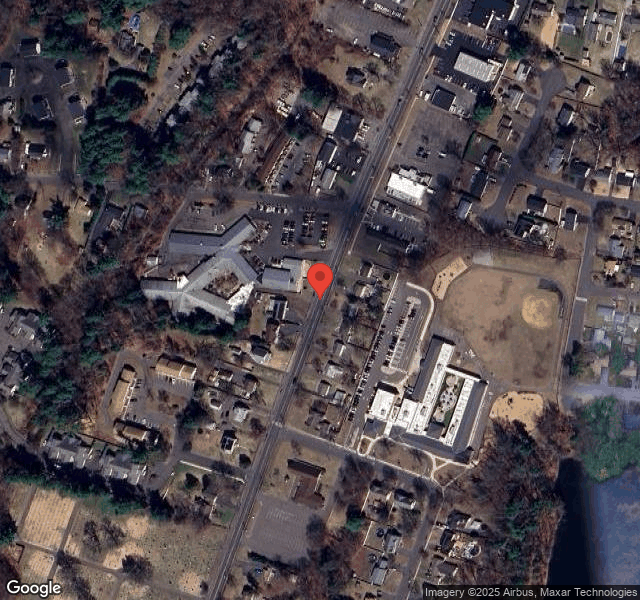
269 FARMINGTON AVE, PLAINVILLE, CT 06062 (860) 747-1637
For profit - Corporation 160 Beds APPLE REHAB Data: November 2025
Trust Grade
45/100
#113 of 192 in CT
Last Inspection: March 2023

Over 2 years since last inspection. Current conditions may differ from available data.

Overview

Apple Rehab Farmington Valley has a Trust Grade of D, indicating below-average performance with some concerning issues. It ranks #113 out of 192 facilities in Connecticut, placing it in the bottom half, and #40 out of 64 in Capitol County, meaning only a few local options are better. The facility has shown improvement, reducing reported issues from 25 in 2023 to just 1 in 2025. However, staffing is a weakness with a rating of just 2 out of 5 stars and a turnover rate of 46%, which is average but concerning for continuity of care. While there have been no fines, which is a positive sign, RN coverage is less than that of 82% of state facilities, meaning there may be fewer registered nurses available to catch potential issues. Recent inspections revealed a serious concern where a resident's safety plan was not followed, resulting in a risk of falls. Additionally, multiple sanitation issues were noted in the kitchen, including dirty surfaces and equipment. Lastly, there were problems with the documentation and orientation of new staff, raising questions about their preparedness to provide care. Overall, while there are some positive trends, families should weigh these concerns carefully when considering this facility.

Trust Score
D
45/100
In Connecticut
#113/192
Bottom 42%
Safety Record
Moderate
Needs review
Inspections
Getting Better
25 → 1 violations
Staff Stability
⚠ Watch
46% turnover. Above average. Higher turnover means staff may not know residents' routines.
Penalties
✓ Good
No fines on record. Clean compliance history, better than most Connecticut facilities.
Skilled Nurses
⚠ Watch
Each resident gets only 26 minutes of Registered Nurse (RN) attention daily — below average for Connecticut. Fewer RN minutes means fewer trained eyes watching for problems.
Violations
⚠ Watch
35 deficiencies on record. Higher than average. Multiple issues found across inspections.
★★☆☆☆
2.0
Overall Rating
★★☆☆☆
2.0
Staff Levels
★★☆☆☆
2.0
Care Quality
★★☆☆☆
2.0
Inspection Score
Stable
2023: 25 issues
2025: 1 issues

The Good

  • Full Sprinkler Coverage · Fire safety systems throughout facility
  • No fines on record

Facility shows strength in fire safety.

The Bad

2-Star Overall Rating

Below Connecticut average (3.0)

Below average - review inspection findings carefully

Staff Turnover: 46%

Near Connecticut avg (46%)

Higher turnover may affect care consistency

Chain: APPLE REHAB

Part of a multi-facility chain

Ask about local staffing decisions and management

The Ugly 35 deficiencies on record

1 actual harm
Apr 2025 1 deficiency
CONCERN (D) 📢 Someone Reported This

A family member, employee, or ombudsman was alarmed enough to file a formal complaint

Potential for Harm - no one hurt, but risky conditions existed

Medical Records (Tag F0842)

Could have caused harm · This affected 1 resident

**NOTE- TERMS IN BRACKETS HAVE BEEN EDITED TO PROTECT CONFIDENTIALITY** Based on record review, facility documentation review, and staff interviews for one of three residents (Resident #1) reviewed fo...

Read full inspector narrative →
**NOTE- TERMS IN BRACKETS HAVE BEEN EDITED TO PROTECT CONFIDENTIALITY** Based on record review, facility documentation review, and staff interviews for one of three residents (Resident #1) reviewed for quality of care, the facility failed to ensure a complete and accurate medical record to include a physician order for a foley catheter insertion after a fall, and to include a time duration to wait before reinserting a foley catheter. The findings include: Resident #1 had a diagnosis of retention of urine, after care following surgery of genitourinary system, and neuromuscular dysfunction of the bladder. The Resident Care Plan (RCP) dated 4/16/2024 identified Resident #1 had an indwelling catheter. Interventions directed to provide indwelling catheter care. The admission Minimum Data Sheet assessment dated [DATE] identified Resident #1 had a BIMS of 3 (severely impaired cognition) and had a catheter. The physician order dated 4/18 /2024 directed that if the foley catheter was pulled out to not replace it, and to not send Resident #1 to the hospital. The nursing note dated 4/21/2024 at 3:46 AM identified an unwitnessed fall; Resident #1 was observed lying on his/her back at around 1 AM and no injuries were noted. Resident #1 had baseline mentation, positive range of motion, denied hitting his/her head and Resident #1 had pulled his/her foley catheter out. The note identified a new catheter was inserted by the charge nurse. The APRN and family was updated regarding the fall. Record review failed to identify a physician's order that directed to re-insert the foley. The interview and record review with RN #1 on 4/28/25 at 12:24 PM identified she would not reinsert a foley or instruct the charge nurse to reinsert a foley unless there was a physician order that directed to. RN #1 stated she must have forgotten to write the order, and she should have written an order after speaking with the APRN regarding the fall. Interview and record review with the Administrator, the DNS and Regional RN # 333 on 4/28/25 identified RN #1 should have written the physician order in the clinical record that directed to reinsert the foley catheter. Interview failed to identify why the order was not written. a. The nursing note dated 4/29/2024 at 11:42 AM identified Resident #1's foley was noted to be out, and the supervisor, family, APRN, and ADNS were notified. A new order was obtained that directed to reinsert the foley catheter if Resident #1 did not void. The physician order dated 4/29/2024 directed staff to reinsert the foley catheter if the resident does not void, and if the resident refuses the catheter, to not reinsert. Additional record review failed to identify the order dated 4/29/2024 directed the length of time (example: 4, 6 or 8 hours) to wait for Resident #1 to void, before reinserting the catheter. The nursing note dated 4/29/2024 at 8:35 PM (8 hours, 53 minutes after the note that indicated the foley catheter was out) identified a foley catheter was attempted to be placed but was unsuccessful. The APRN was notified at 6:35 PM (approximately 6 hours and 53 minutes after the foley was noted to be out) and an order was obtained to transfer Resident #1 to the hospital for evaluation. The family was made aware and was in agreement with transferring the resident. Interview with APRN # --- was not obtained during survey. The interview and record review with RN #1 on 4/28/25 at 12:24 PM identified although she thought six (6) hours was an acceptable length of time to wait for Resident #1 to void before attempting to reinsert the catheter, RN #1 was unable to identify the order directed a length of time to wait. RN #1 indicated orders would usually direct the staff how long to wait for the resident to void before reinserting a catheter. Interview and record review with the Administrator, the DNS and Regional RN #1 on 4/28/25 identified although they thought six (6) hours was an appropriate length of time to wait to see if the resident voided before attempting to insert another foley catheter, interview identified the physician order should have included directions that indicated how long staff should wait before attempting to reinsert the catheter. Interview failed to identify why the time frame was not included in the orders. Although requested, a policy was not provided regarding physician orders.
Sept 2023 3 deficiencies
CONCERN (D) 📢 Someone Reported This

A family member, employee, or ombudsman was alarmed enough to file a formal complaint

Potential for Harm - no one hurt, but risky conditions existed

Quality of Care (Tag F0684)

Could have caused harm · This affected 1 resident

**NOTE- TERMS IN BRACKETS HAVE BEEN EDITED TO PROTECT CONFIDENTIALITY** Based on observation, review of the clinical record, facility documentation, facility policy, and interviews for 1 of 3 resident...

Read full inspector narrative →
**NOTE- TERMS IN BRACKETS HAVE BEEN EDITED TO PROTECT CONFIDENTIALITY** Based on observation, review of the clinical record, facility documentation, facility policy, and interviews for 1 of 3 residents ,(Resident #1), reviewed for falls, the facility failed to ensure fall assessments were completed in accordance with facility policy. The findings include: Resident #1 was admitted to the facility on [DATE] with diagnoses that included nondisplaced fracture of left femur, malignant cancer of left breast, stroke, acute respiratory failure and dementia. Review of the fall risk assessment dated [DATE] identified Resident #1 was at risk of falling. Review of the nursing quarterly/annual evaluation dated 11/21/22 identified Resident #1 was not at risk for falls. The quarterly MDS dated [DATE] identified Resident #1 had no impairments in cognition, required extensive assistance of one staff for activities of daily living (ADL's), had an upper extremity and lower extremity impairment on one side of the body and used a walker and wheelchair. Review of the care plan dated 5/21/23 identified Resident #1 was at risk for falls due to multiple risk factors with interventions that included call bell within reach, encourage the resident to transfer slowly, encourage the resident to use handrails or assistive devices properly and transfer per MD orders. a) Review of the accident and incident (A & I) form dated 6/7/23 at 3:40 PM identified Resident #1 was observed on the floor next to his/her bed and stated he/she was trying to pick up Kleenex off of the floor and slid off the bed with interventions included ED transfer due to left hip pain and to have Resident #1 use the call bell and wait for assistance when there are objects on the floor that need to be picked up. Resident #1's fall care plan was updated on 6/7/23 to include that Resident #1 had a fall resulting in a left hip fracture with the intervention added to encourage the resident to use the call bell and wait for assistance when there are objects on the floor that need to be picked up. Resident #1 was re-admitted to the facility on [DATE]. b) Review of the A & I form dated 8/2/23 at 1:00 PM identified Resident #1 had an unwitnessed fall while attempting to ambulate to the commode in his/her room with interventions included x-rays to left shoulder, hip and elbow, ED transfer to offer toilet after lunch and to encourage the resident to use the call bell when needing assistance. Review of Resident #1's medical record failed to identify a fall risk assessment was completed quarterly and annually since the admission fall risk assessment was completed 10/2/22. Interview and record review with the Administrator on 9/5/23 at 3:00 PM failed to identify fall assessments for Resident #1 after 10/2/22. Review of the falls: minimizing risk of injury policy directed that residents shall be assessed for risk of falling upon admission, quarterly, annually and after a significant change in condition.
CONCERN (D) 📢 Someone Reported This

A family member, employee, or ombudsman was alarmed enough to file a formal complaint

Potential for Harm - no one hurt, but risky conditions existed

Respiratory Care (Tag F0695)

Could have caused harm · This affected 1 resident

**NOTE- TERMS IN BRACKETS HAVE BEEN EDITED TO PROTECT CONFIDENTIALITY** Based on observation, review of the clinical record, facility documentation, facility policy, and interviews for 1 of 3 resident...

Read full inspector narrative →
**NOTE- TERMS IN BRACKETS HAVE BEEN EDITED TO PROTECT CONFIDENTIALITY** Based on observation, review of the clinical record, facility documentation, facility policy, and interviews for 1 of 3 residents, (Resident #1), reviewed for oxygen, the facility failed to ensure the resident had a physician order for oxygen administration and care. The findings include: Resident #1 was admitted to the facility on [DATE] and was re-admitted to the facility on [DATE] with diagnoses that included nondisplaced fracture of left femur, malignant cancer of left breast, stroke, acute respiratory failure and dementia. A physician's order dated 10/2/22 directed as needed oxygen at 2 to 3 liters per minute via nasal cannula as needed for respiratory distress and to titrate oxygen via nasal cannula to maintain saturations greater than 92%. The quarterly MDS dated [DATE] identified Resident #1 had no impairments in cognition, required extensive assistance of one staff for activities of daily living (ADL's), had shortness of breath when sitting at rest and when lying flat, and required oxygen therapy. Review of the care plan dated 6/16/23 identified Resident #1 was at risk for shortness of breath related to history of pulmonary embolisms and chronic periods of shortness of breath and used oxygen with interventions that included to monitor and document breathing abnormalities to the physician. It further identified Resident #1 was at risk for cardiac issues with interventions that included oxygen therapy as ordered. A nurses note dated 6/11/23 at 7:55 PM identified Resident #1 was re-admitted via stretcher and had 2 Liters of oxygen on. Review of the nursing quarterly assessment dated [DATE] identified Resident #1 required oxygen. Observations conducted on 9/5/23 at 9:40 AM and 12:30 PM identified Resident #1 with 3 Liters of oxygen applied. Review of Resident #1's physician orders dated 6/11/23 through current failed to identify an order for continuous oxygen and oxygen tubing changes . Interview with LPN #1 on 9/5/23 at 12:40 PM identified Resident #1 has always been on continuous oxygen. She further identified she does not sign off in the medication administration record for oxygen use for Resident #1. Interview with APRN #1 on 9/5/23 at 1:29 PM identified Resident #1 is on continuous oxygen and has been since admission on [DATE]. She identified Resident #1 had been in and out of the hospital and the order may have been dropped in error. She further identified Resident #1 is on comfort measures only and that the oxygen is for Resident #1's comfort. Subsequent to surveyor inquiry, APRN #1 wrote an order for Resident #1's oxygen use. Review of the oxygen policy and procedure manual identified a physician's order is necessary for the administration of oxygen. Review of the oxygen & nebulizer tubing changes policy directed that licensed staff will obtain a physician order for any resident receiving oxygen therapy and/or nebulizer treatments to change tubing once a week and as needed.
CONCERN (E) 📢 Someone Reported This

A family member, employee, or ombudsman was alarmed enough to file a formal complaint

Potential for Harm - no one hurt, but risky conditions existed

Deficiency F0726 (Tag F0726)

Could have caused harm · This affected multiple residents

Based on review of facility documentation, facility policy, and interviews for four (4) of four (4) staff (RN #1, LPN #1, LPN #2 and LPN #3) reviewed for competencies, the facility failed to complete ...

Read full inspector narrative →
Based on review of facility documentation, facility policy, and interviews for four (4) of four (4) staff (RN #1, LPN #1, LPN #2 and LPN #3) reviewed for competencies, the facility failed to complete and document new hires completed orientation checklist and competencies. The findings include: 1. RN #1 was hired to the facility on 7/13/23 and was currently in orientation. Review of RN #1's employee file failed to identify an orientation checklist and competencies in process. 2. LPN #1 was hired to the facility on 6/22/23 and was currently off orientation and working independently. Review of LPN #1's employee file failed to identify a completed orientation checklist and competencies. Interview with LPN #1 on 9/5/23 at 12:40 PM identified she did not receive an orientation checklist and/or documentation of completed competencies. 3. LPN #2 was hired to the facility on 8/24/23 and was currently in orientation. Review of LPN #2's employee file failed to identify an orientation checklist and competencies in process. 4. LPN #3 was hired to the facility on 7/27/23 and was currently off orientation and working independently. Review of LPN #3's employee file failed to identify a completed orientation checklist and competencies. Interview and staff record review with the Administrator on 9/5/23 at 3:00 PM identified the orientation process consists of approximately eighty (80) hours, depending on the staff member's experience. He identified the RN supervisor assesses the competencies for the LPN's and RN's. He identified the orientation checklist is the standard for assessing competencies. He further identified there was no documentation of a completed orientation checklist and competencies for RN #1, LPN #1, LPN #2 and LPN #3. Subsequent to surveyor inquiry, the Administrator created a worksheet for new hires to ensure the orientation checklist was provided and completed. The checklist identified LPN #2 started orientation on 9/5/23 and an orientation checklist was provided to LPN #2. The administrator further started in-servicing on completion of the orientation checklist with oversight provided by the DNS to ensure all new hires complete the orientation checklist, Review of the Licensed Staff Orientation Checklist identified the checklist contains skills that are either met or not met including orientation to the unit, infection control, admission procedures, documentation procedures, wound care procedures, pharmacy and medication pass. The checklist to be signed by the employee and preceptor with completion date. Although requested, the facility does not have a staff orientation/new hire policy.
Jun 2023 2 deficiencies
CONCERN (D) 📢 Someone Reported This

A family member, employee, or ombudsman was alarmed enough to file a formal complaint

Potential for Harm - no one hurt, but risky conditions existed

Comprehensive Care Plan (Tag F0656)

Could have caused harm · This affected 1 resident

**NOTE- TERMS IN BRACKETS HAVE BEEN EDITED TO PROTECT CONFIDENTIALITY** Based on clinical record reviews, facility documentation, facility policy and interviews for one of three sampled residents (Res...

Read full inspector narrative →
**NOTE- TERMS IN BRACKETS HAVE BEEN EDITED TO PROTECT CONFIDENTIALITY** Based on clinical record reviews, facility documentation, facility policy and interviews for one of three sampled residents (Resident #1) reviewed for a change in condition, the facility failed to complete vital signs and intake and output as per the plan of care. The findings include: Resident #1's diagnoses included Systemic Inflammatory Response Syndrome (SIRS), acute renal failure, pulmonary embolism, diabetes mellitus and urinary retention. The discharge Minimum Data Set assessment dated [DATE] identified Resident #1 was independent in making decisions regarding tasks of daily life and required extensive assistance for bed mobility, transfer, and toilet use. A physician's order dated 6/9/23 directed to draw blood work Basic Metabolic Panel (BMP) and Complete Blood Count (CBC)) weekly, to monitor vital signs and intake and output starting from admission every shift for three (3) days. The Resident Care Plan dated 6/10/23 identified Resident #1 had been re-hospitalized and had a medical condition that was precarious with recent hospitalization due to acute renal failure. Resident #1 was also at risk for cardiovascular disease, on a diuretic, and was at risk for cardiac issues and dehydration. Interventions included monitoring oxygen saturation levels, vital signs, intake and output as ordered or per policy, to notify the physician and/or Advanced Practice Registered Nurse of any changes and watch for and report any renal or respiratory problems. Interview and review of clinical record with the Director of Nurses (DON) on 6/29/23 at 10:20 AM identified Resident #1's clinical record lacked documentation of the ordered every shift vital sign monitoring for six (6) of the required twelve (12) shifts and although documented in the treatment administration record that intake and output was completed for six (6) of the twelve (12) required shifts, the facility was unable to provide documentation of recorded intake and output for three (3) days or twelve (12) shifts. The DON identified that it was the nurse's responsibility to enter the vital signs into the electronic clinical record and she did not know why it was not done as ordered. The DON indicated the intake and output (I&O) was recorded on a separate paper form, the nurse aides enter the information, including incontinent episodes and the nurse was responsible to assure the documentation was done and complete. The DON identified the nurse would also be responsible for determining if the resident was meeting their hydration requirements and to note any significant changes. The DON identified she was not sure why the I&O documentation was not completed or noted in the clinical record. The DON stated the facility's standard was to monitor vital signs and I&O every shift for three (3) days after admission or readmission to the facility.
CONCERN (D) 📢 Someone Reported This

A family member, employee, or ombudsman was alarmed enough to file a formal complaint

Potential for Harm - no one hurt, but risky conditions existed

Deficiency F0773 (Tag F0773)

Could have caused harm · This affected 1 resident

**NOTE- TERMS IN BRACKETS HAVE BEEN EDITED TO PROTECT CONFIDENTIALITY** Based on clinical record reviews, facility documentation, facility policy and interviews for one of three sampled residents (Res...

Read full inspector narrative →
**NOTE- TERMS IN BRACKETS HAVE BEEN EDITED TO PROTECT CONFIDENTIALITY** Based on clinical record reviews, facility documentation, facility policy and interviews for one of three sampled residents (Resident #1) who had a change in condition, the facility failed to notify the physician of significant abnormal bloodwork results. The findings include: Resident #1's diagnoses included Systemic Inflammatory Response Syndrome (SIRS), acute renal failure, pulmonary embolism, diabetes mellitus and urinary retention. The discharge Minimum Data Set assessment dated [DATE] identified Resident #1 was independent in making decisions regarding tasks of daily life and required extensive assistance for bed mobility, transfer, and toilet use. A physician's order dated 6/9/23 directed to draw blood work Basic Metabolic Panel (BMP) and Complete Blood Count (CBC)) weekly, to monitor vital signs and intake and output starting from admission every shift for three (3) days. The Resident Care Plan dated 6/10/23 identified Resident #1 had been re-hospitalized and had a medical condition that was precarious with recent hospitalization due to acute renal failure. Resident #1 was also at risk for cardiovascular disease, on a diuretic, and was at risk for cardiac issues and dehydration. Interventions included monitoring oxygen saturation levels, vital signs, intake and output as ordered or per policy, to notify the physician and/or Advanced Practice Registered Nurse of any changes and watch for and report any renal or respiratory problems. The laboratory CBC test results dated 6/14/23 at 12:43 PM identified the Nursing Supervisor, Registered Nurse (RN) #1, had initialed the laboratory results and physician's review on 6/14/23. The bloodwork results identified the Blood Urea Nitrogen (BUN) level was 44 milligrams per deciliter (mg/dl) (normal range was 8-21), the Creatinine level was 1.6 mg/dl (normal range is 0.4-1.1) and the previous BUN level on 6/9/23 was 27 mg/dl and Creatinine was 0.7mg/dl. A physician's order dated 6/14/23 directed to administer Iron supplement by mouth two (2) times a day for anemia for fourteen (14) days and to draw a CBC and BMP bloodwork in one (1) week. The nursing situation, background, assessment, and recommendation (SBAR) note dated 6/15/23 at 4:53 PM identified Resident #1 had increased bilateral leg edema, increased pain, increased BUN and Creatinine levels with notification to the attending physician, MD #1, at 4:45PM. MD #1 directed Resident #1 to be transferred to the hospital emergency department for evaluation. Vital signs recorded temperature 97.6, blood pressure 128/72, heart rate 72 and respiratory rate 20. Interview with MD #1 on 6/29/23 at 9:30 AM identified that on 6/14/23 as per his routine, Resident #1's CBC results were faxed to him at his office, he reviewed the results and wrote for Resident #1 to begin an iron supplement, to repeat the labs in one (1) week, and he initialed the CBC results and faxed them back to the facility. MD #1 indicated this was the established process for his lab result reviews as routine lab results come back to the facility in the afternoon, and he normally rounds in the morning. MD #1 identified initialing of the lab results indicated his review and was intended to be kept in the resident's paper clinical record as documentation of his review. MD #1 identified he never received Resident #1's BMP faxed results on 6/14/23 and when he rounded on 6/15/23 in the morning, he did not see Resident #1's chart flagged for his review. MD #1 stated if the chart was in the rack and flagged, he would have seen Resident #1 at that time. MD #1 identified based on Resident #1's complex condition, the change in the BUN and creatinine was significant and could have indicated for example heart failure, or possible clot formation. MD #1 identified had he seen Resident #1 on rounds on 6/15/23 and saw the note the family had increased concerns, he would have transferred Resident #1 to the hospital at that time. MD #1 identified Resident #1's treatment was delayed by at least six (6) hours. Interview and review of the clinical record with the Director of Nurses (DON) on 6/29/23 at 10:20 AM identified when a resident's routine laboratory results are received by the nursing staff, the nurse will fax the lab results to MD #1, which is normally done in the afternoon and was the responsibility of the evening shift RN. The DON indicated after MD #1 reviewed the lab results, he would initial the faxed lab results and then the initialed results would be faxed back to the facility to place in the resident's clinical record. The DON identified the nurse who received the faxed initialed lab results would review the report and enter any orders that may have been requested by MD #1 after his review. The DON indicated this has been the process since she has been at the facility. The DON identified the 6/14/23 BMP lab results lacked MD #1s initials and a sign off by a nursing staff member and RN #1 was responsible to fax Resident #1's lab results to MD #1 on 6/14/23. The DON identified she did not know why RN #1 did not question why the CBC was initialed by MD #1 but not the BMP. The DON explained the BMP results were elevated, indicating a change in Resident #1's condition and she would have expected that RN #1 would have contacted MD #1 to clarify that he had seen all of Resident #1's lab results. The DON identified that the process for a nurse to inform MD #1 a resident needed to be seen on rounds would be to flag and place the record in the rack so MD #1 would know to see the resident. The DON stated when she worked on 6/15/23 on the evening shift, the family had expressed concern to her about Resident #1's lab results and increased complaints of pain, so she went to Resident #1's chart and saw a note on the front of the chart that stated the family had requested MD #1 to call and the flagged 6/14/23 CBC results. The DON identified the 6/14/23 BMP results were filed in Resident #1's chart, the chart was in the rack and flagged appropriately for MD #1 so that he would know to see Resident #1 on rounds on 6/16/23. The DON stated she contacted MD #1 at approximately 4:30 PM on 6/15/23, who identified he did not see Resident #1 when he had rounded in the morning as the chart was not placed in his chart area and he was unaware the BUN and Creatinine were elevated or the family had requested him to contact them. The DON indicated MD #1 then directed her to transfer Resident #1 to the hospital for an evaluation. Interview with RN #1 on 6/29/23 at 11:30 AM identified that she did fax Resident #1's CBC and BMP results to MD #1 in the afternoon on 6/14/23 and she entered the orders in Resident #1's chart as directed by the notation on the CBC results. RN #1 indicated she believed MD #1 had seen the BMP results as MD #1 ordered a repeat of the CBC and BMP in one (1) week in his notation on the CBC results. RN #1 identified that she had not covered the Nursing Supervisor role often as she was the Infection Control Nurse. RN #1 identified she did not realize if MD #1 did not initial both pages that it could have indicated MD #1 did not see the BMP lab results. RN #1 stated she was not alarmed by the increased BUN and creatinine levels as she believed Resident #1 had similar results when he/she was hospitalized and contacting MD #1 directly was not necessary. RN #1 identified the family had expressed concern over the lab results, requested MD #1 call them after his rounds on the next day and she placed a note on Resident #1's chart for MD #1 to call the family and flagged the record so that MD #1 would see the Resident when he rounded in the morning of 6/15/23. RN #1 identified she did not know why MD #1 did not see the flagged chart or note on Resident #1's chart. The hospital Discharge summary dated [DATE] at 4:18 PM identified a CT scan showed bilateral hydronephroureter (dilation of the upper urinary tract) with a concern for bladder outlet obstruction, Resident #1's presentation was most likely acute kidney injury secondary to postrenal etiology and obstructive uropathy, a foley catheter (catheter to drain urine) was placed and drained 2200 cubic centimeters (ccs) of urine with labs returning to Resident #1's baseline. The facility policy, Change in Resident Condition, in part directs, to notify the Resident's physician of any significant change in condition.
May 2023 2 deficiencies
CONCERN (D) 📢 Someone Reported This

A family member, employee, or ombudsman was alarmed enough to file a formal complaint

Potential for Harm - no one hurt, but risky conditions existed

Report Alleged Abuse (Tag F0609)

Could have caused harm · This affected 1 resident

**NOTE- TERMS IN BRACKETS HAVE BEEN EDITED TO PROTECT CONFIDENTIALITY** Based on review of the clinical record, facility documentation, facility policy, and interviews for one (1) of three (3) residen...

Read full inspector narrative →
**NOTE- TERMS IN BRACKETS HAVE BEEN EDITED TO PROTECT CONFIDENTIALITY** Based on review of the clinical record, facility documentation, facility policy, and interviews for one (1) of three (3) residents reviewed for abuse, (Resident #2), the facility failed to report and investigate resident concerns of alleged abuse/neglect. The findings include: Resident #2 had diagnoses that included malignant neoplasm of ovary (cancer), diverticulitis, spinal stenosis, and generalized muscle weakness. The annual MDS dated [DATE] identified Resident #2 had no cognitive impairment, was frequently incontinent of urine and required an extensive assist of one staff for toileting, personal hygiene, and dressing. A care plan dated 5/2/23 identified that Resident #2 was often incontinent of bladder and occasionally stool with interventions that included to encourage and offer toileting as needed and to wear a brief for dignity. The care plan further identified Resident #2 refused/choose not to accept incontinent skin care on the 11:00 PM - 7:00 AM shift with interventions included education provided by staff related to the risks of not having skin care on the 11:00 PM - 7:00 AM shift. Interview with Resident #2 on 5/16/23 at 9:45 AM identified about a month ago he/she was placed into bed for the night and his/her brief was not changed until around 11:00 AM the next morning (approximately 14 hours later). Resident #2 identified his/her brief was wet with urine, and when h/she asked to be changed, a NA raised her voice and yelled at Resident #2 I have so many other patients, you're not the only one. Resident #2 identified he/she told the nurse that he/she did not want that NA taking care of him/her anymore. Interview with NA #1 on 5/17/23 at 12:08 PM identified Resident #2 told her about an incident with NA #3 where NA #3 yelled at Resident #2 and told him/her that he/she was not the only person here. NA #1 identified Resident #2 had already reported it to the nurse, therefore she did not. Interview with LPN #2 on 5/18/23 at 12:01 identified she was aware of the incident that happened with Resident #2 but could not remember when it happened. She identified she came into Resident #2 room and the resident was upset that he/she was not out of bed until 11:00 AM (normally out of bed around 8:30/9:00 AM). She identified NA #3 was abrupt with his/her care and Resident #2 let NA #3 know he/she was upset, and NA #3 responded defensively you're not the only person I take care of, and Resident #2 told NA #3 not to take care of him/her anymore. LPN #2 further identified she notified RN #3, the RN supervisor, and asked her if there was anything else she needed to do. She identified RN #3 told her to just tell NA #3 not to care of Resident #2 anymore. Interview with RN #3 on 5/23/23 at 12:48 PM identified she does not remember a situation happening with Resident #2 not being changed for a long period of time and refusal for NA #3 to care for him/her. She identified if she was aware NA #3 yelled at Resident #2 and/or was left soiled for a long period of time, she would immediately report it to the DNS. Attempts to interview NA#3 were unsuccessful. Interview with the DNS on 5/16/23 at 10:25 AM identified she was not aware of Resident #2's concerns with treatment by NA #3 and being left in bed soiled for approximately 14 hours, and NA # 1 and LPN #2 should have reported Resident #2's concerns. She further identified she would expect to be notified if a resident is refusing care from a particular NA. Review of the abuse/resident policy directed abuse or mistreatment of any kind toward a resident is strictly prohibited. Allegations of abuse, by any individual (staff, family, visitor, resident) toward a resident must be reported immediately to a facility supervisor. All allegations will be thoroughly investigated and acted upon according to the policy. It further directed an A &I will be completed for each resident involved, to document a description of the incident in each resident's nursing notes and to contact the Administrator and the DNS.
CONCERN (D) 📢 Someone Reported This

A family member, employee, or ombudsman was alarmed enough to file a formal complaint

Potential for Harm - no one hurt, but risky conditions existed

ADL Care (Tag F0677)

Could have caused harm · This affected 1 resident

**NOTE- TERMS IN BRACKETS HAVE BEEN EDITED TO PROTECT CONFIDENTIALITY** Based on review of the clinical record, facility documentation, facility policy, and interviews for one (1) of three (3) residen...

Read full inspector narrative →
**NOTE- TERMS IN BRACKETS HAVE BEEN EDITED TO PROTECT CONFIDENTIALITY** Based on review of the clinical record, facility documentation, facility policy, and interviews for one (1) of three (3) residents reviewed for activities of daily living, (Resident #4), the facility failed to provide a resident weekly shower. The findings include: Resident #4 had diagnoses that included hemiplegia (paralysis of left side), malignant neoplasm of head, neck and face, and generalized muscle weakness. The care plan dated 10/21/22 identified Resident #4 needed assistance with activities of daily living (ADL's) with interventions that included to assist Resident #4 as needed to meet toileting needs, incontinent care per policy and assist as needed due to cognitive status Resident #4 may fluctuate in his/her ability to perform ADL's. A physician's order dated 4/1/23 directed body audit on shower days by licensed nurse weekly on Wednesdays 3-11 (shower to be given on Wednesdays the 3:00 PM to 11:00 PM shift). The quarterly MDS dated [DATE] identified Resident #4 had no impairments in cognition, was an extensive assist of one staff for dressing and personal hygiene, total dependence on one staff for bathing and the resident always incontinent of bowel and bladder. Review of Resident #4's shower/bath flowsheet dated April 2023 identified Resident #4 had a documented shower on 4/4/23 (total dependence with one staff assistance). Resident #4 did not have a documented shower until 4/25/23 (20 days later). Interview with NA #7 (7:00 AM to 11:00 PM NA on 4/12/23, Resident #4's scheduled shower day) on 5/19/23 at 12:48 PM identified he had never showered Resident #4 before. Interview with NA #8 (7:00 AM - 3:00 PM NA on 4/19/23, Resident #4's scheduled shower day) on 5/19/23 at 12:50 PM identified she did not shower Resident #4 because she thought Resident #4's showers were scheduled on Tuesdays during the 3:00 PM - 11:00 PM shift. Interview with the DNS on 5/17/23 at 3:00 PM identified Resident #4's family members had a complaint about Resident #4 not receiving his/her scheduled showers. The DNS identified she changed Resident #4's shower schedule from Wednesdays during the 3:00 PM - 11:00 PM to Tuesdays on the 7:00 AM - 3:00 PM shift. She identified she did not change the physician order to reflect the change in Resident #4's shower schedule. Review of the bathing/shower policy directed that each resident will be offered a full bath/shower at least weekly.
Mar 2023 18 deficiencies
CONCERN (D)

Potential for Harm - no one hurt, but risky conditions existed

Resident Rights (Tag F0550)

Could have caused harm · This affected 1 resident

**NOTE- TERMS IN BRACKETS HAVE BEEN EDITED TO PROTECT CONFIDENTIALITY** Based on clinical record review, review of facility documentation, review of facility policy, and interviews for one of two samp...

Read full inspector narrative →
**NOTE- TERMS IN BRACKETS HAVE BEEN EDITED TO PROTECT CONFIDENTIALITY** Based on clinical record review, review of facility documentation, review of facility policy, and interviews for one of two sampled residents (Resident #108) who was incontinent of bowel and required extensive assistance with toileting and personal care, the facility failed to provide timely incontinent care causing the resident to remain soiled during the dinner meal. The findings include: Resident #108's diagnoses included left hip fractures in multiple locations, right rib fracture, urinary retention, and diabetes mellitus. The nursing admission assessment dated [DATE] identified Resident #108 was cognitively intact, non-ambulatory, non-weight bearing to lower extremities, required assistance for positioning, bathing, and dressing. The assessment further identified that the resident required a bedpan, was incontinent of bowels, and had an indwelling catheter. The physician's orders dated 1/21/23 included toe touch pressure to left lower extremity, mechanical lift for transfers with assist of two. A physician's order dated 1/23/23 directed Resident #108 be tested for Clostridium difficile (C-diff) due to recurrent diarrhea. The Resident Care Plan (RCP) dated 1/26/23 identified Resident #108 required ADL (activities of daily living) assistance with interventions that included, assistance with toileting and incontinent care and to follow the incontinent care policy. Nurse's notes dated 1/22/23, 1/23/23 and 1/24/23 identified Resident #108 had loose stools. Interview with Resident #108 on 3/1/23 and 3/7/23 at identified that on 1/23/23 between 3:30 PM and 4:00 PM he/she pulled the call bell for assistance to be placed on the bed pan and after approximately 10 minutes, two staff members responded. The resident further reported that one staff said they had other patients to care for and he/she needed to wait. The resident could not recall who the staff were. He/she further noted that approximately 15 minutes after the staff response, he/she was incontinent of bowel. Resident #108 further noted that he/she pushed the call bell again, but no one responded. He/she further identified that he/she was served the dinner meal while sitting in his/her soiled bed. Resident #108 noted that he/she spoke to his/her spouse at 6:10 PM and conveyed what had occurred. He/she further noted that his/her spouse was very upset and came to the facility a short while after he/she spoke with him/her and at that time he/she remained soiled when his/her spouse arrived. He/she further noted that his/her spouse spoke with the charge nurse, and he/she was finally provided care by the nurse and a nurse aide after his/her wife arrived and brought this to the attention of the nurse and incontinent care was provided at that time (over two hours after the request for assistance). The resident reports that since that time the care has been inconsistent, and he/she avoids calling for assistance during busy shift times. Interview with NA #8 (who was the NA assigned to the resident on 1/23/23 on the 3-11 shift on 3/7/23 at 1:50 PM identified that she had no recollection of the incident. NA #8 further stated that all staff assist each other so anyone could have responded to the call bell. Interview with the ADNS on 3/7/23 at 2:15 PM identified that she was familiar with the incident but could provide specifics, she noted that the DNS was aware of the incident and was going to handle it. Interview with the DNS on 3/8/23 identified that she did not investigate the incident. She recollected that the ADNS informed her that the resident stated there was a lapse in care, and the resident was not changed timely and that the wife was very angry and slammed the door. She further stated that she did not investigate because the resident did not complain to her. The DNS identified that the protocol for toileting assistance would be a response within 10 minutes and all staff were aware that residents experiencing diarrhea, and a lack of a timely response would be considered neglect. Review of the facility's policy on AM care/ADLs identified that individualized assistance would be provided according to the resident's wishes and plan of care. The policy further identified that a bedpan should be offered if resident is unable to go into the bathroom. Review of the facility's policy on Incontinent Care identified that incontinent care is to be performed on all residents who are incontinent and that residents are to be checked every two hours.
CONCERN (D)

Potential for Harm - no one hurt, but risky conditions existed

Safe Environment (Tag F0584)

Could have caused harm · This affected 1 resident

**NOTE- TERMS IN BRACKETS HAVE BEEN EDITED TO PROTECT CONFIDENTIALITY** Based on tour of the facility with the Director of Maintenance and Administrator, and staff interviews, the facility failed to e...

Read full inspector narrative →
**NOTE- TERMS IN BRACKETS HAVE BEEN EDITED TO PROTECT CONFIDENTIALITY** Based on tour of the facility with the Director of Maintenance and Administrator, and staff interviews, the facility failed to ensure a clean, comfortable, homelike environment. The findings include: On 3/1/23 from 9:00 AM through 3:00 PM and on 3/2/23 from 9:00 AM through 10:00 AM the following was identified: a. The main hallway at the intersection of the Annex Unit, Rehab Unit and the Administrative offices, beyond the metal bifold doors was identified to have four 16 inch by 16 inch laminate tiles pulling up from the floor. b. room [ROOM NUMBER]'s bathroom sink faucets were connected opposite of the indicators on the sink handles. The hot water line was connected to the cold faucet, and the cold water line was connected to the hot faucet. Subsequent to surveyor inquiry from the State Agency Building, Fire and Safety Inspectors on 3/2/23, the floor tiles were replaced and the faucet in room [ROOM NUMBER] was repaired. On 3/1/23 from 9:00 AM through 3/8/23 at 11:00 AM, a facility tour with the Director of Maintenance and Administrator identified the following: a. The South 1 shower room was observed with tile in the shower stall located to the bottom right wall intersection that was missing grout and was stained with a black substance. The radiator in the entrance to the South 1 shower room was observed to be rusted and dented on both ends. b. room [ROOM NUMBER] B was observed with the peeling lamination to the foot of the bed, exposing the natural raw wood. c. room [ROOM NUMBER] B was observed to have an indentation in the sheetrock wall approximately 12 inches round behind the head of the bed closest to the window. The area appeared to have begun repair work with drywall compound. d. room [ROOM NUMBER] A was observed to have a hole in the sheetrock wall behind the headboard with a partial repair. e. room [ROOM NUMBER] was observed with holes in the wall behind the headboard of bed A without repair. The paint on the walls were two different shades and when previously painted, appeared to have been painted around the wall hangings. f. room [ROOM NUMBER] A was observed to have a sheetrock patch to the left of the headboard which appeared to be under repair and exposing drywall material which was not primed or painted. On 3/8/23 at 11:00 AM interview with the Director of Maintenance and Administrator indicated he was aware of the issues with the uplifting of the tile in the hall. He indicated there was a more complicated issue with a frost heave or other issue that constantly damages the tile. He added that he had talked to the Cooperate office to facilitate an effective repair of the area. During the tour of the shower on South 1, the Maintenance Director and the Administrator acknowledged the issue with the tile and indicated that was a shower used by residents. Subsequent to surveyor inquiry, the sheetrock in room [ROOM NUMBER] A was primed for paint.
CONCERN (D)

Potential for Harm - no one hurt, but risky conditions existed

Investigate Abuse (Tag F0610)

Could have caused harm · This affected 1 resident

**NOTE- TERMS IN BRACKETS HAVE BEEN EDITED TO PROTECT CONFIDENTIALITY** Based on clinical record review, review of facility documentation, review of facility policy, and interviews for one of three sa...

Read full inspector narrative →
**NOTE- TERMS IN BRACKETS HAVE BEEN EDITED TO PROTECT CONFIDENTIALITY** Based on clinical record review, review of facility documentation, review of facility policy, and interviews for one of three sampled residents (Resident #108) who required extensive assistance with ADL care and alleged that there was a delay in the provision of care, the facility failed to ensure investigate the complaint of neglect. The findings include: Resident #108 diagnoses included left hip fractures in multiple locations, right rib fracture, urinary retention, and type 2 diabetes mellitus. The nursing admission assessment dated [DATE] identified Resident #108 was cognitively intact, non-ambulatory, non-weight bearing to lower extremity, required assistance for positioning, bathing, and dressing. The resident further required a bedpan for bowels, was incontinent of bowels, and had a foley catheter. The physician's orders dated 1/21/23 included toe touch pressure to left lower extremity, mechanical lift for transfers with assist of two. A physician's order dated 1/23/23 directed Resident #108 be tested for Clostridium difficile (C-diff) due to recurrent diarrhea. The Resident Care Plan (RCP) dated 1/26/23 identified Resident #108 required ADL assist with interventions that included assistance with toileting and incontinent care and to follow the incontinent care policy. Nurses' notes dated 1/22, 1/23 and 1/24/23 identified that Resident #108 was experiencing loose stools. Interview with Resident #108 on 3/1/23 and 3/7/23 identified that on 1/23/23 between 3:30 PM and 4:00 PM he/she pulled the call bell for assistance to be placed on the bed pan and after approximately 10 minutes, two staff members responded. The resident further reported that one staff said they had other patients to care for and he/she needed to wait. The resident could not recall who the staff were. He/she further noted that approximately 15 minutes after the staff response, he/she was incontinent of bowel. Resident #108 further noted that he/she pushed the call bell again, but no one responded. He/she further identified that he/she was served the dinner meal while sitting in his/her soiled bed. Resident #108 noted that he/she spoke to his/her spouse at 6:10 PM and conveyed what had occurred. He/she further noted that his/her spouse was very upset and arrived to the facility a short while after he/she spoke with him/her. He/she remained soiled when his/her spouse arrived and noted that his/her spouse spoke with the charge nurse and he/she was finally provided care by the nurse and a nurse aide after his/her wife arrived and brought this to the attention of the nurse (over two hours after the resident had requested assistance). Additionally, Resident #24 identified that the DNS initiated a conversation with him/her the following day regarding what occurred on 1/23/23. Interview with the ADNS on 3/7/23 at 2:15 PM identified that she was familiar with the incident but could provide specifics, she noted that the DNS was aware of the incident and was going to handle it. Interview with the DNS on 3/8/23 identified that she did not investigate the incident. She recollected that the ADNS informed her that the resident stated there was a lapse in care, and the resident was not changed timely and that the wife was very angry and slammed the door. She further stated that she did not investigate because the resident did not complain to her. The DNS identified that the protocol for toileting assistance would be a response within 10 minutes and all staff were aware that residents experiencing diarrhea, and a lack of a timely response would be considered neglect. Review of the facility's Abuse Prohibition policy identified that any alleged abuse is investigated and acted upon in accordance with all regulations and applicable laws. The policy identified that neglect falls under the category of abuse. The policy further identified that an Accident and Injury report would be completed, and the administrator or DNS will immediately investigate notify the state survey agency within two hours all allegations of abuse. Based on interview, record review and review of facility policy for 1 of 3 residents (Resident #515) reviewed for mistreatment, the facility failed to investigate an allegation of abuse. The findings include: Resident #515's diagnosis included compression fracture of the lumbar vertebra, depression and cardiac arrhythmia (abnormal heartbeat). The admission Minimum Data Set (MDS) assessment dated [DATE] identified Resident #515 was cognitively intact, required extensive assistance with two staff for transfers, bed mobility, dressing, hygiene and toilet use. Additionally, Resident #515 required minimal assistance with eating. The Resident Care Plan dated 7/28/22 identified Resident #515 required assistance with activities of daily living with interventions that included the use of assistive devises such as a wheelchair, dentures, and a walker. A Grievance Log entry titled Concern Form dated 8/4/22 identified Resident #515 expressed feelings that a staff member was rough with the care provided. The Concern Form also identified the Administrator, the Assistant Director of Nursing, and Social Worker #2 were all notified of the concern. The summary of finding as indicated on the Concern Form identified the resident's family member also felt a 3rd shift staff member was rough with the care provided based on the lumbar compression injury Resident #515 was admitted with. The recommended action included; educating staff and removing the staff from the resident's assignment. On 3/7/23 at 1:09 PM, interview and review of the Grievance Log with Social Worker (SW) #1 identified the former SW (SW #2) had completed the Concern Form for Resident #515, and should have reported the rough care to the DNS and Administrator. She also identified the allegation should have been investigated. An interview with The Director of Nursing (DNS) on 3/8/23 at 9:40 AM indicated an investigation had not been initiated or completed regarding Resident #515's allegation of rough treatment on 8/4/22. Additionally, the DNS indicated she was not employed at the facility at the time of the allegation of rough care on 8/4/22. Additionally, she could not explain the reason an investigation had not been completed. The DNS further indicated she would investigate the concern to determine if there was any additional documentation or reports needed. Review of the facility Abuse Police indicated the DNS or designee will immediately conduct an investigation upon submission of a report to DPH within 2 hours of notification of alleged allegation of abuse.
CONCERN (D)

Potential for Harm - no one hurt, but risky conditions existed

Deficiency F0645 (Tag F0645)

Could have caused harm · This affected 1 resident

**NOTE- TERMS IN BRACKETS HAVE BEEN EDITED TO PROTECT CONFIDENTIALITY** Based on record review and interview for 1 of 3 sampled residents (Resident #74), reviewed for Pre-admission Screening and Recor...

Read full inspector narrative →
**NOTE- TERMS IN BRACKETS HAVE BEEN EDITED TO PROTECT CONFIDENTIALITY** Based on record review and interview for 1 of 3 sampled residents (Resident #74), reviewed for Pre-admission Screening and Record Review (PASARR), the facility failed to notify the agency responsible for a Level 2 determination when the 180 day approval stay had expired. The findings include: Resident #74's diagnoses included schizophrenia, anxiety disorder and diabetes. A PASARR Level 1 screen dated [DATE] identified Resident #74 was approved for a 180 day stay at the long term care facility (terminating on [DATE]). Resident #74 was admitted to the facility on [DATE]. A Resident Care Plan (RCP) dated [DATE] identified a problem of a positive Level of Care (LOC) related to a psychiatric diagnosis. Interventions included a yearly psychiatric evaluation, case management services and training for supportive community living skills, mental health counseling, ongoing evaluation of psychotropic medications, socialization, facility staff supportive counseling, training on self care activities of daily living and self management of health care. The admission Minimum Data Set (MDS) assessment dated [DATE] identified Resident #74 was cognitively intact and required extensive assistance of 1 for bed mobility, dressing, toilet use and hygiene. Additionally the MDS identified Resident #74 required supervision of 1 for transfers and set up for of 1 for eating. A Level 1 PASARR screen dated [DATE] (22 days past the termination due date) identified that Resident #74 was referred for a Level 2 on-site assessment. A PASARR Level 2 outcome screen dated [DATE] identified Resident #74 was approved for long term stay at the facility. On [DATE] at 2:08 PM interview with Social Worker (SW) #1 identified the assessment agency was notified by the covering SW (who no longer works at the facility) on [DATE] (22 days past the termination due date) that the180 day Level 1 approval had expired. She further identified that notification to the assessment agency should have been contacted on [DATE] or sooner.
CONCERN (D)

Potential for Harm - no one hurt, but risky conditions existed

Accident Prevention (Tag F0689)

Could have caused harm · This affected 1 resident

**NOTE- TERMS IN BRACKETS HAVE BEEN EDITED TO PROTECT CONFIDENTIALITY** Based on clinical record review, facility documentation review, facility policy review and interviews for 1 sample resident (Res...

Read full inspector narrative →
**NOTE- TERMS IN BRACKETS HAVE BEEN EDITED TO PROTECT CONFIDENTIALITY** Based on clinical record review, facility documentation review, facility policy review and interviews for 1 sample resident (Resident #19) reviewed for fall, the facility failed to ensure the staff follow the physician's order for the resident transfer status. The findings include: Resident #19 diagnoses included bipolar disorder, dementia, type 2 diabetes mellitus, osteoarthritis and depression. Review of undated resident care card identified Resident #19 required assistance of 2 people with transfer. The physician's order dated 10/19/22 directed to transfer Resident #19 with assist of 2 person from bed to wheelchair and a maximum assist of 1 person at bed level for activity of daily living and toileting. The annual Minimum Data Set (MDS) assessment dated [DATE] identified Resident #19 with mild cognitive impairment and noted the resident required extensive assist of 2 person assist with transfer, dressing, toileting, hygiene and non-ambulatory. The nurse's note dated 1/19/23 identified Resident #19 had a fall during the transfer and hit his/her head and a hematoma was noted. The physician was notified, and an order was obtained to send the resident to hospital for evaluation. The Accident and Investigation dated 1/19/23 identified NA #6 transferred Resident #19 using a stand lift device with one person instead of following physician's order of assist of 2 people. The Resident Care Plan (RCP) dated 1/20/23 identified Resident #19 was at risk for fall related to admitting diagnosis, decreased mobility and increased weakness. Intervention included to encourage the resident to ask and wait for assistance, use wheelchair for mobility, keep my call bell within my reach and transfer per physician's order. The nurse's note dated 2/8/23 at 2:42 PM identified Resident #19 was lowered to the floor after he/she let go of the bar while pulling his/her pant up. The Accident and Investigation dated 2/8/23 identified Resident #19 stood up and held on to shower rail with one person assist instead of following physician's order of assist of 2 people. Interview with License Practical Nurse (LPN #2) on 3/6/23 at 10:15 AM identified Nursing Assistant (NA) have a resident care card available at the nurse's station. She also identified the charge nurse who received the new physician's order would update the resident care card. She further indicated Resident #19 was assist of 2 persons with transfer. LPN # 2 also indicated she was not sure why NA #6 used a stand lift device to transfer Resident #19. Interview with Physical Therapist (PT #1) on 3/6/23 at 11:10 AM identified Resident #19 required assist of 2 with transfer and assist of 1 at bed level with Activity Daily Living (ADL). She indicated Resident # 19 would be assist of 2 during the shower. She could not identified whether Resident #19 would be safe with stand lift device. Interview with Registered Nurse (RN #1) on 3/6/23 at 11:35 AM identified all residents have a care card available at the nurse's station. She identified Resident #19 was assist of 2 persons with transfer and assist of 1 person with ADL. She also indicated NA #11 should had use 2 people when she stood up Resident #19 to stop the resident from holding on to the shower rail. Interview with Director of Nursing Services (DNS) on 3/6/23 at 11:45 AM identified care card for all residents is available at the nurse's station. She would expect all NAs to follow all residents transfer assistance. She indicated that NA #6 was suspended pending investigation and all staffs were educated to follow physician's order for transfer. NA #6 should had not use a stand lift device with only one person. She further indicated NA #11 should not have stood up Resident #19 alone in shower room because he/she was assist of 2 with transfer. Attempted to interview with NA #6 and NA #11 were attempted but unsuccessful during the survey. The facility policy title Fall: Minimizing Risk of Injury to notes resident's at risk for fall and to minimized injury when a fall occurred. Residents who were at risk for fall should had a care plan that address interdisciplinary measure to prevent fall and any environment or equipment recommendation to prevent injury.
CONCERN (D)

Potential for Harm - no one hurt, but risky conditions existed

Respiratory Care (Tag F0695)

Could have caused harm · This affected 1 resident

Based on clinical record review, facility policy review, and interviews for one of one resident (Resident # 22) reviewed for Tube Feeding, the facility failed to ensure that Oxygen(O2) tubing and nebu...

Read full inspector narrative →
Based on clinical record review, facility policy review, and interviews for one of one resident (Resident # 22) reviewed for Tube Feeding, the facility failed to ensure that Oxygen(O2) tubing and nebulizer supplies were dated in accordance to facility policy. The findings include: Resident # 22 's diagnoses included Acute Respiratory Failure and diabetes mellitus. A physician s order dated 7/5/2022 directed to provide continuous oxygen at one liter via nasal cannula. A physician's order dated 8/12/2022 directed to change and label O2 tubing every week on Saturday during the night shift and as needed. Observation and interview with RN# 1 on 3/6/2023 at 10:35 AM identified the oxygen tubing Resident #22 was wearing and the nebulizer equipment. The nebulizer equipment was attached to the nebulizer machine with no date and or label and when to change the nebulizer equipment. The equipment should have a bag to store them in when not in use. RN #1 further indicated she would provide all new equipment for Resident #22. A physician's order dated 3/3/2023 directed DuoNeb respiratory treatments 4 times daily for 4 days and every 4 hours as needed. The Treatment Administration Record (TAR) dated 3/4/2023 indicated that the oxygen tubing was changed and labeled on the night shift by LPN #5. A phone interview on 3/07/23 at 9:44 AM with LPN #5 indicated that he had changed and labeled the oxygen tubing and nebulizer equipment and provided bags for Resident #22 on 3/4/2022 and left it at her/his bedside on the night shift. The facility policy and procedure dated 9/14/2022 labeled Oxygen and Nebulizer Tubing Changes notes to prevent nosocomial respiratory infection while receiving oxygen therapy and or nebulizer treatments. The tubing would be changed weekly, when visibly soiled and as needed with the oxygen tubing, mask and nebulizer devices bagged and labeled with the date to prevent the spread of infection.
CONCERN (D)

Potential for Harm - no one hurt, but risky conditions existed

Deficiency F0711 (Tag F0711)

Could have caused harm · This affected 1 resident

**NOTE- TERMS IN BRACKETS HAVE BEEN EDITED TO PROTECT CONFIDENTIALITY** Based on clinical record review and interviews for one of three residents (Resident #113) reviewed for closed record review, the...

Read full inspector narrative →
**NOTE- TERMS IN BRACKETS HAVE BEEN EDITED TO PROTECT CONFIDENTIALITY** Based on clinical record review and interviews for one of three residents (Resident #113) reviewed for closed record review, the facility failed to ensure that the physician and Advanced Practice Registered Nurse ( APRN) written visits were in the clinical record. The findings include: Resident # 113's diagnosis included dementia, anxiety, and hypertension. The quarterly Minimum Data Set (MDS) assessment dated [DATE] indicated Resident #113 had severe cognitive impairment. A progress note dated 1/13/2023 identified Resident #113 had vomited and was seen by the APRN with new physician's orders written. A progress note dated 1/16/2023 at 5:01 PM indicated Resident #113 was lethargic at times had poor eye contact and responded to tactile stimuli with respirations of 32 ( Normal Range 12- 20) per minute, the resident was receiving intravenous therapy and was seen by the Medical Director with new physician's orders to decrease the intravenous fluid and a new order for antibiotics. A physician's order dated 1/16/2023 directed to decrease the intravenous hydration solution of Dextrose-NACL 5-0 9% (Dextrose with sodium chloride) to 50 cc per hour for one liter. A physician's order dated 1/16/2023 directed to discontinue the capsule form of Vancomycin (antibiotics) and to start Vancomycin HCL 125 Milligrams ( MG) orally every 6 hours for 30 days. On 3/07/2023 at 2:30 PM an interview and clinical record review with RN #2 regarding APRN visit note dated 1/13/2023 and physician's visit note dated 1/16/2023 identified the notes were not in the resident's chart. Interview with APRN #1 on 3/8/2023 at 11:00AM indicated she documents her visit notes and in the electronic chart located under the miscellaneous section but was unable to locate a progress for 1/13/23. A telephone call from the Medical Director on 3/9/2023 at 11:55 AM who identified he may have ordered something for the resident at the nurse's request. He also indicated he does not always write a progress note and cannot remember if he wrote orders for Resident #113.
CONCERN (D)

Potential for Harm - no one hurt, but risky conditions existed

Deficiency F0761 (Tag F0761)

Could have caused harm · This affected 1 resident

**NOTE- TERMS IN BRACKETS HAVE BEEN EDITED TO PROTECT CONFIDENTIALITY** Based on observation for 2 of 3 medication rooms and staff interview, the facility failed to remove expired medications and equi...

Read full inspector narrative →
**NOTE- TERMS IN BRACKETS HAVE BEEN EDITED TO PROTECT CONFIDENTIALITY** Based on observation for 2 of 3 medication rooms and staff interview, the facility failed to remove expired medications and equipment. The findings include: Observation of the medication room for the Annex Unit with Licensed Practical Nurse (LPN) #8 on 3/7/23 at 8:40 AM identified the following: 1. Two Epi-Pen Auto injector 0.3 mg pre filled auto inject syringes with an expiration date of 12/2022 (over 2 months past the expiration date). 2. A second set of two Epi-Pen Auto injector 0.3 mg prefilled auto inject syringes expired 12/2022 (over 2 months past the expiration date). 3. A third set of two Epi-Pen Auto injector 0.3 mg prefilled auto inject syringes with an expiration date of 01/2023 (over 1 month past the expiration date). 4. One Bottle of Lactulose Solution 16 ounces with an expiration date of 8/2022. Interview with Registered Nurse (RN) #3 indicated she was responsible for quarterly medication room inspections and removal of expired medications. Additionally, she indicated she had not been able to keep up with the inspections of medication rooms and further identified that the nurses on the unit were responsible to notify her to pick up expired medications, and the medications should have been removed from patient stock. Observation of the medication room for the Rehab Unit with LPN #7 on 3/7/23 at 9:12 AM identified the following: 1. One of two [NAME] RCI Lifesaver Adult Manual Resuscitator with Mask and flow diverter with an expiration date of 10/28/2022 (89 days past the expiration date).89 days past the expiration date). Interview with LPN #7 identified the expired manual resuscitator should have been removed at the time it expired on 10/28/2022. Additionally, she indicated the unit nurses were responsible to notify RN #3 for the resuscitator to be removed. Subsequent to surveyor inquiry, the expired medication and resuscitator was removed from the med rooms. Although requested, a policy on expired medication was not provided.
CONCERN (D)

Potential for Harm - no one hurt, but risky conditions existed

Deficiency F0806 (Tag F0806)

Could have caused harm · This affected 1 resident

**NOTE- TERMS IN BRACKETS HAVE BEEN EDITED TO PROTECT CONFIDENTIALITY** Based on clinical record review, facility policy review and interviews for 1 sample resident (Resident #2) reviewed for food all...

Read full inspector narrative →
**NOTE- TERMS IN BRACKETS HAVE BEEN EDITED TO PROTECT CONFIDENTIALITY** Based on clinical record review, facility policy review and interviews for 1 sample resident (Resident #2) reviewed for food allergy, the facility failed to ensure Resident #2 was not served food that could cause an allergic reaction. The findings include: Resident #2's diagnoses included spastic cerebral palsy, dementia, schizophrenia, anxiety, and depression. Resident #2 allergy record identified the resident was allergic to penicillin (medication), cephalosporins (medication), quinolones (medication), onion, orange juice and peach. A review of Resident #2 meal tray ticket during the survey identified he/she was allergic to onion, peach and orange juice. The physician's order dated 3/22/22 identified Resident #2 had a regular diet, puree/level 1 texture, and thin liquid consistency. The resident required 1:1 feeding and noted Resident # 2 needed to sit upright. The admission MDS assessment dated [DATE] identified Resident #2 with severe cognitive impairment and the resident required extensive assist of 2 person with transfer, toileting, hygiene and was non-ambulatory. Resident #2 required assist of 1 with feeding. The nurse's note dated 6/12/22 at 5:55 PM identified Resident #2 was accidentally serve and ate peach at dinner time. Resident #2 had no sign and symptom of shortness of breath, no swollen tongue/mouth; however, redness noted to jawline and his/her cheek. The physician's order dated 6/12/23 directed to administered Benadryl allergy 25 MG by mouth related to allergic reaction. The Resident Care Plan (RCP) dated 6/25/22 identified Resident #2 had allergies to certain food and medication. Intervention included : to encourage to avoid known allergen, medication as ordered, notify physician of any changes and to monitor for sign and symptom of anaphylaxis and report to physician. Interview with Dietary Manager on 3/6/23 at 10:20 AM identified the dietary staff had a list of residents who had food allergy. He also indicated the dietary staff would compare the meal ticket on tray to the food being served to ensure no food allergy was included on the meal tray. He further identified that Resident #2 had allergy to onion, peach, and orange juice. The Dietary Manager also indicated that he was not aware Resident #2 had been serve peach. He further indicated that a peach should not be included on Resident # 2's meal tray. Interview with Director of Nursing Service (DNS) on 3/6/23 at 11:45 AM identified the meal ticket would list all food allergy. She further identified that the dietary staff would check the resident meal ticket to ensure that no food listed on resident allergy would be included on the meal tray. The DNS further indicated that the Nursing Assistant (NA) would also check the food on the tray before serving to the resident. Interview with Assistant Director of Nursing Service (ADNS) on 3/8/23 at 12:45 PM identified the dietary staff would be notified of any food allergy. She indicated the meal ticket would include the resident food allergy and NA would check the meal tray to ensure no food listed on allergy would be included on the meal tray. The ADNS could not provide a reason why a peach was included on Resident #2 meal tray. Attempt to interview NA #11 was unsuccessful during the survey. The facility nursing policy title Allergies notes resident allergies would be documented in the resident's medical record in order to alert staff of any known allergies. When food allergy existed, the dietary and recreation department would be notified.
CONCERN (E)

Potential for Harm - no one hurt, but risky conditions existed

ADL Care (Tag F0677)

Could have caused harm · This affected multiple residents

**NOTE- TERMS IN BRACKETS HAVE BEEN EDITED TO PROTECT CONFIDENTIALITY** Based on clinical record reviews, observations, facility documentation review, facility policy review, and interviews for four o...

Read full inspector narrative →
**NOTE- TERMS IN BRACKETS HAVE BEEN EDITED TO PROTECT CONFIDENTIALITY** Based on clinical record reviews, observations, facility documentation review, facility policy review, and interviews for four of six residents (Residents #18, 40 and 84) reviewed for activities of daily living (ADL), the facility failed to ensure ADL/shower care was provided in accordance to the plan of care to residents requiring assistance with personal care and for one of four sampled residents (Resident #26) who required extensive assistance with ADL, the facility failed to ensure that assistance with meal set up was administered. The findings included: 1. Resident #18's diagnoses included chronic obstructive pulmonary disease, morbid obesity, congestive heart failure, and osteoarthritis of the right knee. A physician's orders dated 12/22/22 directed to provide a shower following the facility's policy. The quarterly Minimum Data Set (MDS) dated [DATE] identified Resident #18 had a Brief Interview for Mental Status (BIMS) of fifteen out of fifteen, indicating no cognitive impairment. The resident required the extensive assistance of one person with transfer, toilet use and bathing. The resident was frequently incontinent of urine and bowel. The Resident Care Plan (RCP) dated 1/12/23 identified the resident required assistance with activities of daily living (ADLs) and used a sling to his/her right arm related to an old torn rotator cuff. Interventions included assisting the resident with daily bathing/grooming/dressing/mouth care/toileting and incontinent care. Observation on 3/1/23 at 1:10 PM identified the resident was sitting in a custom wheelchair. The resident was dressed, and his/her hair appeared greasy. The resident indicated s/he had not been provided a shower on Monday evening, 2/27/23, which was his/her scheduled day for his/her weekly. The resident indicated that s/he was told by a Nursing Assistant (NA) on 2/27/23 during second shift that s/he did not get a shower because they had low staffing. The resident was unsure with which NA s/he spoke to at the time. Review of the resident task record indicated the resident was scheduled for a weekly shower each Monday during second shift. Further review of the resident's clinical record identified s/he was provided a shower with the assistance of one person during the second shift on 2/6/23, 2/13/23, and 2/24/23, but not during the week of February 27. Interview with LPN #4 on 3/2/23 at 12:35 PM identified the resident was scheduled for showers on Mondays during second shift, and s/he did not know why the resident was not provided a shower on Monday 2/27/23. Observation on 3/7/23 at 1:40 PM identified the resident was sitting in a custom wheelchair. The resident was dressed, and his/her hair appeared greasy. Interview with LPN #8 on 3/7/23 at 4:00 PM identified s/he worked second shift on 3/6/23 and Resident #18 was not provided a shower during that time. LPN #8 indicated s/he was aware the resident was scheduled for a shower, but it was difficult to provide a shower especially since they were short-staffed. Additionally, LPN #8 indicated s/he would have helped in resident care if s/he wasn't very busy. Interview with NA #12 on 3/7/23 at 4:30 PM identified s/he worked the second shift on 2/27/23. NA #12 indicated s/he was aware that Resident #18 was scheduled for his/her weekly shower, and it was not provided during that shift because they were short-staffed. Resident #40's diagnoses included Alzheimer's disease, bipolar disorder, and seizures. A physician's orders dated 12/30/22 directed to provide a shower following the facility's policy. The quarterly Minimum Data Set (MDS) dated [DATE] identified Resident #40 had a Brief Interview for Mental Status (BIMS) of fifteen out of fifteen, indicating no cognitive impairment. The resident required extensive assistance with activities of daily living (ADLs), required a Hoyer lift with two people for transfers, and indicated the resident was always incontinent of urine and bowel. The RCP dated 1/20/23 identified the resident required assistance with ADLs related to impaired mobility and cognition and was at risk for skin breakdown due to decreased mobility and incontinence. Interventions included assisting the resident to meet his/her toileting needs, incontinent care, and assist with skin and mouth/dental and/or denture care. Observation on 3/01/23 at 11:00 AM identified Resident #40 was in bed and dressed in pajamas. His/her hair appeared to be greasy. Resident #40 indicated s/he did not have a shower in 2-3 weeks, and this had happened before. s/he indicated his/her shower was supposed to be on Mondays. Review of the resident task record indicated Resident # 40 was scheduled for a weekly shower on Mondays during first shift. Further review of the resident record indicated s/he received a shower on 2/18/23 and 2/20/23 with total assistance with two people and the Hoyer lift, and one person assist with bathing. Additionally, the task record indicated the resident did not have a shower on Monday 2/27/23. Interview with LPN#4 on Monday 3/06/23 at 12:35 PM identified the resident received a shower on that day. LPN#4 further indicated the resident had not received a shower for more than one week. Additionally, LPN #4 indicated the resident required two people with a Hoyer lift to transfer him/her to be showered, and sometimes there was not enough staff to do so. LPN #4 indicated s/he assisted with Hoyer lifts and resident care if s/he was not busy. Review of facility Bathing/ Shower Policy directed in part, each resident will be offered a full bath/shower at least weekly. 3. Resident #84's diagnoses included chronic obstructive pulmonary disease, spinal stenosis, osteopenia, foot drop and anxiety. The quarterly Minimum Data Set (MDS) assessment dated [DATE] identified Resident #84 had a Brief Interview for Mental Status (BIMS) score of thirteen out of fifteen, indicative of no cognitive impairment, the resident was frequently incontinent of bowel and bladder, was at risk of developing pressure ulcers and required extensive assistance with bed mobility, toilet use and two staff members for extensive physical assist with transfer. The Resident Care Plan (RCP) dated 2/10/23 identified Resident #84 requested to have a brief change frequently, sometimes hourly because she/he was sensitive to even a slight amount of moisture. Interventions directed to allow for flexibility in ADL routine to accommodate the resident's mood. The Individualized Resident Assignment directed staff to change Resident #84's brief upon request, even if the brief seemed dry because the resident was very sensitive to feeling wet and cold. Observation on 3/01/23 at 11:05 AM identified a call light by Resident #84's door and multiple staff walking past the resident's door without responding. Interview with the resident on 3/1/23 at 11:12 AM identified she/he voided in the diaper, needed to be changed and put the call light on at about 11:00 AM. The resident further identified she/he should be changed every 2.5 to 3 hours and the last time incontinent care had been provide was about 8:30 AM. Intermittent observations of Resident #84 on 3/1/23 between 11:05 AM to 11:55 AM (50 minutes) identified Resident #84 becoming upset. At 11:25 AM the resident stated she/he had been waiting over 25 minutes for her/his brief to be changed and although a staff member just came into her/his room and the resident reported she/he needed to be provided incontinent care, nobody help her/him. The staff member shut off the call bell and informed the resident that somebody will be in to assist with care, but no staff came back, and they had forgotten about her/him. At 11:46 AM the resident stated she/he was very uncomfortable, was cold and wet, something was pressing on her/his skin under the brief and cannot take this anymore, cannot wait any longer. Resident #84 put her/his call light on again. At 11:55 AM the resident was trying to change her/his position but was unable. The surveyor went to the nursing station and subsequent to surveyor enquiry NA #8 went to the resident's room to provide incontinence care. Observation on 3/1/23 at 11:59 identified Resident #84's incontinence brief removed by NA #8 had smears of dark stool and was wet with urine that was also visible from the outside of the brief. Further observation identified two long areas on Resident #84's buttock that were indented and slightly redden. NA #8 identified that the areas may be indentations from the brief or the pad on the resident's bed. Interview with NA #9 on 3/1/23 at 12:02 PM identified she was responsible for Resident #84's care during the 7:00 AM to 3:00 PM shift. NA #9 further identified she last provided incontinence care for the resident at 10:00 AM and was not aware that the resident called and waited for assistance. NA #9 further identified the resident had no skin problems, preferred to be positioned on her/his back and sometimes sustained marks on her/his skin from the diaper but they disappeared quickly. Interview and clinical record review with DNS on 3/2/23 at 9:57 AM identified that it was her expectation that Nurse Aides( NA)s would change and reposition all residents at least every two hours, answer call bells timely within 5 to 10 minutes to ensure the residents safety and provide assistance as needed. The DNS stated that Resident #84's buttock was assessed on 3/1/23 at 4:00 PM and a newly acquired skin injury was noted to be resolved by the time of the assessment. The DNS further identified that she would monitor call bell response and provide staff in-services to ensure compliance. Review of facility Incontinent Care Policy identified, incontinent care is performed by nursing staff on all residents who are incontinent. Residents are checked every 2 hours for incontinence. Incontinent care is provided following an episode of incontinence and as needed. The policy further identified that incontinent care will be provided to promote cleanliness and comfort and to prevent infections, skin breakdown, and body odor. 4. Resident #26's diagnoses included left above the knee amputation, glaucoma, muscle weakness, Type 2 diabetes mellitus with diabetic neuropathy. The quarterly MDS assessment dated [DATE] identified Resident #26 was cognitively intact, required extensive assistance for bed mobility, and required supervision and set up assistance for eating. The RCP dated 2/3/23 identified Resident #26 required ADL assist with interventions that included assistance with denture care, delivery and set up of meals and assistance with feeding as needed. The physician's orders dated 3/1/23 directed Resident #26 receive a carb controlled, regular texture, and thin liquid diet, with further instruction to cut food and set up for all meals. Observation of Resident #26 on 3/7/23 at 9:30 AM, noted the resident seated in bed and teary eyed with his/her breakfast tray set in front of him/her. Interview with Resident #26 on 3/7/23 at 9:30 AM, identified that the resident was upset because the staff member that brought in his/her juice in the morning was rude and did not provide assistance with meal set up when he/she requested it. The resident wanted assistance with unrolling the silverware. Resident #26 further noted that the staff member stated, you use it, or you lose it. Resident #26 identified that he/she also wanted assistance with turning on the overbed light but noted the staff person left the room without providing the assistance. The resident could not identify who the staff person was due to his/her poor vision. The resident further identified that he/she had not reported the interaction to anyone. Following the observation and interview with the resident, the reported interaction was reported to the ADNS on 3/7/23. Interview with LPN #7 on 3/7/23 identified that the dietary staff set residents up with water, placemat, and silverware. The NAs deliver the drinks. The nurse aides are also responsible for setting up the resident's tray if the resident requires set up. The nurse reported that she is responsible for putting in the resident's dentures before meal delivery. Observation on 3/8/23 at 9:00 AM of Resident #26 noted him/her sitting up in bed eating a banana. The breakfast tray was in front of the resident and consisted of scrambled eggs, a whole link sausage and two pieces of toast. Resident #26's dentures were in a denture cup on the table. Interview with Resident #26 on 3/8/23 at 9:00 AM identified that the resident requested assistance with cutting the sausage, unrolling the silverware and with placement of his/her dentures, but had not receive it. Resident was unable to identify the staff member that brought in the tray due to poor eyesight. Interview with NA #15 on 3/8/23 at 9:15 AM identified that she did not bring in the breakfast tray and that the dietary aides were not allowed to assist with dentures. Interview with the DNS on 3/8/23 identified that she was not aware of the resident's concerns reported on 3/7/23. The DNS further conveyed that her expectation would be for dentures to be placed with AM care prior to being served the breakfast meal. Interview with the Director of Dietary on 3/8/23 identified that the kitchen staff plate the food per the diet order and that the NA would be responsible for meal set up and assistance due to Resident #26 requiring dentures. Review of the facility's policy on AM care/ADLs identified that individualized assistance would be provided according to the resident's wishes and plan of care. ADL care included assistance with dentures as needed.
CONCERN (E)

Potential for Harm - no one hurt, but risky conditions existed

Deficiency F0685 (Tag F0685)

Could have caused harm · This affected multiple residents

**NOTE- TERMS IN BRACKETS HAVE BEEN EDITED TO PROTECT CONFIDENTIALITY** Based on clinical record review, facility documentation review, facility policy review, and interviews for one of one resident (...

Read full inspector narrative →
**NOTE- TERMS IN BRACKETS HAVE BEEN EDITED TO PROTECT CONFIDENTIALITY** Based on clinical record review, facility documentation review, facility policy review, and interviews for one of one resident (Resident # 22) reviewed for communication, the facility failed to ensure audiology services were provided timely. The findings include: Resident #22's diagnoses included diabetes mellitus, glaucoma, and acute respiratory failure. Audiology consultation requests dated 9/27/2022 and 9/29/2022 identified one was signed by the APRN the other, signed by the physician both directed audiology services be provided to Resident #22 due to new verbal communication difficulties as noted by family or staff to have decreased responsiveness, complaints of newly decreased hearing and decreased participation in social activities including decreased interaction. The quarterly Minimum Data Set (MDS) assessment dated [DATE] identified Resident # 22 had no cognitive impairment and the resident's hearing was adequate. On 3/6/2023 at 12:30 PM an interview with the DNS indicated there was a consult for audiology dated 9/27/2022 for Resident #22 and she had contacted the audiology provider who was unable to provide a reason why the service has yet to be provided and further indicated that she would have expected a consult from September 2022 (5 months ago) to have been completed. The DNS further indicated that since she is new to her role at the facility, she is unaware of any process in place to track outstanding and completed consults. An observation and during resident interview on 3/06/23 at 12:45 PM with Resident # 22 identified the resident stated he/she had trouble hearing the surveyor, followed hand gestures. On 3/07/23 at 8:45 AM a call was placed to the provider of audiology and spoke with Person #1 who indicated that appointments were scheduled for the audiologist to come into the building on 10/3/2022 then rescheduled to 10/10/22 then 10 /12/22 then it was canceled completely by the facility administrator secondary to Covid 19 cases reported in the facility. Person #1 further indicated the Audiologist was in the facility in September on 9/6, 9/12, and 9/27/22 for off-site visits that include delivery of materials and supplies and no hearing tests were performed on those dates. An interview on 3/07/2023 at 9:05 AM with the Administrator indicated that an executive decision was made in the best interest of the residents to cancel audiology services due to a Covid 19 outbreak at the facility in October 2022. On 3/7/2023 an interview with the ADNS indicated she was covering the consults while a new receptionist was being hired at the time and that she received a monthly schedule of audiology visits. The ADNS further indicated that she had received one on 3/6/2023 post surveyor inquiry that included Resident #22 on the schedule to be seen on 3/22/2023. On 3/08/23 at 8:55AM a call was placed to the audiology provider and spoke with Person #2 who indicated the facility informs them when there is Covid 10 in the building then the facility calls them back to tell them when they can come in to provide services. Review of the facility assessment in part, indicated that Audiologist Services would be provided 8 hours per month and as needed.
CONCERN (E)

Potential for Harm - no one hurt, but risky conditions existed

Deficiency F0688 (Tag F0688)

Could have caused harm · This affected multiple residents

**NOTE- TERMS IN BRACKETS HAVE BEEN EDITED TO PROTECT CONFIDENTIALITY** Based on clinical record review, review of facility policy and interview for ( Resident #22) reviewed for limited Range of Motio...

Read full inspector narrative →
**NOTE- TERMS IN BRACKETS HAVE BEEN EDITED TO PROTECT CONFIDENTIALITY** Based on clinical record review, review of facility policy and interview for ( Resident #22) reviewed for limited Range of Motion, the facility failed to identify risk for prevention of hand contracture. The findings include: Resident # 22's diagnoses included in part, respiratory failure, diabetes mellitus, muscle weakness and difficulty walking. A physician's order dated 8/3/2022 directed an Occupational Therapy (OT) Evaluation and to provide OT 5 times a week for 4 weeks. The quarterly Minimum Data Set (MDS) assessment dated [DATE] identified Resident # 22 had a no cognitive impairment and required extensive assistance of 2 persons for bed mobility, two persons to transfer, extensive assistance of one person for toileting and personal hygiene and total assistance of one person for bathing. An observation made on 3/1/2023 at 11:35 AM noted Resident #22 had a contracture of the left hand and without a splint in place. An observation and during resident interview on 3/06/23 at 12:45 PM identified Resident #22 lifting his/her left hand but could not open his/her hand fully secondary to a cupped position with fingers flat. An interview on 3/6/2023 at 12:50 PM with Physical Therapist ( PT #1) identified resident screening for determination for the need therapy services is completed on admission, quarterly and as needed. An interview on 3/6/2023 at 1:15 PM with PT #1 indicated a quarterly screen was completed for the assessment reference date (ARD) of 2/21/2023. Review of the screen results with PT #1 further identified no note regarding Resident #22's left hand contracture under the Range of Motion section of the form. PT #1 further indicated that Resident #22 had indicated in the past a complaint of hand pain and PT #1 would look to see if any recommendations were made. PT #1 further indicated she would look to see if anything had been put in place to prevent further decline, but nothing was provided. Follow up by PT#1 further indicated she did not find a prior Occupational Therapy(OT) evaluation for Resident #22's left hand but that OT has now evaluated Resident #22 and will be treating the resident. An interview on 3/07/23 at 11:35 AM with NA#7 indicated Resident #22 could not do much with the left hand and when trying to turn would reach to the right side rail with the right hand only. NA#7 further indicated Resident #22's hand had been stiff since she had been on the unit and a couple of weeks ago had provided the same information to therapy when interviewed. 0n 3/07/23 12:50 PM an interview with PT #1 indicated there was an OT order in August of 2022, but no hand contracture was known at that time. PT #1 further indicated that the current quarterly screening was completed by the Physical Therapy Aide (PTA), and the screening is not hands on it is done by talking with the staff and looking at the records for changes. On 03/07/23 at 1:15 PM an interview with PT#2 indicated that she spoke with a nurse and nurse aide when the screen was completed but could not remember who she spoke to. PT #2 further indicated she was told that the resident had trouble turning to the right side and then went back to the resident who indicated he/she was having right leg pain when turning and does not recall any mention by staff about the resident's left hand. An interview on 3/7/2023 at 1:17 PM with PT#1 indicated that it would be the nursing department responsibility to ask about what was in place for Resident #22 to prevent contractures. The Resident Care Plan initiated on 3/7/2023 indicated Resident #22 was at risk for contractures of the legs due to resident refusal to reposition and get out of bed. Interventions included in part to encourage and assist to reposition and to get out of bed for comfort. An OT evaluation and plan of treatment dated 3/7/2023 indicated a diagnosis of muscle weakness, adult failure to thrive and contracture of the left hand with treatment approaches to include diathermy , ultrasound, neuromuscular reeducation, manual therapy techniques, therapeutic activities, self-care management and training and orthotic management and training at a frequency of 4 times per week for 4 weeks. An interview on 3/08/23 at 8:45 AM with NA #10 indicated that range of motion is provided to residents on the unit that require it range of motion is located on the Resident Care Card. Review of the Resident #22's Care Card did not indicate a need for range of motion. An interview on 3/08/23 at 9:15 AM with PT#1 who indicated that if during a therapy evaluation the therapy department finds a resident at risk for contractures there would be note that there is increased tone. PT#1 further indicated the nursing department would inform the therapy department of any changes in any resident's condition. On 3/8/2023 at 10:40 AM an interview with the DNS indicated that a combined effort is made between the nursing and the therapy department to determine if a resident is at risk for contractures and therapy would complete an annual and quarterly screening consulting with the nurses and in between nursing should report any changes. Review of the facility policy labeled Range of Motion notes the purpose of Range of Motion is to prevent contractures and to increase the fullest range of motion possible to maintain and increase muscle strength, tone, improve endurance and to enhance circulation. The policy further indicated in part that the nursing staff or the therapy department will initiate range of motion exercises to maintain joint mobility for those residents at risk for contractures.
CONCERN (E)

Potential for Harm - no one hurt, but risky conditions existed

Deficiency F0725 (Tag F0725)

Could have caused harm · This affected multiple residents

**NOTE- TERMS IN BRACKETS HAVE BEEN EDITED TO PROTECT CONFIDENTIALITY** Based on staff interview and record review for facility staffing, the facility failed to provide sufficient staffing to ensure t...

Read full inspector narrative →
**NOTE- TERMS IN BRACKETS HAVE BEEN EDITED TO PROTECT CONFIDENTIALITY** Based on staff interview and record review for facility staffing, the facility failed to provide sufficient staffing to ensure the Dining Room remained open and for Residents # 18 and # 40 to receive showers in accordance to the plan of care. The findings included: 1. The staffing schedule dated 2/26/23 identified that there were 10 Nurse Aides (NA) that worked on the 7:00 AM to 3:00 PM shift for 117 residents. The staffing schedule further identified that 11 NA's were scheduled to work the 7:00 AM to 3:00 PM shift but 1 NA called out. Interview with Dietary Aide #1 on 3/7/23 at 1:23 PM identified that she believed that the dining room on Southwing was not open on 2/26/23 when she worked. Interview with the ADNS on 3/8/23 at 2:30 PM identified that she was the Nursing Supervisor that day who closed the Southwing Dining Room on 2/26/23. She further identified that there were 4 NA's working on the unit that day instead of 5 NA's. She also identified that the DNS was notified and gave her permission to close the dining room. Interview with the Dietary Manager on 3/7/23 at 1:23 PM identified that the Dining Room was supposed to be open for residents everyday and that the Nursing Supervisor can close it for emergencies or staffing shortages. 2. Resident #18's diagnoses included chronic obstructive pulmonary disease, morbid obesity, congestive heart failure, and osteoarthritis of the right knee. A physician's orders dated 12/22/22 directed to provide a shower following the facility's policy. The quarterly Minimum Data Set (MDS) dated [DATE] identified Resident #18 had a Brief Interview for Mental Status (BIMS) of fifteen out of fifteen, indicating no cognitive impairment. The resident required the extensive assistance of one person with transfer, toilet use and bathing. The resident was frequently incontinent of urine and bowel. The Resident Care Plan (RCP) dated 1/12/23 identified the resident required assistance with activities of daily living (ADLs) and used a sling to his/her right arm related to an old torn rotator cuff. Interventions included assisting the resident with daily bathing/grooming/dressing/mouth care/toileting and incontinent care. Observation on 3/1/23 at 1:10 PM identified the resident was sitting in a custom wheelchair. The resident was dressed, and his/her hair appeared greasy. The resident indicated s/he had not been provided a shower on Monday evening, 2/27/23, which was his/her scheduled day for his/her weekly. The resident indicated that s/he was told by a Nursing Assistant (NA) on 2/27/23 during second shift that s/he did not get a shower because they had low staffing. The resident was unsure with which NA s/he spoke to at the time. Review of the resident task record indicated the resident was scheduled for a weekly shower each Monday during second shift. Further review of the resident's clinical record identified s/he was provided a shower with the assistance of one person during the second shift on 2/6/23, 2/13/23, and 2/24/23, but not during the week of February 27. Interview with LPN #4 on 3/2/23 at 12:35 PM identified the resident was scheduled for showers on Mondays during second shift, and s/he did not know why the resident was not provided a shower on Monday 2/27/23. Observation on 3/7/23 at 1:40 PM identified the resident was sitting in a custom wheelchair. The resident was dressed, and his/her hair appeared greasy. Interview with LPN #8 on 3/7/23 at 4:00 PM identified s/he worked second shift on 3/6/23 and Resident #18 was not provided a shower during that time. LPN #8 indicated s/he was aware the resident was scheduled for a shower, but it was difficult to provide a shower especially since they were short-staffed. Additionally, LPN #8 indicated s/he would have helped in resident care if s/he wasn't very busy. Interview with NA #12 on 3/7/23 at 4:30 PM identified s/he worked the second shift on 2/27/23. NA #12 indicated s/he was aware that Resident #18 was scheduled for his/her weekly shower, and it was not provided during that shift because they were short-staffed. 3. Resident #40's diagnoses included Alzheimer's disease, bipolar disorder, and seizures. A physician's orders dated 12/30/22 directed to provide a shower following the facility's policy. The quarterly Minimum Data Set (MDS) dated [DATE] identified Resident #40 had a Brief Interview for Mental Status (BIMS) of fifteen out of fifteen, indicating no cognitive impairment. The resident required extensive assistance with activities of daily living (ADLs), required a Hoyer lift with two people for transfers, and indicated the resident was always incontinent of urine and bowel. The RCP dated 1/20/23 identified the resident required assistance with ADLs related to impaired mobility and cognition and was at risk for skin breakdown due to decreased mobility and incontinence. Interventions included assisting the resident to meet his/her toileting needs, incontinent care, and assist with skin and mouth/dental and/or denture care. Observation on 3/01/23 at 11:00 AM identified Resident #40 was in bed and dressed in pajamas. His/her hair appeared to be greasy. Resident #40 indicated s/he did not have a shower in 2-3 weeks, and this had happened before. s/he indicated his/her shower was supposed to be on Mondays. Review of the resident task record indicated Resident # 40 was scheduled for a weekly shower on Mondays during first shift. Further review of the resident record indicated s/he received a shower on 2/18/23 and 2/20/23 with total assistance with two people and the Hoyer lift, and one person assist with bathing. Additionally, the task record indicated the resident did not have a shower on Monday 2/27/23. Interview with LPN#4 on Monday 3/06/23 at 12:35 PM identified the resident received a shower on that day. LPN#4 further indicated the resident had not received a shower for more than one week. Additionally, LPN #4 indicated the resident required two people with a Hoyer lift to transfer him/her to be showered, and sometimes there was not enough staff to do so. LPN #4 indicated s/he assisted with Hoyer lifts and resident care if s/he was not busy. Review of facility Bathing/ Shower Policy directed in part, each resident will be offered a full bath/shower at least weekly.
CONCERN (E)

Potential for Harm - no one hurt, but risky conditions existed

Dental Services (Tag F0791)

Could have caused harm · This affected multiple residents

**NOTE- TERMS IN BRACKETS HAVE BEEN EDITED TO PROTECT CONFIDENTIALITY** Based on observation, clinical record review, facility policy review and interviews for 1 sample resident (Resident #2) reviewed...

Read full inspector narrative →
**NOTE- TERMS IN BRACKETS HAVE BEEN EDITED TO PROTECT CONFIDENTIALITY** Based on observation, clinical record review, facility policy review and interviews for 1 sample resident (Resident #2) reviewed for dental, the facility failed to offer the resident/representative to participate in dental services and failed to ensure the resident had an oral examination by a license dentist in accordance to facility policy. The findings include: Resident #2's diagnoses included spastic cerebral palsy, dementia, schizophrenia, anxiety and depression. Review of facility census record dated 3/18/22 identified Resident # 2 was admitted in the facility with Medicaid as payor source. The nursing admission assessment dated [DATE] for oral assessment identified Resident #2 with own teeth and poor condition of teeth. The nutritional assessment dated [DATE] in part noted for oral assessment identified Resident #2 with own teeth in poor condition. The admission MDS assessment dated [DATE] identified Resident #2 with severe cognitive impairment and required extensive assist of 2 person with transfer, toileting, hygiene and non-ambulatory. The Resident Care Plan (RCP) dated 4/15/22 identified Resident #2 need assistance with Activity Daily Living (ADL). Intervention directed to assist with mouth/dental care and dentist as ordered/needed. Observation on 3/1/23 at 10:30 AM identified Resident #2 with multiple brownish, decaying and broken lower teeth. Interview with Registered Nurse (RN#1) on 3/6/23 at 11:40 AM identified the facility would request a consent from the resident or representative before a license dentist could evaluate a resident. RN #1 further indicated she could not identify when a dental consent would be obtain when a resident was admitted in the facility. She indicated Resident #2 had not been seen by a license dentist because there was no dental consent sign. Interview with Director of Nurse Service (DNS) on 3/6/23 at 12:00 PM identified the resident or representative need to sign a dental consent before seen by license dentist. She could not identify what was facility practice on when to obtain a dental consent upon admission to the facility. She also indicated Resident #2 had no dental consent sign and had not been seen by a license dentist since admitted in the facility. Interview with Person #3 on 3/8/23 at 1:30 PM identified that he/she was not asked by the facility if Resident #2 could be seen by a license dentist or offered dental services for the resident. Person #3 indicated that he/she would want Resident #2 to be examine by a license dentist. The facility cannot provide the dental consent form from 3/2/22 to 3/8/22 when requested by surveyor. The facility policy title Oral Hygiene identified that every resident would be given an opportunity to have a dental examination within 2 months of admission. The dental record would be maintained in the medical record.
CONCERN (F)

Potential for Harm - no one hurt, but risky conditions existed

Food Safety (Tag F0812)

Could have caused harm · This affected most or all residents

Based on tour of the Dietary Department and staff interview, the facility failed to ensure the kitchen and equipment was maintained in a sanitary manner. The findings include: Tour of the Dietary Depa...

Read full inspector narrative →
Based on tour of the Dietary Department and staff interview, the facility failed to ensure the kitchen and equipment was maintained in a sanitary manner. The findings include: Tour of the Dietary Department on 3/1/23 at 10:30 AM with the Dietary Manager identified the following: a. The window sill above the 3 bay pot sink was noted to have a heavy accumulation of black crumb like material. The 2 water faucets of the 3 bay sink were in the off position, but dripping water. b. The wall tile below the airconditioner was noted with a heavy accumulation of dirt, drip marks, and grime. c. The kitchen floor was covered with debris, the tile coving perimeter around the entire kitchen was noted with a heavy accumulation of dust, grime and debris. d. The area above the coffee machine was observed with duct tape around the pipes coming out of the wall. e. A 5 tier black metal cart with clean metal mixing bowls on the shelves was observed to be soiled with a heavy accumulation of grime, dust and debris. f. A 4 tier metal rack containing clean coffee dispensers contained crumbs, dust and grime. g. A 4 tiered metal rack shelving unit, which contained dirty pots was observed to be soiled with a heavy accumulation of grime, dust and debris. The soiled metal cart was positioned adjacent to the clean drink cart. h. The 6 drink carts were set up with clean paper napkins, creamers, condiments, mugs, and cups, and were noted to be heavily soiled with grime, debris, and dust. The stack of paper napkins on the end cart were brown stained. i. The 6 overhead fluorescent lights were noted with a heavy accumulation of dust visible coming out from the top and around the upper frame. The light over the bread cart also had an approximate 8 inch by 4 inch spider like crack. j. A black self closing plastic garbage bin located adjacent to the eye station/hand wash station was noted with a heavy build up of a whitish film around the sides. k. The window sill in the dry storage room was noted with a heavy accumulation of dust/debris. l. The dry storage room was observed to contain an opened 10 lb bag that was 1/2 full each of penne, egg noodles, shells, and elbows, that was not labeled/dated when opened. Additionally, 4 clear plastic bags of chocolate cream cookies was dated 2/11. The Director stated 2/11 indicated the open date, but there was no expiration date because the cookies were removed from the original package. m. The floor of the freezer in the dry storage room was noted to contain boxes of biscuits, breads/bagels, frozen fruit, puffed pastry, high calorie ice cream, etc was also observed to be soiled with debris,crumbs and a frozen birthday cake belonging to the Director of Food Service. There was a white, linty film on the inside door and the outside doors were noted to be soiled with an oily substance. n. The dry storage area walls contained drip markings. o. The Dietary Storage room (located in the basement) was noted to have a freezer, whose floor was soiled with debris. p. The Dietary Storage room's (located in the basement) floor was littered with debris, dust especially where the floor meets the wall. q. The ceiling tile in the Dietary Storage room (located in the basement) surrounding the fire indicator was noted to have a brown halo type stain. Interview with Dietary Manager at that time identified that although there was a cleaning schedule for the metal carts, the carts were not cleaned last week. He further identified that he previously did not identify the soiled areas but since it was brought to his attention, he could see the soiling. Additionally, the Dietary Manager identified that for the Dietary Storage room located in the basement, Dietary takes out the trash and Maintenance/Housekeeping was responsible for cleaning of the floors.
MINOR (B)

Minor Issue - procedural, no safety impact

Deficiency F0568 (Tag F0568)

Minor procedural issue · This affected multiple residents

**NOTE- TERMS IN BRACKETS HAVE BEEN EDITED TO PROTECT CONFIDENTIALITY** Based on review of Resident Trust Accounts and interviews for one of one sampled resident (Resident #61) reviewed for personal f...

Read full inspector narrative →
**NOTE- TERMS IN BRACKETS HAVE BEEN EDITED TO PROTECT CONFIDENTIALITY** Based on review of Resident Trust Accounts and interviews for one of one sampled resident (Resident #61) reviewed for personal funds. The facility failed to provide Resident #61 with quarterly banking statements. The findings include: Resident #61 was admitted to the facility on [DATE] with diagnoses that included diabetes mellitus, insomnia and spinal stenosis. A Quarterly Minimum Data Set assessment dated [DATE] identified Resident #61 was cognitively intact. Interview with Resident #61 on 3/1/23 at 10:30 AM identified that he/she was not offered and does not receive quarterly banking statements. On 3/8/23 at 12:04 PM, interview with the Business Office Manager identified Resident #61 had a balance of $1261.81 in his/her Resident Trust Account at the facility. Additionally, the Business Office Manager identified Resident #61 was responsible for him/herself and would withdraw money on his/her own from the Resident Trust Account. She further indicated quarterly statements were mailed out on 2/3/23 with a cover letter included for the resident/responsible party to sign and return stating they received the quarterly statement. Further interview with the Business Office Manager identified that Resident #61 did not receive a quarterly statement on 2/3/23 because Resident #61 stated she checks the balance when she withdrawals money, however could not provide evidence that Resident #61 was approached to offered/provided quarterly statements. Additionally the Business Office Manager identified quarterly statements were issued in mid October 2022, she had started the job at the facility in mid November 2022, but could not locate any documentation/cover letters that previous quarterly statements were offered to Resident #61.
MINOR (B)

Minor Issue - procedural, no safety impact

Medical Records (Tag F0842)

Minor procedural issue · This affected multiple residents

**NOTE- TERMS IN BRACKETS HAVE BEEN EDITED TO PROTECT CONFIDENTIALITY** Based on clinical record review, review of facility documentation, review of facility policy, and interviews for one sampled res...

Read full inspector narrative →
**NOTE- TERMS IN BRACKETS HAVE BEEN EDITED TO PROTECT CONFIDENTIALITY** Based on clinical record review, review of facility documentation, review of facility policy, and interviews for one sampled resident (Resident #26) with an amputated limb, the facility failed to ensure documentation accurately reflected the resident's condition. The findings include: Resident #26 diagnoses included left above the knee amputation, muscle weakness, Type 2 diabetes mellitus with diabetic neuropathy. The admission MDS assessment dated [DATE] and the quarterly MDS assessment dated [DATE] identified Resident #26 was cognitively intact, required extensive assistance for bed mobility, transfers, hygiene, and dressing. Monthly physician's orders for November/2022 directed to use surgical boot to right lower extremity for transfers and to apply prosthetic sock to left above the knee amputation for protection and comfort, remove each shift to check skin integrity. Review of Resident #26's nurses' notes dated November 6, 7, 10, 11, 13, 14, 16, 17, 18, 19, 26, 27, 28; [DATE]; [DATE], 26, 27, 29; and [DATE] identified documentations of a pedal pulse to the resident's left foot. Per the resident's diagnosis and observation, the resident's left foot was absent due to a left above the knee amputation. Interview with DNS on 3/8/23 identified that the expectation would be not to document pulses on an absent foot. Review of the facility's policy on nursing documentation identified that nursing documentation provides an account of information about the individual's health care status and that documentation should be clear, concise, and specific.
MINOR (B)

Minor Issue - procedural, no safety impact

Safe Environment (Tag F0921)

Minor procedural issue · This affected multiple residents

Based on observations, review of facility policy procedures, and interviews, the facility failed to ensure that a tube feeding pole and floor surrounding the pole was clean and free of dried debris an...

Read full inspector narrative →
Based on observations, review of facility policy procedures, and interviews, the facility failed to ensure that a tube feeding pole and floor surrounding the pole was clean and free of dried debris and for 1 of 3 medication rooms, the facility failed to maintain a clean and sanitary medication room. The findings included: 1. An observation on 3/1/2023 at 11:30 AM in Resident #22's room noted residents tube feeding pole with dried brown debris on the base. An observation on 3/06/23 at 10:20 AM in Resident # 22's room identified the tube feeding pole with brown/tan dried debris on the base of all the legs and slightly up the pole as well as the adjacent base and the pole of the over the bed table. Further observations noted dried tan/brown material under the bedside table on the floor and surrounded the right front bedside table leg except for the front of the table. On 3/6/2023 at 10:35 AM an observation and interview with RN #1 indicated that housekeeping should have wiped down the tube feeding pole and cleaned the area. RN #1 also indicated she would talk to the housekeeping supervisor. An interview on 3/6/2023 at 10:40 AM with Housekeeper #1 indicated a resident with an IV or tube feeding pole would be to wipe down daily and surrounding areas would be cleaned. Housekeeper #1 further indicated she had not been assigned to Resident #22's room until today and would clean the pole and area at this time. An interview on 3/6/2023 at 11:20 AM with the Director of Housekeeping indicated part of housekeep duties are daily cleaning of IV/tube feeding poles by wiping down to prevent infection. The Director of Housekeeping could not explain why the pole was not cleaned for several days (6 days). The facility policy and procedure for cleaning of Resident room Occupied/Discharge indicated in part that the purpose of the cleaning was to provide a clean, sanitary, and attractive environment for residents, visitors and employees that reduces the possibility of cross contamination. The policy and procedure further indicated the floor would be cleaned by dust and damp mopping. The facility policy and procedure labeled Resident Care Equipment Cleaning indicated in part that the purpose of the cleaning was to keep all the patient care equipment in a clean, sanitary condition to help prevent the spread of infection. 2. On 3/7/22 at 8:40 AM the Annex Unit medication room was observed to have a manual pencil sharpener mounted to the wall between two windows and above a counter. The counter beneath the sharpener was noted to have debris consistent with pencil shavings which were also noted to be on a bottle of medication (Lactulose Solution, 16 ounces), one box of medical leg wear, two boxes labeled medical device enclosed and a large open box of spoons, 1000 count. On 3/7/23 at 9:30 AM, observation of the medication room debris and interview with RN #3 identified the debris was consistent with pencil shavings from the mounted pencil sharpener above and indicated the pencil sharpener would be removed immediately. Additionally, she indicated medication rooms are cleaned quarterly by housekeeping and as needed. She also indicated it was the unit nurses' responsibility to keep the medication room clean and to also request the medication room be cleaned as needed, and in between the scheduled quarterly cleanings. Although requested, a policy on medication room cleaning was not provided. Subsequent to surveyor inquiry the pencil sharpener was removed by maintenance on 3/7/23.
Feb 2020 5 deficiencies
CONCERN (D)

Potential for Harm - no one hurt, but risky conditions existed

Deficiency F0561 (Tag F0561)

Could have caused harm · This affected 1 resident

**NOTE- TERMS IN BRACKETS HAVE BEEN EDITED TO PROTECT CONFIDENTIALITY** Based on observations, a review of the clinical record, staff interviews and a review of the facility policy, for 1 sampled resi...

Read full inspector narrative →
**NOTE- TERMS IN BRACKETS HAVE BEEN EDITED TO PROTECT CONFIDENTIALITY** Based on observations, a review of the clinical record, staff interviews and a review of the facility policy, for 1 sampled resident (Resident #38) reviewed for choices, the facility failed to provide individualized assistance in accordance with their wishes and care plan. The findings include: Resident #38 was admitted to the facility on [DATE] with diagnoses that included cellulitis, falls, osteoarthritis, lumbar disc degeneration, morbid obesity, anxiety, chronic obstructive pulmonary disease, and muscle weakness. The care plan dated 12/15/19 identified, required assistance with all of his/her activities of daily living. Interventions directed to assist the Resident with application of his/her arm sling in the morning, grooming, dressing, mouth care and assistance with bathing activities. The care plan further directed that Resident #38 was awake at 5:00 AM and to have him/her up, washed and dressed by 7:30 AM. The admission Minimum Data Set (MDS) dated [DATE], identified intact cognition, required extensive assistance of 2 staff with bed mobility, transfers, dressing, toileting, personal hygiene and total dependence of 2 staff for bathing. Resident #38 required physical assistance of 2 staff while walking in his/her room and was identified as not steady and only able to stabilize with staff assistance. The MDS further identified Resident #38 did not require assistance with locomotion on and off the unit as he/she used an electric wheelchair. Resident #38's care card dated 1/27/20, identified Resident #38 received assistance of 2 NA's with care. The Resident's care card did not identified that Resident was to be up, washed and dressed by 7:30 AM as directed by the Resident's Care Plan. Observations on 2/24/20 at 9:40 AM, identified Resident #38 was sitting up in his/her wheelchair with a facility gown. Resident #38 was seen dressed after 10:00 AM. Observations on 2/26/20 at 6:26 AM and 9:15 AM identified the Resident was sitting up in his/her wheelchair with a facility gown and not dressed per the plan of care. An interview with Resident #38 on 2/26/20 at 9:15 AM, identified he/she woke this morning around 4:30 AM and per his/her wishes sleeps in the wheelchair. Resident #38 requested to the nursing staff since his/her arrival at the facility in December of 2019 that he/she wished to be dressed and washed prior to breakfast being served. Resident #38 identified this has not occurred since admission to the facility. Resident #38 identified he/she had continued to report his/her wishes to the nursing staff and NA's but nothing was done. An interview with LPN #1 on 2/26/20 at 9:20 AM, identified he/she was aware that Resident #38 woke up early in the morning, but Resident #38 does have to wait for his/her morning care until after breakfast was completed for the when 2 NA's were available to provide AM care for Resident #38. An interview with NA #2 on 2/26/20 at 10:39 AM, identified he/she would assist Resident #38 with dressing and personal care after breakfast was finished for the unit when a second NA was available to assist him/her. An interview with the Assistant Director of Nursing (ADNS) on 2/26/20 at 1:40 PM, identified Resident #38's care plan directed that the Resident wakes at 5:00 AM and wanted to be dressed in the morning before breakfast. The ADNS further identified the facility staff needed to accommodate the Resident's wishes as directed in his/her care plan. Review of facility policy for activities of daily living directed in part that the facility would provide individualized assistance to residents in preparation for daily activities, according to their wishes and plan of care. The resident's individual preferences and choices would be honored and included their morning routine.
CONCERN (D)

Potential for Harm - no one hurt, but risky conditions existed

Deficiency F0602 (Tag F0602)

Could have caused harm · This affected 1 resident

**NOTE- TERMS IN BRACKETS HAVE BEEN EDITED TO PROTECT CONFIDENTIALITY** Based on a review of the clinical record, a review of facility documentation, staff interviews, and a review of the facility pol...

Read full inspector narrative →
**NOTE- TERMS IN BRACKETS HAVE BEEN EDITED TO PROTECT CONFIDENTIALITY** Based on a review of the clinical record, a review of facility documentation, staff interviews, and a review of the facility policy for 1 of 3 residents reviewed for abuse (Resident #91), the facility failed to protect the resident from misappropriation of personal property. The findings include: Resident #91's diagnoses included major depressive disorder, dementia with behavioral disturbance, diabetes mellitus and schizoaffective disorder. The care plan dated 2/28/16 identified Resident #91 had a chronic/ progressive decline in intellectual functioning characterized by deficits in memory, judgment, decision making and thought process related to the dementia process. Interventions included to offer consistent daily routines and repeat communication by using more than one method (words, gestures, facial expression). A quarterly Minimum Data Set (MDS) dated [DATE] identified severe cognitive impairment and required extensive assistance with dressing, personal hygiene, bed mobility transfers between surfaces with assistance of one staff. A reportable event form dated 4/3/19 at 8:00 AM identified an allegation was made that a staff member may have been making phone calls from a resident phone line. A state of Connecticut mandated reporter form for long term care facilities dated 4/8/19 identified that a family member reported on 4/3/19 that there were phone charges on Resident #91's phone bill and they were not calls made by the resident. The state of Connecticut mandated reporter form for long term care facilities continued by indicating the Administrator identified the phone number in question belonged to a staff member. When the Administrator interviewed the staff member he/she admitted to using Resident #91's phone to call his/her own home. The staff member was suspended, then terminated, and the local law authorities were notified. Interview with the Administrator on 2/25/20 at 9:15 AM identified he received a phone call from Resident #91's family member that indicated she/he had received Resident #91's phone bill listing long distance calls that were not made by the Resident. Upon discovery by the Administrator that the phone number listed on Resident #91's phone bill matched one of the facility staff CNA#'s phone number, CNA #1 was interviewed and admitted to using Resident #91's phone to make personal phone calls. The Administrator further stated that there were a total of 18 calls placed for 88 minutes. CNA #1 was immediately terminated. Review of the abuse prohibition policy directed in part that each resident has the right to be free from abuse, mistreatment, neglect, exploitation and misappropriation of his or her personal property. The policy further directed that misappropriation of resident property was defined as the deliberate misplacement, exploitation or wrongful, temporary permanent use of a resident's belongings or money without the resident's consent.
CONCERN (D)

Potential for Harm - no one hurt, but risky conditions existed

Investigate Abuse (Tag F0610)

Could have caused harm · This affected 1 resident

**NOTE- TERMS IN BRACKETS HAVE BEEN EDITED TO PROTECT CONFIDENTIALITY** Based on review of the clinical record, a review of facility documentation, staff interviews, and a review of the facility polic...

Read full inspector narrative →
**NOTE- TERMS IN BRACKETS HAVE BEEN EDITED TO PROTECT CONFIDENTIALITY** Based on review of the clinical record, a review of facility documentation, staff interviews, and a review of the facility policy for 1 of 3 residents reviewed for abuse (Resident #91), the facility failed to provide evidence that a comprehensive investigation for misappropriation of a resident's personal property was conducted. The findings include: Resident #91's diagnoses include major depressive disorder, dementia with behavioral disturbance, diabetes mellitus and schizoaffective disorder. The care plan dated 2/28/16 identified a chronic/ progressive decline in intellectual functioning characterized by a deficit in memory, judgment, decision making and thought process related to the dementia process. Interventions included to offer consistent daily routines and repeat communication using more than one method (words, gestures, facial expression). A quarterly Minimum Data Set, dated [DATE] identified severe cognitive impairment and required extensive assistance with dressing, personal hygiene, bed mobility transfers between surfaces with assistance of with one staff. A reportable event form dated 4/3/19 at 8:00 AM identified an allegation was made that a staff member may have been making phone calls from a resident phone line. A state of Connecticut mandated reporter form for long term care facilities dated 4/8/19 identified a family member reported on 4/3/19 that there were phone charges on Resident #91's phone bill and they were not calls made by the resident. The state of Connecticut mandated reporter form for long term care facilities indicated the Administrator identified the phone number in question belonged to a staff member who when interviewed, admitted to using Resident #91's phone to call his/her own home. The staff member was suspended, terminated, and the local law authorities were notified. Interview with Administrator on 2/25/20 at 9:15 AM identified he received a phone call from Resident #91's family member indicating she/he had received Resident #91's phone bill that listed long distance calls that were not made by the Resident. The Administrator identified the phone number listed on Resident #91's phone bill matched one of the facility staff CNA's phone number. CNA #1 was interviewed and admitted to using Resident #91's phone to make personal phone calls. The Administrator further stated that there were a total if 18 calls placed for 88 minutes. Further interview with the facility Administrator indicated he/she was unable to produce investigative documents to provide evidence that a comprehensive investigation for misappropriation of a resident's personal property was conducted. Review of the abuse prohibition policy directed in part that the purpose of the policy was to ensure that each resident had the right to be free from abuse, mistreatment, neglect, exploitation and misappropriation of his or her personal property. The policy further directed documentation of the incident in the resident's nursing notes, and the Administrator, Director of Nursing or designees would immediately conduct an investigation that included interviews of all witnesses, including the person accused of abuse, interviews with all parties who may have knowledge useful to the investigation, any individuals requested by the accused, and to document the conclusion of the investigation.
CONCERN (D)

Potential for Harm - no one hurt, but risky conditions existed

Medication Errors (Tag F0758)

Could have caused harm · This affected 1 resident

**NOTE- TERMS IN BRACKETS HAVE BEEN EDITED TO PROTECT CONFIDENTIALITY** Based on review of the clinical record, facility documentation, facility policy, and interviews for 1 of 5 residents (Resident #...

Read full inspector narrative →
**NOTE- TERMS IN BRACKETS HAVE BEEN EDITED TO PROTECT CONFIDENTIALITY** Based on review of the clinical record, facility documentation, facility policy, and interviews for 1 of 5 residents (Resident #94) reviewed for unnecessary medications, the facility failed to ensure a psychoactive as needed medication was ordered for fourteen days. The findings include: Resident #94 was admitted to the facility on [DATE] with diagnoses that included unspecified dementia without behavioral disturbances, and anxiety. The care plan dated 11/4/19 identified Resident #94 had episodes of paranoia. Interventions included to administer medications as ordered. The quarterly Minimum Data Set (MDS) dated [DATE] identified severe cognitive impairment, delusions, wandering behaviors and received antipsychotic medications. A physician's order dated 1/31/20 directed the administration of Lorazepam 0.5 milligram (mg) by mouth once daily and as needed every 6 hours for anxiety through 2/4/20. A physician's order dated 2/10/20 directed to discontinue the administration of Lorazepam at 9:00 AM to Resident #94. APRN #2 note dated 2/13/20 identified Resident #94's Lorazepam had been discontinued secondary to excessive sedation and indicated the plan for Resident #94 was to renew Ativan 0.5 mg every 6 hours as needed for anxiety. A physician's order dated 2/13/20 directed administration of Lorazepam 0.5 mg by mouth to Resident #94 as needed every 6 hours for anxiety for 90 days. Interview and clinical record review with APRN #1 on 2/26/20 at 2:07 PM identified that she was the medical APRN caring for Resident #94. APRN #1 identified in the facility, the psychiatric APRN was not able to write orders for residents, but documented recommendations. APRN #1 followed the recommendations from APRN #2, the psychiatric APRN from the 2/13/20 notes as relayed by the nursing staff when writing an order for administration of Lorazepam 0.5 mg every 6 hours for 90 days. Interview with RN #4, the corporate nurse, on 2/26/20 at 3:20 PM noted medication orders for as needed psychotropic drugs are to be limited to 14 days unless the attending physician or prescribing practitioner believes it is appropriate for the order to be extended. The physician or practitioner must then document the rationale for prescribing the medication for longer than 14 days in the clinical record. Interview and clinical record review with APRN #2 on 2/27/20 at 8:33 AM identified he was the psychiatric APRN caring for Resident #94 and did so on a consultant basis. APRN #2 identified although he consulted on residents in the facility, he was not able to write orders for resident medications. APRN #2 identified he would write his recommendations in the clinical records, and he then relied on the APRN in the facility to write the actual medication orders for the residents. APRN #2 identified he was very familiar with regulations surrounding prescribing as needed psychoactive medications. APRN #2 identified although he wrote recommendations on 2/13/20 for Resident #94 to receive Lorazepam every 6 hours as needed for anxiety for 90 days, he expected the APRN who actually would write the order for the resident to be certain the order was written appropriately. The facility policy failed to have a policy that indicated psychoactive medications that are prescribed as needed cannot be ordered for longer than fourteen days.
CONCERN (E)

Potential for Harm - no one hurt, but risky conditions existed

Deficiency F0697 (Tag F0697)

Could have caused harm · This affected multiple residents

**NOTE- TERMS IN BRACKETS HAVE BEEN EDITED TO PROTECT CONFIDENTIALITY** Based on a review of the clinical record, staff interviews and a review of the facility policy, for one sampled resident reviewe...

Read full inspector narrative →
**NOTE- TERMS IN BRACKETS HAVE BEEN EDITED TO PROTECT CONFIDENTIALITY** Based on a review of the clinical record, staff interviews and a review of the facility policy, for one sampled resident reviewed for pain (Resident # 360), the facility failed to provide effective pain management. The findings include: Resident # 360 was admitted to the facility on [DATE] with diagnoses that included osteoarthritis of spine with radiculopathy (pinched nerve) in the lumbar region, current breast cancer and contusions to the back and forearm. An admission evaluation dated 12/9/19 at 1:11 PM identified Resident #360 was alert, pleasant and cooperative. A physician's order dated 12/9/19 directed to assess pain every shift using the pain scale. Further orders directed Soma 350 milligrams (mg) every 6 hours as needed for muscle spasms and Hydrocodone 5 mg with Acetaminophen 325 mg every 6 hours as need for moderate to severe pain. A physician's progress note dated 12/10/19 identified Resident #360 had left lower spinal pain with radiation and a right upper extremity hematoma. A physician order dated 12/10/19 directed to provide ice to the resident's right hip and left lower extremity. This intervention was to be conducted every 15 minutes with ice on, and then 15 minutes without ice. The care plan dated 12/10/19 identified pain as a problem with interventions that included to provide medications as ordered, listen to my concerns/complaints about pain and observe for signs and symptoms of increased pain. A physician progress note dated 12/11/19 identified Resident #360 ambulates with the assistance of a rolling walk, an occupational therapy evaluation, and treatment 5 times a week for 4 weeks. A nursing progress note dated 12/14/19 at 10:57 AM identified Resident #360 called requesting to speak to the supervisor and demanding to go home secondary to poor pain management. The nursing progress note dated 12/14/19 at 10:57 AM indicated the nurse notified the APRN who ordered Robaxin ( muscle relaxant) 500 mg every 6 hours until Soma ( muscle relaxant) was available. The nursing progress further identified Resident #360 was also medicated with Hydrocodone 5 mg with Acetaminophen 325 mg (opioid pain reliever) and ice was applied as ordered. A physician order dated 12/14/19 at 11:00 AM directed to administer Robaxin 500 mg every 6 hours as needed for spasms until Soma was available. An additional physician's order dated 12/14/19 directed imaging of the pelvis and lower spine due to increased pain. Review of the December 2019 medication administration record (MAR) MAR dated 12/10/19 through 12/13/19 identified Resident #360's pain level during the day shift was documented between 6-8 out of a scale of 0 to 10 (10 being the highest level of pain), and on the evening shift from 12/11/19 through 12/13/19 Resident #360's pain was documented as 8. Soma was not administered from 12/10/19 through 12/13/19. Interview with RN #1 on 2/24/2020 1:00 PM identified Resident #360 reported low back pain and Hydrocodone 5 mg with Acetaminophen 325 mg provided some relief. Interview with RN #2 ( day shift supervisor) on 2/25/19 at 10:00 AM identified she was called to see Resident #360 on 12/14/19 as the Resident wanted to be discharged due to inadequate pain management. RN #2 further identified Person #1 had contacted her that day informing her that Resident #360's pain management was ineffective and indicated the resident had been receiving Soma ( muscle relaxant) prior to admission. RN #2 further identified that the Soma was ordered when Resident #360 was admitted but had not been administered. RN #2 indicated she proceeded to administer Soma to the resident and the medication was not in stock. RN #2 identified it was never delivered from the pharmacy although it was ordered on 12/9/19. The pharmacy indicated they never received the prescription, and the facility staff may not have recognized the medication as a controlled substance that required the physician or APRN to directly communicate the order to the pharmacy, and they did not. RN #2 identified education was provided to the staff after this incident that addressed effective pain management. Interview with Pharmacist #1 on 2/25/19 at 1:00 PM identified Resident #360's admission physician order sheet listed Soma 350 mg every 6 hours prn muscle spasms but a direct APRN/physician prescription was not received until 12/14/19. He further identified a controlled substance cannot be dispensed without a direct APRN/physician prescription therefore it was not delivered to the facility until 12/14/19 when the physician prescription was properly received. The facility provided education beginning in January 2020 to staff regarding notifying the prescriber for inadequate pain control. In addition, pain medication prescriptions need to be initiated upon admission, and that it is necessary that the APRN/MD call in the prescription for controlled substances. The facility policy entitled Pain Management directed in part that each Resident should be provided an optimal level of comfort. The physician should be notified if interventions are ineffective and work to develop new approaches that will alleviate discomfort for the Resident.
Jan 2019 4 deficiencies 1 Harm
SERIOUS (G)

Actual Harm - a resident was hurt due to facility failures

Accident Prevention (Tag F0689)

A resident was harmed · This affected 1 resident

**NOTE- TERMS IN BRACKETS HAVE BEEN EDITED TO PROTECT CONFIDENTIALITY** Based on clinical record review, review of facility documentation, review of facility policy and interviews for two of six resid...

Read full inspector narrative →
**NOTE- TERMS IN BRACKETS HAVE BEEN EDITED TO PROTECT CONFIDENTIALITY** Based on clinical record review, review of facility documentation, review of facility policy and interviews for two of six residents, (Resident #256 and #606), reviewed for accidents, the facility failed to ensure care was provided safely to prevent an accident with injury, and/or interventions were in place to prevent a fall. The findings included: 1. Resident #256 was admitted to the facility on [DATE] with diagnoses that included a right and left fractured humerus, gout, spondylosis, and bicipital tendinitis. A Physician's order dated 4/4/18 directed a right and left arm sling and 2 half side rails up for safety and mobility. Provide assist of two (2) people. An admission evaluation dated 4/5/18 indicated Resident #256 had bruising on the right front shoulder, left front shoulder, right front knee, left front knee, and right antecubital space. He/she was non-weight bearing of the upper extremities, a two person assist for positioning, had pain especially with movement secondary to a fall down the stairs, was able to understand, and was oriented to person, place, and time, and his/her speech was clear. An occupational therapy evaluation note dated 4/5/18 indicated Resident #256 was totally dependent for Activities of Daily Living (ADLs) secondary to bilateral upper extremity non-weight bearing. The resident was a maximum assist for bed mobility. A resident care plan dated 4/6/18 identified a problem with ADLs and falls. Interventions included assist of 2 for transfers and ambulation. Assist with toileting, bathing, grooming, dressing, and mouth care. Encourage transfer and change of positions to be done slowly, and encourage the use of handrails or assistive device. An individualized resident assignment indicated Resident #256 was alert and oriented, was not to be rolled side-to-side, do not pull on shoulders, and assist of 2 for mobility. A nurse's note dated 4/6/18 at 8:15 AM indicated Resident #256 had a new pain in his/her right wrist. The right wrist was warm, slightly reddened, and tender to movement and touch. The Advanced Practice Registered Nurse (APRN) was notified and an x-ray was ordered. An APRN note dated 4/6/18 indicated Resident # 256 had right wrist edema, decreased range of motion, and pain. The resident had hit his/her wrist on the side-rail. X-rays were pending. The plan noted the resident was to attend an orthopedic appointment 4/6/18. An APRN order dated 4/6/18 directed to increase Norco from every 6 hours for pain to every 4 hours for pain x 1 week then reevaluate, ice to the right wrist for 20 minutes on and 20 minutes off, three times a day and as needed for 5 days then reevaluate. A portable x-ray report of the right wrist dated 4/6/18 indicated no fracture and/or dislocation was seen. An orthopedic consult dated 4/6/18 indicated the resident struck his/her wrist against the side of the bed. The right wrist revealed 1-2+ swelling with slight erythema. There was distinct pain on palpation to the distal radius with painful range of motion in all directions. X-rays of the wrist today revealed a nondisplaced radial styloid fracture with considerable degenerative changes noted. The consult note indicated to apply a thumb spica splint to the right wrist at all times and follow-up in 3 weeks. Review of a reportable event form and investigation dated 4/6/18 indicated Resident #256 reported that Nurse Aide #6 was rough when providing care on 4/6/18 at 6:30 AM. The resident complained of right wrist pain. A documented interview with Resident #256 dated 4/6/18 indicated Resident #256 indicated Nurse Aide #6 was rough with him/her during care and bumped his/her wrist on the side rail. The resident informed Nurse Aide #6 that he/she was hurting him/her and Nurse Aide #6 indicated he/she knew. A subsequent interview with Resident #256 indicated Nurse Aide #6 did not mean to hurt him/her and it was not intentional. A documented interview with Nurse Aide # 6 indicated he/she knew Resident # 256's wrist was bumped, but did not think anything happened (not significant). A review of a reportable event and investigation dated 4/6/18 and interview on 1/14/19 at 1:00 PM with Registered Nurse (RN) #1 indicated he/she would have expected 2 people to assist with Resident #256's care if that is what was required by the assessment and/or Physician's orders. He/she would have expected Nurse Aide 6 to have reported to the licensed nurse if he/she was aware the resident had hit his/her wrist during care. An interview on 1/14/19 at 1:10 PM with Nurse Aide #5 indicated he/she was not asked to assist in Resident #256's care at any time the night of 4/6/18. An interview on 1/14/19 at 2:10 PM with Occupational Therapist (OT) #1 indicated he/she evaluated Resident #256 on 4/5/18 and unless he/she changed the resident's status for assistance (assist of 2) that was ordered by the Physician on 4/4/18, the resident would have required assist of 2 for bed mobility on 4/6/18. He/she was unable to provide documentation that Resident #256's status of assist of 2 was changed after his/her evaluation on 4/5/18, therefore Resident #256 should have been provided with assist of 2 people during care. Attempts to contact nurse aide # 6 were unsuccessful. 2. Resident #606's diagnoses included Dementia, Hypothyroidism, and a pacemaker. The quarterly MDS assessment dated [DATE] identified Resident #606 with severe impairment in cognition, required limited assistance of one staff for transfer, locomotion in room, and toilet use, was not steady, but able to stabilize without staff assistance, and had two recent falls. The care plan for fall risks indicated multiple risk factors such as: impaired balance, unsteady gait with intervention which included to ask and wait for staff assistance for transfers and/or toileting. Additional care plan for ADLs included an intervention of assist to bathroom throughout the day. Physician's monthly orders dated April 2018 directed to transfer and ambulate Resident #606 with assist of one with rolling walker. The fall risk assessment dated [DATE] identified Resident #606 with score of 9 indicating no risk of falling. Nursing note dated 4/9/18 identified that Resident #606 was observed on the floor of the bathroom, with pain and shortening of the left hip observed. Resident #606 was transferred to the hospital and was admitted with a diagnosis of left hip fracture. Facility investigation identified Nurse Aide (NA) #8 took Resident #606 to the bathroom, Resident #606 stated he/she wanted to have some privacy, Resident #606 shut the door and two seconds later he/she fell down while NA #8 was still in his/her room at the doorway. Interview with NA #8 on 1/14/19 at 11:30 am indicated he/she brought Resident #606 to the bathroom and closed the door so that it was cracked a little open, and it was usual for resident to be left alone in bathroom if door was cracked. In-service education provided to NA # 8 on 4/12/18 instructed to stay with a resident, (even in the bathroom), who is assist of one. Interview and review of the facility documentation with current Director of Nursing Services (DNS) on 1/15/19 at 10:00 indicated that Resident # 606 was an assist of one, and assist of one is physically assisting that person, staying with the person. Facility-wide staff education, date 4/13/18, indicated, A resident who requires assistance to get to the bathroom, must not be left on the toilet alone. These residents require direct supervision at all times during toileting to keep them safe from loss of balance, or attempts to stand independently. Facility policy for falls did not include assistance with toileting activities and the facility does not have a specific toileting policy.
CONCERN (D)

Potential for Harm - no one hurt, but risky conditions existed

PASARR Coordination (Tag F0644)

Could have caused harm · This affected 1 resident

**NOTE- TERMS IN BRACKETS HAVE BEEN EDITED TO PROTECT CONFIDENTIALITY** Based on review of the clinical record, review of facility documentation, review of facility policy, and interviews, for 1 resid...

Read full inspector narrative →
**NOTE- TERMS IN BRACKETS HAVE BEEN EDITED TO PROTECT CONFIDENTIALITY** Based on review of the clinical record, review of facility documentation, review of facility policy, and interviews, for 1 resident (Resident #62) reviewed for Pre-admission Screening and Resident Review (PASRR), the facility failed to refer the resident to the appropriate state-designated authority for Level II PASRR evaluation and determination. The findings include: Resident #62 was admitted to the facility on [DATE] with diagnoses that included schizoaffective disorder and delusional disorder. admission Minimum Data Set (MDS) dated [DATE] identified Resident #62 had severely impaired cognition, had a diagnosis of psychotic disorder (other than schizophrenia), and was not considered level II PASRR. Quarterly MDS dated [DATE] identified Resident #62 had a psychotic disorder (other than schizophrenia) and schizophrenia. Care plan dated 8/2/18 identified Resident #62 had schizoaffective disorder and was at risk for potential side effects of psychotropic drug use, was prescribed psychotropic drug for schizoaffective disorder, and delusional disorder. Interventions directed to be aware of Resident #62's mood state and/or behavior and be aware of mental status functioning on an ongoing basis. Review of the clinical record failed to identify that PASRR Level II was submitted for evaluation and determination when a physician's order was obtained on 7/27/18 to add the diagnosis of schizoaffective disorder for Resident #62. Interview and clinical record review with Social Worker on 1/14/19 at 9:56 AM identified that on July 25, 2018 the diagnosis of schizoaffective disorder was added due to a Cerebral Vascular Accident (CVA). Social Worker identified that he/she did not submit PASRR level II, because Resident #62 was a private pay and needed to be submitted for evaluation and determination. Subsequent to surveyor inquiry, PASRR level II was submitted on 1/15/19. Review of preadmission screening and resident review (PASRR) policy directed all applicants to a Medicaid-certified nursing facility were evaluated for mental illness and/or intellectual disabilities to ensure they were placed in the appropriate setting and receive the services they need in the nursing home setting.
CONCERN (D)

Potential for Harm - no one hurt, but risky conditions existed

Medical Records (Tag F0842)

Could have caused harm · This affected 1 resident

**NOTE- TERMS IN BRACKETS HAVE BEEN EDITED TO PROTECT CONFIDENTIALITY** Based on review of the clinical record, facility documentation and interviews for one of six residents reviewed accidents (R#155...

Read full inspector narrative →
**NOTE- TERMS IN BRACKETS HAVE BEEN EDITED TO PROTECT CONFIDENTIALITY** Based on review of the clinical record, facility documentation and interviews for one of six residents reviewed accidents (R#155), the facility failed to maintain the clinical record with complete and/or accurate information in accordance to professional standards. The Finding included: Resident #155's diagnoses included syncope, mild hypoxia, dementia, sick sinus syndrome, urinary incontinence, cystoceles and a history of falls. The nursing plan of care dated 6/28/18 identified bladder incontinence and a risk for a urinary tract infection as a problem with interventions that included incontinent care every two hours as needed, and offer to assistance to the bathroom. Physicians orders dated 9/9/18 directed toileting with distant supervision of one. The Minimum Data Set (MDS) dated [DATE] identified severe cognitive impairment, extensive assistance for transfers and toileting with an assist of one, supervision with ambulation and occasionally incontinent of urine and incontinent of bowel. Review of the facility documentation dated 9/28/18 dated 12:45 AM identified R#155 sustained an unwitnessed fall in the bathroom, bleeding large amounts of blood with clots from the right side of the head. Subsequent to the event the resident was transferred to an acute care setting. A review of R#155's Activity of Daily Living (ADL) flow sheet and/or survey report for September 2018 during the night shift (11:00 PM-7:00 AM) identified the R#155 was toileted by NA#1 on 9/28/18 at 12:24 A.M. Interview and review of the clinical record and the reportable event with NA#1 on 1/10/19 at 4:24 PM indicated he/she knowingly falsified documentation to reflect that he/she had provided R#155 with toileting assistance and/or incontinent care on 9/28/18 at 12:24 AM when the care had not been provided. Interview and review of the clinical record and the reportable event on 1/10/19 at 2:40 PM with the Director of Nursing Service (DNS) indicated NA#1 was assigned to care for R#155 and falsely documented he/she had toileted the resident on 9/28/18 at 12:24 AM when the care had not been provided.
CONCERN (D)

Potential for Harm - no one hurt, but risky conditions existed

Infection Control (Tag F0880)

Could have caused harm · This affected 1 resident

**NOTE- TERMS IN BRACKETS HAVE BEEN EDITED TO PROTECT CONFIDENTIALITY** Based on observation, review of the clinical record, review of facility documentation, review of facility policy, and interviews...

Read full inspector narrative →
**NOTE- TERMS IN BRACKETS HAVE BEEN EDITED TO PROTECT CONFIDENTIALITY** Based on observation, review of the clinical record, review of facility documentation, review of facility policy, and interviews, for 1 resident (Resident #100) reviewed for urinary catheter, the facility failed to ensure the catheter bag and/or tubing was handled in accordance with infection control standards of care. The findings include: Resident #100 was admitted to the facility on [DATE] with diagnoses that included bladder cancer, hypertension, and urostomy. The 14 day Minimum Data Set (MDS) dated [DATE] identified Resident #100 had intact cognition, was frequently incontinent of bowel, was incontinent of bladder, and required extensive assistance with bed mobility, transfers, dressing, toileting, and personal hygiene. The care plan dated 12/11/2018 identified Resident #100 required assistance with activities of daily living as well as was incontinent of urine and bowel. Interventions directed physical therapy and occupational therapy services, assistance with toileting activities, monitoring for pain, and monitoring for symptoms of urinary tract infections. Additionally, the care plan identified a nephrostomy tube. Interventions directed to monitor for signs and symptoms of infection. A physician ' s order dated January 4, 2019 directed to monitor the output of right nephrostomy tube, monitor the urostomy site for signs and symptoms of infection, and to provide urostomy care each shift. Observations on 1/14/19 at 11:07 AM with NA #7 identified Resident #100 seated in the recliner chair with his/her nephrostomy tubing draped over the side of the chair and the collection bag laying directly on the floor to right side of the chair. Interview with NA #7 on 1/14/19 at 11:08 AM noted that the nephrostomy bag should not be on the floor. Interview with nursing supervisor, Registered Nurse (RN) #4 on 1/14/19 at 11:20 AM identified that the nephrostomy collection bag should not be left on the floor as the floor is a potential source for infection. Interview with Occupational Therapist (OT) #2 on 1/14/19 at 11:37 AM identified that earlier in the morning, he/she had worked on activities of daily living with Resident #100 which included threading the nephrostomy tubing (that connects the nephrostomy tube to the collection bag) through the Resident's pants to dress. Additionally, OT #2 assisted Resident #100 to pivot from his/her bed to the recliner chair. OT #2 identified that once Resident #100 was seated in the recliner chair, OT #2 hooked the nephrostomy bag on side of Resident #100's recliner chair. OT #2 further noted that he/she has observed several times in the past Resident #100's nephrostomy bag drop to the floor when Resident #100 uses the recliner chair's leg rest to lift his/her feet. OT #2 identified that although he/she frequently reminded Resident #100 to call for assistance with elevating legs so as to ensure bag does not fall to ground, OT #2 has not communicated having observed the nephrostomy bag on the ground to staff caring for Resident #100. Subsequent to surveyor inquiry, facility documentation identified nephrostomy bag change on 1/14/19. Interview with OT #2 on 1/14/19 at 11:50 AM identified that following conversation with surveyor, OT #2 communicated with nursing about Resident #100's nephrostomy bag slipping to the floor and was informed that nursing would change the bag to avoid infection. Interview with Infection Control Nurse, RN #3, on 1/14/19 at 12:15 PM identified that Resident #100's nephrostomy bag should not ever be directly on the floor as the floor is a potential source for infection. Furthermore, RN #3 would expect to be notified if nephrostomy bag was on floor so it could be changed. The facility policy failed to reflect the need to keep the drainage bag from being on the floor and/or interventions addressing such.
Understanding Severity Codes (click to expand)
Life-Threatening (Immediate Jeopardy)
J - Isolated K - Pattern L - Widespread
Actual Harm
G - Isolated H - Pattern I - Widespread
Potential for Harm
D - Isolated E - Pattern F - Widespread
No Harm (Minor)
A - Isolated B - Pattern C - Widespread

Questions to Ask on Your Visit

  • "Can I speak with families of current residents?"
  • "What's your RN coverage like on weekends and overnight?"

Our Honest Assessment

Strengths
  • • No fines on record. Clean compliance history, better than most Connecticut facilities.
Concerns
  • • 35 deficiencies on record, including 1 serious (caused harm) violation. Ask about corrective actions taken.
  • • Grade D (45/100). Below average facility with significant concerns.
Bottom line: Trust Score of 45/100 indicates significant concerns. Thoroughly evaluate alternatives.

About This Facility

What is Apple Rehab Farmington Valley's CMS Rating?

CMS assigns APPLE REHAB FARMINGTON VALLEY an overall rating of 2 out of 5 stars, which is considered below average nationally. Within Connecticut, this rating places the facility higher than 0% of the state's 100 nursing homes. A rating at this level reflects concerns identified through health inspections, staffing assessments, or quality measures that families should carefully consider.
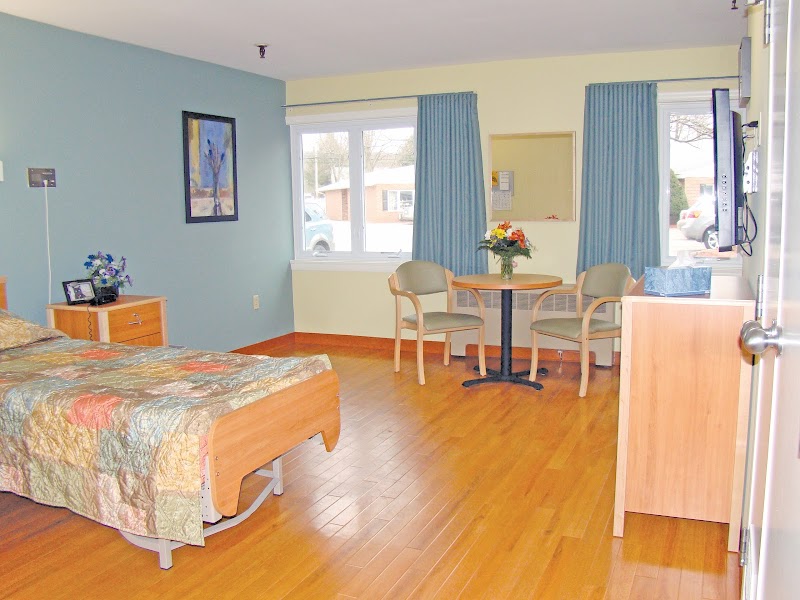
How is Apple Rehab Farmington Valley Staffed?

CMS rates APPLE REHAB FARMINGTON VALLEY's staffing level at 2 out of 5 stars, which is below average compared to other nursing homes. Staff turnover is 46%, compared to the Connecticut average of 46%. This relatively stable workforce can support continuity of care.

What Have Inspectors Found at Apple Rehab Farmington Valley?

State health inspectors documented 35 deficiencies at APPLE REHAB FARMINGTON VALLEY during 2019 to 2025. These included: 1 that caused actual resident harm, 31 with potential for harm, and 3 minor or isolated issues. Deficiencies causing actual harm indicate documented cases where residents experienced negative health consequences.
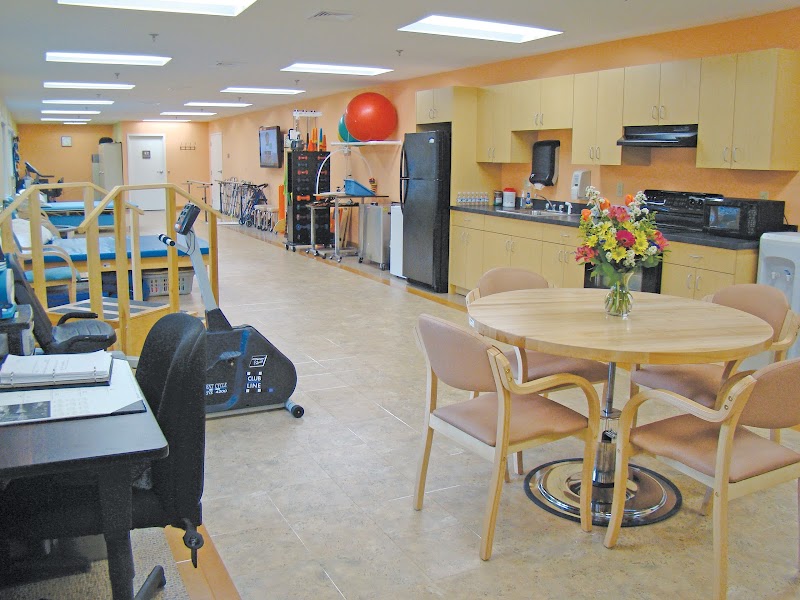
Who Owns and Operates Apple Rehab Farmington Valley?

APPLE REHAB FARMINGTON VALLEY is owned by a for-profit company. For-profit facilities operate as businesses with obligations to shareholders or private owners. The facility is operated by APPLE REHAB, a chain that manages multiple nursing homes. With 160 certified beds and approximately 133 residents (about 83% occupancy), it is a mid-sized facility located in PLAINVILLE, Connecticut.
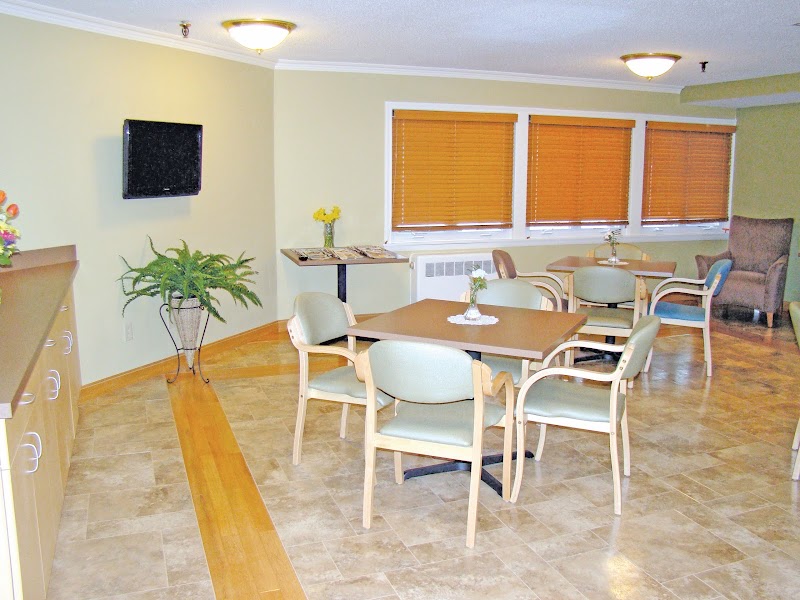
How Does Apple Rehab Farmington Valley Compare to Other Connecticut Nursing Homes?

Compared to the 100 nursing homes in Connecticut, APPLE REHAB FARMINGTON VALLEY's overall rating (2 stars) is below the state average of 3.0, staff turnover (46%) is near the state average of 46%, and health inspection rating (2 stars) is below the national benchmark.

What Should Families Ask When Visiting Apple Rehab Farmington Valley?

Based on this facility's data, families visiting should ask: "Can you walk me through typical staffing levels on day, evening, and night shifts?" "Can I visit during a mealtime to observe dining assistance and food quality?" "How do you handle medical emergencies, and what is your hospital transfer rate?" "Can I speak with family members of current residents about their experience?" These questions are particularly relevant given the below-average staffing rating.

Is Apple Rehab Farmington Valley Safe?

Based on CMS inspection data, APPLE REHAB FARMINGTON VALLEY has a clean safety record: no substantiated abuse findings (meaning no confirmed cases of resident harm), no Immediate Jeopardy citations (the most serious violation level indicating risk of serious injury or death), and is not on the Special Focus Facility watch list (a federal program monitoring the lowest-performing 1% of nursing homes). The facility has a 2-star overall rating and ranks #100 of 100 nursing homes in Connecticut. While no facility is perfect, families should still ask about staff-to-resident ratios and recent inspection results during their visit.

Do Nurses at Apple Rehab Farmington Valley Stick Around?

APPLE REHAB FARMINGTON VALLEY has a staff turnover rate of 46%, which is about average for Connecticut nursing homes (state average: 46%). Moderate turnover is common in nursing homes, but families should still ask about staff tenure and how the facility maintains care continuity when employees leave.

Was Apple Rehab Farmington Valley Ever Fined?

APPLE REHAB FARMINGTON VALLEY has no federal fines on record. CMS issues fines when nursing homes fail to meet care standards or don't correct problems found during inspections. The absence of fines suggests the facility has either maintained compliance or corrected any issues before penalties were assessed. This is a positive indicator, though families should still review recent inspection reports for the full picture.

Is Apple Rehab Farmington Valley on Any Federal Watch List?

APPLE REHAB FARMINGTON VALLEY is not on any federal watch list. The most significant is the Special Focus Facility (SFF) program, which identifies the bottom 1% of nursing homes nationally based on persistent, serious quality problems. Not being on this list means the facility has avoided the pattern of deficiencies that triggers enhanced federal oversight. This is a positive indicator, though families should still review the facility's inspection history directly.