MATULAITIS REHABILITATION & SKILLED CARE

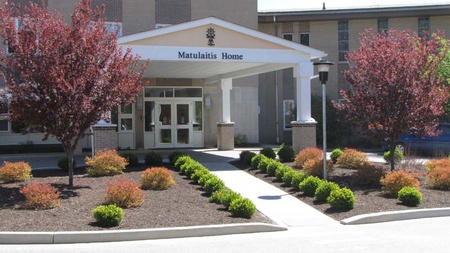
10 THURBER RD, PUTNAM, CT 06260 (860) 928-7976
Non profit - Corporation 119 Beds Independent Data: November 2025
Trust Grade
90/100
#27 of 192 in CT
Last Inspection: December 2024

Within standard 12-15 month inspection cycle. Federal law requires annual inspections.

Overview

Matulaitis Rehabilitation & Skilled Care holds an impressive Trust Grade of A, indicating it is an excellent facility that is highly recommended. It ranks #27 out of 192 nursing homes in Connecticut, placing it in the top half, and is the best option out of eight facilities in Northeastern Connecticut. However, the facility is experiencing a worrying trend, with the number of issues increasing from 2 in 2022 to 5 in 2024. Staffing is a strong point, with a 4/5 rating and a low turnover rate of 24%, which is significantly better than the state average. Additionally, Matulaitis has no fines on record and offers better RN coverage than 80% of Connecticut facilities, enhancing patient care. On the downside, there have been specific incidents that raise concerns. One serious incident involved a resident who fell and sustained a fracture because the facility did not follow the care plan requiring two staff members for safe transfers. Other concerns included inconsistent sanitation practices in the kitchen and failures in properly labeling food items, which could pose risks to residents' health. While the facility has many strengths, families should be aware of these weaknesses as they consider care options.

Trust Score
A
90/100
In Connecticut
#27/192
Top 14%
Safety Record
Moderate
Needs review
Inspections
Getting Worse
2 → 5 violations
Staff Stability
✓ Good
24% annual turnover. Excellent stability, 24 points below Connecticut's 48% average. Staff who stay learn residents' needs.
Penalties
✓ Good
No fines on record. Clean compliance history, better than most Connecticut facilities.
Skilled Nurses
✓ Good
Each resident gets 47 minutes of Registered Nurse (RN) attention daily — more than average for Connecticut. RNs are trained to catch health problems early.
Violations
○ Average
10 deficiencies on record. Average for a facility this size. Mostly minor or procedural issues.
★★★★★
5.0
Overall Rating
★★★★☆
4.0
Staff Levels
★★★★★
5.0
Care Quality
★★★★★
5.0
Inspection Score
Stable
2022: 2 issues
2024: 5 issues

The Good

  • 4-Star Staffing Rating · Above-average nurse staffing levels
  • 5-Star Quality Measures · Strong clinical quality outcomes
  • Low Staff Turnover (24%) · Staff stability means consistent care
  • Full Sprinkler Coverage · Fire safety systems throughout facility
  • No fines on record
  • Staff turnover is low (24%)

    24 points below Connecticut average of 48%

Facility shows strength in staffing levels, quality measures, staff retention, fire safety.

The Bad

No Significant Concerns Identified

This facility shows no red flags. Among Connecticut's 100 nursing homes, only 1% achieve this.

The Ugly 10 deficiencies on record

1 actual harm
Dec 2024 1 deficiency
CONCERN (E)

Potential for Harm - no one hurt, but risky conditions existed

Food Safety (Tag F0812)

Could have caused harm · This affected multiple residents

Based on observation, staff interviews, and facility document review, the facility did not consistently complete sanitation logs for the sanitizing sink according to facility policy. The findings incl...

Read full inspector narrative →
Based on observation, staff interviews, and facility document review, the facility did not consistently complete sanitation logs for the sanitizing sink according to facility policy. The findings include: On 12/15/2024 at 10:15 AM a tour of the kitchen was completed with the facility dietary manager and assistant manager. A dietary aide was observed washing a pitcher in a 3-bay sink. There were two large gray baking pans soaking in the sanitizing sink (third bay from the left). The dietary aide indicated that she did not check the level of the sanitizer concentration because the cook checked it in the morning before the dishes were washed. A review of the facility documentation for pot sink and bucket sanitizer verification failed to identify that the sanitizer level was checked prior to the washing and sanitizing of the breakfast dishes. Further review of the pot sink and bucket sanitizer verification logs from 6/1/2024 to 12/15/2024 identified that for the months of June, October, and November 2024, there was no documentation of sanitizer verification for breakfast time. Additionally, for the months of July, August, September, and December, the sanitizer verification log was inconsistently completed, with several days missing for breakfast. For the months of June, July, October, November, and December, the sanitizer verification log was inconsistently completed, with several days missing for lunch. On 12/15/2024 at 10:30 AM an interview with [NAME] #1 indicated he filled the sanitizing sink with sanitizing solution in the morning when he came in to work and checked the concentration. [NAME] #1 indicated he does not always document the result of the sanitizer concentration test. Additionally, [NAME] #1 indicated that there are usually dishes for breakfast, lunch and dishes that are washed and sanitized in the 3-bay sanitizing sink daily. On 12/15/2024 at 10:45 AM an interview with the Dietary Manager indicated that it is the responsibility of the dietary staff to check the sanitizing solution before using it to sanitize dishes. The Dietary Manager further indicated that staff know how to check the sanitizer concentration but may forget to write it in the log. A review of the facility policy for Sanitizing Sink identified that testing of the sanitizing solution should be documented each time the sink is refilled and that each person filling the sink is responsible for documentation.
Dec 2024 4 deficiencies
CONCERN (D) 📢 Someone Reported This

A family member, employee, or ombudsman was alarmed enough to file a formal complaint

Potential for Harm - no one hurt, but risky conditions existed

Deficiency F0657 (Tag F0657)

Could have caused harm · This affected 1 resident

Based on review of the clinical record, facility documentation, facility policy and interviews for one (1) of three (3) residents (Resident #1) reviewed for skin alterations, the facility failed to re...

Read full inspector narrative →
Based on review of the clinical record, facility documentation, facility policy and interviews for one (1) of three (3) residents (Resident #1) reviewed for skin alterations, the facility failed to review and revise the care plan timely to include surgical incisions present on admission and the identified risk for further skin impairment. The findings include: Resident #1's diagnoses included fusion of the spine, chronic congestive heart failure, history of Urinary Tract Infections (UTI's), functional urinary incontinence, muscle weakness and the need for assistance with personal care. The admission Observation dated 9/23/24 identified that Resident #1 was alert and oriented to person, place, time and situation, displayed weakness to both the right and left lower extremities and was observed with a mid-back surgical incision. A physician's order dated 9/23/24 directed to monitor the surgical incision to Resident #1's back for signs and symptoms of infection every shift. A nurse's note dated 9/23/24 at 7:02 PM identified that Resident #1 was admitted to the facility at 2:30 PM with a midline back incision with an intact dressing. The note reported that the resident's family member refused to allow staff to remove the dressing to assess the area. Review of the Resident Care Plans for Resident #1 failed to identify an actual skin impairment due to the surgical wound. Interview with the DNS on 12/09/24 at 11:51 AM identified that there should have been a care plan for surgical skin impairments for Resident #1. She reported that the admitting nurses should have initiated the care plans on admission. She identified that the care plans must have been missed and she was unsure why. Interview with RN #6 (MDS Coordinator) on 12/9/24 at 1:40 PM identified that the care plan for the surgical incision for should have been initiated on admission. Review of the Comprehensive Person-Centered Care Plans policy dated 04/2021 directed, in part that the comprehensive, person-centered care plan will include measurable objectives and time frames, describe the services that are to be furnished to attain or maintain the resident's highest practicable physical, mental and psychosocial well-being, incorporate identified problem areas, incorporate risk factors associated with identified problems, reflect treatment goals, timetables and objectives in measurable outcomes, identify the professional services that are responsible for each element of care and aid in preventing or reducing decline in the resident's functional status and/or functional levels.
CONCERN (D) 📢 Someone Reported This

A family member, employee, or ombudsman was alarmed enough to file a formal complaint

Potential for Harm - no one hurt, but risky conditions existed

Quality of Care (Tag F0684)

Could have caused harm · This affected 1 resident

**NOTE- TERMS IN BRACKETS HAVE BEEN EDITED TO PROTECT CONFIDENTIALITY** Based on review of the clinical record, facility documentation, facility policy and interviews for two (2) of three (3) resident...

Read full inspector narrative →
**NOTE- TERMS IN BRACKETS HAVE BEEN EDITED TO PROTECT CONFIDENTIALITY** Based on review of the clinical record, facility documentation, facility policy and interviews for two (2) of three (3) residents (Resident #1 and #2) reviewed for altered skin integrity, the facility failed to measure two (2) incisional wounds from admission through discharge , failed to ensure that an external catheter device had a physician's order, and failed to ensure that a pressure ulcer risk scale was completed in accordance with facility policy.The findings include: 1) Resident #1's diagnoses included fusion of the spine, chronic congestive heart failure, history of Urinary Tract Infections (UTI's), functional urinary incontinence, muscle weakness and the need for assistance with personal care. The admission Observation dated 9/23/24 identified that Resident #1 was alert and oriented to person, place, time and situation, displayed weakness to both the right and left lower extremities and was observed with a mid-back surgical incision. The Resident Care Plan (RCP) dated 9/23/24 identified that Resident #1 had a self-care deficit related to weakness and recent spinal surgery with interventions that included extensive staff assist of two (2) for bed mobility and performing weekly skin checks on bath day, documenting the findings in a progress note and updating the provider and family as needed. a) A nurse's note dated 9/23/24 at 7:02 PM identified that Resident #1 was admitted to the facility at 2:30 PM with a midline back incision with dressing intact. The note reported that the resident's family member refused to allow staff to remove the dressing to assess the area. Review of the clinical record from admission on 9/23 through discharge to the hospital on [DATE] failed to identify measurements of the two (2) surgical incisions to the back. Interview with APRN #1 on 12/06/24 at 2:26 PM identified that the facility should be following their wound protocol and measuring any skin irregularities, including surgical wounds on admission and weekly so that they can accurately monitor the improvement or decline of the area. Interview with the DNS on 12/09/24 at 11:51 AM identified that she expects all skin areas, including surgical incisions are measured on admission and weekly and signed off in the MAR. Additionally, she was unsure why no measurements were obtained of the surgical incisions. Review of the Wound Care Standard policy dated 08/2000 directed, in part, that a wound assessment will be done weekly by licensed nursing staff documenting the location, size and appearance of the wound, amount, color and odor of any drainage and any presence of redness, swelling, warmth and change in appearance should also be included in the documentation. b) Review of 09/2024 and 10/2024 nurse's notes identified that Resident #1 was utilizing an external catheter within the facility, which was first documented on 9/24/24 at 3:00 AM and last documented on 10/7/24 at 5:36 AM before his/her 10/08/24 discharge. Review of physician's orders dated 9/23/24 through 10/08/24 failed to identify an order for the external catheter. Interview with LPN #1 on 12/06/24 at 1:44 PM identified that Resident #1 did utilize the external catheter, and that the family member would apply it at night and would then pay a private aide to come into the facility in the morning and remove it. She identified that the aide would then take pictures of the canister and send them to the family everyday. She reported that staff did not apply or remove the catheter but that they would turn it on/off and empty it if needed. Interview with APRN #1 on 12/06/24 at 2:26 PM identified that the external catheter system should not have been utilized within the facility without a physician's order, as it is a medical device. Additionally, she reported that staff should be trained on the device, as it poses a risk for infections if not cleaned appropriately. Interview with RN #4 on 12/06/24 at 2:54 PM identified that staff did not take apart or manage the external catheter, reporting that they only turned it on/off as needed. He identified that there had been no staff training on the external catheter system. Interview with the DNS on 12/09/24 at 11:51 AM identified that although there was no policy or staff training, the facility allowed Resident #1 to utilize the external catheter device throughout his/her stay at the facility and also allowed the family and a private aide to manage the device. She reported that there should have been a physician's order for the external catheter system and they should not have allowed the family and private aide to manage it without oversight. She identified that she was unsure why staff may have turned on/off the device or emptied the device without proper training. Although requested, a policy on an external catheter system was not obtained. 2) Resident #2's diagnoses included fracture of the right femur, Parkinson's disease, dementia without behavioral disturbances, a stage 4 pressure ulcer of the sacral region (an ulcer at the base of the spine that is down to the bone), anemia and thrombocytopenia (low platelets in the blood that can cause a person to bleed or bruise easily). The admission Observation dated 8/9/21 identified Resident #2 was alert to person, place, time and situation, required assistance with Activities of Daily Living (ADLs) and was admitted to the facility with a pressure ulcer to the coccyx measuring 1.5 centimeters (cm) by 1 cm (not staged, please referemce F 686). A nurse's note dated 8/9/21 at 9:55 PM identified that Resident #2 arrived at the facility from the hospital at 3:30 PM and was noted with a pressure sore to the coccyx measuring 1.5 cm by 1 cm with a dry protective dressing in place and calmoseptine (barrier cream) applied as ordered. A physician's order dated 8/9/21 directed to apply calmoseptine to thearea and cleanse the coccyx with normal saline, pat dry and then apply protective dressing to the area daily and as needed. A care plan dated 8/10/21 identified that the resident was at risk for pressure ulcers due to decreased mobility, poor nutrition, and a pressure ulcer present on admisssion with interventions that directed to have a pressure relieving mattress and cushion for chair, and to encourage turning and repositioning. A focused observation dated 8/12/21 at 10:20 AM identified that the pressure ulcer to the coccyx measured 6 cm by 3.5 cm and the depth was unable to be determined due to a large, darkened area. It identified that an air mattress would be put in place (3-days after admission, the area was not staged). A physician's order dated 8/12/21 directed to reposition the resident every two (2) hours every shift. A nurse's note dated 8/23/21 at 10:27 AM identified that Resident #2 was increasingly confused and had refused breakfast. It reported that the pressure sore on his/her buttocks appeared to have gotten worse with a large, reddened area measuring 13 cm by 7 cm with a moderate amount of yellow/green drainage and small necrotic areas had been noted. The note reported that the physician was notified, and a new order had been obtained to send the resident to the Emergency Department (ED) for further evaluation, as there was question of sepsis. A Braden Scale for Predicting Pressure Sore Risk dated 9/1/21 (25 days after admission) identified that Resident #2 was at very high risk for pressure sores. Interview with the DNS and RN #3 on 12/09/24 at 1:01 PM identified that per policy, Braden Scale Assessments are to be done on all residents on admission, quarterly and with a change in condition. They reported that although Resident #2 should have had a Braden completed on 8/9/21 and 8/23/21, a Braden wasn't completed until 9/1/21 and they were unsure why. Interview with MD #2 (current wound doctor) on 12/09/24 at 12:36 PM identified that the facility should be following their Wound Protocol and Braden Risk policies at all times. Review of the Braden Scale Assessment policy dated 7/2020 directed, in part, that the Braden Scale Observation is used to assess a resident's risk of developing a pressure ulcer. All residents will be assessed upon admission, readmission, quarterly and at each change in condition to assess the potential for skin breakdown. A score of 18 or below will indicate the need for preventative intervention. All assessments and interventions will be documented in the Electronic Health Record.
CONCERN (D) 📢 Someone Reported This

A family member, employee, or ombudsman was alarmed enough to file a formal complaint

Potential for Harm - no one hurt, but risky conditions existed

Pressure Ulcer Prevention (Tag F0686)

Could have caused harm · This affected 1 resident

Based on review of the clinical record, facility documentation, facility policy and interviews for one (1) of three (3) residents (Resident #2) reviewed for pressure ulcers, the facility failed failed...

Read full inspector narrative →
Based on review of the clinical record, facility documentation, facility policy and interviews for one (1) of three (3) residents (Resident #2) reviewed for pressure ulcers, the facility failed failed to place additional interventions timely for a resident identified on admission to have a pressure ulcer, failed to ensure that the pressure ulcers were staged and assessed in accordance with facility policy. The findings include: Resident #2's diagnoses included fracture of the right femur, Parkinson's disease, dementia without behavioral disturbances, a stage 4 pressure ulcer of the sacral region (an ulcer at the base of the spine that is down to the bone), anemia and thrombocytopenia (low platelets in the blood that can cause a person to bleed or bruise easily). The admission Observation dated 8/9/21 identified Resident #2 was alert to person, place, time and situation, required assistance with Activities of Daily Living (ADLs) and was admitted to the facility with a pressure ulcer to the coccyx measuring 1.5 centimeters (cm) by 1 cm (not staged). The clinical record lacked a timely Braden Scale (identifies risk for pressures ulcers) identified upon admission (please cross reference F 684). A nurse's note dated 8/9/21 at 9:55 PM identified that Resident #2 arrived at the facility from the hospital at 3:30 PM and was noted with a pressure sore to the coccyx measuring 1.5 cm by 1 cm with a dry protective dressing in place and calmoseptine (barrier cream) applied as ordered (the clinical record failed to identify the pressure ulcer stage). A physician's order dated 8/9/21 directed to apply calmoseptine (a moisture barrier),cleanse the coccyx with normal saline, pat dry and then apply protective dressing to the area daily and as needed. A care plan dated 8/10/21 identified that the resident was at risk for pressure ulcers due to decreased mobility, poor nutrition, and a pressure ulcer present on admisssion with interventions that directed to have a pressure relieving mattress and cushion for chair, and to encourage turning and repositioning. A focused observation dated 8/12/21 at 10:20 AM identified that the pressure ulcer to the coccyx measured 6 cm by 3.5 cm (larger than on admission) and the depth was unable to be determined due to a large, darkened area (not staged). The observation identified that an air mattress would be put in place (3-days after being admitted with a pressure ulcer, and no staging of pressure ulcer was identified). A physician's order dated 8/12/21 directed to reposition the resident every two (2) hours every shift (3 days after being admitted with a pressure ulcer) There were no measurements identified in the clinical record from 8/12 through 8/22/24 (10 days). A nurse's note dated 8/23/21 at 10:27 AM identified that Resident #2 was increasingly confused and had refused breakfast. The pressure ulcer on his/her buttocks appeared to have gotten worse with a large, reddened area measuring 13 cm by 7 cm with a moderate amount of yellow/green drainage and small necrotic areas had been noted. The note reported that the physician was notified, and a new order had been obtained to send the resident to the Emergency Department (ED) for further evaluation, as there was question of sepsis. A nurse's note dated 8/23/21 identified that Resident #2 was transferred back to the facility at 4:45 PM and had been diagnosed with anemia and mental status change. Imaging to the head (CT scan) had been performed and was negative. No new orders were obtained. A physician's order dated 8/24/21 directed that Resident #2 may have a wound consult with the wound care group for pressure area on the buttocks until resolved. A wound physician's note dated 8/24/21 identified that the resident was seen for initial visit and was noted to have a sacral wound measuring 10 cm by 3.5 cm by 0.1 cm with noted slough and necrotic tissue. The note identified the area was debrided and Santyl (a wound product used to remove dead tissue from a wound) was applied to the wound bed followed by a dry protective dressing. The note reported that he wound follow-up with the resident weekly but that the prognosis was poor due to the resident's diagnoses and limited mobility. A nurse's note dated 8/24/21 at 1:13 PM identified that a new physician's order was obtained to apply Santyl to the wound bed, skin prep around the wound and then cover with a foam dressing daily and as needed. Interview with the DNS and RN #3 on 12/09/24 at 1:01 PM identified that for all residents that are admitted to the facility with a pressure ulcer, an air mattress is placed to their bed prior to their arrival. She statted that if a pressure ulcer is not communicated on report, they will place one on the bed after the resident's arrival and they were unsure why Resident #2 did not receive an air mattress until 8/12/21, after the pressure area had increased in size. The DNS identified that residents admitted to the facility with a pressure ulcer should be seen on the wound doctor's next visit to the facility but reported that the delay in the order and the initial visit was most likely due to COVID, reporting they didn't have a stable wound doctor during that time. The DNS identified that Resident #2 had treatment orders for the pressure ulcer, and the nurses were completing the treatment daily, however, the wounds should be staged and assessed per the facility policy (weekly). The DNS further identified that RN #3 identified that her documentation in the 8/12/21 focused assessment that referred to the area as 'darkened' meant it was red and not normal skin color, but not necrotic and that's why she obtained orders for the air mattress and turning and repositioning the resident every two (2) hours reporting that they should have been done on admission. Interview with MD #2 (current wound doctor) on 12/09/24 at 12:36 PM identified that with the resident's diagnoses and the fast decline of the wound, it was possible that the resident had developed Kennedy ulcers but reported that she would have expected that the resident received an air mattress and a turning schedule on admission. She identified that the facility should be following their Wound Protocol and Braden Risk policies at all times, but identified she was not working at the facility during Resident #2's admission in 2021 so she was unsure of all the specifics. Review of the Braden Scale Assessment policy dated 7/2020 directed, in part, that the Braden Scale Observation is used to assess a resident's risk of developing a pressure ulcer. All residents will be assessed upon admission, readmission, quarterly and at each change in condition to assess the potential for skin breakdown. A score of 18 or below will indicate the need for preventative intervention. All assessments and interventions will be documented in the Electronic Health Record. Review of the Pressure Ulcer policy dated 4/2023 directed, in part, that a resident with pressure ulcers receives necessary treatment and services, consistent with professional standards of practice, to promote healing, prevent infection and prevent new ulcers from developing. Interventions will be implemented in the resident's plan of care to prevent deterioration and promote healing of the pressure sore. All residents will have a pressure redistribution mattress and position and reposition the resident with pillows and other supportive devices as needed. The nurse will notify the physician anytime the pressure sore is showing signs of non-healing or infection and request treatment order changes.
CONCERN (D) 📢 Someone Reported This

A family member, employee, or ombudsman was alarmed enough to file a formal complaint

Potential for Harm - no one hurt, but risky conditions existed

Deficiency F0726 (Tag F0726)

Could have caused harm · This affected 1 resident

Based on review of the clinical record, facility documentation, facility policy and interviews for one (1) of three (3) residents (Resident #1) reviewed for incontinence, the facility failed to provid...

Read full inspector narrative →
Based on review of the clinical record, facility documentation, facility policy and interviews for one (1) of three (3) residents (Resident #1) reviewed for incontinence, the facility failed to provide staff education to ensure competent nursing staffing related to an external catheter system. Resident #1's diagnoses included fusion of the spine, chronic congestive heart failure, history of Urinary Tract Infections (UTI's), functional urinary incontinence and the need for assistance with personal care. The admission Observation dated 9/23/24 identified that Resident #1 was alert and oriented to person, place, time and situation, displayed weakness to both the right and left lower extremities and had urinary incontinence with no catheters in place. The Resident Care Plan (RCP) dated 10/01/24 identified that Resident #1 was incontinent of urine with interventions that included approaching resident and providing incontinent care during rounds and as needed, assess if the resident is wet/soiled and assess for any redness or breakdown and notifying the nurse of any changes. Review of 09/2024 and 10/2024 nurse's notes identified that Resident #1 was utilizing an external catheter within the facility, which was first documented on 9/24/24 at 3:00 AM and last documented on 10/7/24 at 5:36 AM before his/her 10/08/24 discharge. Review of physician's orders dated 9/23/24 through 10/08/24 failed to identify an order for the external catheter. Interview with LPN #1 on 12/06/24 at 1:44 PM identified that Resident #1 did utilize the external catheter, and that the family member would apply it at night and would then pay a private aide to come into the facility in the morning and remove it. She identified that the aide would then take pictures of the canister and send them to the family everyday. She reported that staff did not apply or remove the catheter but that they would turn it on/off and empty it if needed. Interview with APRN #1 on 12/06/24 at 2:26 PM identified that the external catheter system should not have been utilized within the facility without a physician's order, as it is a medical device. Additionally, she reported that staff should be trained on the device, as it poses a risk for infections if not cleaned appropriately. Interview with RN #4 on 12/06/24 at 2:54 PM identified that staff did not take apart or manage the external catheter, reporting that they only turned it on/off as needed. He identified that there had been no staff training on the external catheter system. Interview with the DNS on 12/09/24 at 11:51 AM identified that although there was no policy or staff training, the facility allowed Resident #1 to utilize the external catheter device throughout his/her stay at the facility and also allowed the family and a private aide to manage the device. She identified that the facility should not have allowed the family and private aide to manage the external catheter without oversight. She identified that she was unsure why staff may have turned on/off the device or emptied the device without proper training. Although requested, a policy on an external catheter system was not obtained.
Mar 2022 2 deficiencies 1 Harm
SERIOUS (G)

Actual Harm - a resident was hurt due to facility failures

Accident Prevention (Tag F0689)

A resident was harmed · This affected 1 resident

**NOTE- TERMS IN BRACKETS HAVE BEEN EDITED TO PROTECT CONFIDENTIALITY** Based on review of the clinical record, facility documentation, facility policy and interview for 2 of 4 residents (Resident #18...

Read full inspector narrative →
**NOTE- TERMS IN BRACKETS HAVE BEEN EDITED TO PROTECT CONFIDENTIALITY** Based on review of the clinical record, facility documentation, facility policy and interview for 2 of 4 residents (Resident #181 and 4) reviewed for falls, the facility failed to ensure a pelvic positioning belt was applied according to the care plan, and failed to ensure 2 staff were present when the resident was positioned and fastened to the mechanical lift, which resulted in Resident #181 falling forward out of the wheelchair and onto the floor and sustaining a comminuted femoral fracture, and for Resident #4 who was at risk for falls, the facility failed to ensure a rehabilitation screen was completed upon admission. The findings include: 1. Resident #181 was admitted to the facility with diagnoses that included encephalopathy and dementia. The quarterly MDS dated [DATE] identified Resident #181 had severely impaired cognition and required extensive 2-person assistance for dressing and transfers. The care plan dated 6/5/20 identified Resident #181 required the assistance of 2 staff to get in and out of the tilt in space adaptive wheelchair via a [NAME] (mechanical lift). Further, to position Resident #181 in the adaptive wheelchair with a cushion, head rest, lateral trunk supports, calf pads, leg rests, and pelvic positioning belt. A reportable event form dated 8/18/20 at 7:15 PM identified Resident #181 fell because the seat belt was not completely latched, and residents weight shifted forward. A nurse's note dated 8/18/20 at 11:10 PM, by RN #1, identified that she was called by the charge nurse, LPN #2, and observed Resident #181 on floor in front of the wheelchair on his/her side with a raised reddened area 2.0cm by 2.0cm by 1.0 cm area to forehead. Subsequent to physician notification, Resident #181 was sent to the emergency room for evaluation. Hospital emergency department notes dated 8/18/20 at identified Resident #181 was crying with pain to the left knee, 10 out of 10 by facial scale. The resident was medicated with Toradol 15mg (nonsteroidal anti-inflammatory drug used to treat pain) and Morphine 2mg (narcotic pain medication) via IV and transported to radiology. The notes further identified that at 9:13 PM the resident was medicated with Zofran 4mg (medication for nausea and vomiting) and Morphine 4mg via IV and transferred to radiology and CT scan. The note identified on 8/18/20 at 9:26 PM the resident received Ofirmev (analgesic for pain) via IV. A diagnostic report dated 8/18/20 identified a CT-Scan of the left leg identified severe osteopenia, and a comminuted (a bone that is broken in 2 or more pieces caused by severe trauma) femoral fracture with angulation and mild impaction. A nurse's note identified the resident returned from the hospital on 8/19/20 at 2:45 AM with a left lower leg immobilizer in place and a new order for Morphine 10mg every 4 hours as needed for pain. A nurse's note dated 8/19/20 at 2:08 PM identified the resident had a follow up orthopedic appointment on Friday 8/25/20 and will go via ambulance. A nurse's note dated 8/19/20 at 11:27 AM identified the resident complained of increased pain to the knee. Tylenol and Motrin had no effect. The physician was made aware and ordered Dilaudid 2mg until Morphine received from pharmacy. Leg brace in place and the first dose of Morphine was administered at 11:00 PM. A nurse's note dated 8/20/20 at 4:24 AM identified the resident complained of pain to the left leg, 5 out of 10, and Tylenol was given with good effect. A nurse's note dated 8/21/20 at 4:50 AM identified the resident complained of pain in the left leg 6 out of 10. Morphine scheduled given this shift with good effect. Interview with NA #1 on 2/24/22 at 1:47 PM identified Resident #181 had a habit of unbuckling the seat belt while in the adaptive wheelchair prior to the 8/18/20 fall. NA #1 indicated Resident #181 was on her assignment that night and after supper she brought the resident into the room and started to give the resident a bed bath while the resident was in the adaptive wheelchair. NA #1 indicated she went and got the Sara lift and placed the lift directly in front of Resident #181. NA #1 leaned Resident #181 forward to place the padded strap around the back of the resident and under his/her arms, and the resident fell forward out of the adaptive wheelchair onto the floor. NA #1 indicated at that time she realized Resident #181 may have unbuckled the seat belt so when she leaned Resident #181 forward to apply the lift strap, the resident fell out of the chair. NA #1 noted she was alone while attempting to hook Resident #181 up to the Sara lift. NA #1 indicated she was going to hook Resident #181 up to the lift and then get a second person to assist with the transfer. NA #1 indicated there must be 2 people to use a mechanical lift. Interview with LPN #1 on 2/24/22 at 2:20 PM identified she was the staff development coordinator and did general orientation when NA #1 was hired in 2019. LPN #1 could not recall if she did competencies for mechanical lifts with NA #1 and was unable to find any documentation. Interview with NA #2 on 2/24/22 at 3:01 PM identified she was the regular aide on that unit and Resident #181 had a seat belt for at least a few months prior to the fall 8/18/20. NA #2 indicated there should always be 2 people to use the Sara lift and nurse aides should get the second aide at the same time as they get the lift and do not set the resident up with the lift without another aide present in the room. Interview with the DNS on 2/24/22 at 3:00 PM identified the nurse aides must always have 2 people in the room with the Sara lift, and that one staff member stands next to the resident to guide the resident while the other staff member uses and directs the lift. Interview with RN #1 on 2/24/22 at 4:00 PM indicated she recalls there was an issue with the seat belt not being latched correctly and the nurse aide went to get a mechanical lift and the Resident #181 fell out of the wheelchair forward without the seat belt on and was sent to the hospital. RN #1 indicated she did a corrective action form right away with NA #1 about the seat belt not being latched correctly. Although attempted multiple times, an interview with LPN #2 was not obtained. Review of the Sara lift policy directed to use at least 2 nurse aides when transferring a resident using a mechanical device / Sara lift. The procedure directs to bring Sara lift carefully up to the resident placing the resident's feet on the footrest and continuing forward if possible until the kneepad is just in contact with the resident's knee, and or upper shin. Apply brakes. Help the resident's arms through the sling if they cannot manage to do this independently. Tighten the cords so they are taut, and the sling is firmly across the residents back. If possible, the resident should now hold onto the padded frame with one, or both hands. 2. Resident #4 was admitted to the facility on [DATE] with diagnosis that included dementia, hypertension, blindness right eye and low vision left eye. A fall risk assessment tool dated 8/12/21 identified Resident #4 was at moderate risk to fall. The history and physical (H&P) dated 8/12/21 identified Resident #4 was in generally good health for his/her age, had been ambulating independently at home, but becoming more easily fatigued and napping more frequently. Resident #4 was being admitted as a long-term resident of the facility secondary to increased level of frailty. H&P identified Resident #4 had decreased vision, evidence of kyphosis and would be seen and evaluated by physical therapy. Review of the clinical record 8/12/21 through 10/18/21, over 2 months, failed to reflect physical therapy screening or evaluation had been done. Physician's orders dated 8/12/21 through 10/18/21 (date of fall) failed to reflect Resident #4's activity/mobility or ADL status. A nurse's note dated 8/12/21 identified Resident #4 was blind in the right eye and sees only shadows with the left eye due to glaucoma. Additionally, Resident #4 had a 4 wheeled walker with seat that was rarely used. The resident representative indicated they would bring in a cane from home and otherwise the resident usually held someone's hand when walking longer distances. The admission MDS dated [DATE] identified Resident #4 had moderately impaired cognition, required supervision of 1 staff with transfers, ambulation in room and locomotion on and off unit. Balance during transitions and walking indicated resident was not steady, but able to stabilize without human assistance. Resident #4's vision was highly impaired, indicating object identification in question, but eyes appear to follow objects. The care plan dated 8/26/21 identified Resident #4 was at risk for falls due to osteoporosis and right eye blindness. Interventions included to increased staff supervision with intensity based on resident need, provide individualized toileting interventions based on needs/patterns and bed alarm while in bed. Review of the nurse aide [NAME] prior to the fall, identified Resident #4 had a 4 wheeled walker and a cane and required continual supervision, cues (no hands-on assist) when walking. Physician's order dated 10/3/21 directed PT/OT/ST as needed due to change in condition. A reportable event form dated 10/18/21 identified at approximately 10:15 AM the housekeeping staff heard Resident #4 calling out for help and the resident was found by the housekeeper lying on the floor in a supine position. The Unit Manager was summoned, and the resident identified his/her legs just gave out. The resident denied feeling dizzy prior to falling and indicated he/she fell onto the right elbow. Resident #4 was able to actively move the right hand, however, could barely move the right arm without wincing in tremendous pain. Subsequent to physician notification, x-rays of right elbow and shoulder were obtained, and bloodwork was scheduled for the following day. X-ray report dated 10/18/21 identified an acute fracture involving right humeral neck with mild displacement. Subsequent to physician notification the following was ordered; PT evaluation and treatment, a sling to right upper extremity, schedule appointment with bone & joint for further evaluation and administer Tramadol 50mg every 4 hours as needed for severe pain. Corrective action plan to prevent reoccurrence identified ADL status changed to assist of one including transfers and bed mobility, use of wheelchair for mobility, adaptive equipment was added to continue independence with meals, resident was encouraged to call for help when needed and resident was currently receiving skilled OT and PT. Resident Activity Order form dated 10/20/21 identified Resident #4 now required assist of 1 with transfers out of bed to standard wheelchair using no assistive device. Interview with PT #3 and PT #2 (Directory of Rehabilitation) on 2/28/22 at 1:40 PM identified they could not find any documentation that a screen had been completed on Resident #4 when he/she was admitted to the facility on [DATE]. PT #2 indicated it was their policy to at least do a screen for all new long-term care residents and an evaluation for any short-term rehab residents. PT #3 identified she did not recall seeing the resident prior to the fall on 10/18/21 but was informed by nursing staff that resident had been using a 4 wheeled walker independently before the fall. Interview with the DNS on 2/28/22 at 2:30 PM identified that all new admissions should be screened on admission and should have an activity order. The DNS identified she did not know why there was no screen found and identified that although their facility policy did not indicate new admissions required a therapy screen, it was best practice to ensure screens were completed when new to the facility. Interview with PT #1 (Area Manager) on 3/1/22 at 10:00 AM identified that she was the Acting Director of Rehabilitation at the time of Resident #4's admission in August 2021. PT #1 identified not knowing why the resident was not screened upon admission but should have been especially because of his/her advanced age, being admitted for long term care, impaired vision and use of a 4 wheeled walker. PT #1 identified that someone could have screened the resident, took a quick look and felt resident was okay to ambulate with walker independently, however there was no documentation to support this. PT #1 identified that she might have been on vacation during that time but there was always someone else in charge who would have been responsible for screening the resident on admission. Review of Preferred Therapy Solutions Clinical Services Policies and Procedures identified the screening process is used to identify the need for rehabilitation evaluation and to determine the patient's ability to participate in either skilled rehabilitation or restorative nursing. It is also utilized to aid in the care plan process. The procedure directs to screen all newly admitted and re-admitted patients within 48 hours of admission to the facility. Document the results of the screen using Preferred Therapy Solutions approved screen forms. The screen will be logged on the Screen Log which documents the date and type of the screen and whether an evaluation was recommended.
CONCERN (E)

Potential for Harm - no one hurt, but risky conditions existed

Food Safety (Tag F0812)

Could have caused harm · This affected multiple residents

Based on observation, review of facility documentation, facility policies and interview, the facility failed to ensure food items were consistently labeled and stored to reflect its age or shelf-life ...

Read full inspector narrative →
Based on observation, review of facility documentation, facility policies and interview, the facility failed to ensure food items were consistently labeled and stored to reflect its age or shelf-life or failed to ensure food items and utensils were distributed on the tray line under sanitary condition. The findings included. 1. Observation on 2/23/22 at 11:01 AM during the initial walk-through of the kitchen with the Dietary Supervisor identified the following food items lacked documentation or labeling of a date to reflect the age or shelf-life of a food item. a. Observation of the large walk-refrigerator identified beverages of water and juice were set up on two separate trays to be distributed for lunch. One tray contained 20 glasses of water and the 2nd tray contained 20 cups of juice. Although each beverage was covered with a lid, documentation was lacking to reflect the date the trays of beverages were prepared. It was further noted that a plastic bag containing a single bagel lacked a date. Although the DS indicated the beverage had been poured earlier in the morning on 2/23/22, the trays of beverages and the bagel should have been dated. b. Observation of an upright freezer was noted to have 3 packages of sliced Italian bread containing 4 slices each, 1 medium sized bag of frozen English muffins, 1 bag of 10 pieces of frozen fish portions (previously opened), 1-bag of 20 pieces of frozen fish cakes (previously opened) were not dated. Interview with the DS at the time indicated the food items should have been dated upon opening. c. Observation of the food storage room in the basement identified an additional freezer. Freezer #2 contained the following undated/labeled items; 4 boxes of froze apple pies, 1 large opened box of potatoes stuffed with cheese, 2 boxes of food items which were identified by the DS as pigs in the blanket appetizers left over from a sporting event. Interview with the DS identified that food items once opened or used should be labeled with a date to reflect the date the food item was opened or first used. 2. Observation on 2/24/22 at 11:27 AM during the tray line with the Dietary Supervisor (DS) a large air conditioner, suspended from the ceiling, had missing ceiling tiles surrounding the unit and the electrical cord from the air-conditioner was exposed as well as the internal structure of the ceiling. Two sections of the ceiling tiles that were present were noted to be cracked and stained with brown rust colored matter. At the start of the tray line, a compartmental storage bin for eating utensils, plate covers/lids and trays were positioned directly under the large air-conditioner and ceiling opening. Interview with the DS at the time of the observations indicated that she had previously brought the disrepair of the ceiling surrounding the air conditioner to the Building Supervisor (BS), but he has yet to follow up on the concern. Subsequent to surveyor inquiry, on 2/24/22 at 1:15 PM, the Building Supervisor completed repairs surrounding the large air conditioner with the installation of new ceiling tiles, closing up the opened areas above the tray line.
Aug 2019 3 deficiencies
CONCERN (D)

Potential for Harm - no one hurt, but risky conditions existed

Pressure Ulcer Prevention (Tag F0686)

Could have caused harm · This affected 1 resident

**NOTE- TERMS IN BRACKETS HAVE BEEN EDITED TO PROTECT CONFIDENTIALITY** Based on observation, review of the clinical record, facility documentation and staff interviews for 1 of 3 residents (Resident ...

Read full inspector narrative →
**NOTE- TERMS IN BRACKETS HAVE BEEN EDITED TO PROTECT CONFIDENTIALITY** Based on observation, review of the clinical record, facility documentation and staff interviews for 1 of 3 residents (Resident #83) reviewed for pressure ulcers, the facility failed to implement interventions consistent with current standards of practice to prevent the development of a pressure ulcer. The findings include: Resident #83 was admitted on [DATE] with diagnosis that included Alzheimer's disease, and dementia with behavioral disturbance. A weight record dated 4/5/19 identified Resident #83 weighed 152.8 lbs. The admission skin assessment dated [DATE] identified Resident #83 had intact skin without alterations. A physician's order dated 4/5/19 directed to conduct a skin check weekly on bath days. A pressure ulcer risk assessment dated [DATE] identified Resident #14 was at moderate risk for the development of pressure ulcers. The care plan dated 4/6/19 identified Resident #83 was at risk for pressure ulcer development related to dementia, weakness, and incontinence. Interventions included to provide a pressure relieving cushion on the chair and bed, reposition Resident #83 at least every 2-3 hours, provide adequate nutrition, provide assistance with toileting and pay attention to bony prominences during care. Further, the care plan identified to encourage Resident #83 to get out of bed and ambulate daily. The admission MDS dated [DATE] identified Resident #83 had severely impaired cognition, required extensive 2 person assistance of for bed mobility, dressing, toileting, transfers and personal hygiene. Additionally, Resident #83 did not walk, required limited assistance of 1 person to eat, and was frequently incontinent of urine. Further, the MDS identified Resident #83 had no pressure ulcers, however was at risk for developing a pressure ulcer. A weight record dated 6/5/19 identified Resident #83 weighed 145.2 lbs. a 7.6 lb. weight loss since admission. A physician's order dated 6/24/19 directed to administer nutritional supplement 120 cc twice daily. A dietary note dated 6/26/19 identified Resident #83 had a 7 lb. weight loss since admission, and a nutritional supplement 120 cc was added to increase calories and protein. A weekly skin assessment dated [DATE] identified Resident #83 had intact skin without alterations in skin integrity. A focused observation report dated 7/2/19 identified Resident #83 had developed a left heel blister that measured 4.0 cm x 3.0 cm and was filled with light colored fluid. Additionally, the report identified there was no sign of infection. A physician's order dated 7/2/19 directed to apply skin prep to both heels, and offload heels when in bed. A weekly pressure ulcer log dated 7/7/19 identified Resident #83 had a stage 2 blister on his/her left heel and skin prep was ordered. The physicians order dated 7/24/19 directed to administer a protein supplement 30cc once daily and apply an air mattress to the bed and check function every shift. A wound observation report dated 7/24/19 and 7/31/19 identified Resident #83's heel wound was 100% covered by black, brown dry eschar tissue, and the wound was stable. Interview and observation with NA #3 on 8/7/19 at 6:31 AM identified Resident #83 wore plaid heel protectors without a heel opening and had heels elevated off the surface of the bed with a blue heel suspension device when Resident #83 was in bed. Additionally, NA #3 identified the heel protectors and heel suspension interventions were put into place after Resident #83 developed the wound. Further NA #3 identified she had observed Resident #83's heels hitting the bed surface prior to the wound developing. Observation of Resident #83 on 8/7/19 at 6:34 AM identified Resident #83 was sitting in his/her wheelchair wearing open back slippers. The wound observation report dated 8/7/19 identified Resident #83's wound was covered by 50 % epithelial tissue (new skin) and 50 % granulation tissue. Additionally the report identified the wound was progressing. Although a telephone call was placed to MD #1 on 8/7/19 10:36 AM, to discuss Resident #83's wound, an interview was not obtained. Interview with RN #1 on 8/7/19 at 8:40 AM identified Resident #83 had an unstageable blister on his/her left heel, although the stage was not documented in the medical record and RN #1 did not know why. Additionally, RN #1 identified Resident #83 self-propelled in his/her wheel chair and she thought the wound was caused from Resident #83's sneaker, although the care plan and medical record failed to document the etiology and interventions. Further, RN #1 indicated Resident # 83's heels were not offloaded prior to 7/2/19 when the blister was identified. Interview with the DNS on 8/7/19 at 11:43 AM identified Resident #83 had a left heel stage 2 pressure ulcer and she did not know why the wound stage was not documented in the medical record. Additionally, the DNS identified the physician was aware of the wound, however did not evaluate the wound and/or document on it. Further, the DNS indicated the wound was caused from Resident #83's sneakers, however this was not documented in the plan of care. Additionally, the DNS identified Resident #83's heels were skin prepped and offloaded in bed after the heel wound developed and the facility would only have elevated Resident #83's heels off the bed prior if he/she had a wound on admission or the heels were red and Resident #83's heels were intact. Further the DNS identified it was impossible to offload all resident's heels. Interview with RN #1 on 8/8/19 at 8:25 AM identified Resident #83's left heel wound had improved and there was no eschar. Additionally, RN #1 identified the wound was located on the center and lateral aspect of the left heel. The facility policy for pressure ulcer precautions and preventions identified all residents will have a Braden score risk assessment completed on admission. Additionally, if the Braden score is 12-16, moderate pressure ulcer precautions would be implemented. Further, the skin precautions for moderate pressure ulcer risk included to assess skin daily, keep skin clean and dry, use moisturizer as needed, do not massage bony prominences, protect skin from moisture, use under pads and briefs, skin protectants, pressure reduction devices on the bed and chair, encourage proper dietary intake, reposition every two hours and if bed bound every one hour, increase mobility and elevate heels off the bed surface. Although Resident #83 was at moderate risk for pressure ulcer development, had a significant weight loss, required extensive assistance of two persons to move in bed and used a mechanical lift for transfers in and out of bed, the facility failed to offload Resident #83's heels off the bed surface prior to the development of a pressure ulcer.
CONCERN (D)

Potential for Harm - no one hurt, but risky conditions existed

Deficiency F0692 (Tag F0692)

Could have caused harm · This affected 1 resident

**NOTE- TERMS IN BRACKETS HAVE BEEN EDITED TO PROTECT CONFIDENTIALITY** Based on observation, review of the clinical record, facility documentation, policy and interviews for 1 of 3 residents (Residen...

Read full inspector narrative →
**NOTE- TERMS IN BRACKETS HAVE BEEN EDITED TO PROTECT CONFIDENTIALITY** Based on observation, review of the clinical record, facility documentation, policy and interviews for 1 of 3 residents (Resident #83) reviewed for nutrition, the facility failed to monitor, and implement and/or modify interventions according to facility policy and current nutritional standards of practice to prevent continued weight loss and maintain acceptable parameters of nutritional status. The findings include: Hospital documentation dated 3/31/19 identified Resident #83's albumin was low at 2.3g/dl (Normal range is 3.5-5.0 g/dl). Hospital documentation dated 4/5/19 identified Resident #83's albumin remained low at 3.0g/dl. Resident #83 was admitted on [DATE] with diagnosis that included Alzheimer's disease, and dementia with behavioral disturbance. A weight record dated 4/5/19 identified Resident #83 weighed 152.8 lbs. A physician progress note dated 4/7/19 identified Resident #83 was well developed and well nourished. The care plan dated 4/8/19 identified Resident #83 was at nutritional risk and interventions included to send regular diet as ordered, attend supervised dining for meals, provide fortified foods, snacks and supplements as needed and weigh Resident #83 as needed. The admission nutrition assessment dated [DATE] identified Resident #83 was a high nutritional risk. Additionally, the assessment identified Resident #83 weighed 153 lbs. and his/her usual body weight was 162lbs. to 182lbs. and the goal body weight was to reach and maintain 161 lbs. Further, the assessment identified Resident #83's intake met 26-75% of his/her estimated needs. The admission MDS dated [DATE] identified Resident #83 had severely impaired cognition, required extensive 2 person assistance of for bed mobility, dressing, toileting, transfers and personal hygiene. Additionally, the MDS indicated Resident #83 required limited assistance of 1 staff to eat and was on a therapeutic diet. A weight record dated 5/10/19 identified Resident #83 weighed 145 lbs. a 5.10% weight loss since admission to the facility. Review of the April and May 2019 physician's orders failed to direct a diet order. A physician's order dated 6/24/19 directed to administer nutritional supplement 120 cc twice daily. A dietary note dated 6/26/19 identified Resident #83 had a 7 lb. weight loss since admission, and a nutritional supplement 120 cc was added to increase calories and protein. (46 days after the weight loss was identified). Review of the meal intake record for April through August of 2019 identified Resident #83 ate 25 %- 100 % of meals. A dietary note on 6/26/19 identified Resident #83 weighed 145 lbs. and had a 7 lb. weight loss from admission. Additionally, Resident #83 required cuing at meals and attended the supervised dining room for lunch in an effort to improve intake. Further, the note identified med pass supplement was recently added to increase calories and protein. A physicians order dated 6/26/19 directed to administer a regular diet. A quarterly dietary note dated 7/7/19 identified the diet was liberalized to improve intake although the plan of care reflected a regular diet from admission. Additionally, Resident #83 used built up utensils for eating, attended the dining room for lunch, received supplements daily and staff provided snacks. The physicians order dated 7/24/19 directed to administer a protein supplement 30cc once daily. A nurses note dated 7/24/19 identified the protein supplement was ordered subsequent to physician notification regarding new skin breakdown on Resident #83's coccyx and/or after an update on the progress of Resident #83's left heel wound. A physician progress note dated 8/4/19 identified Resident #83 was well developed and well-nourished. A weight record dated 8/4/19 identified Resident #83 weighed 132.0 lbs. a 20.8 lb. (9.22 %) weight loss in 30 days. Interview with Dietician #1 on 8/7/19 at 9:00 AM identified that she was not aware of the significant weight loss on 5/10/19 (5.10% ) and if she had been, she would have recommended additional supplements at that time rather than on 6/24/19 (46 days later). Additionally Dietician #1 identified she would have expected Resident #83 to be reweighed when the loss was identified, and she was unaware why the facility weight protocol was not followed. Further, Dietician #1 identified the supplement was recommended twice a day rather than three times a day per the facility policy to determine if Resident #83 would tolerate the supplement. Review of the clinical record (August 4-7, 2019) failed to reflect Resident #83 was reweighed and/or the dietician and physician were notified of the weight loss. Interview with RN #1on 8/7/19 at 8:40 AM identified she was not aware of the significant weight loss identified on 8/4/19, and indicated that Resident #83 should have been reweighed. Additionally, RN #1 identified that there was no documentation of dietary or physician notification and she did not know why. Further, RN #1 identified weights were not obtained per the facility weight loss protocol when a weight loss was identified and he/she did not know why the policy was not followed. Subsequent to surveyor inquiry, Resident #83 was reweighed on 8/7/19 and weighed 132.5 lbs. Interview with Dietician #1 on 8/7/19 at 9:00 AM identified he she was not aware of the significant weight loss on 8/4/19. Additionally Dietician #1 identified she regularly reviewed a weight variance report in the computer, however she was on vacation and had not reviewed the report. Although a phone call was placed to MD #1 on 8/7/19 at 10:31AM, he could not be reached. Interview with the DNS on 8/7/19 at 11:45AM identified MD #1 had not evaluated Resident #83 for weight loss, however was aware of the weight loss when nursing staff updated him and obtained orders by telephone. Additionally, the DNS agreed the weight loss policy was not followed and she would have expected that the dietician and physician be notified of the weight loss. The facility weight policy and protocol identified weights are taken to monitor a resident's nutritional status and or fluid balance and are recorded in the resident chart and/or weight book. Weights are taken on all residents' on admission, monthly as ordered and when needed. A weight loss of 3 lbs. in one month, 5% in 30 days, or 10 % in 180 days will be reported to the dietician and physician and the weight loss protocol would be implemented. Additionally, the policy identified all residents with a 3 lb. weight loss must be reweighed and the assessed cause of weight loss should be marked on the transient care plan and daily weights are implemented x 5 days, and if weight stabilizes the resident should be weighed weekly for one month. Further, if the weight is stable after weekly weights are completed, the resident can be weighed monthly. All weights will be documented on the vital signs form in the medical record. The policy further identified a nutritional supplement will be given a minimum of three times per day at the time of medication administration, and if the weight loss does not stabilize after 2 weeks the dietician will reevaluate and try additional intervention. Further the policy identified weight loss shall be addressed in the dietary section of the care plan and the physician will address weight loss in the progress note if no improvement. Although Resident #83 was identified at high nutritional risk, had a significant weight loss and his/her goal weight was 161 lbs., the facility failed to monitor weights per facility policy, notify the dietician and physician of a weight loss timely and/or implement and modify interventions to prevent continued weight loss.
CONCERN (E)

Potential for Harm - no one hurt, but risky conditions existed

Food Safety (Tag F0812)

Could have caused harm · This affected multiple residents

Based on observation, review of facility documentation, policy and interviews, the facility failed to ensure the 3rd sink (sanitizing sink) was maintained at an effective sanitization level. The findi...

Read full inspector narrative →
Based on observation, review of facility documentation, policy and interviews, the facility failed to ensure the 3rd sink (sanitizing sink) was maintained at an effective sanitization level. The findings include: Observation on 8/5/19 at 9:30 AM during a tour of the kitchen with the Dietary Supervisor identified a test of the water in the 3rd sink (sanitizing sink), completed by the Dietary Supervisor, lacked any sanitizer. The Dietary Supervisor indicated that the water in the 3rd sink is used to sanitize bigger pots, pans, utensils and to clean counters and other kitchen areas and prep surfaces via spray bottles. The process for adding the sanitizing solution to the sink was observed posted next to the concentrated sanitizer container located above the sink in the facility kitchen. Directions included to maintain a level of 150 ppm to 400 ppm as an effective sanitizing range. Interview on 8/9/19 at 12:00 PM with the Dietary Supervisor identified that the water in the 3rd sink is changed every 2 hours or so, or after use, and if it gets dirty. Additionally, the Dietary Supervisor identified that after washing the dishes in the sink, the sanitizing sink water would likely become diluted and therefore staff needed to retest the solution prior to use and prior to utilizing the sanitizer-water solution for the filling sanitizing spray bottles. The food handling, prevention of foodborne illness policy identified foods will be stored, prepared, handled, and served so that the risk of foodborne illness is minimized. The policy did not direct staff on how to maintain, test or log, or what strips to be used to maintain effective sanitization in the 3rd sink (sanitizing sink) and/or spray bottles that are used to clean counters and other kitchen areas and prep surfaces.
Understanding Severity Codes (click to expand)
Life-Threatening (Immediate Jeopardy)
J - Isolated K - Pattern L - Widespread
Actual Harm
G - Isolated H - Pattern I - Widespread
Potential for Harm
D - Isolated E - Pattern F - Widespread
No Harm (Minor)
A - Isolated B - Pattern C - Widespread

Questions to Ask on Your Visit

  • "Can I speak with families of current residents?"
  • "What's your RN coverage like on weekends and overnight?"

Our Honest Assessment

Strengths
  • • Grade A (90/100). Above average facility, better than most options in Connecticut.
  • • No fines on record. Clean compliance history, better than most Connecticut facilities.
  • • 24% annual turnover. Excellent stability, 24 points below Connecticut's 48% average. Staff who stay learn residents' needs.
Concerns
  • • 10 deficiencies on record, including 1 serious (caused harm) violation. Ask about corrective actions taken.
Bottom line: Generally positive indicators. Standard due diligence and a personal visit recommended.

About This Facility

What is Matulaitis Rehabilitation & Skilled Care's CMS Rating?

CMS assigns MATULAITIS REHABILITATION & SKILLED CARE an overall rating of 5 out of 5 stars, which is considered much above average nationally. Within Connecticut, this rating places the facility higher than 99% of the state's 100 nursing homes. This rating reflects solid performance across the metrics CMS uses to evaluate nursing home quality.
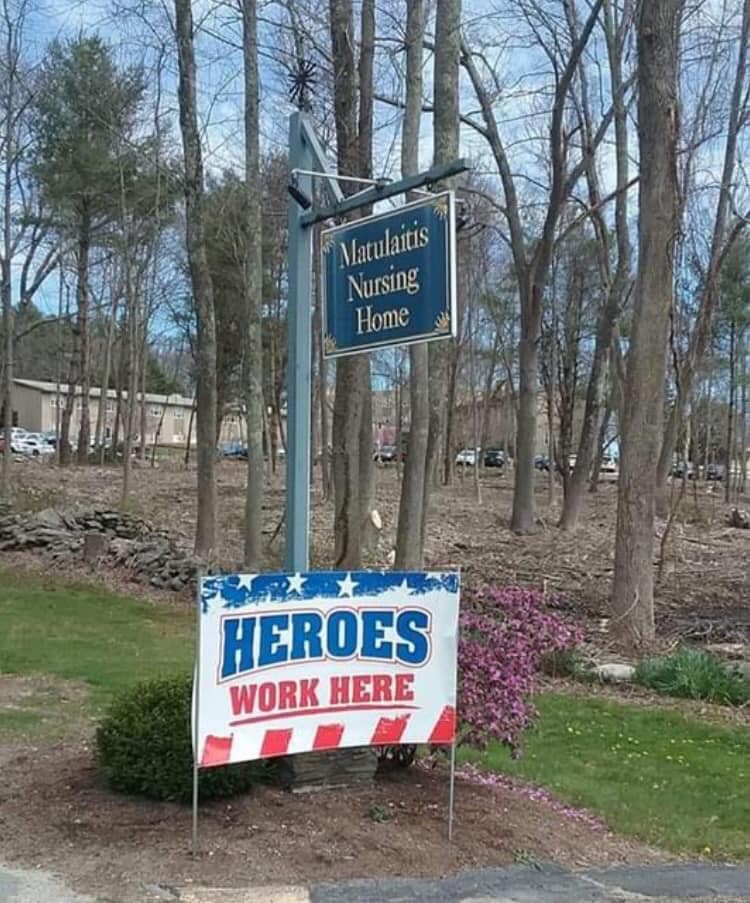
How is Matulaitis Rehabilitation & Skilled Care Staffed?

CMS rates MATULAITIS REHABILITATION & SKILLED CARE's staffing level at 4 out of 5 stars, which is above average compared to other nursing homes. Staff turnover is 24%, compared to the Connecticut average of 46%. This relatively stable workforce can support continuity of care.

What Have Inspectors Found at Matulaitis Rehabilitation & Skilled Care?

State health inspectors documented 10 deficiencies at MATULAITIS REHABILITATION & SKILLED CARE during 2019 to 2024. These included: 1 that caused actual resident harm and 9 with potential for harm. Deficiencies causing actual harm indicate documented cases where residents experienced negative health consequences.

Who Owns and Operates Matulaitis Rehabilitation & Skilled Care?

MATULAITIS REHABILITATION & SKILLED CARE is owned by a non-profit organization. Non-profit facilities reinvest revenue into operations rather than distributing to shareholders. The facility operates independently rather than as part of a larger chain. With 119 certified beds and approximately 101 residents (about 85% occupancy), it is a mid-sized facility located in PUTNAM, Connecticut.
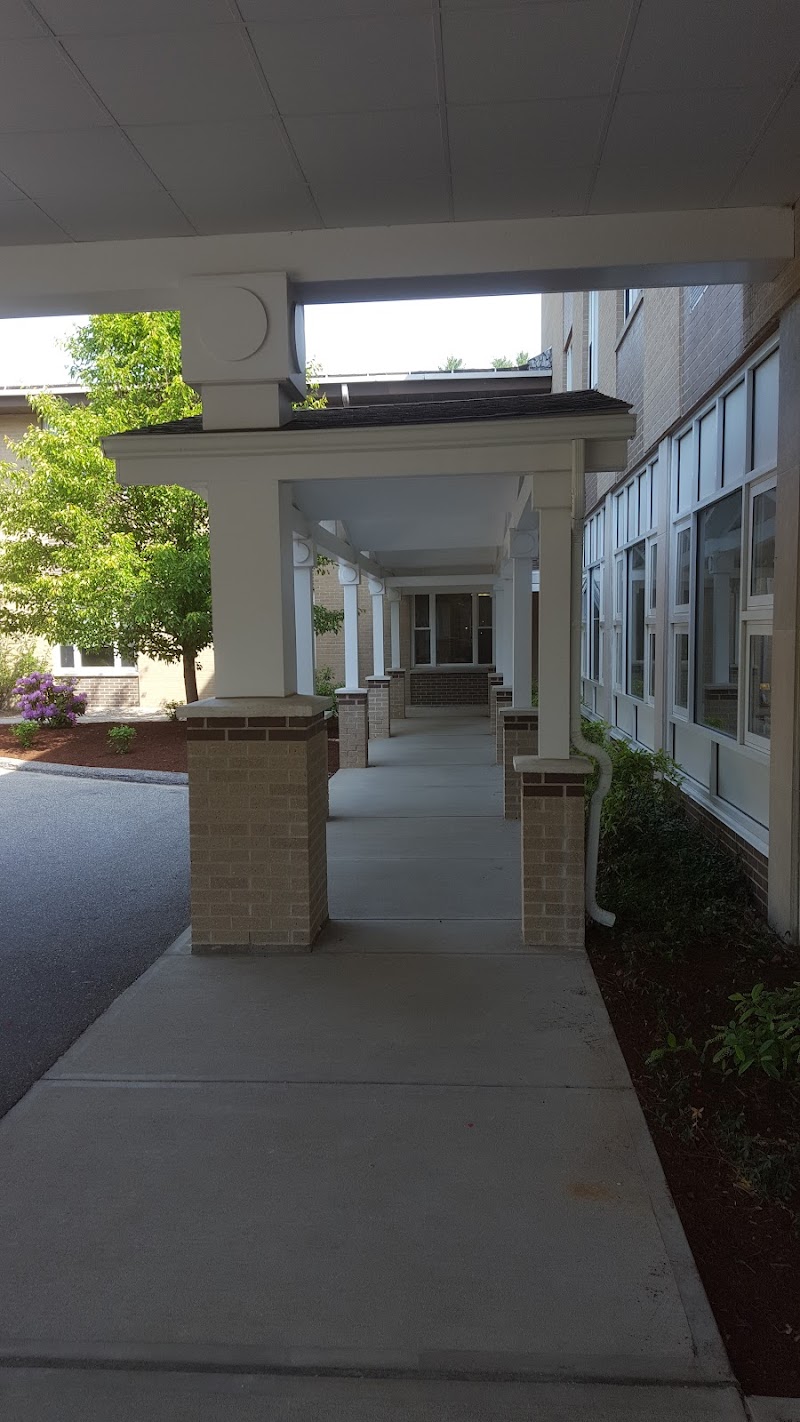
How Does Matulaitis Rehabilitation & Skilled Care Compare to Other Connecticut Nursing Homes?

Compared to the 100 nursing homes in Connecticut, MATULAITIS REHABILITATION & SKILLED CARE's overall rating (5 stars) is above the state average of 3.1, staff turnover (24%) is significantly lower than the state average of 46%, and health inspection rating (5 stars) is much above the national benchmark.

What Should Families Ask When Visiting Matulaitis Rehabilitation & Skilled Care?

Based on this facility's data, families visiting should ask: "Can I visit during a mealtime to observe dining assistance and food quality?" "How do you handle medical emergencies, and what is your hospital transfer rate?" "Can I speak with family members of current residents about their experience?"

Is Matulaitis Rehabilitation & Skilled Care Safe?

Based on CMS inspection data, MATULAITIS REHABILITATION & SKILLED CARE has a clean safety record: no substantiated abuse findings (meaning no confirmed cases of resident harm), no Immediate Jeopardy citations (the most serious violation level indicating risk of serious injury or death), and is not on the Special Focus Facility watch list (a federal program monitoring the lowest-performing 1% of nursing homes). The facility has a 5-star overall rating and ranks #1 of 100 nursing homes in Connecticut. While no facility is perfect, families should still ask about staff-to-resident ratios and recent inspection results during their visit.

Do Nurses at Matulaitis Rehabilitation & Skilled Care Stick Around?

Staff at MATULAITIS REHABILITATION & SKILLED CARE tend to stick around. With a turnover rate of 24%, the facility is 22 percentage points below the Connecticut average of 46%. Low turnover is a positive sign. It means caregivers have time to learn each resident's needs, medications, and personal preferences. Consistent staff also notice subtle changes in a resident's condition more quickly.

Was Matulaitis Rehabilitation & Skilled Care Ever Fined?

MATULAITIS REHABILITATION & SKILLED CARE has no federal fines on record. CMS issues fines when nursing homes fail to meet care standards or don't correct problems found during inspections. The absence of fines suggests the facility has either maintained compliance or corrected any issues before penalties were assessed. This is a positive indicator, though families should still review recent inspection reports for the full picture.

Is Matulaitis Rehabilitation & Skilled Care on Any Federal Watch List?

MATULAITIS REHABILITATION & SKILLED CARE is not on any federal watch list. The most significant is the Special Focus Facility (SFF) program, which identifies the bottom 1% of nursing homes nationally based on persistent, serious quality problems. Not being on this list means the facility has avoided the pattern of deficiencies that triggers enhanced federal oversight. This is a positive indicator, though families should still review the facility's inspection history directly.