APPLE REHAB ROCKY HILL
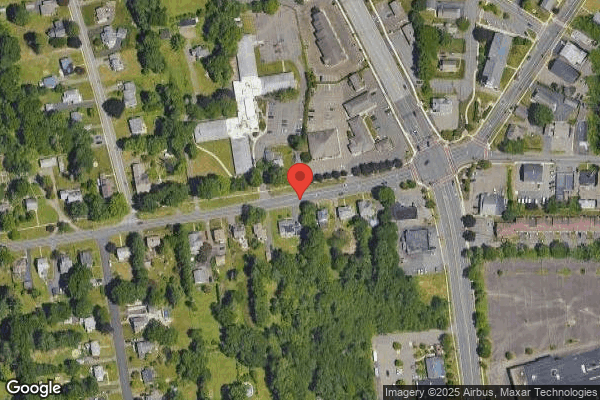
45 ELM STREET, ROCKY HILL, CT 06067 (860) 529-8661
For profit - Corporation 120 Beds APPLE REHAB Data: November 2025
Trust Grade
13/100
#162 of 192 in CT
Last Inspection: September 2024

Within standard 12-15 month inspection cycle. Federal law requires annual inspections.

Overview

Apple Rehab Rocky Hill received a Trust Grade of F, indicating significant concerns about the facility's care and management. It ranks #162 out of 192 nursing homes in Connecticut, placing it in the bottom half of the state, and #57 out of 64 in Capitol County, meaning it has limited competition in its local area. While the facility is showing some improvement with the number of issues decreasing from 22 in 2024 to 6 in 2025, it still faces serious challenges. Staffing is rated average with a turnover rate of 30%, which is better than the state average, and the RN coverage is also average. However, there are concerning incidents reported, including a resident sustaining a fracture and laceration due to inadequate assistance while ambulating, and another resident requiring 16 stitches from a laceration due to lack of proper protective measures. Overall, while there are some strengths, the facility's poor trust grade and serious incidents highlight significant weaknesses that families should carefully consider.

Trust Score
F
13/100
In Connecticut
#162/192
Bottom 16%
Safety Record
High Risk
Review needed
Inspections
Getting Better
22 → 6 violations
Staff Stability
✓ Good
30% annual turnover. Excellent stability, 18 points below Connecticut's 48% average. Staff who stay learn residents' needs.
Penalties
✓ Good
$28,139 in fines. Lower than most Connecticut facilities. Relatively clean record.
Skilled Nurses
⚠ Watch
Each resident gets only 27 minutes of Registered Nurse (RN) attention daily — below average for Connecticut. Fewer RN minutes means fewer trained eyes watching for problems.
Violations
⚠ Watch
50 deficiencies on record. Higher than average. Multiple issues found across inspections.
★☆☆☆☆
1.0
Overall Rating
★★★☆☆
3.0
Staff Levels
★☆☆☆☆
1.0
Care Quality
★☆☆☆☆
1.0
Inspection Score
Stable
2024: 22 issues
2025: 6 issues

The Good

  • Low Staff Turnover (30%) · Staff stability means consistent care
  • Full Sprinkler Coverage · Fire safety systems throughout facility
  • No fines on record
  • Staff turnover is low (30%)

    18 points below Connecticut average of 48%

Facility shows strength in staff retention, fire safety.

The Bad

1-Star Overall Rating

Below Connecticut average (3.0)

Significant quality concerns identified by CMS

Federal Fines: $28,139

Below median ($33,413)

Moderate penalties - review what triggered them

Chain: APPLE REHAB

Part of a multi-facility chain

Ask about local staffing decisions and management

The Ugly 50 deficiencies on record

2 actual harm
Mar 2025 3 deficiencies
CONCERN (D) 📢 Someone Reported This

A family member, employee, or ombudsman was alarmed enough to file a formal complaint

Potential for Harm - no one hurt, but risky conditions existed

Deficiency F0620 (Tag F0620)

Could have caused harm · This affected 1 resident

**NOTE- TERMS IN BRACKETS HAVE BEEN EDITED TO PROTECT CONFIDENTIALITY** Based on clinical record reviews, review of facility documentation, and interviews for one of three sampled residents (Resident ...

Read full inspector narrative →
**NOTE- TERMS IN BRACKETS HAVE BEEN EDITED TO PROTECT CONFIDENTIALITY** Based on clinical record reviews, review of facility documentation, and interviews for one of three sampled residents (Resident #1) reviewed for admission to the facility, the facility failed to admit a resident that was already accepted and did not deny the resident admission after the resident arrived at the facility. The findings include: Resident #1's diagnoses included acute respiratory failure, acute decompensated heart failure, and moderate malnutrition. The Inter-Agency Patient Referral Report (W-10) dated 3/1/25 at 5:24 PM identified Resident #1 was alert and oriented, required assistance with most Daily Living Activities (ADLs), was identified as a high fall risk, and had a physician order that directed Resident #1 to be transferred to a long-term care (LTC) facility on 3/1/24 for skilled nursing services following hospitalization. The Emergency Medical Services (EMS) report dated 3/1/25 identified Resident #1 was transferred to the facility from an acute care hospital, transferred from the stretcher into a bed, a Registered Nurse was notified, and care was transferred to the LTC facility staff on 3/1/25 at 8:43 PM. The Prehospital Care Report dated 3/2/25 identified EMS was dispatched at 9:17 AM to a private residence for complaints of an individual having difficulty breathing. The report identified Resident #1 explained he/she had been admitted to the hospital a few days ago for pneumonia and congestive heart failure and then was discharged for rehabilitation to a LTC facility. The report indicated Resident #1 explained he/she could not be accepted by the facility due to not having paperwork from the hospital, and Resident #1 had to go to his/her residence. The report identified Resident #1 was not in respiratory distress. Hospital documentation dated 3/2/25 identified the case manager left a message at the LTC at 8:10 AM with a return call from the LTC facility at 8:18 AM. The case manager's note indicated when inquired as to what happened with Resident #1 being admitted to their facility last night, 3/1/25, the facility staff member state My bad on this one, you know it was after 4:00 PM. The note identified Resident #1 explained he/she was escorted out of the LTC facility, it was ten (10) degrees. The note identified Resident #1 would be transferred to another LTC facility. Interview with the Administrator on 3/17/25 at 10:41 AM identified Resident #1 arrived to the facility on 3/1/24 during the 3PM-11PM shift by ambulance from an acute care hospital for admission to the facility, was not able to be admitted because documentation for Resident #1 was not received, and Resident #1 left the facility around 12:00 AM on 3/2/25 to his/her residence. The Administrator indicated the facility was not aware Resident #1 was going to be admitted on [DATE], however the facility found out the following day on 3/2/25 from Admissions that Resident #1 was supposed to be admitted to the facility on [DATE]. The Administrator identified the facility had a centralized admissions process and the policy was for the facility to receive an update from admissions regarding pending admissions to the facility through a dashboard in the electronic medical record system, receive an admission notice through email, and receive a copy of the Inter-Agency Patient Referral Report (W-10) and hospital discharge summary for admission. In an interview with the 3PM-11 PM Nursing Supervisor, Registered Nurse (RN) 1, on 3/17/25 at 11:20 PM identified he was the nursing supervisor on 3/1/25 and the person responsible for completing new admissions. RN #1 indicated he was not notified prior to Resident #1's arrival to the facility that Resident #1 was to be admitted to the facility on [DATE] and facility policy was for staff to be notified of a pending admission prior to arrival. RN #1 identified upon Resident #1's arrival to the facility, the Inter-Agency Patient Referral Report (W-10) and hospital discharge summary was received from the ambulance personnel, and Resident #1 was placed in an available room. RN #1 identified since Resident #1 did not show up in the facility's electronic medical record system, he was unable to document the admission and informed the Director of Nursing (DON) and Administrator of the situation. RN #1 identified Resident #1 was not admitted to the facility on [DATE] because there was no paperwork on Resident #1 and he thought the reason for this was because Resident #1 was transported to the wrong facility. RN #1 indicated he called the ambulance to transfer Resident #1 back to the hospital, Resident #1 refused to go back to the hospital, and he was instructed by the DON to call the police when Resident #1 refused to leave the facility. RN #1 identified Resident #1, who was alert and oriented, left the facility to return home since Resident #1 was not able to be admitted to the facility. RN #1 indicated he did not obtain report from the hospital prior to Resident #1's arrival, did not contact the hospital after Resident #1 arrived, and indicated the DON was the person responsible for communication with the hospital on 3/1/25 following Resident #1's arrival at the facility. In an interview with the Regional Director of Nursing (DON) on 3/17/25 at 12:11 PM she identified she was the interim DON during the time of the incident. The Regional DON identified she was contacted on 3/1/25 at 10:30 PM, informed Resident #1 had arrived at the facility via ambulance for admission, and thought Resident #1 was at the wrong facility since Resident #1 was not in the facility's system, no admission notice was received, and the hospital did not call to give report prior to Resident #1's arrival. The Regional DON indicated she contacted facility admissions and spoke with the hospital to find out more information following Resident #1's arrival and was informed at 12:00 AM on 3/2/25 that there was a misunderstanding and Resident #1 was supposed to be admitted to the facility on [DATE]. The Regional DON identified she was informed Resident #1 had already left the facility because Resident #1 wanted to go home, and she then called Resident #1 and asked Resident #1 to return to the facility. Interview with the Medical Director on 3/27/25 at 9:35 AM identified he expected to be notified by a phone call or text message of an admission to the facility, at any hour during the day or night. The Medical Director indicated he should be notified if a resident was not able to be admitted for any reason. The Medical Director identified although he was not working the weekend of 3/1/25, the expectation was for him or the on-call provider to be notified prior to Resident #1 leaving the facility on 3/1/25. The Medical Director indicated no communication was received by the facility to inform him of the issue with Resident #1's admission until after Resident #1 left the facility. A follow-up interview with the Regional DON on 3/27/25 at 10:25 AM indicated she did not contact the Medical Director or the on-call provider prior to Resident #1 leaving the facility and was not aware Resident #1 arrived to the facility with a W-10 and hospital discharge summary. Interview with the Admissions Coordinator on 3/27/25 at 11:08 AM identified facility policy was for the Admissions Department to notify a facility of all pending admissions by sending an email directly to the center (facility) and by posting a notification to the center's (facility's) dashboard in the electronic system. The Admissions Coordinator identified information for pending admissions was put into the electronic system, which was called a lead, for anyone expected to be admitted and then had to be what was termed waitlisted in the system, in order for the facility to see the pending admission on the system dashboard. The Admissions Coordinator identified the lead for Resident #1 was created in the system on 3/1/25 and Resident #1 was expected to be admitted to the facility on [DATE]. The Admissions Coordinator indicated the reason for this was because of employee error. The Admissions Coordinator indicated admission Staff #1 was responsible for sending the notification to the facility on 3/1/25 and was unsure why it was not done. The Admissions Coordinator indicated she was the identified contact for any admission-related issues outside of business hours on 3/1/25, between 4PM-8AM, and expected to receive a call or text from the facility with any issues related to a pending admission during that timeframe. The Admissions Coordinator identified she received an email from the facility Administrator, which was sent on 3/1/25 at 9:00 PM, however she did not read the email until after midnight on 3/2/25. The Admissions Coordinator identified had she got a call or a text, she would have gotten the notification sooner and addressed the issues, and identified there was no facility process in place prior to the incident on the method to contact the identified on-call admissions contact after business hours.
CONCERN (E) 📢 Someone Reported This

A family member, employee, or ombudsman was alarmed enough to file a formal complaint

Potential for Harm - no one hurt, but risky conditions existed

Notification of Changes (Tag F0580)

Could have caused harm · This affected multiple residents

**NOTE- TERMS IN BRACKETS HAVE BEEN EDITED TO PROTECT CONFIDENTIALITY** Based on clinical record reviews, review of facility documentation, and interviews for one of three sampled residents (Resident ...

Read full inspector narrative →
**NOTE- TERMS IN BRACKETS HAVE BEEN EDITED TO PROTECT CONFIDENTIALITY** Based on clinical record reviews, review of facility documentation, and interviews for one of three sampled residents (Resident #1) reviewed for admission to the facility, the facility failed to notify the Medical Director when a resident, that had been accepted to be admitted to the facility, was denied admission after he/she arrived at the facility; and for one (1) of three (3) residents (Resident #11) reviewed for medication administration, the facility failed to ensure a provider was notified when a medication was omitted on twenty-four different occasions. The findings include: 1. Resident #1's diagnoses included acute respiratory failure, acute decompensated heart failure, and moderate malnutrition. The Inter-Agency Patient Referral Report (W-10) dated 3/1/25 at 5:24 PM identified Resident #1 was alert and oriented, required assistance with most Daily Living Activities (ADLs), was identified as a high fall risk, and had a physician order that directed Resident #1 to be transferred to a long-term care (LTC) facility on 3/1/24 for skilled nursing services following hospitalization. The Emergency Medical Services (EMS) report dated 3/1/25 identified Resident #1 was transferred to the facility from an acute care hospital, transferred from the stretcher into a bed, a Registered Nurse was notified, and care was transferred to the LTC facility staff on 3/1/25 at 8:43 PM. The Prehospital Care Report dated 3/2/25 identified EMS was dispatched at 9:17 AM to a private residence for complaints of an individual having difficulty breathing. The report identified Resident #1 explained he/she had been admitted to the hospital a few days ago for pneumonia and congestive heart failure and then was discharged for rehabilitation to a LTC facility. The report indicated Resident #1 explained he/she could not be accepted by the facility due to not having paperwork from the hospital, and Resident #1 had to go to his/her residence. The report identified Resident #1 was not in respiratory distress. Hospital documentation dated 3/2/25 identified the case manager left a message at the LTC at 8:10 AM with a return call from the LTC facility at 8:18 AM. The case manager's note indicated when inquired as to what happened with Resident #1 being admitted to their facility last night, 3/1/25, the facility staff member state My bad on this one, you know it was after 4:00 PM. The note identified Resident #1 explained he/she was escorted out of the LTC facility, it was ten (10) degrees. The note identified Resident #1 would be transferred to another LTC facility. Interview with the Administrator on 3/17/25 at 10:41 AM identified Resident #1 arrived to the facility on 3/1/24 during the 3PM-11PM shift by ambulance from an acute care hospital for admission to the facility, was not able to be admitted because documentation for Resident #1 was not received, and Resident #1 left the facility around 12:00 AM on 3/2/25 to his/her residence. The Administrator indicated the facility was not aware Resident #1 was going to be admitted on [DATE], however the facility found out the following day on 3/2/25 from Admissions that Resident #1 was supposed to be admitted to the facility on [DATE]. The Administrator identified the facility had a centralized admissions process and the policy was for the facility to receive an update from admissions regarding pending admissions to the facility through a dashboard in the electronic medical record system, receive an admission notice through email, and receive a copy of the Inter-Agency Patient Referral Report (W-10) and hospital discharge summary for admission. In an interview with the 3PM-11 PM Nursing Supervisor, Registered Nurse (RN) 1, on 3/17/25 at 11:20 PM identified he was the nursing supervisor on 3/1/25 and the person responsible for completing new admissions. RN #1 indicated he was not notified prior to Resident #1's arrival to the facility that Resident #1 was to be admitted to the facility on [DATE] and facility policy was for staff to be notified of a pending admission prior to arrival. RN #1 identified upon Resident #1's arrival to the facility, the Inter-Agency Patient Referral Report (W-10) and hospital discharge summary was received from the ambulance personnel, and Resident #1 was placed in an available room. RN #1 identified since Resident #1 did not show up in the facility's electronic medical record system, he was unable to document the admission and informed the Director of Nursing (DON) and Administrator of the situation. RN #1 identified Resident #1 was not admitted to the facility on [DATE] because there was no paperwork on Resident #1 and he thought the reason for this was because Resident #1 was transported to the wrong facility. RN #1 indicated he called the ambulance to transfer Resident #1 back to the hospital, Resident #1 refused to go back to the hospital, and he was instructed by the DON to call the police when Resident #1 refused to leave the facility. RN #1 identified Resident #1, who was alert and oriented, left the facility to return home since Resident #1 was not able to be admitted to the facility. RN #1 indicated he did not obtain report from the hospital prior to Resident #1's arrival, did not contact the hospital after Resident #1 arrived, and indicated the DON was the person responsible for communication with the hospital on 3/1/25 following Resident #1's arrival at the facility. In an interview with the Regional Director of Nursing (DON) on 3/17/25 at 12:11 PM she identified she was the interim DON during the time of the incident. The Regional DON identified she was contacted on 3/1/25 at 10:30 PM, informed Resident #1 had arrived at the facility via ambulance for admission, and thought Resident #1 was at the wrong facility since Resident #1 was not in the facility's system, no admission notice was received, and the hospital did not call to give report prior to Resident #1's arrival. The Regional DON indicated she contacted facility admissions and spoke with the hospital to find out more information following Resident #1's arrival and was informed at 12:00 AM on 3/2/25 that there was a misunderstanding and Resident #1 was supposed to be admitted to the facility on [DATE]. The Regional DON identified she was informed Resident #1 had already left the facility because Resident #1 wanted to go home, and she then called Resident #1 and asked Resident #1 to return to the facility. Interview with the Medical Director on 3/27/25 at 9:35 AM identified he expected to be notified by a phone call or text message of an admission to the facility, at any hour during the day or night. The Medical Director indicated he should be notified if a resident was not able to be admitted for any reason. The Medical Director identified although he was not working the weekend of 3/1/25, the expectation was for him or the on-call provider to be notified prior to Resident #1 leaving the facility on 3/1/25. The Medical Director indicated no communication was received by the facility to inform him of the issue with Resident #1's admission until after Resident #1 left the facility. A follow-up interview with the Regional DON on 3/27/25 at 10:25 AM indicated she did not contact the Medical Director or the on-call provider prior to Resident #1 leaving the facility and was not aware Resident #1 arrived to the facility with a W-10 and hospital discharge summary. Interview with the Admissions Coordinator on 3/27/25 at 11:08 AM identified facility policy was for the Admissions Department to notify a facility of all pending admissions by sending an email directly to the center (facility) and by posting a notification to the center's (facility's) dashboard in the electronic system. The Admissions Coordinator identified information for pending admissions was put into the electronic system, which was called a lead, for anyone expected to be admitted and then had to be what was termed waitlisted in the system, in order for the facility to see the pending admission on the system dashboard. The Admissions Coordinator identified the lead for Resident #1 was created in the system on 3/1/25 and Resident #1 was expected to be admitted to the facility on [DATE]. The Admissions Coordinator indicated the reason for this was because of employee error. The Admissions Coordinator indicated admission Staff #1 was responsible for sending the notification to the facility on 3/1/25 and was unsure why it was not done. The Admissions Coordinator indicated she was the identified contact for any admission-related issues outside of business hours on 3/1/25, between 4PM-8AM, and expected to receive a call or text from the facility with any issues related to a pending admission during that timeframe. The Admissions Coordinator identified she received an email from the facility Administrator, which was sent on 3/1/25 at 9:00 PM, however she did not read the email until after midnight on 3/2/25. The Admissions Coordinator identified had she got a call or a text, she would have gotten the notification sooner and addressed the issues, and identified there was no facility process in place prior to the incident on the method to contact the identified on-call admissions contact after business hours. 2. Resident #11 had diagnoses that included chronic pain, low back pain, pain in the right knee, and neuropathic pain. A provider's order dated 2/1/2025 directed to administer pregabalin (a medication used to treat nerve pain) oral capsule 200 milligram (mg) three times a day at 9:00 A.M., 1:00 P.M., and 5:00 P.M. The annual Minimum Data Set (MDS) assessment dated [DATE] identified Resident #11 had a Brief Interview for Mental Status (BIMS) score of fifteen (15) indicative of intact cognition, was continent of bowel and bladder, independent with ADLs, transfers, and ambulation. The MDS further identified Resident #11 had frequent pain and received scheduled and as needed pain medication. Review of Resident #11's Medication Administration Record (MAR) identified on February 12, 2025, at 9:00 A.M. the dose of pregabalin 200 mg was not administered. Review of nurse's notes dated 2/12/2025 identified there was no documentation to reflect a provider was notified that Resident #11's pregabalin was not administered. Review of Resident #11's MAR from 2/24/2025 to 2/25/2025 identified that on February 24, 2025, at 9:00 A.M. the dose of pregabalin 200 mg was not administered, and that on February 25, 2025, at 9:00 A.M. the dose of pregabalin 200 mg was not administered. Review of the nurse's notes dated 2/24/2025 to 2/25/2025 identified there was no documentation to reflect a provider was notified that Resident #11's pregabalin was not administered. The Resident Care Plan dated 3/3/2025 identified that Resident #11 is at risk for pain or discomfort with interventions that directed medications as ordered, report unrelieved pain or increased pain to the APRN/MD, and observe for signs and symptoms associated with pain. Review of Resident #11's MAR for March 2025 identified that on 3/8/2025, at 9:00 A.M. the dose of pregabalin 200 mg was not administered, on 3/9/2025, at 9:00 A.M. and 1:00 P.M. the doses of pregabalin 200 mg were not administered, on 3/10/2025 at 9:00 A.M., 1:00 P.M., and 5:00 P.M. the doses of pregabalin 200 mg were not administered, on 3/11/2025, at 9:00 A.M. and 1:00 P.M. the doses of pregabalin 200 mg were not administered, on 3/18/2025, at 1:00 P.M. the dose of pregabalin 200 mg was not administered, on 3/20/2025, at 1:00 P.M. the dose of pregabalin 200 mg was not administered, on 3/21/2025, at 9:00 A.M. and 1:00 P.M. the doses of pregabalin 200 mg were not administered, on 3/22/2025, at 9:00 A.M. and 1:00 P.M. the doses of pregabalin 200 mg were not administered, on 3/23/2025, at 9:00 A.M., 1:00 P.M., and 5:00 P.M. the doses of pregabalin 200 mg were not administered, on 3/24/2025, at 9:00 A.M., 1:00 P.M., and 5:00 P.M. the doses of pregabalin 200 mg were not administered, and on 3/25/2025, at 9:00 A.M. the dose of pregabalin 200 mg was not administered. A review of the nurse's notes from 3/8/2025 to 3/25/2025 identified there was no documentation to reflect a provider was notified that Resident #11's pregabalin was not administered. Interview with MD #1 on 3/26/2025 at 12:14 P.M. indicated that APRN #1 had made him aware 'peripherally' that Resident #11 had missed some doses of pregabalin. MD #1 identified he had not been directly notified when Resident #11's pregabalin was not administered. MD #1 identified that he was not aware that from 2/12/2025 to 3/25/2025 Resident #11 had missed a total of 24 doses of pregabalin. MD #1 identified that if he had been directly notified, he could have ordered gabapentin (a medication used to treat nerve pain) as an alternative to pregabalin. Interview with the DNS (Director of Nursing) on 3/26/2025 at 1:20 P.M. identified she was aware Resident #11 missed 3 doses of pregabalin 200 mg during the month of February 2025 and 21 doses of pregabalin 200 mg during the month of March 2025. The DNS identified that when a medication is unavailable the nurse is to notify a provider and write a nurse's note to document the outcome of the notification. The DNS identified when Resident #11's pregabalin 200 mg medication was not available on various dates during February and March 2025, the nurse on duty should have notified the provider and wrote a nurse's note. Interview with APRN #1 on 3/27/2025 at 9:35 A.M. identified that Resident #11 was prescribed pregabalin 200 mg to treat chronic pain and neuropathic pain. APRN #1 indicated on 2/24/2025 she wrote a prescription, directing to administer pregabalin 200 mg three times per day, which was faxed to the pharmacy. APRN #1 identified she was not notified from 2/12/2025 to 3/25/2025 that Resident #11's pregabalin was unavailable and was not administered per the physician's order. APRN #1 identified if she was notified, she would have ordered gabapentin as a substitute for the pregabalin. APRN #1 identified that she expects that if a resident's medication is not available, she is notified. Review of the facility change in condition policy; in part, identified when there is a significant change in the condition of the resident's physical, mental, or emotional status the resident's attending physician or medical director or his covering associate shall be notified.
CONCERN (E) 📢 Someone Reported This

A family member, employee, or ombudsman was alarmed enough to file a formal complaint

Potential for Harm - no one hurt, but risky conditions existed

Quality of Care (Tag F0684)

Could have caused harm · This affected multiple residents

**NOTE- TERMS IN BRACKETS HAVE BEEN EDITED TO PROTECT CONFIDENTIALITY** Based on review of the clinical record, facility documentation, facility policy, and interviews for one (1) of three (3) residen...

Read full inspector narrative →
**NOTE- TERMS IN BRACKETS HAVE BEEN EDITED TO PROTECT CONFIDENTIALITY** Based on review of the clinical record, facility documentation, facility policy, and interviews for one (1) of three (3) residents (Resident #11) reviewed for medication administration, the facility failed to ensure the resident was administered medication according to provider order which resulted in medication omissions over a 6-week period (24 missed doses). The findings include: Resident #11 had diagnoses that included chronic pain, low back pain, pain in the right knee, and neuropathic pain. A provider's order dated 2/1/2025 directed to administer pregabalin (a medication used to treat nerve pain) oral capsule 200 milligram (mg) three times a day at 9:00 A.M., 1:00 P.M., and 5:00 P.M. The annual Minimum Data Set (MDS) assessment dated [DATE] identified Resident #11 had a Brief Interview for Mental Status (BIMS) score of fifteen (15) indicative of intact cognition, was continent of bowel and bladder, independent with ADLs, transfers, and ambulation. The MDS further identified Resident #11 had frequent pain and received scheduled and as needed pain medication. Review of Resident #11's Controlled Substance Disposition log dated 2/12/2025 identified that the facility received thirty (30) capsules of pregabalin 200 mg from the pharmacy (10-day supply). Review of Resident #11's February 2025 Medication Administration Record (MAR) identified that on 2/12/2025, at 9:00 A.M. pregabalin 200 mg was not administered, on 2/24/2025, at 9:00 A.M. pregabalin 200 mg was not administered, and on 2/25/2025, at 9:00 A.M. pregabalin 200 mg was not administered. From 2/12/2025 to 2/25/2025 a total of 3 doses were not administered. Review of Resident #11's Controlled Substance Disposition log dated 2/25/2025 identified the pharmacy label on the disposition record directed to administer pregabalin 200 mg at bedtime for constipation. The Controlled disposition log identified the facility received thirty (30) capsules of pregabalin 200 mg from the pharmacy. Review of Resident #11's March 2025 Medication Administration Record (MAR) identified that on 3/8/2025, at 9:00 A.M. pregabalin 200 mg was not administered, on 3/9/2025, at 9:00 A.M. and 1:00 P.M. pregabalin 200 mg was not administered, on 3/10/2025, at 9:00 A.M., 1:00 P.M., and 5:00 P.M. pregabalin 200 mg was not administered, and on 3/11/2025, at 9:00 A.M. and 1:00 P.M. pregabalin 200 mg was not administered. From 3/8/2025 to 3/11/2025, a total of 8 doses were not administered. Review of Resident #11's Controlled Substance Disposition log dated 3/11/25 identified that the facility received twelve (12) capsules of pregabalin 200 mg from the pharmacy (4-day supply). Review of Resident #11's Controlled Substance Disposition log dated 3/15/25 identified that the facility received twelve (12) capsules of pregabalin 200 mg from the pharmacy (4-day supply). Review of Resident #11's March 2025 Medication Administration Record (MAR) identified that on 3/18/2025, at 1:00 P.M. pregabalin 200 mg was not administered, on 3/20/2025, at 1:00 P.M. pregabalin 200 mg was not administered, on 3/21/2025, at 9:00 A.M. and 1:00 P.M. pregabalin 200 mg was not administered, on 3/22/2025, at 9:00 A.M. and 1:00 P.M. pregabalin 200 mg was not administered, on 3/23/2025, at 9:00 A.M., 1:00 P.M., and 5:00 P.M. pregabalin 200 mg was not administered, on 3/24/2025, at 9:00 A.M., 1:00 P.M., and 5:00 P.M. pregabalin 200 mg was not administered, and on 3/25/2025, at 9:00 A.M. pregabalin 200 mg was not administered. From 3/18/2025 to 3/25/2025, a total of 13 doses were not administered Review of Resident #11's Controlled Substance Disposition log dated 3/25/25 identified that the facility received ninety (90) capsules of pregabalin 200 milligram from the pharmacy (30-day supply). Interview with MD #1 on 3/26/2025 at 12:14 P.M. identified he directed treatment of Resident #11's chronic and neuropathic pain with prescribed pregabalin. MD #1 identified he directed that Resident #11 was to be administered pregabalin (Lyrica) 200 mg three times per day for neuropathic pain. MD #1 indicated he believed the reason Resident #11 missed doses of pregabalin was due to the pharmacy not having the supply of pregabalin. MD #1 identified when Resident #11's pregabalin was not available during the months of February and March 2025 an alternate medication gabapentin (medication used to treat nerve pain) could have been ordered to substitute Resident #11's doses of pregabalin. MD #1 was unable to explain why gabapentin was not ordered as a substitute for Resident #11 when pregabalin was not available. Interview with the DNS (Director of Nursing) on 3/26/2025 at 1:20 P.M. identified she was aware Resident #11 missed 3 doses of pregabalin 200 mg during the month of February 2025 and 21 doses of pregabalin 200 mg during the month of March 2025. The DNS indicated she thought the omissions from 2/12/2025 to 3/25/2025 were due to the pharmacy not having the supply of pregabalin. The DNS identified that upon further investigation she discovered the problem with Resident #11's pregabalin supply was caused on 2/24/2025 when an incorrectly written prescription was sent to the pharmacy directing to administer one capsule of pregabalin 200 mg orally at bedtime for constipation. The DNS was unable to identify who sent the prescription on 2/24/2025. The DNS identified on 2/25/2025 the pharmacy delivered 30 capsules of pregabalin for Resident #11 which was only a 10-day supply. The DNS indicated refills were attempted numerous times; however, the pharmacy could not refill the prescription because it was identified as too soon by the pharmacy. The DNS indicated on 3/25/2025, the supply problem for Resident #11's pregabalin 200 mg medication, was resolved. Review of Resident #11's Controlled Substance Disposition log dated 3/25/25 identified that the facility received 90 capsules of pregabalin 200 mg. Interview with APRN #1 on 3/27/2025 at 9:35 A.M. identified on 2/24/2025 she wrote a prescription for Resident #11 that directed to administer pregabalin 200 mg orally three times per day. APRN #1 indicated that Resident #11 was prescribed pregabalin 200 mg for chronic pain and neuropathic pain. Interview with Pharmacist #1 on 3/27/2025 at 9:55 A.M. identified on 2/24/2025 a prescription was faxed to the pharmacy directing to administer pregabalin 200 mg once per day at bedtime for constipation. Pharmacist #1 identified when the pharmacy received the prescription, the pharmacist should have questioned the order, but did not, and the medication was delivered to the facility on 2/25/2025. Pharmacist #1 indicated the prescription directions caused issues when the facility attempted to re-order the pregabalin on 3/6/2025, 3/7/2025, 3/9/2025, 3/11/2025 and 3/25/2025. Pharmacist #1 identified there had been a supply issue with pregabalin, however, the pharmacy had been able to provide Resident #11's pregabalin 200 mg capsules as ordered. Pharmacist #1 identified on 3/25/2025, when the prescription was corrected, the pharmacy delivered a 30-day supply of Resident #11's pregabalin 200 mg capsules. Although requested, documentation of Resident #11's written or electronic pregabalin prescriptions for February and March 2025, which were sent to the pharmacy, were not provided. Review of the facility medication administration policy; in part, identified if a medication is not available at the time of administration notify the physician immediately and request guidance or an alternative order, check with the pharmacy or alternate suppliers to expedite delivery of the medication, and document all actions taken in the resident's medical record and notify the supervisor.
Jan 2025 3 deficiencies 1 Harm
SERIOUS (G) 📢 Someone Reported This

A family member, employee, or ombudsman was alarmed enough to file a formal complaint

Actual Harm - a resident was hurt due to facility failures

Accident Prevention (Tag F0689)

A resident was harmed · This affected 1 resident

**NOTE- TERMS IN BRACKETS HAVE BEEN EDITED TO PROTECT CONFIDENTIALITY** Based on clinical record review, facility documentation, facility policy and interviews for one sampled resident (Resident #1) w...

Read full inspector narrative →
**NOTE- TERMS IN BRACKETS HAVE BEEN EDITED TO PROTECT CONFIDENTIALITY** Based on clinical record review, facility documentation, facility policy and interviews for one sampled resident (Resident #1) who was at risk for falls, the facility failed to ensure a staff member did not leave Resident #1 unattended while ambulating without an assistive device to prevent a fall that resulted with Resident #1 sustaining a fracture of the right humerus and laceration to the right eyebrow. The findings include: Resident #1's diagnoses included dementia, difficulty walking, weakness, osteoporosis and chronic pain. A physician's order dated 9/30/24 directed assist of one (1) with transfers and ambulate with a rolling walker. The quarterly Minimum Data Set assessment dated [DATE] identified Resident #1 had a Brief Interview for Mental Status score of six (6) indicating Resident #1 had poor memory recall, required extensive assistance with transfers, supervision or touching assistance when ambulating, utilized a walker for mobility, and had two (2) falls with no injuries in the past ninety (90) days. The Resident Care Plan dated 10/22/24 identified Resident #1 was a fall risk and preferred to push his/her wheelchair for stability. Interventions directed to encourage the resident to ask and wait for staff for assistance, encourage proper and non-skid footwear, redirect to use wheelchair by sitting on for ambulation and not use it as a walker, re-enforce the need to call for assistance, and remind of transfer/ambulation status of assist of one with rolling walker frequently. The Advanced Practice Registered Nurse (APRN) note dated 12/31/24 at 9:45 AM identified Resident #1 had a witnessed fall, sustained a laceration, and was transferred to the hospital. The nurse's note dated 1/1/25 at 8:02 PM identified Resident #1 returned from the hospital at 5:45 PM after receiving treatment for a fall that resulted in a closed fracture of the right proximal humerus and a right eyebrow laceration. The note indicated Resident #1 complained of mild pain in the shoulder and was medicated to manage the discomfort. Review of the investigation identified Resident #1 was observed pushing the wheelchair in the hallway, then Resident #1 walked away from the wheelchair and was ambulating without a device and as a nurse aide, Nurse Aide (NA) #1, was getting the wheelchair, Resident #1 fell. The report indicated another staff member witnessed Resident #1 walking in the hallway and instructed NA #1 to get Resident #1's wheelchair. The report identified NA #1 turned her back on Resident #1 to get the wheelchair, the other staff member went into her office, therefore Resident #1 was not in eyesight of either staff member. Interview with NA #1 on 1/14/25 at 11:34 AM identified on 12/31/24 she observed Resident #1 in the hallway, passed by and walked away from Resident #1 at which time the secretary asked her if Resident #1 was supposed to be walking by him/herself. NA #1 identified she went to obtain Resident #1's wheelchair which was behind Resident #1 and while she was getting the wheelchair, Resident #1 sustained a fall. NA #1 identified she was within reach of Resident #1 but did not have eyes on Resident #1 at the time of the fall. NA #1 identified she was aware Resident #1 required assistance when ambulating and Resident should not have been ambulating alone. NA #1 did not give a reason as to why she did not assist Resident #1 over to the wheelchair. Interview with the Infection Control Nurse, Registered Nurse (RN) #1, on 1/14/25 at 12:05 PM identified on 12/31/24 she observed Resident #1 in the hallway in his/her wheelchair, then observed Resident #1 get up from the wheelchair and begin ambulating without assistance. RN #1 identified although she did not assist NA #1 with Resident #1, she did instruct NA #1 to get Resident #1's wheelchair, which was behind Resident #1, and then she went into her office. RN #1 identified when she was in her office, she heard a thud and went out to find Resident #1 on the floor. Interview and clinical record review with the Director of Nursing (DON) on 1/14/25 at 12:39 PM identified Resident #1's ambulation status on 12/31/24 was assistance of one (1) staff member with a rolling walker. The DON indicated at the time of the fall, although NA #1 was near Resident #1, Resident #1 was not within NA #1's eyesight. The DON identified it was reported that Resident #1 had gotten up and was walking rapidly when the receptionist alerted the staff. The DON identified that when NA #1 went to get Resident #1's wheelchair there was some distance between NA #1 and Resident #1. The DON identified Resident #1 should have been directed towards the wheelchair with the staff member instead of leaving Resident #1 in the process of getting the wheelchair. Review of the facility policy titled Ambulation, directed, in part, all residents will be evaluated for ambulatory capabilities and for appropriate therapeutic equipment and services as needed, assistive devices as ordered to assist the residents in achieving and maintaining the highest practicable level of ambulation. Additionally, the policy directed to ambulate the resident according to his/her plan of care and tolerance.
CONCERN (D) 📢 Someone Reported This

A family member, employee, or ombudsman was alarmed enough to file a formal complaint

Potential for Harm - no one hurt, but risky conditions existed

Quality of Care (Tag F0684)

Could have caused harm · This affected 1 resident

**NOTE- TERMS IN BRACKETS HAVE BEEN EDITED TO PROTECT CONFIDENTIALITY** Based on review of the clinical record, facility documentation, facility policy and interviews for one (1) of three (3) resident...

Read full inspector narrative →
**NOTE- TERMS IN BRACKETS HAVE BEEN EDITED TO PROTECT CONFIDENTIALITY** Based on review of the clinical record, facility documentation, facility policy and interviews for one (1) of three (3) residents (Resident #2) reviewed for accidents with injuries, the facility failed to ensure the resident received orthopedic follow-up timely per Emergency Department (ED) directives following a fall with a fracture within the facility. The findings include: Resident #2's diagnoses included anoxic brain damage (oxygen deprivation to the brain which can lead to brain cell death), muscle weakness and anxiety disorder. The quarterly Minimum Data Set (MDS) assessment dated [DATE] identified Resident #2 had a Staff Assessment for Mental Status indicative of intact memory with consistent/reasonable decision making and required extensive assistance with bed mobility and was dependent on staff for transfers. The Resident Care Plan (RCP) dated 9/22/24 identified that Resident #2 sustained a right tibial/ankle fracture, and a cast was placed and when the cast was removed on 12/3/24, a stage 2 pressure ulcer was noted to the ankle under the cast with interventions included to follow-up with the orthopedic doctor as recommended. A nurse's note dated 9/21/24 at 11:13 AM identified that Resident #2 was observed on the floor next to his/her bed by staff and was noted to have an abrasion to the back of the right ankle which was cleansed and covered with a dry dressing. The note identified that range of motion was within normal limits, but the resident complained of pain to the right knee, so the provider was notified and directed to obtain an x-ray of the right knee. Review of the right knee x-ray dated 9/21/24 identified that there was a high suspicion of a depressed traumatic fracture of the medial tibial plateau (part of the knee joint), better assessed by dedicated CT imaging (x-rays that create cross-sectional images of the body that can be used to diagnose bone fractures). A nurse's note dated 9/21/24 at 6:05 PM identified that the x-ray showed a fracture of the right knee, the provider was notified, and new orders were obtained to send Resident #2 to the hospital for evaluation. Review of the hospital Inter-Agency Referral Report dated 9/22/24 identified that Resident #2 sustained a [NAME] (fifth metatarsal) fracture of the right extremity, a splint was placed, and the resident was to follow-up with the orthopedic surgeon's office in a week. Review of physician's orders dated 9/22/24 through 12/3/24 failed to identify an order for orthopedic follow-up following the 9/21/24 fall with fracture. Review of progress notes from 9/22/24 through 11/21/24 failed to identify that the orthopedic office had been contacted or that Resident #2 had followed-up with the orthopedic office following the fracture as directed. A nurse's note dated 11/22/24 at 1:34 PM identified that Resident #2 has an orthopedic follow-up appointment scheduled for 12/3/24. Review of Orthopedic Trauma Clinic Note dated 12/3/24 identified that Resident #2 presented for an initial evaluation for an injury to his/her right foot after he/she was found to have a base of fifth metatarsal fracture following a fall on 9/22/24 and for concerns regarding the right knee but the resident denied any right knee pain. It reported that the resident was placed in a short leg splint in the Emergency Department (ED) and sent back to the rehab facility, and the visit was the first outpatient evaluation since the injury occurred two and a half (2.5) months ago. The note identified that the resident had diffuse osteopenia (loss of bone density) and x-rays showed a stable appearance of the fracture with the resident denying any pain. It identified that the splint/immobilization was no longer needed and noted no activity restrictions. The provider took down the resident's splint, there was a dressed superficial abrasion over the lateral (outer) aspect of his/her leg approximately six (6) centimeters (cm) proximal (closer to the center) of the lateral malleolus (bony bump on the outside of the ankle) about the size of a quarter that was not infectious appearing but would require wound care and daily dressings to monitor the wound. Additionally, the note identified that the provider raised his/her concerns for the resident's lack of follow-up as it appeared that the resident's splint was left in place for nearly two and a half (2.5) months. Interview with the Orthopedic Medical Assistant on 1/17/25 at 11:27 AM identified that although the ED notes directed for Resident #2 to follow-up with them within one (1) week, the facility did not reach out to them or send clinical information until 11/22/24 (61 days after ED visit). Interview with RN #4 (prior DNS) on 1/17/25 at 12:46 PM identified that although Resident #2's spouse (Person #1) made most of the resident's community appointments', she was unsure why there was such a delay in the resident following up with orthopedics as directed, and the facility should have ensured the orthopedic appointment was made timely. She identified that nursing was responsible for making the appointment and then notifying the receptionist, who would notate the appointment in the appointment book and then set up transportation. She reported that the State Agency was in the building at the time of the fall with fracture and the ED visit directives were overlooked and she was unsure why no one caught the mistake until 11/22/24. Interview with APRN #1 on 1/17/25 at 1:55 PM identified although she expected that Resident #2 follow-up with orthopedics within one (1) week as directed by the ED, she was unsure why he/she didn't follow-up until 12/3/24. Although requested, facility policies on following physician's orders and outside community appointments were not obtained.
CONCERN (D) 📢 Someone Reported This

A family member, employee, or ombudsman was alarmed enough to file a formal complaint

Potential for Harm - no one hurt, but risky conditions existed

Pressure Ulcer Prevention (Tag F0686)

Could have caused harm · This affected 1 resident

**NOTE- TERMS IN BRACKETS HAVE BEEN EDITED TO PROTECT CONFIDENTIALITY** Based on review of the clinical record, facility documentation, facility policy and interviews for one (1) of three (3) resident...

Read full inspector narrative →
**NOTE- TERMS IN BRACKETS HAVE BEEN EDITED TO PROTECT CONFIDENTIALITY** Based on review of the clinical record, facility documentation, facility policy and interviews for one (1) of three (3) residents (Resident #2) reviewed for pressure ulcers, the facility failed to inspect the residents skin following the application of a splint in accordance to facility policy resulting in a pressure ulcer. The findings include: Resident #2's diagnoses included anoxic brain damage (oxygen deprivation to the brain which can lead to brain cell death), muscle weakness and anxiety disorder. The quarterly Minimum Data Set (MDS) assessment dated [DATE] identified Resident #2 had a Staff Assessment for Mental Status indicative of intact memory with consistent/reasonable decision making and required extensive assistance with bed mobility and was dependent on staff for transfers. A nurse's note dated 9/21/24 at 11:13 AM identified that Resident #2 was observed on the floor next to his/her bed by staff and was noted to have an abrasion to the back of the right ankle which was cleansed and covered with a dry dressing. The note reported that range of motion was within normal limits, but the resident complained of pain to the right knee, so the provider was notified and directed to obtain an x-ray of the right knee. Review of the right knee x-ray dated 9/21/24 identified that there was a high suspicion of a depressed traumatic fracture of the medial tibial plateau, better assessed by dedicated CT imaging (x-rays that create cross-sectional images of the body that can be used to diagnose bone fractures). A nurse's note dated 9/21/24 at 6:05 PM identified that the x-ray showed a fracture of the right knee, the provider was notified, and new orders were obtained to send Resident #2 to the hospital for evaluation. Review of the hospital Inter-Agency Referral Report dated 9/22/24 identified that Resident #2 sustained a [NAME] (fifth metatarsal) fracture of the right extremity, a splint was placed, and the resident was to follow-up with the orthopedic surgeon's office in a week. A Nursing admission assessment dated [DATE] identified that Resident #2 had a right tibial fracture with a soft cast in place to the right lower leg and an abrasion was noted to the right outer ankle. The Resident Care Plan (RCP) dated 9/22/24 identified that Resident #2 sustained a right tibial/ankle fracture, and a cast was placed and when the cast was removed on 12/3/24, a stage 2 pressure ulcer was noted to the ankle under the cast with interventions that included to follow-up with the orthopedic doctor as recommended, check the circulation, motion and sensory of the extremity as ordered/per policy, provide measures to prevent skin breakdown (Braden scale per facility policy, consult with wound care specialist as needed and inspect skin when providing care for signs and symptoms of breakdown) and watching for signs of infection and reporting to the provider as needed. A physician's order dated 1/11/24 directed that a body Audit be completed on admission and every week by a licensed nurse on shower day and directed to document on the Body Audit Form every evening shift every Thursday. A physician's order dated 9/22/24 directed to monitor the soft cast to the right lower extremity every shift for circulation, movement, and sensation. Review of the Skin Care policy (undated) directed, in part, that licensed nursing personnel are to observe for circulation, mobility and skin integrity and document that the circulation, mobility and skin are checked once per shift on the Treatment Administration Record (TAR). Any concerns are to be documented in nurse's notes including physician notification. Review of the physician's orders dated 9/22/24 through 12/2/24 failed to ensure an order was obtained to assess the skin under the splint. Review of nurse's notes dated 9/22/24 through 12/2/24 failed to identify that the skin was assessed under the splint to the right lower extremity. Review of Orthopedic Trauma Clinic Note dated 12/3/24 identified that Resident #2 presented for an initial evaluation for an injury to his/her right foot after he/she was found to have a base of fifth metatarsal fracture following a fall on 9/22/24 and for concerns regarding the right knee but the resident denied any right knee pain. It reported that the resident was placed in a short leg splint in the Emergency Department (ED) and sent back to the rehab facility, and the visit was the first outpatient evaluation since the injury occurred two and a half (2.5) months ago. The note identified that the resident had diffuse osteopenia (loss of bone density) and x-rays showed a stable appearance of the fracture with the resident denying any pain. It identified that the splint/immobilization was no longer needed and noted no activity restrictions. The provider took down the resident's splint, there was a superficial abrasion over the lateral (outer) aspect of his/her leg approximately six (6) centimeters (cm) proximal (closer to the center) of the lateral malleolus (bony bump on the outside of the ankle) about the size of a quarter that was not infectious appearing but would require wound care and daily dressings to monitor the wound. Additionally, the note identified that the provider raised his/her concerns for the resident's lack of follow-up as it appeared that the resident's splint was left in place for nearly two and a half (2.5) months. Review of the Weekly Body Audit Assessments identified that body audits were not completed on Resident #2 on 9/26/24, 10/3/24, 10/10/24, 10/17/24, 10/31/24, 11/7/24, 11/21/24 and 11/28/24. On 10/24/24, the assessment identified that Resident #2 had no noted areas and did not mention the soft cast to the right lower extremity. A nurse's note dated 12/3/24 at 2:56 PM identified that Resident #2 followed-up with orthopedics and the soft cast/boot was removed from the right lower extremity. The note reported that the previous skin tear/abrasion from the initial fall remains open, presenting as a pressure area measuring 3.5 cm by 2.0 cm. A wound care specialist note dated 12/4/24 identified that Resident #2 was seen for evaluation of the right lateral ankle wound that was identified upon the removal of the rigid cast on 12/3/24. The note identified that a Stage 2 (partial thickness loss of skin where the top layer of skin is broken) pressure ulcer measuring 0.5 cm (length) by 0.2 cm (width) by 0 cm (depth) was present to the right lateral ankle with erythema (redness) noted. Treatment recommendations included applying skin prep (fast drying, liquid film-forming skin protectant) to the base of the wound every shift and as needed. Interview with RN #4 (prior DNS) on 1/17/25 at 12:46 PM identified that although she expects both the licensed nurses and RN #1 (Infection Control nurse) to notify her of all pressure ulcers, she was not notified and was unaware that Resident #2 was noted with a pressure ulcer when the splint was removed from his/her right foot on 12/3/24. She identified that it's policy for all removable splints/casts that the skin is inspected underneath every shift and as needed unless otherwise noted and it should be entered as an order and signed off every shift that it was completed. She reported that she was unsure why there was no order to check the skin, but that the nurse that completed the readmission on [DATE] should have entered the order when they entered the order to monitor the soft cast to the right lower extremity every shift for circulation, movement, and sensation. Interview with APRN #1 on 1/17/25 at 1:55 PM identified that for all soft casts/boots, she would expect licensed staff to be checking the skin under the soft casts/boots every shift, as that's a standard order and she was unsure why the order was not in place, as it should have been. She identified that they also should have been notating that the cast/boot was in place and documenting on the skin under the cast/boot on the weekly skin check. Interview with the DNS on 1/17/25 at 2:45 PM identified that although she was not employed at the facility between September through December 2024, all residents with a soft splint/boot should have an order in place to either check the skin integrity under the device or not to remove the device to check skin integrity, and that the removal was not prohibited, the staff should have documenting every shift on the skin integrity under the splint/boot. Interview with MD #2 (wound doctor) on 1/22/25 at 8:58 AM identified that she evaluated the wound of Resident #2 on 12/4/24 after being notified that there was an area to the left lateral ankle once orthopedics removed the boot for evaluation. She identified that if there was no physician's order to leave the boot in place, the facility should have been removing the boot for skin checks per policy, stating that if the skin was being checked frequently, it could have prevented the formation of the stage 2 pressure ulcer to the left lateral ankle. Although attempted, interviews with LPN #2, LPN #3 and RN #3 were not obtained. Review of the Skin Care policy (undated) directed, in part, that licensed nursing personnel are to observe for circulation, mobility and skin integrity and document that the circulation, mobility and skin are checked once per shift on the Treatment Administration Record (TAR). Any concerns are to be documented in nurse's notes including physician notification.
Sept 2024 12 deficiencies
CONCERN (D)

Potential for Harm - no one hurt, but risky conditions existed

Notification of Changes (Tag F0580)

Could have caused harm · This affected 1 resident

**NOTE- TERMS IN BRACKETS HAVE BEEN EDITED TO PROTECT CONFIDENTIALITY** 2. Resident #65 was admitted to the facility on [DATE] with diagnoses that included anemia, nonrheumatic aortic valve stenosis,...

Read full inspector narrative →
**NOTE- TERMS IN BRACKETS HAVE BEEN EDITED TO PROTECT CONFIDENTIALITY** 2. Resident #65 was admitted to the facility on [DATE] with diagnoses that included anemia, nonrheumatic aortic valve stenosis, muscle weakness, and difficulty walking. A physician's order dated 7/21/23 directed to administer 2.5mg Midodrine, 1 tablet by mouth three times daily, for low blood pressure. The annual MDS dated [DATE] identified Resident #65 had a moderately impaired cognition and ambulated independently with a walker. The care plan dated 8/13/24 identified Resident #65 was at risk for cardiac issues (heart attack, chest pain, stroke) related to cardiovascular disease. Interventions included administering medications as ordered, completing labs and x-rays as ordered, and monitoring for chest pain or discomfort (noting the location, severity, quality, and duration of the pain and notify the physician). Medication administration observation on 9/22/24 at 8:05 AM with LPN #1 identified although the 2.5mg Midodrine tablet was scheduled to be administered at that time, it was not. Interview with LPN #1 at that time identified that she was holding the medication because Resident #65's blood pressure was 107/74, and since it was over 100 she would hold it. LPN #1 indicated that there were no parameters included in the physician's order to hold the Midodrine, and no facility policy directing that the Midodrine be held with a systolic pressure greater than 100. LPN #1 identified that because Resident #65's blood pressure was not low, she would hold the Midodrine because it will bring the blood pressure up. Interview with the Medial Director (MD #1) on 9/22/24 at 8:40 AM identified that he was not notified that Resident #65's 9:00 AM dose of Midodrine was not administered, and that he would have expected the medication to be administered with a systolic blood pressure of 107. Interview with the 11:00 PM - 7:00 AM RN Supervisor (RN #2) on 9/22/24 at 9:16 AM identified that he would expect the licensed nurse to clarify with the physician any medication administration parameters, if they were not clear, prior to holding a medication. Review of the September 2024 [DATE]/1/24 through 9/22/24 identified the Midodrine was not administered on the following dates/times: 9/3/24 at 9:00 AM, 9/3/24 at 2:06 PM note text: not available. 9/3/24 at 1:00 PM, 9/3/24 at 2:07 PM note text: not available. 9/8/24 at 9:00 AM, 9/8/24 at 8:59 AM note text: 128/70. 9/8/24 at 1:00 PM, 9/8/24 at 12:13 PM note text: 136/86. 9/13/24 at 1:00 PM, 9/13/24 at 12:27 PM note text: 126/78. 9/17/24 at 1:00 PM, 9/17/24 at 12:39 PM note text: 119/75. 9/21/24 at 9:00 AM, 9/21/24 at 10:34 AM note text: 123/87. 9/21/24 at 1:00 PM, 9/21/24 at 2:30 PM note text: 129/63. 9/22/24 at 9:00 AM, blood sugar within normal limits/no coverage. Review of the nurse's notes dated 9/1/24 through 9/22/24 failed to identify documentation that the physician/APRN was notified when Midodrine was not administered. Interview and review of the clinical record with the DNS on 9/24/24 at 12:44 PM failed to identify that the physician/APRN was notified when Resident #65's Midodrine was not administered. The DNS identified that she would expect that if the clinical decision was made to hold a medication that the nursing supervisor or DNS would be notified, as well as the medical provider. The DNS further indicated that if a medication was not given or if a resident refused a medication a progress note should be written and should include documentation that the physician/APRN was notified and any updated orders. The facility's Change in Resident Condition/Family/MD Notification policy directs that all significant changes in a residents' condition will be reported to the physician and family. When there is a significant change in the condition of a resident's physical, mental, or emotional status, or any event of an accident involving the resident: the resident's attending physician shall be notified, the family or responsible party shall be notified, and the nurse will document in the nurse's notes that the physician and family or responsible party have been notified of the change in condition. The facility's Medication Administration policy directs all medications shall be administered safely and accurately in accordance with physician orders, facility protocols, and applicable state and federal regulations. Medications must be administered only with a valid physician's order and orders should be documented clearly and include the resident's name, medication name, dosage, route, frequency, and duration. The policy further directs that residents are monitored for therapeutic effects and potential side effects of medications, adverse reactions or medication errors are immediately reported to the supervising nurse and physician, and incidents of medication errors are documented in the resident's record. 3. Resident #31 had diagnoses that included major depressive disorder, post-traumatic stress syndrome (PTSD), and mild cognitive impairment with memory loss. Resident #31's annual MDS dated [DATE] identified the resident had intact cognition and was independent with all aspect of activities of daily living. Resident #31 was sent to the hospital on 5/6/24 due to disorientation and a decreased level of consciousness. Resident #31 returned from the hospital on 5/8/24 with a diagnosis of acute encephalopathy of uncertain etiology, possible TIA (Transient Ischemic Attack or mini stroke), essential hypertension, and PTSD/depression. A reportable event form dated 5/10/24 identified Resident #31 attacked Resident #11 with a fork causing an abrasion to the left side of the neck. The attack was witnessed. Both residents were separated immediately and assessed by RN #3. Resident #31 was sent to the hospital for further evaluation. A typed statement signed by SLP #1 dated 5/10/24 identified she went to see Resident #31 at approximately 9:00 AM and the resident was disoriented and saying random things that did not make sense, for example you don't care about me, we are on a yacht how much do you get paid. The SLP identified that a nurse aide entered the room with a drink for the resident and the resident stated, I don't have anyone who cares about me. The SLP left the room and reported the interaction to the nurse. During that conversation with the nurse, there was yelling from Resident #31's room. When SLP arrived at the room, Resident #31 was still on Resident #11's side of the bed and the SLP witnessed Resident #31 pointing his/her finger to the nurse aides head resembling a gesture of a gun. Sharps, razors, small scissors and sharp edge clipping pliers removed from the resident's room by nursing staff. A written statement by LPN #2 dated 5/10/24 identified that a staff member reported that Resident #31 was attacking Resident #11, and Resident #31 was stating that 3 men were trying to hill him/her. A written statement by LPN #11 dated 5/10/24 identified she heard Resident #11 screaming for help, and she walked into the room and Resident #11 stated that Resident #31 stabbed him/her in the neck with a fork. LPN #11 witnessed Resident #31 with a fork in his/her hand. This was reported to the charge nurse. Resident #31 was readmitted to the facility on [DATE] and placed 15-minute checks starting on 5/11/24 at 3:00 PM through 5/13/24 at 2:30 PM without incident. Interview with NA #9 on 9/23/24 at 2:55 PM identified she witnessed the incident on 5/10/24 between Resident #31 and Resident #11. NA #9 indicated she saw Resident #31 approach and wound Resident #11 with a fork in the neck. NA #9 indicated she was able to secure the fork from Resident #31 after contact was made with Resident #11. NA #9 further indicated when she asked for the fork and Resident #31 gave it to her, Resident #31 then took his/her hand and positioned his/her fingers in the shape of a gun and pointed the gun shaped hand toward NA #9 and made a sound [NAME], [NAME]. NA #9 notified the charge nurse, LPN #2, who notified the Nurse Supervisor RN #3. Review of the clinical record, including psychiatric notes, nurses' notes, the care plan, the reportable event form and the hospital discharge summary failed to identify that the physician, the psychiatric provider or the hospital had been made aware that Resident #31 pointed his/her finger toward the nurse aides head in the gesture of a gun and said [NAME]. Based on review of the clinical record, facility documentation, facility policy, and interviews for 2 of 7 residents (Resident #8 and 65) reviewed for notification of change and medication administration, for Resident #8, the facility failed to notify the resident representative when there was a change in the residents condition which required new orders for chest x-rays, new medications, and antibiotic and for Resident #65 the facility failed to ensure the physician was notified when a medication to treat low blood pressure was held without parameters. Additionally, for 1 of 2 residents, (Resident #11) reviewed for abuse, the facility failed to notify the attending physician and the psychiatric provider when the resident pointed his/her finger/hand in the shape of a gun at a nurse aides head and said [NAME]. The findings include: 1. Resident #8 was admitted to the facility in June 2022, with diagnosis that included heart failure, atrial fibrillation, and pulmonary embolism. The annual MDS dated [DATE] identified Resident #8 had moderately impaired cognition and required substantial/maximal assistance with personal hygiene. The care plan dated 4/7/24 identified Resident #8 was at risk for cardiac issues (heart attack, chest pain, stroke) related to cardiovascular disease: atrial fibrillation and congestive heart failure. Interventions included to elevate the head of the bed for comfort level, administer medications as ordered, and watch for signs/symptoms associated with cardio-respiratory issues and report to the physician/APRN. Watch for shortness of breath, cough, increase confusion, chest pain, decreased oxygen saturation levels, and adventitious lung sounds (wheezing, rales). The APRN note dated 4/30/24 indicated she was asked to see Resident #8 for increase coughing and loss of voice. The resident's oxygen saturation was 85% (normal range is 95% - 100%) on room air. And lung sounds were decrease bilaterally with wheezing. New orders for chest x-ray to rule out congestive heart failure, nebulizer treatment three times a day for three days, vital signs every shift for three days, and continue Robitussin three times a day. The APRN note failed to reflect documentation the resident representative had been notified of the new orders for chest x-ray, and new medication. The nurse's note dated 4/30/24 at 12:39 PM identified Resident #8 was alert and forgetful and observed to be coughing with wheezing audible in lung fields. The APRN was notified with new order for chest x-ray. Resident #8 was tested for Covid - 19 which was negative and the oxygen saturation was 94% on room air. The nurse's note failed to reflect documentation that the resident representative was notified of the change in condition, and new order for chest x-ray and new medication. The nurse's note dated 4/30/24 at 10:35 PM identified Resident #8 chest x-ray identified pneumonia, and the results were faxed to the physician. The nurse's note failed to reflect documentation that the resident representative was notified. The nurse's note dated 4/30/24 at 11:06 PM identified on-call physician was notified of Resident #8 chest x-ray result with new orders for Azithromycin (antibiotic) 250mg give 2 tablets (500mg) one time for a day for pneumonia, and Azithromycin 250mg one time a day for 4 days for pneumonia. The nurse's note failed to reflect documentation that the resident representative was notified of chest x-ray result and new antibiotic order. The physician's order dated 5/2/24 directed to extend the nebulizer treatment for 3 more days for congested cough continues. The APRN note dated 5/7/24 identified Resident #8 denied any shortness of breath on oxygen at 2 liters via nasal cannula. Status post antibiotic. Congestive heart failure increase cough persisted. New orders to administer Lasix (diuretic) 60mg for 3 days. Continue with nebulizer three times a day as needed, follow up chest x-ray. The APRN note failed to reflect documentation that the resident representative was notified. The nurse's note dated 5/7/24 at 10:44 AM identified Resident #8 was alert, temperature 98.4, congested cough continues, APRN assessed Resident #8 with new orders for chest x-ray, blood work, Lasix 60mg times 3 days, and continue nebulizer treatment as needed. The nurse's note failed to reflect documentation that the resident representative was notified. The physician's order dated 5/7/24 directed to administer Lasix 60mg daily for 3 days, blood work to be done on Saturday (5/11/24), repeat chest x-ray secondary to coughing, and Albuterol Sulfate Inhalation Solution (2.5mg/3ml) 0.083%, via nebulizer, three times a day for 3 days, and then as needed for shortness of breath. The nurse's note dated 5/15/24 at 2:18 PM identified Resident #8 was seen by the APRN with new order for Tums in the morning. The nurse's note failed to reflect documentation that the resident representative was notified of new order. The nurse's note dated 4/30/24 through 5/17/24 failed to reflect documentation that the resident representative had been notified of the new orders for chest x-rays, new medication orders, and antibiotic. Interview and review of the clinical record with the DNS on 9/23/24 at 9:00 AM failed to provide documentation that the resident representative had been notified of the new orders for chest x-rays, new medications, and antibiotic. The DNS identified she was not aware of the issue. The DNS indicated it is the responsibility of the nurse who receives the orders to notify the resident or the resident representative of the new orders before the medication is administered. Although attempted, an interview with LPN #5, LPN #7, LPN #8, and RN #10 was not obtained. Review of the facility's change in resident condition/family/physician notification to make resident's physician and representative aware of any significant change in condition. All significant changes in resident's condition will be reported to the physician and representative. An RN assessment will be conducted. The nurse will document in the nurse's notes that the physician and representative or responsible party have been notified of the change in condition.
CONCERN (D)

Potential for Harm - no one hurt, but risky conditions existed

Free from Abuse/Neglect (Tag F0600)

Could have caused harm · This affected 1 resident

**NOTE- TERMS IN BRACKETS HAVE BEEN EDITED TO PROTECT CONFIDENTIALITY** Based on review of the clinical record, facility documentation, facility policy, and interviews for 1 of 2 residents (Resident #...

Read full inspector narrative →
**NOTE- TERMS IN BRACKETS HAVE BEEN EDITED TO PROTECT CONFIDENTIALITY** Based on review of the clinical record, facility documentation, facility policy, and interviews for 1 of 2 residents (Resident #11) reviewed for abuse, the facility failed to protect Resident #11 from abuse by Resident #31, who stabbed Resident #11 in the neck with a fork. The findings include: a. Resident #11 was readmitted to the facility on [DATE] with diagnoses that included schizophrenia, anxiety disorder, and difficulty walking. The admission MDS dated [DATE] identified Resident #11 had severely impaired cognition, required assistance to stand and transfer, and used a wheelchair or walker for mobility. b. Resident #31 had diagnoses that included major depressive disorder, post-traumatic stress syndrome (PTSD), and mild cognitive impairment with memory loss. Resident #31's annual MDS dated [DATE] identified the resident had intact cognition and was independent with all aspect of activities of daily living. Resident #31 was sent to the hospital on 5/6/24 due to disorientation and a decreased level of consciousness. Resident #31 returned from the hospital on 5/8/24 with a diagnosis of acute encephalopathy of uncertain etiology, possible TIA (Transient Ischemic Attack or mini stroke), essential hypertension, and PTSD/depression. Resident #11's record (nurse's note) dated 5/10/24 at 9:10 AM identified that Resident #11 was attacked by his/her roommate, Resident #31, with a fork and sustained an abrasion to the left side of his/her neck, no acute distress identified, scant amount of blood noted. A reportable event form dated 5/10/24 identified Resident #11 was attacked by his/her roommate (Resident #31) with a fork causing an abrasion to the left side of the neck. The attack was witnessed. Both residents were separated immediately and assessed by RN #3. Resident #11 had an abrasion on his/her neck and Resident #31 was sent to the hospital for further evaluation. Resident #11 was seen by psychiatric services later that day. The police and the resident representatives were notified of the incident. A typed statement signed by SLP #1 dated 5/10/24 identified she went to see Resident #31 at approximately 9:00 AM and the resident was disoriented and saying random things that did not make sense, for example you don't care about me, we are on a yacht how much do you get paid. The SLP identified that a nurse aide entered the room with a drink for the resident and the resident stated, I don't have anyone who cares about me. The SLP left the room and reported the interaction to the nurse. During that conversation with the nurse, there was yelling from Resident #31's room. When SLP arrived at the room, Resident #31 was still on Resident #11's side of the bed and the SLP witnessed Resident #31 pointing his/her finger to the nurse aides head resembling a gesture of a gun. Sharps, razors, small scissors and sharp edge clipping pliers removed from the resident's room by nursing staff. A written statement by LPN #2 dated 5/10/24 identified that a staff member reported that Resident #31 was attacking Resident #11 and Resident #31 was stating that 3 men were trying to hill him/her. A written statement by LPN #11 dated 5/10/24 identified she heard Resident #11 screaming for help, and she walked into the room and Resident #11 stated that Resident #31 stabbed him/her in the neck with a fork. LPN #11 witnessed Resident #31 with a fork in his/her hand. This was reported to the charge nurse. Resident #31 was readmitted to the facility on [DATE] and placed 15-minute checks starting on 5/11/24 at 3:00 PM through 5/13/24 at 2:30 PM without incident. Interview with NA #9 on 9/23/24 at 2:55 PM identified she witnessed the incident on 5/10/24 between Resident #31 and Resident #11. NA #9 indicated as she was pouring drinks in the hall with the door open, she saw Resident #31 approach and wound Resident #11 with a fork in the neck. NA #9 indicated she was able to secure the fork from Resident #31 after contact was made with Resident #11. NA #9 further indicated when she asked for the fork and Resident #31 gave it to her, Resident #31 then took his/her hand and positioned his/her fingers in the shape of a gun and pointed the gun shaped hand toward NA #9 and made a sound pow, pow. NA #9 notified the charge nurse, LPN #2, who notified the Nurse Supervisor RN #3. Interview with the DNS on 9/24/24 at 7:30 AM identified after the incident, she separated the two residents, and both continue to be seen psychiatric services. The Abuse policy directs abuse or mistreatment of any kind toward a resident is strictly prohibited. Anyone witnessing or having knowledge of abuse or mistreatment must notify the DNS or Administrator immediately, an Accident/Incident report will be completed for each resident involved, and the Administrator/DNS/ or Designee shall immediately conduct an investigation, and notification is made to the State Agency within 2 hours of notification of the alleged allegation of abuse.
CONCERN (D)

Potential for Harm - no one hurt, but risky conditions existed

Report Alleged Abuse (Tag F0609)

Could have caused harm · This affected 1 resident

**NOTE- TERMS IN BRACKETS HAVE BEEN EDITED TO PROTECT CONFIDENTIALITY** Based on review of the clinical record, facility documentation, facility policy, and interviews for 1 of 2 residents (Resident #...

Read full inspector narrative →
**NOTE- TERMS IN BRACKETS HAVE BEEN EDITED TO PROTECT CONFIDENTIALITY** Based on review of the clinical record, facility documentation, facility policy, and interviews for 1 of 2 residents (Resident #11) reviewed for abuse, the facility failed to immediately report to the State Survey Agency, witnessed abuse by Resident #31, who stabbed Resident #11 in the neck with a fork, and failed to report the results of the investigation, in accordance with State law, to the State Survey Agency, within 5 working days. The findings include: a. Resident #11 was readmitted to the facility on [DATE] with diagnoses that included schizophrenia, anxiety disorder, and difficulty walking. The admission MDS dated [DATE] identified Resident #11 had severely impaired cognition, required assistance to stand and transfer, and used a wheelchair or walker for mobility. b. Resident #31 had diagnoses that included major depressive disorder, post-traumatic stress syndrome (PTSD), and mild cognitive impairment with memory loss. Resident #31's annual MDS dated [DATE] identified the resident had intact cognition and was independent with all aspect of activities of daily living. Resident #31 was sent to the hospital on 5/6/24 due to disorientation and a decreased level of consciousness. Resident #31 returned from the hospital on 5/8/24 with a diagnosis of acute encephalopathy of uncertain etiology, possible TIA (Transient Ischemic Attack or mini stroke), essential hypertension, and PTSD/depression. Resident #11's record (nurse's note) dated 5/10/24 at 9:10 AM identified that Resident #11 was attacked by his/her roommate, Resident #31, with a fork and sustained an abrasion to the left side of his/her neck, no acute distress identified, scant amount of blood noted. A reportable event form dated 5/10/24 identified Resident #11 was attacked by his/her roommate (Resident #31) with a fork causing an abrasion to the left side of the neck. The attack was witnessed. Both residents were separated immediately and assessed by RN #3. Resident #11 had an abrasion on his/her neck and Resident #31 was sent to the hospital for further evaluation. Resident #11 was seen by psychiatric services later that day. The police and the resident representatives were notified of the incident. A typed statement signed by SLP #1 dated 5/10/24 identified she went to see Resident #31 at approximately 9:00 AM and the resident was disoriented and saying random things that did not make sense, for example you don't care about me, we are on a yacht how much do you get paid. The SLP identified that a nurse aide entered the room with a drink for the resident and the resident stated, I don't have anyone who cares about me. The SLP left the room and reported the interaction to the nurse. During that conversation with the nurse, there was yelling from Resident #31's room. When SLP arrived at the room, Resident #31 was still on Resident #11's side of the bed and the SLP witnessed Resident #31 pointing his/her finger to the nurse aides head resembling a gesture of a gun. Sharps, razors, small scissors and sharp edge clipping pliers removed from the resident's room by nursing staff. A written statement by LPN #2 dated 5/10/24 identified that a staff member reported that Resident #31 was attacking Resident #11 and Resident #31 was stating that 3 men were trying to hill him/her. A written statement by LPN #11 dated 5/10/24 identified she heard Resident #11 screaming for help, and she walked into the room and Resident #11 stated that Resident #31 stabbed him/her in the neck with a fork. LPN #11 witnessed Resident #31 with a fork in his/her hand. This was reported to the charge nurse. Resident #31 was readmitted to the facility on [DATE] and placed 15-minute checks starting on 5/11/24 at 3:00 PM through 5/13/24 at 2:30 PM without incident. Interview with NA #9 on 9/23/24 at 2:55 PM identified she witnessed the incident on 5/10/24 between Resident #31 and Resident #11. NA #9 indicated as she was pouring drinks in the hall with the door open, she saw Resident #31 approach and wound Resident #11 with a fork in the neck. NA #9 indicated she was able to secure the fork from Resident #31 after contact was made with Resident #11. NA #9 further indicated when she asked for the fork and Resident #31 gave it to her, Resident #31 then took his/her hand and positioned his/her fingers in the shape of a gun and pointed the gun shaped hand toward NA #9 and made a sound pow, pow. NA #9 notified the charge nurse, LPN #2, who notified the Nurse Supervisor RN #3. Interview with the DNS on 9/24/24 at 7:30 AM identified she thought she notified State Agency, and indicated it was an oversite that notification had not been made. The DNS identified after the incident, she separated the two residents, and both continue to be seen psychiatric services. The Abuse policy directs abuse or mistreatment of any kind toward a resident is strictly prohibited. Anyone witnessing or having knowledge of abuse or mistreatment must notify the DNS or Administrator immediately, an Accident/Incident report will be completed for each resident involved, and the Administrator/DNS/ or Designee shall immediately conduct an investigation, and notification is made to the State Agency within 2 hours of notification of the alleged allegation of abuse.
CONCERN (D)

Potential for Harm - no one hurt, but risky conditions existed

PASARR Coordination (Tag F0644)

Could have caused harm · This affected 1 resident

Based on review of the clinical record, facility documentation, and interviews for 1 of 5 residents (Resident #2) reviewed for Pre-admission Screening and Record Review (PASARR), the facility failed t...

Read full inspector narrative →
Based on review of the clinical record, facility documentation, and interviews for 1 of 5 residents (Resident #2) reviewed for Pre-admission Screening and Record Review (PASARR), the facility failed to complete a rescreen PASARR following a new serious mental disorder diagnoses that was identified on 1/13/22. The findings included: Resident #2 was admitted to the facility in August 2019 with diagnoses that included delusional disorder, paranoid personality, and anxiety disorder. A PASARR level 1 screening dated 8/15/19 identified that Resident #2 had a diagnoses of anxiety disorder and noted the utilization of Seroquel (antipsychotic medication) for treatment. Based on information that was received, a Level II evaluation is not required at this time and this Level I was approved with a Level I negative outcome. Should there be an exacerbation related to the mental illness, a status change should be submitted to Ascend for further evaluation. A Connecticut Long Term Care (LTC) Level of Care Determination Form with a review date of 11/11/19 identified admitting diagnoses hypertensive urgency. Resident #2 required monitoring of changes in lab values, vitals, and fluctuations in medical presentation. The assessment further noted that the level of care outcome for Resident #2 was determined to be long term approval with an effective date of 11/13/19. A review of the clinical record identified that a diagnoses for schizophrenia was added to the resident's profile on 1/13/22. Further review of the clinical record failed to identify that a Level II PASARR screening had been completed following the introduction of a new psychiatric diagnoses on 1/13/22. A review of the clinical record failed to reflect that Resident #2 was seen by psychiatry in the month of January 2022 or February 2022 following the new psychiatric diagnoses of schizophrenia on 1/13/22. The psychiatric APRN note dated 9/22/22 identified Resident #2 has a psychiatric diagnosis of schizophrenia. Mood and medication evaluation. Staff report Resident #2 with no negative behaviors. Resident #2 well managed on current medication regimen. The care plan dated 8/16/24 identified Resident #2 had a diagnoses of schizophrenia disorder and risk for changes in mood state and behaviors. Interventions included follow up psychiatrist as needed. Administer medication as ordered. Watch for and report new onset or increase in symptoms: Delusions, hallucinations, bizarre or unusual behavior, and depression. Interview with the DNS on 9/24/24 at 9:30 AM identified she was not aware of the issue. The DNS indicated that the social worker at that time was responsible for the PASARR's. Interview and review of the clinical record with Social Worker (SW) #1 on 9/24/24 at 4:11 PM identified she has been employed by the facility for approximately 2 years. SW #1 indicated she was not aware of the issue. SW #1 indicated at the time that Resident #2 had a change in mental disorder diagnoses on 1/13/22 a PASARR rescreen referral should have been completed. SW #1 indicated she has put a system in place in the facility for residents with new diagnoses that might trigger a referral to the state agency for Level II PASARR assessment. SW #1 indicated she will address the issue and refer Resident #2 for a PASARR rescreen. A review of the facility preadmission screening and resident review (PASARR) policy identified it is a federal requirement to help ensure that individuals are not inappropriately placed in nursing homes for short/long term care. All applicants to a Medicaid-certified nursing facility are evaluated for mental illness and/or intellectual disabilities to ensure they are placed in the appropriate setting and receive the services they need in the nursing home setting. Ascend is responsible for the following services under contract with Connecticut Department of Social Services: Conducting Level II evaluations for persons known or suspected of having serious mental illness that are residing in or applying to a Medicaid Certified nursing facility.
CONCERN (D)

Potential for Harm - no one hurt, but risky conditions existed

Quality of Care (Tag F0684)

Could have caused harm · This affected 1 resident

**NOTE- TERMS IN BRACKETS HAVE BEEN EDITED TO PROTECT CONFIDENTIALITY** 3. Resident #65 was admitted to the facility on [DATE] with diagnoses that included anemia, nonrheumatic aortic valve stenosis,...

Read full inspector narrative →
**NOTE- TERMS IN BRACKETS HAVE BEEN EDITED TO PROTECT CONFIDENTIALITY** 3. Resident #65 was admitted to the facility on [DATE] with diagnoses that included anemia, nonrheumatic aortic valve stenosis, muscle weakness, and difficulty walking. A physician's order dated 7/21/23 directed to administer 2.5mg Midodrine, 1 tablet by mouth three times daily, for low blood pressure. The annual MDS dated [DATE] identified Resident #65 had a moderately impaired cognition and ambulated independently with a walker. The care plan dated 8/13/24 identified Resident #65 was at risk for cardiac issues (heart attack, chest pain, stroke) related to cardiovascular disease. Interventions included administering medications as ordered, completing labs and x-rays as ordered, and monitoring for chest pain or discomfort (noting the location, severity, quality, and duration of the pain and notify the physician). Medication administration observation on 9/22/24 at 8:05 AM with LPN #1 identified although the 2.5mg Midodrine tablet was scheduled to be administered at that time, it was not. Interview with LPN #1 at that time identified that she was holding the medication because Resident #65's blood pressure was 107/74, and since it was over 100 she would hold it. LPN #1 indicated that there were no parameters included in the physician's order to hold the Midodrine, and no facility policy directing that the Midodrine be held with a systolic pressure greater than 100. LPN #1 identified that because Resident #65's blood pressure was not low, she would hold the Midodrine because it will bring the blood pressure up. Interview with the Medial Director (MD #1) on 9/22/24 at 8:40 AM identified that he would have expected the morning dose of Midodrine to be administered with a blood pressure reading of 107/74. MD #1 further identified that while there were no parameters in the order to hold the medication, as the parameters can vary and he would expect it to be treated individually, generally he would expect Midodrine to be held with a systolic blood pressure reading greater than 140. Interview with LPN #1 and RN #2 on 9/22/24 at 8:45 AM identified that LPN #1 did not administer Resident #65's morning dose of Midodrine due to the blood pressure reading of 107/74. RN #2 identified that there were no parameters in the Midodrine order directing when to hold the medication and he was unaware of a facility policy for Midodrine administration. RN #2 indicated that he would follow up with expectations for holding Midodrine when the order that does not include parameters. Interview with the 11:00 PM - 7:00 AM RN Supervisor (RN #2) on 9/22/24 at 9:16 AM identified that he would expect the licensed nurse to clarify with the physician any medication administration parameters, if they were not clear, prior to holding a medication. Further, RN #2 indicated he spoke with the physician regarding Resident #65's Midodrine order and moving forward parameters to hold the medication would be in place. A physician's order dated 9/23/24 directed to administer 2.5mg Midodrine, 1 tablet by mouth three times daily, for low blood pressure, hold is systolic blood pressure (SBP) is greater than 140, or if diastolic blood pressure (DBP) is more than 90. Review of the September 2024 [DATE]/1/24 through 9/22/24 identified the Midodrine was not administered on the following dates/times: 9/3/24 at 9:00 AM, 9/3/24 at 2:06 PM note text: not available. 9/3/24 at 1:00 PM, 9/3/24 at 2:07 PM note text: not available. 9/8/24 at 9:00 AM, 9/8/24 at 8:59 AM note text: 128/70. 9/8/24 at 1:00 PM, 9/8/24 at 12:13 PM note text: 136/86. 9/13/24 at 1:00 PM, 9/13/24 at 12:27 PM note text: 126/78. 9/17/24 at 1:00 PM, 9/17/24 at 12:39 PM note text: 119/75. 9/21/24 at 9:00 AM, 9/21/24 at 10:34 AM note text: 123/87. 9/21/24 at 1:00 PM, 9/21/24 at 2:30 PM note text: 129/63. 9/22/24 at 9:00 AM, blood sugar within normal limits/no coverage. Review of the nurse's notes dated 9/1/24 through 9/22/24 failed to identify documentation that the physician/APRN was notified when Midodrine was not administered. Interview and review of the clinical record with the DNS on 9/24/24 at 12:44 PM identified she was not aware that Resident #65's Midodrine was being held without parameters or medical provider notification/clarification. The DNS indicated that she would expect the nursing supervisor and/or DNS to also be notified when the clinical decision to hold a medication was made. The DNS further indicated that she would expect the nurse to administer all medications per the physician's order and to clarify parameters with the physician/APRN, when necessary. The facility's Medication Administration policy directs all medications shall be administered safely and accurately in accordance with physician orders, facility protocols, and applicable state and federal regulations. Medications must be administered only with a valid physician's order and orders should be documented clearly and include the resident's name, medication name, dosage, route, frequency, and duration. The policy further directs that residents are monitored for therapeutic effects and potential side effects of medications, adverse reactions or medication errors are immediately reported to the supervising nurse and physician, and incidents of medication errors are documented in the resident's record. Based on review of the clinical record, facility documentation, facility policy, and interviews for 2 of 7 residents (Resident #19 and 26) reviewed for falls, the facility failed to ensure that an RN assessment was completed after an unwitnessed fall, and failed ensure post-accident and incident (A&I) assessments and neurological assessments were initiated and completed per facility policy following unwitnessed falls and for 1 of 4 residents (Resident #65) reviewed for medication administration, the facility failed to ensure a medication was administered per the physician's order. The findings include: 1. Resident #19 was admitted to the facility on [DATE] with diagnoses that included dementia, weakness, and cardiomegaly. The quarterly MDS dated [DATE] identified Resident #19 had severely impaired cognition, was frequently incontinent of bowel, occasionally incontinent of bladder and required partial assistance from staff with dressing and maximal assistance with toileting and bathing. The MDS also identified Resident #19 had no history of falls in the last 3 months. The care plan dated 4/25/24 identified Resident #19 was at risk for falls due to multiple risk factors that included unsteady gait. Interventions included to provide a well-lit clutter free environment. A reportable event form dated 6/14/24 at 8:25 AM identified Resident #19 had an unwitnessed fall. Review of the clinical record failed to reflect that Resident #19 was assessed by a registered nurse after the unwitnessed fall on 6/14/24. Review of the post A&I assessment flowsheet dated 6/14/24 identified one entry completed for the 7:00 AM - 3:00 PM shift which identified Resident #19 had no skin bruising, issues with range of motion, or pain. Review of the clinical record including the reportable event form failed to reflect neurological assessments or any additional post A&I assessments had been done after Resident #19 fell on 6/14/24. 2. Resident #26 was admitted to the facility on [DATE] with diagnoses that included history of falling, muscle weakness, and anemia. A fall risk assessment dated [DATE], completed 8 weeks after admission, identified Resident #26 was at risk for falling. The care plan dated 10/13/23 identified Resident #26 was at risk for falls. Interventions included keeping the call bell within reach when in bed or bedside chair and use of proper footwear and nonskid socks. The quarterly MDS dated [DATE] identified Resident #26 had moderately impaired cognition, was always incontinent of bowel and bladder, and was dependent on staff for assistance with toileting and dressing, substantial staff assistance with transfers, and required use of a walker. Review of the clinical record identified Resident #26 had 2 unwitnessed falls within 24 hours on 12/21/23 and 12/22/23. A nurse's note dated 12/21/23 at 9:19 AM identified Resident #26 had an unwitnessed fall and was found on the floor of his/her room on 12/21/23 at 6:30 AM after falling out of bed. A nurses note dated 12/22/23 at 8:03 AM identified Resident #26 was found on the floor of his/her room at 12:00 AM after attempting to get out of bed to get something to eat. a. A reportable event form dated 12/21/23 identified Resident #26 had an unwitnessed fall at 12:00 AM on 12/21/23. Review of the report and investigation statements include documentation and statements related to 2 separate falls: 12/21/23 at 6:30 AM and 12/22/23 at 12:00 AM. Review of the clinical record identified incomplete neurological assessments and post A&I assessment monitoring following Resident #46's falls on 12/21/23 and 12/22/23. Review of the neurological check and post A&I assessment flowsheets, included with the 12/21/23 reportable event form identified an undated neurological check flowsheet with an initial check done at 6:35 AM with checks every 15 minutes x4. The undated neurological check flowsheet then identified a check done at 3:00 PM, 3 - 4 AM, and times identified as 11-7 and 3-11 with no dates identified. The post A&I assessment flowsheet identified an incident date and time of 12/21/23 at 6:30 AM. Review of the assessment failed to identify any neurological assessments and post A&I assessment monitoring related to the 12/22/23 fall. b. Review of the clinical record and reportable event form dated 3/25/24 at 3:30 PM identified Resident #26 had an unwitnessed fall. The clinical record failed to identify any neurological checks were conducted or completed following this fall. c. Review of the clinical record and reportable event form dated 3/25/24 at 3:30 PM identified Resident #26 had an unwitnessed fall. The clinical record failed to identify any neurological or post A&I assessments were conducted or completed following this fall. d. Review of the clinical record and facility A&I report identified Resident #26 had an unwitnessed fall on 4/9/24 at 4:01 PM. The clinical record failed to identify any neurological or post A&I assessments were conducted or completed following this fall. e. Review of the clinical record and reportable event form dated 6/18/24 at 9:40 PM identified Resident #26 had an unwitnessed fall. The clinical record failed to identify any neurological assessments were conducted or completed after the 7:00 AM - 3:00 PM shift on 6/20/24 (42 hours after the fall). Interview with MD #1 on 9/24/24 at 9:15 AM identified that he would not expect the facility to initiate neurological monitoring if a resident had been sent to the hospital for evaluation following an unwitnessed fall, as he felt the hospital would provide discharge orders to the facility related to any neurological monitoring. MD #1 identified that if a resident was not sent to the hospital for evaluation, and the resident had an unwitnessed fall with possible head strike, then he would expect the facility to initiate neurological monitoring per policy. Interview with the DNS on 9/24/24 at 9:30 AM identified that the facility policy regarding unwitnessed falls included neurological monitoring and post A&I assessments. The DNS identified that Resident #19 and Resident #26 should have had neurological monitoring initiated after each unwitnessed fall, and in addition, post A&I assessments should have been completed every shift. The DNS also identified that nurses complete either a SBAR note or a narrative note that should include a physical assessment of the resident following any fall and would check into the assessment following Resident #19's fall on 6/14/24. The status post A&I assessment form identified that the assessment form should be completed every shift for 72 hours following an accident or incident, and the physician should be notified if there were any new or worsening symptoms. Although requested, the facility failed to provide a policy related to post accident and incident assessments. The facility policy on change of condition directed that in the event of an accident involving a resident, a RN assessment would be conducted. The facility policy on falls directed that after a resident fall, a RN assessment would occur. The policy also directed that post A&I assessments and neurological checks would be completed for any resident that experienced an unwitnessed fall and was unable to accurately verbalize a head strike due to cognitive status. The facility policy on neurological checks directed that neurological checks were a nursing measure used to assess a resident's neurological status following a head injury or any other situation that might alter the resident neurological status. The policy further directed that the neurological flow sheet would be instituted by the nurse and would be completed every 15 minutes for the first hour, every hour for 4 hours, every 4 hours for the next 24 hours, and every shift for 48 hours after that. The policy directed that the flowsheet documentation should include the date and time of the assessment, the level of consciousness, the pupillary response, the strength/sensation of the extremities, and vital signs. The facility policy on accident and incident reporting directed that post A&I assessments would be completed by licensed nursing staff for 72 hours after an accident/incident.
CONCERN (D)

Potential for Harm - no one hurt, but risky conditions existed

Respiratory Care (Tag F0695)

Could have caused harm · This affected 1 resident

**NOTE- TERMS IN BRACKETS HAVE BEEN EDITED TO PROTECT CONFIDENTIALITY** Based on review of the clinical record, facility documentation and interviews for 3 of 5 residents (Resident #11, 18 and 39) rev...

Read full inspector narrative →
**NOTE- TERMS IN BRACKETS HAVE BEEN EDITED TO PROTECT CONFIDENTIALITY** Based on review of the clinical record, facility documentation and interviews for 3 of 5 residents (Resident #11, 18 and 39) reviewed for respiratory care, the facility failed ensure respiratory equipment was maintained and stored in a clean and sanitary manner and respiratory equipment was changed according to physician orders. The findings include: 1. Resident #11 had diagnoses that included chronic obstructive pulmonary disease (COPD), heart failure and history of hypoxemia (low oxygen level). The quarterly MDS dated [DATE] identified Resident #11 was cognitively intact, required limited one person assist with bed mobility and transfers, independent with eating. The care plan dated 7/3/24 identified Resident #11 was at risk for respiratory distress related to COPD. Interventions included to notify the physician for congestion wheeze, shortness of breath and provide oxygen/medications as ordered. Physician orders dated 9/1/24 directed to administer oxygen at 3 liters per minute for oxygen saturation less than 90% and oxygen tubing changes weekly every Sunday night shift (11:00 PM - 7:00 AM). Observation on 9/22/24 at 7:26 AM with LPN # 3 identified Resident #11 was lying in bed with oxygen being delivered at 3 liters/minute by nasal cannula. The tape adhered to the oxygen tubing was dated 9/2/24, 20 days prior. Interview with LPN #3 identified the oxygen tubing should have been changed sometime within the current week. A second observation on 9/23/24 at 5:38 AM identified the oxygen tubing remained dated 9/2/24. Interview with LPN #4 on 9/23/24 at 6:31AM identified he was the assigned charge nurse for the 11:00 PM - 7:00 AM. LPN #4 identified it was the night shift licensed staff's responsibility to change the oxygen tubing weekly on Sundays. LPN # 4 identified Resident #11's oxygen tubing should be changed and dated weekly. Interview with the DNS on 9/23/24 at 6:43 AM identified she would expect the oxygen tubing be changed in accordance with physician orders. Although requested, a policy detailing the care and management of oxygen equipment was not provided. 2. Resident #18 had diagnoses that included COPD, history of Covid 19 infection and left sided hemiplegia/hemiparesis (weakness and paralysis) secondary to a history of stroke. The quarterly MDS dated [DATE] identified Resident #18 was cognitively intact and required substantial/dependent two person assist with activities of daily living (ADL) skill, independence with eating. The care plan dated 7/18/24 identified Resident #18 was at risk for respiratory distress related to COPD. Interventions included to notify the physician for congestion wheeze, shortness of breath and provide medications as ordered. The physician orders dated 9/1/24 directed to administer albuterol sulfate nebulization solution, (1) unit every (4) hours as needed for wheezing/shortness of breath. Review of the September 2024 MAR identified the Albuterol nebulizer treatment was last administered on 9/21/24 at 1:13 PM. Observation on 9/22/24 at 10:33 AM with LPN #3 identified the nebulizer mask was placed on top of the bedside table with no label or cover. Interview with LPN #3 on 9/22/24 at 10:33 AM identified the nebulizer mask should have been stored in a plastic bag when not in use. Interview with the DNS on 9/23/24 at 6:43 AM identified any equipment not in use should be labeled with a name, dated and stored in the bag. Although requested, a policy detailing the care and management of oxygen equipment was not provided. 3. Resident #39 had diagnoses that included COPD and recent history of pneumonia. The nursing admission assessment dated [DATE] identified Resident #39 had consistent memory recall to place/person and required one person assist with function ADL care. Physician orders dated 9/7/24 directed to administer Albuterol Sulfate nebulization solution (2.5mg/3ml) 3mls via nebulizer every (8) hours as needed for shortness of breath. The care plan dated 9/8/24 identified Resident #39 was at risk for respiratory distress related to a diagnosis of COPD. Interventions directed to report any shortness of breath that occurs and provide medications as ordered. Observation with LPN #3 on 9/22/24 at 7:24 AM identified a bilevel positive airway pressure (BiPAP) mask on the floor behind the bed uncovered and a nebulizer mask on the bedside table on top of nebulizing machine, uncovered and without a label. Interview with LPN #4 on 09/22/24 at 8:18 AM identified he was the assigned charge nurse for the 11:00 PM - 7:00 AM shift. LPN #4 identified Resident #39 refuses to use his/her nebulizer mask and BiPAP. However, both should have been stored in a bag when not in use. Interview with the DNS on 9/23/24 at 6:43 AM identified any equipment not in use should be labeled with a name, dated and stored in the bag. A physician's order for the use the BiPAP machine was not located. Although requested, a policy detailing the care and management of oxygen equipment was not provided.
CONCERN (D)

Potential for Harm - no one hurt, but risky conditions existed

Deficiency F0698 (Tag F0698)

Could have caused harm · This affected 1 resident

**NOTE- TERMS IN BRACKETS HAVE BEEN EDITED TO PROTECT CONFIDENTIALITY** Based on observation, review of the clinical record, facility documentation, facility policies, and interviews for the only samp...

Read full inspector narrative →
**NOTE- TERMS IN BRACKETS HAVE BEEN EDITED TO PROTECT CONFIDENTIALITY** Based on observation, review of the clinical record, facility documentation, facility policies, and interviews for the only sampled resident (Resident #14) reviewed for a specialized medical treatment, the facility failed to maintain an accurate daily fluid intake record for a resident on a fluid restriction. The findings include: Resident #14 was admitted to the facility on [DATE] with diagnoses that included end stage renal disease, dependence on a specialized medical treatment, diastolic (congestive) heart failure, and chronic constrictive pericarditis. Physician's orders for September 2024 (original date 10/19/21) directed a fluid restriction: 1000ml in 24 hours. The annual MDS dated [DATE] identified Resident #14 had intact cognition, was on a therapeutic diet, and had received dialysis within the last 14 days. The care plan dated 9/19/24 identified Resident #14 was at risk for impaired nutrition, inadequate energy/fluid intakes, fluid overload, and weight fluctuations in the setting of chronic illness requiring a therapeutic diet order, fluid restriction, and specialized medical treatment three times per week; Resident #14 chooses to be non-compliant with diet and fluid restrictions some days despite education and was at risk for cardiac issues related to hypertension, atrial-fibrillation, hyperlipidemia, cardiomyopathy, ischemic heart disease, and chronic pericarditis. Interventions included monitoring intake and output per the facility's policy and maintaining a fluid restriction as ordered by the specialized medical treatment center. The care plan identified Resident #14 was at risk for cardiac/respiratory distress and related complications due to congestive heart failure. Interventions included monitoring intake and output as ordered and maintaining a fluid restriction per the physician's order. Interventions included maintaining a fluid restriction per the physician's order, encouraging compliance, and monitoring for signs and symptoms of fluid overload and report such signs and symptoms to the physician/APRN. The annual nutritional assessment dated [DATE] at 3:51 PM identified that Resident #14 was on a 1000cc daily fluid restriction and based on a 3 day look back, he/she averaged a daily fluid intake of 980ml per day. The nutritional assessment further identified the dietitian's recommendations and goals were as follows: diet as ordered, carbohydrate controlled, renal, regular texture, thin liquids - 1000ml fluid restriction and Resident #14 will have no significant unplanned weight changes and will maintain compliance with dietary guidelines and restrictions. Review of the Intake and Output log (located in a binder at the nurse's station) dated 9/1/24 through 9/24/24 failed to identify accurate daily intake totals, due to missing documentation on the following days/shifts: 9/2/24 7:00 AM - 3:00 PM 9/4/24 11:00 PM - 7:00 AM 9/6/24 11:00 PM - 7:00 AM 9/6/24 7:00 AM - 3:00 PM 9/8/24 7:00 AM - 3:00 PM 9/12/24 7:00 AM - 3:00 PM 9/13/24 7:00 AM - 3:00 PM 9/19/24 11:00 PM - 7:00 AM 9/19/24 7:00 AM - 3:00 PM 9/20/24 7:00 AM - 3:00 PM 9/21/24 7:00 AM - 3:00 PM 9/22/24 7:00 AM - 3:00 PM The September 2024 MAR, TAR and nurse's notes dated 9/1/24 through 9/23/24 failed to identify Resident #14's shift or daily fluid intake totals. Interview with NA #1 on 9/23/24 at 11:58 AM identified that it is the responsibility of the nurse aide caring for the resident to record the shift intake totals into the Intake and Output binder. NA #1 further identified that she had worked on 2 of the 12 shifts that had missing intake documentation, but Resident #14 was not on her assignment during those shifts. Interview with the 7:00 AM- 3:00 PM RN Supervisor (RN #3) on 9/23/24 at 12:12 PM identified that the nurse aide can record intake totals into the binder or give it to the charge nurse, who ultimately is responsible for documenting the intake totals, each shift. RN #3 indicated that her expectation is that charge nurses maintain and monitor fluid restrictions, per the physician's order to ensure the resident is not taking in too much fluid. Interview with the DNS on 9/23/24 at 12:18 PM identified that she would expect intake totals to be documented in the Intake and Output log and tallied at the end of each shift. The DNS indicated that nurse aides can document the intake values in the log, but it is the responsibility of the charge nurse to ensure shift totals are documented. The DNS identified that even on days that Resident #14 received dialysis treatments, outside of the facility, accurate intake totals were still expected because Resident #14 could report to the nursing staff what he/she consumed. Interview with LPN #5 on 9/24/24 at 2:37 PM identified that she had provided care to Resident #14 within the last month. LPN #5 indicated that it was the responsibility of the charge nurse to document the resident's shift intake totals into the binder; the nurse aide could also enter the intake totals into the binder, but it is up to the nurse to ensure documentation. LPN #5 further indicated that she couldn't recall any shifts where she missed documenting Resident #14's intake totals, but if she did it wasn't intentional, as she always tries to ensure intake totals were documented, when indicated. The facility's Hemodialysis policy directs the facility is responsible to provide pre and post dialysis care to the resident while at the facility, including maintaining fluid restrictions as ordered, monitoring intake and output, and notifying the physician and dialysis if the resident was not compliant with fluid restrictions. The facility's Intake and Output (I&O) policy directs that all nursing personnel are responsible for recording on the I&O record, the nurse is responsible for completing the subtotal I&O at the end of each shift, I&O will be totaled for all three shifts at the end of each 24 hour period by the nurse, I&O are instituted on admission and then quarterly for all residents and if there is a physician's order or a nursing measure on any resident with: antibiotic therapy, change in condition which may alter hydration status, fluid restriction, IV therapy, fever, and tube feedings. The policy further directs that if a resident does not take any fluids during a given shift, write 0 in the shift total column, never leave this column blank.
CONCERN (E)

Potential for Harm - no one hurt, but risky conditions existed

Safe Environment (Tag F0584)

Could have caused harm · This affected multiple residents

**NOTE- TERMS IN BRACKETS HAVE BEEN EDITED TO PROTECT CONFIDENTIALITY** Based on observations, review of facility documentation, facility policy, job descriptions, and interviews the facility failed t...

Read full inspector narrative →
**NOTE- TERMS IN BRACKETS HAVE BEEN EDITED TO PROTECT CONFIDENTIALITY** Based on observations, review of facility documentation, facility policy, job descriptions, and interviews the facility failed to ensure the environment was clean, maintained in good condition repair and homelike, and on the Ambrosia unit, the facility failed to secure cable TV wiring resulting in wires hanging from the television sets, obstructing the television screen viewing, and in one room, wiring dangling on the floor. The findings include: 1. Review of the most recent infection control surveillance & safety rounds worksheet dated 7/15/24 (2 ½ months ago) completed by RN #1 identified documentation that the resident rooms floors, bathrooms, shower and tub rooms floors did not meet a clean environment. The form failed to reflect what units the environmental rounds were performed. Review of the infection control surveillance & safety rounds worksheet dated 7/15/24 completed by the Housekeeping Manager identified documentation that the floors were sticky, did not meet a clean environment. More attention to windowsills and floors are needed. Many resident room floors need stripping and waxing. The form failed to reflect what units the environmental rounds were performed. Observations during the initial tour on 9/22/24 at 6:30 AM through 6:40 AM identified the following: Stains, dirt, debris, and food debris on the floor in the hallway to the lobby, and on all 4 unit hallways. Observations on 9/24/24 at 11:00 AM with the Maintenance Supervisor (from an alternate facility) and the Corporate [NAME] President of Clinical Operations, and observations on 9/24/24 at 1:55 PM through 2:10 PM, at 4:00 PM through 4:20 PM, and at 4:25 PM through 4:35 PM with RN #4 and the Housekeeper Manager identified the following: a. Damaged, chipped, holes, stains, and/or marred bedroom walls on [NAME] unit in rooms 1, 2, 3, 5, 6, 7, 10, 11, 12, 13, 14, 16, and Loung Area. [NAME] unit in rooms 17, 19, 20, 21, 22, 27, 28, 29, and Lounge Area. In room [ROOM NUMBER] and 13, a large amount of missing sheetrock behind bed B. In room [ROOM NUMBER], a blackened adhesive (4) lined up in a strip pattern in between beds and (4) strips under Bed B. b. Damaged, chipped, stains and/or marred walls in the hallways on [NAME] unit and [NAME] unit. c. Damaged, chipped, marred and/or peeling doors in the bedroom on [NAME] unit in rooms 2, 8, 10, and 13. [NAME] unit in rooms 21, and 28. d. Damaged, chipped, marred and/or peeling doors in the bathroom on [NAME] unit in room [ROOM NUMBER]. e. Damaged, and/or rusty bedroom radiator on [NAME] unit in rooms 3, and 4. [NAME] unit in rooms 20, and 28. f. Stains, dirt, debris, discoloration, spider web, sticky, and/or wax build up on the floor/crevice in bedroom on [NAME] unit in rooms 1, 2, 3, 4, 5, 6, 7, 9, 10, 11, 12, 13, 14, and Lounge Area. [NAME] unit in rooms 17, 18, 19, 20, 21, 22, 23, 24, 25, 26, 27, 29, 31, and Lounge Area. g. Damaged, broken, missing, peeling and/or dirty cove base in the bedroom on [NAME] unit in room [ROOM NUMBER]. h. Damaged, torn, stains, and/or off-track window curtains on [NAME] unit in rooms [ROOM NUMBER]. i. Damaged, torn, stains, and/or off-track privacy curtains on [NAME] unit in rooms 5, and 11. [NAME] unit in rooms 19, and 27. j. Damaged, broken, and/or missing dresser drawer knob in bedroom on [NAME] unit in room [ROOM NUMBER]. [NAME] unit in rooms 20, and 25. k. Damaged, dirt, stain, dust, and/or rusty tray table on [NAME] unit in room [ROOM NUMBER]. l. Damaged, dirt, stain, dust, and/or rusty bed frame on [NAME] unit in room [ROOM NUMBER]. m. Dirt, stain, and/or rusty guard rail on [NAME] unit in room [ROOM NUMBER]. n. Damaged, cracked, and/or missing floor tile in the hallway on [NAME] unit and [NAME] unit. o. Damaged, torn, lifting, and/or peeling non-slip floor strips on [NAME] unit in room [ROOM NUMBER]. p. Damaged, bent, and/or missing window blinds in Lounge Area on [NAME] unit. q. Dirt, debris, and/or spider web on window screen in Lounge Area on [NAME] unit. r. In room [ROOM NUMBER], IV pole with large amount brown buildup around and at the base of the pole. Interview with RN #1 (Infection Preventionist) on 9/24/24 at 1:50 PM identified she was aware of the issues. RN #1 indicated she performs environmental rounds quarterly. RN #1 indicated she has had meetings with the housekeeping department regarding the cleanliness of the resident room floors. Interview with the Administrator on 9/24/24 at 2:20 PM identified she has been with the facility for short time. The Administrator indicated the facility is working on a plan to address the environmental issues. The Administrator indicated going forward there will be a meeting with the maintenance department, the housekeeping department, and RN #1 regarding the expectation of a home like environment. Interview with the Housekeeper Manager on 9/24/24 at 4:38 PM identified he has been employed by the facility for approximately 2 months. The Housekeeper Manager indicated he was aware of the environmental issues in the resident rooms. The Housekeeper Manager indicated he will be having a meeting with the Administrator, the DNS, RN #4, and housekeeping staffs regarding the environmental cleanliness, and repairs. Interview with RN #4 on 9/24/24 at 4:42 PM identified going forward there will be a meeting with the Administrator, DNS, Maintenance Supervisor, Housekeeping Manager, and RN #1 regarding the repair, and cleanliness of the resident rooms. RN #4 indicated the facility may look for an outside contractor to assist with cleaning the floor in the resident rooms. An interview with 9/24/24 11:00 AM Corporate [NAME] President of Clinical Operations identified the facility was aware of the environmental concerns which staff had been trying to address but realized there was a need for additional resources. The facility had since acquired outside services to address the environmental concerns which was scheduled to begin 9/24/24. Although requested, a policy for maintaining a safe and clean and homelike environment was not provided. Although requested, a facility housekeeping manager job description was not provided. Review of the facility infection control surveillance and safety rounds policy identified to observe facility compliance with infection control policies and procedures. Surveillance rounds are to be conducted on a quarterly basis by the infection control nurse or his/her designee. Review of the facility job description for the maintenance supervisor identified primary purpose of the job is to plan, organizes and directs the maintenance and repairs of the physical plant, equipment and all essential building systems. Ensure the facility is safe and secure while fostering TQM and striving to attain the facility's mission statement. Ensures the compliance with facility policies regarding cleanliness, infection control, safety, security, hazardous communication program and fire and disaster plans. Inspects facility and reports to Administrator any needed repairs with a plan of action and budget. Review of the facility job description for the maintenance technician identified under direct supervision provides quality maintenance services. Assists in the maintenance and repair of the physical plant and grounds, equipment and various building systems. Provides a clean, orderly safe environment for all facility residents and staff. Inspects facility and reports to supervisor any needed repairs. Review of the facility job description for the housekeeping assistant identified the under direct supervision provides quality housekeeping services, and a clean, orderly and safe environment for all facility residents and staff. Reports to supervisor any needed repairs. 2. Observations on the Ambrosia Unit on 9/24/24 at with the Administrator, Housekeeping Manager, and the Maintenance Assistant identified the wiring for the existing cable service provider hanging several inches below the television screens, many obstructing the view of the television screen, and one dangling on the floor. The Administrator and Housekeeping Manager identified the wiring is part of the existing cable provider and must hang below the television, so the cable unit box is visible for remote control use. The Administrator identified the concern is expected to go away as she was just granted authorization to go with another cable television provider that does not utilize the same equipment, and the extensive wiring will no longer be necessary for remote access. Subsequent to Surveyor inquiry, the wire dangling on the floor was securely attached to the television. The policy for homelike environment was requested however not provided.
CONCERN (E)

Potential for Harm - no one hurt, but risky conditions existed

Accident Prevention (Tag F0689)

Could have caused harm · This affected multiple residents

**NOTE- TERMS IN BRACKETS HAVE BEEN EDITED TO PROTECT CONFIDENTIALITY** Based on observations, review of the clinical record, facility documentation, facility policy, and interview ,the facility faile...

Read full inspector narrative →
**NOTE- TERMS IN BRACKETS HAVE BEEN EDITED TO PROTECT CONFIDENTIALITY** Based on observations, review of the clinical record, facility documentation, facility policy, and interview ,the facility failed to ensure that one of 2 emergency exit points on a resident unit was free of equipment and clutter to allow access to the exit doors; and for 1 of 7 residents (Resident #26) reviewed for falls, the facility failed to ensure that fall risk assessments were completed for a resident with a history of multiple falls with injury. The findings include: 1. During an initial tour and observation of the facility on 9/22/24 at 8:27 AM on the Ambrosia unit identified 2 emergency fire exit points on the unit; one located at the north most end of the unit, and a second located to the west side of the unit at the end of a corridor/hallway area. While the exit doors located at the north end of the unit were clear and accessible, the emergency exit doors located at the end of the west side corridor were not accessible. Observation identified that along the left side of the corridor, 3 soiled linen/trash carts positioned lengthwise beginning at the corridor entrance on the unit, and a stand assist (Stedy) device located that the end of the corridor in front of the left exit door. The stand assist device was also positioned directly in front of the fire extinguisher storage door embedded in the left wall. Observation also identified along the right side of the wall were 5 wheelchairs beginning the corridor entrance, and 2 Hoyer lifts located that the end of the corridor directly in front of the right exit door. This observation identified a space of approximately 18 - 24 inches between the right and left sides of the corridor from the entrance of the corridor to the emergency exit doors. Observation and interviews of the west side emergency exit corridor on the Ambrosia unit with the DNS and Administrator on 9/22/24 at 8:30 AM identified that the corridor should have provided full access to the emergency exit and should not have equipment placed anywhere that would block full access to the doors or fire extinguisher. The DNS and Administrator identified that any residents who required wheelchair assistance or transport out of the facility in their beds due to immobility would be unable to exit from the emergency exit due to the amount of equipment in the way. The DNS and Administrator identified that they would address the issue immediately. Subsequent to surveyor inquiry, observation on 9/22/24 at 8:41 AM identified that the emergency exit doors were accessible. Observation identified 2 Hoyer lifts, a stand assist device, and an electronic weight scale located on the right side of the corridor, approximately 24 inches from the emergency with the equipment positioned to the right side of the corridor against the wall. During this observation, the fire extinguisher and emergency exit doors were fully accessible. Observation on 9/23/24 at 8:40 AM identified that the Ambrosia west side emergency exit doors were partially blocked. During this observation, 2 soiled linen/trash carts positioned lengthwise at the midpoint between the corridor entrance and the emergency exit door on the left side. The soiled linen/trash cart located in front of the left exit also was positioned directly in front of the fire extinguisher storage door. Observation of the right side of the corridor identified 2 large wheelchairs positioned at the end of the corridor directly in front of the right emergency exit door, and an electronic weight scale located at the corridor entrance. Observation on 9/24/24 at 9:25 AM identified access to the Ambrosia west side corridor was partially blocked. During this observation, a Hoyer lift was observed near the entrance to the corridor along the left side wall. A stand assist device (Stedy), a large wheelchair, a 2nd Hoyer lift, and a 2nd wheelchair were observed along the right side of the corridor, in front of the right emergency exit door. This observation identified approximately 18 inches of space between the Hoyer lift on the left and the stand assist device on the right side of the corridor. Interview with the DNS on 9/24/24 at 9:30 AM identified that she would need to provide additional education with the staff regarding the emergency exits. The DNS identified that fire safety was reviewed with the staff annually and that the emergency exits should not be blocked. The facility policy on fire safety directed that all passageways, corridors, and fire door exits should be clear of all obstructions. 2. Resident #26 was admitted to the facility on [DATE] with diagnoses that included history of falling, muscle weakness, and anemia. A fall risk assessment dated [DATE], completed 8 weeks after admission, identified Resident #26 was at risk for falling. The care plan dated 10/13/23 identified Resident #26 was at risk for falls. Interventions included keeping the call bell within reach when in bed or bedside chair and use of proper footwear and nonskid socks. The quarterly MDS dated [DATE] identified Resident #26 had moderately impaired cognition, was always incontinent of bowel and bladder, and was dependent on staff for assistance with toileting and dressing, substantial staff assistance with transfers, and required use of a walker. Review of the clinical record identified Resident #26 had unwitnessed falls on 12/21/23 and 12/22/23. Review of the clinical record identified Resident #26 had a fall risk assessment completed on 2/25/24 following an unwitnessed fall which identified that Resident #26 was at risk for falls. Review of the clinical record identified that Resident #26 had falls on the following dates: 2/27, 3/25, 4/9, 4/29, 6/18 and 8/2/24. Review of the clinical record identified Resident #26 had a fall risk assessment completed on 8/2/24 which identified that Resident #26 was at risk for falls. Review of the clinical record identified Resident #26 had an unwitnessed fall with injury on 8/6/24. A reportable event form dated 8/6/24 identified Resident #26 required transfer to the hospital on 8/6/24 and returned on 8/7/24 with a diagnosis of a nasal fracture. Review of the clinical record identified Resident #26 had an unwitnessed fall with injury on 8/31/24. A reportable event for dated 8/31/24 identified Resident #26 required transfer to the hospital and returned on 9/1/24 with a diagnosis of a left clavicle fracture. Review of the clinical record failed to identify any additional fall risk assessments for Resident #26. Interview with the DNS on 9/24/24 at 9:30 AM identified that Resident #26 should have had fall risk assessments completed on admission and at least quarterly, but that she was unsure about any other instance when they should be completed. The DNS identified that Resident #26 had several falls at the facility and several interventions had been put into place, including fall mats around Resident #26's bed. The facility policy on falls directed that the purpose of policy included identifying residents' at risk for falling and minimizing injuries when a fall occurs. The policy directed that resident should be assessed for risk of falling upon admission, quarterly, annually, and after a significant change in condition. The policy further directed those residents who experienced a fall would be also be evaluated following each occurrence using the interdisciplinary fall assessment tool to identify the potential causes of the fall, and that an individualized care plan would be developed and updated as needed.
CONCERN (E)

Potential for Harm - no one hurt, but risky conditions existed

Deficiency F0726 (Tag F0726)

Could have caused harm · This affected multiple residents

Based on observation, review of the clinical record, facility documentation, facility policy and interview, the facility failed to ensure staff verbalized understanding of the protocol for informing p...

Read full inspector narrative →
Based on observation, review of the clinical record, facility documentation, facility policy and interview, the facility failed to ensure staff verbalized understanding of the protocol for informing personnel and visitors of a resident on Enhanced Barrier Precaution (EBP), specifically as it applies to alerts placed on the resident name plate upon entering the room. The findings include: Review of the EBP resident line list identified 5 rooms had residents on EBP with no visible signage at the entrance to the rooms. A subsequent observation, interview and facility documentation review with RN #1identified she was the assigned Infection Preventionist (IP) for the facility and was responsible for identifying and monitoring residents on transmission-based precautions, including EBP. RN #1 identified orange circular stickers are placed on the name plate outside of each resident room to identify that those residents are on EBP, instead of signage as a matter of maintaining a resident's dignity. RN #1 further identified that although staff and visitors were educated on the use of the stickers as a means of alerting staff and visitors of the precautions, she was unable to provide documentation of the training. Interviews during the standard survey with 3 of 4 licensed staff, LPN #2, LPN #5, LPN #6, and 3 of 4 nurse aide staff, NA #5, NA #6, NA#8 were unable to demonstrate knowledge and verbalize understanding of what the orange sticker placement used on the resident name plates signified. Further, a review of the education for EBP identified 2 of the 4 interviewed nurse aide staff, NA #5 and NA #7 were not included in the documented training. Interview with the DNS on 9/24/24 at 8:30 AM identified staff should be following guidelines for a resident on EBP according to policy. Interview and facility documentation review with Regional Nurse #1 on 9/24/24 at 11:35 AM identified that although information regarding enhanced EBP was on the care card, staff should be verbalizing understanding of the use of orange stickers placed on the resident name plate to alert that a resident was on EBP. A subsequent interview with the DNS on 9/24/24 at 11:35 AM identified she would expect staff to verbalize understanding of the alerts for EBP placed on the resident name plate upon entering the room. Review of the facility policy for Enhanced Barrier Precautions directed that appropriate signage will be visible for a resident on Enhanced Barrier Precautions and that the IP/designee will provide staff, residents or representatives, with education regarding the purpose of enhanced barrier precautions.
CONCERN (E)

Potential for Harm - no one hurt, but risky conditions existed

Deficiency F0887 (Tag F0887)

Could have caused harm · This affected multiple residents

**NOTE- TERMS IN BRACKETS HAVE BEEN EDITED TO PROTECT CONFIDENTIALITY** Based on review of the clinical record, facility documentation, facility policies, and interviews for 5 of 5 residents (Resident...

Read full inspector narrative →
**NOTE- TERMS IN BRACKETS HAVE BEEN EDITED TO PROTECT CONFIDENTIALITY** Based on review of the clinical record, facility documentation, facility policies, and interviews for 5 of 5 residents (Resident #3, 19, 29, 41, and 49) reviewed for immunizations, the facility failed to ensure residents had the opportunity to accept or refuse the 2023-24 Covid-19 vaccine, during the 2023-24 fall/winter virus season. The findings include: Resident #3 was admitted to the facility on [DATE], his/her immunization record identified the last Covid-19 booster offered was on 11/8/22, which he/she refused. Resident #3's clinical record failed to identify that he/she was provided education on the benefits of the Covid-19 booster and that a consent/refusal document had been signed by the resident or resident representative, during the 2023-24 fall/winter virus season. Resident #19 was admitted to the facility on [DATE], his/her immunization record identified the last Covid-19 booster was administered on 7/25/22. Resident #19's clinical record failed to identify that he/she was provided education on the benefits of the Covid-19 booster and that a consent/refusal document had been signed by the resident or resident representative, during the 2023-24 fall/winter virus season. Resident #29 was admitted to the facility on [DATE], his/her immunization record identified the last Covid-19 booster was administered on 1/6/22. Resident #29's clinical record failed to identify that he/she was provided education on the benefits of the Covid-19 booster and that a consent/refusal document had been signed by the resident or resident representative, during the 2023-24 fall/winter virus season. Resident #41 was admitted to the facility on [DATE], his/her immunization record identified the last Covid-19 booster was administered on 12/17/21. Resident #41's clinical record failed to identify that he/she was provided education on the benefits of the Covid-19 booster and that a consent/refusal document had been signed by the resident or resident representative, during the 2023-24 fall/winter virus season. Resident #49 was admitted to the facility on [DATE], his/her immunization record failed to identify historical administration or refusal of either the Covid-19 vaccine or booster. Resident #49's clinical record further failed to identify that Resident #49 was provided education on the benefits of the Covid-19 vaccine or booster and that a consent/refusal document had been signed by the resident or resident representative, during the 2023-24 fall/winter virus season. Interview with the Infection Control Nurse (RN #1) on 9/23/24 at 3:30 PM identified that she was unable to locate signed consent/refusal forms and administration documentation of the 2023-24 Covid-19 vaccine for Residents #3, 19, 29, 41 and 49, for 2023. RN #1 further indicated that she was not the Infection Control Nurse during that time frame and that she was unable to identify why there was no documentation on the residents vaccination status. Interview with the prior Facility Administrator (Administrator from March of 2023 through April of 2024) on 9/23/24 at 3:42 PM identified that a new Covid-19 vaccine came out in the summer of 2023, and the facility had planned on offering a clinic, in place, to provide residents with the appropriate seasonal vaccines, but the FDA had disapproved the vaccine, so they canceled the clinic and canceled the order with the pharmacy. The prior Administrator further identified that the vaccine was not approved until February or March of 2024, but she could not recall if the vaccine was offered to the residents, after the approval; she would have to ask the prior Infection Control Nurse (ICN). Interview with the DNS on 9/23/24 at 4:02 PM identified that she began working at the facility in July of 2023 and that there were conversations that occurred between the prior ICN and the prior Administrator that due to a recall, the 2023-24 Covid-19 vaccine was not being offered. The DNS indicated that she believed the Medical Director was aware that residents were not offered the vaccine, but she could not recall being involved in any conversations with him because the prior Corporate DNS was overseeing the management of the situation. The DNS further identified that the 2023-24 Covid-19 vaccine was not offered to residents or staff during the entire 2023-24 fall/winter virus season and that she was not aware of any approved alternatives that may have been investigated. Interview with the Pharmacy Representative on 9/23/24 at 4:13 PM identified that the facility had not ordered or canceled the 2023-24 Covid-19 vaccine in 2023; the last time Covid-19 vaccines were ordered from the facility was in November of 2022. The Pharmacy Representative further identified that she was unaware of any of the Covid-19 vaccines being recalled or disapproved by the FDA, in 2023, and that the pharmacy had vaccines available that could have been supplied to the facility during the 2023-24 fall/winter virus season but none of them were ordered by the facility. Interview with the Medical Director (MD #1) on 9/23/24 at 5:00 PM identified that he was unaware that the FDA had disapproved the 2023-24 Covid-19 vaccines and that facility residents were not offered or given the vaccine for the duration of the 2023/24 virus season. MD #1 further identified that residents should receive vaccine education, and the vaccine should be recommended; everyone at the facility should receive the vaccine unless the resident or family declined. Although attempted, an interview with the prior Infection Control Nurse was not obtained. The facility's Covid-19 policy encourages everyone to remain up to date with all recommended Covid-19 vaccine doses. The facility's Covid-19 Vaccination policy directs Covid-19 vaccinations will be offered to eligible staff and residents in accordance with the CDC guidance and the adult immunization schedule. The Covid-19 vaccination is a measure to prevent the spread of the Covid-19 virus.
MINOR (B)

Minor Issue - procedural, no safety impact

Deficiency F0730 (Tag F0730)

Minor procedural issue · This affected multiple residents

Based on review of facility documentation, facility policy, and interviews, the facility failed to complete performance reviews for nurse aides once every 12 months. Review of facility documentation, ...

Read full inspector narrative →
Based on review of facility documentation, facility policy, and interviews, the facility failed to complete performance reviews for nurse aides once every 12 months. Review of facility documentation, including nurse aide personnel files indicated performance reviews were not done for 2023. Interview with the HR Director on 9/23/24 at 10:40 AM identified that she is new to the facility and as a result they were unsure of previous year's performance reviews. Interview with the DNS on 09/24/24 at 10:43AM identified the staff development nurse did the performance reviews last year and she is not working at this time. The DNS indicated she will search her files for information regarding annual reviews. Interview with the Administrator on 9/24/24 at 2:00 PM identified the management team is new to the facility and performance reviews will be addressed going forward. The policy for Performance and Review identified a formal and documented performance review will be done at the end of an employee's introductory period and will endeavor to give reviews at least annually thereafter. The policy further states that the performance plans and reviews provide a systemic and regular opportunity for you to discuss your work expectations, work results and goals with your supervisor. In the process you find out how you are developing and where you stand in relation to what is expected of you. This review process is made in consultation with other supervisory staff in which you have contact and the Administrator. Each employee is required to complete an Employee Self-Evaluation form as an important first step in the performance review process.
Aug 2024 5 deficiencies 1 Harm
SERIOUS (G) 📢 Someone Reported This

A family member, employee, or ombudsman was alarmed enough to file a formal complaint

Actual Harm - a resident was hurt due to facility failures

Accident Prevention (Tag F0689)

A resident was harmed · This affected 1 resident

**NOTE- TERMS IN BRACKETS HAVE BEEN EDITED TO PROTECT CONFIDENTIALITY** Based on a review of clinical records, facility documentation, and interviews for one (1) of two (2) residents (Resident #1) rev...

Read full inspector narrative →
**NOTE- TERMS IN BRACKETS HAVE BEEN EDITED TO PROTECT CONFIDENTIALITY** Based on a review of clinical records, facility documentation, and interviews for one (1) of two (2) residents (Resident #1) reviewed for accidents, the facility failed to ensure that skin protective measures were implemented in accordance with physician orders, and failed to ensure that the residents wheelchair was free from accident hazards, as a result, the resident sustained a laceration that required sixteen (16) sutures. The finding includes: Resident #1 had diagnoses that included speech disorder following a stroke, dementia and thrombocytopenic purpura. An occupational therapist note dated 6/1/23 identified Resident #1 was assessed seated in his/her tilt in space wheelchair that noted continued right lower extremity hip external rotation and knee flexion. After three hours of sitting in the wheelchair, redness/skin indentation was noted on Resident #1's right lateral aspect of his/her shin. The right leg rest was removed, and foam padding was placed to the proximal aspect of the area where the leg rest was removed to maintain skin integrity. Staff were updated on the changes to the wheelchair. A physician's order dated 6/22/23 directed geri-legs on at all times, off for care only. The annual MDS dated [DATE] identified Resident #1 had severely impaired cognition, required total dependence of two staff for bed mobility and transfers, had impairments in range of motion on both sides of upper extremities and lower extremities, and used a wheelchair for mobility. The care plan dated 8/10/23 identified Resident #1 was prone to bruising due to senile purpura with interventions that included geri-legs on at all times ( a sleeve applied to the leg to protect the skin from injury), off for care only and to replace as needed, caution while providing care due to fragile skin, and while providing care be mindful of placement and positioning of all extremities due to extremely fragile skin. A nursing note dated 8/12/23 at 1:24 PM identified that Resident #1 had obtained a skin tear measuring 15 cm x 2.0 centimeter flap. The area was cleaned with normal saline, steri-strips applied (small bandages) and covered with an abdominal pad (ABD dressing is an extra thick gauze dressing) and cling wrap. The physician was notified, prescribed a normal saline rinse, steri-strips and ABD dressing until seen by the in-house wound physician. On 8/14/23 the wound nurse and the Director of Nurses assessed the skin tear and identified moderate bleeding with the wound edges not approximated (the edges of wound could not be brought together). The bleeding continued and strike through bleeding was noted on the dressing, an order was obtained to send Resident #1 to the emergency department. The hospital Discharge summary dated [DATE] identified Resident #1 received sixteen (16) sutures to the laceration on his/her right calf and an order for Keflex (an antibiotic) 500 mg every 8 hours for ten (10) days. The accident and incident (A & I) form dated 8/12/23 identified at 11:30 AM Resident #1 sustained a skin tear to his/her right calf while sitting in the wheelchair. The investigative summary identified Resident #1 was placed in the wheelchair without geri-legs on and a pillow underneath his/her shin with no padding on the leg rest. A skin tear was observed on Resident #1's right calf. Presumably when the pillow fell off, Resident #1's shin rubbed against the joint where the leg rest was removed (the area that should have been padded) causing the skin tear. Interview with NA #3 on 8/20/24 at 3:53 PM (assigned to Resident #1 on 8/12/23) stated while providing care on 8/12/23, she noted that the resident's geri-legs needed to be laundered, so she put them in the laundry, however, failed to apply another pair. NA #3 identified she observed that Resident #1's wheelchair had exposed metal from where the footrests were removed, so she placed a pillow to the area where the footrest was removed, the resident kicked the pillow off and obtained the skin tear. Interview with the DNS on 8/20/24 at 4:46 PM identified Resident #1 had extremely fragile skin. It was noted that metal was exposed on his/her wheelchair where the leg rest was removed, NA#3 should have gone to the therapy department to have the padding replaced prior to placing the resident in the wheelchair. She further identified Resident #1's geri-legs should be in place at all times, and when NA #1 removed them to be laundered the NA should have obtained a second pair as geri-legs are stocked by the facility.
CONCERN (D) 📢 Someone Reported This

A family member, employee, or ombudsman was alarmed enough to file a formal complaint

Potential for Harm - no one hurt, but risky conditions existed

Notification of Changes (Tag F0580)

Could have caused harm · This affected 1 resident

**NOTE- TERMS IN BRACKETS HAVE BEEN EDITED TO PROTECT CONFIDENTIALITY** Based on review of clinical records, interviews, facility documentation and policies for one (1) of three (3) residents (Residen...

Read full inspector narrative →
**NOTE- TERMS IN BRACKETS HAVE BEEN EDITED TO PROTECT CONFIDENTIALITY** Based on review of clinical records, interviews, facility documentation and policies for one (1) of three (3) residents (Resident #3) reviewed for medication administration, the facility failed to notify family/responsible party of a medication change. The findings included: Resident #3 diagnoses included dementia, encephalopathy, and an adjustment disorder. Review of the Resident Care Plan dated 12/7/22 identified staff assistance with activities of daily living, risk for sensory-perceptual alterations and complications such as: impaired mobility, muscle atrophy, depression, and anxiety, and fall risk due to multiple risk factors with interventions directed fall prevention including administering medications as ordered. The annual Minimum Data Set assessment dated [DATE] identified Resident #3 as severely cognitively impaired and required substantial assistance with activities of daily living. A physician's order dated 1/26/24 directed Seroquel 25 milligrams, one table by mouth for seven (7) days for anxiety. Review of nursing notes dated 1/26/23 to 2/2/23 failed to identify Resident #3's family/responsible party was contacted regarding the new order for the medication. Interview with SW on 8/20/24 at 1:45 PM identified Person #2 was in charge/point of contact for Resident #3's care, which included any changes or additions to Resident #3's medication regimen. Interview with the Director of Nursing Services (DNS) on 8/20/24 at 1:19 PM identified it was facility practice to contact family/responsible party regarding an initiation or change in a resident's medication regimen if the resident was unable to make decisions for themselves. The DNS further identified the staff person entering the order or nursing supervisor was responsible to contact the family or health care representative with any changes in condition and/or new medications and could not identify why this was not done. Review of the Change in Resident Condition/Family/Medical Doctor Notification policy identified all significant changes in a resident's condition will be reported to the physician and family and that the nurse will document in the nurse's notes that the physician and family or responsible party have been notified of the change in condition.
CONCERN (D) 📢 Someone Reported This

A family member, employee, or ombudsman was alarmed enough to file a formal complaint

Potential for Harm - no one hurt, but risky conditions existed

Investigate Abuse (Tag F0610)

Could have caused harm · This affected 1 resident

**NOTE- TERMS IN BRACKETS HAVE BEEN EDITED TO PROTECT CONFIDENTIALITY** Based on a review of clinical records, interviews, facility documentation and policies for one (1) of three (3) residents (Resid...

Read full inspector narrative →
**NOTE- TERMS IN BRACKETS HAVE BEEN EDITED TO PROTECT CONFIDENTIALITY** Based on a review of clinical records, interviews, facility documentation and policies for one (1) of three (3) residents (Resident #3) reviewed for abuse and accidents the facility failed to complete investigations in accordance with facility policy. The findings included: Resident #3 diagnoses included dementia, encephalopathy, adjustment disorder and difficulty in walking. The annual Minimum Data Set assessment dated [DATE] identified Resident #3 as severely cognitively impaired and required substantial assistance with oral, toileting and personal hygiene and moderate assistance with walking. A physician's order dated 1/13/23 directed to transfer/ambulate with assist of one with rolling walker. Review of the Resident Care Plan dated 2/23/23 identified staff assistance with activities of daily living, risk for sensory-perceptual alterations and complications such as: impaired mobility, muscle atrophy, depression, and anxiety, and fall risk due to multiple risk factors with interventions that directed fall prevention, medications as ordered, and physical therapy and occupational therapy to increase strength and endurance. a. Review of a nurse's note dated 2/8/23 identified Resident #3, while ambulating in the hall with his/her aide, had lost his/her balance and fell onto his/her right side. Resident #3 had complained of right leg pain and was transported to the hospital for further evaluation and treatment. Review of the Facility Licensing and Investigation Reportable Event website identified the incident regarding Resident #3's fall with a right femur fracture that occurred on 2/14/23 (6 days following the event) and a summary of the event, submitted on 3/6/23, however, only indicated the resident had sustained a fracture. The facility was unable to provide an Accident/Incident (A&I) report or an investigation into the fall with injury. b. Review of a nurse's note dated 12/16/22 identified Resident #3 had swelling and bruising to his/her right thumb, swelling to his/her right wrist, and indicated the resident had no recollection of hitting his/her hand. Review of the Facility Licensing and Investigations Reportable Event (FLIRE) form dated 12/16/22 identified the facility physician was notified of the event, an x-ray was taken and negative for fractures. Although the facility was able to provide an A&I for the bruising, they were unable to provide an investigation. c. Review of the Facility Licensing and Investigation Reportable Event website dated 2/24/23 identified an alleged sexual assault had occurred involving Resident #3, indicated the facility was unable to substantiate the allegation. The facility was unable to provide an A & I or investigation into the allegation. Interview with the Director of Nursing Services (DNS) on 8/20/24 at 2:20 PM was not working at the facility at the time of the incidents and could not verify or provide documentation that an investigation was completed for the fall event dated 2/8/23, the hand injury event dated 12/16/22, and the alleged sexual assault allegation dated 2/24/23. The DNS further indicated policy directed to perform an investigation regarding the incident which included schedule review, family notification, interviewing staff, roommate (if applicable), and a physical examination and was unable to indicate why the investigation was not done. Review of the Accidents/Incidents-Reportable Events policy directs all events involving any resident to be documented on the State of Connecticut Department of Public Health, Facility Licensing and Investigations Section of the Reportable Event form, all areas of the form to be completed accurately, and completion of all areas on the form. The policy further directs the administrator to review and sign the form, any injury of unknown origin to be investigated (which includes interviewing all staff that cared for the resident 24 hours prior to the observation of the injury), and ensuring all statements obtained are documented. Review of the Resident Abuse policy directs an Accident an Incident form to be completed for each resident involved, the Administrator/DNS or designee to immediately conduct an investigation upon submission of a report to FLIS within 2 hours of notification of the alleged allegation of abuse, the interview of all witnesses and all other parties who may have knowledge useful to the investigation, to obtain dated and signed statements from all involved, documentation of the conclusion of the investigation and actions taken on the internal investigation form, follow-up with the Department of Public Health reporting conclusion and/or actions taken, and submission to FLIS within 5 days after the alleged incident.
CONCERN (D) 📢 Someone Reported This

A family member, employee, or ombudsman was alarmed enough to file a formal complaint

Potential for Harm - no one hurt, but risky conditions existed

Quality of Care (Tag F0684)

Could have caused harm · This affected 1 resident

**NOTE- TERMS IN BRACKETS HAVE BEEN EDITED TO PROTECT CONFIDENTIALITY** Based on review of the clinical record, facility documentation, facility policy, and interviews for one (1) of two (2) residents...

Read full inspector narrative →
**NOTE- TERMS IN BRACKETS HAVE BEEN EDITED TO PROTECT CONFIDENTIALITY** Based on review of the clinical record, facility documentation, facility policy, and interviews for one (1) of two (2) residents, (Resident #2), reviewed for medication administration, the facility failed to ensure a medication was administered in accordance with physician's orders. The findings include: Resident #2 was admitted to the facility with diagnoses that included psychoactive substance induced mood disorder, anxiety and bipolar disorder. The care plan dated 4/8/24 identified Resident #2 was sad and depressed with interventions that included to provide medication as the physician orders. The care plan further identified Resident #2 was at risk for potential adverse effects of psychotropic drug use with interventions that included to consult with psychiatric services as needed and that Resident #2's mood/behaviors may fluctuate due to diagnosis. The admission MDS dated [DATE] identified Resident #2 had no impairments in cognition, had no indicators of psychosis and no behavioral symptoms and required assistance with activities of daily living. A psychiatric note dated 5/31/24 identified Resident #2's thoughts were disorganized and scattered. Resident #2 was having tactile hallucinations or delusions that something was coming out of his/her skin. The plan was to start a brief course of Klonopin as needed to help Resident #2 feel more comfortable over the next few days. The psychiatrist ordered Klonopin 0.5 mg by mouth every eight hours as needed for anxiety/agitation for seven days. A physician's order dated 5/31/24 directed Klonopin 0.5 mg by mouth every eight (8) hours as needed for anxiety/agitation for seven days, and to administer a one time dose of Klonopin 1 mg by mouth at 5:00 PM today (5/31/24) (Klonopin is a medication that can be given for panic disorders). Review of the May 2024 MAR failed to identify the the order for Klonopin 1 mg was transcribed or administered on 5/31/24 as ordered. Review of the clinical record failed to identify Klonopin 1 mg by mouth at 5:00 PM on 5/31/24 was administered. Interview with the DNS on 8/20/24 at 3:34 PM identified the nurse who put in Resident #2's one time order for Klonopin 1 mg by mouth at 5:00 PM on 5/31/24 entered the order as a note and not an order to be signed off, therefore it did not show on the MAR. She identified she would have expected if a medication was given it should have been documented in the MAR or documented in a nursing progress note. Interview with the Psychiatric APRN on 8/20/24 at 4:35 PM identified Klonopin was ordered in an attempt to help Resident #2 calm down. Although attempted, an interview with LPN #2, Resident #2's nurse on 5/31/24 on the 3:00 PM - 11:00 PM shift who would have administered Resident #2's medications, was unsuccessful. Review of the medication administration policy directed to document the administration in the medication administration record (MAR) after giving the medication.
CONCERN (D) 📢 Someone Reported This

A family member, employee, or ombudsman was alarmed enough to file a formal complaint

Potential for Harm - no one hurt, but risky conditions existed

Deficiency F0697 (Tag F0697)

Could have caused harm · This affected 1 resident

**NOTE- TERMS IN BRACKETS HAVE BEEN EDITED TO PROTECT CONFIDENTIALITY** Based on clinical record reviews, observations, facility documentation, facility policy and interviews for one (1) of three (3) ...

Read full inspector narrative →
**NOTE- TERMS IN BRACKETS HAVE BEEN EDITED TO PROTECT CONFIDENTIALITY** Based on clinical record reviews, observations, facility documentation, facility policy and interviews for one (1) of three (3) sampled residents (Resident #8) were reviewed for pain management, the facility failed to ensure Resident #8 received the scheduled and as needed pain medications within the facility time parameters for medication administration. The findings include: Resident #8's diagnoses included malignant neoplasm of the bone, secondary malignant neoplasm of liver and intrahepatic bile duct, and adult failure to thrive. The Resident Care Plan dated 8/30/23 identified at risk for pain and discomfort and opioid medication to help manage moderate to severe pain. Interventions directed to administer medications as ordered by the physician, activity as tolerated, assist to turn and reposition per policy and as needed for comfort, determine level of pain using pain scale, either verbal or non-verbal, before administering as needed medications, watch for changes in metal status and report to physician, activity as tolerated, encourage rest periods as needed, emotional support as needed, report unrelieved pain or increased pain to the Advanced Practice Registered Nurse or physician, skilled assessment of pain symptoms, factors that exacerbate and relieve pain, and observe for signs and symptoms associated with pain. The significant change in status Minimum Data Set assessment dated [DATE] identified Resident #8 had poor decision-making skills with daily life, received scheduled and ass needed pain medication, the pain was frequent, made it hard for Resident #8 to sleep, limited the day-to-day activities and on the numeric rating scale of zero (0) to ten (10) the level was eight (8). A physician's order dated 9/20/23 directed to administer Morphine Sulfate (an opioid medication used to treat pain) oral solution 20 milligrams/milliliter (mg/ml) give 0.5 ml (10 mg) every two (2) hours as needed for severe pain or shortness of breath. A physician's order dated 10/23/23 directed to administer Morphine Sulfate oral solution 20 mg/ml give 30 mg (1.5 ml) every four (4) hours for moderate pain. Review of the medication administration audit report dated 11/1/23 through 11/30/23 identified Resident #8 was given the Morphine Sulfate pain medications after the allotted facility practice of one (1) hour before or after the dose was scheduled on fifty (50) occasions out of a possible one hundred thirty-five (135) doses (37% of the doses). Interview and review of the clinical record with the Director of Nursing (DON) on 8/21/24 at 11:50 AM identified facility policy directed that medications can be given within one (1) hour prior to the scheduled time of administration or one (1) hour after the scheduled time of administration. The DON identified Resident #8 did not get the Morphine Sulfate as directed by the facility policy on fifty (50) occasions during the 11/1/23-11/30/23 time frame. The DON identified Resident #8 should have received the Morphine Sulfate as outlined in the facility protocols. The facility policy titled Medication Administration did not address the timing of medication administration.
Apr 2024 5 deficiencies
CONCERN (D) 📢 Someone Reported This

A family member, employee, or ombudsman was alarmed enough to file a formal complaint

Potential for Harm - no one hurt, but risky conditions existed

Notification of Changes (Tag F0580)

Could have caused harm · This affected 1 resident

**NOTE- TERMS IN BRACKETS HAVE BEEN EDITED TO PROTECT CONFIDENTIALITY** Based on review of the clinical record, facility documentation, facility policy, and interviews, for one (1) of three (3) reside...

Read full inspector narrative →
**NOTE- TERMS IN BRACKETS HAVE BEEN EDITED TO PROTECT CONFIDENTIALITY** Based on review of the clinical record, facility documentation, facility policy, and interviews, for one (1) of three (3) residents, (Resident #1), reviewed for diabetes management, the facility failed to notify the physician and the responsible party when the resident's blood sugar was noted to be abnormal. The findings include: Resident #1 had diagnoses that included type 1 diabetes mellitus, end stage renal disease, and hypertension. The nursing admission assessment dated [DATE] identified Resident #1 had intact cognition, was always frequently incontinent of bowel and bladder and was dependent with activities of daily living. The care plan dated 12/28/2023 identified Resident #1 was at risk for hyperglycemia and hypoglycemia with interventions that directed to watch for any acute signs/symptoms of hypoglycemia such as vagueness, dizziness, weakness, pallor, tachycardia, diaphoresis, seizures and coma and report to MD/APRN. A physician's order dated 12/28/2023 directed to obtain Resident #1's blood sugar three times per day. A nurse's note dated 12/30/2023 at 4:00 P.M. written by RN #3 (supervisor for the 7:00 A.M. to 3:00 P.M. shift) identified she received report from RN #1 (supervisor for the 11 P.M. to 7:00 AM shift) that Resident #1's blood sugar at 6:00 AM was 41, RN #1 gave Resident #1 some apple juice, and Resident #1 was then transported to dialysis by the ambulance. RN #3 identified the hospital notified her later that morning that Resident #1 was transferred to the hospital because Resident #1's blood sugars remained in the 40's. Review of the Facility's Reportable Event Form dated 1/1/2024 on 12/30/2023 at 6:00 A.M. Resident #1 was being transported to dialysis and Resident #1 reported he/she felt thirsty. Resident #1's blood sugar was 41, Resident #1 was given apple juice, and EMS took Resident #1 to dialysis. Review of RN #1's written statement dated 1/1/2023 she identified Resident #1 was on the stretcher being prepared to get transported by the EMS from the facility to dialysis, EMS reported to RN #1 that Resident #1 stated he/she feels that his/her blood sugar is low and wanted apple juice. RN #1 indicated being that Resident #1 was newly admitted she decided to check Resident #1's blood sugar. RN #1 identified she obtained Resident #1's blood sugar and it was 41 (normal blood sugar is between 70-110). RN #1 identified Resident #1 had apple juice as requested and EMS offered to recheck Resident #1's blood sugar enroute to the dialysis center. RN #1 identified Resident #1 continued his/her transfer to the dialysis center with the EMS. Review of an ambulance run sheet dated 12/30/23 at 7:00 AM identified that the ambulance was called to the dialysis center for Resident #1 who was lethargic, cool, clammy, and hypoglycemic, with a blood sugar of 56. Several attempts were unsuccessful to insert an IV access, so the resident was given one tube of oral glucose and transferred to the hospital. Interview and clinical record review with DNS on 4/16/2024 at 10:45 A.M. identified that she was unable to provide documentation to reflect that RN #1 notified the physician and responsible party on 12/30/2023 that Resident #1 had a blood sugar of 41 at 6:00 AM. The DNS identified RN #1 should have notified the physician and Resident #1's responsible party on 12/30/2023 that the blood sugar was 41. Interview with MD #1 on 4/16/2024 at 12:03 P.M. he identified he would have expected RN #1 to notify him when Resident #1's blood sugar was 41 on 12/30/2023. Attempts to contact RN #1 were unsuccessful. Review of the facility change in resident condition/family/MD notification policy identified all significant changes in a resident's condition will be reported to the physician and family.
CONCERN (D) 📢 Someone Reported This

A family member, employee, or ombudsman was alarmed enough to file a formal complaint

Potential for Harm - no one hurt, but risky conditions existed

Free from Abuse/Neglect (Tag F0600)

Could have caused harm · This affected 1 resident

**NOTE- TERMS IN BRACKETS HAVE BEEN EDITED TO PROTECT CONFIDENTIALITY** Based on review of the clinical record, facility documentation, facility policy, and interviews for one (1) of three (3) residen...

Read full inspector narrative →
**NOTE- TERMS IN BRACKETS HAVE BEEN EDITED TO PROTECT CONFIDENTIALITY** Based on review of the clinical record, facility documentation, facility policy, and interviews for one (1) of three (3) residents, (Resident #2), reviewed for abuse, the facility failed to ensure residents were free from verbal abuse. The findings include: Resident #2 had diagnoses that included major depressive disorder with severe psychotic symptoms, anxiety, and schizoaffective disorder. The quarterly MDS dated [DATE] identified Resident #2 had intact cognition, was continent of bowel and bladder and required supervision with transfers, personal hygiene, toileting, upper body dressing and was independent with bed mobility. The care plan dated 3/19/2024 identified Resident #2 can have increased agitation at times with no apparent reason related to psychiatric illness with interventions that directed to offer to discuss options for appropriate channeling of anger. Review of the Emergency Medical Services (EMS) run sheet dated 3/19/2024 at 9:53 P.M. identified Resident #2 called 911 and staff were unaware of the call. EMS arrived at the facility and found Resident #2 sitting in a wheelchair outside on the sidewalk. Resident #2 indicated he/she attempted to get back inside the facility, but the doors were locked, and Resident #2 indicated a male staff member (RN #2) would not let him/her back in the building. The EMS crew attempted to access the building, a male staff member (RN #2) saw EMS, waved, as though he was shooing something away, and then turned and walked out of the line of vision. EMS staff continued to knock on the door, RN #2 eventually came back into view, after several minutes, and RN #2 yelled that he had not called an ambulance and yelled out you are at the wrong place no one called you and he then left out of eyesight, again. The EMS crew staff firmly knocked on the door and no staff came into view. EMS staff pulled on the door enough to trigger the door alarm and now the same male staff member returned. The male staff member (RN #2) opened the door and yelled what do you want. EMS staff explained that Resident #2 called 911, and EMS would like Resident #2's paperwork. RN #2 became aggressive and yelled that he had no paperwork because he did not call 911. RN #2 returned with the paperwork, RN #2 was behaving in an agitated aggressive manner with a continuous flow of angry commentary expressing the situation was ridiculous and made insulting comments to Resident #2. RN #2 screamed at Resident #2 telling him/her do us all a favor and never come back here go somewhere else. EMS staff asked RN #2 not to yell at Resident #2 and RN #2 replied report me, I do not care, go ahead, and report me. Resident #2 was transported to the hospital. A nurse's note dated 3/19/2024 at 10:41 P.M. written by RN #2 identified that Resident #2 was not cooperative using inappropriate language towards staff because Resident #2 wanted to be outside after the regular times per facility protocol. Resident #2 forced the main doors open several times despite numerous attempts to re-direct. Resident #2 was able to go outside and come back inside many times without approval. At approximately 10:00 P.M. Resident #2 was outside and he/she called 911 requesting to go to the hospital. This RN did not observe or find any acute change in condition suggesting Resident #2 needed to go to the hospital. This RN provided Resident #2's paperwork for the hospital transfer. The nurse's note dated 3/19/2024 at 11:19 P.M. written by LPN #1 identified Resident #2 was alert, ate his/her dinner, and took evening medication. Resident #2 was okay until later in the shift Resident #2 became verbally abusive, refused evening medications, called the police, and left the building. Interview with Person #3 (EMS worker) on 4/18/2024 at 2:55 P.M. identified on 3/19/2024 at approximately 10:00 P.M. while Resident #2 was outside the facility on a stretcher RN #2 was behaving in an agitated aggressive manner with a continuous flow of angry commentary and made insulting comments to Resident #2. Person #3 identified RN #2 screamed and yelled at Resident #2 telling Resident #2 to do us all a favor and never come back, go somewhere else. Interview with RN #2 on 4/17/2024 at 3:31 P.M. identified on 3/19/2024 at approximately 10:00 P.M. he heard knocking at the front doors and saw EMS standing there. RN #2 identified when he opened the door and went outside Resident #2 was sitting outside in his/her wheelchair. RN #2 indicated he was not aware that Resident #2 called 911 requesting to go to the hospital and was not prepared to send Resident #2 to the hospital. RN #2 identified that there was no reason for Resident #2 to go to the hospital and Resident #2 was mad because he/she could not have a cigarette. RN #2 identified he wanted to have a talk with Resident #2 and RN #2 identified he felt that the EMS was taking over Resident #2's care, RN #2 felt like a hospital transfer would be giving in to Resident #2's behaviors. RN #2 denied speaking in an aggressive or disrespectful manner to Resident #2. Interview with the DNS on 4/17/2024 at 11:15 A.M. identified on 3/19/2024 at approximately 9:00 P.M. Resident #2 wanted to go outside to smoke a cigarette and it was explained to Resident #2 that he/she could not go out to smoke because it was after smoking hours. The DNS identified Resident #2 then became angry because he/she could not smoke a cigarette and Resident #2 called 911 requesting to go to the hospital. The DNS indicated RN #2 did not find any change in condition indicating that Resident #2 needed to go out to the hospital RN #2 attempted to redirect Resident #2 but Resident #2 was not cooperative. The DNS identified RN #2 provided the EMS with Resident #2's transfer paperwork and Resident #2 was sent out to the hospital. The DNS identified she was not aware of any concerns regarding staff mistreating Resident #2 on 3/19/2024. Review of facility abuse policy, in part, directed abuse or mistreatment of any kind toward a resident is strictly prohibited and verbal abuse is defined as the use of oral language that willfully includes disparaging and derogatory terms to a resident.
CONCERN (D) 📢 Someone Reported This

A family member, employee, or ombudsman was alarmed enough to file a formal complaint

Potential for Harm - no one hurt, but risky conditions existed

Quality of Care (Tag F0684)

Could have caused harm · This affected 1 resident

**NOTE- TERMS IN BRACKETS HAVE BEEN EDITED TO PROTECT CONFIDENTIALITY** Based on review of the clinical record, facility documentation, facility policy, and interviews for one (1) of three (3) residen...

Read full inspector narrative →
**NOTE- TERMS IN BRACKETS HAVE BEEN EDITED TO PROTECT CONFIDENTIALITY** Based on review of the clinical record, facility documentation, facility policy, and interviews for one (1) of three (3) residents,(Resident #1), reviewed for diabetes management, the facility failed to ensure a resident with diabetes had an order in place to treat hypoglycemia, and failed to ensure a resident's blood sugar was rechecked after providing treatment for hypoglycemia. The findings include: Resident #1 had diagnoses that included type 1 diabetes mellitus, end stage renal disease, and hypertension. The Nursing admission assessment dated [DATE] identified Resident #1 had intact cognition, was always frequently incontinent of bowel and bladder and was dependent with Activities of Daily Living. The care plan dated 12/28/2023 identified Resident #1 was at risk for hyperglycemia and hypoglycemia with interventions that directed to watch for any acute signs/symptoms of hypoglycemia vagueness, dizziness, weakness, pallor, tachycardia, diaphoresis, seizures and coma and report to MD/APRN. A physician's order dated 12/28/2023 directed to obtain Resident #1's blood sugar three times per day and administer Lispro (Insulin) subcutaneous solution (a medication for diabetes mellitus) 100 unit/ml subcutaneously three times per day per sliding scale. For a Blood Glucose (BG) 141-180 administer 1 unit. BG 181-220 administer 2 units. BG 221-260 administer 3 units. BG 261-300 administer 4 units. BG 301-340 administer 5 units. BG over 340 administer 6 units and notify MD. A physician's order dated 12/28/2023 directed to administer Lantus (Insulin Glargine) subcutaneous solution (a medication for diabetes) 5 units subcutaneous two times per day. The physician's orders failed to include an orders for the hypoglycemic protocol. The nurse's note dated 12/30/2023 at 4:00 P.M. written by RN #3 (supervisor for the 7:00 A.M. to 3:00 P.M. shift). RN #3 identified RN #1 the 11 P.M. to 7 A.M. supervisor reported that this morning Resident #1's blood sugar was 41, RN #1 gave Resident #1 some apple juice, and Resident #1 was transported to dialysis by the ambulance. RN #3 identified she was notified by the hospital that Resident #1 was at the hospital because Resident #1's fasting blood sugars continued to be in the 40's. Review of the Facility's Reportable Event Form dated 1/1/2024 on 12/30/2023 at 6:00 A.M. Resident #1 was being transported to dialysis and Resident #1 reported he/she felt thirsty. Resident #1's blood sugar was 41, Resident #1 was given apple juice, and EMS took Resident #1 to dialysis. Review of RN #1's written statement dated 1/1/2023 she identified Resident #1 was on the stretcher being prepared to get transported by the EMS from the facility to dialysis, EMS reported to RN #1 that Resident #1 stated he/she feels that his/her blood sugar is low and wanted apple juice. RN #1 indicated being that Resident #1 was newly admitted she decided to check Resident #1's blood sugar. RN #1 identified she obtained Resident #1's blood sugar and it was 41 (normal blood sugar is between 70-110). RN #1 identified Resident #1 had apple juice as requested and EMS offered to recheck Resident #1's blood sugar enroute to the dialysis center. RN #1 identified Resident #1 continued his/her transfer to the dialysis center with the EMS. Interview and clinical record review with DNS on 4/16/2024 at 10:45 A.M. identified that she was unable to provide documentation to reflect Resident #1 had a physician's order in place to treat hypoglycemia following the facility's hypoglycemic protocol and that on 12/30/2023 RN #1 rechecked Resident #1's blood sugar after she gave the resident apple juice for a blood sugar of 41. The DNS identified when a resident is admitted to the facility on insulin the expectation is the RN supervisor obtains a physician's order for the facility's hypoglycemic protocol. The DNS identified on 12/30/2023 at approximately 5:30 A.M. RN #1 checked Resident #1's blood sugar and Resident #1's blood sugar was 41. The DNS identified RN #1 provided Resident #1 with apple juice, but RN #1 never rechecked Resident #1's blood sugar to ensure the apple juice was effective in increasing Resident #1's blood sugar prior to Resident #1 leaving the facility for dialysis. The DNS identified she would have expected RN #1 to have rechecked Resident #1's blood sugar after she provided the apple juice to Resident #1. The DNS identified Resident #1 should have had a physician's order in place upon admission to the facility on [DATE] for the hypoglycemic protocol. Although attempted, an interview with RN #1 was not obtained. Review of facility hypoglycemia/hyperglycemia policy, in part, directed if a resident's is having an insulin reaction (low blood sugar with symptoms), administer a highly concentrated sugar product while awaiting the physician direction if the resident can take something by mouth and glucagon is also available in the emergency drug box for administration.
CONCERN (D) 📢 Someone Reported This

A family member, employee, or ombudsman was alarmed enough to file a formal complaint

Potential for Harm - no one hurt, but risky conditions existed

Accident Prevention (Tag F0689)

Could have caused harm · This affected 1 resident

**NOTE- TERMS IN BRACKETS HAVE BEEN EDITED TO PROTECT CONFIDENTIALITY** Based on review of the clinical record, facility documentation, facility policy, and interviews for one (1) of three (3) residen...

Read full inspector narrative →
**NOTE- TERMS IN BRACKETS HAVE BEEN EDITED TO PROTECT CONFIDENTIALITY** Based on review of the clinical record, facility documentation, facility policy, and interviews for one (1) of three (3) residents, (Resident #2), reviewed for accidents, the facility failed to ensure a that a resident was not left unsupervised outside the facility at night while the facility doors were locked. The findings include: Resident #2 had diagnoses that included major depressive disorder with severe psychotic symptoms, anxiety, and schizoaffective disorder. The quarterly MDS dated [DATE] identified Resident #2 had intact cognition, was continent of bowel and bladder and required supervision with transfers, personal hygiene, toileting, upper body dressing, and was independent with bed mobility. The care plan dated 3/19/2024 identified Resident #2 can have increased agitation at times with no apparent reason related to psychiatric illness with interventions that directed to offer to discuss my options for appropriate channeling of anger. A nurse's note dated 3/19/2024 at 10:41 P.M. written by RN #2 identified that Resident #2 was not cooperative using inappropriate language towards staff because Resident #2 wanted to be outside after the regular times per facility protocol. Resident #2 forced the main doors open several times despite numerous attempts to re-direct. Resident #2 was able to go outside and come back inside many times without approval. At approximately 10:00 P.M. Resident #2 was outside and he/she called 911 requesting to go to the hospital. This RN did not observe or find any acute change in condition suggesting Resident #2 needed to go to the hospital. This RN provided was able to provide Resident #2's paperwork for the hospital transfer. The nurse's note dated 3/19/2024 at 11:19 P.M. written by LPN #1 identified Resident #2 was alert, ate his/her dinner, and took evening medication. Resident #2 was okay until later in the shift Resident #2 became verbally abusive, refused evening medications, called the police, and left the building. A review of the EMS run sheet dated 3/19/2024 at 9:53 P.M. identified Resident #2 called 911 and staff were unaware of the call. The EMS run sheet identified upon EMS arrival they found Resident #2 sitting in a wheelchair outside on the sidewalk. Resident #2 indicated he/she attempted to get back inside the facility, but the doors were locked, and Resident #2 indicated a male staff member ( RN #2) would not let him/her back in the building #2. Resident #2 was unable to recall how long he/she had been locked out of the facility. EMS crew attempted to access the building when a male staff member (RN #2) saw us, waved at us as though he was shooing something away, and then turned around and walked out of our eyesight. EMS staff continued to knock on the door, staff eventually came back into view, after several minutes, and a male staff member (RN #2) yelled that he had not called an ambulance and yelled out you are at the wrong place no one called you and he then left out of eyesight. The EMS crew firmly knocked on the door and with no staff came in view. EMS staff pulled on the door enough to trigger the door alarm and now the same male staff member returned. The male staff member (RN #2) opened the door and yelled what do you want. EMS staff explained that Resident #2 called us, and EMS would like Resident #2's paperwork. RN #2 became aggressive and yelled that he had nothing because he did not call us. EMS then explained we knew h/she did not call us, and they would wait for Resident #2's paperwork. RN #2 returned with the paperwork. Resident #2 was transported to the hospital and the transfer was completed. Interview with LPN #2 on 4/17/2024 at 10:30 A.M. identified on 3/19/2024 she saw resident #2 sitting in the lobby by the locked front doors at approximately 9:30 P.M. LPN #2 indicated at approximately 10:00 P.M. NA #2 was leaving for the evening, and she warned NA #2 that Resident #2 was sitting in the lobby by the front doors. LPN #2 identified she told NA #2 not to let Resident #2 see her enter the code on the keypad to unlock the doors and not to let Resident #2 outside. LPN #2 identified shortly after NA #2 left RN #2 came to the unit reporting that NA #2 let Resident #2 outside. Interview with NA #2 on 4/17/2024 at 9:22 A.M. she identified on 3/19/2024 at approximately 10:00 P.M. on 3/19/2024 as she was leaving the facility it was dark outside and Resident #2 was sitting in his/her wheelchair in the lobby at the front doors waiting for someone to let him/her outside. NA #2 identified she let Resident #2 outside and left Resident #2 sitting in his/her wheelchair on the sidewalk. NA #2 identified she then left the facility to go home. NA #2 identified the doors closed and locked to the facility, and she did not communicate to any other staff members that Resident #2 was left outside the facility on the sidewalk with the doors locked. Interview with LPN #1 on 4/17/2024 at 9:10 A.M. identified on 3/19/2024 at approximately 10:00 P.M. a nurse aide told him Resident #2 was outside the facility. LPN #1 identified he checked the camera on the unit and saw that Resident #2 was outside sitting in his/her wheelchair on the sidewalk. LPN #1 indicated he went outside and asked Resident #2 to come back in the building but Resident #2 refused to come back inside. LPN #1 identified he had to return to the unit to finish his medication pass. Interview with RN #2 on 4/17/2024 at 3:31 P.M. identified on 3/19/2024 he was not aware that Resident #2 was outside the facility. RN #2 indicated he became aware that Resident #2 was sitting outside the facility approximately one minute prior to EMS arriving at the facility. RN #2 identified when EMS arrived, they were knocking at the front doors as the doors were locked. RN #2 identified when he unlocked the doors Resident #2 was outside with the EMS. Interview with Person #3 on 4/18/2024 at 2:55 P.M. Person #3 identified upon arrival to the facility on 3/19/2024 at approximately 10:00 P.M. he/she found Resident #2 sitting in a wheelchair outside the facility. Person #3 identified Resident #2 was unable to get back inside the facility because the doors were locked. Person #3 identified he/she attempted to access the building but the doors were locked. Person #3 identified RN #2 did see him/her and then walked away out of his/her eyesight. Person #3 identified he/she continued knocking on the door with no response from staff inside the facility. Person #3 identified after several minutes RN #2 came back yelled I did not call you you're at the wrong place and walked away again. Person #3 identified after several minutes he/she pulled on the doors setting off a door alarm and RN #2 finally opened the doors. Interview with DNS on 4/17/2024 at 11:15 A.M. identified on 3/19/2024 at approximately 10:00 P.M. Resident #2 was outside the facility and called 911 requesting to go to the hospital. The DNS identified that during the hours of 8:00 AM and 8:00 PM resident's who have an order for independent leaves of absence are able to be go outside the facility unsupervised. The DNS identified after 8 PM residents are not allowed to be outside unsupervised because it is dark outside and it would be a safety concern. The DNS identified every evening at 8:00 P.M. the facility locks the doors to ensure the safety of the residents and to prevent residents from exiting the facility independently. The DNS identified staff are still able to unlock the doors by entering a code on the keypad. The DNS identified on 3/19/2024 NA #2 should not of let Resident #2 outside at 10:00 P.M. unsupervised, when NA #2 left to go home. The DNS further identified NA #2 was aware the doors are kept locked and when NA #2 left Resident #2 outside NA #2 would have known Resident #2 would not be able to get back into the facility.
CONCERN (D) 📢 Someone Reported This

A family member, employee, or ombudsman was alarmed enough to file a formal complaint

Potential for Harm - no one hurt, but risky conditions existed

Deficiency F0698 (Tag F0698)

Could have caused harm · This affected 1 resident

**NOTE- TERMS IN BRACKETS HAVE BEEN EDITED TO PROTECT CONFIDENTIALITY** Based on review of the clinical record, facility documentation, facility policy and interviews for one (1) of three (3) resident...

Read full inspector narrative →
**NOTE- TERMS IN BRACKETS HAVE BEEN EDITED TO PROTECT CONFIDENTIALITY** Based on review of the clinical record, facility documentation, facility policy and interviews for one (1) of three (3) residents, (Resident #1), reviewed for dialysis, the facility failed to provide a meal to a resident who was leaving the facility prior to the morning meal for dialysis treatment. The findings include: Resident # 1's had diagnoses that included end stage renal disease, type 1 diabetes mellitus and hypertension. The Nursing admission assessment dated [DATE] identified Resident #1 had intact cognition, was always frequently incontinent of bowel and bladder and was dependent with Activities of Daily Living. The care plan dated 12/28/2023 identified Resident #1 had chronic renal disease and goes to hemodialysis 3 times weekly with interventions that direct to provide Resident #1 with his/her diet as ordered and coordinate nutritional care with the registered dietician. Interview with the DNS on 4/16/2024 at 10:45 A.M. identified on 12/30/2023 Resident #1 was not served an early breakfast or a bagged meal prior to leaving at 5:30 A.M. to go for his/her dialysis treatment. The DNS identified Resident #1 should have been provided with a bagged breakfast prior to leaving the facility. The DNS identified that when she became aware that Resident #1 was not served a breakfast and was not given a bagged meal prior to leaving for his/her dialysis treatment she implemented a process to ensure residents receive a bagged meal when they are going out to dialysis prior to mealtime. Interview with the Food Service Director (FSD) on 4/16/2024 at 11:45 A.M. he identified the kitchen receives notes daily from the nursing department indicating any resident that is going out for dialysis to ensure a bagged meal is prepared. The FSD could not explain why Resident #1 did not receive a bagged meal on 12/30/2023 to take with him/her to his/her dialysis treatment. The FSD identified subsequent to Resident #1 not being provided with a bagged meal on 12/30/2024 they have made improvements to the process by making sure that if a resident is leaving for dialysis before a meal the resident's bagged meal is brought upstairs the night before and placed on the unit. Review of the facility hemodialysis policy, in part, directs to provide a diet as ordered and ensure meals are provided in relationship to dialysis appointments.
Jun 2023 3 deficiencies
CONCERN (D) 📢 Someone Reported This

A family member, employee, or ombudsman was alarmed enough to file a formal complaint

Potential for Harm - no one hurt, but risky conditions existed

Free from Abuse/Neglect (Tag F0600)

Could have caused harm · This affected 1 resident

**NOTE- TERMS IN BRACKETS HAVE BEEN EDITED TO PROTECT CONFIDENTIALITY** Based on clinical record reviews, facility documentation review, facility policy, and interviews for one of three sampled reside...

Read full inspector narrative →
**NOTE- TERMS IN BRACKETS HAVE BEEN EDITED TO PROTECT CONFIDENTIALITY** Based on clinical record reviews, facility documentation review, facility policy, and interviews for one of three sampled residents (Resident #2) who were reviewed for an allegation of abuse and neglect, the facility failed to ensure the resident was provided care at the time the resident requested assistance. The findings include: Resident #2's diagnoses included Diabetes Mellitus with peripheral neuropathy (loss of feeling in limbs) and retinopathy (impacts vision), morbid obesity, congestive heart failure, end stage kidney disease, left foot amputation and a right below knee amputation. The quarterly Minimum Data Set assessment dated [DATE] identified that Resident #2 made reasonable and consistent decisions regarding tasks of daily life, was independent with turning and repositioning when in bed, getting in and out of the bed and chair, required supervision of one (1) staff member for toilet use, was at risk for the development of pressure ulcers and was occasionally incontinent of urine and continent of bowel. The Resident Care Plan (RCP) dated 4/25/22 identified Resident #2 required assistance to complete activities of daily living. Interventions directed to assist as needed to meet toileting needs and to provide incontinent care as per policy. The RCP identified Resident #2 was at risk for skin breakdown due to decreased mobility, peripheral vascular disease, and a history of a scrotal abscess. Interventions included the use of a pressure redistribution mattress and to turn and reposition as per standards of nursing practice. The Advanced Practice Registered Nurse (APRN) note dated 5/17/22 identified Resident #2 had a recurrent Clostridium Difficile (C-diff) colon infection and was placed on the antibiotic Vancomycin. The Facility Reported Incident form dated 5/24/22 identified that Resident #2 was neglected on 5/24/22 when at 4:00 AM on the 11PM-7AM shift, Resident #2 was incontinent of bowel and the charge nurse and nurse aide did not provide care despite Resident #2 ringing the call bell. The report indicated Resident #2 was not changed until 8:00 AM by the 7AM-3PM shift nurse aide. The facility's investigation based on a review of the video surveillance identified that on 5/24/22, Resident #2 had activated the call light at 4:05 AM, at 4:58 AM and at 7:10 AM due to bowel incontinence with staff responding to the room and shutting off the call light each time after they had responded. The video surveillance identified Resident #2 activated the call light again at 8:00 AM and the 7AM-3PM shift nurse aide provided incontinent care at approximately 8:17 AM. Review of the clinical record failed to reflect documentation Resident #2 received care between 4:05 AM and 8:17 AM (4 hours and 12 minutes) on 5/24/22. Interview with the 11PM-7AM charge nurse, Licensed Practical Nurse (LPN) #1, on 6/9/23 at 3:15 PM identified that he was the charge nurse on 5/24/22 and was assigned to Resident #2. LPN #1 indicated at approximately 4:00 AM he responded to Resident #2's call light, Resident #2 had been incontinent of stool, requested to be changed and he told Resident #1 that he would notify the assigned nurse aide. LPN #1 identified he shut off Resident #2's call light and informed the nurse aide, Nurse Aide (NA) #2, Resident #2 was incontinent and needed to be cleaned up. LPN #1 indicated he continued to complete his medication pass and although Resident #2 had activated the call light again while he was finishing his morning medication pass, he did not answer it. LPN #1 identified NA #2 should have attended immediately to Resident #2's incontinence when he had told her at 4:00 AM. LPN #1 stated he was too busy to do so himself, bowel incontinence was a task for the nurse aides, and he was not responsible to check on NA #2 to see if she had cared for Resident #2 as he had requested. Interview with NA #1 on 6/9/23 at 11:13 AM identified that she had responded to Resident #2 and provided care after the 7AM-3PM charge nurse, LPN #2, told her that Resident #2 had been incontinent and needed assistance. NA #2 indicated she could not recall the specific event of 5/24/22 but when a resident is incontinent and rings for assistance, they should be attended to. Interview with NA #2 on 6/12/23 at 7:40 AM identified that she had been assigned to Resident #2 on 5/24/22 on the 11PM-7AM shift (5/23/22 into 5/24/22). NA #2 identified she was overwhelmed with a large number of calls for assistance and monitoring a wandering resident that night. NA #2 identified she had answered Resident #2's call light and let him/her know she would provide care as quickly as she could, but she was not able to do so. NA #2 indicated an incontinent resident should be changed immediately or at least within the hour. NA #2 stated she did not let LPN #1 know that she had not been able to provide care to Resident #2 as he had his own tasks to complete. Interview with the former Administrator on 6/12/23 at 10:55 AM identified that he completed the investigation and documented the timeline based on his review of facility video surveillance. The former Administrator recalled that multiple staff had either responded to and shut off Resident #2's call light between 4:00 AM and 8:17 AM on 5/24/22, Resident #2 had reported that he/she had been incontinent when the call light was activated at 4:00 AM and was not cleaned up until 8:17 AM. The former Administrator identified he had concluded it was neglect, LPN #1 and NA #2 were both disciplined and re-educated at the time. Interview with the Director of Nurses (DON) on 6/12/23 at 10:48 AM identified that the nursing staff should respond promptly to call lights and should be providing incontinent care to residents at least every two (2) hours. The DON identified based on her review of the investigation, Resident #2 was neglected on 5/24/22 and the staff who responded to Resident #2's call lights should have provided incontinent care immediately or at least within fifteen (15) minutes to one-half hour if there were something that required their immediate attention, like finishing up with another resident. The DON indicated she did not know why LPN #1 and NA #2 did provide the care as requested on 5/24/22 as she was not the DON at the time. The facility policy, Abuse/Resident, dated 6/22/22, directed in part, neglect was the failure of the facility, its employees, or service providers to provide resident care timely.
CONCERN (D) 📢 Someone Reported This

A family member, employee, or ombudsman was alarmed enough to file a formal complaint

Potential for Harm - no one hurt, but risky conditions existed

Incontinence Care (Tag F0690)

Could have caused harm · This affected 1 resident

**NOTE- TERMS IN BRACKETS HAVE BEEN EDITED TO PROTECT CONFIDENTIALITY** Based on clinical record reviews, facility documentation review, facility policy, and interviews for one of three sampled reside...

Read full inspector narrative →
**NOTE- TERMS IN BRACKETS HAVE BEEN EDITED TO PROTECT CONFIDENTIALITY** Based on clinical record reviews, facility documentation review, facility policy, and interviews for one of three sampled residents (Resident #1) who required assistance with toilet use, the facility failed to implement the facility suspected Urinary Tract infection (UTI) policy after the resident exhibited UTI symptoms. The findings include: Resident #1's diagnoses included heart failure, moderate protein calorie malnutrition, aplastic anemia, chronic kidney disease and stroke. The admission Resident Care Plan dated 10/26/22 identified that Resident #1 was at risk for inadequate energy intake related to advanced age and recent hospitalization. Interventions directed to monitor the Intake and Output per policy. The admission Minimum Data set assessment dated [DATE] identified that Resident #1 made reasonable and consistent decisions regarding tasks of daily life, required extensive assistance with one (1) staff member for turning and repositioning when in bed, supervision with one (1) staff member for getting in and out of the bed and chair, limited one (1) person assistance with ambulating and toilet use, supervision with set up help only for eating, and was occasionally incontinent of bladder and always incontinent of bowel. The nursing progress note dated 11/7/22 at 3:17 PM identified Resident #1 complained of burning on urination, fluids were encouraged, and the family and Advanced Practice Registered Nurse (APRN) were updated. A physician's order dated 11/7/22 directed to obtain a urine culture and sensitivity (C+S) specimen due to the burning when urinating and no fever. Review of the clinical record failed to reflect documentation the UTI dairy was initiated after Resident #1 complained of burning with urination on 11/7/22. The APRN progress note dated 11/9/22 identified the urine culture was pending due to complaints of fatigue with plan for Resident to go home on [DATE]. Interview with the Director of Nurses (DON) on 6/9/23 at 2:00 PM identified if a resident displays any symptoms of a UTI, the facility UTI protocol should be initiated. The DON indicated when Resident #1 complained of a burning sensation with urination on 11/7/22, the protocol that included a three (3) day monitoring of symptoms, vital signs, and intake and out (I and O) should have been initiated. The DON did not know why the protocol was not put into place on 11/7/22 as she was not the DON at the time. The facility policy, Suspected Urinary Tract infection, dated 2022, directed in part that if a Resident has non - specific and non-localizing symptoms of a UTI, initiate a seventy-two (72) hour assessment each shift for signs and symptoms of a UTI.
CONCERN (D) 📢 Someone Reported This

A family member, employee, or ombudsman was alarmed enough to file a formal complaint

Potential for Harm - no one hurt, but risky conditions existed

Medical Records (Tag F0842)

Could have caused harm · This affected 1 resident

**NOTE- TERMS IN BRACKETS HAVE BEEN EDITED TO PROTECT CONFIDENTIALITY** Based on clinical record review, facility documentation review, facility policy and interviews for two of three residents (Resid...

Read full inspector narrative →
**NOTE- TERMS IN BRACKETS HAVE BEEN EDITED TO PROTECT CONFIDENTIALITY** Based on clinical record review, facility documentation review, facility policy and interviews for two of three residents (Resident #1 and Resident #3), the facility failed to ensure the pertinent information was documented in the clinical record. The findings include: 1. Resident #1's diagnoses included heart failure, moderate protein calorie malnutrition, aplastic anemia, chronic kidney disease and stroke. The admission Minimum Data set assessment dated [DATE] identified that Resident #1 made reasonable and consistent decisions regarding tasks of daily life. A physician's order dated 10/26/22 directed that Resident #1 was a Do Not Resuscitate (DNR). Although requested the facility was unable to provide an advance directive form. Interview with the Director of Nurses (DON) on 6/9/23 at 12:00 PM identified that all residents with an advance directive should have a completed and signed advance directive form on admission in addition to physician's order. The facility policy, Advanced Directives, dated 5/19/15, directs in part that upon admission, the advanced directive form will be signed and dated by the person who reviewed the advance directive with resident and the person who consented to the advance directive and that form will be kept in the Resident's medical record. 2. Resident #3's diagnoses included stroke, diabetes mellitus and hypertension. The admission Minimum Data Set assessment dated [DATE] identified that Resident #3 was in a persistent vegetative state and was totally dependent on two (2) staff members for bed mobility, transfer toilet, was occasionally incontinent of urine while using an external device and always incontinent of bowel and had a feeding tube. The Resident Care Plan dated 4/18/23 identified that Resident #3 was at risk for skin breakdown due to decreased mobility, incontinence, pronounced body prominences, poor circulation, altered sensation and mechanical forces. Interventions directed to apply barrier cream with brief change, check skin for reddened areas or sign of breakdown, pressure reducing cushion on wheelchair, pressure reducing mattress and to consult with wound nurse and specialist as ordered or needed. The nursing progress note dated 5/14/23 at 12:05 PM identified Resident #3 had an elevated white blood count and Resident #3 was transferred to acute care on 5/14/23. Interview with the Nursing Supervisor, Registered Nurse (RN) #2, on 6/12/23 at 12:30 PM identified she was the supervisor on when Resident #3 was transferred to the hospital. RN #2 indicated she printed out Resident #3's medication profile that included all physician orders and sent a copy with Resident #3 for the hospital and retained a copy for the facility record. Interview with the Director of Nurses (DON) on 6/12/23 at 1:12PM identified transfer documents should be copied and retained for the clinical records, and it was the responsibility of the nurse who transferred the resident. The DON identified she did not know why the transfer documents were not in Resident #3's medical record.
Jan 2023 2 deficiencies
CONCERN (D) 📢 Someone Reported This

A family member, employee, or ombudsman was alarmed enough to file a formal complaint

Potential for Harm - no one hurt, but risky conditions existed

Deficiency F0657 (Tag F0657)

Could have caused harm · This affected 1 resident

**NOTE- TERMS IN BRACKETS HAVE BEEN EDITED TO PROTECT CONFIDENTIALITY** Based on clinical record reviews, facility documentation, facility policy and interviews for one of three sampled residents (Res...

Read full inspector narrative →
**NOTE- TERMS IN BRACKETS HAVE BEEN EDITED TO PROTECT CONFIDENTIALITY** Based on clinical record reviews, facility documentation, facility policy and interviews for one of three sampled residents (Resident #1) who had alleged an incident of being mistreated by staff, the facility failed to revise the care plan to address how to care for a resident with accusatory behavior. The findings include: Resident #1's diagnoses included vascular dementia with other behavioral disturbances and nondisplaced fracture of left tibia. The admission Minimum Data Set assessment dated [DATE] identified Resident #1 had no cognitive impairment, required extensive assistance of one (1) staff with bed mobility, toilet use, was always incontinent of urine and frequently incontinent of bowel. The Facility Reported Incident dated 12/31/22 identified although Resident #1 could not recall the actual date or time of event, Resident #1 stated he/she felt intimidated by an aide after the aide's comments regarding the frequency of bowel movements Resident #1 had during the shift. The Resident Care Plan dated 1/11/23 identified Resident #1 had a problematic manner in which Resident #1 had an accusatory behavior towards staff. The only intervention implemented was to redirect Resident #1's undesirable behavior. Interview with the Minimum Data Set (MDS) Coordinator, Licensed Practical Nurse (LPN) #2, on 1/23/23 at 11:25 AM identified she could not put a care plan in for an allegation of mistreatment because the allegation was not substantiated. LPN #2 indicated although she added the accusatory behavior to Resident #1's care plan after the allegation of mistreatment on 1/11/23, the only intervention was to redirect Resident #1's undesirable behavior. Interview and review of the clinical record with the Administrator on 1/23/23 at 12:50 PM identified Resident #1's care plan did not have adequate interventions that addressed how to care for the accusatory behavior. The Administrator identified MDS Coordinator the was responsible to review and revise the resident care plan. Review of the Care Planning policy directed a comprehensive and individualized care plan will be developed for each resident. the care plan will guide caregivers to assist residents to achieve or maintain their highest practical level of wellbeing. The care plan was reviewed and updated at least quarterly and as necessary to reflect changes in the resident's status. C.N.A. Care Card was to be updated as needed to reflect changes made to the resident's plan of care. Subsequent to surveyor inquiry Resident #1's care plan and care card was revised on 1/23/23.
CONCERN (D) 📢 Someone Reported This

A family member, employee, or ombudsman was alarmed enough to file a formal complaint

Potential for Harm - no one hurt, but risky conditions existed

Deficiency F0730 (Tag F0730)

Could have caused harm · This affected 1 resident

Based on review of employee files, interviews, and policy review for two of three Nurse Aides (Nurse Aide #1 and #2) who were reviewed for performance evaluations, the facility failed to ensure that y...

Read full inspector narrative →
Based on review of employee files, interviews, and policy review for two of three Nurse Aides (Nurse Aide #1 and #2) who were reviewed for performance evaluations, the facility failed to ensure that yearly evaluations were completed. The findings include: 1. Nurse Aide (NA) #1 had a hire date of 6/6/12. Review of the employee file identified that the last performance evaluation was completed on 8/3/21. 2. NA #2 had a hire date of 3/10/15. Review of the employee file identified that the last performance evaluation was completed on 8/9/21. Interview with the Administrator on 1/23/23 at 12:50 PM identified performance evaluations were to be completed on an annual basis, and the Director of Nursing (DON) was responsible to ensure the evaluations were completed. Review of the Performance and Review policy directed to provide a formal and documented performance review at the end of an employe's introductory period and will endeavor to give reviews at least annually thereafter.
Dec 2022 7 deficiencies
CONCERN (D) 📢 Someone Reported This

A family member, employee, or ombudsman was alarmed enough to file a formal complaint

Potential for Harm - no one hurt, but risky conditions existed

Notification of Changes (Tag F0580)

Could have caused harm · This affected 1 resident

**NOTE- TERMS IN BRACKETS HAVE BEEN EDITED TO PROTECT CONFIDENTIALITY** Based on observation, review of the clinical record, facility documentation, facility policy, and interviews for Resident #3 rev...

Read full inspector narrative →
**NOTE- TERMS IN BRACKETS HAVE BEEN EDITED TO PROTECT CONFIDENTIALITY** Based on observation, review of the clinical record, facility documentation, facility policy, and interviews for Resident #3 reviewed dementia, the facility failed to notify the Physican for worsening physical behaviors and provide the appropriate interventions. The findings include: Resident #3 was admitted to the facility with diagnoses that included dementia with behavioral disturbance, muscle weakness and history of falling. Nursing note dated 10/16/22 at 4:40 PM identified Resident #3 exhibited yelling/screaming behaviors. A physician order dated 10/16/22 directed to administer memantine (a drug used to treat memory loss) 5 milligrams (mg), once a day for dementia, mirtazapine (an antidepressant) 45 mg at bedtime for anxiety, quetiapine (an anti-psychotic) 37.5 mg at bedtime for anxiety. The comprehensive care plan dated 10/17/22 identified Resident #3 had a chronic/progressive decline in intellectual functioning characterized by deficit in memory, judgement, decision making and thought process related to the dementia process. Interventions included to gently redirect Resident #3 when he/she exhibited inappropriate actions/behaviors, introduce yourself to Resident #3, observe for and report changes in Resident #3's cognitive status to the physician, and offer consistent daily routines. The care plan identified Resident #3 was at risk for potential adverse effects of psychotropic drug use. Interventions included to watch and report to physician antidepressant side effects (including agitation, irritability, and anxiety) and to be aware of Resident #3's mental status functioning on an ongoing basis. Nursing note dated 10/17/22 at 9:39 PM identified Resident #3 was striking out during care. Nursing note dated 10/20/22 at 12:04 AM identified Resident #3 had increased agitation and anxiety as evidenced by multiple attempts to climb over bed rails and general care resistance. A psychiatric APRN #1 note dated 10/20/22 identified Resident #3 was on multiple medications at bedtime that would help with mood and sleep. It further identified to monitor Resident #3's mood and behaviors. The note failed to identify if APRN #1 was aware of Resident #3's physical and verbal behaviors and if interventions were put into place. Nursing note dated 10/23/22 at 2:55 PM identified Resident #3 was very combative during care. The admission MDS dated [DATE] identified Resident #3 had moderately impaired cognition. It identified Resident #3 did not exhibit physical behaviors (hitting, kicking, scratching, grabbing) or verbal behaviors directed towards others and did not exhibit behaviors not directed towards others (scratching self, rummaging, screaming and/or disruptive sounds). Resident #3 was an extensive assist with bed mobility, transfers and locomotion and required one person physical assist. Resident #3 had unclear speech and sometimes understood others and made self understood. Review of the nurse's notes from 11/1/22 through 11/21/22 identified numerous nurse's notes that identified resistive/combative behaviors during care. A Social Work note dated 11/2/22 at 11:13 AM identified Resident #3 was alert, confused and combative with care at times. A psychiatric APRN note dated 11/2/22 identified Resident #3 was alert and confused. It did not identify if Resident #3 had agitation or wandering. A psychiatric APRN note dated 11/9/22 identified Resident #3 was alert and confused. It did not identify if Resident #3 had agitation or wandering. A psychiatric note dated 11/16/22 identified Resident #3 was alert and confused. It did not identify if Resident #3 had agitation or wandering. A Nursing note dated 11/22/22 at 6:12 AM identified he was called into Resident #3's room secondary to skin tear. He identified Resident #3 had increased agitation and was attempting to kick and strike the NA providing morning ADL care and Resident #3 bumped his/her left hand on the bed rail causing a 0.5 inch skin tear to left middle knuckle. Resident #3 continued to be resistive to care attempting to strike out with hands and legs. Review of Resident #3's A & I dated 11/22/22 identified while a NA was attempting to provide morning ADL care to Resident #3, Resident #3 became combative, and Resident #3 banged his/her left hand on the bed side rail and sustained a 0.5 inch skin tear to the left middle knuckle. The intervention was to pad bed side rails. The A & I failed to address Resident #3's combative behaviors. Nursing note dated 11/23/22 at 4:26 PM identified Resident #3 continued to be combative with care. A nurses note written by RN #2 dated 11/23/22 at 10:30 PM identified he was called into another resident's room to assess Resident #3 who was observed sitting in his/her wheelchair. He identified a bruise that measured 1.5 cm x 1.8 cm and an abrasion on the lateral left side of Resident #3's head. RN #2 identified Resident #3 was confused, Italian speaking and was unable to describe the details or origin of the incident. Resident #3 remained combative, agitated, and difficult to re direct. An investigation was initiated, the physician was notified, and the responsible part was informed. Review of Resident #3's A & I dated 11/23/22 identified Resident #3 was observed with a bruise to left lateral eye and one abrasion on left side of head of unknown origin. It identified Resident #3 was alert, confused combative and restless before and after the event. Review of progress notes dated 11/23/22 - 12/01/22 identified Resident #3 continued with combative behaviors, biting/hitting/kicking and swinging at staff, wandering into other resident's rooms, attempts to elope, with difficulty re-directing Resident #3. Despite Resident #3's behaviors, the psych APRN did not assess Resident #3 until 12/1/22 and Resident #3's physician was not notified of his/her behaviors. A Psychiatric APRN #1 note dated 12/1/22 identified the reason for Resident #3's visit was due to Resident #3's yelling, scratching and hitting. She identified Resident #3 had dementia and a language barrier that made it difficult for him/her to understand what was going on around him/her. She further identified Resident #3 had a new identified problem that Resident #3 was physically assaultive, yelling out and restless. She further identified Resident #3 had episodes of yelling at staff, kicking and scratching them and had barricaded him/herself in his/her room at times. She identified the plan was to add Trazadone 12.5 mg twice a day. Interview with the Administrator on 12/1/22 at 9:45 AM identified Resident #3 had a history of combativeness. Interview with NA #2 on 12/1/22 at 11:40 AM identified Resident #3 was always combative. She identified she would leave him/her alone when he/she would become combative. She further identified Resident #3 has a history of walking throughout the unit floor and had been found in another two other resident's room on 11/23/22, and the nurse was aware. Interview with RN #2 on 12/1/22 at 12:25 PM identified Resident #1 had been combative with worsening dementia since his/her admission to the facility. He identified Resident #3 also had a history of wandering into other resident's rooms. Interview with LPN #1 on 12/7/22 at 2:24 PM identified Resident #3 had a history of wandering a lot and that she would frequently see him/her in the unity hallways. She identified Resident #3 would go into other resident's rooms and would sometimes yell at them. She identified Resident #3 had a history of being agitated with care and would leave him/her alone or re-direct Resident #3. She identified the supervisor would call the daughter and she would help calm Resident #3 down temporarily. Interview with LPN #2 on 12/7/22 at 2:43 PM identified Resident #3 was always combative. She identified she found Resident #3 in other resident's rooms several times. She identified she would show Resident #3 his name and room number on the door so he/she would know what room to go into. She identified Resident #3 would be difficult to re-direct. She further identified she just recently told psychiatry about Resident #3's behaviors ( although the behaviors had been evident since admission), but it was too late because he/she was getting discharged from the facility. She identified she did not notify psychiatry earlier about Resident #3's behaviors because she identified the family did not want Resident #3 on any medications that would make him/her sleepy. Interview with a psychiatric APRN dated 12/1/22 at 12:00 PM identified she had seen Resident #3 for his/her initial evaluation in October and then on 12/1/22. She identified she was unaware that Resident #3 was kicking and being combative. She further identified if Resident #3's intervention for redirection was not able to be achieved, she would recommend 1:1 sitter with Resident #3 or PRN medication for behaviors. She identified since after the incident on 11/23/22 that Resident #3 was still combative, he/she should have had a 1:1 sitter. She identified Resident #3's change in scenery being admitted to the facility and language barrier could have worsened his/her dementia. Interview with the medical APRN on 12/1/22 at 3:09 PM identified she did not remember Resident #3 ever striking out at staff. She identified sometimes an as needed medication order for behaviors would be ordered until the resident is seen by psychiatry. She identified she does not remember any staff notifying her of Resident #3's behaviors and asking for PRN medication orders. Interview with MD #1 on 12/8/22 at 2:50 PM identified he could not remember being contacted about Resident #3's behaviors. He identified he would expect to be notified of combative behaviors, and if he had known he would have referred Resident #3 to psychiatry services. He identified if Resident #3 was being combative he would have ordered as needed medications for behaviors initially until psychiatry is able to see the resident. Review of the Resident's Rights, in part, identified residents have the right to receive quality care and services with reasonable accommodation of your individual needs and preferences.
CONCERN (D) 📢 Someone Reported This

A family member, employee, or ombudsman was alarmed enough to file a formal complaint

Potential for Harm - no one hurt, but risky conditions existed

Report Alleged Abuse (Tag F0609)

Could have caused harm · This affected 1 resident

**NOTE- TERMS IN BRACKETS HAVE BEEN EDITED TO PROTECT CONFIDENTIALITY** Based on review of the clinical record, facility documentation, facility policy, and interviews for Resident #3 reviewed for abu...

Read full inspector narrative →
**NOTE- TERMS IN BRACKETS HAVE BEEN EDITED TO PROTECT CONFIDENTIALITY** Based on review of the clinical record, facility documentation, facility policy, and interviews for Resident #3 reviewed for abuse, the facility failed to report suspected abuse within the appropriate time frame to the state department. The findings include: Resident #3 was admitted to the facility with diagnoses that included dementia with behavioral disturbance, muscle weakness and history of falling. The comprehensive care plan dated 10/17/22 identified Resident #3 had a chronic/progressive decline in intellectual functioning characterized by deficit in memory, judgement, decision making and thought process related to the dementia process, interventions included to gently redirect Resident #3 when he/she exhibited inappropriate actions/behaviors, introduce yourself to Resident #3, observe for and report changes in Resident #3's cognitive status to the physician, and offer consistent daily routines. The care plan identified Resident #3 was at risk for potential adverse effects of psychotropic drug use with interventions that included to watch and report to physician antidepressant side effects. The admission MDS dated [DATE] identified Resident #3 had moderately impaired cognition. It identified Resident #3 did not exhibit physical behaviors. Resident #3 was an extensive assist with bed mobility, transfers and locomotion and required one person physical assist, had unclear speech and was sometimes understood others and made self-understood. A nurse's note written by RN #2 dated 11/23/22 at 10:30 PM identified he was called into another resident's room to assess Resident #3 who was observed sitting in his/her wheelchair. He identified a bruise that measured 1.5 cm x 1.8 cm and an abrasion on the lateral left side of Resident #3's head. RN #2 identified Resident #3 was confused, Italian speaking and was unable to describe the details or origin of the incident. Resident #3 remained combative, agitated, and difficult to re direct. An investigation was initiated, the physician was notified, and the responsible party was informed. An Accident & Incident report dated 11/23/22 identified Resident #3 was observed with a bruise on his/her lateral left eye and one abrasion on the same left side with an unknown origin. Interview with Person #1 on 12/1/22 at 10:57 AM identified after she received the phone call from RN #2 on 11/23/22 about Resident #3's injuries, she called Resident #3 and he/she identified somebody punched him/her. She identified she called the police department for an investigation and went to the facility to see Resident #3. Interview with the Administrator on 12/1/22 at 9:30 AM identified on 11/23/22 after Person #1, Resident #3's family member, received a phone call about Resident #3's injuries, called the police and ambulance to go to the facility for suspected abuse. He identified the facility did not immediately report it to the department of public health on 11/23/22 because they did not suspect Resident #3's injuries occurred from abuse, (although the family member had stated he/she suspected abuse on 11/23/22). Interview with RN #2 on 12/1/22 at 12:25 PM identified he assessed Resident #3's injuries following the event on 11/23/22. He identified Resident #3 was confused and unable to provide any information as to what happened. He further identified he had no question of abuse at the time of the event. He identified he notified Resident #3's emergency contact and notified them of Resident #3's injuries. Review of the Department of Public Health reportable events site identified this event was not reported to the state agency until 11/25/22 (2 days after suspected abuse was reported by Person #1). Review of the Abuse policy, in part, identified to identify events, such as suspicious bruising of residents, occurrences, patterns and trends that may constitute abuse and respond accordingly. It further identified the Administrator/DNS or designee will immediately conduct an investigation upon submission of a report to FLIS within two hours of notification of the alleged allegation of abuse.
CONCERN (D) 📢 Someone Reported This

A family member, employee, or ombudsman was alarmed enough to file a formal complaint

Potential for Harm - no one hurt, but risky conditions existed

Assessment Accuracy (Tag F0641)

Could have caused harm · This affected 1 resident

**NOTE- TERMS IN BRACKETS HAVE BEEN EDITED TO PROTECT CONFIDENTIALITY** Based on observation, review of the clinical record, facility documentation, and interviews for Resident #3, reviewed Minimum Da...

Read full inspector narrative →
**NOTE- TERMS IN BRACKETS HAVE BEEN EDITED TO PROTECT CONFIDENTIALITY** Based on observation, review of the clinical record, facility documentation, and interviews for Resident #3, reviewed Minimum Data Set (MDS) accuracy, the facility failed to ensure behaviors exhibited were reflected on the MDS. The findings include: Resident #3 was admitted to the facility with diagnoses that included dementia with behavioral disturbance, muscle weakness and history of falling. Nursing note dated 10/16/22 at 4:40 PM identified Resident #3 exhibited yelling/screaming behaviors. The baseline care plan dated 10/16/22 identified Resident #3 had behavioral concerns of agitation and aggression. Interventions included to offer activities and to offer to call the family. A Nursing note dated 10/17/22 at 9:39 PM identified Resident #3 was striking out during care. A Nursing note dated 10/20/22 at 12:04 AM identified Resident #3 had increased agitation and anxiety as evidenced by multiple attempts to climb over bed rails and general care resistance. A Nursing note dated 10/23/22 at 2:55 PM identified Resident #3 was very combative during care. The admission MDS dated [DATE] identified Resident #3 had moderately impaired cognition. It identified Resident #3 did not exhibit physical behaviors (hitting, kicking, scratching, grabbing) or verbal behaviors directed towards others and did not exhibit behaviors not directed towards others (scratching self, rummaging, screaming and/or disruptive sounds). Interview with Social Worker #1 on 12/1/22 at 2:50 PM identified she completes sections C (cognitive patterns), D (mood), and E (behavior) of the MDS. She identified she completes her assessment based on that moment when she interacts with the resident, and does not review the behavior sheets or nurse's notes. She identified staff did not notify her of Resident #3's behaviors. Interview with the Director of Clinical Services on 12/1/22 at 3:00 PM identified Resident #3's behaviors were documented in the clinical record, and should have been coded on the MDS dated [DATE]. She further identified a comprehensive care plan for behaviors was not generated because the MDS was incorrect and did not trigger a care plan. Review of the MDS 3.0 manual identified that physical and verbal behaviors should be coded on the MDS assessment if they occur within seven (7) days from the assessment reference date.
CONCERN (D) 📢 Someone Reported This

A family member, employee, or ombudsman was alarmed enough to file a formal complaint

Potential for Harm - no one hurt, but risky conditions existed

Comprehensive Care Plan (Tag F0656)

Could have caused harm · This affected 1 resident

**NOTE- TERMS IN BRACKETS HAVE BEEN EDITED TO PROTECT CONFIDENTIALITY** Based on observation, review of the clinical record, facility documentation, facility policy, and interviews, for Resident #3 re...

Read full inspector narrative →
**NOTE- TERMS IN BRACKETS HAVE BEEN EDITED TO PROTECT CONFIDENTIALITY** Based on observation, review of the clinical record, facility documentation, facility policy, and interviews, for Resident #3 reviewed for behaviors, accidents, communication, and elopement risk, the facility failed to implement a comprehensive care plan that address the residents identified needs, and failed to ensure that staff followed the plan of care. The findings include: Resident #3 was admitted to the facility with diagnoses that included dementia with behavioral disturbance, muscle weakness and history of falling. The comprehensive care plan dated 10/17/22 identified Resident #3 had a chronic/progressive decline in intellectual functioning characterized by deficit in memory, judgement, decision making and thought process related to the dementia process. with interventions that included to gently redirect Resident #3 when he/she exhibited inappropriate actions/behaviors, introduce yourself to Resident #3, observe for and report changes in Resident #3's cognitive status to the physician, and offer consistent daily routines. The admission MDS dated [DATE] identified Resident #3 had moderately impaired cognition., did not exhibit any behaviors, was an extensive assist with bed mobility, transfers and locomotion and required one person physical assist, had unclear speech and sometimes understood others and made self understood. a. An elopement risk assessment dated [DATE] identified Resident #3 was at risk for an elopement. Although Resident #3 was identified as an elopement risk, a care plan was not created and a wanderguard order was not put into place until 12/1/22 (47 days after Resident #3 was identified an elopement risk). Review of the comprehensive care plan dated 10/17/22 failed to create and implement a plan of care for Resident #3's identified elopement risk. Subsequent to surveyor inquiry, the comprehensive care plan dated 12/1/22 identified Resident #3 frequently wandered and could be confused and forgetful with interventions that included to apply a wanderguard, check functioning of the wanderguard daily per facility policy, escort Resident #3 to another area of the building if seen heading towards or lingering near an exit door and offer to engage Resident #3 in an activity he/she enjoyed. Interview and record review with the Director of Clinical Services on 12/1/22 at 3:00 PM identified Resident #3 was identified as an elopement risk on the 10/16/22 assessment, and a care plan should have been written to reflect the resident's elopement risk. The elopement risk policy identified a care plan will be developed and interventions implemented if the resident is identified as an elopement risk per the elopement risk assessment. b. The baseline care plan dated 10/16/22 identified Resident #3 had behavioral concerns of agitation and aggression with interventions that included to offer activities and to offer to call the family. Review of Resident #3's progress notes dated 10/16/22 - 12/1/22 identified Resident #3 had combative behaviors, biting/hitting/kicking and swinging at staff, wandering into other resident's rooms, however, despite Resident #3's behaviors, the comprehensive care plan was not updated to include Resident #3's physical and verbal behaviors. Subsequent to surveyor inquiry a comprehensive care plan dated 12/01/22 was developed and identified Resident #3 could be physically and/or verbally aggressive toward staff members or other residents with interventions that included to allow Resident #3 time to response to directions or requests, approach Resident #3 slowly from the front and be cognizant of not invading Resident #3's personal space. Interview with the Director of Clinical Services on 12/1/22 at 3:00 PM identified Resident #3's care plan should have included the resident's physical behaviors, the MDS dated [DATE] did not include the residents behaviors therefore and did not trigger a care plan. c. A Nursing admission assessment dated [DATE] identified Resident #3's dominant language was Italian. A Social service initial assessment dated [DATE] identified Resident #3 was alert, confused and spoke Italian. A nurses note written by RN #2 dated 11/23/22 at 10:30 PM identified he was called into another resident's room to assess Resident #3 who was observed sitting in his/her wheelchair. He identified a bruise that measured 1.5 cm x 1.8 cm and an abrasion on the lateral left side of Resident #3's head. RN #2 identified Resident #3 was confused, Italian speaking and was unable to describe the details or origin of the incident. Resident #3 remained combative, agitated, and difficult to re direct. An investigation was initiated, the physician was notified, and the responsible part was informed. Interview with the administrator on 12/1/22 at 9:45 AM identified Resident #3 did not speak any English, only Italian, He identified staff would use motions and hand signals to communicate with Resident #3 (such as pointing to the bathroom). Interview with RN #2, facility supervisor, on 12/1/22 at 12:25 PM identified Resident #3 spoke Italian, and he would communicate with Resident #3 by using hand signals and using the family to translate. Interview with SW #1 on 12/1/22 at 11:50 PM identified she would use the facility housekeeper, who speaks Italian, or Resident #3's family, to communicate with Resident #3. Interview with psychiatric APRN #1 on 12/1/22 at 12:00 PM identified the communication barrier with Resident #3 frustrated him and could have been part of the cause of his/her behaviors. Interview with Person #1, Resident #3's family member, on 12/2/22 at 10:57 AM identified she is unaware of how the facility staff communicate with Resident #3, She identified the facility did not really call her unless there was a problem with Resident #3. Review of the Resident Rights, in part, identified residents have the right to communicate with persons both inside and outside the facility. d. A care plan was updated on 11/22/22 and identified Resident #3 sustained a skin tear to his/her left middle knuckle after banging his/her hand on the bed rail with Interventions's that included to provide Resident #3 with protective padding to his/her bed rails. Observation and Interview on 12/1/22 at 10:50 AM with the Director of Clinical Services identified Resident #3's room identified Resident #3's bed without the benefit of padded siderails. She identified Resident #3 should have padded siderails based off the intervention in his/her care plan. She identified if Resident #3 was refusing padded siderails, it should be documented in the clinical record. Review of the care plan policy identified an interim care plan shall be established to guide caregivers until a full care plan is developed no later than seven days after the completion of the admission MDS. A comprehensive care plan is based on the identified needs, strengths and preferences of the resident. It further identified the care plan is reviewed and updated as necessary to reflect the changes in the resident's status.
CONCERN (D) 📢 Someone Reported This

A family member, employee, or ombudsman was alarmed enough to file a formal complaint

Potential for Harm - no one hurt, but risky conditions existed

Quality of Care (Tag F0684)

Could have caused harm · This affected 1 resident

**NOTE- TERMS IN BRACKETS HAVE BEEN EDITED TO PROTECT CONFIDENTIALITY** Based on review of the clinical record, facility documentation, facility policy, and interviews for one (1) of three (3) residen...

Read full inspector narrative →
**NOTE- TERMS IN BRACKETS HAVE BEEN EDITED TO PROTECT CONFIDENTIALITY** Based on review of the clinical record, facility documentation, facility policy, and interviews for one (1) of three (3) resident reviewed for medication administration, (Resident #2), the facility failed to ensure the resident was free from a medication order. The findings include: Resident #2 was admitted to the facility with diagnoses that included atrial fibrillation, and end stage renal disease. The admission MDS dated [DATE] identified Resident #2 had no impairments in cognition, required assistance with activities of daily living, and received anticoagulants for the past seven days. A care plan dated 9/1/22 identified Resident #2 had atrial fibrillation, an irregular heartbeat, was at risk for blood clots, stroke, and heart failure with interventions that included anticoagulation therapy as ordered and watch for signs/symptoms of abnormal bleeding and report to the MD/APRN if evident. Physician's orders dated 10/13/22 directed to administer 8 mg Coumadin at 5:00 PM on Tuesday, Thursday, Sunday, with an end date entered in the computer system date was set for 10/18/22 at 11:33 AM, the order further directed to administer Coumadin 8.5 mg at 5:00 PM on Monday, Wednesday, Friday, and Saturday, with orders to obtain a PT/INR on 10/19/22 Resident #2's Coumadin Tracking Sheet dated 10/12/22 identified Resident #2's INR on 10/12/22 was 1.7. The tracking sheet further identified that Resident #2's current dose of Coumadin was 8.5 mg on Monday, Wednesday, Friday and Saturday and 8 mg on Tuesday, Thursday, and Sunday. Resident #2's next PT/INR lab date was to be drawn on 10/19/22. Review of the Medication Administration Report (MAR) for October 2022 identified that the 8 mg of Coumadin was not administered at 5:00 PM on 10/18/22. Interview with RN #1 on 11/17/22 at 9:39 AM identified she entered Resident #2's Coumadin orders on 10/13/22, and when she entered the Coumadin order to stop on 10/18/22 at 11:33 AM, it caused the resident to miss the 5:00 PM dose on 10/18/22, she should have ensured that the stop time on 10/18/22 was after 5:00 PM. She identified when the error was found on 10/22/22, a call was made to the pharmacy, and the pharmacy identified Resident #2 should have received 8 mg Coumadin on 10/18/22. Interview with the DNS on 11/15/22 at 11:00 AM identified that Resident #2 missed the 10/18/22 Coumadin dose because RN #1 entered the stop date of the Coumadin 8 mg on 10/18/22 at 11:33 AM, and the dose was due at 5:00 PM causing the order to drop off prior to the 5:00 PM dose causing the resident to miss the 8mg Coumadin dose on 10/18/22 Although requested, a facility policy for Coumadin and/or blood thinners was not provided.
CONCERN (D) 📢 Someone Reported This

A family member, employee, or ombudsman was alarmed enough to file a formal complaint

Potential for Harm - no one hurt, but risky conditions existed

Deficiency F0743 (Tag F0743)

Could have caused harm · This affected 1 resident

**NOTE- TERMS IN BRACKETS HAVE BEEN EDITED TO PROTECT CONFIDENTIALITY** Based on observation, review of the clinical record, facility documentation, facility policy, and interviews for Resident #3 rev...

Read full inspector narrative →
**NOTE- TERMS IN BRACKETS HAVE BEEN EDITED TO PROTECT CONFIDENTIALITY** Based on observation, review of the clinical record, facility documentation, facility policy, and interviews for Resident #3 reviewed dementia, the facility failed to manage Resident #3's verbal and physical behaviors. The findings include: Resident #3 was admitted to the facility with diagnoses that included dementia with behavioral disturbance, muscle weakness and history of falling. Nursing note dated 10/16/22 at 4:40 PM identified Resident #3 exhibited yelling/screaming behaviors. A physician order dated 10/16/22 directed to administer memantine (a drug used to treat memory loss) 5 milligrams (mg) once a day for dementia, mirtazapine (an antidepressant) 45 mg at bedtime for anxiety, quetiapine (an anti-psychotic) 37.5 mg at bedtime for anxiety. The baseline care plan dated 10/16/22 identified Resident #3 had behavioral concerns of agitation and aggression. Interventions included to offer activities and to offer to call the family. The comprehensive care plan dated 10/17/22 identified Resident #3 had a chronic/progressive decline in intellectual functioning characterized by deficit in memory, judgement, decision making and thought process related to the dementia process with interventions included to gently redirect Resident #3 when he/she exhibited inappropriate actions/behaviors, introduce yourself to Resident #3, observe for and report changes in Resident #3's cognitive status to the physician, and offer consistent daily routines. The care plan identified Resident #3 was at risk for potential adverse effects of psychotropic drug use with interventions included to watch and report to physician antidepressant side effects (including agitation, irritability, and anxiety) and to be aware of Resident #3's mental status functioning on an ongoing basis. Nursing note dated 10/17/22 at 9:39 PM identified Resident #3 was striking out during care. Nursing note dated 10/20/22 at 12:04 AM identified Resident #3 had increased agitation and anxiety as evidenced by multiple attempts to climb over bed rails and general care resistance. A psychiatric APRN note dated 10/20/22 identified Resident #3 was on multiple medications at bedtime that would help with mood and sleep. It further identified to monitor Resident #3's mood and behaviors. The note failed to identify if APRN #1 was aware of Resident #3's physical and verbal behaviors and if interventions were put into place. Nursing note dated 10/23/22 at 2:55 PM identified Resident #3 was very combative during care. The admission MDS dated [DATE] identified Resident #3 had moderately impaired cognition. It identified Resident #3 did not exhibit physical behaviors (hitting, kicking, scratching, grabbing) or verbal behaviors directed towards others and did not exhibit behaviors not directed towards others (scratching self, rummaging, screaming and/or disruptive sounds). Resident #3 was an extensive assist with bed mobility, transfers and locomotion and required one person physical assist. Resident #3 had unclear speech and sometimes understood others and made self understood. Review of the nurse's notes from 10/16 through 11/21/22 identified numerous nurse's notes that identified resistive/combative behaviors during care. A Social Work note dated 11/2/22 at 11:13 AM identified Resident #3 was alert, confused and combative with care at times. A psychiatric APRN note dated 11/2/22 identified Resident #3 was alert and confused, and did not identify if Resident #3 had agitation or wandering. A psychiatric APRN note dated 11/9/22 identified Resident #3 was alert and confused, and did not identify if Resident #3 had agitation or wandering. A Nursing note dated 11/22/22 at 6:12 AM identified he was called into Resident #3's room secondary to skin tear. He identified Resident #3 had increased agitation and was attempting to kick and strike the NA providing morning ADL care and Resident #3 bumped his/her left hand on the bed rail causing a 0.5 inch skin tear to left middle knuckle. Resident #3 continued to be resistive to care attempting to strike out with hands and legs. RN #2 note dated 11/23/22 at 10:30 PM identified he was called into another resident's room to assess Resident #3 who was observed sitting in his/her wheelchair. He identified a bruise that measured 1.5 cm x 1.8 cm and an abrasion on the lateral left side of Resident #3's head. RN #2 identified Resident #3 was confused, Italian speaking and was unable to describe the details or origin of the incident. Resident #3 remained combative, agitated, and difficult to re direct. An investigation was initiated, the physician was notified, and the responsible part was informed. Review of Resident #3's A & I dated 11/23/22 identified Resident #3 was observed with a bruise to left lateral eye and one abrasion on left side of head of unknown origin. It identified Resident #3 was alert, confused combative and restless before and after the event. The A & I failed to address Resident #3's combative behaviors. Review of progress notes dated 11/23/22 - 12/01/22 identified Resident #3 continued with combative behaviors, biting/hitting/kicking and swinging at staff, wandering into other resident's rooms, attempt to elope, with difficulty re-directing Resident #3. Despite Resident #3's behaviors, the psych APRN did not assess Resident #3 until 12/1/22 and Resident #3's physician was not notified of his/her behaviors. A psychiatric APRN note dated 12/1/22 identified the reason for Resident #3's visit was due to Resident #3's yelling, scratching and hitting. She identified Resident #3 had dementia and a language barrier that made it difficult for him/her to understand what was going on around him/her. She further identified Resident #3 had a new identified problem that Resident #3 was physically assaultive, yelling out and restless. She further identified Resident #3 had episodes of yelling at staff, kicking and scratching them and had barricaded him/herself in his/her room at times. She identified the plan was to add Trazadone 12.5 mg twice a day. A physician's order dated 12/1/22 directed to administer Trazadone 12.5 mg two times a day. Interview with NA #2 on 12/1/22 at 11:40 AM identified Resident #3 was always combative. She identified she would leave him/her alone when he/she would become combative. She further identified Resident #3 has a history of walking throughout the unit floor and had been found in another two other resident's room on 11/23/22, and the nurse was aware. Interview with NA #1 on 12/1/22 at 3:17 PM identified Resident #3 had a history of being combative, hitting and kicking staff. She further identified on 11/22/22 she found Resident #3 in another resident's room. She identified there have been other times Resident #3 would be found in another resident's room and he/she would be removed back to his/her room or the nursing station. She identified she thought the physician was aware of Resident #3's behaviors. Interview with RN #2 on 12/1/22 at 12:25 PM identified Resident #1 had been combative with worsening dementia since his/her admission to the facility. He identified Resident #3 also had a history of wandering into other resident's rooms. He identified he never thought about putting Resident #3 on a 1:1 following the event on 11/23/22 because Resident #3 only spoke Italian and he thinks they would need someone who spoke Italian to sit with him. Interview with LPN #2 on 12/7/22 at 2:43 PM identified Resident #3 was always combative. She identified she found Resident #3 in other resident's rooms several times. She identified she would show Resident #3 his name and room number on the door so he/she would know what room to go into. She identified Resident #3 would be difficult to re-direct. She further identified she just recently told psychiatry about Resident #3's behaviors, but it was too late because he/she was getting discharged from the facility. She identified she did not notify psychiatry earlier about Resident #3's behaviors because she identified the family did not want Resident #3 on any medications that would make him/her sleepy. She identified the physician was aware of Resident #3's behaviors, but they were stuck as of what to do to manage the behaviors. Interview with the medical APRN on 12/1/22 at 3:09 PM identified she did not remember Resident #3 ever striking out at staff. She identified sometimes a PRN order for behaviors would be ordered until the resident is seen by psychiatry. She identified she does not remember any staff notifying her of Resident #3's behaviors and asking for PRN medication orders. Interview with the psychiatric APRN on 12/1/22 at 12:00 PM identified she had seen Resident #3 for his/her initial evaluation in October and then on 12/1/22. She identified she was unaware that Resident #3 was kicking and being combative. She further identified if Resident #3's intervention for redirection was not able to be achieved, she would recommend 1:1 sitter with Resident #3 or PRN medication for behaviors. She identified since after the incident on 11/23/22 that Resident #3 was still combative, he/she should have had a 1:1 sitter. She identified Resident #3's change in scenery being admitted to the facility and language barrier could have worsened his/her dementia. Interview with MD #1 on 12/8/22 at 2:50 PM identified he could not remember being contacted about Resident #3's behaviors. He identified he would expect to be notified of combative behaviors, and if he had known he would have referred Resident #3 to psychiatry services. He identified if Resident #3 was being combative he would order a PRN medication for behaviors initially until psychiatry is able to see the resident. Review of the Resident's Rights, in part, identified residents have the right to receive quality care and services with reasonable accommodation of your individual needs and preferences.
CONCERN (D) 📢 Someone Reported This

A family member, employee, or ombudsman was alarmed enough to file a formal complaint

Potential for Harm - no one hurt, but risky conditions existed

Laboratory Services (Tag F0770)

Could have caused harm · This affected 1 resident

**NOTE- TERMS IN BRACKETS HAVE BEEN EDITED TO PROTECT CONFIDENTIALITY** Based on review of the clinical record, facility documentation, facility policy, and interviews for one (1) of three (3) residen...

Read full inspector narrative →
**NOTE- TERMS IN BRACKETS HAVE BEEN EDITED TO PROTECT CONFIDENTIALITY** Based on review of the clinical record, facility documentation, facility policy, and interviews for one (1) of three (3) resident reviewed for anticoagulant administration, (Resident #2), the facility failed to ensure the resident had the necessary bloodwork to monitor anticoagulant medication use. The findings include: Resident #2 was admitted to the facility with diagnoses that included atrial fibrillation, and end stage renal disease. The admission MDS dated [DATE] identified Resident #2 had no impairments in cognition, required assistance with activities of daily living, and received anticoagulants for the past seven days. A care plan dated 9/1/22 identified Resident #2 had atrial fibrillation, an irregular heartbeat, was at risk for blood clots, stroke, and heart failure with interventions that included anticoagulation therapy as ordered and watch for signs/symptoms of abnormal bleeding and report to the MD/APRN if evident. Physician's orders dated 10/13/22 directed to administer 8 mg Coumadin at 5:00 PM on Tuesday, Thursday, Sunday, with an end date entered in the computer system date was set for 10/18/22 at 11:33 AM, the order further directed to administer Coumadin 8 mg at 5:00 PM on Monday, Wednesday, Friday, and Saturday to be given with Coumadin 0.5 mg, for total dose of 8.5 mg, the end date was set in the computer system for 10/18/22 at 11:38 AM, and to administer Coumadin 0.5 mg at 5:00 PM on Monday, Wednesday, Friday, and Saturday as part of the 8.5 mg dose, no end date was selected for the Coumadin 0.5 mg. The physician's order further directed to obtain a PT/INR on 10/19/22. Resident #2's Coumadin Tracking Sheet dated 10/12/22 identified Resident #2's INR on 10/12/22 was 1.7. The tracking sheet further identified that Resident #2's current dose of Coumadin was 8.5 mg on Monday, Wednesday, Friday and Saturday and 8 mg on Tuesday, Thursday, and Sunday. Resident #2's next PT/INR lab date was to be drawn on 10/19/22. Review of the Medication Administration Record identified the following: a. 10/18/22 no Coumadin was administered (a Tuesday) b. 10/19/22 0.5 mg Coumadin was administered (a Wednesday) c. 10/20/22 no Coumadin was administered (a Thursday) d. 10/21/22 0.5 mg Coumadin was administered (a Friday) e. 10/22/22 0.5 mg Coumadin was administered (a Saturday) A nurse's note dated 10/22/22 at 6:42 PM identified Resident #2' s PT/INR was indicated as low, at 1.2, the physician was notified, and new orders were received for the resident to be transferred to the hospital for evaluation. An Accident and Incident report dated 10/22/22 identified Resident #2's Coumadin doses were not administered as ordered by the physician and the resident was transferred to the hospital for evaluation. It further identified the reason for the medication errors was due to the nurse not putting an end date to the Coumadin order and the resident not receiving the lab work as ordered by the physician. The error could have endangered the life or welfare of Resident #2 and could have led to deep vein thrombosis or pulmonary embolism. It further identified Resident #2 was sent to the hospital due to his/her past medical history he/she could not be treated at the facility with other anticoagulants and needed IV heparin in an acute setting. A hospital Discharge summary dated [DATE] identified Resident #1's principal problem was subtherapeutic international normalized ratio (INR). It identified Resident #1 was sent to the ED due to subtherapeutic INR of 1.2 and due to the Resident #1 ' s end stage renal disease (ESRD) diagnosis, they were unable to bridge the gap with Lovenox therefore sent to the ED. Resident #1 was maintained on a heparin IV drip. Interview with LPN #1 on 11/17/22 at 10:37 AM identified on 10/19/22 she signed off Resident #2's order for PT/INR as not given due to Resident #2 being on a leave of absence, as Resident #2 was at dialysis. She identified on 10/19/22 there was a new lab technician that she did not recognize. She identified Resident #2 was sitting in the lobby and the when the lab technician went to draw his/her blood work Resident #2 was not present in their room the technician wrote down Resident #2 was unavailable. LPN #1 identified that she usually would tell the lab technician to come back in the evening to get Resident #2's blood work, however, since she did not know that man was the lab technician, she did not tell him to come back and get blood work for Resident #2, therefore it was not done or rescheduled for when the resident would be available. Interview with RN #2 on 11/17/22 at 11:34 AM identified he was the supervisor on 10/22/22. He identified Resident #2 had a scheduled PT/INR drawn and he was reviewing the results and identified it was not therapeutic at 1.2. He identified he reviewed Resident #2 ' s MAR to find the cause of the abnormal lab and identified Resident #2 was missing a PT/INR lab for 10/19/22 and that the resident had not received Coumadin as ordered from 10/18/22 until when the error was identified on 10/22/22. He identified he told the MD and reported the medication errors. He further identified every supervisor looks over PT/INR lab results depending on what shift they are taken and resulted it and identified it as a team effort. He identified there is now a Coumadin book for supervisors to review daily. Interview with the DNS on 11/15/22 at 11:00 AM identified that Resident #2 missed the 10/18/22 Coumadin dose because RN #1 entered the stop date of the Coumadin 8 mg on 10/18/22 at 11:33 AM, and the dose was due at 5:00 PM causing the order to drop off prior to the 5:00 PM dose causing the resident to miss the 8mg Coumadin dose on 10/18/22. The DNS further identified that because the PT/INR was not drawn on 10/19/22 as ordered by the physician, it did not alert the staff to obtain a new Coumadin order for the resident causing the resident to miss his full dose of Coumadin on 10/18 and 10/20/22. On 10/19, 10/21, and 10/22/22 the resident was able to receive the partial dose of 0.5 mg because there was no end date entered into the computer for the 0.5 mg dose. The DNS identified that RN #2 was reviewing Resident #2's Coumadin orders and identified and error with his lab and medication administration and ordered a stat PT/INR on 10/22/22 which resulted as 1.2, therefore Resident #2 was sent to the hospital. Although requested, a facility policy for Coumadin and/or blood thinners was not provided. Review of the pharmacy antithrombotic guidance identified for Coumadin use to perform frequent and close INR monitoring.
Apr 2022 2 deficiencies
CONCERN (D)

Potential for Harm - no one hurt, but risky conditions existed

Respiratory Care (Tag F0695)

Could have caused harm · This affected 1 resident

**NOTE- TERMS IN BRACKETS HAVE BEEN EDITED TO PROTECT CONFIDENTIALITY** Based on observation, review of facility policy and interview for 1 resident (Resident #26) who required a CPAP (A CPAP is a con...

Read full inspector narrative →
**NOTE- TERMS IN BRACKETS HAVE BEEN EDITED TO PROTECT CONFIDENTIALITY** Based on observation, review of facility policy and interview for 1 resident (Resident #26) who required a CPAP (A CPAP is a continuous positive airway pressure machine used as a common treatment for sleep apnea), the facility failed to ensure that CPAP was stored in accordance with facility policy and infection control. The findings included: Resident #26's diagnoses included anxiety disorder, obstructive sleep apnea, and obesity. A quarterly MDS dated [DATE] identified Resident #26 had intact cognition and required assistance with care. Observation on 4/26/22 at 10:20 AM identified the face-side of the resident's CPAP mask was resting on the bedside table, opened to air and the environment, without the benefit of being covered. Interview and review of the CPAP policy with RN #1 on 4/27/22 at 10:03 AM identified it is facility policy that when the CPAP mask is not in use it should be cleaned, allowed to dry and then placed in a respiratory bag for storage.
CONCERN (E)

Potential for Harm - no one hurt, but risky conditions existed

Administration (Tag F0835)

Could have caused harm · This affected multiple residents

Based on review of the clinical record, facility documentation, facility policy, and interview the facility failed to have adequate policies and procedures in place to address continuity of care in an...

Read full inspector narrative →
Based on review of the clinical record, facility documentation, facility policy, and interview the facility failed to have adequate policies and procedures in place to address continuity of care in an internet service outage/disruption, including medication administration for 16 of 61 residents (Residents #1, 5, 6, 7, 12, 18, 19, 22, 30, 32, 35, 38, 41, 46, 50 and 160) who required medications during an internet service outage/distruption. The findings include: Interview with LPN #2 on 4/28/22 at 7:10 AM identified she was unable to access the electronic MAR to pass medications and thought the program was down. LPN #2 indicated if she couldn ' t access the electronic medical record, including the MAR, she would need to go to each individual paper medical record and verify after review of the physician's orders, the required medications for each resident for the morning medication pass. LPN #2 indicated that the facility would provide a paper MAR for her to document the medication administration. Interview with Administrator on 4/28/22 at 7:20 AM identified that the facility internet had been disrupted and went off at approximately 3:00 AM on 4/28/22 and he came into the facility at approximately 6:30 AM and contacted the facility's corporate IT department. The Administrator was informed that the facility's internet provider had discontinued service and that it was not an internal computer issue. The Administrator contacted the internet provider and was told that service had been discontinued to a billing issue and that he needed to contact the billing area when they arrived at 8:00 AM. In the interim, as part of the facility's back up plan, if the internet service was not re-established they would contact another nearby facility under the same corporation who could access the electronic MAR ' s, print them and he would have a courier deliver the MAR ' s to the facility. Interview with the DNS on 4/28/22 at 7:30 AM identified that she was informed at approximately 5:30 AM that the electronic medical record program was down. The DNS indicated the daily the electronic MARs are backed up to a computer that she has in her office and she directed the supervisor to try to reboot the system which did not work. Interview with the Administrator identified the internet connectivity was restored at approximately 8:15 AM. A review of the Medication Administration Audit report dated 4/28/22 at 9:03 AM identified that Resident #1, 5, 6, 7, 12, 18, 19, 20, 30, 32, 35, 41, 46, 50 and 160 were scheduled to receive medications on 4/28/22 between 3:00 AM and 8:00 AM. Interview with the DNS on 4/28/22 at 9:30 AM identified that the nurses on the 11:00 PM – 7:00 AM shift had utilized the paper medical records (physician ' s orders) to ascertain which residents needed medications on 4/28/22 between 3:00 AM and 7:00 AM when the internet was out. The nurses administered the medications; however, they did not revert to a paper documentation system, therefore there was no paper record of the residents who received medications, what medications were administered, what time the medications were administered or who gave the medication. The DNS indicated that LPN #1 had used her assignment sheet to track the reconciliation and stated RN #1 (the other nurse on the 11:00 PM – 7:00 AM) shift was called back in and had come in to sign off the medications she had administered. Further, the DNS indicated that when RN #1 was asked for her assignment sheets, she identified she no longer had them but that she had also reviewed all the resident ' s paper physician ' s orders to determine what medications the residents were to receive after 3:00 AM and the end of her shift at 7:00 AM. The DNS indicated that RN #1 called another supervisor at another corporate facility and had her pull up the electronic MAR ' s on her assigned residents as a double check to make sure she had given the correct medications due stating that RN #1 did not document administration of the medications on any paper form. Interview with the DNS on 4/29/22 at 9:00 AM identified that she would expect the nurses to document the medication administration on paper, the medication that had been administered and the time the medication had been administered to each resident as they were given, and to identify the staff member by initials. Review of the What to do when you think the building's internet is down policy directs that the facility will revert to a paper documentation system and when the facility's internet is back up, the paper documentation will be entered into the electronic system. The General Dose preparation and administration policy directs to document the necessary medication administration when medications are opened, when given on appropriate forms. The facility failed to ensure the policies directed specifically what paper documentation system to use for medication administration in an internet service outage/disruption, how/where to access the paper documentation system, where the paper documentation system would be archived, and staff training of the paper documentation system.
Oct 2021 8 deficiencies
CONCERN (D)

Potential for Harm - no one hurt, but risky conditions existed

Resident Rights (Tag F0550)

Could have caused harm · This affected 1 resident

**NOTE- TERMS IN BRACKETS HAVE BEEN EDITED TO PROTECT CONFIDENTIALITY** Based on clinical record review, review of facility documentation, facility policy and interviews for one of two residents revie...

Read full inspector narrative →
**NOTE- TERMS IN BRACKETS HAVE BEEN EDITED TO PROTECT CONFIDENTIALITY** Based on clinical record review, review of facility documentation, facility policy and interviews for one of two residents reviewed for abuse (Resident #12), the facility failed to treat Resident #12 with respect and dignity when providing care. The findings include: Resident #12 was admitted to the facility with diagnoses that included a right below the knee amputation, congestive heart failure, iron deficiency anemia and diabetes mellitus. A Resident Care Plan (RCP) dated 7/9/21 identified that Resident #12 had anemia and became fatigued quickly with interventions to offer reminders to pace him/herself and to take time with tasks. Additionally, Resident #12 had cardiovascular disease with interventions that included to encourage short periods of activity, activities as tolerated and pace to conserve energy. The resident required assistance with Activities of Daily Living (ADL) with interventions that included assist as needed to meet toileting needs. A 5-day Minimum Data Set (MDS) assessment dated [DATE] identified Resident #12 was cognitively intact requiring extensive assistance with 2 staff for bed mobility and assistance of 1 staff for personal hygiene and toileting. A nursing progress note dated 10/6/21 at 5:09 P.M. identified Person #3 had expressed a concern related to care with a Nurse Aide (NA) that occurred a couple of weeks ago. Person #3 notified the administrator of the issue, and an investigation was initiated per facility protocol. The Social Work (SW) was notified and made a visit to the resident. The Medical Director and police were notified, and the resident's care plan was updated. The SW to continue to provide support. A social worker note dated 10/6/21 at 2:06 P.M. identified Resident #12 and family expressed concern over care. The Administrator and nursing staff were made aware and noted that an investigation was in progress. Resident # 12 stated that s/he feels safe at this facility, s/he is alert and oriented x 3 and able to make her/his needs known. SW will continue to provide support and follow up as needed. An RCP dated 10/8/21 identified Resident #12 prefers his/her room is dark and prefers the curtains drawn with interventions to ensure the resident is comfortable in his/her environment. Interview with Resident # 12 on 10/20/21 at 2:15 P.M. identified that NA #3 was verbally inappropriate as NA #3 frequently told him/her what to do but would not give specifics regarding the concerns expressed by Person #3 on his/her behalf stating that everything is alright now. Resident #12 stated that NA #3 was pushy and once NA #3 initially refused to clean him/her up after an incontinent episode because NA#3 believed s/he should start to do it him/herself. Interview with the Administrator on 10/21/21 at 2:00 P.M. identified it was Person #3 who brought the concerns to their attention and that his interview with Resident #12 was consistent with Person #3's concerns that NA #3 threw a wet washcloth at him/her. However, Resident #12 did not state that NA #3 used foul language. The Administrator continued by stating that Resident #12 reported that NA#3 came into his/her room and opened the curtains even though Resident #12 wanted them closed. Additionally, Resident #12 identified to the Administrator that NA #3 was always making comments to him/her that s/he should be further along in his/her recovery. The Administrator further indicated Resident #12 did not have a real issue with the foul smell of urine stating that s/he had put perfume on it. Interview with SW #1 on 10/25/21 at 12:00 P.M. identified Person #3 reported that s/he brought forward the issues because Resident #12 was afraid of retaliation if s/he brought the concern forward. SW #1's interview with Resident #12 identified that NA #3 had wet a wash- cloth and had thrown the cloth at him/her telling him to wipe his/her own ass. Additionally, Resident #12 likes his/her room dark, and NA #3 went in and pulled the curtains open saying that some sunshine would be good for him/her. SW #1 stated that Resident #12 felt NA #3 was pushy and didn't say anything to facility staff earlier because Resident #12 didn't want to get anyone in trouble, so s/he told Person #3. SW #1 identified that in follow up after the report, Resident #12 indicated that everything was ok after the incident and that NA#3 wasn't so pushy anymore. Interview with NA#3 on 10/26//21 at 11:00 A.M. identified that he did not recall specific issues with Resident #12 and denied throwing a washcloth or swearing at Resident #12. NA #3 did state that at times for rehabilitation residents, you must push them a little to do stuff, telling them to get up and to do stuff so they can get better. NA # 3 did not provide any specific examples. NA #3 continued by stating that he did open Resident #12's curtains as sunlight is healthy adding that he now asks Resident #12 before doing so. Interview with Person #3 on 10/27/21 at 10:00 A.M. identified Resident #12 did not want to bring his/her concerns to the attention of facility staff as s/he was concerned that there would be retaliation. Person #3 continued by stating the NA #3 would constantly interject his opinions towards Resident #12 and would tell him/her what to do. As an example, Person #3 identified that she had witnessed NA #3 coming into Resident #12's room and open the curtains. Resident #12 stated to NA #3 that s/he liked the room dark and to please close them. NA #3 responded to Resident #12 that it was a sunny day and that s/he should look out the window and enjoy the view. Person #3 continued by stating that s/he had witnessed NA #3 frequently tell Resident #12 to toughen up. Person #3 continued that NA #3 would tell her privately that Resident #12 needed to toughen up, was lazy and that Resident #12 would not get better. Person #3 continued by saying that Resident #12 had been depressed and that NA #3's directions and comments were emotionally upsetting to Resident #12. Person #3 further stated that s/he was uncomfortable dealing with NA #3. Adding that s/he began to avoid NA #3 when s/he visited Resident #12. Person # 3 also indicated s/he only brought the concerns forward after Resident #12 reported to him/her that NA #3 had previously thrown a wet wash- cloth at him/her. Interview with the Administrator on 10/27/21 at 10:00 A.M. identified that NA#3 was re-educated on the facility's Resident Rights policy upon his return to work. The facility policy Abuse/Resident policy in part directs that each resident is treated with kindness, compassion and in a dignified manner. The facility failed to assure that Resident #12 was treated in a dignified manner by NA #3.
CONCERN (D)

Potential for Harm - no one hurt, but risky conditions existed

ADL Care (Tag F0677)

Could have caused harm · This affected 1 resident

**NOTE- TERMS IN BRACKETS HAVE BEEN EDITED TO PROTECT CONFIDENTIALITY** Based on observations, review of the clinical record, review of facility policy and staff interviews for one of four sampled res...

Read full inspector narrative →
**NOTE- TERMS IN BRACKETS HAVE BEEN EDITED TO PROTECT CONFIDENTIALITY** Based on observations, review of the clinical record, review of facility policy and staff interviews for one of four sampled residents (Resident #20) reviewed for ADL, the facility failed to ensure a resident was walked according to the functional maintenance program. The findings included: Resident #20 was admitted with diagnoses that included major depression, lymphocytic leukemia, anxiety, and atrial fibrillation. The quarterly Minimum Data Set (MDS) assessment dated [DATE] identified intact cognition, extensive assistance of one person for transfers, assist of one person for walking in the hallway and used a walker. The Resident Care Plan (RCP) dated 8/24/2021 identified a problem with mobility and interventions included a functional maintenance program and directed to ambulate 75-100 feet with a rolling walker and refer to current activity orders for mobility. The physicians' orders dated 10/5/2021 directed to ambulate with the assistance of one person with a rolling walker. The ambulation documentation report identified a Resident #20 was on a functional maintenance program and directed to ambulate up to 150 feet with a rolling walker as tolerated. Additionally, the report failed to document the number of feet Resident #20 ambulated on 10/13, 10/15, 10/16, 10/18, 10/19, 10/20, and 10/22/21. Interview with the Director of Rehabilitation 10/26/21 at 10:23 AM identified Resident #20 ambulated with a rolling walker 150 feet or as tolerated 1 -2 times daily and the staff were required to document the number of feet ambulated because therapy reviewed the documentation as part of the quarterly screen process that assessed functional status. Further, Resident #20 has reported occasionally that s/he has not walked, however s/he can make his/her needs known and ask staff to walk him/her. Interview with NA #3 on 10/26/21 11:33 AM identified he did not walk Resident#20 on 10/15/2021 and 10/22/2021 because he was too busy, and he did not recall if he told the nurse. Interview with NA #6 on 10/26/2021 at 11:40 AM identified, that she did not walk Resident #20 on 10/19 /21because she was not assigned to his/her care, (although RN #1 identified she was Resident #20's nurse aide that day), however, she indicated she would have walked Resident#20 if he /she asked her to walk him/her. Interview with the Corporate Nurse (RN #1) 10/26/21 11:46 AM identified R#20 was on a functional maintenance program for walking and should be walked 150 feet as tolerated daily and staff were required to document the number of feet walked in the computer and she did not know why it was not consistently completed or documented. Interview with NA # 5 on 10/26/21 at 12:45 PM identified she walked R#1 only on the day shift and did not walk him/her on 10/16/21 because PT walked R#20. Additionally, although she walked R#20 on 10/13/2021 she forgot to document and has not been documenting because she forgot. Subsequent to surveyor inquiry, the in-service education form dated 10/26/2021 identified NA #3 and NA #6 were educated to ensure R#20 was walked daily on both 7-3 and 3-11 PM shifts and documented in the electronic health record. The facility policy entitled Functional Maintenance Program directed in part that the program was developed by therapy to maintain a resident's current level of function and to assist in preventing a decline and the program is carried out by the nursing staff. Additionally, the nursing staff will be provided written instructions on the treatment plan and will be documented on the resident flow sheet or in the functional maintenance form in the electronic health record.
CONCERN (D)

Potential for Harm - no one hurt, but risky conditions existed

Medication Errors (Tag F0758)

Could have caused harm · This affected 1 resident

**NOTE- TERMS IN BRACKETS HAVE BEEN EDITED TO PROTECT CONFIDENTIALITY** Based on review of the clinical record, review of facility policy and staff interviews for one of five sampled residents (Reside...

Read full inspector narrative →
**NOTE- TERMS IN BRACKETS HAVE BEEN EDITED TO PROTECT CONFIDENTIALITY** Based on review of the clinical record, review of facility policy and staff interviews for one of five sampled residents (Resident #20) reviewed for unnecessary medications, the facility failed to ensure orthostatic blood pressures were monitored weekly with in accordance with facility practice. The findings included: Resident #20 was admitted with diagnoses that included major depression, lymphocytic leukemia, anxiety, and atrial fibrillation. The quarterly Minimum Data Set (MDS) assessment dated [DATE] identified intact cognition, extensive assistance of one person for transfers, assist of one person for walking in the hallway and used a walker. The physician's order dated 8/20/21 directed to administer Abilify (Anti-psychotic) 2 Milligram (MG) by mouth daily to check orthostatic blood pressures every week on Tuesday. The Resident Care Plan (RCP) dated 8/24/2021 identified a problem with risk for potential adverse effects of psychotropic drug use antipsychotic medication for obsessive compulsive disorder, anxiety, and depression. Interventions directed to check orthostatic blood pressures as indicated. The physicians order dated 9/2/2021 directed to discontinue Abilify 2 MG daily and start Abilify 2 MG by mouth Monday, Wednesday, and Friday. Review of the September Medication Administration Record, (MAR) and the nursing progress notes, and vital signs record with the Corporate Nurse (RN #1) on 10/26/2021 identified orthostatic blood pressures were not documented. Interview with Corporate Nurse (RN #1) on 10/26/21 9:32 AM identified orthostatic blood pressures should be monitored weekly x 4 with any change in the antipsychotic order and can be discontinued after that if blood pressures are stable weekly x 4. Interview with RN #4 on 10 /27/2021 at 8:26 AM identified she did not check the orthostatic blood pressure on 9/14/2021 and was not sure why it was not done, however she worked a partial shift and that may have been the reason. Interview with RN # 3 on 10/27/2021 11:10 AM identified she worked on 9/20/2021 and if she completed the orthostatic blood pressure, she would have documented it in the structured progress note or the MAR or vital signs section of the Electronic Health Medical Record (EHR). Additionally, staff were required to check orthostatic blood pressures weekly x 4 weeks with any change in antipsychotic medication. The facility policy entitled orthostatic blood pressure monitoring directed to complete orthostatic blood pressures weekly x one month when there is an increase in dose and when a new antipsychotic is initiated. Additionally, the practitioner will assist in determining if orthostatic blood pressure need to be completed monthly for those residents who have been on an antipsychotic for a long period of time.
CONCERN (D)

Potential for Harm - no one hurt, but risky conditions existed

Medical Records (Tag F0842)

Could have caused harm · This affected 1 resident

**NOTE- TERMS IN BRACKETS HAVE BEEN EDITED TO PROTECT CONFIDENTIALITY** Based on review of the clinical record, review of facility policy and staff interviews for one sampled resident (Resident # 55) ...

Read full inspector narrative →
**NOTE- TERMS IN BRACKETS HAVE BEEN EDITED TO PROTECT CONFIDENTIALITY** Based on review of the clinical record, review of facility policy and staff interviews for one sampled resident (Resident # 55) reviewed for death, the facility failed to ensure meals, intake and output, vital signs and clinical assessments were consistently documented in the medical record. The findings included: Resident #55 was admitted with diagnoses of anorexia nervosa, anxiety, depression, and schizoaffective disorder and sacral fracture. The admission MDS assessment dated [DATE] identified severe cognitive impairment, and Resident #55 required extensive assistance of one staff to transfer, dress, use the bathroom and required supervision to eat. The Resident Care Plan (RCP) dated 8/18/21 identified a problem of at risk for inadequate intake related to anorexia, impaired swallowing, and severe malnutrition and interventions included to provide diet as tolerated, intake and output monitoring per policy and to offer snacks per nutritional approached as recommended by the dietician. a.Review of the fluid intake and output monitoring record identified intake and output monitoring was not recorded and totaled on the following dates and shifts: 8/15/21 on the 7-3 PM shift and 3-11 PM shift, 8/17/21 on the 7-3 PM shift, 8/19/21 PM on the 3-11 PM shift, 8/21/21 on the 7-3 PM and 3-11 PM shift and 8/25/21 on the 7-3 PM and 3-11 PM shifts, (8 of 36 shifts). b. Review of the meal intake documentation from August 14 through August 26,2021 identified the percentage of meal consumed was not documented for 18 of 36 meals. Review of the Intake and Output record, meal intake record and nursing progress notes with RN #1 on 10/27/21 at 10:28 AM identified the meal intake and intake and output was inconsistently documented. Additionally, the Skilled Nursing Assessments were not documented every shift on 8/15, 8/16 and 8/17/2021 (72 hours after admission and should have been) and identified an assessment was not documented in the structured progress note at least daily according to policy and was documented once on 8/14, 8/15 and 8/21/21 and no other dates. c. A review of vital signs were documented in the vital signs record on 8/15/2021. Review of the August Medication Administration Record (MAR) identified vital signs were checked every shift on 8/15 and 8/16 however only documented the results of temperature checks and not the blood pressure or pulse. Review of the nursing progress notes identified vital signs temp 97.3, HR 86 and Oxygen saturation of 97% was documented on the 3-11 P.M. shift on 8/22/2021. Interview with RN#1 10/27/21 10:28 AM identified she would expect the staff to document vital signs and a skilled daily assessment every shift for 72 hours and then at least once a day and they were not documented per facility protocol and she did not know why. Additionally, the Intake and Output (I & O) was to document every shift. The NA records the I&O on the paper flow work sheet and the nurse is responsible for documenting and totaling I&O on the paper form that is kept in the medical record. Further the meal documentation was incomplete and indicated the nurse aides are responsible for recording meal intake in the kiosk and the percentage of what the resident consumed, if resident has poor intake the dietician should be notified. Interview with NA # 1 on 10/27/2021 at 10:50 AM identified she checks I & O and meal intake and indicated s/he may not document if the unit is short staffed and sometimes the computers go down causing inability to access. Interview with RN#3 on 10/27/2021 at 11:10 AM identified she did monitor the resident's status, intake and output and vital signs every shift and she did not know why it was not documented. Additionally, the facility policy was to conduct facility assessment and vital signs every shift and document in the clinical record for 14 days. Review of the facility policy entitled Nursing Documentation directed in part that nursing documentation provides and account of information about the individuals health care status and may be handwritten as a note or entered electronically in the medical record. Although requested a policy for the documentation of clinical assessments, the facility identified there was no policy and indicated they followed Medicare guidelines. The policy entitled Intake and Output directed in part that all residents will be placed on I & O on admission for 72 hours and all nursing personnel are responsible for recording I&O in the medical record. Additionally, indicated nursing is responsible for completing subtotal at the end of each shift and the intake and output would be totaled by the nurse at the end of the 24-hour period. The policy entitled Vital Signs/Blood Pressure directed in part that the purpose of vital signs was to monitor one aspect of the resident's clinical status. Additionally, blood pressure would be taken on admission and at least monthly. The policy failed to address every shift requirement as identified by RN #1.
CONCERN (D)

Potential for Harm - no one hurt, but risky conditions existed

Deficiency F0882 (Tag F0882)

Could have caused harm · This affected 1 resident

Based on review of documentation of the facility infection control program and staff interviews, the facility failed to designate a qualified infection preventionist who was responsible for managing a...

Read full inspector narrative →
Based on review of documentation of the facility infection control program and staff interviews, the facility failed to designate a qualified infection preventionist who was responsible for managing and overseeing the facility's infection control program. The findings include: Interview with the Administrator on 10/21/2021 at 10:30 A.M. identified the facility did not have an Infection Control Nurse and had received a Consent Order from the state on 10/19/2021 that directed the facility to hire an Infection Preventionist within 30 days. Additionally, the Infection Control Nurse RN#5 resigned her position on August 12, 2021 and remained in the facility part time on the 3-11 PM shift and worked as charge nurse or supervisor. The Administrator further indicated the DNS covered the Infection Control position. The DNS resigned on 10/2/2021 and the Administer identified he did not appoint an Infection Control Preventionist designee because he did not have anyone in the facility who could help consistently secondary to no DNS or ADNS and he had recently offered the position to two different candidates, and they declined. The Administrator further indicated RN # 1 (Corporate Nurse) was in the facility 2-3 times each week and oversaw the facility's Infection Control Program and he was doing the best he could to help, although he was not a nurse. Interview with RN #1 on 10/21/21 at 10:40 .AM identified she was not overseeing the Infection Control Program at the facility, and she had not been at the facility since the COVID-19 outbreak started because she had to assist other facilities with survey, and she did not have time. Additionally, the facility had not designated a staff member at the facility temporarily to oversee the program because there were no qualified candidates. Interview with RN #1 on 10/26/2021 identified after surveyor inquiry, she designated RN #4 the prior Infection Control Nurse to assist with infection control duties on the 3-11PM shift for 16 hours per week until the facility was able to fill the position. Although requested, the facility was unable to provide documentation that RN #4 (the prior Infection Control Nurse) and the DNS were trained and certified in Infection Control. The Infection Control Coordinator job description identified the Infection Control Nurse plans, controls, and executes the facilities procedures for infection control in accordance with current company policies, as well as federal, state, and local regulations and was required to foster employee involvement in the quality management process and actively participates in various committees and meetings at the facility and corporate office and provides education to staff.
CONCERN (E)

Potential for Harm - no one hurt, but risky conditions existed

Deficiency F0761 (Tag F0761)

Could have caused harm · This affected multiple residents

Based on observations, review of medication storage, review of facility documentation and interviews for one of two medication rooms (ambrosia/empire) the facility failed to ensure medications were st...

Read full inspector narrative →
Based on observations, review of medication storage, review of facility documentation and interviews for one of two medication rooms (ambrosia/empire) the facility failed to ensure medications were stored safely in the medication refrigerator. The findings include: Review of the Ambrosia/Empire medication storage area on 10/25/21 with Licensed Practical Nurse (LPN #2) at 11:00 AM identified that the refrigerator temperature log lacked documentation of daily checks for August 2021 on 24 occasions from October 1, 2021, to October 24, 2021, the refrigerator temperature log lacked documentation of 21 daily checks. There were 9 unopened insulin pens and 8 dietary supplements stored in the refrigerator. Interview with LPN #2 on 10/25/21 at 11:05 AM identified that she was per diem staff and although she knew the medication refrigerator should be checked, she was unsure of the frequency and on what shift. She identified that the current temperature in the Ambrosia /Empire medication refrigerator was 40 degrees Fahrenheit. Interview with RN #2 on 10/25/21 at 11:15 AM identified that she was also a per diem and was unsure of the facility policy for checking the medication refrigerator temperatures. Interview with LPN #3 on 10/25/21 at 12:00 PM identified that the medication refrigerator should be checked daily and recorded by the 11:00 PM - 7:30 AM shift on the refrigerator temperature log. If not completed, she would check the refrigerator, record, and let the supervisor know. Interview with RN #1 identified that medication refrigerator temperatures should be checked daily and recorded by the 11:00 PM to 7:30 AM shift. Interview with LPN #4 on 10/26/21 at 6:10 AM identified that it is the responsibility of the night shift nurse to check the medication refrigerator temperature daily and record on the refrigerator temperature log. He continued by stating he does not routinely work on that unit and showed me he had recorded the temperature for the daily check for 10/25/21. Although requested, the facility was unable to produce the Ambrosia /Empire medication refrigerator temperature log for September. The facility policy storage and expiration of medication, biologicals, syringes, and needles, in part, directed to ensure that medications and biologicals are stored at their appropriate temperature
CONCERN (E)

Potential for Harm - no one hurt, but risky conditions existed

Infection Control (Tag F0880)

Could have caused harm · This affected multiple residents

Based on review of facility documentation, review of facility policy and staff interviews for a review of the facility infection control, the facility failed to conduct a thorough outbreak investigati...

Read full inspector narrative →
Based on review of facility documentation, review of facility policy and staff interviews for a review of the facility infection control, the facility failed to conduct a thorough outbreak investigation including contact tracing and to report to outbreak to the state agency when an employee tested positive for COVID-19. The findings included: Review of the employee line list identified NA #1 tested positive for COVID-19 on 10/12/2021. Review of the FLIS Reportable Event website identified the outbreak was not reported. Interview with the Administrator on 10/21/2021 at 12:15 P.M. identified he did not conduct contact tracing when NA #1 tested positive for COVID -19, however because she worked a partial 7-3 PM shift on 10/12/2021 he had all staff who worked that day tested and tested all residents Additionally, he did not determine if there was any exposure to employees who worked with NA #1 on 10/11/021 because he did not realize that was required. Further, the Administrator identified he did not have an Assistant Director of Nursing (ADNS), DNS and an Infection Control Nurse and lacked clinical support. The Administrator also indicated he was doing the best he could. Interview with the Administrator on10/21/21 at 3:00 PM identified he did not report the outbreak to the state agency because it slipped his mind. Subsequent, to surveyor inquiry, the Administrator reported the outbreak to the state agency on 10/21/2021 and completed contact tracing and began testing for all staff. The facility policy entitled Institutional Outbreaks directed in part to complete a timely incident report (Class B) and submit to the department of public health. The Department of Public Health Reportable Event Contact Information identified a Class B event that indicates an outbreak of disease should be reported to the state agency immediately and an incident report is to be submitted within 72 hours. The CDC guidance entitled New Infection in Healthcare Personnel or Resident dated 9/10/21 identified when performing an outbreak response to a known case, facilities should always defer to the recommendations of the jurisdiction's public health authority. Respond to a Newly Identified SARS-CoV-2-infected HCP or resident. Because of the risk of unrecognized infection among residents, a single new case of SARS-CoV-2 infection in any HCP or a nursing home-onset SARS-CoV-2 infection in a resident should be evaluated as a potential outbreak. Additionally, perform contact tracing to identify any HCP who have had a higher-risk exposure or residents who may have had close contact with the individual with SARS-CoV-2 infection and all HCP who have had a higher-risk exposure and residents who have had close contacts, regardless of vaccination status, should be tested immediately as described in the testing section.
CONCERN (E)

Potential for Harm - no one hurt, but risky conditions existed

Deficiency F0886 (Tag F0886)

Could have caused harm · This affected multiple residents

**NOTE- TERMS IN BRACKETS HAVE BEEN EDITED TO PROTECT CONFIDENTIALITY** Based on review of facility documentation, facility policy and staff interviews for six employees (NA #2, NA #8, LPN#1, LPN #5, ...

Read full inspector narrative →
**NOTE- TERMS IN BRACKETS HAVE BEEN EDITED TO PROTECT CONFIDENTIALITY** Based on review of facility documentation, facility policy and staff interviews for six employees (NA #2, NA #8, LPN#1, LPN #5, Housekeeper #1, and [NAME] Supervisor #1), the facility failed to ensure COVID-19 testing were conducted in accordance with CDC guidance for the employees. The findings included: Review of the Employee line list identified NA #1 tested positive for COVID -19 on 10/12/21. Review of the nursing schedule dated 10/11/2021 and 10/12/2021 identified NA #1 worked on the 7-3 P.M. shift on the [NAME] Unit. a.Review of the staff testing logs identified facility staff were rapid antigen tested immediately on 10/12/21 through 10/19/2021 and tested on ly once. However, LPN #1, and NA #2 who worked with NA #1 on 10/11/2021 were not tested at all. Further, LPN #1 and NA #2 worked on the same unit with NA #1 on 10/11/2021, the day she tested positive returned to work on 10/14/2021 without the benefit of COVID-19 testing. Although requested, the facility failed to provide documentation of contact tracing after NA #1 tested positive for COVID-19. Interview with the Administrator on 10/21/2021 at 10:15 PM identified employees who worked on 10/12/2021 were immediately antigen tested. Additionally, the staff who worked with NA #1 on 10/11/2021 were not tested and contact tracing was not conducted because the administrator did not know that was required and thought only the staff who were working the day of the positive test were required to be tested. Further, all staff wore source control equipment such as a mask, and all residents were tested immediately and weekly by PCR and no one had tested positive. Interview with RN #1 (Corporate Nurse) on 10/21/2021 at 10:40 AM identified the facility should have followed the CDC testing guidelines when an outbreak of COVID-19 is identified the facility should have tested all staff and residents immediately and 3-5 days after and two rounds of testing were required and then testing could stop if no further positive test results were identified. The CDC guidance identified asymptomatic HCP with a higher-risk exposure and residents with close contact with someone with SARS-CoV-2 infection, regardless of vaccination status, should have a series of two viral tests for SARS-CoV-2 infection. In these situations, testing is recommended immediately (but not earlier than 2 days after the exposure) and, if negative, again 5-7 days after the exposure. b. Review of the employees approved for exemption from COVID-19 vaccination log identified 4 employees were not vaccinated (NA #8, Housekeeper #1, LPN#5, and [NAME] Supervisor #1). Interview with the Administrator on 10/25/2021 at 11:30 P.M. identified the staff were tested two times per week by the Nursing Supervisor, except for the [NAME] Supervisor who was on a leave of absence. Additionally, he could not find the documentation that identified the dates of testing or the results for the month of September 2021 and October 2021 and did not know why they were missing. Additionally, the administrator identified it was the employee's responsibility to notify the supervisor of the need to test and ensure the testing is done twice a week and the DNS responsible for monitoring compliance. Subsequent to surveyor inquiry, the Administrator created a tool for the supervisors to document test results for the exempt employees moving forward. Interview with Housekeeper #1 on 10/25/2021 at 12:00 P.M. identified he was tested 2 times weekly for 2 weeks and prior to that once weekly. Additionally, he identified the results were documented but was not sure where. Interview with NA #8 on 10/25/21 at 12:06PM identified she had been tested two times per week for the last two weeks and prior to that was tested weekly. Additionally, the supervisor tested her and wrote down the results. Interview with LPN # 5 on 10/26/2021 at 9:47 AM identified she was tested twice weekly since August 2021 by the Infection Control Nurse or supervisor, and they would document the results in a book.
Understanding Severity Codes (click to expand)
Life-Threatening (Immediate Jeopardy)
J - Isolated K - Pattern L - Widespread
Actual Harm
G - Isolated H - Pattern I - Widespread
Potential for Harm
D - Isolated E - Pattern F - Widespread
No Harm (Minor)
A - Isolated B - Pattern C - Widespread

Questions to Ask on Your Visit

  • "What safeguards are in place to prevent abuse and neglect?"
  • "Can I speak with families of current residents?"
  • "What's your RN coverage like on weekends and overnight?"

Our Honest Assessment

Strengths
  • • 30% annual turnover. Excellent stability, 18 points below Connecticut's 48% average. Staff who stay learn residents' needs.
Concerns
  • • Multiple safety concerns identified: Federal abuse finding, 2 harm violation(s), $28,139 in fines. Review inspection reports carefully.
  • • 50 deficiencies on record, including 2 serious (caused harm) violations. Ask about corrective actions taken.
  • • $28,139 in fines. Higher than 94% of Connecticut facilities, suggesting repeated compliance issues.
  • • Grade F (13/100). Below average facility with significant concerns.
Bottom line: This facility has a substantiated abuse finding. Extreme caution advised. Explore alternatives.

About This Facility

What is Apple Rehab Rocky Hill's CMS Rating?

CMS assigns APPLE REHAB ROCKY HILL an overall rating of 1 out of 5 stars, which is considered much below average nationally. Within Connecticut, this rating places the facility higher than 0% of the state's 100 nursing homes. A rating at this level reflects concerns identified through health inspections, staffing assessments, or quality measures that families should carefully consider.
How is Apple Rehab Rocky Hill Staffed?

CMS rates APPLE REHAB ROCKY HILL's staffing level at 3 out of 5 stars, which is average compared to other nursing homes. Staff turnover is 30%, compared to the Connecticut average of 46%. This relatively stable workforce can support continuity of care.

What Have Inspectors Found at Apple Rehab Rocky Hill?

State health inspectors documented 50 deficiencies at APPLE REHAB ROCKY HILL during 2021 to 2025. These included: 2 that caused actual resident harm, 47 with potential for harm, and 1 minor or isolated issues. Deficiencies causing actual harm indicate documented cases where residents experienced negative health consequences.

Who Owns and Operates Apple Rehab Rocky Hill?

APPLE REHAB ROCKY HILL is owned by a for-profit company. For-profit facilities operate as businesses with obligations to shareholders or private owners. The facility is operated by APPLE REHAB, a chain that manages multiple nursing homes. With 120 certified beds and approximately 88 residents (about 73% occupancy), it is a mid-sized facility located in ROCKY HILL, Connecticut.
How Does Apple Rehab Rocky Hill Compare to Other Connecticut Nursing Homes?

Compared to the 100 nursing homes in Connecticut, APPLE REHAB ROCKY HILL's overall rating (1 stars) is below the state average of 3.0, staff turnover (30%) is significantly lower than the state average of 46%, and health inspection rating (1 stars) is much below the national benchmark.

What Should Families Ask When Visiting Apple Rehab Rocky Hill?

Based on this facility's data, families visiting should ask: "What safeguards and monitoring systems are in place to protect residents from abuse or neglect?" "Can I visit during a mealtime to observe dining assistance and food quality?" "How do you handle medical emergencies, and what is your hospital transfer rate?" "Can I speak with family members of current residents about their experience?" These questions are particularly relevant given the substantiated abuse finding on record.

Is Apple Rehab Rocky Hill Safe?

Based on CMS inspection data, APPLE REHAB ROCKY HILL has documented safety concerns. The facility has 1 substantiated abuse finding (meaning confirmed case of resident harm by staff or other residents). The facility has a 1-star overall rating and ranks #100 of 100 nursing homes in Connecticut. Families considering this facility should ask detailed questions about what corrective actions have been taken since these incidents.

Do Nurses at Apple Rehab Rocky Hill Stick Around?

Staff at APPLE REHAB ROCKY HILL tend to stick around. With a turnover rate of 30%, the facility is 16 percentage points below the Connecticut average of 46%. Low turnover is a positive sign. It means caregivers have time to learn each resident's needs, medications, and personal preferences. Consistent staff also notice subtle changes in a resident's condition more quickly.

Was Apple Rehab Rocky Hill Ever Fined?

APPLE REHAB ROCKY HILL has been fined $28,139 across 3 penalty actions. This is below the Connecticut average of $33,360. While any fine indicates a compliance issue, fines under $50,000 are relatively common and typically reflect isolated problems that were subsequently corrected. Families should ask what specific issues led to these fines and confirm they've been resolved.

Is Apple Rehab Rocky Hill on Any Federal Watch List?

APPLE REHAB ROCKY HILL is not on any federal watch list. The most significant is the Special Focus Facility (SFF) program, which identifies the bottom 1% of nursing homes nationally based on persistent, serious quality problems. Not being on this list means the facility has avoided the pattern of deficiencies that triggers enhanced federal oversight. This is a positive indicator, though families should still review the facility's inspection history directly.