JOHN L. LEVITOW HEALTH CARE CENTER
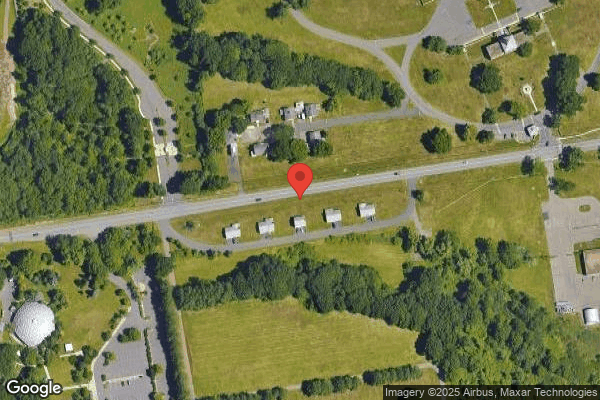

287 WEST ST, ROCKY HILL, CT 06067 (860) 616-3700
Government - State 125 Beds Independent Data: November 2025
Trust Grade
70/100
#97 of 192 in CT
Last Inspection: February 2025

Within standard 12-15 month inspection cycle. Federal law requires annual inspections.

Overview

John L. Levittow Health Care Center has a Trust Grade of B, which means it is considered a good option for families looking for care. It ranks #97 out of 192 facilities in Connecticut, placing it in the bottom half of state options, and #34 out of 64 in Capitol County, indicating that there are only a few local facilities that are better. Unfortunately, the facility is facing a worsening trend, with issues increasing from 5 in 2023 to 7 in 2025. Staffing is a notable strength, with a turnover rate of only 14%, significantly lower than the state average, and the center has better RN coverage than 91% of Connecticut facilities. However, there have been some concerning incidents, such as failing to reassess a resident's ambulation needs after a decline in function, a lack of varied recreational activities on Sundays, and reports from residents that food is often served cold.

Trust Score
B
70/100
In Connecticut
#97/192
Top 50%
Safety Record
Low Risk
No red flags
Inspections
Getting Worse
5 → 7 violations
Staff Stability
✓ Good
14% annual turnover. Excellent stability, 34 points below Connecticut's 48% average. Staff who stay learn residents' needs.
Penalties
✓ Good
No fines on record. Clean compliance history, better than most Connecticut facilities.
Skilled Nurses
✓ Good
Each resident gets 58 minutes of Registered Nurse (RN) attention daily — more than average for Connecticut. RNs are trained to catch health problems early.
Violations
⚠ Watch
15 deficiencies on record. Higher than average. Multiple issues found across inspections.
★★★☆☆
3.0
Overall Rating
★☆☆☆☆
1.0
Staff Levels
★★★★☆
4.0
Care Quality
★★★★☆
4.0
Inspection Score
Stable
2023: 5 issues
2025: 7 issues

The Good

  • 4-Star Quality Measures · Strong clinical quality outcomes
  • Low Staff Turnover (14%) · Staff stability means consistent care
  • Full Sprinkler Coverage · Fire safety systems throughout facility
  • No fines on record
  • Staff turnover is low (14%)

    34 points below Connecticut average of 48%

Facility shows strength in quality measures, staff retention, fire safety.

The Bad

3-Star Overall Rating

Near Connecticut average (3.0)

Meets federal standards, typical of most facilities

The Ugly 15 deficiencies on record

Feb 2025 7 deficiencies
CONCERN (D)

Potential for Harm - no one hurt, but risky conditions existed

Deficiency F0561 (Tag F0561)

Could have caused harm · This affected 1 resident

**NOTE- TERMS IN BRACKETS HAVE BEEN EDITED TO PROTECT CONFIDENTIALITY** Based on observations, review of the clinical record, interviews, and facility policy, for the only sampled resident (Resident #...

Read full inspector narrative →
**NOTE- TERMS IN BRACKETS HAVE BEEN EDITED TO PROTECT CONFIDENTIALITY** Based on observations, review of the clinical record, interviews, and facility policy, for the only sampled resident (Resident #6) reviewed for choices, the facility failed to accommodate a resident's preference to get out of bed prior to breakfast. The findings include: Resident #6's diagnoses included spinal stenosis, difficulty walking, and chronic pain syndrome. The annual Minimum Data Set assessment dated [DATE] identified Resident #6 was moderately cognitively impaired, wheelchair dependent, and was dependent on staff for care to lower body dressing, tub/toilet transfers, and bed mobility. The Resident Care Plan dated 12/17/24 identified Resident #6 was a potential fall risk related to decreased mobility. Interventions included supervision and assistance with transfers using a sit to stand lift and encourage Resident #6 to use the call bell for assistance before he/she got out of bed. A physician's order dated 1/9/25 directed staff to use a sit-to-stand lift for transfers. Observation on 2/18/24 at 8:44 AM identified Resident #6 was sleeping in bed. Observation and interview on 2/19/25 at 9:56 AM with Resident #6 identified he/she preferred to get out of bed before breakfast to use the gym first thing in the morning. Resident #6 indicated staff were aware of his/her requests, but on several occasions was told that he/she had to wait because they were taking care of other residents. Additionally, Resident #6 stated he/she felt they needed more staff to provide resident care. Interview with Nurse Aide (NA) #4 on 2/24/25 at 10:32 AM identified she was aware Resident #6 preferred to get out of bed early in the morning on her shift. NA #4 indicated that when the facility only had 3 NA's scheduled it was difficult to honor Resident #6's choice. NA #4 stated that Resident #6 usually did not get out of bed until 9:30 AM because he/she required 2 NA's to mechanically transfer him/her out of bed, however, she was able to get the resident up early this morning as the facility had scheduled 4 NA's for the unit. NA #4 indicated generally the facility only scheduled 3 NA's for the unit and she has asked the DON, in the past, to provide more NA help to assist with resident care. Interview with the Director of Nursing (DON) on 2/24/25 at 11:20 AM identified she did not specifically recall NA #4's request for more help, but that if NA #4 said she had spoken to her, then likely she had. The DON indicated she would have expected the nurses on the unit to assist the NA's when needed. The DON stated, had she been aware there was an issue, she herself would have helped with Resident #6's transfers. Interview with LPN #1 on 2/24/25 at 1:19 PM identified that Resident #6 usually got out of bed after breakfast. She indicated she had recently assisted the NA to get Resident #6 out of bed and would have helped had she been asked. Subsequent to surveyor inquiry, a nursing note dated 2/24/25 at 3:39 PM written by the DON, indicated she spoke to the resident, verified his out of bed preference time (before breakfast), and updated the Resident Care Plan to reflect Resident #6's preference for an out of bed schedule. Review of the Ethics Nursing Policy dated 5/29/19 indicated, in part, that nursing staff will always act in the Veteran Patient's best interest, coordinating care, acting as a Veteran Patient's advocate, protecting the Veteran Patient's rights and property, respecting their privacy and dignity, and attempting to implement the Veteran Patient's wishes.
CONCERN (D)

Potential for Harm - no one hurt, but risky conditions existed

Notification of Changes (Tag F0580)

Could have caused harm · This affected 1 resident

**NOTE- TERMS IN BRACKETS HAVE BEEN EDITED TO PROTECT CONFIDENTIALITY** Based on interviews, review of the clinical record, and facility policies for 1 of 1 sampled resident (Resident #47) reviewed fo...

Read full inspector narrative →
**NOTE- TERMS IN BRACKETS HAVE BEEN EDITED TO PROTECT CONFIDENTIALITY** Based on interviews, review of the clinical record, and facility policies for 1 of 1 sampled resident (Resident #47) reviewed for edema, the facility failed to notify the provider of a significant weight gain for a resident with Congestive Heart Failure (CHF). The findings included: Resident #47's diagnoses included CHF, chronic obstructive pulmonary disease (COPD), and essential hypertension. The annual Minimum Data Set (MDS) assessment dated [DATE] identified Resident #47 was cognitively intact, dependent on staff for hygiene and toileting with partial/moderate assistance needed for transfers. A physician's order dated 1/25/25 directed to weigh Resident #47 every 7 days. The Resident Care Plan dated 2/7/25 identified altered cardiac output related to orthostatic hypotension, chronic diastolic heart failure, and atrial fibrillation (irregular heartbeat). Interventions included instructing resident to report chest pain, syncope or dizziness, and monitoring of vital signs as ordered by physician. Review of Resident #47's weights identified that his/her weight was 226.4 pounds (lbs.) on 1/25/25, 233 lbs. on 2/2/25, 235 lbs. on 2/8/25, 234.6 lbs. on 2/15/25 and 238.4 lbs. on 2/22/25. (A significant weight gain of 12 lbs/5.3% weight increase in 28 days.) Interview and record review with APRN #1 on 2/24/25 at 10:39 AM identified she was not made aware of Resident #47's 12 lb/5.3% weight gain, but if she had been made aware, she would have reviewed Resident #47's medications, checked vital signs, diet, intake output and potentially adjusted the resident's medications depending on lab work. However APRN #1 stated she was only at the facility once a week on Fridays so there might be an update in her communication book. Interview and record review with Registered Nurse (RN) #1 on 2/24/25 at 11:29 AM identified the policy for residents with CHF was to obtain daily weights and follow parameters on updating the provider, follow cardiologist recommendations and if edema was present, residents wear compression stockings. Review of Resident #47's weights with RN #1 identified that although no parameters to update the provider were in place, the nurse should have updated the Dietician and the nursing supervisor about Resident #47's significant weight gain. RN #1 stated that subsequent to surveyor inquiry, she would notify the nursing supervisor. Interview and APRN communication book review with the ADNS on 2/25/25 at 9:48 AM identified there were no provider notifications regarding Resident #47's weight gain between 1/25/25 and 2/25/25. Additionally, she identified that the update might not be in the APRN book because weight gains were initially reported to the Dietician. Interview and record review with the Dietician on 2/25/25 at 9:50 AM identified she tracks residents who were on weekly weights but was not tracking Resident #47 because she was under the impression Resident #47 was only on monthly weights. Review of Resident #47's weights with the Dietician identified that she was not updated on the 12 lb. weight increase for Resident #47, but if she had been notified, she would have investigated the cause and notified the provider since a weight gain that significant could be attributed to fluid overload. Subsequent to surveyor inquiry, the Dietician notified the provider of Resident #47's weight gain. The physician progress note dated 2/25/25 at 1:57 PM identified that upon assessment Resident #47 had complaints of mild shortness of breath and +2 pitting edema to both lower extremities while wearing compression stockings. Additionally, the weight gain of more than 10 lbs. in less than a month was most likely due to retained water weight. New orders were put in place for Resident #47 to receive a one time additional dose of Lasix (a diuretic) and for daily weights to be taken. Review of the CHF Policy directed in part that early recognition and management of heart failure can improve patient outcomes and quality of life, the procedure included monitoring vital signs and assessing for signs/symptoms of heart failure/fluid overload (i.e.: edema, dyspnea) and contact the provider with weight gain. Review of the Change in Condition Policy directed in part that appropriate assessments are performed and documented and timely notification of attending Physician/APRN occurs. Additionally immediate notification to the Attending Physician is made if there is a marked change. Review of the Height and Weight Procedure directed in part that the charge nurse must notify the Attending Physician and Dietician when there is a weight gain or loss of 5% in one month.
CONCERN (D)

Potential for Harm - no one hurt, but risky conditions existed

Deficiency F0658 (Tag F0658)

Could have caused harm · This affected 1 resident

**NOTE- TERMS IN BRACKETS HAVE BEEN EDITED TO PROTECT CONFIDENTIALITY** Based on interviews, review of the clinical records, and facility policies for 1 of 1 sampled resident (Resident #47) reviewed f...

Read full inspector narrative →
**NOTE- TERMS IN BRACKETS HAVE BEEN EDITED TO PROTECT CONFIDENTIALITY** Based on interviews, review of the clinical records, and facility policies for 1 of 1 sampled resident (Resident #47) reviewed for edema, the facility failed to provide treatment in accordance with standards of practice for a resident with Congestive Heart Failure (CHF). The findings included: Resident #47's diagnoses included CHF, chronic obstructive pulmonary disease (COPD), and essential hypertension. The annual Minimum Data Set (MDS) assessment dated [DATE] identified Resident #47 was cognitively intact, dependent on staff for hygiene and toileting with partial/moderate assistance needed for transfers. The physician's order dated 1/25/25 directed to weigh Resident #47 every 7 days. The Resident Care Plan dated 2/7/25 identified altered cardiac output related to orthostatic hypotension, chronic diastolic heart failure, and atrial fibrillation (irregular heartbeat). Interventions included instructing resident to report chest pain, syncope or dizziness, and monitor vital signs as ordered by physician. Review of Resident #47's weights identified that Resident #47's weight was 226.4 pounds (lbs.) on 1/25/25, 233 lbs. on 2/2/25, 235 lbs. on 2/8/25, 234.6 lbs. on 2/15/25 and 238.4 lbs. on 2/22/25. (A significant weight gain of 12 lbs/5.3%, in 28 days.) Interview with the DNS on 2/24/25 at 9:37 AM identified the facility CHF policy includes obtaining daily weight and following parameters for provider notification with a weight gain of 3 pounds (lbs.) in a day or 5 lbs. in a week. ( Resident #47's physicians orders failed to reflect parameters for provider notification). Additionally for Resident #47 she would not expect CHF assessments to be in place in addition to the weekly weights because Resident #47 was stable as far as cardiac output, and the most recent hospitalization was not cardiac in nature. Interview with APRN #1 on 2/24/25 at 10:39 AM identified the facility plan of care for residents with CHF included monitoring weights, medications and vital signs as well as following cardiology recommendations. Additionally, CHF residents should have assessments in place to monitor lung sounds and edema but could not identify the reason Resident #47 did not have those assessments in place. Interview and record review with Registered Nurse (RN) #1 on 2/24/25 at 11:29 AM identified the policy for residents with CHF was to obtain daily weights and follow parameters to update the provider, follow cardiologist recommendations and if edema was present, residents wear compression stockings. The record review with RN #1 failed to identify CHF assessment orders or weight parameters for Resident #47. Additionally she identified edema was reported to the charge nurse by the Nurses Aids. Review of Resident #47's weights with RN #1 identified that there was a significant weight gain of 12 lbs. in the last 28 days, with no follow up assessments, reweights or provider notifications. Interview and record review with the Dietician on 2/25/25 at 9:50 AM identified she tracked residents who were on weekly weights to account for fluctuations and updated the provider if necessary. However, she was not tracking Resident #47 because she was under the impression he/she was a monthly weight. Subsequent to surveyor inquiry, the Dietician notified the provider of Resident #47's significant weight gain. A physician progress note dated 2/25/25 at 1:57 PM identified that upon assessment Resident #47 had complaints of mild shortness of breath and +2 pitting edema to both lower extremities while wearing compression stockings. (The admission assessment dated [DATE] at 11:55 AM identified regular unlabored breathing without shortness of breath, and no edema present.) Additionally, the note identified the weight gain of more than 10 lbs. in less than a month was most likely due to retained water weight. New orders were put in place for Resident #47 to receive a one time additional dose of Lasix (a diuretic) and for daily weights to be taken. Review of the CHF Policy directed in part that early recognition and management of heart failure can improve patient outcomes and quality of life, the procedure included monitoring vital signs and assessing for signs/symptoms of heart failure/fluid overload (i.e.: edema, dyspnea) and contacting the provider with weight gain. Review of the Height and Weight Procedure directed in part that an accurate record of the Veteran Patient's height/weight is essential, and body weight provides the best overall picture of fluid status. Rapid weight gain may signal fluid retention, and the charge nurse and Dietician are responsible to review new weight and compare to previous ones. Additionally, the charge nurse will review weight and determine if a reweigh is necessary due to 3 lb. or more weight difference than previous weight in one day: 4 lbs. in a week or 5 % in one month.
CONCERN (D)

Potential for Harm - no one hurt, but risky conditions existed

Accident Prevention (Tag F0689)

Could have caused harm · This affected 1 resident

**NOTE- TERMS IN BRACKETS HAVE BEEN EDITED TO PROTECT CONFIDENTIALITY** Based on observations, review of the clinical record, facility documentation, facility policy and interviews for 1 of 2 sampled ...

Read full inspector narrative →
**NOTE- TERMS IN BRACKETS HAVE BEEN EDITED TO PROTECT CONFIDENTIALITY** Based on observations, review of the clinical record, facility documentation, facility policy and interviews for 1 of 2 sampled residents (Resident #53) reviewed for smoking, the facility failed to ensure a safe smoking environment. The findings included: Resident #53 was admitted to the facility in July 2005 with diagnoses that included quadriplegia, recurrent depressive disorders and nicotine dependence. The annual Minimum Data Set (MDS) assessment dated [DATE] identified Resident #53 was moderately cognitively impaired and required total dependence from staff for eating, dressing, toileting, and personal hygiene and full mechanical lift for transfers. The Resident Care Plan (RCP) dated 12/10/24 identified smoking as an area of concern. Interventions included quarterly smoking assessment, supervision of outside smoking, verbalizing feelings regarding smoking, educating on smoking policy, assist with lighting, holding, extinguishing and disposing of cigarette, wear smoking apron, and hands under apron while smoking. Physician's orders dated 2/18/25 directed to administer Nicorette 2 milligrams (mg) lozenge (used for smoking cessation) every 2 hours as needed, no smoking materials with patient, and patient may smoke outside in designated area with staff supervision. Observations on 2/24/25 at 1:00 PM identified residents' smoking materials were stored in a locked medication cart that was inside a small, locked shed near the smoking gazebo. NA #1 was assigned as the smoking monitor to observe and assist 6 residents for smoking. NA #1 had a copy of the Resident Smoking Instructions Guide dated 2/20/25 which included the names of residents that smoke and instructions regarding specific interventions for smoking for each resident. Resident #53's instructions were to use a smoking apron, keep hands under smoking apron when smoking and assist with lighting and disposing of cigarette. Resident #53 was transported outside in his/her wheelchair to the smoking gazebo with a smoking apron (that was previously applied prior to him/her arriving outside) covering his/her upper body and partially covering his/her legs. Resident #53 had an untamed and lengthy beard that went past the chin area. NA #1 retrieved Resident #53's cigarette and lighter from the medication cart, proceeded to place the cigarette between Resident #53's lips and lit the cigarette. Resident #53 had his/her hands under the smoking apron and was only using his/her lips to inhale the cigarette (hands free). NA #1 went back to the medication cart inside the shed with her back to Resident #53. Resident #53 was smoking the cigarette with it dangling from his/her lips, was talking throughout the time he/she was smoking which caused the cigarette to move up and down near his/her beard. Resident #53 was not able to adjust the cigarette due to immobility of his/her arms and hands. Resident #53's ashes from the cigarette were falling on the smoking apron. NA #1 checked on Resident #53 once during Resident #53's first cigarette. NA #1 was assisting other residents throughout the time Resident #53 was smoking. Resident #53 smoked the first cigarette down to the filter and proceeded to call NA #1 to come dispose of the cigarette and provide him/her with a second cigarette. A review of Resident #53's smoking assessments dated 9/3/24 and 12/1/24 and interview with RN #3 on 2/24/25 at 1:25 PM identified that she had completed most of the quarterly smoking assessments, did not directly observe Resident #53 smoking but gets information to complete the smoking assessment from the smoking monitors. RN #3 documented on Resident #53's smoking assessments that he/she was not able to easily hold a cigarette, was unable to hold a cigarette with a concentrated effort and had no burn marks on skin or burn holes on clothing. RN #3 did not recall which smoking monitors she spoke with to complete the smoking assessments but indicated there were several different smoking monitors. RN #3 indicated that Resident #53 was unable to hold a cigarette in his/her hands and used a smoking extender for safety and/or staff hold the cigarette when he/she smokes. RN #3 was unaware that Resident #53's smoking extender had been discontinued on 4/15/24 due to Resident #53's refusal to use. Interview and review of the RCP with the Care Plan Coordinator, (RN #4) on 2/24/25 at 2:20 PM identified that Resident #53 previously used a cigarette extender, but it was discontinued on 4/15/24 due to Resident #53's refusals. Resident #53's care plan failed to reflect any new interventions to replace his/her refusal of the smoking extender. RN #4 stated that she reviews the smoking assessments that were completed quarterly by the unit managers, and she updates the individual care plans and the smoking guide for the smoking monitors. A review of nursing notes and social service notes failed to reflect any documentation from 1/1/24 through 2/24/25 of Resident #53's refusal to use a smoking extender. Interview with DNS on 2/25/25 at 9:50 AM indicated the smoking assessments were completed by licensed nursing staff and that licensed nursing staff should directly observe the resident smoking and obtain additional information from the smoking monitors to complete the smoking assessments. The DNS indicated that the facility has 4 or 5 smoking monitors. Furthermore, the DNS indicated that direct observations from the nurse should have been completed for Resident #53's smoking assessments. The DNS indicated that she had not recently witnessed Resident #53 smoking. Interview with Resident #53 on 2/25/25 at 10:00 AM indicated that he/she used a smoking extender previously but did not like it because it was plastic and would get wet. Resident #53 stated that he/she was unable to hold it securely due to not having any teeth to hold it in place. Resident #53 indicated that no other type of smoking extender or device was ever tried to replace the plastic one. Interview with NA #2 on 2/25/25 at 10:05 AM indicated that she was a smoking monitor and frequently was assigned to assist residents with smoking for the 1:00 PM smoking time. NA #2 stated she was familiar with Resident #53's smoking interventions and stated that Resident #53 had a bag of plastic smoking extenders in the medication cart but that sometimes Resident #53 used them and sometimes he/she would refuse. Although NA #2 was aware of the smoking guide for smokers, she was unaware that the smoking extender was no longer a current intervention for Resident #53. NA #2 indicated that she was unsure if she had ever seen a nurse observe residents smoking. On 2/25/25 at 1:30 PM the DNS indicated that Resident #53's smoking was observed by nursing and that a different type of smoking extender would be trialed with Resident #53. Although a policy was requested regarding how to complete a smoking assessment, the DNS indicated that there was no policy available. The policy Healthcare Center Smoking for Veterans updated 2/20/25, indicated, in part, that clinicians determine and document the tobacco status of every Veteran cared for in the healthcare facility. Staff and Veteran compliance with smoking policies and procedures is a mandatory safety issue. The Smoking Assessment Tool is completed on Veterans on admission and every 3 months thereafter, or with a significant change in condition to determine the smoker's ability to safely smoke and individualized care plans will be developed.
CONCERN (E)

Potential for Harm - no one hurt, but risky conditions existed

Deficiency F0676 (Tag F0676)

Could have caused harm · This affected multiple residents

**NOTE- TERMS IN BRACKETS HAVE BEEN EDITED TO PROTECT CONFIDENTIALITY** Based on observations, review of the clinical record, interviews, and facility policy for the only sampled resident (Resident #6...

Read full inspector narrative →
**NOTE- TERMS IN BRACKETS HAVE BEEN EDITED TO PROTECT CONFIDENTIALITY** Based on observations, review of the clinical record, interviews, and facility policy for the only sampled resident (Resident #63) reviewed for activities of daily living, the facility failed to reassess ambulation ability after a decline in function. The findings include: Resident #63's diagnoses included stroke, traumatic brain dysfunction, and dementia. The quarterly Minimum Data Set assessment dated [DATE] identified Resident #63 was severely cognitively impaired and required supervision or touching assistance when ambulating 50 feet. The Resident Care Plan dated 7/9/24 identified alterations in Resident #63's activities of daily living related to dementia. Interventions included assistance of 1 staff when ambulating, transferring, dressing, and showering Resident #63. A physician's order dated 8/18/24 directed staff to ambulate Resident #63 with a rolling walker assisted by 1 staff member. A Physical Therapy Screening form dated 9/23/24 identified Resident #63 could ambulate short distances with a rollator assisted by 1 staff member, but he/she had not been ambulated. Additionally, Resident #63 did not require physical therapy. Review of the Resident #63's Treatment Administration Record dated 9/1/24 through 9/30/24 indicated that ambulation in room had not occurred, and documentation for ambulation in the corridor, occurred once on 9/13/24 with limited assistance from staff. The quarterly Minimum Data Set assessment dated [DATE] identified Resident #63 was severely cognitively impaired and required partial to moderate assistance (previous Minimum Data Set indicated supervision or touching assistance) ambulating 50 feet. The Resident Care Pan dated 10/8/24 identified alterations in Resident #63's activities of daily living related to dementia. Prior interventions included assistance of 1 when ambulating, transferring, dressing, and showering, however, the intervention to ambulate Resident #63, had been discontinued. The physician's order dated 10/8/24 directed staff to discontinue ambulating Resident #63. An Interdisciplinary Team Progress Note dated 10/8/24 identified Resident #63 needed 1 staff member to assist with transfers and the resident did not ambulate. The Treatment Administration Record dated 10/1/24 through 10/31/24 indicated Resident #63's ambulation in room and ambulation in the corridor had not occurred. Psychiatric progress notes dated 10/2/24 through 11/6/24 identified Resident #63 had been experiencing episodes of verbal agitation, delusions and hallucinations. Resident #63 had multiple medication changes, had become more difficult to arouse, and that sleeping logs indicated the resident was sleeping 13 to 16 hours per day. A Physical Therapy (PT) screen dated 11/12/24 identified Resident #63 could no longer ambulate and required a modified postural tilt wheelchair. The PT screen indicated that no skilled PT was required. Psychiatric progress notes dated 11/20/24 through 1/27/25 identified Resident #63 was noted to have a significant overall improvement due to changes in medication management. Resident #63 was awake, alert, attentive, and had no complaints. An Interdisciplinary Team progress note dated 11/26/24 identified Resident #63 was previously out of bed to a standard wheelchair. He/she displayed a forward flexed posture due to increased lethargy and required the use of a modified postural tilt wheelchair. A Physical Therapy screen dated 1/6/24 identified Resident #63 was able to perform sit-to-stand transfers from the wheelchair to the rolling walker, assisted by 1 staff member. The resident was able to march in place with support of a rolling walker. He/she did not experience knee bucking or loss of balance. The screening indicated no changes to current orders and no skilled PT was needed. An observation on 2/18/25 at 12:36 PM identified Resident #63 was sitting in a wheelchair at the nurses' station in the common area talking to the nursing assistant and laughing. An observation on 2/19/25 at 8:31 AM identified Resident #63 was sitting in a wheelchair at the nurses station in the common area. An interview with Resident #63's family on 2/19/25 at 8:53 AM identified the resident was ambulating prior to admission to the facility but has not walked in several months. The family member indicated that he/she brought his/her concerns to the facility, but was told Resident #63 did not qualify for Physical Therapy services. Interview and clinical record review with PT #1 on 2/24/25 at 10:46 AM identified Resident #63 was ambulating short distances with a walker and rollator in October 2024; however, he/she had a significant medical decline in October/November and was no longer ambulating. She stated Resident #63 was sleeping a lot, flexing forward, and was subsequently required a modified tilt custom wheelchair. PT #1 stated, Resident #63 was still ambulating short distances, but not long ones. Interview and review of documentation with the DNS, PT #1, and the Facility Administrator on 2/25/25 at 11:40 AM, identified Resident #63 had experienced a medical decline in function and was super confused and not following commands. PT #1 determined the resident was not a good candidate for therapy at that time. PT #1 indicated she had screened Resident #63 on 1/6/25 and he/she was able to march in place with the assistance of a walker. Although a screen had been conducted, PT had not evaluated Resident #63's ability to ambulate following his/her decline in function. The DNS indicated that, since admission, Resident #63 had never been placed on a functional maintenance program to maintain his/her ability to ambulate. Interview with Nurse Aide (NA) #3 on 2/25/25 at 12:40 PM identified Resident #63 used to ambulate with a walker, but that he/she experienced multiple falls at the facility. NA #3 indicated she had been previously informed that Resident #63 was only allowed to ambulate with PT due to his/her history of falling. Subsequent to surveyor inquiry, a Physical Therapy evaluation was completed. Review of the evaluation dated 2/25/25 identified Resident #63 ambulated 10-feet with a rolling walker and maximum assist with gait deviations. It was determined that the resident would now receive PT, 5-days a week for 4 weeks, to address functional mobility and reach maximum potential. Goals included resident would ambulation 25 feet with a rolling walker and moderate assist at various times of the day. The Resident would transition to a maintenance level of PT or participate in the daily Ambulation Program with nursing staff. Review of the facility Change in Condition Policy indicated, in part, to assess changes of conditions and notify the Attending Physician/APRN, family or responsible party when indicated.
CONCERN (E)

Potential for Harm - no one hurt, but risky conditions existed

Deficiency F0679 (Tag F0679)

Could have caused harm · This affected multiple residents

Based on review of the recreational activity calendar and resident/staff interviews regarding weekend activities, the facility failed to offer varied recreational activities on Sundays other than Cath...

Read full inspector narrative →
Based on review of the recreational activity calendar and resident/staff interviews regarding weekend activities, the facility failed to offer varied recreational activities on Sundays other than Catholic mass. The findings include: Interview with the Veteran Council on 2/20/25 at 11:15 AM identified that a streaming of Catholic mass was offered on Sundays, but there were no other recreational programs for them to attend on Sundays. The Veteran Council further identified someone from recreation was at the facility on Saturdays, but there wasn't anyone on Sundays, and they would participate in Sunday activities if they were offered. Additionally, the Veteran Council identified that the Catholic mass was not in person, but streamed on television in the recreation room because the facility did not have a Chaplain at the current time. Review of the Recreational Activity Calendars dated August 2024 through February 2025 identified the only activity offered on Sundays was Catholic Mass. Interview with the Administrator on 2/25/25 at 9:35 AM identified the facility previously had a Chaplain that would hold in person catholic mass, but he/she retired and the facility was currently searching for another. Additionally, the Administrator noted that the Recreation Room (Charley's Place), library and computer room were open on Sundays, but activities were not offered by recreation or any other departments for residents who could not participate in self initiated activities or who were not spiritual. \
CONCERN (E)

Potential for Harm - no one hurt, but risky conditions existed

Deficiency F0804 (Tag F0804)

Could have caused harm · This affected multiple residents

Based on a tour of the Dietary Department, interviews, completion of a temperature tray, and facility documentation, the facility failed to ensure foods were at appropriate temperatures for palatabili...

Read full inspector narrative →
Based on a tour of the Dietary Department, interviews, completion of a temperature tray, and facility documentation, the facility failed to ensure foods were at appropriate temperatures for palatability. The findings included: Interview with Resident #30 on 2/18/25 at 11:13 AM identified that food was often cold. Interview with Resident #10 on 2/18/25 at 11:14 AM identified that hot food was never hot (no particular meal). Interview with Resident #6 on 2/19/25 at 10:10 AM identified that the food was cold at times. An interview with the Supervisor of Food Services on 2/18/25 at 10:33 AM identified the process to ensure foods were hot included documentation of the food temperatures as food arrived from the main kitchen (located through a covered tunnel in another building), documentation of food temperatures five minutes before service, plates kept in a plate warmer prior to plating, and plate covers to keep the temperature hot. A review of the lunch and dinner temperature log for 2/18/25 through 2/20/25 identified temperatures were taken each day before lunch/dinner, and lunch and dinner documented temperatures met the food code standards. On 2/5/25 at 12:43 PM, a test tray was conducted with the Food Services Director. The following was identified: A lunch meal was plated (plate taken from the plate warmer system) in the kitchen at 12:31 PM, the metal covered food truck left the kitchen at 12:36 PM and arrived in the Dining Room at 12:37 PM. At 12:37 PM, the Nurses Aid began passing out meal trays to residents. The last tray was delivered at 12:43 PM, and temperatures were conducted with the Food Services Director at that time and identified the following: a. The salmon's internal temperature was 127.9 degrees Fahrenheit (F) from the surveyor's thermometer and 135 degrees F from the Food Services Director's thermometer. b. The mashed potato's internal temperature was 142 degrees F from the surveyor's thermometer and 139 degrees F from the Food Services Director's thermometer. c. The stuffed cabbage's internal temperature was 131 degrees F from the surveyor's thermometer and 133.9 degrees F from the Food Services Director's thermometer. An interview with the Food Services Director on 2/5/25 at 12:45 PM identified that the temperatures between 130 degrees to 135 degrees F were not that bad for the residents at this facility. The surveyor identified the salmon felt cool to the touch. Subsequently the Food Service Director separated the salmon and reported the center was warm to the touch. A review of the Infection Control Food Service Procedure dated 2/16/2023 directed in part that, except during preparation, cooking or cooling food shall be maintained at 140 degrees F or above.
Feb 2023 5 deficiencies
CONCERN (D)

Potential for Harm - no one hurt, but risky conditions existed

Report Alleged Abuse (Tag F0609)

Could have caused harm · This affected 1 resident

**NOTE- TERMS IN BRACKETS HAVE BEEN EDITED TO PROTECT CONFIDENTIALITY** Based on clinical record review, review of facility documentation, facility policy and interviews for 1 resident (Resident # 19)...

Read full inspector narrative →
**NOTE- TERMS IN BRACKETS HAVE BEEN EDITED TO PROTECT CONFIDENTIALITY** Based on clinical record review, review of facility documentation, facility policy and interviews for 1 resident (Resident # 19) reviewed for abuse, the facility failed to ensure the alleged perpetrator ( staff) was removed from the premises during an abuse investigation to protect the safety of other residents. the findings include: Resident # 19's diagnoses included Parkinson's disease, osteoarthritis, gout, and Peripheral Vascular Disease (PVD). The quarterly Minimum Data Set (MDS) assessment dated [DATE] identified the resident was moderately cognitively impaired and required two persons assistance with personal hygiene. A Reportable Event report dated 10/9/22 indicated an allegation of staff to resident abuse occurred on 10/9/2022 at 3:30 AM. The report further indicated Resident #19 reported the nurse (RN#6) grabbed Resident #19's right arm while the resident was ambulating to the bathroom independently without any assistive devices. A written statement dated and timed 10/9/2022 at approximately 3:10 AM identified the alleged perpetrator (RN #6) identified Resident #19 was walking to the bathroom without assistance, without a walker and was unsafe at the time of the incident. RN #6 further indicated in his statement he did not grab Resident #19 but instead their hands touched when placing the walker in Resident #19 ' s path. A written statement by RN #7 dated and timed 10/9/2022 at 5:00 AM indicated RN #6 informed the nursing supervisor (RN#7) Resident #19 was picking up the phone to call 911 to report s/ he was assaulted by RN #6. The statement further indicated RN#7 obtained a statement from Resident #19 and completed a RN assessment, notified the Director of Nursing Services (DNS), security, and the covering physician. RN #7 further indicated Resident #19 requested waiting until after 10 :00 AM to notify a family member about the incident. RN #7 indicated in the written staff statements that was obtained RN #6 was moved to another unit to work for the rest of the night shift. RN #7 also indicated the DNS was informed of this move. A nursing progress note dated 10/9/2022 at 5:06 AM indicated RN #7 went to speak with Resident #19 regarding a complaint the nurse (RN # 6) had grabbed Resident # 19's right arm trying to prevent the resident from going to the bathroom. The note further indicated the DNS, security and the on call Medical Doctor (MD) were notified and the security officer notified the state police. The nurse's note also indicated there were no new physician orders at that time. The Reportable Event report indicated that the event occurred on 10/9/2023 at 3:30 AM, the physician was notified at 5:00 AM and the summary report was submitted to the state facility on 10/9/2023 at 1:02 PM (10 1/2 hours after the incident.). Attempts to interview RN #6 and RN #7 via telephone on 2/16/2023 between 11:07 AM and 12:12 PM were unsuccessful. On 2/16/2023 at 10:20 AM an interview with the ADNS indicated her investigation concluded that the resident indicated to her the Nurse (RN # 6) did not put hands on her/his person as s/he initially claimed so the claim of abuse was unsubstantiated. An Interview with the DNS on 2/16/2023 At 12:00 PM indicated that she would have expected that the alleged perpetrator (RN #6) would have been taken off the schedule during the investigation and not allowed to remain at work. An interview on 2/16/2023 at 1:00PM with the Assistant Director of Nursing Services (ADNS) (acting DNS at the time of the incident) indicated she needed to look at the schedule to determine where RN #6 (the accused) was assigned to finish the shift in the building after the incident occurred. Upon request, the ADNS provided a time punch for 10/9/2022 for RN #6 which indicated RN #6 was on duty from 10:45 PM 10/8/2022 and punched out on 10/9/2022 at 7:15 AM(approximately 4 hours) after the incident occurred and 2.5 hours after RN #7 wrote the nurse's note and written statement. The DNS was informed of the incident and that RN #7 was moved to another unit in the building for the rest of the shift). Although a request was made for the exact location where RN #6 was assigned to for the remainder of the shift after the incident, it was not provided. The ADNS and staff development RN were able to provide evidence of annual abuse training completed in 2022 and 2023 by all staff members including those working on the unit with Resident #19 on 2/9/2023. The facility The Health Care Center Abuse Policy and Procedure dated 7/26/19 with a 2/9/2023 version 10.0 notes the facility developed policy and procedures to prohibit and prevent abuse, neglect, exploitation of resident's and misappropriation of resident's property. The facility has written procedures that ensure all patients are protected from physical and psychosocial harm during and after the investigation. This procedure includes responding immediately to protect the alleged victim and integrity of the investigation and the alleged perpetrator ( if staff) will be removed from the premises during the investigation. Additionally, the policy noted training would be provided to all staff upon hire and then annually for abuse.
CONCERN (D)

Potential for Harm - no one hurt, but risky conditions existed

Investigate Abuse (Tag F0610)

Could have caused harm · This affected 1 resident

**NOTE- TERMS IN BRACKETS HAVE BEEN EDITED TO PROTECT CONFIDENTIALITY** Based on clinical record review, review of facility documentation and interviews for 1 resident for (Resident # 19) reviewed for...

Read full inspector narrative →
**NOTE- TERMS IN BRACKETS HAVE BEEN EDITED TO PROTECT CONFIDENTIALITY** Based on clinical record review, review of facility documentation and interviews for 1 resident for (Resident # 19) reviewed for abuse, the facility failed to report a suspicion of abuse to the state agency without two hours. The findings include: Resident # 19's diagnoses included Parkinson's disease, osteoarthritis, gout, and Peripheral Vascular Disease (PVD). The quarterly Minimum Data Set (MDS) assessment dated [DATE] identified the resident was moderately cognitively impaired and required two persons assistance with personal hygiene. A Reportable Event report dated 10/9/22 indicated an allegation of staff to resident abuse occurred on 10/9/2022 at 3:30 AM. The report further indicated Resident #19 reported the nurse (RN#6) grabbed Resident #19's right arm while the resident was ambulating to the bathroom independently without any assistive devices. A written statement dated and timed 10/9/2022 at approximately 3:10 AM identified the alleged perpetrator (RN #6) identified Resident #19 was walking to the bathroom without assistance, without a walker and was unsafe at the time of the incident. RN #6 further indicated in his statement he did not grab Resident #19 but instead their hands touched when placing the walker in Resident #19 ' s path. A written statement by RN #7 dated and timed 10/9/2022 at 5:00 AM indicated RN #6 informed the nursing supervisor (RN#7) Resident #19 was picking up the phone to call 911 to report s/ he was assaulted by RN #6. The statement further indicated RN#7 obtained a statement from Resident #19 and completed a RN assessment, notified the Director of Nursing Services (DNS), security, and the covering physician. RN #7 further indicated Resident #19 requested waiting until after 10 :00 AM to notify a family member about the incident. RN #7 indicated in the written staff statements that was obtained RN #6 was moved to another unit to work for the rest of the night shift. RN #7 also indicated the DNS was informed of this move. The Reportable Event report indicated that the event occurred on 10/9/2023 at 3:30 AM, the physician was notified at 5:00 AM and the summary report was submitted to the state facility on 10/9/2023 at 1:02 PM (10 1/2 hours after the incident.). Interview with the DNS on 2/15/2023 at 3:00 PM indicted that she was not working at the time of the incident and indicated the ADNS was charge at that time. She further indicated the ADNS was the acting DNS who was not present in the building at the time of the incident. On 2/16/2023 at 10:20 AM an interview with the ADNS identified she was able to provide documentation the state agency was notified at 9:17AM (approximately 5 3/4 hours after the incident). The ADNS indicated the delay in reporting was due to the nursing supervisor on duty was unable to access the state agency site and she the (ADNS) was unable to access the site from home therefore she came into the facility to complete the reporting. An interview and facility document review with the DNS on 2/16/2023 At 12:00 PM verified that the state agency was notified of the incident on 10/9/2022 at 9:17 AM approximately 5 3/4 hours after the incident. The DNS also indicated that she would have expected reporting to the state agency within 2 hours of the incident.
CONCERN (D)

Potential for Harm - no one hurt, but risky conditions existed

Comprehensive Care Plan (Tag F0656)

Could have caused harm · This affected 1 resident

**NOTE- TERMS IN BRACKETS HAVE BEEN EDITED TO PROTECT CONFIDENTIALITY** Based on clinical record review, facility policy review, and interviews for 1 of 3 residents (Resident # 19), reviewed for press...

Read full inspector narrative →
**NOTE- TERMS IN BRACKETS HAVE BEEN EDITED TO PROTECT CONFIDENTIALITY** Based on clinical record review, facility policy review, and interviews for 1 of 3 residents (Resident # 19), reviewed for pressure ulcers, the facility failed to ensure the Resident Care Plan (RCP) and Nurse Aide (NA) assignment card were updated regarding recommended shoe use and the resident's refusal to wear an orthopedic shoe. The findings include: Resident #19's diagnoses included Parkinson's Disease, osteoarthritis, gout, peripheral vascular disease, and hammertoes (per podiatry). A podiatry consultation dated 6/30/2022 directed an order for orthopedic shoes for Resident #19 secondary to peripheral neuropathy and hammer toes. The quarterly Minimum Data Set (MDS) assessment dated [DATE] identified the resident was moderately cognitively impaired and required two persons assistance with personal hygiene. A podiatry consultation dated 8/23/2022 indicated Rigid Hammer toes and no open areas. A podiatry consultation dated 10/27/2022 indicated Resident #19 complained of pain to the 3rd and 5th toes of the left foot, noted contracted and rigid digits and hammer toes. A podiatry consultation dated 11/8/2022 indicated Resident #19 showed the podiatrist new shoes that were missing the inserts. The podiatrist was unclear if the shoes ever came with the insert. The podiatry consultation dated 11/8/2022 further indicated Resident #19 required inserts for the shoes to accommodate his/her hammer toe deformities and indicated the podiatrist would investigate into the matter. A podiatry note dated 11/29/2022 indicated the inserts were noted in the shoe box, the podiatrist placed the inserts into the resident's shoes and gave instructions to Resident #19 to start wearing the shoes when walking and weight bearing. A podiatry note dated 12/13/2022 indicated rigid overlapping hammer toes and Resident #19 had not been wearing the orthopedic shoes. The podiatry note further instructed resident to wear the shoes. The quarterly Minimum Data Set (MDS) assessment dated [DATE] identified Resident #19 had no cognitive impairment and required limited assistance of one person for dressing. A podiatry note dated 1/31/2023 indicated a visit for consultation was due to painful right toes and recommended separate bandage to each of the toes and to separate the toes with lamb's wool. A nurse's note dated 1/28/2023 at 6:52 AM indicated Resident # 19 had surrounding redness at the blister area on the right toe potentially from an ingrown toenail, treatments were ordered and provided. A physician's orders dated 1/31/2023 directed to apply SM antibiotic ointment 500 units/gram to the right great toe open blister area twice daily. A physician's order dated 2/10/2023 directed to apply lambs' wool every shift between toes on the right foot. A nurse's note dated 2/10/2023 at 3:14 PM identified Resident #19 had a stage 2 pressure ulcer to the right inner great toe measuring 2.0 Centimeter ( CM) x 0.5 CM x 0.1 CM in size and treatment was rendered as ordered. The nurse's note also indicated Resident # 19 tolerated the treatment well. The Resident Care Plan (RCP) updated 2/10/2023 indicated Resident #19 had a potential for skin breakdown with a noted blister to top of the right toe on 1/27/2023 that opened on 1/30/23. Interventions included: skin assessment facility per protocol, a pressure relieving mattress on the bed to relieve pressure from heels. The RCP further indicated on 2/10/2023 Resident #19 had a stage 2 pressure ulcer with intact blister to the right great toe with rigid hammer toe and rigid overlapping. The interventions included weekly skin assessment and to monitor for signs of infection. Interview on 2/16/23 at 9:00 AM with Resident # 19 indicated s/ he had received specialty shoes in the past that did not fit, and s/he recently received some sneakers that s/he still has to try on. Resident #19 was noted to be wearing nonskid socks on both feet and indicated that they are comfortable as s/ he has sores on her/ his toes. An interview and record review on 2/16/23 at 9:50 AM with RN #3 indicated she was unable to find a care plan or notation on the care card indicating a need for special shoes, foot concerns or evidence of resident refusal to wear shoes. RN #3 indicated that she had reported the resident's refusal to the supervisor in the past but did not recall when at the time of the interview. On 2/16/2023 10:15 AM review of Resident#19's clinical record with RN #2 identified she noted Resident #19 had a blister that was found 1/28/2023 and nurse's note at 6:52 AM indicated that there was surrounding redness at the blister area on the toe potentially from an ingrown toenail, treatments were ordered and provided, and weekly documentation was completed. RN#3 further indicated she saw the podiatrist on 2/10/2023 who had recommended lamb's wool for in between the toes and staged the blister as a stage 2 and started a care plan. RN #3 further indicated information regarding the resident's shoes should have been in the care plan as indicated by the podiatrist in February 2023. 0n 2/16/23 at 12:20 PM RN #3 indicated that the MDS nurse had presently updated the care plan regarding the resident shoe use. Review of the facility A Person-Centered Care Plan Policy and Procedure given to the surveyor dated 2/16/2023 notes every patient in the facility will have a patient-centered comprehensive and interim care plan developed by the interdisciplinary team, treating the resident. The policy further indicated that incidents/changes or updates would be started on a paper care plan and brought to morning report for an interim care plan meeting to assess the appropriate interventions and approaches and indicated this process will continue for any change in patient status.
CONCERN (D)

Potential for Harm - no one hurt, but risky conditions existed

Accident Prevention (Tag F0689)

Could have caused harm · This affected 1 resident

**NOTE- TERMS IN BRACKETS HAVE BEEN EDITED TO PROTECT CONFIDENTIALITY** Based on observation, staff interview, review of the clinical record and facility policy for 1 of 8 sampled residents (Resident ...

Read full inspector narrative →
**NOTE- TERMS IN BRACKETS HAVE BEEN EDITED TO PROTECT CONFIDENTIALITY** Based on observation, staff interview, review of the clinical record and facility policy for 1 of 8 sampled residents (Resident #45) observed smoking, the facility failed to ensure Resident #45 was adequately supervised and provided smoking receptacles during the smoking session. The findings include: Resident #45's diagnoses included chronic kidney disease, post traumatic stress disorder and nicotine dependence. A Quarterly Minimum Data Set (MDS) assessment dated [DATE] identified Resident #45 had intact cognition and was independent with set up for bed mobility, transfers and eating. The MDS further identified Resident #45 required extensive assistance of one for dressing and personal hygiene. A physician order dated 1/3/23 directed Resident #45 was not to have smoking materials with patient. A Smoking Safety Assessment Tool dated 1/27/23 identified Resident #45 was a smoker that could hold a cigarette easily and had no evidence of burn marks/holes on clothing or skin. The Smoking Safety Assessment Tool further identified Resident #45 was noted to properly extinguish cigarette butts. A Resident Care Plan dated 2/13/23 identified Resident #45 was to comply with smoking policy with interventions to not have Resident #45 have ignition sources in his/her possession, Resident #45 would relinquish any ignition source in his/her possession upon request, Resident #45 will smoke only in designated areas at designated times and complete a smoking assessment as per facility policy. On 2/14/23 at 1:00 PM, observation of the facility smoking group identified 8 residents seated under a gazebo located in a patio area, outside the Foxtrot Unit. Nurse Aide (NA) #1 was assigned to supervise the smokers, and was observed to provide cigarettes to the residents. The gazebo's sides consisted of an opaque, vinyl type material which didn't allow for visualization through the vinyl. Resident #45 was observed to be self mobile in an electric wheelchair, enter the patio area at 1:07 PM, NA #1 provided and then lit a cigarette for Resident #45. Resident #45 was then observed to wheel him/herself around the outside back of the gazebo, and place him/herself with his/her back towards the gazebo (approximately 8 feet from the back of the gazebo) and in front of the black metal fence (which was out sight from NA #1 who was the only staff present supervising the smoking session). Additionally, there was not an ashtray within the vicinity of Resident #45 and he/she was observed to flick ashes from the cigarette into the air. At 1:15 PM, Resident #45 was then observed to be self mobile and move him/herself around the outer aspect of the gazebo to the opening of the gazebo, receive another cigarette from NA #1 who then lit the cigarette. Resident #45 was observed to re-locate him/herself back around the outside of the gazebo, and place him/herself with his/her back towards the gazebo (approximately 8 feet from the back of the gazebo). Resident #45 continued to flick the cigarette ashes into the air. After he/she finished smoking, 2 cigarette butts were noted on the cement area where Resident #45 had been seated. Interview and observation of Resident #45 with Registered Nurse #1 on 2/14/23 identified that where Resident #45 was positioned, NA #1 could not visualize him/her because of the opaqueness of the plastic sides of the gazebo. Interview with NA #1 on 2/14/23 at 1:30 PM identified she was the only staff member supervising smoking and that she did not visualize Resident #45 at all while the resident was smoking. Additionally, NA #1 identified that Resident #45 likes to sit in that location but she could not visualize him/her because of the inability to see through the gazebo due to the opaqueness of the sides. Facility policy regarding Smoking identified Healthcare Center staff will supervise smoking to ensure the safety of all Veteran Patients. Interview and review of the smoking policy with the DNS on 2/15/23 at 8:50 AM identified that supervision of smoking means having the resident in eyesight, and further identified Resident #45 was not in NA #1's view and not being supervised based on where Resident #45 was positioned.
CONCERN (E)

Potential for Harm - no one hurt, but risky conditions existed

Deficiency F0729 (Tag F0729)

Could have caused harm · This affected multiple residents

Based on staff interview and record review for 2 of 4 Nurse Aides (NA #2 and NA #3) reviewed for employment eligibility, the facility failed to verify the Nurse Aide Registry prior to date of hire. Th...

Read full inspector narrative →
Based on staff interview and record review for 2 of 4 Nurse Aides (NA #2 and NA #3) reviewed for employment eligibility, the facility failed to verify the Nurse Aide Registry prior to date of hire. The findings include: 1. NA #2's official start date was 9/23/22 and the Connecticut State Nurse Aide Registry Verification Report was dated 10/19/22, 26 days after NA #2's date of hire. NA #2's employee schedule and timecard identified that she worked for 17 orientation days from 9/23/22 to 10/19/22 which included working on resident units. 2. NA #3's official start date was on 9/23/22 and the Connecticut State Nurse Aide Registry Verification Report was dated 10/19/22, 26 days after NA #3's date of hire. NA #3's employee schedule and timecard identified that she worked for 17 orientation days from 9/23/22 to 10/19/22 which included working on resident units. Interview with RN #5 who was responsible for staff education on 2/15/23 at 2:36 PM identified that she was responsible to complete the NA verification checks and that it should be completed at least 2 days prior to hire. She further identified that she pulled the record from the Nurse Aide Registry for NA #2 and NA #3 but that it should have been done prior to their hire date. Interview with Human Resources (HR) #1 on 2/15/23 at 3:00 PM identified that NA's are verified by facility staff under the state registry prior to hire because it's a requirement. Interview with the DNS on 2/16/23 at 10:28 AM identified that RN #5 and HR #1 were responsible for Nurse Aide verification through the State Nurse Aide Verification Registry. She further identified that it should be done prior to the date of hire. Facility policy regarding Abuse identified that it was the policy of the facility to screen potential employees by checking with the appropriate licensing boards and registries, which included verification of NA certification.
Jan 2020 3 deficiencies
CONCERN (D)

Potential for Harm - no one hurt, but risky conditions existed

Deficiency F0790 (Tag F0790)

Could have caused harm · This affected 1 resident

**NOTE- TERMS IN BRACKETS HAVE BEEN EDITED TO PROTECT CONFIDENTIALITY** Based on clinical record review, review of policy and interviews for one of three residents, (Resident #63), reviewed for nutrit...

Read full inspector narrative →
**NOTE- TERMS IN BRACKETS HAVE BEEN EDITED TO PROTECT CONFIDENTIALITY** Based on clinical record review, review of policy and interviews for one of three residents, (Resident #63), reviewed for nutrition, the facility failed to ensure dental services were provided to meet the resident's needs. The findings include: Resident #63's diagnoses include dementia and chronic kidney disease. A dietitian note dated 8/1/19 indicates Resident #63 having trouble chewing due to loose dentures, NDD2 ground mechanically altered diet tried at lunch yesterday, did well and did not object to change in consistency. Diet order was changed to ground and dental consultation recommended. Additional dietitian note dated 8/23/19 indicated resident no longer willing to eat ground diet, dental consult pending and will change back to regular consistency and monitor intake and tolerance. Comprehensive nursing assessments dated 8/18/19 and 11/12/19 identified Resident #63 required assistance with dental care, gums pink/clean and greater than three teeth missing. The quarterly nutritional assessment dated [DATE] identified mechanically altered diet with no recent significant weight changes. The alteration in ADL care plan dated 11/22/19 directed to assist with oral care (no natural teeth, no dentures). Review of the clinical record identified the resident was seen at the facility contracted dental clinic on 10/14/19 for loose dentures. The clinic notes identified the planned treatment included to fabricate new upper complete dentures and adjust and reline the lower complete denture. The record failed to identify Resident #63 was seen after the 10/14/19 visit for fabricating/adjustment of dentures. A comprehensive nursing assessment dated [DATE] identified to assist with dental care, gums pink/clean, has upper and lower dentures and patient refuses to wear the lower dentures. The current RCP for potential for weight loss due to advancing dementia with interventions which included to assist at meals as needed, obtain, record and monitor weights, encourage snacks, provide supplements, and request dental consultation due to ill-fitting dentures. Interview with the DNS on 1/30/20 at 11:30 A.M. indicated the scheduler makes the dental appointments but was unable to identify why a follow-up appointment was not made for the resident following the 10/14/19 dental consultation. Interview with Nurse Aide #1 on 1/30/20 at 1:50 P.M. indicated the resident currently only wears the upper denture and refuses to wear the lower denture due to discomfort. Subsequent to surveyor inquiry, a follow-up appointment was scheduled for 2/25/20 for Resident # 63.
MINOR (B)

Minor Issue - procedural, no safety impact

Deficiency F0838 (Tag F0838)

Minor procedural issue · This affected multiple residents

Based on review of facility documentation and interview, the facility assessment failed to comprehensively address the resident population as it did not include the secure dementia unit. The finding i...

Read full inspector narrative →
Based on review of facility documentation and interview, the facility assessment failed to comprehensively address the resident population as it did not include the secure dementia unit. The finding includes: A review of the facility assessment completed 9/20/19 failed to provide evidence of the secure dementia unit (ECHO) where thirteen residents currently reside. Interview with the Administrator on 1/28/20 at 11:30AM identified the presence of a secure unit on the lower level of the facility. The Administrator further identified the specific criteria is not addressed in the facility assessment as the goal of the facility was to have the unit open subsequent to the installation of the wanderguard system in July of 2019. The Administrator identified due to concerns from staff, residents and families about the opening of the secure unit, the facility has not moved forward with the change to the ECHO unit. Subsequent to surveyor inquiry, the Administrator provided documentation regarding the secure dementia unit including admission criteria, comprehensive care planning process and disclosure statements.
MINOR (C)

Minor Issue - procedural, no safety impact

Deficiency F0576 (Tag F0576)

Minor procedural issue · This affected most or all residents

Based on interviews and review of facility documentation, the facility failed to ensure mail was delivered to the residents/veterans on Saturday. The finding includes: Interview with the members of th...

Read full inspector narrative →
Based on interviews and review of facility documentation, the facility failed to ensure mail was delivered to the residents/veterans on Saturday. The finding includes: Interview with the members of the Resident/Veterans Council on 1/28/20 at 10:30AM it was identified the mail was not delivered to the facility on Saturdays. The members identified mail was routinely delivered to the nursing units Monday through Friday at approximately 2:00PM but has never been delivered on Saturday. Interview with the Mailroom Assistant on 1/28/20 at 2:20PM identified the presence of a campus mailroom however, he is required to go to the post office to pick up the mail daily Monday through Friday at 8:00AM. The Mailroom Assistant further identified that it has not been the facility practice to pick up the mail at the post office on Saturday. Interview with the Administrator on 1/29/20 at 9:40AM identified the facility has a post office box and she was not aware the mail was not being delivered on Saturday. Subsequent to surveyor inquiry the Administrator identified Saturday mail delivery would begin no later than 2/7/20.
Understanding Severity Codes (click to expand)
Life-Threatening (Immediate Jeopardy)
J - Isolated K - Pattern L - Widespread
Actual Harm
G - Isolated H - Pattern I - Widespread
Potential for Harm
D - Isolated E - Pattern F - Widespread
No Harm (Minor)
A - Isolated B - Pattern C - Widespread

Questions to Ask on Your Visit

  • "Can I speak with families of current residents?"
  • "What's your RN coverage like on weekends and overnight?"

Our Honest Assessment

Strengths
  • • No major safety red flags. No abuse findings, life-threatening violations, or SFF status.
  • • No fines on record. Clean compliance history, better than most Connecticut facilities.
  • • 14% annual turnover. Excellent stability, 34 points below Connecticut's 48% average. Staff who stay learn residents' needs.
Concerns
  • • 15 deficiencies on record. Higher than average. Multiple issues found across inspections.
Bottom line: Mixed indicators with Trust Score of 70/100. Visit in person and ask pointed questions.

About This Facility

What is John L. Levitow Health's CMS Rating?

CMS assigns JOHN L. LEVITOW HEALTH CARE CENTER an overall rating of 3 out of 5 stars, which is considered average nationally. Within Connecticut, this rating places the facility higher than 0% of the state's 100 nursing homes. This mid-range rating indicates the facility meets federal standards but may have areas for improvement.

How is John L. Levitow Health Staffed?

CMS rates JOHN L. LEVITOW HEALTH CARE CENTER's staffing level at 1 out of 5 stars, which is much below average compared to other nursing homes. Staff turnover is 14%, compared to the Connecticut average of 46%. This relatively stable workforce can support continuity of care.

What Have Inspectors Found at John L. Levitow Health?

State health inspectors documented 15 deficiencies at JOHN L. LEVITOW HEALTH CARE CENTER during 2020 to 2025. These included: 13 with potential for harm and 2 minor or isolated issues.

Who Owns and Operates John L. Levitow Health?

JOHN L. LEVITOW HEALTH CARE CENTER is owned by a government entity. Government-operated facilities are typically run by state, county, or municipal agencies. The facility operates independently rather than as part of a larger chain. With 125 certified beds and approximately 87 residents (about 70% occupancy), it is a mid-sized facility located in ROCKY HILL, Connecticut.

How Does John L. Levitow Health Compare to Other Connecticut Nursing Homes?

Compared to the 100 nursing homes in Connecticut, JOHN L. LEVITOW HEALTH CARE CENTER's overall rating (3 stars) is below the state average of 3.0, staff turnover (14%) is significantly lower than the state average of 46%, and health inspection rating (4 stars) is above the national benchmark.

What Should Families Ask When Visiting John L. Levitow Health?

Based on this facility's data, families visiting should ask: "Can you walk me through typical staffing levels on day, evening, and night shifts?" "Can I visit during a mealtime to observe dining assistance and food quality?" "How do you handle medical emergencies, and what is your hospital transfer rate?" "Can I speak with family members of current residents about their experience?" These questions are particularly relevant given the below-average staffing rating.

Is John L. Levitow Health Safe?

Based on CMS inspection data, JOHN L. LEVITOW HEALTH CARE CENTER has a clean safety record: no substantiated abuse findings (meaning no confirmed cases of resident harm), no Immediate Jeopardy citations (the most serious violation level indicating risk of serious injury or death), and is not on the Special Focus Facility watch list (a federal program monitoring the lowest-performing 1% of nursing homes). The facility has a 3-star overall rating and ranks #100 of 100 nursing homes in Connecticut. While no facility is perfect, families should still ask about staff-to-resident ratios and recent inspection results during their visit.

Do Nurses at John L. Levitow Health Stick Around?

Staff at JOHN L. LEVITOW HEALTH CARE CENTER tend to stick around. With a turnover rate of 14%, the facility is 31 percentage points below the Connecticut average of 46%. Low turnover is a positive sign. It means caregivers have time to learn each resident's needs, medications, and personal preferences. Consistent staff also notice subtle changes in a resident's condition more quickly. Registered Nurse turnover is also low at 10%, meaning experienced RNs are available to handle complex medical needs.

Was John L. Levitow Health Ever Fined?

JOHN L. LEVITOW HEALTH CARE CENTER has no federal fines on record. CMS issues fines when nursing homes fail to meet care standards or don't correct problems found during inspections. The absence of fines suggests the facility has either maintained compliance or corrected any issues before penalties were assessed. This is a positive indicator, though families should still review recent inspection reports for the full picture.

Is John L. Levitow Health on Any Federal Watch List?

JOHN L. LEVITOW HEALTH CARE CENTER is not on any federal watch list. The most significant is the Special Focus Facility (SFF) program, which identifies the bottom 1% of nursing homes nationally based on persistent, serious quality problems. Not being on this list means the facility has avoided the pattern of deficiencies that triggers enhanced federal oversight. This is a positive indicator, though families should still review the facility's inspection history directly.