SHADY KNOLL CENTER FOR HEALTH & REHABILITATION

41 SKOKORAT STREET, SEYMOUR, CT 06483 (203) 881-2555
For profit - Corporation 128 Beds NATIONAL HEALTH CARE ASSOCIATES Data: November 2025
Trust Grade
40/100
#189 of 192 in CT
Last Inspection: June 2025

Inspected within the last 6 months. Data reflects current conditions.

Overview

Shady Knoll Center for Health & Rehabilitation has a Trust Grade of D, indicating it is below average and raises some concerns about care quality. It ranks #189 out of 192 facilities in Connecticut, placing it in the bottom half, and #21 out of 22 in the Naugatuck Valley County, suggesting that there are very few better local options. The facility is worsening, with issues increasing from 6 in 2024 to 15 in 2025, which is troubling for prospective residents. Staffing is a weakness, receiving only 1 out of 5 stars and having less RN coverage than 78% of state facilities, meaning residents may not receive the attention they need. While there have been no fines, which is a positive sign, there are serious concerns such as failure to follow treatment orders for a resident's pressure wound and delays in responding to pharmacy recommendations for medications, which could impact resident safety and care.

Trust Score
D
40/100
In Connecticut
#189/192
Bottom 2%
Safety Record
Low Risk
No red flags
Inspections
Getting Worse
6 → 15 violations
Staff Stability
○ Average
Turnover data not reported for this facility.
Penalties
✓ Good
No fines on record. Clean compliance history, better than most Connecticut facilities.
Skilled Nurses
⚠ Watch
Each resident gets only 26 minutes of Registered Nurse (RN) attention daily — below average for Connecticut. Fewer RN minutes means fewer trained eyes watching for problems.
Violations
⚠ Watch
48 deficiencies on record. Higher than average. Multiple issues found across inspections.
★☆☆☆☆
1.0
Overall Rating
★☆☆☆☆
1.0
Staff Levels
★★☆☆☆
2.0
Care Quality
★★☆☆☆
2.0
Inspection Score
Stable
2024: 6 issues
2025: 15 issues

The Good

  • Full Sprinkler Coverage · Fire safety systems throughout facility
  • No fines on record

Facility shows strength in fire safety.

The Bad

1-Star Overall Rating

Below Connecticut average (3.0)

Significant quality concerns identified by CMS

Chain: NATIONAL HEALTH CARE ASSOCIATES

Part of a multi-facility chain

Ask about local staffing decisions and management

The Ugly 48 deficiencies on record

Jul 2025 2 deficiencies
CONCERN (D) 📢 Someone Reported This

A family member, employee, or ombudsman was alarmed enough to file a formal complaint

Potential for Harm - no one hurt, but risky conditions existed

Quality of Care (Tag F0684)

Could have caused harm · This affected 1 resident

**NOTE- TERMS IN BRACKETS HAVE BEEN EDITED TO PROTECT CONFIDENTIALITY** Based on record review, facility documentation review, and staff interviews for one of three residents (Resident #1) reviewed fo...

Read full inspector narrative →
**NOTE- TERMS IN BRACKETS HAVE BEEN EDITED TO PROTECT CONFIDENTIALITY** Based on record review, facility documentation review, and staff interviews for one of three residents (Resident #1) reviewed for medication errors, the facility failed to ensure medication was administered in accordance with physician orders, and failed to ensure staff read the manufacturer label prior to administering a medication, resulting in a medication error. The findings include: Resident #1 had a diagnosis of rheumatoid arthritis. Physician order dated 6/4/2025 directed to administer Methotrexate (immunosuppressive drug use to treat rheumatoid arthritis) subcutaneous solution auto-injector 10 milligrams (mg)/0.4 milliliters (ml). Inject 25 mg subcutaneously every Tuesday. An admission Minimum Data Set (MDS) dated [DATE] identified Resident #1 had a Brief Interview for Mental Status (BIMS) score of 15 indicating he/she was alert and oriented. The Resident Care Plan (RCP) dated 6/10/2025 identified Resident #1 had arthritis. Interventions directed to administer medications as ordered. Facility incident report dated 6/18/2025 identified Resident #1 received the wrong medication dose. APRN #1's note dated 6/18/2025 at 9:45 AM identified Resident #1 was seen for follow up after he/she was inadvertently given 50 mg of Methotrexate on 6/10 and on 6/17/2025 (prescribed dose was Methotrexate 25 mg). The note indicated that APRN #1 was notified by the pharmacy manager that the pharmacy had sent the incorrect dose with an incorrect label which led to the administration of the 50 mg dose. Resident #1's rheumatologist (prescribing physician) was notified and directed to hold the next scheduled dose of Methotrexate (scheduled on 6/24/2025). Further, the rheumatologist directed blood work: a complete blood count, basic metabolic panel, and Methotrexate levels. Blood work was obtained which showed no significant abnormalities and the resident was started on IV hydration, and the plan of care was discussed with Resident #1. APRN #1's note dated 6/19/2025 at 8 AM identified Resident #1 was seen for follow up, and had no adverse effects from the medication error, and no significant abnormalities were noted in the laboratory results. Facility incident summary dated 6/19/2025 identified the facility received a call from the pharmacy and the pharmacy explained the label on the packaging of the Methotrexate was transcribed incorrectly by the pharmacy. The Methotrexate vial sent to the facility on 6/5/2025 stated 50 mg was two (2) ml and the packaging label stated 25 mg was two (2) ml. Resident #1 should have received 25 mg. LPN #1 and LPN #2 stated when they administered the Methotrexate on 6/10 and 6/17/2025, they administered the full vial. LPN #1 and LPN #2 indicated they read the packaging label and dispensed the medication due to the packaging label saying 25 mg was two (2) ml. Resident #1 was stable and aware of the medication error. The APRN note dated 6/20/2025 at 8:30 AM identified the IV fluids were discontinued, and Resident #1 had not experienced any adverse side effects or significant abnormalities in the laboratory results after the medication error. Interview with APRN #1 on 7/21/2025 at 11:01 AM identified she was notified by the pharmacy on 6/18/2025 that the Methotrexate was mislabeled by the pharmacy (with the wrong dose instructions) and that Resident #1 received the wrong dose on 6/10 and 6/17/2025. APRN #1 identified Resident #1 had no adverse effect from the medication error; blood work was normal, IV fluids were administered as a precaution, and Resident #1 was monitored for nausea, vomiting or diarrhea. Interview with the Pharmacy Manager on 7/21/2025 at 11:22 AM identified she was notified of the error on 6/17/2025 when the facility reordered the Methotrexate too early. The pharmacy identified the label direction placed on the vials by the pharmacy directed 25 mg was two (2) ml of solution, but the manufacturer label said 25 mg was per one (1) ml. The Pharmacy Manager stated she did not know why the pharmacy label was incorrect, and indicated the pharmacy contacted the facility about the error. Interview with LPN #1 on 7/21/2025 at 11:47 AM identified she administered the Methotrexate on 6/17/2025. LPN #1 stated the pharmacy label was wrapped around the vial and she gave the dose per the electronic health record but did not remember the dose she gave. LPN #1 further stated she does not check the manufacturer labels on a vial, and she only checks the label that the pharmacy attaches to a vial. Interview with LPN #2 on 7/21/2025 at 11:56 AM identified administered the Methotrexate on 6/10/2025, but did not remember what dose he administered. LPN #2 stated he checked the physician order prior to administering the medication and discarded the vial afterwards. LPN #2 indicated the dose he administered was from a new, unopened vial and he administered the entire vial. Interview with the Director of Nursing (DNS) on 7/21/2025 at 12:51 PM identified LPN #2 administered the wrong dose of Methotrexate on 6/10 and LPN #1 administered the wrong dose of Methotrexate on 6/17/2025. The DNS indicated both nurses administered Methotrexate 50 mg, instead of the ordered dose of 25 mg. The DNS stated the pharmacy label indicated a 25 mg dose was two (2) ml of the solution, and the manufacturer's label on the vial indicated 50 mg was two (2) ml of solution. The DNS stated neither LPN #1 or LPN #2 checked the manufacturer's label against the pharmacy label and subsequently administered the entire vials of 50 mg of Methotrexate to the resident on 6/10 and on 6/17/2025 in error. The DNS stated education was conducted for both LPN #1 and LPN #2 and for all licensed staff in the facility. Review of facility documentation identified LPN #1 and LPN #2, and additional nursing staff were educated regarding the 5 rights of med pass: right dose, right resident, right route, right med, and right time. Review failed to identify the staff were educated to check both the manufacturer and pharmacy labels, and if there was any discrepancy, to call the pharmacy or the provider for clarification. Subsequent to surveyor inquiry, staff were provided education, during the survey, to check both the manufacturer and pharmacy labels, and if there was any discrepancy, to check the physician orders and call the pharmacy and provider for clarification. Review of facility medication pass policy dated 9/23/2024 directed in part, to administer medications per the physician's orders, and when the prescription label and electronic medication administration record are different, the orders must be verified with the actual provider before medication administration.
CONCERN (D) 📢 Someone Reported This

A family member, employee, or ombudsman was alarmed enough to file a formal complaint

Potential for Harm - no one hurt, but risky conditions existed

Deficiency F0761 (Tag F0761)

Could have caused harm · This affected 1 resident

**NOTE- TERMS IN BRACKETS HAVE BEEN EDITED TO PROTECT CONFIDENTIALITY** Based on record review, facility documentation review, and staff interviews for one of three residents (Resident #1) reviewed fo...

Read full inspector narrative →
**NOTE- TERMS IN BRACKETS HAVE BEEN EDITED TO PROTECT CONFIDENTIALITY** Based on record review, facility documentation review, and staff interviews for one of three residents (Resident #1) reviewed for medication errors, the facility failed to ensure a medication was labeled correctly when received from the pharmacy, resulting in a medication error. The findings include: Resident #1 had a diagnosis of rheumatoid arthritis. Physician order dated 6/4/2025 directed to administer Methotrexate (immunosuppressive drug use to treat rheumatoid arthritis) subcutaneous solution auto-injector 10 milligrams (mg)/0.4 milliliters (ml). Inject 25 mg subcutaneously every Tuesday. An admission Minimum Data Set (MDS) dated [DATE] identified Resident #1 had a Brief Interview for Mental Status (BIMS) score of 15 indicating he/she was alert and oriented. The Resident Care Plan (RCP) dated 6/10/2025 identified Resident #1 had arthritis. Interventions directed to administer medications as ordered. Facility incident report dated 6/18/2025 identified Resident #1 received the wrong medication dose. APRN #1's note dated 6/18/2025 at 9:45 AM identified Resident #1 was seen for follow up after he/she was inadvertently given 50 mg of Methotrexate on 6/10 and on 6/17/2025 (prescribed dose was Methotrexate 25 mg). The note indicated that APRN #1 was notified by the pharmacy manager that the pharmacy had sent the incorrect dose with an incorrect label which led to the administration of the 50 mg dose. Resident #1's rheumatologist (prescribing physician) was notified and directed to hold the next scheduled dose of Methotrexate (scheduled on 6/24/2025). Further, the rheumatologist directed blood work: a complete blood count, basic metabolic panel, and Methotrexate levels. Blood work was obtained which showed no significant abnormalities and the resident was started on IV hydration, and the plan of care was discussed with Resident #1. APRN #1's note dated 6/19/2025 at 8 AM identified Resident #1 was seen for follow up, and had no adverse effects from the medication error, and no significant abnormalities were noted in the laboratory results. Facility incident summary dated 6/19/2025 identified the facility received a call from the pharmacy and the pharmacy explained the label on the packaging of the Methotrexate was transcribed incorrectly by the pharmacy. The Methotrexate vial sent to the facility on 6/5/2025 stated 50 mg was two (2) ml and the packaging label stated 25 mg was two (2) ml. Resident #1 should have received 25 mg. LPN #1 and LPN #2 stated when they administered the Methotrexate on 6/10 and 6/17/2025, they administered the full vial. LPN #1 and LPN #2 indicated they read the packaging label and dispensed the medication due to the packaging label saying 25 mg was two (2) ml. Resident #1 was stable and aware of the medication error. Interview with APRN #1 on 7/21/2025 at 11:01 AM identified she was notified by the pharmacy on 6/18/2025 that the Methotrexate was mislabeled by the pharmacy (with the wrong dose instructions) and that Resident #1 received the wrong dose of Methotrexate on 6/10 and 6/17/2025 (received 50 mg instead of the 25 mg ordered). APRN #1 identified Resident #1 had no adverse effect from the medication error; blood work was normal, IV fluids were administered as a precaution, and Resident #1 was monitored for nausea, vomiting or diarrhea. Interview with the Pharmacy Manager on 7/21/2025 at 11:22 AM identified she was notified of the error on 6/17/2025 when the facility reordered the Methotrexate too early. The pharmacy identified the label directions placed on the vials by the pharmacy were incorrect. The labels directed 25 mg was two (2) ml of solution, but the manufacturer label said 25 mg was per one (1) ml. The Pharmacy Manager stated she did not know why the pharmacy label was incorrect, and indicated the pharmacy contacted the facility about the error. Interview with LPN #1 on 7/21/2025 at 11:47 AM identified she administered the Methotrexate dose per the electronic health record on 6/17/2025, but did not remember the dose she administered. LPN #1 further stated she does not check the manufacturer labels on a vial, and she only checks the label that the pharmacy attaches to a vial. Interview with LPN #2 on 7/21/2025 at 11:56 AM identified administered the Methotrexate on 6/10/2025 and indicated the dose he administered was from a new, unopened vial and he administered the entire vial. Interview with the Director of Nursing (DNS) on 7/21/2025 at 12:51 PM identified LPN #2 administered the wrong dose of Methotrexate on 6/10 and LPN #1 administered the wrong dose of Methotrexate on 6/17/2025. The DNS indicated both nurses administered Methotrexate 50 mg, instead of the ordered dose of 25 mg. The DNS stated reason for the error was that the pharmacy label was wrong. The pharmacy label indicated a 25 mg dose was two (2) ml of the solution, and the manufacturer's label on the vial indicated 50 mg was two (2) ml of solution. The DNS stated neither LPN #1 or LPN #2 checked the manufacturer's label against the pharmacy label and did not identify the discrepancy in labeling and Resident #1 received the wrong dose. Interview failed to identify why staff did not read both labels on the Methotrexate vials. Subsequent to surveyor inquiry, staff were provided education, during the survey, to check both the manufacturer and pharmacy labels, and if there was any discrepancy, to check the physician orders and call the pharmacy and provider for clarification.
Jun 2025 13 deficiencies
CONCERN (D)

Potential for Harm - no one hurt, but risky conditions existed

Investigate Abuse (Tag F0610)

Could have caused harm · This affected 1 resident

**NOTE- TERMS IN BRACKETS HAVE BEEN EDITED TO PROTECT CONFIDENTIALITY** Based on review of the clinical record, facility documentation, facility policy and interviews for 1 of 3 residents (Resident #3...

Read full inspector narrative →
**NOTE- TERMS IN BRACKETS HAVE BEEN EDITED TO PROTECT CONFIDENTIALITY** Based on review of the clinical record, facility documentation, facility policy and interviews for 1 of 3 residents (Resident #33) reviewed for mistreatment, the facility failed to ensure an allegation of rushed and rough care which potentially caused a left hand bruise was thoroughly investigated. The findings include:Resident #33's diagnoses included atrial fibrillation, anxiety, and chronic idiopathic constipation.The quarterly Minimum Data Set (MDS) assessment dated [DATE] identified Resident #33 was moderately cognitively impaired, had no physical/verbal symptoms directed toward others, and had no behavior of rejection of care. The MDS assessment also identified Resident #33 was dependent for toileting hygiene and required substantial/maximal assistance with lower body dressing and bed mobility.The Resident Care Plan (RCP) dated 6/5/25 identified Resident #33 had the potential for verbal aggression related to mental/emotional illness, poor impulse control, and was inclined to yell and scream at the staff. Interventions included to give Resident #33 as many choices as possible about care and activities and when Resident #33 was noted to be aggressive, staff were to leave/redirect and reapproach at a later time. The RCP further identified Resident #33 had the potential for verbal expressions of distress and/or persistent anger with self or others. Interventions included conversing with the resident during care, use a calm, gentle approach, and if Resident #33 refuses/resists care, honor requests and attempt at a later time.A facility Reportable Event form dated 6/16/25 for the 3:00 PM to 11:00 PM shift identified Resident #33 was noted with a bruise to the left hand and Resident #33 stated he/she hit the Nurse Aide (NA) during care. The Reportable Event form further identified Resident #33 was not sure if he/she hit the NA or the siderail when he/she obtained the bruise, further indicating the NA was laughing at him/her and rough.A Facility Summary Report dated 6/18/25 identified upon facility investigation, Resident #33 was interviewed by the DNS and Administrator. The Summary Report identified Resident #33 reported that the NAs came into the room to do care, and he/she was hitting the staff with his/her hands back and forth in the air. The report identified Resident #33 was unsure if he/she got bruised by hitting the staff or the side rail and further indicated the NA was laughing at him/her and rough. The report identified there were 2 staff members (NA #6 and NA #7) present in the room for care and both staff were interviewed. Both NAs stated Resident #33 was hitting and cursing at them, and both NAs reported they stopped care and explained to Resident #33 that he/she was soiled. The report identified Resident #33 stopped hitting the NAs, care resumed and the NAs stated they had sped up care to avoid further agitation of Resident #33. The report identified both NAs denied making fun of Resident #33 or being rough with care and the facility was unable to substantiate any mistreatment towards Resident #33.Interview with the DNS on 6/30/25 at 1:25 PM identified she had completed the investigation for the allegation of abuse for Resident #33 and her process for investigation of an allegation of abuse was after determining the cause of the allegation she interviewed all staff working the shift when the event occurred, spoke with the resident involved, the family, the APRN, and the roommate if the resident resided in a double room. The DNS further identified Resident #33 was able to recall and provide the names of the 2 NAs that he/she indicated had mistreated him/her, that she interviewed Resident #33, and had interviewed Resident #20 (Resident #33's roommate) who had told her the same story as Resident #33 so she didn't include Resident #20's interview in her investigation.Review of the facility accident and incident investigation documentation identified signed statements by NA #6, NA #7, and the DNS.Review of the facility investigation documentation failed to identify a resident witness interview (roommate/Resident #20) dated, documented, and signed by the nursing supervisor or designee.Review of the facility investigation documentation failed to identify interviews with relevant staff on that unit with written statements that were dated and signed. NA #4, NA #5, Licensed Practical Nurse (LPN) #4, and LPN #5 were working on that unit on the 3:00 PM to 11:00 PM shift on 6/15/25 and their statements were not within the investigation documentation.Review of the facility investigation documentation failed to identify documentation of statement from NA #3 who was informed by Resident #20 and Resident #33 of the incident the morning of 6/16/25 and who observed the bruise to Resident #33's left hand and reported it. Review of the Abuse Policy & Procedure directed, in part, mistreatment would include not following the assignment resulting in potential or actual harm to the resident. The policy directed staff training should include appropriate interventions to deal with aggressive reactions of residents. The policy directed that any suspicion of resident abuse was to be thoroughly investigated and reported and the facility investigation would be completed within 5 days of the incident. The policy directed the investigation would include: interview resident or other resident witnesses that are dated, documented, and signed by supervisor/designess, interview of implicated staff member(s) with documentation of their version of the event signed and dated, interview of staff witnesses and any relevant staff that are dated and signed.
CONCERN (D)

Potential for Harm - no one hurt, but risky conditions existed

Deficiency F0645 (Tag F0645)

Could have caused harm · This affected 1 resident

**NOTE- TERMS IN BRACKETS HAVE BEEN EDITED TO PROTECT CONFIDENTIALITY** Based on clinical record review, observations, facility documentation, facility policy and interviews for 1 of 5 sampled residen...

Read full inspector narrative →
**NOTE- TERMS IN BRACKETS HAVE BEEN EDITED TO PROTECT CONFIDENTIALITY** Based on clinical record review, observations, facility documentation, facility policy and interviews for 1 of 5 sampled residents (Resident #44) reviewed for Preadmission Screening and Resident Review (PASRR), the facility failed to ensure a PASRR Level II assessment was completed following an exempted short term approval for a resident with a suspected serious mental illness. The findings include: Resident #44 was admitted to the facility on [DATE] with diagnoses that included chronic obstructive pulmonary disease and bipolar disorder.A Notice of PASRR Level I screen outcome dated 3/5/25 identified Resident #44 had a suspected or had been diagnosed with a serious mental illness and received a 7 day emergency short term post hospital discharge approval for Level I. Recommendations included a re-screen for Level I screen and, as necessary, a Level II evaluation on or before the 7th day if the individual was to remain in the nursing facility.The discharge Minimum Data Set (MDS) assessment dated [DATE] identified Resident #44 was discharged to an acute care hospital with an anticipated return.The PASRR episode tracker dated 3/14/25 identified Resident #44 was referred for a Level II evaluation and was subsequently cancelled by the screening authority on 3/17/2.A review of the facility census identified Resident #44 was re-hospitalized [DATE], readmitted back to the facility on 4/3/25 then subsequently discharged back to the hospital from [DATE] to 4/12/25.The PASRR episode tracker dated 3/17/25 to 6/23/25 failed to identify a Level II PASSRR was completed following readmission to the facility on 4/12/25.An interview with Social Worker (SW) #1 on 6/24/25 at 3:03 PM identified she was responsible for tracking and ensuring the completion of Level I and Level II PASRR evaluations for newly admitted residents and changes thereafter. SW #1 identified that a PASRR Level II was requested for Resident #44 for 3/14/25. However, Resident #44 was discharged to the hospital on 3/13/25 resulting in the cancellation of the assessment on 3/17/25. SW #1 indicated she did not follow up on referring Resident #44 for a Level II evaluation upon readmission to the facility from the hospital as an oversight.An interview with the DNS on 6/30/25 at 2:44 PM identified she would expect PASRR referrals to be completed as recommended.Although requested, a policy related to PASRR referrals was not provided.
CONCERN (D)

Potential for Harm - no one hurt, but risky conditions existed

Comprehensive Care Plan (Tag F0656)

Could have caused harm · This affected 1 resident

**NOTE- TERMS IN BRACKETS HAVE BEEN EDITED TO PROTECT CONFIDENTIALITY** Based on clinical record review, facility documentation, facility policy, and interviews for 1 of 5 residents (Resident # 44) re...

Read full inspector narrative →
**NOTE- TERMS IN BRACKETS HAVE BEEN EDITED TO PROTECT CONFIDENTIALITY** Based on clinical record review, facility documentation, facility policy, and interviews for 1 of 5 residents (Resident # 44) reviewed for unnecessary medications, the facility failed to ensure that a comprehensive care plan was developed for a resident with a recent history of smoking/vaping and issues with smoking contraband. The findings include: Resident # 44 was admitted to the facility on [DATE] with diagnoses that included chronic obstructive pulmonary disease (COPD), diabetes, and failure to thrive.A Hospital Discharge summary dated [DATE] identified Resident #44 was transferred to the facility on 3/1/25 following hospitalization, had a prior history of vape use, and recent tobacco use which included smoking a 1/2 pack of cigarettes (10 or more cigarettes) per day.The nursing admission assessment dated [DATE] at 9:47 PM identified that Resident #44 had an unknown history of smoking or tobacco use.A nursing note dated 3/1/25 at 10:00 PM identified Resident #44 was found to have 2 vape devices in his/her possession upon admission to the facility. The note identified that Resident #44 had one pink, and one green vape device which he/she stated belonged to his/her late spouse. The nursing note further identified that the vape devices were removed from the resident and stored in a safe place. Review of the clinical record failed to identify any documentation related to smoking assessments on or after 3/1/25 and subsequent to the vape devices being found.Review of Resident #44's care plans from 3/1/25 to current failed to identify a care plan had been developed for Resident #44's history of vaping or interventions related to Resident #44's prior history of vape use, recent tobacco use, or vape devices observed on admission by facility staff on 3/1/25The 5-day Minimum Data Set (MDS) dated [DATE] identified Resident # 44 had intact cognition, was always incontinent of bowel, frequently incontinent of bladder, and was dependent on staff for assistance with bathing, dressing, and toileting. Review of the clinical record identified Resident #44 was hospitalized from [DATE] related to atrial flutter and returned to the facility on 4/3/25. A nursing note dated 4/3/25 at 2:39 PM identified Resident #44 reported difficulty breathing, had an oxygen saturation of 76%, was subsequently transferred back to the hospital and admitted to the hospital from [DATE] to 4/12/25 for acute hypoxic respiratory failure. Review of the hospital discharge documentation dated 4/12/25 identified Resident #44 as a smoker who had smoked 3 packs of cigarettes per day since his/her teenage years. Review of Resident #44's care plan failed to identify the care plan was comprehensive to include Resident #44's history of vaping and tobacco use following readmission to the facility on 4/12/25 and therefore no interventions were in place.An APRN progress note dated 4/17/25 and written by APRN #1 identified Resident #44 was observed at the nurse's station with 'another' vape in his/her hand. APRN #1 identified that the vape device was given to a nursing supervisor, and that the importance of not smoking or vaping had been consistently discussed with Resident #44. Upon entrance to the facility on 6/23/25 as part of an annual recertification survey, the facility identified that it was a non-smoking facility following a change of ownership on 10/10/24 and identified that residents in the facility who were smokers at the time of the change had been grandfathered in and provided list of identified residents. Review of the facility list of residents grandfathered into smoke failed to identify Resident #44.Interview with the DNS on 6/26/25 at 4:00 PM identified that Resident #44's care plan should have included a previous history of smoking/vaping.The facility policy on Baseline/Comprehensive Person-centered Care plan directed that the interdisciplinary team would utilize the comprehensive person-centered care planning process to address the residents strengths, needs, and or problems as identified on the admission and discharge summary, as well as other professional assessments and orders from the health care provider, dietary team, therapy, social services and PASARR and MDS. The person-centered care plan was developed to include information necessary to properly care for the resident and would address the resident's preferences, goals, desired outcomes and plan for discharge.
CONCERN (D)

Potential for Harm - no one hurt, but risky conditions existed

ADL Care (Tag F0677)

Could have caused harm · This affected 1 resident

**NOTE- TERMS IN BRACKETS HAVE BEEN EDITED TO PROTECT CONFIDENTIALITY** Based on observation, review of the clinical record, facility documentation, facility policy and interviews for 1 of 2 residents...

Read full inspector narrative →
**NOTE- TERMS IN BRACKETS HAVE BEEN EDITED TO PROTECT CONFIDENTIALITY** Based on observation, review of the clinical record, facility documentation, facility policy and interviews for 1 of 2 residents (Resident #103) reviewed for choices, the facility failed to support a resident's choice related to assistance with oral care. The findings include:Resident #103 had diagnoses that included hemiplegia (paralysis)and hemiparesis (muscle weakness) following a stroke affecting the left side, Moyamoya disease, and cognitive communication deficit.The quarterly Minimum Data Set (MDS) assessment dated [DATE] identified Resident #103 was moderately cognitively impaired and the behavior of rejection of care was not exhibited. The MDS assessment also identified Resident #103 required setup or clean-up assistance with oral hygiene, was dependent with personal hygiene, and required substantial/maximal assistance with bed mobility.The Resident Care Plan (RCP) dated 5/27/25 identified Resident #103 required assistance with activities of daily living (ADL) care and mobility related to a significant stroke resulting in left side hemiplegia. Interventions included oral care 2 times a day as needed, treatment for dry mouth per physician order, and assistance with bed mobility.Interview with Person #1 on 6/23/25 at 1:32 PM and 6/24/25 at 12:04 PM identified Resident #103 wanted to brush his/her teeth (oral care) 2 times a day and required setup to complete this task but staff were not assisting with setup of the necessary supplies 2 times a day. Person #1 identified that Resident #103 often reported to him/her that nursing staff had not assisted him/her with setup of the toothbrush and supplies. Person #1 identified that a concern related to Resident #103 receiving assistance with oral care had been brought up with the facility administrator and nursing staff on multiple occasions, but the assistance was still not consistently being provided 2 times a day. Person #1 identified he/she had placed a sign on the wall in Resident #103's room with instructions on how Resident #103 preferred to be setup for oral care but stated that the sign didn't help. Person #1 identified Resident #103 required 3 cups of water and his/her toothbrush with a small amount of toothpaste applied to the bristles. Person #1 identified that if the proper supplies were provided, Resident #103 could brush his/her teeth, rinse his/her mouth, and rinse his/her toothbrush without additional staff assistance until he/she required clean-up of the supplies. Person #1 further identified the nursing staff were not providing setup of these supplies 2 times a day as Resident #103 preferred.Interview with Resident #103 on 6/25/25 at 12:00 PM identified he/she had not been assisted with brushing his/her teeth yet today. Interview with Nurse Aide (NA) #1 on 6/25/25 at 12:05 PM identified that she had assisted Resident #103 with brushing his/her teeth by setting Resident #103 up with an emesis basin, toothbrush, and a couple cups of water.Interview with NA #1 on 6/25/25 in Resident #103's room with Resident #103 at 12:10 PM identified the toothbrush she stated she had provided Resident #103 that morning was not the toothbrush that Resident #103 uses. NA #1 identified she had not known Resident #103's toothbrush was in the bathroom. NA #1 identified she assisted Resident #103 with brushing his/her teeth when she worked on the 7:00 AM to 3:00 PM shift and could not identify if she was aware of Resident #103's preference for brushing his/her teeth and the supplies preferred for this task, and acknowledged that she was aware of the sign on Resident #103's wall, but that she did not pay attention to the sign. NA #1 could not identify if the instructions were on the NA care card, was unable to locate the NA care card, and was unable to identify where to find the NA care card if it was not hanging within Resident #103's closet.Review of the NA care card dated 6/25/25 identified nursing staff were directed to provide Resident #103 oral care 2 times a day as needed, treatment for dry mouth per order. The NA care card failed to identify Resident #103's preference for assistance with oral care to be automatically provided 2 times a day without him/her having to request assistance, and the care card failed to identify directions of the oral care supplies Resident #103 prefers so he/she can perform oral care.Interview with Registered Nurse (RN) #1 6/25/25 at 3:00 PM identified she was not aware of who was responsible for ensuring the NA care cards were up to date with accurate information. RN #1 identified the information on the NA care cards was automatically generated from the physician orders and that she did not review them. RN #1 identified the NA care cards were located within through electronic medical record (EMR) platform, NAs could access them using their tablets, and it had been a long time since they were inside the resident closets. RN #1 identified she was not aware of signs in Resident #103's room placed by a family member to explain how and when Resident #103 would like assistance with oral care. RN #1 identified she was unaware how to enter resident specific care requests into the EMR so that it would be reflected on the NA care cards. RN #1 further identified Resident #103's oral care preferences should be included in his/her NA care card so that the nursing staff would see it, and RN #1 was unable to identify how the NAs would know to assist with oral care twice a day if it wasn't on the NA care card.Subsequent to surveyor inquiry, the NA care card was updated on 6/26/25 and identified a nursing staff were directed to provide Resident #103 with oral care 2 times a day with toothbrush and toothpaste, treatment for dry mouth per order. The revised care card failed to identify the 3 cups of water that Resident #103 requested to be provided for him/her to perform oral care.Review of the Activities of Daily Living (ADL) policy directed, in part, the purpose of the policy was to provide the level of care required by each individual resident. The policy directed staff provide assistance to complete all ADL activities per the person centered evaluation and care plan including personal hygiene and grooming.
CONCERN (D)

Potential for Harm - no one hurt, but risky conditions existed

Quality of Care (Tag F0684)

Could have caused harm · This affected 1 resident

**NOTE- TERMS IN BRACKETS HAVE BEEN EDITED TO PROTECT CONFIDENTIALITY** Based on review of the clinical record, facility documentation, facility policy and interviews for 1 of 5 residents (Resident #3...

Read full inspector narrative →
**NOTE- TERMS IN BRACKETS HAVE BEEN EDITED TO PROTECT CONFIDENTIALITY** Based on review of the clinical record, facility documentation, facility policy and interviews for 1 of 5 residents (Resident #35) reviewed for unnecessary medications, the facility failed to ensure that weekly weight monitoring was completed timely. Additionally, for 1 of 5, (Resident #44) reviewed for activities of daily living (ADL), the facility failed to re-evaluate the continued use of mobility equipment and plan of care for its continued use following the removal of a motorized chair. The findings include:1.Resident # 35 was admitted to the facility on [DATE] with diagnoses that included acute and chronic respiratory failure, chronic obstructive pulmonary disease (COPD), and heart failure.A hospital Inter-Agency Referral (W-10) document dated 4/2/25 identified Resident #35 was hospitalized from [DATE] to 4/2/25 for acute and chronic respiratory failure. The hospital documentation identified that Resident #35 was discharged to the long-term care facility on 4/2/25 with medication orders to continue Furosemide (a diuretic medication used for fluid buildup in heart failure) 40 milligrams (mg) daily, and a new medication order for Acetazolamide 250 mg (a medication used for fluid buildup) twice weekly.A physician's order dated 4/4/25 directed Furosemide 40 mg daily for heart failure and Acetazolamide 250 mg twice weekly on Monday and Friday to reduce fluid buildup.The quarterly Minimum Data Set (MDS) assessment dated [DATE] identified Resident #35 had intact cognition, was always incontinent of bowel and bladder and was dependent on staff to assist with toileting, bathing, and dressing.The Resident Care Plan dated 4/4/25 identified Resident #35 had a history of heart failure that required prescribed diuretic medication with interventions that included to monitor weights as ordered.A review of the clinical record identified that on 5/12/25, Resident #35 weighed 356.5 lbs. Further review of the clinical record identified that on 6/2/25, Resident #35 weighed 365.3 lbs. (a weight gain of 8.8 lbs. or 2.46% over 3 weeks).An APRN order dated 6/2/25 written by APRN #1 directed to obtain weekly weights for 4 weeks beginning on 6/11/25.Review of the June 2025 Medication Administration Record (MAR) and weight record failed to identify any weekly weight documentation until 6/19/25 (8 days after the APRN order for weekly weights).A review of the clinical record identified that on 6/19/25, Resident #35 weighed 399.1 lbs. (a weight gain of 33.8 lbs. or 9.25% since 6/2/25 (17 days)). Further review of the clinical record identified APRN #1 was notified of the weight gain on that date.Interview with the DNS on 6/26/25 at 4:00 PM identified that Resident #35 routinely refused weight monitoring, and that nursing staff may have forgotten to document a refusal in the clinical record.Interview with APRN #1 on 7/1/25 at 9:35 AM identified that Resident #35 had a history of heart failure, respiratory failure, and fluid retention and she was aware of Resident #35's recent weight gain. APRN #1 identified she would expect the facility nursing staff would follow the provider's orders related to weight monitoring.Review of the clinical record failed to identify any documentation related to Resident #35's refusals of weight monitoring.Review of the clinical record failed to identify any care plans or interventions related to Resident #35's refusals of weight monitoring.The facility policy on weight directed that weights would be obtained and recorded. The policy further directed that residents experiencing significant weight changes may require weekly weights.The facility policy on weight policy and procedures directed that residents with significant unintended weight changes would be added to weekly weights for 4 weeks or until weight stabilizes as determined by the IDT. The policy further directed that significant weight changes would have verification of weight measurement for accuracy and documentation purposes, and that significant weight changes included 5 % in 30 days, 7.5% in 90 days, or 10% in 180 days.2a. Resident #44 diagnoses included deep vein thrombosis of the left lower extremity and recent history of pneumonia.The annual Minimum Data Set (MDS) assessment dated [DATE] identified Resident #44 was cognitively intact, required one person assist with bed mobility/transfers and mobilized with the use of a manual wheelchair and assist of one.The Resident Care Plan (RCP) dated 5/3/25 identified Resident #44 had a deficit in functional mobility and was non ambulatory. Interventions included ambulation with rehabilitation staff only and assist of two with transfers.An Occupational Therapy note dated 5/3/25 identified Resident #44's personal power chair was brought to the building where Resident #44 was assessed for safety with operation. Resident #44 was provided education in maintaining the slowest speed while in the building due to frequent obstacles and other residents. Further assessment and training were required to clear Resident #44 for independent use of the power chair. An Occupational Therapy note dated 5/5/25 identified Resident #44's personal power chair was assessed for safety. Resident #44 was able to drive from his/her room to the nurse's station, to the elevator and gym and back with intermittent cues for safety. Resident #44 was cleared for use of the power chair on the unit only. Resident #44 was to be assessed for further clearing to go off the unit with the chair.An Occupational Discharge summary dated [DATE] identified Resident #44's electric wheelchair was brought into the facility and currently not cleared for use. Recommendations included assist of one with activities of daily living (ADLs) and assist of one with transfers with no restorative/functional maintenance program established.A review of physician progress notes, nursing progress notes, rehabilitation notes and care plans dated 5/5/25 through 6/22/25 failed to identify a rationale for the removal of the motorized chair, a re-evaluation for safety and plan of care for continued use.b. Resident #51 had diagnoses that included chronic kidney disease and diabetes Type II.The admission Minimum Data Set (MDS) assessment dated [DATE] identified Resident #51 was moderately cognitively impaired and independent with mobility with the use of a wheelchair.The Resident Care Plan dated 4/28/25 identified Resident #51 had a self-care deficit with interventions that included to provide assistance of one with bed mobility and transfers.A facility Reported Event form dated 5/6/25 at 10:15 PM identified Resident #51 complained of right foot pain following an unwitnessed event where another resident accidentally ran over his/her foot while both were self-propelling in their wheelchairs at the same time. The resident representative and physician were notified. X-rays were obtained that identified no fractures. No predisposing environmental or situational factors were identified that contributed to the fall.An investigation statement dated 5/7/25 identified Resident #44 stated he/she accidentally ran over the foot of another resident while they were both moving at the same time. It was explained to the resident in order to ensure he/she was able to move around the nursing station in the wheelchair (safely), therapy would evaluate Resident #44 driving the wheelchair.An interview with Resident #44 on 6/24/25 10:25 AM identified he/she had a motorized wheelchair that was removed after another resident put his/her foot in front of Resident #44's chair during operation. Resident #44 asked the Director of Rehabilitation on multiple occasions about the return of his/her chair and was told he/she was not getting the chair back but did not give a reason.An interview and clinical record review with the Director of Rehabilitation on 6/25/25 at 11:54 AM identified a motorized personal chair belonging to Resident #44 was brought into the facility. Operation of the chair was evaluated on 5/3/25 and 5/5/25 where it was determined Resident #44 could safely operate the chair on the unit only with recommendations for further training before safe operation off the unit. Subsequently, an incident occurred where Resident #44 may have come into contact with another resident while operating the motorized chair. As a result, the chair was removed from Resident #44 by nursing. The Director of Rehabilitation identified that while the decision for continued use of the chair was interdisciplinary, rehabilitation services were responsible for re-evaluating Resident #44's ability to safely use the motorized chair and was unable to provide an explanation why any formal re-evaluation had been completed following the removal of the motorized chair. The Director of Rehabilitation further identified he discussed the return of the chair with the DNS at Resident #44's request but was told more time was needed without a plan of care for restoration.An interview with the DNS on 6/25/25 at 12:38 PM identified for any safety concern related to the use of motorized adaptive equipment for mobility would be referred to rehabilitation services for evaluation. The DNS indicated nursing staff observed unsafe use of the motorized scooter including driving fast and running into objects. Based on these observations, a rehabilitation evaluation should have been completed to determine if additional training and education was needed and any plan of care for its continued use.An interview and clinical record review with Occupational Therapist (OT) #1 on 6/25/25 at 1:46 PM identified on 5/5/25, he assessed Resident #44 for safe use of the motorized chair and cleared him/her for operation on the unit only. Nursing subsequently indicated they did not want Resident #44 to use the chair. OT #1 identified he would normally re-evaluate the continued use of the chair but was not directed to do so in this case. According to OT #1, Resident #44 was agreeable with the decision but was crying when told he/she would not have use of his/her chair.A review of the facility policy for Therapy Services directs that admissions to rehabilitation services will be made by appropriate credentialed therapists according to the patient's needs and in accordance with federal, state, and facility requirements. Patients are identified through the screening process or evaluated without the screening process if the interdisciplinary team identifies a significant change in medical or functional condition. If appropriate for rehabilitation intervention, a physician's order for therapy will be obtained to proceed with the appropriate evaluation. Upon receipt of the physician's order, the evaluation will be completed within 48 hours. The treatment plan should be entered into the resident care plan.
CONCERN (D)

Potential for Harm - no one hurt, but risky conditions existed

Accident Prevention (Tag F0689)

Could have caused harm · This affected 1 resident

**NOTE- TERMS IN BRACKETS HAVE BEEN EDITED TO PROTECT CONFIDENTIALITY** Based on clinical record review, facility documentation, facility policy, and interviews for 1 of 5 residents (Resident # 44) re...

Read full inspector narrative →
**NOTE- TERMS IN BRACKETS HAVE BEEN EDITED TO PROTECT CONFIDENTIALITY** Based on clinical record review, facility documentation, facility policy, and interviews for 1 of 5 residents (Resident # 44) reviewed for unnecessary medications, the facility failed to ensure that a resident with recent history of tobacco use was assessed for smoking upon admission and re-admission to the facility; and failed to ensure that the resident was free of smoking materials within the facility; and failed to ensure interventions were in place following the identification of smoking/vaping materials within the facility. The findings include:Resident # 44 was admitted to the facility on [DATE] with diagnoses that included Chronic Obstructive Pulmonary Disease (COPD), diabetes, and failure to thrive. A hospital Discharge summary dated [DATE] identified Resident #44 was transferred to the long term care facility on 3/1/25 following hospitalization. The hospital discharge summary further identified Resident #44 had a prior history of vape use, and recent tobacco use which included smoking a 1/2 pack of cigarettes (10 or more cigarettes) per day.The nursing admission assessment dated [DATE] at 9:47 PM identified that Resident #44 had an unknown history of smoking or tobacco use.A nursing note dated 3/1/25 at 10:00 PM identified Resident #44 was found to have 2 vape devices in his/her possession upon admission to the facility. The nursing note identified that Resident #44 had one pink, and one green vape device which he/she stated belonged to his/her late spouse. The nursing note further identified that the vape devices were removed from the resident and stored in a safe place. Review of the clinical record failed to identify any documentation related to smoking assessments initiated or completed for Resident #44 on or after 3/1/25.Review of the Resident Care Plans failed to identify any care plans or interventions related to Resident #44's prior history of vape use, recent tobacco use, or vape devices observed on admission by facility staff.The 5-day Minimum Data Set (MDS) dated [DATE] identified Resident # 44 had intact cognition, was always incontinent of bowel, frequently incontinent of bladder, and was dependent on staff for assistance with bathing, dressing, and toileting.Review of the clinical record identified Resident #44 was hospitalized on [DATE] for anemia and atrial flutter and returned to the facility on 4/3/25. A nursing note dated 4/3/25 at 2:39 PM identified Resident #44 reported difficulty breathing, had an oxygen saturation of 76%, and was subsequently transferred back to the hospital. Review of the clinical record identified Resident #44 was subsequently re-hospitalized from [DATE] through 4/12/25 for acute hypoxic respiratory failure. Review of the hospital Discharge summary dated [DATE] identified Resident #44 as a smoker who had smoked 3 packs of cigarettes per day since his/her teenage years. Review of the clinical record failed to identify any documentation related to smoking assessments initiated or completed on or after 4/12/25.Review of the Resident Care Plans failed to identify any revisions or interventions related to Resident #44's history of vaping and tobacco use following readmission to the facility on 4/12/25.An APRN note dated 4/17/25 written by APRN #1 identified Resident #44 was observed at the nurse's station and that she observed Resident #44 with 'another' vape in his/her hand. APRN #1 identified that the vape device was given to a nursing supervisor, and that the importance of not smoking or vaping had been consistently discussed with Resident #44. Review of the clinical record failed to identify any additional documentation related to counseling or education provided to Resident #44 related to smoking or vaping.Review of the clinical record failed to identify any documentation related to smoking assessments initiated or completed on or after 4/17/25.Upon entrance to the facility on 6/23/25 as part of an annual recertification survey, the facility identified that it was a non-smoking facility following a change of ownership on 10/10/24 and identified that residents in the facility who were smokers at the time of the change had been grandfathered in and provided list of identified residents. Review of the facility list of residents grandfathered into smoke failed to identify Resident #44.Interview with the DNS on 6/26/25 at 4:00 PM identified that Resident #44 had not had any recent smoking or vape use in the facility and that Resident #44 had only been found to have a single vape device which the facility had confiscated on initial admission to the facility on 3/1/25. The DNS identified that Resident #44 had a visitor at the facility who initially provided the vape device on 3/1/25 and the visitor had been instructed that the device was not allowed in the facility. The DNS then identified that the visitor had brought the device in and out of the facility on multiple occasions. The DNS identified that APRN #1 had contacted her regarding the vape device on 4/17/25 and that facility nursing staff reached out to Resident #44's visitor to remove the device from the facility. The DNS identified the vape device observed by APRN #1 on 4/17/25 was the same device that was observed on 3/1/25. The DNS identified that Resident #44 had no recent history of smoking, had not been observed using the vape devices, and therefore she did not complete an investigation regarding the issue. The DNS also identified that Resident #44 was cognitively impaired on 4/17/25 at the time that APRN #1 identified the vape device in Resident #44's hand and she believed that was why Resident #44 continued to have the vape device in the facility. The DNS identified that Resident #44's care plan should have included a previous history of smoking however the DNS did not feel there were any issues smoking assessments due to Resident #44's cognitive impairment issues and Resident #44's sentimental attachment to the vape device. The DNS also identified she did not feel that any investigations should have been completed following the documentation in the clinical record regarding 3 separate vape device incidents and Resident #44's history of smoking 10 or more cigarettes per day as of 1/22/25 as she did not feel there was an issue.Interview with APRN #1 on 7/1/25 at 9:35 AM identified that she was aware of a prior incident on 3/1/25 related to Resident #44 being found with 2 vape device prior to 4/17/25. APRN #1 identified that her understanding was that the vape devices had sentimental meaning to Resident #44 and that Resident #44 had not been observed using the devices in the facility but just holding them. APRN #1 also identified that Resident #44 was a prior smoker and had not smoked in some time prior to admission to the facility. APRN #1 identified that the DNS advised her that a visitor of Resident #44 had been bringing a vape device into the facility but was unable to provide specifics and identified any information regarding this did not pertain to her. APRN #1 also identified that she and the DNS had open communication but was unable to a specific discussion via phone with the DNS on 4/17/25 and identified that Resident #44 was cognitively intact with no issues related to confusion or impairment on 4/17/25 when she discussed the vape device with the resident.Review of the clinical record failed to identify any documentation related to any issues identified by the DNS related Resident #44 and vape devices being brought into the facility by a visitor. The clinical record also failed to identify any documentation related to any education to Resident #44 or any of Resident #44's visitors regarding smoking or vape devices.The facility policy on charting and documentation directed that documentation in the clinical record would include the medical plan of treatment, assessment, evaluations, interventions, responses to care and treatment by multiple health care providers, or identification of significant changes, accidents, or unusual occurrences that may impact the residents physical or emotional well-being. The policy also directed the purpose was to provide a complete account of the residents total stay at the facility from admission through discharge, and provide information about the resident that would be used in developing a plan of care and as a tool of measuring the quality of care provided to the resident.The facility policy on Safe Smoking directed that facilities that allowed smoking would accommodate residents who choose to smoke including electronic devices within a framework structured to ensure the resident's safety and well-being as well as the safety and well-being of other residents. The policy directed that a facility could elect to become non-smoking which would include electronic cigarettes and vape devices, and new admissions to the facility would be informed of the facility policy prohibiting smoking and would be offered smoking cessation support. The policy also directed that a smoking evaluation would be completed on all residents who smoke including residents who use E cigarettes and bait pens at the time of admission and readmission, with significant changes in medical status, and with a change in the resident smoking status. The policy also directed that a smoking care plan would be added to the resident's clinical record. The policy also directed that residents who were non-compliant with the smoking policy would be reevaluated by the interdisciplinary team. The interdisciplinary team would develop new interventions to ensure the safety of the residents and other residents and that the new interventions along with the facility smoking policy would be reviewed with the resident.The policy directed that any resident who exhibited unsafe smoking behavior put themselves and or other residents at risk. The policy directed that those residents may have their room or belonging search with the residence permission only after obtaining the health care providers order to do so and that the resident would be re educated on the smoking policy and safety hazards of not adhering to the policy. The policy also directed that new interventions would be added to the residence plan of care to ensure that safety measures were in place period.
CONCERN (D)

Potential for Harm - no one hurt, but risky conditions existed

Menu Adequacy (Tag F0803)

Could have caused harm · This affected 1 resident

**NOTE- TERMS IN BRACKETS HAVE BEEN EDITED TO PROTECT CONFIDENTIALITY** Based on clinical record review, observations, facility documentation, facility policy and interviews for 1 of 3 sampled residen...

Read full inspector narrative →
**NOTE- TERMS IN BRACKETS HAVE BEEN EDITED TO PROTECT CONFIDENTIALITY** Based on clinical record review, observations, facility documentation, facility policy and interviews for 1 of 3 sampled residents (Resident #67) reviewed for choices, the facility failed to ensure a meal was provided according to preference and served in a timely manner. The findings include:Resident #67 had diagnoses that included chronic kidney disease and calculus of the gallbladder.The quarterly Minimum Data Set (MDS) assessment dated [DATE] identified Resident #67 was cognitively intact and independent with eating.The Resident Care Plan dated 5/19/25 identified Resident #67 with a nutritional diagnosis of obesity with limited mobility. Interventions included providing the diet as ordered and honoring the resident's food/beverage preferences.Physician orders dated 5/30/25 directed a 2 gram (GM) Sodium (2 GM Na+) diet, regular texture with thin (no thickening agent required) consistency fluids.An interview with Resident #67 on 6/23/25 at 11:04 AM identified he/she cannot have salt or milk as it caused gastrointestinal symptoms and the concern was discussed with dietary staff. However, Resident #67 continued to receive food items with milk or that were salty.The facility menu dated 6/24/25 identified a main lunch meal of garlic herb pork loin/marinated chicken, garlic mashed potatoes and steam vegetables with a white dinner roll with butter.A lunch meal ticket dated 6/24/25 for identified Resident #67 ordered 1 serving of scrambled eggs, 1/2 cup penne pasta and 1 dinner roll with butter.A subsequent observation on 6/24/25 at 12:43 PM identified Resident #67 received garlic herb pork loin, garlic mashed potatoes and steam vegetables for lunch (not the scrambled eggs, penne pasta and dinner roll with butter as Resident #67 requested).An interview with Resident #67 on 6/24/25 at 12:43 PM identified Resident #67 was not served any eggs with the lunch meal and instead, NA #8 served pork with mashed potatoes. Resident #67 refused the meal and requested NA #8 to prepare a personal soup kit, but she never returned.An interview and photographic image review of the meal with NA #8 on 6/24/25 at 2:40 PM and 6/30/25 at 10:59 AM identified she would contact the kitchen to request any food items for residents who report not receiving what was ordered. NA #8 identified meal ticket selections were to be verified before serving resident meal trays. NA #8 served Resident #67 the lunch meal tray on 6/24/25 but only verified the name and room number without also verifying the meal choice. NA #8 indicated Resident #67 reported to her that he/she did not receive eggs as ordered, however, NA #8 did not contact the kitchen to obtain an alternate meal according to resident preference as Resident #67 requested she prepare a personal soup kit instead. NA #8 further identified she had not yet prepared and served the soup to Resident #67, (approximately two hours after the request) as she was toileting other residents.An interview with the Food Service Director (FSD) on 6/30/25 at 8:21 AM identified meal tickets were to be verified at the time they were plated in the kitchen and when dietary staff bring to the units.An interview with the Administrator on 6/30/25 at 8:23 AM and 6/30/25 at 8:23 AM identified once the meal trays were on the units, nurse aide staff were expected to verify meal tickets before serving to the residents. The Administrator indicated meals should be provided according to preference and served in a timely manner.Although requested, a policy for the provision of meal according to preference was not provided.Although requested, a policy for verifying resident meal choices was not provided.
CONCERN (D)

Potential for Harm - no one hurt, but risky conditions existed

Deficiency F0825 (Tag F0825)

Could have caused harm · This affected 1 resident

**NOTE- TERMS IN BRACKETS HAVE BEEN EDITED TO PROTECT CONFIDENTIALITY** Based on review of the clinical record, staff interviews, and facility policy for 1 of 4 residents (Resident #102) reviewed for ...

Read full inspector narrative →
**NOTE- TERMS IN BRACKETS HAVE BEEN EDITED TO PROTECT CONFIDENTIALITY** Based on review of the clinical record, staff interviews, and facility policy for 1 of 4 residents (Resident #102) reviewed for activities of daily living (ADL), the facility failed to refer resident to physical therapy (PT) and occupational therapy (OT) after identifying a decline in ADLs. The findings include:Resident #102's diagnoses included unspecified Alzheimer's disease, functional quadriplegia, and weakness.The quarterly Minimum Data Set (MDS) assessment dated [DATE] identified Resident #102 was severely cognitively impaired and required setup or clean-up assistance with eating, supervision or touching assistance with oral hygiene, and partial to moderate assistance with personal hygiene.The quarterly MDS assessment dated [DATE] identified Resident #102 was severely cognitively impaired and dependent on staff for eating, oral hygiene, and personal hygiene (a decline from the 1/29/25 quarterly MDS).The Resident Care Plan dated 5/19/25 identified Resident #102 had a deficit in self-care related to cognitive loss and decreased mobility. Interventions included resident was dependent on eating/feeding with 1 facility staff helping complete the activity and resident was dependent on personal hygiene/oral care with 2 facility staff helping complete the activity.Physican orders for the month of May 2025 failed to identify orders for physical therapy/occupational therapy (PT/OT) to assess/address Resident #102's decline in status.Interview and record review with the MDS Coordinator Registered Nurse (RN) #5 on 6/30/25 at 9:41 AM identified that Resident #102 had a decline in ADL's assessed at the quarterly MDS on 5/1/25. RN #5 indicated that if a resident had a decline in ADL's, orders should be input for referral to PT and OT. RN #5 identified that it was the responsibility of the MDS Coordinator to ensure referrals for PT/OT were input after a decline was identified and could not provide a reason a PT/OT referral was not completed.Interview with the Director of Rehabilitation on 6/30/25 at 10:07 AM identified that they would expect to receive a referral and assess a resident who was identified as having a decline in ADLs. The interview identified that they receive notice of resident decline and referrals through paper reports, orders in the electronic health record, and morning report. Additionally, the interview identified the last time Resident #102 was seen by PT or OT was in January 2025 and that with the decline documented in the quarterly MDS dated [DATE], Resident #102 should have been referred to PT and OT.Review of the therapy admissions policy dated 1/2018 identified admissions to rehabilitation services will be made by appropriately credentialed therapists according to the patient's needs. Additionally, it stated patients are identified through the screening process or can be evaluated without the screening process if the interdisciplinary team identifies a significant change in medical and/or functional condition.
CONCERN (E)

Potential for Harm - no one hurt, but risky conditions existed

Pressure Ulcer Prevention (Tag F0686)

Could have caused harm · This affected multiple residents

**NOTE- TERMS IN BRACKETS HAVE BEEN EDITED TO PROTECT CONFIDENTIALITY** Based on review of the clinical record, staff interviews, facility documentation, and facility policy for 1 of 3 residents (Resi...

Read full inspector narrative →
**NOTE- TERMS IN BRACKETS HAVE BEEN EDITED TO PROTECT CONFIDENTIALITY** Based on review of the clinical record, staff interviews, facility documentation, and facility policy for 1 of 3 residents (Resident #31) reviewed for pressure ulcers, the facility failed to follow physician orders timely and initiate treatment orders for a newly identified wound. The findings include:Resident #31's diagnoses included unspecified dementia, chronic kidney disease, and essential hypertension.The quarterly Minimum Data Set (MDS) assessment dated [DATE] identified Resident #31 was severely cognitively impaired and dependent on staff for shower/bathing, lower body dressing, and putting on/taking off footwear.Review of a skin condition binder located on the 3rd floor identified on 4/28/25 a new skin issue/concern for Resident #31 was identified on the 3:00 PM to 11:00 PM shift as a right heel open area and that the on-call Advanced Practice Registered Nurse (APRN) and supervisor were notified.An on-call APRN progress note dated 4/28/25 at 6:17 PM identified Resident #31 had a chief complaint of a pressure wound. The summary identified a right heel open area measuring 2.0 centimeters (cm) by 2.0 cm, that a scab fell off and follow-up with wound care in the morning. Additionally, the note failed to recommend any type of treatment to the right heel.An on-call APRN order dated 4/28/25 at 6:17 PM directed follow up with wound care in the morning and notify a clinician of any changes in condition. Additionally, the order failed to recommend any type of treatment to the right heel.A nursing note dated 4/28/25 at 7:32 PM identified Resident #31 had an open wound to the right heel measuring 2.0 cm by 2.0 cm, the on-call APRN was made aware, resident to be seen by the wound care team the next day, the resident's family member was made aware with a request for a follow up call from the wound care team, but no treatment was ordered.A Resident Care Plan meeting note dated 4/29/25 at 4:15 PM identified Resident #31 had a wound on right heel and was to be seen by the wound care team.The Resident Care Plan dated 5/1/25 identified Resident #31 had the potential for skin breakdown due to decreased mobility and incontinence. Interventions included offloading heels when in bed as tolerated by the resident, pressure redistribution cushion, pressure redistribution mattress, skin checks with care, turn and reposition every two to three hours as tolerated by resident, and weekly skin evaluations.A wound care specialist progress noted dated 6/6/25 (39 days after the physician order dated 4/28/25 to follow up with wound care in the morning) at 9:40 PM identified Resident #31 was seen as a consultation for evaluation of a right heel ulcer. The wound assessment identified a Stage two pressure ulcer to the right heel with a size of 0.9 cm by 0.3 cm by 0.2 cm and calculated area of 0.27 square cm. Additionally, the note identified the wound status as new. A treatment order was started directing staff to cleanse right heel with normal saline and apply collagen and kerlix every day on evening shift and as needed (39 days after the development of the right heel wound). Although weekly skin assessments had been completed, review of skin and wound total body skin assessments dated 4/3/25, 4/10/25, 4/17/25, 4/24/25, 5/1/25, 5/18/25, 5/22/25, 5/29/25, and 6/5/25 identified no new wounds (despite Resident #31 developing a pressure ulcer to the right heel on 4/28/25).Interview and record review with Infection Prevention Registered Nurse (RN) #2 on 6/26/25 at 10:32 AM identified that for a new wound, the APRN, resident family member, and wound care team would be contacted and that any nurse can make contact. The wound care specialist was at the facility weekly and was responsible for weekly tracking/assessments. Additionally, review of the clinical record with RN #2 identified that Resident #31 was not seen by the wound care team until 6/6/25 (39 days after the APRN order) and that was the reason weekly tracking/assessments and wound care orders were not initiated on 4/28/25. Additionally, RN #2 identified that she was responsible for monitoring wounds in the facility but was not made aware of Resident #31's heel wound until 6/6/25 (39 days after the development). RN #2 indicated that if they were made aware then she would have tracked the wound in coordination with the wound care team. Interview with RN #4 on 6/26/25 at 10:55 AM identified that while performing care for Resident #31, an open area to the right heel was identified on 4/28/25. RN #4 indicated that she made the on-call APRN aware and entered a progress note with her findings. Additionally, RN #4 indicated that the finding was provided during report to the oncoming shift and that the finding was entered into the skin assessment binder which she understood to be an additional reporting tool to the wound care team when they come to the facility.Interview and record review with the DNS and Administrator on 6/26/25 at 3:15 PM identified that the facility policy for transcription of orders was that when an order was given, whether over the phone, verbal or paper, the nurse or supervisor can input those orders into the electronic health record. The DNS and Administrator indicated that the skin observation binder was no longer in use as a communication tool and did not know why it was still on the unit. Additionally, it identified that the physician order for Resident #31 to follow up with the wound specialist from the on-call agency was scanned into the documents folder in Resident #31's electronic health record and not inputted into the orders section which was how staff identify orders. The interview identified that by the order not being transcribed properly into Resident's #31 chart, that was the reason the resident was not seen by wound care as ordered.Interview with the DNS on 6/30/25 at 10:46 AM identified that the policy for treatment of new wounds was that orders for treatment should be put into the electronic health record upon finding of the new wound. The DNS indicated it was the responsibility of the nurse who finds the wound to input the orders. The interview failed to identify the reason the orders were not inputted.Review of the wound treatment protocols policy dated July 2023, identified that after assessment of a new pressure ulcer, a wound evaluation of each wound identified will be completed weekly until resolved.Review of the transcription of orders policy dated January 2024, identified that orders from an authorized licensed independent practitioner are accepted by an RN or Licensed Practical Nurse (LPN) and are considered but not limited to medications, labs, diagnostics, and consultations. Additionally, it identified that the procedure for the transcription of orders is to follow the Point Click Care (PCC) business process.
CONCERN (E)

Potential for Harm - no one hurt, but risky conditions existed

Drug Regimen Review (Tag F0756)

Could have caused harm · This affected multiple residents

**NOTE- TERMS IN BRACKETS HAVE BEEN EDITED TO PROTECT CONFIDENTIALITY** Based on clinical record review, facility documentation, facility policy and staff interviews for 1 of 5 residents (Resident #93...

Read full inspector narrative →
**NOTE- TERMS IN BRACKETS HAVE BEEN EDITED TO PROTECT CONFIDENTIALITY** Based on clinical record review, facility documentation, facility policy and staff interviews for 1 of 5 residents (Resident #93) reviewed for unnecessary medications, the facility failed to review and respond to pharmacy recommendations in a timely manner. The findings include:Resident #93 was admitted to the facility on [DATE] with diagnoses of dementia, anxiety, and hypertension.A physician's order dated 12/10/24 directed to administer Citalopram Hydrobromide (Celexa) (an antidepressant medication) 40 milligrams(mg) 1 tablet by mouth once a day.The admission Minimum Data Set (MDS) assessment dated [DATE] identified Resident #93 was severely cognitively impaired, dependent on bathing, dressing, and toileting. Also identifying Resident #93 required maximal assistance for personal and oral hygiene and was receiving an antidepressant medication. The Pharmacy medication review dated 12/12/24 identified Resident #93 was receiving Citalopram (Celexa) 40 mg per day and noted Celexa was no longer recommended to be used at doses greater than 20 mg per day in those of [AGE] years of age because it can cause dose-dependent QT interval prolongation (a heart rhythm-disorder that can cause fast, chaotic heartbeats).The Medication Administration Record dated from 12/11/24 through 4/28/25 identified Resident #93 was receiving Celexa 40 mg every day, then discontinued on 4/28/25 due to Resident #93 being on medical leave. Also identifying Resident #93 was restarted on Celexa 10 mg to take 2 tablets to equal 20 mg every day on 5/25/25.The Resident Care Plan (RCP) dated 12/26/24 identified Resident #93 had psychotropic medication used with interventions that included to give medication as ordered, and monitor, document and report as needed any adverse reactions of the psychotropic medications such as falls, weight loss, vomiting and hallucinations. The Pharmacy medication review dated 2/12/25 noted a second request identifying Resident #93 was still receiving Celexa 40 mg every day and the Pharmacist recommended to evaluate and consider tapering Celexa to 20 mg daily and monitor the effect.The Pharmacy medication review dated 4/8/25 noted a second request (even though it was the third request) identifying Resident #93 was still receiving Celexa 40 mg every day and the Pharmacist recommended to evaluate and consider tapering Celexa to 20 mg daily and monitor the effect. The Pharmacy medication review dated 5/9/25 identified a fourth request regarding Celexa 40 mg for evaluation and tapering to 20 mg every day and monitor the effect. A Pharmacist note dated 5/9/25 at 10:44 AM identified the medication regimen was reviewed and recommendations have been made for nursing to review. The physician order dated 5/27/25 directed for Celexa 10 mg 1 tablet to be given every day (physician responded after 4 pharmacy reviews with recommendations). Interview with the Director of Nursing (DNS) on 6/30/25 at 12:37 PM identified that the Pharmacist recommendations for Celexa were to decrease the dosage, the same recommendation was made again 2/12/25 and these recommendations had not been addressed by the physician. Also identifying that once a recommendation was made by the Pharmacist, the Advanced Practice Registered Nurse (APRN) was to review the recommendations and either change the order or chart a reason for not changing the order and no record could be identified regarding decreasing the Celexa. Further identifying that she reviews the Pharmacist recommendations monthly and it was an oversight that Celexa had not been decreased since 12/12/24 and it should have been addressed within the first month of the recommendation.An interview with APRN #2 on 6/30/25 at 1:02 PM identified she had stopped working at the facility in January 2025 and at the time some residents had transferred from another facility causing confusion on which provider covered the new transferred residents.An interview with the Pharmacist on 6/30/25 at 1:04 PM identified that she does not usually write consecutive recommendations which was the reason the decrease in dosage of Celexa was not addressed by pharmacy in January 2025 and March 2025. Also, identifying that when a recommendation was not addressed, she would let the DNS know but there was no documentation for this until 5/9/25. Further identifying that the recommendation for the dose reduction of Celexa was made 4 times over 5 months. Review of the facility policy for Pharmacy medication review identified that the Consultant Pharmacist reviews the medication regime of each resident at least monthly. The findings and recommendations are communicated to those with responsibility to implement the recommendation, and to answer in a timely fashion. The Consultant Pharmacist will submit their monthly recommendation reports to the DNS and follow the recommendations to verify that appropriate action has been taken or responded to within a reasonable time frame. Physicians may accept and act on the recommendations or reject the recommendation and provide an explanation for disagreement. If there was a potential for serious harm and the attending Physician does not concur with or refuses to document an explanation for disagreeing with the recommendation, the DNS and/or Pharmacist will contact the Medical Director. Clinical recommendation will be addressed by the licensed nurse. The completed pharmacy recommendation will be uploaded in the electronic medical record.
CONCERN (E)

Potential for Harm - no one hurt, but risky conditions existed

Deficiency F0804 (Tag F0804)

Could have caused harm · This affected multiple residents

Based on a temperature meal tray sample taken with the Dietary Director and staff/resident interviews, the facility failed to ensure meals was served at appropriate temperatures.During the Resident Co...

Read full inspector narrative →
Based on a temperature meal tray sample taken with the Dietary Director and staff/resident interviews, the facility failed to ensure meals was served at appropriate temperatures.During the Resident Council meeting on 6/24/25 at 1:34 PM, residents complained of ongoing issues with food being served cold. On 6/25/25 at 12:35 PM, a test tray was conducted. The following was identified:The lunch meal was plated and left the Dietary Department on a variety of serving carts which were two tiered and open to air starting at 11:45 AM which were filled with 7 to 8 meals on each serving cart, plated and covered with a clear plastic lid with a hole in the center. Dietary Aides transferred meal trays to the third floor first, returning after the serving carts were emptied to refill with meals plated in the kitchen, then returned to the units to finish serving. The food temperature log was reviewed with all foods identified at appropriate temperatures for each item on the steam table. The test temperature tray was plated at 12:35 PM and brought up to the second-floor unit at 12:40 PM. One Nurses Aid was on the unit passing trays even though other Nurses Aids were seen down the hall of the second floor. The last tray was served to a resident at 12:50 PM and temperatures were obtained of the temperature test tray at 12:50 PM with the Dietary Director identifying the following:a. The chicken cutlet entrees' internal temperature was 128 degrees with both the Dietary Director and surveyor's thermometer. b. The baked potato's internal temperature was 128 degrees with both the Dietary Director and surveyor's thermometer. c. The cooked spinach's internal temperature was 129 degrees with both the Dietary Director and surveyor's thermometer.d. The mashed potato's internal temperature was 129 degrees with the surveyor's thermometer and 130 degrees with the Dietary Director's thermometer.An interview with the Dietary Director on 6/25/25 at 12:55 PM identified that all the Nurse's Aides were responsible for passing the trays. Also, the Dietary Director provided a copy of the Test Tray form with the acceptable temperature for all hot items being served at 135 degrees. Further identifying that all the food that was temperature tested was cold and that the food was not served in a timely manner. The Dietary Director identified there was a portable steam table that the dietary staff was using but it was too difficult to transport to the unit, and it did not have enough areas to hold all the food item options during meals, which was the reason it was no longer being utilized. Also, identifying that all staff should be serving trays during mealtimes which included department heads, and Nurses Aids. On 6/26/25 at approximately 9:30 AM the DNS and Administrator identified that they assisted with passing breakfast trays on the second-floor unit that morning which took about 15 minutes and when they performed a temperature check of the meal being served it was all cold. Also identifying that they contacted corporate regarding food temperature and the plan was to have closed carts ordered to keep the food warm.
CONCERN (E)

Potential for Harm - no one hurt, but risky conditions existed

Food Safety (Tag F0812)

Could have caused harm · This affected multiple residents

Based on the tour of the Dietary Department, staff interviews, and review of facility policies, the facility failed to ensure opened items were labeled and dated when opened, and expired food was disc...

Read full inspector narrative →
Based on the tour of the Dietary Department, staff interviews, and review of facility policies, the facility failed to ensure opened items were labeled and dated when opened, and expired food was discarded. The findings include:Tour of the Dietary Department on 6/23/25 at 9:55 AM during the initial walk through with the Dietary Director identified the following:a. A large bag of Ciabatta Garlic bread sticks opened, not dated, located in the walk-in freezer.b. 4 (gallon sized) opened freezer bags of frozen chicken wings observed in the walk-in- freezer were not dated when opened.c. 1 (1 pound) bag of coconut half full, not dated and open to air located in the dry storage room.d. 1 (24-ounce) package of powdered gravy mixed which was opened and dated 1/21/25 in the dry storage room which was not sealed closed.e. 11 individual 0.98-ounce packages of oatmeal not in the original box (which identified the expiration date) with no expiration date noted.An interview with the Dietary Director on 6/23/25 at 10:00 AM identified that all food that was opened should be labeled with a date when opened and any expired food should be discarded. Also identifying that the cooks were responsible for labeling and dating the items. Further identifying that she would not use the dry gravy mix.An observation of the tray line with the Dietary Director on 6/25/25 at 11:45 AM identified the following:a. 1 (46-ounce) container of orange juice which was 1/4 full with an open date of 12/17/24 and an expiration date of 6/4/25 (21 days passed the expiration date) which was on the beverage cart during tray line, but it was not utilized.An interview with the Dietary Director on 6/25/25 at 11:50 AM identifying the orange juice should have been thrown away and not used after the expiration date. Also identifying that all dietary staff were responsible for discarding expired items.Review of the facility policy for Storage of food and supplies food, by dates. Also identified was food removed from its original container must be labeled with the common name of the food. Further identifying that refrigerator time/temperature safety, ready-to-eat food that was opened but not completely used and was held for longer than 24 hours should be labeled with the common names and use by day, with day 1 counted as the day the item was opened. Rotate food product (dry, refrigerated, or frozen) to ensure the oldest inventory was used first. Discard food that exceeds their used by date or expiration date, was damaged, spoiled, has the time/temperature danger zone requirements, or was incorrectly stored such that it was unsafe, or its safety was uncertain.
CONCERN (F)

Potential for Harm - no one hurt, but risky conditions existed

Staffing Data (Tag F0851)

Could have caused harm · This affected most or all residents

Based on review of facility documentation and staff interview, the facility failed to ensure the 1st quarter Payroll Based Journal (PBJ) report was submitted. The findings include:Review of the [NAME]...

Read full inspector narrative →
Based on review of facility documentation and staff interview, the facility failed to ensure the 1st quarter Payroll Based Journal (PBJ) report was submitted. The findings include:Review of the [NAME] 1st Quarter (10/1/24 through 12/31/24) PBJ Staffing Data Report identified there were no submittals for Registered Nurse hours and for licensed nursing coverage 24 hrs./day for 10/1/24 through 10/10/24.An interview with the Administrator on 6/30/25 at 9:43 AM and 6/30/25 at 2:30 PM identified the former owners of the facility were responsible for nursing staff PBJ submissions and failed to complete transmissions 10/1/24 through 10/10/24 as an oversight before the change of ownership which was effective 10/10/24.Although a policy for PBJ submission was requested, none was provided.
Jun 2024 3 deficiencies
CONCERN (D) 📢 Someone Reported This

A family member, employee, or ombudsman was alarmed enough to file a formal complaint

Potential for Harm - no one hurt, but risky conditions existed

Notification of Changes (Tag F0580)

Could have caused harm · This affected 1 resident

**NOTE- TERMS IN BRACKETS HAVE BEEN EDITED TO PROTECT CONFIDENTIALITY** Based on clinical record review, facility documentation review, facility policy review, and interviews for one of three resident...

Read full inspector narrative →
**NOTE- TERMS IN BRACKETS HAVE BEEN EDITED TO PROTECT CONFIDENTIALITY** Based on clinical record review, facility documentation review, facility policy review, and interviews for one of three residents (Resident #2) reviewed for dialysis, the facility failed to ensure the physician was notified of a missed dialysis treatment timely. The findings include: Resident #2's diagnoses included end stage renal disease. The annual Minimum Data Set (MDS) assessment dated [DATE] identified that Resident # 2 was alert and oriented and required dialysis. The Resident Care Plan (RCP) dated 12/4/2022 identified that Resident #2 required hemodialysis. Interventions directed resident requires dialysis three (3) times per week, and facility to provide/schedule transportation. A physician order dated 12/27/2022 directed dialysis days: Monday, Wednesday, and Friday, AMR ambulance pick up at 10:10 AM via wheelchair to dialysis center. The nursing note dated 12/28/2022 at 4:31 AM identified the dialysis center called and indicated that since Resident #2 was positive for COVID-19, Resident #2 would need to be transported to dialysis at 10:00 AM via Veyo transport and not Valley Transit. The dialysis center directed the facility to call Veyo for the transportation and Resident #2 was notified. Review of clinical record failed to identify that Resident #2 received dialysis on Wednesday 12/28/2022. Additional review failed to identify the physician/APRN was notified of the missed dialysis treatment. Review of APRN note dated 12/29/2022 at 12:01 AM by APRN #1 identified although Resident #2 was seen for follow up for COVID-19, the note failed to identify APRN #1 was notified of the missed dialysis appointment on Wednesday 12/28/2022. Interview, clinical record review, and facility documentation review with the DNS on 6/17/2024 at 11:50 AM identified that Resident #2 missed the dialysis treatments on 12/28/2022 and was unable to provide documentation that the physician/APRN were notified. The DNS stated the facility should have notified the physician/APRN after the first treatment was missed on 12/28/2022. Interview with Dialysis Provider #1 on 6/17/2024 at 12:25 PM identified Resident #2 missed his/her dialysis treatment scheduled on 12/28 and it was rescheduled to 12/29/2022. Dialysis Provider #1 further stated that Resident #2 also missed the scheduled 12/29/2022 treatment. On 6/17/2024 at 1:10 PM interview and clinical record review with APRN #1 identified she was not notified Resident #2 missed his/her dialysis treatment on 12/28 and 12/29/2022. APRN #1 indicated if she was notified, she would have included that in her documentation note from her visit on 12/29/2022. Review of facility Condition: Significant Change Policy directed in part, staff will communicate with the physician regarding changes in condition to provide timely communication of resident/patient status change which is essential to quality care management. This notification shall be documented in the clinical record.
CONCERN (D) 📢 Someone Reported This

A family member, employee, or ombudsman was alarmed enough to file a formal complaint

Potential for Harm - no one hurt, but risky conditions existed

Deficiency F0698 (Tag F0698)

Could have caused harm · This affected 1 resident

**NOTE- TERMS IN BRACKETS HAVE BEEN EDITED TO PROTECT CONFIDENTIALITY** Based on clinical record review, facility documentation review, facility policy review and interviews for one of three residents...

Read full inspector narrative →
**NOTE- TERMS IN BRACKETS HAVE BEEN EDITED TO PROTECT CONFIDENTIALITY** Based on clinical record review, facility documentation review, facility policy review and interviews for one of three residents (Resident #2) reviewed for dialysis, the facility failed to ensure transportation was scheduled timely for a resident who required dialysis treatments, and failed to maintain a dialysis communication book for a resident who required dialysis treatments. The findings include: Resident #2's diagnoses included end stage renal disease. The annual Minimum Data Set (MDS) assessment dated [DATE] identified that Resident # 2 was alert and oriented and required dialysis. The Resident Care Plan (RCP) dated 12/4/2022 identified that Resident #2 required hemodialysis. Interventions directed resident requires dialysis three (3) times per week, and facility to provide/schedule transportation. A physician order dated 12/27/2022 directed dialysis days: Monday, Wednesday, and Friday, AMR ambulance pick up at 10:10 AM via wheelchair to dialysis center. The nursing note dated 12/28/2022 at 4:31 AM identified the dialysis center called and indicated that since Resident #2 was positive for COVID-19, Resident #2 would need to be transported to dialysis at 10:00 AM via Veyo transport and not Valley Transit. The dialysis center directed the facility to call Veyo for the transportation and Resident #2 was notified. Review of clinical record failed to identify that Resident #2 received dialysis on Wednesday 12/28/2022. The nursing note dated 12/30/2022 at 4:41 PM identified Resident #2 was unable to go to dialysis due to transportation issues. APRN was notified that Resident #2's last dialysis session was on Monday and a new order was obtained to send Resident #2 to the hospital for evaluation and dialysis. Resident #2 and the responsible party were notified of the transfer to the hospital. Review of hospital History & Physical Report dated 12/30/2022 identified Resident #2 presented to the hospital due to missed two (2) dialysis treatments (12/28 and 12/30/2022), and was admitted with a diagnosis of COVID-19 and request nephrology consult for dialysis. Record review identified Resident #2 was not readmitted to the facility. Interview, clinical record review, and facility documentation review with the DNS on 6/17/2024 at 11:50 AM identified that Resident #2 missed two (2) scheduled dialysis treatments (12/28 and 12/30/2022) due to the transportation was not booked. The DNS stated the facility should have booked the transportation and was unable to explain why the transportation was not booked. Interview with Dialysis Provider #1 on 6/17/2024 at 12:25 PM confirmed the last dialysis treatment provided for Resident #2 was on 12/26/2022. The missed treatment on 12/28 was rescheduled to 12/29 and that was also missed, along with the scheduled treatment on 12/30/2022. Although attempted on 6/17/2024 at 12:51 PM, an interview with Veyo Transportation was not obtained. a. Record and facility documentation review failed to identify a dialysis communication book. Interview with the DNS on 6/17/2024 at 12:48 PM identified the facility empties the dialysis communication log monthly and was unable to provide a copy of the dialysis communication log for December 2022. Although requested, a facility policy was not provided for surveyor review regarding dialysis communication logs. Review of the facility Documentation policy directed in part all resident/patient record forms are kept in the resident's/patient's medical record.
CONCERN (D) 📢 Someone Reported This

A family member, employee, or ombudsman was alarmed enough to file a formal complaint

Potential for Harm - no one hurt, but risky conditions existed

Medical Records (Tag F0842)

Could have caused harm · This affected 1 resident

**NOTE- TERMS IN BRACKETS HAVE BEEN EDITED TO PROTECT CONFIDENTIALITY** Based on clinical record review, facility documentation review, facility policy review, and interviews for two of three resident...

Read full inspector narrative →
**NOTE- TERMS IN BRACKETS HAVE BEEN EDITED TO PROTECT CONFIDENTIALITY** Based on clinical record review, facility documentation review, facility policy review, and interviews for two of three residents (Resident #1) reviewed for ADLs, the facility failed to ensure the clinical record was complete and accurate to include oral care provided and/or refused. The findings include: Resident #1's diagnoses included Parkinson's disease, dysphagia (difficulty swallowing) and a cognitive communication deficit. The quarterly Minimum Data Set (MDS) assessment dated [DATE] identified Resident #1 had moderately impaired cognition and required set up assistance with oral hygiene. The Resident Care Plan (RCP) dated 4/9/2024 identified Resident #1 had forgetfulness/confusion at times due to dementia and Parkinson's. Interventions directed allow the resident to make daily decisions about clothing, daily care, meal alternatives, offer support/reassurance as needed. Review of nurse aide care card dated/revised 4/5/2024 directed set up for personal hygiene. Review of May 2024 ADL flowsheet indicated oral hygiene was not documented on the 3 PM to 11 PM or 7 AM to 3 PM shifts on 5/2, 5/3, 5/4, 5/10, 5/11 or 5/22/2024 and additionally was not documented as provided more than one time per day on an additional 14 out of 31 days. Interview and clinical record review with the DNS on 6/17/2024 at 2:15 PM identified the ADL flowsheets did not reflect the oral care was provided on 5/2, 5/3, 5/4, 5/10, 5/11 or 5/22/2024 and more than one time per day on an additional 14 out of 31 days. On 6/18/2024 at 3:04 PM interview and clinical record review with NA #2 identified that she was the NA assigned to Resident #1 on 5/2, 5/3, 5/4 and 5/10/2024. NA #2 stated she offered Resident #1 oral care and he/she refused care. She further indicated that she cannot document refused in the system and indicated that she notified the nurse. Interview and clinical record review with NA #1 on 6/18/2024 at 3:45 PM identified that on 5/3, and 5/10/2024 that she was the NA assigned to Resident #1 and she provided oral care. NA #1 indicated if she did not document then that was an oversight. Interview and clinical record review on 6/18/2024 at 3:17 PM with DNS identified that the NAs should have documented the care provided and staff should have documented if the care was offered and refused. The DNS state the electronic system did not allow for the NAs to document refusals, and there should be a corresponding nursing note to identify the refusals. The DNS was unable to provide documentation of the refusals for oral care on the dates listed. Review of the ADL flowsheet identified a Resident Refused option to be documented as RR. The DNS stated the facility was not using the RR code for documentation. Review of facility Documentation Policy directed in part, to document information related to the resident's condition and care provided in the resident's medical record.
Apr 2024 3 deficiencies
CONCERN (D) 📢 Someone Reported This

A family member, employee, or ombudsman was alarmed enough to file a formal complaint

Potential for Harm - no one hurt, but risky conditions existed

Notification of Changes (Tag F0580)

Could have caused harm · This affected 1 resident

**NOTE- TERMS IN BRACKETS HAVE BEEN EDITED TO PROTECT CONFIDENTIALITY** Based on review of clinical records, facility documentation, and interviews for one (1) of three (3) residents reviewed for a c...

Read full inspector narrative →
**NOTE- TERMS IN BRACKETS HAVE BEEN EDITED TO PROTECT CONFIDENTIALITY** Based on review of clinical records, facility documentation, and interviews for one (1) of three (3) residents reviewed for a change in condition, (Resident #1), the facility failed to notify the physician of a decline in a resident's oral intake. The findings included: Resident #1's diagnoses included diffuse traumatic brain injury, and hemiplegia. Review of the Care Card dated 7/27/23 identified Resident #1 was a total feed. Review of the Quarterly Diet Nutrition Evaluation dated 12/18/23 identified that the resident required an estimated fluid need of 1975 milliliters (ml) to 2370 ml per day. The Quarterly Minimum Data Set assessment dated [DATE] identified Resident #1 had sever cognitive impairment and was dependent with eating. The Resident Care Plan dated 1/9/24 identified Resident #1 as at risk for dehydration related to fluid volume deficit, at increased nutritional risk due to mechanically altered diet, dysphagia, and required staff to feed at meal time with interventions that directed to monitor intake and output as needed, to provide, serve diet as ordered and to monitor intake and record each meal. Review of the Food and Fluid Intake log sheet dated March 2024 indicated Resident #1's usual meal intake was between 75 and 100%. On 3/10/24 Resident #1 had an intake of 25% of his/her breakfast, 0% of his/her lunch, and 50% of his/her dinner, had no notation of food/beverage consumption on 3/11/24 (all areas left blank), and had eaten/drank only 25% of his/her breakfast and lunch on 3/12/23. Review of the Advanced Practicing Registered Nurse's (APRN) note dated 3/12/24 identified he/she evaluated Resident #1 as he/she presented with a fever of 100.9 at 3:36 PM, orders for Tylenol, a rapid COVID swab, polymerase chain reaction COVID-19 test, a stat complete blood count, blood work to check red blood cell and white blood cell counts) basal metabolic panel (blood test to check blood chemistry), chest x-ray, urinalysis and vitals every four hours were given. Review of a nurse's note dated 3/12/24 at 6:47 PM identified Resident #1 was alert, lethargic, complained of headache, was febrile, had a blood pressure of 149/55, and heart rate of 174. The APRN was notified and instructed the facility to transport Resident #1 to the emergency room for further evaluation. Review of the hospital Discharge summary dated [DATE] identified that the resident was admitted on [DATE] with a serum sodium level of 162 (normal levels range from 136-144) upon admission to the hospital and had resulted from sepsis and poor oral intake. Interview with the APRN on 4/16/24 at 3:00 PM identified he/she was unaware Resident #1's intake had declined on 3/10/24 and subsequent and would expect to be notified of this change to further evaluate the resident and explore the potential causes of his/her reduced intake as the resident was rarely ill. Interview with the Director of Nurses (DNS) on 4/16/24 at 1:08 PM identified residents would be placed on an intake and output monitoring schedule at the facility based on the practitioner's findings and/or a change in the resident's status. The DNS indicated Resident #1 was not on an intake and output monitoring schedule as he/she had been stable. The DNS indicated a decline in food/beverage intake of 0% to 50% on 3/10/24 would be cause for concern and the APRN should have been notified of the resident's reduced intake, Resident #1 should have been further assessed, the physician notified. Review of the change in condition policy identified that the physician will be notified of any change in resident condition.
CONCERN (D) 📢 Someone Reported This

A family member, employee, or ombudsman was alarmed enough to file a formal complaint

Potential for Harm - no one hurt, but risky conditions existed

Deficiency F0919 (Tag F0919)

Could have caused harm · This affected 1 resident

**NOTE- TERMS IN BRACKETS HAVE BEEN EDITED TO PROTECT CONFIDENTIALITY** Based on observations and interviews of the third floor call bell system, the facility failed to ensure that the call bell syste...

Read full inspector narrative →
**NOTE- TERMS IN BRACKETS HAVE BEEN EDITED TO PROTECT CONFIDENTIALITY** Based on observations and interviews of the third floor call bell system, the facility failed to ensure that the call bell system was audible at the call bell panel at the nurse's station and could be heard throughout the nursing unit. The findings include: Tour of the third floor on 4/16/24 at 9:45 AM identified that rooms [ROOM NUMBERS] call lights were lit up and blinking above the door, however, the call bell had no audible sound and could not be heard. Observation of the nurse's station where the call bell system panel was located identified that the rooms where the call bells were activated were lit up on the system, however there was no sound coming from the system panel. When standing by the medication room, adjacent from the nurses station, a faint call bell sound could be heard, although the the sound was not loud enough to be heard on the nursing unit. Interview with the Administrator at the time of the observation identified that the call bell should be ringing at the nurse's station loud enough to be heard on the unit, and she would be contacting maintenance to come to the floor and take a look at the call bell system. Interview with the assistant maintenance director on 4/16/24 at 10:15 AM identified that there was no sound coming from the call bell system panel at the nurse's station, and he thought there might be something wrong with the volume. He stated that he could not figure it out, so the vendor was called, and would be coming in that afternoon to look at the system. Interview with the call system vendor on 4/16/24 at 2:00 PM identified that the muffled call light sound heard coming from the medication room is from a call light system located in the medication room to alert anyone in the medication room of a call light going off. He stated he would be placing an enunciator outside the medication room that is connected to the call light system in the medication room that will allow the call lights to be heard throughout the unit. Interview with the maintenance director on 4/16/24 at 2:30 PM identified that he checks the call light system monthly and the last check on 2/29/24 identified that a few of the call lights were not sounding at the nurse's station. He stated that he had gotten a bid to replace the system on the third floor and submitted it to corporate about 1.5 months ago and had not heard back yet. The Maintenance director stated that he did not inform the administrator of the call lights that were not sounding at the nurse's station. Interview with the Administrator on 4/16/24 identified that she was aware that the system needed to be replaced, and a bid had been submitted however, she was not aware that some of the call lights were not sounding at the nurse's station. if she had been aware she would have taken action such as moving the residents to different rooms. The facility did not have a call bell policy in place.
MINOR (B) 📢 Someone Reported This

A family member, employee, or ombudsman was alarmed enough to file a formal complaint

Minor Issue - procedural, no safety impact

Medical Records (Tag F0842)

Minor procedural issue · This affected multiple residents

**NOTE- TERMS IN BRACKETS HAVE BEEN EDITED TO PROTECT CONFIDENTIALITY** Based on clinical record review, facility documentation, and interviews for one (1) of three (3) residents reviewed for meal int...

Read full inspector narrative →
**NOTE- TERMS IN BRACKETS HAVE BEEN EDITED TO PROTECT CONFIDENTIALITY** Based on clinical record review, facility documentation, and interviews for one (1) of three (3) residents reviewed for meal intake documentation, (Resident #1), the facility failed to ensure that meal intake was documented. The findings include: Resident #1's diagnoses included diffuse traumatic brain injury, and hemiplegia. Review of the Care Card dated 7/27/23 identified Resident #1 was a total feed. The Quarterly Minimum Data Set assessment dated [DATE] identified Resident #1 had sever cognitive impairment and was dependent with eating. The Resident Care Plan dated 1/9/24 identified Resident #1 as at risk for dehydration related to fluid volume deficit, at increased nutritional risk due to mechanically altered diet, dysphagia, and required staff to feed at meal time with interventions that directed to monitor intake and output as needed, to provide, serve diet as ordered and to monitor intake and record each meal. Review of the Food and Fluid Intake log sheet dated March 2024 indicated Resident #1's usual meal intake was between 75 and 100% the meal intake sheet had no notation of food/beverage consumption on 3/11/24 (all areas left blank). Further review of the clinical record failed to reflect any meal intake for 3/10/24. Interview with the Director of Nurses on 4/16/24 at 1:08 PM identified that the NA's are responsible for documenting meal intakes, and the nurses are responsible for ensuring meal intake entries are completed, and there should be no blanks on the meal intake sheets. Although requested no policy was provided for meal intake documentation.
Oct 2023 17 deficiencies
CONCERN (D)

Potential for Harm - no one hurt, but risky conditions existed

Deficiency F0561 (Tag F0561)

Could have caused harm · This affected 1 resident

**NOTE- TERMS IN BRACKETS HAVE BEEN EDITED TO PROTECT CONFIDENTIALITY** Based on review of the clinical record, facility documentation, facility policy, and interviews for 1 of 2 resident (Resident #1...

Read full inspector narrative →
**NOTE- TERMS IN BRACKETS HAVE BEEN EDITED TO PROTECT CONFIDENTIALITY** Based on review of the clinical record, facility documentation, facility policy, and interviews for 1 of 2 resident (Resident #117) reviewed for choices, the facility failed to ensure resident choices were accommodated when the resident requested to go to bed, and staff did not assist the resident for 2 hours and 30 minutes. The findings include: Resident #117 was admitted to the facility in September 2023 with diagnoses that included respiratory failure, pressure ulcer sacral stage II, pressure ulcer buttock stage III, and pressure ulcer heel unstageable. The care plan dated 9/12/23 identified Resident #117's transfer status was assistance of 2 persons to wheelchair. The admission MDS dated [DATE] identified Resident #117 had intact cognition and required extensive two persons assistance with transfer, and bed mobility. The care plan dated 9/25/23 identified Resident #117 needed assist with bed mobility, transfers, and ambulation due to deconditioning related to hospitalization for pleural effusion. Interventions included to apply gait belt with transfers and ambulate as ordered. Assist with bed mobility as per physician's order. Offer to help change position approximately every 2 hours. A physician's order dated 10/1/23 directed to transfer Resident #117 from bed to wheelchair, and wheelchair to bed with rolling walker and assist of 2 wearing work boots. The nurse's note dated 10/9/23 at 10:57 PM identified Resident #117 was alert and oriented Interview with Resident #117 on 10/10/23 at 1:33 PM identified yesterday (Monday 10/9/23 approximately around 3:30 PM) after physical therapy, the resident identified he/she put the call light on, and the staff took approximately 1 hour and 45 minutes to answer. Resident #117 indicated when NA #1 came to the room, an hour and 45 minutes later, she indicated that the resident required 2-persons assistance with transfers and that she needed help, and she would come back. Resident #117 indicated NA #1 took approximately another 1 hour to return with help. Resident #117 indicated it should not have taken 2 ½ hours to 2 hours and 45 minutes to answer his/her request to go back to bed. Resident #117 indicated the nurse aides takes a long time to answer the call lights. Resident #117 indicated when NA #1 came back she said she had an emergency that she was attending. Resident #117 indicated he/she was put back to bed before he/she received dinner. Interview with Resident #74 (Resident #117's roommate) on 10/10/23 at 1:40 PM identified he/she witnessed Resident #117 having to wait 2 ½ hours before going back to bed yesterday (10/9/23 around 3:30 PM). Resident #74 indicated Resident #117 came back to the room and put on the call light. Resident #74 indicated it took NA #1, 1 hour and 45 minutes to answer the call light and NA #1 said she was going to come back, and she took another 1 hour to return. Resident #74 indicated Resident #117 was put back to bed right before supper. Review of the grievance sheet dated 10/10/23 identified Resident #117 reported he/she waited over 2 hours to go back to bed on the evening of 10/9/23. Plan of action staff education initiated and audits. A written statement by RN #4 dated 10/10/23 identified on 10/9/23 at approximately 5:00 PM she was in the hallway passing out medication. RN #4 indicated she answered Resident #117's call light and Resident #117 requested to go back to bed. RN #4 indicated she explained to Resident #117 that the 2 nurse aides were in the shower with a resident and soon as they finished, they will put him/her back to bed. RN #4 indicated the 2 nurse aides were providing a shower to a resident who had soiled themselves, it was an emergency shower. RN #4 indicated she had notified NA #1 of Resident #117 request. A written statement by NA #1 dated 10/10/23 identified on 10/9/23 at 4:20 PM she had an emergency where she and NA #2 had to give another resident who had soiled themselves a shower. NA #1 indicated Resident #117, and Resident #74 had requested to go back to bed, and she had told both residents she had an emergency and as soon as she finished, she will come back and put them to bed. NA #1 indicated she went back into Resident #117's room and explained to him/her that because the resident required 2 assist with transfer, she had to go and get help. NA #1 indicated she got help and put Resident #117 back into bed and she does not know what time that was. A written statement by the DNS on 10/10/23 identified on 10/10/23 Resident #117 reported the 3:00 PM - 11:00 PM shift staff did not answer his/her call light in a timely manner. Resident #117 reported that he/she waited over 2 hours to be put back to bed. Resident #117 indicated he/she had just finished therapy and wanted to go back to bed. Resident #117 reported that the nurse aide came into the room and said she will be back, and the nurse aide returned over an hour later. The roommate confirmed that Resident #117 went back to bed over 2 hours later. The facility started education on answering call lights in a timely manner and for staff to review resident care card prior to going into rooms, so they are aware of resident transfer status and needs. The DNS indicated upon the investigation with the Administrator the nurse aides stated they were with another resident who had required a shower due to being soiled. The DNS indicated the nurse aide was educated if not able to provide care timely to any resident to report it to the charge nurse. Review of the in-service for education form dated 10/10/23 identified all residents call light should be answered in a timely manner, upon coming onto your shift please review all resident care cards, so resident care is reviewed prior to going into room. Interview with RN #4 on 10/11/23 at 2:57 PM identified she has been employed by the facility for 1 ½ years. RN #4 indicated she was not aware that Resident #117 had rang the call light for approximately 1 hour and 45 minutes. RN #2 indicated 2 nurse aides were assigned to her unit on 10/9/23 on the 3:00 PM - 11:00 PM shift. RN #4 indicated she was in the middle of her medication administration. RN #4 indicated she had answered Resident #117 call light at approximately 5:00 PM on 10/9/23. RN #4 indicated Resident #117 was sitting in his/her wheelchair at that time. RN #4 indicated Resident #117 had requested to go back to bed at that time. RN #4 indicated she explained to Resident #117 that the 2 nurse aides are providing a resident with a shower and soon as they finished, they will put him/her back into bed. RN #4 indicated she does not know about what time Resident #117 was put back to bed. Interview with NA #1 dated 10/11/23 at 3:17 PM identified she has been employed by the facility for over 1 year. NA #1 indicated she was assigned to Resident #117 on 10/9/23 on the 3:00 PM - 11:00 PM shift. NA #1 indicated she answered Resident #117 call light at approximately 4:00 PM she does not know when the call light was first put on. NA #1 indicated she went into the room and Resident #117 requested to go back to bed. NA #1 indicated she explained to Resident #117 she had an emergency and soon as she finished, she would be back. NA #1 indicated she went back into Resident #117's room, and she put Resident #74 back to bed first and explained to Resident #117 that he/she required 2 person transfer and she is going to get help and she will be back. NA #1 indicated this was approximately 5:15 PM and while they were putting Resident #117 back to bed the dinner came on the unit. Interview with the DNS on 10/18/23 at 10:00 AM identified she was not aware that Resident #117 had requested to go to bed and the staff took over 2 hours. The DNS indicated she was made aware of the issue when the surveyor brought it to her attention on 10/10/23. The DNS indicated an investigation was initiated and was completed. The DNS indicated NA #1 was in the middle of providing a shower to another resident who had soiled themselves in the hallway. The DNS indicated the resident that NA #1 and NA #2 were providing a shower to was a 2 person assist with care. The DNS indicated she had started staff education and audits will be done. Interview with the Administrator on 10/18/23 at 10:02 AM identified she was not aware that Resident #117 had requested to go to bed and the staff took over 2 hours. The Administrator indicated staff education has been started and will continue. Interview with the Registered Physical Therapist on 10/23/23 at 2:58 PM identified Resident #117 had physical therapy on 10/9/23 at 2:00 PM - 2:45 PM in the room, on the unit in the hallway. The Registered Physical Therapist indicated she and OT #1 had transferred Resident #117 from the bed to the wheelchair at 2:00 PM. The Registered Physical Therapist indicated physical therapy ended at 2:45 PM and Resident #117 was left in the wheelchair. Interview with Occupational Therapist #1 (OT #1) on 10/23/23 at 5:19 PM identified Resident #117 had occupational therapy on 10/9/23 at 2:45 PM - 3:00 PM. OT #1 indicated he provided therapy to Resident #117 until 3:00 PM and Resident #117 was in the wheelchair in the room. Review of the use of call light policy identified resident will have a call light or alternative communication device within his/her reach when unattended. Answer all call lights promptly whether or not you are assigned to the resident. Review of the resident's bill of rights identified you have the right to receive quality care and services with reasonable accommodation of your individual needs and preferences, except when your health or safety or the health or safety of others would be endangered by such accommodation. You have the right to make choices about aspects of their life that are significant to them.
CONCERN (D)

Potential for Harm - no one hurt, but risky conditions existed

Notification of Changes (Tag F0580)

Could have caused harm · This affected 1 resident

**NOTE- TERMS IN BRACKETS HAVE BEEN EDITED TO PROTECT CONFIDENTIALITY** Based on review of the clinical record, facility policy, and interviews for 2 of 2 residents (Resident #59) reviewed for diabete...

Read full inspector narrative →
**NOTE- TERMS IN BRACKETS HAVE BEEN EDITED TO PROTECT CONFIDENTIALITY** Based on review of the clinical record, facility policy, and interviews for 2 of 2 residents (Resident #59) reviewed for diabetes management, the facility failed to ensure the physician and the resident's representative were notified when the resident's blood glucose (BG) levels were outside the parameters per the physician's order. The findings include. 1. Resident #59 was admitted to the facility on [DATE] with diagnoses that included type 2 diabetes mellitus, dementia, and anxiety disorder. The annual MDS dated [DATE] identified Resident #59 had severely impaired cognition, was independent with eating, and had received daily Insulin injections during the last seven days. The care plan dated 9/15/23 identified Resident #59 had Insulin dependent diabetes mellitus. Interventions included monitoring blood glucose levels per the physician's order, utilizing the sliding scale as ordered, administering Insulin as ordered, and monitoring for signs of hyperglycemia and hypoglycemia. A physician's order dated 6/30/23 directed to administer Novolog (Insulin Aspart) flexpen subcutaneous solution (a medication for diabetes mellitus) 100 unit/ml subcutaneously at bedtime per sliding scale. Blood Glucose (BG) is below 70 call, MD/APRN. BG 201 - 250 administer 2 units. BG 251 - 300 administer 4 units. BG 301 - 350 administer 6 units. BG 351 - 400 administer 8 units. BG 401 - 450 administer 10 units. BG 451 - 500 administer 12 units and call MD/APRN. A physician's order dated 7/13/23 directed to administer Novolog (Insulin Aspart) flexpen subcutaneous solution (a medication for diabetes mellitus) 100 unit/ml subcutaneously with meals per sliding scale. BG less than 81call MD/APRN. BG 81 - 150 administer 7 units. BG 151 - 200 administer 9 units. BG 201 - 250 administer 11 units. BG 251 - 300 administer 13 units. BG 301 - 350 administer 15 units. BG 351 - 400 administer 17 units. BG 401 - 450 administer 19 units. BG above 450, call MD/APRN. Review of the October 2023 MAR dated 10/4/23 at 9:34 PM identified that Novolog Insulin was administered for a BG reading of 540. The nurse's note dated 10/4/23 failed to identify that the physician/APRN or resident's representative were notified of the bedtime blood glucose reading of 540. Interview with RN #8 on 10/17/23 at 2:50 PM identified that on 10/6/23 she provided care to Resident #59, and he/she had a bedtime BG level of 540. RN #8 indicated that she administered 12 units of Novolog Insulin and rechecked Resident #59's blood glucose, which was lower (in the 200 range). RN #8 indicated that she did not recall notifying the on-call physician/APRN of the BG level that was outside of the order's parameters, and she did not document the recheck value in the resident's medical record. RN #8 further indicated that she should have notified the physician/APRN and resident representative that Resident #59 had a BG of 540 because this was a change in condition, and she should have documented the BG recheck value. Interview with the DNS on 10/18/23 at 12:10 PM identified she would have expected the physician or APRN to have been notified of Resident #59's BG level of 540; her expectation would be to report a BG level that was outside of the order's parameters and obtain direction for dosage or possible new orders. The DNS indicated that Resident #59's resident representative should have been notified of the change in condition, as well as any new orders related to the change. The DNS further identified that she would have expected RN #8 to have documented the BG recheck value in the resident's clinical record. The DNS indicated that education would be provided to licensed staff on notification of the physician and responsible party when there is a change in condition and applicable documentation. Although attempted, an interview with the Medical Director was not obtained. The facility's Glucose Testing policy directs licensed nursing staff to perform blood glucose testing to measure blood glucose levels as a resident's condition warrants and/or with a physician's order. Results will be reported to the physician following ordered parameters or facility policy. The facility's Significant Change policy directs that the physician and resident's responsible party will be notified by the nurse in the event of a change in condition. The policy further directs this notification shall be documented in the clinical record. 2. Resident #119 was admitted to the facility on [DATE] with diagnoses that included diabetes. The physician's order dated 7/13/23 directed to obtain Blood Glucose Monitoring ACHS (no coverage), before meals and at bedtime and update ARPN/MD if less than 70 or greater than 250 mg/dl. Review of the vital signs records dated 7/13/23 at 8:15 PM identified Resident #119's BG was 250 mg/ds (normal range for a resident with diabetes 80 - 30 mg/dl). Review of the vital sign record dated 7/14/23 at 4:38 PM identified Resident #119's BG was 323 mg/dl. Review of the vital sign record dated 7/14/23 at 8:32 PM identified Resident #119's BG was 294 mg/dl. A nurse's note dated 7/18/23 at 6:50 AM identified Resident #119's BG was 67mg/dl at 6:00 AM. House milkshake given and re-check of blood glucose at 6:50 AM was 76mg/dl. Review of the clinical record failed to reflect that the physician and/or APRN had been made aware of the elevated BG on 7/13 and 7/14/23 or the low BG on 7/18/23. Although attempted, an interview with the Medical Director was not obtained. The policy on significant change identified staff will communicate with the physician regarding changed in condition to provide timely communication of resident change which is essential to quality care management. The physician will be notified by the nurse in the event of a change in condition. The notification will be documented in the clinical record. The facility's Glucose Testing policy directs licensed nursing staff to perform blood glucose testing to measure blood glucose levels as a resident's condition warrants and/or with a physician's order. Results will be reported to the physician following ordered parameters or facility policy.
CONCERN (D)

Potential for Harm - no one hurt, but risky conditions existed

Deficiency F0645 (Tag F0645)

Could have caused harm · This affected 1 resident

**NOTE- TERMS IN BRACKETS HAVE BEEN EDITED TO PROTECT CONFIDENTIALITY** Based on review of the clinical record, facility documentation, facility policy and interviews for 1 resident (Resident #55) rev...

Read full inspector narrative →
**NOTE- TERMS IN BRACKETS HAVE BEEN EDITED TO PROTECT CONFIDENTIALITY** Based on review of the clinical record, facility documentation, facility policy and interviews for 1 resident (Resident #55) reviewed for behaviors, the facility failed to ensure that the Preadmission Screening and Resident Review (PASSAR) re-screening was completed following a newly identified mental health diagnosis. The findings include: Resident #55 was admitted to the facility on [DATE] with diagnoses that included atrial fibrillation, peripheral vascular disease, and hypertension. A Level I PASSAR completed on 3/16/22 identified a level II evaluation was not indicated as Resident #55 had no evidence of a serious behavioral health condition. The PASSAR also identified Resident #55 did not have any diagnoses of dementia or neurocognitive disorders. The care plan dated 1/19/23 identified Resident #55 had a history of exhibiting inappropriate sexual behaviors, including in common areas. Interventions included offering redirection and education as needed during signs and symptoms of behaviors. A physician's order dated 1/29/23 directed Resident #55 required 1:1 constant observation due to inappropriate behavior. The quarterly MDS dated [DATE] identified Resident #55 had intact cognition, was always continent of bowel and bladder and required supervision with transfers, dressing, and toilet use. Review of the resident census sheet identified Resident #55 was hospitalized from [DATE] - 5/2/23 for inappropriate behaviors. Review of the resident census sheet identified Resident #55 was re-admitted to the facility on [DATE] with a new diagnosis of dementia with behavioral disturbance. A psychiatric note dated 6/25/23 identified that Resident #55's behaviors were consistent with a diagnosis of frontotemporal neurocognitive disorder. Review of the clinical record failed to identify that a PASSAR re-screening was completed following Resident #55's newly diagnosed neurocognitive disorder. Interview with Social Worker #4 (Corporate Director of Social Work Administration) on 10/18/23 at 12:34 PM identified that Resident #55 should have had a PASSAR re-screening completed upon readmission to the facility on 5/2/23 following the new diagnosis of neurocognitive disorder. Social Worker #4 further identified there had been multiple changes in social services staff at the facility and due to the staffing issues the PASSAR re-screening was not initiated. Although requested, the facility failed to provide a policy on preadmission screening and resident review.
CONCERN (D)

Potential for Harm - no one hurt, but risky conditions existed

Deficiency F0659 (Tag F0659)

Could have caused harm · This affected 1 resident

**NOTE- TERMS IN BRACKETS HAVE BEEN EDITED TO PROTECT CONFIDENTIALITY** Based on observation, review of the clinical record, facility documentation, facility policy and interview for 1 resident (Resid...

Read full inspector narrative →
**NOTE- TERMS IN BRACKETS HAVE BEEN EDITED TO PROTECT CONFIDENTIALITY** Based on observation, review of the clinical record, facility documentation, facility policy and interview for 1 resident (Resident #55) reviewed for behaviors, the facility failed to ensure that qualified staff provided targeted behavior observation and monitoring for a resident that required 1:1 constant observation for inappropriate behaviors. The findings include: Resident #55 was admitted to the facility on [DATE] with diagnoses that included atrial fibrillation, peripheral vascular disease, and hypertension. Review of the resident census sheet identified Resident #55 was hospitalized from [DATE] - [DATE] for inappropriate behaviors. Review of the resident census sheet identified Resident #55 was re-admitted to the facility on [DATE] with a new diagnosis of dementia with behavioral disturbance. The physician's orders dated [DATE] directed Resident #55 required 1:1 constant observation at all times and required behavior monitoring for hallucinations, inappropriate sexual behaviors, and insomnia. The quarterly MDS dated [DATE] identified Resident #55 had intact cognition, was always continent of bowel and bladder and required supervision with transfers, dressing, and toilet use. The care plan dated [DATE] identified Resident #55 had a history of exhibiting inappropriate sexual behaviors, including in common areas. Interventions included offering redirection and education as needed during signs and symptoms of behaviors. Observation and interview on [DATE] at 11:10 AM identified Ambassador #1 seated at a table with paperwork labeled 'One to One Behavior Monitoring Tool' and was positioned outside of Resident #55's room. The one-to-one behavior monitoring tool included documentation areas related to target behaviors. The door to Resident #55's room was observed to be closed. Interview with Ambassador #1 identified she was assigned to provide 1:1 constant observation for Resident #55. Ambassador #1 identified she was assigned by the corporate office of the facility as a 'helping hands' staff member. Ambassador #1 identified she had no clinical background, no medical or psychiatric training, and had no CPR certification. Ambassador #1 identified she did not know what the facility policy was regarding 1:1 observation of residents, and that when Resident #55 closed his/her door, she would open the door and check on Resident #55 every 15 minutes or so. Ambassador #1 identified that she provided 1:1 constant observation for Resident #55 for 2 - 3 shifts a week, that she worked 8-hour shifts, and that she was instructed to document Resident #55's activity for each shift on the one-to-one behavior monitoring tool. Interview with the DNS, Administrator, and RN #7 (Corporate Director of Clinical Services) on [DATE] at 12:21 PM identified that the facility routinely utilized non-clinical staff to provide 1:1 constant observation for Resident #55. The Administrator identified that if the staff did not provide direct hands-on care for Resident #55, the facility did not feel it was an issue for those staff to provide 1:1 constant observation for Resident #55. The DNS identified that Resident #55 required 1:1 constant observation to protect other residents in the facility due to his/her sexual behaviors in common areas, but that Resident #55 did not actually need to have his/her door open for 1:1 constant observation. The DNS identified that the non-clinical staff were instructed to document on the one-to-one behavior monitoring tool. RN #7 identified that the DNS and Administrator were notified monthly of spending and costs associated with nurse staffing, and that the facility 'got creative with the 1:1 staffing' to address the staffing budget. RN #7 identified that the non-clinical staff utilized by the facility to provide 1:1 constant observation related to behaviors for Resident #55 had not been provided any training on behavior monitoring, target behaviors, interventions for behaviors, or clinical documentation. Subsequent to surveyor inquiry, RN #7 provided a policy dated [DATE] titled Safety Monitoring by non-clinical staff. The policy directed all non-clinical staff would be trained in how to do safety monitoring for a resident that may be inappropriate to self or to others. The policy further directed that all non-clinical staff would receive training on the specific behavior of the resident and how to redirect them from other residents for safety. The facility job description for Resident Ambassador identified that purpose of the position included providing high level customer service through companionship and engagement in individualized leisure pursuits, assisting with everyday tasks when appropriate, and non-clinical psychosocial support and companionship. The job description identified educational requirements included a high school graduate or equivalent and one year of experience as a companion or similar role, with preferred experience in customer service. The facility policy on one-to-one behavioral monitoring directed that 1:1 monitoring was indicated for residents who exhibited a potential risk of injury to others and safety concerns. The policy directed that a licensed nurse would initiate 1:1 for any resident at risk and initiate the 1:1 monitoring tool. The policy also directed that a nurse aide complete 1:1 monitoring and report documented findings to the licensed nurse.
CONCERN (D) 📢 Someone Reported This

A family member, employee, or ombudsman was alarmed enough to file a formal complaint

Potential for Harm - no one hurt, but risky conditions existed

Deficiency F0661 (Tag F0661)

Could have caused harm · This affected 1 resident

**NOTE- TERMS IN BRACKETS HAVE BEEN EDITED TO PROTECT CONFIDENTIALITY** Based on review of the clinical record, facility documentation, facility policy, and interviews for 1 of 4 residents (Resident #...

Read full inspector narrative →
**NOTE- TERMS IN BRACKETS HAVE BEEN EDITED TO PROTECT CONFIDENTIALITY** Based on review of the clinical record, facility documentation, facility policy, and interviews for 1 of 4 residents (Resident #222) reviewed for discharge, the facility failed to ensure the recapitulation of the resident's stay included when the resident fell and was evaluated in the hospital, and failed to ensure medications sent home with the resident were current and not discontinued. The findings include. Resident #222 was admitted to the facility on [DATE]with diagnoses that included pressure ulcer of sacral stage II, and hemiplegia and hemiparesis following cerebral infarction affecting right dominant side. The physician's order dated 9/3/22 directed to administer Ativan 0.5 mg tablet by mouth as needed for anxiety for 14 days and Trazadone HCL 25 mg tablet by mouth as needed for insomnia for 14 days at hours of sleep. A reportable event form dated 9/6/22 at 8:30 PM identified Resident #222 fell forward to the floor and bumped the left side of his/her forehead. The resident was alert and oriented and transferred with the assistance of 1 staff member. Vital signs and neurological check within normal limit. Subsequent to APRN notification, the resident was sent to the hospital for evaluation. A nurses note dated 9/7/22 at 1:40 AM identified Resident #222 returned to the facility at 1:30 AM. The physician's order dated 9/8/22 directed to discontinued Trazadone HCL 25 mg tablet by mouth as needed for insomnia for 14 days at hours of sleep. The admission MDS dated [DATE] identified Resident #222 had intact cognition, required extensive assistance with bed mobility and required limited assistance with transfers. The physician's order dated 9/17/22 directed to discontinued Ativan 0.5 mg tablet by mouth as needed for anxiety for 14 days. The physician's order dated 10/13/22 directed to discharge home on [DATE]. The nurse's note dated 10/13/22 at 1:03 PM identified Resident #222 was discharged home in stable condition. Review of the Transfer/Discharge Report dated 10/13/22 included a list of the resident's current active medications and did not include Trazadone HCL 25 mg or Ativan 0.5 mg, which had been discontinued. Further, the Transfer/Discharge Report failed to identify that Resident #222 had fallen on 9/6/23 and had been sent to the hospital for evaluation. Review of information submitted to DPH FLIS identified Resident #222 was discharged home on [DATE] with a blister pack of Ativan 0.5 mg (12 tablets), and Trazadone 25 mg (8 half tablets). Interview with the DNS on 10/18/23 at 10:08 AM identified she was not aware that Resident #222 was discharged home with the blister packs of Ativan 0.5 mg (12 tablets), and Trazadone 25 mg (8 half tablets) which had been discontinued. The DNS indicated when the medications were discontinued, LPN #1 should have notified her. The DNS indicated Resident #222 should not have been discharged home with 2 discontinued medications. The DNS indicated the expectation during a discharge is for the nurse to review the discharge medication list and compare it to the medication blister packages before reviewing the discharge medications with the resident and the resident representative. Interview with the Administrator on 10/18/23 at 10:10 AM identified she was not aware that Resident #222 was discharged home with 2 discontinued medications. Interview with LPN #1 on 10/18/23 at 10:52 AM identified she has been employed by the facility since 2006. LPN #1 indicated she was the nurse that reviewed the discharge packet with Resident #222's representative on 10/13/22. LPN #1 indicated she reviewed the discharge medication list, but she did not have the medication blister packages with her at that time. LPN #1 indicated she took all of Resident #222 medications from the medication cart and placed them all in a brown paper bag and gave them to the resident representative. LPN #1 indicated she did not review the medication blister packages with the resident representative. LPN #1 indicated she did not compare the discharge medication list to the medication blister packages. LPN #1 indicated she had the resident representative sign for the Ativan even though it was discontinued. LPN #1 indicated when the Ativan was discontinued, she should have notified the DNS so that the DNS could have picked up the Ativan. LPN #1 indicated the discontinued Trazadone should have been returned to the pharmacy. Review of the facility medication reconciliation policy identified the facility reconciles mediation frequently throughout a resident's stay to ensure that the resident is free of any significant medication errors, and that the facility's mediation error rate is less than 5 percent. Medication reconciliation refers to the process of verifying that the resident's current medication list matches the physician's orders for the purpose of providing the correct medications to the resident at all points throughout his or her stay. The process for discharge: Obtain medication orders for discharge. Create a list of medications for resident/resident representative with instructions for when and how to take the medications. If sending medications home with resident, verify medications match physician's orders. Review of the facility discharge planning policy identified that discharge planning will be addressed upon admission and throughout the resident's stay. Residents who are admitted for short term rehabilitation and request/indicate their desire to return home will work with social service staff, as a member of the interdisciplinary team, to formulate a viable discharge plan. These interdisciplinary plans will be developed to provide sufficient preparation, orientation, and education to residents and/or their family members/next of kin, to ensure a safe and orderly discharge to home or a lesser level of care. A discharge summary will be developed for all residents discharging to home, community setting or a lesser level of care. The discharge summary will be reviewed with the resident and/or their next of kin prior to discharge and a signature will be obtained. The discharge summary will be provided to the resident/responsible party, community physician, and receiving agency.
CONCERN (D)

Potential for Harm - no one hurt, but risky conditions existed

ADL Care (Tag F0677)

Could have caused harm · This affected 1 resident

**NOTE- TERMS IN BRACKETS HAVE BEEN EDITED TO PROTECT CONFIDENTIALITY** Based on review of the clinical record, facility documentation, facility policy, and interviews for 1 of 2 residents (Resident #...

Read full inspector narrative →
**NOTE- TERMS IN BRACKETS HAVE BEEN EDITED TO PROTECT CONFIDENTIALITY** Based on review of the clinical record, facility documentation, facility policy, and interviews for 1 of 2 residents (Resident #95) reviewed for Activities of Daily Living (ADL), the facility failed to ensure the resident was provided a shower on scheduled shower days. The findings include: Resident #95 was admitted to the facility in May 2023 with diagnoses that included morbid severe obesity, end stage renal disease, and chronic obstructive pulmonary disease. The quarterly MDS dated [DATE] identified Resident #95 had moderately impaired cognition and required extensive assistance with personal hygiene. The physician's order dated 9/1/23 directed to provide weekly skin checks on bath/shower day every Wednesday 7:00 AM - 3:00 PM shift. The care plan dated 9/7/23 identified Resident #95 had an Activity Daily Living (ADL's) deficit related to: Generalized weakness and recent hospitalization for chronic kidney failure. Interventions included to provide assistance with ADL's and provide privacy while bathing/dressing. Review of the September 2023 MAR and TAR failed to reflect documentation that Resident #95 had a shower on his/her scheduled day Friday 9/1/23, 9/15/23, and 9/29/23 during the 7:00 AM - 3:00 PM shift. Review of the nurse aide flowsheet dated 9/1/23 - 9/30/23 failed to reflect documentation that Resident #95 had been provided a shower on his/her scheduled day Friday 9/1/23, 9/15/23, and 9/29/23 during the 7:00 AM - 3:00 PM shift. Review of the nurse's note dated 9/1/23 through 9/30/23 failed to reflect documentation that Resident #95 had been provided a shower on his/her scheduled day Friday 9/1/23, 9/15/23, and 9/29/23 during the 7:00 AM - 3:00 PM shift. The physician's order dated 10/1/23 directed to provide weekly skin checks on bath/shower day every Wednesday 7:00 AM - 3:00 PM shift. Review of the October 2023 MAR and TAR dated 10/1/23 - 10/18/23 failed to reflect documentation that Resident #95 had been provided a shower on his/her scheduled day Friday 10/6/23, and 10/13/23 during the 7:00 AM - 3:00 PM shift. Review of the TAR dated 10/1/23 - 10/18/23 failed to reflect documentation that Resident #95. Review of the nurse aide flowsheet dated 10/1/23 through 10/17/23 failed to reflect documentation that Resident #95 had been provided a shower on his/her scheduled day Friday 10/6/23, and 10/13/23 during the 7:00 AM - 3:00 PM shift. Review of the nurse's note dated 10/1/23 through 10/17/23 failed to reflect documentation that Resident #95 had been provided a shower on his/her scheduled day Friday 10/6/23, and 10/13/23 during the 7:00 AM - 3:00 PM shift. Review of the nurse aide care card dated 10/6/23 identified shower days were scheduled Friday during the 7:00 AM - 3:00 PM shift. Interview with Resident #95 on 10/10/23 at 1:00 PM identified he/she can't remember the last time he/she had a shower. Resident #95 indicated he/she has asked for a shower multiple times and the nurse aides has not given him/her a shower. Resident #95 indicated the nurse aides would say I'm very busy or they are short of staff. Resident #95 indicated his/her shower day are on Fridays on the 7:00 AM - 3:00 PM shift. Resident #95 indicated all he/she wants is a shower once a week like he/she supposed to have. Interview and review of the clinical record with the DNS on 10/18/23 at 9:53 AM identified she was not aware that Resident #95 had not been receiving showers. The DNS indicated the nurse aides should have provided Resident #95 with a shower on his/her schedule shower days. The DNS indicated the assigned nurse aide should have reported to the charge nurse if shower was not given. The DNS indicated the assigned nurse aide should have documented if the shower was given or not. Interview with the Administrator on 10/18/23 at 9:54 AM identified she was not aware that Resident #95 had not been receiving showers. The Administrator indicated that all nursing staff will be in-service regarding showers. Interview with NA #5 identified she has been employed by the facility for 12 years. NA #5 indicated Resident #95's shower day is on Fridays on the 7:00 AM - 3:00 PM shift. NA #5 indicated she was assigned to Resident #95 on 9/1/23, 9/15/23, 9/29/23, 10/6/23 and 10/13/23 on the 7:00 AM - 3:00 PM shift. NA #5 indicated she is assigned to 2 residents with showers on Fridays. NA #5 indicated she did not give Resident #95 a shower on 9/1/23, 9/15/23, 9/29/23, 10/6/23 and 10/13/23 on the 7:00 AM - 3:00 PM shift, because she was busy, and her assignment can be difficult at times. NA #5 indicated when she does not provide Resident #95 with a shower, she provides Resident #95 with a complete bed bath. NA #5 indicated she did not give Resident #95 a shower on 10/13/23 on the 7:00 AM - 3:00 PM and she had explained to Resident #95 that she was busy, but she did provide Resident #95 with a shower on Sunday 10/15/23 on the 7:00 AM - 3:00 PM shift. NA #5 indicated she did not document the shower given on Sunday 10/15/23. NA #5 indicated she does not document because she is busy during the day and after her last round at 2:00 PM it's time to leave. Interview with LPN #5 on 10/18/23 at 3:11 PM identified she was not aware that Resident #95 had not been receiving showers. LPN #5 indicated going forward she will document resident shower in the clinical record. Review of the facility showers policy identified resident will receive a shower, assisted/and or given by the nursing staff as desired. Report any observations to the nurse. Document the procedure.
CONCERN (D) 📢 Someone Reported This

A family member, employee, or ombudsman was alarmed enough to file a formal complaint

Potential for Harm - no one hurt, but risky conditions existed

Pressure Ulcer Prevention (Tag F0686)

Could have caused harm · This affected 1 resident

**NOTE- TERMS IN BRACKETS HAVE BEEN EDITED TO PROTECT CONFIDENTIALITY** Based on review of the clinical record, facility documentation, facility policy, and interviews for 2 of 3 residents (Resident #...

Read full inspector narrative →
**NOTE- TERMS IN BRACKETS HAVE BEEN EDITED TO PROTECT CONFIDENTIALITY** Based on review of the clinical record, facility documentation, facility policy, and interviews for 2 of 3 residents (Resident #117, and 222) reviewed for pressure ulcers, the facility failed to implement a pressure relieving device on the resident's bed when the resident was admitted to the facility with multiple pressure ulcers. The findings include: 1. Resident #117 was admitted to the facility in September 2023 with diagnoses that included respiratory failure, pressure ulcer sacral stage II, pressure ulcer buttock stage III, and pressure ulcer heel unstageable. The physician's order dated 9/8/23 directed to complete a weekly skin check on shower day (Wednesday on the 7:00 AM - 3:00 PM shift), apply Skin Prep to heels twice a day every day and evening shift for 14 days, and offload heels every shift as tolerated. The physician's order dated 9/8/23 failed to direct the use of an alternating pressure mattress. The physician's order dated 9/9/23 directed to cleanse the left heel, right shin, bilateral buttocks, and coccyx with Normal Saline and apply Silver Alginate followed by Foam Dressings every day. The physician wound care progress note dated 9/11/23 identified Resident #117 was seen for evaluation of wounds. The left heel has a stage III pressure ulcer and measures 2 cm length x 2 cm width x 0.2 cm depth. There was a moderate amount of sero-sanguineous drainage noted with 51 - 75% granulation. The back has a stage I pressure ulcer. The coccyx has a stage III pressure ulcer that measured 3cm length, x 3cm width x 0.1cm depth with a moderate amount of sanguineous drainage and 5 1- 75% granulation. The left buttock has a stage II pressure ulcer and measures 1cm length x 1cm width x 0.1 cm depth with moderate amount of sero-sanguineous drainage noted and 26 - 50% epithelialization. Diagnoses pressure ulcer of left buttock stage III, pressure ulcer of sacral region stage II, pressure ulcer of left heel stage III, and pressure ulcer of back, stage I. Facility pressure ulcer prevention protocol. Pressure redistribution mattress per facility protocol. Wheelchair pressure redistribution cushion per facility protocol. ROHO cushion. Offload heels per facility protocol. Offload pressure reposition every two hours. Plan of care discussed and coordinated with wound treatment nurse. The admission MDS dated [DATE] identified Resident #117 had intact cognition and required extensive 2 persons assistance with transfer, bed mobility, and toilet use, had occasional incontinence of bladder and frequently incontinent of bowel. Additionally, Resident #117 was at risk of developing pressure ulcers/injuries, and has one or more unhealed pressure ulcers/injuries, and had pressure reducing device for the chair and bed. Pressure ulcer/injury care. Furthermore, Resident #117 had 1 stage I pressure ulcer, 1 stage II pressure ulcer, and 2 stage III pressure ulcers. The care plan dated 9/25/23 identified Resident #117 was at risk for skin breakdown. Resident #117 has a lower mid spine stage I pressure ulcer, coccyx stage II pressure ulcer, left buttock stage III pressure ulcer, left heel stage III pressure ulcer. Interventions included wound physician evaluation. New treatments as ordered. Review of the September 2023 TAR and nurse's notes dated 9/8/23 through 9/30/23 failed to reflect documentation that an alternating pressure mattress had been implemented. The physician's order dated 10/1/23 failed to direct the use of an alternating pressure mattress. The physician's order dated 10/1/23 directed to complete a weekly skin check on shower day (Thursday on the 7:00 AM - 3:00 PM shift). Further, the orders directed to apply Skin Prep and Foam Dressing to lower mid back red area every day. Offload heels every shift as tolerated. Cleanse left heel, right shin, and coccyx with Normal Saline and apply Silver Alginate followed by Foam Dressings every day. The revised care plan dated 10/5/23 directed to apply an alternating pressure mattress. Review of the revised resident care card dated 10/12/23 identified Resident #117 has a pressure reducing mattress at 150 lbs. and turn and reposition. Review of the physician order recap report dated 10/13/23 directed to apply an air mattress at 150 lbs. Check function and setting every shift. (35 days from admission date). Review of the October 2023 TAR and nurse's notes dated 10/1/23 through 10/18/23 failed to reflect documentation of an alternating pressure mattress. Interview and review of the clinical record with the DNS on 10/18/23 at 9:58 AM identified that Resident #117 did not have an air mattress prior to 10/13/23. The DNS indicated she was not aware that Resident #117 did not have an air mattress upon admission, and that the order for the air mattress was placed on 10/13/23, and that the air mattress order was not reflected on the TAR or the nurse's notes. The DNS indicated Resident #117 should have had an air mattress upon admission on [DATE] with a stage III coccyx pressure ulcer to help in the healing process. The DNS indicated all licensed staff will be in-service. Interview and review of the clinical record with RN #1 on 10/18/23 at 11:55 AM failed to provide documentation that Resident #117 had an air mattress prior to 10/13/23. RN #1 indicated she was not aware that Resident #117 did not have an air mattress upon admission. RN #1 indicated soon as she was aware of the issue, she obtained an order on 10/13/23. Although attempted, an interview with MD #1 was not obtained. Review of the facility prevention & management of pressure injuries policy identified the facility is dedicated to preventing pressure injuries and to developing a preventive plan of care based on individual needs. Residents receive the care and services they need according to established practice guidelines, so that residents who enter the facility without a pressure injury to do not develop one unless the individuals clinical condition demonstrates that they were unavoidable. The necessary treatment and services will be provided to promote healing, prevent infection and prevent new pressure injuries from developing. Review of the facility bed surface algorithm identified residents with pressure injuries: Multiple stage II or single stage III pressure injuries an alternating pressure mattress with perimeter cover will be added. 2. Resident #222 was admitted to the facility on [DATE] with diagnoses that included pressure ulcer of sacral stage II, moderate protein-calorie malnutrition, and hemiplegia and hemiparesis following cerebral infarction affecting right dominant side. Review of the admission assessment form dated 9/3/22 at 3:50 PM identified Resident #222 was admitted from the hospital with an unstageable pressure ulcer to the sacrum that measured 0.8 cm x 0.5 cm x 0cm. Further, the assessment identified Resident #222 was totally dependent with toileting, transferring, and bed mobility. The physician's order dated 9/3/22 directed to complete a weekly skin check on shower day (Wednesday on the 3:00 PM - 11:00 PM shift). Further, the orders directed to offload heels every shift as tolerated. Review of the physician's order dated 9/3/22 through 9/15/22 failed to reflect documentation of a Low Air Loss mattress. Review of the September 2023 TAR and nurse's notes dated 9/3/22 through 9/15/22 failed to reflect documentation of Low Air Loss mattress. Review of the weights and vitals summary dated 9/4/22 at 9:04 PM identified Resident #222 weighed 86 lbs. The care plan dated 9/6/22 identified Resident #222 was at risk for skin breakdown due to bowel incontinence, decreased mobility, and malnutrition. Interventions included weekly skin inspections, treatment as ordered to coccyx and heels, offload heels, and toilet/incontinent care as needed. The care plan failed to reflect documentation of a Low Air Loss mattress. The physician's order dated 9/7/22 directed to Cleanse sacrum with Normal Saline and apply Santyl follow by Foam Patch every shift in the evening. The admission MDS dated [DATE] identified Resident #222 had intact cognition, required extensive assistance with bed mobility, toilet use and required limited assistance with transfers, had occasional incontinence of bowel and bladder. Further, the resident had a pressure ulcer/injury over bony prominence, 1 unstageable pressure ulcer that was present upon admission, skin and ulcer/injury treatment pressure reducing device for chair and bed. A physician wound care progress note dated 9/12/22 identified an unstageable pressure ulcer of the coccyx, obscured full-thickness skin and tissue loss that measured 1.3 cm length, 1.0 cm width, 0 cm depth with a small amount of serous drainage noted and 76 - 100% slough. Recommendations included to cleanse the wound with Normal Saline, apply Santyl, cover wound with Bordered Foam, change daily and as needed for soiling, saturation, or accidental removal. Facility pressure ulcer prevention protocol, ROHO cushion. The physician's order dated 9/16/22 directed to apply Low Air Loss mattress at 100 lbs. Check function and settings every shift (13 days after admission). The revised care plan dated 9/16/22 identified to apply a Low Air Loss mattress. The physician's order dated 10/1/22 directed to complete a weekly skin check on shower day (Wednesday on the 3:00 PM - 11:00 PM shift). Further, the orders directed to offload heels every shift as tolerated and cleanse sacrum with Normal Saline and apply Santyl followed by Foam Patch every shift in the evening. Low Air Lost mattress at 100 lbs. Check function and setting every shift. Review of the October 2023 TAR and nurse's notes dated 10/1/22 through 10/13/22 failed to reflect documentation of a Low Air Loss mattress. Interview and review of the clinical record with the DNS on 10/18/23 at 10:05 AM identified that Resident #222 did not have a Low Air Loss mattress prior to 9/16/22. The DNS indicated she was not aware that Resident #222 did not have a Low Air Loss mattress upon admission, and that the order for the Low Air Loss mattress was placed on 9/16/22, and that the Low Air Loss mattress order was not reflected on the TAR or the nurse's notes. The DNS indicated Resident #222 should have had a Low Air Loss mattress upon admission on [DATE] with an unstageable coccyx pressure ulcer to help in the healing process. Interview and review of the clinical record with RN #1 on 10/18/23 at 12:05 PM failed to reflect that Resident #222 had a Low Air Loss mattress prior to 9/16/22. RN #1 indicated she was not aware that Resident #222 did not have a Low Air Loss mattress upon admission. RN #1 indicated soon as she was aware of the issue, she obtained an order on 9/16/22. Although attempted, an interview with MD #1 was not obtained. Review of the facility prevention & management of pressure injuries policy identified the facility is dedicated to preventing pressure injuries and to developing a preventive plan of care based on individual needs. Residents receive the care and services they need according to established practice guidelines, so that residents who enter the facility without a pressure injury to do not develop one unless the individuals clinical condition demonstrates that they were unavoidable. The necessary treatment and services will be provided to promote healing, prevent infection and prevent new pressure injuries from developing. Review of the facility bed surface algorithm identified residents with pressure injuries: Multiple stage II or single stage III pressure injuries an alternating pressure mattress with perimeter cover will be added.
CONCERN (D) 📢 Someone Reported This

A family member, employee, or ombudsman was alarmed enough to file a formal complaint

Potential for Harm - no one hurt, but risky conditions existed

Accident Prevention (Tag F0689)

Could have caused harm · This affected 1 resident

**NOTE- TERMS IN BRACKETS HAVE BEEN EDITED TO PROTECT CONFIDENTIALITY** Based on review of the clinical record, facility documentation, facility policy, and interviews for 3 of 8 residents (Resident #...

Read full inspector narrative →
**NOTE- TERMS IN BRACKETS HAVE BEEN EDITED TO PROTECT CONFIDENTIALITY** Based on review of the clinical record, facility documentation, facility policy, and interviews for 3 of 8 residents (Resident #8, 55 and 222) reviewed for accidents, for Resident #8 the facility failed to ensure the resident's environment was free of an accident hazards, for Resident #55 the facility failed to ensure that adequate supervision by trained staff was provided to a resident who required 1:1 constant observation for inappropriate behaviors, and for Resident #222 the facility failed to ensure the resident was properly positioned and supported during the application of a pain patch to the residents lowered back and subsequently, fell face first out of the bed onto the floor. The findings include. 1. Resident #8 was admitted to the facility on [DATE] with diagnoses that included dementia, hypothyroidism, and dysphagia. A physician's order dated 1/28/23 directed to administer Levothyroxine 25mcg Sodium (a thyroid medication) daily. The quarterly MDS dated [DATE] identified Resident #8 had severely impaired cognition, required supervision and setup with eating and required supervision and a one-person physical assist walking in the room. The quarterly MDS did not identify that Resident #8 had a swallowing disorder, including holding food in cheeks or mouth after meals. The care plan dated 7/26/23 identified Resident #8 had impaired cognition related to dementia. Interventions included reorienting as needed and using simple, direct communication, verbal cues, and task segmentation. Interview with Person #1 on 10/10/23 at 10:45 AM identified that a pill was observed on the floor in the resident's room, earlier that morning. Person #1 identified that the medication observed on the floor looked like Levothyroxine, and that he/she reported finding the pill on the floor to Resident #8's nurse. Person #1 further identified that he/she had observed a loose pill in Resident #8's bedding on a prior visit, but was unable to identify a specific date or time. Interview with LPN #3 on 10/10/23 at 11:19 AM identified that around 9:00 AM, Person #1 notified her that a loose pill was found on the floor in Resident #8's room. LPN #3 was unable to identify the medication. LPN #3 indicated that the loose pill did not look like any of the medications from her morning medication pass, and that the loose pill was not administered on her shift. LPN #3 indicated that she reported the incident to the nursing supervisor. Interview with Nursing Supervisor (RN #5) on 10/10/23 at 2:50 PM identified that LPN #3 had notified her that Person #1 reported a loose pill on the floor of Resident #8's room, earlier that morning. RN #5 was unable to identify the medication and where it came from but indicated that the medication was not a medication from the morning pass. RN #5 further identified that it is the expectation that the nurse remain at the bedside until all medications are administered. The nurse's note dated 10/10/23 through 10/17/23 failed to identify documentation that a loose pill was found on the floor of the resident's room. Interview with the DNS on 10/18/23 at 12:07 PM identified that RN #5 reported the incident to her on 10/10/23. The DNS further identified that LPN #3 told her that she was unable to identify the medication because it had the appearance that Resident #8 had it in his/her mouth and the medication had already begun to disintegrate. The DNS indicated that it is the expectation that the nurse remain at the bedside until all the medications are taken, and subsequently an order was placed to check Resident #8's mouth for pocketing medications. The DNS further indicated that she was unaware of any additional reports of medication being found on Resident #8's bedding. Review of the facility's Medication Administration and Documentation policy directed the licensed nurse to administer the full dose of medication via the correct route, offer a drink, and observe the resident to ensure medication consumption. Although requested, a safe environment policy was not available. 2. Resident #55 was admitted to the facility on [DATE] with diagnoses that included atrial fibrillation, peripheral vascular disease, and hypertension. A physician's order dated 1/29/23 directed to provide Resident #55 1:1 constant observation for inappropriate behaviors. Review of the resident census sheet identified Resident #55 was hospitalized from [DATE] - 5/2/23 for inappropriate behaviors. Review of the resident census sheet identified Resident #55 was re-admitted to the facility on [DATE] with a new diagnosis of dementia with behavioral disturbance. The physician's orders dated 5/2/23 directed to provide Resident #55 1:1 constant observation at all times, and required behavior monitoring for hallucinations, inappropriate sexual behaviors, and insomnia. The quarterly MDS dated [DATE] identified Resident #55 had intact cognition, was always continent of bowel and bladder and required supervision with transfers, dressing, and toilet use. The care plan dated 8/2/23 identified Resident #55 had a history of exhibiting inappropriate sexual behaviors, including in common areas. Interventions included offering redirection and education as needed during signs and symptoms of behaviors. Observation and interview on 10/17/23 at 11:10 AM identified Ambassador #1 seated at a table outside of Resident #55's room with paperwork labeled 'One to One Behavior Monitoring Tool.' The 'One to One Behavior Monitoring Tool' included documentation areas related to target behaviors. The door to Resident #55's room was observed to be closed and interview with Ambassador #1 identified she was assigned to provide 1:1 constant observation for Resident #55. Ambassador #1 identified she was assigned by the corporate office of the facility as a 'helping hands' staff member. Ambassador #1 identified she had no clinical background, no medical or psychiatric training, and had no CPR certification. Ambassador #1 identified she did not know what the facility policy was regarding 1:1 constant observation of residents, and that when Resident #55 closed his/her door, she would open the door and check on Resident #55 every 15 minutes or so. Ambassador #1 identified that she provided 1:1 constant observation for Resident #55 for 2 - 3 shifts a week, that she worked 8-hour shifts, and that she was instructed to document Resident #55's activity for each shift on the 'One to One Behavior Monitoring Tool.' Interview with the DNS, Administrator, and RN #7 (Corporate Director of Clinical Services) on 10/17/23 at 12:21 PM identified that the facility routinely utilized non-clinical staff to provide 1:1 constant observation for Resident #55. The Administrator identified that if the staff did not provide direct hands-on care for Resident #55, the facility did not feel it was an issue for those staff to provide 1:1 constant observation for Resident #55. The DNS identified that Resident #55 required 1:1 constant observation to protect other residents in the facility due to his/her inappropriate sexual behaviors in common areas, but that Resident #55 did not actually need to have his/her door open for 1:1 constant observation. RN #7 identified that the DNS and Administrator were notified monthly of spending and costs associated with nurse staffing, and that the facility got creative with the 1:1 staffing to address the staffing budget. RN #7 identified that the non-clinical staff utilized by the facility to provide 1:1 constant observation monitoring for Resident #55 had not been provided any training on behavior monitoring, target behaviors, interventions for behaviors, or clinical documentation. Subsequent to surveyor inquiry, RN #7 provided a policy dated 10/17/23 titled Safety Monitoring by non-clinical staff. The policy directed all non-clinical staff would be trained in how to do safety monitoring for a resident that may be inappropriate to self or to others. The policy further directed that all non-clinical staff would receive training on the specific behavior of the resident and how to redirect them from other residents for safety. Subsequent to surveyor inquiry, the facility provided documentation following the survey team's exit from the facility on 10/18/23 which included a staffing list and punch details for all non-clinical staff who provided 1:1 constant observation for Resident #55 from the initial order date of 1/29/23. The facility documentation identified that a total of 21 non-clinical staff members provided 1:1 constant observation for Resident #55. The facility documentation further identified that non-clinical staff members provided 1:1 constant observation related to Resident #55's behavioral issues for 230 of 789 shifts from 1/29/23 - 10/18/23. The facility job description for Resident Ambassador identified that purpose of the position included providing high level customer service through companionship and engagement in individualized leisure pursuits, assisting with everyday tasks when appropriate, and non-clinical psychosocial support and companionship. The job description identified educational requirements included a high school graduate or equivalent and one year of experience as a companion or similar role, with preferred experience in customer service. The facility policy on supervision of a resident identified the goal of the policy was to provide staff monitoring for resident as needed for safety and care needs. The policy directed that 1:1 observation was defined as constant observation of an individual by a facility or agency contracted staff member, with the staff member maintaining close proximity to the resident. The policy further directed that if a resident was assessed as presenting a risk of harm or injury to self or others, the resident should be placed on 1:1 observation. The facility policy on one-to-one behavioral monitoring directed that 1:1 monitoring was indicated for residents who exhibited a potential risk of injury to others and safety concerns. The policy directed that a licensed nurse would initiate 1:1 for any resident at risk and initiate the 1:1 monitoring tool. The policy also directed that a nurse aide would complete 1:1 monitoring, and report documented findings to the licensed nurse. 3. Resident #222 was admitted to the facility on [DATE] with diagnoses that included stage II sacral pressure ulcer, moderate protein-calorie malnutrition, and hemiplegia and hemiparesis following cerebral infarction affecting right dominant side. Review of the admission fall risk assessment dated [DATE] at 3:50 PM identified Resident #222 had intermittent confusion, a history of falls (1 - 2 falls in the past 3 months), was chair bound, had adequate vision, and required the use of assistive device. The admission side rail assessment dated [DATE] at 3:50 PM identified Resident #222 was non-ambulatory, had a history of falls, and currently utilized two quarter side rails for positioning or support. The physician's order dated 9/3/22 directed to apply a Lidocaine Patch 4% topically on the lower back at bedtime for pain and remove it in the morning, one time a day. Review of the weights and vitals summary dated 9/4/22 at 9:04 PM identified Resident #222 weighed 86 lbs. Review of the September 2022 MAR identified the Lidocaine Patch 4% was applied to the lower back at bedtime on 9/6/22 at 9:00 PM. A reportable event form dated 9/6/22 at 8:30 PM identified Resident #222 fell forward to the floor and bumped the left side of his/her forehead. The APRN was notified with orders to transfer Resident #222 to the hospital for evaluation. The pain evaluation form dated 9/6/22 at 8:30 PM identified Resident #222 verbalized he/she was in pain on the left side of forehead towards the center and Tylenol 650mg was administered. The nurse's note dated 9/6/22 at 9:55 PM identified while staff were applying the Lidocaine Patch to Resident #222's lower back, Resident #222 slipped out of the bed onto the floor, and staff was unable to catch Resident #222 in time. Resident #222 indicated he/she bumped his/her head and pointed to the left side of forehead toward the center. Review of the clinical record and care plans dated 9/6/22 failed to reflect documentation of a fall care plan prior to Resident #222 falling on 9/6/22 at 8:30 PM. The care plan dated 9/6/22 identified Resident #222 was at risk for falls due to decreased endurance/strength, previous history of falls, and impaired vision. On 9/6/23 Resident #222 fell forward to the left from a sitting position. Interventions included transfer to the hospital for evaluation and continued neurological monitoring. Review of the hospital W-10 Supplemental information form dated 9/6/22 at 10:18 PM identified Resident #222 fell out of bed at the facility and landing on his/her face. The primary discharge diagnoses were fall with minor head injury. Resident #222 was seen, evaluated and CT scan was negative for acute abnormalities of the head or cervical spine. The admission MDS dated [DATE] identified Resident #222 had intact cognition and required extensive assistance with bed mobility and required limited assistance with transfers. Interview with the DNS on 10/18/23 at 10:12 AM identified she was aware that Resident #222 fell out of bed on 9/6/22 and indicated LPN #2 no longer works at the facility. The DNS indicated she had the RN supervisor demonstrate how Resident #222 was positioned in the bed when he/she fell and indicated Resident #222 was a small person and she does not know the force that was used during the turning of Resident #222. The DNS indicated the facility was unable to substantiate how the resident fell out of bed. The DNS indicated she did not document the demonstration by the RN supervisor. Interview with LPN #2 (the nurse on duty at the time of the fall on 9/6/22) on 10/18/23 at 10:35 AM identified she does not recall the incident when Resident #222 fell out of bed. The nurse's note dated 9/6/22 at 9:33 PM was read to LPN #2 however, she did not recall the incident. Although attempted, an interview with RN #5 was not obtained. Review of the facility falls management policy identified the facility will utilize all resident related information made available upon admission and ongoing to determined resident at risk for fall status. A fall risk evaluation will be conducted on each resident upon admission, with the quarterly MDS cycle, when a significant change in status occurs, annually and following a fall. The interdisciplinary team will develop, initiate and implement an appropriate individualized care plan based on the fall risk evaluation score. Review of the facility positioning, and body alignment policy identified each resident who is partially or totally dependent is positioned in good body alignment at all times. Procedure is explained to resident. If possible, enlist assistance of resident. Standard precautions & safety measures. When turning the resident, roll the resident onto one side like a log, turning the body as a whole unit, without bending the joints. Turn gently. You may need one person to support the leg during the turn.
CONCERN (D)

Potential for Harm - no one hurt, but risky conditions existed

Respiratory Care (Tag F0695)

Could have caused harm · This affected 1 resident

**NOTE- TERMS IN BRACKETS HAVE BEEN EDITED TO PROTECT CONFIDENTIALITY** Based on observation, review of the clinical record, facility documentation, facility policy, and interviews for 1 resident (Res...

Read full inspector narrative →
**NOTE- TERMS IN BRACKETS HAVE BEEN EDITED TO PROTECT CONFIDENTIALITY** Based on observation, review of the clinical record, facility documentation, facility policy, and interviews for 1 resident (Resident #48) reviewed for respiratory status, the facility failed to store the oxygen nasal canula in a sanitary manner. The findings include. Resident #48 was admitted to the facility on [DATE] with diagnoses that included hemiplegia and hemiparesis following cerebra infarction affecting left dominate side, heart failure unspecified dependence on supplemental oxygen. A physician's order dated 6/9/23 directed to apply oxygen via nasal cannula at 2 liters per min every shift. The quarterly MDS dated [DATE] identified Resident #48 had intact cognition, required extensive assistance with bed mobility, transferring, dressing and toileting, required limited assistance with locomotion and personal hygiene, used a wheelchair for mobility, and was dependent on supplemental oxygen. The care plan dated 8/17/23 identified a focus on oxygen dependency with interventions that included the provision of oxygen via nasal cannula at 2 liters per minute, check oxygen saturation every shift and change oxygen tubing every Sunday on the 11:00 PM - 7:00 AM shift. Observation on 10/10/23 at 11:35 AM identified Resident #48 in bed with the nasal cannula detached from the resident and on the floor. Interview with LPN #4 on 10/10/23 at 11:40 AM identified the nasal cannula should be stored in a plastic bag when not in use to ensure infection control standards are maintained. LPN #4 indicated she would secure a new nasal cannula and bag for Resident #48. Interview with the DNS on 10/18/23 10:40 AM noted it is her expectation that the nasal cannula is stored appropriately when not in use to ensure infection control standards are maintained. The policy for oxygen administration identified the nasal cannula will be stored in a plastic bag and maintained off the floor.
CONCERN (D) 📢 Someone Reported This

A family member, employee, or ombudsman was alarmed enough to file a formal complaint

Potential for Harm - no one hurt, but risky conditions existed

Deficiency F0761 (Tag F0761)

Could have caused harm · This affected 1 resident

**NOTE- TERMS IN BRACKETS HAVE BEEN EDITED TO PROTECT CONFIDENTIALITY** Based on review of the clinical record, facility documentation, facility policy and staff interviews for 1 resident (Resident #2...

Read full inspector narrative →
**NOTE- TERMS IN BRACKETS HAVE BEEN EDITED TO PROTECT CONFIDENTIALITY** Based on review of the clinical record, facility documentation, facility policy and staff interviews for 1 resident (Resident #222) reviewed for discharge, the facility failed to remove 2 discontinued medications from the medication cart after they were discontinued by the physician, and both were subsequently sent home with the resident upon his/her discharge. The findings include: Resident #222 was admitted to the facility on [DATE] with diagnoses that included stage II pressure ulcer, moderate protein-calorie malnutrition, and hemiplegia and hemiparesis following cerebral infarction affecting the right dominant side. Physician's order dated 9/3/22 directed to administer Ativan 0.5 mg as needed for anxiety for 14 days and Trazadone HCL 25 mg as needed for insomnia for 14 days at hours of sleep. Physician's order dated 9/8/22 directed to discontinued Trazadone HCL 25 mg as needed at hour of sleep. Physician's order dated 9/17/22 directed to discontinued Ativan 0.5 mg as needed for anxiety for 14 days. Resident #222 was discharged home on [DATE] with the following discontinued medications Ativan 0.5 mg and Trazadone 25 mg. Interview with the DNS on 10/18/23 at 10:08 AM identified she was not aware Resident #222 was discharged home with Ativan 0.5 mg and Trazadone 25 mg that had been discontinued. The DNS indicated when the medication was discontinued, LPN #1 should have notified her. The DNS indicated Resident #222 should not have been discharged home with 2 discontinued medications. The DNS indicated the expectation during a discharge is for the nurse to review the discharge medication list and compare it to the medication blister packages before reviewing the discharge medications with the resident and the resident representative. Interview with LPN #1 on 10/18/23 at 10:52 AM identified she has been employed by the facility since 2006. LPN #1 indicated she was the nurse that reviewed the discharge packet with resident representative on 10/13/22. LPN #1 indicated she reviewed the discharge medication list with the resident representative, but she did not have the medication blister packages with her at that time. LPN #1 indicated she took all of Resident #222 medications from the medication cart and placed them all in a brown paper bag and gave them to the resident representative. LPN #1 indicated she did not review the medication blister packages with the resident representative. LPN #1 indicated she did not compare the discharge medication list to the medication blister packages. LPN #1 indicated she had resident representative sign for the Ativan even though it was discontinued. LPN #1 indicated when the Ativan was discontinued, she should have notified the DNS so that the DNS could have pick up the Ativan. LPN #1 indicated the discontinued Trazadone should have been returned to the pharmacy. Review of the facility medication reconciliation policy identified the facility reconciles mediation frequently throughout a resident's stay to ensure that the resident is free of any significant medication errors, and that the facility's mediation error rate is less than 5 percent. Medication reconciliation refers to the process of verifying that the resident's current medication list matches the physician's orders for the purpose of providing the correct medications to the resident at all points throughout his or her stay. The process for discharge: Obtain medication orders for discharge. Create a list of medications for resident/resident representative with instructions for when and how to take the medications. If sending medications home with resident, verify medications match physician's orders. Based on review of the clinical record, facility documentation, facility policy and staff interviews for 1 resident (Resident #222) reviewed for discharge, the facility failed to remove discontinued medications from the medication cart when they were discontinued by the physician. The findings include: Resident #222 was admitted to the facility on [DATE] with diagnoses that included stage II pressure ulcer, moderate protein-calorie malnutrition, and hemiplegia and hemiparesis following cerebral infarction affecting the right dominant side. Physician's order dated 9/3/22 directed to administer Ativan 0.5 mg as needed for anxiety for 14 days and Trazadone HCL 25 mg as needed for insomnia for 14 days at hours of sleep. Physician's order dated 9/8/22 directed to discontinued Trazadone HCL 25 mg as needed at hour of sleep. Physician's order dated 9/17/22 directed to discontinued Ativan 0.5 mg as needed for anxiety for 14 days. Resident #222 was discharged home on [DATE] with the following discontinued medications Ativan 0.5 mg and Trazadone 25 mg. Interview with the DNS on 10/18/23 at 10:08 AM identified she was not aware Resident #222 was discharged home with Ativan 0.5 mg and Trazadone 25 mg that had been discontinued. The DNS indicated when the medication was discontinued, LPN #1 should have notified her. The DNS indicated Resident #222 should not have been discharged home with 2 discontinued medications. The DNS indicated the expectation during a discharge is for the nurse to review the discharge medication list and compare it to the medication blister packages before reviewing the discharge medications with the resident and the resident representative. Interview with LPN #1 on 10/18/23 at 10:52 AM identified she has been employed by the facility since 2006. LPN #1 indicated she was the nurse that reviewed the discharge packet with resident representative on 10/13/22. LPN #1 indicated she reviewed the discharge medication list with the resident representative, but she did not have the medication blister packages with her at that time. LPN #1 indicated she took all of Resident #222 medications from the medication cart and placed them all in a brown paper bag and gave them to the resident representative. LPN #1 indicated she did not review the medication blister packages with the resident representative. LPN #1 indicated she did not compare the discharge medication list to the medication blister packages. LPN #1 indicated she had resident representative sign for the Ativan even though it was discontinued. LPN #1 indicated when the Ativan was discontinued, she should have notified the DNS so that the DNS could have pick up the Ativan. LPN #1 indicated the discontinued Trazadone should have been returned to the pharmacy. Review of the facility medication reconciliation policy identified the facility reconciles mediation frequently throughout a resident's stay to ensure that the resident is free of any significant medication errors, and that the facility's mediation error rate is less than 5 percent. Medication reconciliation refers to the process of verifying that the resident's current medication list matches the physician's orders for the purpose of providing the correct medications to the resident at all points throughout his or her stay. The process for discharge: Obtain medication orders for discharge. Create a list of medications for resident/resident representative with instructions for when and how to take the medications. If sending medications home with resident, verify medications match physician's orders.
CONCERN (E)

Potential for Harm - no one hurt, but risky conditions existed

Safe Environment (Tag F0584)

Could have caused harm · This affected multiple residents

**NOTE- TERMS IN BRACKETS HAVE BEEN EDITED TO PROTECT CONFIDENTIALITY** Based on observation, review of job descriptions, and interviews, for 5 of 5 units, the facility failed to ensure the environmen...

Read full inspector narrative →
**NOTE- TERMS IN BRACKETS HAVE BEEN EDITED TO PROTECT CONFIDENTIALITY** Based on observation, review of job descriptions, and interviews, for 5 of 5 units, the facility failed to ensure the environment was maintained in good repair and in a homelike manner. The findings include: Observation on 10/18/23 at 2:55 PM through 3:08 PM identified the following. a. Damaged, chipped, holes, stains, and/or marred bedroom walls on Magnolia C unit in rooms 201, 202, 203, 204, 205, 207, 210, and 212. Magnolia B unit in rooms 215, 216, 218, 220, 222, and 224. Magnolia A unit in rooms 226, 227, 233, and 234. [NAME] B unit in rooms [ROOM NUMBER]. [NAME] A unit in rooms [ROOM NUMBER]. b. Damaged, and stains on the bedroom ceiling tiles on [NAME] A unit in room [ROOM NUMBER]. c. Damaged, chipped, stains, and/or marred bedroom radiators on [NAME] A unit in rooms 328, and 333. Willow B unit Lounge: Damaged, chipped, holes, stains, and/or marred walls. Damaged, and stains on the ceiling tiles. Third floor exit door to the elevator corridor: Damaged, stains, and/or marred on door. Interview on 10/18/23 at 3:29 PM with the Administrator identified she was made aware on 10/17/23 of the environmental concerns. The Administrator indicated she will be having a meeting with the maintenance department regarding the environment repairs. Interview on 10/20/23 at 9:58 AM with the Director of Physical Plant identified he was aware of the issues. The Director of Physical Plant indicated he had started an audit on 8/23/23 regarding the environmental issues in the resident rooms on both floors. The Director of Physical Plant indicated the maintenance department started repairs and paintings the resident bedroom walls. The Director of Physical Plant indicated that maintenance of the facility is ongoing. The Director of Physical Plant indicated going forward the maintenance department will address the environmental issues in a timely manner. Review of the facility job description for the director of physical plant identified the purpose of your position is to plan, organize, develop, and direct the overall operation of the maintenance department in accordance with current federal, state, and local standards, guidelines, and regulations governing our facility, and as may be directed by the administrator to assure that our facility is maintained in a safe and comfortable manner. Works in office areas as well as throughout the facility (i.e., power rooms, resident rooms, therapy rooms, dietary, etc.). Meet the maintenance needs of the facility. Review of the facility job description for the maintenance assistance identified the primary purpose of your position is to maintain the grounds, facility, equipment, in a safe and efficient manner in accordance with current applicable federal, state, and local standards, guidelines, and regulations, our established policies and procedures, and as may be directed by your supervisor, to assure that a successful maintenance program is maintained at all times. Works in all areas of the facility. General background in repair and maintenance, and familiarity with building maintenance techniques.
CONCERN (E)

Potential for Harm - no one hurt, but risky conditions existed

Deficiency F0678 (Tag F0678)

Could have caused harm · This affected multiple residents

**NOTE- TERMS IN BRACKETS HAVE BEEN EDITED TO PROTECT CONFIDENTIALITY** Based on review of the clinical record, facility documentation, facility policy, and interviews, the facility failed to ensure t...

Read full inspector narrative →
**NOTE- TERMS IN BRACKETS HAVE BEEN EDITED TO PROTECT CONFIDENTIALITY** Based on review of the clinical record, facility documentation, facility policy, and interviews, the facility failed to ensure that licensed staff maintained their Cardio-Pulmonary Resuscitation (CPR) certification. The findings include: Review of facility documentation identified 6 licensed personnel currently have expired CPR certifications. Interview with the DNS [DATE] at 10:40 AM regarding CPR certification identified 6 licensed personnel currently have expired CPR certifications. The DNS indicated it is her expectation that licensed personnel maintain CPR certifications and identified she would reach out to a CPR facility to have someone come in and train the unlicensed staff as soon as possible. The DNS also indicated there would be a CPR certified supervisor on each shift until all certification matters have been resolved. Although requested a policy on CPR was not provided.
CONCERN (E)

Potential for Harm - no one hurt, but risky conditions existed

Quality of Care (Tag F0684)

Could have caused harm · This affected multiple residents

**NOTE- TERMS IN BRACKETS HAVE BEEN EDITED TO PROTECT CONFIDENTIALITY** 8. Resident #106 was admitted to the facility on [DATE] with diagnoses that included hypertension, obstructive and reflex uropa...

Read full inspector narrative →
**NOTE- TERMS IN BRACKETS HAVE BEEN EDITED TO PROTECT CONFIDENTIALITY** 8. Resident #106 was admitted to the facility on [DATE] with diagnoses that included hypertension, obstructive and reflex uropathy, and benign prostatic hyperplasia. A physician's order dated 7/16/23 directed to administer Amlodipine Besylate (medication for hypertension) 5mg daily and Carvedilol (medication for hypertension) 3.125mg twice daily. The physician's orders did not direct specific vital sign monitoring or parameters. The quarterly MDS dated [DATE] identified Resident #106 had severely impaired cognition, had an indwelling foley catheter, and had a urinary tract infection within the last 30 days. The care plan dated 8/1/23 identified Resident #106 had a indwelling foley catheter due to benign prostatic hyperplasia and was at risk for infection due to urinary retention. Interventions included monitoring for fever, changes in mental status, blood in urine, pain, pressure, or strong-smelling urine. The care plan further identified Resident #106 had high blood pressure. Interventions included monitoring blood pressure, as indicated. Review of the Weights and Vitals Summary dated 4/3/23 through 10/18/23 failed to identify documentation that Resident #106's vital signs had been monitored during the months of August 2023 and September 2023. Interview and review of the clinical recor with the Nurse Supervisor (RN #5) on 10/18/23 at 9:50 AM identified that due to covid 19, there had been many modifications to the facility's expectation of routine vital sign monitoring, and she would have to review the facility's current policy to determine the frequency in which routine vital signs are to be monitored. RN #5 further identified that there were no documented vital signs in Resident #106's clinical record from 7/20/23 through 10/17/23. RN #5 identified that it is the responsibility of the nurse on the unit to ensure vital signs are being monitored, appropriately. Interview and review of the clinical record with the DNS on 10/18/23 at 12:17 PM identified that the facility policy directs vital signs are to be completed monthly. The DNS further identified Resident #106 did not have vital signs recorded per the facility policy. The DNS indicated that vital signs were completed on all residents, in-house, on 10/17/23. Review of the facility's Vital Signs policy directs vital signs including temperature, pulse, respirations, and blood pressure will be taken monthly and as follows: new admissions, accidents and incidents, change of condition, antibiotics, and elevated temperatures. Any abnormal signs will be reported to the attending physician and responsible party. 3. Resident #37 was admitted to the facility on [DATE] with diagnoses that included intestinal obstruction with colostomy, non-insulin dependent diabetes, and benign prostatic hyperplasia (BPH). The physician's orders dated 3/29/23 directed to administer Alogliptin (an anti-diabetic medication) 50 mg daily, Methotrexate (an immunosuppressant medication) 10 mg every Saturday for rheumatoid arthritis, and Tamsulosin (a medication used to treat symptoms of BPH) 0.4 mg daily. The quarterly MDS dated [DATE] identified Resident #37 had intact cognition, was frequently incontinent of bladder, had a colostomy in place, and required the assistance of one to two staff members with transfers, dressing, and bathing. The care plan dated 5/29/23 identified Resident #37 had a history of bladder incontinence related to BPH. Interventions included monitoring vital signs as needed. Review of the clinical record on 10/17/23 failed to identify any vital sign documentation related to respirations, oxygen saturation, or temperature monitoring after 4/2/23, 6 months. Interview with the DNS on 10/17/23 at 12:21 PM identified that residents of the facility should have vital signs checked at least monthly. The DNS also identified the physician's order did not direct monthly vital sign monitoring, which was only added if a resident required vital sign monitoring more frequently. The DNS was unable to identify why Resident #37 (and multiple other residents) had no documented vital signs for several months. Subsequent to surveyor inquiry, the DNS identified 10/18/23 at 9:00 AM that all residents of the facility had vital signs obtained and documented, or documented refusals, during the 11:00 PM - 7:00 AM shift on 10/17/23. The facility policy on vital signs directed that vital signs included temperature, pulse, respirations and blood pressure. The polity further directed that vital signs would be taken monthly and as follows: on admission/readmission and every shift for at least 72 hours; at the time of any accident/incident and every shift for 72 hours; with a change of condition at least every shift or as ordered by the physician; every shift during a course of IV/oral antibiotics and for 24 hours aft the completion of antibiotics; and if a resident had a elevation in temperature, it should be monitored for at least every shift until it returned to baseline for 24 hours, and that a temperature of 101 degrees was considered elevated. 4. Resident #55 was admitted to the facility on [DATE] with diagnoses that included atrial fibrillation, peripheral vascular disease, and hypertension. A physician's order dated 1/29/23 directed to provide 1:1 constant observation for inappropriate behaviors. Review of the resident census sheet identified Resident #55 was hospitalized from [DATE] - 5/2/23 for inappropriate behaviors. Review of the resident census sheet identified Resident #55 was re-admitted to the facility on [DATE] with a new diagnosis of dementia with behavioral disturbance. The physician's orders dated 5/2/23 directed Resident #55 required Metoprolol 25 mg daily for hypertension, Diltiazem 180 mg daily for atrial fibrillation and hypertension, Risperidone 0.5 mg daily for depression and Trazadone 50 mg at bedtime for insomnia. The care plan dated 7/26/23 identified Resident #55 had a history of high blood pressure. Interventions included administering medication and monitoring blood pressure as indicated. The care plan also identified Resident #55 had a history of atrial fibrillation. Interventions included obtaining vital signs as ordered. The quarterly MDS dated [DATE] identified Resident #55 had intact cognition, was always continent of bowel and bladder and required supervision with transfers, dressing, and toilet use. The care plan dated 8/2/23 identified Resident #55 had a history of behavior persistence (sexual in nature) and hallucinations. Interventions identified anti-psychotic medication daily for target behaviors and to obtain orthostatic blood pressures monthly. Review of the clinical record on 10/17/23 failed to identify any documentation related to blood pressure monitoring from 7/3/23 - 10/5/23, 3 months. Review of the clinical record on 10/17/23 failed to identify any documentation related to oxygen saturation, heart rate, respirations, or temperature from 6/25/23 - 9/28/23, 3 months. Interview with the DNS on 10/17/23 at 12:21 PM identified that residents of the facility should have vital signs checked at least monthly. The DNS also identified the physician's order did not direct monthly vital sign monitoring which was only added if a resident required vital sign monitoring more frequently. The DNS was unable to identify why Resident #55 (and multiple other residents) had no documented vital signs for several months. Subsequent to surveyor inquiry, the DNS identified 10/18/23 at 9:00 AM that all residents of the facility had vital signs obtained and documented, or documented refusals, during the 11:00 PM - 7:00 AM shift on 10/17/23. The facility policy on vital signs directed that vital signs included temperature, pulse respirations and blood pressure. The polity further redirected vital signs would be taken monthly and as follows: on admission/readmission and every shift for at least 72 hours; at the time of any accident/incident and every shift for 72 hours; with a change of condition at least every shift or as ordered by the physician; every shift during a course of IV/oral antibiotics and for 24 hours aft the completion of antibiotics; and if a resident had a elevation in temperature, it should be monitored for at least every shift until it returned to baseline for 24 hours, and that a temperature of 101 degrees was considered elevated. 5. Resident #66 was admitted to the facility on [DATE] with diagnoses that included spinal stenosis, hypertension and history of falling. The physician's orders dated 7/22/23 directed to administer Olanzapine (an antipsychotic medication) 5 mg nightly; Depakote extended release (a mood stabilizer) 1000 mg at bedtime; and Atorvastatin (a cholesterol medication) 20 mg daily. The care plan dated 7/26/23 identified Resident #66 was at risk for falls due to cognitive impairment, decreased strength, and medication side effects. Interventions included encouraging use of the call light and gripper socks. The care plan also identified Resident #66 had a history of high blood pressure. Interventions included monitoring blood pressures as indicated. The quarterly MDS dated [DATE] identified Resident #66 had moderately impaired cognition, was occasionally incontinent of bowel, frequently incontinent of bladder, and required one staff member with transfers, dressing, and toilet use. A reportable event form dated 9/20/23 identified Resident #66 had an unwitnessed fall without injury. Review of the clinical record failed to identify any documentation related to vital signs, including blood pressure, pulse, respirations, oxygen saturation, or temperature monitoring, for the following timeframes: 4/20/23 - 7/25/23, 7/27/23 - 9/19/22, and 9/22/23 - 10/17/23. Interview with the DNS on 10/17/23 at 12:21 PM identified that she was unsure why there were multiple fall risk assessments documented for Resident #66 that included evaluation and observation of blood pressure without any correlating documented blood pressures. The DNS identified that residents of the facility should have vital signs checked at least monthly, and more frequently following a fall. The DNS also identified the physician's order did not direct monthly vital sign monitoring and vital signs only were added if a resident required vital sign monitoring more frequently. The DNS identified that Resident #66 had blood pressure monitoring and neurological assessments following the fall on 9/20/23, however the DNS identified that facility utilized a paper neurological observation record following Resident #66's fall and that while the vital sign monitoring post fall was not documented in the clinical record, the vital signs were documented on the neurological observation record. The DNS further identified that she kept the neurological observation record documentation stapled to the reportable event form in a file located in her office and not in the clinical record. The DNS further identified that this was her standard practice for all residents of the facility. The DNS identified that she felt keeping the neurological observation records in her office would prevent the paperwork from being lost. The DNS identified that neurological monitoring documentation following a fall would be part of the clinical record, and that going forward she would scan all neurological assessments into the residents' clinical records. Subsequent to surveyor inquiry, the DNS identified that all residents of the facility had vital signs obtained and documented in the clinical record on 10/18/23. The facility policy on vital signs directed that vital signs included temperature, pulse respirations and blood pressure would be taken monthly and as follows: on admission/readmission and every shift for at least 72 hours; at the time of any accident/incident and every shift for 72 hours; with a change of condition at least every shift or as ordered by the physician; every shift during a course of IV/oral antibiotics and for 24 hours aft the completion of antibiotics; and if a resident had an elevation in temperature, it should be monitored for at least every shift until it returned to baseline for 24 hours, and that a temperature of 101 degrees was considered elevated. 6. Resident #85 was admitted to the facility on [DATE] with diagnoses that included neurocognitive disorder with Lewy bodies, hypertension, and repeated falls. A fall risk assessment dated [DATE], completed by the DNS (after the resident fell on [DATE]) included documentation and evaluation of Resident #85's systolic blood pressure. Further, Resident #85 was unable to stand and had a drop of more than 20 mm/Hg between lying and sitting. Review of the clinical record failed to identify any additional documentation related to any neurological assessments or any additional monitoring related to Resident #85's fall on 12/28/22. The quarterly MDS dated [DATE] identified Resident # 85 had severely impaired cognition, was always incontinent of bowel and bladder and required the assistance of 2 or more staff members with transfers, dressing, and toilet use. The care plan dated 3/23/23 identified Resident #85 was at risk for falls secondary to cognitive impairment, impaired balance, unsteady gait and history of falls. Interventions included to instruct the resident on asking for assistance prior to any attempt to transfer or ambulate and keeping the call light within reach. The care plan also identified Resident #85 had a history of renal insufficiency related to chronic kidney disease stage 3. Interventions included monitoring for increased heart rate, elevated blood pressure, skin temperature, breath sounds, and peripheral pulses and to report as needed. The physician's order dated 4/1/23 directed to administer Seroquel (an antipsychotic medication), Depakote (a mood stabilizer), Pimavanserin (an antipsychotic medication) and Memantine (a medication used to slow dementia progression). Review of the clinical record failed to identify any documentation related to vital signs, including blood pressure, pulse, respirations, oxygen saturation, or temperature monitoring, for the following timeframes: 12/31/22 - 2/6/23, 2/17/23 - 6/23/22, and 6/29/23 - 9/30/23. Interview with the DNS on 10/17/23 at 12:21 PM identified that she completed a fall risk assessment for Resident #85 but did not initiate neurological monitoring. The DNS identified she could not remember why she had not done so. The DNS also identified that any resident of the facility with an unwitnessed fall should have neurological assessments initiated. The DNS further identified that she completed the fall risk assessment but was unsure if she obtained additional blood pressures for Resident #85 since there was no documentation in the clinical record. The DNS identified that residents of the facility should have vital signs checked at least monthly, and more frequently following a fall. The DNS also identified the physician's order did not direct monthly vital sign monitoring and only were added if a resident required vital sign monitoring more frequently. Subsequent to surveyor inquiry, the DNS identified that all residents of the facility had vital signs obtained and documented in the clinical record on 10/18/23. The facility policy on falls management directed that the facility would utilize all resident related information made available upon admission and ongoing to determine residents at risk for fall status and that this information would include a fall risk evaluation. The policy further identified that a fall risk evaluation would be conducted for any resident sustaining a fall with or without injury. The policy also directed that neurological checks would be documented on the neurological flow sheet for 72 hours for residents with unwitnessed falls and if the resident was an unreliable historian. The facility policy on vital signs directed vital signs included temperature, pulse, respirations and blood pressure would be taken monthly and as follows: on admission/readmission and every shift for at least 72 hours; at the time of any accident/incident and every shift for 72 hours; with a change of condition at least every shift or as ordered by the physician; every shift during a course of IV/oral antibiotics and for 24 hours aft the completion of antibiotics; and if a resident had an elevation in temperature, it should be monitored for at least every shift until it returned to baseline for 24 hours, and that a temperature of 101 degrees was considered elevated. 7. Resident #87 was admitted to the facility on [DATE] with diagnoses that included atrial fibrillation, hypertension, and history of falling. A physician's order dated 7/2/22 directed to administer Amlodipine (an antihypertensive) 100 mg daily, Losartan (an antihypertensive) 100 mg daily, and Metoprolol extended release (an antihypertensive) 50 mg daily. Review of the clinical record failed to identity any documentation related to vital signs including pulse, temperature, respirations, or oxygen saturation levels since 12/24/22, approximately 10 months. Further, review of the clinical record failed to identify any documentation related to blood pressure monitoring after 5/16/23, approximately 5 months. Review of the clinical record identified Resident #87 had multiple fall risk assessments completed that included evaluation and observation of systolic blood pressures. The clinical record identified the following fall risk assessment documentation related to Resident #87's systolic blood pressure: 6/21/23 - unable to stand, less than 20 mm/Hg between lying and sitting. 9/20/23- unable to stand, less than 20 mm/Hg between lying and sitting. The annual MDS dated [DATE] identified Resident #87 had severely impaired cognition, was frequently incontinent of bowel and bladder and required the assistance of one staff member with transfers, dressing and toileting. The care plan dated 7/19/23 identified Resident #87 was at risk for falls. Interventions included use of gripper socks while in bed and placing the call light within reach. The care plan also identified Resident #87 had a history of atrial fibrillation. Interventions included obtaining vital signs as ordered and monitoring for symptoms including rapid heart rate or irregular pulse. Interview with the DNS on 10/17/23 at 12:21 PM identified that she was unsure why there were multiple fall risk assessments documented for Resident #87 that included evaluation and observation of blood pressure without any correlating documented blood pressures. The DNS identified that residents of the facility should have vital signs checked at least monthly, and more frequently following a fall. The DNS also identified the physician's order did not direct monthly vital sign monitoring and only were added if a resident required vital sign monitoring more frequently. Subsequent to surveyor inquiry, the DNS identified that all residents of the facility had vital signs obtained and documented in the clinical record on 10/18/23. The facility policy on falls management directed that the facility would utilize all resident related information made available upon admission and ongoing to determine resident at risk for fall status and that this information would include a fall risk evaluation. The facility policy on vital signs directed that vital signs included temperature, pulse, respirations and blood pressure. The polity further directed vital signs would be taken monthly and as follows: on admission/readmission and every shift for at least 72 hours; at the time of any accident/incident and every shift for 72 hours; with a change of condition at least every shift or as ordered by the physician; every shift during a course of IV/oral antibiotics and for 24 hours aft the completion of antibiotics; and if a resident had a elevation in temperature, it should be monitored for at least every shift until it returned to baseline for 24 hours, and that a temperature of 101 degrees was considered elevated. Based on review of the clinical record, facility documentation, facility policy, and interviews for 2 of 2 residents (Resident #59 and 119) reviewed for diabetes management, the facility failed to follow the physician's order for elevated blood sugars, and for 5 residents (Resident #37, 55, 66, 85, 87) reviewed for accidents and behaviors, the facility failed to monitor vital signs according to facility policy, and for 1 of 5 residents (Resident #106) reviewed for hospitalization, the facility failed to ensure vital signs were monitored in accordance with the facility's policy. The findings include. 1. Resident #59 was admitted to the facility on [DATE] with diagnoses that included type 2 diabetes mellitus, dementia, and anxiety disorder. The annual MDS dated [DATE] identified Resident #59 had severely impaired cognition, was independent with eating, and had received daily Insulin injections during the last seven days. The care plan dated 9/15/23 identified Resident #59 had Insulin Dependent Diabetes Mellitus. Interventions included monitoring blood glucose (BG) levels per the physician's order, utilizing the sliding scale as ordered, administering Insulin as ordered, and monitoring for signs of hyperglycemia and hypoglycemia. A physician's order dated 6/30/23 directed to administer Novolog (Insulin Aspart) flexpen subcutaneous solution (a medication for diabetes mellitus) 100 unit/ml subcutaneously at bedtime per sliding scale. Blood Glucose (BG) is below 70 call, MD/APRN. BG 201 - 250 administer 2 units. BG 251 - 300 administer 4 units. BG 301 - 350 administer 6 units. BG 351 - 400 administer 8 units. BG 401 - 450 administer 10 units. BG 451 - 500 administer 12 units and call MD/APRN. A physician's order dated 7/13/23 directed to administer Novolog (Insulin Aspart) flexpen subcutaneous solution (a medication for diabetes mellitus) 100 unit/ml subcutaneously with meals per sliding scale. BG less than 81call MD/APRN. BG 81 - 150 administer 7 units. BG 151 - 200 administer 9 units. BG 201 - 250 administer 11 units. BG 251 - 300 administer 13 units. BG 301 - 350 administer 15 units. BG 351 - 400 administer 17 units. BG 401 - 450 administer 19 units. BG above 450, call MD/APRN. Review of the October 2023 MAR dated 10/4/23 at 9:34 PM identified that Novolog Insulin was administered for a BG reading of 540. The nurse's note dated 10/4/23 failed to identify that the physician/APRN or resident's representative were notified of the bedtime blood glucose reading of 540. Interview with RN #8 on 10/17/23 at 2:50 PM identified that on 10/6/23 she provided care to Resident #59, and he/she had a bedtime BG level of 540. RN #8 indicated that she administered 12 units of Novolog Insulin and rechecked Resident #59's blood glucose, which was lower (in the 200 range). RN #8 indicated that she did not recall notifying the on-call physician/APRN of the BG level that was outside of the order's parameters, and she did not document the recheck value in the resident's medical record. RN #8 further indicated that she should have notified the physician/APRN and resident representative that Resident #59 had a BG of 540 because this was a change in condition, and she should have documented the BG recheck value. Interview with the DNS on 10/18/23 at 12:10 PM identified she would have expected the physician or APRN to have been notified of Resident #59's BG level of 540; her expectation would be to report a BG level that was outside of the order's parameters and obtain direction for dosage or possible new orders. The DNS indicated that Resident #59's resident representative should have been notified of the change in condition, as well as any new orders related to the change. The DNS further identified that she would have expected RN #8 to have documented the BG recheck value in the resident's clinical record. The DNS indicated that education would be provided to licensed staff on notification of the physician and responsible party when there is a change in condition and applicable documentation. Although attempted, an interview with the Medical Director was not obtained. The facility's Glucose Testing policy directs licensed nursing staff to perform blood glucose testing to measure blood glucose levels as a resident's condition warrants and/or with a physician's order. Results will be reported to the physician following ordered parameters or facility policy. The facility's Significant Change policy directs that the physician and resident's responsible party will be notified by the nurse in the event of a change in condition. The policy further directs this notification shall be documented in the clinical record. 2. Resident #119 was admitted to the facility on [DATE] with diagnoses that included diabetes. The physician's order dated 7/13/23 directed to obtain Blood Glucose Monitoring ACHS (no coverage), before meals and at bedtime and update ARPN/MD if less than 70 or greater than 250 mg/dl. Review of the vital signs records dated 7/13/23 at 8:15 PM identified Resident #119's BG was 250 mg/ds (normal range for a resident with diabetes 80 - 30 mg/dl). Review of the vital sign record dated 7/14/23 at 4:38 PM identified Resident #119's BG was 323 mg/dl. Review of the vital sign record dated 7/14/23 at 8:32 PM identified Resident #119's BG was 294 mg/dl. A nurse's note dated 7/18/23 at 6:50 AM identified Resident #119's BG was 67mg/dl at 6:00 AM. House milkshake given and re-check of blood glucose at 6:50 AM was 76mg/dl. Review of the clinical record failed to reflect that the physician and/or APRN had been made aware of the elevated BG on 7/13 and 7/14/23 or the low BG on 7/18/23 according to the physician's orders. Although attempted, an interview with the Medical Director was not obtained. The facility's Glucose Testing policy directs licensed nursing staff to perform blood glucose testing to measure blood glucose levels as a resident's condition warrants and/or with a physician's order. Results will be reported to the physician following ordered parameters or facility policy.
CONCERN (E)

Potential for Harm - no one hurt, but risky conditions existed

Food Safety (Tag F0812)

Could have caused harm · This affected multiple residents

Based on observations, review of facility documentation, facility policy, and interviews, the facility failed to ensure that kitchen equipment was clean and sanitary, failed to ensure the chemical san...

Read full inspector narrative →
Based on observations, review of facility documentation, facility policy, and interviews, the facility failed to ensure that kitchen equipment was clean and sanitary, failed to ensure the chemical sanitizing solution was maintained at the manufacturer recommended sanitization concentrations, and failed to ensure that food items stored for the emergency 3-day supply were within use by date perimeters. The findings include. 1. Observation during an initial tour of the kitchen on 10/10/23 at 11:05 AM with the Dietary Director identified that multiple pieces of equipment used for or near food preparation areas were observed to have large amounts of debris. The covers over the stove for the exhaust vents located above the stoves and ovens had a thick scattered layer of grey matter, which appeared to be lint like material, attached to the vent covers. Further observations of the kitchen equipment identified that the microwave oven had hardened particles of various sizes and colors attached to the interior walls and the glass turntable of the appliance. Observations also identified that the kitchen had 2 separate bread toasters, a vertical conveyor toaster and a standard bread toaster. Both toasters were observed to have debris in each appliance. The standard toaster was observed to have a layer (approximately 1/8th of an inch thick) of what appeared to be breadcrumbs at the base of the toaster, visible from the bread slots. The vertical conveyor toaster was observed with a yellow layer of a sticky film on all cooking surfaces, which appeared to be a hardened layer of grease. The microwave oven and toasters also had dried multicolored areas debris observed on the exterior surfaces of each appliance which appeared to be dried liquid spots. Interview with the Dietary Director immediately following this observation identified that that the debris on the vents was an issue and identified that the vents were serviced every 6 months. The Dietary Director identified that the exhaust vent and covers were also due to be serviced by the end of the month that the kitchen staff were responsible to clean the vent covers every other week but failed to identify how the vent covers were cleaned or the date of the last cleaning. The Dietary Director further identified that the microwave oven and toasters were cleaned but was unable to identify when or how often cleaning was completed. The Dietary Director further identified that the vertical conveyor toaster did have a visible layer of film, but she was unsure how the film could be removed, and she would reach out to maintenance to discuss the issue. Review of the facility master cleaning schedule for the kitchen staff failed to identify any cleaning schedule for the microwave oven, toasters, or exhaust vent covers. Although requested, the facility failed to provide a policy on cleanliness of kitchen and kitchen equipment. 2. Observation on 10/10/23 at 11:34 AM with the Dietary Director identified that the facility utilized a QAC (Quaternary Ammonium Chloride) chemical based sanitizing solution for sanitizing and utilized red sanitizing buckets for wiping cloths. Upon inquiry by the surveyor, the Dietary Director tested the sanitizing solution in 2 red buckets located in food preparation areas of the kitchen. The sanitizing solution strips had a baseline yellow hue prior to testing. After testing one red bucket with 3 separate test strips, and another red bucket with one test strip, the sanitizer within each bucket tested at less than 200 ppm (parts per million), remaining the same baseline yellow hue after testing all 4 strips. Interview with the Dietary Director immediately after the test strips were observed to be less than 200 ppm identified that the sanitizing solution should test at between 200 - 400 ppm, but that the kitchen staff routinely added dish detergent to the solution in the red buckets after filling the buckets and testing the solution. The Dietary Director identified that she was not aware that adding a detergent to a QAC sanitizing solution could impact the efficacy of the sanitizing solution and also was not aware of the manufacturer's instructions on the proper preparation of the sanitizing solution as it was connected to a dispensing system. Review of the Syn Quat 10 product label with instructions located on the sanitizing solution container connected to dispensing system in the facility kitchen directed that the solution was effective in sanitizing when prepared at 200 ppm concentration. The instructions further identified that after cleaning with detergent, the area should be cleansed and wiped with water prior to applying any sanitizing solution. The facility policy on Ph testing in manual ware washing directed that the purpose of the policy was to ensure that sanitizing levels were adequate to effectively remove harmful levels of bacteria on food contact surfaces. The policy further identified that testing with Ph strips should be done to determine that the sanitizing solution was at 200 ppm. Although requested, the facility failed to provide any policy related to cleanliness of the kitchen or maintenance of sanitizing solution with red buckets. 3. Observation on 10/18/23 at 12:15 PM during a tour of the 3-day supply with the Dietary Director identified multiple food items were out of date which included (6) 5 lb. plastic containers of peanut butter with a handwritten date of '6/2022' identified on the lid of each container with manufacturer print dated 'best by 1/6/2023' at the base of each container. Observation also identified (9) 42 oz containers of quick rolled oats with a handwritten date of '2/18/23' on each lid with manufacturer print date 'best by 7/8/23' at the base of each container. Interview with the Dietary Director immediately following this observation identified the peanut butter and oat supply were the total amount available of both items in the emergency supply and that the facility utilized the best by date as the expiration date for the food products. The Dietary Director identified that she did not look at the best by dates when rotating 3-day supply, but instead tracked the items by the date they were received by the facility by writing the received date on the lid of the item. The Dietary Director identified that she then would rotate and discard items one year after they were received, but that going forward she would develop a tracking system for the 3 day supply that included rotation dates based on the manufacturer's best by dates. Review of the facility document 'Emergency stock par level and rotation schedule' dated 1/14/20 identified that the facility would maintain a stock of 6 (3lb.) tubs of peanut butter to be rotated every September. The rotation schedule did not identify oats as part of the emergency supply. Review of the facility document 'Emergency disaster meals' identified that the 3-day menu for residents of the facility included hot cereal for breakfast and that peanut butter would be available for nourishment. Although requested, the facility failed to provide a policy on the emergency 3-day supply.
MINOR (B)

Minor Issue - procedural, no safety impact

Transfer Notice (Tag F0623)

Minor procedural issue · This affected multiple residents

Based on review of the clinical record, facility documentation, facility policy and interviews for 2 of 2 residents (Resident #105 and 112), reviewed for hospitalization, the facility failed to ensure...

Read full inspector narrative →
Based on review of the clinical record, facility documentation, facility policy and interviews for 2 of 2 residents (Resident #105 and 112), reviewed for hospitalization, the facility failed to ensure the Office of the State Long-Term Care Ombudsman was notified when the residents were transferred to the hospital. The findings include. 1. Resident #105 was admitted to the facility in August 2022 with diagnoses that included senile degeneration of brain, atrial fibrillation, and hypertension. Review of the census list form dated 3/4/23 identified Resident #105 was transferred to the hospital. The nurse's note dated 3/29/23 at 11:52 PM identified Resident #105 was readmitted to the facility. Review of the Admit/Discharge Report dated 4/14/23 failed to reflect that the Office of the State Long-Term Care Ombudsman had been notified when Resident #105 was transferred to the hospital on 3/4/23. 2. Resident #112 was admitted to the facility in May 2023 with diagnoses that included traumatic brain injury, aphasia, and hypertension. Review of the census list form dated 6/6/23 identified Resident #112 was transferred to the hospital. The nurse's note dated 6/20/23 at 3:37 PM identified Resident #112 was readmitted to the facility. Review of the Admit/Discharge Report dated 7/3/23 failed to reflect that the Office of the State Long-Term Care Ombudsman had been notified when Resident #112 was transferred to the hospital on 6/6/23. Interview with SW #5 (Regional Social Worker) on 10/11/23 at 1:45 PM identified the facility found out the Admit/Discharge Reports dated 1/1/23 - 8/3/23 that were sent to the Office of the State Long-Term Care Ombudsman were the wrong reports. SW #5 indicated in August 2023 the correct Transfer/Discharge Report dated 1/1/23 - 8/3/23 were resent to the Office of the State Long-Term Care Ombudsman. Interview with the DNS on 10/11/23 at 1:56 PM identified she was not aware of the issue. The DNS indicated the social worker is responsible to ensure reports of hospital transfers are sent to the Office of the State Long-Term Care Ombudsman. Interview with the Administrator on 10/11/23 at 1:59 PM identified she was aware that the Admit/Discharge Report was being sent out monthly but was not aware it was being sent incorrectly. Review of the facility discharge planning policy & procedure identified the Ombudsman will be provided with copies of notices and/or a monthly listing of individuals transferred to the hospital on an emergency basis.
MINOR (B)

Minor Issue - procedural, no safety impact

Staffing Information (Tag F0732)

Minor procedural issue · This affected multiple residents

Based observation, review and facility documentation, and interviews the facility failed to post accurate nursing staffing information. The findings include. Observation of the posted nurse staffing ...

Read full inspector narrative →
Based observation, review and facility documentation, and interviews the facility failed to post accurate nursing staffing information. The findings include. Observation of the posted nurse staffing identified the following. For 10/16/23, 10/17/23 and 10/18/23, the posted nurse staffing for licensed and certified staff for the 7:00 AM - 3:00 PM shift was not accurate. The posted nurse staffing identified there were more licensed and certified staff than were in the facility working. For 10/16/23, the posted nurse staffing for certified staff for the 11:00 PM - 7:00 AM shift was not accurate. The posted nurse staffing identified there were more certified staff than were in the facility working. For 10/15/23, the posted nurse staffing for licensed and certified staff for the 7:00 AM - 3:00 PM shift and for the 3:00 PM - 11:00 PM shifts were not accurate. The posted nurse staffing identified there were more licensed and certified staff than were in the facility working. Interview with the DNS 10/18/23 at 10:24 PM identified the posted nurse staffing form should be correct and she will educate the nursing staff completing the information. If there is a discrepancy or concern staff are expected to communicate with the Director of Nursing or the Administrator. Interview with the Administrator 10/18/23 at 2:20 PM identified the expectation is that the information is accurate when posted.
MINOR (B)

Minor Issue - procedural, no safety impact

Medical Records (Tag F0842)

Minor procedural issue · This affected multiple residents

**NOTE- TERMS IN BRACKETS HAVE BEEN EDITED TO PROTECT CONFIDENTIALITY** Based on review of the clinical record, facility documentation, facility policy, and interview for 5 residents (Resident #55, 66...

Read full inspector narrative →
**NOTE- TERMS IN BRACKETS HAVE BEEN EDITED TO PROTECT CONFIDENTIALITY** Based on review of the clinical record, facility documentation, facility policy, and interview for 5 residents (Resident #55, 66, 85, 87, 95) reviewed for activities of daily living, falls and behaviors, the facility failed to ensure a the medical record was complete and accurate. The findings include. 1. Resident #55 was admitted to the facility on [DATE] with diagnoses that included atrial fibrillation, peripheral vascular disease, and hypertension. A physician's order dated 1/29/23 directed to provide 1:1 constant observation for inappropriate behaviors. Review of the resident census sheet identified Resident #55 was hospitalized from [DATE] - 5/2/23 for inappropriate behaviors. Review of the resident census sheet identified Resident #55 was re-admitted to the facility on [DATE] with a new diagnosis of dementia with behavioral disturbance. The physician's orders dated 5/2/23 directed 1:1 constant observation at all times, and required behavior monitoring for hallucinations, inappropriate sexual behaviors, and insomnia. The quarterly MDS dated [DATE] identified Resident #55 had intact cognition, was always continent of bowel and bladder and required supervision with transfers, dressing, and toilet use. The care plan dated 8/2/23 identified Resident #55 had a history of exhibiting inappropriate sexual behaviors, including in common areas. Interventions included offering redirection and education as needed during signs and symptoms of behaviors. Review of the clinical record failed to identify any documentation related to continuous 1:1 behavior monitoring observations. Interview with the DNS, Administrator, and RN #7 (Corporate Director of Clinical Services) on 10/17/23 at 12:21 PM identified that the facility routinely utilized non-clinical staff to provide 1:1 constant observation for Resident #55. The Administrator identified that if the staff did not provide direct hands-on care for Resident #55, the facility did not feel it was an issue for those staff to provide 1:1 monitoring for Resident #55. The DNS identified that Resident #55 required 1:1 observation to protect other residents in the facility due to his/her inappropriate sexual behaviors in common areas, but that Resident #55 did not actually need to have his/her door open for 1:1 monitoring. The DNS identified that the non-clinical staff were instructed to document on the one-to-one behavior monitoring tool, and once the sheets were completed for the month, they were provided to the DNS to keep in a file in her office. The DNS identified that the one-to-one behavior monitoring tool sheets were not included in Resident #55's clinical record, but the sheets included all the 1:1 observation documentation directly related to constant observations by facility staff of Resident #55. Subsequent to surveyor inquiry, the facility provided documents on 10/18/23 at 4:00 PM for Resident #55 labeled One to One behavior monitoring Tool dated 1/29/23 - 10/18/23. Review of the facility provided One to One behavior monitoring Tool documents for Resident #55 identified the following: 1/30/23 3:00 PM - 11:00 PM, no staff member identified in documentation of 1:1 behavior monitoring. 2/3/23 11:00 PM - 7:00 AM, no staff member identified in documentation of 1:1 behavior monitoring, no documentation related to behavior monitoring (documentation field blank). 2/5/23 11:00 PM - 7:00 AM, no staff member identified in documentation of 1:1 behavior monitoring; documentation identified Resident #55 as the opposite gender. 2/12/23 no documentation from 11 PM - 2/14/23 11:00 PM. 2/23/23 no documentation from 12:00 PM - 3:00 PM. 3/7/23 11:00 PM - 7:00 AM no staff member identified in documentation of 1:1 behavior monitoring. 3/8/23 no documentation from 11:00 PM - 7:00 AM. 3/9/23 3:00 PM -11:00 PM, no staff member identified in documentation of 1:1 behavior monitoring. 3/16/23 11:00 PM - 7:00 AM, no staff member identified in documentation of 1:1 behavior monitoring. 3/17/23 no documentation from 3/17/23 11:00 PM to 3/18/23 at 10:00 AM. 3/28/23 no documentation from 3:00 PM to 3/29/23 at 4:30 PM. 4/3/23 7:00 AM - 10:00 AM, no staff member identified in documentation of 1:1 behavior monitoring. 4/10/23 11:00 PM - 7:00 AM, no staff member identified in documentation of 1:1 behavior monitoring. 4/11/23 11:00 PM - 7:00 AM, no staff member identified in documentation of 1:1 behavior monitoring. 4/12/23 no documentation from 7:00 AM - 9:00 AM; no staff member identified in documentation of 1:1 behavior monitoring for 11:00 PM - 7:00 AM. 4/13/23 11:00 PM - 7:00 AM, no staff member identified in documentation of 1:1 behavior monitoring. 4/18/23 no documentation from 9:00 PM - 11:00 PM. 5/5/23 no documentation from 9:30 AM - 12:00 PM. 5/7/23 no documentation of any behavior monitoring from 3:00 PM to 5/8/23 at 11:00 PM. 5/9/23 no documentation from 7:00 AM - 9:00 AM and 3:00 PM - 11:00 PM. 5/13/23 no documentation 11:00 AM - 3:00 PM. 5/18/23 no documentation from 7:00 AM - 3:00 PM. 5/19/23 no staff member identified in documentation of 1:1 behavior monitoring; no specific time frame identified; documentation identified 'Days'. 5/22/23 no staff member identified in documentation of 1:1 behavior monitoring. 5/24/23 10:00 PM - 7:00 AM, no staff member identified in documentation of 1:1 behavior monitoring. 5/25/23 no documentation from 1:00 PM - 3:00 PM. 6/1/23 no documentation from 7 :00 AM - 1:00 PM and 11:00 PM - 7:00 AM. 6/2/23 no staff member identified in documentation of 1:1 behavior monitoring for 7:00 AM - 3 PM and 3:00 PM - 11:00 PM. 6/4/23 11:00 PM - 7:00 AM, no staff member identified in documentation of 1:1 behavior monitoring. 6/5/23 7:00 AM - 3:00 PM no staff member identified in documentation of 1:1 behavior monitoring. 6/6/23 7:00 AM - 3:00 PM no staff member identified in documentation of 1:1 behavior monitoring. 6/13/23 7:00 PM - 11:00 PM no staff member identified in documentation of 1:1 behavior monitoring; no documentation related to behavior monitoring (documentation field blank). 6/17/23 no documentation monitoring from 11:00 PM until 6/18/23 3:00 PM. 6/19/23 11:00 PM - 7:00 AM, no staff member identified in documentation of 1:1 behavior monitoring. 6/22/23 no documentation from 11:00 PM - 7:00 AM. 6/23/23 3:00 PM - 11:00 PM, no staff member identified in documentation of 1:1 behavior monitoring. 6/24/23 3:00 PM - 11:00 PM, no staff member identified in documentation of 1:1 behavior monitoring. 6/25/23 no documentation from 3:00 PM to 6/26/23 at 7:00 AM. 6/30/23 no documentation from 11:00 PM to 7/1/23 at 7:00 AM. 7/1/23 no documentation from 11:00 PM to 7/2/23 at 7:00 AM. 7/2/23 3:00 PM - 11:00 PM, no staff identified; no documentation from 11:00 PM to 7/3/23 at 10:30 AM. 7/4/23 no documentation from 11:00 PM to 7/5/23 at 7:00 AM. 7/11/23 no documentation from 7:00 AM to 7/12/23 at 7:00 AM. 7/13/23 no documentation from 3:00 PM - 11:00 PM. 7/15/23 no staff member identified in documentation of 1:1 behavior monitoring from 7:00 PM - 11:00 PM; no documentation from 11:00 PM until 7/16/23 at 7:00 AM. 7/17/23 no documentation from 7:00 AM - 3:00 PM. 7/20/23 no documentation from 11:00 PM - 7:00 AM. 7/24/23 3:00 PM - 11:00 PM, no staff member identified in documentation of 1:1 behavior monitoring. 7/27/23 no documentation from 11:00 PM - 7:00 AM. 8/2/23 no staff member identified in documentation of 1:1 behavior monitoring for 2:00 PM - 11 PM and 11:00 PM - 7:00 AM. 8/3/23 11:00 PM - 7:00 AM, no staff member identified in documentation of 1:1 behavior monitoring. 8/5/23 11:00 PM - 7:00 AM, no staff member identified in documentation of 1:1 behavior monitoring. 8/6/23 3:00 PM - 11:00 PM, no staff member identified in documentation of 1:1 behavior monitoring; no documentation from 11:00 PM to 8/7/23 at 9:00 AM. 8/11/23 no documentation from 12:00 AM to 8/12/23 at 7:00 AM. 8/12/23 no staff members identified in documentation of 1:1 behavior monitoring from 7:00 AM - 8/13/23 7:00 AM. 8/13/23 3:00 PM - 11:00 PM no staff member identified in documentation of 1:1 behavior monitoring. 8/14/23 no documentation from 8:01 AM - 11:00 AM. 8/14/23 11:00 PM - 7:00 AM no staff member identified in documentation of 1:1 behavior monitoring. 8/15/23 3:00 PM - 11:00 PM, no staff member identified in documentation of 1:1 behavior monitoring. 8/17/23 no documentation from 11:00 PM - 7:00 AM. 8/20/23 no documentation from 11:00 PM - 7:00 AM. 8/22/23 - 8/26/23 behavior monitoring sheet provided had no resident identifying information. 8/28/23 no documentation from 11:00 PM - 7:00 AM. 8/29/23 no documentation from 11:00 AM - 1:00 PM; 3:00 PM - 11:00 PM no staff member identified in documentation of 1:1 behavior monitoring. 9/1/23 no documentation from 7:00 AM - 10:00 AM and 3:00 PM until 9/2/23 at 7:00 AM. 9/5/23 7:00 AM and 3:00 PM - 11:00 PM no staff member identified in documentation of 1:1 behavior monitoring. 9/6/23 no documentation from 7:00 AM - 10:00 AM. 9/14/23 no documentation from 3:00 PM - 11:00 PM. 9/15/23 no documentation from 3:00 PM - 7:00 PM. 9/15/23 no documentation from 12:43 PM - 11:00 PM. 9/16/23 7:00 AM to 9/24/23 3:00 PM behavior monitoring sheets provided had no resident identifying information. 10/1/23 no documentation from 3:00 PM - 11:00 PM. 10/2/23 3:00 PM - 11:00 PM no staff member identified in documentation of 1:1 behavior monitoring. 10/4/23 no documentation from 7:00 AM - 3:00 PM. 10/6/23 no documentation from 3:00 PM - 11:00 PM. 10/7/23 no documentation from 3:00 PM - 11:00 PM. 10/9/23 no documentation from 3:00 PM - 11:00 PM. 10/11/23 7:00 AM - 3:00 PM no staff member identified in documentation of 1:1 behavior monitoring. 10/13/23 8:00 AM - 10:00 AM no documentation related to behavior monitoring (documentation field blank); no documentation from 3:00 PM to 10/14/23 at 7:00 AM. 10/15/23 7:00 AM - 3:00 PM no documentation related to behavior monitoring (documentation field blank). 10/16/23 7:00 AM - 3:00 PM no staff member identified in documentation of 1:1 behavior monitoring. 10/18/23 no staff members identified for the following documented observations 7:00 AM - 3:00 PM, 8:00 AM - 4:00 PM (time documented twice with differing notes). Further review of the facility provided one to one behavior monitoring tool documents for Resident #55 from 1/29/23 - 10/18/23 also failed to identify any documentation related to target behaviors. The facility policy on supervision of a resident directed that the resident's 1:1 observation, constant observation, or supervision should be documented in the medical record. The facility policy on nursing documentation directed that all resident/patient record forms should be kept in the resident's/patient's medical record. The facility policy on one-to-one behavioral monitoring directed that 1:1 monitoring was indicated for residents who exhibited a potential risk of injury to others and safety concerns. The policy directed that a licensed nurse would initiate 1:1 for any resident at risk and initiate the 1:1 monitoring tool. The policy also directed that a nurse aide would complete 1:1 monitoring, and report documented findings to the licensed nurse. 2. Resident #66 was admitted to the facility on [DATE] with diagnoses that included spinal stenosis, hypertension, and history of falling. The care plan dated 7/26/23 identified Resident #66 was at risk for falls due to cognitive impairment, decreased strength, and medication side effects. Interventions included encouraging use of the call light and gripper socks. The care plan also identified Resident #66 had a history of high blood pressure. Interventions included monitoring blood pressure as indicated. The quarterly MDS dated [DATE] identified Resident #66 had moderately impaired cognition, was occasionally incontinent of bowel, frequently incontinent of bladder, and required one staff member with transfers, dressing, and toilet use. A reportable event form dated 9/20/23 identified Resident #66 had an unwitnessed fall without injury. Review of the clinical record failed to identify any documentation related to neurological assessments or blood pressure monitoring related to Resident #66's fall on 9/20/23. Interview with the DNS on 10/17/23 at 12:21 PM identified that Resident #66 had blood pressure monitoring and neurological assessments following his/her fall on 9/20/23, however the DNS identified that facility utilized a paper neurological observation record to monitor residents post falls. The DNS further identified that she kept the neurological observation record documentation stapled to the reportable event form in a file located in her office and not in the clinical record. The DNS further identified that this was her standard practice for all residents of the facility. The DNS identified that she felt keeping the neurological observation records in her office would prevent the paperwork from being lost. The DNS identified that neurological monitoring documentation following a fall would be part of the clinical record, and that going forward she would scan all neurological assessments into the residents' clinical records. The facility policy on nursing documentation directed that all resident/patient record forms should be kept in the resident's/patient's medical record. 3. Resident #85 was admitted to the facility on [DATE] with diagnoses that included neurocognitive disorder with Lewy bodies, hypertension, and repeated falls. Review of reportable event forms dated 6/7/22 and 11/3/22f identified Resident #85 had unwitnessed falls. Review of the clinical record failed to identify any additional documentation related to any neurological assessments or any additional monitoring related to Resident #85's falls on 6/7/22 and 11/3/22. The quarterly MDS dated [DATE] identified Resident #85 had severely impaired cognition, was always incontinent of bowel and bladder and required the assistance of 2 or more staff members with transfers, dressing, and toilet use. The care plan dated 3/23/23 identified Resident # 85 was at risk for falls secondary to cognitive impairment, impaired balance, unsteady gait and history of falls. Interventions included instructing the resident to ask for assistance prior to any attempt to transfer or ambulate and keeping the call light within reach. The care plan also identified Resident #85 had a history of renal insufficiency related to chronic kidney disease stage 3. Interventions included monitoring for increased heart rate, elevated blood pressure, skin temperature, breath sounds, and peripheral pulses and to report as needed. Interview with the DNS on 10/17/23 at 12:21 PM identified that Resident #85 had blood pressure monitoring and neurological assessments following the falls on 6/7/22 and 11/3/22 but the facility utilized a paper neurological observation record to monitor residents post falls. The DNS further identified that she kept the neurological observation record documents stapled to reportable event forms in a file located in her office and not in the clinical record. The DNS further identified that this was her standard practice for all residents of the facility. The DNS identified that she felt keeping the neurological observation records in her office would prevent the paperwork from being lost. The DNS identified that neurological monitoring documentation following a fall would be part of the clinical record, and that going forward she would scan all neurological assessments into the residents' clinical records. The facility policy on nursing documentation directed that all resident/patient record forms should be kept in the resident's/patient's medical record. 4. Resident #87 was admitted to the facility on [DATE] with diagnoses that included atrial fibrillation, hypertension, and history of falling. Review of the clinical record failed to identify any documentation related to blood pressure monitoring after 5/16/23, approximately 5 months. Review of the clinical record identified Resident #87 had multiple fall risk assessments completed that included evaluation and observation of systolic blood pressures. The clinical record identified the following fall risk assessment documentation related to Resident #87's systolic blood pressure: 6/21/23 - unable to stand, less than 20 mm/Hg between lying and sitting. 9/20/23 - unable to stand, less than 20 mm/Hg between lying and sitting. The annual MDS dated [DATE] identified Resident #87 had severely impaired cognition, was frequently incontinent of bowel and bladder and required the assistance of one staff member with transfers, dressing and toileting. The care plan dated 7/19/23 identified Resident #87 was at risk for falls. Interventions included use of gripper socks while in bed and placing the call light within reach. The care plan also identified Resident #87 had a history of atrial fibrillation. Interventions included obtaining vital signs as ordered and monitoring for symptoms including rapid heart rate or irregular pulse. Interview with the DNS on 10/17/23 at 12:21 PM identified that she was unsure why there were multiple fall risk assessments documented for Resident #87 that included evaluation and observation of blood pressure without any correlating documented blood pressures. The DNS identified that residents of the facility should have vital signs checked at least monthly, and more frequently following a fall. The DNS also identified the physician's order did not direct monthly vital sign monitoring and vital signs only were added if a resident required vital sign monitoring more frequently. The facility policy on falls management directed that the facility would utilize all resident related information made available upon admission and ongoing to determine resident at risk for fall status and that this information would include a fall risk evaluation. The facility policy on vital signs directed that vital signs included temperature, pulse, respirations and blood pressure would be taken monthly and as follows: on admission/readmission and every shift for at least 72 hours; at the time of any accident/incident and every shift for 72 hours; with a change of condition at least every shift or as ordered by the physician; every shift during a course of IV/oral antibiotics and for 24 hours aft the completion of antibiotics; and if a resident had a elevation in temperature, it should be monitored for at least every shift until it returned to baseline for 24 hours, and that a temperature of 101 degrees was considered elevated. 5. Resident #95 was admitted to the facility in May 2023 with diagnoses that included morbid severe obesity, end stage renal disease, and chronic obstructive pulmonary disease. The quarterly MDS dated [DATE] identified Resident #95 had moderately impaired cognition and required extensive assistance with personal hygiene. The care plan dated 9/7/23 identified Resident #95 had an Activity Daily Living (ADL's) deficit related to: Generalized weakness, recent hospitalization for chronic kidney failure. Interventions included assisting with ADL's. Provide privacy while bathing/dressing. Review of the September 2023 MAR and TAR, nurse aide flowsheets and nurse's notes 9/1/23 - 9/30/23 failed to reflect documentation that Resident #95 had a shower on his/her scheduled day Friday 9/1/23, 9/15/23, and 9/29/23 during the 7:00 AM - 3:00 PM shift. Review of the October 2023 MAR and TAR, nurse aide flowsheets and nurse's notes dated 10/1/23 - 10/18/23 failed to reflect documentation that Resident #95 had a shower on his/her scheduled day Friday 10/6/23, and 10/13/23 during the 7:00 AM - 3:00 PM shift. Review of the nurse aide care card dated 10/6/23 identified shower days were scheduled Friday 7:00 AM - 3:00 PM shift. Interview with Resident #95 on 10/10/23 at 1:00 PM identified he/she can't remember the last time he/she had a shower. Resident #95 indicated he/she has asked for a shower multiple times and the nurse aides have not given him/her a shower. Resident #95 indicated the nurse aides will say I'm very busy or they are short of staff. Resident #95 indicated his/her shower day are on Fridays on the 7:00 AM - 3:00 PM shift. Interview and review of the clinical record with the DNS on 10/18/23 at 9:53 AM identified she was not aware that Resident #95 had not been receiving showers. The DNS indicated the nurse aides should have provided Resident #95 with a shower on his/her schedule shower days. The DNS indicated the assigned nurse aide should have reported to the charge nurse if shower was not given. The DNS indicated the assigned nurse aide should have documented if the shower was given. The DNS indicated all nursing staff will be in-service regarding showers. Interview with the Administrator on 10/18/23 at 9:54 AM identified she was not aware that Resident #95 had not been receiving showers. The Administrator indicated that all nursing staff will be in-service regarding showers. Interview and review of the clinical record with NA #5 identified she has been employed by the facility for 12 years. NA #5 indicated Resident #95 shower day is on Fridays on the 7:00 AM - 3:00 PM shift. NA #5 indicated she was assigned to Resident #95 on 9/1/23, 9/15/23, 9/29/23, 10/6/23 and 10/13/23 on the 7:00 AM - 3:00 PM shift. NA #5 indicated she is assigned to 2 residents with showers on Fridays. NA #5 indicated she did not give Resident #95 a shower on 9/1/23, 9/15/23, 9/29/23, 10/6/23 and 10/13/23 on the 7:00 AM - 3:00 PM shift, because she was busy, and her assignment can be difficult at times. NA #5 indicated when she does not provide Resident #95 with a shower, she provides Resident #95 with a complete bed bath. NA #5 indicated she did not give Resident #95 a shower on 10/13/23 on the 7:00 AM - 3:00 PM and she had explained to Resident #95 that she was busy, but she did provide Resident #95 with a shower on Sunday 10/15/23 on the 7:00 AM - 3:00 PM shift. NA #5 indicated she did not document the shower given on Sunday 10/15/23 in the clinical record. NA #5 indicated she does not document because she is busy during the day and after her last round at 2:00 PM it's time to leave. Interview with LPN #5 on 10/18/23 at 3:11 PM identified she was not aware that Resident #95 had not been receiving showers. LPN #5 indicated she and Resident #95 have a good relationship and the resident did not share the issue with her. LPN #5 indicated going forward she will document resident shower in the clinical record. Review of the facility nursing documentation policy identified the licensed nursing personnel documents information related to the resident's condition and care provided in the resident's medical record. The policy failed to reflect nurse aide documentation.
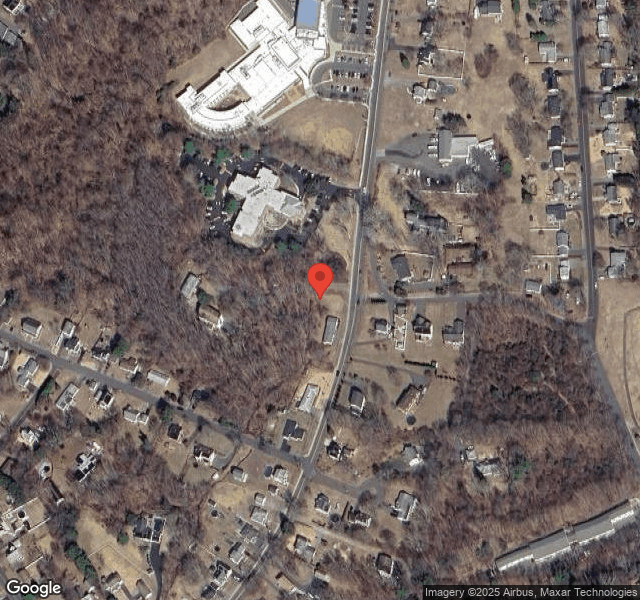
Jul 2021 10 deficiencies
CONCERN (D)

Potential for Harm - no one hurt, but risky conditions existed

Resident Rights (Tag F0550)

Could have caused harm · This affected 1 resident

**NOTE- TERMS IN BRACKETS HAVE BEEN EDITED TO PROTECT CONFIDENTIALITY** Based on review of the clinical record, review of facility documentation, review of facility policy/procedures and interviews fo...

Read full inspector narrative →
**NOTE- TERMS IN BRACKETS HAVE BEEN EDITED TO PROTECT CONFIDENTIALITY** Based on review of the clinical record, review of facility documentation, review of facility policy/procedures and interviews for one of three sampled residents (Resident #49) reviewed for an allegation of mistreatment the facility failed to ensure that care was provided in a dignified manner. The findings included: Resident #49's diagnoses included: contracture of the right knee, obesity, diabetes mellitus type II, sleep apnea, polyneuropathy and a history for falls. An admission assessment dated [DATE] identified the Resident was cognitively intact, required extensive assistance from staff for bed mobility and toileting and was incontinent of bowel. The RCP dated 2/2/21 identified the Resident was incontinent of bowel with interventions that included: offer bedpan/toilet assist approximately every two hours as needed, provide incontinent care every two hours and prn (as needed). The reportable event (RE) dated 2/10/21 at 3:43 PM identified that a male nurse aide (NA#5) made a negative statement to Resident #49 when providing care. The resident was not able to recall what day the incident occurred, but NA#5 was removed from the schedule pending facility's investigation. On 7/26/21 at 9:22 AM an interview and review of the RE with Resident #49 indicated that although he/she had reported the incident when it happened, she/he did not remember the specifics or details of the event but admits to currently feeling safe and well treated. On 7/26/21 at 9:45 AM an interview and review of the clinical record and facility documentation with the DSS (Director of Social Service) indicated that Resident #49 was able to demonstrate that he/she was alert and orient while providing his/her statement regarding his/her allegation of mistreatment by NA#5. The DSS also indicated that another resident who formerly resided at the facility but has since been discharged (Resident #156) reported that he/she had issues with the same nurse aide (NA#5), but since NA#5 had been removed from his/her care assignment, the resident no longer had any further issues or concerns. The DSS indicated that Resident #156 was also able to demonstrate that he/she was cognitively intact when giving his/her statement concerning NA#5 during the investigation. On 7/26/21 at 11:24 AM an interview and review of the RE with NA#5 indicated that Resident #49 was on his assignment during the weekend of 2/5 to 2/7/21 on 3rd shift (11:00 PM to 7:00 AM). NA#5 indicated that prior to the end of his shift, the resident reported he/she was incontinent of stool and soiled. NA#5 identified that he asked Resident#49 why he/she didn't call for a bed pan and the resident responded that he/she did not know. NA#5 further identified that he then left the room to get a towel to clean the Resident without cursing or swearing. On 7/28/21 at 1:25 PM an interview and review of the clinical record, RE and facility documentation with the DNS indicated that following Resident #49's allegation of mistreatment, NA#5 was removed from providing care to Resident #49.
CONCERN (D)

Potential for Harm - no one hurt, but risky conditions existed

Notification of Changes (Tag F0580)

Could have caused harm · This affected 1 resident

**NOTE- TERMS IN BRACKETS HAVE BEEN EDITED TO PROTECT CONFIDENTIALITY** Based on review of the clinical record, review of facility documentation, review of facility policy/procedures and interviews fo...

Read full inspector narrative →
**NOTE- TERMS IN BRACKETS HAVE BEEN EDITED TO PROTECT CONFIDENTIALITY** Based on review of the clinical record, review of facility documentation, review of facility policy/procedures and interviews for one of three sample residents (Resident #38) reviewed for skin integrity the facility failed to ensure the resident's physician and responsible party were notified of an injury of unknown origin in a timely manner. The findings included: Resident #38's diagnoses included vascular dementia without behavioral disturbances, peripheral vascular disease, atrial fibrillation, and quadriplegia. The RCP dated 4/24/21 identified the resident had the potential for skin impairment with interventions that included; use a draw sheet or lifting device to move resident, use caution during transfers and bed mobility to prevent striking arms, legs and hands against any sharp or hard surfaces, educate resident/family/caregivers of causative factors and measures to prevent skin injury, monitor/document location, size and treatment of skin injury, report abnormalities to physician, and inspect skin for signs or symptoms of redness or breakdown daily. A quarterly MDS assessment dated [DATE] identified Resident #38 had severe cognitive impairment and required total assistance of two staff for most activities of daily living. On 7/26/21 at 1:10 PM interview with the resident's responsible party (Person #1) indicated that over the weekend (7/23/21 & 7/24/21), he/she was informed by a family member (Person #2) that while visiting the resident, Person #2 discovered a bruise to the left side of the resident's head. Person #1 further indicated that he/she was never notified by the facility of the bruise and expected to be notified because he/she is the resident's responsible party. On 7/27/21 at 1:59 PM interview with Person #2 indicated he/she first noticed the bruise to the left side of the resident's forehead on 7/23/21 and thought it was the same bruise the resident had sustained to the head a month ago on 6/10/21. Person #2 further indicated that after thinking about it, he/she returned to visit the resident on 7/24/21 to observe the bruise for a 2nd time when he/she realized the bruise to the left side of the forehead was a new bruised area. Person #2 notified RN #5 who came and observed the bruise and informed Person #2 he/she would need to check to see if it was the same bruise from last month (6/10/21) or a new one. Person #2 noted RN #5 left the resident's room and did not return with feedback regarding the age of the current bruise. On 7/27/21 at 2:20 PM interview and review of the clinical record with RN #6 indicated that although she reported for duty on 7/23/21 to relieve RN #5 from the previous shift (7:00 AM-3:00 PM), RN #5 did not report to RN #6 that a bruise was discovered on the left side of the resident's forehead. Attempts made to contact RN #5 by this writer for an interview on 7/27/21 at 10:27 AM, 1:40 PM and by the DNS on 7/28/21 at 1:25 PM were unsuccessful. On 7/28/21 at 1:25 PM interview and review of the clinical record and facility policy and procedures with the DNS indicated the physician and the resident's responsible party were to have been updated at the time the bruise was discovered. The DNS further indicated the APRN saw Resident #38 on 7/27/21 and assessed the resident's bruise after being notified four days after the bruise was initially discovered.
CONCERN (D)

Potential for Harm - no one hurt, but risky conditions existed

Safe Environment (Tag F0584)

Could have caused harm · This affected 1 resident

**NOTE- TERMS IN BRACKETS HAVE BEEN EDITED TO PROTECT CONFIDENTIALITY** Based on observations, review of facility documentation and interviews, the facility failed to ensure equipment was in good repa...

Read full inspector narrative →
**NOTE- TERMS IN BRACKETS HAVE BEEN EDITED TO PROTECT CONFIDENTIALITY** Based on observations, review of facility documentation and interviews, the facility failed to ensure equipment was in good repair and safe for usage in rooms [ROOM NUMBERS]. The findings include: Observations on 7/23/21 at 10:03 AM of room [ROOM NUMBER] identified a dresser drawer with a detached handle and the privacy curtain between bed-A and bed-B had seven small to medium sized holes in the upper portions of the curtain. Interview and review of facility documentation (maintenance log books for the 3rd floor) with the Physical plant manager (PPM) on 7/27/21 at 11:07 AM identified he was unaware of the detached drawer handle and that the staff was to have placed it in the maintenance book which is reviewed by his staff throughout the day so that he can be informed of needed repairs. Subsequent to surveyor's inquiry the drawer handle was placed back into proper alignment and attached to the front panel of the drawer by the PPM. Interview on 7/23/21 at 1: 34 PM with the Housekeeping Supervisor (HS) identified he was unaware of the holes at the top of the privacy curtain in room [ROOM NUMBER] and that concerns are usually conveyed via word of mouth. He further identified that he would be sure to replace the privacy curtain. Observations on 7/23/21 at 11:07 AM of room [ROOM NUMBER] bed-A identified a plastic bag was attached to a short metal pull cord attached to the light above the bed. The plastic bag extended the length of the pull cord making it possible for the resident to turn the light switch on an off while lying in the bed. Interview and review of facility documentation with the Director of Maintenance on 7/27/21 at 1:21 PM identified he was unaware of the usage of a plastic bag tied to the overbed light (on/off) metal drawstring in Resident # 57's room (305). The Director of Maintenance indicated that the facility protocol directed for staff to enter needed repairs in the maintenance logbook and to contact maintenance via phone for urgent matters. He further noted that the maintenance logbook is checked a few times each day while maintenance staff is in the building. The Director of Maintenance identified a plastic bag was inappropriate to use to lengthen the metal drawstring overbed light and that the facility has a supply in stock to replace the metal drawstring when needed. He also noted that if staff had identified the need for repair in the maintenance logbook or called the maintenance department the metal drawstring would have been replaced immediately. Subsequent to surveyor inquiry, the metal drawstring was replaced on 7/27/21.
CONCERN (D)

Potential for Harm - no one hurt, but risky conditions existed

Quality of Care (Tag F0684)

Could have caused harm · This affected 1 resident

**NOTE- TERMS IN BRACKETS HAVE BEEN EDITED TO PROTECT CONFIDENTIALITY** Based on review of the clinical record, review of facility policy/procedures and interviews for one of three sampled resident (R...

Read full inspector narrative →
**NOTE- TERMS IN BRACKETS HAVE BEEN EDITED TO PROTECT CONFIDENTIALITY** Based on review of the clinical record, review of facility policy/procedures and interviews for one of three sampled resident (Resident #38) reviewed for skin integrity, the facility failed to ensure that a bruise (injury of unknown origin) was assessed and documented per acceptable standards of care. The findings included: Resident #38's diagnoses included vascular dementia without behavioral disturbances, peripheral vascular disease, atrial fibrillation, and quadriplegia. The RCP dated 4/24/21 identified the resident had the potential for skin impairment with interventions that included; use a draw sheet or lifting device to move resident, use caution during transfers and bed mobility to prevent striking arms, legs and hands against any sharp or hard surfaces, educate resident/family/caregivers of causative factors and measures to prevent skin injury, monitor/document location, size and treatment of skin injury, report abnormalities to physician, and inspect skin for signs or symptoms of redness or breakdown daily. A quarterly MDS assessment dated [DATE] identified Resident #38 had severe cognitive impairment and required total assistance of two staff for most activities of daily living. On 7/26/21 at 1:10 PM interview with the resident's responsible party (Person #1) indicated that over the weekend (7/23/21 & 7/24/21), he/she was informed by a family member (Person #2) that while visiting the resident, Person #2 discovered a bruise to the left side of the resident's head. Person #1 further indicated that he/she was never notified by the facility of the bruise and expected to be notified because he/she is the resident's responsible party. On 7/27/21 at 1:59 PM interview with Person #2 indicated he/she first noticed the bruise to the left side of the resident's forehead on 7/23/21 and thought it was the same bruise the resident had sustained to the head a month ago on 6/10/21. Person #2 further indicated that after thinking about it, he/she returned to visit the resident on 7/24/21 to observe the bruise for a 2nd time when he/she realized the bruise to the left side of the forehead was a new bruised area. Person #2 notified RN #5 who came and observed the bruise and informed Person #2 he/she would need to check to see if it was the same bruise from last month (6/10/21) or a new one. Person #2 noted RN #5 left the resident's room and did not return with feedback regarding the age of the current bruise. On 7/27/21 at 2:20 PM interview and review of the clinical record with RN #6 indicated that although she reported for duty on 7/23/21 to relieve RN #5 from the previous shift (7:00 AM-3:00 PM), RN #5 did not report to RN #6 that a bruise was discovered on the left side of the resident's forehead. Attempts made to contact RN #5 by this writer for an interview on 7/27/21 at 10:27 AM, 1:40 PM and by the DNS on 7/28/21 at 1:25 PM were unsuccessful. On 7/28/21 at 1:25 PM interview and review of the clinical record and facility policy and procedures with the DNS indicated she would have expected RN #5 to assess the bruise to determine if the bruise was a new bruise or an old bruise, provide a description of the bruise and document her assessment in the resident's clinical record. American Nurses' Association Standards of Nursing Practice - The collection of data about the health status of the patient is systematic and continuous. The data are accessible, communicated and recorded.
CONCERN (D)

Potential for Harm - no one hurt, but risky conditions existed

Accident Prevention (Tag F0689)

Could have caused harm · This affected 1 resident

**NOTE- TERMS IN BRACKETS HAVE BEEN EDITED TO PROTECT CONFIDENTIALITY** Based on observation, review of the clinical record and interviews for one sampled resident (Resident #605) who required an assi...

Read full inspector narrative →
**NOTE- TERMS IN BRACKETS HAVE BEEN EDITED TO PROTECT CONFIDENTIALITY** Based on observation, review of the clinical record and interviews for one sampled resident (Resident #605) who required an assist of two for transfers, the facility failed to ensure the resident was transferred with the assistance of two staff. The findings include: Resident #605 was admitted to the facility from an acute care hospital in July of 2021 with diagnoses that included: history of falls, laceration to head and dementia with behavioral disturbances. Review of a psychiatric evaluation performed in the hospital dated 7/19/21 identified Resident #605 was confused and had had a fall with injury. A physician's progress note, and a fall risk assessment dated [DATE] identified Resident #605 was a fall risk. The physician's order dated 7/21/21 directed to transfer Resident #605 with an assist of two staff members. The initial Resident Care Plan (RCP) dated 7/22/21 identified the need for assist with mobility and gait related to decreased mobility and weakness with an intervention to provide transfer assist according to physician's orders Observation on 7/22/21 at 10:17 AM identified NA #3 transferred Resident #605 from bed to wheelchair by herself. NA #3 was observed gripping the back of the resident's pants to boost the resident and to assist the resident to a standing position and a pivot to and into the wheelchair. NA #3 did not apply a gait belt to the resident. Resident #605 appeared to be confused, unable to follow directions and unsteady during the transfer as multiple instructions and attempts to transfer were made until the transfer into the wheelchair was completed. Interview with NA #3 on 7/22/21 at 10:23 AM identified that she should have utilized a gait-belt during the transfer but did not use one because the resident had previously refused to have the gait belt applied one hour before and she had not reattempted to apply one during the most recent transfer. NA #3 further identified that all residents were an assist of 1 with the use of a gait belt. Interview with LPN #1 on 7/22/21 at 1:05 PM identified Resident # 605 required an assist of 2 staff for all activities of daily living. Review of a reportable event report dated 7/22/21 identified Resident # 605 sustained a witnessed fall without injury and identified Resident #605 as an assist of 2 for transfers and mobility function and had confused mentation. Review of facility's Gait belt Use policy directed in part; gait belts must be used when physically transferring or ambulating residents. Review of the facility's Positioning and Body alignment policy directed in part: safety measures including the number of individuals needed to assist resident to change positions is maintained and gait belt in place to assist to a standing position.
CONCERN (D)

Potential for Harm - no one hurt, but risky conditions existed

Respiratory Care (Tag F0695)

Could have caused harm · This affected 1 resident

**NOTE- TERMS IN BRACKETS HAVE BEEN EDITED TO PROTECT CONFIDENTIALITY** Based on observation, review of the clinical record, review of facility documentation, review of facility policy, and interviews...

Read full inspector narrative →
**NOTE- TERMS IN BRACKETS HAVE BEEN EDITED TO PROTECT CONFIDENTIALITY** Based on observation, review of the clinical record, review of facility documentation, review of facility policy, and interviews for one sampled resident (Resident #81) reviewed for respiratory care, the facility failed to obtain a physician's order for oxygen treatment in a timely manner. The findings include: Resident #11 was admitted to the facility with diagnoses that included: malignant neoplasm, diabetes mellitus (DM), pulmonary nodule, hypertension, atrial flutter and weakness. The admission MDS assessment dated [DATE] identified Resident #81 had moderate cognitive impairment, required extensive assistance of one staff member for bed mobility and personal hygiene, required extensive assistive of two staff members for toileting and was totally dependent on staff for dressing. An APRN progress note dated 7/19/21 at 8:14 PM identified Resident #81 had no new cough, breathing was not labored, and the resident was not short of breath (SOB). Observations on 7/22/21 at 3:02 PM and 7/23/21 at 9:45 AM identified Resident #81 had oxygen on via nasal cannula at two liters per minute. Resident #81 did not appear to have signs of respiratory distress or shortness of breath. Interview with LPN #1 on 7/23/21 at 10:23 AM identified that the physician's orders did not reflect an order for oxygen. LPN #1 further indicated that Resident #81 should have an order for oxygen if the resident utilized oxygen. Interview with the DNS on 7/23/21 at 10:32 AM identified Resident #81 did not have an order for oxygen and noted that there should be a physician's order for oxygen if a resident utilized oxygen. The DNS further indicated that the APRN would assess Resident #81 for the need of oxygen. A physician's order dated 7/23/21 at 11:30 AM (after surveyor inquiry) directed for oxygen 2 liters as needed to keep saturation level above 90%. Additionally, the order directed to perform a respiratory assessment every three shifts for three days. An APRN progress note dated 7/23/21 at 12:09 PM identified that the nurses applied oxygen to the resident for complaints of SOB a few days ago. In addition, the progress note indicated that an order would be put in place for oxygen as needed for comfort per patient request. Review of the facility policy titled Oxygen Administration Nasal Cannula instructs to deliver low flow oxygen, per the physician's order via nasal cannula.
CONCERN (D)

Potential for Harm - no one hurt, but risky conditions existed

Infection Control (Tag F0880)

Could have caused harm · This affected 1 resident

**NOTE- TERMS IN BRACKETS HAVE BEEN EDITED TO PROTECT CONFIDENTIALITY** Based on observation, review of the clinical record, facility documentation, facility policy, and interviews for 1 resident (Res...

Read full inspector narrative →
**NOTE- TERMS IN BRACKETS HAVE BEEN EDITED TO PROTECT CONFIDENTIALITY** Based on observation, review of the clinical record, facility documentation, facility policy, and interviews for 1 resident (Resident # 358) reviewed for transmission based precautions (TBP), facility failed to ensure infection control practices were followed according to policy for required use of eye protection when providing care. The findings include: Resident #358 was admitted on [DATE] with diagnoses that included hypertension, Type II diabetes and anemia. RN Progress note dated 7/24/21 noted Resident #358 was not vaccinated and would be placed on transmission based precautions (TBP). Observation on 7/27/21 at 5:53 AM identified NA #2 enter resident #358's room after donning a gown and gloves (a face mask was already in place) without the benefit of wearing eye protection. NA #2 proceeded to provide care for Resident #358. An interview on 7/27/21 at 6:00 AM with NA #2 identified she did not don eye protection because there was no eye protective equipment located on the cart. NA #2 indicated that while she normally notifies the charge nurse or nursing supervisor when there is required personal protective equipment (PPE) missing from the isolation cart but she had not in this case. An interview on 7/27/21 at 6:15 AM with the DNS identified that staff were expected to wear the appropriate PPE according to protocol when providing care to a resident on TBP. The policy for the use of Face Shields or goggles dated March 10, 2021 directs that face shields or goggles be worn when providing care to a Covid-19 resident or those on observation for possible Covid-19 exposure.
CONCERN (E)

Potential for Harm - no one hurt, but risky conditions existed

Report Alleged Abuse (Tag F0609)

Could have caused harm · This affected multiple residents

**NOTE- TERMS IN BRACKETS HAVE BEEN EDITED TO PROTECT CONFIDENTIALITY** Based on review of the clinical record, review of facility policy/procedures and interviews for two of three sampled residents (...

Read full inspector narrative →
**NOTE- TERMS IN BRACKETS HAVE BEEN EDITED TO PROTECT CONFIDENTIALITY** Based on review of the clinical record, review of facility policy/procedures and interviews for two of three sampled residents (Resident #38) reviewed for an injury of unknown origin and (Resident #355) reviewed for verbal mistreatment , the facility failed to ensure that the injury of unknown origin and the alleged verbal mistreatment was reported to the DNS, Administrator and to the State Survey Agency within the appropriate time parameters. The findings include: 1. Resident #38's diagnoses included vascular dementia without behavioral disturbances, peripheral vascular disease, atrial fibrillation, and quadriplegia. A quarterly MDS assessment dated [DATE] identified the resident had severe cognitive impairment and required total assistance of two staff for most activities of daily living. The RCP dated 4/24/21 identified the resident had the potential for skin impairment with interventions that included; use of a draw sheet or lifting device to move resident, use caution during transfers and bed mobility to prevent striking arms, legs and hands against any sharp or hard surfaces, educate resident/family/caregivers of causative factors and measures to prevent skin injury, monitor/document location, size and treatment of skin injury, report abnormalities to physician and inspect skin for signs or symptoms of redness or breakdown daily. On 7/26/21 at 1:10 PM interview with the resident's Responsible Party (Person#1) indicated that over the weekend (7/23 & 7/24/21), he/she was informed by a family member (Person #2) that while visiting the resident, Person#2 discovered a bruise to the left side of the resident's head. Person#1 further indicated that he/she was never notified by the facility of the bruise and expected to be notified because he/she is the resident's responsible party. On 7/27/21 at 1:59 PM interview with Person #2 indicated he/she first noticed the bruise to the left side of the resident's forehead on 7/23/21 and thought it was the same bruise the resident had sustained to the head a month ago on 6/10/21. Person #2 further indicated that after thinking about it, he/she returned to visit the resident on 7/24/21 to observe the bruise for a 2nd time when he/she realized the bruise to the left side of the forehead was a new bruised area. Person #2 notified RN #5 who came and observed the bruise and informed Person #2 he/she would need to check to see if it was the same bruise from last month (6/10/21) or a new one. Person #2 noted RN #5 left the resident's room and did not return with feedback regarding the age of the current bruise. On 7/27/21 at 2:20 PM interview and review of the clinical record with RN #6 indicated that although she reported for duty on 7/23/21 to relieve RN #5 from the previous shift (7:00 AM-3:00 PM), RN #5 did not report to RN #6 that a bruise was discovered on the left side of the resident's forehead. Attempts made to contact RN #5 by this writer for an interview on 7/27/21 at 10:27 AM, 1:40 PM and by the DNS on 7/28/21 at 1:25 PM were unsuccessful. On 7/28/21 at 1:25 PM interview and review of the clinical record and facility policy and procedures with the DNS indicated he/she was to have been notified immediately of the bruise and an investigation was to have been initiated. The facility's Abuse Prohibition policy dated September 2020 identified that any incident of actual or suspected abuse requires an incident report be completed and supervisory personnel are responsible for ensuring that the initial investigation regarding the incident occurs timely. It further identified that appropriate interventions be put in place to ensure resident safety and protect the resident from additional harm. The Administrator and the DNS or Designee should be notified as soon as possible, and the Administrator, DNS or their designee assumes responsibility for the immediate verbal notification of the incident to the resident or his/her conservator/responsible party. 2. Resident #355 was admitted in July of 2021 with diagnoses that included; history of falling, traumatic subdural hemorrhage without loss of consciousness and right side rib fracture. Physician's order dated 7/8/21 directed Oxycodone HCL (opioid analgesic) Capsule 15 MG by mouth every 4 hours as needed for severe pain. The admission MDS assessment dated [DATE] identified Resident #355 was without cognitive impairment and required limited one-person assistance with bed mobility, transfers and ambulation with the assist of a walker. The resident care plan (RCP) dated 7/22/21 identified Resident #355 had a concern related to pain due to impaired mobility. Interventions included; administer pain medication as ordered, monitor location and severity of pain using a pain scale. An interview on 7/22/21 at 10:05 AM with Resident #355 identified that on one night of the previous week, the night shift nurse (LPN #3) was cruel towards him/her. Resident #355 stated she/he requested pain medication on three occasions to NA#1 and LPN #3 arrived a while later and asked why she/he was crying as she/he seemed to be getting up just fine. According to Resident #355, LPN #3's tone was mean, and she/he felt mistreated and undignified. Resident #355 further identified that she/he told LPN #3 that she/he was crying because she was in pain and needed pain medication; in addition, Resident #355 noted that she/he reported the incident to the day nurse the following morning who reported the incident to the nursing supervisor (RN #1). RN #1 then spoke with Resident #355 and assured her/him that she/he would no longer be provided care by LPN #3, but Resident #355 identified that she/he had been provided care by LPN #3 almost every night since the incident and was fearful LPN #3 could kill him/her. The resident further noted that there have been other requests for pain medication since the alleged incident and LPN #3 has taken almost two hours at times in responding to the request and had conveyed to the resident that she was entitled to a break and supper. An interview on 7/22/21 at 11:07 AM with RN #1 identified that she spoke to Resident #355 who reported LPN #3 did not administer pain medication as requested. RN #1 provided Resident #355 with education on the meaning of PRN or as needed medication. RN #1 indicated Resident #355 reported that LPN #3 spoke to him/her in a disrespectful manner and that LPN #3 was not nice when she conveyed that the resident could not receive pain medication. RN #1 stated she contacted LPN #3 about the alleged rude behavior which LPN #3 denied. RN #1 returned to speak with Resident #355 and assured him/her a similar incident would not happen again. According to RN #1, Resident #355 was asked if she/he wanted LPN #3 reassigned and was told no and that Resident #355 was happy with the outcome. RN #1 did not document or report the incident to anyone stating she was new to the facility. RN #1 acknowledged that she had received training on the facility's abuse prohibition policy. A statement submitted by RN #1 dated 7/22/21 at 10:00 AM identified that on 7/15/21, Resident #355 reported problems with the night nurse regarding his/ her pain medication and that clarification was provided regarding the use of PRN medication. The statement further noted RN #1 and Resident #355 agreed the matter was resolved and that Resident #355 appeared happy and satisfied. The statement did not include information regarding the reported alleged violation of verbal mistreatment made by Resident #355 or Resident #355's concern having the same assigned nurse following the incident on subsequent nights and his/her fear of retaliation. An interview on 7/27/21 at 6:15 PM with the DNS identified it would be her expectation that any alleged incident of verbal mistreatment be reported and investigated according to policy and identified that the allegation of verbal mistreatment was not reported to her at the time by RN #1. The Abuse Prohibition policy dated September 2020 identified that any incident of actual or suspected abuse have an incident report completed with supervisory personnel responsible to ensure the initial investigation regarding the incident occurs timely and appropriate with interventions put in place to ensure resident safety and protect the resident from additional harm. The Administrator and DNS/ designee responsible party and Department of Public Health should be notified as soon as possible.
CONCERN (E)

Potential for Harm - no one hurt, but risky conditions existed

Investigate Abuse (Tag F0610)

Could have caused harm · This affected multiple residents

**NOTE- TERMS IN BRACKETS HAVE BEEN EDITED TO PROTECT CONFIDENTIALITY** Based on clinical record reviews, review of facility policy/procedures, review of facility documentation and interviews for two ...

Read full inspector narrative →
**NOTE- TERMS IN BRACKETS HAVE BEEN EDITED TO PROTECT CONFIDENTIALITY** Based on clinical record reviews, review of facility policy/procedures, review of facility documentation and interviews for two of three sampled residents (Resident #38) reviewed for an injury of unknown origin, and (Resident #355) reviewed for an allegation of mistreatment, the facility failed to immediately initiate an investigation for a bruise of unknown origin and for an allegation of verbal mistreatment and failed to protect the residents from potential further mistreatment. The findings include: 1. Resident #38's diagnoses included vascular dementia without behavioral disturbances, peripheral vascular disease, atrial fibrillation, and quadriplegia. The RCP dated 4/24/21 identified the resident had the potential for skin impairment with interventions that included; use a draw sheet or lifting device to move resident, use caution during transfers and bed mobility to prevent striking arms, legs and hands against any sharp or hard surfaces, educate resident/family/caregivers of causative factors and measures to prevent skin injury, monitor/document location, size and treatment of skin injury, report abnormalities to physician, and inspect skin for signs or symptoms of redness or breakdown daily. A quarterly MDS assessment dated [DATE] identified Resident #38 had severe cognitive impairment and required total assistance of two staff for most activities of daily living. On 7/26/21 at 1:10 PM interview with the resident's responsible party (Person #1) indicated that over the weekend (7/23/21 & 7/24/21), he/she was informed by a family member (Person #2) that while visiting the resident, Person #2 discovered a bruise to the left side of the resident's head. Person #1 further indicated that he/she was never notified by the facility of the bruise and expected to be notified because he/she is the resident's responsible party. On 7/27/21 at 1:59 PM interview with Person #2 indicated he/she first noticed the bruise to the left side of the resident's forehead on 7/23/21 and thought it was the same bruise the resident had sustained to the head a month ago on 6/10/21. Person #2 further indicated that after thinking about it, he/she returned to visit the resident on 7/24/21 to observe the bruise for a 2nd time when he/she realized the bruise to the left side of the forehead was a new bruised area. Person #2 notified RN #5 who came and observed the bruise and informed Person #2 he/she would need to check to see if it was the same bruise from last month (6/10/21) or a new one. Person #2 noted RN #5 left the resident's room and did not return with feedback regarding the age of the current bruise. On 7/27/21 at 2:20 PM interview and review of the clinical record with RN #6 indicated that although she reported for duty on 7/23/21 to relieve RN #5 from the previous shift (7:00 AM-3:00 PM), RN #5 did not report to RN #6 that a bruise was discovered on the left side of the resident's forehead. Attempts made to contact RN #5 by this writer for an interview on 7/27/21 at 10:27 AM, 1:40 PM and by the DNS on 7/28/21 at 1:25 PM were unsuccessful. On 7/28/21 at 1:25 PM interview and review of the clinical record and facility policy and procedures with the DNS indicated that RN#5 was to have reported the bruise to her immediately so that an investigation could be initiated. The DNS further noted that the facility initiated an investigation on 7/27/21 which was 4 days after Person #2 reported the bruise to RN #5. The Abuse Prohibition Policy dated September 2020 directed any incident of actual or suspected abuse have an incident report completed with supervisory personnel are responsible to ensure the initial investigation regarding the incident occurs timely and appropriate interventions be put in place to ensure resident safety and protect the resident from additional harm. If the alleged incident involves an employee, obtain a statement dated and signed form the employee and place on administrative leave pending completion of the investigation. 2. Resident #355 was admitted in July of 2021 with diagnoses that included; history of falling, traumatic subdural hemorrhage without loss of consciousness and right side rib fracture. Physician's order dated 7/8/21 directed Oxycodone HCL (opioid analgesic) Capsule 15 MG by mouth every 4 hours as needed for severe pain. The admission MDS assessment dated [DATE] identified Resident #355 was without cognitive impairment and required limited one-person assistance with bed mobility, transfers and ambulation with the assist of a walker. The resident care plan (RCP) dated 7/22/21 identified Resident #355 had a concern related to pain due to impaired mobility. Interventions included; administer pain medication as ordered, monitor location and severity of pain using a pain scale. An interview on 7/22/21 at 10:05 AM with Resident #355 identified that on one night of the previous week, the night shift nurse (LPN #3) was cruel towards him/her. Resident #355 stated she/he requested pain medication on three occasions to NA#1 and LPN #3 arrived a while later and asked why she/he was crying as she/he seemed to be getting up just fine. According to Resident #355, LPN #3's tone was mean, and she/he felt mistreated and undignified. Resident #355 further identified that she/he told LPN #3 that she/he was crying because she was in pain and needed pain medication; in addition, Resident #355 noted that she/he reported the incident to the day nurse the following morning who reported the incident to the nursing supervisor (RN #1). RN #1 then spoke with Resident #355 and assured her/him that she/he would no longer be provided care by LPN #3, but Resident #355 identified that she/he had been provided care by LPN #3 almost every night since the incident and was fearful LPN #3 could kill him/her. The resident further noted that there have been other requests for pain medication since the alleged incident and LPN #3 has taken almost two hours at times in responding to the request and had conveyed to the resident that she was entitled to a break and supper. An interview on 7/22/21 at 11:07 AM with RN #1 identified that she spoke to Resident #355 who reported LPN #3 did not administer pain medication as requested. RN #1 provided Resident #355 with education on the meaning of PRN or as needed medication. RN #1 indicated Resident #355 reported that LPN #3 spoke to him/her in a disrespectful manner and that LPN #3 was not nice when she conveyed that the resident could not receive pain medication. RN #1 stated she contacted LPN #3 about the alleged rude behavior which LPN #3 denied. RN #1 returned to speak with Resident #355 and assured him/her a similar incident would not happen again. According to RN #1, Resident #355 was asked if she/he wanted LPN #3 reassigned and was told no and that Resident #355 was happy with the outcome. RN #1 did not document or report the incident to anyone stating she was new to the facility. RN #1 acknowledged that she had received training on the facility's abuse prohibition policy. A statement submitted by RN #1 dated 7/22/21 at 10:00 AM identified that on 7/15/21, Resident #355 reported problems with the night nurse regarding his/ her pain medication and that clarification was provided regarding the use of PRN medication. The statement further noted RN #1 and Resident #355 agreed the matter was resolved and that Resident #355 appeared happy and satisfied. The statement did not include information regarding the reported alleged violation of verbal mistreatment made by Resident #355 or Resident #355's concern having the same assigned nurse following the incident on subsequent nights and his/her fear of retaliation. A review of the staffing schedule dated 7/16/21 through 7/22/21 identified LPN #3 worked at the facility on the unit that Resident #355 resided on at least three occasions. An interview on 7/27/21 at 6:15 PM with the DNS identified it would be her expectation that any alleged incident of verbal mistreatment be reported and investigated according to policy and identified that the allegation of verbal mistreatment was not reported to her at the time by RN #1. The Abuse Prohibition Policy dated September 2020 directed any incident of actual or suspected abuse have an incident report completed with supervisory personnel are responsible to ensure the initial investigation regarding the incident occurs timely and appropriate interventions be put in place to ensure resident safety and protect the resident from additional harm. If the alleged incident involves an employee, obtain a statement dated and signed form the employee and place on administrative leave pending completion of the investigation.
MINOR (B)

Minor Issue - procedural, no safety impact

Medical Records (Tag F0842)

Minor procedural issue · This affected multiple residents

**NOTE- TERMS IN BRACKETS HAVE BEEN EDITED TO PROTECT CONFIDENTIALITY** Based on review of the clinical record, and interviews for one sampled resident (Resident #53), the facility failed to ensure th...

Read full inspector narrative →
**NOTE- TERMS IN BRACKETS HAVE BEEN EDITED TO PROTECT CONFIDENTIALITY** Based on review of the clinical record, and interviews for one sampled resident (Resident #53), the facility failed to ensure the clinical record was complete and accurate in reflecting the residents diagnoses, intake and output record and recommendations for a follow up appointment with a specialist. The findings include: 1. Resident #53's admission MDS dated [DATE] identified the resident had adequate vision, no cognitive impairment, no problems with mood or behavior, required supervision for personal hygiene, had a compression fracture of the vertebrae and a diagnosis of asthma. Review of the clinical record identified that on 6/11/21, diagnoses were added to the clinical record that were inclusive of type 2 diabetes, dementia with behavioral disturbances, retinal detachment with retinal break, cognitive communication deficit, age-related physical debility, and unspecified fracture of the left humerus. Interview and review of the clinical record with the DNS on 7/26/21 at 1:26 PM identified the diagnoses for left arm fracture, dementia with behavioral disturbance diabetes, and possibly other diagnoses entered into the record on 6/11/21 were incorrect and should not have been entered in the record. Interview with RN #2 on 7/27/21 at 2:35 PM identified that she may have entered information into Resident #53's clinical record that was meant for another resident in error and noted that she would need to review records to ensure correct data is entered. Interview with the DNS on 7/28/21 at 9:42 AM identified that she believed the incorrect information was information for another resident and the facility is correcting the record and investigating to identify the other resident to ensure records are accurate. Further interview with the DNS on 7/28/21 at 10:21 AM identified, there is no specific policy regarding accuracy or completeness of resident records, it is an expectation of the nurses to maintain a complete and accurate record. Interview with RN #4 on 7/28/21 at 10:37 AM identified they believe the incorrect diagnoses happened because RN #2 had selected an incorrect diagnostic code for fracture, so an arm fracture was entered incorrectly as well as dementia and age-related debility. Subsequent to surveyor inquiry, the resident's diagnoses reflected in the clinical record were revised on 7/28/21. 2. Resident #53's diagnoses included compression fracture of vertebrae, fusion of spine, low back pain, muscle weakness and localized swelling of bilateral lower extremities. Resident #53's admission MDS dated [DATE] identified the resident had no cognitive impairment, no problems with mood or behavior, was dependent on two staff for transfers, did not walk in room or corridor, and required extensive assistance of two staff for toilet use and had frequent pain. ADL data for May 2021 identified 10 out of 28 shifts were blank (not completed) for both bladder and bowel continence. ADL data for June 2021 identified 22 out of 90 shifts were blank (not completed) for both bladder and bowel continence. ADL data for July 2021 identified 19 out of 75 shifts were blank (not completed) for both bladder and bowel continence. Interview and review of ADL data on 7/28/21 at 8:33 AM identified the ADL documentation was incomplete and identified nursing staff was responsible for completion. Interview with the DNS on 7/28/21 at 11:50 PM identified there is no facility policy for nurse aide documentation, it is an expectation documentation will be completed. 3. Resident #53's diagnoses included compression fracture of vertebrae, fusion of spine, low back pain, muscle weakness and localized swelling of bilateral lower extremities. Hospital Discharge Instructions dated 5/22/21 identified: We have referred you to a neurosurgeon spine specialist, MD #3. Please follow up to discuss MRI results and discuss options in management going forward, MD #3's office phone number was provided. Resident #53's hospital Visit Information document dated 5/22/21, under the heading Additional Instructions, included: We have found on MRI a compression fracture and narrowing of nerve canals due to degenerative changes. We have referred you to a neurosurgeon spine specialist, MD #3. Please follow up to discuss MRI results and discuss options in management going forward, MD #3's office phone number was provided. Under the heading Follow-Ups, the document identified: Resident #53 has been referred to the following clinics/specialists for follow-up care and identified Resident # 53 was to follow up with MD #3 in two weeks and provided address and phone number for MD #3. A physician's order dated 5/22/21 and 5/23/21 directed: Follow-up with MD #3 for spine specialist for MRI, and listed MD #3's phone number. Resident #53's admission MDS dated [DATE] identified the resident had no cognitive impairment, no problems with mood or behavior, was dependent on two staff for transfers, did not walk in room or corridor, and required extensive assistance of two staff for toilet use and had frequent pain. A progress note for admission, written by facility APRN #2, dated 5/24/21, identified Resident #53 was seen by orthopedic and neurosurgery without any new recommendations except pain control and therapy; ongoing chronic edema, no changes to Lasix, discharged to SNF on 5/22/21. Review of the clinical record did not reflect the hospital directions for this follow up had been addressed. Interview with APRN #1 on 7/26/21 at 2:10 PM identified that she would expect the information to have been documented in the clinical record. Interview with DNS 7/28/21 at 10:21 AM identified there is no specific policy regarding accuracy or completeness of resident records. The DNS identified it is a nursing expectation to maintain a complete and accurate record. Interview with APRN #2 on 7/28/21 at 12:02 PM identified she did not recall any specifics regarding the hospital discharge instructions.
Understanding Severity Codes (click to expand)
Life-Threatening (Immediate Jeopardy)
J - Isolated K - Pattern L - Widespread
Actual Harm
G - Isolated H - Pattern I - Widespread
Potential for Harm
D - Isolated E - Pattern F - Widespread
No Harm (Minor)
A - Isolated B - Pattern C - Widespread

Questions to Ask on Your Visit

  • "Can I speak with families of current residents?"
  • "What's your RN coverage like on weekends and overnight?"

Our Honest Assessment

Strengths
  • • No major safety red flags. No abuse findings, life-threatening violations, or SFF status.
  • • No fines on record. Clean compliance history, better than most Connecticut facilities.
Concerns
  • • 48 deficiencies on record. Higher than average. Multiple issues found across inspections.
  • • Grade D (40/100). Below average facility with significant concerns.
Bottom line: Trust Score of 40/100 indicates significant concerns. Thoroughly evaluate alternatives.

About This Facility

What is Shady Knoll Center For Health & Rehabilitation's CMS Rating?

CMS assigns SHADY KNOLL CENTER FOR HEALTH & REHABILITATION an overall rating of 1 out of 5 stars, which is considered much below average nationally. Within Connecticut, this rating places the facility higher than 0% of the state's 100 nursing homes. A rating at this level reflects concerns identified through health inspections, staffing assessments, or quality measures that families should carefully consider.

How is Shady Knoll Center For Health & Rehabilitation Staffed?

CMS rates SHADY KNOLL CENTER FOR HEALTH & REHABILITATION's staffing level at 1 out of 5 stars, which is much below average compared to other nursing homes.

What Have Inspectors Found at Shady Knoll Center For Health & Rehabilitation?

State health inspectors documented 48 deficiencies at SHADY KNOLL CENTER FOR HEALTH & REHABILITATION during 2021 to 2025. These included: 43 with potential for harm and 5 minor or isolated issues.

Who Owns and Operates Shady Knoll Center For Health & Rehabilitation?

SHADY KNOLL CENTER FOR HEALTH & REHABILITATION is owned by a for-profit company. For-profit facilities operate as businesses with obligations to shareholders or private owners. The facility is operated by NATIONAL HEALTH CARE ASSOCIATES, a chain that manages multiple nursing homes. With 128 certified beds and approximately 120 residents (about 94% occupancy), it is a mid-sized facility located in SEYMOUR, Connecticut.

How Does Shady Knoll Center For Health & Rehabilitation Compare to Other Connecticut Nursing Homes?

Compared to the 100 nursing homes in Connecticut, SHADY KNOLL CENTER FOR HEALTH & REHABILITATION's overall rating (1 stars) is below the state average of 3.0 and health inspection rating (2 stars) is below the national benchmark.

What Should Families Ask When Visiting Shady Knoll Center For Health & Rehabilitation?

Based on this facility's data, families visiting should ask: "Can you walk me through typical staffing levels on day, evening, and night shifts?" "Can I visit during a mealtime to observe dining assistance and food quality?" "How do you handle medical emergencies, and what is your hospital transfer rate?" "Can I speak with family members of current residents about their experience?" These questions are particularly relevant given the below-average staffing rating.

Is Shady Knoll Center For Health & Rehabilitation Safe?

Based on CMS inspection data, SHADY KNOLL CENTER FOR HEALTH & REHABILITATION has a clean safety record: no substantiated abuse findings (meaning no confirmed cases of resident harm), no Immediate Jeopardy citations (the most serious violation level indicating risk of serious injury or death), and is not on the Special Focus Facility watch list (a federal program monitoring the lowest-performing 1% of nursing homes). The facility has a 1-star overall rating and ranks #100 of 100 nursing homes in Connecticut. While no facility is perfect, families should still ask about staff-to-resident ratios and recent inspection results during their visit.

Do Nurses at Shady Knoll Center For Health & Rehabilitation Stick Around?

SHADY KNOLL CENTER FOR HEALTH & REHABILITATION has not reported staff turnover data to CMS. Staff turnover matters because consistent caregivers learn residents' individual needs, medications, and preferences. When staff frequently change, this institutional knowledge is lost. Families should ask the facility directly about their staff retention rates and average employee tenure.

Was Shady Knoll Center For Health & Rehabilitation Ever Fined?

SHADY KNOLL CENTER FOR HEALTH & REHABILITATION has no federal fines on record. CMS issues fines when nursing homes fail to meet care standards or don't correct problems found during inspections. The absence of fines suggests the facility has either maintained compliance or corrected any issues before penalties were assessed. This is a positive indicator, though families should still review recent inspection reports for the full picture.

Is Shady Knoll Center For Health & Rehabilitation on Any Federal Watch List?

SHADY KNOLL CENTER FOR HEALTH & REHABILITATION is not on any federal watch list. The most significant is the Special Focus Facility (SFF) program, which identifies the bottom 1% of nursing homes nationally based on persistent, serious quality problems. Not being on this list means the facility has avoided the pattern of deficiencies that triggers enhanced federal oversight. This is a positive indicator, though families should still review the facility's inspection history directly.