APPLE REHAB SHELTON LAKES
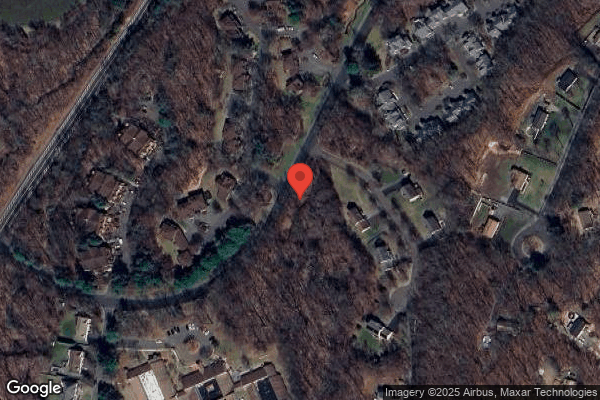
5 LAKE ROAD, SHELTON, CT 06484 (203) 924-2635
For profit - Corporation 106 Beds APPLE REHAB Data: November 2025
Trust Grade
60/100
#82 of 192 in CT
Last Inspection: December 2024

Within standard 12-15 month inspection cycle. Federal law requires annual inspections.

Overview

Apple Rehab Shelton Lakes has a Trust Grade of C+, indicating it is slightly above average but not without concerns. Ranked #82 out of 192 facilities in Connecticut, it sits in the top half, and at #8 of 15 in Greater Bridgeport County, it has limited local competition. The facility is improving, with issues decreasing from 15 in 2024 to just 1 in 2025. Staffing is a moderate strength with a 31% turnover rate, which is lower than the state average of 38%, but the overall RN coverage is average. While the facility has no fines, which is a positive sign, there are notable weaknesses as well. Recent inspections revealed cleanliness issues, such as stained toilet seats and walls, and failures to consistently monitor residents' weights as prescribed. Additionally, some residents did not receive adequate treatment for their hearing impairments, indicating room for improvement in quality of care.

Trust Score
C+
60/100
In Connecticut
#82/192
Top 42%
Safety Record
Low Risk
No red flags
Inspections
Getting Better
15 → 1 violations
Staff Stability
○ Average
31% turnover. Near Connecticut's 48% average. Typical for the industry.
Penalties
✓ Good
No fines on record. Clean compliance history, better than most Connecticut facilities.
Skilled Nurses
○ Average
Each resident gets 32 minutes of Registered Nurse (RN) attention daily — about average for Connecticut. RNs are the most trained staff who monitor for health changes.
Violations
⚠ Watch
49 deficiencies on record. Higher than average. Multiple issues found across inspections.
★★★☆☆
3.0
Overall Rating
★★★☆☆
3.0
Staff Levels
★★☆☆☆
2.0
Care Quality
★★★☆☆
3.0
Inspection Score
Stable
2024: 15 issues
2025: 1 issues

The Good

  • Full Sprinkler Coverage · Fire safety systems throughout facility
  • No fines on record
  • Staff turnover below average (31%)

    17 points below Connecticut average of 48%

Facility shows strength in fire safety.

The Bad

3-Star Overall Rating

Near Connecticut average (3.0)

Meets federal standards, typical of most facilities

Staff Turnover: 31%

15pts below Connecticut avg (46%)

Typical for the industry

Chain: APPLE REHAB

Part of a multi-facility chain

Ask about local staffing decisions and management

The Ugly 49 deficiencies on record

Sept 2025 1 deficiency
CONCERN (D) 📢 Someone Reported This

A family member, employee, or ombudsman was alarmed enough to file a formal complaint

Potential for Harm - no one hurt, but risky conditions existed

Deficiency F0553 (Tag F0553)

Could have caused harm · This affected 1 resident

**NOTE- TERMS IN BRACKETS HAVE BEEN EDITED TO PROTECT CONFIDENTIALITY** Based on clinical record review, facility documentation review, facility policy review, and interviews for one of three resident...

Read full inspector narrative →
**NOTE- TERMS IN BRACKETS HAVE BEEN EDITED TO PROTECT CONFIDENTIALITY** Based on clinical record review, facility documentation review, facility policy review, and interviews for one of three residents (Resident #2) reviewed for change in condition, the facility failed to facilitate the inclusion of the resident and/or resident representative in the development and implementation of his or her person-centered plan of care. The findings include: Based on clinical record review, facility documentation review, facility policy review, and interviews for one of three residents (Resident #2) reviewed for change in condition, the facility failed to facilitate the inclusion of the resident and/or resident representative in the development and implementation of his or her person-centered plan of care. The findings include: Resident #2 was admitted to the facility on [DATE] with diagnoses that included schizophrenia, and depression. Record review identified Person #1 was Resident #2's responsible party, Power of Attorney, and substitute decision maker. The Resident Care Plan (RCP) dated 2/1/2023 identified Resident #2 had a psychiatric diagnosis. Interventions directed family involvement with care. The admission Minimum Data Set (MDS) assessment dated [DATE] identified Resident #2 had a Brief Interview for Mental Status (BIMS) score of six out of fifteen (6/15), indicative of severe impaired cognition and was dependent with personal care. Record review failed to identify any interdisciplinary team (IDT) meetings were conducted from admission during 1/2023 through 4/19/2023. Although requested, the facility was unable to provide any documentation that any IDT meetings were conducted from admission during 1/2023 through 4/18/2023. A social services note dated 4/19/2023 at 10:21 AM, written by Social Worker (SW) #1 identified a telephone care plan meeting was held on 4/19/2023 with Person #1. Review of the IDT Care Plan Meeting document dated 4/21/2023 without a time frame noted, identified the care plan meeting was attended by Person #1, the Recreation Director, Dietary Director, and SW #1. The document failed to identify if Resident #2 or Person #1 were present during the meeting, or if they were invited. Interview with RN #1 and the Administrator on 9/2/2025 at 2:25 PM identified the facility performs a baseline and comprehensive care within seven (7) days of admission to the facility. The facility then holds an IDT care plan meeting within twenty-one (21) days from admission, and then quarterly meetings thereafter. RN #1 and the Administrator were unable to provide documentation that an admission care plan meeting was held within seven (7) days of admission to the facility on 1/27/2023, or any additional care plan meetings before 4/19/2023. RN #1 and the Administrator stated the facility should have conducted the meetings as described and should have included both Resident #2 and Person #1, and were unable to explain why that did not occur. Review of the facility Care Plan Policy dated 10/30/20 directed in part, the resident and/or family/responsible party will be invited to attend all care plan conferences. Further, the Policy directed a comprehensive care plan will be developed in collaboration with the resident and/or family/responsible party. A Care Conference to discuss the plan of care will be held on or before day twenty-one (21) from admission and then at least quarterly.
Dec 2024 11 deficiencies
CONCERN (D)

Potential for Harm - no one hurt, but risky conditions existed

Resident Rights (Tag F0550)

Could have caused harm · This affected 1 resident

**NOTE- TERMS IN BRACKETS HAVE BEEN EDITED TO PROTECT CONFIDENTIALITY** Based on clinical record reviews, observations, facility documentation, facility policy and interviews for 2 of 3 sampled reside...

Read full inspector narrative →
**NOTE- TERMS IN BRACKETS HAVE BEEN EDITED TO PROTECT CONFIDENTIALITY** Based on clinical record reviews, observations, facility documentation, facility policy and interviews for 2 of 3 sampled residents (Resident #28 and Resident #32) reviewed for resident rights, the facility failed to ensure a resident(s) with a urinary collection device was treated in a dignified manner. The findings include: 1. Resident #28's diagnoses included obstructive and reflux uropathy and other disorders of the prostate. The quarterly Minimum Data Set ( MDS) assessment dated [DATE] identified Resident #28 as moderately cognitively impaired and required (1) to (2) assist with Activities of Daily Living (ADL). The Resident Care Plan (RCP) dated 11/12/24 identified Resident #28 had an indwelling urinary device in place. Interventions directed provide catheter care as ordered, change drainage bag as ordered and provide privacy cover for drainage bag. The physician's orders dated 11/13/24 directed catheter care every shift and apply leg bag when out of bed. An observation with the Director of Nursing Services (DNS) on 12/02/24 at 10:58 AM identified Resident #28 in a johnny coat sitting in a wheelchair next to her/his bed with urine collection tube extending out from between h/her legs to a urine collection device full of tea colored urine in a basin on the floor beside h/her and without the benefit of a privacy cover. Resident # 28 was sitting closest to the entry room door, with the door open, no privacy curtain with full view of any visitors/staff passing by to his/her roommate. An interview with the DNS on 12/02/24 at 10:58 AM identified she was unaware of any privacy cover required for urine collection devices for any resident while in their room. The DNS further identified Resident #28 should have the urinary collection tubing switched to a leg bag if s/he left the room. An interview with Nurse Aide (NA #10) on 12/04/24 at 2:45 PM identified he was assigned to Resident #28 on 12/2/24 during the 7:00 AM to 3:00 PM shift and well known to him/her. NA #10 identified he routinely left the urine collection device in basin directly on the floor next to Resident #28. NA #10 further identified he was instructed earlier in the day by the DNS to connect the urinary collection tubing to a leg bag for privacy (subsequent to surveyor inquiry). A review of the facility policy for Resident Rights (no date) directed that each resident had the right to be treated with consideration, full respect and full recognition of dignity and individuality. A review of the facility policy for Catheter Care dated 9/30/22 directed that for any resident with a urinary collection device, a privacy bag or fig leaf bag be provided to ensure dignity and using a large drainage closed system bag. 2. Resident #32 's diagnoses included benign prostatic hyperplasia with lower urinary tract symptoms, Methicillin Resistant Staphylococcus Aureus Infection and Chronic Obstructive Pulmonary disease ( COPD). A physician's order dated 1/18/24 directed to Change Foley Catheter Bag ever week and as needed. The care plan dated 9/23/24 identified Foley. Interventions included changing the catheter and bag as needed. The quarterly Minimum Data Set assessment dated [DATE] identified Resident #32 as cognitively intact and required maximal assistance for toileting hygiene, bed mobility and personal hygiene. Observation on 12/03/24 at 9:50 AM of Resident # 32's Foley bag on the floor uncovered. Observation on 12/03/24 at 11:30 of Resident # 32 'Foley bag on the floor and uncovered. Interview with Registered Nurse (RN #5) on 12/03/24 at 11:35 AM indicated she was unsure of what the privacy bag was, therefore, she informed Resident #32's nurse to obtain a privacy bag. RN #5 noticed it was not done and stated nurses are responsible for ensuring Foley is covered and not on the floor. Facility Catheter Care policy dated 9/30/22 indicated in part that Privacy bag or fig leaf bag to ensure dignity.
CONCERN (D) 📢 Someone Reported This

A family member, employee, or ombudsman was alarmed enough to file a formal complaint

Potential for Harm - no one hurt, but risky conditions existed

Deficiency F0657 (Tag F0657)

Could have caused harm · This affected 1 resident

**NOTE- TERMS IN BRACKETS HAVE BEEN EDITED TO PROTECT CONFIDENTIALITY** Based on clinical record reviews, review of facility policy, and interviews for 1 of 1 resident reviewed for Hospice/ End of Lif...

Read full inspector narrative →
**NOTE- TERMS IN BRACKETS HAVE BEEN EDITED TO PROTECT CONFIDENTIALITY** Based on clinical record reviews, review of facility policy, and interviews for 1 of 1 resident reviewed for Hospice/ End of Life ( Resident #154), the facility failed to ensure the care plan was revised when the resident elected Hospice/ End of Life services. The findings included: 1. Resident #154's diagnoses included dementia and arteriosclerotic heart disease. The annual Minimum Data Set (MDS) assessment dated [DATE] indicated Resident #154 did not receive Hospice/ End of Life services and did not have a prognosis of 6 months or less. A nursing progress note dated 11/23/2024 at 12:21 PM indicated in part Resident #154 was admitted to hospice care effective 11/23/2024. An interview and record review on 12/6/2024 at 10:00AM with the MDS Coordinator (RN #3) identified the Social Worker (SW) is responsible for residents on Hospice, and if no care plan was noted when completing the Significant Change MDS assessment. RN #3 would initiate a hospice care plan at the time of the Significant Change MDS . An interview and clinical record review with SW#1 on 12/6/2024(14 days after hospice election) at 10:34 AM indicated she did not find a Hospice care plan for Resident #154 in the resident record. SW# 1 further indicated the care plan would have been written by the MDS Coordinator and indicted a care plan should have been added in the facility electronic documentation system . The facility policy labeled care planning indicated in part the care plan is updated at least quarterly and necessary to reflect the changes in the residents' status.
CONCERN (D)

Potential for Harm - no one hurt, but risky conditions existed

Deficiency F0692 (Tag F0692)

Could have caused harm · This affected 1 resident

**NOTE- TERMS IN BRACKETS HAVE BEEN EDITED TO PROTECT CONFIDENTIALITY** Based on review of the clinical record, review of facility policy and staff interviews for 1 of 3 residents ( Resident #13) revi...

Read full inspector narrative →
**NOTE- TERMS IN BRACKETS HAVE BEEN EDITED TO PROTECT CONFIDENTIALITY** Based on review of the clinical record, review of facility policy and staff interviews for 1 of 3 residents ( Resident #13) reviewed for Nutrition, the facility failed to ensure re-weights were obtained when the resident was noted with a 5-pound discrepancy in accordance to facility policy. The findings include: Resident #13 was admitted on [DATE]. The resident's diagnosis included dysphagia. A review of the weights documented in the Weights and Vitals Summary indicated the following: On 1/29/2024 at 3:02 PM Resident #13 was weighed via Hoyer lift on admission and weighed 116.6 pounds. On 2/5/2024 at 11:56 AM Resident #13 weighed 137.0 pounds standing, (a 20.4-pound weight gain in 7 days). On 2/8/2024 at 12:22 PM Resident #13 weighed 142.0 pounds standing, (a 5-pound weight gain in 3 days). The dietician note dated 2/8/2024 at 12:26 PM indicated in part the admission weight of 116.6 was inaccurate as the hospital discharge weight was 126 pounds. A review of weights documented in the Weights and Vitals Summary indicated the following: On 2/11/2024 at 2:48 PM Resident #13 weighed 140.0 pounds standing (a 2-pound weight loss in 3 days). On 2/25/2024 at 2:25 PM Resident #13 weighed 147.0 pounds standing, (a 7-pound weight gain) The quarterly Minimum Data Set (MDS) assessment dated [DATE] identified Resident #13 as moderately cognitively impaired, weighed 147 pounds, had a 5% weight gain in 30 days or 10% gain in the last 6 months and noted the resident was on a mechanically altered diet. A weight documented in the Weighs and Vital Summary dated 3/5/2024 at 8:35 PM noted the resident weighed 148.9 pounds. Resident #13 was discharged on 5/16/2024 and admitted back to the facility on 6/19/2024. The clinical record identified on 6/19/2024, Resident #13 weighed 136 pounds. The admission Minimum Data Set (MDS) assessment dated [DATE] indicated Resident #13 weighed 136 pounds and had a 5 percent loss in the last month or loss of 10% in 6 months and indicated the resident was on a mechanically altered diet. On 7/2/2024 Resident #13 weighed 128 pounds (an 8-pound weight loss in 12 days). A dietician note dated 7/5/2024 at 11:12 AM indicated Resident #13's weight was down 8 pounds in a month (5.9%) a significant loss and recommended large food portions. On 8/6/2024 at 7:09 PM Resident #13 weighed 134.9 pounds (a 5.9-pound weight gain in 32 days). On 8/8/2024 a dietician note indicated Resident #13 had a significant weight gain 6.9 pounds (5.4 percent) in a month and to continue diet as ordered. On 9/2/2024 at 9:44 PM Resident #13 weighed 145 pounds (a 10.1-pound weight gain in 31 days). A dietician note dated 9/5/2024 at 2:42 PM indicated Resident #13 gained 10.1 pounds in a month and to continue diet as ordered. On 10/2/2024 at 2:43 PM Resident #13 weighed 147.4 pounds (a 2.4-pound weight gain in 30 days). On 10/3/2024 at 2:16 PM Resident #13's weight was stable. On 11/06/2024 at 12:01 PM Resident #13 weighed 156.2 pounds (an 8.8-pound weight gain in 30 days). A dietician note dated 11/7/2024 12:33 PM identified Resident #13 gained 8.8 pounds in a month with an indication this was a beneficial gain and to continue with the diet as ordered. On 12/8/2024 at 12:52 PM Resident #13 weighed 158.3 pounds (a 2.1-pound weight gain in 28 days). An interview with the Dietician on 12/9/2024 at 10:27 AM indicated when there is a discrepancy in weights a request for a reweight would be made. However, the dietician could not recall if and when s/he asked for a re-weight and indicated the facility policy for weight monitoring directs to obtain a reweight if there is a 5 pound loss or gain from the last weight. The dietician also indicated she/he was not concerned about Resident #13's weight discrepancies as Resident #13 eats very well and the weight gain was a true weight gain. On 12/09/24 at 10:40 AM an interview and clinical record review with charge nurse Licensed Practical Nurse ( LPN #4) indicated re-weights are obtained if there is a large gain or loss at which time staff would inform the dietician. LPN #4 further indicated for Resident #13 the dietician would decide if a re-weight was needed. LPN #4 further indicated weights are obtained on a work sheet then placed into the electronic system and paper sheets are not kept. On 12/09/24 at 10:48 AM an interview and record review with the ADNS identified reweight should have been obtained per facility policy when weights were 5 pound more or less than the previous weight. The facility policy labeled Weight Monitoring notes if there is a 5-pound weight discrepancy (plus or minus) a reweight should be obtained, the charge nurse is to review the resident's weight and compare it to the previous weights to determine if there is a 5% weight change in 30 days or 10% weight change in 6 months.
CONCERN (E) 📢 Someone Reported This

A family member, employee, or ombudsman was alarmed enough to file a formal complaint

Potential for Harm - no one hurt, but risky conditions existed

Safe Environment (Tag F0584)

Could have caused harm · This affected multiple residents

**NOTE- TERMS IN BRACKETS HAVE BEEN EDITED TO PROTECT CONFIDENTIALITY** Based on observations of the environment, review of facility policy and interviews, the facility failed to maintain a safe, clea...

Read full inspector narrative →
**NOTE- TERMS IN BRACKETS HAVE BEEN EDITED TO PROTECT CONFIDENTIALITY** Based on observations of the environment, review of facility policy and interviews, the facility failed to maintain a safe, clean homelike environment. The findings included: 1. An observation on 12/02/24 at 10:45 AM identified the following: a) room [ROOM NUMBER] Discolored and stained toilet seat. Stained tile and walls around toilet. b) room [ROOM NUMBER] Marred walls. c) room [ROOM NUMBER] - stained [NAME] in the bathroom, marred walls. d) room [ROOM NUMBER] marred closet door, large amount of brown staining on curtain next to bed #1. e) room [ROOM NUMBER]- Marred walls, exposed sheetrock next to bed #1. f) room [ROOM NUMBER]- Large smeared brown stain above garbage in front of bed #2, missing closet baseboard rusted commode seat, brown dried stain drops along wall. g) room [ROOM NUMBER]- Rusted metal trim in bathroom, brown buildup in corners and on side of closet in front of bed #1. Stained toilet seat. h) room [ROOM NUMBER]- Marred walls, hole in sheetrock next to bed #1, discolored and stained toilet seat, screw holes under soap dispenser, unpainted sheetrock next to entry door with screw holes, marred closet door and sides. i)room [ROOM NUMBER]-Marred walls along baseboard. A subsequent observation and interview with the Director of Maintenance on 12/09/24 at 10:10 AM identified he was responsible for the oversight of maintenance and housekeeping staff to identify and address environmental cleanliness and damage in resident occupied areas. This is typically accomplished through environmental rounds and as identified by the interdisciplinary team. The Director of Maintenance further identified environmental concerns were being addressed annually and in a going manner but was unable to provide supporting documentation/environmental rounds that detailed the plan for completion for some of some of the environmental concerns, i.e. toilet set cover, replacement molding. The Director of Maintenance further identified housekeeping staff should be addressing the cleanliness in an ongoing manner. An interview with the Administrator on 12/09/24 at 10:10 AM identified she would expect the environment be maintained in a safe, clean and sanitary manner. Although requested, a policy for maintaining a clean environment was not provided. A review of the facility policy for Infection Control Surveillance and Safety Rounds dated 1/2/23 directed surveillance rounds tube conducted on a regular basis by the infection control nurse/designee. Each department head will be responsible for correcting issues identified during the surveillance process and document these corrections on the surveillance rounds form. 2. Concerns were received by the state agency online reporting system on 1/5/2024. Concerns noted the facility had stained ceiling tiles and mold in the ceiling registers. On 12/4/24 at 9:35 AM a tour of the facility identified scattered stained tiles. In the chapel, near the back door, a cracked ceiling tile was observed to be tapped. In the resident lounge that housed a small piano and located off of the hallway leading to the long term care wing, a stained tile by the window and exit door was observed. In the hallway directly outside of room [ROOM NUMBER] three ceiling tiles were observed to be stained. No black staining nor black substances were observed on the ceiling or on ceiling registers. The state agency Building Fire and Safety inspection team also conducted its own inspection and found no indication of mold, but did indicate scattered stained tiles in resident areas. The infection control surveillance and safety rounds policy indicated that each department head will be responsible for correcting issues identified during the surveillance process.
CONCERN (E)

Potential for Harm - no one hurt, but risky conditions existed

Quality of Care (Tag F0684)

Could have caused harm · This affected multiple residents

**NOTE- TERMS IN BRACKETS HAVE BEEN EDITED TO PROTECT CONFIDENTIALITY** Based on clinical record review and staff interviews for 1 sampled resident (Resident #23) reviewed for edema, the facility fail...

Read full inspector narrative →
**NOTE- TERMS IN BRACKETS HAVE BEEN EDITED TO PROTECT CONFIDENTIALITY** Based on clinical record review and staff interviews for 1 sampled resident (Resident #23) reviewed for edema, the facility failed to consistently conduct weights according to physician orders. The findings include: Resident #23 's diagnoses included Congestive Heart Failures (CHF), localized edema and type 2 diabetes mellitus. A physician's order dated 9/25/24 directed daily weight in AM one time a day for CHF. The quarterly Minimum Data Set assessment dated [DATE] identified Resident #23 as cognitively impaired and requires supervision/ touching assistance with personal hygiene and maximal assistance with dressing and toileting hygiene. The Resident Care plan dated 10/18/24 identified CHF. Interventions directed to watch for any increased edema (lower extremities, abdomen, sacrum and generalized swelling) and to report to MD/ Advanced Practice Registered Nurse (APRN). Review of clinical record of Resident # 23's weight for daily weights for for months of October, November and December 2024 identified the following : The facility conducted 4 out of 8 daily weights for the month of December 2024 The facility conducted 7 out 30 daily weights for the month of November 2024 The facility conducted 14 out of 31 weights for the month of October 2024 Interview with RN #8 Assistant Director of Nursing Services (ADNS) on 12/9/24 at 9:23AM identified weights are only documented in the facility electronic records. The ADNS further explained, the first seven days of the month weights are collected on paper then documented in the electronic records under weights, Medication Administration Records (MAR) or Treatment Administration Records (TAR). The ADNS also identified if a resident refuses, the refusal would be documented in the progress notes. A follow up interview with the ADNS on 12/9/24 at 10:32 AM identified if the MAR or TAR is signed off, it reflects the work/ task was completed and indicated the expectation is that weight are documented. The charge nurse, ADNS and DNS are responsible for overseeing that signed off tasks are completed. however, the ADNS was unable to explain why daily weights were signed off as completed but not documented in the clinical record
CONCERN (E)

Potential for Harm - no one hurt, but risky conditions existed

Deficiency F0685 (Tag F0685)

Could have caused harm · This affected multiple residents

**NOTE- TERMS IN BRACKETS HAVE BEEN EDITED TO PROTECT CONFIDENTIALITY** Based on clinical record reviews, facility documentation, facility policy and interviews for 5 of 5 sampled residents (Residents...

Read full inspector narrative →
**NOTE- TERMS IN BRACKETS HAVE BEEN EDITED TO PROTECT CONFIDENTIALITY** Based on clinical record reviews, facility documentation, facility policy and interviews for 5 of 5 sampled residents (Residents #16, #18, #23, #76 and #83) reviewed for quality of care, the facility failed to ensure residents receive proper treatement to maintain adequate hearing. The findings included: 1. Resident #16's diagnoses included dementia and major depressive disorder. The quarterly Minimum Data Set (MDS) assessment dated [DATE] identified Resident #16 as severely cognitively impaired and required two person assist with activities of daily living (ADL). The Resident Care Plan (RCP) dated [DATE] identified Resident #16 was hearing impaired, wore a hearing aid and refused at times. Interventions directed to offer hearing aids daily, offer audiology consult as needed and if resident refuses, offer at a later time and utilize family member if available. A social service progress note dated [DATE] identified per request of Resident #16 and responsible party, a contracted community specialty service was contacted and placed the resident on a list for an audiology visit on [DATE] for a hearing aid evaluation. An audiology consult dated [DATE] identified Resident #16 was evaluated after noting new verbal communication difficulties, such as having commands repeated, not turning when spoken to, having difficulty understanding speech with a request for hearing aids. Clinical findings identified hearing loss could not be established in both ears due to cerumen (ear wax) remaining in both ears after instrument removal. Recommendations were made for wax removal in both ears. A subsequent social service progress note dated [DATE] identified the contracted community specialty service was contacted, and Resident #16 was to be seen on the next visit for hearing aid evaluation per responsible party request. A review of the social worker progress notes, nursing progress notes and physician orders and facility documentation failed to reflect Resident #16 was treated and revaluated for hearing loss/hearing aids. An interview and clinical record review with Social Worker, SW #1 on [DATE] at 9:03 AM identified she was responsible for overseeing medical specialty services for the residents. SW #1 identified for any service; a request was sent with consent to the contracted service provider which would include requests for hearing aids. SW #1 submitted a request to the contracted service provider on [DATE] for [DATE] and again on [DATE] for the resident to be seen on [DATE]. SW #1 identified that she assumed it would be her responsibility to follow up on the provider requests but had not done so on behalf of Resident #16. SW #1 further identified she did not offer any alternative community services for audiology to Resident #16 or responsible party. An interview and facility documentation review with Person #1, the Customer Care Coordinator for the community service providers on [DATE] at 9:16 AM identified she coordinated specialty visits with the facility. Once a consent with request for services was received, the provider would request orders and clinical information for the resident. Following each facility visit, the Director of Nursing Services, DNS and SW #1 would receive an After Visit Summary detailing the treatment provided to each resident, and reason, if any, a resident was not seen. Person #1 identified Resident #16 was initially seen on [DATE] for audiology. Recommendations were made for wax removal which was included on the After Visit Summary sent to the DNS and SW #1. It was expected the facility contact the community provider once treatment was completed so the resident could be evaluated. Person #1 identified she had not been contacted by the facility at any time regarding the status of Resident #16's treatment and that audiology services had been provided to facility residents on (8) occasions between [DATE] and present. Person #1 further identified on [DATE], (21) scheduled residents were not seen due physician orders not being received prior to the appointment which was also detailed in the after-visit summary. Person #1 also indicated there have been ongoing issues with the facility in following recommendations for residents to be seen. An interview with the DNS on [DATE] at 11:06 AM identified she, in coordination with SW #1 and Assistant Director of Nursing Services oversaw community provider services. Once identified, a request with consent would be sent to the community provider to add the resident to a list to be seen at the next scheduled visit. Any clinical information and orders were to be obtained and sent to the provider prior to the visit. All information was communicated to her through email fax and phone calls from the provider. The DNS identified any recommendations should be reviewed by the APRN and that nursing staff should be following up on the status of the recommendations. The DNS further identified that although she received correspondence from the community provider, she was unaware there were any concerns related to residents not being seen, recommendations not being followed, and was unable to explain how the systemic issue occurred. An interview with the Administrator on [DATE] at 10:44 AM identified she would expect that if a resident required specialty services, orders are obtained, residents seen timely, recommendations followed, and the facility follow up on any resident not seen. 2. Resident # 18 's diagnoses included anxiety disorder, arteriosclerosis, and Adult Failure to Thrive, A physician's order dated [DATE] directed to provide Dental, Ophthalmology, Podiatry, and Audiology services as needed through Health Drive. The annual Minimum Data Set assessment dated [DATE]/24 identified Resident #18 as cognitively intact and dependent for toileting, personal hygiene, and lower body dressing. The care plan dated [DATE] identified Resident #18 required assistance with ADL. Interventions included assistance of 2 for care. Review of the facility contracted vendor documentation indicated Resident #18 refused services on [DATE] and was rescheduled for [DATE]. The contracted vendor documentation for [DATE] indicated they could not evaluate Resident #18 as they did not have a physician's order. In an Interview with Administrator and DNS on [DATE] at 11:07 AM identified the contracted vendor appointments are initiated upon admission. The Resident/Family will sign a consent for contracted vendor services if they wish to receive services from them. The services will then be added to contracted vendor schedule. The resident will be seen by the next available date. The DNS, ADNS, and Social Worker are involved in the process. The facility is notified if more information is required prior to the appointment such as MD orders. The DNS will provide the information to contracted vendor. In an interview with the Administrator on [DATE] at 10:40 AM identified the expectation is that appointments are made timely and there is timely follow up. The DNS should be overseeing the process. 3. Resident #23 's diagnoses included dementia, and cataracts. A physician's order dated [DATE] directed for vision, dental, podiatry, audiology and psychiatric services as needed. A care plan dated [DATE] identified Resident #23 had difficulty understanding and/or expressing speech related to a decline in cognitive status. An attending physician's request for services/consultation dated [DATE] identified the family or staff had noticed recent decreased in the resident responsiveness and a request for an audiological consultation by the facility audiologist. The quarterly MDS assessment dated [DATE] identified Resident #23 as severely cognitively impaired and had adequate hearing and did not use a hearing aide. Facility documentation dated [DATE] identified that although Resident #23 was on the schedule to be seen by audiology, the resident was unable to be seen due to no physician's orders noted for treatment. A review of the medical record from [DATE] through [DATE] failed to identify if Resident #23 had been evaluated by an audiology specialist. On [DATE] at 2:44 PM an interview with the audiologist customer care representative (Person #2), indicated that a resident is placed on the schedule to be seen after the facility has submitted a request for services and every visit from audiology required a new physician's order. On [DATE] at 11:07 AM an interview with the Administrator and DNS identified that consents for the facility audiology specialty services are obtained on admission and signed by the resident or resident representative and requests for services are submitted when the resident is requesting to be seen or there is an issue that require an evaluation. The DNS was unable to indicate what had prompted a request for service on [DATE] and why there was no physician's order noted on [DATE]. Although, the DNS indicated she was responsible for following up on visit summaries from audiology services she was unable to indicate why follow ups were not being completed. Although the facility did not have an audiology policy for Consultation for Outside Medical Appointments which identified the facility must communicate the outcomes and recommendations from outside healthcare providers to the resident, family, and relevant staff. 4. Resident #76 's diagnoses included hypertension, anxiety and Alzheimer disease. A physician's order dated [DATE] directed to have Vision, Dental, Podiatry, Audiology and Psychiatric Services as needed. The quarterly Minimum Data Set assessment dated [DATE] identified Resident #76 as cognitively impaired and required supervision for eating and maximal assistance for oral and toileting hygiene. The care plan dated [DATE] identified Essential Support Person. Interventions included following facility policy and procedures for essential support persons. Resident's #76 on [DATE] care conference signs off sheet indicate nursing staff was not in attendance. Review of records indicated a recommendation from audiology visit from the facility contracted vendor for wax removal on [DATE]. Subsequent to recommendation on [DATE] there were no physician's order indicating to remove wax post recommendation. Interview with the DNS and Administrator on [DATE] at 11:15 AM indicated on admission residents and/or representative sign consents to receive treatment from facility contracted vendors for services. The DNS reported once recommendations are made, the APRN is informed and is responsible for following up with recommendations. The DNS indicated once the APRN is informed, the expectation is the APRN should follow up with recommendations in a timely manner. The DNS further identified it is her responsibility to ensure follows up appointments are followed through , however, she/he was unable to explain why this was not done. Facility Consultation for Outside Medical Appointments policy in part directed the facility is responsible for ensuring residents receive timely and coordinated care for outside medical appointments and to review instructions or recommendations provided by outside healthcare providers. 5. Resident #83's diagnoses included cerebral infarction (stroke) and dementia. The annual MDS assessment dated [DATE] identified Resident #83 as severely cognitively impaired and (1) to (2) person assist with ADL. The RCP dated [DATE] identified Resident #83 had progressive intellectual decline related to dementia and needed social interaction/mental stimulation. Interventions directed to assist as needed to meet needs and to offer activity supplies of preference/ interest including movies, music and offer social visits. An audiology consult dated [DATE] identified Resident #83 was being evaluated after family/staff noted recent deceased responsiveness. Hearing loss could not be evaluated as ear wax remained in both ears following instrument removal. Recommendations made for wax removal to the right ear. A review of the social worker progress notes, nursing progress notes and physician's orders and facility documentation failed to reflect Resident #16 was treated and revaluated for hearing loss/hearing aids. An interview and clinical record review with Social Worker, SW #1 on [DATE] at 9:03 AM identified she was responsible for overseeing medical specialty services for residents. SW #1 identified for any service; a request was sent with consent to the contracted service provider. SW #1 further indicated she assumed it was her responsibility to follow up on the provider requests but had not done so. An interview and facility documentation review with Person #1, the Customer Care Coordinator for the community service providers on [DATE] at 9:16 AM identified she coordinated specialty visits with the facility. Once a consent with request for services was received, the provider would request orders and clinical information for the resident. Following each visit the facility, the Director of Nursing Services ( DNS) and SW #1 would receive an After Visit Summary detailing the treatment provided to each resident, and reason, if a resident was not seen. The expectation for not being seen would required the facility to contact the community provider once treatment was completed for a resident so the resident can be evaluated. Person #1 further identified on [DATE], (21) scheduled residents were not seen due physician orders not being received prior to the appointment which was also detailed in the after-visit summary. Person #1 further indicated there have been ongoing issues with the facility in following up on recommendations so residents can be seen. An interview with the DNS on [DATE] at 11:06 AM identified she in coordination with SW #1 and Assistant Director of Nursing Services oversaw community provider services. Once identified, a request was sent to the community provider who would place the resident on a list to be seen at the next scheduled visit. Any clinical information and physician's orders were to be obtained and sent to the provider prior to the visit. This information was communicated to her through email fax and phone calls from the provider. The DNS identified any recommendations should be reviewed by the APRN and nursing staff should be following up on the status of the recommendations. The DNS further indicated although she received correspondence from the community provider, she was unaware there were any concerns related to residents not being seen, recommendations not being followed, and was unable to explain how the systemic issue occurred. An interview with the Administrator on [DATE] at 10:44 AM identified she would expect that if a resident required specialty services, physician's orders are obtained, residents seen timely, recommendations followed, and the facility would follow up on any resident not seen. A review of the facility policy for Consultation for Outside Medical Appointments (no date) directed to identify the need for an outside medical consultation, schedule an appointment with the appropriate provider, prepare any necessary documents and history for the appointment, document details in the medical record and update the medical record with any new information or recommendations from the consultation, review any instructions from the outside provider, revise the care plan as necessary or follow up appointments and to communicate any outcomes to the resident, responsible party and relevant staff.
CONCERN (E)

Potential for Harm - no one hurt, but risky conditions existed

Deficiency F0761 (Tag F0761)

Could have caused harm · This affected multiple residents

**NOTE- TERMS IN BRACKETS HAVE BEEN EDITED TO PROTECT CONFIDENTIALITY** Based on observations, review of facility policy and staff interviews, the facility failed to ensure Intravenous Therapy (IV) su...

Read full inspector narrative →
**NOTE- TERMS IN BRACKETS HAVE BEEN EDITED TO PROTECT CONFIDENTIALITY** Based on observations, review of facility policy and staff interviews, the facility failed to ensure Intravenous Therapy (IV) supplies located in the medication storage room and the central supply were stored and labeled appropriately and the facility failed to ensure supplies were not expired. The facility also failed to ensure left over resident supplies were returned to the pharmacy after therapy completion, discharge, or transfer from facility. The findings included: 1. An observation and interview with the Infection Preventionist (IP) RN #11 on [DATE] at 12:00PM identified the following : individually wrapped loose Intravenous (IV) heparin and saline flushes in large boxes on the lower shelf, several clear bags containing IV flush syringes ordered to particular residents on top of the individual flushes in the boxes. Each box had a laminated card one indicating heparin flushes and the other Normal Saline flushes. Additionally, other individual supplies such as central line dressings were scattered behind the boxes. The IP (RN #11) indicated the flushes were extra supplies and some of the residents supplies needed to be returned as the residents had been discharged . 2. Observation and interview on [DATE] at 12:15 PM with the IP, RN #11 in the central supply closet identified the following: IV supplies in one box (central line tubing and caps), no labels indicating house stock or resident, another large box containing proximately 100 single unused heparin flushes two randomly selected with an expiration date of 2021. RN #11 indicated she/he was the person responsible for ensuring dates supplies are checked for expiration. After inquiry, RN #11 indicated the supplies would be immediately checked. 3. Observation and interview on [DATE] at 1:30 PM on the short-term unit medication room with the IP (RN #11) and the charge nurse LPN #3 identified the following : one of the boxes identified earlier was removed along with the resident specific supplies. RN # 11 further indicted some of the supplies were sent back to the pharmacy. The surveyor pointed out a large box on the medication room shelf indicated Normal Saline flushes, but the contents were Heparin flushes. RN #11 told LPN #3 to label flushes correctly. The facility policy labeled Returning Medications to the Pharmacy dated revised [DATE] indicated in part unopened unused non refrigerated injectable medications and solutions should be (returned within 5 days of discontinuation) and unopened packages of infusion supplies can be returned to the pharmacy for credit. A facility policy for drug destruction was requested but not provided.
CONCERN (E)

Potential for Harm - no one hurt, but risky conditions existed

Food Safety (Tag F0812)

Could have caused harm · This affected multiple residents

**NOTE- TERMS IN BRACKETS HAVE BEEN EDITED TO PROTECT CONFIDENTIALITY** Based on observations of the kitchen steam table during the noon meal, review of facility policy and staff interviews, the facil...

Read full inspector narrative →
**NOTE- TERMS IN BRACKETS HAVE BEEN EDITED TO PROTECT CONFIDENTIALITY** Based on observations of the kitchen steam table during the noon meal, review of facility policy and staff interviews, the facility failed to ensure dietary staff served food in a sanitary manner and the facility failed to ensure that food items were labeled with a date and dented cans in the dry storage room were removed. The findings included: 1. Observation on 12/4/2024 at 12:50 PM of Dietary Aide ( DA) #1 identified DA# 1 using a plate cover for delivery of a meal to a resident room then walked out of the room with the cover. DA #1 covered the next meal with the same cover she/he walked out of the resident's room and place the cover upside down on the top shelf of the steam table in front of Dietary Aide #2 who was plating the food. Dietary Aide #2 then placed his/her bare hand over the edge of the plate cover with fingers inside the cover then moved his/her hand off the cover and proceeded to plate a meal for another resident. Dietary Aide #1 then took the same plate cover turned it right side up, covered the next meal and delivered it to a resident room. When Dietary Aide #1 exited the resident room s/he was holding the inside of the plate cover against his/her clothing and walked back to the steam table. An interview with Dietary Aide #1 and #2 12/4/2024 at 12:55 PM at the time of the observation Dietary Aide #1 indicated she/he did not have enough clean covers for each resident plate and was nervous therefore she/he used the same plate cover held it against his/her clothing. Dietary Aide #2 could not explain why she/he used her/his bare hand and fingers over the edge of the plate cover and indicated she/he was sorry for touching the inside of the plate cover and would tell Dietary Aide #1 not to reuse the plate covers. On 12/4/2024 at 1:00PM an interview with the Dietary Manager who was informed of the food delivery concerns identified she/he just received a call from the Dietary Aide about the breach in service and indicated the dietary aide should have used a different cover . An interview on 12/06/24 at 12:18 PM with the Dietary Manager identified the same plate cover should not be reused when there is break in dietary practice because the facility has enough plate covers for all the residents. The Dietary Manager also indicated the process for using the plate covers is to take one out of the steam table cover for the plate deliver to the room then come out the room with the plate cover and place it on the bottom shelf of the steam table; they are not to be reused. 2. During a tour of the Dietary Department on 12/2/24 at 9:59 AM during the initial walk through the kitchen with the Dietary Manager identified the following: a. Observation of the Walk in Refrigerator identified 2 packs of [NAME] Choice Hamburger Buns, 1 pack of [NAME] Choice Hot Dog rolls, 2 packs of [NAME] Choice Bread, 1 pack of [NAME] Rolls, and 1 pack of [NAME] English muffins opened and without the benefit of a date of opened. Interview with the Dietary Manager on 12/2/2/24 at 10:08 AM identified the above food items should be dated once opened. She indicated all kitchen staff are responsible for dating open items. Facility's Stock Rotation Policy notes in part When food items are removed from original case, date individual contents. All items need to be individually dated when removed from original containers. b. Observation of the dry storage room identified 13 cans of 10 oz Nemco Diced Peaches were dented. Interview with the Dietary Manager on 12/2/24 at 10:25 AM identified all Dented items should be removed from the storeroom and returned to the vendor. The Dietary Manger further indicated she was responsible for ensuring dented cans are not placed in the storeroom but was unable to explain why dented cans were not removed. Facility's Damaged Food Container Policy notes in part cans that contain a deep, angular dent with acute crimping of body wall or end seam, (should be) removed from the storeroom and return to vendor.
CONCERN (E)

Potential for Harm - no one hurt, but risky conditions existed

QAPI Program (Tag F0867)

Could have caused harm · This affected multiple residents

Deficiency Text Not Available

Read full inspector narrative →
Deficiency Text Not Available
CONCERN (E)

Potential for Harm - no one hurt, but risky conditions existed

Infection Control (Tag F0880)

Could have caused harm · This affected multiple residents

**NOTE- TERMS IN BRACKETS HAVE BEEN EDITED TO PROTECT CONFIDENTIALITY** Based on observations, clinical record reviews, facility documentation, facility policy and interviews for of 2 of 4 sampled res...

Read full inspector narrative →
**NOTE- TERMS IN BRACKETS HAVE BEEN EDITED TO PROTECT CONFIDENTIALITY** Based on observations, clinical record reviews, facility documentation, facility policy and interviews for of 2 of 4 sampled residents (Resident #28 and Resident #32) reviewed for urinary catheter/urinary tract infection, the facility failed to ensure infection control standards were implemented in the management of a urinary catheter device and for 2 of 2 resident reviewed for Infection Control ( Resident # 71 and # 153), the facility failed to post signage to alert staff of the need for Personal Protective Equipment and ensure supplies were readily available for residents with infectious and consistently track/monitor residents with infections and for 1 of 3 residents (Resident # 2) reviewed for pressure ulcer, the facility failed to follow appropriate infection control practices. The findings included: 1. Resident #28's diagnoses included obstructive and reflux uropathy and other disorders of the prostate. The quarterly Minimum Data Set ( MDS) assessment dated [DATE] identified Resident #28 as moderately cognitively impaired and required (1) to (2) assist with Activities of Daily Living (ADL). The Resident Care Plan (RCP) dated 11/12/24 identified Resident #28 had an indwelling urinary device in place. Interventions directed provide catheter care as ordered, change drainage bag as ordered and provide privacy cover for drainage bag. The physician's orders dated 11/13/24 directed catheter care every shift and apply leg bag when out of bed. An observation with the Director of Nursing Services (DNS) on 12/02/24 at 10:58 AM identified Resident #28 in a johnny coat sitting in a wheelchair next to her/his bed with urine collection tube extending out from between h/her legs to a urine collection device full of tea colored urine in a basin on the floor beside h/her and without the benefit of a privacy cover. An interview with the DNS on 12/02/24 at 10:58 AM identified the urinary collection device should be hanging on the side of the wheelchair and she/he was unsure why the bag was placed in a basin on the floor. An interview with Nurse Aide, NA #10 on 12/04/24 at 2:45 PM identified he was assigned to Resident #28 on 12/2/24 during the 7:00 AM to 3:00 PM shift and he routinely left the urine collection device in basin directly on the floor next to h/her. 2. Resident #32 's diagnoses included benign prostatic hyperplasia with lower urinary tract symptoms, Methicillin Resistant Staphylococcus Aureus Infection and Chronic Obstructive Pulmonary disease ( COPD). The quarterly Minimum Data Set assessment dated [DATE] identified Resident #32 as cognitively intact and required maximal assistance for toileting hygiene, bed mobility and personal hygiene. A physician's order dated 1/18/24 directed to Change Foley Catheter bag ever week and ass needed. The care plan dated 9/23/24 identified Foley. Interventions included changing the catheter and bag as needed. Observation on 12/03/24 at 9:50 AM of Resident # 32's Foley bag on the floor uncovered. Observation on 12/03/24 at 11:30 of Resident # 32 'Foley bag on the floor and uncovered. Interview with Registered Nurse (RN #5) on 12/03/24 at 11:35 AM indicated she was unsure of what the privacy bag was, therefore, she informed Resident #32's nurse to obtain a privacy bag. RN #5 noticed it was not done and stated nurses are responsible for ensuring the Foley is covered and not on the floor. A review of the facility policy for Catheter Care (dated 9/30/22) directed that a urinary collection bag should never be paced on the floor and should be hanging lower than the resident's bladder. 3. Resident #71's diagnosis included urinary tract infection and Extended Spectrum Beta lactamase (ESBL) Resistance. A physician's order dated 11/1/2024 directed to provide contact precautions due to ESBL in urine. A physician's order dated 11/1/2024 directed to provide Meropenem Intravenous reconstituted solution providing 1 gram intravenously every 8 hours for 9 days to treat bacteremia (end date of 11/10/2024). The baseline care plan dated 11/3/2024 indicated Resident #71 had urinary tract infection with ESBL and was on enhanced barrier and contact precautions. The admission Minimum Data Set (MDS) assessment dated [DATE] indicated Resident #71 had severe cognitive impairment and received Intravenous (IV) antibiotics. The care plan dated 11/6/2024 indicated to use enhanced barrier precautions for residents with medical devices or those colonized or infected with a Multi Resistant Organism (MDRO). The care plan further indicated Resident #71 had a Peripherally Inserted Central Catheter (PICC) with interventions which included placing an EBP sign outside the room, instruction on using EBP, and for Resident #71 to remain on EBP during his/her stay in the facility. A nursing progress note dated 11/29/2024 at 3:48 PM indicated preliminary urine culture results were gram negative rods greater than 100,000 colony count with the antibiotic sensitivities still pending. An observation on 12/2/2024 at 10:50 AM identified Resident #71 in bed, a sign outside the room on the right side of the door indicating EBP and a small bright green dot next to Resident #71's name plate. No protective equipment cart was noted outside of the room. Upon entering the open door to the room another sign indicating Contact Precautions was posted in the middle of the door but no indication of which resident in the shared room the signage applied to. Meanwhile a nurse's aide entered the room to assist the resident's roommate. An observation and interview with LPN #4 on 12/2/2024 at 10:54 AM identified residents requiring EBP don't have a PPE cart outside each person's room as a cart is located on the wing to obtain supplies needed. LPN #4 indicated she/he not knowing which sign applied which resident but knew Resident #71 was on EBP and indicated she/he would ask the Assistant Director of Nursing (ADNS) for clarification. An observation and interview with the ADNS on 12/2/2024 at 11:00 AM indicated Resident #71 had been treated for an infection and no longer needed contact precautions and took the sign down. A provider progress note dated 12/2/2024 at 3:15PM indicated in part Resident #71 had a urinalysis the week prior after reported behavioral changes and the results exceeded 100,000 per ml colony count of ESBL. The progress note further indicated though Resident #71 had completed IV antibiotic therapy on November 10,2024 the plan would be to treated with Meropenem 1 gram IV every 8 hours for 14 days. An observation and interview on 12/3/2024 with the Infection Preventionist (IP) identified no contact precautions sign or Personal Protective Equipment (PPE) cart outside Resident #71's room. After surveyor observation IP indicated proper signage, and a cart would be initiated immediately. 4. Resident 153's diagnosis included urinary retention and wounds involving less than 10 percent of the body surface. Resident #153 was admitted on [DATE]. A nurse's note dated 11/21/2024 at 3:13 PM indicated Resident #153 refused to be assessed during wound rounds indicating his/her preference was to go to the wound clinic for wound care. A nurse's note dated 11/25/2024 at 1:37 PM as a late entry indicated Resident #153's wounds and wound measurements noted 7 wounds 6 of which had a depth of 0.1 Centimeter (CM) and 2 of the wounds having 4 and 10 sutures in place. A practitioner progress note dated 11/27/2024 indicated on 11/25/2024 Resident # 153 was experiencing urinary retention requiring a straight catheterization to empty the bladder and the next day (11/26/2024) an indwelling catheter was placed due to continued urinary retention. A practitioner note dated 11/30/2024 at 2:02 PM indicated in part to continue wound care of the second degree burn on the chest wall and to monitor healing of multiple burn sites and graft areas. Interview and facility document review on 12/3/2024 at 1:40 PM with the Infection Preventionist (IP) RN #11 indicated Resident #153 was on the Enhanced barrier precautions list due to having an indwelling urinary catheter. RN #11 indicated the Foley was placed after admission secondary to many wounds. The further indicated when Resident #153 was admitted with, s/he should have had enhanced precautions in place from admission (14 days ago). Observation of Resident #153's room identified no signage posted indicating Resident #153 required enhanced precautions at this time. RN #11 indicated Resident # 153's signage would be posted immediately. The facility policy labeled Enhanced Barrier Precautions (EBP) indicated in part EBP provides a targeted gown and glove use during high contact resident activities. The procedure directed by the RN or designee competing the admission assessment would review the hospital transfer/discharge documentation to determine the presence of a Multi Drug Resistant Organism (MDRO). The facility will implement enhanced barrier precautions to include any resident with an indwelling medical device such as a central line or urinary catheter or chronic wounds. The policy further indicated appropriate signage for EBP would be visible and the facility would implement appropriate precautions when residents are experiencing an active infection. The facility policy labeled Contact precautions indicated in part the purpose is to ensure appropriate precautions are put in place to prevent the spread of infection from direct and indirect transmission from those residents who have a known or suspected to be infected with microorganisms which can be transmitted by direct or indirect contact. The policy further indicates personal protective equipment (PPE); gloves when entering room, touching the resident and patient's immediate environment or belongings and gowns are to be worn in part if substantial contact with the resident's environmental surfaces or items, or if the resident is incontinent or has wound drainage not contained with a dressing. 5.Resident #2 's diagnoses included Pressure Ulcer (PU) stage 3, local infection of the skin, and diabetes mellitus type 2. A physician's order dated 5/28/24 directed Resident #2 to be placed on enhanced barrier precautions. The quarterly Minimum Data Set assessment dated [DATE] identified Resident #2 as severely cognitively impaired and was dependent for transfers, eating, and required maximum assistance for toileting. The Resident Care Plan dated 10/17/24 identified right buttock stage 3 PU. Interventions included to follow facility protocol/formulary for treatment of pressure ulcers. Observation of Resident # 2's wound care on 12/5/24 at 10:30 AM with the APRN (Wound Consultant and wound/IP nurse.) identified the residents wound was cleansed and a Calcium Alginate dressing was applied. The wound measured 1.5 CM x 7 CM which is smaller than the last measurements. Further observation of nurses conducting the wound treatment identified they did not gown for the procedure for a resident is on Enhanced Barrier Precautions. Interview with Wound APRN and IP on 12/5/24 at 10:45 AM identified the resident was on EBP and required gloving and gowning. APRN #1 and IP identified they did not follow facility protocol by not gowning during wound treatment. Both APRN and IP stated they usually gown. Review of the Enhanced Barrier Precautions policy dated 5/5/24 directed, in part, staff will perform hand hygiene and don PPE before providing high-contact care to the resident
CONCERN (E) 📢 Someone Reported This

A family member, employee, or ombudsman was alarmed enough to file a formal complaint

Potential for Harm - no one hurt, but risky conditions existed

Deficiency F0919 (Tag F0919)

Could have caused harm · This affected multiple residents

**NOTE- TERMS IN BRACKETS HAVE BEEN EDITED TO PROTECT CONFIDENTIALITY** Based on observation, review of facility documents and staff interviews, the facility failed to ensure the call bell system on t...

Read full inspector narrative →
**NOTE- TERMS IN BRACKETS HAVE BEEN EDITED TO PROTECT CONFIDENTIALITY** Based on observation, review of facility documents and staff interviews, the facility failed to ensure the call bell system on the rehabilitation wing was functioning properly and relayed calls directly to the centralized nursing station. The findings include: A concern was received by the state agency on 1/5/2024. The concern indicated that when a call bell was pushed it would light up above the resident's door but would not ring at the nurse's station. The concern also indicated the person who had spoken to staff about the call bell issues without a resolution. On 12/4/24 at 10:30 AM the call bell system was tested with NA#15. The call light at the head of the bed for room [ROOM NUMBER] and room [ROOM NUMBER] were tested. On both observation with NA#15 the lights outside the rooms lit up, and there was no sound at the nurse's station. An observation with NA#15 identified that the call bell system at the nurse's station did not display the room number that was calling; instead, the call bell system displayed the following error message: interface missing units 154 [sat] 01 29 21/09/24. An interview with NA#15 identified that NA#15 did not know what the error message displayed was and indicated the call bells were working the day before and she/he was not aware of any call bell issues or repairs. NA #15 indicated if the call bell did not sound at the nurse's station, she/he would be able to tell if a resident was calling because she/he would be able to see the light outside the room. On 12/4/24 at 10:37 AM an interview with the Director of Maintenance identified that he was not sure how long the call bell system was displaying the error but indicated it was related to a part that was malfunctioning and needed to be replaced. The Director of Maintenance also indicated when the malfunction of the call bell is intermittent and when error message occurs the system needs to be rebooted in a panel located in the Staff Development office. The Director of Maintenance proceeded to reboot the call bell system, and the call bell system resumed functioning with an audible sound. The Director of Maintenance further indicated that around December of 2023 and January 2024 the call bell system malfunctioned, and an electrician repaired it. A review of facility records identified that a work order was signed with a vendor for repair of the call bell system on 9/30/2024. On 10/4/2024 the vendor diagnosed the issue and, according to facility documentation, returned the majority of the system back to full functionality except for an office, lounge and therapy gym. Facility records also noted to finish the repairs a part needed to be ordered. Additionally, the vendor recommended ordering spare parts for any future repairs. On 10/28/2024 the corporate office of the facility followed up with the vendor regarding updates; the vendor responded on 10/31/2024 indicating they were waiting for confirmation of parts shipment. On 11/25/2024 the facility again contacted the vendor for updates, the facility documentation did not indicate a vendor response. On 12/4/2024 after the surveyor inquiry, the facility contacted the vendor again. On 12/4/2024 the vendor indicated they would attempt to expedite shipment of the parts needed for the repair of the call bell system as the additional spare parts were requested by the facility delaying the shipment. The vendor estimated the repair would be completed by 12/20/2024 (2 months and 20 days after the proposal for service was approved by the facility.) Although requested, the facility was unable to provide documentation regarding the repairs done by a corporate regional electrician to the call bell system in the rehabilitation wing around December 2023 and January 2024. On 12/5/2024 at 1:00 PM an interview and review of the 12/4/2024 facility documentation with the Administrator identified she been aware of the need for additional spare parts ordered for potential future repairs were delaying shipment of the spare parts needed for the call bell repair. The Administrator further indicated she would ensure that the required parts are sent, and the call bell repaired. The facility policy for call bells notes any non-functional call bell should be reported to the maintenance in a timely manner. If there is an extended period of downtime anticipated, the residents should be provided with an alternative method of requesting assistance.
Nov 2024 1 deficiency
CONCERN (D) 📢 Someone Reported This

A family member, employee, or ombudsman was alarmed enough to file a formal complaint

Potential for Harm - no one hurt, but risky conditions existed

Accident Prevention (Tag F0689)

Could have caused harm · This affected 1 resident

**NOTE- TERMS IN BRACKETS HAVE BEEN EDITED TO PROTECT CONFIDENTIALITY** Based on review of the clinical record, facility documentation, facility policy, and interviews for one (1) of three (3) residen...

Read full inspector narrative →
**NOTE- TERMS IN BRACKETS HAVE BEEN EDITED TO PROTECT CONFIDENTIALITY** Based on review of the clinical record, facility documentation, facility policy, and interviews for one (1) of three (3) residents (Resident #1) reviewed for accidents, the facility failed to ensure appropriate interventions were implemented for a resident at risk for falls when the resident made multiple attempts to get up from the chair without assistance which resulted in a fall. The findings include: Resident #1 diagnoses that included history of falls, repeated falls, anxiety, and multiple fractures of ribs on right side status post fall. The nursing admission assessment dated [DATE] identified Resident #1 was at moderate risk for falls. The 5-day MDS dated [DATE] identified Resident #1 had a Brief Interview for Mental Status (BIMS) with a score of twelve (12) indicative of moderately impaired cognition, was always continent of bowel and bladder, required moderate assistance with dressing, toileting hygiene, personal hygiene, bed mobility, and transfers. The care plan dated 10/5/24 identified Resident #1 at risk for falls due to multiple risk factors with intervention that directed encourage to ask and wait for staff assistance for transfers and/or toileting, call bell within reach when in bed, and evaluate effectiveness of and side effects of my psychotropic drugs with physician for possible decrease in dosage/elimination of medication. A physician's order dated 10/5/24 directed to provide the assistance of one with transfers and ambulation in room with rolling walker every shift. Review of the facility's accident and incident report dated 10/5/24 identified at 1:00 P.M. Resident #1 went to stand up and fell forward. The facility accident and incident report identified Resident #1 sustained a hematoma to the left forehead. The accident and incident staff statement written by LPN #2 identified Resident #1 was agitated and restless during the shift and had been redirected by staff. The fall scene investigation dated 10/5/24 completed by LPN #2 identified Resident #1 was in the hallway, in the wheelchair, stood up without assistance, and had an unwitnessed fall. The fall scene investigation further identified Resident #1 was restless, made multiple attempts to get out of wheelchair and the root cause of the fall was because Resident #1 was non-compliant with the plan of care and restless. A nurse's note dated 10/5/24 at 8:40 A.M. written by LPN #4 (11 PM-7AM shift) identified that she received Resident #1 at the nursing station and Resident #1 was alert, confused, and combative. LPN #4 indicated Resident #1 slept well during the shift but woke up agitated and continued to get out chair and was redirected to sit down in chair. LPN #4 identified Resident #1 was left at the nursing station. A nurse's note dated 10/5/24 at 1:05 P.M. written by RN #1 identified Resident #1 had an unwitnessed fall this shift with a positive head strike. RN #1 identified 911 was initiated. A nurse's note dated 10/5/24 at 3:44 P.M. written by LPN #2 identified Resident #1 was observed at the nursing station this afternoon and was restless the entire shift, repeatedly attempted to get out of chair, and had to be redirected by staff. LPN #2 identified at approximately 1:00 P.M. Resident #1 attempted to get out of chair and was observed on the floor. LPN #2 identified Resident #1 suffered a hematoma on forehead and was sent out to the hospital for evaluation. Review of the hospital Discharge summary dated [DATE] identified Resident #1 was admitted after a fall on 10/5/24 and sustained a large scalp hematoma without cranial abnormality. The nurse's note dated 10/11/24 at 2:17 P.M. written by RN #4 identified Resident #1 was readmitted to the facility from the hospital following a workup following a fall. RN #4 identified per verbal report Resident #1 has no new fractures as result of the most recent fall. Interview with LPN #4 on 11/6/24 at 2:20 P.M. identified on 10/4/24 when LPN #4 came on duty at 11:00 P.M. Resident #1 was sitting at the nurse's station because Resident #1 was confused and combative. LPN #4 identified when Resident #1 calmed down h/she was put into bed and slept the night. LPN #4 identified on 10/5/24 Resident #1 woke up agitated and was put in the chair at the nurse's station. LPN #4 identified Resident # 1 kept trying to get up out of the chair without assistance and needed to be redirected to sit in the chair. LPN #4 indicated on 10/5/24 in the morning when her shift ended, she left Resident #1 in the chair at the nurse's station. Interview with RN #1 on 11/6/24 at 11:20 A.M. identified Resident #1 was at high risk for falls, on 10/5/24 Resident #1 was restless and agitated, so Resident #1 was seated in the wheelchair at the nurse's station. Resident #1 made multiple attempts to get out of wheelchair during the shift and at approximately 12:50 P.M. the she (RN#1) was sitting at the nurse's station with her back facing Resident #1 and heard Resident #1 fall to the floor. RN #1 identified Resident #1 hit h/her head, had a large hematoma to h/her forehead, and was sent to the hospital for further evaluation. Interview with LPN #2 (charge nurse 7 AM- 3 PM) on 11/6/24 at 1:22 P.M. identified when he came on duty Resident #1 was sitting in at the nurse's station. LPN #2 identified Resident #1 was agitated and restless during the shift and repeatedly kept attempting to get out of chair and was redirected to sit in chair. LPN #2 identified when Resident #1's lunch tray was placed on table Resident #1 stood up unassisted and the tray fell onto the floor. LPN #2 indicated Resident #1 was redirected and sat down. LPN #2 identified at approximately 1:00 P.M. he was at nurse's station, heard a noise, and saw Resident #1 on the floor. LPN #2 identified Resident #1 sustained a hematoma on h/her forehead and was sent to the hospital for evaluation. LPN #2 indicated the interventions implemented to prevent Resident #1's fall on 10/5/24 were to keep Resident #1 at the nurse's station and when Resident #1 stood up staff redirected Resident #1 to sit back down in the chair. Interview with the DNS on 11/6/24 at 1:37 P.M. indicated on 10/5/24 when Resident #1 was agitated and restless the intervention implemented was Resident #1 was brought to the nurse's station for close monitoring. The DNS identified on 10/5/24 when Resident #1 repeatedly attempted to get up from chair without assistance at the nurse's station a new intervention should have been implemented to prevent Resident #1's fall on 10/5/24. The DNS identified her expectations are when an intervention is implemented and not effective in preventing a fall the nurse should implement another intervention to prevent a fall. Review of facility Falls: minimizing risk of injury policy identified the purpose is to identify residents at risk for falling, minimize injuries when a fall occurs, and to develop an interdisciplinary care plan with fall/injury prevention strategies.
May 2024 3 deficiencies
CONCERN (D) 📢 Someone Reported This

A family member, employee, or ombudsman was alarmed enough to file a formal complaint

Potential for Harm - no one hurt, but risky conditions existed

Notification of Changes (Tag F0580)

Could have caused harm · This affected 1 resident

**NOTE- TERMS IN BRACKETS HAVE BEEN EDITED TO PROTECT CONFIDENTIALITY** Based on review of the clinical record, facility documentation, facility policy, and interviews for one (1) of two (2) residents...

Read full inspector narrative →
**NOTE- TERMS IN BRACKETS HAVE BEEN EDITED TO PROTECT CONFIDENTIALITY** Based on review of the clinical record, facility documentation, facility policy, and interviews for one (1) of two (2) residents, (Resident #2), reviewed for medication administration, the facility failed to notify the physician when medications were unavailable for administration. The findings include: Resident #2 was admitted to the facility on [DATE] with diagnoses that included chronic pain, hemiplegia and hemiparesis following cerebral infarction, Parkinson's disease, depression, and anxiety disorder. An admission progress note dated 12/29/23 at 10:30 PM identified that the resident was alert and oriented, and required assistance with activities of daily living. Physician orders dated 12/29/23 directed to administer the following medications: 1. Fentanyl ( a pain medication) 25 mcg/hr, transdermal patch, applied every three days, at 9:00 AM 2. Amantadine (treats Parkinson's disease) capsule, 100 mg, oral, given daily, at 9:00 AM. 3. Zolpidem (a sedative) tablet 5 mg, oral, given nightly, at 9:00 PM. 4. Fluconazole (an Anti-fungal) tablet, 100 mg, oral, given daily, at 9:00 AM. 5. Metoprolol Succinate Extended Release (a blood pressure medication), 24-hour tablet, 50 mg, oral, given daily, at 8:00 AM. 6. Paroxetine (an anti-depressant) tablet, 40 mg, oral, given every morning, at 9:00 AM. 7. Sacubitril-Valsartan (used to treat heart failure), tablet, 24-26 mg, oral, twice a day, at 9:00 AM and 9:00 PM. Review of the Medication Administration Record (MAR) identified that the all of the aforementioned medications had an administration start date of 12/30/23. Review of the Medication Administration Record for the month of December 2023 identified Resident #2 did not receive his/her Fentanyl Patch, Amantadine, Zolpidem, Fluconazole, Metoprolol, Paroxetine, and Sacubitril-Valsartan on 12/30/23. Additionally, each medication had a number 8 indicator, which instructed to see the nursing progress notes. Review of the nursing progress notes dated 12/30/23 at 3:28 PM by LPN #1 identified the facility was awaiting medication delivery from pharmacy and the supervisor was aware. Review of the nursing progress notes dated 12/30/23 at 9:39 PM by LPN #2 identified the facility was still awaiting medication delivery from pharmacy. Interview with Pharmacy Technician (PharmT #1) on 4/29/24 at 1:05 PM identified once a resident is admitted to the skilled nursing facility, the staff can order the resident's medications accordingly, and the pharmacy team will deliver the medications by the end of the day, or early morning, if they are ordered after 9:00 PM. PharmT #1 identified the that the Amantadine, Fluconazole, Paroxetine, Metoprolol Succinate Extended Release and Sacubitril-Valsartan were ordered on 12/29/23 and arrived in the facility on 12/30/23 at 3:02 PM. The Fentanyl Patch was ordered on 12/30/23 and arrived in the facility on 12/30/23 at 7:30 PM and the Zolpidem was ordered on 12/30/23 and arrived in the facility on 12/31/23 at 2:12 AM. Interview and review of Resident #2's December 2023 MAR with LPN #1 on 04/29/24 (who worked 7:00 AM to 3:00 PM on 12/30/23) at 2:10 PM identified any medication with a number 8 indicator, means there is a nursing comment in the progress notes. LPN #1 verified that all the medications with a number 8 indicator, were not available at the time of medication administration, LPN #1 notified the nursing supervisor. LPN #1 identified she only notified the nursing supervisor but did not update the physician. LPN #1 indicated she believed the nursing supervisor would update the provider. Interview and review of Resident #2's December 2023 MAR with LPN #2 (who worked 3:00 PM to 11:00 PM on 12/30/23) on 04/30/24 at 9:25 AM identified any medication with a number 8 indicator, means there's a nursing comment in the progress notes. LPN #2 verified the medications had most likely not arrived at the facility during her shift, and LPN #2 did not administer the medications missed during day shift. LPN #2 confirmed that if she had administered the medications missed from day shift, she would have notified the physician to obtain a one-time order to administer those medications. LPN #2 indicated depending on the medications, the nursing staff may obtain them from either the emergency box or another resident's pack, but most likely, the resident will just wait until the next day to receive their medications. Interview and review of Resident #2's December 2023 MAR with DON on 04/30/24 at 10:25 AM identified the process for a new admission includes notification to the pharmacy for the resident's medication. Medications are to be ordered after a resident arrives to the facility and reconciled by the nurse and physician. DON identified it's her expectation that if a medication is not available, the nurse will notify the pharmacy to order the medications and notify the physician to obtain a one-time order to administer the medications once the medications arrive at the facility. Teh DON verified that although some medications were in the facility on 12/30/23, they were not administered but it was unclear why. Interview with APRN #2 on 04/30/24 at 1:30 PM identified it would be a nursing standard of practice to notify himself or the physician if a resident's medications are unavailable at the time of administration. APRN #2 identified he would expect to be notified if medications are not available for a resident at the time of administration, as he could re-evaluate the resident's needs for the medication and develop an alternative plan. Review of the undated Medication Administration Policy identified the licensed nurse shall administer medications per facility policy and standards of practice.
CONCERN (D) 📢 Someone Reported This

A family member, employee, or ombudsman was alarmed enough to file a formal complaint

Potential for Harm - no one hurt, but risky conditions existed

Quality of Care (Tag F0684)

Could have caused harm · This affected 1 resident

**NOTE- TERMS IN BRACKETS HAVE BEEN EDITED TO PROTECT CONFIDENTIALITY** Based on review of the clinical record, facility documentation, facility policy, and interviews for one (1) of two (2) residents...

Read full inspector narrative →
**NOTE- TERMS IN BRACKETS HAVE BEEN EDITED TO PROTECT CONFIDENTIALITY** Based on review of the clinical record, facility documentation, facility policy, and interviews for one (1) of two (2) residents, (Resident #2), reviewed medication administration, the facility failed to ensure medications were administered in accordance with physician orders, and for one (1) of four (4) residents, (Resident #3), reviewed for elopement the facility failed to accurately complete an elopement risk assessment, obtain a physician's order for an elopement safety device, and to monitor an elopement safety device in accordance with facility policy. The findings include: 1) Resident #2 was admitted to the facility on [DATE] with diagnoses that included chronic pain, hemiplegia and hemiparesis following cerebral infarction, Parkinson's disease, depression, and anxiety disorder. An admission progress note dated 12/29/23 at 10:30 PM identified that the resident was alert and oriented, and required assistance with activities of daily living. Physician orders dated 12/29/23 directed to administer the following medications: a. Fentanyl (a pain medication) 25 mcg/hr, transdermal patch, applied every three days, at 9:00 AM b. Amantadine (treats Parkinson's disease) capsule, 100 mg, oral, given daily, at 9:00 AM. c. Zolpidem (a sedative) tablet 5 mg, oral, given nightly, at 9:00 PM. d. Fluconazole (an anti-fungal) tablet, 100 mg, oral, given daily, at 9:00 AM. e. Metoprolol Succinate Extended Release ( a blood pressure medication), 24-hour tablet, 50 mg, oral, given daily, at 8:00 AM. f. Paroxetine (an anti-depressant) tablet, 40 mg, oral, given every morning, at 9:00 AM. g. Sacubitril-Valsartan (used to treat heart failure), tablet, 24-26 mg, oral, twice a day, at 9:00 AM and 9:00 PM. Review of the Medication Administration Record (MAR) identified that the all of the aforementioned medications had an administration start date of 12/30/23. Review of the Medication Administration Record for the month of December 2023 identified Resident #2 did not receive his/her Fentanyl Patch, Amantadine, Zolpidem, Fluconazole, Metoprolol, Paroxetine, and Sacubitril-Valsartan on 12/30/23. Additionally, each medication had a number 8 indicator, which instructed to see the nursing progress notes. Review of the nursing progress notes dated 12/30/23 at 3:28 PM by LPN #1 identified the facility was awaiting medication delivery from pharmacy and the supervisor was aware. Review of the nursing progress notes dated 12/30/23 at 9:39 PM by LPN #2 identified the facility was still awaiting medication delivery from pharmacy. Interview with Pharmacy Technician (PharmT #1) on 4/29/24 at 1:05 PM identified once a resident is admitted to the skilled nursing facility, the staff can order the resident's medications accordingly, and the pharmacy team will deliver the medications by the end of the day, or early morning, if they are ordered after 9:00 PM. PharmT #1 identified the that the Amantadine, Fluconazole, Paroxetine, Metoprolol Succinate Extended Release and Sacubitril-Valsartan were ordered on 12/29/23 and arrived in the facility on 12/30/23 at 3:02 PM. The Fentanyl Patch was ordered on 12/30/23 and arrived in the facility on 12/30/23 at 7:30 PM and the Zolpidem was ordered on 12/30/23 and arrived in the facility on 12/31/23 at 2:12 AM. Interview and review of Resident #2's December 2023 MAR with LPN #1 on 04/29/24 (who worked 7:00 AM to 3:00 PM on 12/30/23) at 2:10 PM identified any medication with a number 8 indicator, means there is a nursing comment in the progress notes. LPN #1 verified that all the medications with a number 8 indicator, were not available at the time of medication administration, LPN #1 notified the nursing supervisor. LPN #1 identified she only notified the nursing supervisor but did not update the physician. LPN #1 indicated she believed the nursing supervisor would update the provider. Interview and review of Resident #2's December 2023 MAR with LPN #2 (who worked 3:00 PM to 11:00 PM on 12/30/23) on 04/30/24 at 9:25 AM identified any medication with a number 8 indicator, means there's a nursing comment in the progress notes. LPN #2 verified the medications had most likely not arrived at the facility during her shift, and LPN #2 did not administer the medications missed during day shift. LPN #2 confirmed that if she had administered the medications missed from day shift, she would have notified the physician to obtain a one-time order to administer those medications. LPN #2 indicated depending on the medications, the nursing staff may obtain them from either the emergency box or another resident's pack, but most likely, the resident will just wait until the next day to receive their medications. Interview and review of Resident #2's December 2023 MAR with DON on 04/30/24 at 10:25 AM identified the process for a new admission includes notification to the pharmacy for the resident's medication. Medications are to be ordered after a resident arrives to the facility and reconciled by the nurse and physician. DON identified it's her expectation that if a medication is not available, the nurse will notify the pharmacy to order the medications and notify the physician to obtain a one-time order to administer the medications once the medications arrive at the facility. The DON identified that although some medications were in the facility on 12/30/23, they were not administered and it was unclear why. Interview with APRN #2 on 04/30/24 at 1:30 PM identified it would be a nursing standard of practice to notify himself or the physician if a resident's medications are unavailable at the time of administration. APRN #2 identified he would expect to be notified if medications are not available for a resident at the time of administration, as he could re-evaluate the resident's needs for the medication and develop an alternative plan. Review of the undated Medication Administration Policy identified the licensed nurse shall administer medications per facility policy and standards of practice. 2) Resident #3's diagnoses included dementia. The significant change Minimum Data Set (MDS) assessment dated [DATE] identified that Resident # 3 had a Brief Interview for Mental Status (BIMS) score of nine (9) out of fifteen (15) indicative of moderate cognitive impairment, ambulated with supervision and a device, and required assistance with activities of daily living. A Resident Care Plan (RCP) dated 8/4/22 identified that Resident #3 frequently wandered, could be confused and forgetful with interventions that directed to apply wander guard, check placement each shift, check wander guard every day as per facility policy and if resident was heading towards or lingering near an exit door to escort resident to another area of the building. Review of facility incident report dated 8/27/2022 indicated at 4:40 PM Resident #3 was found by staff walking outside in front of the building with a wander guard in place, no injuries were noted, the physician was notified, and no new orders identified. Review of the summary report dated 8/27/2022 indicated an investigation was initiated. Resident #3 had been seen by RN #1 prior to the elopement and approximately 10 minutes later walked off the unit into the lobby area and stood at the front door for a few seconds, he/she then pushed the front door bar, door was locked, resident could not leave facility. However, when a visitor triggered the outside motion detector, the door unlocked, visitor opened the door, and Resident #3 walked out the door, the alarm sounded and within 2 minutes the nurse supervisor walked through the double set of doors and saw resident standing right outside facility. The nurse was able to bring the resident back into the facility without issue. a. Review of a nurses note dated 8/4/2022 identified Resident #3 was readmitted to the facility following a hospital stay for agitation. Review the re-admission Elopement Risk assessment dated [DATE] identified that Resident #3 was mobile with or without a device, did not have a history of elopement, expressed desire to leave the building and the overall evaluation indicated the resident was not an elopement risk. Review of RCP identified Resident #3 had a prior history of wandering at the facility which began 5/24/2022. Interview and review clinical record and facility documentation on 5/6/2024 at 10:39 AM with DNS, the DNS indicated that based on Resident #3's wandering history, the readmission Elopement Risk assessment dated [DATE] was inaccurate. Review of facility Elopement Risk policy directed in part that the purpose of the policy is to identify all residents at risk for elopement. b. Review of RCP identified Resident #3 had a prior history of wandering at the facility which began 5/24/2022. Review of July 2022 physician's order directed to check function and placement of wander guard on left wrist every shift. Review of nurse's notes identified Resident #3 was transferred to the hospital on 7/27/2022 and returned to the facility on 8/4/22. Review of the August 2022 physician orders failed to reflect an orders to check placement and function of the wander guard. Interview on 5/6/2024 at 10:02 AM with DNS identified that Resident #3 had gone to the hospital for confusion and agitation, at some point a staff member had re-applied the wander guard to the resident subsequent to the resident's return on 8/4/22, however, the staff member failed to write the order which included monitoring placement and functioning. of the wander guard. Review of the elopement policy Resident electronic monitoring sensors (bracelets/pendants are checked every shift for placement and daily for proper functioning and documented in the resident's record).
CONCERN (D) 📢 Someone Reported This

A family member, employee, or ombudsman was alarmed enough to file a formal complaint

Potential for Harm - no one hurt, but risky conditions existed

Accident Prevention (Tag F0689)

Could have caused harm · This affected 1 resident

**NOTE- TERMS IN BRACKETS HAVE BEEN EDITED TO PROTECT CONFIDENTIALITY** Based on clinical record review, observations, facility documentation, facility policy, and interviews for one (1) of three (3) ...

Read full inspector narrative →
**NOTE- TERMS IN BRACKETS HAVE BEEN EDITED TO PROTECT CONFIDENTIALITY** Based on clinical record review, observations, facility documentation, facility policy, and interviews for one (1) of three (3) residents, (Resident #3), reviewed for elopement, the facility failed to prevent a resident with a history of wandering from leaving the facility unattended. The findings include: Resident #3's diagnoses included dementia. The significant change Minimum Data Set (MDS) assessment dated [DATE] identified that Resident # 3 had a Brief Interview for Mental Status (BIMS) score of nine (9) out of fifteen (15) indicative of moderate cognitive impairment, ambulated with supervision and a device, and required assistance with activities of daily living. A Resident Care Plan (RCP) dated 8/4/22 identified that Resident #3 frequently wandered, could be confused and forgetful with interventions that directed to apply wander guard, check placement each shift, check wander guard every day as per facility policy and if resident was heading towards or lingering near an exit door to escort resident to another area of the building. Review of physician's orders dated 7/1/22 directed to check function and placement of wander guard on left wrist every shift and the resident may have a Leave of Absence with responsible party. Review of nurses notes identified Resident #3 was transferred to the hospital on 7/27/2022 for agitation and returned on 8/4/22. Review of facility incident report dated 8/27/2022 indicated at 4:40 PM Resident #3 was found by staff walking outside in front of the building with a wander guard in place, no injuries were noted, physician was notified, and no new orders identified. Review of the summary report dated 8/27/2022 identified that Resident #3 had been seen by RN #1 approximately 10 minutes prior to being found outside. The resident then walked into the lobby area and stood at the front door for a few seconds, he/she then pushed the front door bar, however, the door was locked. At this time a visitor triggered the outside motion detector, which unlocked the door, the visitor was able to open the door, and Resident #3 walked out the door as the visitor walked in, and the wander guard alarm sounded. RN #1 responded to the alarm and saw resident standing outside facility. RN #1 was able to bring the resident back into the facility without issue, no injuries were identified, and the resident had identified that he/she left the facility to go home. Interview on 5/1/2024 at 10:05 AM with Administrator and Maintenance Director identified that after the receptionist leaves at 4:00 PM the door is locked from the inside and code must be entered to allow exit. Although the door is locked from the inside, when someone approaches from the outside, the door opens via motion detector. If a resident with a wander guard approaches the door at the same time someone is coming in from the outside, the resident can walk out the door, however, the wander guard alarm will sound. Subsequent to the incident on 8/27/2022 the facility began a new process that when the receptionist leaves for the day at 4:00 PM the door is locked from the outside as well, which would block the motion sensor from allowing visitors from the outside to enter the building until a staff member enters a code in the lobby area on the keypad. Interview on 5/2/2024 at 10:28 AM with RN #1 identified that she last saw the Resident # 3 approximately 10 minutes prior to Resident #3 exiting the building, he was calm and ambulating around the unit. She stated that she heard the wander guard alarm sound and responded to the front of the building to see the resident outside of the facility a few feet from the front door. The resident was cooperative and came inside the building without incident, the resident had no injuries. Interview on 5/6/2024 at 10:34 AM with the DNS identified that the receptionist left at 4:00 PM and had locked the door from the inside as she should have, however, when the visitor entered from the outside the resident was able to exit the building because the motion detector opened the door and allowed Resident #3 to exit. The wander guard alarm did sound alerting staff that a resident with a wander guard had exited the building, staff responded immediately and brought the resident back inside. Review of facility Elopement Risk policy identified that and elopement is when a cognitively impaired resident who does not have the capacity to protect themselves successfully leaves the building unsupervised.
Jan 2023 1 deficiency
CONCERN (D) 📢 Someone Reported This

A family member, employee, or ombudsman was alarmed enough to file a formal complaint

Potential for Harm - no one hurt, but risky conditions existed

Quality of Care (Tag F0684)

Could have caused harm · This affected 1 resident

**NOTE- TERMS IN BRACKETS HAVE BEEN EDITED TO PROTECT CONFIDENTIALITY** Based on clinical record review, facility documentation review, facility policy review, and interviews for one (1) of four (4) r...

Read full inspector narrative →
**NOTE- TERMS IN BRACKETS HAVE BEEN EDITED TO PROTECT CONFIDENTIALITY** Based on clinical record review, facility documentation review, facility policy review, and interviews for one (1) of four (4) residents reviewed for change in condition, (Resident #1), the facility failed to ensure a Resident with a change in condition was assessed and emergency services were notified timely. The findings include: Resident #1's diagnoses included cerebral infarction, metabolic encephalopathy, occlusion and stenosis of right carotid artery, Alzheimer's disease, and monoplegia of upper limb following cerebral infarction. The admission Minimum Data Set (MDS) assessment dated [DATE] identified that Resident #1 had a Brief Interview for Mental Status (BIMS) score of fourteen (14) out of fifteen (15), indicative of no cognitive impairment, required extensive assistance with bed mobility, dressing, toileting and was totally dependent with transfers and personal hygiene. The Resident Care Plan (RCP) dated 12/28/22 identified a risk for cardiac issues related to cardiovascular disease with interventions that directed to check oxygen saturation (O2) (the amount of oxygen in the blood) as ordered, medications as ordered, vital signs as ordered, watch for chest pain or discomfort and notify the physician (MD)/Advanced Practice Registered Nurse (APRN), and watch for signs and symptoms associated with cardio-respiratory issues and report to the MD/APRN. The nurse's note dated 12/29/22 at 6:40 PM identified Resident #1 had been alert and confused in the morning and tolerated medications well. The note further identified that Resident #1 was noted to be lethargic in the afternoon, the in house APRN was updated and Resident #1 was sent to the Emergency Department (ED) for further evaluation. The APRN note dated 12/29/22 identified Resident #1 was being seen after nursing reported an altered mental status. The note further identified Resident #1 was able to be woken up only with tactile stimulation, then fell back to sleep. Vital signs were recorded as blood sugar 149 mg/dL (normal range is 70-99 mg/dL), blood pressure 140/80 mmHg, heart rate 72 and respirations 18. Additionally, the note identified Resident #1's normal mentation was alert and confused with neurological examination at that time found Resident #1 with altered mental status, lethargy and only able to be woken up with tactile stimulation then falling back to sleep. The note further identified Resident #1 with decreased responsiveness with the plan to transfer to the ED, and the family member was notified and agreed with the plan of care. Review of the Emergency Medical Services (EMS) pre-hospital care report dated 12/29/22 identified facility staff reported to the EMS provider upon arrival Resident #1 had been found responsive to tactile stimuli only, at approximately 12:30 PM on 12/29/22. Additionally, the EMS run sheet identified EMS (911) was not initiated until 1:57 PM, one (1) hour and twenty-seven (27) minutes after Resident #1 was found only responsive to tactile/painful stimuli only. Review of hospital paperwork dated 12/29/22 identified that the resident was admitted with metabolic encephalopthy most likely due to a Covid 19 infection. Interview with LPN #1 on 1/17/23 at 2:26 PM identified when she found Resident #1 responsive only to tactile stimuli, she paged the APRN and supervisor who were in the facility on another unit. LPN #1 identified she did not page the APRN or supervisor stat (immediately) on the first page or on the second overhead page. LPN #1 identified while waiting for the APRN or supervisor, she continued to perform her medication pass while frequently going in Resident #1's room to observe the resident. LPN #1 was unable to identify the exact time before the APRN came to assess the resident but was able to identify it was greater than a half an hour. Interview with RN #1 (the 7:00 AM to 3:00 PM nursing supervisor) on 1/17/23 at 12:43 PM identified she could not identify the time LPN #1 paged for the supervisor and APRN due to Resident #1 being responsive only to tactile stimuli. Additionally, RN #1 identified LPN #1 should have immediately overhead paged the APRN or supervisor. Interview and review of EMS run sheet with the DNS and Administrator on 1/17/23 at 1:13 PM identified it is the expectation when a resident has a change in condition, the LPN should notify the supervisor and the APRN immediately and if the LPN does not get an immediate response to an overhead page, the LPN should follow the chain of command and notify the next supervisor or the DNS in order for the resident to be assessed timely. Additionally, the DNS and Administrator identified LPN #1 should have called the supervisor and APRN immediately upon finding Resident #1 responsive to tactile stimuli only. The DNS and Administrator were unable to identify why there was a gap between the time Resident #1 was found (approximately 12:30 PM) and the time EMS was called (1:57 PM) and there should not have been that much time and should have been a quicker response time. Interview with MD #1 on 1/25/23 at 11:38 AM identified when a resident is found with a change in condition, he would expect the LPN to call the provider, alerting the provider of the emergent situation for a quick response so resident can be sent to the ED for further evaluation. Interview with RN #2 (DNS at time of incident) identified she was unaware of the delay in 911 being called for Resident #1. Additionally, RN #2 identified she would expect immediate (stat) notification of the APRN/MD and supervisor and the resident sent to the ED immediately. Interview and chart review with APRN #2 on 1/26/23 at 9:21 AM identified she could not recall being paged to Resident #1's room on 12/29/22, but did remember, after looking at her note, Resident #1 was found with altered mental status. APRN #2 identified she assessed Resident #1 and sent him/her to the ED and did not recall anything in terms of a delay. Additionally, APRN #2 identified when a resident is responsive to tactile/painful stimuli only, she would expect staff to move quickly to get the resident assessed and sent to the hospital Review of the facility policies titled Change in Resident Condition, undated, and Emergency Care Policies dated 2017, failed to include directives on timeliness of notification of the provider and EMS.
Sept 2022 17 deficiencies
CONCERN (D)

Potential for Harm - no one hurt, but risky conditions existed

Free from Abuse/Neglect (Tag F0600)

Could have caused harm · This affected 1 resident

**NOTE- TERMS IN BRACKETS HAVE BEEN EDITED TO PROTECT CONFIDENTIALITY** Based on review of the clinical record, facility documentation, facility policy, and interviews for 1 resident (Resident #67) re...

Read full inspector narrative →
**NOTE- TERMS IN BRACKETS HAVE BEEN EDITED TO PROTECT CONFIDENTIALITY** Based on review of the clinical record, facility documentation, facility policy, and interviews for 1 resident (Resident #67) reviewed for abuse, the facility failed to ensure a resident was free from verbal mistreatment. The findings include: Resident #67 was admitted to the facility on [DATE] with diagnoses that included atrial fibrillation, hepatitis C, congestive heart failure, end stage renal disease. The quarterly Minimum Data Set (MDS) assessment dated [DATE] identified Resident #67 had intact cognition and required extensive assistance with personal hygiene. A nurse's note dated 6/20/22 at 7:51 PM identified documentation by the Director of Nursing Services (DNS) which identified staff observed Resident #67 being verbally threatened by his/her roommate (Resident #35) that s/he would punch Resident # 67. Resident #67 was moved out of the room by staff immediately. Resident #67 felt safe, denied any issues or concerns at this time, no pain, and no distress was noted. The state agency, Administrator, and the police were notified of the incident. A nurse's note dated 6/20/22 at 7:55 PM identified the physician was notified by the Registered Nurse (RN # 7) supervisor regarding the incident between Resident #67 and (Resident # 35) his/her roommate. Resident #67 will be monitor for any distress or change of conditions. Support was provided by the staff. A nurse's note dated 6/20/22 at 8:01 PM identified Resident #67 was offered another room. Resident #67 refused the room change. When (Resident # 35) roommate returns, roommate will be moved to a private room. A nurse's note dated 6/20/22 at 8:54 PM identified Resident #67 responsible party was notified Resident #67 was verbally threatening by (Resident # 35) his/her roommate who threatened to punch Resident # 67. The Reportable Event report dated 6/20/22 at 7:00 PM identified staff observed Resident #67 was verbally threatened by (Resident # 35) his/her roommate. Resident #35 verbally threatened to punched Resident #67 on the chest. No physical contact was observed. Resident #67 was moved out of the room immediately by staff. The report noted a resident-to-resident abuse without injury. Resident #67 is alert, oriented times three, forgetful at times. Resident #67 require assist of one with transfer, ambulation, and activities of daily living. Additionally, the report directed staff to monitor Resident #67 for any distress or change of conditions. Support was provided by staff. Resident #67 received a new roommate and was followed by the psychiatric team with no issues at this time. The physician and responsible party were notified. An investigation was initiated. The care plan dated 6/21/22 identified on 6/20/22 Resident #67 roommate (Resident # 35) threatening to hit him/her, and Resident #67 was moved out of the room by staff immediately. Interventions included. Encourage staff to report any issues or concerns to social service, nursing staff or interdisciplinary team as need. Resident # 67 remained in the same room with different roommate. Staff support will be provided as needed. Review of the psychiatric notes dated 6/21/22 identified a psychiatric evaluation for an altercation with peer. Resident #67 denies current anxiety and sadness. Resident #67 reported we men talk like that. Resident #67 was tolerating and comfortable after incident. Resident #67 coping well with incident. Resident #67 denies increase anxiety and sadness. Resident #67 encouraged to talk. The summary report dated 6/23/22 at 8:50 AM identified on 6/20/22, staff observed Resident #67 roommate (Resident # 35) verbally threatening to punch Resident #67 on the chest. No physical contact was observed between the two residents. Staff assisted Resident #67 out of the room immediately. Resident #67's roommate (Resident # 35) was transferred to the hospital and moved to a private room upon return to the facility. Interdisciplinary team followed up with Resident #67 and support was provided. Resident #67 felt safe and no issues or concerns at this time. Staff encourage Resident #67 to report any issues or concerns to charge nurse, supervisor, or social service in timely manner. Interview with the Administrator on 9/14/22 at 1:00 PM identified he had never heard of Resident #67 and Resident #35 arguing in the past. The Administrator indicated Resident #35 was transferred to the hospital and moved to a private room. The Administrator also indicated this is the first resident to resident verbal altercation between the roommates. Interview with Licensed Practical Nurse (LPN #4) on 9/16/22 at 10:16 AM identified she had worked at the facility for 1 year and worked on the 7:00 AM - 3:00 PM shift. LPN #4 indicated she worked on 6/20/22 on the 7:00 AM - 3:00 PM shift. LPN #4 indicated Resident #67, and Resident #35 had no issues during her shift. LPN #4 further indicated in the past Resident #67 and Resident #35 would argue and soon has she entered Resident # 35 the resident would stop. LPN #4 indicated she had never heard Resident #67 being threatened by the roommate. Interview with Person #2 (previous DNS) on 9/16/22 at 11:55 AM identified Resident #67 and Resident #35 never had an issue prior to this resident to resident. Person #2 (previous DNS) indicated staff observed Resident #67 roommate (Resident # 35) verbally threatening to punch Resident # 67 on the chest. No contact was made by either resident. Resident #67 was removed from the room immediately by staff. Resident # 35 was sent to the hospital and moved to a private room upon returned. Resident #67 was followed by psychiatry the next day. Although attempted, an interview with RN #7 was unsuccessful Review of the abuse resident policy directs staff to ensure each resident is treated with kindness, compassion, and in a dignified manner. To ensure any alleged abuse is thoroughly investigated and acted upon in accordance with all regulations and applicable laws. Verbal abuse is defined as the use of oral, written, or gestured language that willfully includes disparaging and derogatory terms to residents or their families, or within their hearing distance, regardless of their age, ability to comprehend, or disability. Examples of verbal abuse include but are not limited to threats of harm; saying things to frighten a resident, such as telling a resident that he/she will never see their family again.
CONCERN (D)

Potential for Harm - no one hurt, but risky conditions existed

Report Alleged Abuse (Tag F0609)

Could have caused harm · This affected 1 resident

**NOTE- TERMS IN BRACKETS HAVE BEEN EDITED TO PROTECT CONFIDENTIALITY** Based on review of the clinical record, facility documentation, facility policy, and interviews for 1 of 2 residents (Resident #...

Read full inspector narrative →
**NOTE- TERMS IN BRACKETS HAVE BEEN EDITED TO PROTECT CONFIDENTIALITY** Based on review of the clinical record, facility documentation, facility policy, and interviews for 1 of 2 residents (Resident #5) reviewed for abuse, the facility failed to report an allegation of verbal mistreatment to the overseeing state agency within required time frames. The findings include: Resident #5 was admitted with diagnoses that included chronic obstructive pulmonary disease and ileostomy. 5-day PPS MDS assessment dated [DATE] identified Resident #5 had no cognitive impairment, required extensive assist with bed mobility, transfers, toileting and personal care. The care plan dated 6/28/22 identified Resident #5 required assist with Activities of Daily Living (ADL) and had an ileostomy colon resection with interventions that included the provision of ileostomy care as needed. A Concern Form dated 8/7/22 identified Resident #5 did not want to make an official complaint but did not want to work with Nurse Aide (NA #8) stating s/he did not listen to Resident #5. All efforts would be made to ensure NA #8 was not assigned to Resident #5. A Reportable Event dated 8/8/22 at 3:32 PM identified Resident #5 reported to supervisor that s/he did not want a specific NA to care for her/him any longer but did not specify why. The Social Worker, DNS and Administrator met with Resident #5 and determined that the resident was very upset regarding interaction s/he had with NA #8 on Thursday evening (8/4/22). Resident # 5 was made aware that the matter would be investigated immediately. The incident was reported to have been first known on 8/8/22 at 1:30 PM. The facility's investigation timeline identified the Administrator, social worker and DNS met with Resident #5 on 8/8/22 at 10:00AM to discuss an incident that had taken place on 8/4/22. The timeline further indicated the Administrator later met with NA #8 on 8/8/22 at 3:00 PM regarding the alleged incident who was then removed from the schedule pending an investigation. The Reportable Event Summary dated 8/12/22 identified Resident #5 was met with on 8/8/22 at around 10:00 AM to discuss an aide that upset him /her a few days prior. Statements were gathered and a determination was made that there was no evidence that abuse had occurred. An interview on 9/13/22 at 2:54 PM and 9/14/22 at 1:14 PM with the Administrator identified a grievance form in his mailbox Monday morning from the night nurse. The resident did not want to get anyone in trouble which is why the incident was not reported right away. The Administrator indicated he along with the Social Worker and DNS went into see the resident to discuss the incident the morning after receiving the grievance. The Administrator reported the incident as a Class B because Resident #5 was upset at the time and some of the issues s/he reported were questionable. Following an investigation, it was determined no abuse had occurred. However, Resident #5 would no longer be working with NA #8. The Administrator indicated he waited to submit the Reportable Event until after he spoke with NA #8 which was not until later in the day. The Administrator indicated he thought the Reportable Event was submitted within 2 hours of when the incident was first known. The policy for Accidents/Incidents for Reportable Events direct alleged incidents of abuse must be reported within 2 hours of the alleged incident.
CONCERN (D)

Potential for Harm - no one hurt, but risky conditions existed

Accident Prevention (Tag F0689)

Could have caused harm · This affected 1 resident

**NOTE- TERMS IN BRACKETS HAVE BEEN EDITED TO PROTECT CONFIDENTIALITY** Based on clinical record review, review of facility documentation, review of facility policy and interviews for one of three res...

Read full inspector narrative →
**NOTE- TERMS IN BRACKETS HAVE BEEN EDITED TO PROTECT CONFIDENTIALITY** Based on clinical record review, review of facility documentation, review of facility policy and interviews for one of three residents, (Resident #40), reviewed for accidents, the facility failed to ensure care was provided safely after a fall with injury and for one of four sampled residents (Resident #41) who required assistance with meal set-up or supervision, the facility failed to ensure the resident was not able to access the meal tray prior to being provided with set up assistance. The findings included: 1.Resident #40 was admitted to the facility with diagnoses that included dementia, anxiety, and depression. A quarterly MDS assessment dated [DATE] identified Resident #40 was severely cognitively impaired required extensive assistance with one staff for transfer, toileting, and personal hygiene. A care plan reviewed on 12/14/21 identified Resident #40 required assistance with ADL needing set up for oral care and limited assistance for daily washing, dressing, and grooming. Additionally, the care plan identified Resident #40 was a fall risk with interventions that included to wear nonskid socks when walking and to encourage use of a rolling walker and the resident could be noncompliant with assistance during transfers and ambulation. An active physician order for February 2022 directed for Resident #40's ambulation status to provide the assistance of 1 staff without a device. A nursing progress note dated 2/18/2022 at 3:38 PM identified at about 9:25 AM, RN#2 overheard staff calling in the room and observed Resident #40 in the bathroom with caregiver providing care. Resident # 40 was noted with a laceration on left side of forehead that measured 1.8 Centimeter (CM) x 1.2 CM x 0.2CM with bleeding. The wound was cleansed with Normal Saline (NS) solution, pressure dressing applied. Neurological checks were conducted. No neurological deficits noted. Resident was able to move all extremities, hand grasps are equally strong, bilateral pupils are reactive, alert, verbal, confused as baseline mentation. VS: 116/80-68-20-98.2-94%RA. APRN updated with a physician's order to transfer the resident to hospital emergency room (ED) for an evaluation. The family was updated by the supervisor. 911 was called in. resident was transported via stretcher with 2 attendants at about 10:00 AM. An Accident and Incident (A & I) was initiated. A nursing progress note 2/18/2022 at 9:33 AM identified Resident #40 had approximately 9-10 sutures noted on the left forehead, per ED note and staff was directed to remove sutures in 1 week. A review of the facility Accident and Incident report dated 2/18/22 identified that Resident #40 fell in the bathroom resulting in a laceration on the left side of forehead. The A & I continued by identifying that a NA was providing morning care to the resident, when the NA turned to get a brief, Resident #40 fell forward to the floor. Where in A& I identified NA moved resident A hospital emergency department note dated 2/18/22 at 12:47 PM identified Resident #40 had a V-shaped laceration approximately 3 inches long that was sutured. An in-service education sheet dated 2/18/22 identified NA #1 was re-educated that all resident's fall will be assessed by RN supervisor before moving the Resident. Interview with NA #1 on 9/13/22 at 3:00 PM identified that he was assisting Resident #40 with her/his AM care on 2/18/22 and transferred her/him to the toilet. NA#1 continued by stating he turned away from Resident #40 to grab something from behind him and he heard a thumb. He quickly turned back towards the resident and saw that Resident #40 had landed on her/his face on the floor. He yelled out for help and reached down lifting Resident #40 sitting her/him back down on the toilet. NA#1 continued by stating when he saw the resident on the floor, he reacted and picked Resident #40 off the floor, he realized he should not have picked the resident off the floor and should have waited for the nurse to see the resident before moving Resident # 40. Interview with RN #2 on 9/14/22 at 10:00 AM identified she was the supervisor on 2/18/22 when she heard NA #1 call for help from Resident #40's room. Upon entering Resident #40's room she observed Resident #40 in the bathroom, seated on the toilet with a visible bleeding laceration on her/his forehead. RN #2 further indicated NA#1 reported that he had got Resident #40 up to the bathroom to do her/his am care and he turned to grab something at which time Resident #40 fell. Resident #40 was transferred out to the emergency room for evaluation. Interview with the DNS on 9/14/22 at 10:30 AM identified upon finding a resident who has fallen, staff should not move the resident until a RN assess the resident and determined that it was safe to move the resident. The facility policy, Falls: minimizing risk of injury dated 8/19/22 directs in part after a resident falls, a RN assessment occurs, and the resident is deemed safe by the supervisor to remain in the facility and is transferred off the floor to appropriate seating. 2.Resident #41's diagnoses include cerebrovascular accident with left hemiplegia, hemiparesis. The quarterly Minimum Data Set assessment dated [DATE] identified Resident #41 rarely or never made decisions regarding tasks of daily living, required extensive assist of one (1) with meals, received a mechanically altered diet, and was noted to cough or choke during meals or when swallowing medications. The Resident Care Plan dated 3/24/22 identified Resident #41 was at increased risk for decreased nutritional status due to the mechanically altered and therapeutic diet. Interventions directed to assist and supervise with meals as needed, family is usually present during meals and if they are not here staff need to supervise during mealtime. The monthly physician's order initiated on 2/14/22 direct to continue diet consistency of dysphagia and nectar thick liquids and provide assistance with meal set-up and cutting foods. Review of the facility in-service education sheet dated 5/13/22 indicated staff were educated on,: if a resident is a feed, assist or required supervision with meals, food should never be left in front of the resident unattended or within reach to prevent the resident from feeding self and risk for aspiration. The nurse's progress note dated 6/6/22 at 9:30 AM identified about 8:30 AM a 7AM-3PM nurse aide reported Resident #41 spilled hot cereal on his/her left thigh and leg. The note identified the skin on the upper thigh was off, the area measured 6.0 centimeters (cm) x 3.5 cm and was reddened from the upper thigh down to the left leg and the Advanced Practice Registered Nurse (APRN) and Power of Attorney (POA) were notified. The Facility Reported Incident form dated 6/6/22 identified hot cereal spilled on the left side of Resident #41's thigh, the skin was scalded, a skin tear measuring 6.0 cm x 3.5 cm was noted, the APRN was notified and directed to apply Silvadene cream. The APRN progress note dated 6/6/22 identified Resident #41 was noted to have on the left upper lateral leg erythema with one (1) large open blister and one (1) intact blister, the left lower lateral leg was noted to have a small intact blister to the distal lower leg. First and second-degree burns noted to the left leg. Interview with [NAME] #1 on 9/14/22 at 12:30 PM identified she had taken the cook temperature of the oatmeal cereal before leaving the kitchen and documented a temperature of 182 degrees at approximately 7:50 AM on 6/6/22. [NAME] #1 indicated upon arriving to the nursing unit she obtained another temperature of the oatmeal and documented a temperature of 170 degrees, she then plated Resident #41's meal including the oatmeal and provided the meal to the dietary aide, Dietary Aide #1, to deliver to Resident #41's room. Interview with the 7AM-3PM nurse aide, Nurse Aide (NA) #1, on 9/14/22 at 12:40 PM identified on 6/6/22 she entered Resident #41's room, placed a glass of juice on the overbed table that was located on the right side of Resident #41's bed and was accessible to Resident #41. NA #1 indicated she left the room and continued to pass breakfast beverages to the other residents. NA #1 identified when she returned to Resident #41's room approximately five (5) minutes later to set Resident #41 up for breakfast, she noticed Resident #41's bedside table was pulled closer to the bed and Resident #41's oatmeal had spilled onto his/her left leg. NA #1 identified she immediately called the nurse. Interview with DA #1 on 9/14/22 at 12:50 PM identified on 6/6/22 he entered Resident #41's room, placed the breakfast plate and utensils on the overbed table and left the room. DA #1 was unable to remember if Resident #41's overbed table was easily accessible to the resident. Interview with the Food Service Supervisor on 9/14/22 at 1:50 PM identified food temperatures are obtained prior to leaving the kitchen and again once the cook begins to serve from the steam table. The Food Service Supervisor noted according to the meal serving temperature chart hot cereal's appropriate temperature should be 140 degrees plus. Interview with the Director of Nurses (DON) on 9/14/22 at 2:00 PM identified she was not the DON at the time of the incident but would expect staff to ensure the meal was not within reach of or in front of the resident when unattended if the resident is identified as requiring supervision or assistance with meals. According to the National Institute for Standards and Technology, the human skin begins to feel pain at a temperature of 111 degrees. At 118 degrees, human skin will sustain first-degree burns. A second-degree burn injury can occur at a temperature of 131 degrees.
CONCERN (D)

Potential for Harm - no one hurt, but risky conditions existed

Incontinence Care (Tag F0690)

Could have caused harm · This affected 1 resident

**NOTE- TERMS IN BRACKETS HAVE BEEN EDITED TO PROTECT CONFIDENTIALITY** Based on review of the clinical record, observation, facility policy, and interviews for 1 resident (Resident #73) reviewed for ...

Read full inspector narrative →
**NOTE- TERMS IN BRACKETS HAVE BEEN EDITED TO PROTECT CONFIDENTIALITY** Based on review of the clinical record, observation, facility policy, and interviews for 1 resident (Resident #73) reviewed for urinary catheter or UTI, the facility failed to ensure a urinary catheter tubing was free of obstruction to facilitate the resident's urine flow. The findings include: Resident #73 was admitted to the facility in February 2022 with diagnoses that included malignant neoplasm of bladder, gross hematuria, neuropathic bladder, and benign prostatic hyperplasia with lower urinary tract symptoms. The physician's order dated 7/9/22 directed to provide catheter care every shift and as needed. The physician's order dated 8/6/22 directed to change the indwelling foley catheter monthly and as needed for blockage or dislodgement every night shift every 30 days for foley management. The physician's order dated 8/6/22 directed to irrigate foley catheter for hematuria and to monitor for worsening symptoms, if worsens call Medical Doctor (MD)/APRN for hospital transfer out. The quarterly MDS assessment dated [DATE] identified Resident #73 had severely impaired cognition and required extensive assistance with toilet use and two person's physical assist. Observation on 9/12/22 at 10:50 AM with the DNS identified Resident #73 left upper thigh resting on the foley catheter tubing (tubing was obstructed), no urine observed in the catheter tubing at this time. The draining bag was noted hanging on the left side of the bed on the bed frame with a privacy bag over the drainage bag and the catheter drainage bag was maintained below the bladder. Subsequent to surveyor inquiry, the DNS removed the foley catheter tubing from underneath Resident #73 left upper thigh. The DNS placed the foley catheter tubing over Resident #73 left upper thigh. Interview with the DNS on 9/12/22 at 10:55 AM identified she was not aware of Resident #73 foley catheter tubing was underneath his/her left upper thigh. The DNS indicated the NA should have place the foley catheter tubing over Resident #73 thigh or leg. The DNS indicated the facility will in-service all nurse's aide regarding foley catheter tubing. The care plan dated 9/13/22 identified Resident #73 had an indwelling catheter in place. Resident #73 was at risk for urinary tract infections and other complications. Benign prostatic hyperplasia, neurogenic bladder. Interventions included to provide catheter care as ordered and as needed, soiling. Staff was directed to change catheter as ordered, as needed for blockage, and dislodgement. Encourage resident to drink fluids. Intake and output as ordered per policy. Observe for sediment, cloudy, bloody, scant, foul-smelling urine, and report to physician. Privacy cover to be provided for drainage bag. Monitor for signs and symptoms for urinary tract infection such as change in color, odor, change in mentation, and to report to MD/APRN. Interview with NA #4 on 9/15/22 at 9:25 AM identified she has been employed with the facility for 2 years. NA #4 indicated she provided AM care to Resident #73 at approximately 7:30 AM and positioned the resident for breakfast. NA #4 indicated she did not realize that she had place the foley catheter tubing underneath Resident #73 left thigh. NA #4 indicated she is aware of the need to place the foley catheter tubing over Resident #73 leg or thigh. Interview with the DNS on 9/15/22 at 9:50 AM identified the facility was unable to find the nurse's aide education, in-service and competencies for foley catheter care. The facility catheter care policy dated -directed to prevent urinary associated infections and irritations for patients who utilize urinary indwelling catheters. All nursing personnel will adhere to the evidence-based guidelines in providing care for patients with indwelling catheter care. Care will be provided at least twice daily and on an as needed basis. Staff was directed to ensure the resident 's catheter is free of kinks, bend and any dependent loops. Tubing is to be in a straight line, over the patient's leg.
CONCERN (D)

Potential for Harm - no one hurt, but risky conditions existed

Deficiency F0692 (Tag F0692)

Could have caused harm · This affected 1 resident

**NOTE- TERMS IN BRACKETS HAVE BEEN EDITED TO PROTECT CONFIDENTIALITY** Based on clinical record review, review of facility policy and interviews for 1 resident, (Resident #27) reviewed for pressure w...

Read full inspector narrative →
**NOTE- TERMS IN BRACKETS HAVE BEEN EDITED TO PROTECT CONFIDENTIALITY** Based on clinical record review, review of facility policy and interviews for 1 resident, (Resident #27) reviewed for pressure wounds, the facility failed to complete weekly weights as ordered and to have the dietician address a significant weight loss timely. These findings include: Resident # 27 was admitted with diagnoses that include Alzheimer's disease, dysphagia, and lupus. A Nursing admission assessment dated [DATE] identified Resident #27 weight was 111 pounds, required 1 staff to assist with transfers and bed mobility and noted the resident was independent for eating, A baseline care plan dated 6/3/22 identified Resident #27 had a nutritional goal to maintain current weight and to prevent weight loss. A physician's order dated 6/3/22 directs to weigh resident weekly times 4 weeks on Friday. An admission minimum data set (MDS) dated [DATE] identified that Resident # 27 was severely cognitively impaired requiring extensive assistance of 1 staff for bed mobility and supervision with 1 staff member to assist with eating. Weight is recorded as 111lbs and noted the resident had a 5 % weight loss in the last month or 10% weight loss in the last 6 months. The assessment also noted the resident was not on a prescribed physician-weight loss regimen. The care plan for potential for a nutritional decline related to multiple medical problems, significant weight loss and dementia dated 6/7/22. Interventions included to encourage fluids, encourage resident to eat a much of meal independently and provide assistance if needed, to provide diet, supplements and weigh as ordered A care plan reviewed on 6/21/22 identified that Resident #27 was at risk for dehydration and a potential for nutritional decline with interventions that included diet and weights as ordered and to encourage Resident to eat as much of her/his meal independently and assist as needed. On 6/24/22 at 7:27 PM identified Resident #27 weighted 102 lbs., a significant weight loss of 8.1 percent (%). A dietician progress note dated 6/30/22 at 1:36 PM identified Resident #27 's weight was down by 9 lbs. times 3 weeks (8.1%) which indicated a significant weight loss. Resident #27's body mass index (BMI) is 16.5 reflecting underweight. Recommendation was made to increase house supplement to 120 milliliters (mls) to three times a day. A quarterly MDS assessment dated [DATE] identified Resident #27 was severely cognitively impaired required extensive assistance of 1 staff for bed mobility and supervision with 1 staff member to assist with eating. Weight was recorded as 103 lbs. and indicated Resident #27 had a weight loss but was not on a physician- prescribed weight loss regimen. Interview with the DNS on 9/15/22 at 10:00 AM identified if a resident's weight had changed significantly of 5 lbs. less or higher from the last recorded weight the resident should be re-weighed immediately. If a significant weight loss is verified by the nurse, the nurse should notify the supervisor immediately who would notify the dietician and the APRN. The DNS continued by stating that a physician's order for frequency of weights should be followed. If a resident should refuse, additional attempts should be made, and the physician notified if not able to execute the order. She continued that she would have expected the dietician evaluation to occur with a few days of notification. She also stated that she had only been in the role of DNS for about a month and did not know why the staff did not do the weekly weights or notify the dietician at the time of Resident #27's significant weight loss on 6/24/22. Currently they have established weekly meetings with the dietician so a review can be done to address any resident care needs. Interview and review of the medical record with the dietician on 9/15/22 at 11:00 AM identified Resident #27 was a nutritional concern on admission, and she had started Resident #27 on a supplement when admitted . She continued by stating that she worked part time on Mondays and Thursdays and would check weights each time she was in. The dietician identified that she saw Resident #27 on 6/30/22 and made recommendations regarding Resident #27 's weight loss. The dietician continued by stating it was likely a Monday or Thursday when she usually checked weights. She stated that staff can contact her directly and she would have expected them to contact her for a significant weight loss. The dietician further indicated she could not recall being notified of Resident #27 ' s significant weight loss prior to her evaluation on 6/30/22 and if notified she would have evaluated the resident at the time the weight was recorded. She continued by stating that she gets calls all the time even if she is on site for two days. She also indicated that Resident #27 should have been reweighed at the time of the weight of 111 lbs. to validate the change in weight. The dietician also indicated she could not recall if she had asked for a reweight prior to making her recommendations. She was also aware Resident #27 had a physician's order for weekly weights times 4 weeks starting on 6/3/22. She stated that if she identifies that a weight is not done, she notifies the supervisor and charge nurse. Additionally, she completes a communication form she leaves for the DNS to follow-up. She could not recall if she had followed her usual process upon learning Resident #27's weight loss and indicated she would look for the form. The facility policy, Weight monitoring provided on survey directs in part that residents will be weighed weekly for 4 weeks on admission and as ordered by the physician. The policy further noted if there is a 5 lbs. weight discrepancy (plus or minus) a reweight should be obtained. The charge nurse should review the weight and compare to the previous weight to determine a 5% weight change in 30 days. Significant weight changes will be reported to the APRN/physician responsible party, registered dietician, and the ADNS/DNS. The facility policy, Registered Dietician recommendations in part directs to review residents with a significant change for nutritional needs. The facility failed to notify the dietician after a significant weight loss was identified for Resident #27 leading to a delay in the dietician evaluation.
CONCERN (D)

Potential for Harm - no one hurt, but risky conditions existed

Deficiency F0694 (Tag F0694)

Could have caused harm · This affected 1 resident

**NOTE- TERMS IN BRACKETS HAVE BEEN EDITED TO PROTECT CONFIDENTIALITY** Based on clinical record review, review of facility documentation, facility policy review and interview for one resident (Reside...

Read full inspector narrative →
**NOTE- TERMS IN BRACKETS HAVE BEEN EDITED TO PROTECT CONFIDENTIALITY** Based on clinical record review, review of facility documentation, facility policy review and interview for one resident (Resident #348) reviewed for Intravenous (IV) therapy, the facility failed to ensure the parenteral fluid was administered consistently with professional standard of practice. The findings include: Resident #348 's diagnoses included sepsis, peritoneal abscess, hypomagnesemia, irritable bowel syndrome, convulsion, chronic kidney disease, hyperlipidemia, and type 2 diabetes mellitus. The admission MDS assessment dated [DATE] identified Resident #348 had intact cognition and required extensive assistance of 1 to 2 people for transfers, dressing, toileting, and hygiene. The physician's order dated 7/6/22 identified Resident #348 was directed to administered Vancomycin solution 750 MG intravenously daily and Ceftriaxone solution 2 gram intravenously at bedtime. The Resident Care Plan (RCP) dated 7/11/22 identified Resident #348 had received an IV antibiotic via peripherally inserted catheter for peritoneal abscess. Interventions included: to administered IV antibiotics per physician's order, to check laboratory work as ordered, observed the insertion site each shift for sign of symptoms of IV complications and to provide care to the IV insertion per facility policy. Review of July 2022 Medication Administration Record (MAR) identified Licensed Practical Nurse (LPN #3) administered a Vancomycin solution 750 MG IV medication on 7/22/22 and 7/23/22 and Registered Nurse (RN #6) administered a Vancomycin solution 750 MG IV medication on 7/27/22, 7/30/22 and 7/31/22. Interview with RN #5 (Infection Control Nurse) on 9/15/22 at 11:30 AM identified she was responsible for tracking and scheduling the license nurse IV competency certification. She also indicated that any license nurse that had not attended an IV management course should not manage any IV or administer IV medication intravenously. A review of the facility documentation for IV-line management course identified LPN #3 and RN 6 had not attended the IV-line management course. RN # 6 further indicated that she had been out on a leave and had not been able to keep up with the IV training for the staff. The facility failed to ensure that the licensed staff had attended an IV-line management training prior to administering an IV medication. A review of facility nursing policy title Infusion Therapy Education for Licensed Nursing and Supportive Staff identified that licensed and supportive nursing staff will receive education for infusion therapy within accordance with Connecticut Department of Public Health. All licensed staff will be expected to attend and successfully complete an IV management course prior to caring for residents receiving IV therapy.
CONCERN (D)

Potential for Harm - no one hurt, but risky conditions existed

Deficiency F0712 (Tag F0712)

Could have caused harm · This affected 1 resident

**NOTE- TERMS IN BRACKETS HAVE BEEN EDITED TO PROTECT CONFIDENTIALITY** Based on clinical record review, review of policy and staff interviews for1 resident, (Resident #80) reviewed for rehabilitation...

Read full inspector narrative →
**NOTE- TERMS IN BRACKETS HAVE BEEN EDITED TO PROTECT CONFIDENTIALITY** Based on clinical record review, review of policy and staff interviews for1 resident, (Resident #80) reviewed for rehabilitation services, the facility failed to ensure the resident was evaluated by a physician every 60 days. The findings included: Resident #80 was admitted to the facility with diagnoses that included heart failure, generalized muscle weakness and arthritis. A quarterly MDS assessment dated [DATE]identified Resident #80 was moderately cognitively impaired and requires supervision for set up help for bed mobility and transfer and required supervision with 1 staff to walk in the room. Additionally, Resident #80 was independent with walking on the unit with a walker. A review of Resident #80 's clinical record identified a physician progress note last written on 6/21/22. Interview with Resident # 80 on 9/12/22 at 1:00 PM identified Resident #80 reported her/his physician had resigned from her/his case in June 2022 and the facility had not yet assigned another physician to her/his case. Interview with the DNS on 9/14/22 at 11:00 AM identified that she was unaware Resident #80 did not have a physician assigned to her/his case and indicated she would follow up. Interview with the Nurse Practitioner (NP #1) on 9/15/22 at 12 :00 PM identified she was new to the facility and could not recall Resident # 80 as a resident because she was just getting to know everyone. Attempt to contact APRN #2 was unsuccessful. An attempt to interview the attending MD of record was unsuccessful Although requested, the DNS could not provide additional information regarding who had been assigned to Resident # 80 as physician of record. The facility failed to ensure that Resident # 80 was evaluated by a physician timely after the resident's previous physician left resigned. Although requested, the facility did not provide the physician's sign in log or a policy for physician visits.
CONCERN (D)

Potential for Harm - no one hurt, but risky conditions existed

Unnecessary Medications (Tag F0759)

Could have caused harm · This affected 1 resident

**NOTE- TERMS IN BRACKETS HAVE BEEN EDITED TO PROTECT CONFIDENTIALITY** Based on observations, review of clinical records, facility policy, and interviews for 2 of 3 Residents (Resident #31 and #75) r...

Read full inspector narrative →
**NOTE- TERMS IN BRACKETS HAVE BEEN EDITED TO PROTECT CONFIDENTIALITY** Based on observations, review of clinical records, facility policy, and interviews for 2 of 3 Residents (Resident #31 and #75) reviewed for Medication Administration, the facility to ensure medications were administered within accordance to physician ' s orders and professional standards to ensure the facility had a medication error rate less than 5%. The findings included: 1. Resident #31 was admitted to the facility with diagnoses that included hypothyroidism, fibromyalgia, dementia, persistent asthma, post-polio syndrome and vitamin D deficiency. The care plan dated 5/23/22 identified a diagnosis of asthma. Interventions directed to give medications as ordered. The quarterly MDS assessment dated [DATE] identified Resident #31 ' s Brief Interview for Mental Status (BIMS) noted a score of 11 which noted impaired cognition. The assessment noted the resident required extensive assistance with personal hygiene and limited assistance with dressing, toileting, and transfers with one-person physical assist. A physician ' s order dated 8/10/22 directed to Ketotifen Fumarate Solution 0.025% (to treat allergic/seasonal conjunctivitis) to install 1 drop in each eye 2 times a day. Additionally, Duloxetine (depression) 30 mg daily, lisinopril (high blood pressure) 2.5 mg daily, magnesium 400 mg daily, metoprolol (high blood pressure) 25mg twice a day, and Nifedipine ER extended release (high blood pressure) 90 mg daily. The nurse ' s note dated 9/2/22 through 9/15/22 failed to identified that the APRN/MD or pharmacy were notified that Resident #31 did not receive the Ketotifen Fumarate solution per the physician ' s order. Additionally, the nursing notes did not identify the APRN/MD were notified that the resident ' s medications were administered late. The MAR (Medication Administration Record) dated 9/3/22 through 9/13/22 identified Resident #31 did not receive his/her scheduled 9:00 AM and 2:00 PM Ketotifen Fumarate Solution 0.025% (to treat allergic/seasonal conjunctivitis) to install 1 drop in each eye two times a day on 9/3, 9/4. The resident went to hospital 9/5 through 9/10/22 and did not receive the medication on 9/11 and 9/12/22. Additionally, the MAR indicated the scheduled 9:00 AM medications were Duloxetine (depression) 30 mg daily, lisinopril (high blood pressure) 2.5 mg daily, magnesium 400 mg daily, metoprolol (high blood pressure) 25mg twice a day, and Nifedipine ER extended release (high blood pressure) 90 mg daily. Observations on 9/12/22 at 10:55 AM identified LPN #1 preparing medications for Resident #31. LPN #1 prepared the duloxetine 30 mg, lisinopril 2. 5mg, metoprolol 25mg, and Nifedipine 90 mg. LPN #1 noted she did not have the Ketotifen Fumarate because Resident #31 had just returned from the hospital on the weekend and the nurse probably did not re-order it because it was the weekend. LPN #1 indicated she would order the medication now. LPN #1 reviewed the MAR and noted Resident #31 did not receive the medication prior to going to the hospital as scheduled and had not received the medication since he/she had returned. LPN #1 administered Resident #31 his/her medications but failed to check for the resident ' s name badge. On 9/12/22 at 10:56 AM after survey inquiry regarding the magnesium 400 mg, LPN #1 noted she had forgotten to administer the medication and would administer now. Resident #31 received the magnesium 400 mg tablet. An interview with LPN #1 on 9/12/22 at 11:00 AM indicated she knew the resident and did not need to check for an ID badge because she knows Resident #31. LPN #1 further indicated she runs late with the medication pass on this unit and this was not unusual. LPN #1 indicated if she were on the long-term stable unit, she would be able to get the 9:00 AM medication pass done on time. 2. Resident # 75 was admitted to the facility with diagnoses that included fractures of the lumbosacral spine and pelvis and fracture right clavicle. The care plan dated 8/19/22 identified osteoporosis. Interventions directed to administer medications as ordered by the physician. The admission MDS assessment dated [DATE] identified Resident #75 had intact cognition and required extensive assistance with transfers, dressing, toileting, and personal hygiene with one-person physical assist. A physician ' s order dated 8/25/22 directed to give Norvasc 5mg daily for high blood pressure, anoro ellipta aerosol powder 62.5/25 mcg inhaler daily for respiratory daily, Vitamin D(Cholecalciferol) give 25 mcg daily, and Tramadol 50 mg tablets give 0.5mg 2 times a day for pain and hold for sedation, and Ventolin HFA solution 108 mcg/ACT (albuterol sulfate HFA) 2 puffs every 4 hours. The MAR dated 9/1/22 through 9/13/22 scheduled at 9:00 AM directed to give Norvasc 5mg daily for high blood pressure, anoro ellipta aerosol powder 62.5/25 mcg inhaler daily for respiratory daily, Vitamin D (Cholecalciferol) give 25 mcg daily, and Tramadol 50 mg tablets give 0.5mg 2 times a day for pain and hold for sedation, and Ventolin HFA solution 108 mcg/ACT (albuterol sulfate HFA) 2 puffs every 4 hours. The nurse ' s note dated 9/2/22 through 9/15/22 failed to identify the APRN was notified the Vitamin D3 was an incomplete order and there was a medication error on 9/12/22. A physician ' s order dated 9/9/22 directed to discontinue Vitamin D3 tablet give 200 mcg once a day for supplement and start Vitamin D3 (Cholecalciferol) give 1 tablet once a day for supplements. Observations on 9/12/22 at 10:15 AM identified LPN #preparing the medications for Resident #75. LPN #1 prepared the albuterol inhaler, vitamin D 25 mcg, Norvasc 5mg, Tramadol a 50 mg tablet that was split in half, and the anoro ellipta inhaler. LPN #1 entered the room and Resident #75 was sitting in the wheelchair at the bedside. LPN #1 failed to check for a name band and proceeded to hand Resident #75 the anoro ellipta inhaler. Resident #75 opened and closed the mouthpiece and then after a minute indicated to the nurse, he/she could not remember what to do with it. LPN #1 took the inhaler from Resident #75 and provided instructions as LPN #1 assisted with the inhaler. Then LPN #1 gave Resident #75 the medications followed by the albuterol inhaler. An interview with LPN #1 on 9/12/22 at 10:16 AM indicated the albuterol and the anoro ellipta inhaler should be dated when opened and discard after 30 days. LPN #1 noted both inhalers had been used but did not have open dates on them. LPN #1 discarded the anoro ellipta and opened a new package and dated the container but did not have another albuterol and indicated she would use the one she had. An interview with LPN #1 on 9/12/22 at 10:20 AM indicated she knew who Resident #75 was because she works on the unit all the time, so she did not need to check the name band. LPN #1 noted Resident #75 did not have a name band on at the time of medication administration. After surveyor reconciliation of medications with the medication pass and an interview with LPN #1 on 9/12/22 at 12:25 PM identified she gave Resident #75 the Vitamin D 25 mcg that equals 1000 units, but after review of the physician ' s order indicated she should have given Resident #75 the Vitamin D3-50 (Cholecalciferol) that equals 50,000 units. LPN #1 indicated she gave the wrong vitamin D3 to Resident #75. An interview with LPN #1 on 9/12/22 at 10:45 AM indicated she was behind in giving the medications on this unit and because of the interruptions of residents having to get ready and go to rehabilitation or appointments. LPN #1 indicated she did not ask the supervisor or anyone else for help with the medication pass. LPN #1 indicted she only had a few more residents left for the 9:00 AM medication pass, so she did not need assistance. An interview with LPN #1 on 9/12/22 at 11:30 AM indicated Resident #198 was supposed to receive the metoprolol and she went back and gave it to Resident #198. A physician ' s order dated 9/15/22 ordered to perform blood draw for vitamin D level on 9/19/22 once. Additionally, to discontinue the Vitamin D3 (Cholecalciferol) give 1 tablet daily. An interview with LPN #1 on 9/15/22 at 11:20 AM identified that medications were to be given 1 hour before or 1 hour after they are scheduled and if we are late, we just keep going until we finish. LPN #1 indicated she was late with the morning medication pass on 9/12/22 because there were distractions from the residents and other interruptions. LPN #1 indicated she is always late on the rehabilitation unit passing the morning medications because is totally different than the long-term care units. LPN #1 noted she is on time passing medications when she works on the stable long term care unit. LPN #1 indicated she did not notify the supervisor or ARPN, or DNS that the medications were late on 9/12/22 because it happens all the time. LPN #1 noted she did not ask the supervisor for assistance she just kept going until she finished. LPN #1 indicated she did not notify the APRN or physician that she gave the wrong Vitamin D to Resident #75, or that Resident #31 did not receive his/her eye drops because she had forgot. Interview with APRN #1 on 9/15/22 at 11:30 AM indicated for Resident #75 the current Vitamin D order was not a complete order and there was no dose amount. APRN #1 also indicated LPN #1 did not notify her on 9/12/22 that she had an incomplete order and what dosage she should had given Resident #75. APRN #1 indicated she would discontinue the Vitamin D order immediately because she did not know which vitamin D3 the nurses were giving because there were 3 different doses a daily, weekly and a monthly dose. APRN #1 indicated she would have a vitamin D blood draw done and then would prescribe vitamin D based on the results. APRN #1 indicated no one had informed her that Resident #31 did not have the Ketotifen Furnate Solution 0.025% drops before going to the hospital or when Resident #31 had returned. APRN #1 further indicated she would have to find out why Resident #31 was not receiving the prescribed medication. APRN #1 indicated maybe she could have ordered something else in its place. APRN #1 indicated her expectation was if a medication was schedule daily, it would be scheduled at 9:00 AM and there was a 1-hour window before or after 9:00 AM for the medication to be given. APRN #1 indicated if the medications were given outside of the 1-hour window she would expect the APRN or physician to be notified in case other medication needed to be rescheduled at a different time or a different medication had to be given, or if there was a contraindication with other medications being given to close to each other. APRN #1 indicated if medication were given late, they were medication errors too. APRN #1 indicate the late medication, the Vitamin D and the Ketotifen Fumarate Solution 0.025% were all medication errors. An interview with DNS on 9/15/22 at 11:40 AM indicated the daily medications are scheduled for 9:00 AM and some medications are scheduled at 8:00 AM. The DNS indicated the physicians and APRN ' s know that when they schedule a daily medication it will be given about 9:00 AM unless the physician specifically gives a different time. The DNS identified her expectation was that medications be given per the physician order one hour before or 1 hour after the scheduled time. DNS noted if the medication pass was late outside of the 1-hour window the nurse must notify the physician so they can evaluate and give alternative intervention or maybe reschedule the second dose. The DNS further indicated if a medication was not available to notify the supervisor and if unavailable to call the APRN/physician. The DNS noted the Vitamin D3 was not a complete order for Resident #75, and nothing should be given until the order was clarified by the physician for a dose to be added to the Vitamin D order. The DNS indicated she was not notified or aware that LPN #1 was late with the medication pass on 9/12/22 and was not notified there were medication errors with the Vitamin D for Resident #75 and the Ketotifen allergy eye drops for Resident #31 that were not available and were not given prior to going to the hospital and after resident had returned. The DNS indicated she would expect LPN #1 to inform the supervisor who would notify the APRN/MD and there should be an Accident and Incident report for the medication errors for all the late medications, any omitted medication and the vitamin D that was given before clarifying the dose with the incomplete order. Interview with the DNS on 9/15/22 at 11:45 AM indicated Resident #31 ' s Ketotifen Furnate Solution 0.025% was an omission of medication and was an error every day Resident #31 did not receive medication, Resident #75 getting Vitamin D and not having a dose was an incomplete order and was a medication error for every day he/she received it, and Resident #31, #75 and #198 were all medication errors because they did not get their medication at the correct time the physician prescribed them for within the 1 hour window. Review of facility General dose preparation and medication administration policy identified facility staff should verify that the medication name and dose were correct when comparing to the medication order on the MAR (medication administration record). Additionally, staff should not administer a medication if the medication or prescription label was missing or illegible. Facility staff should enter the date opened on the label of the medication with shortened expiration dates for insulins and irrigation solutions. Furthermore, facility staff must verify each time a medication was to be administered that it is the correct medication, at the correct dose, at the correct route, at the correct time, for the correct resident, as set forth in the facilities medication administration schedule. Identify the resident per facility policy and administer the medications within the timeframe specified by facility policy. Review of facility Medication related errors policy identified types of medication errors are a medication given to a resident in error. The facility should notify the physician and obtain further instructions and orders, Unauthorized medication error was dispensing to the resident a dose of medication not authorized by the physician for the resident. Medication error consists of dispensing to the resident a medication other than the medication ordered for that resident. Delivery error consists of medication not received by the resident at the required or expected time. Administration Error is an unauthorized medication error in which the facility administers a medication dose not authorized for that resident. Omission error consist of the facility failure to administer an ordered medication dose to the resident. Review of facility Physicians orders policy notes in part to ensure all physicians orders were complete and accurate. All orders should include date, time, physicians name and signature.
CONCERN (D)

Potential for Harm - no one hurt, but risky conditions existed

Deficiency F0761 (Tag F0761)

Could have caused harm · This affected 1 resident

**NOTE- TERMS IN BRACKETS HAVE BEEN EDITED TO PROTECT CONFIDENTIALITY** Based on observation, review of the clinical record, facility, facility policy and interviews for 1 of 2 medication carts, the f...

Read full inspector narrative →
**NOTE- TERMS IN BRACKETS HAVE BEEN EDITED TO PROTECT CONFIDENTIALITY** Based on observation, review of the clinical record, facility, facility policy and interviews for 1 of 2 medication carts, the facility failed to ensure that insulins vials were labeled with residents name and dated when opened and inhalers were dated when opened. The findings include: Resident # 75 was admitted to the facility with diagnoses that included fractures of the lumbosacral spine and pelvis and fracture right clavicle. The care plan dated 8/19/22 identified osteoporosis. Interventions directed to administer medications as ordered by the physician. The admission MDS assessment dated [DATE] identified Resident #75 had intact cognition and required extensive assistance with transfers, dressing, toileting, and personal hygiene with one-person physical assist. A physician ' s order dated 8/25/22 directed to give Norvasc 5mg daily for high blood pressure, anoro ellipta aerosol powder 62.5/25 mcg inhaler daily for respiratory daily, Vitamin D(Cholecalciferol) give 25 mcg daily, and Tramadol 50 mg tablets give 0.5mg 2 times a day for pain and hold for sedation, and Ventolin HFA solution 108 mcg/ACT (albuterol sulfate HFA) 2 puffs every 4 hours. The MAR dated 9/1/22 through 9/13/22 scheduled at 9:00 AM directed to give Norvasc 5mg daily for high blood pressure, anoro ellipta aerosol powder 62.5/25 mcg inhaler daily for respiratory daily, Vitamin D (Cholecalciferol) give 25 mcg daily, and Tramadol 50 mg tablets give 0.5mg 2 times a day for pain and hold for sedation, and Ventolin HFA solution 108 mcg/ACT (albuterol sulfate HFA) 2 puffs every 4 hours. The nurse ' s note dated 9/2/22 through 9/15/22 failed to identify the APRN was notified the Vitamin D3 was an incomplete order and there was a medication error on 9/12/22. A physician ' s order dated 9/9/22 directed to discontinue Vitamin D3 tablet give 200 mcg once a day for supplement and start Vitamin D3 (Cholecalciferol) give 1 tablet once a day for supplements. Observations on 9/12/22 at 10:15 AM identified LPN #preparing the medications for Resident #75. LPN #1 prepared the albuterol inhaler, vitamin D 25 mcg, Norvasc 5mg, Tramadol a 50 mg tablet that was split in half, and the anoro ellipta inhaler. LPN #1 entered the room and Resident #75 was sitting in the wheelchair at the bedside. LPN #1 failed to check for a name band and proceeded to hand Resident #75 the anoro ellipta inhaler. Resident #75 opened and closed the mouthpiece and then after a minute indicated to the nurse, he/she could not remember what to do with it. LPN #1 took the inhaler from Resident #75 and provided instructions as LPN #1 assisted with the inhaler. Then LPN #1 gave Resident #75 the medications followed by the albuterol inhaler. An interview with LPN #1 on 9/12/22 at 10:16 AM indicated the albuterol and the anoro ellipta inhaler should be dated when opened and discard after 30 days. LPN #1 noted both inhalers had been used but did not have open dates on them. LPN #1 discarded the anoro ellipta and opened a new package and dated the container but did not have another albuterol and indicated she would use the one she had. Observation of medication cart on 9/12/22 at 12:30 PM with LPN #1 noted the insulin vials and pens in the medication cart where the ones she had used this morning and now. LPN #1 noted there was 1 vial of Levemir 100units/ml half full with no label and not dated. LPN #1 indicated she knew which resident the medication was for, and the nurses were currently using it. There was Novolog vial half full with a label dated 8/1/22. Another vial Humalog N-100 units a quarter full with a label but not dated when opened. Additionally, a Lispro U-100 labeled but not dated when opened. Additionally, a Lispro U-100 labeled but not dated when opened. LPN #1 indicated all insulin vials and pens must be dated when opened and were good for 28 days then had to be thrown away. LPN #1 indicated the inhalers were to be dated when opened and discarded after 30 days. LPN #1 indicated it was the responsibility of the nurse that starts to use the inhalers or insulin to date them. An interview with DNS on 9/15/22 at 11:40 AM indicated insulin vials and pens are to be dated by the charge nurse when opened. The DNS also indicated the inhalers should be dated when opened and different inhalers had different time frames to be discarded from 30 days to 6 weeks. Review of facility General dose preparation and medication administration policy identified facility staff should verify that the medication name and dose were correct when comparing to the medication order on the MAR (medication administration record). Additionally, staff should not administer a medication if the medication or prescription label was missing or illegible. Facility staff should enter the date opened on the label of the medication with shortened expiration dates for insulins and irrigation solutions. Furthermore, facility staff must verify each time a medication was to be administered that it is the correct medication, at the correct dose, at the correct route, at the correct time, for the correct resident, as set forth in the facilities medication administration schedule. Identify the resident per facility policy and administer the medications within the timeframe specified by facility policy. Although requested a policy for insulin and inhalers was not provided.
CONCERN (D)

Potential for Harm - no one hurt, but risky conditions existed

Medical Records (Tag F0842)

Could have caused harm · This affected 1 resident

**NOTE- TERMS IN BRACKETS HAVE BEEN EDITED TO PROTECT CONFIDENTIALITY** Based on clinical record reviews, review of facility policy and interview for 2 residents (Resident #2 and # 73), the facility f...

Read full inspector narrative →
**NOTE- TERMS IN BRACKETS HAVE BEEN EDITED TO PROTECT CONFIDENTIALITY** Based on clinical record reviews, review of facility policy and interview for 2 residents (Resident #2 and # 73), the facility failed to ensure the resident's medical record was complete. The findings includes: 1. a. Resident #2's diagnoses included bronchitis, congestive heart failure, asthma, and chronic obstructive pulmonary disease. The physician's order dated 9/1/22 directed to administer Ipratropium-Albuterol Solution 0.5-2.5 mg/3 ml. 3 ml inhale orally every 6 hours as needed for shortness of breath. The admission MDS assessment dated [DATE] identified Resident #2 had intact cognition and required extensive assistance with personal hygiene. Review of the census list identified Resident #2 was transferred to the hospital on 9/7/22. The nurse's note dated 9/7/22 at 2:07 PM identified the ADNS was made aware at approximately 11:30 AM Resident #2 was complaining of abdominal pain with a rating of 8/10. During care the NA and the charge nurse observed a moderate amount of frank red blood in the stool. Resident #2 was alert and oriented times four. Vital signs 97.5, 97, 96%, 110/90, 18 respiration, blood sugar 175. The APRN was consulted and Resident #2 was sent to the hospital at 12:07 PM. Family was notified. The nurse's note dated 9/7/22 at 3:50 PM identified about 11:30 AM the nurse aide called the RN to see Resident #2 stool which had a moderate amount of fresh blood. Abdomen soft, non-tender. Resident #2 reported pain of 8/10 on the pain scale. Resident #2 remained alert, oriented. Vital signs 110/90, 96, 18, 97.8, 95% on oxygen at 2 liters via nasal cannula, and blood sugar 175. No signs of hyperglycemia. No shortness of breath. The supervisor was informed. The family was updated and agreed with plan of care. The APRN was notified by the supervisor. Resident#2 was picked up by two EMT and transferred via stretcher to the hospital at approximately 12:05 PM. Review of the nurse's notes dated 9/7/22 through 9/14/22 failed to reflect documentation when Resident #2 returned to the facility from the hospital. Interview with the DNS on 9/12/22 at 11:00 AM identified the licensed staff is responsible for documenting when a resident leaves the facility and return to the facility. They are responsible for obtaining any necessary physician's orders per return to the facility. b. Resident #2's diagnoses included bronchitis, asthma and chronic obstructive pulmonary disease. The physician's order dated 9/1/22 directed to administer Ipratropium-Albuterol Solution 0.5-2.5 mg/3 ml. 3 ml inhale orally every 6 hours as needed for shortness of breath The MAR dated 9/1/22 through 9/12/22 failed to reflect documentation of Resident #2 receiving oxygen therapy. The TAR dated 9/1/22 through 9/12/22 failed to reflect documentation of Resident #2 receiving oxygen therapy. Review of the MAR dated 9/1/22 through 9/12/22 directed to change and label nebulizer tubing every week and as needed every Sunday night for patient care. The MAR identified on 9/11/22 on the 11:00 PM to 7:00 AM shift the signature of a charge nurse. A nurse's note dated 9/12/22 at 8:07 AM identified Resident #2 continues oxygen at 2 liters via nasal cannula. No breathing issues on shift. The call light was within reach. Observation with the DNS and the ADNS on 9/12/22 at 10:57 AM identified Resident #2 receiving oxygen at 2 liters via nasal cannula. The oxygen and nebulizer tubing at the bedside nightstand was dated 9/13/22. Resident #2's nebulizer mask was noted without a plastic cover resting on the nebulizer machine. Interview with the DNS on 9/12/22 at 11:00 AM identified she was not aware of the issues. The DNS indicated the charge nurse that changed the oxygen and nebulizer tubing should have place a date of 9/12/22 instead of 9/13/22. The DNS indicated the nebulizer mask should be covered with a plastic bag when not in use. The DNS indicated the license staff will be in-service. A nurse's note dated 9/13/22 at 12:34 AM identified Resident #2 is alert and oriented. Resident #2 continues oxygen on 2 liters via nasal cannula. No acute respiratory distress observed. No shortness of breath Safety was maintained. The care plan dated 9/13/22 identified a diagnosis chronic obstructive pulmonary disease (COPD). Resident #2 is at risk for respiratory distress, ineffective breathing patterns, nutritional deficits, activity intolerance, adverse effects of medications. Interventions included oxygen as ordered by the physician, staff to follow the facility policy regarding changing of oxygen tubing. Interview with RN # 5 on 9/14/22 at 2:06 PM identified she did not have a policy for the oxygen, and nebulizer care. RN # 5 further indicated she was not sure but she believes the charge nurse on Sundays on the 11:00 PM - 7:00 AM shift changes the oxygen, and nebulizer tubing's. RN # 5 indicated the charge nurse follows the physician's order for oxygen, and nebulizer care. Although attempted a second interview the DNS was not obtained. Review of the facility oxygen and nebulizer tubing changes dated 9/14/22 policy notes in part to help prevent nosocomial respiratory infections while receiving oxygen therapy and/or nebulizer treatments. The changing of tubing and bagging is to prevent the spread of infection. Documentation of changing of tubing will be in the resident's MAR or TAR. Tubing will be changed by a licensed nursing staff on the designated day of the week and shift per physician's order. Tubing will be dated at the time of change. Licensed staff will document in the resident's MAR or TAR that tubing has been changed. 2. Resident #73 was admitted to the facility in February 2022, with diagnoses that included malignant neoplasm of bladder, gross hematuria, neuropathic bladder, and benign prostatic hyperplasia with lower urinary tract symptoms. The physician's order dated 7/9/22 directed to provide catheter care every shift and as needed. The physician's order dated 8/6/22 directed to change the indwelling Foley Catheter monthly and as needed for blockage or dislodgement every night shift for 30 days for Foley management. Review of the total intake and output record for 9/12/22 failed to reflect documentation for the resident's intake and output for the 7:00 AM - 3:00 PM shift. Although an attempt was made to interview the DNS regarding the intake and output record the attempt was unsuccessful. Review of the facility nursing documentation policy identified nursing documentation provides an account of information about the individual's health care status. This documentation may be in the form of a hand written note or entered electronically and will be stored in the resident's medical record.
CONCERN (D)

Potential for Harm - no one hurt, but risky conditions existed

Infection Control (Tag F0880)

Could have caused harm · This affected 1 resident

Based on observations, facility documentation, facility policy, and interviews, reviewed for infection control, the facility failed to ensure staff followed the facility employee handbook regarding ha...

Read full inspector narrative →
Based on observations, facility documentation, facility policy, and interviews, reviewed for infection control, the facility failed to ensure staff followed the facility employee handbook regarding hand/nail hygiene. The findings include: Observations on 9/12/22 and 9/14/22 identified the following staff with extremely long fingernails: a. Interview with LPN #1 on 9/12/22 at 11:08 AM identified she has been employed by the facility for approximately 9 months. She indicated that she was aware that her fingernails were too long, and she has not had a chance to go to the nail salon. She also indicated she will address the issue. b) Interview with NA #7 on 9/14/22 at 6:33 AM identified she has been employed by the facility for approximately 3 ½ months. NA #7 identified she was aware that her fingernails were too long. NA #7 indicated she will address the issue. Interview with the Administrator on 9/14/22 at 7:25 AM identified he was not aware that some of the staff had long fingernails. The Administrator indicated he will in-service the nursing staff regarding long fingernails. Review of the facility employee handbook identified grooming and hygiene: Nails should be clean and trimmed and short. Centers for Disease Control and Prevention (CDC) - Nail Hygiene Appropriate hand hygiene includes diligently cleaning and trimming fingernails, which may harbor dirt and germs that can contribute to the spread of some infections, such as pinworms. Fingernails should be kept short, and the undersides should be cleaned frequently with soap and water. Because of their length, longer fingernails can harbor more dirt and bacteria than short nails, thus potentially contributing to the spread of infection. Centers for Disease Control and Prevention (CDC) - Hand Hygiene in Healthcare Settings-Core notes Nail length is important because even after careful handwashing, Health Care Workers (HCWs) often harbor substantial numbers of potential pathogens in the subungual spaces. Numerous studies have documented that subungual areas of the hand harbor high concentrations of bacteria, most frequently coagulase-negative staphylococci, gram-negative rods (including Pseudomonas spp.), corynebacterial, and yeasts. Natural nail tips should be kept to ¼ inch in length. A growing body of evidence suggests that wearing artificial nails may contribute to transmission of certain healthcare associated pathogens. Healthcare workers who wear artificial nails are more likely to harbor gram-negative pathogens on their fingertips than are those who have natural nails, both before and after handwashing. The facility failed to ensure staff followed the facility employee handbook grooming and hygiene regarding hand/nail hygiene.
CONCERN (E)

Potential for Harm - no one hurt, but risky conditions existed

Quality of Care (Tag F0684)

Could have caused harm · This affected multiple residents

**NOTE- TERMS IN BRACKETS HAVE BEEN EDITED TO PROTECT CONFIDENTIALITY** Based on observations, review of clinical records, facility documentation, facility policy, and interviews for 3 of 3 residents ...

Read full inspector narrative →
**NOTE- TERMS IN BRACKETS HAVE BEEN EDITED TO PROTECT CONFIDENTIALITY** Based on observations, review of clinical records, facility documentation, facility policy, and interviews for 3 of 3 residents (Resident #31, #75, and #198) reviewed for Medication Administration, the facility failed to ensure medication were given in a timely manner per physician ' s orders. The findings include: 1. Resident #31 was admitted to the facility with diagnoses that included hypothyroidism, fibromyalgia, dementia, persistent asthma, post-polio syndrome and vitamin D deficiency. The care plan dated 5/23/22 identified a diagnosis of asthma. Interventions directed to give medications as ordered. The quarterly MDS assessment dated [DATE] identified Resident #31 ' s Brief Interview for Mental Status (BIMS) noted a score of 11 which noted impaired cognition. The assessment noted the resident required extensive assistance with personal hygiene and limited assistance with dressing, toileting, and transfers with one-person physical assist. A physician ' s order dated 8/10/22 directed to Ketotifen Fumarate Solution 0.025% (to treat allergic/seasonal conjunctivitis) to install 1 drop in each eye 2 times a day. Additionally, Duloxetine (depression) 30 mg daily, lisinopril (high blood pressure) 2.5 mg daily, magnesium 400 mg daily, metoprolol (high blood pressure) 25mg twice a day, and Nifedipine ER extended release (high blood pressure) 90 mg daily. The nurse ' s note dated 9/2/22 through 9/15/22 failed to identified that the APRN/MD or pharmacy were notified that Resident #31 did not receive the Ketotifen Fumarate solution per the physician ' s order. Additionally, the nursing notes did not identify the APRN/MD were notified that the resident ' s medications were administered late. The MAR (Medication Administration Record) dated 9/3/22 through 9/13/22 identified Resident #31 did not receive his/her scheduled 9:00 AM and 2:00 PM Ketotifen Fumarate Solution 0.025% (to treat allergic/seasonal conjunctivitis) to install 1 drop in each eye two times a day on 9/3, 9/4. The resident went to hospital 9/5 through 9/10/22 and did not receive the medication on 9/11 and 9/12/22. Additionally, the MAR indicated the scheduled 9:00 AM medications were Duloxetine (depression) 30 mg daily, lisinopril (high blood pressure) 2.5 mg daily, magnesium 400 mg daily, metoprolol (high blood pressure) 25mg twice a day, and Nifedipine ER extended release (high blood pressure) 90 mg daily. Observations on 9/12/22 at 10:55 AM identified LPN #1 preparing medications for Resident #31. LPN #1 prepared the duloxetine 30 mg, lisinopril 2. 5mg, metoprolol 25mg, and Nifedipine 90 mg. LPN #1 noted she did not have the Ketotifen Fumarate because Resident #31 had just returned from the hospital on the weekend and the nurse probably did not re-order it because it was the weekend. LPN #1 indicated she would order the medication now. LPN #1 reviewed the MAR and noted Resident #31 did not receive the medication prior to going to the hospital as scheduled and had not received the medication since he/she had returned. LPN #1 administered Resident #31 his/her medications but failed to check for the resident ' s name badge. On 9/12/22 at 10:56 AM after survey inquiry regarding the magnesium 400 mg, LPN #1 noted she had forgotten to administer the medication and would administer now. Resident #31 received the magnesium 400 mg tablet. An interview with LPN #1 on 9/12/22 at 11:00 AM indicated she knew the resident and did not need to check for an ID badge because she knows Resident #31. LPN #1 further indicated she runs late with the medication pass on this unit and this was not unusual. LPN #1 indicated if she were on the long-term stable unit, she would be able to get the 9:00 AM medication pass done on time. 2. Resident # 75 was admitted to the facility with diagnoses that included fractures of the lumbosacral spine and pelvis and fracture right clavicle. The care plan dated 8/19/22 identified osteoporosis. Interventions directed to administer medications as ordered by the physician. The admission MDS assessment dated [DATE] identified Resident #75 had intact cognition and required extensive assistance with transfers, dressing, toileting, and personal hygiene with one-person physical assist. A physician ' s order dated 8/25/22 directed to give Norvasc 5mg daily for high blood pressure, anoro ellipta aerosol powder 62.5/25 mcg inhaler daily for respiratory daily, Vitamin D(Cholecalciferol) give 25 mcg daily, and Tramadol 50 mg tablets give 0.5mg 2 times a day for pain and hold for sedation, and Ventolin HFA solution 108 mcg/ACT (albuterol sulfate HFA) 2 puffs every 4 hours. The MAR dated 9/1/22 through 9/13/22 scheduled at 9:00 AM directed to give Norvasc 5mg daily for high blood pressure, anoro ellipta aerosol powder 62.5/25 mcg inhaler daily for respiratory daily, Vitamin D (Cholecalciferol) give 25 mcg daily, and Tramadol 50 mg tablets give 0.5mg 2 times a day for pain and hold for sedation, and Ventolin HFA solution 108 mcg/ACT (albuterol sulfate HFA) 2 puffs every 4 hours. The nurse ' s note dated 9/2/22 through 9/15/22 failed to identify the APRN was notified the Vitamin D3 was an incomplete order and there was a medication error on 9/12/22. A physician ' s order dated 9/9/22 directed to discontinue Vitamin D3 tablet give 200 mcg once a day for supplement and start Vitamin D3 (Cholecalciferol) give 1 tablet once a day for supplements. Observations on 9/12/22 at 10:15 AM identified LPN #preparing the medications for Resident #75. LPN #1 prepared the albuterol inhaler, vitamin D 25 mcg, Norvasc 5mg, Tramadol a 50 mg tablet that was split in half, and the anoro ellipta inhaler. LPN #1 entered the room and Resident #75 was sitting in the wheelchair at the bedside. LPN #1 failed to check for a name band and proceeded to hand Resident #75 the anoro ellipta inhaler. Resident #75 opened and closed the mouthpiece and then after a minute indicated to the nurse, he/she could not remember what to do with it. LPN #1 took the inhaler from Resident #75 and provided instructions as LPN #1 assisted with the inhaler. Then LPN #1 gave Resident #75 the medications followed by the albuterol inhaler. An interview with LPN #1 on 9/12/22 at 10:16 AM indicated the albuterol and the anoro ellipta inhaler should be dated when opened and discard after 30 days. LPN #1 noted both inhalers had been used but did not have open dates on them. LPN #1 discarded the anoro ellipta and opened a new package and dated the container but did not have another albuterol and indicated she would use the one she had. An interview with LPN #1 on 9/12/22 at 10:20 AM indicated she knew who Resident #75 was because she works on the unit all the time, so she did not need to check the name band. LPN #1 noted Resident #75 did not have a name band on at the time of medication administration. After surveyor reconciliation of medications with the medication pass and an interview with LPN #1 on 9/12/22 at 12:25 PM identified she gave Resident #75 the Vitamin D 25 mcg that equals 1000 units, but after review of the physician ' s order indicated she should have given Resident #75 the Vitamin D3-50 (Cholecalciferol) that equals 50,000 units. LPN #1 indicated she gave the wrong vitamin D3 to Resident #75. A physician ' s order dated 9/15/22 ordered to perform blood draw for vitamin D level on 9/19/22 once. Additionally, to discontinue the Vitamin D3 (Cholecalciferol) give 1 tablet daily. 3. Resident #198 was admitted to the facility with diagnoses that included chronic obstructive pulmonary disease, primary hypertension, diabetes, and diastolic heart failure. The admission MDS assessment dated [DATE] identified Resident # 198 had intact cognition and required extensive assistance with dressing, toilet use, and personal hygiene with 2 people physical assistance. A physician ' s order dated 8/25/22 directed to give artificial tears 2 drops to each eye 3 times a day, aspirin EC delayed release 81 mg daily, bupropion HCL ER (XL) (depression) extended release 24 hour -give 300 mg in the morning, duloxetine HCL (depression) capsule delayed release 90 mg in the morning, empagliflozin (diabetes)tablet 25 mg give 0.5mg daily, finasteride 5mg daily for discomfort, gabapentin 300 mg 2 times a day for pain, metformin HCL ER give 1000mg 2 times a day for diabetes, and metoprolol succinate ER give 150 mg daily. The care plan dated 9/12/22 identified a diabetes and congestive heart failure care plan. Interventions directed to provide medications as ordered by the physician. The MAR dated 9/1/22 through 9/13/22 identified that the following medications were scheduled at 8:00 AM artificial tears 2 drops to each eye 3 times a day and duloxetine HCL (depression) capsule delayed release 90 mg in the morning. Additionally scheduled at 9:00 AM was aspirin EC delayed release 81 mg daily, bupropion HCL ER (XL) (depression) extended release 24 hour -give 300 mg in the morning, empagliflozin (diabetes)tablet 25 mg give 0.5mg daily, finasteride 5mg daily for discomfort, gabapentin 300 mg 2 times a day for pain, metformin HCL ER give 1000mg 2 times a day for diabetes, and metoprolol succinate ER give 150 mg daily. The nurse ' s note dated 9/12-9/14/22 failed to identify LPN #1 had notified the APRN or physician the medications were given late and failed to address Resident #198 request that LPN #1 not administer medications so late. The resident also indicated he/she would prefer morning medications at 6:00 AM because that was the time Resident #198 took them at home. Observations on 9/12/22 at 10:41 AM identified LPN #1 prepared Resident #198 ' s medications the 8:00 AM scheduled duloxetine 90 mg and artificial tears to both eyes, and the 9:00 AM scheduled aspirin EC delayed release 81 mg, bupropion HCL ER (XL) extended release 24 hour -give 300 mg, empagliflozin tablet 25 mg give 0.5mg, metoprolol succinate ER give 150 mg, finasteride 5mg. Additionally, the gabapentin 300 mg 2 times a day, metformin HCL ER give 1000mg 2 times a day. Resident #198 informed LPN #1 he/she did not want the morning medications so late but will take them. Resident #198 requested LPN #1 change the morning medications to 6:00 AM because that was when Resident #198 would take the medications at home. LPN #1 indicated she would have to speak with the APRN or physician. Resident #198 asked LPN #1 why he/she did not receive the metoprolol 150 mg that he/she takes every morning. LPN #1 replied it was not on her list so she would ask the physician. An interview with LPN #1 on 9/12/22 at 10:45 AM indicated she was behind in giving the medications on this unit and because of the interruptions of residents having to get ready and go to rehabilitation or appointments. LPN #1 indicated she did not ask the supervisor or anyone else for help with the medication pass. LPN #1 indicted she only had a few more residents left for the 9:00 AM medication pass, so she did not need assistance. An interview with LPN #1 on 9/12/22 at 11:30 AM indicated Resident #198 was supposed to receive the metoprolol and she went back and gave it to Resident #198. An interview with LPN #1 on 9/12/22 at 12:30 PM indicated this morning she was late with the medication administration because residents were either sleeping or getting washed up therefore, she could not give the residents their medications as scheduled by the physician. Observation of medication cart on 9/12/22 at 12:30 PM with LPN #1 noted the insulin vials and pens in the medication cart where the ones she had used this morning and now. LPN #1 noted there was 1 vial of Levemir 100units/ml half full with no label and not dated. LPN #1 indicated she knew which resident the medication was for, and the nurses were currently using it. There was Novolog vial half full with a label dated 8/1/22. Another vial Humalog N-100 units a quarter full with a label but not dated when opened. Additionally, a Lispro U-100 labeled but not dated when opened. An interview with LPN #1 on 9/15/22 at 11:20 AM identified that medications were to be given 1 hour before or 1 hour after they are scheduled and if we are late, we just keep going until we finish. LPN #1 indicated she was late with the morning medication pass on 9/12/22 because there were distractions from the residents and other interruptions. LPN #1 indicated she is always late on the rehabilitation unit passing the morning medications because is totally different than the long-term care units. LPN #1 noted she is on time passing medications when she works on the stable long term care unit. LPN #1 indicated she did not notify the supervisor or ARPN, or DNS that the medications were late on 9/12/22 because it happens all the time. LPN #1 noted she did not ask the supervisor for assistance she just kept going until she finished. LPN #1 indicated she did not notify the APRN or physician that she gave the wrong Vitamin D to Resident #75, or that Resident #31 did not receive his/her eye drops because she had forgot. Interview with APRN #1 on 9/15/22 at 11:30 AM indicated for Resident #75 the current Vitamin D order was not a complete order and there was no dose amount. APRN #1 also indicated LPN #1 did not notify her on 9/12/22 that she had an incomplete order and what dosage she should had given Resident #75. APRN #1 indicated she would discontinue the Vitamin D order immediately because she did not know which vitamin D3 the nurses were giving because there were 3 different doses a daily, weekly and a monthly dose. APRN #1 indicated she would have a vitamin D blood draw done and then would prescribe vitamin D based on the results. APRN #1 indicated no one had informed her that Resident #31 did not have the Ketotifen Furnate Solution 0.025% drops before going to the hospital or when Resident #31 had returned. APRN #1 further indicated she would have to find out why Resident #31 was not receiving the prescribed medication. APRN #1 indicated maybe she could have ordered something else in its place. APRN #1 indicated her expectation was if a medication was schedule daily, it would be scheduled at 9:00 AM and there was a 1-hour window before or after 9:00 AM for the medication to be given. APRN #1 indicated if the medications were given outside of the 1-hour window she would expect the APRN or physician to be notified in case other medication needed to be rescheduled at a different time or a different medication had to be given, or if there was a contraindication with other medications being given to close to each other. APRN #1 indicated if medication were given late, they were medication errors too. APRN #1 indicate the late medication, the Vitamin D and the Ketotifen Fumarate Solution 0.025% were all medication errors. An interview with DNS on 9/15/22 at 11:40 AM indicated the daily medications are scheduled for 9:00 AM and some medications are scheduled at 8:00 AM. The DNS indicated the physicians and APRN ' s know that when they schedule a daily medication it will be given about 9:00 AM unless the physician specifically gives a different time. The DNS identified her expectation was that medications be given per the physician order one hour before or 1 hour after the scheduled time. DNS noted if the medication pass was late outside of the 1-hour window the nurse must notify the physician so they can evaluate and give alternative intervention or maybe reschedule the second dose. The DNS further indicated if a medication was not available to notify the supervisor and if unavailable to call the APRN/physician. The DNS noted the Vitamin D3 was not a complete order for Resident #75, and nothing should be given until the order was clarified by the physician for a dose to be added to the Vitamin D order. The DNS indicated she was not notified or aware that LPN #1 was late with the medication pass on 9/12/22 and was not notified there were medication errors with the Vitamin D for Resident #75 and the Ketotifen allergy eye drops for Resident #31 that were not available and were not given prior to going to the hospital and after resident had returned. The DNS indicated she would expect LPN #1 to inform the supervisor who would notify the APRN/MD and there should be an Accident and Incident report for the medication errors for all the late medications, any omitted medication and the vitamin D that was given before clarifying the dose with the incomplete order. Review of facility Policy on Medication administration times are as follows: once a day was at 8:00 AM or 9:00 AM and a twice a day was at 9:00 AM and 9:00 PM. Review of facility General dose preparation and medication administration policy identified facility staff should verify that the medication name and dose were correct when comparing to the medication order on the MAR (medication administration record). Additionally, staff should not administer a medication if the medication or prescription label was missing or illegible. Facility staff should enter the date opened on the label of the medication with shortened expiration dates for insulins and irrigation solutions. Furthermore, facility staff must verify each time a medication was to be administered that it is the correct medication, at the correct dose, at the correct route, at the correct time, for the correct resident, as set forth in the facilities medication administration schedule. Identify the resident per facility policy and administer the medications within the timeframe specified by facility policy. Review of facility Medication related errors policy identified types of medication errors are a medication given to a resident in error. The facility should notify the physician and obtain further instructions and orders, Unauthorized medication error was dispensing to the resident a dose of medication not authorized by the physician for the resident. Medication error consists of dispensing to the resident a medication other than the medication ordered for that resident. Delivery error consists of medication not received by the resident at the required or expected time. Administration Error is an unauthorized medication error in which the facility administers a medication dose not authorized for that resident. Omission error consist of the facility failure to administer an ordered medication dose to the resident. Review of facility Physicians orders policy notes in part to ensure all physicians orders were complete and accurate. All orders should include date, time, physicians name and signature.
CONCERN (E)

Potential for Harm - no one hurt, but risky conditions existed

Respiratory Care (Tag F0695)

Could have caused harm · This affected multiple residents

**NOTE- TERMS IN BRACKETS HAVE BEEN EDITED TO PROTECT CONFIDENTIALITY** Based on observation, review of the clinical record, facility documentation, facility policy, and interviews for 3 residents (Re...

Read full inspector narrative →
**NOTE- TERMS IN BRACKETS HAVE BEEN EDITED TO PROTECT CONFIDENTIALITY** Based on observation, review of the clinical record, facility documentation, facility policy, and interviews for 3 residents (Residents #2, #31, and #75) reviewed for respiratory care and for (Resident #31 and #75), the facility failed to change the resident's oxygen tubing, nebulizer tubing, and nebulizer mask within accordance to facility policy, and failed to obtain a physician's order for oxygen and nebulizer care and for (Resident #2), the facility failed to obtain a physician's order prior to administering oxygen therapy. The findings included: 1. Resident #75 was admitted to the facility on [DATE] with diagnoses that included Chronic Obstructive Pulmonary (COPD) disease, and asthma. The admission Minimum Data Set (MDS) assessment dated [DATE] identified Resident #75 had intact cognition and required extensive assistance with personal hygiene. The care plan dated 9/1/22 identified a diagnosis of chronic obstructive pulmonary disease. Resident #75 at risk for respiratory distress, ineffective breathing patterns, nutritional deficits, activity intolerance, adverse effects of medications. Interventions included: to elevate the head of the bed to a level that is comfortable. encourage rest periods as needed and pacing with activity, encourage/remind to breathe deeply and report any shortness of breath, oxygen as ordered by physician, to follow facility policy regarding changing of oxygen tubing, to increased need to use nebulizer as needed or inhaler and to notify the physician/APRN. The physician's order dated 9/1/22 failed to reflect documentation for oxygen tubing change and care for tubing. The physician's order dated 9/1/22 directed to administer continuous oxygen at 2 liters via nasal cannula every shift. The Medication Administration Record (MAR) dated 9/1/22 through 9/30/22 failed to reflect documentation on the resident's oxygen tubing change and care. The Treatment Administration Record (TAR) dated 9/1/22 through 9/30/22 failed to reflect documentation on the resident's oxygen tubing change and care. A nurse's note dated 9/12/22 at 8:12 AM identified Resident #75 has now been compliant with oxygen therapy. Resident #75 continues oxygen at 2 liters via nasal cannula. Call light within reach. Observation on 9/12/22 at 10:20 AM identified Resident #75 in the room sitting in the wheelchair with a portable oxygen in the back of the wheelchair. Resident #75 was noted receiving oxygen at 2 liters via nasal cannula. The oxygen tubing failed to identify a date. Observation and interview with LPN #1 on 9/12/22 at 10:21 AM identified the oxygen tubing without a date. LPN #1 indicated the oxygen tubing was not dated and should have been dated by the night nurse when last changed. LPN #1 indicated the oxygen tubing should be change on a weekly basis. 2. Resident #31 was initially admitted to the facility on [DATE] and readmitted on [DATE] with diagnoses that included hyperthyroidism, dementia, hypertension, and chronic kidney disease. The quarterly MDS assessment dated [DATE] identified Resident #31 had moderate impaired cognition and required extensive assistance with personal hygiene. The care plan dated 7/16/22 identified Resident #31 has asthma. Interventions included: to give medications as ordered, to monitor/document side effects, and effectiveness, to keep head of bed elevated. Additionally, the care plan directed to monitor for sign and symptoms of impending asthma attack: coughing spell, decreased energy, rapid breathing, complaint of chest tightness or hurting, wheezing, shortness of breath, tightness of neck or chest muscles, malaise, or fatigue. The physician's order dated 9/1/22 failed to reflect documentation for the resident's nebulizer tubing, and mask care. The physician's order dated 9/1/22 directed to administer Albuterol Sulfate Nebulization Solution (2. 5mg/3 ml) 0.083%. 1 inhalation inhale orally via nebulizer every 6 hours as needed for shortness of breath, and wheezing. The MAR dated 9/1/22 through 9/30/22 identified Albuterol Sulfate Nebulization Solution (2. 5mg/3 ml) 0.083%. 1 inhalation inhale orally via nebulizer every 6 hours as needed for shortness of breath, and wheezing. Medication was discontinued on 9/10/22. The MAR dated 9/1/22 through 9/30/22 failed to reflect documentation on nebulizer tubing and mask care. The TAR dated 9/1/22 through 9/30/22 failed to reflect documentation on the resident's nebulizer tubing and mask care. Observation with LPN #1 on 9/12/22 at 10:42 AM identified a nebulizer mask and tubing with no date, the nebulizer mask with no plastic bag cover, and the nebulizer chamber half full of a clear liquid. Interview with LPN #1 on 9/12/22 at 10:42 AM identified she did not place the medication in the nebulizer machine and does not know which nurse did. LPN #1 indicated there was no date on the nebulizer mask, and tubing, and the nebulizer chamber contained a clear liquid. LPN #1 indicated the nebulizer mask must be stored in a plastic bag when the resident was not using the mask. Subsequent to inquiry, LPN #1 discarded the nebulizer mask, tubing, and the nebulizer chamber with the clear liquid. 3 Resident #2 was admitted to the facility on [DATE] and readmitted on [DATE] with diagnoses that included bronchitis, congestive heart failure, COPD, obstructive sleep apnea (adult), and atrial fibrillation. The physician's order dated 9/1/22 directed to change and label nebulizer tubing every week and as needed and every Sunday night for patient care. The physician's order dated 9/1/22 directed to administer Ipratropium-Albuterol Solution 0.5-2.5 mg/3 ml. 3 ml inhale orally every 6 hours as needed for shortness of breath. The physician's order dated 9/1/22 failed to reflect documentation for oxygen therapy. The admission MDS assessment dated [DATE] identified Resident #2 had intact cognition and required extensive assistance with personal hygiene. A nurse's note dated 9/12/22 at 8:07 AM identified Resident #2 continues oxygen at 2 liters via nasal cannula. No breathing issues on shift. Call light within reach. The MAR dated 9/1/22 through 9/30/22 failed to reflect documentation of Resident #2 receiving oxygen therapy. The TAR dated 9/1/22 through 9/30/22 failed to reflect documentation of Resident #2 receiving oxygen therapy. Review of the MAR dated 9/1/22 through 9/30/22 directed to change and label nebulizer tubing every week and as needed every Sunday night for patient care. The MAR identified on 9/11/22 on the 11:00 PM - 7:00 AM shift the signature of a charge nurse. Observation with the DNS and the ADNS on 9/12/22 at 10:57 AM identified Resident #2 receiving oxygen at 2 liters via nasal cannula. The oxygen and nebulizer tubing at the bedside nightstand was dated 9/13/22. Resident #2's nebulizer mask was noted with no plastic cover resting on the nebulizer machine. Subsequent to surveyor inquiry, Resident #2's oxygen tubing, and nebulizer tubing was changed and dated 9/12/22, and the nebulizer mask was changed and covered with a plastic bag. Interview with the DNS on 9/12/22 at 11:00 AM identified she was not aware of the issues. The DNS indicated the charge nurse that changed the oxygen and nebulizer tubing should have place a date of 9/12/22 instead of 9/13/22. The DNS indicated the nebulizer mask should be covered with a plastic bag when not in use. The DNS indicated the license staff will be in-service. A nurse's note dated 9/13/22 at 12:34 AM identified Resident #2 is alert and oriented. Resident #2 continues oxygen on 2 liters via nasal cannula. No acute respiratory distress observed. No shortness of breath Safety was maintained. The care plan dated 9/13/22 identified a diagnosis chronic obstructive pulmonary disease (COPD). Resident #2 is at risk for respiratory distress, ineffective breathing patterns, nutritional deficits, activity intolerance, adverse effects of medications. Interventions included oxygen as ordered by physician, follow facility policy regarding changing of oxygen tubing. Interview with RN # 5 on 9/14/22 at 2:06 PM identified she did not have a policy for the oxygen, and nebulizer care. RN # 5 further indicated she is not sure but the charge nurse on Sundays on the 11:00 PM - 7:00 AM shift changes the oxygen, and nebulizer tubing's. RN # 5 indicated the charge nurse follows the physician's order for oxygen, and nebulizer care. Although attempted a second interview the DNS was not obtained. Review of the facility oxygen and nebulizer tubing changes dated 9/14/22 policy notes in part to help prevent nosocomial respiratory infections while receiving oxygen therapy and/or nebulizer treatments. All oxygen tubing (standard and large bore) and nebulizer tubing including masks are for single resident use only. Oxygen and nebulizer tubing will be changed weekly, when visibly soiled and as needed. Oxygen tubing, mask and nebulizer devices will be bagged and labeled with date and initials. The changing of tubing and bagging is to prevent the spread of infection. Documentation of changing of tubing will be in the resident's MAR or TAR. Tubing will be changed by a licensed nursing staff on the designated day of the week and shift per physician's order. Tubing will be dated at the time of change. Licensed staff will document in the resident's MAR or TAR that tubing has been changed.
CONCERN (E)

Potential for Harm - no one hurt, but risky conditions existed

Deficiency F0698 (Tag F0698)

Could have caused harm · This affected multiple residents

**NOTE- TERMS IN BRACKETS HAVE BEEN EDITED TO PROTECT CONFIDENTIALITY** Based on review of the clinical record, facility documentation, facility policy, and interviews for 1 resident reviewed for spec...

Read full inspector narrative →
**NOTE- TERMS IN BRACKETS HAVE BEEN EDITED TO PROTECT CONFIDENTIALITY** Based on review of the clinical record, facility documentation, facility policy, and interviews for 1 resident reviewed for specialized treatment (Resident #67), the facility failed to ensure fluid intake and output was consistently monitored for a resident on a fluid restriction who received specialized services. The findings include: Resident #67 was admitted with diagnoses that include end stage renal disease, Type II diabetes mellitus and dependence on specialized treatment. A quarterly MDS assessment dated [DATE] identified Resident# 67 was moderately cognitive impairment, required assistance with personal care and received specialized services. The care plan dated 8/9/22 identified Resident #67 had chronic kidney disease and received hemodialysis. Interventions included to provide diet as ordered, monitor laboratory work and to monitor Intake and Output (I&O) as ordered per policy. The physician's orders directed Fluid Restriction of 1200ML/24 Hours (320 ml nursing and 880 ml dietary). A review of Resident # 67's Intake and Output record dated 6/8/22 through 9/15/22 identified for June 2022 there were (35 out of 66 shifts) staff failed to document the resident's intake. In July 2022 there were (86 out of 93 shifts) staff failed to document the resident's intake. In August 2022 there were (68 out of 93 shifts) staff failed to document the resident's intake. September 2022 there were (13 out of 45 shifts) where staff failed to document the resident's intake and out. (Resident #67 admitted to the hospital 9/1/22- 9/8/22.) An interview on 9/12/22 at 2:21PM with LPN #5 indicated Resident # 67 was on a 1200 cc fluid restriction. The nurses on all shifts were responsible for recording I&O. If I&O was not recorded on the I&O record, then it was not done. An interview on 9/14/22 at 11:35 AM with RN #1 identified she was the Nursing Supervisor on the day shift where Resident #67 resides. RN #1 indicated the aides report fluid intake to the nurse who were responsible for recording the intake on the I&O record for their shift and the 11:00PM -7:00AM nurse was responsible for totaling the I+O and reporting if fluid needs were not met. An interview on 9/14/22 at 11:47 AM with the DNS identified she had been working at the facility for five weeks. The DNS indicated residents with fluid restrictions were placed on I&O that was recorded every shift by nursing staff with the 11:00PM to 7:00AM staff totaling the amounts. The DNS indicated she was not aware I&O's were not being recorded on a consistent basis. The DNS indicated it was her expectation that nursing staff record I&O every shift. An interview on 9/15/22 at 10:27 AM with the dietitian identified nursing staff were responsible for monitoring and recording I&O. The Dietitian indicated I&O's were often not completed and that she had brought this concern to the attention of the previous DNS all the time and had also discussed with issue with current DNS who indicated she was going to try to work on the issue. The dietitian further indicated she was unable to determine if Resident #67's fluid restriction was adhered to without a completed I&O record. The facility policy for Intake and Output directs I&O is instituted for a resident who is on a fluid restriction and notes all nursing staff are responsible for recording intake and output.
CONCERN (E)

Potential for Harm - no one hurt, but risky conditions existed

Deficiency F0725 (Tag F0725)

Could have caused harm · This affected multiple residents

Based on review of facility documentation, facility assessment, and interviews, the facility failed to ensure that staffing levels were adequate for (95) residents on 4 units within accordance with th...

Read full inspector narrative →
Based on review of facility documentation, facility assessment, and interviews, the facility failed to ensure that staffing levels were adequate for (95) residents on 4 units within accordance with the plan of care. The findings include: A review of the staffing allocation sheet dated 9/11/22 identified the night shift had one (1) Registered Nurse, two (2) Licensed Practical Nurse, and two (2) Nurse Aides. A review of the census report on 9/11/22 identified the facility capacity was 106 beds and the census was 95 residents in the facility. A review of the census report dated 9/11/22 identified the Rehabilitation unit (consist of 2 units) which had a census of 41 residents. Review of the census report dated 9/11/22 identified the skilled nursing unit (consist of 2 units) had a census of 54 residents. A review of the daily staffing breakdown schedule dated 9/11/22 for the 11:00 PM - 7:00 AM shift identified the Rehabilitation units (consist of 2 units), the census was 41 and there was one (1) charge nurse and one (1) Nurse's Aide (NA) assigned to the unit. Review of the daily staffing breakdown schedule dated 9/11/22 for the 11:00 PM - 7:00 AM shift identified the skilled units (consist of 2 units), the census was 54 and there was one (1) charge nurse and one (1) Nurse's Aide (NA) assigned. Interview with the DNS on 9/13/22 at 1:00 PM identified she has been employed as the DNS for to her role been employ for approximately 40 days. The DNS identified she was aware of the insufficient staffing on 9/11/22 on the 11:00 PM - 7:00 AM shift. The DNS indicated the facility did offer bonuses to the staff for 9/11/22 for the 11:00 PM - 7:00 AM shift. The DNS further indicated she worked has the nursing supervisor on 9/11/22 on the 3:00 PM - 11:00 PM shift, and the 11:00 PM - 7:00 AM shift. The DNS indicated she helped the nurse aides on each unit provided care to the residents. Interview with the Administrator on 9/15/22 at 7:20 AM identified he was aware of the insufficient staffing for 9/11/22 on the 11:00 PM - 7:00 AM shift. The Administrator indicated bonuses were offered to the staff and no staff member sign up for the shift. The Administrator also indicated the facility does not utilize agency staffing. The Administrator indicated the facility follows the public health code for staffing. Interview with the DNS on 9/15/22 at 8:45 AM indicated she had tried to call all of the staff to work, and no one was able to come in that night. The DNS indicated she had asked the nurse aide on the 3:00 PM - 11:00 PM shift and the nurse aide was unable to stay. The DNS indicated that the facility does not utilize agency staff. The DNS indicated the facility follows the public health code for staffing. Interview with RN #4 (Director of Clinical Service) on 9/15/22 at 9:03 AM identified she was not aware of the insufficient staffing for 9/11/22 on the 11:00 PM - 7:00 AM shift. RN #4 indicated she found out today about the insufficient staffing. RN #4 indicated the Administrator should have reach out to the corporate office and notified them of the insufficient staffing for 9/11/22 on the 11:00 PM - 7:00 AM shift to get agency approval. Interview with the Scheduler on 9/15/22 at 10:14 AM identified she has been employed by the facility for 12 years. The Scheduler identified she has been working in the scheduler position for 11 months. The Scheduler also indicated she notified the Administrator and the DNS throughout the week about the schedule was short of nurse aides for Sunday 9/11/22 on the 11:00 PM - 7:00 AM shift. The Scheduler indicated she also sent an e-mail to the Administrator, DNS, and the Human Resource personnel that the schedule was short of nurse aide for Sunday 9/11/22 on the 11:00 PM - 7:00 AM shift. The Scheduler indicated it is her job and the DNS job to try and fill in the empty spots on the schedule. The Scheduler indicated she called all the nurse aides between Wednesday and Friday and none of the staff was available. The scheduler indicated the facility had offered incentives/bonuses to the nurse aides and no one sign up. The Scheduler also indicated she tried to find an RN supervisor for Sunday 9/11/22 on the 3:00 PM - 11:00 PM, and 11:00 PM - 7:00 AM shift. Review of the facility assessment staffing plan identified for staff: Resident ratios. Staff assignments are made with resident acuity as the determining factor. Staff to Resident goals are 3rd shift: Charge nurse 1 to 35. Nurse's Aides 1 to 18.
CONCERN (E)

Potential for Harm - no one hurt, but risky conditions existed

Drug Regimen Review (Tag F0756)

Could have caused harm · This affected multiple residents

**NOTE- TERMS IN BRACKETS HAVE BEEN EDITED TO PROTECT CONFIDENTIALITY** Based on review of the clinical record, facility documentation, facility policy, and interviews for 1 of 5 residents (Resident #...

Read full inspector narrative →
**NOTE- TERMS IN BRACKETS HAVE BEEN EDITED TO PROTECT CONFIDENTIALITY** Based on review of the clinical record, facility documentation, facility policy, and interviews for 1 of 5 residents (Resident #63) reviewed for unnecessary medications, the facility failed to respond to pharmacy irregularities. The findings include: Resident #63 was admitted with diagnoses that included atherosclerotic heart disease, atrial fibrillation, and congestive heart failure (CHF). A quarterly MDS assessment dated [DATE] identified Resident #63 had moderate cognitive impairment and required limited assist with personal care. The care plan dated 8/11/22 identified Resident #63 had a history of CHF. Interventions included the administration of medications as ordered, laboratory work as ordered and to follow up with cardiologist and pulmonologist as ordered. A physician's orders directed Amiodarone 100mg daily. The Pharmacy Consultation Reports dated 8/1/2021 through 8/30 2022 identified on 3/10/22 and 4/5/22 Resident #63 was prescribed Amiodarone 100 mg daily (used in the management of CHF) recommendations were made for obtaining baseline thyroid-stimulating hormone (TSH) free T3 and free T4 (tests performed in monitoring thyroid function) at baseline then follow up TSH concentration every 6 months thereafter, to monitor hepatic function at baseline and every 6 months thereafter. Monitor pulmonary function tests and at baseline and periodically with symptoms, obtain chest x-ray with baseline and then 3-6 months thereafter, to obtain Electrocardiogram (ECG) at baseline and annually, evaluate ophthalmological function using funduscopic exam at baseline, with visual changes and annually. The consultation report failed to identify a documented response from the physician. Review of medical progress notes dated 3/10/322 though 9/2/22 failed to include a documented response to the recommendations. An interview on 9/15/22 at 10:20 AM with the DNS identified she had been working at the facility for 5 weeks and was not sure who was responsible for ensuring pharmacy irregularities were responded to. An interview on 9/15/22 at 10:46 AM and 11:55AM with Nurse Practitioner (NP #1) identified the pharmacy provides the pharmacy consults to the nursing staff that are placed in the medical rounds book and reviewed daily. The consults are to be reviewed and adjustments made based on recommendations that were discussed with nursing. NP #1 indicated responses are documented on the pharmacy consult and filed in the clinical record. NP #1 indicated that while she had only been working at the facility since the beginning of September 2022, a clinical chart review identified the recommendations were not responded to for Resident #63. The facility policy for Medication Regimen Review directed the Consulting Pharmacist will conduct medication regimen reviews (MRR) and make recommendations based on information available in the clinical record. Facility staff should ensure that the attending physician, Medical Director and Director of Nursing Services are provide copies of the MRR. The physician/ prescriber should act upon the recommendations on the MRR and provide an explanation as to why the recommendation was rejected. The physician should document in the clinical record the identified irregularity and the action taken to address it.
MINOR (B)

Minor Issue - procedural, no safety impact

Transfer Notice (Tag F0623)

Minor procedural issue · This affected multiple residents

**NOTE- TERMS IN BRACKETS HAVE BEEN EDITED TO PROTECT CONFIDENTIALITY** Based on clinical record reviews, facility documentation, facility policy, and interviews for 3 residents (Residents #18, #73, a...

Read full inspector narrative →
**NOTE- TERMS IN BRACKETS HAVE BEEN EDITED TO PROTECT CONFIDENTIALITY** Based on clinical record reviews, facility documentation, facility policy, and interviews for 3 residents (Residents #18, #73, and #87) reviewed for hospitalization, the facility failed to ensure the Office of the State Long-Term Care Ombudsman was notified when the resident was transferred and admitted to the hospital. The findings included: 1. Resident #18 was admitted to the facility on [DATE] with diagnoses that included Parkinson's disease and type 2 diabetes mellitus. The 5-days MDS assessment dated [DATE] identified Resident #18 had severely impaired cognition and required extensive assistance with personal hygiene. A nurse's note dated 5/17/22 at 2:39 PM identified at 1:30 PM physical therapy staff informed the RN nursing supervisor that Resident #18 was undressed and threw all linen, sheets, and clothes on the floor. Resident #18 was noted wandering in resident rooms on the unit, very hard to redirect, and behavior was uncontrollable. Staff attempted to put clothes on Resident #18 resident refused. The Advanced Practice Registered Nurse (APRN) was updated, and a new order was obtained to transfer Resident #18 to the hospital for an evaluation. Resident #18 responsible party was notified regarding behavior and transfer to the hospital. Resident #18 left the faciity on . 5/17/22 at 2:20 PM. A nurse's note dated 5/27/22 at 2:23 PM identified Resident #18 was readmitted to the facility at 12:20 PM with diagnoses that included dementia due to Parkinson's disease, and anxiety disorder. A nurse's note dated 6/1/22 at 1:08 AM identified Resident #18 was up and wandering the hallways, standing by the exit door, and wandering into other residents' rooms requiring redirection. Resident #18 was transferred to the hospital for an evaluation. The APRN was notified via pro-health regarding the transfer to the hospital. Resident #18 responsible party was notified regarding behavior and transfer to the hospital. A nurse's note dated 6/1/22 at 9:10 PM identified Resident #18 returned to the facility at 8:45 PM with medical and psychiatric clearance. A nurse's note dated 6/2/22 at 7:49 AM identified Resident #18 was confused, agitated, exhibited aggressive behavior by hitting the nursing staff, wandering into other resident's room, and moving furniture around. Unable to redirect pulling at the pipes in rooms. Resident #18 transferred to hospital for evaluation. Message left for the physician, and the responsible party. A nurse's note dated 6/8/22 at 7:46 PM identified Resident #18 was readmitted to the facility. 2. Resident #73 was admitted to the facility on [DATE] with diagnoses that included congestive heart failure, malignant neoplasm of bladder, gross hematuria. A nurse's note dated 3/20/22 at 10:01 PM identified at 8:30 PM Resident #73 screaming and yelling disturbing the unit complaining of chest pain. Nitroglycerin given as ordered. Vital signs temperature 96.2, pulse 80, respiratory rate 20, blood pressure 100/80, oxygen saturation 95% on room air. After 5 minutes Resident #73 continues to complain of chest pressure. Nitroglycerin given as ordered and after 5 minutes Resident #18 felt better. At 9:20 PM Resident #73 was heard yelling and screaming complaining of chest pain. Nitroglycerin given a third time as ordered with no relief after 5 minutes. A called was placed to 911 and the APRN was updated, and a new order was obtained to transfer Resident #73 to the hospital for an evaluation. The responsible party was notified. Resident #73 left at 9:40 PM. A nurse's note dated 3/23/22 at 4:53 PM identified Resident #73 was readmitted to the facility at 11:30 AM with diagnoses of chest pain. A nurse's note dated 5/27/22 at 3:40 PM identified Resident #73 was assessed by the APRN, and the resident complained of abdominal pain, nausea, vomiting and hematuria via foley catheter. The resident was assessed and noted with right and left quadrant tenderness and a physician's ordered was obtained to transfer to the hospital for an evaluation. A nurse's note dated 6/3/22 at 3:30 PM identified Resident #73 was readmitted to the facility at 12:00 PM with diagnosis of stercoral colitis, hematochezia, urinary tract infection. A nurse's note dated 6/12/22 at 10:22 PM identified at 9:00 PM Resident #73 was screaming and yelling complaining of severe pain and requesting to go to the hospital. Resident #73 was noted refusing pain medication, repositioning, and unable to redirect from screaming. The APRN was notified and a physician's ordered was obtained to transfer to the hospital for an evaluation. The responsible party was notified. A nurse's note dated 6/23/22 at 8:24 PM identified Resident #73 was readmitted to the facility at 5:30 PM with diagnoses of C-diff colitis. Resident #73 was yelling and screaming to go back to the hospital. The APRN was notified and ordered staff to transfer Resident #73 back to the hospital. Responsible party was notified. A nurse's note dated 6/24/22 at 11:28 PM identified Resident #73 was readmitted . A nurse's note dated 6/28/22 at 10:49 PM identified chest x-ray mild prominence of interstitial markings, likely non-acute. Laboratory blood work results WBC 13.1, creatinine 1.6, urinalysis is positive. The APRN was notified of the results a new order was obtained to transfer to the resident to hospital for an evaluation. A nurse's note dated 7/8/22 at 8:30 PM identified Resident #73 was readmitted to the facility at 5:00 PM. Resident #73 was hospitalized due to septic shock pseudomonas urinary tract infection. 3. Resident #87 was admitted to the facility on [DATE] with diagnoses that included dementia, encephalopathy, chronic obstructive pulmonary disease. The admission MDS assessment dated [DATE] identified Resident #87 had moderate impaired cognition and required limited assistance with personal hygiene. A nurse's note dated 6/18/22 at 10:29 AM identified the RN supervisor was notified by the charge nurse Resident #18 had abnormal vital signs temperature 97.8, pulse 73, respiratory rate 18, blood pressure 90/50, oxygen saturation 80% on room air. Oxygen administered at 2 Liters. Oxygen saturation improved to 92%, no shortness of breath. Resident #18 appears lethargic, verbally responsive, denies pain. Resident #18 pointed to his/her face during an assessment but was unable to explain his/her symptoms. Resident #18 was transferred to the hospital for an evaluation at 11:00 AM. Responsible party was notified. The physician was notified. A nurse's note dated 6/18/22 at 10:48 PM identified Resident #18 returned to the facility with diagnoses of lethargy. Review of the Admission/Discharge Report (report used to update the Office of the State Long-Term Care Ombudsman when residents are transferred/admitted to the hospital) dated 3/1/22 through 6/31/22 identified Residents #18, 73, and 87 was not included as one of the residents transferred/admitted to an outside hospital. Interview with the Administrator on 9/14/22 at 7:25 AM identified he was not aware of the issues. The Administrator indicated the social worker is responsible for sending the list to Office of the State Long-Term Care Ombudsman. The Administrator indicated the list that was sent to the Office of the State Long-Term Care Ombudsman monthly did not have Residents #18, 73, and 87 listed. The Administrator indicated he would educate the social worker to send a different list going forward which will include all residents that have been transferred out to the hospital. The State Department on Aging form dated 11/28/17 identified when a resident is transferred to an acute care setting, the nursing home is required to send notice to the State Regional Ombudsman at the same time the nursing home determines it will not readmit the resident and serves notice to the resident while still hospitalized . However, the nursing homes are also required to send a list to the State Regional Ombudsman of all residents who are temporarily transferred to an acute setting. Additionally, notes list may be sent when practicable, such as monthly.
Nov 2019 15 deficiencies
CONCERN (D)

Potential for Harm - no one hurt, but risky conditions existed

Safe Environment (Tag F0584)

Could have caused harm · This affected 1 resident

Based on observations, review of facility policy, and interviews, for seven of fifteen sampled resident rooms (Resident #'s 15, 40, 46, 60, 63, 69, and 83) reviewed for the environment, the facility f...

Read full inspector narrative →
Based on observations, review of facility policy, and interviews, for seven of fifteen sampled resident rooms (Resident #'s 15, 40, 46, 60, 63, 69, and 83) reviewed for the environment, the facility failed to ensure appropriate storage of resident care equipment. The findings include: Observations of Resident bathrooms identified the following: 1. In Resident #15's bathroom, a bedpan and wash basin were being stored on the handicap rails. 2. In Resident #40's bathroom, a vinyl covered wheelchair cushion and an foam exposed wedge cushion were being stored. 3. In Resident #46's bathroom, an unlabeled empty denture cup lacking a lid and wash basin were being stored. 4. In Resident #60's bathroom, a urine measuring hat was stored in the handicap rail with the opening against the wall. 5. In Resident #63's bathroom, an unlabeled bedpan was stored on top of a closed commode. 6. In Resident #69's bathroom, a wash basin was stored on the back of the toilet. 7. In Resident #83's bathroom, two wash basins were being stored in back of the toilet on the handicap rail. Interview, observation, and review of facility policy with Licensed Practical Nurse (LPN) #5 on 11/18/19 at 2:50 PM identified that all of the items were being inappropriately stored and that some of the items were no longer in use (urine hat and cushions). LPN #5 identified that the unused equipment should have been removed from the rooms and that the bedpans should be covered and stored inside the resident's bed side stands and that wash basins should also be stored in the bed side stands. Subsequent to surveyor inquiry, all the items were removed and stored appropriately.
CONCERN (D)

Potential for Harm - no one hurt, but risky conditions existed

PASARR Coordination (Tag F0644)

Could have caused harm · This affected 1 resident

**NOTE- TERMS IN BRACKETS HAVE BEEN EDITED TO PROTECT CONFIDENTIALITY** Based on clinical record review, review of facility documentation, review of facility policy, and interviews, for two of five sa...

Read full inspector narrative →
**NOTE- TERMS IN BRACKETS HAVE BEEN EDITED TO PROTECT CONFIDENTIALITY** Based on clinical record review, review of facility documentation, review of facility policy, and interviews, for two of five sampled residents (Resident #64 and Resident #91) reviewed for Preadmission Screening and Resident Review (PASRR), the facility failed to ensure completion of PASRR recommendations. The findings include: a. Resident #64's diagnoses included anxiety and hyperglycemia. The annual Minimum Data Set (MDS) assessment dated [DATE] identified Resident #64 was without cognitive impairment and required supervision with bed mobility and limited assistance with transfers. Review of the PASRR level II documentation dated 11/9/18 identified that Resident #64 was to have an evaluation for a diagnosis of dementia, Alzheimer's, or other organic mental disorder. Review of the clinical record failed to reflect this assessment. b. Resident #91's diagnoses included schizophrenia and intellectual disabilities. The annual Minimum Data Set (MDS) assessment dated [DATE] identified Resident #91 had long and short term memory problems and required limited assistance with bed mobility and transfers. Review of the PASRR level II documentation dated 8/4/19 identified that Resident #64 was to have an evaluation for a diagnosis of dementia, Alzheimer's, or other organic mental disorder. Review of the clinical record failed to reflect this assessment. Interview and review of facility documentation with Licensed Practical Nurse (LPN) #4 on 11/21/19 at 10:35 AM identified that he/she had called the facility psychiatric provider and that a Brief Cognitive Assessment Tool (BCAT) would be the evaluation tool used to evaluate for a diagnosis of dementia and that after reviewing the clinical records, an evaluation for dementia was not reflected for Resident #64 or Resident #89. Interview with the Administrator on 11/21/19 at 2:30 PM identified that the Social Worker was responsible to ensure that PASRR level II recommendations were completed. The Administrator was unable to identify why the recommendations were not complete.
CONCERN (D)

Potential for Harm - no one hurt, but risky conditions existed

ADL Care (Tag F0677)

Could have caused harm · This affected 1 resident

**NOTE- TERMS IN BRACKETS HAVE BEEN EDITED TO PROTECT CONFIDENTIALITY** Based on observation, review of the clinical record, interviews, and review of facility policy, for one of eight residents revie...

Read full inspector narrative →
**NOTE- TERMS IN BRACKETS HAVE BEEN EDITED TO PROTECT CONFIDENTIALITY** Based on observation, review of the clinical record, interviews, and review of facility policy, for one of eight residents reviewed for Dining, (Resident #303), the facility failed to provide supervision with meals as ordered. The findings include: Resident #303 was admitted on [DATE]. Diagnoses included dementia, dysphagia, hemiplegia, and dysarthria. The quarterly Minimum Data Set (MDS) dated [DATE] identified Resident #303 had moderate cognitive impairment and required extensive assistance of one staff for eating. A physician's order dated 10/30/19 directed diet of dysphagia level 3 advanced with nectar thick liquids, see also tube feeding orders, supervision when eating, check mouth for pocketing after meals, assist with meal set up, upright/out of bed for meals and approximately 20 minutes after. The care plan dated 10/31/19 identified Resident #303 was at risk for decreased nutritional status due to dysphagia and requiring a mechanically altered diet. Interventions included diet as ordered. Resident #303's care card identified pureed diet, nectar thick liquids, upright at 90 degrees/out of bed for meals and 30 minutes after, supervise when eating, and slow rate of feeding. At the top of the card a note identified 9/3/19 dysphagia diet level 3, nectar liquids. Observation on 11/21/19 at 8:30 AM identified Resident #303 in bed with a full breakfast tray uncovered on a tray table in front of Resident #4. No staff were visible in the area. The Assistant Director of Nurses (ADNS) was called to the room by the surveyor and the ADNS identified that staff should not have put the tray in front of Resident #303 unless they were staying to assist the resident. Interview and diet list review with Dietary Aide #1 on 11/21/19 at 8:40 AM identified that he/she had placed the tray in front of Resident #303 because the diet list did not identify that the resident required supervision. Dietary Aide #1 further identified that if that had been on the diet list, Dietary Aide #1 would have placed the tray out of reach of the resident and not removed the cover. Interview and record review with the Director of Food Management (DFM) on 11/21/19 at 8:45 AM identified that the kitchen had recieved notification of the resident's diet change to dysphagia level 3 via a diet change notification, but had not been notified that the resident required supervision for eating. He/She further identified that if the kitchen had been notified of the need for supervision, that would have been noted on the unit diet list and dietary staff would not deliver a tray to the resident, they would instead place the covered tray out of reach of the resident. Interview and record review with the ADNS on 8:50 AM identified that it is a nursing responsibility to fully and correctly complete diet change forms when diet orders are changed. The ADNS identified that the nurse should have transcribed all the order information and it was unknown why this did not occur. The ADNS identified this is an expected practice and would provide a policy or procedure if available. Interview and record review with Speech Landuage Pathologist (SLP) #1 on 11/21/19 at 9:29 AM identified the reason for the supervision when eating was for safety as Resident #303 had a history of putting too much food in his/her mouth rapidly and was a risk for choking. SLP #1 further identified that SLP #1 provided these instructions on a change order dated 9/3/19, and then it was the nurse's responsibility to communicate this to the kitchen. The facility did not provide a policy regarding diet orders, including changes.
CONCERN (D)

Potential for Harm - no one hurt, but risky conditions existed

Quality of Care (Tag F0684)

Could have caused harm · This affected 1 resident

**NOTE- TERMS IN BRACKETS HAVE BEEN EDITED TO PROTECT CONFIDENTIALITY** Based on observation, interviews, review of the clinical record, and review of facility documentation, for one sampled resident,...

Read full inspector narrative →
**NOTE- TERMS IN BRACKETS HAVE BEEN EDITED TO PROTECT CONFIDENTIALITY** Based on observation, interviews, review of the clinical record, and review of facility documentation, for one sampled resident, (Resident #301), reviewed for Choices, the facility failed to ensure medication was administered as ordered and in a timely manner. The findings include: Resident #301 was admitted on [DATE]. Diagnoses included end stage renal disease and dependence on renal dialysis. The Nursing admission assessment dated [DATE] identified Resident #301 was oriented to person, place, and time and had clear speech. A physician's order dated 11/6/19 directed Renvela 800 mg by mouth before meals at 8:00 AM, 11:00 AM, and 5:00 PM. The care plan dated 11/8/19 identified Resident #301 was on a Renal diet. Interview with Resident #301 on 11/18/19 at 10:22 AM identified Resident #301 was not given the 11/18/19 morning dose of Renvela until 10:05 AM, and it was to be given one half hour before breakfast. Resident #301 identified that he/she had eaten breakfast at 8:20 AM and so he/she received the Renvela over an hour and a half after breakfast. Resident #301 further identified that he/she had informed the aide that he/she needed her medication and the aide had returned and said the nurse would be coming. Interview with Licensed Practical Nurse (LPN) #1 on 11/18/19 at 10:37 AM identified Resident #301 was administered the Renvela at around 9:30 AM or 9:15 AM, it was given after Resident #301 ate breakfast. LPN #1 further identified that the medication was ordered and transcribed for 8:00 AM, but LPN #1 was a float nurse and did not know this, or LPN #1 would have given it before the Resident ate. LPN #1 further identified that this medicaiton was supposed to be given one half hour before the resident eats and it was not given before breakfast. Interview with the Director of Nurses (DNS) on 11/19/19 at 8:44 AM identified this medication should have been given as ordered, it is a nursing responsibility. The facilty Medication Administration In-Service documentation identified that the nurse verifies the Rights of Medication Administration, using these rights each time will prevent medication errors and further identified that one of the rights is Right Time. The facility failed to ensure the medication was given in a timely manner.
CONCERN (D)

Potential for Harm - no one hurt, but risky conditions existed

Deficiency F0685 (Tag F0685)

Could have caused harm · This affected 1 resident

**NOTE- TERMS IN BRACKETS HAVE BEEN EDITED TO PROTECT CONFIDENTIALITY** Based on clinical record review, review of facility documentation, review of facility policy, and interviews, for one sampled re...

Read full inspector narrative →
**NOTE- TERMS IN BRACKETS HAVE BEEN EDITED TO PROTECT CONFIDENTIALITY** Based on clinical record review, review of facility documentation, review of facility policy, and interviews, for one sampled resident (Resident #89) reviewed for vision, the facility failed to ensure a recommendation for a follow up ophthalmology appointment was scheduled. The findings include: Resident #89's diagnoses included anxiety and diabetic retinopathy. The quarterly Minimum Data Set (MDS) assessment dated [DATE] identified Resident #89 was without visual and cognitive impairment and required extensive assistance with personal hygiene. The Resident Care Plan (RCP) dated 10/11/19 identified Resident #89 with visual impairment related to retinopathy, diabetic moderate non-proliferative, and left and right with eye injections in both eyes with macular edema. Interventions directed to provide adequate lighting and provide with eye medications. The nurse's note dated 6/19/19 at 4:12 PM identified that Resident #89 had gone to an eye appointment, had findings that the right eye was worsening and that Resident #89 returned in the afternoon with no new orders and to follow up in six weeks. Interview and review of the clinical record with Licensed Practical Nurse (LPN) #4 on 11/20/19 at 10:36 AM identified that Resident #89 had seen the ophthalmologist on 6/19/19 and had recommendations for a follow up appointment in six weeks. Subsequently, Resident #89 had an appointment scheduled for 9/10/19, but was hospitalized on [DATE] and missed the appointment. LPN #4 identified that he/she had called the ophthalmologist's office and that no further appointments had been scheduled for Resident #89 since he/she had missed the appointment. LPN #4 indicated Resident #89 should of had a new follow up appointment scheduled. Subsequent to surveyor inquiry, Resident #89 was rescheduled for an ophthalmologist follow up appointment on 1/14/2020.
CONCERN (D)

Potential for Harm - no one hurt, but risky conditions existed

Deficiency F0688 (Tag F0688)

Could have caused harm · This affected 1 resident

**NOTE- TERMS IN BRACKETS HAVE BEEN EDITED TO PROTECT CONFIDENTIALITY** Based on observations, clinical record review, review of facility documentation, review of facility policy, and interviews, for ...

Read full inspector narrative →
**NOTE- TERMS IN BRACKETS HAVE BEEN EDITED TO PROTECT CONFIDENTIALITY** Based on observations, clinical record review, review of facility documentation, review of facility policy, and interviews, for one sampled resident (Resident #46) reviewed for limited Range of Motion (ROM), the facility failed to ensure placement of a hand splint. The findings include: Resident #46's diagnoses included dementia, cognitive communication deficit, and osteoporosis. The quarterly Minimum Data Set (MDS) assessment dated [DATE] identified Resident #46 had long and short term memory impairment and required extensive assistance with eating and personal hygiene. The Resident Care Plan (RCP) dated 9/24/19 identified Resident #46 required assistance with all of Activities of Daily Living (ADLs). Interventions directed to apply a left resting hand splint in the morning after morning care and remove prior to evening care with skin checks throughout the wearing time. A physician's order dated 10/29/19 directed apply the left hand resting splint, after morning care, remove prior to evening care, with skin checks throughout the day. Observations on 11/18/19 at 11:22 AM, 12:40 PM and 2:50 PM identified Resident #46's left hand with fingers curled into a fist. Observations failed to reflect the left resting hand splint. Interview and observation with Licensed Practical Nurse (LPN) #5 on 11/18/19 at 2:50 PM identified that Resident #46 should have been wearing a left hand splint all day. LPN #5 identified that it was the responsibility of the Nursing Assistant (NA) to ensure placement of Resident #46's splint, but that ultimately he/she was responsible to ensure the splint was placed. Additionally, LPN #5 identified that he/she should not have signed off the splint on the Treatment Administration Record without ensuring the splint had been placed. Review of facility Splint Policy identified that a physician's order would be obtained for the positioning device and that the order should include the wearing schedule. Splints are used to maintain ROM, enable proper joint alignment, promote skin integrity, enhance functional ability and prevent further deformity.
CONCERN (D)

Potential for Harm - no one hurt, but risky conditions existed

Accident Prevention (Tag F0689)

Could have caused harm · This affected 1 resident

**NOTE- TERMS IN BRACKETS HAVE BEEN EDITED TO PROTECT CONFIDENTIALITY** Based on observation, review of the clinical record, interviews, and review of facility documentation, for one of two residents ...

Read full inspector narrative →
**NOTE- TERMS IN BRACKETS HAVE BEEN EDITED TO PROTECT CONFIDENTIALITY** Based on observation, review of the clinical record, interviews, and review of facility documentation, for one of two residents reviewed for accidents, (Resident #303), the facility failed to ensure the resident was transferred per physician's orders. The findings include: Resident #303 was admitted on [DATE] with diagnoses that included dementia, dysphagia, hemiplegia, and dysarthria. The admission Minimum Data Set (MDS) assessment dated [DATE] identified Resident #303 had moderate cognitive impairment, required extensive assistance of two staff for transfers, and had range of motion impairments on one side for upper and lower extremeties. The care plan dated 8/5/19 identified Resident #303 required assistance with all Activities of Daily Living (ADLs). Interventions included transfers per physician's orders, and an intervention initiated 9/5/19 directed two staff for care at all times. A physician's order dated 9/16/19 directed physical therapy to evaluate and treat. Physical therapy orders dated 9/21/19 directed assist of two, full mechanical lift for transfers. Resident #303's care card identified assist of two, mechanical lift for transfers. Interview with Person #3 on 11/18/19 at 2:50 PM identified that Person #4 had reported to him/her that several weeks ago Person #5 had observed one staff transferring Resident #303 without a mechanical lift. Interview with Nurse Aide (NA) #3 on 11/21/19 at 10:40 AM identified that he/she had used the sliding board for transfers for Resident #303 until recently. NA #3 identified that he/she was trained to use the sliding board for Resident #303, that is what she/he was oriented on for the Resident. NA #3 further identified first Resident #303 required a mechanical lift and then used a slide board. NA #3 identified that recently he/she could not find the slide board so NA #3 assumed that he/she should use the mechanical lift for the resident, that is what other aides do. NA #3 identified that he/she did not know when this was that he/she began using the mechanical lift, but is was recently. NA #3 further identified that he/she was not informed to start using the mechanical lift, and identified that he/she does not check the care card and does not know what the care card directs for transfers for Resident #303. Interview with Registered Nurse (RN) #4 on 11/21/19 at 10:51 AM identified that staff should refer to the card card. The facility Policy for Transfer Methods identified that Rehabilitation will assist Nursing in the determination of the appropriate mechanical lift, and further identified that nursing will train their staff on the use of the appropriate lift.
CONCERN (D)

Potential for Harm - no one hurt, but risky conditions existed

Deficiency F0711 (Tag F0711)

Could have caused harm · This affected 1 resident

**NOTE- TERMS IN BRACKETS HAVE BEEN EDITED TO PROTECT CONFIDENTIALITY** Based on observation, interviews, review of the clinical record, and review of facility policy, for two of four residents observ...

Read full inspector narrative →
**NOTE- TERMS IN BRACKETS HAVE BEEN EDITED TO PROTECT CONFIDENTIALITY** Based on observation, interviews, review of the clinical record, and review of facility policy, for two of four residents observed for Medication Administration, (Resident #54 and Resident #64), the facility failed to ensure physician's orders were signed. The findings include: a. Resident #54 was admitted on [DATE]. Diagnoses included Alzheimer's disease, atrial fibrillation, and anxiety disorder. Interview and record review with Licensed Practical Nurse (LPN) #2 on 11/20/19 at 10:00 AM identified Resident #54's record failed to reflect signed physician's order renewals since 7/28/19. LPN #2 identified this should have been done, nursing should alert the physician, but he/she did not know if any particular person/role was assigned to address this. Interview and record review with the Assistant Director of Nurses (ADNS) on 11/20/19 at 11:06 AM identified order renewals were not signed since 7/28/19. and this should have been done, the nurses and physicians are responsible, but there was currently no one assigned to identify when orders need to be signed. b. Resident #64 was admitted on [DATE]. Diagnoses included Diabetes Mellitus, Pancreatitis, and anxiety disorder. Interview and record review with LPN #2 on 11/20/19 at 10:05 AM identified Resident #64's record failed to reflect signed physician's order renewals since 7/28/19. LPN #2 identified this should have been done, nursing should alert the physician, but he/she did not know if any particular person/role was assigned to address this. Interview and record review with the ADNS on 11/20/19 at 11:06 AM identified order renewals were not signed since 7/28/19. and this should have been done, the nurses and physicians are responsible, but there was currently no one assigned to identify when orders need to be signed. Interview with the ADNS on 11/20/19 at 2:30 PM identified there was no specific policy regarding the signing of physician's orders and the facility follows regulations.
CONCERN (D)

Potential for Harm - no one hurt, but risky conditions existed

Drug Regimen Review (Tag F0756)

Could have caused harm · This affected 1 resident

**NOTE- TERMS IN BRACKETS HAVE BEEN EDITED TO PROTECT CONFIDENTIALITY** Based on observations, clinical record review, review of facility documentation, review of facility policy, and interviews, for ...

Read full inspector narrative →
**NOTE- TERMS IN BRACKETS HAVE BEEN EDITED TO PROTECT CONFIDENTIALITY** Based on observations, clinical record review, review of facility documentation, review of facility policy, and interviews, for two of six sampled residents (Resident #35 and Resident #71) reviewed for unnecessary medication, documentation was lacking to reflect the pharmacist reviewed or made recommendations regarding behavior monitoring for residents taking anti-psychotic medications. The findings include: a. Resident #35 was admitted on [DATE] with diagnoses that include unspecified dementia with behavioral disturbances and adjustment disorder. A physician's order dated 8/23/19 directed to administer Seroquel 25 milligrams (mg) by mouth twice per day. The Medication Administration Record (MAR) dated 8/23/19 through 9/19/19 identified Resident #35 was administered Seroquel 25 mg twice per day. The Resident Care Plan (RCP) dated 8/26/19 identified Resident #35 was prescribed anti-psychotic medication. Interventions directed to be aware of resident's interaction with other residents or others for appropriateness and be aware of mental status functioning on an ongoing basis. The admission Minimum Data Set (MDS) assessment dated [DATE] identified Resident #35 was severely cognitively impaired, with physical behaviors directed towards others occurring one to three days a week, and required limited assistance with personal hygiene and toileting. In addition, Resident #35 received anti-psychotics daily over last seven days. A psychiatry consult dated 9/19/19 identified Resident #35 had increased wandering at night and increased restlessness. Impression and plan due to increased restlessness and mania at night, add Seroquel 25mg at bed time. A physician's order dated 9/19/19 directed to administer Seroquel 25mg by mouth three times per day. The Medication Administration Record (MAR) dated 9/19/19 through 10/3/19 identified Resident #35 was administered Seroquel 25mg three times per day. A psychiatry consult dated 10/3/19 identified Resident #35 was still wandering at night, delusional, and very restless from afternoon thru hours of sleep. Impression and plan to increase Seroquel to 37.5mg at bed time and Seroquel 25mg every morning. A physician's order dated 10/3/19 directed to administer Seroquel 25mg once per day in the morning and Seroquel 37.5mg at bed time. The MAR dated 10/3/19 through 10/21/19 identified Resident #35 was administered Seroquel 25mg every morning and Seroquel 37.5mg at bed time. A psychiatry consult dated 10/22/19 identified Resident #35 hit another resident on the 3-11 shift, had increased aggressiveness, wandered into other resident rooms, and was intrusive. Impression and plan to add Seroquel 25mg at 4:00 PM so resident will get Seroquel 25mg at 8:00 AM and 4:00 PM along with Seroquel 37.5mg at bed time. A physician's order dated 10/22/19 directed to administer Seroquel 25mg twice per day at 8:00 AM and 4:00 PM and Seroquel 37.5mg at bed time. The MAR dated 10/22/19 through 10/29/19 identified Resident #35 was administered Seroquel 25mg twice per day at 8:00 AM and 4:00 PM and Seroquel 37.5mg at bed time. A physician emergency certificate dated 10/29/19 identified Resident #35 was with unspecified psychosis, reported paranoia, not able to be redirected, not sleeping, and wandering all night into other resident rooms. Resident #35 was preoccupied with hallucinations. Resident to be transferred to inpatient psychiatric facility for observation, supervision, support, and medications readjusted. The nurse Discharge summary dated [DATE] at 3:57 PM identified Resident #35 was picked up from the facility by ambulance and transported to inpatient psychiatric facility. The nurse admission note dated 11/6/19 at 4:00 PM identified Resident #35 returned to the facility, was calm and cooperative, and appeared tired sitting in the chair at the nursing station. Resident #35's blood pressure is slightly elevated. Telephone call to the Advanced Practice Registered Nurse (APRN), all orders reviewed and verified, will continue to monitor. A physician's order dated 11/6/19 directed to administer Seroquel 75 mg at 10:00 AM, 4:00 PM, and 10:00 PM. In addition administer Seroquel 50mg every six hours as needed for restlessness and anxiety. A psychiatry consult note dated 11/7/19 identified Resident #35 was re-admitted to the facility from an inpatient psychiatric facility. Resident #35 slept until 10:00 AM after sleeping all night, did not eat any breakfast, was very unsteady, and defecated in the waste basket that day. Impression and plan to discontinue Seroquel 50mg every six hours, administer Seroquel 50 mg every morning at 10:00 AM, and administer Seroquel 75 mg at 4:00 PM and 10:00 PM every day. A physician's order dated 11/7/19 instructed to discontinue Seroquel 50mg as needed orders and Seroquel 75 mg three times per day. Administer Seroquel 50 mg every morning at 10:00 AM and administer Seroquel 75 mg twice per day at 4:00 PM and 10:00 PM every day. A psychiatry consult note dated 11/12/19 identified Resident #35 was sleeping better at night, but now going into other resident rooms, started hitting staff when attempting to assist with morning care, and was difficult to redirect. Impression and plan to change Seroquel 50mg to every morning at 6:00 AM. A physician's order dated 11/12/19 directed to administer Seroquel 50mg every morning at 6:00 AM and Seroquel 75mg twice per day at 4:00 PM and 10:00 PM. A review of the MAR's dated 11/6/19 through 11/21/19 identified Resident #35 was administered Seroquel per the physician orders. A review of the pharmacy monthly medication regimen reviews dated 8/30/19, 9/23/19, 11/6/19, and 11/9/19 identified only one recommendation was made for Resident #35 . A pharmacy consultation report dated 8/30/19 identified Resident #35 received an anti-psychotic, Quetipaine, (Seroquel) which is associated with an increased risk for orthostatic hypotension. Recommendation: measure orthostatic blood pressure weekly for 4 weeks. An interview with Pharmacist #1 on 11/21/19 at 12:00 PM indicated he/she does complete the monthly medication regimen reviews for Resident #35. He/she identified part of the pharmacy monthly medication regimen reviews does include ensuring target behaviors are monitored for residents who are prescribed an anti-psychotic. Pharmacist #1 indicated the target behavior he/she has listed for Resident #35 was delusions. Pharmacist #1 identified if target behaviors are not being monitored when a resident is prescribed an anti-psychotic medication the pharmacist would make a recommendation to the physician indicating when a resident is prescribed an anti-psychotic target behaviors must be monitored. Pharmacist #1 indicated he/she was not aware Resident #35 had not had any behavioral monitoring since his/her admission to the facility on 8/23/19. Pharmacist #1 could not explain why during the monthly medication regimen reviews for Resident #35 recommendations were not made to the physician indicating the resident required behavioral monitoring with the use of an anti-psychotic. Pharmacist #1 identified he/she does not have time to review all the residents every month to ensure target behaviors are being monitored. An interview with the Administrator and Registered Nurse (RN) #2 on 11/21/19 at 12:10 PM identified the Administrator and RN #2 would expect the pharmacist to make recommendations to the physicians regarding residents who require behavior monitoring. A review of the facility policy titled Medication Regimen Review identified the consultant pharmacist will conduct the medication regimen reviews if required and will make recommendations based on the information available in the residents' health record. b. Resident #71 was admitted on [DATE]. Diagnoses included dementia with behavioral disturbance, anxiety disorder, and psychosis. Psychiatric consult dated 10/15/19 identified target behaviors of combativeness and striking out. The quarterly MDS dated [DATE] identified Resident #71 had severe cognitive impairment, had no mood or behavior problems, and had received antipsychotic medication. The care plan dated 10/29/19 identified a problem with mood and behavior. Interventions included to provide medications as scheduled. Physician's orders reviewed 10/30/19 directed Risperdone (an antipsychotic medication) 0.25 mg by mouth once daily at 6:00 AM. The MAR for November 2019 identified Resident #71 received Risperdone (an antipsychotic medication) 0.25 mg by mouth once daily at 6:00 AM. Interview and record review with Licensed Practical Nurse (LPN) #6 on 11/20/10 at 9:32 AM identified the November behavior monitoring form was in the MAR but did not have any target behavior written for tracking. LPN # 6 identified he/she would not know what was tracked, but would report any unusual behavior to the physician and Registered Nurse (RN). LPN #6 further identified that for the October 2019 behavior monitoring sheet the only behavior monitored was restlessness. An interview with Pharmacist #1 on 11/21/19 at 12:00 PM indicated he/she does complete the monthly medication regimen reviews for Resident #71. He/she identified part of the pharmacy monthly medication regimen reviews does include ensuring target behaviors are monitored for residents who are prescribed an anti-psychotic. Pharmacist #1 identified if target behaviors are not being monitored when a resident is prescribed an anti-psychotic medication the pharmacist would make a recommendation to the physician indicating when a resident is prescribed an anti-psychotic target behaviors must be monitored. Pharmacist #1 indicated he/she was not aware Resident #71 had not had any behavioral monitoring. Pharmacist #1 could not explain why during the monthly medication regimen reviews for Resident #71 recommendations were not made to the physician indicating the resident required behavioral monitoring with the use of an anti-psychotic. Pharmacist #1 identified he/she does not have time to review all the residents every month to ensure target behaviors are being monitored. An interview with the Administrator and RN #2 on 11/21/19 at 12:10 PM identified the Administrator and RN #2 would expect the pharmacist to make recommendations to the physicians regarding residents who require behavior monitoring.
CONCERN (D)

Potential for Harm - no one hurt, but risky conditions existed

Medication Errors (Tag F0758)

Could have caused harm · This affected 1 resident

**NOTE- TERMS IN BRACKETS HAVE BEEN EDITED TO PROTECT CONFIDENTIALITY** Based on observations, clinical record review, review of facility documentation, review of facility policy, and interviews, for ...

Read full inspector narrative →
**NOTE- TERMS IN BRACKETS HAVE BEEN EDITED TO PROTECT CONFIDENTIALITY** Based on observations, clinical record review, review of facility documentation, review of facility policy, and interviews, for 3 of 6 sampled resident (Resident #35, Resident #71 and Resident #302) reviewed for unnecessary medications, the facility failed to implement behavioral monitoring with the use of an antipsychotic. The findings include: a. Resident #35 was admitted on [DATE] with diagnoses that include unspecified dementia with behavioral disturbances and adjustment disorder. A physician's order dated 8/23/19 directed to administer Seroquel 25 milligrams (mg) by mouth twice per day. The Medication Administration Record (MAR) dated 8/23/19 through 9/19/19 identified Resident #35 was administered Seroquel 25 mg twice per day. The Resident Care Plan (RCP) dated 8/26/19 identified Resident #35 was prescribed anti-psychotic medication. Interventions directed to be aware of resident's interaction with other residents or others for appropriateness and be aware of mental status functioning on an ongoing basis. The admission Minimum Data Set (MDS) assessment dated [DATE] identified Resident #35 was severely cognitively impaired, with physical behaviors directed towards others occurring one to three days a week, and required limited assistance with personal hygiene and toileting. In addition, Resident #35 received anti-psychotics daily over last seven days. A psychiatry consult dated 9/19/19 identified Resident #35 had increased wandering at night and increased restlessness. Impression and plan due to increased restlessness and mania at night, add Seroquel 25mg at bed time. A physician's order dated 9/19/19 directed to administer Seroquel 25mg by mouth three times per day. The Medication Administration Record (MAR) dated 9/19/19 through 10/3/19 identified Resident #35 was administered Seroquel 25mg three times per day. A psychiatry consult dated 10/3/19 identified Resident #35 was still wandering at night, delusional, and very restless from afternoon thru hours of sleep. Impression and plan to increase Seroquel to 37.5mg at bed time and Seroquel 25mg every morning. A physician's order dated 10/3/19 directed to administer Seroquel 25mg once per day in the morning and Seroquel 37.5mg at bed time. The MAR dated 10/3/19 through 10/21/19 identified Resident #35 was administered Seroquel 25mg every morning and Seroquel 37.5mg at bed time. A psychiatry consult dated 10/22/19 identified Resident #35 hit another resident on the 3-11 shift, had increased aggressiveness, wandered into other resident rooms, and was intrusive. Impression and plan to add Seroquel 25mg at 4:00 PM so resident will get Seroquel 25mg at 8:00 AM and 4:00 PM along with Seroquel 37.5mg at bed time. A physician's order dated 10/22/19 directed to administer Seroquel 25mg twice per day at 8:00 AM and 4:00 PM and Seroquel 37.5mg at bed time. The MAR dated 10/22/19 through 10/29/19 identified Resident #35 was administered Seroquel 25mg twice per day at 8:00 AM and 4:00 PM and Seroquel 37.5mg at bed time. A physician emergency certificate dated 10/29/19 identified Resident #35 was with unspecified psychosis, reported paranoia, not able to be redirected, not sleeping, and wandering all night into other resident rooms. Resident #35 was preoccupied with hallucinations. Resident to be transferred to inpatient psychiatric facility for observation, supervision, support, and medications readjusted. The nurse Discharge summary dated [DATE] at 3:57 PM identified Resident #35 was picked up from the facility by ambulance and transported to inpatient psychiatric facility. The nurse admission note dated 11/6/19 at 4:00 PM identified Resident #35 returned to the facility, was calm and cooperative, and appeared tired sitting in the chair at the nursing station. Resident #35's blood pressure is slightly elevated. Telephone call to the Advanced Practice Registered Nurse (APRN), all orders reviewed and verified, will continue to monitor. A physician's order dated 11/6/19 directed to administer Seroquel 75 mg at 10:00 AM, 4:00 PM, and 10:00 PM. In addition administer Seroquel 50mg every six hours as needed for restlessness and anxiety. A psychiatry consult note dated 11/7/19 identified Resident #35 was re-admitted to the facility from an inpatient psychiatric facility. Resident #35 slept until 10:00 AM after sleeping all night, did not eat any breakfast, was very unsteady, and defecated in the waste basket that day. Impression and plan to discontinue Seroquel 50mg every six hours, administer Seroquel 50 mg every morning at 10:00 AM, and administer Seroquel 75 mg at 4:00 PM and 10:00 PM every day. A physician's order dated 11/7/19 instructed to discontinue Seroquel 50mg as needed orders and Seroquel 75 mg three times per day. Administer Seroquel 50 mg every morning at 10:00 AM and administer Seroquel 75 mg twice per day at 4:00 PM and 10:00 PM every day. A psychiatry consult note dated 11/12/19 identified Resident #35 was sleeping better at night, but now going into other resident rooms, started hitting staff when attempting to assist with morning care, and was difficult to redirect. Impression and plan to change Seroquel 50mg to every morning at 6:00 AM. A physician's order dated 11/12/19 directed to administer Seroquel 50mg every morning at 6:00 AM and Seroquel 75mg twice per day at 4:00 PM and 10:00 PM. A review of the MAR's dated 11/6/19 through 11/21/19 identified Resident #35 was administered Seroquel per the physician orders. Interview and clinical record review with Licensed Practical Nurse (LPN) #2 on 11/20/19 at 11:30 AM identified if Resident #35 was being monitored for behaviors, the behavior flow sheets would be in the Resident's MAR. LPN #2 was unable to provide documentation to reflect that Resident #35 was being monitored for behaviors. An interview with the Administrator on 11/20/19 at 10:12 AM identified that behaviors were not being monitored for Resident #35 since admission on [DATE]. The Administrator was unable to explain why the resident's behaviors were not monitored he/she further indicated he/she would have expected to see behavioral monitoring for Resident #35 every shift due to his/her behaviors and with the administration of an anti-psychotic medication. b. Resident #71 was admitted on [DATE]. Diagnoses included dementia with behavioral disturbance, anxiety disorder, and psychosis. Psychiatric consult dated 10/15/19 identified target behaviors of combativeness, striking out. The quarterly MDS dated [DATE] identified Resident #71 had severe cognitive impairment, had no mood or behavior problems, and had received antipsychotic medication. The care plan dated 10/29/19 identified a problem with mood and behavior and interventions included to provide medications as scheduled. Physician's orders reviewed 10/30/19 directed Risperdone (an antipsychotic medication) 0.25 mg by mouth once daily at 6:00 AM. The MAR for November 2019 identified administration of Risperdone (an antipsychotic medication) 0.25 mg by mouth once daily at 6:00 AM. Interview and record review with LPN #6 on 11/20/10 at 9:32 AM identified the November behavior monitoring form was in the MAR but did not have any target behavior written for tracking. LPN #6 identified he/she would not know what was tracked, but would report any unusual behavior to the physician and RN. LPN #6 further identified that for the October 2019 behavior monitoring sheet the only behavior monitored was restlessness. Interview with the Assistant Director of Nurses (ADNS) on 11/20/19 at 9:50 AM identified that all residents taking antipsychotic medications should have behavior monitoring sheets with identifed target behaviors. Review of the facility policy titled Behavior Monitoring/Antipsychotic Medications Policy identified residents receiving anti-psychotic medications will have specific target behaviors identified and monitored every shift. Any time a resident is started on an anti-psychotic medication a behavior flow sheet will be initiated. Each shift will record, where indicated, the number of episodes for each behavior, interventions, outcomes, and side effects. c. Resident #302 was admitted on [DATE]. Diagnoses included vasular dementia with behavioral distrubance and major depressive disorder. The nursing admission assessment dated [DATE] identified Resident #302 was oriented to person, place and time and had no history of mental illness. Physician's orders dated 11/13/19 directed Risperdone (an antipsychotic medication) 0.5 mg by mouth twice daily. Psychiatric consult dated 11/14/19 identified a diagnosis of major depression. The care plan dated 11/14/19 identified a problem of suicical ideation, interventions included emotional support and being followed by psychiatry. The MAR for November 2019 identified administration of Risperdone (an antipsychotic medication) 0.5 mg by mouth twice daily. Interview and record review with LPN #3 on 11/20/10 at 9:25 AM identified for November there was no behavior monitoring form in the MAR. Interview with the ADNS on 11/20/19 at 9:50 AM identified that all residents taking antipsychotic medications should have behavior monitoring sheets with identifed target behaviors. Review of the facility policy titled Behavior Monitoring/Antipsychotic Medications Policy identified residents receiving anti-psychotic medications will have specific target behaviors identified and monitored every shift. Any time a resident is started on an anti-psychotic medication a behavior flow sheet will be initiated. Each shift will record, where indicated, the number of episodes for each behavior, interventions, outcomes, and side effects. The facility facility failed to ensure behavior monitoring was being completed as required.
CONCERN (D)

Potential for Harm - no one hurt, but risky conditions existed

Unnecessary Medications (Tag F0759)

Could have caused harm · This affected 1 resident

**NOTE- TERMS IN BRACKETS HAVE BEEN EDITED TO PROTECT CONFIDENTIALITY** Based on observations, clinical record review, review of facility documentation, review of facility policy, and interviews, for ...

Read full inspector narrative →
**NOTE- TERMS IN BRACKETS HAVE BEEN EDITED TO PROTECT CONFIDENTIALITY** Based on observations, clinical record review, review of facility documentation, review of facility policy, and interviews, for two of six sampled residents (Resident #56 and Resident #69) reviewed for medication administration, the facility failed to ensure that medications were administered according to physician's orders and professional standards. The facility failed to ensure a medication error rate less than 5%. The findings include: a. Resident #56 was admitted on [DATE]. Diagnoses included benign prostatic hyperplasia. The annual Minimum Data Set (MDS) assessment dated [DATE] identified Resident #56 had severe cognitive impairment. A physician's order dated 10/30/19 directed Finesteride 5 mg by mouth daily. Observation of medication administration by Licensed Practical Nurse (LPN) #3 on 11/20/19 at 8:29 AM identified the medication Finesteride (Proscar) 5 mg was not available for Resident #56. LPN #3 identified that he/she had given the medication yesterday (11/19/19), and reordered the medication from the pharmacy yesterday (11/19/19), and the medication should have been delivered, but it was not available at the time of administration. Interview with the Assistant Director of Nurses (ADNS) on 11/21/19 at 2:20 PM identified that the medication was not received yet, the dose was missed yesterday (11/20/19) and again this morning, and the pharmacy will be delivering the medication today. The ADNS identified that nursing is responsible to ensure medications are available. The facility policy for Medication shortages/Unavailable Medications identified that upon discovery that the facility has an inadequate supply of a medication to administer to a resident, facility staff should immediately initiate action to obtain the medication from the Pharmacy. b. Resident #69's diagnoses included asthma, cataracts, bipolar disorder, and depression. The annual Minimum Data Set (MDS) assessment dated [DATE] identified Resident #69 was without cognitive impairment and required supervision with eating. The Resident Care Plan (RCP) dated 10/28/19 identified Resident #69 had respiratory symptoms. Interventions included to provide nebulizers as ordered. A physician's order dated 11/23/19 directed to administer Breo Ellipta 100-25 mg 1 inhale daily. Observation on 11/20/19 at 8:58 AM identified Licensed Practical Nurse (LPN) #5 entered Resident #69's room with an inhaler labeled Breo and a medication cup containing pudding and a spoon with visible medications in the pudding. LPN #5 identified that he/she was going to give Resident #69 his/her inhaler. Resident #69 inhaled the medication. LPN #5 was observed administering the pudding containing the medications without the benefit of rinsing Resident #69's oral cavity following the administration of the Breo. LPN #5 turned to leave and added that Resident #69 should drink his/her coffee because she had just administered the inhaler. In an interview immediately following the observation, LPN #5 failed to identify that he/she had prompted Resident #69 to swish and spit following administration of the Breo Elipta inhaler and prior to the medication administration. LPN #5 identified that Resident #69 had come over from the other side of the skilled unit and that he/she was told that Resident #69 did not swish and spit. LPN #5 was unable to find documentation that the physician was ever notified of Resident #69's refusal to swish and spit or that there was any documentation in the care plan or clinical record that the resident had ever refused to do so. LPN #5 identified that he/she was aware that steroid inhalers required rinsing of the oral cavity following administration, but that he/she had not done so because he/she was told that Resident #69 did not comply with the procedure. Subsequent to surveyor inquiry, LPN #5 went back to Resident #69, requested that he/she swish and then spit to rinse out his/her mouth. Resident #69 was observed to follow LPN #5's instructions without difficultly, rinsing his/her mouth.
CONCERN (D)

Potential for Harm - no one hurt, but risky conditions existed

Deficiency F0761 (Tag F0761)

Could have caused harm · This affected 1 resident

**NOTE- TERMS IN BRACKETS HAVE BEEN EDITED TO PROTECT CONFIDENTIALITY** Based on observation, interviews, review of the clinical record, and review of facility policy, for one of two medication carts ...

Read full inspector narrative →
**NOTE- TERMS IN BRACKETS HAVE BEEN EDITED TO PROTECT CONFIDENTIALITY** Based on observation, interviews, review of the clinical record, and review of facility policy, for one of two medication carts reviewed, the facility failed to ensure a nasal spray medication was labeled. The findings include: Resident #64 was admitted on [DATE]. A physician's order for Resident #64, dated 7/28/19, and reviewed on 10/16/19, directed Fluticasone (Flonase) 50 mcg nasal spray suspension, one spray into each nostril every twelve hours. Observation and interview on 11/20/19 at 8:06 with Licensed Practical Nurse (LPN) #2, identified a bottle of Fluticasone (Flonase) 50 mcg nasal spray suspension was in the medication cart, it was opened and not in a box. The medication failed to reflect a resident's name and/or directions on the bottle and no pharmacy label was nnoted on the medication. No other fluticasone was in the medication cart. LPN #2 identified that the only resident for this cart with this medication was Resident #64. LPN #2 identified the medication would need to be disposed of because it now had no identification label. LPN #2 further identified that the medication should have been kept in it's labeled box which would identify the resident and directions. Interview with the Assistant Director of Nurses (ADNS) on 11/20/19 at 1:58 PM identified the medication should have been kept in the labeled box and this was nursing responsibility. The Facility Pharmacy Services and Procedure Manual identified that the facility should destroy and reorder medications with soiled, illegible, worn, makeshift, incomplete, damaged or missing labels or cautionary statements.
CONCERN (D)

Potential for Harm - no one hurt, but risky conditions existed

Safe Environment (Tag F0921)

Could have caused harm · This affected 1 resident

**NOTE- TERMS IN BRACKETS HAVE BEEN EDITED TO PROTECT CONFIDENTIALITY** Based on observations, clinical record review, review of facility documentation, review of facility policy, and interviews, for ...

Read full inspector narrative →
**NOTE- TERMS IN BRACKETS HAVE BEEN EDITED TO PROTECT CONFIDENTIALITY** Based on observations, clinical record review, review of facility documentation, review of facility policy, and interviews, for one sampled resident (Resident #10) reviewed for the environment, the facility failed to ensure a comfortable, homelike environment. The findings include: Resident #10's diagnoses included dementia, non-traumatic subarachnoid hemorrhage, and schizophrenia. The annual Minimum Data Set (MDS) assessment dated [DATE] identified Resident #10 was without cognitive impairment and required extensive assistance with bed mobility and toilet use. Additionally, Resident #10 was noted to reject care one to three days per week. The Resident Care Plan (RCP) dated 11/9/19 identified Resident #10 could be physically and/or verbally aggressive toward staff members. Resident #10 often refused Activity of Daily Living (ADL) care. Interventions directed to not express staff anger or impatience verbally or with physical movement (i.e. shaking head) explain the importance of accepting care, housekeeping to make frequent attempts to clean room, leave and re-approach. The nurse's note dated 11/18/19 at 3:16 AM identified that Resident #10 was cooperative with care. Observation of Resident #10 on 11/18/19 at 10:38 AM identified a strong odor of urine in Resident #10's room. The odor was notable and emitted to a number of doors down the hall. Observation of Resident #10's room on 11/18/19 at 12:30 PM continued to identify the strong odor of urine emitted from the resident's room and continued again down the hall. Observation of Resident #10's room on 11/18/19 at 1:42 PM identified an odor of urine coming from Resident #10's room and was present inside of another resident's room down the hall. Observations of Resident #10's room on 11/19/19 throughout the morning identified the strong emission of odor in the hall a number of doors away. Observation and interview with the Administrator on 11/20/19 at 9:38 AM identified that there were days and weeks where Resident #10 would not allow facility staff to get in the resident's room. The Administrator identified that the day before the Social Worker and MDS Coordinator were speaking with Resident #10 and that they noticed that their shoes were sticking to the floor. The Administrator identified that facility staff were in the room twice and that Resident #10 did allow staff to mop the floor twice, but the stickiness would not go away. The Administrator identified that Resident #10 allowed housekeeping in the room to clean and that the smell went away. The Administrator identified that in the past the odor had continued up the hall and around the corner. The Director of Nurses (DNS) joined the interview at 9:44 AM and both the Administrator and DNS identified that the facility staff had not isolated the area that was causing the continuous odor. The Administrator identified that facility staff clean and strip the floor and that is all facility staff was able to complete. The Administrator identified that if the room was vacated, maintenance and housekeeping would have to do a terminal cleaning, possibly several times, to eliminate the odor. Subsequent to surveyor inquiry, Resident #10 was noted to be out of the facility and facility staff cleaned Resident #10's room.
MINOR (B)

Minor Issue - procedural, no safety impact

Assessment Accuracy (Tag F0641)

Minor procedural issue · This affected multiple residents

**NOTE- TERMS IN BRACKETS HAVE BEEN EDITED TO PROTECT CONFIDENTIALITY** Based on observations, clinical record review, review of facility documentation, review of facility policy, and interviews, for ...

Read full inspector narrative →
**NOTE- TERMS IN BRACKETS HAVE BEEN EDITED TO PROTECT CONFIDENTIALITY** Based on observations, clinical record review, review of facility documentation, review of facility policy, and interviews, for two of two sampled resident (Resident #62 and Resident #96 ) reviewed for resident assessments, the facility failed to accurately code the Minimum Data Set (MDS) to reflect the resident's status. The findings include: a. Resident #62 was admitted to the facility on [DATE] with diagnoses that included left bundle branch block, nonrheumatic aortic stenosis, and generalized muscle weakness. A physician's order dated 9/4/19 directed to refer Resident #62 for a hospice evaluation. A physician's order dated 9/6/19 directed Resident #62 on hospice, agreed with hospice recommendations. The significant change Minimum Data Set (MDS) assessment dated [DATE] identified Resident #62 was severely cognitively impaired and required extensive assistance with dressing, bed mobility, and personal hygiene. The assessment further reflected No for special treatments, procedures, or programs. b. Resident #96 was admitted to the facility on with diagnoses that included anxiety, breast cancer, dementia, depression, emphysema pneumonia, and sepsis. The quarterly MDS assessment dated [DATE] identified Resident #96 was severely cognitively impaired and required extensive assist with dressing, transfers, and eating. In addition, Resident #96 had active infections over the last seven days for Pneumonia and Sepsis. A review of the physician's orders and the medication administration record dated 10/1/19 through 10/31/19 could not reflect any recent treatments related to active infections i.e. pneumonia or sepsis. An interview with Licensed Practical Nurse (LPN) #4 on 11/20/19 at 10:15 AM indicated he/she is responsible for coding sections I and O on the MDS assessments. LPN #4 indicated he/she did complete Resident # 62's significant change MDS dated [DATE]. LPN #4 identified he/she did make a mistake and did not code the MDS assessment section O to accuratley reflect that the resident was on hospice. Further interview with LPN #4, indicated he/she should not have coded Resident #96's quarterly MDS assessment dated [DATE] yes for having active infections for Pneumonia and Sepsis and he/she identified this was done in error. Subsequent to surveyor inquiry, LPN #4 corrected Resident #62's significant change MDS assessment dated [DATE] to accuratley reflect the resident was on Hospice. In addition LPN #4 corrected Resident #96's quarterly MDS assessment dated [DATE]. The facility did not provide a policy. LPN #4 identified he/she follows the RAI manual.
MINOR (B)

Minor Issue - procedural, no safety impact

Deficiency F0730 (Tag F0730)

Minor procedural issue · This affected multiple residents

Based on review of facility documentation and interviews, for five of six Nurse Aides (NA) reviewed for sufficient competent nursing staff, (NA #3, #4, #5, #6, and #7), the facility failed to ensure a...

Read full inspector narrative →
Based on review of facility documentation and interviews, for five of six Nurse Aides (NA) reviewed for sufficient competent nursing staff, (NA #3, #4, #5, #6, and #7), the facility failed to ensure a performance evaluation was completed at least once every 12 months. The findings include: a. Interview and documentation review with the Administrator on 11/20/19 at 1:00 PM identified that NA #3, with date of hire 6/7/18, last had a performance evaluation on 8/22/18. The Administrator further identified that NA #3 should have had a performance evaluation annually on the aniversary of the date of hire. The Administrator identifed he/she would expect Human Resources to notify supervisiors when staff are due for evaluations. b. Interview and documentation review with the Administrator on 11/20/19 at 1:23 PM identified NA #4 with date of hire 11/11/14, last had a performance evaluation on 11/16/17 and identified NA #4 should of had an annual performance evaluation on or about 11/16/18 and 11/16/19. In addition further interview and documentation review with the Administrator identified that NA #5, with date of hire 8/11/16, last had a performance evaluation on 8/25/17, which identified NA #5 should have had an annual performance evaluation on or about 8/25/17 and 8/25/18. The Administrator indicated the Director of Human Resources was unable to locate any additional performance evaluations for NA #4 and NA #5. The Administrator identified he/she would expect that all employees would have an annual performance evaluation completed and he/she was unable to explain why this was not completed. c. Interview and documentation review with the Director of Human Resources on 11/20/19 at 1:30 PM identified NA #6, with a date of hire of 5/10/19, had not had a performance evaluation since 8/8/18. The Human Resources Director did not know why this was not done. d. Interview and documentation review with the Administrator on 11/20/19 at 2:43 PM identified that NA #7, with a date of hire of 12/11/15, last had a performance evaluation on 11/16/17. A review of the facility Performance and Review Policy identified the facility will provide a formal and documented performance review at the end of an employee's introductory period and will endeavor to give reviews at least annually thereafter. The facility failed to ensure that this had ocurred.
Understanding Severity Codes (click to expand)
Life-Threatening (Immediate Jeopardy)
J - Isolated K - Pattern L - Widespread
Actual Harm
G - Isolated H - Pattern I - Widespread
Potential for Harm
D - Isolated E - Pattern F - Widespread
No Harm (Minor)
A - Isolated B - Pattern C - Widespread

Questions to Ask on Your Visit

  • "Can I speak with families of current residents?"
  • "What's your RN coverage like on weekends and overnight?"

Our Honest Assessment

Strengths
  • • No major safety red flags. No abuse findings, life-threatening violations, or SFF status.
  • • No fines on record. Clean compliance history, better than most Connecticut facilities.
  • • 31% turnover. Below Connecticut's 48% average. Good staff retention means consistent care.
Concerns
  • • 49 deficiencies on record. Higher than average. Multiple issues found across inspections.
Bottom line: Mixed indicators with Trust Score of 60/100. Visit in person and ask pointed questions.

About This Facility

What is Apple Rehab Shelton Lakes's CMS Rating?

CMS assigns APPLE REHAB SHELTON LAKES an overall rating of 3 out of 5 stars, which is considered average nationally. Within Connecticut, this rating places the facility higher than 0% of the state's 100 nursing homes. This mid-range rating indicates the facility meets federal standards but may have areas for improvement.
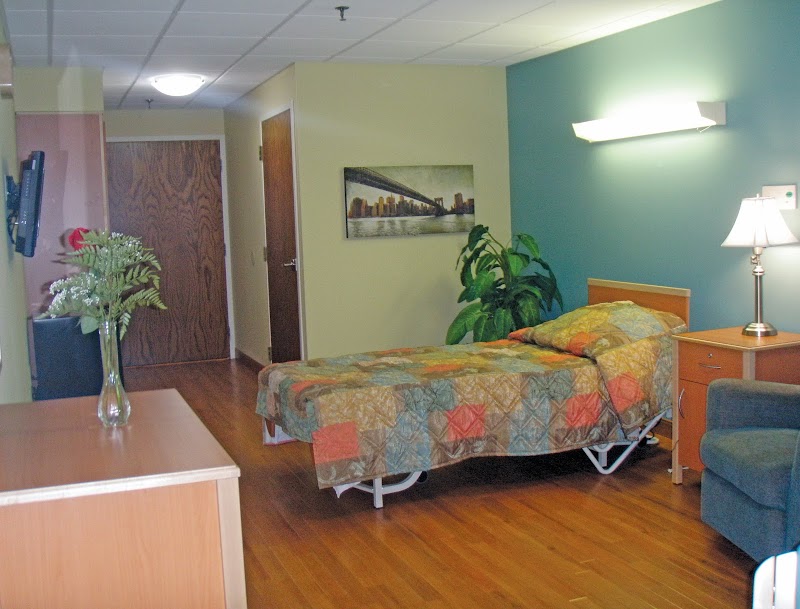
How is Apple Rehab Shelton Lakes Staffed?

CMS rates APPLE REHAB SHELTON LAKES's staffing level at 3 out of 5 stars, which is average compared to other nursing homes. Staff turnover is 31%, compared to the Connecticut average of 46%. This relatively stable workforce can support continuity of care.

What Have Inspectors Found at Apple Rehab Shelton Lakes?

State health inspectors documented 49 deficiencies at APPLE REHAB SHELTON LAKES during 2019 to 2025. These included: 46 with potential for harm and 3 minor or isolated issues.

Who Owns and Operates Apple Rehab Shelton Lakes?

APPLE REHAB SHELTON LAKES is owned by a for-profit company. For-profit facilities operate as businesses with obligations to shareholders or private owners. The facility is operated by APPLE REHAB, a chain that manages multiple nursing homes. With 106 certified beds and approximately 99 residents (about 93% occupancy), it is a mid-sized facility located in SHELTON, Connecticut.
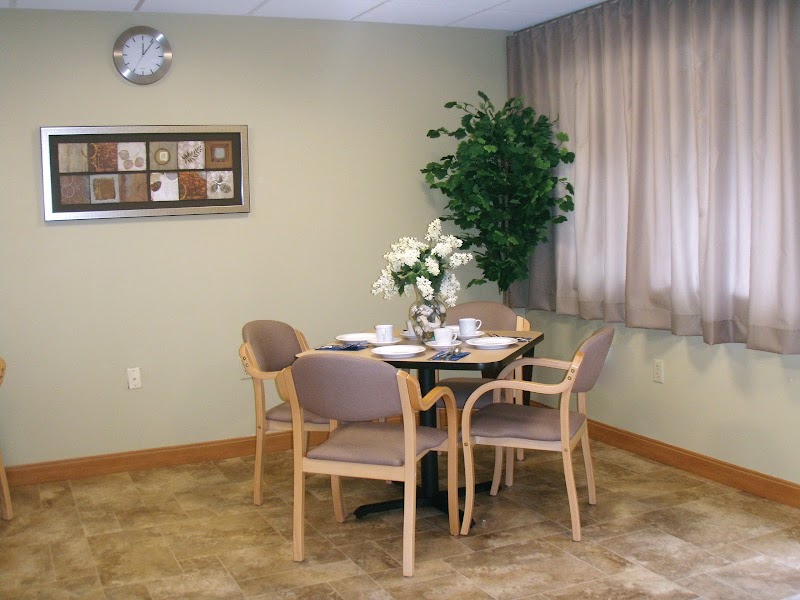
How Does Apple Rehab Shelton Lakes Compare to Other Connecticut Nursing Homes?

Compared to the 100 nursing homes in Connecticut, APPLE REHAB SHELTON LAKES's overall rating (3 stars) is below the state average of 3.0, staff turnover (31%) is significantly lower than the state average of 46%, and health inspection rating (3 stars) is at the national benchmark.

What Should Families Ask When Visiting Apple Rehab Shelton Lakes?

Based on this facility's data, families visiting should ask: "Can I visit during a mealtime to observe dining assistance and food quality?" "How do you handle medical emergencies, and what is your hospital transfer rate?" "Can I speak with family members of current residents about their experience?"

Is Apple Rehab Shelton Lakes Safe?

Based on CMS inspection data, APPLE REHAB SHELTON LAKES has a clean safety record: no substantiated abuse findings (meaning no confirmed cases of resident harm), no Immediate Jeopardy citations (the most serious violation level indicating risk of serious injury or death), and is not on the Special Focus Facility watch list (a federal program monitoring the lowest-performing 1% of nursing homes). The facility has a 3-star overall rating and ranks #100 of 100 nursing homes in Connecticut. While no facility is perfect, families should still ask about staff-to-resident ratios and recent inspection results during their visit.

Do Nurses at Apple Rehab Shelton Lakes Stick Around?

APPLE REHAB SHELTON LAKES has a staff turnover rate of 31%, which is about average for Connecticut nursing homes (state average: 46%). Moderate turnover is common in nursing homes, but families should still ask about staff tenure and how the facility maintains care continuity when employees leave.

Was Apple Rehab Shelton Lakes Ever Fined?

APPLE REHAB SHELTON LAKES has no federal fines on record. CMS issues fines when nursing homes fail to meet care standards or don't correct problems found during inspections. The absence of fines suggests the facility has either maintained compliance or corrected any issues before penalties were assessed. This is a positive indicator, though families should still review recent inspection reports for the full picture.

Is Apple Rehab Shelton Lakes on Any Federal Watch List?

APPLE REHAB SHELTON LAKES is not on any federal watch list. The most significant is the Special Focus Facility (SFF) program, which identifies the bottom 1% of nursing homes nationally based on persistent, serious quality problems. Not being on this list means the facility has avoided the pattern of deficiencies that triggers enhanced federal oversight. This is a positive indicator, though families should still review the facility's inspection history directly.