GARDNER HEIGHTS HEALTH CARE CENTER, INC
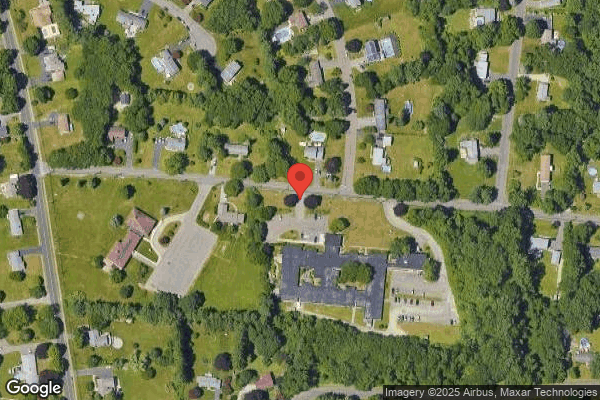
172 ROCKY REST ROAD, SHELTON, CT 06484 (203) 929-1481
For profit - Corporation 130 Beds APPLE REHAB Data: November 2025
Trust Grade
58/100
#94 of 192 in CT
Last Inspection: August 2024

Within standard 12-15 month inspection cycle. Federal law requires annual inspections.

Overview

Gardner Heights Health Care Center, Inc. has a Trust Grade of C, which means it is average and falls in the middle of the pack compared to other facilities. It ranks #94 out of 192 nursing homes in Connecticut, placing it in the top half of the state's facilities, but #9 out of 15 in Greater Bridgeport County indicates there are better local options available. The facility shows an improving trend, having reduced its issues from 11 in 2024 to just 1 in 2025. Staffing is a concern with a rating of 2 out of 5 stars and a higher turnover rate of 36%, but it is slightly below the state average. There have been some troubling incidents, such as the dishwasher not reaching the proper temperature, potentially risking food safety, and a failure to provide a dignified dining experience for residents with specific needs. Additionally, the facility did not report incidents of unexplained injuries to the state agency as required, which raises concerns about oversight. However, it does have a decent quality rating of 4 out of 5 stars, suggesting that while there are areas needing improvement, the quality of care overall is relatively good.

Trust Score
C
58/100
In Connecticut
#94/192
Top 48%
Safety Record
Low Risk
No red flags
Inspections
Getting Better
11 → 1 violations
Staff Stability
○ Average
36% turnover. Near Connecticut's 48% average. Typical for the industry.
Penalties
○ Average
$7,446 in fines. Higher than 73% of Connecticut facilities. Some compliance issues.
Skilled Nurses
⚠ Watch
Each resident gets only 19 minutes of Registered Nurse (RN) attention daily — below average for Connecticut. Fewer RN minutes means fewer trained eyes watching for problems.
Violations
⚠ Watch
26 deficiencies on record. Higher than average. Multiple issues found across inspections.
★★★☆☆
3.0
Overall Rating
★★☆☆☆
2.0
Staff Levels
★★★★☆
4.0
Care Quality
★★★☆☆
3.0
Inspection Score
Stable
2024: 11 issues
2025: 1 issues

The Good

  • 4-Star Quality Measures · Strong clinical quality outcomes
  • Full Sprinkler Coverage · Fire safety systems throughout facility
  • No fines on record
  • Staff turnover below average (36%)

    12 points below Connecticut average of 48%

Facility shows strength in quality measures, fire safety.

The Bad

3-Star Overall Rating

Near Connecticut average (3.0)

Meets federal standards, typical of most facilities

Staff Turnover: 36%

10pts below Connecticut avg (46%)

Typical for the industry

Federal Fines: $7,446

Below median ($33,413)

Minor penalties assessed

Chain: APPLE REHAB

Part of a multi-facility chain

Ask about local staffing decisions and management

The Ugly 26 deficiencies on record

May 2025 1 deficiency
CONCERN (D) 📢 Someone Reported This

A family member, employee, or ombudsman was alarmed enough to file a formal complaint

Potential for Harm - no one hurt, but risky conditions existed

Comprehensive Care Plan (Tag F0656)

Could have caused harm · This affected 1 resident

**NOTE- TERMS IN BRACKETS HAVE BEEN EDITED TO PROTECT CONFIDENTIALITY** Based on clinical record reviews, review of facility documentation, facility policies, and interviews for one (1) sampled reside...

Read full inspector narrative →
**NOTE- TERMS IN BRACKETS HAVE BEEN EDITED TO PROTECT CONFIDENTIALITY** Based on clinical record reviews, review of facility documentation, facility policies, and interviews for one (1) sampled resident (Resident #1) who require staff assistance of one (1) and an adaptive device during transfers, the facility failed to ensure Resident #1 was transferred from the chair to the bed according to the physician's order. The findings include: Resident #1's diagnoses included. dementia, osteopenia (when the bone loses density), osteoarthritis, anxiety and muscle weakness. The quarterly Minimum Data Set assessment dated [DATE], identified Resident #1 had a Brief Interview for Mental Status score of 2 out 15 indicating poor memory recall, required a walker and wheelchair with mobility and moderate assistance with transfers. The Resident Care Plan dated 2/24/25 identified Resident #1 required assistance with activities of daily living, was a fall risk and had diagnoses of osteoarthritis and osteopenia. Interventions directed to transfer Resident #1 with caution according to physician orders. A current monthly April physician's order, originally initiated on 10/1/24, directed to provide assistance of one (1) staff member with a rolling walker for all transfers. The nurse's note dated 4/5/25 at 10:09 AM identified Resident #1 was found to have swelling and pain in the left lower leg with bruising present. The note indicated Resident #1's skin was intact and upon palpation (touch), Resident #1 demonstrated a guarding behavior with decreased range of motion to the left leg. The note identified the Advanced Practice Registered Nurse, APRN #1, was notified, and an order was obtained for a stat (immediate) x-ray of the left lower extremity to be performed. The nurse's note dated 4/5/25 at 9:27 PM identified the x-ray report indicated a fracture of the left tibia and fibula shaft (the bones in the lower leg), APRN #1 was notified, and an order was obtained to send Resident #1 to the Emergency Department. Review of a statement made by the 3-11PM nurse aide, Nurse Aide (NA) #2, identified she reported she had not utilized Resident #1's rolling walker for transfers in quite some time. Interview and clinical record review with the acting Director of Nursing (DON) on 4/29/25 at 2:18 PM identified Resident #1 had an order in place for transfers that directed the use of a rolling walker. The acting DON identified NA #2's statement states NA #2 did not use the rolling walker for transfer on 4/4/25. The acting DON identified NA #2 should have used the rolling walker for the transfer of Resident #1. Interview with NA #2 on 4/29/25 at 3:02 PM identified on 4/4/25, she was assigned to Resident #1. NA #2 explained she did transfer Resident #1 from the chair to the bed at approximately 4:00 PM without the benefit of the rolling walker and just did a stand and pivot transfer, with no additional staff present. NA #2 identified Resident #1's rolling walker had not been in the room for quite some time. Although attempted, an interview with MD #3 (Orthopedic Surgeon) was unable to be obtained.
Aug 2024 9 deficiencies
CONCERN (D)

Potential for Harm - no one hurt, but risky conditions existed

ADL Care (Tag F0677)

Could have caused harm · This affected 1 resident

**NOTE- TERMS IN BRACKETS HAVE BEEN EDITED TO PROTECT CONFIDENTIALITY** Based on review of the clinical record, facility policy, and interviews for 3 of 4 sampled residents (Resident #44, #56, and #85...

Read full inspector narrative →
**NOTE- TERMS IN BRACKETS HAVE BEEN EDITED TO PROTECT CONFIDENTIALITY** Based on review of the clinical record, facility policy, and interviews for 3 of 4 sampled residents (Resident #44, #56, and #85) reviewed for Activities of Daily Living (ADLs), the facility failed to ensure residents were free of facial hair. The findings include: 1. Resident #44's diagnoses included dementia, contracture of right-hand muscle, and generalized muscle weakness. The quarterly MDS assessment dated [DATE] identified Resident #44 was moderately cognitively impaired and required moderate assistance with personal hygiene, set up assistance with eating, and supervision with oral hygiene. The RCP in effect on 8/10/24 identified Resident #44 required assistance with ADL's. Interventions included assistance with personal hygiene, set up assistance with eating and supervision with oral hygiene. Intermittent observations throughout the day on 8/13/24, 8/14/24 and 8/15/24, identified Resident #44 with visibly long, black facial hair noted below the lower lip. Physicians order in effect from 7/1/24 through 8/15/24 directed a body audit to be performed every week by a licensed nurse on their shower day (Friday) and document results on the Body Audit Form. Review of Resident #44's clinical record from 7/3/24 to 8/15/24 identified that Resident #44's body audit audits were performed on 7/3/24, 7/10/24, 7/17/24, 7/24/24, 7/31/24, and 8/7/24 with no new concerns or refusals noted on the Body Audit Forms. 2. Resident #56's diagnoses included dementia, generalized muscle weakness and diabetes. The quarterly Minimum Data Set (MDS) assessment dated [DATE] identified Resident #56 was severely cognitively impaired, required moderate assistance with personal hygiene, set up assistance with eating, and supervision with oral hygiene. The Resident Care plan (RCP) in effect on 8/1/24 identified Resident #44 required assistance with ADL's due to the resident's cognitive status. Interventions included assistance as needed to meet toileting needs, feeding as needed, and keeping commonly used items within reach. Intermittent observations throughout the day on 8/13/24, 8/14/24 and 8/15/24, identified Resident #56 with visibly long, white facial hair noted below the lower lip. Physicians order in effect from 6/15/24 through 8/15/24 directed a body audit to be performed every week by a licensed nurse on their shower day (Friday) and document results on the Body Audit Form. Review of Resident #56's clinical record from 6/26/24 to 8/15/24 identified that Resident #56's body audits were performed on 6/29/24, 7/6/24, 7/13/24, 7/20/24, 7/27/24 and 8/3/24 without any issues or refusals being identified. 3. Resident #85's diagnoses included dementia, muscle weakness and hypertension. The quarterly MDS assessment dated [DATE] identified Resident #85 was cognitively intact and required set up assistance with eating and moderate assistance with personal hygiene. The RCP in effect on 8/1/24 identified Resident #85 needed staff assistance with ADL's. Interventions included assisting as needed to meet toileting needs, mouth/dental care, feeding, and keeping commonly needed items within reach. Intermittent observations throughout the day on 8/13/24 and 8/14/24, identified Resident #85 with visibly long, white facial hair noted below the lower lip. Physicians order in effect from 7/1/24 through 8/15/24 directed a body audit to be performed every week by a licensed nurse on their shower day (Friday) and document results on the Body Audit Form. Review of Resident #85's clinical record from 7/2/24 to 8/12/24 identified that Resident #44's body audits were performed on, 7/2/24, 7/6/24, 7/8/24, 7/13/24, 7/20/24, 8/10/24 and 8/12/24 with no new concerns or refusals noted on the Body Audit Forms. Interview and observation with NA #6 on 8/15/24 at 2:40 PM indicated that she was taking care of Resident #44, Resident #56 and Resident #85. NA #6 identified that she normally assists residents with shaving and grooming on their shower days and as needed. NA #6 further stated that some residents are combative and resistant to care resulting in difficulty to provide needed care appropriately. NA #6 identified that she normally reports care refusal to a licensed nurse and re-approaches the resident at a different time to provide the needed care. Interview and record review with LPN #5 on 8/15/24 at 2:50 PM identified that all nursing staff provide resident care including shaving of residents. LPN #5 indicated that sometimes residents refuse and are combative with care. LPN #5 was not sure when Resident #44, Resident #56 and Resident #85 had last been shaved, and was unable to provide any documentation that Resident #44, Resident #56 and Resident #85 had refused to be shaved. Subsequent to the surveyor's inquiry, Resident #44's, Resident #56's and Resident #85's facial hair was shaved. Interview with DNS on 8/16/24 at 9:50 AM identified that the nurse aides are expected to help all residents that require assistance with ADLs, and he has seen residents refuse or become combative with care. The DNS identified that refusal of care should be documented in resident's clinical record. Further, the DNS identified that body audits are done on a weekly basis and any areas of concern should be noted on the Body Audit Form. Review of the facility's AM care/ADLs policy identified in part, that individualized assistance is provided to residents in preparation for daily activities according to their wishes and plan of care. Nursing staff will assist with care for each resident daily as needed and resident's individual preferences and choices will be honored and included in the morning routine. The procedure includes shaving residents if needed unless otherwise indicated.
CONCERN (D)

Potential for Harm - no one hurt, but risky conditions existed

Quality of Care (Tag F0684)

Could have caused harm · This affected 1 resident

**NOTE- TERMS IN BRACKETS HAVE BEEN EDITED TO PROTECT CONFIDENTIALITY** Based on review of the clinical record, facility policy, and interviews for the only sampled resident (Resident #75) reviewed fo...

Read full inspector narrative →
**NOTE- TERMS IN BRACKETS HAVE BEEN EDITED TO PROTECT CONFIDENTIALITY** Based on review of the clinical record, facility policy, and interviews for the only sampled resident (Resident #75) reviewed for dental services, during the clinical record review, it was noted that the facility failed to ensure blood pressures were taken prior to the administration of an antihypertensive (blood pressure reduction) medication . The findings include: Resident #75 was admitted to the facility on [DATE] with a diagnosis that included dementia and hypertension. The Social Services admission assessment dated [DATE] identified Resident #75 had vascular dementia and was confused and forgetful at times. The Resident Care Plan (RCP) in effect on 8/2/22 identified Resident #75 with cardiovascular disease. Interventions included administering medications as ordered, obtaining weights and vital signs as ordered. A physician's order dated 8/3/22 directed facility staff to take Resident #75's blood pressure prior to the administration of lisinopril 20 milligrams (mg) by mouth and to hold (not administer) the medication for a systolic blood pressure (SBP) that was less than 110 millimeter of mercury (mmHg). Review of the Medication Administration Records from 8/3/22 to 8/14/24 failed to identify that facility staff had regularly taken Resident #75's blood pressure prior to each administration of lisinopril over the last 24 months. An interview and record review with LPN #3 on 8/14/24 at 12:35 PM identified that he did not obtain Resident #75's blood pressure prior to administering lisinopril in the morning. LPN #3 stated that he did not obtain vitals because the order did not direct to take a blood pressure prior to administering the lisinopril. LPN #3 indicated that the blood pressure breakdown attachment (directive) may have been inadvertently omitted when the order was initially placed, however, LPN #3 stated that physicians' order should have been followed for the administration of lisinopril for Resident #75. Subsequent to surveyor's inquiry on 8/14/24, the blood pressure breakdown was added to the lisinopril 20 mg physician order, the APRN and Resident #75 representative were updated, and a normal blood pressure reading was obtained. Interview and record review with the DNS on 8/16/24 at 9:50 AM identified that the floor nurse was responsible for obtaining blood pressures for residents who have an order to obtain a blood pressure prior to administering the medication. The DNS could not explain why the blood pressure breakdown was not added to the medication order but identified that the physician's order should have been followed. Interview with APRN #1 on 8/16/24 at 10:00 AM identified that Resident #75 was stable and did not present with any acute issues since he/she was admitted to the facility. APRN #1 further indicated that Resident #75 could have experienced a further drop in blood pressure resulting in dizziness or a syncope attack if the lisinopril had been administered with a systolic blood pressure of less than 110. Physician's order policy provided did not specify that physician's orders should be followed.
CONCERN (D)

Potential for Harm - no one hurt, but risky conditions existed

Pressure Ulcer Prevention (Tag F0686)

Could have caused harm · This affected 1 resident

**NOTE- TERMS IN BRACKETS HAVE BEEN EDITED TO PROTECT CONFIDENTIALITY** Based on observations, review of the clinical record, facility documentation, facility policy, and interviews for 1 of 5 residen...

Read full inspector narrative →
**NOTE- TERMS IN BRACKETS HAVE BEEN EDITED TO PROTECT CONFIDENTIALITY** Based on observations, review of the clinical record, facility documentation, facility policy, and interviews for 1 of 5 residents (Resident #42) reviewed for pressure injuries, the facility failed to ensure off-loading for a dependent resident according to the plan of care and failed to ensure a hospice recommendation was reviewed by a provider. The findings include: Resident # 42's diagnoses included Alzheimer's disease, Lupus, peripheral vascular disease, and diabetes. The quarterly Minimum Data Set assessment dated [DATE] identified Resident #42 was severely cognitively impaired, was dependent with eating, required substantial/maximal assistance with rolling left and right, was dependent for bed to chair transfer, and was at risk for pressure ulcer development. a. The Resident Care Plan dated 5/24/24 identified Resident #42 was at risk for pressure injuries. Interventions included to follow the facility protocol for treatment of pressure injuries, offload heels as appropriate, and turning and repositioning per nursing standards of care and facility policy. Physician's orders in effect from 8/1/24 to 8/13/24 directed booties be placed to Resident #42's bilateral heels, at all times, for heel protection, remove booties for care, and check for placement every shift. Registered Nurse (RN) #1 hospice note dated 8/8/24 identified that Resident #42 had a new open area to the right heel where a previously noted deep tissue injury had occurred. New orders were recommended for treatment. A renewed physician's order dated 8/9/24 directed facility staff to treat Resident #42's unstageable left heel pressure ulcer. Review of the physician's orders from 8/8/24 through 8/13/24 failed to identify a physician order related to the newly identified open right heel wound per the hospice recommendation. RN #1 hospice note dated 8/13/24 identified that Resident #42 had a macerated right heel wound measuring 4.5 centimeters (cm) by 5 cm by 0.1 cm and RN #1 placed a pillow for offloading. Recommendations included, in part, to make sure heel booties were in place bilaterally. Observation on 8/13/24 at 2:59 P.M. identified a pillow was in place behind Resident #42's heels, dressings were in place to both feet including the heels and a heel bootie was noted in place to the left foot only. A physician's order dated 8/14/24 directed to discontinue booties to bilateral heels and a new order was added for offloading heels at all times for protection. A physician order dated 8/14/24 directed to apply skin-prep (protective barrier) to the right heel every shift for a prior right heel Deep Tissue Injury (DTI). A late entry nurse's note dated 8/14/24 at 11:30 AM identified a right heel wound heel area measuring 4.0 centimeters (cm) by 6.0 cm by 0.0 cm. A clarification nurse's note written by LPN #7 dated 8/14/24 at 11:37 AM identified a prior right heel DTI that was reported to the wound care specialist, with initiation of treatment with skin-prep every shift, and further noted Resident #42 would be seen by the wound care specialist the following day. A Doctorate of Nurse Practice wound note dated 8/15/24 at 8:44 AM identified a new unstageable pressure injury to the right heel containing 100% eschar (non-viable tissue) and measuring 4.0 centimeters (cm) by 6.0 cm by 0.0 cm with no drainage. Treatment recommendations included to apply betadine (topical wound treatment) to the base of the wound, then secure with a dry clean dressing daily and as needed. A physician's order dated 8/15/24 discontinued skin-prep to the right heel every shift for prior right heel DTI. A physician's order dated 8/16/24 directed to cleanse the right heel with normal saline followed by betadine and a protective dressing daily and as needed for an unstageable pressure injury. Observations on 8/16/24 at 6:15 AM, 6:30 AM, 6:45 AM, 7:00 AM, and 7:15 AM identified Resident #42 lying supine in bed, knees bent and leaning to the right on a pillow, both feet were on the mattress and the heels failed to be offloaded. Continued observations at 7:30 AM and 7:45 AM identified Nursing Assistant (NA) #8 provided care and dressed Resident #42. When NA #8 left, Resident #42 was noted to be lying on his/her left side with the left outer heel and right inner heel on the mattress and not offloaded. (1 and ½ hours since the observation began.) During observations on 8/16/24 at 8:00 AM, 8:15 AM, 8:30 AM, 8:45 AM, 9:00 AM, and 9:15 A.M (1 hour and 15 minutes) Resident #42 was noted to be out of bed and in an adaptive custom wheelchair with both heels offloaded and free floating. Out of bed observations on 8/16/24 at 9:30 AM, 9:45 AM, 10:00 AM, 10:15 AM, 10:30 AM, 10:45 AM, 11:00 AM, At 11:35 AM, 11:45 AM, 12:45 PM, 1:15 PM, and 1:30 PM identified Resident #42 in his/her wheelchair. Although Resident #42's pillow was still placed on the wheelchair leg rests, the pillow had shifted and was no longer providing pressure relief. Resident #42's heels were resting against the pillow without the benefit of offloading from 9:30 AM through 1:40 PM (4 hours and 10 minutes). Direct observations identified a failure to offload Resident #42's heels according to the physician order and Resident Care Plan. Interview with NA #8 on 8/16/24 at 11:45 A.M. identified she did not place the pillow behind Resident #42's legs. NA #8 indicated NA's are instructed to not place items in the wheelchair with residents. Interview with LPN #6 on 8/16/24 at 1:20 P.M. identified she did not place the pillow behind Resident #42's legs, and further indicated pillows are ineffective in reducing pressure if directly against the feet. On 8/16/24 at 1:40 PM Resident #42 was transferred back to bed, positioned on his/her back and both heels were noted to be in direct contact with the mattress without the benefit of offloading. Observation and interview with LPN #6 and #7 on 8/16/24 at 1:40 P.M. identified Resident #42 lying supine in bed, without heel offloading. LPN #6 was observed performing a dressing change to the bilateral heels. On observation Resident #42's heel wounds extended from the lower Achillies (back of the ankle) over the back of the heel to the edge of the sole of the residents foot. LPN #7 indicated she had placed the pillow in the wheelchair but did not place the pillow behind Resident #42's feet and that the pillow must have shifted. LPN #7 indicated that the pillow should not have been behind or touching Resident #42's heels. LPN #7 indicated that the facility practice was to identify the need for offloading on the Treatment Administration Record (document directing licensed nurses sign as complete) and the NA Resident Care Card (Individualized Resident Assignment) which was updated by herself (LPN #7) or the MDS Coordinator following new concerns/orders discussed during the facility morning report. A review of the NA Resident Care Card failed to identify offloading. Subsequent to surveyor the Resident care card was updated to include offloading. Review of the Positioning policy directed, in part, that residents are to be repositioned every 2 hours and as needed, and that the Resident Care Plan and Resident Care Card would indicate the resident need for assistance with positioning. b. The 5/8/24 Resident Care Plan (RCP) identified Resident #42 was receiving hospice level of care for anticipated death due to Alzheimer's disease with interventions including encourage rest periods as needed and repositioning for comfort as needed. Review of the Hospice recommendation document by Registered Nurse (RN) #1 dated 8/8/24 identified a prior right heel suspected deep tissue injury (DTI) that had appeared to have re-opened. A recommendation for the right heel wound included the application of calcium alginate (an absorptive topical wound treatment) followed by a padded covering and gauze wrap to be changed daily and as needed. The recommendation was signed as reviewed by facility LPN #10; however, no order was noted in the physician's orders. Further clinical record review failed to identify that the physician had been made aware of the new recommendation. Review of the Hospice recommendation document dated 8/13/24 by RN #1 identified Resident #42 had a macerated right heel wound measuring 4.5 centimeters (cm) by 5 cm by 0.1 cm and a pillow was placed for offloading. Recommendations included, in part, to make sure heel booties were in place bilaterally. This document was signed as reviewed by facility LPN #6. A physician order dated 8/14/24 directed to discontinue heel booties and a new order was added directing heel offloading at all times for protection. Interview with the Hospice Registered Nurse (RN) #1 on 8/16/24 at 11:40 AM indicated he first identified Resident #42's right heel wound on 8/8/24 and made a wound care recommendation. RN #1 indicated that a visit note, in triplicate, is written at the completion of each facility visit, 2 copies are provided to the facility supervisor (one for the chart and another for the supervisor use), and 1 copy is kept by the hospice provider. Further RN #1 indicated he had frequent care discussions with LPN #7 which worked well for him. Interview and review of the clinical record with LPN #7 on 8/19/24 at 2:18 PM identified that Resident #42 had a hospice recommendation dated 8/8/24 for the right heel that was never addressed or implemented. LPN #7 indicated, per the facility policy, the floor nurse should have called the APRN, clarified if the recommendation would be accepted or declined, and add a new order if approved. LPN #7 indicated this had not occurred and the ball was dropped. Further, a review of a body audit dated 8/14/24 failed to identify the wound. LPN #7 stated if a wound was evident on 8/8/24 and 8/13/24 and a body audit had been completed on 8/14/24, the area should have been identified during the body audit. Subsequent to surveyor inquiry the facility began education with facility staff. Review of the facility education, with an effective date of 8/13/24 identified that all hospice recommendations are brought to the supervisor/infection control nurse after each visit and the supervisor/infection control nurse would review the recommendations with the facility APRN/MD for confirmation. Review of the Handling and Implementation of Hospice Recommendations policy directed, in part, that hospice recommendations would be reviewed by the facility APRN/MD (provider) in a timely manner, that if a recommendation was deemed clinically inappropriate the provider would document the rationale for non-implementation, and documentation should clearly state whether a recommendation was accepted, modified, or declined, along with the clinical rationale.
CONCERN (D)

Potential for Harm - no one hurt, but risky conditions existed

Deficiency F0688 (Tag F0688)

Could have caused harm · This affected 1 resident

**NOTE- TERMS IN BRACKETS HAVE BEEN EDITED TO PROTECT CONFIDENTIALITY** Based on observations, review of the clinical record, facility policy, and interviews for 3 of 5 residents (Resident #8, #33 and...

Read full inspector narrative →
**NOTE- TERMS IN BRACKETS HAVE BEEN EDITED TO PROTECT CONFIDENTIALITY** Based on observations, review of the clinical record, facility policy, and interviews for 3 of 5 residents (Resident #8, #33 and #46) reviewed for a limited range of motion, the facility failed to apply positioning devices according to the physician orders and rehabilitation plan of care. The findings include: 1. Resident #8's diagnoses included osteoarthritis, contractures, rheumatoid arthritis, and post-traumatic stress disorder. The quarterly Minimum Data Set (MDS) assessment dated [DATE] identified Resident #8 was severely cognitively impaired and required partial/moderate assistance with eating, substantial/maximal assistance with upper body dressing, and was dependent for toileting, and transfers. The Resident Care Plan dated 7/22/24 identified Resident #8 had rheumatoid arthritis. Interventions included to monitor/document and report to the physician, any joint stiffness, decline in mobility, and contracture formation/joint shape change. Physician orders in effect from 8/1/24 to 8/14/24 directed to apply a left elbow splint to be on after care every morning (AM), off prior to bedtime (PM) and to check skin before and after application every shift. A review of the Resident Care Card (Individualized Resident Assignment) for Resident #8 identified and instructed the left elbow splint be applied after AM care every morning and off prior to PM care at bedtime and to check the skin before and after application every shift. Observations of Resident #8 on 8/14/24 at 10:00 AM and 8/16/24 at 10:56 AM noted the resident to be up in his/her wheelchair, after morning care, with no left elbow splint applied. Observation of Resident #8 on 8/16/24 at 12:13 PM identified the DNS applying the left elbow splint on the resident (several hours after Resident #8 received morning care). An interview with the DNS on 8/16/24 at 12:18 PM identified he does not usually apply the splints and that the nurse aid was responsible for applying the splints, per policy it should be applied in the morning and taken off at bedtime. It was not applied because there was a float or new nurse aid, and they have a hard time applying the split due to the contracture. The DNS identified the nurse aid would know to apply the left elbow splint on Resident #8 per the Resident Care Card and should have done so as part of Resident #8's AM care. An interview and record review with the Occupational Therapist (OT #1) on 8/19/24 at 9:17 AM identified deficits associated with not applying the splint include potential decreased range of motion and potential increase in the current contracture. 2. Resident #33's diagnoses included cerebral infarction, hemiplegia of the left side (loss of function on 1 side) and left hand muscle contracture. The annual Minimum Data Set (MDS) assessment dated [DATE], identified Resident #33 had no cognitive impairment and was dependent with bed mobility, toileting, and transfers. The Resident Care Plan dated 7/8/24 identified contractures of left upper and left lower extremities related to history of cerebrovascular accident (CVA/stroke). Interventions included left hand resting splint per physician orders. Physician's orders in effect from 8/1/24 through 8/13/24 directed a left palm guard to be worn after AM care and off prior to PM care. The Nurse Aide Resident Care Card (Individualized Resident Assignment) for Resident #33 identified a left palm guard as ordered. The Medication Administration Record (MAR's) dated August 2024 identified a palm guard to be worn after AM care and off prior to PM care. Check skin before and after application and every shift, every morning and at bedtime. Observations on 8/13/24 at 1:10 PM, 8/14/24 at 9:30 AM, and 8/15/24 at 12:40 PM failed to identify Resident #33's left hand palm guard in place. Although observations of Resident #33 not wearing his/her left hand splint on 8/13/24 at 1:10 PM, 8/14/24 at 9:30 AM, and 8/15/24 at 12:40 PM failed to identify placement of Resident #33's left hand palm guard hand, review of the facility MAR documentation dated 8/13/24, 8/14/24 and 8/15/24 identified staff signatures indicating that Resident #33 was wearing his/her left palm guard. Interview and observation with NA #4 on 8/16/24 at 10:00 AM identified that Resident #33 did not have his/her left hand palm guard in place. NA #4 indicated that she was not aware that Resident #33 required a left hand palm guard as she did not normally work on Resident #33's unit. Further, NA #4 was unable to locate the palm guard in Resident #33's room. Interview, observation and record review with LPN #1 on 8/16/24 at 10:06 AM identified that although Resident #33 did not currently have the left hand palm guard in place she had signed the Medication Administration Record indicating placement. LPN #1 was unable to identify the current location of Resident 33's left hand palm guard and would have to contact the Occupational Therapist (OT). Interview and observation with OT #1 on 8/16/24 at 12:15 PM identified that Resident #33 did not have the left hand palm guard hand splint in place but that he/she should have. OT #1 indicated that Resident #33 was to wear the left hand palm guard daily to maintain functional positioning of his/her left hand and that if the resident was refusing to wear the palm guard or the left hand palm guard was missing, nursing should have documented the information and notified her. After locating Resident #33's left hand palm guard, OT #1 placed it on the resident and indicated that she would need to re-educate and conduct an in-service with the nurse aides and nurses regarding Resident #33's hand splint placement. 3. Resident #46's diagnoses included contracture of the left hand, CVA (stroke) with spastic hemiplegia, and intercranial injury. The quarterly Minimum Data Set (MDS) assessment dated [DATE] identified Resident #46 had short-term and long-term memory problems, and was totally dependent on staff for eating, bathing, dressing, and toileting. Additionally, the MDS identified impaired functional range of motion on one side for both upper and lower extremities. Review of the Resident Care Plan dated 8/14/24 failed to identify Resident #46's left-hand contracture or the need for a left palm guard. The Resident Care Card (Individualized Resident Assignment) for Resident #46 identified left hand palm guard to be on after morning care and off prior to evening care. A current Physician order in effect on 8/15/24 directed facility staff to apply a left palm guard after morning care and remove prior to evening care. Observations on 8/15/24 at 11:20 AM, 12:09 PM, 12:44 PM, and 2:35 PM identified Resident #46 in his/her room, the left hand palm guard had not been applied to the resident's left hand and was noted to be located on the resident's nightstand. Observation on 8/16/24 at 10:46 AM identified Resident #46 attending an activity program without the benefit of the left palm guard. The palm guard was noted to be located on the nightstand in the same location as noted on 8/15/24. Interview with NA #3 on 8/16/24 at 11:41 AM identified that Resident #46's palm guard was not applied because Resident #46 can become combative, and she required assistance to place the palm guard. Subsequent to surveyor inquiry, NA #3 and NA #7 applied Resident #46's palm guard. Interview with LPN #4 on 8/16/24 at 11:43 PM identified that the physician's order directed a left palm guard be placed every morning after AM care. LPN #4 identified that she was responsible to ensure that the NA had placed Resident #46's palm guard but she had not yet had the opportunity to check for placement. LPN #4 indicated that NA #3 was responsible for Resident #46's palm guard placement and had not reported that the resident had refused palm guard placement during her shift. Additionally, since the physician's order directed the left palm guard be placed after morning care, then Resident #46 should have had the palm guard in place prior to attending the activity. Interview with the Rehabilitation Director (PT #1) on 8/19/24 at 12:12 PM if the palm guard was not worn as ordered, the resident's fingernails could cause open areas in the palms of the hands, maceration (skin breakdown) due to sweat. Additionally, PT #1 identified that if splints are not applied as directed, joint contractures could worsen. Review of the Splints and Orthotic Devices policy directed, in part, to obtain an order for the device and should include the type of device and wear schedule. The resident's care plan and care card will reflect the use of the device. Nursing staff will be educated on the proper application, wearing schedule and any special care related to the device being used. In addition, therapy and nursing staff that have been educated on the device will apply and remove per physician's orders and that devices are given to residents to maintain range of motion, enable proper joint alignment, enhance functional ability and prevent further deformity.
CONCERN (D)

Potential for Harm - no one hurt, but risky conditions existed

Accident Prevention (Tag F0689)

Could have caused harm · This affected 1 resident

**NOTE- TERMS IN BRACKETS HAVE BEEN EDITED TO PROTECT CONFIDENTIALITY** Based on observations, interviews, review of the clinical record, facility documentation, and facility policy for the only sampl...

Read full inspector narrative →
**NOTE- TERMS IN BRACKETS HAVE BEEN EDITED TO PROTECT CONFIDENTIALITY** Based on observations, interviews, review of the clinical record, facility documentation, and facility policy for the only sampled resident (Resident #17) reviewed for accidents, the facility failed to complete a safe transfer with the mechanical lift. The findings include: Resident #17's diagnoses included left sided hemiplegia and hemiparesis (muscle weakness) following a cerebral infarction (stroke), abnormalities of gait and mobility, and need for assistance with personal care. A physician's order dated 2/8/23 directed to transfer Resident #17 via total mechanical lift, that Resident #17 was non-ambulatory, and that Resident #17 was independent with adaptive wheelchair with left leg rest (use both leg rests for transport). The quarterly Minimum Data Set (MDS) assessment dated [DATE] identified Resident #17 was moderately cognitively impaired, in a wheelchair, and required total dependance with toileting hygiene, bathing, and chair to bed transfers. Additionally, the MDS did not identify any previous falls. The Resident Care Plan dated 4/26/24 identified Resident #17 was a fall risk due to multiple risk factors. Interventions included to transfer per physician orders, encourage Resident #17 to ask and wait for staff assistance for transfers, and to use a wheelchair for mobility. Review of the Reportable Event Form dated 5/27/24 at 2:30 PM identified that Resident #17 was assisted to the floor from the mechanical lift and the facility's disposition was to exchange the mechanical lift pad (sling). A nurse's note dated 5/27/24 at 3:19 PM identified that Resident #17 was slowly lowered to the floor because the clip attachment of the mechanical lift pad had become loosened (during a transfer using the mechanical lift machine). Interview with Nurse Aide (NA) #1 on 8/15/24 at 3:00 PM identified that both herself and NA #4 were using the mechanical lift during a transfer of Resident #17 on 5/27/24 when the pad became unclipped from the lift. NA #4 was able to hold Resident #17 and Resident #17 was lowered to the floor. NA #1 further indicated that there was a chipped opening in one of the top clips of the mechanical lift pad that had not been noticed prior to the transfer. NA #1 demonstrated where the chipped opening was on a black clip of a mechanical lift pad. NA #1 identified that the black clip was not the same clip that was used during the incident. Interview with the Director of Maintenance on 8/16/24 at 9:21 AM identified that maintenance does not check the mechanical lift pads routinely, however the pads are checked prior to use by the staff member performing the transfer via the mechanical lift. Maintenance checks the mechanical lift machine monthly and an outside medical supply company completes annual assessments. Interview with the Director of Nursing Services (DNS) on 8/16/24 at 9:55 AM identified that he had taken the mechanical lift pad after the incident on 5/27/24 to try and identify the problem. The DNS further indicated that the mechanical lift pad appeared intact and that the clip was not broken. Additionally, the DNS indicated that the pad was taken out of circulation, even though there was no default with the pad. Observation with two surveyors on 8/16/24 at 10:15 AM demonstrated the completion of a safe transfer for a resident using the mechanical lift by NA #4 and NA #5. Interview with NA #4 on 8/16/24 at 10:30 AM identified that both herself and NA #1 were using the mechanical lift during a transfer of Resident #17 on 5/27/24 when the pad became unclipped from the lift. NA #4 identified that the mechanical lift pad had been inspected in the morning before it was used, and that Resident #17 continued to sit on the pad throughout the day. Resident #17 was being transferred from the chair to the bed in the afternoon for incontinent care. NA #1 had pulled Resident #17 back in the mechanical lift and the mechanical lift pad became unclipped. NA #4 was able to hold Resident #17 and Resident #17 was lowered to the floor. NA #4 demonstrated where the chipped opening was on the gray clip of a mechanical lift pad that another resident was sitting on. NA #4 identified that the gray clip was the same clip that was used during the incident. Interview with the Northeast Regional Territory Manager for the medical supply company used by the facility on 8/16/24 at 11:30 AM identified that mechanical lift pads with gray clips were recalled approximately 15 years ago and should not be in use. The Northeast Regional Territory Manager further indicated that the gray clips could become dislodged from the mechanical lift machine even if a resident sneezes. Additionally, he identified that the gray clips could become dislodged with or without a chipped opening on the clip. The Northeast Regional Territory Manager identified that when the gray clips are compared to the black clips, there is a slant in the opening of the black clip that secures it to the mechanical lift machine. The gray clips do not have slanted openings. The Northeast Regional Territory Manager identified that the facility would have been notified several times over a 2 year period regarding the recall of the mechanical lift pads with gray clips. Interview with the Administrator on 8/16/24 at 11:45 AM identified that the facility purchased the mechanical lift pads directly through the medical supply company. The Administrator further indicated that a complete sweep of the facility would be completed to ensure all mechanical lift pads with gray clips were removed. Review of the Sling Inspection policy updated 12/2/21 directed, in part, that the integrity of a sling will be visually and manually inspected by the nursing assistant prior to use on a resident for a mechanical lift transfer. If any alteration in the integrity of the sling is noted, the sling must not be used and immediately removed from service.
CONCERN (E)

Potential for Harm - no one hurt, but risky conditions existed

Resident Rights (Tag F0550)

Could have caused harm · This affected multiple residents

**NOTE- TERMS IN BRACKETS HAVE BEEN EDITED TO PROTECT CONFIDENTIALITY** Based on observations, interviews, review of the clinical record, and facility policy in 1 of 3 dining rooms (Laurel dining room...

Read full inspector narrative →
**NOTE- TERMS IN BRACKETS HAVE BEEN EDITED TO PROTECT CONFIDENTIALITY** Based on observations, interviews, review of the clinical record, and facility policy in 1 of 3 dining rooms (Laurel dining room) observed for Residents (Resident #31, #42, #44, #45, #52, #93 and Resident #99) who were dining, the facility failed to provide a dignified dining experience. The findings include: 1. Resident #31's diagnoses included Alzheimer's disease, dysphasia, ventricular tachycardia and anxiety disorder. The Resident Care Plan dated 6/24/24 identified Resident #31 was at an increased risk for decreased nutritional status. Interventions included adaptive equipment per physician's order, diet as ordered, and different foods/fluids to be offered and encouraged. The quarterly Minimum Data Set assessment dated [DATE] identified Resident #31 was severely cognitively impaired and was dependent on staff for eating, toileting and transfers. The Resident Care Card (Individualized Resident Assignment) identified Resident #31 was to be fed in his/her room or in the dining room. Observation on 8/16/24 at 12:34 PM identified NA #7 feeding Resident #31 in the dining room not at eye level with the resident and standing over him/her. Observation on 8/16/24 at 12:40 PM identified Licensed Practical Nurse (LPN #8) feeding Resident #31 in the dining room, not at eye level with the residents and standing over him/her. At 12:45 PM LPN #8 was offered a chair by another staff member and refused stating I am ok. 2. Resident #42's diagnoses included Alzheimer's disease, feeding difficulties, and dysphagia. The quarterly Minimum Data Set assessment dated [DATE] identified Resident #42 was severely cognitively impaired and was totally dependent on staff for eating. The Resident Care Plan dated 7/27/24 identified that Resident #42 required assistance with activities of daily living (ADL) due to diagnosis of Alzheimer's disease but failed to identify the assistance required with dining. A physician's order dated 8/15/24 directed to assist Resident #42 to eat all meals. Observation on 8/19/24 at 12:55 PM identified RN #2 standing over Resident #42 above eye level and assisting the resident to eat his/her lunch. There were nine (9) empty chairs noted to be available in the dining room. 3. Resident #44's diagnoses include unspecified dementia, dysphasia, muscle contracture, and generalized muscle weakness. The quarterly Minimum Data Set assessment dated [DATE] identified Resident #44 was moderately cognitively impaired, required set up for eating, and needed partial/moderate assistance for toileting and transfers. The Resident Care Plan dated 8/14/24 identified Resident #44 had the potential for a nutritional decline. Interventions included encouraging foods/fluids and offering different foods/fluids. The Resident Care Card (Individualized Resident Assignment) identified Resident #44 feeds him/herself in the dining room. Observation on 8/16/24 at 12:40 PM identified a Licensed Practical Nurse (LPN #8) feeding Resident #44 in the dining room, not at eye level with the residents and standing over Resident #44. 4. Resident #45's diagnoses included dementia, dysphasia, hypertension and glaucoma. The quarterly Minimum Data Set assessment dated [DATE] identified Resident #45 was severely cognitively impaired and required substantial/maximal assistance for eating and toileting and partial/moderate assistance for transfers. The Resident Care Plan dated 7/3/24 identified Resident #45 was at risk for decreased nutritional status. Interventions included offering different foods/fluids. The Resident Care Card (Individualized Resident Assignment) identified Resident #45 feeds him/herself with setup assistance in the dining room. Observation on 8/14/24 at 12:38 PM identified Nursing Assistant (NA) #4 feeding Resident #45 in the dining room not at eye level and standing over the resident. 5. Resident #52's diagnosis included multiple sclerosis, Alzheimer's disease, and feeding difficulties. A physician's order dated 7/16/24 directed to assist Resident #52 for eating. The quarterly Minimum Data Set assessment dated [DATE] identified Resident #52 was moderately cognitively impaired and required partial to moderate assistance for feeding. The Resident Care Plan dated 7/25/24 identified that Resident #52 required assistance with Activities of Daily Living (ADLs). Interventions included assistance with meals as needed. Observations on 8/13/24 at 12:30 PM, 8/14/24 at 12:45 PM, 8/15/24 at 12:30 PM, 8/16/24 at 12:50 PM and 8/19/24 at 1:00 PM identified Resident #52 in the dining room, seated alone, against a wall, while other residents were seated together at tables. Resident #52 had an overbed table that held his/her lunch which had been set up by staff and he/she was feeding him/herself. Empty space at other tables was available. Interview with the ADNS on 8/19/24 at 12:29 PM identified that Resident #52's wheelchair did not fit under any of the dining tables. Interview with NA #13 on 8/19/24 at 1:30 PM identified that Resident #52 had been sitting by his/herself for several months, the Resident Care Card did not indicate that the resident needed to be seated alone, and NA #13 did not know of any reason why Resident #52 could not be seated with other residents. 6. Resident #93's diagnoses included Alzheimer's disease, dysphagia, and cognitive communication deficit. The quarterly Minimum Data Set assessment dated [DATE] identified Resident #93 was severely impaired and was dependent for feeding. The Resident Care Plan dated 7/25/24 identified that Resident #52 required assistance with Activities of Daily Living (ADL). Interventions included assisting with mouth care, encouraging the resident to independently eat, and assist Resident #93 to complete the meal as needed. Observation on 8/19/24 at 12:20 PM identified Resident #93 in the dining room, seated alone, against a wall, while other residents were seated together at tables. Resident #93 had an overbed tray table in front of him/her. RN #2 was noted to be standing over the resident above eye level and assisting him/her to eat. There were nine (9) empty chairs noted to be available in the dining room as well as empty space available at other tables. 7. Resident #99's diagnoses included generalized muscle weakness, unspecified feeding difficulties, dementia, and type 2 diabetes mellitus. The quarterly Minimum Data Set assessment dated [DATE] identified Resident #99 was moderately cognitively impaired, required set up for eating, and was dependent on staff for toileting and transfers. The Resident Care Plan in effect on 8/14/24 identified Resident #99 had the potential for a nutritional decline. Interventions included encouraging fluids and encouraging the resident to eat their meal independently and that assistance was needed to complete the meal. The Resident Care Card (Individualized Resident Assignment) identified Resident #99 feeds him/herself with setup and assistance. Observation on 8/14/24 at 12:38 PM identified Nursing Assistant (NA #4) feeding Resident #99 in the dining room not at eye level and standing over the resident. An interview with Nurse Aid (NA) #4 on 8/14/24 at 12:48 PM identified that she stood to feed a couple residents because that was her preference when assisting residents at mealtime. An interview with the Director of Nurses (DNS) on 8/16/24 at 1:00 PM identified it was the facility policy for staff to sit while feeding residents at mealtime. An interview with NA #7 on 8/16/24 at 2:25 PM identified that it was the facility policy to sit while feeding a resident but could not find a chair. Observation of the dining room at the time of the observation identified four empty chairs available. An interview with the MDS Coordinator (LPN #8) on 8/19/24 at 11:41 AM identified that she was unaware of the facility policy on feeding residents, but it was not unusual for her to help with feeding. LPN #8 identified she prefers standing to feed in the dining room and resident rooms because she felt like there was better leverage and it was her personal preference because it was more comfortable. Interview with the ADNS on 8/19/24 at 12:29 PM identified that Resident #42, 52 and # 93 should have been assisted to eat by a staff member who was in a seated position and not standing over the residents. Additionally, the ADNS indicated that residents should be seated together at a table and not isolated by themselves. She indicated that there was one table that was higher than the others and that she would see if Resident #52 and Resident #93's wheelchairs would fit under that table. If their wheelchairs were unable to be placed at the higher table, she would notify maintenance staff to see what could be done to accommodate both residents to dine at a table with others. Review of the Feeding Policy dated 12/7/23 directed that assistance during feeding was provided in a dignified and respectful manner, and staff should not stand while feeding the resident. Review of the Feeding policy dated 12/7/23 directed, in part, do not stand when feeding resident. Although requested. A facility policy regarding placing residents at dining tables for meals was not provided.
CONCERN (E)

Potential for Harm - no one hurt, but risky conditions existed

Report Alleged Abuse (Tag F0609)

Could have caused harm · This affected multiple residents

**NOTE- TERMS IN BRACKETS HAVE BEEN EDITED TO PROTECT CONFIDENTIALITY** Based on interviews, review of clinical records, and facility policy for 2 of 3 residents, (Resident #23 and Resident #29) revie...

Read full inspector narrative →
**NOTE- TERMS IN BRACKETS HAVE BEEN EDITED TO PROTECT CONFIDENTIALITY** Based on interviews, review of clinical records, and facility policy for 2 of 3 residents, (Resident #23 and Resident #29) reviewed for abuse, the facility failed to report incidents of unknown origin to the State Agency. within the 24-hour time requirement. The findings include: 1. Resident #23's diagnoses included dementia, abnormal posture, muscle weakness, and congestive heart failure. The annual Minimum Data Set assessment dated [DATE] identified Resident #23 had severely impaired cognition and was dependent with eating, oral hygiene, toilet use, showering, personal hygiene, and chair/bed to chair transfers. a. A facility Reportable Event form dated 2/2/24 at 6:00 PM identified Resident #23's family reported a 1.0 centimeter (cm) by 1.0 cm bruise on Resident #23's left shoulder. Although the facility conducted investigations, they were not able to determine a root cause for the bruise. The facility did not report the injury of unknown origin to the State Agency. b. A facility Reportable Event form dated 8/6/24 at 7:00 PM identified that Registered Nurse (RN) #2 reported an incident of discoloration on Resident #23's third and fourth fingers on his/her right hand and his/her left leg. Although the facility conducted investigations, they were not able to determine a root cause for the bruise. The facility did not report the injury of unknown origin to the State Agency. 2. Resident #29's diagnoses include dementia, chronic obstructive pulmonary disease, and cerebral infarction. The annual Minimum Data Set assessment dated [DATE] identified that Resident #29 had moderately impaired cognition, required substantial/maximal assistance with eating, and was dependent with oral hygiene, toilet use, showering, personal hygiene, and chair/bed to chair transfers. a. A facility Reportable Event form dated 5/28/24 at 1:30 PM identified that Nurse Aide (NA) #5 reported a discolored area on Resident #29's fourth finger of the left hand. Although the facility conducted investigations, they were not able to determine a root cause for the bruise. The facility did not report the injury of unknown origin to the State Agency. b. A facility Reportable Event form dated 6/26/24 at 12:30 PM identified Resident #29's family reported 2 bruises measuring 1.0 centimeter (cm) by 2.0 cm and 0.3 cm by 0.7 cm on the Resident #29's left inner forearm. Although the facility conducted investigations, they were not able to determine a root cause for the bruises. The facility did not report the injury of unknown origin to the State Agency. An interview with the DNS on 8/19/24 at 12:26 PM (in the presence of two Corporate RNs), identified that the DNS did not report the incidents of Resident #23 and Resident #29 injuries of unknown origin to the State Agency because he only reported fractures and big origins and was not aware of the need to report injuries of unknown origin to the State Agency. Review of the facility's Reportable Events Policy identified that any injuries of unknown origin should be reported to the Department of Public Health (State Agency) no later than 2 hours after the allegation is made if the event includes abuse or serious bodily injury or not later than 24 hours after the allegation if the events do not involve abuse or cause serious bodily injury.
CONCERN (E)

Potential for Harm - no one hurt, but risky conditions existed

Deficiency F0692 (Tag F0692)

Could have caused harm · This affected multiple residents

**NOTE- TERMS IN BRACKETS HAVE BEEN EDITED TO PROTECT CONFIDENTIALITY** Based on observations, record reviews, facility documentation, facility policy and interviews for 3 of 6 residents (Resident #30...

Read full inspector narrative →
**NOTE- TERMS IN BRACKETS HAVE BEEN EDITED TO PROTECT CONFIDENTIALITY** Based on observations, record reviews, facility documentation, facility policy and interviews for 3 of 6 residents (Resident #30, Resident #53 and Resident #105), reviewed for Nutrition, the facility failed to provide a nutritional supplement for a resident with known weight loss. The findings include: 1. Resident #30's diagnoses included type 2 diabetes mellitus, dysphagia and chronic kidney disease. The quarterly Minimum Data Set assessment dated [DATE] identified Resident #30 was significantly cognitively impaired, required set-up or clean-up assistance with eating and extensive assistance of 2 staff for transfers and toileting. The Resident Care Plan dated 5/2/24 identified significant weight loss with fortified cereal added. Interventions included to provide supplements as ordered and encourage Resident #30 to eat as much of his/her meal independently and assist with completing his/her meal as needed. A Nutritional assessment dated [DATE] identified Resident #30's weight on 5/1/24 was 94.4 pounds and that he/she, over the last 6 months, had a significant weight loss of 38.6 pounds (29% loss) and had chronic severe malnutrition. A physician's dietary supplement order dated 7/30/24, directed to provide fortified cereal, 180 milliliters (ml) in the morning. A Dietician's note dated 7/30/24 at 12:41 PM identified Resident #30 at a weight of 88.4 pounds a decrease of 8.6 pounds in 1 month (8.9% loss) with Resident #30 receptive to hot cereal in the morning. Observation and interview with Resident #30 on 8/16/24 at 8:20 AM identified the resident was seated in his/her room in a wheelchair with a plate of scrambled eggs and a banana on the overbed table in front of him/her. Fortified cereal was not observed. Resident #30 indicated he/she would like to have fortified hot cereal, but cereal had not been served for breakfast. Interview and record review with Dietary Aide (DA) #1 on 8/16/24 at 8:25 AM identified that she had served Resident #30 his/her breakfast but failed to include fortified cereal. DA #1 reviewed the Dietary Roster (form directing staff what to serve) kept on the steam table and verified that fortified cereal was listed for Resident #30 to receive for breakfast. Dietary Aide #1 further identified that she had made a mistake and should have reviewed the Dietary Roster when serving Resident #30 his/her breakfast. Interview and observation with the Administrator on 8/16/24 at 8:28 AM identified that Resident #30 did not have fortified cereal on his/her tray table. The Administrator indicated that if the fortified cereal was listed on the Dietary Roster, it should have been served to Resident #30 with his/her breakfast. Subsequent to surveyor inquiry, the Administrator obtained a bowl of fortified cereal for Resident #30 from Dietary Aide #1, and Resident #30 was served at 8:32 AM. Observation with the Administrator on 8/16/24 at 8:40 AM identified that Resident #30 had consumed 100% of the fortified cereal and Resident #30 stated It was good!. Interview and record review on 8/16/24 at 11:15 AM with Dietician #1 identified that Resident #30 had significant weight loss and had a physician's orders for fortified cereal in the morning, 180 ml. Dietician #1 indicated, based on the Fortified Cereal Recipe she provided, that a 6 oz. (180 ml.) serving of Fortified Cereal contained 487 kilocalories (kcal.). Dietician #1 further identified that there was no area for percentage of intake documentation included with the current nutritional supplement order on Resident #30's medication administration record (MAR) and that she tracked that information to determine ongoing nutritional recommendations. Dietician #1 identified that she would need to get the current order for the nutritional supplement corrected by the nurse. 2. Resident # 53's diagnoses included Alzheimer's disease and adult failure to thrive. The quarterly Minimum Data Set assessment dated [DATE] identified Resident # 53 was severely cognitively impaired and required supervision or touching assistance with eating, substantial/maximal assistance with oral hygiene, and was dependent for personal hygiene. The Resident Care Plan (RCP) in effect from 2/20/24 through 2/29/24 identified Resident #53 was at risk for a nutritional decline and had weight loss. Interventions included providing the diet as ordered, offering to set up meals, and to offer and encourage different foods/fluids (supplements were not included in the RCP). A Dietician's note dated 4/9/24 at 2:37 PM identified the resident had a weight loss of 5.6 pounds (lbs.) over 1 month (3.5%) and 10.6 lbs. over 6 months (6.4%) not a significant weight loss, that his/her food intake was good, eating 75-100% of meals, and that it is recommended Resident #53 receive 180 ml fortified cereal every morning for additional calories, and to continue the diet as ordered. A physician's order dated 4/9/24 directed to provide 180 ml of fortified cereal every morning and the amount consumed was to be documented. The physician order section identified a diet slip dated 4/9/24 with all copies, white, pink and yellow still attached. The slip directed that the Dietary Department provide fortified cereal 180 ml. The slip lacked a nurse signature or date the Dietary Department was sent notification. A nurse's note dated 4/10/24 at 5:12 PM identified that the Resident Representative for Resident #53 and the facility Advanced Practice Registered Nurse (APRN) were updated on the resident's weight loss and recommendation from the Dietician. A physician's order dated 8/6/24 directed to discontinue administration of 120 ml of house supplement in the afternoon, and to start a new order to administer 120 ml of house supplement two times a day. A Nutritional Assessment by the Dietician dated 8/13/24 identified, Resident #53 had continued weight loss, which was now significant, and that the house supplement had been increased to twice a day. Observation of Resident #53 on 8/19/24 at 8:45 AM, identified that Resident # 53's breakfast had been delivered and consisted of French toast, bacon, a small cup of sliced strawberries, and a glass of juice. Fortified cereal had not been provided. Interview with the Director of Dietary on 8/19/24 at 9:25 AM, identified that the Dietary Roster did not include an entry for Resident #53 to receive fortified cereal. It was further identified that when a diet slip is received in the kitchen, the Director of Dietary updates the diet roster with the necessary information and fortified cereal is entered into the far right column and highlighted in green. Observation and interview with Licensed Practical Nurse (LPN) #4 and LPN #8 on 8/19/24 at 9:35 AM identified the Director of Dietary approached LPN #4 requesting a copy of the fortified cereal dietary request form. LPN #8 indicated that the facility process was to verify the order in the computer, sign the slip, bring the white copy to the kitchen, and then file the other copies of the slip in the chart, but that the white slip had not been sent, and remained in the clinical record. Subsequent to surveyor inquiry, the unsigned dietary slip dated 4/9/24 was signed by LPN #4 and brought to the kitchen by LPN #8. Interview with NA #3 on 8/19/24 at 10:00 AM, identified that Resident #53 had eaten his/her full breakfast, and that there was no fortified cereal served with his/her meal. NA #3 further identified that when documenting the meal intake in the clinical record, it does not specify food items that are to be provided. Although Resident #53 had not received fortified cereal for breakfast, a review of the Medication Administration Record on 8/19/24 at 11:35 AM, identified in the LPN #4 had documented that Resident #53 had consumed 180 ml of fortified cereal (100%) that morning. Interview with the Director of Nursing Services (DNS) on 8/19/24 at 1:00 PM, identified that the facility process to notify the Dietary Department of changes in supplementation was to fill out the dietary slip, the nurse would sign and bring the white section to the kitchen to add to the Dietary Roster and file the other copies in the clinical record. The DNS identified that NA would know to provide fortified cereal to the residents because the nurse would see the order and that they did not update the NA Resident Care Card (Individualized Resident Assignment) to include fortified cereal. 3. Resident #105's diagnoses included severe protein calorie malnutrition, anxiety, and chronic obstructive pulmonary disease. The Resident Care Plan dated 6/3/24 identified a problem with malnutrition and dietary intake. Interventions included to provide the diet as ordered, refer to the Dietician as needed, assist with eating if needed, and fortified foods as ordered. The admission Minimum Data Set assessment dated [DATE] identified Resident #105 was cognitively intact, required partial to moderate assistance with transfers, and was completely independent with eating. A physician's order dated 7/27/24 directed to provide Resident #105 with 180 milliliters (ml) of fortified cereal in the morning. Review of facility weight documentation identified that Resident #105 weighed 150 pounds on 7/3/2024. On 7/31/2024 Resident #105 was noted to weigh 137 pounds, a 13 pound weight loss in 1 month (8.67% loss) had occurred. An observation and review of the Medication Administration Record (MAR) on 8/16/24 at 8:48 AM identified Resident #105 in bed, asleep with his/her breakfast on the tray table. Resident #105 was without the benefit of fortified cereal (or any cereal). A Review of the Medication Administrations Record (MAR) identified a directive that Resident #105 should be provided with fortified cereal. Although the notation indicated that Resident #105 had consumed 100% of his/her fortified cereal, the nutritional supplement had not been provided. Interview with the Dietary Director on 8/16/24 at 8:50 AM identified that meals were provided per the Dietary Roster, located on the steam table. The Dietary Director indicated that the Dietary Roster failed to identify that Resident #105 was to receive fortified cereal and if the cereal was required, the directive would have been prepopulated on the Dietary Roster. Review of physician's order dated 7/27/24 with the Dietary Director directed facility staff to provide fortified cereal to Resident #105. Observation of the steam table with the Dietary Director failed to identify the availability of any fortified cereal. Subsequent to surveyor inquiry the Dietary Director indicated that Resident #105 would be provided with fortified cereal. Review of the undated Nutritional Supplementation Program policy directed, in part, that high calorie supplements should be documented in the administration record and that the Dietician's progress notes should address parameters for identification of nutritional risk, goal and approach, and that all disciplines should continue to monitor for progress towards the goal, adjusting the care plan as necessary. Additionally, the Dietician should assure that the resident is identified on the nourishment roster as to the supplement order and proper amount, and that a supplementation program should strive to increase overall intake and thereby improve the nutritional support offered to the resident with goals of supplementation consumption and weight gain. Review of the Resident Profile/Care Cards policy directed, in part, that care cards will be updated as needed with changes to guide caregivers in providing resident with assistance with care in order to achieve and maintain their highest practical level of well-being.
CONCERN (F)

Potential for Harm - no one hurt, but risky conditions existed

Food Safety (Tag F0812)

Could have caused harm · This affected most or all residents

Based on observations, staff interviews, facility documentation and facility policy related to the dishwasher temperatures in the Dietary Department, the facility failed to identify when dishwasher te...

Read full inspector narrative →
Based on observations, staff interviews, facility documentation and facility policy related to the dishwasher temperatures in the Dietary Department, the facility failed to identify when dishwasher temperatures were below the manufacturers guidelines. The findings include: On 8/16/24 at 9:45 observation of the dishwashing room in the Dietary Department with the Dietary Manager identified Dietary Aide (DA) #3 approximately half way through scraping and putting dirty dishes from breakfast through the dishwasher. The Dietary Manager identified the dishwashing machine was a high temperature machine. The wash cycle temperature was observed to reach 141 degrees Fahrenheit, (should be above 150 degrees Fahrenheit, per manufactures guidelines and posting on the front of the dish machine). On 8/16/24 at 9:56 AM, dishwasher temperature logs were reviewed with the Dietary Manager and identified on 8/1/24, 8/2/24, 8/3/24, 8/4/24, 8/5/24, 8/6/24, 8/7/24, 8/8/24, 8/9/24, 8/10/24, 8/11/24, 8/12/24, 8/13/24, 8/15/24, and 8/16/24 the wash temperatures were recorded at 140 degrees Fahrenheit, (should be above 150 degrees Fahrenheit, per manufactures guidelines). The temperature logs failed to reflect any follow up regarding the low temperatures. Interview with the Dietary Manager at that time identified that the temperature log sheet noted wash temperatures should be 140 degrees or above (a discrepancy from the dishwasher machine indicating the wash temperature should be above 150 degrees) and that was the reason there low temperatures were not identified. Subsequent to surveyor inquiry on 8/16/24, the facility used paper services for lunch, the vendor of the dishwashing machine was contacted, arrived at the facility and serviced the dishwasher. Interview with the vendor on 8/16/24 at 3:23 PM identified he assessed the dishwasher machine and stated everything was working normal on heat but did increase setpoint for heat from 153 degrees Fahrenheit to 163 degrees Fahrenheit to maintain a reading of above 150 degrees. While the vendor was on site, the wash cycle was reading at 160 degrees Fahrenheit. After surveyor inquiry of low dishwashing temperatures, Dietary staff were in-serviced on 8/16/24 that before putting dirty dishes through the dishwasher, it needed to be cycled about 4 times and the wash temp on the machine needed to be 150 degrees Fahrenheit or greater. The rinse temperature should be 180 degrees Fahrenheit or greater. If the dishwasher machine fails to meet these requirements during a cycle, dishwashing is to stop, and Dietary Manager or [NAME] Supervisor are to be notified. Interview on 8/16/24 at 1:35 PM with DA #3 identified that he documented dishwashing temperatures on 8/3/24, 8/5/24, and 8/15/24 and did not recognize the temperatures were low because on the Dish Machine Temperature Log stated a minimum temperature of 140 degrees Fahrenheit was acceptable. He did not notice the label on the dishwasher machine with manufactures guidelines instructing dishwashing wash cycle to be 150 degrees or greater. Interview on 8/19/24 at 9:10 AM with the Dietary Manager identified that she did not notice the sticker on the dishwashing machine with manufacturer guidelines of wash temperatures of 150 degrees or more. The temperature log stated the minimum temperature required was 140 degrees Fahrenheit. The Dietary Manager stated she assumed the paper log was correct as it was the way the log had been since she began her employment at the facility.
Aug 2024 2 deficiencies
CONCERN (D) 📢 Someone Reported This

A family member, employee, or ombudsman was alarmed enough to file a formal complaint

Potential for Harm - no one hurt, but risky conditions existed

Notification of Changes (Tag F0580)

Could have caused harm · This affected 1 resident

**NOTE- TERMS IN BRACKETS HAVE BEEN EDITED TO PROTECT CONFIDENTIALITY** Based on clinical record reviews, facility documentation, facility policy, and interviews for one (1) of three (3) sampled resid...

Read full inspector narrative →
**NOTE- TERMS IN BRACKETS HAVE BEEN EDITED TO PROTECT CONFIDENTIALITY** Based on clinical record reviews, facility documentation, facility policy, and interviews for one (1) of three (3) sampled residents (Resident #2) who were reviewed for a change in condition, the facility failed to notify the family at the time the resident tested positive for COVID-19. The findings include: Resident #2 was admitted with diagnoses that included Alzheimer's disease, chronic kidney disease, diabetes mellitus with diabetic nerve damage, and anemia. The quarterly Minimum Data Set assessment dated [DATE] identified Resident #2 rarely or never made decisions regarding tasks of daily life and was dependent on staff for transfers, personal hygiene and required extensive assistance for bed mobility. The resident care plan dated 2/21/22 identified Resident #2 may have difficulties adjusting to long term care environment and was at risk for contracting coronavirus due to going out for appointments and dialysis. Interventions directed to involve the family and loved ones and to keep them updated on how I am doing. The nursing note dated 2/28/22 at 3:30 PM identified Resident #1 had a positive PCR test for Covid. Upon further review, the clinical record failed to reflect documentation the Power of Attorney (POA) was notified of the positive COVID-19 results on 2/28/22. The care plan revision on 2/24/22 identified Resident #2 had tested positive for COVID-19. Interview and review of a concern form dated 3/4/22 at 12:00 PM with the Director of Nursing (DON) on 8/8/24 at 11:00 AM identified a positive COVID test would be considered a change of condition and the family should be notified within twenty-four (24) to forty-eight (48) hours after the test results were identified. The DON indicated notifying the family as identified on the concern form on 3/4/2022 was a delay in notification and did not meet facility's expectations. The DON identified when staff contact the family it should be documented in the medical record. The facility policy change in a resident's condition notification directed in part, when there is a significant change in condition of the resident's physical status the family or responsible party shall be notified.
CONCERN (D) 📢 Someone Reported This

A family member, employee, or ombudsman was alarmed enough to file a formal complaint

Potential for Harm - no one hurt, but risky conditions existed

Abuse Prevention Policies (Tag F0607)

Could have caused harm · This affected 1 resident

**NOTE- TERMS IN BRACKETS HAVE BEEN EDITED TO PROTECT CONFIDENTIALITY** Based on clinical record review, facility documentation, facility policy and interviews for one (1) sampled resident (Resident #...

Read full inspector narrative →
**NOTE- TERMS IN BRACKETS HAVE BEEN EDITED TO PROTECT CONFIDENTIALITY** Based on clinical record review, facility documentation, facility policy and interviews for one (1) sampled resident (Resident #1) who was reviewed for an allegation of abuse or neglect, the facility failed to implement their abuse policy when an allegation of abuse was reported to the Director of Nursing. The findings include: Resident #1 was admitted with diagnoses that included cirrhosis of the liver, hepatic encephalopathy (brain disorder that impacts brain function caused by liver disease), hepatitis C (liver infection), bipolar disorder and morbid obesity. The resident care plan dated 4/24/24 identified Resident #1 had made accusatory statements about staff's care and identified Resident #1 bruised easily. Interventions directed to allow to verbalize preferences to allow a sense of control, ammonia levels as ordered, monitor for ascites (fluid buildup in the abdomen and the abdominal organs), monitor for confusion. The 5-day Minimum Data Set assessment dated [DATE] identified Resident #1 made poor decisions regarding tasks of daily life, was dependent on staff for care, bed mobility, transfer with a mechanical lift and frequently incontinent. The nursing note dated 7/16/24 at 2:40 PM identified Resident #1 was sent to the hospital for evaluation due to left breast and left side of the abdomen redness and swelling. Interview with Social Worker (SW) #1 on 8/8/24 at 10:04 AM identified she had received a phone call from the hospital case manager on 7/16/24 late in the afternoon and the case manager informed her Resident #1 had reported that a male nurse aide had been rough when providing care and Resident #1 denied sexual abuse. SW #1 indicated the case manager reported Resident #1 had bruising in the groin area and they were filing a report. SW #1 stated she identified the information as an allegation of abuse and reported it immediately to the Director of Nursing (DON). SW #1 identified she told the DON of the call from the hospital and that Resident #1 reported a nurse aide had been rough when providing care and a bruise had been observed by the hospital staff in the groin area. Interview with the DON on 8/8/24 at 11:10 AM identified SW #1 did inform him on 7/16/24 of the report of the allegation by Resident #1. The DON stated he reported the allegation to the administrator but did not complete an investigation or report the incident to state authorities due to Resident #1's baseline confusion and past accusative behaviors. Interview with the Administrator on 8/8/24 at 11:20 AM identified she was unaware Resident #1 had made an allegation of abuse at the hospital and did not know why the DON did not inform her of the allegation and identified that they needed to have followed the facility Abuse policy. Although requested the facility was unable to provide any documentation related to the 7/16/24 Resident #1's allegation of abuse. The facility policy Abuse/Resident dated 7/23/2023 directed in part, allegations of abuse, by any individual (staff, family, visitor, resident (toward a resident must be reported immediately to a facility supervisor. All allegations will be thoroughly investigated and acted upon as to the steps of this policy. Anyone having knowledge of the abuse or mistreatment of any kind toward a resident will have reported the incident to the supervisor, DON and administrator. Other steps outlined in the policy include the following: completion of an accident and incident form; documentation in the resident's record of the allegation; that the DON or designee notified the resident's family, physician, state department of public health and local police of the allegation; and an immediate investigation completed.
Jan 2022 10 deficiencies
CONCERN (D)

Potential for Harm - no one hurt, but risky conditions existed

Deficiency F0578 (Tag F0578)

Could have caused harm · This affected 1 resident

**NOTE- TERMS IN BRACKETS HAVE BEEN EDITED TO PROTECT CONFIDENTIALITY** Based on review of the clinical record, facility documentation, facility policy, and interviews for 1 resident (Resident #78) re...

Read full inspector narrative →
**NOTE- TERMS IN BRACKETS HAVE BEEN EDITED TO PROTECT CONFIDENTIALITY** Based on review of the clinical record, facility documentation, facility policy, and interviews for 1 resident (Resident #78) reviewed for Advance Directives, the facility failed to obtain a physician's order for Resident #78's code status to ensure the resident ' s wishes were followed. The findings include: Resident #78 was admitted to the facility on [DATE] with diagnoses that included a terminal illness and Parkinson's Disease. A Medical Interventions Consent form dated 3/26/20 identified Resident #78's Conservator of Person (COP) requested that in the event of cardiopulmonary arrest, the resident not receive Cardiopulmonary Resuscitation, and be Do Not Resuscitate (DNR) status. Review of physician's orders dated 1/1/22 through 1/25/22 failed to reflect an order for DNR status of Resident #78. The significant change MDS dated [DATE] identified Resident #78 had intact cognition and required extensive assistance with personal hygiene. Interview with the DNS on 1/25/22 at 3:27 PM identified he was not aware that the clinical record lacked a physician order for Resident #78's code status. The DNS identified it would be the expectation of the facility that the admission nurse would have obtained the physician's order. Interview and review of the clinical record with the MDS Coordinator (LPN #1) on 1/26/22 at 10:30 AM failed to reflect a physician's order for Resident #78's DNR status. LPN #1 indicated she does not review the physician's orders during the resident care plan meetings and identified the admission RN was responsible for the physician's orders. Review of the advance directives policy directed to abide by the decision making of capable residents, reliable advance directives, or if no such advance directives exists, the decisions of the appropriate substitute decision maker (s) with the best interest of the resident regarding refusal of treatment and advance directives. The Health Care Provider and/or resident's attending physician will review advance directives with the capable resident or the appropriate substitute decision maker (s). The plan of care related to advance directives and withholding/withdrawing life sustaining treatment will be documented on resident's advance directive consent form and physician's orders. The form will be signed and dated by the person who reviewed the advance directive with the resident or decision maker (s), and the person who consented to the advance directives. A physician's order will be obtained related to the resident's advance directives and refusal of treatment. The attending physician will address the resident's advance directives in the physician progress notes.
CONCERN (D)

Potential for Harm - no one hurt, but risky conditions existed

Notification of Changes (Tag F0580)

Could have caused harm · This affected 1 resident

**NOTE- TERMS IN BRACKETS HAVE BEEN EDITED TO PROTECT CONFIDENTIALITY** Based on review of the clinical record, facility documentation, facility policy, and interview for 1 of 2 residents (Resident #1...

Read full inspector narrative →
**NOTE- TERMS IN BRACKETS HAVE BEEN EDITED TO PROTECT CONFIDENTIALITY** Based on review of the clinical record, facility documentation, facility policy, and interview for 1 of 2 residents (Resident #16) reviewed for pressure ulcers, the facility failed to ensure timely notification to the resident's representative when the resident developed a stage 2 pressure ulcer. The findings include: Resident #16 was admitted to the facility in April 2017 with diagnoses that included Parkinson's disease, diabetes, vascular dementia, and adult failure to thrive. The quarterly MDS dated [DATE] identified Resident #16 had severely impaired cognition and required extensive 2-person assistance with bed mobility. A nurse's note, written by LPN #2, dated 12/10/21 at 4:11 PM identified Resident #16 was noted with a new pressure ulcer on the coccyx. The note further identified the wound nurse and the RN supervisor were notified, and a new order to apply Triad every shift and monitor the area was obtained. The note failed to reflect that the resident's representative had been notified of the new pressure ulcer or treatment. The care plan dated 12/13/21 identified Resident #16 had a Stage 2 pressure ulcer to the coccyx. Interventions included to assess for the risk of skin breakdown and consult with the Infection Control Nurse (ICN) and wound consultant as needed. Additional interventions included a pressure reducing cushion in chair/wheelchair, specialized mattress per physician orders, and to turn and reposition per nursing standards of care and policy. An initial wound encounter (wound consultation) dated 12/16/21 at 11:31 AM identified a stage 2 pressure ulcer to the coccyx that measured 0.3 cm length by 0.5 cm width by 0.1 depth, with a scant amount of sero-sanguineous drainage noted which had no odor. The wound bed had no granulation; no slough, no eschar and no epithelialization present. Recommendations included to apply Triad hydrophilic wound dressing every shift and as needed. Interview and review of the clinical record with the DNS on 1/26/21 at 2:15 PM failed to reflect that the resident's representative had been notified of the new pressure ulcer or treatment. The DNS indicated the resident's representative should have been notified when the wound was identified. Interview with LPN #2 on 1/28/22 at 9:40 AM identified that she was aware of the open area to Resident #16's coccyx and she notified the RN supervisor and RN #1 (Wound Nurse). LPN #2 indicated that RN #1 indicated that she would obtain a treatment order and notify the resident's family. Interview with RN #2 on 1/28/22 at 9:56 AM identified she was not aware that Resident #16's representative was not notified of the open area to the coccyx and the new treatment order. RN #2 indicated the expectation is to notify the resident's representative with any change in condition and new orders. Although attempted, an interview with RN #1 was not obtained. Review of the change in resident condition family/physician notification policy identified to make resident's physician and family aware of any significant change in condition. All significant change in resident's condition will be reported to physician and family. When there is a significant change in the condition of a resident's physical, mental or emotional status, or in the event of an accident involving the resident: The resident's attending physician shall be notified. The family or responsible party shall be notified. The nurse will document in the nurse's notes that the physician and family or responsible party have been notified of the change in condition.
CONCERN (D)

Potential for Harm - no one hurt, but risky conditions existed

Grievances (Tag F0585)

Could have caused harm · This affected 1 resident

**NOTE- TERMS IN BRACKETS HAVE BEEN EDITED TO PROTECT CONFIDENTIALITY** Based on review of the clinical record, facility documentation, facility policy and interview for 1 resident (Resident #77) revi...

Read full inspector narrative →
**NOTE- TERMS IN BRACKETS HAVE BEEN EDITED TO PROTECT CONFIDENTIALITY** Based on review of the clinical record, facility documentation, facility policy and interview for 1 resident (Resident #77) reviewed for a grievance, the facility failed to provide thorough follow up. The findings include: Resident #77's diagnoses included chronic obstructive pulmonary disease, heart failure and anxiety. The annual MDS dated [DATE] identified Resident #77 had intact cognition and required extensive 1-person assistance with bed mobility, transfers, bathing, dressing, grooming, ambulation, locomotion on the unit and was independent with eating after set up. The care plan dated 1/3/22 identified Resident #77 had a problem with decreased mobility and contractures of bilateral hands requiring assistance with all activities of daily living (ADLs). Interventions included to provide extensive assistance with ADLs, encourage Resident #77 to complete as much care as he/she is able to and offer assistance only after the resident attempts to complete the task independently. Monthly physician's orders for January 2022 directed to transfer Resident #77 with a rolling walker and assistance of 1. Review of the Resident Council Meeting Minutes dated 1/12/22 identified that an unnamed resident reported the nurse aides can be a bit rough in the morning getting him/her out of bed. Review of a follow up to the Resident Council dated 1/12/22 identified that the nursing department was to address the problem or concern and the results/correction indicated the Social Worker (SW) spoke with the resident. A Social Services Progress note (created as a late entry on 1/24/22) for the effective date of 1/12/22, identified the SW spoke with Resident #77 who denied any concerns about facility staff, had no complaints or signs/symptoms of distress and Social Services would follow up with Resident #77 as needed. Interview on 1/27/22 at 9:00 AM with the Director of Recreation, who runs the Resident Council meetings, identified that although the Resident Council Minutes did not specify the name of the resident who had a concern with rough care, she identified the resident as Resident #77. The Director of Recreation identified she informed the Administrator and SW about Resident #77's concerns right after the meeting and that the SW interviewed Resident #77. Interview and review of the clinical record with the SW on 1/27/22 at 9:10 AM identified when she was informed about Resident #77's allegation, she interviewed Resident #77 that day and asked if he/she had any concerns about the care being provided by staff. The SW identified Resident #77 voiced no concerns about his/her care and did not show any signs of distress. The SW identified that based on her interview, and because Resident #77 indicated he/she had no concerns, she (Social Worker) did not fill out a formal grievance form and did not follow up again with the resident. Interview with the DNS on 1/27/22 at 10:00 AM identified that he was informed of Resident #77's voiced concerns regarding care but after the SW interviewed Resident #77, he did not follow up with the nursing staff for further interviews. Additionally, the DNS identified he did not in-service staff regarding care, which he identified he probably should have done. The DNS identified that subsequent to surveyor inquiry, he started in servicing direct care staff related to Resident #77's concern. Review of the facility's Concern Form Procedure identified the purpose as the right of the resident and/or responsible party to have prompt and reasonable resolution of a complaint/concern without any discrimination. An internal investigation will be conducted as soon as possible when a complaint/concern regarding any aspect of resident care is brought to the attention of staff. The Social Worker's responsibility is to ensure that all concern forms are completed with appropriate follow up to ensure that a reasonable resolution has been made. This should be documented in the facility's medical record.
CONCERN (D)

Potential for Harm - no one hurt, but risky conditions existed

Free from Abuse/Neglect (Tag F0600)

Could have caused harm · This affected 1 resident

**NOTE- TERMS IN BRACKETS HAVE BEEN EDITED TO PROTECT CONFIDENTIALITY** Based on review of the clinical record, facility documentation, facility policy and interview for 1 of 3 residents (Resident #84...

Read full inspector narrative →
**NOTE- TERMS IN BRACKETS HAVE BEEN EDITED TO PROTECT CONFIDENTIALITY** Based on review of the clinical record, facility documentation, facility policy and interview for 1 of 3 residents (Resident #84) reviewed for abuse, the facility failed to ensure the resident was free from physical abuse by another resident. The findings include: a. Resident #84's diagnoses included Alzheimer's disease and delusional disorder. The annual MDS dated [DATE] identified Resident #84 had severely impaired cognition and was independent with ambulation on and off the unit. The care plan dated 7/15/20 identified Resident #84 had chronic/progressive decline in intellectual functioning characterized by deficit in memory, judgement, decision making and thought processes. Interventions included to gently redirect when exhibiting inappropriate actions/behaviors and offer consistent daily routines. The physician's order dated 8/29/20 directed Resident #84 may transfer and ambulate independently. b. Resident #79's diagnoses included dementia with Lewy bodies, post-traumatic stress disorder and hyperlipidemia. The PPS MDS dated [DATE] identified Resident #79 had severely impaired cognition and was independent with ambulation and locomotion on unit. A Reportable Event Form identified on 9/19/20 at 11:40 AM the charge nurse (RN #4) observed Resident #84 on the floor of the hallway being held by the neck and hit in the head by another resident (Resident #79). Staff separated the residents, and RN assessment identified Resident #84 had no injury. The APRN, family and police were notified, and Resident #84 was ordered to be sent to the hospital ER for evaluation. Review of Nurse's Note dated 9/19/20 identified Resident #84 had a physical contact altercation with peer, no apparent injury was noted on body check, provider was updated who directed to transfer resident to hospital ER for evaluation. Resident representative was notified. Interview with RN #4 on 1/26/22 at 3:13 PM identified while in the dining room on 9/19/20, she observed Resident #79 raising his/her arm up and swinging downward. RN #4 identified she ran out of the dining room and observed Resident #84 on the floor, being hit by Resident #79. RN #4 identified she was able to disengage the residents with help from other staff who responded. Additionally, she assessed both residents who appeared to have no apparent injuries. She identified Resident #84 was crying during the altercation but after the incident, because of his/her dementia, was back to usual baseline, and did not appear upset. RN #4 identified after Resident #79 was separated from Resident #84, he/she (Resident #79) was placed on 1 to 1 supervision and was sent to the hospital for evaluation. Resident #84 was also sent to the hospital ER for evaluation and had a CT scan which was negative. Interview with the DNS on 1/28/22 at 11:50 AM identified that all residents have the right to be free from physical, mental and emotional abuse, regardless of their cognitive status. Review of the facility's Abuse/Resident Policy identified that abuse or mistreatment of any kind toward a resident is strictly prohibited. Abuse shall be defined as the willful infliction of injury, unreasonable confinement, intimidation or punishment with resulting physical harm, pain or mental anguish.
CONCERN (D)

Potential for Harm - no one hurt, but risky conditions existed

Investigate Abuse (Tag F0610)

Could have caused harm · This affected 1 resident

**NOTE- TERMS IN BRACKETS HAVE BEEN EDITED TO PROTECT CONFIDENTIALITY** Based on review of the clinical record, facility documentation, facility policy, and interviews for 1 of 3 residents (Resident #...

Read full inspector narrative →
**NOTE- TERMS IN BRACKETS HAVE BEEN EDITED TO PROTECT CONFIDENTIALITY** Based on review of the clinical record, facility documentation, facility policy, and interviews for 1 of 3 residents (Resident #78) reviewed for abuse, the facility failed to complete a thorough investigation after the allegation was made. The findings include: Resident #78 was admitted to the facility in March 2020 with diagnoses that included pseudobulbar affect, depression, anxiety disorder, malignant neoplasm of lymph nodes, head, face, and neck. The quarterly MDS dated [DATE] identified Resident #78 had moderately impaired cognition and required extensive assistance with personal hygiene. A nurse's note, written by LPN #3 dated 10/16/21 at 1:49 PM identified Resident #78 continues with random outbursts, crying, and screaming episodes per baseline. All needs were met and call bell within reach. Resident #78 denies any pain or discomfort. A nurse's note dated 10/16/21 at 9:31 PM identified RN #5 received a phone call at 6:45 PM from Person #1 reporting Resident #78 stated he/she was hit by a nurse aide at 8:00 AM today. Resident #78's face was assessed and had no redness or bruising noted. No pain or discomfort when pressure applied to areas all over facial surface. Resident #78 ate, drank, and took medications without concern. APRN notified with no new order. Resident #78 remained at baseline. The Reportable Event Form dated 10/16/21 at 6:45 PM identified Person #1 called the facility and reported that he/she just got off the phone with Resident #78 who told him/her that he/she was slapped in the face by a nurse aide wearing a brown shirt at 8:00 AM. Full assessment completed and the assigned nurse aide was removed from schedule pending investigation. Resident #78 was alert with periods of confusion. Resident #78 cries frequently when frustrated. A social service progress note dated 10/18/21 at 2:35 PM identified follow up with resident who had no signs or symptoms of distress; mood was pleasant and appropriate during conversation. Social worker will continue to follow up and provide 1:1 support as needed. A written statement dated 10/18/21 by RN #4 identified she worked on 10/16/21 on the 7:00 AM - 3:00 PM shift as the RN supervisor. RN #4 documented she made several rounds throughout the facility and documented there was no issues with Resident #78, and nothing was reported to her about the alleged allegation. The summary report dated 10/20/21 at 3:52 PM identified Resident #78 had no physical signs of trauma on his/her face and body. Resident #78 was interviewed by the social worker and RN and indicated he/she was upset about clothes being missing. Further, the assigned nurse aide did not match the description given by Person #1. A request was made for the psychiatric APRN to review medications and do an evaluation. A written statement dated 10/20/21 from LPN #3 identified she worked on 10/16/21 on the 7:00 AM - 3:00 PM shift and saw Resident #78 multiple times. LPN #3 documented Resident #78 never complained or reported any allegation during the shift. LPN #3 documented no redness or swelling noted to Resident #78 face. Interview with NA #1 on 2/8/22 at 11:18 AM identified she has been employed by the facility for 1 year. NA #1 indicated she was assigned to Resident #78 on 10/16/21 on the 7:00 AM - 3:00 PM shift on the Laurel unit and there was no issues or complaints from the resident. NA #1 indicated she did not serve Resident #78 the breakfast or lunch tray. NA #1 indicated Resident #78 did not tell her of any allegation of abuse. NA #1 indicated there was a staff member wearing a brown shirt that day. NA #1 indicated she worked on Sunday 10/17/21 on the 7:00 AM - 3:00 PM shift on a different unit (Maple unit). NA #1 indicated she worked on Monday 10/18/21 on the 7:00 AM - 3:00 PM shift on the Laurel unit but was not assigned to Resident #78. NA #1 indicated at approximately at 2:00 PM, the previous DNS notified her that she would be removed from the schedule pending an investigation regarding Resident #78's allegation of abuse. NA #1 indicated she was returned to work on Thursday 10/21/21. NA #1 indicated she did write a statement, but she did not put her name on it or sign the statement. Interview with LPN #3 on 2/8/22 at 11:48 AM identified she has been employed with the facility for 14 years. LPN #3 indicated she worked on 10/16/21 on the 7:00 AM - 3:00 PM shift and saw Resident #78 in the morning when she administered the morning medications. She indicated Resident #78 did not voice any concerns or complaints to her. LPN #3 indicated Resident #78 was at baseline. LPN #3 indicated she does not remember any staff members wearing a brown shirt. LPN #3 indicated she did not observe any redness or bruises on the resident's face on that day. Interview with NA #2 on 2/8/22 at 12:31 PM identified he has been employed with the facility for approximately 2 years. He indicated he was not assigned to Resident #78 nor did he provide care to Resident #78. NA #2 indicated he was not aware of the allegation of abuse. Although attempted, an interview with RN #4 was not obtained. Although attempted, an interview with NA #3 was not obtained. Although attempted, an interview with NA #4 was not obtained. Although attempted, an interview with the previous DNS was not obtained. Review of the facility abuse policy identified to ensure each resident is treated with kindness, compassion and in a dignified manner. To ensure any alleged abuse is thoroughly investigated and acted upon in accordance with all regulations and applicable laws. Investigation/Protection: The Administrator and the DNS or designee will immediately conduct an investigation upon submission of a report. The individual(s) accused will be immediately suspended without pay, pending the findings of the investigation. The facility failed to complete a thorough investigation after an allegation of physical abuse.
CONCERN (D)

Potential for Harm - no one hurt, but risky conditions existed

Deficiency F0657 (Tag F0657)

Could have caused harm · This affected 1 resident

**NOTE- TERMS IN BRACKETS HAVE BEEN EDITED TO PROTECT CONFIDENTIALITY** Based on review of the clinical record, facility documentation, facility policy, and interviews for 1 resident (Resident #1) rev...

Read full inspector narrative →
**NOTE- TERMS IN BRACKETS HAVE BEEN EDITED TO PROTECT CONFIDENTIALITY** Based on review of the clinical record, facility documentation, facility policy, and interviews for 1 resident (Resident #1) reviewed for care plan conference attendance, the facility failed to invite the resident to the care plan conference. The findings include: Resident #1 was admitted to the facility in August 2021 with diagnoses that included chronic kidney disease, atrial fibrillation, peripheral vascular disease. The admission MDS dated [DATE] identified Resident #1 had moderately impaired cognition and required extensive 2-person assistance with personal hygiene. Review of the care plan meeting sign-in form dated 9/9/21 failed to reflect documentation that Resident #1 attended the meeting. Interview with Resident #1 on 1/24/22 at 11:39 AM identified he/she has never been invited to a care plan meeting since being admitted to the facility. Resident #1 indicated the facility probably invited his/her representative to the meeting. Interview and review of the clinical record with LPN #1 on 1/25/22 at 4:10 PM identified indicated she conducts the care plan conferences, and Resident #1 was not at the meeting. LPN #1 indicated Resident #1 was at a medical appointment during the meeting on 9/9/21. LPN #1 indicated going forward she will schedule the care plan meeting on the days that Resident #1 is not at a medical appointment. Interview with the DNS on 1/26/22 at 9:00 AM identified he was not aware of that Resident #1 had not been invited to his/her care plan conference. The DNS indicated going forward the care plan meeting would be scheduled when the residents are able to attend. Review of the care planning policy directed to ensure residents have a comprehensive and individualized plan of care. A comprehensive and individualized plan of care will be developed for each resident. The care plan will guide caregivers to assist residents to achieve or maintain their highest practical level of wellbeing. A comprehensive care plan based on the identified needs, strengths and preferences of the resident will be developed no later than 7 days after the completion of the admission MDS. The care plan is developed by the Interdisciplinary Team (IDT) in collaboration with the resident and/or family/responsible party and the resident's physician. The IDT may include, but is not limited to, the Resident Care Coordinator (RCC), Charge nurse, CNA, Dietary Manager or Dietician, Social Worker, Rehab Therapist, and Activities Director.
CONCERN (D)

Potential for Harm - no one hurt, but risky conditions existed

Pressure Ulcer Prevention (Tag F0686)

Could have caused harm · This affected 1 resident

**NOTE- TERMS IN BRACKETS HAVE BEEN EDITED TO PROTECT CONFIDENTIALITY** Based on review of the clinical record, facility documentation, facility policy, and interviews for 1 of 3 residents (Resident #...

Read full inspector narrative →
**NOTE- TERMS IN BRACKETS HAVE BEEN EDITED TO PROTECT CONFIDENTIALITY** Based on review of the clinical record, facility documentation, facility policy, and interviews for 1 of 3 residents (Resident #16) reviewed for pressure ulcer, the facility failed to ensure a timely RN assessment when the resident had a skin change to the coccyx, and failed to notify the dietician in a timely manner. The findings include: Resident #16 was admitted to the facility in April 2017 with diagnoses that included Parkinson's disease, type II diabetes mellitus, vascular dementia, and adult failure to thrive. The quarterly MDS dated [DATE] identified Resident #16 had severely impaired cognition, required extensive 2-person assistance with bed mobility, total dependence with toilet use and had no pressure ulcers. The nurse's note written by LPN #2 dated 12/10/21 at 4:11 PM identified Resident #16 had a pressure ulcer noted to the coccyx. The wound nurse and RN supervisor were notified and obtained a new order to apply Triad every shift and monitor the area. The care plan dated 12/13/21 identified Resident #16 had a pressure ulcer, stage 2, to the coccyx. Interventions included to assess risk of skin breakdown, consult with Infection Control Nurse (ICN), and wound consultant as needed, pressure reducing cushion in chair/wheelchair, specialized mattress, and turn and reposition per nursing standards of care/per policy. The initial wound encounter dated 12/16/21 at 11:31 AM identified a stage 2 pressure ulcer on the coccyx that measured 0.3cm length x 0.5cm width x 0.1 depth. Scant amount of sero-sanguineous drainage noted which has no odor, wound bed has no granulation; no slough, no eschar and no epithelialization present. Recommendations included to apply Triad hydrophilic wound dressing every shift and as needed. The dietician note, written by Dietician #1, dated 1/6/22 at 3:12 PM (21 days after the wound was identified) indicated Resident #16 is on Comfort Measure Only (CMO) and his/her intake is very consistent. Resident #16 has a stage 2 pressure ulcer on the coccyx. Recommendations included 240 ml Glucerna daily in the afternoon for additional calorie/protein. Interview with the DNS on 1/26/21 at 2:15 PM identified an RN assessment is performed with any change of condition and documentation of the RN assessment should be in the clinical record. Interview with RN #3 (Regional Nurse) on 1/26/21 at 2:20 PM identified she was not aware that the RN did not conduct an assessment of the stage 2 pressure ulcer upon its identification. RN #3 indicated it is standard practice for an RN assessment to be completed when there is a change in condition. Interview with Dietician #1 on 1/27/22 at 6:45 AM identified she was not aware that Resident #16 developed a pressure ulcer until 1/6/22, and indicated she works every Thursday. Dietician #1 indicated the wound list dated 1/4/22 was in her mailbox when she came in on Thursday 1/6/22 and that is when she was aware of the resident's new ulcer. She indicated a nutritional assessment was completed on 1/6/22 to ensure appropriate nutritional intake for healing. Interview with LPN #2 on 1/28/22 at 9:40AM identified that she was aware of the open area to Resident #16 coccyx and she notified the RN supervisor and RN #1 (Wound Nurse). LPN #2 indicated that RN #1 notified her that she would perform an assessment, obtain an order and notify the family. Although attempted, an interview with RN #2 was not obtained. Review of the wound and skin care protocols identified to prevent pressure ulcer formation by identifying those residents who are at risk for pressure ulcers and to develop appropriate interventions. To provide a systematic approach and monitoring process for promoting healthy skin integrity and providing pressure ulcer care. To promote healing of pressure ulcers in a timely manner. All residents will be assessed by the nurse for risk of skin breakdown, utilizing the Braden Scale upon admission/readmission every week for the first 4 weeks, upon significant change in condition and quarterly thereafter.
CONCERN (D)

Potential for Harm - no one hurt, but risky conditions existed

Accident Prevention (Tag F0689)

Could have caused harm · This affected 1 resident

**NOTE- TERMS IN BRACKETS HAVE BEEN EDITED TO PROTECT CONFIDENTIALITY** Based on review of the clinical record, facility documentation, facility policy and interview for 1 of 4 residents (Resident #79...

Read full inspector narrative →
**NOTE- TERMS IN BRACKETS HAVE BEEN EDITED TO PROTECT CONFIDENTIALITY** Based on review of the clinical record, facility documentation, facility policy and interview for 1 of 4 residents (Resident #79) reviewed for accidents, the facility failed to follow the plan of care to prevent 3 falls. The findings include: Resident #79 was admitted to the facility in June 2021 with diagnoses that included dementia with Lewy bodies. The admission MDS dated [DATE] identified Resident #79 had severely impaired cognition, required extensive 2-person assistance with bed mobility, total 2-person assistance with transfers and toilet use, did not walk, and had falls with fractures prior to admission. The care plan dated 6/30/21 identified Resident #79 was at risk to fall due to poor safety awareness and noncompliance with transfer and walking status (gets up unassisted). Interventions included to keep Resident #79 in a supervised area when awake and out of bed. a. A Reportable Event Form dated 7/16/21 at 11:15 AM identified Resident #79 was found sitting in the hallway on leg rests of wheelchair on floor. The Fall Scene Investigation Report dated 7/16/21 identified Resident #79 was alone and unattended in the hallway and slid out of the wheelchair. b. A Reportable Event Form dated 9/19/21 at 7:40 PM identified Resident #79 had an unwitnessed fall and was found lying on the floor in the South Corridor. The Interdisciplinary Fall assessment dated [DATE] identified Resident #79 frequently attempts to get out of bed and wheelchair and is non ambulatory. The Fall Scene Investigation Report dated 9/19/21 identified Resident #79 was alone and unattended sitting in the wheelchair in the hallway prior to the fall. c. A Reportable Event Form dated 9/28/21 at 9:15 PM identified Resident #79 had an unwitnessed fall and was found lying on the floor in his/her room. The Fall Scene Investigation Report dated 9/28/21 identified Resident #79 was alone and unattended sitting in the wheelchair in his/her room prior to the fall. Further, the report indicated Resident #79 had been noncompliant and very restless, climbing out of the chair and had to be checked on almost every 5 minutes. The Interdisciplinary Fall assessment dated [DATE] identified Resident #79 believes he/she can walk and periodically attempts to get out of the wheelchair and tries to walk. The Falls policy purpose is to identify residents at risk for falling, minimize injuries went a fall occurs and develop an interdisciplinary care plan with fall/injury prevention strategies. An individualized care plan will be developed and updated as needed to identify interventions to prevent falls and minimize injuries. Residents at risk shall have a care plan that addresses interdisciplinary measures to prevent falls and any environmental equipment recommendations to prevent injuries. Although the care plan dated 6/30/21 identified Resident #79 was at risk to fall due to poor safety awareness and noncompliance, and interventions directed staff to keep Resident #79 in a supervised area when awake and out of bed, Resident #79 was left alone and unattended on 7/16/21 9/19/21 and 9/28/21 and sustained unwitnessed falls.
CONCERN (D)

Potential for Harm - no one hurt, but risky conditions existed

Food Safety (Tag F0812)

Could have caused harm · This affected 1 resident

Based on observation, review of facility documentation, facility policy and interviews, the facility failed to maintain an accurate record of the dishwasher temperatures. The findings include: Observa...

Read full inspector narrative →
Based on observation, review of facility documentation, facility policy and interviews, the facility failed to maintain an accurate record of the dishwasher temperatures. The findings include: Observation with the Food Services Director on 1/24/22 at 10:40 AM identified the dishwasher temperatures for the upcoming lunch meal had been entered, in advance, on the log. The FSD was not aware that staff had entered the dishwashing temperatures onto the log prior to taking the temperatures and indicated that the Dietary Aide (DA) who is assigned in the clean dish area is the one responsible for checking and entering the dish machine temperature in the log. She further identified that the dishwasher temperatures are checked prior to washing the dishes after each meal. Interview with DA #1 on 1/24/22 at 10:42 AM identified she was responsible for checking the temperature and she was the one who checked the temperature earlier that morning. She further stated that the dishwasher temperatures should be taken and logged after meals, prior to washing the dishes. Subsequent to surveyor inquiry, a verbal in-service was given to DA #1.
CONCERN (E)

Potential for Harm - no one hurt, but risky conditions existed

Safe Environment (Tag F0584)

Could have caused harm · This affected multiple residents

**NOTE- TERMS IN BRACKETS HAVE BEEN EDITED TO PROTECT CONFIDENTIALITY** Based on observation, review of facility documentation, facility policy and interviews, the facility failed to maintain a clean,...

Read full inspector narrative →
**NOTE- TERMS IN BRACKETS HAVE BEEN EDITED TO PROTECT CONFIDENTIALITY** Based on observation, review of facility documentation, facility policy and interviews, the facility failed to maintain a clean, comfortable, home like environment. The findings included: Observation during initial tour of the facility on 1/24/22 at 11:00 AM and on 1/25/22 at 3:30 PM with the Administrator, Director of Maintenance, and Director of Housekeeping/Laundry identified the following: a. Rooms #100, 102, 107, 108, 111, 114, 120, 250, 252, 255, 263, 265, 301, 302, 304, 314, #400, 403, 406, 412, 416 and the Cedar shower room were observed with damaged, chipped, holes and/or marred walls/wall paneling. b. The bathrooms in Rooms #101, 102, and 112 and the Cedar hallway were noted with damaged, chipped, rusty and/or marred radiator covers. c. Rooms #100, 112, 314 and 405 were noted with damaged, chipped, rusty and/or marred radiator covers in the bedroom area. d. Rooms #100, 101, 102, 112, and 120 were noted with damaged, dirty, and peeling cove base. e. room [ROOM NUMBER]'s bedroom and bathroom, the Cedar shower room and Maple Unit were noted with damaged and broken floor tiles. f. Dirty brown matter and dry brown stains were noted on the toilet bowl and inside of toilet bowl in Rooms #102, 107, 307 and in the Cedar Unit shower room. g. room [ROOM NUMBER] was observed with damaged, stained and sagging ceiling tiles. h. Cedar Unit was noted with a loose panel strip on the magnetic door near the Nurse's station. i. Rooms #106, 107, 109, 111, 252, and 406 were noted with damaged, torn and dirty floor mats. j. Rooms #101, 107, 110, and 306 were noted with stained and discolored floors tiles. k. Rooms #100, 101, 102, 103, 104, 105, 107, 108, 109, 111, 112, 113, 114, 115, 116, 117, 118, 120, 301, 308, 400, 402 and 406 were noted with dirt, dirt particles, debris, and stains on the bedroom floor and between the crevices . l. Rooms #107 and 118 were noted with stains and brown debris on the privacy curtains. m. room [ROOM NUMBER] was noted with stains and discoloration on the mattress. n. room [ROOM NUMBER] was noted with dirt, debris, and stains on the windowsill. o. Rooms #100, 101, 102, 103, 104, 105 and 107 were noted with dirt, dirt particles, debris, and stains on the bathroom floor and in between the crevices. p. Rooms #107, 109, 111, 117, 118, 308 and 312 were noted with damaged, peeling, and broken wardrobe/dressers in the bedroom. q. Damaged and broken floor tiles in the hallway on Laurel Unit and Maple Unit at the Nurse's desk. Interview with the Director of Housekeeping/Laundry on 1/25/22 at 3:55 PM identified he was not aware of the condition of the floors and bedrooms and indicated it was the responsibility of the housekeepers to clean the resident rooms, bathrooms, and change soiled and dirty privacy curtains. The Director of Housekeeping/Laundry indicated the housekeeping department had been short of staff for approximately 5 to 6 months and just hired 2 new housekeepers. The Director of Housekeeping/Laundry indicated the housekeeping department will be educated on the importance of cleaning the resident rooms. Interview with the Director of Maintenance on 1/25/22 at 4:00 PM identified he was aware of some of the issues identified during tour and indicated that maintenance of the facility was ongoing and staff were responsible to fill out the maintenance log on each unit with any maintenance problems/issue that require repair and if there was an emergency or safety related concern, the staff members were responsible for calling the maintenance department immediately. The Director of Maintenance indicated the maintenance department checks the maintenance log in the morning and indicated the staff does not document any issues. He indicated an audit was performed on the whole building in 12/2021 and a list of all the issues was identified. He indicated the maintenance department was short and there was only him and another maintenance staff. He indicated he was aware that the resident room furniture (ex: wardrobe, dresser, nightstand) needed to be replaced but due to the budget and shipping being backed up he was not able to replace the furniture. Interview with the DNS on 1/25/22 at 4:20 PM identified he was not aware of the environmental issues. Interview with the Administrator on 1/25/22 at 4:30 PM identified she had been employed at the facility for approximately 5 months and was not aware of the condition of the bedrooms and floors to that extent. The Administrator indicated she was aware of the housekeeping department being short of staff and the facility just hired 2 housekeepers. Additionally, she indicated she was trying to work on getting a part-time maintenance staff for the maintenance department. The Administrator indicated that environmental rounds were performed quarterly. Review of the maintenance repair logs dated 10/1/21 through 1/23/22 for Maple Unit, Laurel Unit, and Cedar Unit failed to reflect documentation regarding the issues observed. Review of the housekeeping policy identified to provide complete housekeeping services to include all resident rooms, dining rooms, offices, recreation, bathing and utility rooms, lounges, and public areas. Services are to be implemented as instructed by the Director of Housekeeping in conjunction with the facility policies on infection prevention and control. Review of the physical plant policy identified to ensure that the physical plant and its overall operations maintains a safe and home like environment for the residents, staff and visitors. Review of the maintenance technician job description identified under direct supervision provides quality maintenance services. Assists in the maintenance and repair of the physical plant and grounds, equipment and various building systems. Provides a clean, orderly and safe environment for all facility residents and staff.
Aug 2019 4 deficiencies
CONCERN (D)

Potential for Harm - no one hurt, but risky conditions existed

Safe Environment (Tag F0921)

Could have caused harm · This affected 1 resident

Based on staff interviews, review of facility documentation and observation of the medication rooms failed to ensure a clean and sanitary environment for 1 of 3 medication rooms. The findings include:...

Read full inspector narrative →
Based on staff interviews, review of facility documentation and observation of the medication rooms failed to ensure a clean and sanitary environment for 1 of 3 medication rooms. The findings include: Observation of the Cedar Unit's Medication Room on 8/19/19 at 11:30 PM identified cracked, moist and crumbling dry-wall beneath the windowsill. Below the long wall crack there were two large patches of chipped paint exposing a black substance attached to the uncleaned surface. The wall was moist to touch and movable under light pressure. Additionally, the medication room was noted to contain a working window air conditioner with a heavy accumulation of black substance attached to the inside of the top grills. The left corner of the inside windowsill was noted to contain a pile of grayish/ brownish unidentified material and live slug type insect sitting on a small, green color piece of paper. Interview with Licensed Practical Nurse (LPN) #2 on 8/19/19 at 12:10 PM identified the previous Maintenance Director was notified of the problem with the Medication Room approximately a month ago. LPN #2 further identified the medication room contains medical supplies for 33 residents who reside on the unit at this time. Review of the unit Maintenance Request book for the last 3 months failed to identify a request for maintenance service to the Medication Room. Interview with the Administrator on 8/19/19 at 12:48 PM identified that the facility hired a new Maintenance Director who was evaluating and repairing problems as need but she/he was not aware of the water damage, crumbling wall and black substance and /or unidentified material that was built up in the medication room. Subsequent to surveyor inquiry, the Corporate Program Manager was called and removed moist, crumbling dry wall with insulation and exposed cinder blocks that were visibly wet inside the Medication Room. Interview with the Corporate Program Manager on 8/20/19 at 2:10 PM identified that the damage to the wall was caused by a water leak above the window and he/she replaced the sealer above to prevent further water leaks. The Corporate Program Manager also noted he/she would keep the cinder block wall exposed until dry and then replace the dry-wall with insulation inside the medication room. Facility Preventive Maintenance Guide identified that a program is to be developed whereas any employee may access and leave written information on things in need of repair or other maintenance problems in need of being communicated. The work order book will be a permanent part of the facility maintenance program and will indicate the nature of the problem, the person reporting the problem, the date of the entry, the repair of the problem (how was it repaired), the date of the repair and the initials/signature of person providing the repair.
CONCERN (E)

Potential for Harm - no one hurt, but risky conditions existed

Deficiency F0578 (Tag F0578)

Could have caused harm · This affected multiple residents

**NOTE- TERMS IN BRACKETS HAVE BEEN EDITED TO PROTECT CONFIDENTIALITY** Based on review of the clinical record, facility policy and/or procedures and interviews for 4 of 20 sampled residents reviewed ...

Read full inspector narrative →
**NOTE- TERMS IN BRACKETS HAVE BEEN EDITED TO PROTECT CONFIDENTIALITY** Based on review of the clinical record, facility policy and/or procedures and interviews for 4 of 20 sampled residents reviewed for advanced directives (Resident #27, Resident #40, Resident #59 and Resident #96), the facility failed to ensure the resident's advanced directives were updated to reflect the wishes of the new conservator (Resident #27) and/or failed to ensure physician orders were written to reflect code status (Resident #40, Resident #59 and Resident #96). The findings included: 1. Resident #27's was admitted to the facility on [DATE] with diagnoses that included low back pain, muscle weakness, right arm pain, unsteady gait, hypertension and osteoarthritis. Probate court documentation dated [DATE] identified Person #2 submitted his/her resignation as the conservator of person for Resident #27 and requested the court to appoint a successor. In lieu of Person #2's request, on [DATE] Person #1 was made the resident's representative. A quarterly Minimum Data Set, dated [DATE] identified Resident #27 as having intact cognition and requiring limited assistance of one for bed mobility, personal hygiene, and independent with transfers, walking, and locomotion. A Current Directive Status form dated [DATE] and signed by Resident #27's former Conservator (Person #2) identified Resident #27 as comfort care only and continued to remain in effect as of [DATE]. The facility failed to update the Directive Status form with Person #1/Resident #27's code status preference upon Person #1 becoming Resident #27's representative. Physician monthly orders for [DATE] directed a code status as comfort measures and Registered Nurse (RN) may pronounce. On [DATE] at 12:20 PM interview and review of Resident #27's Current Directive Status form with the Social Worker (SW) indicated the form was to have been reviewed and/or discussed with the new Conservator (Person#1) and following the discussion, Person #1 would be expected to sign and date the new form to reflect Person #1/Resident #27's code status preference. On [DATE] at 1:58 PM an interview and review of the clinical record with the DNS indicated a new Current Directive Status form for Resident #27 was to have been addressed with the resident's new conservator (Person #1) during the resident's care conferences to reflect updated changes. 2. Resident #40's diagnoses included dementia, depression and anxiety. The Current Directives Status form dated [DATE] indicated comfort measures ONLY: treatment is directed only to the resident's comfort. No heroic interventions to keep the resident alive will be done. No blood work or testing will be done except it it is the interest of pain control and comfort. The Advance Care Plan documentation dated [DATE] indicated code status of Do Not Resuscitate (DNR), Do Not Intubate (DNI) and Do Not Hospitalize. The history and physical dated [DATE] indicated member remains comfort measures only. The quarterly Minimum Data Set assessment dated [DATE] indicated Resident #40 had a severe impairment in cognition and required extensive assistance of one to two staff for activities of daily living. The Resident Care Plan dated [DATE] indicated comfort measures only per family's request. Physician orders dated [DATE] indicated comfort measures only but failed to identify Resident #40's code status. Interview with Registered Nurse (RN) #1 on [DATE] at 3:00 PM identified that there should have been a physician's order to reflect the resident's code status and that the nurse who was present when the advance directive form was signed was responsible to obtain an order. Furthermore, RN #1 identified that while a resident with a DNR code status may be on comfort measures, comfort measures and DNR code status are not the same. 3. Resident #59 was admitted to the facility on [DATE] with diagnoses that included Dementia, Sequelae of cerebral infarction, hypertensive heart disease and anxiety disorder. The quarterly Minimum Data Set assessment dated [DATE] identified Resident #59 had severely impaired cognition, was always incontinent of bowel and bladder, required extensive assistance with bed mobility, eating, dressing and total dependence with toileting. The Resident Care Plan dated [DATE] identified a problem with Resident #59 receiving comfort measures only per family request. Interventions included respecting the resident's advanced directives: Do Not Resuscitate (DNR), Do Not Hospitalize (DNH), no artificial respiration, hydration or nutrition, no weights, intake/output, or labs. Physician's order dated [DATE] directed clarification of CMO- no hospitalization, no artificial means of nutrition, no routine labs, no dialysis, no IV hydration A Medical Interventions Consent Form dated [DATE] and signed by Resident #59's representative identified Resident #59's code status as DNR/DNI but failed to identify a corresponding physician's order to reflect Resident #59's code status. Interview and review of Resident #59's clinical record with Registered Nurse (RN) #1 on [DATE] at 3:00 PM failed to provide documentation of a physician order to reflect that Resident #59's code status was DNR/DNI. RN #1 identified that there should have been a physician's order to reflect the resident's code status and that the nurse who was present when the advance directive form was signed was responsible to obtain an order. Furthermore, RN #1 identified that while a resident with a DNR code status may be on comfort measures, comfort measures and DNR code status are not the same. Subsequent to surveyor's inquiry a physician's order dated [DATE] directed DNR/DNI, no artificial means of nutrition including tube feedings/TPN, no IV fluids, no hospitalization, no dialysis, no blood or blood products. A nurse's note dated [DATE] at 9:43 PM identified that code status orders clarified: DNR/DNI, no artificial means of nutrition, including tube feedings/TPN, no IV fluids, no hospitalization, no dialysis, no blood or blood products. Interview with the DNS on [DATE] at 8:35 AM indicated that comfort measures and DNR are the same. Interview with Advanced Practice Registered Nurse (APRN) #1 on [DATE] at 9:45 AM indicated that comfort measures are the third option for code status. APRN #1 identified that an order would need to be specific to include DNR/DNI, no hospitalization, no IVs if that is what the resident wants. Interview with Licensed Practical Nurse (LPN) #2 on [DATE] at 11:30 AM identified that comfort measures and DNR are the same as in comfort measures, no heroic measures are used to keep the resident alive and Cardio Pulmonary Resuscitation is considered a heroic measure. LPN #2 further identified that a signed advance directive means nothing if there is not a physician's order indicating the code status. Interview with LPN #4 on [DATE] at 10:15 AM identified that if a resident on comfort measures becomes pulseless and not breathing she would check the resident's code status before intervening. LPN #4 indicated that comfort measures do not automatically mean that the resident is a DNR Interview with LPN #5 on [DATE] at 12:45 PM indicated that comfort measures mean using no heroic measures to keep the resident alive. LPN #5 further indicated that if a resident on comfort measures stops breathing and becomes pulseless she would not initiate CPR as the resident's code status was DNR. Interview with the Medical Director on [DATE] at 12:30PM indicated that her interpretation of the advance directive form is that comfort measures and DNR are the same. 4. Resident #96 was admitted to the facility on [DATE] with diagnoses that included cerebral infarction, vascular dementia, dysphagia, atrial fibrillation, hypertension, convulsions and diabetes. A transfer/discharge report from the hospital dated [DATE] identified Resident #96 as a Do Not Resuscitate (DNR)/Do Not Intubate (DNI) under Advanced Directives. The Resident Care Plan dated [DATE] identified Resident #96 had a cerebral vascular accident requiring extensive assistance with all activities of daily living. Interventions included advanced directives per resident/representative and per physician orders. A physician's order dated [DATE] identified Resident #96 code status was to provide Cardio Pulmonary Resuscitation (CPR). The Medical Interventions Consent form dated [DATE] and signed by Resident #96 responsible party and facility staff identified Resident #96 code status as Do Not Resuscitate (DNR)/Do Not Intubate (DNI). The admission Minimum Data Set, dated [DATE] identified Resident #96 had moderately impaired cognition, required extensive assistance with dressing, toilet use and personal hygiene. Interview and review of clinical records with Registered Nurse (RN) #1 on [DATE] at 8:52 AM identified that in the event Resident #96 was found pulseless and not breathing, he/she would have followed the active physician's order dated [DATE] and initiate CPR (despite the Medical Interventions Consent form identifying a code status of DNR/DNI). Review of Resident #96 clinical record failed to reflect the physician's order of Full Code on admission ([DATE]) was changed to DNR/DNI code status on [DATE] (per Resident #96's representatives wishes). Subsequent to surveyor's inquiry, a physician's order dated [DATE] directed Resident #96 as a DNR/DNI. Review of the facility's comfort measure policy indicated MD will write specific orders to address the wishes of the resident and/or family member on the physician's orders (i.e. discontinue I&O, weights, blood draws, no hospital transfers unless fractures, etc). Review of the facility's Advanced Directive policy identified a physician's order will be obtained related to the resident's advance directives and declining of treatment.
CONCERN (E)

Potential for Harm - no one hurt, but risky conditions existed

Quality of Care (Tag F0684)

Could have caused harm · This affected multiple residents

**NOTE- TERMS IN BRACKETS HAVE BEEN EDITED TO PROTECT CONFIDENTIALITY** Based on observation, review of the clinical record, facility documentation, facility policy, and interviews for 1 sampled resid...

Read full inspector narrative →
**NOTE- TERMS IN BRACKETS HAVE BEEN EDITED TO PROTECT CONFIDENTIALITY** Based on observation, review of the clinical record, facility documentation, facility policy, and interviews for 1 sampled resident reviewed for dental (Resident #8), the facility failed to respond to the recommendations provided by a consulting dentist. The findings include: Resident #8 was admitted to the facility on [DATE] with diagnoses that included Alzheimer's disease, bipolar disorder, heart failure, and anxiety disorder. The annual Minimal Data Set assessment dated [DATE] identified Resident #8 had severely impaired cognition, was always incontinent of urine, frequently incontinent of bowel and required extensive assistance with personal hygiene. The Resident Care Plan dated 11/15/18 identified Resident #8 required extensive to total assist with activities of daily living. Interventions included dentist as ordered/needed and extensive to total assist with washing, dressing, bed mobility, personal and oral hygiene, toileting/incontinent care. A physician's order dated February 2019 directed dental consults as needed A dental consultation dated 2/8/19 identified Resident #8 had bad condition of teeth #26, vertical fracture of clinical crown sharp edges, no abscess, no fistula, not cutting lip or tongue, root remnants 5,6,22, 27, 28, 29, missing PFM crowns prepped teeth 20 and 21 heavy plaque. Treatment recommendations included rinse with Peridex 0.12% and continue with nursing home oral hygiene standard of care. Observation of Resident #8 on 8/19/19 at 11:41 AM identified resident with broken, discolored and jagged teeth. Interview with Nurse Aide (NA) #2 on 8/21/19 at 10:30AM identified he had consistently cared for Resident #8 over the past four months and that Resident #8's mouth care had consisted only of brushing of teeth with a toothbrush. NA #2 identified that he has never used mouth rinse during Resident #8's oral care. Interview and review of the clinical record, physician's orders, Medication Administration Record and Treatment Administration Record with Registered Nurse (RN) #1 on 8/21/19 at 12:30 PM, failed to reflect a physician order for Peridex rinse and/or that Resident #8 received a Peridex rinse as recommended by the dentist on 2/8/19. RN #1 further identified the Advanced Practice Registered Nurse (APRN) and/or Physician was responsible for reviewing the recommendations made by consulting physicians, place an order or document otherwise. Interview with APRN #1 on 8/22/19 at 9:16 AM identified that recommendations made by consulting physicians are usually communicated to the Nursing Supervisor and it was the Nursing Supervisor's responsibility to inform APRN #1 of recommendations from consulting physicians. Review of the facility's oral hygiene policy indicated nursing personnel are responsible for supervision of the carrying out of orders of the attending dentist concerning medication, treatment, and oral hygiene as written on the doctor's order.
CONCERN (E)

Potential for Harm - no one hurt, but risky conditions existed

Medication Errors (Tag F0758)

Could have caused harm · This affected multiple residents

**NOTE- TERMS IN BRACKETS HAVE BEEN EDITED TO PROTECT CONFIDENTIALITY** Based on review of the clinical record, and interviews for 2 of 5 residents reviewed for unnecessary medications (Resident #34 a...

Read full inspector narrative →
**NOTE- TERMS IN BRACKETS HAVE BEEN EDITED TO PROTECT CONFIDENTIALITY** Based on review of the clinical record, and interviews for 2 of 5 residents reviewed for unnecessary medications (Resident #34 and Resident #56), the facility failed to ensure behavior monitoring was completed in accordance with identified target behaviors. The findings include: 1. Resident #34's diagnoses include cerebral vascular accident, traumatic brain injury, stratus post craniotomy and adjustment disorder. A physician's order dated 3/12/19 directed Zyprexa 2.5 milligrams (mg) (an antipsychotic medication) by mouth at bedtime (as part of a gradual dose reduction). An annual Minimum Data Set (MDS) assessment dated [DATE] identified Resident #34 had moderately impaired cognition and required extensive assistance of two for bed mobility. The MDS also identified Resident #34 required total assistance of two for transfers and total assistance of one for dressing and toilet use. Additionally, the MDS identified Resident #34 received antipsychotic, antidepressant, and opiod medication. The Resident Care Plan (RCP) dated 3/23/19 identified a problem with a cerebral vascular accident/traumatic brain injury and indicated Resident #34 was not always able to control behaviors. The RCP further indicated that Resident #34 could direct anger toward others including being verbally abusive toward staff, refusal of care, be accusatory, throw items at staff, and yell out. Interventions included to encourage Resident #34 to call a staff member for assistance when another resident directs anger toward him/her, offer assistance if Resident #34 has mood changes, and to be aware of not invading personal space. A psychiatric consultation dated 4/30/19 identified no increase in delusion, paranoia since gradual dose reduction of Zyprexa on 3/12/19. Follow-up psychiatric consultation dated 5/28/19 identified increased agitation, yelling, irritable with increased behaviors since gradual dose reduction of Zyprexa. Consultant recommended to restart Zyprexa back to 5 milligrams (mg) at bedtime and Trazodone 50 mg every morning. Physician's orders dated 5/28/19 directed to discontinue Zyprexa 2.5 mg at hours of sleep and start Zyprexa 5 mg by mouth every hours of sleep. Review of the behavior/intervention monthly flow records for April 2019, May 2019, June 2019 and August 2019 indicated target behaviors of being withdrawn and uncooperative but failed to identify quantitative behaviors to monitor (the facility was unable to locate the July 2019 record for specific target behaviors to monitor). Interview with Registered Nurse (RN) #2 on 8/21/19 at 11:30 AM indicated the behaviors monitored are not appropriate target behaviors to be monitored for Resident #34 who was receiving Zyprexa. 2. Resident #56's diagnoses included major depression, insomnia, dementia with behavioral disturbances and a history for alcohol abuse. A quarterly Minimum Data Set (MDS) assessment dated [DATE] identified Resident #56 was severely cognitively impaired with a mood severity of being minimally depressed and without behaviors. The MDS also identified Resident #56 was independent for some activities of daily living, required extensive assistance for most activities of daily living, and was receiving medications that included antipsychotics and antidepressants for the last seven days. The Resident Care Plan dated 7/17/19 identified a problem with sensory overload as evidence by having increased agitation at times. Interventions included offering praise for demonstrating consistent desired/acceptable behavior, provide medication as prescribed by the physician, remove resident from public area when behavior is disruptive and/or unacceptable. Monthly Physician's orders for June 2019, July 2019 and August 2019 directed Perphenazine (an antipsychotic medication) 2 milligrams (mg) at bedtime, Trazodone 75 mg at bedtime and Lexapro 10 mg once daily. Review of Psychiatry notes dated 6/4/19, 6/18/19, 7/12/19, and 8/20/19 identified Resident # 56's target behaviors included delusions, paranoia and restlessness. A review of Resident #56's behavior/intervention monthly flow records and nursing notes from June 2019 to August 22, 2019 identified Resident #56's target behaviors were insomnia and decreased appetite, but failed to reflect the facility was monitoring Resident #56 for target behaviors listed by psychiatry (restlessness, delusions, paranoia) associated with the utilization an antipsychotic (Perphenazine). On 8/22/19 at 1:20 PM an interview and review of the behavior/intervention monthly flow records for August 2019 with Licensed Practical Nurse (LPN) #2 indicated that although he/she was expected to monitor Resident #56's behaviors during his/her shift, LPN #2 wasn't able to identify additional target behaviors he/she should be monitoring other than insomnia and decreased appetite. On 8/22/19 at 1:58 PM an interview and review of clinical record with the DNS in the presence of RN#2 indicated that based on the psychiatry notes and in addition to monitoring the resident for decreased appetite and insomnia, all shifts are expected to monitor the resident's mood, and/or for restlessness, delusions and/or paranoia behaviors. Facility behavior monitoring/antipsychotic medication policy indicates residents receiving anti-psychotic medications will have specific target behaviors identified and monitored every shift.
Understanding Severity Codes (click to expand)
Life-Threatening (Immediate Jeopardy)
J - Isolated K - Pattern L - Widespread
Actual Harm
G - Isolated H - Pattern I - Widespread
Potential for Harm
D - Isolated E - Pattern F - Widespread
No Harm (Minor)
A - Isolated B - Pattern C - Widespread

Questions to Ask on Your Visit

  • "Can I speak with families of current residents?"
  • "What's your RN coverage like on weekends and overnight?"

Our Honest Assessment

Strengths
  • • 36% turnover. Below Connecticut's 48% average. Good staff retention means consistent care.
Concerns
  • • 26 deficiencies on record. Higher than average. Multiple issues found across inspections.
  • • Grade C (58/100). Below average facility with significant concerns.
Bottom line: Mixed indicators with Trust Score of 58/100. Visit in person and ask pointed questions.

About This Facility

What is Gardner Heights Health, Inc's CMS Rating?

CMS assigns GARDNER HEIGHTS HEALTH CARE CENTER, INC an overall rating of 3 out of 5 stars, which is considered average nationally. Within Connecticut, this rating places the facility higher than 0% of the state's 100 nursing homes. This mid-range rating indicates the facility meets federal standards but may have areas for improvement.
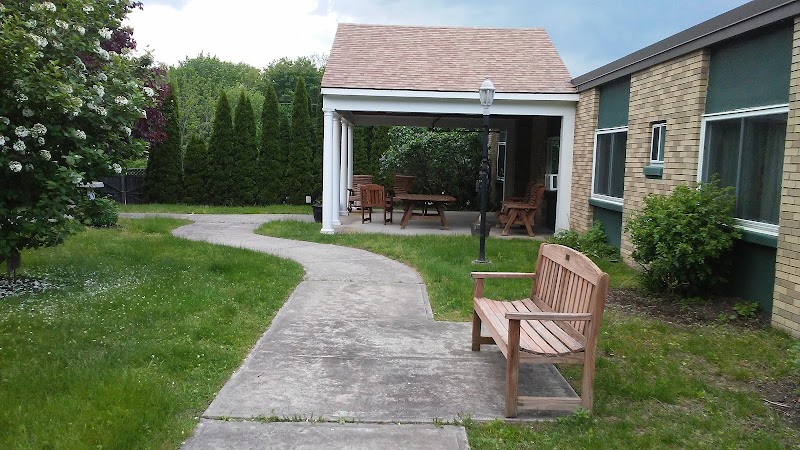
How is Gardner Heights Health, Inc Staffed?

CMS rates GARDNER HEIGHTS HEALTH CARE CENTER, INC's staffing level at 2 out of 5 stars, which is below average compared to other nursing homes. Staff turnover is 36%, compared to the Connecticut average of 46%. This relatively stable workforce can support continuity of care.

What Have Inspectors Found at Gardner Heights Health, Inc?

State health inspectors documented 26 deficiencies at GARDNER HEIGHTS HEALTH CARE CENTER, INC during 2019 to 2025. These included: 26 with potential for harm.
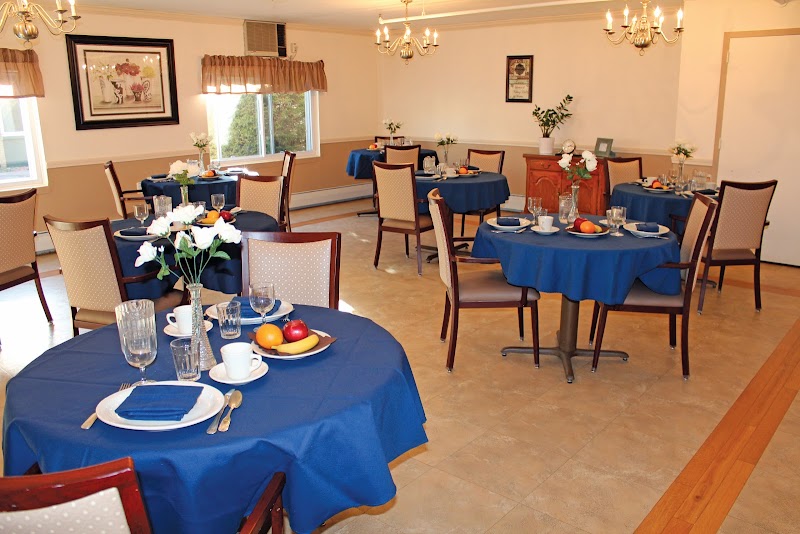
Who Owns and Operates Gardner Heights Health, Inc?

GARDNER HEIGHTS HEALTH CARE CENTER, INC is owned by a for-profit company. For-profit facilities operate as businesses with obligations to shareholders or private owners. The facility is operated by APPLE REHAB, a chain that manages multiple nursing homes. With 130 certified beds and approximately 114 residents (about 88% occupancy), it is a mid-sized facility located in SHELTON, Connecticut.
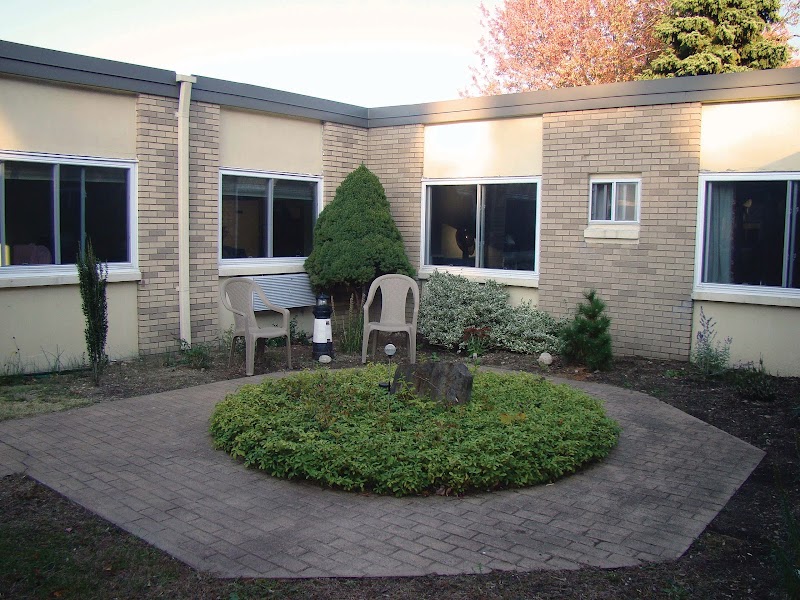
How Does Gardner Heights Health, Inc Compare to Other Connecticut Nursing Homes?

Compared to the 100 nursing homes in Connecticut, GARDNER HEIGHTS HEALTH CARE CENTER, INC's overall rating (3 stars) is below the state average of 3.0, staff turnover (36%) is significantly lower than the state average of 46%, and health inspection rating (3 stars) is at the national benchmark.

What Should Families Ask When Visiting Gardner Heights Health, Inc?

Based on this facility's data, families visiting should ask: "Can you walk me through typical staffing levels on day, evening, and night shifts?" "Can I visit during a mealtime to observe dining assistance and food quality?" "How do you handle medical emergencies, and what is your hospital transfer rate?" "Can I speak with family members of current residents about their experience?" These questions are particularly relevant given the below-average staffing rating.

Is Gardner Heights Health, Inc Safe?

Based on CMS inspection data, GARDNER HEIGHTS HEALTH CARE CENTER, INC has a clean safety record: no substantiated abuse findings (meaning no confirmed cases of resident harm), no Immediate Jeopardy citations (the most serious violation level indicating risk of serious injury or death), and is not on the Special Focus Facility watch list (a federal program monitoring the lowest-performing 1% of nursing homes). The facility has a 3-star overall rating and ranks #100 of 100 nursing homes in Connecticut. While no facility is perfect, families should still ask about staff-to-resident ratios and recent inspection results during their visit.

Do Nurses at Gardner Heights Health, Inc Stick Around?

GARDNER HEIGHTS HEALTH CARE CENTER, INC has a staff turnover rate of 36%, which is about average for Connecticut nursing homes (state average: 46%). Moderate turnover is common in nursing homes, but families should still ask about staff tenure and how the facility maintains care continuity when employees leave.

Was Gardner Heights Health, Inc Ever Fined?

GARDNER HEIGHTS HEALTH CARE CENTER, INC has been fined $7,446 across 1 penalty action. This is below the Connecticut average of $33,153. While any fine indicates a compliance issue, fines under $50,000 are relatively common and typically reflect isolated problems that were subsequently corrected. Families should ask what specific issues led to these fines and confirm they've been resolved.

Is Gardner Heights Health, Inc on Any Federal Watch List?

GARDNER HEIGHTS HEALTH CARE CENTER, INC is not on any federal watch list. The most significant is the Special Focus Facility (SFF) program, which identifies the bottom 1% of nursing homes nationally based on persistent, serious quality problems. Not being on this list means the facility has avoided the pattern of deficiencies that triggers enhanced federal oversight. This is a positive indicator, though families should still review the facility's inspection history directly.