HEWITT HEALTH & REHABILITATION CENTER, INC
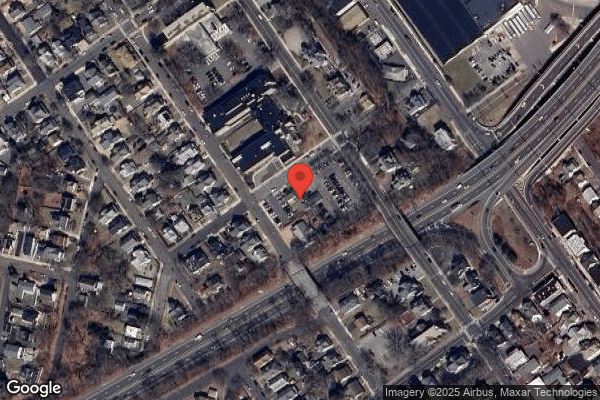
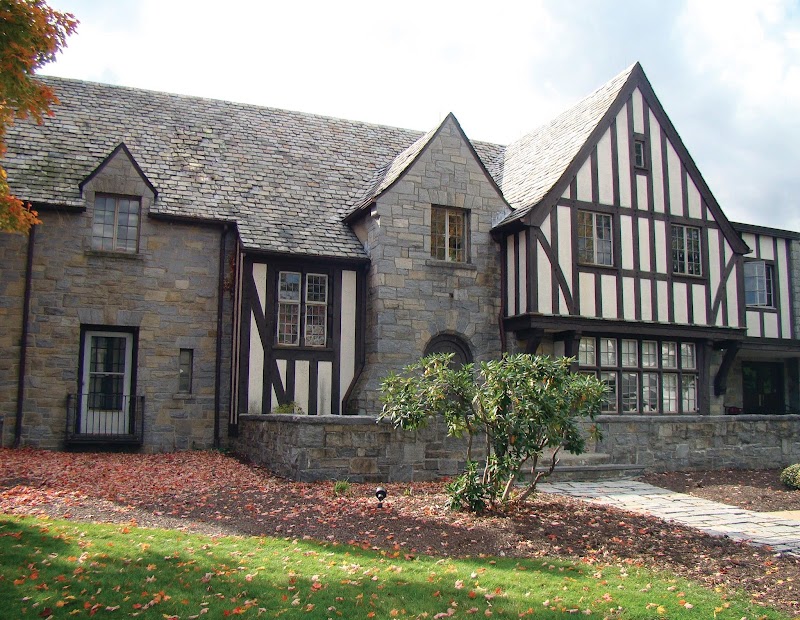
45 MALTBY STREET, SHELTON, CT 06484 (203) 924-4671
For profit - Individual 206 Beds APPLE REHAB Data: November 2025
Trust Grade
43/100
#132 of 192 in CT
Last Inspection: May 2025

Inspected within the last 6 months. Data reflects current conditions.

Overview

Hewitt Health & Rehabilitation Center, located in Shelton, Connecticut, has a Trust Grade of D, indicating below-average performance with some concerns about care and compliance. They rank #132 out of 192 facilities in Connecticut, placing them in the bottom half, and #11 out of 15 in Greater Bridgeport County, meaning there are only a few local options that perform better. The facility is worsening, as the number of issues identified increased from 3 in 2024 to 15 in 2025. Staffing is a concern, with a rating of 2 out of 5 stars and a turnover rate of 43%, which is around the state average. Notably, there were incidents where a resident was injured due to improper transfer assistance, and the facility failed to maintain adequate staffing levels on weekends, leading to potential risks for residents. While there are some strengths in their quality measures, families should be aware of the significant weaknesses in safety and staffing.

Trust Score
D
43/100
In Connecticut
#132/192
Bottom 32%
Safety Record
Moderate
Needs review
Inspections
Getting Worse
3 → 15 violations
Staff Stability
○ Average
43% turnover. Near Connecticut's 48% average. Typical for the industry.
Penalties
✓ Good
$17,768 in fines. Lower than most Connecticut facilities. Relatively clean record.
Skilled Nurses
⚠ Watch
Each resident gets only 21 minutes of Registered Nurse (RN) attention daily — below average for Connecticut. Fewer RN minutes means fewer trained eyes watching for problems.
Violations
⚠ Watch
61 deficiencies on record. Higher than average. Multiple issues found across inspections.
★★☆☆☆
2.0
Overall Rating
★★☆☆☆
2.0
Staff Levels
★★★☆☆
3.0
Care Quality
★★☆☆☆
2.0
Inspection Score
Stable
2024: 3 issues
2025: 15 issues

The Good

  • Full Sprinkler Coverage · Fire safety systems throughout facility
  • No fines on record
  • Staff turnover below average (43%)

    5 points below Connecticut average of 48%

Facility shows strength in fire safety.

The Bad

2-Star Overall Rating

Below Connecticut average (3.0)

Below average - review inspection findings carefully

Staff Turnover: 43%

Near Connecticut avg (46%)

Typical for the industry

Federal Fines: $17,768

Below median ($33,413)

Minor penalties assessed

Chain: APPLE REHAB

Part of a multi-facility chain

Ask about local staffing decisions and management

The Ugly 61 deficiencies on record

1 actual harm
May 2025 15 deficiencies
CONCERN (D)

Potential for Harm - no one hurt, but risky conditions existed

Deficiency F0605 (Tag F0605)

Could have caused harm · This affected 1 resident

**NOTE- TERMS IN BRACKETS HAVE BEEN EDITED TO PROTECT CONFIDENTIALITY** Based on review of the clinical record, facility documentation, facility policy and interviews for 1 of 3 residents (Resident #2...

Read full inspector narrative →
**NOTE- TERMS IN BRACKETS HAVE BEEN EDITED TO PROTECT CONFIDENTIALITY** Based on review of the clinical record, facility documentation, facility policy and interviews for 1 of 3 residents (Resident #264) reviewed for abuse, the facility failed to ensure a medication was administered as indicated by the physician's order which resulted in Resident #264 receiving a psychotropic medication. The findings include: Resident #264's diagnoses included autistic disorder, developmental disorder, and unspecified convulsions. The admission Minimum Data Set (MDS) assessment dated [DATE] identified Resident #264 was severely cognitively impaired and required partial/moderate assistance with bed mobility and was dependent with toileting and transfers. The MDS assessment indicated Resident #264 received antipsychotic, antianxiety, antidepressant and anticonvulsant medications. The Resident Care Plan dated 5/7/25 identified a seizure disorder with interventions that included to administer medications as ordered. A physician's order dated 5/7/25 directed Lorazepam (a psychotropic medication) 1 mg by mouth every 24 hours as needed for seizures. A nursing note written by Licensed Practical Nurse (LPN) #7 and dated 5/9/25 at 7:47 AM identified Resident #264 was agitated throughout the night and Lorazepam was given which was effective (physician orders directed to administer for seizures). Review of the Medication Administration Record (MAR) for Resident #264 on 5/9/25 indicated Lorazepam 1 mg oral tablet was administered at 3:42 AM by LPN #7 and the dose was effective. Interview with LPN #7 on 5/16/25 at 8:36 AM identified that although Resident #264's Lorazepam order was indicated to be administered for seizures, she administered Resident #264's Lorazepam on 5/9/25 because the resident was agitated and not sleeping. LPN #7 indicated because Resident #264 had not had a seizure, she asked the nursing supervisor (RN #4) if she could administer the medication for agitation and she was told by RN #4 to go ahead and give it. LPN #7 identified she documented her administration of the Lorazepam on the MAR for 5/9/25 under the order which was indicated for seizures because a new order indicated for agitation was not obtained from the physician by RN #4. LPN #7 further indicated that she now realized she should not have administered Lorazepam to Resident #264 if it was not ordered for agitation and she had made a mistake. Interview with the nursing supervisor (RN #4) on 5/16/25 at 9:09 AM identified she was notified on 5/9/25 by LPN #7 that Resident #264 was agitated and not sleeping and although the Lorazepam order was only indicated for seizures, she gave permission to LPN #7 to administer the medication to the resident. RN #4 indicated that she was aware that Resident #264 had not had a seizure on 5/9/25 and although she tried to reach the physician for a new order, the physician did not call back. RN #4 was unable to recall which physician she tried to contact but she did not obtain a new order for Resident #264's Lorazepam to indicate administration for agitation or insomnia. RN #4 identified she realized she should not have authorized the administration of Lorazepam to the resident if it was only indicated for seizures. Interview and review of the clinical record with the DNS on 5/16/25 at 2:35 PM identified Resident #264's Lorazepam should have only been administered as indicated for seizures and it should not have been administered for agitation or insomnia. The DNS indicated that RN #4 should not have authorized the administration of the medication without contacting the provider for a new order and if RN #4 was unable to reach the provider the medication should not have been administered to the resident. The DNS identified that although Resident #264 had not had a seizure on 5/9/25, LPN #7 documented her administration of the Lorazepam on the order indicated for seizures because a new order indicated for agitation was never obtained. The DNS stated she would need to provide further education to LPN #7 and RN #4 regarding this incident. Review of facility policy, Medication Administration, undated, directed all medications shall be administered safely and accurately in accordance with physician's orders and facility protocols and all medications must be administered only with a valid physician's order.
CONCERN (D)

Potential for Harm - no one hurt, but risky conditions existed

Report Alleged Abuse (Tag F0609)

Could have caused harm · This affected 1 resident

**NOTE- TERMS IN BRACKETS HAVE BEEN EDITED TO PROTECT CONFIDENTIALITY** Based on observation, review of the clinical record, facility documentation, facility policy, and interviews for 1 of 3 resident...

Read full inspector narrative →
**NOTE- TERMS IN BRACKETS HAVE BEEN EDITED TO PROTECT CONFIDENTIALITY** Based on observation, review of the clinical record, facility documentation, facility policy, and interviews for 1 of 3 residents (Resident #18) reviewed for abuse, the facility failed to report an injury of unknown origin to the State Agency (SA) timely. The findings include: Resident #18's diagnoses included dementia, anemia, and non-thrombocytopenic purpura. The quarterly Minimum Data Set (MDS) assessment dated [DATE] identified Resident #18 was severely cognitively impaired and was dependent for transfers, toileting, and bed mobility. The Resident Care Plan dated 4/15/25 identified skin issues and skin breakdown related to venous ulcers and skin tears. Interventions included to inspect skin when providing care and gentle handling during all care. Observation on 5/12/25 at 12:30 PM identified Resident #18 was in bed and his/her right upper extremity, which was partially outside of the bed covers, had a large area of light purple colored bruising to the top of the hand and wrist area. The skin of the exposed area of the resident's right upper extremity appeared to be intact. The nursing supervisor (RN #6) progress note dated 5/12/25 at 4:45 PM identified Resident #18 had a change in condition with a skin tear to his/her right forearm and discoloration of the extremity from mid-hand to elbow with swelling in the wrist area noted. The APRN was made aware, and a wound treatment and x-ray were ordered. A Reportable Event form signed as filed on 5/12/25, identified Resident #18 had an area of discoloration and swelling noted to the right wrist. The form indicated the physician and family were notified and an investigation was not initiated. A nursing progress note dated 5/13/25 at 12:23 PM identified an x-ray of the right forearm had been ordered by the APRN for Resident #18, secondary to a hematoma. Nursing progress notes dated 5/13/25 at 1:15 PM and 5/13/25 at 7:16 PM identified the bruising to Resident #18's right hand had increased and become more swollen. Interview and record review with the DNS on 5/14/25 at 3:05 PM identified that Resident #18 had sustained a skin tear with a large area of bruising and swelling to his/her right upper extremity which was first observed on 5/12/25. The DNS indicated that although Resident #18's injury was considered an injury of unknown source, she had not reported the resident's injury to the SA because it was still being investigated. The DNS identified it would have been her responsibility to report Resident #18's injury to the SA timely. Another interview with the DNS on 5/16/25 at 2:40 PM identified that although an investigation of Resident #18's injury of unknown source (from 5/12/25) was being conducted, she had still not reported the injury to the SA. The DNS indicated she had not reported the injury because it was still being investigated and she was overwhelmed with work this week. The DNS further identified that she was aware that Resident #18's injury of unknown source was not reported timely to the SA (within 24 hours) and that it would have been her responsibility to have reported the injury timely. Subsequent to surveyor inquiry, on 5/19/25, the DNS reported Resident #18's injury of unknown origin (from 5/12/25) to the SA. Attempts to contact the nursing supervisor (RN #6) were unsuccessful. Review of the facility policy, Injuries of Unknown Origin, undated, directed an injury of unknown origin is an injury where the source is not observed or cannot be explained by resident or staff. The policy further directed all injuries of unknown source will be promptly reported in accordance with federal and state regulations and within the required time frame.
CONCERN (D)

Potential for Harm - no one hurt, but risky conditions existed

Deficiency F0658 (Tag F0658)

Could have caused harm · This affected 1 resident

**NOTE- TERMS IN BRACKETS HAVE BEEN EDITED TO PROTECT CONFIDENTIALITY** Based on review of the clinical record, facility documentation, facility policy and interviews for 1 of 4 residents (Resident #4...

Read full inspector narrative →
**NOTE- TERMS IN BRACKETS HAVE BEEN EDITED TO PROTECT CONFIDENTIALITY** Based on review of the clinical record, facility documentation, facility policy and interviews for 1 of 4 residents (Resident #44) reviewed for pressure injury, and 1 of 3 residents (Resident #264) reviewed for falls, the facility failed to ensure completion of an Registered Nurse (RN) assessment after a resident fell (Resident #44) and the identification of a new pressure ulcer (Resident #264). The findings include: 1. Resident #44's diagnoses included dementia, fibromyalgia, and anxiety. The Resident Care Plan (RCP) dated 11/1/24 identified Resident #44 was at risk for skin breakdown due to decreased mobility, incontinence, poor nutrition and poor circulation. Interventions included offer and/or encourage Resident #44 to reposition as needed, provide incontinent care as needed, and check Resident #44's skin weekly with scheduled bath/shower. The quarterly Minimum Data Set (MDS) assessment dated [DATE] identified Resident #44 was moderately cognitively impaired and was at risk for developing pressure ulcers. The MDS further identified Resident #44 was independent with eating, required partial/moderate assistance with bed mobility, and supervision or touching assistance for transfers. A nursing note written by Licensed Practical Nurse (LPN) #9 on 1/19/25 at 3:21 PM identified Resident #44 had a newly identified open area to the coccyx measuring 2.5 centimeters (cm) by 1.0 cm. The note identified the wound was cleansed with Normal Saline and covered with a dry clean dressing. The note further identified the nursing supervisor was notified and she would obtain a treatment order but failed to identify a subsequent Registered Nurse (RN) assessment of the coccyx open area. Review of the Nursing Daily Attendance Report dated 1/19/25 identified LPN #9 worked the 7:00 AM to 3:00 PM shift that day, and Registered Nurse (RN) #7 was the nursing supervisor for the 7:00 AM to 3:00 PM shift. Interview with the Director of Nursing Services (DNS) on 5/19/25 at 1:05 PM identified there should be an RN assessment documented in the electronic medical record (EMR) following report of a new pressure ulcer, and all new pressure ulcers require completion of an accident and injury (A&I) report. The DNS further identified RN #7 was no longer employed by the facility. Interview with RN #7 on 5/20/25 at 10:51 AM identified she was the nursing supervisor working 1/19/25 during the 7:00 AM to 3:00 PM shift. RN #7 identified she could not recall being informed of a new pressure ulcer for Resident #44 on 1/19/25. RN #7 identified that when notified of a new wound she would fill out a wound tracker, notify the family, and obtain orders from the Advanced Practice Registered Nurse (APRN). RN #7 further identified she did not recall this event, and if there wasn't any documentation from her in the EMR related to this event it was likely LPN #9 forgot to notify her even though LPN #9 documented in her note that she did update RN #7. Attempts to contact LPN #9 were unsuccessful. Review of the Change in Resident Condition/Family/MD Notification policy directed, in part, when there is a significant change in the condition of a resident's physical status an RN assessment will be conducted. 2. Resident #264's diagnoses included fracture of the left femur, autistic disorder, and unspecified convulsions. The admission Minimum Data Set assessment dated [DATE] identified Resident #264 was severely cognitively impaired and required partial/moderate assistance with bed mobility and was dependent with toileting and transfers. The Resident Care Plan dated 5/7/25 identified a fall risk with multiple risk factors and a seizure disorder. Interventions included to transfer the resident per the physician's orders and to maintain safety in the environment. A nursing note written by Licensed Practical Nurse (LPN) #8 and dated 4/21/25 at 10:58 PM identified Resident #264 was found on the floor and the resident's family member reported the resident had slid off the recliner and onto the floor. The nursing note indicated that 4 staff with a gait belt assisted Resident #264 off the floor and into bed. Review of the facility schedule for 4/21/25 indicated RN #6 was the nursing supervisor for the 3:00 PM-11:00 PM shift. Interview with LPN #8 on 5/19/25 at 10:03 AM identified she was the charge nurse for Resident #264 on 4/21/25 for the 3:00 PM-11:00 PM shift. LPN #8 indicated the resident's family member notified her that Resident #264 was on the floor around 10:00 PM and when LPN #8 entered the room, the resident was found sitting on the floor. LPN #8 identified that it took her and 3 other staff to assist the resident off the floor and back into bed. LPN #8 indicated she never informed RN #6 about Resident #264's fall because it was the end of her shift, and she could not find RN #6. Additionally, LPN #8 identified she had made a mistake, did not follow facility policy, should have informed RN #6 of the fall and made sure Resident #264 was assessed after the incident. Interview and review of the clinical record with the DNS on 5/19/25 at 11:00 AM identified she was aware LPN #8 did not inform RN#6 about Resident #264's fall on 4/21/25 and because of that a post fall RN assessment of the resident was never done. The DNS indicated LPN #8 should have informed RN #6 about the incident and made sure the resident was assessed by RN #6 before the resident was assisted off the floor. The DNS stated she did not know why LPN #8 did not inform RN #6 of the fall and LPN#8 was later issued a disciplinary write up by the DNS for not following the facility's policy and protocols. The DNS identified that Resident #264 was not assessed until the following day (4/22/25) by the Advanced Practice Registered Nurse (APRN). Attempts to contact the RN Supervisor (RN #6) were unsuccessful. Review of the facility policy, Falls: Minimizing Risk of Injury, undated, directed after a resident falls, a RN assessment occurs and when the resident is deemed safe by the supervisor to remain in the facility the resident will be transferred off the floor to appropriate seating per the plan of care. Review of the facility policy, Change in Resident Condition/Family/MD Notification, undated, directed in the event of an accident involving the resident, a RN assessment will be conducted.
CONCERN (D)

Potential for Harm - no one hurt, but risky conditions existed

ADL Care (Tag F0677)

Could have caused harm · This affected 1 resident

**NOTE- TERMS IN BRACKETS HAVE BEEN EDITED TO PROTECT CONFIDENTIALITY** Based on observations, review of the clinical record, facility documentation, facility policy and interviews, for the only sampl...

Read full inspector narrative →
**NOTE- TERMS IN BRACKETS HAVE BEEN EDITED TO PROTECT CONFIDENTIALITY** Based on observations, review of the clinical record, facility documentation, facility policy and interviews, for the only sampled resident (Resident #21) reviewed for activities of daily living, the facility failed to maintain clean and trimmed fingernails. The findings include: Resident #21's diagnoses included hemiplegia and hemiparesis (paralysis and weakness) following cerebral infarction (stroke) affecting the right dominant side, dementia, and end stage renal disease. The quarterly Minimum Data Set assessment (MDS) dated [DATE] identified Resident #21 was severely cognitively impaired and dependent with transfers, toileting and personal hygiene. The Resident Care Plan (RCP) dated 3/11/25, identified Resident #21 had a history of a stroke with hemiparesis (partial paralysis or weakness of the right side) and needed assistance with activities of daily living (ADL's). Interventions included to anticipate and meet the residents needs and to provide daily skin care and hygiene. Review of the nurse aide (NA) care card for Resident #21 identified he/she was to be showered on the Thursday, 3:00 PM-11:00 PM shift and the resident required total assistance with bathing and to keep his/her nails trimmed and clean. Interview and observation with LPN #1 on 5/13/25 at 11:24 AM identified Resident #21's right hand was contracted and his/her fingernails on both hands were lengthy and unclean with a dark brown substance underneath them. A lengthy thumb nail on the resident's right hand was pressing into the side of his/her 4th finger of the same hand. LPN #1 indicated that, although the nurse aides (NA) were responsible to provide nail hygiene, the facility did not always have enough staff to take care of the resident's fingernails. LPN #1 further identified that nail care should have been completed during the resident's weekly shower, and she was unsure why it was not done. LPN #1 proceeded to assist Resident #21 with opening his right hand and the skin of the inside of the resident's hand appeared dry and intact. Observation on 5/15/25 at 12:55 PM identified the fingernails of Resident #21's bilateral hands remained lengthy and unclean with a dark brown substance underneath them. The resident's right hand was noted to be resting in the resident's lap with the fingers open (hand was not contracted). Interview with NA #3 on 1:00 PM on 5/15/25 at 1:00 PM identified nail trimming and cleaning was to be done on weekly on shower day and Resident #21 was scheduled on the Thursday, 3:00 PM to 11:00 PM shift. NA #3 indicated that although she saw the resident's fingernails were long and dirty and had told the nurse about it 2 weeks ago, she became busy and was unable to take care of it on her shift. NA #3 further identified that because Resident #21's nails remained lengthy and unclean with a dark brown substance underneath and since the resident has never refused to have his nails trimmed or cleaned, she would try to take care of them today. Subsequent to surveyor inquiry, on 5/16/25 at 9:45 AM Resident #21 was seated in the wheelchair in the hallway and his fingernails on both hands were trimmed and clean. When asked about his/her fingernails, Resident #21 responded by smiling and nodding his head up and down (resident non-verbal). Interview with NA #4 on 5/16/25 at 10:40 AM identified that she was assigned Resident #21 on 3:00 PM to 11:00 PM shift on Thursday, 5/8/25 but did not recall giving the resident a shower and did not provide the resident nail hygiene. NA #4 indicated that she does not provide nail hygiene on her shift because it is done by the NA on the morning shift. NA #4 identified that although she took care of the resident almost every day and continued to notice (after 5/8/25) that Resident #21's fingernails on both hands remained lengthy and unclean with a dark brown substance underneath, she was too busy and told the nurse she would have to take care of them another time. Interview with the DNS on 5/16/25 at 2:40 PM identified the policy on nail hygiene was that it was provided for residents as needed and with daily ADL care by the NA. The DNS indicated nail hygiene should have been completed by the NA for Resident #21 when his/her nails were observed to be lengthy and/or unclean, and she would have expected the NA's to have paid special attention to ensure the resident's fingernails were not pressing into his/her right-hand contracture. The DNS, although unsure why nail hygiene had not been provided for Resident #21, indicated she would need to further address the issue with the nursing staff. Interview with the Director of Rehab on 5/16/25 at 2:55 PM identified Resident #21 was admitted to the facility after experiencing a stroke with hemiplegia on his/her right side and the resident was unable to tolerate a splint or orthotic for the right upper extremity. The Director of Rehab indicated Resident #21 did not have functional use of his/her right hand and would be unable to trim or clean his/her own nails. The Director of Rehab identified she had made the nursing staff aware of the need to keep Resident #21's nails shorter due to the right-hand contracture and the risk of skin breakdown and the resident should have had his/her fingernails trimmed and cleaned on a regular basis. The Director of Rehab further indicated she was not made aware of the resident had ever refused to have his/her nails trimmed and cleaned. Review of the facility policy, AM Care/ADL's, undated, directed to provide individualized assistance, nursing staff would assist with AM care for each resident daily and fingernail care including trimming of nails if needed was to be provided.
CONCERN (D)

Potential for Harm - no one hurt, but risky conditions existed

Quality of Care (Tag F0684)

Could have caused harm · This affected 1 resident

**NOTE- TERMS IN BRACKETS HAVE BEEN EDITED TO PROTECT CONFIDENTIALITY** Based on observations, review of the clinical record, facility documentation, facility policy and interviews for 1 of 2 resident...

Read full inspector narrative →
**NOTE- TERMS IN BRACKETS HAVE BEEN EDITED TO PROTECT CONFIDENTIALITY** Based on observations, review of the clinical record, facility documentation, facility policy and interviews for 1 of 2 residents (Resident #85) reviewed for edema, the facility failed to weigh the resident per physician orders. The findings include: Resident #85's diagnosis included congestive heart failure, pleural effusion, and cardiomyopathy. A quarterly Minimum Data Set (MDS) assessment dated [DATE] identified Resident #85 had intact cognition, and was independent with eating, oral hygiene, toileting, upper/lower body dressing and personal hygiene. Additionally, the MDS identified Resident #85 had no significant weight loss and had a diagnoses of heart failure. A physician order dated 12/1/24 directed for Resident #85 to be weighed daily. Review of the weight record from 12/1/24 to 5/15/25 identified a daily weight was not obtained 38 times out of 166 occasions. The Resident Care Plan dated 2/3/25 identified Resident #85 was at risk for cardiac issues with interventions weight as ordered/per policy, watch for signs/symptoms associated with cardio-respiratory issues and report to the physician, and diet as ordered. An interview on 5/15/25 at 2:41 PM with Licensed Practical Nurse (LPN) #10 identified that Resident #85 was to be weighed daily and that Resident #85 was not weighed daily. Further, identifying that she was responsible for making sure the resident was weighed according to the physician orders. An interview on 5/19/25 at 10:30 AM with the Director of Nursing (DNS) identified that Resident #85 was a daily weight and that the resident was not weighed daily according to the weight record. Also, identifying that the nurse was responsible for obtaining the daily weight and for the documentation of the weight. Review of the facility weight monitoring policy identified that residents will be weighed weekly for 4 weeks on admission and readmission then monthly, unless otherwise indicated by the physician's order.
CONCERN (D)

Potential for Harm - no one hurt, but risky conditions existed

Pressure Ulcer Prevention (Tag F0686)

Could have caused harm · This affected 1 resident

**NOTE- TERMS IN BRACKETS HAVE BEEN EDITED TO PROTECT CONFIDENTIALITY** Based on observations, interviews, record and policy reviews for 1 of 3 residents (Resident #106) sampled for pressure injuries,...

Read full inspector narrative →
**NOTE- TERMS IN BRACKETS HAVE BEEN EDITED TO PROTECT CONFIDENTIALITY** Based on observations, interviews, record and policy reviews for 1 of 3 residents (Resident #106) sampled for pressure injuries, the facility failed to provide treatment for a wound per physician's order and failed to transcribe wound orders accurately. The findings included: Resident #106's diagnoses included a stage 3 pressure ulcer of the sacral region, muscle weakness and osteomyelitis of vertebral, sacral and sacrococcygeal region. The quarterly Minimum Data Set (MDS) assessment dated [DATE] identified Resident #106 was cognitively intact, and required substantial/maximal assistance for dressing, toileting and changing position in bed. Additionally, the MDS identified Resident #106 had a Stage 3 pressure ulcer defined as full thickness loss, with subcutaneous fat visible but bone, tendon or muscle was not exposed. Slough was present but did not obscure the depth of tissue loss, may include undermining and tunnelling. The Resident Care Plan dated 3/12/25 identified Resident #106 had a pressure ulcer or potential for pressure ulcer development related to immobility. Interventions included administering treatment as ordered and following facility policies/protocols for the prevention/treatment of skin breakdown. The physician's order dated 4/23/25 directed to cleanse the sacrum stage 3 wound with ¼ strength Dakin's solution (an antiseptic), apply prep to peri wound area-let dry, then apply calcium alginate with silver (an antiseptic dressing that absorbs wound drainage) followed by dry clean dressing daily and as needed. a.Observation of the wound treatment on 5/15/25 at 11:46 AM identified LPN # 5 apply gloves then a gown without the benefit of hand hygiene. Nurse Aid (NA) #2 assisted with Resident #106's positioning in bed by standing on the residents' left side while LPN #5 was on the right. While Resident #106 was lying on his/her left side, LPN #5 applied the Dakins solution to gauze that was placed in a medicine cup and set it aside. She then removed the dressing dated 5/14/25 that was on Resident #106's sacral wound and removed the dressing packed inside the wound, disposing of both in the trash receptacle. LPN #5 then removed her right glove, without the benefit of removing her left glove, reached her right hand under her gown and pulled out a clean glove that she then applied to her right hand without the benefit of hand hygiene or removal of the left glove. She cleaned the sacral wound with the Dakins saturated gauze, dried the area and then used skin prep around the wound. LPN #5 then removed both gloves and applied clean gloves without the benefit of hand hygiene, opened the collagen matrix dressing (a dressing that promotes a moist wound environment), at which point the surveyor intervened and called the Infection Preventionist Nurse for clarification. Interview with LPN #5 on 5/15/25 at 11:56 AM identified she was going to use the collagen matrix dressing because it was in her treatment cart, even though the physician's order directed for a calcium alginate with silver dressing, stating the dressings were the same thing. Interview with the Infection Prevention Nurse (IPN) on 5/15/25 at 12:01 PM identified the collagen matrix dressing LPN #5 was ready to apply was not an appropriate substitute for the calcium alginate with silver dressing that was ordered by the physician, and that the facility did not use those two dressings interchangeably. LPN #5 then proceeded to clarify with the IPN nurse if the collagen matrix dressing could be used for Resident #106, to which he responded no. Observation of the wound treatment on 5/15/25 at 12:05 PM by the IPN identified appropriate application of PPE, hand hygiene and completion of wound treatment per physician's order (calcium alginate with silver dressing followed by a dry clean dressing). b.Review of the wound report from 4/23/25 identified the wound APRN recommended Resident #106's stage 3 sacrum wound to be cleaned with ¼ strength Dakin's solution (an antiseptic), apply skin prep to the peri wound area-let dry, then apply calcium alginate with silver (an antiseptic dressing that absorbs wound drainage), followed by dry clean dressing twice a day and as needed (the order was transcribed as once a day for dressing frequency). Interview and record review with IPN on 5/15/25 at 12:11 PM identified that he accompanied the wound APRN on weekly rounds, she made recommendations, and they were transcribed by him. A review of the 4/23/25 APRN wound note identified Resident #106's Treatment Recommendations were to cleanse with 0.125% Dakin's solution (1/4 strength), apply calcium alginate with silver to base of the wound, secure with a dry clean dressing and change twice a day and as needed for soiling, saturation, or accidental removal. The IPN identified the order was incorrectly transcribed as once a day. Subsequent to surveyor inquiry the order was changed to reflect the wound APRN recommendations of changing Resident # 106's sacral wound dressing frequency to twice a day. Review of the Physician's Orders Policy directed in part the purpose was to ensure physician's orders are complete and accurate. Review of the Treatment Process directed in part to cleanse the wound according to the physician's order-assess/evaluate/measure appearance as appropriate and apply the new dressing per physician's order.
CONCERN (D)

Potential for Harm - no one hurt, but risky conditions existed

Unnecessary Medications (Tag F0759)

Could have caused harm · This affected 1 resident

**NOTE- TERMS IN BRACKETS HAVE BEEN EDITED TO PROTECT CONFIDENTIALITY** Based on observation, review of the clinical record, facility documentation, facility policy and interviews for 1 of 3 residents...

Read full inspector narrative →
**NOTE- TERMS IN BRACKETS HAVE BEEN EDITED TO PROTECT CONFIDENTIALITY** Based on observation, review of the clinical record, facility documentation, facility policy and interviews for 1 of 3 residents (Resident #25) reviewed for medication administration, the facility failed to administer medications per the physician's order resulting in a medication error rate greater than 5%. The findings include: Resident #25's diagnoses included dementia, atrial fibrillation and history of venous thrombus and embolism (blood clot). The annual Minimum Data Set assessment dated [DATE] identified Resident #25 was severely cognitively impaired and required substantial/maximal assistance with bed mobility and toileting and was dependent with transfers. The Resident Care Plan dated 3/6/25 identified constipation and a history of deep vein thrombosis (blood clot). Interventions included to administer medications as ordered and initiate bowel regimen as per the physician's orders. A physician's order dated 5/1/25 directed to administer Aspirin EC 81mg by mouth one time a day for atrial fibrillation and Miralax powder 17 gram/scoop by mouth two times daily for constipation. Observation of medication administration on 5/15/25 at 8:11 AM with Licensed Practical Nurse (LPN) #5 identified she had prepared and dispensed all ordered and scheduled oral medications for 9:00 AM for Resident #25. Prior to administration of medications to the resident, LPN #5 confirmed there were 9 pills in the medication cup as follows: 1. Amlodipine 5mg, 1 tablet 2. Atorvastatin 40mg, 1 tablet 3. Gabapentin 100mg, 1 tablet 4. Gerikot 8.6mg, 2 tablets 5. Quetiapine 50mg, 1 tablet 6. Quetiapine 25mg, 1 tablet 7. Acetaminophen 500mg, 1 tablet 8. Tradjenta 5mg, 1 tablet Medication reconciliation for Resident #25 identified LPN #5 failed to dispense and administer Aspirin EC 81mg by mouth and Miralax 17gm by mouth with the 9:00 AM medication administration observation. Review of the Medication Administration Record (MAR) for 5/15/25 for Resident #25 identified Aspirin EC 81mg and Miralax powder 17 gram/scoop were signed as administered by LPN #5 at 9:00 AM. Interview with LPN #5 on 5/15/25 at 10:35 AM identified that although she had signed for the Aspirin EC 81mg and Miralax 17 gram/scoop on Resident #25's MAR for 5/15/25 at 9:00 AM, she did not administer either medication to the resident. LPN #5 indicated she was nervous and forgot to dispense and administer the Aspirin EC and Miralax to the resident and would need to notify the nursing supervisor to obtain a new order from the physician to administer the medications now. Interview with the Registered Nurse Supervisor (RN #2) on 5/15/25 at 10:45 AM identified LPN #5 was responsible to administer all Resident #25's medications as ordered. RN #2 indicated LPN #5 should not have signed for medications in the MAR that she did not administer, but she was likely nervous. RN #2 identified she would contact Resident #25's physician and would speak to LPN #5 further. Interview with the Director of Nursing Services (DNS) on 5/15/25 at 10:50 AM identified LPN #5 was responsible to administer all Resident #25's medications as ordered. The DNS indicated LPN #5 should not have signed for medications in the MAR that she did not administer and if she was not administering a medication, she should have identified a reason in the MAR. The DNS indicated LPN #5 was likely nervous and she would provide further education to LPN #5. Review of the facility policy, Medication Administration, undated, directed all medications shall be administered safely and accurately in accordance with physician orders, facility protocols, and applicable state and federal regulations. The medication error rate was 7.14% based on the medication administration observation task.
CONCERN (D)

Potential for Harm - no one hurt, but risky conditions existed

Infection Control (Tag F0880)

Could have caused harm · This affected 1 resident

**NOTE- TERMS IN BRACKETS HAVE BEEN EDITED TO PROTECT CONFIDENTIALITY** Based on observation(s), review of the clinical record, facility documentation, facility policy and interviews for 1 of 2 resid...

Read full inspector narrative →
**NOTE- TERMS IN BRACKETS HAVE BEEN EDITED TO PROTECT CONFIDENTIALITY** Based on observation(s), review of the clinical record, facility documentation, facility policy and interviews for 1 of 2 residents (Resident #18) reviewed for skin condition (non-pressure), and for 1 of 4 residents (Resident #106) reviewed for pressure injury, the facility failed to ensure proper personal protective equipment (PPE) were donned ( placed on ) during wound care for a resident on enhanced barrier precautions (EBP) and the facility failed to ensure proper hand hygiene was performed during wound care. The findings include: 1. Resident #18's diagnoses included dementia, anemia, and non-thrombocytopenic purpura. The quarterly Minimum Data Set (MDS) assessment dated [DATE] identified Resident #18 was severely cognitively impaired and was dependent for transfers, toileting, and bed mobility. Additionally, the MDS identified Resident #18 had venous/arterial ulcers and skin tears. The Resident Care Plan dated 4/15/25 identified venous ulcers and a skin tear to the lower extremities and EBP related to wounds. Interventions included donning of gown and gloves when providing wound treatment. The physician orders dated 5/12/25 directed to cleanse the right arm, right shin and left thigh skin tears with normal saline, apply xeroform and wrap with kerlix gauze daily. The orders further directed to cleanse the left lower leg venous ulcer daily with normal saline, apply iodosorb followed by adaptic and apply a dry clean dressing daily. Observation of Resident #18's room on 5/13/24 at 10:30 AM identified EBP signage was posted on the door frame which directed staff must wear gloves and a gown for wound care. A cart containing disposable isolation gowns and other PPE was located outside of Resident #18's room. Interview, observation, and review of facility documentation with LPN #1 on 5/13/25 at 10:50AM identified she provided Resident #18 wound care without the benefit of an isolation gown. LPN #1 acknowledged she did not don an isolation gown when she provided Resident #18's wound care and indicated she did not know she needed to. Review of the EBP signage (posted outside of Resident #18's room) with LPN #1 directed an isolation gown and gloves are to be worn during wound care. LPN #1 stated although the EBP signage was posted outside of Resident #18's room and she had been provided training on EBP, she didn't know she had to don an isolation gown during wound care. Interview with the DNS on 5/15/25 at 10:05 AM identified that for resident's on EBP, nursing staff should don an isolation gown and gloves when providing wound care. The DNS indicated that she (together with the staff development nurse) has conducted ongoing education with all the nursing staff regarding EBP and LPN #1 should have known what PPE was required and should have donned an isolation gown when providing Resident #18's wound care. The DNS identified she would need to provide further education to LPN #1. Review of the facility policy, Enhanced Barrier Precautions, undated, directed targeted gown and glove use during high contact resident care activities, such as wound care. The policy further directed staff will don PPE (gown and gloves) before providing high contact care to the resident. 2. Resident #106's diagnoses included stage 3 pressure ulcer of the sacral region, muscle weakness, and osteomyelitis of vertebral, sacral and sacrococcygeal region. The quarterly Minimum Data Set (MDS) assessment dated [DATE] identified Resident #106 was cognitively intact, and required substantial/maximal assistance for dressing, toileting and changing position in bed. Additionally, the MDS identified Resident #106 had a Stage 3 pressure ulcer defined as full thickness loss, with subcutaneous fat visible but bone, tendon or muscle was not exposed. Slough was present but did not obscure the depth of tissue loss, may include undermining and tunnelling The Resident Care Plan dated 3/12/25 identified Resident #106 had a pressure ulcer or potential for pressure ulcer development related to immobility. Interventions included administering treatment as ordered and following facility policies/protocols for the prevention/treatment of skin breakdown. The physician's order dated 4/23/25 directed to cleanse the sacrum stage 3 wound with ¼ strength Dakin's solution (an antiseptic), apply skin prep to the peri wound area-let dry, then apply calcium alginate with silver (an antiseptic dressing that absorbs wound drainage) followed by dry clean dressing daily and as needed. Observation of Resident #106's room on 5/15/25 at 11:41 AM identified Enhanced Barrier Precautions signage posted outside the door identifying that everyone was to clean their hands prior to entering, and after leaving the room. Additionally, the sign directed that gloves and gowns were applied for high contact activities such as dressing, bathing/showering, transferring, providing hygiene, changing linens, assisting with toileting, device care, and wound care. Observation of Nurse Aide (NA) 2 on 5/15/25 at 11:42 AM identified her outside Resident #106's room applying a gown then gloves (per the signage posted for enhanced barrier precaution), without the benefit of hand hygiene prior to entering the room. Observation of the wound treatment on 5/15/25 at 11:46 AM identified LPN # 5 apply gloves then a gown (per the signage posted for enhanced barrier precaution), without the benefit of hand hygiene. NA # 2 assisted with Resident #106's positioning in bed by standing on the residents' left side while LPN #5 was on the right. With Resident #106 lying on her left side, LPN #5 applied the Dakins solution to sterile dressing that was placed in a medicine cup, she set it aside, then removed the dressing dated 5/14/25 that was covering the sacral wound and disposed of it in the trash receptacle, then removed the dressing packed inside the wound and disposed of it in the trash receptacle as well. LPN # 5 then removed her right glove, without the benefit of removing her left glove, reached her right hand under her gown and pulled out a clean glove that she then applied to her right hand without the benefit of hand hygiene or removal of the left glove. She cleaned the sacral wound with the Dakins saturated gauze, dried the area and then used skin prep around the wound. LPN #5 then removed both gloves and applied clean gloves without the benefit of hand hygiene, opened the collagen matrix dressing (a dressing that promotes a moist wound environment, which is the opposite of the intent of the dressing the physician ordered), at which point the surveyor intervened. Interview with LPN #5 on 5/15/25 at 11:56 AM identified it was facility policy to perform hand hygiene when going in and out of a resident's room and after performing care. Additionally, she identified the facility policy on glove use was to change gloves between residents. LPN # 5 could not identify if hand hygiene should be performed between glove changes or prior to applying personal protective equipment (PPE). Interview with NA # 2 on 5/15/25 at 11:56 AM identified it was facility policy to perform hand hygiene before and after resident care, as well as prior to applying PPE. She could not identify a reason why she did not perform hand hygiene prior to applying the gown and gloves. Interview with the Infection Prevention Nurse on 5/15/25 at 12:01 PM identified that it was facility policy to perform hand hygiene prior to applying PPE and between glove changes, as well as after removal of PPE. Review of the Enhanced Barrier Precautions policy directed in part that staff will perform hand hygiene and apply PPE prior to high contact activities (which included wound care). Review of the Hand Hygiene policy directed in part that healthcare workers should perform hand hygiene to disrupt the transmission of microorganisms and should be performed before and after resident care, and after handling contaminated items. Review of the Treatment Process directed in part to perform hand hygiene, then apply clean gloves prior to starting the treatment, and perform hand hygiene between removing soiled gloves and applying clean ones.
CONCERN (E)

Potential for Harm - no one hurt, but risky conditions existed

Deficiency F0578 (Tag F0578)

Could have caused harm · This affected multiple residents

**NOTE- TERMS IN BRACKETS HAVE BEEN EDITED TO PROTECT CONFIDENTIALITY** Based on review of the clinical record, facility policy and interviews for 4 of 32 residents (Resident #31, Resident #94, Reside...

Read full inspector narrative →
**NOTE- TERMS IN BRACKETS HAVE BEEN EDITED TO PROTECT CONFIDENTIALITY** Based on review of the clinical record, facility policy and interviews for 4 of 32 residents (Resident #31, Resident #94, Resident #214 and Resident #315) reviewed for Advance Directives, the facility failed to follow facility policy for completion of resident's choices for advance directives. The findings include: 1. Resident #31's diagnoses included paranoid schizophrenia, malignant neoplasm of the kidney, and lymphedema. The quarterly Minimum Data Set (MDS) assessment dated [DATE] identified Resident #31 was cognitively intact and was independent with eating, bed mobility and transfers. The Resident Care Plan (RCP) dated [DATE] identified Resident #31 required staff assistance with his/her activities of daily living. Interventions included Advance Directives per resident/representative and per physician orders and please ensure Resident #31 was accompanied to medical appointments as necessary. Review of Resident #31's clinical record on [DATE] at 9:47 AM failed to identify a Medical Interventions Consent Form (which identified Advanced Directives) was included and signed by the resident/responsible party. A physician order in effect on [DATE] (original order dated [DATE]) directed the administration of Cardiopulmonary Resuscitation (CPR) as Resident #31's code status. Although requested, a current Medical Interventions Consent Form filled out with Resident #31's choices for administration of life support systems and medical interventions was not provided. 2. Resident #94's diagnoses included dementia, adjustment disorder with mixed anxiety and depressed mood, and chronic kidney disease. The Resident Care Plan (RCP) dated [DATE] identified Resident #94 required staff assistance with his/her activities of daily living. Interventions included Advance Directives per resident/representative and per physician orders and assist with feeding as needed. The quarterly Minimum Data Set (MDS) assessment dated [DATE] identified Resident #94 was moderately cognitively impaired and was independent with eating, bed mobility and transfers. Review of Resident #94's clinical record on [DATE] at 11:03 AM failed to identify a Medical Interventions Consent Form (which identified Advanced Directives) was included and signed by the resident/responsible party. A physician order dated [DATE] (original order dated [DATE]) directed administration of Cardiopulmonary Resuscitation (CPR) as Resident #94's code status. Although requested, a current Medical Interventions Consent Form completed with Resident #94's choices for administration of life support systems and medical interventions was not provided. Interview with Social Worker (SW) #1 on [DATE] at 3:00 PM identified she did not routinely review the Advance Directives with residents upon admission for those residents with resident representatives. SW #1 identified that the Advance Directives were reviewed on admission by the nursing supervisor who would reach out to the resident representative by phone and leave a message requesting a call back to review the Advance Directives. 3. Resident #214's diagnoses included paranoid schizophrenia, diabetes, and anxiety. The quarterly Minimum Data Set (MDS) assessment dated [DATE] identified Resident #214 was severely cognitively impaired, used a walker, and was independent with eating, bed mobility, and transfers. The Resident Care Plan (RCP) dated [DATE] identified Resident #214 required assistance/supervision with his/her activities of daily living: bathing, dressing, transfers, toileting, ambulation, eating/drinking and mobility. Interventions included Advance Directives per resident/representative and per physician orders. A Medical Interventions Consent Form (which identified Advanced Directives) dated [DATE] identified per the resident's representative via telephone conference, the choices for administration of life support systems and medical interventions for Resident #214 were: Do not resuscitate (DNR)/Do not intubate (DNI), do not administer artificial means of nutrition, intravenous fluids, hospitalization. The form further identified Resident #214 was comfort measures only (CMO). Review of physician orders identified while Resident #214 was hospitalized for a psychiatric admission under a Psychiatric Express Clinic (PEC) (emergency psychiatric care) on [DATE], all physician orders including Advance Directives were discontinued. Review of physician orders in the clinical record failed to identify a physician order for Advance Directives from [DATE] through [DATE] (upon Resident #214's re-admission). Interview with the Director of Nursing (DNS) on [DATE] at 12:55 PM identified the nursing supervisor was responsible for obtaining the Advance Directives on the Medical Interventions Consent Form and entering the physician order into the electronic medical record (EMR). The DNS identified if the resident representative did not come to the facility on admission/re-admission of the resident, the nursing supervisor would reach out to the resident representative by phone and the Medical Interventions Consent Form would be flagged in the chart if no response was received. The DNS identified that audits and chart reviews were completed on charts for admissions/re-admissions to ensure that the Medical Interventions Consent Form and the physician order in the electronic record match. The DNS could not identify the reason Resident #31's, Resident #94's Medical Interventions Consent Form was not in the chart, or the reason Resident #214 did not have re-admission Advanced Directive physician orders. Subsequent to surveyor inquiry, an Advance Practice Registered Nurse (APRN) order dated [DATE] directed Resident #214's Advance Directives: Do not resuscitate (DNR)/Do not intubate (DNI)/Do not hospitalize (DNH)/No artificial nutrition or hydration/Comfort measures only (CMO). Interview with Licensed Practical Nurse (LPN) #2 on [DATE] at 10:30 AM identified if there was not physician orders for Advance Directives in the electronic medical record (EMR) she would refer to the Medical Interventions Consent Form in the resident's paper chart. LPN #2 identified she preferred to check the chart to verify the Advance Directives, but that if there were no physician orders for Advance Directives in the EMR it was policy to administer Cardiopulmonary Resuscitation. 4. Resident #315 was admitted to the facility on [DATE] with diagnoses that included sepsis, congestive heart failure, and endocarditis. An admission nursing assessment dated [DATE] identified Resident #315 was cognitively intact and required a 2 person assist for transfers. Also identified that Resident #315 required assistance with dressing, bathing, eating and oral hygiene. The Resident Care Plan dated [DATE] identified Resident #315 required assistance with activities of daily living. Interventions included to provide advance directives as per physician orders, assist with mouth/dental care, and assist with feeding as needed. Physician orders dated [DATE] directed that Resident #315 had a code status of do not resuscitate (DNR). An interview on [DATE] at 2:36 PM with Licensed Practical Nurse (LPN) #10 identified that Resident #315 code was a DNR and the order was obtained on [DATE], 8 days after admission on [DATE]. Also, identifying that a code status should be completed upon admission by the admitting nurse, that any resident without a code status would be provided with cardiopulmonary resuscitation (CPR) and that there was no physician order regarding code status for 8 days. An interview on [DATE] at 10:26 AM with the Director of Nursing (DNS) identified that Resident #315's code status was obtained on [DATE] (8 days after admission) and would be classified as a full code and given CPR. Further, identifying that a code status was to be in place 24 to 48 hours after admission and if a resident could not sign, a verbal consent could be obtained with the responsible party with 2 registered nurses acting as witnesses. The DNS was unsure of the reason there was a delay in obtaining a code status for Resident #315. Review of the Advance Directives policy directed, in part, licensed nursing staff and/or the resident's attending physician would review advance directives with the capable resident or the responsible party. The policy identified the advance directive consent form would be signed and dated by the person who reviewed the advance directives with the resident or responsible party and a physician's order would be obtained related to the resident's advance directives and refusal of treatment.
CONCERN (E)

Potential for Harm - no one hurt, but risky conditions existed

Notification of Changes (Tag F0580)

Could have caused harm · This affected multiple residents

**NOTE- TERMS IN BRACKETS HAVE BEEN EDITED TO PROTECT CONFIDENTIALITY** Based on review of the clinical record, facility documentation, facility policy and interviews for 3 of 4 residents (Resident #1...

Read full inspector narrative →
**NOTE- TERMS IN BRACKETS HAVE BEEN EDITED TO PROTECT CONFIDENTIALITY** Based on review of the clinical record, facility documentation, facility policy and interviews for 3 of 4 residents (Resident #1, Resident #53, Resident #78 and Resident #85) reviewed for nutrition, the facility failed to notify the resident representative (Resident #1, Resident #53 and Resident #78) and failed to notify the physician (Resident #85) of a weight loss. The findings include: 1. Resident #1's diagnoses included dementia, depression, and anemia. Review of the face sheet in the clinical record identified Resident #1 was not responsible for him/herself and a family member was the resident representative. The Resident Care Plan (RCP) dated 11/7/24 identified Resident #1 had the potential for a nutritional decline related to multiple medical diagnoses and the need for an altered consistency diet. Interventions included to provide fortified foods as ordered, provide supplements as ordered, and offer different foods and fluids. The annual Minimum Data Set (MDS) assessment dated [DATE] identified Resident #1 was severely cognitively impaired, weighed 131 pounds (lbs.), had no weight loss of 5% or more in the last month or weight loss of 10% or more in the last 6 months. The MDS further identified Resident #1 was independent with eating, required supervision or touching assistance with bed mobility, and was independent with transfers. Review of the Weights and Vitals Summary identified Resident #1 weighed 130.5 pounds (lbs.) on 11/18/24, weighed 123.8 lbs. on 11/21/24 (a 6.7 lb./5.13% loss in 3 days), weighed 127.6 lbs. on 12/11/24 and 1/16/25. On 2/12/25, Resident #1 weighed 113.0 lbs. (a 14.6 lb./11.4% loss in 27 days and/or a 17.5 lb./13.4% loss in 3 months). A Dietician progress note dated 2/21/25 at 8:02 AM identified Resident #1 had a 13.3 lbs. (10%) weight loss in 1 month from 1/16/25 (127.6 lbs.) through 2/20/25 (114.3 lbs.). The note further identified Resident #1's weights had previously been stable for the past year within a range of 128 lbs. to 136 lbs. A Dietician progress note dated 4/8/25 at 2:53 PM identified Resident #1 had a 16.7 lbs. (12.8%) weight loss in 6 months from 10/2/24 (130.5 lbs.) through 4/6/25 (113.8 lbs.). Review of nursing notes in the electronic medical record (EMR) from 2/1/25 through 5/16/25 failed to identify documentation that the resident representative was notified of Resident #1's significant weight loss. 2. Resident #53's diagnosis included Parkinson's disease, dementia, and depression. Review of the face sheet in the clinical record identified Resident #53 was not responsible for him/herself and a family member was the resident representative. The quarterly Minimum Data Set (MDS) dated [DATE] identified Resident #53 was severely cognitively impaired, required moderate assistance for eating, and personal hygiene. Also, identified Resident #53 required maximal assistance for transfers, toileting, and was dependent for bathing. Further, identified Resident #53 had a weight loss of 5% in the last month or loss of 10% or more in the last 6 months. Review of the Weight and Vitals Summary identified that Resident #53 on 10/1/24 weighed 108.9 pounds (lbs), on 11/2/24 weighed 107.9 lbs., on 12/2/24 weighed 101.8 lbs. (a 6.1 lb./5.6 loss in 1 month), on 1/7/25 weighed 107.3 lbs., on 2/8/25 weighed 103.4 lbs., on 3/2/25 weighed 97.3 lbs. (a 6.1 lb./5.8% loss) with a steady decrease in weight noted until 5/1/25 when Resident #53 weighed 93.6 lbs. (a 14.3 lb./13.2% loss in 6 months/from 11/2/24 to 5/1/25. A Dietician progress note dated 3/14/25 identified that Resident #53 triggered for a 6 lb. weight loss which equaled 5.9% in 30 days and a 10 lbs weight loss which equals 9.3% in 60 days. A Dietician progress note dated 5/2/25 identified that Resident #53 triggered for a 9 lb. weight loss which equaled 9.5% in 3 months. The Resident Care Plan (RCP) dated 5/2/25 identified weight loss with interventions directed weigh Resident #53 as ordered, provide supplements as ordered, and provide diet as ordered. A Dietician progress note dated 5/16/25 identified that Resident #53 triggered for a 8.2 lb. weight loss which equaled 8.4% in 2 months. An interview on 5/19/25 at 9:52 AM with Licensed Practical Nurse (LPN) #10 identified that Resident #53 has had a significant weight loss over the past 6 months of 13.25 % and that the family was not notified. Further, identifying that the nurse was responsible for notifying the responsible party of a significant weight loss. 3. Resident #78's diagnoses included early onset Alzheimer's disease, diabetes, and epilepsy. The admission Minimum Data Set (MDS) assessment dated [DATE] identified Resident #78 was severely cognitively impaired, weighed 127 pounds (lbs.), had no weight loss of 5% or more in the last month or weight loss of 10% or more in the last 6 months. The MDS further identified Resident #78 was independent with eating, required substantial/maximal assistance with personal hygiene, and required partial/moderate assistance with bed mobility and chair/bed transfers. The Resident Care Plan (RCP) dated 2/6/25 identified Resident #78 had the potential for a nutritional decline related to medications, multiple medical diagnoses, and poor appetite. Interventions included offering to set up meals, provide diet as ordered, and obtain weights as ordered. Review of the Weights and Vitals Summary identified Resident #78 weighed 130.5 lbs. on 11/13/24 and 11/18/24, weighed 126.9 lbs. on 12/1/24, weighed 125.8 lbs. on 4/6/25, weighed 118.8 lbs. on 5/2/25 and weighed 117.2 on 5/9/25 (a 13.3 lb./10.1% loss in less than 6 months). A Dietician progress note dated 4/4/25 at 11:33 AM identified Resident #78 had been re-admitted from the hospital on 3/28/25 and the monthly/re-admission weight was pending. The note further identified Resident #78's weight had been stable with a range between 127 lbs. to 130 lbs. A Dietician progress note dated 4/11/25 at 9:07 AM identified Resident #78 had a 8.4 lbs. (6.6%) weight loss in 16 days from 3/23/25 (127.9 lbs.) through 4/9/25 (119.5 lbs.). The note identified the weight loss was following Resident #78's hospitalization and identified Resident #78's weights would be changed to weekly weights. Review of nursing notes in the electronic medical record (EMR) dated 4/1/25 through 4/30/25 failed to identify documentation that the resident's representative was notified of Resident #78's significant weight loss. Review of nursing notes in the electronic medical record (EMR) from 2/13/25 through 5/19/25 failed to identify documentation that the resident representative for Resident #44 was notified of Resident #44's weight loss. Review of the Weights and Vitals Summary dated 5/19/25 identified Resident #44 had a severe weight loss of 7.68% in 1 month from 2/13/25 through 3/11/25, and a severe weight loss of 15.4% in 6 months from 10/1/24 through 4/6/25. Interview with the Dietician on 5/16/25 at 11:30 AM identified it was the responsibility of the nurses to update the family/responsible party of a resident's weight loss, and that weight losses were discussed at the weekly risk meetings. Interview with Director of Nursing Services (DNS) on 5/16/25 at 12:05 PM identified it was the responsibility of the nurses to notify the family/responsible party of a resident's weight loss. DNS identified the nurses receive an alert triggered within the EMR when they entered the resident's weight into the computer which alerted them to a weight loss. DNS identified the nurse was then expected to call the family/responsible party to notify of the weight loss. Interview with Licensed Practical Nurse (LPN) #7 on 5/19/25 at 9:50 AM identified weights were obtained by the nurse aides and then entered into the EMR by the nurse. LPN #7 identified when weights were entered into the EMR through the weight tab she would see an alert/flag of a percentage of weight loss if it reached a reportable level. LPN #7 identified if a weight was flagged for weight loss she would obtain a re-weight to verify the weight. LPN #7 identified it was the responsibility of the nurse to report a weight loss to the family/responsible party and that it would be documented in a progress note by the nurse that the family/responsible party had been notified. LPN #7 identified that she only wrote a nursing note regarding a resident's weight loss after she had notified the family/responsible party, and if she didn't write a progress note, then she didn't update the family/resident representative. LPN #7 further identified that she looked for the triggered alert when she entered resident's weights in order to identify a weight loss. 4. Resident #85's diagnosis included congestive heart failure, pleural effusion, and cardiomyopathy. The Resident Care Plan (RCP) dated 2/3/25 identified Resident #85 was at risk for cardiac issues with interventions to obtain weight as ordered/per policy, watch for signs/symptoms associated with cardio-respiratory issues and report to the physician, and diet as ordered. The physician orders dated 2/7/25 are directed to weigh Resident #85 daily in the morning (am), and to call the physician for a gain of 3 pounds (lbs) or more in 24 hours and 5 lbs in 1 week. Also, Resident #85 orders dated 2/8/25 directed congestive heart failure protocols assessments on Monday, Wednesday, and Friday. The annual Minimum Data Set (MDS) dated [DATE] identified Resident #85 was cognitively intact, independent for eating, toileting, showering, dressing, and transfers. Review of the daily weights identified that Resident #85 weighed 382.3 pounds (lbs.) on 1/31/25 and weighed 386 lbs. on 2/1/25 (a 3.7 lb. weight gain in 1 day). Additionally, Resident #85 weighed 377.6 lbs. on 2/28/25 and weighed 382.0 lbs. on 3/1/25 (a 4.4 lb. weight gain in 1 day). An interview on 5/15/25 at 2:41 PM with Licensed Practical Nurse (LPN) #10 identified that Resident #85 was to be weighed daily, if a weight gain of 3 lbs or more in 24 hours or 5 pounds in 1 week the physician was to be notified, she could not provide documentation that the physician was notified of the weight gain. An interview on 5/19/25 at 10:30 AM with the DNS identified that Resident #85 had protocols in place to call the physician for a gain of 3 pounds in 24 hours and 5 lbs. in 1 week, that congestive heart failure (CHF) protocols were in place for Resident #85 which provide directions to notify the physician. Also, identified if the resident gains 3 lbs or more he/she could be experiencing fluid overload, heart failure, or respiratory failure and that would be the fault of the facility for not notifying the physician of the weight gain. An interview on 5/19/25 at 12:19 PM with Advance Practice Registered Nurse (APRN) #3 identified that she was covering for the APRN that wrote the initial order for notification of weight parameters and her expectation for a resident who was on CHF protocols was to be notified of a weight gain of 3 lbs in 24 hours or 5 lbs in 1 week and would expect a reweight to be completed. Also identified that a full assessment of the resident would be completed to rule out any issues, to rule out shortness of breath, and edema. Review of the facility weight monitoring policy identified accurate and timely measurements of weight changes in all residents was an important tool in assessing the resident's nutritional status. Also, identified charge nurses should review the weight and compare to the previous weights to determine a 5% weight loss change in 30 days or 10% weight loss in 180 days. Further, identified significant weight changes to be reported to the physician and family. Review of the facility heart failure clinical protocol identified the physician will review and make recommendations for relevant aspects of the nursing care plan for obtaining weights and when to report findings to the physician.
CONCERN (E)

Potential for Harm - no one hurt, but risky conditions existed

Accident Prevention (Tag F0689)

Could have caused harm · This affected multiple residents

**NOTE- TERMS IN BRACKETS HAVE BEEN EDITED TO PROTECT CONFIDENTIALITY** Based on observations, review of the clinical record, facility documentation, facility policy and interviews for 3 of 3 resident...

Read full inspector narrative →
**NOTE- TERMS IN BRACKETS HAVE BEEN EDITED TO PROTECT CONFIDENTIALITY** Based on observations, review of the clinical record, facility documentation, facility policy and interviews for 3 of 3 residents (Resident #6, Resident #98, and Resident #110) reviewed for smoking, the facility failed to ensure timely completion of smoking assessments, to secure smoking materials per the resident plan of care (Resident #6), and failed to provide supervision to a resident smoking (Resident #6) per the smoking assessment. The findings include: 1. Resident #6's diagnoses included end stage heart failure, asthma, and acquired absence of the left leg. The quarterly Minimum Data Set (MDS) assessment dated [DATE] identified Resident #6 was cognitively intact and was independent with toileting, bed mobility, and transfers. The MDS indicated Resident #6 used a motorized wheelchair and was not ambulatory. Additionally, the sections of the MDS identifying tobacco use was not completed. An admission smoking assessment dated [DATE] at 10:01 PM identified Resident #6 wanted to smoke but did not have the potential to violate the smoking policy. The assessment indicated Resident #6 required supervision with smoking and the resident was going outside with another resident that smoked. The quarterly Minimum Data Set (MDS) assessment dated [DATE] identified Resident #6 was cognitively intact and was independent with toileting, bed mobility, and transfers. The MDS indicated Resident #6 used a motorized wheelchair and was not ambulatory. A physician's order dated 5/1/25 directed Resident #6 may go on a leave of absence and to medical appointments independently and with medications. The orders directed the resident may be up in his/her power custom wheelchair as tolerated and was non-ambulatory but independent with all transfers and indoor and outdoor mobility. An admission smoking assessment dated [DATE] at 9:54 AM identified Resident #6 was a current smoker who wanted to smoke but did not have the potential to violate the smoking policy. The assessment indicated Resident #6 required supervision with smoking. The Resident Care Plan (RCP) dated 5/7/25 identified Resident #6 was an active and independent smoker who agreed to not smoke on facility property (as the facility was a non-smoking facility) and to not have any smoking materials in his/her possession. Interventions included to provide the resident with a copy of the facility's smoking policy and the resident would return his/her lighter, matches and cigarettes to the nursing staff when he/she was finished smoking. An observation on 5/13/25 at 8:45 AM identified Resident #6 was outside in a wheelchair on the sidewalk bordering the building of the facility and he/she was smoking a cigarette unsupervised. Interview on 5/13/25 at 11:45 AM with Resident #6 within his/her room, indicated that although he/she was made aware this was a non-smoking facility when admitted , the facility was aware he/she was smoking outside, and he/she did not keep smoking materials on his/her person and had given them to the nursing staff. Resident #6 then proceeded to display a black cigarette lighter which was kept in the right-hand pocket of his/her sweatshirt. Resident #6 indicated he/she was not smoking on facility property and that to obtain smoking materials he/she independently went to a local store in the power wheelchair. Interview with the Administrator on 5/13/25 at 11:55 AM identified she was aware Resident #6 was smoking outside of the facility and the resident was supposed to give the nurse her smoking materials to secure in the medication cart. The Administrator was informed that Resident #6 displayed having a black cigarette lighter on her person. The Administrator indicated the resident should not have a lighter in her possession and she would go and speak to the resident and confiscate the lighter and any other smoking materials found with the resident. A nursing note dated 5/13/25 at 1:43 PM identified Resident #6 was smoking on a leave of absence and the DNS later met with the resident and reviewed the prohibited smoking items policy. The resident stated she purchased the items and forgot to give them to the nurse. The nursing note indicated the prohibited items were taken and stored in the medication cart. Subsequent to surveyor inquiry, a smoking assessment dated [DATE] at 9:47 AM identified Resident #6 was a current smoker and wanted to smoke but did not have the potential to violate the smoking policy. The assessment indicated the resident was able to smoke independently. Subsequent to surveyor inquiry, the RCP was updated on 5/13/25 to reflect a prohibited items violation had occurred with Resident #6 and interventions included a room and package search with the residents consent to determine the presence of any prohibited items and to try to determine the cause of the violation. Interview with LPN #5 on 5/14/25 at 1:00 PM identified she was the charge nurse for Resident #6 and she was aware the resident went outside multiple times a day to smoke cigarettes. LPN #5 indicated she was not responsible for Resident #6's smoking materials and was not sure where they were stored. LPN #5 identified she did not have or handle smoking materials for Resident #6 and believed that the resident's smoking materials were kept at the front desk and given to the resident when he/she went out to smoke. An observation on 5/14/25 at 1:05 PM identified Resident #6 was outside in a wheelchair on the facility sidewalk, which was adjacent to the side of the building, and the resident was smoking a cigarette. Interview with the front desk secretary on 5/14/25 at 1:09 PM identified the facility was a non-smoking facility and he does not have or keep resident's smoking materials at the front desk. The front desk secretary was aware that Resident #6 would sign out of the facility and go outside to smoke cigarettes multiple times per day, but he believed the resident kept smoking materials on his/her person and the resident purchased them in the community. The front desk secretary indicated he was not responsible for resident's smoking materials and was not sure who was. Another interview on 5/14/25 at 2:20 PM with Resident #6, seated in the wheelchair and back in his/her room, indicated he/she was smoking outside earlier, and he/she had given the nurse his/her smoking materials which were secured in the medication cart. Resident #6 indicated he/she did not have smoking materials in his/her possession or in his/her room. Another interview with LPN #5 on 5/14/25 at 2:22 PM indicated that although she had observed Resident #6 leaving the unit multiple times today and the resident had returned smelling like cigarette smoke, she did not have Resident #6's smoking materials in the medication cart and did not know where they were kept. LPN #5 indicated Resident #6 had not asked her for nor had she provided the resident with his/her smoking materials that day. Interview and review of the clinical record with the DNS on 5/14/25 at 2:30 PM identified the charge nurse was responsible to secure Resident #6's smoking materials and the resident should not be smoking on the sidewalks on or around the facility, as those were considered facility property. The DNS was informed LPN #5 did not have Resident #6's smoking materials in the medication cart and had indicated it was the front desk that kept them however, the front desk secretary did not have the smoking materials either, so the resident likely still had smoking materials on his/her person. The DNS indicated she would speak to the resident and complete a room search now. Additionally, the DNS identified that she or the nursing staff were responsible to complete resident smoking assessments on admission and on a quarterly basis. Review of the clinical record indicated Resident #6's smoking assessments were completed only on 5/22/24 and 5/1/25 and both indicated the resident required supervision with smoking (smoking assessments were not completed in August 2024, December 2024, and March 2025). The DNS indicated she was unsure why smoking assessments were not completed quarterly as required, and the most recent smoking assessment she completed for the resident on 5/13/25, determined the resident was independent with smoking. The DNS identified that Resident #6 had been observed outside of the facility and on facility property smoking cigarettes unsupervised prior to 5/13/25. An observation made on 5/15/25 at 12:40 PM identified Resident #6 was outside in a wheelchair smoking a cigarette at the back side of the building at the end of the facility's rear entrance driveway. 2. Resident #98's diagnosis included diabetes, falls, and osteoarthritis. Resident #98 was admitted to the facility in November 2023. The Resident Care Plan (RCP) dated 11/22/23 identified that prior to admission Resident #98 was an active smoker, resident was told the facility was smoke free, and he/she agreed while at the facility not to have any smoking materials on his/her possession. Interventions directed to provide Resident #98 with smoking cessation material if requested, provide a copy of the facility's smoking policy, and off to obtain a physician order for nicotine patch, gum, or lozenges. A smoking assessment was not completed on admission in November 2023, and only one smoking assessment was completed on 3/8/24 which identified Resident #98 was able to smoke independently, had a history of smoking, had the potential to violate the smoking policy, and had a desire to continue to smoke. Further, identified that Resident #98 declined to provide the nurse with his/her lighter. The annual Minimum Data Set (MDS) assessment dated [DATE] identified that Resident #98 was cognitively intact, used tobacco and was independent for transfers, dressing and toileting. Also, identified was Resident #98 required set up for eating and showering. Physician orders dated 10/24/24 identified that Resident #98 directed independent with a leave of absence from the facility. 3. Resident #110's diagnosis included substance abuse, acute kidney failure, and acute respiratory failure. Resident #110 was admitted to the facility in April 2025. The admission Minimum Data Set assessment dated [DATE] identified Resident #110 had intact cognition, was independent for eating, supervision assistance for toileting, showering, and transfers. Also, identified Resident #110 required moderate assistance for personal hygiene. Further, identifying Resident #110 used tobacco. The Resident Care Plan dated 5/1/25 identified Resident #110 was actively smoking, aware the facility was smoke free, and agreed to not have any smoking materials in his/her possession. Interventions directed to offer to obtain a physician order for nicotine patch, gum or lozenges, provide the resident with the facility's smoking policy, and provide the resident with smoking cessation materials if requested. An observation made on 5/13/25 at 8:45 AM of Resident #6 and Resident #98 with smoking materials outside on the sidewalk of the facility (each had a cigarette and they shared a lighter). Review of the Smoking assessment dated [DATE] (29 days after admission to the facility) at 9:46 AM identified that Resident #110 was a current smoker and was able to smoke independently. A nursing note dated 5/13/25 at 10:12 AM identified that the resident was a current smoker, policy was reviewed, and a smoking assessment was completed. Also, identifying that Resident #110 had an order for independent leave of absence from the facility. An interview on 5/14/25 at 9:50 AM with Resident #110 identified that he/she smoked, did not have any smoking materials in his/her possession, the facility asked upon admission if he/she was a smoker and the facility was aware. Also, Resident #110 identified that he/she had smoked since being admitted to the facility An interview on 5/14/25 at 12:57 PM with the Director of Nursing (DNS) identified that she was unaware that Resident #110 was a smoker and that a smoking evaluation was not completed upon admission to the facility. The DNS also identified that the MDS identified Resident #110 was a smoker and evaluation should have been completed at admission. Further, identifying the facility was a non-smoking facility but if the facility was made aware that a resident chooses to smoke order would be obtained for independent leave of absence. An interview on 5/14/25 at 10:05 AM with Licensed Practical Nurse (LPN) #10 identified that Resident #98 was a smoker, she does not hold Resident #10's smoking materials, that a smoking assessment was to be completed upon admission and the resident was told it was a nonsmoking facility. An interview on 5/14/25 at 1:03 PM with the DNS identified that she was not aware that Resident #98 was a smoker although he/she had a Resident Care Plan for smoking, and Resident #98's annual MDS identified Resident #98 as a smoker. Also, identified that Resident #98 last smoking evaluation was completed on 3/8/24 and a smoking evaluation was to be completed every quarter or with a significant change in condition. An observation made 5/15/25 at 12:40 PM Resident #98 and Resident #6 observed smoking on back side of building at the end of the facility driveway. An interview on 5/15/25 at 2:33 PM with LPN #10 identified that she does not hold smoking materials for any residents and the Assistant Director of Nursing Service had the smoking materials. Subsequent to this surveyor's inquiry the facility performed a smoking assessment for Resident #110. Review of the facility policy, Smoking, dated 10/1/24, directed that except for facilities that are designated to allow smoking, all other company facilities were non-smoking and only residents who reside in a smoking facility may participate in a supervised smoking program. The policy directs that a smoking assessment is to be completed on admission and with any change or violation of the smoking policy. The policy further directs that residents who obtain smoking materials while on a leave of absence will be instructed to provide materials to staff upon returning to the facility. Review of the facility's policy (from the admission packet), Smoking, undated, directed the facility is a smoke free environment for all employees, residents and visitors and all smoking will be prohibited anywhere on grounds, including parking areas, access roads, and in vehicles parked on the property.
CONCERN (F)

Potential for Harm - no one hurt, but risky conditions existed

Deficiency F0725 (Tag F0725)

Could have caused harm · This affected most or all residents

Based on interviews and review of the Payroll Based Journal (PBJ) submissions, the facility failed to provide the appropriate number of weekend staff for Quarter 1 and Quarter 2 of Fiscal Year (FY) 20...

Read full inspector narrative →
Based on interviews and review of the Payroll Based Journal (PBJ) submissions, the facility failed to provide the appropriate number of weekend staff for Quarter 1 and Quarter 2 of Fiscal Year (FY) 2024 (October 1, 2023 through March 31, 2024). The findings include: PBJ submissions for Quarter 1 and Quarter 2 of FY 2024 (October 1, 2023 through March 31, 2024). indicated the facility had triggered for excessively low weekend staffing. An interview with the Scheduler on 5/16/25 at 9:36 AM identified she was not responsible for submitting staffing reports to PBJ and was not aware that the facility had triggered for low weekend staffing for Quarters 1 and 2 of FY 2024. The Scheduler indicated weekend staffing during that time was a challenge due to nursing staff calling out for their schedule shifts, retainment of staff, and agency staff calling out before scheduled shifts. The Scheduler identified more staff have been hired, retainment of staff is better, and they rarely need to call agency staff to help with covering scheduled shifts. Interview with the HR coordinator at 05/16/25 09:54 AM identified that she was responsible for submitting staff data to the PBJ, but she was not employed at the facility during Quarters 1 and 2 of FY 2024 when low weekend staffing was triggered. An interview with the [NAME] President (VP) of Clinical Operations on 5/16/25 at 10:04 AM identified that he was aware the facility triggered for during Quarter 1 and Quarter 2 of FY 2024. The VP of Clinical Operations indicated that in response to the low weekend staffing, the facility offered various shifts, per diem shifts, weekend only part-time shifts, offered bonuses, and held hiring events. The interview identified that after the various recruitment efforts, weekend staffing has greatly improved. Review of the Electronic Staffing Data Submission Payroll-Based Journal (PBJ) Reporting Long Term Care Facility Policy Manual, dated June 2022, directed Long-term care facilities must electronically submit to CMS complete and accurate direct care staffing information. Additionally, it identified that facilities that do not meet requirements will be considered noncompliant and subject to enforcement actions by CMS.
MINOR (B)

Minor Issue - procedural, no safety impact

Deficiency F0637 (Tag F0637)

Minor procedural issue · This affected multiple residents

**NOTE- TERMS IN BRACKETS HAVE BEEN EDITED TO PROTECT CONFIDENTIALITY** Based on review of the clinical record, facility documentation, facility policy and interviews for 1 of 4 residents (Resident #4...

Read full inspector narrative →
**NOTE- TERMS IN BRACKETS HAVE BEEN EDITED TO PROTECT CONFIDENTIALITY** Based on review of the clinical record, facility documentation, facility policy and interviews for 1 of 4 residents (Resident #44) reviewed for pressure injury, and for 1 of 4 residents (Resident #78) reviewed for nutrition, the facility failed to complete a significant change in status (SCSA) Minimum Data Set (MDS) assessment for a resident with a decline in 2 or more areas. The findings include: 1. Resident #44's diagnoses included dementia, pressure ulcer of sacral region (Stage 3), and anxiety. The Resident Care Plan (RCP) dated 11/1/24 identified Resident #44 was at risk for skin breakdown due to decreased mobility, incontinence, and poor nutrition. Interventions included to offer and/or encourage Resident #44 to reposition as needed and provide incontinent care as needed. The RCP further identified Resident #44 had the potential for nutritional decline related to pain and Resident #44 did not like to eat breakfast per his/her choice. Interventions included encourage Resident #44 to eat as much of his/her meal independently and assist if needed with completing his/her meal, and providing snacks as ordered. a. The quarterly Minimum Data Set (MDS) assessment dated [DATE] identified Resident #44 was moderately cognitively impaired, had no weight loss of 5% or more in the last month or weight loss of 10% or more in the last 6 months, and was at risk for developing pressure ulcers. The MDS further identified Resident #44 was independent with eating, required partial/moderate assistance with bed mobility, and supervision or touching assistance for transfers. A note written by Social Worker #1 on 1/14/25 at 8:26 AM identified Resident #44 had been admitted to hospice care on 1/14/25. A nursing note written by Licensed Practical Nurse (LPN) #9 on 1/19/25 at 3:21 PM identified Resident #44 had a newly identified open area to the coccyx measuring 2.5 centimeters (cm) (length) by 1.0 cm (width). A wound progress note written by Advanced Practice Registered Nurse (APRN) #4 on 1/22/25 at 9:28 PM identified Resident #44 was seen for consultation for evaluation and management of his/her Stage 2 coccyx pressure ulcer which measured 2.0 cm (length) by 2.0 cm (width) by 0.1 cm (depth). A note written by Social Worker #1 on 1/23/25 at 12:18 PM identified Resident #44's family had reconsidered the enrollment of Resident #44 in hospice services. The quarterly Minimum Data Set (MDS) assessment dated [DATE] identified Resident #44 was cognitively intact, weighed 154 lbs., had no weight loss of 5% or more in the last month or weight loss of 10% or more in the last 6 months. The MDS assessment identified Resident #44 had 1 unhealed Stage 2 pressure ulcer that was not present on admission/reentry. The MDS assessment identified Resident #44 required partial/moderate assistance with eating, substantial/maximal assistance with bed mobility, and was dependent for transfers. The MDS assessment further identified Resident #44 received physical therapy services starting on 1/24/25, received occupational therapy services starting on 1/27/25, and received speech therapy services starting on 1/28/25. A decline in at least 3 functional mobility areas plus a new pressure ulcer were identified when compared with the previous quarterly MDS assessment and a significant change MDS had not been completed. b. A nutritional note written by the Dietician and dated 2/21/25 at 8:49 AM identified Resident #44 had a 9.8 lbs. (6.4%) weight loss in 1 month from 1/13/25 (154.4 lbs.) through 2/13/25 (144.6 lbs.). The note further identified Resident #44's weight loss was 20.7 lbs. (13%) after a reweight on 2/20/25 (133.7 lbs.). A nutritional note written by the Dietician and dated 3/14/25 at 8:29 AM identified Resident #44 had an 11.1 lbs. (7.7%) weight loss in 1 month from 2/13/25 (144.6 lbs.) through 3/11/25 (133.5 lbs.). The quarterly Minimum Data Set (MDS) assessment dated [DATE] identified Resident #44 was moderately cognitively impaired, weighed 131 lbs., had no weight loss of 5% or more in the last month or weight loss of 10% or more in the last 6 months. The MDS assessment identified Resident #44 had 1 unhealed Stage 3 pressure ulcer that was not present on admission/reentry. The MDS assessment identified Resident #44 required setup or clean-up assistance with eating and required substantial/maximal assistance with bed mobility and transfers. A sustained decline in at least 3 functional mobility areas plus a weight loss with worsening of a pressure ulcer were identified when compared with the previous 2 quarterly MDS assessments and a significant change MDS had not been completed. 2. Resident #78's diagnoses included early onset Alzheimer's disease, diabetes, and epilepsy. The admission Minimum Data Set (MDS) assessment dated [DATE] identified Resident #78 was severely cognitively impaired, had no weight loss of 5% or more in the last month or weight loss of 10% or more in the last 6 months. The MDS further identified Resident #78 was independent with eating, required partial/moderate assistance with upper body dressing and lower body dressing, and required partial/moderate assistance with toilet transfers. The Resident Care Plan (RCP) dated 2/6/25 identified Resident #78 had the potential for nutritional decline related to medications, multiple medical diagnoses, and poor appetite. Interventions included to provide the diet as ordered and obtain weights as ordered. The RCP further identified Resident #78 required staff assistance with his/her activities of daily living (ADLs). Interventions included to assist with feeding as needed and Resident #78 fluctuated in his/her ability to perform ADLS due to his/her diagnoses/cognitive status which required assistance as needed. An Advanced Practice Registered Nurse (APRN) progress note written by APRN #1 on 3/28/25 at 3:43 PM identified Resident #78 was seen for a post-hospitalization visit. The note identified Resident #78 had been hospitalized from [DATE] through 3/28/25 with altered mental status, delirium, toxic encephalopathy, mild dehydration, and suspected urinary tract infection (UTI). The note further identified Resident #78 was newly dependent on staff with ADLs and he/she required assistance with eating and transfers. A nutritional note written by the Dietician on 4/11/25 at 9:07 AM identified Resident #78 had a 8.4 lbs. (6.6%) weight loss in 16 days from 3/23/25 (127.9 lbs.) through 4/9/25 (119.5 lbs.). The note identified the weight loss was following Resident #78's hospitalization, Resident #78's appetite was less since his/her hospitalization and Resident #78 required more assistance for meals sometimes Resident #78 even needing to be fed. The quarterly Minimum Data Set (MDS) assessment dated [DATE] identified Resident #78 was severely cognitively impaired, weighed 118 lbs., had weight loss of 5% or more in the last month or weight loss of 10% or more in the last 6 months and was not on a physician-prescribed weight-loss regimen. The MDS assessment identified Resident #78 required supervision or touching assistance with eating, substantial/maximal assistance with upper body dressing and lower body dressing, and toilet transfers. A decline in 4 functional mobility areas plus weight loss were identified when compared with the previous annual MDS assessment and a significant change MDS had not been completed. Interview with the Director of Nursing Services (DNS) on 5/16/25 at 12:05 PM identified weekly risk meetings were attended by the DNS, RN #3, LPN #6, Social Worker #1, Dietician, and Administrator. Interview and clinical record review with LPN #6 on 5/19/25 at 11:05 AM identified that she had just learned subsequent to surveyor inquiry, in an earlier interview with a surveyor, that criteria for completing a SCSA MDS assessment included weight loss and 1 change in ADLs. LPN #6 identified that she had previously understood that a significant change required a decline in 2 ADLs or a resident going on hospice or having a gastrostomy tube placed. LPN #6 identified resident weight losses were reviewed at the weekly risk meetings, and she attended the weekly risk meetings. LPN #6 identified she was unaware Resident #44 and Resident #78 experienced weight loss, and indicated the Dietician had not informed her of the weight loss. LPN #6 identified that although she attended the risk meetings, she looked to see if weight loss was coded by Dietician in Section K of the MDS. LPN #6 identified there was a 14-day window for completing a SCSA MDS assessment after identifying a significant change, but that she hadn't previously been aware that weight loss plus one additional area of decline would qualify as a significant change. LPN #6 identified for Resident #44 and Resident #78 she needed to reevaluate after learning of additional criteria for a significant change. Review of the MDS 3.0 Resident Assessment Instrument (RAI) Manual which contained instructions the facility must follow when submitting MDS assessments directed, in part a significant change was a decline or improvement in a resident's status that will not normally resolve itself without intervention by staff, impacts more than 1 area of the resident's health status, and requires interdisciplinary review and/or revision of the care plan. The manual directed an SCSA is appropriate if there are either two or more areas of decline and when a resident's status changes and it is not clear whether the resident meets the SCSA guidelines, the nursing home may take up to 14 days to determine whether the criteria are met.
MINOR (B)

Minor Issue - procedural, no safety impact

Deficiency F0657 (Tag F0657)

Minor procedural issue · This affected multiple residents

**NOTE- TERMS IN BRACKETS HAVE BEEN EDITED TO PROTECT CONFIDENTIALITY** Based on review of the clinical record, facility policy and interview for one of one resident (Resident #80) reviewed for timeli...

Read full inspector narrative →
**NOTE- TERMS IN BRACKETS HAVE BEEN EDITED TO PROTECT CONFIDENTIALITY** Based on review of the clinical record, facility policy and interview for one of one resident (Resident #80) reviewed for timeliness of care planning, the facility failed to conduct a quarterly care conference. The findings include: Resident #80 diagnosis included diabetes, anxiety, and depression. The quarterly Minimum Data Set (MDS) assessment dated [DATE] identified that Resident #80 was cognitively intact and was independent for eating, transferring, showering, dressing, and toileting. The Resident Care Plan (RCP) dated 1/3/25 identified that Resident #80 was at risk for changes in mood related to the diagnosis of anxiety, and depression with interventions directed to encourage Resident #80 to converse and express his/her feelings, attend group activities, and offer to discuss feelings on being placed at the facility. The Resident Care Conference (RCC) note dated 4/1/25 at 1:44 PM identified that Resident #80 was out of the building on leave of absence and that the meeting was postponed. An interview on 5/14/25 at 12:41 PM with Licensed Practical Nurse (LPN) #6 identified that there was not a RCC meeting for the month of April 2025 for Resident #80 and that it was postponed because the resident was out of the building. Also, identified that a care plan meeting should take place every 92 days or if there was a significant change. Further, identifying the RCC was not rescheduled from the April 2025 postponed meeting. An interview on 5/19/25 at 10:41 AM with the Director of Nursing (DNS) identified that a RCC should be held quarterly with the Resident, and the one scheduled for April 2025 was canceled and not rescheduled as it was an oversight. Although a policy on RCC meeting was requested, one was not provided. Subsequent to this surveyor's inquiry a RCC meeting had been scheduled for 5/19/25.
MINOR (B)

Minor Issue - procedural, no safety impact

Deficiency F0761 (Tag F0761)

Minor procedural issue · This affected multiple residents

Based on observation, interviews, facility documentation, and review of facility policy for 1 of 2 medication storage rooms, the facility failed to maintain proper refrigerator temperatures for medica...

Read full inspector narrative →
Based on observation, interviews, facility documentation, and review of facility policy for 1 of 2 medication storage rooms, the facility failed to maintain proper refrigerator temperatures for medication storage. The findings include: Observation of Unit 1C medication storage room with the ADNS and LPN #10 on 5/19/25 at 11:25 AM identified that the medication refrigerator was documented on the temperature logs to be out of range on 5/1/25, 5/2/25, 5/3/25, 5/5/25, 5/6/25, 5/8/25, 5/9/25, 5/10/25 5/12/25, 5/14/25, 5/15/25 5/16/25, and 5/17/25. The refrigerator temperature log identified ranges should be between 36 degrees Fahrenheit (F) through 46 degrees F and were documented between 28 degrees F and 32 degrees F. The refrigerator contained 2 vials of Lispro 100units/ml, 2 Lispro Kwik pens 100units/ml, 1 Lantus Solostar pen 100units/ml, 3 Insulin Glargine pens, 1 Ozempic pen, 67 Bisacodyl 10 mg suppositories, 4 Acetaminophen 650mg suppositories,1 bottle of Brimonidine Tartrate ophthalmic solution, 1 Vancomycin Iso-osmotic 1gm/200mls, and 1 0.9% Sodium Chloride 100mls. An interview with LPN #10 on 5/19/2025 at 11:30 AM identified that it is the responsibility of the 11:00 PM - 7:00 AM nurse to document the refrigerator temperature on the monitoring log. Additionally, the interview identified that she was not aware of the out-of-range temperatures and that if she found the refrigerator to be out of range, she would notify the nurse supervisor. An interview and facility documentation review with the DNS on 5/19/2025 at 11:33 AM identified that the medication refrigerator in Unit 1C medication storage room was documented as being out of range and that she was not aware. The DNS indicated she would expect to be notified of out-of-range medication temperatures. Additionally, the interview identified that maintenance should have been notified to troubleshoot the out-of-range findings and that it was the responsibility of the 11:00 PM to 7:00 AM nurse supervisor to record the refrigerator temperatures. An interview and facility documentation review with the Maintenance Director at on 5/19/2025 at 11:52 AM identified that he was not made aware of the out-of-range temperature findings for the medication refrigerator in the medication storage room on Unit 1C. Additionally, he identified if he was made aware that he would trouble shoot the refrigerator and if the issue was not corrected, he would reach out to the vendor for them to come on site and repair. An interview with the Pharmacist on 5/19/2025 at 12:21 PM identified that the medications located in the Unit 1C medication refrigerator were still effective and had not been compromised with the out-of-range temperatures. An interview with the 11:00 PM to 7:00 AM Nurse Supervisor, RN #4 on 5/19/2025 at 12:52 PM identified that the policy for monitoring refrigerator temperatures indicated refrigeration temperatures to be in range between 30 degrees F and 42 degrees F. Additionally, RN #4 indicated that if she noticed temperatures to be out of range, she would notify maintenance to assess the equipment. Although requested from the DNS, temperature logs for the Unit 1C medication refrigerator from 5/1/2024 through 4/30/2025, were not provided. Review of the refrigerator and freezer temperature logs policy, dated 8/2018, identified that temperatures for refrigerators should be between 38 degrees F and 40 degrees F. Additionally, it indicated in the event the temperatures do not meet these requirements to notify maintenance and the supervisor on duty.
Nov 2024 1 deficiency
CONCERN (D) 📢 Someone Reported This

A family member, employee, or ombudsman was alarmed enough to file a formal complaint

Potential for Harm - no one hurt, but risky conditions existed

Investigate Abuse (Tag F0610)

Could have caused harm · This affected 1 resident

**NOTE- TERMS IN BRACKETS HAVE BEEN EDITED TO PROTECT CONFIDENTIALITY** Based on clinical record reviews, facility documentation, facility policy and interviews for one (1) of three (3) sampled reside...

Read full inspector narrative →
**NOTE- TERMS IN BRACKETS HAVE BEEN EDITED TO PROTECT CONFIDENTIALITY** Based on clinical record reviews, facility documentation, facility policy and interviews for one (1) of three (3) sampled residents (Resident #1) who were reviewed for an allegation of abuse and neglect, the facility failed to ensure resident safety by removing a staff member from resident care after an allegation of abuse was reported in accordance with the facility's policy. The findings include: Resident #1's diagnoses included vascular dementia, anxiety, and depression. The admission Minimum Data Set assessment dated [DATE] identified Resident #1 was alert and oriented to person, place and time and required substantial/maximal assistance with transfers, personal care, and dressing. The Resident Care Plan dated 10/21/24 identified mood disorder related to anxiety, depression, and dementia. Interventions directed to follow with psych, medication, and assist with care. The nurse's note dated 10/19/24 at 7:00 AM identified the 11PM-7AM charge nurse was informed by the 11PM-7AM Nursing Supervisor that Resident #1 had called 911 and the Emergency Medical Services (EMS) was enroute to the facility. The note indicated although he could not recall the time earlier in the shift when he entered Resident #1's room, the charge nurse observed the nurse aide providing care to the resident. The note identified Resident #1 reported a nurse aide had treated him/her badly, the nurse aide pulled the phone from Resident #1's hand, hurting his/her fingers, and hit Resident #1 on the right shoulder. The note indicated Resident #1 was mumbling and confused, there was no physical injury, and the charge nurse let the nurse aide continue to provide care. The nurse's note dated 10/19/24 at 11:00 AM identified the Nursing Supervisor received a call from EMS dispatch at 6:14 AM indicating they received a call from a resident. The note indicated Resident #1 stated a nurse aide was mean, pulled the phone from his/her hand hurting his/her fingers, and hit Resident #1's right shoulder. Review of facility documentation including a video timeline dated 10/19/24 from 5:58 AM until 7:00 AM identified the 11PM-7AM nurse aide, Nurse Aide (NA) #1, had entered and exited Resident #1's room during the time after the facility received a call at 6:14 AM from the 911 dispatcher stating Resident #1 had placed a call to EMS. In an interview with Resident #1 on 11/8/24 at 10:55 AM he/she identified he/she reported to the 11PM-7AM charge nurse, Licensed Practical Nurse (LPN) #1, that NA #1 had treated him/her badly, pulling the phone cord out of his/her hand hurting their fingers, and hit his/her right shoulder. In an interview with the Director of Nursing (DON) on 11/8/24 at 11:35 AM identified on 10/19/24 Resident #1 stated NA #1 had treated him/her badly, hurting his/her fingers, and hitting their right shoulder. The DON stated Resident #1 reported he/she notified LPN #1 earlier in the shift, before the resident called 911. The DON identified when LPN #1 was told by Resident #1 NA #1 was hurting him/ her, LPN #1 should have removed the NA #1 from resident care and reported the allegation immediately to the Nursing Supervisor. In an interview with the 11PM-7AM Nursing Supervisor, Registered Nurse (RN) 1, on 11/8/24 at 3:05 PM identified she was not made aware by LPN #1 that Resident #1 reported an allegation of abuse. RN #1 stated had she been told she would have removed the nurse aide from resident care, assessed Resident #1 and started an investigation. RN #1 identified once she was made aware of the allegation, NA#1 had already left the building, and she reported the alleged incident to the DON. Although attempted, an interview with NA#1 was not obtained. Review of the Abuse/Resident policy identified: Abuse or mistreatment of any kind toward a resident is strictly prohibited. Allegations of abuse, by any individual (staff, family, visitor, resident) toward a resident must be reported immediately to a facility supervisor. All allegations will be thoroughly investigated and acted upon according to the steps of the policy.
Jul 2024 1 deficiency 1 Harm
SERIOUS (G) 📢 Someone Reported This

A family member, employee, or ombudsman was alarmed enough to file a formal complaint

Actual Harm - a resident was hurt due to facility failures

Accident Prevention (Tag F0689)

A resident was harmed · This affected 1 resident

**NOTE- TERMS IN BRACKETS HAVE BEEN EDITED TO PROTECT CONFIDENTIALITY** Based on review of the clinical record, facility documentation, facility policy, and interviews for two (2) of three (3) residen...

Read full inspector narrative →
**NOTE- TERMS IN BRACKETS HAVE BEEN EDITED TO PROTECT CONFIDENTIALITY** Based on review of the clinical record, facility documentation, facility policy, and interviews for two (2) of three (3) residents reviewed for falls, (Resident #1 and Resident #2), the facility failed to ensure a safety device was utilized for transfers and ambulation in accordance with facility policy resulting in falls with injuries. The findings include: 1. Resident #2 had diagnoses that included dementia and osteoporosis. A physician's order dated 3/7/24 directed an assist of one for transfers with rolling walker. The quarterly MDS assessment dated [DATE] identified Resident #2 had moderately impaired cognition and required extensive assistance of one staff for transfers. The care plan dated 4/25/24 identified Resident #2 had multiple risk factors for falls such as deconditioning, unsteady gait, and poor safety awareness with interventions that included to transfer Resident #2 in accordance with physician's orders. A nurse's note written by Registered Nurse (RN) #1 dated 6/1/24 at 12:19 PM identified Resident #2 had a witnessed fall at 11:50 AM during a transfer off of the toilet. Resident #2's leg gave out and the resident was lowered to the floor. An external rotation was noted to Resident #2's left leg, the APRN was notified, and Resident #2 was transferred to the hospital. The accident and incident form (A & I) dated 6/1/24 identified at 11:50 AM Resident #2 had a witnessed fall in the bathroom. The fall scene investigation identified there was not a gait belt in use at the time of the fall. A hospital Discharge summary dated [DATE] identified Resident #2 was found to have a displaced oblique fracture of his/her left distal femur; the fracture was to be managed with conservative treatment. Interview with NA #1 on 7/3/24 at 11:28 AM identified on 6/1/24 she ambulated Resident #2 to the bathroom with the walker . Resident #2 stood up for NA #1 to pull up his/her pants, and Resident #2's legs buckled under him/her and Resident #2 fell, and NA #1 heard a crack. She identified that although she is aware a gait belt must be used during transfers and ambulation, she did not use it because she had lost it. Interview with RN #1 on 7/1/24 at 12:40 PM identified she was the nurse who responded to the event on 6/1/24. She identified when she entered Resident #2's bathroom, she identified NA #1 had lowered Resident #2 to the floor and had not used the gait belt. She identified Resident #2's left thigh was noted to be rotated, so she called emergency services immediately. 2. Resident #1 had diagnoses that included osteoarthritis and osteoporosis. A physician's order dated 3/2/23 directed an assist of one for transfers with a rolling walker. The care plan dated 8/3/23 identified Resident #1 had a fall with several fractures prior to admission and had multiple risk factors for falls such as deconditioning, unsteady gait, decreased safety awareness with interventions that included to transfer Resident #1 in accordance with physician orders. The annual MDS dated [DATE] identified Resident #1 had severely impaired cognition and required extensive assistance of one staff for activities of daily living (ADL's) including transfers. A nursing note written by RN #2 dated 9/23/23 at 9:31 AM identified Resident #1 had a witnessed fall with a head strike. Resident #1 was sent to the hospital for an evaluation due to a fall with a laceration to the back of his/her head. The accident and incident form (A & I) dated 9/23/23 identified at 4:20 AM Resident #1 had a witnessed fall in the bathroom. After Resident #1 used the bathroom, he/she washed and dried his/her hands. NA #2 was to Resident #1's right side when Resident #1 suddenly fell on his/her buttocks and hit his/her head on the wall. Resident #1 was sent to the emergency department and required two staples to the back of Resident #1's head. The fall scene investigation identified there was not a gait belt used at the time of the fall. In-service education dated 9/25/23 identified staff were in-serviced by the therapy director on the gait belt policy. The education directed to ensure the safety of the residents and staff, the use of a gait belt is mandatory by all nursing personnel and rehabilitation staff while transferring and/or ambulating residents. Although multiple attempts were made, an interview with NA #2 was not obtained. Interview with the Rehabilitation Director (RD) on 7/1/24 at 12:30 PM identified that the gait belt is used to help direct a resident if they are losing their balance, and the NA should have their hand on the gait belt during transfers and ambulation. The RD identified that any resident that requires assistance of one staff member for transfers or ambulation requires the use of a gait belt during transfers and ambulation. Resident #1 and Resident #2 both required assistance of one staff member for transfers and ambulation and therefore required the use of a gait belt. Review of the gait belt policy identified to ensure the safety of residents and staff, the use of a gait belt is mandatory by all nursing personnel and rehabilitation staff while transferring or ambulating a resident. It directed each NA will have a gait belt on his/her person, or readily available, gait belts will be used for transfers of residents who need the assist of 1 or 2 staff and the ambulation of residents who need an escort of 1 or 2 staff or who are unsteady with ambulation. The policy further directed staff to stand close to the resident and grasp the belt firmly to control the resident's movement using the gait belt.
Feb 2024 1 deficiency
CONCERN (D) 📢 Someone Reported This

A family member, employee, or ombudsman was alarmed enough to file a formal complaint

Potential for Harm - no one hurt, but risky conditions existed

Comprehensive Care Plan (Tag F0656)

Could have caused harm · This affected 1 resident

**NOTE- TERMS IN BRACKETS HAVE BEEN EDITED TO PROTECT CONFIDENTIALITY** Based on clinical record reviews, facility documentation, facility policy and interviews for one of three sampled residents (Res...

Read full inspector narrative →
**NOTE- TERMS IN BRACKETS HAVE BEEN EDITED TO PROTECT CONFIDENTIALITY** Based on clinical record reviews, facility documentation, facility policy and interviews for one of three sampled residents (Resident #3) who were reviewed for comprehensive care plans, the facility failed to develop a care plan to address Resident #3's scissoring movements of his/her legs. The findings include: Resident #3's diagnoses included Parkinson's Disease, dementia, cognitive communication deficit and muscle weakness. The quarterly Minimum Data Set assessment dated [DATE] identified Resident #3 rarely or never made decisions regarding tasks of daily life, required extensive assistance with toileting, and dressing, was dependent for showering and bathing and lower body dressing and required moderate assistance with personal hygiene. The Resident Care Plan dated 12/14/23 identified Resident #3 was at risk for skin breakdown related to decreased mobility, poor nutrition, poor circulation, and altered sensation. Interventions directed gentle handling during all transfers and care procedures, inspect the skin when providing care for signs and symptoms of breakdown, keep the skin clean and dry, ambulation per physician orders, and turn and reposition per standards of nursing practice. The Facility Reported Incident form dated 1/20/24 at 7:15 PM identified Resident #3 was found with a laceration to the left lower leg measuring approximately ten (10) centimeters (cm) by twelve (12) cm, was sent to the Emergency Department, and returned with twelve (12) sutures. The nurse's note dated 1/20/24 at 8:31 PM identified the charge nurse found Resident #3 on his/her bed with a skin tear that measured 10 centimeters (cm) by 12 cm, upon assessment Resident #3 had some complaints of pain, was unable to verbalize what had happened and was sent to the Emergency Department for an evaluation following an order from the Advanced Practice Registered Nurse (APRN). The facility's summary report dated 1/26/24 identified Resident #3 was an assist of one (1) for transferring in and out of the bed and chair, moved his/her legs independently while in the wheelchair and bed, and Resident #3 became restless at times while in the wheelchair and would move his/her legs in a scissoring manner, possibly bumping his/her legs into the wheelchair. Interview with Regional Nurse, Registered Nurse (RN) #1, on 2/15/24 at 2:18 PM identified Resident #3 had a history of scissoring movements of his/her legs while in the wheelchair. RN #1 identified some nursing staff as well as therapy staff were aware of these movements. RN #1 identified there wasn't a care plan in place which addressed these leg movements, the care plan should have had a problem with interventions in place. Review of the facility policy titled Care Planning, revised 10/30/23, directed, in part, a comprehensive and individualized plan of care will be developed for each resident. The care plan will guide caregivers to assist residents to achieve or maintain their highest practical level of well-being. The policy further identified the care plan is reviewed and updated at least quarterly and as necessary to reflect changes in the resident's status.
Dec 2023 1 deficiency
CONCERN (D) 📢 Someone Reported This

A family member, employee, or ombudsman was alarmed enough to file a formal complaint

Potential for Harm - no one hurt, but risky conditions existed

Deficiency F0624 (Tag F0624)

Could have caused harm · This affected 1 resident

**NOTE- TERMS IN BRACKETS HAVE BEEN EDITED TO PROTECT CONFIDENTIALITY** Based on clinical record reviews, facility documentation, facility policies and interviews for one of three sampled residents (R...

Read full inspector narrative →
**NOTE- TERMS IN BRACKETS HAVE BEEN EDITED TO PROTECT CONFIDENTIALITY** Based on clinical record reviews, facility documentation, facility policies and interviews for one of three sampled residents (Resident #1) who were discharged home, the facility failed to provide documentation a medication reconciliation and review was conducted with the resident and/or family member to ensure a safe discharge. The findings include: Resident #1's diagnoses included congestive heart failure, anemia, and atrial fibrillation. The admission Minimum Data Set assessment dated [DATE] identified Resident #1 had some short- and long-term memory deficits. The November 2023 physician orders identified Resident #1's medications regimen included Acetaminophen 325 milligrams (mg) two (2) tablets by mouth every four (4) hours as needed for pain, (a medication to treat high blood pressure) Amiodarone HCL 200 mg daily, (a blood thinning medication) Apixaban 2.5 mg every twelve (12) hours, (iron supplement) Ferrous Sulfate 325 mg one (1) every other day, (a medication to treat high blood pressure) Metoprolol 100 mg twice a day, Potassium Chloride 20 milliequivalents (meq) daily, (a medication to treat fluid retention) Torsemide 40 mg daily, and Tramadol 50 mg give 25 mg at bedtime for pain. The nurse's note dated 11/23/23 at 4:36 PM identified Resident #1 was discharged from the facility at 11:00 AM on 11/23/23. Upon further review the nurse's notes dated 11/23/23 and after did not include the summary of events, medication reconciliation and review that occurred on the day of discharge. The Facility Discharge Packet dated 11/23/23 identified that Resident #1 was alert and oriented upon discharge, was being discharged with Person #1, would receive home care services, and that medications were released to Resident #1 by the 7AM-3PM charge nurse, Licensed Practical Nurse (LPN) #1. The Facility Reported Incident report dated 11/27/23 indicated Resident #1's family member called and spoke with the Director of Nursing. The report identified Resident #1 was discharged home with the wrong medication. In a written statement dated 11/28/23 the 7AM-3PM Nursing Supervisor, Registered Nurse (RN) #2, identified she received a phone call after 10:00 AM on 11/23/23 from the front desk that Resident #1 was going to be discharged and Person #1 was on his/her way to pick Resident #1 up. The statement indicated RN #2 was not aware of the discharge prior to the call, she notified the 7AM-3PM charge nurse, LPN #1, and asked LPN #1to gather Resident #1's medications for discharge. The statement identified RN #2 completed the nursing discharge assessment and Inter-Agency Patient Referral Form (W-10) with a list of medications and gave the document to LPN #1. The hospital Discharge summary dated [DATE] identified Resident #1 was admitted to the hospital on [DATE] with dehydration, incidental intake of wrong medications, and atrial fibrillation. The summary indicated Resident #1 had taken another resident's medication which included (an antidepressant) Duloxetine, (a medication to treat gastroesophageal reflex disease) Famotidine, (a medication to control glucose levels) Metformin, and (a muscle relaxant) Methocarbamol and Resident #1 did not take his/her own medications for two (2) to three (3) days. Interview with the Corporate Director of Clinical Services on 12/20/23 at 12:40 PM identified the facility discharge process included completing a medication list, reconciling the medications with the discharge medication list, and reviewing the medications with the resident or family member. The review consists of telling the resident or family member what the medication is, the reason it is being taken, and when to take the medication and the resident or family member is expected to sign the discharge paperwork which includes the review of medications, however if a resident or family member refuses to review the medications it is expected that the nurse documents the refusal. The Director of Clinical Services identified she was made aware by the former Director of Nursing Resident #1 was sent home on [DATE] with the wrong medications and the facility began an investigation. The Director of Clinical Services noted that the facility policy on Discharge to Community was not followed and that it should have been. Interview with the Home Care admission nurse, RN #1, on 12/20/23 at 1:45 PM identified she admitted Resident #1 to the homecare service on 11/27/23. RN #1 indicated Resident #1 was alert and oriented, tired, and the vital signs were stable. RN #1 identified she did not have any concerns until she began reconciling Resident #1's medications and noted there was a blister pack with Metformin (diabetic medication) and Resident #1 was not diabetic. RN #1 identified there was a different resident's name on the blister packs and she alerted Person #1. RN #1 identified a call was placed to the facility and the facility directed Resident #1 to go to the emergency room. Interview with LPN #1 on 11/23/23 at 2:30 PM identified she and RN #2 were both responsible for the discharge of Resident #1. LPN #1 identified RN #2 printed out the discharge paperwork and placed it on the counter behind the nurse's station. LPN #1 indicated she took the medications out of the medication cart but could not recall if she reconciled them. LPN #1 explained she placed the medications on the counter next to the paperwork and told RN #2 the medications were there and then she returned to passing medications on the unit. LPN #1 identified RN #2 put the medications in a blue bag (normal process) and handed them to her and she then handed the bag of medications to the family member, Person #1. LPN #1 indicated she thought RN #2 had reviewed the medications with Person #1. LPN #1 could not recall if she reviewed the medications with Person #1 but did recall she reviewed the Tramadol and did a medication count of the Tramadol since it was a controlled substance. LPN #1 identified she told Person #1 that RN #2 would complete the remainder of the discharge process after they had reviewed the Tramadol. Although attempted, an interview with RN #2 was not obtained. Review of the facility Discharge to Community Policy directed that nursing completes a W-10, interdisciplinary form and medication list and that a review of the medication regime, medications and treatments are conducted with the resident or family prior to discharge. The policy further directed that nursing documents a summary of events that occurred on the day of discharge in the nurse's notes.
Sept 2023 7 deficiencies
CONCERN (D) 📢 Someone Reported This

A family member, employee, or ombudsman was alarmed enough to file a formal complaint

Potential for Harm - no one hurt, but risky conditions existed

Free from Abuse/Neglect (Tag F0600)

Could have caused harm · This affected 1 resident

**NOTE- TERMS IN BRACKETS HAVE BEEN EDITED TO PROTECT CONFIDENTIALITY** Based on clinical record reviews, facility documentation, facility policy and interviews for one (1) of six (6) residents, (Resi...

Read full inspector narrative →
**NOTE- TERMS IN BRACKETS HAVE BEEN EDITED TO PROTECT CONFIDENTIALITY** Based on clinical record reviews, facility documentation, facility policy and interviews for one (1) of six (6) residents, (Resident #2), who was reviewed for abuse, the facility failed to ensure incontinent care was provided to a resident who required total care with incontinent care. The findings include: Resident #2's diagnoses included dementia, legal blindness, and amputation of the left leg below the knee. The quarterly Minimum Data Set assessment dated [DATE] identified Resident #2 had moderate cognitive impairment, required two person assist with bed mobility, one person assist with toileting, and was incontinent of bowel and bladder. The Resident Care Plan dated 9/5/23 identified Resident #2 preferred to stay in bed most of the time and had fluctuations of incontinence with bowel and bladder with interventions that directed to provide incontinent care every 2-3 hours and clean thoroughly after each incontinent episode. A physician's order dated 9/1/23 directed bed mobility with assist of one, transfers with a mechanical lift and assist of two. The ADL flow sheet dated 9/14/23 failed to identify ADL care was provided for Resident #2 during the 7:00 AM - 3:00 PM shift. A facility Reported Event dated 9/20/23 identified on 9/20/23, Person #1 reported to the facility that incontinent care was not provided to Resident #2 timely during the 7:00 AM - 3:00 PM shift on 9/14/23. A review of the facility investigation failed to identify that a staff member was assigned/responsible for caring for Resident #2 during the 7:00 AM shift to 3:00 PM shift on 9/14/23. Interview with the Director of Nursing (DNS) on 9/25/23 at 11:54 AM identified she was notified on 9/20/23 by Person #1 that during a visit on 9/14/23, Resident #2 was not provided incontinent care between 12:00 PM and 3:00 PM; until she requested an aide provide incontinent care sometime around 3:00 PM. The Director of Nursing interviewed all staff from the first shift and all denied providing ADL care/incontinent care to Resident #2 during the 7:00 AM and 3:00 PM. An interview with Nurse Aide, NA #7 on 9:25 AM at 12:20 PM identified she was working on 9/14/23 during the 7:00 AM to 3:00 PM shift on 9/14/23, and identified that she was not assigned to Resident #2 and had no interaction with Resident #2 during the 7:00 AM to 3:00 PM shift. An interview with Nurse Aide, NA #8 on 9/25/23 at 12:31 PM and 10/3/23 at 8:41 AM identified she was scheduled to work 11:00 AM- 3:00 PM shift on 9/14/23. NA #8 identified that she was not assigned to Resident #2 and had no interaction with h/her or Person #1 during the shift. An interview with NA #9 on 9/25/23 at 12:42 AM identified she was not assigned to Resident #2 and had no interaction with the resident the during the shift. Attempts to interview NA #7 were unsuccessful. The facility was unable to provide documentation that Resident #2 received ADL or incontinent care on 9/14/23 during the 7:00 AM to 3:00 PM shift. A review of the facility policy for abuse directs that all residents be free from abuse including neglect defined as deprivation by an individual including caretaker, of goods or services necessary to maintain physical, mental, or psychosocial wellbeing.
CONCERN (D) 📢 Someone Reported This

A family member, employee, or ombudsman was alarmed enough to file a formal complaint

Potential for Harm - no one hurt, but risky conditions existed

Abuse Prevention Policies (Tag F0607)

Could have caused harm · This affected 1 resident

**NOTE- TERMS IN BRACKETS HAVE BEEN EDITED TO PROTECT CONFIDENTIALITY** Based on clinical record reviews, facility documentation, facility policy and interviews for one (1) of six (6) residents who we...

Read full inspector narrative →
**NOTE- TERMS IN BRACKETS HAVE BEEN EDITED TO PROTECT CONFIDENTIALITY** Based on clinical record reviews, facility documentation, facility policy and interviews for one (1) of six (6) residents who were reviewed for abuse, (Resident #1), the facility failed suspend an employee pending the outcome of an abuse investigation. The findings included: 1) Resident #1's diagnoses included unspecified dementia, type II diabetes and osteoarthritis. The quarterly Minimum Data Set assessment dated [DATE] identified Resident #1 had severe cognitive impairment, required two person assist with bed mobility, transfers and toileting. The Resident Care Plan dated 5/4/23 identified Resident #1 required assistance with activities of daily living (ADL) and had a history of urinary tract infections with interventions that directed to provide incontinent care as needed and respond promptly to the call light. A Grievance form dated 7/3/23 and submitted by Person #1 identified on 7/1/23 incontinent care was not provided to Resident #1 every two hours and that NA #3 walked off the unit and went downstairs when asked to assist with incontinent care. The Administrator, Director of Nursing and facility Ombudsman were notified. A Reportable Event dated 7/6/23 identified Person #1 alleged on 7/1/23 and on 7/2/23 that incontinent care was not provided to Resident #1. A statement dated 7/24/23 completed by NA #3 identified on 7/1/23, she punched in at 7:00 PM. NA #3 was asked to go to another unit to assist with incontinent care for a resident whose responsible party was requesting incontinent care for Resident #1. NA #3 went to the unit and was spoken to in what was described as an elevated tone by Person #1, NA #3 left the unit and returned to her previously assigned unit without providing care. NA #3 was later asked by the nursing supervisor, Registered Nurse, RN #2 why she left the unit, and NA #3 explained what had transpired and RN #2 directed her back to the unit to care for Resident #1. NA #3's time sheet dated 7/1/23 identified she punched out at 9:02 PM, further review of NA #3's time sheet dated 7/2/23 through 7/6/23 identified she worked on 7/2/23, 7/4/23 and 7/5/23 into 7/6/23. NA #3 was subsequently terminated on 7/10/23. Interview with Licensed Practical Nurse, LPN #1 on 8/30/23 at 2:55 PM identified she was the assigned charge nurse working on 7/1/23 during the 3:00 PM to 11:00 PM shift. At 7:30 PM, NA #3 came to the unit and was asked to assist with incontinent care for Resident #1. NA #3 stated she was not going to assist and left the floor, so no incontinent care was provided to Resident #1 at 7:30 PM, LPN #1 reported the incident to RN #2. Interview with RN #2 on 8/31/23 at 9:16 AM identified she was the assigned nursing supervisor on 7/1/23 from 5:00 PM to 11:00 PM. RN #2 directed NA #3 to go to the unit to assist Resident #1 with incontinent care sometime after 7:00 PM however, NA #3 returned downstairs, was angry saying she was Not going to be treated that way and subsequently punched out at 9:00 PM. RN #2 stated to NA #3 that leaving would constitute abandonment of her shift and reported the incident to RN #4, the previous Director of Nursing (DNS) immediately. An interview with the current DNS on 8/31/23 at 3:41 PM identified she and the Administrator were not employed at the facility at the time of the incident but would expect all policies regarding abuse to be followed. The DNS indicated NA #3 was subsequently terminated. An interview with RN #4 on 9/12/23 at 11:35 AM identified she was not made aware of the allegation until 7/3/23 and that the Administrator at the time oversaw the reporting, the investigation and schedule for NA #3. An interview with the former Administrator on 9/25/23 at 2:10PM identified she could not recall any details of any allegation reported by Person #1 and that all matters related to Reported Events and scheduling were overseen by administration and the DNS. A review of the facility policy for Abuse directs that the individual accused will be immediately suspended pending the findings of the investigation.
CONCERN (D) 📢 Someone Reported This

A family member, employee, or ombudsman was alarmed enough to file a formal complaint

Potential for Harm - no one hurt, but risky conditions existed

Report Alleged Abuse (Tag F0609)

Could have caused harm · This affected 1 resident

**NOTE- TERMS IN BRACKETS HAVE BEEN EDITED TO PROTECT CONFIDENTIALITY** Based on clinical record reviews, facility documentation, facility policy and interviews for one (1) of six (6) residents review...

Read full inspector narrative →
**NOTE- TERMS IN BRACKETS HAVE BEEN EDITED TO PROTECT CONFIDENTIALITY** Based on clinical record reviews, facility documentation, facility policy and interviews for one (1) of six (6) residents reviewed for allegations of abuse, (Resident #1), the facility failed to report an allegation of neglect to the state agency within required time frames. The findings include: Resident #1's diagnoses included unspecified dementia, type II diabetes and osteoarthritis. The quarterly Minimum Data Set assessment dated [DATE] identified Resident #1 had severe cognitive impairment, required two person assist with bed mobility, transfers and toileting. The Resident Care Plan dated 5/4/23 identified Resident #1 required assistance with activities of daily living (ADL) and had a history of urinary tract infections with interventions directed provide incontinent care as needed and respond promptly to the call light. A Grievance form dated 7/3/23 and submitted by Person #1 identified on 7/1/23 incontinent care was not provided to resident #1 every two hours and that NA #3 walked off the unit and went downstairs when asked to assist with incontinent care. The Administrator, Director of Nursing and facility Ombudsman were notified. Reportable Event dated 7/6/23 identified the allegation was first known on 7/6/23 at 4:58 PM related to the 7/1 allegation identified in the grievance dated 7/3/23. The reportable was submitted to the overseeing state agency on 7/6/23 at 11:11 PM. The reportable event was not submitted to the state agency 3 days after the allegations were made. An interview with RN #4, the former DNS on 9/13/23 at 11:35 AM identified she was not made aware of any concern related to Resident #1 until 7/3/23 and that all matters having to do with reported events and the schedule were addressed by the (former) Administrator during that time. An interview with the former Administrator on 9/25/23 at 2:10 PM identified she could not recall any details of any allegation reported by Person #1 and that all matters related to Reported Events and scheduling were overseen by administration and the DNS. A review of the facility policy for Abuse directs those allegations of abuse be reported immediately including to the Department of Public Health (DPH) within two hours of the allegation.
CONCERN (D) 📢 Someone Reported This

A family member, employee, or ombudsman was alarmed enough to file a formal complaint

Potential for Harm - no one hurt, but risky conditions existed

Investigate Abuse (Tag F0610)

Could have caused harm · This affected 1 resident

**NOTE- TERMS IN BRACKETS HAVE BEEN EDITED TO PROTECT CONFIDENTIALITY** Based on clinical record reviews, facility documentation, facility policy and interviews for one (1) of three (3) residents revi...

Read full inspector narrative →
**NOTE- TERMS IN BRACKETS HAVE BEEN EDITED TO PROTECT CONFIDENTIALITY** Based on clinical record reviews, facility documentation, facility policy and interviews for one (1) of three (3) residents reviewed for abuse, (Resident #1),the facility failed to ensure a complete and thorough investigation was completed and finalized in a timely manner following an allegation of neglect. The findings include: Resident #1's diagnoses included unspecified dementia, type II diabetes and osteoarthritis. The quarterly Minimum Data Set assessment dated [DATE] identified Resident #1 had severe cognitive impairment, required two person assist with bed mobility, transfers and toileting and was incontinent of bowel and bladder The Resident Care Plan dated 5/4/23 identified Resident #1 required assistance with activities of daily living (ADL) and had a history of urinary tract infections with interventions that directed to provide incontinent care as needed and respond promptly to the call light. A Grievance form dated 7/3/23 and submitted by Person #1 identified on 7/1/23 incontinent care was not provided to Resident #1 every two hours and that NA #3 walked off the unit and went downstairs when asked to assist with incontinent care. A Reportable Event dated 7/6/23 identified Person #1 alleged on 7/1/23 and on 7/2/23 that incontinent care was not provided to Resident #1 and that a grievance was subsequently filed. A Reportable Event Summary dated 7/17/23, identified on 7/1/23, Resident #1 received incontinent care at 4:30 PM, 6:30 PM and 9:30 PM. The outcome of the investigation did not include information regarding NA #3 refusing care to Resident #1 and her unauthorized leave on 7/1/23. The summary was submitted (7) days after the initial reporting. Additionally, a review of the investigation related to the 7/1/23 allegation identified a statement was not obtained from NA #3 dated until 7/24/23, 23 days after the alleged event. An interview with the current Director of Nursing (DNS) dated 8/31/23 at 3:41 PM identified she and the current Administrator were not employed at the facility at the time of the incident but would expect all policies related to abuse to be followed. NA #3 was subsequently terminated as she was in the first 90 days of employment. An interview with RN #4, the former DNS on 9/13/23 at 11:35 AM identified she was not made aware of any concern related to Resident #1 until 7/3/23 and that all matters having to do with reported events and the schedule were addressed by the (former) Administrator during that time. An interview with the former Administrator on 9/25/23 at 2:10 PM identified she could not recall any details of any allegation reported by Person #1 and that all matters related to Reported Events and scheduling were overseen by administration and the DNS. A review of the facility policy for Abuse directs the conclusion of the investigation be submitted with actions of the internal investigation within five working days.
CONCERN (D) 📢 Someone Reported This

A family member, employee, or ombudsman was alarmed enough to file a formal complaint

Potential for Harm - no one hurt, but risky conditions existed

ADL Care (Tag F0677)

Could have caused harm · This affected 1 resident

**NOTE- TERMS IN BRACKETS HAVE BEEN EDITED TO PROTECT CONFIDENTIALITY** Based on clinical record reviews, facility documentation, facility policy and interviews for one (1) of six (6) residents review...

Read full inspector narrative →
**NOTE- TERMS IN BRACKETS HAVE BEEN EDITED TO PROTECT CONFIDENTIALITY** Based on clinical record reviews, facility documentation, facility policy and interviews for one (1) of six (6) residents reviewed for allegations of neglect, (Resident #1), the facility failed to ensure that a resident who is dependent on staff for care was provided with incontinent in a timely manner. The findings include: Resident #1's diagnoses included unspecified dementia, type II diabetes and osteoarthritis. The quarterly Minimum Data Set assessment dated [DATE] identified Resident #1 had severe cognitive impairment, required two person assist with activities of daily living and was always incontinent of bowel and bladder. The Resident Care Plan dated 5/4/23 identified Resident #1 required assistance with activities of daily living (ADL) and had a history of urinary tract infections with interventions that directed to provide incontinent care as needed and respond promptly to the call light. A reportable event dated that on 7/6/23 the facility became aware that Resident #1 was not provided with incontinent care timely on 7/1/23. A statement dated 7/24/23 completed by Nurse Aide, NA #3 identified on 7/1/23, she punched in at 7:00 PM, and asked to go to another unit to assist with incontinent care for a resident whose responsible party had requested that Resident #1 be given incontinent care. NA #3 went to the unit and alleged she was spoken to in an elevated tone by Person #1, NA #3 left the unit and returned to her previously assigned unit. NA #3 identified that she was later asked by the nursing supervisor, RN #2 why she left the unit, and RN #2 directed her back to the unit to provide care for Resident #1. Interview with Licensed Practical Nurse (LPN) #1 on 8/30/23 at 2:55 PM identified she was the assigned to be Resident #1's charge nurse working on 7/1/23 during the 3:00 PM to 11:00 PM shift. LPN #1 indicated that evening, there was one NA on the unit. Person #1 requested Resident #1 be changed sometime after supper, LPN #1 called RN #2 who was the nursing supervisor to request additional help as there was only one assigned aide and Resident #2 required assist of two with care. LPN #1 was informed by RN #2 that there was no one to send at that time so LPN #1 and NA #1 provided incontinent care for Resident #1. At 7:30 PM, NA #3 came to the unit and LPN #1 requested her to assist with incontinent care for Resident #1. NA #3 stated she was not going to assist and left the floor, so incontinent care was not provided to Resident #1 at 7:30 PM. LPN #1 indicated she provided incontinent care with NA #1 at approximately 8:30 PM. Interview with NA #1 on 8/30/23 at 3:49 PM identified incontinent care was provided to Resident #1 at 4:00 PM with NA #4 and at 6:30 PM and approximately 9:30 PM with LPN #1. NA #1 indicated the facility was always short staffed and she and LPN #1 worked together at times to provide care. NA #1 indicated she was subsequently suspended for not providing incontinent care to Resident #1 on 7/1/23. NA #1 also indicated a call was placed requesting additional help and that NA #1 never saw NA #3 on the unit. An interview with RN #2 on 8/31/23 at 9:16 AM and 9/12/23 at 2:49 PM identified she was the assigned nursing supervisor on 7/1/23 from 5:00 PM to 11:00 PM. RN #2 received a call from LPN #1 sometime before 7:00 PM requesting staff assist for incontinent care for Resident #1 and that RN #2 told LPN #1 that there was no one to send due to staffing. NA #3 punched in at 7:00 PM and sometime after was directed to go to the unit to assist. RN #2 indicated NA #3 returned downstairs sometime later and was upset the way she was treated by Person #1. RN #2 stated to NA #3 that if she left the facility, it would constitute abandonment of her shift. NA #3 punched out and left. RN #2 called LPN #1 to find out what had occurred who had no knowledge of any issue. RN #2 reported the concern to RN #4, the previous Director of Nursing (DNS). An interview with RN #4, the former DNS on 9/13/23 at 11:35 AM identified she was not made ware of any incident regarding Resident #1's care until 7/3/23, and that all matters having to do with reported events and the schedule were addressed by the (former) Administrator during that time. An interview with the former Administrator on 9/25/23 at 2:10 PM identified she could not recall any details of any allegation reported by Person #1 and that all matters related to Reported Events and scheduling were overseen by administration and the DNS. Although incontinent care was provided at 6:30 PM, incontinent care was requested again at 7:30 PM and not provided until 8:30 PM (1 hour after incontinent care was requested). A review of the facility policy for abuse directs that all residents be free from abuse including neglect defined as deprivation by an individual including caretaker, of goods or services necessary to maintain physical, mental, or psychosocial well being.
CONCERN (D) 📢 Someone Reported This

A family member, employee, or ombudsman was alarmed enough to file a formal complaint

Potential for Harm - no one hurt, but risky conditions existed

Deficiency F0725 (Tag F0725)

Could have caused harm · This affected 1 resident

**NOTE- TERMS IN BRACKETS HAVE BEEN EDITED TO PROTECT CONFIDENTIALITY** Based on facility documentation, facility policy and interviews, the facility failed to ensure sufficient staffing levels to mee...

Read full inspector narrative →
**NOTE- TERMS IN BRACKETS HAVE BEEN EDITED TO PROTECT CONFIDENTIALITY** Based on facility documentation, facility policy and interviews, the facility failed to ensure sufficient staffing levels to meet the needs of the residents. The findings include: Resident #1's diagnoses included unspecified dementia, type II diabetes and osteoarthritis. The quarterly Minimum Data Set assessment dated [DATE] identified Resident #1 had severe cognitive impairment, required two person assist with activities of daily living and was always incontinent of bowel and bladder. The Resident Care Plan dated 5/4/23 identified Resident #1 required assistance with activities of daily living (ADL) and had a history of urinary tract infections. With interventions directed provide incontinent care as needed and respond promptly to the call light. A Reportable Event(s) dated 7/6/23 identified Person #1 alleged on 7/1/23 and on 7/2/23 that incontinent care was not provided to Resident #1. A review of the staffing schedules dated 7/1/23 through 7/2/23 identified on 7/1/23 where Resident #1 resided, there was one assigned nurse to administer medications to (32) residents and (1) nurse aide assigned on the unit. The unit had (32) residents with (7) of the (32) residents required assist of two for care. An interview with Licensed Practical Nurse, LPN #1 on 8/30/23 at 2:55 PM identified she was the assigned charge nurse working on 7/1/23 during the 3:00 PM to 11:00 PM shift. LPN #1 indicated on that evening, there was one assigned Nurse aide on the unit. Person #1 requested Resident #1 be changed sometime after supper. LPN #1 called Registered Nurse, RN #2 the assigned nursing supervisor to request additional help as there was only one assigned aide and Resident #2 required assist of two with care. LPN #1 was informed by RN #2 that there was no one to send at that time so LPN #1 and Nurse Aide, NA #1 provided incontinent care for Resident #1. At 7:30 PM, NA #3 came to the unit and was requested to assist with incontinent care for Resident #1. NA #3 stated she was not going to assist and left the floor, no incontinent care was provided to Resident #1 at 7:30 PM. LPN #1 indicated she provided incontinent care with NA #1 at approximately 8:30 PM. An interview with NA #1 on 8/30/23 at 3:49 PM identified NA #1 indicated the facility was always short staffed and she with LPN #1 worked together at times to provide care. On 7/1/23, the facility was short staffed with her being the only aide on the unit from 4:00 PM until 11:00 PM. An interview with RN #2 on 8/31/23 at 9:16 AM identified she was the assigned nursing supervisor on 7/1/23 from 5:00 PM to 11:00 PM. RN #2 indicated the facility was short staffed that evening. RN #2 received a call from LPN #1 sometime before 7:00 PM requesting staff assist for incontinent care for Resident #1 and that RN #2 told LPN #1 that there was no one to send due to staffing. Sometime after NA #3 punched in at 7:00 PM she was directed to go to the unit to assist. RN #2 indicated NA #3 returned downstairs, was upset about how Resident #1's responsible party had treated her, NA #3 punched out and left. RN #2 called LPN #1 to find out what had occurred who had no knowledge the event occurred. An interview with the Director of Nursing on 8/31/23 at 4:41 PM identified staffing had been a concern at the facility prior to her employment. Since taking over the role of DNS effective 7/20/23, efforts have been made to improve staffing ratios that included the provision of additional nurse aide staff on each shift, open houses, job recruitments from community education systems and staff who have previously resigned were returning following the departure of the previous Administrator.
CONCERN (D) 📢 Someone Reported This

A family member, employee, or ombudsman was alarmed enough to file a formal complaint

Potential for Harm - no one hurt, but risky conditions existed

Medical Records (Tag F0842)

Could have caused harm · This affected 1 resident

**NOTE- TERMS IN BRACKETS HAVE BEEN EDITED TO PROTECT CONFIDENTIALITY** Based on clinical record reviews, facility documentation, facility policy and interviews for two (2) of six (6) residents, (Resi...

Read full inspector narrative →
**NOTE- TERMS IN BRACKETS HAVE BEEN EDITED TO PROTECT CONFIDENTIALITY** Based on clinical record reviews, facility documentation, facility policy and interviews for two (2) of six (6) residents, (Resident #2 and Resident #3) who were reviewed for abuse, the facility failed to ensure a complete and accurate clinical record. The findings include: 1. Resident #1's diagnoses included unspecified dementia, type II diabetes and osteoarthritis. The quarterly Minimum Data Set assessment dated [DATE] identified Resident #1 had severe cognitive impairment, required two person assist with bed mobility, transfers and toileting. The Resident Care Plan dated 5/4/23 identified Resident #1 required assistance with activities of daily living (ADL) and had a history of urinary tract infections. Interventions directed provide incontinent care as needed and respond promptly to the call light. A review of the ADL flow sheets dated 7/1/23 through 7/14/23 identified no documented ADL tasks for dressing 10 of 56 opportunities, no documentation for bladder elimination for 5 of 56 opportunities and no documentation for meal intake for 9 of 42 opportunities. 2. Resident #2's diagnoses included dementia, legal blindness, and amputation of the left leg below the knee. The quarterly Minimum Data Set assessment dated [DATE] identified Resident #2 had moderate cognitive impairment and required two person assist with bed mobility, one person assist with toileting. The Resident Care Plan dated 9/5/23 identified Resident #2 preferred to stay in bed most of the time and had fluctuations of incontinence with bowel and bladder. Interventions directed to provide incontinent care every 2-3 hours and clean thoroughly after each incontinent episode. A review of the ADL flow sheets dated 9/1/23 through 9/24/23 identified no documented ADL tasks for bladder elimination 13 of 75 opportunities and no documentation for meal intake 12 of 72 opportunities. An interview with the Director of Nursing on 9/25/23 at 4:05PM identified Nurse aide assignments to be revised and will be monitored. There has been an ongoing issue with nurse aide documentation, and it was expected that documentation be completed for all assigned residents. A review of the facility policy for Certified Nurse Aide (CNA) Flow Sheets directed that the CNA will document the care provided to the resident for that shift by completing the entire flow sheet and initialing. The resident flow sheet will be completed by the end of the shift by the assigned nurse aide.
Jun 2023 3 deficiencies
CONCERN (D) 📢 Someone Reported This

A family member, employee, or ombudsman was alarmed enough to file a formal complaint

Potential for Harm - no one hurt, but risky conditions existed

Deficiency F0583 (Tag F0583)

Could have caused harm · This affected 1 resident

Based on clinical record review, facility documentation, facility policy and interviews for one sampled resident (Resident #6), the facility failed to ensure the resident's medical information was kep...

Read full inspector narrative →
Based on clinical record review, facility documentation, facility policy and interviews for one sampled resident (Resident #6), the facility failed to ensure the resident's medical information was kept confidential. The findings include: Resident #6's diagnoses included pneumonia. During an interview with Person #1 on 6/28/23 at 8:54 AM he/she identified he/she was the responsible party of another resident, Resident #5. Person #1 indicated medical information belonging to Resident #6 was included in Resident #5's discharge paperwork given to him/her by the facility on 6/17/23 when Resident #5 signed out Against Medical Advice and went home. An interview and clinical record review with the Corporate Regional Registered Nurse on 6/29/23 at 2:30 PM identified the medical information described by Person #1 was confirmed to have been that of Resident #6. Although a policy for Health Insurance Portability and Accountability Act (HIPAA) was requested, one was not provided.
CONCERN (D) 📢 Someone Reported This

A family member, employee, or ombudsman was alarmed enough to file a formal complaint

Potential for Harm - no one hurt, but risky conditions existed

Deficiency F0692 (Tag F0692)

Could have caused harm · This affected 1 resident

**NOTE- TERMS IN BRACKETS HAVE BEEN EDITED TO PROTECT CONFIDENTIALITY** Based on clinical record reviews, facility documentation, facility policy and interviews for three of four sampled residents (Re...

Read full inspector narrative →
**NOTE- TERMS IN BRACKETS HAVE BEEN EDITED TO PROTECT CONFIDENTIALITY** Based on clinical record reviews, facility documentation, facility policy and interviews for three of four sampled residents (Residents #1, #2, and #3) who were reviewed for nutrition and were at risk for weight loss, the facility failed to ensure weights were obtained according to facility policy. The findings include: 1. Resident #1's diagnoses included Parkinson's disease, type II diabetes and history of urinary tract infection. The quarterly Minimum Data Set (MDS) assessment dated [DATE] identified Resident #1 rarely or never made decisions regarding tasks of daily life, required two (2) person assistance with bed mobility, and one (1) person assistance with toileting and with eating after set-up. The Resident Care Plan dated 2/7/23 identified Resident #1 had a nutritional concern requiring a therapeutic diet and required assistance with Activities of Daily Living. Interventions directed to provide diet and obtain weights as ordered, encourage fluids, and encourage independence with meals offering assistance when needed to complete a meal. The Weight and Vitals Summary dated 1/20/23 identified Resident #1 weighed 195 pounds (lbs.). Upon further review, the weight record failed to identify documented weights or re-weights for the months of February and March 2023. The Weight and Vitals Summary dated 4/3/23 identified a recorded weight of 134.6 lbs., reflecting a 30.97% discrepancy from the last recorded weight obtained on 1/20/23. An interview with the Director of Nursing (DON) on 6/28/23 at 2:09 PM identified the nurse aides were responsible for obtaining weights, the nursing staff were responsible for ensuring the weights were recorded in the clinical record and request re-weights for any discrepancies. The DON indicated once a true weight loss was identified, the nursing staff were responsible for notifying the Advance Practice Registered Nurse (APRN) and the dietitian. The DON indicated weights should have been obtained monthly for Resident #1. An interview with the Dietitian on 6/28/23 at 3:23 PM identified Resident #1's weight had been stable prior to 1/20/23. The Dietitian previously noted weights were not obtained for March and April 2023 and she had requested that weights be obtained during the risk meetings and by electronic communication sent on 2/16/23 to the Administrator and Corporate Nutritionist. The Dietitian indicated weights should have been obtained according to policy. 2. Resident #2's diagnoses included heart failure and dementia. The quarterly MDS assessment dated [DATE] identified Resident #2 rarely or never made decisions regarding tasks of daily life, required one (1) person supervised assistance with eating after set-up. The Resident Care Plan dated 2/17/23 identified Resident #2 had the potential for nutritional decline. Interventions directed to provide diet and obtain weights as ordered. The Weight and Vitals Summary dated 5/11/23 identified Resident #2 weight 120 lbs. The Weight and Vitals Summary dated 6/6/23 identified a weight of 95 lbs., reflecting a 21.3% weight discrepancy with no documented reweights. The Nutritionist progress notes dated 6/8/23 and 6/12/23 identified a request for re-weights with no documented response. An interview with the Director of Nursing (DON) on 6/28/23 at 2:09 PM identified the nurse aides were responsible for obtaining weights, the nursing staff were responsible for ensuring the weights were recorded in the clinical record and request re-weights for any discrepancies. The DON indicated once a true weight loss was identified, the nursing staff were responsible for notifying the Advance Practice Registered Nurse (APRN) and the dietitian. An interview and clinical record review with the Dietitian on 6/28/23 at 3:23 PM identified the requests for re-weights were included in her nutritional progress notes when discrepancies were identified and obtaining weights had been inconsistent. 3. Resident #3's diagnoses included type II diabetes and obesity. The quarterly MDS assessment dated [DATE] identified Resident #3 rarely or never made decisions regarding tasks of daily life, required one (1) person supervised assistance with eating after set-up. The Resident Care Plan dated 12/29/22 identified Resident #3 had a potential for nutritional decline related to medial problems including obesity. Interventions directed to provide diet and obtain weights as ordered. The Weight and Vitals Summary dated 3/9/23 identified Resident #3 weighed 180 lbs. The Weight and Vitals Summary dated 4/10/23 identified a recorded weight of 170 lbs., reflecting a 5.6% weight loss with no documented reweight. The Dietitian's progress note dated 4/10/23 identified a re-weight was requested for Resident #3 and there was no documented response to the request. An interview with the Director of Nursing (DON) on 6/28/23 at 2:09 PM identified the nurse aides were responsible for obtaining weights, the nursing staff were responsible for ensuring the weights were recorded in the clinical record and request re-weights for any discrepancies. The DON indicated once a true weight loss was identified, the nursing staff were responsible for notifying the Advance Practice Registered Nurse (APRN) and the dietitian. An interview and clinical record review with the Dietitian on 6/28/23 at 3:23 PM identified requests for re-weights were included in her nutritional progress notes when discrepancies were identified and obtaining weights had been inconsistent. A review of the facility policy for Weight Monitoring directed wights be taken and recorded on the weight sheet or in Point Click Care (electronic medical record). If there was a 5lb. discrepancy (plus or minus), a reweight should be obtained. The Charge Nurse should review the weights and compare them with the previous weight to determine a 5% weight change in 30 days or 10% in 180 days.
MINOR (B) 📢 Someone Reported This

A family member, employee, or ombudsman was alarmed enough to file a formal complaint

Minor Issue - procedural, no safety impact

Medical Records (Tag F0842)

Minor procedural issue · This affected multiple residents

**NOTE- TERMS IN BRACKETS HAVE BEEN EDITED TO PROTECT CONFIDENTIALITY** Based on clinical record review, facility documentation, facility policy and interviews for one sampled resident (Resident #1), ...

Read full inspector narrative →
**NOTE- TERMS IN BRACKETS HAVE BEEN EDITED TO PROTECT CONFIDENTIALITY** Based on clinical record review, facility documentation, facility policy and interviews for one sampled resident (Resident #1), the facility failed to maintain a complete and accurate clinical record when documenting incontinent care, failed to ensure the accuracy of the resident's diagnoses, and failed to ensure a documented Registered Nurse (RN) assessment was completed following a change of condition. The findings include: Resident #1's diagnoses included Parkinson's disease, type II diabetes and history of urinary tract infection (UTI). The quarterly Minimum Data Set (MDS) assessment dated [DATE] identified Resident #1 rarely or never made decisions regarding tasks of daily life, required two (2) person assistance with bed mobility, one (1) person assistance with toileting, and was always incontinent of bowel and bladder. The Resident Care Plan dated 2/7/23 identified Resident #1 had a history of urinary tract infections and urinary retention and required assistance with Activities of Daily Living. Interventions directed to provide assistance with toileting and offer incontinent and peri-care as needed. a) Review of the Bladder Elimination Report from 6/1/23 through 6/27/23 identified there were 109 out of 219 opportunities where incontinent care was not documented. An interview with the Director of Nursing (DON) on 6/28/23 at 2:09 PM identified although she has made observations noting incontinent care was being provided to Resident #1, the charge nurses were expected to check to ensure incontinent care was being documented. The DON indicated staff have been inconsistent with documenting when incontinent care has been provided. b) Review of the clinical record identified Resident #1 had a diagnosis of Congestive Heart Failure (CHF). An interview with the Advance Practice Registered Nurse, APRN #1, on 6/28/23 at 3:18 PM identified the diagnosis was likely added in the past following a hospitalization and Resident #1 did not actually have CHF. APRN #1 indicated the diagnosis of CHF had since been removed. c) Review of the clinical record identified Resident #1 had a change in condition on 6/5/23 and Person #2 needed to inform the staff of this change. An interview and clinical record review with the DON identified she was working on the 3-11PM shift on 6/5/23 when Person #2 reported Resident #1 had a questionable change of condition. The DON identified she completed a nursing assessment but failed to document the assessment in the clinical record and should have. Although a policy for ensuring a complete and accurate clinical record was requested, none was provided.
Jan 2023 22 deficiencies
CONCERN (D)

Potential for Harm - no one hurt, but risky conditions existed

Deficiency F0558 (Tag F0558)

Could have caused harm · This affected 1 resident

**NOTE- TERMS IN BRACKETS HAVE BEEN EDITED TO PROTECT CONFIDENTIALITY** Based on review of the clinical record, observation, facility policy and interviews for 1 resident (Resident # 30) reviewed for ...

Read full inspector narrative →
**NOTE- TERMS IN BRACKETS HAVE BEEN EDITED TO PROTECT CONFIDENTIALITY** Based on review of the clinical record, observation, facility policy and interviews for 1 resident (Resident # 30) reviewed for accommodation of needs, the facility failed to ensure a call light was accessible for the resident. The findings include: Resident #30 was admitted with diagnoses that included hemorrhage affecting non dominant side, poly neuropathy and anxiety. The care plan dated 10/20/22 identified Resident # 30 had a behavior problem where s/he may become easily frustrated when unable to express self or have to wait for care. The care plan also identified Resident #30 was at risk for falls. Interventions included keeping the call light within reach when in his/her room and to anticipate/ensure the resident's needs were met. The quarterly Minimum Data Set (MDS) assessment dated [DATE] and 12/25/22 identified Resident #30 had severe cognitive impairment and required extensive two person assist with bed mobility, total 2 person assist with transfers. An interview on 1/11/23 at 2:35 PM with Person #1 identified Resident #30 had a history of stroke and was paralyzed resulting in his/her dependence on staff for care. Person #1 indicated Resident #30 was able to make his/her needs known and could use a call bell while in bed. Person #1 indicted Resident #30 was not able to use the call bell while out of bed because it was out of reach and there was no alternative way to call for help. An observation on 1/11/23 at 2:53 PM in Resident #30's room with Nurse Aide (NA #6 )identified Resident #30 was sitting in a wheelchair in front of his/her television closest to the door leading to the hallway while the call light was not visible. Further observations of the resident's call identified a portion of the cord located on the side of the bed facing the interior of the room which was observed extending upward into the wall and approximately 5 feet from Resident #30. Subsequent to inquiry, a cordless bell was provided to Resident #30. An interview on 1/12/23 at 2:00 PM with the Director of Nursing Services (DNS) identified she would expect a call bell to be accessible and implemented according to the plan of care. Although a policy was requested for resident accommodation, none was provided.
CONCERN (D)

Potential for Harm - no one hurt, but risky conditions existed

Deficiency F0561 (Tag F0561)

Could have caused harm · This affected 1 resident

**NOTE- TERMS IN BRACKETS HAVE BEEN EDITED TO PROTECT CONFIDENTIALITY** Based on review of the clinical record, observation, facility policy, and interviews for 1 resident (Resident # 30) reviewed for...

Read full inspector narrative →
**NOTE- TERMS IN BRACKETS HAVE BEEN EDITED TO PROTECT CONFIDENTIALITY** Based on review of the clinical record, observation, facility policy, and interviews for 1 resident (Resident # 30) reviewed for choices, the facility failed to ensure a resident's preference for returning to bed was honored. The findings include: Resident #30 was admitted with diagnoses that included hemiplegia/hemiparesis affecting the non-dominant side, poly neuropathy and anxiety. The care plan dated 10/20/22 identified Resident # 30 had a behavior problem where s/he may become easily frustrated when unable to express self or have to wait for care. The care plan also identified Resident #30 required assist with ADL related to a history of CVA (cerebral vascular accident) and left sided weakness. Interventions included anticipate/ensure needs were met, transfer per physician orders and to encourage rest periods between tasks due to poor strength and endurance. The quarterly MDS assessment dated [DATE] and 12/25/22 identified Resident #30 had severe cognitive impairment and required extensive two person assist with bed mobility, total 2 person assist with transfers The physician's order dated 1/4/23 directed total mechanical lift for transfers with assist of 2. An interview on 1/11/23 at 2:35 PM with Person #1 identified Resident #30 required two staff for transfers and at times had to wait 20 minutes to 2 hours to return to bed. Person #1 indicated s/he would not leave the facility until Resident #30 was put to bed. Person #1 indicated s/he had spoken with the previous Administrator of the facility who provided assurances that staffing would be addressed. However, Person # 1 further indicated the problem persisted. An observation and interview on 1/11/23 at 3:07 PM with NA #6 identified Resident #30 up in a wheelchair in his/her room stating s/he wanted to go to bed. NA #6 indicated she worked the second shift and was aware Resident #30 preferred to go to bed following therapy in the afternoon. NA #6 further indicated s/he requested that the first shift place Resident # 30 to bed by change of shift at 3:00 PM, but this did not happen. NA # 6 also indicated because there are just two nurse aides in the afternoon on the unit, staff cannot always accommodate requests to go to bed when preferred as Resident #30 required assist of 2 for transfers. An interview on 1/12/23 at 2:00 PM with the DNS identified her expectation is that staff allow a resident to go to bed according to preference. The facility policy for [NAME] of Rights for Residents directs the right to choose and reasonable accommodation of preferences. Employees not following the [NAME] of Rights shall be discipline
CONCERN (D)

Potential for Harm - no one hurt, but risky conditions existed

Deficiency F0578 (Tag F0578)

Could have caused harm · This affected 1 resident

**NOTE- TERMS IN BRACKETS HAVE BEEN EDITED TO PROTECT CONFIDENTIALITY** Based on clinical record review, facility policy review, and interviews for 1 of 3 residents (Resident #94) reviewed for advance...

Read full inspector narrative →
**NOTE- TERMS IN BRACKETS HAVE BEEN EDITED TO PROTECT CONFIDENTIALITY** Based on clinical record review, facility policy review, and interviews for 1 of 3 residents (Resident #94) reviewed for advanced directives, the facility failed to ensure a physician's order was obtained per facility policy. The findings include: Resident #94's diagnosis included diabetes mellitus, atherosclerotic heart disease and hypertension. The Resident Care Plan (RCP) dated [DATE] indicated a need for assistance with activities of daily living. Interventions included, in part advanced directives will be followed as indicated by the resident/responsible party and the physician's orders. A facility document labeled, Medical Intervention Consent Form, was signed by Resident #94, a staff member, and the physician on [DATE]. The form indicated Resident #94 consented to Cardiopulmonary Resuscitation (CPR), intravenous fluids, and hospitalization but no artificial nutrition. The admission Minimum Data Set (MDS) assessment dated [DATE] identified Resident #94 had no cognitive impairment. On [DATE] at 2:40 PM an interview with Registered Nurse (RN #2) indicated that she would look for the advanced directives sheet in the chart for a resident's code status code status in the event of an emergency. On [DATE] at 10:55 AM during an interview with RN #2 identified when a resident is admitted to the facility advanced directives are reviewed with the resident or responsible party and they will sign the form indicating their choice. The nurse would then obtain a physician's order. RN#2 further indicated that she was not able to find a physician's order for Resident # 94 advanced directive. An interview with the Director of Nursing Services (DNS) on [DATE] at 11:15 AM indicated that she would have expected a physician's order to have been obtained. Subsequent to inquiry, on [DATE] at 1:41 PM a physician's order for Full code and no artificial nutrition was obtained for Resident # 94. The facility policy and procedure for Advanced Directives revised on [DATE], indicated in part that a physician's order would be obtained for advanced directives.
CONCERN (D)

Potential for Harm - no one hurt, but risky conditions existed

Notification of Changes (Tag F0580)

Could have caused harm · This affected 1 resident

**NOTE- TERMS IN BRACKETS HAVE BEEN EDITED TO PROTECT CONFIDENTIALITY** Based on review of the clinical record, facility documentation, facility policy, and interviews for 1 resident (Resident # 68) r...

Read full inspector narrative →
**NOTE- TERMS IN BRACKETS HAVE BEEN EDITED TO PROTECT CONFIDENTIALITY** Based on review of the clinical record, facility documentation, facility policy, and interviews for 1 resident (Resident # 68) reviewed for hospitalizations, the facility failed to notify the Advanced Practice Registered Nurse (APRN) and the physician of a medication error. The findings include: Resident #68 was admitted with diagnoses that included aphasia secondary to cerebral infarction, gastrostomy and chronic respiratory failure. The quarterly MDS assessment dated [DATE] identified Resident #68 had severe cognitive impairment, required extensive two person assist with bed mobility and personal care and total dependence with transfers and eating. The assessment noted the resident had an enteral feeding tube. The care plan dated 11/1/22 identified Resident #68 had a diagnosis of diabetes mellitus and a feeding tube. Interventions included monitoring and reporting signs of hyper/hypoglycemia and monitor for signs of aspiration. The care plan also identified a need for assist with dental care with interventions to provide oral hygiene. Inter-Agency Referral Report dated 11/23/22 identified Resident #68 was admitted to the hospital for diagnoses and treatment of acute kidney injury, urinary tract infection and chronic aspiration. Discharge recommendations included the continuation of 5 more doses of ciprofloxacin (antibiotic) 750 Milligram (MG) twice daily with a stop date of 11/26/22. The last administered dose was 11/23/22 at 12:42 PM during hospitalization. The admission physician's orders dated 11/23/24 at 9:24 PM entered into the electronic medical record (EMR) by RN #7 directed Keflex (antibiotic) 750 MG via g-tube twice daily every 12 hours until 11/26/22. The Medication Administration Record (MAR) dated 11/23/22 through 11/26/22 noted Resident #68 received cephalexin (Keflex) 750 MG on 11/24/22 at 9:00AM. The physician's orders dated 11/24/22 directed ciprofloxacin 750 MG every 12 hours with until 11/25/22. Additional physician orders dated 11/25/22 directed ciprofloxacin 750 MG every 12 hours until 11/25/22. Subsequent physician orders dated 11/25/22 directed Ciprofloxacin 750 MG every 12 hours until 11/27/22. The MAR dated 11/25/22 through 11/27/22 identified Resident #68 received ciprofloxacin 750 MG twice daily through 11/27/22. An interview and clinical record review on 1/11/23 at 11:10AM with RN #1 identified physician orders were entered into the EMR by RN #7 and the orders would have been verified by the APRN. RN #1 verified Keflex was administered on 11/24/22 to Resident #68 and that ciprofloxacin was not started until 11/25/22 meaning Resident #68 had a lapse of 3 doses of the antibiotic before resuming the recommended dosage on 11/25/22 at 9:00AM. An interview on 1/11/23 at 3:27 PM with RN#7 identified she worked as the nursing supervisor on the second shift and indicated it was her responsibility to review hospital discharge paperwork when a resident is admitted / re-admitted from the hospital. RN #7 indicated she would verify the medications and diet to ensure the physician orders are entered into the EMR. RN #7 indicated she mistakenly entered cephalexin (Keflex) instead of the recommended ciprofloxacin. The mistake was not realized until RN #6 notified her of the error. The physician's order was changed to the recommended ciprofloxacin on 11/24/22 and administration began on 11/25/22 at 9:00AM. An interview on 1/11/23 4:03 PM with RN #6 identified she was the RN supervisor for the third shift. RN #6 indicated she was responsible for reviewing changes for all hospital admissions and readmissions with the APRN for approval. RN #6 indicated she was unable to recall any specifics regarding a conversation with RN #6 about the medication discrepancy related to Resident #68 but would have documented any concerns. RN #6 indicated for any recommendation not followed by the APRN, a rationale should be documented. The only other reason is if physician orders entered by nursing were done in error. RN #6 indicated for any medication error, she would notify the DNS and provider. RN #6 indicated she would also complete a medication error report. If the medication error involved another supervisor, RN #6 would instead notify the DNS as she would not complete a medication error report on another supervisor and notify the provider. RN #6 indicated she would have documented the event and notifications. An interview on 1/12/23 at 11:14 AM with APRN #1 identified she was not notified of the medication error related to Resident #68. APRN #1 indicated that while no harm was done when receiving one dose of cephalexin, she would expect the staff to notify the physician or APRN of any medication error. An interview on 1/12/23 at 2:00PM with the DNS identified she was not notified of the medication error for Resident #68 and therefore no medication error report was completed. The DNS indicated she would expect all medication errors to be reported, a medication error report completed, and the provider notified of the error and staff would be directed to monitor the resident. The facility policy for Medication-Related Errors direct for any medication reaching a resident in error, the pharmacy, and provider must be notified to obtain further orders and instructions. The facility staff should monitor the resident in accordance with physician orders.
CONCERN (D)

Potential for Harm - no one hurt, but risky conditions existed

Free from Abuse/Neglect (Tag F0600)

Could have caused harm · This affected 1 resident

**NOTE- TERMS IN BRACKETS HAVE BEEN EDITED TO PROTECT CONFIDENTIALITY** Based on clinical record reviews, facility documentation review, facility policy review, and interviews for 2 of 3 residents rev...

Read full inspector narrative →
**NOTE- TERMS IN BRACKETS HAVE BEEN EDITED TO PROTECT CONFIDENTIALITY** Based on clinical record reviews, facility documentation review, facility policy review, and interviews for 2 of 3 residents reviewed for abuse and neglect for (Resident #60), the facility failed to prevent physical abuse and for (Resident #65), the facility failed to ensure the resident was free from neglect as the resident was not provided incontinent care and repositioning in accordance with facility policy. The findings included: 1. Resident #60 was admitted to the facility with diagnoses that included stroke, major depressive disorder, and hemiplegia (1 sided of the body paralysis). A care plan last reviewed on 3/8/22 at a Resident Care Conference identified Resident #60 had a behavior problem and can be disrespectful of personal boundaries. Interventions included when the resident is observed on other units encourage to return to the unit. A care plan updated on 7/22/22 to identified that Resident #60 have begun yelling at staff making demands. A quarterly MDS assessment dated [DATE] identified that Resident #60 had mildly impaired cognition (mental state) requiring extensive assistance with 2 staff members for transfer but was independent on unit in the wheelchair. A nursing progress note dated 8/17/22 at 9:34 PM identified that Resident #60 was involved in a resident-to-resident altercation at approximately 5:30 PM. A facility Accident and Incident (A and I) report dated 8/17/22 at 5:30 PM identified Resident #60 was involved in a Resident to Resident altercation with Resident #45 without injury identifying that Resident #60 was verbally aggressive to Resident #45 calling that resident an obscene name and then was struck by that resident. A facility investigative report dated 8/17/22 at 5:45 PM completed by RN #8 identified that she was called to the patio and upon arrival she saw Resident #45's book on the ground and that Resident #45 was hitting Resident #60 in the chest and the residents were physically separated from each other. Interview with Resident # 45 on 1/12/22 at 9 AM identified that s/he could not recall the event of 8/17/22 but indicated that s/he tries to stay with the residents s/he knows and worked on controlling her/his temper. Interview with the Director of Nurses on 1/17/23 at 9:30 AM identified that she was aware of the altercation between Resident #60 and Resident #45 although she did not do the investigation. She continued by stating that Resident #60 was known to say things that upset others, she herself never had an issue with him/her or witnessed any issues. She recalled that the incident on 8/17/22 and that Resident #45 had reacted to Resident #60's name calling responding by striking Resident #60. The incident was classified as abuse and reported it the state authority as required. Both Resident #45 and Resident #60 were placed on a 1 to 1 after the incident and both were sent out to the hospital for evaluation. Multiple attempts to contact RN #8 were unsuccessful. Interview with Social worker #1 identified that her role is to follow up with the residents after any resident-to-resident incident for follow up. She could not recall specifics of the 8/17/22 incident between Resident #60 and Resident #45, but after review of medical record, she identified that Resident #60 was known to be intrusive and use foul language and that Resident #45 had been agitated in the past by Resident #60. The facility policy, Abuse/Resident, directed in part, that its purpose is to assure that each resident is treated with kindness, compassion and in a dignified manner. The policy continued by defined physical abuse as hitting, slapping, punching and kicking. 2. Resident #65's diagnoses included diffuse traumatic brain injury, disorder of the autonomic nervous system, quadriplegia, seizures, heart failure, peripheral vascular disease and dysphagia. The quarterly Minimum Data Set (MDS) assessment dated [DATE] identified that Resident #65 had a moderately impaired cognition, required total care with assistance of two persons for bed mobility and toileting, was at risk for pressure ulcers, had an indwelling catheter and was always incontinent of stool. The Resident Care Plan (RCP) dated 9/13/22 identified a need for assistance with ADL's due to contractures to all extremities and quadriplegia as well as risk for skin alterations with interventions that included to encourage repositioning as needed, inspect skin when giving care for signs and symptoms of breakdown, ensure there is a pressure redistribution mattress is applied to the bed, and to provide incontinent care as needed. Physician's orders dated 11/1/22 directed for the resident to be turned and repositioned every two (2) hours and as needed, and to offload any bony prominence's with a pillow. A facility accident and investigation form dated 11/23/22 at 11:30 AM identified an allegation of neglect on 11/21/22. A Department of Public Health summary report dated 12/3/22 submitted by the facility identified the investigation consisted of staff interviews which found the Conservator of Person (COP) was visiting from 9:15 AM until 6:45 PM (a total of 9.5 hours) and was attending to Resident #65's needs during the visit. Additionally, the summary identified facility staff offered to feed Resident #65 both lunch and supper, however, the POC stated he/she would feed the resident. The summary further identified although staff went into Resident #65's room on 11/21/22, care was not provided thinking the COP was continuing to provide incontinent care and positioning. Review of an untimed written statement made by NA #8 (who worked the 7:00 AM to 3:00 PM on 11/21/22) on 11/30/22 identified on 11/21/22 she went into Resident #65's room to feed and reposition the resident and at approximately 11:00 AM on 11/21/22 she gave incontinent care, and repositioned Resident #65. At approximately 2:00 PM she went back into Resident #65's room to bring in adult diapers and empty Resident #65's Foley catheter, Resident #65 appeared comfortable, and she left the room. The statement identified that care was given at 11:00 AM, however, did not identify any incontinent care or repositioning was provided after 11:00 AM, (approximately 4 hours without turning and repositioning and incontinent care on the 7:00 AM to 3:00 PM shift). Interview with NA #10 on 1/18/23 at 1:39 PM (who worked 3:00 PM to 11:00 PM on 11/21/22) identified she assisted another NA (NA#11) to provide incontinent care and turning and repositioning of Resident #65 on 11/21/22 between approximately 9:00 PM to 10:00 PM. Additionally, NA #10 identified Resident #65 was not on her assignment, but she did walk NA #11 through the assignment with report on each resident. NA #10 identified while walking through the assignment, she and NA #11 met with Resident #65's COP prior to 10:00 PM and asked if Resident #65 needed anything to which the COP responded no. NA#10 identified that she did not provide turning and repositioning or incontinent care for Resident #65 at any time prior to between 9:00 PM and 10:00 PM. Review of a statement made by NA #11 (who worked the 3:00 PM to 11:00 PM shift and was assigned to Resident #65) dated 11/24/22 identified on 11/21/22 care was done for Resident #65 at approximately 8:30 PM to 9:30 PM, however, the statement failed to identify any care was provided prior to that time. (Approximately 3:00 PM until approximately 8:30 PM, a total of 5.5 hours). Interview with the DNS on 1/24/23 at 1:20 PM identified on 11/21/22 the COP was in the facility from approximately mid-morning until approximately 7:00 to 8:00 PM. The DNS identified facility staff approached the COP multiple times during that time to inquire if Resident #65 needed anything and repeatedly got a no answer. The DNS additionally identified the COP would not be able to provide care to Resident #65 without assistance of staff, and h/she does not provide care to Resident #65 besides putting lotion on the resident's skin when she is visiting. The DNS identified it is the facility policy and her expectation that Resident #65 would have incontinent care and turning and repositioning at least every 2 hours and as needed. The DNS further identified there was an approximately an eight (8) hour window on 11/21/22 without Resident #65 having been turned and repositioned or provided incontinent care. The DNS identified that education was provided to all staff not to offer care, but to provide care per the plan of care for each resident. Multiple attempts were made to interview NA #8 and NA #11, however, attempts were unsuccessful. Review of the undated facility policy titled Positioning, directed residents who are unable to turn themselves will be repositioned at least every 2 hours and as needed (PRN). Review of the facility policy titled Incontinent Care, undated, directed incontinent care is performed by nursing staff on all residents who are incontinent. The policy further directed residents are checked every 2 hours for incontinence and incontinent care is provided following an episode of incontinent and prn. Review of the facility policy titled Abuse/Resident dated 3/2011 directed neglect means the deprivation by an individual, including a caretaker, of goods or services that are necessary to attain or maintain physical, mental, and psychosocial well-being.
CONCERN (D)

Potential for Harm - no one hurt, but risky conditions existed

Report Alleged Abuse (Tag F0609)

Could have caused harm · This affected 1 resident

**NOTE- TERMS IN BRACKETS HAVE BEEN EDITED TO PROTECT CONFIDENTIALITY** Based on clinical record review, review of facility documentation and interviews for 1 resident (Resident # 55) reviewed for ele...

Read full inspector narrative →
**NOTE- TERMS IN BRACKETS HAVE BEEN EDITED TO PROTECT CONFIDENTIALITY** Based on clinical record review, review of facility documentation and interviews for 1 resident (Resident # 55) reviewed for electronic movement alarms, the facility failed to notify the state agency within 5 days of an injury of unknown origin. The findings include: Resident #55 was admitted with diagnoses that included spinal stenosis, polyneuropathy and hypertension. The quarterly MDS assessment dated [DATE] identified Resident #55 had severe cognitive impairment and required extensive of 2 persons assist with bed mobility and personal care. The care plan dated 11/11/22 identified Resident #55 was at risk for falls due to deconditioning, unsteady gait, and poor safety awareness. Interventions included ensuring the call light was within reach, to have commonly used articles within reach and to ensure floor mats were in place on both sides of the bed. The Reportable Event dated 12/2/22 identified Resident #55 sustained an injury of unknown origin after complaining of tenderness and limited range of motion. An RN assessment was completed with no bruising or swelling noted. The APRN and responsible party were notified. An X-ray of the right shoulder was obtained that identified an acute distal right osteoporotic fracture. The Reportable Event Summary dated 12/14/22 noted X-ray was positive for right shoulder acute distal osteoporotic fracture. The RN assessment completed noted no bruising, no swelling. The family and Medical Doctor( MD) were notified. The responsible party refused emergency room evaluation and treatment. Investigation completed. Per staff statements, there were no recent events of falls or visible injuries. Last fall occurred on 11/10/2022 where the emergency room evaluation and diagnostic testing were unremarkable for any injuries. Per facility APRN, fracture appeared to be pathological in nature due to osteoporosis and osteopenia. An interview on 1/17/23 at 2:55PM with DNS identified the late submission of summary findings was an oversight. A summary of a completed investigation for an injury of unknown origin is required to be submitted to the state agency within 5 working days.
CONCERN (D)

Potential for Harm - no one hurt, but risky conditions existed

Transfer Requirements (Tag F0622)

Could have caused harm · This affected 1 resident

**NOTE- TERMS IN BRACKETS HAVE BEEN EDITED TO PROTECT CONFIDENTIALITY** Based on clinical record reviews, facility policy review, and interviews for 1 sampled resident (Resident #60) reviewed for hosp...

Read full inspector narrative →
**NOTE- TERMS IN BRACKETS HAVE BEEN EDITED TO PROTECT CONFIDENTIALITY** Based on clinical record reviews, facility policy review, and interviews for 1 sampled resident (Resident #60) reviewed for hospitalization, the facility failed to provide evidence of transfer documentation to an acute care facility for a change in status and for 1 residents (Resident # 96) reviewed for discharge, the facility failed to ensure a physician's order for the resident's discharge was obtained in accordance to facility policy. The findings included: 1. Resident #60's diagnoses included encephalopathy, Covid-19, seizures, and respiratory failure. The quarterly Minimum Data Set (MDS) assessment dated [DATE] identified Resident #60 was severely cognitively impaired, required total assistance with one person for personal hygiene and bathing, and extensive assistance with one person for dressing and toilet use. The MDS assessment further identified Resident #60 required limited assistance with one person for bed mobility and required setup for eating. A Resident Care Plan dated 11/3/22 identified Resident #60 had a problem with cognitive decline and had a new diagnosis of encephalopathy. Interventions included to observe and report changes in cognitive status to physician. A nurse's note dated 1/3/23 identified Resident #60 had a problem with altered mental status, was difficult to arouse and sent to the hospital for evaluation. Clinical record review failed to identify transfer documentation was sent to the acute care facility for Resident #60. Interview and record review with the DNS on 1/17/23 at 10:16 AM failed to identify a completed W-10 (Inter-Agency Referral Form), SBAR (Situation, Background, Assessment, Recommendation) or transfer/discharge summary for Resident #60's transfer/hospitalization on 1/3/23. The DNS identified that a SBAR and transfer/discharge summary was the form of communication used for transfers to other facilities. Additionally, the DNS identified that there was not a SBAR, transfer/discharge summary in the facility's electronic record or resident's paper chart for Resident #60's transfer to the hospital on 1/3/23. Interview and record review with the Corporate RN on 1/17/23 at 10:30 AM failed to identify a SBAR and transfer/discharge summary was completed in the electronic record on 1/3/23 for Resident #60. Additionally, the Corporate RN indicated that there should be a W-10 for Resident #60 which was not identified in the electronic medical record or resident's paper chart for 1/3/23. Interview with LPN #4 on 1/17/23 at 10:35 AM identified that she did not complete any paperwork for Resident #60's transfer to the hospital. LPN #4 indicated that LPN #5 completed Resident 60's transfer paperwork, and further identified that a SBAR and transfer/discharge summary record should have been completed. Additionally, LPN #4 identified that copies of transfer paperwork are retained in resident's paper chart and that no W-10 was sent. Interview and record review with LPN #5 on 1/17/23 at 10:44 AM further failed to identify a completed SBAR and transfer/discharge summary in the electronic medical record for 1/3/23. LPN #5 indicated she recalled Resident #60's transfer to the hospital on 1/3/23. LPN #5 identified that the policy for transfers to other facilities required that a face sheet and transfer/discharge summary be sent with the resident and a copy retained in the paper chart. LPN #5 identified that although she had completed a nurse's note on 1/3/23, Resident #60's transfer paperwork was completed by LPN #4 who was the supervisor that day. Additionally, LPN #5 indicated that it was a collaborative effort to get a resident out of the facility. Interview with the DNS on 1/17/23 at 12:31 PM identified she was unable to locate any documentation that a SBAR, transfer/discharge summary or W-10 was sent with Resident #60 to the hospital on 1/3/23. The Discharge/Hospital policy identified that nursing would complete a W-10 for a resident transfer to the hospital. 2. Resident # 96's diagnoses included left hip fracture, diabetes mellitus and Chronic obstructive pulmonary disease (COPD). The admission Minimum Data Set (MDS) assessment dated [DATE] identified that Resident # 96 had a no cognitive impairment. The Resident Care Plan (RCP) dated 12/15/2022 identified a need for discharge planning after being admitted to the facility for a short term stay after hospitalization due to let hip fracture. Interventions included in part to facilitate discharge planning when appropriate and arrange for home care services. Resident #96 was discharged from the facility on 12/11/2022. An interview with Social Worker ( SW #1) on 1/17/2023 at 10:50 AM indicated there is conversation between the social worker and the Advanced Practice Registered Nurse ( APRN) or physician when a decision to discharge will occur and the APRN places the discharge order in the electronic order system During an interview on 1/17/2022 with APRN #1 at 11:05 AM APRN #1 indicated she was unable to locate an physician's order for discharge from the facility. APRN #1 also indicated if it was a weekend a verbal order may have been given to the staff and indicated she would look further and report back if the physician's order was located . An interview with the DNS on 1/17/2023 at 12:40 PM indicated she would expect when a resident is discharged home a physician's order would have been obtained. Review of the facility policy not dated for Discharge/Community notes in part that a physician's order for discharge home with medications and services would be obtained as part of the discharge process.
CONCERN (D)

Potential for Harm - no one hurt, but risky conditions existed

Comprehensive Care Plan (Tag F0656)

Could have caused harm · This affected 1 resident

**NOTE- TERMS IN BRACKETS HAVE BEEN EDITED TO PROTECT CONFIDENTIALITY** Based on clinical record reviews, facility policy, and interviews for 1 resident (Resident #55) reviewed for care planning, the ...

Read full inspector narrative →
**NOTE- TERMS IN BRACKETS HAVE BEEN EDITED TO PROTECT CONFIDENTIALITY** Based on clinical record reviews, facility policy, and interviews for 1 resident (Resident #55) reviewed for care planning, the facility failed to develop and implement a comprehensive person-centered care plan with interventions that included a reduction plan for the use of a position change alarm and failed to ensure floor mats were properly placed at the bedside for a resident at risk for falls. The findings included: 1. Resident #55 was admitted with diagnoses that included spinal stenosis, polyneuropathy and hypertension. The quarterly MDS assessment dated [DATE] identified Resident #55 had severe cognitive impairment and required extensive of 2 persons assist with bed mobility and personal care. The care plan dated 11/2/22 identified Resident #55 was at risk for falls due to deconditioning, unsteady gait, and poor safety awareness. Interventions included ensuring the call light was within reach, to have commonly used articles within reach and ensure floor mats were in place on both sides of the bed. a. The nursing progress note dated 11/10/22 at 8:27 AM noted Resident #55 was observed at 5:30AM on the floor following an unwitnessed fall. Resident #55 sustained a laceration above the left eyebrow and hematoma to the left cheek. The APRN and family were notified, and Resident #55 was transferred to an acute care facility further evaluation. The Reportable Event dated 11/10/22 identified Resident #55 was transferred to an acute care hospital for further evaluation following an unwitnessed fall and determined to have sustained no further injury. Resident # 55 returned to the facility. The care plan was updated on 11/11/22 to include the use of a bed alarm, with function and position checks. The care plan did not include a reduction plan for the use of an electronic position alarm. An interview on 1/17/23 at 2:55 PM with the DNS identified the position alarm was put in place at the request of Resident #30's responsible party. Resident #30 had not been previously evaluated for the need of a position alarm. The DNS was unable to provide documentation of continued efforts to evaluate the use of Resident # 55's alarm device and plan for reduction. b. An observation on 1/17/23 at 9:35AM identified Resident #55 lying in bed without the benefit of a floor mat on the left side of the bed. An interview on 1/17/23 at 9:35AM with NA #5 identified s/he was the assigned NA for Resident #55. Although NA #5 could not provide an explanation why the floor mat was only on one side, she indicated a floor mat should have been in placed on both sides of the bed. An interview on 1/17/23 at 2:55PM with the DNS identified her expectation would be that floor mats be properly placed according to the plan of care. The facility policy for care planning identified a comprehensive and individualized plan of care will be developed for each resident. The care plan will guide caregivers to assist residents to achieve or maintain their highest practical level of well-being. Although a policy for position change alarms was requested, none was provided.
CONCERN (D)

Potential for Harm - no one hurt, but risky conditions existed

Deficiency F0658 (Tag F0658)

Could have caused harm · This affected 1 resident

**NOTE- TERMS IN BRACKETS HAVE BEEN EDITED TO PROTECT CONFIDENTIALITY** Based on review of the clinical record, facility documentation, facility policy, and interviews for 1 resident (Resident # 68) r...

Read full inspector narrative →
**NOTE- TERMS IN BRACKETS HAVE BEEN EDITED TO PROTECT CONFIDENTIALITY** Based on review of the clinical record, facility documentation, facility policy, and interviews for 1 resident (Resident # 68) reviewed for hospitalizations, the facility failed to ensure medications were administered according to standards of care for a resident prescribed antibiotic therapy upon re-admission and a medication error report was completed in accordance to facility practice to meet professional standards. The findings include: Resident #68 was admitted with diagnoses that included aphasia secondary to cerebral infarction, gastrostomy and chronic respiratory failure. The quarterly MDS assessment dated [DATE] identified Resident #68 had severe cognitive impairment, required extensive two person assist with bed mobility and personal care and total dependence with transfers and eating. The assessment noted the resident had an enteral feeding tube. The care plan dated 11/1/22 identified Resident #68 had a diagnosis of diabetes mellitus and a feeding tube. Interventions included monitoring and reporting signs of hyper/hypoglycemia and monitor for signs of aspiration. Inter-Agency Referral Report dated 11/23/22 identified Resident #68 was admitted to the hospital for diagnoses and treatment of acute kidney injury, urinary tract infection and chronic aspiration. Discharge recommendations included the continuation of 5 more doses of ciprofloxacin (antibiotic) 750 Milligram (MG) twice daily with a stop date of 11/26/22. The last administered dose was 11/23/22 at 12:42 PM during hospitalization. The admission physician's orders dated 11/23/24 at 9:24 PM entered into the electronic medical record (EMR) by RN #7 directed Keflex (antibiotic) 750 MG via g-tube twice daily every 12 hours until 11/26/22. The Medication Administration Record (MAR) dated 11/23/22 through 11/26/22 noted Resident #68 received cephalexin (Keflex) 750 MG on 11/24/22 at 9:00AM. The physician's orders dated 11/24/22 directed ciprofloxacin 750 MG every 12 hours with until 11/25/22. Additional physician orders dated 11/25/22 directed ciprofloxacin 750 MG every 12 hours until 11/25/22. Subsequent physician orders dated 11/25/22 directed Ciprofloxacin 750 MG every 12 hours until 11/27/22. The MAR dated 11/25/22 through 11/27/22 identified Resident #68 received ciprofloxacin 750 MG twice daily through 11/27/22. An interview and clinical record review on 1/11/23 at 11:10 AM with RN #1 identified physician orders were entered into the EMR by RN #7. The orders would have been verified by the APRN. RN #1 verified Keflex was administered on 11/24/22 to Resident #68 and that ciprofloxacin was not started until 11/25/22 meaning Resident #68 had a lapse of 3 doses of the antibiotic before resuming the recommended dosage on 11/25/22 at 9:00AM. An interview on 1/11/23 at 3:27 PM with RN#7 identified she worked as the nursing supervisor on the second shift and indicated it was her responsibility to review hospital discharge paperwork when a resident is admitted / re-admitted from the hospital. RN #7 further indicated she would verify the medications to ensure the physician orders are entered into the EMR. RN #7 indicated she mistakenly entered cephalexin (Keflex) instead of the recommended ciprofloxacin. The mistake was not realized until RN #6 notified her of the error. The physician's order was changed to the recommended ciprofloxacin on 11/24/22 and administration began on 11/25/22 at 9:00AM. An interview on 1/11/23 4:03 PM with RN #6 identified she was the RN supervisor for the third shift. RN #6 indicated she was responsible for reviewing changes for all hospital admissions and readmissions with the APRN for approval. RN #6 indicated she was unable to recall any specifics regarding a conversation with RN #6 about the medication discrepancy related to Resident #68 but would have documented any concerns. RN #6 indicated for any recommendation not followed by the APRN, a rationale should be documented. The only other reason is if physician orders entered by nursing were done in error. RN #6 indicated for any medication error, she would notify the DNS and provider. RN #6 indicated she would also complete a medication error report. An interview on 1/12/23 at 11:14 AM with APRN #1 identified she was not notified of the medication error related to Resident #68. APRN #1 indicated that while no harm was done when receiving one dose of cephalexin, she would expect the staff to notify the physician or APRN of any medication error. An interview on 1/12/23 at 2:00 PM with the DNS identified she was not notified of the medication error for Resident #68 and therefore no medication error report was completed. The DNS indicated she would expect all medication errors to be reported, a medication error report completed, and the provider notified of the error and staff is directed to monitor the resident. The facility policy for Medication-Related Errors directs for any medication reaching a resident in error, the pharmacy, and provider must be notified to obtain further orders and instructions. The facility staff should monitor the resident in accordance with physician orders.
CONCERN (D)

Potential for Harm - no one hurt, but risky conditions existed

Quality of Care (Tag F0684)

Could have caused harm · This affected 1 resident

**NOTE- TERMS IN BRACKETS HAVE BEEN EDITED TO PROTECT CONFIDENTIALITY** Based on clinical record reviews, facility documentation, facility policy, and interviews 1 of 1 sampled residents (Resident #6)...

Read full inspector narrative →
**NOTE- TERMS IN BRACKETS HAVE BEEN EDITED TO PROTECT CONFIDENTIALITY** Based on clinical record reviews, facility documentation, facility policy, and interviews 1 of 1 sampled residents (Resident #6) reviewed for a non-pressure wound, the facility failed to measure the wound when it developed and for 1 resident (Resident #65) reviewed for pressure ulcer prevention, the facility failed to ensure the residents low air loss (LAL) mattress was assessed for function every shift and failed to ensure there was an physician's order present to check the function of the LAL mattress and for 1 resident (Resident # 68) reviewed for hospitalizations, the facility failed to follow hospital discharge recommendations for a resident requiring continued use for antibiotic therapy and enteral tube feedings and use of respiratory equipment. The findings included: 1. Resident #6's diagnoses included dementia, diabetes with polyneuropathy, peripheral vascular disease and atrial fibrillation. A Resident Care Plan (RCP) dated 2/21/22 identified Resident #6 being at risk for skin integrity issues and having diabetes. Interventions included to assess for risk of skin breakdown, inspect the skin when giving care for signs and symptoms of breakdown and pay close attention to Resident #6's feet during care. The annual Minimum Data Set (MDS) dated [DATE] identified Resident #6 was severely cognitively impaired and required supervision for personal hygiene with assist of 1. The MDS further identified Resident #6 required supervision of 1 for personal hygiene and had intact skin. An APRN's progress note dated 1/5/23 at 5:08 PM identified Resident #6 was evaluated for redness, edema and an open area to the left foot. Additionally the APRN's progress note identified the left foot was warm to the touch with tenderness, Keflex (antibiotic) was recommended for cellulitis, a dressing daily, to follow up with the wound MD, and a Doppler venous ultrasound to left lower leg to rule out a deep vein thrombosis (the APRN's progress note failed to identify wound measurements). Nurse's notes dated 1/5/23 through 1/9/23 failed to identify any wound measurements. A wound tracking assessment completed by the RN #4 (wound nurse) dated 1/10/23 (5 days after the development of the left foot open area) identified the left anterior foot cellulitis measured 2.0 centimeters (cm) by 1.0 cm. At 1/12/23 at 2:14 PM interview and record review with RN #4 failed to identify that wound measurements were completed upon Resident #6's developing an open wound on left foot on 1/5/23. She further identified that wound tracking should be initiated when a wound was discovered and include documentation of wound measurements. She also identified she completed measurements when the open area was brought to her attention on 1/10/23. Facility policy regarding wound and skin care protocols (revised 2018) indicated all skin areas will have weekly documentation until healed. 2. Resident #65's diagnoses included diffuse traumatic brain injury, disorder of the autonomic nervous system, quadriplegia, seizures, heart failure, peripheral vascular disease, and dysphagia. Review of a care card dated 2/21/21 identified that the resident had a Low Air Loss (LAL) mattress. The quarterly Minimum Data Set (MDS) assessment dated [DATE] identified that Resident #65 had a moderately impaired cognition, required total care with assistance of two persons for bed mobility and toileting, was at risk for pressure ulcers, had a stage three (3) pressure ulcer, had an indwelling catheter, was always incontinent of stool and had a pressure reducing device for the bed. The Resident Care Plan (RCP) dated 1/17/22 identified a need for assistance with ADL's due to contractures to all extremities and quadriplegia as well as risk for skin alterations with interventions that included to encourage repositioning as needed, inspect skin when giving care for signs and symptoms of breakdown, ensure there is a pressure redistribution mattress is applied to the bed, and to provide incontinent care as needed. Review of the Treatment Administration Record (TAR) for March and April 2022 failed to reflect that the LAL mattress was checked every shift for function. Interview with Person #3 on 1/24/23 at 10:30 AM identified that on two (2) separate occasions prior to April 2022 the LAL mattress was noted to be deflated. Interview and chart review with the DNS on 1/24/23 at 1:20 PM identified when a piece of equipment is not functioning, it is communicated in morning report, a call directly to maintenance or the issue is put in the maintenance book for resolution. The DNS identified the facility was unable to find documentation regarding Resident #65's LAL mattress being replaced/fixed from April 2022. The DNS further identified function of the LAL mattress should be documented in the treatment administration record (TAR) and there should be a physician's order for this. Additionally, the DNS identified there was no documentation in the TAR for March or April 2022 in Resident #65's medical record reflecting the LAL mattress was checked daily for functioning. The DNS identified facility policy states that LAL mattress function should be checked and documented each shift and it was not documented in March and April 2022. The DNS identified she could not give a reason why there was a lack of documentation. The facility policy title Alternating Pressure mattress, undated, directed to document the function of the mattress each shift on the TAR. 3. Resident #68 was admitted with diagnoses that included aphasia secondary to cerebral infarction, gastrostomy and chronic respiratory failure. The quarterly MDS assessment dated [DATE] identified Resident #68 had severe cognitive impairment, required extensive two person assist with bed mobility and personal care, total dependence with transfers and eating. The resident had an enteral feeding tube. The physician's order dated 10/24/22 directed Glucerna 1.2 calorie at 62 cc/hr on at 12:00 PM, off 6:00AM. The care plan dated 11/1/22 identified Resident #68 had a diagnosis of diabetes mellitus and noted utilization of a feeding tube. Interventions included monitoring and reporting signs of hyper/hypoglycemia and monitor for signs of aspiration. The care plan also identified a need for assist with dental care with interventions to provide oral hygiene. The Inter-Agency Referral Report dated 11/23/22 identified Resident #68 was admitted to the hospital for diagnosis and treatment of acute kidney injury. Discharge recommendations that included mouthcare with daily teeth brushing and saliva suctioning as needed, continue 5 more doses of ciprofloxacin 750mg twice daily for 5 more doses. The last administered last administered 11/23/22 at 12:42 PM with a stop date of 11/26/22. Recommendations were also made to continue Glucerna 1.2 calorie enteral tube feeding at 62 cc/hour every shift, on at 12:00PM and off 6:00AM. The admission physician orders dated 11/23/24 at 9:24 PM entered into the electronic medical record (EMR) by RN #7 directed Keflex 750 MG via g-tube twice daily every 12 hours until 11/26/22. Physician's orders were also entered for Glucerna 1.2 calorie at 65 cc/hour every shift, on at 12:00PM and off at 6:00AM. The orders did not include mouthcare with daily teeth brushing and saliva suctioning as needed. An interview and clinical record review on 1/11/23 at 11:10AM with RN #1 identified orders were entered into the EMR by RN #7 and would have been verified by the APRN. RN #1 verified Keflex was administered on 11/24/22 to Resident #68 and that ciprofloxacin was not started until 11/25/22 meaning Resident #68 had a lapse of 3 doses of the antibiotic before resuming the recommended dosage on 11/25/22 at 9:00AM. An interview on 01/11/23 at 3:27PM with RN#7 identified she worked as the nursing supervisor on the second shift and indicated it was her responsibility to review hospital discharge paperwork when a resident is admitted / re-admitted from the hospital. RN #7 indicated she would verify the medications and diet to ensure the physician orders were placed into the EMR. RN #7 stated RN #6 was responsible for completing a more comprehensive review of the hospital recommendations to address any required follow ups. RN #7 also indicated rehabilitation staff including speech would review the hospital paperwork for any recommendations pertaining to their services. RN #7 indicated she mistakenly entered cephalexin (Keflex) instead of the recommended ciprofloxacin. The mistake was not realized until RN #6 notified her of the error. The order was changed to the recommended ciprofloxacin on 11/24/22 and administered on 11/25/22 at 9:00AM. RN #7 further indicated she must have missed the recommended tube feeding rate of 62 cc/hr and instead continued at the previous rate of 65 cc/hr prior to hospitalization. An interview on 1/11/23 04:03 PM with RN #6 identified she was the RN supervisor for the third shift. RN #6 indicated she was responsible for reviewing changes for all hospital admissions and readmissions with the APRN for approval. RN #6 indicated she was unable to recall any specifics regarding a conversation with RN #6 about the medication discrepancy related to Resident #68 but would have documented any concerns. RN #6 indicated for any recommendation not followed by the APRN, a rationale should be documented. The only other reason is if orders entered by nursing were done in error. An interview on 1/12/23 at 11:14 AM with APRN #1 identified although she was not the admitting APRN for Resident #68 following the 11/23/22 hospitalization, she would verify physician orders when available and review the paperwork when onsite. An interview on 1/12/23 at 2:00PM with the DNS identified she would expect hospital recommendations to be followed and if not, provide a documented rationale. An interview on 1/17/23 at 8:30AM and 9:09 AM with the Director of Rehabilitation identified rehabilitation staff would review the discharge summary for recommendations and complete their own screen upon admission. According to the Director of Rehabilitation, hospital recommendations for the use of suction toothbrushing would fall under the realm of nursing. Although a policy for reviewing and following hospital recommendations was requested, none was provided.
CONCERN (D)

Potential for Harm - no one hurt, but risky conditions existed

Deficiency F0692 (Tag F0692)

Could have caused harm · This affected 1 resident

**NOTE- TERMS IN BRACKETS HAVE BEEN EDITED TO PROTECT CONFIDENTIALITY** Based on observation, review of the clinical record, facility documentation, facility policy, and interviews for 2 of 5 resident...

Read full inspector narrative →
**NOTE- TERMS IN BRACKETS HAVE BEEN EDITED TO PROTECT CONFIDENTIALITY** Based on observation, review of the clinical record, facility documentation, facility policy, and interviews for 2 of 5 residents reviewed for weight loss for ( Resident # 24), the facility failed to monitor the residents weights and for (Resident # 68) reviewed for nutrition, the facility failed to address a significant weight discrepancy in a timely manner and according to facility policy. The findings included: 1 .Resident # 24's diagnoses included wedge compression fracture of first lumbar vertebra, abdominal hernia with gangrene, anemia, heart failure, muscle weakness, and cognitive communication deficit. The physician's orders dated 11/14/22 directed to obtain weekly weights for 4 weeks. The readmission MDS assessment dated [DATE] noted the resident was severely cognitively impaired, required extensive assistance with ADL but was independent with eating. The assessment also noted a weight of 137 lbs. The 11/17/22 nutritional assessment noted identified the resident's meal intake was variable with a consumption of 0-75 percent, a weight of 137 lbs. which was down 4 percent since readmission but was in the stable range for 180 days. The assessment further identified the weight loss was secondary to medical leave of absence. The resident's care plan dated 11/23/22 identified the resident was at risk for nutritional decline related to multiple medical problems. Interventions included to weigh as ordered. Additionally, the care 11/23/22 noted the resident was at risk for dehydration or fluid overload related to diuretics and his/her cognition. Interventions included to monitor the resident's weight. The 12/6/2022 Nurse Practitioner note identified the resident was prescribed Lasix 20mg daily for Congestive Heart Failure (CHF) and directed staff to monitor the resident's weight. The 12/8/2022 dietician's nutritional assessment identified Resident # 24 received a regular diet. Meal acceptance is poor at this time, 0-50%. The resident receives liquid protein every day. Resident # 24's last weight on 11/23/22 was 136 lbs. which was down 7.6# x 30 days (5% significant) due to decreased leg swelling. The dietician discussed the resident's poor intake with the family. A recommendation was made for an increase in liquid protein to bid (200 Cal, 20-gram protein), No Added Salt diet and noted an admission weight was needed. The physician orders dated 12/9/22 directed to provide liquid protein supplement twice-a-day. NAS (No Added Salt) diet, Regular texture, Thin Liquids consistency. The quarterly MDS assessment dated [DATE] identified a Brief Interview for Mental Status (BIMS) score of 7, indicating severe cognitive impairment. The resident required extensive assistance with Activities of Daily Living (ADL), set-up and supervision with eating, and noted no documented swallowing deficits. The resident was always continent of bladder and bowel. The assessment also noted Resident # 24 with a height was 64 inches and noted an unplanned weight loss. A review of the resident's weight record failed to identify a readmission weight for 12/6/22 and indicated the resident was weighed on 12/13/22 (6 days after readmission). The clinical record failed to identify the resident was weighed by staff from 12/14/22 until 1/1/23. Interview with the dietician on 1/12/23 at 9:00 AM identified the facility policy directs staff to obtain a weight upon admission and re-admission, weekly weights x 4 weeks and then monthly, and as ordered. If the s/he is missing the weight s/he would go to the unit and ask the staff to obtain the weight. The Dietician could not recall why Resident #24 was not weighed upon re-admission [DATE]) and was not weighed until 12/14/22. 2. Resident #68 was admitted with diagnoses that included aphasia secondary to cerebral infarction, gastrostomy, and chronic respiratory failure. The quarterly MDS assessment dated [DATE] identified Resident #68 had severe cognitive impairment, required extensive two person assist with bed mobility and personal care, total dependence with transfers and eating. The resident had an enteral feeding tube. The care plan dated 8/30/22 identified Resident #68 had a potential for nutritional decline related to multiple medical problems and the need for a feeding tube. Interventions included to record intake and output as ordered, follow the feeding tube care plan and weigh as ordered. A review of the weight record for Resident 68 dated 9/1/22 through 11/23/22 identified on 9/1/22 Resident #68 had a recorded weight of 155.4 Lbs. The weight record dated 9/18/22 noted a weight of 176.8 Lbs. reflecting a 13.77% weight gain within the previous 17 days with no recorded re-weight. The weight record dated 10/23/22 noted a weight of 176.1 Lbs. The dietitian progress note dated 10/10/22 identified Resident #68 weighed 176.3 Lbs. on 10/9/22, 176.8 lbs. on 9/18/22 and 155.4 Lbs. On 9/1/22 with a usual weight in the 150's reflecting a 20 Lbs. significant gain. Resident #68 had been receiving Glucerna 1.2 calorie at 67 cubic centimeters an hour for 18 hours daily for the last 6 months and had weight in the 150's for the past 2 years. The dietician questioned the reason for weight gain and requested a re-weight. The nursing team was notified of the dietician request. The dietitian progress note dated 10/24/22 identified Resident #68's weight was 176.1 Lbs. On 10/23/22, an increase of 21 Lbs. was noted for this month and questioned significant gain. Discussed with nursing that a re-weight needed to be obtained. Recommend decrease Glucerna 1.2 to 62 cc (cubic centimeter)/hour x 180 hour to provide 1339 calories (kcal) and 67 grams of protein which is (24 kcal/kg (kilogram) and 1.2 grams of protein/kg). Will monitor weights. The weight record did include a documented re-weight following the significant weight discrepancy or based on the dietitian's recommendations for 10/10/22 and 10/24/22. Review of Nursing progress notes dated 9/1/22 through 10/25/22 failed to include documentation regarding Resident #68's significant weight discrepancy. An interview on 1/11/23 at 10:47AM with RN #1 identified residents are weighed monthly. If there was a discrepancy, a re-weight is obtained and documented. RN #1 indicated the nurse aides are responsible for obtaining the weights and nursing staff was responsible for overseeing any weight discrepancies. The dietitian also oversees weight discrepancies, would often request a re-weight as well and reviews weights over time. RN #1 indicated although she was not sure of the weight policy, decisions to re-weigh a resident was situational. For a resident who weighed 90 Lbs. With weight change of 5 Lbs, a re-weight would be obtained. For a resident with a weight of 200 Lbs. with a 5 Lb. weight change, no re-weight would be required. An interview on 1/11/23 at 12:23 PM with the DNS identified a resident should be re-weighed when there was 5 lb. weight discrepancy and indicated it was the responsibility of both nursing and dietary to oversee and address weight discrepancies. Re-weights are expected to be completed as soon as identified but no later than one day. Once a true a weight change has been identified staff is expected to notify the physician/APRN and family at the time the weight change was verified. An interview on 1/12/23 at 8:57 AM with Dietitian #1 identified when assessing a resident at high nutritional risk, she monitors weights and compares trends, monitors nutritional intake, laboratory blood work and medications. When there was a 5 Lb. weight discrepancy a re-weight is obtained by staff. Once verified the dietitian makes the decision to add additional interventions if needed. Resident #68 had been stable with his/her weight until recent months when there was a noted 20 lb weight gain and then Resident #68 would drop down in the 150's. Dietitian #1 questioned if there had been a true weight gain as Resident 68 had been so stable. Dietitian #1 indicated re-weights were requested and if complete should have been documented. An interview on 1/12/23 at 11:14AM with APRN #1 identified she would expect nursing to obtain weights according to facility policy and notify her once true weight discrepancy identified. The facility policy for Weight Monitoring directs weights to be taken and recorded in the electronic medical record (EMR). If there is a 5 lb. weight discrepancy (plus or minus) a re-weight is to be obtained. The charge nurse should review the weight and compare to the previous weights to determine if there is a 5 % weight change in 30 days or 10% in 180 days. Significant weight changes are to be reported to the physician/APRN, responsible party, the dietitian and care plan coordinator.
CONCERN (D)

Potential for Harm - no one hurt, but risky conditions existed

Infection Control (Tag F0880)

Could have caused harm · This affected 1 resident

**NOTE- TERMS IN BRACKETS HAVE BEEN EDITED TO PROTECT CONFIDENTIALITY** 3. Resident #20's diagnoses included quadriplegia, dysphagia, rheumatoid arthritis and utilization of a gastrostomy (g-tube). Th...

Read full inspector narrative →
**NOTE- TERMS IN BRACKETS HAVE BEEN EDITED TO PROTECT CONFIDENTIALITY** 3. Resident #20's diagnoses included quadriplegia, dysphagia, rheumatoid arthritis and utilization of a gastrostomy (g-tube). The annual MDS assessment dated [DATE] identified Resident #20 was severely cognitively impaired and was totally dependent with two staff for bed mobility, transfers, dressing and toilet use. The MDS further identified Resident #20 required total dependence of 2 for personal hygiene and required a feeding tube. A Resident Care Plan dated 2/3/21 identified being at risk for a decline in nutritional status secondary to dysphagia and dehydration or fluid overload. Interventions included for a Dietitian (RD) to evaluate quarterly and as needed to monitor caloric intake, estimate needs and make recommendations for changes to tube feeding as needed. Additional interventions included to have the Dietitian estimate fluid needs, g-tube feeds and flushes as ordered. Physician orders dated 4/30/21 through 8/2/21 directed to provide Enteral Feed every shift of Jevity 1.2 cal via peg tube at 75 milliliters (ml) per hour, on at 6:00 PM and off at 9:00 AM. Physician orders dated 8/2/21 through 1/11/23 direct to provide Enteral Feed every shift of Jevity 1.2 cal via peg tube at 75 milliliters (ml) per hour, on at 6:00 PM and off at 8:00 AM. On 1/9/23 at 10:53 and 1/10/23 at 8:40 AM observation of Resident #20 identified a plastic tube feeding bottle containing tube feed solution hanging from an infusion pump (which was disconnected from Resident #20) with the cannula end touching the pump. The tube feeding infusion pump and Resident #20's bed railing were soiled with tan colored drippings. On 1/12/23 at 2:17 PM interview and observation with RN #4 (Infection Control Nurse) identified Resident #20 was out of bed in a wheelchair. The tube feeding infusion pump and Resident #20's bed railing remained soiled with tan colored drippings. RN #4 identified that the infusion pump and Resident #20's bed rail were indeed soiled and instructed Maintenance to clean the infusion pump and Resident #20's bed rail. Subsequent to surveyor Maintenance performed cleaning to the infusion pump and Resident 20's bed railing. Based on review of the clinical record, observations, facility policy and interviews for 1 resident (Resident # 68) reviewed for respiratory equipment, the facility failed to ensure respiratory equipment was stored according to infection control standards and failed to ensure that staff followed facility practice for glucometer cleaning and 1 of 1 sampled residents (Resident #20) reviewed for enteral tube feeding, the facility failed to ensure cleanliness of the tube feeding pump. The findings included: 1. Resident #68 was admitted with diagnoses that included aphasia secondary to cerebral infarction, gastrostomy, and chronic respiratory failure. The quarterly MDS assessment dated [DATE] identified Resident #68 had severe cognitive impairment, required extensive two person assist with bed mobility and personal care. The resident also required total care with transfers and eating and had an enteral feeding tube. The care plan dated 11/1/22 identified Resident #68 had a feeding tube. Interventions included to monitor for signs of aspiration and assist with dental care. An intervention includes to provide oral hygiene. An observation on 1/9/23 at 11:05AM identified a Yankauer suction tip attached to a suction device located at Resident #68's bedside. The tip was uncovered and touching the privacy curtain adjacent to the bed. on 1/10/23 at 8:58 AM identified the Yankauer tip still uncovered. An interview and second observation on 1/10/23 at 8:58 AM with RN #1 identified the Yankauer tip was still uncovered. RN #1 indicated the Yankauer tip should be covered when stored. An interview on 1/10/23 at 2:02PM with the DNS identified the tip should be discarded after use but if attached should be covered. The facility policy for Oxygen and nebulizer tubing changes direct tubing not used should be placed in a bag for storage in a resident room. Nasal cannulas, masks, nebulizer mouth pieces will not be left uncovered while not in use. Although a policy specific to storage of suctioning devices was requested, non was provided. 2. During an interview with RN #2 on 1/9/2023 at 2:55 PM regarding explaining the use and cleaning of the Blood Glucose glucometer at the facility on the 11-7 shift. RN #2 indicated s/he completes the control testing. Super Sani-Wipes are used to clean the glucometer and there is one glucometer in each cart. RN #2 described the process as first checking for an MD order, use hand sanitizer and then obtain needed supplies including an alcohol wipe, a lancet, the meter, and a test strip which is then placed in the meter and a pair of gloves. RN #2 indicated the next step would be to enter the resident's room, identify the resident, explain the procedure, and use the lancet to obtain the blood sample placed on the test strip in the glucometer. RN #2 continued to indicate that once the results were read the strip would be removed from the meter, disposed of along with the used safety lancet in the sharps container on the medication cart, the glucometer placed on top of the medication cart then s/he would use hand sanitizer or wash hands. Using a Sani-Wipe cloth RN#2 indicated she would wipe down the meter for one minute then let the meter dry for one minute. Interview with the Director of Nursing (DNS) on 1/11/2023 at 10:10 AM in the presence of RN #3 indicated that the meter should be allowed to dry for 2 minutes. The DNS also indicated s/he would provide documentation of training of licensed staff on procedure for glucometer use and cleaning.
CONCERN (D)

Potential for Harm - no one hurt, but risky conditions existed

Deficiency F0924 (Tag F0924)

Could have caused harm · This affected 1 resident

**NOTE- TERMS IN BRACKETS HAVE BEEN EDITED TO PROTECT CONFIDENTIALITY** Based on observations and interview, the facility failed to ensure 3 sections of handrails were attached securely to the wall. ...

Read full inspector narrative →
**NOTE- TERMS IN BRACKETS HAVE BEEN EDITED TO PROTECT CONFIDENTIALITY** Based on observations and interview, the facility failed to ensure 3 sections of handrails were attached securely to the wall. Observation on 1/9/23 at 10:53 AM and on 1/17/23 at 11:50 AM with the facility Maintenance Supervisor identified the following: 3 sections of handrails were not securely attached to the wall on Unit 1 A located between room [ROOM NUMBER] and room [ROOM NUMBER], between the nursing station and the utility room, and by elevator A which was next to the Purell hand sanitizer station. Interview with the Maintenance Supervisor on 1/17/23 during the 11:50 AM tour indicated although environmental rounds are completed monthly he did not identify loose handrails.
CONCERN (E)

Potential for Harm - no one hurt, but risky conditions existed

Resident Rights (Tag F0550)

Could have caused harm · This affected multiple residents

**NOTE- TERMS IN BRACKETS HAVE BEEN EDITED TO PROTECT CONFIDENTIALITY** Based on observation, staff interview and review of facility policy for 4 of 9 sampled residents (Resident #22, Resident #31, Re...

Read full inspector narrative →
**NOTE- TERMS IN BRACKETS HAVE BEEN EDITED TO PROTECT CONFIDENTIALITY** Based on observation, staff interview and review of facility policy for 4 of 9 sampled residents (Resident #22, Resident #31, Resident #49 and Resident #56) observed for dining, the facility failed to provide a dignified dining experience as evident by utilizing hospital gowns (Resident #22, Resident #31 and Resident #49) and a bath towel (Resident #56) as clothing protectors during a meal. The findings include: 1. Resident #22's diagnoses included dementia with agitation, major depressive disorder and anxiety. An Annual Minimum Data Set (MDS) assessment dated [DATE] identified Resident #22 was severely cognitively impaired and required extensive assistance of 2 for bed mobility and transfers. Additionally, the MDS identified Resident #22 required extensive assistance of 1 for dressing, personal hygiene and supervision with 1 person physical assistance for eating. A Resident Care Plan (not dated) identified Resident #22 required assistance with activities of daily living: bathing, dressing, transfers, toilet use, ambulation, eating/drinking and mobility. Interventions included to provide his/her preferred bathing method, there were times he/she ate in the hallways, provide assistance with oral hygiene and use a wheelchair for locomotion. 2. Resident #31's diagnoses included dementia, anxiety disorder and major depressive disorder. A Quarterly Minimum Data Set (MDS) assessment dated [DATE] identified Resident #31 was severely cognitively impaired and required extensive assistance of 2 for bed mobility, transfers, dressing, toilet use and personal hygiene. Additionally, the MDS identified Resident #31 was independent after being set up with eating. A Resident Care Plan (not dated) identified Resident #31 required assistance/supervision with activities of daily living: bathing, dressing, transfers, toilet use, ambulation and mobility. Interventions included to encourage Resident #31 to request assistance with transfers/toilet use, encourage rest periods and to assist with his/her dentures. 3. Resident #49's diagnoses included dementia, diabetes mellitus and adult failure to thrive. A Significant Change Minimum Data Set (MDS) assessment dated [DATE] identified Resident #49 was severely cognitively impaired and required extensive assistance of 1 for bed mobility, dressing and personal hygiene. Additionally, the MDS identified Resident #49 was totally dependent with 2 for transfers and required supervision after set up for eating. A Resident Care Plan (not dated) identified Resident #49 required assistance with activities of daily living: bathing, dressing, transfers, toilet use, ambulation, eating/drinking and mobility. Interventions included to offer Resident #49 foods that he/she cant eat with his/her hands as Resident #49 prefers to eat with his/her fingers, provide assistance with oral care and to be sure to place his/her hearing aide in each morning and remove at hours of sleep. 4. Resident #56's diagnoses included dementia, aphasia and major depressive disorder. A Quarterly Minimum Data Set (MDS) assessment dated [DATE] identified Resident #56 had a short/long term memory problem and was totally dependent with 2 for bed mobility, transfers, dressing and personal hygiene. The MDS further identified Resident #56 was totally dependent with 1 for eating and toilet use. A Resident Care Plan (not dated) identified Resident #56 required assistance with activities of daily living: bathing, dressing, transfers, toilet use, eating/drinking and mobility. Interventions included to use pads to his/her bed per the families request, do not use spray perfumes, provide assistance with daily oral hygiene and provide rest periods. On 1/9/23 at 12:40 PM, observation of the lunch meal identified Resident #22, Resident #31 and Resident #49 self feeding in the Dining Room wearing a hospital gown over their clothes as a clothing protector. Resident #56 was also observed self feeding in the Dining Room at that time wearing a large white bath towel, draped over his/her clothes and around his/her upper body from shoulder to shoulder used as a clothing protector. Interview with NA #2 on 1/9/23 at 12:50 PM identified that she placed hospital gowns over the clothes of Resident #22, Resident #39 and Resident #49 and a bath towel across Resident #56 to use as clothing protectors because the clothing protectors the facility uses are paper, and resident's clothes get soiled through the paper protectors. Although the facility policy entitled Feeding failed to identify the use of clothing protectors, interview with RN #5 on 1/17/23 at 10:40 AM identified that hospital gowns or bath towels should not be utilized as clothing protectors and the facility has large clothing protectors resembling cloth napkins that should be utilized. Subsequent to surveyor inquiry, the staff was inserviced on 1/17/23 and instructed to not utilize hospital gowns, towels, etc and to utilize napkins for clothing protectors.
CONCERN (E)

Potential for Harm - no one hurt, but risky conditions existed

Safe Environment (Tag F0584)

Could have caused harm · This affected multiple residents

**NOTE- TERMS IN BRACKETS HAVE BEEN EDITED TO PROTECT CONFIDENTIALITY** Based on tour with the Maintenance Director, observations, and interview, the facility failed to ensure a clean, comfortable, ho...

Read full inspector narrative →
**NOTE- TERMS IN BRACKETS HAVE BEEN EDITED TO PROTECT CONFIDENTIALITY** Based on tour with the Maintenance Director, observations, and interview, the facility failed to ensure a clean, comfortable, homelike environment related to marred furniture, soiled privacy curtains, walls in disrepair, main hall hand rails marred and overhead hall lights with debris and/or black specs. Observation of the environment on 1/9/23 at 10:53 AM and on 1/17/23 at 11:50 AM with the facility Maintenance Supervisor identified the following on Unit 1 A: 1. room [ROOM NUMBER]-1: the facility provided nightstand handle of the top drawer was dangling and the laminate trim was missing from around the table top, exposing the press board beneath. Additionally, the radiator in the room was marred and rusty. 2. room [ROOM NUMBER]: The bathroom and closet doors were marred. 3. room [ROOM NUMBER]: The bathroom door was marred, the wall adjacent to the left of the bathroom was marred. 4. room [ROOM NUMBER]: The privacy curtain was soiled and the shelving unit next to the closet was observed with the trim strip separating. 5. room [ROOM NUMBER]: The radiator behind the bed was marred and visible from the doorway. 6. room [ROOM NUMBER]: The privacy curtain was soiled and the 4 drawer facility provided bureau was chipped and marred. The left facing facility provided night stand drawer was observed to have a vertical line of chipping, the facility provided bedside chair legs were marred and the left facing arm rest had peeling vinyl. Additionally the following was observed on Unit 2 A: 1. room [ROOM NUMBER]: A triangle shape from the top left facing corner visible from the doorway was missing. The right facing vertical trim was detaching from the 4 drawer built in bureau. 2. room [ROOM NUMBER]: Radiator paint was scuffed on the bottom center of the radiator cover. The facility provided bureau top was discolored and stained. 3. room [ROOM NUMBER]-1: There was a plaster patch on the dry wall was located to the left facing of the headboard and not painted. 4. room [ROOM NUMBER]-2: Observed with a hole in the dry wall with a surrounding plaster patch to the left facing of the headboard. 5. room [ROOM NUMBER]: The entrance was observed with an approximate 8 inch dried streak of a brown tacky substance approximately 4 feet from the floor on the exterior part of the door. 6. The main hall of Unit 2 A (in front of elevator A doors) was noted to have an electrical outlet that was not secured because of missing anchor points in the sheetrock. 7. 12 of 16 screen coverings over the hallway florescent lights were noted to contain black debris within. 8. 22 of 27 hall handrails were marred, scratched, and with stain missing exposing the bare wood. Interview with the Maintenance Supervisor on 1/17/23 during the 11:50 AM tour indicated the facility conducts monthly 5 star rounds to identify environmental issues. The persons who generally conduct those rounds are administrators but he does not always attend those rounds in order to have a different set of eyes making rounds. Additionally, he identified that he had not noticed the marred, chipped hand rails on Unit 2 A. Concerning the light fixtures with the debris and/or black specs he indicated the maintenance department was responsible for making sure the lights were clean. Additionally, he identified being aware of the issues identified including the furniture, walls, doors and handrails and indicated although the facility was aware of some of the issues but they were not aware of all issues.
CONCERN (E)

Potential for Harm - no one hurt, but risky conditions existed

Tube Feeding (Tag F0693)

Could have caused harm · This affected multiple residents

**NOTE- TERMS IN BRACKETS HAVE BEEN EDITED TO PROTECT CONFIDENTIALITY** Based on observations, staff interviews and clinical record review for 1 of 1 sampled residents (Resident #20) reviewed for ente...

Read full inspector narrative →
**NOTE- TERMS IN BRACKETS HAVE BEEN EDITED TO PROTECT CONFIDENTIALITY** Based on observations, staff interviews and clinical record review for 1 of 1 sampled residents (Resident #20) reviewed for enteral tube feeding, the facility failed to ensure water bolus physician orders were completed. The findings include: Resident #20's diagnoses included quadriplegia, dysphagia, rheumatoid arthritis and utilization of a gastrostomy (g-tube). The annual Minimum Data Set (MDS) assessment dated [DATE] identified Resident #20 was severely cognitively impaired and was totally dependent with two staff for bed mobility, transfers, dressing and toilet use. The MDS further identified Resident #20 required total dependence of 2 for personal hygiene and required a feeding tube. A Resident Care Plan dated 2/3/21 identified Resident #20 being at risk for a decline in nutritional status secondary to dysphagia and dehydration or fluid overload. Interventions included for a Dietitian (RD) to evaluate quarterly and as needed to monitor caloric intake, estimate needs and make recommendations for changes to tube feeding as needed. Additional interventions included to have the Dietitian estimate fluid needs, g-tube feeds and flushes as ordered. Physician orders dated 4/20/21 through 8/2/21 directed to flush Resident #20's gastrostomy tube (g-tube) with 300 milliliters (ml) water every 6 hours (which was 4 times a day) and after (two times a day) tube feeding 6:00 PM and 9:00 AM. Physician orders dated 8/3/21 through 1/11/23 directed to flush Resident #20's gastrostomy tube (g-tube) with 300 milliliters (ml) water every 6 hours (which was 4 times a day) and after (two times a day) tube feeding 6:00 PM and 8:00 AM. Physician orders dated 4/30/21 through 8/2/21 directed to provide Enteral Feed every shift of Jevity 1.2 cal via peg tube at 75 milliliters (ml) per hour, on at 6:00 PM and off at 9:00 AM. Physician orders dated 8/2/21 through 1/11/23 direct to provide Enteral Feed every shift of Jevity 1.2 cal via peg tube at 75 milliliters (ml) per hour, on at 6:00 PM and off at 8:00 AM. Medication Administration Record (MAR) dated 4/1/21 through 8/2/21 failed to identify Resident #20's g-tube was flushed after the 6:00 PM and 9:00 AM tube feeding as directed. Additionally, the MAR dated 8/3/21 through 1/11/23 failed to identify Resident #20's g-tube was flushed after the 6:00 PM and 8:00 AM tube feeding as directed. On 1/12/23 at 9:18 AM, interview with RN #1 identified there was a physician order for 300 ml flushes before and after tube feedings (two times a day), however it was not entered into the computer when the facility transitioned from paper to an electronic health record on 4/14/21. On 1/12/23 at 11:07 AM, interview with RD identified that she was not aware Resident #20 was not receiving the twice a day water flushes, despite identifying Resident #20 as receiving them on the 4/29/21, 8/2/21, 10/21/21, 1/27/22, 4/14/22, 7/14/22, 9/29/22 and 12/29/22 nutritional assessments. Additionally, the RD identified Resident #20 estimated fluid needs had been met based on every 6 hour water flushes and free water within the Jevity scheduled tube feedings.
CONCERN (E) 📢 Someone Reported This

A family member, employee, or ombudsman was alarmed enough to file a formal complaint

Potential for Harm - no one hurt, but risky conditions existed

Deficiency F0725 (Tag F0725)

Could have caused harm · This affected multiple residents

**NOTE- TERMS IN BRACKETS HAVE BEEN EDITED TO PROTECT CONFIDENTIALITY** 2.Resident #65 's diagnoses included diffuse traumatic brain injury, disorder of the autonomic nervous system, and quadriplegia....

Read full inspector narrative →
**NOTE- TERMS IN BRACKETS HAVE BEEN EDITED TO PROTECT CONFIDENTIALITY** 2.Resident #65 's diagnoses included diffuse traumatic brain injury, disorder of the autonomic nervous system, and quadriplegia. The Resident Care Plan (RCP) dated 9/13/22 identified a need for assistance with ADL's due to contractures to all extremities and quadriplegia as well as risk for skin alterations with interventions that included to offer, assist and/or encourage repositioning as needed, inspect skin when giving care for signs and symptoms of breakdown, and to provide incontinent care as needed. The quarterly Minimum Data Set (MDS) assessment dated [DATE] identified that Resident #65 had a moderately impaired cognition, required total dependence for all Activities of Daily Living (ADL's), was at risk for pressure ulcers, had an indwelling catheter and was always incontinent of bowel. Physician's orders dated 11/1/22 directed for the resident to be turned and repositioned every two (2) hours and as needed. Review of the facility staffing sheet dated 11/21/22 identified on the 3:00 PM to 11:00 PM shift there was one LPN, one NA (NA#10) and one NA orientee (NA#11) scheduled for a census of 32 residents. The facility was 6.9 hours short of the level required for staffing levels in accordance to the Public Health Code. A facility accident and investigation form dated 11/23/22 at 11:30 AM identified an allegation of neglect for Resident #65 on 11/21/22. A Department of Public Health summary report dated 12/3/22 submitted by the facility identified the investigation consisted of staff interviews which found the Conservator of Person (COP) was visiting from 9:15 AM until 6:45 PM (a total of 9.5 hours) and attending to Resident #65's needs during the visit. Additionally, the summary identified facility staff offered to feed Resident #65 both lunch and supper, however, the POC stated he/she would feed the resident. The summary further identified although staff went into Resident #65's room on 11/21/22, care was not provided as the staff thought the COP was continuing to provide incontinent care and positioning. Review of a statement made by NA #11 (who worked the 3:00 PM to 11:00 PM shift and was assigned to Resident #65) dated 11/24/22 identified on 11/21/22 care was done for Resident #65 at approximately 8:30 PM to 9:30 PM, however, the statement did not identify care was provided prior to that time. (this identified that no care was provided from approximately 3:00 PM until approximately 8:30 PM, a total of 5.5 hours). Interview with NA #10 on 1/18/23 at 1:39 PM identified she was assigned to the Resident #65's unit on 11/21/22 along with NA #11, who was on orientation at the time, the unit had a census of 32 residents. NA #10 identified she reviewed and oriented NA #11 to the unit and the residents, and they split the assignment, NA #10 taking the front of the unit and NA #11 taking the back of the unit (which included Resident #65). This would give each NA on the unit 16 residents to care for. Interview with the DNS on 1/24/23 at 1:20 PM identified she would not expect 1 NA plus an orientee NA to be able to care for a unit with a census of 32 residents, as the orientee would not be counted in the staffing levels.(leaving NA #10 responsible for 32 residents). The DNS further identified that often times staff will pull additional staff from another unit to assist with rounds on the unit. Additionally, the DNS identified on 11/21/22 there should have been another staff member pulled to the unit, but it was not documented on the schedule sheet for that date. The DNS identified she was unaware of a facility policy on staffing but did indicate the facility also goes by the acuity of the residents and attempts are made to balance staffing out among the units. Multiple attempts were made to interview NA #11, however attempts were unsuccessful. Review of the undated facility policy titled Incontinent Care directed incontinent care is performed by nursing staff on all residents who are incontinent. The policy further directed residents are checked every 2 hours for incontinence and incontinent care is provided following an episode of incontinent and as needed. Although requested, a policy on staffing was not provided. Based on review of the facility staffing documentation, clinical record review, facility policy, and interviews, the facility failed to ensure sufficient staffing in a 24-hour period as directed by the Facility Assessment Tool and for (Resident # 65), the facility failed to provide incontinent care and turning and repositioning for Resident #65 in accordance to facility policy The findings included: 1. The Facility Assessment Tool identified resources necessary to care for the residents competently during day-to-day operations and emergencies. The tool is utilized to make decisions about direct care staff needs and capabilities to provide resident care. The assessment tool also noted the facility had an average daily census of 90-96 resident. Based on the census, the facility would need 1 nurse per 35 residents on all three shifts, 3-4 aides per 35 residents on the 7:00 AM-3:00PM shift, 2-3 aides per 35 residents on 3:00 PM-11:00PM shift and, 1-2 aides per 35 residents on the 11:00 PM-7:00AM shift. A sampled selected of the nursing staffing schedule dated 12/25/23 through 1/18/23 identified on 1/8/23, the facility had 228 total license / Certified Nurse Aide (CNA) hours for a 24-hour period reflecting 48 hours less than the required 276 hours for a census of 92. The nursing staff schedule dated 1/9/23 identified the facility had 229 combined licensed/CNA coverage for a 24-hour period reflecting 44 hours less than the required 273 hours for a census of 91. Additional sampled nursing schedules dated 1/10/23 identified the facility had a total of 231 license /CNA hours for a 24-hour period reflecting 48 hours less than the required 279 hours for a census of 93. The nursing schedule dated 1/12/23 identified the facility had a total of 223 license /CNA hours for a 24-hour period reflecting 56 hours less than the required 279 hours for a census of 93. An interview on 1/11/23 at 2:35 PM with Person #1 identified the facility was short staffed on the evening and weekends. According to Person #1, Resident #30 required two staff for transfers so at times the resident had to wait 20 minutes to 2 hours to return to bed. Person #1 indicated s/he would not leave the facility until Resident #30 was put to bed. Person #1 indicated s/he had spoken with the previous Administrator of the facility who s/he told about the staffing and s/he provided assurances staffing would be addressed. However, the problem persists. An interview on 1/11/23 at 3:07 PM with NA #6 who worked the second shift identified the facility was short staffed most of the time making it difficult for two aides to provide care for 33 residents where 6-7 require a two-person mechanical lift. NA #6 indicated she was aware Resident #30 preferred to go to bed following therapy in the afternoon and had made requests that the first shift put him/her to bed, but the request did not happen. Because there are just two aides in the afternoon on the unit which means that they cannot always accommodate requests to go to bed. An interview on 1/9/22 at 11:02AM and 1/12/23 at 1:28 PM with the Administrator identified efforts to improve staffing included a Quality Assurance Performance Improvement (QAPI) for staffing, paid NA programs, job fairs, sign on and referral bonuses. The Administrator indicated decisions for staffing were based on resident census and direction from corporate. The Administrator also indicated the DNS, Occupational Therapy (OT) and Physical Therapy (OT) were also utilized for direct resident care when experiencing staff shortages to ensure functional needs were met. However, the Administrator was unable to provide verification that the DNS, OT, and PT were scheduled on the only two requested sampled occasions dated 1/8/23 and 1/10/23. Additionally, the Administrator was unable to explain what variables determined the need for 3 verses 4 aides on first shift, 2 verses 3 aides on second shift and 1 verse 2 aides on third shift. Although a policy for ensuring adequate staffing levels was requested, none was provided.
CONCERN (E)

Potential for Harm - no one hurt, but risky conditions existed

Deficiency F0726 (Tag F0726)

Could have caused harm · This affected multiple residents

Based on review of facility staff training documentation and interviews, the facility failed to ensure that staff completed annual training and competencies related to providing Intravenous Therapy. T...

Read full inspector narrative →
Based on review of facility staff training documentation and interviews, the facility failed to ensure that staff completed annual training and competencies related to providing Intravenous Therapy. The findings include: A review of the state agency documentation offsite review identified the facility has a licensed capacity of 160 and an IV therapy program. An interview with RN#5 on 1/17/2023 at 1:30 PM indicated that she was not able to locate IV training and competencies for staff for January 2021 through December 15, 2022. Interview and review of the IV log with RN #4 on 1/17/2023 at 1:40 PM identified IV therapy was provided to residents from January 2021 through 12/15/2022 but no IV therapy had been provided after 12/15/22. RN #4 further indicated that she was unable to locate any staff training or competencies for licensed nurses regarding yearly annual IV training and competency. Review of the Facility Assessment on signed by the Administrator on 1/17/2023 indicated that yearly required in-services that are mandatory for all staff include IV training and competencies for nursing staff.
CONCERN (E)

Potential for Harm - no one hurt, but risky conditions existed

Deficiency F0761 (Tag F0761)

Could have caused harm · This affected multiple residents

**NOTE- TERMS IN BRACKETS HAVE BEEN EDITED TO PROTECT CONFIDENTIALITY** Based on observation, review of the clinical record, facility documentation, facility policy, and interviews for 1 resident (Res...

Read full inspector narrative →
**NOTE- TERMS IN BRACKETS HAVE BEEN EDITED TO PROTECT CONFIDENTIALITY** Based on observation, review of the clinical record, facility documentation, facility policy, and interviews for 1 resident (Resident # 40) reviewed for accidents, the facility failed to ensure a resident's medication was stored in a safe manner and inaccessible to a resident not assessed for self-medication administration and 1 of 3 medication rooms, the facility failed to monitor and document medication refrigerator storage temperatures. The finding included: 1. Resident #40 was admitted with diagnoses that included chronic obstructive pulmonary disease (COPD), schizophrenia and unspecified dementia. The quarterly MDS assessment dated [DATE] identified Resident #40 had moderate cognitive impairment and required supervised assist with ADL skills. The care plan dated 12/1/22 identified Resident #40 required assistance at times with ADL and at times refused medications. Interventions included to provide encouragement and to explain what each medication is when asked. The physician orders dated 1/4/23 directed fluticasone propionate suspension nasal spray 50 mcg (micrograms) each nostril one time daily and fluticasone/salmeterol diskus 250-50mcg 1 puff every 12 hours via inhalation An observation on 1/9/23 at 12:45PM with LPN #1 identified a bottle of fluticasone propionate suspension nasal spray on the bedside table next to Resident #40. An interview with Licensed Practical Nurse ( LPN #1) on 1/9/23 12:45PM identified Resident #40 did not like anyone touching him/her so medications were left by staff at the resident's bedside so s/he could take them on her/his own. LPN #1 stated she removed a full bottle of fluticasone propionate and an inhaler (Fluticasone/salmeterol diskus) from the bedside when administering medications earlier in the shift but did not see the remaining bottle of fluticasone propionate at the bedside. LPN #1 indicated there was likely not a self-medication assessment completed for Resident #40 that permitted him/her to self-administer medications safely and s/he was unable to provide an explanation of how accurate dosing would be verified if the medication was left at the bedside. Resident #40 was unable to describe accurate dosing for both medications. An interview on 1/12/23 at 11:40 AM with APRN #1 identified Resident #40 could be resistive to care secondary to a diagnosis of schizophrenia. APRN #1 indicated that although she believed there was no harm from leaving the medications at the bedside, she would expect medications be stored safely and not at the resident bedside. An interview on 1/12/23 at 2:00PM with the DNS identified there was no completed self-medication assessment completed for Resident #40. The DNS indicated she would expect medications not to be left at the resident bedside for safety. The policy for Medication Self Administration directs that the interdisciplinary team will assess and determine with respect to each resident , whether self-administration of medications is safe and clinically appropriate. To ensure safe and appropriate self-administration, the facility should educate the resident to ensure the resident is able to state the name dose strength, frequency and purpose of his/her medications, understand possible side effects and notification of such side effects, correctly administer the medications and, correctly store the medications in a locked compartment. 2. On 1/12/23 at 2:09 PM observation of the medication room on floor 1 A with LPN #1 and RN #9 identified a mini refrigerator containing 1 pen of Glargine (a type of insulin), 4 pens of Levemir (a type of insulin), 2 Pens of Lantus (a type of insulin), 1 vial of Lantus, 4 bottles of Latanoprost (eye drops) 1 box of Acetaminophen suppositories, I vial of Pneumococcal vaccine and 1 bottle of Ativan liquid which was secured in a locked box within the refrigerator. Refrigerator temperature logs were reviewed with RN #9 and LPN #1 at that time and identified temperatures had not been completed and logged for the following dates; 12/1/22; 12/9/22; 12/10/22; 12/18/22; 12/19/22; 12/21/22; 12/22/22; 12/23/22; 12/25/22; 12/27/22; 12/28/22; 12/30/22 and 12/31/22; (13 of 31 days missing) Additionally the refrigerator temperature log identified the following dates had not had temperatures completed: 1/3/23; 1/4/23; 1/5/23; 1/8/23; 1/9/23; 1/10/23; 1/11/23 and 1/12/23 (8 of 11 days missing). On 1/12/23 at 2:09 PM interview with RN #9 and LPN #1, both identified that the nurse on the 11:00 PM to 7:00 AM shift was responsible to check and record refrigerator temperatures every night on the Medication and Refrigerator Log. Facility policy regarding pharmacy services identified medications and biologics should be stored at their appropriate temperatures according to the United States Pharmacopeia guidelines. Additionally, the policy identified the facility should monitor the temperature of medication storage areas at least once per day.
CONCERN (E)

Potential for Harm - no one hurt, but risky conditions existed

Deficiency F0883 (Tag F0883)

Could have caused harm · This affected multiple residents

Based on a review of the facility Infection Control Program for Immunizations, review of facility documentation and interview for 3 out of 5 residents ( Residents # 16 and #58), the facility failed to...

Read full inspector narrative →
Based on a review of the facility Infection Control Program for Immunizations, review of facility documentation and interview for 3 out of 5 residents ( Residents # 16 and #58), the facility failed to provide evidence that a consent and education for influenza and pneumovax vaccines were provided to the residents prior to the administration of the vaccine and failed to provide evidence that for ( Resident # 83 ),the pneumovax vaccine was offered to the resident. The findings include: A review of the facility Infection Control Program for Immunizations and a review of facility documentation on 1/17/23 failed to reflect a consent and or that education had been provided to Residents # 16 prior to the administration flu vaccine on 10/6/2022 and Resident # 58 who received the flu vaccine on 12/28/2022. Further review of facility documentation regarding immunization lacked evidence that the pneumovax vaccine was offered to Resident # 83. A review of facility documentation on 1/17/23 with RN # 4 at 1:15 PM during a discussion identified she could not provide the missing documentation at this time.
MINOR (B)

Minor Issue - procedural, no safety impact

Deficiency F0576 (Tag F0576)

Minor procedural issue · This affected multiple residents

Based on staff/resident interviews the facility failed to ensure mail was delivered to residents on Saturdays after delivery from the postal service. The findings include: On 1/9/23 at 100 PM, intervi...

Read full inspector narrative →
Based on staff/resident interviews the facility failed to ensure mail was delivered to residents on Saturdays after delivery from the postal service. The findings include: On 1/9/23 at 100 PM, interview with Resident #52 identified that mail was only delivered to residents Monday through Friday, and although mail was received at the facility from the postal service, there were no staff to pass out mail to residents. On 1/17/23 at 10:23 AM, interview with the Director of Recreation identified that mail comes to the facility from the postal services at approximately 12:00 PM and the Recreation department delivers mail to residents Monday through Friday. Additionally, the Director of Recreation identified because there was not Recreation staff at the facility on Saturdays, the mail was held at the reception desk and passed out to residents when Recreation returns on Mondays. On 1/17/23 at 11:10 AM, interview with the Weekend Receptionist identified that he works at the Reception desk from 10:30 AM to 3:30 PM on Saturdays and Sundays and when mail arrives on Saturdays from the postal service, he sorts it according to department and places the resident mail in a cubicle, but does not pass it out to residents because he was not instructed to.
MINOR (B)

Minor Issue - procedural, no safety impact

Deficiency F0809 (Tag F0809)

Minor procedural issue · This affected multiple residents

Based on interviews the facility failed to ensure snacks were passed out after dinner/before bed on Unit 1A. The findings include: On 1/9/23 at 1:00 PM, interview with Resident #52 identified that eve...

Read full inspector narrative →
Based on interviews the facility failed to ensure snacks were passed out after dinner/before bed on Unit 1A. The findings include: On 1/9/23 at 1:00 PM, interview with Resident #52 identified that evening snacks used to be passed out to residents up until approximately one month ago. Resident #52 identified that the snack cart typically contained pudding, jello, fruit, crackers and beverages and he/she does not request an evening snack because he/she was waiting for the snack cart to arrive. On 1/12/23 at 3:10 PM, interview with Nurse Aide (NA) #3 identified that she worked at the facility for approximately 3 months, and usually works on the 3:00 PM to 11:00 PM shift on Unit 1A. NA #3 further identified that she does not pass out snacks/nourishments on the 3:00 PM to 11:00 PM shift because she was never oriented to do so. On 1/17/23 at 10:00 AM, interview with the Administrator identified that snacks should be passed out a few hours after dinner via a snack cart. The snack cart is provided by the Dietary department and contains pudding, crackers, cookies, and juices. If resident's want something that is not on the snack cart, and their diet allows, the NA can call the kitchen and the kitchen will send. Additionally, the Administrator identified she was not aware that snacks have not been being passed out on Unit 1A and indicated NA #3 would need training and inservicing related to passing of snacks.
Feb 2020 10 deficiencies
CONCERN (D)

Potential for Harm - no one hurt, but risky conditions existed

ADL Care (Tag F0677)

Could have caused harm · This affected 1 resident

**NOTE- TERMS IN BRACKETS HAVE BEEN EDITED TO PROTECT CONFIDENTIALITY** Based on clinical record review, review of facility documentation, review of facility policy, and interviews for one sampled res...

Read full inspector narrative →
**NOTE- TERMS IN BRACKETS HAVE BEEN EDITED TO PROTECT CONFIDENTIALITY** Based on clinical record review, review of facility documentation, review of facility policy, and interviews for one sampled resident (Resident #33) who required assistance with activities of daily living, the facility failed to ensure the provision of care in a timely manner. The findings include: Resident #33's diagnoses included Alzheimer's disease, history of femur fracture, depression and anxiety. The 5 day significant change Minimum Data Set (MDS) assessment dated [DATE] identified Resident #33 was severely cognitively impaired, required extensive assistance with bed mobility and was totally dependent on staff for toileting and personal hygiene. Additionally, Resident #33 was always incontinent of bowel and bladder. The resident care plan (RCP) dated 11/29/19 identified the issue of urinary incontinence related to cognitive loss/dementia. Care plan interventions included to assist resident with perineal care as needed and respond promptly to requests for toileting. Interview with Person #2 on 2/18/20 at 12:27 PM identified that on the weekends the facility is short of staff, there were only two NA on Sunday when he/she got here at 9:30 AM. Person #2 identified that when the 7-3 shift gets here, they have to make up for what wasn't done at night. Person #2 identified that Resident #33 smelled of urine and had attempted to get out of bed several times after he/she had arrived. Person #2 identified that no one had come in to give Resident #33 care until 11:00 AM or 11:30 AM. Person #2 identified that Resident #33 had tried to get out of bed and had his/her legs over the side rail. Person #2 identified that he/she had called for assistance and when no one came, he/she assisted Resident #33 to place his/her legs back in the bed. Person #2 identified that he/she knew that Resident #33 did not receive care because Resident #33 smelled of urine and when he/she assisted Resident #33 to place his/her legs back over the side rail, he/she could see that Resident #33's brief was wet as well as the sheet underneath him/her. Person #2 identified that it was not the staff's fault that they could not get to the residents in a timely manner and that they were doing the best they could. Person #2 identified that LPN #5 identified that no one else was here to assist with Resident #33. The allegation was reported to the DNS. Interview and review of the Reportable Event form and review of facility investigation statements with the DNS on 02/21/20 at 10:49 AM identified that through the investigation it was determined that Resident #33 did not receive incontinent care from 7 AM through approximately 10:30 AM. The DNS identified that although LPN #5 identified that he/she had checked the Resident approximately 10: 30 AM and that Resident #33 was dry, the DNS was unable to explain why Person #2 would state that he/she had fixed Resident #33's legs and noted that the Resident #33 smelled of urine had been incontinent. The DNS identified that Person #2 had never had any complaints. The DNS identified that she would be substantiating the allegation. Interview with NA#4 on 02/21/20 at 1:27 PM identified that there were three NA on Sunday, 2/16/20, that usually there were four, and that they had to split a fourth assignment between the three of them. NA #4 identified that when they came in at 7:00 AM, they got report from the night NA and the charge nurse, passed out linen and then started their assignment. The charge nurse wanted to assign the open assignment residents to the three NA on duty, but it got too busy with residents starting to climb out of bed and calling for assistance. NA #4 identified that another NA was coming in on Sunday, 2/16/20 to assist, but that NA did not come in until around 12 PM. NA #4 identified that Resident #33 was never assigned to anyone but that the three NA knew Resident #33 required incontinent care. NA #4 identified that the staff did the best they could but could not get to Resident #33 until between 10:30 AM and 11 AM. NA #4 identified that normally she has 10 residents who require care, and although some were independent, the added three residents from the fourth assignment gave her 13 residents. NA #4 identified that Resident #33 was on the fourth assignment that did not have an assigned NA. NA #4 could not recall the exact time, but thought Resident #33 received care approximately between 10:30 and 11:00 AM. NA #4 identified that Resident #33 did not receive care timely, not because he/she wasn't assigned, but because there was not enough staff. NA #4 identified that if there were four NA on the unit, Resident #33 would not have had to wait 3.5 hours for incontinent care. NA #4 identified that she received assistance from NA #5 in providing Resident #33 with care. Interview with NA #5 on 2/21/20 at 1:48 PM identified that on Sunday, 2/16/20 there were only three NA until 12 PM. NA #5 identified that she was already assigned nine residents who required an extensive amount of care. NA #5 identified that when she arrived, she passed out linen and then began to assist residents who were jumpy or at risk for falls or wanted to use the bathroom. NA #5 identified that by the time they were able to get to Resident #33 it was between 10:30 and 11:00 AM and that she assisted Resident #4 with incontinent care the resident's sheet was not wet but his/her brief was wet and heavy. NA #5 identified that there were not enough staff and that no one in the building came over to assist with the open assignment. NA #5 identified that he/she had done the best that she could with the amount of staff that they had. Interview with LPN #5 on 2/21/20 at 3:20 PM identified that although Resident #33 was checked at approximately 10:10 AM to 10:30 AM, she had not opened up the resident's brief to check for incontinence. LPN #5 identified Person #2 had called for assistance because Resident #33 was climbing out of bed and that she had gone in to reposition Resident #33. LPN #5 identified that she had put her gloved hand under Resident #33 and that she had not identified any incontinence on the sheets. LPN #5 identified that she did not remember Person #2 complaining that Resident #33 was wet until after she had repositioned Resident #33. LPN #5 identified she did not see that Resident #33 was incontinent but that she had not opened the brief and believed Resident #33 was dry. LPN #5 identified that when she found out at 7:00 AM that there were only three NA, she left it to the NA to divide the unassigned residents up as the NA have all been at the facility a long time and know the residents. Review of the Facility Abuse Policy identified that neglect meant the failure of the facility its employees or service providers to provide good and services to a resident that are necessary to avoid harm, pain, anguish or emotional distress.
CONCERN (D)

Potential for Harm - no one hurt, but risky conditions existed

Quality of Care (Tag F0684)

Could have caused harm · This affected 1 resident

**NOTE- TERMS IN BRACKETS HAVE BEEN EDITED TO PROTECT CONFIDENTIALITY** Based on observations, clinical record review, review of facility documentation, review of facility policy, and interviews for o...

Read full inspector narrative →
**NOTE- TERMS IN BRACKETS HAVE BEEN EDITED TO PROTECT CONFIDENTIALITY** Based on observations, clinical record review, review of facility documentation, review of facility policy, and interviews for one sampled resident (Resident #37) reviewed for choices, the facility failed to ensure that a resident who was self-administering a medication was assessed for safety. The findings include: Resident #37's diagnoses included congestive heart failure, chronic obstructive pulmonary disease and anxiety. The quarterly Minimum Data Set (MDS) assessment dated [DATE] identified Resident #37 was without cognitive impairments and was independent with activities of daily living (ADL's). The Resident Care Plan (RCP) dated 1/7/20 identified the resident was independent with most ADL's and may need assistance at times. Interventions included, keep frequently used articles within reach, assist as needed and assure safety while performing ADL's. A physician's order dated 2/18/20 directed that it was ok to keep Mouth Kote (oral moisturizer) spray with the resident at the bedside and can administer as needed for dry mouth. Observation on 02/19/20 at 1:42 PM identified the Mouth Kote spray on the bed side stand. Resident #37 identified that he/she was now allowed to keep the medication at his/her bed side and use as needed. Observation on 2/19/20 at 2:15 PM identified the Mouth Kote spray still at the bedside on top of the bed side stand. According to the Mouth Kote website, review of the precautionary statement identified that an overdose of a saliva substitute is not expected to be dangerous, however, emergency medical attention should be sought or the Poison Help line should be called if anyone has accidentally swallowed large amounts of this product. Interview and review of the facility medication storage policy and self-medication administration policy with the RN #3 on 02/19/20 at 2:22 PM identified that prior to giving Resident #37 a medication to be self-administered, a self-medication assessment for medication administration should be conducted. Additionally, the medication should not be left on top of the bed side stand unsecured. RN #3 identified that the nurse who took off the order was responsible completing the assessment and to ensure the medication was secured. Interview with LPN #4 on 02/19/20 at 2:32 PM identified that medications should be securely locked to ensure safety. LPN #4 was not aware that the medication had been left for the resident and was on the bed side stand. Interview and review of facility policy with the DNS on 02/19/20 at 2:36 PM identified that prior to leaving the medication at the bedside an assessment of self-administration should have been conducted, and all medications should be locked in a secure location. A physician's order dated 2/19/20 directed a clarification of the Mouth Kote spray to be administered every three hours as needed for dry mouth, may self-administer. Subsequent to surveyor inquiry, a self-administration of medication assessment was conducted, the medication was placed in a secured lock box, and the physician's order was changed. Review of facility Self Administration of Medication Policy identified that the Interdisciplinary Care Team should assess and determine, with respect to each resident, whether Self-Administration of medications is safe and appropriate.
CONCERN (D)

Potential for Harm - no one hurt, but risky conditions existed

Accident Prevention (Tag F0689)

Could have caused harm · This affected 1 resident

**NOTE- TERMS IN BRACKETS HAVE BEEN EDITED TO PROTECT CONFIDENTIALITY** Based on observation, review of the clinical record, facility documentation, facility policy, and interviews for 2 of 4 sampled ...

Read full inspector narrative →
**NOTE- TERMS IN BRACKETS HAVE BEEN EDITED TO PROTECT CONFIDENTIALITY** Based on observation, review of the clinical record, facility documentation, facility policy, and interviews for 2 of 4 sampled residents (Resident #29 & #502) reviewed for falls, the facility failed to implement care plan interventions and provide the necessary supervision for residents with a history of falls. The findings include: 1. Resident #29 was admitted to the facility on [DATE] with diagnoses that included Alzheimer's disease, vascular dementia with behavioral disturbance, bipolar disorder and a current episode of mania with severe psychotic features. A nurse's note dated 12/5/19 at 10:05 PM identified Resident #29 arrived via ambulance at 3:00 PM from an acute care hospital. A fall risk assessment dated [DATE] identified Resident #29 had a fall risk score of 16 (A score of 10 or above indicates a resident is at risk for falls). A reportable event dated 12/11/19 identified Resident #29 was found in his/her room on the floor laying on the right side at 4:00 PM. Interventions subsequent to the fall included, switching the resident to a bed with higher rails. The admission MDS assessment dated [DATE] identified Resident #29 had severely impaired cognition, did not display behavioral symptoms, required extensive assistance of two for bed mobility, transfers dressing, toilet use and personal hygiene. The assessment further noted that the resident did not ambulate, required extensive assistance of one for locomotion, was frequently incontinent of bladder and occasionally incontinent of bowel. A reportable event form dated 12/13/19 identified that Resident #29 was found on the floor in his/her room at 2:50 AM. Interventions to prevent further falls included to check and change the resident with nursing rounds and to provide close monitoring once the resident was in bed. The Resident Care Plan dated 12/17/19 identified Resident #29 had multiple risk factors for falls. Interventions included, encouraging the resident to wear proper footwear, to use handrails, to ask and wait for staff assistance for transfers and or for toileting, to ensure the environment was free from clutter and to work with physical therapy to increase strength and endurance. A reportable event form dated 12/18/19 identified Resident #29 was found sitting on the floor of his/her room at 8:00 AM. Interventions to prevent further falls included keeping the resident in the common area when he/she was awake. A reportable event form dated 12/18/19 identified Resident #29 was found on the floor of his/her room at 8:15 PM. Interventions to prevent further falls included, review of the resident's medications. A reportable event form dated 1/3/20 identified Resident #29 was found on the floor of the dining room at 5:00 PM. Interventions to prevent further falls included taking the resident to the dining room when staff was present. A reportable event form dated 1/8/20 identified Resident #29 was found on the floor at the nursing station at 12:00 AM. Interventions to prevent further falls included, keep the resident in view of staff at all times when the resident was in a chair. A reportable event form dated 1/9/20 identified Resident #29 was found in his/her room at 4:30 PM. Interventions to prevent further falls included getting the resident out of bed when the resident was awake. A reportable event form dated 1/11/20 identified resident #29 had a witnessed fall. Interventions to prevent further falls included placing bed and chair alarms. A reportable event form dated 2/4/20 identified Resident #29 had an unwitnessed fall in his/her room at 8:38 AM. Resident #29 had been using foul language and had been in the hallway during breakfast. Resident #29 was in view of staff at 8:30 AM. The nurse went to pass a medication and returned to the hallway and heard Resident #29's alarm and found the resident in his/her room on his/her stomach. Interventions to prevent further falls included, offer the resident options for toileting during morning care. A reportable event form dated 2/7/20 identified Resident #29 had an unwitnessed fall and was found lying on the floor next to the wheelchair at the nursing station at 4:15 PM. Interventions to prevent further falls included toileting the resident after lunch. A reportable event form dated 2/15/20 identified Resident #29 was found sitting in his/her room at 1:15 PM. No interventions to prevent further falls was documented in the reportable event form or on the resident's care plan. Interview and record review with the DNS on 2/20/20 at 4:10 PM identified that Resident #29 had been admitted to the facility from an inpatient psychiatric unit where the resident had been heavily medicated at the inpatient psychiatric unit for agitation and mood instability. DNS identified that once at the skilled nursing facility, the resident's medications began to be gradually reduced and several days later Resident #29 began to be more active and began to fall despite multiple interventions. The DNS identified Resident #29 could be asleep one minute then awake another moment making it challenging for staff to keep the resident safe. The DNS further identified that there was a family conference due to the many falls the resident had experienced in the nursing facility. At that time, the resident's family mentioned having a private duty nurse monitor the resident for safety. The DNS identified that she wished she had pursued the private duty nurse for the resident. The DNS further identified that Resident #29 had a fall on 1/8/20. The DNS identified that the intervention put into place after this fall to protect the resident was to keep him/her in view of a staff member when he/she was up in a chair. Review of the Reportable event form of 2/4/20 identified that Resident #29 had been up in a chair, awake, was agitated and verbally aggressive to staff and experienced an unwitnessed fall when the staff was feeding and passing medications to other residents. The DNS identified that although the plan of care identified the resident was to be in view of the staff at all times when awake, she noted the staff had to attend to other residents, and noted it was not possible for the staff to keep the resident in view at all times. Review of the reportable event dated 2/7/20 identified the resident was found in the hallway of the nurse's station after an unwitnessed fall. The DNS identified that the facility could not provide continual one to one supervision to residents, but did on occasion provide intermittent one to one supervision. The DNS did not elaborate on why the facility was unable to provide continual 1:1 supervision of the resident. She identified that she expected the staff to do the best they could and was aware that staff might need to leave the resident to administer a medication or to attend to another resident. The DNS identified that she was not able to come up with any different interventions to protect the resident from falling and indicated that one to one constant supervision was not a possibility as the facility could not provide it. Observations on 2/21/20 at 1:01 PM identified Resident #29 sitting behind the nursing station in a wheelchair with his/her eyes closed beside RN #6. RN #6 left the nursing station at 1:02 PM without communicating to NA or other staff. Resident #29 remained in the wheelchair behind the nursing desk with his/her eyes closed. No staff was observed within 10 feet of the nursing station until RN #6 returned to her seat beside the resident at 1:05 PM. Interview with RN #6 at on 2/21/20 at 1:05 PM identified she was a charge nurse and very familiar with the resident. RN #6 identified the resident could be asleep and then wake up in a flash. She identified the resident was confused and could be agitated, combative, and aggressive. RN #6 identified the resident had experienced falls. RN #6 identified that although one of the interventions to prevent falls was to keep the resident within view when she was in a chair, there was not enough staff to do this and to do the work they needed to do. RN #6 identified she should not have left the resident unattended just now. RN #6 identified that administration was aware that there was not enough staff to monitor the resident continuously. Interview and record review of the resident's care plan and facility reportable event forms with DNS on 2/21/20 at 2:45 PM identified that no intervention was put into place regarding falls following the unwitnessed fall on 2/15/20. The DNS identified an intervention to protect the resident from falls should have been put into place and she was ultimately responsible for this, however, she could not think of any additional interventions to protect the resident. Review of the facility's policy for falls identified residents shall be assessed for risk of falling upon admission, quarterly, annually and after a significant change. Residents will be referred to rehab for a screen and/or treatment upon recommendation of the interdisciplinary team and/or physician. Residents who experience a fall will be evaluated following the occurrence using the interdisciplinary assessment tool to identify the potential causes of the fall. An individualized care plan will be developed and updated as needed to identify interventions to prevent falls and minimize injuries. In summary, Resident #29 sustained six falls between 12/11/19 and 1/8/20. The resident care plan was updated on 1/8/20 to include keeping the resident within view of staff when he/she was awake. On 2/4/20 Resident #29 was documented as having been awake and agitated, a reportable event form documented that the resident was not within view of the staff during the fall of 2/4/20. A reportable event form dated 2/7/20, identified the resident had another unwitnessed fall and was found lying next to the wheelchair at the nurse's station. Additionally, Resident #29 had a fall on 2/15/20 and the Resident Care plan failed to identify that there was a review and/or revision of the care plan. A new intervention to prevent further falls as directed by the Facility Fall policy was not initiated. Furthermore, the resident was observed in a wheelchair behind the nursing station without staff present on 2/21/20 at 1:01 PM. The facility failed to keep the resident in view of staff when he/she was in a chair or awake. 2. Resident #502's diagnoses included diabetes, legal blindness, cerebrovascular disease, hypertension and dementia. The quarterly Minimum Data Set assessment dated [DATE] identified Resident #502 had moderately impaired cognition, required extensive assistance with bed mobility and total dependence with transfers and no history of falls in the last three months. A physician's order dated 8/18/19 directed staff to place bed alarm on bed to prevent falls. The resident's care plan dated 8/18/19 identified the resident had multiple risk factors for falls such as: deconditioning, unsteady gait, poor safety awareness, visual deficit, use of certain medications and poor communication/comprehension. Interventions included bed alarm while in bed for safety. Review of the facility's Reportable Event Form dated 9/5/19 identified that at 4:15 AM Resident #502 had an unwitnessed fall from the bed to the floor. The Reportable Event Form further identified Resident #502 sustained a skin tear to the left elbow and right hand, and had pain to the left knee and thigh. The resident was sent to the hospital for evaluation. Review of the facility's investigation identified NA #3 was not sure if the alarm was under the Resident. Review of the hospital Inter-Agency Patient Referral Report dated 9/5/19 identified the resident had an X-Ray and orthopedic consult at the hospital and was diagnosed with a left distal femur fracture. A review of NA #3's personnel record identified that NA #3 received a written warning on 9/7/19 that identified she/he failed to ensure bed alarm was on and functioning at start of shift on 9/5/19. Review of the nurse practitioner's (NP #1) progress note dated 9/13/19, identified Resident #502 had a left leg immobilizer, decreased range of motion to the right knee, and right knee/right lower leg areas were tender to palpitation. The resident had a right knee x-ray at the facility on 9/13/19 with findings of acute moderate displaced fracture of distal femur, moderate degree of osteopenia/osteoporosis and osteoarthritis. The resident was send to the hospital for evaluation. Review of the hospital Inter-Agency Patient Referral Report dated 9/14/19 identified the resident had bilateral femur fractures and returned back to the facility with instructions for bilateral knee immobilizers at all times. NA #3 was not available for an interview. Interview with LPN #3 on 2/18/20 at 2:32 PM identified that NA #3 completed rounds and was responsible to check that the resident's alarm was in place and was functioning after care was provided. LPN #3 further identified that she/he did not hear the alarm and NA alerted her that the resident fell on the floor. LPN #3 identified that the resident required a bed alarm to alert staff that she/he was trying to get up without calling for help. Interview with the Director of Nursing (DON) on 2/18/20 at 3:10 PM identified NA #3 should have applied the bed alarm as ordered. The DON indicated that although the alarms do not prevent falls, they alert the staff when the resident attempts to get up without assistance which may prevent the resident's fall. Interview with MD #1 on 2/19/20 at 1:30 PM identified that possibly the resident's left femoral fracture and right femoral fracture happened during 9/5/19 fall out of bed. The facility policy entitled Alarms/Motion Sensor identified that nursing staff should utilize an alarm to help identify trends and patterns of behaviors which may assist in determining the continuation or discontinuation of an alarm.
CONCERN (D)

Potential for Harm - no one hurt, but risky conditions existed

Deficiency F0692 (Tag F0692)

Could have caused harm · This affected 1 resident

**NOTE- TERMS IN BRACKETS HAVE BEEN EDITED TO PROTECT CONFIDENTIALITY** Based on clinical record review, review of facility documentation, review of facility policy, and interviews for one sampled res...

Read full inspector narrative →
**NOTE- TERMS IN BRACKETS HAVE BEEN EDITED TO PROTECT CONFIDENTIALITY** Based on clinical record review, review of facility documentation, review of facility policy, and interviews for one sampled resident (Resident #62) reviewed for nutrition, the facility failed to ensure weights were obtained according to dietitian recommendations. The findings include: Resident #62's diagnoses included dementia, depression and cerebral palsy. The quarterly Minimum Data Set (MDS) assessment dated [DATE] identified Resident #62 was moderately cognitively impaired and required extensive assistance with personal hygiene and eating. The assessment further identified that the resident's height was 68 inches, weight was 133 pounds, the resident had not had a weight loss or weight gain in the past 6 months and the resident had a mechanically altered diet. The Resident Care Plan (RCP) dated 10/17/19 identified the potential for a nutritional decline with interventions that included, offer an alternate meal if the resident does not like what is served, offer to set up meals, provide me with my diet and supplements as ordered and weigh me as ordered. Review of Resident #62's weight on 11/10/19 identified a weight of 135 pounds. Review of Resident #62's weight dated 12/9/19 identified a weight of 126.1 pounds. Review of the Dietitian's note dated 12/12/19 at 3:31 PM identified that on 12/9/19 Resident #62 weighed 126.1, on 11/10/19 Resident #62 weighed 135 pounds. Resident #62 received a puree nectar liquid diet. Resident #62's meal intake was variable, and ranged from 26% to 100%. Resident #62 also received a house supplement 120 milliliters twice daily and fortified cereal daily with documented intakes from 50% to 75%. The interdisciplinary team was notified of Resident #62's weight loss. Recommendation for a re-weight and weekly weights for the next four weeks. The care plan was revised on 1/6/20 to include interventions that a significant weight loss over 30 days occurred, but was stable for 180 days. Review of the resident's weight record identified that the next recorded weight was on 01/10/20 and the weight was recorded as 124.3. The record failed to reflect that a reweight was obtained for the weeks ending on 12/14/19, 12/21/19, 12/28/19 and 01/04/20. Interview and review of dietary, physician and nursing documentation with LPN #5 identified that she did not see a physician's order requesting that the resident be weighed weekly or re-weighed per the dietitian's recommendation. LPN #5 identified that the procedure is that any dietitian recommendations are written by the dietitian on the interim physician's orders and then noted by the nurse. Interview and review of physician, and dietary documentation with Registered Dietitian (RD) #1 on 02/20/20 at 12:18 PM identified that she had missed writing the request for a weight and re-weight for 4 weeks on the MD order sheet. Re-interview and review of physician and dietary documentation with RD #1 2/20/20 at 2:10 PM identified that she had found documentation provided to the DNS and that the request for weekly weights was on the recommendation form along with recommendations for other residents. Additionally, RD #1 e-mailed the DNS on 12/17/19 that a re-weight was requested and had a weekly note dated 12/8/19 to 12/14/19 that Resident #62 had a weight loss. Interview with the DNS on 2/20/20 at 2:45 PM identified that although she received an interdisciplinary communication, the protocol is for RD#1 to write in the interim physician's orders any recommendations, review the recommendations with staff, and flag the order. It is then the responsibility of the charge nurse who RD #1 reviewed the recommendation with to verify and implement after approval from the physician or APRN. The DNS identified that she is not responsible to ensure the orders are taken off. The DNS was unable to identify if the recommendation was reviewed with the charge nurse. The DNS identified that the At Risk meetings were not implemented until January 2020 and the recommendation would have been picked up at that time. The DNS was unable to identify where the failure occurred. Review of facility Weight Monitoring Policy identified that Residents will be weighed as indicated by the physician and/or the RD.
CONCERN (D)

Potential for Harm - no one hurt, but risky conditions existed

Deficiency F0744 (Tag F0744)

Could have caused harm · This affected 1 resident

**NOTE- TERMS IN BRACKETS HAVE BEEN EDITED TO PROTECT CONFIDENTIALITY** Based on observations, clinical record review, review of facility documentation, review of facility policy, and interviews for o...

Read full inspector narrative →
**NOTE- TERMS IN BRACKETS HAVE BEEN EDITED TO PROTECT CONFIDENTIALITY** Based on observations, clinical record review, review of facility documentation, review of facility policy, and interviews for one sampled resident (Resident #65) reviewed for dignity, the facility failed to appropriate provide care and treatment for a resident with dementia. The findings include: Resident #65's diagnoses included anxiety, depression and dementia. The quarterly minimum data set (MDS) assessment dated [DATE] identified Resident #65 was severely cognitively impaired, did not exhibit behavioral symptoms and required extensive assistance with bed mobility transfers and personal hygiene, and required supervision with locomotion on the unit. The Resident Care Plan (RCP) dated [DATE] identified a cognition and communication barrier, psychotropic medication use and mood and behavior with periods of sadness related to a diagnosis of depression, anxiety and dementia. Interventions included, be patient and reassure resident, be aware of mood and behavior, and potential for ongoing depression (crying, shame, suicidal ideation, etc.). The interventions further noted to notify the physician/APRN and if agitated, offer to take to the chapel and/or spend some one to one time with the resident. A physician's order dated [DATE] directed to administer Seroquel (antipsychotic) 100 mg every day, Lexapro (antidepressant) 20 mg every day, Clonazepam (anxiolytic) 0.5 mg every twelve hours and Seroquel 125 mg at bedtime. A physician's order dated [DATE] directed to administer Clonazepam 0.5 mg every eight hours as needed for anxiety/restlessness for the next 30 days. Constant observation on [DATE] at 11:30 AM identified Resident #65 in the hall outside of the parlor on the second floor crying with TRD #2 present. Resident #65 stated I just want to die. TRD #2 asked Resident #65 if he/she wanted to go in the chapel to which Resident #65 stated yes. TRD #2 then left Resident #65 alone in the chapel, walked down the hall, returned with residents and was identified to take Resident #89 and a second resident down in the elevator. Approximately three feet from the chapel, TRD #2 stated it's a little too early for that. Resident #89 ask what? and TRD #2 responded that Betty is starting up again. Continued constant observation of Resident #65 identified that he/she remained alone in the chapel and continued to cry for three more minutes as TRD #2 and Resident #89 passed the chapel. Continued constant observation of Resident #65 on [DATE] at 11:40 AM identified that Resident #65 had stopped crying, independently mobilized his/her wheelchair to the doorway of the chapel and was rocking back and forth while wringing his/her hands. TRD #2 returned to the unit at 11:50 AM and Resident #65 asked TRD #2 if anyone in his/her family was dead and again became weepy. TRD #2 questioned Resident #65 inquiring who he/she was talking about, to which Resident #65 responded his/her mom. TRD #2 responded she's died and continued to wheel Resident #65 to the dining room, placed Resident #65 at a table and left. A nurses' aide was identified in the dining room at the time and was noted entering data into the kiosk. Constant observation of Resident #65 continued until 12:00 PM. Interview with LPN #5 on [DATE] at 12:00 PM identified that she had not been made aware of Resident #65's statement of I just want to die. LPN #5 identified that she should have been told because Resident #65 needed to be placed on one to one supervision due to the statement and needed to be seen by the psychiatric provider. LPN #5 further noted that the resident needed to be assessed by an RN to see if Resident #65 had a plan to harm him/herself. Interview with TRD #2 on [DATE] at 1:26 PM identified she knew that she had made a mistake by not reporting that Resident #65 had stated I just want to die to the charge nurse. TRD #2 identified that she was bringing residents back from an activity that Resident #65 had attended. TRD #2 identified that although Resident #65 was not known to cry a lot, he/she was persistent in wanting to go home, and being with his/her mother, but today was different. Resident #65 had never stated that he/she had wanted to die before. TRD #2 identified that Resident #65 was recently moved and was heading in the wrong direction. TRD #2 identified that was when Resident #65 stated I just want to die she left Resident #65 alone in the chapel for peace and solace. Review of the social service note dated [DATE] at 1:36 PM identified that Resident #65 received a supportive visit for emotional support due to verbalization of wanting to die. Resident #65 appeared anxious over wanting to find his/her mother. Resident #65 was taken to the chapel per his/her request and enjoyed reminiscing. Resident #65 was provided a nourishment and appeared calmer in the surrounding. Review of the nurse's note dated [DATE] at 2:22 PM identified that Resident #65 made a statement that he/she wanted to die, the supervisor was notified and the resident was placed in the psychiatric provider book for evaluation. Resident #65 was noted not to have a plan, continued to cry and was talking about his/her mother and husband who had passed away. The resident was administered Clonazepam per the physician's orders and appeared calmer following the intervention. Subsequent to surveyor inquiry, Resident #65 was placed on a one to one and seen by the psychiatric provider to ensure he/she was not a danger to self and TRD #2 received facility initiated intervention. Review of the behavior protocol identified with the DNS on [DATE] at 2:53 PM identified that when a resident makes a statement of harm, the facility needs to stay with the resident, place on a one to one and notify the psychiatric provider.
CONCERN (D)

Potential for Harm - no one hurt, but risky conditions existed

Unnecessary Medications (Tag F0759)

Could have caused harm · This affected 1 resident

**NOTE- TERMS IN BRACKETS HAVE BEEN EDITED TO PROTECT CONFIDENTIALITY** Based on observation, clinical record review and facility staff interviews for 1 of 4 sampled residents (Resident #14) observed ...

Read full inspector narrative →
**NOTE- TERMS IN BRACKETS HAVE BEEN EDITED TO PROTECT CONFIDENTIALITY** Based on observation, clinical record review and facility staff interviews for 1 of 4 sampled residents (Resident #14) observed for medication administration, the facility failed to administer medications as directed by the physician, resulting in a medication error rate over 5%. The findings included: Resident #14's diagnoses included chronic obstruction pulmonary disease (COPD), hypertension (HTN) and chronic kidney disease (CKD). A quarterly MDS assessment dated [DATE] identified Resident #14 had moderate cognitive impairments, required extensive assistance with bed mobility, transfers, dressing, hygiene and toilet use. The assessment further identified that the resident was on a scheduled pain management regimen, experienced pain on an almost constant basis over the last 5 days and noted the pain level was moderate (the parameters are mild, moderate, severe and very severe). Resident#14's care plan dated 12/5/19 identified a problem with respiratory status due to the diagnoses of COPD with interventions that included, administer aerosol or bronchodilators as ordered by physician. Physician's orders dated 1/30/20 directed to administer Tylenol extra strength 1000 mg twice a day by mouth and orders dated 02/10/20 directed to administer Advair Diskus 250 mcg one puff every 12 hours. Physician's orders dated 2/12/20 directed, provide oxygen via nasal cannula as needed to keep the resident's oxygen saturation greater than 92%. Review of Resident #14's February medication administration record (MAR) noted that the Tylenol Extra Strength 1000 mgs was scheduled for 8:00 AM and 4:00 PM on a daily basis, and the Advair Diskus (inhaler) was scheduled for 8:00 AM and 8:00 PM. Observation of the medication administration task on 2/18/20 from 12:16 PM through 12:29 PM on the Loving unit identified LPN #4 preparing medications (placing the medications in a cup for administration) for Resident #14. The observed medications included ASA 81 mg, multi-vitamin, fish oil 1000mg, B-12 vitamin 500 mcg, Lisinopril (antihypertensive) 10 mg for blood pressure management and Tylenol extra strength (two 500 mgs) 1000 mg for pain. LPN #4 was observed to proceed to obtain the resident's blood pressure and then administered the prepared medications at 12:25 PM. LPN #4 was then observed to apply a Bengay extra strength patch to the resident's right shoulder. She was then observed at 12:29 PM to bring the resident via wheelchair to the dining room. LPN #4 was not observed to administer the Advair Diskus 250 mcg scheduled for 8:00 AM. Subsequent review of Resident #14's February medication administration record (MAR) noted all medications observed on 2/18/20 were noted to be scheduled for 8:00 AM and the Tylenol Extra Strength 1000 mgs (that was given at 12:25 PM) was signed off as administered on 2/18/20 at 4:00 PM. All of the medications administered with the exception of the Tylenol were medications that were ordered for once per day. Interview with LPN #4 on 02/18/20 at 12:59 PM she indicated that she was running late due to the number of residents (37) requiring medication administration, some up to twenty (20) medications. When asked whether the supervisor (present on the unit) was aware she indicated they know this happens all the time. When asked whether the medication administration was completed, she indicated that Residents #5, #39 and R #86 had not yet received their morning medications. Interview and review of Resident #14's clinical record and medication administration record (MAR) with nursing supervisor RN #6 on 02/19/20 at 8:10 AM, she indicated that although being aware it was her practice to assist the charge nurse by getting items not in medication cart and that she should have helped but was doing other tasks required of the nursing supervisor. There were four residents observed for medication administration. There were twenty-three opportunities for errors and there were two medication administration errors resulting in a medication administration error rate of 8.6%. Facility Medication - Related Errors policy/ procedure noted in part that medication administration/dispensing errors include dispensing to the resident a medication at an incorrect interval of administration other than that ordered by the physician / prescriber and a delivery error when a drug product is not received by the resident at the required/expected time. The policy further indicated that when there is an error to notify the physician / prescriber and obtain further instructions and/or orders.
CONCERN (D)

Potential for Harm - no one hurt, but risky conditions existed

Deficiency F0761 (Tag F0761)

Could have caused harm · This affected 1 resident

**NOTE- TERMS IN BRACKETS HAVE BEEN EDITED TO PROTECT CONFIDENTIALITY** Based on observations, clinical record review, review of facility documentation, review of facility policy, and interviews for o...

Read full inspector narrative →
**NOTE- TERMS IN BRACKETS HAVE BEEN EDITED TO PROTECT CONFIDENTIALITY** Based on observations, clinical record review, review of facility documentation, review of facility policy, and interviews for one sampled resident (Resident #37) reviewed for choices, the facility failed to ensure a medication was stored in a secure location. The findings include: Resident #37's diagnoses included congestive heart failure, chronic obstructive pulmonary disease and anxiety. The quarterly Minimum Data Set (MDS) assessment dated [DATE] identified Resident #37 was without cognitive impairments and was independent with activities of daily living (ADL's). The Resident Care Plan (RCP) dated 1/7/20 identified the resident was independent with most ADL's and may need assistance at times. Interventions included, keep frequently used articles within reach, assist as needed and assure safety while performing ADL's. A physician's order dated 2/18/20 directed that it was ok to keep Mouth Kote (oral moisturizer) spray with the resident at the bedside and can administer as needed for dry mouth. Observation on 02/19/20 at 1:42 PM identified the Mouth Kote spray on the bed side stand. Resident #37 identified that he/she was now allowed to keep the medication at his/her bed side and use as needed. Observation on 2/19/20 at 2:15 PM identified the Mouth Kote spray still at the bedside on top of the bed side stand. According to the Mouth Kote website, review of the precautionary statement identified that an overdose of a saliva substitute is not expected to be dangerous, however, emergency medical attention should be sought or the Poison Help line should be called if anyone has accidentally swallowed large amounts of this product. Interview and review of the facility medication storage policy and self-medication administration policy with the RN #3 on 02/19/20 at 2:22 PM identified that prior to giving Resident #37 a medication to be self-administered, a self-medication assessment for medication administration should be conducted. Additionally, the medication should not be left on top of the bed side stand unsecured. RN #3 identified that the nurse who took off the order was responsible completing the assessment and to ensure the medication was secured. Interview with LPN #4 on 02/19/20 at 2:32 PM identified that medications should be securely locked to ensure safety. LPN #4 was not aware that the medication had been left for the resident and was on the bed side stand. Interview and review of facility policy with the DNS on 02/19/20 at 2:36 PM identified that prior to leaving the medication at the bedside an assessment of self-administration should have been conducted, and all medications should be locked in a secure location. A physician's order dated 2/19/20 directed a clarification of the Mouth Kote spray to be administered every three hours as needed for dry mouth, may self-administer. Subsequent to surveyor inquiry, a self-administration of medication assessment was conducted, the medication was placed in a secured lock box, and the physician's order was changed. Review of the facility's Medication Storage Policy identified that the facility should ensure that all medications and biologicals, including treatment items are securely stored in a locked cabinet/cart or locked medication room that is inaccessible by residents and visitors.
CONCERN (E)

Potential for Harm - no one hurt, but risky conditions existed

PASARR Coordination (Tag F0644)

Could have caused harm · This affected multiple residents

**NOTE- TERMS IN BRACKETS HAVE BEEN EDITED TO PROTECT CONFIDENTIALITY** Based on clinical record review, facility documentation, facility policy, and interviews for 1 of 6 sampled residents (Resident ...

Read full inspector narrative →
**NOTE- TERMS IN BRACKETS HAVE BEEN EDITED TO PROTECT CONFIDENTIALITY** Based on clinical record review, facility documentation, facility policy, and interviews for 1 of 6 sampled residents (Resident #31) reviewed for, pre-admission screening and resident review (PASRR), the facility failed to ensure a referral was made to the state designated authority when a new psychiatric diagnoses were identified. The findings include: Resident #31 was admitted to the facility on [DATE] with diagnoses that included, early onset cerebellar ataxia, atrial fibrillation and neuromuscular dysfunction of the bladder and quadriplegia. The PASRR level 1 assessment dated [DATE] identified the resident did not have a level 2 condition, therefore, the outcome was that the resident had a negative level 1 (level 1 negative means that there isn't a qualifying psychiatric diagnosis to warrant conducting a level 2 assessment. The outcome of the PASRR level 1 assessment with a review date of 04/20/12 determined the resident had long term approval. The quarterly MDS assessment dated [DATE] identified Resident #31 had modified independence related to cognitive skills for daily decision making with no memory deficits, required total assistance with most activities of daily living, had diagnoses inclusive of depression, anxiety and a psychotic disorder other than schizophrenia. The assessment further identified that the resident had received antipsychotic medications past 7 days. The care plan dated 12/10/19 identified Resident #31 had cognitive and communication barriers with interventions that included, use of a communication board, administration of medications as directed by the physician, and providing consistent daily routines. Interview and clinical record review with the Director of Social work (SW #1) on 2/19/20 at 10:09 AM identified Resident #31's face sheet that noted a diagnosis of psychotic disorder with hallucinations due to known physiological condition with an onset date of 7/10/15, major depressive disorder with a noted onset date of 5/1/18, anxiety disorder with an onset date of 4/10/19 and delusional disorders with an onset date of 4/24/19. SW #1 identified Resident #31 had been managed by a different social worker until recently. SW #1 could not identify why the prior social worker had not submitted a referral to the state designated authority when the resident was diagnosed with new psychiatric disorders. SW #1 identified the state designated authority would determine if the resident might require additional services. SW#1 noted that the social worker was responsible for referrals to the state designated authority and identified she would submit a referral for Resident #31. Interview with the Administrator on 2/21/20 at 8:50 AM identified that he was not certain who was responsible for the PASSR process and could not comment accurately about who was responsible for making referrals to the state designated authority when a resident has a new psychiatric diagnosis. Interview with a representative from the state designated authority (Person #1) on 2/21/20 at 11:34 AM identified that the facility was not in compliance with updating the state agency related to Resident #31's diagnoses. Person #1 identified that the facility should have updated the state designated authority with the resident's additional diagnoses for review. The facility failed to ensure that a referral to the state designated authority (responsible for PASRR reviews) was made when the resident had new diagnoses of psychiatric disorders.
CONCERN (E)

Potential for Harm - no one hurt, but risky conditions existed

Deficiency F0725 (Tag F0725)

Could have caused harm · This affected multiple residents

**NOTE- TERMS IN BRACKETS HAVE BEEN EDITED TO PROTECT CONFIDENTIALITY** Based on clinical record review, review of facility documentation, review of facility policy, and interviews for 3 sampled resid...

Read full inspector narrative →
**NOTE- TERMS IN BRACKETS HAVE BEEN EDITED TO PROTECT CONFIDENTIALITY** Based on clinical record review, review of facility documentation, review of facility policy, and interviews for 3 sampled residents (Residents #2, #14 & #33) reviewed for medication administration and activities of daily living, the facility failed to ensure sufficient staff to provide timely care and services. The findings include: 1. Resident #2's diagnoses included Congestive heart failure (CHF), Chronic kidney disease (CKD) and Hypertension (HTN). A quarterly MDS assessment dated [DATE] identified Resident #2 had moderate cognitive impairments, required supervision with ADLs and received antidepressant and diuretics during the last even (7) days. Resident care plan dated 2/6/20 identified a problem with coronary artery disease related to Atrial Fibrillation, HTN, presence of a pacemaker and CKD. Interventions included to encourage compliance to treatment regimen and to administer all cardiac medications as ordered by the physician. Same care plan identified a problem with an infection with Clostridium difficile (C-DIFF), and a risk for pain. Interventions included to provides medications as ordered by MD. Physicians orders dated 2/1/20 directed to administer Plavix 75 mg , Colace 200mg, Miralax 17 gm , Vitamin D3 1000U two tabs, and Folic Acid 1 mg, Lasix 20 mg once a day by mouth. Effexor 24 hour extended release 37.5 mg SR/24 hour, Diltiazem 24hr extended release (ER) 120 mg once a day by mouth. Ensure Clear 180-240 ml Liquid Protein 30 ml twice a day, Ocuvite 1000-60-2 1 tablet twice a day (for Macular Degeneration) both meds twice a day. Interview with Resident #2 on 02/18/20 at 10:23 AM he/she indicated all was well except did not receive his/her medications yet and that she/he often received medications late. Observation of Loving street unit medication administration on 02/18/2020 from 12:34 PM to 12:45 PM noted LPN #4 pouring medications for Resident #2. The observed medications and supplements included Ensure Clear 240 ml, Liquid Protein 30 ml, Plavix 75 mg, Lasix 20 mg, Effexor 24 hour extended release 37.5 mg SR/24 hour, Vitamin D3 1000U two tabs, and Folic Acid 1 mg, Diltiazem 24hr extended release (ER) 120 mg. The Colace, Miralax and Ocuvite were held due to resident refusal. Subsequent review of Resident #2's February medication administration record (MAR) on 02/19/20 noted that the observed medications on 02/18/20 that were administered at 12:45 PM were scheduled for 8:00 AM (except for the Diltiazem and Folic acid 9:00 AM). Interview with LPN #4 on 02/18/20 at 12:59 PM she indicated that she was running late due to the number of resident's (37) requiring medication administration, some up to twenty (20) medications. When asked whether the supervisor (present on the unit) was aware she indicated they know this happens all the time. When asked whether the medication administration was completed, she indicated that Residents #5, #39 and #86 had not yet received their morning medications. 2. Resident #14's diagnoses included Chronic Obstruction Pulmonary Disease (COPD), Hypertension (HTN) and Chronic kidney disease (CKD). A quarterly MDS assessment dated [DATE] identified moderate cognitive problem, required limited to extensive supervision. It further identified health conditions that included pain management, received scheduled pain medication, experienced almost constant pain over past 5 days, and described intensity of pain as moderate. Resident care plan dated 12/5/19 identified a problem with respiratory status due to the diagnoses of COPD. Interventions included to administer aerosol or bronchodilators as ordered by physician. The care plan (under the problem of hypertension (HTN)) further identified that on 2/10/20 an X-ray identified Emphysematous lung disease with chronic changes. Interventions included to administer antihypertensive medications as ordered. Physician's orders dated 01/30/2020 directed to administer Tylenol 1000 mg twice a day by mouth and orders dated 02/20/2020 directed to administer Advair Diskus 250 mcg one puff every 12 hours. Physician's orders dated 02/12/2020 directed a respiratory therapy recommendation to provide oxygen via a nasal cannula and to keep (the resident's) oxygen saturation greater than 92%. Review of Resident #14's February medication administration record (MAR) noted that the Tylenol Extra Strength 1000 mgs by mouth two (2) times daily scheduled for 8:00 AM and scheduled for 4:00 PM . Observation of Loving street unit medication administration on 02/18/2020 from 12:16 PM through 12:29 PM noted LPN #4 pouring medications for R#14. The observed medications included ASA 81 mg, Multi-vitamin, Fish oil 1000mg, B-12 vitamin 500 mcg, Lisinopril 10 mg for blood pressure management and Tylenol extra strength (two 500 mgs) 1000 mg for pain. LPN #4 was observed to proceed to obtain the resident's blood pressure and then administered the medications (including the Tylenol Extra strength 1000mg) at 12:25 PM. LPN #4 was then observed to apply Bengay extra strength patch to the resident's right shoulder. Then observed at 12:29 PM proceed to transfer R#14 via a wheelchair to the dining room located across the hallway from resident's bedroom. LPN #4 was not observed to assess pain prior and or after the administration of pain medication and application of the patch, was not observed to assess respiratory status and was observed and noted to not administer the Advair Diskus 250 mcg breathing medication. Subsequent review of R# 14's February medication administration record (MAR) noted all medications observed on 02/18/20 were noted scheduled for 8:00 AM and that the Tylenol Extra Strength 1000 mgs (that was given at 12:25 PM) was signed off as administered on 02/18/20 at 4:00 PM. Further review of R# 14's medication administration record (MAR) on (02/19/20) noted that the 2/16/20 and the 2/18/20 20, 8:00 AM Advair Diskus 250 mcg medication was not signed off as administered as well as the 7AM to 3 PM oxygen saturation assessment not signed off as assessed. The 02/18/20 every shift Pain assessment was not signed off as completed for the 7AM to 3 PM shift. Review of staffing schedule for Loving Street wing for 02/16/20 and for 02/18/20 noted that LPN #4 was scheduled and present as the charge nurse for the 7 AM to 3 PM shift. Interview and review of Resident #14's and Resident #2's clinical record and medication administration record (MAR) with nursing supervisor RN #6 on 02/19/20 at 8:10 AM she indicated that although being aware it was her practice to assist the charge nurse by getting items not in medication cart and that she should have helped but was doing other tasks required of the nursing supervisor. Interview with MD #2 on 02/21/20 at 2:35 PM he/she indicated not being made aware that medications were being administered late. He further indicated that he /she would expect the nursing to notify him so that he could have rescheduled (Tylenol Extra strength 1000 mg) the medication administration time. Interview with NP #1 on 02/21/20 at 4:50 PM she indicated that although not being made aware that medications were being administered late and would expect to be made aware, it was her experience that the facility usually made her aware of resident medication concerns. 3. Resident #33's diagnoses included Alzheimer's disease, history of femur fracture, depression and anxiety. The 5 day, significant change Minimum Data Set (MDS) assessment dated [DATE] identified Resident #33 was severely cognitively impaired, required extensive assistance with bed mobility and was totally dependent on staff for toileting and personal hygiene. Additionally, Resident #33 was always incontinent of bowel and bladder. The Resident Care Plan (RCP) dated 11/29/19 identified I have urinary incontinence related to cognitive loss/dementia. Interventions directed to assist me with peri-care as needed and respond promptly to my requests for toileting. Interview with Person #2 on 02/18/20 at 12:27 PM identified that on the weekends the facility is short of staff, there were only two NA on Sunday when he/she got here at 9:30 AM. Person #2 identified that when the 7-3 shift gets here, they have to make up for what wasn't done at night. Person #2 identified that Resident #33 smelled of urine and had attempted to get out of bed several times after he/she had arrived. Person #2 identified that no one had come in to give Resident #33 care until 11:00 AM or 11:30 AM. Person #2 identified that Resident #33 had tried to get out of bed and had his/her legs over the side rail. Person #2 identified that he/she had called for assistance and when no one came, he/she assisted Resident #33 to place his/her legs back in the bed. Person #2 identified that he/she knew that Resident #33 did not receive care because Resident #33 smelled of urine and when he/she assisted Resident #33 to place his/her legs back over the side rail, he/she could see that Resident #33's brief was wet as well as the sheet underneath him/her. Person #2 identified that it was not the staff's fault that they could not get to the residents in a timely manner and that they were doing the best they could. Person #2 identified that LPN #5 identified that no one else was here to assist with Resident #33. The allegation was reported to the DNS. Interview and review of the Reportable Event form and review of facility investigation statements with the DNS on 02/21/20 at 10:49 AM identified that through the investigation it was determined that Resident #33 did not receive incontinent care from 7 AM through approximately 10:30 AM. The DNS identified that although LPN #5 identified that he/she had checked the Resident approximately 10: 30 AM and that Resident #33 was dry, the DNS was unable to explain why Person #2 would state that he/she had fixed Resident #33's legs and noted that the Resident #33 smelled of urine had been incontinent. The DNS identified that Person #2 had never had any complaints of resident care. The DNS identified less than ideal staffing on 2/16/20. The DNS identified that she would be substantiating the allegation. Interview with NA#4 on 02/21/20 at 1:27 PM identified that there were three NA on Sunday, 2/16/20, that usually there were four, and that they had to split a fourth assignment between the three of them. NA #4 identified that when they came in at 7:00 AM, they got report from the night NA and the charge nurse, passed out linen and then started their assignment. The charge nurse wanted to assign the open assignment residents to the three NA on duty, but it got too busy with residents starting to climb out of bed and calling for assistance. NA #4 identified that another NA was coming in on Sunday, 2/16/20 to assist, but that NA did not come in until around 12 PM. NA #4 identified that Resident #33 was never assigned to anyone but that the three NA knew Resident #33 required incontinent care. NA #4 identified that the staff did the best they could but could not get to Resident #33 until between 10:30 AM and 11 AM. NA #4 identified that normally she has 10 residents who require care, and although some were independent, the added three residents from the fourth assignment gave her 13 residents. NA #4 identified that Resident #33 was on the fourth assignment that did not have an assigned NA. NA #4 could not recall the exact time, but thought Resident #33 received care approximately between 10:30 and 11:00 AM. NA #4 identified that Resident #33 did not receive care timely, not because he/she wasn't assigned, but because there was not enough staff. NA #4 identified that if there were four NA on the unit, Resident #33 would not have had to wait 3.5 hours for incontinent care. NA #4 identified that she received assistance from NA #5 in providing Resident #33 with care. Interview with NA #5 on 2/21/20 at 1:48 PM identified that on Sunday, 2/16/20 there were only three NA until 12 PM. NA #5 identified that she was already assigned 9 residents who required an extensive amount of care. NA #5 identified that when she arrived, she passed out linen and then began to assist residents who were jumpy or at risk for falls or wanted to use the bathroom. NA #5 identified that by the time they were able to get to Resident #33 it was between 10:30 and 11:00 AM and that she assisted Resident #4 with incontinent care the resident's sheet was not wet but his/her brief was wet and heavy. NA #5 identified that there were not enough staff and that no one in the building came over to assist with the open assignment. NA #5 identified that he/she had done the best that she could with the amount of staff that they had to provide care. Interview with LPN #5 on 2/21/20 at 3:20 PM identified that although Resident #33 was checked at approximately 10:10 AM to 10:30 AM, she had not opened up the resident's brief to check for incontinence. LPN #5 identified Person #2 had called for assistance because Resident #33 was climbing out of bed and that she had gone in to reposition Resident #33. LPN #5 identified that she had put her gloved hand under Resident #33 and that she had not identified any incontinence on the sheets. LPN #5 identified that she did not remember Person #2 complaining that Resident #33 was wet until after she had repositioned Resident #33. LPN #5 identified did not see that Resident #33 was incontinent but that she had not opened the brief and believed Resident #33 was dry. LPN #5 identified that when she found out at 7:00 AM that there were only three NA, she left it to the NA to divide the unassigned residents up as the NA have all been at the facility a long time and know the residents.
MINOR (B)

Minor Issue - procedural, no safety impact

Pharmacy Services (Tag F0755)

Minor procedural issue · This affected multiple residents

Based on observation, facility documentation, facility policy, and interviews, the facility failed to consistently sign Controlled Substance Change of Shift Audit sheets to signify audits were perform...

Read full inspector narrative →
Based on observation, facility documentation, facility policy, and interviews, the facility failed to consistently sign Controlled Substance Change of Shift Audit sheets to signify audits were performed. The findings include: Observations on 2/18/20 at 12:16 PM identified unit 2C Controlled Substance Change of Shift Audit sheets were missing signatures in multiple places on the February, January and September Shift Audit sheets to indicate that controlled substances were counted at the start and the end of each shift. The December, November, and October 2019 sheets were not available at the time of the observation. There were nine signatures missing on the February 2020 Shift Audit sheet , 17 signatures missing on the January 2020 Shift Audit sheet, and 35 signatures missing on the September 2019 Shift Audit sheet. The October, November, and December 2019 audit sheets could not be located by the facility during the observation dated 2/18/20 at 12:16 PM. Interview with RN#4 identified that the facility expectation is that the audit sheets are signed at the beginning and end of each shift when the controlled substance audit is completed. RN#4 could not explain why there were missing signatures to denote that the audit was complete. RN #4 identified and indicated she would follow up with the DNS. Interview and review of facility documents with the DNS on 02/20/20 at 9:29 AM identified both the facility expectation and facility policy direct the oncoming and outgoing nurse count the controlled substances during each shift change and sign the Controlled Substance Change of Shift Audit sheet to signify the count has been completed and is correct. She further noted that there should never be a blank signature space. The DNS further identified that bi-monthly audits of the audit sheets were not performed because the ADNS that performs them is on a medical leave of absence and the task was not reassigned. The DNS noted that not reassigning the task was an oversight. The DNS indicated the nurses forget to sign the audit sheet because they get distracted with other tasks and forget to return to sign it. Review of the facility's Shift Verification of Controlled Substances policy on 2/20/20 directs to ensure that the incoming and outgoing nurse count all controlled substances at the change of each shift and document the results.
Understanding Severity Codes (click to expand)
Life-Threatening (Immediate Jeopardy)
J - Isolated K - Pattern L - Widespread
Actual Harm
G - Isolated H - Pattern I - Widespread
Potential for Harm
D - Isolated E - Pattern F - Widespread
No Harm (Minor)
A - Isolated B - Pattern C - Widespread

Questions to Ask on Your Visit

  • "Can I speak with families of current residents?"
  • "What's your RN coverage like on weekends and overnight?"

Our Honest Assessment

Strengths
  • • 43% turnover. Below Connecticut's 48% average. Good staff retention means consistent care.
Concerns
  • • 61 deficiencies on record, including 1 serious (caused harm) violation. Ask about corrective actions taken.
  • • $17,768 in fines. Above average for Connecticut. Some compliance problems on record.
  • • Grade D (43/100). Below average facility with significant concerns.
Bottom line: Trust Score of 43/100 indicates significant concerns. Thoroughly evaluate alternatives.

About This Facility

What is Hewitt Health & Rehabilitation Center, Inc's CMS Rating?

CMS assigns HEWITT HEALTH & REHABILITATION CENTER, INC an overall rating of 2 out of 5 stars, which is considered below average nationally. Within Connecticut, this rating places the facility higher than 0% of the state's 100 nursing homes. A rating at this level reflects concerns identified through health inspections, staffing assessments, or quality measures that families should carefully consider.

How is Hewitt Health & Rehabilitation Center, Inc Staffed?

CMS rates HEWITT HEALTH & REHABILITATION CENTER, INC's staffing level at 2 out of 5 stars, which is below average compared to other nursing homes. Staff turnover is 43%, compared to the Connecticut average of 46%. This relatively stable workforce can support continuity of care. RN turnover specifically is 67%, which is notably high. RNs provide skilled clinical oversight, so turnover in this role can affect medical care quality.

What Have Inspectors Found at Hewitt Health & Rehabilitation Center, Inc?

State health inspectors documented 61 deficiencies at HEWITT HEALTH & REHABILITATION CENTER, INC during 2020 to 2025. These included: 1 that caused actual resident harm, 53 with potential for harm, and 7 minor or isolated issues. Deficiencies causing actual harm indicate documented cases where residents experienced negative health consequences.
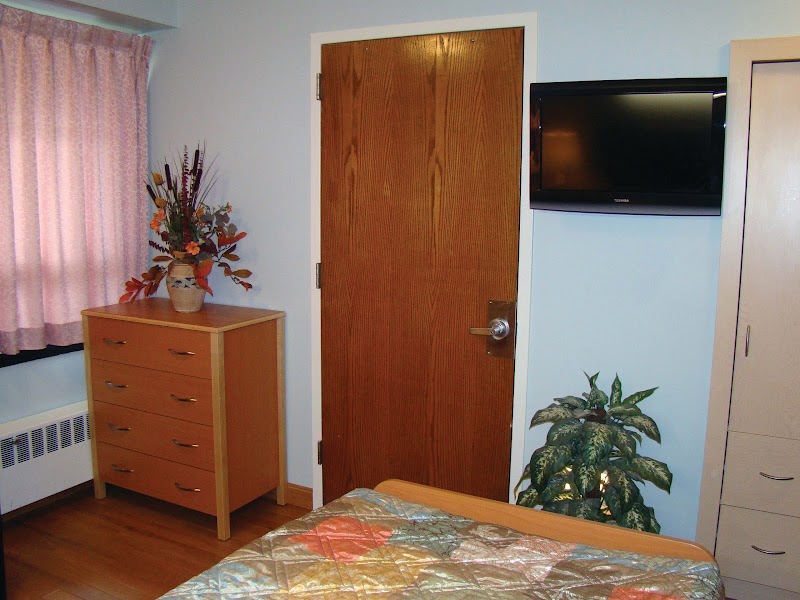
Who Owns and Operates Hewitt Health & Rehabilitation Center, Inc?

HEWITT HEALTH & REHABILITATION CENTER, INC is owned by a for-profit company. For-profit facilities operate as businesses with obligations to shareholders or private owners. The facility is operated by APPLE REHAB, a chain that manages multiple nursing homes. With 206 certified beds and approximately 113 residents (about 55% occupancy), it is a large facility located in SHELTON, Connecticut.
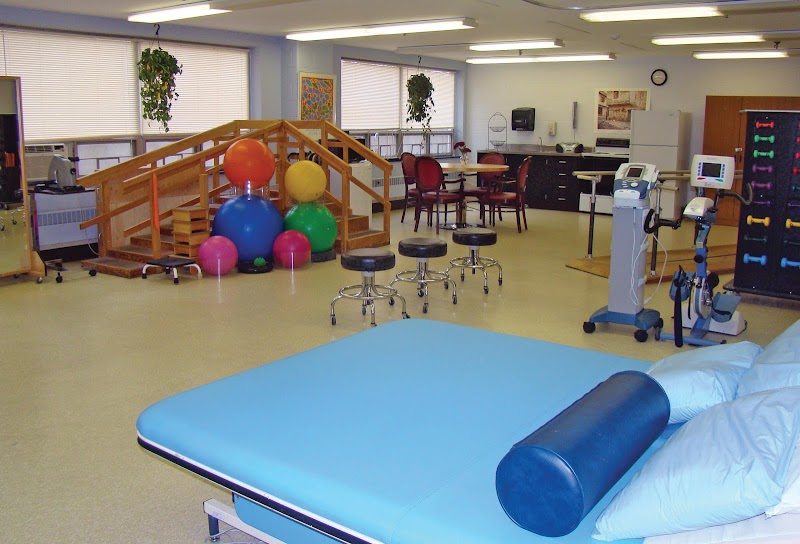
How Does Hewitt Health & Rehabilitation Center, Inc Compare to Other Connecticut Nursing Homes?

Compared to the 100 nursing homes in Connecticut, HEWITT HEALTH & REHABILITATION CENTER, INC's overall rating (2 stars) is below the state average of 3.0, staff turnover (43%) is near the state average of 46%, and health inspection rating (2 stars) is below the national benchmark.

What Should Families Ask When Visiting Hewitt Health & Rehabilitation Center, Inc?

Based on this facility's data, families visiting should ask: "Can you walk me through typical staffing levels on day, evening, and night shifts?" "Can I visit during a mealtime to observe dining assistance and food quality?" "How do you handle medical emergencies, and what is your hospital transfer rate?" "Can I speak with family members of current residents about their experience?" These questions are particularly relevant given the below-average staffing rating.

Is Hewitt Health & Rehabilitation Center, Inc Safe?

Based on CMS inspection data, HEWITT HEALTH & REHABILITATION CENTER, INC has a clean safety record: no substantiated abuse findings (meaning no confirmed cases of resident harm), no Immediate Jeopardy citations (the most serious violation level indicating risk of serious injury or death), and is not on the Special Focus Facility watch list (a federal program monitoring the lowest-performing 1% of nursing homes). The facility has a 2-star overall rating and ranks #100 of 100 nursing homes in Connecticut. While no facility is perfect, families should still ask about staff-to-resident ratios and recent inspection results during their visit.

Do Nurses at Hewitt Health & Rehabilitation Center, Inc Stick Around?

HEWITT HEALTH & REHABILITATION CENTER, INC has a staff turnover rate of 43%, which is about average for Connecticut nursing homes (state average: 46%). Moderate turnover is common in nursing homes, but families should still ask about staff tenure and how the facility maintains care continuity when employees leave.

Was Hewitt Health & Rehabilitation Center, Inc Ever Fined?

HEWITT HEALTH & REHABILITATION CENTER, INC has been fined $17,768 across 2 penalty actions. This is below the Connecticut average of $33,257. While any fine indicates a compliance issue, fines under $50,000 are relatively common and typically reflect isolated problems that were subsequently corrected. Families should ask what specific issues led to these fines and confirm they've been resolved.

Is Hewitt Health & Rehabilitation Center, Inc on Any Federal Watch List?

HEWITT HEALTH & REHABILITATION CENTER, INC is not on any federal watch list. The most significant is the Special Focus Facility (SFF) program, which identifies the bottom 1% of nursing homes nationally based on persistent, serious quality problems. Not being on this list means the facility has avoided the pattern of deficiencies that triggers enhanced federal oversight. This is a positive indicator, though families should still review the facility's inspection history directly.