MASONICARE AT BISHOP WICKE HEALTH & REHABILITATION
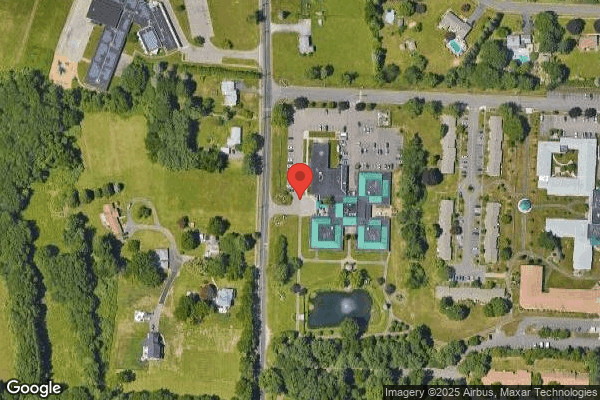

584 LONG HILL AVE, SHELTON, CT 06484 (203) 929-5321
Non profit - Corporation 120 Beds Independent Data: November 2025
Trust Grade
68/100
#68 of 192 in CT
Last Inspection: February 2024

Within standard 12-15 month inspection cycle. Federal law requires annual inspections.

Overview

Masonicare at Bishop Wicke Health & Rehabilitation has a Trust Grade of C+, which means it is slightly above average but not exceptional. It ranks #68 out of 192 facilities in Connecticut, placing it in the top half, and #6 out of 15 in Greater Bridgeport County, indicating there are only five local options rated higher. The facility is newly inspected, so there is no trend data available yet. Staffing is a concern, with a rating of 3 out of 5 stars and a high turnover rate of 88%, far exceeding the state average of 38%. The facility has incurred $8,018 in fines, which is average for the state, but it has less RN coverage than 76% of Connecticut facilities, meaning fewer registered nurses are available to oversee care. Specific incidents of concern include a failure to properly date and label food items in the kitchen, resulting in unsanitary conditions, and a lack of care planning for a resident on anticoagulant medication. Additionally, another resident was not provided the necessary personal hygiene assistance, which indicates areas needing improvement. Overall, while the facility has good health inspection scores, the staffing issues and specific care deficiencies highlight some significant weaknesses that families should consider.

Trust Score
C+
68/100
In Connecticut
#68/192
Top 35%
Safety Record
Low Risk
No red flags
Inspections
Too New
0 → 10 violations
Staff Stability
⚠ Watch
88% turnover. Very high, 40 points above average. Constant new faces learning your loved one's needs.
Penalties
✓ Good
$8,018 in fines. Lower than most Connecticut facilities. Relatively clean record.
Skilled Nurses
○ Average
Each resident gets 35 minutes of Registered Nurse (RN) attention daily — about average for Connecticut. RNs are the most trained staff who monitor for health changes.
Violations
○ Average
10 deficiencies on record. Average for a facility this size. Mostly minor or procedural issues.
★★★★☆
4.0
Overall Rating
★★★☆☆
3.0
Staff Levels
★★★★☆
4.0
Care Quality
★★★★☆
4.0
Inspection Score
Stable
: 0 issues
2024: 10 issues

The Good

  • 4-Star Quality Measures · Strong clinical quality outcomes
  • Full Sprinkler Coverage · Fire safety systems throughout facility
  • No fines on record

Facility shows strength in quality measures, fire safety.

The Bad

Staff Turnover: 88%

41pts above Connecticut avg (46%)

Frequent staff changes - ask about care continuity

Federal Fines: $8,018

Below median ($33,413)

Minor penalties assessed

Staff turnover is very high (88%)

40 points above Connecticut average of 48%

The Ugly 10 deficiencies on record

Feb 2024 10 deficiencies
CONCERN (D)

Potential for Harm - no one hurt, but risky conditions existed

Comprehensive Care Plan (Tag F0656)

Could have caused harm · This affected 1 resident

**NOTE- TERMS IN BRACKETS HAVE BEEN EDITED TO PROTECT CONFIDENTIALITY** Based on review of the clinical record, facility policy and interviews for 1 of 5 residents (Resident #60) reviewed for unnecess...

Read full inspector narrative →
**NOTE- TERMS IN BRACKETS HAVE BEEN EDITED TO PROTECT CONFIDENTIALITY** Based on review of the clinical record, facility policy and interviews for 1 of 5 residents (Resident #60) reviewed for unnecessary medications, the facility failed to initiate a care plan for an anticoagulant (blood thinning) medication. The findings include: Resident #60's diagnoses included heart failure, atrial fibrillation, and edema. A physician's order dated 2/2/24 directed to administer Eliquis (an anticoagulation medication) 2.5 milligrams (mg) by mouth twice daily (BID). The Medication Administration Record dated 2/2/24 to 2/21/24 identified Resident #60 received Eliquis 2.5 mg by mouth BID at 8:30 AM and 8:30 PM. The admission Minimum Data Set (MDS) assessment dated [DATE] identified Resident #60 was without cognitive impairment and required total assistance with transfers and substantial/maximal assistance with bathing. Additionally, the MDS had anticoagulation coded for consideration for care planning. Interview and review of the Resident Care Plan (RCP) with RN #3 on 2/21/24 at 9:56 AM identified the facility failed to initiate a care plan for the use of the anticoagulant medication (Eliquis). Further, RN #3 identified that all of nursing was responsible for initiating, changing, and updating the care plan and that she would be implementing an anticoagulant care plan. Subsequent to surveyor inquiry, on 2/21/24 a RCP was developed which indicated a potential for bleeding related to anticoagulation therapy. Interventions included to administer Eliquis as ordered, monitor for unanticipated bleeding (bruising, hematuria, nosebleeds, guiac positive stools, etc), and update family and physician as needed. Review of the facility Care Plan policy directed, in part, that the comprehensive care plan would be developed within 7 days after completion of the comprehensive MDS assessment. All care assessment areas triggered by the MDS would be considered in developing the plan of care.
CONCERN (D)

Potential for Harm - no one hurt, but risky conditions existed

Deficiency F0676 (Tag F0676)

Could have caused harm · This affected 1 resident

**NOTE- TERMS IN BRACKETS HAVE BEEN EDITED TO PROTECT CONFIDENTIALITY** Based on observations, review of the clinical records, facility policy, and interviews for 2 of 3 residents (Resident #5 and #57...

Read full inspector narrative →
**NOTE- TERMS IN BRACKETS HAVE BEEN EDITED TO PROTECT CONFIDENTIALITY** Based on observations, review of the clinical records, facility policy, and interviews for 2 of 3 residents (Resident #5 and #57) reviewed for Activities of Daily Living (ADL's), the facility failed to ensure personal hygiene services were provided to dependent residents. The findings include: 1. Resident #5's diagnoses included vascular dementia, Cerebral Vascular Accident (CVA) affecting the dominant side, and osteoporosis. The quarterly Minimum Data Set (MDS) assessment dated [DATE] identified Resident #5 was severely cognitively impaired and required setup assistance for transfers, dressing, and personal hygiene. The Resident Care Plan dated 1/11/24 identified that Resident #5 was unable to perform ADL's independently due to impaired cognition, mixed dementia, and osteoporosis. Interventions included providing the assistance of 1 staff for transferring, toileting, and personal hygiene. An observation on 2/14/24 at 11:47 AM, identified Resident #5 in his/her room with long facial hair. Observation on 2/16/24 at 2:32 PM, identified Resident #5 in his/her doorway with long facial hair. Review of Nurse Aid (NA) flow sheets (amount of care required) from 2/1/24 through 2/20/24 identified that Resident #5 had ranged from requiring limited assistance to extensive staff assistance for personal hygiene. Review of Resident #5's nursing notes and APRN/MD notes from 2/1/24 through 2/16/24 failed to identify that Resident #5 had been refusing assistance with ADL's. 2. Resident #57's diagnoses included vascular dementia, glaucoma, and depression. The quarterly Minimum Data Set (MDS) assessment dated [DATE] identified Resident #57 was severely cognitively impaired and required maximum assistance for transfers, dressing, and personal hygiene. The Resident Care Plan dated 2/1/24 identified that Resident #57 was unable to perform ADL's independently due to dementia, paranoia, and delusions. Interventions included providing the assistance of 1 staff for transferring, toileting, and personal hygiene. Observation on 2/14/24 at 12:15 PM, identified Resident #57 in his/her room with long facial hair. Observation on 2/16/24 at 2:34 PM, identified Resident #57 in his/her room with long facial hair. Review of Nurse Aid (NA) flow sheets (amount of care required) from 2/1/24 through 2/20/24 identified that Resident #57 had required limited assistance for personal hygiene. Review of nursing notes and APRN/MD notes from 2/1/24 through 2/16/24 failed to identify that Resident #57 had been refusing assistance with ADL's. Interview with LPN #1 on 2/16/24 at 2:39 PM, identified that NAs should be shaving residents with facial hair as needed with personal care, and that shaving should have been completed on Resident #5 as well as Resident #57. She was unable to locate a policy on shaving residents but indicated that staffing was not an issue in the past week and that supplies were available on the unit. Interview with NA #6 on 2/16/24 at 2:42 PM identified that Resident #5 and Resident #57 did require shaving but could not identify the last time either resident had been shaved. She indicated that the NA's would shave residents once per week on shower days and as needed, but stated she was not sure why Resident #5 and #57 remained unshaved. Subsequent to surveyor interview, NA #6 reported on 2/20/24 at 10:35 AM that all residents on the unit that required assistance with personal hygiene, had been shaved. Although requested, a policy on shaving was not provided.
CONCERN (D)

Potential for Harm - no one hurt, but risky conditions existed

Deficiency F0688 (Tag F0688)

Could have caused harm · This affected 1 resident

**NOTE- TERMS IN BRACKETS HAVE BEEN EDITED TO PROTECT CONFIDENTIALITY** Based on observations, review of the clinical record, facility policy, and interviews for the only sampled resident (Resident #5...

Read full inspector narrative →
**NOTE- TERMS IN BRACKETS HAVE BEEN EDITED TO PROTECT CONFIDENTIALITY** Based on observations, review of the clinical record, facility policy, and interviews for the only sampled resident (Resident #5) reviewed for positioning/mobility, the facility failed to ensure an AFO (Ankle Foot Orthotic) brace/splint was in place. The findings include: Resident #5's diagnoses included right footdrop, Cerebral Vascular Accident (CVA) affecting the right dominant side, and osteoporosis. The quarterly Minimum Data Set assessment dated [DATE] identified Resident #5 was severely cognitively impaired, had a right sided physical impairment requiring set-up assistance for lower body dressing and putting on and taking off footwear, and was independent for transfers. The Resident Care Plan dated 1/11/24 identified a history of a CVA with hemiparesis (partial paralysis on one side of the body) and foot drop. Interventions included Resident #5 to independently apply and remove right lower extremity AFO. Observations on 2/14/24 at 11:08 AM and 2/15/24 at 1:16 PM, identified an AFO on a bedside chair in Resident #5's room. Review of Physical Therapy notes dated 9/19/23 through 12/26/23 indicated that Resident #5 had an AFO in place to the right lower extremity. Interview and review of facility documentation with LPN #1 on 2/15/24 at 1:28 PM identified that Resident #5 should have been wearing an AFO splint since the admission physician's order dated 6/7/23. Although LPN #1 knew Resident #5 should have been wearing the AFO, she was unable to recall when the last time he/she had applied the brace. LPN #1 identified Resident #5 had independently applied the AFO previously but was no longer able to do so due to the resident's decline which occurred around October 2023. LPN #1 reported that per the facility policy, the application and removal of the AFO should have been noted on the Treatment Administration Record (TAR), the Nurse Aid (NA) [NAME], and the NA assignment sheet but when reviewed from 6/2023 through 2/2024 the documentation failed to reflect an indication for Resident #5 to wear the AFO. Further, a physician's order on the TAR directed nursing staff to monitor right lower extremity skin integrity due to the use of the AFO, and although there was no order for an AFO to be utilized, the skin check had been signed off as complete since 6/7/23. LPN #1 was unable to identify why an order for the AFO was not on the TAR per the facility policy, but that it was possibly dropped when the residents change in condition occurred. Additionally, Resident #5 had received new shoes around the holidays, but LPN #1 indicated she had not contacted the Rehabilitation Department to have the resident screened to ensure the brace would fit in the new shoes. Subsequent to surveyor inquiry, LPN #1 called therapy and submitted a therapy screen request dated 2/15/24. Review of physician's order dated 2/17/24 and 2/19/24 identified a physical therapy evaluation and subsequent order directing staff to assist Resident #5 with the application and removal of the AFO. Interview with OT #1 on 2/20/24 at 10:38 AM indicated that therapy was not aware that Resident #5 had not been wearing the AFO prior to the screen request dated 2/15/24. OT #1 indicated that Resident #5 had been seen for therapy services from 9/19/23 to 12/26/23 for difficulty standing and transferring and had been wearing the AFO at that time. She indicated that she would expect to have been notified to screen the resident if there was a pattern of refusals or if a resident received new shoes to ensure appropriate fit. Further, when a new therapy recommendation was made, therapy would communicate the information to the floor nurse, write the recommendation in the communication book and then nursing was responsible to obtain a physician's order and transcribe the order to the paper chart. Re-interview with OT #1 on 2/21/24 at 3:18 PM indicated that Resident #5 did not have a functional decline or increased foot drop as a result of not wearing the AFO daily. Review of the Care of the individuals with a splint, brace, and immobilizer policy dated 7/2012 directed, in part, admission nurses should make certain that the order for the application and use of the device is clear, has an appropriate time frame, and that all of these devices should be documented on the treatment [NAME] and applied and removed by nurses only, and document that the device is in place on the NA [NAME].
CONCERN (D)

Potential for Harm - no one hurt, but risky conditions existed

Incontinence Care (Tag F0690)

Could have caused harm · This affected 1 resident

**NOTE- TERMS IN BRACKETS HAVE BEEN EDITED TO PROTECT CONFIDENTIALITY** Based on review of the clinical record, facility documentation, facility policy and interviews for the only sampled resident (Re...

Read full inspector narrative →
**NOTE- TERMS IN BRACKETS HAVE BEEN EDITED TO PROTECT CONFIDENTIALITY** Based on review of the clinical record, facility documentation, facility policy and interviews for the only sampled resident (Resident #39) reviewed for bowel and bladder incontinence, the facility failed to assess a decline in continence status and failed to implement a plan to restore continence. The findings include: Resident #39 was admitted to the facility for short term rehabilitation on 12/28/23 with diagnoses that included a fall with bilateral shoulder dislocations, hilar mass with metastasis to the brain, and intracranial bleed. Inter-agency Patient Referral Report (W-10) from the hospital dated 12/28/23 identified Resident #39 was continent of bowel and bladder. An Interdisciplinary admission assessment dated [DATE] identified Resident #39 was not incontinent of bladder with no history of incontinence and continent of bowel. The Resident Care Plan (RCP) dated 12/28/23 identified a potential for skin impairment secondary to decreased mobility, incontinence, pain, and compromised medical condition. Interventions included notifying the medical doctor (MD) of exacerbation of medical condition changes as needed and incontinent care per individual care plan. An admission Minimum Data Set (MDS) assessment dated [DATE] identified Resident #39 had intact cognition and required partial/moderate assistance for both toileting hygiene and personal hygiene. Additionally, the MDS identified Resident #39 was always continent of urine and bowel. Nurse Aide (NA) activities of daily living flow chart documentation (which was part of the clinical record) identified from 12/28/23 through 1/15/24, Resident #39 was continent of bladder. A re-admission Interdisciplinary admission Assessment completed on 1/29/24 identified Resident #39 was incontinent of bladder and bowel (a decline from the 12/28/23 assessment). Furthermore, the Interdisciplinary admission Assessment indicated: If No to continent of bladder/bowel or both, institute an incontinence record for 3 days followed by a bowel and bladder evaluation tool. Nurse Aide (NA) activities of daily living flow chart from 1/15/24 through 2/15/24 identified Resident #39 was incontinent of bladder (a decline from NA flow chart documentation from 12/28/23 through 1/15/24). a. On 2/16/24 at 11:00 AM, interview and record review with Registered Nurse (RN) #3 failed to provide documentation that a Bowel and Bladder Evaluation tool had been completed on admission (per facility policy) and/or with the identified decline in continence status on the 1/29/24 Interdisciplinary admission Assessment and NA flow chart documentation. RN #3 also identified she was responsible for completing the Bowel and Bladder Evaluation tool and did not know the reason she did not complete the evaluation tool. Subsequent to surveyor inquiry, a Bowel and Bladder Evaluation tool was completed on 2/21/24 that identified Resident #39 was frequently incontinent, uses a brief, and recommended prompted/habit trained toileting program. The quarterly MDS assessment dated [DATE] identified Resident #39 was moderately cognitively impaired and dependent with both toileting hygiene and personal hygiene. Additionally, the quarterly MDS assessment identified Resident #39 was frequently incontinent of urinary and bowel (a decline from the MDS assessment from 1/3/24). b. Review of the RCP with RN #3 on 2/16/24 at 11:00 AM failed to provide documentation to reflect the RCP had been revised to include interventions for the decline in bladder and bowel function from the 2/4/24 quarterly MDS assessment. Interview with Resident #39 on 2/15/24 at 9:08 AM stated it can be quite a while before getting help and when using the call light not everyone will answer. Resident #39 further indicated he/she was continent of bowel and bladder but when he/she does not get help on time to get on the bedpan he/she was incontinent in the bed. Additional interview and review of the clinical record with RN #3 on 2/16/24 at 11:00 AM identified that although Resident #39 had a decline in continence status, he/she was not on a bowel and bladder program to restore bladder/bowel function. Interview and record review with RN #4 (MDS Consultant covering for the MDS Coordinator) 2/21/24 at 9:37 AM identified that on the admission MDS assessment dated [DATE], Resident #39 was coded as being always continent of bowel/bladder. On the quarterly MDS dated [DATE], Resident #39 was coded as frequently incontinent of bowel/bladder. RN #4 identified that although the MDS software does not flag when there was a change in continence status, she would bring the decline to someone's attention (Nursing Supervisor) but could not provide documentation that the MDS Coordinator had done that. Subsequent to surveyor inquiry, the RCP was updated on 2/21/24 to include Resident #39 was currently on a prompted or habit training program related to overflow/urge/functional/mixed incontinence. Interventions included placement on a prompted toilet plan, toilet approximately every 2 hours while awake and two times on the 11:00 PM to 7:00 AM shift until a plan is developed, encourage resident to void and assist/cue/remind as needed. Review of the Facility Bladder/Bowel Continence Evaluation Policy, revised 12/04, directed that a Bowel and Bladder Continence Evaluation Tool is to be done on admission, quarterly and when there is a significant change in status.
CONCERN (D)

Potential for Harm - no one hurt, but risky conditions existed

Deficiency F0692 (Tag F0692)

Could have caused harm · This affected 1 resident

**NOTE- TERMS IN BRACKETS HAVE BEEN EDITED TO PROTECT CONFIDENTIALITY** Based on review of the clinical record, facility policy, and interviews for 1 of 4 residents, (Resident #77) reviewed for nutrit...

Read full inspector narrative →
**NOTE- TERMS IN BRACKETS HAVE BEEN EDITED TO PROTECT CONFIDENTIALITY** Based on review of the clinical record, facility policy, and interviews for 1 of 4 residents, (Resident #77) reviewed for nutritional status, the facility failed to obtain weights per the facility policy. The findings include: Resident #77 was admitted to the facility on [DATE] with diagnoses that included a fractured hip with repair, dementia, and irritable bowel syndrome. (Resident #77 was discharged on 12/7/23 and readmitted on [DATE].) A Nursing admission assessment dated [DATE] identified Resident #77 was alert forgetful and confused and required limited assistance with eating and extensive assistance with transfers. Review of Resident #77's weight record identified a readmission weight on 12/12/23 of 99 pounds, and Resident #77's was reweighed on 12/15/23 and noted to be 88.6 pounds (a 10.4lb/10.5% loss in 3 days). Resident #77's next weight occurred on 12/18/23 (3 days later) which identified a weight of 94 lbs. (a 5.74 pound weight gain from 12/15/23). Resident #77 was noted with a total overall weight loss of 5 pounds or 5 percent since readmission on [DATE]. In an interview and review of the clinical record with RN #1 on 2/16/23 at 11:32 AM, according to the facility policy, Resident #77 should have been weighed every day for 3 days on readmission (no weights were obtained on 12/13 or 12/14/23) and should have had a reweight within 24 hours following the significant weight loss or gain. Review of the facility weight policy dated 02/19 directed, in part, weights were obtained on admission every day for 3 days, and if there was a monthly weight discrepancy of plus or minus 5 pounds the Nurse Aid staff would obtain a reweight and notify the Pavilion nurse.
CONCERN (D)

Potential for Harm - no one hurt, but risky conditions existed

Laboratory Services (Tag F0770)

Could have caused harm · This affected 1 resident

**NOTE- TERMS IN BRACKETS HAVE BEEN EDITED TO PROTECT CONFIDENTIALITY** Based on review of clinical record, review of facility policy, facility documentation, and staff interview for 1 of 5 sampled re...

Read full inspector narrative →
**NOTE- TERMS IN BRACKETS HAVE BEEN EDITED TO PROTECT CONFIDENTIALITY** Based on review of clinical record, review of facility policy, facility documentation, and staff interview for 1 of 5 sampled residents, (Resident #57) reviewed for unnecessary medications, the facility failed to follow a physician order to obtain laboratory work (labs). The findings include: Resident # 57's diagnoses included diabetes, congestive heart failure (CHF), and dementia. The quarterly Minimum Data Set (MDS) assessment dated [DATE] identified Resident #57 was severely cognitively impaired and required set up or clean-up assistance with eating, partial to moderate assistance with oral hygiene and chair to bed transfers. The Resident Care Plan (RCP) dated 11/2/23 identified that resident was at risk of altered blood glucose levels. Interventions included monitoring blood sugars as ordered and calling the doctor according to parameters. A physician's order in effect from 04/28/23 through 2/12/24 directed to monitor lab values for HbA1c, (blood sugar average) every 6 months in May and November. Review of lab results, physician notes, and nursing progress notes from 11/1/23 through 2/11/24 failed to indicate Resident # 57's HbA1c was monitored in November per the physician's order. In an interview, review of the clinical record, facility policy and facility documentation with RN #1 on 2/21/24 at 11:50 AM it was noted that Resident #57's lab work had not been conducted in November, according to physician order. RN#1 indicated that although the facility failed to draw the lab work for November, subsequent to pharmacy consultation recommendation the lab order was obtained in February, 2024. RN#1 indicated that per the facility policy the 11:00 PM to 7: 00 AM nurse was responsible to identify the physician ordered monthly lab work, fill out the lab requisition, and place it in the laboratory provider book. Review of laboratory book for November failed to indicate that the lab provider had been notified of the need for Resident #57's required lab work. RN #1 could not explain why the 11:00 PM to 7: 00 AM nurse failed to notify the provider in the lab book. Review of facility's Laboratory Services policy indicated that the 11:00 PM to 7:00 AM nurse reviews the Pavilion's routine lab work book to determine who requires lab work for the month, fills out the lab slips, and records the information in the lab provider's blood draw book. If lab work is inadvertently missed, the nurse will submit the lab slip as soon as possible (ASAP) and notify the physician.
CONCERN (D)

Potential for Harm - no one hurt, but risky conditions existed

Deficiency F0810 (Tag F0810)

Could have caused harm · This affected 1 resident

**NOTE- TERMS IN BRACKETS HAVE BEEN EDITED TO PROTECT CONFIDENTIALITY** Based on observation, review of the clinical record, facility policy, and interviews for 1 of 4 sampled residents, (Resident #19...

Read full inspector narrative →
**NOTE- TERMS IN BRACKETS HAVE BEEN EDITED TO PROTECT CONFIDENTIALITY** Based on observation, review of the clinical record, facility policy, and interviews for 1 of 4 sampled residents, (Resident #19) reviewed for nutrition, the facility failed to provide the proper adaptive equipment. The findings include: Resident # 19's diagnoses included cerebral aneurysm infarction, right sided craniotomy, left sided hemiparesis (paralysis), diabetes, and mood disorder. The quarterly Minimum Data Set assessment dated [DATE] identified Resident #19 was moderately cognitively impaired, required set up and clean up assistance with eating, and was dependent on staff for transfers and movement about the facility. The Resident Care Plan dated 2/14/24 identified Resident #19 required assistance with Activities of Daily Living. Interventions directed to provide small meal portions and assist with meals as needed. An observation on 2/14/24 at 12:14 PM identified Resident # 19 seated in the dining room with his/her lunch in front of him/her. Resident #19 was noted to be having difficulty grasping and using the standard silverware utensils that had been provided. Review of Resident #19's patient census form (used to indicate required diet and adaptive equipment) directed the use of adaptive equipment consisting of a doubled handled cup and blue foam adaptive covers for utensils. Review of the physician's orders from 2/1/24 through 2/14/24 directed adaptive equipment consisting of doubled handled cup, and blue foam adaptive covers for utensils. Interview with Dietary Aid #1 on 2/14/24 at 12:33 PM identified that she was responsible for the distribution of the adaptive equipment and that she must have missed giving Resident #19 the required utensils. Additionally, Nurse Aids were responsible for providing the appropriate cups when distributing beverages. Interview and review of Resident #19's patient census form with RN #1 on 2/14/24 at 12:42 PM identified that Resident #19 required the adaptive equipment listed, but that the doubled handled cup and blue foam utensil covers had not been provided. RN #1 stated that Dietary Aids and Nurse Aids were responsible for setting up residents' tables for meals as outlined on the resident census. Interview with the Food Service Director (FSD) on 2/14/24 at 1:12 PM identified that Resident #19's recommendation for adaptive equipment came from the Speech Therapist and from the hospital stroke team. The FSD stated the facility process was to fill out a yellow ticket and attach it to a clipboard for any changes to be made to a resident's tray. Once the change was made to the resident census, staff have access to this census to keep up with changes during meal distribution, then the yellow ticket is removed by the FSD. The facilities Dining Department Meal Service resource policy, dated 1/6/20, directed that the resident census includes the name, room number, diet order, allergies, adaptive equipment, additions to meal, and some personal preferences.
CONCERN (F)

Potential for Harm - no one hurt, but risky conditions existed

Food Safety (Tag F0812)

Could have caused harm · This affected most or all residents

Based on observation of the Dietary Department, staff interview, and facility policy, the facility failed to ensure food items were dated and labeled, the kitchen was in clean and sanitary condition, ...

Read full inspector narrative →
Based on observation of the Dietary Department, staff interview, and facility policy, the facility failed to ensure food items were dated and labeled, the kitchen was in clean and sanitary condition, and adequately store a chemical solution. The findings include: Tour of the Dietary Department on 2/14/24 at 11:00 AM and 2/20/24 at 9:55 AM with the Operations Manager identified the following: a. The kitchen floor was observed throughout the entirety of the kitchen with debris and food on the floor (including under the storage racks). b. Dust and debris was observed on the ice machine vents with dried stains going down the side of the ice machine. Additionally, black grime was observed on a metal bar, located beneath the ice machine lid, adjacent to the front panel. c. The reach-in refrigerator was noted with stains running down the outside of the doors. d. The milk and orange juice cooler had stains and marks on the doors. e. The racks used for clean dishes to drip dry were dirty with debris and grime. One rack was observed to have clean dishes stored on it. f. The grease trap located next to the rack where clean dishes are stored was unkempt with stains and grime. g. A heavy accumulation of dust was observed on the scooper used for the flour and sugar bin. h. The flour and sugar bins were dirty with grime and stains with loose food particles on the floor around the bins. i. The stove had built up stains and grime on the back plate. j. A half full plastic container of opened grape jelly was located inside the reach-in refrigerator and lacked an expiration date, was not dated when it was opened, and had no use by date. k. A 25 pound (lb) bag that was approximately one quarter full of flour and a 50 lb bag approximately one quarter full of cornmeal was located inside a plastic bin but was not dated when it was opened. l. A 25 lb bag approximately one quarter full of sugar and a 50 lb bag approximately two thirds full of red velvet cake mix was located inside a bin labeled sugar but was not dated when opened and lacked an expiration date. m. A red container (approximately 1 gallon) containing a chemical solution (Quat sanitizer) was observed to be adjacent to crackers, the steam table entrees (chicken tetrazini) and cod. On 2/20/24 at 9:55 AM observation with the Operations Manager identified the following: a. Freezer number 3 had a two-pound bag of green beans which was half full and lacked an open date labeled on the bag. b. A five-pound bag of French fries was one third full with no open date labeled on the bag. c. A two-pound bag of gnocchi was half full with no open date labeled on the bag. d. A 6 ounce container of Chipotle cinnamon rub spice which was approximately half full was opened with no open or use by/expiration date located on spice container. On 2/14/24 at 11:20 AM, an interview with the Operations Manager stated the kitchen was supposed to be cleaned daily according to the cleaning schedule. The Operations Manager identified being unaware the kitchen was dirty and although the staff did clean the kitchen according to the cleaning schedule, did not know the reason the kitchen wasn't in clean condition. Additionally, she also identified that food items should be labeled with an open date when opened and all food items should have an expiration or use by date. Additionally, interview with the Operations Manager on 2/20/24 at 9:55 AM identified that the red container (approximately 1 gallon) with a chemical solution contained Quat sanitizing solution should not be stored adjacent to food and did not know reason it was placed there. She also identified that the container with sanitizer solution should be filled, used as needed and then discarded afterwards or stored under the chefs bench. Facility policy regarding storage of food identified placing chemicals in areas specifically designated for that purpose and away from food and food preparation areas. Dispose of items that are beyond the expiration or use by date. The Safety Data Sheet regarding Quat Sanitizer identified do not ingest, may be harmful if swallowed.
MINOR (B)

Minor Issue - procedural, no safety impact

Safe Environment (Tag F0584)

Minor procedural issue · This affected multiple residents

Based on observations, facility policy, and interviews for 1 of 3 nursing units reviewed for the environment, the facility failed to ensure a homelike environment in the Pavilion 3 dining room. The fi...

Read full inspector narrative →
Based on observations, facility policy, and interviews for 1 of 3 nursing units reviewed for the environment, the facility failed to ensure a homelike environment in the Pavilion 3 dining room. The findings included: During the initial dining observation on 2/14/24 at 12:29 PM a chair scale was noted in the Pavilion 3 dining room during the lunch meal with Resident's #8, 26, 31, 35, 42, 50, and 60 present. Observation on 2/15/24 at 11:02 AM, identified the chair scale in the Pavilion 3 dining room. Observation on 2/16/24 at 9:32 AM, identified the chair scale in the Pavilion 3 dining room. Interview with LPN #1 on 2/16/24 at 2:42 PM identified that the chair scale had been located under the television of the Pavilion 3 dining room for as long as she could remember, and she thought it was bolted to the floor. She indicated that she was unaware it had back wheels and could be moved. Additionally, she was unaware that the chair scale could not be stored in a resident area. Subsequent to surveyor inquiry, LPN #1 called maintenance on 2/16/24 at 2:43 PM to move the chair scale. Interview with the Director of Maintenance on 2/16/24 at 2:45 PM identified that he was aware that the chair scale was being stored in the dining room. He reported that it used to be stored in the shower room but that there was no plug in there, and reported that's why it was moved to the dining area. The Maintenance Director indicated the chair scale battery does not hold a charge very long and the facility has not ordered a replacement battery. Subsequent to surveyor interview, the chair scale was moved by the Director of Maintenance to the shower room, and he reported he planned on devising a long-term solution for chair scale storage. Review of the Equipment- General use for all Resident's policy dated 8/2023 directed for the chair scale on Pavilion 3 to be kept in the small dining room on the pavilion.
MINOR (B)

Minor Issue - procedural, no safety impact

Deficiency F0639 (Tag F0639)

Minor procedural issue · This affected multiple residents

**NOTE- TERMS IN BRACKETS HAVE BEEN EDITED TO PROTECT CONFIDENTIALITY** Based on review of the clinical record, facility policy, and interviews for 1 of 4 sampled residents (Resident #57) reviewed for...

Read full inspector narrative →
**NOTE- TERMS IN BRACKETS HAVE BEEN EDITED TO PROTECT CONFIDENTIALITY** Based on review of the clinical record, facility policy, and interviews for 1 of 4 sampled residents (Resident #57) reviewed for nutrition, the facility failed to have 15 months of Minimum Data Set (MDS) assessments readily available. The findings include: Resident #57's diagnoses included vascular dementia, type II diabetes mellitus, and heart failure. During a review of Resident #57's nutritional needs on 2/15/24 at 10:17 AM, the resident's quarterly MDS dated [DATE] was not available in the clinical record and was not noted to be filed on the nursing unit. In an interview and review of Resident #57's Minimum Data Set (MDS) records with LPN #1 on 2/15/24 at 10:17 AM, LPN #1 failed to identify that Resident #57 had an MDS that was readily available following the quarterly MDS dated [DATE]. Further, LPN #1 indicated that she did not have access to the electronic record and that she would have to contact the MDS Coordinator to print the MDS dated [DATE], so it would be located and accessible on the nursing unit. Interview with the MDS Coordinator (RN #2) on 2/16/24 at 12:08 PM identified she was responsible for printing the MDS data and placing the information on the resident unit. Additionally, floor nurses did not have any access to MDS data in the electronic record. RN #2 could not recall why the quarterly 1/19/24 MDS had not been printed and placed in Resident #57's clinical record. Interview with the DNS on 2/16/24 at 2:29 PM identified that only the DNS, Administrator, Admissions Coordinator, MDS Coordinator, Social Worker, Dietician, and one Receptionist (who works 2 days per week) have MDS data access in the electronic health record. She indicated that none of the floor staff have access and if MDS access was required during off hours, staff would have to call her. Review of the MDS Review and Revision policy dated 03/2023 directed, in part, that the facility follows the MDS 3.0 Resident Assessment Instrument (RAI) manual. Additionally, the MDS is maintained at the facility but is available as part of the electronic medical record, which will maintain all resident assessments/MDS's completed within the previous 15 months. Page 2, 2-7 of the RAI manual requires nursing homes to maintain all resident assessments completed within the previous 15 months in the resident's active clinical record.
Understanding Severity Codes (click to expand)
Life-Threatening (Immediate Jeopardy)
J - Isolated K - Pattern L - Widespread
Actual Harm
G - Isolated H - Pattern I - Widespread
Potential for Harm
D - Isolated E - Pattern F - Widespread
No Harm (Minor)
A - Isolated B - Pattern C - Widespread

Questions to Ask on Your Visit

  • "Why is there high staff turnover? How do you retain staff?"
  • "Can I speak with families of current residents?"
  • "What's your RN coverage like on weekends and overnight?"

Our Honest Assessment

Strengths
  • • No major safety red flags. No abuse findings, life-threatening violations, or SFF status.
Concerns
  • • 88% turnover. Very high, 40 points above average. Constant new faces learning your loved one's needs.
Bottom line: Mixed indicators with Trust Score of 68/100. Visit in person and ask pointed questions.

About This Facility

What is Masonicare At Bishop Wicke Health & Rehabilitation's CMS Rating?

CMS assigns MASONICARE AT BISHOP WICKE HEALTH & REHABILITATION an overall rating of 4 out of 5 stars, which is considered above average nationally. Within Connecticut, this rating places the facility higher than 99% of the state's 100 nursing homes. This rating reflects solid performance across the metrics CMS uses to evaluate nursing home quality.

How is Masonicare At Bishop Wicke Health & Rehabilitation Staffed?

CMS rates MASONICARE AT BISHOP WICKE HEALTH & REHABILITATION's staffing level at 3 out of 5 stars, which is average compared to other nursing homes. Staff turnover is 88%, which is 41 percentage points above the Connecticut average of 46%. High turnover can affect care consistency as new staff learn residents' individual needs. RN turnover specifically is 86%, which is notably high. RNs provide skilled clinical oversight, so turnover in this role can affect medical care quality.

What Have Inspectors Found at Masonicare At Bishop Wicke Health & Rehabilitation?

State health inspectors documented 10 deficiencies at MASONICARE AT BISHOP WICKE HEALTH & REHABILITATION during 2024. These included: 8 with potential for harm and 2 minor or isolated issues.

Who Owns and Operates Masonicare At Bishop Wicke Health & Rehabilitation?

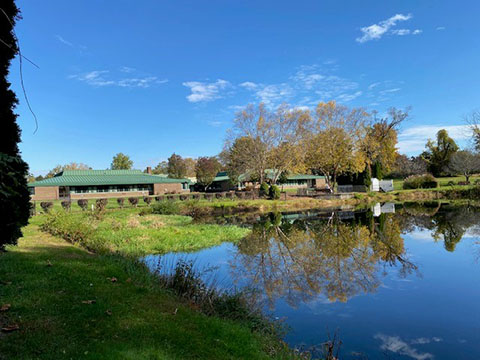
MASONICARE AT BISHOP WICKE HEALTH & REHABILITATION is owned by a non-profit organization. Non-profit facilities reinvest revenue into operations rather than distributing to shareholders. The facility operates independently rather than as part of a larger chain. With 120 certified beds and approximately 107 residents (about 89% occupancy), it is a mid-sized facility located in SHELTON, Connecticut.
How Does Masonicare At Bishop Wicke Health & Rehabilitation Compare to Other Connecticut Nursing Homes?

Compared to the 100 nursing homes in Connecticut, MASONICARE AT BISHOP WICKE HEALTH & REHABILITATION's overall rating (4 stars) is above the state average of 3.0, staff turnover (88%) is significantly higher than the state average of 46%, and health inspection rating (4 stars) is above the national benchmark.

What Should Families Ask When Visiting Masonicare At Bishop Wicke Health & Rehabilitation?

Based on this facility's data, families visiting should ask: "How do you ensure continuity of care given staff turnover, and what is your staff retention strategy?" "Can I visit during a mealtime to observe dining assistance and food quality?" "How do you handle medical emergencies, and what is your hospital transfer rate?" "Can I speak with family members of current residents about their experience?" These questions are particularly relevant given the facility's high staff turnover rate.

Is Masonicare At Bishop Wicke Health & Rehabilitation Safe?

Based on CMS inspection data, MASONICARE AT BISHOP WICKE HEALTH & REHABILITATION has a clean safety record: no substantiated abuse findings (meaning no confirmed cases of resident harm), no Immediate Jeopardy citations (the most serious violation level indicating risk of serious injury or death), and is not on the Special Focus Facility watch list (a federal program monitoring the lowest-performing 1% of nursing homes). The facility has a 4-star overall rating and ranks #1 of 100 nursing homes in Connecticut. While no facility is perfect, families should still ask about staff-to-resident ratios and recent inspection results during their visit.

Do Nurses at Masonicare At Bishop Wicke Health & Rehabilitation Stick Around?

Staff turnover at MASONICARE AT BISHOP WICKE HEALTH & REHABILITATION is high. At 88%, the facility is 41 percentage points above the Connecticut average of 46%. Registered Nurse turnover is particularly concerning at 86%. RNs handle complex medical decisions and coordinate care — frequent RN changes can directly impact care quality. High turnover means new staff may not know residents' individual needs, medications, or preferences. It can also be disorienting for residents, especially those with dementia who rely on familiar faces. Families should ask: What is causing the turnover? What retention programs are in place? How do you ensure care continuity during staff transitions?

Was Masonicare At Bishop Wicke Health & Rehabilitation Ever Fined?

MASONICARE AT BISHOP WICKE HEALTH & REHABILITATION has been fined $8,018 across 1 penalty action. This is below the Connecticut average of $33,159. While any fine indicates a compliance issue, fines under $50,000 are relatively common and typically reflect isolated problems that were subsequently corrected. Families should ask what specific issues led to these fines and confirm they've been resolved.

Is Masonicare At Bishop Wicke Health & Rehabilitation on Any Federal Watch List?

MASONICARE AT BISHOP WICKE HEALTH & REHABILITATION is not on any federal watch list. The most significant is the Special Focus Facility (SFF) program, which identifies the bottom 1% of nursing homes nationally based on persistent, serious quality problems. Not being on this list means the facility has avoided the pattern of deficiencies that triggers enhanced federal oversight. This is a positive indicator, though families should still review the facility's inspection history directly.