LUTHERAN HOME OF SOUTHBURY INC
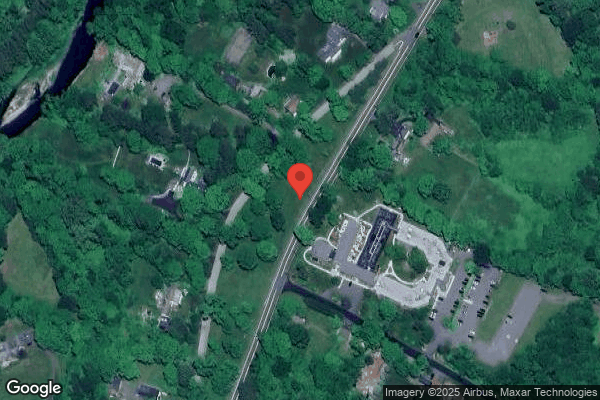
990 NORTH MAIN STREET, SOUTHBURY, CT 06488 (203) 264-9135
Non profit - Corporation 120 Beds ASCENTRIA CARE ALLIANCE Data: November 2025
Trust Grade
75/100
#67 of 192 in CT
Last Inspection: August 2023

Over 2 years since last inspection. Current conditions may differ from available data.

Overview

Lutheran Home of Southbury Inc has a Trust Grade of B, indicating it is a good choice for families seeking care, as it falls into the solid middle range. It ranks #67 out of 192 facilities in Connecticut, placing it in the top half, and #8 out of 22 in Naugatuck Valley County, meaning only a few local options are better. The facility is showing improvement, with issues decreasing from 8 in 2023 to just 3 in 2024. Staffing is rated at 4 out of 5 stars, but the turnover rate is at 43%, which is average compared to the state. Notably, there have been no fines, which is a positive sign, and RN coverage is average, suggesting staff may miss some issues that could be caught by more nurses on duty. However, there are some weaknesses, including incidents where medication storage rooms were left unsecured and staff in the kitchen did not follow hygiene protocols, indicating potential risks to resident safety.

Trust Score
B
75/100
In Connecticut
#67/192
Top 34%
Safety Record
Low Risk
No red flags
Inspections
Getting Better
8 → 3 violations
Staff Stability
○ Average
43% turnover. Near Connecticut's 48% average. Typical for the industry.
Penalties
✓ Good
No fines on record. Clean compliance history, better than most Connecticut facilities.
Skilled Nurses
✓ Good
Each resident gets 47 minutes of Registered Nurse (RN) attention daily — more than average for Connecticut. RNs are trained to catch health problems early.
Violations
⚠ Watch
20 deficiencies on record. Higher than average. Multiple issues found across inspections.
★★★★☆
4.0
Overall Rating
★★★★☆
4.0
Staff Levels
★★★★☆
4.0
Care Quality
★★★★☆
4.0
Inspection Score
Stable
2023: 8 issues
2024: 3 issues

The Good

  • 4-Star Staffing Rating · Above-average nurse staffing levels
  • 4-Star Quality Measures · Strong clinical quality outcomes
  • Full Sprinkler Coverage · Fire safety systems throughout facility
  • No fines on record
  • Staff turnover below average (43%)

    5 points below Connecticut average of 48%

Facility shows strength in staffing levels, quality measures, fire safety.

The Bad

Staff Turnover: 43%

Near Connecticut avg (46%)

Typical for the industry

Chain: ASCENTRIA CARE ALLIANCE

Part of a multi-facility chain

Ask about local staffing decisions and management

The Ugly 20 deficiencies on record

Sept 2024 3 deficiencies
CONCERN (D) 📢 Someone Reported This

A family member, employee, or ombudsman was alarmed enough to file a formal complaint

Potential for Harm - no one hurt, but risky conditions existed

Resident Rights (Tag F0550)

Could have caused harm · This affected 1 resident

**NOTE- TERMS IN BRACKETS HAVE BEEN EDITED TO PROTECT CONFIDENTIALITY** Based on review of the clinical record, facility documentation, interviews and facility policy for one resident reviewed for abu...

Read full inspector narrative →
**NOTE- TERMS IN BRACKETS HAVE BEEN EDITED TO PROTECT CONFIDENTIALITY** Based on review of the clinical record, facility documentation, interviews and facility policy for one resident reviewed for abuse (Resident #1), the facility failed to ensure the resident was treated with dignity and respect. The findings include: Resident #1 was admitted with diagnoses that included dementia with behavioral disturbance, and anxiety. The RCP dated 8/13/2024 identified Resident #1 had impaired cognition, communication and impaired thought process due to dementia. Interventions directed to approach resident in a slower pace, and to stop and return if the resident was agitated or upset, when unable to redirect, have staff to sit with resident to provide emotional support, do not touch her/him, do not rush and report the behavior issues to the nurse. The quarterly MDS assessment dated [DATE] identified Resident #1 had severely impaired cognition and was supervision for self-care, moderate assist for toileting, transfer and walk with a walker. Resident #1 was independent for bed mobility. The facility incident report dated 9/3/2024 at 11:45 AM identified an allegation of staff to resident abuse without injury on 8/30/2024 at 6:30 PM. NA #2 alleged she had witnessed NA #1 press Resident #1's shoulders down to sit him/her on the toilet as Resident #1 made vulgar statements to NA #1. NA #1 then responded with curse words back to Resident #1 and NA #1 then took the resident #1's rag doll and hit Resident #1 with the rag doll on each side of her/his face. Resident assessment identified no injuries, NA #1 was removed from the schedule pending investigation. The incident summary dated 9/6/2024 identified on 9/3/2024, at approximately 11:45 AM, NA #2 reported to the DON and Administrator that on 8/30/2024 between 6:30 and 7:30 PM NA #2 responded to Resident #1 yelling and observed Resident #1 was in the bathroom with NA #1. NA #2 observed Resident #1 start to stand up from the toilet and NA #1 put her hands on the Resident #1's shoulders and pressed down to sit the resident back down on the toilet, and then held Resident #1's hands down to her/his lap. Resident #1 was using foul language/cursing, and NA #1 responded back to Resident #1 with cursing. NA #2 assisted the resident to stand up and ambulated her/him to bed. Resident #1 would not lie down so NA #1 placed her hands on the resident's shoulders and again pressed down to cause Resident #1 to sit on the bed, while Resident #1 continued cursing and striking out at NA #1. Resident #1 then stated he/she was going to hit NA #1 and NA #1 responded if Resident #1 was going to hit her, she would hit back. NA #1 then picked up Resident #1's rag doll and hit Resident #1 once on each side of the face with it, while Resident #1 was leaning back attempting to kick NA #1. NA #2 then asked NA #1 to leave the room. NA #1 denied that allegations. Resident #1 and the roommate could not answer questions due to cognitive status, and the allegation was not substantiated. Interview with NA #1 on 9/23/2024 at 11:45 AM identified that she was assigned to Resident #1 on 8/30/2024 she toileted Resident #1, provided incontinent care, and Resident #1 was yelling out during the care and NA #2 entered the bathroom to assist with care. NA #1 stated she assisted Resident #1 to sit back down on the toilet by putting her right arm under Resident #1's right arm and her left arm on Resident #1's back to guide her to sit on the toilet (she denied pushing on Resident #1's shoulders), and Resident #1 began to hit, pinch and tried to stand up. NA #1 asked the resident to stop swearing at her and NA #2 assisted Resident #1 out of the bathroom and to sit on the side of the bed. NA #1 then lifted Resident #1's legs into the bed when Resident #1 kicked her in the stomach. NA #1 continued that she had become frustrated that Resident #1 continued to be agitated and she picked up the soft plush doll that was on the foot of the bed. She continued that she was so frustrated at that point that she picked up the doll and threw it, and she did not intend to throw it at Resident #1. NA #1 stated the doll landed on the pillow near Resident #1's head but did not hit the resident. NA #1 stated she then left the room at that point, realizing that she lost control and NA #2 stayed with the resident. NA #1 added that she should have left the room earlier but was concerned that Resident #1 was a fall risk; she indicated she should have left when NA #2 entered to provided help. Further, NA #1 denied using foul language, pressing on Resident #1 to make the resident sit down, and although NA #1 stated she threw the doll because she lost control, she denied hitting Resident #1 with the doll. NA #1 stated she should have notified the nurse that Resident #1 was agitated, as Resident #1 may have needed medication to calm him/her. Interview with NA #2 on 9/23/2024 at 12:14 PM identified Resident #1 was known to yell and become combative with care and when she heard yelling from Resident #1's room on 8/30/2024 at around 6:30 PM, she went to assist. When she entered the room, she saw NA #1 in the bathroom with Resident #1 assisting with toileting. NA #1 was trying to calm the Resident as she changed her and provided Resident #1 care. Resident #1 was swinging her/his arms, struggling against NA #1, yelling and calling NA #1 names. NA #1 began to yell and swear back, forcing Resident #1's hands down, yelling back to Resident #1 to just stop and Resident #1 continued to be combative. She assisted Resident #1 back to the wheelchair and wheeled her/him to the bedside. NA #2 continued that she talked very calmly, and Resident #1 seemed to settle. When they got to the bedside, Resident #1 stood and as NA #2 was cueing Resident #1 to move and sit on the bed, NA #1 grabbed both Resident 1's hands. NA #2 stated that touching Resident #1 will sometimes cause Resident #1 to become agitated. Resident #1 sat and then started to stand again. NA #1 was annoyed and put both her hands on Resident #1's shoulders, pushing her/him back to a seated position on the bed. Resident #1 threatened to hit NA #1 and NA #1 responded if you hit me, I'll hit you. NA #1 then grabbed Resident #1's doll that was at the foot of the bed and gently hit Resident #1 on each check. Resident #1 then began to kick and kicked NA #1 in the stomach. NA #1 then kicked the bed and NA #2 told NA #1 that that was enough and to leave the room. NA #2 stayed with Resident #1, talking to her/him calmly until the resident was calm and resting. NA #2 stated when she and NA #1 were in the hallway, NA #1 asked her not to report the incident, as she had been a NA for a long time, and this was the first time she had ever lost control when interacting with a resident. NA #2 stated she worked the remainder of the shift and did not report the event to the nurse that evening as NA #1 had requested. She continued that she was off the next few days and realized that the interaction between NA #1 and Resident #1 was wrong and reported the incident to the DON on her next working day, 9/3/2024. Interview with the DON on 9/23/2024 at 2:00 PM identified that the allegation of abuse was unsubstantiated. There were no witnesses other than NA #2 and NA #1 had denied the allegation. The DON stated that residents should be treated with dignity and respect, and NA #1 should have left the room when she was upset and gone back later. The DON stated NA #1 was provided with education regarding the facility abuse policy. The facility Abuse Prevention Program Policy dated 11/9/2022 directed in part, that all employees are responsible for identifying and reporting immediately to their supervisor any witnessed abuse or allegation of abuse. The policy defined verbal abuse as the use of oral or gestured language that will fully included disparaging and derogatory terms to resident, that included threats of harm. Physical abuse is defined as hitting or slapping.
CONCERN (D) 📢 Someone Reported This

A family member, employee, or ombudsman was alarmed enough to file a formal complaint

Potential for Harm - no one hurt, but risky conditions existed

Abuse Prevention Policies (Tag F0607)

Could have caused harm · This affected 1 resident

**NOTE- TERMS IN BRACKETS HAVE BEEN EDITED TO PROTECT CONFIDENTIALITY** Based on review of the clinical record, facility documentation, interviews and facility policy for one resident reviewed for abu...

Read full inspector narrative →
**NOTE- TERMS IN BRACKETS HAVE BEEN EDITED TO PROTECT CONFIDENTIALITY** Based on review of the clinical record, facility documentation, interviews and facility policy for one resident reviewed for abuse (Resident #1), the facility failed to ensure staff reported an allegation of abuse timely. The findings include: Resident #1 was admitted with diagnoses that included dementia with behavioral disturbance, and anxiety. The RCP dated 8/13/2024 identified Resident #1 had impaired cognition, communication and impaired thought process due to dementia. Interventions directed to approach resident in a slower pace, and to stop and return if the resident was agitated or upset, when unable to redirect, have staff to sit with resident to provide emotional support, do not touch her/him, do not rush and report the behavior issues to the nurse. The quarterly MDS assessment dated [DATE] identified Resident #1 had severely impaired cognition and was supervision for self-care, moderate assist for toileting, transfer and walk with a walker. Resident #1 was independent for bed mobility. The facility incident report dated 9/3/2024 at 11:45 AM identified an allegation of staff to resident abuse without injury on 8/30/2024 at 6:30 PM. NA #2 alleged she had witnessed NA #1 press Resident #1's shoulders down to sit him/her on the toilet as Resident #1 made vulgar statements to NA #1. NA #1 then responded with curse words back to Resident #1 and NA #1 then took the resident #1's rag doll and hit Resident #1 with the rag doll on each side of her/his face. Resident assessment identified no injuries, NA #1 was removed from the schedule pending investigation. The incident summary dated 9/6/2024 identified on 9/3/2024, at approximately 11:45 AM, NA #2 reported to the DON and Administrator that on 8/30/2024 between 6:30 and 7:30 PM NA #2 responded to Resident #1 yelling and observed Resident #1 was in the bathroom with NA #1. NA #2 observed Resident #1 start to stand up from the toilet and NA #1 put her hands on the Resident #1's shoulders and pressed down to sit the resident back down on the toilet, and then held Resident #1's hands down to her/his lap. Resident #1 was using foul language/cursing, and NA #1 responded back to Resident #1 with cursing. NA #2 assisted the resident to stand up and ambulated her/him to bed. Resident #1 would not lie down so NA #1 placed her hands on the resident's shoulders and again pressed down to cause Resident #1 to sit on the bed, while Resident #1 continued cursing and striking out at NA #1. Resident #1 then stated he/she was going to hit NA #1 and NA #1 responded if Resident #1 was going to hit her, she would hit back. NA #1 then picked up Resident #1's rag doll and hit Resident #1 once on each side of the face with it, while Resident #1 was leaning back attempting to kick NA #1. NA #2 then asked NA #1 to leave the room. NA #1 denied that allegations. Resident #1 and the roommate could not answer questions due to cognitive status, and the allegation was not substantiated. Interview with NA #1 on 9/23/2024 at 11:45 AM identified that although she observed the incident on 8/30/2024, she did not report the allegation until she returned to work on 9/3/2024. She continued that she was off the few days after the incident, and realized that the interaction between NA #1 and Resident #1 was wrong and reported the incident to the DON on her next working day, 9/3/2024. Interview with the DON on 9/23/2024 at 2:00 PM identified that the allegation of abuse was unsubstantiated. There were no witnesses other than NA #2 and NA #1 had denied the allegation. The DON stated that NA #2 should have reported the allegation at the time of her observations on 8/30/2024 and she did not know why NA #2 did not report the event until 9/3/2024, and NA #2 was provided with education regarding timely reporting allegations of abuse. The facility Abuse Prevention Program Policy dated 11/9/2022 directed in part, that all employees are responsible for identifying and reporting immediately to their supervisor any witnessed abuse or allegation of abuse. The policy defined verbal abuse as the use of oral or gestured language that will fully included disparaging and derogatory terms to resident, that included threats of harm. Physical abuse is defined as hitting or slapping. Facility documentation review identified staff education was initiated on 9/3/2024 and included education on the facility abuse policy, reporting requirements and care of the resident with combative behaviors was completed after the incident. Further, NA #1 and NA #2 received one (1) to one (1) education. Random audits of staff and audits of other residents who were cared for by NA #1 were initiated on 9/3/2024 and included on all shifts to identify possible allegations of abuse and reporting of those allegations, and a QAPI meeting was held on 9/8/2024. The facility alleged completion and compliance on 9/20/2024. Based on review of facility documentation, past non-compliance was identified with a date of 9/20/2024.
CONCERN (D) 📢 Someone Reported This

A family member, employee, or ombudsman was alarmed enough to file a formal complaint

Potential for Harm - no one hurt, but risky conditions existed

Comprehensive Care Plan (Tag F0656)

Could have caused harm · This affected 1 resident

**NOTE- TERMS IN BRACKETS HAVE BEEN EDITED TO PROTECT CONFIDENTIALITY** Based on record review, facility documentation review, interviews and facility policy review for one resident reviewed for abuse...

Read full inspector narrative →
**NOTE- TERMS IN BRACKETS HAVE BEEN EDITED TO PROTECT CONFIDENTIALITY** Based on record review, facility documentation review, interviews and facility policy review for one resident reviewed for abuse (Resident #1), the facility failed ensure care was provided in accordance with the plan of care. The findings include:. Resident #1 was admitted with diagnoses that included dementia with behavioral disturbance, and anxiety. The RCP dated 8/13/2024 identified Resident #1 had impaired cognition, communication and impaired thought process due to dementia. Interventions directed to approach resident in a slower pace, and to stop and return if the resident was agitated or upset, when unable to redirect, have staff to sit with resident to provide emotional support, do not touch her/him, do not rush and report the behavior issues to the nurse. The quarterly MDS assessment dated [DATE] identified Resident #1 had severely impaired cognition and was supervision for self-care, moderate assist for toileting, transfer and walk with a walker. Resident #1 was independent for bed mobility. Interview with NA #1 on 9/23/2024 at 11:45 AM identified that she was assigned to Resident #1 on 8/30/2024 she toileted Resident #1, provided incontinent care, and Resident #1 was yelling out during the care and NA #2 entered the bathroom to assist with care. NA #1 stated she assisted Resident #1 to sit back down on the toilet by putting her right arm under Resident #1's right arm and her left arm on Resident #1's back to guide her to sit on the toilet (she denied pushing on Resident #1's shoulders), and Resident #1 began to hit, pinch and tried to stand up. NA #1 asked the resident to stop swearing at her and NA #2 assisted Resident #1 out of the bathroom and to sit on the side of the bed. NA #1 then lifted Resident #1's legs into the bed when Resident #1 kicked her in the stomach. NA #1 continued that she had become frustrated that Resident #1 continued to be agitated and she picked up the soft plush doll that was on the foot of the bed. She continued that she was so frustrated at that point that she picked up the doll and threw it, and she did not intend to throw it at Resident #1. NA #1 stated the doll landed on the pillow near Resident #1's head but did not hit the resident. NA #1 stated she then left the room at that point, realizing that she lost control and NA #2 stayed with the resident. NA #1 added that she should have left the room earlier but was concerned that Resident #1 was a fall risk; she indicated she should have left when NA #2 entered to provided help. Further, NA #1 denied using foul language, pressing on Resident #1 to make the resident sit down, and although NA #1 stated she threw the doll because she lost control, she denied hitting Resident #1 with the doll. NA #1 stated she should have notified the nurse that Resident #1 was agitation, as Resident #1 may have needed medication to calm him/her. Interview with NA #2 on 9/23/2024 at 12:14 PM identified Resident #1 was known to yell and become combative with care and when she heard yelling from Resident #1's room on 8/30/2024 at around 6:30 PM, she went to assist. When she entered the room, she saw NA #1 in the bathroom with Resident #1 assisting with toileting. NA #1 was trying to calm the Resident as she changed her and provided Resident #1 care. Resident #1 was swinging her/his arms, struggling against NA #1, yelling and calling NA #1 names. NA #1 began to yell and swear back, forcing Resident #1's hands down, yelling back Resident #1 to just stop and Resident #1 continued to be combative. She assisted Resident #1 back to the wheelchair and wheeled her/him to the bedside. NA #2 continued that she talked very calmly, and Resident #1 seemed to settle. When they got to the bedside, Resident #1 stood and as NA #2 was cueing Resident #1 to move and sit on the bed, NA #1 grabbed both Resident 1's hands. NA #2 stated that touching Resident #1 will sometimes cause Resident #1 to become agitated. Resident #1 sat and then started to stand again. NA #1 was annoyed and put both her hands on Resident #1's shoulders, pushing her/him back to a seated position on the bed. Resident #1 threatened to hit NA #1 and NA #1 responded if you hit me, I'll hit you. NA #1 then grabbed Resident #1's doll that was at the foot of the bed and gently hit Resident #1 on each check. Resident #1 then began to kick and kicked NA #1 in the stomach. NA #1 then kicked the bed and NA #2 told NA #1 that that was enough and to leave the room. NA #2 stayed with Resident #1, talking to her/him calmly until the resident was calm and resting. NA #2 stated when she and NA #1 were in the hallway, NA #1 asked her not to report the incident, as she had been a NA for a long time, and this was the first time she had ever lost control when interacting with a resident. NA #2 stated she worked the remainder of the shift and did not report the event to the nurse that evening as NA #1 had requested. She continued that she was off the next few days and realized that the interaction between NA #1 and Resident #1 was wrong and reported the incident to the DON on her next working day, 9/30/2024. Interview with the DON on 9/23/2024 at 2:00 PM identified that if a resident becomes combative during care, staff need to walk away after assuring the resident was safe as for most residents continuing to engage them causes the resident to become more agitated. A review of Resident #1's care plan with the DON identified that the care plan directed if Resident #1 was combative or agitated, to stop and return later, and report the behaviors to the nurse. The DON stated she did not know why NA #1 and #2 did not stop providing care and why they did not notify the nurse. Subsequent to the incident the plan of care was updated to have two (2) staff at all times for care. Facility documentation review identified staff education was initiated on 9/3/2024 and included education on the facility abuse policy, reporting requirements and care of the resident with combative behaviors was completed after the incident. Further, NA #1 and NA #2 received one (1) to one (1) education. Random audits of staff and audits of other residents who were cared for by NA #1 were initiated on 9/3/2024 and included on all shifts to identify possible allegations of abuse and reporting of those allegations, and a QAPI meeting was held on 9/8/2024. The facility alleged completion and compliance on 9/20/2024. Based on review of facility documentation, past non-compliance was identified with a date of 9/20/2024.
Aug 2023 8 deficiencies
CONCERN (D)

Potential for Harm - no one hurt, but risky conditions existed

Notification of Changes (Tag F0580)

Could have caused harm · This affected 1 resident

**NOTE- TERMS IN BRACKETS HAVE BEEN EDITED TO PROTECT CONFIDENTIALITY** Based on review of the clinical record, facility documentation, facility policy, and interviews for 1 resident (Resident #5) rev...

Read full inspector narrative →
**NOTE- TERMS IN BRACKETS HAVE BEEN EDITED TO PROTECT CONFIDENTIALITY** Based on review of the clinical record, facility documentation, facility policy, and interviews for 1 resident (Resident #5) reviewed for change of condition, the facility failed to notify the resident representative when there was a change of condition and for 1 of 3 residents (Resident #261) reviewed for medication administration, the facility failed to notify the physician when medication was not available for administration. The findings: 1. Resident #5 was admitted to the facility with diagnoses that included constipation, ulcerative colitis, and gastrointestinal hemorrhage. The care plan dated 5/11/23 identified Resident #5 had self-care deficits due to confusion. Interventions included to discuss with the resident and resident representative and any concerns related to loss of independence. The quarterly MDS dated [DATE] identified Resident #5 had moderately impaired cognition and required extensive assistance with care. The nurse's note written by LPN #6 dated on 8/24/23 at 1:57 PM identified Resident #5 complained of difficulty swallowing along with pain in the left lower quadrant of abdomen. The APRN was notified, and new orders received for a stat KUB (KUB X-ray stands for kidney, ureter and bladder X-ray), maintain NPO (nothing by mouth) until KUB results are received, administer Mucinex for 7 days and obtain a speech consult. A physician's order dated 8/24/23 directed to obtain an abdominal KUB (KUB X-ray stands for kidney, ureter and bladder X-ray) for abdominal pain and fullness sensation. Resident #5 to be NPO (nothing by mouth) until KUB results. Obtain a speech screen for difficulty swallowing. Hold Lasix for 3 days and continue Mucinex 400 mg 3 times a day for 7 more days for cough. The nurse's note written by LPN #7 dated 8/24/23 at 10:15 PM identified the resident currently has an order for Zofran which only temporarily relieves pain. KUB results were received and states the abdomen demonstrates scattered large and small bowel gas in a non-specific pattern. No evidence of a mass or pathologic calcifications. On call physician updated with no new orders. Will resume last diet order. Interview with the Unit Manager, (RN #4) on 8/28/23 at 9:40 AM indicated when there is a change in condition , for example the residents difficulty swallowing and abdominal pain, the charge nurse would notify RN #4 as the unit manager who would do the RN assessment then notify the APRN or physician. Review of the clinical record, RN #4 indicated Resident #5 was confused at times and the resident representative should be notified of any changes. RN #4 indicated it is on the face sheet that the resident representative should have been notified of the change of condition, (the KUB, difficulty swallowing, speech screen) and again when the results from the KUB came back. RN #4 indicated there was no documentation that the resident representative had been notified. Interview with the DNS on 8/29/23 at 6:23 AM indicated after record review the RN would notify the APRN and resident representative when there was a change in condition. The DNS indicated Resident #5 was confused and the resident representative needed to be notified when there was a change of condition, the new order for the KUB and speech consult, and then again when the results of KUB came back that night. The DNS indicated there was no documentation that the resident representative had been notified of the residents change in condition and the test results. Review of the facility Change in a Resident's Condition or Status Policy identified a nurse will notify the residents representative when there is a significant change in a resident's physical, mental, or psychosocial status. Prior to notifying the physician, the nurse will make detailed observations and gather relevant and pertinent information for the provider, including information prompted by the SBAR Communication Form. The nurse will record in the resident's medical record related to changes in the resident's medical condition or status. If a significant change in resident's physical or mental condition occurs, a comprehensive assessment of the resident's condition will be conducted by current OBRA regulations. 2. Resident #261 was admitted to the facility with diagnoses that included osteoporosis with pathological fracture and pubic ramus fracture, (TIA) transient ischemic attack, cerebral infarction, and neoplasm of the brain. A physician's order dated 8/16/23 directed to apply Lidocaine (Salonpas) patch 4% 1 patch daily to right lateral knee 12 hours on and 12 hours off. Additionally, to administer Oxycodone 5mg give 2 tabs every 4 hours as needed for pain. The admission MDS dated [DATE] identified Resident #261 had intact cognition, required extensive assistance with care, had pain frequently and received scheduled and as needed pain medications 7 days a week. The care plan dated 8/24/23 did not identify the resident's fractures, pain or pain management. Medication observation with LPN #1 on 8/28/23 at 8:00 AM for Resident #261 identified LPN #1 prepared the Oxycodone, Lactulose, Nadolol, MiraLAX, Senna Plus, Letrozole, Dexamethasone, and Aspirin. LPN #1 knocked on the semi-private room door and said Resident #261's name and Resident #261 said yes. LPN #1 proceeded to administer the medications to Resident #261 stating, these are your morning pills. Interview with LPN #1 at 8:15 AM indicated she did not apply the Lidocaine patch per the physician's order because it was not available. LPN #1 indicated the charge nurse 3 days prior should have reordered the Lidocaine patches. LPN #1 indicated she would go call the pharmacy. Interview with LPN #1 on 8/28/23 at 8:20 AM identified she returned to the medication cart and indicated the RN #4 had informed her the nurses were using the house stock Salonpas patches that were in the medication cart. LPN #1 reviewed the Salonpas patch box and indicated the patch was not 4% Lidoderm per the physician's order. LPN #1 indicated the facility only had one type of Salonpas patch, and the box said it was 3.1% Camphor and did not say comparable to Lidocaine patch. LPN #1 indicated it was not the same as the physician's order. LPN #1 indicated she would go back to the nurse's station and call the pharmacy for a stat order for the Lidocaine patch. Interview with RN #4 on 8/28/23 at 8:50 AM indicated the charge nurses were responsible to reorder medications when they see a 3-day supply left. RN #4 indicated all nurses on all shifts were responsible to reorder medications. RN #4 indicated the facility uses Salonpas patches in place of the Lidocaine patches. RN #4 was not aware they were different doses. RN #4 indicated LPN #1 reordered the Lidocaine 4% patches from the pharmacy this morning. RN #4 indicated a stat order from the pharmacy would arrive within 4 hours. The nurse's note dated 8/28/23 at 3:09 PM identified that Lidocaine 4% patches were ordered stat the morning and applied at 12:00 PM. Interview with the DNS on 8/29/23 at 6:39 AM indicated the nurses were responsible to reorder medications 3 days prior to running out. The DNS indicated LPN #1 or RN #4 should notify the APRN or physician if the medication was not available and see what they wanted to do and document the notification and the APRN's response. The DNS indicated the expectation was the charge nurse would have notified the APRN and had seen if it was okay to get a one-time order to change the time of administration for the Lidocaine patch or change the order for the Salonpas patch. The DNS indicated there wasn't any documentation that the APRN or physician were notified that the medication was not given per the physician's order. The DNS indicated she would investigate changing what strength of Salonpas patch that the facility orders and start to order a patch comparable. Review of the August MAR dated 8/17/23 - 8/28/23 identified LPN #1 on 8/28/23 signed off the Lidocaine patch was applied at 8:30 AM and then added above the order handwritten 12:00 PM. Review of the facility Medication Administration Policy identified the facility has sufficient staff and a medication distribution system to ensure safe administration of medications without unnecessary interruptions. The five right: right resident, right drug, right dose, right route, and right time are applied for each medication being administered. If medications with a current active order cannot be located in the medication cart, medication room, and facility are searched and cannot be located after further investigation, the pharmacy is contacted or get the medication from the e-box. Medications are administered in accordance with written orders from the prescriber. Residents are identified before medication is administrated using 2 methods of identification. A schedule of routine dose administration times is established by the facility and utilized on the administration record. Medications are administered within 60 minutes of scheduled time. If a dose of a regularly scheduled medication was not available or given at a time other than the scheduled time, the space provided on the front of the MAR for that dose administration is circled and an explanatory note is entered on the reverse side of the record. If doses of medication are not available, the physician is notified. Nursing documents the notification and the physician's response.
CONCERN (D)

Potential for Harm - no one hurt, but risky conditions existed

Report Alleged Abuse (Tag F0609)

Could have caused harm · This affected 1 resident

**NOTE- TERMS IN BRACKETS HAVE BEEN EDITED TO PROTECT CONFIDENTIALITY** Based on observation, review of the clinical record, facility documentation, facility policy, and interviews for 1 of 4 resident...

Read full inspector narrative →
**NOTE- TERMS IN BRACKETS HAVE BEEN EDITED TO PROTECT CONFIDENTIALITY** Based on observation, review of the clinical record, facility documentation, facility policy, and interviews for 1 of 4 residents (Resident #35) reviewed for abuse, the facility failed to report an abuse allegation in a timely manner. The findings include: Resident #35 was admitted to the facility on [DATE] with diagnoses that included COPD, epilepsy, and heart failure. The quarterly MDS dated [DATE] identified Resident #35 had moderately impaired cognition and required limited assistance with one person for transfers and toilet use. The care plan dated 3/9/23 identified Resident #35 had impaired cognitive function or impaired thought processes presenting with forgetfulness. Interventions included to keep a consistent routine and provide consistent care givers, to decrease confusion. The FLIS Reportable Event Report dated 3/10/23 identified that on 3/8/23 at 6:00 PM, NA #1 reported hearing alleged verbal abuse from NA #2 directed to Resident #35. The local law enforcement agency, physician, and family were notified. NA #2 was removed from the schedule pending the investigation, NA #1 was re-educated on the abuse policy and the importance of timely reporting, and facility wide re-education was initiated. The FLIS Summary Report dated 3/15/23 identified that the facility was unable to substantiate the allegation of verbal abuse. Interview with NA #1 on 8/28/23 at 7:52 AM identified that she began working at the facility in January of 2022, and that she had received resident abuse and reporting education during her orientation. NA #1 indicated that she did not follow the facility's abuse policy because she did not report the event right away. NA #1 further indicated that she did not report the event immediately because she was intimidated and afraid of backlash. NA #1 did not recall exactly when she reported the alleged event, but she believes she called the DNS the following day or the day after. Interview with the ADNS on 8/29/23 at 7:17 AM identified that NA #1 first reported the alleged abuse incident on 3/10/23 at 2:00 PM, to the Administrator. The Administrator then notified the ADNS and Quality Assurance Nurse to initiate the investigation and the event was immediately reported to the appropriate agencies, physician, and resident representative. The ADNS indicated that she would have expected NA #1 to report an allegation of abuse immediately to the nurse supervisor or anyone up the chain of command. The ADNS further indicated that all employees are required to attend resident abuse and reporting education during orientation and are also required to attend abuse education in-services annually and as needed for re-education purposes. Interview with the DNS on 8/29/23 at 10:19 AM identified that allegations of any type of abuse are expected to be reported immediately to the nursing supervisor, and she would have expected that NA #1 to have reported the alleged abuse incident that occurred on 3/8/23, immediately. The DNS further identified that all facility staff receive resident abuse and reporting education on orientation, annually, and that frequent re-in-services are provided throughout the year, on an as needed basis. Subsequent to this alleged incident, all facility staff members were re-educated on resident abuse and reporting. Review of the facility's Abuse Prevention Manual directs all employees are responsible for identifying and reporting immediately to their supervisor any witnessed abuse or allegation of abuse they are told about by residents, families, visitors, or other staff.
CONCERN (D)

Potential for Harm - no one hurt, but risky conditions existed

Investigate Abuse (Tag F0610)

Could have caused harm · This affected 1 resident

**NOTE- TERMS IN BRACKETS HAVE BEEN EDITED TO PROTECT CONFIDENTIALITY** Based on observation, review of the clinical record, facility documentation, facility policy, and interviews for 1 of 4 resident...

Read full inspector narrative →
**NOTE- TERMS IN BRACKETS HAVE BEEN EDITED TO PROTECT CONFIDENTIALITY** Based on observation, review of the clinical record, facility documentation, facility policy, and interviews for 1 of 4 residents (Resident #35) reviewed for abuse, the facility failed to complete a thorough investigation of an abuse allegation. The findings include: Resident #35 was admitted to the facility on [DATE] with diagnoses that included COPD, epilepsy, and heart failure. The quarterly MDS dated [DATE] identified Resident #35 had moderately impaired cognition and required limited assistance with one person for transfers and toilet use. The care plan dated 3/9/23 identified Resident #35 had impaired cognitive function or impaired thought processes presenting with forgetfulness. Interventions included to keep a consistent routine and provide consistent care givers, to decrease confusion. The FLIS Reportable Event Report dated 3/10/23 identified that on 3/8/23 at 6:00 PM, NA #1 reported hearing alleged verbal abuse from NA #2 directed to Resident #35. The local law enforcement agency, physician, and family were notified. NA #2 was removed from the schedule pending the investigation, NA #1 was re-educated on the abuse policy and the importance of timely reporting, and facility wide re-education was initiated. Review of the facility's investigation documentation dated 3/10/23 through 3/15/23 identified interviews with NA #1, NA #2, Resident #35, and a facility LPN were conducted, as well as a reenactment of the incident to determine exact positioning of the nurse aides at the time of the incident. Resident #35 was assessed by social services; support was provided, and an extended follow-up by the psychiatric provider was implemented. The documentation failed to identify that an interview with Resident #35's roommate was conducted to ascertain if he/she had witnessed the alleged incident or if other residents on the unit were interviewed to ascertain the quality of care that NA #2 had been providing. The FLIS Summary Report dated 3/15/23 identified that the facility was unable to substantiate the allegation of verbal abuse. Interview with the ADNS on 8/29/23 at 10:13 AM indicated that NA #1, NA #2, the LPN on duty, and the nurse supervisor were interviewed. The ADNS further indicated that an interview was attempted with Resident #35, but he/she could not recall the event. The ADNS indicated that she would have expected Resident #35's roommate to have been interviewed, but she could not identify why that interview had not been completed. The ADNS further indicated that other residents on the unit receiving care from NA #2 were not interviewed, but going forward other resident interviews will be part of the investigation process. Interview with the DNS on 8/29/23 at 10:19 AM identified that she would have expected Resident #35's roommate to have been interviewed. The DNS further identified that since the investigation was initiated a few days after the alleged event the investigative team hadn't considered conducting interviews with the other residents on the unit. The DNS indicated that new processes, including a checklist and a DNS and ADNS sign-off, will be put in place to ensure there are no oversights during future investigative process. Review of the facility's Abuse Prevention Manual directed the supervisor to interview the resident or other resident witnesses and to interview any staff witnesses or other available witnesses.
CONCERN (D)

Potential for Harm - no one hurt, but risky conditions existed

Comprehensive Care Plan (Tag F0656)

Could have caused harm · This affected 1 resident

**NOTE- TERMS IN BRACKETS HAVE BEEN EDITED TO PROTECT CONFIDENTIALITY** Based on review of the clinical record, facility documentation, facility policy, and interviews for 1 of 1 resident's (Resident ...

Read full inspector narrative →
**NOTE- TERMS IN BRACKETS HAVE BEEN EDITED TO PROTECT CONFIDENTIALITY** Based on review of the clinical record, facility documentation, facility policy, and interviews for 1 of 1 resident's (Resident #7) reviewed for care planning, the facility failed to ensure the comprehensive care plan was in place. The findings: Resident #107 was admitted to the facility with diagnoses that included protein-calorie malnutrition, hyperlipidemia, and anemia. A physician's order dated 7/9/23 directed a regular diet with thin liquids. The care plan dated 7/9/23 identified desirable weight loss. Nutrition assessment dated [DATE] indicated Resident #107's usual weight was 120 lbs., and current weight was 104 lbs. Resident on Glucerna 120 ml twice a day and has a 5.0 lb. weight loss since admission possibly due to edema post op left hip ORIF from fall at home. A physician's progress note dated 7/14/23 indicated the resident had suboptimal intake and complaints of poor appetite. Weight was 104.2 lbs. Plan to start Glucerna and obtain labs. A physician's order dated 7/14/23 directed to give Glucerna 120 ml twice a day for poor intake and labs. The admission MDS dated [DATE] identified Resident #107 had intact cognition and required set up with meals. Height was 67 inches (5 feet 5 inches) and weight was 109 lbs. Resident #107 had no weight loss. On 7/17/2023, the resident weighed 102 lbs. from 7/9/23 the resident weighed 109 lbs., a 6.4 % loss. The dietitian's progress note dated 7/18/23 at 1:41 PM indicated resident with weight loss. Resident stated usual weight was 120 lbs. and he/she was losing weight before he/she came in here. States wasn't eating much at home, usual meal pattern breakfast and 1 other meal. I like sweets. Resident has package of cookies at bedside. Agrees to ice cream at lunch and dinner meals. Weight at admission 109 lbs. Weight decreased to 104 lbs. See nutrition assessment of 7/12/23. Further weight loss noted 7/17 102 lbs. Resident currently being treated for shingles. Requested discontinue the Glucerna 120cc twice a day and requested new order for Ensure Plus 120cc 3 times a day. Resident agrees with supplement. Encourage meals, snacks, supplements. Follow intakes and weights. Arrest further weight loss if possible. A physician's order per the dietitian recommendation dated 7/19/23 directed to discontinue the Glucerna and start Ensure plus 120 ml three times a day and add ice cream with lunch and dinner. On 7/21/23, the resident weighed 98.9 lbs., from 7/9/23 the resident weighed 109 lbs., a 9.3 % loss. The care plan dated 7/27/23 identified potential for nutritional problems. Goal was resident would comply with recommended diet through review date. Interventions included to provide and serve diet as ordered. Monitor intake and record every meal. Registered dietitian to evaluate and make diet change recommendations as needed. On 8/14/2023, the resident weighed 96.6 lbs. from on 7/9/23, the resident weighed 109 lbs. a 11.4 % loss. A physician progress note dated 8/16/23 indicated Resident #107 had weight loss of 2.4 lbs. since admission and suboptimal oral intake of 25% or less for meals. Resident #107 needs much encouragement at mealtimes but was able to feed self. Progressive weight loss, need to obtain a dietary consult and weigh resident twice a week. Discontinue the Ensure and increase Ensure to 240 ml three times a day and start Remeron at bedtime. A physician's order dated 8/16/23 directed to obtain a dietary consult due to weight loss, discontinue the Ensure 120 ml and increase to 240 ml three times a day, obtain weight twice weekly and start Remeron 7.5ml at bedtime. A dietitian progress note dated 8/16/23 at 12:56 PM indicated she received a diet consult for Resident #107's weight loss, resident being followed for weight loss. Resident down total of 12.4 lbs. since admission. Ongoing weight loss of unknown etiology. APRN has increased supplementation orders and initiated Remeron. Will continue to follow. A physician's order dated 8/17/23 directed to discontinue the Ensure due to resident doesn't like it and start magic cup three times a day with meals. A dietitian progress note dated 8/21/23 at 1:28 PM identified Resident #107 being followed for weight loss. Most current weight 8/14 of 96.6 lbs. Resident has been refusing Ensure Plus so supplement was discontinued and changed to Magic cup 3 times a day with meals. On 8/21/23 at 4:17 PM the resident weighed 95.4 lbs., from on 7/9/23, the resident weighed 109 lbs., a 12.5 % loss. Interview with the DNS on 8/29/23 at 8:51 AM indicated the dietitian was responsible to update the dietary nutritional care plan. Interview with Dietitian #1 on 8/29/23 at 11:30 AM indicated she was responsible to update the care plan if there was a significant change of condition and quarterly. The dietitian indicated Resident #107's care plan was an error and oversight on her part, and she will update the care plan today because she has her computer, and it should reflect the weight loss. The dietitian indicated she was at the facility twice a week and she had been following Resident #107 and he/she has continually been losing weight and felt that there must be something medically happening. Interview with the DNS on 8/29/23 at 11:52 AM indicated the dietitian was responsible to update the care plan when Resident #107 started to have an undesirable weight loss and when the dietitian did the admission assessment. Clinical record review, the DNS indicated the care plan was put in on admission on [DATE] as a desirable weight loss by the nursing supervisor and had not been updated to reflect the weight loss by the dietitian. The DNS indicated the dietitian was responsible for changing the care plan to an undesirable weight loss care plan with the interventions put into place after doing the admission assessment and with the continued weight loss. The DNS indicated the care plan had not been updated by the dietitian until after surveyor inquiry. Interview and clinical record review with DNS on 8/29/23 at 12:30 PM indicated the care plan was not updated prior to surveyor inquiry but now the dietitian had just updated the care plan to reflect the weight loss. The DNS indicated she does not know how the dietitian just put in the new care plan but the date was not reflective of today's date. After surveyor inquiry on 8/29/23, nutritional care plan was updated indicating a potential for nutritional problems. Weight loss since admission, ongoing weight loss questioning etiology. Resident #107 is on nutritional supplements and Remeron. Goal arrest further weight loss if possible. Interventions included provide nutritional supplements as ordered. Review of the facility Comprehensive Person-Centered Care Plan Policy identified includes interventions are derived from a thorough analysis of the information gathered as part of the comprehensive assessment. The comprehensive care plan will incorporate identified problem areas and incorporate risk factors associated with identified problems. The interdisciplinary team must review and update the care plan when there has been a significant change in residents' condition.
CONCERN (D)

Potential for Harm - no one hurt, but risky conditions existed

Deficiency F0658 (Tag F0658)

Could have caused harm · This affected 1 resident

**NOTE- TERMS IN BRACKETS HAVE BEEN EDITED TO PROTECT CONFIDENTIALITY** Based on review of the clinical record, facility documentation, facility policy, and interviews for 1 of 3 residents (Resident #...

Read full inspector narrative →
**NOTE- TERMS IN BRACKETS HAVE BEEN EDITED TO PROTECT CONFIDENTIALITY** Based on review of the clinical record, facility documentation, facility policy, and interviews for 1 of 3 residents (Resident #261) reviewed for medication administration, the facility failed to follow professional standards of practice by verifying the identity of the resident before administering medication. The findings: Resident #261 was admitted to the facility with diagnoses that included osteoporosis with pathological fracture and pubic ramus fracture, (TIA) transient ischemic attack, cerebral infarction, and neoplasm of the brain. The admission MDS dated [DATE] identified Resident #261 had intact cognition, required extensive assistance with care, had pain frequently and received scheduled and as needed pain medications 7 days a week. Medication observation with LPN #1 on 8/28/23 at 8:00 AM for Resident #261 identified LPN #1 prepared Oxycodone, Lactulose, Nadolol, MiraLAX, Senna Plus, Letrozole, Dexamethasone, and Aspirin for administration to Resident #261. LPN #1 knocked on the semi-private room door and said Resident #261's name, and Resident #261 said yes. LPN #1 proceeded to administer the medications to Resident #261 stating, these are your morning pills. LPN #1 did not ask Resident #261 to state his/her name and did not look for a name band. Observation identified that Resident #261 was not wearing a name band, and there was no photo of Resident #261 in the paper [NAME]. Interview with LPN #1 at 8:15 AM indicated she did not look for a name band because none of the residents have name bands, they never do. LPN #1 indicated that she had heard someone this morning starting to go around and give all the residents name bands because the state agency was in the facility. LPN #1 indicated she had stated Resident #261's name and he/she said yes so that was okay. LPN #1 indicated she probably should have verified the name by asking Resident #261 to give his/her name. LPN #1 indicated there were no photos of residents on the paper medication [NAME]. Interview with RN #4 on 8/28/23 at 8:50 AM indicated the charge nurses were responsible to verify, by looking at the name bands, who the resident is prior to giving any medications. Interview with the DNS on 8/29/23 at 6:39 AM indicated the charge nurse must identify a resident prior to giving medications. The DNS indicated the charge nurse must look at the name band or the photo in the electronic medical record. The DNS indicated a nurse should not give a resident any medications without verifying who the resident is, especially on the rehab unit. Review of the facility Medication Administration Policy identified the facility has sufficient staff and a medication distribution system to ensure safe administration of medications without unnecessary interruptions. The five right: right resident, right drug, right dose, right route, and right time are applied for each medication being administered. Residents are identified before medication is administrated using 2 methods of identification: checking the photograph attached to the medical record, calling a resident by name, having a resident verify his/her name, or verifying resident identification with another staff person.
CONCERN (D)

Potential for Harm - no one hurt, but risky conditions existed

Quality of Care (Tag F0684)

Could have caused harm · This affected 1 resident

**NOTE- TERMS IN BRACKETS HAVE BEEN EDITED TO PROTECT CONFIDENTIALITY** Based on review of the clinical record, facility documentation, facility policy, and interviews for 1 resident (Resident #5) rev...

Read full inspector narrative →
**NOTE- TERMS IN BRACKETS HAVE BEEN EDITED TO PROTECT CONFIDENTIALITY** Based on review of the clinical record, facility documentation, facility policy, and interviews for 1 resident (Resident #5) reviewed for change of condition, the facility failed to do an RN assessment with a change in condition and for 1 resident (Resident #78 ) reviewed for nutrition, the facility failed to follow physicians orders for daily weights and for 1 of 3 residents (Resident #261) reviewed for medication administration, the facility failed to administer medication per physicians order. The findings: 1. Resident #5 was admitted to the facility with diagnoses that included constipation, ulcerative colitis, and gastrointestinal hemorrhage. The care plan dated 5/11/23 identified Resident #5 had self-care deficits due to confusion. Interventions included to discuss with the resident and resident representative and any concerns related to loss of independence. The quarterly MDS dated [DATE] identified Resident #5 had moderately impaired cognition and required extensive assistance with care. The nurse's note written by LPN #6 dated on 8/24/23 at 1:57 PM identified Resident #5 complained of difficulty swallowing along with pain in the left lower quadrant of abdomen. The APRN was notified and new orders were received. A physician's order dated 8/24/23 at 1:00 PM directed to obtain an abdominal KUB (kidney, ureter, and bladder x-ray) for abdominal pain and fullness sensation, nothing by mouth (NPO) KUB results, obtain a speech screen for difficulty swallowing, hold Lasix for 3 days and continue Mucinex 400 mg 3 times a day for 7 more days for cough. The nurse's note written by LPN #7 dated 8/24/23 at 10:15 PM identified the resident currently has an order for Zofran which only temporarily relieves pain. KUB results identify the abdomen demonstrates scattered large and small bowel gas in a non-specific pattern. No evidence of a mass or pathologic calcifications. The on-call physician was updated with no new orders. Will resume last diet order. Interview with the Unit Manager, (RN #4) on 8/28/23 at 9:40 AM indicated when there is a change in condition for difficulty swallowing and abdominal pain the charge nurse would notify the APRN and notify RN #4 as the unit manager. RN #4 indicated the RN would have to do an RN assessment including a neurological assessment for the difficulty swallowing because it could be a neurological issue and for the Left lower quadrant pain in the abdomen the RN would do an abdominal assessment and check when Resident #5 had the last bowel movement and interview Resident #5 regarding the new onset of pain compared to anything in the past, get vital signs. RN #4 identified she would complete the RN assessment first and then notify the APRN. RN #4 indicated after the assessment the RN must document in the resident's progress notes or the (SBAR) change in condition assessment form. Review of the clinical record, RN #4 indicated there was no documentation in the assessments section for the SBAR or the progress notes that identified an RN did an assessment. RN #4 indicated she was there on 8/24/23 but did not recall doing the assessment for the change in the resident's condition assessment. RN #4 indicated there was not an RN assessment, however, she would expect an RN assessment to have been done and documented with this change of condition. Interview with the DNS on 8/29/23 at 6:23 AM indicated after record review there was no RN assessment, and she would have expected an RN assessment to have been done. The DNS indicated then the RN would notify the APRN and resident representative after the assessments were completed. Review of the facility Change in a Resident's Condition or Status Policy identified a nurse will notify the residents representative when there is a significant change in a resident's physical, mental, or psychosocial status. Prior to notifying the physician, the nurse will make detailed observations and gather relevant and pertinent information for the provider, including information prompted by the SBAR Communication Form. The nurse will record in the resident's medical record related to changes in the resident's medical condition or status. If a significant change in a resident's physical or mental condition occurs, a comprehensive assessment of the resident's condition will be conducted by current OBRA regulations. 2. Resident #78 was admitted to the facility on [DATE] with diagnoses that included heart failure and tachycardia. A physician's order dated 8/5/23 directed to follow CHF (congestive heart failure) protocol and do daily weights. If a gain of 3 pounds in 24 hours or 7 pounds in 7 days, notify MD/APRN. Review of the weight record dated 8/5/23 to 8/27/23 identified daily weights were not recorded for 14 out of 23 days. Review of progress notes dated 8/5/23 to 8/27/23 failed to reflect that Resident #78 had refused to be weighed. The admission MDS dated [DATE] identified Resident #78 had intact cognition and required extensive assistance for bed mobility, transfers, walking, dressing, and personal hygiene. The care plan dated 8/15/23 identified congestive heart failure. Interventions included to obtain weights as ordered by the physician. Resident #78's weights are expected to fluctuate with fluid status. Interview with RN #4 on 8/28/23 12:36 PM indicated Resident #78 had a physician order for daily weights and the charge nurse was responsible to make sure the nurse's aides on day shift weighed Resident #78 every day the same way at the same time. RN #4 indicated she was not aware that Resident #78 had refused any weights and if Resident #78 had refused, the charge nurse would have notified her as the unit manager, documented in the progress notes, and notified the APRN or MD. RN #4 indicated resident #78 was on the CHF protocol. After review of the clinical record, RN #4 indicated Resident #78 did not refuse any weights and the weights were not done daily per the physician order. RN #4 indicated there were a lot missing and the nurses just stopped signing off on the treatment record to get the daily weights. RN #4 indicated she was not aware that they were not being done and the physician had not been notified. RN #4 indicated she needed to come up with a better system to make sure the daily weights were getting done. Interview with the DNS on 8/29/23 at 6:30 AM indicated her expectation was the daily weights would be done per the physician orders. The DNS indicated the nurses must sign off that it was done in the treatment record, but the nursing assistants were responsible to get the weight and report it to the charge nurse to document the weight in the electronic medical record. The DNS indicated she was not aware the daily weights for Resident #78 were not being done until after surveyor inquiry. The DNS indicated after clinical record review she found there were 12 daily weights missing. The DNS indicated that if the daily weight was not done per the physician's orders, the APRN or physician should be notified and the notification documented in the clinical record. The DNS indicated she did not see any nursing progress notes or the APRN or physician progress notes that the APRN or physician were notified every time the daily weight was not obtained. The DNS indicated Resident #78 would not refuse to be weighed and she did not see any progress noted that Resident #78 had refused. Review of the facility Weight Assessment and Intervention Policy identified the nursing staff will measure residents' weight on admission, the next day, and then per physician's order thereafter. Weights will be recorded in each resident's medical record. 3. Resident #261 was admitted to the facility with diagnoses that included osteoporosis with pathological fracture and pubic ramus fracture, (TIA) transient ischemic attack, cerebral infarction, and neoplasm of the brain. A physician's order dated 8/16/23 directed to apply Lidocaine (Salonpas) patch 4% 1 patch daily to right lateral knee 12 hours on and 12 hours off. Additionally, to administer Oxycodone 5mg give 2 tabs every 4 hours as needed for pain. The admission MDS dated [DATE] identified Resident #261 had intact cognition, required extensive assistance with care, had pain frequently and received scheduled and as needed pain medications 7 days a week. Medication observation and interview with LPN #1 on 8/28/23 at 8:15 AM for Resident #261 indicated she did not apply the Lidocaine patch per the physician's order because it was not available. LPN #1 indicated the charge nurse 3 days prior should have reordered the Lidocaine patches. LPN #1 indicated she would go call the pharmacy. Interview with LPN #1 on 8/28/23 at 8:20 AM returned to the medication cart and indicated the unit manager RN #4 had informed her the nurses were using the house stock Salonpas patches in the cart. LPN #1 reviewed the Salonpas patch box and indicated the patch was not the same as what the physician had ordered. LPN #1 indicated the facility only had one type of Salonpas patch and the box said it was 3.1% camphor and did not say comparable to Lidocaine patch. LPN #1 indicated it was not the same as the physician's order. LPN #1 indicated she would go back to the nurse's station and call the pharmacy for a stat order for the Lidocaine patch. Interview with RN #4 on 8/28/23 at 8:50 AM indicated the charge nurses were responsible to reorder medications when they see a 3-day supply left. RN #4 indicated all nurses on all shifts were responsible to reorder medications. RN #4 indicated the charge nurses were responsible to pass medications based on the physician's orders. RN #4 indicated the nurse must give medications within 1 hour of the scheduled time on the [NAME]. RN #4 indicated the facility uses Salonpas patches in place of the Lidocaine patches. RN #4 was not aware they were different. RN #4 indicated LPN #1 reordered the Lidocaine 4% patches from the pharmacy this morning. RN #4 indicated a stat order from the pharmacy would arrive within 4 hours. The nurse's note dated 8/28/23 at 3:09 PM identified that Lidocaine 4% patches were ordered stat the morning and applied at 12:00 PM (3.5 hours after the scheduled time). Interview with the DNS on 8/29/23 at 6:39 AM indicated the nurses were responsible to reorder medications 3 days prior to running out. The DNS indicated she had heard the Lidocaine patch was not available and that the house stock Salopas patch was not the same. The DNS indicated the nurses were responsible for following the physician's orders. The DNS indicated if the patch was scheduled at 8:30 AM the charge nurse had 1 hour before or after that time to follow the physician's order. The DNS indicated LPN #1 or RN #4 must notify the APRN or physician if the medication was not available and see what they wanted to do and document the notification and the APRN's response. Review of the August MAR identified LPN #1 on 8/28/23 signed off that the Lidocaine patch had been applied at 8:30 AM, and then added above the order handwritten 12:00 PM. Review of the facility Medication Administration Policy identified the facility has sufficient staff and a medication distribution system to ensure safe administration of medications without unnecessary interruptions. The five right: right resident, right drug, right dose, right route, and right time are applied for each medication being administered. If medications with a current active order can not be located in the medication cart, medication room, and facility are searched and cannot be located after further investigation, the pharmacy is contacted or get the medication from the e-box. Medications are administered in accordance with written orders from the prescriber. A schedule of routine dose administration times is established by the facility and utilized on the administration record. Medications are administered within 60 minutes of scheduled time. If a dose of a regularly scheduled medication was not available or given at a time other than the scheduled time, the space provided on the front of the MAR for that dose administration is circled and an explanatory note is entered on the reverse side of the record. If doses of medication are not available, the physician is notified. Nursing documents the notification and the physician's response.
CONCERN (D)

Potential for Harm - no one hurt, but risky conditions existed

Respiratory Care (Tag F0695)

Could have caused harm · This affected 1 resident

**NOTE- TERMS IN BRACKETS HAVE BEEN EDITED TO PROTECT CONFIDENTIALITY** Based on review of the clinical record, facility documentation, facility policy, and interviews for 2 of 2 residents (Resident #...

Read full inspector narrative →
**NOTE- TERMS IN BRACKETS HAVE BEEN EDITED TO PROTECT CONFIDENTIALITY** Based on review of the clinical record, facility documentation, facility policy, and interviews for 2 of 2 residents (Resident #6 and 263) reviewed for respiratory care, the facility failed to ensure oxygen tubing and humidifier canisters were changed weekly and dated, and that a sign that oxygen was in use was posted on the resident's doors per policy. The findings: 1. Resident #6 was admitted to the facility with diagnoses that included metabolic encephalopathy and pneumonia. The physician's progress note dated 7/26/23 indicated Resident #6 had been sent to the hospital for lethargy and fever and was diagnosed with acute metabolic encephalopathy secondary to viral/bacterial pneumonia with acute hypoxia. Resident #6 has returned to the facility. A physician's order dated 7/30/23 directed to apply oxygen via nasal cannula titrate to keep saturation level above or equal to 93% every shift. A physician's order dated 8/10/23 directed to apply oxygen via nasal cannula 1 - 3 liters for comfort as needed. The significant change in condition MDS dated [DATE] identified Resident # 6 had severely impaired cognition and required total assistance with care. Additionally, Resident #6 was on oxygen therapy. Observation on 8/27/23 at 7:52 AM identified Resident #6 was utilizing oxygen via nasal cannula from a concentrator and the oxygen tubing was not labeled with a date last changed. Additionally, there was a nebulizer with tubing and a mask attached lying on the nightstand not dated and not in a bag. Further, a sign indicating oxygen was in use was not posted on the doorway for Resident #6. Interview and observation with LPN #2 on 8/27/23 at 2:00 PM indicated the nebulizer and oxygen tubing must be changed weekly on Thursdays on the 11:00 PM to 7:00 AM shift. LPN #2 indicated the charge nurse was responsible to change the oxygen and nebulizer tubing's weekly and label them with a date. LPN #2 indicated the nurse was to sign off on the treatment record when he/she changes and dates the tubing's. Review of the clinical record, LPN #2 indicated a sign off for changing the oxygen and nebulizer tubing was not on the medication or treatment record. LPN #2 indicated Resident #6's oxygen tubing was not dated, and she would discard it and get new oxygen tubing. LPN #2 indicated the nebulizer mask wasn't in a bag and the tubing was not dated. LPN #2 indicated there was no oxygen in use sign on Resident #6's room. LPN #2 indicated any resident that was on oxygen must have a sign on the door for safety. 2. Resident #263 was admitted to the facility with diagnoses that included asthma, chronic lung disease, and coronary artery disease. The admission MDS dated [DATE] identified Resident #263 had intact cognition and required maximum assistance with upper and lower body dressing. Resident #263 was on oxygen prior to admission and continued oxygen at the facility. The care plan dated 8/21/23 identified Resident #263 was on oxygen per physician's order. A physician's order dated 8/21/23 indicated to apply oxygen and change the oxygen tubing every week on Thursdays between 3:00 PM through 11:00 PM. A physicians note dated 8/22/23 indicated Resident #263 was oxygen dependent and gets short of breath with mild excretion and this was not new. Observation on 8/27/23 at 8:00 AM identified Resident #263 was sitting in a bedside chair with oxygen via nasal cannula via a concentrator. There was no sign indicating there was oxygen in use on the door to this room. Interview with Resident #263 on 8/27/23 at 8:05 AM indicated the nurse yesterday just added water in the bubbler, but the nurses have not changed the water container or the oxygen tubing since admission. Interview and observation with LPN #2 on 8/27/23 at 2:20 PM indicated Resident #263 was on oxygen with extension tubing. LPN #2 indicated there was not a sign indicating there was oxygen in use in Resident #263's room, but it was the policy to have a sign posted on the doorway into the room for any resident on oxygen. LPN #2 indicated the oxygen tubing and bubbler were not dated when last changed. LPN #2 indicated Resident #263 was currently on 2 liters via nasal canula with the concentrator. LPN #2 indicated the oxygen tubing must be changed every week on Thursdays and the nurse changing the water canister and oxygen tubing must date both, so the other nurses are aware when it was last changed. LPN #2 after clinical record review indicated the oxygen and the changing of the oxygen tubing and canister were not on the medication or treatment administration records. LPN #2 indicated she would get a sign for the door and change the water container and the oxygen tubing and date them. Interview with RN #4 on 8/28/23 9:00 AM indicated the oxygen tubing and humidified water bottles were to be changed every Thursday on 3:00 PM to 11:00 PM shift. RN #4 indicated when the charge nurse changes the oxygen equipment it must be labeled with a date. RN #4 indicated there should be a bag to store the equipment in when it is not being used. Interview with the DNS on 8/29/23 at 6:17 AM indicated the charge nurses were responsible to change the oxygen tubing and water canisters weekly on 3:00 PM - 11:00 PM shift but does not know which day. The DNS indicated the water canister, and the oxygen tubing must be labeled with a date every week when changed. The DNS indicated when a new resident is admitted and receives new tubing it must be dated and then changed weekly based on the weekly schedule with everyone else. The DNS indicated the admission nurse was responsible to place the oxygen in use sign on the door at the time of admission or when a resident is initially placed on oxygen. After surveyor inquiry, a physician's order dated 8/29/23 for Resident #263 directed to provide oxygen at 2 liters per minute as needed for shortness of breath. Review of the facility Nasal Cannula Policy identified oxygen therapy via nasal cannula is administered by a physician's order including the correct flow rate, mode of delivery, and frequency. The nasal cannula would be labeled with the date of initial set up. The humidifier will be labeled and dated. Replace the entire set up weekly. If using a humidified water change bottle every 7 days and change sterile water every 24 hours to prevent bacterial contamination. Document the date and time oxygen was started. Additionally, explain the safety rules. Post the No Smoking-Oxygen in use sign on the residents' door.
MINOR (B)

Minor Issue - procedural, no safety impact

Deficiency F0730 (Tag F0730)

Minor procedural issue · This affected multiple residents

Based on review of facility documentation, facility policy, and interviews the facility failed to conduct annual performance evaluations for 3 of 3 nurse aides. The findings include: Interview and rev...

Read full inspector narrative →
Based on review of facility documentation, facility policy, and interviews the facility failed to conduct annual performance evaluations for 3 of 3 nurse aides. The findings include: Interview and review of employee files with the Director of Human Resources (HR) on 8/29/23 at 12:40 PM identified the following employees had not had an annual performance evaluation: NA #1, NA #2, and NA #3. The Director of HR identified that annual employee performance evaluations were not completed in 2022. The Director of HR further identified that she began working at the facility in November of 2022, and as soon as she identified that the annual performance evaluations had not been completed, she notified the DNS and Administrator. Interview with the DNS on 8/29/23 at 12:47 PM identified that nurse aides are to have a performance evaluation completed annually. The DNS indicated that she had begun working at the facility in August of 2022, and she wasn't aware that the annual evaluations had not been completed until December of 2022. Subsequently, the DNS completed all nurse aide performance evaluations between January through March of 2023. The DNS further indicated that all future performance evaluations will be completed annually, during the employee's month of hire. Interview with the Administrator on 8/29/23 at 1:14 PM identified that annual performance evaluations for nurse aides were not completed in 2022, by the prior DNS and Director of HR. The Administrator further identified that he began working at the facility in December of 2021, and when the current Director of HR identified that the annual 2022 nurse aide performance evaluations were not completed, a QAPI plan was immediately initiated and implemented. Subsequently, all nurse aide performance evaluations were completed. Review of the facility's Performance Evaluation policy directed performance evaluations to be completed on each employee at the conclusion of his/her 90-day probationary period, and at least annually thereafter. Performance evaluations will be completed by the employees' department directors and supervisors and reviewed by the Director of Human Resources.
Jul 2021 7 deficiencies
CONCERN (D)

Potential for Harm - no one hurt, but risky conditions existed

Notification of Changes (Tag F0580)

Could have caused harm · This affected 1 resident

**NOTE- TERMS IN BRACKETS HAVE BEEN EDITED TO PROTECT CONFIDENTIALITY** Based on observation, review of the clinical record, facility documentation, facility policy, and interviews for 1 resident (Res...

Read full inspector narrative →
**NOTE- TERMS IN BRACKETS HAVE BEEN EDITED TO PROTECT CONFIDENTIALITY** Based on observation, review of the clinical record, facility documentation, facility policy, and interviews for 1 resident (Resident #24) reviewed for edeka, the facility failed to notify the physician when the resident refused an ordered treatment. The findings include: Resident #24 was admitted to the facility in August 2020 with diagnoses that included dementia with behavioral disturbances and intracranial hypertension. The quarterly MDS dated [DATE] identified Resident #24 had severely impaired cognition, was frequently incontinent of bowel and bladder and required supervision with walking in the hallway, and dressing, including putting on and removing ted stocking (extensive assistance with one person). Review of an APRN progress note, written by (APRN #1) dated 7/15/21 identified Resident #24 had peripheral edema, likely due to ace inhibitor, with no acute cardiopulmonary decompensation. The note indicated orders were written that included to give Lasix 20mg, one dose now, apply ted stockings to both lower extremities (apply in morning and remove at bedtime), discontinue Lisinopril 2.5mg daily, and start Hydrochlorothiazide 12.5mg daily (hold for systolic blood pressure greater than 100), obtain weights for 3 days and update the physician. Additionally, bloodwork was ordered for 7/20/21, and the diagnosis of hypertension was added. A nurse's note dated 7/15/12 at 4:21 PM identified that Resident #24 was observed with swelling to both lower extremities (2 to 3 + pedal edema). Resident #24 complains of pain in the 4th toe during ambulation, on assessment no erythema observed, good range of motion of the toe. Observation on 7/18/21 at 8:30 AM and 11:30 AM identified Resident #24 was without the benefit of the ted stockings to both lower extremities. The resident was walking independently in the hallway with a wander guard on the right ankle with non-skid socks. Observation on 7/19/21 at 9:50 AM and 2:00 PM identified Resident #24 was sitting next to the nurse's station without the benefit of the ted stockings to both lower extremities. Interview with the ADNS on 7/20/21 at 7:49 AM indicated the ted stocking are a new order for Resident #24 and if Resident #24 refused the ted stockings, the APRN/MD should be updated within the first 2 days. The ADNS indicted it was the charge nurse on the unit or the Unit Managers responsibility to update APRN #1 because she is here almost daily and there should be a nurse's note stating the APRN was updated. Interview with APRN #1 on 7/20/21 at 8:20 AM indicated she placed the order for ted stocking to be put on every morning and removed every evening because of the new onset of edema. APRN #1 indicated the Lisinopril is an ace inhibitor and may have caused the lower extremity edema because Resident #24 had no cardiac history. APRN #1 noted she discontinued the Lisinopril and started the Hydrochlorothiazide, ordered the Lasix, bloodwork and ted stocking. APRN #1 indicated if Resident #24 had refused the ted stocking, the nursing staff should tell her right away because she is in the facility daily and she could have given a verbal order to nursing to discontinue the ted stockings and start ace wraps or tubi grips. APRN #1 indicated she was not aware that Resident #24 refused the ted stockings, and it was nursing's responsibility to tell her right away and she was not informed of any refusals. Interview and review of the clinical record review with the DNS on 7/20/21 at 10:45 AM indicated when Resident #24 refused the ted stocking after the first day the APRN should have been updated and there should have been a nursing note indicating it. The charge nurse or the unit manager was responsible to notify the APRN. Review of the treatment record the DNS indicated the nurse's initials circled from 7/16-7/20/21, (5 days) was because Resident # 24 refused the ted stockings. Interview with the ADNS on 7/20/21 at 12:00 PM noted there were no nurse's notes for Resident #24 regarding the edema except for 7/15/21. Observation on 7/20/21 at 12:53 PM noted after surveyor inquiry Resident #24 was sitting in hallway with ted stocking on bilateral lower extremities. Although requested, a facility policy for updating the APRN/MD of refusals of treatments it was not provided.
CONCERN (D)

Potential for Harm - no one hurt, but risky conditions existed

Quality of Care (Tag F0684)

Could have caused harm · This affected 1 resident

**NOTE- TERMS IN BRACKETS HAVE BEEN EDITED TO PROTECT CONFIDENTIALITY** Based on observation, review of the clinical record, facility documentation, and interviews for 1 resident (Resident #24) review...

Read full inspector narrative →
**NOTE- TERMS IN BRACKETS HAVE BEEN EDITED TO PROTECT CONFIDENTIALITY** Based on observation, review of the clinical record, facility documentation, and interviews for 1 resident (Resident #24) reviewed for edema, the facility failed to provide treatment for lower extremity edema. The findings include: Resident #24 was admitted to the facility in August 2020 with diagnoses that included dementia with behavioral disturbances and intracranial hypertension. The quarterly MDS dated [DATE] identified Resident #24 had severely impaired cognition, was frequently incontinent of bowel and bladder and required supervision with walking in the hallway, and dressing, including putting on and removing ted stocking (extensive assistance with one person). Review of an APRN progress note, written by (APRN #1) dated 7/15/21 identified Resident #24 had peripheral edema, likely due to ace inhibitor, with no acute cardiopulmonary decompensation. The note indicated orders were written that included to give Lasix 20mg, one dose now, apply ted stockings to both lower extremities (apply in morning and remove at bedtime), discontinue Lisinopril 2.5mg daily, and start Hydrochlorothiazide 12.5mg daily (hold for systolic blood pressure greater than 100), obtain weights for 3 days and update the physician. Additionally, bloodwork was ordered for 7/20/21, and the diagnosis of hypertension was added. A nurse's note dated 7/15/12 at 4:21 PM identified that Resident #24 was observed with swelling to both lower extremities (2 to 3 + pedal edema). Resident #24 complains of pain in the 4th toe during ambulation, on assessment no erythema observed, good range of motion of the toe. Observation on 7/18/21 at 8:30 AM and 11:30 AM identified Resident #24 was without the benefit of the ted stockings to both lower extremities. The resident was walking independently in the hallway with a wander guard on the right ankle with non-skid socks. Observation on 7/19/21 at 9:50 AM and 2:00 PM identified Resident #24 was sitting next to the nurse's station without the benefit of the ted stockings to both lower extremities. Interview with the ADNS on 7/20/21 at 7:49 AM indicated the ted stocking are a new order for Resident #24 and if Resident #24 refused the ted stockings, the APRN/MD should be updated within the first 2 days. The ADNS indicted it was the charge nurse on the unit or the Unit Managers responsibility to update APRN #1 because she is here almost daily and there should be a nurse's note stating the APRN was updated. Interview with APRN #1 on 7/20/21 at 8:20 AM indicated she placed the order for ted stocking to be put on every morning and removed every evening because of the new onset of edema. APRN #1 indicated the Lisinopril is an ace inhibitor and may have caused the lower extremity edema because Resident #24 had no cardiac history. APRN #1 noted she discontinued the Lisinopril and started the Hydrochlorothiazide, ordered the Lasix, bloodwork and ted stocking. APRN #1 indicated if Resident #24 had refused the ted stocking, the nursing staff should tell her right away because she is in the facility daily and she could have given a verbal order to nursing to discontinue the ted stockings and start ace wraps or tubi grips. APRN #1 indicated she was not aware that Resident #24 refused the ted stockings, and it was nursing's responsibility to tell her right away and she was not informed of any refusals. Interview and review of the clinical record review with the DNS on 7/20/21 at 10:45 AM indicated when Resident #24 refused the ted stocking after the first day the APRN should have been updated and there should have been a nursing note indicating it. The charge nurse or the unit manager was responsible to notify the APRN. Review of the treatment record the DNS indicated the nurse's initials circled from 7/16-7/20/21, (5 days) was because Resident # 24 refused the ted stockings. Interview with the ADNS on 7/20/21 at 12:00 PM noted there were no nurse's notes for Resident #24 regarding the edema except for 7/15/21. Observation on 7/20/21 at 12:53 PM noted after surveyor inquiry Resident #24 was sitting in hallway with ted stocking on bilateral lower extremities.
CONCERN (D)

Potential for Harm - no one hurt, but risky conditions existed

Accident Prevention (Tag F0689)

Could have caused harm · This affected 1 resident

**NOTE- TERMS IN BRACKETS HAVE BEEN EDITED TO PROTECT CONFIDENTIALITY** Based on observation, review of the clinical record, facility documentation facility policy and interviews for 1 of 8 residents ...

Read full inspector narrative →
**NOTE- TERMS IN BRACKETS HAVE BEEN EDITED TO PROTECT CONFIDENTIALITY** Based on observation, review of the clinical record, facility documentation facility policy and interviews for 1 of 8 residents (Resident #37) reviewed for accidents, the facility failed to implement measures as documented in the plan of care to prevent falls. The findings include: Resident #37 was admitted to the facility in August 2020 with diagnoses that included dementia with behavioral disturbances and anxiety. The quarterly MDS dated [DATE] identified Resident #37 had moderately impaired cognition and required no assistance with activities of daily living. The care plan dated 5/8/21 identified Resident #37 was at risk for falls. Interventions included to place bright colored tape on the call light to encourage its use and reminder signs in Resident #37's room to call for assistance and to take/use walker placed close to resident. Observation on 7/18/21 at 10:00 AM and 2:00 PM and on 7/19/21 at 10:20 and 12:59 PM identified the call bell was without the benefit of the bright colored tape and the resident's room was without the benefit of signs to remind the resident to call for assistance or to use the walker. Interview, observation and review of the clinical record with the DNS on 7/19/21 at 1:15 PM identified the call bell was without the benefit of the bright colored tape and the resident's room was without the benefit of signs to remind the resident to call for assistance or to use the walker. The DNS indicated the nursing staff was responsible to replace the bright colored tape if the tape was missing and it could be any color as long as it was bright color. Additionally, the DNS indicated Resident #37 may have removed the signs but was not able to indicate when. The DNS indicated it was nursing's responsibility to follow the plan of care for Resident #37 but could not explain why it was not followed. The DNS indicated interventions for the bright colored tape to call bell and the sign posted to remind resident to call for assistance and to use the walker were not on the care card but should be on the care card. Review of facility Fall Prevention and Management Policy dated 10/2/19 identified the facility assesses each resident for risk for falls, designs a plan of care, and implements procedures to minimize falls and/or injury. High risk fall prevention strategies include providing visual cues like signs call before you fall. Prevention strategies to be implemented are listed on the plan of care. Periodic evaluations of the care plan and effectiveness of prevention strategies are conducted in accordance with center policy.
CONCERN (D)

Potential for Harm - no one hurt, but risky conditions existed

Infection Control (Tag F0880)

Could have caused harm · This affected 1 resident

**NOTE- TERMS IN BRACKETS HAVE BEEN EDITED TO PROTECT CONFIDENTIALITY** Based on observation, review of facility documentation and interview the facility failed to maintain appropriate infection contr...

Read full inspector narrative →
**NOTE- TERMS IN BRACKETS HAVE BEEN EDITED TO PROTECT CONFIDENTIALITY** Based on observation, review of facility documentation and interview the facility failed to maintain appropriate infection control related to hand washing. The findings include: 1. Observation on 7/18/21 at 5:57 AM on C-2 North unit identified NA #3, preparing to provide morning care, was noted to wet towelettes, located on the linen cart with blue colored peri-wash, donned gloves, removed a wet towelette and a dry one and then proceeded into Resident #64's bedroom. NA #3 provided incontinent care to Resident 64, who had just had a bowel movement. Subsequently, NA #3 picked up the soiled materials with both gloved hands, left the room, and walked in the hallway to the soiled hampers. NA #3 opened the lid to the soiled hamper and disposed of the materials, removed her gloves and put on a new pair without the benefit of washing her hands. NA #3 proceeded to Resident #67's bedroom, provided incontinent care and without the benefit of handwashing, changed gloves, picked up soiled materials and walked out of the bedroom to the soiled hamper, opening and disposing the soiled articles. NA #3 then was observed to remove the gloves, open the hamper again, dispose of the soiled gloves and without the benefit of handwashing, put on a new pair of gloves. NA #2 entered an adjacent resident's bedroom, handing the resident cookies, came out of the room, removed her gloves and sanitized her hands with sanitizer (located on wall in hallway). NA #3 was then noted to go into Resident #109's bedroom, put on gloves and assist the resident who was in the bathroom, handling a towel from the resident (placing it on top of the covered waste basket) and then assisted the resident back to bed. NA #3 removed both gloves and without the benefit of handwashing left the bedroom and went into Resident #95's bedroom to provide care, put on gloves without the benefit of washing her hands. The Director of Nursing was alerted and subsequently intervened cueing NA#3 to wash her hands. Interview with NA #3 on 7/18/21 at 6:25 AM identified that the facility provided information to her regarding hand washing and identified that when removing gloves hand washing was required. Interview with the DNS on 7/18/21 at 6:38 AM identified that staff should never be in a hallway with both hands gloved and should wash hands with soap and water after removing gloves whether having rendered care or not. Review of the hand washing policy identified that handwashing is to protect oneself and the facility residents from illness. It further identified to wash hands between residents or tasks as well after removing gloves in the same room care was performed. 2. Observation on 7/18/21 at 5:40 AM identified NA #1 walked out of room [ROOM NUMBER] carrying a rolled incontinence brief in a gloved hand, then placed the brief in the trash receptacle that was in the hallway, removed the glove, and without the benefit of handwashing, went to the clean linen cart and removed a clean towel and washcloth and walked to room [ROOM NUMBER]. Surveyor intervened near doorway of room [ROOM NUMBER] and asked NA #1 if he/she was going in to provide care for the resident in room [ROOM NUMBER] and NA #1 responded yes. NA #1 was asked about handwashing, and NA #1 identified he/she should have washed his/her hands before taking anything from clean linen cart. Interview with the DNS on 7/18/21 at 6:10 AM identified NA #1 should have performed hand hygiene after providing care and should not take linens before handwashing is completed. 3. Observation on 7/18/21 at 7:05 AM identified NA #1 left a resident room carrying a rolled incontinence brief in a gloved hand, walked down hallway, picked up two towels that were on chairs in the hallway, walked to the end of the hall and placed the towels in a hamper and the brief in trash receptacle. NA #1 removed the glove and began to pick up additional items in the hallway. Interview with NA #1 at that time identified that he/she did not need to wash hands or use hand rub when he/she removed his/her gloves unless he/she was going to then provide care to a resident. Interview with the DNS on 7/18/21 at 7:10 AM identified NA #1 should perform hand hygiene whenever gloves are removed. Review of the policy for hand washing identified the need for hand hygiene after touching anything that may contaminate hands.
CONCERN (D)

Potential for Harm - no one hurt, but risky conditions existed

Deficiency F0883 (Tag F0883)

Could have caused harm · This affected 1 resident

**NOTE- TERMS IN BRACKETS HAVE BEEN EDITED TO PROTECT CONFIDENTIALITY** Based on review of the clinical record, review of facility documentation, facility policy and interviews for 1 of 5 residents (R...

Read full inspector narrative →
**NOTE- TERMS IN BRACKETS HAVE BEEN EDITED TO PROTECT CONFIDENTIALITY** Based on review of the clinical record, review of facility documentation, facility policy and interviews for 1 of 5 residents (Resident #24), reviewed for immunizations, the facility failed to obtain Pneumococcal and Prevnar 13 vaccination history and failed to administer the Prevnar 13 vaccine. The findings include: Resident #24 was admitted to the on 8/5/20 with diagnoses included dementia and dysphagia and no known allergies. Review of an undated vaccination consent form, signed by the resident's representative did not identify yes or no for consent, or identify if the resident had already received a vaccination for Influenza, Pneumonia, or Prevnar 13. Additionally, the form had a note recommending checking with the community pharmacy. The admission MDS dated [DATE] identified Resident #24 had severely impaired cognition and had no information for pneumococcal vaccination status. Review of a vaccination consent form dated 3/5/21, signed by the resident's representative, consented to have Resident #24 receive the Influenza vaccine, Pneumonia vaccine, and Prevnar 13 vaccine. Review of the vaccination record identified the Influenza vaccine was administered on 9/29/20, the COVID-19 vaccines on 1/8/21and 1/29/21, however, the record lacked information regarding Prevnar 13 vaccination or Pneumococcal vaccines. Interview and record review with the ADNS on 7/20/21 at 11:41 AM identified the record did not reflect administration or follow up related to pneumococcal vaccination or the Prevnar 13 vaccination. The ADNS indicted the responsibility of obtaining vaccination information is the responsibility of the infection control nurse. The ADNS further identified that a new infection control nurse had just started working in the facility. The Pneumococcal Vaccine Administration policy identified adults age [AGE] or older who have not previously received pneumococcal vaccine or whose previous vaccine history is unknown should receive a dose of PCV13 first, followed 6 to 12 months later by a dose of PPSV23.
CONCERN (E)

Potential for Harm - no one hurt, but risky conditions existed

Deficiency F0761 (Tag F0761)

Could have caused harm · This affected multiple residents

Based on observation, review of facility documentation, facility policy and interview for 2 of 3 medication storage rooms, the facility failed to maintain the rooms in a secure manner and according to...

Read full inspector narrative →
Based on observation, review of facility documentation, facility policy and interview for 2 of 3 medication storage rooms, the facility failed to maintain the rooms in a secure manner and according to policy. The findings include: Observation on 7/18/21 at 5:15 AM identified the C-2 North unit and C-2 South unit's medication rooms were open/unsecured. The C-2 North's medication room door was propped completely open with a wedge. NA #1 was noted near the Nurse's station at that time and LPN #1 was noted halfway down the C-2 North's hallway. RN #2 was noted off C-2 South unit in adjacent hallway. Subsequent observation of C-2 South's medication room with RN #1 identified the medication room was unlocked and slightly open. Interview with LPN #2 on 7/18/21 at 5:27 AM identified that although the medication room should be closed at all times for resident safety, she forgot to close it. Interview with RN #2 on 7/18/21 at 5:35 AM identified that the door was not secured because she was preparing to administer narcotic medications and that it was her usual practice to keep it locked. Review of the medication storage policy identified that medication room doors are secured at all times to prevent unauthorized access.
CONCERN (E)

Potential for Harm - no one hurt, but risky conditions existed

Food Safety (Tag F0812)

Could have caused harm · This affected multiple residents

Based on observation, review of facility policy and interviews the facility failed to wear hair restraints while in the kitchen. The findings include: Observation on 7/18/21 at 7:05 AM identified ther...

Read full inspector narrative →
Based on observation, review of facility policy and interviews the facility failed to wear hair restraints while in the kitchen. The findings include: Observation on 7/18/21 at 7:05 AM identified there were 3 Dietary Aides (DA) and 1 cook in the kitchen. DA #1 had facial hair on the sides of his face, chin and neck. DA #1 was washing dishes in the kitchen while wearing a surgical mask but was without the benefit of a beard restraint. DA #2 was in the kitchen wearing a baseball cap but had hair covering his ears and around the back of his neck to top of the collar of the shirt and was without the benefit of a hair net. Interview with DA #1 on 7/18/21 at 7:10 AM indicted he started working in dietary a month ago and no one educated him or had given him a beard guard. DA #1 indicated the facial hair was at least 1 inch in length. Interview with DA #2 on 7/18/21 at 9:00 AM indicated he had been educated to wear a hair net with the baseball cap but forgot to put one on today. Interview with the Director of Dietary on 7/18/21 at 12:00 PM indicated she had not educated DA #1 about wearing a beard guard and indicated she didn't notice the facial hair since everyone now wears a surgical mask. The Director of Dietary noted that DA #2 had hair coming out from the baseball cap and he should be wearing a hair net with the baseball cap. Director of Dietary indicated all staff must put on a hair net and if have a beard a beard guard prior to entering the kitchen. Interview with the Administrator on 7/19/21 at 11:50 AM indicated he had 2 male dietary staff that needed beard guards prior to Covid but they had left and now all staff wear surgical masks, so he did not notice the dietary aide's beard. The Administrator indicated all dietary staff need to wear hair nets and beard guards if needed in the kitchen. Review of Infection Control Dietary Policy for prevention of Foodborne Illness directed dietary staff must wear hair restraints (e,g, hairnet, hat and or beard restraint) to prevent their hair from contacting exposed food.
Mar 2020 2 deficiencies
CONCERN (E)

Potential for Harm - no one hurt, but risky conditions existed

Food Safety (Tag F0812)

Could have caused harm · This affected multiple residents

Based on observation of the Dietary Department and staff interview, the facility failed to maintain the kitchen in a sanitary manner. The findings include: On 3/9/20 at 9:40 AM, a tour of the Dietary ...

Read full inspector narrative →
Based on observation of the Dietary Department and staff interview, the facility failed to maintain the kitchen in a sanitary manner. The findings include: On 3/9/20 at 9:40 AM, a tour of the Dietary Department with the Director of Food Services (DFS) identified the following: a. A large area of deep, standing water was located below the three (3) compartment pot sink. b. A cart was located across from the ice machine with an accumulation of dried debris and crumbs. c. A utensil drawer was noted with two 6 ounce ladles and three ice cream type scoops resting in standing water, two other scoops were noted with visible dried water stains. d. A professional mixer was noted with an accumulation of dried debris and a large amount of dried particles in the mixing bowl (below). e. The flour bin was noted to contain flour with two blue scoops located inside the bin and submersed in the flour. f. Black dried matter was observed to be imbedded within the sharp aspect of the can opener (can penetrator) and along the circumference area around the can opener's mounting flange. g. The walk in freezer was noted with a large accumulation of ice located below the compressor, on top of boxes of frozen pizza and rolls. Additionally, the floor of the walk in freezer was noted with an accumulation of debris. h. The chest type freezer utilized for ice cream was noted with a thick accumulation of frost. i. Three trays, which contained approximately eighty cups of peach crumble were noted to be stored without the benefit of being covered. j. Two beverage cart drawers were noted to be lined with stained, wrinkled, and wet wax type paper. k. The stove area was noted with an accumulation of food debris, plastic, grease and cups. l. The top of the stove shelf and the top of the steamer were noted with an accumulation of grease and food debris. m. The sides of the steamer and stove were noted with an accumulation of splatter and drippings. Interview with Dietary staff (DA #1) on 3/9/20 at 10:30 AM indicated that the puddle of water located under the three compartment sink was removed last Thursday (3/5/20). Interview with the DFS on 3/9/20 at 10:44 AM indicated that although areas in the kitchen were soiled, there was a cleaning schedule that was followed daily and weekly. Additionally, the DFS indicated that there has been an occasional leak of water when there is an over flow from the sink, adjacent to the three compartment sink.
MINOR (B)

Minor Issue - procedural, no safety impact

Deficiency F0761 (Tag F0761)

Minor procedural issue · This affected multiple residents

**NOTE- TERMS IN BRACKETS HAVE BEEN EDITED TO PROTECT CONFIDENTIALITY** Based on a tour of 1 of 2 medication rooms (C2North) and staff interview, the facility failed to discard expired Intravenous (IV...

Read full inspector narrative →
**NOTE- TERMS IN BRACKETS HAVE BEEN EDITED TO PROTECT CONFIDENTIALITY** Based on a tour of 1 of 2 medication rooms (C2North) and staff interview, the facility failed to discard expired Intravenous (IV) Solutions. The findings include: On [DATE] at 2:47 PM, observation of C2North medication room with the ADNS identified an electronic Emergency Medication storage system (Cubex) contained 2 bags of 1000 ml (milliliters) of 0.45% Sodium Chloride solution with an expiration date of 11/19 and 2 bags of 1000 ml of Dextrose 5%/0.9% Sodium Chloride with an expiration date of 10/19. Interview with the ADNS at that time identified that the pharmacy is responsible for completing monthly counts for narcotics within the Cubex system and all other medication counts contained in the Cubex system is completed electronically. Interview with the Clinical Pharmacy Nurse on [DATE] at 9:16 AM identified that Pharmacy provides the IV solutions to the facility, the facility nurse stocks the Cubex, and electronically inputs the expiration date of the solution for the pharmacy to track. Pharmacy will then send a new IV solution when the expiration date is approaching, for the facility nurse to replace into the Cubex system. Additionally, the Clinical Pharmacy Nurse identified that the facility nurse must have entered the incorrect expiration date, which did not alert Pharmacy to send replacement IV solutions. Subsequent to surveyor inquiry, the ADNS removed the expired IV solutions from Cubex.
Understanding Severity Codes (click to expand)
Life-Threatening (Immediate Jeopardy)
J - Isolated K - Pattern L - Widespread
Actual Harm
G - Isolated H - Pattern I - Widespread
Potential for Harm
D - Isolated E - Pattern F - Widespread
No Harm (Minor)
A - Isolated B - Pattern C - Widespread

Questions to Ask on Your Visit

  • "Can I speak with families of current residents?"
  • "What's your RN coverage like on weekends and overnight?"

Our Honest Assessment

Strengths
  • • No major safety red flags. No abuse findings, life-threatening violations, or SFF status.
  • • No fines on record. Clean compliance history, better than most Connecticut facilities.
  • • 43% turnover. Below Connecticut's 48% average. Good staff retention means consistent care.
Concerns
  • • 20 deficiencies on record. Higher than average. Multiple issues found across inspections.
Bottom line: Generally positive indicators. Standard due diligence and a personal visit recommended.

About This Facility

What is Lutheran Home Of Southbury Inc's CMS Rating?

CMS assigns LUTHERAN HOME OF SOUTHBURY INC an overall rating of 4 out of 5 stars, which is considered above average nationally. Within Connecticut, this rating places the facility higher than 99% of the state's 100 nursing homes. This rating reflects solid performance across the metrics CMS uses to evaluate nursing home quality.

How is Lutheran Home Of Southbury Inc Staffed?

CMS rates LUTHERAN HOME OF SOUTHBURY INC's staffing level at 4 out of 5 stars, which is above average compared to other nursing homes. Staff turnover is 43%, compared to the Connecticut average of 46%. This relatively stable workforce can support continuity of care.

What Have Inspectors Found at Lutheran Home Of Southbury Inc?

State health inspectors documented 20 deficiencies at LUTHERAN HOME OF SOUTHBURY INC during 2020 to 2024. These included: 18 with potential for harm and 2 minor or isolated issues.

Who Owns and Operates Lutheran Home Of Southbury Inc?

LUTHERAN HOME OF SOUTHBURY INC is owned by a non-profit organization. Non-profit facilities reinvest revenue into operations rather than distributing to shareholders. The facility is operated by ASCENTRIA CARE ALLIANCE, a chain that manages multiple nursing homes. With 120 certified beds and approximately 110 residents (about 92% occupancy), it is a mid-sized facility located in SOUTHBURY, Connecticut.

How Does Lutheran Home Of Southbury Inc Compare to Other Connecticut Nursing Homes?

Compared to the 100 nursing homes in Connecticut, LUTHERAN HOME OF SOUTHBURY INC's overall rating (4 stars) is above the state average of 3.0, staff turnover (43%) is near the state average of 46%, and health inspection rating (4 stars) is above the national benchmark.

What Should Families Ask When Visiting Lutheran Home Of Southbury Inc?

Based on this facility's data, families visiting should ask: "Can I visit during a mealtime to observe dining assistance and food quality?" "How do you handle medical emergencies, and what is your hospital transfer rate?" "Can I speak with family members of current residents about their experience?"

Is Lutheran Home Of Southbury Inc Safe?

Based on CMS inspection data, LUTHERAN HOME OF SOUTHBURY INC has a clean safety record: no substantiated abuse findings (meaning no confirmed cases of resident harm), no Immediate Jeopardy citations (the most serious violation level indicating risk of serious injury or death), and is not on the Special Focus Facility watch list (a federal program monitoring the lowest-performing 1% of nursing homes). The facility has a 4-star overall rating and ranks #1 of 100 nursing homes in Connecticut. While no facility is perfect, families should still ask about staff-to-resident ratios and recent inspection results during their visit.

Do Nurses at Lutheran Home Of Southbury Inc Stick Around?

LUTHERAN HOME OF SOUTHBURY INC has a staff turnover rate of 43%, which is about average for Connecticut nursing homes (state average: 46%). Moderate turnover is common in nursing homes, but families should still ask about staff tenure and how the facility maintains care continuity when employees leave.

Was Lutheran Home Of Southbury Inc Ever Fined?

LUTHERAN HOME OF SOUTHBURY INC has no federal fines on record. CMS issues fines when nursing homes fail to meet care standards or don't correct problems found during inspections. The absence of fines suggests the facility has either maintained compliance or corrected any issues before penalties were assessed. This is a positive indicator, though families should still review recent inspection reports for the full picture.

Is Lutheran Home Of Southbury Inc on Any Federal Watch List?

LUTHERAN HOME OF SOUTHBURY INC is not on any federal watch list. The most significant is the Special Focus Facility (SFF) program, which identifies the bottom 1% of nursing homes nationally based on persistent, serious quality problems. Not being on this list means the facility has avoided the pattern of deficiencies that triggers enhanced federal oversight. This is a positive indicator, though families should still review the facility's inspection history directly.