POMPERAUG WOODS HEALTH CENTER
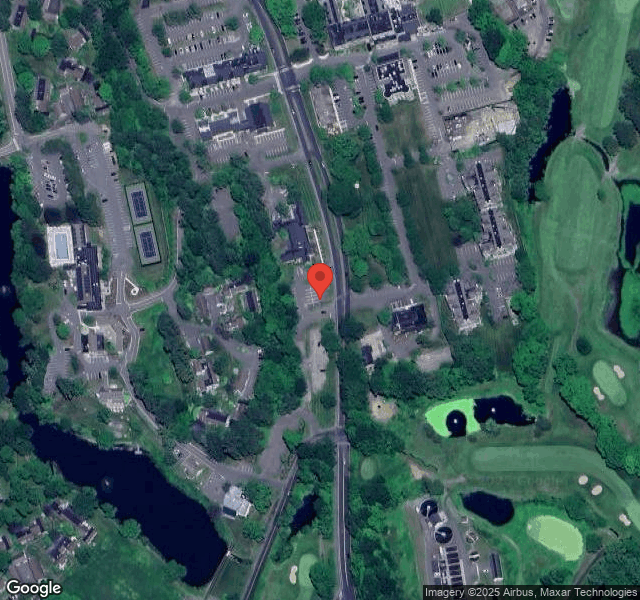
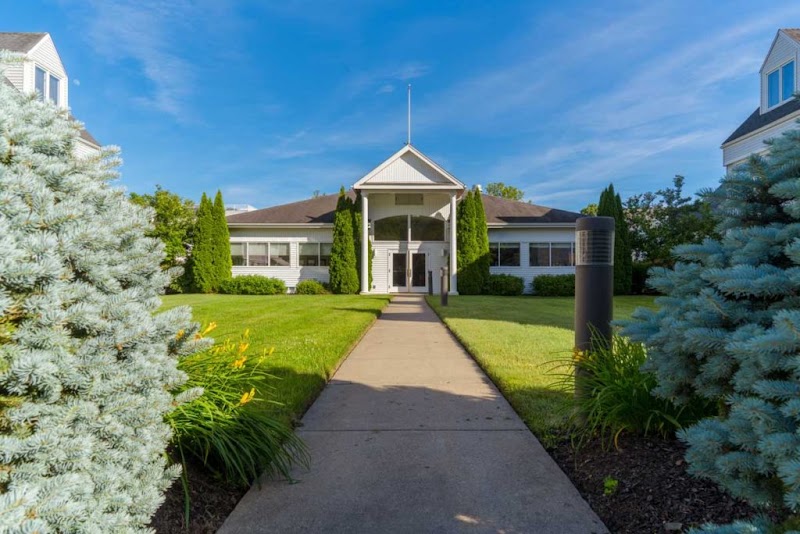
80 HERITAGE RD, SOUTHBURY, CT 06488 (203) 262-6555
Non profit - Corporation 37 Beds Independent Data: November 2025
Trust Grade
68/100
#75 of 192 in CT
Last Inspection: October 2024

Within standard 12-15 month inspection cycle. Federal law requires annual inspections.

Overview

Pomperaug Woods Health Center has a Trust Grade of C+, indicating it is decent and slightly above average among nursing homes. It ranks #75 out of 192 facilities in Connecticut, placing it in the top half of state facilities, and #11 out of 22 in Naugatuck Valley County, meaning only ten local options are better. Unfortunately, the facility is experiencing a worsening trend, increasing from 6 issues in 2023 to 8 in 2024. Staffing is a strong point, with a 5-star rating and RN coverage better than 86% of facilities, but staff turnover is concerning at 49%. The facility has accumulated $20,872 in fines, which is higher than 92% of Connecticut facilities, suggesting compliance issues. However, there are notable weaknesses. For example, a serious incident occurred where a resident fell and sustained a major injury because the facility did not follow their care plan. In another case, a transfer was performed incorrectly, leading to potential harm for a resident. Additionally, cleanliness in the kitchen was found lacking, with dirty equipment and expired food items, which raises concerns about overall hygiene standards. Overall, while there are strengths in staffing and RN coverage, families should be mindful of the facility's compliance issues and specific incidents of care failures.

Trust Score
C+
68/100
In Connecticut
#75/192
Top 39%
Safety Record
Moderate
Needs review
Inspections
Getting Worse
6 → 8 violations
Staff Stability
⚠ Watch
49% turnover. Above average. Higher turnover means staff may not know residents' routines.
Penalties
○ Average
$20,872 in fines. Higher than 52% of Connecticut facilities. Some compliance issues.
Skilled Nurses
✓ Good
Each resident gets 74 minutes of Registered Nurse (RN) attention daily — more than 97% of Connecticut nursing homes. RNs are the most trained staff who catch health problems before they become serious.
Violations
⚠ Watch
14 deficiencies on record. Higher than average. Multiple issues found across inspections.
★★★★☆
4.0
Overall Rating
★★★★★
5.0
Staff Levels
★★☆☆☆
2.0
Care Quality
★★★☆☆
3.0
Inspection Score
Stable
2023: 6 issues
2024: 8 issues

The Good

  • 5-Star Staffing Rating · Excellent nurse staffing levels
  • Full Sprinkler Coverage · Fire safety systems throughout facility
  • No fines on record

Facility shows strength in staffing levels, fire safety.

The Bad

Staff Turnover: 49%

Near Connecticut avg (46%)

Higher turnover may affect care consistency

Federal Fines: $20,872

Below median ($33,413)

Minor penalties assessed

The Ugly 14 deficiencies on record

1 actual harm
Oct 2024 8 deficiencies 1 Harm
SERIOUS (G)

Actual Harm - a resident was hurt due to facility failures

Accident Prevention (Tag F0689)

A resident was harmed · This affected 1 resident

**NOTE- TERMS IN BRACKETS HAVE BEEN EDITED TO PROTECT CONFIDENTIALITY** Based on clinical record reviews, facility documentation, facility policy and interviews for 3 of 5 sampled residents (Resident ...

Read full inspector narrative →
**NOTE- TERMS IN BRACKETS HAVE BEEN EDITED TO PROTECT CONFIDENTIALITY** Based on clinical record reviews, facility documentation, facility policy and interviews for 3 of 5 sampled residents (Resident #26, Resident #2 and Resident #10) reviewed for accidents, the facility failed to follow the plan of care resulting in a fall with major injury (Resident #26) and failed to ensure a transfer was provided according to physician order (Resident #2) and failed to implement interventions according to the plan of care resulting in falls (Resident #10). The findings include: 1. Resident #26's diagnoses included dementia, cognitive communication deficit, history of falls, and traumatic subdural hemorrhage. The quarterly Minimum Data Set (MDS) assessment dated [DATE] identified Resident #26 was severely cognitively impaired (Brief Interview for Mental Status (BIMS) score of 3) and required moderate assistance with transfers, bed mobility and sitting to standing. The MDS further identified Resident #26 required moderate assistance with dressing and supervision with toileting, had two or more previous falls and was always incontinent of bowel and bladder. The facility Morse Fall Scale evaluation dated 11/15/23 identified Resident #26 as a high fall risk. The Resident Care Plan dated 11/22/23 identified Resident #26 as at risk for falls, at risk for incontinence and at risk for impaired communication related to dementia and a hearing deficit. The RCP included interventions of applying gripper socks at bedtime, placing a call light within reach, offering toileting every 2 hours, and checking Resident #26 every 2 to 3 hours and as needed for toileting needs. Review of the facility Event Report dated 11/22/23 by RN #2 identified that on 11/22/23 at 9:30 PM, Resident #26 was found on the floor in front of his/her bathroom, sitting upright, with both lower extremities curled towards his/her back. The Event Report identified Resident #26 stated he/she hit his/her head on the floor and Resident #26 was transferred to the hospital for further evaluation. The Event Report further identified Resident #26 was barefoot when discovered and his/her shoes were located at the bed side. The Event Report indicated Resident #26 did not put his/her shoes on prior to getting out of bed and did not request assistance for toileting. Review of a statement dated 11/22/23 by NA #8, who was assigned to provide care for Resident #26 during the 3 PM to 11 PM shift on 11/22/23, identified NA #8 changed (referring to incontinent care) Resident #26 at around 2 PM then further identified Resident #26 was in his/her bed at around 7:30 PM to 8 PM, wearing pajamas, and indicated Resident #26 changed into pajamas by his/herself. The statement did not indicate toileting was provided every 2-3 hours according to the plan of care or indicate if footwear was on prior to or at the time of the incident. Review of a statement dated 11/22/23 by LPN #1, who was assigned to provide care for Resident #26 during the 3 PM to 11 PM shift on 11/22/23, identified no indication of Resident #26's status prior to the fall incident. The statement did not identify the last time Resident #26 was toileted or if footwear was on at the time of the incident. Review of a statement dated 11/22/23 by NA #1 who worked during the 3 PM to 11 PM shift on 11/22/23 identified no indication of Resident #26's status prior to the fall incident and no indication of care or toileting provided to Resident #26 prior to the fall incident. Review of an email correspondence on 11/23/23 between the Director of Nursing (DNS) and RN #2 indicated RN #2 interviewed NA #1, who also worked during the 3 PM to 11 PM shift on 11/22/23, regarding the fall incident, and that NA #1 stated she did not toilet Resident #26 at all during the 3 PM to 11 PM shift on 11/22/23 and that Resident #26 frequently toilets him/herself and does not require assistance. Review of the hospital Discharge summary dated [DATE] identified a 5-day hospital admission with a transfer to the surgical intensive care unit for hourly neuro monitoring from 11/22/23 to 11/24/23. Resident #26 was then transferred to the hospital floor for further monitoring until discharge back to the facility on [DATE]. Hospital diagnoses related to the fall incident on 11/22/23 are as follows: a primary diagnosis of trauma secondary to a ground level fall with multiple subarachnoid hemorrhages (SAH) and several other diagnoses to include Bifrontal SAH anteriorly/inferiorly extending superiorly along the left, subtle right parietal SAH, subtle right temporal/occipital SAH, small anterior falx subdural hematoma extending to the right frontal convexity, nondisplaced occipital bone fracture extending to foramen magnum, right occipital hematoma. Interview with NA #8 on 10/11/24 at 11:48 AM identified Resident #26 often exhibited wandering behaviors and once awake would begin to walk. NA #8 identified Resident #26 dressed him/herself at bedtime on 11/22/23. NA #8 identified she saw Resident #26 in bed with pajamas on and did not provide any further care for Resident #26 once he/she was observed in bed. NA #8 identified she did not pull the blankets back to check that gripper socks were in place as directed in the plan of care. 2. Resident #2 had diagnoses that included dementia and osteoarthritis. The Minimum Data Set assessment dated [DATE] identified Resident #2 had moderate cognitive impairment (Brief Interview for Mental Status (BIMS) score of 12) and required a 2 person assist with bed mobility, transfers and toileting. The Resident Care Plan dated 5/20/24 identified Resident #2 had impaired cognition, an ADL deficit and was at risk for falls. Interventions directed to explain procedures prior to beginning and to provide an assist of 2 with transfers and toileting. Physician orders dated 5/21/24 directed an assist of 2 with toileting at wheelchair level during the 7:00 AM to 3:00 PM and 3:00 PM to 11:00 PM shifts and to provide transfers using a Hoyer lift (mechanical device used to move residents with limited mobility) during the 11:00 PM to 7:00 AM shift. A Nurse's note dated 7/10/24 at 11:03 PM identified Resident #2 was assisted to the floor in the bathroom by his/her assigned Nurse Aide (NA #1). Resident #2 was unable to hold weight in a panic and was assisted to the floor. The assessment further identified Resident #2 had no change in mobility status, did not hit his/her head, was stable, and cognition was at baseline. A facility Reportable Event Investigation Statement dated 7/10/24 completed by NA #1 identified that at 10:45 PM, Resident #2 was being transferred from the toilet to his/her wheelchair when he/she started to panic and fell. An interview with the Director of Rehabilitation (DOR) on 10/15/24 at 11:18 AM identified prior to the incident, Resident #2 required an assist of 2 for transfers to the toilet during the 7:00 AM to 3:00 PM and 3:00 PM to 11:00 PM shifts and Hoyer lift transfers during the 11:00 PM to 7:00 AM shift. The DOR further identified Resident #2 should have been transferred from the toilet to his/her wheelchair with an assist of 2. Resident #2 was provided an elevated toilet seat after the incident. An interview with NA #1 on 10/15/24 at 1:44 PM identified she was assigned to provide care for Resident #2 during the 3:00 PM to 11:00 PM shift on 7/10/24. NA #1 identified she knew Resident #2 required an assist of 2 with transfers, however, demonstrated that Resident #2 could stand with an assist of 1 while utilizing the grab bar to perform duties and then transfer back to the wheelchair. NA #1 identified that on 7/10/24, she began independently transferring Resident #2 to his/her wheelchair. NA #1 identified Resident #2 panicked, and NA #1 placed her foot behind Resident #2's body, pushed the wheelchair out of the way and eased him/her to the floor. An interview with NA #3 on 10/15/24 at 2:02 PM identified she was also assigned to provide care for Resident #2 during the 3:00 PM to 11:00 PM shift on 7/10/24. NA #3 identified she was aware Resident #2 required an assist of 2 with transfers. NA #3 further identified that there was no request for assistance with Resident #2 on 7/10/24 and that she was only made aware that Resident #2 had fallen when she heard NA #1 call for help. An interview with the Director of Nursing on 10/15/24 at 3:09 PM identified Resident #2 required an assist of 2 at the time of the fall and that Resident #2's transfer status was reviewed after the fall with no changes. 3. Resident #10 had diagnoses that included left femur fracture, dementia, repeated falls and restlessness and agitation. The quarterly Minimum Data Set (MDS) assessment dated [DATE] identified Resident #10 was severely cognitively impaired (Brief Interview for Mental Status (BIMS) score of 3), required partial/moderate assistance with toileting, personal hygiene and transfers. The MDS identified Resident #10 occasionally experienced urinary incontinence. The Resident Care Plan (RCP) dated 5/24/24 identified Resident #10 as a fall risk related to cognition, diagnosis of dementia, ADL decline, history of repeated falls, incontinence and attempts to get up on his/her own. Interventions included offering toileting every hour while awake and to remain with Resident #10 near the bathroom while toileting. The RCP identified Resident #10 had urinary incontinence and included an intervention to check Resident #10 every 2 to 3 hours for toileting needs. The Resident Care Card (RCC) identified Resident #10 as a high fall risk with a history of a hip fracture and directed incontinence care every 2-3 hours, to offer toileting every half hour while awake and not to leave Resident #10 alone in the bathroom. a. Review of the Reportable Event form dated 6/3/24 identified Resident #10 was observed sitting on the bathroom floor at 7:40 PM. Review of a written statement by LPN #2 dated 6/3/24 identified Resident #10 was incontinent of stool at the time he/she was found on the bathroom floor. Review of a written statement by NA #1 dated 6/3/24 identified she was the NA assigned to care for Resident #10 during the 3 PM to 11 PM shift on 6/3/24. The statement written by NA #1 did not include information about toileting or any care provided for Resident #10 throughout the shift. During an interview with NA #1 on 10/16/24 at 11:11 AM, NA #1 indicated she remembered the fall incident that occurred on 6/3/24 and she remembered writing her statement. NA #1 identified she did not toilet Resident #10 prior to the fall in the bathroom and stated her reason for not toileting Resident #10 was because most of the time he/she goes to the toilet on his/her own. NA #1 further identified Resident #10 forgets to use the call bell when he/she needs help and indicated it is difficult to keep an eye on Resident #10 because there are other residents who need tending to. NA #1 indicated that even if Resident #10 is brought to the bathroom, he/she will still go on his/her own and further stated this is not someone you can keep tabs on, even if you toilet him/her every 2 hours, he/she will still go by himself/herself. b. Review of the facility Post Fall Evaluation by RN #2 dated 10/14/24 identified Resident #10 fell in the bathroom at 8:52 PM while attempting to self-transfer to the toilet and was incontinent at the time of the fall. Review of the Reportable Event Investigation Statement form by NA #5 dated 10/14/24 identified the last time care was provided to Resident #10 prior to the incident was at 3:30PM and further down the form identified Resident #10 was last toileted at 7:30 PM. Interview with NA #5 on 10/15/24 at 9:32 AM identified she was assigned to provide care for Resident #10 on 10/14/24 during the 3 PM to 11 PM shift. NA #5 indicated Resident #10 was more anxious and agitated than usual. NA #5 further identified Resident #10 was hyper focused on having his/her wanderguard bracelet (wearable alert device for residents who are at risk for wandering) removed and was arguing with another resident at the nurse's station for most of the shift. NA #5 identified that prior to the fall in the bathroom at 8:52 PM, she last brought Resident #10 to the bathroom at 3:30 PM. NA#5 identified she did not bring Resident #10 to the bathroom at 7:30 PM but, instead, asked Resident #10 if she needed to go to the bathroom. Interview with the Director of Nursing (DNS) on 10/15/24 at 11:47 AM indicated that although Resident #10 is severely cognitively impaired, at times Resident #10 knows when he/she needs use the bathroom. The DNS further identified that Resident #10 may not always answer questions appropriately or be able to make decisions based on his/her severe cognitive impairment and Resident #10 should be toileted according to a schedule. The facility Fall Prevention and Management policy states, in part, residents who are identified as a fall risk will be care planned and individualized interventions and precautions will be noted to avoid falls. The policy directed a safe environment with the least restrictive measures while promoting the highest possible independence. The Facility policy titled Urinary Incontinence - Clinical Protocol states, in part, based on assessment, staff will provide scheduled toileting, prompted voiding, or other interventions to try to improve the individual's continence patterns. The facility Accidents and Incidents - Reporting and Investigating policy states, in part, all accidents, incidents, or events involving residents shall be reported and investigated.
CONCERN (D)

Potential for Harm - no one hurt, but risky conditions existed

Deficiency F0558 (Tag F0558)

Could have caused harm · This affected 1 resident

**NOTE- TERMS IN BRACKETS HAVE BEEN EDITED TO PROTECT CONFIDENTIALITY** Based on clinical record reviews, facility documentation, facility policy and interviews for 1 sampled resident (Resident #22) r...

Read full inspector narrative →
**NOTE- TERMS IN BRACKETS HAVE BEEN EDITED TO PROTECT CONFIDENTIALITY** Based on clinical record reviews, facility documentation, facility policy and interviews for 1 sampled resident (Resident #22) reviewed for resident rights, the facility failed to honor a resident's food preference. The findings include: Resident #22 had diagnoses that included type II diabetes and chronic kidney disease. The Minimum Data Set (MDS) assessment dated [DATE] identified Resident #22 was cognitively intact and independent with eating. The Resident Care Plan dated 8/13/24 identified Resident #22 had impaired cognition or thought process related to dementia with confusion. Interventions directed to implement an approach to maximize involvement with daily decision making. Physician orders dated 8/30/24 directed a regular, diabetic, low potassium renal diet. An interview with Resident #22 on 10/11/24 at 12:30 PM identified she/he was supposed to receive fresh potatoes at mealtimes, but the facility repeatedly provided instant potatoes. Resident #22 further identified she/he discussed the matter with the Director of Nursing (DNS) who ensured it would not happen again. An interview and observation with Nurse Aide (NA) #4 on 10/11/24 at 12:30 PM identified she was delivering a bowl of fresh mashed potatoes to Resident #22's room. NA #4 identified Resident #22 preferred fresh mashed potatoes but at times was served instant mashed potatoes instead. NA #4 further identified that Resident #22 was initially served instant mashed potatoes with lunch, and she was delivering fresh mashed potatoes as a replacement. An interview with Dietary Aide (DA) #1 on 10/11/24 at 12:50 PM identified he was aware Resident #22 should receive fresh potatoes and that Resident #22 was served instant potatoes with lunch by another dietary staff member. An interview with DA #2 on 10/11/24 at 12:57 PM identified residents complete menus that include daily preferences which are then transcribed onto meal tickets. DA #2 indicated he was aware Resident #22 preferred fresh potatoes rather than instant potatoes and excluded his/her preference for fresh potatoes. Additionally, DA #2 plated Resident #22's meal at lunchtime and did not serve Resident #22 fresh potatoes as an oversight. An interview with the DNS on 10/11/24 at 1:08 PM identified he did not recall any conversations regarding fresh potatoes as a preference, but efforts were made to ensure Resident #22 was comfortable. An interview with the Food Service Director on 10/11/24 at 2:30 PM identified staff were responsible for checking meal tickets when plating meals and Resident #22 should have been served fresh potatoes according to preference. A review of the Resident [NAME] of Rights directed a resident has the right to self-determination and to make choices about all aspects of life in the facility that are significant to the resident.
CONCERN (D)

Potential for Harm - no one hurt, but risky conditions existed

Report Alleged Abuse (Tag F0609)

Could have caused harm · This affected 1 resident

**NOTE- TERMS IN BRACKETS HAVE BEEN EDITED TO PROTECT CONFIDENTIALITY** Based on clinical record reviews, facility documentation, facility policy and interviews for 1 of 5 sampled residents (Resident ...

Read full inspector narrative →
**NOTE- TERMS IN BRACKETS HAVE BEEN EDITED TO PROTECT CONFIDENTIALITY** Based on clinical record reviews, facility documentation, facility policy and interviews for 1 of 5 sampled residents (Resident #2) reviewed for accidents, the facility failed to report an injury of unknown origin to the overseeing state agency. The findings include: Resident #2 had diagnoses that included dementia and osteoarthritis. The Minimum Data Set assessment dated [DATE] identified Resident #2 was cognitively intact (Brief Interview for Mental Status (BIMS) score of 14) and required a 2 person assist with bed mobility, transfers and toileting. The Resident Care Plan dated 8/30/23 identified Resident #2 had impaired cognition and an activity of daily living (ADL) deficit. Interventions directed to explain procedures prior to beginning and provide an assist of 2 with transfers and toileting. A facility Event Report dated 11/3/23 at 9:00 AM identified a 6.5cm by 4cm bruise was observed, on Resident #2's left upper thigh, during care. An Investigation Summary/Root Cause Analysis and Final Action Plan form dated 11/7/24 identified Resident #2 had a bruise to the left upper thigh. The form identified Resident #2 denied any mistreatment, used a mechanical lift during nighttime hours due to fatigue, and complained of discomfort with use of the mechanical lift. The mechanical lift was evaluated by nursing and deemed the appropriate size. The mechanical lift company provided onsite education for staff to prevent further injury. An interview with the Director of Nursing (DNS) on 10/15/24 at 3:09 PM identified he was responsible for overseeing abuse allegations. The DNS identified the resident and staff would be interviewed, for any injury of unknown origin, to determine what may have occurred. The DNS indicated, if abuse was suspected, he would report to the overseeing state agency. Despite the bruise location of the left upper thigh, the DNS identified he did not report the injury as he did not feel it met criteria for reporting. A review of the facility Abuse Prevention Policy dated 4/20/23 directed all alleged violations of abuse including injuries of an unknown source are to be reported immediately, not to exceed (2) hours after discovery, to members of the community and other officials in accordance with state and federal laws through established procedures. Injuries of unknown source are when the following conditions are not met: The source of the injury was not observed, or the source could not be explained by the resident and the injury is suspicious because of the extent of the injury, location (the injury is not located in an area generally vulnerable to trauma), the number of injuries at one point in time or incidence of injuries over time.
CONCERN (D)

Potential for Harm - no one hurt, but risky conditions existed

Quality of Care (Tag F0684)

Could have caused harm · This affected 1 resident

**NOTE- TERMS IN BRACKETS HAVE BEEN EDITED TO PROTECT CONFIDENTIALITY** Based on record review and staff interviews for 1 of 5 residents reviewed for unnecessary medications (Resident #16), the facili...

Read full inspector narrative →
**NOTE- TERMS IN BRACKETS HAVE BEEN EDITED TO PROTECT CONFIDENTIALITY** Based on record review and staff interviews for 1 of 5 residents reviewed for unnecessary medications (Resident #16), the facility failed to ensure accurate transcription of a physician's order for a newly ordered psychotropic medication. The findings include: Resident #16 was admitted to the facility on [DATE] with diagnoses that included a history of fainting, falls, and a cervical fracture. The admission Minimum Data Set (MDS) assessment dated [DATE] identified Resident #16 was cognitively intact and had not exhibited behaviors directed toward others. A Psychiatrist note dated 10/2/24 identified Resident #16 exhibited delusions, hallucinations, and behaviors of yelling. The Psychiatrist note indicated that Risperdal (an antipsychotic medication) would be started. The note further indicated that the dose and frequency for Risperdal was 0.25 milligrams (mg) every evening at 8:00 PM. A facility Physician's Order dated 10/2/24 by the psychiatric provider, Medical Doctor (MD) #2, identified a handwritten order directing to administer Risperdal 0.25 mg by mouth every evening at 8:00 PM. An electronic Physician's order dated 10/2/24 directed the administration of Risperdal 0.25 mg by mouth every 8 hours. A review of the Electronic Medication Administration Record (EMAR) identified that Resident #16 was administered Risperdal 0.25 mg by mouth every 8 hours from 10/3/24 to 10/15/24 (a total of 13 days). A Nursing note dated 10/15/24 indicated that a new order for Risperdal was received from MD #2 on 10/2/24 and was transcribed as Risperdal 0.25 mg every 8 hours rather than Risperdal 0.25 mg every evening at 8:00 PM. On 10/16/24 at 11:36 AM, an interview with RN #2 indicated that providers usually input orders directly into the EMAR, but MD #2 handwrites orders which then require transcription into the EMAR by the nursing supervisor. RN #2 indicated that the handwritten Risperdal order looked unclear, but he thought the order was written as Risperdal 0.25 mg every 8 hours as needed. RN #2 indicated that he did not contact any staff member or providers for order clarification. On 10/16/24 at 12:25 PM, an interview with the Director of Nursing (DNS) identified that RN #2 brought the order discrepancy to his attention on 10/15/24. The DNS indicated that the facility was still investigating the incident, but that Resident #16 did not have an adverse effect from the medication error. The DNS indicated that staff do a 24-hour chart review every day to look for new orders and ensure orders look okay. The DNS further indicated that the 24-hour chart review does not serve as a check for the order transcription process. On 10/16/24 at 12:35 PM, an interview with MD #2 identified on 10/2/24 she ordered Risperdal 0.25 mg every evening at 8:00 PM, she did not order Risperdal 0.25mg every 8 hours. MD #2 indicated that she found discrepancies between what she ordered and what was being administered when she reviewed Resident #16's medications on 10/15/24. MD #2 identified that Risperdal was a new medication for Resident #16. MD #2 indicated that potential adverse effects of a higher dose or frequency of Risperdal included oversedation, falls, and low blood pressure. MD #2 identified that Resident #16 had a history of falls prior to starting Risperdal and was not aware of any falls or other adverse effects while receiving Risperdal. MD #2 further indicated that she would expect to be called or emailed if orders needed clarification. The facility policy titled Physician Order Transcription states, in part, orders written on the physician's order sheet by a prescriber will be entered in the electronic health record (EHR) after verification by a licensed nurse.
CONCERN (E)

Potential for Harm - no one hurt, but risky conditions existed

Food Safety (Tag F0812)

Could have caused harm · This affected multiple residents

Based on observation, staff interviews, and facility documentation, the facility failed to maintain refrigerator and dishwasher temperature logs and failed to ensure storage containers were clean. The...

Read full inspector narrative →
Based on observation, staff interviews, and facility documentation, the facility failed to maintain refrigerator and dishwasher temperature logs and failed to ensure storage containers were clean. The findings include, Tour and observation of the kitchen on 10/10/24 at 9:40 AM with the Culinary Director identified the following: 1. Temperature logs for the refrigerators, freezers and dishwasher were completed through 9/30/24, however none were completed for 10/1/24 to 10/10/24. Subsequent to surveyor inquiry, on 10/10/24 at 10:16 AM, temperature logs were produced for the month of October, however the log was postdated with temperatures through 10/10/24 at 5 PM. 2. Four 50-pound storage containers used for flour, sugar, oatmeal and rice had a brown sticky substance around the outside of the tops of the containers. Subsequent to surveyor inquiry, the containers were cleaned. Interview on 10/10/24 at 9:40 AM with the Culinary Director identified the storage containers were not clean and that he does not have a cleaning schedule or log. Interview on 10/10/24 at 10:16 AM with the Culinary Director confirmed that the temperature logs were postdated through 5PM on 10/10/24. He identified that the manager logs both daily temperatures at 10:30 AM and then checks the temperature at 5 PM to ensure the documented temperatures are accurate. Although requested, policies for temperature maintenance and cleaning equipment were not provided.
CONCERN (E)

Potential for Harm - no one hurt, but risky conditions existed

QAPI Program (Tag F0867)

Could have caused harm · This affected multiple residents

Based on review of facility documentation, facility policy and interviews the facility failed to implement appropriate plans of action to correct quality deficiencies once identified through Quality A...

Read full inspector narrative →
Based on review of facility documentation, facility policy and interviews the facility failed to implement appropriate plans of action to correct quality deficiencies once identified through Quality Assurance and Performance Improvement (QAPI). The findings include: A review of the facility QAPI program identified the following: 1.QAPI Committee Minutes dated 3/21/24 identified a bed safety program was being initiated for entrapment checks prior to bed changes for residents who choose to use bed rails as a mobility enabler. QAPI Committee Minutes dated 6/19/24 identified a bed safety program was completed and that bed checks were being performed by maintenance. A review of facility documentation failed to reflect documentation of measurable goals, step by step interventions to correct the problem or how the facility was to monitor progress over time. 2.QAPI Meeting Minutes dated 3/21/24, beginning February 2024, identified a plan for mechanical lifts and sling quality control was being initiated to ensure all slings were safe for use and sizing appropriate according to manufacturer guidelines. A review of the QAPI meeting Minutes dated 7/17/24 identified the mechanical lift sling and quality control project was completed and that all residents had (2) slings in rotation and inspection as part of a daily practice. A review of facility documentation failed to reflect documentation of measurable goals, step by step interventions to correct the problem or how the facility was to monitor progress over time. An interview with the Director of Nursing identified he was unable to provide an explanation for lack of documentation related to the QAPI initiatives. A review of the facility policy for QAPI Plan dated 2/3/2019 directed Performance Improvement Projects take a systemic approach to improve care and services that identify problems, document performance improvement/trends and conduct periodic measurement and review to ensure new action is adopted and performed consistently.
CONCERN (E)

Potential for Harm - no one hurt, but risky conditions existed

Infection Control (Tag F0880)

Could have caused harm · This affected multiple residents

Based on observation and interview, the facility failed to ensure staff were provided Personal Protective Equipment (PPE) gowns while sorting and washing soiled linens. On 10/15/2024 at 11:00 AM inte...

Read full inspector narrative →
Based on observation and interview, the facility failed to ensure staff were provided Personal Protective Equipment (PPE) gowns while sorting and washing soiled linens. On 10/15/2024 at 11:00 AM interview and observation with Laundry Aide (LA) #1 identified PPE gowns had never been used to handle soiled linen. An interview on 10/16/24 at 9:35 AM with the Director of Laundry (DOL) identified she/he was new to the position and did not know when PPE gowns should be utilized while processing laundry. An observation and interview with LA #1 and the DOL on 10/16/24 at 9:35 AM identified PPE gowns were never used with the handling of soiled linens. Observation with the DOL identified no PPE gowns were stored in the laundry area. Further observation identified contamination of LA #1's clothing with the handling of soiled linens and subsequent handling of clean linens. On 10/17/2024 at 11:30 AM the facility Administrator indicated laundry staff should utilize PPE gowns when handling soiled linen. Subsequent to surveyor inquiry, PPE gowns were stocked in the laundry area and staff were educated regarding the use of PPE gowns. The facility policy labeled Departmental (Environmental Services)-Laundry and Linen indicated, in part, employees sorting and washing linen must wear a gown and gloves and a mask may be worn if aerosolization is expected.
CONCERN (E)

Potential for Harm - no one hurt, but risky conditions existed

Safe Environment (Tag F0921)

Could have caused harm · This affected multiple residents

Based on observations, review of facility policy, and interviews, the facility failed to store personal care items in a clean and sanitary manner in rooms with a shared bathroom. The findings include:...

Read full inspector narrative →
Based on observations, review of facility policy, and interviews, the facility failed to store personal care items in a clean and sanitary manner in rooms with a shared bathroom. The findings include: Observation on 10/10/24 at 9:43 AM identified unlabeled personal care items on the left side of the bathroom countertop, shared by Resident #16 and Resident #24, to include a hairbrush, comb, used disposable razor, open ½ full shampoo bottle, blue soap dish containing a yellow used bar of soap, kidney shaped basin containing a used toothbrush, and a plastic cup laying on its side containing 2 used toothbrushes (1 white and 1 blue). Observed on the right side of the countertop were unlabeled items to include a denture cup, barrier cream and 2 electric razors. Also on the right side of the countertop was a kidney shaped basin, labeled with the last name of Resident #16, containing a used white toothbrush, toothpaste and comb. Observation on 10/10/24 at 10:01 AM identified unlabeled personal care items on the left side of the bathroom countertop, shared by Resident #27 and Resident #336, to include a kidney shaped basin containing a used toothbrush, toothpaste, hairbrush and comb. Interview with NA #6 on 10/10/24 at 10:07 AM in the shared bathroom belonging to Resident #16 and Resident #24 indicated she would not know what personal care items belonged to the residents so she would throw the items away. She further indicated both Resident #16 and Resident #24 were confused and would use whatever items were on the countertop without giving it a second thought. Interview with NA #7 on 10/10/24 at 10:23 AM identified both Resident #16 and Resident #24 used the shared bathroom and when asked how someone would know what items belonged to each resident, she indicated the items should be labeled. Observations on 10/15/24 at 10:02 AM identified unlabeled personal care items remained on the bathroom countertop belonging to Resident #16 and Resident #24. Unlabeled items observed on the left side of the countertop included 1 electric razor and a kidney shaped basin containing a used white toothbrush, comb and denture cup. Unlabeled items observed on the right side of the countertop included a comb, blue soap dish containing a yellow used bar of soap and 2 used toothbrushes (1 white and 1 blue), 1 electric razor and a comb. Observation on 10/15/24 at 10:04 AM identified unlabeled personal care items remained on the bathroom countertop belonging to Resident #27 and Resident #336. A kidney shaped basin was observed upside down on the left side of the countertop, when picked up, unlabeled items to include a used toothbrush, toothpaste, hairbrush and comb were observed laying directly on the countertop. Interview and observation with RN #1 on 10/15/24 at 10:17 AM identified the personal care items in the bathrooms shared by Resident #16 and Resident #24 and Resident #27 and Resident #336 should be labeled with resident identifiers and stored in the facility provided shelving units that hang in the bathrooms and are labeled with either door or window. Subsequent to surveyor inquiry, RN #1 used a label maker to label all personal care items in the shared bathrooms observed. Interview with the Director of Nursing (DNS) on 10/15/24 at 11:15 AM identified the facility did not have staff competencies or in-services related to storage and labeling of personal care items and further identified he was working on creating one. The DNS indicated personal care items in shared resident bathrooms should be kept separated and labeled with resident identifiers. The facility policy titled, Homelike Environment, states, in part, the facility staff maximizes facility characteristics to reflect a personalized, homelike setting to include a clean, sanitary and orderly environment.
Apr 2023 6 deficiencies
CONCERN (D)

Potential for Harm - no one hurt, but risky conditions existed

Deficiency F0658 (Tag F0658)

Could have caused harm · This affected 1 resident

**NOTE- TERMS IN BRACKETS HAVE BEEN EDITED TO PROTECT CONFIDENTIALITY** Based on observation, interviews, review of the clinical record and facility policy for 2 of 5 sampled residents (Resident #11 a...

Read full inspector narrative →
**NOTE- TERMS IN BRACKETS HAVE BEEN EDITED TO PROTECT CONFIDENTIALITY** Based on observation, interviews, review of the clinical record and facility policy for 2 of 5 sampled residents (Resident #11 and Resident #21) observed for medication administration, and for 1 of 1 sampled resident (Resident #34) reviewed for death, the facility failed to obtain an order to administer a late medication (Resident #11), failed to ensure the Licensed Practical Nurse (LPN) remained with Resident #21 to ensure the resident consumed medications prior to the LPN leaving the room and failed to complete a thorough Registered Nurse (RN) assessment at Resident #34's time of death. The findings include: 1. Resident #11's diagnoses included paroxysmal atrial fibrillation, acute kidney failure, hyperkalemia, hypomagnesemia, and muscle weakness. A Resident Care Plan dated 3/9/23 identified that Resident #11 was at risk for bleeding due to anticoagulation use with an intervention to administer medication as ordered. The admission Minimum Data Set (MDS) assessment dated [DATE] identified Resident #11 had intact cognition, required limited assistance with one person for bed mobility and personal hygiene, limited assistance with two persons for transfers and toilet use, and extensive assistance with one person for dressing. A physician order dated 3/9/23 directed to administer Eliquis 5 mg by mouth twice daily. The Medication Administration Record for March 2023 identified Eliquis 5 mg was to be administered at 8:30 AM and 8:30 PM. Observation of medication administration with RN #3 on 4/13/23 at 11:40 AM identified she had administered one tablet of Eliquis 5 mg to Resident #11 (3 hours and 10 minutes late). Interview and record review with RN #3 on 4/13/23 at 11:48 AM identified that Eliquis 5 mg was to be administered at 8:30 AM for Resident #11 and that she was aware that the Eliquis dose was given late. RN #3 identified that she did not contact the physician to report the late administration of Eliquis and that she was not aware of a facility medication administration policy. RN #3 also identified that she sometimes administers medications late, she does not notify the provider to obtain a physician's order but she does document that the medication was given. Interview and clinical record review with the DNS on 4/17/23 at 10:46 AM identified that RN #3 administered Eliquis 5 mg on 4/13/23 at 11:45 AM (however, surveyor observation occurred at 11:40 AM) to Resident #11 and the dose was due at 8:30 AM. The DNS identified that there was no policy for late medication administration and that he allows the facility nurses to excise their own clinical judgement based on the types of medications ordered. He further identified that timed medications should be given as ordered by the provider, and that the nurses should follow the physician orders. The DNS also identified that he would have notified the physician to inform him that the Eliquis was late and write a note. Additionally, the DNS failed to identify documentation of a nurse's note, physician order, or care plan identifying the late administration of Eliquis on 4/13/23 for Resident #11. Interview with MD #1 on 4/18/23 at 11:21 AM identified that he was aware that residents sometimes receive medications late and that the nurses follow resident preferences. MD #1 further identified that although this occurs, when he is notified then he would provide a verbal order to administer the late medication during that occurrence. MD #1 identified that he does not give generic orders to administer medications late. Although RN #3 identified that she did not contact MD #1 to obtain a physician order directing to administer Eliquis at 11:40 AM, MD #1 identified the facility does contact him for late medications and he provides a verbal order. The clinical record failed to identify a verbal order was received. 2. Resident #21's diagnosis included transient ischemic cerebral ischemia, muscle weakness and constipation. A Quarterly MDS dated [DATE] identified Resident #21 was moderately cognitively impaired and required extensive assistance of 1 for bed mobility, transfers, dressing and toilet use. Additionally, the MDS identified Resident #21 required limited assistance of 1 for personal hygiene and independent with set up for eating. Physician orders dated 6/21/22 through March 2023 directed Metamucil 3.4 gram (gm)/5.8 gm oral powder, 1 powder (gm) oral daily (and not one packet daily as previously ordered). Physician orders dated 8/17/23 through March 2023 directed Polyethylene Glycol (Miralax) 3350/ 17 gm oral powder packet, mix 17 gms in 240 cc, one time daily. Observation of medication administration on 4/17/23 at 9:08 AM with LPN #2 identified she mixed 1 capful (17 gms) of Miralax into two 120 milliliters (ml) of water and delivered the mixture to Resident #21, left the 2 cups containing Miralax on Resident #21's bedside table (located in front of the resident), and exited the room. LPN #2 went to the medication cart, which was located approximately 20 feet to the left of Resident #21's room, and Resident #21 was out of view of LPN #2. LPN #2 then poured Resident #21's pills, re-entered the resident's room, administered the pills, and instructed Resident #21 to drink the Miralax located in front of him/her. LPN #2 left the room, without Resident #21 consuming Miralax, then returned to the medication cart to pour Metamucil into 2 plastic cups (120 ml each) of water. LPN #2 re-entered Resident #21's room, placed the 2 cups containing Metamucil, instructed Resident #21 to drink the 2 plastic cups containing Miralax, and 2 plastic cups containing Metamucil and identified she would return to check on him/her later. Interview with LPN #2 (at the medication cart) and after leaving medications with Resident #21 identified she was not supposed to leave medication with the resident and was unable to provide a reason for not remaining with Resident #21 until the medications were consumed. Interview with RN #1 (the Unit Manager) on 4/17/23 at 9:45 AM identified Resident #21 was only assessed and approved to self administer Normal Saline nasal spray, and not other medications. Facility policy regarding Medication Administration identified to remain with the resident to ensure the medication is swallowed. 3. Resident #34's diagnoses included hypertension, atrial fibrillation, and dementia. Physician orders dated 1/23/23 directed Do Not Resuscitate and RN may pronounce. The annual Minimum Data Set assessment dated [DATE] identified Resident #34 had severe cognitive impairment, required extensive assistance with bed mobility, transfers, toilet use, and total dependence with eating and personal hygiene. The Resident Care Plan dated January 2023 identified Resident #34 had a Do Not Resuscitate (DNR) and RN pronouncement order in place with interventions that directed to review advanced directives quarterly with his/her family. Nurse's notes dated 1/25/23 at 3:48 AM identified vital signs on 11:00 PM to 7:00 AM shift identified a temperature of 98.6 degrees, pulse of 118 per minute, respirations of 28 per minute, blood pressure of 151/97, Oxygen Saturation of 93% on room air. Resident #34's legs were mottling up to his/her thighs. At 3:05 AM, Morphine and Atropine were administered per physician orders. The nurse's notes further identified Resident #34's spouse sat with Resident #34 while Resident #34 took his/her last breath and was pronounced at 3:35 AM. The nurse's note at Resident #34's time of death failed to identify Resident #34's lack of vital signs and pupillary non-reaction at the time of death. Interview with the DNS on 4/18/23 at 11:52 AM identified that facility policy was that an RN assessment would be completed at death, and although the assessment was not specifically present in the nurse's note, he puts trust in the nurse's assessments and knows that a thorough assessment would have been completed due to the fact the nurse's note stated Resident #34 took his/her last breath. Facility policy (effective 6/28/22) regarding DNR/RNP: Registered Nurse Pronouncement of Death, the Registered Nurse's clinical judgement may be exercised to determine that vital bodily functions have ceased. The nurse's findings must be documented in a nurse's note. According to www. determining, pronouncement and certifying death, the nurse who assumes the responsibility to pronounce must perform a physical assessment of the patient's condition and document the findings of the assessment in all appropriate records.
CONCERN (D)

Potential for Harm - no one hurt, but risky conditions existed

Unnecessary Medications (Tag F0759)

Could have caused harm · This affected 1 resident

**NOTE- TERMS IN BRACKETS HAVE BEEN EDITED TO PROTECT CONFIDENTIALITY** Based on observation, record review and staff interview for 2 of 5 residents (Resident #11 and Resident #21) observed for medica...

Read full inspector narrative →
**NOTE- TERMS IN BRACKETS HAVE BEEN EDITED TO PROTECT CONFIDENTIALITY** Based on observation, record review and staff interview for 2 of 5 residents (Resident #11 and Resident #21) observed for medication administration, the facility failed to ensure the medication error rate was not greater than 5% (error rate was 7.41%). The findings include: 1. Resident #11's diagnoses included paroxysmal atrial fibrillation, acute kidney failure, hyperkalemia, hypomagnesemia, and muscle weakness. A Resident Care Plan dated 3/9/23 identified that Resident #11 was at risk for bleeding due to anticoagulation use with an intervention to administer medication as ordered. A physician order dated 3/9/23 directed to administer Eliquis 5mg by mouth two times daily. The admission Minimum Data Set (MDS) assessment dated [DATE] identified Resident #11 had intact cognition, required limited assistance with one person for bed mobility and personal hygiene, limited assistance with two persons for transfers and toilet use, and extensive assistance with one person for dressing. The Medication Administration Record for March 2023 identified Eliquis 5 mg was to be administered at 8:30 AM and 8:30 PM. Observation of medication administration with RN #3 on 4/13/23 at 11:40 AM identified she had administered one tablet of Eliquis 5 mg to Resident #11 (3 hours and 10 minutes late). Interview and record review with RN #3 on 4/13/23 at 11:48 AM identified that Eliquis 5 mg was due to be administered at 8:30 AM for Resident #11 and that she was aware that the Eliquis dose was given late. She further identified that sometimes Resident #11 does not want medications given at scheduled times, and that she either administers the medications late or documents refused in the medical record. Interview and clinical record review with the DNS on 4/17/23 at 10:46 AM identified that RN #3 administered Eliquis 5 mg on 4/13/23 at 11:45 AM to Resident #11. The DNS identified that there was no policy for late medication administration and that he allows the facility nurses to excise their own clinical judgement based on the types of medications ordered. He further identified that timed medications should be given as ordered by the provider, and that the nurses should follow the orders. Additionally, the DNS failed to identify documentation of a nurse's note, physician order, or care plan for the late administration of Eliquis on 4/13/23 for Resident #11. 2. Resident #21's diagnoses included transient cerebral ischemia, muscle weakness and constipation. An admission Minimum Data Set (MDS) assessment dated [DATE] identified Resident #21 had intact cognition and required supervision with set up assistance with bed mobility, transfers, dressing, and toilet use. Additionally, the MDS identified Resident #21 was independent with set up help for personal hygiene. A physician order dated 12/27/21 directed Metamucil one packet daily. Physician orders dated 6/21/22 through March 2023 directed Metamucil 3.4 gram (gm)/5.8 gm oral powder, 1 powder (gm) oral daily (and not one packet daily as previously ordered). Observation of medication administration on 4/17/23 at 9:08 AM with Licensed Practical Nurse (LPN) #2 identified she removed the carton of Metamucil from the medication cart that had Resident #21's name on it, reviewed the pharmacy label that indicated 3.4 gm oral once daily. Additionally, she proceeded to mix 2 rounded teaspoons of Metamucil in 2 glasses of 120 milliliters (ml) of water each. LPN #2 then brought the 2 glasses containing Metamucil to Resident #21 and instructed him/her to consume, and proceeded to leave the room. Interview with LPN #2 on 4/17/23 at that time identified she could not depict how much Metamucil to deliver based on the pharmacy label instructions and therefore decided to mix 2 rounded teaspoons with water. Based on the Metamucil supplement facts label located on the posterior section of the container, 2 rounded teaspoons equals 11.6 gms. Interview with Pharmacist #2 on 4/17/23 at 1:40 PM identified based on the Metamucil supplement facts label, LPN #2 should have given 0.58 teaspoon, but could not provide information on how to measure 0.58 teaspoons. She further identified LPN #2 should have questioned the amount to administer prior to mixing 2 teaspoons of Metamucil. Interview with the Pharmacy Supervisor on 4/17/23 at 2:00 PM identified according to the Metamucil supplement facts label, Metamucil was 3.4 gm per 5.8 gm concentration and LPN #2 should have administered 1 tsp, and the 2 tsp administered was too much. Facility policy regarding medication administration if there is any discrepancy between the electronic Medication Administration Record and the label, check physician orders before administering medication. The medication error rate was 7.4% based on the medication administration observation task.
CONCERN (E)

Potential for Harm - no one hurt, but risky conditions existed

Deficiency F0761 (Tag F0761)

Could have caused harm · This affected multiple residents

Based on observations, clinical record review, review of facility policy, and interviews during a review of the facility medication storage rooms and carts, for Resident #2 and Resident #3, and genera...

Read full inspector narrative →
Based on observations, clinical record review, review of facility policy, and interviews during a review of the facility medication storage rooms and carts, for Resident #2 and Resident #3, and general medication storage, the facility failed to ensure safe and secure storage of expired or discontinued medications in 1 of 2 medication carts and in 1 of 2 medication storage rooms. The findings include: Resident #2's diagnoses included low back pain, muscle spasm, and osteoarthritis, left hip. Review of physician orders indicated Methocarbamol 500 milligrams (mg) was last prescribed on 11/29/2021 daily for a total of 14 days was discontinued on 12/13/21, and was never re-ordered by the physician. Resident #3's diagnoses included iron deficient anemia, constipation, perforation of intestine and colostomy. Review of physician orders for October 2022 directed Ferrous Sulfate 325 mg daily and on 10/26/23 was discontinued. The new physician order dated 10/26/22 directed Slow Fe 142 mg daily. 1. Observation of the medication cart for the Maple Unit with LPN #3 on 4/17/23 at 10:35 AM identified the following: a. Methocarbamol 500 mg (Labeled as Resident#2's medication) with an expiration date of 11/29/22 (stored for 6 months following discontinuance). b. Ferrous Sulfate 325mg tablet (labeled as Resident #3's medication) with an expiration date of 12/31/22 (stored for 4 months after expiration). 2. Observation of the medication storage room for the Maple Unit with charge nurse on 4/18/23 at 11:34 AM identified the following: One bottle of over the counter One Daily Multivitamin with minerals with an expiration date of 3/2023. Interview with LPN#3 on 4/17/23 at 10:35 AM indicated the facility policy is to remove expired medication cards out of the cart and give them to one of the nursing managers and was all licensed staff's responsibility. Interview with the pharmacy consultant on 4/17/23 at 1:35 PM indicated that If an expired medication was found while auditing the medication cart the medication would be removed and the nurse notified. Although the pharmacy consultant indicated she would remove the expired medication, it was ultimately not her responsibility. Interview with DNS on 4/18/23 at 12:26 PM indicated that the 11:00 PM to 7:00 AM nurses are responsible for the medication cart audits, however, any nurse was responsible to discard expired medications. The DNS identified his expectation would have been that the expired medications should have been removed sooner. Review of the Storage and Expiration Dating of medication policy directed that the facility should ensure that medications and biologicals that have been retained longer than recommended by manufacturer or supplier guidelines are stored separate from other medications until destroyed or returned to the pharmacy or supplier. Additionally, the facility policy indicated facility personnel should inspect nursing station storage areas for proper storage compliance on a regularly scheduled basis.
CONCERN (F)

Potential for Harm - no one hurt, but risky conditions existed

Deficiency F0802 (Tag F0802)

Could have caused harm · This affected most or all residents

Based on tour of the Dietary Department and staff interview, the facility failed to ensure adequate staffing to carry out the functions for cleaning the kitchen. Tour of the Dietary Department on 4/1...

Read full inspector narrative →
Based on tour of the Dietary Department and staff interview, the facility failed to ensure adequate staffing to carry out the functions for cleaning the kitchen. Tour of the Dietary Department on 4/13/23 at 11:30 AM with the Food and Beverage Director identified the following: a. The cart to transport dirty dishes was noted with a heavy accumulation of dirt, dust, and grime on the handles, lower shelf, and sides and was located by the food area, just outside of the dishroom. b. The cart behind the vegetable prep sink was noted with an accumulation of dirt and grime. c. The back of the food prep area had visible dust accumulation. d. The chemical dispensers above the 3 bay sink were noted with a heavy accumulation of dirt and grime, especially on the outer front face that dispenses the chemical when hand pumped. e. The tile areas surrounding the 3 bay sink, surrounding the dishwasher, and behind the hand washing sink had a blackened substance accumulated in the grout sections of the tiles. f. The rack containing approximately six clear plastic bins (that were turned upside down and stored within one another) located near the soda area had visible dust, and debris in the crevices of the outer lip. g. The wire rack by the clock on the wall, that contained clean clearing trays with lids had visible dirt, dust, and debris. j. A rack located in the dry storage area was noted to contain an accumulation of dirt and debris. k. The shelves in the freezer were noted to contain an accumulation of dirt, dust and debris. (The Director Food and Beverage Director stated that area definitely needed to be cleaned). l. The Robot Coupe Food Processor was noted with a heavy accumulation of soiling, dust and debris. The Food and Beverage Director identified that this machine was operational and used in the Dietary Department. m. The vent near the prep sink was noted to contain a black substance, and dust. n. The Dessert refrigerator was noted with a white, sticky substance splattered on the walls inside and lacked a thermometer on the inside or outside. Interview with Dietary Manager at that time identified that although there was a cleaning schedule for the kitchen, the kitchen was short a utility staff who would be responsible for cleaning, and the kitchen was not as clean as it should be due to being short staffed.
CONCERN (F)

Potential for Harm - no one hurt, but risky conditions existed

Food Safety (Tag F0812)

Could have caused harm · This affected most or all residents

Based on tour of the Dietary Department and staff interview, the facility failed to ensure the kitchen and equipment was maintained in a sanitary manner. The findings include: Tour of the Dietary Depa...

Read full inspector narrative →
Based on tour of the Dietary Department and staff interview, the facility failed to ensure the kitchen and equipment was maintained in a sanitary manner. The findings include: Tour of the Dietary Department on 4/13/23 at 11:30 AM with the Food and Beverage Director identified the following: 1 a. The Dessert refrigerator was noted with a white, sticky substance splattered on the walls inside and lacked a thermometer on the inside or outside. The Food and Beverage Director stated there should have been a thermometer and could not locate it. b. A plastic bin that contained Panko breadcrumbs was noted to be half full and a label dated 11/29/22 was secured to the lid. The Food and Beverage Director stated 11/29/22 was the date the bin was filled with Panko and it should be a 3 month rolling date (expired on 2/29/23). c. A plastic bin that that was half full of flour lacked an expiration date and/or a date that it was emptied into the bin. The Food and Beverage Director stated the flour bin should have had a label on it. d. A cart to transport dirty dishes was noted with a heavy accumulation of dirt, dust, and grime on the handles, lower shelf, and sides and was located by the food area, just outside of the dishroom. e. A cart behind the vegetable prep sink was noted with an accumulation of dirt and grime. f. The back of the food prep area had visible dust accumulation. g. The chemical dispensers above the 3 bay sink were noted with a heavy accumulation of dirt and grime, especially on the outer front face that dispenses the chemical when hand pumped. h. The tile areas surrounding the 3 bay sink, surrounding the dishwasher, and behind the hand washing sink had a blackened substance accumulated in the grout sections of the tiles. i. The rack containing approximately six clear plastic bins (that were turned upside down and stored within one another) located near the soda area had visible dust, and debris in the crevices of the outer lip. j. The wire rack by the clock on the wall, that contained clean clearing trays with lids had visible dirt, dust, and debris. k. A rack located in the dry storage area was noted to contain an accumulation of dirt and debris. l. The shelves in the freezer were noted to contain an accumulation of dirt, dust and debris. (The Director Food and Beverage Director stated that area definitely needed to be cleaned). m. The Robot Coupe Food Processor was noted with a heavy accumulation of soiling, dust and debris. The Food and Beverage Director identified that this machine was operational and used in the Dietary Department. n. The vent near the prep sink was noted to contain a black substance, and dust. Interview with Dietary Manager at that time identified that although there was a cleaning schedule for the kitchen, the kitchen was short a utility staff who would be responsible for cleaning, and the kitchen was not as clean as it should be due to being short staffed. 2 a. On 4/17/23 from 11:49 AM to 12:00 PM, observation of Dietary Aide (DA) #1 with the Food and Beverage Director noted he was taking food temperatures from the Servery Steam table. DA #1 was noted to be wearing a baseball cap with approximately 6 inches of hair extending around his entire head and beyond the cap, not tied back or wearing a hair net. Subsequent to surveyor inquiry, the Food and Beverage Director instructed DA #1 to don a hairnet. Interview with DA #1 on 4/17/23 at 12:36 PM identified he forgot to put on a hair net and that he usually wears one. Facility Dress code policy for Food and Beverage states hair net/hat as an article of attire for Kitchen Staff and Diet Aides.
MINOR (B)

Minor Issue - procedural, no safety impact

Deficiency F0578 (Tag F0578)

Minor procedural issue · This affected multiple residents

**NOTE- TERMS IN BRACKETS HAVE BEEN EDITED TO PROTECT CONFIDENTIALITY** Based on clinical record review, facility policy and interviews for 1 of 16 sampled residents (Resident #9) reviewed for advance...

Read full inspector narrative →
**NOTE- TERMS IN BRACKETS HAVE BEEN EDITED TO PROTECT CONFIDENTIALITY** Based on clinical record review, facility policy and interviews for 1 of 16 sampled residents (Resident #9) reviewed for advance directives, the facility failed to ensure the Advanced Directive/Treatment Decisions form was completed and signed by the resident's responsible party, physician, and a facility staff representative. The findings include: Resident #9 was admitted to the facility with diagnoses that included hypertension, atrial fibrillation, and urinary retention. A physician's order dated 8/2/22 identified Resident #9 had the status of full code (indicating that cardiopulmonary resusitation is to be performed in the event that the resident stops breathing). The quarterly Minimum Data Set (MDS) assessment dated [DATE] identified Resident #9 had severely impaired cognition. Clinical record review identified the Advanced Directives/Treatment Decisions form was not completed or signed by Resident #9' s responsible party, physician, or a facility staff representative. Interview and clinical record review with the Director of Nursing Services (DNS) on 4/17/23 at 2:25 PM identified the Advanced Directives/Treatment Decisions form in Resident #9' s chart was blank and had not been signed by the responsible party, physician, or a facility staff representative. The DNS identified that the physician' s orders directed Resident #9 to be a full code. The DNS indicated that upon admission the admitting nurse should review the Advanced Directives/Treatment Decisions form with the resident or responsible party. If cognition was an issue the facility would contact the responsible party and obtain consent via telephone, with a second nurse as a witness. The Advanced Directives/Treatment Decisions information would then be reviewed with the physician and signed. Based on clinical record review of the 8/2/22 admission note and the 11/2/22 Resident Care Conference documentation, the DNS identified that Resident #9' s advance directives were discussed upon admission and at the November care conference, but the Advanced Directives/Treatment Decisions form was not completed or signed by the appropriate parties. Interview with Resident # ' s responsible party, Person #2, on 4/18/23 at 8:45 AM identified that the facility staff had discussed Resident #9' s advance directives with him/her. Person #2 identified that Resident #9 was to be a full code and that she/he would be coming to the facility to sign the Advanced Directives/Treatment Decisions form, within the next few days. Review of the Advance Directives/Combined Form policy directed the combined form to be signed and dated in the presence of two witnesses, who must also sign the form. Subsequent to surveyor inquiry, the Advanced Directives/Treatment Decisions form was completed, signed by the responsible party, physician, and a facility staff representative, and documented in Resident #9 ' s medical record.
Understanding Severity Codes (click to expand)
Life-Threatening (Immediate Jeopardy)
J - Isolated K - Pattern L - Widespread
Actual Harm
G - Isolated H - Pattern I - Widespread
Potential for Harm
D - Isolated E - Pattern F - Widespread
No Harm (Minor)
A - Isolated B - Pattern C - Widespread

Questions to Ask on Your Visit

  • "Can I speak with families of current residents?"
  • "What's your RN coverage like on weekends and overnight?"

Our Honest Assessment

Strengths
  • • Licensed and certified facility. Meets minimum state requirements.
Concerns
  • • 14 deficiencies on record, including 1 serious (caused harm) violation. Ask about corrective actions taken.
  • • $20,872 in fines. Higher than 94% of Connecticut facilities, suggesting repeated compliance issues.
Bottom line: Mixed indicators with Trust Score of 68/100. Visit in person and ask pointed questions.

About This Facility

What is Pomperaug Woods's CMS Rating?

CMS assigns POMPERAUG WOODS HEALTH CENTER an overall rating of 4 out of 5 stars, which is considered above average nationally. Within Connecticut, this rating places the facility higher than 99% of the state's 100 nursing homes. This rating reflects solid performance across the metrics CMS uses to evaluate nursing home quality.

How is Pomperaug Woods Staffed?

CMS rates POMPERAUG WOODS HEALTH CENTER's staffing level at 5 out of 5 stars, which is much above average compared to other nursing homes. Staff turnover is 49%, compared to the Connecticut average of 46%.

What Have Inspectors Found at Pomperaug Woods?

State health inspectors documented 14 deficiencies at POMPERAUG WOODS HEALTH CENTER during 2023 to 2024. These included: 1 that caused actual resident harm, 12 with potential for harm, and 1 minor or isolated issues. Deficiencies causing actual harm indicate documented cases where residents experienced negative health consequences.
Who Owns and Operates Pomperaug Woods?

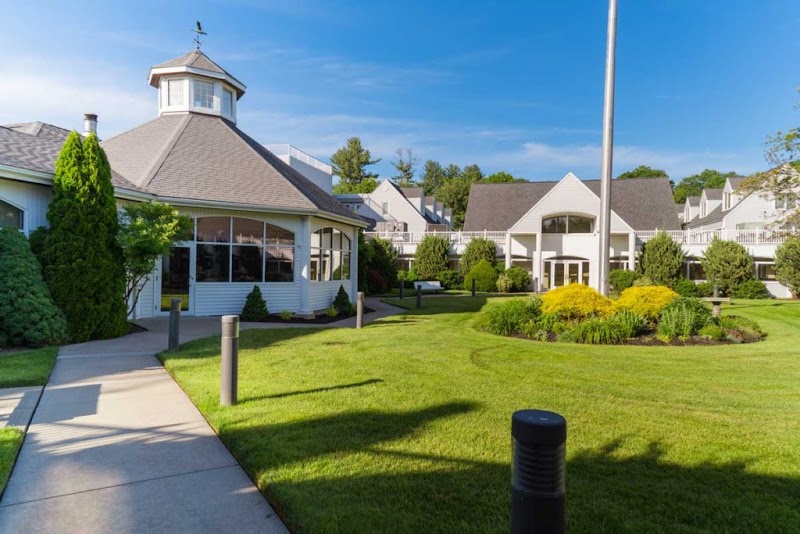
POMPERAUG WOODS HEALTH CENTER is owned by a non-profit organization. Non-profit facilities reinvest revenue into operations rather than distributing to shareholders. The facility operates independently rather than as part of a larger chain. With 37 certified beds and approximately 30 residents (about 81% occupancy), it is a smaller facility located in SOUTHBURY, Connecticut.

How Does Pomperaug Woods Compare to Other Connecticut Nursing Homes?

Compared to the 100 nursing homes in Connecticut, POMPERAUG WOODS HEALTH CENTER's overall rating (4 stars) is above the state average of 3.0, staff turnover (49%) is near the state average of 46%, and health inspection rating (3 stars) is at the national benchmark.

What Should Families Ask When Visiting Pomperaug Woods?

Based on this facility's data, families visiting should ask: "Can I visit during a mealtime to observe dining assistance and food quality?" "How do you handle medical emergencies, and what is your hospital transfer rate?" "Can I speak with family members of current residents about their experience?"

Is Pomperaug Woods Safe?

Based on CMS inspection data, POMPERAUG WOODS HEALTH CENTER has a clean safety record: no substantiated abuse findings (meaning no confirmed cases of resident harm), no Immediate Jeopardy citations (the most serious violation level indicating risk of serious injury or death), and is not on the Special Focus Facility watch list (a federal program monitoring the lowest-performing 1% of nursing homes). The facility has a 4-star overall rating and ranks #1 of 100 nursing homes in Connecticut. While no facility is perfect, families should still ask about staff-to-resident ratios and recent inspection results during their visit.

Do Nurses at Pomperaug Woods Stick Around?

POMPERAUG WOODS HEALTH CENTER has a staff turnover rate of 49%, which is about average for Connecticut nursing homes (state average: 46%). Moderate turnover is common in nursing homes, but families should still ask about staff tenure and how the facility maintains care continuity when employees leave.

Was Pomperaug Woods Ever Fined?

POMPERAUG WOODS HEALTH CENTER has been fined $20,872 across 2 penalty actions. This is below the Connecticut average of $33,288. While any fine indicates a compliance issue, fines under $50,000 are relatively common and typically reflect isolated problems that were subsequently corrected. Families should ask what specific issues led to these fines and confirm they've been resolved.

Is Pomperaug Woods on Any Federal Watch List?

POMPERAUG WOODS HEALTH CENTER is not on any federal watch list. The most significant is the Special Focus Facility (SFF) program, which identifies the bottom 1% of nursing homes nationally based on persistent, serious quality problems. Not being on this list means the facility has avoided the pattern of deficiencies that triggers enhanced federal oversight. This is a positive indicator, though families should still review the facility's inspection history directly.