SOUTHINGTON CARE CENTER

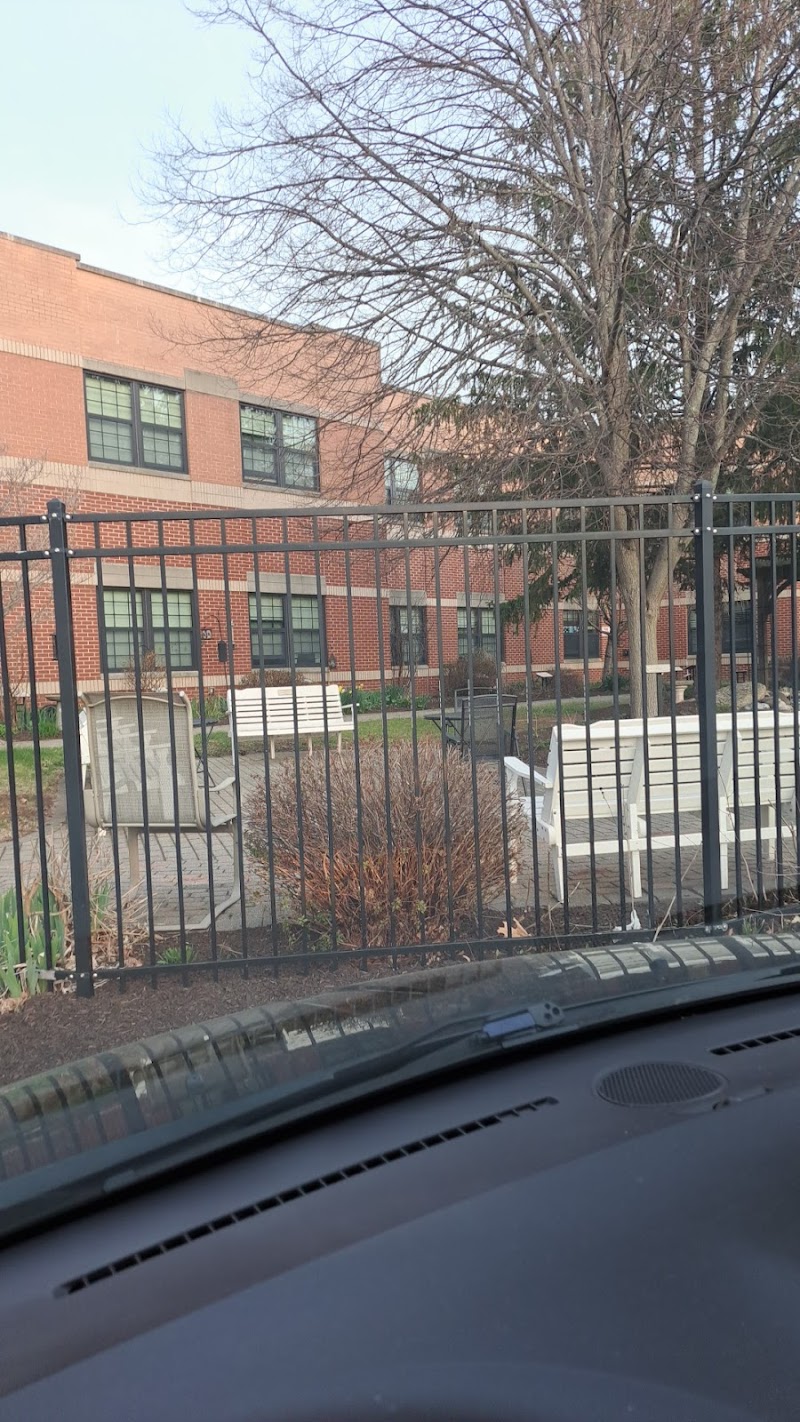
45 MERIDEN AVE, SOUTHINGTON, CT 06489 (860) 621-9559
Non profit - Corporation 130 Beds Independent Data: November 2025
Trust Grade
85/100
#40 of 192 in CT
Last Inspection: May 2024

Within standard 12-15 month inspection cycle. Federal law requires annual inspections.

Overview

Southington Care Center has a Trust Grade of B+, indicating it is above average and generally recommended for families considering care for their loved ones. Ranking #40 out of 192 facilities in Connecticut places it in the top half, while its #15 rank out of 64 in Capitol County means only one local facility is rated higher. However, the facility is experiencing a worsening trend, with issues increasing from 1 in 2021 to 4 in 2024. Staffing is a strong point, with a 5/5 star rating and a turnover rate of 36%, which is slightly below the state average, indicating stability among staff. Notably, the center has no fines, but there have been concerns about infection control practices, such as improperly storing bed pans and failing to implement necessary precautions for infection prevention, which could pose risks to residents. Overall, while the center has strengths in staffing and ratings, families should be aware of the recent increase in operational issues.

Trust Score
B+
85/100
In Connecticut
#40/192
Top 20%
Safety Record
Low Risk
No red flags
Inspections
Getting Worse
1 → 4 violations
Staff Stability
○ Average
36% turnover. Near Connecticut's 48% average. Typical for the industry.
Penalties
✓ Good
No fines on record. Clean compliance history, better than most Connecticut facilities.
Skilled Nurses
✓ Good
Each resident gets 56 minutes of Registered Nurse (RN) attention daily — more than average for Connecticut. RNs are trained to catch health problems early.
Violations
⚠ Watch
13 deficiencies on record. Higher than average. Multiple issues found across inspections.
★★★★★
5.0
Overall Rating
★★★★★
5.0
Staff Levels
★★★★☆
4.0
Care Quality
★★★★★
5.0
Inspection Score
Stable
2021: 1 issues
2024: 4 issues

The Good

  • 5-Star Staffing Rating · Excellent nurse staffing levels
  • 4-Star Quality Measures · Strong clinical quality outcomes
  • Full Sprinkler Coverage · Fire safety systems throughout facility
  • No fines on record
  • Staff turnover below average (36%)

    12 points below Connecticut average of 48%

Facility shows strength in staffing levels, quality measures, fire safety.

The Bad

Staff Turnover: 36%

Near Connecticut avg (46%)

Typical for the industry

The Ugly 13 deficiencies on record

May 2024 4 deficiencies
CONCERN (D)

Potential for Harm - no one hurt, but risky conditions existed

Notification of Changes (Tag F0580)

Could have caused harm · This affected 1 resident

**NOTE- TERMS IN BRACKETS HAVE BEEN EDITED TO PROTECT CONFIDENTIALITY** Based on the interviews, observations, facility policy, and record review for 1 of 1 sampled resident (Resident #27) reviewed fo...

Read full inspector narrative →
**NOTE- TERMS IN BRACKETS HAVE BEEN EDITED TO PROTECT CONFIDENTIALITY** Based on the interviews, observations, facility policy, and record review for 1 of 1 sampled resident (Resident #27) reviewed for edema, the facility failed to report a weight gain of 3 pounds or more in 24 hours as directed by the physician, and for one (1) of three (3) residents (Resident #626), reviewed for fluid restrictions, the facility failed to ensure the physician was notified when the resident exceeded the daily fluid restriction. The findings include: 1) Resident #27's diagnosis included congestive heart failure, dementia, and hypertension. Physician orders dated 10/6/23 through 5/2/24 directed to obtain a weight daily and to notify the physician with a 3 pound (lb) weight gain in 1 day or a 5 lb weight gain in 1 week. The quarterly Minimum Data Set assessment (MDS) dated [DATE] identified Resident #27 was moderately cognitively impaired and was dependent with personal hygiene, bathing and toileting. Additionally, the MDS identified Resident #27 required set up assist for oral hygiene and was independent with eating. The Resident Care Plan dated 1/10/24 indicated Resident #27 was at risk for cardiopulmonary compromise related congestive heart failure. Interventions included to monitor daily weights, report a weight gain of 3 lbs in 24 hours or 5 lbs in 1 week to the physician, vital signs daily, and monitor lung sounds every shift. Review of the Vital Reports identified Resident #27's weight on 3/10/24 was 150.4 lbs and on 3/12/24 Resident #27's weight was 158 lbs (a weight gain of 7.6 pounds in 2 days). Additionally Resident #27's weight was 148 lbs on 3/22/24 and on 3/24/24 Resident #27's weight was 157.6 (a weight gain of 9.6 lbs in 2 days). Resident #27's weight on 4/9/24 was 152 lbs and on 4/11/24 was 156.2 lbs (a weight gain of 4.2 pounds in 2 days). Additionally, the clinical record failed to identify the physician/APRN was notified of Resident #27's weight gain on 3/12/24, 3/24/24 and on 4/11/24. On 5/1/24 at 11:15 AM interview with RN #1 identified the Charge Nurse was responsible for making sure that daily weights were completed and for reporting the changes to the physician or APRN. RN #1 indicated being unsure as to the reason the weight gain was not reported to the physician or APRN, and that they should have been notified. On 5/2/24 at 11:23 AM interview with APRN #1 identified that if she was notified of the weight gain that the nurse's note would reflect that. APRN #1 reviewed the dates of 3/12/24, 3/24/24, and 4/11/24 and stated that she was not notified of Resident #27's weight gain of 3 pounds or more. She identified the expectation was for her to be notified and that a weight gain of 3 pounds or more could be an indication of heart failure. On 5/2/24 at 11:58 AM interview with RN #4 indicated that she was not working on the unit, and just entered the weight results in the clinical record to assist the other nurse on the unit. RN #4 identified that she did not report the weight gain to the physician or the APRN. On 5/2/24 at 12:03 PM interview with LPN #2 identified that she did not report the weight gain of 9.6 pounds from 3/24/24 to the physician or the APRN because she was unsure of the policy, and the physician order. Subsequent to this surveyor's inquiry daily weights were discontinued. The Weight Tracking Policy identified that residents with a diagnosis of congestive heart failure will be weighed daily or as ordered by the physician. Weights will be given to the nurse on the unit and documented in the electronic health record. If the resident has a weight gain of 3 pounds or more, the nurse will request a reweight to be completed immediately. A nursing note must be written to include the weight change and completion of updates to the physician/APRN and the registered dietician. Residents with a diagnosis of congestive heart failure and weight gain of 3 pounds or more are to notify the physician/APRN and the registered dietician immediately. 2) Resident #626 was with diagnoses that included acute diastolic heart failure, and chronic systolic heart failure. The quarterly MDS dated [DATE] identified Resident #626 had severely impaired cognition, was frequently incontinent of bowel, always incontinent of bladder, and was dependent with eating, toileting, personal hygiene, bed mobility, and dressing. A physician's order dated 2/16/2023 directed that Resident #626 had a fluid restriction of 1900 milliliters (ml) in 24 hours. The care plan dated 3/15/2023 identified Resident #626 at risk for alteration in fluid balance due to diagnosis of congestive heart failure with interventions directed that the resident was on a strict fluid restriction and to monitor daily intake and output. Review of Resident #626's oral intake records from 2/16/23 to 2/28/23 identified Resident #626 exceeded the daily fluid restriction of 1900 ml's 8 days out of the 12 days reviewed. Fluid intake on the 8 days ranged from 1955 ml's to 2680 ml's (between 55 and 780 ml's over the fluid restriction). Review of Resident #626's oral intake records from 3/1/23 to 3/31/23 identified Resident #626 exceeded the daily fluid restriction of 1900 ml's 23 days out of 31 days reviewed. Fluid intake on the 23 days ranged from 2090 ml's to 2945 ml's (between 190 and 1045 ml's over the fluid restriction). Review of Resident #626's oral intake records from 4/1/23 to 4/26/23 identified Resident #626 exceeded the daily fluid restriction of 1900 ml's 16 out of 26 days. Fluid intake on the 16 days ranged from 2055 ml's to 2679 ml's (between 155 and 779 ml's over the fluid restriction). Interview and clinical record review with the DNS on 5/9/2024 at 9:00 A.M. identified her expectation is that when a resident exceeds the daily fluid restriction the nurse would notify the APRN. Interview with APRN #1 on 5/9/2024 at 9:35 A.M. identified that she was not made aware when Resident # 626 had exceeded the daily fluid intake of 1900 ml's in 24 hours. APRN#1 identified her expectation is the nurse notifies her when a resident exceeds the daily fluid restriction. Review of facility congestive heart failure care pathway policy, in part, directed to monitor changes in intake and output and notify MD on any changes in condition.
CONCERN (D)

Potential for Harm - no one hurt, but risky conditions existed

Quality of Care (Tag F0684)

Could have caused harm · This affected 1 resident

**NOTE- TERMS IN BRACKETS HAVE BEEN EDITED TO PROTECT CONFIDENTIALITY** Based on the interviews, observations, facility policy, and record review for 1 of 1 sampled resident (Resident #27) reviewed fo...

Read full inspector narrative →
**NOTE- TERMS IN BRACKETS HAVE BEEN EDITED TO PROTECT CONFIDENTIALITY** Based on the interviews, observations, facility policy, and record review for 1 of 1 sampled resident (Resident #27) reviewed for edema, the facility failed to obtain daily weights as per physician orders. The findings include: Resident #27's diagnosis included congestive heart failure, dementia, and hypertension. Physician orders dated 10/6/23 through 5/2/24 directed to obtain a weight daily and to notify the physician with a 3 pound (lb) weight gain in 1 day or a 5 lb weight gain in 1 week. The quarterly Minimum Data Set assessment (MDS) dated [DATE] identified Resident #27 was moderately cognitively impaired and was dependent with personal hygiene, bathing and toileting. Additionally, the MDS identified Resident #27 required set up assist for oral hygiene and was independent with eating. The Resident Care Plan dated 1/10/24 indicated Resident #27 was at risk for cardiopulmonary compromise related congestive heart failure. Interventions included to monitor daily weights, report a weight gain of 3 lbs in 24 hours or 5 lbs in 1 week to the physician, vital signs daily, and monitor lung sounds every shift. Review of the Vital Reports weight record and Treatment Administration Record identified the following weights were missing: In November 2023, 8 days of 30, December 2023,13 days of 31, January 2024, 15 days of 31, February 2024,10 days of 29, March 2024, 9 days of 31, and in April 2024, 5 days of 30 were missing from the record for daily weights. On 5/1/24 at 11:15 AM an interview with RN #1 identified the Charge Nurse on the unit was responsible for making sure that daily weights were completed and for reporting the changes to the physician or APRN. RN #1 reviewed the weights and confirmed that daily weights had not been completed as ordered and she was unsure the reason weights were not completed. Subsequent to this surveyor's inquiry daily weights were discontinued. The Weight Tracking Policy identified that residents with a diagnosis of congestive heart failure will be weighed daily or as ordered by the physician. Weights will be given to the nurse on the unit and documented in the electronic health record. If the resident has a weight gain of 3 pounds or more, the nurse will request a reweight to be completed immediately. A nursing note must be written to include the weight change and completion of updates to the physician/APRN and the registered dietician. Residents with a diagnosis of congestive heart failure and weight gain of 3 pounds or more are to notify the physician/APRN and the registered dietician immediately.
CONCERN (E)

Potential for Harm - no one hurt, but risky conditions existed

Infection Control (Tag F0880)

Could have caused harm · This affected multiple residents

**NOTE- TERMS IN BRACKETS HAVE BEEN EDITED TO PROTECT CONFIDENTIALITY** Based on observations, review of the clinical record, facility policy, and interviews for 1 sampled resident (Resident #27) obse...

Read full inspector narrative →
**NOTE- TERMS IN BRACKETS HAVE BEEN EDITED TO PROTECT CONFIDENTIALITY** Based on observations, review of the clinical record, facility policy, and interviews for 1 sampled resident (Resident #27) observed on tour, the facility failed to properly store bed pans and for 6 of 6 residents (Resident #30, Resident #68, Resident #77, Resident #111, Resident #118, and Resident #675) reviewed for Infection Prevention, the facility failed to appropriately implement Enhanced Barrier Precautions (EBP) and The findings include: 1. Resident #27's diagnosis included congestive heart failure, dementia, and hypertension. The quarterly Minimum Data Set assessment (MDS) dated [DATE] identified Resident #27 was moderately cognitively impaired and was dependent with personal hygiene, bathing, transfers, toileting, required substantial maximal assist with oral hygiene and independent with eating. Observation on 4/29/24 at 3:18 PM identified a bed pan was noted to be uncovered, not labeled, on the floor, beside the toilet of Resident #27's bathroom. A second observation on 4/30/24 at 9:22 AM with RN #1 identified a bed pan was noted to be uncovered, not labeled, on the floor, beside the toilet of Resident #27's bathroom. Interview with RN #1 on 4/30/24 at 9:30 AM identified that bed pans should be in a paper sleeve, labeled, and not placed on the floor but stored in the resident's nightstand. She also stated that Resident #27 uses a bedpan with staff assistance. Review of the facilities policy for cleaning bedpans and urinals identified that bedpans are to be cleansed, dried, covered and placed in the resident's bedside cabinet. 2. Resident #30's diagnoses included dementia, benign prostatic hyperplasia (BPH) with foley catheter use, urinary retention, and Methicillin Resistant Staphylococcus Aureus infection (MRSA). The quarterly Minimum Data Set (MDS) assessment dated [DATE] identified Resident #30 was severely cognitively impaired and required substantial/maximal assistance with oral hygiene, was dependent with toileting hygiene and personal hygiene, and was independent with walking 10 feet. Additionally, the MDS identified that Resident #30 had an indwelling catheter. The Resident Care Plan (RCP) dated 1/23/24 identified Resident #30 had an indwelling urinary catheter related to obstructive uropathy and BPH. Interventions included documenting urinary output every shift, provide catheter care every shift and as needed, and to report signs/symptoms of a urinary tract infection. A physician's order dated 4/1/24 through 4/30/24 identified Resident #30 had an indwelling foley catheter. A physician's order dated 4/6/24 directed EBP (the physician's order failed to identify that EBP was initiated from 4/1/24 through 4/5/24 during which time Resident #30 had an indwelling foley catheter.) On 4/29/24 at 10:30 AM, tour of the unit failed to identify EBP were initiated as evident by Personal Protective Equipment (PPE) not being available outside Resident #30's room and failed to include signage at or outside of Resident #30's room that indicated Resident #30 was on EBP. 3. Resident #68's diagnoses included dementia, non-pressure chronic ulcer of buttock with fat layer exposed, pilonidal cyst without abscess, and nutritional deficiency. The quarterly MDS assessment dated [DATE] identified Resident #68 was severely cognitively impaired and required setup or clean-up assistance with eating and oral hygiene, substantial/maximal assistance with showering/bathing and personal hygiene, and supervision or touching assistance with walking. Additionally, the MDS identified that Resident #68 had an open lesion with treatments that included application of nonsurgical dressings and ointments/medications. The RCP dated 3/22/24 identified Resident #68 had fragile skin and was at risk for skin integrity alteration due to occasional incontinence of bladder and potential for friction and sheer. Additionally, the RCP identified that Resident #68 had a pilonidal cyst/open lesion to the coccyx. Interventions included treatment to wounds and impaired skin as ordered, to monitor healing, and to complete skin checks with care and as needed. A physician's order dated 4/1/24 through 4/30/24 identified Resident #68 had a wound to the coccyx. A physician's order dated 4/29/24 directed EBP (the physician's order failed to identify that EBP was initiated from 4/1/24 through 4/28/24 during which time Resident #68 had a wound). On 4/29/24 at 10:30 AM, tour of the unit failed to identify EBP were initiated as evident by PPE not being available outside Resident #68's room and failed to include signage at or outside of Resident #68's room that indicated Resident #68 was on EBP. 4. Resident #77's diagnoses included Fournier disease of the vagina and vulva, encounter for surgical aftercare following surgery on the skin and subcutaneous tissue, sepsis, and nutritional deficiency. The admission MDS assessment dated [DATE] identified Resident #77 was cognitively intact and required partial/moderate assistance with showering/bathing, was dependent with toileting hygiene, and required substantial/maximal assistance with walking 10 feet. Additionally, the MDS identified that Resident #77 had one or more unhealed pressure injuries, including one Stage 4 pressure ulcer and two Stage 1 pressure ulcers, and a surgical wound with treatments that included application of ointments/medications. The RCP dated 4/3/24 identified Resident #77 had a pressure ulcer/injury and a surgical wound status post incision and drainage of Fournier's gangrene. Interventions included checking the wound daily and as needed, observe for redness, drainage, new or increased pain, and poor healing, and surgical follow up as needed. A physician's order dated 4/1/24 through 4/30/24 identified that Resident #77 had a perianal wound. A physician's order dated 4/29/24 directed EBP (the physician's order failed to identify that EBP was initiated from 4/1/24 through 4/28/24 during which time Resident #77 had a wound). On 4/29/24 at 10:30 AM, tour of the unit failed to identify EBP were initiated as evident by PPE not being available outside Resident #77's room and failed to include signage at or outside of Resident #77's room that indicated Resident #77 was on EBP. 5. Resident #111's diagnoses included Type 2 diabetes mellitus, encounter for surgical aftercare following surgery on the skin and subcutaneous tissue, cellulitis of left lower limb, and nutritional deficiency. The admission MDS assessment dated [DATE] identified Resident #111 was moderately cognitively impaired and required substantial/maximal assistance with toileting hygiene, showering/bathing, and personal hygiene, and walking was not attempted due to medical condition or safety concerns. Additionally, the MDS identified Resident #111 had a surgical wound with treatments that included application of ointments/medications. The RCP dated 4/1/24 identified Resident #111 had a surgical wound to the left knee status post debridement of an infected wound. Interventions included checking the incision daily and as needed, observe for redness, drainage, new or increased pain, and poor healing, and surgical follow up as needed. A physician's order dated 4/1/24 through 4/30/24 identified Resident #111 had a left knee wound. A physician's order dated 4/29/24 directed EBP (the physician's order failed to identify that EBP was initiated from 4/1/24 through 4/28/24 during which time Resident #111 had a wound). 6. Resident #118's diagnoses included Type 2 diabetes mellitus, BPH with foley catheter use, urinary retention, and neuromuscular dysfunction of bladder. The admission MDS assessment dated [DATE] identified Resident #118 was severely cognitively impaired and required substantial/maximal assistance with toileting hygiene and showering/bathing, setup or clean-up assistance with personal hygiene, and partial/moderate assistance with walking 10 feet. Additionally, the MDS identified Resident #118 had an indwelling catheter. The RCP dated 2/5/24 identified Resident #118 had an indwelling urinary catheter, alteration in elimination, and a foley due to diagnosis of neurogenic bladder. Interventions included to offer and encourage fluids if not contraindicated, maintain tubing to straight drainage keeping drainage bag below level of the bladder, and foley care per protocol. A physician's order dated 4/1/24 through 4/30/24 identified Resident #118 had a foley catheter. A physician's order dated 4/29/24 directed EBP (the physician's order failed to identify that EBP was initiated from 4/1/24 through 4/28/24 during which time Resident #118 had a foley catheter). On 4/29/24 at 10:30 AM, tour of the unit failed to identify EBP were initiated as evident by PPE not being available outside Resident #118's room and failed to include signage at or outside of Resident #118's room that indicated Resident #118 was on EBP. 7. Resident #675's diagnoses included Stage 3 chronic kidney disease, neuromuscular dysfunction of the bladder with foley catheter use, urinary retention, and MRSA. The significant change MDS assessment dated [DATE] identified Resident #675 was moderately cognitively impaired and required substantial/maximal assistance with toileting hygiene, partial/moderate assistance with showering/bathing, setup or clean-up assistance with personal hygiene, and walking was not attempted due to medical condition or safety concerns. Additionally, the MDS identified that Resident #675 had an indwelling catheter. The RCP dated 4/12/24 identified Resident #675 had an alteration in elimination and a chronic foley due to neurogenic bladder. Interventions included to offer and encourage fluids if not contraindicated, maintain tubing to straight drainage keeping drainage bag below level of the bladder, and foley care per protocol. A physician's order dated 4/1/24 through 4/30/24 identified that Resident #675 had a foley catheter. A physician's order dated 4/29/24 directed EBP (the physician's order failed to identify that EBP was initiated from 4/1/24 through 4/28/24 during which time Resident #675 had a foley catheter). Interview with RN #5 (Infection Preventionist) on 5/1/24 at 2:39 PM identified that EBP was not initiated for all residents who required EBP on 4/1/24 (as required by the Centers for Medicare and Medicaid Services) because the facility needed to complete staff and family education, as well as wait on finalization of the facility's EBP policy. Review of the facility's in-service educations dated 2/28/24 and 3/5/24 identified that staff had received instruction on EBP with topics that included clear signage being posted on the door or wall outside of the resident's room which indicated the type of precautions, required PPE, and which high-contact resident care activities required the use of PPE. Additionally, RN #5 identified there does not need to be EBP signage on the resident's door, however there would be a physician's order. Review of the facility's EBP policy dated 8/24/22 directed, in part, that clear signage would be posted outside of the resident room indicating the type of precaution(s), required PPE, and which high-contact resident care activities required the use of PPE. Additionally, the EBP policy identified that an order for EBP would be obtained for residents with wounds and/or indwelling medical devices, such as indwelling urinary catheters.
MINOR (B)

Minor Issue - procedural, no safety impact

Assessment Accuracy (Tag F0641)

Minor procedural issue · This affected multiple residents

**NOTE- TERMS IN BRACKETS HAVE BEEN EDITED TO PROTECT CONFIDENTIALITY** Based on interviews, review of the clinical record, and facility documentation, for 1 of 3 residents (Resident #40) reviewed for...

Read full inspector narrative →
**NOTE- TERMS IN BRACKETS HAVE BEEN EDITED TO PROTECT CONFIDENTIALITY** Based on interviews, review of the clinical record, and facility documentation, for 1 of 3 residents (Resident #40) reviewed for Resident Assessments, the facility failed to ensure the comprehensive Minimum Data Set (MDS) assessment was accurately coded for PASRR (Preadmission Screening and Resident Review) Level II. Resident #40 was admitted to the facility on [DATE] with diagnoses that included schizoaffective disorder, major depressive disorder, and anxiety disorder. The PASRR Level I report dated 8/10/18 indicated that a PASRR Level II evaluation must be conducted. The PASRR Level II report dated 8/10/18 indicated that Resident #40's care needs were appropriate to be serviced in a nursing facility setting, although the resident had diagnoses of schizoaffective disorder, bipolar disorder, major depressive disorder, and anxiety disorder. The annual Minimum Data Set (MDS) assessment dated [DATE] identified Resident #40 was mildly cognitively impaired and required moderate assistance for bed mobility and transfers, and supervision with ambulation. Additionally, the MDS identified diagnoses of anxiety, depression, and schizophrenia but failed to identify Resident #40 was coded to reflect a Level II PASRR in Section A 1500. Interview and clinical record review with RN #2 (MDS Coordinator) on 5/1/24 at 12:36 PM failed to identify that Section A 1500 of the annual MDS dated [DATE], 8/17/20, 8/2/21, 7/21/22, and 6/17/23 were coded to reflect Resident #40's Level II PASRR status and therefore was not coded correctly. She reported that Resident #40 should have been coded as being evaluated for a Level II PASRR and having a serious mental illness and that she would correct the 6/17/23 MDS, but that it was too late to go back and correct the 6/24/19, 8/17/20, 8/2/21, 7/21/22 dates. She indicated the omissions were errors, and that MDS staff were responsible for answering questions A 1500 and A 1510 of the MDS. Subsequent to surveyor inquiry on 5/1/24, a correction to section A, questions 1500 and 1510 of the MDS was completed and submitted for the annual MDS dated [DATE], which identified Resident #40 as having a PASRR Level II status and indicating the PASRR conditions. Review of the Resident Assessment Instrument (RAI) Manual identified, in part, that if a PASRR Level II screening determined that the resident had a serious mental illness, question A 1500 should be coded as 1 (yes) and should be continued to question A 1510, Level II PASRR Conditions.
Oct 2021 1 deficiency
CONCERN (E)

Potential for Harm - no one hurt, but risky conditions existed

Respiratory Care (Tag F0695)

Could have caused harm · This affected multiple residents

**NOTE- TERMS IN BRACKETS HAVE BEEN EDITED TO PROTECT CONFIDENTIALITY** Based on observations, review of the clinical record, review of facility policy, and interviews for 3 of 3 sampled residents (Re...

Read full inspector narrative →
**NOTE- TERMS IN BRACKETS HAVE BEEN EDITED TO PROTECT CONFIDENTIALITY** Based on observations, review of the clinical record, review of facility policy, and interviews for 3 of 3 sampled residents (Resident #57, #91 and #255) reviewed for respiratory care, the facility failed to ensure acceptable infection control practices were implemented regarding care of oxygen tubing, nasal cannulas, and a respiratory mouthpiece. The findings include: 1. Resident #57's diagnoses included infection of stoma of urinary tract, pneumonia, sick sinus syndrome, arteriosclerotic heart disease, chronic respiratory failure with hypoxia, atrial fibrillation and muscle weakness. A physician's order dated 8/3/21 directed to provide oxygen 2 liters via nasal cannula, titrate to keep oxygen saturation at 90% or higher every, monitor every shift as needed. The quarterly MDS assessment dated [DATE] identified Resident #57 had severe cognitive impairment, required extensive assistance with bed mobility, dressing, toileting personal hygiene and was totally dependent for transfers. The care plan dated 9/8/21 identified Resident #57 was at risk for chest pain with interventions that included; provide activities as tolerated, administer meds as ordered, observe for chest pain, neck pain, arm pain, angina, pallor, diaphoresis, update MD/APRN. Observation on 10/4/21 at 11:00 AM identified Resident #57 seated in a wheelchair in his/her room. The oxygen tubing and nasal cannula were on the floor beside the resident's bed and the tubing was neither labeled nor dated. Observation on 10/5/21 at 8:30 AM identified Resident #57's oxygen tubing and nasal cannula laying on the bedside table without the benefit of being contained in a bag or a date on the oxygen tubing. Observation on 10/6/21 at 10:05 AM with RN #2 identified Resident #57 was out of bed and did not have oxygen in place. The oxygen tubing and cannula was located on the resident's bedside table, was not contained in a bag, nor was it dated or labelled. Interview on 10/6/21 at 10:09 AM with RN #2 identified that according to the facility's policy, oxygen tubing should be changed and dated weekly by the night staff. RN #2 further identified that when the nasal cannula is not in use, it should be contained in a bag. Interview on 10/6/21 at 10:13 AM with the DNS identified that that the facility's policy notes that the oxygen tubing should be changed every Wednesday on the night shift. The tubing should be labeled and dated when changed and the nasal cannula should be contained in a bag when not in use by the resident. Review of facility's Oxygen Administration policy identified; change oxygen tubing, per MD order or weekly on Wednesday during the 11:00 PM to 7:00 AM shift and as needed. The policy further noted that the tubing should be dated and labeled and contained in a plastic bag when not in use. 2. Resident #91 had diagnosis of chronic obstructive pulmonary disease (COPD). A physician's order dated 6/10/21 directed to provide oxygen at 3 liters via nasal cannula on a continuous basis. A physician's order dated 7/17/21 directed to change, date and label the oxygen tubing and nasal cannula every Wednesday on the night shift. The quarterly MDS assessment dated [DATE] identified Resident #91 was cognitively intact, required extensive assistance with bed mobility, transfers, dressing, toileting and personal hygiene. The care plan dated 9/16/21 identified Resident #91 was at risk for chest pain related to diagnosis of COPD with interventions that included; alternate rest with activity, check oxygen saturation every shift and as needed, oxygen as ordered, observe for chest pain, shortness of breath and fatigue. Observations on 10/4/21 at 10:30 AM and on 10/5/21 at 8:45 AM identified Resident #91 receiving oxygen via nasal cannula and the oxygen tubing was neither dated nor labeled. Observation on 10/6/21 at 10:08 AM with RN #2 identified Resident #91 had the nasal cannula in place without the benefit of the oxygen tubing being dated or labeled. Interview on 10/6/21 at 10:09 AM with RN #2 identified that according to the facility's policy, oxygen tubing should be changed and dated weekly by the night staff. Interview on 10/6/21 at 10:13 AM with the DNS identified that that the facility's policy notes that the oxygen tubing should be changed every Wednesday on the night shift. The tubing should be labeled and dated when changed and the nasal cannula should be contained in a bag when not in use by the resident. Review of facility's Oxygen Administration policy identified; change oxygen tubing, per MD order or weekly on Wednesday during the 11:00 PM to 7:00 AM shift and as needed. The policy further noted that the tubing should be dated and labeled and contained in a plastic bag when not in use. 3. Resident #255's diagnoses included senile degeneration of the brain, dementia without behavioral disturbances, arteriosclerotic heart disease, epilepsy, aneurysm of unspecified artery and dependence on supplemental oxygen. A physician's order dated 9/29/21 directed to administer Ipratropium-Albuterol (used to treat lung diseases) 0.5-3 mg via nebulizer every 6 hours as needed for congestion/cough. The admission MDS assessment dated [DATE] identified Resident #255 was severely cognitively impaired, required supervision for bed mobility, transfers, ambulation and toileting, required extensive assistance with dressing and personal hygiene. In addition, the assessment identified Resident #255 was under hospice care. out Observations on 10/4/21 at 11:05 AM and 10/5/21 at 8:50 AM identified Resident #255's nebulizer mask and tubing was laying on the bedside table without the benefit of being contained, labeled or dated. Observation on 10/6/21 at 10:02 AM with RN #2 identified Resident #255's nebulizer mask on the bedside table without being contained/covered; additionally, the nebulizer tubing was not dated and/or labeled Interview on 10/6/21 at 10:09 AM with RN #2 identified that the facility policy is for nebulizer tubing to be dated weekly by the night staff. RN #2 further identified that when the nebulizer mask is not in use, it should be kept in a bag. Additionally, RN #2 identified that she could not provide a reason for the lack of being in a bag or without a date and label on tubing. Interview on 10/6/21 at 10:13 AM with the DNS identified that the facility policy is for nebulizer tubing should be changed, labeled and dated once a week on Wednesday on the night shift. The DNS further identified that the nebulizer mask should be in a bag when not in use by the resident. Review of the facility's nebulizer policy directed: Clean after each use, wash hands before handling equipment, disassemble parts after every treatment, rinse the nebulizer cup and mouthpiece with water, shake off excess water, air dry on an absorbent towel. The policy further identified that once completely dry, store the nebulizer cup and mouthpiece in a zip lock bag, change nebulizer tubing per MD order or weekly on Wednesdays (11:00 PM to 7:00 AM shift) and as needed and apply a label with date and time on the tubing.
Apr 2019 8 deficiencies
CONCERN (D)

Potential for Harm - no one hurt, but risky conditions existed

Deficiency F0554 (Tag F0554)

Could have caused harm · This affected 1 resident

**NOTE- TERMS IN BRACKETS HAVE BEEN EDITED TO PROTECT CONFIDENTIALITY** Based on observation, clinical record review, review of facility policy and interviews for 1 of 5 sampled residents reviewed for...

Read full inspector narrative →
**NOTE- TERMS IN BRACKETS HAVE BEEN EDITED TO PROTECT CONFIDENTIALITY** Based on observation, clinical record review, review of facility policy and interviews for 1 of 5 sampled residents reviewed for accidents (Resident #112), the facility failed to assess Resident #112 for self-administration of medications. The findings include: Resident #112 was admitted to the facility on [DATE] with diagnoses that included a fracture of the left arm, muscle weakness, and glaucoma. A physician order dated 1/22/19 directed to administer one drop of Cosopt drops to each eye twice a day. The 14-day Minimum Data Set assessment dated [DATE] identified Resident #112 had no cognitive impairment and required extensive assistance of one person for dressing and personal hygiene. Observation on 4/8/19 at 11:50 AM with Registered Nurse (RN) #6 identified Dorzolamide HCL-Timolol (Cosopt) eye drops not secured and located on Resident #112's bedside table. Interview with Resident #112 on 4/8/19 at 11:50 AM identified the eye drops are on the bedside table because Resident #112 likes to self-administer his/her eye drops at a time that was convenient for him/her. Interview with Registered Nurse (RN) #6 on 4/8/19 at 11:55 AM identified he/she had left the eye drops on Resident #112's bedside table at 8:30 AM on 4/8/19 because Resident #112 liked to administer eye drops to himself/herself. RN #6 further identified Resident #112 had not been assessed to self-administer eye drops. A review of the clinical record failed to identify that Resident #112 had been assessed to self-administer medications. A review of the facility's self-administration of medication policy identified residents should be assessed to determine whether self-administration of medications is safe and clinically appropriate.
CONCERN (D)

Potential for Harm - no one hurt, but risky conditions existed

Deficiency F0578 (Tag F0578)

Could have caused harm · This affected 1 resident

**NOTE- TERMS IN BRACKETS HAVE BEEN EDITED TO PROTECT CONFIDENTIALITY** Based on observation, interview, review of the clinical record and facility policies for 2 of 4 sampled residents reviewed for a...

Read full inspector narrative →
**NOTE- TERMS IN BRACKETS HAVE BEEN EDITED TO PROTECT CONFIDENTIALITY** Based on observation, interview, review of the clinical record and facility policies for 2 of 4 sampled residents reviewed for advanced directives (Resident #30 and Resident #51), the facility failed to ensure the advanced directives were comprehensive and addressed in a timely manner and/or with the resident's representative. The findings include: 1. Resident # 30 was admitted to the facility on [DATE] with diagnoses that included vascular dementia, atherosclerotic heart disease and hypothyroidism. The faciliy CPR/DNR Discussion form dated [DATE] and signed by Resident #30 identified a code status of Do Not Resuscitate (DNR). A notation noted on [DATE] the Power Of Attorney (POA) needs to sign the CPR/DNR form because Resident #30 was confused at times. (A Durable Power of Attorney form dated [DATE] and signed by Resident #30 directed medical decisions to be made by Person #4 in the event she/he was no longer able to). A physician order dated [DATE] directed a Do Not Resuscitate (DNR) code status for Resident #30. A physician's progress note dated [DATE] identified Resident #30 was admitted to the facility with memory loss secondary to vascular dementia, was oriented times 1 (meaning oriented to time only), had poor short term memory and had a DNR code status. The admission Minimum Data Set (MDS) assessment dated [DATE] identified Resident #30 was severely cognitively impaired and required extensive assistance of one person with personal care. An interview with RN #5 on [DATE] at 4:26 PM identified that according to policy, nursing can transfer information from the admitting Interagency Referral Form (W10) to determine the code status of a newly admitted resident. However, if cognitively impaired, Resident #30 should not have signed the advanced directive and the advanced directive should have been signed by the responsible party. An interview on [DATE] at 9:02 AM with the DNS identified that nursing can transfer information from the admitting W10 to determine the code status of a newly admitted resident. However, if the resident was cognitively impaired, the responsible party should have signed the advanced directive. The policy for Advanced Directives directed the code status be reviewed upon admission if possible. When a new admission has a DNR order on the Interagency Referral Form (W10) or has a Do Not Transfer Form, the admission nurse would review the order immediately with the attending physician via telephone and or fax and carry out the DNR order. If the resident was determined to be incompetent, the admitting nurse would notify the family, responsible party and assigned social worker that the resident would remain a cardio pulmonary resuscitation (CPR) status until the family can sign the paperwork. If the decision was to elect DNR, the attending physician would determine if the resident is capable of making his/her own decision. The facility failed to ensure advanced directives were discussed with Person #4 and obtain Person #4's signature on the CPR/DNR discussion form in lieu of Resident #112 who was not cognitively intact to sign for him/herself. 2. Resident #51 was admitted to the facility on [DATE] with diagnoses that included dementia, congestive heart failure, and chronic obstructive pulmonary disease. The annual Minimum Data Set (MDS) assessment dated [DATE] identified Resident # 51 was severely cognitively impaired and required extensive assist of 2 staff members for bed mobility, dressing, toilet use and personal hygiene. The Resident Care Plan (RCP) dated [DATE] identified a code status as a Do Not Resuscitate (DNR). Interventions included to discuss, review code status with patient and/or responsible party, inform appropriate staff about advance directives and code status, respect, honor, and follow resident's end of life decisions. A physician order dated [DATE] directed a DNR. Interview with Licensed Practical Nurse (LPN) #4 on [DATE] at 10:30 AM identified that Resident #51's physician order directed that Resident #51 was a DNR. Observation with LPN #4 on [DATE] at 10:30 AM identified that Resident #51's identification (ID) band failed to identify a code staus. Additionally, LPN #4 identified that the lack of a code status on Resident #51's ID band indicated that Resident #51 was a full code and would receive CardioPulmonaryRescusitation despite the physician order for DNR. Interview with the DNS on [DATE] at 9:00 AM identified that all residents should have an ID bracelet and that residents that are DNR's will have it marked on their ID bracelet. Review of the facility's resident identification policy identified that the residents who are DNRs will have it marked in red on their ID bracelet.
CONCERN (D)

Potential for Harm - no one hurt, but risky conditions existed

Pressure Ulcer Prevention (Tag F0686)

Could have caused harm · This affected 1 resident

**NOTE- TERMS IN BRACKETS HAVE BEEN EDITED TO PROTECT CONFIDENTIALITY** Based on observation, review of the clinical record and interviews for 1 of 3 sampled residents reviewed for pressure ulcers (Re...

Read full inspector narrative →
**NOTE- TERMS IN BRACKETS HAVE BEEN EDITED TO PROTECT CONFIDENTIALITY** Based on observation, review of the clinical record and interviews for 1 of 3 sampled residents reviewed for pressure ulcers (Resident #118), the facility failed to follow physician orders for offloading heels. The findings include: Resident #118 was admitted to the facility on [DATE] with diagnoses that included displaced intertrochanteric fracture of the left femur, diabetes mellitus II and dementia without behavioral disturbance. The admission nurses note dated 3/21/19 at 2:30 PM identified Resident #118 was admitted to the facility status post left hip fracture repair with 2 incisions. The nurses note further identified Resident #118 was noted with a deep tissue injury to the left heel. The physician's order dated 3/21/19 identified to keep left heel elevated off of the bed at all times, cleanse the left lateral heel Suspected Deep Tissue Injury (SDIT) with saline, followed by medi-honey, foam dressing, every three days and check heel dressing every shift. The care plan dated 3/22/19 identified Resident #118 had fragile skin with a left heel pressure ulcer. Interventions included to assess nutritional needs, dry skin well after bathing, encourage out of bed and position changes, and keep pressure off of heels.` The admission Minimum Data Set assessment dated [DATE] identified Resident #118 was severely cognitively impaired, required extensive assistance of two with bed mobility, transfers, personal care and had at least one unhealed pressure ulcer. The Braden Risk Scale dated 4/4/19 noted a score of 18 indicating Resident #118 was at risk for the development of pressure ulcers. An observation on 4/8/19 at 10:30 AM with Licensed Practical Nurse (LPN) #3 identified Resident #118 heels were laying directly on the mattress without the benefit of elevation with any assistive device. An interview 4/8/19 at 10:30 AM with LPN #3 identified Resident # 118 may not have had heels elevated due to position changes during mealtime. LPN #3 indicated Resident # 118's heels should have been elevated off the bed. An interview on 4/9/19 at 1:00 PM with Registered Nurse (RN) #3 identified Resident #118's heels should have been elevated according to physician's orders after finishing breakfast and being re-positioned.
CONCERN (D)

Potential for Harm - no one hurt, but risky conditions existed

Accident Prevention (Tag F0689)

Could have caused harm · This affected 1 resident

**NOTE- TERMS IN BRACKETS HAVE BEEN EDITED TO PROTECT CONFIDENTIALITY** Based on clinical record review and interview for 1 of 4 sampled residents reviewed for accidents (Resident#71), the facility fa...

Read full inspector narrative →
**NOTE- TERMS IN BRACKETS HAVE BEEN EDITED TO PROTECT CONFIDENTIALITY** Based on clinical record review and interview for 1 of 4 sampled residents reviewed for accidents (Resident#71), the facility failed to provide supervision to prevent an accident. The findings include: Resident #71's diagnoses include Parkinson's disease and dementia. The resident care plan dated 11/21/18 identified a problem with being at risk for falls secondary to diagnosis of Parkinson's disease, use of psychoactive medications and history of falls at home. Interventions included to ensure proper positioning in bed and chair and to utilize a gait belt with transfers and ambulation. The resident profile, (CNA care card) dated 11/21/18 also directed assistance of one staff with rolling walker and gait belt with toileting and gait belt at all times. A quarterly Minimum Data Set assessment dated [DATE] identified moderate impairment in decision making; requiring extensive assistance of two staff for bed mobility, transfer, dressing and personal hygiene; balance not steady, only able to stabilize with staff assistance during transitions and walking; and three falls since the last assessment. A fall assessment dated [DATE] identified a score of 20, indicating a high fall risk. A Reportable Event (RE) form dated 3/30/19 at 4:25 AM indicated Resident #71 was noted on the bathroom floor in the sitting position next to the toilet. Additionally, the RE form identified the Nurse Aide (NA) witnessed Resident #71 losing his/her balance but was unable to catch the resident in time. Resident #71 did not sustain an injury. The NA follow-up investigation dated 3/30/19 indicated Resident #71 rang to go to the bathroom, was assisted to the bathroom, was about to pull his/her undergarments down and lost his/her balance. The investigation further indicated Resident #71 had a history of Parkinson's disease and his/her legs become weak. Interview with NA #5 on 4/10/19 at 2:28 PM indicated he/she assisted Resident #71 to the bathroom, pulled down Resident #71's undergarments, and Resident #71 was in the squatting/almost sitting position when NA #5 went to shut off the call light that was by the bed located outside of the bathroom. NA #5 then saw the resident leaning, tried to catch the resident but was unable to do so before the resident fell. NA #5 further indicated that he/she was never told to use a gait belt or to stay with the resident in the bathroom. Interview and review of the facility documentation with the DNS on 4/11/19 at 10:40 AM indicated NA #5 should have ensured Resident #71 was sitting on the toilet, the resident should not have been left alone in the bathroom and a gait belt should have been utilized. The facility gait belt policy indicates caregivers will use gait belts when transferring or ambulating patients/residents who are unsafe to do so independently. The facility fall prevention protocol indicates high fall risk residents will be monitored, nursing will implement appropriate fall prevention strategies and NA assignments will be updated and implemented strategies communicated with the staff.
CONCERN (D)

Potential for Harm - no one hurt, but risky conditions existed

Deficiency F0761 (Tag F0761)

Could have caused harm · This affected 1 resident

**NOTE- TERMS IN BRACKETS HAVE BEEN EDITED TO PROTECT CONFIDENTIALITY** Based on observation, clinical record review, review of facility policy and interviews for 1 of 4 residents reviewed for acciden...

Read full inspector narrative →
**NOTE- TERMS IN BRACKETS HAVE BEEN EDITED TO PROTECT CONFIDENTIALITY** Based on observation, clinical record review, review of facility policy and interviews for 1 of 4 residents reviewed for accidents (Resident #112), the facility failed store medications in accordance with facility policy: Resident #112 was admitted to the facility on [DATE] with diagnoses that included a fracture of the left arm, muscle weakness and glaucoma. A physician order dated 1/22/19 directed to administer one drop of Cosopt drops to each eye twice a day. The 14-day scheduled minimum data set assessment dated [DATE] identified Resident #112 had no cognitive impairment and required extensive assistance of one person for dressing and personal hygiene. Observation on 4/8/19 at 11:50 AM identified Dorzolamide HCL-Timolol (Cosopt) eye drops on Resident #112's bedside table. Interview with Resident #112 on 4/8/19 at 11:50 AM identified the eye drops were on the bedside table because he/she likes to self-administer his/her eye drops at a time that is convenient for him/her. Interview with Registered Nurse #6 on 4/8/19 at 11:55 AM identified he/she had left the eye drops on Resident #112's bedside table at 8:30 AM on 4/8/19 because Resident #112 likes to administer eye drops to himself/herself. A review of the facility's medication storage policy identified all medications are securely stored in a locked cabinet/cart or locked medication room that is inaccessible by residents and visitors.
CONCERN (D)

Potential for Harm - no one hurt, but risky conditions existed

Deficiency F0808 (Tag F0808)

Could have caused harm · This affected 1 resident

**NOTE- TERMS IN BRACKETS HAVE BEEN EDITED TO PROTECT CONFIDENTIALITY** Based on observation, review of the clinical record, facility policy, and interviews for 1 of 5 residents reviewed for dining (R...

Read full inspector narrative →
**NOTE- TERMS IN BRACKETS HAVE BEEN EDITED TO PROTECT CONFIDENTIALITY** Based on observation, review of the clinical record, facility policy, and interviews for 1 of 5 residents reviewed for dining (Resident #4), the facility failed to ensure the physician's diet order was clearly defined for a resident receiving a therapeutic diet. The findings include: Resident #4 was admitted to the facility on [DATE] with diagnoses that included unspecified dementia without behavioral disturbances, chronic atrial fibrillation, and primary hypertension. A speech therapy screen dated 7/25/17 identified Resident #4 was placed on a soft diet with pureed meats. Resident #4 was tolerating the diet without difficulty and showing no overt signs of swallowing difficulty warranting further evaluation. The physician's order dated 12/7/17 through 4/10/19 directed a soft, puree meat/vegetable; no mushrooms; no big pieces of vegetables; give cranberry juice diluted with water and a little added sugar (dislikes plain water). The care plan dated 1/3/19 identified an alteration in nutrition with interventions that included the provision of a low sodium diet,soft; pureed meats; no mushrooms; no big pieces of vegetables. A nutritional assessment dated [DATE] identified Resident #4 was receiving a mechanically altered diet described as soft, pureed meats; no mushrooms; no big pieces of vegetables; give cranberry juice diluted with water with a little added sugar (dislikes plain water). Resident #'4's weight was noted to be stable. The quarterly Minimum Data Set (MDS) assessment dated [DATE] identified Resident #4 was severely cognitively impaired and required supervised set up with eating and extensive assist of two with personal care. An observation on 4/10/19 at 12:15 PM identified Resident #4 in dining room being wheeled out by Licensed Practical Nurse (LPN) #5 while experiencing a significant coughing episode during mealtime. Resident #4's meal tray had a small scoop of brown tan pureed meat, with coin sized cooked carrots (2) and partial bits of coin sized carrots on the plate, a small amount of mashed potatoes covered in a gravy. The meal ticket noted Resident #4 was to receive a regular diet, soft consistency. Special instruction on the meal ticket identified PUREE meat/veg, no mushrooms, no big pieces of veggies. A nursing progress note dated 4/10/19 at 2:36 PM identified Resident #4 was coughing and vomiting at lunch and was removed from the dining room where he/she continued to cough up thick mucus and undigested food: vital signs were obtained that included a pulse oximetry of 97% on room air. The nursing progress notes further identified Resident #4 was noted to have continued with a productive cough. The Advanced Practice Registered Nurse (APRN) was notified that Resident #4 had a lowered pulse oximetry of 88-90%. Oxygen was applied at 2 liters a minute by nasal cannula with improved oxygenation of 93-96%. Resident #4's family was notified and Resident #4 was sent to the emergency room (ER) for further evaluation at 2:24 PM by ambulance accompanied by two attendants and family member. An APRN progress note dated 4/10/19 noted Resident #4 was evaluated following nurse reports of an episode of coughing during lunch followed by a productive cough with thick mucous and undigested food followed by hypoxia. Oxygen was applied with normalization of oxygenation and resident presented with no associated fever. APRN further identified labored breathing with abnormal lung sounds following a coughing episode. The plan was discussed with the medical director and family who was present upon Resident #4's transfer to the ER for further acute evaluation. Resident #4 was subsequently admitted to the hospital with aspiration pneumonia. An interview on 4/10/19 at 12:20 PM with Registered Nurse (RN) #3 identified the food servers were to verify the consistency of the diet and the Nursing Assistants (NA's) were to double check before serving to the residents. An interview on 4/10/19 at 12:26 PM with NA #7 identified she provided the meal tray but specially questioned whether or not Resident #4 could receive coin sized cooked carrots. NA #7 indicated Dietary Aide (DA) #1 confirmed Resident #4 could receive coin sized cooked carrots. An interview on 4/10/19 at 12:34 PM with DA #1 identified he/she did serve the coin sized cooked carrots to Resident #4 and further identified that he/she always checks with the Head [NAME] to ensure the cooked carrots were to be permitted on the soft diet. An interview on 4/10/19 at 12:42 PM with the Head [NAME] identified the coin sized carrots were permissible for Resident #4 even though his/her meal card indicated pureed vegetable adding carrots were a soft vegetable unlike corn which was not permissible for Resident #4. An interview on 4/10/19 at 2:03 PM with the Speech Therapist (SLP) #1 identified Resident #4 was screened shortly after admission in 2017 when he/she was placed on a soft diet, The diet was changed shortly after by the Dietician after a conversation with Resident # 4's daughter of which the Speech Therapist was not a part of. SLT #1 further identified that she had not received any reports that Resident #4 had any swallowing difficulties. Additionally, SLP #1 identified that the diet was recommended due to age, dentation and cognition and that Resident #4 did not have any swallowing difficulties. According to SLP #1, Resident #4 should not have had the coin sized cooked carrots and that the soft diet allows for soft starches such a soft sandwiches and pancakes for quality of life experiences. An interview on 4/10/19 at 2:09 PM with the Food Service Director (FSD) identified Resident #4 should not have had the coin sized carrots and that the soft diet allows for soft starches such a soft sandwiches and pancakes adding dietary servers plate according to the information the NA's provide. An interview and record review on 4/10/19 at 2:19PM with the Dietician identified that while her assessment provided the diet information, the information was not consisitent with the physician's orders and/or meal ticket and/or care plan and/or Speech Therapist's recommendations. The facility failed to ensure the meal ticket was clear and consistent with physician's orders and/or care plan and or Speech Therapist's recommendations in order to ensure the correct diet was provided to the resident. The policy for Resident Meal Assembly and Delivery directed a meal ticket would be utilized to include the resident's name, room number, diet, allergies and other relevant information such as adaptive eating equipment or individual preferences. The NA is to retrieve the ticket, review, and request the meal as listed to the server. The server is to plate the food as requested and the NA is to serve the meal to the resident.
CONCERN (E)

Potential for Harm - no one hurt, but risky conditions existed

Infection Control (Tag F0880)

Could have caused harm · This affected multiple residents

**NOTE- TERMS IN BRACKETS HAVE BEEN EDITED TO PROTECT CONFIDENTIALITY** Based on observation, review of the clinical record, facility policy, and interviews for 1 resident reviewed for respiratory car...

Read full inspector narrative →
**NOTE- TERMS IN BRACKETS HAVE BEEN EDITED TO PROTECT CONFIDENTIALITY** Based on observation, review of the clinical record, facility policy, and interviews for 1 resident reviewed for respiratory care (Resident #8), the facility failed to ensure infection control practices were followed when storing respiratory equipment and/or review of the Infection Control Program, failed to ensure a resident Line List was completed in it's entirety for 2 facility outbreaks The findings include: 1. Resident #8 was admitted to the facility on [DATE] with diagnoses that included dementia, atherosclerotic heart disease and hypertension. The quarterly Minimum Data Set (MDS) assessment dated [DATE] identified Resident #8 was severely cognitively impaired and required extensive assist of one person with personal care. The care plan dated 4/7/19 identified Resident #8 had an upper respiratory infection with interventions that included to administration of medications as ordered. The physician's orders dated 4/8/19 directed Ipratropium-Albuterol solution for nebulization; 0.5milligrams (mg)-3mg (2.5mg base)/3milliliter by inhalation four times daily. An observation on 4/8/19 at 10:47 AM identified a nebulizer mask was placed on top of the nebulizer machine without the benefit of a storage bag. An interview on 4/8/19 at 10: 47 AM with Licensed Practical Nurse #3 identified the nebulizer mask should have been stored in a plastic bag. The policy for oxygen equipment storage directed all nebulizer tubing be stored in plastic when not in use. 2. On 4/10/19 at 3:06 PM, an interview with Infection Control Nurse (ICN) #1 identified that although he/she no longer was employeed at the facility, he/she was the prior ICN. Review of the facility outbreak documentation with ICN #1 at that time identified on 2/2/19 and on 2/13/19 a Norovirus outbreak occured within the facility. The facility Outbreak Line List was reviewed and noted to be incomplete and missing data for the 2/2/19 and 2/13/19 outbreaks. Interview with ICN #1 at that time identified that the Line List was located at the Nurses Station, and the Charge Nurse was responsible to complete for residents that were symptomatic. ICN #1 further identified that he/she was responsible to review the Line List to ensure completeness but could not identify the reason he/she did not identify the Line List was not complete.
MINOR (B)

Minor Issue - procedural, no safety impact

Deficiency F0883 (Tag F0883)

Minor procedural issue · This affected multiple residents

**NOTE- TERMS IN BRACKETS HAVE BEEN EDITED TO PROTECT CONFIDENTIALITY** Based on observation, review of the clinical record, facility documentation, facility policy, and interviews for 3 of 5 sampled ...

Read full inspector narrative →
**NOTE- TERMS IN BRACKETS HAVE BEEN EDITED TO PROTECT CONFIDENTIALITY** Based on observation, review of the clinical record, facility documentation, facility policy, and interviews for 3 of 5 sampled residents reviewed for Influenza immunization (Resident #3, Resident #8 and Resident #83), the facility failed to ensure that education was provided to the resident and/or resident's representative prior to administering the influenza vaccine. The findings include: 1. Resident #3 was admitted to the facility on [DATE]. Resident #3's face sheet identified that he/she was not responsible for him/herself. An Influenza Vaccine Consent and Education Form dated 11/9/15 was signed by Resident #3 (although Resident # was not responsible for him/herself) giving consent to administer the influenza vaccine annually. Physician's order dated 10/11/18 directed Fluzone High dose 180 mcg/0.5ml, administer 0.5 mg intramuscular one time. Medication Administration Record dated 10/11/18 identified Resident #3 received Fluzone into the left deltoid. 2. Resident #8 was admitted to the facility on [DATE]. Resident #8's face sheet identified that he/she was not responsible for him/herself. An Influenza Vaccine Consent and Education Form dated 9/28/15 was signed by Resident #8 (although Resident #8 was not responsible for him/herself) giving consent to administer the influenza vaccine annually. Physician's order dated 10/9/18 directed Fluzone High dose 180 mcg/0.5ml, administer 0.5 mg intramuscular one time. Medication Administration Record dated 10/9/18 identified Resident #8 received Fluzone into the right arm. 3. Resident #83 was admitted to the facility on [DATE]. Resident #83's face sheet identified that he/she was not responsible for him/herself. A Resident Vaccine Consent form dated 9/18/18 was signed by Resident #83 (although Resident #83 was not responsible for him/herself) giving consent to administer the influenza vaccine annually. Physician's order dated 10/10/18 directed Fluzone High dose 180 mcg/0.5ml, administer 0.5 mg intramuscular one time. Medication Administration Record dated 10/10/18 identified Resident #83 received Fluzone into the left arm. Interview with Infection Control Nurse (ICN) #1 on 4/10/19 at 3:06 PM identified that education regarding the influenza vaccine is only provided to resident's and/or resident's representative and consent obtained, once, on admission. Additionally, ICN #1 identified that he/she was not aware of the regulation that education had to be provided prior to the administration of the influenza vaccine. According to the Federal Regulation, in order for a resident to exercise his or her right to make informed choices, it is important for the facility to provide the resident or resident representative with education regarding the benefits and potential side effects of immunizations. Facilities are required to document the provision of this education and the administration, refusal of the immunization or the medical contraindication of the immunization.
Understanding Severity Codes (click to expand)
Life-Threatening (Immediate Jeopardy)
J - Isolated K - Pattern L - Widespread
Actual Harm
G - Isolated H - Pattern I - Widespread
Potential for Harm
D - Isolated E - Pattern F - Widespread
No Harm (Minor)
A - Isolated B - Pattern C - Widespread

Questions to Ask on Your Visit

  • "Can I speak with families of current residents?"
  • "What's your RN coverage like on weekends and overnight?"

Our Honest Assessment

Strengths
  • • Grade B+ (85/100). Above average facility, better than most options in Connecticut.
  • • No major safety red flags. No abuse findings, life-threatening violations, or SFF status.
  • • No fines on record. Clean compliance history, better than most Connecticut facilities.
  • • 36% turnover. Below Connecticut's 48% average. Good staff retention means consistent care.
Concerns
  • • 13 deficiencies on record. Higher than average. Multiple issues found across inspections.
Bottom line: Generally positive indicators. Standard due diligence and a personal visit recommended.

About This Facility

What is Southington's CMS Rating?

CMS assigns SOUTHINGTON CARE CENTER an overall rating of 5 out of 5 stars, which is considered much above average nationally. Within Connecticut, this rating places the facility higher than 99% of the state's 100 nursing homes. This rating reflects solid performance across the metrics CMS uses to evaluate nursing home quality.

How is Southington Staffed?

CMS rates SOUTHINGTON CARE CENTER's staffing level at 5 out of 5 stars, which is much above average compared to other nursing homes. Staff turnover is 36%, compared to the Connecticut average of 46%. This relatively stable workforce can support continuity of care.

What Have Inspectors Found at Southington?

State health inspectors documented 13 deficiencies at SOUTHINGTON CARE CENTER during 2019 to 2024. These included: 11 with potential for harm and 2 minor or isolated issues.

Who Owns and Operates Southington?

SOUTHINGTON CARE CENTER is owned by a non-profit organization. Non-profit facilities reinvest revenue into operations rather than distributing to shareholders. The facility operates independently rather than as part of a larger chain. With 130 certified beds and approximately 126 residents (about 97% occupancy), it is a mid-sized facility located in SOUTHINGTON, Connecticut.

How Does Southington Compare to Other Connecticut Nursing Homes?

Compared to the 100 nursing homes in Connecticut, SOUTHINGTON CARE CENTER's overall rating (5 stars) is above the state average of 3.1, staff turnover (36%) is near the state average of 46%, and health inspection rating (5 stars) is much above the national benchmark.

What Should Families Ask When Visiting Southington?

Based on this facility's data, families visiting should ask: "Can I visit during a mealtime to observe dining assistance and food quality?" "How do you handle medical emergencies, and what is your hospital transfer rate?" "Can I speak with family members of current residents about their experience?"

Is Southington Safe?

Based on CMS inspection data, SOUTHINGTON CARE CENTER has a clean safety record: no substantiated abuse findings (meaning no confirmed cases of resident harm), no Immediate Jeopardy citations (the most serious violation level indicating risk of serious injury or death), and is not on the Special Focus Facility watch list (a federal program monitoring the lowest-performing 1% of nursing homes). The facility has a 5-star overall rating and ranks #1 of 100 nursing homes in Connecticut. While no facility is perfect, families should still ask about staff-to-resident ratios and recent inspection results during their visit.

Do Nurses at Southington Stick Around?

SOUTHINGTON CARE CENTER has a staff turnover rate of 36%, which is about average for Connecticut nursing homes (state average: 46%). Moderate turnover is common in nursing homes, but families should still ask about staff tenure and how the facility maintains care continuity when employees leave.

Was Southington Ever Fined?

SOUTHINGTON CARE CENTER has no federal fines on record. CMS issues fines when nursing homes fail to meet care standards or don't correct problems found during inspections. The absence of fines suggests the facility has either maintained compliance or corrected any issues before penalties were assessed. This is a positive indicator, though families should still review recent inspection reports for the full picture.

Is Southington on Any Federal Watch List?

SOUTHINGTON CARE CENTER is not on any federal watch list. The most significant is the Special Focus Facility (SFF) program, which identifies the bottom 1% of nursing homes nationally based on persistent, serious quality problems. Not being on this list means the facility has avoided the pattern of deficiencies that triggers enhanced federal oversight. This is a positive indicator, though families should still review the facility's inspection history directly.