EVERGREEN CENTER FOR HEALTH & REHABILITATION
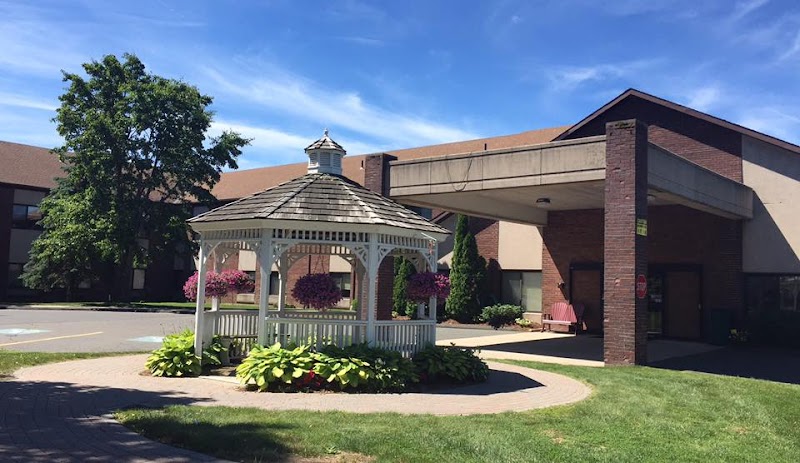
205 CHESTNUT HILL ROAD, STAFFORD SPRINGS, CT 06076 (860) 684-6341
For profit - Limited Liability company 180 Beds NATIONAL HEALTH CARE ASSOCIATES Data: November 2025
Trust Grade
60/100
#92 of 192 in CT
Last Inspection: November 2024

Within standard 12-15 month inspection cycle. Federal law requires annual inspections.

Overview

Evergreen Center for Health & Rehabilitation has a Trust Grade of C+, which indicates it is decent and slightly above average compared to other facilities. It ranks #92 out of 192 in Connecticut, placing it in the top half of state facilities, and #32 out of 64 in Capitol County, meaning there are only 31 local options that are better. However, the facility's trend is concerning as the number of issues identified has worsened significantly, increasing from 2 in 2022 to 32 in 2024. Staffing is average, with a turnover rate of 47%, which is slightly above the state average, and although there are no fines on record, the RN coverage is also average. Specific incidents include staff not properly identifying residents requiring special precautions and failing to document care changes for residents, which raises concerns about the quality of care provided. Overall, while the facility has some strengths, such as no fines, families should be aware of the increasing issues and take them into consideration when making a decision.

Trust Score
C+
60/100
In Connecticut
#92/192
Top 47%
Safety Record
Low Risk
No red flags
Inspections
Getting Worse
2 → 32 violations
Staff Stability
⚠ Watch
47% turnover. Above average. Higher turnover means staff may not know residents' routines.
Penalties
✓ Good
No fines on record. Clean compliance history, better than most Connecticut facilities.
Skilled Nurses
○ Average
Each resident gets 30 minutes of Registered Nurse (RN) attention daily — about average for Connecticut. RNs are the most trained staff who monitor for health changes.
Violations
⚠ Watch
38 deficiencies on record. Higher than average. Multiple issues found across inspections.
★★★☆☆
3.0
Overall Rating
★★★☆☆
3.0
Staff Levels
★★★☆☆
3.0
Care Quality
★★★☆☆
3.0
Inspection Score
Stable
2022: 2 issues
2024: 32 issues

The Good

  • Full Sprinkler Coverage · Fire safety systems throughout facility
  • No fines on record

Facility shows strength in fire safety.

The Bad

3-Star Overall Rating

Near Connecticut average (3.0)

Meets federal standards, typical of most facilities

Staff Turnover: 47%

Near Connecticut avg (46%)

Higher turnover may affect care consistency

Chain: NATIONAL HEALTH CARE ASSOCIATES

Part of a multi-facility chain

Ask about local staffing decisions and management

The Ugly 38 deficiencies on record

Nov 2024 13 deficiencies
CONCERN (D)

Potential for Harm - no one hurt, but risky conditions existed

Abuse Prevention Policies (Tag F0607)

Could have caused harm · This affected 1 resident

**NOTE- TERMS IN BRACKETS HAVE BEEN EDITED TO PROTECT CONFIDENTIALITY** Based on clinical record reviews, facility documentation, facility policy and interviews for 1 of 2 sampled residents (Resident ...

Read full inspector narrative →
**NOTE- TERMS IN BRACKETS HAVE BEEN EDITED TO PROTECT CONFIDENTIALITY** Based on clinical record reviews, facility documentation, facility policy and interviews for 1 of 2 sampled residents (Resident #194) reviewed for abuse, the facility failed to implement policies that ensured allegation(s) of feeling unsafe and being fearful of retaliation were reported. The findings include: Resident #194's diagnoses included acute embolism of the deep veins on the left lower extremity and anxiety disorder. The Nursing admission assessment dated [DATE] identified Resident #194 was cognitively intact and had no activity of daily living/mobility impairments. The Resident Care Plan dated 11/12/24 identified Resident #194 had a history of depression and with interventions that directed administering medications as ordered and to monitor/report signs of depression, repetitive anxiousness/tearfulness. a. Physician's orders dated 11/13/24 directed Ativan 0.5 MG every 12 hours as needed for anxiety. The Medication Administration Record (MAR) dated 11/16/24 identified that Ativan 0.5 Milligrams (MG) was administered to Resident #194 at 8:28 PM by Licensed Practical Nurse, LPN #5. An interview with Resident #194 on 11/18/24 at 11:40 AM identified on 11/16/24 during the 3:00 PM -11: 00 PM shift, her/his assigned nurse, LPN #5 attempted to administer her/his prescription Ativan earlier than preferred. Instead of removing the medication, the medication was instead left at the bedside. After returning from the bathroom, the medication was no longer at the bedside table where it was last observed. Resident #194 requested the medication a second time and received the medication 45 minutes after the request. LPN #5, according to Resident #194 stated, This will not happen again. The incident left Resident #194 feeling threatened that LPN #5 may poison her/him in retaliation of not believing her/him about the unaccounted medication. Resident #194 further identified she/he reported the incident to Nurse Aide, NA #7 who gave assurances she would not let anything bad happen to her/him. b. Physician's orders dated 11/13/24 directed Eliquis (2) tablets or 10 MG twice daily for deep vein thrombosis (DVT) until 11/16/24. The physician's orders dated 11/17/24 directed Eliquis (1) tablet or 5 Mg twice daily for DVT. The Medication Administration Record (MAR) dated 11/16/24 identified Eliquis 10 Mg was last administered at 8:00 PM. The MAR dated 11/17/24 identified Eliquis 5 MG was started at 8:00 AM. An interview with Resident #194 on 11/18/24 at 11:40 AM identified on 11/17/24 during the 3:00 PM - 11:00 PM shift, LPN #5 administered and a new dose of anticoagulant medication. Resident #194 questioned the dose as s/he was concerned the dose was more than what was prescribed. Resident #194 felt threatened after alleging LPN #5 told her/him that unless Resident #194 wanted a blood clot, s/he would need to take the medication. The second incident left Resident #194 feeling threatened by LPN #5 and fearful of a blood clot, so s/he took the medication. Resident #194 reported the second incident to NA #7 who told him/her the incident should not have happened. An interview with NA #7 on 11/21/24 at 11:36 AM identified she was the assigned Nurse Aide for Resident #194 on 11/16/24 and 11/17/24 during the 3:00 PM to 11:00 PM shift. NA#5 identified Resident #194, was tearful and upset and did report to her that s/he was fearful for her/his own safety, fearful of retaliation and fearful of being poisoned after requesting an additional dose of Ativan when the dose at her/his bedside was unaccounted for and for questioning her/his dose of the blood thinner adding LPN #5 could be harsh. NA #7 did report to LPN #5 that Resident #194 was upset but was unable to recall if she had reported Resident #194 feeling unsafe and fearful of retaliation. NA #7 further identified that anything that was reported was done at the nurse station and in the presence of the Nursing Supervisor, RN #5 who had an office nearby, so therefore did not report directly to her. An interview with the Director of Nursing, DNS on 11/21/24 11:45 AM identified she should be notified of any allegations of mistreatment and confirmed she was not notified at any time over the weekend of any staff to resident allegations of mistreatment pertaining to Resident #194. The DNS identified she would expect staff to follow policies for a resident reported allegation of mistreatment. An interview with Registered Nurse (RN #5) on 11/21/24 at 12:25 PM identified she was the assigned nursing supervisor on 11/16/24 and 11/17/24 during the 3:00 PM to 11:00 PM shift. RN #5 identified that she was made aware of a missing dose of Ativan presumed to have dropped on the floor and cosigned a second dose to be administered to Resident #194. RN #5 further identified she was not notified at any time over the weekend Resident #194 was fearful for her/his safety and fearful of retaliation. A review of the facility policy for Abuse dated 12/2023 directed actions to take when any allegation of abuse, mistreatment, neglect or misappropriation of resident property is observed, reported or suspected by any employee. This would include immediately separating the resident from the alleged abused and notifying the administrative staff or nursing supervisor on duty of the alleged abuse.
CONCERN (D)

Potential for Harm - no one hurt, but risky conditions existed

Comprehensive Care Plan (Tag F0656)

Could have caused harm · This affected 1 resident

**NOTE- TERMS IN BRACKETS HAVE BEEN EDITED TO PROTECT CONFIDENTIALITY** Based on clinical record reviews, review of policy and interviews for 1 of 1 resident reviewed for urinary catheter (92), the f...

Read full inspector narrative →
**NOTE- TERMS IN BRACKETS HAVE BEEN EDITED TO PROTECT CONFIDENTIALITY** Based on clinical record reviews, review of policy and interviews for 1 of 1 resident reviewed for urinary catheter (92), the facility failed to ensure staff developed a comprehensive care plan related to the urinary tract condition and urinary catheter and for 1 of 1 sampled resident (Resident #76) reviewed for Communication/ Sensory, the facility failed to create person centered care plan to reflect sensory needs. The findings included: 1. Resident #92's diagnosis included Benign Prostatic Hypertrophy. The admission comprehensive Minimum Data Set (MDS) assessment dated [DATE] indicated Resident #92 was cognitively intact and used intermittent and indwelling catheterization for urinary elimination. A progress note dated 9/20/2024 at 10:36 PM indicated in part Resident #92 was admitted at 6:30 PM and had an indwelling urinary catheter removed at the hospital at 11:00AM. The note further indicated orders directed to continue the voiding trial for the next 3 days. The progress notes dated 9/21/2024 at 10:45 PM indicated a post void residual of 482 cc urine was noted and straight catheterization was needed and drained 500 cc urine. The progress note dated 9/23/24 at 6:48 AM indicated an indwelling catheter was inserted due to 500 cc being obtained. A physician's order indicated reinserting the indwelling catheter if residual was greater than 350 cc. On 11/22/24 9:56 AM interview and record review with the Director of Nursing Services (DNS), the Assistant Director of Nursing Services (ADNS) and the Corporate RN #4 indicated not being able to find any care plan indicating Resident #92's difficulty urinating on own and the interventions that were ordered and provided by the nursing staff. The DNS indicated she would contact the MDS Coordinator (RN #6). An interview and record review of the (MDS) on 11/22/24 at 10:20 AM with RN #6 indicated. The comprehensive admission assessment indicated the use of a urinary catheter, and the Care Assessment Area of urinary incontinence was triggered which indicated the facility was to proceed with care planning this care area. However, this was not done due to an oversight. The facility policy labeled Baseline/Comprehensive Person-Centered Care Plan (CPCCP) indicated in part the comprehensive Person-Centered Care plan will be developed after the completion of the comprehensive assessment (MDS). The policy further indicated the CPCCP will be kept current by all disciplines on an ongoing basis and the disciplines would be responsible for updating the care plan when a new problem requires that discipline to intervene. 2. Resident #76's diagnoses included Cognitive Communication deficit and Anxiety. The quarterly Minimum Data Set (MDS) assessment dated [DATE] indicated Resident #76 as cognitively intact, and requires set-up assistance with eating, supervision/touching assistance for personal hygiene and moderate assistance for upper body dressing. The MDS further indicated Resident #76 has moderate difficulty hearing and wears hearing aids. The care plan dated 10/30/24 did not include Resident #76 communication/ sensory nor did it reflect any interventions. A nurse's note dated 9/3/24 identified Resident # 76 was seen by the facility vendor audiologist today who recommended that patient receive new hearing aids, and the vendor will be ordering them. Interview with Resident #76 on 11/18/24 at 12:16 PM identified Residents #76 was having difficulties hearing. He/she reported his/her hearing aid was malfunctioning and the facility was aware of the concern. Interview with DNS on 11/20/24 at 10:39 AM identified the Interdisciplinary Team are responsible for updating the care plan. DNS was unable to locate the care plan and interventions for hearing deficit. The DNS identified the expectation is that care plans are customized and updated to meet the needs of residents.
CONCERN (D)

Potential for Harm - no one hurt, but risky conditions existed

Deficiency F0657 (Tag F0657)

Could have caused harm · This affected 1 resident

**NOTE- TERMS IN BRACKETS HAVE BEEN EDITED TO PROTECT CONFIDENTIALITY** Based on review of the clinical record, facility documentation, facility policy and interviews for 1 of 5 sampled resident (Resi...

Read full inspector narrative →
**NOTE- TERMS IN BRACKETS HAVE BEEN EDITED TO PROTECT CONFIDENTIALITY** Based on review of the clinical record, facility documentation, facility policy and interviews for 1 of 5 sampled resident (Resident #342) reviewed for Comprehensive Resident Centered Care Plan, the facility failed to update the resident's care plan to reflect resident preferences. The findings include: Resident # 342's diagnoses included Acute Embolism and Thrombosis, Paraplegia and anxiety disorder. The admission Minimum Data Set assessment dated [DATE] identified Resident #342 was cognitive intact and required maximum assistance upper and lower body dressing and bathing. The care plan dated 11/7/24 did not reflect Resident #342 preferences on how to be addressed. The Grievance Log dated 11/11/24 at 8:00 AM indicated Resident #342 was not happy with how a staff member called him/her using his/her first name. A nurse's note dated 11/11/24 at 2:22 identified Resident # 342 expressed care concern, The note further indicated concerns were resolved by management. An Interview with RN #3 on 11/21/24 at 10:36, identified identified she/he should have put in the special instruction to update the resident's care plan to reflect the resident's preference. We go by word of mouth, but it should be in there for other staff that might not have taken care of the resident RN#3 identified she/he did not add the information to the care plan because she/he forgot An interview with NA # 8 on 11/22/24 at 12:21 PM identifed she went to introduce herself to Resident #342 and to provide care, which lasted about 40 minutes. She reported that during that time, Resident # 342 was expressing concerns regarding another staff, however, she did not engage beyond asking residents presence for care. NA #8 reported after providing care she was told that she was taken off Residents #342 assignment and received an in-service. Facility Baseline/Comprehensive Person-Centered Care Plan indicates, in part, the care plan will be kept current by all disciplines on an ongoing basis. Disciplines will be responsible for updating the care plan when there is a new problem that requires that discipline to intervene.
CONCERN (D)

Potential for Harm - no one hurt, but risky conditions existed

Deficiency F0658 (Tag F0658)

Could have caused harm · This affected 1 resident

**NOTE- TERMS IN BRACKETS HAVE BEEN EDITED TO PROTECT CONFIDENTIALITY** Based on clinical record reviews, facility documentation, facility policy and interviews for 1 of 4 sampled residents (Resident ...

Read full inspector narrative →
**NOTE- TERMS IN BRACKETS HAVE BEEN EDITED TO PROTECT CONFIDENTIALITY** Based on clinical record reviews, facility documentation, facility policy and interviews for 1 of 4 sampled residents (Resident #194) reviewed for abuse, the facility failed to ensure medications were administered according to professional standards of practice and for 1 of 5 resident who required assistance with medication administration (Resident # 74), the facility failed to follow the five rights when administering the resident's medication. The findings included: 1. Resident #194's diagnoses included acute embolism of the deep veins on the left lower extremity and anxiety disorder. The Nursing admission assessment dated [DATE] identified Resident #194 was cognitively intact and had no activity of daily living/mobility impairments. The Resident Care Plan dated 11/12/24 identified Resident #194 had a history of depression and with interventions that directed administering medications as ordered and to monitor/report signs of depression, repetitive anxiousness/tearfulness. Physician's orders dated 11/13/24 directed Ativan 0.5 MG every 12 hours as needed for anxiety. The Medication Administration Record (MAR) dated 11/16/24 identified that Ativan 0.5 Milligrams (MG) was administered to Resident #194 at 8:28 PM by Licensed Practical Nurse, LPN #5. An interview with Resident #194 on 11/18/24 at 11:40 AM identified on 11/16/24 during the 3:00 PM -11: 00 PM shift, her/his assigned nurse, LPN #5 attempted to administer her/his prescription Ativan earlier than preferred. Instead of removing the medication, the medication was instead left at bedside. After returning from the bathroom following evening personal care, the medication was no longer at the bedside table where it was last observed. Resident #194 subsequently requested the medication a second time and finally received the medication 45 minutes after the request. An interview with LPN #5 on 11/19/24 at 1:34 PM identified she was the assigned nurse for Resident #194 on 11/16/24 during the 3:00 PM to 11:00 PM shift. LPN #5 identified on 11/16/24, she prepared Resident #194's dose of Ativan. However, when she went to administer the medication, Resident #194 informed LPN #5 it was too early. LPN #5 left the medication at the bedside for Resident #194 while she attended to other responsibilities. LPN #5 returned sometime later, and the medication cup was empty. Resident #194 reported she/he had not taken the medication. LPN #5 looked for the medication on the floor and in the garbage but was unable to locate the medication. A second dose of the Ativan was subsequently prepared and administered to Resident #194. LPN #5 identified she was at fault for leaving the medication at Resident #194's bedside. An interview with the Director of Nursing Services on 11/21/24 at 11:45 AM identified no medications should be left at the bedside and indicated she would expect that medications be administered according to policy. A review of the facility policy for Medication Pass dated 10/2024 directed to always observe the resident until they have swallowed the medications administered. Do not leave the medication at the bedside or table. 2. Resident #74 's diagnoses included Type 2 diabetes mellitus, hypothyroidism, and Parkinson's disease. A physician's order dated 8/24/24 directed to administer 2 tablets of Metformin HCL ( anti-diabetic medication) extended release oral tablet 500 MG. The quarterly Minimum Data Set assessment dated [DATE] identified Resident #74 was cognitively intact and required partial assistance with personal hygiene, toileting, and substantial assistance with showering. The Resident Care Plan with a revision date of 9/25/24 identified Resident #74 had a self-care deficit. Interventions included assistance with activities of daily living and personal hygiene. Observations on 11/20/24 at 8:30 AM, identified LPN #1 poured 1 tablet of Metformin HCL ER oral tablet 500 MG. Interview with LPN #1 on 11/20/24 at 8:35 AM identified she poured the incorrect dose and was not familiar with the resident as she does not usually work on that wing. LPN #1 further indicated she stated should have read the physician's order more carefully. Review of the Medication Pass policy dated 10/2018, and presently active, directed, in part, medications are administered safely, and timely per the physician's orders. .
CONCERN (D)

Potential for Harm - no one hurt, but risky conditions existed

Pressure Ulcer Prevention (Tag F0686)

Could have caused harm · This affected 1 resident

**NOTE- TERMS IN BRACKETS HAVE BEEN EDITED TO PROTECT CONFIDENTIALITY** Based on clinical record review, observations, resident interviews, and staff interviews for 1 of 3 residents reviewed for press...

Read full inspector narrative →
**NOTE- TERMS IN BRACKETS HAVE BEEN EDITED TO PROTECT CONFIDENTIALITY** Based on clinical record review, observations, resident interviews, and staff interviews for 1 of 3 residents reviewed for pressure ulcers (Resident #6), the facility failed to ensure the resident was turned using the appropriate offloading device per the plan of care. The findings include: Resident #6 was admitted to the facility on [DATE]. The residents' diagnoses included diabetes mellitus diabetic neuropathy, and Peripheral Vascular Disease (PVD). The admission MDS assessment dated [DATE] identified Resident #6 as cognitively intact and noted the resident required partial/moderate assistance to roll left and right. The MDS assessment also indicated that the resident was at risk for pressure ulcers but did not have an unhealed pressure ulcer at the time of admission. A nursing note dated 11/8/2024 identified Resident #6 had an open area to the right buttocks and that the provider, wound nurse, and responsible party were made aware. A care plan dated 11/8/2024 identified Resident #6 had a facility-acquired stage 2 pressure ulcer on the right buttocks. Interventions included repositioning the resident every 2 hours in the bed with positioning wedges (positioning aids used to alleviate pressure). A wound specialist's note dated 11/14/2024 identified Resident #6 had a stage 2 pressure ulcer that measured 0.9 Centimeters (cm) x 1.1 cm x 0.1 cm. Recommendations were to apply barrier cream to the wound and reposition the resident every 2 hours. On 11/18/2024 at 1:32 PM, an observation was made of Resident #6 laying supine in bed with the head of the bed elevated. An interview with Resident #6 indicated she/he could not turn her/himself and she/he would need to call staff for help. Resident #6 indicated that if she/he would not call for help, she/he would be stuck in one position. On 11/21/2024 at 12:40 PM, an interview with NA #9 indicated she was not sure if Resident #6 was able to turn by her/himself in the bed and indicated she did not have to turn the resident in the morning. NA#9 indicated she was told in report Resident # 6 needed the assistance of 1 staff member, but she would refer to the aide care card for more information. A review with NA #9 nurse aide care card identified the resident required turning every 2 hours with a wedge. NA#9 indicated she did not see a wedge in the resident's room and indicated pillows could be used for positioning. On 11/21/2024 at 12:53 PM an interview with LPN#9 indicated she was a float nurse, and she did not get any report regarding the residents positioning needs. LPN#9 further indicated she would reference the care plan and care card for information of the type of care the resident needs. On 11/21/2024 at 1:03 PM, an observation with RN #7 identified two green wedges in the resident's closet. Additionally, both the wound specialist and the wound nurse, LPN# 10, were in the room preparing supplies to assess Resident #6's wound. RN #7 asked Resident #6 if she/he knew where the wedges were being stored in her/his closet; Resident #6 then indicated she/he could not recall who placed the wedges in the closet and indicated no staff member had used the wedges to position her/him (Resident #6). An attempt to interview the wound specialist at the time was unsuccessful as the wound specialist declined to answer questions, indicating she had several residents to see in other buildings. On 11/22/2024 at 11:51 AM, an interview with the Wound Care Nurse, LPN #10 identified the rationale for initiating the nursing intervention of a positioning wedge was to help offload pressure from the stage 2 pressure ulcer. LPN #10 indicated that using a pillow for positioning could be an alternative to using a wedge but that a wedge would provide a more effective turn. LPN #10 also identified on 11/21/2024 (after surveyor inquiry), Resident #6 expressed to her Resident # 6 did not like using the wedge and indicated the resident would be provided an air mattress. Although requested, the facility did not have a policy for the use of positioning wedges and air mattresses.
CONCERN (D)

Potential for Harm - no one hurt, but risky conditions existed

Accident Prevention (Tag F0689)

Could have caused harm · This affected 1 resident

**NOTE- TERMS IN BRACKETS HAVE BEEN EDITED TO PROTECT CONFIDENTIALITY** Based on review of the clinical record, facility documentation, facility policy and interviews for 1 of 3 residents (Resident # ...

Read full inspector narrative →
**NOTE- TERMS IN BRACKETS HAVE BEEN EDITED TO PROTECT CONFIDENTIALITY** Based on review of the clinical record, facility documentation, facility policy and interviews for 1 of 3 residents (Resident # 136) reviewed for accidents, the facility failed to provide the necessary supervision to prevent a resident from eloping. The findings include: Resident #136 's diagnoses included hemiplegia and hemiparesis, TIA, and Cerebral Infarction. The Resident Care Plan dated 9/25/24 identified Resident #136 had a deficit in self-care. Interventions included to provide assist of 1 for eating, toileting and self-care. A physician's order dated 9/25/24 directed assistance with all self-care activities. The admission Minimum Data Set assessment dated [DATE] identified Resident #136 was severely cognitively impaired and noted dependence for all activities of daily living and personal care. A nurse's note dated 11/19/24 at 6:59 PM identified Resident #136 was seen by staff outside the front door self-propelling in his/her wheelchair. Resident # 136 was alert and confused. An elopement assessment was completed, and a wander guard was placed on Resident # 136 right ankle. On 11/20/24 during an interview with Occupational Therapist (OT#1) at 9:00 AM identified she had discharged Resident # 136 from OT on 11/19/24 in the morning as the resident had reached his/her goals. OT #1 further stated that on 11/19/24 was the first time that she had seen the resident able to self-propel in the wheelchair. On 11/20/24 during an interview with Physical Therapist (PT #1) at 9:15 AM the resident was able to use his/her feet to propel himself/herself for very short distances in the gym. PT #1 also indicated Resident # 136 usually did not get very far due to his/her deficits. Upon admission Resident # 136 was totally dependent. PT#1 was aware the resident had eloped on 11/19/24 and had no idea how that happened as PT had never seen the resident self- propel more than a few feet. An interview on 11/20/24 with Receptionist #1 at 9:45 AM indicated she works until 3:00 PM and was not at work when Resident #136 eloped. Receptionist # 1 stated that there is a binder at the desk that contains pictures of the residents who are at risk for elopement. She identified that she would consult the binder if a resident was in the lobby she did not normally see in the lobby, to identify if the resident was an elopement risk. She confirmed that Resident #136 had not tried to elope prior to 11/19/24. On 11/20/24 during an interview with NA #1 at 10:30 AM identified she usually takes care of Resident #136. NA # 1 stated Resident # 136 has been able to self-propel in the wheelchair for the past 2 weeks, so she makes sure she knows where the resident is located at all times. She left at 3:30 PM on 11/19/24 and prior to leaving she toileted the resident. NA #1 further indicated she last saw Resident # 136 in the common area visiting with family. 11/20/24 Interview with DNS at 11:00 AM identified Resident #136 had recently been able to self-propel in the wheelchair. At 4:40 PM on 11/19/24 Resident # 136 was found right outside the door by a staff member. The receptionist left the desk, and it was during that time the resident propelled out the door. The DNS identified that this was the first time Resident #136 tried to elope. The DNS also stated that the facility does not have any recorded video or cameras. However, the DNS thinks Resident # 136 was out of the building for just a few minutes. The Admissions Director and the Unit Secretary were talking in the office and saw the resident out the window as soon as he/she wheeled her/himself outside. Resident # 136 was quickly returned to the building. On 11/20/24 during an interview with Receptionist #2 at 11:45 AM, I identified she was working the evening the resident eloped however, she was not at the desk when it happened. Receptionist # 2 stated that she only asks for coverage of the front desk if she is leaving for her break, if she leaves to use the restroom she does not ask for coverage as she is gone for just a few minutes. Receptionist # 2 identified the resident was outside for less than a minute, she heard someone talking to Resident # 136 and asking the resident if she/he needed help getting over the bump by the door. A few seconds later she exited the facilities and saw staff bringing the resident into the building. Receptionist #2 identified that she is aware of all residents that are at risk for elopement as she creates the list daily based on information, she receives from the nursing supervisor. Resident #136 had never attempted to elope before to her knowledge. An interview on 11/20/24 with NA #2 at 11:55 AM identified she had taken care of resident on 11/19/24 and last saw the resident at 3:45 or 4:00 PM. NA # 2 stated the resident was at the nursing desk and was calm. Resident # 136 usually sits out at the desk talking to staff or watching television. NA #2 stated she did not see the resident leave the floor as she was in another resident's room providing care. Since Resident #136 was not 1:1, she began her assignment. NA # 2 also stated she did not know about the elopement until the resident was returned to the floor around 4:30 PM. NA #2 also identified this as the first time the resident eloped and upon Resident # 136's return to the building the resident was calm. An interview with the DNS and Regional Director on 11/20/24 at 1:10 PM identified the process when the receptionist must leave the desk is to put the phones on night mode and let the supervisor know. The DNS further indicated there was no expectation that anyone would cover the desk for bathroom breaks. Review of the Elopement policy dated 3/23 currently in effect, directed, in part, Residents will be accounted for at all times.
CONCERN (D)

Potential for Harm - no one hurt, but risky conditions existed

Drug Regimen Review (Tag F0756)

Could have caused harm · This affected 1 resident

**NOTE- TERMS IN BRACKETS HAVE BEEN EDITED TO PROTECT CONFIDENTIALITY** Based on review of the clinical record, facility documentation, and interviews for 1 of 5 residents (Resident # 101) for Unneces...

Read full inspector narrative →
**NOTE- TERMS IN BRACKETS HAVE BEEN EDITED TO PROTECT CONFIDENTIALITY** Based on review of the clinical record, facility documentation, and interviews for 1 of 5 residents (Resident # 101) for Unnecessary Medication Review, the facility failed to ensure the pharmacist recommendations were provided to the physician for review and response. The findings include: Resident #101's diagnosis included Post-Traumatic Stress Disorder (PTSD), and dementia with psychotic disturbance. The Comprehensive Significant Change Minimum Data Set (MDS) assessment dated 8/8/2023 indicated Resident #101 had severe cognitive impairment. The quarterly MDS assessment dated [DATE] indicated Resident #101 had severe cognitive impairment A consultant progress note dated 2/21/2024 at 6:26 PM identified recommendations were made for the Prescriber to review the physician's order for Naloxone (Used to reverse overdose) when needed. A consultant progress note dated 6/20/2024 at 8:32 AM and 7/21/2024 at 4:25 PM identified recommendations were made for the Prescriber for a recommendation to add a stop date for Clonazepam (Treatment of Panic disorder). The quarterly MDS assessment dated [DATE] indicated Resident #101 had severe cognitive impairment. However, review of the clinical record on 11/21/24 failed to reflect that the facility had addressed the 2/21/24 or acted upon and the 6/19/24 and 7/21/24 pharmacy recommendations were not addressed until 10/23/24. An interview and record review on 11/21/24 at 10:23 AM with RN #4 (Corporate Nurse) identified she would call the pharmacy consultant to have a copy of the unsigned recommendations by the physician/APRN to be sent to the facility. RN #4 further indicated there was a transition of ownership in June 2024. However, pharmacy recommendations should be reviewed and signed by the physician, but she could not find at this time. RN #4 indicated pharmacy recommendations are kept in a binder and upon review of the recommendations noted sporadic entries. RN #4 initiate a call to the pharmacy consultant to obtain pharmacist recommendations made from 10/22/23 through 7/21/24. The facility policy dated 5/2023 labeled Pharmacy Medication Review/Consultant Pharmacy Recommendations, indicated in part the pharmacist consultant will submit recommendation reports to the Director of Nursing Services (DNS) and follow up on the recommendations to verify that appropriate action had been taken or responded to within a reasonable time frame the completed pharmacy recommendations will be uploaded into the Electronic Medical Record.
CONCERN (D)

Potential for Harm - no one hurt, but risky conditions existed

Medical Records (Tag F0842)

Could have caused harm · This affected 1 resident

**NOTE- TERMS IN BRACKETS HAVE BEEN EDITED TO PROTECT CONFIDENTIALITY** Based on clinical record reviews and staff interviews for 2 of the 4 residents (Residents # 12 and # 91) reviewed for hospice, t...

Read full inspector narrative →
**NOTE- TERMS IN BRACKETS HAVE BEEN EDITED TO PROTECT CONFIDENTIALITY** Based on clinical record reviews and staff interviews for 2 of the 4 residents (Residents # 12 and # 91) reviewed for hospice, the facility failed to ensure the resident's hospice notes were complete. The findings include: 1. Resident #12 ' s diagnosis included dementia, and heart failure. Resident #12 ' s quarterly Minimum Data Set (MDS) assessment dated [DATE] indicated Resident #12 had severe cognition impairment. Resident #12 elected Hospice services on 11/5/2024. The care plan dated 11/6/2024 indicated to coordinate palliative care services with hospice initiated 11/5/2024 Intervention included in part to collaborate with the hospice provider to ensure a review of the effectiveness of the care and services provided. 2. Resident #91's diagnoses included Alzheimer's disease and palliative care. Resident #91 elected hospice services on 12/18/2023. The care plan dated 12/27/2023 indicated hospice services related to end stage dementia. Interventions included honor choices and coordinating care for residents' comfort. An interview and review of the clinical record on 11/21/24 at 2:10 PM with the charge nurse LPN #7 of Residents # 12, and # 91 identified no certification records were found in the clinical record for the residents. LPN #1 indicated she/he would call each residents Hospice provider to obtain the missing documentation. LPN#7 indicated hospice usually visit the facility and provides paperwork that is entered in each hospice binders. The binder also contains notes from the hospice nurse.
CONCERN (D)

Potential for Harm - no one hurt, but risky conditions existed

Social Worker (Tag F0850)

Could have caused harm · This affected 1 resident

**NOTE- TERMS IN BRACKETS HAVE BEEN EDITED TO PROTECT CONFIDENTIALITY** Based on clinical record review, facility documentation, review of policy and staff interviews for 1 of 4 resident (Resident # 1...

Read full inspector narrative →
**NOTE- TERMS IN BRACKETS HAVE BEEN EDITED TO PROTECT CONFIDENTIALITY** Based on clinical record review, facility documentation, review of policy and staff interviews for 1 of 4 resident (Resident # 135) reviewed for abuse, the facility failed to ensure the resident was seen by social service within three days after an allegation of mistreatment per facility practice and failed to report the allegation of mistreatment to other state agency. The findings include: Resident # 135 was admitted to the facility on [DATE]. The resident diagnoses included hypothyroidism, hyperlipidemia, hypertension, fall, osteoarthritis left hip and knee and Transient Ischemic Attack (TIA). The hospital Discharge summary dated [DATE] identified a history of stroke, left side weakness and indicated the patient presented in Emergency Department (ED) for left leg pain. However, studies showed no fracture. Patients ambulate with a walker but have difficulty due to left foot pain. Additionally, noted a need rehabilitation. The patient presents with significant impairment of mobility due to recent fall. The patient will require short term stay rehabilitation secondary to unsafe discharge to home at this time. Patient reported that she/he fell 12 hours prior to ED admission secondary to tripping and falling. Patient noted with bruise on the dorsal aspect of left foot and reports worsening of swelling on lower aspect of leg, denies any injury to head or loss of consciousness, no headaches. X ray of left foot dated 9/13/24 noted bones are well mineralized and identified degenerative changes due to osteoarthritis. The care plan, dated 9/16/24 for Deficit in Self Care Function related to decreased mobility and osteoarthritis. Interventions included: assistance of 1 person for bathing /showers, assistance of 1 person for dressing and toileting. The admission Minimum Data Set ( MDS) assessment dated [DATE] identified the resident as cognitively intact and had no memory problems, upper and lower extremity impairment on one side, utilization of a cane and wheelchair for mobility. The physician's order dated 10/2/24 noted toileting assistance of 1 person. A review of the Reportable Event dated 10/12/24 identified the resident stated a nurse aide grabbed her/his hand and feet to transfer her/him to the wheelchair. The resident stated she/he noticed a bruise on her/his right hand the following day and noted no complaints of pain or discomfort identified. The facility investigation dated 10/12/24 identified the resident rang the call bell for assistance to use the bathroom. The resident stated that the NA helped her/her to a sitting position then the NA grabbed her/his hand and feet to transfer the resident to wheelchair. The resident stated s/he had no pain but noticed a bruise on her/his left lower hand the following day. A body audit conducted, and bruise was noted on the resident's left lower hand. Another small bruise was noted above the same hand. However, the resident stated the second bruise was old. The care plan updated to provide two staff members for care. The facility investigation identified the facility could not substantiate the abuse. The Health Status Note dated 10/15/2024 at 4:58 PM identified the resident stated a Nurse Aide (NA # 9) grabbed her/his hand and feet to transfer the resident to the wheelchair. Resident # 135 stated she/he had no pain but noticed a bruise on her/his left lower hand the following day. A body audit was conducted, and a bruise was noted on the resident's left lower hand and a smaller bruise was noted proximally. The Advanced Practice Registered Nurse (APRN) was updated, family was in house/at bedside and was aware. A review of the Reportable Event (RE) dated 10/15/24 identified the resident indicated a Nurse Aide (NA # 9) had helped her/him to bed around 7:00 PM during the 11-7 AM shift, the resident rang the call bell for assistance to use the bathroom. Resident# 135 stated NA # 9 helped her/him to a sitting position then NA # 9 grabbed her/his hand and feet to transfer the resident to the wheelchair. Resident # 135 denied any pain but was noted with a bruise on her/his left lower hand the following day. A body audit was conducted, and a bruise was noted on the resident's lower hand. Action taken for the incident two staff members for care. The NA #9 was placed on suspension pending further investigation. A review of the electronic clinical record for Resident # 135 from 9/13/24 to 10/12/24 identified no bruise on the resident's body during skin audits until 10/15/24. A review of the social services notes dated 10/12/24 through 11/21/24 failed to reflect that Resident # 135 had been seen by the social worker after an allegation of mistreatment. Interview with Resident # 135 on 11/20/24 at 10:45 AM identified s/he called the front desk to ask for the nurse aide to come and help her/him. The nurse aide ( NA # 9) came to the room angry and said to me this is my break you have no right calling me on my break for anything. My roommate was asked to give a statement, but she/he stated she/he did not know what happened, I think she did not want to get involved that is ok I understand. The nurse aide ( NA # 9) helped me to get into bed and I noticed black and blue marks on my left arm. After the nurse aide left the next morning, I noticed my left arm was black and blue, but the arm has since healed. I never saw the nurse aide ( NA # 9) after the incident, I believe she/he was an agency nurse aide. Interview with the ADNS and the DNS on 11-21-24 at 10:40 AM identified the incident Identified over the weekend of 10/12/24 identified the resident stated on the 3-11 PM the incident occurred. We came on Tuesday 10/15/24 and it was reported to us that the physical therapist had a session with the resident and saw the area. The therapist asked what happened and that is when the resident told therapist what happened. The rehabilitation therapist then reported the incident to the nurse. On 10/12/24 the resident required assistance with care and had to wait 45 minutes. The resident was noted to be helped to bed roughly causing bruising. The resident did not report the incident on Sunday 10/13/24 but reported the incident following day. The resident stated she/he was fearful of retaliation that is why she/he did not report the incident over the weekend. Interview with the Licensed Practical Nurse (LPN # 13) on 11-21-24 at 11:45 AM identified she was called to the room by the physical therapist who indicated Resident # 135 state on 10/12/24 she/he was in the wheelchair 10:00 AM to 6:00 PM and no one answered her/his call bell, so she/he called the front desk for assistance to get back into bed. Resident # 135 provided evidence of the telephone call on her/his cellular. The resident indicated while being rolled over on 10/12/24 during being put to bed, she/he noticed a pink area on the left forearm but did not call the nurse. Interview on 11-21-24 with NA # 9 in presence of Corporate Nurse Registered Nurse ( RN# 4) at 2:12 PM identified she/he passed out dietary trays and then picked them up. NA # 9 went on her break at 6:30 PM and came back at 7:00 PM because the nurse told her/him Resident # 135 wanted to go to bed. NA # 9 assisted the resident to transfer from the wheelchair to the bed by pulling the resident by the back of pants to assist with transfer because she/he did not have a gait belt on her/him. NA # 9 indicated Resident # 135 was heated because she/he had been in the wheelchair for 10 hours and wanted to go to bed. NA #9 further indicated she told Resident # 135 she has a right to have a break and denied handling the resident roughly. NA # 9 indicated the gait belt was at the nurse's station and she did not want to leave to get the gait belt because the resident was already mad, and she did not want to make her upset again. Interview with the Social Worker #2 on 11-21-24 at 12:20 PM identified she found about Resident # 135 allegation abuse during morning report and cannot recall if she saw the resident three days to follow up after the notification . Social Worker also was unable to provide evidence that other state agency was made aware of Resident # 135 allegation of mistake secondary to her workload at the facility. The facility Abuse Policy and Procedure dated 12/2023 notes in part abuse means the wilful infliction of injury, unreasonable confinement, intimidation, or punishment with resulting physical harm, pain, or mental anguish.
CONCERN (E)

Potential for Harm - no one hurt, but risky conditions existed

Quality of Care (Tag F0684)

Could have caused harm · This affected multiple residents

**NOTE- TERMS IN BRACKETS HAVE BEEN EDITED TO PROTECT CONFIDENTIALITY** Based on clinical record reviews, facility documentation, review of policy and staff interviews 1 of 2 residents reviewed for li...

Read full inspector narrative →
**NOTE- TERMS IN BRACKETS HAVE BEEN EDITED TO PROTECT CONFIDENTIALITY** Based on clinical record reviews, facility documentation, review of policy and staff interviews 1 of 2 residents reviewed for limited range of motion (Resident #27), the facility failed to ensure physical therapy was made aware of a resident's change in condition regarding the comfort and fit of a prosthetic device for 1 of 1 resident who utilized a Foley catheter, the facility failed to document the diagnosis for the utilization of urinary catheter and for 1 of 4 resident (Resident # 135) reviewed for abuse, the facility failed to assess the resident's left lower hand bruise area according to facility practice and The findings included: 1. Resident #27's diagnoses Cerebrovascular Accident and amputations. The annual MDS assessment dated [DATE] identified Resident #27 was cognitively intact and used limb prosthetics. A care plan dated 10/9/2024 indicated Resident #27 had a history of amputation. Interventions included applying bilateral lower extremity prosthesis per physician's order and to assist resident as needed with application. Additional interventions included referring to physical therapy or occupational therapy for any changes in wearing tolerance, schedule, or skin integrity. A physical therapy note dated 10/11/2024 recommended continuing bilateral lower extremity prostheses per resident for dignity/appearance. On 11/19/2024 an observation in Resident #27's room identified signs over the head of the bed with instructions on applying prosthetic devices. The resident prosthetic devices were noted behind the entry door. Resident # 27 indicated to surveyor staff did not offer to put on her/his prosthetic devices and she/he did not recall when she/he had the prosthetic devices on last. A review of the NA care card instructed to assist with orthotic devices on with AM care and off when resident requests. A review of the NA flow sheets from 10/24/2024 through 11/19/2024 identified staff had applied the orthotic devices on four occasions: 10/25/2024, 11/3/2024, 11/17/2024, and 11/18/2024. Additionally, the NA Flowsheet indicated Resident #27 had refused his/her orthotic devices 17 times between 10/24/2024 and 11/19/2024. A review of nursing notes from 10/1/2024 to 11/19/2024 failed to identify the resident refusal of orthotic devices. On 11/20/2024 at 12:02 PM, an interview with NA # 9 identified Resident #27 had refused the application of bilateral prosthetic devices because the prostheses they were uncomfortable. NA#9 indicated that on 11/19/2024 she offered to help with the application of the prosthetic devices but that on 11/20/2024 she had overlooked offering to apply the prostheses. Additionally, NA #9 indicated she would document refusals in the electronically medical record but would sometimes also alert the nurse. On 11/20/2024 at 12:10 PM an interview with LPN #8 identified Resident #27 had been offered to wear the bilateral prosthetic devices in the past but the resident had refused to wear them because the prostheses were uncomfortable. LPN #8 indicated that the last time she/he had worn the prostheses was a couple of weeks ago and she/he did not know if the resident had refused or had been offered the prostheses with AM care on 11/20/2024. On 11/20/2024 at 1:15 PM, an interview with Physical Therapist ( PT #2) identified Resident #27's prostheses were not ordered for functionality but rather for appearance and dignity. A review of the medical record with PT #2 failed to identify an order for bilateral prostheses and the last order had been placed on 4/12/2024 and discontinued on 9/20/2024 when the resident was hospitalized . PT#2 further indicated that the physician's order should have been reactivated or reordered when the resident returned from the hospital. PT#2 identified that she was aware that Resident #27 did not want to wear the prostheses but indicated that she was not aware that the prostheses were uncomfortable. PT #2 indicated that if she had been aware Resident # 27's was refusing the prostheses due to discomfort, she would have evaluated the prostheses, and if the issue could not be resolved by the physical therapy department, then the vendor of the prostheses would have been notified for an evaluation. On 11/20/2024 at 2:00 PM, an attempt to reach NA#11 who documented application of Resident #27's prostheses on 11/17/2024 was unsuccessful. On 11/20/2024 at 2:05 PM an interview with NA#10 identified she documented the application of Resident #27's prostheses on 11/18/2024 in error because she do not recall applying Resident #27's prostheses on 11/18/2024. Furthermore, NA#10 indicated the resident sometimes refuses the prostheses because the device caused discomfort. Although requested, the facility did not have a policy for the application of prostheses. 2. Resident #92's diagnosis included Benign Prostatic Hypertrophy ( BPH). A physician's order dated 9/20/2024 indicated an indwelling urinary catheter was removed on 9/20/2024 at 11 :00 AM and if Resident #92 does not urinate in 6 hours to perform a bladder scan or straight catheterize. If the residual urine in the bladder after urinating on own Post Void Residual (PVR) is >350 cc to reinsert a urinary catheter and indicated the order was in effect for 3 days. The admission comprehensive Minimum Data Set (MDS) assessment dated [DATE] indicated Resident #92 was cognitively intact and used intermittent and indwelling catheterization for urinary elimination. A progress note dated 9/20/2024 at 10:36 PM indicated in part Resident #92 was admitted at 6:30 PM and had an indwelling urinary catheter removed at the hospital at 11:00 AM. The note further indicated physician's orders directed to continue the voiding trial for the next 3 days. The progress notes dated 9/21/2024 at 10:45 PM identified a post void residual of 482 cc urine was noted and straight catheterization was needed. The resident drained 500 cc urine after catherization. The note dated 9/23/24 at 6:48 AM indicated an indwelling catheter was inserted due to 500 cc was obtained and the order indicated to reinsert the indwelling catheter if residual was greater than 350 cc. A physician's order dated 9/23/2024 directed an indwelling urinary catheter size 16 French with 10 cc balloon to. be kept to straight drainage for urinary retention. On 11/22/24 09:56 AM during an interview and record review with the Director of Nursing Services (DNS), the Assistant Director of Nursing Services (ADNS) and the Corporate Nurse RN #4 identified they could not find a diagnosis to support the use of an indwelling catheter in the electronic or paper chart or in the Physician's History Examination and physical, APRN notes or in the hospital transfer paperwork. The DNS did indicate a diagnosis to support the use should have been written. 3. Resident # 135 was admitted to the facility on [DATE]. The resident diagnoses included hypothyroidism, hyperlipidemia, hypertension, fall, osteoarthritis left hip and knee and Transient Ischemic Attack (TIA). The hospital Discharge summary dated [DATE] identified a history of stroke, left side weakness and indicated the patient presented in Emergency Department (ED) for left leg pain. However, studies showed no fracture. Patients ambulate with a walker but have difficulty due to left foot pain. Additionally, noted a need rehabilitation. The patient presents with significant impairment of mobility due to recent fall. The patient will require short term stay rehabilitation secondary to unsafe discharge to home at this time. Patient reported that she/he fell 12 hours prior to ED admission secondary to tripping and falling. Patient noted with bruise on the dorsal aspect of left foot and reports worsening of swelling on lower aspect of leg, denies any injury to head or loss of consciousness, no headaches. X ray of left foot dated 9/13/24 noted bones are well mineralized and identified degenerative changes due to osteoarthritis. The care plan, dated 9/16/24 for Deficit in Self Care Function related to decreased mobility and osteoarthritis. Interventions included: assistance of 1 person for bathing /showers, assistance of 1 person for dressing and toileting. The admission Minimum Data Set ( MDS) assessment dated [DATE] identified the resident as cognitively intact and had no memory problems, upper and lower extremity impairment on one side, utilization of a cane and wheelchair for mobility. The physician's order dated 10/2/24 noted toileting assistance of 1 person. A review of the Reportable Event dated 10/12/24 identified the resident stated a nurse aide grabbed her/his hand and feet to transfer her/him to the wheelchair. The resident stated she/he noticed a bruise on her/his right hand the following day and noted no complaints of pain or discomfort identified. The facility investigation dated 10/12/24 identified the resident rang the call bell for assistance to use the bathroom. The resident stated that the NA helped her/her to a sitting position then the NA grabbed her/his hand and feet to transfer the resident to wheelchair. The resident stated s/he had no pain but noticed a bruise on her/his left lower hand the following day. A body audit conducted, and bruise was noted on the resident's left lower hand. Another small bruise was noted above the same hand. However, the resident stated the second bruise was old. The care plan updated to provide two staff members for care. The facility investigation identified the facility could not substantiate the abuse. The Health Status Note dated 10/15/2024 at 4:58 PM identified the resident stated a Nurse Aide (NA # 9) grabbed her/his hand and feet to transfer the resident to the wheelchair. Resident # 135 stated she/he had no pain but noticed a bruise on her/his left lower hand the following day. A body audit was conducted, and a bruise was noted on the resident's left lower hand and a smaller bruise was noted proximally. The Advanced Practice Registered Nurse (APRN) was updated, family was in house/at bedside and was aware. A review of the Reportable Event (RE) dated 10/15/24 identified the resident indicated a Nurse Aide (NA # 9) had helped her/him to bed around 7:00 PM during the 11-7 AM shift, the resident rang the call bell for assistance to use the bathroom. Resident# 135 stated NA # 9 helped her/him to a sitting position then NA # 9 grabbed her/his hand and feet to transfer the resident to the wheelchair. Resident # 135 denied any pain but was noted with a bruise on her/his left lower hand the following day. A body audit was conducted, and a bruise was noted on the resident's lower hand. Action taken for the incident two staff members for care. The NA #9 was placed on suspension pending further investigation. A review of the electronic clinical record for Resident # 135 from 9/13/24 to 10/12/24 identified no bruise on the resident's body during skin audits until 10/15/24. The clinical record also failed to identify the size of the bruise area on the resident's left lower arm. Interview with the ADNS and the DNS on 11-21-24 at 10:40 AM identified the incident Identified over the weekend of 10/12/24 identified the resident stated on the 3-11 PM the incident occurred. We came on Tuesday 10/15/24 and it was reported to us that the physical therapist had a session with the resident and saw the area. The therapist asked what happened and that is when the resident told therapist what happened. The rehabilitation therapist then reported the incident to the nurse. On 10/12/24 the resident required assistance with care and had to wait 45 minutes. The resident was noted to be helped to bed roughly causing bruising. Interview with RN # 3 ( supervisor ) on 11/21/24 at 2:41 PM identified she was made aware on the 3-11 PM shift on 10/14/24 by the nurse on duty ( LPN # 13) that a family member not part of patient care was upset about the care the Resident # 135 received on the 11- 7 AM shift. RN # 3 indicated the family member had left therefore she did not speak to the family member. RN # 3 further indicated LPN # 13 or NA # 9 did not mention anything about a bruise but she did say maybe NA # 9 should not take care of the resident. RN #3 indicated she reported the concern the ADNS who was the Acting DNS on 10/14/24 who indicated she ( ADNS) would follow up with NA # 9. RN # 3 indicated because she was not made aware of any bruise she did not assess the resident after family member concern after care. The ADNS on 11/21/24 at 3:30 PM identified the facility practice is to assess any bruise on resident for size, color and pain and document in the clinical record.
CONCERN (E)

Potential for Harm - no one hurt, but risky conditions existed

Safe Environment (Tag F0921)

Could have caused harm · This affected multiple residents

Based on observations, review of facility policy and staff interviews, the facility failed to ensure staff followed the hot water temperature monitoring requirements by checking and logging the mixing...

Read full inspector narrative →
Based on observations, review of facility policy and staff interviews, the facility failed to ensure staff followed the hot water temperature monitoring requirements by checking and logging the mixing valve daily, testing to be done at different times throughout the month at varied testing locations and weekly calibration of the tester and recording the results to ensure a safe environment. The findings include: An observation on 11/18/24 at 10:40 AM in the memory care unit Resident #46's bathroom faucet hot water temperature was 124.4 degrees Fahrenheit (F.), (Centers for Medicare and Medicaid's acceptable temperature was below 120 degrees F.) An observation on 11/18/2024 at 10:55 AM identified Resident #95's bathroom faucet (at the opposite end of the unit) the hot water temperature was 129.4 degrees F. (10.4 degrees above acceptable hot water temperature). On 11/18/2024 at 11:10 AM Charge Nurse LPN #7 notified of hot water temperatures that were found to be elevated and maintenance was notified to come to the unit. On 11/18/2024 at 11:25 AM an observation and interview with Maintenance Worker #1 who was made aware of the hot water temperature findings and re-temperatures with the facility thermometer were made in Resident #46 and #95's bathroom faucets were 124.1 degrees F. and 127 degrees F which were noted to be (5.1- and 8.0-degrees F. above acceptable hot water temperatures). Maintenance Worker #1 indicated the hot water temperature results were too high and communicated the temperatures to Maintenance Worker #2 who indicated he/she would turn down the mixing valve so the temperature would not climb any higher. An interview with the Director of Maintenance on 11/18/24 at 11:35 AM upon receiving an update of the excessive hot water temperature status by the surveyor, s/he radioed Maintenance Workers #1 and #2 to request the water temperature logs. When asked how the residents on the memory care unit would be kept residents safe from using excessively hot water, s/he indicated the system would be flushed to cool temperatures down and she/he would turn off the hot water to the unit until water temperatures were safe. The Director of Maintenance agreed to supply the water temperature logs, the facility water temperature monitoring policy and by 3:00 PM a written plan of how the facility would monitor the situation over the next 24 hours. An interview on 11/18/24 at 11:40 AM with the Administrator informing him/her of the elevated hot water temperature and a request for a written plan of the process for resolving the issue. A plan on how the facility would be keep residents safe from the hot water was requested along with the facility policy and the temperature logs. The Administrator called the Maintenance Director to obtain the logs. On 11/18/2024 at 2:00 PM and interview and facility document review with the Director of Maintenance indicated the water temperatures were taken daily in 3 resident room locations and found to be within acceptable range including 11/18/2024. The Director of Maintenance further indicated the time temperatures were taken is not documented on the log, but the temp had been taken early AM upon start of the shift. The Director of Maintenance further indicated the time of day the testing was done was not varied as it should have been. The Director of Maintenance indicated the vendor replaced the hot water valve and she/he would provide updated temperature monitoring on 11/19/2024. On 11/18/2024 at 3:00-3:15 PM an interview and facility document review with the Administrator identified the facility policy the Maintenance Director provided to him/her indicated the prior owner did not have a policy for monitoring of hot water temperature logs. Review of the facility policy with the Administrator indicated the Director of Maintenance did not have evidence of checking and logging the mixing valve daily, evidence testing was done at different times throughout the month at varied testing locations (ex. including shower rooms) and no weekly calibration of the tester with documentation of the results. The Administrator further provided the plan for monitoring the hot water temperatures over the next 24 hours along with training of the nursing staff regarding their role in providing resident care with no available hot water and monitoring the hot water temperatures when the maintenance personnel was not in the building overnight. On 11/19/24 at 2:14 PM an interview and facility document review with the Director of Maintenance identified current hourly hot water temperatures were within acceptable limits since the replacement of the hot water valve. The Director of Maintenance further indicated that a final log would be provided on 11/20/2022 once monitoring is completed. The facility policy labeled Engineering Management : Hot Water Temperature Requirements indicated in part; daily hot water temperatures would be taken and recorded in 3 locations throughout the building and recorded, the temperature readings would be taken with a calibrated tester and recorded on the daily water temperature log, the mixing valve gauge would be checked and logged daily, time of the tests were to be at different hours throughout the month, the tester wil be calibrated weekly and recorded as to manufacture's specifications and sample rooms would include shower rooms, utility rooms kitchenettes and other spaces as well as resident's rooms. The policy further indicated any reading over the state's maximum temperature level requires the hot water to be shut off immediately with notification to nursing the administrator and temperature readings taken on an hourly basis for 24 hours through the following day after correction/repairs are completed.
CONCERN (F)

Potential for Harm - no one hurt, but risky conditions existed

Infection Control (Tag F0880)

Could have caused harm · This affected most or all residents

Based on review of the infection control program, observations, review of facility policy and staff interviews, the facility failed to ensure all staff members were knowledgeable in identifying reside...

Read full inspector narrative →
Based on review of the infection control program, observations, review of facility policy and staff interviews, the facility failed to ensure all staff members were knowledgeable in identifying residents requiring Enhanced Barrier Precautions (EBP) and proficient in utilizing proper personal protective equipment while providing care for residents requiring EBP. The findings included: a. On 11/19/24 at 12:17 PM during the survey identified no enhanced barrier signs outside resident bedroom doors reported by surveyors. On 11/20/24 at 6:18 AM an observation and interview with the 3rd shift charge nurse (LPN # 12) indicated the orange dots on the resident room plates outside the residents' rooms means that the resident is on enhanced barrier precautions and personal protective equipment (PPE) must be worn for extended periods of time or close contact like direct care and incontinent care. LPN #12 further indicated the PPE is in a bin on the linen cart supplied by the laundry department. On 11/20/24 at 6:20AM an interview with NA#3 located on the second floor of the facility indicated no one on her/his assignment required PPE to be worn during care. NA #3 further indicated s/he would obtain PPE supplies in the supply room if they were not located in a bin outside the resident door. NA #3 further indicated no using any gown while proving care for any residents on her/his unit this past shift and indicated not knowing what the orange dots meant on the resident name plate outside the resident door. NA # 3 further indicates she/h would ask the nurse at the nurse's station the meaning of the dots. LPN #2 and LPN#3 were at the nurse's station and LPN #2 indicated the orange dot meant the resident required Enhanced Barrier Precautions (EBP) and a gown was needed when providing care. LPN #2 further indicated the nurse aides are made aware of what residents require EBP during the beginning of shift report/huddle. LPN #2 further indicated in-servicing would have been completed but working the overnight shift can make it difficult to accomplish. LPN #3, the charge nurse for NA#3 indicated there may have been some talk about EBP directed the use of a gown should be worn for the residents on NA #3's assignment while providing care. The nursing supervisor RN #1 came to the nurse's station and indicated the orange dots meant EBP indicated to wear gown gloves and mask when caring for the residents requiring the precautions and indicated it is difficult for the 3rd shift staff to attend in-servicing and that may be why the staff may not be aware of what to do. An observation and interview on 11/20/2024 at 6:38 AM with charge nurse LPN #4 on the memory care unit indicated a gown, gloves, and mask need to be worn when providing care when there is an orange dot next to the name on the name plate outside the resident door. On 11/20/2024 at 6:40 AM and observation and interview with NA #4 indicated not having any residents on his/her assignment (the low number end of the hall to the double doors and the other NA has all the rooms beyond the double doors) that required the use of a gown and mask in addition to wearing gloves for care. b. An observation and interview with NA #5 on 11/20/2024 at 6:45 AM noted her/him coming out of a room with an orange dot has a mask and gloves no gown), NA # 5 removed gloves and use hand sanitizer after being asked the meaning of the orange dot. NA # 5 indicated the orange dot next to a resident's name was the type of precautions needed. NA #5 indicated Resident # 91 was totally dependent on care requiring incontinent care and indicated neither resident in the room required the use of a gown during care. On 11/20/2024 at 7:05 AM an interview with the Staff Development Coordinator, RN #8 indicated in-servicing of the staff regarding EBP was conducted by and the Infection Preventionist, RN #2 and would locate the information for review. On 11/20/2024 the facility provided a list of 57 residents located throughout the facility that required enhanced barrier precautions. On 11/22/2024 at 11:50 AM and interview and review of facility documents with RN #8 indicated NA #3 had in-service training regarding EBP on 4/12/2024 per the facility EBP in-servicing attendance sheet. However, NA #5 was not found to have attended EPB in-service training. RN #8 indicated the 2 nurse aids were spoken to regarding the occurrences. An interview on 11/22/2024 at 2:00PM with the Infection Preventionist RN # 2 indicated no signage is required outside the resident rooms as visitors are not expected to provide high risk direct care so visitors do not need to know about EBP but, in the event a visitor or family member indicated that they wanted to assist the resident with a high-risk care activity the visitor would be provided 1:1 training by RN # 2 or another staff member. The facility policy labeled Precautions to Prevent Infection, indicated in part enhanced barrier precautions is an approach of targeted gown and glove use during high contact resident care activities designed to reduce transmission of Staphylococcus Aureus and Multidrug Resistant Organisms (MDRO's) when contact precautions do not apply. The policy further indicated residents found at risk for EBP are those infected or colonized with a Center for Disease Control (CDC) novel or targeted MDRO when contact precautions do not apply and those with indwelling medical devices and or wounds even if not known to be infected or colonized with a MDRO. The policy indicated high risk resident care activities included dressing bathing, showering, transferring, proving hygiene, changing linens, briefs or assisting with toileting, device care or use of a device and wound care or dressing changes.
MINOR (B)

Minor Issue - procedural, no safety impact

Deficiency F0637 (Tag F0637)

Minor procedural issue · This affected multiple residents

**NOTE- TERMS IN BRACKETS HAVE BEEN EDITED TO PROTECT CONFIDENTIALITY** Based on review of clinical record reviews and staff interview for 3 of 4 residents reviewed for hospice ( Residents # 12, # 91,...

Read full inspector narrative →
**NOTE- TERMS IN BRACKETS HAVE BEEN EDITED TO PROTECT CONFIDENTIALITY** Based on review of clinical record reviews and staff interview for 3 of 4 residents reviewed for hospice ( Residents # 12, # 91, the facility failed to ensure staff coded the resident's MDS assessment to accurately reflect the significant change in status. The findings include: 1. Resident #12 ' s diagnosis included dementia, and heart failure. Resident #12 ' s quarterly Minimum Data Set (MDS) assessment dated [DATE] indicated Resident #12 had severe cognition impairment. Resident #12 elected Hospice services on 11/5/2024. The care plan dated 11/6/2024 indicated to coordinate palliative care services with hospice initiated 11/5/2024 Intervention included in part to collaborate with the hospice provider to ensure a review of the effectiveness of the plan of care and services provided. Although the facility started a Significant Change in Status MDS assessment with assessment reference date (ARD) 11/18/2024 was not completed as of 11/21/2024 (so far 3 days late). 2. Resident #91's diagnoses included Alzheimer's disease and palliative care. Resident #91 elected hospice services on 12/18/2023. The care plan dated 12/27/2023 indicated hospice services related to end stage dementia. Interventions in part directed to honor choices and coordinate care for resident ' s comfort. The Significant Change in Status MDS assessment dated [DATE] indicated Resident #91 had severe cognitive impairment and was receiving hospice services. The completion date of the MDS assessment was 1/3/2024 (2 days late). 3. Resident #101's diagnosis included dementia and palliative care. Resident #101 elected hospice services on 2/18/2024 . The Significant Change in Status Minimum Data Set assessment dated [DATE] indicated Resident #101 was severely cognitively impaired and receiving hospice services. The MDS assessment was completed on 3/5/2024 (2 days late). An interview, clinical record review, and review of the Resident Assessment Instrument manual (RAI) on 11/21/2024 at 1:55 PM with RN #6 the MDS Director identified she/he was not aware/trained regarding the need to complete a significant change MDS 14 days after the date of determination of a significant change. RN #6 identified her/his understanding was the facility had 14 days after the Assessment reference date was set to complete the MDS. Resident #12, #91 and #101's significant change MDS assessments were completed late. The RAI manual indicated an election or discontinuation of Hospice services determines the need for a significant change in status MDS to be completed. The RAI manual also indicated the MDS completion date must be no later than 14 days after the determination that the criteria for a significant change in status assessment were met. This date may be earlier than or the same as the CAA(s) completion date, but not later than.
Jun 2024 13 deficiencies
CONCERN (D) 📢 Someone Reported This

A family member, employee, or ombudsman was alarmed enough to file a formal complaint

Potential for Harm - no one hurt, but risky conditions existed

Deficiency F0565 (Tag F0565)

Could have caused harm · This affected 1 resident

**NOTE- TERMS IN BRACKETS HAVE BEEN EDITED TO PROTECT CONFIDENTIALITY** Based on review of the clinical record, facility documentation, facility policy and interviews for one resident (Resident #11) r...

Read full inspector narrative →
**NOTE- TERMS IN BRACKETS HAVE BEEN EDITED TO PROTECT CONFIDENTIALITY** Based on review of the clinical record, facility documentation, facility policy and interviews for one resident (Resident #11) reviewed for Activities of Daily Living, the facility failed to document and follow up on resident grievances accurately and timely. The findings include: Resident #11's diagnoses included sacrococcygeal disorders, overactive bladder, difficulty in walking, and weakness. The 5-day Minimum Data Set (MDS) assessment dated [DATE] identified Resident #11 was moderately cognitively impaired and required extensive assist for bed mobility, transfers, toileting, and personal hygiene. An Administrator progress note dated 6/29/23 at 11:52 A.M. identified that s/he (Administrator #2) spoke to Resident #11 regarding concerns with care over the past few days. Further, the progress note indicated concerns received from the spouse, and s/he reached out to him/her and discussed the issues. The note identified the Administrator will meet with the resident daily to discuss care and any further concerns. Review of the clinical record failed to identify any further follow-up notes from the Administrator. Review of the Grievance Book failed to identify any grievances for Resident #11 in 2023. Review of the Resident Care Plan failed to identify any indication of resident grievances related to care issues or social service involvement. Interview with Administrator #2 on 5/30/24 at 2:37 P.M. identified that if a family member calls with a complaint, s/he will always offer the option of filing a grievance. S/he stated the encounter would be documented and then sent to the Social Worker and the specific department that it applies to for follow up. It was further identified that daily follow up would not be offered because so much happens and s/he wouldn't want a concern to be missed, but reported s/he was not the Administrator when that progress note was written on 6/29/23. Review of facility documentation, 'Daily Resident Rounds at Evergreen', provided by Administrator #2 and not part of the clinical record, identified that the initial concern for Resident #11 noted in the Administrator progress note on 6/29/23, came from the resident's spouse on 6/28/23. There was follow-up facility documentation on 7/2/23 and 7/3/23 only. There was no documentation for follow-up on 6/29/23, 6/30/23, or 7/1/23. The resident was discharged from the facility on 7/3/23. Review of the Grievance Policy directed, in part, that the facility will appoint a grievance officer who will be responsible for overseeing the grievance process. Upon receipt of a grievance, the staff person receiving the grievance shall immediately notify the grievance officer. The grievance officer shall begin the grievance process by logging a summary of the grievance, the date the grievance was received and by initiating an investigation. Review of any grievances filed should be completed within 7 days. The Director of Social Service has been appointed as the Grievance Officer. Interview with SW #1 on 5/30/24 at 2:50 PM identified that s/he is the Grievance Officer. S/he indicated that when a family member/representative reports verbally or calls in a complaint, it should get directed to the Social Worker, who will then speak with the resident or complainant, interview those who were involved, and then find a resolution that works for the resident/complainant. S/he reported vaguely remembering Resident #11 and stated the resident's spouse was very involved. S/he indicated that when an issue is reported, s/he automatically starts a grievance form so that it's documented in the event it happens again, but stated the Administrator never approached or communicated to any complaints/concerns regarding Resident #11. S/he identified responsibility for the grievance forms, signing off on them, and then reporting the outcome to the complainant. Further, s/he indicated that at that time, s/he was the only social worker and was working up to 12 days in a row and on the weekend, reporting that if s/he had been made aware of the concerns regarding Resident #11, s/he could have followed-up on off shifts. Interview with Administrator #2 on 6/3/24 at 1:01 PM identified that s/he was only the Administrator at the facility for several months but did recall the encounter with Resident #11 and his/her spouse. S/he stated follow-ups should have been documented in the clinical record and s/he was not sure why they were not. S/he was unable to recall the grievance process or if she had discussed Resident #11 with Social Services, but stated if there were care issues it should have been made a grievance and the Social Worker should have been involved.
CONCERN (D) 📢 Someone Reported This

A family member, employee, or ombudsman was alarmed enough to file a formal complaint

Potential for Harm - no one hurt, but risky conditions existed

Free from Abuse/Neglect (Tag F0600)

Could have caused harm · This affected 1 resident

**NOTE- TERMS IN BRACKETS HAVE BEEN EDITED TO PROTECT CONFIDENTIALITY** Based on review of the clinical record, facility documentation, facility policy, and interviews for two of five residents, (Resi...

Read full inspector narrative →
**NOTE- TERMS IN BRACKETS HAVE BEEN EDITED TO PROTECT CONFIDENTIALITY** Based on review of the clinical record, facility documentation, facility policy, and interviews for two of five residents, (Resident # 1 and #4), reviewed for abuse or neglect, the facility failed to ensure a resident was free from abuse or neglect. The findings include: 1. Resident #1 was admitted to the facility on [DATE] for short term rehabilitation after sustaining a spinal cord injury. On admission to the facility, Resident #1 had diagnoses that included injury at the C1 level of the cervical spine, bipolar 1 disorder, depression, and paralysis. The MDS assessment dated [DATE] indicated Resident #1 had no cognitive impairment and required an extensive assist of 2 for transfers and bed mobility, an extensive assist of 1 for dressing and toileting, and total dependence for bathing. The care plan dated 5/18/20 identified a goal of coping with triggers and had interventions to include 1:1 visit with a social worker to establish a relationship and trust. The care plan dated 5/29/20 indicated Resident #1 had been verbally abusive to staff and had interventions to include intervening before agitation escalates. The care plan further identified poor impulse control with interventions that included analyze key times, places, circumstances, triggers, and what deescalates behavior and document. The progress note dated 5/20/20 at 12:07 P. M. by Social Worker #4 indicated Resident #1 would require 2 assists with all care after an episode of agitation with a provider, however it had not been transcribed to the RCP. Further review of progress notes dated 7/8/20, timed at 13:47 indicated the assistant director of nurses walked by Resident #1's room and noted Resident #1 was yelling profanities in the hallway. The progress note indicated the resident had pulled themself to the floor and was scooting across the floor screaming profanities and refusing care. A subsequent progress note dated and timed, 7/8/20, 16:07 indicated a therapist assisted by a therapy aid lifted the resident off the floor with a lift. The physician was notified and directed the resident to be transferred to the hospital. A Reportable Event Form dated 7/8/20 identified the ADON notified the nurse that the patient was witnessed to be scooting naked on their buttocks in the hallway towards the nursing station. Review of facility documentation titled, Investigation Statement dated 7/8/20 and completed by NA #8, identified NA #8 began to set up Resident #1 for bathing and when asked to retrieve 2 cups of hot water, NA #8 left the room to help another resident to the bathroom. Upon return to Resident #1's room, Resident #1 stated he/she was waiting an hour and became agitated. NA #8 exited the room and looked for the assigned nurse (LPN #8) who was on break. The Investigation Statement completed by LPN # 8 identified upon return from break, Resident #1 was seen in the hallway scooting him/herself on their buttocks. LPN #9's Investigation Statement identified the receptionist reported to the nurse, Resident #1 was on the floor. The statement further identified s/he noted the resident was naked on the floor yelling and using profanity. The Interview with LPN #9 (who was covering for LPN #8 while on break) on 5/31/24 at 2:30 P.M. identified when the nurse goes on break the remaining nurse on the unit takes responsibility for all patients on the unit and the nurse aides know to report any concerns to the nurse covering the unit. LPN #9 indicated no staff reported concerns to him/her on the date of the fall incident. LPN #9 further stated he/she never had a problem with Resident #1 and any time he/she saw Resident #1 on the unit, Resident #1 was pleasant. LPN #9 further stated that s/he observed Resident #1 pulling him/herself in the hallway, without clothing and yelling. LPN # 9 indicated that s/he was directed to continue with medication administration. The interviews with NA #9 on 5/29/24 at 2:20 P.M. and NA #10 on 5/31/24 at 1:15 P.M. indicated they had no issues when performing care for Resident #1 at any time and that approach was key. The interview with ADON #1 on 5/31/24 at 1:45 P.M. indicated NA #8 reapproached Resident #1 after Resident #1 told NA #8 to get out of his/her room in lieu of the facility reassigning a different nurse aid for reapproach and care. Although multiple attempts were made to interview NA #8, they were unsuccessful. Further review and interview with facility staff, failed to identify NA #8 reported the occurrence of agitation to any other nurse on the unit and preceded to perform care for another resident and then proceeded to pass out lunch trays. Further review of the clinical record failed to identify follow up by the facility's contracted behavioral health service or social services intervention during the incident, although there were social workers on site. Additionally, there was no indication of follow up by behavioral health services or social services upon return from the hospital the following day. The first indication of follow up from the above services regarding the 7/8/20 incident was after family follow up. Social services follow up occurred on 7/13/20 and behavioral health follow up occurred on 7/22/20. Although the care plan dated 5/29/20 indicated Resident #1 had been verbally abusive to staff and interventions including intervening before agitation escalates, the facility, failed to implement any intervening strategies when the Resident was noted to be yelling profanities in the hallway with behaviors that escalated and resulted in transfer to the hospital. Further, the medical record review failed to identify whether the social worker had been engaged and provided any support to the situation. Review of the Abuse, Neglect and Exploitation policy and procedure, identified in part, the definition of neglect means the failure of the facility, its employees, or service providers to provide goods and services to a resident that are necessary to avoid physical harm, pain, mental anguish, or emotional distress. The policy further identified identifying, correcting, and intervening in situations in which abuse, neglect, exploitation, and/or misappropriation of resident property is more likely to occur with the deployment of trained and qualified, registered, licensed, and certified staff on each shift in sufficient numbers to meet the needs of the residents, and assure the staff assigned have knowledge of the individual residents' care needs and behavioral symptoms. 2. Resident #4's diagnoses included osteoporosis, dysphagia, depression, and dementia. The quarterly MDS assessment dated [DATE] identified Resident #4 had severe cognitive impairment, exhibited no behavioral symptoms, and required a two (2) person extensive assistance with bed mobility, transfer, and toilet use. The care plan dated 6/10/20 identified Resident #4 had impaired cognition related to dementia and was unable to make her/his needs known. Interventions directed to identify self, speak slowly and clearly, explain all procedures, and use simple direct communication, verbal cues, and task segmentation. A Reportable Event Form dated 6/23/20 at 12:00 PM identified an allegation that the charge nurse (LPN #5) pushed Resident #4's shoulder while the resident was combative with care. Additionally, the event was witnessed by another staff member (NA #5). A Nursing Progress Note dated 6/23/20 identified the Assistant Director of Nursing was alerted that Resident #4 was swinging at the nurse (LPN #5) and that the nurse shoved the resident's shoulder. The nurse was immediately removed from care and sent home pending investigation. The resident's family and police were contacted regarding the incident. The resident had no visible injuries, no signs of pain and was unable to recall the event. Although attempted, an interview with NA #5 was not obtained. Review of NA #5's written statement identified on 6/23/20 s/he was giving care to Resident #4 and was about to get the resident out of bed when the resident became combative and started hitting and scratching. NA #5 stepped back and called for the nurse. LPN #5 came in and tried to help NA #5 put the resident in her/his chair when the resident became combative with the nurse. The resident was hitting and pulling the nurse's key chain. LPN #5 shoved the resident on the right shoulder and said how do you like it? After that, the resident was transferred into her/his wheelchair and NA #5 reported the event to another nurse and nursing supervisor. Although attempted, an interview with LPN #5 was not obtained. Review of LPN #5's written statement identified on 6/23/20 she was called to Resident #4's room by NA #5, who was being swung at by the resident. NA #5 said the resident was trying to scratch her eyes out when she was trying to transfer the resident into her/his wheelchair. LPN #5 attempted to assist the resident and the resident was also swinging at LPN #5, pinching, pulling keys and slapping. They were able to get the resident into her/his wheelchair, but the resident continued to hit. LPN #5 identified that s/he pushed on the resident's shoulder and asked how she/he liked it. LPN #5 further identified in the written statement it was reactionary and wrong. Review of a psychiatrist assessment note following the incident dated 6/24/20 identified Resident #4 with dementia and with episodes of combativeness. The resident was nonverbal, nods and shakes her/his head. The resident was shoved during a combative episode. The resident grabbed the caregiver's lanyard and was pulling hard on the caregiver's neck, and so had to be forcibly pushed back. The resident suffered no injury, shook her/his head when asked if she/he remembered it and did not appear frightened. Recommendations included no change in medications and to consider adding as needed Trazadone (antidepressant and sedative) to decrease combativeness. The resident was receiving Risperidone (antipsychotic) twice a day and failed gradual dose reduction in February 2020. Review of LPN #5's personnel file identified a Pre-Termination Checklist dated 6/29/20 with regards to the most recent event, questioned LPN #5's code of conduct in managing the situation. The facility felt the employee was not meeting the company's goals and objectives when faced with an unpredictable situation. Further review of the personnel file identified the administrator's e-mail message dated 6/30/20 describing that it was reported that while the resident was being combative with care, LPN #5 pushed the resident on her/his shoulder. LPN #5 did not hurt the resident, but the reaction was unacceptable. Review of Payroll Status Change Form identified that LPN #5's last day worked was 6/23/20 and was terminated on 7/6/20 for misconduct. Although attempted, an interview with RN #1 (previous DNS) was not obtained. Interview and facility documentation review with DNS #2 on 5/29/24 at 11:30 AM identified LPN #5's written statement stated that on 6/23/20, s/he provided care when Resident #4 was resistive to care and fighting with staff. Further interview identified that LPN #5 confirmed in her written statement that when the resident continued to hit, she was reactionary and wrong when s/he pushed on the resident's shoulder and asked how s/he liked it, this was witnessed by NA #5. The DNS identified that LPN #5's behavior was abusive, therefore LPN #5 was terminated for not following the company code of conduct. Further interview identified that when a resident becomes resistive to care, to ensure staff and residents safety, staff was directed to stop care and give the resident time to calm down to prevent potential for abuse. DNS #2 further identified that the investigation had no documentation to support the statement that LPN #5 had to push the resident back when the resident grabbed and was pulling onto her lanyard. Interview with the Previous Regional Director of Operations on 5/29/24 at 1:06 PM identified LPN #5's behavior towards the resident was unacceptable and was abusive, therefore was reported to the state agency and LPN #5 was terminated. Review of the facility policy titled Abuse, Neglect and Exploitation, dated 2/2023, directed that it is the policy of the facility to provide protections for the health, welfare and rights of each resident by developing and implementing written policies and procedures that prohibit and prevent abuse, neglect, exploitation and misappropriation of resident property. The policy defined physical abuse as including but not limited to hitting, slapping, punching, biting, and kicking and includes controlling behavior through corporal punishment. Review of company Code of Conduct directed all residents shall be free of verbal, mental or physical abuse.
CONCERN (D) 📢 Someone Reported This

A family member, employee, or ombudsman was alarmed enough to file a formal complaint

Potential for Harm - no one hurt, but risky conditions existed

Report Alleged Abuse (Tag F0609)

Could have caused harm · This affected 1 resident

**NOTE- TERMS IN BRACKETS HAVE BEEN EDITED TO PROTECT CONFIDENTIALITY** Based on clinical record reviews, facility documentation, facility policy, and interviews for three of five residents reviewed f...

Read full inspector narrative →
**NOTE- TERMS IN BRACKETS HAVE BEEN EDITED TO PROTECT CONFIDENTIALITY** Based on clinical record reviews, facility documentation, facility policy, and interviews for three of five residents reviewed for allegation of abuse (Resident #4, #5 and #20), the facility failed to ensure that complete and correct information was reported to the state agency after a staff member was terminated for pushing the resident. Additionally, for two residents the facility failed to ensure a staff member reported an allegation of abuse to the supervisor in a timely manner and for one sampled resident the facility failed to immediately report the allegation of abuse to the state agency no later than two (2) hours after being notified of the alleged abuse in accordance with facility policy. The findings include: 1. Resident #4's diagnoses included osteoporosis, dysphagia, depression, and dementia. The quarterly MDS assessment dated [DATE] identified Resident #4 had severe cognitive impairment, exhibited no behavioral symptoms, and required two (2) person extensive assistance with bed mobility, transfer, and toilet use. The care plan dated 6/10/20 identified Resident #4 had impaired cognition related to dementia and was unable to make her/his needs known. Interventions directed to identify self, speak slowly and clearly, explain all procedures, and use simple direct communication, verbal cues, and task segmentation. A Reportable Event Form dated 6/23/20 at 12:00 PM identified an allegation that the charge nurse (LPN #5) pushed Resident #4's shoulder while the resident was combative with care. Additionally, the event was witnessed by another staff member (NA #5). A Nursing Progress Note dated 6/23/20 identified the Assistant Director of Nursing was alerted that Resident #4 was swinging at the nurse (LPN #5) and that the nurse shoved the resident's shoulder. The nurse was immediately removed from care and sent home pending investigation. The resident's family and police were contacted regarding the incident. The resident had no visible injuries, no signs of pain and was unable to recall the event. Although attempted, an interview with NA #5 was not obtained. Review of NA #5's written statement identified on 6/23/20 s/he was giving care to Resident #4 and was about to get the resident out of bed when the resident became combative and started hitting and scratching. NA #5 stepped back and called for the nurse. LPN #5 came in and tried to help NA #5 to put the resident in her/his chair when the resident became combative with the nurse. The resident was hitting and pulling the nurse's key chain. LPN #5 shoved the resident on the right shoulder and said how do you like it? After that, the resident was transferred into her/his wheelchair and NA #5 reported the event to another nurse and nursing supervisor. Although attempted, an interview with LPN #5 was not obtained. Review of LPN #5's written statement identified on 6/23/20 s/he was called to Resident #4's room by NA #5, who was being swung at by the resident. NA #5 said the resident was trying to scratch his/her eyes out when trying to transfer the resident into her/his wheelchair. LPN #5 attempted to assist the resident and the resident was also swinging at LPN #5, pinching, pulling keys and slapping. They were able to get the resident into her/his wheelchair, but the resident continued to hit. LPN #5 identified that s/he pushed on the resident's shoulder and asked how she/he liked it. LPN #5 further identified in the written statement it was reactionary and wrong. A Reportable Event Report to the state agency dated 6/23/20 identified event type: Staff to Resident abuse without injury and staff was suspended pending investigation. Further review identified Resident #4 was combative with care, NA called the nurse to help with the resident who proceeded to hit the nurse too, it was reported that the nurse pushed the resident on the shoulder. The Reportable Event Report failed to identify that facility staff continued to provide care to Resident #4 when the resident was combative and continued swinging, pinching, pulling keys and slapping staff. Staff was able to get the resident in her/his wheelchair, but the resident continued to hit. In addition, the report failed to identify that the nurse shoved the resident's shoulder and said to the resident how do you like it? Review of RN #1's follow-up report to the state agency dated 6/24/20 failed to correct information previously provided. The report dated 6/24/20 further identified that on 6/23/20 Resident #4 was being given care by the assigned NA when the resident became combative and started hitting, scratching, and punching the NA. NA called the nurse to assist her with the resident. The resident started hitting, pinching, and tugging at the nurse's key around her neck. In an effort to release the resident's hands from the keys the nurse eased the resident's right shoulder back to release herself from the resident's hold. The report further identified that in concluding the investigation, there was no evidence to substantiate the allegation brought forward at that time. Review of psychiatrist assessment note following the incident dated 6/24/20 identified Resident #4 with dementia and with episodes of combativeness. The resident was nonverbal, nods and shakes her/his head. The resident was shoved during a combative episode. The resident grabbed the caregiver's lanyard and was pulling hard on the caregiver's neck, and so had to be forcibly pushed back. The resident suffered no injury, shook her/his head when asked if she/he remembered it and did not appear frightened. Recommendations included no change in medications and to consider adding as needed Trazadone (antidepressant and sedative) to decrease combativeness. The resident was receiving Risperidone (antipsychotic) twice a day and failed gradual dose reduction in February 2020. Review of LPN #5's personnel file identified a Pre-Termination Checklist dated 6/29/20 with regard to the most recent event and the manner in which the situation was handled, LPN #5's code of conduct was questionable. The facility felt the employee was not meeting the company's goals and objectives when faced with an unpredictable situation. Further review of the personnel file identified the administrator's e-mail message dated 6/30/20 describing that it was reported that while the resident was being combative with care, LPN #5 pushed the resident on her/his shoulder. LPN #5 did not hurt the resident, but her reaction was unacceptable. Review of Payroll Status Change Form identified that LPN #5's last day worked was 6/23/20 and s/he was terminated on 7/6/20 for misconduct. Interview and facility documentation review with DNS on 5/29/24 at 11:30 AM identified although LPN #5 was terminated for misconduct and her behavior was considered abusive towards the resident, the report provided to state agency on 6/24/20 identified that there was no evidence to substantiate the allegations. The DNS further identitifed that there was no follow-up report sent by the facility to the state agency clarifying and correcting that information. Fruther interview and facility documentation review with DNS identified LPN #5's written statement stated that back on 6/23/20, she provided care when Resident #4 was resistive to care and fighting with staff. The DNS identified that LPN #5 confirmed in her written statement that when the resident continued to hit, she was reactionary and wrong when she pushed on the resident's shoulder and asked how she/he liked it, this was witnessed by NA #5. Further interview identified that when a resident becomes resistive to care, to ensure staff and residents safety, staff was directed to stop care and give the resident time to calm down to prevent potential for abuse. The DNS further identified that the investigation had no documentation to support the statement that LPN #5 had to push the resident back when the resident grabbed and was pulling onto her lanyard. Although attempted, an interview with the Previous DNS was not obtained. Interview with Previous Regional Director of Operations on 5/29/24 at 1:06 PM identified LPN #5's behavior towards the resident was unacceptable and was abusive, therefore was reported to state agency and LPN #5 was terminated. The facility Abuse Prohibition policy identified if resident abuse has been confirmed, a copy of the Mandated Reporter Form for Long Term Care facilities should be sent to the Connecticut Department of Social Services within 72 hours of incident occurrence. The policy further directed a complete copy of the Results of Investigation (5 Day Follow Up) should be sent to The Department of Public Health within 5 business days of the incident occurrence. This form should contain the final results of the investigation. 2. Resident #5's diagnoses included multiple sclerosis, trigeminal neuralgia, dysphagia, depression, Alzheimer's disease, and dementia with behavioral disturbances. Behavioral Health Services Nurse Practitioner's assessment dated [DATE] identified Resident #5 with increased combative behavior with care, posing a risk to nursing, nursing reports the resident scratches nursing especially with morning care and has been getting worse recently. During the exam it was noted the resident was calm, pleasant, and happy. The plan included to adjust Seroquel (antipsychotic medication) dose to be administered closer to morning care. The quarterly MDS assessment dated [DATE] identified Resident #5 had severe cognitive impairment and was totally dependent on staff with activities of daily living (ADL). The care plan dated 9/11/23 identified Resident #5 was resistive and uncooperative with care as evidence by hitting, yelling, agitation, startles easily and scratching staff during care. Interventions directed to give clear explanation of all care activities prior to and as they occur during each contact. If the resident resists with ADL's, reassure the resident. Leave and return 5-10 minutes later and try again. A Reportable Event Form dated 9/22/23 identified on 9/19/23 at 12:00 PM an allegation that NA #4 shook Resident #5 by her/his shoulder and put her arm across the resident's chest to do care when the resident was combative. Additionally, the event was witnessed by another staff member (NA #3). The nurses note dated 9/22/23 identified Resident #5 was in activity room and became agitated when charge nurse approached her/him. The resident was swinging their arms, but the charge nurse was able to calm the resident down. The resident's body audit identified no bruising, redness, swelling or tender areas to shoulder and chest. The resident denied any distress and the family and the APRN were notified. Interview and facility documentation review with OT #1 on 5/23/25 at 10:36 AM identified on 9/19/23 Resident #5 was yelling and trying to hit NA #4. NA #4 was standing in the room and trying to talk to the resident calmly. OT #1 assisted and was able to calm the resident down by talking to the resident and holding hands together. NA #4 washed the resident's upper body, and the resident was calm and cooperative during care. OT #1 left the resident's room when 2nd NA (NA #3) came in, the resident was resting peacefully at that time. Interview and NA #3's written statements dated 9/22/23 and 9/26/23 review with NA #3 on 5/23/24 at 11:38 AM identified a few days prior to writing her statement, she witnessed NA #4 providing care to Resident #5. NA #3 stated that there were no other staff members in the room. NA #4 was washing the resident's face; the resident asked her to stop and became angry, but NA #4 continued with care. The resident tried to hit NA #4. NA #3 further identified that she witnessed NA #4 take Resident #5 by her/his shoulders, shook, and pushed her/him to the bed. Then NA #4 put her arm on the resident's chest to hold the resident and the resident was unable to hit her during care. At that time the resident stated, I'm going to kill you and NA #4 responded We'll see who kills who. NA #3 left the resident's room and said to ADNS who was by the medication cart I need help, it's aggressive, it's aggressive. ADNS went inside the room, but NA #4 said that everything was good. NA #3 stated that she was on orientation, NA #4 was her preceptor, and she did not want to work with her again. A further interview with NA #3 identified she was in shock, went home, was unable to sleep, worried about it for a few days and was not sure how many days after she reported the incident to the facility. Interview with ADNS on 5/23/24 at 12:30 PM identified on 9/19/23 it was lunch time, and she was passing medications when NA #3 asked for help. The ADNS stated they did not hear NA #3 saying it is aggressive, otherwise, s/he would go to assess the resident and to investigate. Further review identified that the ADNS did not go into Resident #4's room and she did not see the resident. They both stopped in another resident's room who was sliding out of his/her bed and assisted the resident. Then NA #4 came out into the hallway and offered to help NA #3. Interview with RN #7 (previous DNS) on 5/23/24 at 1:55 PM identified on 9/19/23 NA #3 who was on orientation, failed to report witnessing Resident #5's allegation of abuse to the facility until 9/22/23 (three days later). NA #3 was suspended for not reporting allegation of abuse timely and received in-service on importance to report any allegation of abuse immediately. RN #7 identified the facility policy on reporting allegation of abuse was to report the incident immediately to the Nursing Supervisor. RN #7 identified NA #3 did not follow facility policy. S/he further identifed NA #4 was also suspended pending investigation of alleged abuse. Review of the facility Abuse Prohibition policy identified all employees will be provided an educational program regarding abuse prohibition practices. Educational programs shall include definition of abuse and mechanisms for staff to report allegations of abuse without reprisal. Review of the facility Reporting of Resident Abuse education directed all employees are expected to report any potencial or actual occurances of abuse immediately to their supervisor. Failure to report suspected or actual abuse will result in disciplinary action. 3. Resident #20's diagnoses included diabetes, hypertension, adjustment disorder and dementia. The quarterly MDS assessment dated [DATE] identified Resident #20 had moderate cognitive impairment, required two-person extensive assistance with bed mobility and two-person total dependence with transfer. The care plan dated 7/24/23 identified Resident #20 had impaired mobility with pain and potential for pain. Interventions included assisting the resident with position changes as needed to achieve optimal level of comfort and to discuss factors that precipitate pain and what may reduce it. a. A nurse's note dated 9/22/23 written by previous DNS RN #7 identified that Resident #20 was assessed and denied any pain. Further review identified the resident denied that her/his leg was bumped, hit, or shook by anyone. The nurse's note failed to identify that the resident's family and doctor were notified of the allegation of abuse. Interview and facility documentation review with NA #3 on 5/23/24 at 11:38 AM identified she was unable to remember the date of Resident #20's alleged abuse. Review of the NA #3's written statement dated 9/26/23 identified the date of occurrence was during the week of 9/11/23 to 9/15/23. NA #3 further identified she was assisting with care and Resident #20 was lying in bed and asked NA #4 to be careful with her/his leg because of pain. NA #3 identified, s/he witnessed when NA #4 grabbed the resident's leg, lifted, shook it, and asked, this one hurt?, the resident was visibly upset and in pain. The resident started to cry when NA #4 shook her/his leg and asked NA #3 to stay with her/him. The resident was assisted into the wheelchair and shortly after LPN #3 came inside the room, but the resident did not complain to the nurse. NA #4 further identified I made a big mistake by not reporting, I was on orientation, I just graduated from a two-week program. I did not know, but I learned, I am doing good now. Now I know to report immediately. Interview with LPN #4 on 5/23/24 at 1:20 PM identified s/he was not sure which day in September, she went into Resident #20's room to administer medications. The resident was sitting in her/his wheelchair and both NA #3 and NA #4 were in the room. The resident was not in distress, not crying, nothing unusual was happening and no concerns were reported. LPN #4 further identified that she wrote a statement at that time. LPN #4 written statement was not available for review. Interview with the previous DNS, RN #7 on 5/23/24 at 1:55 PM identified NA #3 failed to report witnessing Resident #20's allegation of abuse to the facility until 9/22/23 when she was reporting abuse of another resident, Resident #5, by the same NA (NA #4). NA #3 received in-service on the importance to report any allegation of abuse immediately and abuse prevention in-services were also provided to all staff members working at the facility. The previous DNS, RN #7 further identified s/he expected all staff to report any observed or reported allegation of abuse to the supervisor immediately in order to protect all residents. Interview with NA #4 on 5/28/24 at 12:10 PM identified NA #3 was on orientation and assisted during resident's care on different occasions. NA #4 identified that s/he was unable to remember if Resident #20 complained of leg pain during care but another resident, Resident #22 had leg pain and s/he was very gentle with her/him. NA #4 was unable to remember if LPN #4 came into the resident's room during care. Review of a written statement by NA #4 dated 9/25/23 identified the date of occurrence that Resident #22 complained of leg pain was 9/19/23 and not during the week of 9/11/23 to 9/15/23. b. Review of the State Agency's reportable event documentation identified no record of a call or electronic report to the State Agency related to alleged abuse of Resident #20 during September 2023. A follow up interview with previous DNS RN #7 on 5/23/24 at 2:00 PM identified after he was notified of the alleged abuse of Resident #20 on 9/22/23, he assessed the resident and noted no injuries. The resident was alert, oriented, able to communicate and denied anyone hurting her/him. LPN #4 did not identify any concerns and NA #3 was unsure when the alleged abuse happened and changed the dates multiple times. Therefore, the allegation of abuse was unsubstantiated. Further interview identified Resident #20's investigation for abuse allegation was filed in the soft folder, filed separately from facility documentation that was stored in the file cabinet in the DNS office and no Reportable Event Form was completed. The previous DNS RN #7 further identified that although he was aware that he should have reported the alleged allegation of abuse to the state agency immediately, the allegation was never reported. Since the allegation was unsubstantiated, he was instructed by the company corporate office not to report it. A further interview identified that the Administrator was also notified of the decision not to report. Interview with the Administrator on 5/23/24 at 3:00 PM identified the previous DNS, RN #7 should have reported all alleged incidents of abuse to the State Agency immediately, and no longer than two hours after the allegation according to policy. Further interview identified that the company corporate office directed the facility to report any allegation of abuse immediately. The Administrator further identified if the previous DNS, RN #7 notified him of the alleged abuse for Resident #20, s/he would direct him to report to state survey agency immediately. Interview with previous [NAME] Director of Operations on 5/28/24 at 12:30 PM identified the company policy for any allegation of abuse is always first report and then start investigating. A further interview identified all DNS working for the company had in-services on reporting to State Agency. Subsequent to surveyor inquiry, a Reportable Event Report was submitted to the State Agency on 5/28/24. Review of the facility policy titled Abuse, Neglect and Exploitation, dated 2/2023, directed reporting of all alleged violations should be reported to the administrator, state agency, adult protective services and to all other required agencies such as law enforcement when applicable, immediately, but not later than 2 hours after the allegation is made if the events that cause the allegation involved abuse or result in serious bodily injury. Review of Abuse Prohibition policy directed any incidents of actual or suspected abuse must have an incident report complited. In addition to the incident report, the supervisory personnel are responsible to ensure that the initial investigation regarding the incident occurs timely and appropriate interventions are put into place to ensure resident safety or protect the resident from additional harm. The Administrator and DNS should be notified as soon as possible.
CONCERN (D) 📢 Someone Reported This

A family member, employee, or ombudsman was alarmed enough to file a formal complaint

Potential for Harm - no one hurt, but risky conditions existed

Assessment Accuracy (Tag F0641)

Could have caused harm · This affected 1 resident

**NOTE- TERMS IN BRACKETS HAVE BEEN EDITED TO PROTECT CONFIDENTIALITY** Based on review of the clinical record and interviews for 2 of 23 residents (Resident #11) reviewed for accuracy and completion ...

Read full inspector narrative →
**NOTE- TERMS IN BRACKETS HAVE BEEN EDITED TO PROTECT CONFIDENTIALITY** Based on review of the clinical record and interviews for 2 of 23 residents (Resident #11) reviewed for accuracy and completion of assessments, the facility failed to ensure admission assessments were complete or accurately code a Minimum Data Set (MDS) assessment. The findings include: 1. Resident #9 was admitted to the facility on [DATE] with diagnoses that included sepsis, urinary track infection, hypertension and weakness. Review of resident care plans initiated 7/16/21 indicated a risk for falls secondary to cognitive impairment and a risk for skin breakdown related to bowel incontinence. A progress noted dated 7/16/21, timed 11:43 P.M. indicated Resident #9 was admitted to the facility at 9:30 P.M. A subsequent progress note dated 7/18/21 indicated the resident and poor safety awareness and required constant supervision for a high fall risk. Facility documentation dated 7/18/21, 5:00 P.M. indicated the resident was witnessed to pull a dressing off his right antecubital area causing a skin tear that measured 4 centimeters (cm) by 0.3 cm. Review of the clinical record with the DNS on 5/15/24, 3:45 P.M. failed to identify that an admission fall risk assessment and skin assessment had been completed. During an interview with the DNS at that time, s/he stated that the [NAME] and fall risk assessment required to be completed at admission had not been done. 2. Resident #11's diagnoses included sacrococcygeal disorders, unspecified fall, difficulty in walking, and weakness. The 5-day Minimum Data Set (MDS) assessment dated [DATE] identified Resident #11 was moderately cognitively impaired and required extensive assist for bed mobility, transfers, toileting, and personal hygiene. A late entry nurse's note dated 6/22/23 at 4:38 AM identified that LPN #6 witnessed Resident #11 walking in the hallway when he/she lost his/her balance and fell backwards, landing on his/her buttocks and hitting his/her head on the floor. The discharge MDS dated [DATE] identified that Resident #11 had a fall in the last month prior to admission/entry but failed to report that the resident sustained a fall since admission/entry. Interview and record review with RN #10 on 5/29/24 at 11:31 AM identified that s/he incorrectly answered question J1800 on the 7/3/23 discharge MDS, reporting Resident #11 had no falls since admission to the facility, which disabled question J1900, on the number of falls and whether there were any injuries to the resident. She reported she reviews the clinical record to accurately answer the questions on the MDS and must have overlooked the facility fall. She was unable to identify if the error correlated to Resident #11 lacking a Resident Care Plan for falls. The Resident Assessment and Care Plan policy dated 4/2015 directed, in part, that assessments are completed per the CMS Resident Assessment Manual (RAI).
CONCERN (D) 📢 Someone Reported This

A family member, employee, or ombudsman was alarmed enough to file a formal complaint

Potential for Harm - no one hurt, but risky conditions existed

Comprehensive Care Plan (Tag F0656)

Could have caused harm · This affected 1 resident

**NOTE- TERMS IN BRACKETS HAVE BEEN EDITED TO PROTECT CONFIDENTIALITY** Based on review of the clinical record, facility documentation, facility policy and interviews for one resident (Resident #11) r...

Read full inspector narrative →
**NOTE- TERMS IN BRACKETS HAVE BEEN EDITED TO PROTECT CONFIDENTIALITY** Based on review of the clinical record, facility documentation, facility policy and interviews for one resident (Resident #11) reviewed for bowel and bladder, the facility failed to implement a person-centered care plan on a resident who was identified as needing assistance with toileting. The findings include: Resident #11's diagnoses included overactive bladder, difficulty in walking, and weakness. The 5-day Minimum Data Set (MDS) assessment dated [DATE] identified Resident #11 was moderately cognitively impaired and required extensive assist for bed mobility, transfers, toileting, and personal hygiene. Additionally, it identified that Resident #11 was occasionally incontinent of both bowel and bladder. Review of Physical Therapy notes dated 6/22/23 indicated that Resident #11 was a sit to stand at the grab bar with minimal assistance of 2 staff or moderate assistance of 1 staff and recommended to remind resident to not get up on his own and offer toileting at night as indicated. Review of the clinical record failed to identify both a Resident Care Plan (RCP), and a Resident Care Card (RCC) identifying Resident #11's functional status related to toileting. Review of the clinical record failed to identify a physician's order related to Activities of Daily Living (ADL's) including toileting and bathing assistance until 6/26/23, 5 days after Resident #11 was admitted to the facility. Interview and clinical record review with the DNS on 5/30/24 at 11:29 AM identified s/he was unable to locate a RCP or RCC for ADL's or toileting and was unable to provide documentation indicating that the resident was brought to the bathroom for toileting. Further, s/he indicated since there had been no RCP initiated for ADL's, but there were toileting recommendations, there should have been a bladder/toileting RCP indicating the interventions to guide the plan of care on Resident #11. Review of the June 2023 Documentation Survey Report for Resident #11 failed to identify in real time when and what method of toileting the resident was offered. Interview with the Rehab Manager on 5/30/24 at 12:58 PM identified there should have been an order for ADL status initiated on 6/22/23, after the initial therapy evaluation, which should have included toileting and bathing assistance requirements. S/he indicated that after a resident is assessed, therapy enters a physician's order in the clinical record for ADL status and will then transcribe the functional status onto the care card for the NA 's to follow. The therapist will also communicate the changes to the resident's current nurse and NA that shift. It was further identified that nursing is responsible for RCP's in the clinical record, as well as obtaining and entering orders for interventions related to toileting management. Further, s/he indicated thet were unable to provide the RCC on Resident #11 indicating his/her ADL status and plan of care that the NA's were to follow. Review of the Comprehensive Care Plan policy dated 11/2017 directed, in part, that the facility is committed to providing residents with all necessary care and services to enable them to achieve the highest quality of life. The Interdisciplinary Team develops a comprehensive care plan for each resident that includes measurable objectives and timelines to accommodate preferences, special medical, nursing and psychosocial needs identified in the RAI and IDT. Although requested, policies for NA Care Cards, toileting, or communication with therapy were not provided.
CONCERN (D) 📢 Someone Reported This

A family member, employee, or ombudsman was alarmed enough to file a formal complaint

Potential for Harm - no one hurt, but risky conditions existed

Quality of Care (Tag F0684)

Could have caused harm · This affected 1 resident

Resident #15 had diagnosis that included personality disorder, anxiety disorder, depressive episodes, chronic obstructive pulmonary disease and chronic systolic congestive heart failure. Review of the...

Read full inspector narrative →
Resident #15 had diagnosis that included personality disorder, anxiety disorder, depressive episodes, chronic obstructive pulmonary disease and chronic systolic congestive heart failure. Review of the clinical record, the care plan dated 3/4/2022 identified Focus: Behavior and mood patterns, and the resident becomes loud, yells and swears at the staff when agitated, easily upset and mood changes quickly with the intervention for two NA's for care. Review of the NA care card dated 3/10/2022 identified two NA's or staff for care. Review of the progress notes identified the following: : -2/25/2022 documented by RN#8: the resident became belligerent, pointing he/his finger at the nurse aide (NA) when the NA explained that the order the resident requested was already called into dietary. The resident continued to yell down the hall, when RN#8 went to assess the resident , the resident told the RN that she/he was a psychiatric (psych) patient and you don't know what triggers me and when people don't listen it makes me want to hit them, but I am a psych patient and I will behave for now. -3/10/2022 documented by SW#2 identified that the resident had a loud outburst and threw her/his walker because he/she was angry with her/his friend. -4/29/2022 documented by SW#2 identified that the resident was becoming increasingly loud in tone at the nursing station, was redirected by the staff and the resident continued with another outburst before going back to his/her room. -5/17/2022by RN#9 identified that the RN was called to the second floor and found that LPN#2 had blood on her forehead and was crying. Further interview identified that Resident #15 was in her/his room at the time of the incident, Resident #15 confirmed that he/she hit the nurse and that Resident#15 is bipolar and nothing was going to happen to her/him, 911 was called and the resident was sent to the hospital for a complete psych work-up and that a no harm letter is absolutely necessary before the resident can return to the facility. Interview with LPN #2 on 5/23/2024 at 9:25 AM, she went into Resident #15's room to administer his/her medication and eye drops, the resident was lying on his/her side with the head of the bed elevated and eyes closed, LPN #2 reached over to put the bedside light on and the resident punched her in the face and punched her two more times, the resident got out of the bed kept kicking me, put me on the bed and tried to gouge my eyes out, the NA came into the room to help me and the resident continued to hit an kick me, after LPN #2 got away the NA stayed in the room. Interview with NA#6 on 5/23/2024 at 1:40PM identified that at that time the NA was in another resident's room providing care, when the NA heard the screaming, she went into the hall and proceeded to go to the room where the screaming was coming from, the NA saw the resident on top of the LPN#2 beating her and screaming bitch, the NA screamed stop, let go of the nurse, the NA put her hand out to stop the blows, the LPN left the room and the NA remained in the room by the door way with the resident until the ambulance arrived. The resident did not have any injuries, or marks on her/him. Further interview, identified that the resident has challenged the staff to fight and threatens them. The resident required assistance of one for care. Normally he/she was cooperative. If he/she did not get what she/he wanted she/he would want to fight and call us names. We were comfortable with the resident. Two people did not have to be in the room to provide care, there just had to be someone in the area. Interview with the Director of Nurses on 5/29/2024 at 8:50 AM identified that the resident was admitted to the facility for rehabilitation and started to get aggressive with conversations. The resident required two nurse aides or staff at all times to provide care.
CONCERN (D) 📢 Someone Reported This

A family member, employee, or ombudsman was alarmed enough to file a formal complaint

Potential for Harm - no one hurt, but risky conditions existed

Accident Prevention (Tag F0689)

Could have caused harm · This affected 1 resident

**NOTE- TERMS IN BRACKETS HAVE BEEN EDITED TO PROTECT CONFIDENTIALITY** 2. Resident #6 was admitted to the facility on [DATE] for long term care placement after an emergency department visit where hos...

Read full inspector narrative →
**NOTE- TERMS IN BRACKETS HAVE BEEN EDITED TO PROTECT CONFIDENTIALITY** 2. Resident #6 was admitted to the facility on [DATE] for long term care placement after an emergency department visit where hospital case management deemed discharge home as unsafe. On admission to the facility Resident #6 had diagnoses that included dementia, cancer, chronic kidney disease, diabetes, and hypertension. The hospital Discharge summary dated [DATE] noted multiple prior falls and the need for long term care placement. The side rail assessment dated [DATE] indicated Resident #6 does not have side rails but needs side rails for positioning/support. The MDS assessment dated [DATE] identified Resident #6 required extensive assist of 2 for bed mobility and a brief interview for mental status (BIMS) score of 3 (cognitively impaired). The progress note dated 6/11/20 and documented by LPN #1 at 7:22 A.M. identified Resident #6 was restless, squirmy and fidgety, attempting to get out of the wheelchair. The progress note dated 6/11/20 and documented by RN #7 at 3:59 P.M. identified there was a new order for Trazadone at bedtime for restlessness at night. The progress note dated 6/12/20 and documented by LPN #1 at 5:27 A.M. identified Resident #6 made attempts to get out of bed and was assisted into the wheelchair and again back to the nurses' station for observation indicating Resident #6 was brought to the nurses ' station for observation more than once throughout the shift. The change in condition assessment dated [DATE] and documented by LPN #1 at 7:28 A.M. noted Resident #6 received the first dose of Trazadone at bedtime without effect, constant fidgeting and restlessness all night. The progress note dated 6/12/20 by RN #6 at 7:40 A.M. indicated CNA #2 transferred Resident #6 back to bed and asked Resident #6 to roll over on their side, then Resident #6 fell out of bed. RN #6 initiated transfer to the hospital for further evaluation secondary to Resident #6 hitting their head on a radiator. A Reportable Event Form dated 6/12/20 identified while providing incontinent care, the nurse aide asked the resident to turn on to thee left side. While turning, the resident tried to grab on to the mattress, missed their grip and fell out of bed on to the mats. An X-Ray shoed a C-2 fracture. Review of the facility investigation revealed Resident #6 was agitated beginning at 11:30 P.M., required incontinence care 5 times prior to the fall incident to include at least 2 bowel movements, made multiple attempts to get out of the wheelchair and bed, required one to one supervision most of the shift and was noted to be extremely restless and agitated with constant movement of all extremities during the 11-7 shift. Subsequent to increased behaviors, CNA #2 assisted Resident #6 back to their room on 6/12/20 at 6:50 A.M. and independently attempted to perform incontinence care. When asked to roll over, Resident #6 attempted to grip the mattress and fell out of bed. During an interview with LPN #1 on 5/23/24, LPN #1 stated any resident who has exhibited prolonged restlessness should have 2 for care. LPN #1 stated they remembered the incident but could not remember the details of the incident. During an interview with CNA #2 on 5/28/24, CNA #2 stated Resident #6 frequently required one to one supervision secondary to restlessness. Despite multiple documented instances of restlessness, agitation and failed interventions, the facility failed to modify the plan of care to prevent accidents and hazards, according to Resident #6 ' s documented change in behavior and need for additional assistance for care. 3. Resident #7 was admitted to the facility with diagnoses that included syncope, Parkinson's disease, difficulty in walking and weakness. A fall risk assessment dated [DATE] identified a score of 12, indicating the resident was at risk for falls. A corresponding RCP identified a risk for falls with an intervention initiated on 2/18/19 which directed to not leave the resident unattended in the bathroom. Review of a Reportable Event Form dated 5/5/20 identified the resident stood up while in the bathroom, lost his balance and sat on the floor. Review of the nurse aide investigation statement, of the nurse aide who was assigned to care for Resident #7 indicated s/he rang for assistance, but no one came. The investigation statement further identified the nurse aide left the bathroom to get help and upon return found the resident on the floor. Review of the clinical record and interview with the DNS on 5/14/24 at 3:00 P.M. identified the RCP directed the resident should not be left unattended in the bathroom, however, the nurse aide left to get help and when s/he returned the resident was on the floor. 4. Resident #11's diagnoses included sacrococcygeal disorders, unspecified fall, difficulty in walking, and weakness. The 5-day Minimum Data Set (MDS) assessment dated [DATE] identified Resident #11 was moderately cognitively impaired and required extensive assist for bed mobility, transfers, toileting, and personal hygiene. Further, it identified that Resident #11 had a fall in the last month prior to admission/entry, as well as a fall since admission/entry. A nursing admission note dated 6/21/23 at 2:28 PM identified that Resident #11 arrived at the facility from the hospital, after sustaining a pelvic fracture secondary to a fall on 6/17/23. Review of the admission Fall Risk assessment dated [DATE] identified that Resident #11 was at risk for falls, scoring a 12. Review of the Fall Risk assessment dated [DATE] identified that Resident #11 was at risk for falls, scoring an 11. Review of the facility reportable event documentation dated 6/22/23 and filled out by LPN #6 identified that she witnessed the resident walking in the hallway, where he/she lost their balance, fell backwards, and subsequently landed on his/her buttocks and hitting his/her head. Additionally, the disposition/comments/action taken line was blank. A late entry nurse's note dated 6/22/23 at 4:38 AM identified that LPN #6 witnessed Resident #11 walking in the hallway when he/she lost his/her balance and fell backwards, landing on his/her buttocks and hitting his/her head on the floor. Additionally, the note reports that the resident was incontinent of a large amount of stool. At that time, the resident had denied any pain and there were no visible injuries. The resident reported to LPN #6 that he didn't know where he was when he awoke and believed he was sleepwalking. Review of the clinical record failed to identify that interventions were put into place following the 6/22/23 fall. Interview and clinical record review with the DNS on 5/29/24 at 11:55 AM identified that a Fall Risk Assessment is completed on admission, and any residents who have a history of falls or who are identified at risk for falls should have a baseline Resident Care Plan (RCP) initiated on admission by the admitting nurse. She indicated the Fall Risk Assessment is also completed following a facility fall, and if an initial baseline RCP had not been initiated prior to the fall, a person-centered RCP with interventions should have been initiated following the fall by the interdisciplinary team. She identified that following a resident fall, the interdisciplinary team will review the fall details at morning report the next morning, including what the intervention will be to prevent future falls, and will make sure the fall is care planned and updated with the new interventions. They will also obtain a physician's order for the intervention(s) if indicated. She reported that on the short-term unit where Resident #11 had resided, the resident would then be evaluated by therapy, who is then responsible for inputting physician's orders on residents' functional status and updating the NA care cards. NA's are responsible for reviewing the care cards, directing them in their residents' plan of care. Although Resident #11 had a history of falls prior to admission, was identified by the facility as at risk for falls, and had an actual fall in the facility, the DNS was unable to identify why the resident did not have a RCP initiated for falls and why there were no interventions following the fall in the facility on 6/22/23. Review of the clinical record failed to identify a care card for Resident #11. Although attempted, LPN #6 was unable to be reached. 5. Resident #13 was admitted with diagnoses that included urinary tract infection, difficulty walking, weakness, and epilepsy. Fall Risk Assessments dated 9/9/22, 9/21/22, 9/23/22, and 10/4/22 identified the resident was at risk for falls. Review of the progress notes dated 9/21/22 and 9/23/22 identified the resident was found lying on the floor. Review of the clinical record with the DNS on 5/23/24 at 3:00 P.M. identified that although the resident was identified as a risk for falls, had 2 occurrences of falls on 9/21/22 and 9/23/22 and a care plan had been initiated, further review failed to identify interventions related to the risk for falls. Review of the Falls Management policy dated 04/2015 directed, in part, that a fall risk evaluation will be conducted on each resident upon admission, with the quarterly MDS cycle, when a significant change in status occurs, annually and following a fall. The interdisciplinary team will develop, initiate and implement an appropriate individualized care plan based on the fall risk evaluation score. Residents who are identified to be at risk on the admission fall risk evaluation will have a fall risk care plan developed with the information made available at the time of admission to implement a safety related care plan. A fall risk evaluation will be conducted by the nurse on duty/supervisor on any resident sustaining a fall with or without injury. The interdisciplinary team will meet at the next morning meeting to review any falls. Based on review of the clinical record, facility documentation, facility policy, and interviews for one sampled resident (Resident #18) reviewed for elopement and four of four residents (Resident #6, # 7, # 11 and #13) reviewed for accidents, the facility failed to prevent a cognitively impaired resident from exiting the facility without staff supervision and failed to implement interventions to reduce hazards and risks following a fall, and failed to implement a person-centered care plan on a resident who was identified as at risk for falls. The findings include: 1. Resident #18's diagnoses included dementia, macular degeneration, glaucoma, metabolic encephalopathy, diabetes, and heart disease. The care plan dated 2/14/21 identified Resident #18 at risk for falls. Interventions included directions to instruct the resident in proper use of a device to aid with balance/transfers, orient to surroundings and instructed to ask for assistance prior to attempting to transfer or ambulate as needed. Review of an Elopement and Wandering form dated 2/16/21 identified Resident #18 was unable to self-propel and/or ambulate independently and was not at risk for elopement and wandering. The admission MDS assessment dated [DATE] identified Resident #18 had severely impaired cognition and required limited assistance with transfer, walk in room and locomotion on unit. A physician's order dated 4/2/21 directed independent ambulation and transfers with rolling walker. Review of a psychiatric assessment dated [DATE] identified Resident #18 with pacing behaviors, worse at night, resulting in decrease sleep at night and fatigue during day. The plan included increasing Trazadone (antidepressant and sedative) to target pacing and restlessness. Review of a Reportable Event report dated 5/2/21 identified at 6:13 PM Resident #18 was found standing with a walker outside the facility at the end of the driveway. The nurse's note dated 5/2/21 identified that Resident #18 was brought back to the facility with no apparent injury noted. The resident was alert and confused, was not sure where he/she was going and was not aware of being outside. The resident had a wander-guard applied and was placed on safety checks every 15 minutes. Review of Elopement and Wandering form dated 5/2/21 identified Resident #18 was able to self-propel and/or ambulate independently, lacked the cognitive ability to make relevant decisions, exited building unattended, paced or wandered aimlessly, loses track of his/her room. Further review identified the resident was at risk for elopement. Interview with Food Service Director (FSD) on 5/15/24 at 10:00 AM identified back on 5/2/21 at about 6:15 PM, s/he was driving to the facility and noted a person standing at the end of the driveway by the large hospital sign, next to a busy main road. At that time, she did not realize that this was Resident #18 standing with his/her walker. The FSD further identified that she looked in her car rear view mirror and realized it was an older person. FSD parked her car and ran inside the facility to alert nursing staff to check if all residents were inside. Together FSD and RN #2 went outside to check and a person in a white car was already assisting Resident #18. Resident #18 was getting inside that person's car. The resident was able to state his/her name but said that he/she lived in a red place. The person in the white car drove the resident to the front door of the facility with facility staff walking behind the car. The FSD was unable to identify the person who drove the resident back to the facility but was almost positive, pretty sure that it was a visiting family member for another resident, because she would never let the resident inside a car with somebody she did not know. The FSD further identified that she received in-service directing that any time an older person who appears to be a hospital or facility resident was found outside, she was directed to stay with the person for safety and to call for assistance. Observation and testing of the door with Physical Plant Director on 5/15/24 at 10:30 A.M. identified Resident #18 resided on a secured unit and all doors leading outside were alarmed. The hallway double door leading to the exterior egress door had a loose striker plate causing the plate not to make contact and preventing the door from being locked. Therefore, anyone was able to open the door without using a key code. The alarm was functioning properly when the door was open, the alarm rang for about 10 seconds then there was a pause for about 20 seconds and the alarm rang again. The door closed automatically and when the door was closed the alarm stopped ringing and the panel did not identify that the alarm was previously alarming and possibly somebody left through without putting the key code in. In addition, at that time the exterior egress door had no alarm. When the problem was identified on 5/2/21, the double exit door was continuously monitored until the striker plate was fixed and functioning properly on 5/3/21 and an alarm was mounted to the exterior egress door on 6/28/21. Interview with Person #1 on 5/15/24 at 3:05 PM identified s/he adjusted the double exit door alarm and eliminated the 20 seconds pause prior to our interview on 5/15/24 but when the door closes, the alarm will stop alarming. Person #1 stated that in some facilities s/he had been updating door alarms to ensure that the alarm would stop alarming only when a staff member puts the security/key code in. Interview and facility documentation review with DNS on 5/16/24 at 11:10 A.M. identified that the facility was responsible for the safety of all residents, and it was unacceptable for Resident #18 who resided on a secure unit to be outside the facility alone. The exit doors should be alarmed and always locked. The DNS further identified following the incident the resident's care plan was updated, facility staff received in-services on the facility Elopement policy and conducted missing person drill. Review of facility Elopement policy identified the facility strives to promote resident safety by maintaining a process to screen all residents for risk of elopement, implement preventative strategies for those identified at risk, institute measures for resident identification at the time of admission, and conduct missing resident procedure, as warranted. Elopement is defined as the ability of the resident who is not capable of protecting himself or herself from harm to successfully leave the facility unsupervised and unnoticed and who may enter into harm's way.
CONCERN (D) 📢 Someone Reported This

A family member, employee, or ombudsman was alarmed enough to file a formal complaint

Potential for Harm - no one hurt, but risky conditions existed

Deficiency F0692 (Tag F0692)

Could have caused harm · This affected 1 resident

**NOTE- TERMS IN BRACKETS HAVE BEEN EDITED TO PROTECT CONFIDENTIALITY** Based on clinical record review, review of facility policy and procedure and interviews with facility staff for 3 of 3 residents...

Read full inspector narrative →
**NOTE- TERMS IN BRACKETS HAVE BEEN EDITED TO PROTECT CONFIDENTIALITY** Based on clinical record review, review of facility policy and procedure and interviews with facility staff for 3 of 3 residents (Resident #12, #13 and #16) who had physician orders that directed obtaining resident weights, or physician orders that directed intake and output monitoring, or who experienced weight loss, the facility failed to obtain a weight, monitor intake and output, or reweigh when ordered. The findings include: 1. Resident #12 was admitted to the facility on [DATE] with diagnoses that included unspecified dementia, unspecified severity with agitation, chronic kidney disease, history of falling and essential hypertension. The physician's order dated 11/17/2022 directed to weigh the resident on admission and four consecutive weeks post admission. Review of the Weights and Vitals Summary from 11/18/2022 through 3/15/2023 identified that the resident was weighed on 11/18/2022 and the weight was 122.5 pounds, 12/21/2022 the weight was 122.7 pounds (five weeks later) and 12/26/2022 weight was 122.7 pounds. Further review of the clinical record failed to identify documentation that the resident was weighed every week for four weeks after admission. Interview and review of the clinical record with the DNS on 5/25/2024 at 9:00 AM identified that weights are to be completed on admission and for four weeks after. Further review failed to identify documentation that the resident was weighed for four consecutive weeks after admission. According to the policy on Weights, August 2015: The following residents/patients are weighed weekly x 4: Newly admitted residents/patients. 2. Resident #13 was admitted on [DATE] with diagnoses that included urinary tract infection, difficulty walking, weakness, and epilepsy. Physician orders dated 9/9/22 directed intake and output every shift for 72 hours upon admission. A cognitive assessment conducted 9/10/22 identified the resident was severely cognitively impaired. A RCP dated 9/10/22 identified a potential for impaired nutrition due to status post urinary tract infection, depression, and brain and colon cancer. Interventions included document percent of consumed solids and fluids, allow the resident time to consume meals, and assess and monitor presence of factors interfering with nutrition. Review of the progress notes from 9/10-9/21/22 identified frequent episodes of agitation and specifically annotated on 9/11, 9/13, 9/14, 9/16, 9/17, 9/19, 9/20, and 9/21/22, a poor appetite or ate less than 25% of the meal. Although progress notes identified fluids were taken well there was no measurement. Further, a progress note dated 9/22/22 identified the resident had a syncope episode and was transferred to the hospital. A subsequent progress note dated 9/22/22 indicated the resident returned to the facility from the hospital with diagnoses of vasovagal and dehydration Review of the clinical record with the DNS on 5/23/24 at 3:00 P.M. identified that intake and output had not been monitored in accordance with the physician orders. The facility policy on Intake and Output Monitoring identified intake and output will be monitored as indicated by the resident's hydration status, risk for dehydration, and/or per physician's order. 3. Resident #16 was admitted to the facility on [DATE] with diagnoses that included cerebral infarction, diabetes mellitus, chronic obstructive pulmonary disease, anxiety, and atrial fibrillation. A physician order dated 12/8/21 directed a weight on admission and for 4 consecutive weeks post admission then reassess. A nutritional assessment dated [DATE] identified a weight had not been obtained and the weight of 206 pounds that had been obtained from Resident #16's previous facility was incorporated into the assessment. The plan included continuing with diet, monitoring for need to adjust when necessary, and weekly weights for 4 weeks. A MDS assessment dated [DATE] identified a BIMS of 14, required extensive assistance with transfers, dressing and hygiene and was independent with eating. A resident care plan (RCP) dated 12/9/21 identified Resident #16 was at risk for impaired nutrition due to transfer from another facility, diagnoses and feeding difficulties. Interventions included monitoring weight weekly for four weeks and then monthly. Further, an RCP dated 12/15/21 identified the resident refuses personal care with interventions that included using a calm gentle approach, work slowly and ask the resident for cooperation with task. Review of the clinical record identified a weight of 208.2 pounds was obtained on 12/13/21 with a subsequent weight of 178.2 pounds on 1/20/22 (30-pound weight loss over 38 days). A dietician progress note dated 2/2/22 identified a weight warning indicating a weight of 178.2 pounds and questioned the accuracy of the weight and requested a reweigh. A dietary recommendation dated 2/3/22 indicated a reweight was needed to question a 30-pound weight loss in one month and weekly weights for 4 weeks. A subsequent weight was obtained on 2/11/22 which identified a weight of 172 pounds (further 6.2-pound weight loss). Review of facility documentation titled Follow Up Question Report which queried the percentage of the meal that was eaten and dated 1/1/22-2/19/22, identified on 12 of the 23 days tracked (52%), Resident #16 consumed less than 50% of the meal. Review of the Treatment Administration Record (TAR) for December 2021, January and February 2022 identified a weight was obtained on 12/12/21 and was refused on 12/20/21, 12/27/21, and January 3, 2022, however, an accompanying progress note on such dates was not noted. Further review of the TAR noted weights were documented as refused on 2/3/22. 2/4/22, and 2/5/22. During an interview and review of the clinical record with the Registered Dietician on 5/23/24 at 11:00 A.M., s/he stated that s/he would have expected to be notified of the resident's refusal to be weighed. S/he further stated, had notification been made, a modification to the diet may have been made which would have include supplements. Review of the facility policy and procedure for Refusal of Treatment/Services directed in part, when a resident/surrogate refuses care, dietary recommendations and/or any other services directed by the physician/designee, the involved professional staff determines and documents the following in the medical record: a. The resident/surrogates' statement of refusal and nature of the treatment refused. b. Reason for the refusal. c. Initial clarification and resident/surrogate education provided regarding possible consequences of the refusal. The information is communicated to the physician and other relevant staff members.
CONCERN (D) 📢 Someone Reported This

A family member, employee, or ombudsman was alarmed enough to file a formal complaint

Potential for Harm - no one hurt, but risky conditions existed

Deficiency F0697 (Tag F0697)

Could have caused harm · This affected 1 resident

**NOTE- TERMS IN BRACKETS HAVE BEEN EDITED TO PROTECT CONFIDENTIALITY** Based on review of clinical records, review of the facility policy and procedure, and interviews for 2 of 2 residents reviewed f...

Read full inspector narrative →
**NOTE- TERMS IN BRACKETS HAVE BEEN EDITED TO PROTECT CONFIDENTIALITY** Based on review of clinical records, review of the facility policy and procedure, and interviews for 2 of 2 residents reviewed for pain management (Resident #14 and #23), the facility failed to identify and intervene timely for complaints of pain. The findings include: 1. Resident #14 was admitted to the facility with diagnoses that included chronic obstructive pulmonary disease, congestive heart failure, and chronic pain syndrome. A MDS assessment dated [DATE] identified no cognitive impairment, extensive assistance with transfers and bed mobility, and the resident was receiving a scheduled pain medication. An RCP dated 2/22/22 identified a potential for pain related to back pain. Interventions included administering pain medications as ordered, assessing characteristics of pain, location, severity on a scale of 0-10, and discussing with the resident factors that may precipitate pain and what may reduce it. Review of progress notes from 5/13/22 though 6/13/22 identified the Resident was reporting pain at a scale of 8-10, reports that pain was not being managed enough and current medications were not working. Review of physician orders dated 5/18/22 directed a hospice evaluation and treatment if indicated. Further review of physician orders from 5/19/22 through 6/13/22 identified multiple medication changes to the pain management plan that included Morphine Sulfate .25 ml 3 times a day. Review of the June 2022 medication administration record (MAR) identified Resident #14 was reporting pain on a scale of 1-10 (10 being the maximum pain) as follows: June 3: 12:00 P.M.-pain score of 6 with scheduled Morphine Sulfate .25 milliliters administered and at 6:00 P.M. a score of 6 with scheduled Morphine Sulfate .25 milliliters administered . June 4: 12:00 P.M.-pain score of 10 with scheduled Morphine Sulfate .25 milliliters administered and at 6:00 P.M. a score of 5 with scheduled Morphine Sulfate .25 milliliters administered. June 5, 2022, Morphine Sulfate .25 milliliters was administered at 3:00 A.M. for reported pain at a level of 10. June 5: 12:00 P.M.-pain score of 0 with scheduled Morphine Sulfate .25 milliliters administered and at 6:00 P.M. a score of 6 with scheduled Morphine Sulfate .25 milliliters administered. Further review of the MAR from 6/5/22-6/12/22 identified the resident continued to report breakthrough pain at a score of 7-10 with Oxycodone 5 mg administered with reports of breakthrough pain. Although review of the clinical record identified the resident was reporting increased pain from 6/3/22 to 6/12/22, review of the clinical record with the DNS on 5/23/24 at 3:00 P.M. failed to identify any changes to the pain management plan until 6/13/24 when physician orders dated 6/13/24 increased the Morphine Sulfate to .25 ml, 4 times a day and Morphine Sulfate 50.5. ml every hour as needed for severe pain. 2. Resident #23 was admitted with diagnoses that included legal blindness, avulsion of the right eye, an anxiety disorder, unspecified dementia, and weakness. A MDS assessment dated [DATE] identified the resident was cognitively impaired and did not receive any scheduled medication or non-medication interventions for pain. Review of the clinical record identified a dermatology consult dated 4/1/24 which noted a neoplasm on the scalp and right forehead and a shave biopsy was performed. A subsequent consultation dated 4/10/24 identified the scalp lesion was excised and the Resident was returned to the facility with an open wound to the head. Recommendations directed follow up by the wound care physician at the nursing home. A progress note dated 4/10/24 identified the Resident returned from an appointment with dermatology where a lesion to the scalp was excised. A wound care progress note dated 4/11/24 indicated the wound on the head was assessed as measuring 4 centimeters by 3.1 centimeters. The Resident was reporting wound pain at a level of 3 on a scale of 1-10. Physician orders dated 4/12/24 directed Acetaminophen 500 milligrams 3 times a day for pain and Acetaminophen 1000 milligrams 3 times a day for pain. Review of the medication administration record from 6/12/24-6/17/24 identified Resident #23 was reporting pain between a level of 5-6 despite receiving the Acetaminophen. Review of the clinical record with the DNS on 5/23/24 at 3:00 P.M. failed to identify any consideration had been given to revising the plan of care with Resident #23's reported pain at a level of 5-6 on a scale of 1-10. Review of the pain management policy dated April 2015, directed in part, when a new onset of worsening pain is identified, a pain evaluation is completed as well as a physical evaluation and notification of the physician.
CONCERN (D) 📢 Someone Reported This

A family member, employee, or ombudsman was alarmed enough to file a formal complaint

Potential for Harm - no one hurt, but risky conditions existed

Deficiency F0730 (Tag F0730)

Could have caused harm · This affected 1 resident

Based on review of personnel files for 3 of 5 Nurse Aides (NA #7, NA #11, and NA #12), facility policy and interviews, the facility failed to complete annual performance evaluations. The findings incl...

Read full inspector narrative →
Based on review of personnel files for 3 of 5 Nurse Aides (NA #7, NA #11, and NA #12), facility policy and interviews, the facility failed to complete annual performance evaluations. The findings include: NA #7's Date of Hire (DOH) was documented as 7/27/22 and no performance evaluation was located in NA #7's personnel file. NA #11's DOH was documented as 11/7/17 and the last performance evaluation in NA #11's personnel file was dated 9/14/20 (over 3 years ago). NA #12's DOH was documented as 11/21/11 and the last performance evaluation in NA #12's personnel file was dated 10/31/19 (over 4 years ago). Interview and facility documentation review with the DNS on 6/3/24 at 11:00 AM identified that performance evaluations throughout the entire building have not been done consistently but that they should be done annually on all staff. She reported department heads are responsible for performance evaluations for their respective departments, and then nursing works together to complete the nurses and NA evaluations. All evaluations should then be signed off by the Administrator. She indicated that more recent evaluations could not be located on NA #7, NA #11, or NA #12. Additionally, she reported that the facility needs to do a Quality Assurance and Improvement plan (QAPI) on employee performance evaluations and get the whole building completed. Although requested, a policy on Performance Evaluations was not provided. Review of the employee handbook, page 30 identified, in part, that it is their intent to review the performance of every staff member with him or her at the end of the introductory period and at least once a year thereafter.
CONCERN (D) 📢 Someone Reported This

A family member, employee, or ombudsman was alarmed enough to file a formal complaint

Potential for Harm - no one hurt, but risky conditions existed

Deficiency F0742 (Tag F0742)

Could have caused harm · This affected 1 resident

**NOTE- TERMS IN BRACKETS HAVE BEEN EDITED TO PROTECT CONFIDENTIALITY** Based on review of the clinical record, review of facility documentation, review of facility policy, and interviews for one samp...

Read full inspector narrative →
**NOTE- TERMS IN BRACKETS HAVE BEEN EDITED TO PROTECT CONFIDENTIALITY** Based on review of the clinical record, review of facility documentation, review of facility policy, and interviews for one sampled resident reviewed for psychosocial services and follow up (Resident #1), the facility failed to ensure a resident received appropriate treatment and services to correct an assessed problem to support attaining the highest practicable mental and psychosocial well-being. The findings include: Resident #1 was admitted to the facility on [DATE] for short term rehabilitation after sustaining a spinal cord injury. On admission to the facility, Resident #1 had diagnoses that included injury at the C-1 level of the cervical spine, bipolar 1 disorder, depression, and paralysis. The MDS assessment dated [DATE] indicated Resident #1 had no cognitive impairment and required an extensive assist of 2 for transfers and bed mobility, an extensive assist of 1 for dressing and toileting, and total dependence for bathing. The care plan dated 5/18/20 identified a goal of coping with triggers and had interventions to include 1:1 visit with a social worker to establish a relationship and trust. The care plan dated 5/29/20 indicated Resident #1 had been verbally abusive to staff and had interventions to include intervening before agitation escalates. The care plan further identified poor impulse control with interventions that included analyze key times, places, circumstances, triggers, and what deescalates behavior and document. The progress note dated 5/20/20 at 12:07 P. M. by Social Worker #4 indicated Resident #1 would require 2 assists with all care after an episode of agitation with a provider, however it had not been transcribed to the RCP. Further review of progress notes dated 7/8/20, timed at 13:47 indicated the assistant director of nurses walked by Resident #1's room and noted Resident #1 was yelling profanities in the hallway. The progress note indicated the resident had pulled themself to the floor and was scooting across the floor screaming profanities and refusing care. A subsequent progress note dated and timed, 7/8/20, 16:07 indicated a therapist assisted by a therapy aid lifted the resident off the floor with a lift. The physician was notified and directed the resident to be transferred to the hospital. A Reportable Event Form dated 7/8/20 identified the ADON notified the nurse that the patient was witnessed to be scooting naked on their buttocks in the hallway towards the nursing station. Review of facility documentation titled, Investigation Statement dated 7/8/20 and completed by NA #8, identified NA #8 began to set up Resident #1 for bathing and when asked to retrieve 2 cups of hot water, NA #8 left the room to help another resident to the bathroom. Upon return to Resident #1's room, Resident #1 stated he/she was waiting an hour and became agitated. NA #8 exited the room and looked for the assigned nurse (LPN #8) who was on break. The Investigation Statement completed by LPN # 8 identified upon return from break, Resident #1 was seen in the hallway scooting him/herself on their buttocks. LPN #9's Investigation Statement identified the receptionist reported to the nurse, Resident #1 was on the floor. The statement further identified s/he noted the resident was naked on the floor yelling and using profanity. The Interview with LPN #9 (who was covering for LPN #8 while on break) on 5/31/24 at 2:30 P.M. identified when the nurse goes on break the remaining nurse on the unit takes responsibility for all patients on the unit and the nurse aides know to report any concerns to the nurse covering the unit. LPN #9 indicated no staff reported concerns to him/her on the date of the fall incident. LPN #9 further stated he/she never had a problem with Resident #1 and any time he/she saw Resident #1 on the unit, Resident #1 was pleasant. LPN #9 further stated that s/he observed Resident #1 pulling him/herself in the hallway, without clothing and yelling. LPN # 9 indicated that s/he was directed to continue with medication administration. The interviews with NA #9 on 5/29/24 at 2:20 P.M. and NA #10 on 5/31/24 at 1:15 P.M. indicated they had no issues when performing care for Resident #1 at any time and that approach was key. The interview with ADON #1 on 5/31/24 at 1:45 P.M. indicated NA #8 reapproached Resident #1 after Resident #1 told NA #8 to get out of his/her room in lieu of the facility reassigning a different nurse aid for reapproach and care. Although multiple attempts were made to interview NA #8, they were unsuccessful. Further review and interview with facility staff, failed to identify NA #8 reported the occurrence of agitation to any other nurse on the unit and preceded to perform care for another resident and then proceeded to pass out lunch trays. Further review of the clinical record failed to identify follow up by the facility's contracted behavioral health service or social services intervention during the incident, although there were social workers on site. Additionally, there was no indication of follow up by behavioral health services or social services upon return from the hospital the following day. The first indication of follow up from the above services regarding the 7/8/20 incident was after family follow up. Social services follow up occurred on 7/13/20 and behavioral health follow up occurred on 7/22/20. Although the care plan dated 5/29/20 indicated Resident #1 had been verbally abusive to staff and interventions including intervening before agitation escalates, the facility, failed to implement any intervening strategies when the Resident was noted to be yelling profanities in the hallway with behaviors that escalated and resulted in transfer to the hospital. Further, the medical record review failed to identify whether the social worker had been engaged and provided any support to the situation.
CONCERN (D) 📢 Someone Reported This

A family member, employee, or ombudsman was alarmed enough to file a formal complaint

Potential for Harm - no one hurt, but risky conditions existed

Laboratory Services (Tag F0770)

Could have caused harm · This affected 1 resident

**NOTE- TERMS IN BRACKETS HAVE BEEN EDITED TO PROTECT CONFIDENTIALITY** Based on review of the clinical record, review of facility documentation, and interview with facility staff for one resident (Re...

Read full inspector narrative →
**NOTE- TERMS IN BRACKETS HAVE BEEN EDITED TO PROTECT CONFIDENTIALITY** Based on review of the clinical record, review of facility documentation, and interview with facility staff for one resident (Resident #16) who had an order for a laboratory test, the facility failed to obtain the specimen timely in accordance with physician orders. The findings include: Resident #16 was admitted to the facility on [DATE] with diagnoses that included cerebral infarction, diabetes mellitus, chronic obstructive pulmonary disease, anxiety, and atrial fibrillation. A pressure ulcer assessment dated [DATE] identified a facility acquired pressure ulcer which measured 1 centimeter (cm) by 1.5 cm with a small amount of sanguineous drainage. A corresponding RCP identified the resident is at risk for skin breakdown with interventions that included weekly skin assessments and treatments as ordered. A progress note dated [DATE] indicated the coccyx wound was deteriorating and was graded to a stage 3. The note further identified the patient stopped feeding herself. The note further identified the wound measured 4 cm in length, 3.5 cm in width and 1.0 cm in depth with a moderate amount of serosanguineous drainage that had a mild odor. Subsequent progress notes dated [DATE] identified a strong odor was noted when the pressure ulcer dressing was changed, and the culture could not be obtained due to expired swabs. A [DATE] progress note indicated the facility was waiting for a culture swab to be delivered from the laboratory. Although a physician order dated [DATE] directed obtaining a culture of the coccyx wound, review of the clinical record failed to identify the culture was obtained. Interview and review of the clinical record with the DNS on [DATE] at 3:00 P.M. identified the wound culture was not obtained due to culture swabs not on site. Review of the facility policy for Prevention and Management of Pressure Injuries directed in part, obtain wound cultures only when ordered by the physician. Review of the policy for Collecting a Wound Culture identified in part, a wound culture should be considered if the wound presents with purulent drainage. Consult with a MD if a culture is ordered and follow the procedure which includes, place the swab in the culture medium and send to the lab as soon as possible.
CONCERN (D) 📢 Someone Reported This

A family member, employee, or ombudsman was alarmed enough to file a formal complaint

Potential for Harm - no one hurt, but risky conditions existed

Medical Records (Tag F0842)

Could have caused harm · This affected 1 resident

**NOTE- TERMS IN BRACKETS HAVE BEEN EDITED TO PROTECT CONFIDENTIALITY** Based on review of the clincial record, review of facility documentaion and interview with facility staff for one resident who h...

Read full inspector narrative →
**NOTE- TERMS IN BRACKETS HAVE BEEN EDITED TO PROTECT CONFIDENTIALITY** Based on review of the clincial record, review of facility documentaion and interview with facility staff for one resident who had a signficant change in condition (Resident #16), the facility failed to ensure documentation was completed to reflect the resident's condition. The findings include: Resident #16 was admitted to the facility on [DATE] with diagnoses that included cerebral infarction, diabetes mellitus, chronic obstructive pulmonary disease, anxiety, and atrial fibrillation. A physician order dated [DATE] directed the resident's code status as a full code. A MDS assessment dated [DATE] identified the resident required extensive assistance with transfers, bathing and hygiene. A corresponding RCP identified a diagnosis of chronic obstructive pulmonary disease with interventions that included signs and symptoms of exacerbation, may include, dyspnea, rapid/shallow respirations, shortness of breath, cyanosis, wheezing, increased anxiety, and diminished ling sounds. Review of a nursing progress notes dated [DATE] notated Resident #16 was having difficulty feeding herself as well as difficulty swallowing. Further, the progress note identified a decline mentally. A physician progress note dated [DATE] identified the coccyx wound was deteriorating and the resident was having difficulty swallowing. Although review of the clinical record identified a change in condition on [DATE], further review of progress notes dated [DATE]-[DATE] continue to identify changes, however, the progress notes failed to identify any further assessments of the resident. A progress note dated [DATE] identified the resident was not breathing and had no pulse at 3:45 A.M. Cardiopulmonary resuscitation was initiated and ceased at 4:31 A.M. Resident #16 was determined deceased . Review of the policy and procedure for Nursing Documentation identified in part, a narrative note is written for any change in condition and frequency of this documentation is dependent on the individual resident's condition. Interview and review of the clinical record with the DNS on [DATE] at 3:00 P.M. s/he stated the resident was assessed, review failed to identify documentation of assessments following the [DATE] progress note. Further interview with the DNS identified the family had expressed no desire to transfer the resident to the hospital when the change of condition was noted, however, documentation was lacking.
Apr 2024 4 deficiencies
CONCERN (D) 📢 Someone Reported This

A family member, employee, or ombudsman was alarmed enough to file a formal complaint

Potential for Harm - no one hurt, but risky conditions existed

Deficiency F0554 (Tag F0554)

Could have caused harm · This affected 1 resident

**NOTE- TERMS IN BRACKETS HAVE BEEN EDITED TO PROTECT CONFIDENTIALITY** Based on clinical record review, facility documentation, facility policy, and interviews for (1) one of (3) three residents, (Re...

Read full inspector narrative →
**NOTE- TERMS IN BRACKETS HAVE BEEN EDITED TO PROTECT CONFIDENTIALITY** Based on clinical record review, facility documentation, facility policy, and interviews for (1) one of (3) three residents, (Resident #1), reviewed for medication management, the facility failed to reassess a resident whom had a change in status, to ensure continued capability of self administration of medication. The findings include: Resident #1's diagnoses included diabetes. An Interdisciplinary Care Plan dated 2/20/2024 identified the resident may self-administer medication (insulin pump) with interventions that directed for resident to show competency with use of medication, self-administration of medication form to be completed to assess for accurate dispersion of medication, nurse will evaluate on a day-to-day basis need to administer medications themselves, and nurse will continue to monitor for side effects of medication. A self administration of medications informed consent and assessment dated [DATE] identified that the resident was able to answer all questions about the insulin pump correctly and had a pass on the form, and the resident was deemed capable of self administering the insulin pump. A physician's order dated 2/20/2024 directed a blood sugar check before meals and at bedtime, resident manages insulin pump. A physician's order dated 2/21/2024 directed patient may self-administer insulin via pump and may refill pump as needed/scheduled. Review of Monitor for Placement of Insulin Pump and Site Daily form identified that on 2/21/2024 to 2/25/2024 the patient/resident was able to manage the pump and site, there were no concerns or issues, and no comments were noted. Review of the Monitor for Placement of Insulin Pump and Site Daily form identified that on 2/26/2024 and 2/27/24 the patient was unable to manage the insulin pump, that there were concerns/issues and comments column indicated that the MD was notified, and a one-time dose of insulin was obtained on both days, however, no specifics were noted on what the concerns or issues were with the resident managing h/her insulin pump. The admission Minimum Data Set (MDS) assessment dated [DATE] identified that Resident #1 had a Brief Interview for Mental Status (BIMS) score of twelve (12) out of fifteen(15), indicative of moderate cognitive impairment and required supervision/with activities of daily living. A nurse's note dated 2/27/2024 at 12:46 AM by Licensed Practical Nurse (LPN) #1 identified that the resident's blood sugar at 4:00 PM on 2/26/24 was 282 the physician was notified and the resident was given 6 units of Humalog insulin from the house stock. A nurse's note dated 2/27/2024 at 8:00 AM by LPN #2 identified that the resident had a blood sugar of at 410 at 8:00 AM, the physician was notified and an order was obtained for one (1) time dose of 10 units of Humalog insulin. Interview, review clinical record review with the Director of Nurses (DNS) and Assistant Director of Nurses (ADNS) on 4/22/2024 at 12:30 PM identified that Resident #1 was assessed and deemed competent to self-manage his/her insulin pump on admission. In review of the facility Self-Administration Medication policy by the ADNS indicated Resident #1 needed to be re-evaluated for self-management of his/her insulin pump on 2/26 or 2/27/24 when it was identified that the resident was having difficulty managing the pump, (although it was unclear what the difficulty was) Resident #1 was declining overall, and the discontinuation of the insulin pump should have been considered. Review of facility Self-Administration of Medications Policy directed in part, if unable to safely perform this task, the licensed staff, or trained medication aides/technicians, as allowed by State law, will administer medications. Procedure identified: if there is a change in the resident's status re-evaluate his/her ability to continue to self-administration of medications, as this right may be withdrawn if the resident can no longer safely self-administer.
CONCERN (D) 📢 Someone Reported This

A family member, employee, or ombudsman was alarmed enough to file a formal complaint

Potential for Harm - no one hurt, but risky conditions existed

Transfer Requirements (Tag F0622)

Could have caused harm · This affected 1 resident

**NOTE- TERMS IN BRACKETS HAVE BEEN EDITED TO PROTECT CONFIDENTIALITY** Based on clinical record review, facility documentation, facility policy, and interviews for one (1) of three (3) residents, (Re...

Read full inspector narrative →
**NOTE- TERMS IN BRACKETS HAVE BEEN EDITED TO PROTECT CONFIDENTIALITY** Based on clinical record review, facility documentation, facility policy, and interviews for one (1) of three (3) residents, (Resident #1), reviewed for discharge planning, the facility failed to ensure that the discharge instructions/paperwork included the use of a specialized device used to deliver medication . The findings include: Resident #1's diagnoses included diabetes. Review of hospital Inter-Agency Patient Referral Report dated 2/20/2024 identified that the resident was on an insulin pump during h/her hospital stay, the plan is was for discharge to rehab, and to remain on insulin pump as the skilled nursing facility had accepted the resident with the insulin pump. Discharge orders included a check blood of blood sugars before meals and at bedtime. The insulin pump basal rates (continuous insulin administration) set for varying times of day at varying rates with a total insulin dose of 19.325 units/day, An insulin-sensitivity factor (ISF) setting at 1.35 mg/dl (milligram/deciliter) (measures how much insulin is needed to bring the blood sugar down) throughout the day and an insulin to carb ratio (ICR) (how much insulin is needed to cover carbohydrate intake) setting throughout the day setting at 1:10 grams, Novolog insulin and a blood sugar target range setting of 110 mg/dl throughout the day. The admission Minimum Data Set (MDS) assessment dated [DATE] identified that Resident #1 had a Brief Interview for Mental Status (BIMS) score of twelve (12) out of fifteen (15), indicative of moderate cognitive impairment and required supervision/touching assist activities of daily living. A physician's order dated 2/20/2024 directed blood sugar check before meals and at bedtime, resident has and manages insulin pump. A physician's order dated 2/21/2024 directed patient may self-administer insulin via pump per guidelines, may refill pump as scheduled. A Social services note dated 2/27/24 indicated Resident #1 and family have requested discharge, the resident would returning home with spouse and palliative care home care services. Review of Inter-Agency Patient Referral Report dated 2/27/2024 indicated Resident #1 was referred to a home care agency and had a diagnosis of Type 1 (insulin dependent) Diabetes. Review of the Transfer/Discharge Report and facility Discharge Packet included resident information and current medications, the current medication list included Glucagon Emergency Kit and Insta-Glucose Gel. However, the discharge packet provided by the facility did not include frequency of blood sugar monitoring, insulin type, frequency, route or identify that Resident #1 had an insulin infusion pump. Interview with the Director of Nurses on 4/22/24 at 2:10 PM identified that the nurse who fills out the discharge paperwork would be responsible for including the information about the insulin infusion pump to the discharge paperwork, and she was unable to find any information on the discharge paperwork on the insulin pump. Review of facility Discharge Planning Policy directed in part, Residents who are admitted for short term rehabilitation and request/indicate their desire to return home will work with social service staff, as a member of the interdisciplinary team, to formulate a viable discharge plan. The facility will make referrals to community services to provide follow up treatment, care and support following discharge.
CONCERN (D) 📢 Someone Reported This

A family member, employee, or ombudsman was alarmed enough to file a formal complaint

Potential for Harm - no one hurt, but risky conditions existed

Quality of Care (Tag F0684)

Could have caused harm · This affected 1 resident

**NOTE- TERMS IN BRACKETS HAVE BEEN EDITED TO PROTECT CONFIDENTIALITY** Based on clinical record, facility documentation, facility policy, and interviews for one (1) of (3) three residents, (Resident ...

Read full inspector narrative →
**NOTE- TERMS IN BRACKETS HAVE BEEN EDITED TO PROTECT CONFIDENTIALITY** Based on clinical record, facility documentation, facility policy, and interviews for one (1) of (3) three residents, (Resident #1), reviewed for medication management, the facility failed to ensure medical device maintenance was provided in accordance with manufacturer's guidance. The findings include: Resident #1's diagnoses included diabetes. Review of hospital Inter-Agency Patient Referral Report dated 2/20/2024 included progress notes dated 2/20/2024 by an endocrinology provider that indicated that the patient would remain on the insulin pump (a device that delivers insulin into the body through a device outside of the body) after discharge at the skilled nursing facility. The report further identified that the insulin infusion set (includes the needle that is inserted into the body and the tubing) was due to be changed on 2/22/2024. An Interdisciplinary Care Plan dated 2/20/2024 identified the resident may self-administer medication with interventions directed for resident to show competency with use of medication, self-administration of medication form completed to assess for accurate dispersion of medication, nurse will evaluate on a day-to-day basis need to administer medications themselves, and nurse will continue to monitor for side effects of medication. A physician's order dated 2/21/2024 directed patient may self-administer the insulin pump and may may refill pump as scheduled. Review of the clinical record failed to identify that the insulin infusion set was changed at any time during the residents stay at the facility (2/20-2/27/24). The admission Minimum Data Set (MDS) assessment dated [DATE] identified that Resident #1 had a Brief Interview for Mental Status (BIMS) score of twelve out of fifteen, indicative of moderate cognitive impairment and required supervision/touching assist with activities of daily living. Interview and clinical record review with the DNS on 4/22/24 at 10:47 AM identified that the hospital discharge instructions directed that Resident #1's insulin infusion set was due to be changed on 2/22/2024, and would be due to changed again 2-3 days subsequent yo that (2/24-2/25/24) in accordance with manufacturers guidance, The DNS identified that she did not have clinical documentation to support that the facility or Resident #1 changed insulin the infusion set as per manufacturer's guidance. Review of the I Slim insulin pump manufacturers user guide identified that the insulin infusion set should be changed every 2-3 days.
CONCERN (D) 📢 Someone Reported This

A family member, employee, or ombudsman was alarmed enough to file a formal complaint

Potential for Harm - no one hurt, but risky conditions existed

Deficiency F0726 (Tag F0726)

Could have caused harm · This affected 1 resident

**NOTE- TERMS IN BRACKETS HAVE BEEN EDITED TO PROTECT CONFIDENTIALITY** Based on clinical record review, interviews, and facility policy review for reviewed for medication management, the facility fai...

Read full inspector narrative →
**NOTE- TERMS IN BRACKETS HAVE BEEN EDITED TO PROTECT CONFIDENTIALITY** Based on clinical record review, interviews, and facility policy review for reviewed for medication management, the facility failed to ensure facility staff were trained and competent in managing and monitoring a specialized medical device. The findings include: Resident #1's diagnoses included diabetes. An Interdisciplinary Care Plan dated 2/20/2024 identified the resident may self-administer medication (insulin pump) with interventions that directed for resident to show competency with use of medication, self-administration of medication form to be completed to assess for accurate dispersion of medication, nurse will evaluate on a day-to-day basis need to administer medications themselves, and nurse will continue to monitor for side effects of medication. Review of hospital Inter-Agency Patient Referral Report dated 2/20/2024 included progress notes dated 2/20/2024 identified that the patient would remain on the insulin pump (a device that delivers insulin into the body through a device outside of the body) after discharge at the skilled nursing facility. The report further identified that the insulin infusion set (includes the needle that is inserted into the body and the tubing) was due to be changed on 2/22/2024. Insulin pump basal rates (continuous insulin administration) set for varying times of day at varying rates with a total insulin dose of 19.325 units/day, an insulin-sensitivity factor (ISF) setting at 1.35 mg/dl (milligram/deciliter) (measures how much insulin is needed to bring the blood sugar down) throughout the day and an insulin to carb ratio (ICR) (how much insulin is needed to cover carbohydrate intake) setting throughout the day setting at 1:10 grams, Novolog insulin and a blood sugar target range setting of 110 mg/dl throughout the day. A self administration of medications informed consent and assessment dated [DATE] identified that the resident was able to answer all questions about the insulin pump correctly and had a pass on the form, and the resident was deemed capable of self administering the insulin pump. A physician's order dated 2/21/2024 directed patient may self-administer insulin via pump may refill pump as scheduled. The admission Minimum Data Set (MDS) assessment dated [DATE] identified that Resident #1 had a Brief Interview for Mental Status (BIMS) score of twelve out of fifteen, indicative of moderate cognitive impairment and required supervision/touching assist with activities of daily living. Review of the Monitor for Placement of Insulin Pump and Site Daily form identified that on 2/26/2024 and 2/27/24 the patient was unable to manage the insulin pump, that there were concerns/issues and comments column indicated that the MD was notified, and a one-time dose of insulin was obtained on both days, however, no specifics were noted on what the concerns or issues were with the resident managing h/her insulin pump (the form did not identify what the concerns were) Interview and clinical record review, with LPN #3 on 4/23/2024 at 10:30 AM indicated she had past experience with pumps but could not recall how long ago and was not trained or given education from the facility about Resident #1's pump. Interview and clinical record review with LPN #2, on 4/23/24 at 8:23 AM identified that on 2/27/2024 while she was not the nurse responsible for Resident #1, she was assisting intermittently from 7:30 AM to 9:30 AM. The resident had run out of insulin in the pump on 2/27/24 and she need to fill a new cartridge into Resident #1's insulin pump. She further indicated that she was not trained by the facility on the insulin pump, and she filled and inserted the insulin cartridge utilizing the user manual . Interview and clinical record review, with LPN #3 on 4/23/2024 at 10:30 AM indicated ( Resident #1's charge nurse) she had past experience with pumps but could not recall how long ago and was not trained or given education from the facility about Resident #1's pump, if she had difficulty she would refer to the manual. Interview with Director of Nursing on 4/22/2024 at 12:30 PM, identified that staff did not receive training on insulin pumps, but staff could reference the manufacturer instructions that were located in front of the medication cart narcotics book for Resident #1. Review of facility Self-Administration of Medications Policy directed in part, if unable to safely perform this task, the licensed staff, or trained medication aides/technicians, as allowed by State law, will administer medications. Procedure identified: if there is a change in the resident's status re-evaluate his/her ability to continue to self-administration of medications, as this right may be withdrawn if the resident can no longer safely self-administer.
Feb 2024 2 deficiencies
CONCERN (D) 📢 Someone Reported This

A family member, employee, or ombudsman was alarmed enough to file a formal complaint

Potential for Harm - no one hurt, but risky conditions existed

Notification of Changes (Tag F0580)

Could have caused harm · This affected 1 resident

**NOTE- TERMS IN BRACKETS HAVE BEEN EDITED TO PROTECT CONFIDENTIALITY** Based on clinical record review, facility policy review, and interviews for one of three residents (Resident #1) reviewed for pr...

Read full inspector narrative →
**NOTE- TERMS IN BRACKETS HAVE BEEN EDITED TO PROTECT CONFIDENTIALITY** Based on clinical record review, facility policy review, and interviews for one of three residents (Resident #1) reviewed for pressure wounds, the facility failed ensure the responsible party was notified timely of a change in condition. The findings include: Resident #1 was admitted with diagnoses that included prostate cancer, neurogenic bladder, stroke, and status post hip replacement with open reduction. An admission MDS assessment dated [DATE] identified Resident #1 was alert and oriented and was at risk for pressure ulcers. A Resident Care Plan (RCP) dated 10/18/2023 identified Resident #1 was at risk for skin breakdown. Interventions directed to off load heels, turn and position every two (2) hours, and use of a pressure reducing mattress/cushion. A nursing note dated 12/26/2023 at 9:55 PM identified RN #1 was called to evaluate Resident #1 and identified an area on the left ischium (part of the pelvis bone that forms the lower back part of the hip bone). The area was approximately 4 centimeters (cm) by 5 cm, no depth, purple discolored epidermis (skin) that was blanching and a treatment order was obtained. Review of the clinical record failed to identify the responsible party was updated. Interview and clinical record review with LPN #2 on 2/6/2024 at 1:00 PM identified that she was the charge nurse assigned to care for Resident #1 on 12/26/2023. LPN #2 recalled RN #1 had identified a new area, a deep tissue injury (DTI), on Resident #1's left buttock. LPN #2 indicated that RN #1 was responsible for notifying the MD of a change in a resident's condition and the charge nurse would notify the family. LPN #2 indicated she could not recall notifying the family of the new area and could not recall why she did not and was unable to provide documentation that the responsible party was notified. Interview and clinical record review with RN #1 (Infection control/wound nurse) on 2/6/2024 at 1:30 PM identified that she evaluated Resident #1 on 12/26/2023 after a NA noted the area on Resident #1's left buttocks. RN #1 indicated she contacted the physician, but she did not notify the family of the change. She identified that it is the charge nurse's responsibility to contact the family and she did not know why LPN #2 did not notify them. RN #1 indicated if a family is updated, the nurse who notifies the family should document the notification in the resident's medical record. Interview with the DON on 2/7/2024 at 11:30 AM identified a new pressure area was considered a change in condition, and although it was the charge nurse's responsibility to notify the family, any nurse could notify the family of a change in condition. The DON was unable to explain why Resident #1's responsible party had not been notified of the new pressure area on 12/26/2023, and indicated they should have been updated. The facility Condition: Significant Change Policy dated April 2015, directed in part, staff will communicate with the resident and family regarding changes in condition to provide timely communication of resident/patient status change that is essential to quality of care.
CONCERN (D) 📢 Someone Reported This

A family member, employee, or ombudsman was alarmed enough to file a formal complaint

Potential for Harm - no one hurt, but risky conditions existed

Medical Records (Tag F0842)

Could have caused harm · This affected 1 resident

**NOTE- TERMS IN BRACKETS HAVE BEEN EDITED TO PROTECT CONFIDENTIALITY** Based on observation, clinical record review, facility documentation review, facility policy review, and interviews for two of t...

Read full inspector narrative →
**NOTE- TERMS IN BRACKETS HAVE BEEN EDITED TO PROTECT CONFIDENTIALITY** Based on observation, clinical record review, facility documentation review, facility policy review, and interviews for two of three residents (Resident #1 and #2) reviewed for pressure wounds, the facility failed to ensure the clinical record was complete and accurate to include weekly pressure wound assessments. The findings include: 1. Resident #1 was admitted with diagnoses that included prostate cancer, neurogenic bladder, stroke, and status post hip replacement with open reduction. An admission MDS assessment dated [DATE] identified Resident #1 was alert and oriented and was at risk for pressure ulcers. A Resident Care Plan (RCP) dated 10/18/2023 identified Resident #1 was at risk for skin breakdown. Interventions directed to off load heels, turn and position every two (2) hours, and use of a pressure reducing mattress/cushion. A physician's order dated 11/6/2023 directed as per facility skin protocol to complete weekly wound documentation every Thursday. A facility consulting wound physician note dated 11/16/2023 identified Resident #1 had a new Stage III left heel pressure ulcer that measured 0.8 centimeters (cm) diameter and 0.1 cm in depth. The consult further directed to apply betadine every shift and prn with PM care. Clinical record review identified consulting wound physician note assessments dated 11/30 and 12/7 and 12/14/2023. Additional review failed to identify any assessment documentation for the week of 11/22 and 12/22/2023. Interview, clinical record reviews and facility documentation review (wound assessment tracking sheets) with RN #1 (Infection control/wound nurse) on 2/6/2024 at 1:30 PM identified although she evaluated Resident #1's pressure ulcer for the weeks that included 11/22 and 12/22/2023, she did not document the assessments in the clinical record. RN #1 indicated she should have documented the assessment and indicated she was too busy, she did not have the time to do so. Subsequent to surveyor inquiry, RN #1 wrote a late entry to include her wound assessment. 2. Resident #2 was admitted with diagnoses that included dementia, chronic kidney disease, abnormal posture, and chronic obstructive pulmonary disease. A quarterly MDS dated [DATE] identified Resident #2 was severely cognotively impaired and needed extensive assitance for bed mobility, personal hygiene and was dependent for transfers. A facility consulting wound physician note dated 12/14/2023 identified Resident #2 had a Stage III coccyx pressure ulcer that measured 0.9 cm by 0.7 cm and 0.1cm in depth and it was improving. Additional wound physician notes dated 12/28/2023, 1/4/2024, 1/11/2024, 1/25/2024 identified the coccyx pressure ulcer was evaluated/assessed. Additional record review failed to identify any assessment documentation for the weeks of 12/22 and 1/17/2024. Interview, clinical record reviews and facility documentation review (wound assessment tracking sheets) with RN #1 (Infection control/wound nurse) on 2/6/2024 at 1:30 PM identified although she evaluated Resident #2's pressure ulcer for the weeks that included 12/22/2023 and 1/17/2024, she did not document the assessments in the clinical record. RN #1 identified she knew she needed to document her wound assessments in the medical record and indicated she was too busy, she did not have the time to do so. Subsequent to surveyor inquiry, RN #1 wrote a late entry to include her wound assessment. Interview with the DON on 2/7/2024 at 9:30 AM identified she expected RN #1 to document her wound assessments in the clinical record timely. The facility Prevention and Management of Pressure Injuries Policy dated 7/17, directed in part that pressure injuries are assessed and documented at least weekly and with a significant change in in the wound until it is resolved.
Jun 2022 2 deficiencies
CONCERN (D)

Potential for Harm - no one hurt, but risky conditions existed

Quality of Care (Tag F0684)

Could have caused harm · This affected 1 resident

**NOTE- TERMS IN BRACKETS HAVE BEEN EDITED TO PROTECT CONFIDENTIALITY** Based on observation, review of the clinical record, facility documentation, facility policy, and interviews for 1 resident (Res...

Read full inspector narrative →
**NOTE- TERMS IN BRACKETS HAVE BEEN EDITED TO PROTECT CONFIDENTIALITY** Based on observation, review of the clinical record, facility documentation, facility policy, and interviews for 1 resident (Resident #29) reviewed for positioning, the facility failed to ensure the leg rests and calf pad were on the adaptive wheelchair for positioning per therapy recommendations. The findings include: Resident #29 was admitted to the facility with diagnoses which included history of falling, hearing loss, dementia, and cerebral infarction without residual deficits. The Physical Therapy Evaluation and Plan of Treatment dated 3/3/21 indicated Resident #29 was in a modified custom wheelchair which included tilt in space with headrest and non-elevating leg rests. Lower extremities frequently dangling behind leg rests. Applied leg buddy/calf pad to prevent lower extremities from falling behind leg rests. Resident #29's nursing assistant care card dated 3/10/22 identified Resident #29 was non ambulatory, dependent in wheelchair, assist of 2 for transfers to adaptive wheelchair, and offload heels. The annual MDS assessment dated [DATE] identified Resident #29 had severely impaired cognition, was always incontinent of bowel and bladder and required extensive assistance for bed mobility and transfers with 2-person physical assist, and totally dependent with eating and toilet use with 1-person physical assist, and extensive assist for dressing and personal hygiene with 1-person physical assist The March 2022 care plan identified activities of daily living. Interventions directed to offload heels, out of bed to modified custom wheelchair, non-ambulatory, transfer with assist of 2, physical and occupational evaluation and treatment as indicated. A physician's order (not dated directed) Resident #29 was non ambulatory, off load heels every shift, transfers with assist of 2 using no device, and out of bed to a modified custom wheelchair. Observations on 6/21/22 at 9:50 AM through 10:23 AM identified Resident #29 was alert and awake sitting in hallway in front of nursing station in a modified custom wheelchair tilted slightly back with no leg rests or calf pad. Resident #29's feet were not touching the floor and were about 8-10 inches from the floor dangling. Resident #29 had a pillow behind her head. Interview with LPN #1 LPN on 6/21/22 at 10:23 AM indicated she did not realize Resident #29's legs were dangling, and the leg rests and calf pad were not on the wheelchair. LPN #1 indicated as the charge nurse her expectation was NA #1 would put the calf pad and leg rests on Resident #29's wheelchair when she had gotten Resident #29 out of bed this morning, before. LPN #1 indicated the NAs were responsible to read the residents care card inside the closet door and follow it. LPN #1 indicated NA #1 did not indicate there was an issue with Resident #29 and why she had not applied the leg rests or calf pad. LPN #1 indicated Resident #29 did not self-propel and needed the leg rests and calf pad and was placed by the nurses' station because Resident #29 was a fall risk. LPN #1 took resident #29 to his/her room and put the calf pad and leg rests on the CWC and brought Resident #29 back in hallway in front of nurses' station. Interview with NA #1 on at 6/21/22 at 10:34 AM indicated she had gotten Resident #29 out of bed this morning at 9::30 AM. NA #1 indicated Resident #29 does utilize a calf pad and leg rests on his/her wheelchair, but this morning she did not apply them. NA #1 indicated she had not utilized the calf pad or leg rests because the Velcro was worn out on the calf pad and does not stick, so it would not stay on the wheelchair. NA #1 indicated she had not placed the leg rests or the calf pad on the wheelchair for at least the last week and a half because one was ordered and had not come in yet. NA #1 indicated she had told the charge nurse a week and a half ago and was told they would order a new calf pad. NA #1 indicated there was a calf pad ordered but it hasn't come in yet. NA #1 indicated she did not put on the leg rests only, because without the calf pad Resident #29's feet do not stay on the leg rests and would still dangle. Interview with the DNS on 6/21/22 at 10:43 AM indicated Resident #29 has an adaptive wheelchair if resident was not able to touch floor the leg rests and calf pad should be on the wheelchair. The DNS indicated the NA #1 should have notified the charge nurse this morning why she did not apply the calf pad and leg rests on Resident #29's wheelchair. The DNS indicated that NA #1 could have used a pillow with the leg rests until the calf pad was available, so Resident #29's legs would not dangle. Interview with Director of Rehabilitation (DOR) on 6/21/22 at 11:02 AM indicated she was not aware that Resident #29 needed a new calf pad for the wheelchair. DOR noted the rehab department has the calf pads available and a resident would not have to wait for calf pad. DOR noted she had had them available and has not had to order any for a long time. DOR noted if nursing staff had asked for a calf pad it would be given to nursing right away and there would not be a paper trail. DOR indicated the leg rests and calf pad would not be in the physician orders or the care plan it would only be on the nursing assistant care card. Interview with the DOR on 6/23/22 at 10:00 AM indicated Resident #29 was not able to self-propel in the wheelchair. The DOR indicated if Resident #29 did not have the calf pad his/her legs would just dangle and could cause the legs to get bumped or the resident could slide in the wheelchair and have problems with pelvic positioning. Review of facility wheelchair policy identified the following: provide the resident with the appropriately sized wheelchair with leg rests. Transfer resident to wheelchair then assist the resident with positioning to promote proper body alignment and leave resident in a comfortable position. Leg rests must always be used when transported by others. Although requested, a facility policy for use of an adaptive wheelchair, leg rest, and calf pads, it was not provided.
CONCERN (D)

Potential for Harm - no one hurt, but risky conditions existed

Deficiency F0711 (Tag F0711)

Could have caused harm · This affected 1 resident

**NOTE- TERMS IN BRACKETS HAVE BEEN EDITED TO PROTECT CONFIDENTIALITY** Based on review of the clinical record, facility documentation, facility policy, and interviews for one of three sampled residen...

Read full inspector narrative →
**NOTE- TERMS IN BRACKETS HAVE BEEN EDITED TO PROTECT CONFIDENTIALITY** Based on review of the clinical record, facility documentation, facility policy, and interviews for one of three sampled resident (Resident #29) reviewed for Physicians Orders, the facility failed to ensure the monthly physicians orders were signed by the physician and progress notes were legible. The findings include: Resident #29 was admitted to the facility with diagnoses that include dementia, and cerebral infarction without residual deficits. The annual MDS assessment dated [DATE] identified Resident #29 had severely impaired cognition, was always incontinent of bowel and bladder and required extensive assistance for bed mobility and transfers with 2-person physical assist, and totally dependent with eating and toilet use with 1-person physical assist, and extensive assist for dressing and personal hygiene with 1 person physical assist. The March 2022 care plan identified activities of high blood pressure and anxiety. Interventions directed to administer medications per physicians orders. A physician's order not dated directed Resident #29 was non ambulatory, off load heels every shift, transfers with assist of 2 using no device, and out of bed to a modified custom wheelchair. An interview with DNS on 6/22/22 at 1:50 PM noted she had spoken with the Medical Director and noted MD #1 and himself were trained on electrically signing the physician orders in the medical record. The DNS indicated after review of Resident #29's medical record MD #1 did not electronically sign off in the medical record. The DNS after clinical review of the paper medical record indicated MD #1 wrote all progress notes in the chart but was not able to read them and the last signed monthly orders were August 2020 signed dated 11/11/21. The DNS indicated the physician was responsible to sign Resident #29's monthly orders every 60 days. The DNS indicate the progress notes by the physician should be legible but were not. The DNS indicated she had not spoken with MD #1 regarding not being able to read any of his progress notes or that he was not signing the monthly orders electronically. The DNS indicated she would print out all of the monthly orders and have MD #1 come in and sign all his residents' monthly orders by tomorrow. Interview with the Administrator on 6/23/22 at 12:10 PM indicated her expectation was the physicians were signing the residents monthly orders every 30 or 60 days when required in the electronic or paper medical record. The Administrator noted the DNS was responsible to make sure this occurs. The Administrator indicated she was not able to read the handwritten physician progress notes in Resident #29's medical record by MD #1. The Administrator indicated the expectation was that people could read the physicians progress notes and if they were unable to read the progress notes to call MD #1 and ask for clarification. Interview with MD #2 on 6/23/22 at 1:00 PM indicated it was his expectation that the physicians' orders get signed by the physician on a monthly basis. MD #2 indicated with the electronic medical record all physicians' orders come up every 30 days to be signed and there was a problem with the system, and he could not change the orders to be signed off every 60 days. MD #2 indicated so his expectation was that MD #1 would sign all of his residents' monthly physicians orders every 30 days. MD #2 indicated it was his responsibility to make sure MD #1 was signing the residents' orders timely, but he does not have access to see MD #1's electronic signature. MD #2 indicated he could go into MD #1's residents' chart and sign the orders if the DNS or the supervisor asks him to. MD #2 indicated the physicians were expected to be signing the monthly orders in the electronic medical record for the last year and a half. MD #2 indicated he was just notified recently that MD #1 was not signing his monthly orders for his residents at the facility. Additionally, MD #2 indicated he just found out yesterday that when he was signing his residents' monthly orders that he was not signing for the ancillary orders for any of his residents. MD #2 indicates the was aware that MD #1's writing in the progress notes was not legible and he has discussed the concern in the past with MD#1. Although attempted, an interview with MD#1 was not obtained.
Oct 2019 4 deficiencies
CONCERN (D)

Potential for Harm - no one hurt, but risky conditions existed

Quality of Care (Tag F0684)

Could have caused harm · This affected 1 resident

**NOTE- TERMS IN BRACKETS HAVE BEEN EDITED TO PROTECT CONFIDENTIALITY** Based on review of the clinical record, facility policy/procedures and interviews for 1 of 3 residents reviewed for accidents (R...

Read full inspector narrative →
**NOTE- TERMS IN BRACKETS HAVE BEEN EDITED TO PROTECT CONFIDENTIALITY** Based on review of the clinical record, facility policy/procedures and interviews for 1 of 3 residents reviewed for accidents (Resident #61), the facility failed to ensure a fall was reported by the Nurse Aide's (NA) to ensure an assessment could be completed by the Registered Nurse (RN) and for 1 of 1 sampled resident reviewed for an altercation (Resident #104), the facility failed to conduct and document an assessment, consistently complete and document every 15 minute observational safety checks and/or provide documentation of timely behavioral health follow up as per the plan of care subsequent to a resident to resident altercation. The findings include: 1. Resident #61's was admitted to the facility on [DATE] with diagnoses that included falls, dementia, psychotic disorder with delusions due to known physiological condition and an eating disorder. The Resident Care Plan dated 3/18/19 identified a risk for falls. Interventions included to keep in common areas when awake, instruct to ask for assistance prior to attempting to transfer and/or ambulate as needed and mats on both sides of bed. A quarterly Minimum Data Set (MDS) assessment dated [DATE] identified Resident #61 had a problem with short/long term memory, required extensive assistance of two staff for bed mobility, transfers and toilet use. The MDS further identified Resident #61 required extensive assistance of one for dressing, eating, personal hygiene and utilized a walker and a wheelchair for mobility. Nurse's notes dated 6/19/19 at 10:40 PM identified Resident #61 was in the wheelchair in front of the nurse's station with a small amount of blood from the left side of the head and a large hematoma forming. The area was cleaned, ice applied, and the physician was updated. The hematoma measured 3 centimeters (cm) round with a cut in the center measuring 1 cm in length. The physician was notified and directed to send Resident # 61 to the hospital for evaluation and a CT of the head. The Emergency Department record dated 6/19/19 identified Resident #61 was treated for a contusion with a small puncture wound to the left frontal area with active bleeding that did not require suturing and/or for a large hematoma with swelling over the left hip area measuring 9 centimeters in length by 4.5 centimeters in diameter. It was further noted that an x-ray of the left hip and CT of the head was negative for a fracture and/or dislocation. A Reportable Event (RE) form dated 6/19/19 at 10:40 PM identified Resident #61 jerked his/her head to left side, bumped his/her head on a wheelchair, and sustained a 3 centimeter (cm) round hematoma to the left side of the head with a 1 cm cut to the center of his/her head with active bleeding. The physician was notified and directed to send Resident #61 to the Emergency Department for further evaluation. Resident #61 returned to the facility following an evaluation and treatment to his/her head wound (which consisted of approximating the laceration with surgical glue) and for left hip swelling. Nurse's notes dated 6/20/19 at 7:22 AM identified Resident #61 returned to the facility at 4:30 AM, alert but drowsy. Additionally, the nurse's notes identified the hematoma to the head had no active bleeding and was glued in the center. The RE summary dated 6/21/19 identified due to the left hip swelling which was considered as an injury of unknown origin, a facility investigation was completed. The facility investigation determined Resident #61 had a fall in his/her room. Nurse Aide #1 was assigned to provide care to Resident #61 during the 3:00 PM to 11:00 PM shift when the incident occurred. On 10/1/19 at 3:15 PM an interview and review of the RE dated 6/19/19 at 10:40 PM with NA #2 in the presence of the DNS indicated she was asked to assist NA #1 with toileting Resident #61. After toileting Resident #61 and placing him/her back into the wheelchair, NA #1 went to answer Resident #72's call light. Resident #72 resided 2 to 3 doors down from Resident #61's room. NA #1 returned and told NA #2 to come and assist her with a boost for Resident #72, so NA #2 left Resident #61 in the wheelchair to assist NA #1 with Resident #72. When both NA's returned to Resident #61, the resident was observed out of the wheelchair and lying on the floor. Instead of reporting the fall so that an assessment could be completed and care rendered by the Registered Nurse prior to moving Resident #61, NA #2 identified that she checked the resident to make sure Resident #61 was okay, didn't notice anything wrong so she and NA #1 put Resident #61 back into the wheelchair and brought Resident #61 to the nurse's station to sit. NA #2 identified it was NA #1's idea not to report Resident #61 fell, but did not state the reason. On 10/1/19 at 3:35 PM an interview and review of the RE dated 6/19/19 at 10:40 PM with NA #3 in the presence of the DNS indicated he/she recalled being at the nurse's station charting when he/she noticed blood on Resident #61's face. NA #3 indicated he/she told both NA #1 and NA #2 to take a look at Resident #61 and the Charge nurse was also notified. On 10/2/19 at 9:40 PM an interview and review of the RE dated 6/19/19 at 10:40 PM with NA #1 indicated that he/she was not in the room when the resident fell because he/she was assisting another resident on the unit. NA #1 indicated he/she should have reported the fall to the nurse immediately being that he/she was assigned to Resident #61 for care but did not give a reason she did not report the fall. Interview with the DNS on 10/2/19 at 11:28 AM indicated she became aware that Resident #61 had a fall that was not reported because NA #1 and NA #2 started to tell inconsistent events that put the blame on each other. NA #2 then showed the DNS a series of text messages between herself and NA #1 that referred to Resident #61 falling. Additionally, the DNS identified that she would have expected both NA #1 and NA #2 to follow the facility's policy which states that when a resident falls, the NA's are not to move the resident, one was to have stayed with the resident while the other NA gets the nurse. The RN is to assess the resident before he/she can be moved. Subsequent to the lack of the facility conducting a thorough and/or timely assessment of Resident #61 following a fall on 6/19/19 at 10:40 PM, a review of the Emergency Department's (ED) note identified Resident #61 sustained an additional injury (left hip swelling) other than the head wound upon the ED's evaluation. Resident #61 was also noted as having a large hematoma and/or bruise with swelling over the left hip measuring 9 centimeters in length by 4.5 centimeters in diameter which was not identified by the facility's nursing staff prior to sending the resident to the ED because an RN assessment had not been completed related to the NA's not reporting a fall. It was further noted that an x-ray of the left hip at the time of treatment was negative for a fracture and/or dislocation. 2. Resident #104 was admitted to the facility on [DATE] with diagnoses that included altered mental status, Alzheimer's dementia without behavioral disturbance, diabetes, atrial fibrillation and hypertension. Physician orders dated 8/16/18 directed Seroquel (an antipsychotic) 25 milligrams (mg) by mouth daily at 12:00 PM and Seroquel 50 mg by mouth at bedtime. Additionally, physician orders directed Depakote Sprinkles 500 mg by mouth three times daily. The 5 day admission Minimum Data Set (MDS) assessment dated [DATE] identified Resident #104 had severe cognitive impairment, and had no behaviors. Additionally, the MDS identified Resident #104 required extensive assistance of two persons for bed mobility, transfers, dressing, toilet use, personal hygiene and required assistance of one person for locomotion on the unit. A Resident Care Plan (RCP) identified a problem with impaired cognition related to dementia, long term memory loss, and short term memory loss. Interventions included to encourage socialization and recreation activity, have call bell within reach, explain procedures, and use simple verbal cues. Physician orders dated 9/21/18 directed to discontinue Depakote Sprinkles 500 mg by mouth three times daily. A Reportable Event (RE) form dated 10/28/18 identified Resident #104 had grabbed Resident #65's left arm in front of the nurse's station. Additionally, the RE identified Resident #65 had sustained a pin point blister to his/her left forearm. A RCP dated 10/29/18 identified a problem with Resident #104 grabbing another resident's arm resulting in a blister. Interventions included to keep residents separated, obtain a psychiatric consult and complete every 15 minute (q 15 min.) checks as ordered. Social Worker (SW) notes dated 10/30/18 and 10/31/18 identified that SW checked in on Resident #104 and identified Resident #104 had no behaviors or signs of distress. A psychiatric note dated 11/19/18 (23 days after the altercation between Resident #104 and Resident #65) identified Resident #104 had increased agitation and directed to restart Trazodone 12.5mg every 8 hours as needed for agitation and anxiety. Further, the note failed to identify Resident #104 initiated an altercation with another resident on 10/28/19 and identified that Resident #104 was not considered a danger to self or others. a. Review of the clinical record and interview with the DNS on 10/2/19 at 1:57 PM failed to reflect documentation of a Registered Nurse (RN) assessment and/or body check and/or MD /APRN evaluation post incident for Resident #104 (although an assessment was completed for Resident #65). Additionally, the DNS identified it was the expectation for the RN Supervisor to assess Resident #104 and document a nurse's note after the incident and did not know the reason this was not done because a nurse's note had been written for Resident #65. b. Additionally, the facility failed to provide evidence that Resident #104 had a timely psychiatric evaluation by a psychiatrist as per the care plan intervention (a psychiatric evaluation was completed 23 days after the resident to resident altercation). The DNS identified that a psychiatric provider should have evaluated Resident #104 within 48 hours after the incident to determine if Resident #104 was a danger to him/herself or others and believed this did occur, however could not find documentation of a psychiatric evaluation. Additionally, the DNS identified she had contacted the behavioral health company (but could not recall the date) and there was no record of a psychiatric evaluation for Resident #104 after the altercation with Resident #65. Further, the DNS identified there was not a permanent psychiatric provider for the facility during the time of the incident and did not know who would have been assigned to complete the evaluation. c Review of the medical record identified q 15 min. checks were completed and documented for only one day on 10/29/19 from 3:00 PM to 11:45 PM although the care plan intervention directed q 15 min. checks to begin on 10/28/18, the care plan did not identify a the duration q 15 min. checks were to have been completed. Additionally, the medical record failed to reflect that the q 15 min. observational checks were evaluated by the interdisciplinary team and/or physician to be discontinued. Interview with the DNS on 10/2/19 at 1:57 PM identified the Nursing Supervisor or the Psychiatrist could evaluate Resident #104 for the ongoing need for q 15 min. checks and could discontinue the checks if Resident #104 was deemed safe. Further, the DNS would expect a written progress note and/or updated care plan if the q 15 min. checks were not needed. Additionally, the DNS identified she did not know the reason this was not done and/or the reason there was only one day of documented q 15 min. checks and did not know how long the q 15 min. checks should have been done. Further, the DNS identified she did not know who determined Resident #104 to be safe and not a danger to others after the incident, however identified Resident #104 did not have a history of aggressive behavior. Review of policy for resident to resident altercation identified it was the policy of the facility that care plans should include an interdisciplinary approach to the development of individualized behavior care plans including social services, recreation and external services such as additional mental health services. Additionally the policy identified any incident of resident to resident altercation will be investigated and followed up in a timely and complete fashion and all staff should ensure the welfare and safety of all residents involved during and after the investigation process. Although requested, the facility failed to provide a policy for q 15 min. safety checks. Review of the facility policy for condition change identified notification of changes in condition should be documented in the clinical record.
CONCERN (D)

Potential for Harm - no one hurt, but risky conditions existed

Deficiency F0692 (Tag F0692)

Could have caused harm · This affected 1 resident

**NOTE- TERMS IN BRACKETS HAVE BEEN EDITED TO PROTECT CONFIDENTIALITY** Based on clinical record review, review of facility policy and interviews for 1 of 3 sampled residents reviewed for nutrition an...

Read full inspector narrative →
**NOTE- TERMS IN BRACKETS HAVE BEEN EDITED TO PROTECT CONFIDENTIALITY** Based on clinical record review, review of facility policy and interviews for 1 of 3 sampled residents reviewed for nutrition and weight loss (Resident #150), the facility failed to implement measures to address a weight loss with variable intake in a timely manner as recommended by the Dietician. The findings include: Resident #150 was admitted to the facility on [DATE] with diagnoses that included diabetes mellitus, congestive heart failure, encephalopathy and dementia. The admission Minimum Data Set assessment dated [DATE] identified that Resident #150 had no cognitive impairment, independent for eating, a weight of 120 pounds (lbs), no weight loss and received a therapeutic diet. The Resident Care Plan dated 6/21/19 identified a potential for impaired nutritional status with interventions that included to monitor the resident's weight, monitor food and snack intake as needed and document percentage of consumed solids and fluids. Physician's orders dated 7/6/19 directed a Controlled Carbohydrate diet. The Dietary note dated 7/26/19 identified Resident #150's weekly weight as 99.6 lbs, this was a weight loss of 7 lbs in the last 10 days and a slow, progressive weight loss of 15 lbs in the last month. Intake had become more variable. No edema was present. Recommendations included 4 oz. Glucerna four times a day, question Remeron to increase appetite and request for blood work. The Dietician written recommendations dated 7/26/19 directed to notify MD and family of low, progressive weight loss of 7 lbs in last 10 days and 16 lbs in last month (weight loss from 115 lbs to 99 lbs). Recommendations included 4 oz. Glucerna, blood work and questioned order for Remeron to increase appetite. A quarterly Minimum Data Set assessment dated [DATE] identified that Resident #150 had severely impaired cognition, required supervision with eating and had weight loss of 5% or more in the last month or loss of 10% or more in last 6 months, not on physician-prescribed weight loss regiment. The Dietician note dated 9/20/19 identified Resident #150's weight as 106 lbs, this was a weight gain of 4.7 lbs in the last week and gain of 7.6 lbs in the last month. Weight gain was desired and the resident was receiving Glucerna supplements. Nutritional intake remained variable. Directions to continue to monitor weight daily. The July, August and September 2019 Amount Eaten Report identified Resident #150's meal consumption ranged from 0 percent (%) to 100 %. The Weights and Vitals Summary Record dated 10/2/19 identified a weight of 105.2 lbs, (14.8 lbs weight loss since admission on [DATE] or 12.3% loss). Review of the clinical record, facility documentation and interview with the Dietician on 10/2/19 at 11:47 AM failed to identify that Resident #150's physician was made aware of the Dietician recommendations dated 7/26/19 regarding the question of ordering Remeron to increase appetite. The Dietician identified that Resident #150's appetite fluctuated and decreased since admission and Resident #150 may benefit from an appetite stimulant as was recommended. Interview and review of the Dietician recommendations dated 7/26/19 with MD #1 on 10/2/19 at 1:30 PM identified had he/she known of the residents slow and progressive weight loss and recommendations for Remeron administration as identified by the Dietician, he/she in addition to Glucerna and blood work orders would ordered Remeron to stimulate the resident's appetite and/or to prevent further weight loss.
CONCERN (D)

Potential for Harm - no one hurt, but risky conditions existed

Deficiency F0761 (Tag F0761)

Could have caused harm · This affected 1 resident

Based on observations, interviews and review of the facility policy for medication storage, the facility failed to store a medication in a safe manner. The findings include: An observation on 10/3/19 ...

Read full inspector narrative →
Based on observations, interviews and review of the facility policy for medication storage, the facility failed to store a medication in a safe manner. The findings include: An observation on 10/3/19 at 10:00 AM identified a bottle of medication (Imodium HCL 2mg) containing 19 caplets sitting unsecured on the desk at the nurse's station to the right of the computer on the right side of the station. Interview and observation of the medication bottle on 10/3/19 at 10:05 AM with Registered Nurse (RN) #2 identified the medication bottle should have been locked and secured at all times and did not know the reason the bottle was on the desk. Further, RN #2 indicated there are residents who can ambulate independently on the unit, however there were no residents that wander into the nurse's station. Subsequent to survey inquiry, RN #2 discarded the medication. Interview with Licensed Practical Nurse (LPN) #2 on 10/3/19 at 10:10AM identified LPN #3 had informed her at the beginning of the shift that LPN #3 found a bottle of Imodium in a resident's room and LPN #2 told LPN #3 to discard the bottle in the medication bin located in the medication room. Additionally LPN #2 indicated that she was not aware that LPN #3 had left the bottle of medication unsecured on the desk. Interview with LPN #3 on 10/3/19 at 10:15 AM identified a Nurse Aide had found the bottle of Imodium in a resident's room and LPN #2 had told her to discard the medication in the discard bin in the medication room, however when LPN #3 got around to it, the medication room was locked and LPN #3 did not have a key and left the medication on the desk at the nurses station. Further LPN #3 did not notify anyone and indicated she should have locked the medication in the medication room. Review of the facility policy for medication storage identified medications are stored primarily in a locked cart which is accessible to only licensed nursing personnel and storage for to her medications will be limited to a locked medication room.
CONCERN (E)

Potential for Harm - no one hurt, but risky conditions existed

Pressure Ulcer Prevention (Tag F0686)

Could have caused harm · This affected multiple residents

**NOTE- TERMS IN BRACKETS HAVE BEEN EDITED TO PROTECT CONFIDENTIALITY** Based on observation, clinical record review, review of facility documentation, facility policy and interview for 1 of 3 residen...

Read full inspector narrative →
**NOTE- TERMS IN BRACKETS HAVE BEEN EDITED TO PROTECT CONFIDENTIALITY** Based on observation, clinical record review, review of facility documentation, facility policy and interview for 1 of 3 residents reviewed for pressure ulcers (Resident #112) the facility failed to ensure weekly skin assessments were consistently conducted on a resident at risk for developing a pressure ulcer . The findings include: Resident #112 was admitted to the facility on [DATE] with diagnoses that included hypertension, glaucoma, anxiety and dementia. The Norton Plus assessment tool (used to predict the likelihood of developing pressure ulcers) dated 5/8/19 identified a score of 12, indicating Resident #112 was at a moderate risk for developing a pressure ulcer. The annual Minimum Data Set (MDS) assessment dated [DATE] identified Resident #112 was severely cognitively impaired and required extensive 2 person assistance with bed mobility and transfers and extensive 1 person assistance with bathing, dressing, grooming, toilet use, ambulation in room, and locomotion on and off the unit. Additionally, the MDS identified Resident #112 was frequently incontinent of urine, had occasional bowel incontinence and was at risk for developing pressure ulcers. Resident #112 had no pressure ulcers and had a pressure reducing device for bed and chair. Additional measures included the application of nonsurgical dressings and medication/ointments. The Resident Care Plan dated 6/3/19 identified Resident #112 was at risk for impaired skin integrity due to incontinence and decreased mobility. Interventions directed weekly skin inspections, pressure reducing cushion/mattress and to offer turning and positioning in bed. The physician's orders dated 7/11/19 directed house barrier cream to buttocks as needed. A Weekly Skin Audit dated 7/24/19 identified there were no new skin impairments since the last review. A Weekly (Interim) Skin Audit dated 7/26/19 identified Resident #112 now had a new suspected pressure ulcer/deep tissue injury (DTI) on the sacrum measuring 2.7 centimeters (cm) long by 1.9 cm wide by 1.9 cm deep. A nurse's note dated 7/26/19 identified Resident #112 had a new suspected stage 3 pressure ulcer on coccyx with tunneling and visible yellow/whitish slough, measuring 2.7 cm by 1.9 cm by 1.9 cm. The resident denied pain, physician was notified and an order was obtained for a wet to dry dressing, covered with dry protective dressing 3 times per day. The Norton Plus assessment tool dated 8/2/19 identified a score of 6, indicating Resident #112 was now a high risk for developing pressure ulcers. Resident Care Card identified Resident #112's shower day as Thursday on the 7:00 AM to 3:00 PM shift. The nurse's work sheet containing resident names and room numbers, also lists each resident's shower day and shift. The work sheet indicated Resident #112's shower day as Thursday on the 7:00 AM to 3:00 PM shift. Review of Resident #112's Weekly Skin Audits completed from September 2018 to September 2019 failed to reflect skin audits were completed weekly per facility policy. Weekly skin audits were only completed 11 of 55 weeks from 9/6/18 to 9/26/19 and were not completed on 9/6/18, 9/20/18, 9/27/18, 10/4/18, 10/11/18, 10/18/18, 10/25/18, 11/1/18, 11/8/18, 11/15/18, 11/22/18, 11/29/18, 12/6/18, 12/13/18, 12/27/18, 1/3/19, 1/10/19, 1/24/19, 1/31/19, 2/7/19, 2/14/19, 2/21/19, 2/28/19, 3/7/19, 3/14/19, 3/21/19, 3/28/19, 4/4/19, 4/11/19, 4/18/19, 4/25/19, 5/9/19, 5/16/19, 5/23/19, 5/30/19, 6/6/19, 6/13/19, 6/27/19, 7/4/19, 7/11/19, 7/18/19, 8/29/19, 9/5/19, 9/19/19 and 9/26/19. Interview with Licensed Practical Nurse (LPN) #4 on 10/2/19 at 9:30 AM identified Resident #112's shower day was every Thursday during the 7:00 AM to 3:00 PM shift and after resident's bathing was completed, the Nurse Aide informs her and the skin check is completed at that time. Although LPN #4 indicated he/she completed the resident's skin audits when working on Resident #112's shower day (Thursdays), he/she could not explain the multiple documented omissions. Interview with the DNS on 10/3/19 at 8:30 AM identified she was not aware Resident #112's weekly skin audits were not being completed consistently. Additionally, her expectation was that weekly skin audits be completed weekly on all residents per facility policy. Interview with LPN #5 on 10/3/19 at 1:00 PM identified that although she floats to other units and was not the regular nurse for Resident #112, she was aware of which resident's required skin audits because the shower column on the nurse's worksheet identified each residents scheduled shower day and shift. The facility's Weekly Body Audit policy identified all residents will have a body audit to address any skin issues on a weekly basis. The licensed nurse will conduct a weekly body audit, looking for any alteration in skin integrity. It is recommended that this be completed on shower day.
Understanding Severity Codes (click to expand)
Life-Threatening (Immediate Jeopardy)
J - Isolated K - Pattern L - Widespread
Actual Harm
G - Isolated H - Pattern I - Widespread
Potential for Harm
D - Isolated E - Pattern F - Widespread
No Harm (Minor)
A - Isolated B - Pattern C - Widespread

Questions to Ask on Your Visit

  • "Can I speak with families of current residents?"
  • "What's your RN coverage like on weekends and overnight?"

Our Honest Assessment

Strengths
  • • No major safety red flags. No abuse findings, life-threatening violations, or SFF status.
  • • No fines on record. Clean compliance history, better than most Connecticut facilities.
Concerns
  • • 38 deficiencies on record. Higher than average. Multiple issues found across inspections.
Bottom line: Mixed indicators with Trust Score of 60/100. Visit in person and ask pointed questions.

About This Facility

What is Evergreen Center For Health & Rehabilitation's CMS Rating?

CMS assigns EVERGREEN CENTER FOR HEALTH & REHABILITATION an overall rating of 3 out of 5 stars, which is considered average nationally. Within Connecticut, this rating places the facility higher than 0% of the state's 100 nursing homes. This mid-range rating indicates the facility meets federal standards but may have areas for improvement.
How is Evergreen Center For Health & Rehabilitation Staffed?

CMS rates EVERGREEN CENTER FOR HEALTH & REHABILITATION's staffing level at 3 out of 5 stars, which is average compared to other nursing homes. Staff turnover is 47%, compared to the Connecticut average of 46%.

What Have Inspectors Found at Evergreen Center For Health & Rehabilitation?

State health inspectors documented 38 deficiencies at EVERGREEN CENTER FOR HEALTH & REHABILITATION during 2019 to 2024. These included: 37 with potential for harm and 1 minor or isolated issues.
Who Owns and Operates Evergreen Center For Health & Rehabilitation?

EVERGREEN CENTER FOR HEALTH & REHABILITATION is owned by a for-profit company. For-profit facilities operate as businesses with obligations to shareholders or private owners. The facility is operated by NATIONAL HEALTH CARE ASSOCIATES, a chain that manages multiple nursing homes. With 180 certified beds and approximately 158 residents (about 88% occupancy), it is a mid-sized facility located in STAFFORD SPRINGS, Connecticut.
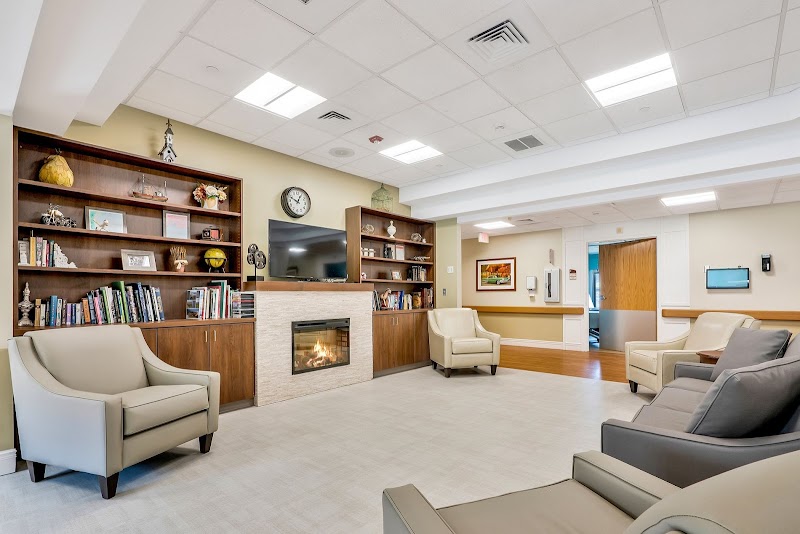
How Does Evergreen Center For Health & Rehabilitation Compare to Other Connecticut Nursing Homes?

Compared to the 100 nursing homes in Connecticut, EVERGREEN CENTER FOR HEALTH & REHABILITATION's overall rating (3 stars) is below the state average of 3.0, staff turnover (47%) is near the state average of 46%, and health inspection rating (3 stars) is at the national benchmark.

What Should Families Ask When Visiting Evergreen Center For Health & Rehabilitation?

Based on this facility's data, families visiting should ask: "Can I visit during a mealtime to observe dining assistance and food quality?" "How do you handle medical emergencies, and what is your hospital transfer rate?" "Can I speak with family members of current residents about their experience?"

Is Evergreen Center For Health & Rehabilitation Safe?

Based on CMS inspection data, EVERGREEN CENTER FOR HEALTH & REHABILITATION has a clean safety record: no substantiated abuse findings (meaning no confirmed cases of resident harm), no Immediate Jeopardy citations (the most serious violation level indicating risk of serious injury or death), and is not on the Special Focus Facility watch list (a federal program monitoring the lowest-performing 1% of nursing homes). The facility has a 3-star overall rating and ranks #100 of 100 nursing homes in Connecticut. While no facility is perfect, families should still ask about staff-to-resident ratios and recent inspection results during their visit.

Do Nurses at Evergreen Center For Health & Rehabilitation Stick Around?

EVERGREEN CENTER FOR HEALTH & REHABILITATION has a staff turnover rate of 47%, which is about average for Connecticut nursing homes (state average: 46%). Moderate turnover is common in nursing homes, but families should still ask about staff tenure and how the facility maintains care continuity when employees leave.

Was Evergreen Center For Health & Rehabilitation Ever Fined?

EVERGREEN CENTER FOR HEALTH & REHABILITATION has no federal fines on record. CMS issues fines when nursing homes fail to meet care standards or don't correct problems found during inspections. The absence of fines suggests the facility has either maintained compliance or corrected any issues before penalties were assessed. This is a positive indicator, though families should still review recent inspection reports for the full picture.

Is Evergreen Center For Health & Rehabilitation on Any Federal Watch List?

EVERGREEN CENTER FOR HEALTH & REHABILITATION is not on any federal watch list. The most significant is the Special Focus Facility (SFF) program, which identifies the bottom 1% of nursing homes nationally based on persistent, serious quality problems. Not being on this list means the facility has avoided the pattern of deficiencies that triggers enhanced federal oversight. This is a positive indicator, though families should still review the facility's inspection history directly.