MANSFIELD CENTER FOR NURSING AND REHABILITATION
100 WARREN CIRCLE, STORRS MANSFIELD, CT 06268 (860) 487-2300
For profit - Limited Liability company 98 Beds NATIONAL HEALTH CARE ASSOCIATES Data: November 2025
Trust Grade
28/100
#179 of 192 in CT
Last Inspection: April 2025

Within standard 12-15 month inspection cycle. Federal law requires annual inspections.

Overview

Mansfield Center for Nursing and Rehabilitation has a Trust Grade of F, indicating a poor reputation with significant concerns about care quality. It ranks #179 out of 192 facilities in Connecticut, placing it in the bottom half, and #60 out of 64 in its county, suggesting limited local options for better care. The facility is worsening, with the number of issues rising from 3 in 2024 to 6 in 2025. Staffing is a strength, with a 0% turnover rate, which is well below the state average, but the overall staffing rating is still poor at 1 out of 5 stars. The facility has concerning fines totaling $22,581, higher than 79% of its peers, indicating possible compliance issues. Recent inspections revealed serious incidents, including a failure to provide adequate staff assistance during mechanical lift transfers, leading to resident injuries. Additionally, there were lapses in supervision while residents were in the bathroom, resulting in further injuries, and food safety concerns regarding unlabeled items in the kitchen. While there are some strengths in staffing retention, the overall quality of care is a significant concern due to the numerous deficiencies.

Trust Score
F
28/100
In Connecticut
#179/192
Bottom 7%
Safety Record
Moderate
Needs review
Inspections
Getting Worse
3 → 6 violations
Staff Stability
○ Average
Turnover data not reported for this facility.
Penalties
⚠ Watch
$22,581 in fines. Higher than 85% of Connecticut facilities, suggesting repeated compliance issues.
Skilled Nurses
○ Average
RN staffing data not reported for this facility.
Violations
⚠ Watch
26 deficiencies on record. Higher than average. Multiple issues found across inspections.
★☆☆☆☆
1.0
Overall Rating
★☆☆☆☆
1.0
Staff Levels
★★★★☆
4.0
Care Quality
★★☆☆☆
2.0
Inspection Score
Stable
2024: 3 issues
2025: 6 issues

The Good

  • 4-Star Quality Measures · Strong clinical quality outcomes
  • Full Sprinkler Coverage · Fire safety systems throughout facility
  • No fines on record

Facility shows strength in quality measures, fire safety.

The Bad

1-Star Overall Rating

Below Connecticut average (3.0)

Significant quality concerns identified by CMS

Federal Fines: $22,581

Below median ($33,413)

Minor penalties assessed

Chain: NATIONAL HEALTH CARE ASSOCIATES

Part of a multi-facility chain

Ask about local staffing decisions and management

The Ugly 26 deficiencies on record

2 actual harm
Apr 2025 5 deficiencies 1 Harm
SERIOUS (G)

Actual Harm - a resident was hurt due to facility failures

Accident Prevention (Tag F0689)

A resident was harmed · This affected 1 resident

**NOTE- TERMS IN BRACKETS HAVE BEEN EDITED TO PROTECT CONFIDENTIALITY** Based on review of clinical records, review of facility documentation, review of facility policy, and interviews, for two of six...

Read full inspector narrative →
**NOTE- TERMS IN BRACKETS HAVE BEEN EDITED TO PROTECT CONFIDENTIALITY** Based on review of clinical records, review of facility documentation, review of facility policy, and interviews, for two of six sampled residents (Residents #13 and #47) reviewed for accidents, the facility failed to ensure the required staff assistance was utilized during the use of the mechanical lift, and for one of six sampled residents (Resident #33) the facility failed to ensure the required staff assistance was in place during a mechanical lift transfer and failed to ensure the resident was attached to the lift correctly, which resulted in an accident and injury. The findings include: 1. Resident #13 was admitted to the facility in January 2025 with diagnoses that included metabolic encephalopathy, dementia, and renal failure. The admission MDS assessment dated [DATE] identified Resident #13 had intact cognition, functional limitation in range of motion of the bilateral upper extremities, utilized a wheelchair for mobility, was dependent on staff for toileting hygiene, toileting and transfers from the bed to the wheelchair, and was always incontinent of bowel and bladder. The physician's order dated 3/17/25 directed Resident #13 be transferred with the assistance of two staff members. The care plan dated 1/31/25 identified Resident #13 had a deficit in Self Care Function with interventions that direct 2 staff for bathing/showering, 2 staff for dressing, and 2 staff for toileting. Observation on 4/9/25 at 9:40 AM identified NA#7 and NA#6 utilizing the mechanical lift to transfer Resident #13 from the bed (a seated position) to the bathroom, to be seated on the toilet. Both NA#6 and NA#7 completed the transfer. Resident #13 was seated on the toilet and disconnected from the lift. NA#7 directed NA#6 to call him when she was finished with care and left the room. NA#6 completed care and dressed the resident in the bathroom with the door closed. Observation on 4/9/25 at 9:55 AM identified NA#6 operating the mechanical lift independently without assistance to transfer Resident #13 out of the bathroom and into the wheelchair which was located in the room next to the bed. Interview on 4/9/25 at 10:04 AM with NA#6 identified she has worked at the facility since 9/2024 and identified she is a full-time employee. NA#6 further identified that she looks at the care card to identify what type of care the resident needs and indicated that all residents required two staff members when utilizing the sit to stand mechanical lift. Interview on 4/9/25 at 10:24 AM with RN#1 identified that all of the staff is aware that mechanical lift transfers require the assistance of two staff members. Interview on 4/9/25 at 12:39 PM with the ADNS identified that NA competencies are done annually and as needed and that all nurses' aides are aware that two staff members are required when utilizing the mechanical lift. Interview on 4/9/25 at 2:15 PM with the Administrator and RN#4 identified that the facility policy identifies that mechanical lift transfers require the assistance of 2 staff members. The policy on use of the mechanical lifts identified that two staff members must be involved in the transfer of a resident with the mechanical lift. 2. Resident #33's diagnoses included Alzheimer's disease, aphasia, muscle weakness and chronic kidney disease. The annual MDS assessment dated [DATE] identified Resident #33 had intact cognition (BIMS of 13), required maximal assistance with bed mobility, and upper body dressing, required total assistance with lower body dressing and toileting hygiene. The assessment further identified Resident #33 did not ambulate, utilized a wheelchair and was dependent on staff for mobility. The care plan dated 8/21/24 identified Resident #33 had an activities of daily living (ADL) self-care performance deficit due to Alzheimer's/dementia. The care plan interventions directed: transfer status of [NAME] (which is a sit to stand mechanical lift) or Hoyer lift (which is a total mechanical lift) with assist of two (staff), back to bed with Hoyer at night, and toilet transfer status of Sara lift assist of two if able otherwise back to bed with the Hoyer lift. The care plan also identified Resident #33 had limited physical mobility related to Alzheimer's dementia and osteoarthritis. Review of the Nurse Aide care card instructions in effect for the month of October 2024 identified the need for two staff with the use of the Sara lift and the Hoyer lift. The physician's orders for the month of October 2024 directed Acetaminophen (Tylenol) tablet 650 milligrams (mg), administer two tablets orally in the morning for pain. Review of the medication administration record identified that on 10/8/24, the resident was administered Tylenol 650 mg at 10:07 AM for complaint of discomfort in addition to his/her regularly scheduled Tylenol. The nurse's note dated 10/8/24 at 10:46 AM written by RN #5 identified Resident #33 had pain in the left knee, tibia and fibula area with some increased warmth and swelling. The note further identified that APRN #1 was notified, and an x-ray was ordered. APRN 1's progress note/assessment via telehealth visit dated 10/8/24 identified Resident #33 reported left knee pain and the inability to help with Sara lift transfer as usual. The note further identified that per nursing the left knee had slight edema, a negative [NAME] sign, was warm to the touch without erythema and an x-ray of the knee was ordered. The x-ray results dated 10/8/24 identified the resident had a fracture of the left tibia and fibula. It further noted that the resident had mild degenerative changes and diffuse osseous demineralization. The nurse's note dated 10/9/24 at 12:30 AM identified the x-ray results were positive for fracture of the left tibia/fibula and that an order was obtained to send the resident to the hospital emergency department. Review of the hospital discharge paperwork dated 10/9/2024 identified bruising and tenderness in the left proximal tibia and an x-ray was performed in the emergency department which showed an oblique left proximal tibia fracture. The leg was splinted with instructions to follow up with orthopedic surgery. The facility's reportable event report and investigation dated 10/9/24 at 9:30 AM identified Resident #33 complained of having pain in the left leg, with increased warmth and swelling to the area. In addition, an order was received to have an x-ray performed which indicated a left lower leg fracture involving the proximal tibia and fibula with minimal callus and mild displacement, and an order was received to send the resident to the emergency department for further evaluation. The report further identified the hospital identified a fracture of the left tibia, placed a long leg splint, and noted the resident a status of non-weight bearing until follow-up with orthopedic surgery. The facility submitted the report to the state survey agency with the classification as an injury of unknown origin, the reportable event report did not acknowledge the incident with the Sara lift that occurred on 10/7/25. The reportable event report identified a written statement by NA #2 dated 10/9/24 that identified she washed and got Resident #33 prepared for the transfer to his/her wheelchair, she placed the straps around the resident's torso, and attached the straps to the lift, placed the resident's feet on the lift platform, The statement further identified that during the transfer from the bed to the wheelchair, she noticed one of the resident's feet fell off the lift, and the resident told her that his/her leg was weak. The documentation further noted NA #2 lowered the resident down and went to get the nurse. The reportable event report investigation further identified that on 10/15/24 The DNS (former) spoke to NA #2 who identified that Resident #33's left foot slipped off the lift platform, causing the resident to kneel on the left knee. Interview with NA #2 on 4/3/25 at 2:20 PM identified that in the morning she assisted Resident #33 to sit on the edge of the bed to transfer him/her using the Sara lift to the wheelchair. She further identified that while the resident was attached to the Sara lift via the straps and in the process of transferring the resident she noticed that the resident's left foot slipped off the Sara lift platform. She noted that she locked the Sara lift and went in the hallway to get the nurse (LPN #2). LPN #2 came and asked the resident if she had any pain and assisted NA #2 in transferring the resident to the bed with the Sara lift. She further noted that they used the Hoyer lift to transfer the resident from the bed to the wheelchair. NA #2 identified that she was aware that Resident #33 required assistance from two staff to use the Sara lift, however, she transferred the resident by herself because there was nobody available to assist with the transfer. LPN #2's written statement dated 10/9/24 identified on 10/7/24 around 9:30 AM she was called by NA #2 to Resident #33's room. She noted that on arrival to the room she observed Resident #33 hooked up on the Sara lift and noted the left leg was bent behind the resident and was not on the lift platform (where the feet should be placed). She further identified that immediately the resident was safely transferred back to bed with assistance of two and noted Resident #33 appeared calm, denied pain or discomfort, had no visible bruises, lacerations or swelling and was able to move extremities without pain. Interview with the Charge Nurse (LPN #2) on 4/3/25 at 2:35 PM identified she was the nurse on duty on 10/7/24 for the 7:00 AM to 3:PM shift. LPN #2 identified she was taking care of another resident in a nearby room when NA #2 called her to come to Resident #33's room. She identified that when she entered the room, Resident #33 had the lift pad around her upper torso with the straps attached to the lift, but the resident was hanging freely from the lift with the knees not touching the padding on the lift where the knees are supposed to touch to support the resident, her left leg was also bent back and was not on the lift platform. LPN #2 further noted that NA #2 was in the process of transferring the resident from the bed to the wheelchair. LPN #2 identified that the leg straps (supports) were not in place (as they should be) around the resident's lower legs. LPN #2 further identified that the resident required two staff to assistance with the transfer and that NA #2 had not requested assistance. Additionally, LPN #2 identified that she notified the nursing supervisor of the incident. Interview with LPN #2 on 4/8/25 at 1:44 PM identified that on 10/8/24 Resident #33 complained of pain in the left lower extremity. LPN #2 noted that the left lower extremity was noted with swelling and redness. She identified that she notified the nursing supervisor on duty and x-rays were ordered. LPN #2 further identified Resident #33 should absolutely have the lift leg support straps in place when using the Sara lift. The physical therapy (PT) note dated 10/9/24 at 2:44 PM by PT #2 identified Resident #33 was referred to PT due to significant decline in his/her transfer abilities that was noted on 10/8/24, and the resident was found to have a deformity of the left lower extremity with increased edema to the left lower extremity and was sent out for x-rays which revealed a fracture of the left fibula/tibia. Interview with MD #1 (Orthopedic Surgeon) on 4/9/25 at 9:26 AM identified Resident #33 was seen in the office due to a fracture and based on the x-ray results, and his examination of the resident, he identified Resident #33 had an acute fracture. He further noted that the accident with the Sara lift could definitely have caused the fracture, and because of the resident's dementia, the response to pain may be atypical and the resident may not remember what occurred. Interview with the Physical Therapist (PT #1) on 4/8/25 at 8:33 AM identified that if the resident transfer status fluctuates between the use of a Sara lift and Hoyer lift then the leg straps should be utilized. PT #1 further identified if the leg straps on the Sara lift are not used as indicated and secured it can cause injuries to the resident. PT #1 further identified that if the leg straps on the Sara lift are used and secured properly, a resident's leg would not slip off the platform/foot support. PT #1 added that when using the Sara lift with Resident #33, two staff members are needed to prevent the resident from getting hurt and for safety. PT #1 added that two staff members are needed in Sara lift transfers as one staff would aid in positioning residents who are unable to position themselves in a seated position to be connected to the Sara lift and guide the resident during the transfer while the other staff manages the Sara lift. Interview with the Staff Development Nurse (RN #2) on 4/7/25 at 10:56 AM identified that two staff members are required when using the mechanical lift as one staff operates the machine/lift and the other staff guides the resident, and legs support straps are to be utilized during the transfers as it is a part of the training. Interview with the current DNS and the Administrator on 4/9/25 at 1:39 PM identified that NA #2 was an agency staff and was provided with education following the incident. Review of the [NAME] 3000 (Sara lift) instructions for use manual identified that the foot support is used for positioning before and supporting the resident's feet during raising and transferring. In addition, the lower leg straps accessory is used to ensure that the lower parts of the resident's legs stay close to the knee support as they pass around the knee supports, then around the resident's lower calves. Also to ensure that the straps are firm but comfortable for the resident. In addition, the manual further identified in the warning section that the residents' feet shall always remain in full contact with the foot support and when raising, check to ensure that the resident's feet do not lift from the foot support. Review of the policy and procedure for Sara lift (partial weight bearing/standing lift) identified a mechanical lifting device is utilized to safely move a patient/resident from bed to chair or to the commode/bathroom and two staff are utilized to perform the procedure unless it is specified by physical therapy that the transfer can be completed with one person assisting. The policy and procedure for using the Sara lift in part, identify to place the resident's feet onto the foot support, adjust the resident's leg so that they are in full contact with the knee support of the lift, attach sling to the lift at the designated spots and attach the support strap to the resident's legs for safety. 3. Resident #47's diagnoses included dementia, type 2 diabetes, anemia and hemiplegia and hemiparesis following cerebral infarction affecting the left non-dominant side. The quarterly MDS assessment dated [DATE] identified Resident #47 had severe cognitive impairment, had no behaviors, was dependent for hygiene, lower body dressing, and bed mobility. The assessment further identified Resident #47 did not ambulate, utilized a wheelchair and was dependent on staff for mobility. The care plan dated 2/9/25 identified Resident #47 had an ADL self-care performance deficit related to cognitive impairment /history of CVA with left sided hemiplegia. Care plan interventions included transfer with two staff assist using the Sara lift (sit to stand lift). The Nurse Aide care card instruction for April 2025 identified Resident #47 required the assistance of two 2 staff members when using the Sara lift. Observation on 4/2/25 at 12:19 PM identified Resident #47 seated in his/her adaptive wheelchair located on the right-side of the resident's bed. NA #5 wheeled the resident to the end of the bed facing the entrance door of the room. NA #5 positioned the Sara lift in front of the resident, then applied the sling to Resident #47 followed by attaching the sling to the Sara lift followed by applying the leg support straps and she ensured the resident placed his/hand on the support grips. NA #5 then utilized the control to raise the resident up, then transferred the resident to the bathroom and lowered the resident to the toilet seat. Interview with NA #5 on 4/2/25 at 1:06 PM identified the care card indicated Resident #47 required two staff members for transfers with the Sara lift. NA #5 further identified that she should have had a second staff member with her during the transfer, but she transferred the resident by herself. She added that when she first started orientation on the unit, she was trained and told by staff that Resident #47 only needed one person to use the Sara lift for transfers. Interview with the DNS on 4/2/25 at 3:10 PM identified that two staff members are required to use the Sara lift. The DNS reviewed Resident #47's care plan and indicated that he/she required two people when utilizing the Sara lift. Interview with the Staff Development Nurse (RN #2) on 4/7/25 at 10:56 AM identified that staff are trained to use two staff members when using the Sara lift. RN #2 further identified she provided education and/competency to the nurses' aides including NA #5 in December of 2024. She noted that during the transfer, one staff member operates the lift, and one staff member provides hands on guidance to the resident. Interview with the Physical Therapist (PT #1) on 4/8/25 at 8:25 AM identified Resident #47 requires two staff members for transfers using the Sara lift. PT #1 noted that when using the Sara lift for this resident that two staff members are needed to prevent the resident from getting hurt and for safety, as one staff member operates the Sara lift, and the other staff member guides the resident and ensures the resident is positioned properly. The Mechanical Lift policy identified two staff members must be involved in the transfer of a resident with the Mechanical Lift.
CONCERN (E)

Potential for Harm - no one hurt, but risky conditions existed

Pharmacy Services (Tag F0755)

Could have caused harm · This affected multiple residents

**NOTE- TERMS IN BRACKETS HAVE BEEN EDITED TO PROTECT CONFIDENTIALITY** 755 Based on review of facility documentation, review of facility policy/procedures and interviews, the facility failed to estab...

Read full inspector narrative →
**NOTE- TERMS IN BRACKETS HAVE BEEN EDITED TO PROTECT CONFIDENTIALITY** 755 Based on review of facility documentation, review of facility policy/procedures and interviews, the facility failed to establish a complete system of records of receipt and disposition of all controlled medications in sufficient detail to enable an accurate reconciliation. The findings include: Review of the bi-monthly narcotic drug audit form dated [DATE] identified the facility was auditing to ensure that medication carts were locked, all controlled drugs have a proof of use sheet, the narcotic count was correct, all change of shift narcotic count sheets were signed, all narcotic medications were labeled correctly, and no expired narcotic medication was stored in the medication cart. Review of the narcotic reconciliation with the ADNS on [DATE] at 1:40 PM identified that there were four binders in the ADNS office that contained the yellow Controlled Substance Disposition Records (CSDR), the CSDR sheets were organized by nursing unit and arranged in alphabetical order. Additionally, the oldest yellow CSDR sheet was dated [DATE] and had not yet been reconciled with the white CSDR nor were the medications identified as having been destructed. The book did not contain any audit sheets. Interview with the ADNS on [DATE] at 2:00 PM identified that she was responsible for conducting the controlled drug medication auditing and she also identified that she completed her audit twice a month. She identified that her narcotic audit consisted of ensuring the narcotic medications were locked when not in use, the narcotic count was correct, the shift change count were sign by the nurse, and no expired narcotic medication kept in the cart; however, she identified that she was waiting to receive the white CSDR sheet from the nurse and she will then reconcile to ensure that white CSDR match to the yellow CSDR to ensure the count were accurate. She further identified that she was not auditing the yellow CSDR in her binder until the nurse gave her the white CSDR from the nursing units. The facility Controlled Substance Handling policy identified that all controlled drugs will be subject to special receipt, handling, storage, disposal, and record keeping. The facility failed to ensure there was an adequate medication reconciliation practice to ensure medications are not diverted.
CONCERN (F)

Potential for Harm - no one hurt, but risky conditions existed

Food Safety (Tag F0812)

Could have caused harm · This affected most or all residents

Based on observation, review of facility policy/procedures and interviews, the facility failed to ensure that food stored in the refrigerator and freezer was labeled with an expiration and open date, ...

Read full inspector narrative →
Based on observation, review of facility policy/procedures and interviews, the facility failed to ensure that food stored in the refrigerator and freezer was labeled with an expiration and open date, and the staff failed to wear beard restraints. The findings include: During the initial brief tour of the kitchen on 4/2/25 at 9:41 AM with the Dietary Manager identified cooler #2 contained eight waffles in an open package stored with no expiration date and no open date as well as a Starbucks mocha drink that was 2/3 full. Interview on 4/2/25 at 9:42 AM with the Dietary Manager identified the waffles should be labeled with the open date and the expiration date. Observation on 4/2/25 at 9:46 AM identified the walk-in refrigerator contained shredded cabbage that was opened with no open date label and no expiration date and Parmesan cheese wrapped with saran wrap with no open date and no expiration date. Interview on 4/2/25 at 9:48 AM with the Dietary Manager identified the cabbage was recently opened to make coleslaw and that it should have been labeled with the date opened and date it needed to be discarded. He further identified that the Parmesan cheese should be labeled with the same information. Observation on 4/2/25 at 9:50 AM identified the walk-in freezer contained a box of pizza slices that was ¾ full and open to air. It was not labeled with date of expiration or date it was opened. A beef patty package of twelve patties with no expiration date, there was an opened package of hot dogs with no expiration, and oatmeal raisin cookie dough in saran wrap with no expiration date. Interview on 4/2/25 at 9:55 AM with the Dietary Manager identified that food items should not be left open to air, and they should have an expiration date. Observation on 4/3/25 at 11:52 AM of the tray line identified the Dietary Manager was plating food, and did not have a beard restraint in place. Additionally, Dietary Aide #1 had a full beard and mustache and was also plating food without a beard restraint in place. Interview with the Dietary Manger on 4/7/25 at 11:30 AM indicated that there should have been facial coverings worn by himself and the Dietary Aide #1 on 4/3/25 when plating food for the lunch meal. The Storage of Food and Supplies policy identified that food from non-approved sources should not be stored in the kitchen, ie. staff food. Food products that are open and not completely used and/or food transferred from their original package to another storage container; or prepared at the facility and stored should be labeled with the contents and the use by date. The Personal Hygiene for Food Handlers identified hair restraints such as hats, hair coverings or nets, and beard restraints are worn at all times when in the kitchen. Hair is to be fully contained inside the covering. Facial hair should be neatly trimmed and covered by a mask or beard guard.
CONCERN (F)

Potential for Harm - no one hurt, but risky conditions existed

Infection Control (Tag F0880)

Could have caused harm · This affected most or all residents

**NOTE- TERMS IN BRACKETS HAVE BEEN EDITED TO PROTECT CONFIDENTIALITY** Based on observation, review of the clinical record, review of facility policy/procedures and interviews for 1 of 3 residents (R...

Read full inspector narrative →
**NOTE- TERMS IN BRACKETS HAVE BEEN EDITED TO PROTECT CONFIDENTIALITY** Based on observation, review of the clinical record, review of facility policy/procedures and interviews for 1 of 3 residents (Resident #57) reviewed for pressure injuries, the facility failed to ensure facility staff used appropriate PPE when providing care to a resident on Enhanced Barrier Precautions (EBP) and failed to ensure infection control surveillance data collection reports were complete and compiled on a monthly basis. The findings include: 1. Review of the infection control program for the period of April 2023 to January 2024 with the Regional Director of Clinical Operations (RN #7) and the Infection Preventionist (IP) Nurse (RN #4) on 4/7/25 at 12:57 PM failed to identify that monthly surveillance infection reports and analysis of infection trends were completed from April of 2023 through January 2024 within the monthly Antibiotic Report as well as the quarterly reports provided for April 2023, July 2023, and October 2023. The Antibiotic Report was provided by RN #7, which indicated that this was what the facility was apparently using during those periods for their infection surveillance, however the reports were incomplete. Review of the monthly Antibiotic Reports (RN #7 indicate was used for surveillance) provided by the facility identified incomplete information in various columns such as: the Healthcare Associated infection (H) or Community Acquired Infection (C), met or did not meet (McGeer's), and new prophylactic for the period of April 2023 through January 2024. Interview with RN #4 on 4/7/25 at 12:57 PM identified that she was not working at the facility in 2023 and had only started working at the facility in February 2024. She identified that she currently completes her infection surveillance on a monthly basis, and she analyses the data to identify any trends or clusters and provides education to staff as needed based on the data. Interview with RN #7 on 4/8/25 at 3:15 PM identified the infection control surveillance reports were incomplete. She further identified that the facility had an IP at the time, and it was his/her responsibility to complete the surveillance reports and to analyze infection rates with the facility. Review of the Infection Control Program policy directed to maintain a separate record of infection for each resident who has an infection, analyze clusters of infection, changes in prevalent organisms, and any increase in the rate of infection in a timely manner. The policy further identifies the infection control program will be monitored quarterly or as indicated at the quality improvement meeting. 2. Resident #57 was admitted to the facility October 2023. Diagnoses include neurocognitive disorder with Lewy bodies dementia, trigeminal neuralgia, and pressure ulcer of sacral region Stage 3. The annual MDS assessment dated [DATE] identified Resident #57 had severely impaired cognition, was dependent for oral care, toileting, and personal hygiene, and dependent for transfers and mobility in a manual wheelchair. The MDS indicated the resident was at risk for developing pressure ulcers and had one unhealed Stage 4 pressure ulcer. The care plan dated 3/11/25 identified Resident #57 required Enhanced Barrier Precautions due to chronic wound pressure ulcer with interventions that included don gown and gloves when performing high contact care activities including dressing, bathing, transferring, changing linens, assisting with toileting or changing brief, care or use of indwelling medical device and providing wound care, evaluate EBP upon resolution of wound or discontinuation of indwelling medical device that places them at risk. The physician's orders dated 4/1/2025 directed to cleanse wound with a quarter (¼) strength Dakins, pat dry, pack with gauze loosely and apply dry clean dressing daily and as needed. The order was updated on 4/9/25 to cleanse wound with wound cleanser, pat dry and pack wound with ½ Dakins and apply 4x4 gauze daily and as needed. Additional orders included to monitor sacral wound for signs and symptoms of infection and ensure dressing is in place every shift and limit in chair time to 1 hour daily. Observation on 4/7/25 at 10:38 AM identified Resident #57 in bed positioned on the right side and appeared to be asleep. The name plaque on the outside of the room had a round blue sticker next to the resident's name. Interview on 4/7/25 at 11:49 AM with LPN#6 identified that rooms with a blue sticker next to a resident's name indicated that resident was on enhanced barrier precautions and noted that all residents on contact precautions have signage on the door frame indicating what type of precautions are required. Interview on 4/7/25 at 12:00 PM with NA#5 identified that the blue dots on the name plaques next to resident names are for the long-term care for those residents who have some issue and require PPE with care. The nursing progress note dated 4/8/25 at 3:34 PM identified the nurse was asked to view the resident's wound by the NA. The LPN indicated that above the present wound, there was an open area that was leaking large amounts of brown fluid. Observation on 4/9/25 at 10:35 of NA#7 at the bedside of Resident #57 finishing incontinent care and situating resident in bed identified NA#7 did not have any PPE in place and verbalized providing a brief change for the resident. Observation on 4/9/25 at 10:38 AM of LPN #7 identified LPN #7 entered Resident #57's room to provide wound care. LPN #7 was assisted by NA #7 who stayed in the room to help with resident positioning. LPN#7 placed a towel over the bedside table and placed the bottle of Dakin's solution, sterile gauze unopened, an opened multipack of non-sterile cotton tipped applicators on the towel. NA #7 had gloves in place, but no gown or mask, and held the resident up on the resident's left side so LPN #7 could access the sacral wound dressing. LPN #7, wearing only gloves, took down the dressing and as she removed the wound covering, an area close to the border of the dressing, up the back from the packing area, that oozed brownish, grey colored drainage as LPN#7 removed the dressing. The wound dressing was saturated in the brownish/grey colored drainage. LPN #7 replaced the dressing and explained that she was going to go notify the supervisor. Continued observation on 4/9/25 at 10:45 AM identified LPN#7 returned to Resident #57's room and put on new gloves, but no other PPE. LPN #7 identified that the supervisor was aware of the drainage and began to take the dressing off once again. At this time the Infection Prevention nurse (RN #4) entered the room. RN#4 was actively putting on a precautions gown and directed NA #7 and LPN #7 to put on PPE and indicated that the resident was on EBP. RN #4 took over wound care and sent LPN #7 out of the room to obtain additional sterile items for wound care. Interview on 4/9/25 at 11:06 AM with LPN #7 identified that Resident #57 had a blue dot on the name plaque and that the blue dot indicated the resident was on EBP and required PPE with care. LPN#7 identified that she should have had PPE on when providing wound care and could not identify why she did not put it on. Interview on 4/9/25 at 1:00 PM with RN #4 identified that all staff are educated on EBP, contact precautions, and use of PPE. RN#4 indicated that NA#7 was a long-term employee and had been educated on use of PPE and EBP. RN#7 also worked at the facility frequently and was aware of EBP and use of PPE. Interview on 4/9/25 at 1:57 PM with the ADNS who identified that all staff are educated on EBP and PPE use. Agency staff are oriented but have no formal education by the facility. The ADNS indicated that RN #4 does the staff competencies, and the expectation is that the rooms with the blue dots indicated residents who require EBP. Facility policy regarding Clinical Services: precautions to prevent infection identified that Enhanced Barrier Precautions (EBP) is an approach of targeted gown and glove use during high contact resident care activities that include chronic wounds, pressure ulcers.
CONCERN (F)

Potential for Harm - no one hurt, but risky conditions existed

Antibiotic Stewardship (Tag F0881)

Could have caused harm · This affected most or all residents

**NOTE- TERMS IN BRACKETS HAVE BEEN EDITED TO PROTECT CONFIDENTIALITY** Based on clinical record review, review of facility documentation, facility policy and interviews, during a review of the facili...

Read full inspector narrative →
**NOTE- TERMS IN BRACKETS HAVE BEEN EDITED TO PROTECT CONFIDENTIALITY** Based on clinical record review, review of facility documentation, facility policy and interviews, during a review of the facility antibiotic stewardship program, the facility failed to ensure that the facility's antibiotic surveillance tracking report of antibiotic use, patterns and resistant trends was completed and reviewed at the quarterly medical staff meetings and for one of five sampled residents (Resident #13) reviewed for unnecessary medications, the facility failed to ensure that the antibiotic stewardship was followed for a resident receiving antibiotics. The findings include: 1. Review of the antibiotic stewardship program for the period of April 2023 to January 2024 with the Regional Director of Clinical Operations (RN #7) and the Infection Preventionist (IP) Nurse (RN #4) on 4/7/25 at 12:57 PM failed to identify any completed documentation presented quarterly at the Medical Staff meeting that included rates of antibiotic usage, patterns and resistance trends, and infections which meet McGeer for the use of Antibiotic therapy for their antibiotic stewardship program for the period of April 2023 to January 2024. Review of the monthly Antibiotic Reports provided by the facility identified incomplete information in various columns such as: the Healthcare Associated infection (H) or Community Acquired Infection (C), met or did not meet (McGeer's), and new prophylactic for the period of April 2023 through January 2024. Review of the quarterly reports for April 2023, July 2023 and October 2023 failed to identify any information regarding the facility's antibiotic stewardship program. Interview with RN #4 on 4/7/25 at 12:57 PM identified she was not working as the IP at the time and had only started working as the IP in February of 2024. Interview with RN #7 on 4/8/25 at 3:15 PM identified the monthly Antibiotic Reports were incomplete as she had some information from pharmacy reports for August 2023 through December 2023. She further identified that the facility had an IP at the time, and it was their responsibility to complete the monthly Antibiotic Report and quarterly reports for medical staff meetings. Review of the Antibiotic Stewardship policy identifies data and stewardship initiatives will be reviewed on a quarterly basis. 2. Resident #13's diagnoses included metabolic encephalopathy, chronic kidney disease stage 4, urge incontinence, and altered mental status. The admission MDS assessment dated [DATE] identified the resident had intact cognition, was dependent with toileting, was always incontinent of bowel and bladder, required partial/moderate assistance with personal hygiene, and substantial/maximal assistance to dependent for all transfers and mobility. The current care plan in place identified the resident had a urinary tract infection (UTI) and was receiving antibiotics in addition to being on prophylactic antibiotic therapy for UTI prevention with interventions to administer antibiotic medications as ordered by the physician, assist resident with hand hygiene, monitor/document/report adverse reactions to antibiotic therapy and signs and symptoms of secondary infection related to antibiotic therapy. Physician's orders dated 3/28/25 directed to administer Ciprofloxacin (antibiotic) oral tablet 250 mg by mouth two times a day for UTI for 7 days (ending 4/5/25). Additionally, physician's orders directed to administer Methenamine Hippurate (antibiotic used to prevent and control UTI's) oral tablet 1 GM by mouth two times a day for UTI and was on hold from 3/31/25 to 4/5/25. The APRN's progress note dated 3/21/25 identified Resident #13 had a recent hospitalization for acute metabolic encephalopathy, likely secondary to infection (UTI) and received three antibiotics as treatment. The note further identified that Resident #13 continued to have altered mental status and dementia, received a neurology consult and was started on Trazodone (antidepressant) 25 mg every 6 hours for agitation and anxiety with plan to evaluate urine culture and sensitivity. The APRN's progress note dated 3/24/25 identified the Resident #13 had a urinalysis that showed greater than 100,000 bacteria which suggested contamination or colonization; however, the urine culture was negative, and the resident denied bladder pain, fever, chills, or sweats, and will recollect urine ensuring straight catheterization with a clean sample to obtain more accurate results. The lab results report dated 3/23/25 identified the urine culture collected via straight catheter showed the growth of multiple gram positive and negative organisms with three or more species recovered, none predominant and suggested either specimen contamination or patient colonization. The APRN's progress note dated 3/28/25 identified the resident was seen for follow-up evaluation of urinary tract infection. Assessment and plan identified the urinalysis was discussed with medical director and revealed greater than 100,000 bacteria with no species predominant, suggesting colonization versus contamination. The note indicated the resident was symptomatic with mild altered mental status, bladder distention, and costovertebral angle tenderness (CVA). Although likely colonization, will treat to decrease bacterial load with Cipro 250 mg twice daily for 7 days. Additionally, the resident reported feeling constipated despite having a bowel movement and Senna was increased to 2 tablets twice daily. The lab results report dated 3/28/25 identified the urine culture, collected via straight catheter showed the growth of multiple gram positive and negative organism with three or more species recovered, none predominant and indicated the culture results suggest either specimen contamination or patient colonization. The March 2025 MAR (medication administration record) identified Resident #13 was administered Methenamine Hippurate oral tablet 1 GM by mouth two times a day for UTI every day of the month with the exception of the 2nd dose on March 31st. The MAR for April 2025 identified Resident #13 was administered Cipro oral tablet 250 mg by mouth two times daily for UTI on April 1st, 2nd, 3rd, and 4th. It further identified Resident #13 was administered Methenamine Hippurate Oral Tablet 1 GM by mouth two times a day for UTI was held from 4/1 through 4/5/25 and was administered as ordered beginning 4/5/25 through 4/10/25. Interview on 4/7/25 at 11:58 AM with LPN#6 identified Resident #13 had a decline in cognitive ability and indicated that the antibiotic was completed the previous day, and the altered mental status persisted. The March 2025 MAR identified the resident was administered Cipro oral tablet 250 mg by mouth two times a day for UTI as ordered on March 29th, 30th, and 31st. Interview on 4/8/25 at 2:42 PM with RN#4 identified when she receives culture results, she fills out and reviews the McGeer's criteria and if the resident does not meet criteria, she notifies the APRN. RN#4 indicated she noticed an increase in prescribing antibiotics for UTIs that are continued even though the resident doesn't meet the criteria. RN #4 indicated the McGeer's criteria is in place to prevent multi drug resistant organisms from developing but indicated the process was not being followed by the providers. Interview on 4/9/25 at 11:09 AM with APRN#1 identified that she was aware there was a set of criteria used to determine continuation of an antibiotic and acknowledged the McGeer's criteria from her training and indicated that she doesn't use it 100% because it doesn't take into account altered mental status changes. APRN#1 identified that if there is no growth found in a culture she would discontinue the antibiotic. APRN#1 indicated that she starts the antibiotic while waiting for culture and sensitivity results. In reference to Resident #13, APRN identified that the family was difficult and wanted the resident to have antibiotics because the family refused to acknowledge the progression of the dementia, so APRN#1 indicated she gave the resident the antibiotic because of excessive colonization, although there was not one bacteria identified as predominant. APRN#1 indicated the prophylactic antibiotic should be discontinued while the resident was receiving another antibiotic. APRN#1 identified she was aware the facility had recommendations for prescribing antibiotics but has not addressed anyone regarding her thoughts or practice preferences. Interview on 4/10/25 at 12:05 PM with RN#4 (IP) identified that when she reviews the McGeer's criteria she speaks with the APRN and identified why the resident did not meet criteria to continue antibiotics. RN#4 indicated the APRN identified that the resident had altered mental status and continued the antibiotic despite not meeting criteria. Interview on 4/11/25 at 11:50 AM with the Medical Director identified that he would never agree to keeping a resident on an antibiotic if the culture growth did not come back with a sensitivity. The medical director indicated there were other ways to treat UTI using probiotics or prophylactics and indicated that overuse of a broad-spectrum antibiotic would make a resident more susceptible to additional infection. Review of the Antibiotic Stewardship Policy identified the physician, nursing, and pharmacy leads will be responsible for promoting and overseeing antibiotic stewardship activities and to promote safe and effective use of antibiotics that will adequately treat the patient for susceptible bacterial infections and minimize the emergence of bacterial resistance in the facility and community by monitoring and changing broad spectrum antibiotics to appropriate narrowed therapy. Review of the Clinical services 72-hour UTI tracking and pathway identified if empiric antibiotics are prescribed, collect urine specimens for culture and sensitivity before antibiotic therapy is initiated, review urine culture results and indicated that more than two different organisms indicate contamination. The facility failed to ensure that Resident #57 was not administered Ciprofloxacin when there was no laboratory indication for the medication and the signs and symptoms did not meet McGeers criteria.
Jan 2025 1 deficiency
CONCERN (D) 📢 Someone Reported This

A family member, employee, or ombudsman was alarmed enough to file a formal complaint

Potential for Harm - no one hurt, but risky conditions existed

Notification of Changes (Tag F0580)

Could have caused harm · This affected 1 resident

Based on review of the clinical record, facility documentation, facility policy and interviews for one (1) of three (3) residents (Resident #1) reviewed for hospitalizations, the facility failed to no...

Read full inspector narrative →
Based on review of the clinical record, facility documentation, facility policy and interviews for one (1) of three (3) residents (Resident #1) reviewed for hospitalizations, the facility failed to notify the provider timely of a change in condition leading to a hospitalization. The findings include: Resident #1 's diagnoses included hemiplegia and hemiparesis (paralysis and/or weakness) following a cerebral infarction (ischemic stroke where the blood flow to the brain is blocked) affecting the left dominant side and dysphagia (difficulty swallowing) following a cerebral infarction. The Admission/readmission Evaluation dated 8/27/24 identified that Resident #1 was cognitively intact and did not exhibit any Activities of Daily Living (ADL) impairments. Additionally, it identified that Resident #1's lung sounds were diminished on both the right and left sides and no cough was noted. The Resident Care Plan (RCP) dated 8/28/24 identified that Resident #1 had a deficit in self-care functioning and decreased mobility secondary to cerebral vascular accident with interventions that included to provide staff set-up for eating. A nurse's note dated 8/30/24 at 2:58 identified that Resident #1 was noted with a non-productive cough (a dry cough that doesn't produce mucus or phlegm) and crackles (abnormal lung sounds) were heard when auscultating (listening) to lung sounds. A nurse's note dated 8/31/24 at 10:23 PM identified that Resident #1 was noted with a productive cough (producing mucus or phlegm), a moderate amount of white secretions and crackles were heard when auscultating lung sounds. A nurse's note dated 9/1/24 at 10:31 PM identified that Resident #1 was noted with a productive cough, a moderate amount of white secretions and crackles were heard when auscultating lung sounds. The note reported that the resident had a body temperature of 99.4 degrees Fahrenheit (low-grade fever) and Tylenol (fever reducer) was given with good effect. A nurse's note dated 9/2/24 at 10:45 PM identified that Resident #1 was noted with a productive cough, a moderate amount of white secretions and crackles were heard when auscultating lung sounds. The note reported that the resident denied any shortness of breath and the head of the bed was elevated. An SBAR (Situation, Background, Assessment and Recommendation) form (a reporting tool for a change in condition) dated 9/3/24 at 6:40 PM identified that Resident #1 was noted with an altered mental status and a fever, reporting increased confusion and requiring more assistance with Activities of Daily Living (ADLs). A transfer form dated 9/3/24 identified that Resident #1 was alert but disoriented and able to follow simple commands but reported that the resident had a body temperature of 100 degrees Fahrenheit and an oxygen level of 91% on room air. It identified that the provider was notified, and the resident was sent to the ED for evaluation at 7:00 PM. Review of progress notes from 8/30/24 through 9/2/24 failed to identify that the provider was notified that Resident #1 had a change in condition as noted in the 8/30/24, 8/31/24, 9/1/24 and 9/2/24 nurse's notes until 9/3/24 (4-days after the initial observation) when the resident was noted with a fever, decreased oxygen level and altered mental status. Review of hospital progress note dated 9/8/24 identified that Resident #1 arrived to the ED on 9/3/24 with an oxygen level of 90% on room air, a body temperature of 101.9 degrees Fahrenheit and a heart rate of 104 (all irregular). It identified that blood work and a chest x-ray were obtained and signified an infection, reporting a probable aspiration pneumonia (lung infection that occurs when a person inhales food, liquid, saliva or stomach contents into their lungs instead of swallowing) as etiology for acute hypoxemic respiratory failure, identifying that the resident was treated with antibiotics. The report identified that the resident stated he/she had been coughing for a while. Interview with APRN #1 on 1/2/25 at 2:12 PM identified that if Resident #1 had developed a productive cough and abnormal lung sounds, she would expect that a provider be notified immediately. She reported that she could not recall being notified regarding a change in respiratory status with Resident #1 but identified that all providers document their communication with nursing in the clinical record, and if the provider doesn't see the resident in person, it's documented as a 'Telemedicine Visit'. She reported that if both nursing and the provider didn't document a communication, it was unlikely that the provider was notified. APRN #1 identified that if she had been notified of Resident #1's change in status, she would have most likely ordered a chest x-ray. Interview with RN #1 (previous DNS) on 1/2/25 at 3:13 PM identified that nursing should have notified the provider immediately regarding a resident with a change in lung sounds and/or the development of a productive cough. She identified that she was unaware that nursing had documented that they had observed crackles and a productive cough several days prior to Resident #1 being transferred to the hospital on 9/3/24 and was unsure why they had not notified the provider. Review of the Change of Condition Notification policy dated 4/2023 directed, in part, that the facility will inform the resident's healthcare provider when there is a change of condition. When the staff identifies a change in condition, they will notify the licensed nurse and the licensed nurse, per state regulations, will conduct a complete physical/mental evaluation and document the findings in the medical record including the resident's reactions to symptoms. The licensed nurse per state regulations notifies the resident, the attending physician and the family/responsible party of the change in condition. The facility must inform the resident's healthcare provider when there is an incident involving the resident which may result in an injury or requires medical treatment or the need to alter treatment significantly.
Nov 2024 2 deficiencies
CONCERN (D) 📢 Someone Reported This

A family member, employee, or ombudsman was alarmed enough to file a formal complaint

Potential for Harm - no one hurt, but risky conditions existed

Grievances (Tag F0585)

Could have caused harm · This affected 1 resident

**NOTE- TERMS IN BRACKETS HAVE BEEN EDITED TO PROTECT CONFIDENTIALITY** Based on review of clinical records, interviews, and review of facility documentation for one (1) of three (3) residents (Reside...

Read full inspector narrative →
**NOTE- TERMS IN BRACKETS HAVE BEEN EDITED TO PROTECT CONFIDENTIALITY** Based on review of clinical records, interviews, and review of facility documentation for one (1) of three (3) residents (Resident #1) reviewed for grievances, the facility failed to update the resident's care plan and card regarding the resident's care preferences/concerns. The findings included: Resident #1's diagnoses included hemiplegia and hemiparesis following cerebral infarction affecting the left non-dominant side, anxiety, and abnormalities of gait and mobility. Review of the admissions Minimum Data Set (MDS) assessment dated [DATE] identified Resident #1 a Brief Mental Interview for Mental Status (BIMS) of fifteen (15), indicative of intact cognition. The MDS further identified Resident #1 required moderate assistance with toileting hygiene, bathing, and lower body dressing, and utilization of a wheelchair and walker. Review of Resident #1's Care Plan dated 10/30/24 identified a deficit in self-care related to cerebral vascular accident with left hemiplegia. Interventions directed to assistance of one staff member with bathing, dressing and toileting. Review of the November 2024 grievance entries identified a grievance was placed by Resident #1 requesting additional care checks from nursing staff, more frequent changes of soiled linens (which have remained on the resident's bed and resident for several days), and a request to scrub the resident's scalp and jawline area when bathed to remove dry skin flakes. Interview with the Administrator on 11/26/24 at 4:00 PM identified that the facility had received a list of Resident #1's care requests/preferences and provided a copy to the Director of Nurses to address the personal care items. The Administrator further identified holding an impromptu care plan meeting two (2) days after receiving this list of concerns with the interdisciplinary team, resident, and the resident's spouse to discuss what the facility was going to do, what could be done, and what was already in place. The Administrator indicated items listed on the grievance were to be added to the resident's care plan. Review of Resident #1's Care Plan failed to identify the resident's care preferences were updated. Review of Resident #1's November 2024 Care Card failed to identify Resident #1's care preferences were updated. The facility was unable to provide documentation identifying staff was educated on the aforementioned care concerns/preferences. Review of the Resident Rights policy directed the right to receive quality care and services with reasonable accommodation of the resident's individual needs and preferences, the right to have prompt efforts made by the facility to resolve any grievances the resident may have, and the right of the resident to participate in the planning of care and treatment.
CONCERN (D) 📢 Someone Reported This

A family member, employee, or ombudsman was alarmed enough to file a formal complaint

Potential for Harm - no one hurt, but risky conditions existed

Accident Prevention (Tag F0689)

Could have caused harm · This affected 1 resident

**NOTE- TERMS IN BRACKETS HAVE BEEN EDITED TO PROTECT CONFIDENTIALITY** Based on review of clinical records, interviews, and review of facility documentation for one (1) of three (3) residents (Reside...

Read full inspector narrative →
**NOTE- TERMS IN BRACKETS HAVE BEEN EDITED TO PROTECT CONFIDENTIALITY** Based on review of clinical records, interviews, and review of facility documentation for one (1) of three (3) residents (Resident #1) reviewed for accidents, the facility failed to ensure that once a new piece of equipment was ordered the equipment had the necessary fall prevention measures in place. The findings included: Resident #1's diagnoses included hemiplegia and hemiparesis following cerebral infarction affecting the left non-dominant side, anxiety, and abnormalities of gait and mobility. Review of the admissions Minimum Data Set (MDS) assessment dated [DATE] identified Resident #1 a Brief Mental Interview for Mental Status (BIMS) of fifteen (15), indicative of intact cognition and required moderate assistance going from a sit to lying, lying to sitting on side of bed, sit to stand, chair/bed to chair transfers, and utilized a walker and wheelchair. Review of Resident #1's Care Plan dated 10/30/24 identified the potential for falls due to a cerebral vascular accident with left side weakness and psychotropic medication use with interventions that directed to place bed in low position, appropriate footwear non-skid socks while in bed ,and non-slip soles on shoes/sneakers when ambulating or mobilizing in wheelchair. Review of the Facility Licensing and Investigations Section Reportable Event Form dated 11/3/24 at 5:45 PM identified Resident #1's left leg slid off the side of the bed, which pulled the rest of his/her body off the bed and onto the floor, The report further identified a disposition/action taken of bolsters to Resident #1's mattress. Review of a receipt dated 11/4/24 identified one (1) thirty-six (36) by eighty-four (84) inch Relief Max Non-Powered Surface mattress and one (1) eighty-four (84) inch perimeter cover (which included bolsters) was ordered, however review of a receipt dated 11/7/24 at 12:40 PM identified an order for a Matrix Bed Frame, extension kits, and a Reduce Max Preventative Mattress thirty-six (36) by eighty-eight (88) inches (without bolsters) to replace the previous mattress ordered. Review of the dated 11/16/24 at 9:30 AM identified Resident #1 lying on the floor next to the bed in his/her room resulting in left shoulder pain, and without serious injury. Review of Resident #1's Care Plan update dated 11/16/24 identified the potential for falls with/without injury due to: cerebral vascular accident with left side weakness and psychotropic medication use and an intervention which directed wedge cushions to be placed on the both sides of the bed to prevent his/her leg from falling off the side of the bed. Interview with the Facility Administrator (FA) on 11/26/24 at 1:35 PM identified bolsters were on the mattress ordered following Resident #1's initial fall (order dated 11/4/24), however the Administrator did not specifically order bolsters for the new, larger mattress (order dated 11/7/24), did not ask if the new mattress came with bolsters, and thought placement of pillows underneath the sheet on both sides of Resident #1's bed had been added as an intervention to prevent the resident from sliding/falling out of the non-bolstered bed.
Jul 2024 1 deficiency
CONCERN (D) 📢 Someone Reported This

A family member, employee, or ombudsman was alarmed enough to file a formal complaint

Potential for Harm - no one hurt, but risky conditions existed

Quality of Care (Tag F0684)

Could have caused harm · This affected 1 resident

Based on clinical record review, facility documentation review, facility policy review, and interviews for one of three residents (Resident #1) reviewed for medication administration, the facility fai...

Read full inspector narrative →
Based on clinical record review, facility documentation review, facility policy review, and interviews for one of three residents (Resident #1) reviewed for medication administration, the facility failed ensure medications were administered in accordance with physician orders, failed to ensure a medication was administered in accordance with physician orders. The findings include: Resident #1's diagnoses included essential tremor. Review of hospital discharge orders dated 6/21/2024 directed Propranolol (used to tremors) 60 milligram (mg) 24-hour capsule by mouth daily. Physician order dated 6/21/2024 directed administer Propranolol HCL oral tablet 60 milligrams (mg) give one by mouth daily to start on 6/22/2024. Review of the June 2024 Medication Administration Record (MAR) identified the Propranolol HCL oral tablet 60 mg was administered on 6/22/2024 at 9 AM. Additional record review failed to identify Resident #1 received the Propranolol 60 mg 24-hour capsule by mouth daily, and identified Resident #1 received Propranolol HCL oral tablet 60 mg (a non-24-hour dose). Interview and record review with the DNS on 7/18/2024 at 11:15 AM identified when Resident #1 was being discharged from the facility, he/she notified the facility that he/she was given non-extended-release Propranolol during his/her stay. The DNS stated an investigation was conducted and identified on 6/22/2024 Resident #1 did not receive the 24-hour capsule. The DNS stated the error was a transcription error, and the Propranolol administered was obtained from the facility emergency supply, and staff were provided with education after the error was identified. Although requested, a facility policy regarding transcribing orders was not provided for surveyor review. Facility documentation review identified staff education was initiated on 6/27/2024 regarding transcription of physician orders. Audits were initiated on 7/12/2024, and a QAPI meeting was held on 7/12/2024. Based on review of facility documentation, past non-compliance was identified. a. A physician order dated 6/21/2024 directed to administer Bupropion HCL ER (XL) 150 mg oral tablet extended release 24 hours, by mouth daily. Review of the June 2024 MAR identified Resident #1 did not receive the Bupropion HCL ER (XL) 150 mg oral tablet extended release 24 hour, on 6/22/2024 at 9:00 AM in accordance with physician orders. Interview and record review with the DNS on 7/18/2024 at 11:15 AM identified the Bupropion HCL ER 150 mg was omitted in error on 6/22/2024 at 9 AM. The DNS stated the medication had not been received from the pharmacy and there was none in the facility emergency supply. Facility documentation review identified staff education was initiated on 6/27/2024 regarding transcription of physician orders. Audits were initiated on 7/12/2024, and a QAPI meeting was held on 7/12/2024. Based on review of facility documentation, past non-compliance was identified.
Apr 2023 11 deficiencies 1 Harm
SERIOUS (G)

Actual Harm - a resident was hurt due to facility failures

Accident Prevention (Tag F0689)

A resident was harmed · This affected 1 resident

**NOTE- TERMS IN BRACKETS HAVE BEEN EDITED TO PROTECT CONFIDENTIALITY** Based on clinical record reviews, facility documentation, facility policy, and interviews for one (2) of six (6) residents revie...

Read full inspector narrative →
**NOTE- TERMS IN BRACKETS HAVE BEEN EDITED TO PROTECT CONFIDENTIALITY** Based on clinical record reviews, facility documentation, facility policy, and interviews for one (2) of six (6) residents reviewed for (Resident #204), the facility failed to ensure a resident had appropriate supervision while in the bathroom, and that leg rests were removed from the wheelchair prior to a transfer, resulting in an injury and for accidents for (Resident # 31), the facility failed to ensure staff remove the plastic covering from a hot beverage within accordance to facility practice to prevent a burn and . The findings included : 1. Resident #204 had diagnoses that included Alzheimer's disease, and weakness of right dominant side following a stroke. The admission nursing assessment dated [DATE] at 5:30 PM identified Resident #204 was alert only to person, had problems with his/her memory, and had fallen within the last month. The fall risk assessment dated [DATE] identified Resident #204 had a fall within the previous six (6) months and was identified as a fall risk. The baseline care plan dated 10/14/21 at 5:45 PM identified Resident #204 was confused, and had impaired vision which required glasses and further identified that Resident #204 had a history of falls and fall related injuries with interventions that included flat bells (flat pad a resident presses for assistance) and transfer, walking and toileting assist of one staff. A Physical Therapy plan of care dated 10/15/21 identified Resident #204 was referred for short term rehab due to recently being diagnosed with vertebrae compression fractures due to a fall at home. It further identified Resident #204 was orientated to person and had severely impaired safety awareness/judgement. An Occupational Therapy plan of care dated 10/15/21 identified Resident #204 was very forgetful and required one assist for transfers and toilet use, with recommended supervision and assistance for safety awareness and judgement. A Social worker admission assessment dated [DATE] identified Resident #204 was alert and pleasantly confused. She further identified Resident #204 was very forgetful and relied on his/her husband to answer much of the intake questions. The admission Minimum Data Set (MDS) dated [DATE] identified Resident #204 had severely impaired cognition, required extensive assistance with transfers and toilet use, balance to move on and off the toilet was impaired and the resident was only able to stabilize self with staff assistance. A nurse's note dated 10/21/21 at 8:42 PM identified Resident #204 was alert and pleasantly confused. It further identified Resident #204 had poor safety awareness and had self-transferred at times. A progress note written by Registered Nurse (RN) #1 dated 10/24/21 at 7:49 PM identified she was called to Resident #204's room by Nurse Aide (NA) #1. Resident #204 was noted with a 6.5 centimeter (cm) in length by 1 cm in width cut to the Right lower leg. First aid was rendered, the cut was cleansed with normal saline and a dressing applied. The physician and spouse were notified and 911 was alerted. An Accident & Incident (A&I) report dated 10/24/21 at 7:15 PM identified that the resident had obtained a laceration to the right lower leg. A statement written by NA #1 dated 10/24/22 identified she assisted Resident #204 into the bathroom and after placing the resident on the toilet, asked the resident to pull the cord when finished, and Resident #204 replied h/she would. She then went to another resident's room to assist the nurse with another resident. A statement written by NA#2 identified that he heard Resident # 204 calling for help, he saw blood on the floor and called for the nurse. The record of conversation form dated 10/24/22 for NA #1 identified that the RN supervisor discussed with NA#1 that a patient with dementia who required an assist of one staff member for toileting, transfers, and ambulation should not be left unattended in the bathroom. Review of the hospital emergency room encounter dated 10/24/21 identified Resident #204 had a laceration to his/her right lower leg that required a repair with eight (8) sutures. A Nurse's note dated 10/25/21 at 4:24 AM identified Resident #204 returned to the facility after emergency department visit for laceration of right lower extremity. Resident #204 received 8 sutures at the hospital. Multiple attempts made to contact NA #1, however attempts were unsuccessful. Interview with the Director of Nursing Services (DNS) on 4/5/23 at 2:00 PM and 4/6/23 at 11:28 AM identified that Resident # 204 had attempted to independently transfer from the toilet, and Resident #204's injury was caused by the wheelchair footrest's. The NA had failed to remove the footrests prior to the transfer but had positioned Resident #204's wheelchair footrests to the side for the transfer to the toilet. The DNS further identified that the resident should not have been left in the bathroom unattended because of cognitive impairment and risk for falls, further identified that the facility policy directs for footrests to be removed prior to a transfer, however the resident was left unattended and the footrests were not removed prior to the transfer. She further identified Resident #204's care plan was updated to have staff present with Resident #204 while in the bathroom. Review of the transfer of resident policy directed, in part, footrests should be off the wheelchair prior to transfer to reduce tripping or injury. 2. Resident # 31's diagnoses included dementia, anxiety, chronic kidney disease stage 3, hypothyroid and hypertension. A physician's order dated 1/25/22 directed to every 15 minutes check due to wandering in and out of resident's room. The quarterly Minimum Data Set (MDS) assessment dated [DATE] identified that Resident # 31 had a Brief Interview for Mental Status (BIMS) score of 1 out of 15, indicative of severe cognitive impairment and noted the resident required supervision to limited assist of 1 person with bed mobility, transfer, ambulation, hygiene and toileting. Resident #31 was independent with eating and only required set-up during meal time. The Resident Care Plan (RCP) dated 2/14/22 identified Resident # 31 required assistance with Activity Daily Living (ADL) related to impaired cognition, dementia and osteopenia. Interventions directed to assist with dressing, bathing, hygiene and grooming, to maintain privacy and dignity, Occupational Therapy (OT) screen as needed and to provide verbal cuing for safety. Review of temperature log dated 3/3/22 identified that the hot beverage at dinner time was 181 degree. The facility Accident and Incident Report dated 3/3/22 at 5:30 PM identified Resident #31 had an accident that cause a second-degree burn on his/her bilateral thighs. The report also indicated the nursing staff did not removed the lid cover from the hot water cup per facility practice causing the resident to spill hot water on his/her lap when he/she tried to remove the lid cover from the cup independently. The nurse's note dated 3/3/22 at 5:38 PM identified Resident # 31 was yelling from her/his room and dinner tray was on the floor. A cup of hot tea had fallen on Resident # 31's lap. The RN assessment at the time of the incident identified redness with a raised area to the resident's bilateral inner thigh, groin and posterior thigh. The nurse's note dated 3/4/22 at 4:23 AM identified Resident #31 was awake and located at the nursing desk at 1:00 AM with a little teary eye. The inner right thigh with large fluid filled blister developed and measure 1.5 inches x 2.0 inches surrounded with deep pink skin and several tiny fluids filled areas. The left inner thigh with 1 inch's fluid filled blister area surrounded with multiple smaller fluid filled blister. Silvadene 1% cream arrived from the pharmacy was applied to the burn area and Resident # 31 expressed relief. A physician's order dated 3/4/22 directed to administered 1 gram of Silvadene 1% cream to each thigh twice a day for 7 days then re-evaluate. A physician's order dated 3/7/22 directed to monitor burn to bilateral thighs daily for 7 days. A physician's order dated 3/11/22 directed to administered 1 gram of Silvadene 1% cream to each thigh twice a day for 14 days then re-evaluate. A physician's order dated 3/22/22 directed to monitor inner thighs with dried scab for on-going healing daily. Interview with Dietary Director on 4/4/23 at 1:55 PM identified the kitchen staff log the temperature of hot beverage water daily. She identified that the hot water beverage would have a temperature between 180 to 200 degrees from the kitchen. She also indicated the water would cool down about 10 to 20 degree when the nursing staff started passing the tray. Interview with RN # 3 on 4/5/23 at 10:55 AM identified Resident # 31 could eat independently and required set-up during mealtime. RN # 3 indicated the nursing staff would open the food packaging, open container and removing the lid from a cup prior to leaving the resident's room. She also indicated Resident # 31 had been receiving hot tea beverage in the facility. Interview with (NA # 5) on 4/5/23 at 11:10 AM identified that Resident #31 was independent with eating and required set-up assist during mealtime. He/she indicated that she/he would open the food packaging, open container and remove the lid from a cup prior to leaving the resident's room. NA # 5 also indicated Resident #31 had been getting a hot tea beverage. Interview with RN # 2 on 4/5/23 at 1:25PM identified Resident #31 was yelling from his/her room and the food tray was on the floor. She identified Resident # 31 had a pre-pour hot water included in his/her meal tray. She further indicated that the hot water spilled on Resident #31's lap. She identified Resident #31 was independent with eating and required set-up with his/her meal. She further indicated that the hot water had a lid cover on the cup Resident #31 tried to take it off independently. She was not sure why the plastic lid cover on the hot water cup was not removed. She further indicated the plastic lid cover should had been removed. Interview with DNS on 4/6/23 at 1:10 PM identified Resident #31 required set-up with his/her meal. She expected the nursing staff to open all food packaging and remove the plastic lid cover from the cup before the staff would leave the resident room. She indicated that she was aware of Resident #31 hot water accident that cause the second-degree burn to the bilateral thighs. The DNS also identified the accident and incident report indicated the NA # 4 did not removed the plastic lid cover from the cup that cause the second-degree burn on his/her bilateral thighs when the hot water cup spilled on his/her lap. The DNS also indicated that she updated the hot water policy to prevent the accident from happening to all residents. Observation on 4/6/23 at 12:00 PM identified Resident #31 received food prior to receiving the hot beverage. Resident #31 received a 120 ml cranberry juice and 240 ml of hot tea with plastic lid removed from the cup. Observation on 4/6/23 at 12:10 PM in the dining room identified the nursing staff prepared the utensil, open food packages and removing all the plastic cover lid from the cup. Attempted to interview NA # 4 was unsuccessful during the survey. Review of policy titled Hot Water for Beverages Policy dated 3/22 and revised on 4/22 and 5/22 directs to provide beverages at a temperature that is both acceptable for resident's enjoyment and safety. The policy indicated that water for tea or hot beverages would be dispensed from the coffee machine in the main kitchen into carafes and placed on the dietary cart at each meal.
CONCERN (D)

Potential for Harm - no one hurt, but risky conditions existed

Report Alleged Abuse (Tag F0609)

Could have caused harm · This affected 1 resident

**NOTE- TERMS IN BRACKETS HAVE BEEN EDITED TO PROTECT CONFIDENTIALITY** Based on clinical record review, facility documentation, facility policy review, and interviews for one of three residents (Resi...

Read full inspector narrative →
**NOTE- TERMS IN BRACKETS HAVE BEEN EDITED TO PROTECT CONFIDENTIALITY** Based on clinical record review, facility documentation, facility policy review, and interviews for one of three residents (Resident # 43) reviewed for abuse, the facility failed to ensure that an investigation of alleged abuse was reported to the state agency in the required time frame. The findings include: Resident #43's diagnoses included aseptic necrosis of the left femur, mild unspecified dementia and adjustment disorder with anxiety and depressed mood. The quarterly MDS assessment dated [DATE] identified the resident was moderately cognitively impaired, required extensive two persons physical assistance for bed mobility, toileting and personal hygiene. The nurse's note dated 4/20/2022 at 9:08 PM identified that Person#2 who was visiting Resident #43 wanted to take the resident out of the facility due to Resident #43 alleging mistreatment by staff. RN #8 indicated Resident #43 was concerned about staff rushing while providing care and was afraid to ask to use the bathroom for fear that it would upset staff. The Resident Care Plan (RCP) dated 5/11/2022 identified Resident #43 required assistance with activities of daily living related to history of a fall and sever degenerative left hip joint. Interventions included : providing one-to-two-person assistance with bathing, dressing and toileting and to set up for personal hygiene tasks and to ensure call bell is within reach and to remind Resident #43 to call for assistance as needed. The quarterly Minimum Data Set (MDS) assessment dated [DATE] identified Resident #43 had a no cognitive impairment and required extensive assistance of two persons for bed mobility and transfer and total assistance of two persons for toileting. A grievance form dated 7/20/2022, indicated Resident #43 made allegations that staff told her/him to wait until after dinner to use the bathroom due to staffing, Resident # 43 feels staff are too rough at times when providing incontinent care, a particular nurse's aide(NA) stated that Resident #43's pants were too tight and Resident # 43 was not going to break her/his back to put them on the resident and threw the pants in the closet. Further allegations included that staff rush while providing care and argue with each other. Interview with the DNS on 4/4/23 at 3:00 PM indicated that a grievance was completed in lieu of reporting an allegation of abuse because when speaking with Resident #43, s/he indicated the staff was very nice and did not want to proceed any further. Interview on 4/11/2023 at 11:12 AM with RN#8 identified she remembers calling someone who may have been the DNS regarding the incident and was directed to complete a grievance. RN #8 further indicated she did not complete an investigation as the allegations were not for the shift she worked. The facility grievance policy indicated in part that a report of alleged or actual resident abuse, neglect or misappropriation of resident property requires the employee to follow the Abuse prohibition policy and immediately report the incident to the supervisor, department head or the Administrator. The abuse policy and procedure dated July 1, 2022 indicated in part the facility will comply with all state and federal requirements for reporting allegations of abuse and mistreatment and defined an alleged violation is an occurrence that is observed or reported by staff, resident, relative, visitor, another health care provider, or others, but has not yet been investigated. The policy further indicated in part that all staff will immediately report any allegations to their immediate supervisor who will contact the DNS no greater than 2 hours after the allegation is made and that any allegation or incident of abuse will be reported to the state agency within 2 hours.
CONCERN (D)

Potential for Harm - no one hurt, but risky conditions existed

Investigate Abuse (Tag F0610)

Could have caused harm · This affected 1 resident

**NOTE- TERMS IN BRACKETS HAVE BEEN EDITED TO PROTECT CONFIDENTIALITY** Based on clinical record review, facility documentation, facility policy review, and interviews for one of three residents (Resi...

Read full inspector narrative →
**NOTE- TERMS IN BRACKETS HAVE BEEN EDITED TO PROTECT CONFIDENTIALITY** Based on clinical record review, facility documentation, facility policy review, and interviews for one of three residents (Resident # 43) reviewed for abuse, the facility failed to ensure that an investigation of alleged abuse was thoroughly investigated. The findings include: Resident #43's diagnoses included aseptic necrosis of the left femur, mild unspecified dementia and adjustment disorder with anxiety and depressed mood. The quarterly MDS assessment dated [DATE] identified the resident was moderately cognitively impaired, required extensive two persons physical assistance for bed mobility, toileting and personal hygiene. The nurse's note dated 4/20/2022 at 9:08 PM identified that Person#2 who was visiting Resident #43 wanted to take the resident out of the facility due to Resident #43 alleging mistreatment by staff. RN #8 indicated Resident #43 was concerned about staff rushing while providing care and was afraid to ask to use the bathroom for fear that it would upset staff. The Resident Care Plan (RCP) dated 5/11/2022 identified Resident #43 required assistance with activities of daily living related to history of a fall and sever degenerative left hip joint. Interventions included : providing one-to-two-person assistance with bathing, dressing and toileting and to set up for personal hygiene tasks and to ensure call bell is within reach and to remind Resident #43 to call for assistance as needed. The quarterly Minimum Data Set (MDS) assessment dated [DATE] identified Resident #43 had a no cognitive impairment and required extensive assistance of two persons for bed mobility and transfer and total assistance of two persons for toileting. A grievance form dated 7/20/2022, indicated Resident #43 made allegations that staff told her/him to wait until after dinner to use the bathroom due to staffing, Resident # 43 feels staff are too rough at times when providing incontinent care, a particular nurse's aide(NA) stated that Resident #43's pants were too tight and Resident # 43 was not going to break her/his back to put them on the resident and threw the pants in the closet. Further allegations included that staff rush while providing care and argue with each other. Interview with the DNS on 4/4/23 at 3:00 PM the DNS further indicated that she felt the situation was a customer satisfaction concern and did not complete an allegation of abuse investigation. Interview on 4/11/2023 at 11:12 AM with RN#8 identified she remembers calling someone who may have been the DNS regarding the incident and was directed to complete a grievance. RN #8 further indicated she did not complete an investigation as the allegations were not for the shift she worked. The facility grievance policy indicated in part that a report of alleged or actual resident abuse, neglect or misappropriation of resident property requires the employee to follow the Abuse prohibition policy and immediately report the incident to the supervisor, department head or the Administrator.
CONCERN (D)

Potential for Harm - no one hurt, but risky conditions existed

Comprehensive Care Plan (Tag F0656)

Could have caused harm · This affected 1 resident

**NOTE- TERMS IN BRACKETS HAVE BEEN EDITED TO PROTECT CONFIDENTIALITY** Based on clinical record review, facility policy review, and interviews for one residents (Resident # 11) reviewed for specializ...

Read full inspector narrative →
**NOTE- TERMS IN BRACKETS HAVE BEEN EDITED TO PROTECT CONFIDENTIALITY** Based on clinical record review, facility policy review, and interviews for one residents (Resident # 11) reviewed for specialized treatment, the facility failed to ensure a clamp was at the bedside as directed per the plan of care The findings include: Resident # 11 's diagnoses included End Stage Renal failure and heart block. The physician's order dated 6/2/2022 directed care plan reviewed and accepted. The physician's order dated 1/10/2023 directed right chest specialized catheter with two lumens, to check intactness of onsite dressing every shift and no blood pressure to right upper extremity due to no functioning fistula. The admission MDS assessment dated [DATE] identified Resident # 11 had a no cognitive impairment and require extensive assistance of 2 people for bed mobility and transfer. The Resident Care Plan (RCP) dated 2/20/23 identified Resident #11 receives a specialized treatment 3 times a week. Interventions included in part, fluid restriction, to monitor specialized treatment access for bruit and thrill daily and to keep a clamp at bedside, monitor for fluid overload and to obtain weights as ordered. An observation on 4/6/2023 at 10:20 AM identified no clamp was found at bedside in Resident #11's room. RN #3 was unable to locate a clamp at the bedside or in the drawer and indicated that maybe it got lost during transfers to and from specialized treatment center and the resident had a recent room change. RN#3 further indicated that a clamp should be kept in a kidney basin, labeled with its intended use and indicated she/he would go get a clamp and the basin to put in place. On 4/6/2023 at 11:15 AM interview with the Director of Nursing Services indicated her expectation would be that staff have a clamp available at the resident's bedside per the plan of care. The facility policy indicated in part that the care of a specialized treatment patient is complex and special care must be maintained for the treatment site including an arteriovenous fistula(AV Fistula), specialized port or catheter. The policy further indicated that it is the charge nurse's responsibility to evaluate the specialized access site for hemorrhage or bleeding and that no blood pressure should be taken in the arm that has the AV Fistula.
CONCERN (D)

Potential for Harm - no one hurt, but risky conditions existed

Deficiency F0658 (Tag F0658)

Could have caused harm · This affected 1 resident

**NOTE- TERMS IN BRACKETS HAVE BEEN EDITED TO PROTECT CONFIDENTIALITY** Based on clinical record review, review of policy and interviews for one sampled residents ( Resident # 44) reviewed for death, ...

Read full inspector narrative →
**NOTE- TERMS IN BRACKETS HAVE BEEN EDITED TO PROTECT CONFIDENTIALITY** Based on clinical record review, review of policy and interviews for one sampled residents ( Resident # 44) reviewed for death, the facility failed to ensure that staff followed the facility's policy and procedure for Pronouncement of a Death by a Registered Nurse. The findings include: Resident #44's diagnosis included prostate and bone cancer, diabetes mellitus, and polyneuropathy. The physician's Advanced directive form dated 2/27/2023 indicated the physician reviewed advanced directives, discussed risks and benefits and the resident chose Do Not Resuscitate (DNR), Nurse May Pronounce (NMP), Do Not Resuscitate (DNI), Do Not Hospitalize ( DNH), do not provide antibiotic therapy, do not provide intravenous therapy or artificial feedings. The form further indicated that a physician's order was written and signed along with a progress note with specific advanced directive specifications, the form was for Resident #43 and the physician. A nursing progress note dated 2/27/2023 at 10:25 PM indicated Resident #44 was admitted and advanced directives included do not resuscitate (DNR), nurse may pronounce (NMP), do not intubate (DNI), and do not hospitalize (DNH). A physician's order dated 2/28/2023 directed to evaluate and treat for hospice care. The admission Minimum Data Set (MDS) assessment dated [DATE] identified Resident # 44 had a no cognitive impairment and required extensive assistance of 2 persons for bed mobility, transfer and toileting and total assistance of 2 persons for bathing. The MDS assessment further indicated Resident #43 was receiving hospice care. The Resident Care Plan (RCP) dated 3/9/2023 identified Resident #44 was receiving routine hospice care. Interventions including in part, to monitor for pain, to ensure a comfortable environment and to refer to the hospice plan of care for services. A nursing progress note dated 3/21/2023 at 5:10 PM indicated Resident #43 had no respirations, pulse, no blood pressure, pupil reaction or heartbeat heard with auscultation for 2 minutes and was pronounced dead at 5:09 PM. The progress note further indicated that hospice and the significant other were notified. A nursing note dated 3/21/2023 at 11:49 PM recorded as a late entry on 3/22/2023 at 12:51 PM indicated the physician was notified Resident #44 had passed away and an order was obtained to transfer the body to the funeral home of the family's choice. Interview and clinical record review on 4/11/2023 at 12:40 PM with the Director of Nursing (DNS) identified no physician's orders were found for advanced directives, or Nurse Pronouncement, and no physician progress note could be found that indicated the advanced directives specifications. The DNS further indicated she would have expected the RN who identify no orders for the advanced directives or a Nurse Pronouncement order to have called the physician and have the physician come in to pronounce the resident. Interview with RN#3 on 4/11/2023 at 1:00 PM identified when there is a resident death, she would check the physician's orders, the hospice notes, and the face sheet prior to conducting an RN Pronouncement of death and this is what she did on 4/11/2023. On 4/11/2023 at 1:47 PM via telephone RN #3 indicate that it was a busy night and she was working as the unit charge nurse as well as the supervisor. The facility policy and procedure for Pronouncement of Death by a Registered Nurse (RN) in the state of Connecticut indicated in part the physician's responsibilities are to clearly document in the medical record that the prognosis is that of an anticipated death, write an order stating Nurse May Pronounce that is valid for 120 days and to notify the family or responsible party when the patient's death occurred. The policy further indicated in part that it is the RN responsibility to verify documentation by the physician stating, nurse may pronounce, place the order on the care plan with the expiration date, make a determination of death based upon observation and assessment that a person has ceased bodily functions irreversibly and notify the physician.
CONCERN (D) 📢 Someone Reported This

A family member, employee, or ombudsman was alarmed enough to file a formal complaint

Potential for Harm - no one hurt, but risky conditions existed

Quality of Care (Tag F0684)

Could have caused harm · This affected 1 resident

**NOTE- TERMS IN BRACKETS HAVE BEEN EDITED TO PROTECT CONFIDENTIALITY** Based on clinical record reviews and interviews for one sample resident (Resident # 44) on hospice, the facility failed to obtai...

Read full inspector narrative →
**NOTE- TERMS IN BRACKETS HAVE BEEN EDITED TO PROTECT CONFIDENTIALITY** Based on clinical record reviews and interviews for one sample resident (Resident # 44) on hospice, the facility failed to obtain a physician's orders for a RN May Pronounce at time of Death. The findings include: Resident #44's diagnosis included prostate and bone cancer, diabetes mellitus, and polyneuropathy. The physician's Advanced directive form dated 2/27/2023 indicated the physician reviewed advanced directives, discussed risks and benefits and the resident chose Do Not Resuscitate (DNR), Nurse May Pronounce (NMP), Do Not Resuscitate (DNI), Do Not Hospitalize ( DNH), do not provide antibiotic therapy, do not provide intravenous therapy or artificial feedings. The form further indicated that a physician's order was written and signed along with a progress note with specific advanced directive specifications, the form was related to Resident #43 and the physician. A nursing progress note dated 2/27/2023 at 10:25 PM indicated Resident #44 was admitted and an advanced directives included DNR, nurse may pronounce (NMP), do not Intubate (DNI), and do not hospitalize (DNH). A physician's order dated 2/28/2023 directed to evaluate and treat for hospice care. The admission Minimum Data Set (MDS) assessment dated [DATE] identified Resident # 44 had no cognitive impairment and required extensive assistance of 2 persons for bed mobility, transfer and toileting and total assistance of 2 persons for bathing. The MDS assessment further indicated Resident #43 was receiving hospice care. The Resident Care Plan (RCP) dated 3/9/2023 identified Resident #44 was receiving routine hospice care with interventions including in part, to monitor for pain, ensure a comfortable environment and to refer to the hospice plan of care for services. A nursing progress note dated 3/21/2023 at 5:10 PM indicated Resident #43 had no respirations, pulse, no blood pressure, pupil reaction or heartbeat heard with auscultation for 2 minutes and was pronounced dead at 5:09 PM. The progress notes further indicated hospice and the significant other were notified. A nursing note dated 3/21/2023 at 11:49 PM recorded as a late entry on 3/22/2023 at 12:51 PM indicated the physician was notified Resident #44 had passed away and an order was obtained to transfer the body to the funeral home of the family's choice. Interview and clinical record review on 4/11/2023 at 12:40 PM with the Director of Nursing (DNS) identified no physician's orders were found for advanced directives, or Nurse Pronouncement. The DNS further indicated that she would have expected the RN who identify no orders for the advanced directives or a Nurse Pronouncement order to have called the physician and have the physician come in to pronounce the resident. Interview with RN#3 on 4/11/2023 at 1:00 PM identified when there is a resident death, she would check the physician's orders, the hospice notes, and the face sheet prior to conducting an RN Pronouncement of death and this is what she did on 4/11/2023. On 4/11/2023 at 1:47 PM via telephone RN #3 indicate that it was a busy night and she was working as the unit charge nurse as well as the supervisor. The facility policy and procedure for Pronouncement of Death by a Registered Nurse (RN) in the state of Connecticut indicated in part the physician's responsibilities are to clearly document in the medical record that the prognosis is that of an anticipated death, write an order stating Nurse May Pronounce that is valid for 120 days and to notify the family or responsible party when the patient's death occurred. The policy further indicated in part that it is the RN responsibility to verify documentation by the physician stating, nurse may pronounce, place the order on the care plan with the expiration date, make a determination of death based upon observation and assessment that a person has ceased bodily functions irreversibly and notify the physician.
CONCERN (D)

Potential for Harm - no one hurt, but risky conditions existed

Deficiency F0761 (Tag F0761)

Could have caused harm · This affected 1 resident

Based on observations, interview and facility policy review, the facility failed to ensure that a licensed nurse remained present while non licensed staff members were in the medication room. The find...

Read full inspector narrative →
Based on observations, interview and facility policy review, the facility failed to ensure that a licensed nurse remained present while non licensed staff members were in the medication room. The findings include: On 4/6/2023 at 10:20 AM observation of the 2nd floor nurses station identified two staff non licensed staff members asked RN #3 to let them into the medication room. RN#3 proceeded to unlock the medication room door and let the two non-licensed staff members in the medication room without the benefit of licensed staff presence. Further observation of the medication room on 4/6/23 at 10:20 AM identified the medication room door was closed and two people inside. After knocking on the door and asking if either were licensed staff members each replied no, they identified themselves as the Administrative Assistant and the scheduler. Further observation identified that all the cabinets were closed, and the refrigerator door was closed, and no medications were noted out on the counter. Observation also identified the locked medication cart was outside the medication room in front of the nursing station and no other staff members were present. On 04/06/23 at 10:38 AM an interview with the Director of Nursing Services (DNS) identified the two non- licensed staff members should not have been left alone in the medication room and only over the counter medications were being stored in the medication room. The DNS further indicated that the two non-licensed staff members were retrieving paperwork that was stored in a file cabinet located in the medication room. Facility policy notes Medication Rooms notes admission to the medication rooms must be by a licensed staff person, non-licensed staff may enter the medication room for the purpose of stocking and filing documents and the licensed staff member must be within eye sight of the medication room if non-licensed staff are in the room.
CONCERN (D) 📢 Someone Reported This

A family member, employee, or ombudsman was alarmed enough to file a formal complaint

Potential for Harm - no one hurt, but risky conditions existed

Food Safety (Tag F0812)

Could have caused harm · This affected 1 resident

**NOTE- TERMS IN BRACKETS HAVE BEEN EDITED TO PROTECT CONFIDENTIALITY** Based on clinical record reviews, facility documentation, facility policy, and interviews for two (2) residents who received fac...

Read full inspector narrative →
**NOTE- TERMS IN BRACKETS HAVE BEEN EDITED TO PROTECT CONFIDENTIALITY** Based on clinical record reviews, facility documentation, facility policy, and interviews for two (2) residents who received facility made smoothies (Resident # 155 and Resident #205), the facility failed to ensure residents were not served inedible items with their meals. The findings include: 1. Resident #205 had diagnoses that included Parkinson's disease, dementia, and dysphagia. A nutritional assessment dated [DATE] identified Resident #205's current diet orders were regular, dysphagia ground diet with bedtime snack of yogurt and 120 milliliters (ml) no added sugar shake. The quarterly Minimum Data Set (MDS) dated [DATE] identified Resident #205 had severely impaired cognition and was an extensive assist of one staff member for eating. The care plan dated 9/21/21 identified Resident #205 was a nutritional risk due to advanced dementia, Parkinson's disease, dysphagia, total feed, diabetes, obesity, and chronic kidney disease with interventions that included to provide the diet as ordered (regular dysphagia ground diet) and monitor intake at all meals. A Physician's order dated 11/1/21 directed regular, dysphagia ground diet and a no added sugar ready care shake 120 ml daily with lunch and dinner. A nursing progress note dated 11/15/21 at 6:30 PM written by Registered Nurse (RN) #2 (recorded as a late entry on 11/18/21 at 10:49 AM) identified the Nurse Aide (NA) approached her regarding a small piece of plastic found in Resident #205's mouth after drinking a smoothie. The NA noticed Resident #205 chewing on something and instructed him/her to open his/her mouth and removed the plastic. The NA verbalized no episodes of coughing or distress during feeding. Resident #205's mouth was inspected, and no further plastic was found in Resident #205's food. At that time, the supervisor was made aware of the incident. 2. Resident #155 had diagnoses that included Parkinson's disease, dysphagia, and chronic kidney disease. A Nutritional assessment dated [DATE] identified Resident #155's current diet orders were regular, ground diet and 120 ml shake with meals and at 4:00 PM. Physician's order dated 11/1/21 directed regular, ground diet. The annual MDS dated [DATE] identified Resident #155 had severely impaired cognition and was an extensive assist of one staff member for eating. The care plan dated 11/9/21 identified Resident #155 was at nutritional risk due to advanced dementia and Parkinson's disease with interventions that included to provide the diet as ordered (regular dysphagia ground diet), and to monitor intake at all meals and assist of one for feeding. A Physician's order dated 11/10/21 directed 240 ml ready care shakes at breakfast, lunch, and dinner. A Nursing note dated 11/17/21 at 8:04 PM identified Resident #155 was noted to have a small piece of plastic in his/her mouth while being fed by the NA. The plastic pieces were removed from Resident #155's mouth without incident. Resident #155's dinner tray was inspected for further plastic. Dietary, Resident #155's emergency contact, and physician were notified. Physician orders were obtained to monitor lung and bowel sound every shift for 72 hours and to monitor The A & I dated 11/17/21 at 6:15 PM identified small pieces of plastic were found in Resident #155's smoothie and several pieces of plastic were removed from Resident #155's mouth. Resident #155's meal tray was inspected, dietary department was notified, Resident #155's lung sounds were assessed, and a new order directed monitoring of lungs and bowel sounds for 72 hours. a) An in-service dated 11/17/21 through 11/24/21 on facility made shakes identified a piece of plastic was found in a resident's house made shake/smoothie which could have caused potential harm to the residents who receive these shakes. Interview with the Dietary Director on 4/4/23 at 11:00 AM identified at the time of the incidents, the smoothies were prepped in the center island that contained drink lids on a shelf above the counter. She identified she was never aware of the incident that occurred on 11/15/21 with Resident # 205 and if she was, she would have discarded the smoothie to prevent another resident having a smoothie that contained plastic that occurred on 11/17/21. She further identified smoothies can be stored in the fridge for three days, so it is possible it was the same smoothie mixture on 11/15/21 and 11/17/21. She identified when she was notified of the plastic found in a resident's smoothie on 11/17/21, she discarded the remaining smoothie that was in the fridge and cleared the drink work station, including relocating the plastic drink lids, the facility also started to strain the smoothies prior to serving (which remains the facility's current practice). Interview with RN #2 on 4/5/23 at 2:21 PM identified on 11/15/21 when plastic was found in Resident #205's smoothie, she notified the supervisor. She identified she does not know what was done after she notified the supervisor and identified the supervisor would be responsible for reporting that event to the appropriate staff. She further identified she was the supervisor on 11/17/21 when plastic was found in Resident #155's smoothie. She identified because she was the supervisor, she notified the DNS who informed her to call the dietary manager. At that time, she notified the DNS of the same event that happened on 11/15/21 and an investigation was started. Interview with the Director of Nursing Services (DNS) on 4/4/23 at 2:30 PM and on 4/5/23 at 10:00 AM identified per Resident #205's nursing note, Resident #205 was observed with plastic in his/her mouth on 11/15/21, however the DNS was not aware that the resident had consumed the smoothie. The DNS identified she does not know why the incident that occurred on 11/15/21 with Resident #205 was not reported to her. She identified she would have expected that incident to be reported and if she had known then an A & I would have been completed along with monitoring of the resident. She identified that when Resident # 155's smoothie was noted with plastic pieces on 11/17/23 education was conducted including notification of the supervisor, physician, family, administrator and DNS and completion of an A & I with statements from everyone working on the shift including dietary. She identified the plastic found in the resident's smoothies were identified as pieces of a plastic drink lid and measures were put in place to prevent re-occurrence.
CONCERN (E)

Potential for Harm - no one hurt, but risky conditions existed

Safe Environment (Tag F0584)

Could have caused harm · This affected multiple residents

**NOTE- TERMS IN BRACKETS HAVE BEEN EDITED TO PROTECT CONFIDENTIALITY** Based on clinical record reviews, observations and interviews for two out of seven residents (Residents #2 and #23) reviewed for...

Read full inspector narrative →
**NOTE- TERMS IN BRACKETS HAVE BEEN EDITED TO PROTECT CONFIDENTIALITY** Based on clinical record reviews, observations and interviews for two out of seven residents (Residents #2 and #23) reviewed for dining, the facility failed to provide a homelike environment. The findings included: 1. Resident #2's diagnoses included gastro-esophageal reflux disease (GERD) without esophagitis, generalized anxiety disorder, and chronic obstructive pulmonary disease. The physician's orders dated 9/9/22 directed to provide a cardiac diet, with special instructions: Aspartame allergy and wheat allergy, Lactulose intolerance, and resident requested a regular diet. The quarterly Minimum Data Set (MDS) assessment dated [DATE] identified Resident#2 had a Brief Interview for Mental Status (BIMS) score of fifteen out of fifteen, indicating no cognitive impairment. The resident required extensive assistance of two people for dressing and transfers, and set-up for eating. The resident was always incontinent of urine and bowel. The Resident Care Plan ( RCP) dated 2/10/23 identified a nutritional risk due to congestive heart failure, and histories of hyponatremia (low sodium) and hypokalemia (low potassium). Interventions included providing built up utensils, divided plate, and covered liquids. The Resident Care Card directed to set-up the resident for meals. 2. Resident #23 ' s diagnoses included gastro-esophageal reflux disease (GERD) without esophagitis, Alzheimer's Disease, and dementia. The quarterly Minimum Data Set (MDS) dated [DATE] identified Resident#23 had a Brief Interview for Mental Status (BIMS) score of eight out of fifteen, indicating moderate cognitive impairment. The resident was independent with activities of daily living and required set-up with meals. S/he was always continent of urine and bowel. The physician's orders dated 11/23/22 directed to provide resident with a regular diet and small portions as per resident request. The RCP dated 2/1/23 identified a potential for complications from GERD. Interventions included assisting with meals as needed, encourage remaining upright for 30 minutes following meals, diet as ordered, and monitor for the ill effects of GERD, such as esophageal irritation and bleeding. The Resident Care Card directed to set-up the resident for meals. 0 4/11/23 12:15 PM on the second floor during dining identified the following : Seven residents were observed being served mid-day meals in the lounge/dining room: four residents at one table, two residents at two other tables. Meals were served on plates and cups on trays. On 4/11/23 12:25 PM interview with Nurse Aide ( NA #5 )identified they usually served meals on trays in the lounge/dining room except if special occasions like parties. S/he indicated s/he did not know if there was a policy on serving meals. NA #5 indicated some residents would have difficulty with feeding themselves because the plates would slide if the trays were not used, and the residents needed the trays to keep the cups and plates stable. On 4/11/23 12:27 PM interview with NA #6 identified some residents needed the lips of the trays to help feed themselves and be independent. On 4/11/23 12:30 PM interview with the Director of Dietary indicated the dietary staff members deliver the tray carts to the units and leave them in front of the nursing station on each unit. The NAs deliver and serve the meals to the residents. S/he additionally indicated s/he did not think there was a dietary policy addressing residents being served meals from trays in the dining room. On 4/11/23 12:40 PM interview with the dietician identified the residents' being served meals would be a nursing policy and not a dietary policy since the nursing staff serve food to the residents. On 4/11/23 12:45 PM interview with the DNS identified they did not have a policy addressing residents being served from trays in the dining rooms. The DNS also indicated s/he did not think this was a problem because the trays helped the residents to eat independently since the plates would slide on the table if the trays were not used. Additionally, s/he indicated if they used non-slid place mats, the plates would still slip.
CONCERN (E)

Potential for Harm - no one hurt, but risky conditions existed

Pressure Ulcer Prevention (Tag F0686)

Could have caused harm · This affected multiple residents

**NOTE- TERMS IN BRACKETS HAVE BEEN EDITED TO PROTECT CONFIDENTIALITY** Based on clinical record reviews, review of facility documentation, review of facility policy and interviews for one of three sa...

Read full inspector narrative →
**NOTE- TERMS IN BRACKETS HAVE BEEN EDITED TO PROTECT CONFIDENTIALITY** Based on clinical record reviews, review of facility documentation, review of facility policy and interviews for one of three sampled residents (Residents # 13 and # 21) who was at risk for the development of pressure ulcers, the facility failed to conduct a thorough and or an initial wound assessment on admission as a baseline to determine wound healing or deterioration The findings included: 1. Resident #13's diagnoses included severe protein calorie malnutrition dysphagia, diabetes, and contractures. A hospital Discharge summary dated [DATE] at 11:34 AM from an admission date of 12/14/2022 noted a skin impairment of the coccyx on 12/19/2023 and on 12/23/23 identified the area was maroon/purple in color 0.5CM in size. A nursing progress note dated 12/23/2022 at 2:19PM indicated Resident #13 was readmitted from the hospital and to continue to treat buttocks with Selan AF for mild redness and slight excoriation. A wound progress note dated 12/30/22 at 11:11 AM identified an area of moisture associated skin disorder 1.0 CM x 0.3 CM x 0.1 CM denuded red blanchable lesion and right inner buttock 1.5 CM x 0.5 CMx0.1 CM indicated a 70% biofilm center surrounded by 30 % red denuded tissue that blanches and noted Triad cream was ordered every shift to the coccyx and buttock wounds. A nursing progress note dated 1/2/2023 indicated Resident #13 was sent to the hospital due to a change in status. The hospital Discharge summary dated [DATE] indicated a discharge diagnosis of pressure injury of deep tissue to right buttock that was present on admission. The hospital W-10 dated 1/10/2023 identified a stage 2 pressure injury to the coccyx first noted on 12/19/2022 and a right buttocks deep tissue injury noted on 1/2/2023. The Discharge summary dated [DATE] at 1:57 PM identified a coccyx wound, in a prior hospital admission in December 2022, was documented as a deep tissue injury (DTI) and at this time is an evolving DTI maroon/pink in color with peri skin macerated and light purple in color. The right buttock wound red/maroon in color and macerated with macerated wound edges and peri skin intact and indicated the wound as an evolving DTI with moisture components. A nursing progress note dated 1/10/2023 at 9:14 PM indicated Resident #13 was readmitted to the facility with foam dressing covering the right buttock and coccyx which were removed to revealed a 3 CM x 1.5 CM x 0.1 CM deep area with pinpoint redness at center and the right buttock area appears deeper at 0.2 CM and 3.2 CM x 0.5 CM with rough surface and red wound base. An RN progress note dated 1/10/23 at 10:54 PM indicated she/he agreed with the previous note (1/10/23 at 9:24 PM) assessment and nursing made Resident #13 comfortable in bed. A wound progress note dated 1/11/2023 at 5:20 AM identified Resident #13 returned from the hospital with two wounds. A stage 3 pressure injury on the right sacrum 2.4 CM x 1.3 CM x 0.1 CM and a stage 3 pressure injury with 70 % of the center hard and pale and the coccyx 2.0 CM x 1.8 CM x 0.1 CM with 10% black eschar. A care plan dated 1/11/2023 indicated 2 stage 3 pressure ulcers. Interventions included in part to encourage positioning every 2-3 hours, to provide a pressure relieving mattress in bed and chair, provide wound care, assess wound condition weekly and observe for signs of discomfort. A wound physician's initial wound evaluation and management summary dated 1/23/23 indicated a stage 3 pressure ulcer of the sacrum, a stage 2 pressure ulcer of the left buttock. The 1/23/23 significant change MDS assessment identified Resident #13 did not complete the cognitive assessment and required extensive assistance of 2 persons for bed mobility and toileting and did not transfer out of bed. The significant change MDS Minimum Data Set (MDS) assessment dated [DATE] identified Resident # 13 did not complete the cognitive assessment and required extensive assistance of 2 persons for bed mobility, total assistance of two persons for transfer and toilet use. A care plan dated 4/8/2023 indicated Resident #13 has the potential for skin breakdown related to urinary and bowel incontinence, impaired mobility, arthritis, and history of CVA, diabetes mellitus and hand contracture. Interventions included in part to apply a ROHO pressure relieving cushion to chair, pressure relieving mattress to the bed, assist with repositioning every 2-3 hours and as needed and to observe skin condition with care daily. An interview with the DNS on 4/11/2023 at 8:25 AM indicated that the facility does not have the nurses assess skin and stage pressure ulcers on readmission. The DNS further indicated that this concern has been identified and needs to be addressed. Review of facility policy on Prevention and Management of Pressure Ulcers identified on admission/readmission, a skin assessment is completed promptly to determine skin status upon arrival. Review of facility policy on Wound, Skin and soft Tissue Injuries identified upon discovery of a pressure ulcer, ensure RN assessment and documentation. Communicate findings to the Nursing Supervisor and/or Wound Nurse. The Wound Nurse/MD/ or Designee will assess and stage the Pressure Injury and document the data in the resident medical record. No other nursing staff is permitted to stage the wound. 2 Resident #21's diagnoses included fracture of right femur, fracture of right upper arm, pressure induced deep tissue damage of sacral region that was present on admission, osteoporosis, hypertension, and heart disease. The hospital Discharge summary dated [DATE] identified Resident #21 had pressure injury to sacrum and prophylactic foam dressing was applied to sacrum site. The nursing progress note dated 3/11/23 at 2:39 PM identified Resident #21 was admitted from the hospital with status post right humerus and femur fractures. The resident was non weight bearing to right upper extremity and weight bearing as tolerated to right lower extremity. The nursing progress note failed to reflect documentation that a comprehensive skin assessment that included the characteristics of the pressure injury had been completed. A physician's order dated 3/11/23 directed Triad Wound Dressing paste (zinc-oxide based), apply thin layer to coccyx twice a day as needed for soiling. The nursing progress note dated 3/11/23 at 10:34 PM identified the resident had alteration in skin integrity to coccyx area. A physician's order for Triad in place and low air loss mattress on bed. The care plan dated 3/11/23 identified Resident #21 had deep tissue injury to sacral/coccyx area that was present on admission. Interventions directed to notify wound nurse and physician of lack of progress in healing or deterioration, treatments per the physician orders. Report any signs and/or symptoms of infection, erythema, swelling, purulent drainage, increased tenderness, or fever. The nursing progress note dated 3/13/23 at 12:34 PM (two (2) days after admission) identified a sacral/coccyx aspect noted with 1 centimeter (cm) x 0.5 Centimeter ( CM) dark non-blanching area identified as deep tissue injury with surrounding 1.6 CM x 0.4 CM pink, red blanching fragile skin. This area was noted on admission and was also noted in hospital paperwork as a pressure area to sacrum with a foam dressing. The physician was notified and ordered to continue Triad paste every shift. The nursing progress note dated 3/20/23 at 12:59 PM identified slight improved deep tissue injury on sacral/coccyx noted on admission from the hospital on 3/11/23, that measured 1 CM x 0.5 CM with 100 % dark skin. The nursing progress note dated 3/27/23 at 9:15 AM identified worsening deep tissue injury on sacral/coccyx that was present on admission 3/11/23, that measured 1.5 CM x 1.3 CM, surrounded by 3 CM x 3 CM denuded pale area, surrounded by thin fragile skin. Treatment directed Santyl ointment (debriding ointment) followed by 2 x 2 and clear dressing, continue to offload the wound, low air loss mattress and health shakes. The nursing progress note dated 4/4/23 at 10:13 AM identified Resident #21 had sacral wound that had pale yellow slough covering the wound that measured 2.5 CM x 3 CM round. The resident reported that pain was less in the area than previously. Responsible party and the physician were notified. The physician ordered wound care consultant to assess the resident. Interview with RN #5 on 4/6/23 at 11:15 AM identified as a wound certified nurse, she assessed the resident's pressure ulcer on 3/13/23, measured and classified stage as deep tissue injury. RN #5 further identified she reviewed hospital documentation and wound treatment orders and knew that something was there on admission. Interview with DNS on 4/6/23 at 1:03 PM identified an initial comprehensive skin assessment should have been conducted on admission. Although nurses should describe the skin injury, according to facility policy only wound certified nurses or designee were qualified to measure and classify stage of pressure ulcers. DNS was unable to explain why the resident's clinical record lacked documentation pertaining to pressure ulcers assessment when the resident was admitted to the facility. Interview with wound consultant (MD #3) on 4/6/23 at 2:43 PM identified the facility should have conducted an initial wound assessment including measurements of pressure ulcer to identify if the treatment ordered during the resident's admission to the facility was appropriate and if any changes had occurred within the two days since admission and when Resident #21 was assessed. Interview with MD #1 on 4/6/23 at 4:41 PM identified usually the admitting doctor assessed and reviewed treatment for all wounds during physical assessment, but this had not happened during assessment of Resident #21. MD #1 further identified the facility will review the pressure ulcer policy and implement changes as necessary and provide training to all nurses. Review of facility policy on Prevention and Management of Pressure Ulcers identified on admission/readmission, a skin assessment is completed promptly to determine skin status upon arrival. Review of facility policy on Wound, Skin and soft Tissue Injuries identified upon discovery of a pressure ulcer, ensure RN assessment and documentation. Communicate findings to the Nursing Supervisor and/or Wound Nurse. The Wound Nurse/MD/ or Designee will assess and stage the Pressure Injury and document the data in the resident medical record. No other nursing staff is permitted to stage the wound.
MINOR (B)

Minor Issue - procedural, no safety impact

MDS Data Transmission (Tag F0640)

Minor procedural issue · This affected multiple residents

**NOTE- TERMS IN BRACKETS HAVE BEEN EDITED TO PROTECT CONFIDENTIALITY** Based on clinical record review, facility documentation review, and interview for 2 sample residents ( Residents #7 and # 47) re...

Read full inspector narrative →
**NOTE- TERMS IN BRACKETS HAVE BEEN EDITED TO PROTECT CONFIDENTIALITY** Based on clinical record review, facility documentation review, and interview for 2 sample residents ( Residents #7 and # 47) reviewed for Resident Assessment, the facility failed to ensure the residents discharge assessment was completed and submitted to the state agency timely. The findings included: 1. Resident # 7 discharge MDS dated [DATE] was completed on 12/20/22. The MDS discharge was due to be submitted on 1/17/23. The discharge MDS was not submitted until on 4/6/23 (79 days late). 2. Resident # 47 discharge MDS dated [DATE] was not completed until on 4/4/23. The discharge MDS was not completed on 1/12/23 and needed to be submitted on 1/26/23. The discharge MDS was not completed on 4/4/23 (82 days late) and not submitted until on 4/6/23 (70 days late). Review of MDS Transmittal Record dated 4/6/23 identified Resident #7 and Resident #47 discharge MDS were submitted and accepted. Interview with RN # 5 on 4/4/23 at 11:51 AM identified she was responsible for completing and submitting the MDS data. She also identified she need to complete the discharge assessment within 14 days and submitted complete MDS assessments within 14 days after the completion date. Subsequent to surveyor inquiry, Resident #7 and Resident #47 discharge assessment was submitted on 4/6/23. The Resident Assessment Instrument (RAI) 3.0 user manual notes the discharge MDS assessment need to be completed 14 days after the Assessment Reference Date (ARD). The MDS assessment need to be submitted 14 days after the completion date.
Mar 2020 6 deficiencies
CONCERN (D)

Potential for Harm - no one hurt, but risky conditions existed

Notification of Changes (Tag F0580)

Could have caused harm · This affected 1 resident

**NOTE- TERMS IN BRACKETS HAVE BEEN EDITED TO PROTECT CONFIDENTIALITY** Based on observations, review of the clinical record, review of facility documentation and interviews for one of two sampled res...

Read full inspector narrative →
**NOTE- TERMS IN BRACKETS HAVE BEEN EDITED TO PROTECT CONFIDENTIALITY** Based on observations, review of the clinical record, review of facility documentation and interviews for one of two sampled residents (Resident #58) reviewed for pressure ulcer/injuries, the facility failed to notify the physician of a significant change in skin condition. The findings include: Resident #58 was readmitted to the facility from the hospital on 1/27/2020 with diagnoses that included acute on chronic congestive heart failure, chronic kidney disease and protein calorie malnutrition. The skin assessment dated [DATE] identified no alterations in skin integrity. The 5 day MDS assessment dated [DATE] identified Resident #58 was cognitively impaired and required extensive assistance of two for bed mobility, transfers, ambulation, personal hygiene, toileting and dressing. In addition, the MDS identified Resident #58 was at risk for pressure ulcers but had no current pressure ulcers. The Braden Risk assessment dated [DATE] identified Resident #58 was at moderate risk for skin breakdown. The nursing to rehab communication form dated 2/9/2020 identified a request for PT to screen Resident #58 for a decline because the resident was unable to assist with transfers; additionally, the form identified that Resident #58 was on hospice, decline was expected, and a recommendation was made to use a mechanical lift as indicated for transfers. A progress note dated 2/11/2020 at 9:46 PM written by RN #3 identified Resident #58 was noted to have discoloration to the right heel that measured 3.0 cm x 2.0 cm with intact skin. The nurse's note failed to include a comprehensive assessment inclusive of color of skin or how the area felt. The note further identified Resident #58 denied pain was on hospice care, able to reposition self in bed with assistance, and the resident was encouraged to lay on his/her side. A progress note written on 2/12/2020 at 4:16 AM by LPN #1 identified Resident #58 had an intact dark red/purple discolored area to right heel that measured 3 cm x 2 cm and both feet were elevated on pillows. A progress note written by the DNS on 2/12/2020 at 6:17 PM identified Resident #58 had a deep tissue injury across the coccyx but there was no mention of the left heel area. A progress note written by LPN #1 on 02/17/2020 at 07:43 AM identified, repositioned side to side with head of bed slightly elevated with both feet up on pillows. The note further noted that the right heel discoloration was improved. The resident care plan (RCP) dated 2/19/2020 identified Resident #58 had a potential risk for skin breakdown related to decreased mobility and deconditioning; urinary and bowel incontinence, impaired mobility and chronic back pain. Care plan interventions included; assist with repositioning a minimum of every two hours, nurse aides to observe skin with routine AM and PM care and report abnormalities to charge nurse, charge nurse to conduct skin evaluations every week on shower days, wound RN to assess wound area with treatment changes and document a comprehensive assessment, pressure relieving device on chair and bed. Review of the weekly wound form (undated) provided by the DNS identified Resident #58 had a pressure injury across the sacral and coccyx area but failed to note the discoloration/pressure related injury to Resident #58's right heel. Observation of Resident #58 with NA #2 on 03/11/20 at 8:08 AM identified Resident #58 lying in bed on his/her back with a flat pillow under calves and heels were resting on the surface of the air mattress and were not offloaded. Additionally, NA #2 removed Resident #58's sock and an area of light dry brown skin was noted on the lateral aspect of Resident #58's right heel. Interview with the DNS (Wound Nurse) on 3/11/2020 at 8:30 AM identified there were no weekly wound consults from MD/APRN because the resident was not seen due to being on hospice and plan was for palliative care. Additionally, the DNS identified she was notified by telephone of the right heel discoloration on 2/11/2020 and she assessed Resident #58's right heel on 2/12/2020 when she assessed the coccyx wound. The DNS indicated she did not see anything on Resident #58's right heel and forgot to document her assessment. She noted that it was her responsibility to complete the weekly wound assessments and document in the medical record. The DNS further identified that she would have expected follow up assessments related to the heel discoloration and MD notification; furthermore, the DNS identified that a dark red/purple discoloration on a heel could represent a deep tissue pressure injury, however, she did not see the discoloration and Resident #58 did not have interventions to offload heels prior to the discoloration because he/she was mobile and able to move independently. Review of the care plan and MD orders on 3/11/2020 at 9:00 AM failed to identify a treatment for the right heel skin alteration or interventions to offload heels. Interview with NA #1 on 3/11/2020 at 10:00 AM identified she was aware that Resident #58 had a tender area on his/her right heel that was not open, and a pillow was used to elevate Resident #58's bilateral heels off the bed. Observation of Resident #58's right heel with the DNS on 03/11/2020 at 12:15 PM identified a light brown area that was hard to touch with no discharge, induration, redness, or swelling on the lateral aspect of the left heel. Interview on 3/11/2020 at 12:35 PM with RN #3 who the nurse who first identified the wound, indicated she observed a dark red/purple discoloration on the lateral aspect of Resident #58s' right heel on 2/11/2020. Additionally, RN #3 identified she measured the area and floated the heels with a pillow. RN #3 indicated interventions to offload heels were not in place prior to discovering the wound because Resident #58 was mobile and able to move in bed, but once the wound developed, they began floating the heels. RN #3 further indicated that she thought the area looked like a pressure ulcer and left a voice mail for the DNS (wound nurse) so the wound could be assessed, staged and treatment orders could be obtained from the physician. RN #3 did not recall notifying the physician. Interview with LPN #1 on 3/11/2020 at 1:00 PM identified that she observed a darkened red area, with a blue discoloration noted around the edges on the back of Resident #58's right heel. LPN #1 indicated the area looked like a pressure area and was not sure how to stage the wound and indicated staging and wound assessment was the responsibility of the wound nurse. In addition, LPN #1 identified that an order for skin prep was obtained although the medical record failed to identify the order and Resident #58's heels were elevated on pillows. LPN #1 further identified that Resident #58's heels were not offloaded prior to the wound discovery because Resident #58 was able to move around independently and around the time the wound developed Resident #58 had experienced a physical decline and was not able to move by him/herself. LPN #1 indicated she observed the right heel discoloration a week later and the area had started to fade, and improvement was noted. Interview with MD #1 on 3/11/2020 at 1:30 PM identified that he did not recall being notified of the dark red/purple area on Resident #58's heel, but wound have expected to be notified. Additionally, MD #1 identified that he would have directed the staff to observe the area to determine if it was cellulitis, or a heel ulcer and notify him of changes and indicated he would have assessed the heel had the facility notified him. Interview with the on DNS 3/12/2020 08:04 AM identified the facility does not have a current staging policy and uses the National Pressure Ulcer Advisory Panel (NPUAP) staging guidelines. Review of the NPUAP guidelines for pressure ulcer staging 2019 defines a deep tissue injury as a pressure-related injury to subcutaneous tissues under intact skin Initially, these lesions have the appearance of a deep bruise. The area may be a localized area of maroon or purplish discoloration of intact skin or a blood-filled blister that forms due to shear and/or pressure. Prior to the identification of the discolored area, the skin may feel boggy, firm, mushy, painful, cooler or warmer than the surrounding skin, the wound may progress to a thin blister overlaying a dark wound bed, which may eventually be covered by eschar and additional tissue layers may become rapidly exposed even with optimal treatment. Review of the facility policy for skin care and pressure ulcer risk management identified in part; upon discovery of a pressure ulcer, conduct an RN assessment of the identified area, communicate to the wound nurse, the nursing supervisor and MD as indicated.
CONCERN (D)

Potential for Harm - no one hurt, but risky conditions existed

Report Alleged Abuse (Tag F0609)

Could have caused harm · This affected 1 resident

**NOTE- TERMS IN BRACKETS HAVE BEEN EDITED TO PROTECT CONFIDENTIALITY** Based on clinical record review, review of facility documentation and interviews for 1 sampled resident (Resident #125) reviewed...

Read full inspector narrative →
**NOTE- TERMS IN BRACKETS HAVE BEEN EDITED TO PROTECT CONFIDENTIALITY** Based on clinical record review, review of facility documentation and interviews for 1 sampled resident (Resident #125) reviewed for an allegation of mistreatment, the facility failed to ensure that the allegation was reported to the state survey agency and failed to report the outcome of the investigation to the state survey agency within five days of the allegation. The findings include: Resident #125's diagnoses included neoplasm of the bladder, type 2 diabetes mellitus, hyperlipidemia, hypertension and toxic encephalopathy. An admission MDS assessment dated [DATE] identified the resident was cognitively intact, did not have behaviors, required extensive assistance of two staff for bed mobility, transfers and toilet use. The assessment further noted that the resident was always continent. Review of the facility's grievance records identified a grievance dated 01/22/20 that identified that Resident #125 identified in a conversation with LCSW #1 that on the previous evening shift on 01/21/20 at 8:00 PM she/he was in bed and rang the call bell to get assistance with going to the bathroom. She/he noted that someone came to his/her room and she requested assistance to go to the bathroom and noted that the person left the room and never returned and did not assist him/her to go to the bathroom. Resident #125 further noted that she utilized the call bell again around 9:30 PM and noted that another staff member responded. She/he noted that she/he identified the need for assistance to the bathroom and again noted that the individual left the room and did not return. Resident #125 further identified that she/he awoke after midnight to find that she was soaked with urine. Resident #125 verbalized that she/he utilized the call bell again to call for assistance and assistance was provided at that time. The follow up section of the grievance form identified that counseling will be done with appropriate people. The form was signed by the Administrator, the Director of Nurses, as well as LCSW #1. A request for reportable event documentation related to the verbalized complaint of mistreatment identified that the facility had not completed a reportable event form and had not submitted a form to the state survey agency as an allegation of neglect. The facility did provide a form that contained a brief interview with the resident that the DNS had completed. The interview questions asked were not specific to what the resident had complained about. Further review of the DNS's information identified that there was no evidence of abuse, neglect or mistreatment as indicted on the grievance form dated 01/22/20. An interview on 03/12/20 at 9:50 AM with LCSW #1 identified that when she went to talk to the resident about his/her room change and the resident expressed the issues she had on the previous evening shift, she felt that the complaints could be considered allegations of neglect. She noted that her practice was, any complaint where there is a question of abuse/mistreatment/neglect, she types the information up and submits it to the DNS. LCSW #1 further noted that when Resident #125 identified issues with care she typed the information up and submitted it to the DNS for review and noted that the DNS decided whether the complaint/grievance rose to the level of abuse and that the DNS decided on whether or not a reportable event should be completed as well as the submission of the reportable event to the state survey agency. An interview with the Administrator on 03/12/20 at 11:00 AM identified that the DNS no longer worked at the facility in the capacity of DNS and that he could not speak for her but did identify that from the information documented on the grievance, he would consider that an allegation of neglect and noted that, that should have been reported to the state survey agency. An interview on 03/12/20 at 1:25 PM with the former DNS (who was responsible for reviewing the grievance information) identified that she spoke with the resident after receiving the information from LCSW #1 and did not feel that the allegations rose to the level of neglect. She noted that once she spoke with Resident #125 and the resident did not express any issues with care, she determined that the grievance would not be elevated to the level where it needed to be reported to the state survey agency. The DNS further identified that she had not conducted a full investigation into the resident's allegations, and she did not have any documentation to show that she had questioned staff or directly questioned the resident concerning the complaints that had already been expressed to LCSW #1. Review of the facility's Resident Abuse Prohibition Policy dated 09/15/2016 identified that each resident will always be treated with respect and dignity and that each resident has the right to be free from all forms of abuse. Further review of the policy noted that Neglect is the failure to provide goods and services necessary to avoid physical harm, mental anguish or mental illness. Further review noted that incidents of alleged or actual abuse, neglect, and mistreatment will be reported to DPH (the state survey agency) as outlined in the Connecticut Public Health Code. In addition, the results of the facility's investigation will also be reported to the appropriate regulatory officials within the time frames established at the state level.
CONCERN (D)

Potential for Harm - no one hurt, but risky conditions existed

Investigate Abuse (Tag F0610)

Could have caused harm · This affected 1 resident

**NOTE- TERMS IN BRACKETS HAVE BEEN EDITED TO PROTECT CONFIDENTIALITY** Based on clinical record review, review of facility documentation and interviews for 1 sampled resident (Resident #125) reviewed...

Read full inspector narrative →
**NOTE- TERMS IN BRACKETS HAVE BEEN EDITED TO PROTECT CONFIDENTIALITY** Based on clinical record review, review of facility documentation and interviews for 1 sampled resident (Resident #125) reviewed for an allegation of mistreatment, the facility failed to thoroughly investigate the allegation and failed to protect the resident once an allegation of mistreatment was made. The findings include: Resident #125's diagnoses included neoplasm of the bladder, type 2 diabetes mellitus, hyperlipidemia, hypertension and toxic encephalopathy. An admission MDS assessment dated [DATE] identified the resident was cognitively intact, did not have behaviors, required extensive assistance of two staff for bed mobility, transfers and toilet use. The assessment further noted that the resident was always continent. Review of the facility's grievance records identified a grievance dated 01/22/20 that identified that Resident #125 identified in a conversation with LCSW #1 that on the previous evening shift on 01/21/20 at 8:00 PM she/he was in bed and rang the call bell to get assistance with going to the bathroom. She/he noted that someone came to his/her room and she requested assistance to go to the bathroom and noted that the person left the room and never returned and did not assist him/her to go to the bathroom. Resident #125 further noted that she utilized the call bell again around 9:30 PM and noted that another staff member responded. She/he noted that she/he identified the need for assistance to the bathroom and again noted that the individual left the room and did not return. Resident #125 further identified that she/he awoke after midnight to find that she was soaked with urine. Resident #125 verbalized that she/he utilized the call bell again to call for assistance and assistance was provided at that time. The follow up section of the grievance form identified that counseling will be done with appropriate people. The form was signed by the Administrator, the Director of Nurses, as well as LCSW #1. A request for reportable event documentation related to the verbalized complaint of mistreatment identified that the facility had not completed a reportable event form and had not submitted a form to the state survey agency as an allegation of neglect. The facility did provide a form that contained a brief interview with the resident that the DNS had completed. The interview questions asked were not specific to what the resident had complained about. Further review of the DNS's information identified that there was no evidence of abuse, neglect or mistreatment as indicted on the grievance form dated 01/22/20. An interview on 03/12/20 at 9:50 AM with LCSW #1 identified that when she went to talk to the resident about his/her room change and the resident expressed the issues she had on the previous evening shift, she felt that the complaints could be considered allegations of neglect. She noted that her practice is that any complaint where there is a question of abuse/mistreatment/neglect, she types the information up and submits it to the DNS. LCSW #1 further noted that when Resident #125 identified issues with care she typed the information up and submitted it to the DNS for review and noted that the DNS decided whether the complaint/grievance rose to the level of abuse and that the DNS decided on whether or not a reportable event should be completed as well as the submission of the reportable event to the state survey agency. An interview with the Administrator on 03/12/20 at 11:00 AM identified that the DNS no longer worked at the facility in the capacity of DNS and that he could not speak for her but did identify that from the information documented on the grievance, he would consider that an allegation of neglect and noted that, that should have been reported to the state survey agency. An interview on 03/12/20 at 1:25 PM with the former DNS (who was responsible for reviewing the grievance information) identified that she spoke with the resident after receiving the information from LCSW #1 and did not feel that the allegations rose to the level of neglect. She noted that once she spoke with Resident #125 and the resident did not express any issues with care, she determined that the grievance would not be elevated to the level where it needed to be reported to the state survey agency. The DNS further identified that she had not conducted a full investigation into the resident's allegations, and she did not have any documentation to show that she had questioned staff or directly questioned the resident concerning the complaints that had already been expressed to LCSW #1. Review of the facility's Resident Abuse Prohibition Policy dated 09/15/2016 identified that each resident will always be treated with respect and dignity and that each resident has the right to be free from all forms of abuse. Further review of the policy noted that Neglect is the failure to provide goods and services necessary to avoid physical harm, mental anguish or mental illness. Further review noted that incidents of alleged or actual abuse, neglect, and mistreatment will be reported to DPH (the state survey agency) as outlined in the Connecticut Public Health Code. In addition, the results of the facility's investigation will also be reported to the appropriate regulatory officials within the time frames established at the state level. The policy further addressed protection of the resident who has made an allegation of abuse, mistreatment or neglect will be protected during and following the investigation of the claim and necessary interventions will be determined and implemented.
CONCERN (D)

Potential for Harm - no one hurt, but risky conditions existed

Pressure Ulcer Prevention (Tag F0686)

Could have caused harm · This affected 1 resident

**NOTE- TERMS IN BRACKETS HAVE BEEN EDITED TO PROTECT CONFIDENTIALITY** Based on observations, review of the clinical record, facility documentation and staff interviews for one of two sampled residen...

Read full inspector narrative →
**NOTE- TERMS IN BRACKETS HAVE BEEN EDITED TO PROTECT CONFIDENTIALITY** Based on observations, review of the clinical record, facility documentation and staff interviews for one of two sampled residents (Resident #58) reviewed for pressure ulcer/injuries, the facility failed to implement interventions to aid in the prevention of a pressure ulcer and failed to complete weekly wound assessments. The findings include: Resident #58 was readmitted to the facility from the hospital on 1/27/2020 with diagnoses that included acute on chronic congestive heart failure, chronic kidney disease and protein calorie malnutrition. The skin assessment dated [DATE] identified no alterations in skin integrity. The nurse aide care plan dated 1/28/2020 identified Resident #58 required moderate to maximum assistance with activities of daily living. The 5 day MDS assessment dated [DATE] identified Resident #58 was cognitively impaired and required extensive assistance of two for bed mobility, transfers, ambulation, personal hygiene, toileting and dressing. In addition, the MDS identified Resident #58 was at risk for pressure ulcers but had no current pressure ulcers. The Braden Risk assessment dated [DATE] identified Resident #58 was at moderate risk for skin breakdown. The nursing to rehab communication form dated 2/9/2020 identified a request for PT to screen Resident #58 for a decline because the resident was unable to assist with transfers; additionally, the form identified that Resident #58 was on hospice, decline was expected, and a recommendation was made to use a mechanical lift as indicated for transfers. A progress note dated 2/11/2020 at 9:46 PM written by RN #3 identified Resident #58 was noted to have discoloration to the right heel that measured 3.0 cm x 2.0 cm with intact skin. The nurse's note failed to include a comprehensive assessment inclusive of color of skin or how the area felt. The note further identified Resident #58 denied pain was on hospice care, able to reposition self in bed with assistance, and the resident was encouraged to lay on his/her side. A progress note written on 2/12/2020 at 4:16 AM by LPN #1 identified Resident #58 had an intact dark red/purple discolored area to right heel that measured 3 cm x 2 cm and both feet were elevated on pillows. A progress note written by the DNS on 2/12/2020 at 6:17 PM identified Resident #58 had a deep tissue injury across the coccyx but there was no mention of the left heel area. A progress note written by LPN #1 on 02/17/2020 at 07:43 AM identified, repositioned side to side with head of bed slightly elevated with both feet up on pillows. The note further noted that the right heel discoloration was improved. The resident care plan (RCP) dated 2/19/2020 identified Resident #58 had a potential risk for skin breakdown related to decreased mobility and deconditioning; urinary and bowel incontinence, impaired mobility and chronic back pain. Care plan interventions included; assist with repositioning a minimum of every two hours, nurse aides to observe skin with routine AM and PM care and report abnormalities to charge nurse, charge nurse to conduct skin evaluations every week on shower days, wound RN to assess wound area with treatment changes and document a comprehensive assessment, pressure relieving device on chair and bed. Review of the weekly wound form (undated) provided by the DNS identified Resident #58 had a pressure injury across the sacral and coccyx area but failed to note the discoloration/pressure related injury to Resident #58's right heel. Review of the weekly skin evaluations from 2/11/20 through 3/12/2020 failed to identify skin injury or full assessment of Resident #58's right heel. Observation of Resident #58 with NA #2 on 03/11/20 at 8:08 AM identified Resident #58 lying in bed on his/her back with a flat pillow under calves and heels were resting on the surface of the air mattress and were not offloaded. Additionally, NA #2 removed Resident #58's sock and an area of light dry brown skin was noted on the lateral aspect of Resident #58's right heel. Interview with the DNS (Wound Nurse) on 3/11/2020 at 8:30 AM identified there were no weekly wound consults from MD/APRN because the resident was not seen due to being on hospice and plan was for palliative care. Additionally, the DNS identified she was notified by telephone of the right heel discoloration on 2/11/2020 and she assessed Resident #58's right heel on 2/12/2020 when she assessed the coccyx wound. The DNS indicated she did not see anything on Resident #58's right heel and forgot to document her assessment. She noted that it was her responsibility to complete the weekly wound assessments and document in the medical record. The DNS further identified that she would have expected follow up assessments related to the heel discoloration and MD notification; furthermore, the DNS identified that a dark red/purple discoloration on a heel could represent a deep tissue pressure injury, however, she did not see the discoloration and Resident #58 did not have interventions to offload heels prior to 02/11/2020 when the heel discoloration was noted. Review of the care plan and MD orders on 3/11/2020 at 9:00 AM failed to identify a treatment for the right heel skin alteration or interventions to offload heels. Interview with NA #1 on 3/11/2020 at 10:00 AM identified she was aware that Resident #58 had a tender area on his/her right heel that was not open, and a pillow was used to elevate Resident #58's bilateral heels off the bed. Observation of Resident #58's right heel with the DNS on 03/11/2020 at 12:15 PM identified a light brown area that was hard to touch with no discharge, induration, redness, or swelling on the lateral aspect of the left heel. Interview on 3/11/2020 at 12:35 PM with RN #3 who the nurse who first identified the wound, indicated she observed a dark red/purple discoloration on the lateral aspect of Resident #58s' right heel on 2/11/2020. Additionally, RN #3 identified she measured the area and floated the heels with a pillow. RN #3 indicated interventions to offload heels were not in place prior to discovering the wound because Resident #58 was mobile and able to move in bed, but once the wound developed, they began floating the heels. RN #3 further indicated that she thought the area looked like a pressure ulcer and left a voice mail for the DNS (wound nurse) so the wound could be assessed, staged and treatment orders could be obtained from the physician. RN #3 did not recall notifying the physician. Interview with LPN #1 on 3/11/2020 at 1:00 PM identified that she observed a darkened red area, with a blue discoloration noted around the edges on the back of Resident #58's right heel. LPN #1 indicated the area looked like a pressure area and was not sure how to stage the wound and indicated staging and wound assessment was the responsibility of the wound nurse. In addition, LPN #1 identified that an order for skin prep was obtained although the medical record failed to identify the order and Resident #58's heels were elevated on pillows. LPN #1 further identified that Resident #58's heels were not offloaded prior to the wound discovery because Resident #58 was able to move around independently and around the time the wound developed Resident #58 had experienced a physical decline and was not able to move by him/herself. LPN #1 indicated she observed the right heel discoloration a week later and the area had started to fade, and improvement was noted. Interview with MD #1 on 3/11/2020 at 1:30 PM identified that he did not recall being notified of the dark red/purple area on Resident #58's heel, but wound have expected to be notified. Additionally, MD #1 identified that he would have directed the staff to observe the area to determine if it was cellulitis, or a heel ulcer and notify him of changes and indicated he would have assessed the heel had the facility notified him. Interview with the on DNS 3/12/2020 08:04 AM identified the facility does not have a current staging policy and uses the National Pressure Ulcer Advisory Panel (NPUAP) staging guidelines. A progress note dated 3/12/2020 at 8:19 AM identified the DNS assessed Resident #58's bilateral feet and observed a hard pale brown calloused area that measured 0.8 cm x 1.7 cm that was flush with the skin to the right heel. Interview with the DNS on 3/12/2020 at 11:10 AM identified that she believed the calloused area was caused from pressure or from rubbing the heel on something like a shoe or a slipper. Review of the NPUAP guidelines for pressure ulcer staging 2019 defines a deep tissue injury as a pressure-related injury to subcutaneous tissues under intact skin Initially, these lesions have the appearance of a deep bruise. The area may be a localized area of maroon or purplish discoloration of intact skin or a blood-filled blister that forms due to shear and/or pressure. Prior to the identification of the discolored area, the skin may feel boggy, firm, mushy, painful, cooler or warmer than the surrounding skin, the wound may progress to a thin blister overlaying a dark wound bed, which may eventually be covered by eschar and additional tissue layers may become rapidly exposed even with optimal treatment. Review of the clinical record failed to identify weekly wound assessments were complete and documented for the discolored area on Resident #58's right heel after the initial note written on 2/17/2020. In addition, there was no documentation of a treatment order or notes to identify resolution of the discoloration or progression of the discoloration to the right heel. Review of the facility policy for skin care and pressure ulcer risk management identified those residents who score at risk on the Braden Scale or those identified to be at risk through comprehensive assessment and are provided with care to address individual risk factors and goals of treatment. Additionally, the policy identified the wound nurse would document weekly assessments including size, discharge, appearance, progression, pain, nutrition, and equipment being used. Further, heels are extremely vulnerable and must be elevated when in bed or away from the chair surface, use pillows, positioning devices, and/or suspension boot devices if appropriate.
CONCERN (D)

Potential for Harm - no one hurt, but risky conditions existed

Respiratory Care (Tag F0695)

Could have caused harm · This affected 1 resident

**NOTE- TERMS IN BRACKETS HAVE BEEN EDITED TO PROTECT CONFIDENTIALITY** Based on observation, review of the clinical record, review of facility documentation, review of facility policy, and interviews...

Read full inspector narrative →
**NOTE- TERMS IN BRACKETS HAVE BEEN EDITED TO PROTECT CONFIDENTIALITY** Based on observation, review of the clinical record, review of facility documentation, review of facility policy, and interviews for one sampled resident (Resident #36) reviewed for oxygen therapy, the facility failed to maintain acceptable infection control practices during the implementation of care, handling, cleaning, storage and disposal of respiratory equipment. The findings include: Resident #36 had diagnoses that included; chronic obstructive pulmonary disease (COPD), acute on chronic diastolic heart failure and acute bronchitis. The care plan dated 10/15/2019 identified that the resident had an ineffective breathing pattern secondary to chronic obstructive pulmonary disease, with an interventions that included; administer oxygen as ordered per MD, oxygen precautions per protocol, administer medications as ordered and note effectiveness. The quarterly MDS assessment dated [DATE] identified Resident #36 had moderate cognitive impairment and required extensive assistance with two person physical support with personal hygiene. Physician's order dated 1/31/2020 identified an order for albuterol sulfate solution for nebulization; 2.5 mg /3 mL (0.083 %); inhalation. Special Instructions: give 1 unit dose every 4 hours as needed for shortness of breath or wheeze. Observation of Resident #36's room with RN #2 on 03/10/2020 at 1:35 PM identified Resident #36's oxygen tubing at his/her bedside was dated 01/30/2020 and the nebulizer mask was located on top of oxygen machine dispenser outside of the designated bag used to store the mask in when the mask is not in use. Interview and medical record review with RN #1 on 03/10/2020 at 1:40 PM identified that oxygen tubing must be dated and changed once a week. RN #1 identified that it is the RN's responsibility to ensure tubing is adequate for intended use and changed. A physician order should be in place to verify how often the oxygen tubing is to be changed. RN #1 identified the nebulizer oxygen tubing for Resident #36 should have been changed out by the date 02/07/2020. Nursing documentation on the MAR/TAR at 1:45 PM identified albuterol sulfate nebulizer treatment was administered on 02/22/2020 at 7:48 PM. Review of the oxygen therapy policy on 03/12/2020 identified that oxygen tubing should be changed weekly and as needed for increased soiling.
MINOR (C)

Minor Issue - procedural, no safety impact

Food Safety (Tag F0812)

Minor procedural issue · This affected most or all residents

Based on observations, review of facility documentation, review of facility policy, and interviews, the facility failed to ensure that dietary staff had hair coverings in place while preparing food. T...

Read full inspector narrative →
Based on observations, review of facility documentation, review of facility policy, and interviews, the facility failed to ensure that dietary staff had hair coverings in place while preparing food. The findings include: On 3/9/2020 at 9:30 AM, [NAME] #1 was observed with approximately 2 inches in length of hair on his/her chin and approximately ½ - 1 inch in length of hair on his/her face and was noted to not be wearing a beard net while preparing raw chicken in the food prep area of the kitchen. An interview on 3/9/2020 at 9:45 AM with the FSD (Food Service Director) identified he/she believed a beard with 1-2 inches in length was an acceptable range for a beard according to standards. The FSD identified that all employees were certified in food handling and must also pass the facility's training program. An interview and review of facility policy on 3/9/2020 at 11:15 AM with the FSD identified that for dietary employees, hair on the head must be covered with a cap or hairnet and beards must also be covered. Review of the Food Handler Course Book identified in part; hair has to be restrained by the utilization of a clean hat or other hair restraint when in a food prep area and food handlers with facial hair should also wear a beard restraint.
Understanding Severity Codes (click to expand)
Life-Threatening (Immediate Jeopardy)
J - Isolated K - Pattern L - Widespread
Actual Harm
G - Isolated H - Pattern I - Widespread
Potential for Harm
D - Isolated E - Pattern F - Widespread
No Harm (Minor)
A - Isolated B - Pattern C - Widespread

Questions to Ask on Your Visit

  • "Can I speak with families of current residents?"
  • "What's your RN coverage like on weekends and overnight?"

Our Honest Assessment

Strengths
  • • Licensed and certified facility. Meets minimum state requirements.
Concerns
  • • 26 deficiencies on record, including 2 serious (caused harm) violations. Ask about corrective actions taken.
  • • $22,581 in fines. Higher than 94% of Connecticut facilities, suggesting repeated compliance issues.
  • • Grade F (28/100). Below average facility with significant concerns.
Bottom line: Trust Score of 28/100 indicates significant concerns. Thoroughly evaluate alternatives.

About This Facility

What is Mansfield Center For Nursing And Rehabilitation's CMS Rating?

CMS assigns MANSFIELD CENTER FOR NURSING AND REHABILITATION an overall rating of 1 out of 5 stars, which is considered much below average nationally. Within Connecticut, this rating places the facility higher than 0% of the state's 100 nursing homes. A rating at this level reflects concerns identified through health inspections, staffing assessments, or quality measures that families should carefully consider.
How is Mansfield Center For Nursing And Rehabilitation Staffed?

CMS rates MANSFIELD CENTER FOR NURSING AND REHABILITATION's staffing level at 1 out of 5 stars, which is much below average compared to other nursing homes.

What Have Inspectors Found at Mansfield Center For Nursing And Rehabilitation?

State health inspectors documented 26 deficiencies at MANSFIELD CENTER FOR NURSING AND REHABILITATION during 2020 to 2025. These included: 2 that caused actual resident harm, 22 with potential for harm, and 2 minor or isolated issues. Deficiencies causing actual harm indicate documented cases where residents experienced negative health consequences.
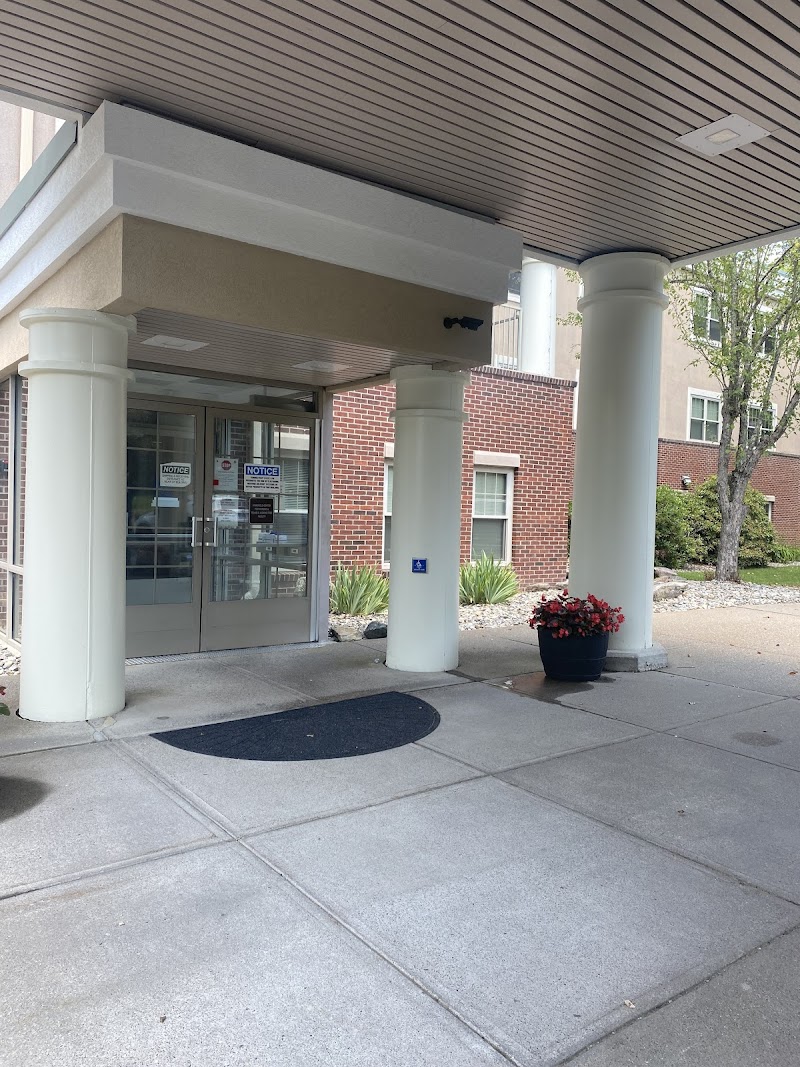
Who Owns and Operates Mansfield Center For Nursing And Rehabilitation?

MANSFIELD CENTER FOR NURSING AND REHABILITATION is owned by a for-profit company. For-profit facilities operate as businesses with obligations to shareholders or private owners. The facility is operated by NATIONAL HEALTH CARE ASSOCIATES, a chain that manages multiple nursing homes. With 98 certified beds and approximately 83 residents (about 85% occupancy), it is a smaller facility located in STORRS MANSFIELD, Connecticut.
How Does Mansfield Center For Nursing And Rehabilitation Compare to Other Connecticut Nursing Homes?

Compared to the 100 nursing homes in Connecticut, MANSFIELD CENTER FOR NURSING AND REHABILITATION's overall rating (1 stars) is below the state average of 3.0 and health inspection rating (2 stars) is below the national benchmark.

What Should Families Ask When Visiting Mansfield Center For Nursing And Rehabilitation?

Based on this facility's data, families visiting should ask: "Can you walk me through typical staffing levels on day, evening, and night shifts?" "Can I visit during a mealtime to observe dining assistance and food quality?" "How do you handle medical emergencies, and what is your hospital transfer rate?" "Can I speak with family members of current residents about their experience?" These questions are particularly relevant given the below-average staffing rating.

Is Mansfield Center For Nursing And Rehabilitation Safe?

Based on CMS inspection data, MANSFIELD CENTER FOR NURSING AND REHABILITATION has a clean safety record: no substantiated abuse findings (meaning no confirmed cases of resident harm), no Immediate Jeopardy citations (the most serious violation level indicating risk of serious injury or death), and is not on the Special Focus Facility watch list (a federal program monitoring the lowest-performing 1% of nursing homes). The facility has a 1-star overall rating and ranks #100 of 100 nursing homes in Connecticut. While no facility is perfect, families should still ask about staff-to-resident ratios and recent inspection results during their visit.

Do Nurses at Mansfield Center For Nursing And Rehabilitation Stick Around?

MANSFIELD CENTER FOR NURSING AND REHABILITATION has not reported staff turnover data to CMS. Staff turnover matters because consistent caregivers learn residents' individual needs, medications, and preferences. When staff frequently change, this institutional knowledge is lost. Families should ask the facility directly about their staff retention rates and average employee tenure.

Was Mansfield Center For Nursing And Rehabilitation Ever Fined?

MANSFIELD CENTER FOR NURSING AND REHABILITATION has been fined $22,581 across 2 penalty actions. This is below the Connecticut average of $33,305. While any fine indicates a compliance issue, fines under $50,000 are relatively common and typically reflect isolated problems that were subsequently corrected. Families should ask what specific issues led to these fines and confirm they've been resolved.

Is Mansfield Center For Nursing And Rehabilitation on Any Federal Watch List?

MANSFIELD CENTER FOR NURSING AND REHABILITATION is not on any federal watch list. The most significant is the Special Focus Facility (SFF) program, which identifies the bottom 1% of nursing homes nationally based on persistent, serious quality problems. Not being on this list means the facility has avoided the pattern of deficiencies that triggers enhanced federal oversight. This is a positive indicator, though families should still review the facility's inspection history directly.