LORD CHAMBERLAIN MANOR
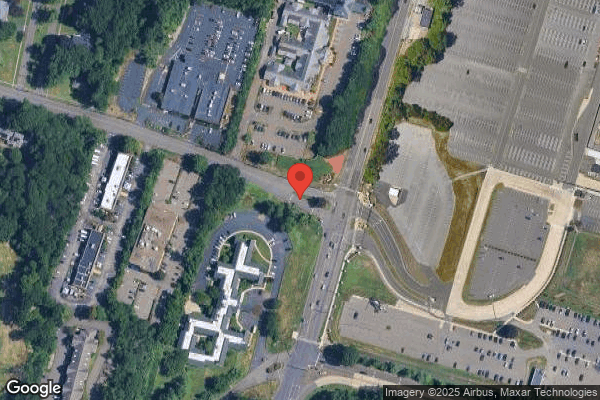
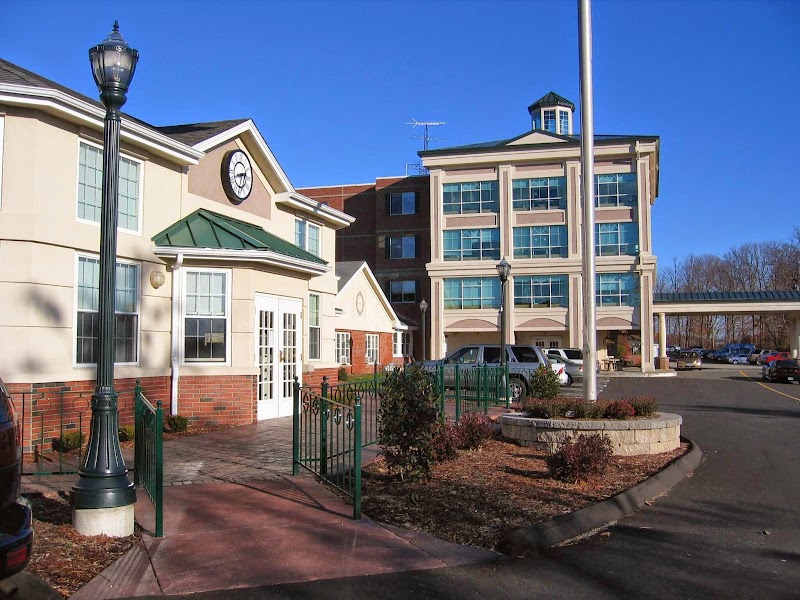
7003 MAIN STREET, STRATFORD, CT 06614 (203) 375-5894
For profit - Limited Liability company 60 Beds RYDERS HEALTH MANAGEMENT Data: November 2025 1 Immediate Jeopardy citation
Trust Grade
58/100
#66 of 192 in CT
Last Inspection: October 2024

Within standard 12-15 month inspection cycle. Federal law requires annual inspections.

Overview

Lord Chamberlain Manor in Stratford, Connecticut, holds a Trust Grade of C, which means it is average compared to other facilities. It ranks #66 out of 192 in the state, placing it in the top half, and #5 out of 15 in the Greater Bridgeport County, indicating that only four local options are better. The facility shows an improving trend, reducing its issues from 16 in 2024 to just 5 in 2025. Staffing is a strong point here, with a perfect 5-star rating and a turnover rate of 36%, which is below the state average, indicating that staff are experienced and familiar with the residents. While there have been no fines, which is a positive sign, a recent critical finding revealed serious medication management failures for one resident, which led to an immediate jeopardy situation, highlighting a significant area for improvement. Additionally, there were concerns about infection control practices for residents with specialized medical needs and a lack of competency evaluations for some staff, indicating the need for better training and oversight.

Trust Score
C
58/100
In Connecticut
#66/192
Top 34%
Safety Record
High Risk
Review needed
Inspections
Getting Better
16 → 5 violations
Staff Stability
○ Average
36% turnover. Near Connecticut's 48% average. Typical for the industry.
Penalties
✓ Good
No fines on record. Clean compliance history, better than most Connecticut facilities.
Skilled Nurses
✓ Good
Each resident gets 92 minutes of Registered Nurse (RN) attention daily — more than 97% of Connecticut nursing homes. RNs are the most trained staff who catch health problems before they become serious.
Violations
⚠ Watch
34 deficiencies on record. Higher than average. Multiple issues found across inspections.
★★★★☆
4.0
Overall Rating
★★★★★
5.0
Staff Levels
★★★★☆
4.0
Care Quality
★★★☆☆
3.0
Inspection Score
Stable
2024: 16 issues
2025: 5 issues

The Good

  • 5-Star Staffing Rating · Excellent nurse staffing levels
  • 4-Star Quality Measures · Strong clinical quality outcomes
  • Full Sprinkler Coverage · Fire safety systems throughout facility
  • No fines on record
  • Staff turnover below average (36%)

    12 points below Connecticut average of 48%

Facility shows strength in staffing levels, quality measures, fire safety.

The Bad

Staff Turnover: 36%

10pts below Connecticut avg (46%)

Typical for the industry

Chain: RYDERS HEALTH MANAGEMENT

Part of a multi-facility chain

Ask about local staffing decisions and management

The Ugly 34 deficiencies on record

1 life-threatening
Sept 2025 3 deficiencies 1 IJ
CRITICAL (J) 📢 Someone Reported This

A family member, employee, or ombudsman was alarmed enough to file a formal complaint

Immediate Jeopardy (IJ) - the most serious Medicare violation

Deficiency F0760 (Tag F0760)

Someone could have died · This affected 1 resident

**NOTE- TERMS IN BRACKETS HAVE BEEN EDITED TO PROTECT CONFIDENTIALITY** Based on review of clinical record, facility documentation, facility policy, and interviews for one of three residents (Resident...

Read full inspector narrative →
**NOTE- TERMS IN BRACKETS HAVE BEEN EDITED TO PROTECT CONFIDENTIALITY** Based on review of clinical record, facility documentation, facility policy, and interviews for one of three residents (Resident #1) reviewed for medication errors, the facility failed to ensure Coumadin therapy to adequately maintain INR levels as ordered, failed to monitor the INR levels timely, and failed to act on the INR results timely in accordance with physician orders. The failures resulted in a finding of Immediate Jeopardy. The finding includes: The Hospital Discharge summary dated [DATE] directed Coumadin (Warfarin) (anticoagulant, used to prevent blood clots), 4 milligrams (mg) daily and to maintain an International Normalized Ratio (INR, blood test to measure how long blood takes to clot, used to monitor the effectiveness Coumadin) between 2.5 and 3.5. Further, the Summary directed to monitor INR every other day and adjust Coumadin dose if needed.Record review identified Resident #1 was admitted to the facility on [DATE].Resident #1's diagnoses included cerebral infarct with hemiplegia/hemiparesis (paralysis/weakness) affecting the right dominant side, atrial fibrillation (rapid irregular heartbeat), and antiphospholipid syndrome (autoimmune disorder that produces antibodies which can lead to blood clots).The admission Minimum Data Set (MDS) assessment dated [DATE] identified Resident #1 had a Brief Interview for Mental Status (BIMS) score of nine out of fifteen (9/15), indicated moderate cognitive impairment, and received an anticoagulant during the last seven (7) days. Review of the clinical records identified the following timeline for Coumadin and INR monitoring: 8/1/2025 INR test results were 2.6 (within the goal of 2.5 to 3.5). New orders were obtained to administer Coumadin 4.5 mg and the next INR on 8/3/2025. APRN #1 signed acknowledgement on the Coumadin Tracking Form. INR results were not located for 8/3/2025. Record review identified Coumadin 4 mg was administered from 8/1 through 8/5/2025. 8/5/2025 INR test results level were 1.7 (under the goal by 0.8). The Coumadin Tracking Form indicated conflicting information, that the current Coumadin dose was 4 mg, and new orders were obtained for 4.5 mg with the next INR due on 8/8/2025. APRN #1 signed acknowledgement of the tracking form. Record review identified Coumadin 4.5 mg was administered from 8/5 through 8/7/2025. 8/8/2025 INR test results were 1.7 results (goal was 2.5 to 3.5). New orders were obtained to administer Coumadin 5 mg daily. Review of the Coumadin Tracking Form identified conflicting information, that new orders were not obtained. 8/11/2025 INR 2.0 (under goal INR by 0.5). No change in orders; continued to receive Coumadin 5 mg daily. 8/14/2025 Coumadin 5 mg was discontinued. No Coumadin was administered on 8/14 and 8/15/2025. 8/16/2025 INR test results 1.6 (under the goal INR of 2.5 to 3.5), new orders to administer Coumadin 2.5 mg daily and obtain a new INR on 8/18/2025. No physician or APRN acknowledged the Coumadin Tracking Form results. 8/18/2025 Coumadin 2.5 mg order was discontinued. 8/18/2025 INR test results 1.2 (under the goal INR by 1.3). No new Coumadin orders were obtained. APRN #1 progress note acknowledged the INR results with recommendations to monitor. No Coumadin was administered on 8/18, 8/19, 8/20, 8/21, 8/22, 8/23, and 8/24/2025. 8/25/2025 an in-house INR level was performed; the results were not documented. APRN note dated 8/25/2025 identified Resident #1 was seen for follow up of Coumadin and ordered Coumadin 5 mg on 8/25/2025 (discontinue date of 8/26/2025) and obtain an INR on 8/26/2025. APRN #1 signed acknowledgement on the Coumadin Tracking Form. 8/26/2025 INR results 1.1 (under the goal INR by 1.4). APRN #1 evaluated Resident #1 for an unrelated issue. No Coumadin orders were obtained, and no Coumadin was administered on 8/26/2025. Review of the Coumadin Tracking Form dated 8/26/2025 identified conflicting information that new orders were obtained for Coumadin 7 mg with the next INR ordered on 8/28/2025. APRN #1 signed acknowledgement of the tracking form. No Coumadin was administered on 8/26/2025. 8/27/2025 APRN #1 ordered Coumadin 7 mg daily for two (2) days, and was administered on 8/27/2025. 8/28/2025 INR results 1.2 (under the goal INR by 1.3). The second day of Coumadin 7 mg was administered and was then discontinued. The Coumadin Tracking Form failed to identify new orders were obtained for Coumadin and the next INR due date. No Coumadin was administered on 8/29, 8/30 and 8/31/2025. 9/1/2025 INR level was 1.2 (under the goal INR by 1.3). APRN #1 ordered Coumadin 10 mg daily, with next INR due on 9/4/2025, and APRN #1 signed acknowledgement of the Tracking Form. Coumadin 10 mg was administered on 9/1 and 9/2/2025, and Resident #1 was transferred to the hospital on 9/3/2025 for an unrelated event.Review identified the INR was not maintained within the ordered therapeutic level of 2.5 to 3.5, and Resident #1 did not receive any Coumadin doses on thirteen (13) days (8/14, 15, 18, 19, 20, 21, 22, 23, 24, 26, 29, 30 and 8/31/2025). Interview and clinical record review with APRN #2 on 9/18/2025 at 12:15 PM identified Resident #1 received Coumadin for atrial fibrillation and antiphospholipid syndrome, and the therapeutic goal INR range was between 2.5 to 3.5, to reduce the risk of a blood clot. APRN #2 reviewed the Coumadin orders and INR results from 8/8 through 9/3/2025 and stated the INR levels were not maintained within the therapeutic level, which put Resident #1 at a higher risk for blood clots. APRN #2 further stated that she would consider the errors in the INR management a significant medication error.Interview and clinical record review with MD #2 on 9/23/2025 at 12:30 PM identified Resident #1 was at an increased risk of blood clots due to the INR was not maintained within the therapeutic range, and the Coumadin should have been ordered to maintain the INR of 2.5 to 3.5. Interview failed to identify why the INR levels were not maintained at the ordered levels. Interview with the DON, Administrator, and RN #2 on 9/23/2025 at 3:30 PM identified the INR results were ordered to be maintained between 2.5 and 3.5. The DON, Administrator, and RN #2 were unable to provide documentation Resident #1's Coumadin regime was managed efficiently to maintain the ordered therapeutic INR goal. Interview failed to identify why the INR levels were not maintained at the ordered levels. Review of the undated facility Coumadin Protocol Policy directed in part, the facility will implement a log and will indicate the INR date and result, current and new Coumadin orders, next INR ordered, and date/time of physician/APRN notification. The Policy further directed, the INR therapeutic range must be determined.
CONCERN (D) 📢 Someone Reported This

A family member, employee, or ombudsman was alarmed enough to file a formal complaint

Potential for Harm - no one hurt, but risky conditions existed

Deficiency F0657 (Tag F0657)

Could have caused harm · This affected 1 resident

**NOTE- TERMS IN BRACKETS HAVE BEEN EDITED TO PROTECT CONFIDENTIALITY** Based on clinical record review, facility documentation review, facility policy review, and interviews for two residents (Reside...

Read full inspector narrative →
**NOTE- TERMS IN BRACKETS HAVE BEEN EDITED TO PROTECT CONFIDENTIALITY** Based on clinical record review, facility documentation review, facility policy review, and interviews for two residents (Resident #1 and #2) reviewed for medication error, the facility failed to include anticoagulation therapy in the resident care plan timely for a resident on Coumadin. The findings include1. Resident #1's hospital Discharge summary dated [DATE] directed Coumadin (Warfarin) (anticoagulant, used to prevent blood clots), 4 milligrams (mg) daily and to maintain an International Normalized Ratio (INR, blood test to measure how long blood takes to clot, used to monitor the effectiveness Coumadin) between 2.5 and 3.5. Further, the Summary directed to monitor INR every other day and adjust Coumadin dose if needed. Record review identified Resident #1 was admitted to the facility on [DATE] with diagnoses that included cerebral infarct with hemiplegia/hemiparesis (paralysis/weakness) affecting the right dominant side, atrial fibrillation (rapid irregular heartbeat), and antiphospholipid syndrome (autoimmune disorder that produces antibodies which can lead to blood clots). Physician order dated 8/1/2025 directed to administer Coumadin 4.5 mg daily. The admission Minimum Data Set (MDS) assessment dated [DATE] identified Resident #1 had a Brief Interview for Mental Status (BIMS) score of nine out of fifteen (9/15), indicated moderate cognitive impairment, and received an anticoagulant during the last seven (7) days. Review of the clinical records identified Resident #1 received Coumadin from 7/31 through 9/3/2025. Review of the Resident Care Plan (RCP) dated 8/8/2025 failed to identify a care plan related to anticoagulation therapy. 2. Resident #2's diagnoses included atrial fibrillation and transient ischemic attack (TIA). Record review identified Resident #2 was admitted during 8/2025. Physician order dated 8/12/2025 directed Coumadin 4 milligrams (mg) daily. The admission Minimum Data Set (MDS) assessment dated [DATE] identified Resident #2 had a Brief Interview for Mental Status (BIMS) score of fifteen out of fifteen (15/15), indicative of intact cognition, and received an anticoagulant during the last seven (7) days. Record review identified Resident #2 received Coumadin from 8/11 through 9/23/2025. Review of the Resident Care Plan (RCP) dated 8/21/2025 failed to identify the record included a care plan related to anticoagulation therapy. Interview and review of Resident #1 and #2's clinical records with the DON, Administrator, and RN #2 on 9/23/2025 at 3:30 PM identified both Resident #1 and #2 received Coumadin. Interview identified it was the nursing team or MDS team responsibility to ensure care plans reflect resident needs and treatment plan, and a comprehensive care plan should be completed 14 to 21 days after a resident's admission date. The facility was unable to provide documentation of a care plan for anticoagulant use for Resident #1 and Resident #2, and indicated both residents should have care plans in place. Interview failed to identify why the care plans were not included for Residents #1 and #2. Review of the undated Care Plan Policy directed in part, the interdisciplinary team (IDT) is responsible for the development of an individualized comprehensive care plan for each resident. A comprehensive care plan is developed within seven (7) days of completion of the resident assessment (MDS), and will be updated by Nursing and/or the IDT as needed. Review of the undated Coumadin Protocol Policy directed in part, all residents receiving Coumadin will have a care plan for risk for bleeding related to anticoagulation therapy.
CONCERN (D) 📢 Someone Reported This

A family member, employee, or ombudsman was alarmed enough to file a formal complaint

Potential for Harm - no one hurt, but risky conditions existed

Quality of Care (Tag F0684)

Could have caused harm · This affected 1 resident

**NOTE- TERMS IN BRACKETS HAVE BEEN EDITED TO PROTECT CONFIDENTIALITY** Based on clinical record review, facility documentation review, facility policy review, and interviews for one of three (Residen...

Read full inspector narrative →
**NOTE- TERMS IN BRACKETS HAVE BEEN EDITED TO PROTECT CONFIDENTIALITY** Based on clinical record review, facility documentation review, facility policy review, and interviews for one of three (Resident #2) reviewed for medication error, the facility failed to ensure Coumadin was administered to maintain the INR in accordance with physician orders. The findings include: Review of the Hospital Discharge summary dated [DATE] directed Coumadin (anticoagulant used to prevent blood clots), 4 milligrams (mg) daily for six (6) days, and take 5 mg, once a week, on Thursdays. Further the Summary directed an International Normalized Ratio ((INR, blood test to measure how long blood takes to clot, used to monitor the effectiveness Coumadin) goal to be maintained between 2.0 and 3.0. Resident #2's diagnoses included atrial fibrillation and transient ischemic attack (TIA). The admission Minimum Data Set (MDS) assessment dated [DATE] identified Resident #2 had a Brief Interview for Mental Status (BIMS) score of fifteen out of fifteen (15/15), indicative of intact cognition, and received an anticoagulant during the last seven (7) days. Review of the clinical record identified the following timeline for Resident #2's Coumadin management with the corresponding treatment plan: 8/12/2025, the INR level was 3.0 (within the therapeutic range). APRN #2 ordered Coumadin 4 mg daily, ordered an INR on 8/15/2025, and APRN #2 signed the Coumadin Tracking Form. Record review identified LPN #3 transcribed the order incorrectly; LPN transcribed the Coumadin to start on 8/13/2025, and Resident #2 did not receive any Coumadin on 8/12/2025. 8/15/2025, the INR level was 3.7 (over the therapeutic range by 0.7). New orders were obtained to hold the Coumadin and obtain an INR on 8/16/2025. 8/16/2025, the INR level was 2.5 (within the therapeutic range). No new orders were located in the clinical record. 8/18/2025, the INR level was 1.8 (under the therapeutic level by 0.2). No new orders were located in the clinical record. 8/19/2025, the INR level was 1.6 (under the therapeutic level by 0.4). New orders were obtained for Coumadin 5 mg with the next INR on 8/22/2025, and the Tracking Form was signed by APRN #1. 8/22/2025, the INR level was 2.8 (within the therapeutic range). APRN #2 ordered Coumadin 5 mg daily for five (5) days, the next INR was ordered for 8/28/2025, and APRN #2 signed the Coumadin Tracking Form. Record review identified LPN #4 transcribed the order incorrectly; the order was transcribed to start on 8/23/2025 and Resident #2 did not receive Coumadin on 8/22/2025. 8/29/2025, the INR level was 3.4 (over the therapeutic range by 0.4). No new orders were located in the clinical record. 9/2/2025, the INR level was 1.7 (under the therapeutic level by 0.3). APRN #1 ordered Coumadin 7 mg daily until 9/4/2025 with the next INR on 9/5/2025. Record review identified LPN #5 transcribed the order incorrectly; the order was transcribed to start on 9/3/2025, and Resident #2 did not receive Coumadin on 9/2/2025. 9/5/2025, the INR level was 2.5 (within the therapeutic range). New orders were obtained to hold the Coumadin for two (2) days (prior order was for Coumadin 7 mg), obtain an INR on 9/10/2025, and APRN #2 signed acknowledgement of the tracking form. 9/10/2025, the INR level was 6.2 (over the therapeutic range by 3.2). a new order was obtained that directed to hold the Coumadin for two (2) days, obtain an INR on 9/11 and 9/12/2025, and APRN #2 signed acknowledgement of the tracking form. 9/11/2025, the INR level was 3.1 (over the therapeutic range by 0.1). The Coumadin Tracking Form identified the current Coumadin dose was on hold, directed to continue to hold Coumadin for one (1) day and obtain an INR on 9/12/2025. APRN #2 signed acknowledgement of the tracking form. 9/12/2025, the INR level was 1.6 (under the therapeutic level by 0.4). APRN #2 placed a new order for Coumadin 5 mg. Review of the Coumadin Tracking form dated 9/12/2025 identified a new Coumadin order of 1.5 mg (conflicted with the clinical record of 5 mg), and to obtain an INR on 9/15/2025. 9/15/2025, the INR level was 1.9 (under the therapeutic level by 0.1). APRN #2 placed a new order for Coumadin 1.5 mg (despite the previous order for the Coumadin 5 mg dose did not achieve a therapeutic INR goal). 9/18/2025, the INR level was 1.3 (under the therapeutic level by 0.7). the prior Coumadin order was for 1.5 mg. New orders were obtained for Coumadin 10 mg for one (1) dose with an INF on 9/19/2025, and APRN #2 signed acknowledgement of the tracking form. 9/19/2025, the INR level was 1.8 (under the therapeutic level by 0.2). A new order was obtained for Coumadin 10 mg for one (1) dose, then 6 mg for the following two (2) days, an INR on 9/22/2025, and APRN #2 signed acknowledgement of the tracking form. 9/22/2025, the INR level was 3.3 (over the therapeutic level by 0.3). New orders were obtained for Coumadin 5 mg, and an INR to be drawn on 9/24/2025, and APRN #2 signed acknowledgement of the tracking form. Record review identified Resident #2 missed doses of Coumadin on 8/12, 8/22 and 9/2/2025. Additional review identified the INR results were under the therapeutic level 8/18 and 8/19, 9/2, 9/12, 9/15, 9/18, and 9/19/2025. INR results were within the therapeutic level on 8/16/2025 with no new Coumadin orders obtained. Interview and clinical record review with APRN #2 on 9/18/2025 at 12:15 PM identified Resident #2's received Coumadin for atrial fibrillation with an INR goal range between 2.0 to 3.0 for a therapeutic level. Interview identified from 8/12 through 9/15/2025 Resident #2 missed Coumadin doses and should not have missed any doses. Further APRN identified the INR was not maintained within the therapeutic range in accordance with physician orders. APRN #2 stated on 9/15/2025 she had intended to increase Resident #2's Coumadin dose by 1.5 mg (in addition to the 5 mg dose for a total of 6.5 mg), but instead, incorrectly entered the new Coumadin order as 1.5 mg (instead of 6.5 mg). APRN #2 stated it was an error on her part. Interview and clinical record review with MD #2 on 9/23/2025 at 12:30 PM identified maintaining the INR results can be tricky and it is better to be high results than low. Review identified the INR results under the therapeutic level as described above. MD #2 stated the orders should have been transcribed accurately, and a resident on Coumadin should receive Coumadin daily, unless contraindicate such as the INR too high. Review of the undated facility Coumadin Protocol Policy directed in part, the facility will implement a log and will indicate the INR date and result, current and new Coumadin orders, next INR ordered, and date/time of physician/APRN notification. The Policy further directed, the INR therapeutic range must be determined.
Apr 2025 1 deficiency
CONCERN (D) 📢 Someone Reported This

A family member, employee, or ombudsman was alarmed enough to file a formal complaint

Potential for Harm - no one hurt, but risky conditions existed

Notification of Changes (Tag F0580)

Could have caused harm · This affected 1 resident

Based on clinical record review, facility documentation review, facility policy review, and interviews for one resident (Resident #1) reviewed for respiratory services, the facility failed to ensure t...

Read full inspector narrative →
Based on clinical record review, facility documentation review, facility policy review, and interviews for one resident (Resident #1) reviewed for respiratory services, the facility failed to ensure that the medical provider was notified timely of a change in condition. The findings include: Resident #1 was admitted to the facility with diagnoses that included chronic obstructive pulmonary disease (COPD), sleep apnea, chronic cellulitis, morbid obesity and congestive heart failure. The nursing admission form dated 2/20/2025 identified Resident #1 was alert and oriented, experienced shortness of breath or trouble breathing with exertion, and was on two (2) liters (L) of oxygen (O2) through a nasal and a continuous positive airway pressure (CPAP) device. Resident #1 had an unstageable pressure injury on the coccyx that measured 12 centimeters (cm) in length by 14 cm in width, had extremity weakness, and used a wheelchair. A 48-hour discharge planning meeting form dated 2/20/2025 identified Resident #1 required a Hoyer (mechanical) lift transfer with an assist of two (2) staff. A physician's order dated 2/21/2025 directed an Average Volume - Assured Pressure support (AVAP -a type of CPAP) machine (provided non-invasive positive airway ventilation/support) at bedtime and during naps due to sleep apnea. Resident #1 liked to wear the device between 11:00 PM and 1:00 AM and 2:00 PM to 4:00 PM. Offer Resident #1 to wear the device for a minimum of 6 hours total via a full-face mask with three (3) liters per minute (LPM) oxygen. Continuous O2 at three (3) LPM via nasal cannula, do not titrate. A nursing note written by LPN #1 dated 2/22/2025 at 10:51 PM identified Resident #1 refused CPAP use. Resident #1 had vaginal bleeding that Resident #1 reported was normal due to Eliquis (blood thinner) use. RN assessed and issue noted for APRN to address. Record review failed to identify the MD/APRN was notified of the vaginal bleeding noted on 2/22/2025. A nursing note by RN #2, nursing supervisor, on 2/23/2025 at 7:17 AM (8 hours and 26 minutes after the note that identified the bleeding) identified that the on-call Physician Assistant (PA) was notified of the vaginal bleeding, and orders were obtained for stat bloodwork and to place Eliquis on hold. Interview with RN #2 on 4/3/2025 at 11:41 AM identified she was the nursing supervisor from 7:00 PM to 7:00 AM on 2/22/2025 (shift ended on 2/23 at 7 AM) and she recalled the charge nurse had called her to assess Resident #1 on 2/22/2025 due to vaginal bleeding. Resident #1 was on a blood thinner, vital signs were stable, had no complaints, and that he/she had vaginal bleeding prior that was normal due to the blood thinner. RN #2 stated she made a note in the APRN follow-up book regarding the vaginal bleeding. Interview failed to identify that she notified the APRN/MD on 2/22/2025. Interview with APRN #1 On 4/3/2025 at 11:55 AM identified she would have wanted to be notified of the vaginal bleeding. a. A nursing note written by LPN #2 dated 2/23/2025 at 6:33 AM identified Resident #1 was on oxygen at four (4) L via nasal cannula and refused to wear the CPAP throughout the night, despite review of importance. Resident #1 became short of breath when turned with four (4) staff assistance and requested CPAP to be applied. A nursing note by LPN #2 dated 2/23/2025 at 6:57 PM identified that Resident #1 refused AVAP administration at bedtime. A nursing note on 2/24/2025 at 4:07 AM by RN #2 identified she was called to assess the resident who was sleeping, with pulse oximetry (pulse ox) 88% (normal over 90%) on oxygen at three (3) L via nasal cannula. Resident #1 was difficult to arouse initially, Resident #1 was placed on AVAP machine with pulse ox increased to 96% and Respiratory therapy (RT) was updated. RN #2 nursing note dated 2/24/2025 at 6:52 AM identified Resident #1 was increasingly lethargic, pale and the APRN was notified. Resident #1 was transferred to the hospital for evaluation. Interview with LPN #2 on 4/3/2025 at 2:05 PM identified that she cared for Resident #1 on 2/22 and 2/23/2025 on the 11:00 PM to 7:00 AM shift. LPN #2 stated Resident #1 would refuse the AVAP at bedtime and did not wear it overnight. She continued that she believed she had reported the refusals to the nursing supervisor on 2/22 and 2/23/2025. Interview with LPN #3 who cared for Resident #1 on 2/22/2025 and 2/24/3035 on the 7:00 AM to 3:00 PM shift on 4/3/2025 at 1:08 PM identified that Resident #1 liked to wear the AVAP after breakfast, but it was always reported that Resident #1 had refused to wear the AVAP at bedtime and overnight. She was aware that the refusals had been communicated to the RT but could not recall if it had been reported to the APRN. She stated the RT generally handled any issues with the CPAP devices. Interview with RN #2 on 4/3/2025 at 11:41 AM identified she was the nursing supervisor from 7:00 PM to 7:00 AM on 2/23/2025 (shift ended on 2/24 at 7 AM) RN #2 stated she was not notified that Resident #1 had refused to wear the AVAP device. RN #2 stated if she was notified, she would have reported it and stated anytime a resident refuses to wear their AVAP device, it should be reported as it is a physician's order. RN #1 stated she assessed Resident #1 on 2/24/2025 about 4:00 AM due to increased lethargy with a pulse ox of 88% on three (3) L of O2, and she did not recall that the charge nurse notified her Resident #1 had refused the AVAP on 2/24/2025. RN #2 placed Resident #1 on the AVAP after her assessment and notified the Respiratory Therapist (RT) about Resident #1's pulse ox level while sleeping without the AVAP. RN #2 stated she would have contacted the APRN as well as the RT if she had known Resident #1 had refused the AVAP. Interview with RN #1/acting DON, on 4/3/2025 at 1:16 PM identified she would have expected the nurses to contact the APRN each time Resident #1 refused to wear the AVAP at bedtime as ordered by the physician. RN #1 stated residents can refuse to wear the AVAP, but the APRN should be notified when a resident refuses to wear an ordered AVAP. RN #1 stated although the APRN should have been notified, she did not know why the staff had not reported Resident #1's refusals. Interview with APRN #1 On 4/3/2025 at 11:55 AM identified that if a Resident refused to wear their CPAP or AVAP device, she would need to be notified, as it is a physician's order. APRN #1 stated in her experience, when any resident had refused to wear a CPAP or AVAP, having the MD or APRN reinforce the importance of using the device had been successful when the nursing staff were unable to convince the resident to wear it.
Jan 2025 1 deficiency
CONCERN (D) 📢 Someone Reported This

A family member, employee, or ombudsman was alarmed enough to file a formal complaint

Potential for Harm - no one hurt, but risky conditions existed

Safe Transfer (Tag F0626)

Could have caused harm · This affected 1 resident

**NOTE- TERMS IN BRACKETS HAVE BEEN EDITED TO PROTECT CONFIDENTIALITY** Based on record review, facility documentation review, and staff interviews for one of three (Resident #1) reviewed for hospital...

Read full inspector narrative →
**NOTE- TERMS IN BRACKETS HAVE BEEN EDITED TO PROTECT CONFIDENTIALITY** Based on record review, facility documentation review, and staff interviews for one of three (Resident #1) reviewed for hospital transfer, the facility failed readmit a resident to the facility following hospitalization. The findings include: Resident #1 had a diagnosis of abdominal wound due to intestinal perforation and small bowel obstruction. Physician order dated 12/12/2024 directed cleanse abdominal wound with normal saline followed by soaked acetic acid kerlix to midline followed by ABD pad two times a day. The admission Minimum Data Set (MDS) dated [DATE] identified Resident #1 had a Brief Interview Mental Status (BIMS) score of 15 (indicated alert and oriented) and had a surgical wound. The Resident Care Plan RCP dated 12/26/2024 identified a surgical wound. Interventions directed to provide wound care per treatment order. Nurse Practitioner #2 wound note dated 12/30/2024 identified a consultation was provided for evaluation and management of the abdominal surgical wound. The wound measured 14 by 4.5 by 5.5 centimeters (cm) with a moderate amount of serosanguineous drainage. The note indicated the wound was stable, and directed to continue with acetic acid moist gauze and follow up with the surgeon. Change in condition nursing note dated 12/31/2024 at 3:53 PM identified Resident #1 was transferred to the hospital secondary to a wound infection. Nursing note dated 12/31/2024 at 4:26 PM identified Resident #1 was transferred to the hospital secondary to wound changes, the resident had no further insurance and the hospital was to assist with insurance renewal. Record review identified the resident did not return to the facility following hospital transfer on 12/31/2024. Interview with RN #3 on 1/23/2025 at 12:42 PM identified she was working on 12/31/2024 on the 11 PM to 7AM shift and she received a phone call from the hospital stating Resident #1 was ready to be discharged from the hospital back to the facility. RN #3 stated she denied taking Resident #1 back from the hospital because she was told during 11 PM shift report from the off going nurse supervisor to not take the resident back from the hospital. RN #3 further stated she should not have denied the Resident #1 to return but was directed to deny readmission. Interview with RN #4 on 1/23/2025 at 1 PM identified she was the RN supervisor on 12/31/2024 from 7 PM to 11 PM but does not recall directing RN #3 that Resident #1 should not be readmitted to the facility and to deny the return from the hospital. Interview with the Administrator on 1/23/2025 at 3 PM identified any resident that is transferred to the hospital is permitted to come back within 48 hours following Federal guidelines and stated she did not know why Resident #1 was not taken back (readmitted ). The Administrator stated her expectation was that Resident #1 would be readmitted to the facility when the hospital stated the resident was ready for return on 12/31/2024. Facility Bed Hold Policy (No Date) directed residents may return to and resume residence in the facility after hospitalization or therapeutic leave and the current bed hold and return policy established by the state will apply to residents in the facility.
Oct 2024 13 deficiencies
CONCERN (D)

Potential for Harm - no one hurt, but risky conditions existed

Resident Rights (Tag F0550)

Could have caused harm · This affected 1 resident

**NOTE- TERMS IN BRACKETS HAVE BEEN EDITED TO PROTECT CONFIDENTIALITY** Based on observations, review of facility policy, and interviews for 1 of 3 sampled residents (Resident #374) reviewed for accid...

Read full inspector narrative →
**NOTE- TERMS IN BRACKETS HAVE BEEN EDITED TO PROTECT CONFIDENTIALITY** Based on observations, review of facility policy, and interviews for 1 of 3 sampled residents (Resident #374) reviewed for accidents, the facility failed to ensure that a resident was treated with dignity when requesting wheel chair foot rests/pedals. The findings include: Resident #374's diagnoses included acquired absence of left leg below knee, generalized muscle weakness, end stage renal disease, and hypertension. The Nursing admission assessment dated [DATE] identified Resident #374 was alert and oriented but forgetful and required a wheel chair for mobility. The Resident Care Plan (RCP) dated 10/18/24 identified Resident #374 required assistance with activities of daily living (ADLs). Interventions included to provide assistance with bathing, dressing, hygiene, ambulation and transfers. Additionally, Resident #374 required physical therapy and occupational therapy as ordered. Observation on 10/25/24 at 9:40 AM identified Resident #374 in the hallway, sitting in wheelchair without leg rests/pedals applied to the wheelchair. Resident #374 was wearing shoes and resting his/her feet on the floor/ground. Resident #374 requested the surveyor to inform his/her nurse that he/she wanted wheel chair leg rests applied before being transported to a scheduled appointment (dialysis). LPN #5 was notified by the surveyor of Resident #374's request for leg rests to be applied to the wheelchair before he/she was transported out. LPN #5 immediately grabbed the wheel chair handles and began pushing the wheelchair forward. LPN #5 did not inform Resident #374 that she was pushing the wheel chair forward. LPN #5 stated she needed to wheel Resident #374 to the physical therapy room to obtain leg rests and once again attempted to push the wheelchair forward. Resident #374 stated out loud multiple times that his/her braces (wheel chair leg rests/pedals) were needed fast as his/her transportation had already arrived. LPN #5 sought assistance from other staff members and leg rests/pedals were located and applied on Resident #374's wheelchair. Interview with LPN #5 on 10/25/24 at 9:43 AM, identified that she intended to transport Resident #374 to the physical therapy room for wheelchair leg rests to be applied before being transported out for dialysis. LPN #5 indicated that she had transported Resident #374 in the wheelchair from Resident #374's room into the hallway without leg rests. LPN #5 indicated that she was aware that Resident # 374 should have had wheelchair leg rests applied first before being transported. During an interview with the DNS and the Administrator on 10/25/24 at 11:37 AM, the Administrator identified that residents have a right to be listened to and treated with dignity. The Administrator identified that LPN #5 should have listened to Resident #374 when he/she was asking for the leg rests to be applied. Additionally, the Administrator indicated that it was protocol for residents to be transported with wheelchair leg rests/pedals unless the resident requested not to have them. Interview with Occupational Therapist (OT) #2 on 10/25/24 at 11:57 AM, identified that it was protocol that residents in a wheel chair have leg rests/pedals applied before residents were transported unless the resident requested not to have them. Review of facility policy, chair/wheelchairs, identified in part, that, once a resident is transferred to a wheel chair, extremities should be supported . Legs rests are used if a resident is unable to self-propel the wheel chair.
CONCERN (D)

Potential for Harm - no one hurt, but risky conditions existed

Deficiency F0558 (Tag F0558)

Could have caused harm · This affected 1 resident

**NOTE- TERMS IN BRACKETS HAVE BEEN EDITED TO PROTECT CONFIDENTIALITY** Based on observation, staff interviews, review of clinical records, and facility policy for 1 of 1 resident (Resident #525) revi...

Read full inspector narrative →
**NOTE- TERMS IN BRACKETS HAVE BEEN EDITED TO PROTECT CONFIDENTIALITY** Based on observation, staff interviews, review of clinical records, and facility policy for 1 of 1 resident (Resident #525) reviewed for environment, the facility failed to provide a call bell that accommodated Resident #525's physical limitation needs. The findings include: Resident #525's diagnoses included a fracture of the right femur, history of falling, and muscle weakness. A Braden Scale for Predicting Pressure Ulcer Risk Evaluation dated 10/14/24 identified that Resident #525 walked occasionally, had no limitations, and made major and frequent changes in position. The admission Nursing assessment dated [DATE] identified Resident #525 was alert and oriented to person, place, and time. The Baseline Resident Care Plan (RCP) dated 10/16/24 identified Resident #525 was at risk for falls and had a fracture of the hip. Interventions included the use of his/her call bell when assistance was needed. An interview with Person #2 on 10/21/24 at 12:37 PM identified that Resident #525's call bell buttons were too stiff, and he/she cannot press the Nurse button to call for help. An interview and observation with Licensed Practical Nurse (LPN) #2 on 10/23/24 at 10:41 AM identified that Resident #525 was unable to depress the buttons on his/her call bell to call for the nurse. LPN #2 indicated that the nurse assigned to a resident upon admission was responsible to ensure the call bell was working. LPN #2 further noted that upon a resident admission, required documentation to complete in the Electronic Health Record (EHR) asked if the call bell was working but did not ask if the resident can use the call bell. LPN #2 noted the facility did have manual handheld bells and soft touch pads available for those residents who cannot use a standard call bell. A subsequent interview and observation with LPN #2 on 10/23/24 at 3:05 PM identified that Resident #525's call bell had not been exchanged for a different call bell since the previous observation on 10/23/24. Further, when Resident #525 was instructed by LPN #2 to press the call bell Nurse button Resident #525 was unable to depress the buttons on his/her call bell to call the Nurse. LPN #2 pressed the call bell button, and the call button was found to be in working order. LPN #2 stated he would contact Central Storage to have them send up a new call bell for the resident that worked differently. A Nursing Progress note dated 10/24/24 at 12:00 PM identified that Resident #525 attempted to get out of bed without assistance. An observation on 10/24/24 at 12:47 PM identified that Resident #525's call bell had not been changed since the 10/23/24 observations. Person #2 was asked to instruct Resident #525 to press his/her call bell and again it was noted that the resident was unable to depress the buttons on his/her call bell to call for the nurse. An interview with the Nursing Supervisor on 10/24/24 at 1:56 PM identified that orientation of a resident to the facility included showing a resident the call bell; educating that the red button was to call the nurse; and informing the resident if he/she rings the bell staff can help with all his/her needs. Further, the Nursing Supervisor noted it was the responsibility of both nurses and supervisors to orient the resident to the call bell therefor ensuring the resident was educated twice on call bell usage. The Nursing Supervisor identified that a resident's ability to use a call bell was evaluated through asking the resident to demonstrate they can use the call bell. The Nursing Supervisor indicated that currently all residents within the facility's unit were alert and oriented, therefore all the residents can use a standard call bell and no touch pad call bells were in use. Further, it was identified that touch pad call bells were not stocked on the unit and would need to be requested from Maintenance by a Supervisor, with an estimated delivery time to the unit in 15 minutes. The facility's Call Bell Policy identified that if call lights are defective, a report should be sent to the maintenance department. The Call Bell Policy failed to address what procedure should be followed in the event a resident is not able to use a standard call bell.
CONCERN (D)

Potential for Harm - no one hurt, but risky conditions existed

Deficiency F0655 (Tag F0655)

Could have caused harm · This affected 1 resident

**NOTE- TERMS IN BRACKETS HAVE BEEN EDITED TO PROTECT CONFIDENTIALITY** Based on staff interviews, clinical record review, and facility policy for 1 of 1 sampled resident (Resident #374) reviewed for ...

Read full inspector narrative →
**NOTE- TERMS IN BRACKETS HAVE BEEN EDITED TO PROTECT CONFIDENTIALITY** Based on staff interviews, clinical record review, and facility policy for 1 of 1 sampled resident (Resident #374) reviewed for dialysis, the facility failed to implement a baseline care plan that met the immediate needs of a hemodynamically managed resident. The findings include: Resident #374's was admitted to the facility in October 2024 with diagnoses that included end stage renal disease with dependence on renal dialysis, type 2 diabetes with diabetic chronic kidney disease, and bipolar disorder. Physician orders dated 10/17/24 identified Resident #374 received dialysis at an outpatient dialysis facility every Monday, Wednesday, and Friday. The physician orders further identified Resident #374 received Lamotrigine 25 mg by mouth one time a day (a medication to stabilize mood in bipolar disorder). The Baseline Resident Care Plan (RCP) dated 10/18/24 identified Resident #374 had experienced a subdural hematoma and was to have his/her vital signs monitored for changes and had fall interventions due to multiple falls. Although the Baseline RCP did address the categories: Activities of Daily Living; Elimination; Pain; Falls; and Behavior, it failed to address Resident #374's dialysis's needs or medication monitoring. The admission Nursing assessment dated [DATE] identified Resident #374 was alert and oriented to person, place, and time. The admission Nursing Assessment further identified that Resident #374 was on hemodialysis, was able to move all his/her extremities, and used a wheelchair to assist with his/her mobility. An interview with Resident #374 on 10/25/24 at 9:35 AM identified he/she had no food limitations on dialysis days and had a Arteriovenous (AV) fistula located to his/her left arm. An interview with the Director of Nursing Services (DNS) on 10/25/24 at 10:13 AM identified a Baseline RCP should include: psychotropic medication evaluation, bowel and bladder, safety, and pain. For residents on dialysis, the Baseline RCP should also include their goals, weights, diet, and other elements for dialysis. The DNS stated the reason dialysis and psychotropic medication evaluation were not included in the Baseline RCP for Resident #374 was staff oversight by the team. Review of the facility's Baseline Care Plan Policy identified that a baseline care plan is to be completed within 48 hours of a resident's admission, include resident goals, include services and treatments to be administer by the facility or personnel acting on behalf of the facility, and include a summary of the resident's medications and dietary instructions.
CONCERN (D)

Potential for Harm - no one hurt, but risky conditions existed

Comprehensive Care Plan (Tag F0656)

Could have caused harm · This affected 1 resident

**NOTE- TERMS IN BRACKETS HAVE BEEN EDITED TO PROTECT CONFIDENTIALITY** Based on interviews, a review of the clinical record, and facility policy for 1 of 2 sampled residents (Resident #175) reviewed ...

Read full inspector narrative →
**NOTE- TERMS IN BRACKETS HAVE BEEN EDITED TO PROTECT CONFIDENTIALITY** Based on interviews, a review of the clinical record, and facility policy for 1 of 2 sampled residents (Resident #175) reviewed for Activities of Daily Living (ADLs), the facility failed to ensure Resident #175 was assisted with bed mobility according to the physician's orders and the resident's needs. The findings include: Resident #175 was admitted to the facility in October 2024 with diagnoses that included congestive heart and respiratory failure, muscle weakness and obesity. A Nursing admission assessment dated [DATE] identified Resident #175 had a history of one to two falls within the past three months and was hospitalized between the dates of 10/4/24 through 10/16/24 for congestive heart failure and a right foot chronic ulcer that was debrided surgically with the placement of a wound vacuum. The Nursing admission Assessment further identified Resident #175 was non-ambulatory, was bed/chair-bound, and was incontinent. Although the admission Care Plan dated 10/16/24 did not identify that Resident #175 was to receive assistance with bed mobility, the Nurse Aid Care Card did identify that Resident #175 was to have assistance of two for bed mobility and activities of daily living. A Physical Therapy (PT) Evaluation and Plan of Treatment dated 10/17/24 identified Resident #175 had impaired upper and lower extremity strength, was non-ambulatory and transferred via a Hoyer lift, he/she displayed impairments in muscle strength, and had sensation deficits with a baseline of Total Dependence (TD) for all bed mobility with max assistance of two. A physician's order dated 10/17/24 directed to provide assist of two for bed mobility. Observation of Resident #175 on 10/23/24 at 10:27 AM identified he/she had the call light on. Nurse Aide (NA) #4 entered the room and Resident #175 requested assist re-positioning in bed. NA #4 was observed to assist Resident #175 without the benefit of another staff member to assist. NA #4 was observed asking the resident to hold onto the bed railing to help adjust with positioning, Resident #175 then reached onto the rail at the direction of NA #4, who then proceeded to reposition Resident #175 by pulling up on the blue positioning pad that was underneath the resident. NA #4 then asked Resident #175 if he/she was comfortable, and the resident identified he/she was not comfortable. NA #4 subsequently proceeded to position a pillow underneath Resident #175's left side to attempt to make the resident more comfortable. Resident #175 then stated being lopsided and would like another pillow for the other side. NA #4 was observed leaving Resident #175 in a lopsided position, leaving the room and retrieved another pillow. After approximately 30-40 seconds, NA #4 returned with another pillow and directed Resident #175, again, to hold onto the side rail and to roll him/herself as much as possible to the other side. NA #4 was observed struggling to successfully wedge a pillow underneath Resident #175's right side. An interview with Resident #175 on 10/23/24 at 11:30 AM identified that he/she received assistance with bed mobility; however, it varied as to whether he/she had one or two NAs to assist. Further interview identified she was not aware that she required assistance from two people with all bed mobility and the inconsistency in the amount of assistance she received made him/her feel annoyed because she assumed some of the NAs didn't want to position him/her alone because of his/her weight. The interview further identified it was easier with two people assisting because he/she did not have upper body strength. Interview with NA #4 on 10/23/24 at 11:40 AM identified that she normally positions and washes Resident #175 daily by herself without assistance from another NA because Resident #175 can help him/herself and takes the direction to hold on to the bed rails with no indication of needing the help of another NA. Further interview identified she was aware of other NAs having a difficult time when moving Resident #175 alone because the resident was sometimes unable to help him/herself by holding the rail and that other NAs would ask for assistance from another NA. Additionally, NA #4 identified that he/she did not perform care for the resident yet; however, if she was not aware of a resident's ability, she would review the resident care plan binder at the nurse's desk. An interview with Physical Therapist #1 (Rehab Director) on 10/23/24 at 11:53 AM identified that the NAs should always look at and follow the Care Card/Physician/PT orders when assisting the resident. Further interviews identified that a resident with an order for bed mobility with a maximum assist of two could get injured if only one person was completing the bed mobility when there should have been assistance of two. PT #1 further identified that there were no acceptable reasons for the NAs to not follow the Physical Therapy/Occupational Therapy/Physician order. Facility Policy for Positioning/Repositioning identified the steps to take when positioning/repositioning the residents in bed is to first check the care plan, assignment sheet, or communication system to determine the resident's specific positioning needs including special equipment, resident level of participation and the number of staff required to complete this procedure. Facility policy for Activities of Daily Living (ADLs) identified that total dependence means full staff performance of an activity with no participation by the resident for any aspect of the ADL.
CONCERN (D)

Potential for Harm - no one hurt, but risky conditions existed

Deficiency F0658 (Tag F0658)

Could have caused harm · This affected 1 resident

**NOTE- TERMS IN BRACKETS HAVE BEEN EDITED TO PROTECT CONFIDENTIALITY** Based on interviews, review of the clinical record, facility documentation, and facility policy for the only sampled resident (R...

Read full inspector narrative →
**NOTE- TERMS IN BRACKETS HAVE BEEN EDITED TO PROTECT CONFIDENTIALITY** Based on interviews, review of the clinical record, facility documentation, and facility policy for the only sampled resident (Resident #326) reviewed for tube feeding, the facility failed to ensure medication orders indicated an appropriate route of administration for a resident who was to have nothing by mouth (NPO). The findings include: Resident #326 was admitted to the facility in October 2024 with diagnoses that included dysphagia of oropharyngeal phase, gastrostomy (g-tube) status and gastro-esophageal reflux disease (GERD) with esophagitis. A physician's order dated 10/8/24 in the electronic health record (EHR) directed nothing by mouth (NPO) and to provide mouth care every shift and as needed. A physician's order dated 10/9/24 in the EHR directed NPO diet, NPO texture and NPO consistency. A physician's order dated 10/9/24 in the EHR directed Aspirin 81 mg oral tablet chewable give one tablet by mouth at bedtime (a discrepancy in the route of administration from the physician order NPO status on 10/9/24). The admission Minimum Data Set (MDS) assessment dated [DATE] identified Resident #326 was cognitively intact and required substantial/maximal assistance with bed mobility and transfers and was dependent with toileting. The MDS assessment further indicated diagnoses of GERD, dysphagia and feeding tube (g-tube). Physician's orders dated 10/21/24 in the EHR directed Ferrous Sulfate oral solution give 2.5 ml by mouth two times a day and Sodium Chloride oral tablet give one tablet by mouth four times a day (a discrepancy in the route of administration from the physician order of NPO status on 10/9/24). The Resident Care Plan dated 10/22/24 identified a feeding tube for all nutrition and hydration. Interventions included aspiration precautions, administer tube feeding per order and mouth care every shift. Physician's orders dated 10/23/24 in the EHR directed Calcium Carbonate 600 mg plus Vitamin D 10 mcg give two tablets by mouth two times daily and Pro-Stat Oral Liquid give 30 ml by mouth three times daily (a discrepancy in the route of administration from the physician order of NPO status on 10/9/24). Interview with Resident #326 on 10/24/24 at 1:00 PM identified that Resident #326 was in bed and indicated that he/she had not received any medications by mouth since his/her admission to the facility. Resident #326 indicated that he/she was aware of his/her condition, does not take anything by mouth and his/her medications and nutrition should be ordered to be administered via his/her gastrostomy tube only. Interview and record review with APRN #2 on 10/24/24 at 1:20 PM indicated that Resident #326 was strictly NPO and that all of his/her medications and nutrition were to be administered via the gastrostomy tube. APRN #2 identified that due to Resident #326's NPO status, all of his/her medication orders should be written to be administered via his/her gastrostomy tube and that when APRN #2 initiated new orders, they were handwritten by her into the paper chart and then transcribed by the nurse into the EHR. Review of the clinical record (paper chart) for Resident #326 with APRN #2 identified her written medication orders for Ferrous Sulfate liquid, Sodium Chloride tablets, and Calcium/Vitamin D tablets failed to indicate a route of administration. Review of the EHR for Resident #326 with APRN #2 identified that the transcribed and active orders for Ferrous Sulfate liquid, Sodium Chloride tablets, Calcium Carbonate/Vitamin D tablets, Aspirin tablet and Prostat liquid were directed to be administered 'by mouth'. APRN #2 identified that due to Resident #326's NPO status, all of his/her medication and nutrition orders should be written for administration via gastrostomy tube only and the orders had been transcribed incorrectly. APRN #2 further indicated that in the absence of a route of administration for written prescriber/provider orders for Resident #326, the nurse who transcribed the orders should have contacted the prescriber/practitioner for clarification before a route of 'by mouth' was transcribed into the EHR. Interview and record review with LPN #1 on 10/24/24 at 1:30 PM indicated that Resident #326 was strictly NPO and that all of his/her medications and nutrition were to be administered via the gastrostomy tube. Review of Resident #326's EHR with LPN #1 identified that Resident #326's orders for Ferrous Sulfate liquid, Sodium Chloride tablets, Calcium Carbonate/Vitamin D tablets, Aspirin tablet and Prostat liquid had a route of administration indicated as 'by mouth'. LPN #1 identified that although she was aware that Resident #326 was NPO, she was accustomed to most medications being administered by mouth so she did not realize 'by mouth' had been transcribed incorrectly into the resident's EHR. LPN #1 further identified that in the absence of a route of administration being indicated on a physician/practitioner medication order, she would have contacted the physician/practitioner and clarified the route of administration before the order was transcribed. LPN #1 was unable to indicate the reason the medication orders for Ferrous Sulfate liquid, Sodium Chloride tablets, Calcium Carbonate/Vitamin D tablets, Aspirin tablet and Prostat Liquid were not clarified and corrected before being transcribed. Interview and record review with the DNS on 10/24/24 at 1:40 PM identified that Resident #326 was strictly NPO and that all of his/her medications and nutrition were to be administered via the gastrostomy tube. The DNS indicated in the absence of a route of administration being identified on a physician/practitioner medication order, nursing staff should have contacted the physician/practitioner to clarify the route of administration before the order was transcribed. The DNS further identified that all physician/practitioner medication orders need to specify a route of administration and that it was an oversight that the orders for Ferrous Sulfate liquid, Sodium Chloride tablets, Calcium Carbonate/Vitamin D tablets, Aspirin tablet and Prostat liquid were transcribed as 'by mouth' for Resident #326, who was NPO. On 10/24/24, subsequent to surveyor inquiry, an order was written by APRN #2 into Resident #326's paper chart which directed to 'change all oral medications to be given per g-tube'. Review of facility policy, Medication and Treatment Orders, undated, directed that orders for medications will be consistent with principles of safe and effective order writing and must include a route of administration. Review of facility policy, Electronic Medication and Treatment Administration Records, dated 9/2014, directed that all physician's orders will be added to the resident's electronic medical record by a licensed nurse as they are obtained from the physician. The policy further directed that any discrepancies will be brought to the attention of the nursing supervisor who would clarify and correct the orders accordingly.
CONCERN (D)

Potential for Harm - no one hurt, but risky conditions existed

Quality of Care (Tag F0684)

Could have caused harm · This affected 1 resident

**NOTE- TERMS IN BRACKETS HAVE BEEN EDITED TO PROTECT CONFIDENTIALITY** Based on observations, review of the clinical record, facility documentation, facility policy and interviews for 1 of 3 resident...

Read full inspector narrative →
**NOTE- TERMS IN BRACKETS HAVE BEEN EDITED TO PROTECT CONFIDENTIALITY** Based on observations, review of the clinical record, facility documentation, facility policy and interviews for 1 of 3 residents (Resident #1) reviewed for accidents, the facility failed to implement bumper guards and floor mats per the physician's order for a resident on seizure precautions and for 1 of 2 sampled residents (Resident #11) reviewed edema, facility failed to follow physicians order for the application of heel booties. The findings include: 1. Resident #1's diagnoses included seizures, encephalopathy, and hemiplegia (paralysis) and hemiparesis (weakness) following cerebral infarction (stroke) affecting the right dominant side. A physician's order dated 10/8/24 directed seizure precautions to be in place every shift. A physician's order dated 10/9/24 directed to apply bumper guards to bed rails when in bed and floor mats at bedside when in bed, every shift related to seizures. The admission Minimum Data Set (MDS) assessment dated [DATE] identified Resident #1 was severely cognitively impaired, required substantial/maximal assistance with bed mobility and was dependent with transfers and toileting. The MDS further indicated a diagnosis of seizure disorder or epilepsy. The Resident Care Plan dated 10/22/24 identified a risk for injury secondary to seizure activity. Interventions included to pad rails with bumper guards, keep rails up and bed in its lowest position. Observations on 10/21/24 at 12:00 PM, 10/22/24 at 9:30 AM and 10/22/24 at 11:30 AM identified Resident #1 was in bed without the benefit of bumper guards to the bed rails and floor mats at the bedside. Observation and interview with Nurse Aide (NA) #1 on 10/23/24 at 9:20 AM identified Resident #1 was in bed without bumper guards to his/her bed rails and without floor mats at the bedside. NA #1 indicated that Resident #1 used to have the bumper guards and floor mats but they were not being used anymore. After locating a floor mat behind Resident #1's bedside recliner, NA #1 placed the floor mat on the floor to the left side of Resident #1's bed. NA #1 was unable to locate a second floor mat or the bumper guards for the bed rails. NA #1 further identified that she would need to speak to the nurse to find out if the bumper guards and floor mats were still ordered. Observation, interview and record review with Licensed Practical Nurse (LPN) #3 on 10/24/24 at 7:40 AM identified Resident #1 was in bed without bumper guards to his/her bed rails and without floor mats at the bedside. LPN #3 indicated that per the physician's orders bumper guards to the bed rails and floor mats at the bedside should be in place when Resident #1 was in bed. LPN #3 was able to locate one floor mat stuck under Resident #1's bed and the second floor mat was found folded and placed under Resident #1's bedside recliner. LPN #3 also located the bumper guards for the bed rails which were sitting on the floor between Resident #1's bedside recliner and closet. LPN #3 placed the floor mats next to each side of Resident #1's bed and placed the bumper guards on the bed rails. LPN #3 indicated that she or the NA should have put the floor mats and bumper guards in place and the NA would know to have them both in place by reviewing the NA care card. Review of the NA care card for Resident #1 failed to identify the use of bumper guards to the bed rails and floor mats to the bedside. LPN #3 indicated that without the necessary information on the care card it would have been up to her to let the NA know to place the bumper guards to the bed rails and the floor mats at the bedside for Resident #1. Although review of the facility's Treatment Administration Record (TAR) documentation for 10/24/24 identified a staff signature indicating that the bumper guards and floor mats were in place for Resident #1, LPN #3 indicated that she signed for the bumper guards and floor mats on 10/24/24 without them actually being in place. Interview with NA #3 (responsible for updating the care cards) on 10/24/24 at 7:50 AM identified that she was not aware that Resident #1 needed bumper guards to the bed rails and floor mats at the bedside and that she would have had to receive a note from the nurse or supervisor in order to put those interventions on Resident #1's NA care card. NA #3 indicated that without the necessary information from the nurse or the nurse telling her directly, she would not have been able to update the NA care card for Resident #1. Review of the facility policy, Seizure Precautions, undated, directed to keep the resident safe from injury include all interventions to afford protection from traumatic injury. The policy further directed that the seizure protocol is implemented for residents with active seizure disorders or at high risk for seizures and to pad the side rails of the bed. 2. Resident #11's diagnoses included acute respiratory failure with hypoxia, congestive heart failure, chronic kidney failure and muscle weakness. The admission Minimum Data Set (MDS) assessment dated [DATE] identified Resident #11 was moderately cognitively impaired, was dependent on staff for personal hygiene, bed mobility and transfers and supervision assistance with eating. A physician's order dated 10/14/24 directed to off load heels on heel booties while in bed or in the recliner chair, every shift for an abrasion. Observations on 10/21/24 at 12:31 PM, 10/22/24 at 9:32 AM and 10/23/24 at 11:10 AM identified Resident#11 sitting in a recliner chair without the benefit of heel booties being applied. Review of Medication Administration Record (MAR) on 10/21/22 and 10/22/24 identified that staff had been signing off that Resident #11's heels were being offloaded by heel booties in bed or in the recliner chair, every shift. Interview, observation, and record review with LPN #4 on 10/23/24 at 11:10 AM identified that Resident #11 did not have heel booties applied while sitting in the recliner chair. LPN #4 indicated that both nurses and NAs were responsible for the application of the heel booties and indicated that it was failure on her part that Resident #11 did not have heel booties applied. LPN #4 further indicated that she would normally check to confirm that leg booties were applied before signing off the MAR orders. Subsequent to surveyor inquiry, heel booties were applied on 10/23/24 at 11:10 AM. Interview and record review with the DNS on 10/23/24 at 11:30 AM identified that Resident #11's heels should have been offloaded while in the recliner chair. The DNS identified that both nurses and NAs were responsible for the application of heel booties but could not explain the reason staff failed to apply the heel booties. Review of facility policy on physician orders was not specific about the application of leg booties.
CONCERN (D)

Potential for Harm - no one hurt, but risky conditions existed

Accident Prevention (Tag F0689)

Could have caused harm · This affected 1 resident

**NOTE- TERMS IN BRACKETS HAVE BEEN EDITED TO PROTECT CONFIDENTIALITY** Based on clinical record review, review of facility policy, and interviews for 2 of 3 sampled residents (Resident #374) reviewed...

Read full inspector narrative →
**NOTE- TERMS IN BRACKETS HAVE BEEN EDITED TO PROTECT CONFIDENTIALITY** Based on clinical record review, review of facility policy, and interviews for 2 of 3 sampled residents (Resident #374) reviewed for accidents, the facility failed to ensure that appropriate assistance was provided with transfer of a resident, and for the only sampled resident (Resident #624) reviewed for smoking, the facility failed to ensure a smoking assessment was conducted as part of the initial admission assessment. Additionally, the facility failed to ensure appropriate disposal of used cigarette materials. The findings include: 1. Resident #374's diagnoses included acquired absence of left leg below knee, generalized muscle weakness, end stage renal disease, and hypertension. The Nursing admission assessment dated [DATE] identified Resident #374 was alert, oriented but forgetful and required a wheel chair for mobility. An Occupational Therapy (OT) assessment dated [DATE] identified Resident #374 with impairments in balance, fine motor coordination, gross motor coordination, mobility, sensation, strength, attention, follow through, planning, problem solving and use of coping strategies resulting in activity limitation and participation restrictions. Additionally, the OT assessment identified Resident #374 required maximum assist of 2 staff for pivot transfers and assist of 1 staff for activities of daily living (ADLs) at bed level. The Resident Care Plan (RCP) dated 10/18/24 identified Resident #374 required assistance with ADL's. Interventions included assistance with bathing, dressing, hygiene, ambulation and transfers. Additionally, Resident #374 required physical therapy and occupational therapy as ordered. A Reportable Event form dated 10/22/24 at 1:05 AM identified that Resident #374 was being transferred from the toilet to the wheel chair by Nurse Aide (NA) #5 (without the benefit of 2 staff members per the RCP and PT recommendations). When Resident #374 attempted to stand up, his/her right leg gave out and the resident landed on the floor. Resident #374 had been offered a bed pan prior to being taken to the bathroom by NA #5 but the resident refused and requested to be taken to the toilet. Resident #374 was assisted back to wheel chair with assist of 2 staff. Resident #374's provider, and family were notified and investigation into the incident was initiated. Telephone interview with NA #5 on 10/25/24 at 10:06 AM was was attempted, and although contact was made, NA #5 would not answer questions. Further attempts to reach NA #5 were unsuccessful and the DNS was updated. Interview with the DNS on 10/25/24 at 10:16 AM identified that Resident #374 required maximum assist of 2 staff for pivot transfers. The DNS further identified that NA #5 did not use a second person while transferring Resident #374 to and from the toilet. The DNS indicated that Resident care cards were printed daily and distributed to all units and NAs have the obligation of reviewing resident care cards for their assigned residents before providing care. The DNS was unable to explain the reason NA #5 failed to follow Resident #374's transfer orders but identified that re-education had been provided to NA #5 after the incident. Interview with Occupational Therapist (OT) #1 on 10/25/24 at 10:45 AM, identified that Resident #374 was non-ambulatory, had decreased cognition, was impulsive and required maximum assistance of 2 staff for transfers. OT #1 further identified that it was not safe for NA #5 to transfer Resident #374 alone because he/she was at risk of falling. Review of facility policy, Activities of Daily Living (ADLs), Supporting, identified in part, that, appropriate care and services will be provided to residents who are unable to carry out ADLs independently . and in accordance with the plan of care, including appropriate support and assistance with hygiene, mobility, elimination, dining and communication. 2. Resident #624 was admitted on [DATE] with diagnoses that included sepsis, peripheral vascular disease, and type 2 diabetes mellitus. Interview with Resident #624 on 10/21/24 at 11:30 AM identified that his/her only activity was that he/she smoked and went outside on facility grounds 3 times per day for a cigarette. Resident #624 stated that he/she informed the unit staff (nurse and NA) he/she was going for a cigarette and then stopped at the front desk to inform the receptionist. Further, Resident #624 stated that he/she smoked across the driveway on grounds from the front entrance and extinguished his/her cigarette in the water fountain before tossing the cigarette butt aside. a. Review of the Resident's Nursing admission Assessment identified a blank smoking assessment form. Interview with the Administrator, Director of Nursing, and the [NAME] President of Nursing on 10/21/24 at 1:18 PM indicated the facility was a non-smoking facility, and they were not aware that Resident #624 had been smoking since admission (despite the receptionist being informed by Resident #624). The DNS indicated that all residents were made aware of the no smoking policy on admission, and when smokers were identified using the initial smoking assessment, they were offered alternatives and asked to surrender their smoking materials. When a resident refused to surrender their smoking materials, they were placed on 1:1 supervision. The [NAME] President of Nursing indicated that a smoking assessment was completed on admission for all residents regardless of smoking status, however Resident #624's smoking assessment was blank and should have been completed by the admission nurse performing the intake assessment within 24 hours of the resident being admitted . Subsequent to surveyor inquiry, the Director of Nurses spoke with the resident and confiscated cigarettes and a lighter. Interview with Receptionist #1 on 10/21/24 at 1:30 PM indicated that she was aware of Resident #624 was smoking outside, because the resident notified her, and she then placed a smoking apron on Resident #624. The Receptionist indicated that she notified the Resident #624's unit when the resident went outside to smoke. Receptionist #1 stated that smoking was permitted for both this facility and the facility next door. Interview with LPN #2 and NA #2 on 10/21/24 at 1:36 PM indicated that there were no smokers in the facility. Although Receptionist #1 indicated that she routinely notified the unit that Resident #624 was in the front and going out to smoke, neither LPN #2 nor NA #2 reported they had ever been informed Resident #624 had been going outside to smoke, and had they been, they would have reported it to management. b. Observation on 10/21/24 at 2:30 PM of the smoking area outside of the front door identified over 100 cigarette butts in the mulch surrounding the seating area by the water fountain. There was one cigarette disposal container with clogged openings preventing further cigarette disposal. Interview and observation in the smoking area with Administrator #1 (Resident #624's Administrator) and Administrator #2 (of the adjacent facility) on 10/21/24 at 2:45 PM identified that smoking was not permitted at Resident #624's facility but was allowed at the adjacent facility next door. Nursing Administrator #2 stated that there were no current smokers next door. Administrator #2 further stated that the grounds were littered with cigarette butts, landscaping staff were responsible for cleaning the mulch area, and he would have the housekeeping staff clean up the area. Review of facility smoking policy indicated (Resident #624's facility) was a No Smoking facility.
CONCERN (D)

Potential for Harm - no one hurt, but risky conditions existed

Respiratory Care (Tag F0695)

Could have caused harm · This affected 1 resident

**NOTE- TERMS IN BRACKETS HAVE BEEN EDITED TO PROTECT CONFIDENTIALITY** Based on observation, clinical record review, review of facility policy, and interviews for 1 of 3 sampled residents (Resident #...

Read full inspector narrative →
**NOTE- TERMS IN BRACKETS HAVE BEEN EDITED TO PROTECT CONFIDENTIALITY** Based on observation, clinical record review, review of facility policy, and interviews for 1 of 3 sampled residents (Resident #11) reviewed for respiratory care, the facility failed to administer oxygen per physician orders. The findings include: Resident #11's diagnoses included acute respiratory failure with hypoxia, heart failure and muscle weakness. A physician's order dated 9/7/24 directed to apply oxygen as needed to maintain oxygen saturations over 92% for heart failure. A physician's order dated 9/7/24 directed to apply oxygen at 15L via nasal cannula or non-rebreather mask as needed if oxygen saturation (blood oxygen level) fall below 90%. A physician's order dated 9/11/24 directed to administer oxygen at 2 liters via nasal cannula at baseline every shift. The admission Minimum Data Set (MDS) assessment dated [DATE] identified Resident #11 was moderately cognitively impaired, was dependent on staff for personal hygiene, bed mobility and transfers and supervision assistance with eating. Observations on 10/21/24 at 12:31 PM, 10/22/24 at 9:32 AM, and 10/23/24 at 11:10 AM, identified Resident #11 sitting in a recliner chair in his/her room without oxygen despite a physician order dated 9/11/24 directing oxygen at 2 liters via nasal cannula at baseline. Review of Medication Administration Record on 10/21/22 and 10/22/24 identified that staff had been signing off that oxygen was being administered to Resident #11 at 2 liters via nasal cannula at baseline. Interview, observation, and record review with LPN #4 on 10/23/24 at 11:10 AM identified that Resident #11 did not have oxygen on. LPN #4 indicated that Resident #11 was on as needed oxygen order and did not require to be on oxygen all the time. LPN #4 further indicated that oxygen levels were checked every shift and if below 92% oxygen was given at 2 liters, and the as needed oxygen order signed off. LPN #4 could not explain the reason Resident #11 had 3 different oxygen orders or why staff was signing off that Resident #11 was on continuous oxygen. LPN #4 requested time to re-view the oxygen orders. Re-interview with LPN #4 on 10/23/24 at 11:30 AM indicated that the baseline oxygen order had been discontinued because Resident #11 did not need oxygen currently. LPN #4 stated that she thought that the PRN and the regular oxygen orders had been duplicated. LPN #4 indicated that she should have sought clarification of the duplicate orders from the nursing supervisor or the respiratory therapist but did not. LPN #4 indicated that she instead was signing off both orders. Interview and record review with the DNS on 10/23/24 at 11:30 AM identified 3 different current oxygen orders. Further record review identified that staff was signing off that Resident #11 was on continuous oxygen at 2 liters via nasal cannula. The DNS could not explain the reason Resident #11 had 3 different oxygen orders or why staff was signing off that Resident #11 was on continuous oxygen when he/she was not on oxygen. The DNS identified that according to the nursing progress notes, it seemed that Resident #11 was trialed on oxygen from 10/1/24 and had progressed well and therefore no longer required oxygen. The DNS could not produce a physician's order for Resident #11 to be trialed on oxygen. The DNS identified that staff should have consulted the Nursing Supervisor or Respiratory therapist to discontinue the unwanted oxygen orders after 3 different orders for O2 administration were placed. Subsequent to surveyor inquiry, the oxygen order directing oxygen to be administered at 2 liters via nasal cannula at baseline every shift was discontinued. Review of facility policy, Electronic Medication and Treatment Administration Records, identified in part, that, every 24 hours, the physician orders will be reviewed by 11PM to 7AM nurse for accuracy. Corrections will be made as necessary. Any discrepancies will be brought to the attention of the nurse supervisor who will clarify and correct the orders accordingly.
CONCERN (D)

Potential for Harm - no one hurt, but risky conditions existed

Deficiency F0698 (Tag F0698)

Could have caused harm · This affected 1 resident

**NOTE- TERMS IN BRACKETS HAVE BEEN EDITED TO PROTECT CONFIDENTIALITY** Based on observation, staff interviews, review of clinical records, and facility policy for the only sampled resident (Resident ...

Read full inspector narrative →
**NOTE- TERMS IN BRACKETS HAVE BEEN EDITED TO PROTECT CONFIDENTIALITY** Based on observation, staff interviews, review of clinical records, and facility policy for the only sampled resident (Resident #374) reviewed for dialysis, the facility failed to identify and monitor Resident #374 Arteriovenous (AV) fistula (an artificial connection made between an artery and a vein for dialysis access). The findings include: Resident #374's diagnoses included end stage renal disease with dependence on renal dialysis, type 2 diabetes with diabetic chronic kidney disease, and bipolar disorder. Physician orders dated 10/17/24 identified Resident #374 received dialysis at an outpatient dialysis facility every Monday, Wednesday, and Friday. The Baseline Resident Care Plan (RCP) dated 10/18/24 identified Resident #374 had experienced a subdural hematoma and was to have his/her vital signs monitored for changes and had fall interventions due to multiple falls but failed to identify Resident #374 received dialysis and had a AV fistula in place. The admission Nursing assessment dated [DATE] identified Resident #374 was alert and oriented to person, place, and time. The admission Nursing Assessment further identified Resident #374 was on hendiadys, was able to move all his/her extremities, and used a wheelchair to assist with his/her mobility, but failed to identify Resident #374 had an AV fistula in place. An interview with Resident #374 on 10/25/24 at 9:35 AM identified he/she had an AV fistula located on his/her left upper arm. Review of Resident #374's facility admission assessment, provider and nurse progress notes, Medication Administration Record (MAR), Treatment Administration Record (TAR), and baseline care plan did not identify Resident #374 had an AV fistula, the location of his/her fistula or an assessment and ongoing monitoring of the fistula. An interview with LPN #5 on 10/25/24 at 10:43 AM identified when a resident had a fistula, the facility nurses assess the site during medication administration and document it in a progress note at the end of the shift. An interview with the Nursing Supervisor on 10/25/24 at 9:58 AM identified that there had been no documented assessments of Resident #374's fistula initially and since admission to the facility on [DATE]. The Nursing Supervisor stated he believed the nurses did not know to assess the fistula because the MAR failed to identify to check the fistula. An interview with the DNS on 10/25/24 at 10:15 AM identified that batch orders were placed for dialysis residents upon admission. The DNS confirmed that assessments of a fistula had not been documented or completed for Resident #374 because the batch orders for Resident #374 had not been entered due to staff oversight. The facility's Hemodialysis Policy identified fistulas are to be monitored every shift for bruit and thrill and documented on the MAR or TAR, and the dialysis site should be monitored with immediate provider notification of signs of infection (for oozing, drainage, redness, elevated temperature, etc.) or bleeding. The facility's A-V Fistula Policy identified that a resident's dialysis site should be checked immediately upon return to the facility from dialysis, the access site should be palpated and auscultated daily for bruit and thrill, and the presence of bruit and thrill will be documented on the TAR daily.
CONCERN (D)

Potential for Harm - no one hurt, but risky conditions existed

Medication Errors (Tag F0758)

Could have caused harm · This affected 1 resident

**NOTE- TERMS IN BRACKETS HAVE BEEN EDITED TO PROTECT CONFIDENTIALITY** Based on interviews, review of the clinical record, facility documentation, and facility policy for 1 of 5 residents (Resident #...

Read full inspector narrative →
**NOTE- TERMS IN BRACKETS HAVE BEEN EDITED TO PROTECT CONFIDENTIALITY** Based on interviews, review of the clinical record, facility documentation, and facility policy for 1 of 5 residents (Resident #674) reviewed for unnecessary medications, the facility failed to ensure that a resident receiving an antipsychotic medication had an appropriate diagnosis and monitoring. Resident #674 was admitted to the facility in October 2024 with diagnoses that included anxiety/depression disorder, chronic obstructive pulmonary disease, and breast cancer. The Nursing admission assessment dated [DATE] identified Resident #674 was alert and oriented to person, place and time, communicated verbally, speech was clear and was able to understand and be understood when speaking. The Nursing admission Assessment further identified Resident #674's mood was pleasant with no unwanted behaviors. A physician's order dated 10/14/24 directed to give Zyprexa (an antipsychotic medication) 2.5 milligrams(mg), give 1 tablet by mouth at bedtime related to anxiety disorder. a. A physician's order dated 10/14/24 directed orthostatic blood pressures (BP) once a week for 4 weeks then monthly. Documentation on Medication Administration Record (MAR) indicated BPs were not completed until 10/21/24 on the 7:00 AM to 3:00 PM shift (7 days after the initial physician's order). b. Advanced Practice Registered Nurse (APRN) #2's progress note dated 10/15/24 identified Resident # 674 as being calm and depressed but failed to identify an appropriate diagnosis for the use of Zyprexa. The History and Physical completed by the attending physician on 10/17/24 indicated medications were reviewed but did not specifically address the reason for the use of Zyprexa. The mentation/psychiatric section was blank. APRN #1's progress notes dated 10/18/24, 10/22/24 and 10/23/24 identified that Resident #674 was receiving Zyprexa 2.5 mg nightly for anxiety disorder but failed to identify an appropriate diagnosis for the use of Zyprexa (anxiety was not an appropriate diagnosis). APRN #1's progress note dated 10/23/24 at 8:00 AM continued to identify the use of Zyprexa 2.5 mg and noted Resident #674 was calm had a normal appearance, behavior, normal speech, mood, affect, normal thought process and content. Additionally, the progress note identified Resident #674 had no abnormal thoughts, delusions, or hallucinations had normal cognition including orientation, attention and memory, normal insight and judgement. A review of the clinical record on 10/23/24 at 1:00 PM with RN # 2 failed to reflect an appropriate diagnosis to support the use of Zyprexa (anxiety was not an appropriate diagnosis). c. A Pharmacy consultant evaluation dated 10/17/24 recommended an Abnormal Involuntary Movement Scale (AIMS) test be completed for the use of Zyprexa, monitor specific behavior, and monitor orthostatic BPs weekly for 4 weeks then monthly. APRN #1's progress notes dated 10/18/24, 10/22/24 and 10/23/24 failed to identify AIMS testing was completed. A review of the physician's orders and MAR on 10/23/24 with RN #2 failed to reflect documentation of behavior monitoring. An interview with the DNS on 10/25/24 at 11:45 AM identified that a resident admitted to the facility on an antipsychotic should have an approved/appropriate diagnosis to support its use. The DNS indicated that anxiety disorder was not a supporting diagnosis for the use of an antipsychotic medication. Furthermore, the DNS identified AIMS testing needed to be completed by either psychiatric services if a referral was in place or the medical APRN. The DNS also indicated behavioral monitoring was completed by nursing staff and orthostatic BPs were to be completed as ordered. An interview with Resident #674 on 10/25/24 at 12:00 PM identified that he/she was unaware for the reason he/she was taking an antipsychotic medication and was unsure who started the medication and when it was initiated. Facility policy regarding Antipsychotic Medication Use directed in part, that residents will only receive antipsychotic medications when necessary to treat specific conditions for which they are indicated and effective. The attending physician and other staff will gather and document information to clarify a resident's behavior, mood, function, medical condition, specific symptoms and risks to the resident and others. Antipsychotic medications will not be used if the only symptoms are one or more of the following: Wandering; Poor self care; Restlessness; Impaired memory; Mild anxiety; Insomnia; Inattention or indifference to surroundings; Sadness or crying alone that is not relate to depression or other psychiatric disorders; Fidgeting; and Nervousness or uncooperativeness.
CONCERN (D)

Potential for Harm - no one hurt, but risky conditions existed

Menu Adequacy (Tag F0803)

Could have caused harm · This affected 1 resident

Based on review of the clinical record and interviews, for 1 of 2 sampled residents (Resident #625) reviewed for food concerns, the facility failed to provide the requested alternative menu option. Th...

Read full inspector narrative →
Based on review of the clinical record and interviews, for 1 of 2 sampled residents (Resident #625) reviewed for food concerns, the facility failed to provide the requested alternative menu option. The findings include: Resident #625's diagnoses included dysphagia, depression, and gastro-esophageal reflux disease. The nurse's admission note dated 10/3/24 indicated that Resident #625 was taking nutrition orally and that his/her appetite had decreased since surgery. The Resident Care Plan dated 10/3/24 identified nutritional status and diet as a concern. Interventions included to provide diet and fluids as ordered. Interview with Resident #625 on 10/21/24 at 11:32 AM identified that he/she had not been receiving the menu substitutions that he/she had requested. Review of Resident #625's weight record identified that he/she had gained 3.8 pounds between 10/3/24 and 10/22/24. Observation on 10/25/24 at 9:00 AM, identified that Resident #625 had received pudding and not yogurt as indicated on their meal slip. Interview with Dietary Aide (DA) #1 on 10/25/24 at 9:14 AM indicated that the dietary aide and the Nurse Aides (NAs) were responsible for checking the dietary slips and to ensure meal tray contents were correct. Interview with NA #2 on 10/25/24 at 9:30 AM indicated that the dietary aide was responsible to check that the dietary slip and that the meal tray contents match. NA #2 stated that she did not always have time to check the dietary slip and tray contents as she was too busy. She stated that when residents called to ask for an alternative or missing item that she obtained the item from the kitchen.
CONCERN (D)

Potential for Harm - no one hurt, but risky conditions existed

Deficiency F0883 (Tag F0883)

Could have caused harm · This affected 1 resident

**NOTE- TERMS IN BRACKETS HAVE BEEN EDITED TO PROTECT CONFIDENTIALITY** Based on staff interviews, review of clinical records, and facility policy for 1 of 5 residents (Resident #624) reviewed for imm...

Read full inspector narrative →
**NOTE- TERMS IN BRACKETS HAVE BEEN EDITED TO PROTECT CONFIDENTIALITY** Based on staff interviews, review of clinical records, and facility policy for 1 of 5 residents (Resident #624) reviewed for immunizations, the facility failed to offer a resident an influenza vaccine or document a refusal or proof of prior immunization of an influenza vaccine. The findings include: Resident #624 was admitted to the facility in October 2024 with diagnoses that included sepsis, chronic kidney disease, and type 2 diabetes. The Baseline Resident Care Plan (RCP) dated 10/16/24 identified Resident #624 was at risk for falls and interventions included use of a call bell when assistance was needed. The admission Nursing assessment dated [DATE] identified Resident #624 was alert and oriented to person, place, and time. The admission Nursing Assessment further identified that he/she had a right hip incision. Physician orders dated 10/16/24 identified that Resident #624 was weight bearing as tolerated with a rolling walker and directed to administer the Pneumovax 23 vaccine for pneumonia prophylaxis if the resident had not been previously vaccinated. The facility failed to enter an order for an influenza vaccine for influenza prophylaxis. An interview with Registered Nurse (RN) #1 on 10/24/24 at 2:20 PM identified that the admitting nurse, the charge nurse, and infection preventionist were responsible to offer Resident #624 an influenza vaccine and document an acceptance or refusal of the influenza vaccine by the resident. RN #1 failed to provide documentation of Resident #624 being offered an influenza vaccine, declination of an influenza vaccine, or past evidence of a previous influenza vaccination for the 2024-2025 flu season. Facility policy regarding Influenza vaccines identified that between October 1st and March 31st, all residents with no medical contraindication to the influenza vaccine and no evidence of previous immunization will be offered an influenza vaccine upon admission to the facility.
CONCERN (E)

Potential for Harm - no one hurt, but risky conditions existed

Infection Control (Tag F0880)

Could have caused harm · This affected multiple residents

**NOTE- TERMS IN BRACKETS HAVE BEEN EDITED TO PROTECT CONFIDENTIALITY** Based on observations, interviews, review of the clinical record, facility documentation, and facility policy for 1 of 5 residen...

Read full inspector narrative →
**NOTE- TERMS IN BRACKETS HAVE BEEN EDITED TO PROTECT CONFIDENTIALITY** Based on observations, interviews, review of the clinical record, facility documentation, and facility policy for 1 of 5 residents (Resident #326) reviewed for infection control, the facility failed to implement Enhanced Barrier Precautions (EBP) for a resident with a gastrostomy (feeding) tube and a peripherally inserted central catheter (PICC). The findings include: Resident #326's diagnoses included severe sepsis with septic shock, infection and inflammatory reaction due to internal orthopedic prosthetic device and elevated white blood cell count. The admission Minimum Data Set (MDS) assessment dated [DATE] identified Resident #326 was cognitively intact and required substantial/maximal assistance with bed mobility and transfers and was dependent with toileting. The MDS assessment also indicated major orthopedic surgery, a feeding tube, an antibiotic and intravenous (IV) medications/access. The Resident Care Plan dated 10/22/24 identified IV therapy and a feeding tube. Interventions included to change IV insertion site dressing per policy, observe IV and feeding tube insertion sites for signs or symptoms of infection and perform tube feeding site care per order. Observation on 10/22/23 at 9:40 AM identified that although Resident #326 was in bed with a right upper arm PICC and a gastrostomy tube in place, the outside of Resident #326's room failed to indicate posted signage for Enhanced Barrier Precautions (EBP). Observation on 10/23/24 at 11:20 AM with NA #1 identified that she was providing incontinent care for Resident #326 without the benefit of an isolation gown. NA #1 indicated that she was not aware that Resident #326 was on EBP or any other precautions and that she had not worn personal protective equipment (PPE), other than gloves, when providing care to Resident #326. NA #1 identified that the NA care card failed to indicate EBP and due to the lack of EBP signage and PPE outside of Resident #326's room, she would not have known Resident #326 was on EBP. NA #1 further identified that the nurse did not tell her Resident #326 was on EBP and that she would need check with the nurse. Observation, interview and record review with LPN #1 on 10/23/24 at 11:55 AM indicated that Resident #326 had a gastrostomy tube and a PICC and that the resident should be on EBP. LPN #1 identified that there was no posted signage or PPE in place outside of Resident #326's room. Review of the NA care card also failed to identify EBP for Resident #326. Additionally, a review of the physician's orders with LPN #1 failed to identify an order for EBP was in place. LPN #1 indicated that the NA would be aware Resident #326 was on EBP by being told by the nurse, referring to the NA care card or observing EBP signage outside of the resident's room. LPN #1 further indicated that placing Resident #326 on EBP had been overlooked and the charge nurse who admitted the resident should have obtained a physician's order, posted the EBP signage and placed a PPE cart outside of Resident 326's room. Observation on 10/23/24 at 12:35 PM identified that, subsequent to surveyor inquiry, LPN #1 had placed EBP signage and a 3 drawer plastic cart containing PPE outside of Resident #326's room. Interview and record review on 10/23/24 at 1:00 PM with the DNS and the Infection Previonist(RN #1) identified that Resident #326 had a gastrostomy tube and a PICC line and should have been on EBP. RN #1 indicated that for EBP, staff should have worn gloves and a gown when providing IV, gastrostomy or incontinent care for Resident #326. Review of the clinical record with the DNS for Resident #326 failed to indicate the necessary special instructions on the resident's profile page indicating EBP. The DNS and RN#1 further identified that they would have been responsible for initiating EBP when Resident #326 was admitted and in their absence the charge nurse or supervisor would have been responsible. When initiating EBP, RN #1 indicated that the residents profile page would have been updated and signage and PPE would have been placed outside of his/her room. Additionally, the DNS indicated that not placing Resident #326 on EBP was an oversight. Review of the facility policy, Enhanced Barrier Precautions, undated, directed that an order for EBP would be obtained and EBP would be implemented for residents with indwelling medical devices (central lines and feeding tubes). The policy further directed that signage would be posted on the door or wall outside of resident's room indicating the need for EBP and a cart with appropriate PPE would be placed outside of the resident's room. Review of the facility provided memorandum, Centers for Medicare and Medicaid Services (CMS) Guidance on Enhanced Barrier Precautions in Nursing Homes, dated 3/20/24, directed that EBP expands the use of PPE to donning of gown and gloves during high-contact resident care activities for residents with indwelling medical devices. The memorandum further directed that indwelling medical device examples included central lines and feeding tubes.
Mar 2024 3 deficiencies
CONCERN (D) 📢 Someone Reported This

A family member, employee, or ombudsman was alarmed enough to file a formal complaint

Potential for Harm - no one hurt, but risky conditions existed

Notification of Changes (Tag F0580)

Could have caused harm · This affected 1 resident

**NOTE- TERMS IN BRACKETS HAVE BEEN EDITED TO PROTECT CONFIDENTIALITY** Based on clinical record review, facility documentation review, facility policy review, and interviews for one of three resident...

Read full inspector narrative →
**NOTE- TERMS IN BRACKETS HAVE BEEN EDITED TO PROTECT CONFIDENTIALITY** Based on clinical record review, facility documentation review, facility policy review, and interviews for one of three residents (Resident #1) reviewed for pressure wounds, the facility failed to ensure the responsible party was notified timely when a pressure wound worsened and the treatment plan changed. The findings include: Resident #1 was admitted to the facility with diagnoses that included Parkinson's disease, weakness, and status post recent COVID- 19 infection. Clinical record review identified Resident #1's spouse was the responsible party. An APRN progress note dated 12/20/2023 identified Resident #1 was seen to evaluate a redness on the coccyx cleft. The note identified the area was determined to be a decubitus ulcer of the coccygeal region, stage 1, described as a non-blanchable area with the plan to apply house barrier cream to coccyx every shift and as needed. An admission MDS dated [DATE] identified Resident #1 was severely cognitively impaired, dependent for personal hygiene and bed mobility, frequently incontinent, was at risk for development of pressure ulcers and had a deep tissue injury (DTI). A Resident Care Plan (RCP) dated 12/25/2023 identified Resident #1 had DTI on the coccyx and was at nutritional risk. Interventions directed to reposition, pressure redistribution mattress, record and report any new changes, to follow the facility skin care protocol and to provide treatments as ordered. A nursing skin evaluation dated 12/25/2023 at 6:27 AM by RN #3 (night supervisor) identified Resident #1 had a skin issue on the left buttock; an open area was noted that measured 2.5 centimeters (cm) in length by 2.5 cm in width and 0.1cm in depth, coccyx cleft slit and sacral maroon bruising 1.5 cm in length by 1 cm width that needed review. A physician order entered by RN #3 on 12/25/2023 at 6:19 AM directed to cleanse the left wound buttock, coccyx cleft/sacral area with sterile water, apply silver alginate (wound dressing) followed by dry clean dressing. A wound physician progress note dated 12/27/2023 identified that Resident #1 had a deep tissue injury of the right buttock; persistent non-blanchable deep red, maroon, or purple discoloration pressure ulcer. Initial wound measurements were 7 cm length by 6 cm width, with an area of 42 square cms. The wound bed had no granulation (healthy pick tissue indicative of healing), no slough (by-product of inflammatory process of wound healing), no eschar (dry dead tissue) and no epithelialization (tissue that assists wound closing) present. Peri-wound (area surrounding the wound) skin was normal. The treatment plan was to apply barrier paste, cover with hydrocolloid (helps maintain a moist environment for healing) dressing and change daily, and was discussed with the wound nurse. A wound physician note dated 1/3/2024 identified Resident #1 had an unstageable sacral pressure injury/wound that was a full thickness skin and tissue loss, obscured by 75 percent (%) to 100% slough, 8 cm in length by 9 cm in width with an area of 72 square cms. The treatment orders were changed and discussed with the wound nurse. A facility Advance Practice Registered Nurse (APRN) progress note dated 1/5/2024 identified she was asked to see Resident #1 due to a worsening wound on the buttocks and Resident #1 had been seen by the wound physician on 1/3/2024. Resident #1 was assessed with no fever, chills, malaise or change in appetite, no pain, no difficulty in urination, and no complaints of lightheadedness or dizziness. The coccyx cleft and bilateral upper buttocks were 100% darkened and hardened slough tissue, the peri wound had mild erythema and no drainage or odor. A family member was at the bedside during the visit. Plan to reposition every two (2) hours, out of bed for one (1) hour for meals and use of offload coccyxal pressure in chair. Clinical record review failed to identify the responsible party was notified prior to 1/5/2024. Interview and clinical record review with the acting DON on 2/26/2024 at 2:00 PM identified that although the responsible party should have been updated, the clinical record lacked documentation that the family or responsible party was notified of the change in Resident #1's pressure wound on 12/25/2023. The DON identified although the APRN progress note dated 1/5/2024 indicated that nursing had informed the APRN that the responsible party was aware of Resident #1's sacral wound, the DON could not explain why the medical record lacked documentation of family notification until the 1/5/2025 APRN note. Interview and review of Resident #1's medical record with the APRN on 3/27/2024 at 11:05 AM identified although she had reviewed Resident #1's coccyx wound with the family member as per her note on 1/5/2024, she could not recall if she had specifically discussed the coccyx wound with Resident #1's responsible party prior to that date. Attempts to contact RN #3 and RN #4 (wound nurse) were unsuccessful during the survey. The facility policy Notification of Change in Condition, Change in Treatment dated 8/28/17 directed in part, the facility will inform the resident, the resident's physician, and the resident's family/legal representative when there is a change in condition. The facility must inform the resident's legal representative or interested family member when there is a significant change in condition defined as a deterioration in clinical condition or a need to a need to alter treatment significantly defined as the need to discontinue or change existing form of treatment due to adverse consequence to commence a new form of treatment.
CONCERN (D) 📢 Someone Reported This

A family member, employee, or ombudsman was alarmed enough to file a formal complaint

Potential for Harm - no one hurt, but risky conditions existed

Quality of Care (Tag F0684)

Could have caused harm · This affected 1 resident

**NOTE- TERMS IN BRACKETS HAVE BEEN EDITED TO PROTECT CONFIDENTIALITY** Based on clinical record review, facility documentation review, facility policy review, and interviews for one of three resident...

Read full inspector narrative →
**NOTE- TERMS IN BRACKETS HAVE BEEN EDITED TO PROTECT CONFIDENTIALITY** Based on clinical record review, facility documentation review, facility policy review, and interviews for one of three resident (Resident #1) reviewed for pressure wounds, the facility failed to ensure a urine sample and weekly weights were obtained timely, in accordance with physician orders. The findings include: Resident #1 was admitted to the facility with diagnoses that included Parkinson's disease, weakness, and status post recent COVID- 19 infection. Clinical record review identified Resident #1's spouse was the responsible party. An admission MDS dated [DATE] identified Resident #1 was severely cognitively impaired, dependent for personal hygiene and bed mobility, frequently incontinent, was at risk for development of pressure ulcers and had a deep tissue injury (DTI). A Resident Care Plan (RCP) dated 12/25/2023 identified Resident #1 had DTI on the coccyx and was at nutritional risk. Interventions directed to reposition, pressure redistribution mattress, record and report any new changes, to follow the facility skin care protocol and to provide treatments as ordered. 1. A physician's order dated 12/29/2023 directed weight weekly every evening shift on Friday. Review of the clinical record failed to identify weekly weights were recorded. Interview with the acting DON on 2/26/2024 at 1:30 PM identified although the weekly weights should have been obtained, in accordance with physician orders, the DON indicated the medical record lacked documentation that weekly weights were completed as ordered for Resident #1. The [NAME] stated he would expect the nursing staff to follow physician's orders and could not explain why it was not done. The facility policy weight assessment and intervention directed in part, that the nursing staff will measure weights on admission, the next day and weekly for two (2) weeks and weights are recorded in the weight record chart or notebook and in the individual's medical record. 2. A physician's order dated 1/5/2024 directed to obtain a urine sample for urinalysis (UA) and urine culture (C & S). A nursing note dated 1/6/2024 at 5:22 AM identified that Resident #1 refused to be straight catheterized (tube placed into urethra to obtain a urine sample) and the supervisor was notified. A nursing note dated 1/7/2024 at 9:03 PM identified that a straight cauterization was completed for Resident #1 on shift for UA and C&S. Urine dark, amber with no foul odor. Placed in the lab refrigerator. Clinical record review failed to identify if any additional attempts were made to obtain a urine sample after Resident #1 refused at 5:22 AM on 1/6 and prior to 9 PM on 1/7/2024, and why a urine sample was not obtained prior to 1/7/2024 at 9:30 PM, approximately 40 hours after the initial sample was refused. U/A results showed urine was cloudy yellow (normal is clear) 1 plus protein (normal is none), occlusive yeast (normal is none). The U/A was abnormal. Interview and review of medical record with APRN #1 on 3/37/2024 identified she had evaluated Resident#1 on 1/5/2024 for a wound follow-up visit and wanted to identify if Resident #1 had a urinary tract infection (UTI). APRN #1 stated it usually takes 48 hours for results to come back from the lab, she was not sure why the urine sample was not collected when ordered and was not obtained until 1/7/2024 at 9 PM (48 hours after ordered). APRN #1 indicated the results were received on 1/9/2024, and based on the results she ordered antibiotics and an antifungal medication. Interview with the acting DON on 3/27/2024 at 12:30 PM identified that staff should follow a physician's order and if a Resident refused to be catheterized to obtain a urine sample as ordered, attempts should be made by the following shifts until obtained. The DON was unable to explain why the urine sample was not obtained until 9 PM on 1/7/2024, two (2) days after the order was received. Interview with LPN #5 on 3/27/2023 at 2:00 PM identified she was the charge nurse on 1/6 and 1/7/2024 during the 7 A to 3 PM shift. LPN #5 indicated once a U/A and C & S is ordered, it would routinely be collected by the night shift that day if not ordered as urgent or STAT (immediate). If a nurse on the unit cannot collect the urine sample for any reason, she would notify the supervisor and pass it on for the next shift to obtain. LPN #5 identified if an initial attempt is unsuccessful to obtain a urine sample the following shifts should attempt to obtain the sample and document the attempts in the resident's clinical record. Although LPN #5 worked two (2) shifts listed, she could not recall if she had attempted to get a urine sample but if she had tried and was unable, she would have documented it. Although requested, no facility policy was provided for surveyor review.
CONCERN (D) 📢 Someone Reported This

A family member, employee, or ombudsman was alarmed enough to file a formal complaint

Potential for Harm - no one hurt, but risky conditions existed

Medical Records (Tag F0842)

Could have caused harm · This affected 1 resident

**NOTE- TERMS IN BRACKETS HAVE BEEN EDITED TO PROTECT CONFIDENTIALITY** Based on clinical record review, facility documentation review, facility policy review, and interviews for two of three sampled ...

Read full inspector narrative →
**NOTE- TERMS IN BRACKETS HAVE BEEN EDITED TO PROTECT CONFIDENTIALITY** Based on clinical record review, facility documentation review, facility policy review, and interviews for two of three sampled residents (Resident #1 and #2) reviewed for pressure wounds, the facility failed to ensure the record was complete and accurate to include weekly skin assessment results and weights. The findings include: 1. Resident #1 was admitted to the facility with diagnoses that included Parkinson's disease, weakness, and status post recent COVID- 19 infection. An admission MDS dated [DATE] identified Resident #1 was severely cognitively impaired, dependent for personal hygiene and bed mobility, frequently incontinent, was at risk for development of pressure ulcers and had a deep tissue injury (DTI). A Resident Care Plan (RCP) dated 12/25/2023 identified Resident #1 had DTI on the coccyx. Interventions directed to record and report any new changes, to follow the facility skin care protocol and to monitor weight. A physician's order dated 12/29/2023 directed skin protocol Braden scale upon admission weekly for 4 weeks and to document on the facility electronic Braden assessment form. A review of Resident #1's treatment [NAME] identified that Braden scales were initialed as completed for 12/22, 12/29/2023, 1/5 and 1/12/2024. Additional record review failed to identify any documentation of the skin assessment results; the record lacked weekly Braden scale assessment documentation after the initial admission Braden scale completed on 12/20/2023. 2. Resident #2 was admitted with diagnoses that included hemiparesis (muscle weakness or partial paralysis on one side of the body) and muscle weakness. A physician's order dated 12/26/2023 directed weight weekly every Monday. A RCP dated 12/27/2023 identified that Resident #2 was a nutritional risk. The RCP is directed to monitor weight and to assist with meals. An admission MDS dated [DATE] identified Resident #2 was moderately cognitively impaired and was dependent on staff assistance for toileting. Clinical record review identified although an admission weight was obtained on 12/26/2023, review failed to identify weekly weights were obtained thereafter. Additional review identified although Resident #2 refused weights on 1/1 and 1/9, review failed to identify additional attempts. Review of the treatment [NAME] identified although weights were initialed as completed on 1/15 and 1/22/2024, review failed to identify weights were recorded in the medical record. Interview with the Regional Nurse/acting DON on 2/26/2024 at 2:00 PM identified that the medical record lacked documentation that weekly weights and weekly Braden documentation after the admission. The DON indicated the weekly weights and skin assessments should have been documented and he did not know why they were not done. The facility policy charting and documentation dated 3/2023 directed in part that all services provided to the resident shall be documented in the medical record.
Jul 2022 10 deficiencies
CONCERN (D)

Potential for Harm - no one hurt, but risky conditions existed

Deficiency F0578 (Tag F0578)

Could have caused harm · This affected 1 resident

**NOTE- TERMS IN BRACKETS HAVE BEEN EDITED TO PROTECT CONFIDENTIALITY** Based on clinical record review, review of facility documentation, observation, facility policy and interviews for 3 of 16 sampl...

Read full inspector narrative →
**NOTE- TERMS IN BRACKETS HAVE BEEN EDITED TO PROTECT CONFIDENTIALITY** Based on clinical record review, review of facility documentation, observation, facility policy and interviews for 3 of 16 sampled residents (Residents #15, #31, #242) reviewed for advanced directives, the facility failed to ensure that the clinical record correctly reflected the advanced directive choice selected by the resident. The findings included: 1. Resident # 15 was admitted to the facility with diagnoses included Malignant Neoplasm of the brain, pancreatic and renal masses, and acute Cholecystitis. The admission Minimum Data Set (MDS) assessment dated [DATE] identified that Resident #15's cognition and memory were intact. A signed Advanced Directive Form dated [DATE] identified that Resident #15's wishes included no Cardiopulmonary Resuscitation (CPR), no intubation, and no enteral feedings. A physician's order dated [DATE] failed to identify a code status for Resident #15 reflected in the physician's orders. The Resident Care Plan (RCP) dated [DATE] identified a care plan for the resident's code status, with a goal that Resident #15's code status would be honored. Interventions directed that the resident's code status was Do Not Resuscitate (DNR)/ Do Not Intubate (DNI) and directed the staff to document the resident's code status in PCC (Point Click Care, the facility's electronic documentation system). Interview with Resident #15 identified s/he communicated to the facility that her/his wishes for code status were DNR/DNI. Further review of the clinical record failed to identify a code status for Resident #15 was identified in the physician's order and reflected in the electronic medical record system. 2. Resident #31 was admitted to the facility with diagnoses of Abscess of the liver and Bacteremia. Resident # 31 was discharged from the facility to home on [DATE]. A signed Advanced Directive dated [DATE] identified that Resident #31's wishes included no CPR, no intubation, and no enteral feedings. The physician's orders dated [DATE] identified Resident #31 as CPR/Full Code. The resident's care plan [DATE] identified a care plan in place for full code (CPR). The admission MDS assessment dated [DATE] identified that Resident #31 had no cognitive impairment and memory problems. Interview completed with Licensed Practical Nurse (LPN #2) and (LPN # 6) on [DATE] at 1:54 PM identified that LPN #2 and LPN # 6 had two different processes for obtaining resident's code status. LPN #2 identified that she would check the electronic medical record system to obtain the code status, as it is on the resident's demographics page which was the first page that populated when opening a resident's chart. LPN #6 identified s/he would log electronic medical record system to obtain the code status. Further interview and observation with LPN #6 identified Resident #15's the code section was blank in the electronic medical record. LPN #6 then indicated That's why we are always supposed to go by what in the paper record, not the computer. Subsequent to inquiry, LPN #6 was observed updating Resident #15's code status to DNR/DNI in the electronic medical record system. Interview with the Director of Nursing Services (DNS) on [DATE] at 1:59 PM identified staff have been educated to use the signed Advanced Directive paperwork in the residents' chart when identifying the resident's code status. The DNS identified that the signed Advanced Directives is given directly to the facility by the resident. The facility policy Advanced Directives, dated 2017, directed in part, that information about whether the resident has submitted an advanced directive shall be displayed prominently in the medical record. 3. Resident #242 was admitted to the facility on [DATE]. The resident's diagnoses included diabetes mellitus, Obstructive Sleep Apnea, respiratory failure, heart failure and atrial fibrillation. The admission Minimum Data Set (MDS) assessment dated [DATE] identified the resident was cognitively intact and noted no memory problems. A review of Resident # 242 care plans on [DATE] identified a need for assistance with activities of daily living dated [DATE]. Interventions included assistance with bathing, dressing, hygiene transfers, ambulation and assist with eating as ordered. However, further review of Resident # 242's care plans in the clinical record failed to identify a care plan for the resident's Advanced Directives or code status. Interview with RN#2 and observation of Resident # 242's clinical record on [DATE] at 11:30 AM identified that the resident's Advanced Directive and code status had not been completed at the time of admission. RN #2 further indicated it is the responsibility of the medication nurse and unit manager to complete residents Advanced Directive as possible. Interview with the DNS on [DATE] at 11:06 AM identified that she would expect the Advanced Directives form to be completed on admission. The facility failed to ensure the resident's Advanced Directive was completed in the medical record at the time of admission. The facility policy Advanced Directives, dated 2017, directed in part, that information about whether the resident has submitted an advanced directive shall be displayed prominently in the medical record.
CONCERN (D)

Potential for Harm - no one hurt, but risky conditions existed

Report Alleged Abuse (Tag F0609)

Could have caused harm · This affected 1 resident

**NOTE- TERMS IN BRACKETS HAVE BEEN EDITED TO PROTECT CONFIDENTIALITY** Based on clinical record review, observation, facility documentation review, facility policy review and interviews for 1 of 4 re...

Read full inspector narrative →
**NOTE- TERMS IN BRACKETS HAVE BEEN EDITED TO PROTECT CONFIDENTIALITY** Based on clinical record review, observation, facility documentation review, facility policy review and interviews for 1 of 4 residents (Resident #32) reviewed for skin condition, the facility failed to report an injury of unknown origin to the state agency. The findings include: Resident #32's diagnoses included pleural effusion, chronic kidney disease, acute respiratory failure with hypoxia, sepsis, atrial fibrillation, depression, anxiety, cognitive communication deficit and benign prostatic hyperplasia. An admission nursing assessment dated [DATE] at 7:08 PM which included a skin integrity assessment section that failed to identify that the resident had an open purpura to the left upper arm. The Resident Care Plan (RCP) dated 6/17/22 identified Resident #32 at risk for complication from anti-coagulant. Intervention included to administered medication as ordered, laboratory as ordered and directed staff to report any signs and symptoms of bleeding. The admission MDS assessment dated [DATE] identified Resident #32 was severely cognitive impairment and required extensive assist of 1 person with transfer, ambulation, dressing and toileting. The nurse's note dated 7/4/22 at 6:45 AM identified Resident #32 had an open purpura area to the left upper arm. The physician's order dated on 7/4/22 directed to cleanse open purpuric area to left upper arm with normal saline then apply xeroform and to cover the area with a dry protective dressing daily until healed. Observation on 7/5/22 at 11:10 AM identified Resident #32 had a 4 x 4 dressing to his/her left upper arm. Attempt to interview RN# 6 during the survey was unsuccessful. Interviewed with the Director of Nursing Services (DNS) on 7/6/22 at 9:00 AM identified that she did not know how the open purpura occurred on Resident # 32. The DNS further indicated she was responsible for reviewing and reporting the resident's injury of unknown origin to the state survey agency if warranted. She also indicated the nursing supervisor is responsible for starting an Accident and Incident report immediately if they find an injury of unknown origin. The facility failed to report an injury or unknown origin to the state agency timely. A review of facility nursing policy title Abuse Reporting to Government Authorities directs that any allegations of injuries of unknown origin must be reported by the facility to the state agency by the designated individual.
CONCERN (D)

Potential for Harm - no one hurt, but risky conditions existed

Investigate Abuse (Tag F0610)

Could have caused harm · This affected 1 resident

**NOTE- TERMS IN BRACKETS HAVE BEEN EDITED TO PROTECT CONFIDENTIALITY** Based on clinical record review, observation, facility documentation review and interviews for 1 of 4 residents (Resident #32) r...

Read full inspector narrative →
**NOTE- TERMS IN BRACKETS HAVE BEEN EDITED TO PROTECT CONFIDENTIALITY** Based on clinical record review, observation, facility documentation review and interviews for 1 of 4 residents (Resident #32) reviewed for skin condition, thoroughly investigate the origin of the resident's open purpura to the left upper arm. The findings include: Resident #32's diagnoses included pleural effusion, chronic kidney disease, acute respiratory failure with hypoxia, sepsis, atrial fibrillation, depression, anxiety, cognitive communication deficit and benign prostatic hyperplasia. An admission nursing assessment dated [DATE] at 7:08 PM which included a skin integrity assessment section that failed to identify that the resident had an open purpura to the left upper arm. The Resident Care Plan (RCP) dated 6/17/22 identified Resident #32 at risk for complication from anti-coagulant. Intervention included to administered medication as ordered, laboratory as ordered and directed staff to report any signs and symptoms of bleeding. The admission MDS assessment dated [DATE] identified Resident #32 was severely cognitive impairment and required extensive assist of 1 person with transfer, ambulation, dressing and toileting. The nurse's note dated 7/4/22 at 6:45 AM identified Resident #32 had an open purpura area to the left upper arm. The physician's order dated on 7/4/22 directed to cleanse open purpuric area to left upper arm with normal saline then apply xeroform and to cover the area with a dry protective dressing daily until healed. Observation on 7/5/22 at 11:10 AM identified Resident #32 had a 4 x 4 dressing to his/her left upper arm. Attempt to interview RN# 6 during the survey was unsuccessful. Interviewed with the Director of Nursing Services (DNS) on 7/6/22 at 9:00 AM identified that she did not know how the open purpura occurred on Resident # 32. She also indicated an Accident and Incident report should have been started immediately and the injury of unknown origin should have been thoroughly investigated. The facility failed to report an injury or unknown origin to the state agency timely. The facility failed conduct a thorough investigation when the resident was noted with an open purpura area to the left upper arm of unknown origin.
CONCERN (D)

Potential for Harm - no one hurt, but risky conditions existed

Deficiency F0658 (Tag F0658)

Could have caused harm · This affected 1 resident

**NOTE- TERMS IN BRACKETS HAVE BEEN EDITED TO PROTECT CONFIDENTIALITY** Based on clinical record review , observations facility policy and interviews for one resident ( Resident #744) reviewed for Lea...

Read full inspector narrative →
**NOTE- TERMS IN BRACKETS HAVE BEEN EDITED TO PROTECT CONFIDENTIALITY** Based on clinical record review , observations facility policy and interviews for one resident ( Resident #744) reviewed for Leave Of Absence (LOA), the facility failed to document and communicate the resident's departure from the facility and one five residents (Resident #35) reviewed for safe medication administration, the facility failed to ensure safe administration of an extended release medication to meet professional standards . The findings indicated: 1.Resident #744's diagnoses included bipolar disorder and cervical disc disorder with radiculopathy high cervical region. The admission Minimum Data Set (MDS) assessment dated [DATE] identified that Resident # 744 had a Brief Interview for Mental Status (BIMS) score of 12 out of 15, indicating moderate cognitive impairment and required extensive assistance with transfers, extensive assistance with walking in the corridor, and extensive assistance with toilet use. Resident #744 required the use of mobility devices, both a walker and a wheelchair. The Resident Care Plan (RCP) dated 7/2/22 identified a focus on ADL. Interventions directed to assist with bathing, dressing hygiene as ordered, assist with transfers and ambulation as ordered. The Physician's Assistant note dated 6/16/2022 at 12:00 PM identified that Resident #744's treatment plan was to continue with core strengthening, balance activities which are a medical necessity for rehabilitation and indicated the resident continues to have a decline in function/ weakness. An observation on 7/7/2022 at 8:20 AM during medication administration identified LPN #5 appropriately secured medications for medication administration, however Resident #744 was not in his/her room. When surveyor inquired about Resident # 744 where about, LPN #5 indicated s/he was uncertain of Resident #744's whereabout at this time. Upon return to the nurse's station LPN #5 inquired of Resident #744 where about and was told the resident was possibly at an orthopedic appointment. When questioned who accompanied the resident on the appointment , RN supervisor indicated it must be the resident's family member. The RN Supervisor further indicated the resident left at approximately 5:00 AM for a 6:30 AM appointment in Stamford. When questioned if the resident should be signed out RN Supervisor #2 stated yes. However , review of facility documentation on 7/7/22 failed to reflect that Resident # 744's family member had signed the resident out for a LOA for an appointment. The RN supervisor identified it is the charge nurse responsibility to ensure family members signed residents out on LOA for appointments. An interview with the DNS regarding the LOA on 7/8/2022 at 11:20 AM identified she/he could not provide evidence and or documentation to reflect that Resident #744 was signed out, and the name of the responsible party Resident # 744 left the building with today. The facility policy for Leave Of Absence policy states notes in part prior to going out of the facility, a doctor's order providing approval for the LOA is necessary. In addition, upon admission the LOA form will be placed in the LOA notebook on the floor. When the responsible party comes to pick up the resident for LOA the responsible party will fill out the form with date, time out of the building, estimated time return, their signature and phone number, exact time returned and if LOA is overnight to check yes or no. 2. Resident #35's diagnoses included dysphagia oropharyngeal phase, and chronic (systolic) heart failure. Resident #35's initial examination by the APRN dated 6/21/2022 indicated the resident was alert oriented and able to make needs known. A physician's order dated 6/20/22 directed to give Metropolol Succinate 25 Milligram ( MG) by mouth one time daily at 8:30 AM. An observation on 7/7/2020 at 9:50 AM identified LPN #5 attempting to administer medications to Resident #35. As LPN #5 attempted to crush all medications dispensed, the Surveyor intervened in the process make LPN # 5 aware the Metropolol Succinate is an extended release medication therefore should not be crushed. LPN #5 removed the medication from the pouch to be crushed, then proceeded to inquire of LPN #6 who advised LPN # 5 that 'just because it is extended release (ER) does not mean it cannot be crushed. LPN #6 pulled the medication card for the Metropolol Succinate 25 Milligram and noted Do Not Crush. The medication was removed from the pouch to be crushed. An interview with RN Supervisor on 7/7/2022 at 12:10 PM identified that it is her/his expectation that extended release or enteric coated medication are not be crushed. When asked who is responsibility for ensuring safe medication distribution RN Supervisor #2 indicated it is the responsibility of the charge nurse. RN supervisor could not explain why LPN #1 crushed the Metropolol Succinate which is an extended release medication . An interview the DNS on 7/8/2022 at 11:20 AM indicated the charge nurse is responsible for administering medications appropriately and indicated she could not explain why the medication was not administered appropriately Review of facility Medication Administration Policy directed in part crushing tablets may require a physician's order and long-acting or enteric-coated dosage forms should not be crushed.
CONCERN (D)

Potential for Harm - no one hurt, but risky conditions existed

Quality of Care (Tag F0684)

Could have caused harm · This affected 1 resident

**NOTE- TERMS IN BRACKETS HAVE BEEN EDITED TO PROTECT CONFIDENTIALITY** - Based on clinical record review, observation, facility documentation review, facility policy review and interviews for 1 of 4 ...

Read full inspector narrative →
**NOTE- TERMS IN BRACKETS HAVE BEEN EDITED TO PROTECT CONFIDENTIALITY** - Based on clinical record review, observation, facility documentation review, facility policy review and interviews for 1 of 4 residents (Resident #286) reviewed for skin condition, the facility failed to provide appropriate treatment for skin condition timely and the written physician order failed to specify the specific affected site. The findings include: Resident #286 had diagnoses included gout, right knee osteoarthritis, chronic diastolic congestive heart failure, ischemic cardiomyopathy, hypertension, Chronic Obstructive Pulmonary Disease (COPD). An admission nursing assessment on 6/21/22 at 4:24 PM - in part noted a skin integrity assessment which identified multiple open and close blisters to Resident # 286's bilateral lower extremity, open areas to right shin and left calf, redness to both heels, blisters to the right digits and redness to right knuckles. A review of clinical record of the Advance Practitioner Registered Nurse (APRN) note dated 6/23/22 at 1:45 PM - in part for skin identified Resident # 286 with [NAME] tophaceous nodules of multiple digits of both hands. Largest on the left thumb with increase fluctuance and pain on palpation. The right 1st and 3rd fingers were also identified with tophaceous nodules. The physician 's order from 6/21/22 through 6/27/22 failed to reflect any care or treatment was provided to Resident # 286's the bilateral thumb and right 1st finger. The physician's order dated on 6/28/22 at 12:07PM directed to apply betadine to blisters on the thumb and pointer finger of the right hand, to let the area dry then follow with Mupirocin ointment twice a day. However, the physician ' s order did not identified the specific affected site. The admission MDS assessment dated [DATE] identified Resident #286 was cognitively intact and required extensive assist of 2 person with transfer and limited assist with 1 person with ambulation, dressing, toileting and hygiene. The Resident Care Plan (RCP) dated 6/22/22 with a revision on 7/5/22 identified Resident #286 had impaired skin integrity to sacral pressure wound, gout to bilateral hands and blisters to bilateral lower leg . interventions included: wound treatment as ordered, to evaluate and provide treatment need as indicated, pressure relieving devices as directed such as air mattress setting at 150 pounds alternating pressure, ROHO cushion to recliner when out of bed, weekly wound measurement and directed staff to document finding and report to MD for sign and symptom of infection. . Interview and observation on 7/6/22 at 1:45PM with the RN#3 (wound nurse) identified Resident #286 with swollen, intact blister to bilateral thumb and right 1st finger related to gout on admission. RN # 3 also indicated that she evaluated any resident with a wound the next day upon admission in the facility. RN # 3 further indicated the nurse who admitted Resident#286 was responsible for obtaining a treatment order from the physician to monitor the resident's blister to the bilateral thumb and right 1st finger. Interviewed on 7/6/22 at 2:30PM with the Director of Nursing Services (DNS) identified she would expected the wound nurse to monitor and document the resident's skin condition weekly and as needed. She also indicated treatment to any skin condition should start immediately when discovered or known. The DNS further indicated the nurse who admitted Resident #286 should obtain a treatment order from the physician. A review of facility nursing policy title Skin and Wound Care Protocol - in part noted for practice guidelines notes that a resident admitted with skin impairment will have appropriate interventions implemented to promote healing, a physician's order for treatment and the wound location and characteristics documented in nurse's note.
CONCERN (D)

Potential for Harm - no one hurt, but risky conditions existed

Deficiency F0761 (Tag F0761)

Could have caused harm · This affected 1 resident

Based on observations, facility policy review and interviews for 3 medication storage rooms reviewed for temperature log maintenance, the facility failed to consistently maintain consistent temperatur...

Read full inspector narrative →
Based on observations, facility policy review and interviews for 3 medication storage rooms reviewed for temperature log maintenance, the facility failed to consistently maintain consistent temperature logs for 3 refrigerators reviewed and the facility failed to ensure that medication carts and medications were secured. The findings included: 1. Observations on 7/8/2022 at 11:15AM identified multiple omissions of temperature logs for the current month of July 2022,, June 2022 and May 2022 three medication storage rooms. Two medication storage rooms were missing log for July 2022 with multiple entries missing for June 2022 and May 2022 as well. An interview with the DNS on 7/8/2022 at 11:37AM identified that the logs should have temperature entries twice daily and indicated she could not explain why the temperature logs were missing for May, June and July 2022. Review of facility Medication Storage Policy directed in part, that medications requiring refrigeration are kept in a refrigerator at temperatures between 36°F and 46°F with a thermometer to allow for temperature monitoring. The policy also noted the facility will maintain temperature logs in the storage area to record temperatures at least once a day and the facility will check the refrigerator or freezer at least 2 times daily per CDC guidelines. 2 a. Observations on 7/05/2022 at 9:15 AM identified a Medication cart was left unlocked twice in the main hallway of front of resident rooms with a closed bottle of polyethylene glycol on top along of the cart with personal Items and fluids in closed containers for resident use. RN # 4 observed the cart unlocked and indicated the nurse should have locked the medication cart and removed the medications on top of the cart. Interview with LPN # 4 7/05/2022 at 10:48 AM identified she forgot to lock the medication cart earlier because she went to assist a resident in getting ready for an appointment. On 7/05/2022 at 11:00 AM an interview with the DNS indicated she would expect the medication carts be locked when unattended by staff and that no medications are left on top of the cart.
CONCERN (D)

Potential for Harm - no one hurt, but risky conditions existed

Deficiency F0887 (Tag F0887)

Could have caused harm · This affected 1 resident

Based on clinical record reviews, facility policy review and interviews for 3 of 5 sampled residents (Resident # 193, #196, and #197) reviewed for immunizations, the facility failed to ensure that edu...

Read full inspector narrative →
Based on clinical record reviews, facility policy review and interviews for 3 of 5 sampled residents (Resident # 193, #196, and #197) reviewed for immunizations, the facility failed to ensure that education regarding the Covid 19 vaccine was provided to the resident, and that documentation regarding refusal of the Covid 19 vaccine was documented in the resident's medical record. The findings included: A review of Residents # 193, #196, and #197 clinical records on 7/7/22 failed to provide evidence that education regarding the Covid 19 vaccine was provided to the residents and any documentation regarding the resident's refusal of the Covid 19 vaccine documented in the medical record Interview with RN # 7 (Infection Control RN) on 7/7/22 at 10:36 AM identified the facility does not have any signed declinations or education provided to the residents regarding the Covid 19 vaccinations. RN #7 identified that the residents were transferred to the facility from outside acute care hospitals having declined Covid vaccinations. RN #7 indicated the facility does follow up with the resident on admission regarding if the resident would be interested in vaccination, and if the resident declined, no further education or follow up would be completed and indicated this process would be documented in the resident's medical record as a declination. The facility policy for Covid 19 Vaccination of Residents and Staff, dated 7/23/2021, directed in part, the resident or resident's representative will have the opportunity to accept or refuse a Covid 19 vaccine and change their decision. The policy also identified that the residents medical record would include documentation that indicated, at a minimum, the resident or resident's representative was provided with education regarding benefits and potential risks associated with Covid 19 vaccine and each dose of Covid 19 vaccine administered to the resident, or if the resident did not receive the Covid 19 vaccine due to medical contraindications or refusal would be documented in the medical record.
CONCERN (E)

Potential for Harm - no one hurt, but risky conditions existed

Deficiency F0726 (Tag F0726)

Could have caused harm · This affected multiple residents

**NOTE- TERMS IN BRACKETS HAVE BEEN EDITED TO PROTECT CONFIDENTIALITY** Based on review of staff records, facility documentation, facility policy, and interviews for 4 of 6 sampled staff for NA # 2, N...

Read full inspector narrative →
**NOTE- TERMS IN BRACKETS HAVE BEEN EDITED TO PROTECT CONFIDENTIALITY** Based on review of staff records, facility documentation, facility policy, and interviews for 4 of 6 sampled staff for NA # 2, NA # 3, LPN #1 and RN # 11) reviewed for staff competencies, the facility failed to provide annual staff competencies and evaluations per the facility assessment. The findings included: 1. Review of Nurse Aide (NA) #2 s personnel files identified that her last performance evaluation was complete 11/5/19 and although requested the facility was unable to provide an annual revalidation or competency validations except for COVID -19, Personal Protective Equipment (PPE) and handwashing dated 5/5/22. The facility failed to provide an annual competency validation for NA #2 after 11/5/19. 2. Review of NA #3's personnel files identified NA #3 was hired 7/28/2020 and noted NA # 3 completed her annual competencies on 7/28/20 upon hire. However, the facility was unable to provide NA # 3's annual revalidation or competency validations except for COVID -19, Personal Protective Equipment (PPE) and handwashing dated 5/5/22. Although requested, the facility was unable to provide an annual performance evaluation for NA # 3 after 7/28./20. 3. Review of LPN #1's personnel files identified that LPN #1 last completed her annual competencies on 3/4/2019. Although requested, the facility was unable to provide an annual performance evaluation for LPN #1 after 3/4/19. 4. Review of RN #11's personnel files identified that RN #1 last completed her annual competencies on 10/19/2020. Although requested, the facility was unable to provide an annual performance evaluation for RN # 11 after 10/19/20. Interview with the DNS on 7/6/22 at 12:00 PM identified the staff development nurse left the facility in May 2022. The facility hired a new staff development nurse within the last 4 weeks and she is currently planning to transition the Infection control role. The DNS further identified that she is also new to the her role and has been unable to contact the former staff development nurse to ascertain where the education files of the staff are stored. Review of the mandatory in-service fair sign in sheet dated 10/25/21 to 11/5/21 with the DNS on 7/6/22 at 12:15 PM identified that fire safety, workplace safety/Ergonomics, resident rights, abuse and neglect, blood Bourne pathogens, infection control, HIPAA (Privacy of patient information), sexual harassment and IV medications were required topics and lacked sign signatures from NA #2, NA #3, LPN #1 and RN#1. She continued by stating Human Resources would generate a list of staff requiring performance evaluations and provide to the DNS. The DNS also indicated she is responsible for assigning the performance evaluations to herself or supervisors. The DNS could not explain why the missing annual competencies were not assigned at this time. The DNS further indicate Staff development was responsible for ensuring that annual competencies were completed. The RN/LPN job description identified that the primary purpose of the position is to provide direct nursing care to the residents and to supervise day to day nursing activities performed by nursing assistants . The NA job description identified that the primary purpose of the NA role to provide each of your residents daily nursing care and services in accordance with the resident's assessment and care plan. Facility assessment dated [DATE] identified the facility conducts annual in-services and competencies as identified through state and federal requirements. Additionally Infection Control protocols were added that included hand hygiene competencies, COVID signs and symptoms, transmission, screening and work exclusions, meal pass tray protocols, transmission based precautions, cleaning of equipment, screening process, PPE donning and doffing and pressure ulcer education. The Employee Handbook in part directs that evaluation of staff performance is an ongoing- process and is an important tool in staff development. The first performance evaluation is conducted after 90 days of employment and there after on an annual bases.
CONCERN (E)

Potential for Harm - no one hurt, but risky conditions existed

Food Safety (Tag F0812)

Could have caused harm · This affected multiple residents

**NOTE- TERMS IN BRACKETS HAVE BEEN EDITED TO PROTECT CONFIDENTIALITY** Based on observation, review of facility policy and interviews, the facility failed to ensure that proper beard restraint during...

Read full inspector narrative →
**NOTE- TERMS IN BRACKETS HAVE BEEN EDITED TO PROTECT CONFIDENTIALITY** Based on observation, review of facility policy and interviews, the facility failed to ensure that proper beard restraint during food handling and preparation and failed to ensure that bottle juice store in the emergency food supply was not expired and that refrigerator/freezer temperature were monitored and maintained. The findings included: 1 Observation in Kitchen on 7/6/22 at 11:00 AM identified Maintenance Worker #1 entered the kitchen during meal preparations. 3 stations in the kitchen were prepping various meal components that included meat into steam table trays and side dish preparation. [NAME] #1 was at the meat tray table and there were 5 trays on the counter that were being prepared and open to air. Maintenance Worker #1 entered the kitchen from the back of the kitchen, walking through the 2 prep areas without the benefit of beard restraint or hair net and began to ask [NAME] #1 questions. Maintenance Worker #1 had facial hair that appeared to be longer than 1 inch in length. Subsequent to the surveyor's observation, the Dietary Director intervened and asked maintenance worker #1 to leave the meal prep area. Interview with [NAME] #1 on 7/6/22 at 11:10 AM identified that there was a leaking faucet that is why maintenance was called to maintenance that morning and that Maintenance Worker #1 had come over to her to ask what faucet needed to be repaired. She continued by stating that he should have had a hair net and beard restraint on when entering the kitchen. Interview with Executive Chef on 7/6/22 at 11:20 AM identified that all staff when in the kitchen, should wear a hair net. The facility policy, Food Service directs in part that employees will wear for short hair a cap but lacked any direction for beard restraints. Interview with the Dietary Director on 7/8/22 at 9 :00AM identified that subsequent to the surveyor observation, the policy will be updated to include beard restraints. 2. a. An initial tour of the kitchen with the Food Service Manager (FSM) on 7/6/22 at 11:30 AM identified 1 unopened 46 oz bottle of [NAME] orange juice concentrate with expiration date of 1/26/22 and another 6 unopened 46 oz bottle of [NAME] orange juice concentrate with all had expiration date of 6/1/22 in their emergency food storage supply. He further indicated that his receiving dietary aide was responsible for ensuring the juice stored in the emergency food storage supply was not expired. b. Further tour of the kitchen identified that the temperature log for the 2 walk-in freezers and 2 walk-in refrigerators in the kitchen from 6/7/22 through 7/6/22 showed 12 days of blank temperature log out of 30 opportunities. Interview with the Food Service Manager ( FSM) on 7/6/22 at 12:00PM identified the dietary aide was responsible in ensuring that all juice kept in the emergency food supply with acceptable expiration dates. He also indicated that he assigned his dietary aide to log the temperature of the freezer and refrigerator in the kitchen. Subsequent inquiry, indicated he would inservice the dietary staff on how to properly complete the temperature log. A review of facility policy title Dietary Department - in part notes all food items should be labeled and dated to allow rotation of supply. The freezer and refrigerator temperature will be monitor regularly and logs will maintain all temperature.
CONCERN (E)

Potential for Harm - no one hurt, but risky conditions existed

Infection Control (Tag F0880)

Could have caused harm · This affected multiple residents

Based on review of the facility Infection Control program, observations, review of facility policy and interviews, the facility failed to ensure that an accurate surveillance data tool was in place to...

Read full inspector narrative →
Based on review of the facility Infection Control program, observations, review of facility policy and interviews, the facility failed to ensure that an accurate surveillance data tool was in place to track infections and the facility failed to ensure that freshly laundered resident clothing was kept in a clean and sanitary manner. The findings included: A review of the facility antibiotic stewardship program on 7/7/22 identified the facility was able to provided a line list for infections requiring antibiotic use with McGeers criteria for June 2022. The facility also provided line lists for 12 months (January 2021 through December 2021. However, the facility was unable to provide any line lists or documentation regarding infection tracking or infection surveillance from January 2022 through May 2022. Interview with RN #7 (Infection Control IC Nurse) and RN #8 on 7/7/22 at 10:36 AM identified they were unable to locate infection tracking logs for January 2022 through May 2022. RN #8 reported the facility had been unable to locate any logs for 2022. RN #7 reported the facility had attempted to contact the prior IC nurse to obtain information on where the logs for 2022 where located but the attempt was unsuccessful. 2. Observation on 7/7/22 at 1:08 PM in the laundry services area with RN #7, RN #8, and the Director of Housekeeping identified a rectangular wooden table next to the wall in the clean section of the laundry area was noted to have a folded stack of approximately 8-10 personal clothing items, including boxer briefs and shirts. In addition to the stack of folded personal items on the table, there were also 2 plastic food storage containers with lids, a soft sided lunch box, a half full water bottle with condensation noted throughout the outside of the bottle, and a half full personal use size bottle of what appeared to be an orange juice like substance. The food items were directly adjacent to the folded personal items. The Director of Housekeeping identified personnel items for residents are laundered and delivered on Monday-Wednesday-Friday. Subsequent to surveyor inquiry, the Director of Housekeeping relocated the clothing items to an empty shelf and indicated the laundry area was for resident personal items and laundry only. Interview with the Director of Housekeeping on 7/7/22 at 2:05 PM identified that the facility does not have any policies regarding storage or placement of clean linens or personal items for residents, including any policies on any laundered items. He again reiterated that all resident laundry is outsourced.
Nov 2019 3 deficiencies
CONCERN (D)

Potential for Harm - no one hurt, but risky conditions existed

Deficiency F0660 (Tag F0660)

Could have caused harm · This affected 1 resident

**NOTE- TERMS IN BRACKETS HAVE BEEN EDITED TO PROTECT CONFIDENTIALITY** Based on a clinical record review, staff interviews, and a review of facility documentation for one of two residents reviewed fo...

Read full inspector narrative →
**NOTE- TERMS IN BRACKETS HAVE BEEN EDITED TO PROTECT CONFIDENTIALITY** Based on a clinical record review, staff interviews, and a review of facility documentation for one of two residents reviewed for discharge (Resident # 182), the facility failed to ensure equipment needed to return to the community was obtained on the planned discharge date that resulted in a delayed discharge. The findings include: Resident # 182 was admitted to the facility on [DATE] with diagnoses that included dementia, anxiety, abnormalities in gait and mobility, and hearing loss. An admission resident care plan dated 4/30/19 identified a problem related to activities of daily living (ADL) with self-care performance deficits related to dementia. Interventions included physical and occupational therapy. Resident # 182 was hospitalized from [DATE] through 5/14/19 and was readmitted with diagnosis that included acute renal failure. A 14-day Minimum Data Set (MDS) assessment dated [DATE] indicated Resident # 182 had short and long-term memory problems, required extensive assistance with bed mobility, and transferred with the assistance of 2 people, and was non ambulatory. A physical therapy Discharge summary dated [DATE] recommended discharge to home with 24 hour care, Hoyer transfers, maximum assistance with a rolling ramp, a wheelchair, and continued physical therapy services for home safety and management. A Discharge summary dated [DATE] indicated Resident # 182 required a rolling walker, a raised toilet seat, a transport wheelchair, Hoyer lift, hospital bed, and a wheelchair. All the equipment was ordered. A Physician's order dated 6/6/19 directed to discharge the resident home. Resident #182 was to follow-up with his/her primary care practitioner (PCP) in 1-2 weeks. Review of the facility documentation with the facility vendor for durable medical equipment noted the following: on 6/6/19 at 1:38 PM the note indicated the vendor did not have a Hoyer lift in stock. A note dated 6/10/19 at 1:43 PM indicated the vendor attempted to reach Social Worker # 1 who indicated the Hoyer lift and bed were in stock and could be delivered. A note dated 6/13/19 indicated the hydraulic Hoyer lift and 5 other items had been delivered at 10:52 AM. A nurse's note dated 6/13/19 indicated Resident # 182 was discharged home. A review of the facility documentation and interview on 11/20/19 at 2:00 PM with Social Worker # 1 indicated he/she could not recall and was unable to provide any documentation as to why if the Hoyer lift and hospital bed were available on 6/10/19 they were not delivered to Resident # 182's home until 6/13/19. He/she recalled there were two vendors merging at the time of the order which may have caused the delay. Additionally, Social Worker # 1 was unable to provide documentation of any efforts that were made to order a Hoyer lift from an alternative vendor when the facility was notified on 6/6/19 that there were no Hoyer lifts in stock. The facility failed to ensure needed equipment was available for a community discharge on the planned and physician directed discharge date of 6/7/19. Resident #182's discharge was delayed until 6/13/19 (6 days later), despite documentation that the equipment was available for delivery on 6/10/19.
CONCERN (D)

Potential for Harm - no one hurt, but risky conditions existed

Deficiency F0744 (Tag F0744)

Could have caused harm · This affected 1 resident

**NOTE- TERMS IN BRACKETS HAVE BEEN EDITED TO PROTECT CONFIDENTIALITY** Based on a review of the clinical record, staff interviews and a review of the facility policy for one of five Residents reviewe...

Read full inspector narrative →
**NOTE- TERMS IN BRACKETS HAVE BEEN EDITED TO PROTECT CONFIDENTIALITY** Based on a review of the clinical record, staff interviews and a review of the facility policy for one of five Residents reviewed for psychotropic medications (Resident #10), the facility failed to properly monitor targeted behaviors. The findings include: Resident #10 was admitted to the facility on [DATE] with diagnoses that included, insomnia, major depressive disorder, and anxiety. Physician's order dated 10/14/19 directed to administer Seroquel 50 milligrams (mg) by mouth at bedtime for depressive disorder, and Venlafaxine HCL ER (extended release) 187.5 mg by mouth one time a day related to depressive disorder. Additionally, the physician's order directed to perform behavior monitoring for psychoactive medication (Seroquel and Venlafaxine) every shift, and to monitor and document the number of behavior episodes during the shift. The order failed to identify what specific behavior to monitor for. An advance practice registered nurse (APRN) note dated 10/15/19 identified to monitor for change in mood, behavior, sleep, appetite and follow up in 2 weeks. The admission Minimum Data Set (MDS) dated [DATE] identified intact cognition, absence of behavioral symptoms, was administered antipsychotic and antidepressant medications for seven days and had mood symptoms that ranged from two to eleven days. The Resident Care Plan (RCP) dated 10/23/19 identified depression and anxiety as a problem with interventions that included the administration of psychoactive medications, to monitor target behaviors, monitor side effects, aims testing and gradual dose reductions as ordered. The medication administration record (MAR) dated 10/1/19-10/31/1 identified Resident #10 received all scheduled doses of Seroquel and Venlafaxine. The Medication Administration Record (MAR) dated 10/1/19-10/31/19 identified to perform behavior monitoring for psychoactive medication (Seroquel and Venlafaxine) every shift and to monitor and document the behavior episodes during the shift, but failed to reflect what behavior to monitor. The MAR identified behaviors were monitored and signed as completed 52 times for Seroquel and 52 times for Venlafaxine during the month. The MAR dated 11/1/19-11/30/19 identified that Resident #10 received all scheduled doses of Seroquel and Venlafaxine. The MAR dated 11/1/19-11/20/19 identified to perform behavior monitoring for psychoactive medication (Seroquel and Venlafaxine) every shift monitor and document the behavior episodes during each shift, but failed to reflect what behavior to monitor for. The MAR identified behaviors were monitored and signed as completed 58 times for Seroquel and 58 times for Venlafaxine during the month. Interview with RN #1 on 11/20/19 01:20 PM identified the order was obtained from the chart, and it was the responsibility of the nurse transcribing the order to include all of the contents of the order into the MAR. RN #1 further indicated it was the practice of the facility that psychiatry utilized a specific admission form that would identify target behaviors to monitor, however, the form failed to be in the clinical record. RN #1 indicated the form was utilized on new admissions and readmissions. RN #1 could not identify what specific behaviors Resident #10 was being monitored for, nor did s/he know why the correct form wasn't used or why specific behaviors were not transcribed onto the MAR. Interview with LPN #1 on 11/20/19 at 1:28 PM identified that s/he signed the MAR as having completed the behavioral monitoring task for both Seroquel and Venlafaxine, but LPN #1 was not aware of the specific behaviors s/he should be looking for as it was not reflected in the order, and LPN #1 was not aware to call for additional information regarding this order. Interview with APRN #1 on 11/20/19 at 1:55 PM identified Resident #10 arrived at this facility on these medications, and that s/he had completed the facility form that listed the behaviors to monitor. APRN #1 could not say why those orders were not carried through on the MAR for monitoring behaviors. APRN #1 further identified that s/he asked the nurse how the Resident was doing on the medications, instead of reviewing the MAR to check for behavioral monitoring. The facility policy for antipsychotic medication use directed in part that staff would observe, document, and report to the attending physician information regarding the effectiveness of any interventions, and nursing staff would monitor and report any side effects and adverse consequences of antipsychotic medications. The facility policy failed to direct how behavioral monitoring would be conducted and documented.
CONCERN (E)

Potential for Harm - no one hurt, but risky conditions existed

Food Safety (Tag F0812)

Could have caused harm · This affected multiple residents

Based on observation, staff interviews and a review of the facility policy, the facility failed to store food in accordance with professional standards for food service safety. The findings include: O...

Read full inspector narrative →
Based on observation, staff interviews and a review of the facility policy, the facility failed to store food in accordance with professional standards for food service safety. The findings include: Observation with the Food Service Director on 11/21/19 at 9:48 AM identified one refrigerator had five 2 to 3 inch blocks of 3.5 inch x 3.5 inch cheese slices wrapped in saran wrap and two (2) opened 1/3 filled 5 pound bags of shredded cheese without the benefit of an opened date on the containers. In a second refrigerator there were twelve opened containers of milk, and one 3/4 filled 46 fluid ounce container of tomato juice without the benefit of an opened date on the containers. The Food Service Director was unable to identify any dates on the items listed. Interview with the Food Service Director at the time of the observation identified all perishable food items should be dated when opened. He further indicated the milk cartons are picked up daily from the various areas and brought to the kitchen. He identified that the food service worker who opened or stored the item was responsible to label the items and did not. Subsequent to the surveyor's inquiry, the Food Service Director re-educated the kitchen staff that all perishable items must be dated when opened, and labeled with the date. Review of the facilities Food policy directed in part that all items stored in the refrigerator would be covered, labeled with the contents, and dated. The policy further directed that all potentially hazardous food would be discarded within three calendar days after the date in which it was prepared.
Understanding Severity Codes (click to expand)
Life-Threatening (Immediate Jeopardy)
J - Isolated K - Pattern L - Widespread
Actual Harm
G - Isolated H - Pattern I - Widespread
Potential for Harm
D - Isolated E - Pattern F - Widespread
No Harm (Minor)
A - Isolated B - Pattern C - Widespread

Questions to Ask on Your Visit

  • "What changes have you made since the serious inspection findings?"
  • "Can I speak with families of current residents?"
  • "What's your RN coverage like on weekends and overnight?"

Our Honest Assessment

Strengths
  • • No fines on record. Clean compliance history, better than most Connecticut facilities.
  • • 36% turnover. Below Connecticut's 48% average. Good staff retention means consistent care.
Concerns
  • • Multiple safety concerns identified: 1 life-threatening violation(s). Review inspection reports carefully.
  • • 34 deficiencies on record, including 1 critical (life-threatening) violation. These warrant careful review before choosing this facility.
  • • Grade C (58/100). Below average facility with significant concerns.
Bottom line: Mixed indicators with Trust Score of 58/100. Visit in person and ask pointed questions.

About This Facility

What is Lord Chamberlain Manor's CMS Rating?

CMS assigns LORD CHAMBERLAIN MANOR an overall rating of 4 out of 5 stars, which is considered above average nationally. Within Connecticut, this rating places the facility higher than 99% of the state's 100 nursing homes. This rating reflects solid performance across the metrics CMS uses to evaluate nursing home quality.

How is Lord Chamberlain Manor Staffed?

CMS rates LORD CHAMBERLAIN MANOR's staffing level at 5 out of 5 stars, which is much above average compared to other nursing homes. Staff turnover is 36%, compared to the Connecticut average of 46%. This relatively stable workforce can support continuity of care.

What Have Inspectors Found at Lord Chamberlain Manor?

State health inspectors documented 34 deficiencies at LORD CHAMBERLAIN MANOR during 2019 to 2025. These included: 1 Immediate Jeopardy (the most serious level, indicating potential for serious harm or death) and 33 with potential for harm. Immediate Jeopardy findings are rare and represent the most serious regulatory concerns. They require immediate corrective action.

Who Owns and Operates Lord Chamberlain Manor?

LORD CHAMBERLAIN MANOR is owned by a for-profit company. For-profit facilities operate as businesses with obligations to shareholders or private owners. The facility is operated by RYDERS HEALTH MANAGEMENT, a chain that manages multiple nursing homes. With 60 certified beds and approximately 41 residents (about 68% occupancy), it is a smaller facility located in STRATFORD, Connecticut.

How Does Lord Chamberlain Manor Compare to Other Connecticut Nursing Homes?

Compared to the 100 nursing homes in Connecticut, LORD CHAMBERLAIN MANOR's overall rating (4 stars) is above the state average of 3.0, staff turnover (36%) is significantly lower than the state average of 46%, and health inspection rating (3 stars) is at the national benchmark.

What Should Families Ask When Visiting Lord Chamberlain Manor?

Based on this facility's data, families visiting should ask: "What changes have been made since the serious inspection findings, and how are you preventing similar issues?" "Can I visit during a mealtime to observe dining assistance and food quality?" "How do you handle medical emergencies, and what is your hospital transfer rate?" "Can I speak with family members of current residents about their experience?" These questions are particularly relevant given the facility's Immediate Jeopardy citations.

Is Lord Chamberlain Manor Safe?

Based on CMS inspection data, LORD CHAMBERLAIN MANOR has documented safety concerns. Inspectors have issued 1 Immediate Jeopardy citation (the most serious violation level indicating risk of serious injury or death). The facility has a 4-star overall rating and ranks #1 of 100 nursing homes in Connecticut. Families considering this facility should ask detailed questions about what corrective actions have been taken since these incidents.

Do Nurses at Lord Chamberlain Manor Stick Around?

LORD CHAMBERLAIN MANOR has a staff turnover rate of 36%, which is about average for Connecticut nursing homes (state average: 46%). Moderate turnover is common in nursing homes, but families should still ask about staff tenure and how the facility maintains care continuity when employees leave.

Was Lord Chamberlain Manor Ever Fined?

LORD CHAMBERLAIN MANOR has no federal fines on record. CMS issues fines when nursing homes fail to meet care standards or don't correct problems found during inspections. The absence of fines suggests the facility has either maintained compliance or corrected any issues before penalties were assessed. This is a positive indicator, though families should still review recent inspection reports for the full picture.

Is Lord Chamberlain Manor on Any Federal Watch List?

LORD CHAMBERLAIN MANOR is not on any federal watch list. The most significant is the Special Focus Facility (SFF) program, which identifies the bottom 1% of nursing homes nationally based on persistent, serious quality problems. Not being on this list means the facility has avoided the pattern of deficiencies that triggers enhanced federal oversight. This is a positive indicator, though families should still review the facility's inspection history directly.