SUFFIELD HOUSE REHABILITATION AND HEALTHCARE CENTE
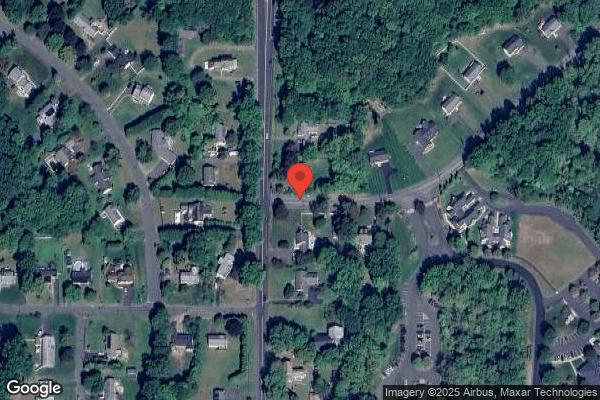

1 CANAL ROAD, SUFFIELD, CT 06078 (860) 668-6111
For profit - Limited Liability company 128 Beds ATLAS HEALTHCARE Data: November 2025
Trust Grade
85/100
#43 of 192 in CT
Last Inspection: January 2025

Within standard 12-15 month inspection cycle. Federal law requires annual inspections.

Overview

Suffield House Rehabilitation and Healthcare Center has a Trust Grade of B+, which means it is above average and recommended for families considering care options. It ranks #43 out of 192 facilities in Connecticut, placing it in the top half, and #17 out of 64 in Capitol County, indicating only a few local facilities are better. However, the trend is worsening, with issues increasing from 2 in 2024 to 5 in 2025, which raises some concerns. Staffing receives an average rating of 3 out of 5 stars, with a 35% turnover rate that is better than the state average, but there is less RN coverage than 91% of facilities, which could impact care quality. Despite having no fines, which is a positive sign, there are specific incidents of concern, such as failing to assist a resident out of bed before breakfast as requested and not following prescribed ambulation plans, which highlight areas for improvement alongside the facility's strengths.

Trust Score
B+
85/100
In Connecticut
#43/192
Top 22%
Safety Record
Low Risk
No red flags
Inspections
Getting Worse
2 → 5 violations
Staff Stability
○ Average
35% turnover. Near Connecticut's 48% average. Typical for the industry.
Penalties
✓ Good
No fines on record. Clean compliance history, better than most Connecticut facilities.
Skilled Nurses
⚠ Watch
Each resident gets only 25 minutes of Registered Nurse (RN) attention daily — below average for Connecticut. Fewer RN minutes means fewer trained eyes watching for problems.
Violations
⚠ Watch
14 deficiencies on record. Higher than average. Multiple issues found across inspections.
★★★★★
5.0
Overall Rating
★★★☆☆
3.0
Staff Levels
★★★★☆
4.0
Care Quality
★★★★★
5.0
Inspection Score
Stable
2024: 2 issues
2025: 5 issues

The Good

  • 4-Star Quality Measures · Strong clinical quality outcomes
  • Full Sprinkler Coverage · Fire safety systems throughout facility
  • No fines on record
  • Staff turnover below average (35%)

    13 points below Connecticut average of 48%

Facility shows strength in quality measures, fire safety.

The Bad

Staff Turnover: 35%

11pts below Connecticut avg (46%)

Typical for the industry

Chain: ATLAS HEALTHCARE

Part of a multi-facility chain

Ask about local staffing decisions and management

The Ugly 14 deficiencies on record

Jan 2025 5 deficiencies
CONCERN (D)

Potential for Harm - no one hurt, but risky conditions existed

Deficiency F0561 (Tag F0561)

Could have caused harm · This affected 1 resident

**NOTE- TERMS IN BRACKETS HAVE BEEN EDITED TO PROTECT CONFIDENTIALITY** Based on clinical record review, observations, review of facility policy and interviews for 1 of 3 residents (Resident #26) revi...

Read full inspector narrative →
**NOTE- TERMS IN BRACKETS HAVE BEEN EDITED TO PROTECT CONFIDENTIALITY** Based on clinical record review, observations, review of facility policy and interviews for 1 of 3 residents (Resident #26) reviewed for choices, the facility failed to honor the resident's request to be out of bed before breakfast. The findings include: Resident #26's diagnoses included Juvenile Rheumatoid Arthritis, Systemic Disorders of Connective Tissue, and adjustment disorder with anxiety. The Resident Care Plan dated 5/29/24 identified Resident #26 with a self-care deficit. Staff were directed to ensure the resident was out of bed before breakfast daily. Review of a Nurse's Aide Information Sheet dated 7/24/24 directed that Resident #26 be out of bed before breakfast daily. The quarterly Minimum Data Set assessment dated [DATE] identified Resident #26 was cognitively intact and required supervision for personal hygiene, maximum assistance with showering, and upper body dressing. A physician's order dated 12/26/24 directed that Resident# 26 be out of bed before breakfast every morning per resident's request. 0n 1/3/25 1:38 PM during screening of Resident identified she /he would like to be out of bed by breakfast or 10:30 AM at the latest to attend exercise classes. Resident # 26 also indicated she/he would be out bed by 10:30 AM especially if the aides are not able ambulating her/him enough. Resident # 26 also indicated this does not happen consistently. Observation of Resident # 26 on 1/3/25 at 11:00 AM identified the resident still in bed. Further observation on 1/6/25 and 1/7/25 identified the resident was not out of bed before breakfast. In an interview with Registered Nurse (RN#1) on 1/8/25 nursing supervisor at 10:00 AM identified Resident # 26 is not consistently out of bed before breakfast due to her/his complex care needs and being short staffed. In an interview with the Director of Recreation on 1/8/25 at 10:20 AM identified Resident # 26 loves to attend all activities. If she/he is up and ready Resident # 26 will attend the exercise program. The Director of Recreation also indicated Resident # 26 is not consistently at the exercise program. The Director of Recreation indicated she believes Resident # 26 does not attend the exercise program regularly because she/he is not out of bed in time. In an interview with Nurse Aide (NA#1) on 1/8/25 at 11:00 AM identified she doesn't usually get Resident # 26 out of bed until 10:00 AM or 11:00 AM due to staffing. Nurse Aide #1 also indicated that Resident # 26 wanted to be out of bed before breakfast. In an Interview with NA#2 on 1/8/25 at 11:45 AM identified she was not aware of any specific time Resident # 26 wanted to be out of bed. Review of the current Resident Rights policy, undated, directs in part, the resident has the right to participate in the development and implementation of his or her person-centered plan of care.
CONCERN (D)

Potential for Harm - no one hurt, but risky conditions existed

Deficiency F0676 (Tag F0676)

Could have caused harm · This affected 1 resident

**NOTE- TERMS IN BRACKETS HAVE BEEN EDITED TO PROTECT CONFIDENTIALITY** Based on clinical record review, observations, review of facility policy and interviews for 1 of 3 residents (Resident # 26) rev...

Read full inspector narrative →
**NOTE- TERMS IN BRACKETS HAVE BEEN EDITED TO PROTECT CONFIDENTIALITY** Based on clinical record review, observations, review of facility policy and interviews for 1 of 3 residents (Resident # 26) reviewed for choices, the facility failed to ensure the resident was ambulated according to restorative care plan. The findings include: Resident #26's diagnoses included Juvenile Rheumatoid Arthritis, Systemic Disorders of Connective Tissue, and adjustment disorder with anxiety. The Resident Care Plan dated 5/29/24 identified Resident #26 with a self-care deficit. Interventions included an ambulation program which required Resident # 26 to ambulate with a platform walker in the hallway 1-2 times per day with supervision. A review of the Nurse's Aide Information Sheet dated 7/24/24 indicated Resident #26 was on a Restorative Ambulation Program which included supervised ambulation with a rolling platform walker. The quarterly Minimum Data Set assessment dated [DATE] identified Resident #26 was cognitively intact and required supervision for personal hygiene, maximum assistance with showering, and upper body dressing. A review of the Nurse Aide flow sheets dated December 2024 indicated Resident #26 was not provided supervised ambulation on the evening shift or the night shift but was provided supervised ambulation on the day shift for 10 days (12/1, 12/10, 12/17, 12/17, 12/18, 12/22, 12/28/ 2024) out of 31 days for the month. Review of a Special Instruction sheet dated 1/8/25 identified Resident # 26 was on an Ambulation Program. In an interview with Physical Therapist (PT #1) on 1/8/25 at 9:20 AM identified Resident # 26 was no longer on therapy services; however, the resident was on a restorative ambulation program which indicated Resident # 26 should be ambulated every shift with NA supervision. PT #1 further identified Resident # 26 was able to ambulate 150 feet with 2 turns using a platform walker and should ambulate every shift as tolerated. PT#1 taught his/her primary nurse aide how to use the platform walker. In an interview and review of the Resident Care Plan with RN#1(nursing supervisor) on 1/8/24 at 10:00 AM identified Resident # 26 should be ambulated with NA supervision every shift. RN # 1 further indicated there are times when the facility is short on nurse aides and indicated Resident # 26 is very complex so there is not enough time to ambulate the resident. In an interview with NA#1 on 1/8/25 at 11:00 AM identified she cannot always ambulate the r resident secondary to staffing issues. In an Interview with NA#2 on 1/8/25 at 11:45 AM identified she works 1 day per week and that is Resident #26's shower day. NA #2 indicated she does not ambulate Resident # 26 as she does not have the time. The resident's shower takes 45 minutes and then she has other tasks on the floor that leave her no time to ambulate the resident per care plan. Review of the current Comprehensive Care Plans Policy, undated, directed in part, qualified staff responsible for carrying out interventions specified in the care plan will be notified of their roles and responsibilities for carrying out the interventions, initially and when changes are made.
CONCERN (D) 📢 Someone Reported This

A family member, employee, or ombudsman was alarmed enough to file a formal complaint

Potential for Harm - no one hurt, but risky conditions existed

Quality of Care (Tag F0684)

Could have caused harm · This affected 1 resident

**NOTE- TERMS IN BRACKETS HAVE BEEN EDITED TO PROTECT CONFIDENTIALITY** Based clinical record review, review of policy and interviews for 1 of 1 resident ( Resident #110) who required a when needed me...

Read full inspector narrative →
**NOTE- TERMS IN BRACKETS HAVE BEEN EDITED TO PROTECT CONFIDENTIALITY** Based clinical record review, review of policy and interviews for 1 of 1 resident ( Resident #110) who required a when needed medication for palpitation, the facility failed to ensure the when needed medication was administered in accordance with physician's orders. The findings include: Resident #110 had diagnoses that included atrial fibrillation and hypertension. The Minimum Data Set, MDS assessment dated [DATE] identified Resident #110 was cognitively intact and independent with Activities of Daily Living (ADL). The Resident Care Plan (RCP) dated 9/17/24 identified Resident #110 had an alteration in cardiac status related to atrial fibrillation, hypertension and mitral valve regurgitation. Interventions directed to monitor for signs and symptoms of cardiopulmonary distress including chest pain and administer medications as ordered. The physician's orders dated 12/1/24 directed Diltiazem HCL Extended Release 240 mg by mouth one time a day for atrial fibrillation and Diltiazem HCl 30 Milligram (MG) by mouth every 24 hours PRN (as needed) for palpitations (heart flutter). The nurse's note dated 12/16/24 identified Resident #110 complained of palpitations at 10:50 PM and was requesting when needled ( PRN) Diltiazem HCl 30 mg. The Medication Administration Record dated 12/1/24 through 12/31/24 identified Diltiazem HCl 30 mg was administered one time on 12/16/24 at 10:55 PM. The afterhours emergency after hours medication cart identified Diltiazem HCL 30 mg was included in the emergency stock. An interview with Resident #110 on 1/08/25 at 1:50 PM identified she/he had prescription medication to take when experiencing palpitations that was fast acting. Resident #110 repeatedly asked about the PRN medication as she/he wanted to ensure the medication was on hand in the event it was needed with no response. Resident #110 identified she/he had experienced symptoms at some point recently. However, the fast-acting medication prescribed to her/him was not available. The nurse ended up giving her/him prescribed morning dose of the same medication which was in in a different dose and not fast acting. Resident #110 reported feeling relieved from symptoms after taking the medication but indicated the medication took a little longer than usual. An interview with Licensed Practical Nurse, LPN #2 on 1/09/25 at 10:14 AM identified she was the assigned nurse during the 3-11:00 PM shift on 12/16/24. LPN #2 identified Resident #110 reported having symptoms of palpitations. LPN #2 identified she notified Nurse Practitioner, NP #1 and gave Resident #110 her/his morning dose of Diltiazem HCL extended release 240 mg instead of Diltiazem HCL 30 mg prescribed PRN as she did not realize the different dosage and mechanism of action. LPN #2 further identified she did ask someone, uncertain who, if Diltiazem HCL 30 mg was in the emergency medication cart and was told it was not. LPN #2 was unable to explain why she would have asked about the availability in emergency stock if she was unaware of the dose discrepancy. An interview with the Director of Nursing Services ( DNS) on 1/09/25 at 10:59 AM identified the Diltiazem HCL 30 mg was ordered on admission. However, the pharmacy was told not to send as it was available in house and required only as needed. The DNS indicated she would expect all medications be administered according to physician's orders and nursing staff to refer to the after hours emergency list posted at all nursing stations to check availability of a prescribed medication not readily available in the medication cart. An interview with NP #1 on 1/9/25 at 11:32 AM identified she was notified Resident #78 was experiencing palpitations. She gave the order to give the PRN Diltiazem HCL 30 mg. NP #1 was not aware Resident #110 had received Diltiazem HCL extended release 240 mg instead. Although no harm came to Resident #110, NP #1 would have preferred the dosages been discussed with her and if discussed she/he may have considered an alternate plan. A review of the facility policy for Medication Administration directed that medications are administered by licensed nurses, or other staff legally authorized to do so, as ordered by the physician and in accordance with professional standards of practice.
CONCERN (D)

Potential for Harm - no one hurt, but risky conditions existed

Accident Prevention (Tag F0689)

Could have caused harm · This affected 1 resident

**NOTE- TERMS IN BRACKETS HAVE BEEN EDITED TO PROTECT CONFIDENTIALITY** Based on observations, clinical reviews, review of facility documentation, policy reviews and interviews for 2 of 5 residents re...

Read full inspector narrative →
**NOTE- TERMS IN BRACKETS HAVE BEEN EDITED TO PROTECT CONFIDENTIALITY** Based on observations, clinical reviews, review of facility documentation, policy reviews and interviews for 2 of 5 residents reviewed for Accidents for ( Resident # 59), the facility failed to apply footrest to the resident's wheelchair according to the plan of care to prevent an accident and for (Resident # 78), the facility failed to ensure a resident requiring assistance with transfers was free from accidents resulting in an injury. The findings included: 1. Resident #59 's diagnoses included displaced avulsion fracture, difficulty walking and spinal stenosis lumbar region without neurogenic claudication. The quarterly Minimum Data Set (MD) assessment dated [DATE] identified Resident #59 as cognitively intact and noted the resident required maximal assistance with bed mobility. The assessment identified dependent from chair to bed and toilet with transfers. Additionally, the assessment noted the utilization of a manual wheelchair. The Resident Care Plan (RCP) dated 6/19/24 for potential/ actual alteration in mobility. An intervention (updated 10/28/24) directed to place footrests on wheelchairs when transporting Resident #59. A nursing progress note dated 10/28/24 at 10:38AM identified Resident #59 as alert and pleasant. The note further indicated Resident #59 complained of pain to his/her right ankle and foot. Resident #59 stated when he/she was in his/ her wheelchair yesterday (10/27/24) a staff member (Recreational Assistance #1) offered to push him/her in the wheelchair. Resident #59 reported during the transport by Recreational Assistance #1 on 10/27/24 she/he twisted her/his ankle because her/his foot was not lifted. The Nurse Practitioner was updated regarding Resident # 59's complaint of pain to the right ankle and directed staff to obtain an X-ray of the resident's right ankle and foot. A nursing progress note dated 10/28/24 at 1:53 PM identified Resident #59 complained of increased right ankle pain from yesterday (10/27/24). Resident # 59 reported during the transport on 10/27/24 in the wheelchair by Recreational Assistant #1 her/his foot touched the ground, and her/his ankle got twisted. Resident # 59 reported she/he did not have the footrests on her/his wheelchair as she/he likes to move around in room without them. The APRN was notified today of the incident. An x ray of the right ankle identified negative results. An intervention was put in place which directed staff to ensure footrests are applied to wheelchairs when transporting residents. The Accidents and Incident Report dated 10/28/24 indicated Resident# 59 complained of pain and reported yesterday (10/27/24) when she/he requested assistance with transportation Recreational Assistant #1 transported her/him in the wheelchair at which time her/his foot touched the ground, and his/her ankle twisted. Resident #59 complain of increased pain. For Disposition the report noted right foot and ankle assessed and noted with redness, bruising and swelling. A nursing progress note dated 10/29/2024 at 10:59 AM identified Resident #59 was transferred to the Emergency Department (ER) per Advanced Practiced Registered Nurse (APRN) order for further imaging of right foot. The X-ray performed yesterday in the facility was inconclusive, showing possible mildly displaced fractures of right foot. Resident #59 refused to go to hospital yesterday due to family visiting and facility Halloween party. Resident #59 and family were agreeable to the transfer to hospital today. Resident 59 was transferred via Emergency Medical Services (EMS) at this time. The resident's family was notified of transfer and will meet Resident #59 at the hospital. A nursing progress note dated 10/29/24 at 9:31 PM identified Resident #59 returned from the emergency room with a diagnosis of a Fractured Talus, (Talus Avulsion Fracture). A boot was given to Resident #59 to wear when weight bearing. Further instructions directed the following: boot does not need to be worn when in bed or when seated, patients need to follow-up with New England Orthopedics. A physician's order dated 10/29/24 directed to elevate right leg on pillows while in bed, to elevate right leg lower extremity while seated in wheelchair and to wear walking boot when weight bearing standing/ walking. Additionally,the physician order directed no boot on while seated in bed. The RCP dated 12/6/24 noted a diagnosis on 10/29/24 for right talus avulsion fracture (small break in the ankle bone). Interventions included: checking Circulation, Motion and Sensory (CMS) of affected area every shift, elevating right leg on pillows while in bed, elevating right lower extremity while seated in wheelchair every shift. Follow-up medical appointments as needed, ice pack to right ankle as ordered, physical therapy, occupational screen/evaluation as needed. 0n 1/3/25 11:15 AM observation of Resident # 59 identified the resident sitting in the room with his/her right foot elevated with a foot device on. Resident #59 reported she/he has a broken his/her ankle due to twisting of foot in the wheelchair. Interview with Recreation Assistant #1 on 1/07/25 at 12:42 PM identified the day in question (10/27/24) there was a game planned for recreation. She also indicated she/he assists residents who are not able to ambulate on their own to and from activities. Recreation Assistance #1 reported, Resident #59 appeared to be struggling making it back to his/her room, therefore she offered to assist Resident # 59. She directed Resident #59 to pick up his/her feet during the transport secondary to the resident not having foot/ pedals on the wheelchair. Recreation Assistant #1 also indicated prior to the in-service after the incident residents who used their foot to scoot, never had a foot pedal on their wheelchair. However, since the in-service; all residents in a wheelchair have a foot pedal. She also indicated now residents have to put their foot on the pedal prior and during transport. Interview with Director of Nursing Service (DNS) on 1/8/25 at 8:31 AM identified Resident #59 historically self-propels. Resident #59 on the day of the incident was returning to his/her room from a recreation activity when Resident # 59 signaled Recreational Assistant #1 to help get her/him back to the room. The DNS further indicated the first choice is to put foot pedals on, however, if residents are alert and oriented and request transport and can put their foot up, staff would help. The DNS indicated the facility policy directs residents to be transported in a wheelchair with foot pedals on. DNS also indicated staff were made aware of this policy prior to the incident involving Resident #59. Interview with the Medical Director (MD) 1 on 1/8/25 at 10:38 AM identified any support of the ankle would have prevented the injuries. He believes the foot pedal would have provided the support needed to prevent the injury. The Medical Director also indicated the facility should be aware of the need for foot pedals and in servicing is required with staff is not aware. An interview with the Rehabilitation Director Occupational Therapist (OT #1) on 1/8/25 at 10:58 AM indicated proper use of a wheelchair would require residents to have leg rest while being transported. She also indicated that every resident should have a footrest. The Rehabilitation Director further indicated that without the proper leg rest the risk of injury is imminent. After inquiry, the Facility Wheelchair Transport/ Leg rest Policy was reviewed and revised on 10/30/24. The wheelchair Transport/ Leg rest policy in part notes, leg rests will be utilized on wheelchairs when transporting any resident that cannot hold their legs up independently. 2. Resident #78 had diagnoses that included dementia, anxiety and depressive disorders. The Minimum Data Set, MDS assessment dated [DATE] identified Resident #78 as severely cognitively impaired and required substantial maximum assist sitting to standing and transfers. The Resident Care Plan, RCP dated 10/14/24 identified Resident #78 had an actual self-care deficit related to cognition, decreased range of motion, was at risk for falls with a previous fall history and a potential alteration in mood due to anxiety. Interventions directed resident to have the assistance of two for all hands-on care, pivot transfer with assist of two using a pivot disk (assistive device to aide in transfers) and ensure needs were being met. The physician's orders dated 11/2/24 directed assist of two for all hands-on care every shift. The nurse's note dated 11/18/2024 at 10:42 PM identified at 8:40 PM, Resident #78 was found laying on floor between beds following a witnessed fall by Nurse Aide,(NA #5). NA #5 stated Resident #78 pushed off the wheelchair to transfer to bed at which time the wheelchair rolled backwards, and Resident #78 slid to the floor. Resident #78 did not hit h/her head but sustained an abrasion to the left side of the back with no other injuries noted on assessment. All appropriate parties were notified and an anti-rollback device was placed on the wheelchair. A facility Reportable Event dated 11/18/24 identified NA #5 was transferring Resident #78 back to bed when Resident #78 pushed off the wheelchair and slid to the floor sustaining an abrasion to the left side of h/her back requiring a dressing and Tylenol for complaint of discomfort. Actions taken included the anti-rollbacks being placed on the back of the wheelchair. An interview with Registered Nurse, RN #1 on 1/08/25 at 11:17 AM identified she was the assigned nursing supervisor during the 3:00 PM to 11:00 PM shift on 11/18/24. RN #1 identified she was notified Resident #78 was on the floor in h/her room between the two beds. On arrival, RN #1 observed Resident #78 laying face up towards the bottom of the bed with the wheelchair at the end of the bed. RN #1 identified NA #5 was in the room with Resident #78 who reported Resident #78 fell after the wheelchair rolled out from under h/her while she was attempting to transfer h/her to bed. NA #5 assisted in lowering Resident #78 to the floor. RN #1 identified there was no other staff involved in the incident and that although she was in part responsible for determining the root cause, she did not determine whether the wheelchair was locked at the time of the occurrence and was unaware Resident #78 required the assistance of two with transfers into bed with an assistive device. An interview with NA #5 on 1/08/25 at 11:55 AM identified she was the assigned nurse aide for Resident #78 during the 3:00 PM to 11:00 PM shift on 11/18/24 and well known to her. NA #5 identified using one hand to lift the back of Resident #78's pant and the other hand under h/her armpit, NA #5 attempted to transfer Resident #78 from the wheelchair at the side of the bed to the bed. During the transfer, Resident #78 became nervous and began dropping to the floor. NA #5 assisted lowering Resident #78 causing the wheelchair to be pushed back in the locked position and resident #78 sliding against the edge of the wheelchair while being lowered to the floor. NA #5 identified she/he was working alone with Resident #78 at the time of the incident and was unaware Resident # 78 required the assistance of two staff during transfers into bed using an assistive device. An interview and clinical record review with the Director of Nursing Services (DNS) on 1/9/25 at 9:07 AM identified determining the primary cause of an accident was a collaborative effort between herself and nursing staff. The DNS identified after reviewing the details of the incident, she determined NA #5, was working alone with Resident #78 at the time of the fall. The root cause was determined as accidental as Resident #78, who could become anxious at times, was exhibiting such behavior at the time of the fall. The DNS identified that although NA #5 could have paused during care when Resident #78 was exhibiting anxious behavior, nothing was incorrect in the way Resident #78 was transferred. The DNS further identified she was unaware Resident #78 required the assist of two with transfers into bed with an assistive device. A review of the facility policy for Fall Prevention identified a fall as being defined as an event where an individual unintentionally comes to rest on the ground, floor, or other level as a result of an external force. A near miss is also considered a fall, where the resident would have fallen if someone else had not caught the resident from doing so. When any resident experiences a fall, the facility will assess the resident, complete a post fall assessment, complete an incident report, notify the physician and family, review the care plan and update as indicated, document all assessments and actions and obtain witness statements in the case of an injury.
CONCERN (D)

Potential for Harm - no one hurt, but risky conditions existed

Deficiency F0692 (Tag F0692)

Could have caused harm · This affected 1 resident

**NOTE- TERMS IN BRACKETS HAVE BEEN EDITED TO PROTECT CONFIDENTIALITY** Based on clinical record review, review of facility policy and interview for 1 of l resident (Resident # 223) at risk for dehydr...

Read full inspector narrative →
**NOTE- TERMS IN BRACKETS HAVE BEEN EDITED TO PROTECT CONFIDENTIALITY** Based on clinical record review, review of facility policy and interview for 1 of l resident (Resident # 223) at risk for dehydration, the facility failed to consistently monitor the resident's intake and output per policy. The findings include: Resident #223's diagnosis includes End Stage Renal Disease. The Dietary Nutrition assessment dated [DATE] indicated Resident #223's daily (24 hour) fluid needs of 1440 Cubic Centimeter (CC). A physician's order dated 1/27/24 at 9:03 PM directed to monitor Intake and output every shift for 3 days or until the goal has been met and laboratory blood work orders are reviewed by the physician or Advanced Practice Registered Nurse (APRN). The admission MDS assessment dated [DATE] indicated Resident #223 was cognitively intact and received transfusions and specialized services while not a resident A review of Resident # 223's Comprehensive Intake and Output Record dated 1/28/23 through 2/20/23 identified 9 missing entries from 1/28/23 through 2/13/23, 5 missing entries from 2/15/23 through 2/20/23 and no documentation from 2/3/23 through 2/7/23. The care plan dated 2/10/23 indicated Resident #223 was at risk for dehydration. Intervention included: dietician to provide estimated fluid needs, monitor, document, and report any signs or symptoms of dehydration including decreased or no urinary output, obtain laboratory blood work as ordered and notify physician/APRN with any changes, encourage fluids if not contraindicated. The care plan 2/10/23 further indicated Resident #223 requires specialized treatment and noted at risk for shortness of breath, blood pressure elevation and edema due to specialized treatments. Interventions included, in part, arranging specialized treatment visits on Monday, Wednesday, and Friday, and to monitor intake and output as ordered. Interview and record review with the Director of Nursing Services (DNS) on 1/8/25 at 1:32 PM indicated there really is no fluid goal for any resident to meet. Fluid goals are nursing judgment along with the physician or APRN who determines if monitoring of intake and output is needed or no longer needed. After reviewing the Comprehensive Intake and Output Record for Resident #232 dated 1/28/23 through 2/20/23 identified 9 missing entries from 1/28/23 through 2/13/23, 5 missing entries from 2/15/23 through 2/20/23 and no documentation from 2/3/23 through 2/7/2023 noted for the resident's intake and output. On the above dates there was no way to identify if Resident # 223 met his/her fluid goal based on the dietician assessment/31/23. The DNS further indicated there was no other location for documentation of Resident # 232's intake and outputs and she/he was unsure if in 2023 the electronic system utilized by the facility had documentation and indicated she/he could not access the above records. The DNS also could not explain why Resident # 223's intake and output from 1/28/23 through 2/20/23 was incomplete and had missing intake and output entries. The amount taken in and out over the 14-hour period had no total during Resident #223's stay. The DNS indicated it is the 3-11 PM nurses' responsibility to total the 24-hour intake and output for residents. The facility policy, in effect during Resident #223's stay labeled Intake and Output indicated in part nursing personnel would keep an accurate record of a resident's fluid balance per the physician's orders. The policy also indicated the 11-7 AM nurse implements a new weekly Intake and Output worksheet every Sunday night and the 3-11 PM nurse would total the 24-hour amounts taken in and out on the worksheet at the end of the shift. The 7-3 PM nurse would update the residents' physician and family if the residents' 24-hour totals were not consistently meeting the daily required amount over a 3-day period.
Jun 2024 2 deficiencies
CONCERN (D) 📢 Someone Reported This

A family member, employee, or ombudsman was alarmed enough to file a formal complaint

Potential for Harm - no one hurt, but risky conditions existed

Notification of Changes (Tag F0580)

Could have caused harm · This affected 1 resident

**NOTE- TERMS IN BRACKETS HAVE BEEN EDITED TO PROTECT CONFIDENTIALITY** Based on review of clinical records, interviews, and facility policy for one (1) of three (3) residents reviewed for pain manage...

Read full inspector narrative →
**NOTE- TERMS IN BRACKETS HAVE BEEN EDITED TO PROTECT CONFIDENTIALITY** Based on review of clinical records, interviews, and facility policy for one (1) of three (3) residents reviewed for pain management, (Resident #1), the facility failed to ensure that the physician was notified when a resident requested pain medication and the next dose of pain medication was not yet due. The findings include: Resident #1's had diagnoses included lumbar spondylolisthesis, spinal stenosis, lumbar region with neurogenic claudication, and chronic pain syndrome. Review of the hospital Discharge summary dated [DATE] identified Resident #1 was admitted on [DATE] for lumbar spinal stenosis,and underwent lumbar spine surgery. Review of the Resident Care Plan dated 5/17/24 identified an actual self-care deficit related to cognitive impairment, decreased strength/endurance, pain, and recent surgery with interventions that directed to an assist of one with activities of daily living observing back precautions, to avoid repetitive bending, lifting and twisting and monitor for pain, stiffness, decreased range of motion or worsening, contracture status during all care, and report changes. A physician's order dated 5/17/24 directed Norco (hydrocodone-acetaminophen) 5-325mg ( a narcotic pain medication), two tablets by mouth every 6 hours as needed for pain, with a maximum dose of 8 tablets in 24 hours. Review of the admission Minimum Data Set assessment dated [DATE] identified Resident #1 was cognitively intact and was independent with activities of daily living. Review of the Medication Administration Record for 5/18/24 identified two (2) 5-325mg Norco tablets were administered at 1:36 PM. Review of nurse's note dated 5/18/24 at 1:44 PM identified Resident #1 was alert and pleasant, and had complaints of back pain. Norco 5-325mg was administered at 1:00 PM and successfully reduced Resident #1's pain. Review of nurse's note dated 5/18/24 at 4:50 PM identified Resident #1 was upset as he/she requested a dose of Norco and was refused, with the nurse indicating the next dose was not yet due (due at approximately 7:00-7:30 PM). Review of nurse's noted dated 5/18/24 at 5:03 PM identified Resident #1 was walking in his/her room, talking, picking up his/her things, packing while stating if he/she didn't get his/her dose of Norco now that she would be leaving. The nurse's note further indicated Resident #1 was punching, drug seeking, and combative. The nurse explained the medication schedule to the resident, the resident was unwilling to cooperate or understand the schedule, and the facility was going to send the resident to the emergency room for medication re-evaluation. Interview with RN #1 (the nursing supervisor) on 6/6/24 at 11:13 AM identified Resident #1 was upset between 3:30 PM and 4:00 PM as he/she had requested his/her pain medication from LPN #1 and was told it wasn't due for administration. RN #1 further indicated the situation escalated, Resident #1 had gathered her clothes and pushed RN #1 out of the way with the intention of leaving the building. RN #1 indicated he/she then called the police and Director of Nursing Services as LPN #2 stayed with Resident #1. RN #1 identified he/she should have contacted the physician regarding Resident #1's request for pain medication but in the midst of Resident #1's outburst, the resident didn't allow RN #1 to assess his/her pain. RN #1 indicated she should have assessed the patient, contacted the physician to inform of the resident's pain and request his/her recommendation. Interview with the Director of Nursing Services on 6/6/24 at 12:13 PM identified the standard of practice was to explain the pain medication schedule to the resident, to offer a change in position or ice pack/hot pack to help relieve the pain, and if the interventions were ineffective and/or there was no other alternative, to contact the physician to see what else could be done. Interview with MD #1 on 6/6/24 at 12:29 PM identified the next option for pain relief, if non-pharmacologic interventions failed, was to administer the next dose of the pain medication (Norco). MD #1 further identified he/she would have expected a call to determine if anything else could be done or if the narcotic needed to be administered. Review of the Pain Management policy directed that based upon the evaluation, the facility in collaboration with the attending physician/prescriber, other health care professionals and the resident and/or the resident's representative will develop, implement, monitor and revise as necessary interventions to prevent or manage each individual resident's pain beginning at admission.
CONCERN (D) 📢 Someone Reported This

A family member, employee, or ombudsman was alarmed enough to file a formal complaint

Potential for Harm - no one hurt, but risky conditions existed

Deficiency F0697 (Tag F0697)

Could have caused harm · This affected 1 resident

**NOTE- TERMS IN BRACKETS HAVE BEEN EDITED TO PROTECT CONFIDENTIALITY** Based on review of clinical records, interviews, and facility policy for one (1) of three (3) residents reviewed for pain manage...

Read full inspector narrative →
**NOTE- TERMS IN BRACKETS HAVE BEEN EDITED TO PROTECT CONFIDENTIALITY** Based on review of clinical records, interviews, and facility policy for one (1) of three (3) residents reviewed for pain management, (Resident #1), the facility failed to address a resident's complaints of pain . The findings included: Resident #1's had diagnoses included lumbar spondylolisthesis, spinal stenosis, lumbar region with neurogenic claudication, and chronic pain syndrome. Review of the hospital Discharge summary dated [DATE] identified Resident #1 was admitted on [DATE] for lumbar spinal stenosis, underwent lumbar spine surgery. Review of the Resident Care Plan dated 5/17/24 identified an actual self-care deficit related to cognitive impairment, decreased strength/endurance, pain, and recent surgery. Interventions directed to an assist of one with activities of daily living observing back precautions, to avoid repetitive bending, lifting and twisting and monitor for pain, stiffness, decreased range of motion or worsening, contracture status during all care, and report changes. Review of the Nursing Pain assessment dated [DATE] identified pain within the last 5 days, occurring frequently, with occasional loss of sleep and occasionally limiting day to day activities. Review of the admission Minimum Data Set assessment dated [DATE] identified Resident #1 was cognitively intact and was independent with activities of daily living. A physician's order dated 5/17/24 directed Norco (hydrocodone-acetaminophen) 5-325mg (a narcotic pain medication), two tablets by mouth every 6 hours as needed for pain, with a maximum dose of 8 tablets in 24 hours. Review of the Medication Administration Report on 5/18/24 identified two (2) 5-325mg Norco tablet (were administered at 1:36 PM. Review of nurse's note dated 5/18/24 at 1:44 PM identified Resident #1 was alert and pleasant, adjusting well to his/her room, with complaints of back pain. Norco 5-325mg was administered at 1:00 PM and successfully reduced Resident #1's pain. Review of nurse's note dated 5/18/24 at 4:50 PM identified Resident #1 was upset as he/she requested a dose of Norco and was refused, with the nurse indicating the next dose was not yet due (due approximately 7:00-7:30 PM). Review of nurse's noted dated 5/18/24 at 5:03 PM identified Resident #1 was walking in his/her room, talking, picking up his/her things, packing while stating if he/she didn't get his/her dose of Norco now that she would be leaving. The nurse's note further indicated Resident #1 was punching, and combative. The nurse explained the medication schedule to the resident, and that pain medication was not yet due. The resident was unwilling to cooperate or understand the schedule, and the facility was going to send the resident to the emergency room for medication re-evaluation. Interview with RN #1 (the nursing supervisor) on 6/6/24 at 11:13 AM identified Resident #1 was upset between 3:30 PM and 4:00 PM as he/she had requested his/her pain medication from LPN #1 and was told it wasn't time. RN #1 indicated after being informed of the situation by LPN #1, he/she had approached the resident, whose behaviors had escalated, to explain why the pain medication couldn't be administered and to assess the resident. Further interview with RN #1 at 11:46 AM identified he/she should have contacted the physician regarding Resident #1's request for pain medication but in the midst of Resident #1's outburst, the resident didn't allow RN #1 to assess his/her pain. RN #1 indicated the standard of practice was to assess the patient, contact the physician to inform of the resident's pain and request his/her recommendation. Interview with the Director of Nursing Services on 6/6/24 at 12:13 PM identified the standard of practice was to explain the pain medication schedule to the resident, to offer a change in position or ice pack/hot pack to help relieve the pain, and if the interventions were ineffective and/or there was no other alternative, to contact the physician to see what could be done. Interview with MD #1 on 6/6/24 at 12:29 PM identified the next option for pain relief, if non-pharmacologic interventions failed, was to administer the next dose of the pain medication (Norco). MD #1 further identified he/she would have expected a call to determine if anything else could be done or if the narcotic needed to be administered. Review of the Pain Management policy directed that based upon the evaluation, the facility in collaboration with the attending physician/prescriber, other health care professionals and the resident and/or the resident's representative will develop, implement, monitor and revise as necessary interventions to prevent or manage each individual resident's pain beginning at admission.
Jul 2022 3 deficiencies
CONCERN (D)

Potential for Harm - no one hurt, but risky conditions existed

Notification of Changes (Tag F0580)

Could have caused harm · This affected 1 resident

**NOTE- TERMS IN BRACKETS HAVE BEEN EDITED TO PROTECT CONFIDENTIALITY** Based on review of the clinical record, facility policy, and interviews for 1 of 3 residents (Resident #32) reviewed for nutriti...

Read full inspector narrative →
**NOTE- TERMS IN BRACKETS HAVE BEEN EDITED TO PROTECT CONFIDENTIALITY** Based on review of the clinical record, facility policy, and interviews for 1 of 3 residents (Resident #32) reviewed for nutrition, the facility failed to ensure timely notification of a weight loss. The findings include: Resident #32's diagnoses included chronic obstructive pulmonary disease, hypertension, hypothyroid, and major depression. The physician's order dated 4/21/22 directed that Resident #32 was to receive a regular diet, with a regular consistency texture, and thin liquids. The significant change MDS assessment dated [DATE] identified Resident #32 had intact cognition, required extensive assist of 2 staff with transfers, and was independent with eating after set-up. The Resident Care Plan (RCP) dated 5/4/22 identified Resident #32 was at risk for alteration in nutrition related to unintended weight loss and poor intake with interventions to monitor weekly weights, provide regular thin liquids, obtain a dietary consult as needed, record meal intakes, and provide food preferences within Resident #32's diet orders. A dietician note dated 5/19/22 identified Resident #32 had some improvement in his/her food intake and that their weight had stabilized at 131.2 pounds. Resident #32 continued to eat independently, had no difficulty chewing/swallowing food, and continued with Remeron to increase his/her appetite. A weekly weight dated 6/22/22 identified that Resident #32 weighed 134.8 pounds. A weekly weight dated 7/6/22 identified that Resident #32 weighed 123.4 pounds a loss of 11.4 pounds. A repeat of the weekly weight on the same date, 7/6/22, identified Resident #32 weighed 123 pounds, a loss of 11.8 pounds. A weekly weight dated 7/19/22 identified Resident #32 weighed 123.4 pounds and confirmed Resident #32's weight loss of 11.4 pounds over 2 a week period. Interview with the Registered Nurse Supervisor (RN#1) on 7/18/22 at 11:00 AM identified that the Nurse Aides (NA) were responsible to obtain resident weights, however, it was the charge nurse's responsibility to evaluate the weight. RN #1 indicated that she was not aware that Resident #32 had experienced a recent weight loss. Subsequent to surveyor inquiry, RN #1 identified that she would be updating Resident #32's family, physician, and the dietician of the weight loss. Interview and clinical record review with Advance Practitioner Registered Nurse (APRN #1) on 7/18/22 at 11:20 AM identified that although she was unsure whether the nursing staff notified her about the recent weight loss, if facility staff had notified her, she would have directed laboratory work, monitoring of daily weights, and monitoring for any chewing/swallowing difficulties, but there were interventions noted. Additionally, APRN #1 would have referred Resident #32 to speech therapy to ensure that his/her weight loss was not related to dysphagia (difficulty swallowing). Subsequent to surveyor inquiry, APRN #1 wrote a progress note dated 7/18/22 at 1:01 PM that directed Resident #32 be evaluated for his/her recent weight loss. Interview with the Director of Nursing Services (DNS) on 7/18/22 at 1:20 PM identified that the NAs were responsible to obtain the resident's weight, however, it was the charge nurse's responsibility to evaluate the weight. The DNS indicated it was her expectation that a re-weight be conducted immediately, and if a weight discrepancy was confirmed, facility staff would notify the family, physician, and dietician. Interview with the Dietician on 7/19/22 at 9:40 AM identified that she ran a weight loss report each time she worked and that there was a binder at the nursing unit for facility staff to notify her about dietary and/or weight loss concerns. The Dietician indicated that she was not aware that Resident #32 had lost weight loss, but that the expectation was for facility staff to make her aware. Review of facility Weight Policy identified, in part, that NAs were to report the obtained weight to the charge nurse, the charge nurse was to evaluate and report to the supervisor any significant change, and the supervisor was to monitor and report any weight loss or weight gain to the family, doctor or nurse practitioner, and the dietician.
CONCERN (D)

Potential for Harm - no one hurt, but risky conditions existed

Safe Environment (Tag F0921)

Could have caused harm · This affected 1 resident

**NOTE- TERMS IN BRACKETS HAVE BEEN EDITED TO PROTECT CONFIDENTIALITY** FACILITY Environment Based on review of the clinical record, observations, and facility policy review, for one of seven units ob...

Read full inspector narrative →
**NOTE- TERMS IN BRACKETS HAVE BEEN EDITED TO PROTECT CONFIDENTIALITY** FACILITY Environment Based on review of the clinical record, observations, and facility policy review, for one of seven units observed for the environment, the facility failed to ensure sanitary storage of for Resident #54's reusable, medical equipment. The findings include: Resident #54's diagnoses included cerebral infarction (stroke), aphagia, and vascular dementia with behavioral disturbances. The quarterly Minimum Data Set (MDS) assessment dated [DATE] identified that Resident #54 had a Brief Interview for Mental Status (BIMS) score of 99, indicating s/he had severely impaired cognition, was frequently incontinent of bowel and bladder, and required extensive assistance of two staff members for dressing, toileting, and bed mobility. The Resident Care Plan (RCP) dated 6/7/22 identified an alteration in elimination related to urinary and bowel incontinence. Interventions directed to monitor bowel movements and provide peri-care after each incontinent episode. Observations on 7/14/22 at 10:00 AM in Resident #54's bathroom identified to the right of the toilet, an unlabeled bedpan wedged and stored between the handicap rail and the wall, with the opening facing the wall. Noted behind the toilet tank, were two unlabeled urine measuring hats stored and wedged between the handicap rail and the wall, with the openings facing the wall, one of which had spots of brown debris attached. Additionally, two unlabeled wash basins were on the floor under the sink and two unlabeled emesis basins, one of which contained an unlabeled toothbrush and a tube of toothpaste and the other with an unlabeled toothbrush were stored on the shelf above the sink. Observations and interview with RN#2 on 7/18/22 at 1:40 PM identified that the improper storage and unlabeled personal medical equipment remained unchanged and stored as observed on 7/14/22. RN #2 indicated that the measuring hats, bedpans, and wash basins should be labeled with the resident's bed location A or B contained in a plastic bag and stored in his/her individual nightstand. Further, RN#2 stated that each resident's toothbrush should be contained within a toothbrush tube and labeled with bed A or B being stored separately from other equipment in his/her individual nightstand. Interview with NA#1 on 7/18/22 at 2:00 PM indicated that Resident #54 used his/her bedpan at night. NA#1 was unaware why there were clean and soiled urine measuring hats stored in Resident #54's bathroom. Review of facility Storage of Resident's Personal Hygiene Items Policy, dated 1/2022, directed in part, that all personal items like toothbrushes, bedpans, measuring hats, and wash basins will be marked with the resident's initials or room numbers including bed A or B and stored in the resident's nightstands. If items like bedpans and measuring hats are stored in the bathroom, they should be placed in a clean plastic bag and marked with the resident's initials or room and bed number.
MINOR (B)

Minor Issue - procedural, no safety impact

PASARR Coordination (Tag F0644)

Minor procedural issue · This affected multiple residents

**NOTE- TERMS IN BRACKETS HAVE BEEN EDITED TO PROTECT CONFIDENTIALITY** Resident #91 PASARR Based on review of the clinical record and interviews for one of four residents, (Resident #91) reviewed fo...

Read full inspector narrative →
**NOTE- TERMS IN BRACKETS HAVE BEEN EDITED TO PROTECT CONFIDENTIALITY** Resident #91 PASARR Based on review of the clinical record and interviews for one of four residents, (Resident #91) reviewed for PASARR, the facility failed to notify the appropriate state agency that the resident had a newly diagnosed mental disorder. The findings include: Resident # 91's diagnoses included unspecified dementia with behavioral disturbance, anxiety disorder, and type 2 diabetes mellitus. The annual Minimum Data Set (MDS) assessment dated [DATE] identified that Resident # 91 had a Brief Interview for Mental Status (BIMS) score of 99, indicating severe cognitive impairment and required the extensive assistance of two staff members for activities of daily living (ADLs). Review of the clinical record indicated that on admission Resident #91 had a negative Level I PASRR evaluation dated on 4/7/20. An Advanced Practice Registered Nurse (APRN) Psychiatric assessment dated [DATE] identified extreme restlessness and a new diagnosis of delusional disorder. The APRN ordered an antipsychotic medication, Quetiapine, at night for delusions. The Resident Care Plan (RCP) dated 1/19/21 identified a new diagnosis of delusional disorder. Interventions directed to assess for side effects of antipsychotic medications, i.e., check orthostatic blood pressure once a month and perform Abnormal Involuntary Movement Scale (AIMS) testing every six months. An interview and review of the clinical record with Social Worker #1 on 7/19/22 at 11:30 AM failed to identify that Resident #91 had a PASRR re-evaluation since being newly diagnosed with a delusional disorder on 1/19/21. Additionally, Social Worker #1 was unable to provide documentation that the facility had notified the appropriate state agency of the resident's newly diagnosed mental disorder. Interview with Person #4 from PASRR on 7/19/22 at 2:30 PM identified that the facility was responsible to notify the PASRR provider of a newly diagnosed mental disorder and that they, the PASRR provider, had never received notification from the facility of Resident #91's new diagnosis.
Nov 2019 4 deficiencies
CONCERN (D)

Potential for Harm - no one hurt, but risky conditions existed

Safe Environment (Tag F0584)

Could have caused harm · This affected 1 resident

**NOTE- TERMS IN BRACKETS HAVE BEEN EDITED TO PROTECT CONFIDENTIALITY** Based on observations, review of the clinical record, review of facility documentation, and interviews, for 1 sampled resident r...

Read full inspector narrative →
**NOTE- TERMS IN BRACKETS HAVE BEEN EDITED TO PROTECT CONFIDENTIALITY** Based on observations, review of the clinical record, review of facility documentation, and interviews, for 1 sampled resident requiring extensive assistance with Activities of Daily Living (ADL's) (Resident #40), the facility failed to ensure that a wheelchair cushion was in good repair. The findings include: Resident #40 was admitted to the facility on [DATE] with diagnoses that included Parkinson's disease, muscle weakness, osteopenia, adult failure to thrive, mild cognitive impairment, dementia, depression, and anxiety. The quarterly Minimum Data Set (MDS) assessment dated [DATE], identified Resident #40 had severely impaired cognition, was frequently incontinent of bowel and bladder, and required extensive assistance with dressing, bathing, toileting, and locomotion. The care plan dated 9/20/19, identified a self care deficit related to cognitive impairment, decreased independence with ADLs, decreased strength/endurance, and muscle weakness. Interventions directed to position the resident in a hemi-height wheelchair, monitor skin integrity for increased redness or irritation, and provide peri-care after each incontinent episode. Observations on 11/04/19 at 10:30 AM and 12:46 PM of Resident #40, identified that he/she was seated in a wheelchair. Further observation, identified that the wheelchair cushion's plastic cover was ripped open on the right side with torn foam exposed. Observations on 11/5/19 at 11:01 AM and 1:50 PM of Resident #40, identified that he/she was seated in a wheelchair and the cushion's plastic cover was noted to be ripped with torn foam exposed. Resident #40 was observed lifting the torn cover of the cushion and was pulling at the exposed foam. An interview with Person #1 on 11/5/19 at 1:55 PM, identified that he/she had reported the torn wheelchair cushion two weeks prior to a nurse's aide. Person #1 further identified that he/she was concerned that Resident #40 was ripping the foam from the cushion and that the cushion was no longer providing her/him with comfort. An interview with Nurse Aide (NA) #3 on 11/5/19 at 2:05 PM, identified that he/she had observed Resident #40's ripped and torn wheelchair cushion a week ago and notified maintenance by writing in the maintenance concern log. An interview with Licensed Practical Nurse (LPN) #4 on 11/5/19 at 2:20 PM, identified that he/she had observed Resident #40's ripped and torn wheelchair cushion on 11/1/19 and had reported it to a physical therapist. LPN #4 was unable to identify the physical therapist he/she had spoken to. Review of the maintenance concern log failed to identify an entry was made about Resident #40's ripped and torn wheelchair cushion. An interview with Occupational Therapist (OT) #1 on 11/5/19 at 2:30 PM, identified that he/she was not aware of the ripped and torn wheelchair cushion. OT #1 identified that staff was to write any concerns in the nursing referral screen log and there were no entries for Resident #40. OT #1 identified that Resident #40 required the wheelchair cushion for comfort and to prevent skin breakdown. Subsequent to surveyor inquiry, the resident received a new wheelchair cushion on 11/5/19.
CONCERN (D)

Potential for Harm - no one hurt, but risky conditions existed

Comprehensive Care Plan (Tag F0656)

Could have caused harm · This affected 1 resident

**NOTE- TERMS IN BRACKETS HAVE BEEN EDITED TO PROTECT CONFIDENTIALITY** Based on clinical record review, interview and review of facility policy for one of three residents with incontinence (Resident ...

Read full inspector narrative →
**NOTE- TERMS IN BRACKETS HAVE BEEN EDITED TO PROTECT CONFIDENTIALITY** Based on clinical record review, interview and review of facility policy for one of three residents with incontinence (Resident #91) the facility failed to ensure that the resident's plan of care was comprehensive to include interventions to address the resident's potential to achieve bladder continence and/or interventions to manage the resident's specific elimination needs. The finding included: Resident (R) #91's diagnoses included osteoarthritis, localized edema, diabetes mellitus, and a left foot wound infection. Review of a bowel and bladder evaluation dated 8/20/19 identified that the resident was continent of bladder at least three times daily and continent of bowel. Assessment score totaled 18 points indicating R#91 had retraining potential. Review of a quarterly Minimum Data Set (MDS) assessment dated [DATE] identified that R#91 had intact cognition, required extensive assistance of one staff person with toileting, was frequently incontinent of bladder and continent of bowels. The MDS identified that no toileting program was in place and/or had been attempted. Review of R#91's care plan (RCP) dated 9/3/19 identified that the resident had a self-care deficit with activities of daily living (ADL's) due to decreased strength and muscle weakness and s/he had an alteration in elimination related to urinary incontinence. The RCP directed to provide R#91 with physical assistance from two staff with toileting tasks, encourage the resident to use the bathroom toilet when up in the wheelchair and provide peri-care after each incontinent episode. Although the care plan identified that the resident had an alteration in elimination, it failed to include interventions and a toileting plan that addressed the resident's potential to achieve as much normal bowel/ bladder function as possible. Additionally, review of the resident's care card indicated R#91 was continent, using the bathroom and bedside commode however the care card failed to identify a bowel/bladder retraining schedule or interventions to manage the residents bladder incontinence. Review of the resident's ADL flow sheets for the period of 10/19/19 to 11/4/19 identified that the resident had multiple episodes of urinary incontinence daily. During an interview on 11/4/19 at 2:30 PM the Director of Nurses (DON) identified that the resident had urinary incontinence and although the DON stated that the resident was mostly continent, the record identified that the resident was more often incontinent. The DON further identified that the care cards are a mechanism to inform the nurse's aides (NA's) of the resident's care needs from the resident's care plan. The DON acknowledged that Resident #91's care card was not accurate and would be revised to ensure that it was consistent with the resident's current status and interventions. Review of facility policy identifed that the resident's comprehensive care plan will reflect interventions to enable each resident to attain or maintain the highest practicable physical, mental, and psychosocial well-being.
CONCERN (D)

Potential for Harm - no one hurt, but risky conditions existed

Quality of Care (Tag F0684)

Could have caused harm · This affected 1 resident

**NOTE- TERMS IN BRACKETS HAVE BEEN EDITED TO PROTECT CONFIDENTIALITY** Based on clinical record review, interview and review of facility policy for one of three residents with wounds (Resident #91) t...

Read full inspector narrative →
**NOTE- TERMS IN BRACKETS HAVE BEEN EDITED TO PROTECT CONFIDENTIALITY** Based on clinical record review, interview and review of facility policy for one of three residents with wounds (Resident #91) the facility failed to ensure that the resident was assessed timely with a change in skin integrity. The finding included: Resident (R) #91's diagnoses included osteoarthritis, localized edema, diabetes mellitus, and a left foot wound infection. Review of a quarterly minimum data set assessment (MDS) dated [DATE] identified that the resident had intact cognition, and exhibited no behavioral symptoms such as rejection of care. The MDS identified that the resident required extensive assistance with bed mobility and toileting, was frequently incontinent of bladder, continent of bowels and required limited assistance with transfers and personal hygiene. The MDS identified that the resident had no pressure ulcers, wounds or skin infections. Review of the resident's care plan (RCP) dated 9/3/19 identified that R#91 had the potential for alteration in skin integrity related to bilateral lower extremity edema. Interventions included to educate the resident on interventions to maintain skin integrity, monitor and report changes in his/her skin integrity, use caution during transfers, and complete weekly skin checks. Additional interventions included the application of ace wraps during the day and remove the ace wraps at night. The RCP indicated R#91 refused the ace wraps at times and was non-compliant with elevating his/her legs. Review of the resident's weekly skin audit dated 9/6/19 identified that the resident had bilateral lower extremity edema with no blisters or weeping. Review of a nurse's note dated 9/20/19 at 12:06 AM identified that the nursing assistant (NA) informed Licensed Practical Nurse (LPN) #2 that R#91 had bleeding from his/her left foot identified during evening care. LPN #2 documented that she observed dried blood on the small toe and dorsal side of the resident's left foot. The resident's foot was cleansed and a light dressing covered loosely with gauze was applied. Review of the resident's clinical record for the period 9/20/19 to 9/25/19 failed to identify that the resident's left foot was assessed, monitored and that a weekly skin audit had been completed. Review of a weekly audit tool dated 9/26/19 identified R#91 had a 0.8 centimeter (cm) by 0.5 cm. open purpura to the left foot. In a nurses note dated 9/26/19 at 3:35 PM, LPN #2 identified that when she was applying the resident's ace wraps, she noticed oozing from the top of R#91's left foot. The note further indicated R#91's left foot had 4+ pitting edema. LPN #2 noted that the physician was notified and she was directed to cleanse the top of the resident's left foot with wound cleanser, pat dry and apply a dry clean dressing twice a day. Review of a nurses note dated 9/27/19 at 1:11 PM identified that the open area on the top of the resident's left foot was oozing large amounts of clear liquid and the dressing was changed multiple times. Review of the resident's clinical record from 9/26/19 to 9/30/19 failed to identify that the resident's left foot wound was assessed by a Registered Nurse (RN) or practitioner. A nurse's note and medication administration record (MAR) dated 9/30/19 indicated R#91's left foot dressing was changed on 9/30/19. Review of a nurses note dated 10/1/19 identified that the resident's had increased warmth, redness and blood drainage from the left foot. The note identified that the Infection Prevention Nurse (IPN), who additionally is the wound nurse, came to see the resident's wound and the physician was notified. Review of a physician's order dated 10/1/19 directed to administer Keflex 500 milligrams (mg) four times daily for 10 days. Review of the MAR identified that Kelfex 500 mg. was adminstered as ordered. Interview with Licensed Practical Nurse (LPN) #1 on 11/4/19 at 3:00 PM identified that she recalled on the evening of 9/19/19 the nursing assistant (NA) informed her that the resident's left foot bled while being washed during care. LPN #2 stated that she checked the resident's foot and noted dried blood on the top of the resident's left foot, cleansed the foot however she was unable to identify the source of the bleeding. Subsequently LPN #1 checked the resident's left foot and saw no additional bleeding. LPN #1 indicated she was unable to recall if she reported the incident. Interview with the IPN on 11/4/19 at 10:20 AM identified that she did not recall being informed that the resident had any open areas or bleeding from his/her lower extremities until 9/27/19 when a purpura opened on the resident's left foot. The IPN stated that she is usually notified of wounds and changes in a resident's skin and she then assesses the wound. The IPN acknowledged that an RN should have assessed the resident's foot on 9/20/19. Further interview with the IPN on 11/4/19 at 10:30 AM identified that she was informed of the resident's foot wound (discovered on 9/26/19) and recalled that she followed up and assessed the resident's foot, however review of the resident's clinical record failed to identify documentation of the assessment and follow up. Subsequent to surveyor inquiry, the IPN provided documentation of a late entry addendum to 9/26/19 (dated 11/4/19) , that identified that the resident denied any injury and accepted follow-up by the IPN on her next visit. On 10/2/19 the resident was evaluated by the IPN. The facility failed to assess the resident's wound when a change in skin integrity was identifed. Review of the facility's Skin Care Policy identified that residents will be appropriately assessed, monitored and managed for all skin conditions. Skin integrity assessments are done on new admissions and when any alteration in skin integrity is identified. Additionally, the policy identified that nursing staff is responsible for weekly skin assessments.
CONCERN (D)

Potential for Harm - no one hurt, but risky conditions existed

Deficiency F0761 (Tag F0761)

Could have caused harm · This affected 1 resident

Based on observations, review of facility documentation, review of facility policy, and interviews, during a review of medication storage and labeling for 3 of 4 medication carts, the facility failed ...

Read full inspector narrative →
Based on observations, review of facility documentation, review of facility policy, and interviews, during a review of medication storage and labeling for 3 of 4 medication carts, the facility failed to ensure expired medications were discarded timely and/or that all medications were labeled as required. The findings include: a. Observation with Assistant Director of Nurses (ADNS) on 11/05/19 at 10:55 AM on Unit A [NAME] identified a Latanoprost eye drops bottle without a pharmacy label and the resident's name was hand written in black marker on the cap of the bottle without directions. Further observation identified Travatan eye drops bottle without a pharmacy label. Interview at that time with ADNS indicated the eye drop medications prescribed for individual residents should have a pharmacy label adhered to the bottles that include the resident's name, the name of the medication, strength and dose of the medication, directions for use and the prescription number. The observation of the bottles were that they were stored in a clear plastic bag without any labels attached. b. Observation with Licensed Practical Nurse (LPN) #5 on 11/5/19 at 11:00 AM on Unit A East identified a Humalog vial with a handwritten date indicating that the medication was opened on 9/30/19. Further observation identified a Humalog Insulin Pen with a resident's last name handwritten along the side of the insulin pen in black marker and without a pharmacy label nor was it stored in a bag with a pharmacy label. Additionally, the insulin pen was dated opened on 9/30/19. Further observation identified a bottle of Timolol Malente eye drops with an opened date of 7/1/19 and another bottle of Timolol Malente eye drops with no opened date recorded on the bottle. A third bottle of Latanoprost .0005% eye drops had an opened of 9/16/19. Interview on 11/5/19 at 11:00 AM with LPN #5 indicated that the residents that the medications belonged to were current residents in the facility. She further noted that the three prescribed resident eye drops are expired and she would discard them. LPN #5 further indicated, insulin is stored in the medication cart and once opened they should be discarded after 30 days. LPN#5 also indicated she would discard the expired insulins. c. Observation with LPN #6 on 11/06/19 at 11:00 AM on Unit B [NAME] identified a Novolog insulin pen without an opened date. Interview at the time with LPN #6 noted he placed the insulin pen for this resident in the cart on Sunday but whomever used it first must have forgot to write the date the pen was opened. LPN #6 further noted that all insulin pens should be dated to reflect the date opened. An interview on 11/7/19 at 12:20 PM with the Director of Nurses (DNS) identified that her expectation is that all eye drops are discarded after 30 days from when they are opened except for Xalatan and Latanoprost which should be discarded after 42-45 days. The eye drop bottles should be dated when opened and insulin vials and pens should have a pharmacy label on them with the resident's name, medication dose, directions, and an opened date should be written on the container. The medications should be discarded after 30 days from the date they are opened which she indicated is the facility's policy. The facility's policy for labeling of medication containers indicated that all medications maintained in the facility shall be properly labeled in accordance with current state and federal regulations. Additionally, medication labels must be legible at all times. The Labels for individual drug containers shall include all necessary information: Residents name, prescribing physician's name, name address and telephone number of the issuing pharmacy, the name, strength and quality of the drug, the prescription number, the date the medication was dispensed, the expiration date, and directions for use. The Facility policy for storage of medications noted that drug containers that have missing, incomplete, improper, or incorrect labels shall be returned to the pharmacy for proper labeling and storage. The facility's chart for stability of common insulins in Vials and opens indicated Humalog insulin vials that are opened room temperature or refrigerator temperature is good for 28 days. Humalog Insulin Pens opened at room or refrigerator temperature are good for 28 days.
Understanding Severity Codes (click to expand)
Life-Threatening (Immediate Jeopardy)
J - Isolated K - Pattern L - Widespread
Actual Harm
G - Isolated H - Pattern I - Widespread
Potential for Harm
D - Isolated E - Pattern F - Widespread
No Harm (Minor)
A - Isolated B - Pattern C - Widespread

Questions to Ask on Your Visit

  • "Can I speak with families of current residents?"
  • "What's your RN coverage like on weekends and overnight?"

Our Honest Assessment

Strengths
  • • Grade B+ (85/100). Above average facility, better than most options in Connecticut.
  • • No major safety red flags. No abuse findings, life-threatening violations, or SFF status.
  • • No fines on record. Clean compliance history, better than most Connecticut facilities.
  • • 35% turnover. Below Connecticut's 48% average. Good staff retention means consistent care.
Concerns
  • • 14 deficiencies on record. Higher than average. Multiple issues found across inspections.
Bottom line: Generally positive indicators. Standard due diligence and a personal visit recommended.

About This Facility

What is Suffield House Rehabilitation And Healthcare Cente's CMS Rating?

CMS assigns SUFFIELD HOUSE REHABILITATION AND HEALTHCARE CENTE an overall rating of 5 out of 5 stars, which is considered much above average nationally. Within Connecticut, this rating places the facility higher than 99% of the state's 100 nursing homes. This rating reflects solid performance across the metrics CMS uses to evaluate nursing home quality.

How is Suffield House Rehabilitation And Healthcare Cente Staffed?

CMS rates SUFFIELD HOUSE REHABILITATION AND HEALTHCARE CENTE's staffing level at 3 out of 5 stars, which is average compared to other nursing homes. Staff turnover is 35%, compared to the Connecticut average of 46%. This relatively stable workforce can support continuity of care.

What Have Inspectors Found at Suffield House Rehabilitation And Healthcare Cente?

State health inspectors documented 14 deficiencies at SUFFIELD HOUSE REHABILITATION AND HEALTHCARE CENTE during 2019 to 2025. These included: 13 with potential for harm and 1 minor or isolated issues.
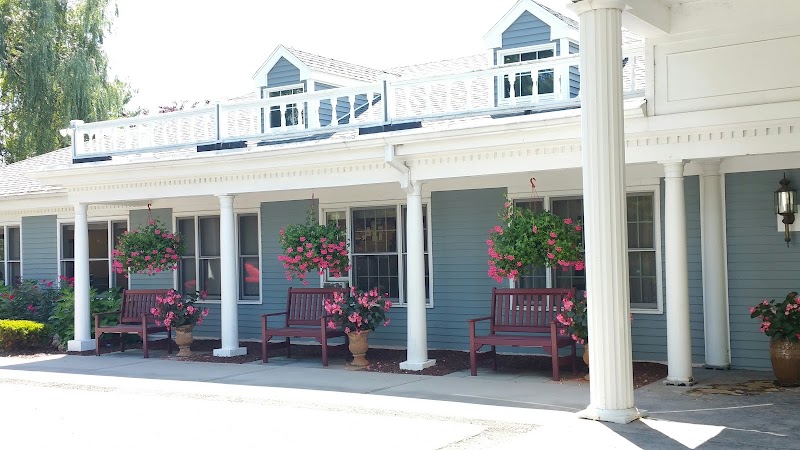
Who Owns and Operates Suffield House Rehabilitation And Healthcare Cente?

SUFFIELD HOUSE REHABILITATION AND HEALTHCARE CENTE is owned by a for-profit company. For-profit facilities operate as businesses with obligations to shareholders or private owners. The facility is operated by ATLAS HEALTHCARE, a chain that manages multiple nursing homes. With 128 certified beds and approximately 122 residents (about 95% occupancy), it is a mid-sized facility located in SUFFIELD, Connecticut.
How Does Suffield House Rehabilitation And Healthcare Cente Compare to Other Connecticut Nursing Homes?

Compared to the 100 nursing homes in Connecticut, SUFFIELD HOUSE REHABILITATION AND HEALTHCARE CENTE's overall rating (5 stars) is above the state average of 3.1, staff turnover (35%) is significantly lower than the state average of 46%, and health inspection rating (5 stars) is much above the national benchmark.

What Should Families Ask When Visiting Suffield House Rehabilitation And Healthcare Cente?

Based on this facility's data, families visiting should ask: "Can I visit during a mealtime to observe dining assistance and food quality?" "How do you handle medical emergencies, and what is your hospital transfer rate?" "Can I speak with family members of current residents about their experience?"

Is Suffield House Rehabilitation And Healthcare Cente Safe?

Based on CMS inspection data, SUFFIELD HOUSE REHABILITATION AND HEALTHCARE CENTE has a clean safety record: no substantiated abuse findings (meaning no confirmed cases of resident harm), no Immediate Jeopardy citations (the most serious violation level indicating risk of serious injury or death), and is not on the Special Focus Facility watch list (a federal program monitoring the lowest-performing 1% of nursing homes). The facility has a 5-star overall rating and ranks #1 of 100 nursing homes in Connecticut. While no facility is perfect, families should still ask about staff-to-resident ratios and recent inspection results during their visit.

Do Nurses at Suffield House Rehabilitation And Healthcare Cente Stick Around?

SUFFIELD HOUSE REHABILITATION AND HEALTHCARE CENTE has a staff turnover rate of 35%, which is about average for Connecticut nursing homes (state average: 46%). Moderate turnover is common in nursing homes, but families should still ask about staff tenure and how the facility maintains care continuity when employees leave.

Was Suffield House Rehabilitation And Healthcare Cente Ever Fined?

SUFFIELD HOUSE REHABILITATION AND HEALTHCARE CENTE has no federal fines on record. CMS issues fines when nursing homes fail to meet care standards or don't correct problems found during inspections. The absence of fines suggests the facility has either maintained compliance or corrected any issues before penalties were assessed. This is a positive indicator, though families should still review recent inspection reports for the full picture.

Is Suffield House Rehabilitation And Healthcare Cente on Any Federal Watch List?

SUFFIELD HOUSE REHABILITATION AND HEALTHCARE CENTE is not on any federal watch list. The most significant is the Special Focus Facility (SFF) program, which identifies the bottom 1% of nursing homes nationally based on persistent, serious quality problems. Not being on this list means the facility has avoided the pattern of deficiencies that triggers enhanced federal oversight. This is a positive indicator, though families should still review the facility's inspection history directly.