MAEFAIR CENTER FOR HEALTH & REHABILITATION
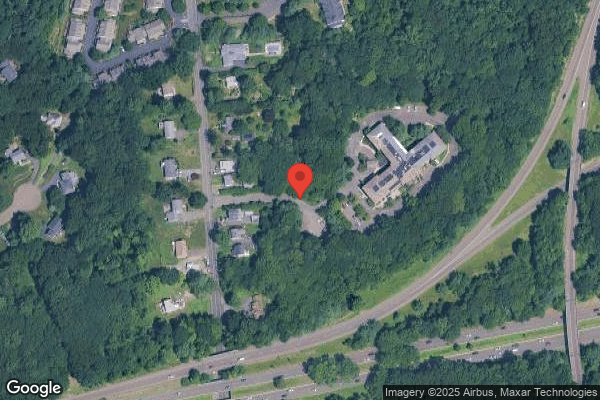
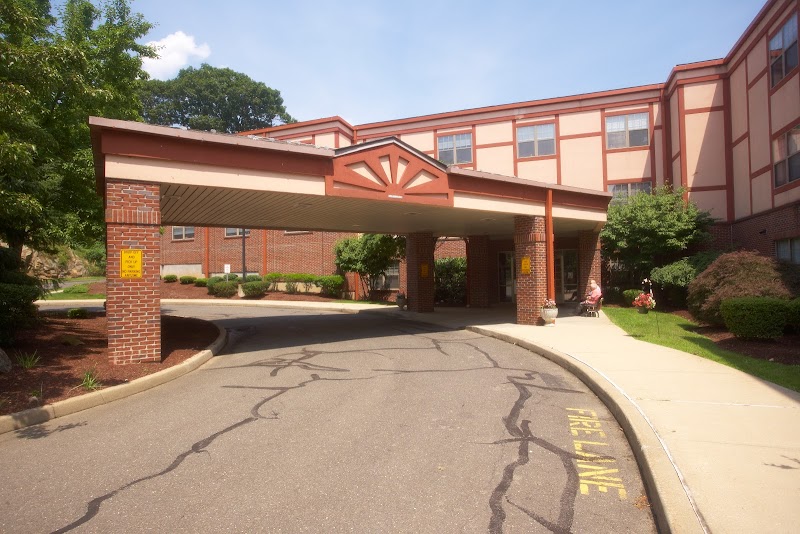
21 MAEFAIR COURT, TRUMBULL, CT 06611 (203) 459-5152
For profit - Corporation 134 Beds NATIONAL HEALTH CARE ASSOCIATES Data: November 2025
Trust Grade
55/100
#98 of 192 in CT
Last Inspection: April 2025

Within standard 12-15 month inspection cycle. Federal law requires annual inspections.

Overview

Maefair Center for Health & Rehabilitation has a Trust Grade of C, which means it is average and positioned in the middle of the pack among nursing homes. It ranks #98 out of 192 facilities in Connecticut, placing it in the bottom half, and #10 out of 15 in the Greater Bridgeport County, indicating only a few local options are better. Unfortunately, the facility is worsening, with issues increasing from 1 in 2024 to 10 in 2025. Staffing is a weakness, earning only 1 out of 5 stars, indicating poor staffing levels, although the turnover rate is a good 0%, which is well below the state average. The facility has incurred $25,366 in fines, which is concerning but average compared to other homes. Additionally, more RN coverage is noted to be average, but specific incidents include failures to provide timely podiatry care and monitor essential health conditions, raising potential safety concerns for residents. Overall, while there are strengths such as low staff turnover, the increasing issues and specific care deficiencies are notable weaknesses.

Trust Score
C
55/100
In Connecticut
#98/192
Bottom 49%
Safety Record
Low Risk
No red flags
Inspections
Getting Worse
1 → 10 violations
Staff Stability
○ Average
Turnover data not reported for this facility.
Penalties
⚠ Watch
$25,366 in fines. Higher than 86% of Connecticut facilities, suggesting repeated compliance issues.
Skilled Nurses
○ Average
Each resident gets 32 minutes of Registered Nurse (RN) attention daily — about average for Connecticut. RNs are the most trained staff who monitor for health changes.
Violations
⚠ Watch
28 deficiencies on record. Higher than average. Multiple issues found across inspections.
★★★☆☆
3.0
Overall Rating
★☆☆☆☆
1.0
Staff Levels
★★★☆☆
3.0
Care Quality
★★★★☆
4.0
Inspection Score
Stable
2024: 1 issues
2025: 10 issues

The Good

  • Full Sprinkler Coverage · Fire safety systems throughout facility
  • No fines on record

Facility shows strength in fire safety.

The Bad

3-Star Overall Rating

Near Connecticut average (3.0)

Meets federal standards, typical of most facilities

Federal Fines: $25,366

Below median ($33,413)

Moderate penalties - review what triggered them

Chain: NATIONAL HEALTH CARE ASSOCIATES

Part of a multi-facility chain

Ask about local staffing decisions and management

The Ugly 28 deficiencies on record

Apr 2025 10 deficiencies
CONCERN (D)

Potential for Harm - no one hurt, but risky conditions existed

Deficiency F0578 (Tag F0578)

Could have caused harm · This affected 1 resident

**NOTE- TERMS IN BRACKETS HAVE BEEN EDITED TO PROTECT CONFIDENTIALITY** Based on observation, review of the clinical record, review of facility policy and interview for 1 sampled resident (Resident #3...

Read full inspector narrative →
**NOTE- TERMS IN BRACKETS HAVE BEEN EDITED TO PROTECT CONFIDENTIALITY** Based on observation, review of the clinical record, review of facility policy and interview for 1 sampled resident (Resident #368) reviewed for Advanced Directives, the facility failed to ensure the resident signed Advance Directives were reflected correctly on the Electronic Medical Record (EMR. The findings include: Resident #368 's diagnoses included atherosclerotic heart disease of native coronary artery without angina pectoris, Congestive Heart Failure (CHF) and anxiety. Review of Resident #368 paper chart indicated a code status signed on [DATE] directing Do Not Resuscitate (DNR). The care plan with a revision dated [DATE] identified the resident has an established Advanced Directive. Residents wish to receive Cardiopulmonary Resuscitation (CPR). Interventions included reviewing Advanced Directives with resident and/ or healthcare decision maker quarterly and to support residents' decision for CPR. The quarterly Minimum Data Set assessment dated [DATE] identified Resident #368 was moderately cognitively impaired and required moderate assistance with bed mobility, transfers and personal hygiene. Observation on [DATE] at 12:00 PM of Resident's # 368 Electronic Medical Records indicated a code status of full code. Interview with the Director of Nursing Services (DNS) on [DATE] at 2:00 PM identified the nursing staff will use the code status indicated on the EMR. The DNS identified she was unsure why Resident's 368 code status from her/his chart and the EMR did not match. She also identified it is her/his expectation that the EMR is updated as soon as an Advance Directives is signed. The DNS further indicated it is the responsibility of the nursing team, including herself and physicians, to ensure this practice is done. She indicated I do audits, but I must have missed this one. After surveyors' inquiry, a physician's order dating [DATE] identified Resident # 368's Advanced Directive order and care plan were updated to reflect the signed Advanced Directives (DNR). After the surveyor inquiry, the care plan reviewed on [DATE] indicated Advanced Directive Guidelines code status: DNR/DNI/no artificial nutrition. Intervention included: to honor Advanced Directives as directed by resident/responsible party for guidance, and to provide information to resident/responsible party to complete advanced directives and assist as necessary. After surveyor to inquiry, the facility reported they conducted a mock survey on [DATE], which identified this as an issue. The facility reported believing they would have caught the missed Advanced Directive. Facility provided in service; random audits of residents related to Advanced Directives. Resident #368 was identified as resident with advanced directive concerns on [DATE], After surveyors' inquiry. Facilities Advanced Care Planning Code Status policy indicated in part; A physicians order must be written accordingly, documentation of the resident's choice to opt for Do Not Resuscitate shall be maintained in the medical records. A DNR physician's order will be placed in the EMR.
CONCERN (D)

Potential for Harm - no one hurt, but risky conditions existed

Safe Environment (Tag F0584)

Could have caused harm · This affected 1 resident

**NOTE- TERMS IN BRACKETS HAVE BEEN EDITED TO PROTECT CONFIDENTIALITY** Based on clinical reviews, observations and review of facility documentation and interviews for 1 of 2 residents reviewed for th...

Read full inspector narrative →
**NOTE- TERMS IN BRACKETS HAVE BEEN EDITED TO PROTECT CONFIDENTIALITY** Based on clinical reviews, observations and review of facility documentation and interviews for 1 of 2 residents reviewed for the environment (Resident #82), the facility did not provide a homelike environment by not ensuring personal care equipment was stored appropriately and for 1 of 2 residents ( Resident # 68) ) reviewed for Environment, the facility failed to ensure residents room was free from odors in order to ensure a home like environment. The findings included: 1. Resident #82's diagnoses included pelvic fracture and dementia. A significant change MDS assessment dated [DATE] identified Resident #82 as severely cognitive impairment and dependent on staff for toileting. The MDS assessment also identified Resident #82 had a urinary catheter and noted continent of bowel. A care plan dated 3/10/2025 identified Resident #82 had a deficit in functional mobility and that the resident was non-ambulatory. Interventions On 4/23/2025 at 1:51 PM an interview with (Person ----) identified a concern about the smell in the resident's bathroom. People were told the facility had cleaned the room, including some rust in the bathroom, and had placed an air freshener under the sink. However, Person # indicated the dirty smell had not been resolved. Although a foul smell was not identified on 4/23/2025 at 1:51 PM, an observation of Resident #82's shared bathroom identified a grey bedpan wedged in between the right wall and the [NAME] next to the toilet. Two clear, graduated, triangular containers upside down on top of the toilet tank. Resident #82's denture cup, toothpaste, and toothbrush were also noted to be on a shelf over the sink. On 4/23/2025 at 2:02 PM, an interview with the nursing supervisor Registered Nurse (RN#1) indicated the graduated containers and bedpan were in their usual storage locations. RN#1 also indicated the resident's toiletries should have been stored in the resident's bedside dresser. On 4/23/2025 at 2:11 PM, an interview with the Nurse Aide (NA # 10) assigned to Resident #82 for the day identified she did not know who the grey bedpan belonged to or how long it had been there. NA #10 indicated the bedpan, and graduated containers should be stored in a bag and placed in the residents' nightstand. NA # 10 also indicated the graduated containers were used to empty the resident's urinary catheter bag. On 4/28/2025 at 8:42 AM, an interview with the Director of Nursing Services (DNS) indicated the facility had found out about the smell in the resident's bathroom last week and the facility had promptly gotten the room cleaned. Additionally, the DNS indicated the smell was related to an incident with the flowers that were brought in by the family and not related to the bedpan or graduated containers. On 4/29/2025 at 10:39 AM, an interview and facility record review with the Director of Maintenance identified due to a resident family concern about a urine smell in the bathroom, on 3/17/2025, maintenance performed some repairs, and housekeeping cleaned the room. A review of the facility records for Room of the Day identified a picture taken on 3/17/2025 at 10:51 AM (5 weeks before the surveyor's observation on 4/23/2025) that showed a grey bed pan wedged between a wall and the grab-bar to the right of the toilet. The picture also showed a clear graduated container on top of the toilet water tank. Although requested, the facility was unable to provide a policy for the storage and dating of bedpans and containers used to empty urinary catheter bags. 2. 2. Resident #68's diagnoses included hypertension, diabetes and Post Traumatic Stress Disorder (PTSD). The quarterly Minimum Data Set assessment dated [DATE] identified Resident #68 as moderately cognitively impaired and required moderate assistance with toileting hygiene and toilet transfers. The MDS further noted the resident is occasionally incontinent of urine. The care plan dated 3/25/25 identified resident continence of bladder status fluctuated and at times resident is incontinent of bladder and require assistance with: Bathing, Dressing, Hygiene. Interventions included: To gather, provide and assist with all materials, supplies, and equipment needed. To ensure materials and equipment are clean and function appropriately, to let residents know where the placement of items is located and to be consistent. On 4/23/25 at 10:47 AM Resident # 68 reported she/he sometimes urinates in her/his pull ups due to not having urinary device in the correct spot. Observation of the room identified a urine like odor. Observation on 4/24/25 at 11:04 AM of Resident #68's room identified a urine like odor. On 4/25/25 10:25 AM observation of the resident's room identified urine smell. Interview with NA #9 on 4/25/25 10:25 AM identified the odor as urine. NA#9 indicated she believes the odor might be from soiled sheets. She further indicated that if soiled sheets are the reason, then it is the responsibility of the assigned NA to remove the sheet informing the appropriate personnel to clean the room. Observation further identified beds in the room made without soil. Observation on 4/25/25 at 10:32 AM of NA#9 informing Licensed Practical Nurse (LPN#6) of the odor of room and LPN#6 informing Housekeeper#1. Interview with Housekeeper #1 on 4/25/25 at 10:34 AM identifies the smell was urine. He reported this may be due to urine seeping in the tiles over time. Housekeeper #1 also indicated the odor could be addressed by using air freshener. He further indicated if a room needed special attention, the nursing team would inform him. Housekeeper #1 indicated he was informed of this room's odor prior today. Interview with LPN#6 on 4/25/25 at 10:39 AM indicated she noticed the smell today and have informed housekeeping. LPN #6 indicated that the room might have the urine odor due to Resident #68 transitioning to independent toileting and having moments of missing the toilet. She also indicated once she notices the room has an ongoing odor, she would inform housekeeping and monitor daily.
CONCERN (D) 📢 Someone Reported This

A family member, employee, or ombudsman was alarmed enough to file a formal complaint

Potential for Harm - no one hurt, but risky conditions existed

Free from Abuse/Neglect (Tag F0600)

Could have caused harm · This affected 1 resident

**NOTE- TERMS IN BRACKETS HAVE BEEN EDITED TO PROTECT CONFIDENTIALITY** Based on record review, facility documentation, and staff interviews for one of three residents (Resident #96) reviewed for abus...

Read full inspector narrative →
**NOTE- TERMS IN BRACKETS HAVE BEEN EDITED TO PROTECT CONFIDENTIALITY** Based on record review, facility documentation, and staff interviews for one of three residents (Resident #96) reviewed for abuse, the facility failed to ensure the resident was free from neglect and failed to ensure care was provided timely. The findings include: Resident #96 had a diagnosis of hemiparesis (weakness on one side) and vascular dementia. The Annual MDS dated [DATE] identified Resident #96 had a Brief Interview for Mental Status (BIMS) score of 12 indicating moderately impaired cognition and required maximal assistance with Activities of Daily Living (ADLs) and was frequently incontinent of bowel and bladder. The Resident Care Plan (RCP) dated 4/3/2025 identified incontinence. Interventions directed two (2) staff members to provide care for left sided weakness and accusatory behaviors, and provide incontinent care. Facility incident report dated 4/11/2025 identified Resident #96 alleged on 4/11/2025 at approximately 2:45 PM he/she had the call light on for 45 minutes, and alleged that he/she did not receive ADL care from morning. Facility incident summary dated 4/15/2025 identified on 4/11/2025 at approximately 2:45 PM Resident #96 alleged no one touched him all day. The Nurse Aide (NA) and the RN unit manager went to the room immediately, NA #2 gave care immediately, and NA #2 was suspended pending an investigation. The summary indicated the facility investigation identified NA #2 checked on Resident #96 at the start of her shift, then gave incontinent care before lunch but did not provide any morning care/ADL care. NA #2 stated she told Resident #96 that she would provide a full bed bath (later). The summary indicated it was NA #2's first day on the assignment, was not familiar with the residents and she found the assignment heavy. The summary identified the facility did not substantiate the allegation of neglect. NA documentation review identified the last time Resident #96 received incontinent care was at 6:59 AM on 4/11/2025 (7 hours and 46 minutes before the complaint was made). Further record review failed to identify any documentation that Resident #96 received care from 7 AM to 3 PM on 4/11/2025. Interview with NA #2 on 4/22/2025 at 12:38 PM identified she worked from 7 AM to 3 PM on 4/11/2025 and she checked Resident #96 around 7:30 AM and 8:15 AM for incontinence, and he/she was not soiled/wet. NA #2 stated she did not check Resident #96 again until around 11:45 AM to 12 PM (approximately 3 ½ hours after she last provided care), and Resident #96 was incontinent at that time and she provided incontinent care. NA #2 stated she did not provide care again for Resident #96 until about 2:35 PM (approximately 2 hours and 35 minutes later). NA #2 stated Resident #96 required two (2) staff for care, but she provided the care for Resident #96 without a second staff member to assist her because she was experienced enough to do it herself and all other Nurse Aides (NAs) were busy. NA #2 stated she did not provide morning care/personal care for Resident #96 during the morning, and stated she gave morning care at 2:35 PM because she did not have time earlier. Interview with LPN #2 on 4/22/2025 at 1:16 PM identified she went into Resident #96's room at around 8 AM and again at around 10:30 AM for medication administration, but she did not check Resident #96 for incontinence or ADL/personal care. LPN #2 stated NA #2 did not ask her for assistance. Interview and record review with the Administrator, DNS, and ADNS on 4/22/2025 at 2:35 PM identified staff should check on residents every two (2) hours for incontinent care/repositioning, and provide ADL/personal care in the morning. Interview identified Resident #96 did not receive morning care until 2:35 after he/she requested the care. Further, rounds were not conducted every two (2) hours in accordance with facility policy. Resident #96 was checked for incontinence before breakfast and at 8:15 AM, and then again about noon (3 hours and 45 minutes after the last check). Further, morning care was not provided until directed by the supervisor about 2:35 PM. NA #2's employment was terminated due to not providing care in a timely manner. Review of NA #2 job description signed on 4/1/2025 identified their primary function includes making rounds on assigned residents at the beginning of each shift and every two (2) hours thereafter. Review of facility Resident Rights policy dated 2/2024 identified residents have the right to receive quality care and services with reasonable accommodation of their individual needs and preferences. Review of facility documentation identified staff education was initiated on 4/11/2025 and included directing staff that AM care must be provided in a timely manner, notify the nurse if unable to provide the care, and provide incontinent care. A QAPI meeting was held on 4/11/2025 and audits were initiated on 4/11/2025. Based on review of facility documentation, past non-compliance was identified.
CONCERN (D) 📢 Someone Reported This

A family member, employee, or ombudsman was alarmed enough to file a formal complaint

Potential for Harm - no one hurt, but risky conditions existed

Comprehensive Care Plan (Tag F0656)

Could have caused harm · This affected 1 resident

**NOTE- TERMS IN BRACKETS HAVE BEEN EDITED TO PROTECT CONFIDENTIALITY** Based on record review, facility documentation, and staff interviews for one of three residents (Resident #96) reviewed for abus...

Read full inspector narrative →
**NOTE- TERMS IN BRACKETS HAVE BEEN EDITED TO PROTECT CONFIDENTIALITY** Based on record review, facility documentation, and staff interviews for one of three residents (Resident #96) reviewed for abuse, the facility failed to ensure care was provided in accordance with the plan of care. The findings include: Resident #96 had a diagnosis of hemiparesis (weakness on one side) and vascular dementia. The Annual MDS dated [DATE] identified Resident #96 had a Brief Interview for Mental Status (BIMS) score of 12 indicating moderately impaired cognition and required maximal assistance with Activities of Daily Living (ADLs) and was frequently incontinent of bowel and bladder. The Resident Care Plan (RCP) dated 4/3/2025 identified incontinence. Interventions directed two (2) staff members to provide care for left sided weakness and accusatory behaviors, and provide incontinent care. Facility incident report dated 4/11/2025 identified Resident #96 alleged on 4/11/2025 at approximately 2:45 PM he/she had the call light on for 45 minutes, and alleged that he/she did not receive ADL care from morning. Record review failed to identify documentation that another staff member was present when NA #2 provided care for Resident #96. Interview with LPN #2 on 4/22/2025 at 1:16 PM identified Resident #96 required two (2) staff members for care and NA #2 did not ask her to assist with any care for Resident #96 during the shift. Interview with NA #2 on 4/22/2025 at 12:38 PM identified she worked from 7 AM to 3 PM on 4/11/2025 and she checked Resident #96 around 7:30 AM and 8:15 AM for incontinence, and he/she was not soiled/wet. NA #2 stated she did not check Resident #96 again until around 11:45 AM to 12 PM (approximately 3 ½ hours after she last provided care), and Resident #96 was incontinent at that time and she provided incontinent care. NA #2 stated she did not provide care again for Resident #96 until about 2:35 PM (approximately 2 hours and 35 minutes later). NA #2 stated Resident #96 required two (2) staff for care, but she provided the care for Resident #96 without a second staff member to assist her because she was experienced enough to do it herself and all other Nurse Aides (NAs) were busy. NA #2 stated she should have had another staff member with her when she provided care for Resident #96. Interview and record review with the Administrator, DNS, and ADNS on 4/22/2025 at 2:35 PM identified Resident #96 required two (2) staff for care, in accordance with the resident plan of care. Interview identified NA #2 should have had another staff member to assist when providing care for Resident #96 on 4/11/2025. Interview failed to identify why NA did not have a second staff member with her to provide the care. Review of facility Comprehensive Person Centered Care Plan Policy dated 3/2023 directed in part, the care plan included information necessary to properly care for the resident. Review of facility documentation identified staff education was initiated on 4/11/2025 and included directing staff on the different types of abuse, to check on residents every two (2) to four (4) hours and provide care as needed, and to follow the plan of care, and if two (2) staff are required for care then two (2) staff must be in the room when care is provided. A QAPI meeting was held on 4/11/2025 and audits were initiated on 4/11/2025. Based on review of facility documentation, past non-compliance was identified.
CONCERN (D)

Potential for Harm - no one hurt, but risky conditions existed

Quality of Care (Tag F0684)

Could have caused harm · This affected 1 resident

**NOTE- TERMS IN BRACKETS HAVE BEEN EDITED TO PROTECT CONFIDENTIALITY** Based on review of the clinical record, observation, facility policy and interviews for 1 of 5 residents reviewed for Unnecessar...

Read full inspector narrative →
**NOTE- TERMS IN BRACKETS HAVE BEEN EDITED TO PROTECT CONFIDENTIALITY** Based on review of the clinical record, observation, facility policy and interviews for 1 of 5 residents reviewed for Unnecessary Medication, the facility failed to ensure medication was administered according to physician's orders. The findings include: Resident #14's diagnoses included Gastroesophageal Reflux Disease (GERD) without esophagitis, Type 2 diabetes mellitus and bipolar disorder. The care plan dated 1/14/25 identified resident is at risk for constipation. Interventions included administering medication as ordered, monitoring bowel movement. The resident care plan also identified Resident #14 utilization of psychotropic medications related to bipolar disorder. Interventions include orthostatic blood pressure as ordered. The quarterly Minimum Data Set assessment dated [DATE] identified Resident #14 was cognitively intact and required supervision or touching assistance for eating. The assessment noted dependence on staff for toilet hygiene. Observation of 4/19/25 of the Medication Administration Record (MAR) identified missed medications of Pantoprazole Sodium Oral, Linaclotide and a blood sugar check. The nurse's notes dated 4/19/25 failed to indicated Resident # 14 refused the medications, or rational for why the MAR was not signed off/ and medication not given. A physician's order dated 4/22/25 directed for blood sugar check two times a day. The physician's orders dated 5/22/24 directed to give 1 tablet of Pantoprazole Sodium (for GERD) by mouth one time a day and to give 1 capsule of Linaclotide (constipation) by mouth one time a day. Interview with the Director of Nursing Services (DNS) on 4/30/25 at 10:15 AM identified all Medication Administration Records and Treatment Administration Record should be signed. The nursing team is responsible for ensuring medications are signed off when administered. Facilities Medication Pass Policy indicates in part it is the facility policy that medications are administered safely and timely per physician's order. Staff will notify the Medical Doctor (MD) if a resident refuses medication. Document the refusal in the Electronic Medical Record (EMR) the resident refused. Document the refusal also in the progress notes indication why resident refused.
CONCERN (D)

Potential for Harm - no one hurt, but risky conditions existed

Accident Prevention (Tag F0689)

Could have caused harm · This affected 1 resident

**NOTE- TERMS IN BRACKETS HAVE BEEN EDITED TO PROTECT CONFIDENTIALITY** Based on clinical record review, observation, facility documentation, facility policy and interviews for 4 residents (Resident #...

Read full inspector narrative →
**NOTE- TERMS IN BRACKETS HAVE BEEN EDITED TO PROTECT CONFIDENTIALITY** Based on clinical record review, observation, facility documentation, facility policy and interviews for 4 residents (Resident #38) reviewed for accidents, the facility failed to ensure a safe transfer with a mechanical lift per manufacture specifications to prevent a potential accident. The findings include: Resident #38's diagnoses include morbid obesity, Intellectual Disabilities, and osteoarthritis. The Resident Care Plan with a revision date of 3/1/25 identified the resident had a deficit in functional mobility. Interventions included a mechanical lift for transfers. The quarterly Minimum Data Set assessment dated [DATE] identified Resident #38 as cognitively intact and depended on staff with transferring, personal hygiene and bathing. An observation on 4/23/25 of the mechanical lift transfer at 11:05 AM identified the nurse aides (NA# 5 and NA# 6) did not open the base of the mechanical lift before getting Resident #38 out of bed. In an interview with NA #5 on 4/23/25 at 11:10 AM identified she did not open the base and never opens the base until the mechanical lift is positioned to lower the resident into the chair. Further when asked if she knew why it was important to open the base of the lift she stated no, she did not and she was not taught to do that. In an interview with NA#6 at 11:15 AM identified she was unaware the base of the lift needed to be open prior to engaging the mechanical lift. In an interview with the Director of Staff Development on 4/25/2025 at 12:15 PM she instructs the nurse aides to ensure the base is open on the mechanical lift as it provides stability. Additionally, the Director of Staff Development indicated all staff are in service on the use of the mechanical lift upon hire. NA #5 was oriented to use of the mechanical lift on 11/21/24 and NA #6 was oriented to use of the mechanical lift on 1/23/25. On 4/30/25 Mechanical lifts were assessed for maintenance and weight capacity. The Hoyer # 13 was serviced 1/25, weight capacity 500 pounds, Hoyer, (no number, but is on the resident's floor) was serviced 7/3/24, weight capacity 500 pounds and a spare Hoyer #10 had a weight capacity of 660 pounds and no date of service on it. Facility Policy, Mechanical lift, with a revision date of 1/2023 still in effect, directed in part, The base legs of the lift will be locked in the maximum open position. The base legs must be always locked for stability and resident safety when lifting and transferring a resident. As per DNS, the brand of lift is Lumex bariatric lift. Review of the Lumex manufacturers guidelines identify: Maximum weight capacity is 600 pounds evenly distributed. Patient lift may tip over if used incorrectly. Recommend that 2 care givers assist with the lift transfers. During lifting or lowering, whenever possible, always keep the patient lift legs in the maximum open position. When transferring to a patient, always keep the patient centered over the base. Do not lock the brakes or block the wheels when lifting. The casters must be free to roll to allow the patient lift to stabilize itself when the patient is initially lifted from a chair, bed, or any stationary object. During lifting or lowering, whenever possible, always keep the patient lift legs in the maximum open position.
CONCERN (D)

Potential for Harm - no one hurt, but risky conditions existed

Deficiency F0692 (Tag F0692)

Could have caused harm · This affected 1 resident

**NOTE- TERMS IN BRACKETS HAVE BEEN EDITED TO PROTECT CONFIDENTIALITY** Based on review of the clinical record, facility policy and staff interviews for 1 of 4 residents (Resident #75) reviewed for nu...

Read full inspector narrative →
**NOTE- TERMS IN BRACKETS HAVE BEEN EDITED TO PROTECT CONFIDENTIALITY** Based on review of the clinical record, facility policy and staff interviews for 1 of 4 residents (Resident #75) reviewed for nutrition, the facility failed to ensure staff obtained weekly weights and a re-weight as ordered by the physician. The findings include: Resident #75's diagnosis included sepsis, chronic osteomyelitis, a stage 4 pressure ulcer and a urinary tract infection. A physician's order dated 12/9/2024 directed to obtain weight on admission then weekly x 4 weeks. The care plan dated 12/12/2024 indicated Resident #75 was at risk for malnutrition due to variable intake, grade 3 obesity, and a pressure wound. Interventions included: allowing sufficient time to eat, encouraging intake of fluids throughout the day, monitoring and evaluating weight and weight changes and obtaining weights as indicated. The admission Minimum Data Set (MDS) assessment dated [DATE] indicated Resident #75 was cognitively intact, weighed 180 pounds and did not have a 5% weight loss or gain in the last 30 days or 10 % in the last 6 months. The MDS assessment further indicated Resident #75 had an unstageable pressure ulcer present on admission to the facility. A review of the facility documented weights in the Weights and Vitals Summary include 4 entries on admission date of 12/9/2025 of 179.6 pounds recorded at 12:55 PM, 1:05 PM, 1:07 PM and 2:03 PM. The next weight recorded was obtained on 1/03/2025 at 3:00PM recorded at 169.5 pounds (a 10.1 lb. weight loss). The Medication Administration Record (MAR) dated 12/9/2025 through 12/31/2025 directed to obtain an admission weight and weekly weight for four weeks every Saturday on 3-11 PM shift. Saturday 12/14/2024 and 12/21/2024 are signed off as completed but no weight recorded. On 12/28/2024 the MAR indicated Resident #75 was at the hospital. The facility documented weights in the Weights and Vitals Summary indicated Resident #75 weighed 169.7 pounds on 1/17/2025 and on 1/18/2025 weighed 167.2 pounds, a 5% weight loss compared to admission. The quarterly MDS assessment dated [DATE] indicated Resident #75 had mild cognitive impairment and no weight loss or gain of 5% in the last 30 days or 10% in the past 6 months. The care plan dated 3/20/2025 indicated Resident #75 was at risk for malnutrition due to variable oral intake, grade 3 obesity and a pressure wound. Interventions included: to monitor and document intake of food and beverages, monitor and evaluate weight and weight changes, notify the Registered Dietician, family and physician, and to provide a medical food supplement as ordered, obtain and record weights as indicated. A dietician note dated 3/27/2025 at 9:12 PM indicated the evaluation was a wound follow up as the healing process was slow. The note further indicated a slight weight loss x 3 months which was beneficial in terms of the coccyx wound healing. Given the stage 4 pressure ulcer and a BMI of 31.1 dietician recommendations indicated Juven, a protein supplement to restart, and the Ensure supplement to decrease from three times a day to once a day. A physician's order dated 3/27/2025 directed to discontinue Ensure 8 ounces 3 times daily and to encourage oral intake. In addition, the physician's orders also directed to restart Juven (one packet twice daily for a month and to provide a liquid protein supplement (LPS) twice daily. A health status note dated 4/1/2025 at 3:02 PM indicated the primary physician was in and was notified of Resident #75's 10 pound. weight loss in the last 3 months. A physician's order dated 4/01/2025 directed to provide Mirtazapine 7.5 Mg at bedtime for appetite stimulation. The facility documented weights in the Weights and Vitals Summary indicated Resident #75 weighed 168.4 pounds on 4/05/2025 and a weight on 4/11/2025 indicated Resident #75 weighed 153.2 pounds (a 10.2-pound weight loss in 6 days, no reweight was obtained to confirm the accuracy of the weight). A nursing note dated 4/11/2025 at 9:21 PM indicated Resident #75 took 30% of her/his meal. A weekly weight of 153.2 lbs. was documented as obtained on 4/19/2025 (8 days after the first noted 10.2 lb. weight loss on 4/11/2025). A nursing note dated 4/20/2025 at 7:47 AM indicated Resident # 75 had been taking Bactrim DS (an antibiotic) for urine infection since 4/17/2025 with drug sensitivity results received today indicated resistance to Bactrim DS. The APRN was notified and Macrobid was ordered. A physician's order dated 4/20/2025 directed to provide Macrobid (antibiotic) 100mg by mouth, twice daily for 7 days for positive urine test. Mulit-Resistant Drug Organism in the urine and to weight weekly for Wednesday for weight loss monitoring. A physician's progress note dated 4/21/2025 identified Resident #75 was evaluated due to low grade fever, weight loss, fatigue and not feeling well, having completed a 6-week course of intravenous antibiotics on 4/07/2025 to treat osteomyelitis of a pressure wound with bone involvement. A health status note dated 4/23/2025 at 11:21 AM indicated Resident #75 had a significant weight loss, the dietician, the physician and the family were notified. A physician's order dated 4/24/2025 at 2:00PM, (13 days after the initial weight loss on 4/11/2025), directed the 7-3 PM shift to reweigh Resident #75 by 4/25/2025. The resulting weight on 4/25/2025 was 153.4 pounds. An interview and record review on 4/29/2025 at 10:45 AM with Dietician #1 indicated no weights were found for 12/16, 12/23 or 12/30/2024 as ordered weekly x 4 and no weight was found for 1/10/2025. On 1/25/2025 Resident #75 went to the hospital and returned on 2/4/2025 with a weight of 166.3 pounds obtained on readmission. The resident was seen by the dietician after readmission further indicating weight loss could be expected after being in the hospital. An interview and record review on 4/29/2025 at 11:50 AM through 12:05 PM with RN #6 indicated the Director of Nursing Services (DNS) or her assistant the (ADNS) provided a list and indicated the nurse aides obtained the weights. RN#6 further indicated the DNS would also let the staff know if re-weights were needed. RN #6 indicated in addition to the list the charge nurses on the units would obtain a re- weight if they noticed a weight discrepancy. However, RN # 6 did not know why a re-weight was not obtained. An interview with the DNS at 12:00PM with RN #6 present identified she/he could not find any weights other than what was in the electronic medical record chart mentioning in January 2025 during the facility's own mock survey, not obtaining weekly weights and re-weights were identified and the facility has been working on the issue. On 4/29/2025 at 12:15 PM an interview with Dietician #2 indicated s/he had been requested by Dietician #3 to evaluate Resident #75 for a significant weight loss. Dietician #2 further indicated the DNS sent an email on 4/23/2025 at 7:36 AM requesting to look at Resident #75 weights. Dietician #2 indicated having reviewed Resident #75's weights and physician's orders she/he then responded to the DNS on 4/24/2025 (no time given) requesting a re-weight and to refer to the 3/27/2025 dietician note as the Ensure orders had been discontinued. Dietician #2 further indicated on 4/11/2025 it would have been up to nursing to have obtained a recheck of Resident #75's weight. An interview and record review on 4/29/2025 at 1:27 PM with Regional Nurse (RN #8) indicated the electronic orders on 3/27/2025 identified Dietician #3 wrote the order; the charge nurse took a telephone order from the physician and the physician signed the order to discontinue the Ensure supplement and a note indicated to encourage oral intake. An interview with Dietician #3 who evaluated Resident #75 on 3/27/2025 indicated s/he enters the recommendations in the electronic orders for the resident and the physician would review and sign the orders. Dietician #3 further indicated s/he may have changed her/his mind regarding the once daily ensure as weight loss would be beneficial due to the resident's slow to heal pressure ulcer and high body mass index (BMI). The weight loss would reduce the body weight being placed on the pressure ulcer. On 4/30/2025 at 10:00 AM the DNS provided the quality improvement plan regarding the issue of weekly weights and re-weights not obtained, was initiated on 1/17/2025 with estimated completion date of 5/31/2025. In-servicing of staff was completed by 2/18/2025 and audits of 3-5 resident's weekly were initiated on 2/24/2025 continuing for 8 weeks, then monthly for 3 months or until substantial compliance met. The facility policy labeled Weight Policy and Procedure indicated in part an initial weight will be obtained and recorded within 24 hours of a resident's admission then weighed weekly for the first 4 weeks, then monthly unless the physician orders indicate otherwise. The policy further indicated significant weight changes will have a weight measurement for accuracy and documentation purposes and once the significant weight loss is verified, the resident/responsible party, the physician and the dietician will be notified, the resident will be added to weekly weights for 4 weeks until the resident weight is stabilized as determined by the interdisciplinary team and the care plan updated.
CONCERN (D)

Potential for Harm - no one hurt, but risky conditions existed

Deficiency F0761 (Tag F0761)

Could have caused harm · This affected 1 resident

**NOTE- TERMS IN BRACKETS HAVE BEEN EDITED TO PROTECT CONFIDENTIALITY** Based on observations, the facility failed and staff interviews, the facility failed to discard expired medications in a timely ...

Read full inspector narrative →
**NOTE- TERMS IN BRACKETS HAVE BEEN EDITED TO PROTECT CONFIDENTIALITY** Based on observations, the facility failed and staff interviews, the facility failed to discard expired medications in a timely manner and for 1 or 4 residents (Resident #7) reviewed for accidents, the facility failed to adequately secure medications. The findings included: 1. On 4/28/2025 at 11:41 AM, an observation of the Intravenous Therapy (IV) cart located in the third-floor medication room with the Infection Preventionist (RN #7) identified two bags of expired IV fluids. The fluids were 1-liter bags of 10% dextrose, both bags with an expiration date of March 2025. An interview with RN #7 indicated that the fluids were usually used for residents who were waiting for their total parental nutrition (TN) to arrive. RN#7 also indicated the night supervisor was responsible for checking the IV cart for expired medications. On 4/28/2025 at 11:53 AM, an observation with RN#7 and the nursing supervisor (RN#1) identified two expired tablets in the emergency stock box located in the third-floor medication room. The tablets were white circular penicillin (an antibiotic) tablets of 250 milligrams. The expiration date was 4/26/2025. An interview with RN#1 indicated the emergency stock box was usually reviewed for expired medications by the unit nurses or the supervisors and indicated she could not provide a record of the checks. On 4/28/2025 at 12:30 PM, an interview with the DNS indicated the facility has a process where the pharmacy consultant checks the emergency stock box and fluids for expired medications every month, However, the DNS was unable to indicate why the expired medications were not discarded. A review of the facility policy for medication storage indicated all medications expire on the date specified by the manufacturer on the product label and if the manufacturer only specified a month and year of expiration, the product expires on the last day of the calendar month indicated by the manufacturer. 2. Resident 7's diagnoses included dementia, heart failure, and Peripheral Vascular Disease (PVD). The Resident Care plan dated 1/15/25 identified the resident required had a self-care deficit. Interventions included allowing time to participate in tasks and using an unhurried approach. The quarterly Minimum Data Set assessment dated [DATE] identified Resident #7 as cognitively intact and required maximum assistance with bathing, toileting and personal hygiene. A physician's order dated 4/22/25 directed to administer Guaifenesin Oral tablets 800 Milligrams (MG) by mouth for cough for 7 days. Observation on 4/23/25 at 10:30 AM identified a medication cup with 2 white pills in it. Resident #7 stated that the medication was his/her Mucinex (administered whole), and the staff usually leave it for him/her to take. He/she has taken the last 3 doses on his/her own as he/she takes a while to eat, so they leave pills for him/her. Resident # 7 also stated he/she has not taken the medication this AM as the nurse did not break them in half for him/her and he/she could not take them whole. Observation and interview on 4/23/25 with RN #4 at 10:45 AM identified she did not administer Resident #7's medication because the resident was taking too long this AM to take the medication. RN # 4 also identified she never leaves her medication for the resident to take later. In an interview on 4/23/25 with the Nursing Supervisor (RN #5) at 11:55 AM identified she was not sure why the medication was left for the resident to take independently this morning. Further indicated she was calling the nurses to see who left the medication for him/her to take and had not determined who left the medication. RN identified the process for self-administration of the medication is to assess the resident to determine if it is safe for self-administration, the facility will obtain a physician's order. On 4/24/25 the medication in the cup at the resident's bed side was compared to the resident's medication cards and it was identified as Guaifenesin. In an interview on 4/30/25 with Licensed Practical Nurse (LPN#5) at 1045 AM identified she administered medications to the resident on 4/23/25 in the morning. LPN # 5 also indicated she administered all her medications and did not leave any for the resident to take later. Although she saw the 2 pills in the cup, she was unaware how they got there. She also stated that she would never leave residents without seeing them swallow all their medications. A review of facility policy, Medication Pass dated 9/23/24 and still in effect, directed in part, to always observe residents until they have swallowed all medications that have been administered. Do not leave medication in the medication cup at the bedside or on the tableside.
CONCERN (D)

Potential for Harm - no one hurt, but risky conditions existed

Deficiency F0790 (Tag F0790)

Could have caused harm · This affected 1 resident

**NOTE- TERMS IN BRACKETS HAVE BEEN EDITED TO PROTECT CONFIDENTIALITY** Based on clinical reviews, observations, facility policy and interviews for 1 of 1 sampled resident, (Resident #61) reviewed for...

Read full inspector narrative →
**NOTE- TERMS IN BRACKETS HAVE BEEN EDITED TO PROTECT CONFIDENTIALITY** Based on clinical reviews, observations, facility policy and interviews for 1 of 1 sampled resident, (Resident #61) reviewed for dental services, the facility failed to follow up on a recommendation made by a physician regarding dental. The findings include: Resident #61 was admitted to the facility on [DATE]. The resident's diagnoses included pulmonary embolism (blood clot in lungs), unspecified dementia with behavioral disturbance, schizophrenia, anxiety disorder, and depression. The physician's orders dated 11/30/22 directed for consult: dental care as needed. A review of the facility dental vendor visit dated 1/29/24 with Resident #61 identified a lump/lesion on lower right side of lip. A recommendation was made that the lesion on the lower lip be evaluated by an oral surgeon. A quarterly Minimum Data Set (MDS) assessment dated [DATE] identified Resident #61 was cognitively intact and required setup/clean up assistance with eating, maximal assistance (helper does more than half the effort) with personal hygiene, oral hygiene, putting on footwear, and dependent (helper does all the effort) with showering, toilet hygiene, and chair to bed transfers. Observation on 4/23/25 at 11:20 AM of Resident #61 who verbalized while sitting in his/her wheelchair by the nurses' station in hallway his/her tooth was hurting. A staff member went to communicate the resident concern to the nurse. The interview with Register Nurse (RN #1) on 4/28/25 at 12:01 PM identified he was very familiar with Resident #61, and noted no complaints of any pain. The resident was able to eat his/her breakfast with no issues. RN #1 further identified Resident # 61's last dental visit in the chart was from 2023. RN #1 also indicated she/he would provide documents for all of Resident #61's dental visits. An interview with the Director of Nursing Services (DNS) on 4/30/25 at 8:30 AM identified she and the Assistant Director of Nursing (ADNS) receive recommendations from the dentist by email and they print them out to review the recommendations with the Advanced Practice Registered Nurse (APRN) to ensure follow up. She identified that there was no consultation for Resident #61 to see an oral surgeon for his/her mouth legion, and she would have the APRN follow up . Review of the dental services policy dated September 2017 and revised June 2023 identified the facility is responsible for providing an outside resource, routine, and emergency dental services to meet the needs of each resident. After surveyor inquiry, an oral surgeon consultation dated for May 2025 was set up for Resident # 61.
CONCERN (D) 📢 Someone Reported This

A family member, employee, or ombudsman was alarmed enough to file a formal complaint

Potential for Harm - no one hurt, but risky conditions existed

Medical Records (Tag F0842)

Could have caused harm · This affected 1 resident

**NOTE- TERMS IN BRACKETS HAVE BEEN EDITED TO PROTECT CONFIDENTIALITY** Based on record review, facility documentation, and staff interviews for one of three residents (Resident #96) reviewed for abus...

Read full inspector narrative →
**NOTE- TERMS IN BRACKETS HAVE BEEN EDITED TO PROTECT CONFIDENTIALITY** Based on record review, facility documentation, and staff interviews for one of three residents (Resident #96) reviewed for abuse, the facility failed to ensure the record was complete and accurate to include incontinent care provided. The findings include: Resident #96 had a diagnosis of hemiparesis (weakness on one side) and vascular dementia. The Annual MDS dated [DATE] identified Resident #96 had a Brief Interview for Mental Status (BIMS) score of 12 indicating moderately impaired cognition and required maximal assistance with Activities of Daily Living (ADLs) and was frequently incontinent of bowel and bladder. The Resident Care Plan (RCP) dated 4/3/2025 identified incontinence. Interventions directed two (2) staff members to provide care for left sided weakness and accusatory behaviors, and provide incontinent care. Facility incident report dated 4/11/2025 identified Resident #96 alleged on 4/11/2025 at approximately 2:45 PM he/she had the call light on for 45 minutes, and alleged that he/she did not receive ADL care from morning. Facility incident summary dated 4/15/2025 identified on 4/11/2025 at approximately 2:45 PM Resident #96 alleged no one touched him all day. The Nurse Aide (NA) and the RN unit manager went to the room immediately, NA #2 gave care immediately, and NA #2 was suspended pending an investigation. The summary indicated the facility investigation identified NA #2 checked on Resident #96 at the start of her shift, then gave incontinent care before lunch but did not provide any morning care/ADL care. NA #2 stated she told Resident #96 that she would provide a full bed bath (later). The summary indicated it was NA #2's first day on the assignment, was not familiar with the residents and she found the assignment heavy. The summary identified the facility did not substantiate the allegation of neglect. NA documentation review identified the last time Resident #96 received incontinent care was at 6:59 AM on 4/11/2025 (7 hours and 46 minutes before the complaint was made). Further record review failed to identify any documentation that Resident #96 received care from 7 AM to 3 PM on 4/11/2025. Interview with NA #2 on 4/22/2025 at 12:38 PM identified she worked from 7 AM to 3 PM on 4/11/2025. Although NA #2 stated she provided incontinent care at about 11:45 AM to 12 noon, she did not document the care in the clinical record. NA #2 stated she did not have time to document the care before her shift ended. Interview and record review with the Administrator, DNS, and ADNS on 4/22/2025 at 2:35 PM identified they were unable to provide documentation of the incontinent care provided for Resident #96 by NA #2. Interview identified NA #2 should have documented the care provided prior to the end of her shift (her shift ended at 3:15 PM). Record review of NA #2's punch detail form dated 4/11/2025 identified she punched in at 7:16 AM and punched out at 3:26 PM. Review of facility Charting and Documentation policy dated 1/2025 directed documentation shall be completed at the time of service, but no later than the shift in which the assessment, observation, or care service occurred.
Aug 2024 1 deficiency
CONCERN (D) 📢 Someone Reported This

A family member, employee, or ombudsman was alarmed enough to file a formal complaint

Potential for Harm - no one hurt, but risky conditions existed

Comprehensive Care Plan (Tag F0656)

Could have caused harm · This affected 1 resident

**NOTE- TERMS IN BRACKETS HAVE BEEN EDITED TO PROTECT CONFIDENTIALITY** Based on clinical record reviews, facility policies and interview for one (1) of three (3) sampled residents (Resident #1) who w...

Read full inspector narrative →
**NOTE- TERMS IN BRACKETS HAVE BEEN EDITED TO PROTECT CONFIDENTIALITY** Based on clinical record reviews, facility policies and interview for one (1) of three (3) sampled residents (Resident #1) who were reviewed for an allegation of abuse, the facility failed to ensure two (2) staff members were present in the room as outlined in the care plan. The findings include: Resident #1's diagnoses included bipolar, dementia, anxiety, and legal blindness. The quarterly Minimum Data Set assessment dated [DATE] identified Resident #1 had no memory recall deficits, was able to make decisions regarding tasks of daily life, and required substantial/ maximal assistance with toileting, personal hygiene, showering, and transfers. The resident care plan dated 7/18/24 identified Resident #1 required assistance with bathing, dressing, grooming, and hygiene and had a potential for being verbally aggressive towards staff. Interventions always directed one (1) person assistance of with activities of daily living and two (2) staff for care to ensure the resident's needs are being met. The nurse's note dated 7/21/24 at 9:00 PM identified Resident #1's family member informed the 3-11PM Nursing Supervisor of an allegation of abuse. Resident #1 reported to the family member that he/she was forced into the wheelchair in the early afternoon and forcefully given care. The note indicated Resident #1 had no complaints of pain and there were no skin impairments, and all parties were notified. The Facility Reported Incident form dated 7/21/24 identified a nurse aide assisted Resident #1 with care the morning of 7/21/24. The report indicated there were no witnesses to the incident. Interview with the nurse aide, Nurse Aide (NA) #1, on 8/15/24 at 10:18 AM identified there were no other staff member in the room when care was being given and she did not know another staff member was supposed to be present when giving care to Resident #1. Interview with Housekeeper #1 on 8/15/24 at 10:34 AM identified she went into Resident #1's room to help translate Resident #1's needs for NA #1 and then walked out of the room and she did not see care being given to Resident #1. Interview with the Director of Nursing (DON) and Assistant Director of Nursing (ADON) on 8/15/24 at 10:57 AM identified two (2) staff members were to be present when care was being provided to Resident #1. Review of facility policy for Comprehensive Care Plans dated 11/2017 identified the care plan for each resident is to accommodate preferences, special medical, nursing and psychosocial needs.
Jul 2023 12 deficiencies
CONCERN (D)

Potential for Harm - no one hurt, but risky conditions existed

Notification of Changes (Tag F0580)

Could have caused harm · This affected 1 resident

**NOTE- TERMS IN BRACKETS HAVE BEEN EDITED TO PROTECT CONFIDENTIALITY** Based on review of the clinical record, facility policy, and interviews for 1 of 4 residents observed during medication administ...

Read full inspector narrative →
**NOTE- TERMS IN BRACKETS HAVE BEEN EDITED TO PROTECT CONFIDENTIALITY** Based on review of the clinical record, facility policy, and interviews for 1 of 4 residents observed during medication administration, (Resident #30) the facility failed to notify the physician or APRN when the resident's medication was not administered as directed by the physician. The findings include: Resident #30 was admitted to the facility with a diagnosis of essential hypertension, presence of automatic (implantable) cardiac defibrillator, and congestive heart failure. The quarterly MDS assessment dated [DATE] identified Resident #30 was cognitively intact, required setup with eating, and required extensive assistance with personal hygiene. The Resident Care Plan dated 6/22/23 identified that Resident #30 had congestive heart failure and high blood pressure. Interventions directed to administer medications per physician's order. Observation of medication administration for Resident #30 on 7/25/23 at 11:21 AM with LPN #3 identified the administration of Carvedilol 6.25 milligrams and Sacubitril-Valsartan 50 milligrams. A physician's order dated 6/24/23 directed to give Carvedilol 6.25 milligrams (to treat high blood pressure), by mouth, two times daily and Sacubitril-Valsartan 50 milligrams (to treat high blood pressure), by mouth, every 12 hours. A review of the Medication Administration Record (MAR) on 7/25/23 at 11:21 AM identified that both the Carvedilol 6.25 milligrams and Sacubitril-Valsartan 50 milligrams were due at 9:00 AM. Interview with LPN #3 on 7/25/23 at 12:25 PM, identified that she was late starting medication administration on 7/25/23 due to multiple residents requiring assistance but that the facility was not short staffed. A second interview with LPN #3 on 7/27/23 at 12:12 PM identified that the nursing supervisor should be notified when a medication is administered late but that she had directly notified APRN #1 that the Carvedilol and Sacubitril-Valsartan for Resident #30 had been given beyond the physician prescribed time of administration. A subsequent review of the MAR for the administration of Carvedilol and Sacubitril-Valsartan documented that the physician ordered time of administration was 9:00 AM for both medications. On 7/25/23 the time of administration was at 11:16 AM, 1 hour and 16 minutes after the allowable administration time of 10:00 AM. A review of Resident #30's clinical record, nursing, and physician progress notes, dated 7/25/23, failed to identify that LPN #3 had notified the physician, APRN, or Nursing Supervisor of the late administration of Carvedilol and Sacubitril-Valsartan. Interview with APRN #2 on 7/27/23 at 12:28 PM identified that she denied being notified of the late administration of Carvedilol and Sacubitril-Valsartan on 7/25/23. Interview on 7/27/23 at 1:16 PM with the DNS identified that the expectation is that any medication administered beyond the allowable medication administration parameters, the APRN should be notified. Review of the facility Medication oral administration policy identified that medication would be administered at the proper time. The facility failed to notify the prescriber that the Carvedilol and Sacubitril-Valsartan failed to be administered at the right time.
CONCERN (D)

Potential for Harm - no one hurt, but risky conditions existed

Deficiency F0658 (Tag F0658)

Could have caused harm · This affected 1 resident

**NOTE- TERMS IN BRACKETS HAVE BEEN EDITED TO PROTECT CONFIDENTIALITY** Based on clinical record review, observation, facility policy review, and interviews for 1 of 3 sampled residents (Resident #113...

Read full inspector narrative →
**NOTE- TERMS IN BRACKETS HAVE BEEN EDITED TO PROTECT CONFIDENTIALITY** Based on clinical record review, observation, facility policy review, and interviews for 1 of 3 sampled residents (Resident #113) reviewed for pressure injuries, the facility failed to ensure that the wound was initially assessed and assessed on a weekly basis by a registered nurse, failed to ensure that the wound specialist's treatment recommendation was implemented, and failed to ensure that a worsening wound was evaluated by the facility's wound specialist. The findings include. Resident #113's diagnoses included multiple fractures of ribs, cognitive communication deficit, depression, and anxiety. The Norton Scale (used to predict risk for pressure ulcer development) dated 4/28/23 identified Resident #113 was at moderate risk for skin breakdown. A physician's order dated 4/28/23 directed to do weekly skin checks on shower day every Wednesday 7-3 shift, offload heels as tolerated every shift for skin integrity and skin prep to heels twice a day for 14 days. The skin audit assessment dated [DATE] identified Resident #113 had no suspected pressure ulcers and/or bruises. The admission MDS assessment dated [DATE] identified Resident #113 had severe cognitive impairment, required extensive assist for bed mobility, transfers, toileting and hygiene, was non-ambulatory, and was at risk for the development of pressure ulcers but did not have a pressure ulcer. The resident care plan (RCP) dated 5/9/23 identified Resident #113 had impaired circulation related to elevated cholesterol, with interventions that included: elevate legs when resting, inspect foot/ankle/calf for changes like maceration, redness, purple tinged, weeping, edema, and areas with no sensation. The revised RCP dated 5/22/23 identified Resident #113 was at risk for skin breakdown related to bowel incontinence, friction, mobility, and moisture. Care plan interventions included: inspect skin for redness, irritation or breakdown, offload heels, offer turning and positioning approximately every 2 hours and as needed, toileting/incontinent care as needed and conduct weekly skin inspections. The nurse's note dated 5/22/23 at 11:11 PM identified Resident #113 had an abrasion to the coccyx that measured 1.0 centimeter (cm) in length by 0.5 centimeter (cm) in width and 0.1 centimeter (cm) in depth. The note further identified there was superficial skin loss without bleeding and an order was obtained from the on-call APRN for Hydrogel and Optifoam dressing. A physician's order dated 5/22/23 directed to administered hydrogel to coccyx abrasion followed by Optifoam dressing every day and evening shift. The weekly non-pressure wound evaluation dated 5/22/23 identified an abrasion wound to the coccyx that measured 1.0 cm by 0.5 cm by 0.2 cm with no slough/eschar present. The nurse's note dated 5/24/23 at 10:59 AM identified Resident #113 was seen for excoriation to buttocks that measured 0.2 cm by 0.2 cm by 0 cm with small amount of redness noted. The note further identified that the skin surrounding the area was dry and intact. APRN # 1 was updated and ordered Z-guard paste with toileting and incontinent care. The weekly non-pressure wound evaluation dated 5/29/23 identified abrasion coccyx wound measure 1cm x 0.5 cm x 0.2 cm with no slough/eschar present. The weekly non-pressure wound evaluation dated 6/5/23 identified the coccyx wound measured 0.5 cm x 0.5 cm x 0.2 cm with no slough/eschar present. The weekly non-pressure wound evaluation dated 6/12/23 identified the coccyx wound was healed with skin intact and some redness. Review of the weekly non-pressure wound evaluations dated 5/22, 5/29, 6/5 and 6/12/23 identified that the assessments were completed by LPN #2 and there was no other documentation that the assessments were endorsed by a registered nurse. The wound specialist's progress note dated 6/15/23 identified Resident #113 had an unhealed unstageable wound to the coccyx (categorized as a pressure injury). The coccyx wound measurement was 1.5 cm by 1.5 cm by 0 cm. The coccyx wound bed had 76% to 100% slough. The wound specialist recommended to apply Santyl ointment then cover the coccyx wound with a bordered foam dressing and change daily. The wound specialist's progress note dated 6/22/23 identified Resident #113 had an unhealed unstageable wound to the coccyx. The coccyx wound measurement was 1.0 cm by 1.0 cm by 0.1 cm. The coccyx wound bed had 51% to 75% slough. The wound specialist recommended to apply collagen then cover the coccyx wound with a bordered foam dressing and change daily. A physician's order dated 6/23/23 directed to administered collagen followed by foam dressing on day shift every day. Review of the TAR from June 15, 2023, to June 23, 2023, failed to identify that the recommendation for Santyl was implemented. Interview and clinical record review with LPN #2 on 7/26/23 at 11:50 AM identified that she is responsible for weekly wound monitoring and rounding with the wound specialist (MD #1) every Thursday. She further identified that if the wound specialist is not available, she would ask the nursing supervisor or the DNS to assess the wound. A nurse's note dated 5/24/23 at 10:59 AM identified Resident #113's coccyx wound was evaluated by APRN #1 who determined the coccyx wound was excoriation. LPN #2 further noted that she could not identify or provide documentation to support that an RN had assessed the resident's coccyx wound on a weekly basis. LPN #2 also identified that she had not included Resident #113 on the weekly wound list to be seen by the wound specialist because the wound specialist does not follow and evaluate all residents with excoriation, and she noted that she was unaware of who placed the resident on the weekly wound list of residents for the wound specialist to assess. Interview with the DNS on 7/27/23 at 10:00 AM identified that LPN #2 was responsible for weekly wound monitoring and rounding with the wound specialist every Thursday. LPN #2 was also responsible for ensuring the updating of the wound list given to the wound specialist. She further identified that LPN #2 should have included Resident #113 on the weekly wound list for the wound specialist when Resident #113 developed a wound to the coccyx on 5/22/23. Further, the DNS could not identify that the coccyx wound had been assessed by an RN prior to 6/15/23. She also indicated that recommendations from the wound specialist should be in the physician's order and documented on the TAR. Observation of wound treatment with MD #1 and LPN #2 on 7/27/23 at 11:15 AM identified Resident #113 had an unstageable wound to the coccyx. The wound bed of the coccyx wound had 100% slough with minimal redness to the surrounding area. Interview with MD #1 on 7/27/23 at 1:20 PM identified LPN #2 was responsible for updating and maintaining the weekly list of residents for wound rounds. He identified that if the resident was not included in the wound list, he would not know that the resident had a wound. He further identified that his initial wound consult with Resident #113 was on 6/15/23 and the coccyx wound was unstageable and has remained an unstageable wound. Review of facility's Prevention and Management of Pressure Injuries policy identified that resident with pressure injuries and those at risk for skin breakdown would be identified, assessed, and provided an appropriate treatment to encourage healing and/or maintenance of skin integrity. Care plan would be developed based on resident goals and decision of treatment. The ongoing monitoring and evaluation would be provided to ensure optimal resident outcomes. The facility followed the National Pressure Ulcer Advisory Panel (NPUAP) guidelines when staging wounds. The facility failed to ensure that Resident #113's wound was initially assessed and assessed on a weekly basis by a registered nurse. The facility also failed to ensure that a recommended wound treatment was initiated with a worsening unstageable wound.
CONCERN (D)

Potential for Harm - no one hurt, but risky conditions existed

Pressure Ulcer Prevention (Tag F0686)

Could have caused harm · This affected 1 resident

**NOTE- TERMS IN BRACKETS HAVE BEEN EDITED TO PROTECT CONFIDENTIALITY** Based on clinical record review, observation, facility policy review, and interviews for 1 of 3 sampled residents (Resident #113...

Read full inspector narrative →
**NOTE- TERMS IN BRACKETS HAVE BEEN EDITED TO PROTECT CONFIDENTIALITY** Based on clinical record review, observation, facility policy review, and interviews for 1 of 3 sampled residents (Resident #113) reviewed for pressure ulcers, the facility failed to ensure that the wound was appropriately assessed, failed to ensure that the initial treatment to the wound was appropriate, failed to ensure that appropriate ongoing assessments of the wound was provided prior to the wound worsening to the category of unstageable. The findings include: Resident #113's diagnoses included multiple fractures of ribs, cognitive communication deficit, depression, and anxiety. The Norton Scale (used to predict risk for pressure ulcer development) dated 4/28/23 identified Resident #113 was at moderate risk for skin breakdown. A physician's order dated 4/28/23 directed to do weekly skin checks on shower day every Wednesday 7-3 shift, offload heels as tolerated every shift for skin integrity and skin prep to heels twice a day for 14 days. The skin audit assessment dated [DATE] identified Resident #113 had no suspected pressure ulcers and/or bruises. The admission MDS assessment dated [DATE] identified Resident #113 had severe cognitive impairment, required extensive assist for bed mobility, transfers, toileting and hygiene, was non-ambulatory, and was at risk for the development of pressure ulcers but did not have a pressure ulcer. The resident care plan (RCP) dated 5/9/23 identified Resident #113 had impaired circulation related to elevated cholesterol, with interventions that included: elevate legs when resting, inspect foot/ankle/calf for changes like maceration, redness, purple tinged, weeping, edema, and areas with no sensation. The revised RCP dated 5/22/23 identified Resident #113 was at risk for skin breakdown related to bowel incontinence, friction, mobility, and moisture. Care plan interventions included: inspect skin for redness, irritation or breakdown, offload heels, offer turning and positioning approximately every 2 hours and as needed, toileting/incontinent care as needed and conduct weekly skin inspections. The nurse's (RN #2) note dated 5/22/23 at 11:11 PM identified Resident #113 had an abrasion to the coccyx that measured 1.0 centimeter (cm) in length by 0.5 centimeter (cm) in width and 0.1 centimeter (cm) in depth. The note further identified there was superficial skin loss without bleeding and an order was obtained from the on-call APRN for Hydrogel and Optifoam dressing. A physician's order dated 5/22/23 directed to administered hydrogel to coccyx abrasion followed by Optifoam dressing every day and evening shift. The weekly non-pressure wound evaluation dated 5/22/23 identified an abrasion wound to the coccyx that measured 1.0 cm by 0.5 cm by 0.2 cm with no slough/eschar present. The nurse's note dated 5/24/23 at 10:59 AM identified Resident #113 was seen for excoriation to buttocks that measured 0.2 cm by 0.2 cm by 0 cm with small amount of redness noted. The note further identified that the skin surrounding the area was dry and intact. APRN # 1 was updated and ordered Z-guard paste with toileting and incontinent care. The weekly non-pressure wound evaluation dated 5/29/23 identified abrasion coccyx wound measure 1cm x 0.5 cm x 0.2 cm with no slough/eschar present. The weekly non-pressure wound evaluation dated 6/5/23 identified the coccyx wound measured 0.5 cm x 0.5 cm x 0.2 cm with no slough/eschar present. The weekly non-pressure wound evaluation dated 6/12/23 identified the coccyx wound was healed with skin intact and some redness. Review of the weekly non-pressure wound evaluations dated 5/22, 5/29, 6/5 and 6/12/23 identified that the assessments were completed by LPN #2 and there was no other documentation that the assessments were endorsed by a registered nurse. The wound specialist's progress note dated 6/15/23 identified Resident #113 had an unhealed unstageable wound to the coccyx (categorized as a pressure injury). The coccyx wound measurement was 1.5 cm by 1.5 cm by 0 cm. The coccyx wound bed had 76% to 100% slough. The wound specialist recommended to apply Santyl ointment then cover the coccyx wound with a bordered foam dressing and change daily. The wound specialist's progress note dated 6/22/23 identified Resident #113 had an unhealed unstageable wound to the coccyx. The coccyx wound measurement was 1.0 cm by 1.0 cm by 0.1 cm. The coccyx wound bed had 51% to 75% slough. The wound specialist recommended to apply collagen then cover the coccyx wound with a bordered foam dressing and change daily. A physician's order dated 6/23/23 directed to administered collagen followed by foam dressing on day shift every day. Review of the TAR from June 15, 2023, to June 23, 2023, failed to identify that the recommendation for Santyl was implemented. The wound specialist progress note dated 7/6/23 identified Resident #113's unstageable wound to the coccyx measured 1.0 cm by 0.5 cm by 0.1 cm. The coccyx wound bed had 51% to 75% epithelialization. The wound consult recommended to apply Silver Alginate then cover the coccyx wound with a bordered foam dressing to be changed daily. A physician's order dated 7/6/23 directed to administer Silver Alginate followed by foam dressing to the coccyx on the day shift. The wound specialist progress note dated 7/13/23 identified Resident #113's wound measured 2.0 cm by 2.0 cm by 0 cm. The coccyx wound had 76% to 100% slough. The wound specialist recommended that Santyl ointment be applied to the wound and covered with a bordered foam dressing, to be changed on a daily basis. A physician's order dated 7/13/23 directed to administered Santyl ointment followed by foam dressing to coccyx wound every day and change as needed if soiled and dislodged. A physician's order dated 7/17/23 directed to place a specialty air mattress and check setting and function every shift and ROHO cushion to wheelchair when in use and check for placement and inflation every day and evening shift. The wound specialist progress note dated 7/20/23 identified Resident #113's wound measured 1.0 cm by 1.0 cm by 0 cm. The coccyx wound had 76% to 100% epithelialization. Observation of wound treatment with MD #1 and LPN #2 on 7/27/23 at 11:15 AM identified that Resident #113 had an unstageable wound to the coccyx. The wound bed of the coccyx wound had 100% slough with minimal redness to the surrounding area. Interview with RN #2 on 7/25/23 at 12:10 PM identified Resident #113 had redness and an opened wound to the coccyx when he initially assessed the resident's coccyx on 5/22/23. He noted that he called the on-call APRN who ordered the treatment of Hydrogel with an Optifoam dressing. He further identified that he documented abrasion wound to the coccyx but could not identify what may have caused the abrasion. He further identified that he should have documented that the wound was a pressure ulcer because the coccyx was reddened and open. Interview with RN #1 (nursing supervisor) on 7/26/23 at 11:20 AM identified LPN #2 was responsible for weekly monitoring of the wounds and the weekly wound rounds with the wound specialist. She further identified that she had not assessed Resident #113's coccyx because LPN #2 had not asked her to assess the coccyx wound. RN #1 identified that soreness, redness, and an open wound to the coccyx would indicate a pressure ulcer wound because of its bony prominence. She further identified that Z-guard paste was used for barrier cream to protect skin from incontinence and not a treatment for a pressure ulcer wound. Interview and clinical record review with LPN #2 on 7/26/23 at 11:50 AM identified that she is responsible for weekly wound monitoring and rounding with the wound specialist (MD #1) every Thursday. She further identified that if the wound specialist is not available, she would ask the nursing supervisor or the DNS to assess the wound. A nurse's note dated 5/24/23 at 10:59 AM identified Resident #113's coccyx wound was evaluated by APRN #1 who determined the coccyx wound was excoriation. LPN #2 further noted that she could not identify or provide documentation to support that an RN had assessed the resident's coccyx wound on a weekly basis. LPN #2 also identified that she had not included Resident #113 on the weekly wound list to be seen by the wound specialist because the wound specialist does not follow and evaluate all residents with excoriation, and she noted that she was unaware of who placed the resident on the weekly wound list of residents for the wound specialist to assess. Interview with APRN #1 on 7/26/23 at 12:35 PM identified that she did not assess Resident #113's coccyx. She noted that LPN #2 verbally reported that Resident #113 had an excoriation to the buttock, and she verbally gave an order to administer Z-guard. She further identified that she comes to facility once a week and has seen Resident #113 for other medical conditions. APRN #1 identified that a reddened and open wound to the coccyx would indicate a pressure ulcer wound until otherwise evaluated by the wound specialist. Interview with DNS on 7/27/23 at 10:00 AM identified that LPN #2 was responsible for weekly wound monitoring and rounding with the wound specialist every Thursday. LPN #2 is also responsible for updating the resident wound list given to the wound specialist. The DNS further identified that RN #2 assessed Resident #113's coccyx wound but the DNS could not identify what could have caused an abrasion to the coccyx. The DNS further identified that the wound may have developed due to excoriation. She also noted that Resident #113 was being followed by the wound specialist, but she could not provide the clinical progress note that would identify that Resident #113's coccyx wound was being assessed by the wound specialist prior to 6/15/23 when the wound specialist noted that the wound was unstageable. The DNS further noted that LPN #2 should have included Resident #113 on the weekly wound rounds with the wound specialist when he/she develop an open wound to the coccyx on 5/22/23. Interview with MD #2 on 7/27/23 at 12:00PM identified that the facility utilized a wound specialist physician to monitor and evaluate resident wounds. MD #2 further noted that he would expect any newly developed wounds to be placed on the wound round list and for the wound specialist to evaluate on the next scheduled visit to the facility. In addition, he noted that a reddened and open wound to the coccyx would be classified as a pressure ulcer wound until evaluated by the wound specialist. He further noted that Z-guard paste was not typically used for a treatment of a pressure ulcer wound. Interview with MD #1 on 7/27/23 at 1:20 PM identified that Resident #113 required assistance with bed mobility, was non-ambulatory and incontinent of bowel/bladder, and an open wound to the coccyx would be a pressure ulcer wound. He further identified that his initial wound consult with Resident #113 was on 6/15/23 and the coccyx wound was unstageable and remains an unstageable wound. He also identified that the coccyx wound was caused by pressure. Review of the Prevention and Management of Pressure Injuries policy identified that residents with pressure injuries and those at risk for skin breakdown would be identified, assessed, 0and provided an appropriate treatment to encourage healing and/or maintenance of skin integrity, a care plan would be developed based on resident goals and decision of treatment.
CONCERN (D)

Potential for Harm - no one hurt, but risky conditions existed

Accident Prevention (Tag F0689)

Could have caused harm · This affected 1 resident

**NOTE- TERMS IN BRACKETS HAVE BEEN EDITED TO PROTECT CONFIDENTIALITY** Based on clinical record review, review of facility's documentation and interviews for 2 of 3 sampled resident (Resident #35 & #...

Read full inspector narrative →
**NOTE- TERMS IN BRACKETS HAVE BEEN EDITED TO PROTECT CONFIDENTIALITY** Based on clinical record review, review of facility's documentation and interviews for 2 of 3 sampled resident (Resident #35 & #89) reviewed for accidents and who required the assistance of two staff members for bed mobility, and the facility failed to ensure that the resident received the necessary assistance resulting in a fall from the bed. The findings include: Resident #35's diagnoses included type 2 diabetes, anemia, abnormal posture, cerebral infarction due to embolism of right cerebellar artery and acquired lower extremity paralysis. The acute care hospital Discharge summary dated [DATE] identified Resident #35 had an epidural hemorrhage which resulted in bilateral lower extremity paralysis due to cord compression. The summary further identified that Resident #35 was unable to move the lower body, was completely dependent and would require meticulous care upon discharge, such as turning every two hours, meticulous perineal care, and monitoring of nutritional status. The fall risk assessment dated [DATE] identified Resident #35 was at risk for falls. A review of the Resident #35's care card (directs the plan of care for the NA) dated 5/11/23 identified Resident #35 was alert oriented, forgetful, cooperative, and required an assistance of two persons for transfers, turning, and repositioning. The care card further identified Resident #35 required the assistance of one person for personal hygiene, bathing, and toileting. The side rail evaluation dated 5/11/23 identified Resident #35 had quarter side rails on both sides of bed located at the top of the bed. Resident #35's care plan dated 5/12/23 identified Resident #35 was a fall risk and required assistance with bathing, dressing, grooming, hygiene, and transfers. Interventions included: remind resident to call for assistance prior to transfers, place call light within reach, Hoyer lift (mechanical lift) resident using an assist of two persons and physical or occupational therapy as ordered. The admission MDS assessment dated [DATE] identified Resident #35 had moderate cognitive impairment, required supervision for eating, extensive assistance with bed mobility (2 or more persons), dressing, personal hygiene and toilet use and was totally dependent for transfers and locomotion (how Resident moves between locations in room/unit). The MDS further identified Resident #35 was totally dependent on the assistance of two or more persons for bathing and required substantial or maximal assistance to roll left and right (that is ability to roll from lying on back to left and right side and return to lying on back on the bed). A physical therapy assessment dated [DATE] identified Resident #35 was trained to perform rolling left to right or vice versa to increase level of independence. The note identified that Resident #35 performed the activity with moderate to maximum assistance. An occupational therapy assessment dated [DATE] identified Resident #35 was a fall risk and required maximum assistance with activities of daily living (ADLs). The assessment further identified Resident #35's level of assistance varied and was impacted by factors that included the resident's level of fatigue. A nurse's note dated 6/10/23 at 5:38 PM identified NA #9 reported that while providing care she asked Resident #35 to turn to his/her side and hold on to the side rail. NA #9 further identified that Resident #35 missed holding on and slipped from the bed. The note further indicated that Resident #35 was alert and oriented, denied hitting his/her head, had positive range of motion of all extremities (was able to move both hand and feet of Resident without complaints of pain or signs of discomfort) and had no visible injuries. The reportable event report dated 6/10/23 identified NA #9's statement concerning Resident #35's fall, NA #9 identified that she was providing care along with a linen change. NA #9 identified that she told Resident #35 to hold the bedrail and turn so that she could tuck the sheets under. The statement noted that she asked the resident to wait a second so she could get to the other side of the bed. NA #9's statement further identified that the resident did not wait and missed the side rail and slid out of bed. Interview with Resident #35 on 7/25/23 at 1:38 PM identified NA #9 rolled him/her over when he/she was already at the edge of the bed causing him/her to slip off the bed even while holding the side rail. Resident #35 further noted that it was not intentional it happened because NA #9 was rushing to finish and should have had someone else to help. He/she further identified that since the incident there are now two people helping and noted that most of the time the aids rush. Interview with the DNS on 7/27/23 at 3:00 PM, identified before initiating the roll of the resident, NA #9 should have checked to make sure it was safe to roll the resident. She further noted that since the incident she provided Resident #35 with a larger bed. Interview with NA #9 on 7/27/23 at 3:15 PM identified that she always provided care to Resident #35 by herself, and Resident #35 would help along the way. She further identified that she did not check to ensure it was safe for Resident to roll (not at the edge of the bed) and there were not always enough people available to ask for help even if there was a need. A review of the facility's fall policy directed that the interdisciplinary team would develop, initiate, and implement an appropriate individualized care plan based on the fall risk score.
CONCERN (D)

Potential for Harm - no one hurt, but risky conditions existed

Respiratory Care (Tag F0695)

Could have caused harm · This affected 1 resident

**NOTE- TERMS IN BRACKETS HAVE BEEN EDITED TO PROTECT CONFIDENTIALITY** Based on observation, review of the clinical record, review of facility policy, and interviews for 1 sampled resident, (Resident...

Read full inspector narrative →
**NOTE- TERMS IN BRACKETS HAVE BEEN EDITED TO PROTECT CONFIDENTIALITY** Based on observation, review of the clinical record, review of facility policy, and interviews for 1 sampled resident, (Resident #59) reviewed for respiratory care, the facility failed to follow the physician's order for the correct oxygen flow rate. The findings include: Resident #59's diagnoses included chronic obstructive pulmonary disease (COPD), asthma, and morbid (severe) obesity. The significant change MDS assessment dated [DATE] identified Resident #59 was cognitively intact and required extensive assist of two people for bed mobility, transfers, and toileting. The care plan dated 6/27/23 identified Resident #59 had oxygen therapy with interventions that included oxygen via nasal canula at 2 liters per minute (LPM). The monthly physician's orders for July/2023 with an origination date of 6/9/2023 directed oxygen via nasal cannula at 2 LPM, and check pulse oxygen every shift. Observation on 7/20/23 at 11:46 AM identified Resident #59 had oxygen in place via nasal canula with the oxygen concentrator set to 3 LPM. Observation on 7/20/23 at 3:02 PM identified Resident #59 had oxygen in place via nasal canula with the oxygen concentrator set to 3 LPM. Interview and observation with the charge nurse (LPN #5) on 7/20/23 at 3:09 PM identified Resident #59's oxygen was set at 3 LPM when Resident #59's physician's order directed oxygen to be set at 2 LPM. LPN #5 indicated that she was told Resident #59 was on oxygen at 2 LPM and had not checked oxygen flow setting at that point. LPN #5 indicated she administered medications and treatments to Resident #59, and her shift started at 7:00 AM and she was currently still working. After surveyor's inquiry, LPN #5 adjusted Resident #59 oxygen flow rate to 2 LPM. In addition, the previous oxygen order dated 6/9/23 was discontinued, and a new physician's order dated 7/21/23 that directed oxygen via nasal cannula at 2 LPM, check pulse oxygen every shift, and may titrate oxygen to maintain oxygen saturation level of greater than 90%. Interview with the Resident #59 on 7/26/23 at 10:45 AM identified that he nurses set his/her oxygen level. The resident further noted that the nurse aids do not adjust or set the oxygen level. The resident could not identify how the oxygen level was raised to 3 LPM. Interview with NA #7 on 7/26/23 at 10:56 AM identified that Resident #59's oxygen flow rate is set at 2 LPM and the nurses are the ones who change or adjust resident's oxygen flow rate. The Oxygen Administration-Ventilation or Adjustable Concentration Mask policy/ procedure identified that oxygen tubing is connected to the oxygen source and to set the oxygen liter flow to the prescribed oxygen liters flow per minute that correspond to the prescribed oxygen percentage ordered.
CONCERN (D)

Potential for Harm - no one hurt, but risky conditions existed

Deficiency F0697 (Tag F0697)

Could have caused harm · This affected 1 resident

**NOTE- TERMS IN BRACKETS HAVE BEEN EDITED TO PROTECT CONFIDENTIALITY** Based on clinical record review, observations, review of facility policy and interviews for 1 sampled resident (Resident #17) re...

Read full inspector narrative →
**NOTE- TERMS IN BRACKETS HAVE BEEN EDITED TO PROTECT CONFIDENTIALITY** Based on clinical record review, observations, review of facility policy and interviews for 1 sampled resident (Resident #17) reviewed for pain management, the facility failed to ensure proper pain management. The findings include: Resident #17's diagnoses included trigeminal neuralgia, acute pain due to trauma, unspecified fall with fractures. The quarterly MDS assessment dated [DATE] identified Resident #17 was cognitively intact, required extensive assistance of two staff with bed mobility, transfers, and dressing, required extensive assistance of one staff with personal hygiene, and was totally dependent on two staff for toileting. The assessment further identified that the resident did not have scheduled pain medication but received as needed pain medication for occasional pain. The assessment noted the resident's pain level was 4 on a scale of 0 to 10 with 10 being the highest level of pain. A physician's order dated 7/11/23 directed to administer Gabapentin oral capsule (used to treat nerve pain) 300mg by mouth every 6 hours for neuralgia. The resident care plan dated 7/14/23 identified Resident #17 had pain and/or the potential for pain related to fractures, and a history of chronic pain syndrome with an intervention to administer pain medications as ordered. Interview with Resident #17 on 7/20/23 at 11:00 AM identified that his/her medications were received late that morning. Resident #17 further noted that several times per week his/her medications are passed late, and this makes his/her pain uncontrolled. The resident further identified that when the medication is passed on time, his/her pain is controlled. In addition, Resident #17 identified that he/she had voiced the concerns to the nurses, but there was no change. Interview with LPN #3 on 7/27/23 at 11:15 AM indicated that medication was passed late to Resident #17 on 7/20/23 due to the fact there were two nurses working and not three, which increased the number of residents she had to administer medications to 30 patients. LPN #3 further noted that she had not reported the late medications to anyone even though she knew she should have reported they were late to the APRN or MD. Interview with MD#2 on 7/27/23 at 11:20 AM indicated that when he orders a medication for every 6 hours, he expects that it is administered every 6 hours, however he is aware that the facility has experienced staffing issues. He further noted that he would expect to be notified if a medication was administered an or two pass the medication administration parameters. MD#2 indicated he had not been made aware of any recent late medications passed. Interview with the DNS on 7/27/23 at 12:00 PM indicated that medications are administered late sometimes due to new nurses, and because there was a reduction from 3 to 2 nurses on each floor. The reduction in the number of nurses was initiated by corporate in June, with two nurses each nurse has approximately 30 residents to administer medications to when prior with three nurses each nurse had approximately 16-23 residents to administer medications to on the day shift. Review of the medication administration detail report from 7/1/23 to 7/26/23, identified that the Gabapentin had been administered late on fifteen separate occasions. Review of the nursing notes for the time period failed to identify that the physician or APRN were notified that the medication was administered late. Further review of the report identified that on 7/20/23, the Gabapentin ordered for 8:00 AM was administered at 10:35 AM (approximately 1.5 hours late). Review of the Pain Management policy identified that residents are evaluated for pain and interventions put in place to prevent pain from interfering with eating, mobility, and overall quality of life.
CONCERN (D)

Potential for Harm - no one hurt, but risky conditions existed

Unnecessary Medications (Tag F0759)

Could have caused harm · This affected 1 resident

**NOTE- TERMS IN BRACKETS HAVE BEEN EDITED TO PROTECT CONFIDENTIALITY** Based on observations, review of clinical records, and interviews for 2 of 4 Residents (Resident #3 and #30) reviewed for Medica...

Read full inspector narrative →
**NOTE- TERMS IN BRACKETS HAVE BEEN EDITED TO PROTECT CONFIDENTIALITY** Based on observations, review of clinical records, and interviews for 2 of 4 Residents (Resident #3 and #30) reviewed for Medication Administration, the facility failed to ensure medications were administered as directed, per the physician's orders, and per professional standards to ensure a medication error rate less than 5%. The findings included: 1. Resident #3 was admitted to the facility with diagnoses that included morbid obesity, colostomy, and abdominal wall cellulitis. The quarterly MDS assessment dated [DATE] identified Resident #3 was cognitively intact, required setup with eating, and required extensive assistance with transfers. The Resident Care Plan dated 7/12/23 identified that resident #3 had a colostomy/ileostomy related to a small bowel obstruction. Interventions directed to monitor and observe the site, and record bowel movements as ordered. Observation of medication preparation for Resident #3 on 7/26/23 at 8:57 AM, identified LPN #1 had poured one half capful of Polyethylene Glycol into a disposible cup for administration. Review of the manufacturers directions directed to fill powder to the top of the cap for 17 grams. After mixing the medication in water, LPN #1 proceeded to Resident #3's bedside and was stopped by the surveyor. Interview, review of the manufacturer's directions on the Polyethylene Glycol bottle, and review of the Medication Administration Record with LPN #1 on 7/26/23 at 9:17 AM identified that the physician's order directed to administer Polyethylene Glycol Powder 17 grams, one capful, by mouth, two times a day. LPN #1 indicated that her practice was to fill the powder to the bottom of the rubber ring in the cap (which was noted as halfway up the cap). LPN #1 stated that sometimes the bottles are different sizes and directions vary, however, she did not verify the directions for the manufacturer, and should have administered a full cap of medication to Resident #3. 2. Resident #30 was admitted to the facility with a diagnosis of essential hypertension, presence of automatic (implantable) cardiac defibrillator, and congestive heart failure. The quarterly MDS assessment dated [DATE] identified Resident #30 was cognitively intact, required setup with eating, and required extensive assistance with personal hygiene. The Resident Care Plan dated 6/22/23 identified that Resident #30 had congestive heart failure and high blood pressure. Interventions directed to administer medications per the physician's order. Observation of medication administration for Resident #30 on 7/25/23 at 11:21 AM with LPN #3 identified the administration of Carvedilol 6.25 milligrams and Sacubitril-Valsartan 50 milligrams at that time. A physician's order dated 6/24/23 directed to give Carvedilol 6.25 milligrams (to treat high blood pressure), by mouth, two times daily and Sacubitril-Valsartan 50 milligrams (to treat high blood pressure), by mouth, every 12 hours. A review of the Medication Administration Record (MAR) on 7/25/23 at 11:21 AM identified that both the Carvedilol 6.25 milligrams and Sacubitril-Valsartan 50 milligrams were due at 9:00 AM. Interview with LPN #3 on 7/25/23 at 12:25 PM, identified that she was late starting her medication administration the morning of 7/25/23 due to multiple resident's requiring assistance, but that the facility was not short staffed. A subsequent review of the MAR for the administration of Carvedilol and Sacubitril-Valsartan documented that the time of administration for both medications on 7/25/23 was at 11:16 AM, 1 hour and 16 minutes after the allowable administration time of 10:00 AM. The late administration of Carvedilol 6.25 milligrams and Sacubitril-Valsartan 50 milligrams and the incorrect dosing for Polyethylene Glycol Powder 1450, 17 grams administration, caused the facility medication error rate to be 6.67%. Review of the facility mediation administration policy directed, in part, that the right medications should be administered to the right resident, at the right time, at the right dose, by the right route.
CONCERN (D)

Potential for Harm - no one hurt, but risky conditions existed

Deficiency F0761 (Tag F0761)

Could have caused harm · This affected 1 resident

**NOTE- TERMS IN BRACKETS HAVE BEEN EDITED TO PROTECT CONFIDENTIALITY** Based on observations, review of the clinical record, facility policy, and interviews for the only resident (Resident #16), revi...

Read full inspector narrative →
**NOTE- TERMS IN BRACKETS HAVE BEEN EDITED TO PROTECT CONFIDENTIALITY** Based on observations, review of the clinical record, facility policy, and interviews for the only resident (Resident #16), reviewed for self-administration of medications, the facility failed to ensure that a resident who was unable to self-administration medications did not store the medication at the bedside. The findings include: Resident #16 's diagnoses included congestive heart failure, mild cognitive impairment, knee, and left shoulder pain. The quarterly Minimum Data Set assessment dated [DATE] identified Resident #16 was moderately cognitively impaired and required the extensive assist of two staff for bed mobility, transfers, and dressing. The Resident Care Plan dated 6/14/2023 identified Resident #16 was forgetful due to a diagnosis of mild cognitive impairment. Interventions directed to reorient him/her to the date, time of day, and recent events as needed. A physician's order dated 7/3/23 directed to apply diclofenac sodium ointment 1% to the knees and left shoulder two times daily for pain. Observation on 7/20/23, at 11:30 AM identified diclofenac sodium 1% topical ointment stored at Resident #16's the bedside. Observation on 7/21/23 at 9:36 AM, identified diclofenac sodium 1% topical ointment stored at Resident #16's bedside. Review of the Nursing Self Administration of Medication document dated 7/25/23 identified that Resident #16 did not have the desire to self-administer medications. Further, if Resident #16 did have the desire to self-medicate, a consent form would have been completed and placed in the clinical record. Observation and interview with LPN #1 on 7/25/23 at 10:14 AM identified that the diclofenac ointment should not have been stored at bedside. LPN #1 indicated that the facility policy for storing treatment medications directed medications be locked in the medication treatment cart unless the resident had been assessed to be able to self-medicate. Subsequent to surveyor inquiry, LPN #16 removed the diclofenac ointment from Resident #16's bedside and locked it in the treatment cart. Interview with Resident #16 on 7/25/23 at 10:30 AM identified that a 3:00 PM to 11:00 PM nurse had given him/her the ointment, but that s/he was unable to recall how long it had been stored at the bedside. Review of the Self Administration of Medication policy dated July 2015, identified that residents would be provided with a self-administration of medication document on admission, readmission, annually, quarterly and with a change in condition asking if the resident wished to self-administer medication. If self-administration was desired further evaluation of the resident's ability to safely administer medications would be conducted. Review of the undated Medication Storage policy identified that medications must be stored according to manufacturer's specifications and secured in a locked storage area.
CONCERN (D)

Potential for Harm - no one hurt, but risky conditions existed

Deficiency F0773 (Tag F0773)

Could have caused harm · This affected 1 resident

**NOTE- TERMS IN BRACKETS HAVE BEEN EDITED TO PROTECT CONFIDENTIALITY** Based on review of the clinical record and interviews for 1 of 5 sampled residents (Resident #9), reviewed for unnecessary medic...

Read full inspector narrative →
**NOTE- TERMS IN BRACKETS HAVE BEEN EDITED TO PROTECT CONFIDENTIALITY** Based on review of the clinical record and interviews for 1 of 5 sampled residents (Resident #9), reviewed for unnecessary medications, the facility failed to notify the MD/APRN of an elevated serum level of a medication (Clozaril) in a timely manner. The findings include: Resident #9's diagnoses included schizoaffective disorder, anxiety, and fracture of the right femur. The quarterly Minimum Data Set assessment dated [DATE] identified Resident #9 was severely cognitively impaired, and required extensive assistance for bed mobility, dressing, and personal hygiene. The Resident Care Plan dated 6/14/2023 identified Resident #9 had a psychiatric disorder. Interventions directed to administer medications as ordered by the MD/APRN and to monitor for side effects/effectiveness. A physician's order dated 7/20/23 directed to administer Clozaril (an antipsychotic medication) 50 milligrams (mg) once daily. A physician's order dated 7/20/23 directed to obtain a laboratory value for a Clozaril level. Review of the clinical record failed to indicate laboratory results from 7/20/23 were available. Interview and review of Resident #9's clinical record with RN #3 on 07/26/23 at 11:34 AM failed to identify that the laboratory results, ordered by the MD on 7/20/23, were available. Subsequent to survey inquiry, RN #3 electronically obtained the Clozaril level results from the laboratory vendor. The laboratory results identified laboratory work had been drawn on 7/20/23 for Resident #9 and that the Clozaril level was noted to be high (out of range) at 874 nanograms/milliliter (ng/ml) (normal range 350-600). RN #3 indicated that the facility policy was to follow up on pending laboratory results when results had not been received timely and report the results immediately to the MD/APRN. RN #3 identified that she would notify the provider of the results. Re-interview and review of the nurses note with RN #3, on 7/26/23 at 1:54 PM identified that she had notified the APRN of the high Clozaril level, and that the APRN directed her to hold the administration of the Clozaril due to the increased blood level of the medication. Although the facility had a diagnoistic services policy, the policy failed to include ensuring that lab work was obtained by the facility in a timely manner.
CONCERN (D)

Potential for Harm - no one hurt, but risky conditions existed

Deficiency F0919 (Tag F0919)

Could have caused harm · This affected 1 resident

**NOTE- TERMS IN BRACKETS HAVE BEEN EDITED TO PROTECT CONFIDENTIALITY** Based on observation and interviews for 1 of 3 sampled residents (Resident #40) reviewed for the environment, the facility faile...

Read full inspector narrative →
**NOTE- TERMS IN BRACKETS HAVE BEEN EDITED TO PROTECT CONFIDENTIALITY** Based on observation and interviews for 1 of 3 sampled residents (Resident #40) reviewed for the environment, the facility failed to provide an alternate means of calling for assistance when the bedside nurse call alert system failed to correctly operate. The findings include: Resident #40's diagnoses included dementia with mood disturbance, diabetes mellitus, and pain. The quarterly Minimum Data Set assessment dated [DATE] identified Resident #40 was severely cognitively impaired, and required extensive assistance for bed mobility, transferring, dressing, and toileting. The Resident Care Plan dated 5/30/23 identified Resident #40 had increased confusion related to dementia progression. Interventions directed to have the call light within his/her reach. Observation with NA #8 on 7/26/23 at 11:22 AM identified Resident #40's call bell activation system was disconnected from the electrical box on the wall. NA #8 identified that Resident #40 had pulled the call bell out of the wall the day before and that she had provided the non-functioning call bell cord to soothe Resident #40. NA #8 identified that she had reported the non-functioning call bell to LPN #1 the day before and that LPN #1 directed her to place Resident #40's bed in the lowest position and provide her with the non-functioning call bell cord. Subsequent to surveyor inquiry, NA #8 indicated that she should have followed up with providing Resident #40 an alternate means of calling staff for assistance yesterday, when the call bell was noted to be malfunctioning. Interview with the Administrator on 7/26/23 at 11:38 A.M. identified that Resident #40 should have been provided with an alternate means to summon staff for assistance as soon as Resident #40's call bell system was identified to be malfunctioning.
CONCERN (E) 📢 Someone Reported This

A family member, employee, or ombudsman was alarmed enough to file a formal complaint

Potential for Harm - no one hurt, but risky conditions existed

Quality of Care (Tag F0684)

Could have caused harm · This affected multiple residents

**NOTE- TERMS IN BRACKETS HAVE BEEN EDITED TO PROTECT CONFIDENTIALITY** Based on review of the clinical record and interviews for 1 of 5 sampled residents (Resident #9) reviewed for unnecessary medica...

Read full inspector narrative →
**NOTE- TERMS IN BRACKETS HAVE BEEN EDITED TO PROTECT CONFIDENTIALITY** Based on review of the clinical record and interviews for 1 of 5 sampled residents (Resident #9) reviewed for unnecessary medications, and 1 sampled resident (Resident #220) reviewed for podiatry services, the facility failed to obtain laboratory results in a timely manner and failed to ensure the resident was seen and provided necessary podiatry care in a timely manner. The findings include: 1. Resident #9 diagnoses included schizoaffective disorder, anxiety, and fracture of the right femur. The quarterly Minimum Data Set assessment dated [DATE] identified Resident #9 was severely cognitively impaired, and required extensive assist for bed mobility, dressing, toileting, personal hygiene. The Resident Care Plan dated 6/14/2023 identified Resident #9 had a psychiatric disorder. Interventions directed to administer medications as ordered by the MD/APRN and to monitor for side effects/effectiveness. A physician's order dated 7/20/23 directed to administer Clozaril (an antipsychotic medication) 50 milligrams (mg) once daily. A physician's order dated 7/20/23 directed to obtain a laboratory value for a Clozaril level. Review of the clinical record failed to indicate laboratory results from 7/20/23 were available. Interview and review of Resident #9's clinical record with RN #3 on 07/26/23 at 11:34 AM failed to identify that the laboratory results, ordered by the MD on 7/20/23, were available. Subsequent to survey inquiry, RN #3 electronically obtained the Clozaril level results from the laboratory vendor. The laboratory results identified laboratory work had been drawn on 7/20/23 for Resident #9 and that the Clozaril level was noted to be high (out of range) at 874 nanograms/milliliter (ng/ml) (normal range 350-600). RN #3 indicated that the facility protocol was to follow up on pending laboratory results when results had not been received timely and report the results immediately to the MD/APRN. RN #3 identified that she would notify the provider of the results. Re-interview and review of the nurses note with RN #3, on 7/26/23 at 1:54 PM identified that she had notified the APRN of the high Clozaril level, and that the APRN directed her to hold the administration of the Clozaril due to the increased blood level of the medication. Although the facility had a Diagnostic Services policy, the policy failed to include ensuring that lab work was obtained by the facility in a timely manner. 2. Resident #220's diagnoses included dementia, type 2 diabetes, vitamin D deficiency, legally blind, cancer of the kidney and prostate, seizure disorder and hypertension. A review of Resident #220's admission documentation identified a signed consent for health drive services indicating consent for podiatry services dated 12/31/2019. The care plan dated 10/12/21 identified Resident #220 had diabetes with interventions that included podiatry consults per physician's order, and skin audits per facility's protocol. The annual MDS assessment dated [DATE] identified Resident #145 had severe cognitive impairment with no behavioral issues and required extensive assistance or was totally dependent on the assistance of others to complete activities of daily life (ADL). Monthly physician's orders effective for June/2021 directed for Resident to have diabetic foot checks at hour of sleep every evening shift, weekly body audit (skin check) on shower day every Friday on the day shift. A review of the weekly skin audits from January/2021 to August/2021 identified no new skin impairments. The audit form notes the areas of concern as skin injuries/ulcers such as bruises, abrasions, lacerations, diabetic neuropathic ulcers, pressure ulcers and abnormal skin color, moisture, temperature, integrity, and turgor as appropriate. A review of the nurse's aide (NA) flowsheets from January/2021 to August/2021 identified documentation that noted the nurse aides were putting on and taking off Resident #220's footwear each shift. Review of documentation submitted to the state survey agency identified that on 8/6/21 Resident #220 had toenails that extended four inches past the tip of the resident's toes and noted the resident's toenail was caught in the sheet and pulled off of the 4th toe on the right foot. The pictures submitted identified the resident's feet were very dry and scaly in appearance and the remaining nails appeared to be quite long and thick in appearance. Interview with the podiatry service provider on 7/27/2023 at 1:30 PM identified that the podiatrist conducted routine visits to the facility on 1/4/21, 3/8/21, 5/9/21 and 7/9/21 but Resident #220 was not seen by the podiatrist on any of the visits. Interview and record review with Social Worker #1 on 7/27/2023 at 2:00 PM identified that all residents diagnosed with diabetes mellitus were expected to be added to a list the facility created for those residents to be seen by podiatry for footcare. She further identified that Resident #220 was not listed on the podiatry list for the period of January to July of 2021. In addition, she identified that Resident #220 was not included on the list due to an oversight on the part of the nursing staff who were responsible for ensuring residents that required to be seen by the podiatrist were included on the list. Additionally, SW #1 identified that Resident #220 was seen by the podiatrist on 9/19/2021 after the resident's family complained about the state of Resident #220's feet and nails on 8/06/2021. Interview with the DNS and Administrator on 7/27/2023 at 3:30 PM identified that Resident #220's clinical record failed to reflect that the nurses were documenting on diabetic foot checks as per physician's order. The DNS further identified that the nurses are responsible for completing the weekly skin checks including the condition of the nails and for making references to podiatry services if the resident has a diagnosis of diabetes. She also identified that Resident #220 should have been seen by podiatry because of his/her diabetes diagnosis because all residents with diabetes are supposed to be seen by podiatry for management of nail and foot care. The DNS noted that when Resident #220's family complained, the resident was added to the podiatry list and seen by the podiatrist. She also identified that the facility would be revising their skin check assessment protocol and an educational in-service for all nursing staff would be conducted to prevent future occurrence. A review of the facility's ADL policy identified that ADL care is provided to maintain and restore maximum functional independence. The ability of each resident to meet the demands of daily living is assessed by a licensed nurse and/or other members of the interdisciplinary team. A program of assistance and instruction in ADL skills is developed and implemented based on the individual evaluation to encourage the highest level of functioning. This process is usually reviewed at least quarterly. A podiatry policy was requested but was not provided by the facility.
MINOR (C)

Minor Issue - procedural, no safety impact

Pharmacy Services (Tag F0755)

Minor procedural issue · This affected most or all residents

Based on observation, facility documentation, and interview for 6 of 6 units reviewed for narcotic reconciliation, the facility failed to conduct bimonthly narcotic audits per the regulation. The find...

Read full inspector narrative →
Based on observation, facility documentation, and interview for 6 of 6 units reviewed for narcotic reconciliation, the facility failed to conduct bimonthly narcotic audits per the regulation. The findings include: 1. Observation and review of the bimonthly narcotic audit flow sheets with the Director of Nursing Services (DNS) on 7/27/23 at 1:20 PM dated 4/1/23 through 6/30/23 for the 2-1-unit medication cart identified the following missing bimonthly audits: 5/2023 (1 missing), 6/2023 (2 missing) for a total of 3 out of 6 opportunities missed. 2. Observation and review of the bimonthly narcotic audit flow sheets with the Director of Nursing Services (DNS) on 7/27/23 at 1:20 PM dated 4/1/23 through 6/30/23 for the 2-2 unit medication cart identified the following missing bimonthly audits: 4/2023 (2 missing), 5/2023 (1 missing), 6/2023 (2 missing) for a total of 5 out of 6 opportunities missed. 3. Observation and review of the bimonthly narcotic audit flow sheets with the Director of Nursing Services (DNS) on 7/27/23 at 1:20 PM dated 4/1/23 through 6/30/23 for the 2-3 unit medication cart identified the following missing bimonthly audits: 4/2023 (1 missing), 5/2023 (1 missing), 6/2023 (2 missing) for a total of 4 out of 6 opportunities missed. 4. Observation and review of the bimonthly narcotic audit flow sheets with the Director of Nursing Services (DNS) on 7/27/23 at 1:20 PM dated 4/1/23 through 6/30/23 for the 3-1 unit medication cart identified the following missing bimonthly audits: 4/2023 (1 missing), 5/2023 (2 missing), for a total of 3 out of 6 opportunities missed. 5. Observation and review of the bimonthly narcotic audit flow sheets with the Director of Nursing Services (DNS) on 7/27/23 at 1:20 PM dated 4/1/23 through 6/30/23 for the 3-2 unit medication cart identified the following missing bimonthly audits: 4/2023 (1 missing), 5/2023 (2 missing), 6/2023 (1 missing) for a total of 4 out of 6 opportunities missed. 6. Observation and review of the bimonthly narcotic audit flow sheets with the Director of Nursing Services (DNS) on 7/27/23 at 1:20 PM dated 4/1/23 through 6/30/23 for the 3-3 unit medication cart identified the following missing bimonthly audits: 4/2023 (1 missing), 5/2023 (2 missing), for a total of 3 out of 6 opportunities missed. Interview with the DNS on 7/27/23 at 1:20 PM identified that she was responsible for bimonthly narcotic audits, but had failed to ensure the missing audits had been conducted.
Jul 2021 5 deficiencies
CONCERN (D)

Potential for Harm - no one hurt, but risky conditions existed

Deficiency F0578 (Tag F0578)

Could have caused harm · This affected 1 resident

**NOTE- TERMS IN BRACKETS HAVE BEEN EDITED TO PROTECT CONFIDENTIALITY** Based on observation, review of the clinical record, facility documentation, facility policy, and interviews for 1 of 6 resident...

Read full inspector narrative →
**NOTE- TERMS IN BRACKETS HAVE BEEN EDITED TO PROTECT CONFIDENTIALITY** Based on observation, review of the clinical record, facility documentation, facility policy, and interviews for 1 of 6 residents (Resident #75) reviewed for Advanced Directives, the facility failed to ensure advanced healthcare planning that included advanced directives was addressed. The findings include: Resident #75 was admitted to the facility on [DATE] with diagnoses that included a displaced fracture of the right humerus, osteoporosis and hypertension. Resident #75 was not his/her responsible party. An APRN progress note dated 6/28/21 noted a request to review and sign an order for code status. Per DNS, multiple attempts to obtain a code status had been unsuccessful. Physician orders dated 6/28/21 directed Full Code status in the absence of a Do not Resuscitate (DNR) order. Nursing and Social Service progress notes dated 5/17/21 through 6/28/21 noted 4 documented contacts with Resident #75's responsible party/representative with no documented discussions regarding code status. A review of the clinical record failed to identify signed Advanced Directives for Resident #75. An interview with the DNS on 6/29/21 at 10:57 AM identified according to facility policy, Advanced Directives were to be addressed on admission, readmission, when there was a change of status and upon request by the responsible party. The DNS indicated there were several discussions with the responsible party but were not documented. The policy for Advanced Directives dated 7/2014 directs that Advanced Directives are to be addressed at the time of admission. The clinician/technician will document that the resident representative received information and responses are noted in the clinical record. Additionally, the policy directs the document be placed in the clinical record, the date of the request and to whom the request was given. The facility failed to ensure advanced healthcare planning that included Advanced Directives was addressed.
CONCERN (D)

Potential for Harm - no one hurt, but risky conditions existed

Pressure Ulcer Prevention (Tag F0686)

Could have caused harm · This affected 1 resident

**NOTE- TERMS IN BRACKETS HAVE BEEN EDITED TO PROTECT CONFIDENTIALITY** Based on observations, review of the clinical record, and staff interviews for 1 of 1 sampled resident (Resident #76) reviewed f...

Read full inspector narrative →
**NOTE- TERMS IN BRACKETS HAVE BEEN EDITED TO PROTECT CONFIDENTIALITY** Based on observations, review of the clinical record, and staff interviews for 1 of 1 sampled resident (Resident #76) reviewed for pressure ulcers, the facility failed to ensure a treatment was completed to the right buttocks and failed to complete weekly assessments of the area. Resident #76 was admitted to the facility on [DATE] with diagnoses that included a Stage 2 right buttock pressure ulcer, malignant neoplasm of the prostate and atrial fibrillation. A Pressure Injury Initial Evaluation form dated 5/15/21 identified Resident #76 had a Stage 2 right buttock pressure ulcer measuring 3 cm length by 3 cm width by 0.5 cm depth with a small amount of drainage. Treatment directed to apply Medi-Honey to the wound bed once daily followed by a dry protective dressing. A Resident Care Plan dated 5/16/21 identified Resident #76 had actual impairment to his/her skin integrity of the right buttock. Interventions included weekly treatment documentation to include measurement of each area of skin breakdown's width, length, depth, type of tissue/exudate, any other notable changes/observations, and follow facility protocols for treatment of injury. An admission Minimum Data Set (MDS) dated [DATE] identified Resident #76 had intact cognition and required extensive assistance of 2 with bed mobility and required extensive assistance of 1 for transfers, dressing, toilet use. The MDS also identified Resident #76 had 1 Unstageable pressure ulcer, and 1 Stage 2 pressure ulcer. Although Resident #76 was seen by the Wound Physician for a sacral wound on 5/20/21 and 6/17/21, he/she was not seen for the Stage 2 pressure ulcer to the right buttocks. Review of the clinical record failed to identify treatment orders were obtained for Medi-honey followed by a dry protective dressing, failed to identify a treatment was completed to the right buttocks and failed to identify weekly assessments were completed to the right buttocks Stage 2 pressure ulcer. Interview and review of the clinical record with RN #2 (the facility Wound Nurse) on 7/1/21 at 8:53 AM identified she assessed Resident #76's wounds by eye balling the wound for measurements. Additionally, RN #2 indicated she did not use a measuring tape to measure the wound. On 6/29/21 at 12:50 PM, observation of Resident #76 with the ADNS noted an open area to the right buttocks with no treatment or dressing in place. Interview with the ADNS at that time identified Resident #76 should have had a treatment dressing applied.
CONCERN (D)

Potential for Harm - no one hurt, but risky conditions existed

Accident Prevention (Tag F0689)

Could have caused harm · This affected 1 resident

**NOTE- TERMS IN BRACKETS HAVE BEEN EDITED TO PROTECT CONFIDENTIALITY** Based on observations, review of the clinical record, facility policy and staff interviews for 1 of 2 sampled residents (Residen...

Read full inspector narrative →
**NOTE- TERMS IN BRACKETS HAVE BEEN EDITED TO PROTECT CONFIDENTIALITY** Based on observations, review of the clinical record, facility policy and staff interviews for 1 of 2 sampled residents (Resident #64) reviewed for falls, the facility failed to ensure adequate supervision was provided to prevent a fall with injury. The findings included: Resident #64's diagnoses included paraplegia, metabolic encephalopathy, abnormalities of gait/mobility, low back pain, and repeated falls. The Resident Care Plan (RCP) dated 5/10/21 identified a problem with bathing, dressing and grooming with interventions that included that Resident #64 could mobilize independently in a power wheelchair and directed staff to gather, provide and set up all materials supplies, and equipment needed for care. A physician's order dated 5/10/21 directed independent transfers and MI (Modified Independence) to ambulate with rolling walker (RW) in the room and assistance of 1 person to ambulate in the hallway, as tolerated. An admission Minimum Data Set (MDS) dated [DATE] identified Resident # 64 had intact cognition and no refusals of care. Additionally, the MDS identified Resident #64 required extensive assistance of one for bed mobility, limited assistance for transfers in and out of bed, rarely walked, extensive assistance of one for dressing, toilet use, personal hygiene and bathing. Additionally, balance was not steady when moving from seated to standing, walking, turning around, moving on and off the toilet or from bed to chair. A Physical Therapy (PT) Discharge summary dated [DATE] identified Resident #64 required modified independence with bed mobility, transfers and stand by assist on level surfaces. The RCP dated 6/3/21 identified a problem of being at risk for falls secondary to cognitive impairment and a previous history of falls. Interventions included to provide a low bed, leave wheelchair at bedside and PT/Occupational Therapy (OT) evaluation. A Shower Documentation report dated 6/23/21 identified Resident #64 showered by him/herself without the assistance of staff. An OT evaluation and plan dated 6/23/21 identified Resident #64 required supervised assistance with upper and lower body bathing. A nurse's note dated 6/27/21 at 11:53 PM identified Resident #64 reported pain to the right hand and swelling was noted. The APRN was called and an X-Ray was ordered. An X-ray report of the right hand dated 6/27/21 identified an oblique distal fracture across the midshaft of the proximal pharynx of the second finger. A Reportable Event form dated 6/28/21 identified on 6/27/21 at 11:00 PM, Resident #64 had a swollen right hand and an X-ray revealed a fracture of the second finger. The facility investigation report identified Resident #64 reported that he/she fell in the shower last week on Thursday and did not tell anyone because he/she did not think he/she was injured. Additionally, Resident #64 reported that the shower floor flooded. Interventions included to supervise Resident #64 in the shower. A Pain Evaluation dated 6/28/21 identified Resident #64 had throbbing pain to right hand occasionally. Interview with Resident #64 on 6/28/21 at 9:58 AM identified he/she fell in the shower last week and did not tell anyone. Additionally, Resident #64 indicated he/she always showered independently, indicated the drain was not working, the shower filled up with water and when he/she stood up from the chair to bend over to wash his/her feet, he/she fell. Further, Resident #64 indicated he/she brought him/herself to the shower in the power chair, took his/her walker and used the walker to transfer to the shower chair by him/herself. Additionally, the staff did not offer to assist him/her because he/she always showers by him/herself. The APRN note dated 6/30/21 identified Resident #64 fell in shower secondary to a clogged drain, fractured his/her right second finger and reported neck and back pain. A physician's order dated 6/30/21 directed an Orthopedic consult and X-ray of the neck and back secondary to the fall. Additionally, the order directed Robaxin (a medication to relax the muscles) 750 mg by mouth twice a day for 14 days. Interview with the Director of Rehabilitation (OT#1) on 6/30/21 at 10:14 AM identified Resident #64 required supervision for showers and should be seated during a shower because he/she as at risk for slipping and falling. Additionally, OT and PT never cleared Resident #64 to shower by him/herself and Resident #64 would not be able to stand in shower by him/herself. Further, Resident #64 was discontinued from PT on 5/30/21, ambulated 150 feet with stand by assist, was not independent with ambulation and had a power chair for mobility on the unit. Interview Nurse Aide (NA) #1 on 7/1/21 at 9:10 AM identified Resident #64 showered every week by him/herself because that was his/her preference. Additionally, Resident #64 did not want anyone in the shower with him/her and wanted to do it by him/herself. Further, NA #1 indicated last week on Wednesday or Thursday (6/23/21 or 6/24/21), Resident #64 wanted to wash his/her hair in the shower, NA #1 asked Resident #64 if he/she needed anything, but Resident #64 declined, so she showed Resident #64 where the supplies were, Resident #64 gathered the supplies by him/herself and she let him/her go the shower in the power wheelchair by him/herself. NA #1 also indicated Resident #64 routinely showered by him/herself and did not like people to help. NA #1 indicated that Resident #64 takes the power chair into the shower room and uses a walker. Further, NA #1 did not observe Resident #64 after the resident entered the shower room and did not supervise the shower. Resident #64 did not report that he/she fell and Resident #64 was supposed to have supervision and assistance in the shower, but because the resident says he/she does not want help, NA #1 left him and told LPN #3. Although multiple attempts were made, an interview was unable to be obtained with LPN #3. Interview with the 3:00 PM to 11:00 PM Nursing Supervisor (RN #5) on 6/30/21 at 9:01 AM identified Resident #64 could not shower by him/herself and would require set up and assistance. Additionally, RN #5 indicated that all residents should have supervision in the shower in case of falls, she was not aware Resident #64 showered by him/herself, and if Resident #64 refused supervision she would expect to be made aware and was not. Interview with the DNS on 6/30/21 at 10:56 AM identified Resident #64 was approved to shower independently prior to the fall and although she did not know who approved Resident #64 to shower by him/herself she indicated the staff allow Resident #64 to shower by himself because it was his/her preference but could not provide evidence that Resident #64 was assessed to be safe to shower independently. Subsequent to Resident #64's fall, the DNS identified the RCP was revised to provide supervision with all showers. Interview with the Corporate Nurse RN #2 on 7/1/21 at 12:00 PM identified Resident #64 should not have been left alone in the shower if he/she was not supposed to be alone and NA #1 should have reported to the nurse that Resident #64 was in the shower by him/herself. Review of the facility policy entitled showers identified in part that residents would receive showers assisted and or given by the nursing staff as desired. Additionally, assist the resident to the shower room by walking with resident or by using a wheelchair or shower chair, help the resident undress, run the water to ensure temperature is not too hot and assist resident with the shower as needed.
CONCERN (D)

Potential for Harm - no one hurt, but risky conditions existed

Infection Control (Tag F0880)

Could have caused harm · This affected 1 resident

**NOTE- TERMS IN BRACKETS HAVE BEEN EDITED TO PROTECT CONFIDENTIALITY** Based on observations, clinical record review, review of facility policy and staff interviews for 1 of 3 residents (Resident #40...

Read full inspector narrative →
**NOTE- TERMS IN BRACKETS HAVE BEEN EDITED TO PROTECT CONFIDENTIALITY** Based on observations, clinical record review, review of facility policy and staff interviews for 1 of 3 residents (Resident #40) reviewed for pressure ulcers, the facility failed to ensure a clean field was established prior to a dressing change, to properly discard a contaminated dressing and failed to perform hand hygiene. The findings included: Resident #40's diagnoses included a chronic, progressive nerve disease, Diabetes, and pressure ulcers of the sacrum and bilateral heels. The admission Minimum Data Set (MDS) dated [DATE] identified Resident #40 had intact cognition and required extensive assistance of 2 for bed mobility, transfers, and toilet use. The MDS further identified Resident #40 required extensive assistance of one for personal hygiene, dressing and did not ambulate. The Resident Care Plan (RCP) dated 4/29/21 identified a problem of impaired skin integrity to the coccyx and heels related to a deep tissue injury. Interventions included to follow facility protocols for treatment of injury. A wound culture of the right foot dated 6/14/21 identified MRSA (Methicillin Resistant Staphylococcus Aureus), a multi-drug resistant organism was present. A physician's order dated 6/14/21 directed to administer Bactrim DS 800-160 MG, 1 tablet by mouth every 12 hours for MRSA in the bilateral foot wounds. A physician's order dated 6/24/21 directed to cleanse the left dorsal foot wound with Normal Saline, apply Santyl ointment and cover with a border foam dressing. Additionally, the physician's order directed to cleanse the right heel wound with Normal Saline, apply Puracol powder, cover with ABD and Kerlix wrap. The physician's order also directed to cleanse the left heel with Normal Saline, apply Santyl, cover with ABD and Kerlix wrap. A physician's order dated 6/25/21 directed to cleanse the right dorsal arterial ulcer daily with Normal Saline, apply Santyl ointment and cover with a border foam dressing. A physician's order dated 6/27/21 directed contact precautions for MRSA in the wound. Observation of the dressing change on 6/30/21 at 2:00 PM with RN #2 and LPN #1 identified LPN #1 cleaned half of the over bed table with a small alcohol prep pad. The other half of the table contained Resident #40's personal items. RN #2 opened 3 bordered gauze dressings and emptied the packages onto the table without the benefit of a clean field barrier and proceeded to place scissors, Saline, a cup of Collagen Powder, ABD pads and Kling wrap on the table. LPN #1 prepared a garbage bag for disposal in the garbage can beside the bed. LPN #1 removed the dressing from Resident #40's right foot and placed the old bandage in the garbage disposal bag. The facility Wound Nurse (RN#2) removed the old dressing from Resident #40s left foot and placed the dirty bandage that contained wound drainage on the bed. Half of the bandage was on a cloth towel and half of the dirty bandage was lying on Resident #40's clean bed sheet. RN #2 did not remove her gloves and wash her hands and continued to hold Resident #40's leg, picked up a mirror while wearing soiled gloves and placed the mirror on Resident #40's bedside table that was located beside the head of the bed. Interview with RN #2 on 6/30/21 at 2:20 PM identified it was not necessary to set up a clean field barrier prior to placing dressing supplies on the bedside table because LPN #1 cleaned the table with alcohol and the supplies were in packages, although RN #2 emptied the border gauze from the packages onto the table without the benefit of a clean field barrier and personal items were located adjacent to the dressing supplies. Additionally, RN #2 identified that it was acceptable for staff to clean the bedside table with alcohol or bleach or whatever was available and then place the dressing supplies on the table because it was clean. RN #2 indicated she placed the old bandage on the bed because there was a towel on the bed that could contain dirty bandage supplies, however Resident #40 had MRSA in his/her wounds and indicated the old bandages should have been discarded in the trash bag. RN #2 indicated she did not wash her hands and change her gloves after removing the old bandage because she did not touch the wounds or the drainage, however indicated she should have removed gloves, perform hand hygiene and donned new gloves immediately after the old dressing was removed and would ensure the bedside table was wiped down with bleach. Interview with the Corporate Infection Control Nurse (RN #3) on 6/30/21 at 2:45 PM identified RN #2 should have set up a clean barrier such as a plastic bag or towel on the table prior to placing wound care supplies and it was not sufficient to place the open wound supplies on the table without a barrier for infection control reasons. Additionally, the old bandage should have been placed in the trash bag and not on the bed and RN #2 should have washed her hands and changed her gloves after removing the old dressing, before taking any next steps. Subsequent to surveyor inquiry, RN #2 was inserviced on clean dressing technique on 7/2/21. The facility policy entitled Clean Dressing Technique identified in part that non sterile dressings protect open wounds from contamination and absorb drainage and the procedure included to check the physicians order, sanitize hands, establish a clean field such as unsterile plastic or clean linen, gather supplies and place on clean field, sanitize hands and apply clean gloves, remove old dressing and discard in plastic bag, remove gloves and sanitize hands and apply clean gloves.
CONCERN (E)

Potential for Harm - no one hurt, but risky conditions existed

Quality of Care (Tag F0684)

Could have caused harm · This affected multiple residents

**NOTE- TERMS IN BRACKETS HAVE BEEN EDITED TO PROTECT CONFIDENTIALITY** Based on observations, review of the clinical record, and staff interviews for 1 of 5 sampled residents (Resident #62) reviewed ...

Read full inspector narrative →
**NOTE- TERMS IN BRACKETS HAVE BEEN EDITED TO PROTECT CONFIDENTIALITY** Based on observations, review of the clinical record, and staff interviews for 1 of 5 sampled residents (Resident #62) reviewed for unnecessary medication, the facility failed to ensure blood glucose monitoring was renewed upon Resident #62's re-admission, and for 2 sampled residents (Resident #76 and Resident #102) reviewed for skin conditions, the facility failed to ensure a Registered Nurse assess a skin condition and failed to ensure that a Wound Physician's recommendation was responded to by Resident #102's physician/APRN. The findings included: 1. Resident #62's diagnoses included Diabetes Type 2, fracture of the left femur, and multiple myeloma. A Resident Care Plan dated [DATE] and updated quarterly identified a problem of diabetes with interventions that included, Accucheck per MD order, utilize sliding scale as ordered, administer Insulin per order and monitor for signs of hypoglycemia/hyperglycemia. A Significant Change Minimum Data Set (MDS) dated [DATE] identified Resident #62 was moderately cognitively impaired, required extensive assistance of 2 for bed mobility, dressing, toilet use, and personal hygiene. The MDS also identified Resident #62 required total assistance of 2 for transfers and was administered Insulin via injection. Physician orders dated [DATE] directed Insulin Aspart Solution 6 units subcutaneously before meals but failed to direct daily glucose monitoring. Interview with the Advanced Practice Registered Nurse (APRN) on [DATE] at 11:28 AM identified the expectation was that the glucose level be monitored prior to each Insulin injection. The APRN further explained that the glucose monitoring was feedback that was utilized to assist in determining if the Insulin dosage was adequate, along with monitoring for signs for hyper/hypoglycemia. Review of the clinical record indicated when Resident #62 was hospitalized and re-admitted to the facility on [DATE], the hospital orders indicated a sliding scale of Insulin Aspart 100 units/ml 6 units subcutaneous, 3 times a day before meals as needed Hyperglycemia/High Blood Sugar, however the glucose monitoring/sliding scale was not transcribed onto the facility physician admission orders. The Policy and Procedure regarding Glucose testing states that licensed nursing staff will perform finger stick blood glucose testing to measure blood glucose levels as a resident's condition warrants and/or with a physician's order. Subsequent to surveyor inquiry on [DATE] an order was obtained by the APRN to check blood sugar prior to every meal and at bedtime. 2. Resident #76 was admitted to the facility on [DATE] with diagnoses that included a Stage II right buttock pressure ulcer, Unstageable sacral pressure ulcer and malignant neoplasm of the prostate. (the diagnoses of Unstageable pressure ulcer of the sacrum would later be changed to a radiation wound on [DATE]). A Resident Care Plan dated [DATE] identified Resident #76 had actual impairment to his/her skin integrity of the sacrum related to a pressure injury. Interventions included weekly treatment documentation to include measurement of each area of skin breakdown's width, length, depth, type of tissue/exudate, any other notable changes/observations, and follow facility protocols for treatment of injury. A Wound Physician's progress note dated [DATE] identified Resident #76 with an Unstageable pressure ulcer along the sacrum (Wound #1), measuring 1 cm length by 2 cm width by 0.1 cm in depth with a moderate amount of serous drainage noted. Additionally, the Wound Physician's note identified the wound bed had 76% to 100% slough, the peri-wound skin texture, skin moisture and color were normal. Wound orders directed to cleanse the wound with Normal Saline, apply Santyl, apply Alginate, cover the wound with Bordered Foam, change daily and as needed for soiling, saturation, or accidental remove. The Wound Physician's note further identified that the plan of care was discussed and coordinated with the Wound Treatment Nurse. A physician's order dated [DATE] directed to apply Santyl Ointment 250 unit/GM (Collagenase) topically to the sacrum, then Alginate followed by Bordered Foam every evening shift for an Unstageable pressure ulcer for 30 days (until [DATE]). An admission Minimum Data Set (MDS) dated [DATE] identified Resident #76 had intact cognition and required extensive assistance of 2 with bed mobility and required extensive assistance of 1 for transfers, dressing, and toilet use. The MDS also identified Resident #76 had one Unstageable pressure ulcer. A Wound Physician's progress note dated [DATE] identified Resident # 76 with an Unstageable pressure ulcer along the sacrum (Wound #1) measuring 5 cm in length by 8 cm in width by 0.2 cm in depth. Additionally, the progress note identified the sacral wound had deteriorated larger with increased slough, was a radiation wound (not a pressure wound) and had received a status of not healed. Wound #1 was also noted with a moderate amount of serous drainage and had 76% to 100% slough. The wound progress note further identified a diagnoses of a non-pressure chronic ulcer of the buttock. Wound orders from the Wound Physician directed to cleanse the wound with Normal Saline, apply Santyl, apply Alginate, cover the wound with a Bordered Foam, change daily and as needed for soiling, saturation, or accidental removal. Additionally, the Wound Physician identified the plan of care was discussed and coordinated with the Wound Treatment Nurse. The Treatment Administration Record (TAR) from [DATE] to [DATE] identified a treatment was completed as physician ordered to the sacrum of Santyl Ointment 250 Unit/GM (Collagenase), then Alginate followed by a Bordered Foam daily. The TAR failed to identify any further treatments were completed to Resident #76's sacrum after [DATE] despite the Wound Physician's recommendation on [DATE] to cleanse the wound with Normal Saline, apply Santyl, apply Alginate, cover the wound with a Bordered Foam, change daily and as needed for soiling, saturation, or accidental removal. Nurse's notes and physician orders from [DATE] through [DATE] failed to reflect a treatment was performed to Resident #76's sacrum despite the Wound Physician's treatment recommendation on [DATE] when the initial treatment expired on [DATE]. On [DATE] at 12:50 PM, observation of Resident #76 with the ADNS noted an open area to the sacrum with no treatment or dressing in place. Interview with the ADNS at that time identified Resident #76 should have had a treatment dressing applied. Interview and review of the clinical record with RN #2 (the facility Wound Nurse) on [DATE] at 8:53 AM identified she was not aware that the treatment order to the sacrum had expired on [DATE] (30 days after the order was obtained) and was not aware that the Wound Physician wrote treatment recommendations on [DATE]. RN #2 indicated that LPN #4 had notified her on [DATE], subsequent to surveyor observation, that there was no current treatment to Resident #76's sacrum. RN #2 further indicated she assessed Resident #76's wounds by eye balling the wound for measurements. Additionally, RN #2 indicated she did not use a measuring tape to measure the wound. Facility policy regarding Consultant Services identified the Licensed Charge Nurse will notify the attending physician of any findings from the Consultant and he/she can then order the specific treatment as outlined by the consultant. The facility failed to ensure a Resident #76 received treatment to the sacral area from [DATE] to [DATE] (after the initial physician order expired). 3. Resident #102's diagnoses included Diabetes, a cerebral vascular accident and dementia. An admission Minimum Data Set Assessment (MDS) dated [DATE] identified Resident #102 had moderately impaired cognition and required extensive assistance of one for transfers, toilet use, personal hygiene, was occasionally incontinent of bowel/bladder and had no skin rashes. A physician's order dated [DATE] directed to apply Nystatin cream to bilateral groin areas daily. A Wound Consult dated [DATE] identified Resident #102 had a bilateral groin rash that was likely fungal in origin and recommended to apply Lotrisone ointment (a change from the previous treatment of Nystatin cream) to bilateral groin twice a day and as needed for soiling saturation or accidental removal. Interview with Resident #102 on [DATE] at 12:04 PM identified he/she had a groin rash that had not improved with the cream that was being applied Review of the clinical record on [DATE] at 12:59 PM with Registered Nurse #2 (the Wound Nurse) failed to identify an assessment of the bilateral groin rash was documented on [DATE] when the rash was first observed (7 days earlier). Interview with the RN #2 at the time of the clinical record review identified that she did not assess the rash when it was discovered on [DATE] however she assessed the bilateral groin rash on [DATE] (2 days after the rash was identified). Additionally, RN #2 stated, she notified APRN #1 and obtained orders on [DATE] to apply Nystatin cream without assessing the wound on [DATE]. Additionally, Resident #102 was evaluated by the Wound Physician on [DATE], the rash was diagnosed as a fungal rash and it was recommended to change the Nystatin cream to Lotrisone cream. Review of the physician orders with RN #2 on [DATE] at 12:59 PM identified the Wound Physician's recommendation for Lotrisone cream was not communicated to Resident #102's attending physician?APRN so that the recommendation could be initiated/ordered. RN #2 further indicated she thought that she had verified the recommendation for Lotrisone cream with the APRN and thought she had entered the order in the computer. Interview with the RN Supervisor (RN #1) on [DATE] at 9:43 AM identified he was not notified on [DATE] by LPN #2 or RN #2 that Resident #102 had a bilateral groin rash and if he had been notified, would have assessed the rash, notified the APRN and responsible party and documented that in the clinical record. Interview with Licensed Practical Nurse (LPN) #2 on [DATE] at 10:30 AM identified she noted Resident #102 had redness and irritation to the bilateral groin, notified RN #2 but did not document the observation and indicated she should have charted in the nursing progress notes. Interview with the DNS on [DATE] at 11:00 AM identified an assessment of the groin rash should have been completed and documented by RN #2 on [DATE] when LPN #2 notified RN #2 of the rash. Additionally, RN #2 was responsible to ensure the Wound Physician's recommendation for Lotrisone cream was verified with APRN #1 and entered into the computer the same day the recommendation was made. The facility policy entitled Consultant Services identified the Charge Nurse would notify the attending physician of the consultants' findings and he/she can order the specific treatments as outlined by the consultant.
Understanding Severity Codes (click to expand)
Life-Threatening (Immediate Jeopardy)
J - Isolated K - Pattern L - Widespread
Actual Harm
G - Isolated H - Pattern I - Widespread
Potential for Harm
D - Isolated E - Pattern F - Widespread
No Harm (Minor)
A - Isolated B - Pattern C - Widespread

Questions to Ask on Your Visit

  • "Can I speak with families of current residents?"
  • "What's your RN coverage like on weekends and overnight?"

Our Honest Assessment

Strengths
  • • No major safety red flags. No abuse findings, life-threatening violations, or SFF status.
Concerns
  • • 28 deficiencies on record. Higher than average. Multiple issues found across inspections.
  • • $25,366 in fines. Higher than 94% of Connecticut facilities, suggesting repeated compliance issues.
  • • Grade C (55/100). Below average facility with significant concerns.
Bottom line: Mixed indicators with Trust Score of 55/100. Visit in person and ask pointed questions.

About This Facility

What is Maefair Center For Health & Rehabilitation's CMS Rating?

CMS assigns MAEFAIR CENTER FOR HEALTH & REHABILITATION an overall rating of 3 out of 5 stars, which is considered average nationally. Within Connecticut, this rating places the facility higher than 0% of the state's 100 nursing homes. This mid-range rating indicates the facility meets federal standards but may have areas for improvement.
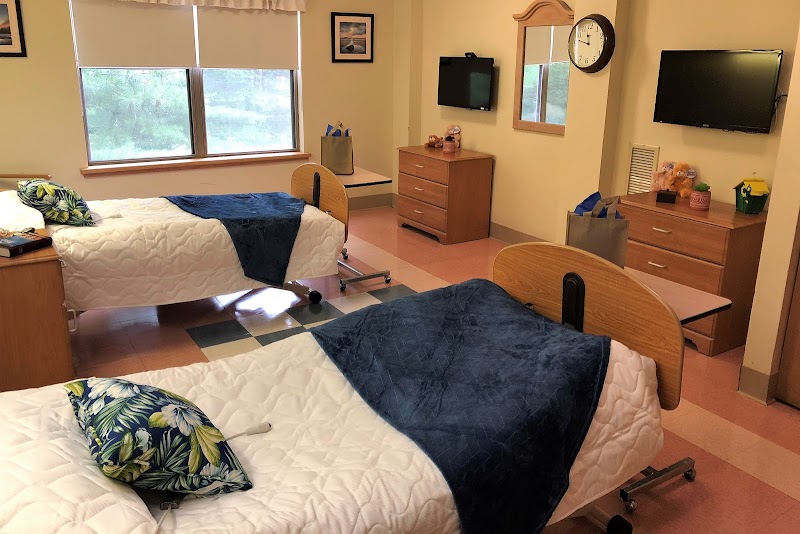
How is Maefair Center For Health & Rehabilitation Staffed?

CMS rates MAEFAIR CENTER FOR HEALTH & REHABILITATION's staffing level at 1 out of 5 stars, which is much below average compared to other nursing homes.

What Have Inspectors Found at Maefair Center For Health & Rehabilitation?

State health inspectors documented 28 deficiencies at MAEFAIR CENTER FOR HEALTH & REHABILITATION during 2021 to 2025. These included: 27 with potential for harm and 1 minor or isolated issues.
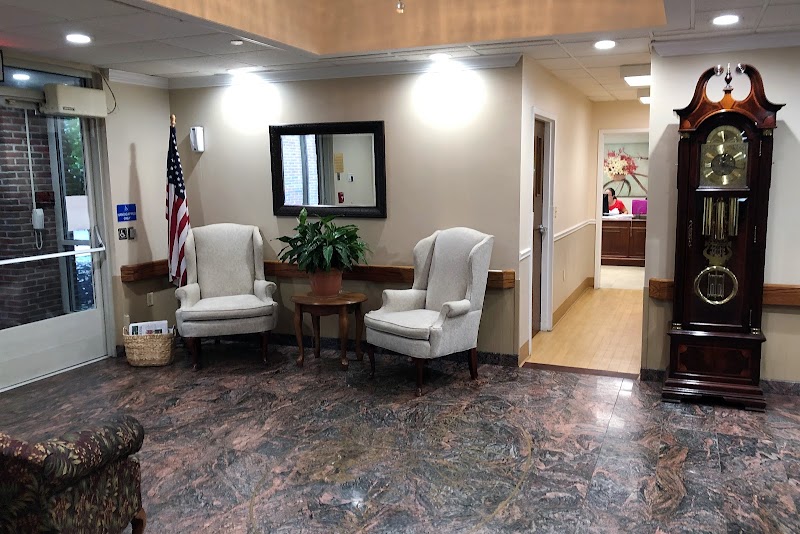
Who Owns and Operates Maefair Center For Health & Rehabilitation?

MAEFAIR CENTER FOR HEALTH & REHABILITATION is owned by a for-profit company. For-profit facilities operate as businesses with obligations to shareholders or private owners. The facility is operated by NATIONAL HEALTH CARE ASSOCIATES, a chain that manages multiple nursing homes. With 134 certified beds and approximately 123 residents (about 92% occupancy), it is a mid-sized facility located in TRUMBULL, Connecticut.
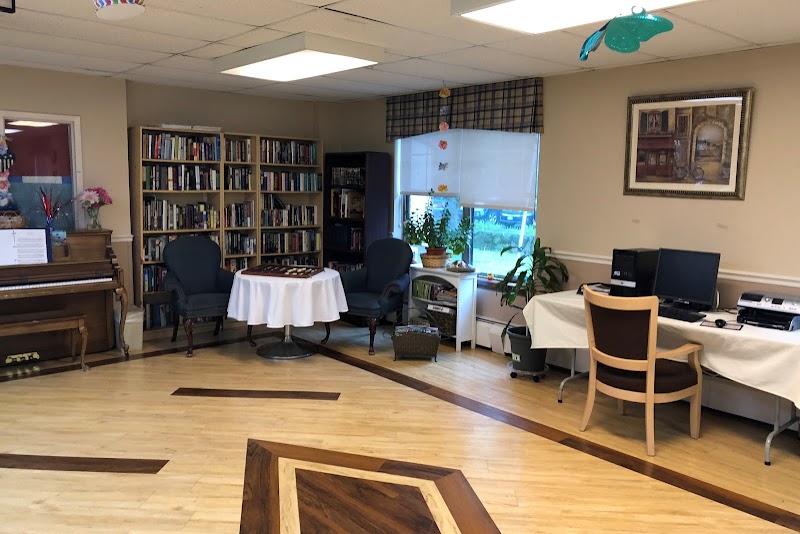
How Does Maefair Center For Health & Rehabilitation Compare to Other Connecticut Nursing Homes?

Compared to the 100 nursing homes in Connecticut, MAEFAIR CENTER FOR HEALTH & REHABILITATION's overall rating (3 stars) is below the state average of 3.0 and health inspection rating (4 stars) is above the national benchmark.

What Should Families Ask When Visiting Maefair Center For Health & Rehabilitation?

Based on this facility's data, families visiting should ask: "Can you walk me through typical staffing levels on day, evening, and night shifts?" "Can I visit during a mealtime to observe dining assistance and food quality?" "How do you handle medical emergencies, and what is your hospital transfer rate?" "Can I speak with family members of current residents about their experience?" These questions are particularly relevant given the below-average staffing rating.

Is Maefair Center For Health & Rehabilitation Safe?

Based on CMS inspection data, MAEFAIR CENTER FOR HEALTH & REHABILITATION has a clean safety record: no substantiated abuse findings (meaning no confirmed cases of resident harm), no Immediate Jeopardy citations (the most serious violation level indicating risk of serious injury or death), and is not on the Special Focus Facility watch list (a federal program monitoring the lowest-performing 1% of nursing homes). The facility has a 3-star overall rating and ranks #100 of 100 nursing homes in Connecticut. While no facility is perfect, families should still ask about staff-to-resident ratios and recent inspection results during their visit.

Do Nurses at Maefair Center For Health & Rehabilitation Stick Around?

MAEFAIR CENTER FOR HEALTH & REHABILITATION has not reported staff turnover data to CMS. Staff turnover matters because consistent caregivers learn residents' individual needs, medications, and preferences. When staff frequently change, this institutional knowledge is lost. Families should ask the facility directly about their staff retention rates and average employee tenure.

Was Maefair Center For Health & Rehabilitation Ever Fined?

MAEFAIR CENTER FOR HEALTH & REHABILITATION has been fined $25,366 across 2 penalty actions. This is below the Connecticut average of $33,333. While any fine indicates a compliance issue, fines under $50,000 are relatively common and typically reflect isolated problems that were subsequently corrected. Families should ask what specific issues led to these fines and confirm they've been resolved.

Is Maefair Center For Health & Rehabilitation on Any Federal Watch List?

MAEFAIR CENTER FOR HEALTH & REHABILITATION is not on any federal watch list. The most significant is the Special Focus Facility (SFF) program, which identifies the bottom 1% of nursing homes nationally based on persistent, serious quality problems. Not being on this list means the facility has avoided the pattern of deficiencies that triggers enhanced federal oversight. This is a positive indicator, though families should still review the facility's inspection history directly.