APPLE REHAB UNCASVILLE
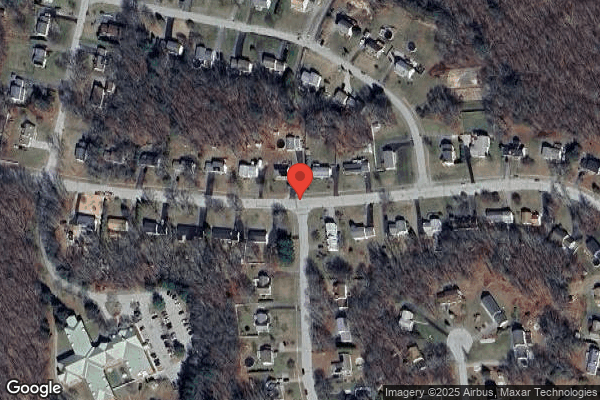
5 RICHARD BROWN DRIVE, UNCASVILLE, CT 06382 (860) 848-8466
For profit - Corporation 130 Beds APPLE REHAB Data: November 2025
Trust Grade
28/100
#116 of 192 in CT
Last Inspection: March 2024

Within standard 12-15 month inspection cycle. Federal law requires annual inspections.

Overview

Apple Rehab Uncasville has received a Trust Grade of F, indicating significant concerns about the quality of care provided. Ranking #116 out of 192 facilities in Connecticut places it in the bottom half, and #10 out of 14 in its county suggests there are better options nearby. While the facility is improving, having reduced issues from 13 to 5 over the past year, it still faces serious staffing challenges, as noted in inspection findings where 31 residents did not receive adequate assistance with their daily needs. Staffing turnover is rated at 38%, which is on par with the state average, and RN coverage is average, meaning there is room for improvement in both areas. Additionally, there were concerning incidents, including failures to administer pain medication to a resident in severe pain and inadequate staffing levels that could lead to neglect for those needing assistance with basic care tasks. Overall, families should weigh these strengths and weaknesses carefully when considering this home for their loved ones.

Trust Score
F
28/100
In Connecticut
#116/192
Bottom 40%
Safety Record
High Risk
Review needed
Inspections
Getting Better
13 → 5 violations
Staff Stability
○ Average
38% turnover. Near Connecticut's 48% average. Typical for the industry.
Penalties
⚠ Watch
$16,065 in fines. Higher than 97% of Connecticut facilities. Major compliance failures.
Skilled Nurses
○ Average
Each resident gets 33 minutes of Registered Nurse (RN) attention daily — about average for Connecticut. RNs are the most trained staff who monitor for health changes.
Violations
⚠ Watch
40 deficiencies on record. Higher than average. Multiple issues found across inspections.
★★☆☆☆
2.0
Overall Rating
★★★☆☆
3.0
Staff Levels
★★★☆☆
3.0
Care Quality
★★☆☆☆
2.0
Inspection Score
Stable
2024: 13 issues
2025: 5 issues

The Good

  • Full Sprinkler Coverage · Fire safety systems throughout facility
  • No fines on record
  • Staff turnover below average (38%)

    10 points below Connecticut average of 48%

Facility shows strength in fire safety.

The Bad

2-Star Overall Rating

Below Connecticut average (3.0)

Below average - review inspection findings carefully

Staff Turnover: 38%

Near Connecticut avg (46%)

Typical for the industry

Federal Fines: $16,065

Below median ($33,413)

Minor penalties assessed

Chain: APPLE REHAB

Part of a multi-facility chain

Ask about local staffing decisions and management

The Ugly 40 deficiencies on record

4 actual harm
Jun 2025 1 deficiency
CONCERN (E) 📢 Someone Reported This

A family member, employee, or ombudsman was alarmed enough to file a formal complaint

Potential for Harm - no one hurt, but risky conditions existed

Deficiency F0554 (Tag F0554)

Could have caused harm · This affected multiple residents

**NOTE- TERMS IN BRACKETS HAVE BEEN EDITED TO PROTECT CONFIDENTIALITY** Based on review of the clinical record, facility documentation, facility policy and interviews for two (2) of four (4) residents...

Read full inspector narrative →
**NOTE- TERMS IN BRACKETS HAVE BEEN EDITED TO PROTECT CONFIDENTIALITY** Based on review of the clinical record, facility documentation, facility policy and interviews for two (2) of four (4) residents (Resident #1 and #2) reviewed for medication administration, the facility failed to ensure licensed nursing staff observed the residents consume prescribed medications prepared by the licensed nursing staff prior to exiting the room. The findings include: 1. Resident #2 's diagnoses included adult failure to thrive, anemia (when the blood doesn't have enough healthy red blood cells and hemoglobin to carry oxygen all throughout the body) and atrial fibrillation (irregular heartbeat). The quarterly Minimum Data Set (MDS) assessment dated [DATE] identified Resident #2 had intact cognition (Brief Interview for Mental Status (BIMS) score of 14), required setup assistance for eating and supervision assistance for bed mobility and transfers. The Resident Care Plan (RCP) dated 3/13/25 identified Resident #2 was at risk for pain and discomfort which may impact mobility, mood, behaviors, sleep, Activities of Daily Living functioning and relationships with others. Interventions included watching for nonverbal signs and symptoms of pain and administering medications as ordered. On 6/3/25 at 9:24 AM, LPN #1 was observed preparing prescribed medications for Resident #2, entering Resident #2's room and setting the medication cup on the bedside table as she conversed with Resident #2. LPN #1 was observed applying Lidocaine patches to Resident #2's shoulders and lower back and then exited the room prior to observing Resident #2 consume the medications in the medication cup. Interview and observation with LPN #1 on 6/3/25 at 9:35 identified medications should not be left at the bedside of residents who are not authorized to self-administer medication(s). This surveyor asked LPN #1 if she had ever left medications at the bedside of any other residents and she self-identified that she left medications at the bedside during the 7:00 AM to 3:00 PM shift on 5/11/25 for another resident The medications prepared by LPN #1 for Resident #2 on 6/3/25 at 9:24 AM included: -Three (3) lidocaine patches- one (1) to be applied to each shoulder and one (1) to be applied to the lower back -Psyllium oral powder 25 percent (%) give 15 cubic centimeter (cc) mixed in 8 ounces (oz) of water -One (1) furosemide 40 milligram (mg) tablet -Two (2) potassium chloride Extended Release (ER) 10 milliequivalent (mEq) tablets -One (1) Preservision AREDS 2 plus multivitamin oral capsule -One (1) sertraline 50 mg tablet -Two (2) Tylenol extra strength 500 mg tablets -One (1) calcium carbonate-vitamin d-mineral 600-400 mg-unit tablet Review of the clinical record failed to identify that Resident #2 was assessed to self-administer oral medications. The DNS was made aware of the above incident on 6/3/25 at 9:47 AM. 2. Resident #1 's diagnoses included anxiety disorder, chronic pain and neoplasm of uncertain behavior of the parathyroid gland (a tumor in the parathyroid gland isn't definitively identified as benign or malignant). The quarterly Minimum Data Set (MDS) assessment dated [DATE] identified Resident #1 had intact cognition (Brief Interview for Mental Status (BIMS) score of 15), required setup assistance for eating and was independent with bed mobility and transfers. The Resident Care Plan (RCP) dated 4/3/25 identified Resident #1 had a history of depression and anxiety and took medications to help alleviate the symptoms. The RCP identified Resident #1 had an adrenal mass causing chronic pain. Interventions included providing good pain management and administering medications as ordered. Review of the facility grievance dated 5/27/25 identified, in part, that medications were left at the bedside on 4/30/25 and 5/11/25 and although the complainant could not definitively remember who the nurse was, they thought it was LPN #1. Review of the clinical record failed to identify that Resident #1 was assessed to self-administer oral medications. Review of the facility schedule failed to identify that LPN #1 worked on 4/30/25 but did identify she worked on 5/11/25. Interview with LPN #1 on 6/3/25 at 9:35 AM identified she left Resident #1's morning medications at the bedside during the 7:00 AM to 3:00 PM shift on 5/11/25. She identified that Resident #1's family members were visiting so she left the medications on the bedside table and thought the family would ensure Resident #1 took the medications. She further identified that the family approached her and were upset that she did not administer Resident #1's medications or ensure that he/she had taken the medications. LPN #1 reported that she subsequently administered the medications to Resident #1. She identified that the DNS approached her after the incident and verbally educated her on medication administration. Interview with the DNS on 6/3/25 at 9:47 AM identified that LPN #2 was the licensed nurse who left Resident #1's medications at the bedside on 4/30/25. She identified that when she asked LPN #2 about the incident, LPN #2 stated, Resident #1 always tells me to leave medications at the bedside, so I did. The DNS identified that licensed nurses should never leave medications at a resident's bedside and they should ensure residents take their medications prior to leaving the room. The DNS identified that both LPN #1 and LPN #2 had been educated on medication administration and that medication administration education was also a part of nursing orientation. She identified that she provided verbal medication administration education to LPN #1 and LPN #2 following the incidents and no disciplinary action was amdinstered. Review of the facility schedule dated 4/30/25 identified that LPN #2 worked the 7:00 AM to 3:00 PM shift on Resident #1's unit. Interview with LPN #2 on 6/3/25 at 10:23 AM identified she was assigned to provide care for Resident #1 on 4/30/25 during the 7:00 AM to 3:00 PM shift. She identified that she floats units and did not often work on that unit. LPN #2 identified that previously, Resident #1 would not take his/her medications in front of her so she would leave his/her medications at the bedside and then circle back to ensure he/she had taken them. She reported that since she had not worked on that unit in a while, she was unaware Resident #1 was allowing staff to administer the medications, therefore, she left the medications at the bedside, as she previously had. She identified that when she went to check on Resident #1, his/her family had arrived to visit and asked why his/her medications were at the bedside, so she administered them at that time. LPN #2 identified that the family reported the incident to the DNS and the DNS provided verbal medication administration education. LPN #2 identified that she should not have left the medications at the bedside but instead should have reapproached Resident #1 if he/she refused to take the medications with her present. Review of Inservice Education titled Med Pass and dated 8/28/24 identified that it is not acceptable to leave medications at the bedside for a resident to self-administer for their convenience or preference. It is unacceptable to leave any medications at the bedside, as it is a safety risk to other residents who may inadvertently gain access to medications not meant for them. If a resident tells a nurse that they are not ready to take their medications at the time they are offered, the only two (2) options are: keeping the medications locked in the medication cart and offering them again at a later time or documenting them as refused, as residents have the right to refuse medications. This education was signed by LPN #2 on 10/4/24. Review of the Nurse Orientation checklist for LPN #1 dated 9/20/24 included education on medication passes and medication administration. Subsequent to surveyor interview on 6/3/25, copy of a disciplinary action for LPN #1 dated 6/3/25 was provided identifying that medications were not administered to a resident per policy and were left at the bedside. Review of the Medication Administration policy (undated) directed, in part, that nursing staff is to administer the medications as per the prescribed route and observe the resident for any adverse reactions or side effects.
Feb 2025 2 deficiencies
CONCERN (D) 📢 Someone Reported This

A family member, employee, or ombudsman was alarmed enough to file a formal complaint

Potential for Harm - no one hurt, but risky conditions existed

Quality of Care (Tag F0684)

Could have caused harm · This affected 1 resident

**NOTE- TERMS IN BRACKETS HAVE BEEN EDITED TO PROTECT CONFIDENTIALITY** Based on review of the clinical record, facility documentation, facility policy and interviews for one (1) of three (3) resident...

Read full inspector narrative →
**NOTE- TERMS IN BRACKETS HAVE BEEN EDITED TO PROTECT CONFIDENTIALITY** Based on review of the clinical record, facility documentation, facility policy and interviews for one (1) of three (3) residents (Resident #1) reviewed for falls, the facility failed to follow physician's orders to have two-half siderails and padded siderails on the bed . The findings include: Resident #1's diagnoses included Alzheimer's disease with late onset (a type of dementia that affects memory, thinking and behavior), dementia with behavioral disturbances, age-related cataract (clouding of the normally clear lens of the eye that can cause blurry vision), bilateral sensorineural hearing loss (permanent hearing loss caused by damage to the inner ear or the nerve from the ear to the brain) and difficulty in walking. The quarterly Minimum Data Set (MDS) assessment dated [DATE] identified Resident #1 had a Staff Assessment for Mental Status conducted identifying long and short-term memory problems and was able to recall staff names and faces only indicative of moderately impaired cognition and required staff supervision for bed mobility, transfers and ambulation. Additionally, it identified that Resident #1 had not had any recent falls. A physician's order dated 11/28/23 directed for Resident #1 to have siderails, two-half up for mobility and safe transfers out of bed and for staff to check every shift. A physician's order dated 1/24/25 directed for Resident #1 to be on seizure precautions including a low bed with fall mats and padded side rails every shift. The Resident Care Plan (RCP) updated on 1/22/25 (originally dated 10/30/19) identified that Resident #1 is at risk for falls due to psychotropic medication, chronic pain, poor safety awareness, impaired vision, hard of hearing and seizure precautions with interventions that included checking on the resident as needed, as he/she often does not use the call bell to summon assistance, ensuring the bed is in the lowest position when care is not being provided, keeping frequently needed items within reach and encouraging the resident to request help with picking up items, fall mat to be placed on the window side of the bed when the resident is in bed and seizure precautions including a low bed with fall mats and padded rails. Observations and interview with the DNS on 2/10/25 at 10:24 AM, identified the bed in Resident #1's room as a low bed without any side rails attached to the frame of the bed and no side rail padding was observed in the room. Two (2) black floor mats were observed, one in place on the floor to the left side of the bed (window side) and the other was noted to be propped up against the back wall next to the right side of the headboard. She reported that when the bed was switched out for a low bed on 1/24/25, it must not have been communicated to maintenance staff to put side rails on the low bed and although both the side rails and side rail padding was a physician's order, she was unsure why nursing staff had not noticed that they were not in place to the bed. Further, she identified that Resident #1 had not had a fall since 1/18/25. Review of the January 2025 Treatment Administration Record (TAR) identified that since 1/24/25, nursing staff signed off that they checked that the two-half side rails to Resident #1's bed were in place 23 out of 23 (100 %) shifts. Review of the January 2025 Treatment Administration Record (TAR) identified that nursing staff signed off that seizure precautions including a low bed with fall mats and padded side rails were in place 23 out of 23 (100 %) shifts. Review of the February 2025 Treatment Administration Record (TAR) identified that nursing staff signed off that they checked that the two-half side rails to Resident #1's bed were in place 28 out of 28 (100 %) shifts, which included the 7:00 AM to 3:00 PM shift on 2/10/25. Review of the February 2025 Treatment Administration Record (TAR) identified that nursing staff signed off that seizure precautions including a low bed with fall mats and padded side rails were in place 28 out of 28 (100 %) shifts, which included the 7:00 AM to 3:00 PM shift on 2/10/25. Interview with RN #2 on 2/10/25 at 11:54 AM identified that she worked the 3:00 PM to 11:00 PM shift on 1/25/25, 1/30/25, 2/3/25, 2/5/25, 2/7/25 and 2/9/25 and although she signed off on the TAR that both the two-half side rails were in place, as well as seizure precautions including a low bed with fall mats and padded side rails were in place, she was not aware that the two-half side rails nor the side rail padding had not been in place since 1/24/25 when the bed was switched out to a low bed, stating she should have checked prior to signing off the orders but that she didn't and was unsure why. Interview with LPN #2 (7:00 AM to 3:00 PM nurse on 2/10/25) on 2/10/25 at 2:13 PM identified that although she signed off the orders on the TAR for 2/10/25 that both of the two-half side rails were in place to Resident #1's bed, as well as seizure precautions including a low bed with fall mats and padded side rails were in place, she stated she was busy and did not actually check to ensure that the two-half side rails nor the side rail padding was in place. She reported that after signing off the orders in the TAR she realized the resident didn't have the side rails on the bed when she heard staff talking on the unit. Further interview with the DNS on 2/10/25 at 2:25 PM identified that when Resident #1's bed was changed to a low bed, she was responsible for communicating to maintenance that the new bed required side rails to be put on, but stated she was unsure if that happened, reporting that subsequent to surveyor inquiry, she spoke with maintenance and the side rails and padding were now in place to Resident #1's bed. She identified that she expects all nursing staff to be reading and following physician's orders at all times, as well as verifying that the interventions are in place as ordered and stated she was unsure why staff had been signing off the orders for the side rails and side rail padding when they weren't in place to Resident #1's bed. Although requested, a facility policy for following physicians' orders was not provided.
CONCERN (D) 📢 Someone Reported This

A family member, employee, or ombudsman was alarmed enough to file a formal complaint

Potential for Harm - no one hurt, but risky conditions existed

Medical Records (Tag F0842)

Could have caused harm · This affected 1 resident

**NOTE- TERMS IN BRACKETS HAVE BEEN EDITED TO PROTECT CONFIDENTIALITY** Based on review of the clinical record, facility policy and interviews for one (1) of three (3) residents (Resident #1) reviewed...

Read full inspector narrative →
**NOTE- TERMS IN BRACKETS HAVE BEEN EDITED TO PROTECT CONFIDENTIALITY** Based on review of the clinical record, facility policy and interviews for one (1) of three (3) residents (Resident #1) reviewed for nursing documentation, the facility failed to ensure a complete and accurate medical record for a resident when staff documented that side rail and side rail padding interventions were in place that were identified to not be in place per physician's orders. The findings include: Resident #1's diagnoses included Alzheimer's disease with late onset (a type of dementia that affects memory, thinking and behavior), dementia with behavioral disturbances, age-related cataract (clouding of the normally clear lens of the eye that can cause blurry vision), bilateral sensorineural hearing loss (permanent hearing loss caused by damage to the inner ear or the nerve from the ear to the brain) and difficulty in walking. The quarterly Minimum Data Set (MDS) assessment dated [DATE] identified Resident #1 had a Staff Assessment for Mental Status conducted identifying long and short-term memory problems and was able to recall staff names and faces only indicative of moderately impaired cognition and required staff supervision for bed mobility, transfers and ambulation. Additionally, it identified that Resident #1 had not had any recent falls. A physician's order dated 11/28/23 directed for Resident #1 to have siderails, two-half up for mobility and safe transfers out of bed and for staff to check every shift. A physician's order dated 1/24/25 directed for Resident #1 to be on seizure precautions including a low bed with fall mats and padded side rails every shift. The Resident Care Plan (RCP) updated on 1/22/25 (originally dated 10/30/19) identified that Resident #1 is at risk for falls due to psychotropic medication, chronic pain, poor safety awareness, impaired vision, hard of hearing and seizure precautions. Interventions included checking on the resident as needed, as he/she often does not use the call bell to summon assistance, ensuring the bed is in the lowest position when care is not being provided, keeping frequently needed items within reach and encouraging the resident to request help with picking up items, fall mat to be placed on the window side of the bed when the resident is in bed and seizure precautions including a low bed with fall mats and padded rails. Observations and interview with the DNS on 2/10/25 at 10:24 AM, identified the bed in Resident #1's room as a low bed without any side rails attached to the frame of the bed and no side rail padding was observed in the room. Two (2) black floor mats were observed, one in place on the floor to the left side of the bed (window side) and the other was noted to be propped up against the back wall next to the right side of the headboard. She reported that when the bed was switched out for a low bed on 1/24/25, it must not have been communicated to maintenance staff to put side rails on the low bed and although both the side rails and side rail padding was a physician's order, she was unsure why nursing staff had not noticed that they were not in place to the bed. Review of the January 2025 Treatment Administration Record (TAR) identified that since 1/24/25, nursing staff signed off that they checked that the two-half side rails to Resident #1's bed were in place 23 out of 23 (100 %) shifts. Review of the January 2025 Treatment Administration Record (TAR) identified that nursing staff signed off that seizure precautions including a low bed with fall mats and padded side rails were in place 23 out of 23 (100 %) shifts. Review of the February 2025 Treatment Administration Record (TAR) identified that nursing staff signed off that they checked that the two-half side rails to Resident #1's bed were in place 28 out of 28 (100 %) shifts, which included the 7:00 AM to 3:00 PM shift on 2/10/25. Review of the February 2025 Treatment Administration Record (TAR) identified that nursing staff signed off that seizure precautions including a low bed with fall mats and padded side rails were in place 28 out of 28 (100 %) shifts, which included the 7:00 AM to 3:00 PM shift on 2/10/25. Interview with RN #2 on 2/10/25 at 11:54 AM identified that she worked the 3:00 PM to 11:00 PM shift on 1/25/25, 1/30/25, 2/3/25, 2/5/25, 2/7/25 and 2/9/25 and although she signed off on the TAR that both the two-half side rails were in place, as well as seizure precautions including a low bed with fall mats and padded side rails were in place, she was not aware that the two-half side rails nor the side rail padding had not been in place since 1/24/25 when the bed was switched out to a low bed, stating she should have checked prior to signing off the orders but that she didn't and was unsure why. She reported that documentation in the clinical record should always be complete and accurate. Interview with LPN #2 (7:00 AM to 3:00 PM nurse on 2/10/25) on 2/10/25 at 2:13 PM identified that although she signed off the orders on the TAR for 2/10/25 that both of the two-half side rails were in place to Resident #1's bed, as well as seizure precautions including a low bed with fall mats and padded side rails were in place, she stated she was busy and did not actually check to ensure that the two-half side rails nor the side rail padding was in place. She reported that after signing off the orders in the TAR she realized the resident didn't have the side rails on the bed when she heard staff talking on the unit. She reported that documentation in the clinical record should always be complete and accurate and that her documentation on 2/10/24 was not accurate. Further interview with the DNS on 2/10/25 at 2:25 PM identified that when Resident #1's bed was changed to a low bed, she was responsible for communicating to maintenance that the new bed required side rails to be put on, but stated she was unsure if that happened, reporting that subsequent to surveyor inquiry, she spoke with maintenance and the side rails and padding were now in place to Resident #1's bed. She identified that she expects all nursing staff to be reading and following physician's orders at all times, as well as verifying that the interventions are in place as ordered and documenting accurately in the clinical record, stating she was unsure why staff had been signing off the orders for the side rails and side rail padding when they weren't in place to Resident #1's bed but they shouldn't have been. Review of the Nursing Documentation policy (undated) directed, in part, that all entries must be factual, complete, and reflect the resident's current condition and care provided.
Jan 2025 2 deficiencies
CONCERN (D) 📢 Someone Reported This

A family member, employee, or ombudsman was alarmed enough to file a formal complaint

Potential for Harm - no one hurt, but risky conditions existed

Deficiency F0658 (Tag F0658)

Could have caused harm · This affected 1 resident

**NOTE- TERMS IN BRACKETS HAVE BEEN EDITED TO PROTECT CONFIDENTIALITY** Based on clinical record reviews, review of facility documentation, and interviews for one (1) of three (3) sampled residents (R...

Read full inspector narrative →
**NOTE- TERMS IN BRACKETS HAVE BEEN EDITED TO PROTECT CONFIDENTIALITY** Based on clinical record reviews, review of facility documentation, and interviews for one (1) of three (3) sampled residents (Resident #4) who were reviewed for an omission of medications, the facility failed to ensure medications were administered in accordance with the physician's order. The findings include: Resident #4's diagnoses included cerebral vascular infarction (a stroke), congestive heart failure, hypertension, and depression. The annual Minimum Data Set assessment dated [DATE] identified Resident #4 had memory recall deficits, rarely or never made decisions regarding tasks of daily life, was dependent on staff for activities of daily living, and had a feeding tube, gastrostomy tube (G-tube), for nutritional approaches. The Resident Care Plan dated 12/21/24 identified cardiovascular disease, at risk for a heart attack, chest pain, or stroke and depression. Interventions directed to administer medications as prescribed. Physician orders dated 1/2/25 directed to administer a medication to treat high blood pressure, Losartan Potassium, give 0.5 milligrams (mg) daily, and a medication to treat depression, Escitalopram (Lexapro), a 10 mg tablet and 5 mg tablet to equal 15 mg total daily via the G-tube. The Medication Error Report dated 1/6/25 identified on 1/5/25 at 9:00 AM the Losartan and Lexapro were omitted, and the responsible party and physician had been notified. In an interview with the Director of Nurses (DON) on 1/22/25 at 11:00 AM identified she was notified by one (1) of the nurses that another nurse may not be administering the correct dose of medication to Resident #4. The DON stated an investigation was conducted and identified the wrong dose of Losartan and Lexapro had been administered by a charge nurse, Licensed Practical Nurse (LPN) #1. The DON stated she contacted LPN #1 to discuss the incident, LPN #1 denied the allegation, and subsequently resigned from employment on 1/6/25. Although attempted, an interview with LPN #1 was unsuccessful.
MINOR (C) 📢 Someone Reported This

A family member, employee, or ombudsman was alarmed enough to file a formal complaint

Minor Issue - procedural, no safety impact

Deficiency F0836 (Tag F0836)

Minor procedural issue · This affected most or all residents

Based on observations, review of facility documentation, and interviews for 7 out of a census of 111 residents who were sampled for identification bracelets, the facility failed to ensure the resident...

Read full inspector narrative →
Based on observations, review of facility documentation, and interviews for 7 out of a census of 111 residents who were sampled for identification bracelets, the facility failed to ensure the residents wore an identification bracelet or other form of visible identification. The findings include: Observations of the memory care unit on 1/22/25 at 12:30 PM identified three (3) of five (5) residents sitting in wheelchairs in the dining room with no visible form of identification on. Observations of the upper and lower resident units, recreation area, common areas and rehab area identified multiple residents had no identification bracelets or visible form of identification. Interview with two (2) residents stated they have not been provided with identification name bands. Interview with the Director of Nurses (DON) on 1/22/25 at 1:20 PM identified she was aware a week ago residents were missing name bands, and she thought the issue had been resolved. The DON stated the expectation was that each resident had an identification name band. The DON identified the name bands were a means of resident identification for all nurses to perform medication administration. The DON indicated instructions were given to the charge nurses on the units to audit the residents for name bands and to ensure each resident had a visible form of identification. Subsequently, an audit was conducted, and several other residents were found to have no visible form of identification, identification name bands were placed on the residents, and though requested the actual number of residents without name bands was not provided. Review of the Policy Identification of the Resident identified all residents shall be provided with a means of identification. An identification bracelet shall be placed on the wrist of each resident at the time of admission.
Sept 2024 1 deficiency
CONCERN (D) 📢 Someone Reported This

A family member, employee, or ombudsman was alarmed enough to file a formal complaint

Potential for Harm - no one hurt, but risky conditions existed

Deficiency F0602 (Tag F0602)

Could have caused harm · This affected 1 resident

**NOTE- TERMS IN BRACKETS HAVE BEEN EDITED TO PROTECT CONFIDENTIALITY** Based on clinical record reviews, facility documentation, facility policies and interviews for one (1) of three (3) sampled resi...

Read full inspector narrative →
**NOTE- TERMS IN BRACKETS HAVE BEEN EDITED TO PROTECT CONFIDENTIALITY** Based on clinical record reviews, facility documentation, facility policies and interviews for one (1) of three (3) sampled residents (Resident #1) who were reviewed for an allegation of misappropriation of a resident's personal property, the facility failed to ensure a resident's medication was not removed from the facility by a licensed nurse. The findings include: Resident #1's diagnoses included cellulitis of the right and left lower limbs, anxiety, peripheral neuropathy, type 2 diabetes mellitus, and end stage renal disease. The quarterly Minimum Data Set assessment dated [DATE] identified Resident #1 made reasonable and consistent decisions regarding tasks of daily life. The Resident Care Plan dated 3/28/24 identified Resident #1 took medications to help manage pain from the bilateral leg wounds. Interventions directed to administer medications as ordered, activity as tolerated, monitor pain level with pain scale, and monitor for adverse effects of the medications. A physician's order dated 3/10/24 directed to administer the muscle relaxer Cyclobenzaprine HCI 5 milligrams (mg) one (1) tablet every eight (8) hours around the clock for muscle spasms. A physician's order dated 5/16/24 directed to discontinue the every eight (8) hour scheduled Cyclobenzaprine and administer Cyclobenzaprine HCI 5 mg every eight (8) hours as needed for muscle spasms. A physician's order dated 6/9/24 directed to administer Cyclobenzaprine HCI 5 mg one (1) tablet every eight (8) hours as needed for muscle spasms and Oxycodone 10 mg take half (0.5) tablet for moderate pain and one (1) tablet for severe pain every six (6) hours as needed. The pain assessment dated [DATE] at 2:00 PM identified Resident #1 had almost constant severe pain in the right lower leg and right ankle arterial wounds. Review of the April, May, and June 2024 pain scales identified most of the time Resident #1 got fair to good relief with the pain medication and muscle relaxer. Review of the pharmacy shipment summaries identified the dates and quantities of the Cyclobenzaprine 5 mg delivered to the facility on: 3/10/24 total of thirty (30) tablets; 4/15/24 total of thirty (30) tablets; 4/23/24 total of ninety (90) tablets; 5/21/24 total of thirty (30) tablets; and 6/10/24 total of thirty (30) tablets. Review of the March, April, May, and June 2024 Medication Administration Records identified Resident #1 received the Cyclobenzaprine as ordered. The facility discharge paperwork dated 6/28/24 identified Resident #1 was discharged home. In an interview with the Director of Nursing (DON) on 9/16/24 at 11:45 AM identified on 9/12/24 she was contacted by the police department and informed one (1) of the facility's Registered Nurse was found in possession of a medication package that was Resident #1's Cyclobenzaprine 5 mg tablets that had a fill date of 4/23/24. The DON identified this was against the facility's policy and the licensed staff member should not have been in possession of a resident's medications. Review of the facility Abuse Policy directed abuse or mistreatment of any kind toward a resident is strictly prohibited and would be thoroughly investigated. The policy further identified misappropriation of resident property in part is the deliberate misplacement or use oof a resident's belongings without the resident's consent.
Mar 2024 9 deficiencies 1 Harm
SERIOUS (G)

Actual Harm - a resident was hurt due to facility failures

Deficiency F0697 (Tag F0697)

A resident was harmed · This affected 1 resident

**NOTE- TERMS IN BRACKETS HAVE BEEN EDITED TO PROTECT CONFIDENTIALITY** Based on clinical record review, review of facility documentation, review of facility policy and interviews for one sampled resi...

Read full inspector narrative →
**NOTE- TERMS IN BRACKETS HAVE BEEN EDITED TO PROTECT CONFIDENTIALITY** Based on clinical record review, review of facility documentation, review of facility policy and interviews for one sampled resident (Resident #236) reviewed for pain, the facility failed to administer pain medication for a resident whose pain level was assessed at a severe level of pain. The findings include: Resident #236's diagnoses included cellulitis of left leg, cellulitis of right leg, Type 2 diabetes mellitus with diabetic chronic kidney disease. The care plan dated 3/9/24 identified Resident #236 was at risk for pain/discomfort and noted that pain may impact mobility, mood (anxiety, depression), behaviors, sleep, ADL functioning, and relationships with others. Care plan interventions directed medication(s) as ordered, skilled assessment of pain symptoms: location, type, duration, frequency, intensity, factors that exacerbate and relieve pain. admission physician's orders dated 3/9/24 directed to assess pain every shift using the pain of scale 010 0: no pain 1-2: mild pain 3-4: minimal pain 5-6: moderate pain 7-8: strong pain 9-10: severe pain, and administer Oxycodone HCl oral tablet 15 mg, give 1 tablet by mouth every 3 hours as needed for severe pain. The admission history and physical progress note dated 3/10/24 authored by MD#1 identified Resident #236 was admitted to the facility on [DATE] status post peritoneal dialysis catheter placement, lower extremity cellulitis with chronic wounds with a plan to continue Oxycodone (narcotic) and return to the pain clinic when stable where previously on Suboxone (opioid). Observation on 3/10/24 at 11:30 AM identified Resident #236 lying in bed crying, interview with Resident #236 at the time of the observation identified he/she had been administered a dose of Oxycodone early that morning. He/she further identified that he/she had been admitted to the facility around 9 or 9:30 PM on 3/9/24. In addition, Resident #236 identified he/she was in severe pain at the present time and noted that the nurse was aware that he/she was experiencing severe pain. Interview with LPN #1 on 3/10/24 at 11:40 AM identified she was aware that Resident #236 was in pain, and noted she was waiting for the resident's pain medication to be delivered from the pharmacy. The nurse's note dated 3/10/24 at 3:12 PM written by LPN #1 identified Resident #236 was in a lot of pain and non-compliant with care. When attempts made to re-approach, resident identified that she needed Oxycodone and a Nicotine patch. The note further identified that when the resident was administered Tylenol, the cup was crumpled and thrown to the floor. Further review of the nurse's note failed to identify the resident was administered Oxycodone by LPN #1 at any time during the shift. The Nurse Practitioner's (#1) progress note dated 3/11/24 identified Resident #236 had undergone multiple vascular procedures in the most recent hospital stay including lower extremity angioplasties with stent placements and peritoneal dialysis catheter placement on 3/1/24. The note further identified that the resident's hospital stay was complicated by uncontrolled pain which required intravenous (IV) opioids. A second interview with LPN #1 on 3/12/24 at 11:24 AM identified she entered Resident #236's room around 10:00 AM to administer morning medications, and Resident #236 complained of pain and rated it as a level 10 on the pain scale. She noted that she did not administer Oxycodone for the resident's complaint of severe pain because the medication had not been delivered by the pharmacy. She further identified that she did not think to check the automated medication dispensing system because she thought that it contained back up medications for residents that already had their medications in house. Additionally, LPN#1 identified that medication was retrieved from the automated medication dispensing system for Resident #236 because the therapist went into the room to see the resident and identified that the medication could be obtained from the automated medication dispensing system. She further noted that she and the Therapist went to the Nursing Supervisor, who was able to obtain the Oxycodone HCL 15mg dose from the automated medication dispensing system, but LPN #1 could not recall administering the medication to the resident, and identified that her shift ended shortly after 3:00 PM Review of the medication administration record (MAR) for 3/10/24 identified Resident #236 had been administered Oxycodone HCL 15mg at 5:25 AM and then at approximately 5:00 PM but failed to reflect documentation that Oxycodone HCl was administered between 7:00 AM and 3:00 PM (1st shift). Further review of the MAR identified Resident #236's pain level was assessed at a level 10 (severe) on the 1st shift. Interview with the Nursing Supervisor (RN#5) on 3/12/24 at 11:48 AM with LPN #1 present, identified she was notified by the MDS Coordinator (RN #3) on 3/10/24 in the afternoon that Resident #236 was in pain and needed to be medicated with medication from the automated medication dispensing system (emergency medication storage). RN#5 further noted that she obtained the medication from the automated medication dispensing system and handed it to LPN #1. Review of the automated medication dispensing system's detail report with the DNS on 3/12/24 at 11:58 AM identified RN #5 retrieved Oxycodone 10mg at 2:08 PM and Oxycodone 5mg at 2:09 PM on 3/10/24 from the automated medication dispensing system (emergency medication supply). Interview with the MDS Coordinator (RN #3) on 3/12/24 at 12:12 PM identified that she went to Resident #236's room to convey the date of the care plan meeting, and while in the room she identified the resident was in severe pain and notified LPN #1. RN #3 further noted that LPN#1 told her that the resident did not have any available Oxycodone because the resident's medications had not yet been delivered by the pharmacy. RN #3 noted that she told LPN #1 that she could obtain the Oxycodone from the automated medication dispensing system and went with LPN #1 to speak with RN #5. Further, RN #3 identified that she accompanied RN #5 to the automated medication dispensing system to obtain the medication and then watched RN #5 hand the medication to LPN #1. RN #3 further identified that the medication should have been documented in the electronic MAR, which would indicate the time the medication was administered. After reviewing the MAR for 3/10/24, RN #3 identified that she did not see documentation to indicate the resident was medicated with Oxycodone on first shift. A third interview with LPN #1 on 3/12/24 at 12:20 PM identified she could not locate documentation of the administration of Oxycodone on 3/10/24, however she indicated that it was a crazy day, and she may have forgotten to document. LPN#1 indicated that she may have thought she did not have to document administration due to the fact the medication was not from her cart and that it was obtained from the automated medication dispensing system and indicated that she thought the administration may have been documented already through the automated medication dispensing system. LPN#1 indicated she did not notify the Nursing Supervisor when the medication was unavailable and the resident's pain level was at a level 10. A second interview with Resident #236 on 3/12/24 at 2:45 PM identified that on 3/10/24 she was in pain all day and she needed a Nicotine patch that he/she had his/her significant other on standby waiting for him/her to say the word for him/her to come pick him/her up. Resident #236 further noted that she was not medicated for pain until sometime on the second shift and identified that they wanted to change the dressings on his/her legs immediately after administering the medication but he/she told the nurse that he/she needed to wait until the pain medication kicked in first. He/she did not know the exact time he/she was medicated but referred to a text message that had been sent to his/her significant other at 5:02 PM that identified that they'd just given him/her medication. Resident #236 indicated that it was around that time that he/she had finally received the medication. Further, he/she noted that she had not received pain medication on the first shift on 3/10/24. Interview with MD #1 on 3/14/24 at 11:45 AM identified she saw Resident #236 on 3/10/24 around 8:00 AM and the resident did not complain of pain at that time. and noted was not notified the resident was in pain on 3/10/24 following her visit to the facility. MD #1 further identified that she would expect to be notified if a resident is in pain and a pain medication is unavailable or ineffective at controlling the pain. Interview with the Staff Development nurse (RN #6) on 3/12/24 at 2:40 PM identified training materials regarding medication administration are done via video as well as verbal information about various topics. She further identified LPN #1 was walked through the automated medication dispensing system area during the orientation tour and also received 120 hours of mentoring for orientation. Review of the Receipt of Interim/Stat/Emergency delivered medications policy identified that the facility should not borrow medication from another resident. The facility should immediately notify the pharmacy when the facility receives from a physician/prescriber a medication order that may require an interim/stat/emergency delivery and if a necessary medication is not contained within a facility's interim/stat/emergency supply, and the facility determines that an interim/stat/emergency supply is necessary, the facility should make arrangements with the pharmacy to obtain the medication. Based on review of the facility's policy, interviews and record review, the facility failed to comply with their policy for obtaining a necessary medication in a timely manner. The facility failed to ensure that a resident who was assessed to be in severe pain and had pain medication ordered for severe pain that could be administered every three hours was medicated as ordered. The resident waited for a period of approximately 9 to be medicated for complaints of severe pain.
CONCERN (D)

Potential for Harm - no one hurt, but risky conditions existed

Comprehensive Care Plan (Tag F0656)

Could have caused harm · This affected 1 resident

**NOTE- TERMS IN BRACKETS HAVE BEEN EDITED TO PROTECT CONFIDENTIALITY** Based on observations, review of facility documentation review of facility policy and interviews for one sampled resident (Resid...

Read full inspector narrative →
**NOTE- TERMS IN BRACKETS HAVE BEEN EDITED TO PROTECT CONFIDENTIALITY** Based on observations, review of facility documentation review of facility policy and interviews for one sampled resident (Resident #286) who had an indwelling urethral catheter, the facility failed to develop a comprehensive care plan to address the specific type of catheter, how often the catheter should be changed, the size of the balloon to be used with the catheter, and the general care of the catheter as it relates to the resident. The findings included: Resident #286 was admitted to the facility on [DATE]. Resident diagnoses included Type II diabetes mellitus with diabetic polyneuropathy, above the knee right side amputation, neuromuscular dysfunction of the bladder, and renal dialysis. The quarterly Minimum data set (MDS) assessment dated [DATE] identified Resident #286 had intact cognitive status, had an indwelling Foley catheter, and was dependent on staff for mobility, transfers, and personal care. The care plan dated 3/6/2024 identified Resident #286 required staff assistance with activities of daily living, wore glasses, was morbidly obese, and utilized a wheelchair for mobility. The care plan further identified the resident had an indwelling urinary catheter in place but further review of the care plan failed to include the size of the indwelling catheter, instructions on how often the catheter should be changed and/or irrigated, or instructions on when the bag itself should be switched to a leg bag. Review of the monthly physician's orders for March/2024 failed to identify orders that addressed the use of the indwelling urethral catheter and/or the care of the catheter. Interview with the DNS on 3/14/2024 at 2:34 PM identified that the expectation for care planning would be to provide specific details to direct use and care of the indwelling Foley catheter. She further noted that orders and care planning can come from hospital discharge recommendations but should be specific to the resident's needs and noted that the initial care plan is completed by the admission nurse or the MDS coordinator on admission. Interview with the MDS coordinator on 3/14/2024 at 11:55 AM identified the care plans are reviewed at the resident's quarterly meetings. The admission nurse would be responsible for the initial care plan, depending on when the resident was admitted . Review of the facility Care Planning Policy dated 10/30/2020 identified the facility will develop a comprehensive and individualized plan of care will be developed for each resident to guide caregivers to assist residents to achieve or maintain their highest practical level of well-being. The care plan will include reasonable and measurable goals and interventions to achieve these goals and discipline responsible for carrying out the interventions.
CONCERN (D)

Potential for Harm - no one hurt, but risky conditions existed

Quality of Care (Tag F0684)

Could have caused harm · This affected 1 resident

**NOTE- TERMS IN BRACKETS HAVE BEEN EDITED TO PROTECT CONFIDENTIALITY** Based on observation, clinical record review, review of facility documentation, review of facility policy and interviews for one...

Read full inspector narrative →
**NOTE- TERMS IN BRACKETS HAVE BEEN EDITED TO PROTECT CONFIDENTIALITY** Based on observation, clinical record review, review of facility documentation, review of facility policy and interviews for one sampled resident (Resident #236) with a recent history of smoking, the facility failed to administer a nicotine patch for a newly admitted resident. The findings include: Resident #236 diagnoses included cellulitis of left leg, cellulitis of right leg, Type 2 diabetes mellitus with diabetic chronic kidney disease, and tobacco use. The admission Minimum Data Set assessment dated [DATE] identified Resident #236 had intact cognition, required extensive assistance with bed mobility, and was independent to eat. The Resident Care Plan dated 3/11/24 identified prior to admission Resident #236 was actively smoking in the community. Interventions directed to offer to obtain a MD order for nicotine patch, nicotine gym or nicotine lozenges. A physician's order dated 3/9/24 directed to apply NicoDerm CQ 24hr 21mg 1 patch transdermal one time a day for and remove per schedule. Interview with Resident #236 on 3/10/24 at 11:30 AM identified he/she was not given a nicotine patch because they did not have any available. He/She was a pack and a half a day smoker prior to admission and needed a nicotine patch to help curb his/her cravings. Progress Note from LPN #1 on 3/10/24 at 3:12 PM identified Resident #236 was non-compliant with care and was in a lot of pain. When trying to re-approach stated I need oxy and patch when Tylenol was given it was taken by mouth the cup was crumpled and thrown to the floor. Interview with LPN #1 on 3/12/24 at 11:24 AM identified she did not pass the Nicoderm patch on Sunday 3/10/24 due to the fact there were none in stock. Interview with RN#2 on 3/13/24 10:07AM identified she was responsible for the admission of Resident #236 on 3/9/24. She identified she did not administer a nicotine patch as she did not have any on hand. She looked on all of the carts and in the back stock room and none were available. RN#2 identified the weekends are difficult when you are out of a supply like this because the deliveries come in on Mondays. Interview with DON on 3/13/24 at 9:30 AM identified there were two boxes of 14mg Nicotine patches and two boxes of 7 mg Nicotine patches that were ordered on 3/8/24 and arrived in the facility on 3/11/24. Review of medication cart identified that no patches were available on Saturday, Sunday, and part of Monday in the facility. At least one box of each should always be kept on hand and orders are put in on Fridays by the nurse scheduler and received on Mondays. The DON identified if medication is not available it should be ordered stat from the pharmacy which should be delivered in 4 hours, however pharmacy does not usually deliver NicoDerm Patches as a stat medication. No documentation was received that this medication was in fact ordered stat on 3/9/24. Review of purchase order #OGV195240 created on 3/4/24 delivery date 3/11/24 identified two boxes of 14 mg Nicotine Patch was ordered and two boxes of 7mg Nicotine Patch was ordered. Interview with Resident #236 on 3/12/24 at 2:50 PM identified his/her significant other brought 21mg Nicotine patches to the facility Monday 3/11/24 afternoon prior to going to work, and that was the first time one was applied. Documentation of a patch applied by the facility in March 2024 Medication administration record did not occur until 3/12/24 at 8:21 PM. Review of the Omnicare policy 5.2 Receipt of Interim/Stat/Emergency delivered policy revised 1/1/22 directed facility should immediately notify Pharmacy when Facility receives from a Physician/Prescriber a medication order that may require an interim/stat/emergency delivery. If a necessary medication is not contained within Facility's interim/stat/emergency supply, and Facility determines that an interim/stat/emergency supply is necessary, Facility should arrange with Pharmacy.
CONCERN (D)

Potential for Harm - no one hurt, but risky conditions existed

Accident Prevention (Tag F0689)

Could have caused harm · This affected 1 resident

**NOTE- TERMS IN BRACKETS HAVE BEEN EDITED TO PROTECT CONFIDENTIALITY** Based on observations, review of facility documentation, review of facility policy and interviews for one sampled resident (Resi...

Read full inspector narrative →
**NOTE- TERMS IN BRACKETS HAVE BEEN EDITED TO PROTECT CONFIDENTIALITY** Based on observations, review of facility documentation, review of facility policy and interviews for one sampled resident (Resident #286) reviewed for accidents, The facility failed to ensure that the resident was transferred safely via mechanical lift. The findings include: Resident #286's diagnoses included type II diabetes mellitus with diabetic polyneuropathy, above the knee right side amputation, neuromuscular dysfunction of the bladder, morbidly obese and renal dialysis. The Nursing admission assessment dated [DATE] identified Resident #286 required a total mechanical lift transfer with the assistance of two staff. The quarterly Minimum data set (MDS) assessment dated [DATE] identified Resident #286 had intact cognition, was dependent on staff for mobility, transfers, and personal care and had an indwelling urinary catheter in place. Review of the social services quarterly assessment dated [DATE] identified Resident #286 utilized a mechanical lift and an electric wheelchair for mobility. The care plan dated 3/6/2024 identified Resident #286 required staff assistance with activities of daily living with an intervention to transfer per MD orders. The resident care card identified Resident #286 was a fall risk and required the assistance of two staff with mechanical lift transfers. The care card did not specify which mechanical lift (the facility has a bariatric lift) and/or pad to use when transferring the resident. Interview on 3/10/24 at 2:51 PM with Resident #286 identified that he sustained a fall from the mechanical lift while being transferred from the wheelchair to the bed during which he/she was dropped a hit his back on the side rail of his/her the bed. He further noted that he requested to be sent to the hospital. Review of hospital emergency room visit notes dated 1/12/24 identified Resident #236 identified that he/she was dropped onto the side rail while being transferred in the mechanical lift and complained of severe pain. The note further identified that the resident had been given a CT scan, which showed a small disc protrusion at the lumbar 5 and sacral 1 spine with unremarkable soft tissues. The doctor noted tenderness present in the lumbar back with no swelling and decreased range of motion. Impression of the CT scan identified probable disc bulges/herniations with limited detail due to resident's obesity. Recommendation made to consider further assessment with an MRI. The Reportable Event Report dated 1/13/2024 identified Resident #286 reported the same events as noted in the emergency room visit notes. The report further identified the mechanical lift was in working order and there two nurse aides present during the transfer. Interview with NA #6 on 3/11/24 at 1:25 PM identified that she worked 2nd shift on 1/12/24 and assisted another NA with Resident #286's transfer from the wheelchair to the bed via mechanical lift (Reliant 450 Hoyer). NA#6 further identified that when the other NA went to move the mechanical lift, it tipped to the right and the wheels on the left were completely off of the ground. NA #6 noted that she was holding the straps on the mechanical lift pad and identified that the wheel base was not in the expanded position. She further noted that Resident #286 fell onto the bed and complained of back pain at that time. NA#6 identified that she immediately notified the charge nurse, she also noted that she worked until 9:00 PM and did not see anyone go in to speak with Resident #286 prior to the end of her shift. Interview with RN #4 on 3/12/2024 at 2:20 PM identified she was the nursing supervisor for the 2nd and 3rd shifts on 1/12/24-1/13/2024. She identified Resident #286 returned from dialysis between 8:30 and 9:00 PM on 1/12/24 and she was notified close to 11:00 PM that Resident #286 wanted to go to the hospital to be evaluated after being dropped during a mechanical lift transfer. She identified that the nurses' aides denied dropping the resident. Further, RN #4 notified the on call APRN and obtained an order for a one-time dose of Dilaudid 2mg, which the resident refused. RN #4 identified that she asked to assess the resident's back where the pain was located, and the resident was in too much pain to move. RN#4 identified Resident #286 refused to be assessed. RN #4 further identified that she failed to document the resident's refusal. In addition, review of the clinical record lacked documentation of the incident, lacked information as to how the incident occurred and lacked documentation of injuries sustained as a result of the incident. Interview with the DNS on 3/14/2024 at 2:34 PM identified the expectation for the Hoyer use would be to be specific to direct use and outlined on the care plan. Review of the facility Transfer Methods policy dated 12/2008 identified Rehab will assist nursing in the determination of the appropriate mechanical lift and that nursing will train their staff on the use of the appropriate lift. Review of the facility's Mechanical Lift policy identified that nursing personnel will use the mechanical lift as directed per physician's order. Number 12 of the procedure identified to open the base of lift to the widest position (chassis legs). Number 15 of the procedure identified the chassis legs may be closed during movement only if attempting to maneuver in an area with limited space such as doorway, bathroom, etc. Review of the Manufacturer's Recommendations for the Reliant 450 and 600 Hoyer lifts identified manufacturer recommendations for lifting preparation included a black box warning that directed: Before lifting or transferring the patient, the base legs MUST be LOCKED in the OPEN position for optimum stability and safety. The manufacturer's specifications identified the Reliant 450 had a weight capacity of 450 pounds. The facility failed to ensure that the mechanical lift was operated per manufacturer's recommendations and per facility policy with ensuring that the mechanical lift base is opened to the widest position to provide the maximum stability when transferring a resident. Resident #286 weighed upwards of 429 pounds, making it necessary to ensure the legs were in the open and locked position in order to stabilize the lift and ensure it did not tip over during the transfer.
CONCERN (E)

Potential for Harm - no one hurt, but risky conditions existed

Infection Control (Tag F0880)

Could have caused harm · This affected multiple residents

Based on review of facility documentation, review of facility policies, and interviews, the facility failed to review the infection prevention control program policies and procedures at least annually...

Read full inspector narrative →
Based on review of facility documentation, review of facility policies, and interviews, the facility failed to review the infection prevention control program policies and procedures at least annually, failed to provide documentation that the Infection Control Surveillance and Safety rounds were conducted on a quarterly basis, and failed to provide documentation that monthly infection reports or analysis of infection trends within the facility were completed, along with quarterly reports in 2022 and 2023 . The findings include: 1. Review of the facility's Infection Control Program Policies and Procedure manual for the past two years with the DNS (former IP and currently oversees the IP program) on 3/12/24 at 12:19 PM identified that the policies and procedures manual was reviewed on 7/18/23, and 1/1/24, but failed to provide any documentation that the Infection Control Program Policies and Procedure manual was reviewed in 2022. Interview with the DNS on 3/12/24 at 12:19 PM identified that the policy and procedures manual should be reviewed annually, and it's the responsibility of the then IP nurse to ensure that it was completed. The DNS further added that she was not working at the facility during the time for the annual review was due, as she started working as the IP in July of 2023 until December of 2023. Review of the Infection Prevention and Control Program policy directed that an annual review to be conducted of the Infection Prevention and Control Program and to update the program as necessary to include updates as national standards changes. 2. Review of the Infection Control Surveillance and Safety rounds documentation for the past two years with the DNS (former IP and currently oversees the IP program) on 3/12/24 at 12:19 PM identified that the quarterly infection control surveillance and safety rounds were not completed for the months of April 2022, July 2022, October of 2022, January 2023, and April 2023. Interview with the DNS on 3/12/24 at 12:19 PM identified that she was unable to locate the quarterly infection control surveillance and safety rounds forms for the months of April 2022, July 2022, October of 2022, January 2023, and April 2023. The DNS further added that she started working at the facility in July of 2023 and it would have been the responsibility of the previous IP nurse to ensure that the infection control surveillance and safety rounds were completed. Review of the Infection Control Surveillance and Safety Rounds policy identified that Surveillance rounds are conducted on a quarterly basis by the Infection Preventionist. The policy further identified that rounds will be documented on the surveillance rounds form and maintained by the Infection Preventionist. 3. Review of the infection control program for the past two years with the DNS (former IP and currently oversees the IP program) on 3/12/24 at 12:19 PM failed to identify that monthly infection reports or analysis of infection trends were completed for the year of 2022, and during the period of January 2023 to June 2023, along with the quarterly reports for January of 2022, April 2022, July 2022, October 2022, January 2023, April 2023, and July 2023. Review of the Medical Staff Meeting agendas for all the quarters in 2022 and 2023, the documentation provided failed to identify any topics related to infection control. Interview with the DNS on 3/12/24 at 12:19 PM identified she was not working at the facility during the time frame and was unable to locate the reports. The DNS indicated that she would continue to search for the reports prior to her started date in July of 2023. The DNS further added that she was unable to locate the quarterly infection control reports in the Medical Staff Meeting binder, only the ones she completed. Interview with the DNS on 3/14/24 at 11:00 AM identified that she was able to locate the infection control individual reports for residents for the year 2022 but was able to find the monthly report/analysis that consisted of the rate of healthcare/facility acquired infections and community acquired infections within the facility. Review of the Monthly Infection Report policy identified that the monthly infection report is completed in the first week of each month for the month prior to compute rates of nosocomial (Healthcare/Facility) and community acquired infections and resolution rates. The policy further identified that the records would be maintained for a period of no less than three years. Review of the Surveillance Data Collection policy identified that an infection surveillance data collection form would be completed for each resident with an infection. The policy further identified that the data collected would be analyzed monthly for treads and incorporated into the quarterly infection control report. Review of the Quarterly Infection Report policy identified that the Infection Control Nurse (Infection Preventionist) completes the quarterly report quarterly and presented data collected to the infection control committee for review/recommendation.
CONCERN (E)

Potential for Harm - no one hurt, but risky conditions existed

Antibiotic Stewardship (Tag F0881)

Could have caused harm · This affected multiple residents

Based on review of facility documentation, review of facility policy and interviews, the facility failed to ensure that a review of the antibiotic stewardship program including antibiotic usage, and a...

Read full inspector narrative →
Based on review of facility documentation, review of facility policy and interviews, the facility failed to ensure that a review of the antibiotic stewardship program including antibiotic usage, and audit tool results were presented at the quarterly medical staff meetings. The findings include: Review of the antibiotic stewardship program for the past two years with the DNS former IP and currently oversees the IP program) on 3/12/24 at 12:19 PM failed to identify any documentation related to monthly review of the antibiotic stewardship program for the period of January 2023 to June 2023. The facility also failed to provide documentation that a quarterly review of antibiotic usage for 2022 and 2023 was presented at the quarterly medical staff meeting. A review of the Review of the Medical Staff Meeting agendas for all the quarters in 2022 and 2023, the documentation provided by the facility failed to identify any topics related to infection control and antibiotic usage/antibiotic stewardship program within the facility that was presented at the Medical Staff Meeting by the Infection Preventionist. Interview with the DNS on 3/14/24 at 11:00 AM identified that she was not working at the facility during the time frame and was only able to locate the monthly Antibiotic Tracking tool for 2022. The DNS further added that she reviewed the Medical Staff Meeting binder and was unable to locate any reports that included the antibiotic stewardship program that was presented at the quarterly medical staff meeting that was held in 2022, 2023, and was only able to locate the reports that she completed for the last quarters in 2023. The DNS further added that started the role of the facility's Infection Preventionist (IP) in July of 2023 to December of 2023, and it would have been the responsibility of the previous IP to complete and present the reports at the quarterly medial staff meeting. Review of the Antibiotic Stewardship policy identified that all infections will be tracked by the IP or designee and reviewed for trends. The policy further directed that the facility would review the antibiotic usage and present findings quarterly at the medical staff meeting. Review of the Infection Prevention and Control Program Manual Surveillance policy identified that data analysis is completed by the IP from both process and outcomes of surveillance activities, which this data is recorded at least quarterly.
CONCERN (E)

Potential for Harm - no one hurt, but risky conditions existed

Deficiency F0882 (Tag F0882)

Could have caused harm · This affected multiple residents

Based on facility documentation, review of facility policy, and interviews the facility failed to have a consistent designated Infection Preventionist (IP) with the required specialized training in in...

Read full inspector narrative →
Based on facility documentation, review of facility policy, and interviews the facility failed to have a consistent designated Infection Preventionist (IP) with the required specialized training in infection control, that was responsible for the facility's Infection Control Program in 2022 and 2023. The findings include: Interview with the DNS on 3/12/24 at 12:19 PM identified that she was the Infection Preventionist at the facility starting in July of 2023 until December of 2023. The DNS further added that her role was changed to DNS on December 22, 2023, and that she currently oversees the program until the newly hired nurse for the Infection Preventionist position completes the required specialize training. Interview with Human Resources on 3/13/24 at 10:19AM identified and provided a total of 3 nurses who worked in the position of an IP prior to the DNS in the years of 2022 and 2023. Human Resources identified RN #8 with a date of hire of 5/16/23 and termed on 5/26/23, RN #9 with a date of hire of 12/6/21 and termed on 4/25/2022, and RN #10 with a date of hire of 7/19/22 and termed on 8/14/22. Human Resources identified that RN #12 worked mainly as the wound nurse for the facility from 12/7/22 to 6/28/23 but did not work in the month of March 2023 based on her employee punch history. Interview with the Cooperate Nurse RN #11 on 3/13/24 at 12:50 PM identified that they had staff filling in the role as the IP such as RN #12 who was in the role as the IP for the facility, but there was a gap in the facility in the years 2022 and 2023 with having a designated IP. A request was made on 3/14/23 at 10:00 AM to Human Resources for any certification or specialized training related to infection control for all the individuals hired for the IP role. Although requested, Human Resources failed to provide a copy of the employees who were hired as IP in the years of 2022 to 2023. Review of the facility's Infection Prevention and Control Program identified that the facility would designate one or more individual (s) as the infection control preventionist and had completed specialized training in infection prevention and control.
MINOR (B)

Minor Issue - procedural, no safety impact

Transfer Notice (Tag F0623)

Minor procedural issue · This affected multiple residents

Based on review of facility documentation, review of policy and interviews, the facility failed to notify the Long-Term Care Ombudsman's office of discharges and transfers within a timely manner. The ...

Read full inspector narrative →
Based on review of facility documentation, review of policy and interviews, the facility failed to notify the Long-Term Care Ombudsman's office of discharges and transfers within a timely manner. The findings include: Review of the facility's long-term care Ombudsman notification report for the month of September 2023 identified there were eleven residents discharged and/or transferred from the facility. The report identified that the notifications were sent to the Ombudsman's office on 10/6/23 (one day late). Review of the facility's long-term care Ombudsman notification report for the month of October 2023 identified there were twelve residents discharged and/or transferred from the facility. The report identified that the notifications were sent to the Ombudsman's office on 3/11/24 (six days late). Review of the facility's long-term care Ombudsman notification report for the month of November 2023 identified there were twenty-six residents discharged and/or transferred from the facility. The report identified that the notifications were sent to the Ombudsman's office on 1/26/24 (fifty-two days late). Review of the facility's long-term care Ombudsman notification report for the month of January 2024 identified there were sixteen residents discharged and/or transferred from the facility. The report identified that the notifications were sent to the Ombudsman's office on 3/11/24 (thirty-five days late). Review of the facility's long-term care Ombudsman notification report for the month of February 2024 identified there were twenty-six residents discharged and/or transferred from the facility. The report identified that the notifications were sent to the Ombudsman's office on 3/11/24 (six days late). Interview with Social Worker #1 on 3/14/24 at 11:30 AM identified she was responsible for sending the notifications of the resident discharges and transfers to the Ombudsman office. She further noted that the notifications should be made by the 5th of the following month for the previous month. Social Worker #1 further identified that the late notification were due to an oversight on her part. Review of the policy entitled State Long Term Care Ombudsman Transfer/Discharge report identified that all facility-initiated discharges including medical leaves of absence when the resident is expected to return, voluntary discharges to home, and voluntary transfers to another skilled nursing facility are required to be included in the monthly discharge notification. The policy further identified that for any other types of facility-initiated discharges, the facility must provide notice of discharge to the resident and resident representative along with a copy of the notice to the State Long-term care ombudsman 30 days prior to the discharge. The director of social services is responsible for running the monthly report at the beginning of each month.
MINOR (B)

Minor Issue - procedural, no safety impact

Deficiency F0730 (Tag F0730)

Minor procedural issue · This affected multiple residents

Based on review of facility documentation, review of facility policy, and interviews for three nurse aides (NA #1, 2, & 3) and failed to complete the background check for LPN #5, the facility failed t...

Read full inspector narrative →
Based on review of facility documentation, review of facility policy, and interviews for three nurse aides (NA #1, 2, & 3) and failed to complete the background check for LPN #5, the facility failed to complete annual performance reviews. The findings include: Review of the employees' files for NA #1 hired on 7/20/17, NA #2 hired on 8/15/19, and NA #3 hired on 9/07/12, failed to contain annual performance reviews for 2023. Interview on 3/13/24 at 2:36 PM with the Human Resources Director (HRD) identified the performance reviews for NA #1, NA #2, and NA #3 were not completed and the background check for LPN #5 was not found. The HRD identified that she would check with the company who provided the background check, and have one completed and further noted that she keeps the newest registry for the NAs in a binder in her office and the Staff Development Nurse keeps track of the Licenses for nurses. A second interview on 3/14/24 at 9:34 AM with the Human Resources Director identified that performance reviews are completed annually around the anniversary of the employee's hire date. She further identified that there was a change in Human Resources (HR) and the Director of Nursing Service (DNS) positions last year and noted that she started on April 13th, 2023. Review of the Performance and Review policy directed, in part, that a formal and documented performance review should occur at the end of the employee's introductory period and will occur at least annually thereafter.
Feb 2024 3 deficiencies
CONCERN (D) 📢 Someone Reported This

A family member, employee, or ombudsman was alarmed enough to file a formal complaint

Potential for Harm - no one hurt, but risky conditions existed

Deficiency F0658 (Tag F0658)

Could have caused harm · This affected 1 resident

**NOTE- TERMS IN BRACKETS HAVE BEEN EDITED TO PROTECT CONFIDENTIALITY** Based on clinical record reviews, facility documentation, policy, and interviews for three of three sampled residents (Residents...

Read full inspector narrative →
**NOTE- TERMS IN BRACKETS HAVE BEEN EDITED TO PROTECT CONFIDENTIALITY** Based on clinical record reviews, facility documentation, policy, and interviews for three of three sampled residents (Residents #1, #2 and #3) who were reviewed for an allegation of neglect, the facility failed to ensure a Registered Nurse assessment was conducted after incontinent care had been delayed. The findings include: 1. Resident #1's diagnoses included Alzheimer's disease and dementia. The quarterly Minimum Data Set assessment dated [DATE] identified Resident #1 rarely or never made decisions regarding tasks of daily life, was dependent on staff with toileting, personal hygiene, turning and repositioning when in bed, was always incontinent of bowel and bladder and was at risk of developing pressure ulcers or injuries. The Resident Care Plan dated 11/29/23 identified Resident #1 was incontinent of bowel and bladder related to compromised mobility. Interventions directed to check for dryness frequently during waking hours. The care plan identified Resident #1 was at risk for skin breakdown due to decreased mobility, incontinence, poor nutrition, pronounced body prominences, poor circulation, and altered sensation. Interventions directed incontinent care per policy and turn and reposition per standards of practice. The Facility Reported Incident form dated 1/11/24 at 12:30 PM identified it was reported to the Director of Nursing and the Administrator that there may had been an issue with some residents receiving care on 1/10/24 during the 7AM-3PM shift on the dementia unit, care was provided to Resident #1 approximately three (3) hours after the last time on the 11PM-7AM shift. 2. Resident #2's diagnoses included Alzheimer's disease and dementia. The quarterly Minimum Data Set assessment dated [DATE] identified Resident #2 had poor skills for daily decision making, was dependent on staff with toileting and personal hygiene, required substantial to maximal assistance with toilet transfer, partial to moderate assistance with turning and repositioning when in bed, was frequently incontinent of bowel and bladder and was at risk of developing pressure ulcers or injuries. The Resident Care Plan dated 12/21/23 identified Resident #2 was often incontinent of bowel and bladder and was at risk for Urinary Tract Infections. Interventions directed to encourage and offer toileting as needed and offer to assist Resident #2 to the bathroom. The care plan identified Resident #2 was at risk for skin breakdown due to decreased mobility, incontinence, poor nutrition, pronounced body prominences, poor circulation, and altered sensation. Interventions directed incontinent care per policy and turn and reposition per standards of practice. The Facility Reported Incident form dated 1/11/24 at 12:30 PM identified it was reported to the Director of Nursing and the Administrator that there may had been an issue with some residents receiving care on 1/10/24 during the 7AM-3PM shift on the dementia unit, care was provided to Resident #2 approximately 5.5 hours after the last time on the 11PM-7AM shift. 4. Resident #3's diagnoses included Alzheimer's disease and dementia. The quarterly Minimum Data Set assessment dated [DATE] identified Resident #3 rarely or never made decisions regarding tasks of daily life, was dependent on staff with toileting, personal hygiene, turning and repositioning when in bed, was always incontinent of bowel and bladder and was at risk of developing pressure ulcers or injuries. The Resident Care Plan dated 12/21/23 identified Resident #3 was often incontinent of bowel and bladder related to compromised mobility, diminished sensation, and the inability to manage clothing. Interventions directed to check for dryness frequently during waking hours. The care plan identified Resident #3 was at risk for skin breakdown due to cognitive decline, fragile and thin skin, inactivity, incontinence, skin moisture or dampness, and a history of a pressure ulcer to the coccyx. Interventions directed position to offset pressure areas while awake. The Facility Reported Incident form dated 1/11/24 at 12:30 PM identified it was reported to the Director of Nursing and the Administrator that there may had been an issue with some residents receiving care on 1/10/24 during the 7AM-3PM shift on the dementia unit, care was provided to Resident #3 approximately four (4) hours after the last time on the 11PM-7AM shift. Review of Resident #1's, #2's and #3's clinical records failed to reflect documentation of the delayed care incident on 10/10/24 in nursing notes and an assessment of Resident #1's, #2's and #3's skin integrity was documented. Interview with the Director of Nursing (DON) on 1/17/24 at 2:05 PM identified the expectation for the nurses was to assess residents after the allegation of potential neglect was identified. The DON indicated once the facility staff learned about specific residents involved in the incident, the residents should have been assessed. Review of the Abuse/Resident Policy directed to document a brief description of the incident in each resident's/patient's nursing notes. Review of the Nursing Documentation Policy directed to capture any changes in condition that requires A licensed staff assessment evaluation of current changes in health status of a resident and or document resident plan of care related to health status. Nursing documentation provides an account of information about the resident's health status. It provided an account of any change in condition, current assessment, and any concerns that alters resident's plan of care.
CONCERN (D) 📢 Someone Reported This

A family member, employee, or ombudsman was alarmed enough to file a formal complaint

Potential for Harm - no one hurt, but risky conditions existed

ADL Care (Tag F0677)

Could have caused harm · This affected 1 resident

**NOTE- TERMS IN BRACKETS HAVE BEEN EDITED TO PROTECT CONFIDENTIALITY** Based on clinical record reviews, facility documentation, facility policy and interviews for three of three sampled residents (R...

Read full inspector narrative →
**NOTE- TERMS IN BRACKETS HAVE BEEN EDITED TO PROTECT CONFIDENTIALITY** Based on clinical record reviews, facility documentation, facility policy and interviews for three of three sampled residents (Residents #1, #2 and #3) who were reviewed for an allegation of neglect, the facility failed to check and provide incontinent care during the 7AM-3PM shift in accordance with facility policy. The findings include: 1. Resident #1's diagnoses included Alzheimer's disease and dementia. The quarterly Minimum Data Set assessment dated [DATE] identified Resident #1 rarely or never made decisions regarding tasks of daily life, was dependent on staff with toileting, personal hygiene, turning and repositioning when in bed, was always incontinent of bowel and bladder and was at risk of developing pressure ulcers or injuries. The Resident Care Plan dated 11/29/23 identified Resident #1 was incontinent of bowel and bladder related to compromised mobility. Interventions directed to check for dryness frequently during waking hours. The care plan identified Resident #1 was at risk for skin breakdown due to decreased mobility, incontinence, poor nutrition, pronounced body prominences, poor circulation, and altered sensation. Interventions directed incontinent care per policy and turn and reposition per standards of practice. The Facility Reported Incident form dated 1/11/24 at 12:30 PM identified it was reported to the Director of Nursing and the Administrator that there may had been an issue with some residents receiving care on 1/10/24 during the 7AM-3PM shift on the dementia unit. Interview with the Assistant Director of Nursing (ADON) on 2/1/24 at 10:37 AM identified on 1/10/24 for the 7AM-3PM shift one (1) nurse aide called out and one (1) was [NAME], so the morning started out rough. The ADON indicated it was reported to her by the Staff Development Nurse or the Nursing Supervisor that the dementia unit residents were having a late start because of the scheduling. The ADON identified the Staff Development Nurse, an aide from another unit and herself went to the dementia unit to assist with resident care around 9:30 AM. The ADON indicated she asked a nurse aide, Nurse Aide (NA) #1, who needed help and NA #1 indicated she was going to provide care to Resident #3, so she, the ADON, went to provide care to Resident #1. The ADON identified around 9:35 AM she went into Resident #1's room who did not receive his/her breakfast yet, she provided morning care including incontinent, then got Resident #1 out of bed into a wheelchair and offered him/her breakfast, however Resident #1 refused to eat breakfast, care was provided approximately three (3) hours after the last time on the 11PM-7AM shift. Interview with the 11PM-7AM nurse aide, Nurse Aide (NA) #3, on 2/5/24 at 1:40 PM identified Resident #1 was incontinent of bowel and bladder and the last time she provided incontinent care to Resident #1 on 1/10/24 was between 6:00-6:30 AM. 2. Resident #2's diagnoses included Alzheimer's disease and dementia. The quarterly Minimum Data Set assessment dated [DATE] identified Resident #2 had poor skills for daily decision making, was dependent on staff with toileting and personal hygiene, required substantial to maximal assistance with toilet transfer, partial to moderate assistance with turning and repositioning when in bed, was frequently incontinent of bowel and bladder and was at risk of developing pressure ulcers or injuries. The Resident Care Plan dated 12/21/23 identified Resident #2 was often incontinent of bowel and bladder and was at risk for Urinary Tract Infections. Interventions directed to encourage and offer toileting as needed and offer to assist Resident #2 to the bathroom. The care plan identified Resident #2 was at risk for skin breakdown due to decreased mobility, incontinence, poor nutrition, pronounced body prominences, poor circulation, and altered sensation. Interventions directed incontinent care per policy and turn and reposition per standards of practice. The Facility Reported Incident form dated 1/11/24 at 12:30 PM identified it was reported to the Director of Nursing and the Administrator that there may had been an issue with some residents receiving care on 1/10/24 during the 7AM-3PM shift on the dementia unit. Interview with the 7AM-3PM agency charge nurse, Licensed Practical Nurse (LPN) #1, on 2/1/24 at 3:00 PM identified on 1/10/24 she provided incontinent care to Resident #2 around 10:30 AM with the help of the Staff Development Nurse, care was provided approximately 5.5 hours after the last time on the 11PM-7AM shift. Interview with the Staff Development Nurse, Registered Nurse (RN) #2, on 2/1/24 at 12:19 PM identified on 1/10/24 NA #1 came to her complaining about staffing. RN #2 indicated a part of NA #1's complaint was that there was an agency nurse aide who was providing care during the mealtime and the facility rule was that during mealtime all nurse aides serve the plates and feed residents. RN #2 identified she went to the DON and the ADON and was told to take an aide from another unit and go to the dementia unit to help. RN #2 indicated she spoke to NA #1 who gave her a list of four (4) residents who needed to receive care including incontinent care. RN #2 identified she went into Resident #2's room and LPN #1 had provided care to Resident #2 and needed assistance to get Resident #2 up into his/her wheelchair. RN #2 indicated all residents residing on the dementia unit received care by 11:00 AM on 1/10/24. Interview with the 11PM-7AM nurse aide, NA #2, on 2/1/24 at 2:40 PM identified Resident #2 was incontinent of bowel and bladder and the last time she provided incontinent care to Resident #2 on 1/10/24 was between 4:30-5:00 AM. 3. Resident #3's diagnoses included Alzheimer's disease and dementia. The quarterly Minimum Data Set assessment dated [DATE] identified Resident #3 rarely or never made decisions regarding tasks of daily life, was dependent on staff with toileting, personal hygiene, turning and repositioning when in bed, was always incontinent of bowel and bladder and was at risk of developing pressure ulcers or injuries. The Resident Care Plan dated 12/21/23 identified Resident #3 was often incontinent of bowel and bladder related to compromised mobility, diminished sensation, and the inability to manage clothing. Interventions directed to check for dryness frequently during waking hours. The care plan identified Resident #3 was at risk for skin breakdown due to cognitive decline, fragile and thin skin, inactivity, incontinence, skin moisture or dampness, and a history of a pressure ulcer to the coccyx. Interventions directed position to offset pressure areas while awake. The Facility Reported Incident form dated 1/11/24 at 12:30 PM identified it was reported to the Director of Nursing and the Administrator that there may had been an issue with some residents receiving care on 1/10/24 during the 7AM-3PM shift on the dementia unit. Interview with the 7AM-3PM nurse aide, Nurse Aide (NA) #1, on 2/1/24 at 1:50 PM identified she reported the dementia unit was short staffed, and she was the only facility employee working on dementia unit along with agency nurse aides that day. NA #1 indicated one (1) nurse aide did not show-up and one (1) came late at 8:45AM after breakfast was served. NA #1 indicated all the residents received care however the care was provided later than usual. NA #1 identified the first time she provided incontinent care to Resident #3 was around 10:00-10:15 AM, care was provided approximately four (4) hours after the last time on the 11PM-7AM shift. Interview with the 11PM-7AM nurse aide, NA #3, on 2/5/24 at 1:40 PM identified Resident #3 was incontinent of bowel and bladder and the last time she provided incontinent care to Resident #3 on 1/10/24 was between 5:45-6:00 AM during her shift. Interview with the Director of Nursing (DON) on 2/5/24 at 1:05 PM identified all residents residing on the dementia unit received care. The DON indicated residents were to be checked and to receive incontinent care every two (2) hours if incontinent as per facility policy. The DON identified on 1/10/24 incontinent care was not provided timely as per facility policy to Residents #1, #2, and #3. Review of the Incontinent Care Policy directed incontinent care was performed by nursing staff on all residents who were incontinent. Residents were checked every two (2) hours for incontinence. Incontinent care was provided following an episode of incontinence and as needed.
MINOR (B) 📢 Someone Reported This

A family member, employee, or ombudsman was alarmed enough to file a formal complaint

Minor Issue - procedural, no safety impact

Medical Records (Tag F0842)

Minor procedural issue · This affected multiple residents

**NOTE- TERMS IN BRACKETS HAVE BEEN EDITED TO PROTECT CONFIDENTIALITY** Based on clinical record reviews, facility documentation, policy, and interviews for three of three sampled residents (Residents...

Read full inspector narrative →
**NOTE- TERMS IN BRACKETS HAVE BEEN EDITED TO PROTECT CONFIDENTIALITY** Based on clinical record reviews, facility documentation, policy, and interviews for three of three sampled residents (Residents #1, #2, and #3) who were incontinent of bowel and bladder and dependent on staff for personal hygiene, the facility failed to document in the clinical record when the resident had received incontinent care. The findings include: 1. Resident #1's diagnoses included Alzheimer's disease and dementia. The quarterly Minimum Data Set assessment dated [DATE] identified Resident #1 rarely or never made decisions regarding tasks of daily life, was dependent on staff with toileting, personal hygiene, turning and repositioning when in bed, was always incontinent of bowel and bladder and was at risk of developing pressure ulcers or injuries. The Resident Care Plan dated 11/29/23 identified Resident #1 was incontinent of bowel and bladder (varies) related to compromised mobility and inability to manage clothing. Interventions directed to check for dryness frequently during waking hours. The care plan identified Resident #1 was at risk for skin breakdown due to decreased mobility, incontinence, poor nutrition, pronounced body prominences, poor circulation, and altered sensation. Interventions directed incontinent care per policy and turn and reposition per standards of practice. Review of the Certified Nurse Aide documentation form from 1/1/24 through 1/31/24 failed to identify daily incontinent care was consistently documented on eight (8) of thirty-one (31) days on the 7AM-3PM shift, thirteen (13) of thirty-one (31) days on the 3PM-11PM shift and twenty-two (22) of thirty-one (31) days on the 11PM-7AM shift. 2. Resident #2's diagnoses included Alzheimer's disease and dementia. The quarterly Minimum Data Set assessment dated [DATE] identified Resident #2 had poor skills for daily decision making, was dependent on staff with toileting and personal hygiene, required substantial to maximal assistance with toilet transfer, partial to moderate assistance with turning and repositioning when in bed, was frequently incontinent of bowel and bladder and was at risk of developing pressure ulcers or injuries. The Resident Care Plan dated 12/21/23 identified Resident #2 was often incontinent of bowel and bladder and was at risk for Urinary Tract Infections. Interventions directed to encourage and offer toileting as needed and offer to assist Resident #2 to the bathroom. The care plan identified Resident #2 was at risk for skin breakdown due to decreased mobility, incontinence, poor nutrition, pronounced body prominences, poor circulation, altered sensation, mechanical forces. Interventions directed incontinent care per policy and turn and reposition per standards of practice. Review of the Certified Nurse Aide documentation form from 1/1/24 through 1/31/24 failed to identify daily incontinent care was consistently documented on fifteen (15) of thirty-one (31) days on the 7AM-3PM shift, twenty (20) of thirty-one (31) days on the 3PM-11PM shift and fifteen (15) of thirty-one (31) days on the 11PM-7AM shift. 3. Resident #3's diagnoses included Alzheimer's disease and dementia. The quarterly Minimum Data Set assessment dated [DATE] identified Resident #3 rarely or never made decisions regarding tasks of daily life, was dependent on staff with toileting, personal hygiene, turning and repositioning when in bed, was always incontinent of bowel and bladder and was at risk of developing pressure ulcers or injuries. The Resident Care Plan dated 12/21/23 identified Resident #3 was often incontinent of bowel and bladder related to compromised mobility, diminished sensation, and the inability to manage clothing. Interventions directed to check for dryness frequently during waking hours. The care plan identified Resident #3 was at risk for skin breakdown due to cognitive decline, fragile and thin skin, inactivity, incontinence, skin moisture or dampness, and a history of a pressure ulcer to the coccyx. Interventions directed position to offset pressure areas while awake. Review of the Certified Nurse Aide documentation form from 1/1/24 through 1/31/24 failed to identify daily incontinent care was consistently documented on nineteen (19) of thirty-one (31) days on the 7AM-3PM shift, thirteen (13) of thirty-one (31) days on the 3PM-11PM shift and twelve (12) of thirty-one (31) days on the 11PM-7AM shift. Interview with the 11PM-7AM nurse aide, NA #2, on 2/1/24 at 2:40 PM identified incontinent care was provided however she was unsure as to why it was not documented. Interview with the 11PM-7AM nurse aide, NA #3, on 2/5/24 at 1:40 PM identified she provided incontinent care every two (2) hours as needed, however sometimes she concentrated on providing care to the residents and forgot to document. Interview with the Director of Nursing (DON) on 1/17/24 at 2:05 PM identified the expectation for the nurse aides was to chart every shift when care provided to residents. Review of the CNA Flow Sheets (Resident Care Record) Policy directed to document the activities of daily living and the care provided to the resident by the certified nursing assistant (CNA) every shift on a daily basis. It was also used to assist in developing an individualized plan of care for the resident.
Aug 2023 4 deficiencies 2 Harm (2 facility-wide)
SERIOUS (I) 📢 Someone Reported This

A family member, employee, or ombudsman was alarmed enough to file a formal complaint

Actual Harm - a resident was hurt due to facility failures

Free from Abuse/Neglect (Tag F0600)

A resident was harmed · This affected most or all residents

⚠️ Facility-wide issue

**NOTE- TERMS IN BRACKETS HAVE BEEN EDITED TO PROTECT CONFIDENTIALITY** Based on a review of clinical records, facility documentation, observations, interviews, and policy reviews, the facility failed...

Read full inspector narrative →
**NOTE- TERMS IN BRACKETS HAVE BEEN EDITED TO PROTECT CONFIDENTIALITY** Based on a review of clinical records, facility documentation, observations, interviews, and policy reviews, the facility failed to ensure adequsate staffing levels to protect the residents' right to be free from neglect for thirty (31) residents who required assistance with turning, repositioning, transfers and incontinent care, (Resident #1, 2, 3,4, 5, 6, 7, 8, 9, 10, 11, 12, 13, 14, 15, 16, 17, 18, 19, 20, 21, 22, 23, 24, 25, 26, 27, 28, 29, 30, and 31). The findings include: a. Resident #1 had diagnoses that included mild cognitive impairment and brain cancer. A quarterly Minimum Data Set assessment (MDS) dated [DATE] identified that the resident had severe cognitive impairment, required total dependence with Activities of Daily Living (ADSL's), including bed mobility, was at risk for pressure ulcers, and was always incontinent of bowel and bladder. A care plan dated 7/10/23 identified that the resident needed staff assistance with ADL's with an intervention to receive incontinent care per facility policy. A physician's order dated 9/23/21 directed Hoyer lift assist of two staff for transfers. b. Resident #2 had diagnoses that included dementia and schizocarp disorder. A care plan dated 3/8/23 identified that the resident had a total self-care deficit related to a progressive neurological disorder with interventions that included to provide AM/PM care as per facility protocol. It further identified the resident was at risk for skin breakdown with interventions that included incontinent care per facility policy. A quarterly MDS assessment dated [DATE] identified that the resident had severely impaired cognition, required total dependence with ADL's, including eating and bed mobility, was at risk for pressure ulcers, and was always incontinent of bowel and bladder. c. Resident #3 had diagnoses that included dementia, a pressure ulcer on the coccyx and dysphasia. A MDS assessment dated [DATE] identified that the resident had severely impaired cognition, required total dependence with ADL's, including bed mobility, was at risk for pressure ulcers and was always incontinent of bowel and bladder. A care plan dated 7/12/23 identified that the resident was at risk for skin breakdown with interventions that included incontinent care per policy and turn and reposition per standards of nursing practice. d. Resident #4 had diagnoses that included psychotic disturbance and dysphasia. A MDS assessment dated [DATE] identified that the resident had severely impaired cognition, required extensive assistance with ADL's, including bed mobility, was at risk for pressure ulcers and was occasionally incontinent of bladder. A care plan dated 6/12/23 identified that the resident was incontinent of bowel and bladder with interventions that included to check the resident for incontinence per his/her needs and provide him/her with care if he/she was incontinent. e. Resident #5 had diagnoses that included dementia and dysphasia. A quarterly MDS assessment dated [DATE] identified that the resident had severely impaired cognition, required extensive assistance with ADL's, including bed mobility, was at risk for pressure ulcers, and was always incontinent of bowel and bladder. A care plan dated 5/1/23 identified that the resident needed assistance with self-care tasks with interventions that included to provide the resident with complete management of his/her incontinence care needs. A physician's order dated 7/18/22 directed a Hoyer lift transfer with assist of two. f. Resident #6 had diagnoses that included Alzheimer's dementia and major depressive disorder. A quarterly MDS assessment dated [DATE] identified that the resident had severely impaired cognition, was totally dependent with ADL's, including bed mobility, was at risk for pressure ulcers, was always incontinent of bowel and was frequently incontinent of bladder. A care plan dated 7/6/23 identified that the resident was incontinent of bowel with the inability to identify urges with interventions that included to check for incontinence at typical defecation times. A physician's order dated 4/29/22 directed Hoyer lift to custom wheelchair. g. Resident #7 had diagnoses that included Alzheimer's dementia and major depressive disorder. A MDS assessment dated [DATE] identified that the resident had severely impaired cognition, required total dependence with ADL's, including bed mobility, was at risk for pressure ulcers, and was always incontinent of bowel and bladder. A care plan dated 6/5/23 identified that the resident was at risk for skin breakdown with interventions that included incontinent care per policy and to turn and reposition per standards of nursing practice. A physician's order dated 12/5/22 directed a Hoyer lift with assist of two. h. Resident #8 had diagnoses that included dementia, psychotic disturbance, and dysphagia. A MDS assessment dated [DATE] identified that the resident had severely impaired cognition, required total dependence with ADL's, required extensive assistance with bed mobility, was at risk for pressure ulcers, and was always incontinent of bowel and bladder. A care plan dated 6/6/23 identified that the resident was at risk for skin breakdown with interventions that included incontinent care per policy and to turn and reposition per standards of nursing. i. Resident #9 had diagnoses that included dementia, dysphagia, and a pressure ulcer of the sacral region. A quarterly MDS assessment dated [DATE] identified that the resident had severely impaired cognition, required total dependence with ADL's, including bed mobility, was at risk for pressure ulcers and was always incontinent of bowel and bladder. A care plan dated 7/27/23 identified that the resident was at risk for skin breakdown with interventions that included incontinent care per policy and turn and reposition per standards of nursing practice. j. Resident #10 had diagnoses that included Alzheimer's disease and dysphagia. A quarterly MDS assessment dated [DATE] identified that the resident had severely impaired cognition, required extensive assistance with ADL's, including bed mobility, was at risk for pressure ulcers and was always incontinent of bowel and bladder. A care plan dated 6/29/23 identified that the resident needed assistance with self-care tasks with interventions that included to provide the resident with complete management of his/her incontinence care needs. A physician's order dated 9/23/21 directed mechanical lift with assist of two for transfers. k. Resident #11 had diagnoses that included dementia, major depressive disorder, and dysphagia. A quarterly MDS assessment dated [DATE] identified that the resident had severely impaired cognition, required extensive assistance with ADL's, including bed mobility, was at risk for pressure ulcers and was always incontinent of bladder. A care plan dated 6/14/23 identified that the resident was at risk for skin breakdown with interventions that included incontinent care per policy and turn and reposition per standards of nursing practice. A physician's order dated 9/24/21 directed a stand mechanical lift with assist of two for transfers. l. Resident #12 had diagnoses that included dementia, stroke, and failure to thrive. A quarterly MDS assessment dated [DATE] identified that the resident had severely impaired cognition, required extensive assistance with ADL's including bed mobility, was at risk for pressure ulcers, and was always incontinent of bowel and bladder. A care plan dated 7/6/23 identified that the resident needed staff assistance with ADLs with interventions that included to assist as needed to meet toileting needs and incontinent care per policy. m. Resident #13 had diagnoses that included Alzheimer's dementia, severe protein-calorie malnutrition, and dysphagia. A quarterly MDS assessment dated [DATE] identified that the resident had moderately impaired cognition, required extensive assistance with ADL's, including bed mobility, was at risk for pressure ulcers and was always incontinent of bowel and bladder. A care plan dated 5/9/23 identified that the resident needed staff assistance with ADLs with interventions that included to assist as needed to meet toileting needs and incontinent care per policy. A physician order dated 7/25/23 directed an assist of two for transfers. n. Resident #14 had diagnoses that included neurocognitive disorder with Lewy bodies, dysphagia, and major depressive disorder. A quarterly MDS assessment dated [DATE] identified that the resident had severely impaired cognition, required extensive assistance with ADL's, including bed mobility and eating, was at risk for pressure ulcers and was frequently incontinent of bowel and bladder. A care plan dated 6/14/23 identified that the resident was incontinent of bowel and bladder related to diminished sensation with interventions that included to check the resident for incontinence per his/her needs, provide incontinence care when the resident has been incontinent and provide the resident with assistance with toileting. A physician order dated 9/28/21 directed assist of two via hydraulic lift to wheelchair. o. Resident #15 had diagnoses that included Alzheimer's dementia. A MDS dated [DATE] identified that the resident had severely impaired cognition, required extensive assistance with ADL's, including bed mobility, was at risk for pressure ulcers and was frequently incontinent of bowel and bladder. A care plan dated 6/6/23 identified that the resident needed staff assistance with ADLs with interventions that included incontinent care per policy and assist the resident as needed to meet toileting needs. p. Resident #16 had diagnoses that included macular degeneration and mild cognitive impairment. A quarterly MDS assessment dated [DATE] identified that the resident had severely impaired cognition, required extensive assistance with ADL's, was at risk for pressure ulcers and was frequently incontinent of bladder. A care plan dated 7/19/23 identified that the resident was incontinent of bladder with interventions that included to check the resident for dryness frequently during waking hours and use incontinent garments to contain urine. It further identified the resident was at risk for skin breakdown due to incontinence with interventions that included incontinent care per policy and turn and reposition per standards of nursing practice. A physician's order dated 7/30/22 directed assist of two for transfers. q. Resident #17 had diagnoses that included Alzheimer's dementia, pressure ulcer of sacral region and severe protein-calorie malnutrition. A quarterly MDS assessment dated [DATE] identified that the resident had severely impaired cognition, required extensive assistance with ADL's, including bed mobility and eating, was at risk for pressure ulcers and was always incontinent of bowel and bladder. A care plan dated 6/5/23 identified that the resident had a pressure injury to coccyx with interventions that included incontinence care per policy and to turn and reposition per nursing standards of care and policy. r. Resident #18 had diagnoses that included dementia, expressive language disorder and adult failure to thrive. A quarterly MDS assessment dated [DATE] identified that the resident had severely impaired cognition, required total dependence with ADL's, including bed mobility and eating, was at risk for pressure ulcers and was always incontinent of bowel and bladder. A care plan dated 6/5/23 identified the resident was dependent on staff for all ADLs with interventions that included to assist as needed to meet toileting needs and incontinent care per policy. A physician's order dated 1/28/22 directed to transfer the resident with the mechanical lift. s. Resident #19 had diagnoses that included metabolic encephalopathy, Alzheimer's dementia, and palliative care. A quarterly MDS assessment dated [DATE] identified that the resident had severely impaired cognition, required extensive assistance with ADL's and eating, including bed mobility, was at risk for pressure ulcers and was frequently incontinent of bowel and always incontinent of bladder. A care plan dated 7/21/23 identified that the resident was at risk for skin breakdown due to incontinence with interventions that included incontinent care per policy. A physician's order dated 1/30/23 directed assist of two for bed to chair transfers. t. Resident #20 had diagnoses of Alzheimer's dementia, expressive language disorder and syncope. A quarterly MDS assessment dated [DATE] identified that the resident had severely impaired cognition, required extensive assistance with ADL's, including bed mobility, was at risk for pressure ulcers and was always incontinent of bowel and bladder. A care plan dated 6/6/23 identified that the resident was at risk for skin breakdown due to incontinence with interventions that included incontinent care per policy and to turn and reposition per standards of nursing practice. u. Resident #21 had diagnoses of dementia, cerebral infarction, and dysphagia. A MDS dated [DATE] identified that the resident had severely impaired cognition, required extensive assistance with ADL's, including bed mobility, was at risk for pressure ulcers, and was always incontinent of bowel and bladder. A care plan dated 4/19/23 identified that the resident was at risk for skin breakdown due to incontinence with interventions that included incontinent care per policy. v. Resident #22 had diagnoses that included dementia and schizoaffective disorder. A MDS assessment dated [DATE] identified that the resident had severely impaired cognition, required extensive assistance with ADL's, including bed mobility, was at risk for pressure ulcers and was always incontinent of bladder and frequently incontinent of bowel. A care plan dated 6/6/23 identified that the resident needed staff assistance with ADLs with interventions that included to assist as needed to meet toileting needs and incontinent care per policy. w. Resident #23 had diagnoses that included frontotemporal neurocognitive disorder. A quarterly MDS assessment dated [DATE] identified that the resident had severely impaired cognition, required extensive assistance with ADL's, including bed mobility and eating, was at risk for pressure ulcers and was always incontinent of bladder and frequently incontinent of bowel. A care plan dated 6/29/23 identified that the resident was at risk for skin breakdown due to incontinence with interventions that included incontinent care per policy and to turn and reposition per standards of nursing practice. A physician's order dated 2/22/23 directed to transfer the resident with a mechanical lift with assist of two. x. Resident #24 had diagnoses that included epilepsy and schizophrenia. A quarterly MDS assessment dated [DATE] identified that the resident had severely impaired cognition, required extensive assistance with ADL's, including bed mobility, was at risk for pressure ulcers and was frequently incontinent of bladder. A care plan dated 6/29/23 identified that the resident was incontinent of bowel with interventions that included to check for incontinence at typical defecation times, and further identified the resident was incontinent of bladder with interventions that included to use incontinence garment to contain urine and check for dryness frequently during waking hours. y. Resident #25 had diagnoses that included dementia, adult failure to thrive, dysphagia and pressure ulcer of sacral region. A quarterly MDS assessment dated [DATE] identified that the resident had severely impaired cognition, required extensive assistance with ADL's, including bed mobility, was at risk for pressure ulcers and was always incontinent of bladder and frequently incontinent of bowel. A care plan dated 6/6/23 identified that the resident was incontinent of bowel with interventions that included to check for incontinence at typical defecation times. The care plan further identified that the resident was incontinent of bladder with interventions that included to use incontinence garment to contain urine and check for dryness frequently during waking hours. A physician's order dated 12/10/21 directed a Hoyer lift for transfers. z. Resident #26 had diagnoses that included dementia and muscle weakness. A MDS assessment dated [DATE] identified that the resident had severely impaired cognition, required extensive assistance with ADL's, including bed mobility, was at risk for pressure ulcers and was occasionally incontinent of bladder. A care plan dated 7/21/23 identified that the resident was at risk for skin breakdown due to incontinence with interventions that included incontinent care per policy. aa. Resident #27 had diagnoses that included Alzheimer's dementia and severe protein-calorie malnutrition. A care plan dated 2/24/23 identified that the resident was at risk for skin breakdown due to incontinence with interventions that included incontinent care per policy, and to turn and reposition per standards of nursing practice. A quarterly MDS assessment dated [DATE] identified that the resident had severely impaired cognition, required extensive assistance with ADL's, including bed mobility, was at risk for pressure ulcers and was frequently incontinent of bladder and always incontinent of bowel. bb. Resident #28 had diagnoses that included dementia and schizoaffective disorder. A MDS assessment dated [DATE] identified that the resident had severely impaired cognition, required extensive assistance with ADL's, including bed mobility, was at risk for pressure ulcers and was always incontinent of bladder and bowel. A care plan dated 5/11/23 identified that the resident was at risk for skin breakdown due to incontinence with interventions that included incontinent care per policy and to turn and reposition per standards of nursing practice. cc. Resident #29 had diagnoses that included dementia and bipolar disorder. A MDS assessment dated [DATE] identified that the resident had moderately impaired cognition, required extensive assistance with ADL's, including bed mobility, was at risk for pressure ulcers and was occasionally incontinent of bladder and bowel. A care plan dated 5/2/23 identified that the resident needed staff assistance with ADLs with interventions including incontinence care per policy. dd. Resident #30 had diagnoses that included Alzheimer's dementia and weakness. An admission MDS assessment dated [DATE] identified that the resident had severely impaired cognition, required extensive assistance with ADL's, including bed mobility, was at risk for pressure ulcers and was frequently incontinent of bladder and bowel. A care plan dated 7/21/23 identified that the resident was at risk for skin breakdown due to incontinence with interventions that included incontinent care per policy and to turn and reposition per standards of nursing practice. ee. Resident #31 had diagnoses that included epilepsy, cognitive communication deficit and encephalopathy. A MDS assessment dated [DATE] identified that the resident had severely impaired cognition, required extensive assistance with ADL's, including bed mobility and eating, was at risk for pressure ulcers and was always incontinent of bladder and bowel. A care plan dated 5/11/23 identified that the resident was at risk for skin breakdown due to incontinence with interventions that included incontinent care per policy. A physician's order dated 5/31/23 directed Sara lift with assist of two for transfers. Review of the facility assessment dated [DATE] identified that the average census in the building is 85 to 95 residents and the staffing plan identified that there will be seven (7) NAs on the 3:00 PM to 11:00 PM shift, a ratio of one (1) NA to 12 residents. Review of clinical records and facility documentation identified on 6/13/23 thirty-one (31) residents were at risk for pressure ulcers, twenty-nine (29) residents had severly impaired conginition, two (2) residents had moderately impaired cognition, thirteen (13) residents required Hoyer lifts or assist of two staff for transfers, four (4) residents were scheduled for showers, ten (10) residents required total feeding assist and twenty-nine (29) residents were incontinent of bowel and/or bladder and required incontinent care and turning and repositioning. Review of clinical records and facility documentation on 7/10/23 identified that thirty-one (31) residents were at risk for pressure ulcers, thirteen (13) residents required Hoyer lift assistance for transfers and/or assist of two staff for transfers, four (4) residents were scheduled for showers, ten (10) residents required total feeding assist, and thirty (30) residents were incontinent of bowel and/or bladder. Review of the facility schedule of Tuesday 6/13/23 identified the facility census was 92. The staffing for the 3:00 PM to 11:00 PM shift included one (1) NA (NA #1) and one (1) licensed staff (LPN #1) on the lower unit and one (1) NA (NA #2) and one (1) registered nurse (RN #1) on the upper unit. NA #1 was the only NA on the lower unit, responsible for forty-six (46) residents and NA #2 was the only NA on the upper unit, responsible for 46 residents. According to the 3.0 staffing required by the state agency in accordance with the Public Health Code (PHC) for 7:00 AM to 9:00 PM on 6/13/23 the facility had 64 NA hours and were required to have 144 NA hours to be in compliance with the staffing requirements of the state agency (a shortage of 80 NA hours for 6/13/23). Review of the facility schedule of Monday 7/10/23 identified the facility census was 88. The staffing for the 3:00 PM to 11:00 PM shift included two (1) NA (NA #1) and one (1) licensed staff on the lower unit for forty-six (46) residents and one (2) NA's (NA #3), two (2) NA students and (2) licensed staff on the upper unit for forty-one (41) residents. According to the 3.0 staffing required by the state agency in accordance with the Public Health Code (PHC) for 7:00 AM to 9:00 PM on 7/10/23 the facility had 58 NA hours and required 144 NA hours to be in compliance with the staffing requirements of the state agency (a shortage of 86 NA hours for 7/10/23). Interview with NA #1 on 7/27/23 at 10:15 AM identified she was the only NA who worked from 3:00 PM to 11:00 PM on the lower level on 6/13/23 (responsible for 46 residents). She identified Resident's #4, #11, #15 and #29 did not receive any care, except for being served meals during the entire 3:00 PM to 11:00 PM shift (bathing, incontinent care and turning and repositioning). NA#1 further identified that she barely had time to look at resident #4, #11, #15, and #29. She identified Resident's #1, #3, #5, #6, #7, #8, #9, #10, #12, #13, #14, #16, #17, #18, #19, #20, #21, #22, #23, #24, #25, #26, #27, and #31 had one incontinent change and one reposition and Resident #2 had two incontinent changes and two repositions because he/she was known to void large amounts when incontinent. She identified that she was aware that these residents required incontinent care and repositioning every two (2) hours, however, she could not accomplish this task by herself, additionally, the incontinent care she was able to give was not thorough. She identified she did not give any residents showers during her shift. She further identified that she Hoyered residents without a second staff member, although she was aware two (2) staff were required per policy, she did not have a second NA on the floor to assist. (NA#1 could not identify the number of residents she Hoyered without assistance of another staff member, as she could not remember) She identified for the residents who were totally dependent for eating (10 residents), she fed one at a time in their rooms (either in their bed if they were in bed or in their chair) because it would have been impossible to get all the resident's out of their room by herself. Furthermore, she had no help on the floor from any staff on 6/13/23. She identified she did not tell the charge nurse or DNS that she was the only NA on 6/13/23 because she would expect them to know because they create the staffing schedules. Further interview with NA #1 on 7/27/23 at 10:35 AM identified she had also worked from 3:00 PM - 11:00 PM on the lower level on 7/10/23, along with NA #3. She identified the floor was split between her and NA #3 and she cared for the Residents in rooms 100 - 113 and 130-134 (a total of twenty (25) residents). She identified Residents' #1, #3, #5, #6, #7, #8, 10, #12 and #30, had incontinent care and repositioning twice during that shift. Residents' #9, #11 #28 had incontinent care once during the shift. Residents' # 9 and #11 had one incontinent change because they were in their wheelchairs, and she changed them when they were placed into bed for the night (around 9:00 PM). She identified she did not give any residents showers during her shift as even with two NA's, it is impossible to provide showers. NA #2 identified that although she was aware to give incontinent care every (2) hours this could not be accomplished while caring for 25 residents. Interview with NA #2 on 7/27/23 at 2:40 PM identified she worked from 3:00 PM - 11:00 PM on 6/13/23 on the upper level. She identified sometimes she works as the only NA but the nurse on the floor would help, and they would work as a team. She further identified that she did not have time to assist NA#1 on the lower level and further identified that management does not usually help when needed on the floor because they leave by 5:00 PM. Interview with LPN #1 on 8/7/23 at 12:37 PM identified she was the nurse who worked 3:00 PM - 11:00 PM on 6/13/23 on the lower level. She identified it was just her and NA #1 who were on the floor. She identified she helped feed at dinner time and put 3 or 4 residents to bed after dinner. She identified she did not provide any showers incontinent care or turn and reposition residents. She identified she had to tend to two medication carts. She further identified NA #1 did not tell her there was care that she did not get done. Interview with Person #1 (facilities previous scheduler) on 8/7/23 at 1:21 PM identified her last day was 6/14/23. She identified if the schedule was not meeting the minimum requirements, she would tell HR #1, who trained Person #1. She identified they would have a daily meeting at 1:00 PM to discuss the schedule. She further identified she could not recall the schedule on 6/13/23. Interview with the DNS on 7/27/23 at 1:00 PM identified he was not aware of the schedule on 6/13/23. He identified it could not be accurate and the scheduler confirmed it was. He further identified he was not aware that residents did not receive appropriate care and had he known, he would have checked on the residents. He identified on 7/10/23, NA #3 was moved from the upper-level unit to the lower-level unit to help NA #1. He further identified he does not notify corporate of staffing issues, as he was not told to do so. The DNS stated that residents who are scheduled for shower, should receive showers on their scheduled day, residents who are incontinent and require repositioning should be given incontinent care and repositioned every 2 hours, and there should be two (2) staff assists with Hoyer lift transfers. Interview with the Administrator on 7/20/23 at 11:30 AM identified their goal for staffing NA's is 12 NAs on 7:00 AM - 3:00 PM shift and 9 NAs on 3:00 PM - 11:00 PM shift and if the census is greater than 90 then 11 NAs on 3:00 PM - 11:00 PM shift. She identified they are currently staffing with the staff they have available. She identified the hardest shift to find new staff for is the 3:00 PM - 11:00 PM shift. She identified there are currently five (5) NA students who will be independent upon completion of the class in August. She identified when there are call outs, all staff are reached out to, and the rehab staff is asked to assist on the floor. The facility is active in job fairs and provides bonus'. The administrator further identified that one or two NAs on a unit is not acceptable. After surveyor inquiry, the facility has begun an investigation of neglect regarding the care concerns identified on 6/13/23. The facility submitted a report for Residents' #4, #11, #15 and #29 to the reportable event website on 7/27/23 for investigation of neglect. Although attempted, an interview with RN #1 (RN for 3:00 PM - 11:00 PM on 6/13/23) was not obtained. The facility administrator identified that there was no staffing policy, the facility follows the state public health code. Review of the Administrator job description identified an essential job function to ensure all written policies, procedures and manuals are maintained, updated, and followed. Review of the incontinent care policy directed that incontinent care is performed by nursing staff on all residents following an episode of incontinence, every two hours and as needed. Review of the bathing/shower policy directed that each resident will be offered a full bath/shower at least weekly. Review of the positioning policy directed residents who are unable to turn themselves will be repositioned at least every two hours and/or as needed. Review of the abuse policy identified that neglect means a deprivation of an individual, including a caretaker, of good and services that are necessary to attain or maintain physical mental or psychological well-being.
SERIOUS (I) 📢 Someone Reported This

A family member, employee, or ombudsman was alarmed enough to file a formal complaint

Actual Harm - a resident was hurt due to facility failures

Deficiency F0725 (Tag F0725)

A resident was harmed · This affected most or all residents

⚠️ Facility-wide issue

**NOTE- TERMS IN BRACKETS HAVE BEEN EDITED TO PROTECT CONFIDENTIALITY** Based on a review of clinical records, facility documentation, observations, interviews, and policy reviews, for thirty (31) res...

Read full inspector narrative →
**NOTE- TERMS IN BRACKETS HAVE BEEN EDITED TO PROTECT CONFIDENTIALITY** Based on a review of clinical records, facility documentation, observations, interviews, and policy reviews, for thirty (31) residents who required assistance with turning, repositioning, transfers and incontinent care, (Resident #1, 2, 3,4, 5, 6, 7, 8, 9, 10, 11, 12, 13, 14, 15, 16, 17, 18, 19, 20, 21, 22, 23, 24, 25, 26, 27, 28, 29, and 31), the facility failed to ensure adequate staffing levels to meet the needs of the residents. The findings include: a. Resident #1 had diagnoses that included mild cognitive impairment and brain cancer. A quarterly Minimum Data Set assessment (MDS) dated [DATE] identified that the resident had severe cognitive impairment, required total dependence with Activities of Daily Living (ADSL's), including bed mobility, was at risk for pressure ulcers, and was always incontinent of bowel and bladder. A care plan dated 7/10/23 identified that the resident needed staff assistance with ADL's with an intervention to receive incontinent care per facility policy. A physician's order dated 9/23/21 directed Hoyer lift assist of two staff for transfers. b. Resident #2 had diagnoses that included dementia and schizocarp disorder. A care plan dated 3/8/23 identified that the resident had a total self-care deficit related to a progressive neurological disorder with interventions that included to provide AM/PM care as per facility protocol. It further identified the resident was at risk for skin breakdown with interventions that included incontinent care per facility policy. A quarterly MDS assessment dated [DATE] identified that the resident had severely impaired cognition, required total dependence with ADL's, including eating and bed mobility, was at risk for pressure ulcers, and was always incontinent of bowel and bladder. c. Resident #3 had diagnoses that included dementia, a pressure ulcer on the coccyx and dysphasia. A MDS assessment dated [DATE] identified that the resident had severely impaired cognition, required total dependence with ADL's, including bed mobility, was at risk for pressure ulcers and was always incontinent of bowel and bladder. A care plan dated 7/12/23 identified that the resident was at risk for skin breakdown with interventions that included incontinent care per policy and turn and reposition per standards of nursing practice. d. Resident #4 had diagnoses that included psychotic disturbance and dysphasia. A MDS assessment dated [DATE] identified that the resident had severely impaired cognition, required extensive assistance with ADL's, including bed mobility, was at risk for pressure ulcers and was occasionally incontinent of bladder. A care plan dated 6/12/23 identified that the resident was incontinent of bowel and bladder with interventions that included to check the resident for incontinence per his/her needs and provide him/her with care if he/she was incontinent. e. Resident #5 had diagnoses that included dementia and dysphasia. A quarterly MDS assessment dated [DATE] identified that the resident had severely impaired cognition, required extensive assistance with ADL's, including bed mobility, was at risk for pressure ulcers, and was always incontinent of bowel and bladder. A care plan dated 5/1/23 identified that the resident needed assistance with self-care tasks with interventions that included to provide the resident with complete management of his/her incontinence care needs. A physician's order dated 7/18/22 directed a Hoyer lift transfer with assist of two. f. Resident #6 had diagnoses that included Alzheimer's dementia and major depressive disorder. A quarterly MDS assessment dated [DATE] identified that the resident had severely impaired cognition, was totally dependent with ADL's, including bed mobility, was at risk for pressure ulcers, was always incontinent of bowel and was frequently incontinent of bladder. A care plan dated 7/6/23 identified that the resident was incontinent of bowel with the inability to identify urges with interventions that included to check for incontinence at typical defecation times. A physician's order dated 4/29/22 directed Hoyer lift to custom wheelchair. g. Resident #7 had diagnoses that included Alzheimer's dementia and major depressive disorder. A MDS assessment dated [DATE] identified that the resident had severely impaired cognition, required total dependence with ADL's, including bed mobility, was at risk for pressure ulcers, and was always incontinent of bowel and bladder. A care plan dated 6/5/23 identified that the resident was at risk for skin breakdown with interventions that included incontinent care per policy and to turn and reposition per standards of nursing practice. A physician's order dated 12/5/22 directed a Hoyer lift with assist of two. h. Resident #8 had diagnoses that included dementia, psychotic disturbance, and dysphagia. A MDS assessment dated [DATE] identified that the resident had severely impaired cognition, required total dependence with ADL's, required extensive assistance with bed mobility, was at risk for pressure ulcers, and was always incontinent of bowel and bladder. A care plan dated 6/6/23 identified that the resident was at risk for skin breakdown with interventions that included incontinent care per policy and to turn and reposition per standards of nursing. i. Resident #9 had diagnoses that included dementia, dysphagia, and a pressure ulcer of the sacral region. A quarterly MDS assessment dated [DATE] identified that the resident had severely impaired cognition, required total dependence with ADL's, including bed mobility, was at risk for pressure ulcers and was always incontinent of bowel and bladder. A care plan dated 7/27/23 identified that the resident was at risk for skin breakdown with interventions that included incontinent care per policy and turn and reposition per standards of nursing practice. j. Resident #10 had diagnoses that included Alzheimer's disease and dysphagia. A quarterly MDS assessment dated [DATE] identified that the resident had severely impaired cognition, required extensive assistance with ADL's, including bed mobility, was at risk for pressure ulcers and was always incontinent of bowel and bladder. A care plan dated 6/29/23 identified that the resident needed assistance with self-care tasks with interventions that included to provide the resident with complete management of his/her incontinence care needs. A physician's order dated 9/23/21 directed mechanical lift with assist of two for transfers. k. Resident #11 had diagnoses that included dementia, major depressive disorder, and dysphagia. A quarterly MDS assessment dated [DATE] identified that the resident had severely impaired cognition, required extensive assistance with ADL's, including bed mobility, was at risk for pressure ulcers and was always incontinent of bladder. A care plan dated 6/14/23 identified that the resident was at risk for skin breakdown with interventions that included incontinent care per policy and turn and reposition per standards of nursing practice. A physician's order dated 9/24/21 directed a stand mechanical lift with assist of two for transfers. l. Resident #12 had diagnoses that included dementia, stroke, and failure to thrive. A quarterly MDS assessment dated [DATE] identified that the resident had severely impaired cognition, required extensive assistance with ADL's including bed mobility, was at risk for pressure ulcers, and was always incontinent of bowel and bladder. A care plan dated 7/6/23 identified that the resident needed staff assistance with ADLs with interventions that included to assist as needed to meet toileting needs and incontinent care per policy. m. Resident #13 had diagnoses that included Alzheimer's dementia, severe protein-calorie malnutrition, and dysphagia. A quarterly MDS assessment dated [DATE] identified that the resident had moderately impaired cognition, required extensive assistance with ADL's, including bed mobility, was at risk for pressure ulcers and was always incontinent of bowel and bladder. A care plan dated 5/9/23 identified that the resident needed staff assistance with ADLs with interventions that included to assist as needed to meet toileting needs and incontinent care per policy. A physician order dated 7/25/23 directed an assist of two for transfers. n. Resident #14 had diagnoses that included neurocognitive disorder with Lewy bodies, dysphagia, and major depressive disorder. A quarterly MDS assessment dated [DATE] identified that the resident had severely impaired cognition, required extensive assistance with ADL's, including bed mobility and eating, was at risk for pressure ulcers and was frequently incontinent of bowel and bladder. A care plan dated 6/14/23 identified that the resident was incontinent of bowel and bladder related to diminished sensation with interventions that included to check the resident for incontinence per his/her needs, provide incontinence care when the resident has been incontinent and provide the resident with assistance with toileting. A physician order dated 9/28/21 directed assist of two via hydraulic lift to wheelchair. o. Resident #15 had diagnoses that included Alzheimer's dementia. A MDS dated [DATE] identified that the resident had severely impaired cognition, required extensive assistance with ADL's, including bed mobility, was at risk for pressure ulcers and was frequently incontinent of bowel and bladder. A care plan dated 6/6/23 identified that the resident needed staff assistance with ADLs with interventions that included incontinent care per policy and assist the resident as needed to meet toileting needs. p. Resident #16 had diagnoses that included macular degeneration and mild cognitive impairment. A quarterly MDS assessment dated [DATE] identified that the resident had severely impaired cognition, required extensive assistance with ADL's, was at risk for pressure ulcers and was frequently incontinent of bladder. A care plan dated 7/19/23 identified that the resident was incontinent of bladder with interventions that included to check the resident for dryness frequently during waking hours and use incontinent garments to contain urine. It further identified the resident was at risk for skin breakdown due to incontinence with interventions that included incontinent care per policy and turn and reposition per standards of nursing practice. A physician's order dated 7/30/22 directed assist of two for transfers. q. Resident #17 had diagnoses that included Alzheimer's dementia, pressure ulcer of sacral region and severe protein-calorie malnutrition. A quarterly MDS assessment dated [DATE] identified that the resident had severely impaired cognition, required extensive assistance with ADL's, including bed mobility and eating, was at risk for pressure ulcers and was always incontinent of bowel and bladder. A care plan dated 6/5/23 identified that the resident had a pressure injury to coccyx with interventions that included incontinence care per policy and to turn and reposition per nursing standards of care and policy. r. Resident #18 had diagnoses that included dementia, expressive language disorder and adult failure to thrive. A quarterly MDS assessment dated [DATE] identified that the resident had severely impaired cognition, required total dependence with ADL's, including bed mobility and eating, was at risk for pressure ulcers and was always incontinent of bowel and bladder. A care plan dated 6/5/23 identified the resident was dependent on staff for all ADLs with interventions that included to assist as needed to meet toileting needs and incontinent care per policy. A physician's order dated 1/28/22 directed to transfer the resident with the mechanical lift. s. Resident #19 had diagnoses that included metabolic encephalopathy, Alzheimer's dementia, and palliative care. A quarterly MDS assessment dated [DATE] identified that the resident had severely impaired cognition, required extensive assistance with ADL's and eating, including bed mobility, was at risk for pressure ulcers and was frequently incontinent of bowel and always incontinent of bladder. A care plan dated 7/21/23 identified that the resident was at risk for skin breakdown due to incontinence with interventions that included incontinent care per policy. A physician's order dated 1/30/23 directed assist of two for bed to chair transfers. t. Resident #20 had diagnoses of Alzheimer's dementia, expressive language disorder and syncope. A quarterly MDS assessment dated [DATE] identified that the resident had severely impaired cognition, required extensive assistance with ADL's, including bed mobility, was at risk for pressure ulcers and was always incontinent of bowel and bladder. A care plan dated 6/6/23 identified that the resident was at risk for skin breakdown due to incontinence with interventions that included incontinent care per policy and to turn and reposition per standards of nursing practice. u. Resident #21 had diagnoses of dementia, cerebral infarction, and dysphagia. A MDS dated [DATE] identified that the resident had severely impaired cognition, required extensive assistance with ADL's, including bed mobility, was at risk for pressure ulcers, and was always incontinent of bowel and bladder. A care plan dated 4/19/23 identified that the resident was at risk for skin breakdown due to incontinence with interventions that included incontinent care per policy. v. Resident #22 had diagnoses that included dementia and schizoaffective disorder. A MDS assessment dated [DATE] identified that the resident had severely impaired cognition, required extensive assistance with ADL's, including bed mobility, was at risk for pressure ulcers and was always incontinent of bladder and frequently incontinent of bowel. A care plan dated 6/6/23 identified that the resident needed staff assistance with ADLs with interventions that included to assist as needed to meet toileting needs and incontinent care per policy. w. Resident #23 had diagnoses that included frontotemporal neurocognitive disorder. A quarterly MDS assessment dated [DATE] identified that the resident had severely impaired cognition, required extensive assistance with ADL's, including bed mobility and eating, was at risk for pressure ulcers and was always incontinent of bladder and frequently incontinent of bowel. A care plan dated 6/29/23 identified that the resident was at risk for skin breakdown due to incontinence with interventions that included incontinent care per policy and to turn and reposition per standards of nursing practice. A physician's order dated 2/22/23 directed to transfer the resident with a mechanical lift with assist of two. x. Resident #24 had diagnoses that included epilepsy and schizophrenia. A quarterly MDS assessment dated [DATE] identified that the resident had severely impaired cognition, required extensive assistance with ADL's, including bed mobility, was at risk for pressure ulcers and was frequently incontinent of bladder. A care plan dated 6/29/23 identified that the resident was incontinent of bowel with interventions that included to check for incontinence at typical defecation times, and further identified the resident was incontinent of bladder with interventions that included to use incontinence garment to contain urine and check for dryness frequently during waking hours. y. Resident #25 had diagnoses that included dementia, adult failure to thrive, dysphagia and pressure ulcer of sacral region. A quarterly MDS assessment dated [DATE] identified that the resident had severely impaired cognition, required extensive assistance with ADL's, including bed mobility, was at risk for pressure ulcers and was always incontinent of bladder and frequently incontinent of bowel. A care plan dated 6/6/23 identified that the resident was incontinent of bowel with interventions that included to check for incontinence at typical defecation times. The care plan further identified that the resident was incontinent of bladder with interventions that included to use incontinence garment to contain urine and check for dryness frequently during waking hours. A physician's order dated 12/10/21 directed a Hoyer lift for transfers. z. Resident #26 had diagnoses that included dementia and muscle weakness. A MDS assessment dated [DATE] identified that the resident had severely impaired cognition, required extensive assistance with ADL's, including bed mobility, was at risk for pressure ulcers and was occasionally incontinent of bladder. A care plan dated 7/21/23 identified that the resident was at risk for skin breakdown due to incontinence with interventions that included incontinent care per policy. aa. Resident #27 had diagnoses that included Alzheimer's dementia and severe protein-calorie malnutrition. A care plan dated 2/24/23 identified that the resident was at risk for skin breakdown due to incontinence with interventions that included incontinent care per policy, and to turn and reposition per standards of nursing practice. A quarterly MDS assessment dated [DATE] identified that the resident had severely impaired cognition, required extensive assistance with ADL's, including bed mobility, was at risk for pressure ulcers and was frequently incontinent of bladder and always incontinent of bowel. bb. Resident #28 had diagnoses that included dementia and schizoaffective disorder. A MDS assessment dated [DATE] identified that the resident had severely impaired cognition, required extensive assistance with ADL's, including bed mobility, was at risk for pressure ulcers and was always incontinent of bladder and bowel. A care plan dated 5/11/23 identified that the resident was at risk for skin breakdown due to incontinence with interventions that included incontinent care per policy and to turn and reposition per standards of nursing practice. cc. Resident #29 had diagnoses that included dementia and bipolar disorder. A MDS assessment dated [DATE] identified that the resident had moderately impaired cognition, required extensive assistance with ADL's, including bed mobility, was at risk for pressure ulcers and was occasionally incontinent of bladder and bowel. A care plan dated 5/2/23 identified that the resident needed staff assistance with ADLs with interventions including incontinence care per policy. dd. Resident #30 had diagnoses that included Alzheimer's dementia and weakness. An admission MDS assessment dated [DATE] identified that the resident had severely impaired cognition, required extensive assistance with ADL's, including bed mobility, was at risk for pressure ulcers and was frequently incontinent of bladder and bowel. A care plan dated 7/21/23 identified that the resident was at risk for skin breakdown due to incontinence with interventions that included incontinent care per policy and to turn and reposition per standards of nursing practice. ee. Resident #31 had diagnoses that included epilepsy, cognitive communication deficit and encephalopathy. A MDS assessment dated [DATE] identified that the resident had severely impaired cognition, required extensive assistance with ADL's, including bed mobility and eating, was at risk for pressure ulcers and was always incontinent of bladder and bowel. A care plan dated 5/11/23 identified that the resident was at risk for skin breakdown due to incontinence with interventions that included incontinent care per policy. A physician's order dated 5/31/23 directed Sara lift with assist of two for transfers. Review of the facility assessment dated [DATE] identified that the average census in the building is 85 to 95 residents and the staffing plan identified that there will be seven (7) NAs on the 3:00 PM to 11:00 PM shift, a ratio of one (1) NA to 12 residents. Review of clinical records and facility documentation identified on 6/13/23 thirty-one (31) residents were at risk for pressure ulcers, twenty-nine (29) residents had severly impaired conginition, two (2) residents had moderately impaired cognition, thirteen (13) residents required Hoyer lifts or assist of two staff for transfers, four (4) residents were scheduled for showers, ten (10) residents required total feeding assist and twenty-nine (29) residents were incontinent of bowel and/or bladder and required incontinent care and turning and repositioning. Review of clinical records and facility documentation on 7/10/23 identified that thirty-one (31) residents were at risk for pressure ulcers, thirteen (13) residents required Hoyer lift assistance for transfers and/or assist of two staff for transfers, four (4) residents were scheduled for showers, ten (10) residents required total feeding assist, and thirty (30) residents were incontinent of bowel and/or bladder. Review of the facility schedule of Tuesday 6/13/23 identified the facility census was 92. The staffing for the 3:00 PM to 11:00 PM shift included one (1) NA (NA #1) and one (1) licensed staff (LPN #1) on the lower unit and one (1) NA (NA #2) and one (1) registered nurse (RN #1) on the upper unit. NA #1 was the only NA on the lower unit, responsible for forty-six (46) residents and NA #2 was the only NA on the upper unit, responsible for 46 residents. According to the 3.0 staffing required by the state agency in accordance with the Public Health Code (PHC) for 7:00 AM to 9:00 PM on 6/13/23 the facility had 64 NA hours and were required to have 144 NA hours to be in compliance with the staffing requirements of the state agency (a shortage of 80 NA hours for 6/13/23). Review of the facility schedule of Monday 7/10/23 identified the facility census was 88. The staffing for the 3:00 PM to 11:00 PM shift included two (1) NA (NA #1) and one (1) licensed staff on the lower unit for forty-six (46) residents and one (2) NA's (NA #3), two (2) NA students and (2) licensed staff on the upper unit for forty-one (41) residents. According to the 3.0 staffing required by the state agency in accordance with the Public Health Code (PHC) for 7:00 AM to 9:00 PM on 7/10/23 the facility had 58 NA hours and required 144 NA hours to be in compliance with the staffing requirements of the state agency (a shortage of 86 NA hours for 7/10/23). Interview with NA #1 on 7/27/23 at 10:15 AM identified she was the only NA who worked from 3:00 PM to 11:00 PM on the lower level on 6/13/23 (responsible for 46 residents). She identified Resident's #4, #11, #15 and #29 did not receive any care, except for being served meals during the entire 3:00 PM to 11:00 PM shift (bathing, incontinent care and turning and repositioning). NA#1 further identified that she barely had time to look at resident #4, #11, #15, and #29. She identified Resident's #1, #3, #5, #6, #7, #8, #9, #10, #12, #13, #14, #16, #17, #18, #19, #20, #21, #22, #23, #24, #25, #26, #27, and #31 had one incontinent change and one reposition and Resident #2 had two incontinent changes and two repositions because he/she was known to void large amounts when incontinent. She identified that she was aware that these residents required incontinent care and repositioning every two (2) hours, however, she could not accomplish this task by herself, additionally, the incontinent care she was able to give was not thorough. She identified she did not give any residents showers during her shift. She further identified that she Hoyered residents without a second staff member, although she was aware two (2) staff were required per policy, she did not have a second NA on the floor to assist. (NA#1 could not identify the number of residents she Hoyered without assistance of another staff member, as she could not remember) She identified for the residents who were totally dependent for eating (10 residents), she fed one at a time in their rooms (either in their bed if they were in bed or in their chair) because it would have been impossible to get all the resident's out of their room by herself. Furthermore, she had no help on the floor from any staff on 6/13/23. She identified she did not tell the charge nurse or DNS that she was the only NA on 6/13/23 because she would expect them to know because they create the staffing schedules. Further interview with NA #1 on 7/27/23 at 10:35 AM identified she had also worked from 3:00 PM - 11:00 PM on the lower level on 7/10/23, along with NA #3. She identified the floor was split between her and NA #3 and she cared for the Residents in rooms 100 - 113 and 130-134 (a total of twenty (25) residents). She identified Residents' #1, #3, #5, #6, #7, #8, 10, #12 and #30, had incontinent care and repositioning twice during that shift. Residents' #9, #11 #28 had incontinent care once during the shift. Residents' # 9 and #11 had one incontinent change because they were in their wheelchairs, and she changed them when they were placed into bed for the night (around 9:00 PM). She identified she did not give any residents showers during her shift as even with two NA's, it is impossible to provide showers. NA #2 identified that although she was aware to give incontinent care every (2) hours this could not be accomplished while caring for 25 residents. Interview with NA #2 on 7/27/23 at 2:40 PM identified she worked from 3:00 PM - 11:00 PM on 6/13/23 on the upper level. She identified sometimes she works as the only NA but the nurse on the floor would help, and they would work as a team. She further identified that she did not have time to assist NA#1 on the lower level and further identified that management does not usually help when needed on the floor because they leave by 5:00 PM. Interview with LPN #1 on 8/7/23 at 12:37 PM identified she was the nurse who worked 3:00 PM - 11:00 PM on 6/13/23 on the lower level. She identified it was just her and NA #1 who were on the floor. She identified she helped feed at dinner time and put 3 or 4 residents to bed after dinner. She identified she did not provide any showers incontinent care or turn and reposition residents. She identified she had to tend to two medication carts. She further identified NA #1 did not tell her there was care that she did not get done. Interview with Person #1 (facilities previous scheduler) on 8/7/23 at 1:21 PM identified her last day was 6/14/23. She identified if the schedule was not meeting the minimum requirements, she would tell HR #1, who trained Person #1. She identified they would have a daily meeting at 1:00 PM to discuss the schedule. She further identified she could not recall the schedule on 6/13/23. Interview with the DNS on 7/27/23 at 1:00 PM identified he was not aware of the schedule on 6/13/23. He identified it could not be accurate and the scheduler confirmed it was. He further identified he was not aware that residents did not receive appropriate care and had he known, he would have checked on the residents. He identified on 7/10/23, NA #3 was moved from the upper-level unit to the lower-level unit to help NA #1. He further identified he does not notify corporate of staffing issues, as he was not told to do so. The DNS stated that residents who are scheduled for shower, should receive showers on their scheduled day, residents who are incontinent and require repositioning should be given incontinent care and repositioned every 2 hours, and there should be two (2) staff assists with Hoyer lift transfers. Interview with the Administrator on 7/20/23 at 11:30 AM identified their goal for staffing NA's is 12 NAs on 7:00 AM - 3:00 PM shift and 9 NAs on 3:00 PM - 11:00 PM shift and if the census is greater than 90 then 11 NAs on 3:00 PM - 11:00 PM shift. She identified they are currently staffing with the staff they have available. She identified the hardest shift to find new staff for is the 3:00 PM - 11:00 PM shift. She identified there are currently five (5) NA students who will be independent upon completion of the class in August. She identified when there are call outs, all staff are reached out to, and the rehab staff is asked to assist on the floor. The facility is active in job fairs and provides bonus'. The administrator further identified that one or two NAs on a unit is not acceptable. After surveyor inquiry, the facility has begun an investigation of neglect regarding the care concerns identified on 6/13/23. The facility submitted a report for Residents' #4, #11, #15 and #29 to the reportable event website on 7/27/23 for investigation of neglect. Although attempted, an interview with RN #1 (RN for 3:00 PM - 11:00 PM on 6/13/23) was not obtained. The facility administrator identified that there was no staffing policy, the facility follows the state public health code. Review of the Administrator job description identified an essential job function to ensure all written policies, procedures and manuals are maintained, updated, and followed. Review of the incontinent care policy directed that incontinent care is performed by nursing staff on all residents following an episode of incontinence, every two hours and as needed. Review of the bathing/shower policy directed that each resident will be offered a full bath/shower at least weekly. Review of the positioning policy directed residents who are unable to turn themselves will be repositioned at least every two hours and/or as needed. Review of the abuse policy identified that neglect means a deprivation of an individual, including a caretaker, of good and services that are necessary to attain or maintain physical mental or psychological well-being.
CONCERN (E) 📢 Someone Reported This

A family member, employee, or ombudsman was alarmed enough to file a formal complaint

Potential for Harm - no one hurt, but risky conditions existed

Deficiency F0711 (Tag F0711)

Could have caused harm · This affected multiple residents

**NOTE- TERMS IN BRACKETS HAVE BEEN EDITED TO PROTECT CONFIDENTIALITY** Based on review of the clinical record, facility documentation, facility policy and procedures, and interviews for 8 of 8 reside...

Read full inspector narrative →
**NOTE- TERMS IN BRACKETS HAVE BEEN EDITED TO PROTECT CONFIDENTIALITY** Based on review of the clinical record, facility documentation, facility policy and procedures, and interviews for 8 of 8 residents (Resident #'s 32, 33, 34, 35, 36, 37, 38, and #39) reviewed for physician's visits, the facility failed to ensure physician orders were signed and dated. The findings include: 1. Resident #32 was admitted to the facility with diagnoses that included dementia, schizophrenia, and major depressive disorder. The care plan dated 5/4/23 identified Resident #32 took medications to help alleviate adverse behaviors with interventions that included to administer his/her medication as prescribed. The annual MDS dated [DATE] identified Resident #32 had severely impaired cognition, was independent for activities of daily living (ADL's) and received antidepressants for the last seven days. Although review of the electronic clinical record identified active orders for the month of August 2023, the electronic record and resident's hard chart failed to identify the orders were signed by the physician in accordance with policy and procedure. 2. Resident #33 was admitted to the facility with diagnoses that included dementia, COPD, and heart failure. The quarterly MDS dated [DATE] identified Resident #33 had moderate impairments in cognition, required extensive assistance for ADL's and received anticoagulants for the last seven days. The care plan dated 8/3/23 identified Resident #33 was at risk for bruising and abnormal bleeding due to prolonged clotting times with interventions that included medications as per physician orders. Although review of the electronic clinical record identified active orders for the month of August 2023, the electronic record and resident's hard chart failed to identify the orders were signed by the physician in accordance with policy and procedure. 3. Resident #34 was admitted to the facility with diagnoses that included Parkinson disease, personality disorder and type II diabetes. The quarterly MDS dated [DATE] identified Resident #34 had no impairments in cognition, was independent for ADL's and received antipsychotics, antianxiety and antidepressants for the last seven days. The care plan dated 6/29/23 identified Resident #34 was at risk for changes in behaviors and mood with interventions that included medications as ordered. Although review of the electronic clinical record identified active orders for the month of August 2023, the electronic record and resident's hard chart failed to identify the orders were signed by the physician in accordance with policy and procedure. 4. Resident #35 was admitted to the facility with diagnoses that included dementia, type II diabetes, heart failure and COPD. The annual MDS dated [DATE] identified Resident #35 had no impairments in cognition, required extensive assistance for ADL's and received insulin injections and antidepressants for the last seven days. The care plan dated 5/23/23 identified Resident #35 used antidepressant medication with interventions that included to give antidepressants medications ordered by the physician/APRN. Although review of the electronic clinical record identified active orders for the month of August 2023, the electronic record and resident's hard chart failed to identify the orders were signed by the physician in accordance with policy and procedure. 5. Resident #36 was admitted to the facility with diagnoses that included stroke and hypertension. The quarterly MDS dated [DATE] identified Resident #36 had severely impaired cognition, required extensive assistance for ADL's and received antidepressants for the last seven days. The care plan dated 8/8/23 identified Resident #36 was at risk for changes in mood state due to diagnosis of depression with interventions that included to provide medication as prescribed by physician orders. Although review of the electronic clinical record identified active orders for the month of August 2023, the electronic record and resident's hard chart failed to identify the orders were signed by the physician in accordance with policy and procedure. 6. Resident #37 was admitted to the facility with diagnoses that included hypertension and heart failure. The annual MDS dated [DATE] identified Resident #4 had severely impaired cognition, was an extensive assist of two staff for ADL's and was on antidepressants for the last seven days. The care plan dated 7/25/23 identified Resident #37 was at risk for cardiac comprise due to history of congestive heart failure and hypertension with interventions that included to administer medications as ordered. Although review of the electronic clinical record identified active orders for the month of August 2023, the electronic record and resident's hard chart failed to identify the orders were signed by the physician in accordance with policy and procedure. 7. Resident #38 was admitted to the facility with diagnoses that included subacute osteomyelitis, major depressive disorder, AFIBB and hypertension. The care plan dated 5/3//23 identified Resident #38 was at risk for bruising and bleeding with interventions that included to provide medication as per physician orders. The quarterly MDS dated [DATE] identified Resident #38 had no impairments in cognition, required extensive assistance for ADL's and received antidepressant, anticoagulant and antibiotics for the last seven days. Although review of the electronic clinical record identified active orders for the month of August 2023, the electronic record and resident's hard chart failed to identify the orders were signed by the physician in accordance with policy and procedure. 8. Resident #39 was admitted to the facility with diagnoses that included Parkinson disease, major depressive disorder, heart failure, and COPD. The care plan dated 5/11/23 identified Resident #4 was at risk for bruising and abnormal bleeding due to prolonged clotting times with interventions that included medication as per physician orders. The quarterly MDS dated [DATE] identified Resident #4 had no impairments in cognition, required limited assistance for ADL's and received antidepressants for the last seven days. Although review of the electronic clinical record identified active orders for the month of August 2023, the electronic record and resident's hard chart failed to identify the orders were signed by the physician in accordance with policy and procedure. Interview with the DNS on 8/8/23 at 2:41 PM identified he could not produce signed monthly physician orders for Resident's #32 - #39 (electronically or hard copy). He identified the past few months the facility had the process of having the physicians sign the resident's orders electronically but identified the physicians were not doing it. He further identified going forward, all physician orders will be signed on paper. Subsequent to surveyor inquiry, he identified he can have the resident's orders signed by the physician by the end of the week. He further identified he could not identify when Resident's #32 - #39 physician orders were last signed by the physician. On 8/16/23, Subsequent to surveyor inquiry, on 8/16/23, the DNS produced physician orders for Resident's #32 - #39 signed by the physician dated 8/8/23. Interview with MD #1 on 8/21/23 at 10:43 AM identified there are two types of orders he signs, the resident's monthly orders and routine orders. He identified he was told the routine orders were being signed, but the monthly orders were not due to a glitch in the electronic medical records system. He identified the facility is now printing the monthly orders to be signed by the physicians. Review of the Physicians Orders policy directed that all orders are reviewed and signed by the resident's physician on the next resident visit. It further identified the facility adheres to CT Public Health Code regarding signing orders and physician visits.
CONCERN (E) 📢 Someone Reported This

A family member, employee, or ombudsman was alarmed enough to file a formal complaint

Potential for Harm - no one hurt, but risky conditions existed

Safe Environment (Tag F0921)

Could have caused harm · This affected multiple residents

**NOTE- TERMS IN BRACKETS HAVE BEEN EDITED TO PROTECT CONFIDENTIALITY** Based on observation, review of the clinical record, facility documentation, facility policy and procedures, and interviews, the...

Read full inspector narrative →
**NOTE- TERMS IN BRACKETS HAVE BEEN EDITED TO PROTECT CONFIDENTIALITY** Based on observation, review of the clinical record, facility documentation, facility policy and procedures, and interviews, the facility failed to provide a homelike and sanitary environment and complete environmental rounds per policy. The findings include: Observations conducted on 7/19/23 during the time of 9:30 AM - 10:30 AM identified the following: 1. room [ROOM NUMBER] observed with damage to walls and exposed drywall underneath the window, two corners damaged with the wall peeling out without a trim edge on the corner of the walls. 2. room [ROOM NUMBER] observed with damage to the wall and exposed drywall, paint chipping and glue residue from where bottom floor trim piece was removed. 3. room [ROOM NUMBER] observed with severe damage to the wall behind the bed with large holes and dry wall damage. 4. room [ROOM NUMBER] observed with wall damage and drywall damage underneath the window with large black scuffed circles throughout the wall. Review of the Maintenance Log failed to identify the above concerns were documented in the log for repair. Interview and facility tour with the Maintenance Director on 7/19/23 at 12:00 PM identified s/he was unaware of the damage in room [ROOM NUMBER] behind the bed. S/he identified that it was unacceptable, and the repair was placed on the top of the list to fix as soon as possible. The Maintenance Director further identified room [ROOM NUMBER] needed a corner trim on both corners and a plastic sheet to protect the wall, s/he was not aware of these issues brought to her/his attention by the surveyor, and identified there are maintenance books on each floor for staff to document concerns. It was further identified the facility is in the process of hiring a painter for the facility. Interview with the DNS on 7/19/23 at 1:00 PM identified s/he could not produce documentation and/or a date when environmental rounds were last completed. S/he identified they recently hired a new infection control nurse and they will be completing environmental rounds going forward. Review of the resident rights identified, in part, residents have the right to treat their living quarters as their home. Review of the infection control surveillance and safety rounds policy directed surveillance rounds are to be conducted on a quarterly basis by the infection control nurse or his/her designee.
Dec 2021 4 deficiencies
CONCERN (D)

Potential for Harm - no one hurt, but risky conditions existed

Accident Prevention (Tag F0689)

Could have caused harm · This affected 1 resident

**NOTE- TERMS IN BRACKETS HAVE BEEN EDITED TO PROTECT CONFIDENTIALITY** Based on clinical record review, review of facility documentation, review of facility policy and staff interviews for one of two...

Read full inspector narrative →
**NOTE- TERMS IN BRACKETS HAVE BEEN EDITED TO PROTECT CONFIDENTIALITY** Based on clinical record review, review of facility documentation, review of facility policy and staff interviews for one of two sampled residents (Resident #52) reviewed for accidents and one of two sampled residents (Resident #180) reviewed for accident hazards (smoking on facility grounds), the facility failed to ensure the mechanical lift sling (Hoyer pad) was inspected and maintained to prevent a strap on the sling from breaking resulting in an injury and failed to ensure that the resident's limbs were supported during a transfer to prevent an injury and failed to ensure that smoking was addressed through the completion of a smoking assessment. The findings include: 1. Resident #52's diagnoses included malignant neoplasm of breast with bone metastasis, spinal stenosis, osteoarthritis, hypertension, diabetes, heart failure, obesity and depression. A quarterly MDS assessment dated [DATE] identified Resident #52 had intact cognition and required total dependence of two staff members for transfers. The care plan dated 10/15/20 identified Resident #52 was at risk for skin breakdown related to impaired mobility and incontinence. Care plan interventions included the use of a large Hoyer pad for transfers. The Reportable Event Report dated 10/27/20 identified that during a mechanical lift transfer (Hoyer) from the bed to the wheelchair, two of the Hoyer pad straps separated from the hooks on the Hoyer bar resulting in Resident #52 being held up and assisted to the bed by the two nurses' aides operating the mechanical lift. During the incident the resident's right leg was bumped on the Hoyer lift which resulted in an abrasion to the right shin. Resident #52 complained of pain to the right leg and multiple X-rays of the right leg identified osteopenia and degenerative changes. An X-ray of the right knee dated 10/27/20 identified a fracture of the medial femoral condyle of indeterminate age. Interview on 11/29/21 at 12:30 PM with the former (DNS RN #4) identified that Hoyer pads should be checked for safe operating conditions prior to use. She noted that the laundry staff were responsible for checking the Hoyer pads after they are washed, and the nursing staff are responsible for checking the pads prior to utilizing them to transfer residents. RN #4 further identified that around the time of the incident with Resident #52, the laundry staff were not inspecting the Hoyer pads to ensure that they were intact. RN #4 also noted that subsequent to the incident the Hoyer pads were inspected, some were replaced, and the nurse aides and laundry staff were in-serviced on the importance of ensuring that the Hoyer pads were safe for use. Interview on 11/29/21 at 1:10 PM with NA #8 identified she was assisting NA #7 with the transfer of Resident #52 to bed after a shower, she noted that Resident #52 was elevated almost over the bed when the Hoyer pad strap separated from the Hoyer lift bar. NA #8 noted that she and NA #7 were able to hold the resident up and assist him/her to the bed. In addition, NA #8 identified that she did not inspect the Hoyer pad and was unable to remember if the Hoyer pad was wet or dry at that time and noted that she assumed NA #7 had checked the pad condition prior to the resident's shower. All attempts to interview NA #7 were unsuccessful. Interview with Resident #52 on 11/30/21 at 11:00 AM identified the Hoyer lift pad he/she was being transferred with at the time of the incident was worn out and was wet after his/her shower. He/she further noted that following the incident he/she began to inspect the Hoyer pads himself/herself for any signs of worn areas, tears, and/or frayed stitching. The safety section in the user manual for the Hoyer lift pad identified that after each laundering (in accordance with instructions on the sling), the pad should be inspected for wear, tears, loose stitching, bleached, torn, cut, frayed, or broken pads are unsafe and could result in injury and should be discarded immediately. 2. Resident #52's diagnoses included malignant neoplasm of breast with bone metastasis, spinal stenosis, osteoarthritis, hypertension, diabetes, heart failure, obesity and depression. The resident care plan (RCP) dated 1/11/21 identified Resident #52 required extensive assistance with ADL care and interventions included; approach must be very gentle due to the resident's very fragile skin. The RCP also identified Resident #52 was totally dependent for mobility with interventions that included; be mindful when transferring resident, air mattress to bed secondary to complaints of pain, assist with repositioning as ordered or as needed, body audit on shower days. The RCP further identified that Resident #52 required the larger sized Hoyer pad for transfers via the Hoyer lift. The quarterly MDS assessment dated [DATE] identified Resident #52 had intact cognition, required extensive assistance with bed mobility, dressing, toileting, and personal hygiene and was totally dependent for transfers. The NA care card in place in March of 2021 identified Resident #52 was an assist of two for ADL's, mechanical lift for transfers to adapted wheelchair and to be mindful when going through doorways for skin integrity needs. A nurse's note dated 3/6/21 and timed 2:33 PM identified that a NA conveyed to the RN that during a Hoyer lift transfer, Resident #52's toe was bumped on the Hoyer lift and Resident #62 was stating that his/her toenail had ripped off. The note further noted that the RN went to assess the resident's foot and Resident #52 stated that the 3rd toe of his/her left foot became lodged in the Hoyer lift. The RN's assessment identified that the toenail was intact with no redness or swelling noted, and Resident #52 could move his/her toes. Resident #52 did not complain of pain at the time of assessment. A reportable event report dated 3/7/21 identified that on 3/6/21 at 2:15 PM Resident #52 was being transferred via mechanical lift from the bed to a wheelchair when his/her left foot became jammed on the body of the Hoyer lift. The resident complained of pain at the time but was able to move his/her toes and there was no redness or swelling noted to the foot. The report further identified that on 3/7/21 the resident complained of increased pain to the left foot. The APRN ordered an X-ray which indicated that the resident had a fracture of the third metatarsal on the left foot. The report further identified that the resident's pain was managed with the administration of pain medication. Interview on 11/23/21 at 12:47 PM with NA #4 identified that she assisted NA #5 with the transfer of Resident #52. NA #4 identified that she operated the Hoyer lift controls and maneuvered the Hoyer lift while NA #5 guided Resident #52's limbs. NA #4 identified that she could not see Resident 52's feet while she was operating the Hoyer lift. NA #4 identified that if she knew Resident 52's legs were on the wrong side of the Hoyer lift, she would have started the lifting process over to correctly transfer Resident #52. An attempt to contact NA #5 by phone on 11/23/21 was unsuccessful. Interview on 11/23/21 at 2:07 PM with the DNS identified that two NA's are required to transfer residents via Hoyer lift and the NA's must be aware of their positioning and the resident's positioning during the transfer process. She identified that one nurse aide is responsible for operating the Hoyer lift and the second nurse aide is responsible for guiding the resident's body and lower limbs. The DNS further noted that if the NA's were unsure of Resident #52's positioning, then the NA's should have restarted the process to ensure proper positioning and transfer of the resident. The facility's policy regarding mechanical lift transfers identified that nursing personnel will operate the mechanical lift to transfer residents as directed, per physician's order, and with two staff members. The policy further identified that staff are required to assure resident is supported during the transfer. Additionally, the policy instructed staff to ensure that arms and legs be visible during the transfer and are clear from any objects that may cause injury and support the resident's limbs to prevent any form of injury. 3. Resident #180 was admitted to the facility on [DATE] with diagnoses that included non-pressure chronic ulcer of left foot, chronic peripheral venous insufficiency, obstructive sleep apnea, anxiety, depression and obesity. The Nursing admission assessment dated [DATE] identified Resident #180 smoked but did not indicate the amount per day. Further review of the clinical record failed to identify that a smoking evaluation was completed on 9/20/21. Facility documentation dated 9/26/21 identified that at 5:00 PM a room search was conducted secondary to staff smelling smoke in Resident #180's room. Room search findings identified a cigarette box, lighter, Oxycodone 5mg, Suboxone 8mg/2mg, a screwdriver and a razor. The documentation further identified that Resident #180 denied smoking and became angry and agitated when informed that a room search would be performed. A Smoking Evaluation dated 9/26/21 identified Resident #180 was a current smoker, wanted to smoke and did not want to use a Nicotine Patch. The care plan dated 9/26/21 identified Resident #180 engaged in potentially dangerous behaviors: suspected of smoking in room as evidenced by strong odor of cigarette smoke upon entering room. Interventions directed to educate resident to potential consequences of smoking in bed and within the facility, remind resident that facility is a non-smoking facility, frequent visits to room during waking hours, offer to find resident a smoking facility, search resident room if suspected contraband has been brought into the facility by friends/family or if smelling smoke. The admission MDS assessment dated [DATE] identified the resident was cognitively intact, did not display behaviors, required extensive assistance of two people with transfers, limited assistance with bed mobility, dressing, grooming and locomotion on unit and was independent with toilet use and eating. Nurse's note dated 10/7/21 identified Resident #180 was observed by staff smoking outside on facility grounds. RN #4 (former DNS) re-educated Resident #180 on the facility's non-smoking policy which included no smoking on facility grounds. Cigarettes and lighter were confiscated from Resident #180, a room search was conducted which was negative for anymore cigarettes and lighters. RN#4 offered a Nicotine Patch and to assist with transfer to facility that allowed smoking if Resident #180 preferred. Review of the clinical record failed to identify that a Smoking Evaluation was completed following the second smoking violation. Interview on 11/29/21 at 2:00 PM with RN #4 identified that all nurses should know that smoking evaluations are to be completed on all new admissions to the facility. RN #4 identified the admitting RN (RN#9) should have completed the smoking evaluation. Additionally, a smoking evaluation should have been completed on 10/7/21 after Resident #180's second smoking violation. The former DNS indicated that she could not explain why it wasn't done. All attempts to interview RN #9 were unsuccessful. Review of the facility's Smoking policy identified smoking is strictly prohibited in all areas within the facility by state and local fire codes. Apple Rehab facilities are deemed as non-smoking facilities except for residents that have been grandfathered in. The residents and/or responsible party will be informed of the facility's no smoking policy on admission. An initial smoking assessment will be completed on all residents admitted to the facility. If a resident is a known smoker (history), the smoking assessment needs to reflect that status regardless of whether the resident states he/she will not smoke in the facility. A new assessment is completed with any violation of the smoking policy.
CONCERN (D)

Potential for Harm - no one hurt, but risky conditions existed

Respiratory Care (Tag F0695)

Could have caused harm · This affected 1 resident

**NOTE- TERMS IN BRACKETS HAVE BEEN EDITED TO PROTECT CONFIDENTIALITY** Based on observation, review of the clinical record, review of facility documentation, review of facility policy, and interviews...

Read full inspector narrative →
**NOTE- TERMS IN BRACKETS HAVE BEEN EDITED TO PROTECT CONFIDENTIALITY** Based on observation, review of the clinical record, review of facility documentation, review of facility policy, and interviews for one of two sampled residents (Resident #51) reviewed for respiratory care, the facility failed to ensure oxygen and nebulizer tubing and masks were changed with documentation to indicate that it was changed as ordered. The findings include: Resident #51 had diagnoses that included congestive obstructive pulmonary disease (COPD), dependence on supplemental oxygen. A physician's order dated 9/23/21 directed to change and label oxygen tubing every week and as needed. A physician's order dated 9/29/21 directed: administer continuous oxygen at 2 liters per minute via mask every shift, obtain oxygen saturation every shift, change oxygen tubing on the night shift weekly on Thursday. The quarterly MDS assessment dated [DATE] identified Resident #51 had intact cognition, was independent with bed mobility and locomotion on the unit and utilized oxygen therapy. The care plan dated 10/19/21 identified Resident #51 was at risk for respiratory compromise due to COPD, history of lung cancer and surgery for lobectomy. Care plan interventions directed to administer medications as ordered, encourage resident to take rest breaks as needed when short of breath (SOB) or fatigued, obtain oxygen saturation with vitals and as needed, overnight oxygen saturation monitoring as ordered, oxygen up to 2 liters/min may be administered for signs of dyspnea, Respiratory assessment as needed, Update the doctor as needed for increased respiratory difficulties. Observations on 11/22/21 and 11/23/21 identified Resident #51 had oxygen in place via nasal canula set at 2 liters with a nebulizer machine located beside the bed. It contained a mask with tubing attached contained within a plastic bag with a date of issue documented as 8/19/21. Interview on 11/23/21 at 11:12 AM with LPN #2 identified that oxygen tubing and nebulizer tubing and masks are to be changed weekly. Observation on 11/23/21 at 11:15 AM with LPN #2 identified Resident #51's nebulizer mask and tubing were neither labeled nor dated. LPN #2 also identified that oxygen and nebulizer tubing should be changed, labeled and dated weekly by 11-7 staff. LPN #2 further identified that she was not sure if it was every Wednesday or another day but noted that it depended on the doctor's order. Interview on 11/23/21 at 11:25 AM with RN #3 identified that all oxygen tubing and nebulizer tubing and masks are supposed to be changed every week on the 11-7 shift and the nurses are expected to label and date the tubing and mask. She also identified that it is the expectation but that it does not always happen. RN #3 identified that Resident #51 had an order to change and label tubing every week on Thursdays. Review of the treatment administration record (TAR) identified that the TAR did not contain documentation that the tubing had been changed on the designated day noted (Thursday), which was 11/18/21. Interview on 11/24/21 at 9:55 AM with the corporate nurse identified that the facility did not have a specific policy regarding how often or when to change the oxygen tubing, inclusive of the nebulizer masks but noted that it is done according to the physician's order and the nurses are expected to follow what the order directs.
CONCERN (E)

Potential for Harm - no one hurt, but risky conditions existed

Quality of Care (Tag F0684)

Could have caused harm · This affected multiple residents

**NOTE- TERMS IN BRACKETS HAVE BEEN EDITED TO PROTECT CONFIDENTIALITY** Based on review of the clinical record, review of facility documentation, review of facility policy, and interviews for one of t...

Read full inspector narrative →
**NOTE- TERMS IN BRACKETS HAVE BEEN EDITED TO PROTECT CONFIDENTIALITY** Based on review of the clinical record, review of facility documentation, review of facility policy, and interviews for one of three sampled residents (Resident #183) reviewed for skin integrity, the facility failed to ensure weekly skin assessments were completed with the findings documented on the weekly body audit form according to physician's orders. The findings include: Resident #183's diagnoses included acute respiratory failure, anoxic brain damage, schizoaffective disorder, adjustment disorder with mixed anxiety, depressed mood, psychoactive substance abuse and history of falling. A physician's order dated 1/19/21 directed to perform body audits by a licensed nurse every week on shower day and document on the body audit form. The admission Minimum Data Set assessment dated [DATE] identified Resident #183 rarely or never made decisions regarding tasks of daily life, required one person assistance with turning and repositioning while in the bed and had no open areas. The Resident Care Plan dated 2/2/21 identified Resident #183 had a potential for pressure ulcer development related to fluctuating level of functioning. Interventions directed for a pressure relieving/reducing device on the bed and chair and to obtain and monitor laboratory and diagnostic work as ordered. Review of the Treatment Administration Record (TAR) from 1/19/21 through 4/8/21 identified Resident #183 was to have a body audit performed by a licensed nurse every week on Wednesdays and to document on the body audit form. The clinical record indicated body audits were completed by a licensed nurse on 1/19/21, 3/4/21, 3/24/21 and 4/2/21. The TAR identified a licensed nurse initialed a body audit was completed on 1/30/21, 2/6/21, 2/27/21 and 3/31/21 however the body audit form failed to reflect documentation. Review of the clinical record from 1/19/21 to 4/8/21 failed to identify that body audit form documentation was completed on 1/23/21, 2/6/21, 2/13/21, 2/20/21, 2/27/21, 3/3/21, 3/10/21, 3/17/21, 3/31/21 and 4/7/21 (ten weeks). Interview on 11/30/21 at 12:30 PM with the Director of Nursing (DON) identified that the expectation is that the nurse follows the physician's order and completes a weekly body audit with documentation of the findings entered on the body audit form. Review of the body audit policy directed a licensed nurse will conduct a weekly body audit on the resident, preferably on bath/shower day, to identify any alterations in skin integrity and the body audit will be signed off by the nurse completing the audit on the treatment [NAME] and the weekly body audit form.
CONCERN (E)

Potential for Harm - no one hurt, but risky conditions existed

Deficiency F0727 (Tag F0727)

Could have caused harm · This affected multiple residents

Based on observation, review of facility documentation and interviews, the facility failed to ensure the Director of Nurses did not serve in the role of charge nurse when the average daily census was ...

Read full inspector narrative →
Based on observation, review of facility documentation and interviews, the facility failed to ensure the Director of Nurses did not serve in the role of charge nurse when the average daily census was greater than sixty. The findings include: The census on 11/22/2021 was 81 residents with a facility capacity of 130 residents. Although the DNS was scheduled to work 40 hours weekly in the role of DNS, the schedule reflected the following: • On 11/22/2021 the DNS worked as a charge nurse from the hours of 5:00 AM to 7:00 AM. • On 11/23/2021 she worked as the charge nurse on the 3:00 PM to 11:00 PM shift. • On 11/29/2021 the DNS worked from 7:00 AM to 11:00 PM as the charge nurse. Interview on 11/29/2021 at 3:15 PM with the DNS identified the facility was short staffed as her reason for having to work outside of her DNS position as a charge nurse. Interview on 11/29/2021 at 3:35 PM with the Corporate Nurse and the Administrator identified that they are aware of staffing shortages and are working toward changes. On 11/30/2021 at approximately 11:20 AM, a second interview with both the Corporate Nurse and the Administrator identified that five staffing agencies were contacted last evening (11/29/2021) and they were currently negotiating services. Although; time clock documentation was requested for various dates, no time clock documentation was provided for 11/23/2021 or 11/29/2021.
Jul 2019 14 deficiencies 1 Harm
SERIOUS (G)

Actual Harm - a resident was hurt due to facility failures

Accident Prevention (Tag F0689)

A resident was harmed · This affected 1 resident

**NOTE- TERMS IN BRACKETS HAVE BEEN EDITED TO PROTECT CONFIDENTIALITY** Based on observations, clinical record review, review of facility documentation, review of facility policy, and interviews for 1...

Read full inspector narrative →
**NOTE- TERMS IN BRACKETS HAVE BEEN EDITED TO PROTECT CONFIDENTIALITY** Based on observations, clinical record review, review of facility documentation, review of facility policy, and interviews for 1 of 2 sampled residents reviewed for falls (Resident #107), the facility failed to ensure two staff were utilized during a transfer that resulted in an injury, and/or for 1 resident reviewed for smoking (Resident #53), the facility failed to properly complete a quarterly and/or yearly smoking assessment per facility policy and/or for 1 of 1 sampled resident with behaviors of opening the medication cart (Resident #409), the facility failed to ensure medication was secured. The findings include: 1. Resident #107's diagnoses included transient cerebral ischemic attack, cerebrovascular disease and left sided hemiparesis and hemiplegia. The quarterly Minimum Data Set (MDS) assessment dated [DATE] identified Resident #107 was without cognitive impairment and required the extensive assistance of two staff with transfers. a. The Resident Care Plan (RCP) dated 10/15/18 identified a risk for falls with interventions that included to utilize the assistance of two staff with all transfers. A physician's order dated 12/19/18 directed to provide the assistance of two staff with transfers. The Reportable Event (RE) form dated 12/27/18 at 9:45 PM identified Resident #107 was lying on the floor at the bedside and was assessed prior to being assisted off the floor with assist of two staff and a gait belt. The fall scene investigation (FSI) dated 12/27/18 identified that the root cause of Resident #107's fall was that Resident #107 required the assistance of two staff, only one staff transferred the resident, and that the facility had failed to update the Nurse Aide (NA) care card to reflect the need for two staff for transfers. A new intervention to update the NA care card was implemented. The nurse's note dated 12/27/18 at 10:58 PM identified that Resident #107 was lying on the floor at the bedside. The NA stated he/she helped the resident to the floor during the transfer. The resident stated I bumped my head on the bed but not hard, denies pain of discomfort with range of motion. b. A physician's order dated 3/30/19 directed to use the assistance of two staff and a stand [NAME] (orbit [NAME]) for transfers. A quarterly Minimum Data Set (MDS) assessment dated [DATE] identified Resident #107 was cognitively intact and required extensive assistance of two for bed mobility, transfers, dressing, toilet use and personal hygiene. The Resident Care Plan (RCP) dated 4/8/19 identified a risk for falls with interventions that included to provide the assistance of two staff with transfers. A Reportable Event form dated 4/12/19 at 9:00 PM identified that Resident #107 lost his/her balance during a transfer from the wheelchair to the bed using a pivot disc. The facility investigation dated 4/12/19 identified that Resident #107 was not assisted with two staff. Additionally, disciplinary action was issued to the Nurse Aide (NA). The care plan was updated on 4/12/19 to include that staff was reminded of the need for the assistance of two staff with transfers for Resident #107. The nurse's note dated 4/12/19 at 9:56 PM identified the resident was being transferred from the wheelchair to the bed with the assistance of one staff and a pivot board when the resident fell to the floor landing on his/her buttocks. The NA and Resident #107 both lost their balance. There were no marks present, Resident #107 denied pain and range of motion was at baseline. c. The Resident Care Plan (RCP) dated 7/1/19 identified a risk for falls with interventions that included to provide the assistance of two staff with transfers and remind the staff of the need for the assistance of two staff with transfers. A physician's order dated 7/2/19 directed to use the assistance of two staff and a stand [NAME] (orbit [NAME]) for transfers. The Reportable Event form dated 7/2/19 at 7:15 AM identified that NA #4 transferred Resident #107 from the bed to the wheelchair, the resident became weak, and was assisted to the floor. Facility investigation identified that Resident #107 was alert and oriented and that NA #4 was not using a gait belt, was not using an orbit [NAME], and was transferring Resident #107 independently, without the assistance of a second NA. Additionally, NA #4 did not transfer Resident #107 per the care plan, per the care card and/or per the physician's order. The nurse's note dated 7/2/19 at 11:19 AM identified the resident had a witnessed fall during a transfer. Resident #107 reported pain with the movement of his/her left upper extremity. Resident #107 was lowered to the floor during transfer from the bed to the chair. Resident #107 complained of left shoulder pain radiating down the left arm at an intensity pain level of 10 where 10/10 was the worst pain and he/she was moaning and grimacing. Resident #107 was transferred to the Emergency Department for evaluation. Nurse's notes dated 7/2/19 at 5:07 PM identified Resident #107 returned from the hospital with the left arm in a sling and a diagnoses of a left shoulder fracture. Interview with Resident #107 on 7/22/19 at 10:58 AM identified that about a month ago there were supposed to be two staff helping with his/her transfer, there was only one and the chair went back. He/she wasn't sure if the brake was off but the wheelchair rolled back. Additionally, Resident #107 stated that when he/she was on the floor, the Supervisor came over, went in back of him/her, grabbed his/her arm and pulled. That was when Resident #107 identified that he/she heard a snap and said my arm, my arm. Resident #107 identified that the Supervisor was trying to lift him/her up. Resident #107 identified that he/she could not see the Supervisor and was not sure who the staff member was. Interview and review of facility documentation with Registered Nurse (RN) #2 on 7/24/19 at 1:08 PM identified that he/she had worked the prior 11:00 PM to 7:00 AM shift on 7/2/19 and was giving report to the on-coming 7:00 AM to 3:00 PM shift Licensed Practical Nurse (LPN) #7, when NA #4 reported that Resident #107 was on the floor. On arrival, Resident #107 was noted to be on the door side of the bed, facing the headboard wall, leaning back at a 45 degree angle, holding onto the left side rail with his/her right arm across his/her body with the left side of his/her body pressed against the bed frame and mattress. RN #2 identified that Resident #107 initially denied pain. RN #2 identified that he/she was kneeling behind Resident #107 and was trying to slip his/her hand under the resident's armpit edging him/her away from the bed. RN #2 identified that he/she could not lay Resident #107 down because he/she would have hit his/her head, could have moved the bed, but wanted to support Resident #107. RN #2 identified that he/she was not sure if the resident broke his/her arm on the fall and/or if when the pressure was relieved the bone displaced. Interview and review of facility documentation with LPN #7 on 7/24/19 at 2:34 PM identified that after being told Resident #107 was on the floor, he/she and RN #2 went to assess the resident. LPN #7 identified that he/she had been looking at Resident #107's legs when he/she had heard a pop noise. LPN #7 identified that Resident #107 was uncomfortable prior to the pop noise. Interview and review of facility documentation with NA #4 on 7/25/19 at 11:20 AM identified that there was supposed to be five NA's on the upper level but there were only four at the time Resident #107 fell. He/she was the only NA assigned to the entire hall of 32 residents on the 7:00 AM to 3:00 PM shift and had transferred Resident #107 alone without the benefit of the orbit [NAME]. Additionally, NA #4 identified when Resident #107 was placed in the wheelchair, the wheelchair slipped out and he/she had lowered Resident #107 to the floor. NA #4 identified that he/she had not looked at the care card, was not aware that Resident #107 required the assistance of two NA's to transfer, had not used a gait belt and was not aware that Resident #107 required the orbit [NAME] to transfer from the bed to the wheelchair. NA #4 identified that he/she could not recall what position Resident #107 was in when he/she returned from reporting the fall to the nurses but identified that Resident #107 was on his/her back with a pillow under his/her head when both RN #2 and LPN #7 attempted to pull Resident #107 up from his/her arms. NA #4 identified that was when a pop noise was heard. On demonstration with the surveyor, NA #4 identified that he/she had swung Resident #107's legs over so that his/her feet and part of the calves were off the bed. NA #4 then demonstrated that he/she had hooked his/her left arm under Resident #107's left arm (the affected side) and pulled Resident #107 to a sitting position on the bed. NA #4 identified that he/she then swung Resident #107, still holding the left affected arm and the back of the resident's clothing into the wheelchair. NA #4 was unsure if the wheelchair brake gave way or if he/she had hit the brake with his/her leg when the chair started to roll away. While trying to boost Resident #107 back in the chair, NA #4 identified that he/she lowered the resident to the floor. Interview and review of facility documentation with the DNS on 7/25/19 at 9:21 AM identified that the facility determined Resident #107 was difficult to move because of his/her position close to the bed. RN #2 was closest to the bed on the resident's affected left and weakened side, and because he/she was so close to the bed and leaning at a 45 degree angle, RN #2 felt the need to move the resident to get to a safer position. When RN #2 gently moved Resident #107, a pop was heard RN #2 and just let him/her go and called 911. Interview and review of facility documentation with MD #1 on 7/25/19 at 10:00 AM identified that per the X-ray report Resident #107 had a displaced transverse humeral neck fracture. The shaft fragment was anteriorly located relative to the humeral head. Humeral head remains located relative to the glenoid. The details of the resident's fall as discussed with the DNS were reviewed; the resident was transferred using the assistance of one NA landing on the left side with the resident's body against the bed and when a range of motion was performed by the RN#2 a pop was heard. MD #1 identified that pops and cracks that are heard, are usually the result of tendons and the noise may have been from an air bubble in the joint fluid. MD #1 identified that the fracture, most likely, resulted from the fall. Review of facility Gait Belt Policy identified the use of gait belts is mandatory for transferring or ambulating a resident. 2. Resident #53 was admitted to the facility on [DATE] with diagnoses that included paranoid schizophrenia, dementia with behavioral disturbance. The quarterly Minimum Data Set assessment dated [DATE] identified Resident #53's cognition could not be determined, was always continent of bowel and bladder and was independent with activities of daily living. The Resident Care Plan dated 6/17/19 identified a problem with smoking with interventions to complete a quarterly smoking assessment, do not allow smoking materials on person, and escort Resident #53 out to the smoking area. Resident #53 individualized resident assignment identified Resident liked to smoke, must go with staff and wear an apron, staff must light cigarette for resident and should stay with resident and bring lighter back to nurse. A Smoking assessment dated [DATE] identified was a current smoker, resident did not have a potential to violate the smoking policy, and could not demonstrate the ability to light and smoke a cigarette, but did have safe technique for putting out lighter, hold a cigarette, and verbalize understanding of smoking in designated areas Observations on 7/23/19 at 9:45 AM identified Resident #53 was brought to the designated smoking area, wore an apron, and was supervised smoking per the 12/4/18 smoking assessment. Interview and review of the smoking assessments with the DNS on 7/25/19 at 1:12pm failed to identify that a quarterly smoking assessment had been completed since 12/4/18. Additionally, the DNS identified that it is the nurses responsibility to complete the smoking assessment and that the MDS coordinator may also complete the assessment. DNS further identified that he/she does not know the reason a quarterly smoking assessment was not completed per policy. Review of facility smoking policy identified a smoking assessment was to be completed annually, quarterly, and with a significant change in condition. 3. Resident #409's diagnoses included dementia, alcohol induced disorder and depression. The annual Minimum Data Set (MDS) assessment dated [DATE] identified Resident #409 was severely cognitively impaired, had delusions and physical/verbal behaviors directed to others and walked unassisted with supervision in the corridor. A nurse's note dated 6/19/19 at 12:40 PM identified Resident #409 attempted to remove anything appealing to him/her from the nurse's cart and was continually in search of vanilla milkshakes. A nurse's note dated 6/20/19 at 10:31 PM identified Resident #409 attempted to snatch medication off the nurse's medication cart. The Resident Care Plan (RCP) dated 7/21/19 identified Resident #409 likes to try to open medication cart. Interventions included to modify the enviornment to prevent situations that trigger inappropriate behaviors, to provide consistent caregivers, and to gently redirect Resident #409 when inappropriate behaviors are exhibited. Observation on 7/22/19 at 10:45 AM on the Gardenview unit identified Registered Nurse (RN) #4 at a medication cart preparing medications for administration while Licensed Practical Nurse (LPN) #4 prepared transfer paperwork for another resident (Resident #46). RN #4 left the medication cart unattended, approached the nurse's station and reviewed Resident #46's paperwork with LPN #4. Additionally, Resident #409 was heard approaching the unattended medication cart, make the statement this is a milkshake, I can take it. Resident #409 was then observed to pick up a cup from the unattended medication cart (the cup contained a white liquid), walk away from the medication cart towards the dining room carrying the cup of white liquid. Further observation identified a medication cup that contained 2 pills was on top of the unattended medication with an unidentified resident seated alongside the medication cart. This surveyor immediately notified RN #4 who was reviewing paperwork facing away from the medication cart that Resident #409 had taken a cup with white liquid from. RN #4 identified that he/she was not concerned with Resident #409 taking a cup with white liquid because it was milkshake and did not contain medication (although there was a cup with 2 pills located on top of the medication cart when Resident #409 was at the unattended cart). Interview on 7/22/19 at that time with RN #4 identified he/she had left the medication cart unattended because he/she was helping LPN #4 with paperwork. A review of the medication administration policy identified facility staff should not leave medications unattended.
CONCERN (D)

Potential for Harm - no one hurt, but risky conditions existed

Deficiency F0578 (Tag F0578)

Could have caused harm · This affected 1 resident

**NOTE- TERMS IN BRACKETS HAVE BEEN EDITED TO PROTECT CONFIDENTIALITY** Based on review of the clinical record, interviews and review of facility policy for 2 of 3 residents reviewed for Advanced Dire...

Read full inspector narrative →
**NOTE- TERMS IN BRACKETS HAVE BEEN EDITED TO PROTECT CONFIDENTIALITY** Based on review of the clinical record, interviews and review of facility policy for 2 of 3 residents reviewed for Advanced Directives (Resident #9 and Resident #46), the facility failed to ensure the change in code status was reflected on the physician orders (Resident #9) and/or failed to review advanced directives with the resident and/or resident's representative following a re-admission from the hospital (Resident #46). The findings include: 1. Resident #9 was admitted to the facility on [DATE] with diagnoses that included cerebral infarction, cognitive and communication deficit and depressive episodes. A significant change Minimum Data Set (MDS) dated [DATE] identified Resident #9 was severely cognitively impaired and required extensive assistance of 2 for bed mobility, transfers, and dressing. A Resident Care Plan dated 2/21/19 identified a problem with cognitive loss. Interventions included to approach warmly/positively, continue to offer recreational activities and to provide validation. Nurse's notes dated 3/19/19 at 2:04 PM identified the Conservator (Person #4) for Resident #9 signed code status paperwork changing Resident #9's code status from Full Code to Do Not Resuscitate (DNR), no artificial feeding and no hospitalization, may give intravenous fluids for comfort purposes. Advanced Practice Registered Nurse notified for new orders. An advanced directive medical treatment form dated 3/19/19, signed by the Conservator of Person for Resident #9 identified Resident #9 as DNR/Do Not intubate, Do not administer artificial means of nutrition and Do Not Hospitalize. Physician's orders dated 1/18/19 to 7/22/19 directed Full Code despite Person #4 changing Resident #9's code status to DNR on 3/19/19. Review of the Medication Administration Record for July 2019 identified a code status as Full Code (despite Person #4 changing Resident #9's code status to a DNR on 3/19/19). Facility policy for Advanced Directives identified that a physician's order will be obtained related to the resident's advance directives and declining of treatment. 2. Resident #46's diagnoses included fracture of the fibula, dementia, depression and diabetes. An advanced directive/medical treatment form dated 8/24/18 identified Resident #46's conservator had chosen to formulate and issue an advanced directive that directed Do Not Resuscitate (DNR). The quarterly Minimum Data Set assessment dated [DATE] identified Resident #46 had moderately impaired cognition and required extensive assistance of two people for bed mobility and transfers. The resident care plan (RCP) dated 5/16/19 identified Resident #46 required assistance with activities of daily living. Interventions included to provide advance directives per resident/representative and physician's orders. The RCP signature sheet dated 5/16/19 and signed by Resident #46 directed DNR. A physician's order dated 5/30/19 directed DNR. A SBAR form dated 6/14/19 identified Resident # 46's advanced care planning information directed DNR. A nurse's note dated 6/15/19 at 6:57 AM identified Resident #46 was admitted to the hospital for treatment of a fibula fracture. A nurse's note dated 6/17/19 at 6:30 PM identified Resident #46 was readmitted to the facility and a call was placed for re-admission order clarification. An inter-agency patient referral report (W-10) from the hospital and dated 6/17/19 identified Resident #46's code status was Full Code (Resident #46's code status was a DNR prior to hospitalization). A physician order dated 6/17/19 directed to provide a Full Code. Interview with the ADNS on 7/24/19 at 12:44 PM identified when Resident #46 returned to the facility after a hospitalization the admitting nurse and/or social worker should have reviewed the advance directives with Resident #46's conservator. Subsequent to surveyor inquiry, a nursing progress note dated 7/22/19 at 1:10 PM identified Resident #46's conservator was contacted by telephone to address medical interventions. Interview with Registered Nurse (RN) #5 on 7/25/19 at 9:05 AM identified he/she was the nursing supervisor that readmitted Resident #46 to the facility on 6/17/19 but could not recall if Resident #46's responsible party was called to review a change in code status. Interview with Social Worker #1 on 7/25/19 at 10:42 AM identified he/she did not review the advance directives of Resident #46 when the resident returned from the hospital on 6/17/19 because it was the responsibility of the admitting nurse or supervisor. A review of the clinical record failed to identify any documentation that a change in Resident # 46's code status from DNR to Full Code had been discussed with Resident #46 and/or Resident #46's responsible party following readmission to the facility on 6/17/19. A review of the facility's advance directive policy identified upon admission to the facility, advance directives will be reviewed with the resident and/or resident's substitute decision maker(s) by the facility staff or attending physician.
CONCERN (D)

Potential for Harm - no one hurt, but risky conditions existed

Safe Environment (Tag F0584)

Could have caused harm · This affected 1 resident

**NOTE- TERMS IN BRACKETS HAVE BEEN EDITED TO PROTECT CONFIDENTIALITY** Based on observations, review of facility documentation and interviews for 1 resident reviewed for environmental concerns (Resid...

Read full inspector narrative →
**NOTE- TERMS IN BRACKETS HAVE BEEN EDITED TO PROTECT CONFIDENTIALITY** Based on observations, review of facility documentation and interviews for 1 resident reviewed for environmental concerns (Resident #160), the facility failed to ensure a homelike environment. The findings include: Resident #160 was admitted to the facilty on 7/18/19 with diagnoses that included right shoulder surgery, chronic obstructive pulmonary disease, a cerebral vascular accident, fibromyalgia, and right breast cancer. The nursing admission assessment dated [DATE] identified Resident #160 was cogintivley intact, had adequate vision and required supervision with transfers and ambulation. Interview with Resident #160 on 7/22/19 at 1:02 PM identified Resident #160 did not like his/her room and the environment was terrible. Additonally he/she wanted to transfer out of his/her room, and possibly to a different facility. Observation of Resident #160's room on 7/22/19 at 1:02 PM identified the folowing: 1. The wallpaper was peeled and scuffed around the lower perimeter of the entire room. 2. The blind located on the right side of the window had two slats that were taped together and the blind on the left side of the window had one slat that was broken in half. 3. The wall to the left of the light switch near the room door had an area that was patched with white fill and was not painted. 4. The floor was cracked between the toilet and sink in the bathroom. Interview and observation of Resident #160' s room with the Director of Maintenance on 7/23/19 at 2:23 PM identified that he was not aware of the broken blinds and/or the scuffed and peeled wallpaper. Addtionally, the Director of Maintenance indicated that some bathrooms do have cracked floors and the facility had replaced a few, but he was not specifically aware of Resident #160's bathroom floor. Additionally, the Director of Maintenance identified the thermostat was moved above the light switch approximately two months ago and the wall was patched but not painted. Additionally, The Director of Maintenance identified the facilty was working on fixing a few rooms, however there was no process or schedule to complete this task and the rooms are fixed as things pop up. Further, the Director of Maintenance identified rooms that required repair are identified through rounds and/or the maintenance log and Resident #160's room was not identified in the log. Review of the facility policy for Resident Room Cleaning identified the purpose was to provide a clean, sanitary and attractive environment for residents.
CONCERN (D)

Potential for Harm - no one hurt, but risky conditions existed

Deficiency F0658 (Tag F0658)

Could have caused harm · This affected 1 resident

**NOTE- TERMS IN BRACKETS HAVE BEEN EDITED TO PROTECT CONFIDENTIALITY** Based on review of the clinical record, interviews and review of facility policy for 1 resident reviewed for infections (Residen...

Read full inspector narrative →
**NOTE- TERMS IN BRACKETS HAVE BEEN EDITED TO PROTECT CONFIDENTIALITY** Based on review of the clinical record, interviews and review of facility policy for 1 resident reviewed for infections (Resident #86), the facility failed to obtain an Advanced Practice Registered Nurse (APRN) and/or physician's order prior to writing and/or instituting a verbal order according to professional standards. The findings include: Resident # 86's was admitted to the facility on [DATE] with diagnoses that included Alzheimer's disease, inflammation of the intestines due to Clostridium Difficile(C-Diff), depression and heart disease. The Resident Care Plan (RCP) dated 6/12/19 identified a problem with having an active antibiotic resistant infection and was being treated for C-Diff. Interventions included to obtain lab work as directed by physician orders and to follow up as indicated with the physician. The significant change Minimum Data Set (MDS) assessment dated [DATE] identified Resident #86 had severely impaired cognition and required extensive assistance of one person for personal hygiene. A telephone order from APRN #2 dated 7/2/19 directed to test Resident #86 for C-diff by obtaining a stool sample. A telephone order given by APRN #2 dated 7/8/19 to RN #5 directed to cleanse Resident #86's right heel with normal saline, pat dry, apply skin prep around the wound, apply bacitracin to the wound bed, and to cover the wound with a Band-Aid every day and to notify the MD/APRN of any changes or new concerning issues. A telephone order given by APRN #2 on 7/23/19 to RN #5 directed to discontinue the previous right heel treatment order and to apply skin prep to both heels twice a day to prevent skin breakdown. Interview on 7/25/19 at 12:56 PM with APRN #2 identified he/she did not give a telephone order for Resident #86 that directed to obtain a stool for C-Diff on 7/2/19. APRN #2 identified perhaps the nurse who took the order mistook who he/she was talking to on the phone when the telephone order was given. Interview on 7/25/19 at 1:26 PM with RN #5 identified when he/she obtained the telephone orders for Resident # 86 he/she was confident he/she was speaking to APRN #2 because APRN #2 identified themselves by name when he/she answered the telephone. Further interview with APRN #2 on 7/25/19 at 1:30 PM identified he/she did not direct telephone orders for the treatment of Resident # 86's heel(s) on 7/8/19 or 7/23/19. APRN #2 further identified Resident # 86 went on hospice in March or May of 2019. When Resident # 86 went on hospice, APRN #2 was only responsible to provide a yearly physical for Resident #86 because once on hospice Resident #86's care was managed by another APRN. APRN # 2 further identified once Resident #86 went on hospice, APRN #2 would not order lab work, medications, or treatments, for Resident # 86. Interview with Corporate Nurse #1 on 7/25/19 at 4:00 PM identified nurses should follow federal guidelines/standards of practice when taking telephone orders. Although requested the facility did not provide a policy for physician orders/ physician telephone orders. RN #5 failed to converse with APRN #2 prior to writing verbal orders from into the clinical record documenting the orders were taken from APRN #2.
CONCERN (D)

Potential for Harm - no one hurt, but risky conditions existed

ADL Care (Tag F0677)

Could have caused harm · This affected 1 resident

**NOTE- TERMS IN BRACKETS HAVE BEEN EDITED TO PROTECT CONFIDENTIALITY** Based on observations, clinical record review, review of facility documentation, review of facility policy, and interviews for 1...

Read full inspector narrative →
**NOTE- TERMS IN BRACKETS HAVE BEEN EDITED TO PROTECT CONFIDENTIALITY** Based on observations, clinical record review, review of facility documentation, review of facility policy, and interviews for 1 of 1 sampled resident reviewed for incontinence (Resident #65), the facility failed to ensure Resident #65 was assisted to the bathroom in a timely manner. The findings include: Resident #65's diagnoses included pulmonary fibrosis, chronic obstructive pulmonary disease, macular degeneration and glaucoma. A bladder elimination assessment dated [DATE] identified that Resident #65 was occasionally incontinent of bladder on all shifts. The quarterly Minimum Data Set (MDS) assessment dated [DATE] identified Resident #65 was moderately cognitively impaired and required extensive assistance with toilet use. Additionally, Resident #65 was occasionally incontinent of urine. The Resident Care Plan (RCP) dated 7/11/19 identified a self care deficit, assist with self care tasks due to weakness and impaired mobility. Interventions directed to provide with all needed toiletries. A physician's order dated 6/28/19 directed as a for your information (FYI) to provide frequent incontinent care. Constant observations on 7/22/19 at 12:10 PM identified that Resident #65 activated his/her call light at 12:15 PM. NA #4 answered the call light at 12:17 PM, the light over the door turned off and NA #4 immediately left the room without providing any care to Resident #65. Licensed Practical Nurse (LPN) #1 was observed passing medications in the same hallway. At 12:21 PM, NA #4 again answered the call light, the light over the door turned off and NA #4 immediately left the room again without providing any care to Resident #65. At 12:24 PM Resident #65's call light illuminated; at 12:27 PM, NA #4 again answered the call light, the light over the door turned off and NA #4 immediately left the room without providing care to Resident #65. Interview with Resident #65 on 7/22/19 at 12:30 PM identified that he/she was ringing the call light to request assistance to use the bathroom and that the staff said they would get someone. Continued constant observation on 7/22/19 at 12:34 PM identified Resident #65's call light again ringing and illuminated over his/her door. NA #1 came down the hall to approximately 5 doors away from Resident #65's room, took an item from the linen cart and then he/she went back down the hall from where he/she had come. Observation at 12:35 PM identified that Licensed Practical Nurse (LPN) #1 locked his/her med cart and left the unit. LPN #1 returned to the medication cart at 12:44 PM and continued passing medications. Observation at 12:50 PM identified that the call light was still illuminated over Resident #65's room and Resident #65's room mate went into the room. At 12:55 PM, Corporate Nurse #1 was observed going into Resident #65's room, immediately left, and spoke to LPN #1. Observation at 12:57 PM identified Resident #65's roommate come to the door and look down the hall. Observation at 1:02 PM identified the call light was still illuminated. At 1:05 PM Person #1 (who was employed by an outside agency) entered the room and the call light went off. At 1:10 PM Resident #65 was noted to be in the bathroom with Person #1 (60 minutes after Resident #65 activated the call light for assistance). Interview with NA #4 on 7/22/19 at 1:40 PM identified that he/she was a Hospitality Aid, had graduated from NA classes, but had not yet been scheduled to take the certification test. NA #4 identified that he/she could not take Resident #65 to the bathroom because he/she had weight restrictions for employment. NA #4 identified he/she was able to answer call bells, make beds, serve meals and drinks and assist with feeding residents. NA #4 identified that the first two times he/she had answered Resident #65's call light he/she went to NA #1 to tell him/her that Resident #65 had to use the bathroom. NA #4 identified that NA #1 was in the dining room assisting with the meal service. The third time NA #4 answered the call bell, Resident #65 was noted to be coughing and was reaching for a cup that he/she used to discard spit up phlegm. NA #4 identified that Resident #65 had grasped the cup and although Resident #65 was coughing and unable to speak, he/she left because he/she thought that was the reason Resident #65 had rung the call bell and did not wait for Resident #65 to make a request. Interview with NA #1 on 7/22/19 at 1:53 PM identified that he/she was the NA assigned to Resident #65 and that NA #4 had come to the dining room twice to tell him/her that Resident #65 needed to use the bathroom, but he/she was the only staff member in the dining room and the residents had already been served their drinks so he/she had to stay with the residents for safety. A second NA came in after NA #1 had started serving the meals. NA #1 identified that the upper level usually staffs five to six NA, but when it's like this, you do the best you can. NA #1 identified that after the meals were served and he/she assisted some resident's setting up and cutting up their food, he/she went down to take Resident #65 to the bathroom, but Resident #65 was already in the bathroom. NA #1 identified that he/she was responsible for the care and services of 22 residents on the 7:00 AM to 3:00 PM shift on 7/22/19 and that of the 22, three were independent, seven required limited assistance, eight required extensive assistance and four were totally dependent on staff for their activity of daily living. Additionally, Resident #65 requires assistance with toileting. Interview with Person #1 on 7/22/19 at 2:00 PM identified that he/she worked for an outside agency and provided care for Resident #65. Person #1 identified that when he/she arrived around 1:00 PM, Resident #65 identified that he/she had been waiting to go to the bathroom and really had to go. Additionally, Person #1 identified that although Resident #65 was usually dry, he/she had been incontinent in the incontinent product he/she had been wearing. Interview with the DNS on 7/24/19 at 8:04 AM identified that on 7/22/19 there were 3 full time NA staff, 2 light duty NA's and 1 light duty LPN to provide care to 56 Residents. NA #4 had a 40 pound weight restriction and the other light duty NA had a ten pound weight restriction. There were 2 call outs from work and the NA's had not been replaced. Additionally, a unit secretary who was assigned to medical records, appointments and the front desk was also a NA and was able to answer call lights and provide care. The DNS identified that the facility assessment provided for 6 NA's to provide the care and services for residents on the upper level. The DNS identified that the resident was not toileted in a timely manner and that NA #1 should have reached out to other staff for assistance for Resident #65, once he/she was told Resident #65 had to use the bathroom. Interview and review of facility documentation with the RN #6 on 7/24/19 at 12:24 PM identified that Resident #65's incontinence could have been avoided with better staffing on 7/22/19 because facility documentation rarely indicated that the resident was incontinent.
CONCERN (D)

Potential for Harm - no one hurt, but risky conditions existed

Quality of Care (Tag F0684)

Could have caused harm · This affected 1 resident

**NOTE- TERMS IN BRACKETS HAVE BEEN EDITED TO PROTECT CONFIDENTIALITY** Based on observations, clinical record review, review of facility documentation, review of facility policy, and interviews for 1...

Read full inspector narrative →
**NOTE- TERMS IN BRACKETS HAVE BEEN EDITED TO PROTECT CONFIDENTIALITY** Based on observations, clinical record review, review of facility documentation, review of facility policy, and interviews for 1 of 4 sampled residents (Resident #458) reviewed for Activities of Daily Living (ADL's), the facility failed to ensure placement of adaptive equipment as per physician orders. The findings include: Resident #458's was admitted on [DATE] with diagnoses that included a cerebrovascular accident with right sided hemiparesis and aphasia. The hospital Discharge summary dated [DATE] identified precautions/activity restrictions: Right upper extremity elevation for swelling with a recommendation to keep the right upper extremity elevated with the right Isotoner glove for edema. Review of the facilities admission physician's orders dated 7/18/19 failed to reflect an order to elevate the right upper extremity with the right Isotoner glove for edema (despite instructions from the hospital discharge summary that included to elevate the right upper extremity and apply an Isotoner glove). The baseline Resident Care Plan (RCP) dated 7/18/19 identified Resident #458 was totally dependent on staff for grooming and hygiene. The baseline care plan failed to identify any special equipment/Isotoner glove. The nursing admission assessment dated [DATE] identified the presence of edema of the right upper extremity. The nurse's note dated 7/21/19 identified that Resident #458 has left sided weakness and the right arm was flaccid. Interview with Resident #458 and Person #2 on 7/22/19 at 1:12 PM identified that Resident #458 came from the hospital with directions to wear an Isotoner glove to the right hand for edema. Person #2 identified that on Saturday, 7/20/19, he/she had visited Resident #458 after lunch and noted that Resident #458's right arm and hand were swollen and was not wearing the Isotoner glove prescribed by the hospital for edema. Person #2 identified that he/she had gone to the therapist to complain that Resident #458 did not have his/her Isotoner glove applied but did not remember which therapist. Person #2 identified that he/she had gone to see the DNS this morning (7/22/19) because Resident #458 did not have his/her Isotoner glove on again today. A physician's order dated 7/22/19 (4 days after admission) directed to apply the Isotoner glove in the morning and remove at night. Intermittent observations of Resident #458 on 7/24/19 at 8:10 AM,10:00 AM, 11:00 AM, and 12:00 PM identified that Resident #458 was out of bed, dressed and in the dining room, the right arm was held in place with velcro in an arm trough, without the benefit of the Isotoner glove to the right hand and/or elevation. Interview, observation and review of physician's orders with the Rehabilitation Director on 7/24/19 at 12:00 PM identified that Resident #458 was not wearing his/her Isotoner glove. The Rehabilitation Director identified that he/she was not aware that information from the hospital instructed the application of an Isotoner glove, and that he/she was not aware if the orders had changed but an order was obtained just the other day. Interview and observation with Licensed Practical Nurse (LPN) #1 on 7/24/19 at 12:10 PM identified Resident #458's Istoner glove was in the resident's room. LPN #1 identified that Resident #458 should be wearing the glove and/or have the right hand elevated as ordered, that the Nurse Aides's (NA) caring for the residents on the unit were not familiar with the residents, but that ultimately he/she should have ensured the glove was placed on Resident #458. Interview with the DNS on 7/24/19 at 12:20 PM identified that physician's orders directing on in the AM means apply with AM care and off in the PM means remove with evening care in the afternoon or evening. Review of the NA care card dated 7/24/19 identified to place the Isotoner glove on in the morning and remove at night. Re-interview and review of the hospital Discharge summary dated [DATE] with the DNS on 7/24/19 at 8:45 AM identified that the expectation would have been for the admitting nurse to review the hospital discharge summary and that the directions from the hospital for elevation of the right upper extremity and the right Isotoner glove should have been identified as a treatment on Resident #458's admission on [DATE].
CONCERN (D)

Potential for Harm - no one hurt, but risky conditions existed

Deficiency F0692 (Tag F0692)

Could have caused harm · This affected 1 resident

**NOTE- TERMS IN BRACKETS HAVE BEEN EDITED TO PROTECT CONFIDENTIALITY** Based on observations, review of the clinical record and staff interviews for 1 of 3 residents reviewed for nutrition (Resident ...

Read full inspector narrative →
**NOTE- TERMS IN BRACKETS HAVE BEEN EDITED TO PROTECT CONFIDENTIALITY** Based on observations, review of the clinical record and staff interviews for 1 of 3 residents reviewed for nutrition (Resident #13), the facility failed to ensure Resident #13 was provided a lunch meal. The findings include: Resident # 13 was admitted to the facility on [DATE] with diagnoses that included dementia, hypothyroidisn, and dysphagia. The quarterly Minimum Data Set (MDS) dated [DATE] identified Resident #13 had severe cognitive impairment and required supervision for transfers, ambulation and eating. Additionally, Resident #13 required extensive assistance of one person for dressing, toilet use and personal hygeine. The resident care plan dated 2/14/19 identified Resident #13 had the potential for a nutritional decline with interventions that included to provide Resident #13 with his/her diet as ordered and to provide set up assistance at each meal. The physican's order dated 2/28/19 directed to provide Resident #13 with a Dysphagia Level 3 diet with thin liquids. The individualized resident assignment (undated) identified Resident #13 can feed him/herself and required cues for meals. Constant observation of Resident #13 on 7/22/19 from 12:15 PM to 1:05 PM identified Resident #13 was asleep in a chair in a lounge while residents were eating lunch in the dining room. Staff did not assist Resident #13 to the dining room and/or provide a lunch meal. Interview with Nurse Aide (NA) #1 on 7/22/19 at 1:15 PM identified that he/she assited with dining in the cafe at lunch and he/she did not recall if Resident #13 ate lunch in the dining room. Additionally NA #1 identified Resident #13 ate all 3 meals in the cafe and required cues for eating. Interview with NA #7 on 7/22/19 at 1:15 PM identified that Resident #13 was not provided a lunch meal in the cafe on that day. Interview with NA #2 ( Resident #13's assigned NA) on 7/22/19 at 1:17 PM identified that she did not know if Resident #13 ate his/her lunch and could not remember if she observed Resident #13 in the cafe at lunch. Interview with Dietary Aide (DA) #1 on 7/22/19 at 1:30 PM identified he/she served the lunch meal in the cafe and Resident #13 was not in the cafe for lunch. Additionally, he/she identified Resident #13's lunch ticket was in the cafe and when he/she did not see Resident #13 in the cafe, DA #1 questioned NA #1 and NA #7. Further, DA #1 indicated that when he/she did not receive a response from NA #1 and NA #7, he/she brought the ticket back to the kitchen and did not notify anyone. Interview with the [NAME] Supervisor #1 on 7/22/19 at 1:35 PM identified other staff would not have fed Resident #13 because the ticket was in the cafe and they cannot serve food without a ticket. Additionally, the [NAME] Supevisor identifed staff did not call the kitchen to obtain a lunch meal for Resident #13. Additionally, the [NAME] Supervisor identified he/she would provide Resident #13 with a lunch tray. Interview with RN #1 on 7/22/19 at 1:40 PM identified he/she was not aware Resident #13 did not eat lunch. Subsequent to surveyor inquiry, an observation of Resident #13 on 7/22/19 at 1:45 PM identified Resident #13 was provided a meal tray and was eating lunch in the lounge on the unit. Interview with the DNS on 7/22/19 at 2:00 PM identified the cafe staff should have called the unit to locate Resident #13. Additionally, the DNS identified it was ultimately the responsibility of the assigned NA to ensure all residents on his/her assigned unit were transported to the Dining Room. Interview with the Food Service Director on 7/25/19 at 11:00 AM identified DA #1 should have followed up with a supervisor when he/she did not get a repsonse from the staff in the cafe regarding the whereabouts of Resident #13 and a meal could have been provided. Review of the facility policy on feeding identified that residents are offered nutritionally balanced diets daily.
CONCERN (D)

Potential for Harm - no one hurt, but risky conditions existed

Respiratory Care (Tag F0695)

Could have caused harm · This affected 1 resident

**NOTE- TERMS IN BRACKETS HAVE BEEN EDITED TO PROTECT CONFIDENTIALITY** Based on review of the clinical record and interviews for 1 sampled resident reviewed for respiratory care (Resident #81), the f...

Read full inspector narrative →
**NOTE- TERMS IN BRACKETS HAVE BEEN EDITED TO PROTECT CONFIDENTIALITY** Based on review of the clinical record and interviews for 1 sampled resident reviewed for respiratory care (Resident #81), the facility failed to ensure respiratory care equipment was stored in a sanitary manner. The findings include: Resident #81's diagnoses include chronic obstructive pulmonary disease, dementia, depression, seizures, and heart failure. The annual Minimum Data Set (MDS) assessment dated [DATE] identified Resident #81 had severe cognitive impairment and required extensive assistance of one person for bed mobility, transfers, locomotion, dressing, and personal hygiene. A physician order dated 7/2/19 directed to provide supplemental oxygen at 2 liters per minute via nasal cannula as needed to maintain saturation percentage of oxygen above 90% and to administer an albuterol nebulizer treatment every 4 hours as needed for shortness of breath/wheeze. The Resident Care Plan (RCP) dated 7/3/19 identified Resident #81 had chronic obstructive pulmonary disease. Interventions included to provide oxygen as ordered and to follow the facility policy regarding the changing of the oxygen tubing. Observation of Resident #81's room on 7/22/19 at 10:33 AM identified an oxygen nebulizer mask with tubing dated 7/7/19 alongside the pillows of Resident #81's unoccupied bed. The nasal cannula was draped over an oxygen concentrator alongside Resident #81's bed and the tubing of the nasal cannula was dated with an illegible date. On 7/22/19 at 10:51 AM, Resident #81 was observed in the hallway receiving oxygen at 2 liters per minute by a nasal cannula attached to a portable oxygen tank. The tubing of the nasal cannula was not dated. Interview with Licensed Practical Nurse #4 on 7/24/19 at 11:14 AM identified oxygen therapy equipment should be stored in a bag when not in use and/or oxygen tubing should be changed and dated weekly. Subsequent to surveyor inquiry, both nasal cannulas and the oxygen nebulizer mask were discarded and replaced, the new tubing dated 7/24/19 and the oxygen therapy equipment that was not in use was stored in a plastic bag in Resident #81's room. Although requested the facility did not provide a policy regarding storage of oxygen therapy and/or tubing change. Interview with Corporate Nurse #1 on 7/24/19 at 4:00 P:M identified he/she would expect respiratory tubing to be changed weekly and stored in a bag when not in use.
CONCERN (D)

Potential for Harm - no one hurt, but risky conditions existed

Deficiency F0761 (Tag F0761)

Could have caused harm · This affected 1 resident

Based on observation, facility policy, and interviews regarding medication storage and labeling, the facility failed to accurately label and provide safe administration of medications. The findings in...

Read full inspector narrative →
Based on observation, facility policy, and interviews regarding medication storage and labeling, the facility failed to accurately label and provide safe administration of medications. The findings include: 1. Observation of the medication cart on Upper Level Side 2 on 7/23/19 at 1:51 PM identified an opened multiple use vial of Lidocaine without the benefit of a date on it identifying when it was opened. An interview with Licensed Practical Nurse (LPN) #5 on 7/23/19 at 1:53 PM noted all medications for residents should have an opened date on them. 2. Observation of the medication cart on Lower Level Side 1 on 7/23/19 at 2:01 PM identified 4 opened multiple use vials of Lidocaine and a container of Latanoprost eye drops without the benefit of an opened date on the package. Additionally, a Lantus pen 100U/ml was observed to be opened without the benefit of an opened date. An interview with LPN #6 on 7/23/19 at 2:05 PM identified medications should have name/initial and the date opened on them. Review of facility policy regarding medication storage identified once any medication or biological package is opened, the facility should follow manufacturers/supplier guidelines with respect to expiration dates for opened medications. Facility staff should record the date opened on the medication container when the medication has a shorten expiration date once opened. Facility should destroy and reorder medications and biologicals with incomplete or missing label.
CONCERN (D)

Potential for Harm - no one hurt, but risky conditions existed

Deficiency F0777 (Tag F0777)

Could have caused harm · This affected 1 resident

**NOTE- TERMS IN BRACKETS HAVE BEEN EDITED TO PROTECT CONFIDENTIALITY** Based on clinical record review, review of facility documentation, interviews and review of facility policy for Infection Contro...

Read full inspector narrative →
**NOTE- TERMS IN BRACKETS HAVE BEEN EDITED TO PROTECT CONFIDENTIALITY** Based on clinical record review, review of facility documentation, interviews and review of facility policy for Infection Control, the facility failed to ensure laboratory results were in the clinical record and/or reported to the physician/Advanced Practice Registered Nurse (APRN) in a timely manner (Resident #86). The findings included: Resident # 86's diagnoses included Alzheimer's disease, inflammation of the intestines due to Clostridium Difficile(C-Diff), depression and heart disease. The Resident Care Plan (RCP) dated 6/12/19 identified Resident #86 had an active antibiotic resistant infection and was being treated for C-Diff. Interventions included to obtain lab work as directed by physician orders and to follow up as indicated with the physician. The significant change Minimum Data Set (MDS) assessment dated [DATE] identified Resident # 86 had severely impaired cognition and required extensive assistance of one person for personal hygiene. An APRN order dated 7/2/19 directed to test Resident #86 for C-Diff by obtaining a stool sample. A nursing progress note dated 7/10/19 at 4:18 PM identified a stool sample to rule out C-diff was pending. Further review of the clinical record, failed to identify the results of the stool culture that was ordered on 7/2/19. Subsequent to surveyor inquiry, the facility provided a laboratory final report dated 7/11/19 that identified a stool sample obtained from Resident #86 on 7/9/19 tested positive for C-difficile toxin. Further review of the clinical record failed to identify documentation that a physician /APRN had reviewed and/or been notified of the laboratory report dated 7/11/19 which identified the stool sample obtained from Resident #86 on 7/9/19 tested positive for C-diff. Interview on 7/25/19 at 1:08 PM with APRN #1 identified he/she and another APRN are both responsible the care of Resident #86. APRN #1 further identified he/she was unaware of the stool culture report dated 7/11/19. APRN #1 further identified he/she would have expected to be notified of a positive stool culture report as soon as the results were made available. Interview on 7/25/19 at 1:30 PM with APRN #2 identified he/she did not review Resident # 86's stool culture report because Resident # 86 went on hospice in March or May of 2019 and APRN #2 was no longer responsible for Resident #86's test results, medications, and/or treatments A review of facility's lab results/diagnostic results reporting policy identified all abnormal lab results and abnormal diagnostic results will be reported within 24 hours of receiving notification. This allows for prompt attention and appropriate action to be taken. The policy further identified the nurse will document in the nursing notes the date and time the results were received, the date, time and who the results were reported to and the action related to the results. The facility obtained a stool sampled for C-Diff on 7/11/19, failed to obtain the results and/or notify the physician/APRN of a positive result, resulting in a delay of treatment until surveyor inquiry on 7/24/19 (13 days after the laboratory results were completed).
CONCERN (D)

Potential for Harm - no one hurt, but risky conditions existed

Infection Control (Tag F0880)

Could have caused harm · This affected 1 resident

**NOTE- TERMS IN BRACKETS HAVE BEEN EDITED TO PROTECT CONFIDENTIALITY** Based on observations, clinical record review, review of facility documentation, interviews and review of facility policy for In...

Read full inspector narrative →
**NOTE- TERMS IN BRACKETS HAVE BEEN EDITED TO PROTECT CONFIDENTIALITY** Based on observations, clinical record review, review of facility documentation, interviews and review of facility policy for Infection Control, the facility failed to store a bedpan in a sanitary manner (Resident #66) and/or report/treat a Multi Drug Resistant Organism (MDRO) in a timely manner (Resident #86) and/or failed to ensure the fingernails of direct care staff were short and trim. The findings include: 1. Resident # 66 was admitted to the facility on [DATE] with diagnoses that included diabetes, amputation of right leg, and peripheral vascular disease. The quarterly Minimum Data Set (MDS) dated [DATE] identified Resident #66 was cognitively intact, and required extensive assistance of 2 staff for bed mobility, and transfers. Additionally, Resident #66 required extensive assistance of 1 person for dressing and personal hygiene, was occasionally incontinent of bowel, and required limited assistance for toilet use. The individulaized resident assignment (undated) identified an intervention to enourage Resident #66 to utilize a commode when he/she required toileting for bowel movements. The resident care plan (RCP) dated 7/2/19 identified a problem with elimination with interventions to provide assistance from staff to manage incontinent care and to encourage Resident #66 to use the bedside commode for toileting, although Resident #66 refused. Observation on 7/22/19 at 10:50 AM identified a green bedpan labelled with Resident #66's name noted laying on the floor of the shower stall with a dried brown substance scattered over the top of the bedpan. Additionally, a second bedpan was observed on top of the shower bench with a brown subtance scattered on the top of the bedpan. Interview with Nurse Aide (NA) #8 on 7/22/19 at 10:50 AM identified that the brown subtsance observed on the bedpan was possibly dried stool and indicated the bedpans should be cleaned after use and stored above the toilet on the railing without a cover. Additionally, NA #8 stated that she was incorrrect and the bedpans should be stored in the bedside stands in the residents room without the benefit of a cover. Interview with Resident #66 on 7/22/19 at 10:45 AM identified that staff usually store the bedpan on the rail in the bathroom and/or on the shower bench in the bathroom in Resident #66's room. Interview with the ADNS on 7/22/19 at 10:55 AM identified the bed pans should be stored in the bedside stand in the resident's room. Subsequent to surveyor inquiry, the ADNS removed the soiled bed pans and repalced them with new bedpans. Interview with the DNS on 7/22/19 at 1:45 PM identified the bedpans should be cleaned, covered and stored in the bathroom and/or in the bedside table. Additionally, the DNS identified the soiled bedpans could be discarded if staff are unable to clean them. Review of the facility policy for bedpan giving and removal identified to empty contents of the bedpan into the toilet, cleanse and store the bedpan in the resident's bedside dresser or store the labelled bedpan in a palstic bag in the bathroom ensuring it is not stored on the floor. 2. Resident # 86's diagnoses included Alzheimer's disease, inflammation of the intestines due to Clostridium Difficile(C-Diff), depression and heart disease. The Resident Care Plan (RCP) dated 6/12/19 identified Resident #86 had an active antibiotic resistant infection and was being treated for C-Diff. Interventions included to obtain lab work as directed by physician orders and to follow up as indicated with the physician. The significant change Minimum Data Set (MDS) assessment dated [DATE] identified Resident # 86 had severely impaired cognition and required extensive assistance of one person for personal hygiene. An APRN order dated 7/2/19 directed to test Resident #86 for C-Diff by obtaining a stool sample. A nursing progress note dated 7/10/19 at 4:18 PM identified a stool sample to rule out C-Diff was pending. Further review of the clinical record, failed to identify results of the stool culture that was ordered on 7/2/19. Subsequent to surveyor inquiry on 7/24/19, the facility provided a laboratory final report dated 7/11/19 that identified a stool sample obtained from Resident #86 on 7/9/19 tested positive for C-Difficile toxin. Further review of the clinical record failed to identify documentation that a physician /APRN had reviewed and/or been notified of the laboratory report dated 7/11/19 which identified the stool sample obtained from Resident #86 on 7/9/19 tested positive for C-diff. Interview on 7/24/19 at 12:14 PM with Person #3 identified that he/she had expressed a concern regarding a delay in obtaining a stool specimen from Resident #86 that resulted in a delay of treatment for a C-diff infection. Interview on 7/25/19 at 1:08 PM with APRN #1 identified he/she and another APRN were both responsible for the care of Resident #86. APRN #1 further identified he/she was unaware of the stool culture report dated 7/11/19. APRN #1 further identified he/she would have expected to be notified of a positive stool culture report as soon as the results were made available. Interview on 7/25/19 at 1:30 PM with APRN #2 identified he/she did not review Resident # 86's stool culture report because Resident #86 went on hospice in March or May of 2019 and APRN #2 was no longer responsible for Resident #86's test results, medications, and/or treatments Subsequent to surveyor inquiry, Resident #86 was seen by APRN #1 on 7/25/19. An APRN order dated 7/25/19 directed to obtain a complete blood count with a differential and a basic metabolic panel. Additionally, the APRN order identified if the results of the blood work were suggestive of an active infection, Vancomycin (an antibiotic) can be ordered provided the Hospice team and Resident #86's family were in agreement. A review of facility's lab results/diagnostic results reporting policy identified all abnormal lab results and abnormal diagnostic results will be reported within 24 hours of receiving notification. This allows for prompt attention and appropriate action to be taken. The policy further identified the nurse will document in the nursing notes the date and time the results were received, the date, time and who the results were reported to and the action related to the results. The facility obtained a stool sampled for C-Diff on 7/11/19, failed to notify the physician/APRN of a positive result, resulting in a delay of treatment until surveyor inquiry on 7/24/19 (13 days after the laboratory results were completed). 3. Observation with Corporate Nurse #1 on 7/22/19 at 12:30 PM in the Gardenview dining room identified the fingernails of Nurse Aide (NA) #6 to be excessively long and posed a safety risk to the residents. Interview on 7/22/19 at 12:30 PM with Corporate Nurse #1 identified she would speak to NA #6 on 7/22/19 regarding the length of his/her nails and remind NA #6 that the length of his/her nails were not in accordance with the facility's policy. Interview on 7/23/19 at 10:00 AM with Corporate Nurse #1 identified she had spoken to NA # 6 on 7/22/19 regarding the length of his/her nails and NA #6 indicated her nails would be taken care of on 7/23/19. Observation on 7/24/19 at 9:22 AM identified NA #6 on the Gardenview unit with identified long nails/no change to the length of his/her fingernails from 7/22/19. Interview on 7/24/19 at 9:54 AM with NA #6 identified on 7/22/19 or 7/23/19 he/she received a text from the facility that directed fingernails needed to be clean and trimmed however nobody in the facility had spoken to him/her regarding the length of his/her finger nails. NA #6 further identified his/her nails were not trimmed because he/she could not afford to have his/her nails trimmed. NA #6 further identified he/she was not aware of the facility's policy that direct care staff fingernails are required to be short and trimmed. A disciplinary action report dated 7/24/19 identified on 7/22/19 NA #6 was instructed by Corporate Nurse #1 to have nails trimmed to a short length before returning to work. On 7/24/19, NA #6 returned to work with nails not trimmed and was subsequently sent home and suspended from work until his/her nails are work appropriate. A review of facility's employee grooming and hygiene policy identified nails should be cleaned, trimmed and short.
CONCERN (E)

Potential for Harm - no one hurt, but risky conditions existed

Deficiency F0725 (Tag F0725)

Could have caused harm · This affected multiple residents

**NOTE- TERMS IN BRACKETS HAVE BEEN EDITED TO PROTECT CONFIDENTIALITY** Based on observations, clinical record review, review of facility documentation, review of facility policy, and interviews relat...

Read full inspector narrative →
**NOTE- TERMS IN BRACKETS HAVE BEEN EDITED TO PROTECT CONFIDENTIALITY** Based on observations, clinical record review, review of facility documentation, review of facility policy, and interviews related to sufficient staffing (Resident #65, Resident #66 and Resident #160) the facility failed to ensure there was adequate staffing to provide timely care for assistance to the bathroom, medication administration and meals in the dining room. The findings include: 1. Resident #65's diagnoses included pulmonary fibrosis, chronic obstructive pulmonary disease, macular degeneration and glaucoma. The bladder elimination assessment dated [DATE] identified that Resident #65 was occasionally incontinent of bladder on all shifts. The quarterly Minimum Data Set (MDS) assessment dated [DATE] identified Resident #65 was moderately cognitively impaired and required extensive assistance with toileting. Additionally, Resident #65 was occasionally incontinent of urine. A physician's order dated 6/28/19 directed as a for your information (FYI) to provide frequent incontinent care. The Resident Care Plan (RCP) dated 7/11/19 identified a self care deficit, assist with self care tasks due to weakness and impaired mobility with interventions that included to provide all needed toiletries. Constant observations on 7/22/19 at 12:10 PM identified that Resident #65 activated his/her call light at 12:15 PM. Nurse Aide (NA) #4 answered the call light at 12:17 PM, the light over the door turned off and NA #4 immediately left the room without providing any care to Resident #65. Licensed Practical Nurse (LPN) #1 was observed passing medications in the same hallway. At 12:21 PM, NA #4 again answered the call light, the light over the door turned off and NA #4 immediately left the room again without providing any care to Resident #65. At 12:24 PM, Resident #65's call light illuminated; at 12:27 PM, NA #4 again answered the call light, the light over the door turned off and NA #4 immediately left the room without providing care to Resident #65. Interview with Resident #65 on 7/22/19 at 12:30 PM identified that he/she was ringing the call light to request assistance to use the bathroom and that the staff said they would get someone. Continued constant observation on 7/22/19 at 12:34 PM identified Resident #65's call light again ringing and illuminated over his/her door. NA #1 came down the hall to approximately 5 doors away from Resident #65's room, took an item from the linen cart and then he/she went back down the hall from where he/she had come. Observation at 12:35 PM identified that LPN #1 locked his/her medication cart and left the unit. LPN #1 returned to the medication cart at 12:44 PM and continued passing medications. Observation at 12:50 PM identified that the call light was still illuminated over Resident #65's room and Resident #65's roommate went into the room. At 12:55 PM, Corporate Nurse #1 was observed going into Resident #65's room, immediately left, and spoke to LPN #1. Observation at 12:57 PM identified Resident #65's roommate come to the door and look down the hall. Observation at 1:02 PM identified the call light was still illuminated. At 1:05 PM, Person #1 (an employee from an outside agency) entered the room and the call light went off. At 1:10 PM Resident #65 was noted to be in the bathroom with Person #1 (60 minutes after Resident #65 activated the call light for assistance). Interview with NA #4 on 7/22/19 at 1:40 PM identified that he/she was a Hospitality Aid, had graduated from NA classes, but had not yet been scheduled to take the certification test. NA #4 identified that he/she could not take Resident #65 to the bathroom because he/she had weight restrictions for employment. NA #4 identified he/she was able to answer call bells, make beds, serve meals and drinks and assist with feeding residents. NA #4 identified that the first two times he/she had answered Resident #65's call light he/she went to NA #1 to tell him/her that Resident #65 had to use the bathroom. NA #4 identified that NA #1 was in the dining room assisting with the meal service. The third time NA #4 answered the call bell, Resident #65 was noted to be coughing and was reaching for a cup that he/she used to discard spit up phlegm. NA #4 identified that Resident #65 had grasped the cup and, although Resident #65 was coughing and unable to speak, he/she left because he/she thought that was the reason Resident #65 had rung the call bell and did not wait for Resident #65 to make a request. Interview with NA #1 on 7/22/19 at 1:53 PM identified that he/she was the NA assigned to Resident #65 and that NA #4 had come to the dining room twice to tell him/her that Resident #65 needed to use the bathroom, but he/she was the only staff member in the dining room and the residents had already been served their drinks so he/she had to stay with the residents for safety. A second NA came in after NA #1 had started serving the meals. NA #1 identified that the upper level usually staffs five to six NA, but when it's like this, you do the best you can. NA #1 identified that after the meals were served and he/she assisted some resident's setting up and cutting up their food, he/she went down to take Resident #65 to the bathroom, but Resident #65 was already in the bathroom. NA #1 identified that he/she was responsible for the care and services of 22 residents on the 7:00 AM to 3:00 PM shift on 7/22/19 and that of the 22, three were independent, seven required limited assistance, eight required extensive assistance and four were totally dependent on staff for their activity of daily living. Additionally, Resident #65 requires assistance with toileting. Interview with Person #1 on 7/22/19 at 2:00 PM identified that he/she worked for an outside agency and provided care for Resident #65. Person #1 identified that when he/she arrived around 1:00 PM, Resident #65 identified that he/she had been waiting to go to the bathroom and really had to go. Additionally, Person #1 identified that although Resident #65 was usually dry, he/she had been incontinent in the incontinent product he/she had been wearing. Interview with the DNS on 7/24/19 at 8:04 AM identified that on 7/22/19 there were 3 full time NA staff, 2 light duty NA's and 1 light duty LPN to provide care to 56 Residents. NA #4 had a 40 pound weight restriction and the other light duty NA had a ten pound weight restriction. There were 2 call outs from work and the NA's had not been replaced. Additionally, a unit secretary who was assigned to medical records, appointments and the front desk was also a NA and was able to answer call lights and provide care. The DNS identified that the facility assessment provided for 6 NA's to provide the care and services for residents on the upper level. The DNS identified that the resident was not toileted in a timely manner and that NA #1 should have reached out to other staff for assistance for Resident #65, once he/she was told Resident #65 had to use the bathroom. An interview with the Administrator on 7/24/19 at 9:00 AM identified that the facility has 6 new staff starting the classes to become a NA and an orientation on 7/25/19 with additional new staff starting. Interview and review of facility documentation with the Registered Nurse (RN) #6 on 7/24/19 at 12:24 PM identified that Resident #65's incontinence could have been avoided with better staffing on 7/22/19 because facility documentation rarely indicated that the resident was incontinent. 2. Interview with Resident #66 on 7/22/19 at 10:47 AM identified that the facility, often does not have enough Nurse Aides (NA). Over the past weekend (7/20/19 and 7/21/19) the facility was very short. Resident #66 identified that he/she usually gets his/her medication by 8:30 AM, but today he/she had to wait until 11:15 AM. Additionally, there are usually five NA's working on the unit and today there were only three. Observation and interview with Registered Nurse (RN) #2 on 7/22/19 at 11:15 AM identified RN #2 was in front of Resident #66's room with the medication cart. RN # 2 identified that he/she was preparing to administer Resident #66's morning medications that were directed by the physician to be given at 8:00 AM and were now two and one half hours late. Additionally, RN # 2 identified the medication administration was late because he/she normally did not work the day shift, he/she was the 11:00 PM to 7:00 AM supervisor, and he/she stayed over and was filling in for another staff member who called out for the 7:00 AM to 3:00 PM shift. RN #2 identified that he/she was late due to starting the medication pass in a different area and passed medications not by time prescribed but by room number so he/she did not get confused. 3. Resident #160's diagnoses included cererbrovascular accident, fibromyalgia and chronic obstructive pulmonary disease. The admission nursing and social service assessment dated [DATE] identified Resident #160 was alert and oriented and required assistance with meals. Interview with Resident #160 on 7/22/19 at 1:00 PM identified that the facility is very short staffed and that the dining room was closed Saturday 7/20/19 because the facility did not have enough staff to open the dining room, was incontinent due to waiting one half hour for the call bell to be answered and pills were late this morning and there are long waits for the bathroom. Interview with the Food Service Director on 7/25/19 at 5 PM identified that the dining room was closed on Saturday for breakfast because Registered Nurse #2 had identified there was not enough staff to get residents to the dining room and to supervise in the dining room and the hallways.
CONCERN (E)

Potential for Harm - no one hurt, but risky conditions existed

Food Safety (Tag F0812)

Could have caused harm · This affected multiple residents

Based on observation, review of facility documentation, facility policy and interviews the facility failed to ensure appropriate food temperatures were maintained when serving from a portable steam ta...

Read full inspector narrative →
Based on observation, review of facility documentation, facility policy and interviews the facility failed to ensure appropriate food temperatures were maintained when serving from a portable steam table. The findings include: Observation of meal service on the Upper level on 7/24/19 at 12:35 PM identified the temperature for the turkey burger that was obtained from the steam table by the Dietary department revealed a temperature of 118 degrees Fahrenheit and the cooked carrots temperature was 115 degrees Fahrenheit. Interview with the Head Chef on 7/24/19 at 12:42 PM identified that he/she cooks the food to 165 degrees Fahrenheit and does not know the reason there was a drop in the temperature with the steam tables plugged in during service. Observation on 7/24/19 at 12:46 PM identified the Lower level steam table was just finishing with serving. Sequential temperatures taken at the steam table with surveyor and Head Chef thermometers revealed carrot temperature of 130 degrees Fahrenheit, turkey burger at 115 degree Fahrenheit, and the ravioli at 162 degrees Fahrenheit. Interview at that time with Head Chef did not reveal the reason the food temperatures were below standards. An interview with the Administrator and Food Service Director (FSD) on 7/24/19 at 1:08 PM identified that he/she was not aware of temperature issues with the food from the steam table, and that he/she was very surprised the temperatures were that far off. Additionally, the FSD identified the facility had a food committee that oversees food issues, and he/she had not heard that the food was cold from the residents. The FSD also identified that if food temperatures drop below the appropriate temperature, the chef would have to go back and heat up the food to the appropriate temperature and serve it. Interview with the FSD on 7/25/19 at 2:42 PM identified that maintenance looked at steam tables on 7/24/19 and could not identify issues with them. Review of food logs for July 18, 2019 through July 25, 2019 revealed food temperatures were taken in kitchen and at point of service and the temperatures identified appropriate food temperatures Facility policy for assuring proper temperatures of cooked meats identified if temperatures taken do not reach minimum level, return food item back to oven until you reach the correct temperature, and if food item drops below 135 degrees during serving, reheat the item to 165 degrees, and food is now considered a leftover. Facility temperature control of potentially hazardous food during preparation identified except during preparation, cooking, and cooling, potentially hazardous foods shall be maintained at 135 degrees or above.
MINOR (B)

Minor Issue - procedural, no safety impact

Incontinence Care (Tag F0690)

Minor procedural issue · This affected multiple residents

**NOTE- TERMS IN BRACKETS HAVE BEEN EDITED TO PROTECT CONFIDENTIALITY** Based on clinical record review, review of facility documentation, review of facility policy, and interviews for 1 of 1 sampled ...

Read full inspector narrative →
**NOTE- TERMS IN BRACKETS HAVE BEEN EDITED TO PROTECT CONFIDENTIALITY** Based on clinical record review, review of facility documentation, review of facility policy, and interviews for 1 of 1 sampled resident reviewed for incontinence (Resident #65), the facility failed to complete a quarterly and/or significant change bladder assessment. The findings include: Resident #65's diagnoses included pulmonary fibrosis, chronic obstructive pulmonary disease, macular degeneration and glaucoma. A bladder elimination assessment dated [DATE] identified that Resident #65 was occasionally incontinent of bladder on all shifts. The quarterly Minimum Data Set (MDS) assessment dated [DATE] identified Resident #65 was moderately cognitively impaired and required extensive assistance with toilet use. Additionally, Resident #65 was occasionally incontinent of urine. A physician's order dated 6/28/19 directed as a for your information (FYI) to provide frequent incontinent care. The Resident Care Plan (RCP) dated 7/11/19 identified a self care deficit, assist with self care tasks due to weakness and impaired mobility. Interventions directed to provide with all needed toiletries. Review of the Nurse Aide flow sheets from 7/13/19 to 7/24/19 identified that Resident #65 was incontinent on 5 occasions out of 33 opportunities. Interview and review of Resident #65's bladder assessment with the DNS identified that the last bladder assessment was completed on 2/14/19. Additionally, the DNS identified that there should have been an assessment with the significant change assessment on 3/22/19 and with the quarterly MDS assessment dated [DATE] but was unable to provide any further bladder assessments. The DNS identified that the unit nurse was responsible and could not identify the reason the assessments were not conducted. Review of the facility bladder assessment and rehabilitation policy identified that each resident will have a comprehensive assessment of bladder elimiation upon admission, annually, quarterly and with any significant change in condition.
Understanding Severity Codes (click to expand)
Life-Threatening (Immediate Jeopardy)
J - Isolated K - Pattern L - Widespread
Actual Harm
G - Isolated H - Pattern I - Widespread
Potential for Harm
D - Isolated E - Pattern F - Widespread
No Harm (Minor)
A - Isolated B - Pattern C - Widespread

Questions to Ask on Your Visit

  • "Can I speak with families of current residents?"
  • "What's your RN coverage like on weekends and overnight?"

Our Honest Assessment

Strengths
  • • 38% turnover. Below Connecticut's 48% average. Good staff retention means consistent care.
Concerns
  • • Multiple safety concerns identified: 4 harm violation(s). Review inspection reports carefully.
  • • 40 deficiencies on record, including 4 serious (caused harm) violations. Ask about corrective actions taken.
  • • $16,065 in fines. Above average for Connecticut. Some compliance problems on record.
  • • Grade F (28/100). Below average facility with significant concerns.
Bottom line: Trust Score of 28/100 indicates significant concerns. Thoroughly evaluate alternatives.

About This Facility

What is Apple Rehab Uncasville's CMS Rating?

CMS assigns APPLE REHAB UNCASVILLE an overall rating of 2 out of 5 stars, which is considered below average nationally. Within Connecticut, this rating places the facility higher than 0% of the state's 100 nursing homes. A rating at this level reflects concerns identified through health inspections, staffing assessments, or quality measures that families should carefully consider.

How is Apple Rehab Uncasville Staffed?

CMS rates APPLE REHAB UNCASVILLE's staffing level at 3 out of 5 stars, which is average compared to other nursing homes. Staff turnover is 38%, compared to the Connecticut average of 46%. This relatively stable workforce can support continuity of care.

What Have Inspectors Found at Apple Rehab Uncasville?

State health inspectors documented 40 deficiencies at APPLE REHAB UNCASVILLE during 2019 to 2025. These included: 4 that caused actual resident harm, 31 with potential for harm, and 5 minor or isolated issues. Deficiencies causing actual harm indicate documented cases where residents experienced negative health consequences.
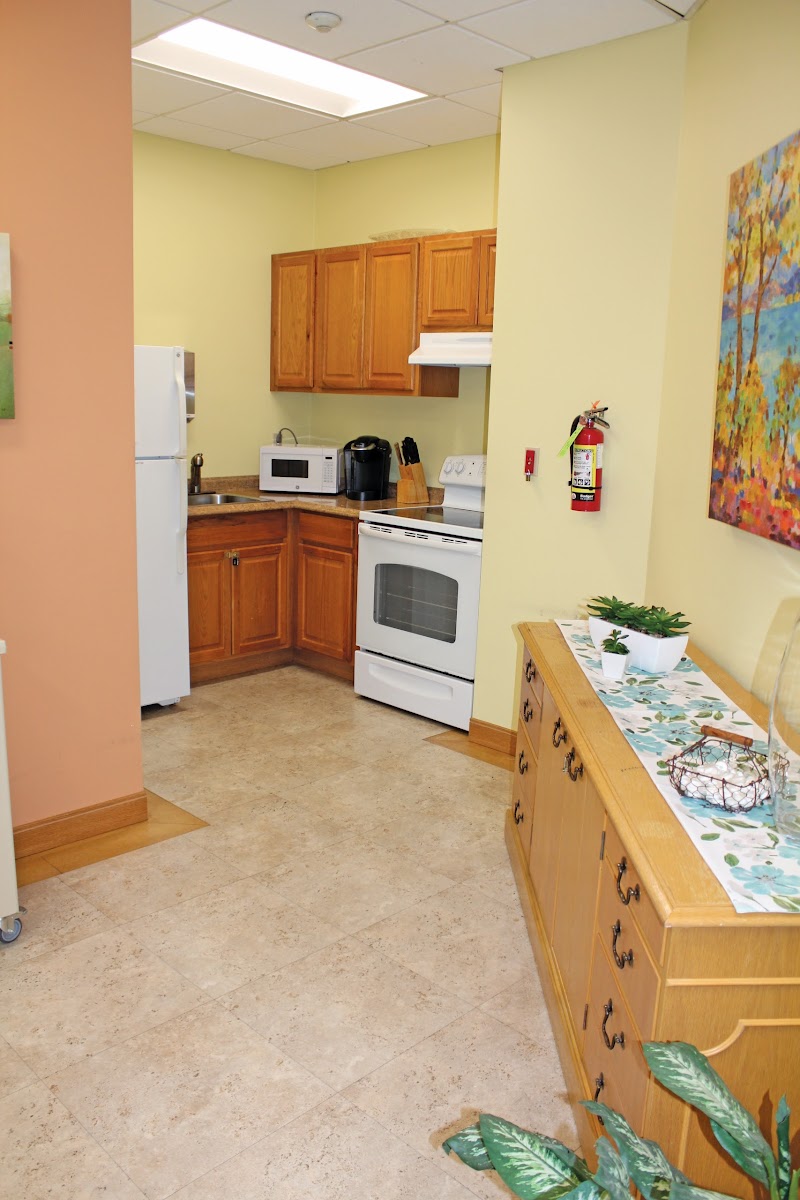
Who Owns and Operates Apple Rehab Uncasville?

APPLE REHAB UNCASVILLE is owned by a for-profit company. For-profit facilities operate as businesses with obligations to shareholders or private owners. The facility is operated by APPLE REHAB, a chain that manages multiple nursing homes. With 130 certified beds and approximately 110 residents (about 85% occupancy), it is a mid-sized facility located in UNCASVILLE, Connecticut.

How Does Apple Rehab Uncasville Compare to Other Connecticut Nursing Homes?

Compared to the 100 nursing homes in Connecticut, APPLE REHAB UNCASVILLE's overall rating (2 stars) is below the state average of 3.0, staff turnover (38%) is near the state average of 46%, and health inspection rating (2 stars) is below the national benchmark.

What Should Families Ask When Visiting Apple Rehab Uncasville?

Based on this facility's data, families visiting should ask: "Can I visit during a mealtime to observe dining assistance and food quality?" "How do you handle medical emergencies, and what is your hospital transfer rate?" "Can I speak with family members of current residents about their experience?"

Is Apple Rehab Uncasville Safe?

Based on CMS inspection data, APPLE REHAB UNCASVILLE has a clean safety record: no substantiated abuse findings (meaning no confirmed cases of resident harm), no Immediate Jeopardy citations (the most serious violation level indicating risk of serious injury or death), and is not on the Special Focus Facility watch list (a federal program monitoring the lowest-performing 1% of nursing homes). The facility has a 2-star overall rating and ranks #100 of 100 nursing homes in Connecticut. While no facility is perfect, families should still ask about staff-to-resident ratios and recent inspection results during their visit.

Do Nurses at Apple Rehab Uncasville Stick Around?

APPLE REHAB UNCASVILLE has a staff turnover rate of 38%, which is about average for Connecticut nursing homes (state average: 46%). Moderate turnover is common in nursing homes, but families should still ask about staff tenure and how the facility maintains care continuity when employees leave.

Was Apple Rehab Uncasville Ever Fined?

APPLE REHAB UNCASVILLE has been fined $16,065 across 1 penalty action. This is below the Connecticut average of $33,240. While any fine indicates a compliance issue, fines under $50,000 are relatively common and typically reflect isolated problems that were subsequently corrected. Families should ask what specific issues led to these fines and confirm they've been resolved.

Is Apple Rehab Uncasville on Any Federal Watch List?

APPLE REHAB UNCASVILLE is not on any federal watch list. The most significant is the Special Focus Facility (SFF) program, which identifies the bottom 1% of nursing homes nationally based on persistent, serious quality problems. Not being on this list means the facility has avoided the pattern of deficiencies that triggers enhanced federal oversight. This is a positive indicator, though families should still review the facility's inspection history directly.