MASONICARE HEALTH CENTER
22 MASONIC AVENUE, WALLINGFORD, CT 06492 (203) 679-5900
Non profit - Corporation 336 Beds Independent Data: November 2025
Trust Grade
58/100
#100 of 192 in CT
Last Inspection: December 2024

Within standard 12-15 month inspection cycle. Federal law requires annual inspections.

Overview

Masonicare Health Center in Wallingford, Connecticut has a Trust Grade of C, which means it is average and sits in the middle of the pack for nursing homes. It ranks #100 out of 192 facilities in the state, placing it in the bottom half, but it is #13 out of 22 in its county, indicating that only a few local options are better. Unfortunately, the facility is worsening, with issues increasing from 2 in 2023 to 15 in 2024. Staffing is a strength here, with a rating of 4 out of 5 stars and a turnover rate of 37%, which is slightly below the state average. However, there is concerning RN coverage, as it is lower than 82% of Connecticut facilities, which may impact the quality of care. Specific incidents raised during inspections include a failure to ensure food safety practices, such as staff with facial hair not wearing beard guards while preparing food, and prepared foods exceeding their use-by dates. Additionally, the facility did not obtain necessary advance directives from a resident, which is critical for medical decision-making. Lastly, the environment has issues, such as maintenance problems with visible holes in the walls and unclean conditions from ongoing repairs. Overall, while there are strengths in staffing, the facility has significant areas for improvement that families should consider.

Trust Score
C
58/100
In Connecticut
#100/192
Bottom 48%
Safety Record
Low Risk
No red flags
Inspections
Getting Worse
2 → 15 violations
Staff Stability
○ Average
37% turnover. Near Connecticut's 48% average. Typical for the industry.
Penalties
✓ Good
$13,085 in fines. Lower than most Connecticut facilities. Relatively clean record.
Skilled Nurses
⚠ Watch
Each resident gets only 28 minutes of Registered Nurse (RN) attention daily — below average for Connecticut. Fewer RN minutes means fewer trained eyes watching for problems.
Violations
⚠ Watch
27 deficiencies on record. Higher than average. Multiple issues found across inspections.
★★★☆☆
3.0
Overall Rating
★★★★☆
4.0
Staff Levels
★★★☆☆
3.0
Care Quality
★★★☆☆
3.0
Inspection Score
Stable
2023: 2 issues
2024: 15 issues

The Good

  • 4-Star Staffing Rating · Above-average nurse staffing levels
  • Full Sprinkler Coverage · Fire safety systems throughout facility
  • No fines on record
  • Staff turnover below average (37%)

    11 points below Connecticut average of 48%

Facility shows strength in staffing levels, fire safety.

The Bad

3-Star Overall Rating

Near Connecticut average (3.0)

Meets federal standards, typical of most facilities

Staff Turnover: 37%

Near Connecticut avg (46%)

Typical for the industry

Federal Fines: $13,085

Below median ($33,413)

Minor penalties assessed

The Ugly 27 deficiencies on record

Dec 2024 11 deficiencies
CONCERN (D) 📢 Someone Reported This

A family member, employee, or ombudsman was alarmed enough to file a formal complaint

Potential for Harm - no one hurt, but risky conditions existed

Deficiency F0568 (Tag F0568)

Could have caused harm · This affected 1 resident

**NOTE- TERMS IN BRACKETS HAVE BEEN EDITED TO PROTECT CONFIDENTIALITY** Based on review of clinical records, review of facility documentation, review of facility policy/procedures, and interviews for ...

Read full inspector narrative →
**NOTE- TERMS IN BRACKETS HAVE BEEN EDITED TO PROTECT CONFIDENTIALITY** Based on review of clinical records, review of facility documentation, review of facility policy/procedures, and interviews for one sampled resident (Resident #25), reviewed for personal funds, the facility failed to ensure funds were deposited into the resident fund account in a timely manner. The findings include: Resident #25 was admitted to the facility in January 2024 with diagnoses that included type 2 diabetes mellitus, major depressive disorder, and Wernicke's encephalopathy. The quarterly MDS assessment dated [DATE] identified Resident #25 was cognitively intact, dependent on care with toileting hygiene, lower body dressing, personal hygiene and transfers. The assessment further identified the resident was non-ambulatory and utilized a wheelchair for mobility. Interview with Person #10 (Resident #25's responsible party) on 12/4/24 at 11:15 AM identified that Resident #25 was owed money from Social Security, which the Business Manager identified the facility had not received the funds and was advised that the delay was a result of the Social Security office. Further, Person #10 indicated he/she would be visiting the Social Security office to find out the cause of the delay. Review of Resident #25's applied income and resident fund accounts with the Business Manager on 12/4/24 at 1:15 PM identified the applied income account had a deposit from the US Treasury on 9/30/24 in the amount of $280.46, however the amount of $280.46 was not deposited into Resident #25's resident fund account. Interview with the Business Manager on 12/4/24 at 1:15 PM identified Resident #25 was owed $286.46 from Social Security based on a balance owed to the resident from his/her previous facility and she was waiting for the payment from Social Security. The Business Manager identified that the process for depositing funds into resident accounts includes the funds being first sent to the facility's trust account from the corporate office, and once it is there, she is then responsible for transferring the appropriate funds to the resident fund accounts. She further identified that she was unaware of monies being deposited into the resident's personal fund account because it was done by the corporate office, and she was waiting for a written check to arrive from social security. She added that both Resident #25 and Person #10 had visited her office frequently to inquire on the status of the $286.46. She noted that she had told them she was waiting for the funds to be sent from social security. Interview with the Cash Specialist in the corporate office on 12/6/24 at 8:15 AM identified she had received a US Treasury paper check along with 5 other checks from the Business Manager on 9/30/24 that were deposited in the trust account and the Business Manager was supposed to disperse the funds to the various resident fund accounts. The corporate Cash Specialist further noted that it is the responsibility of the Business Manager to transfer the appropriate funds into the appropriate accounts when funds are transferred into the facility's trust account. The Cash Specialist identified that the $286.46 for Resident #25 did belong to the facility but were owed to the resident. A second interview with the Business Manager on 12/6/24 at 11:41 AM identified she had written a handwritten note on the lower right side of the check from the US Treasury in the amount of $286.46. She indicated that the word insurance on the check had confused her, although she was aware she was awaiting a check in the exact amount for Resident #25. Additionally, she identified she is responsible for depositing the residents' applied income monies into the individual resident fund accounts on a monthly basis. On 12/4/24, subsequent to surveyor's inquiry, the Business Manager transferred $286.46 to the Resident #25's resident fund account with interest for the period of 9/1/24 to 11/30/24. The Personal Funds of Residents policy identified that individual accounts will be maintained for each resident and will be sufficient in composition to provide adequate detail for each resident and is reconciled on a monthly basis.
CONCERN (D) 📢 Someone Reported This

A family member, employee, or ombudsman was alarmed enough to file a formal complaint

Potential for Harm - no one hurt, but risky conditions existed

Accident Prevention (Tag F0689)

Could have caused harm · This affected 1 resident

**NOTE- TERMS IN BRACKETS HAVE BEEN EDITED TO PROTECT CONFIDENTIALITY** Based on clinical record review, review of facility documentation, and interviews for one of three sampled residents (Resident #...

Read full inspector narrative →
**NOTE- TERMS IN BRACKETS HAVE BEEN EDITED TO PROTECT CONFIDENTIALITY** Based on clinical record review, review of facility documentation, and interviews for one of three sampled residents (Resident #169) reviewed for accidents, the facility failed to provide a safe transfer for the resident to prevent a skin injury. The findings include: Resident #169 had diagnoses that included dementia, muscle wasting and atrophy, atrial fibrillation, and anxiety. The quarterly MDS assessment dated [DATE] identified Resident #169 had moderate cognitive impairment, was dependent on staff for transfers, and utilized a wheelchair for mobility. The nurse's notes dated 7/16/24 at 8:51 PM written by RN #2 identified he was called into Resident #169's room related to an open area to the lower right lateral leg. Resident #169 was not able to determine the cause of the injury to the lower right leg. He also identified Resident #169 was sitting in his/her wheelchair and NA #3 was assisting Resident #169 back to bed when the injury was noted. A steri-strip (wound closure tape) was applied, and responsible party was updated. The electronic version of accident and incident summary report dated 7/16/24 identified Resident #169 had a skin tear to his/her right lower leg that measured 3cm in length by 1.5 cm in width and 0.1 cm in depth. The facility investigation identified Resident #169's skin tear occurred while the resident was being transferred to bed. Physician's orders dated 7/16/24 directed to keep steri-strips in place and cover with non-stick dressing and wrap with a stretch gauze daily. The RCP dated 7/17/24 identified Resident #169 had a self-care deficit related to activity intolerance and impaired balance. Care plan intervention directed to transfer resident with assist of 2 people. The weekly wound assessment dated [DATE] identified Resident #169 had a skin tear to the right lower leg. The wound size was documented as 2.2 cm in length by 1.9 cm in width and 0.2 cm in depth and noted with intact steri-strip. Further review of the weekly wound assessment dated [DATE] identified Resident #169 skin tear to the right lower leg was resolved. Interview with ADNS on 12/5/24 at 10:15 AM identified Resident #169 required 2-person assist for transfers and NA #3 transferred the resident with two people. He could not verify whether NA #3 removed the leg rest of the wheelchair prior to transferring Resident #169. Although the facility could not ascertain whether the leg rests were removed prior to transfer, the multi-disciplinary team determined the cause of Resident #169 skin tear to the lower right leg occurred when NA #3 was transferring Resident #169 back to the bed. He further identified that Resident #169 skin tears should not have occurred during the transfer. Interview with RN #2 on 12/5/24 at 2:30 PM identified that he could not recall the details of Resident #169 skin tear to the lower right leg. He identified that Resident #169 wheelchair was on his/her bedside, but he could not remember whether Resident #169 skin tear to lower right lower was noted while the resident was sitting in his/her wheelchair, or it was noted after the resident was transferred from the wheelchair to the bed. He further identified that he did not notice any broken or sharp edges in the wheelchair. Attempts to interview NA #3 were unsuccessful. Although requested, a policy for accident prevention was not provided.
CONCERN (D)

Potential for Harm - no one hurt, but risky conditions existed

Deficiency F0730 (Tag F0730)

Could have caused harm · This affected 1 resident

Based on review of employee files and staff interviews for one of three nurse aides (NA #4), the facility failed to complete an annual performance evaluation. The findings include: Review of NA #4 per...

Read full inspector narrative →
Based on review of employee files and staff interviews for one of three nurse aides (NA #4), the facility failed to complete an annual performance evaluation. The findings include: Review of NA #4 personnel file identified a hire date of 1/18/2010 and failed to identify that a yearly performance evaluation was completed for 2022, 2023, or 2024. Interview with administrator on 12/3/24 at 2:30 PM identified that each employee should have a performance review completed on an annual basis on the anniversary of their hire date. She identified that the unit manager on the floor was responsible for ensuring the performance evaluation were completed yearly and could not find documentation to identify that the performance evaluation was completed for NA #4. Although requested, policy for performance evaluation was not available.
CONCERN (D)

Potential for Harm - no one hurt, but risky conditions existed

Drug Regimen Review (Tag F0756)

Could have caused harm · This affected 1 resident

**NOTE- TERMS IN BRACKETS HAVE BEEN EDITED TO PROTECT CONFIDENTIALITY** Based on review of the clinical record, review of facility documentation, review of facility policy/procedures and interviews fo...

Read full inspector narrative →
**NOTE- TERMS IN BRACKETS HAVE BEEN EDITED TO PROTECT CONFIDENTIALITY** Based on review of the clinical record, review of facility documentation, review of facility policy/procedures and interviews for two of five sampled residents (Resident #120, and Resident #135) reviewed for unnecessary medications, the facility failed to ensure documentation of the provider's decisions and actions were noted on the pharmacist consultant's recommendation form and that the form was maintained as part of the clinical record. 1. Resident #120's diagnoses included unspecified dementia, anxiety disorder, and heart failure. The quarterly MDS assessment dated [DATE] identified Resident #120 was severely cognitively impaired, required substantial/maximal assistance with bed mobility and dressing, was dependent on staff for transfers and personal hygiene, and utilized a wheelchair for mobility. The care plan dated 3/7/24 identified Resident #120 was at risk for behavioral changes related to psychotropic medications with interventions that included administer psychotropic medications as ordered and monitor for side effects. Th physician's order dated 3/12/24 directed Seroquel 25mg by mouth every twelve hours as needed for agitation. The pharmacist consultant's note dated 3/14/24 identified a medication recommendation was made, however no pharmacy consultant recommendation was located in the resident record. The pharmacy recommendation from 3/14/24 provided by the ADNS on 12/9/24 identified Resident #120 was recently admitted and did not have a clear diagnosis to support the use of Seroquel 25mg. Further review of the recommendation identified that it had not been addressed by the APRN/Physician. Interview with the ADNS at the time the recommendation was provided identified that she obtained the recommendation via email once the request was made by the surveyor to review the pharmacy recommendations. Interview on 12/9/24 at 3:04 PM with APRN#2 for Resident #120's unit identified that when she gets a medication review, she will sign it within the week, however she only reviews the paperwork that she is given to review and does not receive the pharmacy recommendations directly from the pharmacy consultant. Review of the Drug Regimen monthly policy directed the prescriber/licensed designee to act upon the recommendations in a time frame of 30 days or less and shall be maintained by the facility for review as part of the medical record. 2. Resident #135's diagnoses included unspecified dementia with agitation, psychotic disorder with delusions, and anxiety disorder. The annual MDS assessment dated [DATE] identified Resident #135 was severely cognitively impaired, required substantial/maximal assist with bed mobility, was dependent on staff for transfers, dressing, and personal hygiene and utilized a wheelchair for mobility. The care plan dated 12/18/24 identified Resident #135 utilized psychotropic medications related to behavioral management with interventions that included administer psychotropic medications as ordered, monitor for side effects. The pharmacy consultant note dated 2/2/24 identified a medication review had been completed and a recommendation was made. A review of Resident #135's clinical record failed to identify a corresponding recommendation related to the pharmacy consultant's note dated 2/2/24. The ADNS provided a copy of the recommendation on 12/9/24 that identified a recommendation for a TSH (thyroid-stimulating hormone) level eight weeks after the Levothyroxine dosage change. Interview with the ADNS at the time the recommendation was provided identified that she obtained the recommendation via email once the request was made by the surveyor to review the pharmacy recommendations. Review of the clinical record identified a TSH level dated 5/3/24. Interview on 12/6/24 at 11:30 AM with ADNS/Unit Manager identified that the pharmacy medication reviews are received via email by the ADNS/DNS and sometimes the unit managers are on the email as well. These are usually received a day or two after the pharmacist comes into the building. It is the responsibility of the unit manager to follow up on the recommendation and then give it to the APRN to agree or disagree. Unless it is a nursing recommendation in which the nurse can follow up on. Then it is scanned into the chart. If there is a delay in the APRN receiving the review they may not be receiving the paper timely. Interview on 12/6/24 at 11:45 AM with Unit Secretary #2 for Resident #135 identified she scans the documents once they are signed into the medical chart and that all of the scanning was currently caught up for the unit. Interview on 12/9/24 at 10:53 AM with Pharmacist #2 identified the pharmacy consultant emails the recommendations usually the date of or day after they are completed, and they are email to the DON and the ADNS. If the issues was urgent then the Pharmacist would speak to someone at the facility or call if they were off site. The recommendations are then uploaded as part of the clinical record by the facility. Interview on 12/9/24 at 1:28 PM with APRN#1 for Resident #135's unit identified that she gets the medication reviews sporadically and although the ADNS is the unit manager for the unit she has never a recommendation from him. APRN#1 further identified that when she has received recommendations in the past, they have not always been timely and can occasionally receive them several months later. Review of the Drug Regimen monthly policy directed the prescriber/licensed designee to act upon the recommendations in a time frame of 30 days or less and shall be maintained by the facility for review as part of the medical record.
CONCERN (D)

Potential for Harm - no one hurt, but risky conditions existed

Deficiency F0761 (Tag F0761)

Could have caused harm · This affected 1 resident

Based on observations, review of facility policy, and interviews, the facility failed to ensure the medication adminstraion cart was secure. The findings include: Interview on 12/2/24 at 11:30 AM with...

Read full inspector narrative →
Based on observations, review of facility policy, and interviews, the facility failed to ensure the medication adminstraion cart was secure. The findings include: Interview on 12/2/24 at 11:30 AM with NA#5 identified the unit as the locked down dementia unit. Observation on 12/2/24 at 11:37 AM identified LPN#4 had finished prepping medication and walked into the dining room to administer to a resident. The cart was located to the right side of the entrance to the dining room. As LPN#4 walked away from the cart, he failed to secure the cart and all drawers could be opened and medications accessed. LPN#4 then came back into the hallway where the cart was located and intercepted a confused resident who needed redirection. LPN#4 escorted the resident down the hallway to the resident's room which was approximately 50 feet down the hallway. LPN#4 entered the resident room and the medication cart was not within his line of sight. Observation on 12/2/24 at 11:46 AM identified LPN#4 returned to the medication cart. Interview on 12/2/24 at 11:47 AM with LPN#4 identified that the medication cart was supposed to be secured when not in attendance by the nurse, and that he just forgot to secure it. Interview on 12/2/24 at 11:48 AM with the ADNS identified that the medication carts should be secured when the nurse is not around. The ADNS indicated that even if he went into the dining room and could see the cart, it would need to be secured, and identified that this particular floor's residents had cognitive deficits. Review of the facility policy for Medication Ordering, Scheduling, and Administration identified that each medication cart will be maintained on the nursing unit in such a way as to provide for safety and security. Additionally, the policy identified that cart main locks will be secured whenever a nurse is not in attendance.
CONCERN (D)

Potential for Harm - no one hurt, but risky conditions existed

Deficiency F0883 (Tag F0883)

Could have caused harm · This affected 1 resident

**NOTE- TERMS IN BRACKETS HAVE BEEN EDITED TO PROTECT CONFIDENTIALITY** Based on review of clinical records, review of facility documentation, review of facility policy/procedures, and interviews for ...

Read full inspector narrative →
**NOTE- TERMS IN BRACKETS HAVE BEEN EDITED TO PROTECT CONFIDENTIALITY** Based on review of clinical records, review of facility documentation, review of facility policy/procedures, and interviews for two of five sampled residents (Resident #25 and Resident #144), reviewed for immunizations, the facility failed to administer the pneumococcal vaccine as requested by the resident upon admission and failed to offer the appropriate pneumococcal vaccine to the resident. The findings include: 1. Resident #25 was admitted to the facility in the month of January 2024 with diagnoses that included type 2 diabetes mellitus, major depressive disorder, and Wernicke's encephalopathy. The quarterly MDS assessment dated [DATE] identified Resident #25 was cognitively intact. The assessment further identified that the resident did not receive the pneumococcal vaccine as it was not offered. Review of the Informed Consent for Pneumococcal Vaccine Vaccination consent form identified Resident #25 gave the facility permission to administer the pneumococcal/Prevnar as recommended by current Centers for Disease Control and Prevention (CDC) guidelines on 1/25/2024. Review of Resident #25 clinical records failed to identify that he/she had received the vaccination at the facility or had change his/her decision. Interview with the Infection Preventionist (IP) nurse (LPN #6) and the Director of Quality (RN #1) on 12/9/24 at 11:18 AM identified the procedure for when resident/responsible party gives consent for a vaccine to be administer, that a physician's order is obtained, and the vaccine is administered to the resident. LPN #6 was unable to identify why the vaccine was not given when a consent was obtained. RN #1 further identified it was the responsibility of the Infection Preventionist nurse to track the resident's vaccine status. 2. Resident #144 was admitted to the facility in the month of June 2022 with diagnoses that included Alzheimer's disease, dementia and depression. The quarterly MDS assessment dated [DATE] identified Resident #144 had severely impaired cognition. Review of the pneumococcal consent form that was provided to Resident #144 legal representative identified a patient/resident consent for Pneumococcal Conjugate Vaccine (Prevnar 13) form on 5/6/22 instead of the Informed Consent for Pneumococcal Vaccine Vaccination form that included both pneumococcal/Prevnar vaccine as recommended by CDC guidelines. Review of Resident #144 Immunization Audit Report identified the resident had received the Prevnar 13 (pneumococcal vaccine) on 3/12/2015 and received the Prevnar 23 on 4/12/24 prior to his/her admission to the facility. According to the Centers for Disease and Control (CDC) and the Advisory Committee on Immunization Practices (ACIP) recommends that adults aged 65 years or older who have received both pneumococcal vaccine PCV13 and pneumococcal vaccine PPSV23 but have not yet received a final dose of PPSV23 at age [AGE] years or older are recommended to complete their pneumococcal vaccine series by receiving either a single dose of PCV20 or PPSV23. Interview with the Infection Preventionist (IP) nurse (LPN #6) and the Director of Quality (RN #1) on 12/9/24 at 11:18 AM identified that it was the responsibility of the previous IP nurse to offer the PCV20 vaccine to the resident on admission. LPN #6 identified Resident #144 was eligible to receive the PCV20 based on his/her prior pneumococcal vaccination history. She further identified she was unable to locate any other pneumococcal vaccine vaccination consent. Review of the Influenza and Pneumococcal Immunization policy identified to offer patients/residents pneumococcal immunizations as recommended by the Centers for Disease Control (CDC), provided that there are no medical contraindications and that the resident or resident's representative consents to any such immunizations after receiving education on the benefits and potential side effects. The policy further identified the facility will document in the resident's medical record at minimum that the resident received the pneumococcal immunization or did not receive the immunization due to medical contraindications or refusal.
CONCERN (E)

Potential for Harm - no one hurt, but risky conditions existed

Deficiency F0578 (Tag F0578)

Could have caused harm · This affected multiple residents

**NOTE- TERMS IN BRACKETS HAVE BEEN EDITED TO PROTECT CONFIDENTIALITY** Based on review of clinical records, review of facility policy/procedures and interviews for three of six sampled residents (Res...

Read full inspector narrative →
**NOTE- TERMS IN BRACKETS HAVE BEEN EDITED TO PROTECT CONFIDENTIALITY** Based on review of clinical records, review of facility policy/procedures and interviews for three of six sampled residents (Resident #18) reviewed for advance directives, the facility failed to ensure consents were obtained regarding the resident's wishes regarding advance directives and decisions related to cardiopulmonary code status from the resident/responsible party. The findings include: 1. Resident #18 was admitted to the facility in July/2024. The resident was sent out to the hospital on [DATE], and readmitted to the facility in September of 2024 with diagnoses that included metabolic encephalopathy, altered mental status, and cerebral infarction. The admission MDS assessment dated [DATE] identified Resident #18 had severely impaired cognitive function, did not display behaviors, required substantial/maximal assistance with bed mobility, dressing and personal hygiene and was dependent for transfers. The care plan dated [DATE] identified Resident #18 was at risk for impaired cognitive function related to disease process with interventions that included administer medications as ordered, ask yes or no questions, cue, reorient, and supervise as needed. Review of the clinical record identified an advance directive form with a [DATE] date. The form was signed by Resident #18's Responsible Party and denoted a code status of CPR, full code which indicates that in the event the resident's heart stops, cardiopulmonary resuscitation will be performed. A review of the resident's physical clinical record (paper) identified an advance directive form that identified do not attempt CPR, allow death to occur naturally DNR (Do Not Resuscitate). The form was incomplete in that it did not have the resident's date of birth filled in, there were no dates or signatures of nurses or providers. There was only a hand written message that identified that the Responsible Party had decided on a code status of DNR for Resident #18. The physician's order dated [DATE] directed to discontinue CPR, and directed a code status of DNR and RN may pronounce. The unit roster identified Resident #18 had a code status of DNR. Interview on [DATE] at 2:00 PM with LPN #8 identified the electronic record identified Resident #19's [NAME] status was DNR. She further noted that the residents also have bracelets that reflect their code status, red bracelets are for DNR status, and white bracelets are for full code status. Interview on [DATE] at 2:30 PM with RN#6 (Unit Manager) identified advance directives are signed upon admission and scanned into the resident's electronic health record. You can find the code status in the header of the electronic record and a copy of the advance directive in the physical record. There are also bracelets utilized to indicate code status: however, you never want to go just off the bracelet when determining someone's code status. If a resident's power of attorney/responsible party gives a verbal agreement/decision via telephone call, then it should be signed by two nurses and then put in the binder for the APRN to sign, there should also be a date and time of the telephone call. Interview on [DATE] at 2:57 PM with the DNS identified the advance directive form should be completed upon admission, and signed by two nurses, as well as the APRN. Resident #18's advance directive was not completed correctly and was incomplete. Subsequent to surveyor inquiry on [DATE] a new advance directive form was completed indicating Resident #18 had a code status of full code indicating the wish to have CPR performed. Interview on [DATE] at 10:09 AM with Resident #18's Responsible Party identified that it had previously been his/her wish to make Resident #18 a DNR when readmitted to the faciality, however the facility reached out to him/her on [DATE] to clarify his/her wishes and he/she would like to have Resident #18 as a full code. Review of the advanced directive policy directed that on admission of a resident who is not competent, the resident's family or designated proxy should be asked whether the resident ever executed advance directives, if no written record of advance directive exists, attempts should be made to ascertain whether the resident has ever expressed wishes regarding resuscitation, life support and procedures and treatments, and if so, what were the terms. Within three days of admission the social worker will verify the presence of the advance directive in the resident's chart and discuss advance directives with the resident, allowing him/her to execute or change any advance directive if he/she so desires. Information will be documented in the resident's chart and communicated to the physician by the social worker or other members of the care team. The advance directives will be in the medical record. 2. Resident #22 was admitted to the facility in April of 2024 and had diagnoses that included Parkinson's disease, bipolar II disorder, and type 2 diabetes. The admission MDS assessment dated [DATE] identified Resident #22 was cognitively intact, dependent on care with toileting hygiene, dressing, transfers and moderate assistance with personal hygiene. The assessment further identified that the resident did not ambulate, utilized a wheelchair and dependent for wheelchair mobility. The physician's order dated [DATE] identified a code status of cardiopulmonary resuscitation (CPR). A CPR code status means if a person's heart stopped beating and/or they stopped breathing, all resuscitation procedures will be provided to keep them alive. Review of the physical chart and the electronic health record both failed to identify a signed Advance Directives Summary form/consent by the resident/resident representative indicating the resident's wishes for a code status. Interview and clinical record review with the Charge Nurse (LPN#7) on [DATE] at 2:30 PM identified that if Resident #22 had a life-threatening emergency where it would be necessary to provide CPR or withhold CPR, she would look in the clinical record at the physician's order, and the document/ miscellaneous tab to review the scanned Advance Directive Summary form/consent in the electronic health record. LPN #7 noted the physician's order directed CPR; the document/ miscellaneous tab failed to identify a copy of the signed Advance Directive Summary form. Additionally, LPN #7 identified that the physician's order should match the Advance Directive Summary consent form. LPN #7 identified the Advance directive form should be completed on admission by the resident/responsible party, then a physician's order is obtained, the copy goes into the doctor's book to be sign and scanned into the electronic health record. Interview with Resident #22 on [DATE] at 1:40 PM identified that he/she did not recall the facility having any discussion regarding his/her advance directive or code status wishes nor did he/she sign any documents since being admitted to the facility. Interview with the Director of Social Services (SW#1) on [DATE] at 9:15 AM identified that she obtains code status information from the advance directive consent form and the physician's order. Additionally, SW#1 identified she was not responsible for the completion of the Advance Directive Summary consent form with resident/responsible party. SW #1 identified that nursing is responsible for paperwork regarding advance directives. Interview with the Unit Manager (RN #4) on [DATE] at 1:05 PM identified the Advance Directive Summary consent form is completed and signed on admission. She identified the code status would be reviewed with residents who are capable and/or the responsible party would be contacted for residents who are not capable of completing the form. After the form is completed, a physician's order is obtained via telephone or written, the order is entered into the electronic health record, and the form is scanned into the electronic health record. RN #4 identified she contacted Resident #22's Responsible Party and spoke with Resident #22 and consent was obtained on [DATE]. RN #4 indicated that she is unable to state why Resident #22's consent was not obtained on admission. Interview with the DNS on [DATE] at 2:58 PM identified that Advance Directives are completed on admission and a copy of the form/consents should be uploaded into the electronic record and placed in the physical chart. Review of the Advance Medical Directives policy identified prior to admission, the facility's admission office shall include in the admission packet an explanation of Advance Medical Directives to the resident and his/her family. The policy further identified the resident will be asked if he/she has executed any Advance Directive, the resident or his/her proxy will indicate by signature, acknowledgment of receipt of the information about Advance Directive and that the facility has asked if the resident has executed any Advance Directive. 3. Resident #128 was admitted to the facility in [DATE] with diagnoses that included unspecified dementia, dysphagia, oropharyngeal phase, anxiety disorder and major depressive disorder. The quarterly MDS assessment dated [DATE] identified Resident #128 had severe cognitive impairment and was dependent on staff for all personal care/hygiene, transfers and mobility. The care plan dated [DATE] identified Resident #128 had a terminal prognosis related to dysphagia and was admitted to hospice services with interventions to encourage support of family and friends, keep the environment quiet and provide maximum comfort for the resident. The physician's orders for October, November, and December of 2024 directed a code status of do not resuscitate (DNR) and RN may pronounce. Review Resident #28's electronic health record and the physical clinical record on [DATE] at 10:00 AM failed to identify an advance directive form with documentation of the resident's/responsible party's wishes related to code status inclusive of dates and signatures. Interview on [DATE] at 11:00 AM with the Director of Quality Improvement identified the Advance Directives were part of the admission paperwork and there was not a facility policy on obtaining the admission signatures. She indicated that if the family/POA/Conservator was not able to come in to the facility to sign, they are able to email paperwork, and the nurse could take a verbal consent over the phone as long as it was witnessed by two nurses. Interview on [DATE] at 2:35 PM with LPN #5 identified that the facility was transitioning to all electronic records and items may not be present in the paper chart but should be scanned into the electronic health record. LPN#5 was not able to locate a physical or scanned copy of the written Advance Directive. Interview on [DATE] at 2:21 PM with RN#3 identified Resident #128 had physician's orders that directed the resident had a code status of DNR but failed to locate the written advance directives in the clinical record. RN#3 further identified that code status is reviewed and verified by the unit secretary and were just completed last Tuesday, or 7 days prior by the unit secretary. Interview on [DATE] at 2:25 PM with the Unit Secretary identified she verified the code status by looking in the electronic health record to see what was recorded under the advance directive header in the special instructions at the top of each electronic health record and verified this status matched the physician's order. Interview on [DATE] at 2:58 PM with the DNS identified that Advance Directives are obtained by hospital discharge paperwork if the resident is admitted from the hospital or if a resident is alert and oriented the paperwork is signed on admission. Nurses are able to get verbal consent by phone as long as two nurses witness it. Advance Directives are scanned into the resident's electronic health record as part of the admission process by the unit secretaries and many of the copies can be found in the previous electronic system, which we do not have access to. She indicated that if there were a code on the floor, the Advance Directive is listed on the resident face sheet. Additionally, the DNS confirmed there were no written advance directives for Resident #128 located in the resident chart. Subsequent to surveyor inquiry a nurse's noted dated [DATE] at 4:38 PM identified Resident #128's Responsible Party gave verbal consent for a code status of DNR. The advance directive form was completed with two nurse signatures and dates to verify the consent. Review of the facility policy for Advance Medical Directives identified the procedure for obtaining advance directive should be reviewed within the first three days of admission and annual review by social services included verifying the presence of the Advance Directive forms in the resident's chart. Additionally, the policy identified the resident's wishes will be noted in the chart and the Advance Directive documents will be located in the medical record.
CONCERN (E)

Potential for Harm - no one hurt, but risky conditions existed

Safe Environment (Tag F0584)

Could have caused harm · This affected multiple residents

Based on observation and interviews for the facility and 1 of 6 sampled residents (Resident #80) reviewed for Abuse, and for the facility reviewed for a safe, clean, comfortable and homelike environme...

Read full inspector narrative →
Based on observation and interviews for the facility and 1 of 6 sampled residents (Resident #80) reviewed for Abuse, and for the facility reviewed for a safe, clean, comfortable and homelike environment, the facility failed to ensure residents resided in a safe, clean, comfortable environment. The findings included: Observation on 12/2/24 at 12:00 PM of the 3 Ramage unit North side identified a hole in the wall on the left side of the nurses' station with facility maintenance staff standing by it. The maintenance staff identified there had been a water leak and staff was standing by awaiting additional staff to replace the sheet rock. At that time this was the only active work being done. However, the base molding on the entire unit was not present. Observation on 12/4/24 at 11:05 AM of 3 Ramage North and South identified the walls in all the hallways were patched with spackle and sanded. The drywall residue/dust was clumped on the floor under the areas of sanding, spread across the floor of the hallway, across some resident room doorways, behind the barrier doors in the hallway, on the handrails throughout the hallway. Additionally, white footprints of drywall residue were noted to be in the North stairwell down the first set of stairs. Interview on 12/4/24 at 11:05 AM with the Facility Manager, Administrator, Unit Manager, and BFSI, subsequent to surveyor inquiry, identified that the secured unit 3 Ramage North and South had some work done in preparation for painting that was scheduled over the week. The facility manager identified that the staff performing the work should have cleaned up after themselves but failed to do so. Additionally, the residents of the unit had been walking or wheeling through the hallway and tracking the dust throughout the unit on the wheelchairs and feet. According to the Administrator there were no respiratory or other complaints related to the excessive drywall residue. The identified plan was to move all residents to the dining area and complete the necessary cleaning and painting. Observation on 12/4/24 at 11:59 AM identified residents, with exception of one resident, from 3 Ramage had been moved out of the resident rooms and placed in the dining room and the South end Lounge while a terminal clean of the hallway and resident rooms was completed. The barrier doors in the hallway were closed and the cleanup area was not accessible to the residents. Staff were vacuuming and wiping down the walls and handrails. Interview on 12/9/24 at 9:05 AM with the Facility Manager identified that the work crew should have swept up the mess, drywall residue, at the end of the day, so it was not left in the hallway and covering surfaces. Additionally, he indicated that an in-service was conducted to educate staff on work performed and impact on residents if areas are not cleaned. Observation on 12/2/24 at 11:05 AM identified Resident #80 in bed with bed in the lowest position. The window curtain was attached to the window track halfway with half of the curtain hanging down with the metal curtain hooks hanging and exposed in the resident room. The bedside privacy curtain was halfway drawn with several brownish, reddish colored splatters. Additionally, there was a cable wire protruding from the wall without a wall cover, so the inside of the wall was exposed. Observation on 12/3/24 at 2:35 PM of Resident #80's room identified the window curtain was attached to the window track halfway with half of the curtain hanging down with the metal curtain hooks hanging, exposed in the resident room. The bedside privacy curtain was halfway drawn with several brownish, reddish colored splatters. Additionally, there was a cable wire protruding from the wall without a wall cover, so the inside of the wall was exposed. Interview on 12/3/24 at 2:38 PM with LPN #5 identified the soiled bedside curtain would be changed by housekeeping and that a work order would be placed to fix the curtain and the wire protruding from the wall. Observation on 12/4/24 at 12:05 PM identified Resident #80's room with a soiled bedside curtain, a window curtain that is half attached to the window with exposed metal hooks, and a cable wire not secured to the wall and with the inside of the wall exposed. Interview on 12/04/24 at 12:18 PM with the Administrator who identified the window curtains would be fixed, the bedside curtain replaced due to being soiled, and the cable wire in the wall secured.
CONCERN (E)

Potential for Harm - no one hurt, but risky conditions existed

Deficiency F0603 (Tag F0603)

Could have caused harm · This affected multiple residents

**NOTE- TERMS IN BRACKETS HAVE BEEN EDITED TO PROTECT CONFIDENTIALITY** Based on observations, review of clinical records, review of facility policy and interviews for three of six sampled residents (...

Read full inspector narrative →
**NOTE- TERMS IN BRACKETS HAVE BEEN EDITED TO PROTECT CONFIDENTIALITY** Based on observations, review of clinical records, review of facility policy and interviews for three of six sampled residents (Residents #13, #38, #82) who resided on a secured unit, the facility failed to ensure there was documentation of the clinical criteria met for placement in the unit and that the secured unit was the least restrictive setting for the residents. The findings include: 1. Resident #13's diagnoses included dementia, bipolar disorder and liver cancer. An Elopement Risk Evaluation dated 10/3/24 indicated Resident #13 was disoriented, and forgetful with intermittent confusion, had a diagnosis of a cognitive impairment (dementia) and was not appropriate for a wander guard device. The quarterly MDS assessment dated [DATE] identified Resident #13 had severe cognitive impairment, exhibited no behavioral symptoms, was totally dependent for transfers, grooming and toileting, was non-ambulatory, and utilized a manual wheelchair for mobility. Review of psychiatric progress notes from 6/1/24 through 10/8/24 identified Resident #13 had cognitive impairment, memory loss, good mood, no anxiety, restful sleep and a good appetite. Additionally, the psychiatric notes indicated the resident's present medications were effective in managing behaviors and mood, and that the resident was not a danger to self or others. The care plan dated 10/14/24 identified Resident #13 was at risk for elopement related to impaired safety awareness with interventions that included a wander guard. The physician's orders for November/2024 directed to monitor for behaviors including itching, picking at skin, restlessness, agitation, hitting, increase in complaints, biting, kicking, spitting, cussing, racial slurs, elopement, stealing, delusions, hallucinations, psychosis, aggression, and refusals of care. Review of Nursing Progress Notes from 10/1/24 through 12/9/24 identified Resident #13 was alert, forgetful and confused at times. Additionally, Resident #13 was pleasant with no unwanted behaviors displayed. The review further identified; Resident #13 had difficulty with word finding at times but was easily redirected. Interview on 12/6/24 at 2:05 PM with Person #2 (Responsible Party), indicated there had been a discussion regarding the move from another unit at the facility to the secured unit. Person #2 was unable to recall if a consent form was signed specifically for the secured unit Observation on the secured unit on 12/9/24 at 2:22 PM identified Resident #13 seated in a manual wheelchair being assisted by staff to go to his/her room, and Resident #13 was noted to have the ability to move self-propel small distances. The Facility Assessment identified the facility had two secured memory care units. It also indicated the facility provided care and services based on the resident population, including the following, behavioral health issues, psychosocial support, mobility assistance, medication and medication management, wound care, infection control, rehab, respiratory therapy, incontinence prevention/care, assistance with activities of daily living, intravenous therapy, nutrition and therapeutic recreation. The facility assessment failed to identify criteria for placement on the secured units. Resident #13's clinical record failed to include the following: documentation by the physician of the clinical criteria met for placement on the secured unit, documentation by the interdisciplinary team of the impact and or reaction of the resident regarding placement on the secured unit, documentation to support the secured unit being the least restrictive setting/approach for the resident, involvement of the resident's responsible party in the decision to house the resident on the secured unit, and documentation in the care plan that the resident resided on a secured unit and the ongoing assessment of the resident's continued need to be on a secured unit. Interview on 12/9/24 at 10:11 AM with the Administrator identified the residents admitted to the secured unit have a dementia diagnosis, and may include behaviors like wondering, intrusiveness, or other behavioral issues. The Administrator further identified the interdisciplinary team at the facility discuss the residents in morning report every day regarding any behaviors or changes in condition. Including, residents who may be appropriate to be moved onto the secured unit or any resident that maybe appropriate to move to another unit in the facility, or who are no longer appropriate to be on the secured unit. Wandering assessments are completely quarterly and when there is a change in condition. When a resident has wandering behaviors or other behaviors like potential elopement, discussions occur with the family/representatives regarding moving to one of the secured units. Further, the Administrator noted there should be documentation of the discussions regarding any move to or out of the secured unit in the resident's clinical record. She noted physicians may not necessarily document in the clinical record regarding the secured unit, and noted that she expects the social worker, nurses, and or APRN would document in the clinical record regarding the residents on the secured unit. Review of the Mission and Guidelines of Memory Care Units policy dated 6/10/2024 directed, in part, to provide care for resident's who have dementia and need a secured specialized unit to provide a safe, structured and secure environment. Provide adaptive social programs and success-based activities specific to the need of each resident incorporating the resident's past interests, hobbies, accomplishments, ethnicity and culture. To maintain and promote the highest level of functioning for each resident as long as possible. To utilize structured assessment tools to trigger modifications to the resident's care plan and approaches to care when indicated. And to provide family members support, education, and update throughout their loved ones stay and duration of their illness. 2. Resident #38 diagnosis included dementia, difficulty swallowing, and falls. The annual MDS assessment dated [DATE] identified Resident #38 was severely cognitively impaired, had behaviors of hitting, kicking, pushing, scratching and or grabbing at others, was dependent for bed mobility, transfers, dressing and personal hygiene, and utilized a wheelchair for mobility. An Elopement Risk Evaluation dated 10/8/24 indicated Resident #38 was disoriented or had intermittent confusion, was combative or severely agitated, had a diagnosis of dementia, and was not appropriate for a wander guard. A psychiatric APRN note dated 10/7/24 identified Resident #38 required long-term care, was combative with care, and not a danger to self or others. The care plan dated 10/21/24 identified Resident #38 was at risk for alteration in mood related to dementia, with interventions that included medications as ordered, psychiatric follow up as needed and report/document behaviors. Observation on 12/2/24 at 11:50 AM identified Resident #38 on the secured unit, awaiting lunch service. The resident was awake, calm, cooperative. Staff moved the wheelchair closer to the table for lunch. The resident is unable to self-propel the wheelchair. The Facility Assessment identified the facility had two secured memory care units. It also indicated the facility provided care and services based on the resident population, including the following, behavioral health issues, psychosocial support, mobility assistance, medication and medication management, wound care, infection control, rehab, respiratory therapy, incontinence prevention/care, assistance with activities of daily living, intravenous therapy, nutrition and therapeutic recreation. The facility assessment failed to identify criteria for placement on the secured units. Resident #38's clinical record failed to include the following: documentation by the physician of the clinical criteria met for placement on the secured unit, documentation by the interdisciplinary team of the impact and or reaction of the resident regarding placement on the secured unit, documentation to support the secured unit being the least restrictive setting/approach for the resident, involvement of the resident's responsible party in the decision to house the resident on the secured unit, and documentation in the care plan that the resident resided on a secured unit and the ongoing assessment of the resident's continued need to be on a secured unit. Interview on 12/9/24 at 10:11 AM with the Administrator identified the residents admitted to the secured unit have a dementia diagnosis, and may include behaviors like wondering, intrusiveness, or other behavioral issues. The Administrator further identified the interdisciplinary team at the facility discuss the residents in morning report every day regarding any behaviors or changes in condition. Including, residents who may be appropriate to be moved onto the secured unit or any resident that maybe appropriate to move to another unit in the facility, or who are no longer appropriate to be on the secured unit. Wandering assessments are completely quarterly and when there is a change in condition. When a resident has wandering behaviors or other behaviors like potential elopement, discussions occur with the family/representatives regarding moving to one of the secured units. Further, the Administrator noted there should be documentation of the discussions regarding any move to or out of the secured unit in the resident's clinical record. She noted physicians may not necessarily document in the clinical record regarding the secured unit, and noted that she expects the social worker, nurses, and or APRN would document in the clinical record regarding the residents on the secured unit. Review of the Mission and Guidelines of Memory Care Units policy dated 6/10/2024 directed, in part, to provide care for resident's who have dementia and need a secured specialized unit to provide a safe, structured and secure environment. Provide adaptive social programs and success-based activities specific to the need of each resident incorporating the resident's past interests, hobbies, accomplishments, ethnicity and culture. To maintain and promote the highest level of functioning for each resident as long as possible. To utilize structured assessment tools to trigger modifications to the resident's care plan and approaches to care when indicated. And to provide family members support, education, and update throughout their loved ones stay and duration of their illness. 3. Resident #82's diagnosis included dementia, heart failure, weight loss. The quarterly Minimum Data Set assessment dated [DATE] identified Resident #82 was severely cognitively impaired, had no behaviors, was dependent for grooming, dressing, transfers and personal hygiene, and utilized a manual wheelchair for mobility. The Elopement Risk Evaluation dated 10/26/24, identified Resident #82 was disoriented, did not understand his/her surroundings, had difficulty with redirection, had a diagnosis of cognitive impairment/dementia and was not appropriate for a wander guard device. A psychiatric physician's note dated 10/29/24 indicated Resident #82 was not a danger to self or others, the resident was on medications that required behavior monitoring The care plan dated 11/4/24 identified Resident #82 was at risk for impaired thought process related to history of dementia with interventions that included cueing, reorienting and supervision as needed. The Facility Assessment identified the facility had two secured memory care units. It also indicated the facility provided care and services based on the resident population, including the following, behavioral health issues, psychosocial support, mobility assistance, medication and medication management, wound care, infection control, rehab, respiratory therapy, incontinence prevention/care, assistance with activities of daily living, intravenous therapy, nutrition and therapeutic recreation. The facility assessment failed to identify criteria for placement on the secured units. Resident #82's clinical record failed to include the following: documentation by the physician of the clinical criteria met for placement on the secured unit, documentation by the interdisciplinary team of the impact and or reaction of the resident regarding placement on the secured unit, documentation to support the secured unit being the least restrictive setting/approach for the resident, involvement of the resident's responsible party in the decision to house the resident on the secured unit, and documentation in the care plan that the resident resided on a secured unit and the ongoing assessment of the resident's continued need to be on a secured unit. Observation on 12/2/24 at 12:22 PM on the secured unit identified Resident #82 sitting up in a wheelchair being assisted with the lunch meal. The resident was unable to self-propel the wheelchair. Observation on 12/6/24 at 1:55 PM identified the entrance onto the third-floor secured unit is through double doors that lead to a telephone for entry onto the unit. Off the third-floor secured unit, is the second secured unit, which has a keypad for entry once through unlocked double doors. There are 3 other ways to exit the secured second unit. A fire exit behind the nurses' station, a door with keypad entry/exit in front of the nurses' station and a keypad entry/exit through the community room that leads to an unsecured 3rd floor rehabilitation unit. Interview on 12/9/24 at 10:11 AM with the Administrator identified the residents admitted to the secured unit have a dementia diagnosis, and may include behaviors like wondering, intrusiveness, or other behavioral issues. The Administrator further identified the interdisciplinary team at the facility discuss the residents in morning report every day regarding any behaviors or changes in condition. Including, residents who may be appropriate to be moved onto the secured unit or any resident that maybe appropriate to move to another unit in the facility, or who are no longer appropriate to be on the secured unit. Wandering assessments are completely quarterly and when there is a change in condition. When a resident has wandering behaviors or other behaviors like potential elopement, discussions occur with the family/representatives regarding moving to one of the secured units. Further, the Administrator noted there should be documentation of the discussions regarding any move to or out of the secured unit in the resident's clinical record. She noted physicians may not necessarily document in the clinical record regarding the secured unit, and noted that she expects the social worker, nurses, and or APRN would document in the clinical record regarding the residents on the secured unit. Review of the Mission and Guidelines of Memory Care Units policy dated 6/10/2024 directed, in part, to provide care for resident's who have dementia and need a secured specialized unit to provide a safe, structured and secure environment. Provide adaptive social programs and success-based activities specific to the need of each resident incorporating the resident's past interests, hobbies, accomplishments, ethnicity and culture. To maintain and promote the highest level of functioning for each resident as long as possible. To utilize structured assessment tools to trigger modifications to the resident's care plan and approaches to care when indicated. And to provide family members support, education, and update throughout their loved ones stay and duration of their illness.
CONCERN (E)

Potential for Harm - no one hurt, but risky conditions existed

Infection Control (Tag F0880)

Could have caused harm · This affected multiple residents

Based on review of facility documentation, review of facility policy/procedures, and interviews, the facility failed to ensure the water management plan was followed and failed to ensure positive legi...

Read full inspector narrative →
Based on review of facility documentation, review of facility policy/procedures, and interviews, the facility failed to ensure the water management plan was followed and failed to ensure positive legionella water sampling testing result was reported to the State Agency. The findings include: Review of the facility annual Water Management Plan meeting identified that legionella testing to be done monthly. A request was made to the Administrator and the Director of Maintenance on 12/6/24 at 3:15 PM for all Legionella testing completed from April 2022 to November 2024 and the Water Management Plan binder provided by the contracted company. On 12/9/24 the facility provided at 8:30 AM testing few testing results for the years 2023 and 2024 and annual water management plan meeting minutes. Another request was made to the Director of Maintenance on 12/9/24 at 9:15 AM for Legionella testing results for the year 2022 and the missing testing results for 2023 and 2024 the facility was unable to provide testing results of April 2022 through December 2022, December of 2023, January, February and October of 2024. Interview with the Director of Maintenance and the Administrator on 12/9/24 at 3:38 PM identified they were unable to provide the copies of the missing legionella water sampling testing results and the water management plan binder. The Director of Maintenance identified he was responsible for obtaining and keeping the copies of the Legionella water sampling results sent by the facility contracted water management company. The Administration identified the results are sent to the Director of Maintenance and the facility should maintain a copy of the results. Review of the facility's Water Management plan identified positive water sampling results of Legionella that the facility failed to report to the State Agency: • Water sample collected in the month of January 2023 identified 3 testing location with a final result above 10 colony forming per milliliter or swab (CFU) of species Legionella pneumophila (serogroup 5). • Water sample collected in the month of February 2023 identified 4 testing location with a final result above 10 colony forming per milliliter or swab (CFU) of species Legionella pneumophila (serogroup 5). • Water sample collected in the month of March 2023 identified 7 testing location with a final result above 10 CFU of species Legionella pneumophila (serogroup 5). • Water sample collected in the month of April 2023 identified 4 testing location with a final result above 10 CFU of species Legionella pneumophila (serogroup 5). • Water sample collected in the month of May 2023 identified 8 testing location with a final result above 10 CFU of species Legionella pneumophila (serogroup 5). • Water sample collected in the month of July 2023 identified 6 testing location with a final result above 20 CFU of species Legionella pneumophila (serogroup 5). • Water sample collected in the month of August 2023 identified 2 testing location with a final result above 10 CFU of species Legionella sp (not L. pneumophila). • Water sample collected in the month of September 2023 identified 2 testing location with a final result above 20 CFU of species Legionella pneumophila (serogroup 5). • Water sample collected in the month of November 2023 identified 6 testing location with a final result above 20 CFU of species 3 Legionella pneumophila (serogroup 5) and of species 3 Legionella sp (not L. pneumophila). • Water sample collected in the month of March 2024 identified 6 testing location with a final result above 10 CFU of species Legionella sp (not L. pneumophila). • Water sample collected in the month of April 2024 identified 4 testing location with a final result above 10 CFU of species 2 Legionella pneumophila (serogroup 2-14) and of species 2 Legionella sp (not L. pneumophila). • Water sample collected in the month of May 2024 identified 5 testing location with a final result above 10 CFU of species Legionella sp (not L. pneumophila). • Water sample collected in the month of August 2024 identified 1 testing location with a final result above 20 CFU of species Legionella pneumophila (serogroup 5). • Water sample collected in the month of September 2024 identified 5 testing location with a final result above 10 CFU of species Legionella pneumophila (serogroup 2-14) and of species Legionella sp (not L. pneumophila). Review of the Water management Meeting dated 2/1/22 identified the facility completed chemical disinfectant, mixing valves have been installed under sink for additional control measures, numerous hyperchlorination completed, and flushing aggressively at the positive areas. Review of the Water management Meeting dated 2/14/23 identified the facility completed chemical disinfectant, mixing valves have been installed under sink for additional control measures, numerous hyperchlorination completed, and flushing aggressively at the positive areas. Review of the recommendation dated 10/2/24 provided by the water management company identified the water samples collected in September 2024 identified 14 samples with detectable legionella results and recommends increase flushing and replace aerators on the fixtures in the positive location. The Director of Maintenance provided a log of the increase flushes conducted in October and indicated that aerators were replaced as recommended. Interview with Water Management Contractor on 12/9/24 at 12:38 PM identified he completes the monthly testing for the facility as it is apart of the facility's Water Management plan due to several positive Legionella detection. The Water Management Contractor identified that the facility is responsible for report Legionella positive results greater than 10 CFU to the Staff Agency. He indicated that the facility has a previous report to the State Agency in 2021 and thought there were continuing to report when the water sampling results were positive regardless of the species. The Water Management Contractor identified he sends recommendations via email to the Director of Maintenance when the Legionella water sample results were positive, and his recommendations were followed. He further identified his contract ended with the facility in June 2024 and the facility was provided with a copy of all water sampling testing results. Interview with the Director of Maintenance and Administrator regarding the Water Management Plan on 12/9/24 at 9:15 AM identified the Water Management Plan is the annual meeting document as it contains the updated information. The Director of Maintenance identified the facility Water Management Plan consist of monthly water sample testing, monthly flushes of the identified areas, weekly flushing of the eye wash stations and was unable to locate the binder provided by the water management company. Interview with the Director of Maintenance and Administrator on 12/9/24 at 12:45 PM identified the Administrator was responsible to report to the State Agency positive water sampling results. The Administrator indicated she was told only certain species would be reported to the State Agency and was not aware of all the positive water sampling positive results. The Director of Maintenance identified he was responsible to notify the Administrator of the positive water sampling results but failed to communicate all the positive results to the Administrator. The Administrator identified that the facility policy is to report positive results to the State Agency as required. Although a policy/plan related to water management plan and the reporting of positive water sampling result was requested, it was not provided. In an interview with the Administrator on 12/9/24 at 12:45 and Director of Maintenance on 12/9/24 at 9:15 AM identified it was the practice of the facility to report positive water sampling results to the State Agency as required and the annual meeting minutes contains the facility water management plan. Review of the facility Water management plan derived from annual Water Management Meeting identified sampling all healthcare wings on a monthly basis.
CONCERN (F)

Potential for Harm - no one hurt, but risky conditions existed

Food Safety (Tag F0812)

Could have caused harm · This affected most or all residents

Based on observations, review of facility policy and interviews, the facility failed to ensure food items were dated when stored, were removed once out of date for use and failed to ensure kitchen sta...

Read full inspector narrative →
Based on observations, review of facility policy and interviews, the facility failed to ensure food items were dated when stored, were removed once out of date for use and failed to ensure kitchen staff with facial hair were supplied and wore beard guards. The findings included: Observations during the initial tour of the kitchen on 12/2/24 at 9:50 AM identified the following: Several staff with facial hair, to include the Executive Chef and [NAME] #5 hair did not have beard guards and [NAME] #5 was actively preparing foods. Interview on 12/2/24 at 10:00 AM with the Executive Chef and the Sous Chef identified that several staff who have facial hair do not have beard guards in place. The Executive Chef identified the facility does not have any and indicated they were ordered but had not been received. Observation on 12/2/24 at 10:30 AM of the walk-in prep refrigerator Identified the following prepared foods that had exceeded the amount of days to be used: • Cheese Blitzes, full tray not covered, not dated with fruit that was turning brown • Stuffed peppers with beef stuffing full tray dated 11/26 • Meatballs and sauce full tray and dated 11/26 • Ground meat 1/2 tray covered and dated 11/26 • Metal Prep bin of turkey chunks, uncovered, and not labelled Interview on 12/2/24 at 10:35 AM with the Executive Chef and the Sous Chef identified the food should have been discarded within 3 days or by 11/29. Additionally, the Executive Chef identified that prepared foods should be covered and labelled when put in the preparation area. Observation on 12/2/24 at 10:53 AM of the #15 refrigerator identified a full tray of ham slices that were turning grey, with loose fitting saran wrap and dated 11/25. Observation on 12/3/24 at 11:15 AM identified [NAME] #4 in the food preparation area with a beard and no beard guard. Observation on 12/4/24 at 9:58 AM identified [NAME] #3, [NAME] #4, and [NAME] #6 who all present with facial hair, are present in the preparation area working with food and do not have beard guards in place. Interview on12/4/24 at 10:02 AM with [NAME] #3 and [NAME] #4 identified the facility never offered the employees beard guards. [NAME] #3 indicated he thought that if his beard was kept short, he didn't need to wear a beard guard. Interview on 12/4/24 at 10:45 AM with the Interim Food Service Director identified that the kitchen employees are aware they are supposed to wear beard guards if they have facial hair. The Interim Food Service Director identified the facility policy required beard guards and she indicated that they had been ordered. The FSD identified that she directs employees to wear a hair net over the beard if the beard guards are not available. Additionally, she identified she was made aware of the out of date food and indicated that weekend staff should have discarded the food. Observation on 12/5/24 at 10:12 AM identified the Sous chef, Cook#1, and Cook#2 had facial hair, were in the food preparation area, and did not have beard guards in place. Interview on 12/5/24 at 10:15 with the Sous Chef identified that the beard guards were not available. Observation on12/9/24 at 1:05 PM in the kitchen prep area identified Cook#5 had a beard, was preparing food, and did not have a beard guard in place. Interview on 12/9/24 at 1:06 PM with Cook#5 identified he was aware that facial hair needed to be covered and proceeded to put a hair net over his beard. Additionally, he indicated that the facility had not made beard guards available. Interview on 12/9/24 at 2:30 PM with Executive Chef identified the beard guards were ordered on 12/5/24, subsequent to surveyor inquiry, and were received in the facility on 12/9/24. Review of the facility Uniform Dress Code policy identified Associates working with food had to restrain all facial hair with a beard net/restraint. Review of the facility Food and Supply storage policy identified that the refrigerated storage life of foods, specifically unused portions of foods prepared on site, and deli meets should be discarded after 3 days from being opened or prepared.
Jul 2024 4 deficiencies
CONCERN (D) 📢 Someone Reported This

A family member, employee, or ombudsman was alarmed enough to file a formal complaint

Potential for Harm - no one hurt, but risky conditions existed

Notification of Changes (Tag F0580)

Could have caused harm · This affected 1 resident

**NOTE- TERMS IN BRACKETS HAVE BEEN EDITED TO PROTECT CONFIDENTIALITY** Based on review of the clinical record, facility documentation, facility policy and interviews for one (1) of three (3) resident...

Read full inspector narrative →
**NOTE- TERMS IN BRACKETS HAVE BEEN EDITED TO PROTECT CONFIDENTIALITY** Based on review of the clinical record, facility documentation, facility policy and interviews for one (1) of three (3) residents (Resident #1) reviewed for behaviors, the facility failed to notify a physician when a resident who was exhibiting behaviors was administered an as needed medication for behaviors that was ineffective. The findings include: Resident #1's diagnoses included dementia with anxiety. The quarterly Minimum Data Set (MDS) assessment dated [DATE] identified Resident #1 was severely cognitively impaired, required extensive assistance with bed mobility, transfers, and toileting. The Resident Care Plan dated 4/1/24 identified that Resident #1 was at risk for alterations in mood and behaviors related to a diagnosis of dementia with interventions that directed to administer medications as ordered, psychiatric consults as needed and to report and document restlessness, agitation and wandering. A physician's order dated 5/9/24 directed to administer Trazodone 50 mg (a sedative) by mouth every 8 hours as needed for anxiety, restlessness or agitation. A psychiatric provider note dated 6/5/24 at 11:46 PM identified that Resident #1 had presented with increased agitation and was often unable to be redirected noting that in the past the resident was able to be calmed with food, but that food was no longer comforting. Further, the note indicated that the facility was pending a decision for hospice admission for Resident #1 and recommended to continue to follow up with psychiatric services. A psychiatric note dated 6/6/24 at 8:54 PM identified that per nursing staff the resident had episodes of yelling out and displayed occasional agitated behaviors. A physician's order dated 6/6/24 directed to discontinue the previous Trazadone order and to administer Trazodone 50 milligrams (mg) by mouth every 6 hours as needed for depression and/or anxiety (the previous order was to administer every 8 hours as needed). Review of the Medication Administration Record (MAR) identified that LPN #1 had administered Trazodone 50mg for restlessness and agitation on 6/15/24 at 4:20 PM and the medication was ineffective. A nursing progress note dated 6/15/24 at 6:44 PM identified that Resident #1 fell onto the floor head first out of his/her wheelchair. A nursing progress note dated 6/15/24 at 7:16 PM identified that the nursing supervisor had been called by the charge nurse reporting an unwitnessed fall and heavy bleeding was noted from the forehead. Pressure was applied to the area and Resident #1 was transferred to the hospital for evaluation. Review the facility reportable event dated 6/15/24 identified that Resident #1 had an unwitnessed fall out of the wheelchair on 6/15/24 at 6:30 PM in the hallway in front of the nurse's station. The resident sustained a laceration to the forehead and was sent to the emergency department for further evaluation and treatment. Interview with NA #1 on 7/8/24 at 11:56 AM identified that Resident #1 had been agitated from the start of the 3:00 PM to 11:00 PM shift on 6/15/24, the resident was self-propelling back and forth down the hallway in his/her wheelchair, looking for the elevator, and calling his/her spouse's name loudly and repeatedly. She indicated she had tried to calm the resident down by speaking to him/her in a calm manner and attempting to redirect the resident away from rooms [ROOM NUMBERS], as the resident believed the elevator was in those rooms. NA #1 reported the last time she had provided care to the resident on 6/15/24 at approximately 4:30 PM, and the last time she had visualized the resident was around 6:15 PM, in the wheelchair at the nurse's station Interview with LPN #1 on 7/8/24 at 12:16 PM identified that Resident #1 had a history of yelling, self-propelling around the unit looking for the elevator to go up to the third floor, approaching other residents thinking they were his/her spouse. LPN #1 indicated she usually attempts to redirect the resident with food, drinks, toileting, and bringing him/her to the dayroom for a change of scenery, however, when these interventions are unsuccessful, she will administer the resident as needed Trazodone. She identified that on 6/15/24, NA #2 had given Resident #1 a sandwich around 3:30 PM but that he/she was still agitated, so she administered the Trazodone 50 mg prior to dinner time. The Trazodone was noted to be ineffective as the resident continued the behavior of yelling for h/her spouse and looking the for the elevator in room [ROOM NUMBER] and 309. She stated that she last saw the resident around 6:15 at the nurse's station. At approximately 6:30 PM she was at the nurse's station preparing medications and heard a thump and the resident yell but stated due to the height of the nurse's station, she did not witness the fall. LPN #1 identified that she did not notify the supervisor that the Trazodone was ineffective or try any other interventions as she usually would to address the resident's agitation because she was busy passing medications and with other tasks. Interview with RN #1 on 7/8/24 at 12:24 PM identified that during shift report on 6/15/24, it was communicated that the resident did not have any behaviors on the prior shift, however, to do rounds on Resident #1 for mood and behaviors because he/she tends to scream and have sundowning behaviors in the afternoon. She indicated she visualized him/her at 3:30 PM eating a sandwich, then she saw the resident again at 6:00 PM sitting to the right of the nursing station and reported the resident did not appear agitated and was not exit seeking at those times. She identified she got a call from LPN #1 around 6:30 PM reporting that the resident had fallen from the wheelchair onto the floor and was bleeding. RN #1 reported that LPN #1 had told her she had given Resident #1 Trazodone prior to dinner, however, did not inform her that the medication had not been effective, if she had been notified that the medication was ineffective, she would have called the provider and requested further direction. Interview with Physician #1(the psychiatric provider) on 7/8/24 at 1:12 PM identified that he had been attempting to manage Resident #1's behaviors since his/her admission to the facility, indicating that the staff had reported agitation, restlessness, yelling, and exit seeking behaviors. He reported the staff had communicated that the Trazodone was occasionally ineffective and that he had adjusted both the Depakote (a medication that can be used to treat agitation) and the Trazodone in accordance with the staff's concerns. He identified that Trazodone takes about 20 minutes to become effective and if it's not, the staff should notify him of any acute issues, or any issues related to safety. Further, he indicated that if the staff had notified him of Resident #1's continued behaviors after the Trazadone administration, he could have made an adjustment on the dose of either the Depakote or the Trazodone and could have given one time medication order to address the continued agitation. Interview with the DNS and Administrator on 7/9/24 at 3:20 PM identified that the nurse should have reported the ineffectiveness of the trazadone to the supervisor and if reported the supervisor could have called the physician for further direction. Review of the change in condition policy directed in part to notify the physician of a change in condition.
CONCERN (D) 📢 Someone Reported This

A family member, employee, or ombudsman was alarmed enough to file a formal complaint

Potential for Harm - no one hurt, but risky conditions existed

Comprehensive Care Plan (Tag F0656)

Could have caused harm · This affected 1 resident

**NOTE- TERMS IN BRACKETS HAVE BEEN EDITED TO PROTECT CONFIDENTIALITY** Based on clinical record review, facility documentation, and interview, for one (1) of three (3) residents reviewed for incontin...

Read full inspector narrative →
**NOTE- TERMS IN BRACKETS HAVE BEEN EDITED TO PROTECT CONFIDENTIALITY** Based on clinical record review, facility documentation, and interview, for one (1) of three (3) residents reviewed for incontinence, (Resident #1), the facility failed to ensure that the resident was had a comprehensive care plan in place for urinary incontinence. The findings include: Resident # 1 had a diagnosis of urinary retention and benign prostatic hyperplasia (prostate gland enlargement). An admission Minimum Data Set (MDS) assessment dated [DATE] identified that the resident had severe cognitive impairment, required extensive assistance with Activities of Daily Living (ADL's) and had an indwelling urinary catheter within the assessment period. Review of physician's orders dated 12/17/23 directed to discontinue the indwelling urinary catheter. Review of a quarterly MDS assessment dated [DATE] identified that the resident was frequently incontinent of urine. Review of ADL flow sheets for March, April, and May 2024 identified that the resident was incontinent of urine. Review of the clinical record failed to identify a care plan was developed to address urinary incontinence. Interview with the Director of Nurses on 7/8/24 at 2:30 PM identified that once it was determined that the resident was incontinent of urine a comprehensive care plan to address urinary incontinence should have been developed. Review of the care plan policy identified that a patient specific care plan will be developed that is appropriate to meet the specific needs of the resident.
CONCERN (D) 📢 Someone Reported This

A family member, employee, or ombudsman was alarmed enough to file a formal complaint

Potential for Harm - no one hurt, but risky conditions existed

Incontinence Care (Tag F0690)

Could have caused harm · This affected 1 resident

**NOTE- TERMS IN BRACKETS HAVE BEEN EDITED TO PROTECT CONFIDENTIALITY** Based on clinical record review, facility documentation, and interview, for one (1) of three (3) residents reviewed for incontin...

Read full inspector narrative →
**NOTE- TERMS IN BRACKETS HAVE BEEN EDITED TO PROTECT CONFIDENTIALITY** Based on clinical record review, facility documentation, and interview, for one (1) of three (3) residents reviewed for incontinence, (Resident #1), the facility failed to ensure an assessment was completed to assess for continence after an indwelling catheter was discontinued. The findings include: Resident # 1 had a diagnosis of urine retention and benign prostatic hyperplasia (prostate gland enlargement). An admission Minimum Data Set (MDS) assessment dated [DATE] identified that the resident had severe cognitive impairment, required extensive assistance with activities of daily living and had an indwelling urinary catheter within the assessment period. Review of physician's orders dated 12/17/23 directed to discontinue the indwelling urinary catheter. Review of the clinical record failed to identify a bladder assessment was completed to assess continence status once the indwelling urinary catheter was discontinued. Review of a quarterly MDS assessment dated [DATE] identified that the resident was frequently incontinent of urine. Review of ADL flow sheets for March, April, and May 2024 identified that the resident was incontinent of urine. Interview with the Director of Nurses on 7/8/24 at 2:30 PM identified that once it the indwelling urinary catheter was discontinued the resident should have had a bowel and bladder assessment completed to assess the resident's continence needs. Review of the bowel and bladder management program policy identified that once a change in continent status is identified the bowel and bladder assessment will be completed to assess continence status for a resident who is incontinent, a voiding log will be initiated for three days and reviewed by the clinical manager to formulate a plan to manage the resident's incontinence.
CONCERN (D) 📢 Someone Reported This

A family member, employee, or ombudsman was alarmed enough to file a formal complaint

Potential for Harm - no one hurt, but risky conditions existed

Deficiency F0744 (Tag F0744)

Could have caused harm · This affected 1 resident

**NOTE- TERMS IN BRACKETS HAVE BEEN EDITED TO PROTECT CONFIDENTIALITY** Based on review of the clinical record, facility documentation, facility policy and interviews for one (1) of three (3) resident...

Read full inspector narrative →
**NOTE- TERMS IN BRACKETS HAVE BEEN EDITED TO PROTECT CONFIDENTIALITY** Based on review of the clinical record, facility documentation, facility policy and interviews for one (1) of three (3) residents (Resident #1) reviewed for behaviors, the facility failed to ensure that a resident's behaviors were addressed and failed to code behaviors on the behavior flow sheets. The findings include: 1) Resident #1's diagnoses included dementia with anxiety, atrial fibrillation (irregular heartbeat), difficulty in walking, and muscle weakness. The quarterly Minimum Data Set (MDS) assessment dated [DATE] identified Resident #1 was severely cognitively impaired, required extensive assistance with bed mobility, transfers, and toileting. The Resident Care Plan dated 4/1/24 identified that Resident #1 was at risk for alterations in mood and behaviors related to a diagnosis of dementia with interventions that directed to administer medications as ordered, psychiatric consults as needed and to report and document restlessness, agitation and wandering. A physician's order dated 5/9/24 directed to administer Trazodone 50 mg (a sedative) by mouth every 8 hours as needed for anxiety, restlessness or agitation. A psychiatric provider note dated 6/5/24 at 11:46 PM identified that Resident #1 had presented with increased agitation and was often unable to be redirected noting that in the past the resident was able to be calmed with food, but that food was no longer comforting. Further, the note indicated that the facility was pending a decision for hospice admission for Resident #1 and recommended to continue to follow up with psychiatric services. A psychiatric note dated 6/6/24 at 8:54 PM identified that per nursing staff the resident had episodes of yelling out and displayed occasional agitated behaviors. A physician's order dated 6/6/24 directed to discontinue the previous Trazodone order and to administer Trazodone 50 milligrams (mg) by mouth every 6 hours as needed for depression and/or anxiety (the previous order was to administer every 8 hours as needed). a) Review of the Medication Administration Record (MAR) identified that LPN #1 had administered Trazodone 50 mg for restlessness and agitation on 6/15/24 at 4:20 PM and the medication was ineffective. A nursing progress note dated 6/15/24 at 6:44 PM identified that Resident #1 fell onto the floor headfirst out of his/her wheelchair. A nursing progress note dated 6/15/24 at 7:16 PM identified that the nursing supervisor had been called by the charge nurse reporting an unwitnessed fall and heavy bleeding was noted from the forehead. Pressure was applied to the area and Resident #1 was transferred to the hospital for evaluation. Review the facility reportable event dated 6/15/24 identified that Resident #1 had an unwitnessed fall out of the wheelchair on 6/15/24 at 6:30 PM in the hallway in front of the nurse's station. The resident sustained a laceration to the forehead and was sent to the emergency department for further evaluation and treatment. Interview with NA #1 on 7/8/24 at 11:56 AM identified that Resident #1 had been agitated from the start of the 3:00 PM to 11:00 PM shift on 6/15/24, the resident was self-propelling back and forth down the hallway in his/her wheelchair, looking for the elevator, and calling his/her spouse's name loudly and repeatedly. She indicated she had tried to calm the resident down by speaking to him/her in a calm manner and attempting to redirect the resident away from rooms [ROOM NUMBERS], as the resident believed the elevator was in those rooms. NA #1 reported the last time she had provided care to the resident on 6/15/24 at approximately 4:30 PM, and the last time she had visualized the resident was around 6:15 PM, in the wheelchair at the nurse's station Interview with LPN #1 on 7/8/24 at 12:16 PM identified that Resident #1 had a history of yelling, self-propelling around the unit looking for the elevator to go up to the third floor, approaching other residents thinking they were his/her spouse. She indicated she usually attempts to redirect him/her with food, drinks, toileting, and bringing him/her to the dayroom for a change of scenery, however, when these interventions are unsuccessful, she will administer the resident as needed Trazodone. She identified that on 6/15/24, NA #2 had given Resident #1 a sandwich around 3:30 PM but that he/she was still agitated, so she administered the Trazodone 50 mg prior to dinner time. The Trazadone was noted to be ineffective as the resident continued the behavior of yelling for h/her spouse and looking the for the elevator in room [ROOM NUMBER] and 309. She stated that she last saw the resident around 6:15 at the nurse's station. At approximately 6:30 PM she was at the nurse's station preparing medications and heard a thump and the resident yell but stated due to the height of the nurse's station, she did not witness the fall. LPN #1 identified that she did not notify the supervisor that the Trazodone was ineffective or try any other interventions as she usually would to address the resident's agitation because she was busy passing medications and with other tasks. Interview with RN #1 on 7/8/24 at 12:24 PM identified that during shift report on 6/15/24, it was communicated that the resident did not have any behaviors on the prior shift, however, to do rounds on Resident #1 for mood and behaviors because he/she tends to scream and have sundowning behaviors in the afternoon. She indicated she visualized him/her at 3:30 PM eating a sandwich, then she saw the resident again at 6:00 PM sitting to the right of the nursing station and reported the resident did not appear agitated and was not exit seeking at those times. She identified she got a call from LPN #1 around 6:30 PM reporting that the resident had fallen from the wheelchair onto the floor and was bleeding. RN #1 reported that LPN #1 had told her she had given Resident #1 Trazodone prior to dinner, however, did not inform her that the medication had not been effective, if she had been notified that the medication was ineffective, she would have called the provider and requested further direction. Interview with Physician #1(the psychiatric provider) on 7/8/24 at 1:12 PM identified that he had been attempting to manage Resident #1's behaviors since his/her admission to the facility, indicating that the staff had reported agitation, restlessness, yelling, and exit seeking behaviors. He reported the staff had communicated that the Trazodone was occasionally ineffective and that he had adjusted both the Depakote (a medication that can be used to treat agitation) and the Trazodone in accordance with the staff's concerns. He identified that Trazodone takes about 20 minutes to become effective and if it's not, the staff should notify him of any acute issues, or any issues related to safety. Further, he indicated that if the staff had notified him of Resident #1's continued behaviors after the Trazodone administration, he could have made an adjustment on the dose of either the Depakote or the Trazodone and could have given one time medication order to address the continued agitation. Interview with the DNS and Administrator on 7/9/24 at 3:20 PM identified that the nurse should have reported the ineffectiveness of the Trazodone to the supervisor and if reported the supervisor could have called the physician for further direction. Review of the change in condition policy directed in part to notify the physician of a change in condition. b) A physician's order dated 6/1/24 directed to monitor for and document the following behaviors every shift: restlessness/agitation, difficulty sleeping, climbing out of bed, wandering, exit seeking, anxiety, and refusing meals, and medications. Review of the Medication Administration Record (MAR) for June 1 through June 15, 2024 identified behaviors present were not present on any of the fifteeen (15) days on the 11:00 PM to 7:00 AM shift. Review of the MAR for June 2024 identified that Resident #1 was administered Trazodone 50 milligrams (mg) seven (7) out of fifteen 15 days on the 11:00 PM to 7:00 AM shift. Interview with LPN #3 on 7/8/24 at 1:50 PM ( the charge nurse on the 11:00 PM to 7:00 AM shift) identified that Resident #1 is often agitated and restless on the 11:00 PM to 7:00 AM shift, wanting to get up out of bed, and sitting on the edge of the bed numerous times. She indicated that she attempts to redirect the resident first and if that doesn't work, she will then administer the as needed Trazodone to help calm him/her down. She identified that she usually documents on the behavior monitoring flow sheet at the beginning of the shift that there are no behaviors, and intends to go back and document if the resident exhibits behaviors that she administered the Trazodone for but forgets to go back and change the her previous documentation. Interview with the DNS on 7/8/24 at 2:32 PM identified that she expects if a nurse was to administer an as needed psychotropic medication, that they should be documenting the behaviors that warrant the medication. If there's an order for behavior monitoring, they should be following the physician's order. Review of the Psychotropic Medications and PRN use policy dated 3/28/24 directed, in part, that behavioral monitoring will be completed by nursing to record specified target behaviors, such as biting, kicking, continuous crying, pacing, hitting, scratching, screaming, yelling, etc.
Aug 2023 1 deficiency
MINOR (B) 📢 Someone Reported This

A family member, employee, or ombudsman was alarmed enough to file a formal complaint

Minor Issue - procedural, no safety impact

Comprehensive Care Plan (Tag F0656)

Minor procedural issue · This affected multiple residents

**NOTE- TERMS IN BRACKETS HAVE BEEN EDITED TO PROTECT CONFIDENTIALITY** Based on clinical record reviews, facility documentation review, facility policy review, and interviews for one of three sampled...

Read full inspector narrative →
**NOTE- TERMS IN BRACKETS HAVE BEEN EDITED TO PROTECT CONFIDENTIALITY** Based on clinical record reviews, facility documentation review, facility policy review, and interviews for one of three sampled residents (Resident #1) who were at risk for the development of pressure ulcers, the facility failed to develop a care plan on admission to address the prevention of the development of a pressure ulcer. The findings include: Resident #1's diagnoses included local infection of the skin and subcutaneous tissue, cognitive communication deficit, muscle wasting and atrophy, weakness, cellulitis of left upper limb, muscle weakness and polyosteoarthritis. A physician's order dated 4/1/23 directed for skin checks weekly. The admission Resident Care Plan dated 4/7/23 identified a self-care deficit. Interventions directed to assist of one (1) for bathing, bed mobility, dressing, toileting, and transfers, set up for personal hygiene and eating, provide resident with increased processing time when giving verbal instructions, simple instructions work best, and requires setup assistance for use of recliner chair. The care plan failed to reflect a problem with interventions that addressed Resident #1 being at risk for the development of impairment to the skin. The admission Minimum Data Set assessment dated [DATE] identified Resident #1 made poor decisions regarding tasks regarding tasks of daily living, required extensive two (2) person assistance with turning and repositioning while in bed, getting in and out of the bed and chair, dressing, toileting, and personal hygiene, was always incontinent of bowel and bladder, was assessed to be at risk for pressure ulcers and had no pressure ulcer on admission. The skin observation note dated 4/21/23 at 10:42 AM identified a new open area to the sacrum measuring 3.5 centimeters (cm) (length) by 2 cm (width) by 0 cm (depth). The note identified wound care directed to cleanse with normal saline, apply Maxorb followed by a dry, clean dressing. The weekly wound observation tool dated 4/21/23 at 1:34 PM identified a new open area to Resident #1's coccyx that measured 3.5 cm by 2 cm by 0 cm with no drainage, wound edges well defined and the peri-wound tissue was healthy. The wound observation tool identified the Advanced Practice Registered Nurse (APRN) was notified, and a nutrition consult was placed. A physician's order dated 4/21/23 directed to cleanse the coccyx wound daily and when soiled, apply Maxorb followed by a dry, clean dressing and a wound care consult for coccyx wound. The wound care consult note dated 4/27/23 identified Resident #1 had a coccyx wound that was a Stage 3 pressure injury with a status of not healed, initial wound encounter with measurements of 3.1 cm by 1 cm by 0.2 cm, no tunneling noted, no sinus tract noted, no undermining noted, with small amount of serosanguinous drainage (thin, watery fluid pink in color) with no odor. The note identified Resident #1's wound bed had 25-75% of slough tissue and 0-25% granulation (beefy red) tissue with no eschar (black, dead tissue) present and the peri wound (area surrounding the wound) skin was normal with no signs or symptoms of infection. The note identified Resident #1 was to have facility pressure ulcer prevention protocol, pressure redistribution mattress, group 2 support surface-powered pressure reducing air mattress or non-powered advanced pressure reducing mattress, wheelchair pressure redistribution cushion, ROHO cushion (a gel cushion to prevent pressure ulcers) and offload pressure and reposition resident every two (2) hours. Review of the resident care plan identified on 8/4/23 a problem of actual impairment in skin integrity related to pressure injury of the sacrum was initiated with interventions. Interview and chart review with the Assistant Director of Nurses (ADNS) on 8/4/23 at 11:04 AM identified Resident #1 had no pressure ulcer prevention care plan or interventions in place on Resident #1's initial care plan. The ADNS identified if a resident was at risk of developing a pressure ulcer, there should be a care plan to address prevention of a pressure ulcer. Interview with MD #1 (wound care physician) on 8/4/23 at 11:41 AM identified due to Resident #1's age, immobility, decreased oral intake and history of muscle wasting, this pressure ulcer could have occurred spontaneously. Interview and review of the clinical record with the Minimum Data Set (MDS) Coordinator, Registered Nurse (RN) #1, and RN #2 (MDS supervisor) on 8/4/23 at 12:09 PM identified RN #1 was responsible for developing the care plan for a resident at risk for pressure ulcers. RN #1 identified this would trigger if a resident were incontinent, and/or had a history of skin issues and this did trigger for Resident #1. RN #1 and RN #2 identified Resident #1 did not have a care plan in place prior to the development of the pressure ulcer on 4/21/23, but there should have been one. RN #1 and RN #2 could not identify why there was no care plan item for pressure ulcer prevention on the care plan. Interview with the ADNS on 8/4/23 at 2:10 PM identified the facility pressure ulcer prevention protocols are to assess via the Braden scale, weekly skin checks, turning and repositioning, incontinent care, pressure relieving mattress and if anything arises it is discussed at the interdisciplinary team meeting. The facility policy titled Skin Assessment and Surveillance Protocol with a review date of 2/24/23, directed, in part, any resident at risk for or with an actual skin impairment will have a care plan individualized with interventions appropriate to promote prevention and healing of any skin impairments. The facility policy titled Resident Care Plan, review date of 10/17/22, directed, in part, Masonic Healthcare Center shall assure that a resident specific care plan developed is appropriate to his or her specific needs, expectations and the severity level of his or her disease condition, impairment or disability. Additionally, the policy directed, in part, based on the findings of the interdisciplinary assessment, realistic and measurable goals shall be identified for each resident based on his or her unique needs and resources to facility the delivery of the appropriate services.
May 2023 1 deficiency
CONCERN (D) 📢 Someone Reported This

A family member, employee, or ombudsman was alarmed enough to file a formal complaint

Potential for Harm - no one hurt, but risky conditions existed

Accident Prevention (Tag F0689)

Could have caused harm · This affected 1 resident

**NOTE- TERMS IN BRACKETS HAVE BEEN EDITED TO PROTECT CONFIDENTIALITY** Based on clinical record review, facility documentation review, and interviews for one of three residents (Resident #3) reviewed...

Read full inspector narrative →
**NOTE- TERMS IN BRACKETS HAVE BEEN EDITED TO PROTECT CONFIDENTIALITY** Based on clinical record review, facility documentation review, and interviews for one of three residents (Resident #3) reviewed for care and services, the facility failed to provide supervision to ensure the correct resident left the facility for a medical appointment with transportation. The findings include: Resident # 3's diagnoses included dementia, cognitive communication deficit, and depression. The quarterly Minimum Data Set (MDS) assessment dated [DATE] identified Resident #3 had moderate cognitive impairment and required extensive assistance with transfers. The Resident Care Plan (RCP) dated 1/23/2023 identified an impaired cognitive function related to dementia. Interventions directed to ask yes/no questions to determine the resident's needs and supervise as needed. Facility incident report dated 1/30/2023 at 9:30 AM identified transportation attendants asked LPN #1 for Resident #4 to transport Resident #4 to a medical appointment. LPN #1 directed the attendants to Resident #4's room and indicated which bed Resident #4 was in. Further, LPN #4 provided paperwork for the medical appointment and informed the attendants Resident #4 was wearing an identification (ID) bracelet. Approximately 20 minutes later staff identified transportation took Resident #3 (Resident #4's roommate) to the appointment in error, instead of taking Resident #4. LPN #1 notified the transportation company, Resident #3 was returned to the facility, and Resident #4 was then taken to the medical appointment. Interview with Unit Secretary #1 on 5/25/2023 at 10:16 AM identified on 1/30/2023 the transportation attendants arrived and asked for the paperwork for Resident #4. Unit Secretary #1 indicated the attendants were give the paperwork for Resident #4, directed to Resident #4's room, informed which bed Resident #4 occupied in the room and to ask the nurse who was outside the room if they had any questions. Unit Secretary #1 indicated approximately 20 minutes later staff identified the attendants had taken the wrong resident (took Resident #3 instead of Resident #4) and the supervisor was notified. The transport company was notified and brought Resident #3 back to the facility and then then took Resident #4 to his/her scheduled appointment. Unit Secretary #1 indicated the usual procedure was that the attendants will speak with the nurse prior to leaving the facility with a resident. Interview with LPN #1 on 5/25/2023 at 10:24 AM identified although she directed the transportation attendants to Resident #4 on 1/30/2023 and she provided the resident name and location, she did not accompany them to the room or verify they had the correct resident before they left the unit. Interview with RN #1 on 5/25/2023 at 10:39 AM identified on 1/30/2023 he was notified the transportation attendants took the wrong resident to the appointment and Resident #3 was returned to the facility without incident. Resident #3 did not arrive at the medical appointment destination prior to the error identification. Interview with the DNS on 5/25/2023 at 11:15 AM identified Resident #3 was taken by transportation in error; Resident #3 should not have been taken from the facility by the transportation attendants, and Resident #4 should have been taken by transportation for a scheduled medical appointment. Interview with the DNS identified there was no facility policy regarding identification of residents prior to transportation for medical appointments for surveyor review, however the expectation was that the correct resident should be transported. Review of facility documentation identified the facility plan of correction included staff education which directed staff to identify the correct resident is transported (to medical appointments) by visualizing the resident. Education was initiated on 1/30/2023, and audits and quality review initiated on 1/31/2023 with facility alleging a compliance date of 2/1/2023. Review of facility documentation during survey identified the facility was found to be in compliance as of 2/1/2023.
Mar 2022 6 deficiencies
CONCERN (D)

Potential for Harm - no one hurt, but risky conditions existed

Notification of Changes (Tag F0580)

Could have caused harm · This affected 1 resident

**NOTE- TERMS IN BRACKETS HAVE BEEN EDITED TO PROTECT CONFIDENTIALITY** Based on clinical record review, facility policy review, and interviews for one resident (Resident #129) reviewed for nutrition,...

Read full inspector narrative →
**NOTE- TERMS IN BRACKETS HAVE BEEN EDITED TO PROTECT CONFIDENTIALITY** Based on clinical record review, facility policy review, and interviews for one resident (Resident #129) reviewed for nutrition, the facility failed to ensure the MD/APRN was notified of a significant weight loss in a timely manner. The findings included: Resident #129 was admitted on [DATE] with diagnoses that included severe protein-calorie malnutrition, vitamin D deficiency. The admission assessment note dated 1/19/2022 identified Resident #129 was alert and required extensive assistance with personal care. The Resident Care Plan (RCP) dated 1/20/2022 identified severe protein calorie malnutrition. Interventions directed to monitor and report significant weight loss of three (3) pounds in one (1) week, and greater than 5% loss in 1 month, 7.5% loss in 3 months, and 10% loss in 6 months to MD as needed. Review of the weight record identified the following weights: 1/19/2022, 118.2 pounds (lbs); 2/1, 115.4 lbs; 2/8 115.5 lbs; 2/9/2022, 107 lbs, a significant weight loss (loss of 11.2 lbs). Additional review failed to identify the physician was notified of the weight loss. Interview on 3/16/2022 at 2:30 PM with the DNS indicated she would have expected the staff notify the physician of the weight loss in accordance with facility policy. Interview on 3/17/2022 at 2:26 PM with MD #1 identified he was not notified, and he would have wanted to be notified. MD #1 indicated he would expect to be notified for any significant weight loss at the time the discrepancy was identified. Review of the facility Weight Monitoring Policy dated 12/13/2019 directed in part, referrals and order changes are made to appropriate disciplines.
CONCERN (D)

Potential for Harm - no one hurt, but risky conditions existed

Deficiency F0657 (Tag F0657)

Could have caused harm · This affected 1 resident

**NOTE- TERMS IN BRACKETS HAVE BEEN EDITED TO PROTECT CONFIDENTIALITY** Based on review of the clinical record, facility documentation, facility policy, and interviews for one of three residents (Resi...

Read full inspector narrative →
**NOTE- TERMS IN BRACKETS HAVE BEEN EDITED TO PROTECT CONFIDENTIALITY** Based on review of the clinical record, facility documentation, facility policy, and interviews for one of three residents (Resident # 49) reviewed for abuse, the facility failed to ensure the care plan was revised timely after an incident with another resident. The findings include: Resident #49 was admitted with diagnoses that included dementia and essential hypertension. The quarterly Minimum Data Set (MDS) assessment dated [DATE] identified Resident #49 was severely cognitively impaired and independent with ambulation and toileting. The Resident Care Plan (RCP) 12/29/2020 identified Resident #49 had impaired cognitive function and a self-care deficit. Interventions directed to supervise as needed. A Reportable Event dated 12/31/2020 identified NA #1 heard arguing in Resident #49's room. Upon entry, she observed Resident #32 and #49 were in the bathroom arguing, and Resident #32 was pulling on Resident #49's thumb. The residents were separated and assessed for injuries with none noted. Resident #32 was placed on one-to-one (1:1) supervision pending psych evaluation. Review of the report further identified, although Residents #32 and #49 were not roommates, they shared a bathroom. Subsequent to the incident, the facility placed a sign on the bathroom door to provide a reminder to Resident #32 what door to use to exit the bathroom. Review of Resident #49's RCP failed to identify the care plan was updated to include the incident that occurred on 12/31/2020. An interview on 3/16/2022 at 12:15 PM with the DNS identified that although both Resident #32 and #49's care plans should have been updated following the incident, the DNS was unable to provide documentation that the care plan was updated for Resident #49. The DNS indicated she did not know why it was not updated. The facility policy on Resident Care Plans directed the care plan be revised as appropriate for the resident.
CONCERN (D)

Potential for Harm - no one hurt, but risky conditions existed

Deficiency F0692 (Tag F0692)

Could have caused harm · This affected 1 resident

**NOTE- TERMS IN BRACKETS HAVE BEEN EDITED TO PROTECT CONFIDENTIALITY** Based on clinical record review, facility documentation review, facility policy review, and interviews for one resident (Residen...

Read full inspector narrative →
**NOTE- TERMS IN BRACKETS HAVE BEEN EDITED TO PROTECT CONFIDENTIALITY** Based on clinical record review, facility documentation review, facility policy review, and interviews for one resident (Resident #129) reviewed for nutrition, the facility failed to ensure the dietician was notified timely of a significant weight loss. The findings include: Resident #129 was admitted on [DATE] with diagnoses that included severe protein-calorie malnutrition, vitamin D deficiency. The admission assessment note dated 1/19/2022 identified Resident #129 was alert and required extensive assistance with personal care. The Resident Care Plan (RCP) dated 1/20/2022 identified severe protein calorie malnutrition. Interventions directed to monitor and report significant weight loss of three (3) pounds in one (1) week, and greater than 5% loss in 1 month, 7.5% loss in 3 months, and 10% loss in 6 months to MD as needed. Review of the weight record identified the following weights: 1/19/2022, 118.2 pounds (lbs); 2/1, 115.4 lbs; 2/8 115.5 lbs; 2/9/2022, 107 lbs, a significant weight loss (loss of 11.2 lbs). Additional review failed to identify that the facility dietician was notified of the weight loss. Interview with the Dietician on 3/16/2022 at 1:23 PM identified although Resident #129 was admitted with a diagnosis of malnutrition, and supplements were provided, she indicated she was not notified of the significant weight loss identified on 2/9/2022. The dietician indicated that she would have expected to be notified of the weight loss identified on 2/9/2022 within 24 hours and she would have re-evaluated for additional supplements. Interview on 3/16/2022 at 2:30 PM with the DNS indicated she would have expected weights monitoring and notification of weight loss to be done in accordance with facility policy. No facility policy was provided regarding notification for surveyor review.
CONCERN (D)

Potential for Harm - no one hurt, but risky conditions existed

Infection Control (Tag F0880)

Could have caused harm · This affected 1 resident

**NOTE- TERMS IN BRACKETS HAVE BEEN EDITED TO PROTECT CONFIDENTIALITY** Based on observations, clinical record review, facility documentation review, facility policy review, and interviews for one of ...

Read full inspector narrative →
**NOTE- TERMS IN BRACKETS HAVE BEEN EDITED TO PROTECT CONFIDENTIALITY** Based on observations, clinical record review, facility documentation review, facility policy review, and interviews for one of two residents (Resident #439) reviewed for infection control, the facility failed to ensure appropriate infection control practices were followed for residents on precautions. The findings include: Resident #439 was admitted on [DATE] with a diagnosis of pneumonia. The RCP dated 3/12/2022 identified Resident #438 was at risk for COVID-19 infection related to a recent hospitalization. Interventions directed to place Resident #439 on a 14-day quarantine to monitor for signs and symptoms of COVID-19. Observation on 3/14/2022 at 11:06 AM identified Recreation Therapist #1 in Resident #439's room sitting across from Resident #439, separated by a tray table. Recreation Therapist #1 was observed wearing a face mask, gown, and gloves and was observed without the benefit of wearing a face shield. Interview at the time of the observation with Recreation Therapist #1 identified although she should wear a face shield, she just did not have a face shield. An interview on 3/17/2022 at 1:31 PM with the DNS identified all persons entering a resident room on TBP should be wearing the appropriate personal protective equipment (PPE). Further, Recreation Therapist #1 should have worn a face shield when in Resident #439's room. Although a policy for healthcare worker requirement for the use of PPE for a resident on TBP was requested, no policy was provided for surveyor review.
CONCERN (E)

Potential for Harm - no one hurt, but risky conditions existed

Deficiency F0565 (Tag F0565)

Could have caused harm · This affected multiple residents

Based on facility documentation review, facility policy review, and interviews for facility Resident Council review, the facility failed ensure the Resident Council met on a regular basis and the faci...

Read full inspector narrative →
Based on facility documentation review, facility policy review, and interviews for facility Resident Council review, the facility failed ensure the Resident Council met on a regular basis and the facility failed to ensure a staff responded to Resident Council concerns timely. The findings include: 1. A review of Resident Council minutes from January 2020 through March 16, 2022 identified no Resident Council meetings occurred from January 2020 through July 7, 2021, and from January 2022 through March 16, 2022. An interview on 3/16/2022 at 8:35 AM with the Recreation Director identified she had taken over the role of overseeing Resident Council concerns beginning in July 2021. The Recreation Director indicated meetings did not occur during January 2020 through July 7, 2021, and from January 2022 through March 16, 2022 due to COVID-19 outbreaks in the facility. The Recreation Director indicated she did not meet with resident council members in an alternate format (remotely or individually) to allow opportunities to discuss resident concerns during the time when meetings were not held due to COVID-19. The Recreation Director indicated she was unsure of the policies related to Resident Council. Interview with Resident #66 on 3/16/22 at 11:00 AM identified Resident Council did not meet on a regular basis. Resident #66 indicated the facility had space that he/she felt could accommodate meetings during COVID-19. Interview with the Administrator on 3/18/2022 at 2:11 PM identified the Recreation Director was new to the role as of July 2021. The Administrator was unable to provide documentation that monthly Resident Council meetings were held in any format during the dates listed and indicated the process would be restructured. 2. Review of Resident Council minutes dated 7/7/2021 through 12/16/2021 identified resident concerns that included cluttered hallways, limited opportunities to have meals in the dining room, requests for management to attend council meetings, food related concerns (options, temperature, equipment failures), missing clothing, and showers not given timely/missed. Review failed to identify a response to resident ' s reported concerns. An interview on 3/16/2022 at 2:20 PM with Clinical Nutrition Manager identified although she would respond to individual resident diet concerns, she was unable to provide documentation of a response to resident concerns identified in Resident Council minutes from 7/7/2021 through 12/16/2021. Interview on 3/16/22 at 11:00 AM with Resident #66 identified resident ' s concerns identified during Resident Council meetings were not responded to by facility staff. Review of facility Resident Council Policy directed in part, the facility shall provide a forum for residents to express concerns, make suggestions for improvement and assist management to develop and provide meaningful, appropriate, and better environment programs and services. The Policy further directed, concerns were to be communicated to the appropriate staff member who will communicate back to the Resident Council Representative in a timely manner with a response to issues and concerns identified.
MINOR (C)

Minor Issue - procedural, no safety impact

Transfer Notice (Tag F0623)

Minor procedural issue · This affected most or all residents

**NOTE- TERMS IN BRACKETS HAVE BEEN EDITED TO PROTECT CONFIDENTIALITY** Based on clinical record review, facility documentation review, and interviews for two sampled residents (Resident #116 and #237...

Read full inspector narrative →
**NOTE- TERMS IN BRACKETS HAVE BEEN EDITED TO PROTECT CONFIDENTIALITY** Based on clinical record review, facility documentation review, and interviews for two sampled residents (Resident #116 and #237), the facility failed to ensure the Ombudsman was notified timely of resident discharges from the facility. The findings include: 1. Resident #116 had diagnoses that included chronic respiratory failure with hypoxia, chronic respiratory failure with hypercapnia, severe morbid obesity with alveolar hypoventilation, congestive heart failure. a. A nurse's note dated 12/16/2021 at 9:13 PM identified Resident #116 had a change in condition and mental status. Resident #116 was unable to open his/her eyes and verbally unresponsive. The APRN was notified and directed to send Resident #116 to the hospital for evaluation, and Resident #116 was transferred. A nurse's note dated 12/22/2021 at 2:37 PM identified Resident #116 was readmitted to the facility at 1:52 PM with a diagnosis of toxic metabolic encephalopathy. b. Nurse's note dated 1/8/2022 at 9:59 PM identified Resident #116 was lethargic, shaking, blood pressure was 180/120, and had abnormal lab results. The APRN was notified, and a new order obtained to transfer Resident #116 to the hospital. Nursing assessment dated [DATE] at 12:30 PM identified Resident #116 was readmitted to the facility. c. A nurse's note dated 1/18/2022 at 3:48 PM identified RN #2 had a tele-conference with Nephrologist regarding abnormal lab results with new orders obtained that directed to transfer Resident #116 to the hospital. Resident #116 and responsible party were notified, and Resident #116 was transferred to the hospital at 3:00 PM. A nurse's note dated 1/22/2022 at 11:58 PM identified Resident #116 was readmitted to the facility at 8:50 PM. Review of the clinical record failed to identify the Ombudsman was notified of Resident #116's discharges to the hospital on [DATE], 1/8 and 1/18/2022. Interview with the Administrator on 3/16/2022 at 8:05 AM identified the Business Office was responsible to notify the Ombudsman's office monthly of any residents that were discharged . The Administrator indicated that she recently requested the Ombudsman notification log from the Business Office and was informed there was no log. She further indicated that the Ombudsman's office should be notified of any resident discharges timely, and she did not know why it was not done. Interview with the Ombudsman on 3/17/2022 at 9:20 AM identified she had not received any documentation from the facility since 1/1/2020 regarding monthly resident transfers to the hospital or discharges. The facility's Notification of Ombudsman of Transfer Discharge Policy directed in part, notice of transfer or discharge regulation requires, in part, the facility will send a copy of the discharge notice to a representative of the Office of the State Long-Term Care Ombudsman. 2. Resident #237 had diagnoses that included acute metabolic encephalopathy. An admission nurse's note dated 1/10/2022 identified Resident #237 was alert and required extensive assistance with ADLs. The Resident Care Plan (RCP) dated 1/11/2022 identified Resident 237 was admitted for short term rehabilitation. Interventions directed weekly interdisciplinary meetings to discuss progress towards discharge. Nurse's note dated 2/1/2022 at 12:45 identified a NA reported Resident #237 had some rectal bleeding. Red-colored stool was observed and tested positive for blood. APRN was notified, and Resident #237 was transferred to the hospital. APRN note dated 2/1/2022 at 9:47 PM identified nursing requested APRN to evaluate Resident #237 for bloody stools and noted anal bleeding. Physician's orders dated 2/1/2022 directed to transfer Resident #237 to the hospital for evaluation. Nurse's note dated 2/1/2022 at 11:31 PM identified Resident #237 was transferred to the hospital and was admitted with a diagnosis of gastrointestinal bleeding. Review of the clinical record failed to identify the Ombudsman was notified of Resident #237's discharge. Interview with Ombudsman #1 on 3/16/2022 at 8:50 AM identified the Ombudsman's office was not notified of Resident #237's discharge from the facility. Further, Ombudsman #1 indicated that the Ombudsman's office had not been notified of any resident transfers from the facility for all of 2021 through 3/16/2022. Subsequent to surveyor inquiry, the facility provided an Involuntary Transfer and Discharge Reporting Policy dated 3/17/2022. The Policy directed in part, transfers and discharges shall be reported to the Office of the Long-Term Care Ombudsman Program (LTCOP) on a monthly basis.
Jan 2019 4 deficiencies
CONCERN (D)

Potential for Harm - no one hurt, but risky conditions existed

Resident Rights (Tag F0550)

Could have caused harm · This affected 1 resident

**NOTE- TERMS IN BRACKETS HAVE BEEN EDITED TO PROTECT CONFIDENTIALITY** Based on a clinical record review, staff interviews, and a review of facility documentation for one of two resident's reviewed f...

Read full inspector narrative →
**NOTE- TERMS IN BRACKETS HAVE BEEN EDITED TO PROTECT CONFIDENTIALITY** Based on a clinical record review, staff interviews, and a review of facility documentation for one of two resident's reviewed for dignity (Resident # 163), the facility failed to ensure care and services were provided in a dignified manner. The findings include: Resident # 163 was admitted to the facility on [DATE] with diagnoses that included chronic obstructive pulmonary disease, hypertension, and peripheral vascular disease. An annual Minimum Data Set (MDS) dated [DATE] indicated Resident #163 had moderate cognitive impairment, no behaviors, and required extensive assistance with bed mobility, transfer, and walking. A resident care plan dated 3/29/18 identified a problem with communication related to impaired hearing and shortness of breath with interventions that included to maintain the resident's dignity by enabling effective communication and maintain paper at the bedside for communication. Review of a nurse's note dated 5/25/18 indicated Resident #163 was alert and oriented with signs of anxiety as evidenced by frequently calling out, requesting staff to stay with him/her and/or to call his/her family members. Staff were encouraged to provide reassurance to the resident. A verbal interaction was noted on 5/25/18 between Resident #163 and an assigned nurse aide (NA). The NA was sent home per policy and an investigation initiated. No adverse reaction was noted from the incident and the note indicated the staff would continue to monitor the resident's behaviors. Review of a reportable event form and investigation dated 5/25/18 indicated RN #1 witnessed nurse aide #1 say to Resident #163 I don't have time now, Jesus Christ. RN #1 removed NA #1 from the situation and sent him/her home pending the investigation. Resident #163 was visited after the witnessed communication and the resident stated that was not very nice in response to what was said to him/her by NA #1. An interview on 1/28/19 at 9:00 AM with RN #1 indicated on 5/25/18 he/she heard NA # 1 say I don't have time now, Jesus Christ in a frustrated manner to Resident #163. RN #1 indicated at the time he/she was in his/her office across from Resident #163's room. He/she removed NA #1 immediately from Resident #163 and brought him/her in to his/her office. Although RN #1 did not hear what the resident had asked, NA #1 had told him/her that the resident asked him/her to call a family member. RN #1 identified nurse aide # 1 indicated he/she was so tired and NA #1's eyes filled with tears. Despite multiple attempts to notify NA # 1, he/she was unable to be interviewed. An interview on 1/29/19 at 10:21 AM with the Director of Nursing Services (DNS) indicated he/she would not expect any nurse aides to respond to a resident in the manner that NA #1 responded to Resident #163 on 5/25/18.
CONCERN (D)

Potential for Harm - no one hurt, but risky conditions existed

Deficiency F0578 (Tag F0578)

Could have caused harm · This affected 1 resident

**NOTE- TERMS IN BRACKETS HAVE BEEN EDITED TO PROTECT CONFIDENTIALITY** Based on review of the clinical record, interviews, and review of facility policy for one sampled Resident (Resident # 215) revi...

Read full inspector narrative →
**NOTE- TERMS IN BRACKETS HAVE BEEN EDITED TO PROTECT CONFIDENTIALITY** Based on review of the clinical record, interviews, and review of facility policy for one sampled Resident (Resident # 215) reviewed for Advance Directives the facility failed to review advance directives with the Resident and/or the Resident's responsible party after a readmission from the hospital. The findings include: Resident # 215 was admitted to the facility on [DATE] with diagnoses that included a history of a myocardial infarction, congestive heart failure, coronary artery disease, depression, atrial fibrillation, and dementia. An APRN progress note dated 10/5/18 at 1:32 PM identified Resident #215 suffered a cardiac arrest at the facility on 10/5/18. The progress note further identified cardiopulmonary resuscitation was initiated, and Resident # 215 was transferred to an acute care setting. Upon return to the facility the hospital Discharge summary dated [DATE] identified Resident #215's code status was Do Not Resuscitate (DNR). A Physician order dated 10/11/18 directed Do Not Resuscitate. An APRN progress note dated 10/12/18 identified Resident #215 was readmitted to the facility on [DATE] after Resident # 215 was hospitalized for a cardiac arrest. The APRN further identified Resident # 215 was so thankful to be alive again. The annual Minimum Data Set (MDS) assessment dated [DATE] identified Resident #215 had moderate cognitive impairment and required extensive assistance of one to two people for bed mobility, dressing and personal hygiene. The Resident Care plan dated 12/20/18 failed to identify the Resident #215's code status and/or Advanced directives. Interview with the Assiant Director of Nursing Services (ADNS) on 1/24/19 at 12:34 PM identified the facility did not have any documentation that an Advance Directives and/or code status were reviewed with Resident #215 and/or Resident #215's responsible party. Interview with the DNS on 1/28/19 at 10:40 AM identified it was the responsibility of the provider (Physician and/or APRN) to discuss a Resident's code status with the Resident and/or the Resident's responsible party. The DNS further identified it was the responsibility of the social worker to review a Resident's code status with the Resident and/or the resident's responsible party at the resident's quarterly care plan meetings. Interview with Social Worker # 2 on 1/28/19 at 2:45 PM identified he/she had attended the last care plan meeting that was held for Resident #215 on 12/20/18. Social Worker # 2 identified neither Resident #215 nor Resident # 215's family members attended the care plan meeting. Social worker # 2 identified he/she was unable to recall if Resident #215's code status was discussed at the meeting nor was he/she able to find any documentation that Resident #215's code status was discussed at the care plan meeting. Interview with APRN #2 on 1/28/19 at 4:47 PM identified when Resident #215 was readmitted to the facility he/she completed a history and physical exam on Resident #215. APRN # 2 identified if he/she had discussed code status with Resident #215 and/or the Resident's responsible party it would be documented on a progress note. APRN #2 further identified he/she no longer works at the facility and could not recall definitively if he/she had reviewed code status with Resident #215 and/or the Resident #215's family members. A review of the APRN and Physician progress notes from 10/11/18 through 1/27/19 failed to identify code status was discussed with Resident #215 and/or Resident #215's family members. Subsequent to surveyor inquiry, a nursing progress note dated 1/28/19 at 4:43 PM identified code status was discussed with Resident #215 on 1/28/19. The nursing progress note identified Resident #215 stated to the nurse and APRN that he/she would want to be resuscitated in the event of cardiac arrest. An APRN progress note dated 1/28/19 at 6:07 PM identified Resident #215 was not conserved and requested to be a full code. A Physician order dated 1/28/19 directed to provide full cardiopulmonary resuscitation. A Nursing progress note date 1/29/19 at 9:43 AM identified Resident #215's daughter had discussed advance directives with Resident #215 on 1/28/19 was in agreement to provide a full resuscitation to Resident #215. A review of the facility's cardiopulmonary resuscitation policy identified upon admission, the physician would review the code status with the Resident or in the event he/she is decision incapable, with his/her spokesperson. The Do Not Resuscitate order would be entered into the electronic medical record and the provider would document the Do Not Resuscitate discussion with the Resident and/or their responsible party. The policy further identified social service reviews for Do Not Resuscitate orders would be reviewed at the care planning conference.
CONCERN (D)

Potential for Harm - no one hurt, but risky conditions existed

Deficiency F0697 (Tag F0697)

Could have caused harm · This affected 1 resident

**NOTE- TERMS IN BRACKETS HAVE BEEN EDITED TO PROTECT CONFIDENTIALITY** Based on a review of the clinical record, a review of facility documentation, staff interviews, and a review of the facility pol...

Read full inspector narrative →
**NOTE- TERMS IN BRACKETS HAVE BEEN EDITED TO PROTECT CONFIDENTIALITY** Based on a review of the clinical record, a review of facility documentation, staff interviews, and a review of the facility policy, for one sampled resident reviewed for pain (Resident # 692), the facility failed to implement interventions for pain relief per the plan of care in a timely manner. The findings include: Resident # 692 was admitted on [DATE] with diagnoses that included open reduction and internal rotation of a right ankle fracture (ORIF), schizoaffective disorder, intramedullary and extramedullary lesions of the spine and bilateral cerebellar pontine angle lesions of the brain. The Discharge summary dated [DATE] identified Resident #692 had a previous history of extensive brain and spinal lesions and a recent history of a mechanical fall resulting in a right ankle fracture requiring an open reduction and internal rotation of the fracture (ORIF). Resident #692 was discharged to the facility with recommendations for acetaminophen every six hours as needed for discomfort, elevation of the right extremity, ice as needed to the right ankle and narcotics as needed for breakthrough pain. The physician's orders dated 5/3/19 through 6/7/18 directed Voltaren 1% topical gel four times daily as needed for muscle pain, Acetaminophen 650 Milligrams (mg) twice daily and every four hours as needed for discomfort and Oxycodone 7.5 mg every six hours as needed for pain. The admission Minimum Data Set (MDS) dated [DATE] identified Resident #692 was cognitively intact, and required an extensive two person assist with personal care. The care plan dated 5/16/18 identified acute pain related to a boney ankle fracture as a problem with interventions that included a pain assessment per protocol, administer medications as ordered and observe for changes in behavior. The Medication Administration Record (MAR) dated 6/6/18 at 9:47 PM identified Acetaminophen 650 mg was last administered on 6/6/18 at 9:10 PM with documented effectiveness at 9:47 PM. The MAR further identified Oxycodone 7.5 mg was last administered at 6:12 PM with documented effectiveness at 9:47 PM. A nursing progress note dated 6/7/18 at 6:20 AM identified at approximately 4:20 AM, Resident #692 called 911, was yelling at staff to leave his/her room and voiced concerns of neglect. Resident #692 was unable to state a specific incident or individual stating he/she was in pain and did not want to live. An assessment was completed and Resident #692 was placed on a one to one supervision with support and reassurance. On 6/7/18 at 4:05 AM Resident #692 was medicated with Oxycodone 7.5 mg for back pain. The Advanced Practice Registered Nurse (APRN) evaluated Resident #692 and the resident was transported to an acute care facility on 6/7/18 at at 5:05 AM. An APRN progress note dated 6/7/18 at 7:14 AM identified he was called to Resident #692's room due to reports of suicidal ideation. APRN #3 indicated Resident #692 identified he/she had been asking for pain medication for over three hours and felt like killing her/himself. Resident #692 was placed on a one to one and was informed he/she would be transported to the hospital for further evaluation of suicidal ideation's. A nursing progress note dated 6/7/18 at 8:22 AM identified at 12:00 AM Resident #692 requested ointment for his/her back. Resident #692 was informed by LPN #2 that pain medication had already been administered and he/she was not due to receive additional pain medication at that time. At 4:00 AM, Resident #692 called for his/her ointment. LPN #2 entered Resident #692's room and observed him/her to be on the phone. LPN #2 was told to leave the room as Resident #692 yelled that he/she had been waiting for hours to for his/her cream and that LPN #2 never returned. LPN #2 and RN #6 later entered Resident #692's room and were told to leave. At 4:15 AM, LPN #2 indicated she received a call from security informing her that Resident #692 had called 911. Resident #692 subsequently accepted medication from RN #6, however, became weepy stating he/she did not want to live like this and wanted to die. RN #6 asked Resident #692 if he/she wanted to hurt him/herself and was told yes. Resident #692 was placed on one to one supervision immediately and was transferred to an acute care setting on 6/7/18 at 5:05 AM. The discharge summary from the acute care setting dated 6/11/18 identified Resident #692 was treated for uncontrolled upper thoracic pain that he/she felt was not adequately treated at the facility. Resident #692 felt his/her concerns were not addressed and decided to call 911. Resident #692 indicated he/she was suicidal in order to come to the Emergency Department. Resident #692 denied suicidal ideation while at the hospital. An interview with RN #6 on 1/25/19 at 1:44 PM identified that although she was unable to recall Resident #692, she would have assessed and contacted the physician if necessary if the residents pain was not relieved with pain medication. An interview with the DNS on 1/25/19 at 2:09 PM identified the facility utilized various mechanisms to assess pain such as faces if unable to verbalize pain or the use of a pain scale pain. The DNS further stated that it would be her expectation that the physician be notified if non-pharmacological and pharmacological interventions were ineffective. Review of the clinical record failed to reflect that additional pain relief modalities both non-pharmacological and pharmacological were implemented and/or administered. An interview with the APRN on 1/25/19 at 2:16 PM identified he was on call on 6/7/18 and that while he was notified and evaluated Resident #692 for a report of suicidal ideation and pain, he did not receive a call prior to 3:00 AM and 4:00 AM reporting that the resident's pain was not relieved. The APRN further stated that he would have expected to be notified at the time the resident reported inadequate pain relief. The facility failed to implement interventions for pain relief per the plan of care. The facility policy for pain assessments directed in part, that individualized management for pain would be provided to meet the needs of residents.
CONCERN (D)

Potential for Harm - no one hurt, but risky conditions existed

Medication Errors (Tag F0758)

Could have caused harm · This affected 1 resident

**NOTE- TERMS IN BRACKETS HAVE BEEN EDITED TO PROTECT CONFIDENTIALITY** Based on review of the clinical record, facility documentation, facility policy, and staff interviews for 1 of 5 residents (Resi...

Read full inspector narrative →
**NOTE- TERMS IN BRACKETS HAVE BEEN EDITED TO PROTECT CONFIDENTIALITY** Based on review of the clinical record, facility documentation, facility policy, and staff interviews for 1 of 5 residents (Resident #300), reviewed for unnecessary medications, the facility failed to ensure that as needed (prn) orders for psychotropic medications were limited to 14 days. The findings include: Resident #300 was admitted to the facility with diagnoses that included psychosis due to Parkinson's disease, confusion, and dementia. A physician's order dated 12/9/17 directed to administer quetiapine (Seroquel) (an antipsychotic medication) 25mg every 6 hours as needed for psychosis. A physician's order dated 9/5/18 directed to administer clonazepam (Klonopin) (a controlled medication that can treat seizures or anxiety) 0.5mg every 4 hours as needed for agitation. The care plan dated 9/11/18 identified Resident #300 had problems related to dementia, with behaviors such as restlessness, crying and wandering. Interventions included to administer medications as ordered, assess effectiveness and follow up with psychiatry for medication adjustment as ordered. The 5-day PPS/MDS dated [DATE] identified Resident #300 had severely impaired cognition, and exhibited verbal behavioral symptoms directed at others. A behavioral health progress note dated 10/2/18 identified Resident #300 had a diagnoses of Lewy body dementia with current prn orders for clonazepam 0.5mg every 4 hours as needed, and quetiapine every 6 hours as needed. The note directed to continue current medication regimen as per psychiatry. A behavioral health progress note dated 10/17/18 identified Resident #300 was back on Klonopin and Seroquel. The note directed to continue current medication regimen as per psychiatry. A behavioral health progress note dated 10/24/18 identified Resident #300's Seroquel was increased with improved behaviors per nursing. No behavior or safety concerns, appears to be at baseline with recommendations to continue Seroquel and clonazepam. A behavioral health progress note dated 11/20/18 identified Resident #300 was seen for psychosis and depression and to evaluate the need for continued prn Seroquel and Ativan (although the record lacked an order for Ativan). Has needed prn Seroquel 6 times for agitation/paranoia without aggression and Ativan 2 times for severe anxiety. The treatment plan identified the resident was stable on current medication and a GDR was not indicated. Would not increase dose in order to decrease or eliminate the prn treatments as this would increase the total dose the resident receives over any one week-month. Would not eliminate the prn Seroquel or Ativan given frequency of symptoms breakthrough. A physician's order dated 11/29/18 directed to administer quetiapine 25mg every 6 hours (prn) as needed for psychosis. A behavioral health progress note dated 1/23/19 identified Resident #300 was seen for a 60 day medical review. The note identified Resident #300 had intermittent behaviors that required prn Seroquel with good response. The note alos indicted to continue Seroquel with prn availability due to frequent need, continue Clonazepam and psychiatry to follow. Interview on 1/25/19 at 10:11 AM with LPN #1 indicated he/she was unable to locate stop dates for the prn Seroquel and Klonopin, and identified that both orders were currently active. An interview on 1/25/19 at 10:30 AM with APRN #1 indicated prn psychiatric medications should be re-ordered every 14 days, and he/she received an electronic message through the EMR for medication renewal requests. Interview on 1/25/19 at 10:45 AM with the DNS indicated that there were no 14-day stop orders for Resident300's prn Klonopin or Seroquel. The DNS indicated the behavioral health progress notes served as the renewal for medications. Review of the behavioral health progress notes failed to include a 14-day stop order for the psychotropic prn medications. Although the DNS was aware that prn psychotropic medications needed to be reviewed every 14-days for renewal, he/she indicated the facility did not have a system in place with the behavioral health staff to ensure this was completed. Although review of the behavioral health progress notes dated 10/2/18, 10/17/18, 10/24/18, 11/29/18, and 1/23/19 indicated to continue with prn Seroquel and Klonopin administration, the notes failed to reflect consistent documentation of the rationale for the prn usage, or the duration for the prn order. Additionally, the clinical record failed to reflect physician's orders were limited to 14 days, and that the resident was re-evaluated every 14 days for the appropriateness of the prn Seroquel. Review of the psychotropic medications policy, last reviewed 7/16/18, failed to reflect that if prn psychotropic medications orders are extended beyond 14 days, the physician should document their rationale in the resident's medical record and indicate the duration for the prn order, or that anti-psychotic drugs are limited to 14 days and cannot be renewed unless the attending physician or prescribing practitioner evaluates the resident for the appropriateness of that medication.
Understanding Severity Codes (click to expand)
Life-Threatening (Immediate Jeopardy)
J - Isolated K - Pattern L - Widespread
Actual Harm
G - Isolated H - Pattern I - Widespread
Potential for Harm
D - Isolated E - Pattern F - Widespread
No Harm (Minor)
A - Isolated B - Pattern C - Widespread

Questions to Ask on Your Visit

  • "Can I speak with families of current residents?"
  • "What's your RN coverage like on weekends and overnight?"

Our Honest Assessment

Strengths
  • • No major safety red flags. No abuse findings, life-threatening violations, or SFF status.
  • • 37% turnover. Below Connecticut's 48% average. Good staff retention means consistent care.
Concerns
  • • 27 deficiencies on record. Higher than average. Multiple issues found across inspections.
  • • $13,085 in fines. Above average for Connecticut. Some compliance problems on record.
  • • Grade C (58/100). Below average facility with significant concerns.
Bottom line: Mixed indicators with Trust Score of 58/100. Visit in person and ask pointed questions.

About This Facility

What is Masonicare's CMS Rating?

CMS assigns MASONICARE HEALTH CENTER an overall rating of 3 out of 5 stars, which is considered average nationally. Within Connecticut, this rating places the facility higher than 0% of the state's 100 nursing homes. This mid-range rating indicates the facility meets federal standards but may have areas for improvement.
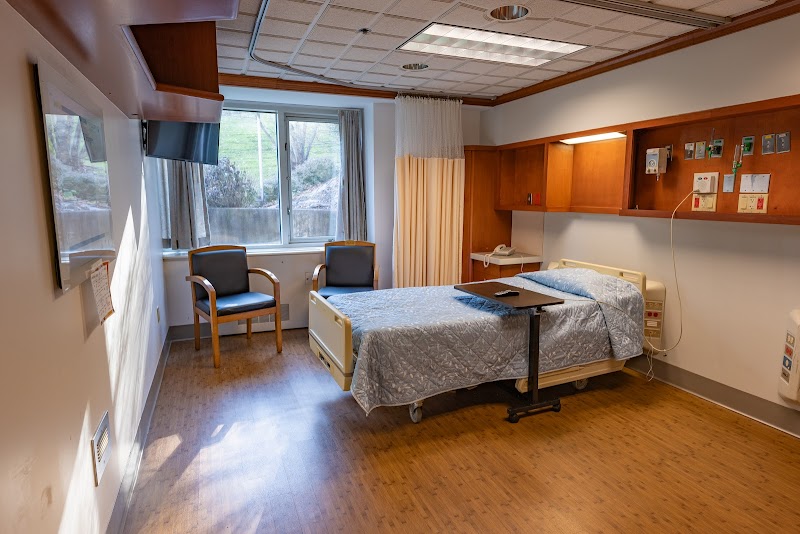
How is Masonicare Staffed?

CMS rates MASONICARE HEALTH CENTER's staffing level at 4 out of 5 stars, which is above average compared to other nursing homes. Staff turnover is 37%, compared to the Connecticut average of 46%. This relatively stable workforce can support continuity of care.

What Have Inspectors Found at Masonicare?

State health inspectors documented 27 deficiencies at MASONICARE HEALTH CENTER during 2019 to 2024. These included: 25 with potential for harm and 2 minor or isolated issues.
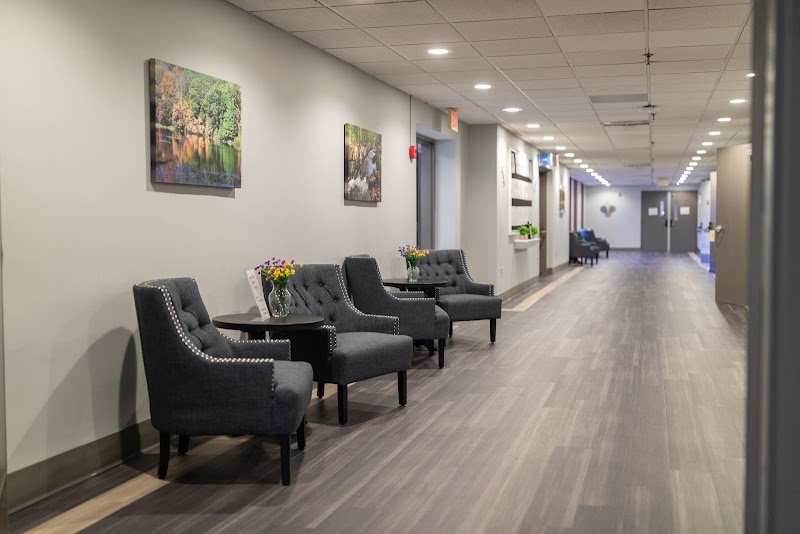
Who Owns and Operates Masonicare?

MASONICARE HEALTH CENTER is owned by a non-profit organization. Non-profit facilities reinvest revenue into operations rather than distributing to shareholders. The facility operates independently rather than as part of a larger chain. With 336 certified beds and approximately 242 residents (about 72% occupancy), it is a large facility located in WALLINGFORD, Connecticut.
How Does Masonicare Compare to Other Connecticut Nursing Homes?

Compared to the 100 nursing homes in Connecticut, MASONICARE HEALTH CENTER's overall rating (3 stars) is below the state average of 3.0, staff turnover (37%) is near the state average of 46%, and health inspection rating (3 stars) is at the national benchmark.

What Should Families Ask When Visiting Masonicare?

Based on this facility's data, families visiting should ask: "Can I visit during a mealtime to observe dining assistance and food quality?" "How do you handle medical emergencies, and what is your hospital transfer rate?" "Can I speak with family members of current residents about their experience?"

Is Masonicare Safe?

Based on CMS inspection data, MASONICARE HEALTH CENTER has a clean safety record: no substantiated abuse findings (meaning no confirmed cases of resident harm), no Immediate Jeopardy citations (the most serious violation level indicating risk of serious injury or death), and is not on the Special Focus Facility watch list (a federal program monitoring the lowest-performing 1% of nursing homes). The facility has a 3-star overall rating and ranks #100 of 100 nursing homes in Connecticut. While no facility is perfect, families should still ask about staff-to-resident ratios and recent inspection results during their visit.

Do Nurses at Masonicare Stick Around?

MASONICARE HEALTH CENTER has a staff turnover rate of 37%, which is about average for Connecticut nursing homes (state average: 46%). Moderate turnover is common in nursing homes, but families should still ask about staff tenure and how the facility maintains care continuity when employees leave.

Was Masonicare Ever Fined?

MASONICARE HEALTH CENTER has been fined $13,085 across 1 penalty action. This is below the Connecticut average of $33,210. While any fine indicates a compliance issue, fines under $50,000 are relatively common and typically reflect isolated problems that were subsequently corrected. Families should ask what specific issues led to these fines and confirm they've been resolved.

Is Masonicare on Any Federal Watch List?

MASONICARE HEALTH CENTER is not on any federal watch list. The most significant is the Special Focus Facility (SFF) program, which identifies the bottom 1% of nursing homes nationally based on persistent, serious quality problems. Not being on this list means the facility has avoided the pattern of deficiencies that triggers enhanced federal oversight. This is a positive indicator, though families should still review the facility's inspection history directly.