REGENCY HOUSE NURSING AND REHABILITATION CENTER
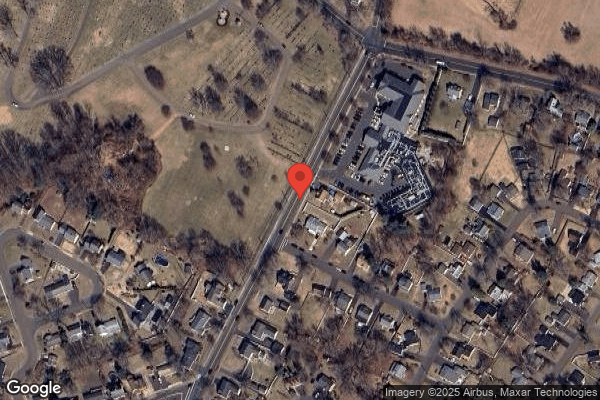
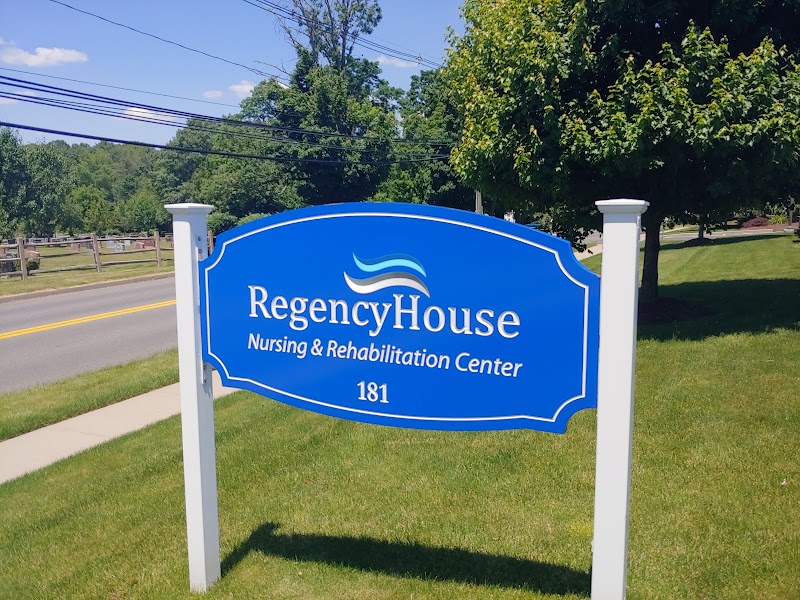
181 E MAIN ST, WALLINGFORD, CT 06492 (203) 265-1661
For profit - Corporation 130 Beds NATIONAL HEALTH CARE ASSOCIATES Data: November 2025
Trust Grade
88/100
#36 of 192 in CT
Last Inspection: August 2025

Inspected within the last 6 months. Data reflects current conditions.

Overview

Regency House Nursing and Rehabilitation Center has a Trust Grade of B+, indicating it is above average and recommended for families seeking care. It ranks #36 out of 192 nursing homes in Connecticut, placing it in the top half of facilities in the state, and #4 out of 22 in Naugatuck Valley County, meaning only three local options are better. However, the facility is experiencing a worsening trend, with the number of reported issues increasing from 3 in 2023 to 5 in 2025. Staffing is rated average with a 3/5 score and a turnover rate of 27%, which is lower than the state average, yet there is concerning RN coverage, which is less than 87% of other facilities in Connecticut. Notably, there have been issues with food safety practices, such as improperly dated food items, and a failure to ensure oxygen tubing was dated for residents requiring respiratory care, which raises potential health risks. While the facility has no fines on record and has excellent quality measures, families should be aware of these weaknesses alongside the strengths.

Trust Score
B+
88/100
In Connecticut
#36/192
Top 18%
Safety Record
Low Risk
No red flags
Inspections
Getting Worse
3 → 5 violations
Staff Stability
✓ Good
27% annual turnover. Excellent stability, 21 points below Connecticut's 48% average. Staff who stay learn residents' needs.
Penalties
✓ Good
No fines on record. Clean compliance history, better than most Connecticut facilities.
Skilled Nurses
⚠ Watch
Each resident gets only 27 minutes of Registered Nurse (RN) attention daily — below average for Connecticut. Fewer RN minutes means fewer trained eyes watching for problems.
Violations
⚠ Watch
13 deficiencies on record. Higher than average. Multiple issues found across inspections.
★★★★★
5.0
Overall Rating
★★★☆☆
3.0
Staff Levels
★★★★★
5.0
Care Quality
★★★★☆
4.0
Inspection Score
Stable
2023: 3 issues
2025: 5 issues

The Good

  • 5-Star Quality Measures · Strong clinical quality outcomes
  • Low Staff Turnover (27%) · Staff stability means consistent care
  • Full Sprinkler Coverage · Fire safety systems throughout facility
  • No fines on record
  • Staff turnover is low (27%)

    21 points below Connecticut average of 48%

Facility shows strength in quality measures, staff retention, fire safety.

The Bad

Chain: NATIONAL HEALTH CARE ASSOCIATES

Part of a multi-facility chain

Ask about local staffing decisions and management

The Ugly 13 deficiencies on record

Aug 2025 5 deficiencies
CONCERN (D)

Potential for Harm - no one hurt, but risky conditions existed

Free from Abuse/Neglect (Tag F0600)

Could have caused harm · This affected 1 resident

**NOTE- TERMS IN BRACKETS HAVE BEEN EDITED TO PROTECT CONFIDENTIALITY** Based on review of the clinical record, facility documentation, facility policy and interviews for 1 of 3 residents reviewed for...

Read full inspector narrative →
**NOTE- TERMS IN BRACKETS HAVE BEEN EDITED TO PROTECT CONFIDENTIALITY** Based on review of the clinical record, facility documentation, facility policy and interviews for 1 of 3 residents reviewed for abuse (Resident # 92), the facility failed to ensure the resident was free from physical abuse. The findings include:Resident #92's diagnoses included vascular dementia, anxiety, cognitive impairment and hypertension. The quarterly Minimum Data Set (MDS) assessment dated [DATE] identified Resident #92 was cognitively impaired, requires maximal assistance with sit-to-stand transfers and personal hygiene and noted dependent on staff for lower body dressing. The care plan dated 4/22/24 identified Need for Continued Safety and Appropriate for Skilled Nursing Facility (SNF) level of care in the facility. Interventions included providing information to family at meetings as needed.A nurse's note dated 6/29/24 at 2:58 PM identified an incident was witnessed by charge nurse- sitting in hallway. Resident #92 was arm's length away from Resident #134 who turned to Resident #92 and punched him/her in the face. The residents were immediately separated to another area of the hallway and assessed for injury. No injury was observed and Resident #92 denied any pain and stated that man hit me but within a short period of time had no recollection of the incident. All parties were notified by the Director of Nursing Services (DNS), third eye provider, family and the local police. A nurse's note dated 6/30/24 at 1:16 PM indicated no adverse signs or symptoms post- incident. Resident #134 stated Resident #92 kicked his/her chair and that is why he/she punched him/her. The physical altercation was witnessed by a charge nurse whose statement identified Resident #92 never kicked Residents #134's chair. Attempts were made to interview the Licensed Practical Nurse (LPN) charge nurse who witnessed the incident but were unsuccessful An interview with DNS on 7/31/25 at 10:27 AM indicated that once an allegation of abuse occurs, residents are removed from any danger, investigation is initiated, affected residents are seen by psychological services and social workers and all key personnel are informed. Interview with the Social Worker (SW #2) on 7/31/2025 at 10:50 AM identified once there are any altercations involving residents, the social worker would follow up as soon as informed and for 3 days after the incident. SW #2 was unable to recall details of the incident, however, reported Resident #92 is not usually aggressive towards other residents. SW#2 documentation indicated SW#2 was informed on 7/8/25 about the incident. Facility Abuse Policy and procedure (revised 1/2023) indicated in part Residents have the rights to be free from abuse.
CONCERN (D)

Potential for Harm - no one hurt, but risky conditions existed

Investigate Abuse (Tag F0610)

Could have caused harm · This affected 1 resident

**NOTE- TERMS IN BRACKETS HAVE BEEN EDITED TO PROTECT CONFIDENTIALITY** Based on review of the clinical record, facility documentation, facility policy and interviews for 1 of 3 residents reviewed for...

Read full inspector narrative →
**NOTE- TERMS IN BRACKETS HAVE BEEN EDITED TO PROTECT CONFIDENTIALITY** Based on review of the clinical record, facility documentation, facility policy and interviews for 1 of 3 residents reviewed for abuse (Resident # 92), the facility failed to notify the social work department of a resident-to-resident altercation to ensure timely follow up per facility practice. The findings include:Resident #92's diagnoses included vascular dementia, anxiety, cognitive impairment and hypertension. The quarterly Minimum Data Set (MDS) assessment dated [DATE] identified Resident #92 was cognitively impaired, requires maximal assistance with sit-to-stand transfers and personal hygiene and noted dependent on staff for lower body dressing. The care plan dated 4/22/24 identified Need for Continued Safety and Appropriate for Skilled Nursing Facility (SNF) level of care in the facility. Interventions included providing information to family at meetings as needed.A nurse's note dated 6/29/24 at 2:58 PM identified an incident was witnessed by charge nurse- sitting in hallway. Resident #92 was arm's length away from Resident #134 who turned to Resident #92 and punched him/her in the face. The residents were immediately separated to another area of the hallway and assessed for injury. No injury was observed and Resident #92 denied any pain and stated that man hit me but within a short period of time had no recollection of the incident. All parties were notified by the Director of Nursing Services (DNS), third eye provider, family and the local police. Interview with the Social Worker (SW #2) on 7/31/2025 at 10:50 AM indicated once there are any altercations involving residents, social workers would follow up as soon as informed and for 3 days prior after incident. SW #2 was unable to recall details of the incident. However, SW # 2 reported Resident #92 is usually not aggressive towards other residents and denied any other altercations. SW#2 documentation indicated SW#2 was informed of the altercation on 7/8/24 (7 days later). Interview with Social Worker (SW #1) on 7/31/2025 at 11:09 AM identified secondary to the late notification of the resident-to-resident altercation with Resident # 92 and Resident # 134 on 6/29/24. SW #1 further indicated the social services department oversees timely reporting incidents. Interview with DNS and RN #1 on 8/1/2025 at 11:43 AM indicated the resident to resident between Resident # 92 and Resident # 134 was discussed at the Monday morning report (7/1/24). However, at that time she/he did not notice there was no social work representative present. The DNS further indicated she/he was unsure when the social work department was notified of the resident-to-resident altercation.Interview with and Registered Nurse (RN #1) on 8/01/2025 at 11:43 AM identified as a result of miscommunication, the facility has re-educated staff, conducted audits and reported the facility was back into compliance as of 12/31/24. Plan of Correction1.Social Service immediately notified to complete psychosocial assessment follow up; investigation completed and documented per policy.2. All managers re-educated on abuse investigation protocols to include immediate notification to social worker.3. Social Worker to maintain daily communication with nursing supervisor4. Social Worker to complete any audits on any resident-to-resident altercations beginning July 2024 to December 2024 to ensure that the social service department was notified timely.5. All resident to resident to altercation in AM report and Quality Assurance and Performance Improvement (QAPI).6. Social Worker has access to Facility Licensing and Investigations Section Reporting line7 Email notification to administrator / Social Worker and Director of Nursing Services Resident to Resident altercations.8. Review results monthly in QAPI. Date of Completion 12-31-24
CONCERN (D)

Potential for Harm - no one hurt, but risky conditions existed

Deficiency F0658 (Tag F0658)

Could have caused harm · This affected 1 resident

**NOTE- TERMS IN BRACKETS HAVE BEEN EDITED TO PROTECT CONFIDENTIALITY** Based on clinical record review, review of facility policy and staff interviews for 1 of 3 residents (Resident # 85) reviewed fo...

Read full inspector narrative →
**NOTE- TERMS IN BRACKETS HAVE BEEN EDITED TO PROTECT CONFIDENTIALITY** Based on clinical record review, review of facility policy and staff interviews for 1 of 3 residents (Resident # 85) reviewed for pain management, the facility failed to ensure that licensed staff used the correct formation of a medication as per physician orders to meet professional standards. The findings include: Resident #85's diagnoses included Alzheimer's disease, dementia, and anxiety. A quarterly MDS assessment dated [DATE] identified Resident #85 had severe cognitive impairment. A physician's order dated 7/1/2025 directed to admit Resident #85 to hospice care. A physician's order dated 7/2/2025 directed to administer a 0.5 milligram (mg) tablet of lorazepam (a medication for anxiety) every one hour by mouth as needed for 14 days. The significant change MDS assessment dated [DATE] identified Resident #85 had severe short-term and long-term memory problems and noted severely impaired cognitive skills for daily decision making. The significant change MDS assessment also identified that Resident #85 was receiving hospice services. On 7/15/2025, the physician's order for lorazepam (anti-anxiety) tablets was discontinued. A physician's order dated 7/15/2025 directed to administer 0.5mg of lorazepam 2 mg/1 ml concentrate (a liquid form) every one hour by mouth as needed for 14 days. A care plan, last reviewed 7/28/2025, identified Resident #85 had a behavior problem of agitation. Interventions included administering medications as ordered. On 7/31/2025, a review of the controlled substance disposition record for lorazepam 0.5 mg tablets identified tablets were removed for administration after the discontinued date. One tablet was removed on 7/16/2025, 7/18/2025, and 7/21/2025, and the disposition record was signed by Licensed Practical Nurse (LPN#7). A review of nursing notes and the Medication Administration Record (MAR) from 7/1/2025 through 7/31/2025 failed to indicate Resident #85 received lorazepam 0.5 mg tablets on 7/16/2025, 7/18/2025, and 7/21/2025. The MAR indicated that Resident #85 received lorazepam 0.5 mg concentrate on 7/22/2025, 7/23/2025, and 7/24/2025. A review of the controlled substance disposition record for lorazepam 2 mg/1 ml concentrate was received by the facility on 7/4/2025. On 7/31/2025 at 1:14 PM, an interview with Advanced Practiced Registered Nurse (APRN #1) indicated that she was asked to evaluate Resident #85 for renewal of as-needed medications. APRN #1 indicated she ordered the as-needed administration of 0.5mg of lorazepam 2mg/1ml concentrate because the resident was receiving hospice care and hospice had recommended liquid medications. APRN#1 indicated there would be no adverse effects from receiving 0.5 mg of liquid lorazepam versus 0.5 mg in tablet form as long as a resident is able to swallow. On 7/31/2025 at 2:56 PM, an interview with LPN#7 identified she administered lorazepam 0.5 tablets to Resident #85 on 7/16/2025, 7/18/2025, and 7/21/2025. LPN#7 indicated that at that time she was not aware the order for lorazepam had been changed from tablet to liquid formulary. LPN#7 indicated she had not checked the MAR prior to administration of the lorazepam tablets and indicated she could not recall if she had attempted to document the administration in the MAR after administering. LPN#7 further indicated she had been made aware after 7/21/2025 by a day shift nurse the formulary for lorazepam had been changed. On 7/31/2025 at 3:30 PM, an interview with the Regional Nurse (RN #1) indicated LPN#7 should have notified the DNS when LPN#7 found out that she had administered tablets of lorazepam instead of the ordered concentrate. A review of the facility policy for Medication Pass identified that when as-needed medications are administered, documentation should include date and time of administration, medication, dose, and route. Additionally, the policy indicated that staff were to remember the six rights of medication pass, which included administering the right dosage form of a medication.
CONCERN (D)

Potential for Harm - no one hurt, but risky conditions existed

Medical Records (Tag F0842)

Could have caused harm · This affected 1 resident

**NOTE- TERMS IN BRACKETS HAVE BEEN EDITED TO PROTECT CONFIDENTIALITY** Based on clinical record review, review of facility documentation, review of facility policy and staff interviews for 2 of 3 res...

Read full inspector narrative →
**NOTE- TERMS IN BRACKETS HAVE BEEN EDITED TO PROTECT CONFIDENTIALITY** Based on clinical record review, review of facility documentation, review of facility policy and staff interviews for 2 of 3 residents (Residents # 7 and Resident # 85) reviewed for pain management and medication documentation, the facility failed to ensure that administration of as-needed medications was documented in the medical record. The findings included: 1.Resident #7 was admitted on [DATE] to the facility, The resident's diagnoses included gangrene (death of body tissue due to a lack of blood supply) and amputation of left and right toes. A physician's order dated 7/5/2025 directed to administer 2 milligrams (mg) of hydromorphone (an opioid pain medication) every four hours as needed for severe or moderate pain. A care plan dated 7/6/2025 identified Resident #7 had a potential for pain related to peripheral vascular disease, wounds, and neuropathy. Interventions included administering medications per physician's orders. The admission MDS assessment dated [DATE] identified that Resident #7 was cognitively intact, had a recent surgery requiring a stay in a skilled nursing facility, and had experienced occasional pain. On 7/29/2025 at 11:21 AM, during resident screening, Resident #7 indicated although she/he had no issues receiving her/his pain medications, there was one night where she/he had to wait a long time. Resident #7 indicated this occurred three to four weeks ago but was unable to recall the length of time she/he had to wait. Resident #7 indicated she/he told the day nurse but did not recall the name of the staff member. On 7/30/2025, an interview with LPN#3 indicated she had not received any complaints from Resident #7 regarding getting her/his pain medications timely. LPN #3 indicated the resident was able to get hydromorphone every four hours as needed and the resident would call when she/he need the medication. A review of the hydromorphone blister pack (where the medication is package) identified the correct number of tablets compared to the controlled substance disposition record. LPN#3 indicated older disposition records would be located with the DNS. A review of facility-controlled substance disposition records and the MAR from 7/5/2025 through 7/28/2025 identified hydromorphone 2mg tablets were removed on 7/13/2025 at 8:00 AM, 1:00 PM, and 8:00 PM and the disposition record was signed by LPN#4; however, the MAR failed to identify corresponding administration for the tablets removed. On 7/14/2025, the controlled substance disposition record identified that hydromorphone 2mg tablets were removed at 7:15 AM and signed with an illegible signature. Tablets were also removed at 4:00 PM and 8:00 PM by LPN#4. The MAR failed to identify a corresponding administration for the tablets removed. On 7/24/2025, the controlled substance disposition record indicated hydromorphone 2mg tablets were removed at 1:00 PM and signed with an illegible signature. Tablets were also removed at 4:45 PM and 8:40 PM by LPN#4. The MAR failed to identify a corresponding administration for the tablets removed. On 7/26/2025, the controlled substance disposition record indicated hydromorphone 2mg tablets were removed at 10:00 AM and 2:00 PM by LPN#4 and at 8:00 PM by LPN#8. The MAR failed to identify a corresponding administration for the tablets removed. On 7/30/2025 at 3:25 PM, an interview with the DNS identified controlled substance disposition records are reconciled every two weeks. The DNS indicated there was no formal process for reconciling the controlled substance disposition record with the documentation in the MAR. On 7/30/2025 at 3:30 PM, an interview and record review with the Regional Nurse (RN#1) identified there were additional scattered days where hydromorphone 2mg tablets were removed but did not have corresponding documentation in the MAR. Additionally, RN #1 indicated the MAR would be audited only if irregularities were noted. RN#1 indicated that the facility would conduct an audit of the administration of hydromorphone 2mg tablets for Resident #7, including an interview with the resident. On 7/31/2025 at 10:00 AM an interview with RN #1 identified the facility had reviewed Resident #7 and other residents on the same unit and residents taken care of by LPN#4. The DNS indicated that although they had not identified irregularities in the management of controlled substances the facility determined that staff had not been consistently documenting as needed medications in the MAR and she/he would start education of all licensed staff. On 7/31/2025 at 10:52 AM, an interview with LPN#4 indicated she had administered hydromorphone 2mg tablets to Resident #7, but indicated that she does not always documented the administrations in the MAR. LPN#4 indicated she sometimes gets focused on providing care and forgets to document as-needed medications in the MAR. LPN#4 further indicated that for determining when a resident is due for as-needed medications, she would not always look in the MAR but would look at the controlled substance disposition record instead. LPN#4 further indicated she knew that as-needed medications should have been documented in the MAR. 2. Resident #85's diagnoses included Alzheimer's disease, dementia, and anxiety. A quarterly MDS assessment dated [DATE] identified Resident #85 had severe cognitive impairment. A physician's order dated 7/2/2025 directed to administer a 0.5 milligram (mg) tablet of lorazepam (a medication for anxiety) every one hour by mouth as needed for 14 days. On 7/15/2025, the order for lorazepam tablets was discontinued. A care plan, last reviewed 7/28/2025, identified Resident #85 had a behavior problem of agitation. Interventions included administering medications as ordered. On 7/31/2025, a review of the controlled substance disposition record identified that on 7/6/2025 at 3:00 AM and on 7/13/2025 (at an illegible time), one tablet of lorazepam 0.5mg was removed and signed with an illegible signature. The MAR failed to identify a corresponding administration for the tablets removed. The controlled substance disposition record for lorazepam 0.5 mg tablets also identified that tablets were removed for administration after the discontinued date. One tablet was removed on 7/16/2025, 7/18/2025, and 7/21/2025, and the disposition record was signed by LPN#7. A review of nursing notes and the MAR from 7/1/2025 through 7/31/2025 failed to indicate Resident #85 received lorazepam 0.5 mg tablets on 7/16/2025, 7/18/2025, and 7/21/2025. On 7/31/2025 at 2:56 PM, an interview with LPN#7 identified she administered lorazepam 0.5 tablets to Resident #85 on 7/16/2025, 7/18/2025, and 7/21/2025. LPN#7 indicated that at that time of the administration she was not aware the order for lorazepam tablets had been discontinued and replaced with a different formulary. LPN#7 indicated she had not checked the MAR prior to administration of the lorazepam tablets and indicated she could not recall if she had attempted to document the administration in the MAR after administering. LPN#7 indicated she had been made aware after 7/21/2025 by a day shift nurse that the formulary for lorazepam had been changed. On 7/31/2025 at 3:30 PM, an interview with the Regional Nurse (RN #1) indicated LPN#7 should have notified the DNS when LPN#7 found out she had administered tablets of lorazepam instead of the ordered concentrate. A review of the facility policy for Medication Pass notes when as-needed medications are administered, documentation should include date and time of administration, medication, dose, and route. A review of the Opioid medication policy identified that for as-needed orders, the nurse should document in the resident's medical record. The Policy for Bi-monthly narcotic drug audit identified the DNS would conduct an audit of the controlled substance disposition record every two weeks. The policy did not indicate if the MAR should have been part of the narcotic drug audit.
CONCERN (F)

Potential for Harm - no one hurt, but risky conditions existed

Staffing Data (Tag F0851)

Could have caused harm · This affected most or all residents

Based on review of facility documents and staff interviews, the facility failed to ensure weekend staffing was reported correctly to the Payroll Based Journal (PBJ) for quarters 3 and 4 in 2024. The f...

Read full inspector narrative →
Based on review of facility documents and staff interviews, the facility failed to ensure weekend staffing was reported correctly to the Payroll Based Journal (PBJ) for quarters 3 and 4 in 2024. The findings include:The PBJ Staffing Data Report labeled Fiscal Year (FY)Quarter 3, 2024 (4/1/2024-6/30/2024) and FY Quarter 4 (7/1/2024 -9/30/2024) indicated the staffing reported by the facility for quarter 3 and 4 in the year of 2024 was considered Excessively Low Weekend Staffing.An interview with the Administrator on 7/28/2025 at 10:20 AM indicated corporate managers submit the facility's PBJ staffing and had been focused on finding the reason(s) why weekend staffing as reported for quarter 3 and 4 were considered by the PBJ system as Excessively Low Weekend Staffing. The Administrator further indicated that when there is a staffing need the facility offers a bonus to cover call outs and meet the staffing levels.An interview on 7/31/2025 at with the Corporate Director #1 indicated Quarters 3 and 4 of 2024 were found to have correct staffing but the staff who worked were not placed in the appropriate classification when reported, causing the PBJ to not accurately reflect weekend staffing for Quarters 3 and 4 in 2024.
Oct 2023 3 deficiencies
CONCERN (D)

Potential for Harm - no one hurt, but risky conditions existed

Deficiency F0578 (Tag F0578)

Could have caused harm · This affected 1 resident

**NOTE- TERMS IN BRACKETS HAVE BEEN EDITED TO PROTECT CONFIDENTIALITY** Based on review of the clinical record, review of facility policy, and interviews for one of two sampled residents (Resident #50...

Read full inspector narrative →
**NOTE- TERMS IN BRACKETS HAVE BEEN EDITED TO PROTECT CONFIDENTIALITY** Based on review of the clinical record, review of facility policy, and interviews for one of two sampled residents (Resident #50) reviewed for advance directives, the facility failed to ensure there was a physician's order directing cardiopulmonary code status elected by the resident. The findings include: Resident #50's was admitted to the facility on [DATE] with diagnoses that included chronic kidney disease, atrial fibrillation, and abnormal posture. The Advanced Directive Consent Form dated [DATE] identified Resident #50 elected to not have cardiopulmonary resuscitation (CPR) administered, and no artificial nutrition and hydration. The quarterly MDS assessment dated [DATE] identified Resident #50 had intact cognition, was independent with bed mobility, and required supervision with transfers, dressing, toileting, and personal hygiene. The care plan dated [DATE] identified Resident #50's code status was do not resuscitate and/or do not intubate (DNR/DNI) with interventions that included, honor advance directives as directed by resident and review advanced directives with resident and/or power of Attorney (POA) on admission and at least quarterly. A code state of DNR means the resident has chosen to not have cardiopulmonary resuscitation (CPR) attempted on them if their heart or breathing stops. The monthly physician's orders for September/2023 (most current orders) directed Resident #48 had a code status of full code. A full code means that if a person's heart stopped beating and/or they stopped breathing, all resuscitation procedures will be provided to keep them alive. This process can include chest compressions, intubation, and defibrillation and is referred to as CPR. Interview with LPN #4 on [DATE] at 11:50 AM identified that if Resident #50 had a life-threatening emergency, she would look in the physical clinical record under the advance directive tab and review the Advanced Directive Consent Form and review the physician's orders in the electronic medical record to identify the resident's code status. After reviewing the physician's orders, LPN #4 noted that there was a physician's order addressing the resident's code status dated [DATE] that was written by APRN #1. Interview with APRN #1 on [DATE] at 12:15 PM identified that the process in place once the advanced directives are signed by the resident or the resident's representative is that a physician's order directing DNR or Full Code is entered into the electronic medical record by a nurse. A message indicating the order is sent and then she reviews and signs the order. APRN #1 further identified that the expectation is when a resident or POA signs the Advance Directive Consent Form, a physician's order be placed in the electronic record at least within 24 hours of obtaining the consent. Interview with the DNS on [DATE] at 12:23 PM identified that the order for DNR was inputted by her on [DATE] after reviewing Resident #50's record. The DNS indicated that the reason why the DNR order was missed was because the batch orders were not entered into the electronic medical record correctly. In addition, the DNS indicated that the facility identified an issue with Advance Directives and initiated a Quality Improvement Plan (QIP) on [DATE]. Review of the electronic physician's orders for the month of [DATE] identified that a physician's order directing DNR was ordered on [DATE] at 11:46 AM. Review of the facility's policy on Advanced Care Planning Code Status identified that on admission the option of choosing to resuscitate or not to resuscitate will be offered and reviewed with the resident/family/surrogate/designated representative, the consent signed and witnessed, and a physician order must be written accordingly.
CONCERN (D)

Potential for Harm - no one hurt, but risky conditions existed

Comprehensive Care Plan (Tag F0656)

Could have caused harm · This affected 1 resident

**NOTE- TERMS IN BRACKETS HAVE BEEN EDITED TO PROTECT CONFIDENTIALITY** Based on clinical record review and interviews for two sampled residents (Resident #45 and Resident #100) reviewed for privacy, ...

Read full inspector narrative →
**NOTE- TERMS IN BRACKETS HAVE BEEN EDITED TO PROTECT CONFIDENTIALITY** Based on clinical record review and interviews for two sampled residents (Resident #45 and Resident #100) reviewed for privacy, the facility failed to develop and implemented a comprehensive care plan to ensure nursing staff were aware of boundary restrictions between the residents. The findings include: 1. Resident # 45 's diagnoses included mild intellectual disabilities, post-traumatic stress disorder, depression, and anxiety. The quarterly MDS assessment dated [DATE] identified Resident #45 had intact cognition, required moderate assistance with toileting, dressing, and transfers, was ambulatory with the use of a rolling walker and was independent with wheelchair mobility. A Social Worker (SW #1) progress note dated 8/16/23 identified that SW #1 spoke with Resident #45 and requested that he/she give Resident #100 some space when he/she was in his/her room. Resident #45 verbalized that he/she understood and would respect the wishes of Resident #100. The note further identified SW #1 would continue to provide education and guidance to Resident #45 related to his/her mild intellectual disabilities. The Resident Care Plan (RCP) dated 8/22/23 identified Resident #45 could have a private intimate relationship with a consensual partner of his/her choice with an intervention for staff to speak with the resident about relationship boundaries. SW #1's progress noted dated 8/25/23 identified Resident #45 was spoken to regarding an observation of the resident seated in the hallway with inappropriate clothing on like the wearing of short pajama bottoms or no pajama bottoms around peers. The note further identified that SW #1 spoke to the resident about maintaining his/her dignity and dressing appropriately. In addition, the note identified that Resident #45 verbalized that the peers were his/her friends, so he/she thought it was alright. SW #1's progress note dated 9/7/23 identified Resident #45 was seen boundaries were put in place regarding Resident #100, due to a request by Resident #100's representative. The resident's representative made a request that Resident #45 and Resident #100 refrain from having physical contact. The note further identified Resident #45 had developed a relationship with Resident #100. Resident #45 and Resident #100 had spent time together and were observed holding hands and exchanging kisses. Resident #45 verbalized understanding of the boundaries but expressed sadness because he/she felt that they were in love with each other. The APRN (psychiatric) progress note dated 9/15/23 identified Resident #45 was referred for psychiatric evaluation due to depressed mood because he/she cannot have physical contact with Resident #100. Interview with NA #3 on 10/4/23 at 1:45 PM identified Resident #45 needed assistance with clothing and toileting, was independent using the wheelchair in the hallway, and was aware Resident #45 had a close male friend in the facility and noted she observed them sitting together and talking in the hallway. NA #3 further identified that she was not aware that Resident #45 and Resident #100 had restrictions. She further identified that she was not aware of the kissing incident in Resident #100 room with Resident #45. Interview with LPN #3 on 10/5/23 at 11:20 AM identified Resident #45 was independent using the wheelchair in the hallway and was freely allowed to roam independently on the unit. She also identified that Resident #45 had an affection for Resident #100. LPN #3 identified that she was unaware of the kissing incident that occurred between the two residents and further identified she was unaware of restrictions between Resident #45 and Resident #100 but knew that the residents could not be alone together inside their individual rooms. Interview with NA #2 on 10/5/23 at 11:30AM identified he knew Resident #45 had a close male friend (Resident #100) in the facility because other staff were talking about them. He was not aware of a kissing incident between the two residents and was also unaware that Resident #45 and Resident #100 had boundary restrictions regarding their relationship. Interview with SW #1 on 10/5/23 at 11:20 AM identified that once Resident #100's representative expressed concerns about the physical relationship between Resident #45 and Resident #100, boundary restrictions were developed that identified the residents could not be alone in either of the resident's rooms, could not have a physical relationship, but could be together in the hallway or common areas. SW #1 further identified that the boundary restrictions should have been added to the residents' plan of care to make the nursing staff aware of the boundary restrictions set between the residents. SW #1 did not provide a reason why the care plan was not updated to reflect the residents' status. Interview with the DNS on 10/5/23 at 1:45 PM identified that she was aware Resident #45 wanted to have a relationship with Resident #100, but she was not aware that Resident #100's representative had witnessed the two residents kissing in Resident #100's room. She further identified that when the Resident's Representative identified that he/she did not agree to the residents having a relationship, Resident #100's care plan should had been develop and implemented so the nursing staff were aware of the set boundary restrictions between the residents and the NA care card updated to reflect the restrictions between the residents. The facility failed to ensure the care plan reflected measures to address restrictions between Resident #45 and Resident #100 and failed to identify interventions to address identified concerns related to the residents' behaviors. 2. Resident #100's diagnoses included dementia, persistent mood disorder, atrial fibrillation, and cognitive communication deficit. The quarterly MDS assessment dated [DATE] identified Resident #100 had moderately impaired cognition and was independent with ambulation up to 50 feet with the use of a rolling walker. The Resident Care Plan (RCP) dated 7/18/23 identified Resident #100 had impaired cognitive function/dementia or impaired thought process with interventions that included: communicate with resident/family/caregiver regarding resident capabilities and needs, offer cues, re-orient and supervise as needed, encourage resident in simple structure activity and discuss concerns about confusion and disease process. SW #1's progress note dated 9/7/23 identified a call was received from Resident #100's representative who was concerned about Resident #100's relationship with Resident #45. The note identified Resident #100's representative was visiting with the resident when he/she witnessed Resident #100 kissing Resident #45. Resident #100's representative noted Resident #45 was younger and felt Resident #100 did not truly understand what was going on. In addition, Resident #100's representative identified that he/she was okay with both residents being friends, but not having a relationship. The APRN (psychiatric) progress note dated 9/15/23 identified Resident #100 was referred for psychiatric evaluation of mood because the nursing staff reported that Resident #100 had an altercation with another resident because he/she was angry because he/she could not have physical contact with Resident #45. Interview with NA #3 on 10/4/23 at 1:45 PM identified she was aware Resident #45 had a close male friend in the facility and noted she observed them sitting together and talking in the hallway. NA #3 further identified that she was unaware that Resident #45 and Resident #100 had boundary restrictions. She further identified that she was also unaware of the kissing incident in Resident #100 room with Resident #45. Interview with LPN #3 on 10/5/23 at 11:20 AM identified Resident #45 had an affection for Resident #100. LPN #3 identified that she was unaware of the kissing incident that occurred between the two residents and further identified she was unaware of boundary restrictions between Resident #45 and Resident #100 but knew that the residents could not be alone together inside their individual rooms. Interview with NA #2 on 10/5/23 at 11:30AM identified he knew Resident #45 had a close male friend (Resident #100) in the facility because other staff were talking about them. He was not aware of a kissing incident between the two residents and was also unaware that Resident #45 and Resident #100 had boundary restrictions regarding their relationship. Interview with SW #1 on 10/5/23 at 11:20 AM identified that she was aware of Resident #45 wanting to have a romantic relationship with Resident #100 and developed a care plan to allow Resident #45 to have a relationship of his/ choice. She also identified that she did receive a call from Resident #100's Representative who requested that the two residents not have a romantic/physical relationship other than friendship. She further identified that both residents were evaluated by APRN #1 and Resident #45 was able to consent a having a relationship of his/her choice, but Resident #100 cannot consent to a relationship due to his/her inability to give consent because of his/her dementia diagnosis. Additionally, she identified that boundary restrictions were developed that both residents cannot be together inside each other's rooms, but both residents can be together in the hallway or common areas. She further identified that the boundary restrictions should have been added to the residents' plan of care to make the nursing staff aware. SW #1 did not provide a reason why the care plan was not updated to reflect the residents' status. Interview with the DNS on 10/5/23 at 1:45 PM identified that she was aware Resident #45 wanted to have a relationship with Resident #100, but she was not aware that Resident #100's representative had witnessed the two residents kissing in Resident #100's room. She further identified that when the Resident's Representative identified that he/she did not agree to the residents having a relationship, Resident #100's care plan should had been develop and implemented so the nursing staff were aware of the set boundary restrictions between the residents and the NA care card updated to reflect the restrictions between the residents. The facility failed to ensure the care plan reflected measures to address restrictions between Resident #45 and Resident #100 and failed to identify interventions to address identified concerns related to the residents' behaviors.
CONCERN (E)

Potential for Harm - no one hurt, but risky conditions existed

Food Safety (Tag F0812)

Could have caused harm · This affected multiple residents

Based on observations, review of facility policy, and interviews, the facility failed to ensure food items were appropriately dated to reflect the opening date and/or the used-by date. The findings in...

Read full inspector narrative →
Based on observations, review of facility policy, and interviews, the facility failed to ensure food items were appropriately dated to reflect the opening date and/or the used-by date. The findings include: A tour of the Dietary Department on 10/2/23 at 9:55 AM with the Food Service Director identified food items that were opened and undated without the benefit of a use by and/or discard date. The walk-in refrigerator contained open containers/bottles of barbeque sauce, coleslaw salad dressing, balsamic salad dressing, sweet relish, mayonnaise and maraschino cherries. The Ice-cream freezer identified a clear plastic bag containing cookie dough that had been opened and was not in the original packaging as well as a clear plastic bag that contained frozen ready-made pancakes that was also not in its original packaging. Interview with the Food Service Director on 10/2/23 at 10:10 AM identified that items should be dated once opened and that the facility had a separate list which contained food storage guidelines that included when to discard food items. The Food Service Director indicated that she had new staff that contributed to the reason why the items were not dated per their policy and will in-service staff, label items and discard items as needed. After surveyor's inquiry, the Food Service Director provided an in-service document identifying that staff were in-serviced on dating items when opened even food with expiration dates. Review of the facility's food storage reference guide identified the stored by dates for the following items: salad dressings for 3 months when opened in refrigerator, mayonnaise for 2 to 3 months, pancakes commercially frozen for 2 months in freezer, and cookie dough unbaked for 6 months in the freezer. Review of the Storage of Food and Supplies policy identified that refrigerated time/temperature control for safety food, ready to eat food that are opened but not completely used and is held longer than 24 hours should be labeled with the common name and a use-by date with day 1 counted as the opened date.
Jul 2021 5 deficiencies
CONCERN (D)

Potential for Harm - no one hurt, but risky conditions existed

Quality of Care (Tag F0684)

Could have caused harm · This affected 1 resident

**NOTE- TERMS IN BRACKETS HAVE BEEN EDITED TO PROTECT CONFIDENTIALITY** Based on observations, clinical record review, facility policy review, and staff interviews for one of five residents (Resident ...

Read full inspector narrative →
**NOTE- TERMS IN BRACKETS HAVE BEEN EDITED TO PROTECT CONFIDENTIALITY** Based on observations, clinical record review, facility policy review, and staff interviews for one of five residents (Resident #89) reviewed for accidents, the facility failed to ensure staff addressed a physician recommendation timely for a resident with exit seeking behavior. The findings included: Resident #89 was admitted to the facility with diagnoses that included vascular dementia and depression. The admission Minimum Data Set assessment (MDS) dated [DATE] identified Resident #89 had severe cognitive impairment, required limited assistance of one person for ambulation and limited assistance of two staff for transfers, used a walker to ambulate, and did not wander. The Resident Care Plan (RCP) dated 6/22/2021 identified Resident #89 had a high risk for elopement. Interventions directed to place a wandering alert device and to move Resident #89 to a safe designated unit. The nursing progress note dated 6/22/2021 identified Resident #89 stated he/she was going to walk out the door. An elopement risk assessment dated [DATE] identified Resident #89 was at risk for elopement and a wandering alert device was placed on his/her left wrist. Physicians order dated 6/22/2021 directed a Wander Guard (wander alert device), check the location every shift and check the function every night. Nurse's note dated 6/23/2021 at 11:42 AM identified that Resident #89 was transferred to a secured dementia unit. The elopement risk assessment dated [DATE] identified Resident #89 was at low risk for elopement. The nursing progress noted dated 7/6/2021 identified the wander alert device was discontinued due to Resident #89 removing the device. Additionally, the note indicated Resident #89 was safe, made no attempts to elope, had no wandering behaviors, and had not verbalized a desire to go home; Resident #89 appeared to have adjusted well and the wander alert was no longer required. Physicians order dated 7/6/2021 directed to discontinue the Wander Guard. The psychiatric APRN #1 progress note dated 7/19/2021 identified Resident #89 was pacing, exit seeking, wandering in and out of other residents' rooms and attempted to get out the front door of the dementia unit. The note further identified APRN #1 recommended a Wander Guard device. Observation on 7/20/2021 at 12:13 PM identified Resident #89 was ambulating independently in the hallway of the secured Dementia Unit looking for an exit and asking staff how he/she could leave the unit. Additionally, Resident #89 verbalized he/she wanted to go outside and go for a walk. Review of the clinical record failed to identify that APRN #1's recommendation on 7/19/2021 for a Wander Guard device was addressed. Interview with RN #1 on 7/21/2021 at 2:47 PM identified Resident #89 no longer required a wander alert device because he/she was moved to the secured dementia unit, had no exit seeking behaviors and the device was discontinued on 7/6/2021. Additionally, RN #1 identified she was not aware Resident #89 had exhibited exit seeking behavior, was not aware that APRN #1 recommended use of a Wander Guard device, and indicated she would complete an elopement risk assessment. Interview with APRN #1 on 7/22/2021 at 10:14 AM identified she notified the Nursing Supervisor (RN #1) on 7/19/2021 that she was concerned with Resident #89's exit seeking behavior and attempts to get out the Dementia Unit doors. She was concerned Resident #89 may get off the unit and she requested a Wander Guard monitoring bracelet be applied to Resident #89's ankle. Interview and clinical record review with RN #1 on 7/22/2021 at 10:20 AM identified she could not remember if APRN #1 recommended a Wander Guard device. RN #1 further indicated that if she had been informed, she would have completed an assessment and implemented the recommendations. She further indicated that she had not completed an assessment or followed APRN #1's recommendations for a Wander Guard device. She identified that she did not complete the elopement risk assessment on 7/21/2021 because it slipped her mind. Interview with The Corporate Nurse RN #2 on 7/22/2021 at 10:30 AM identified RN #1 should have followed through with APRN #1's recommendations and completed the elopement risk assessment when she was notified that Resident #89 had exit seeking behaviors. Subsequent to surveyor inquiry, an elopement risk assessment was completed on 7/22/2021. The assessment identified Resident #89 was at risk for elopement and a wander alert bracelet was applied to his/her left ankle. The facility Elopement Policy dated 3/2013, directed in part, that the facility would assess and identify all residents who are at risk for elopement and a risk evaluation would be completed upon admission, and with a change on condition. Although requested, a facility policy regarding physician recommendations was not provided.
CONCERN (D)

Potential for Harm - no one hurt, but risky conditions existed

Accident Prevention (Tag F0689)

Could have caused harm · This affected 1 resident

**NOTE- TERMS IN BRACKETS HAVE BEEN EDITED TO PROTECT CONFIDENTIALITY** Based on clinical record review, facility documentation review, facility policy review, observation and interviews for one of fi...

Read full inspector narrative →
**NOTE- TERMS IN BRACKETS HAVE BEEN EDITED TO PROTECT CONFIDENTIALITY** Based on clinical record review, facility documentation review, facility policy review, observation and interviews for one of five residents (Resident #13) reviewed for accidents, the facility failed to ensure an RN assessment was completed timely after a resident fall before the resident was moved. The findings include: Resident #13's diagnoses included atrial fibrillation, dementia with behavioral disturbance and anxiety. The admission Minimum Data Set assessment (MDS) dated [DATE] identified Resident #13 had severe cognitive impairment, required extensive assist of two (2) staff for transfers, and extensive assist of one (1) staff for locomotion on and off unit. The MDS further identified that Resident #13 had a fall in the month prior to admission and no falls since admission. The Resident Care Plan (RCP) dated 5/5/2021 identified Resident #13 was at risk for falls related to confusion, deconditioning, psychoactive drug use and was unaware of safety needs. Interventions directed to wear appropriate footwear (nonskid socks, use shoes with non-slip soles) when ambulating or mobilizing in wheelchair, note any changes in gait and report, and to use Dycem in the wheelchair. The physician's order dated 5/10/2021 directed to ambulate with a rolling walker and one (1) assist to/from the bathroom and up to 250 feet as tolerated. Review of facility incident report dated 7/7/2021 identified that at 9:00 PM, NA #5 witnessed Resident #13 slide from his/her wheelchair to the floor, lying on the left side of the wheelchair, and complained of left hip pain. APRN #1 was notified, and a new order for left hip and lumbar sacrum x-rays were obtained. Review of the facility investigation statement written by NA #5, dated 7/7/2021, identified she had attempted to redirect Resident #13 to sit back in the chair and then witnessed Resident #13 slide to the floor, lying on left side of the wheelchair. NA #5 identified a co-worker assisted her to pick Resident #13 up off the floor. Review of the facility Summary of Investigation Report dated 7/7/2021 identified after NA #5 witnessed Resident #13 slide from his/her wheelchair onto the floor, Resident #13 was transferred off the floor back into the wheelchair and then transferred into bed. Nurse's note dated 7/8/2021 at 1:15 AM written by RN #6 identified NA #5 witnessed resident slide from wheelchair to the floor and staff transferred Resident #13 back to the wheelchair. Resident #13 was assessed and grimaced when his/her left leg and hip were touched. APRN #1 was notified of the fall and Resident #13's leg pain, and ordered x-rays of the left hip and lumbar sacrum. Further review of the nurse's notes identified x-ray results status post fall identified an acute left intertrochanteric femoral fracture with moderate displacement with varus angulation; left lesser trochanter is mildly medially displaced. APRN #1 was updated and recommended to send Resident #13 to the emergency department. Additional clinical record review identified Resident #13 was readmitted to the facility on [DATE]. Review of facility documentation, In-service Training Attendance dated 7/8/2021 for NA #5, identified NA #5 received education that if a resident falls, not to transfer the resident off the floor. The RN supervisor must assess the resident and give the approval for any transfer. A facility Reenactment Form completed by the ADNS on 7/12/2021 identified an interview with NA #5 indicated Resident #13 had been attempting to stand independently from after dinner. Staff positioned Resident #13's wheelchair by the nurse's station for observation and gave frequent reminders to Resident #13, and Dycem was in place in the wheelchair in accordance with the plan of care. NA #5 observed Resident #13 stand up from wheelchair and asked him/her to sit down. Although Resident #13 sat back down into wheelchair, he/she did not sit back completely, and Resident #13 was observed to slide onto the floor. Interview and review of statement with NA #5 on 7/26/2021 at 3:05 PM identified she witnessed the Resident #13 stand and then slide from the wheelchair on 7/7/2021. She notified the charge nurse, LPN #5, who was off the unit at the time. NA #5 identified LPN #5 came immediately and RN #6 (supervisor) also arrived on the floor after being summoned by LPN #5. NA #5 indicated that she could not remember when she and her coworker transferred Resident #13 off the floor and back into the wheelchair, but she thought both LPN #5 and RN #6 were present when they transferred Resident #13 off the floor. Interview with RN #6 on 7/26/2021 at 3:15 PM identified that she was notified by LPN #5 that the resident had a fall which was witnessed by NA #5. RN #6 identified that when she arrived on the unit to assess Resident #13, he/she was already sitting up in the wheelchair. RN #6 identified that NA #5 and an agency NA had assisted Resident #13 back into the wheelchair prior to LPN #5's arrival to the unit. RN #6 indicated she was upset because the NA's know they should not move a resident after a fall before the RN assesses the resident. RN #6 indicated she did not know why NA #5 and the other NA transferred Resident #13 prior to her arrival, and they should not have moved Resident #13 prior to her assessing the resident. RN #6 identified she assessed Resident #13 and she identified Resident #13 had no complaints of pain, no bruising or other indication of injury at that time. When Resident #13 was assisted back to bed less than 30 minutes later, RN #6 identified Resident #13 complained of hip pain. She performed an additional assessment once resident was in bed and although Resident #13 complained of pain, she did not observe any shortening or rotation of the legs. APRN #1 was contacted an ordered an x-ray. Interview with LPN #5 on 7/26/2021 at 7:20 PM identified that while she was off the unit she was notified that Resident #13 had a fall. LPN #5 identified she immediately went back to the unit and upon arrival she observed Resident #13 was sitting in his/her wheelchair and she called RN #6 (RN supervisor). LPN #5 identified NA #5 and another NA assisted Resident #13 back to the wheelchair prior to her arrival on the unit (prior to her observing Resident #13 on the floor). She indicated she did not know why the NAs moved Resident #13 prior to her and RN #6's arrival, as staff are aware they can't move a resident after a fall until they are assessed by the RN. She indicated that Resident #13 should have remained on the floor until the RN assessed Resident #13. Interview and facility documentation review with the ADNS on 7/27/2021 at 8:45 AM identified that NA #5 and the agency NA should not have transferred Resident #13 back into the wheelchair before the RN supervisor assessed the resident. Interview and clinical record review with APRN #1 on 7/27/2021 at 11:00 AM identified the transfers back into the wheelchair and into bed after the fall would not have contributed to, or worsened the hip fracture. Review of the facility's Fall Prevention Policy directed in part, that if a fall occurs, keep the resident immobile until the resident is examined and determined to be free from fractures.
CONCERN (E)

Potential for Harm - no one hurt, but risky conditions existed

Respiratory Care (Tag F0695)

Could have caused harm · This affected multiple residents

**NOTE- TERMS IN BRACKETS HAVE BEEN EDITED TO PROTECT CONFIDENTIALITY** Based on observations, clinical record review, and interviews for two of six residents (Resident #43, Resident #78) reviewed for...

Read full inspector narrative →
**NOTE- TERMS IN BRACKETS HAVE BEEN EDITED TO PROTECT CONFIDENTIALITY** Based on observations, clinical record review, and interviews for two of six residents (Resident #43, Resident #78) reviewed for respiratory care, the facility failed to ensure the oxygen tubing was dated to identify the date it was last changed. The findings include: A) Resident #43's diagnoses included Chronic Obstructive Pulmonary Disease (COPD) and acute respiratory failure with Hypoxia. The quarterly Minimum Data Set (MDS) dated [DATE] identified Resident #43 had severe cognitive impairment and received oxygen therapy. The Resident Care Plan (RCP) dated 11/9/2020 identified Resident #43 had COPD and shortness of breath. Interventions directed oxygen at two (2) liters (L) via nasal cannula/facemask. Physician's order dated 5/24/2020 directed oxygen at two (2) L as needed via nasal cannula to maintain oxygen saturation at or above 90%, and to change the oxygen tubing every week on Sun on 11-7 shift. Observation on 7/20/21 at 9:30 AM identified that Resident #43's oxygen tubing lacked a date to identify when the tubing was last changed. B) Resident #78's diagnoses included acute respiratory failure and heart failure. Physician's order dated 3/1/2021 directed to change the oxygen tubing every night shift every Saturday on 11-7 shift. The RCP dated 3/1/2021 identified Resident #78 had difficulty breathing related to respiratory failure and was short of breath when lying flat. Interventions directed oxygen at two (2) L via nasal canula. The admission MDS dated [DATE] identified Resident #78 was alert and oriented and received oxygen therapy. Observation on 7/20/21 at 10:30 AM identified Resident #78's oxygen tubing was dated 7/5/21 (16 days prior to the observation). Interview and clinical record review with RN #3 on 7/21/2021 at 11:30 AM identified she could not remember when the oxygen tubing was scheduled to be changed (Saturdays or Sundays). Review of clinical records identified that the tubing was due to be changed on 7/18/21. Subsequent to surveyor inquiry, RN #3 removed and replaced the undated oxygen tubing for Resident #43 and Resident #78.
CONCERN (E)

Potential for Harm - no one hurt, but risky conditions existed

Deficiency F0761 (Tag F0761)

Could have caused harm · This affected multiple residents

Based on observations, and interviews for medication storage review, the facility failed to ensure cleaning supplies and personal supplies were stored appropriately, and the facility failed to ensure ...

Read full inspector narrative →
Based on observations, and interviews for medication storage review, the facility failed to ensure cleaning supplies and personal supplies were stored appropriately, and the facility failed to ensure multidose medications were dated when opened, and the facility failed to ensure expired medications were removed from the medication cart. The findings include: a. Observation and interview with the ADNS on 7/26/2021 at 11:30 AM identified that the first floor Medication Room bottom cabinet contained a half-full gallon size jug of white distilled vinegar with the expiration date of 2/2021 (5 months prior to the observation), a bottle of crystal odor, a bottle of protein stain and an odor, and a bottle of soft scrub, ten (10) ounces with no expiration dates. The ADNS indicated that the items should not be stored in the medication room. Subsequent to surveyor inquiry, the ADNS discarded the items. b. Observation and interview with LPN #3 on 7/26/2021 at 12:00 PM of the second floor Medication Room identified two personal cups on the counter, and a plastic bag that contained a purse with food, an unopened can of soda, a three-ring binder, post-its, lotion, papers, throat lozenges, and lidocaine patches. LPN #3 identified that all the items observed belonged to her. She indicated that she did not have anywhere to put her items and she did not put them in the staff locker room. Subsequent to surveyor inquiry, LPN #3 removed the items from the medication room. c. Observations and interview with LPN #2 on 7/26/20211 at 12:00 PM identified the Westview Unit, side A medication cart contained the following items: two (2) open containers of artificial tears with no date to identify when they were opened (pharmacy label identified they were dispensed on 10/22/2020 and 11/22/2020). Additional observation identified the medication cart also contained the following treatment items: three (3) individual-use size packets of bacitracin ointment, a bottle of hemocult solution, a tube of santyl ointment, two (2) tubes labeled muscle rub and a tube of zinc oxide. Interview with LPN #2 at the time of the observation identified the artificial tears should be dated when opened and the treatment supplies should not be located in the medication cart. Subsequent to surveyor inquiry, LPN #2 removed the items from the medication cart. d. Observation and interview with LPN #2 on 7/27/21 at 10:29 AM on the Passport Unit, short side, identified the medication cart contained an open, undated bottle of Timolol solution 0.5% eye drop solution (dispensed 7/14/2021), an open, undated bottle of Travoprost drop 0.004% eye drop solution, and an open, undated bottle of Fluticasone spray 50mcg (dispensed 7/12/2021). Interview with LPN #2 at the time of the observation identified the items should all be dated when opened. Subsequent to surveyor inquiry, LPN #2 removed the items from the medication cart. e. Observation and interview with LPN #3 on 7/27/2021 at 10:56 AM of the Westview Unit, side B identified a bottle of Murine ear drops with an expiration date 3/2021. Further observations identified the following treatment supplies were located in the bottom drawer: a bottle of saline wound cleanser, gauze, skin prep pads, kerlix wrap, Eucerin cream, and Aquaphor ointment. Interview with LPN #3 at the time of the observation identified that the expired Murine ear drops should have been removed from the medication cart, and the treatment supplies should not be stored in the medication cart. Subsequent to surveyor inquiry, LPN #3 removed the items from the medication cart. Although requested, a facility policy for medication room storage was not provided.
CONCERN (E)

Potential for Harm - no one hurt, but risky conditions existed

Infection Control (Tag F0880)

Could have caused harm · This affected multiple residents

Based on observations, facility policy review, and interviews, for facility infection control review, the facility failed to disinfect the facility glucometer after resident use in accordance with fac...

Read full inspector narrative →
Based on observations, facility policy review, and interviews, for facility infection control review, the facility failed to disinfect the facility glucometer after resident use in accordance with facility policy. The findings include: Observation and interview with LPN #1 on 7/26/21 at 11:20 AM identified LPN #1 took the Assure Prism Multi Blood Glucose Monitoring System (glucometer machine that tests blood sugar levels) from her medication cart and proceeded perform a blood glucose test for Resident #27. Upon completion of the blood glucose test, LPN #1 returned to her medication cart and utilized a Super Sani Cloth wipe (purple top) to wipe down the glucometer. She wiped the entire surface of the glucometer horizontally three (3) times and vertically three (3) times and then placed the glucometer on the top of her medication cart. LPN #1 then took another a Super Sani Cloth (purple top) sanitizing wipe and wiped the top of her medication cart. LPN #1 indicated that she wipes down the glucometer and allows it to air dry stating that the glucometer should remain wet for 2 minutes after her cleaning as it would take that long for the glucometer to air dry. Interview with RN #2 on 7/26/21 at 12:00 PM identified that the glucometer should be cleaned after use by using a disinfectant wipe cleaning the entire surface of the glucometer three (3) times horizontally and three (3) times vertically. The nurse would dispose of that wipe and then use a new disinfectant wipe to disinfect the glucometer surface horizontally three (3) times and three (3) times vertically. Additionally, RN #2 stated that utilizing two (2) wipes was requrired; the use of one disposable wipe to clean and one disposable wipe to disinfect, would wet the glucometer sufficiently to maintain the required 2-minute contact time for disinfection. Review of the facility Glucometer Cleaning Policy and Procedure, Subject: Assure Prism - Glucometer Cleaning, dated 3/2020, directed in part, that the glucometer should be cleaned and disinfected after use on each patient. Two disposable wipes will be needed for the cleaning and disinfecting procedure: one wipe for cleaning and a second wipe for disinfecting. The Policy further directed to use PDI Super Sani-Cloth Germicidal Disposable Wipe (Purple Top). The procedure directed to clean the glucometer, wipe the surface of the meter three times horizontally and three times vertically using one approved disinfectant towelette. Dispose of the used towelette. No drying of the meter is necessary before starting the disinfecting procedure. The Policy then directed to disinfect the glucometer to use a new towelette, wipe the entire surface of the meter three times horizontally and three times vertically to remove blood-borne pathogens. Dispose of the used towelette in a trash bin. Allow the exterior to remain wet for two minutes. LPN #1 failed to utilize a second wipe as per facility policy to properly disinfect the glucometer.
Understanding Severity Codes (click to expand)
Life-Threatening (Immediate Jeopardy)
J - Isolated K - Pattern L - Widespread
Actual Harm
G - Isolated H - Pattern I - Widespread
Potential for Harm
D - Isolated E - Pattern F - Widespread
No Harm (Minor)
A - Isolated B - Pattern C - Widespread

Questions to Ask on Your Visit

  • "Can I speak with families of current residents?"
  • "What's your RN coverage like on weekends and overnight?"

Our Honest Assessment

Strengths
  • • Grade B+ (88/100). Above average facility, better than most options in Connecticut.
  • • No major safety red flags. No abuse findings, life-threatening violations, or SFF status.
  • • No fines on record. Clean compliance history, better than most Connecticut facilities.
  • • 27% annual turnover. Excellent stability, 21 points below Connecticut's 48% average. Staff who stay learn residents' needs.
Concerns
  • • 13 deficiencies on record. Higher than average. Multiple issues found across inspections.
Bottom line: Generally positive indicators. Standard due diligence and a personal visit recommended.

About This Facility

What is Regency House's CMS Rating?

CMS assigns REGENCY HOUSE NURSING AND REHABILITATION CENTER an overall rating of 5 out of 5 stars, which is considered much above average nationally. Within Connecticut, this rating places the facility higher than 99% of the state's 100 nursing homes. This rating reflects solid performance across the metrics CMS uses to evaluate nursing home quality.

How is Regency House Staffed?

CMS rates REGENCY HOUSE NURSING AND REHABILITATION CENTER's staffing level at 3 out of 5 stars, which is average compared to other nursing homes. Staff turnover is 27%, compared to the Connecticut average of 46%. This relatively stable workforce can support continuity of care.

What Have Inspectors Found at Regency House?

State health inspectors documented 13 deficiencies at REGENCY HOUSE NURSING AND REHABILITATION CENTER during 2021 to 2025. These included: 13 with potential for harm.

Who Owns and Operates Regency House?

REGENCY HOUSE NURSING AND REHABILITATION CENTER is owned by a for-profit company. For-profit facilities operate as businesses with obligations to shareholders or private owners. The facility is operated by NATIONAL HEALTH CARE ASSOCIATES, a chain that manages multiple nursing homes. With 130 certified beds and approximately 124 residents (about 95% occupancy), it is a mid-sized facility located in WALLINGFORD, Connecticut.

How Does Regency House Compare to Other Connecticut Nursing Homes?

Compared to the 100 nursing homes in Connecticut, REGENCY HOUSE NURSING AND REHABILITATION CENTER's overall rating (5 stars) is above the state average of 3.1, staff turnover (27%) is significantly lower than the state average of 46%, and health inspection rating (4 stars) is above the national benchmark.

What Should Families Ask When Visiting Regency House?

Based on this facility's data, families visiting should ask: "Can I visit during a mealtime to observe dining assistance and food quality?" "How do you handle medical emergencies, and what is your hospital transfer rate?" "Can I speak with family members of current residents about their experience?"

Is Regency House Safe?

Based on CMS inspection data, REGENCY HOUSE NURSING AND REHABILITATION CENTER has a clean safety record: no substantiated abuse findings (meaning no confirmed cases of resident harm), no Immediate Jeopardy citations (the most serious violation level indicating risk of serious injury or death), and is not on the Special Focus Facility watch list (a federal program monitoring the lowest-performing 1% of nursing homes). The facility has a 5-star overall rating and ranks #1 of 100 nursing homes in Connecticut. While no facility is perfect, families should still ask about staff-to-resident ratios and recent inspection results during their visit.

Do Nurses at Regency House Stick Around?

Staff at REGENCY HOUSE NURSING AND REHABILITATION CENTER tend to stick around. With a turnover rate of 27%, the facility is 19 percentage points below the Connecticut average of 46%. Low turnover is a positive sign. It means caregivers have time to learn each resident's needs, medications, and personal preferences. Consistent staff also notice subtle changes in a resident's condition more quickly.

Was Regency House Ever Fined?

REGENCY HOUSE NURSING AND REHABILITATION CENTER has no federal fines on record. CMS issues fines when nursing homes fail to meet care standards or don't correct problems found during inspections. The absence of fines suggests the facility has either maintained compliance or corrected any issues before penalties were assessed. This is a positive indicator, though families should still review recent inspection reports for the full picture.

Is Regency House on Any Federal Watch List?

REGENCY HOUSE NURSING AND REHABILITATION CENTER is not on any federal watch list. The most significant is the Special Focus Facility (SFF) program, which identifies the bottom 1% of nursing homes nationally based on persistent, serious quality problems. Not being on this list means the facility has avoided the pattern of deficiencies that triggers enhanced federal oversight. This is a positive indicator, though families should still review the facility's inspection history directly.