AUTUMN LAKE HEALTHCARE AT BUCKS HILL
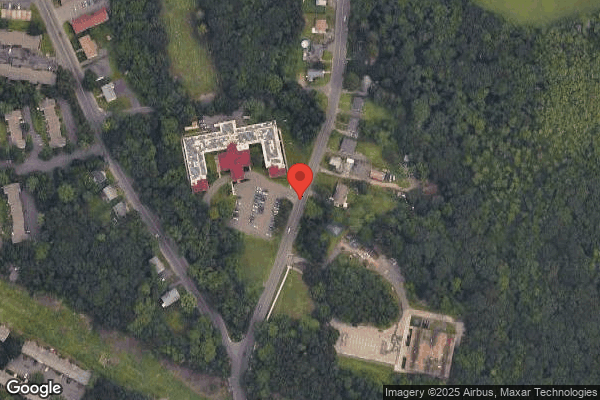
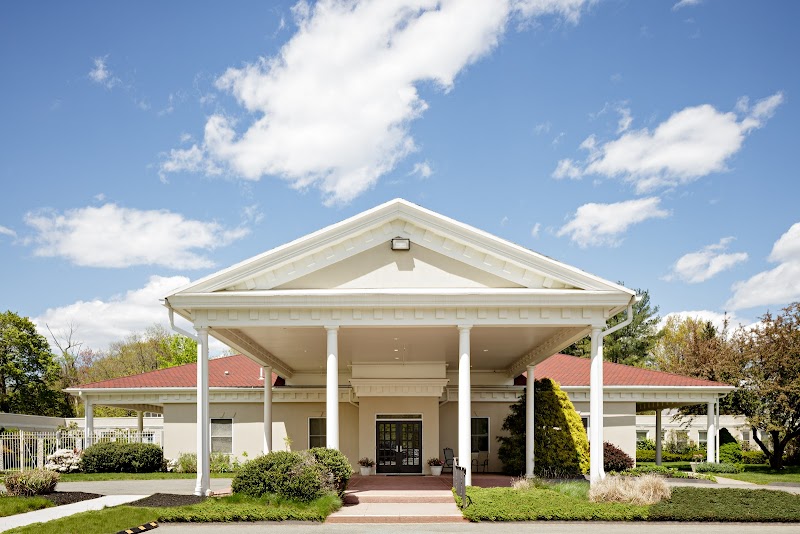
2817 NORTH MAIN STREET, WATERBURY, CT 06704 (203) 757-0731
For profit - Individual 90 Beds AUTUMN LAKE HEALTHCARE Data: November 2025
Trust Grade
73/100
#50 of 192 in CT
Last Inspection: December 2024

Within standard 12-15 month inspection cycle. Federal law requires annual inspections.

Overview

Autumn Lake Healthcare at Bucks Hill has a Trust Grade of B, indicating it is a good choice for families seeking care, as it falls in the 70-79 range on the grading scale. The facility is ranked #50 out of 192 nursing homes in Connecticut, placing it in the top half, and #6 out of 22 in Naugatuck Valley County, meaning there are only five better local options. However, the facility's trend is concerning as it has worsened from 4 issues in 2023 to 13 in 2024. Staffing is relatively stable with a 3/5 star rating and a low turnover rate of 25%, better than the state's average of 38%, which suggests experienced staff. On the positive side, there have been no fines recorded, indicating compliance with regulations. Despite these strengths, there are notable weaknesses. Recent inspections found that the dishwasher was not operating at required sanitizing temperatures, which poses a risk for hygiene. Additionally, residents reported that meals were often served cold, affecting their dining experience, and there have been concerns about the lack of weekend activities that were not adequately addressed by the staff. Overall, while the facility has some solid points, families should consider these serious concerns.

Trust Score
B
73/100
In Connecticut
#50/192
Top 26%
Safety Record
Low Risk
No red flags
Inspections
Getting Worse
4 → 13 violations
Staff Stability
✓ Good
25% annual turnover. Excellent stability, 23 points below Connecticut's 48% average. Staff who stay learn residents' needs.
Penalties
✓ Good
No fines on record. Clean compliance history, better than most Connecticut facilities.
Skilled Nurses
⚠ Watch
Each resident gets only 28 minutes of Registered Nurse (RN) attention daily — below average for Connecticut. Fewer RN minutes means fewer trained eyes watching for problems.
Violations
⚠ Watch
24 deficiencies on record. Higher than average. Multiple issues found across inspections.
★★★★☆
4.0
Overall Rating
★★★☆☆
3.0
Staff Levels
★★★★★
5.0
Care Quality
★★★☆☆
3.0
Inspection Score
Stable
2023: 4 issues
2024: 13 issues

The Good

  • 5-Star Quality Measures · Strong clinical quality outcomes
  • Low Staff Turnover (25%) · Staff stability means consistent care
  • Full Sprinkler Coverage · Fire safety systems throughout facility
  • No fines on record
  • Staff turnover is low (25%)

    23 points below Connecticut average of 48%

Facility shows strength in quality measures, staff retention, fire safety.

The Bad

Chain: AUTUMN LAKE HEALTHCARE

Part of a multi-facility chain

Ask about local staffing decisions and management

The Ugly 24 deficiencies on record

Dec 2024 12 deficiencies
CONCERN (D)

Potential for Harm - no one hurt, but risky conditions existed

Deficiency F0578 (Tag F0578)

Could have caused harm · This affected 1 resident

**NOTE- TERMS IN BRACKETS HAVE BEEN EDITED TO PROTECT CONFIDENTIALITY** Based on interviews and record reviews for the only sampled resident, (Resident #329), reviewed for advance directives, the faci...

Read full inspector narrative →
**NOTE- TERMS IN BRACKETS HAVE BEEN EDITED TO PROTECT CONFIDENTIALITY** Based on interviews and record reviews for the only sampled resident, (Resident #329), reviewed for advance directives, the facility failed to ensure the advance directives consent was signed and available. The findings include: Resident #329's diagnoses included traumatic subdural hemorrhage, history of traumatic brain injury, and epilepsy. The hospital Interfacility Transfer Summary (W-10) dated [DATE] identified Resident #329 had a status of DNR/DNI (do not resuscitate/do not intubate). The physician's order dated [DATE] directed for Resident #329 to be a full code, indicating that cardiopulmonary resuscitation (CPR) was to be performed. The admission Minimum Data Set assessment dated [DATE] identified Resident #329 had a Brief Interview of Mental Status (BIMS) of 9 indicating moderate cognitive impaired and she/he required partial/moderate assistance for eating and substantial/maximal assistance needed for toileting and dressing. The Resident Care Plan dated [DATE] identified Resident #329 was to be provided with CPR (fully coded). Interventions included to provide end of life care per the resident's wishes, discuss code status with resident/family/responsible party, and have the advance directive consent signed. Interview and clinical record review with the Director of Nurses (DNS) on [DATE] at 11:00 AM failed to identify an available signed advance directive. Although the packet was noted to be in the chart, the advance directive form remained blank. The DNS indicated that facility practice was to obtain a code status within 24 hours of admission. A follow up interview with the DNS on [DATE] at 10:08 AM identified the facility policy for advance directives required the supervisor or charge nurse to review the code status paperwork with the resident or responsible party upon admission and then obtain a physician's order to reflect the resident's wishes. She believed the paperwork was not signed because Resident #329's responsible party was not available. An interview and record review with APRN #1 on [DATE] at 9:40 AM identified resident code status' should be obtained within 24 hours of admission and that she had reviewed the code status with Resident #329 on [DATE]. APRN #1 stated that aside from her/his aphasia (speaking/understanding deficit) Resident #329 was able to make her/his needs known and answered yes when presented with the full code option for resuscitation code status. Review of the hospital W-10 with APRN #1 indicated that although Resident #329 was discharged with a status of DNR, APRN #1 denied talking to Resident #329's responsible party to clarify the advance directive wishes because the phone number on file did not work adding in the world we live in she/he defaults to being a full code just like someone on the street would. An interview on [DATE] at 10:40 AM with Registered Nurse (RN) #1 identified that the facility policy required the RN supervisor to review and obtain signatures on the advance directives paperwork, if a residents BIMS (brief interview of mental status determining cognitive status) was over 13 (intact) then the resident reviewed and signed the advance directives paperwork. If the BIMS was below 13, the advance directive paperwork was signed by the responsible party. RN #1 indicated that Resident #329's paperwork had not been completed because the responsible party had a lot going on, had been going back and forth with the code status decision, but the facility was able to speak to the responsible party on [DATE] verbally confirming Resident #329 DNR/DNI status wishes. Subsequent to surveyor inquiry, the advance directives paperwork was signed by the responsible party, RN supervisor, and APRN, to reflect a code status of DNR/DNI. A phone interview with Person #1 on [DATE] at 12:28 PM identified the facility had not contacted her/him upon the resident's admission to verify Resident #329's resuscitation code status. Person #1 indicated that she/he was the conservator of person for Resident #329 to make healthcare decisions. Although resuscitation paperwork had been sent to Person #1 on [DATE] no one had followed up with him/her regarding the resident's code status, and on [DATE] when she/he visited the facility with the paperwork, there was no one from administration available to speak with regarding the resident preferred code status. Person #1 identified that she/he spoke with RN#1 on [DATE] and approved Resident #329's DNR/DNI code status. Review of the Advance Directives Policy dated 9/2017 directed in part that it is the resident's right to formulate an advance directive, and the facility would identify, clarify, and review with the resident or legal representative whether they desire to make any changes related to advance directives during the care planning process.
CONCERN (D)

Potential for Harm - no one hurt, but risky conditions existed

Report Alleged Abuse (Tag F0609)

Could have caused harm · This affected 1 resident

**NOTE- TERMS IN BRACKETS HAVE BEEN EDITED TO PROTECT CONFIDENTIALITY** Based on interviews, review of clinical record, and facility policy for the only sampled resident, (Resident #27), reviewed for ...

Read full inspector narrative →
**NOTE- TERMS IN BRACKETS HAVE BEEN EDITED TO PROTECT CONFIDENTIALITY** Based on interviews, review of clinical record, and facility policy for the only sampled resident, (Resident #27), reviewed for personal property, the facility failed to report the loss of a resident's personal belonging to the State Agency within the 24-hour time requirement. The findings include: Resident #27's diagnoses included Huntington's disease, major depressive disorder, and bilateral cataracts. The annual Minimum Data Set assessment dated [DATE] identified Resident #27 had long and short term memory loss and was dependent with personal hygiene, dressing, and required maximal assistance for chair to bed and bed to chair transfers. The Resident Care Plan (RCP) dated 12/10/23 identified Resident #27 was at risk for impaired visual function related to cataracts. Interventions included the wearing of glasses, and monitoring for signs and symptoms of acute eye problems including changes in ability to perform activities of daily living and blurred vision. A Complaint and Concern Log form dated 12/18/23 identified a family member reported the loss of Resident #27's bracelet. Interviews attached to the form failed to identify the time of the report by the family member. Although the facility conducted a search of the room and shower room, they were not able to locate the bracelet. Social services, nursing, and the Administrator were made aware of the lost bracelet and interview investigation forms were obtained from 9 staff members, 2 of whom provided care for Resident #27 during the time in which the bracelet went missing. An interview with Person #2 on 12/5/24 at 11:38 AM identified Resident #27's bracelet was a thick chain link 14 Karat (K) gold bracelet, measuring 6 ¼ inches in length and engraved with security information and numbers to call if the resident got lost. Person #2 noted the bracelet had a secure clasp and was valued at over $200. He/she further indicated that after reporting the loss of the bracelet to the Supervisor he/she was informed the police could be called if he/she believed it was necessary. An interview with the facility Administrator and DNS on 12/5/24 at 12:06 PM identified that the Administrator was aware of the lost bracelet. If the bracelet was stolen, she would have reported the incident to the police and to the state agency within 2 hours, however the Administrator failed to identify she had any evidence the bracelet had not been stolen. Further, the Administrator indicated that due to the engraving no one would have stolen the bracelet from Resident #27 and the engraving devalued 14K bracelet. Review of the facility's Resident Personal Belongings/Missing Items Policy identified that the facility protects the rights of a resident to possess personal belongings, Although the facility had a missing item policy, the policy failed to identify what action the facility would take upon the identification of a missing item. Review of the facility's Abuse policy identified that in cases of Misappropriation of resident property with no injury a report is to be filed within 24 hours to both the State Agency and law enforcement, and a written follow-up report would be sent to the State Agency within 72 hours of the incident and include a copy of the Accident/Incident report.
CONCERN (D)

Potential for Harm - no one hurt, but risky conditions existed

Deficiency F0676 (Tag F0676)

Could have caused harm · This affected 1 resident

**NOTE- TERMS IN BRACKETS HAVE BEEN EDITED TO PROTECT CONFIDENTIALITY** Based on staff interviews and review of the clinical record for the only sampled resident, (Resident #44), reviewed for Activiti...

Read full inspector narrative →
**NOTE- TERMS IN BRACKETS HAVE BEEN EDITED TO PROTECT CONFIDENTIALITY** Based on staff interviews and review of the clinical record for the only sampled resident, (Resident #44), reviewed for Activities of Daily Living (ADL's), the facility failed to prevent a decline in transfer and ambulation (walking) abilities. The findings include: Resident #44's diagnoses included atrial fibrillation, repeated falls, and Alzheimer's disease. The quarterly Minimum Data Set (MDS) assessment dated [DATE] identified Resident #44 had severe cognitive impairment, required substantial/maximum assistance for chair to bed and bed to chair transfers, partial/moderate assistance for sit to stand ability, and had not been ambulating. The Resident Care Plan (RCP) dated 7/10/24 identified Resident #44 had a deficit in ADL self-care performance. Interventions included ambulate with an assist of 1 with a rolling walker (RW) with a wheelchair (WC) to follow twice a day for 200 feet. A physician's order dated 8/14/24 directed staff to ambulate Resident #44 twice a day to prevent a decline in function. Review of the 9/1/24 to 9/30/24 Nurse Aide (NA) flowsheet documentation identified Resident #44 rarely walked in the hallway. Further review identified Resident #44 ambulated in his/her room [ROOM NUMBER] out of 60 opportunities for the month of September (36 missed opportunities). Review of the 10/1/24 to 10/31/24 NA flowsheet documentation identified that Resident #44 did not ambulate in the hallway and that he/she walked in his/her room for a total of 21 out of 62 opportunities for the month of October (41 missed opportunities). Review of the 11/1/24 to 11/30/24 NA flowsheet documentation identified that Resident #44 did not ambulate in the hallway and that he/she walked in his/her room for a total of 4 out of 60 opportunities for the month of November (56 missed opportunities). An interview with NA #3 on 12/4/24 at 10:45 AM identified that Resident #44 had a decline in his/her ability to walk and transfer, and now required increased assistance from staff to wlk and transfer. NA #3 indicated that she had not notified anyone of Resident #44's decline. An Interview with Licensed Practical Nurse (LPN) #2 on 12/4/24 at 1:35 PM identified she did not think Resident #44 was able to ambulate currently and was definitely not ambulating 200 feet according to the RCP. An interview with Rehabilitation Director, Physical Therapist (PT) #1 on 12/4/24 at 12:18 PM identified that Resident #44 had not been evaluated by PT recently and that he/she was due for a routine quarterly evaluation around January of 2025. PT #1 had not been notified that Resident #44 had a decline in his/her ability to walk and transfer. Further PT #1 indicated had he been notified sooner; he would have scheduled Resident #44 for an evaluation to determine Resident #44's status. Re-interview with LPN #2 on 12/5/24 at 2:35 PM identified that subsequent to surveyor inquiry, she had been informed by NA #3 of Resident #44's substantial decline in ambulation and transfers. LPN #2 indicated that while she had known the resident had not been ambulating; after speaking with NA #3 and the surveyor, she had placed a request for PT to evaluate Resident #44 due to his/her decline. An interview with PT #1, the Director of Nursing Services (DNS), and Registered Nurse (RN) #1 on 12/6/24 at 1:00 PM identified that Resident #44 would be evaluated by PT in the near future due to the resident's decline in ability to ambulate and if there was a decline Resident #44 would be scheduled for rehabilitation services to try and regain lost function.
CONCERN (D)

Potential for Harm - no one hurt, but risky conditions existed

ADL Care (Tag F0677)

Could have caused harm · This affected 1 resident

**NOTE- TERMS IN BRACKETS HAVE BEEN EDITED TO PROTECT CONFIDENTIALITY** Based on observations, review of the clinical record, facility policy and the interview for the only sampled resident (Resident ...

Read full inspector narrative →
**NOTE- TERMS IN BRACKETS HAVE BEEN EDITED TO PROTECT CONFIDENTIALITY** Based on observations, review of the clinical record, facility policy and the interview for the only sampled resident (Resident #22) reviewed for activities of daily living, the facility failed to maintain clean and trimmed fingernails. The findings include: Resident #22 diagnoses included cerebral vascular accident (CVA), joint derangement, contracture, and left flaccid hemiplegia. The quarterly Minimum Data Set assessment dated [DATE] identified Resident #22 had intact cognition and was dependent of 1 for upper/lower body dressing, and personal hygiene. The Resident Care Plan dated 11/28/24 identified Resident #22 had a self-care deficit related to a CVA and was at risk for further contractures. Interventions included to provide assistance of 1 for bathing, check skin, trim nails on bath day, and report any new abnormal skin areas to the charge nurse. A physician's order dated 12/4/24 directed a body audit every week on shower day. Observations on 12/2/24 at 12:38 PM, 12/3/24 at 1:00 PM, and 12/4/24 at 9:20 AM, identified Resident #22 fingernails were soiled with a brownish debris below the nailbeds and nails were abnormally lengthy. Observation on 12/4/24 at 1:10 PM identified Resident #22's fingernails were noted to be soiled with a brownish debris below the nailbeds and lengthy. Additionally, Resident #22 identified his/her nails were lengthy and he/she did not like them to be so long. Resident #22 identified that he/she had not requested his/her nails to be cleaned/trimmed because it was not up to me. Interview with Nurse Aide (NA) #3 on 12/5/24 at 1:54 PM identified that Resident #22 had a bath on 12/3/24 (Tuesday) and should have had nail care done at that time. NA #3 identified that although she did not provide Resident #22 a bath on 12/3/24, she did provide morning care to the resident on 12/4/24 and 12/5/24. NA #3 observed that Resident #22's nailed were long/soiled, should have been cleaned and trimmed, but she did not complete nail care due to being too busy. Interview with the DNS on 12/5/24 at 2:45 PM identified the NA was responsible to cut and clean resident's nails, and the nurse was responsible to oversee the task was completed. Review of the Care of Fingernail and toenails policy directed, in part, directed colleagues to review the resident's care plan to assess for any special needs of the resident. According to the policy, nail care would include cleaning and regular trimming.
CONCERN (D)

Potential for Harm - no one hurt, but risky conditions existed

Quality of Care (Tag F0684)

Could have caused harm · This affected 1 resident

**NOTE- TERMS IN BRACKETS HAVE BEEN EDITED TO PROTECT CONFIDENTIALITY** Based on clinical record review, observations, and interviews for the only sampled resident (Resident #5) reviewed for respirato...

Read full inspector narrative →
**NOTE- TERMS IN BRACKETS HAVE BEEN EDITED TO PROTECT CONFIDENTIALITY** Based on clinical record review, observations, and interviews for the only sampled resident (Resident #5) reviewed for respiratory care, the facility failed to follow a hospital discharge order for specialist consultation. The findings include: Resident #5 's diagnoses included end stage renal disease, urinary tract infection, and heart failure. Review of the hospital Discharge summary dated [DATE] directed that Resident #5 follow up with a nephrologist in 1 week. The quarterly Minimum Data Set assessment dated [DATE] identified Resident #5 was cognitively intact, and dependent with bed mobility, transfers, personal hygiene, bathing, and dressing. Review of the Advance Practice Registered Nurse (APRN) #1 Progress Note dated 10/28/24 identified that Resident #5 had chronic kidney disease and the plan was for the Resident #5 to follow-up with a nephrologist as recommended. Additionally, Resident #5 had experienced a hypotensive (low blood pressure) episode and was supposed to follow-up with a nephrologist after her/his hospital stay in August. Further review of the clinical record failed to identify Resident #5 was seen by a nephrologist until 11/18/24. Following the nephrology consultation, orders directed Resident #5 to avoid nephrotoxins and renal dose medications and that Resident #5 should be seen again in follow-up in 3 months. An interview with Resident #5 on 12/4/24 at 12:10 PM identified that if he/she had known about the hospital discharge instruction to follow up with a nephrologist in 1 week after discharge from the hospital in August, he/she would have requested the consultation to have been scheduled timely. An interview with APRN #1 on 12/4/24 at 1:11 PM identified that Resident #5 was to follow up with a nephrologist after her/his discharge from the hospital on 8/4/24. APRN #1 identified that she did not ask Resident #5 if he/she would like to follow up with the nephrologist and she was not sure if anyone else had spoken to the resident regarding an appointment with the nephrologist. APRN#1 further identified that the hospital discharge orders were recommendations and that the recommendations were reviewed and considered, but that she had felt it was unnecessary for Resident #5 to follow up with the nephrologist and the facility does what's appropriate for the residents.
CONCERN (D)

Potential for Harm - no one hurt, but risky conditions existed

Pressure Ulcer Prevention (Tag F0686)

Could have caused harm · This affected 1 resident

**NOTE- TERMS IN BRACKETS HAVE BEEN EDITED TO PROTECT CONFIDENTIALITY** Based on review of the clinical record, facility policy, and interviews for the only sampled resident (Resident #39) reviewed fo...

Read full inspector narrative →
**NOTE- TERMS IN BRACKETS HAVE BEEN EDITED TO PROTECT CONFIDENTIALITY** Based on review of the clinical record, facility policy, and interviews for the only sampled resident (Resident #39) reviewed for pressure ulcers, the facility failed to ensure weekly skin checks (body audits) were conducted per the physician orders, and failed to ensure that a Registered Nurse (RN) assessment was conducted for a resident who was readmitted to the facility with a pressure ulcer. The findings include: Resident #39's diagnoses included a stage 4 pressure ulcer, failure to thrive, and dementia without behaviors. A. The quarterly Minimum Data Set (MDS) assessment date 1/17/23 identified Resident #39 was severely cognitively impaired and required assistance of 1 staff member for bed mobility. The Resident Care Plan in effect from 3/1/23 through 4/30/24 identified a stage 4 pressure area to the coccyx, continue with treatments as ordered, and weekly skin checks on shower days. Physician's orders dated 3/1/23 through 4/30/23 directed weekly body audits on shower days. A physician's order dated 3/22/24 directed a body audit on admission, daily for 3 days then once per week on Fridays. An interview and clinical record review with the DNS on 12/4/24 at 12:40 PM, failed to identify documentation that body audits had been completed weekly per the physician orders from 4/7/23 to 6/30/23. Additionally, the clinical record failed to reflect documentation that skin assessments had been completed per the physician orders from 3/23/24 to 4/18/24 daily for 3 days, then weekly. Interview with RN #3 on 12/4/24 at 1:00 PM identified that there was an issue with the lack of weekly body audits being completed from 4/7/23 through 4/18/24, and that per the facility practice, weekly body audits were completed by the charge nurse and any new skin issues were documented weekly on the body assessment form. Re-interview with the DNS on 12/5/24 at 9:45 AM identified that the charge nurses along with Resident #39's assigned NA were responsible for ensuring weekly body audits were completed as ordered on the appropriate weekly body audit form and that most residents had body audits scheduled on their shower days. B. Review of the hospital Discharge summary dated [DATE] identified Resident #39 had a pressure ulcer. A readmission Nursing Assessment completed on 3/22/24 at 10:48 PM by Licensed Practical Nurse (LPN) #5 identified a stage 2 coccyx wound but failed to identify measurements of the wound and failed to describe the wound appearance. Further review of the clinical record, failed to identify that Resident #39's pressure ulcer (coccyx wound) had been assessed by a Registered Nurse (RN). A readmission physician's order dated 3/22/24 directed to cleanse Resident #39's coccyx with normal saline pack wound with Aquacel AG and cover with dry, clean dressing. Review of Registered Nurse (RN) #2's admission nurse's note dated 3/22/24 at 6:40 PM identified that although Resident #39 had been readmitted with a coccyx pressure ulcer there was no RN assessment or measurement of the wound in the nurse's note or on Resident #39's readmission form. Resident #39's Resident Care Plan dated 3/24/24 indicated he/she returned from the hospital with a stage 4 pressure that was unchanged. Interventions directed to assist with positioning every 2 hours, provide pressure relieving/reducing devices to bed and chair, skin checks on shower days, and treatment to the coccyx as ordered. Review of Resident #39's facility wound physician note dated 3/25/24 identified a stage 4 pressure area (not stage 2 per LPN #5). Additionally, the area was measured and noted to be 1.5 cm long (centimeters) by 1 cm wide and 0.5 cm deep with undermining (separation of skin from underlying tissue). Interview and clinical record review with LPN #5 on 12/4/24 at 3:00 PM identified that LPN #5 had staged Resident #39's wound but failed to document any measurements. LPN #5 stated that there was a lot going on when Resident #39 was admitted and could not recall if RN #2 had come to assess the resident's pressure ulcer. LPN #5 identified that the facility practice was for the RN to assess pressure ulcers and document the results on the admission/readmission assessment. Interview and clinical record review with RN #2 on 12/4/24 at 3:20 PM identified that she was not aware LPN #5 had staged Resident #39's pressure ulcer until reviewing the clinical record with the surveyor. RN #2 indicated that the LPN does not normally stage a pressure ulcer. Although RN #2 stated she must have seen the wound as she had written a note indicating the pressure ulcer was present, she was unable to explain why there was no assessment or measurement of the wound in the clinical record. Interview with the DNS on 12/5/24 at 9:45 AM identified that the nurses (RNs and LPNs) would usually assess resident wounds together upon admission or readmission to the facility. The DNS identified that the RN was responsible for assessing and documenting a pressure ulcer which included measurements and characteristics of the wound. Review of the Pressure Injury Prevention and Management Policy dated 12/15/22 directed, in part, that pressure ulcer monitoring would be completed by the RN Unit Manager or designee to review all relevant documentation including pressure injury risks, progression towards healing and compliance at least weekly and document the summary of findings in the medical record. Additionally, licensed nurses would conduct a full body skin assessment on all new admissions and re-admissions, weekly, and after any newly identified pressure injury and that findings would be documented in the medical record.
CONCERN (D)

Potential for Harm - no one hurt, but risky conditions existed

Deficiency F0688 (Tag F0688)

Could have caused harm · This affected 1 resident

**NOTE- TERMS IN BRACKETS HAVE BEEN EDITED TO PROTECT CONFIDENTIALITY** Based on observations, review of the clinical record, facility policies and interviews for the only sampled resident (Resident #...

Read full inspector narrative →
**NOTE- TERMS IN BRACKETS HAVE BEEN EDITED TO PROTECT CONFIDENTIALITY** Based on observations, review of the clinical record, facility policies and interviews for the only sampled resident (Resident #22) reviewed for positioning and mobility, the facility failed to apply a left wrist hand splint as ordered. The findings include: Resident #22's diagnoses included Cerebral Vascular Accident (CVA), contracture of left hand joint, and flaccid hemiplegia affecting left dominant side. The quarterly Minimum Data Set (MDS) assessment dated [DATE] identified Resident #22 had intact cognition and was dependent with bed mobility, transfers and activities of daily living including upper body dressing. The Resident Care Plan dated 11/28/24 identified Resident #22 had a self-care deficit related to a CVA and was at risk for further contractures. Interventions included instructions for a left wrist brace to be worn when out of bed and during transfers. A physician's order dated 6/16/20 and currently in effect directed the left-hand splint to be worn from 7:00 AM to 3:00 PM. Further instructions noted for the 7:00 AM to 3:00 PM shift were to don (apply) the left hand splint with morning (AM) care, and doff (remove) the left-hand splint with last rounds on the 7:00 AM to 3:00 PM shift. Observation on 12/2/24 at 12:38 PM identified Resident #22 was lying in bed, alert, verbal and appropriately answering questions. Additionally, Resident #22 was not wearing a left-hand splint. Observation on 12/3/24 at 11:45 AM noted Resident #22 was lying in bed, without the benefit of a left-hand splint being applied. Observation on 12/4/24 at 1:12 PM identified Resident #22 was seated in his/her wheelchair in the hallway. Additionally, it was noted Resident #22 was wearing a left lower leg brace, but a left-hand splint was not applied. Interview with Nurse Aide (NA) #3 on 12/4/24 at 1:32 PM identified that she was the NA providing care for Resident #22. NA #3 noted that she usually would put the left-hand splint on Resident #22 for a couple of hours in the afternoon when Resident #22 was out of bed. Further interview with NA #3 and observation at that time, identified instructions for splinting that were taped to the wall in Resident #22's room which indicated to apply a left-hand splint at 7:00 AM, with instructions directing how to apply the left-hand splint. NA #3 stated that the information was in the electronic health record (EHR) directing how to care for Resident #22. Review of the task section (with an original date of 9/7/17 and currently in effect) in the EHR noted splint application/removal. apply to left hand 8:00 AM to 12:00 PM and then 2:00 PM to 6:00 PM daily. Remove 12:00 PM to 2:00 PM and 6:00 PM, check skin for redness and report to charge nurse (which was a discrepancy from the physician orders to wear the left-hand splint from 7:00 AM to 3:00 PM). Further instructions noted for the 7:00 AM to 3:00 PM shift directed to don (apply) the left hand splint with morning (AM) care and doff (remove) the left-hand splint with last rounds on the 7:00 AM to 3:00 PM shift. NA #3 identified she had placed the left hand splint on Resident #22 for a couple of hours in the afternoon because that was what she had been instructed. Interview with Physical Therapist (PT) #1 on 12/5/24 at 1:26 PM indicated Resident #22's left hand splint should be donned on the 7:00 AM to 3:00 PM shift, applied during AM care and doffed on last rounds per the physician orders. PT #1 provided the splinting and orthotics schedule located in the therapy office, which indicated to apply a left hand splint to be worn on the 7:00 AM to 3:00 PM shift and off on last rounds on the 7:00 AM to 3:00 PM shift. Interview with the Director of Nurses (DNS) on 12/6/24 at 10:21 AM identified the NA would know how to care for a resident by referring to the instructions in the EHR. Review of the EHR with the DNS indicated a discrepancy between the instructions on the physician orders and the instructions in the task section of the EHR. Additionally, the DNS determined there was a transcription discrepancy when the physician orders were inputted into the EHR task section by a licensed staff who no longer worked at the facility. Re-interview with PT #1 on 12/6/24 at 10:30 AM noted PT #1 if the left-hand splint was not applied for a day or so, it wouldn't affect the contracture, but not wearing for long durations would not prevent further contractures, which was the purpose for the utilization of the hand splint. Review of the Prevention of Decline in Range in Motion policy dated 1/27/23 directed, in part, a nurse with the responsibility for the resident to monitor for consistent implementation of the care plan interventions. The Assistive Devices and Equipment policy updated in 2019, indicated that staff and volunteers were trained and demonstrate competency on the use of assisted devices prior to assisting residents.
CONCERN (D)

Potential for Harm - no one hurt, but risky conditions existed

Deficiency F0692 (Tag F0692)

Could have caused harm · This affected 1 resident

**NOTE- TERMS IN BRACKETS HAVE BEEN EDITED TO PROTECT CONFIDENTIALITY** Surveyor: [NAME], [NAME] A. Based on staff interviews, review of the clinical record, and review of facility policy for 2 of 5 s...

Read full inspector narrative →
**NOTE- TERMS IN BRACKETS HAVE BEEN EDITED TO PROTECT CONFIDENTIALITY** Surveyor: [NAME], [NAME] A. Based on staff interviews, review of the clinical record, and review of facility policy for 2 of 5 sampled residents, (Resident #44 and Resident #281), reviewed for nutrition/hydration status, for Resident #44 the facility failed to weigh the resident monthly, failed to reweigh the resident after a 5 pound weight loss, and failed to ensure the dietician re-evaluated the resident after a weight loss and per the physician's order, and for Resident #281 failed to complete and appropriately document weights for a resident who was newly admitted , underweight and malnourished. The findings include: 1. Resident #44's diagnoses included atrial fibrillation, repeated falls, and Alzheimer's disease. The quarterly Minimum Data Set (MDS) assessment dated [DATE] identified Resident #44 was moderately cognitively impaired and was independent after set up for eating. The Resident Care Plan (RCP) dated 11/5/24 identified Resident #44 had an actual nutrition risk. Interventions included providing nutritional supplements as ordered and monitoring weights for significant weight loss. The physician orders in effect for September 2024 through December 2024 directed to weigh Resident #44 monthly. Review of Resident #44's weight records identified on 9/27/24 he/she weighed 103.8 pounds (lbs.), the record failed to indicate an October weight, on 11/9/24 Resident #44 weighed 97.2 lbs. (6.6 lbs. a 6.4 % loss) and on 11/27/24 he/she weighed 97.9 lbs. The weight record failed to identify that following weight loss on 11/9/24 or 11/27/24 the resident was re-weighed for accuracy. Advanced Practice Registered Nurse (APRN) #1's progress note dated 11/19/24 indicated a need for the dietician to evaluate Resident #44 for decreased oral intake, weight loss, and protein and calorie malnutrition. Interview with Dietician on 12/6/24 at 12:10 PM identified she was responsible for reviewing all facility resident weights weekly to identify weight changes. The Dietician reported that she was unaware of the facility weight policy for weighing residents who had weight loss as she had never been given a copy. Although the Dietician indicated that she had made recommendations and had physician's orders for interventions for Resident #44's weight loss, she was unable to locate a nutritional assessment that would have re-evaluated calorie needs, fluid needs, intake amounts, and addressed the overall weight loss, but that she had not completed the Nutritional Assessment. The Dietician also indicated she would likely have made a recommendation for weekly weights due to the weight loss for Resident #44 if the evaluation had been completed. Interview with NA #3 on 12/6/24 at 12:25 PM identified the Weight Assessment and Intervention policy and procedure was to be followed for significant weight loss and directed to reweigh residents for accuracy when weight loss occurred. NA #3 reported weights were conducted on shower days during the first week of the month and the policy required notification to the unit nurse when there was a significant weight loss. NA #3 could not recall if notification was made in November. Additionally, NA #3 could not recall why Resident #44 was not weighed at all in October 2024. Interview with DNS and RN #1 on 12/6/24 at 12:35 PM identified they were not aware Resident #44 had a significant weight loss. The DNS indicated the resident should, ideally, be re-weighed after a significant weight loss to verify accuracy of any weight loss within 24-48 hours. The DNS indicated Resident #44 had not been re-weighed in November according to the time frame. 2. Resident #281's diagnoses included dementia, severe sepsis with septic shock, and urinary tract infection. The admission assessment dated [DATE] identified Resident #281 was non-verbal and cognitively impaired. The admission Assessment indicated Resident #281 required substantial/maximal assistance with eating, was a 2-person physical assist/dependent for transfers. The admission Assessment indicated Resident #281's most recent weight to be 120 pounds with a date of 1/4/22. The admission assessment was signed by the Registered Nurse Supervisor on 12/1/24. The Resident Care Plan dated 11/30/24 identified actual nutritional risk secondary to being underweight with total feeding assistance and need for a therapeutic diet. Interventions included to provide diet as ordered, feed/assist with meals and snacks and that the registered dietician was to evaluate and make diet change recommendations as needed. A physician's order dated 11/30/24 directed to weigh Resident #281 on admission then weekly one time a day every Tuesday. A nursing progress note dated Tuesday, 12/3/24 at 8:28 PM indicated the facility was unable to weigh Resident #281 due to a broken scale. A Nutrition Evaluation completed by the dietician dated 12/3/24 identified that Resident #281 was underweight and the most recent weight dated 1/4/22 was 120 pounds. The Nutrition Evaluation indicated that there was no admission weight completed or documented, nursing was made aware, and a weight was requested. Additionally, the Nutrition Evaluation identified Resident #281's weight per the hospital electronic medical records (EMR) was 135 pounds on 11/24/24, the resident had low muscle and fat mass, and had a history of being underweight. Interview with NA #5 on 12/5/24 at 12:45 PM identified that Resident #281 should have been weighed upon admission and weights must be completed for every admission. NA #5 indicated that Resident #281's weight should have been done by the NA assigned to the resident when he/she was admitted to the facility, and she was unsure why a weight was not taken. Interview and record review with LPN #4 on 12/5/24 at 12:53 PM identified that Resident #281's weight should have been obtained by the assigned NA on admission and she was unsure why the weight had not been taken. LPN #4 indicated that she normally would catch that an admission weight was not completed and documented a nurses note, but that she must have missed the omission. Review of the clinical record with LPN #4 failed to identify a weight had been completed and documented for Resident #281 since admission. Interview and record review with DNS on 12/5/24 at 1:00 PM identified Resident #281 was new to the facility and should have been weighed upon admission. The DNS indicated it would have been up to the NA or nurse assigned to obtain a weight for Resident #281. The DNS identified she was unsure why Resident #281's weight had not been obtained and documented on admission, and had not been informed a scale was broken. Review of the clinical record with the DNS failed to identify a weight had been completed and documented since Resident #281's admission. Subsequent to surveyor inquiry, on 12/5/24 at 1:26 PM Resident #281 was observed being weighed in his wheelchair by a NA with a recorded weight of 114.2 pounds. Interview and record review with the Dietician on 12/6/24 at 10:00 AM identified that when she conducted Resident #281's Nutrition Evaluation on 12/3/24, she informed the nursing supervisor that the resident did not have an admission weight completed and documented in his/her clinical record and requested a weight be obtained. The Dietician indicated that Resident #281 would be classified as malnourished and underweight with low muscle and fat mass with an ideal body weight of 141 pounds. The Dietician identified that if she had known Resident #281 weighed 114.2 pounds and not 135 pounds (per the hospital electronic medical record she accessed from 11/24/24), she would have changed her nutrition recommendations to add fortified super cereal to Resident #281's daily diet. The Dietician indicated that although she needed to complete a new nutritional assessment for Resident #281 due to the weight discrepancy, she would put the resident on her high-risk list for closer monitoring. Review of the Dietician's document titled Dietician On-Site Visit dated 12/3/24 identified Resident #281 had not had an admission weight completed or documented and that the weight entered on his admission Assessment was dated 2022. The Dietician indicated that at the conclusion of her visit to the facility on [DATE], she made copies of her Dietician On-Site document and gave copies to the nursing supervisor and the DNS. The Dietician further identified that she was not aware of the scale being broken and that upon Resident #281's admission to the facility, she would have expected nursing to complete and appropriately document the resident's weight in the clinical record where it could have been accessed by her. Review of the facility policy, Weight Assessment and Intervention, undated, directed that any weight change of 5 lbs. or more since the last weight would trigger that the weight be retaken. If the weight was verified and was determined to be a weight loss, nursing would consult with the dietician, MD, and family/responsible party. Additionally, nursing staff will measure a resident's weight on the day of admission, the day after and weekly for 4 weeks, and weights would be recorded in each resident's medical record.
CONCERN (D)

Potential for Harm - no one hurt, but risky conditions existed

Infection Control (Tag F0880)

Could have caused harm · This affected 1 resident

**NOTE- TERMS IN BRACKETS HAVE BEEN EDITED TO PROTECT CONFIDENTIALITY** Based on observations, interviews, review of the clinical record, and facility policy for 2 of 5 residents (Resident #41 and Res...

Read full inspector narrative →
**NOTE- TERMS IN BRACKETS HAVE BEEN EDITED TO PROTECT CONFIDENTIALITY** Based on observations, interviews, review of the clinical record, and facility policy for 2 of 5 residents (Resident #41 and Resident #59) reviewed for infection control, the facility failed to ensure appropriate Personal Protective Equipment (PPE) use during high contact care for residents who required Enhanced Barrier Precautions (EBP). The findings include: 1. Resident #41's diagnoses included peripheral vascular disease, diabetes, and chronic kidney disease. A physician's order dated 5/31/24 directed EBP to be maintained every shift for chronic wounds. The quarterly Minimum Data Set (MDS) assessment dated [DATE] identified Resident #41 was cognitively intact and dependent for toileting, bathing, personal hygiene, transfers, and dressing. The Resident Care Plan in effect from 12/1/24 through 12/4/24 identified that Resident #41 was on EBP for leg lymphedema. Interventions directed to wear gloves and a gown when changing contaminated linens and place soiled linens in bags marked biohazard. Review of the [NAME] dated 12/4/24 identified Resident #41 was on EBP for chronic wounds and directed staff to wear a gown and gloves when performing high contact activities. Observation of Resident #41 and NA #2 on 12/4/24 at 6:50 AM identified visible signage outside the resident's door that directed staff must wear gloves and a gown when performing high contact activities. A cart containing disposable isolation gowns and other PPE was noted outside of Resident #41's room and NA #2 was observed to be providing high contact care. An interview with NA #2 on 12/4/24 at 6:50 AM identified that Resident #41 was on EBP and the blue dot next to the resident's name outside the door indicated that the resident was on EBP. NA #2 stated that staff should wear gloves and a gown when care and treatments were provided for a resident with chronic wounds. NA #2 identified that she should have been wearing PPE, but she was rushing. Additionally, NA #2 indicated she was unaware of the facility policy. An interview with the Director of Nursing (DNS) on 12/4/24 at 8:06 AM identified that she had observed NA #2 not wearing PPE on 12/4/24 at 6:50 AM. The DNS indicated that all staff had been educated on wearing appropriate PPE and educated that the blue dot next to the resident's name directed the use of EBP. The DNS was unable to identify why NA #2 was not wearing proper PPE during the provision of high contact care for Resident #41, she should have been, and further stated that she would provide the facility policy. 2. Resident #59's diagnoses included a stage 3 pressure ulcer, severe obesity, and type 2 diabetes. The annual Minimum Data Set (MDS) assessment dated [DATE] identified Resident #59 was cognitively intact, required maximal assistance with personal hygiene, and was dependent with chair to bed and bed to chair transfers. The Resident Care Plan (RCP) dated 9/30/24 identified a risk for infection requiring EBP use related to a chronic pressure ulcer on the left buttocks. Interventions included EBP and the resident required the use of gown and gloves during dressing, transferring, and wound care. An observation on 12/2/24 at 10:36 AM identified signage posted on Resident #59's door which was visible prior to entry, indicating EBP with directions that providers and staff must wear gloves and a gown for high contact activities. Nurse Aide (NA) #1 was not observed to be wearing any PPE while providing care to Resident #59. An interview with NA #1 on 12/2/24 at 10:40 AM identified she had been bathing Resident #59, using a basin and washcloth, and changed his/her sheets. NA#1 indicated she was aware that PPE should be worn prior to providing care to a resident in a room that was identified to require the use of EBP. NA #1 stated that she had not worn PPE because she had forgotten to do so. Review of the facility's Enhanced Barrier Precautions policy identified that staff members are to wear gloves and a gown during high contact resident care activity (dressing, bathing, transferring, changing linens, etc.) for residents on EBP.
CONCERN (E)

Potential for Harm - no one hurt, but risky conditions existed

Deficiency F0804 (Tag F0804)

Could have caused harm · This affected multiple residents

Based on observations, facility documentation, interviews, and facility policy , the facility failed to ensure resident food was served at a safe temperature and was appetizing. The findings include: ...

Read full inspector narrative →
Based on observations, facility documentation, interviews, and facility policy , the facility failed to ensure resident food was served at a safe temperature and was appetizing. The findings include: Review of the facility monthly Food Committee Meeting minutes dated 10/30/24 and 11/26/24, identified that residents complained that the soup and coffee was served cold. Interview with Resident Council attendees on 12/4/24 at 11:00 AM indicated food was not served at a safe and appetizing temperature approximately 50% of the time. Observation on 12/5/24 at 12:11 PM identified dietary staff were preparing to plate food. A test tray was requested. The cook indicated the steam tray temperature was 150 degrees Fahrenheit (F) prior to initiating plating. The plates were maintained in a plate warmer until ready for use. After dietary aids put beverages and a desert on the trays, an insulated cover was placed over the plate. All trays were loaded onto a metal serving cart, the test tray was placed as the final tray, and the cart left the kitchen at 12:25 PM. Observation on 12/5/24 at 12:26 PM identified the meal cart was delivered to the Colonial A unit. The first tray was removed by nursing assistant at 12:27 PM and taken to a resident's room. After all other trays had been delivered, the test tray was removed from the cart at 12:39 PM. Both the Food Service Director and Surveyor used calibrated thermometers to check the temperatures of the food as follows: Pork chops with gravy: surveyor temp 118 degrees F/Food Service Temp 118.2 degrees F/Goal 135 degrees F; Mashed Potatoes: surveyor temp 119.4 degrees F/Food Service Temp 120 degrees F/Goal 135 degrees F; Hot beets: surveyor temp 111 degrees F/Food Service Temp 111 degrees F/Goal 135 degrees F; Milk: surveyor temp 46 degrees F/Food Service Temp 46 degrees F/Goal 41 degrees F. The Food Service Director identified that the test tray temperatures were not appropriate according to the set requirement. Review of the facility policy for Food Quality and Palatability identified food and drinks must be served at a safe and appetizing temperature to meet resident's needs.
CONCERN (F)

Potential for Harm - no one hurt, but risky conditions existed

Food Safety (Tag F0812)

Could have caused harm · This affected most or all residents

Based on observations, staff interviews, facility documentation, and facility policy during a tour of the Food Services Department, the facility failed to ensure dishwasher temperatures were maintaine...

Read full inspector narrative →
Based on observations, staff interviews, facility documentation, and facility policy during a tour of the Food Services Department, the facility failed to ensure dishwasher temperatures were maintained according to the manufacturer's requirement to adequately sanitize dishware. The findings include: Interview and observation of the dishwashing process with the Director of Food Services and Dietary Aide (DA) #1 on 12/5/24 at 1:37 PM identified a wash cycle temperature of 148 degrees Fahrenheit (F) and a rinse cycle temperature of 150 degrees F. According to a mounted metal NSF Data Plate on the front of the unit, dishwashing temperatures for the hot water sanitizing cycle should have a wash tank minimum temperature of 160 degrees F, and a final sanitizing rinse minimum temperature of 180 degrees F. The observed temperatures failed to meet the manufacturer's requirement to ensure adequate hot water sanitization temperatures. The Director of Food Services identified that sometimes the cycle needed to be run a couple of times to get the temperature up to the minimum manufacturer's requirement, he restarted the cycle several more times on the same tray of dishes (12 plastic bowls) and although during the repeated cycles the rinse cycle rose to 188 degrees F, the wash temperature never reached the required minimum of 160 degrees F. Interview and review of the December 2024 dishwasher temperatures logs with DA #1 identified she recorded a wash temperature of 145 degrees F and a rinse temperature of 160 degrees F as well as all the other recorded wash and rinse temperatures being below the requirement. DA #1 stated that dishwasher temperatures below the required minimums were a common occurrence, and although the dish washing log had the correct temperature parameters listed on the bottom of the page including a directive to stop washing and alert the manager or designee, she stated she had not followed the facility policy. The Director of Food Services indicated that the unit had been scheduled for service the following day and that, going forward, the chemical sanitizing method would be used until the unit was serviced, inspected, and considered operational by the service technician. Subsequent to surveyor inquiry, the Director of Food Services indicated the current dishes as well as the previous 2 loads could not be deemed adequately sanitized based on the wash temperatures not meeting the minimum manufacturer's requirements. The Director of Food Services switched the unit to perform chemical sanitizing, the minimum chemical sanitizing temperatures were noted to be met, and he stated he would start the rewashing process to properly sanitize all 3 loads. Review of the Ware washing policy dated 9/2017 identified, in part, the dining services staff will be knowledgeable in the proper technique for processing dirty dishware through the dish machine and proper handling of sanitized dishware. Further, the policy indicated that all dish machine water temperatures would be maintained in accordance with the manufacturer's recommendations for high temperature or low temperature machines.
MINOR (B)

Minor Issue - procedural, no safety impact

Safe Environment (Tag F0921)

Minor procedural issue · This affected multiple residents

**NOTE- TERMS IN BRACKETS HAVE BEEN EDITED TO PROTECT CONFIDENTIALITY** Based on observations and interviews for 1 of 2 tub rooms, the facility failed to provide a homelike, sanitary, and safe environ...

Read full inspector narrative →
**NOTE- TERMS IN BRACKETS HAVE BEEN EDITED TO PROTECT CONFIDENTIALITY** Based on observations and interviews for 1 of 2 tub rooms, the facility failed to provide a homelike, sanitary, and safe environment. The findings include: Observation during the initial facility tour on 12/4/24 at 8:00 AM of [NAME] Unit tub room identified the following: 1) Tiles were cracked and broken on the floor and walls. 2) The radiators had stains and were discolored. 3) The vanity cabinet with the sink had broken pieces, was cracked, and discolored. 4) Debris was noted hanging from the fan. An Interview with the Maintenance Director on 12/5/24 at 10:00 AM identified that tiles were cracking and missing, the radiator needed to be painted, and the vanity cabinet had water damage and needed to be replaced. The Maintenance Director indicated that the ceiling fan had dust, needed to be cleaned, and that he was responsible to ensure cleaning. He was unsure when the fan had last been cleaned. Interview with the Administrator on 12/5/24 at 10:30 AM identified that the facility had remodeled certain areas in the building but was unsure if the [NAME] Unit was slated to be remodeled or in what timeframe the remodeling for this area would begin. The Environmental Rounds log was reviewed for 9/24 and failed to identify any concerns with the tub rooms in the facility.
May 2024 1 deficiency
CONCERN (D) 📢 Someone Reported This

A family member, employee, or ombudsman was alarmed enough to file a formal complaint

Potential for Harm - no one hurt, but risky conditions existed

Quality of Care (Tag F0684)

Could have caused harm · This affected 1 resident

**NOTE- TERMS IN BRACKETS HAVE BEEN EDITED TO PROTECT CONFIDENTIALITY** Based on clinical record review, facility documentation review, facility policy review, and interviews for one of three resident...

Read full inspector narrative →
**NOTE- TERMS IN BRACKETS HAVE BEEN EDITED TO PROTECT CONFIDENTIALITY** Based on clinical record review, facility documentation review, facility policy review, and interviews for one of three residents (Resident #2) reviewed for quality of care, the facility failed to ensure a follow-up specialist appointment was scheduled timely after a new admission, and failed to ensure timely notification to the dialysis center of physician orders for medication administration at the dialysis center. The findings include: Resident #2 was admitted to the facility during 4/2024 with diagnoses that included infection and inflammatory reaction due to an internal right knee prosthesis, and end stage renal disease. The Resident Care Plan (RCP) dated 4/10/2024 identified end stage renal disease and IV antibiotics. Interventions directed hemodialysis three (3) times a week, IV vancomycin for 6 months until 9/30/2024, to be given by dialysis RN post dialysis, and Resident #2 to follow up with MD #1 within 1 week and MD #2 within two (2) to four (4) weeks. The admission Minimum Data Set (MDS) form dated 4/17/2024 identified Resident #2 was alert and oriented and required limited assistance of one staff for all ADLs. A. Hospital Discharge summary dated [DATE] directed Resident #2 was to follow-up with orthopedic MD #1 in one week. Review of the Facility Appointment/Transport Schedule for the month of April 2024 failed to identify an appointment for Resident #2 with MD #1 between the dates 4/10 to 4/23/2024. A nursing note dated 4/22/2024 at 3:55 PM written by the DON identified herself and the IDT (interdisciplinary team), had a discussion with Resident #2 and Person #2 regarding care at facility, insurance coverage, and discharge date . Resident #2 and Person #2 questioned why resident's incision site dressing was not changed, and the DON explained that the surgeon ordered the dressing remain in place until next visit, but the facility would call and get an order to remove it if the surgeon agrees. The dressing was subsequently removed, and an order was given to remove the staples and place steri-strips. Appointment date was changed to 5/1/2024. Person #2 questioned why the appointment was on 5/1/2024 and not sooner, to which it was noted that this appointment was made in the time frame given by the hospital of two (2) to four (4) weeks after discharge, and the appointment was re-scheduled to 4/24/2024 at 1:45 PM. Review of MD #1 Consultation Report dated 4/24/2024 identified Resident #2 was seen for follow up visit on 4/24/2024, after discharge from the hospital. Interview with Administrator and DON on 5/15/2024 at 9:05 AM identified it's the RN Supervisor's and Transportation #1's responsibility to ensure appointments are scheduled and transport is scheduled. The Administrator identified on admission, she spoke with Resident #2 and Person #2 regarding required follow up appointments, and informed Resident #2 that any appointments with the resident's primary care physician (PCP) in the community would not be scheduled by the facility as the facility has their own in-house providers during the resident's stay. The Administrator identified it was her mistake that the facility did not schedule an appointment with MD #1, because during the discussions with Resident #2 and Person #2, she assumed MD #1 was the community PCP, and not the Orthopedic surgeon because both physician names were close in pronunciation. The Administrator identified the facility should have scheduled a follow-up appointment with MD #1 within the week of Resident #2's admission to the facility and once identified, the facility scheduled an appointment as soon as possible with MD #1. Although requested, the facility did not have a policy for scheduling appointments. B. Hospital Discharge summary dated [DATE] directed Vancomycin 1.5 grams (g)/250 milliliters (mL)-NaCl 0.9% intravenous solution, to be given by the dialysis RN, post dialysis treatment. Review of the facility physician orders dated 4/10/2024 directed Resident #2 to receive Vancomycin 1.5 gm IV, administered at dialysis, three times a week. Review of the Dialysis Communication Forms for the dates 4/11/2024 through 5/11/2024 identified out of thirteen (13) opportunities, Resident #2 missed nine (9) doses of Vancomycin at dialysis. a. The communication forms dated 4/23, 4/25, 5/2 and 5/4/23, indicated Resident #2 received Vancomycin during/after dialysis treatment. b. The communication forms dated 4/11, 4/13, 4/16, 4/18, 4/20, 4/30, 5/7, 5/9, and 5/11/2024, failed to identify Vancomycin was administered during/after dialysis. Review identified Resident #2 missed dose of Vancomycin on the nine (9) dates listed. Review of nursing note dated 4/25/2024 at 11:44 PM (written by RN #3) identified a phone call was received from MD #1's office requesting weekly labs (CBC, CMP, CRP and ESR) to be fax to ID (Infectious Disease) Team. Call to the dialysis center, confirmed they will draw labs on Thursdays and send results to this facility and ID Team, and confirmed Resident #2 was receiving IV Vancomycin at dialysis. Interview with RN #2/dialysis RN on 5/15/2024 at 9:40 AM identified Resident #2 was not receiving Vancomycin at dialysis until 4/23/2024. RN #2 identified dialysis was not notified by the discharging hospital or by the facility of orders that directed Vancomycin administration. Interview and clinical record review with the DON on 5/15/2024 at 12:30 PM identified all residents receiving hemodialysis are sent to dialysis with a communication book that includes the resident medication list. The DON stated that although Resident #2's communication book included his/her medication list, the order for Vancomycin did not show up on the medication list sent to dialysis because it was entered incorrectly in the Electronic Medical Record (EMR); the order was categorized as other and medications categorized as other do not print with the physician orders. The DON stated the EMR only prints medications that are entered under the category of pharmacy and dialysis did not receive the Vancomycin order from the facility. The DON stated the Vancomycin would not be entered as pharmacy because that would cue the nurses to administer the medication. The DON was unable to provide documentation that dialysis was notified of the Vancomycin orders to be administered at dialysis. Although requested, a facility policy regarding notification of physician orders for medications to be administered at dialysis was not provided for surveyor review. Review of the Dialysis Care Policy (undated) directed in part, the facility will initiate communication sheets which will be sent and received from the dialysis unit, and will contain routine communication between the facility and dialysis unit.
Nov 2023 4 deficiencies
CONCERN (D) 📢 Someone Reported This

A family member, employee, or ombudsman was alarmed enough to file a formal complaint

Potential for Harm - no one hurt, but risky conditions existed

Notification of Changes (Tag F0580)

Could have caused harm · This affected 1 resident

**NOTE- TERMS IN BRACKETS HAVE BEEN EDITED TO PROTECT CONFIDENTIALITY** Based on clinical record reviews, facility documentation, facility policy and interviews for one of three sampled residents (Res...

Read full inspector narrative →
**NOTE- TERMS IN BRACKETS HAVE BEEN EDITED TO PROTECT CONFIDENTIALITY** Based on clinical record reviews, facility documentation, facility policy and interviews for one of three sampled residents (Resident #1) who had poor decision-making skills regarding tasks of daily life, the facility failed to notify the Power of Attorney at the time the resident experienced a change in condition, and a new medication and laboratory blood work were recommended by a medical provider. The findings include: Resident #1's diagnoses included Alzheimer's dementia, retinal occlusion, hypermetropias, presbyopia, cataract, and glaucoma. The Resident Care Plan dated 7/19/23 identified Resident #1 was at risk for visual function related to retinal occlusion, hypermetropias, presbyopia, cataract, and glaucoma. Interventions directed to monitor, document, report to a physician the following sign signs and symptoms of acute eye problems: change in ability to perform activity of daily living, decline in mobility, sudden visual loss, pupils dilated, gray or milky, complain of halos around lights, double vision, tunnel vision, blurred or hazy vision. The admission Minimum Data Set (MDS) assessment dated [DATE] identified Resident #1 had poor decision-making skills regarding tasks of daily life, required extensive assistance with bed mobility, transfer, toilet use, and personal hygiene. The Advanced Practice Registered Nurse (APRN) progress note dated 8/2/23 identified Resident #1 complained of dry eyes, there was no report of pain or drainage, Resident #1 reportedly rubbed the eyes at times, and the eyes teared. The APRN recommended artificial tears one (1) drop to both eyes every six (6) hours as needed for dry eyes or itch. The APRN progress note dated 8/22/23 identified Resident #1 was evaluated for reports of right eye drainage and increased congestion. Upon evaluation redness was present to the right sclera, right eye conjunctiva red, there was dry drainage present to outer the right eye, Resident #1 reported the right eye itchiness started a few days ago. The APRN recommended Erythromycin 5 grams four (4) times daily for seven (7) days, monitor for any adverse reactions, notify MD or APRN, monitor for pain, and administer pain medication as needed. The APRN progress note dated 8/25/23 identified Resident #1 was seen for medication evaluation. The APRN recommended to obtain a complete blood count (CBC), comprehensive metabolic panel (CMP), lipid panel, liver function test (LFT), hemoglobin A1C, free T4, thyroid stimulating hormone (TSH), vitamin B12, folic acid, and vitamin D level on 8/28/23 and will make medication adjustments accordingly if indicated. A review of the clinical record from 8/2/23 through 8/25/23 failed to identify documentation the Power of Attorney, Person #1 was notified when Resident #1 experienced a change in condition, and artificial tears, Erythromycin and blood work were ordered. Interview and review of the clinical record with the 7AM-3PM Nursing Supervisor, Registered Nurse (RN) #1, on 11/15/23 at 2:13 PM identified the Resident #1's Power of Attorney was not notified on 8/2, 8/22 and 8/25/23 when Resident #1 experienced a change in condition. RN #1 indicated Power of Attorney was to be notified with every new order. Notification of Change policy directed the facility must inform the resident, consult with the resident's physician, and notify the resident's family member or legal representative when there was a change requiring such notification. Circumstances requiring notification included a new treatment.
CONCERN (D) 📢 Someone Reported This

A family member, employee, or ombudsman was alarmed enough to file a formal complaint

Potential for Harm - no one hurt, but risky conditions existed

Deficiency F0658 (Tag F0658)

Could have caused harm · This affected 1 resident

**NOTE- TERMS IN BRACKETS HAVE BEEN EDITED TO PROTECT CONFIDENTIALITY** Based on clinical record reviews, facility documentation, policy, and interviews for one of three sampled residents (Resident #1...

Read full inspector narrative →
**NOTE- TERMS IN BRACKETS HAVE BEEN EDITED TO PROTECT CONFIDENTIALITY** Based on clinical record reviews, facility documentation, policy, and interviews for one of three sampled residents (Resident #1) who had potential for impairment to skin integrity, the facility failed to conduct and document an initial wound assessment when blisters were identified. The finding include: Resident #1's diagnoses included Alzheimer's dementia, acute kidney injury, chronic kidney disease, and heart failure. The Resident Care Plan dated 7/19/23 identified Resident #1 was at risk for pressure ulcer or potential for pressure ulcer development related to decreased mobility and bowel and bladder incontinence. Interventions directed to monitor, document, report to a physician as needed changes in skin status: appearance, color, wound healing, signs or symptoms of infection, wound size (length by width by depth), and stage. The quarterly Minimum Data Set (MDS) assessment dated [DATE] identified Resident #1 had poor decision-making skills regarding tasks of daily life, required extensive assistance with bed mobility, transfer, toilet use, and personal hygiene. The nurse's note dated 9/1/23 at 3:49 PM identified the left lower extremity remained red, edematous, two raised blisters were noted, Advanced Practice Registered Nurse (APRN) was made aware, and a new order for Keflex, and skin prep for blisters was obtained. Review of the clinical record failed to reflect documentation that a complete assessment, i.e., size color and exact location of the blisters had been conducted when the area was first identified on 9/1/23 to establish a baseline description of the area for further evaluation to determine if there was an improvement or a decline of the blisters. Interview and clinical record review with the wound nurse, Licensed Practical Nurse (LPN) #1, on 11/15/23 at 12:32 PM identified the nurse who identified a new skin impairment was responsible to assess and measure the new area. LPN #1 indicated she could not answer as to why the measurement and initial assessment was not completed. Interview and review of the clinical record with the 7AM-3PM Nursing Supervisor, Registered Nurse (RN) #1, on 11/15/23 at 1:11 PM identified whoever identified a new skin impairment was responsible to assess and document in the progress notes. Skin Assessment policy directed a skin assessment will be conducted by a licensed or registered nurse upon admission/re-admission. The assessment may also be performed after a change in condition or after any newly identified area.
CONCERN (D) 📢 Someone Reported This

A family member, employee, or ombudsman was alarmed enough to file a formal complaint

Potential for Harm - no one hurt, but risky conditions existed

Pressure Ulcer Prevention (Tag F0686)

Could have caused harm · This affected 1 resident

**NOTE- TERMS IN BRACKETS HAVE BEEN EDITED TO PROTECT CONFIDENTIALITY** Based on clinical record reviews, facility documentation, policy, and interviews for one of three sampled residents (Resident #1...

Read full inspector narrative →
**NOTE- TERMS IN BRACKETS HAVE BEEN EDITED TO PROTECT CONFIDENTIALITY** Based on clinical record reviews, facility documentation, policy, and interviews for one of three sampled residents (Resident #1) who had potential for impairment to skin integrity, the facility failed to conduct and document weekly skin assessments in accordance with the physician's order. The finding include: Resident #1's diagnoses included Alzheimer's dementia, acute kidney injury, chronic kidney disease, and heart failure. A physician's order dated 7/13/23 directed body audit on admission and daily for a total of three (3) days, then weekly one (1) time a day every Tuesday. The Resident Care Plan dated 7/19/23 identified Resident #1 was at risk for pressure ulcer or potential for pressure ulcer development related to decreased mobility and bowel and bladder incontinence. Interventions directed to monitor, document, report to a physician as needed changes in skin status: appearance, color, wound healing, signs or symptoms of infection, wound size (length by width by depth), and stage. The admission Minimum Data Set assessment dated [DATE] identified Resident #1 had poor decision-making skills regarding tasks of daily life, required extensive assistance with bed mobility, transfer, toilet use, and personal hygiene. Review of the clinical record failed to reflect documentation weekly skin checks were conducted on 7/25, 8/1, 8/8, 8/22, 8/29, 9/5, and 9/12/23. Interview and review of the clinical record with the 7AM-3PM Nursing Supervisor, Registered Nurse (RN) #1, on 11/15/23 at 1:11 PM identified the weekly skin assessments were not conducted on 7/25, 8/1, 8/8, 8/22, 8/29, 9/5, and 9/12/23. RN #1 indicated the floor nurses were responsible for the weekly skin assessments and they must fill out the skin assessment form in the computer. Although requested a weekly skin assessment policy was not provided.
CONCERN (D) 📢 Someone Reported This

A family member, employee, or ombudsman was alarmed enough to file a formal complaint

Potential for Harm - no one hurt, but risky conditions existed

Deficiency F0692 (Tag F0692)

Could have caused harm · This affected 1 resident

**NOTE- TERMS IN BRACKETS HAVE BEEN EDITED TO PROTECT CONFIDENTIALITY** Based on clinical record reviews, facility documentation, facility policy and interviews for one of three sampled residents (Res...

Read full inspector narrative →
**NOTE- TERMS IN BRACKETS HAVE BEEN EDITED TO PROTECT CONFIDENTIALITY** Based on clinical record reviews, facility documentation, facility policy and interviews for one of three sampled residents (Resident #1) who was reviewed for a change in condition, the facility failed to follow the physician's order and obtain the laboratory blood work that was ordered. The findings include: Resident #1's diagnoses included Alzheimer's dementia, acute kidney injury, chronic kidney disease, and heart failure. The Resident Care Plan dated 7/19/23 identified Resident #1 was at risk for dehydration related to medication use. Interventions directed to obtain laboratory blood work as ordered. The admission Minimum Data Set (MDS) assessment dated [DATE] identified Resident #1 had poor decision-making skills regarding tasks of daily life, required extensive assistance with bed mobility, transfer, toilet use, and personal hygiene. The Advanced Practice Registered Nurse (APRN) progress note dated 8/31/23 identified Resident #1 with multiple comorbidities was evaluated for acute kidney injury, routine lab work was obtained revealing an elevated blood urea nitrogen (BUN) and creatinine and decrease GFR from baseline and an elevated Vitamin B12 level, blood pressure was stable averaging 120's to 130's over 60's to 70's on Norvasc and Metoprolol daily and recommended intravenous fluids, 0.45% Normal Saline at 75 milliliters (ml)/hour times two (2) liters and to repeat a Basic Metabolic Panel (BMP) on 9/3/23. The nurse's note dated 8/31/23 at 2:36 PM identified blood work was evaluated by an APRN, noted to have an elevated BUN and creatinine, a new order for intravenous hydration, normal saline 0.45% at 75 ml/hour times two (2) liter, order in place, IV department called for peripheral line insertion, repeat laboratory blood work for BMP on 9/3/23, and the family was called and updated. A physician's order dated 8/31/23 directed to obtain a Basic Metabolic Panel one (1) time only on 9/3/23. Interview and review of the clinical record with the Administrator on 11/15/23 at 12:40 PM identified she could not locate the laboratory blood work that was ordered for 9/3/23. The Administrator indicated she placed a call to the laboratory services and the laboratory supervisor stated she sent all the blood work reports for Resident #1 which was the blood work obtained on 8/31/23. The Administrator was unable to answer as to why the blood work was not obtained on 9/3/23. Interview and review of the clinical record with the 7AM-3PM Nursing Supervisor, Registered Nurse (RN) #1, on 11/15/23 at 1:11 PM identified the 9/3/23 BMP was not drawn. RN #1 indicated the process was for the APRN to place an order in the computer, then the floor nurse or the supervisor noted the order, filled the laboratory sheet for the ordered blood work and placed it in the laboratory folder under the date the blood work was to be drawn. RN #1 identified when the laboratory technician came in, they check the laboratory folder and fill the order. Review of the laboratory folder failed to identify documentation from September 2023 and the facility staff was unsure where the copies of the drawn blood work were. The Consulting Physician/Practitioner Orders policy directed for consulting physician, practitioner orders received in writing or via fax the nurse in a timely manner will call the attending physician to verify the order. Document the verification order by entering the order and the time, date, and signature on the physician order sheet. Follow facility procedure for verbal or telephone order including noting the order, submitting to pharmacy, and transcribing to medication or treatment administration record.
Aug 2022 4 deficiencies
CONCERN (D)

Potential for Harm - no one hurt, but risky conditions existed

Safe Environment (Tag F0584)

Could have caused harm · This affected 1 resident

**NOTE- TERMS IN BRACKETS HAVE BEEN EDITED TO PROTECT CONFIDENTIALITY** Observations on 8/15/22 of resident room [ROOM NUMBER] and the [NAME] unit shower room identified the following: • Dust b...

Read full inspector narrative →
**NOTE- TERMS IN BRACKETS HAVE BEEN EDITED TO PROTECT CONFIDENTIALITY** Observations on 8/15/22 of resident room [ROOM NUMBER] and the [NAME] unit shower room identified the following: • Dust build up on the surfaces surrounding the TV • Overflowing garbage container that appear to not have been emptied • The bathroom was noted to have debris on the floor • A small amount of brown buildup was noted on the bathroom door jamb • There appeared to be heavy dust buildup that hung from the bathroom ceiling • There were a large number of dead insects observed in the clear glass overhead light in the bathroom. • The shower seat located in the shower room had brownish colored buildup along the sides of the shower seat. An interview on 8/15/22 at 10:50 AM with Resident #6 (alert and oriented) identified that the housekeeping staff did not clean the bedroom, bathroom, and shower room on a regular basis. Resident #6 identified that the staff empties the garbage and may sweep but do not dust or mop routinely. Resident #6 further identified that fecal matter was left on the door jamb for three days and had not been cleaned by the housekeeping staff. Resident #6 indicated his/her concerns with the housekeeping practices were brought up during a resident council meeting but there had been no improvement in the housekeeping practices. He/She further noted that Resident #37 ended up cleaning the shower chair at one point as it was left soiled even after reporting the issue. Subsequent observations on 8/16/22 at 1:00 PM and 8/18/22 at 2:00 PM identified the areas of concern with the omission of the garbage remained unchanged from observations made on 8/15/22. An interview on 8/18/22 at 2:06 PM with Housekeeper #1 identified he was responsible for cleaning the resident rooms and shower room on [NAME] and had completed all required daily tasks for the day on that unit. Housekeeper #1 indicated daily tasks included dusting and wipe down all tables and around the TV, sweep and mop the bedroom and bathrooms, clean and disinfect bathrooms and wipe down surfaces, wipe down light fixtures in the bedroom and bathroom, clean wall surfaces and door jambs if soiled, replace paper products and empty the garbage cans. He further noted that all surfaces were to be wiped and disinfected in the shower rooms including the shower chair. Subsequent interview with Housekeeper #1 following a tour of the areas in question identified that Housekeeper #1 had not wiped down and disinfected surface areas including light fixtures, had not mopped the bedroom or bathroom floors of room [ROOM NUMBER] and had not wiped down and disinfected the shower chair in the [NAME] shower room. An interview on 8/18/22 at 2:12 PM and 8/19/22 at 2:15 PM with the Director of Housekeeping identified daily cleaning tasks of the resident rooms included emptying trash, dust mop/spot mop, cleaning walls if soiled, wiping and disinfecting horizontal surfaces, light fixtures in the bedroom and bathrooms, adding paper supplies and finish rooms with sweeping and mopping with a new mop. All surfaces in shower rooms should also be wiped down and disinfected including the shower chair. All staff have until 3:00 PM to complete all required tasks. The Director of Housekeeping indicated he routinely checked areas cleaned to ensure completeness and will chip in if short staffed. He also confirmed housekeeping was not short staffed on 8/18/22 and that he did not follow up with everyone that day. The Housekeeping Director also indicated he would expect the cleaning to be done according to the cleaning schedule and as described and was also not sure why the large number of casings located in the light fixture were not addressed sooner. An interview on 8/22/22 at 10:19 AM with the Director of Maintenance identified he was responsible for ensuring that any debris collected in the light fixtures were cleaned. The Director indicated he routinely did rounds for preventative maintenance but had not done them recently because he had been very busy. The Director of Maintenance also indicated he would address the issue if reported or put in the maintenance log. Subsequent to surveyor inquiry, the Director of Maintenance indicated he removed the debris and cleaned the light fixtures and indicated the number of debris was really bad. Housekeeping Inservice for Patient Room Cleaning identified a 5- step process that includes emptying trash, sanitize all horizontal surfaces with a properly diluted germicide, clockwise around the room hitting all surfaces. Tabletops, headboards, windowsills, and chairs all should be done. Walls to be spot cleaned, especially around the garbage cans, light switches, and door handles. Dust mop entire floor especially behind dressers and beds, moving furniture to dust followed by damp mopping the entire floor.
CONCERN (D)

Potential for Harm - no one hurt, but risky conditions existed

Comprehensive Assessments (Tag F0636)

Could have caused harm · This affected 1 resident

**NOTE- TERMS IN BRACKETS HAVE BEEN EDITED TO PROTECT CONFIDENTIALITY** Based on review of the clinical record, review of facility documentation, review of facility policy, and interviews for two of f...

Read full inspector narrative →
**NOTE- TERMS IN BRACKETS HAVE BEEN EDITED TO PROTECT CONFIDENTIALITY** Based on review of the clinical record, review of facility documentation, review of facility policy, and interviews for two of four sampled residents (Residents #25 and #67) reviewed for Preadmission Screening and Resident Review (PASRR) the facility failed to ensure the MDS was coded to indicate the residents had a serious mental illness. The findings include: 1. Resident #25's diagnoses included schizoaffective disorder and major depressive disorder. Review of the Level II PASRR dated 8/5/21 identified Resident #25 had diagnoses that included severe mental illness. The annual MDS assessment dated [DATE] identified Resident #25 was not considered by PASRR to have a severe mental illness. The care plan dated 7/28/22 identified Resident #25 used psychotropic medications for a diagnosis of depression and schizoaffective disorder with interventions that included psych services as indicated, monitor behaviors and report changes to the physician. An interview on 8/16/22 at 1:44 PM with the Social Worker (SW #1) identified she was responsible for coding the section of the MDS assessments pertaining to PASSR. SW #1 indicated that it was an oversight on her part that she had neglected to code the MDS assessments accurately for Residents #25 but would code the assessment correctly moving forward. The 3.0 Resident Assessment Instrument (RAI) Manual directs to code 0 if a level II assessment determined a resident did not have a serious mental illness and code 1 if a level II PASRR determined that the resident had a severe mental illness. 2. Resident #67's diagnoses included bipolar disorder and major depressive disorder. The Level II PASRR dated 6/19/18 noted Resident #67 had a diagnosis of a severe mental illness. The annual MDS assessment dated [DATE] identified Resident #67 was not considered by PASRR to have a severe mental illness. The care plan dated 6/7/22 identified Resident #67 used psychotropic medications for management of bipolar disorder and depression with interventions that included, administer medications as ordered and monitor and report incidences of behaviors. An interview on 8/16/22 at 1:44 PM with the Social Worker (SW #1) identified she was responsible for coding the section of the MDS assessments pertaining to PASSR. SW #1 indicated that it was an oversight on her part that she had neglected to code the MDS assessments accurately for Residents #67 but would code the assessment correctly moving forward. The 3.0 Resident Assessment Instrument (RAI) Manual directs to code 0 if a level II assessment determined a resident did not have a serious mental illness and code 1 if a level II PASRR determined that the resident had a severe mental illness.
CONCERN (D)

Potential for Harm - no one hurt, but risky conditions existed

Medical Records (Tag F0842)

Could have caused harm · This affected 1 resident

**NOTE- TERMS IN BRACKETS HAVE BEEN EDITED TO PROTECT CONFIDENTIALITY** Based on review of the clinical record, review of facility documentation, review of facility policy, and interviews for one samp...

Read full inspector narrative →
**NOTE- TERMS IN BRACKETS HAVE BEEN EDITED TO PROTECT CONFIDENTIALITY** Based on review of the clinical record, review of facility documentation, review of facility policy, and interviews for one sampled resident (Resident #78) reviewed for discharge, the facility failed to ensure the clinical record was complete. The findings include: Resident #78 was admitted to the facility on [DATE] with diagnoses that included transient ischemic attack, cerebral infarction, and congestive heart failure. A nurse's note dated 7/9/22 at 10:51 PM identified Resident #78 was admitted to the facility at 5:50 PM from the hospital, was alert and oriented times four and had no complaints. A nurse's note dated 7/10/22 at 9:10 AM identified Resident #78 was discharge against medical advice (AMA). The note identified that the Resident #78's emergency contact (Person #1) called to ask about taking the resident home. Person #1 indicated that the resident keeps calling and asking to go home. The note further identified that the nurse explained to Person #1 the risks of leaving against medical advice, but Person #1indicated that he/she understood but conveyed that they were coming to pick Resident #78 up. The nurse spoke to Resident #78 and the resident indicated he/she did not need to be there. The against medical advice (AMA) paperwork was signed by Resident #78 and Person #1. Review of the against medical advice (AMA) form dated 7/10/22 identified Resident #78 and Person #1 understood that leaving the facility against medical advice (AMA) also meant that the facility was not responsible for referrals to or for a community physician or other resources, including home health agencies. The form further identified that the facility would not provide any unused medications. Review of the facility' 24 hour report dated 7/10/22 identified that Resident #78 signed out AMA on the 7:00 AM - 3:00 PM shift Resident #78 and the supervisor and APRN were notified. Review of Resident #78's clinical record failed to reflect notification to the physician and the APRN that Resident #78 was discharge against medical advice (AMA). Interview with the DNS on 8/19/22 at 2:00 PM identified the nurses should have documented in Resident #78 clinical record. Interview with APRN #1 on 8/19/22 at 2:36 PM identified he was on call on 7/10/22 and indicated he vaguely remembered a call regarding against medical advice (AMA). Review of the facility's charting, and documentation policy identified all services provided to the resident, or any changes in the residents medical or mental condition, shall be documented in the resident's medical record. All incidents, accidents, or changes in the resident's condition must be recorded. Notification of family, physician or other staff, if indicated.
CONCERN (E)

Potential for Harm - no one hurt, but risky conditions existed

Deficiency F0565 (Tag F0565)

Could have caused harm · This affected multiple residents

**NOTE- TERMS IN BRACKETS HAVE BEEN EDITED TO PROTECT CONFIDENTIALITY** Based on review of facility documentation, review of facility policy, and interviews the facility failed to respond to resident ...

Read full inspector narrative →
**NOTE- TERMS IN BRACKETS HAVE BEEN EDITED TO PROTECT CONFIDENTIALITY** Based on review of facility documentation, review of facility policy, and interviews the facility failed to respond to resident council concerns. The findings include: 1. Review of the Resident Council minutes from May 2022 through July 2022 identified that there were no varied activities scheduled on the weekends. A request for additional activities was put forth by the Resident Council, and in June 2022 a request for the Recreation Director to come to the facility on weekends to ensure activities were taking place was made. Review of the Resident Council minutes failed to identify that their request was responded to. An interview on 8/16/22 at 11:04 AM with the Director of Recreation identified that she was aware of the concerns expressed by the Resident Council regarding limited activities on the weekends. The Recreation Director identified she was having difficulty getting the weekend recreation staff to do activities with the residents. She further identified that she has left items out for recreational activities over the weekend that were not utilized. She indicated that the week prior the residents requested a basket be left out with materials that allowed for independent activities on the weekend. Further interview identified the Recreation Director was unable to show what she had put together for independent weekend activities. An interview on 8/19/22 at 2:08 PM with the Administrator identified that in July of 2022 the Resident Council requested that a cart for independent activities be made available on the weekends and to her knowledge the cart was in place. An interview on 8/22/22 at 9:10 AM with Resident #17 identified there was not enough varied activities on the weekend but was better when recreation staff was available. An interview on 8/22/22 at 9:17 AM with Resident #37 identified Resident Council minutes were not reviewed in the last meeting and there was no follow up from the previous month's meeting. Resident #37 indicated activities have been scheduled at times on the weekends but when he/she attends, the supplies were not available for the activity. Subsequent to surveyor inquiry, the recreation Director assembled a cart with recreation materials available to the residents for weekend use. Attempts to reach the weekend recreation aide were unsuccessful. 2. Review of Resident Council minutes dated 6/29/22 identified the bathroom floor in room [ROOM NUMBER] was filthy and in need of cleaning on a more consistent basis. The note further identified that housekeeping was not being done on the [NAME] unit and the shower bench in the bathroom had slime on it. Concern form(s) with no date noted residents felt nothing was getting done when housekeeping was on [NAME], the bathroom needed to be cleaned in room [ROOM NUMBER] as it was always dirty and, shower room on [NAME] had slime on the shower bench. The concern form(s) were all signed by the Housekeeping Director. The concern form identified that housekeeping was aware and indicated that the housekeeping staff would be checking the shower room more frequently. An interview on 8/15/22 at 10:50 AM with Resident #6 (alert and oriented) identified the facility does not clean the bedroom, bathroom, and shower room on a regular basis and indicated that the housekeeping staff does not dust surfaces, sweep or mop routinely. Resident #6 further noted that fecal matter was left on the door jamb for three days and had not been cleaned by housekeeping. Resident #6 indicated the concern had been brought up at the resident council meeting but no improvement in housekeeping was observed. An interview on 8/18/22 at 2:06 PM with Housekeeper #1 identified he was responsible for cleaning the resident rooms and shower room on the [NAME] unit and had completed all required daily tasks for the day on that unit. Housekeeper #1 indicated daily tasks included dusting and wipe down all tables and around tv, sweep and mop the bedroom and bathrooms, clean and disinfect bathrooms and wipe down surfaces, wipe down light fixtures in the bedroom and bathroom, clean surfaces on the walls and door jambs if soiled, replace paper products and empty garbage's All surfaces were also to be wiped and disinfected in the shower rooms including the shower chair. Subsequent interview with Housekeeper #1 after a tour of the areas in question identified Housekeeper #1 had not wiped down or disinfected surface areas including light fixtures, did not mop the floors in the bedroom or bathroom of room [ROOM NUMBER]. Housekeeper #1 further identified that he had not wiped down or disinfected the shower chair in the [NAME] shower room that day because the house keeping staff were short staffed that day. An interview on 8/18/22 at 2:12 and 8/22/22 at 1:11 PM with the Director of Housekeeping identified daily cleaning responsibilities of the resident rooms included, emptying trash, dust mop/spot mop, cleaning walls if soiled, wiping and disinfecting horizontal surfaces, light fixtures in the bedroom and bathrooms, adding paper supplies and sweeping and mopping with a new mop. All surfaces in shower rooms should be wiped down and disinfected including the shower chair. Staff have until 3:00 PM to complete all required tasks but can be done earlier if all tasks are completed. The Director of Housekeeping indicated that he routinely checks areas cleaned to ensure completeness and would chip in if short staffed. He also confirmed housekeeping was not short staff on 8/18/22 and that he did not follow up with everyone that day. The Housekeeping Director also indicated he would expect the cleaning to be done according to the cleaning schedule. The Housekeeping Director further indicated that although cleaning of the shower chair was a daily task. Review of the Resident Council Rights in the Nursing Home policy identified that the facility should consider the views of the Resident Council and act promptly upon grievances and recommendations that the resident council put forth concerning issues of resident care and life in the facility. It further noted that the facility must demonstrate a response and rationale for their response to Resident Council concerns.
Nov 2019 3 deficiencies
CONCERN (D)

Potential for Harm - no one hurt, but risky conditions existed

Investigate Abuse (Tag F0610)

Could have caused harm · This affected 1 resident

**NOTE- TERMS IN BRACKETS HAVE BEEN EDITED TO PROTECT CONFIDENTIALITY** Based on review of the clinical record, facility documentation, facility policy and interviews for one of one sampled resident r...

Read full inspector narrative →
**NOTE- TERMS IN BRACKETS HAVE BEEN EDITED TO PROTECT CONFIDENTIALITY** Based on review of the clinical record, facility documentation, facility policy and interviews for one of one sampled resident reviewed for an allegation of abuse (Resident #225), the facility failed to conduct a thorough investigation prior to determining the allegation to be unsubstantiated. The findings included: Resident #225 was admitted to the facility on [DATE] with diagnoses that included pneumonia, vascular dementia without behavioral disturbances, and altered mental status. An admission Nursing assessment dated [DATE] identified Resident #225 as moderately impaired for decision making skills, without behaviors and requiring total assistance from staff for most activities of daily living. The Resident Care Plan (RCP) dated 11/4/19 identified a problem with vascular dementia and mental status changes. Interventions included keeping the resident's routine consistent, try to provide consistent care as much as possible in order to decrease confusion, monitor, document and report to physician any changes in cognitive function. On 11/13/19 at 12:12 AM an interview with Person #5 in the presence of Resident #225 indicated about 2 to 3 weeks ago, Resident #225 informed him/her that during the early morning hours, someone came into Resident #225's room and utilized a hairbrush to tap the resident on the forehead to wake Resident #225 out of his/her sleep. Person #5 further indicated he/she didn't report the incident to the facility because of Resident #225's apprehension of not wanting to start or get anyone into trouble, but now wanted the incident investigated. A review of the Reportable Event (RE) dated 11/13/19 at 12:30 PM identified the facility only interviewed Resident #225 regarding the allegation of mistreatment and did not interview other facility staff. The facility concluded the allegation of mistreatment as unfounded on 11/13/19 at 2:54 PM, 2½ hours after reporting the resident's allegation to the State Agency and without interviewing other staff or Person #5. On 11/14/19 at 9:40 AM, an interview with the DNS indicated he deemed Resident #225 and Person #5's allegation as unfounded due to Resident #225 denying the incident had taken place when interviewed by the facility (without Person #5 being present during the interview). The DNS further indicated he didn't directly ask Resident #225 if a brush had been used to wake him/her up because he didn't want to lead the resident in his/her response. The DNS noted he kept his inquiry with Resident #225 broad and asked about the resident's stay and if there was anything Resident #225 was unhappy about. The DNS further indicated that based on the resident's positive response to life at the facility, as well as the resident's cognitive status which he stated was intact (despite the Nursing Assessment identifying Resident #225 as being moderately, cognitively impaired), he determined the allegation as being unsubstantiated. Additionally, the DNS indicated staff interviews were not obtained for the investigation according to the facility's policy because the alleged timeframe of the incident (2-3 weeks ago) was too wide of a span for the DNS to determine who may have had contact with Resident #225. According to the facility's policy for Abuse investigations and reporting under the Abuse and Neglect clinical protocol identified the investigator's role in conducting an investigation will as a minimum: interview the person(s) reporting the incident and interview staff members (on all three shifts) who have had contact with the resident during the period of the alleged incident. The facility failed to complete a thorough investigation prior to determining an allegation of mistreatment was unsubstantiated and prior to notifying the State Agency that the investigation had been closed.
CONCERN (D)

Potential for Harm - no one hurt, but risky conditions existed

Comprehensive Care Plan (Tag F0656)

Could have caused harm · This affected 1 resident

**NOTE- TERMS IN BRACKETS HAVE BEEN EDITED TO PROTECT CONFIDENTIALITY** Based on observation, review of the clinical record, facility documentation, facility policy, and interviews for one of nine sam...

Read full inspector narrative →
**NOTE- TERMS IN BRACKETS HAVE BEEN EDITED TO PROTECT CONFIDENTIALITY** Based on observation, review of the clinical record, facility documentation, facility policy, and interviews for one of nine sampled residents reviewed for dining (Resident #55), the facility failed to follow the Resident Care Plan (RCP) regarding the removal of a left half lap tray during meals. The findings include: Resident #55 was admitted to the facility on [DATE] with diagnoses that included aphasia following a cerebrovascular disease and post mastectomy Lymphedema Syndrome. The quarterly Minimum Data Set (MDS) assessment dated [DATE] identified Resident #55 had moderately impaired cognition, was an extensive assist of one for bed mobility, dressing, toilet use and personal hygiene. Additionally, the MDS identified Resident #55 was independent with eating. A physician's order dated 10/17/19 directed to get Resident #55 out of bed to a custom wheel chair with pelvic positioning belt and left half lap tray to a customized wheelchair, remove left half lap tray for meals. Upright for at least 30 minutes after meals. The Resident Care Plan dated 10/22/19 identified Resident #55 had a deficit in activities of daily living/self-care performance related to a cerebral vascular accident with left sided paralysis. Interventions included to get Resident #55 out of bed via a mechanical lift with a medium size pad, into a customized wheelchair with a pelvic positioning belt, and a half lap tray to the customized wheelchair. Remove the half lap tray with meals. Interview on 11/12/19 at 12:15 PM with Resident #55 identified the nursing staff never remove the half lap tray at meals and the half lap tray is on all day. Resident #55 indicated it was a little harder to eat with the meal tray on top of the lap tray because the meal tray was too high. Observation at that time identified Resident #55's right arm was at an approximate 90 degree angle while he/she was feeding him/herself. Observation on 11/13/19 at 8:10 AM identified Resident #55 was sitting in the customized wheelchair with the left half lap tray in place. The breakfast tray was on the over bed table and the over bed table was placed above the half lap tray with Resident #55 in the customized wheelchair. Resident #55 appeared uncomfortable eating breakfast due to the meal tray being on the over bed table, and the over bed table placed over the half lap tray, which was at a higher level for Resident #55 to reach. Resident #55 was observed reaching in an upward motion to get the food off of the tray that was positioned at Resident #55's chest height. Interview and observation on 11/13/19 at 8:33 AM with Nurse Aide (NA) #3 indicated she was not aware if the half lap tray should come off during meals. NA #3 reviewed the Resident Care Card located in the closet, but the care card did not reflect the physician order and RCP instructions for the removal of the half lap tray at meals. Interview on 11/13/19 at 8:41 AM with Licensed Practical Nurse (LPN) #3 indicated the removal of the half lap tray at meals should be in the electronic physician orders and on the Treatment [NAME] for nursing to sign off. Review of the Treatment [NAME] at that time failed to reflect that the physician order to remove the half lap tray for meals was included. Additionally, LPN #3 identified there were 2 Resident Care Cards in Resident #55's closet, but only 1 Care Card had the instructions to remove the half lap tray with meals. Interview on 11/13/19 at 1:00 PM with the Occupational Therapist (OTR) #1 indicated she wrote the recommendation for the half lap tray to provide Resident #55 with proper positioning to the left arm for comfort and proper alignment. OTR #1 indicated the half lap tray needed to be removed for meals so the overbed table was not too high for the resident to eat meals. Additionally, OTR #1 identified the removal of the half lap tray was for the residents comfort and to allow Resident #55 to feed him/herself. OTR #1 further identified the half lap tray should have been removed for meals. Although requested, a policy for positioning during meals and a policy for lap trays was not provided.
CONCERN (E)

Potential for Harm - no one hurt, but risky conditions existed

Deficiency F0883 (Tag F0883)

Could have caused harm · This affected multiple residents

**NOTE- TERMS IN BRACKETS HAVE BEEN EDITED TO PROTECT CONFIDENTIALITY** Based on observation, review of the clinical record, facility documentation, facility policy, and interviews for 4 of 8 sampled ...

Read full inspector narrative →
**NOTE- TERMS IN BRACKETS HAVE BEEN EDITED TO PROTECT CONFIDENTIALITY** Based on observation, review of the clinical record, facility documentation, facility policy, and interviews for 4 of 8 sampled residents reviewed for Pneumococcal immunization (Resident #4, Resident #18, Resident #34 and Resident #37), the facility failed to offer/administer the Pneumococcal vaccine according to Centers for Disease Control guidelines. The findings include: 1. Resident #4 was admitted to the facility on [DATE]. Pneumococcal vaccine status identified Resident #4 received the Pneumococcal 23 vaccine on 1/17/17, but was not subsequently offered the Prevnar 13 vaccine since then. 2. Resident #18 was admitted to the facility on [DATE]. Pneumococcal vaccine status identified Resident #18 received the Prevnar 13 vaccine on 5/23/17, but was not subsequently offered the Pneumococcal 23 vaccine since then. 3. Resident #34 was admitted to the facility on [DATE]. Pneumococcal vaccine status identified Resident #34 received the Prevnar 13 vaccine on 7/2/18, but was not subsequently offered the Pneumococcal 23 vaccine since then. 4. Resident # 37 was admitted to the facility on [DATE]. Pneumococcal vaccine status identified Resident #37 received the Pneumococcal 23 vaccine prior to admission on [DATE]. A signed consent to administer Prevnar 13 was dated 10/7/16 but was not administered since then. Interview with the Infection Control Nurse (ICN) on 11/14/19 at 10:40 AM identified that the facility follows the Centers for Disease Control (CDC) guidelines. The ICN identified the CDC guidelines indicate at least 1 year vaccination after the Pneumococcal 23 vaccine or the Prevnar 13 vaccine. Additionally, the ICN indicated that although she was aware there was no prior system in place for identifying when residents are due for immunization administration, she has been keeping up to date with the new admissions but has not had time to review the residents that are in the facility for long term care. The facility policy for Pneumococcal Vaccine indicated all residents will be offered pneumococcal vaccines to aid in preventing pneumonia/pneumococcal infections. Furthermore, the policy indicated that residents prior to or upon admission will be assessed for eligibility to receive the pneumococcal vaccine series, and when indicated will be offered the vaccine series within 30 days of admission to the facility.
Understanding Severity Codes (click to expand)
Life-Threatening (Immediate Jeopardy)
J - Isolated K - Pattern L - Widespread
Actual Harm
G - Isolated H - Pattern I - Widespread
Potential for Harm
D - Isolated E - Pattern F - Widespread
No Harm (Minor)
A - Isolated B - Pattern C - Widespread

Questions to Ask on Your Visit

  • "Can I speak with families of current residents?"
  • "What's your RN coverage like on weekends and overnight?"

Our Honest Assessment

Strengths
  • • No major safety red flags. No abuse findings, life-threatening violations, or SFF status.
  • • No fines on record. Clean compliance history, better than most Connecticut facilities.
  • • 25% annual turnover. Excellent stability, 23 points below Connecticut's 48% average. Staff who stay learn residents' needs.
Concerns
  • • 24 deficiencies on record. Higher than average. Multiple issues found across inspections.
Bottom line: Mixed indicators with Trust Score of 73/100. Visit in person and ask pointed questions.

About This Facility

What is Autumn Lake Healthcare At Bucks Hill's CMS Rating?

CMS assigns AUTUMN LAKE HEALTHCARE AT BUCKS HILL an overall rating of 4 out of 5 stars, which is considered above average nationally. Within Connecticut, this rating places the facility higher than 99% of the state's 100 nursing homes. This rating reflects solid performance across the metrics CMS uses to evaluate nursing home quality.
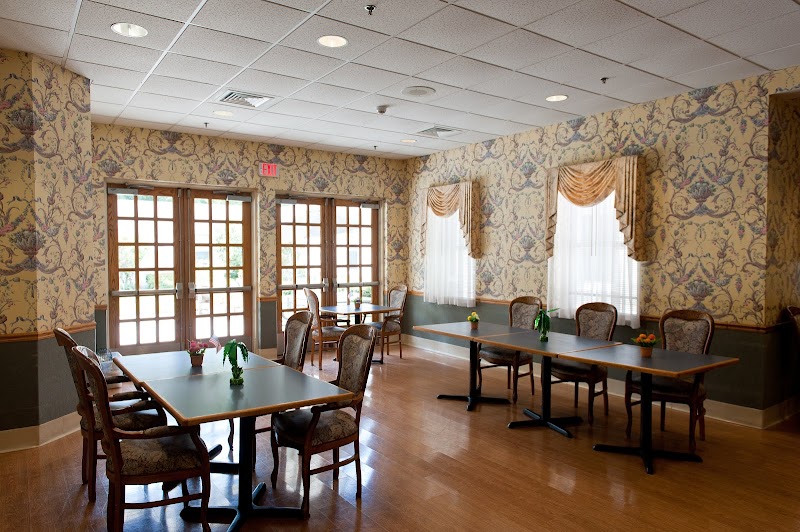
How is Autumn Lake Healthcare At Bucks Hill Staffed?

CMS rates AUTUMN LAKE HEALTHCARE AT BUCKS HILL's staffing level at 3 out of 5 stars, which is average compared to other nursing homes. Staff turnover is 25%, compared to the Connecticut average of 46%. This relatively stable workforce can support continuity of care.

What Have Inspectors Found at Autumn Lake Healthcare At Bucks Hill?

State health inspectors documented 24 deficiencies at AUTUMN LAKE HEALTHCARE AT BUCKS HILL during 2019 to 2024. These included: 23 with potential for harm and 1 minor or isolated issues.
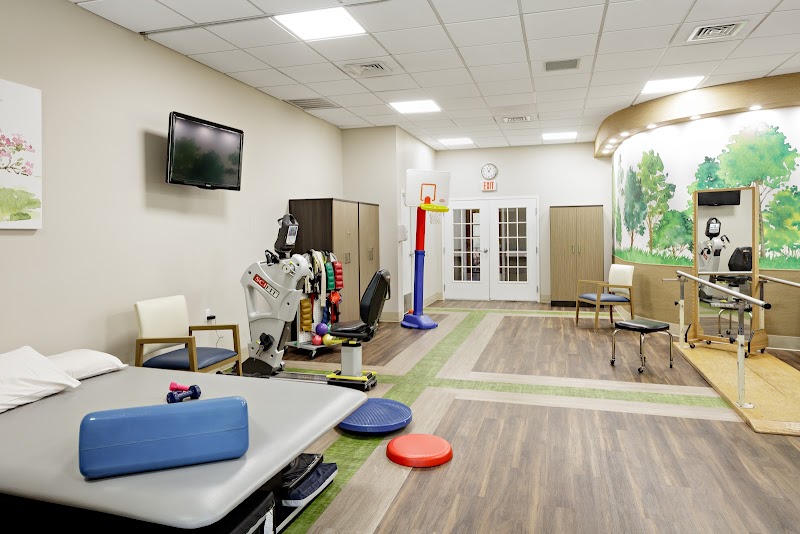
Who Owns and Operates Autumn Lake Healthcare At Bucks Hill?

AUTUMN LAKE HEALTHCARE AT BUCKS HILL is owned by a for-profit company. For-profit facilities operate as businesses with obligations to shareholders or private owners. The facility is operated by AUTUMN LAKE HEALTHCARE, a chain that manages multiple nursing homes. With 90 certified beds and approximately 85 residents (about 94% occupancy), it is a smaller facility located in WATERBURY, Connecticut.

How Does Autumn Lake Healthcare At Bucks Hill Compare to Other Connecticut Nursing Homes?

Compared to the 100 nursing homes in Connecticut, AUTUMN LAKE HEALTHCARE AT BUCKS HILL's overall rating (4 stars) is above the state average of 3.0, staff turnover (25%) is significantly lower than the state average of 46%, and health inspection rating (3 stars) is at the national benchmark.

What Should Families Ask When Visiting Autumn Lake Healthcare At Bucks Hill?

Based on this facility's data, families visiting should ask: "Can I visit during a mealtime to observe dining assistance and food quality?" "How do you handle medical emergencies, and what is your hospital transfer rate?" "Can I speak with family members of current residents about their experience?"

Is Autumn Lake Healthcare At Bucks Hill Safe?

Based on CMS inspection data, AUTUMN LAKE HEALTHCARE AT BUCKS HILL has a clean safety record: no substantiated abuse findings (meaning no confirmed cases of resident harm), no Immediate Jeopardy citations (the most serious violation level indicating risk of serious injury or death), and is not on the Special Focus Facility watch list (a federal program monitoring the lowest-performing 1% of nursing homes). The facility has a 4-star overall rating and ranks #1 of 100 nursing homes in Connecticut. While no facility is perfect, families should still ask about staff-to-resident ratios and recent inspection results during their visit.

Do Nurses at Autumn Lake Healthcare At Bucks Hill Stick Around?

Staff at AUTUMN LAKE HEALTHCARE AT BUCKS HILL tend to stick around. With a turnover rate of 25%, the facility is 20 percentage points below the Connecticut average of 46%. Low turnover is a positive sign. It means caregivers have time to learn each resident's needs, medications, and personal preferences. Consistent staff also notice subtle changes in a resident's condition more quickly.

Was Autumn Lake Healthcare At Bucks Hill Ever Fined?

AUTUMN LAKE HEALTHCARE AT BUCKS HILL has no federal fines on record. CMS issues fines when nursing homes fail to meet care standards or don't correct problems found during inspections. The absence of fines suggests the facility has either maintained compliance or corrected any issues before penalties were assessed. This is a positive indicator, though families should still review recent inspection reports for the full picture.

Is Autumn Lake Healthcare At Bucks Hill on Any Federal Watch List?

AUTUMN LAKE HEALTHCARE AT BUCKS HILL is not on any federal watch list. The most significant is the Special Focus Facility (SFF) program, which identifies the bottom 1% of nursing homes nationally based on persistent, serious quality problems. Not being on this list means the facility has avoided the pattern of deficiencies that triggers enhanced federal oversight. This is a positive indicator, though families should still review the facility's inspection history directly.