CHESHIRE HOUSE HEALTH CARE FACILITY & REHAB CENTER
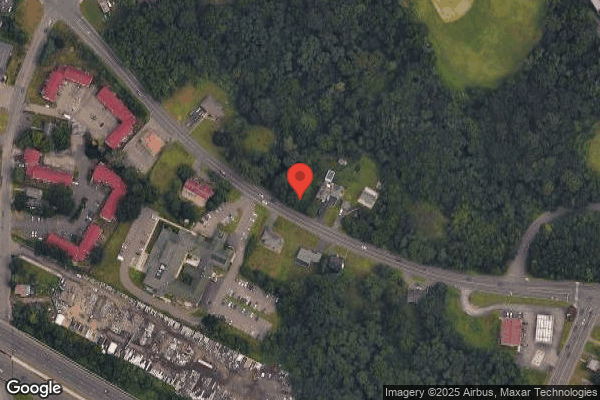

3396 E MAIN STREET, WATERBURY, CT 06705 (203) 754-2161
For profit - Limited Liability company 75 Beds RYDERS HEALTH MANAGEMENT Data: November 2025
Trust Grade
35/100
#123 of 192 in CT
Last Inspection: April 2025

Within standard 12-15 month inspection cycle. Federal law requires annual inspections.

Overview

Cheshire House Health Care Facility & Rehab Center has received a Trust Grade of F, indicating significant concerns about the care provided. Ranking #123 out of 192 facilities in Connecticut places them in the bottom half, and #16 out of 22 in Naugatuck Valley County suggests that only a few local options are better. The facility's performance is worsening, with issues increasing from 4 in 2024 to 20 in 2025. While staffing is a relative strength, earning 4 out of 5 stars and showing an average turnover rate of 44%, there are critical shortcomings, including recent findings where expired food items were not discarded and inadequate supervision during mealtime for residents with swallowing difficulties. Although there have been no fines reported, the overall quality and health inspection ratings are below average, raising concerns about the facility's ability to provide safe and effective care.

Trust Score
F
35/100
In Connecticut
#123/192
Bottom 36%
Safety Record
High Risk
Review needed
Inspections
Getting Worse
4 → 20 violations
Staff Stability
○ Average
44% turnover. Near Connecticut's 48% average. Typical for the industry.
Penalties
✓ Good
No fines on record. Clean compliance history, better than most Connecticut facilities.
Skilled Nurses
○ Average
Each resident gets 35 minutes of Registered Nurse (RN) attention daily — about average for Connecticut. RNs are the most trained staff who monitor for health changes.
Violations
⚠ Watch
52 deficiencies on record. Higher than average. Multiple issues found across inspections.
★★☆☆☆
2.0
Overall Rating
★★★★☆
4.0
Staff Levels
★★☆☆☆
2.0
Care Quality
★★☆☆☆
2.0
Inspection Score
Stable
2024: 4 issues
2025: 20 issues

The Good

  • 4-Star Staffing Rating · Above-average nurse staffing levels
  • Full Sprinkler Coverage · Fire safety systems throughout facility
  • No fines on record
  • Staff turnover below average (44%)

    4 points below Connecticut average of 48%

Facility shows strength in staffing levels, fire safety.

The Bad

2-Star Overall Rating

Below Connecticut average (3.0)

Below average - review inspection findings carefully

Staff Turnover: 44%

Near Connecticut avg (46%)

Typical for the industry

Chain: RYDERS HEALTH MANAGEMENT

Part of a multi-facility chain

Ask about local staffing decisions and management

The Ugly 52 deficiencies on record

Apr 2025 15 deficiencies
CONCERN (D)

Potential for Harm - no one hurt, but risky conditions existed

Deficiency F0552 (Tag F0552)

Could have caused harm · This affected 1 resident

**NOTE- TERMS IN BRACKETS HAVE BEEN EDITED TO PROTECT CONFIDENTIALITY** Based on review of clinical records, facility documentation, facility policy and interviews for 1 of 2 residents (Resident #34) ...

Read full inspector narrative →
**NOTE- TERMS IN BRACKETS HAVE BEEN EDITED TO PROTECT CONFIDENTIALITY** Based on review of clinical records, facility documentation, facility policy and interviews for 1 of 2 residents (Resident #34) reviewed for care planning, the facility failed to ensure Resident #34 was notified of physician ordered testing and updated on ultrasound results. The findings include: Resident #34's diagnoses included chronic venous hypertension of the right and left leg and chronic embolism, thrombosis of unspecified deep veins of lower extremities and anxiety. The annual Minimum Data Assessment (MDS) assessment dated [DATE] identified Resident #34 was cognitively intact and required a mechanical lift for transfers with the assistance of 2 staff members, moderate assistance for bed mobility, and was totally dependent on staff for dressing, personal hygiene and bathing. The Resident Care Plan dated 3/11/25 identified Resident #34 was at risk for deep vein thrombosis (DVT) (blood clot) and anxiety with interventions to administer anticoagulant as ordered (blood thinner) monitor and report lab values, avoid prolonged immobility or bed rest, report any signs and symptoms of DVT, encourage verbalize thoughts and feelings related to anxiety, help resident identify events that precipitate anxiety and discuss interventions and provide support and reassurance. A physician's order dated 4/4/25 written by Advanced Practice Registered Nurse (APRN) #2 directed to obtain a venous and arterial ultrasound of Resident #34's bilateral lower extremities for DVT and peripheral vascular disease (PVD). An interview with Resident #34 on 4/14/25 at 2:35 PM identified that he/she was not updated prior to when tests were ordered nor was he/she informed of the results of tests. Resident #34 stated this occurs frequently related to blood work and other diagnostic tests. Resident #34 indicated that this month someone came to perform an ultrasound on his/her legs and he/she was not informed ahead of time of the test or the reason it was being done. Resident #34 stated that he/she was self-responsible and should be updated on all of his/her care. In addition, Resident #34 indicated that he/she had been waiting to hear the results of the ultrasound that had been completed on his/her legs. Resident #34 stated that he/she informed Licensed Practical Nurse (LPN) #2 on 4/11/25 that he/she wanted to speak to someone about the ultrasound results. Resident #34 indicated that LPN #2 stated she would update APRN #2 regarding her request. Interview with LPN #2 on 4/15/25 at 1:52 PM identified that Resident #34 did inform her on Friday, 4/11/25 that he/she wanted to speak to the APRN regarding the ultrasound results. LPN #2 indicated that she did not contact APRN #2 or write anything in APRN #2's communication book about Resident #34's request. LPN #2 stated that she had forgotten about the request and recalled when APRN #2 came into the facility on 4/15/25 that APRN #2 inquired about the results as she did not have the results and requested that LPN #2 retrieve the ultrasound report. A review of the clinical record on 4/16/25 at 9:00 AM identified that the report was completed on 4/8/25 at 1:14 PM. An interview with APRN #2 on 4/16/25 at 9:30 AM identified that she was not aware that Resident #34 was asking about the results of the ultrasound. APRN #2 stated that she had spoken to Resident #34 on 4/15/25 and provided an update on the results (7 days after the results were complete). APRN #2 stated that she was not aware that Resident #34 had concerns that he/she was not always informed about his/her care and test results. In addition, APRN #2 stated that the radiology company does not always provide the results and/or report timely. APRN #2 indicated that they would do a better job in keeping Resident #34 informed of test and test results. A review of Resident Rights policy directed, in part, that a resident has the right to participate in one's own care, receive adequate and appropriate care, and be informed of all changes in medical conditions. A review of Care Planning-Interdisciplinary Team policy directed, in part, that the resident, the resident's family and/or the resident's legal representative/guardian or surrogate are encouraged to participate in the development of and revisions of to the resident's plan of care. Ongoing changes in residents status shall be updated by Nursing and/or IDT as needed.
CONCERN (D)

Potential for Harm - no one hurt, but risky conditions existed

Notification of Changes (Tag F0580)

Could have caused harm · This affected 1 resident

**NOTE- TERMS IN BRACKETS HAVE BEEN EDITED TO PROTECT CONFIDENTIALITY** Based on observations, review of the clinical record, facility documentation, facility policy and interviews for 1 of 2 resident...

Read full inspector narrative →
**NOTE- TERMS IN BRACKETS HAVE BEEN EDITED TO PROTECT CONFIDENTIALITY** Based on observations, review of the clinical record, facility documentation, facility policy and interviews for 1 of 2 residents (Resident #1) reviewed for edema, the facility failed to notify the Advanced Practice Registered Nurse (APRN) of a weight gain for a resident with congestive heart failure (CHF) and for 1 of 3 residents (Resident #219) reviewed for nutrition, the facility failed to notify the family/responsible party of a significant weight loss. The findings include: 1. Resident #1 had diagnoses that included chronic obstructive pulmonary disease (COPD), chronic kidney disease, and CHF. The quarterly Minimum Data Set (MDS) assessment dated [DATE] identified Resident #1 was cognitively intact, used a wheelchair, was independent with eating, required substantial/maximal assistance with bed mobility, and was dependent with transfers. The Resident Care Plan (RCP) dated 2/4/25 identified Resident #1 was at risk for cardiac/respiratory distress related to complications from chronic diastolic CHF. Interventions included to monitor for edema per physician order, weigh Resident #1 per physician order and notify the physician/APRN for a weight gain of 2 pounds (lbs.) or more in a day or 5 lbs. or more in a week. A physician order dated 3/4/25 directed to obtain a weekly weight every evening shift (3:00 PM to 11:00 PM) every Sunday and to notify the physician/APRN for a weight gain of 2 pounds (lbs.) or more in a day or 5 lbs. or more in a week regarding CHF. Review of weights in the clinical record identified Resident #1's weekly weights were as follows: weighed 238.6 lbs. on 3/4/25, not weighed on 3/11/25, 239.7 lbs. on 3/16/25, not weighed on 3/23/25, 235.6 lbs. on 3/30/25, 235.6 lbs. on 4/1/25, 236.6 lbs. on 4/6/25, 244.3 lbs. on 4/13/25 (a 7.7 lb gain in 1 week), and 238.9 lbs. on 4/20/25. Nursing notes failed to identify documentation that Resident #1 had a weight gain of 7.7 lbs. between 4/6/25 (236.6 lbs.) and 4/13/2025 (244.3 lbs.) or that the APRN had been updated about the weight gain of 5 lbs. or more in a week. The Treatment Administration Record from 4/1/25 through 4/30/25 identified the physician order to notify the physician/APRN for a weight gain of 2 pounds (lbs.) or more in a day or 5 lbs. or more in a week was signed off by the licensed nurses on all 3 shifts on 4/13/25 and 4/14/25. Interview with APRN #2 on 4/17/25 at 3:05 PM identified she had not been notified of Resident #1's 7.7 lbs. weight gain on 4/13/25 and that had she been notified of the weight gain she would have investigated to see if it was a true weight gain and if it was a true weight gain, what the underlying cause of the weight gain was. Interview with Licensed Practical Nurse (LPN) #2 on 4/22/25 at 2:10 PM identified she entered weights into the electronic medical record and compared the weight to the previous weights and when there was a difference of 4 to 5 lbs., she would request a reweight. LPN #2 identified daily weights were typically obtained on the night shift (11:00 to 7:00 AM) and if there was an increase of 3 lbs. it was put into the APRN communication book. LPN #2 identified Resident #1's weights were obtained on evening shift (3:00 PM through 11:00 PM) and so she wouldn't know if Resident #1 had a weight gain. LPN #2 identified that a weight gain was sometimes passed on in report but that even if a weight gain wasn't passed on in report it would be in the APRN communication book so that the APRN could address it. Review of the Congestive Heart Failure Program policy directed, in part, heart failure screening would be initiated with nursing staff in identifying signs and symptoms of CHF which includes: weight gain, edema, cough, shortness of breath, and licensed nursing staff will notify the physician regarding any patient condition changes and document finding in the clinical record. 2. Resident #219's was admitted to the facility in April 2025 with diagnoses that included failure to thrive, protein-calorie malnutrition, and dementia. Review of the Weight and Vitals Summary identified that Resident #219 weight on 4/2/25 was 199.4 pounds (lbs.) and on 4/8/25 Resident #219 weighed 189.5 (9.9 lb./4.96% loss in 1 week) Resident #219 continued to lose weight, further, identifying a weight of 176.7 on 4/15/25 (a 22.7 lb./11.3% loss in 2 weeks). The Resident Care Plan (RCP) dated 4/3/25 identified the resident's nutritional status was compromised secondary to a diagnosis of dementia and failure to thrive. Interventions included to monitor resident for signs and symptoms of dysphagia/aspiration during meals, weigh the resident per physician orders, and assess by mouth intake every meal. A physician's order dated 4/3/25 directed to weigh Resident #219 every morning at 6:00 AM. The admission Minimum Data Set (MDS) assessment dated [DATE] identified Resident #219 was severely cognitively impaired and required substantial/maximal assistance for oral hygiene, toileting, dressing and personal hygiene. Also, identified was that Resident #219 was dependent for showering, transferring, and independent for eating. Further, identified was Resident #219 weighed 190 pounds. A Dietician note dated 4/9/25 identified that Resident #219 was on a pureed diet, weight was 187 pounds, intake was variable, and weight was trending downward with a 12-pound weight loss since admission. A Dietician note dated 4/16/25 identified that intake was 50%, weight was trending downwards with a 20-pound weight loss since admission. Interview with Licensed Practical Nurse (LPN) #3 on 4/16/25 at 10:05 AM identified that there was no documentation that the family was notified regarding Resident #219's significant weight loss. Interview with the Director of Nursing (DNS) on 4/16/25 at 10:55 AM identified that the facility policy was for the Dietician to notify the family of a significant weight loss. Interview with the Dietician on 4/16/25 at 11:40 AM identified that she thought that nursing staff was responsible for notifying the family of a significant weight loss. Further, identifying she did not know the policy, and did not notify the family of Resident #219 significant weight loss. Review of the facility policy for Weight Assessment and Intervention identified the multidisciplinary team will strive to prevent, monitor, and intervene for undesirable weight loss for our residents. Also, identified that the Dietician will discuss undesired weight loss with the family.
CONCERN (D)

Potential for Harm - no one hurt, but risky conditions existed

Report Alleged Abuse (Tag F0609)

Could have caused harm · This affected 1 resident

**NOTE- TERMS IN BRACKETS HAVE BEEN EDITED TO PROTECT CONFIDENTIALITY** Based on review of the clinical record, facility documentation, facility policy and interviews for 1 of 4 residents (Resident #1...

Read full inspector narrative →
**NOTE- TERMS IN BRACKETS HAVE BEEN EDITED TO PROTECT CONFIDENTIALITY** Based on review of the clinical record, facility documentation, facility policy and interviews for 1 of 4 residents (Resident #1) reviewed for mistreatment, the facility failed to report an allegation of misappropriation of property to the State Agency. The findings include: Resident #1's diagnoses included chronic obstructive pulmonary disease, cervical radiculopathy, and congestive heart failure. The quarterly Minimum Data Set (MDS) assessment dated [DATE] identified Resident #1 had intact cognition, used a wheelchair, was independent with eating, and was dependent with personal hygiene and wheeling of his/her wheelchair. The Resident Care Plan (RCP) dated 11/5/24 identified Resident #1 required visits for socialization and mental stimulation to maintain leisure interests. Interventions included to provide transportation to and from recreational programs and/or courtyard visits, provide materials for independent leisure pursuits, and invite, encourage, and assist Resident #1 to group activities of assessed potential interest when available. A facility Grievance/Concern Form dated 1/20/25 identified Resident #1 reported to the Director of Social Services (Dir of SS) that he/she was missing $14.00 which had been in an envelope on his/her nightstand and not in the locked box. The form identified a room search was done, nursing staff were spoken to but the $14.00 was not found. The form identified the action taken to resolve the concern was to keep all money in the locked box, to secure the locked box to a shelf, to keep the locked box key in the Social Service office, and Resident #1 was in agreement with these actions. Resident #1 would notify Dir of SS when money was needed, and the Dir of SS would unlock the locked box. The form identified $14.00 was reimbursed to Resident #1 on 1/28/25. The form further identified Dir of SS was the staff member who completed the investigation on 1/22/25, was the staff member who notified Resident #1 through a 1 to 1 discussion of the grievance resolution on 1/22/25, and that Administrator signed the form on 2/6/2025. Review of the State Agency reportable event website identified the State Agency was not notified of an allegation of misappropriation of money regarding Resident #1. Interview with Director of Nursing Services (DNS) on 4/17/25 at 9:10 AM identified when money was reported missing, staff would search the room and building to see if it could be located and if the money was not found he would refer to the Administrator for replacement. If it was determined that the resident had access to money or had possession of money that was then missing, it would be reported to the State Agency. The DNS further identified that he was not aware of Resident #1's report of missing money. Interview with Dir of SS on 4/17/25 at 9:20 AM identified that after Resident #1 had initially reported money missing on 1/20/25, Resident #1 had made a comment that he/she might have lost the money, but the Dir of SS identified she could not recall specifics. The Dir of SS identified as a result of Resident #1's comment that he/she may have lost the money she did not consider the missing money as misappropriation. The Dir of SS further identified Resident #1 had last remembered having the money when going out for an appointment, and Resident #1 was accompanied to the appointment by a Nurse Aide. Interview with the Administrator on 4/17/25 at 9:35 AM identified he had not reported Resident #1's report of missing money to the State Agency because he could not confirm that Resident #1 had money missing. The Administrator identified Resident #1 had provided differing amounts of possible money missing, but that $14.00 was consistently the amount reported. The Administrator identified there had been too many unknowns and so he had chosen to reimburse the money, put interventions in place, and did not report to the State Agency Review of the Abuse prohibition policy and procedures directed, in part, any resident may express/file a concern , complaint, or grievance concerning treatment, care, management of funds, loss of clothing, theft of property, violation of rights, etc. without fear of threat or reprisal in any form; all reports of theft or misappropriation of resident property shall be promptly and thoroughly investigated; should an alleged or suspected case of misappropriation of resident property be reported, the facility will notify the state agency within 2 hours.
CONCERN (D)

Potential for Harm - no one hurt, but risky conditions existed

Investigate Abuse (Tag F0610)

Could have caused harm · This affected 1 resident

**NOTE- TERMS IN BRACKETS HAVE BEEN EDITED TO PROTECT CONFIDENTIALITY** Based on review of the clinical record, facility documentation, facility policy and interviews for 1 of 4 residents (Resident #1...

Read full inspector narrative →
**NOTE- TERMS IN BRACKETS HAVE BEEN EDITED TO PROTECT CONFIDENTIALITY** Based on review of the clinical record, facility documentation, facility policy and interviews for 1 of 4 residents (Resident #1) reviewed for mistreatment, the facility failed to identify and thoroughly investigate an allegation of misappropriation of money. The findings include: Resident #1's diagnoses included chronic obstructive pulmonary disease, cervical radiculopathy, and congestive heart failure. The quarterly Minimum Data Set (MDS) assessment dated [DATE] identified Resident #1 had intact cognition, used a wheelchair, was independent with eating, and was dependent with personal hygiene and wheeling of his/her wheelchair. The Resident Care Plan (RCP) dated 11/5/24 identified Resident #1 required visits for socialization and mental stimulation to maintain leisure interests. Interventions included to provide transportation to and from recreational programs and/or courtyard visits, provide materials for independent leisure pursuits, and invite, encourage, and assist Resident #1 to group activities of assessed potential interest when available. The RCP failed to identify documentation of Resident #1 missing money or initiation of interventions for the resolution of a grievance/concern reported on 1/20/2025. A facility Grievance/Concern Form dated 1/20/25 identified Resident #1 reported to the Director of Social Services (Dir of SS) that he/she was missing $14.00 which had been in an envelope on his/her nightstand and not in the locked box. The form identified a room search was done, nursing staff were spoken to but the $14.00 was not found. The form identified the action taken to resolve the concern was to keep all money in the locked box, to secure the locked box to a shelf, to keep the locked box key in the Social Service office, and Resident #1 was in agreement with these actions. Resident #1 would notify Dir of SS when money was needed, and the Dir of SS would unlock the locked box. The form identified $14.00 was reimbursed to Resident #1 on 1/28/25. The form further identified Dir of SS was the staff member who completed the investigation on 1/22/25, was the staff member who notified Resident #1 through a 1 to 1 discussion of the grievance resolution on 1/22/25, and that Administrator signed the form on 2/6/2025. Additionally, review of the facility Grievance/Concern Form and clinical record (nursing notes, social service notes) dated 1/20/25 failed to identify a thorough investigation was completed/documented regarding Resident #1's missing money (failed to identify documentation of the names of nursing staff members interviewed by Dir of SS and Administrator, the date/time/location of the appointment when Resident #1 recalled last seeing the money, the differing amounts of money that Resident #1 reported missing during the investigation, the amount of money that Resident #1 had in his/her possession during the investigation, and staff members with access to Resident #1's room on all 3 shifts. Interview with the Dir of SS on 4/17/25 at 9:20 AM identified Resident #1 wasn't sure if he/she lost the money after reporting that it had been in an envelope on his/her nightstand, that Resident #1 remembered last seeing the money on the day he/she went to an appointment with a Nurse Aide (NA). The Dir of SS identified she had not written down the names of staff members she had spoken to during her investigation of Resident #1's missing money or the date of the appointment Resident #1 went to, and she could not remember specifics. The Dir of SS further identified the Administrator had spoken to the NA that accompanied Resident #1 to his/her appointment and she could not remember what the Administrator had told her was said in that conversation. Interview with Administrator on 4/17/25 at 9:35 AM identified he and the Dir of SS had conducted a 2-day investigation of Resident #1's report of missing money. The Administrator identified Resident #1 had possession of over $150 and could not confirm the amount missing and would say differing amounts, but that it was most consistently $14.00 missing. The Administrator identified that Resident #1 only used his/her money to purchase coffee when out at an appointment, but that they could not determine the last time Resident #1 had coffee. The Administrator identified he did not speak to the NA that accompanied Resident #1 to the appointment on the date the money was last seen because he could not confirm who the NA was that went to the appointment with Resident #1. The Administrator identified he had spoken to Resident #1, the Dir of SS, the Maintenance Director, the Nursing Scheduler, and the Director of Nursing Services as part of his investigation, but had not interviewed any other staff members (NAs) as part of his investigation, and that he could not identify the reason he had not documented any of the investigation. Interview with the Dir of SS on 4/17/25 at 9:50 AM identified she had conducted Resident #1's room search to search for the missing money, she had spoken to the charge nurse on the unit on 1/20/25 to determine where Resident #1 kept his/her money, and she had spoken to one of the NAs. The Dir of SS could not identify the reason she had not documented any of the findings of her investigation. Review of the Abuse prohibition policy and procedures directed, in part, all reports of theft or misappropriation of resident property shall be promptly and thoroughly investigated and the investigation shall consist of an interview with the person reporting the missing items, interview with any witnesses that may have knowledge of the missing items, interviews with staff members (on all 3 shifts) having contact with the resident, and a search of the resident's room.
CONCERN (D)

Potential for Harm - no one hurt, but risky conditions existed

Comprehensive Care Plan (Tag F0656)

Could have caused harm · This affected 1 resident

**NOTE- TERMS IN BRACKETS HAVE BEEN EDITED TO PROTECT CONFIDENTIALITY** Based on review of the clinical record, facility documentation, facility policy and interviews for 1 of 3 residents (Resident #1...

Read full inspector narrative →
**NOTE- TERMS IN BRACKETS HAVE BEEN EDITED TO PROTECT CONFIDENTIALITY** Based on review of the clinical record, facility documentation, facility policy and interviews for 1 of 3 residents (Resident #1) reviewed for falls, the facility failed to develop and implement a comprehensive care plan for a resident at risk for falls and for the only sampled resident (Resident #38) reviewed for activities of daily living, the facility failed to ensure that the care plan was followed for assist of two for direct care. The findings include: 1. Resident #1 had diagnoses that included chronic obstructive pulmonary disease, cervical radiculopathy, and congestive heart failure. A Physical Therapy evaluation dated 4/18/23 identified Resident #1 presented with impairments in functional strength, mobility and activity tolerance due to recent surgery and Resident #1 had a fall on 7/18/23. A fall risk assessment completed after Resident #1 fell and dated 7/18/23 identified Resident #1 was at risk for falls. The quarterly Minimum Data Set (MDS) assessment dated [DATE] identified Resident #1 had intact cognition, had functional limitation in range of motion to both lower extremities, used a walker, required setup or clean-up assistance with personal hygiene, partial/moderate assistance with transfers, and supervision or touching assistance with walking 10 feet. The Resident Care Plan (RCP) dated 1/24/24 identified Resident #1 had alteration in mobility related to generalized weakness and deconditioning. Interventions included to encourage Resident #1 to view limitations realistically, provide assistance with bed mobility as needed or as requested, and to instruct Resident #1 regarding safe ambulation, wheelchair propulsion, and transfers as needed. The RCP failed to identify Resident #1 was at risk for falls despite having a history of falls, related to deconditioning and a previous history of falls A nursing note by Registered Nurse (RN) #5 on 2/14/24 at 9:30 PM identified Resident #1 had been lowered to the floor, by the Nurse Aide, on the way back from the bathroom when Resident #1 became weak. The RCP dated 2/4/25 identified on 2/15/24 Resident #1 was updated and Resident #1 was identified as a risk for falls secondary to decreased endurance/strength, generalized weakness. Interventions included to utilize the wheelchair for bathroom transfers on the 3:00 PM to 11:00 PM and 11:00 PM to 7:00 AM shifts due to Resident #1 reported feeling weaker later in the day and during the night, use proper footwear, and keep area clutter free and well lit. Interview with Licensed Practical Nurse (LPN) #5 on 4/22/25 at 8:45 AM identified she was responsible for completing the RCPs, and LPN #5 identified she was unaware Resident #1 did not have an active fall risk care plan in place prior to Resident #1 falling on 2/4/25. LPN #5 reviewed the clinical record and identified Resident #1 had a fall risk care plan that was identified as resolved on 3/9/23 by another staff member and LPN #5 could not identify the reason the fall risk was resolved. LPN #5 identified that once a resident was identified as a fall risk it would remain on the RCP and only those interventions identified as no longer relevant would be resolved, and current relevant interventions put in place. LPN #5 identified that following a fall in July of 2023 Resident #1's care plan should have been updated to include a fall risk and appropriate interventions, and Resident #1 should have had a fall risk care plan in place prior to the time of his/her fall on 2/14/24. 2. Resident #38's diagnoses included adjustment disorder with anxiety and depressed mood and psychotic disorder with delusions due to known psychological condition. The annual Minimum Data Assessment (MDS) dated [DATE] identified Resident #38 was cognitively intact, required maximum assistance from staff for dressing and was totally dependent on staff for shower transfers with the use of a mechanical lift. The Resident Care Plan dated 4/7/25 identified behavioral problems with accusatory behaviors and confabulation as an area of concern. Interventions include to provide two staff members for direct care, activities for short periods of time, and keep task demands simple and refer to psychological services as needed. Observations on 4/14/25 at 10:00 AM and 4/17/25 at 10:30 AM identified Nurse Aide (NA) #3 entered Resident #38's room, provided morning care (washing/dressing) alone, without the benefit of a 2nd staff member per the RCP. Additional observation on 4/17/25 at 1:00 PM, identified NA #3 entered Resident #38's room, provided incontinent care, and changed Resident #38's incontinent brief alone, without the benefit of a 2nd staff member per the RCP. An interview and review of care plan with Registered Nurse (RN) #5 on 4/17/25 at 10:37 AM identified that the care plan directed two staff members for direct care. RN #5 indicated that this would include all activities of daily living assistance. RN #5 indicated that the two staff members for all direct care was still an active intervention for Resident #38 and staff should have two staff members present when providing care. An interview and review of Resident # 38's care card (a card that directs NA care for residents) with NA #3 on 4/17/25 at 11:00 AM identified the care card directed two staff members for direct care. NA #3 stated she was unaware that Resident #38 still required two staff members. NA #3 indicated that when Resident #38 transferred from another unit to she thought that Resident #38 no longer required two staff members for direct care. An interview with NA #5 on 4/17/25 at 2:15 PM identified that she provided Resident #38 with a bed bath on 4/16/25 on the 3:00 PM to 11:00 PM shift and stated that she was aware that Resident #38 required two for assistance for direct care due to accusatory behaviors but did not have another person assist. NA #5 indicated that there were only 2 NAs that work on the unit on the 3:00 PM to 11:00 PM shift, each take one end of the hallway, and it was almost impossible to have another staff person in the room when providing direct care to Resident #38. NA #5 indicated that she left the door open with the curtain pulled because she did not have another staff member to assist. A review of Resident #38's care card dated 4/21/25 directed to have two staff members present for direct care. A review of Care Planning policy directed, in part, the team is responsible for the development of an individualized comprehensive care plan for each resident. Ongoing changes in residents' status shall be updated by Nursing and/or IDT as needed. As care plans are updated, staff shall follow the updated plan of care and as updated on the Care Card as applicable.
CONCERN (D)

Potential for Harm - no one hurt, but risky conditions existed

Quality of Care (Tag F0684)

Could have caused harm · This affected 1 resident

**NOTE- TERMS IN BRACKETS HAVE BEEN EDITED TO PROTECT CONFIDENTIALITY** Based on observations, review of the clinical record, facility documentation, facility policy and interviews for 1 of 1 resident...

Read full inspector narrative →
**NOTE- TERMS IN BRACKETS HAVE BEEN EDITED TO PROTECT CONFIDENTIALITY** Based on observations, review of the clinical record, facility documentation, facility policy and interviews for 1 of 1 resident (Resident #15) reviewed for a non-pressure skin condition, the facility failed to supervise Resident #15 to ensure proper technique when Resident #15 was self performing wound care and for 1 of 3 residents (Resident #219) reviewed for nutrition, the facility failed to follow the physician order for daily weights. The findings include: 1. Resident #15 had diagnoses that included cellulitis of the left lower limb, chronic respiratory failure with hypoxia, and lymphedema. The quarterly Minimum Data Set (MDS) assessment dated [DATE] identified Resident #15 was cognitively intact, used a motorized wheelchair, required supervision or touching assistance with eating, and was independent with personal hygiene and transfers. The Resident Care Plan (RCP) dated 2/11/25 identified Resident #15 was at risk for alteration in skin integrity. Interventions included to report any new areas, provide treatments as ordered, and follow facility skin care protocol. An Advanced Practice Registered Nurse (APRN) progress note written by APRN #2 dated 4/2/25 identified Resident #15 was seen for complaints of significant left foot pain. The note identified Resident #15 reported dry skin to the left plantar aspect, Resident #15 used a nail file as an attempt to file the skin and subsequently requested numbing medication for that area. The note identified an erythematous patch was observed on the left plantar foot that was warm, had peeling skin, and some open areas. The note identified the plan for treatment for cellulitis of the left foot was starting antibiotics (Doxycycline) and Lidocaine pain cream. A physician's order dated 4/2/25 directed to administer Doxycycline (antibiotic) 100 milligrams (mg) by mouth every 12 hours for 7 days for treatment of cellulitis and to apply Lidocaine jelly to the plantar aspect of the left foot 4 times a day for 5 days. A nursing note written by Registered Nurse (RN) #1 on 4/3/25 at 10:37 AM identified Resident #15 had an open area to the left plantar foot that measured 0.4 centimeters (cm) long by 0.4 cm wide by 0.1 cm deep and a dressing was applied. The note identified Resident #15 reported using a callus removing tool on his/her left foot that he/she would refrain from using while the open area was healing. The note identified Resident #15 would be added to the podiatry list and wound care rounds, and Resident #15 was in agreement with being seen by podiatry and for wound rounds. A physician's order dated 4/3/25 directed for wound care to the plantar left foot: Cleanse with Normal Saline (NS) or sterile water (SW), apply Calcium Alginate (topical wound dressing) followed by (f/b) a dry clean dressing (DCD), change every other day and as needed (for soiled or non-intact dressing). Observation on 4/14/25 at 2:30 PM identified Resident #15 performed his/her own wound care to the left plantar foot. Upon entering the room Resident #15 was sitting on his/her bed with the left leg on the bed. While not wearing gloves, Resident #15 removed the soiled dressing on the bottom of his/her left foot and placed it on top of the bed. Resident #15 then picked up the tube of Lidocaine cream sitting on his/her overbed table, removed the cap and set the cap down next to a circular area of dried brown substance on the overbed table. Resident #15 then applied a dime size amount of cream onto the fingers of his/her hand and Resident #15 then applied the Lidocaine cream to the open area on the plantar aspect of the left foot. Resident #15 then picked up the soiled dressing from the bed and used it to wipe the excess Lidocaine cream from his/her fingers, then picked up the cap and replaced it on the Lidocaine cream tube. Resident #15 then opened a package containing a piece of Calcium Alginate and placed the Calcium Alginate on the plantar aspect of the left foot over the Lidocaine cream. Resident #15 was then observed to open a small adhesive foam dressing and placed it on the left foot covering the bottom half of the Calcium Alginate, and Resident #15 then opened a second small adhesive foam dressing and placed it over the top half of the Calcium Alginate dressing. Resident #15 then identified that he/she was done with the dressing change. Interview with Licensed Practical Nurse (LPN) #2 on 4/14/25 at 3:10 PM identified Resident #15 performed his/her own wound care to the left plantar foot, and that RN #1 was responsible for providing education to Resident #15 on wound care. LPN #2 identified she signed off the wound care order in the electronic medical record (EMR) and that the order was not written as a self-administration order for Resident #15 to complete his/her own wound care and an assessment had not been completed for self-performance of wound care. LPN #2 identified she had observed Resident #15 providing wound care to his/her wound from start to finish one day and that Resident #15 did not use clean technique when doing his/her own wound care. LPN #2 identified she had not told the wound nurse, Supervisor or anyone else that Resident #15 had poor technique when performing his/her wound care, and LPN #2 further identified she had not written a note documenting her observation. Interview with RN #1 on 4/14/25 at 3:18 PM identified she was not aware Resident #15 was performing his/her own wound care, and that she had not provided Resident #15 with education on performing his/her own wound care, but that she had provided education to Resident #15 about using an electric pumice stone to his/her left plantar foot. RN #1 identified she had done the wound care for Resident #15's left plantar foot and had explained what she was doing as she applied the dressing to the foot, but that she had not explained the process with the intent for Resident #15 to do his/her own wound care. Interview with the Director of Nursing (DNS) on 4/14/25 at 3:30 PM identified he was not aware Resident #15 was performing his/her own wound care. The DNS identified Resident #15 should have been evaluated and provided with education prior to completion of his/her own wound care/dressing changes to ensure he/she was able to complete their own wound care/dressing change and the APRN would have given an order for self administration/dressing change. Interview with APRN #2 on 4/15/25 at 3:00 PM identified she could not recall if she had discussed self-administration of the Lidocaine cream with Resident #15, and that she was not aware that Resident #15 was performing his/her own wound care. APRN #2 identified she would indicate in her order if a resident could self-administer a medication or treatment. A wound progress note written by APRN #3 and dated 4/15/25 identified Resident #15 was seen for consultation for the left plantar foot related to lymphedema. The note identified Resident #15 had a full thickness lymphatic wound to the left plantar foot which measured 0.2 centimeters (cm) long by 0.2 cm wide by 0.3 cm deep with 100% granulation of the wound base and a moderate amount of serosanguinous drainage. The note identified the treatment was to cleanse the wound f/b applying Calcium Alginate to the base of the wound f/b securing with a dry clean dressing and change every other day and as needed. Interview with LPN #2 on 4/17/2025 at 2:35 PM identified Resident #15 had already completed his/her own wound care the first time LPN #2 went to do the treatment, and LPN #2 identified she began to let Resident #15 perform his/her own wound care/dressing change after the second time she went in to perform the wound care and Resident #15 was already in the process of doing it. LPN #2 identified when she observed Resident #15 perform a complete dressing change she observed that Resident #15 did not use appropriate infection prevention technique. LPN #2 identified she had not documented refusals of wound care by Resident #15, she had not documented that Resident #15 told her he/she had already done the wound care. Subsequent to surveyor inquiry a nursing progress note by LPN #2 dated 4/17/25 at 6:54 PM identified Resident #15 requested treatment supplies to perform an as needed dressing change to his/her left plantar foot. The note identified LPN #2 provided education to Resident #15 that he/she was unable to perform his/her own dressing change and needed a nurse to change the dressing to prevent infection, promote healing, and to reduce complications. The note identified Resident #15 refused the dressing change by the nurse. Interview with APRN #3 on 4/15/2025 at 12:32 PM identified she was not aware Resident #15 was performing his/her own wound care. APRN #3 identified it would be up to the nursing staff to provide education to Resident #15 if they thought he/she could do his/her own wound care, and as long as Resident #15 was cleared by the nursing department to be competent in performing his/her own wound care then it was allowable. Review of the Medication Self-Administration Evaluations provided 4/22/2025 identified 4 Medication Self-Administration Evaluations were completed for Resident #15 on the dates of 10/14/2019, 12/24/2020, 1/7/2021, and 1/19/2021. The evaluations identified on 10/14/2019 Resident #15 was approved to perform tracheostomy self-care and change his/her own inner cannula of the tracheostomy. The evaluations identified on 12/24/2020 Resident #15 was approved to self-administer erythromycin (antibiotic) eye ointment three times a day for 7 days. The evaluations identified on 1/7/2021 Resident #15 was approved to self-administer Calmoseptine (topical barrier cream). The evaluations identified on 1/19/2021 Resident #15 was approved to self-administer an unidentified medication. Review of the 4 Medication Self-Administration Evaluations failed to identify an evaluation for self-administration of Lidocaine jelly or self-care of the treatment to his/her left plantar foot. Although requested the facility was unable to provide additional self-administration evaluations for Resident #15 since the date of 1/19/2021 or self-care education for the application of treatments to his/her left plantar foot. Review of the Dressing, Non-Sterile policy directed, in part, dressings are applied by licensed nursing personnel, and hands are washed/sanitized prior to starting the procedure, after removal of the soiled dressing, and following completion of the procedure. 2. Resident #219 was admitted to the facility in April 2025 with diagnoses that included failure to thrive, protein-calorie malnutrition, and congestive heart failure. The Resident Care Plan (RCP) dated 4/3/25 identified Resident #219's nutritional status was compromised secondary to a diagnosis of dementia and failure to thrive. Interventions included to monitor resident for signs and symptoms of dysphagia/aspiration during meals, weigh the resident per physician orders, and assess by mouth intake every meal. A physician's order dated 4/3/25 directed to weigh Resident #219 every morning at 6:00 AM. The admission Minimum Data Set (MDS) assessment dated [DATE] identified Resident #219 was severely cognitively impaired and required substantial/maximal assistance for oral hygiene, toileting, dressing and personal hygiene. Also, identified was that Resident #219 was dependent for showering, transferring, and independent for eating. Further, identified was Resident #219 weighed 190 pounds. Although physician orders directed daily weights at 6:00 AM, review of the Weight and Vitals Summary identified daily weights were only taken 7 of 15 days from 4/2/25 through 4/16/25 (Missing dates from the Weight and Vitals Summary are 4/3/25, 4/6/25, 4/7/25, 4/11/25, 4/12/25, 4/13/25, 4/14/25, and 4/16/25). Interview with Licensed Practical Nurse (LPN) #3 on 4/16/25 at 10:05 AM identified that the physician order for weighing Resident #219 was to be completed every morning at 6:00 AM, and that Resident #219 was not weighed daily. LPN #3 also identified that 8 days were missing for April 2025 out of 15 days that required the resident to be weighed daily. An interview with the Dietician on 4/16/25 at 10:27 AM identified that Resident #219 was to be weighed daily but it had not been completed or documented daily. An interview with the Director of Nursing (DNS) on 4/16/25 at 10:55 AM identified that Resident #219 was not weighed daily according to physician orders. Review of the facility policy for Weight Assessment and Interventions identified that the multidisciplinary team would strive to prevent, monitor, and intervene for undesirable weight loss for our residents. Also, identified weights will be recorded in the electronic medical record under the individual's medical record.
CONCERN (D)

Potential for Harm - no one hurt, but risky conditions existed

Pressure Ulcer Prevention (Tag F0686)

Could have caused harm · This affected 1 resident

**NOTE- TERMS IN BRACKETS HAVE BEEN EDITED TO PROTECT CONFIDENTIALITY** Based on observations, review of the clinical record, facility documentation, facility policy and interviews for 1 of 2 resident...

Read full inspector narrative →
**NOTE- TERMS IN BRACKETS HAVE BEEN EDITED TO PROTECT CONFIDENTIALITY** Based on observations, review of the clinical record, facility documentation, facility policy and interviews for 1 of 2 residents (Resident #17) reviewed for pressure ulcers, the facility failed to ensure the wound consultant recommendations were followed up by the facility. The findings included: Resident #17's diagnoses included pressure ulcer of the sacral region, dementia with severe anxiety and mild neurocognitive disorder with behavioral disturbances. The annual Minimum Data Assessment (MDS) dated [DATE] identified Resident #17 was mildly cognitively impaired, required maximum assistance for personal hygiene, assistance of 2 staff members for bed mobility, and was bedfast most of the time. The Resident Care Plan dated 2/18/25 identified skin Integrity as an area of concern with an unstageable pressure ulcer on the coccyx. Interventions included to follow skin care protocols, physical therapy/occupational therapy (PT/OT) consultation for positioning, low air loss pressure mattress, treatment as order, dietary consultation as needed, and pressure redistribution devices as ordered. The RCP did not include that Resident #17 had refusals regarding getting out of bed to the wheelchair and repositioning when in bed. A wound consultant note dated 2/18/25 from APRN #3 identified an initial consultation visit for Resident #17's coccyx wound. APRN #3 identified a new unstageable coccyx wound measuring 3 centimeters (cm) by 1.5 cm by 0.1 cm. The wound bed with 100% slough (dead tissue) with moderate amount of serosanguineous (thin, light pink in color) drainage. The treatment was to apply Santyl ointment (wound debridement) followed by Calcium Alginate to the base of the wound and cover with a dry, clean dressing. APRN #3's assessment/plan for Resident #17 was all recommendations remain in effect until discontinued, revised or replaced with additional recommendations and to optimize nutrition and PT to re-evaluate support surfaces. Observations on 4/14/25 at 10:45 AM, 12:00 PM, 2:00 PM and 3:15 PM identified Resident 17 was lying flat on his/her back on a low air loss mattress. Interview with Resident #17 on 4/14/25 at 10:45 AM, noted he/she had a sore on his/her bottom and indicated that he/she did not like to get out of bed and spent most of the time in bed. Resident #17 indicated that he/she lies flat on his/her back except when eating, then the Nurse Aide (NA) raises the head of the bed. Interview with OT #1 on 4/16/25 at 10:18 AM identified that she was not made aware of any recommendations by the wound consultant to evaluate Resident #17 for support surfaces or positioning for a new wound. OT #1 was unable to locate any screens or evaluations for Resident #17. OT #1 indicated if she was made aware that therapy would have evaluated Resident #17 for any possible new interventions. Interview and clinical record review with the DNS on 4/17/25 at 11:30 AM identified that he was not aware of the wound consultant's recommendation for therapy to evaluate Resident #17 for support surfaces and was unsure if RN #1 (Infection Preventionist) was made aware of the recommendations. A review of the APRN #3 (wound consultant) note with the DNS identified that there was also recommendations for dietary and PT consultation in her 2/18/25 note that had not been addressed. Interview with RN #1 (the Infection Preventionist) on 4/17/25 at 12:00 PM identified that she was not aware of the recommendations by APRN #3. Interview with the wound consultant, (APRN #3) on 4/22/25 at 11:49 AM identified that she was familiar with Resident #17 and that she visits him/her weekly for the coccyx wound. APRN #3 recalled that she had made a recommendation for PT and the Dietitian to evaluate Resident #17. She indicated that she was not aware that therapy had not seen Resident #17. APRN #3 indicated that her expectation would be that Resident #17 would have been seen by therapy, and they would be aware of the new wound. APRN #3 indicated that she was aware that Resident #17 does not get out of bed to his/her wheelchair. She was aware that Resident #17 had a low air mattress in place but indicated that due to lying flat on his/her back most of the time, it makes it difficult for Resident #17's wound healing. A review of Resident/Patient Screens policy indicated, in part, that rehabilitation screens will be performed for residents/patients who demonstrate a significant change in functional ability upon referral from nursing or at least annually. A rehabilitation screen will be completed to identify indications of functional loss that would suggest a need for an evaluation.
CONCERN (D)

Potential for Harm - no one hurt, but risky conditions existed

Infection Control (Tag F0880)

Could have caused harm · This affected 1 resident

**NOTE- TERMS IN BRACKETS HAVE BEEN EDITED TO PROTECT CONFIDENTIALITY** Based on observations, review of the clinical record, facility documentation, facility policy and interviews for 1 of 2 resident...

Read full inspector narrative →
**NOTE- TERMS IN BRACKETS HAVE BEEN EDITED TO PROTECT CONFIDENTIALITY** Based on observations, review of the clinical record, facility documentation, facility policy and interviews for 1 of 2 residents (Resident #17) reviewed for pressure ulcers, the facility failed to ensure infection control practices were followed during a dressing change and protective personal equipment (PPE) was worn during the dressing change for a resident on Enhanced Barrier Precautions (EBP). The findings include: Resident #17's diagnoses included pressure ulcer of the sacral region, dementia with severe anxiety and mild neurocognitive disorder with behavioral disturbances. The annual Minimum Data (MDS) assessment dated [DATE] identified Resident #17 was mildly cognitively impaired and required maximum assistance for personal hygiene, assistance of 2 staff members for bed mobility, and was bedfast most of the time. The MDS further identified Resident #17 was at risk for the developing pressure ulcers, and had a Stage 1 or greater pressure ulcer over a bony prominence. The Resident Care Plan dated 2/18/25 identified skin integrity as an area of concern with an unstageable pressure ulcer on coccyx. Interventions included to follow skin care protocols, PT/OT consultation for positioning, low air loss pressure mattress, treatment as order, dietary consultation as needed, and pressure redistribution devices as ordered. A physician's order dated 4/8/25 directed to cleanse coccyx wound with normal saline or sterile water, apply collagen then Calcium Alginate followed by a dry clean dressing, change dressing daily and as needed for soiled or non-intact dressing. A progress note written by APRN #3 (wound consultant) dated 4/15/25 identified an improving Stage 3 coccyx wound, size 4.0 centimeters (cm) by 2.0 cm by 0.1 cm with a moderate amount of serosanguineous (thin, light pink in color) drainage. APRN #3 stated to optimize nutrition with consultation from the Dietitian and PT to re-evaluate support surfaces. Observation of Resident #17's treatment on 4/16/25 at 12:22 PM by LPN #2 identified that LPN #2 failed to apply PPE for Resident #17's dressing change who was on EBP. LPN #2 prepared a clean field using Resident #17's over the bed table. LPN #2 applied gloves and proceeded to remove the soiled coccyx dressing and cleanse coccyx wound with normal saline. LPN #2 then removed soiled gloves without the benefit of washing hands or using a hand sanitizer (hand hygiene). LPN #2 opened the clean dressings that were on Resident #17's bedside table. LPN #2 opened the topical dressing and wrote the date and time. LPN #2 then opened the Calcium Alginate, removed scissors from the side pocket of her scrubs without the benefit of sanitizing the scissors, cut the Calcium Alginate to size and placed the scissors back in her scrub side pocket. LPN #2 then applied clean gloves without performing hand hygiene, applied the Calcium Alginate to the wound bed and covered the wound with a topical dressing. An interview with RN #1 (the Infection Preventionist) on 4/16/25 at 12:28 PM identified that LPN #2 should have had PPE on when performing the dressing change per the EBP policy. Furthermore, RN #1 stated that after LPN #2 removed the soiled coccyx dressing and cleansed the wound, hand hygiene should have been done before opening the clean dressings. RN #1 stated it was not practice of the facility to use scissors without the benefit of using the appropriate germicidal wipe before use to ensure they were clean. Lastly, LPN #2 should have performed hand hygiene and applied clean gloves prior to applying the clean dressings on Resident #17's coccyx wound per facility policy and standard infection control practices. An interview with LPN #2 on 4/16/25 at 1:10 PM identified that she should have applied PPE prior to performing the dressing change and did not know why she did not apply the PPE as she was aware that Resident #17 was on EBP and required the use of gown and gloves. LPN #2 further indicated that she should have performed hand hygiene after removing the soiled dressings and cleaning Resident #17's coccyx and before opening the clean dressing supplies. LPN #2 indicated that she should have performed hand hygiene and applied clean gloves prior to applying the clean dressings to Resident #17's coccyx. LPN #2 stated she was not aware that scissors from her scrub pocket needed to be cleaned before using them on the clean dressings. A review of Enhanced Barrier Precautions policy directed, in part, that enhanced barrier precautions require the use of gown and gloves for certain residents during specific high-contact care activities. High contact resident care activities include wound care. Enhanced barrier precautions will continue until the wound has healed. A review of the policy and procedures for Clean Dressing Technique directed, in part, after establishing clean field with clean dressing supplies, wash hands/hand sanitizer and apply clean gloves. Remove old dressing and discard, remove gloves wash hands/hand sanitizer and apply clean gloves. The wound is then cleansed, then gloves are removed, wash hands/hand sanitizer and apply clean gloves. Apply any medication and dress wound. Discard any soiled materials in plastic bag. Remove soiled gloves and wash your hands.
CONCERN (E) 📢 Someone Reported This

A family member, employee, or ombudsman was alarmed enough to file a formal complaint

Potential for Harm - no one hurt, but risky conditions existed

Accident Prevention (Tag F0689)

Could have caused harm · This affected multiple residents

**NOTE- TERMS IN BRACKETS HAVE BEEN EDITED TO PROTECT CONFIDENTIALITY** Based on clinical record reviews, observations, facility documentation, facility policy and interviews for 3 of 8 sampled reside...

Read full inspector narrative →
**NOTE- TERMS IN BRACKETS HAVE BEEN EDITED TO PROTECT CONFIDENTIALITY** Based on clinical record reviews, observations, facility documentation, facility policy and interviews for 3 of 8 sampled residents (Resident #10, Resident #58 and Resident #219) reviewed for dining, the facility to provide adequate supervision during mealtime for residents with a history of aspiration. The findings include: 1. Resident #10 had diagnoses that included dysphagia (swallowing disorder), blindness and Alzheimer's dementia. The quarterly Minimum Data Set (MDS) assessment dated [DATE] identified Resident #10 had moderately impaired cognition, was highly visually impaired, and independent with eating. The Resident Care Plan dated 3/12/25 identified Resident #10 had a problem related to aspiration (inhaling of foreign substances) and dysphagia, Interventions included to sit upright for meal intake, direct supervision to provide verbal cues during mealtime and alternate solids with liquids after each bite. Physician orders dated 4/11/25 directed a puree diet with thin liquids, upright position at 90 degrees while eating and to remain upright 30-45 minutes after eating before laying down. Aspiration precautions, direct supervision with feeding with all intake for (1) small bites, (2) chew each bite thoroughly, (3) avoid talking/laughing with food in mouth and alternate solids and liquids after each bite. An observation on 4/15/25 at 8:32 AM identified Resident #10 was in his/her room alone, seated upright and eating independently from a breakfast tray. The assigned Nurse Aide, (NA #10) was observed exiting the room, leaving Resident #10 unsupervised eating breakfast. An observation and interview with LPN #1 on 4 /15/25 at 8:32 AM identified that while physician orders directed to provide direct supervision with feeding, Resident #10 was safe to eat alone with supervision provided as needed. An interview with speech language pathologist (SLP) #1 on 4/15/25 at 9:04 AM and 4/17/25 at 10:40 AM identified Resident #10 required direct supervision, defined as close supervision with only one resident 100% of the time. This level of supervision was necessary for Resident #10 while eating due to inattention to tasks, visual impairments and need for cueing to alternate fluids and solids. SLP #1 identified she was responsible for providing education to nursing staff with the expectation that this education would be reinforced across shifts and all relevant staff. Additionally, SLP #1 would also add any recommendations for supervision and feeding guidelines into the electronic medical record (EMR) to be reviewed and signed by the physician. Once the order was signed, nursing staff were responsible for ensuring the information was provided to both dietary and nursing staff. SLP #1 further identified it was not safe for Resident #10 to be eating alone in the room as it posed a risk of aspiration and choking due to the resident's level of dysphagia. Additionally, SLP #1 noted there were inconsistencies in communication between nursing and dietary staff at times when ensuring the correct supervision/feeding guidelines for all residents. An interview with NA #1 on 4/15/25 at 9:15 AM identified Resident #10 was safe to be left alone to eat if awake and alert. Otherwise, staff would have to remain with her. Education pertaining to supervision feeding guidelines was subsequently provided to all staff by SLP #1. An interview and facility documentation review with the DNS on 4/17/25 at 9:54 AM indicated SLP #1 was responsible for inputting any supervision/feeding guidelines into the EMR. Once signed by the physician, nursing staff were expected to transfer this information onto a dietary report within the EMR. However, the dietary report did not include Resident #10's supervision/feeding guidelines as required and should have. The DNS subsequently added the correct information onto the dietary report. An interview with NA #10 at 4/17/25 at 11:18 AM identified she was the assigned NA for Resident #10 on 4/15/25 during the 7:00 AM to 3:00 PM shift. NA #10 identified dietary staff delivered the breakfast tray to Resident #10 on 4/15/25 and she periodically checked in on Resident #10 while distributing other resident meal trays. NA #10 acknowledged she had since learned (subsequent to surveyor inquiry) this practice was not permitted due to safety concerns and she was to stay with Resident #10 to ensure Resident #10 took small bites. Interview and facility documentation review with the FSD on 4/17/25 at 1:33 PM and 4/17/25 2:18 PM identified dietary aides were responsible for assembling and distributing meal trays to the residents. Any resident requiring supervision during meals was not to be served until appropriate supervision was in place. The FSD identified information regarding supervision/feeding guidelines was found on a dietary report, which he was responsible for reviewing. The information was expected to populate on the meal tickets to alert the dietary staff. However, all of Resident #10's supervision/feeding guidelines were not included on the recently printed meal following the corrected changes made to the dietary report. A subsequent interview with the DNS on 4/17/25 at 2:28 PM identified once the correction was made to the dietary report, all changes should have automatically printed onto the dietary slips. The DNS was unable to explain the malfunction, adding all information regarding a resident's supervision and feeding guidelines should be included on the dietary slips to alert staff. 2. Resident #58's diagnoses included dementia, dysphagia, and gastro-esophageal reflux disease. The quarterly Minimum Data Set (MDS) assessment dated [DATE] identified Resident #58 was severely cognitively impaired and required substantial/maximal assistance with bed mobility, toileting, and transfers. The Resident Care Plan dated 1/28/25 identified potential for aspiration and weight loss with oral dysphagia. Interventions included aspiration precautions, assist resident with cutting up food into bite size pieces and intermittent distant supervision after meal set up. The Nurse Aide (NA) care card for Resident #58 directed aspiration precautions, assist with eating and cutting up food into bite sized pieces and intermittent distant supervision after meal set up. A Nutrition assessment dated [DATE] identified Resident #58 was on a regular diet and to avoid hard candy, blueberries, and grapes due to a risk for choking and a history of dysphagia. A physician's order dated 4/8/24 directed intermittent distant supervision with intake following meal set up and to assist the resident with cutting up his/her food into bite size pieces. The order directed to avoid items such as hard candy, nuts, and grapes due to increased risk of choking. Review of the facility's Supervision Education for Eating directed that for Intermittent Distant Supervision, the caregiver was checking in on the resident intermittently and from a distance while they are eating. Observation on 4/14/25 at 12:40 PM identified Resident #58 was alone in his/her room, seated in his/her wheelchair and was served a napkin with utensils, two beverages, a plate of whole slices of turkey, shredded cabbage, and mashed potatoes by a Dietary Aide (DA). The food served was placed in front of the resident on the tray table, the DA uncovered the plate of food and proceeded to leave the room. Resident #58 was noted to be unable to cut the turkey with the fork and knife and he/she began eating the mashed potatoes with his/her fingers. Resident #58 ate very little of his/her meal and was unsupervised, unassisted, and not checked on by staff for the entire meal. At 1:22 PM a DA returned and picked up Resident #58's utensils, cups, and plate. Review of the facility tray ticket on 4/16/25 failed to identify Resident #58 required intermittent distant supervision and was on aspiration precautions. The ticket also failed to indicate that Resident #58 needed the meal set up and his/her food cut into bite size pieces. Observation, interview, and review of facility documentation with DA #1 on 4/16/25 at 12:38 PM identified Resident #58 was alone in his/her room, seated in his/her wheelchair and was served a napkin with utensils, two beverages, and a plate of whole boneless chicken breast, mixed vegetables, and rice by DA #1. The food served was placed in front of the resident on the tray table, DA#1 uncovered the plate of food and proceeded to leave the room. Resident #58 was observed by to begin eating on his/her own but was unable to cut the chicken breast. DA #1 indicated that although she had served Resident #58 his/her lunch, she was unaware what level of assistance or supervision the resident needed during mealtime. Review of Resident #58's tray ticket with DA #1 failed to identify Resident #58 was on aspiration precautions, intermittent distant supervision and needed his/her food cut into bite size pieces. DA #1 indicated she would need to ask her food service manager for more information. Observation, interview, and review of facility documentation with LPN #1 on 4/16/25 at 12:46 PM identified it was the responsibility of herself or the NA to check on and assist Resident #58 after meals were served. LPN #1 indicated she thought Resident #58 was on intermittent supervision with meals, but she was not sure. LPN #1 identified that some DA's would deliver meals and cut resident's food, but she was unsure how that was communicated to the DA's. Review of Resident #58's tray ticket with LPN #1 failed to identify Resident #58 was on aspiration precautions, intermittent distant supervision and needed his/her food cut into bite size pieces. LPN #1 indicated if DA #1 was not knowledgeable of Resident 58's needs, she should only serve the meal and it would be her or the NA's responsibility to set up, cut up the food into bite size pieces and intermittently supervise the resident during mealtime. LPN #1 indicated mealtimes were a busy time and many of the NA's were in the dining room or feeding other residents. Subsequent to surveyor inquiry, on 4/16/25 at 12:48 PM LPN #1 cut up Resident #58's chicken breast into bite size pieces and the resident began to eat the chicken breast. Interview and review of the clinical record with SLP #1 on 4/16/25 at 12:52 PM identified Resident #58 required intermittent distant supervision at mealtime, was on aspiration precautions and staff should cut her food into bite size pieces. SLP #1 indicated the DA should just serve the resident's meal and it would be up to the NA or nurse to set up and cut up the resident's food. SLP #1 identified for a resident on intermittent distant supervision she would expect staff to be knowledgeable of the resident's needs and to be checking on the resident frequently throughout the meal to provide the needed assistance, cueing and supervision. Review of Resident #58's tray ticket with SLP #1 failed to identify Resident #58 was on aspiration precautions, intermittent distant supervision and needed his/her food cut into bite size pieces. SLP #1 indicated that although listing Resident #58's care specific information on the tray ticket would be helpful for staff and safer for the resident, the resident's mealtime needs and levels of supervision were not being communicated to staff. SLP #1 identified staff needed more training and she was unsure of the reason there was a lack of communication but would need to address it with the dietary department. Review of the facility diet type report list dated 4/17/25 failed to indicate Resident #58 required intermittent distant supervision and was on aspiration precautions. The report list also failed to indicate that Resident #58 needed meal set up and his/her food cut into bite size pieces. Interview and review of facility documentation with the Director of Nursing Services (DNS) on 4/17/25 at 9:54 AM identified the DA would know a resident had a need for mealtime assistance and supervision by referring to the tray ticket or diet type report. Review of Resident #58's tray ticket and the facility's diet type report with the DNS failed to identify Resident #58 was on aspiration precautions, intermittent distant supervision and needed his/her food cut into bite size pieces. The DNS indicated the SLP puts her recommendations in the system and nursing staff are supposed to include the information in the dietary report once the order is obtained. Additionally, the DNS identified that after the DA delivered Resident #58's meal, it would be up to the NA or nurse to set up and cut up the resident's food and provide intermittent supervision. The DNS identified it would be his expectation that resident's mealtime needs and levels of supervision were communicated to staff via the tray ticket and diet type report, and he would need to address the issue further with the dietary department. Interview and review of facility documentation with the Director of Dietary (DD) on 4/17/25 at 1:33 PM identified nursing puts the residents diet information and recommendations in the system, and it should print directly onto the tray ticket. Review of Resident #58's tray ticket and the facility's diet type report with the DD failed to identify Resident #58 was on aspiration precautions, intermittent distant supervision and needed his/her food cut into bite size pieces. The DD indicated he was unsure why the information was not there but that he was able to add the necessary information on the resident's tray ticket and the facility's diet type report. The DD identified that although the DA's deliver resident's meals, they should not be delivering meals to residents on aspiration precautions. The DD indicated after the DA delivered a resident's meal it would be up to the nursing staff to provide the needed assistance and supervision and he needed to update Resident #58's information and provide more education to the dietary staff. Subsequent to surveyor inquiry, on 4/17/25 at 3:00 PM, the DD provided an updated tray ticket for Resident #58 which indicated intermittent supervision and aspiration precautions. 3. Resident #219 was admitted to the facility in April 2025 with diagnoses that included failure to thrive, protein-calorie malnutrition, and dementia. A physician's order dated 4/2/25 directed that Resident #219 be monitored for aspiration precautions every shift. The Resident Care Plan (RCP) dated 4/3/25 identified Resident #219's nutritional status was compromised secondary to a diagnosis of dementia. Interventions included that Resident #219 was to be monitored for sign and symptoms of dysphagia/aspiration during meals times, weigh Resident #219 as per physician orders, and assess intake at every meal. A Speech Language Pathologist (SLP) note written by SLP #1 and dated 4/4/25 identified Resident #219 was to continue with a pureed diet, thin liquids and total assistance with feeding if resident was not initiating on his/her own. The admission Minimum Data Set (MDS) assessment dated [DATE] identified Resident #219 was severely cognitively impaired and required substantial/maximal assistance for oral hygiene, toileting, dressing and personal hygiene. Also, identified was that Resident #219 was dependent for showering, transfers, and was on a mechanically altered diet. A SLP #1 note dated 4/15/25 identified that Resident #219 continued with aspiration precautions, add distant supervision with all ground items following diet upgrade, and upgrade to ground texture from a pureed diet. Review of the Care Card on 4/17/25 at 12:20 PM identified Resident #219 was on distant supervision with all items following a diet upgrade and resident continued with aspiration precautions. An observation made on 4/17/25 at 12:31 PM of Resident #219 in his/her room with meal tray in front of the resident which contained ground pork with peppers, mashed potato, mixed broccoli, ground cupcake and beverages, staff was not observed with in eyesight of the resident. An interview with Licensed Practical Nurse (LPN) #3 on 4/17/25 at 12:33 PM identified that she was not aware that Resident #129 was on distant supervision, and that means that a staff member needs to be in eyesight of the resident. Also, identifying that Resident #219's tray should not be left in front of him/her without a staff member within eyesight. Further, identifying that she was unsure who provided the tray and placed it in front of Resident #219 which was within Resident #219's reach. An interview with the Director of Food Services on 4/17/25 at 1:33 PM identified that the dietary aids pass out the trays to the residents on the units, that a dietary aid can pass trays to residents on distant supervision. Also, he identified that tray tickets for residents requiring distant supervision or aspiration precautions were not labeled with that information. The Director of Food Service provided a copy of the tray ticket which did not identify distant supervision or aspiration precautions for Resident #219. An interview with SLP #1 on 4/17/25 at 1:50 PM identified that distant supervision means a resident was in the line of sight of a staff member during mealtime. Also, identifying that nursing was responsible for transcribing the order for distant supervision. Further, identifying that there was a lack of communication with the dietary department and that all levels of supervision, cues and strategies should have been listed on the resident's tray ticket. SLP #1 identified that dropping a tray in front of a resident on distant supervision was not safe because the resident could be injured. Observation in the dining room and on the nursing unit noted a sign was posted which labeled Supervision Education for Eating identifying that distant supervision was when a caregiver is to be supervising a resident from a distance but 100% of the time. Review of the Policy/Procedure for aspiration precautions identified that Physicians, Speech Language Pathologist, or Nurses may recommend aspiration precautions for any resident who was at eminent risk of aspiration or who has recorded a change of diet consistency/method that may put a resident at a higher risk until safety can be assessed. Also, identified that monitoring of a resident for pocketing of food.
CONCERN (E)

Potential for Harm - no one hurt, but risky conditions existed

Respiratory Care (Tag F0695)

Could have caused harm · This affected multiple residents

**NOTE- TERMS IN BRACKETS HAVE BEEN EDITED TO PROTECT CONFIDENTIALITY** Based on observation, review of the clinical record, facility documentation, facility policy, and interviews for 5 of 6 resident...

Read full inspector narrative →
**NOTE- TERMS IN BRACKETS HAVE BEEN EDITED TO PROTECT CONFIDENTIALITY** Based on observation, review of the clinical record, facility documentation, facility policy, and interviews for 5 of 6 residents (Resident #1, Resident #2, Resident #15, Resident #219 and Resident #269) reviewed for respiratory therapy, the facility failed to date oxygen tubing per facility policy (Resident #2, Resident #15, Resident #219 and Resident #269) and failed to appropriately store nebulizer tubing for a resident with pneumonia (Resident #2) and chronic respiratory failure (Resident #269) and failed to complete every shift oxygen saturations (Resident #1). The findings include: 1. Resident #1 had diagnoses that included chronic obstructive pulmonary disease (COPD), asthma, and Congestive Heart Failure (CHF). The quarterly Minimum Data Set (MDS) assessment dated [DATE] identified Resident #1 was cognitively intact, used a wheelchair, was independent with eating, required substantial/maximal assistance with bed mobility, and was dependent with transfers. The Resident Care Plan (RCP) dated 2/4/25 identified Resident #1 was at risk for alteration in respiratory status with potential for poor airway clearance, dsypnea, fatigue, and respiratory distress related to asthma and Resident #1 refused to wear oxygen tubing at times. Interventions included to administer oxygen at bedtime per physician order, apply oxygen as ordered and monitor oxygen saturation (blood oxygen level) as indicated, and report signs and symptoms of respiratory distress such as labored breathing, increased anxiety, and audible wheeze. A physician order dated 3/4/25 directed to check oxygen saturation every shift (11:00 PM through 7:00 AM, 7:00 AM through 3:00 PM, and 3:00 PM through 11:00 PM) and as needed related to CHF. Additionally, the physician order directed to apply oxygen at 2 to 4 liters per minute via nasal cannula as needed for oxygen saturation below 92% and call the Medical Doctor (MD)/Advanced Practice Nurse (APRN) immediately to notify regarding Resident #1's condition. A physician order dated 3/13/25 directed to apply oxygen at 2 liters per minute at bedtime related to hypoxia (low level of oxygen in the body) and remove oxygen in the morning. Review of oxygen saturation documentation for April 2025 in the electronic medical record identified Resident #1's oxygen saturation was 94% on room air at 10:23 AM on 4/1/25; 96% on room air at 11:44 AM on 4/2/25; 94% on room air at 10:43 AM on 4/3/25; 95% on room air at 11:00 AM on 4/4/25; 94% on room air at 6:57 PM on 4/5/25; 94% on room air at 1:25 PM on 4/6/25; 96% on room air at 10:14 PM on 4/6/25; 95% on room air at 10:04 AM on 4/7/25; 96% on room air at 10:12 AM on 4/8/25; 95% on room air at 9:52 AM on 4/9/25; 96% on room air at 10:07 AM on 4/10/25; 94% on room air at 10:41 AM on 4/11/25; 95% on room air at 10:41 AM on 4/12/25; not documented on 4/13/25; 95% on oxygen via nasal cannula at 2:10 AM on 4/14/25; 95% on room air at 9:37 AM on 4/14/25; 95% on room air at 9:45 AM on 4/15/25; 96% on room air at 9:31 AM on 4/16/25. The oxygen saturation failed to identify documentation of oxygen saturation on every shift each day. Interview with the DNS on 4/16/25 at 11:50 AM identified documentation of oxygen saturation was found only within the electronic medical record, but the supplemental documentation prompt was missing from Resident #1's order for monitoring the oxygen saturation every shift so while the nurses were signing the order every shift, they were not documenting Resident #1's oxygen saturation every shift and there was no way to verify Resident #1 was maintaining oxygen saturations above 92% on every shift. The DNS identified the nurses should have entered the oxygen saturations into the electronic medical record every shift and that all residents with oxygen orders should have an order in place directing to change/label/date the oxygen tubing every week. The DNS was unable to identify the reason there were missing orders to change/label/date oxygen tubing every week. DNS identified he was unsure if education had been provided to licensed nursing staff on entering orders for vital signs including oxygen saturation. 2. Resident #2's diagnosis included pneumonia, dependence on supplemental oxygen and dementia. The quarterly Minimum Data Set (MDS) assessment dated [DATE] identified Resident #2 was moderately cognitively impaired and was dependent with bed mobility, toileting, and transfers. The MDS did not identify Resident #2 utilized oxygen at that time. A Resident Care Plan (RCP) dated 2/21/25 identified Resident #2 had a risk for cardiac issues. Interventions included oxygen and pulse oximetry as ordered and observe for signs or symptoms of respiratory distress. A physician's order dated 4/1/25 directed to apply oxygen at 2 to 4 liters per minute via nasal cannula as needed for oxygen saturation below 92%. A physician's order dated 4/14/25 directed oxygen at 2 liters to maintain oxygen saturations greater than or equal to 92% and may wean as tolerated. Additionally, the physician order directed Duoneb one unit dose every 8 hours via nebulizer around the clock for 5 days. Observations on 4/14/25 at 11:00 AM and 4/15/25 at 9:30 AM identified Resident #2 was in bed and was receiving continuous oxygen via nasal cannula. The oxygen tubing was unlabeled and undated, and the nebulizer mask was stored uncovered and placed inside the top drawer of the bedside table and the nebulizer tubing was unlabeled and undated. Interview and observation with LPN #1 on 4/15/25 at 1:26 PM identified Resident #2's oxygen and nebulizer tubing were unlabeled and undated, and the nebulizer mask was uncovered and stored in the top drawer of the bedside table. LPN #1 indicated Resident #2 was on continuous oxygen due to a current diagnosis of pneumonia and the resident was utilizing the nebulizer on a regular basis. LPN #1 identified it was the responsibility of the 11:00 PM to 7:00 AM nurse to change, label and date respiratory equipment weekly and she was unable to indicate the reason the respiratory equipment was kept this way and the appropriate maintenance was not done. 3. Resident #15 had diagnoses that included chronic obstructive pulmonary disease (COPD), chronic respiratory failure with hypoxia, and tracheostomy. The quarterly Minimum Data Set (MDS) assessment dated [DATE] identified Resident #15 was cognitively intact, used a motorized wheelchair, had shortness of breath or trouble breathing when lying flat, received oxygen therapy, suctioning and tracheostomy care, required supervision or touching assistance with eating, and was independent with personal hygiene and transfers. The MDS failed to identify Resident #15 had received respiratory therapy 1 day (2/6/25) between 2/1/25 through 2/8/25. The Resident Care Plan (RCP) dated 2/11/25 identified Resident #15 was at risk for alteration in respiratory status with potential for poor airway clearance, dsypnea, fatigue, and respiratory distress related to Resident #15's tracheostomy. Interventions included administer oxygen as ordered and monitor oxygen saturation as indicated. A physician order dated 4/8/25 directed to administer oxygen therapy 6 liters per minute (lpm) to 8 lpm via a tracheostomy mask every shift (11:00 PM through 7:00 AM, 7:00 AM through 3:00 PM, and 3:00 PM through 11:00 PM). Observation on 4/14/25 at 12:45 PM identified Resident #15 was wearing oxygen set at 8 lpm with tubing that was unlabeled and undated connected to a tracheostomy mask. Observation on 4/15/25 at 1:25 PM identified Resident #15 was wearing oxygen set at 8 liters per minute (lpm) with tubing that was unlabeled and undated connected to a tracheostomy mask. Resident #15 also had a portable oxygen tank on his/her wheelchair with oxygen tubing attached that was unlabeled and undated. Physician orders dated 4/16/25 failed to identify a physician order directing to change, label and date oxygen tubing every week. Interview with the DNS on 4/16/25 at 11:50 AM identified that all residents with oxygen orders should have an order in place directing to change, label, and date the oxygen tubing every week. The DNS was unable to identify the reason there were missing orders to change/label/date oxygen tubing every week and was unsure if education had been provided to licensed nursing staff on entering orders for vital signs including oxygen saturation or for the changing of oxygen/nebulizer tubing. Subsequent to surveyor inquiry a physician order dated 4/18/25 was obtained which directed to change oxygen tubing every week on Wednesday on the 11:00 PM through 7:00 AM shift. Although requested no education was provided regarding licensed nursing staff on entering orders for vital signs including oxygen saturation or for the changing of oxygen/nebulizer tubing. 4. Resident #219's diagnosis included chronic obstructive pulmonary disease, congestive heart failure, and lung cancer. A physician order dated 4/2/25 directed for Resident #219 to be administered 2 liters of oxygen via nasal cannula continuously. The Resident Care Plan (RCC) dated 4/3/25 identified that Resident #219 had alteration in respiratory status with potential for poor airway clearance, dyspnea, fatigue, and respiratory distress. Interventions identified that Resident #219 was to be administered oxygen as physician ordered, report signs and symptoms of respiratory distress, and assist to reposition for maximum airflow. The admission Minimum Data Set (MDS) assessment dated [DATE] identified Resident #219 was severely cognitively impaired and required substantial/maximal assistance for oral hygiene, toileting, dressing and personal hygiene. Also, identified was that Resident #219 was dependent for showering, transferring, and received oxygen therapy. On 4/14/25 at 12:58 PM an observation was made that Resident #219 was receiving 2 liters of oxygen via nasal cannula and the oxygen tubing was not labeled or dated. On 4/15/25 at 1:00 PM a second observation was made that Resident #219 was receiving 2 liters of oxygen via nasal cannula and the oxygen tubing was not labeled or dated. An interview and observation with Licensed Practical Nurse (LPN) #4 on 4/15/25 at 1:20 PM identified that she could not tell when the oxygen tubing for Resident #219 was last changed because the oxygen tubing failed to have a label present on the tubing which would indicate when the tubing was changed. LPN #4 further identified that the oxygen tubing was supposed to be changed on Sundays which was 2 days ago. LPN #4 identified that the policy stated tubing was to be changed on Sunday night by the 11:00 PM to 7:00 AM shift and she was unsure of the reason it wasn't changed. 5. Resident #269's diagnosis included chronic respiratory failure, chronic obstructive pulmonary disease (COPD), and chronic atrial fibrillation. The quarterly Minimum Data Set (MDS) assessment dated [DATE] was cognitively intact and required substantial/maximal assistance with transfers and was dependent with bed mobility and toileting. The MDS indicated Resident #269 required oxygen therapy. A Resident Care Plan (RCP) dated 3/13/25 identified Resident #269 had COPD and a history of pneumonia. Interventions included to administer medications and oxygen, monitor oxygen saturations, and complete respiratory assessments per MD order and as needed. A physician's order dated 4/8/25 directed to administer oxygen at 2 to 4 liters/minute via nasal cannula every shift and for oxygen saturation below 90%. A physician's order dated 4/8/25 directed to administer Albuterol Sulfate Inhalation Nebulization Solution 2.5 mg/ml/0.083% (albuterol sulfate), 3 milliliters inhale orally via nebulizer every 4 hours as needed for dyspnea (shortness of breath) and wheezing. Observations on 4/14/25 at 10:40 AM and 4/15/25 at 11:24 AM identified Resident #269 was in his/her room and was receiving continuous oxygen via nasal cannula. The oxygen and nebulizer tubing were unlabeled and undated, and the nebulizer mask was stored uncovered and placed on top of the bedside table. Interview and observation with LPN #1 on 4/15/25 at 1:28 PM identified Resident #269's oxygen and nebulizer tubing were unlabeled and undated, and the nebulizer mask was uncovered and stored on top of the bedside table. LPN #1 indicated Resident #269 was on continuous oxygen and used the nebulizer on an as needed basis. LPN #1 identified it was the responsibility of the 11:00 PM to 7:00 AM nurse to change, label and date respiratory equipment weekly and she was unable to indicate the reason the respiratory equipment was kept this way and the appropriate maintenance was not done. Subsequent to surveyor inquiry, an observation on 4/16/25 at 10:04 AM identified Resident #2's oxygen tubing and nebulizer tubing was labeled/dated and the nebulizer mask was bagged and being stored on top of the bedside table. Interview with the DNS on 4/16/25 at 11:10 AM identified oxygen and nebulizer tubing should be changed weekly and should be labeled, dated and stored appropriately. The DNS indicated it was the responsibility of the nurse on the overnight shift and the nurse should have made sure the oxygen and nebulizer tubing was changed, labeled, and dated and the nebulizer mask was bagged. The DNS identified he was unsure why the respiratory equipment was found without the appropriate maintenance, and he would need to provide more education to the nursing staff. Review of the policy for Oxygen Administration identified that oxygen tubing should be dated, changed weekly or if needed earlier.
CONCERN (E)

Potential for Harm - no one hurt, but risky conditions existed

Drug Regimen Review (Tag F0756)

Could have caused harm · This affected multiple residents

**NOTE- TERMS IN BRACKETS HAVE BEEN EDITED TO PROTECT CONFIDENTIALITY** Based on review of the clinical record, interviews, and review of facility policy, for 2 of 5 residents, (Resident #12 and Resid...

Read full inspector narrative →
**NOTE- TERMS IN BRACKETS HAVE BEEN EDITED TO PROTECT CONFIDENTIALITY** Based on review of the clinical record, interviews, and review of facility policy, for 2 of 5 residents, (Resident #12 and Resident #269) reviewed for unnecessary medications, the pharmacist failed to identify behavior monitoring was not completed for residents receiving antipsychotic medication. The findings include: 1. Resident #12's was re-admitted to the facility in August 2024 with diagnoses that included vascular dementia, major depressive disorder and anxiety. A Resident Care Plan (RCP) dated 8/28/24 identified Resident #12 was at risk for potential adverse effects of psychotropic drug use related to being prescribed psychotropics for depression and/or anxiety. Interventions included to monitor target behaviors, gradual dose reduction as ordered, and to refer to psychiatry/social services as needed. Physician orders dated 8/28/24 directed Quetiapine (Seroquel) (an antipsychotic medication) 75 milligrams (mg) at bedtime. Additional physician orders directed Risperidone 1.0 mg twice a day. An admission Minimum Data Set (MDS) assessment dated [DATE] identified Resident #12 was severely cognitively impaired and was dependent for toileting, showering/bathing and required supervision with eating and oral hygiene. Additionally, the MDS identified Resident #12 was prescribed antipsychotic and antidepressant medication. Physician orders dated 9/30/24 directed to discontinue all Risperidone orders and administer Risperdal (Risperidone) 1.25 mg twice a day. Physician orders dated 10/7/24 an currently in effect directed increasing Seroquel from 75 mg to 100 mg at bedtime. Physician orders dated 1/16/25 and currently in effect directed the addition of Risperidone 1.375 mg once a day at 5:00 PM (Risperidone 1.25 mg once at 9:00 AM was continued). Interview and record review with the DNS on 4/16/25 at 11:23 AM identified target behaviors with behavior monitoring was to be included electronically for a resident receiving an antipsychotic medication, either on the Medication Administration Record (MAR) or the Treatment Administration Record (TAR) by the nurse receiving the order from the physician. Additionally, the DNS noted Resident #12 was prescribed an antipsychotic (Seroquel) due to the behavior or yelling out (per psychiatric progress notes from 12/18/24 to current), but was unable to provide documentation the facility was monitoring for that behavior every shift per facility policy. Pharmacy medication review dated 9/30/24 recommended to include a specific behavior that can be quantitatively and objectively documented by the nursing staff, and the physician agreed with the recommendation, however no target behavior or behavior monitoring was implemented. Subsequent monthly pharmacy medication reviews on 10/21/24, 11/21/24, 12/20/24, 1/21/25, 2/16/25 and 3/20/25 failed to note the pharmacist recommended to include target behaviors and implement behavior monitoring per the 9/30/24 pharmacy recommendation. Interview with the Pharmacist on 4/17/25 at 10:18 AM identified his recommendations were for a supporting diagnoses for the use of an antipsychotic, periodically reviews for target behaviors and behavior monitoring, but could not state a quantitative period of time that he reviews for target behaviors and behavior monitoring. 2. Resident #269's diagnoses included bipolar disorder, anxiety disorder, and mood disorder. Physician's orders in effect from 12/21/24 through 2/20/25 identified behavior monitoring every shift for psychoactive medication use (Seroquel). The physician's order specified to monitor and document the number of behavior episodes during each shift for identified target behaviors of anxiety, sadness, insomnia, mood swings and labile mood. Physician's orders in effect from 2/20/25 through 4/8/25 identified that Resident #269 had been receiving Quetiapine (Seroquel) daily. Although the physician's orders continued to direct the administration of Quetiapine, further review of the Medication Administration Record (MAR), Treatment Administration Record (TAR) and nursing notes from 2/20/25 through 4/16/25 failed to identify target behavior monitoring was being completed for Resident #269. The quarterly Minimum Data Set (MDS) assessment dated [DATE] identified Resident #269 was cognitively intact and required substantial/maximal assistance with transfers and was dependent with bed mobility and toileting. The MDS indicated Resident #269 was receiving an antipsychotic medication. The Resident Care Plan dated 3/13/25 identified psychotropic drug use. Interventions included to monitor for decline in mood and behavior and maintain behavior tracking sheet. Review of the consultant pharmacist medication regimen review (MRR) dated 3/21/25 failed to indicate any recommendations to the facility after the pharmacy review of medications was completed. A Psychiatric progress note dated 4/16/25 identified Resident #269 was being assessed to evaluate mood symptoms, anxiety, psychosis and to review current medications. The progress note indicated that Resident #269 was to be monitored for anxiety, and emerging psychiatric or behavioral concerns and to continue current medications (Quetiapine) as ordered. Interview and review of the clinical record with the DNS on 4/16/25 at 11:15 AM identified that due to Resident #269 being prescribed the antipsychotic Quetiapine, the admitting nurse and physician should have identified Resident #269's target behaviors and ordered behavior monitoring. The DNS indicated that Resident #269 had target behavior monitoring ordered and completed prior to 2/20/25. The DNS identified that although Resident #269 was re-admitted to the facility on [DATE] and continued to have Quetiapine ordered and administered daily, the order for target behavior monitoring had been missed and it would have been the responsibility of the charge/admitting nurse to do. Additionally, the DNS indicated the consulting pharmacist that completed the MRR for Resident #269 on 3/21/25 should have identified the lack of target behavior monitoring and made the necessary recommendations to the prescriber and facility. Interview and review of the clinical record with the consulting pharmacist on 4/22/25 at 10:20 AM indicated that although he conducted medication regimen reviews (MRR's) monthly at the facility, review of the clinical record for Resident #269 failed to show that target behaviors were identified, and behavior monitoring was being completed at the facility since 2/20/24. The consultant pharmacist identified he was unsure of the reason behavior monitoring was no longer being completed since Resident #269 continued to receive Quetiapine daily. The consulting pharmacist indicated the facility should have identified target behaviors for Resident #269 and continued to complete behavior monitoring every shift. The consulting pharmacist further identified that although he completed an MRR for Resident #269 on 3/21/25, he made no recommendations to the facility for that audit because he did not notice behavior monitoring had not been re-ordered and completed for the resident. Review of the facility policy, Consultant Pharmacist Services Provider Requirements, undated, directed the consultant pharmacist would review the medication regimen of each resident while incorporating federally mandated standards of care in addition to other applicable professional standards in their monthly review. The policy directed the consultant pharmacist would communicate to the responsible prescriber and the facility leadership actual problems detected related to medication orders including recommendations for changes in monitoring of medication therapy as well as regulatory compliance issues. The policy further directed the consultant pharmacist would review MAR's and physician orders monthly to ensure proper documentation of orders and administration of medications to residents. Review of the facility policy, Behavior Monitoring, undated, directed that residents receiving antipsychotic medications will have specific target behaviors identified and monitored every shift. The policy directed that the number of episodes for each target behavior, interventions, outcomes, and side effects would be recorded each shift. The policy identified Seroquel (Quetiapine) as an antipsychotic medication.
CONCERN (E)

Potential for Harm - no one hurt, but risky conditions existed

Medication Errors (Tag F0758)

Could have caused harm · This affected multiple residents

**NOTE- TERMS IN BRACKETS HAVE BEEN EDITED TO PROTECT CONFIDENTIALITY** Based on review of the clinical record, interviews, and review of facility policy, for 2 of 5 residents (Resident #12 and Reside...

Read full inspector narrative →
**NOTE- TERMS IN BRACKETS HAVE BEEN EDITED TO PROTECT CONFIDENTIALITY** Based on review of the clinical record, interviews, and review of facility policy, for 2 of 5 residents (Resident #12 and Resident #269) reviewed for unnecessary medications, the facility failed to identify and monitor target behaviors for residents receiving antipsychotic medications. The findings include: 1. Resident #12 was re-admitted to the facility in August 2024 with diagnoses that included vascular dementia, major depressive disorder and anxiety. A Resident Care Plan (RCP) dated 8/28/24 identified Resident #12 was at risk for potential adverse effects of psychotropic drug use related to being prescribed psychotropics for depression and/or anxiety. Interventions included to monitor target behaviors, gradual dose reduction as ordered, and to refer to psychiatry/social services as needed. Physician orders dated 8/28/24 directed Quetiapine (Seroquel) (an antipsychotic medication) 75 milligrams (mg) at bedtime. Additional physician orders directed Risperidone 1.0 mg twice a day. An admission Minimum Data Set (MDS) assessment dated [DATE] identified Resident #12 was severely cognitively impaired and was dependent for toileting, showering/bathing and required supervision with eating and oral hygiene. Additionally, the MDS identified Resident #12 was prescribed antipsychotic and antidepressant medication. Physician orders dated 9/30/24 directed to discontinue all Risperidone orders and administer Risperdal (Risperidone) 1.25 mg twice a day. Physician orders dated 10/7/24 an currently in effect directed increasing Seroquel from 75 mg to 100 mg at bedtime. Physician orders dated 1/16/25 and currently in effect directed the addition of Risperidone 1.375 mg once a day at 5:00 PM (Risperidone 1.25 mg once at 9:00 AM was continued). Interview and record review with the DNS on 4/16/25 at 11:23 AM identified target behaviors with behavior monitoring was to be included electronically for a resident receiving an antipsychotic medication, either on the Medication Administration Record (MAR) or the Treatment Administration Record (TAR) by the nurse receiving the order from the physician. Additionally, the DNS noted Resident #12 was prescribed an antipsychotic (Seroquel) due to the behavior or yelling out (per psychiatric progress notes from 12/18/24 to current), but was unable to provide documentation the specific target behavior (yelling out) was monitored every shift per facility policy. 2. Resident #269's diagnoses included bipolar disorder, anxiety disorder, and mood disorder. Physician's orders in effect from 12/21/24 through 2/19/25 identified behavior monitoring every shift for psychoactive medication use (Seroquel). The physician's order directed to monitor and document the number of behavior episodes during each shift for identified target behaviors of anxiety, sadness, insomnia, mood swings and labile mood. Physician's orders in effect from 2/20/25 through 4/8/25 identified that Resident #269 had been receiving Quetiapine (Seroquel) daily. Although the physician's orders continued to direct the administration of Quetiapine, further review of the MAR from 2/20/25 through 4/16/25 failed to identify behavior monitoring was being completed for Resident #269. The quarterly Minimum Data Set (MDS) assessment dated [DATE] identified Resident #269 was cognitively intact and required substantial/maximal assistance with transfers and was dependent with bed mobility and toileting. The MDS indicated Resident #269 was receiving an antipsychotic medication. The Resident Care Plan dated 3/13/25 identified psychotropic drug use. Interventions included to monitor for decline in mood and behavior and maintain behavior tracking sheet. A psychiatric progress note dated 4/16/25 identified Resident #269 was being assessed to evaluate mood symptoms, anxiety, psychosis and to review current medications. The progress note indicated that Resident #269 was to be monitored for anxiety, and emerging psychiatric or behavioral concerns and to continue current medications (Quetiapine) as ordered. Interview and review of the clinical record with the DNS on 4/16/25 at 11:15 AM identified that due to Resident #269 being prescribed the antipsychotic Quetiapine, the admitting nurse and physician should have identified Resident #269's target behaviors and ordered behavior monitoring. The DNS indicated that Resident #269 had behavior monitoring ordered and completed prior to 2/20/2025. The DNS identified that although Resident #269 was re-admitted to the facility on [DATE] and continued to have Quetiapine ordered and administered daily, the order for behavior monitoring had been missed and it would have been the responsibility of the charge/admitting nurse to do. The DNS indicated that Resident #269 should have had behavior monitoring completed every shift and he would need to reach out to the physician to obtain a new order. Review of the facility policy, Antipsychotic Medication Use, undated, directed that the attending physician and staff would gather and document information to clarify a resident's behavior and mood. Review of the facility policy, Behavior Monitoring, undated, directed that residents receiving antipsychotic medications will have specific target behaviors identified and monitored every shift. The policy directed that the number of episodes for each target behavior, interventions, outcomes, and side effects would be recorded each shift. The policy identified Seroquel (Quetiapine) as an antipsychotic medication.
MINOR (B)

Minor Issue - procedural, no safety impact

Safe Environment (Tag F0584)

Minor procedural issue · This affected multiple residents

Based on observations and staff interviews for 1 of 2 resident lounges and the dining room, the facility failed to ensure wheelchairs were stored in a non-resident area in order to provide a homelike ...

Read full inspector narrative →
Based on observations and staff interviews for 1 of 2 resident lounges and the dining room, the facility failed to ensure wheelchairs were stored in a non-resident area in order to provide a homelike environment. The findings include: Observation on 4/14/25 at 12:30 PM identified there were 9 standard wheelchairs (non-electric) being stored in the dining room while residents were dining and having their lunch in the same room. Observation on 4/15/25 at 11:45 AM identified 8 standard wheelchairs (non-electric) being stored in the dining room while residents were dining and having their lunch in the same room. Observation on 4/22/25 at 8:12 AM identified Resident #21 sitting in their wheelchair, eating breakfast, and watching television in the Hampshire Unit Lounge. Present in the lounge were 7 standard wheelchairs (non-electric) and 1 electric wheelchair (plugged in and charging). Observation and interview with Nurse Aide (NA) #7 on 4/22/25 at 8:15 AM identified that the wheelchairs were normally stored in the Hampshire Unit Lounge. NA #7 stated that Resident #21 regularly sits in the lounge and eats his/her meals there. Additionally, the interview identified that the wheelchairs were not stored in resident rooms they belong to as there was not enough space. Observation and interview with the DNS on 4/22/25 at 9:20 AM identified 7 standard wheelchairs (non-electric) and 1 electric wheelchair (plugged in and charging) in the Hampshire Unit Lounge. The DNS indicated that the Hampshire Unit Lounge was used for residents to watch television, eat meals, and store wheelchairs as there was not enough space in resident rooms. Additionally, it identified 9 standard wheelchairs (non-electric) being stored in the resident dining room. The DNS stated that the wheelchairs should not be stored in these locations and that he would meet with the Administrator and Maintenance Director to find an alternate storage area for the wheelchairs. Subsequent to surveyor inquiry, observation of the Hampshire Unit Lounge and the dining room on 4/22/25 at 10:15 AM identified that there were no wheelchairs being stored there, and they were moved to an empty office for storage. Although a policy on the storage of durable medical equipment, specifically wheelchairs, was requested, one was not provided.
MINOR (B)

Minor Issue - procedural, no safety impact

Deficiency F0658 (Tag F0658)

Minor procedural issue · This affected multiple residents

**NOTE- TERMS IN BRACKETS HAVE BEEN EDITED TO PROTECT CONFIDENTIALITY** Based on interviews, review of the clinical record, facility documentation, and facility policy for 1 of 2 residents (Resident #...

Read full inspector narrative →
**NOTE- TERMS IN BRACKETS HAVE BEEN EDITED TO PROTECT CONFIDENTIALITY** Based on interviews, review of the clinical record, facility documentation, and facility policy for 1 of 2 residents (Resident #29) reviewed for care planning, the facility failed to document family notification regarding a change of condition. The findings include: Resident #29 was admitted to the facility in March 2025 with diagnoses that included diabetes, Parkinson's disease and Alzheimer's disease. A Resident Care Plan dated 3/19/25 identified Resident #29 was at risk for impaired cognition related to Parkinson's disease with interventions to observe for memory loss, impaired vision and rigidity. An admission Minimum Data Set (MDS) assessment dated [DATE] identified Resident #29 was severely cognitively impaired and required partial/moderate assistance with eating, rolling side to side, sitting, and walking. Additionally, the MDS identified Resident #29 required maximal assistance with oral hygiene and was totally dependent with bathing, and personal hygiene. An Advanced Practice Registered Nurse (APRN) note dated 4/7/25 identified that Resident #29 was assessed for congested cough with thick white secretions. Additionally, the APRN directed to obtain a two-view chest x-ray. A radiology report dated 4/7/25 at 10:40 PM identified that Resident #29 had an impression of modest left basilar pneumonia. A nursing note dated 4/7/25 at 11:02 PM identified that the chest x-ray results showing modest left basilar pneumonia were reviewed with the on-call APRN and a new order was obtained for Doxycycline (an antibiotic) 100 milligrams (mg) every 12 hours for five days. An interview, clinical record review, and facility documentation review on 4/17/25 at 10:31 AM with the DNS failed to identify the family/responsible party was notified of Resident #29's congested cough with thick secretions, obtaining a chest x-ray, the results of the chest x-ray and the treatment of an antibiotic. Additionally, the DNS noted the nurse or nurse supervisor was responsible for notifying the family/responsible party of a significant change in condition and documenting the notification in the clinical record. Review of the daily nursing supervisor report identified that notification to Resident #29's family was attempted, and a message was left. Additionally, the DNS identified on 4/17/25 at 10:31 AM that the daily nursing supervisor report was not part of the resident's clinical record and the nurse should have documented the notification of Resident #29's family. A phone interview on 4/22/25 at 11:22 AM with Registered Nurse (RN) #4 identified that it was the nurse supervisor's responsibility to update the family member for a significant change of condition. Additionally, RN #4 stated that she attempted and left a message with Resident #29's family member regarding the change in condition. RN #4 stated that she did not know she needed to document in the resident's clinical record the notification to the family member or reasonable party. Review of Notification Change in Condition, Change in Treatment/Services Policy, dated 8/2017, identified the facility will inform the resident, resident's physician and resident's family/legal representative when there is a change of condition, and the change of condition progress note will be carried on the 24 hour report in the electronic record.
MINOR (B)

Minor Issue - procedural, no safety impact

Deficiency F0730 (Tag F0730)

Minor procedural issue · This affected multiple residents

Based on interviews and review of 2 of 3 Nurse Aide (NA) employee files (NA #1 and NA #9), the facility failed to ensure the required annual performance evaluations were completed. The findings includ...

Read full inspector narrative →
Based on interviews and review of 2 of 3 Nurse Aide (NA) employee files (NA #1 and NA #9), the facility failed to ensure the required annual performance evaluations were completed. The findings include: 1. NA #1's date of hire was 5/15/19. No performance evaluations were identified in the employee's personnel file. Although requested, the facility could not provide any annual evaluations for NA #1. Review of the facility time punch documentation provided for NA #1 identified she had worked in the facility on 4/8/25, 4/9/25, 4/11/25, 4/14/25, 4/15/25, 4/16/25, 4/18/25, and 4/19/25. 2. NA #9's date of hire was 8/13/20. No performance evaluations were identified in the employee's personnel file. Although requested, the facility could not provide any annual evaluations for NA #9. Review of the facility time punch documentation provided for NA #9 identified she had worked in the facility on 4/8/25, 4/9/25, 4/10/25, 4/14/25, 4/15/25, 4/16/25, 4/17/25, 4/19/25, and 4/20/25. An interview and review of the employee files for NA #1 and NA #9 with the Director of Nurses (DNS) on 4/22/25 at 12:40 PM identified that performance evaluations would be in the employee's personnel file and that he was aware that the evaluations had not been completed. The DNS indicated that human resources (HR) would have tracked and informed him when the performance evaluations were due, and it would have been his responsibility complete them for NA#1 and NA #9. The DNS identified that he was working on a new system with the HR department to complete the evaluations on a more consistent annual schedule. The DNS identified that it was the policy of the facility that performance evaluations be completed annually and that he would work on getting them completed. Although requested, a written facility policy on performance evaluations was not provided.
Feb 2025 1 deficiency
CONCERN (D) 📢 Someone Reported This

A family member, employee, or ombudsman was alarmed enough to file a formal complaint

Potential for Harm - no one hurt, but risky conditions existed

Deficiency F0658 (Tag F0658)

Could have caused harm · This affected 1 resident

**NOTE- TERMS IN BRACKETS HAVE BEEN EDITED TO PROTECT CONFIDENTIALITY** Based on clinical record reviews, facility documentation, facility policy and interviews for one (1) of three (3) sampled reside...

Read full inspector narrative →
**NOTE- TERMS IN BRACKETS HAVE BEEN EDITED TO PROTECT CONFIDENTIALITY** Based on clinical record reviews, facility documentation, facility policy and interviews for one (1) of three (3) sampled residents (Resident #1) who required blood sugar monitoring, the facility failed to assess the resident's blood sugar when the resident experienced mental status changes. The findings include: Resident #1's diagnoses included bacteremia (a blood infection), carcinoma of the liver, and diabetes mellitus. The nursing admission assessment dated [DATE] identified Resident #1 was alert and oriented to person, place, and time, and required staff assistance with activities of daily living. A physician's order dated 12/21/24 identified weekly blood work every Monday and fingerstick blood sugars twice a day. The Resident Care Plan dated 12/23/24 identified Resident #1 was at risk for hyperglycemia or hypoglycemia related to diabetes mellitus. Interventions directed to monitor for signs and symptoms of hyperglycemia, thirst, drowsiness, headaches, and behavior changes and to monitor for signs of hypoglycemia, cold clammy skin, shallow respirations, double vision, and change in mental status. The Situation Background Assessment Recommendation (SBAR) dated 12/23/24 at 1:40 PM identified a change in condition was reported, Resident #1 had altered mental status changes and was unresponsive. The assessment identified a blood pressure of 116/60, pulse 64, respirations 20, temperature of 97.4, pulse oximetry 90% on room air, and a blood glucose of 122 that was obtained at 9:19 AM. The note identified Resident #1 was drowsy but easily aroused, Resident #1's oxygen saturation level dropped to 87% on room air and oxygen at two (2) liters via nasal cannula was applied to which the oxygen saturation level increased to 92%. The note identified the primary care provider was notified and an order was obtained to send Resident #1 to the Emergency Department (ED). Review of the clinical record failed to reflect documentation that a fingerstick blood glucose level was obtained at the time Resident #1 had a change in condition and was assessed by the Director of Nursing. Review of the ED documentation dated 12/23/24 at 2:51 PM identified upon arrival two (2) attempts for a fingerstick blood glucose check read low, a critical lab value at 2:51 PM identified a glucose level of 13. The facility's laboratory report dated 12/23/24 identified blood work was drawn at 11:28 AM. The report identified the glucose level was critical and the facility was called on 12/23/24 at 3:59 PM. A notation on the report identified Resident #1 was at the hospital when the results were called into the facility. Interview with the Director of Nursing (DON) on 2/24/25 at 10:20 AM identified on 12/23/24 he was notified by the 7AM-3PM charge nurse, Licensed Practical Nurse (LPN) #1, around 12:50 PM that Resident #1 had a change of mental status. The DON stated he assessed Resident #1 and found Resident #1 to be lethargic, vital signs were stable, and he notified the Advanced Practice Registered Nurse (APRN) and physician. The DON stated he did not check Resident #1's blood sugar level and that should have part of his assessment. Interview with LPN #1 on 12/23/24 at 11:55 AM identified on 12/23/24 she checked Resident #1's blood sugar at about 12:15 PM, and the level was in the 120's. LPN #1 stated the nurse aid asked her to see Resident #1 about a half hour later as Resident #1 was not eating lunch and the nurse aide was unsure if something was happening with Resident #1. LPN #1 identified she noted Resident #1 had a change in mental status and upper airway gurgling. LPN #1 stated she did not check Resident #1's blood glucose at that time as she had obtained one earlier. LPN #1 identified she notified the DON of the change in condition. Review of the Blood Glucose Monitoring VIA Glucometer/ACCU-Check Policy Licensed nursing staff will perform this procedure per physician's order and PRN if a resident is displaying signs and symptoms of hypo or hyperglycemia.
Feb 2025 1 deficiency
CONCERN (D) 📢 Someone Reported This

A family member, employee, or ombudsman was alarmed enough to file a formal complaint

Potential for Harm - no one hurt, but risky conditions existed

Resident Rights (Tag F0550)

Could have caused harm · This affected 1 resident

**NOTE- TERMS IN BRACKETS HAVE BEEN EDITED TO PROTECT CONFIDENTIALITY** Based on clinical record review, facility documentation review, facility policy review, and interviews for one of three resident...

Read full inspector narrative →
**NOTE- TERMS IN BRACKETS HAVE BEEN EDITED TO PROTECT CONFIDENTIALITY** Based on clinical record review, facility documentation review, facility policy review, and interviews for one of three residents (Resident #1) reviewed for accidents, the facility failed to follow act on a request for a room change timely. The findings include: Resident #1's diagnoses included surgical aftercare and Parkinson's disease. The nursing admission assessment dated [DATE] identified Resident #1 was alert, verbal with unclear speech, was inattentive, and agitated. The Resident Care Plan (RCP) dated 1/15/2025 identified an ADL deficit related to recent hospitalization. Interventions directed assist of one (1) for ADLs, toilet transfers and tasks using rolling walker. Record review identified Resident #1 had a family member identified as a Power of Attorney (POA) for financial and care decisions. Social work progress note dated 1/15/2025 indicated resident had A Brief Interview for Mental Status (BIMS) on 1/15/2025 indicated a score of six out of fifteen, indicative of severe cognitive impairment. The nurse's note dated 1/16/2025 identified that the family requested a room change due to roommate continuously talking in the middle of the night. Resident stated, I cannot sleep, and I am getting anxious. The note further identified the Supervisor was aware. Record review failed to identify Resident #1's room was changed, or the request for a room change was addressed. Review of social work progress note dated 1/22/2025 identified the Resident Care Conference (RCC) meeting was held with Resident #1, the POA, and family members present and reviewed discharge planning. Record review identified Resident #1 was discharged from the facility on 1/27/2025. Interview, clinical record review, and facility documentation review on 2/10/2025 at 11:01 AM with SW #1 identified she was not aware of a family request on 1/16/2025 for a room change. SW #1 stated during a RCC meeting held on 1/22/2025, the family requested a room change. SW #1 stated she did not know why a room change was requested, and the focus of the RCC was discharge planning. SW #1 stated the family did not make any additional requests for a room change and indicated if the initial request for a room change was made on 1/16/2025, the request should have been addressed at that time. Interview failed to identify why a room change was not acted upon, to include if a room was available for a room change, prior to Resident #1's discharge. On 2/10/2025 at 12:26 PM interview, review of clinical record, and facility documentation review with DNS identified that he was not aware of any room change requests until he spoke with the POA on 1/27/2025 (the day of discharge). The DNS stated room changes should be discussed in morning meeting, and a room change for Resident #1 should have been discussed on 1/17/2025, to include if a room was available. The DNS stated he was off on 1/17/2025 and was unable to explain why the requested room change was not acted upon. Review of facility Resident Rights and Advanced Directives Policy directed in part, employees will respect resident and patient's rights. The Policy further directed residents have the right to receive quality care and services with reasonable accommodation of your individual needs and preferences.
Jan 2025 3 deficiencies
CONCERN (D) 📢 Someone Reported This

A family member, employee, or ombudsman was alarmed enough to file a formal complaint

Potential for Harm - no one hurt, but risky conditions existed

Deficiency F0565 (Tag F0565)

Could have caused harm · This affected 1 resident

Based on review of facility documentation, facility policy, and interviews, the facility failed to address the resident's grievances for lengthy wait times times to call light response identified duri...

Read full inspector narrative →
Based on review of facility documentation, facility policy, and interviews, the facility failed to address the resident's grievances for lengthy wait times times to call light response identified during several resident council meetings. The findings include: A review of the Resident Council Meeting Minutes dated 9/26/24 identified residents had concerns with call bells not being answered in a timely manner. The residents stated the call bell issues on the second shift are ongoing but understand audits are being conducted and are helping with the issue. The residents appreciate the ongoing audits and staff education the DNS is working on to resolve the issues. A review of the Resident Council Meeting Minutes dated 10/27/24 identified residents (unidentified residents) had concerns with call bells not being answered in a timely manner. The residents state the call bell issues on the second shift are ongoing but understand audits are being conducted and are helping with the issue. The residents appreciate the ongoing audits and staff education the DNS is working on to resolve the issues. A review of the Resident Council Meeting Minutes dated 11/27/24 identified residents had concerns with call bells not being answered in a timely manner. The residents state the call bell issues on the second shift are ongoing but understand audits are being conducted and are helping with the issue. The residents appreciate the ongoing audits and staff education the DNS is working on to resolve the issues. A review of the Resident Council Meeting Minutes dated 12/26/24 identified residents had concerns with call bells not being answered in a timely manner. The residents state the call bell issues on the second shift are ongoing but understand audits are being conducted and are helping with the issue. The residents appreciate the ongoing audits and staff education the DNS is working on to resolve the issues. An interview with DNS on 1/8/25 at 3:00 P.M. identified he was aware during the resident council meetings unidentified residents voiced concerns that their call lights were not being responded to in a timely manner. The DNS indicated audits were being conducted to ensure call lights were responded to in a timely manner. The DNS was unable to provide documentation to reflect that the facility addressed and acted upon the residents' grievances regarding lengthy wait times for call bell response. The DNS identified although the audits had been done during rounding, he could not locate them. The DNS identified staff had not been provided with education on answering call lights in a timely manner. Subsequent to surveyor inquiry, the DNS identified on 1/8/25 he initiated staff education on answering call lights and call light audits were implemented. Review of facility call light policy dated 7/2015 identified the purpose is to respond to resident's request and needs as quickly as possible. Although requested, a facility resident council policy was not provided.
CONCERN (D) 📢 Someone Reported This

A family member, employee, or ombudsman was alarmed enough to file a formal complaint

Potential for Harm - no one hurt, but risky conditions existed

Notification of Changes (Tag F0580)

Could have caused harm · This affected 1 resident

**NOTE- TERMS IN BRACKETS HAVE BEEN EDITED TO PROTECT CONFIDENTIALITY** Based on review of the clinical record, facility documentation, facility policy, and interviews for one (1) of three (3) residen...

Read full inspector narrative →
**NOTE- TERMS IN BRACKETS HAVE BEEN EDITED TO PROTECT CONFIDENTIALITY** Based on review of the clinical record, facility documentation, facility policy, and interviews for one (1) of three (3) residents (Resident #1) reviewed for change in condition, the facility failed to ensure the physician was notified when the resident experienced a change in condition. The findings include: Resident #1 had diagnoses that included type 2 diabetes mellitus and thrombocytopenia. The care plan dated 10/26/24 identified Resident #1 requires assistance with bathing, dressing, hygiene, and with assist of two (2) staff members. The admission MDS dated [DATE] identified Resident #1 had Brief Interview for Mental Status score of fifteen (15) indicative of intact cognition and assistance with ADL's. A nurse's note dated 11/26/24 at 6:18 P.M. written by LPN #3 identified Resident #1 was complaining that h/she caught h/her family members cold. LPN #3 identified Resident #1 is complaining of feeling very malaise, body aches, chills, and no appetite, the note further identified that Resident #1's had a rasping low voice. LPN #3 indicated Resident #1 is currently fever free, vital signs stable, and the complaints were put in the APRN's book for review. Review of APRN #2's note dated 11/29/24 (3 days later) at 9:00 A.M. identified Resident #1 was seen at the family's request for complaints of oral pain and possible thrush (a fungal infection in the mouth). APRN #2 identified Resident #1 reports oral discomfort and some difficulty swallowing. APRN #2 identified Resident #1's oral examination revealed thick white coating to lateral aspects of tongue. APRN #2 identified Resident #1 has candidal stomatitis as evidence by oral examination reveals evidence of thrush. The physician's order dated 11/29/24 directed to administer nystatin (anti-fungal medication) mouth/throat suspension 100000 unit/milliliter swish and swallow 5 milliliters every 6 hours for 14 days. Interview with LPN #3 on 1/8/25 at 1:48 P.M. identified on 11/26/24 Resident #1 complained of malaise, body aches, chills, no appetite, reported h/she thinks h/she caught a cold from h/her granddaughter, and Resident #1 had a low raspy voice. LPN #3 identified on 11/26/24 Resident #1 had a white coating on the tongue, possibly the start of oral thrush which caused Resident #1 to have a low raspy voice and no appetite. LPN #3 identified she did not notify the MD or APRN on 11/26/24 when Resident #1 had a change in condition. LPN #3 indicated she put a note in the APRN book then LPN #3 was off for a few days, and she thought the APRN had seen Resident #1 the next day. LPN #3 further identified that she did not include the white patches she observed in the residents mouth because she had written it in the APRN book. Interview with APRN #2 on 1/8/25 at 2:45 P.M. identified on 11/29/24 per Resident #1's family's request she had seen Resident #1 for concerns of oral thrush. APRN #2 identified LPN #3 did not notify her or the on-call APRN on 11/26/24 when Resident #1 had a change in condition. APRN #2 identified LPN #3 should have called the on-call APRN on 11/26/24 to report Resident #1's change in condition. Interview and review of the APRN book with the DNS on 1/8/25 at 3:00 P.M. identified on 11/26/24 LPN #3 did not document in the APRN book that Resident #1 complained of malaise, body aches, chills, no appetite, and Resident #1 had the start of oral thrush. The DNS identified on 11/26/24 LPN #3 should have notified the APRN by phone that Resident #1 had a change in condition. The DNS identified it is his expectation that when a resident has any change in condition the MD or APRN are notified at the time of the change in condition. Review of facility notification change in condition policy dated 8/2017, in part; identified the purpose is to ensure that every resident's change in condition is reported to the physician.
CONCERN (D) 📢 Someone Reported This

A family member, employee, or ombudsman was alarmed enough to file a formal complaint

Potential for Harm - no one hurt, but risky conditions existed

Free from Abuse/Neglect (Tag F0600)

Could have caused harm · This affected 1 resident

**NOTE- TERMS IN BRACKETS HAVE BEEN EDITED TO PROTECT CONFIDENTIALITY** Based on review of the clinical record, facility documentation, facility policy, and interviews for one (1) of three (3) residen...

Read full inspector narrative →
**NOTE- TERMS IN BRACKETS HAVE BEEN EDITED TO PROTECT CONFIDENTIALITY** Based on review of the clinical record, facility documentation, facility policy, and interviews for one (1) of three (3) residents (Resident #2) reviewed for abuse, the facility failed to provide adequate supervision to prevent sexual abuse. The findings include: 1. Resident #2 had diagnoses that included dementia, adjustment disorder, and dysthymic disorder. The care plan dated 12/9/24 identified Resident #2 has a consensual friendly relationship with another resident (Resident #3) that has been approved by the family with interventions that directed per family Resident #3 okay to spend time with Resident #2, sit with resident, kiss on cheek, hold hands, yellow tape was placed at Resident #2's room threshold as a reminder for male resident (Resident #2) not to enter the room unaccompanied, and social services to follow up to ensure residents are abiding by guidelines set forth by family. Review of SW #2's (psych) note dated 12/16/24 at 12:40 P.M. identified asked to assess Resident #2's cognition and judgement related to relationship with another male Resident #3. SW #2 identified Resident #2 is alert, pleasant, and very confused. SW #2 identified utilizing the Brief Cognitive Assessment Tool (BCAT) Resident #2 scored a four (4) suggestive of dementia or severe cognitive impairment. SW #2 identified for Resident #2 she will add a diagnosis of dementia. SW #2 indicated in the matter of Resident #2's relationship with Resident #3 the opposite sex staff will continue to monitor concerns related to Resident #2's poor judgment and confused thoughts. The annual MDS dated [DATE] identified Resident #2 had a Brief Interview for Mental Status (BIMS) score of ten (10) indicative of moderately impaired cognition, was continent of bowel, frequently incontinent of bladder, independent with transfers, bed mobility, and ambulation with use of a device. A nurse's note dated 12/22/24 at 7:21 P.M. written by LPN #4 identified APRN #1 reported that Resident #2 who is in a well-established relationship with another male resident (Resident #3) was being touched on h/her private area by Resident #2. LPN #4 identified after the incident Resident #3 went back to h/her room and has not been seen back on Resident #2's unit. LPN #4 identified Resident #2 denies any pain or discomfort. LPN #4 indicated RN #3 (supervisor) and DNS were updated. 2. Resident #3 had diagnoses that included dementia, anxiety, hemiplegia and hemiparesis following cerebral infarction affecting the left non-dominant side, and major depressive disorder. The care plan dated 12/9/24 identified Resident #3 has a consensual friendly relationship with another resident (Resident #2) that was approved by family with interventions that directed per family Resident #3 okay to spend time with Resident #2, sit with resident, kiss on cheek, hold hands, and social services to follow up to ensure residents are abiding by guidelines set forth by family. Review of SW #2's (psych) note dated 12/16/24 at 12:42 P.M. asked to assess Resident #3's cognition and judgement related to relationship with Resident #2. SW #2 identified Resident #3 is alert, logical with observed forgetfulness. SW #2 identified throughout assessment Resident #3 was suspicious with little cooperation. SW #2 identified utilizing the BCAT Resident #3 scored a fifteen (15) suggestive of dementia or severe cognitive impairment. SW #2 identified based on the score it is indicative that Resident #3 has issues with cognition/judgement and the diagnosis of dementia added for Resident #3. SW #2 indicated in the matter of the relationship Resident #3 and Resident #2's relationship the opposite sex staff will continue to monitor concerns related to Resident #3's judgment and confused thoughts. The quarterly MDS dated [DATE] identified Resident #3 had a Brief Interview for Mental Status (BIMS) score of thirteen (13) indicative of intact cognition, was frequently incontinent of bowel and bladder, non-ambulatory, required touching assistance for transfers, independent with bed mobility and for locomotion with use of a wheelchair. A nurse's note dated 12/22/24 at 7:21 P.M. written by LPN #4 identified APRN #1 reported that Resident #2 who is in a well-established relationship with another male resident (Resident #3) was being touched on h/her private area by Resident #3. LPN #4 identified after the incident Resident #3 went back to h/her room and has not been seen back on Resident #2's unit. LPN #4 identified Resident #2 denies any pain or discomfort. LPN #4 indicated RN #3 (supervisor) and DNS were updated. A nurse's note dated 12/22/24 at 7:13 P.M. written by LPN #5 identified it was reported to him that Resident #3 was seen by APRN #1 touching Resident #2 in h/her genital area. LPN #5 indicated Resident #3 was redirected by staff and the residents were separated. LPN #5 indicated RN #3 (supervisor), and the DNS were notified. LPN #5 identified Resident #3 is sitting in h/her room in recliner and no further behaviors were observed. Review of the facility's accident and incident report dated 12/22/24 at 4:44 P.M. identified on 12/22/24 at approximately 2:45 P.M. APRN #1 heard moaning coming from Resident #2's room and when APRN #1 went to investigate the moaning she saw Resident #3 touching Resident #2's genital area. Neither Resident #2 nor Resident #3 are accusing the other of harm and both were mutually agreeable to the encounter. The facility's summary dated 12/28/24 identified both Resident #2 and Resident #3 have a diagnosis of dementia, Resident #2's daughter has power of attorney and has known of and approving of the relationship between Resident #2 and Resident #3, and when Resident #2's daughter was asked if she was okay with this encounter she is okay with Resident #2 and Resident #3 holding hands, hugging, kissing, but does not feel they should be performing sexual acts. In conclusion this was a mutually consensual interaction between Resident #2 and Resident #3 but did exceed what Resident #2's Power of Attorney had anticipated. Interview with APRN #1 on 1/9/25 at 9:55 A.M. identified on 12/22/24 at approximately 2:20 P.M. she heard a moaning coming from Resident #2's room and the door to Resident #2's room was open. APRN #1 identified when she entered Resident #2's room she observed Resident #3 sitting in h/her wheelchair fully dressed partially leaning on the bedside table with h/her hand on Resident #2's genital area. APRN #1 identified Resident #2 was sitting in h/her bedside chair with h/her upper body clothed, but h/her brief and pants were pulled down. APRN #1 identified as soon as the residents saw her standing there Resident #2 stood up and quickly pulled up h/her brief and pants while Resident #3 exited the room heading back to h/her room. Interview with LPN #4 on 1/9/25 at 8:45 A.M. identified that LPN #4 identified Resident #2, and Resident #3 were in a known established friendly relationship prior to 12/22/24, there had never been any type of sexual contact between Resident #2 and Resident #3 prior to 12/22/24. Resident # 3 knew he was not allowed in Resident #2's room and there was yellow tape at the door to remind h/her. LPN #4 identified on 12/22/24 she could not recall the exact time, but it was after 2:30 P.M. that APRN #1 notified her that Resident #2 had been touched on h/her private area by Resident #3, and after the incident Resident #3 went back to h/her room. LPN #4 identified Resident #2 denied any pain or discomfort. LPN #4 indicated from 12/22/24 at 2:30 P.M. to after 7 A.M. on 12/23/24 Resident #2 did not have any contact with Resident #3 and was on every 15 minute checks. Interview with RN #3 on 1/9/25 at 10:55 AM identified that there had never been any episodes of a sexual nature between Resident #2 and Resident #3, and Resident #3 was not allowed in Resident #2's room. On 12/22/24 by the time she came to Resident #2's room the residents were already separated. She assessed Resident #2's genital area and no injuries or abnormalities were identified. Interview with the DNS on 1/9/25 at 12:30 P.M. identified on 12/22/24 at approximately 2:20 P.M. APRN #1 observed Resident #2 sitting in the bedside chair with h/her pants and brief pulled down, Resident #3 seated in the wheelchair fully dressed partially leaning on the bedside table with h/her hand on Resident #2's genital area. The DNS identified prior to 12/22/24 Resident #2's power of attorney was aware of and approving of the consensual mutually agreed upon relationship between Resident #2 and Resident #3. The DNS identified Resident #2's power of attorney had previously given approval for Resident #2 and Resident #3 to hold hands, kiss, and hug. The DNS identified on 12/22/24 that the sexual encounter between Resident #2 and Resident #3 exceeded the approval that was provided by Resident #2's daughter who did not approve of any sexual acts or encounters. Subsequent to the event Resident #3 was placed on every fifteen minute checks and was seen by psychiatric services and denied any type of sexual activity. Resident #2 was seen by psychiatric services and did not recall the event. Review of the facility resident to resident abuse policy dated 11/25/2016; in part; identified the facility staff will monitor residents for inappropriate behaviors towards other residents.
Nov 2024 4 deficiencies
CONCERN (D) 📢 Someone Reported This

A family member, employee, or ombudsman was alarmed enough to file a formal complaint

Potential for Harm - no one hurt, but risky conditions existed

Deficiency F0602 (Tag F0602)

Could have caused harm · This affected 1 resident

**NOTE- TERMS IN BRACKETS HAVE BEEN EDITED TO PROTECT CONFIDENTIALITY** Based on clinical record reviews, facility documentation and policies and interviews for five (5) of seven (7) sampled residents...

Read full inspector narrative →
**NOTE- TERMS IN BRACKETS HAVE BEEN EDITED TO PROTECT CONFIDENTIALITY** Based on clinical record reviews, facility documentation and policies and interviews for five (5) of seven (7) sampled residents (Residents #2, # 3, #4, and #5) who were reviewed for the misappropriation of personal property, the facility failed to ensure the residents' controlled medications and the controlled disposition sheets were not removed from the facility by a licensed nurse. The findings include: 1. Resident #2's diagnoses included fracture of right femur, anxiety, and joint replacement. The admission Minimum Data Set assessment dated [DATE] identified Resident #2 was alert and oriented to person, place, and time and received pain medication. The Resident Care Plan dated [DATE] identified Resident #2 was at risk of pain. Interventions directed to monitor for pain and administer medications as ordered. A physician's order dated [DATE] directed to administer Oxycodone 10 milligrams (mg) every six (6) hours as needed for pain. 2. Resident #3's diagnoses included low back pain, muscle weakness, and difficulty walking. The admission Minimum Data Set assessment dated [DATE] identified Resident #3 was alert and oriented to person, place, and time and received pain medication. The Resident Care Plan dated [DATE] identified Resident #3 was at risk of pain. Interventions directed to monitor for pain and administer medications as ordered. A physician's order dated [DATE] directed to administer Dilaudid 2mg every six (6) hours as needed for moderate pain and Dilaudid 4mg every six (6) hours as needed for severe pain. 3. Resident #4's diagnoses included intermittent claudication of lower extremities (poor blood flow causing pain or discomfort) and peripheral vascular disease. The quarterly Minimum Data Set assessment dated [DATE] identified Resident #4 was alert and oriented to person, place, and time and received pain medication. The Resident Care Plan dated [DATE] identified Resident #4 was at risk of pain. Interventions directed to monitor for pain and administer medications as ordered. A physician's order dated [DATE] directed to administer Oxycodone 5mg tablet give two (2) tablets every three (3) hours as needed for moderate pain and Oxycodone 5mg tablets give three (3) tablets every three (3) hours as needed for severe pain. 4. Resident #5's diagnoses included muscle weakness, multiple myeloma (blood cancer), and anxiety. The admission Minimum Data Set assessment dated [DATE] identified Resident #5 was alert and oriented to person, place, and time and received pain medication. The Resident Care Plan dated [DATE] identified Resident #5 was at risk of pain. Interventions directed to monitor for pain and administer medications as ordered. A physician's order dated [DATE] directed to administer Oxycodone 5mg one (1) tablet every six (6) hours as needed for moderate pain. 5. Resident #6's diagnoses included right ankle pain, left ankle fracture, and muscle weakness. A physician's order dated [DATE] directed to administer Oxycodone 5mg one (1) tablet every four (4) hours as needed for moderate pain and Oxycodone 10mg every four (4) hours as needed for severe pain. The Resident Care Plan dated [DATE] identified Resident #6 was at risk of pain. Interventions directed to monitor for pain and administer medications as ordered. The admission Minimum Data Set assessment dated [DATE] identified Resident #6 was alert and oriented to person, place, and time and received pain medication. The Facility Reported Incident form dated [DATE] at 11:47 AM identified on [DATE] a charge nurse reported to the Director of Nursing (DON) that a resident's Oxycodone was not available in the medication cart and the controlled substance disposition record was missing. An audit of the narcotics was conducted which revealed one (1) narcotic and the controlled substance disposition record was missing. Upon further investigation and continued audits identified the blister pack of Oxycodone 5mg tablets and the controlled substance disposition record was missing for Resident #2, the blister pack of Dilaudid 4 mg tablets and the controlled substance disposition record was missing for Resident #3, the blister pack of Oxycodone 10mg tablets and the controlled substance disposition record was missing for Resident #4, the blister pack of Oxycodone 5mg tablets and the controlled substance disposition record was missing for Resident #5, and the blister pack of Oxycodone 5mg tablet and the controlled substance disposition record was missing for Resident #6. The report indicated the Department of Consumer Protection, the Drug Enforcement Division (DCP) was notified and oversaw the investigation. In an interview with the Director of Nursing (DON) on [DATE] at 9:25 AM identified a 7AM-3PM charge nurse, Licensed Practical Nurse (LPN) #1, reported on [DATE] during the shift-to-shift narcotic count with the 11PM-7AM nurse, a bubble pack of Oxycodone tablets and the corresponding controlled substance disposition record for Resident #4 was noted to be missing. The DON stated that after LPN #1 brought to his attention the Oxycodone 5mg tablet and the controlled substance disposition record for Resident #4 was missing, he looked for the medication in the medication carts and where he stores expired and discontinued medications, and he could not locate them. The DON stated he continued his investigation and identified four (4) more residents' controlled medications and the controlled substance disposition records were missing. The DON stated that he contacted the Department of Consumer Protection, the Drug Enforcement Division (DCP) on [DATE] who took control of directing the investigation. The DON identified the Licensed Practical Nurse who removed the controlled medications from the facility, was terminated from employment on [DATE]. Review of the abuse policy [DATE] identified Misappropriation of resident property is defined as the patterned or deliberate misplacement, exploitation, or wrongful, temporary or permanent use of a resident's belongings or money without the resident's consent.
CONCERN (D) 📢 Someone Reported This

A family member, employee, or ombudsman was alarmed enough to file a formal complaint

Potential for Harm - no one hurt, but risky conditions existed

Deficiency F0658 (Tag F0658)

Could have caused harm · This affected 1 resident

**NOTE- TERMS IN BRACKETS HAVE BEEN EDITED TO PROTECT CONFIDENTIALITY** Based on clinical record reviews, facility documentation, and interviews for one (1) of three (3) sampled residents (Resident #1...

Read full inspector narrative →
**NOTE- TERMS IN BRACKETS HAVE BEEN EDITED TO PROTECT CONFIDENTIALITY** Based on clinical record reviews, facility documentation, and interviews for one (1) of three (3) sampled residents (Resident #1) who were new admissions, the facility failed to address the hospital's discharge recommendation for a treatment order. The findings include: Resident #1's diagnoses included left knee replacement, pain, and osteoarthritis. The hospital Discharge summary dated [DATE] identified a discharge order for cryocuff, a type of cold compress, to the affected knee, recharge every four (4) hours and as needed. Review of the facility's admission orders dated 7/26/24 failed to reflect an order for the cryocuff or cold compress treatment. The nursing admission sheet dated 7/26/24 identified Resident #1 was alert and oriented to person, place and time and required partial to moderate assistance with activities of daily living. The Resident Care Plan dated 7/26/24 identified Resident #1 was at risk for pain. Interventions directed to monitor pain, use non-drug interventions as needed, and administer meds as needed. A physician's order dated 7/31/25 directed to apply ice to the left knee every hour, fifteen (15) minutes on, fifteen (15) minutes off, as needed for pain and/or swelling. Interview with Resident #1 on 11/19/24 at 4:00 PM identified he/she never received any ice to the left knee. Resident #1 stated when he/she asked about ice, the nurse would state there was no order for ice. Interview with the Director of Nursing (DON) on 11/20/24 at 2:20 PM identified the hospital discharge summary is reviewed and the attending physician or Advanced Practice Registered Nurse places the order. The DON could not identify why the order for the cryocuff that was on the hospital discharge summary had not been ordered upon admission to the facility. Although requested, a facility policy for transcribing was not provided.
CONCERN (D) 📢 Someone Reported This

A family member, employee, or ombudsman was alarmed enough to file a formal complaint

Potential for Harm - no one hurt, but risky conditions existed

Deficiency F0661 (Tag F0661)

Could have caused harm · This affected 1 resident

**NOTE- TERMS IN BRACKETS HAVE BEEN EDITED TO PROTECT CONFIDENTIALITY** Based on clinical record reviews, facility documentation, facility policies and interviews for one (1) of three (3) sampled resi...

Read full inspector narrative →
**NOTE- TERMS IN BRACKETS HAVE BEEN EDITED TO PROTECT CONFIDENTIALITY** Based on clinical record reviews, facility documentation, facility policies and interviews for one (1) of three (3) sampled residents (Resident #1) who were reviewed for discharge, the facility failed to ensure the correct medications were sent home with the resident. The findings include: Resident #1's diagnoses included left knee replacement, history of falling, and weakness. The nursing admission sheet dated 7/26/24 identified Resident #1 was alert and oriented to person, place and time and required partial to moderate assistance with activities of daily living. The Resident Care Plan dated 7/29/24 identified Resident #1 was to return home after completion of rehab and nursing therapy. Interventions directed education for caregivers to perform required care and referral to be made for skilled home care services. A physician's order dated 8/1/24 directed to discharge Resident #1 home with medications and services. The Discharge summary dated [DATE] identified the Nursing Supervisor reviewed, educated, and reconciled the medication list prior to discharge. The discharge medication list failed to identify an order for Flexeril. Review of facility documentation, the Grievance/Concern Form dated 8/6/24, five (5) days after Resident #1 had been discharged , identified Resident #1 contacted the Director of Nursing stating he/she was discharged home with another resident's medication, Flexeril, a muscle relaxant. The form identified Resident #1 reported that he/she had taken a couple of doses, thinking the medication was his/hers and he/she was supposed to take it. Interview with Resident #1 on 11/19/24 at 4:00 PM identified he/she was discharged from the facility on 8/1/24 with medication belonging to another resident. Resident #1 stated the Visiting Nurse identified the medication was not prescribed to her. Interview with the Nursing Supervisor, Registered Nurse (RN) #1, on 11/20/24 at 2:30 PM identified she reviews the medications with the residents prior to discharge. RN #1 indicated she reconciles medications by comparing the discharge orders with the medications being sent home with the resident, educating the resident, and sending a list of medications stating last dose and dose next due. RN #1 identified until the resident actually leaves the facility the medications are placed in the locked medication cart and when the resident was ready to leave the facility, she or the charge nurse would again review the medications with the resident or the responsible person. Interview with the Visiting Nurse, RN #2, on 11/20/24 at 3:30 PM identified when she reviewed the resident's discharge medications from the facility she found the Flexeril with another resident's name on the prescription. Interview with the charge nurse, Licensed Practical Nurse (LPN) #3, on 11/21/24 at 1:34 PM identified she gave Resident #1 the packet of medications and discharge paperwork. LPN #3 stated the packet was reviewed and assembled by the day nurse and she didn't think she needed to review it again or check the meds.
MINOR (C) 📢 Someone Reported This

A family member, employee, or ombudsman was alarmed enough to file a formal complaint

Minor Issue - procedural, no safety impact

Deficiency F0836 (Tag F0836)

Minor procedural issue · This affected most or all residents

Based on observations and interviews, the facility failed to ensure residents had an identification bracelet or other form of visible identification. The findings include: Observations on 11/20/24 at ...

Read full inspector narrative →
Based on observations and interviews, the facility failed to ensure residents had an identification bracelet or other form of visible identification. The findings include: Observations on 11/20/24 at 1:00 PM identified three (3) of five (5) residents seated in wheelchairs in the common area and there was no visible form of identification on the resident. When Resident #10 and Resident #11 were questioned as to their name bands, both residents identified they had never worn an identification bracelet. Observations made on 11/20/24 of the facilities three (3) units and recreation area identified multiple residents without identification bracelets. Interview with the Director of Nursing (DON) on 11/20/24 at 1:20 PM identified the expectation was each resident was to have an identification bracelet. The DON stated the name bands were a means of resident identification for all nurses to perform medication administration. The DON identified instructions were given to the charge nurses on the units to audit residents for name bands and to ensure each resident had a visible form of identification. Review the Resident Name Band Audit dated 11/20/24 identified 52 residents out of the current census of 75 residents did not have an identification bracelet on or some other form of visible identification. Although requested, the facility did not have a policy for resident identification
Apr 2023 18 deficiencies
CONCERN (D)

Potential for Harm - no one hurt, but risky conditions existed

Safe Environment (Tag F0584)

Could have caused harm · This affected 1 resident

**NOTE- TERMS IN BRACKETS HAVE BEEN EDITED TO PROTECT CONFIDENTIALITY** Based on observation, review of facility policy and interviews for four resident bathrooms on one of three units nursing units, ...

Read full inspector narrative →
**NOTE- TERMS IN BRACKETS HAVE BEEN EDITED TO PROTECT CONFIDENTIALITY** Based on observation, review of facility policy and interviews for four resident bathrooms on one of three units nursing units, the facility failed to ensure bed pans were properly labeled, covered, and stored according to facility policy and in a manner to maintain the residents' clean, comfortable, and homelike environment. The findings included: Observation and interview with NA #6 on 4/24/23 at 11:40 AM identified the following: • room [ROOM NUMBER]'s shared bathroom contained a bed pan that was unlabeled, uncovered and was wedged between the towel rack and the wall on the right side of the toilet. The open side of the bed pan was touching the wall. The bathroom also contained three additional bedpans located on the floor next to the toilet, two of which were stacked on top of each other and were also unlabeled and uncovered. • room [ROOM NUMBER]'s shared bathroom contained a bed pan that was placed on the windowsill. NA #6 indicated it is the NA's responsibility to label, clean, cover, and store the resident's bedpans in the resident's nightstand. NA #6 failed to indicate why the policy wasn't followed and was uncertain as to why the bed pans were inappropriately stored. Interview with the DNS on 4/24/23 at 11:10 AM identified that the nursing staff were to empty the contents of the bedpan into the toilet following use, then clean it out with soap and water, dry it thoroughly, cover it and then store it in the resident's nightstand. Review of the bedpan policy directs that after the bedpan is emptied and rinsed in the resident's bathroom, it is to be covered and placed in the resident's bedside stand.
CONCERN (D)

Potential for Harm - no one hurt, but risky conditions existed

Deficiency F0602 (Tag F0602)

Could have caused harm · This affected 1 resident

**NOTE- TERMS IN BRACKETS HAVE BEEN EDITED TO PROTECT CONFIDENTIALITY** Based on clinical record review, review of facility documentation, review of facility policy, and interviews for 1 of 4 sampled ...

Read full inspector narrative →
**NOTE- TERMS IN BRACKETS HAVE BEEN EDITED TO PROTECT CONFIDENTIALITY** Based on clinical record review, review of facility documentation, review of facility policy, and interviews for 1 of 4 sampled residents (Resident #561) with an allegation of a missing item, the facility failed to ensure that the personal property was safeguarded. The findings include: Resident #561 was admitted to the facility on [DATE] with diagnoses that included cerebral ischemia, adult failure to thrive and cardiomyopathy. The quarterly Minimum Data Set assessment dated [DATE] identified Resident #561 had a short/long term memory problem and required extensive assistance of one person for bed mobility, dressing, toilet use, personal hygiene and eating. Additionally, Resident #561 required total assistance with one person for transfers. The Resident Care Plan (RCP) dated 4/28/22 identified Resident #561 had a self-care deficit related to cerebral ischemia, bilateral hand contractures and cardiomyopathy. Interventions included total assistance with bathing, dressing, hygiene, daily care to bilateral contracted hands, assistance with transfers and eating. The RCP further identified Resident #561 was at risk for falls with interventions that included ensuring proper footwear and ensuring a clutter free environment. A Grievance/Concern form dated 6/16/22 identified that a Nurse Aide (NA) staff member anonymously reported that another NA (NA #9) had been stealing Resident #561's clothing and wearing the resident's slippers. The facility investigated and NA #9 admitted to wearing Resident #561's slippers because her feet hurt, however NA #9 denied stealing any clothes. NA #9's employment was terminated after a 3-day suspension while the facility investigation was being conducted. Interview with the MDS Coordinator (who was the previous DNS at the time of Resident #561's missing slippers) on 4/27/23 at 2:00 PM indicated that NA #9 had confirmed that she wore Resident #561's slippers one time. The investigation documentation indicated that the slippers were missing more than once and NA #9 denied stealing any clothes. Review of the facility policy for abuse indicated the facility had developed and operationalized policies and procedures that prohibit misappropriation of property. Additionally, the Administrator or his/her designee had the overall responsibility for the coordination and implementation of the facility's abuse prevention program policies and procedures.
CONCERN (D)

Potential for Harm - no one hurt, but risky conditions existed

Deficiency F0658 (Tag F0658)

Could have caused harm · This affected 1 resident

**NOTE- TERMS IN BRACKETS HAVE BEEN EDITED TO PROTECT CONFIDENTIALITY** Based on observations, clinical record reviews and interviews, for 1 of 7 sampled residents (Resident #17) reviewed for medicati...

Read full inspector narrative →
**NOTE- TERMS IN BRACKETS HAVE BEEN EDITED TO PROTECT CONFIDENTIALITY** Based on observations, clinical record reviews and interviews, for 1 of 7 sampled residents (Resident #17) reviewed for medication administration, and for 1 of 3 sampled residents (Resident #36) reviewed for skin conditions, the facility failed to ensure a medication order was transcribed competely with the specific dose noted and failed to ensure a prescribed medication was administered by a licensed nurse. The findings include 1. Resident #17's diagnoses included respiratory failure, obstructive sleep apnea, and congestive heart failure. A Resident Care Plan dated 11/23/22 identified Resident #17 had increased risk for respiratory distress with interventions to administer respiratory treatments, medications and therapy as ordered. The Annual Minimum Data Set (MDS) assessment dated [DATE] identified Resident #17 was cognitively intact, required no assistance with bed mobility and toilet use, required set up assistance with dressing and eating, and required supervision with one person for transfers. A hospital Discharge summary dated [DATE] directed to administer Guaifenesin 2 tabs (800 mg total) by mouth every 12 hours. A physician's order dated 3/27/23 directed to administer Guaifenesin 2 tabs by mouth every 12 hours (but failed to reflect the dosage contained per tab of Guaifenesin). The Electronic Medical Records (EMR) dated 3/1/23 through 3/31/23 and 4/1/23 through 4/30/23 identified Resident #17 was administered Guaifenesin 2 tabs by mouth every 12 hours for 32 days without a specified dose per tab of Guaifenesin. A medication observation on 4/27/23 at 8:47 AM with LPN #7 identified Resident #17 received Guaifenesin 2 tabs (800 mg) by mouth administered by LPN #7. Interview with LPN #7 on 4/27/23 at 10:05 AM identified that she administered medication as ordered in the EMR and that Resident #17 was given 2 tabs of Guaifenesin (800 mg total). She further identified that the physician order directed to administer 2 tabs and was the correct dose, although there was no dose specified for each Guaifenesin tab. Interview and record review with RN #3 (Nursing Supervisor) on 4/27/23 at 10:10 AM identified Resident #17's Guaifenesin order should be inclusive of a dose and that the nurses wouldn't know what dose to administer. Interview with the Director of Nurses (DNS) on 04/27/23 at 10:22 AM identified that there was no dose included in the physician order or the Medication Administration Record for Guaifenesin. He further identified that there should have been a dose included and that he wouldn't expect for the nurses to know what dose to administer, the way the order was written. Facility policy on Medication Administration identified that the five rights are applied for each medication being administered. The five rights were right drug, right dose, right route, right time and right patient. Subsequent to surveyor inquiry, Resident #17's Guaifenesin medication order for 2 tabs by mouth every 12 hours was discontinued and on 4/27/23 a physician order was obtained which directed to administer Guaifenesin ER 600 MG (2 tabs) by mouth every 12 hours (2 tabs = 1200 MG total dose). 2. Resident #36's diagnoses included hemiplegia and hemiparesis following cerebral infarction affecting left non-dominant side. The quarterly Minimum Data Set assessment dated [DATE] identified Resident #36 had moderate cognitive impairment and required extensive assistance with bed mobility, dressing, toileting, and personal hygiene. The Resident Care Plan dated April 2023 identified Resident #36 was at risk for alterations in his/her skin integrity with interventions that included, follow facility skin care protocol, preventative measures in place, and reposition as needed. A physician's order dated 4/14/23 directed to apply Ketoconazole External Cream 2% (topical antifungal medication) to the entire back twice daily. A nurse practitioner's note dated 4/25/23 identified that there was slight improvement to the rash and to continue Ketoconazole 2% twice daily per dermatology recommendation. Interview with LPN #1 on 4/25/23 at 9:40 AM indicated the refill for Resident #36's cream had come in during third shift from pharmacy and that it was given to NA #1 in a medication cup from the med room and was being applied by NA #1 this morning because she was completing Resident #36's morning care. Observation on 4/25/23 at 9:53 AM, identified NA #1 received Ketoconazole Cream 2% from LPN #1 who had dispensed the cream into a plastic medication cup. NA #1 brought the medicated cream to Resident #36's room and placed it on the bedside table. She then proceeded to provide morning hygienic care to the resident including the application of the cream to Resident #36's back. Interview with NA #1 on 4/25/23 at 10:03 AM identified that she applied the medicated cream and noted that the rash was improving. Interview with the DNS on 4/25/23 at 10:08 AM identified that only a licensed staff (LPN/RN) could apply a medicated treatment such as Ketoconazole. Review of the facility's administration of topical medication policy directed staff to follow medication administration guidelines per the facility's medication administration policy. Review of the Medication Administration policy identified that medications are administered only by licensed nursing staff, medical, pharmacy or other personnel authorized by state laws and regulations to administer medications.
CONCERN (D)

Potential for Harm - no one hurt, but risky conditions existed

ADL Care (Tag F0677)

Could have caused harm · This affected 1 resident

**NOTE- TERMS IN BRACKETS HAVE BEEN EDITED TO PROTECT CONFIDENTIALITY** Based on clinical record review, observations, review of facility policy and interviews for sample 1 of 3 sampled residents (Res...

Read full inspector narrative →
**NOTE- TERMS IN BRACKETS HAVE BEEN EDITED TO PROTECT CONFIDENTIALITY** Based on clinical record review, observations, review of facility policy and interviews for sample 1 of 3 sampled residents (Resident #40) who required total care for personal hygiene and bathing, the facility failed to ensure the resident was showered as ordered. The findings include: Resident #40's diagnoses included hemiplegia and hemiparesis following a cerebral infarction affecting the left dominant side, gastroenteritis, and colitis. The annual Minimum Data Set assessment dated [DATE] identified Resident #40 had intact cognition and required total assistance with personal hygiene and bathing. The Resident Care Plan dated 2/7/23 identified Resident #40 had an ADL (activities of daily living) deficit related to a right frontal cerebrovascular accident (CVA) with left sided flaccidity with an intervention for weekly skin inspections on shower days. A review of physician's orders for the months of March/2023 and April/2023 directed facility staff to conduct weekly skin checks on bath/shower day (every Monday on evening shift). Interview on 4/25/23 at 10:37 AM with Resident #40 identified that she/he had not been given a shower in 3-4 months. Resident #40 indicated that staff had only provided her/him with bed baths, and she/he was not given the choice of receiving a shower although she prefers a shower over a bed bath. Resident #40 further identified that during her/his experience with bouts of diarrhea, a shower was not offered. Review of nursing progress notes from 3/1/23 through 4/28/23 did not identify that Resident #40 had refused weekly showers. Review of the Nurse Aide (NA) flow sheets for the months of January-April of 2023 failed to identify Resident #40 had been provided with a bed bath or shower on his/her scheduled weekly shower day. Interview with Nurse Aide (NA) #7 on 4/27/23 at 11:00 AM identified Resident #40's shower day was Monday during the evening shift. NA #7 indicated that Resident #40 receives a bed bath every day but should always be offered a shower on the scheduled shower day whether a bed bath has already been provided. NA #7 identified that she does not work the evening shift, and that she has not been the NA assigned to Resident #40 during her scheduled shower time. Interview with LPN#7 on 4/27/23 at 2:31 PM indicated that she was not aware that Resident #40 had not been provided showers. She identified that she was not notified on Monday that Resident #40 had refused a shower. LPN #7 indicated the NA should report to the nurse any shower refusals so the nurse can document the refusal and follow-up with the resident for the reason for refusal. Interview with the DNS on 4/28/23 at 8:45 AM identified Resident #40 should have been offered a shower on his/her scheduled shower day. The facility's expectation is that the NA should notify the nurse of a shower refusal, the nurse should reapproach the resident and provide education on the importance of weekly showers. If the resident continues to refuse the scheduled shower, the nurse will document the resident's refusal. The DNS indicated a shower would be offered to Resident #40. Interview with the nursing supervisor (RN) #5 on 4/28/23 at 10:35 AM, identified that every resident has a shower day, and the expectation is that showers are provided as scheduled. Residents have the right to refuse a shower, but the NA is expected to notify the nurse. She further noted that shower refusals should be documented in the nursing progress notes, and the resident should be educated, and family updated. Attempts to interview the agency NA were unsuccessful. After interviewing the DNS, Resident #40 was provided with a shower. The facility's bath and shower policy directed that staff document if the resident refuses the shower/bath, the reason(s) why and the intervention taken. Additionally, the supervisor is to be notified if the resident refuses the shower/bath. The facility's charting and documentation policy identified that staff are to document whether the resident refused procedures/treatments.
CONCERN (D)

Potential for Harm - no one hurt, but risky conditions existed

Quality of Care (Tag F0684)

Could have caused harm · This affected 1 resident

**NOTE- TERMS IN BRACKETS HAVE BEEN EDITED TO PROTECT CONFIDENTIALITY** Based on clinical record review, observations, review of facility documentation, review of facility policy and interviews for 1 ...

Read full inspector narrative →
**NOTE- TERMS IN BRACKETS HAVE BEEN EDITED TO PROTECT CONFIDENTIALITY** Based on clinical record review, observations, review of facility documentation, review of facility policy and interviews for 1 of 5 sampled residents (Resident #8) reviewed for nutrition, and for one sampled resident (Resident #40) who had a physician's order for a consultation, The facility failed to follow physician's orders for oxygen satureation levels, weekly skin assessments and failed to ensure the resident was able to attend a scheduled appointment with an outside medical provider. The findings include: 1. Resident #8 's diagnoses included Down Syndrome, diabetes, chronic respiratory failure, and morbid obesity. The quarterly MDS assessment dated [DATE] identified Resident #8 had moderately impaired cognition, and required extensive assistance with bed mobility, walking, personal hygiene, and dressing. Review of Resident #8's care plan dated 2/22/23 (initiation date of 8/28/22) identified a concern with respiratory status, care plan interventions included: report signs and symptoms of respiratory distress, auscultate lung sounds as indicated, oxygen (O2) as ordered and monitor O2 saturation. Physician's orders initiated on 8/27/22 and continuously active through 4/25/23 directed: apply oxygen at 2-4 liters per minute via nasal canula as needed for O2 saturations less than 92% and to call the MD/APRN immediately to update. A second physician's order initiated on 8/28/22 through 4/25/23 directed to apply oxygen at 2 liters via nasal canula on a continuous basis. A third physician's order dated 2/22/23 directed for the oxygen to be weaned to room air, and to monitor and keep saturations greater than 93% every shift. Review of Resident #8's medication administration record and treatment administration record indicated that O2 saturations were charted daily from 8/28/22 through 11/24/22 with no additional O2 saturations charted until 4/2/23. Interview with LPN #4 and review of MD orders on 4/26/23 at 11:40 AM indicated that there were three active oxygen orders. LPN #4 indicated that Resident #8 was weaned off oxygen; although, there was not a physician's order for the discontinuation of the oxygen. LPN #4 further identified that the oxygen saturation rates should have been obtained daily and not discontinued after 11/24/22. Review of the clinical record after the interview with LPN #4 identified a physician's order dated 4/26/23 with directions to discontinue the oxygen at two liters on a continuous basis. 2. Resident #8 's diagnoses included Down Syndrome, diabetes, chronic respiratory failure, and morbid obesity. The quarterly MDS assessment dated [DATE] identified Resident #8 had moderately impaired cognition, and required extensive assistance with bed mobility, walking, personal hygiene, and dressing. Resident #8's Care Plan dated 2/22/23 identified the resident had an alteration in skin integrity with skin tears to the left and right gluteal folds, cellulitis to bilateral extremities, and a fungal rash to bilateral breasts, abdominal folds, groin, perineum, and posterior thighs with interventions that included: the facility skin care protocol should be followed, and treatments as ordered. The admission MDS dated [DATE] indicated that the resident had skin tears and moisture associated skin damage at the time of admission. Review of the admission skin evaluation dated 8/27/22 indicated Resident #8 was admitted to the facility with a rash to the abdomen and skin tears to the coccyx, right thigh (rear), Left thigh (rear), Left gluteal fold, and right gluteal fold. The Physician's order initiated 8/26/2022 and active through 4/25/23 directed to follow the facility protocol for weekly skin checks on bath/shower day. In addition, the order indicated the completion of weekly skin evaluations every Wednesday on the day shift. Review of Resident #8's clinical record identified an admission skin assessment dated [DATE], but the record failed to identify that any additional skin assessments had been conducted and documented. Review of progress notes identified a note nurse's note dated 8/30/22 referencing the posterior open areas but further review failed to identify any other notes referencing Resident #8's skin condition. Interview with LPN #4 on 4/26/23 at 10:47 AM indicated that the physician's order to check skin integrity on a weekly basis was still active. LPN #4 was not able to identify documentation of the weekly skin assessments in Resident #8's chart after the initial assessment completed on 8/27/22. She further conveyed that the assessments should have been completed with documentation of the results in the clinical record. Interview with the Administrator on 4/27/23 at 10:35 AM indicated that there were no other skin assessments for Resident #8 other than the admission assessment. Observation of Resident #8 on 4/28/23 at 9:30 AM indicated that Resident #8 had reddened (appeared to be fungal in nature) areas in the abdominal skin folds and behind the knees. No other skin issues were observed. Interview with the DNS on 4/28/23 at 10:15 AM indicated Resident #8 was admitted to the facility with open areas to the buttocks. He indicated that the resident was treated with oral anti-fungal medication and topical creams until the skin issues resolved. The DNS was unable to locate documentation of the weekly skin assessments and was unable to identify when the open skin areas resolved. Review of the facility wound care policy indicated that weekly skin checks should be conducted and documented. 3. Resident # 40's diagnoses included hyperlipidemia, atrial fibrillation, and cerebral infarction. The annual MDS assessment dated [DATE] identified Resident #40 had intact cognition, required total assistance of two staff for transfers and was totally dependent on staff for locomotion. The Resident Care Plan dated 2/7/23 identified Resident #40 had a mobility impairment related to a cerebrovascular accident (CVA) with an intervention that included to provide a two-person Hoyer assist to transfer Resident #40 out of bed into a custom wheelchair. A physician's order dated 3/8/23 directed Resident #40 to have a vascular consultation for peripheral arterial disease (PAD) of the lower extremities. A consultation record dated 3/31/23 at 2:45 PM identified Resident #40 was evaluated by an external medical provider for follow-up of PAD. The consultation further identified Resident #40's next appointment was scheduled for 4/10/23 at 11:30 AM. A nursing progress note dated 3/31/23 at 4:29 PM identified Resident #40 completed an office visit with an external medical provider, a follow-up office visit was scheduled for 4/10/23 at 11:30 AM, and the facility's scheduler had been carbon copied (cc'd) on the note. Review of nursing progress notes dated 4/10/23 failed to identify if Resident #40 had completed the scheduled office visit with the outside medical provider at 11:30 AM. Interview with Resident #40 on 4/25/23 at 11:00 AM identified that she/he recently began experiencing lower extremity pain and further identified that she/he was working with an outside medical provider to evaluate the cause of the lower extremity pain. Resident #40 further indicated she/he attended the initial office visit with the medical provider but did not attend the scheduled follow-up appointment. Resident #40 did not know why the appointment was missed. Interview and clinical record review with the nurse supervisor (RN) #5 on 4/28/23 at 10:45 AM identified that the facility scheduler is responsible for coordinating office visits for the facility's residents. RN #5 indicated that when Resident #40 returned from the 3/31/23 office visit, the nursing supervisor should have reviewed the consultation paperwork and shared it with the in-house medical provider to obtain new orders. RN #5 further identified that Resident #40's nurse should have initiated the Notification of Need for Transportation to an appointment sheet and given it to the facility scheduler. The scheduler would then be responsible for completing the appointment sheet, which would include transportation information and the scheduler would create or update the list of upcoming appointments for the resident. RN #5 noted that the information would include the date/time of appointment and mode of transportation. RN #5 also noted that the list would then be posted on the unit to update nursing staff on upcoming appointments. Interview on 4/28/23 at 11:26 AM with the scheduler indicated that she was unable to identify a reason for Resident #40's missed follow-up office appointment on 4/10/23. She indicated that it was not documented in her scheduling book, and she either had not received a copy of the Notification of Need for Transportation to an appointment sheet or she made an error and did not add the appointment to the schedule. She identified that she had become aware of the missed appointment when the external provider called to notify the facility that Resident #40 had missed the 4/10/23 follow-up appointment. The scheduler further noted that Resident #40's appointment was rescheduled for 5/1/23. Although requested, a facility policy for outside provider appointments was not provided.
CONCERN (D)

Potential for Harm - no one hurt, but risky conditions existed

Pressure Ulcer Prevention (Tag F0686)

Could have caused harm · This affected 1 resident

**NOTE- TERMS IN BRACKETS HAVE BEEN EDITED TO PROTECT CONFIDENTIALITY** Based on clinical record review, review of facility policy, and interviews, for 1 of 4 sampled residents (Resident #24) who had ...

Read full inspector narrative →
**NOTE- TERMS IN BRACKETS HAVE BEEN EDITED TO PROTECT CONFIDENTIALITY** Based on clinical record review, review of facility policy, and interviews, for 1 of 4 sampled residents (Resident #24) who had a pressure ulcer/injury, the facility failed to ensure a positioning device was appropriately applied. The findings include: Resident #24's diagnoses included Alzheimer's disease, adult failure to thrive, and anemia. The quarterly MDS assessment dated [DATE] identified Resident #24 had severely impaired cognition, required extensive assist for bed mobility, and transfers. Resident #24's care plan dated 1/10/23 identified he/she was at risk for friction, shearing, and immobility with interventions that included: off-load heels while in bed and in the chair, use off-loading boots, turn, and reposition every two hours, and to not allow the resident to remain on back for long periods. The physician's orders in effect for the month of April/2023 directed Resident #24 to be turned side to side every two hours to relieve pressure areas and maintain skin integrity. The orders further directed for offloading boots to bilateral lower extremities every shift. Observations on 4/24/23 at 10:15 AM and 11:30 AM identified Resident #24 in bed, lying on his/her back with the head of the bed and foot of the bed elevated. The resident's feet were positioned on the bed. The resident did not have the off-loading boots in place. Interview with NA #8 on 4/24/23 at 11:20 AM identified that Resident #24 should have the off-loading boots in place. She further identified they planned to get Resident #24 out of bed soon and that is why the off-loading boots were not in place. Observation on 4/26/23 at 1:00 PM identified Resident #24 seated in wheelchair and did not have the off-loading boots in place. Observation on 4/26/23 at 6:00 PM identified Resident #24 in bed lying on his/her back with the head of the bed and foot of the bed elevated and the resident did not have the off-loading boots in place. Observation on 4/28/23 at 10:10 AM identified Resident #24 in bed lying on his/her left side with the off-loading boots on but incorrectly applied. Interview and resident observation with LPN #1 on 4/28/23 at 10:15 AM identified Resident #24's off-loading boots had come off while in bed and the boots were not properly fitting. LPN #1 was unsure if the assigned NA applied the boots correctly and indicated it was the responsibility of the NA for proper placement. LPN #1 further indicated it is the responsibility of physical therapy to ensure the proper fit of the off-loading boots. Interview with Registered Nurse Supervisor (RN) #5 on 4/28/23 at 10:22 AM indicated Resident #24 did not have a pressure ulcer and the off-loading boots were a preventative measure, due to the resident's decreased functionality and oral intake. RN #5 further identified that if she identified improperly fitting boots, she would off-load the heels on something else and order new off-loading boots. RN #5 further indicated the NA is responsible to apply the boots, and the nurse is responsible to ensure the boots are properly in place. RN #5 indicated that the facility had just conducted a facility in-service for the staff on proper splinting, transfers, and positioning equipment within the last few weeks. Review of the facility's Prevention of Pressure Ulcers/Injuries policy identified that the staff are responsible for the selection of appropriate support surfaces based on the resident's mobility, continence, skin moisture, profusion, body size, weight, and overall risk factors.
CONCERN (D)

Potential for Harm - no one hurt, but risky conditions existed

Incontinence Care (Tag F0690)

Could have caused harm · This affected 1 resident

**NOTE- TERMS IN BRACKETS HAVE BEEN EDITED TO PROTECT CONFIDENTIALITY** Based on clinical record review, review of facility policy, and interviews for 1 of 2 sampled residents (Resident #24) reviewed ...

Read full inspector narrative →
**NOTE- TERMS IN BRACKETS HAVE BEEN EDITED TO PROTECT CONFIDENTIALITY** Based on clinical record review, review of facility policy, and interviews for 1 of 2 sampled residents (Resident #24) reviewed for urinary tract infections the facility failed to conduct on-going assessments following a medical provider's order. The findings include: Resident #24's diagnoses included Alzheimer's disease, adult failure to thrive, and blindness. The quarterly MDS assessment dated [DATE] identified Resident #24 had severely impaired cognition, required extensive assistance for personal hygiene, required total assistance for transfers and was always incontinent of bowel and bladder. The Resident Care Plan dated 1/10/23 identified Resident #24 was incontinent of bowel and bladder with interventions that included: perform incontinence care approximately every two hours, or as needed, keep resident clean and dry, and provide incontinence protection. In addition, the care plan identified the resident was on comfort measures with interventions that included withhold intravenous hydration, tube feeds, and labs. The APRN's note dated 4/24/23 identified Resident #24 was evaluated for report of foul-smelling urine over the past weekend, but the nursing staff noted that Resident #24 was reported to be back at baseline and, there were no further complaints, and no other symptoms were present at the time of the encounter. The documentation further noted that the resident would be placed on the UTI (urinary tract infection) monitoring protocol, encourage fluid intake, and report any changes in the resident's condition to the APRN. An APRN's order dated 4/24/23 directed to place Resident #24 on the UTI monitoring protocol, monitor for total shift output (ml) every shift for 3 days, total shift intake (ml) every shift for 3 days, monitor for a change in urine color, odor, character every shift for 3 days, monitor for worsening mental function every shift for 3 days, monitor for new onset of urinary incontinence, new or increased burning or pain on urination, new flank or suprapubic pain every shift for 3 days, and monitor for temperature greater than 100.4 every shift for 3 days. Review of the nursing progress notes from 4/24/23 through 4/27/23 failed to identify documentation related to the APRN's orders regarding the implementation of the UTI protocol. Interview with LPN #7 on 4/27/23 at 3:02 PM identified Resident #24's symptoms had not worsened, the resident had no complaints of pain, and she had not observed any changes to the color or odor of the resident's urine. She further noted that the resident's urinary output was not being measured and the resident had several incontinent episodes documented and volume was estimated by the number of times the incontinent brief was changed and how full it was. Interview with RN #5 on 4/28/23 at 11:02 AM identified that Resident #24's clinical record failed to reflect documentation for the UTI monitoring. RN #5 further identified that she would expect to see documentation of UTI monitoring in the nursing notes and communication between the nursing staff during shift change report. Interview with the DNS on 4/28/23 at 11:52 AM indicated the clinical record failed to identify that the UTI monitoring protocol was followed. Review of the Urinary Tract Infections policy directed nursing staff to observe, document, and report signs and symptoms in detail. The physician will help nursing staff interpret signs, symptoms, and lab test results. Diagnosis must be based on the entire picture and not just on one or several findings in isolation.
CONCERN (D)

Potential for Harm - no one hurt, but risky conditions existed

Deficiency F0698 (Tag F0698)

Could have caused harm · This affected 1 resident

**NOTE- TERMS IN BRACKETS HAVE BEEN EDITED TO PROTECT CONFIDENTIALITY** Based on clinical record review, staff interview, and review of facility policy for the only sampled resident (Resident #460) re...

Read full inspector narrative →
**NOTE- TERMS IN BRACKETS HAVE BEEN EDITED TO PROTECT CONFIDENTIALITY** Based on clinical record review, staff interview, and review of facility policy for the only sampled resident (Resident #460) reviewed for dialysis, the facility failed to obtain daily weights as ordered. The findings include: The Resident #460's diagnosis included, chronic kidney disease with renal dialysis, muscle weakness, and cardiac disease with a pacemaker. The admission Resident Care Plan dated 4/4/23 identified renal insufficiency. Interventions included to monitor vital signs as ordered, monitor nutritional status and monitor weights as ordered and per facility policy. Physician orders dated 4/4/23 directed Resident #460 required hemodialysis every Tuesday, Thursday and Saturday and to obtain a daily weight at 6:00 AM. An admission Minimum Date Set (MDS) assessment dated [DATE] identified Resident #460 was moderately cognitively impaired, required extensive assistance of 2 staff for bed mobility, transfers, and dressing, toilet use and personal hygiene, and required assistance of 1 staff with setup for eating. A review of Resident #460's weight record identified that between 4/5/23 and 4/27/23 weights had not been obtained on 4/5/23, 4/6/23, 4/7/23, 4/8/23, 4/11/23, 4/13/23, 4/14/23, 4/15/23, 4/16/23, 4/17/23, 4/18/23, 4/20/23, 4/22/23, 4/25/23, and 4/27/23 (for 15 out of 24 days). A review of the nurse's notes dated 4/5/23 through 4/27/23 failed to identify that Resident #460 had refused to be weighed or why Resident #460's weights were not obtained. An interview with LPN #4 on 4/26/23 at 10:25 AM interview identified that the 11:00 PM to 7:00 AM shift nurse aides were responsible to obtain and document resident weights. LPN #4 indicated that the weights were missing from the clinical record and would not have been documented in another location. Additionally, LPN #4 identified that she had not been notified by the nurses aides that weights were not obtained. An interview with the DNS on 4/27/23 at 11:20 AM DNS indicated he was not aware of the reason Resident #460's daily weights were not completed. Additionally, he indicated the NAs were responsible for obtaining daily weights and documenting the information in the clinical record.
CONCERN (D)

Potential for Harm - no one hurt, but risky conditions existed

Infection Control (Tag F0880)

Could have caused harm · This affected 1 resident

**NOTE- TERMS IN BRACKETS HAVE BEEN EDITED TO PROTECT CONFIDENTIALITY** Based on observations, interviews, review of the clinical records, and facility policies for 1 of 6 sampled residents (Resident ...

Read full inspector narrative →
**NOTE- TERMS IN BRACKETS HAVE BEEN EDITED TO PROTECT CONFIDENTIALITY** Based on observations, interviews, review of the clinical records, and facility policies for 1 of 6 sampled residents (Resident # 458) reviewed for Activities of Daily Living (ADL) and for 1 of 7 sampled residents (Resident # 460) reviewed for Medication Administration, the facility failed to ensure appropriate hand hygiene was utilized. The findings include: 1. Resident #458's diagnoses included left lower extremity amputation, anemia, and history of falls. The admission Minimum Data Set (MDS) assessment dated [DATE] identified Resident #458 was cognitively intact and required extensive, 2 person assistance with bed mobility, transfers, and limited assistance with dressing. The care plan dated 4/22/23 identified Resident #458 required assistance with ADLs, had an amputation of the left lower extremity, and required daily wound care. Interventions included to complete surgical incision wound care according to the physician order, monitor the site for signs and symptoms of infection, and assist to apply his/her adaptive device as needed. A physician's order dated 4/25/2023 directed wound care to the left lower extremity stump, cleanse with normal saline, apply an ABD pad, wrap with kerlix, followed by placement of a shrinker and AmpuShield (limb protector) daily and as needed if the bandage was soiled. Observation of wound care and interview with LPN #4 on 4/27/23 at 10:54 AM identified that LPN #4 placed on a pair of gloves, prepared wound care supplies, and placed the items at the end of the Resident #458's bed. The orthopedic appliance and soiled bandages were removed from the left lower extremity, and Resident #458's wound was cleansed after which a new dressing was applied. LPN #4 indicated that according to infection control practices, she should have removed her gloves and washed her hands after removing the dirty dressing, and should have applied new gloves prior to placing the clean dressing, and again upon completion of the dressing change. LPN #4 indicated that she was never trained in wound care or infection control while at this facility but had been watched by facility staff for hand hygiene and glove use. Interview with the Director of Nursing on 4/27/23 at 11:33 AM indicated that the expectation is that if someone doesn't know how to perform a task, they request assistance and that nurses should have basic infection control knowledge. Review of the facility Wound Care policy identified, in part, after removal of old dressings, gloves should be discarded and hands should be washed and dried as well as when wound care was completed. Although requested, the facility failed to provide a hand washing competency for, or any additional education provided for LPN#4 related to infection control practices. 2. Resident #460's diagnoses included type 2 diabetes mellitus with diabetic neuropathy, chronic kidney disease, and dependence on dialysis. The significant change Minimum Data Set assessment dated [DATE] identified Resident #460 was cognitively intact, required extensive assistance with personal hygiene and limited assistance with eating. The Resident Care Plan dated 4/12/23 identified Resident #460 had diabetes with diabetic neuropathy. Interventions directed to monitor blood sugars and administer meds as ordered. A physician's order dated 4/4/23 directed to administer Humalog 100 units/milliliter (ml) according to a sliding scale (range of glucose levels) before meals and at bedtime. Observation and interview with LPN #5 on 4/26/2023 at 4:28 PM identified while wearing gloves she performed a blood glucose test on Resident #460. LPN #5 disposed of the used blood glucose test strip, removed her gloves, but failed to perform hand hygiene prior to preparing Resident #460's insulin for administration. LPN #5 was stopped by the surveyor. LPN #5 indicated that she should have washed/sanitized her hands following glove removal and then washed/sanitized her hands. Observation following the administration of Resident #460's insulin and needle disposal, identified LPN #5 removed one glove from her right hand only. LPN #5 was redirected prior to leaving Resident #460's room, had stated she had a difficult day, had only removed one glove, and did not perform hand hygiene following glove removal. LPN #5 removed the second glove and performed hand hygiene to both hands prior to exiting Resident #460's room. LPN #5 identified it was policy to wash/sanitize hands following glove removal and that she forgot to perform hand hygiene both times she removed her gloves. Interview with the Director or Nursing Services (DNS) on 4/27/23 at 11:33 AM identified the expectation is that nurses are knowledgeable regarding infection control practices. Review of facility Hand Washing Hygiene policy indicated, in part, that hand hygiene should be conducted, before and after handling clean or soiled dressings/gauze pads, after direct contact with residents, and after contact with blood or bodily fluids and after removing gloves. Further, integration of glove use along with routine hand hygiene is recognized as the best practice for preventing healthcare associated infections.
CONCERN (D)

Potential for Harm - no one hurt, but risky conditions existed

Deficiency F0887 (Tag F0887)

Could have caused harm · This affected 1 resident

**NOTE- TERMS IN BRACKETS HAVE BEEN EDITED TO PROTECT CONFIDENTIALITY** Based on staff interviews, facility documentation, and review of the clinical record for 1 of 5 Residents (Resident #52) reviewe...

Read full inspector narrative →
**NOTE- TERMS IN BRACKETS HAVE BEEN EDITED TO PROTECT CONFIDENTIALITY** Based on staff interviews, facility documentation, and review of the clinical record for 1 of 5 Residents (Resident #52) reviewed for immunizations, the facility failed to ensure upon admission, the resident or resident representative was educated and given an opportunity to consent or decline the COVID-19 booster. The findings include: Resident #52 was admitted to the facility on [DATE] with a diagnoses that included hypertension, urinary tract infection, and hyponatremia (low sodium). Interview and review of facility immunization tracking with RN #4, the acting Infection Preventionist, on 4/27/23 at 1:05 PM, identified that although Resident #52 had a historical record of receiving his/her first COVID-19 vaccination 20 months prior to admission, s/he had not been offered education or an opportunity to receive or decline a COVID-19 booster since admission (3 months). RN #4 indicated that the facility should be aware of residents who needed to receive COVID-19 boosters because the facility does not keep COVID-19 booster immunizations in house and would need to order a vial when there were 6 residents who consented. Interview and review of Resident #52's immunization record with the DNS on 4/27/23 at 2:38 PM identified that although Resident #52 was offered the pneumococcal and influenza vaccines on admission, he was unable to provide documentation that Resident #52 had been screened/offered to receive or decline the COVID-19 booster. Further, the DNS indicated that when enough residents had consented to receive the booster, the facility would order the vaccine from the pharmacy and administer the immunization. The DNS failed to indicate if there was a process to offer consent or decline of the COVID-19 booster on admission and was unable to identify how many residents were waiting to receive a COVID-19 booster. Interview with the Corporate Clinical Director, RN #6 on 4/28/23 at 12:23 PM, identified that the facility did not have a policy in place to educate or offer residents COVID-19 boosters on admission or readmission to the facility.
CONCERN (E)

Potential for Harm - no one hurt, but risky conditions existed

Grievances (Tag F0585)

Could have caused harm · This affected multiple residents

Based on review of the Grievance Log, Resident Council meeting, staff and resident interviews, observations and facility policy, the facility failed to resolve repeated grievances regarding staff not ...

Read full inspector narrative →
Based on review of the Grievance Log, Resident Council meeting, staff and resident interviews, observations and facility policy, the facility failed to resolve repeated grievances regarding staff not wearing name badges and failed to respond to Resident #559 not getting out of bed timely. The findings include: 1. Review of the Grievance/Concern Log dated 6/14/22 indicated Resident #558 identified a Nurse Aide (NA) on the 7:00 AM to 3:00 PM shift was not wearing an identification (ID) badge. The corrective action was the ID badge was located and worn. Review of Grievance/Concern Log, Human Resource Comments section, dated 6/16/22 indicated that NA #9 must be wearing a photo ID due to being out of uniform. Observation of NA #2 on 4/24/23 at 11:00 AM failed to identify that she was wearing any form of ID (photo/name badge). She further identified that she was awaiting a replacement ID because she had lost hers. Observation of Registered Nurse (RN) #5 on 4/24/23 at 11:45 AM failed to identify that she was wearing any form of ID (photo/name badge). Interview with Resident #463 on 4/24/23 at 11:10 AM identified that he/she does not know the staff member's name that had provided care to him/her because the staff did not wear a ID badge. On 4/24/23 at 10:45 AM and 4/25/23 at 9:25 AM, observation of Licensed Practical Nurse (LPN) #1 identified she utilized paper tape with her name on it as opposed to a photo ID including her name. Interview with LPN #1 on 4/25/23 at 10:02 AM identified she was employed from a staffing agency and did not submit a picture for a badge. Interview with Resident #458 on 4/25/23 at 10:10 AM identified that he/she does not know the staff members name of who provides care because staff do not wear ID badges and they don't always introduce themselves. Observation of LPN #2 on 4/26/23 at 10:02 AM failed to identify she was wearing any form of ID (photo/name badge). She further identified she has worked at the facility since 2019 and is currently per diem. Observation of LPN #3 on 4/26/23 at 3:45 PM failed to identify she was wearing any form of ID (photo/name badge). She further identified that the agency she worked for failed to provide an ID badge. During the Residence Council Meeting on 4/25/23 at 2:00 PM, members reported that staff often do not wear their ID badges and/or sometimes when they are wearing them they are turned around. Observation of Housekeeper #1 on 4/27/23 at 10:06 AM failed to identify she was wearing any form of ID (photo/name badge). She further identified that she left her ID badge at home. Interview with the DNS on 4/27/23 at 2:18 PM identified that he was aware that there was an issue regarding staff not wearing their photo ID badges. The DNS further indicated that the requirement for wearing photo ID badges was reviewed at a staff meeting in February 2023 and March 2023 but although he had reviewed the requirement at both staff meetings to wear an ID badge, he had not instituted audits/written warnings or other interventions to ensure staff compliance. 2. Review of the Grievance/Concern Log dated 10/15/22 indicated Resident #559's family reporting Resident #559 was left in bed all day and not assisted out of bed until 4:00 PM. Additionally, Resident #559's family indicated he/she had reported this in the past. Also, he/she reported Resident #559's bed was continually found flat, after multiple complaints and notes were left on the bed indicating that the head of the bed was to be in the raised position at all times. Although the facility addressed the portion of the grievance regarding elevating the head of the bed, they failed to address the portion of the grievance regarding Resident #559 being left in bed until 4:00 PM on more than one occasion. Review of the Facility's Grievance Policy identified that all grievances will be investigated and findings will be reviewed with the Administrator and the Director of Social Services. Review of the Facility's Dress Code Policy identified that facility ID badges must be worn and visible.
CONCERN (E)

Potential for Harm - no one hurt, but risky conditions existed

Report Alleged Abuse (Tag F0609)

Could have caused harm · This affected multiple residents

**NOTE- TERMS IN BRACKETS HAVE BEEN EDITED TO PROTECT CONFIDENTIALITY** Based on clinical record review, review of facility documentation, facility policy, and interviews for 3 of 4 sampled residents ...

Read full inspector narrative →
**NOTE- TERMS IN BRACKETS HAVE BEEN EDITED TO PROTECT CONFIDENTIALITY** Based on clinical record review, review of facility documentation, facility policy, and interviews for 3 of 4 sampled residents (Resident #559, Resident #561 and Resident #608) with an allegation of lack of care (Resident #559 and Resident #608) and misappropriation of property (Resident #561), the facility failed to report the allegations to the State Agency. The findings include: 1. Resident #559 was admitted to the facility on [DATE] with diagnoses that included femur fracture, difficulty walking, hemiplegia, dementia, and anemia. The admission Resident Care Plan dated 12/30/21 identified Resident #559 had a self-care deficit related to hemiplegia, difficulty walking and dementia. Interventions included to provide assistance with activities of daily living, turning and positioning every 2 hours, and assistance of two people for transfers. The quarterly MDS assessment dated [DATE] identified that Resident #559 had a short/long term memory problem, required extensive assistance with two people for bed mobility, dressing, toilet use, hygiene, and transfers. Additionally, Resident #559 required extensive assistance with one person for eating and was dependent on one person for locomotion. A Grievance/Concern form dated 10/15/22 identified on 10/15/22 a family member reported that Resident #559 was left in bed all day and not assisted out of bed until 4:00 PM. The family member further noted that he/she had reported this in the past. Interview with the MDS Coordinator (who was the previous DNS on 10/15/22 when Resident #559's family complained) on 4/27/23 at 2:10 PM indicated the family complaint regarding Resident #559 being left in bed until 4:00 PM on 10/15/22 had not been reported to the State Agency. Additionally, the previous MDS Coordinator indicated the procedure was for all customer service complaints to be reviewed by Corporate for decisions of which complaints would be reported to the State Agency. Interview and review of Resident #559's family grievance with the current DNS on 4/27/23 at 2:23 PM indicated that discussion would occur with clinical prior to reporting to the Department of Public Health (DPH). Interview with the Corporate Clinical Director on 4/27/23 at 2:25 PM indicated that the expectation would be to report to DPH first and then investigate because this complaint could fall under neglect. Review of the facility policy for abuse indicated that the Administrator or designee will report allegations of abuse or neglect to the government authorities. 2. Resident #561 was admitted to the facility on [DATE] with diagnoses that included cerebral ischemia, adult failure to thrive and cardiomyopathy. The quarterly Minimum Data Set (MDS) assessment dated [DATE] identified Resident #561 had a short/long term memory problem and required extensive assistance of one person for bed mobility, dressing, toilet use, personal hygiene and eating. Additionally, Resident #561 required total assistance with one person for transfers. The Resident Care Plan (RCP) dated 4/28/22 identified Resident #561 had a self-care deficit related to cerebral ischemia, bilateral hand contractures and cardiomyopathy. Interventions included to provide total assistance with bathing, dressing, hygiene, daily care to bilateral contracted hands, assistance with transfers and eating. The RCP further identified Resident #561 was at risk for falls with interventions that included ensuring proper footwear and ensuring a clutter free environment. A Grievance/Concern form dated 6/16/22 identified that a Nurse Aide (NA) staff member anonymously reported that another NA #9 had been stealing Resident #561's clothing and wearing the resident's slippers. The facility investigated and NA #9 admitted to wearing Resident #561's slippers because her feet hurt, however NA #9 denied stealing any clothes. NA #9 employment was terminated after a 3-day suspension while the investigation was being conducted. Interview with the MDS Coordinator (who was the previous DNS at the time of Resident #561's missing slippers) on 4/27/23 at 2:00 PM indicated that NA #9 had confirmed that she wore Resident #561's slippers one time. The investigation documentation indicated that the slippers were missing more than once and NA #9 denied stealing any clothes. Additionally, the previous MDS indicated the procedure was for all customer service complaints to be reviewed by Corporate for decisions of which complaints would be reported to the State Agency. She further indicated the facility investigation substantiated NA #9 wore Resident #561's slippers, and probably did not submit a report to the State Agency because of Corporate's decision. She further indicated after reviewing the Reportable Event form with surveyor, she should have submitted a report to the State Agency. Interview with Corporate Clinical Director on 4/27/23 at 2:25 PM indicated that the expectation would be to report to DPH first and then investigate because this complaint could fall under neglect. 3. Resident #608 diagnosis included a history of a stroke (CVA), difficulty processing information and a history of falling. The Resident Care Plan (RCP) dated 5/23/22 identified the need for 2 staff and a mechanical lift to help with any transfers to and from the bed and wheelchair. The RCP also identified the need to reposition Resident #608 every 2 hours while in a wheelchair and nursing staff need to perform incontinence checks every 2 hours around the clock. The Quarterly Minimum Data Set (MDS) dated [DATE] identified Resident #608 had intact cognition, required total dependence with the assistance of 2 staff for bed mobility, transfers, dressing, toilet use and hygiene. Resident #608 also required assistance of 1 staff with setup for eating. Physician orders dated 6/27/22 directed the need for 2 staff and a mechanical (Hoyer) lift for transfers in and out of bed and 2 staff to reposition while in bed. A Grievance/Concern form dated 7/28/22 identified Resident #608 alleged there had been no incontinent care provided on the 11:00 PM to 7:00 AM shift. The facility investigation identified that incontinence checks should have been performed on the 11:00 PM to 7:00 AM shift. In response to the grievance, the facility educated all Nurse Aides on incontinent care and the need to check residents every 2 hours on all shifts. On 4/27/23 at 10:00 AM interview and review of the 7/28/22 grievance with the DNS, indicated he was not employed at the facility at the time the grievance was submitted. He further indicated that the grievance would have been reviewed with the Administrator and a determination to submit to the State Agency would have been made by the Administrator. The DNS indicated that he would have recommended the facility to be submitted to the State Agency if he was at the facility at that time. On 4/27/23 at 1:50 PM interview and review of the 7/28/22 grievance with the former DNS indicated that the grievance was reviewed by the previous Administrator when the grievance was submitted. The previous Administrator decided not to report the issue to the State Agency. Review of the facility policy for abuse indicated that the Administrator or designee will report allegations of misappropriation of property to the government authorities.
CONCERN (E)

Potential for Harm - no one hurt, but risky conditions existed

Investigate Abuse (Tag F0610)

Could have caused harm · This affected multiple residents

**NOTE- TERMS IN BRACKETS HAVE BEEN EDITED TO PROTECT CONFIDENTIALITY** Based on clinical record review, review of facility documentation, review of facility policy, and interviews for 2 of 4 sampled ...

Read full inspector narrative →
**NOTE- TERMS IN BRACKETS HAVE BEEN EDITED TO PROTECT CONFIDENTIALITY** Based on clinical record review, review of facility documentation, review of facility policy, and interviews for 2 of 4 sampled residents (Resident #558 and #559) with an allegation of mistreatment, the facility failed to complete an investigation regarding the allegation of mistreatment. The findings include: 1. Resident #558's diagnoses included chronic obstructive pulmonary disease (COPD), malignant neoplasm of the lung, and osteoarthritis. The admission Resident Care Plan (RCP) dated 5/22/22 identified Resident #558 had a self-care deficit related to COPD and osteoarthritis. Interventions included to provide assistance with bathing, dressing, hygiene, transfers, and ambulation. The RCP further identified Resident #558 was dependent on oxygen with oxygen (O2) saturation levels to be completed to monitor the effectiveness of O2, elevating the head of the bed and encouraging breathing exercises. The admission MDS assessment dated [DATE] identified Resident #558 was cognitively intact, required extensive assistance with two people for bed mobility and transfers. In addition, Resident #558 required limited assistance with one person for dressing, toilet use and personal hygiene. A Grievance/Concern form dated 6/14/22 identified Resident #558 reported that on the 7:00 AM to 3:00 PM shift on 6/14/22, a Nurse Aide (NA) #10 presented as belligerent when Resident #558 asked for assistance during morning care in the bathroom. Resident #558 requested that the O2 be checked due to feeling short of breath. Resident #558 stated NA #10 told him/her that she was the only one working and Resident #558 was not the only patient. Interview with the MDS Coordinator (who was the previous DNS on 6/14/22 when Resident #558 complained) on 4/27/23 at 1:55 PM indicated that an investigation was not conducted. The MDS Coordinator indicated that she had a conversation with NA #10 regarding the appropriate approach to take with the resident. NA #10 did admit to being loud. The MDS Coordinator indicated that she specifically asked NA #10 if she told Resident #558 that she was not the only patient and the DNS reported that although this was not documented, she recalled asking the question. The MDS Coordinator further indicated that looking back she would have investigated this allegation by questioning other staff that were present if they had heard the exchange between Resident #558 and the NA in question. Interview and review of Resident #558's complaint with the current DNS on 4/27/23 at 2:30 PM indicated that an investigation was not conducted and that one should have been conducted. 2. Resident #559's diagnoses included femur fracture, difficulty walking, hemiplegia, dementia, and anemia. The admission Resident Care Plan dated 12/30/21 identified Resident #559 had a self-care deficit related to hemiplegia, difficulty walking and dementia. Interventions included to provide assistance with activities of daily living, turning and positioning every 2 hours, and assistance of two people for transfers. The quarterly MDS assessment dated [DATE] identified Resident #559 had a short/long term memory problem, required extensive assistance with two people for bed mobility, dressing, toilet use, hygiene, and transfers. Additionally, Resident #559 required extensive assistance with one person for eating and was dependent on one person for locomotion. A Grievance/Concern form dated 10/15/22 identified on 10/15/22 a family member reported that Resident #559 was left in bed all day and not assisted out of bed until 4:00 PM. The family member further noted that he/she had reported this in the past. Interview with the MDS Coordinator (who was the previous DNS on 10/15/22 when Resident #559's family complained) on 4/27/23 at 2:10 PM indicated the family complaint regarding Resident #559 being left in bed until 4:00 PM on 10/15/22 had not been investigated by the facility. Additionally, the previous MDS Coordinator indicated the procedure was for all customer service complaints to be reviewed by Corporate for decisions of which complaints would be investigated. Interview with the current DNS on 4/27/23 at 2:23 PM indicated that an investigation should have been conducted. Interview with the Corporate Clinical Director on 4/27/23 at 2:25 PM indicated that the expectation would be to report to the state agency first and then investigate because this complaint could be neglect. Review of the facility policy for abuse indicated that the Administrator or designee will investigate allegations of abuse.
CONCERN (E)

Potential for Harm - no one hurt, but risky conditions existed

Deficiency F0692 (Tag F0692)

Could have caused harm · This affected multiple residents

**NOTE- TERMS IN BRACKETS HAVE BEEN EDITED TO PROTECT CONFIDENTIALITY** Based on review of the clinical record, facility policy, and interviews for 2 of 4 residents (Resident #3 and Resident #8) revie...

Read full inspector narrative →
**NOTE- TERMS IN BRACKETS HAVE BEEN EDITED TO PROTECT CONFIDENTIALITY** Based on review of the clinical record, facility policy, and interviews for 2 of 4 residents (Resident #3 and Resident #8) reviewed for nutrition, the facility failed to conduct monthly weights for residents who were subsequently noted to have a significant weight loss. The findings include: 1. Resident #3's diagnoses included dysphagia, hypothyroidism, anxiety, and dementia. The Resident Care Plan dated 2/2/22 identified Resident #3 was prescribed a ground, no added salt diet. Interventions included to weigh the resident as ordered, according to the facility policy and provide Registered Dietician (RD) and Speech Therapy evaluations as needed, The Annual Minimum Data Set (MDS) assessment dated [DATE] identified Resident #3 was severely cognitively impaired, required extensive assistance with one staff for dressing and eating, and was totally dependent on two staff for transfers. The Dietician Quarterly Nutritional assessment dated [DATE] identified Resident #3 had no weight loss and the plan was to monitor the resident according to the facility guidelines. Review of Resident #3's weight record from 7/20/22 through 10/3/22 identified Resident #3's weight on 7/20/22 was 143.8 pounds (lbs). The next monthly resident weight occurred on 10/3/22 and identified a weight of 110.1 lbs. (a 23.4% weight loss/33.7 lbs. in 73 days). A Dietician note dated 10/5/22 identified that Resident #3 had a 34 pound weight loss since July 2022. Interview and review of Resident #3's weight record and dietician notes with Dietician #1 on 4/27/23 at 4:19 PM identified that she was not aware of Resident #3's significant weight loss prior to 10/5/22 because monthly weights had not been completed since 7/20/22 so the loss had not been triggered in the clinical record until the weight was taken on 10/5/22 and recorded. Dietician #1 further identified that nursing staff were responsible to enter weights and report nutritional concerns to her. Dietician #1 indicated that if she had been notified, she would have made a recommendation to increase the frequency of weighing, obtain blood work, start supplements, obtain a speech therapy consultation, and conduct an interdisciplinary team meeting to prevent further weight loss. Dietician #1 identified that Resident #3's weight was now stabilized, the body mass index (BMI) was normal, intake was good, and she was not concerned with further weight loss at this time. Interview with RN #5 (the Nursing Supervisor) on 4/28/23 at 1:54 PM identified that the facility policy for weight monitoring directed residents were to be weighed monthly, nurses were responsible for monitoring the residents for weight loss and if a loss occurred, then the Dietician was notified. 2. Resident #8 's diagnoses include Down syndrome, diabetes, chronic respiratory failure, and morbid obesity. The quarterly MDS assessment dated [DATE] identified Resident #8 had moderate impaired cognition, and required extensive assistance with bed mobility, walking, personal hygiene, and dressing. Resident #8's care plan dated 2/22/23 identified a focused area of nutrition with interventions that included: weigh as ordered and/or per facility policy, document refusals and update MD/APRN as needed regarding refusals. Resident #8's clinical record identified a weight of 261 lbs. (pounds) on 8/31/22, a weight of 254 lbs. on 9/21/22, and a weight of 198.6 lbs. on 2/17/23 (a decrease in weight of 62.4 lbs.). Further review of the clinical record failed identify a monthly weight for September/2022, October/2022, November/2022, December/2022, or January/2023 was obtained and there was no documentation that Resident #8 refused to be weighed monthly. An interview with the Dietician on 4/26/22 at 3:00 PM indicated that it was the responsibility of the nursing staff to obtain monthly weights and to notify her of significant changes. She further noted she became aware of the weight loss in February/2023 and once it was discovered, the resident's diet, labs, and other factors were reviewed and weekly weights were ordered. Review of the facility's weight policy indicated that all newly admitted and/or readmitted residents would be weighed weekly for four weeks and thereafter weighed monthly.
MINOR (B)

Minor Issue - procedural, no safety impact

Transfer Notice (Tag F0623)

Minor procedural issue · This affected multiple residents

**NOTE- TERMS IN BRACKETS HAVE BEEN EDITED TO PROTECT CONFIDENTIALITY** Based on clinical record review, review of facility documentation, review of facility policy, and interviews for one sampled res...

Read full inspector narrative →
**NOTE- TERMS IN BRACKETS HAVE BEEN EDITED TO PROTECT CONFIDENTIALITY** Based on clinical record review, review of facility documentation, review of facility policy, and interviews for one sampled resident (Resident #57) reviewed for hospitalization, the facility failed to provide the required notification of the transfer to the state Ombudsman's office. The findings include: Resident # 57's diagnoses included diabetes mellitus, hyperlipidemia, non-traumatic intracerebral hemorrhage, chronic pain, and hypermobile [NAME]-Danlos syndrome. The admission MDS assessment dated [DATE] identified Resident #57 had moderate cognitive impairment, required extensive assistance for bed mobility, transfers, dressing, toileting, eating, and personal hygiene. Resident #57's care plan dated 1/19/23 identified Resident #57 had an ADL (activities of daily living) self-care deficit with interventions that included physical therapy, occupational therapy, speech therapy and assistance to perform ADLs. The care plan further identified Resident #57 had alteration in neurological status with interventions that included monitoring and reporting to the physician for dizziness and changes in level of consciousness. The care plan further identified the potential for pain with interventions that included the administration of pain medication and pain monitoring. A nurse's note dated 3/5/23 at 2:01 PM identified Resident #57 complained of dizziness and an order for Meclizine 12.5mg (used to treat dizziness) by mouth every six hours as needed was obtained. After the administration of the medication the resident was assessed, and the note identified that the dizziness persisted and the APRN was updated. A Situation Background Assessment and Recommendation (SBAR) note dated 3/6/23 at 12:32 PM identified Resident #57 complained of dizziness and headache. The SBAR further identified Resident #57 was sent to the hospital to be evaluated. A nurse's note dated 3/6/23 at 8:49 PM identified Resident #57 was admitted to the hospital. Nurses' notes dated 3/7/23 at 10:45 PM and 3/8/23 at 9:58 AM identified Resident #57 remained hospitalized . An admission nurse's note dated 3/13/23 at 7:21 PM identified Resident #57 returned to the facility. Interview with the Director of Social Service on 4/27/23 at 3:11 PM identified that the facility sends unplanned discharges and death notifications to the ombudsman's office monthly. Review of the facility's monthly notification report to the ombudsman's office of resident transfers and discharges for the month of March/2023 on 4/27/23 at 3:12 PM identified that Resident #57's transfer to the hospital on 3/6/23 was not reflected in the report. Interview with SW #1 (Social Worker) on 4/27/23 at 3:22 PM indicated that Resident #57 was not on the report because she/he was a private pay bed hold. Interview with the Administrator on 4/28/23 at 10:20 PM identified that notification to the Ombudsman was not sent for Resident #57 because she/he was expected to return to the facility, hence she/he was not discharged out of the facility. The Administrator further identified that the notification of transfers to the State Ombudsman was the responsibility of the social worker. On 4/28/23 (after surveyor inquiry) the facility updated the Ombudsman's office of Resident #57's transfers to the hospital on 3/6/23. Review of the facility's policy on Transfers and Discharge Notice identified that a copy of the monthly emergency hospital transfer log will be sent to the Office of the State Long-Term Care ombudsman.
MINOR (B)

Minor Issue - procedural, no safety impact

Assessment Accuracy (Tag F0641)

Minor procedural issue · This affected multiple residents

**NOTE- TERMS IN BRACKETS HAVE BEEN EDITED TO PROTECT CONFIDENTIALITY** Based on staff interviews and clinical record review for 1 of 4 sampled residents (Resident #3) reviewed for Preadmission Screen...

Read full inspector narrative →
**NOTE- TERMS IN BRACKETS HAVE BEEN EDITED TO PROTECT CONFIDENTIALITY** Based on staff interviews and clinical record review for 1 of 4 sampled residents (Resident #3) reviewed for Preadmission Screening and Resident Review (PASRR), the facility failed to ensure two Minimum Data Set (MDS) assessments were accurately coded for PASRR Level II. The findings include: Resident #3's diagnoses included dysthymic disorder, delusional disorders, bipolar disorder, and insomnia. a. The Annual MDS assessment dated [DATE] identified Resident #3 was severely cognitively impaired, required extensive assistance with one person for dressing, eating, toilet use and required two persons for bed mobility. The MDS also identified that Resident #3 required total dependence with two persons for transfers. The MDS further identified that Resident #3 did receive antipsychotic medication. A Resident Care Plan dated 2/8/22 identified Resident #3 had a risk for medication side effects related to psychotropic drug use. Interventions included to administer medication as ordered, maintain behavior tracking sheet, and an Abnormal Involuntary Movement Scale (AIMS) every 6 months if indicated. b. The Annual MDS assessment dated [DATE] identified Resident #3 was moderately cognitively impaired, required extensive assistance with one person for dressing and eating, and with two persons for bed mobility, transfers, and toilet use. The MDS further identified that Resident #3 did receive antipsychotic medication. A Resident Care Plan dated 3/20/23 identified Resident #3 had a risk for altered thought processes related to diagnosis of bipolar disorder. Interventions included to administer medication as ordered, observe behaviors, supportive services as recommended by State contracted evaluation agency, and ongoing evaluation of effectiveness of psychotropic medications. Interview and record review with Social Worker (SW) #1 on 4/26/23 at 1:05 PM identified that a PASRR Level I and II was completed on 12/1/10 (prior to Resident #3's facility admission)for Resident #3 and included a diagnosis of bipolar disorder. Interview and record review with the MDS Coordinator (RN #1) on 4/26/23 at 4:18 PM identified that the MDS (Section A 1500) for the Annual MDS' dated 2/7/22 and 1/3/23 was not coded accurately to reflect Resident #3's Level II PASRR status. She further identified that both should have been coded because Resident #3 had psychiatric diagnoses and utilized psychotropic medications. Interview and record review with Corporate MDS Nurse (RN #2) on 4/26/23 at 4:22 PM identified that Section A 1500 of MDS for the Annual MDS' dated 2/7/22 and 1/3/23 was not coded correctly to reflect Resident #3's Level II PASRR status. RN #2 identified that she had completed the Annual MDS dated [DATE], was not aware of Resident #3's Level II PASRR status and utilized information that she had at that time. She further identified that with a psychiatric diagnosis and usage of psychotropic medications that PASRR Level II should have been coded in both MDS'. Subsequent to surveyor inquiry on 4/27/23, a correction was completed and submitted for the Annual MDS dated [DATE] and 1/3/23, which identified Resident #3' as having a PASRR Level II status.
MINOR (B)

Minor Issue - procedural, no safety impact

Deficiency F0730 (Tag F0730)

Minor procedural issue · This affected multiple residents

Based on review of employee records, facility documentation, facility policy and interviews for 3 of 3 sampled Nurse Aides (NA #1, NA #2, and NA #3) reviewed for performance evaluations, the facility ...

Read full inspector narrative →
Based on review of employee records, facility documentation, facility policy and interviews for 3 of 3 sampled Nurse Aides (NA #1, NA #2, and NA #3) reviewed for performance evaluations, the facility failed to complete annual performance evaluations per the requirement. The findings include: Review of the employees files for NA #1 hired on 4/21/22, NA #2 hired on 8/27/19, and NA #3 hired on 8/13/20 failed to contain annual evaluations. Although requested, the facility was unable to provide the annual evaluations for NA #1, NA #2 or NA #3. Interview with the Corporate Clinical Director, on 4/28/23 at 1:00 PM indicated that the facility had self identified non-compliance for annual NA evaluations, had addressed it at their Quality Assurance Performance Improvement (QAPI) meeting in March 2023, and had put forth a plan to complete annual evaluations moving forward. Review of the facility policy on performance evaluations indicates that employees receive a written evaluation of work performance on an annual basis. Based on review of employee records, facility documentation, facility policy and interviews for 3 of 3 sampled Nurse Aides (NA #1, NA #2, and NA #3) reviewed for performance evaluations, the facility failed to complete annual performance evaluations per the requirement. The findings include: Review of the employees files for NA #1 hired on 4/21/22, NA #2 hired on 8/27/19, and NA #3 hired on 8/13/20 failed to contain annual evaluations. Although requested, the facility was unable to provide the annual evaluations for NA #1, NA #2, or NA #3. Interview with the Corporate Clinical Director, on 4/28/23 at 1:00 PM indicated that the facility had self-identified non-compliance for annual NA evaluations, had addressed it at their Quality Assurance Performance Improvement (QAPI) meeting in March 2023, and had put forth a plan to complete annual evaluations moving forward. Review of the facility policy on performance evaluations indicates that employees receive a written evaluation of work performance on an annual basis.
MINOR (B)

Minor Issue - procedural, no safety impact

Medical Records (Tag F0842)

Minor procedural issue · This affected multiple residents

**NOTE- TERMS IN BRACKETS HAVE BEEN EDITED TO PROTECT CONFIDENTIALITY** Based on review of the clinical record, facility policy, and interviews for the only sampled resident (Resident #10) reviewed fo...

Read full inspector narrative →
**NOTE- TERMS IN BRACKETS HAVE BEEN EDITED TO PROTECT CONFIDENTIALITY** Based on review of the clinical record, facility policy, and interviews for the only sampled resident (Resident #10) reviewed for advanced directives, the facility failed to obtain a signed copy of the advanced directives from the resident/responsible party. The findings include: Resident #10 was admitted to the facility with diagnoses that included lobar pneumonia, malignant neoplasm of bronchus and lung, bipolar disorder, and dementia. The quarterly Minimum Data Set (MDS) assessment dated [DATE] identified Resident #10 was moderately cognitively impaired and required supervision with bed mobility, transfers, hygiene, dressing and toilet use. The Resident Care Plan dated 12/8/21 identified an advanced directive with a goal to honor the residents wishes regarding code status. Interventions included to provide Resident #10 or responsible party educational materials, and provide the resident or responsible party the opportunity to discuss advanced care planning at quarterly routine care plan conferences, when a change of condition occurred and to include the documentation of a physician's order addressing the resident's code status in the clinical record. A physician's order dated 12/7/21 directed a do not resuscitate (DNR)/do not intubate (DNI)code status for Resident #10. Review of the clinical record failed to identify a signed advance directives consent. Interview and clinical record review with Licensed Practical Nurse (LPN) #2 on 4/25/23 at 10:10 AM failed to identify the Advanced Directives document was completed and signed by the resident/responsible party. Additionally, LPN #2 identified that a paper copy of the Advanced Directives document should be kept in the legal documents section of the physical chart and that if the resident required life-saving measures, the physical chart at the nurse's station would be the first place she would look to confirm the resident's advanced directives. Interview and clinical record review with the DNS on 4/25/23 at 10:18 AM identified that a paper copy of the Advanced Directive should be kept in the physical chart but was not present and he would check with the Medical Record Department to see if it was incorrectly thinned from Resident #10's record. Re-interview with the DNS on 4/26/23 at 1:35 PM identified that a paper copy of the Advanced Directive was not found or scanned into the clinical record. Additionally, a physical copy of the Advanced Directive document was included in the admissions packet and the Registered Nurse Supervisor was responsible to ensure that the Advanced Directives document was signed on admission. Subsequent to surveyor inquiry, a nurse's note dated 4/26/23 at 2:40 PM identified that the DNS received new instructions for Resident #10's advanced directives from Person #2 via a phone conversation, and s/he wished to have Resident #10's advanced directives changed from a DNR/DNI to a Full Code. Review of the facility policy regarding Advanced Directives identified that information about whether or not the resident had executed an Advanced Directive shall be displayed prominently in the medical record.
May 2021 10 deficiencies
CONCERN (D)

Potential for Harm - no one hurt, but risky conditions existed

Resident Rights (Tag F0550)

Could have caused harm · This affected 1 resident

**NOTE- TERMS IN BRACKETS HAVE BEEN EDITED TO PROTECT CONFIDENTIALITY** Based on clinical record review, review of facility documentation and interviews for one sampled resident (Resident #59) requiri...

Read full inspector narrative →
**NOTE- TERMS IN BRACKETS HAVE BEEN EDITED TO PROTECT CONFIDENTIALITY** Based on clinical record review, review of facility documentation and interviews for one sampled resident (Resident #59) requiring assistance with activities of daily living, the facility failed to ensure Resident #59 was treated with respect and dignity. The findings include: Resident #59's diagnosis included hip replacement, cerebrovascular accident, anxiety and major depressive disorder. The Resident Care Plan (RCP) dated 5/14/21 identified Resident #59 with a history of bladder incontinence. Interventions included to provide incontinent care every two hours and as needed and apply barrier skin protectant following incontinent care. The admission Minimum Data Set (MDS) assessment dated [DATE] identified Resident #59 had intact cognition, required extensive assistance of 1 with bed mobility, toilet use, transfers, and personal hygiene. Additionally, the MDS identified Resident #59 was occasionally incontinent of bowel and bladder. Observation of Resident #59 on 5/17/21 at 12:00 PM identified Resident #59 to be crying and identified when he/she called for assistance around breakfast time that morning, Nursing Assistant (NA #2) entered his/her room and stated that she would be back. Shortly after, NA #2 came back with linen and then walked out of the room again without the benefit of acknowledging the resident and/or offering to render care, the resident became upset. Resident #59 further identified breakfast was delivered by his/her family and when NA #2 returned to his/her room (around 8:00 AM) to perform care he/she declined due to wanting to eat his/her breakfast that was still hot. Subsequently, Resident #59 identified he/she rang the call bell again and requested to be changed and medication for a headache, but NA #2 verbalized she had to finish handing out breakfast trays and left the room. Furthermore, Resident # 59 identified Licensed Practical Nurse (LPN #2) entered his/her room around 8:30 AM to administer requested medication for a headache, reported to LPN #2 that he/she was too upset to take the medication and he/she no longer wanted NA #2 to care for her/him. After breakfast, NA #3 and LPN #2 provided care to Resident #59. Interview and record review with LPN #2 on 5/17/21 at 12:10 PM identified NA #2 reported a request for pain medication around 8:15 AM and upon entering the room Resident #59 was observed to be crying and laying on his/her right side. Resident #59 identified he/she was wet and had to eat breakfast laying down. Additionally, LPN #2 stated Resident #59 requested that NA #2 no longer care for him/her. LPN #2 also identified she approached NA #2 outside Resident #59's room but within proximity of Resident #59 and informed NA #2 of the concerns and resident request for another staff member. LPN #2 identified NA #2 stated I'm going to say what I have to say and proceeded to enter Resident #59's room and tell the resident you're not going to get me in trouble and I did offer to help you at which point Resident #59 asked NA #2 to exit the room. Interview and with NA #2 on 5/17/21 at 12:15 PM identified she responded to the call bell for Resident #59 before breakfast as Resident #59 was wet and had a migraine. NA #2 reported she exited the room to obtain linen and upon return Resident #59 was already eating. Furthermore, NA #2 identified Resident #59 rang again for care however she had 10 more breakfast trays to pass out and could not perform care at that time. NA #2 identified after speaking with the nurse she entered Resident #59's room and informed Resident #59 that his/her concern was not true and she would not be getting in trouble because she had offered care. Interview with the ADNS on 5/24/21 on 8:15 AM identified NA #2 was educated on customer service and HIPAA following her interaction with Resident #59. Additionally, the ADNS identified she did not expect NA #2 to re-approach Resident #59, respect resident wishes, and maintain customer service. Facility policy entitled Resident Rights and Advanced Directives directed in part for the resident to have the right to receive services in the facility with reasonable accommodation of individual needs and preferences except when the health or safety of the individual or other residents would be endangered. Additionally, the policy directed in part employees will respect resident and patients right and addresses ethical issues in providing care including but not limited to informed participation in care decisions.
CONCERN (D)

Potential for Harm - no one hurt, but risky conditions existed

Free from Abuse/Neglect (Tag F0600)

Could have caused harm · This affected 1 resident

**NOTE- TERMS IN BRACKETS HAVE BEEN EDITED TO PROTECT CONFIDENTIALITY** Based on observation, review of the clinical record, facility documentation, facility policy, and interviews for 2 of 2 resident...

Read full inspector narrative →
**NOTE- TERMS IN BRACKETS HAVE BEEN EDITED TO PROTECT CONFIDENTIALITY** Based on observation, review of the clinical record, facility documentation, facility policy, and interviews for 2 of 2 residents (Resident #15 and Resident #36) reviewed for abuse, the facility failed to protect the residents to be free from mistreatment. The findings include: 1. Resident #15's diagnoses included Alzheimer's disease, major depressive disorder and heart failure. The quarterly Minimum Data Set, dated [DATE] identified Resident #15 was severely cognitively impaired and required extensive assistance of 1 with personal hygiene. The Resident Care Plan (RCP) dated 3/24/21 identified Resident #15 had a problem with an activities of daily living deficit related to weakness, dementia and unsteady gait. Interventions included to assist with gathering and setting up clothing, toiletries and equipment, encourage self-performance, praise all attempts and allow sufficient time for task completion. Additionally, the RCP identified interventions to explain tasks to resident, purpose and breakdown of tasks into simple subtasks as able if necessary, keep call bell and needed items within reach, Occupational Therapy evaluation and treat as ordered, and to provide privacy while bathing and dressing. A Reportable Event (RE) dated 11/17/20 identified abuse allegations were identified involving NA #7. During the facilities investigation and interviewing staff, NA #7 had been alleged of multiple incidents involving Resident #15 and Resident #36. The RE form further noted that on 11/17/20, NA #4 reported that on 11/16/20 (the day before) at approximately 10:00 PM, NA #7 threw Resident #15 onto the bed from the wheelchair and removed Resident #15's clothing aggressively. Resident #15 became physical and hit NA #7, and then NA #7 allegedly struck Resident #15 back in retaliation. The second allegation came when the facility was conducting interviews related to the allegation of mistreatment. NA #6 alleged that NA #7 verbalized to NA #6, that she intentionally scalded Resident #15 in the shower in retaliation after NA #7 saw Resident #15 throw coffee on another resident. Facility interviews identified Resident #15 screamed during the shower of the alleged event, but no staff went to check on the resident as he/she was known, and care planned to scream during showers. Interview with Resident #15 on 5/20/21 at 9:50 AM identified he/she had no recollection of the alleged event. Interview with NA #7 on 5/20/21 at 10:00 AM identified she denied all allegations that was presented against her during the alleged events. NA #7 identified she would not hit or retaliate against a resident and identified Resident #15's screaming in the shower was the resident's baseline. NA #7 identified the DNS had no evidence to prove the allegations against herself. Interview with NA #4 on 5/20/21 at 10:30 AM identified herself and NA #7 worked together on the 3:00 PM to 11:00 PM shift on 11/16/20. NA #4 identified NA #7 would always show anger or frustrations even prior to starting the shift. NA #7's negative attitude would reflect on the care she gave to the residents. On 11/16/20 on the 3:00 PM to 11:00 PM shift, NA #4 identified Resident #15 was in his/her wheelchair and was moving around the unit per usual. During care at approximately 10:00 PM, NA #7 and NA #4 assisted each other to assist the resident's for bed. Resident #15 was brought back to his/her room by NA #7 and NA #4. Once in the room, NA #7 allegedly tossed Resident #15 from the wheelchair to bed. NA #4 identified it was done in such a way, it caused Resident #15 to bounce up and down on the bed from the force. NA #7 then threw a shirt at Resident #15 because she saw Resident #15 put on a shirt before and stated he/she can do it again. Resident #15 refused to place the shirt on, at which point NA #7 allegedly removed the resident's clothes roughly and aggressively. Resident #15 began to call NA #7 names and become resistive to care. At this time, NA #4 left the room briefly to go outside the room to retrieve additional supplies. NA #4 identified she maintained proximity to the resident's room, and within a short amount of time, NA #4 identified she heard a slap sound. NA #4 immediately went into Resident #15's room but was not able to visualize anything. NA #4 alleges the body position of NA #7 and Resident #15 suggested something may have occurred, but NA #4 was unable to positively identify if an event (slap) happened. NA #4 further identified she worked on the same day as the alleged scalding incident. NA #4 was unable to identify which day this occurred but noted it occurred at the time of when the shower was performed, Resident #15 screamed more than usual. NA #4 felt these screams were different, louder and occurred more than usual. NA #4 identified she did not check on Resident #15 to see if anything was wrong. Interview with NA #6 on 5/20/21 at 11:40 AM identified while working with NA #7 on the 3:00 PM to 11:00 PM shift on an unknown date, NA #7 verbalized to NA #6 that she scalded Resident #15 in the shower because NA #7 saw the resident throw coffee at another resident. NA #6 also alleged that NA #7 vocalized to the resident that he/she is rude and that's why your family doesn't visit. Interview with RN #2 on 5/20/21 at 2:10 PM identified during the course of the allegations against NA #7, the facility was unable to substantiate the allegations, in regards to having too many mitigating circumstances to confirm what happened or to substantiate abuse (i.e. he said, she said). NA #7 was terminated from her position as she never came in to write a statement regarding the allegations and never came back to work. Resident #15's Weekly Skin assessment dated [DATE] identified Resident #15 had intact skin with no signs or symptoms of redness from the scalding in the shower. 2. Resident #36's diagnoses included dementia without behavioral disturbance, nonthrombocytopenic purpura, dysphagia and anxiety disorder. The annual Minimum Data Set, dated [DATE] identified Resident #36 had severe impaired cognition and required extensive assistance of 2 with personal hygiene. The Resident Care Plan (RCP) dated 4/20/21 identified Resident #36 had a problem with an activities of daily living (ADL) deficit related to cognitive deficits and weakness. Interventions included out of bed to custom wheelchair according to a 24-hour positioning plan, showers now scheduled on 3:00 PM to 11:00 PM, 3 times per week to help with nighttime aches, pain and better sleep. Additionally, the RCP included in the AM, resident can be up and dressed in the wheelchair for breakfast every morning, provide resident sippy cups with all beverages, ADL assist as per Occupational Therapy orders, assist with gathering and setting up clothing, toiletries and equipment, encourage self-performance, praise all attempts, allow sufficient time for task completion and assist as needed, resident has natural teeth, offer assistance with oral care AM and PM, and to keep call bell and needed items within reach. The RCP also identified Resident #36 was a Hoyer lift and may stay on the Hoyer pad when up in wheelchair. Resident #36 was to have two staff members with care at all times. A Reportable Event Form (RE) dated 11/17/20 identified abuse allegations were identified involving NA #7. During the facilities investigation and interviewing staff, NA #7 had been alleged of multiple incidents involving Resident #15 and Resident #36. The RE form identified NA #5 alleged NA #7 struck Resident #36 while providing care in the resident's room. NA #5 and NA #7 were providing care to the resident's in their room, and NA #5 alleged NA #7 struck Resident #36 in the face after the resident spit on NA #7 and verbalized don't spit on me because that's nasty. Interview with Resident #36 on 5/20/21 at 12:00 PM identified he/she had no recollection of the alleged event. Interview with NA #5 on 5/20/21 at 12:35 PM identified on an unknown date, NA #7 and herself were providing care to Resident #36 and his/her roommate while in their room. NA #5 alleged NA #7 struck Resident #36 in the face with an open hand after Resident #15 spit on NA #7. NA #7 struck Resident #36 in the face and verbalized don't spit on me because that's nasty. Interview with RN #2 on 5/20/21 at 2:10 PM identified during the course of the allegations against NA #7, the facility was unable to substantiate the allegations, in regards to having too many mitigating circumstances to confirm what happened or to substantiate abuse (i.e. he said, she said). NA #7 was fired from her position as she never came in to write a statement regarding the allegations and never came back to work. A Weekly Skin assessment dated [DATE] identified Resident #36 had intact skin with no signs or symptoms of abuse.
CONCERN (D)

Potential for Harm - no one hurt, but risky conditions existed

Abuse Prevention Policies (Tag F0607)

Could have caused harm · This affected 1 resident

**NOTE- TERMS IN BRACKETS HAVE BEEN EDITED TO PROTECT CONFIDENTIALITY** Based on observation, review of the clinical record, facility documentation, facility policy, and interviews for 2 of 2 resident...

Read full inspector narrative →
**NOTE- TERMS IN BRACKETS HAVE BEEN EDITED TO PROTECT CONFIDENTIALITY** Based on observation, review of the clinical record, facility documentation, facility policy, and interviews for 2 of 2 residents (Resident #15 and Resident #36) reviewed for abuse, the facility failed to report an allegation of mistreatment in a timely manner. The findings include: 1. Resident #15's diagnoses included Alzheimer's disease, major depressive disorder and heart failure. The quarterly Minimum Data Set, dated [DATE] identified Resident #15 was severely cognitively impaired and required extensive assistance of 1 with personal hygiene. The Resident Care Plan (RCP) dated 3/24/21 identified Resident #15 had a problem with a deficit in activities of daily living (ADL) related to weakness, dementia and unsteady gait. Interventions included to assist with gathering and setting up clothing, toiletries and equipment, encourage self-performance, praise all attempts and allow sufficient time for task completion. Additionally, the RCP identified interventions to explain to resident tasks, purpose and breakdown of tasks into simple subtasks as able if necessary, keep call bell and needed items within reach, Occupational Therapy evaluation and treat as ordered, and to provide privacy while bathing and dressing. A Reportable Event (RE) Form dated 11/17/20 identified NA #4 reported that on 11/16/20 at approximately 10:00 PM, NA #7 threw Resident #15 onto the bed from the wheelchair and removed Resident #15's clothing aggressively. Resident #15 became physical and hit NA #7, then NA #7 allegedly struck Resident #15 back in retaliation. The second allegation was uncovered during the facility's interview process from the investigation on 11/17/20. NA #6 alleged that NA #7 verbalized to NA #6, that she intentionally scalded Resident #15 in the shower in retaliation after NA #7 saw Resident #15 throw coffee on another resident. Facility interviews identified Resident #15 screamed during the shower of the alleged event, but no staff went to check on the resident as he/she is known, and care planned to scream during showers. Interview with NA #4 on 5/20/21 at 10:30 AM identified herself and NA #7 worked together on the 3:00 PM to 11:00 PM shift on 11/16/20. NA #4 identified NA #7 would always show anger or frustrations even prior to starting the shift. On 11/16/20 on the 3:00 PM to 11:00 PM shift, NA #4 identified Resident #15 was in his/her wheelchair and was moving around the unit per usual. At approximately 10:00 PM on 11/16/20, NA #7 and NA #4 assisted each other to prepare residents for bed. Resident #15 was brought back to his/her room by NA #7 and NA #4. Once in the room, NA #7 allegedly tossed Resident #15 from the wheelchair to bed. NA #4 identified it was in done in such a way, it caused Resident #15 to bounce up and down on the bed from the force. NA #7 then threw a shirt at Resident #15 because she saw the resident put on a shirt before and stated he/she can do it again. Resident #15 refused to place the shirt on, at which point NA #7 alleged removed the resident's clothes roughly and aggressively. Resident #15 began to call NA #7 names and become resistive to care. At this time, NA #4 left the room briefly to go outside the room to retrieve additional supplies. NA #4 identified she maintained proximity to the resident's room, and within a short amount of time, NA #4 identified she heard a slap sound. NA #4 immediately went into Resident #15's room but was not able to visualize anything. NA #4 alleges the body position of NA #7 and Resident #15 suggested something may have occurred, but NA #4 was unable to positively identify if an event (slap) occurred. NA #4 identified she did not report the incident until the following day (11/17/20) when she reported it to the ADNS. NA #4 identified she worked on the same day as the alleged scalding incident. NA #4 was unable to identify which day this occurred on but noted it occurred at the time when the shower was performed, Resident #15 screamed more than usual. NA #4 felt these screams were different, louder and occurred more than usual. NA #4 identified she did not check on Resident #15 to see if anything was wrong. NA #4 identified she did not report this incident until the following day to the ADNS. Interview with NA #6 on 5/20/21 at 11:40 AM identified while working with NA #7 on the 3:00 PM to 11:00 PM shift on an unknown date, NA #7 verbalized to NA #6 that she scalded Resident #15 in the shower because NA #7 saw the resident throw coffee at another resident. NA #6 also alleged that NA #7 vocalized to the resident that he/she is rude and that's why your family doesn't visit. NA #6 identified that although she knew the facilities policy regarding reporting abuse, she reported the incident only when she was questioned regarding other accusations about NA #7. Interview with RN #2 on 5/20/21 at 2:10 PM identified on 11/17/20, NA #4 first reported the allegations of abuse that happened on 11/16/20 to the ADNS. Once an investigation was initiated and interviews began, more NA's expressed other allegations of abuse witnessed against NA #7. RN #2 identified neither NA #5 nor NA #6 ever reported the allegations of abuse until NA #4 reported the first allegation on 11/17/20. RN #2 identified once NA #4 alleged the first incident, all other allegations against NA #7 came to light. RN #2 identified education was provided to all NA's regarding timeliness of reporting and education was provided to all staff. 2. Resident #36 was admitted to the facility on [DATE] with diagnoses that included dementia without behavioral disturbance, nonthrombocytopenic purpura, dysphagia and anxiety disorder. The annual Minimum Data Set, dated [DATE] identified Resident #36 had severe impaired cognition and required extensive assistance of 2 for personal hygiene. The Resident Care Plan dated 4/20/21 identified Resident #36 had a problem with a deficit in activities of daily living (ADL) related to cognitive deficits and weakness. Interventions included out of bed to a custom wheelchair according to a 24-hour positioning plan, showers now scheduled on 3:00 PM to 11:00 PM shift, 3 times per week to help with nighttime aches, pain and better sleep. Additionally the RCP included in the AM, resident can be up and dressed in the wheelchair for breakfast every morning, provide resident sippy cups with all beverages, ADL assist as per Occupational Therapy orders, assist with gathering and setting up clothing, toiletries and equipment, encourage self-performance, praise all attempts, allow sufficient time for task completion and assist as needed, resident has natural teeth, offer assistance with oral care AM and PM and keep call bell and needed items within reach. The RCP also identified Resident #36 was a Hoyer lift and may stay on the Hoyer pad when up in wheelchair. Resident was to have two staff members with care at all times. A Reportable Event Form dated 11/17/20 identified abuse allegations were identified involving NA #7. During the facilities investigation and interviewing staff, NA #7 had been alleged of multiple incidents involving Resident #15 and Resident #36. An allegation identified NA #5 alleged NA #7 struck Resident #36 while providing care in the resident's room. NA #5 and NA #7 were providing care to the resident's in their room, and NA #5 alleged NA #7 struck Resident #36 in the face after the resident spit on NA #7. NA #7 struck Resident #36 in the face and verbalized don't spit on me because that's nasty. Interview with NA #5 on 5/20/21 at 12:35 PM identified on an unknown date, NA #7 and herself, were providing care to Resident #36 and his/her roommate while in their room. NA #5 alleged NA #7 struck Resident #36 in the face with an open hand after the resident spit on NA #7. NA #7 struck Resident #36 in the face and verbalized don't spit on me because that's nasty. NA #5 identified she did not report the incident because she didn't know what to do at that moment. NA #5 identified she should have reported the incident immediately to a nurse or Administrator per abuse policy/protocol. Interview with RN #2 on 5/20/21 at 2:10 PM identified on 11/17/20, NA #4 first reported the allegations of abuse that happened on 11/16/20 to the ADNS. Once an investigation was initiated and interviews began, more NA's expressed other allegations of abuse witnessed against NA #7. RN #2 identified neither NA #5 nor NA #6 had ever reported the allegations of abuse until NA #4 reported the first allegation on 11/17/20. RN #2 identified once NA #4 alleged the first incident, all other allegations against NA #7 came to light. RN #2 identified education was provided to all NA's regarding timeliness of reporting and education was provided to all staff. NA #7 was fired from her position as she never came in to write a statement regarding the allegations and never came back to work. Facilty policy on Reporting Abuse identified all staff will promptly report any allegation or occurrence of abuse, mistreatment or neglect to the Director of Nursing and Administrator/Designee.
CONCERN (D)

Potential for Harm - no one hurt, but risky conditions existed

Quality of Care (Tag F0684)

Could have caused harm · This affected 1 resident

**NOTE- TERMS IN BRACKETS HAVE BEEN EDITED TO PROTECT CONFIDENTIALITY** Based on review of the clinical record, facility documentation, facility policy and interviews for 2 of 3 residents (Residents #...

Read full inspector narrative →
**NOTE- TERMS IN BRACKETS HAVE BEEN EDITED TO PROTECT CONFIDENTIALITY** Based on review of the clinical record, facility documentation, facility policy and interviews for 2 of 3 residents (Residents #13 and Resident #23) reviewed for accidents, the facility failed to ensure neurological checks were completed after falls. The findings include: 1. Resident #13 was admitted to the facility on [DATE] with diagnoses that included dementia without behavioral disturbances and a history of falls. The fall risk assessement dated 8/11/20 identified a score of 21, indicating high fall risk. The nursing admission evaluation also dated 8/11/20 identified more than 3 falls in the past 3 months. The baseline Resident Care Plan (RCP) dated 8/11/20 included the goal that the resident will remain safe. The RCP dated 8/12/20 identified a problem with being at risk for falls secondary to cognitive impairment, weakness, and unsteady gait with Resident #13 getting up on his/her own without asking for assistance. Interventions included physical therapy screen for treatment, evaluation for alternate wheelchair, remind to ask for assistance, bring the resident to a common area, obtain urine, and place call bell in reach. The admission Minimum Data Set, dated [DATE] identified Resident #13 was severely cognitively impaired, required limited to extensive assistance with activities of daily living, was non-ambulatory and sustained a fall with fracture in the past 6 months. Reportable Event forms pertaining to falls and dated 8/13/20 to present included 9 falls (8/13/20, 8/16/20, 8/22/20, 10/8/20, 11/13/20, 11/19/20, 11/26/20, 1/2/21, 2/21/21) which were unwitnessed, Resident #13 remained at the facility and lacked neurological observation records. Review of the nursing notes failed to identify neurological checks which would be consistent with required documentation on the neurological observation record. Two falls, dated 5/5/21 and 5/16/21 contained neurological observation records. 2. Resident #23 was admitted to the facility on [DATE] with diagnoses that included traumatic subarachnoid hemorrhage, ataxic gait, and a history of falls. The fall risk assessment dated [DATE] identified a score of 17, indicating high risk for fall. The nursing admission evaluation also dated 11/3/20 identified Resident #23 had two falls in the past 3 months. The admission Minimum Data Set, dated [DATE] identified Resident #23 was severely cognitively impaired, required extensive assistance for activities of daily living and had a recent fall. The Resident Care Plan dated 11/12/20 identified a problem with being at risk for falls secondary to cognitive impairment, weakness, and severe diabetic neuropathy. Interventions included to apply a dycem to the wheelchair, floor mats near bed, and place at nursing station when restless. Reportable Events pertaining to falls and dated 11/12/20 to present included 2 falls (11/12/20 and 2/28/21) which were unwitnessed, the resident remained in the facility, and lacked neurological observation records. Review of the nursing notes failed to identify neurological checks which would be consistent with required documentation on the neurological observation record. Two falls dated 3/17/21 and 4/6/21 contained neurological observation records. Interview and review of the Reportable Events of Residents #13 and #23 with the ADNS (acting as DNS) on 5/24/21 at 9:20 AM indicated if a fall was unwitnessed, neurological checks must be completed. The ADNS further indicated she was aware of the neurological checks not being completed and the Reporting/Investigation Resident Accidents/Incidents Policy does not include a directive on neurological checks. The ADNS provided an undated document entitled Accident and Incident Management which includes if a fall is unwitnessed, neurological checks must be initiated without exception, even if the resident is alert and oriented and states they did not hit their head. The acting DNS further indicated this document was recently created and inserviced to the staff.
CONCERN (D)

Potential for Harm - no one hurt, but risky conditions existed

Infection Control (Tag F0880)

Could have caused harm · This affected 1 resident

On 05/20/21 at 11:30 AM, the surveyor was not provided with documentation from the maintenance representative, to show that the facility's annual update of the water management book had been conducted...

Read full inspector narrative →
On 05/20/21 at 11:30 AM, the surveyor was not provided with documentation from the maintenance representative, to show that the facility's annual update of the water management book had been conducted and has documented meetings of the facility Water Management Committee.
CONCERN (F)

Potential for Harm - no one hurt, but risky conditions existed

Food Safety (Tag F0812)

Could have caused harm · This affected most or all residents

**NOTE- TERMS IN BRACKETS HAVE BEEN EDITED TO PROTECT CONFIDENTIALITY** Based on observation, facility documentation, facility policy, and interviews, the facility failed to discard expired food items...

Read full inspector narrative →
**NOTE- TERMS IN BRACKETS HAVE BEEN EDITED TO PROTECT CONFIDENTIALITY** Based on observation, facility documentation, facility policy, and interviews, the facility failed to discard expired food items and ensure food items were dated or labeled. The findings include: 1. Tour of the Dietary Department and interview with the Dietary Supervisor on 5/17/21 at 10:15 AM identified the following: a. The main Dietary walk in refrigerator was noted to contain 2 cooked apple pies on the shelves dated 5/11/21 (6 days old) and a metal bowl with chopped carrots, celery and onions dated 5/13/21 (4 days old). b. The refrigerator proximal to the stove was noted with 2 slices of French toast in plastic wrap dated 5/12/21 (5 days old), 5 waffles dated 5/12/21 (5 days old), 2 quarts in a clear container of pureed pineapples that was not dated, and one liter of pickle spears in a clear plastic container with plastic wrap dated 4/17/21 (30 days old), in a 2 quart container there was 1 quart of tuna salad dated 5/13/21 (5 days old), beef gravy dated 5/13/21(4 days old) in a clear bowl, a partially used bowl of cranberry sauce dated 4/17/21(30 days old) and cooked potato wedges with no date on the plastic wrap. The Dietary Supervisor indicated those items should have been discarded after 3 days and it was the responsibility of the Dietary staff to discard food after 3 days. Subsequent to surveyor inquiry, the outdated and undated food items were discarded. Tour and interview with Dietary Supervisor on 5/17/21 at 11:10 AM on the Somerset Unit identified the following: 2. Somerset Nourishment refrigerator/freezer was noted to contain the following: a. In the freezer was a frozen 2 liter bottle of soda not labeled to identify a resident's name and not dated, a ¾ full 28 ounce bottle of Powerade fruit flavor not labeled or dated, and 1 liter of Cherry seltzer (¾ full) not labeled or dated. b. In the refrigerator was a pitcher ½ full of milk shake dated 5/7/21 and a plastic container of apple sauce dated 5/12/21. The temperature log on the front of the refrigerator identified 8 out of 17 days were blank. The Dietary Supervisor indicted the temperature should be taken daily by the Dietary staff when they clean and refill the refrigerator. The Dietary Supervisor indicated she did not know the reason the temperatures were not completed. The Dietary Supervisor discarded these items and indicted they should be labeled and dated with a residents name if they are a residents and staff were not to store items in the resident's nourishment room refrigerator. Tour and interview with Dietary Supervisor on 5/17/21 at 11:30 AM on the Cambridge Unit identified the following: 3. The Cambridge Nourishment Room refrigerator noted a light fit protein shake with no label or date, chocolate pudding in a bowl with plastic wrap not dated, and 2 bowls with slices of lemon covered with plastic wrap with no date. One hard plastic [NAME] Donuts cup with liquid and 1 medium iced coffee from [NAME] Donuts not labeled or dated. The Dietary Supervisor indicated that the coffee belonged to staff and did not belong in the resident's refrigerator. On top of the refrigerator was a half-eaten pulled pork sandwich on a hamburger bun on a facility white plate, not covered. The Dietary Supervisor indicated the residents had pulled pork sandwiches last week and it did not belong on top of the refrigerator. 4. Observation and interview with the Dietary Supervisor on 5/19/21 at 12:00 PM noted that peach cobbler desert on the resident trays on the open food carts in resident hallways on all 2 of 3 units were not covered. The Dietary Supervisor indicated the desert must be covered when being transported and sitting in the resident hallway of the food open food cart. The Dietary Supervisor indicated it was the Dietary Aides (DA) responsibility to cover the deserts with plastic wrap or a plastic cover. Interview with DA #1 with the Dietary Supervisor present on 5/19/21 at 12:05 PM indicated she did not cover the peach cobbler because it would crush the cool wipe topping. DA #1 indicated the last Dietary Supervisor told her she did not need to cover the deserts. The Dietary Supervisor instructed DA #1 to cover all deserts with plastic wrap. 5. On 5/17/21 at 10:40 AM, observation of Hampshire Unit nourishment alcove with NA #1 identified five frozen water bottles, a half opened bag of pizza bites and an opened bag of frozen fruit without the benefit of being dated or labeled with a resident name. Interview at that time with NA #1 identified that she did not know who the items belonged to and when they were opened. Additionally, NA #1 identified that Dietary was responsible for maintaining the freezer and discarding items. Subsequent to surveyor inquiry, NA #1 discarded the water bottles and the opened bags of food. Facility Policy for Food Storage identified areas shall be maintained in a clean, safe, and sanitary manner. Prepared foods stored in the refrigerator until service shall be tightly sealed with plastic film, foil, or a lid. Items shall be dated and labeled. The Food Service Director or designee will check refrigerators and freezers three times daily for proper temperatures and document. The Food Service Director will maintain records of such information. Review of facility Policy Food Rotation and Discarding all food items must be dated, labeled, used and/or discarded according to the following: sauces and gravy, applesauce, opened canned fruit, egg and tuna salads, milk products, cottage cheese, yogurts, vegetables and meats discard 3 days after opening.
MINOR (B)

Minor Issue - procedural, no safety impact

Deficiency F0578 (Tag F0578)

Minor procedural issue · This affected multiple residents

**NOTE- TERMS IN BRACKETS HAVE BEEN EDITED TO PROTECT CONFIDENTIALITY** Based on review of the clinical record, facility documentation, facility policy and interview for 3 of 24 residents (Resident #5...

Read full inspector narrative →
**NOTE- TERMS IN BRACKETS HAVE BEEN EDITED TO PROTECT CONFIDENTIALITY** Based on review of the clinical record, facility documentation, facility policy and interview for 3 of 24 residents (Resident #5, Resident #7 and Resident #8) reviewed for Advance Directives, the facility failed to ensure an Advanced Directive form was completed to ensure Advanced Directives were reviewed with the resident/responsible person upon admission. The findings include: 1. Resident #5's diagnoses included dementia with behavioral disturbances and generalized muscle weakness. A physician's order dated [DATE] directed Do Not Resuscitate (DNR) and Do Not Intubate (DNI). A Resident Care Plan dated [DATE] identified Resident #5 had a DNR/DNI in place. The admission Minimum Data Set (MDS) dated [DATE] identified Resident #5 was moderately cognitively impaired requiring extensive assistance of 2 for bed mobility, transfers, and personal hygiene. Resident #5's facility's Health Care Instructions (Advance Directives form) lacked documentation of any information (was not completed). Interview with Licensed Practical Nurse (LPN) #1 on [DATE] at 9:00 AM identified that should Resident #5 have an emergency, she would first go to the computer to check Resident #5's profile. Observation of Resident #5's profile with LPN #1 identified that Resident #5's code status was DNR. She continued by stating that would mean she would not initiate cardiopulmonary resuscitation if she determined that Resident #5 did not have a pulse. Review of the medical record and interview with LPN #1 at 9:05 AM identified Resident #5's Advance Directive form was blank. LPN #1 continued by stating that if she had encountered an emergency for Resident #5 she would ask someone to check the resident's Advance Directive as a double check and the information documented on the form would supersede what was on the profile as this would be the resident's wishes. She stated that the process for residents when admitted was that the Advance Directive form would be completed by the Nursing Supervisor in collaboration with the resident if the resident made their own decisions. If the resident could not make their own decisions, the Nursing Supervisor would call the responsible party and review the form with them. An additional nurse would also need to be on the call to act as a witness to the conversation. LPN #1 continued by stating that Resident #5 was part of an emergency transfer process of 11 residents from another facility in February 2021. Interview with RN #1 on [DATE] at 9:15 AM identified that when called to an emergency, a staff member would verify code status by checking the Advance Directive form which is located in a resident's medical record. RN #1 identified the Advance Directive form identifies the wishes of the resident or responsible party for a resident's code status. RN #2 identified it was the responsibility of the Nursing Supervisor to review the Advance Directive form on admission in collaboration with the resident if the resident made their own decisions. If the resident could not make their own decisions, the Nursing Supervisor would call the responsible party and review the form with another staff member on the call as a witness to the conversation. Interview and review of Resident #5's Advance Directive form identified that since the form was blank, the resident would be considered a Full Code (however MD orders directed DNR/DNI). He continued by identifying that the process to complete the Advance Directive was modified in order to address the number of residents that had come in all at once from another facility. Additionally, RN #1 identified each RN was assigned a few residents to be responsible to review and enter the admission orders, that would have included completion of the Advance Directive form. He continued by saying that perhaps Resident #5 had fallen through the cracks as the admissions happened in February 2021. Interview with the Assistant Director of Nurses (acting DNS) on [DATE] at 9:15 AM identified that Resident #5's Advance Directive form should have been completed by the Nursing Supervisor when Resident #5 was admitted in order for the physician to have all the documents needed to write orders within 48 to 72 hours of admission. The acting DNS continued by identifying that she did not know the reason it was not completed. Subsequent to the surveyor inquiry, the Advance Directive form was completed to direct that Resident #5's code status was DNR/DNI. 2. Resident #7 was admitted to the facility in February 2021 with diagnoses that included dementia and schizophrenia. A nurse's note dated [DATE] at 5:42 AM identified Resident #7 was admitted to the facility for long term placement. The Resident Emergency Evacuation Form dated [DATE] indicated Resident #7 was a Full Code. The Resident Care Plan dated [DATE] identified Resident #7 was a Full Code. Interventions included upon admission and during care conferences the facility would provide residents and/or responsible health care decision maker the educational materials on CPR and decisions about going to the hospital. Additionally, with the opportunity to discuss advanced care planning with appropriate staff and medical providers with in the first few days of admission to the facility. A physician's order dated [DATE] directed a Full Code. The admission Minimum Data Set, dated [DATE] identified Resident #7 had severely impaired cognition and needed extensive to total assistance of 2 for activities of daily living. Interview and clinical record review with LPN #1 on [DATE] at 10:55 AM noted Resident #7 was a transfer from another facility and the transfer form indicated Resident #7 was a Full Code. LPN #1 noted the Advance Directive form located in the clinical record was blank and not signed by Resident #7's conservator (Resident #7 was severely cognitively impaired). Additionally, LPN #1 identified the Advance Directive form should have been discussed with the Conservator to confirm if Resident #7 was to continue as a Full Code or be changed to Do Not Resuscitate when admitted to the facility. Interview with RN #1 on [DATE] at 2:00 PM indicated the code status/ Advanced Directive were to be completed at admission or re-admission and the Nursing Supervisor was responsible to follow up within 1 to 2 days to ensure it was completed. A nurse's note dated [DATE] at 2:20 PM identified RN #1 reviewed Advance Directives with Resident #7's Conservator and LPN #1 was a witness. The Conservator decided Resident #7's code status will remain a Full Code. The APRN was updated. Subsequent to surveyor inquiry on [DATE], the Advance Directive Form for Resident #7 was verbally signed by the conservator and 2 nurses' on [DATE] (three months after admission). 3. Resident #8 was admitted to the facility in February 2021 with diagnoses that included vascular dementia and failure to thrive. The Resident Emergency Evacuation Form dated [DATE] indicated Resident #8 was a Full Code. The Resident Care Plan dated [DATE] identified Resident #8 was a Full Code. Interventions included upon admission and during care conferences the facility will provide residents and/or responsible health care decision maker the educational materials on CPR and decisions about going to the hospital. Additionally, with the opportunity to discuss advanced care planning with appropriate staff and medical providers with in the first few days of admission to the facility. A physician's order dated [DATE] directed code status was a Full Code. An admission Minimum Data Set, dated [DATE] identified Resident #8 had severely impaired cognition and needed extensive assistance for activities of daily living. A Social Service note dated [DATE] identified an Interdisciplinary team meeting was conducted with the Conservator and discussed comfort measures only and hospice care. An Advanced Directive Form in the medical record for Resident #8 was blank. The form was not signed by Resident #8's Conservator at the time of Resident #8's admission. Interview and clinical record review with LPN #1 on [DATE] at 11:01 AM noted Resident #8 was a transfer from another facility and the transfer form indicated Resident #8 was a Full Code. LPN #1 noted the Advanced Directive form was blank in the record and indicated it should have been discussed with the Conservator to confirm if Resident #8 was to continue as a Full Code or DNR when admitted to the facility and documented on the facility form. Interview and clinical record review with the DNS on [DATE] at 7:50 AM indicated the facility used the code status off the face sheet that come from the other facility but should have followed the admission process and obtain the Advance Directives from the resident/ representative and complete the Advance Directive form on admission in February 2021. The DNS indicated the 11:00 PM to 7:00 AM Nursing Supervisor was responsible to complete a 24 hour check and if anything was not completed to convey to the 7:00 AM to 3:00 PM Nursing Supervisor to follow up and complete. Subsequent to surveyor inquiry on [DATE], the Advance Directive Form for Resident #8 was verbally signed by the Conservator and 2 nurses' on [DATE] (three months after admission). The facility policy on Advance Directives directs in part, upon admission, the resident will be provided with written information concerning the right to refuse or accept medical surgical treatment and to formulate an advance directive if he or she chooses to do so.
MINOR (B)

Minor Issue - procedural, no safety impact

Transfer Notice (Tag F0623)

Minor procedural issue · This affected multiple residents

**NOTE- TERMS IN BRACKETS HAVE BEEN EDITED TO PROTECT CONFIDENTIALITY** Based on review of the clinical record, facility documentation, facility policy, and interviews for 1 resident (Resident #41) re...

Read full inspector narrative →
**NOTE- TERMS IN BRACKETS HAVE BEEN EDITED TO PROTECT CONFIDENTIALITY** Based on review of the clinical record, facility documentation, facility policy, and interviews for 1 resident (Resident #41) reviewed for notice requirements for transfer, the facility failed to ensure a representative of the Office of the State Long-Term Care Ombudsman was notified when Resident #41 was transferred to the hospital on 3 occasions. The findings include: Resident #41 was admitted to the facility on [DATE]. Nurse's notes dated 3/26/21, 4/3/21, and 4/19/21 identified Resident #41 was sent to the hospital and admitted for various lengths of stay. Review of the March and April 2021 report faxed to the Ombudsman pertaining to facility discharges failed to include Resident #41's unplanned discharges to the hospital on 3/26/21, 4/3/21, and 4/19/21. Interview with Social Worker (SW) #1 on 5/20/21 at 10:30 AM noted she was responsible to fax the Ombudsman's office monthly of all unplanned transfers/discharges to the hospital that occurred the precious month. SW #1 indicated on a monthly basis she prints the facility's electronic discharge report for the month prior and then makes the list for the Ombudsman. SW #1 reemergence the discharge report she used to make the Ombudsman's list for March and April 2021 and since Resident #41 did not appear on the facility's discharge report, Resident #41 was not included. SW #1 indicated nursing did not remove Resident #41 from the computer when Resident #41 was discharged , which was the reason Resident #41 was not included on the electronic report. SW #1 noted the Ombudsman was not notified of Resident #41's three hospital discharges. An interview with Administrator on 5/20/21 at 2:25 PM noted all residents that have an unplanned discharge must be reported to the Ombudsman's office on a monthly basis by SW #1. The Administrator indicated that nursing was to take Resident #41 out of the electronic system when transferred to the hospital as a bed hold and then the business office removes the resident out of the system the next day once the resident was admitted , and the resident would display on the electronic hospital transfer/discharge report. Although requested, a facility policy for notifying the ombudsman of unplanned discharges was not provided.
MINOR (C)

Minor Issue - procedural, no safety impact

Deficiency F0565 (Tag F0565)

Minor procedural issue · This affected most or all residents

Based on interviews and review of Resident Council minutes, the facility failed to initiate the interventions implemented in response to Resident Council concerns of cold food. The findings include: R...

Read full inspector narrative →
Based on interviews and review of Resident Council minutes, the facility failed to initiate the interventions implemented in response to Resident Council concerns of cold food. The findings include: Resident Council minutes dated 2/25/21 identified resident concerns about food temperatures was ongoing, but failed to identify any interventions. A Resident Council concern form dated 3/4/21 to Dietary identified residents continue to have concerns with meals not being served hot. Dietary responded putting different things in place to address the problem like all hands on deck and checking temperature rapidly (although observation of meal pass on 5/17/21 failed to observe all hands on deck). Resident Council minutes dated 3/25/21 identified issues with cold food being addressed, new steam table and insulated food covers were ordered. Resident Council minutes dated 4/22/21 identified that old business issues with cold food are being addressed, and new steam table and insulated plate covers were ordered. On 5/17/21 at 12:45 PM lunch trays were observed to arrive on the unit in an open cart without the benefit of insulated plate covers for each tray. There was no steam table, as identified in the previous Resident Council minutes. Interview with the Dietary Service Supervisor on 5/18/21 at 10:15 AM indicated the 3/20/21 Resident Council minutes indicated that residents complained of cold food. She indicated that prior to COVID-19, the facility ordered a steam table but since COVID-19, food was served on trays that are delivered on open carts that don't have sides or doors to hold the heat in. The Dietary Supervisor indicated some of the food covers were worn and cracked, and replaced them with non-insulated metal covers. Although there was a new steam table at the facility, it was not being used because the electrician needed to install new outlets to plug the steam table in. She also identified that the previous Administrator said he would order the insulated plate covers but left the facility in April 2021. Interview with the current Administrator on 5/18/21 at 2:40 PM identified he was aware of complaints about cold food and was hopeful to start the steam table soon. Interview with the Administrator on 5/19/21 at 10:00 AM identified there was not a purchase order placed from the previous Administrator to order the insulated plate covers. Although the facility developed interventions to address cold food, the interventions were not implemented.
MINOR (C)

Minor Issue - procedural, no safety impact

Deficiency F0849 (Tag F0849)

Minor procedural issue · This affected most or all residents

**NOTE- TERMS IN BRACKETS HAVE BEEN EDITED TO PROTECT CONFIDENTIALITY** Based on clinical record review and interview for 1 of 1 sampled resident (Resident #9) reviewed for Hospice services, the facil...

Read full inspector narrative →
**NOTE- TERMS IN BRACKETS HAVE BEEN EDITED TO PROTECT CONFIDENTIALITY** Based on clinical record review and interview for 1 of 1 sampled resident (Resident #9) reviewed for Hospice services, the facility failed to ensure the Hospice agency provided documentation/progress notes from Hospice visits. The findings include: Resident #9's diagnoses included Parkinson's disease, chronic respiratory failure with hypoxia, Lewy Body Dementia, heart failure, peripheral vascular disease, hyperlipidemia. A Resident Care Plan dated 2/19/21 identified a problem with Hospice care. Interventions included to notify Hospice of any changes in condition, assess for pain, Hospice nurse visit, and turn and reposition for comfort. An admission Minimum Data Set (MDS) assessment dated [DATE] identified Resident #9 had a problem with short and long term memory. The MDS further identified Resident #9 required extensive assistance of 2 for bed mobility, dressing, personal hygiene, and toilet use. Additionally the MDS identified Resident #9 required extensive assistance of 1 for eating. A Hospice sign-in document located in the clinical record identified Hospice services were provided at the facility on 2/19/21, 2/25/21, 3/8/21, 3/22/21, 3/23/21, 4/26,21, and 5/3/21. Interview and clinical record review with the Assist Director of Nursing Services (ADNS) on 5/20/21 at 2:00 PM failed to identify documentation was provided by Hospice following Hospice visits. Further interview with the ADNS identified that Hospice does communicate the request for altered treatment by documenting on a Hospice order form, however was unsure as to the reason Hospice visits were not documented for the facility. On 5/24/21 at 12:09 PM interview with the Hospice Nurse Coordinator identified that at the time of the visit, the Hospice nurse was to have made a copy of the visit and leave the copy for the facility. The Hospice Nurse Coordinator did not know the reason this was not done, but would look into it. Subsequent to surveyor inquiry on 5/20/21, the facility contacted the Hospice provider, notes were faxed to the facility and placed into Resident #9's clinical record.
Understanding Severity Codes (click to expand)
Life-Threatening (Immediate Jeopardy)
J - Isolated K - Pattern L - Widespread
Actual Harm
G - Isolated H - Pattern I - Widespread
Potential for Harm
D - Isolated E - Pattern F - Widespread
No Harm (Minor)
A - Isolated B - Pattern C - Widespread

Questions to Ask on Your Visit

  • "What safeguards are in place to prevent abuse and neglect?"
  • "Can I speak with families of current residents?"
  • "What's your RN coverage like on weekends and overnight?"

Our Honest Assessment

Strengths
  • • No fines on record. Clean compliance history, better than most Connecticut facilities.
  • • 44% turnover. Below Connecticut's 48% average. Good staff retention means consistent care.
Concerns
  • • Multiple safety concerns identified: Federal abuse finding. Review inspection reports carefully.
  • • 52 deficiencies on record. Higher than average. Multiple issues found across inspections.
  • • Grade F (35/100). Below average facility with significant concerns.
Bottom line: This facility has a substantiated abuse finding. Extreme caution advised. Explore alternatives.

About This Facility

What is Cheshire House Health Care Facility & Rehab Center's CMS Rating?

CMS assigns CHESHIRE HOUSE HEALTH CARE FACILITY & REHAB CENTER an overall rating of 2 out of 5 stars, which is considered below average nationally. Within Connecticut, this rating places the facility higher than 0% of the state's 100 nursing homes. A rating at this level reflects concerns identified through health inspections, staffing assessments, or quality measures that families should carefully consider.
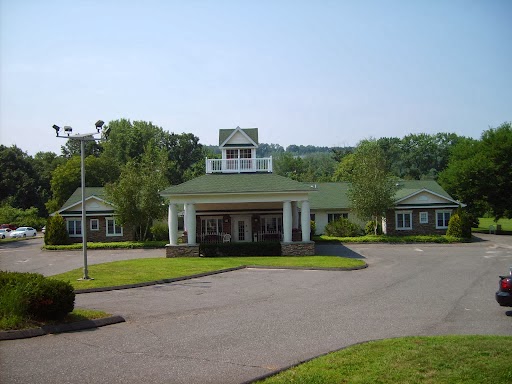
How is Cheshire House Health Care Facility & Rehab Center Staffed?

CMS rates CHESHIRE HOUSE HEALTH CARE FACILITY & REHAB CENTER's staffing level at 4 out of 5 stars, which is above average compared to other nursing homes. Staff turnover is 44%, compared to the Connecticut average of 46%. This relatively stable workforce can support continuity of care.

What Have Inspectors Found at Cheshire House Health Care Facility & Rehab Center?

State health inspectors documented 52 deficiencies at CHESHIRE HOUSE HEALTH CARE FACILITY & REHAB CENTER during 2021 to 2025. These included: 40 with potential for harm and 12 minor or isolated issues. While no single deficiency reached the most serious levels, the total volume warrants attention from prospective families.
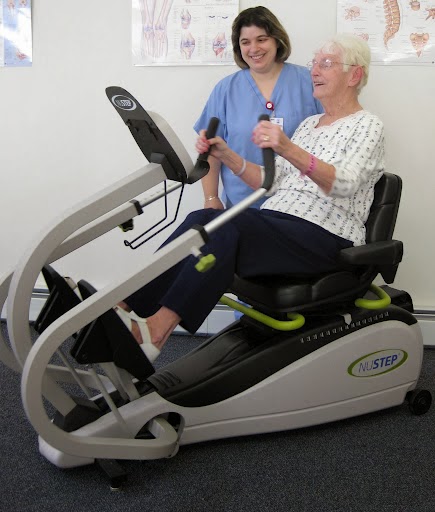
Who Owns and Operates Cheshire House Health Care Facility & Rehab Center?

CHESHIRE HOUSE HEALTH CARE FACILITY & REHAB CENTER is owned by a for-profit company. For-profit facilities operate as businesses with obligations to shareholders or private owners. The facility is operated by RYDERS HEALTH MANAGEMENT, a chain that manages multiple nursing homes. With 75 certified beds and approximately 70 residents (about 93% occupancy), it is a smaller facility located in WATERBURY, Connecticut.

How Does Cheshire House Health Care Facility & Rehab Center Compare to Other Connecticut Nursing Homes?

Compared to the 100 nursing homes in Connecticut, CHESHIRE HOUSE HEALTH CARE FACILITY & REHAB CENTER's overall rating (2 stars) is below the state average of 3.0, staff turnover (44%) is near the state average of 46%, and health inspection rating (2 stars) is below the national benchmark.

What Should Families Ask When Visiting Cheshire House Health Care Facility & Rehab Center?

Based on this facility's data, families visiting should ask: "What safeguards and monitoring systems are in place to protect residents from abuse or neglect?" "Can I visit during a mealtime to observe dining assistance and food quality?" "How do you handle medical emergencies, and what is your hospital transfer rate?" "Can I speak with family members of current residents about their experience?" These questions are particularly relevant given the substantiated abuse finding on record.

Is Cheshire House Health Care Facility & Rehab Center Safe?

Based on CMS inspection data, CHESHIRE HOUSE HEALTH CARE FACILITY & REHAB CENTER has documented safety concerns. The facility has 1 substantiated abuse finding (meaning confirmed case of resident harm by staff or other residents). The facility has a 2-star overall rating and ranks #100 of 100 nursing homes in Connecticut. Families considering this facility should ask detailed questions about what corrective actions have been taken since these incidents.

Do Nurses at Cheshire House Health Care Facility & Rehab Center Stick Around?

CHESHIRE HOUSE HEALTH CARE FACILITY & REHAB CENTER has a staff turnover rate of 44%, which is about average for Connecticut nursing homes (state average: 46%). Moderate turnover is common in nursing homes, but families should still ask about staff tenure and how the facility maintains care continuity when employees leave.

Was Cheshire House Health Care Facility & Rehab Center Ever Fined?

CHESHIRE HOUSE HEALTH CARE FACILITY & REHAB CENTER has no federal fines on record. CMS issues fines when nursing homes fail to meet care standards or don't correct problems found during inspections. The absence of fines suggests the facility has either maintained compliance or corrected any issues before penalties were assessed. This is a positive indicator, though families should still review recent inspection reports for the full picture.

Is Cheshire House Health Care Facility & Rehab Center on Any Federal Watch List?

CHESHIRE HOUSE HEALTH CARE FACILITY & REHAB CENTER is not on any federal watch list. The most significant is the Special Focus Facility (SFF) program, which identifies the bottom 1% of nursing homes nationally based on persistent, serious quality problems. Not being on this list means the facility has avoided the pattern of deficiencies that triggers enhanced federal oversight. This is a positive indicator, though families should still review the facility's inspection history directly.