MATTATUCK HEALTH CARE FACILITY, INC.
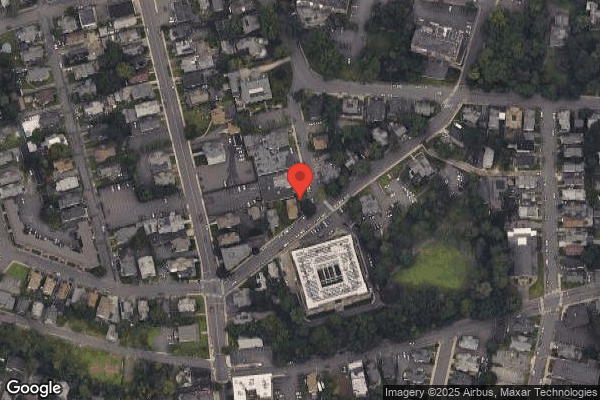
9 CLIFF ST, WATERBURY, CT 06710 (203) 573-9924
For profit - Corporation 43 Beds Independent Data: November 2025 1 Immediate Jeopardy citation
Trust Grade
61/100
#69 of 192 in CT
Last Inspection: September 2024

Within standard 12-15 month inspection cycle. Federal law requires annual inspections.

Overview

Mattatuck Health Care Facility, Inc. has a Trust Grade of C+, indicating it is slightly above average but still has room for improvement. It ranks #69 out of 192 facilities in Connecticut, placing it in the top half, and #9 out of 22 in Naugatuck Valley County, meaning only eight local options are better. The facility's trend is worsening, with issues increasing from 3 in 2022 to 8 in 2024, which raises concerns about its overall quality. Staffing is a significant weakness, receiving a rating of 1 out of 5 stars, although it has a good turnover rate of 0%, much better than the state average of 38%. There are concerning fines totaling $13,397, which is higher than 83% of Connecticut facilities, indicating potential compliance issues. Specific incidents of concern include a failure to ensure that licensed nurses were CPR certified and available at all times, and a lack of proper infection control guidelines, which could put residents at risk. Overall, while there are strengths, such as good quality measures, families should weigh these issues carefully when considering this facility.

Trust Score
C+
61/100
In Connecticut
#69/192
Top 35%
Safety Record
High Risk
Review needed
Inspections
Getting Worse
3 → 8 violations
Staff Stability
○ Average
Turnover data not reported for this facility.
Penalties
⚠ Watch
$13,397 in fines. Higher than 95% of Connecticut facilities. Major compliance failures.
Skilled Nurses
○ Average
RN staffing data not reported for this facility.
Violations
⚠ Watch
16 deficiencies on record. Higher than average. Multiple issues found across inspections.
★★★★☆
4.0
Overall Rating
★☆☆☆☆
1.0
Staff Levels
★★★★★
5.0
Care Quality
★★★★☆
4.0
Inspection Score
Stable
2022: 3 issues
2024: 8 issues

The Good

  • 5-Star Quality Measures · Strong clinical quality outcomes
  • Full Sprinkler Coverage · Fire safety systems throughout facility
  • No fines on record

Facility shows strength in quality measures, fire safety.

The Bad

Federal Fines: $13,397

Below median ($33,413)

Minor penalties assessed

The Ugly 16 deficiencies on record

1 life-threatening
Sept 2024 8 deficiencies
CONCERN (D)

Potential for Harm - no one hurt, but risky conditions existed

Notification of Changes (Tag F0580)

Could have caused harm · This affected 1 resident

**NOTE- TERMS IN BRACKETS HAVE BEEN EDITED TO PROTECT CONFIDENTIALITY** Based on review of the clinical record, facility documentation, facility policy, and interviews for 1 resident (Resident #14) re...

Read full inspector narrative →
**NOTE- TERMS IN BRACKETS HAVE BEEN EDITED TO PROTECT CONFIDENTIALITY** Based on review of the clinical record, facility documentation, facility policy, and interviews for 1 resident (Resident #14) reviewed for hospitalization, the facility failed to immediately notify the physician and the resident representative when the resident's thumb was cut during nail care and later became infected. The findings include: Resident #14 was admitted to the facility in March 2016 with diagnoses that included schizoaffective disorder, bipolar disorder, and cellulitis. The care plan dated 4/4/24 identified a concern with activities related to cognitive impairment with intervention which included provide brief activities for resident. The quarterly MDS dated [DATE] identified Resident #14 had moderately impaired cognition, was wheelchair bound, had peripheral vascular disease and was dependent on staff for toileting, hygiene, showering or bathing, body dressing, and personal hygiene. The nurse's note dated 6/29/24 identified that during nail care, the tip of the resident's right thumb was clipped by NA #1. The area was cleansed and bandaged by the DNS and there were no signs of infection. The nurse's note dated 7/1/24 identified the residents right thumb continued to ooze after the dressing was pulled off. Bacitracin and a bandage were applied to the top of the thumb, no swelling, discoloration or infection were noted, and the nail has fungus. The nurse's note dated 7/2/24 identified the resident's thumb was discolored, inflamed. Staff questioned cellulitis, or allergic reaction to the ointment. The physician was notified, and the resident was started on Keflex (antibiotic) 500mg every 4 times daily for 7 days. The nurse's note dated 7/6/24 identified resident's thumb was swollen, appeared blistered towards the base of first knuckle and the resident verbalized pain when the thumb was moved. The physician was notified, and Resident #14 was sent to the emergency room for evaluation. The note identified that the resident representative was notified. Interview with the DNS on 9/9/24 at 11:00 AM identified the tip of Resident #14's thumb was cut on 6/29/24 during nail care. The DNS indicated she notified the physician on 7/2/24 as the thumb presented as discolored and inflamed. On 7/6/24 the DNS indicated the thumb was swollen and had blisters and subsequent to physician notification, the resident was sent to the hospital. Although the cut to the thumb occurred on 6/29/24, and the area was oozing by 7/1/24, the physician was not notified until 7/2/24, 3 days later. Further, the resident representative was not notified until 7/6/24, 7 days later. The policy on change in condition directs to ensure that each patient will receive the best nursing and medical care available during critical illness, the charge nurse will notify the physician, Director of Nursing, family and Administrator in the event of transfer or change in resident's condition.
CONCERN (D)

Potential for Harm - no one hurt, but risky conditions existed

Deficiency F0657 (Tag F0657)

Could have caused harm · This affected 1 resident

**NOTE- TERMS IN BRACKETS HAVE BEEN EDITED TO PROTECT CONFIDENTIALITY** Based on review of the clinical record, facility documentation, facility policy, and interviews for 1 of 5 residents (Resident #...

Read full inspector narrative →
**NOTE- TERMS IN BRACKETS HAVE BEEN EDITED TO PROTECT CONFIDENTIALITY** Based on review of the clinical record, facility documentation, facility policy, and interviews for 1 of 5 residents (Resident #2) reviewed for unnecessary medications the facility failed to ensure that the resident's care plan was updated with interventions following a self-inflicted injury, and for 1 resident (Resident #29) reviewed for accidents, the facility failed to ensure the resident's care plan was revised with interventions following an elopement from the facility and an attempt at self-harm. The findings include: 1. Resident #2 was admitted to the facility on [DATE] with diagnoses that included schizophrenia, lymphedema, and hyperlipidemia. The annual MDS dated [DATE] identified Resident #2 had intact cognition, was always continent of bowel, frequently incontinent of bladder, required supervision with bathing, and was independent with transfers and dressing. Review of the clinical record during the survey identified Resident #2's care plan dated 5/21/24 identified the resident had a history of schizophrenia with behaviors that included withdrawal from activities and social isolation. Interventions included behavior monitoring. Although requested, the facility failed to provide a copy of Resident #2's care plan. A nurse's note dated 7/16/24 at 11:30 AM identified Resident #2 sustained a head injury to top of the head after intentionally hitting his/her head against a concrete wall in his/her room. A psychiatric note dated 7/16/24 by APRN #1 identified Resident #2 was found banging his/her head against a concrete wall after lunch and had an open area to the top of his/her head that was actively bleeding. The note identified Resident #2 reported that food caused jerking movements. The note identified Resident #2 was being sent to the hospital for evaluation of the head injury and psychiatric evaluation. A nurse's note dated 7/16/24 at 8:15 PM identified Resident #2 returned to the facility from the hospital with staples in place to the head. The note further identified that the staples were to be removed within 5 - 7 days and staff was to monitor the wound for signs of infection. The note further identified that Resident #2 had no medication changes and would continue to be monitored. Review of Resident #2's care plan during a record review conducted 9/9/24 failed to identify any documentation or interventions related to self-injury behaviors. Interview with NA #1 on 9/10/24 at 7:15 AM identified she had been employed at the facility for 2 years and since she started working at the facility, Resident #2 had a history of hitting his/her head. NA #1 identified Resident #2 bangs his/her head all the time and says sugar makes him/her do it, but it's psych related. The resident had to go out to the hospital last month and had a couple of staples. NA #1 identified that the facility staff had stopped giving Resident #2 sugary foods and drinks to help with the behavior, since Resident #2 reported it was caused by sugar. NA #1 reported that the intervention did not work, and Resident #2 continued to hit his/her head. NA #1 reported that she was not aware of any additional interventions in place. Interview with APRN #1 on 9/10/24 at 9:34 AM identified that Resident #2 had a history of behaviors that included head banging which the resident reported was due to sugar in his/her diet. APRN #1 reported that on 7/16/24 Resident #2 had a head laceration as a result and was sent to the hospital for psychiatric evaluation and treatment of the head wound. APRN #1 identified she saw Resident #2 for follow up on 8/20/24 but she did not follow up with the facility or the hospital regarding the outcome of the psychiatric evaluation that was requested and was not aware the hospital had recommended crisis intervention. APRN #1 also identified she did not recommend any additional behavior monitoring related to self-injury behaviors for Resident #2 but should have requested this specific behavior monitoring be implemented following Resident #2's return to the facility on 7/16/24. Interview with the DNS on 9/10/24 at 11:00 AM identified that she provided direct care for Resident #2 following readmission to the facility on 7/16/24. The DNS identified that Resident #2's care plan was not updated to reflect a history of self-injury following the residents return to the facility on 7/16/24. The DNS identified that the facility should have updated the care plan to reflect a history of behaviors related to self-inflicted head injuries. Although attempted, an interview with Resident #2 was not obtained. 2. Resident #29 was admitted to the facility on [DATE] with diagnoses that included major depressive disorder, major neurocognitive disorder, and hypertension. The annual MDS dated [DATE] identified Resident #29 had intact cognition, was always continent of bowel and bladder and required staff assistance for set up and supervision with dressing, bathing, and set up only for meals. The MDS also identified Resident #29 had not exhibited any behaviors related to wandering and had not reported or exhibited any thoughts or behaviors related to self-harm. The care plan dated 6/23/23 identified Resident #29 had a history of suicidal ideations. Interventions included to monitor for behavioral changes. The care plan also identified that Resident #29 was not at risk for elopement. Review of the state agency reportable event database identified that on 8/7/23 at 5:00 PM the facility reported that Resident #29 was identified as missing from the facility. The reportable event form dated 8/7/23 identified that at approximately 5:00 PM, Resident #29 could not be located for dinner and following notification to the police, the resident representative, and medical director were notified. A review of the facility's security cameras identified that Resident #29 exited the facility through the front entrance at approximately 2:00 PM. The documentation identified that the facility was notified Resident #29 was located on 8/8/23 at 4:00 PM at a hospital emergency department located 22 miles from the facility. Review of the clinical record identified that a 9/1/23 hospital psychiatry discharge summary identified Resident #29 initially presented to the hospital emergency department after being found by local law enforcement at a gas station after attempting suicide by overdosing on Benadryl (an over-the-counter antihistamine used for allergies) and alcohol. The note also identified Resident #29 was in psychosis and required inpatient psychiatric admission and treatment from 8/9/23 - 9/1/23. The note identified that the hospital staff contacted the DNS regarding discharge on [DATE] and the interventions discussed included relocating Resident #29's room to a location within direct eyesight of the nurse's station, increasing the frequency of psychiatric APRN visits to twice monthly, and increasing the frequency of social work visits. The note identified Resident #29 was euthymic with no overt psychosis and not at imminent risk for self-harm or others at the time of discharge. Review of the clinical record failed to identify any revisions to Resident #29's care plan following readmission to the facility on 9/1/23 related to elopement from the facility and suicide attempt. A psychiatric APRN note dated 9/6/23 by APRN #1 identified Resident #29 was seen following elopement from the facility and suicide attempt with hospitalization. The note further identified Resident #29 had a previous history of suicidal ideation with a plan to jump from a bridge. The note also identified Resident #29 had no history of any prior attempts at elopement. The note identified Resident was not at current risk for self-harm and the treatment plan included to monitor for changes in mood and behaviors. Review of the nurse aide care cards for residents of the facility on 9/10/24, located on the nurse's station, failed to identify a care card for Resident #29. Interview with NA #1 on 9/10/24 at 7:15 AM identified she had been employed at the facility for 2 years and was aware of Resident #29's elopement from the facility on 8/7/23. NA #1 identified Resident #29 had a room previously located next to the front entrance door of the facility and following the elopement, was relocated to a room directly next to the nurse's station. NA #1 identified that the staff routinely kept an eye on Resident #29's location, which was usually in his/her room, and that she was not aware of any other elopement attempts since 8/7/23. NA #1 also identified that she was aware of Resident #29's history of suicidal ideations, however her understanding was Resident #29 had discussed this at some point in the past 'in passing' but had never verbalized anything related to suicidal thoughts or self-harm to her. NA #1 identified that she had not been notified of, or ever heard, that Resident #29 had ever attempted suicide or self-harm since admission to the facility, and the only incident she was aware of was elopement on 8/7/23. Interview with APRN #1 on 9/10/24 at 9:34 AM identified that Resident #29 did not have a prior history of elopement from the facility prior to 8/7/23. APRN #1 identified that Resident #29 had not had any further attempts at elopement or self-harm that she had been notified of by the facility or resident. APRN #1 identified that elopement assessments and interventions would be based on the facility's policy, and she would not direct that. APRN #1 also identified that there would not be any specific monitoring of Resident #29's behaviors related to self-harm other than monitoring behavior. Interview with the DNS on 9/10/24 at 11 AM identified that she provided direct care for Resident #29 on 8/7/23. The DNS identified that Resident #29 had a history of suicidal ideation prior to admission to the facility but had not verbalized or exhibited any behaviors related to self-harm. The DNS also identified prior to Resident #29's elopement from the facility on 8/7/23, Resident #29 had not attempted to leave the building, including going outside to resident areas on the facility premises. The DNS identified Resident #29's care plan should have been updated to reflect the elopement as well as the suicide attempt as these were both new issues for Resident #29. The DNS also identified that Resident #29's nurse aide care card should have been included for the residents on the unit and she would ensure that these items would be addressed. Although attempted, an interview with Resident #29 was not obtained. The facility assessment tool directed that the facility would identify and provide specific resources to its residents that required management and specific interventions for psychiatric symptom and behaviors. The facility assessment tool also directed the facility would provide person centered care, which included incorporating specific care needs of the resident into the care plan, including identification of hazards and risks. Although requested, the facility failed to provide policies related to care planning or self-injury.
CONCERN (D)

Potential for Harm - no one hurt, but risky conditions existed

Quality of Care (Tag F0684)

Could have caused harm · This affected 1 resident

**NOTE- TERMS IN BRACKETS HAVE BEEN EDITED TO PROTECT CONFIDENTIALITY** Based on review of the clinical record, facility policy, and interviews for 1 of 5 residents (Resident #1) reviewed for unnecess...

Read full inspector narrative →
**NOTE- TERMS IN BRACKETS HAVE BEEN EDITED TO PROTECT CONFIDENTIALITY** Based on review of the clinical record, facility policy, and interviews for 1 of 5 residents (Resident #1) reviewed for unnecessary medications, the facility failed to ensure blood glucose levels were reassessed following high readings, and for 1 of 5 residents (Resident #2) reviewed for unnecessary medications, the facility failed to ensure that appropriate behavior monitoring was implemented related to episodes of self-harm, that neurological monitoring was completed following a head injury, and a wound was assessed and documented in the medical record following a head injury and for 1 resident (Resident #14) reviewed for hospitalization, the facility failed to do ongoing assessments of the resident's thumb which was discolored and inflamed and being treated with antibiotics. The findings include: 1. Resident #1 was admitted to the facility in February 2009 with diagnoses that included type 2 diabetes mellitus, hypertension, and breast cancer. The quarterly MDS dated [DATE] identified Resident #1 had severely impaired cognition and received Insulin injections 7 of the last 7 days. Although requested, a copy of Resident #1's diabetes care plan was not provided. Physician's orders for May 2024 (original date 8/25/09) directed to administer Humalog 100 units/ml for coverage at 4:30 PM only per Accucheck (blood glucose check). 400 - 450, give 2 units. 451 - 500, give 4 units. 501 - 550, give 6 units. High, give 15 units. Physician's orders for May 2024 (original date 6/16/10) directed an Accucheck every day at 6:00 AM. The Medication Administration Records dated 5/1/24 through 9/8/24, 5 months, identified that Resident #1 had blood glucoses readings that read high, requiring the administration of 15 units of Humalog insulin on: 5/13/24, 5/14/24, 5/20/24, 6/11/24, and 7/5/24. The nurse's notes dated 5/13/24, 5/14/24, 5/20/24, 6/11/24, and 7/5/24 failed to identify that Resident #1's blood glucose was reassessed following a high reading and the administration of 15 units of Humalog Insulin. Interview and review of the clinical record with the DNS on 9/9/24 at 7:45 AM failed to identify that the nurses reassessed Resident #1's blood glucose following a high reading and the administration of 15 units of Humalog Insulin on 5/13/24, 5/14/24, 5/20/24, 6/11/24, and 7/5/24. The DNS indicated the blood glucose levels were next assessed the following morning during the 6:00 AM Accucheck, per the physician's order. Interview with APRN #2 identified that she would expect the nurse to recheck a high blood glucose reading, approximately 1.5 - 2 hours after the appropriate sliding scale dose was administered and she would have expected to have been notified of a blood glucose that read high, because she would potentially have increased the sliding scale, in addition to wanting the blood glucose rechecked. Interview with MD #1 on 9/9/24 at 1:13 PM identified that he would expect a blood glucose recheck 2 - 4 hours after administering the sliding scale, following a reading greater than 500 high. MD #1 indicated that he would not expect a notification call for a high reading unless the resident was symptomatic. Interview with the DNS on 9/9/24 at 2:43 PM identified that Resident #1 is a brittle diabetic and can be non-compliant with his/her diet. The DNS further identified that Resident #1 had never been symptomatic when his/her blood sugars were reading high and could answer questions appropriately and would deny symptoms of hyperglycemia. The DNS indicated that she does not have a policy that directs when to recheck a high blood glucose or notify the provider, unless parameters were written in the physician's orders, but in the absence of parameters she would expect the physician to be notified of a high blood glucose reading during rounds, if the resident was asymptomatic, or to notify the physician at the time of the high blood glucose reading, if the resident was symptomatic or had a mental status change. The DNS identified that she would expect the nurse to recheck a high blood glucose level, approximately 30 minutes after the administration of the Insulin sliding scale. The DNS further identified if resident's blood glucose recheck remained greater than 500, she would expect the nurse to notify the physician, in case he/she wanted to provide additional insulin coverage. Interview with RN #1 on 9/9/24 at 4:09 PM identified that she mostly works the 3:00 PM - 11:00 PM shift at the facility, and she was familiar with Resident #1's history of high blood glucose readings. RN #1 indicated that she did not recheck Resident #1's high blood glucose readings if he/she was asymptomatic; she would administer 15 units of Insulin per the sliding scale order, the blood glucose would be rechecked at 6:00 AM the next day, per the physician's order. RN #1 identified that she usually rechecks blood glucose levels, if they are too low and an intervention was implemented to make the sugar come back up. The facility's Policy for Accucheck (glucose monitoring) directs all residents receiving hyperglycemic agents, will have an Accucheck done at least 2 times weekly unless otherwise specified by the medical doctor. Any resident having a blood sugar of 70 or below, the medication will be held and the medical doctor contacted for further orders. 2. Resident #2 was admitted to the facility in June 2020 with diagnoses that included schizophrenia, lymphedema, and hyperlipidemia. The annual MDS dated [DATE] identified Resident #2 had intact cognition, was always continent of bowel, frequently incontinent of bladder, required with supervision with bathing, and was independent with transfers and dressing. Review of the clinical record during the survey identified Resident #2's care plan dated 5/21/24 identified the resident had a history of schizophrenia with behaviors that included withdrawal from activities and social isolation. Interventions included behavior monitoring. Although requested, the facility failed to provide a copy of Resident #2's care plan. A nurse's note dated 7/16/24 at 11:30 AM identified Resident #2 sustained a head injury to top of the head after intentionally hitting his/her head against a concrete wall in his/her room. A psychiatric note dated 7/16/24 by APRN #1 identified Resident #2 was found banging his/her head against a concrete wall after lunch and had an open area to the top of his/her head that was actively bleeding. The note identified Resident #2 reported that food caused jerking movements. The note identified Resident #2 was being sent to the hospital for evaluation of the head injury and psychiatric evaluation. A nurse's note dated 7/16/24 at 8:15 PM identified Resident #2 returned to the facility from the hospital with staples in place to the head. The note further identified that the staples were to be removed within 5 - 7 days and to monitor the wound for signs of infection. The note further identified that Resident #2 had no medication changes and would continue to be monitored. Review of the clinical record failed to identify any documents or discharge summary related to Resident #2's hospital evaluation on 7/16/24. Review of the clinical record failed to identify any neurological monitoring related to Resident #2's self-inflicted head injury on 7/16/24. Review of the clinical record failed to identify any documentation related to Resident #2's self-inflicted head injury following return to the facility on 7/16/14, including the number of staples in place to the head, wound appearance, when the staples were removed, and wound status following staple removal. Review of the behavior monitoring flowsheets for Resident #2 for 7/2024, 8/2024, and 9/2024 failed to identify any behavior monitoring implemented related to self-harm or self-injury following Resident #2's self-inflicted head injury on 7/16/24. A psychiatric note dated 8/20/24 by APRN #1 identified Resident #2 was seen for follow up to assess mood and self-injury behaviors. The note further identified that Resident #2 denied any recent head banging and that staff had reported redirection with head banging at times with good effect. Subsequent to surveyor inquiry on 9/9/24, the facility provided a hospital initial evaluation assessment dated [DATE]. The documentation identified that Resident #2 was seen in the emergency department for evaluation of a self-inflicted head laceration measuring approximately 2 centimeters to the back of the head with bleeding that was controlled, and the facility also requested a psychiatric evaluation. The evaluation further identified Resident #2 had a psychiatric history, was a poor historian, and was unable contribute significant details. The evaluation also identified that head CT was not done, and treatment included placement of one staple to the laceration at the posterior occiput (the back upper portion of the head) and a crisis evaluation. The evaluation failed to identify any additional information. Interview with NA #1 on 9/10/24 at 7:15 AM identified she had been employed at the facility for 2 years and since she started working at the facility, Resident #2 had a history of hitting his/her head. NA #1 identified Resident #2 [NAME] his/her head all the time and says sugar makes him/her do it, but it's psych related. Resident #2 had to go out to the hospital last month and had a couple of staples. NA #1 identified that the facility staff had discussed interventions, and they had stopped giving Resident #2 sugary foods and drinks to help with the behavior, since Resident #2 reported it was caused by sugar. NA #1 reported that the intervention did not work and Resident #2 continued to hit his/her head. NA #1 reported that she was not aware of any additional interventions in place. NA #1 reported that the wound from 7/16/24 was treated and assessed by the DNS, and that the DNS also removed the staples applied at the hospital. Interview with APRN #1 on 9/10/24 at 9:34 AM identified that Resident #2 had a history of behaviors that included head banging with Resident #2 had reported was due to sugar in his/her diet. APRN #1 reported that on 7/16/24 Resident #2 had a head laceration as a result and was sent to the hospital for psychiatric evaluation and treatment of the head wound. APRN #1 identified she saw Resident #2 for follow up on 8/20/24. APRN #1 identified that she did not follow up with the facility or the hospital regarding the outcome of the psychiatric evaluation that was requested and was not aware the hospital had recommended crisis intervention. APRN #1 also identified she did not recommend any additional behavior monitoring related to self-injury behaviors for Resident #2 but should have requested this specific behavior monitoring be implemented following Resident #2's return to the facility on 7/16/24. Interview with the DNS on 9/10/24 at 11:00 AM identified that she provided direct care for Resident #2 following readmission to the facility on 7/16/24. The DNS identified she was aware that Resident #2 was sent to the hospital for evaluation of the head laceration and psychiatric evaluation due to self-injury but did not follow up with the hospital regarding the outcome of the psychiatric evaluation of Resident #2's behaviors. The DNS identified that she completed the daily wound care and assessments of Resident #2's head laceration, and removed a single staple on 7/24/24, 8 days after Resident #2 returned to the facility, but did not document any of the information in Resident #2's clinical record. The DNS also identified that Resident #2's care plan was not updated to reflect a history of self-injury following Resident #2's return to the facility on 7/16/24. The DNS also identified that the facility did not complete any neurological checks on Resident #2 following his/her return to the facility on 7/16/24. The DNS identified that Resident #2 should have had neurological checks initiated following return to the facility for 72 hours after the head injury occurred, should have had behavior monitoring implemented related to self-injury behaviors following return to the facility, and that she should documented the wound status and assessments for Resident #2's head injury in Resident #2's medical record. The DNS also identified that the facility should have ensured that the hospital discharge documentation from 7/16/24 was obtained and in Resident #2's medical record. The facility policy on head injury directed that it was the policy of the facility to provide monitoring for any resident who received a head injury and that a head injury was classified as a blow to the head. The policy further directed that monitoring that would be done including vital signs, level of consciousness, and pupil reactivity every hour x 4, then every 2 hours x 4, then every 4 hours x 3, then every shift x 3. The facility assessment tool directed that the facility would identify and provide specific resources to its residents that required management and specific interventions for psychiatric symptom and behaviors. The facility assessment tool also directed the facility would provide person centered care, which included incorporating specific care needs of the resident into the care plan, including identification of hazards and risks. Although requested, the facility failed to provide policies related to wound care, documentation in the clinical record, behavior monitoring, or self-injury. 3. Resident #14 was admitted to the facility on in March 2016 with diagnoses that included schizoaffective disorder, bipolar disorder, and cellulitis. The care plan dated 4/4/24 identified a concern with activities related to cognitive impairment with intervention which included provide brief activities for resident. The quarterly MDS dated [DATE] identified Resident #14 had moderately impaired cognition, was wheelchair bound, had peripheral vascular disease and was dependent on staff for toileting, hygiene, showering or bathing, body dressing, and personal hygiene. The nurse's note dated 6/29/24 identified that during nail care, the tip of the resident's right thumb was clipped by NA #1. The area was cleansed and bandaged by the DNS and there were no signs of infection. The nurse's note dated 7/1/24 identified the right thumb continued to ooze after the dressing was pulled off. Bacitracin and a bandage were applied to the top of the thumb, no swelling, discoloration or infection were noted, and the nail has fungus. The nurse's note dated 7/2/24 identified the resident's thumb was discolored, inflamed. Staff questioned cellulitis, or allergic reaction to the ointment. The physician was notified, and the resident was started on Keflex (antibiotic) 500mg every 4 times daily for 7 days. Review of the clinal record failed to reflect any assessments or documentation of the condition of the resident's thumb on 7/3/24, 7/4/24 and 7/5/24. The nurse's note dated 7/6/24 identified resident's thumb was swollen, appeared blistered towards the base of first knuckle and the resident verbalized pain when the thumb was moved. The physician was notified, and Resident #14 was sent to the emergency room for evaluation. The hospital Discharge summary dated [DATE] identified Resident #14 was diagnosed with right thumb Paronychia and Felon of the finger. The discharge summary identified Resident #14 underwent bedside incision and drainage without complication and was administered empiric antibiotics (Vancomycin 1mg via IV on 7/6/24 at 8:36 PM, Zosyn 4.5mg via IV 7/7/24 at 7:06 PM, on 7/7/24 at 12:40 AM and 6:11 AM), Morphine 2mg (pain relief), Lidocaine 10mg/ml 20ml injection (local anesthetic), and Atarax 25mg (antihistamine). Interview and review of the clinical record with the DNS on 9/9/24 at 11:00 AM identified the tip of Resident #14's thumb was cut on 6/29/24 during nail care. The DNS indicated NA #1 advised her of the cut, as DNS she cleansed the area and applied a dressing. The DNS indicated she documented an assessment on 7/1/24 and notified the physician on 7/2/24 as the thumb presented as discolored and inflamed. The physician prescribed Keflex 500mg every 12 hours for 7 days. On 7/6/24 the DNS indicated the thumb was swollen and had blisters; she notified the physician who ordered the resident be sent to the ER for evaluation. The DNS stated her expectation was that the condition of the finger should have been assessed and that assessment be documented in the clinical record from 7/3/24 - 7/5/24. A policy for antibiotic monitoring was requested, however not provided.
CONCERN (D)

Potential for Harm - no one hurt, but risky conditions existed

Accident Prevention (Tag F0689)

Could have caused harm · This affected 1 resident

**NOTE- TERMS IN BRACKETS HAVE BEEN EDITED TO PROTECT CONFIDENTIALITY** Based on review of the clinical record, facility documentation, facility policy, and interviews for 1 resident (Resident #29) re...

Read full inspector narrative →
**NOTE- TERMS IN BRACKETS HAVE BEEN EDITED TO PROTECT CONFIDENTIALITY** Based on review of the clinical record, facility documentation, facility policy, and interviews for 1 resident (Resident #29) reviewed for accidents, the facility failed to complete an elopement assessment following an elopement from the facility and failed to ensure staff monitored behaviors related to an attempt at self-harm. The findings include: Resident #29 was admitted to the facility in July 2021 with diagnoses that included major depressive disorder, major neurocognitive disorder, and hypertension. The annual MDS dated [DATE] identified Resident #29 had intact cognition, was always continent of bowel and bladder and required staff assistance for set up and supervision with dressing, bathing, and set up only for meals. The MDS also identified Resident #29 had not exhibited any behaviors related to wandering and had not reported or exhibited any thoughts or behaviors related to self-harm. The care plan dated 6/23/23 identified Resident #29 had a history of suicidal ideations. Interventions included to monitor for behavioral changes. The care plan also identified that Resident #29 was not at risk for elopement. Review of the state agency reportable event database identified that on 8/7/23 at 5:00 PM the facility reported that Resident #29 was identified as missing from the facility. The reportable event form dated 8/7/23 by the DNS identified Resident #29 had not exhibited any behaviors in the 3 days prior to the elopement. The DNS identified she assisted with Resident #29's care on 8/7/23 and at 1:00 PM assisted with set up for a shower. The documentation further identified that after Resident #29 finished showering, he/she was seen at the nurse's station at 1:45 PM and returned to his/her room where he/she was seen by his/her roommate, and then left the room. The documentation identified that at approximately 5:00 PM, Resident #29 could not be located for dinner and following notification to the police, the resident representative, and medical director, a review of the facility's security cameras identified that Resident #29 exited the facility through the front entrance at approximately 2:00 PM. The documentation identified that the facility was notified Resident #29 was located on 8/8/23 at 4:00 PM at a hospital emergency department located 22 miles from the facility. Review of the clinical record identified that a 9/1/23 hospital psychiatry discharge summary identified Resident #29 initially presented to the hospital emergency department after being found by local law enforcement at a gas station after attempting suicide by overdosing on Benadryl (an over the counter antihistamine used for allergies) and alcohol. The note identified Resident #29 reported worsening depression 3 - 6 months with increased thoughts of suicide in the 2 months prior to elopement from the facility. The note also identified Resident #29 was in psychosis and required inpatient psychiatric admission and treatment from 8/9/23 - 9/1/23. The note identified that the hospital staff contacted the DNS regarding discharge on [DATE] and the interventions discussed included relocating Resident #29's room to a location within direct eyesight of the nurse's station, increasing the frequency of psychiatric APRN visits to twice monthly, and increasing the frequency of social work visits. The note identified Resident #29 was euthymic with no overt psychosis and not at imminent risk for self-harm or others at the time of discharge. Review of the clinical record failed to identify any revisions to Resident #29's care plan following readmission to the facility on 9/1/23 related to actual elopement from the facility and suicide attempt with hospitalization. A psychiatric APRN note dated 9/6/23 by APRN #1 identified Resident #29 was seen following elopement from the facility and suicide attempt with hospitalization. The note further identified Resident #29 had a previous history of suicidal ideation with a plan to jump from a bridge. The note also identified Resident #29 had no history of any prior attempts at elopement. The note identified the resident was not at current risk for self-harm and the treatment plan included to monitor for changes in mood and behaviors. Review of the behavior monitoring record for Resident #29 for 9/2023, following readmission to the facility, identified monitoring included unauthorized exit, hearing voices, poor personal hygiene, lack of motivation, and refusal to get out of bed. Review of the clinical record failed to identify any elopement risk assessments completed for Resident #29 from 9/2023 - 9/2024. Review of the nurse aide care cards for residents of the facility on 9/10/24, located on the nurse's station, failed to identify any care card documentation or interventions for Resident #29. Interview with NA #1 on 9/10/24 at 7:15 AM identified she had been employed at the facility for 2 years and was aware of Resident #29's elopement from the facility on 8/7/23. NA #1 identified Resident #29 had a room previously located next to the front entrance door of the facility and following the elopement, was relocated to a room directly next to the nurse's station. NA #1 identified that the staff routinely kept an eye on Resident #29's location, which was usually in his/her room, and that she was not aware of any other elopement attempts since 8/7/23. NA #1 also identified that she was aware of Resident #29's history of suicidal ideations, however her understanding was Resident #29 had discussed this at some point in the past in passing but had never verbalized anything related to suicidal thoughts or self-harm to her. NA #1 identified that she had not been notified of, or ever heard, that Resident #29 had ever attempted suicide or self-harm since admission to the facility, and the only incident she was aware of was elopement on 8/7/23. Interview with APRN #1 on 9/10/24 at 9:34 AM identified that Resident #29 did not have a prior history of elopement from the facility prior to 8/7/23. APRN #1 identified that Resident #29 had not had any further attempts at elopement or self-harm that she had been notified of by the facility or resident. APRN #1 identified that elopement assessments and interventions would be based on the facility's policy, and she would not direct that. APRN #1 also identified that there would not be any specific monitoring of Resident #29's behaviors related to self-harm other than monitoring behavior overall, but that there would not be any specific monitoring that she could think. Interview with the DNS on 9/10/24 at 11 AM identified that she provided direct care for Resident #29 on 8/7/23. The DNS identified that Resident #29 had a history of suicidal ideation prior to admission to the facility but had not verbalized or exhibited any behaviors related to self-harm. The DNS also identified prior to Resident #29's elopement from the facility on 8/7/23, Resident #29 had not attempted to even leave the building, including going outside to resident areas on the facility premises. The DNS identified that Resident #29 should have had an elopement assessment completed following return to the facility on 9/1/23 as he/she would have been an elopement risk at that point, and Resident #29's care plan should have been updated to reflect the elopement as well as the suicide attempt as these were both new issues for Resident #29. The DNS also identified that Resident #29's nurse aide care card should have been included for the residents on the unit and she would ensure that these items would be addressed. Although attempted, an interview with Resident #29 was not obtained. The facility policy on unauthorized exits directed that it was the policy of the nurse aides to know where all residents in their care were always, and that the charge nurse would have an idea of where each resident in their care was located. Although requested, the facility failed to provide policies on elopement, close monitoring, or self-harm.
CONCERN (D)

Potential for Harm - no one hurt, but risky conditions existed

Deficiency F0729 (Tag F0729)

Could have caused harm · This affected 1 resident

Based on review of facility documentation and interviews, the facility failed to obtain registry verification that a nurse aide (NA #2) had received a nurse aide certification. Review of NA #2's perso...

Read full inspector narrative →
Based on review of facility documentation and interviews, the facility failed to obtain registry verification that a nurse aide (NA #2) had received a nurse aide certification. Review of NA #2's personnel file identified an Application for Employment dated 4/7/20 that failed to identify NA #2 had completed a nurse aide training program. The personnel file further identified that NA #2 was hired on 4/13/20. The Connecticut State Nurse Aide Registry Verification Reports dated 10/31/23 and 9/10/24 identified that registry inquiry results for NA #2 were not found. Interview with the Office Manager on 9/10/24 at 12:09 PM identified that NA #2 was initially hired on 4/13/20 and that she had taken a nurse aide training course, but due to the Covid-19 pandemic, she was not able to take the certification test. The Office Manager indicated that subsequently, NA #2 left the facility to work at another facility that provided free nurse aide training with a one-year work commitment. The Office Manager identified that after NA #2 finished out her contract with the other facility she returned to this facility (date unknown). The Office Manager indicated that she was under the impression that NA #2 had completed the course and earned the nurse aide certification. The Office Manager further indicated that she did not run a nurse aide verification report when NA #2 returned to work at the facility because NA #2 had finished out her contract at the other facility and did not think she would have been accepted to come back to this facility if she didn't have her nurse aide certification. The Office Manager indicated that it was her responsibility to ensure verification of a nurse aide certification, and she could not recall why that wasn't completed at the time of rehire, but that NA #2 had returned from the other facility with a nurse aide training program. Interview with the DNS on 9/10/24 at 1:08 PM indicated that NA #2 completed the nurse aide training course at another facility. The DNS further indicated that yesterday, NA #2 had reassured her that she did complete the nurse aide training course, had earned a nurse aide certification, and that there was a difference in the spelling of her name which may have been creating the problem with the registry search. The DNS identified that NA #2 would provide the facility with a copy of her nurse aide certification. Although requested a policy for competent nurse staffing was not provided. Follow-up interview with the DNS on 9/16/24 at 2:29 PM identified that she had not received a copy of NA #2's nurse aide certification because NA #2 had been in an accident was not able to return to work. The DNS further indicated that NA #2 would not be allowed to return to work at the facility without verification of her nurse aide certification, and if she was not able to provide that documentation her employment would be terminated.
CONCERN (D)

Potential for Harm - no one hurt, but risky conditions existed

Staffing Data (Tag F0851)

Could have caused harm · This affected 1 resident

Based on review of facility documentation and interviews, the facility failed to ensure accurate staffing data was entered in the Payroll-Based Journal (PBJ). The findings include: Review of the PBJ S...

Read full inspector narrative →
Based on review of facility documentation and interviews, the facility failed to ensure accurate staffing data was entered in the Payroll-Based Journal (PBJ). The findings include: Review of the PBJ Staffing Data Report dated FY Quarter 1 2024 (October 1 - December 31) identified that the facility had excessively low weekend staffing and failed to have licensed nursing coverage 24 hours/day on the following infraction dates: 10/9/23, 10/14/23, 10/15/23, 10/18/23, 10/19/23, 10/27/23, 11/21/23, 11/23/23, 11/25/23, 11/30/23, and 12/16/23. Review of the PBJ Staffing Data Report dated FY Quarter 2 2024 (January 1 - March 31) identified that the facility had excessively low weekend staffing and failed to have licensed nursing coverage 24 hours/day on the following infraction dates: 1/6/24, 1/14/24, 1/19/24, 1/20/24, 1/25/24, 2/10/24, 2/13/24, 3/15/24, and 3/22/24. Review of the PBJ Staffing Data Report dated FY Quarter 3 2024 (April 1 - June 30) identified that the facility had excessively low weekend staffing and failed to have licensed nursing coverage 24 hours/day on the following infraction dates: 4/12/24, 4/13/24, 5/7/24, 5/15/24, 5/17/24, 5/23/24, 5/24/24, and 6/20/24. Review of the PBJ Staffing Data Report dated FY Quarter 4 2024 (July 1 - September 30) identified that the facility had excessively low weekend staffing and failed to have licensed nursing coverage 24 hours/day on the following infraction dates: 7/5/24, 7/9/24, 7/26/24, 7/29/24, 8/11/24, 8/20/24, 8/30/24, and 9/8/24. Nurse staffing was reviewed for the period of 8/25/24 through 9/10/24, the facility met the rest home with nursing supervision standards. Interview with the DNS on 9/10/24 at 11:17 AM identified that she was not responsible for the PBJ reporting, but at no point in her tenure at the facility had there been a gap in licensed nurse coverage. The DNS indicated that there was always a licensed nurse working at the facility 24 hours a day, and as a working DNS she ensured 24-hour coverage. The DNS further indicated the data related to no licensed nursing coverage 24 hours/day must have been entered incorrectly. The DNS identified that occasionally the facility would have sick calls from nurse aides on the weekends, and while they would attempt to cover the sick calls, at times they would have to operate with one less nurse aide. The DNS indicated that the facility is a rest home with nursing supervision, so given most resident's higher level of functioning and independence, the team was always able to meet residents' needs, even if there was a call out. Interview and facility documentation review with the Office Manager on 9/10/24 at 12:09 PM identified that the PBJ trigger for failure to have licensed nursing coverage 24 hours/day must have been a typographical error because the facility always had 24 hours/day licensed nurse coverage. The Office Manager further identified that because the facility does not use electronic records, the process of submitting the data was challenging and that she tried to enter the data accurately and to the best of her ability. The Office Manager indicated that she enters the PBJ data quarterly; first she manually enters the hours worked from the timecards to a spreadsheet and then enters the data into the PBJ program, individually, creating multiple areas for a typographical error. The Office Manager identified that after reconciling the timecards and nursing schedule with the infraction dates identified on the PBJ report, she had accidentally omitted information or entered information under incorrect dates, and moving forward she would attempt to submit the PBJ data more frequently than quarterly to hopefully decrease typographical errors. Review of the facility assessment failed to reflect documentation regarding PBJ.
CONCERN (E)

Potential for Harm - no one hurt, but risky conditions existed

Deficiency F0678 (Tag F0678)

Could have caused harm · This affected multiple residents

**NOTE- TERMS IN BRACKETS HAVE BEEN EDITED TO PROTECT CONFIDENTIALITY** Based on review of facility documentation and interviews, the facility failed to ensure that licensed nurses were certified in c...

Read full inspector narrative →
**NOTE- TERMS IN BRACKETS HAVE BEEN EDITED TO PROTECT CONFIDENTIALITY** Based on review of facility documentation and interviews, the facility failed to ensure that licensed nurses were certified in cardiopulmonary resuscitation (CPR) for Healthcare Providers and were available immediately (24 hours per day) to provide basic life support, including CPR. The findings include: Interview and review of facility documentation related to competent nurse staffing with the DNS on [DATE] at 6:26 AM the DNS did not have documentation of current CPR certifications for the licensed nurses. The DNS indicated that the facility was not a sub-acute unit and while the staff had been appropriately trained in emergency situations, the expectation is that 911 is called during any crisis. The DNS further indicated that while she does not have a policy that speaks to CPR or documentation of CPR competencies, the licensed staff know that unless a resident has an advance directive identifying him/her as a Do Not Resuscitate (DNR), they would immediately start CPR and call 911when someone is pulseless and not breathing. Further, the DNS identified that she does not hold a current CPR certification. Subsequent to surveyor inquiry, documentation of the following CPR certifications was provided: a. RN #1 completed the American Heart Association Basic Life Support CPR and AED (automated external defibrillator) program; a certification was issued on [DATE] and was valid for 2 years (expired 7/2024). b. RN #3 completed the American Heart Association Heartsaver CPR AED program; a certification was issued on [DATE] and renewal is required by 1/2025. c. RN #4 completed the American Heart Association Basic Life Support CPR and AED program; a certification was issued on [DATE] and renewal is required by 9/2026. d. RN #5 completed the American Heart Association Basic Life Support CPR and AED program; a certification was issued on [DATE] and renewal was required by 2/2024, expired over 6 months. The DNS indicated that RN #5 had recently taken a BLS recertification program, but had not received the updated certificate, yet. Although requested a policy related to CPR certification requirements was not provided.
CONCERN (E)

Potential for Harm - no one hurt, but risky conditions existed

Deficiency F0882 (Tag F0882)

Could have caused harm · This affected multiple residents

Based on review of facility documentations and interviews the facility failed to designate a specific individual (with the required training and qualification) to oversee the infection control program...

Read full inspector narrative →
Based on review of facility documentations and interviews the facility failed to designate a specific individual (with the required training and qualification) to oversee the infection control program and the facility failed to designate an Infection Preventionist that is at least part-time who was physically working on site at the facility. The findings include: Interview with the DNS on 9/9/24 at 11:00 AM identified she has a contracted Infection Preventionist for the facility since 12/2021 who works approximately 5 hours a month in the position. Further, the DNS indicated although she had been functioning in the role of infection control nurse, she is not certified in infection prevention and had not completed the specialized training. The DNS indicated she worked as the infection control nurse, supervisor, charge nurse, and staff development (provides in-services). Interview with RN #2, the contracted Infection Preventionist, on 9/10/24 at 10:58 AM identified she works approximately 5 hours a month and indicated the DNS oversees the infection control program on a daily basis. Review of facility billing documentation identified RN #2 works approximately 5 hours a month in the Infection Preventionist position. Review of the facility assessment tool identified the infection prevention and control position is approximately 5 - 8 hours depending on outbreaks, identification and containment of infections, prevention of infections. The facility assessment tool further identified no outbreaks in the past 6 months.
May 2022 3 deficiencies
CONCERN (D)

Potential for Harm - no one hurt, but risky conditions existed

Deficiency F0578 (Tag F0578)

Could have caused harm · This affected 1 resident

**NOTE- TERMS IN BRACKETS HAVE BEEN EDITED TO PROTECT CONFIDENTIALITY** Based on clinical record review, facility documentation review, facility policy review, and interviews for one of three resident...

Read full inspector narrative →
**NOTE- TERMS IN BRACKETS HAVE BEEN EDITED TO PROTECT CONFIDENTIALITY** Based on clinical record review, facility documentation review, facility policy review, and interviews for one of three residents (Resident #3) reviewed for advance directives, the facility failed to ensure a self-responsible resident was consulted regarding their advance directive choice after readmission to the facility. The findings included: Resident # 3's diagnoses included transient ischemic attack, and major depressive disorder. Clinical record review identified Resident #3 was responsible for him/herself (did not have a court appointed Conservator or Power of Attorney). The outside of Resident #3's chart had a sticker on the front labeled DNR in large black letters. Further review identified a hospital transfer form indicated the hospital had a Do Not Resuscitate (DNR) order dated [DATE] and the form was signed [DATE] by hospital staff (the day Resident #3 was transferred to the facility). The admission Minimum Data Set (MDS) assessment dated [DATE] identified Resident # 3 had mild cognitive impairment. The physician's orders dated [DATE] identified Resident #3's code status was Full (perform Cardiopulmonary Resuscitation/CPR). APRN #1's note dated [DATE] directed a code status of DNR. Additional clinical record review failed to identify any Advance Directive forms signed by Resident #3 to direct Full code (CPR) or DNR, or any documented staff review of advance directives with Resident #3. Resident #3 was transferred to the hospital on [DATE] and was unavailable for interview during the survey. Interview with the DNS on [DATE] at 1:37 PM identified a discrepancy regarding Resident #3's advance directives; she identified the current physician orders directed Full code (administer CPR), the hospital record and APRN note indicated DNR, and the front of the chart had a sticker to identify DNR. The DNS indicated when Resident #3 was admitted in [DATE], the hospital sent a DNR form to the facility. The DNS indicated she spoke with Resident #3's family regarding the advance directives and although the family member was not Resident #3's Conservator or POA (Resident #3 was responsible for his/herself), the family agreed to the DNR status. The DNS indicated that no staff had reviewed Resident #3's advance directives with Resident #3 since the readmission during [DATE], and indicated the advance directives should be based on Resident #3's choice. Interview with the Social Worker on [DATE] at 2:25 PM identified she did not review Resident #3's preferred advance directives choice with Resident #3 since the readmission during [DATE]. Subsequent to surveyor inquiry, staff interviews identified when Resident #3 is readmitted to the facility, the facility will address Resident #3's choice for advance directives and update the physician orders. Review of the undated facility Advanced Directive Policy, directed, residents would be asked on admission if they had a living will and if the resident had none and chose not to initiate advance directives, they would (be) considered full code.
CONCERN (D)

Potential for Harm - no one hurt, but risky conditions existed

Quality of Care (Tag F0684)

Could have caused harm · This affected 1 resident

**NOTE- TERMS IN BRACKETS HAVE BEEN EDITED TO PROTECT CONFIDENTIALITY** Based on clinical record review, facility documentation review, facility policy review, and interviews for one of three resident...

Read full inspector narrative →
**NOTE- TERMS IN BRACKETS HAVE BEEN EDITED TO PROTECT CONFIDENTIALITY** Based on clinical record review, facility documentation review, facility policy review, and interviews for one of three residents (Resident #5) reviewed for medication administration, the facility failed to ensure medications were administered in accordance with physician orders. The findings include: Resident #5 had diagnoses which included Schizophrenia, Parkinson's disease and hyperlipidemia. APRN #1's admission note dated 2/17/2022 identified Resident #5 was transferred from an outside facility with medication orders that included Seroquel (used to treat schizophrenia), Prozac (given for anxiety), Zocor (used to treat elevated cholesterol), Klonopin (given for anxiety), Vimpat (given for seizures) and Buspar (given for anxiety). The admission Minimum Data Set (MDS) assessment dated [DATE] identified Resident #5 was alert and oriented. The MDS also identified that Resident #5 also received antianxiety, antipsychotic, and antianxiety medications seven days a week, and that Resident #5 received antipsychotics on a routine basis. The Resident Care Plan (RCP) dated 3/1/2022 identified Resident #5 had a history of mental illness and required medications to control symptoms and behaviors. Interventions directed to administer medications as ordered and for side effects to be monitored. Nurse's note dated 3/30/2022 at 7:40 PM (written by RN #1) identified Resident #5 received another resident's medication in error. APRN #1 was notified and ordered to monitor Resident #5. The same nurse's note further identified that at 4:30 AM following the medication error, Resident #5 remained alert and oriented with no changes noted in mental status. Review of the facility incident report dated 4/7/2022 (9 days after the medication error) identified on 3/30/2022 at 8 PM, Resident #5 received another resident's medications in error. Resident #5 was scheduled to receive: Seroquel 150 mg (milligrams), Prozac 40 mg, Zocor 40 mg, Senna one tablet (given for constipation), Klonopin 1 mg, Vimpat 50 mg and Buspar 20 mg. The Report further indicated in error, Resident #5 received: Seroquel 100 mg, Senna two tablets, Ativan 1 mg, Risperdal 2 mg, Cogentin 0.5 mg, Lipitor 20 mg and Protonix 40 mg. The APRN was notified and directed to hold Resident #5's scheduled medications and to monitor Resident #5. No adverse effects were observed. Interview, clinical record review and facility documentation review with the DNS on 5/26/2022 at 1:37 PM identified on 3/30/2022, RN #1 inadvertently picked up the medications for another resident and administered them to Resident #5 in error. The DNS indicated MD #1, the facility's medical director, was notified with orders to monitor Resident #5 for changes and Resident #5 had no issues following the incident. Review of the undated facility Medication Policy, directed in part, medication will be dispensed from containers labeled with the resident's full name. The Policy further directed, the nurse involved, and the immediate supervisor will review the (medication) error, try to identify why the error occurred and reinforce preventative measures.
CONCERN (D)

Potential for Harm - no one hurt, but risky conditions existed

Medical Records (Tag F0842)

Could have caused harm · This affected 1 resident

**NOTE- TERMS IN BRACKETS HAVE BEEN EDITED TO PROTECT CONFIDENTIALITY** Based on interviews for one of two residents (Resident #39) reviewed for hospitalization, the facility failed to ensure that the...

Read full inspector narrative →
**NOTE- TERMS IN BRACKETS HAVE BEEN EDITED TO PROTECT CONFIDENTIALITY** Based on interviews for one of two residents (Resident #39) reviewed for hospitalization, the facility failed to ensure that the medical records were complete, accurate, and readily accessible. The findings include: Review of Minimum Data Set (MDS) facility documentation identified Resident #39's most recent facility admission was on 1/12/2022 and was discharged on 3/5/2022. Clinical records for Resident #39 were requested for surveyor review on 5/26/2022, to complete a closed record review during the annual survey being conducted on that date. Requests were made to the facility staff on 5/26 and 5/27/2022 for the clinical records, and the records were not provided. Interview on 5/27/2022 at 11:00 AM with the DNS identified the facility utilized paper records (no electronic medical records), and the facility was unable to locate any medical records for Resident #39 beyond 2019 (no records from 2019 until discharge on [DATE]). The DNS indicated Resident #39 was at the facility until approximately two (2) months ago, and Resident #39 was not readmitted to the facility. The DNS indicated the medical records were located somewhere in the facility, but she was unable to locate them despite multiple attempts by facility staff. The DNS identified there was no facility policy on medical records, and indicated that going forward, the facility would implement a better system, along with a medical records policy. The facility was unable to provide the medical record prior to the completion of the survey on 5/27/2022 at 3 PM. Although requested, the facility did not provide a policy on medical record maintenance and storage for surveyor review.
Oct 2019 5 deficiencies 1 IJ (1 affecting multiple)
CRITICAL (K)

Immediate Jeopardy (IJ) - the most serious Medicare violation

Infection Control (Tag F0880)

Someone could have died · This affected multiple residents

**NOTE- TERMS IN BRACKETS HAVE BEEN EDITED TO PROTECT CONFIDENTIALITY** Based on observation, record review and interview, for one resident (Resident #4) observed during a blood sugar collection via a...

Read full inspector narrative →
**NOTE- TERMS IN BRACKETS HAVE BEEN EDITED TO PROTECT CONFIDENTIALITY** Based on observation, record review and interview, for one resident (Resident #4) observed during a blood sugar collection via a glucometer, the facility failed to maintain an infection prevention and control program to prevent the development and transmission of communicable diseases and infections by failing to ensure that staff followed manufacturer guidelines on required cleaning and disinfecting of a multi-use glucometer to prevent the possible transmission of blood borne pathogens between residents and/or failed to conduct quality control testing in accordance with the manufacturers recommendations to ensure the accuracy of the blood glucose readings. The failures of the facility resulted in placing a total of eleven residents at risk for inaccurate blood glucose readings resulting in the finding Immediate Jeopardy. The findings include: Resident #4 was admitted to the facility on [DATE] with diagnosis which included Diabetes Mellitus. The quarterly MDS assessment dated [DATE] identified moderately impaired cognition, ate independently, and received insulin daily in the last 7 days. The care plan dated 8/3/19 identified a diagnoses of diabetes with interventions which included to complete blood glucose monitoring twice daily, and report to the physician for titration of insulin. The physician orders dated 10/16/19 directed to complete a finger stick for blood sugar 4 times daily, and administer Humalog insulin per sliding scale based on the blood glucose level. Review of the October 2019 [DATE]/1/19 through 10/21/19, identified Resident #4 had blood glucose monitoring completed on 77 occasions. Additionally, based on the glucometer reading (blood sugar test), the MAR identified Resident #4 received Humalog insulin according to the sliding scale orders on 66 occasions. Observation on 10/21/19 at 11:25 AM identified the DNS obtained a blood glucose sample using the Evencare G2 glucometer for Resident #4. At the conclusion of the procedure, the DNS was observed to spray a cotton ball with a solution, which was undated, and cleansed the front of the glucometer at the test strip insertion site. The observation failed to reflect that the entire glucometer was sanitized. Interview with the DNS on 10/21/19 at 11:30 AM identified she prepared a solution which contained a 1:10 bleach solution on 10/20/19, which is used to clean the glucometers between resident use. Additionally, the DNS identified the solution usually lasts for 7-10 days, and she prepares a new solution as needed. Further, the DNS identified she does not test the dilution of the solution, however ensured accurate measurements using a syringe for the bleach and bottle with measurements for the water. Interview with manufacturer of the Evencare G2 Glucometer on 10/21/19 at 1:23 PM identified that a 1:10 bleach solution would probably be sufficient to disinfect the glucometer, however the use of other products such as the 1:10 bleach solution are not listed in the manufacturers guidelines as they have not been tested and/or validated, and could impact the reliability of the blood glucose readings from the glucometer which could impact the insulin dosage administered according to the sliding scale. Interview with the DNS on 10/21/19 at 2:30 PM identified she does conduct quality control testing with the control solution (a control solution is a solution that mimics blood and is used to test the accuracy of a blood glucose meter) on the Evencare G2 glucometer 2-3 times per week, however could not find the solution and was not able to provide documentation of the testing. In a subsequent interview with the DNS on 10/21/19 at 2:55 PM, she identified the Evencare G2 glucometer was put into use on September 19, 2019, and was the only glucometer in use since that time for eleven residents who required blood glucose monitoring. Additionally, the DNS identified the facility had not conducted quality control tests with the control solution on the new glucometer and was not aware that it was required. Further, the DNS indicated the new glucometer did not come with the control solution, the provider did not send the control solution, and she did not order the solution. Although requested, the facility failed to provide policies related to glucometer control solution testing and/or blood glucose monitoring. Review of the facility policy for glucometer cleaning directed to disinfect the meter by using a 0.5% - 0.6% sodium hypochlorite solution (1ml diluted in 9ml of water) to achieve a 1:10 dilution. Additionally, the policy identified to use a paper towel dampened with the solution to wipe down the meter. The manufacturer's guidelines for cleaning and disinfecting the Evencare G2 glucometer directed to clean the meter with one of the validated disinfecting wipes (Dispatch Hospital Cleaner Disinfectant Towels with Bleach, Medline Micro-Kill Disinfecting, Deodorizing, Cleaning Wipes with Alcohol, Clorox Healthcare Bleach Germicidal and Disinfecting Wipes, Medline Micro Kill Bleach Germicidal Wipes). Other disinfecting wipes have not been validated and could affect the performance of the meter. Wipe all external areas of the meter including both the front and back surfaces until visibly clean. Allow the surface of the meter to remain wet at room temperature for the contact time listed on the wipes direction for use. Review of the Evencare G2 glucometer user guide recommended control testing to ensure the meter and test strips work properly and further indicated to perform control testing when the meter is used for the first time, when a new bottle of strips is used, when the test strip cap was left open for a period of time, if the meter was dropped, and/or if the strips were suspected not working properly. Additionally, the manual recommended to stop using the device if the control solution was out of range after cleaning or disinfecting the meter when an EPA registered wipe not listed in the manual is used. Additionally, the manual failed to identify the 1:10 bleach solution was an approved cleaning solution to disinfect the Evencare G2 glucometer. In accordance with federal interpretive guidance at F880 §483.80 Infection Control; blood glucose meters can become contaminated with blood and, if used for multiple residents, must be cleaned and disinfected after each use according to manufacturer's instructions for multi-patient use. Please note that 70% ethanol solutions are not effective against viral blood borne pathogens and the use of 10% bleach solutions may lead to physical degradation of your device. Subsequent to surveyor inquiry, the facility submitted an action plan to include: retraining of all licensed staff regarding the proper cleaning and/or quality control guidelines for the glucometer, revising policies related to the cleaning and quality control testing of the glucometer, obtaining an approved cleaning wipe and control testing solution. Additionally, a quality control test was performed on the glucometer and the facility implemented a quality control testing log for the glucometer under the supervision of the DNS. The action plan was implemented immediately and was verified by the state survey agency staff during the survey.
CONCERN (D)

Potential for Harm - no one hurt, but risky conditions existed

Quality of Care (Tag F0684)

Could have caused harm · This affected 1 resident

**NOTE- TERMS IN BRACKETS HAVE BEEN EDITED TO PROTECT CONFIDENTIALITY** Based on a review of the clinical record, a review of facility documentation, staff interviews and a review of the facility poli...

Read full inspector narrative →
**NOTE- TERMS IN BRACKETS HAVE BEEN EDITED TO PROTECT CONFIDENTIALITY** Based on a review of the clinical record, a review of facility documentation, staff interviews and a review of the facility policy, for one of three residents reviewed for accidents (Resident #21), the facility failed to ensure assessments were completed in a timely manner following a fall. The findings include: Resident #21 was admitted to the facility on [DATE] with diagnoses that included dementia, multiple sclerosis and diabetes mellitus, Type II. The quarterly Minimum Data Set (MDS) assessment dated [DATE] identified Resident #21 was cognitively intact, independent with bed mobility, transfers and required the use of a cane with ambulation when out of his/her room. The care plan dated 3/7/19 identified falls as a problem with interventions that included ensuring the resident has and wears proper fitting nonskid soled shoes for ambulation, assess the residents needs for assistive/supportive devices and place items frequently used by the resident within reach. A nursing progress note and reportable event form dated 3/28/19 at 9:30 AM identified Resident #21 went to the store with another resident in the morning where he/she sustained a fall in the community store and subsequently complained of pain to the left wrist. An assessment was completed on arrival to the facility and the APRN was notified. Imaging was ordered of the left wrist. A separate nursing progress note dated 3/28/19 identified the imaging revealed an acute fracture. The APRN was notified of the result and the resident was transferred to the emergency room for further evaluation and treatment. The care plan was revised on 3/28/19 that included monitoring for changes in circulation, sling while out of bed and encourage elevation while napping. Nursing progress notes dated 3/28/19 through 4/2/19 did not include any documented information related to the resident's status following the diagnoses of a fracture, post assessments including monitoring for changes in circulation, neurological assessments and/or resident condition. The clinical record failed to identify if the fall was witnessed and/or if the resident hit his/her head. An interview and clinical record review on 10/23/19 at 2:20 PM with the DNS identified fall assessments were to be completed for 24 hours following a fall or for 48 hours if the fall was unwitnessed and would include a neurological assessment. The DNS indicated fall assessments should have been completed for Resident #21 following the falls that occurred on 3/28/19. The policy for Accidents/Incidents directed any residents experiencing any incident or accident shall be observed by the charge nurse for any untoward effects and that a fall assessment sheet would be completed by the charge nurse. If an injury occurs fall assessments were to be completed and the resident monitored for 24 hours. The policy for head injury directed that any resident who falls and strikes their head be monitored for head injury that includes vital signs, loss of consciousness, mental status and pupils would be taken hourly for the first 4 hours, every 4 hours for 24 hours and every shift for 3 shifts.
CONCERN (E)

Potential for Harm - no one hurt, but risky conditions existed

Deficiency F0700 (Tag F0700)

Could have caused harm · This affected multiple residents

**NOTE- TERMS IN BRACKETS HAVE BEEN EDITED TO PROTECT CONFIDENTIALITY** Based on observation, a review of the clinical record, staff interviews and a review of the facilities policies, for three of f...

Read full inspector narrative →
**NOTE- TERMS IN BRACKETS HAVE BEEN EDITED TO PROTECT CONFIDENTIALITY** Based on observation, a review of the clinical record, staff interviews and a review of the facilities policies, for three of forty two residents reviewed for the use of side rails ( #6,# #21, #33), the facility failed to conduct assessments for the use of a bed rails. The findings include: 1. Resident #6 was admitted to the facility on [DATE] with diagnoses that included dementia, chronic obstructive pulmonary disease and hyperthyroidism. The Minimum Data Set (MDS) assessment dated [DATE] identified severe cognitive impairment, extensive assistance with bed mobility, transfers and personal care. The care plan dated 4/25/19 identified Resident #6 was a fall risk with interventions that included to document the initial assessment of the resident, provide treatment as ordered by the physician, investigate possible cause of falls and implement measures to minimize opportunity for occurrence. A review of the care plan did not identify a care plan for the use of bed rails. An interview and observation on 10/23/19 at 3:03 PM and 3:30 PM with the DNS identified Resident #6 required the use of two side rails as he/she required total assistance with all levels of care, and would not be able to prevent a fall if the side rails were down or attempt to get out of bed without assistance. The DNS obtained a physician order dated 10/23/19 for the use bed rails for Resident #6. 2. Resident #21 was admitted to the facility on [DATE] with diagnoses that included dementia, multiple sclerosis and diabetes mellitus, Type II. The quarterly minimum data set (MDS) assessment dated [DATE] identified Resident #21 had moderate cognitive impairment, independent with bed mobility, transfers, required the use of a cane with ambulation when out of his /her room and bed rails were not used as a restraint. The care plan dated 9/3/19 identified a concern related to falls with interventions that included ensuring the resident has and wears properly fitting nonskid soled shoes for ambulation, assess residents needs for assistive/ supportive devices and place items frequently used by the resident within reach. Physician's orders dated 9/10/19 directed out of bed ad lib. A nursing progress note dated 9/16/19 at 11:30 PM identified Resident # 21 rolled out of bed spontaneously and was found in a prone position upon entering the room. An assessment was completed. Vital signs were stable, however, Resident #21 complained of left shoulder and right knee pain. Resident #21 refused further evaluation and transfer to emergency room. A head injury assessment was initiated. The care plan was revised on 9/16/19 to include the Resident #21's request to have the side up rails in the evening. An interview and observation on 10/23/19 at 3:03 PM and 3:30 PM with the DNS identified Resident #21's side rails raised up at night per resident request for fear of falling out of bed. Further, the DNS obtained a physician order dated 10/23/19 for the use bed rails for Resident #21. 3. Resident #33 was admitted on [DATE] with diagnoses that included CVA, TBI, seizure disorder, schizoaffective disorder, and muscle weakness. The quarterly MDS dated [DATE] identified resident # 33 was cognitively intact, required limited assistance of one person for bed mobility, personal hygiene and was totally dependent on 2 persons for transfers and did not walk. Additionally, the MDS identified Resident # 33 had not used bedrails. Review of the care plan dated 8/1/19 did not identify a care plan for the use of bed rails. Review of the physician orders for October 2019, failed to identify a physician's order for the use of full side rails. Physicians orders dated 10/23/19 directed to place side rails up in bed for safety and positioning. Review of the medical record failed to reflect a bed rail assessment was conducted for need. Observation of Resident #33 on 10/23/19 at 3:09 PM identified Resident #33 lying in bed with his her eyes closed on his/her back with full bed rails in the up position on both sides of the bed. Interview with NA #1 and NA #2 on 10/24/19 at 3:15 PM identified Resident #33 required full side rails on both sides of the bed while in bed because Resident #33 had a fear of falling. Additionally, NA#1 and NA#2 identified Resident #33 could not get out of bed by him/herself and used the bed rail on the right side of the bed to help with repositioning. Interview and observation of Resident #33's bed rails with the DNS on 10/23/19 at 3:30 AM identified the bed rails were up for safety and positioning and Resident #33 had a fear of falling. Additionally, the DNS indicated Resident #33 was paralyzed on the left side and had never attempted to get out of bed unassisted and Resident #33 required the rail on the right side of the bed for positioning and mobility. Subsequent, to surveyor inquiry the DNS completed a facility wide assessment of bed rail utilization and directed the, maintenance staff to remove unnecessary bed rails from the beds. Further, the DNS completed a bed rail assessment for Resident #6, #21 and #33 and obtained a physician's order for the use of the bed rails. Although requested the facility failed to provide a policy related to the use of bed rails.
CONCERN (E)

Potential for Harm - no one hurt, but risky conditions existed

Deficiency F0883 (Tag F0883)

Could have caused harm · This affected multiple residents

**NOTE- TERMS IN BRACKETS HAVE BEEN EDITED TO PROTECT CONFIDENTIALITY** Based on a review of the clinical record, a review of facility documentation, staff interviews and a review of the facility poli...

Read full inspector narrative →
**NOTE- TERMS IN BRACKETS HAVE BEEN EDITED TO PROTECT CONFIDENTIALITY** Based on a review of the clinical record, a review of facility documentation, staff interviews and a review of the facility policy, for two of five residents reviewed for pneumococcal immunizations (Resident #7 and #32), the facility failed to track or provide pneumococcal vaccines. The findings include: 1. Resident #7 was born in 1955 and was admitted to the facility on [DATE]. Resident #10's diagnoses include schizoaffective disorder and Chronic Obstructive Pulmonary Disease. Resident #7's Minimum Data Set (MDS) dated [DATE] identified Resident # 7's pneumococcal vaccination was up to date. Interview and review of the facility documentation with the Director of Nursing Services (DNS) and the Infection Control Nurse (INC) on 10/24/19 at 10:00 AM, identified Resident #7 was not listed on the pneumococcal immunization report. 2. Resident #32 was born in 1949 and was admitted to the facility on [DATE]. Resident #32's diagnoses include schizophrenia and depression. Resident #32's MDS dated [DATE] identified that Resident #32's pneumococcal vaccination was up to date. Interview and review of the facility documentation with the Director of Nursing (DNS) and the Infection Control Nurse (INC) on 10/24/19 at 10:00 AM, identified Resident #7 was not listed on the pneumococcal immunization report. The DNS indicated the facilities current pneumococcal tracking form had not been updated since March of 2018. Furthermore, the DNS identified she failed to obtain an immunization record for Resident #7 and #32 to ascertain if they received prior pneumococcal vaccinations. Moreover, the DNS indicated the facility did not offer the Prevnar 13 vaccination as it was cost prohibitive. The facility immunization policy for vaccinations in part directed that Pneumovax would be offered on admission, if not previously vaccinated, revaccination would be completed as recommended. The policy failed to direct the administration of the Prevnar 13 vaccination.
MINOR (B)

Minor Issue - procedural, no safety impact

MDS Data Transmission (Tag F0640)

Minor procedural issue · This affected multiple residents

**NOTE- TERMS IN BRACKETS HAVE BEEN EDITED TO PROTECT CONFIDENTIALITY** Based on a review of the clinical record, staff interviews and a review of the facility policy for four of five residents review...

Read full inspector narrative →
**NOTE- TERMS IN BRACKETS HAVE BEEN EDITED TO PROTECT CONFIDENTIALITY** Based on a review of the clinical record, staff interviews and a review of the facility policy for four of five residents reviewed for assessments (Resident #2, #17, #22, #37), the facility failed to ensure Minimum Data Set assessments were transmitted within mandated time frames. The findings include: 1. Resident #2 was admitted to the facility on [DATE] with diagnoses that included schizoaffective disorder, major depressive disorder and bipolar disorder. The Minimum Data Set (MDS) Transmission Summary identified the quarterly Minimum Data Set (MDS) assessment dated [DATE] for Resident #2 was due to be transmitted by 9/25/19 with an actual transmission date of 10/25/19 reflecting 30 days past due for transmission. 2. Resident #17 was admitted to the facility on [DATE] with diagnoses that included schizoaffective disorder, hypertension and poly substance abuse. The MDS Transmission Summary identified the annual MDS assessment dated [DATE] was due to be transmitted by 9/19/19 with an actual transmission date of 10/25/19 reflecting 36 days past due for transmission. 3. Resident #22 was admitted on [DATE] with diagnoses that included dementia, alcohol abuse and anxiety. The MDS Transmission Summary identified the quarterly MDS assessment dated [DATE] was due to be transmitted by 9/19/19 with an actual transmission date of 10/25/19 reflecting 36 days past due for transmission. 4. Resident #37 was admitted on [DATE] with diagnoses that included major depression, hypertension and Alzheimer's disease. The MDS Transmission Summary identified the quarterly MDS assessment dated [DATE] was due to be transmitted by 9/19/19 with an actual transmission date of 10/25/19 reflecting 36 days past due for transmission. Interview and review of the clinical records on 10/22/19 at 9:00 AM with the DNS identified she was aware of late submissions for Septembers MDS assessments, and they should have been completed as required by state and federal guidelines and were not. While a policy for MDS transmission was requested none was provided. Interpretive guidance §483.20(f)(3) directed within 14 days after a facility completes a resident's assessment, the facility must electronically transmit encoded, accurate, and complete MDS data to the CMS System.
Understanding Severity Codes (click to expand)
Life-Threatening (Immediate Jeopardy)
J - Isolated K - Pattern L - Widespread
Actual Harm
G - Isolated H - Pattern I - Widespread
Potential for Harm
D - Isolated E - Pattern F - Widespread
No Harm (Minor)
A - Isolated B - Pattern C - Widespread

Questions to Ask on Your Visit

  • "What changes have you made since the serious inspection findings?"
  • "Can I speak with families of current residents?"
  • "What's your RN coverage like on weekends and overnight?"

Our Honest Assessment

Strengths
  • • Licensed and certified facility. Meets minimum state requirements.
Concerns
  • • Multiple safety concerns identified: 1 life-threatening violation(s). Review inspection reports carefully.
  • • 16 deficiencies on record, including 1 critical (life-threatening) violation. These warrant careful review before choosing this facility.
  • • $13,397 in fines. Above average for Connecticut. Some compliance problems on record.
Bottom line: Mixed indicators with Trust Score of 61/100. Visit in person and ask pointed questions.

About This Facility

What is Mattatuck Health Care Facility, Inc.'s CMS Rating?

CMS assigns MATTATUCK HEALTH CARE FACILITY, INC. an overall rating of 4 out of 5 stars, which is considered above average nationally. Within Connecticut, this rating places the facility higher than 99% of the state's 100 nursing homes. This rating reflects solid performance across the metrics CMS uses to evaluate nursing home quality.

How is Mattatuck Health Care Facility, Inc. Staffed?

CMS rates MATTATUCK HEALTH CARE FACILITY, INC.'s staffing level at 1 out of 5 stars, which is much below average compared to other nursing homes.

What Have Inspectors Found at Mattatuck Health Care Facility, Inc.?

State health inspectors documented 16 deficiencies at MATTATUCK HEALTH CARE FACILITY, INC. during 2019 to 2024. These included: 1 Immediate Jeopardy (the most serious level, indicating potential for serious harm or death), 14 with potential for harm, and 1 minor or isolated issues. Immediate Jeopardy findings are rare and represent the most serious regulatory concerns. They require immediate corrective action.

Who Owns and Operates Mattatuck Health Care Facility, Inc.?

MATTATUCK HEALTH CARE FACILITY, INC. is owned by a for-profit company. For-profit facilities operate as businesses with obligations to shareholders or private owners. The facility operates independently rather than as part of a larger chain. With 43 certified beds and approximately 0 residents (about 0% occupancy), it is a smaller facility located in WATERBURY, Connecticut.

How Does Mattatuck Health Care Facility, Inc. Compare to Other Connecticut Nursing Homes?

Compared to the 100 nursing homes in Connecticut, MATTATUCK HEALTH CARE FACILITY, INC.'s overall rating (4 stars) is above the state average of 3.0 and health inspection rating (4 stars) is above the national benchmark.

What Should Families Ask When Visiting Mattatuck Health Care Facility, Inc.?

Based on this facility's data, families visiting should ask: "What changes have been made since the serious inspection findings, and how are you preventing similar issues?" "Can you walk me through typical staffing levels on day, evening, and night shifts?" "Can I visit during a mealtime to observe dining assistance and food quality?" "How do you handle medical emergencies, and what is your hospital transfer rate?" These questions are particularly relevant given the facility's Immediate Jeopardy citations and the below-average staffing rating.

Is Mattatuck Health Care Facility, Inc. Safe?

Based on CMS inspection data, MATTATUCK HEALTH CARE FACILITY, INC. has documented safety concerns. Inspectors have issued 1 Immediate Jeopardy citation (the most serious violation level indicating risk of serious injury or death). The facility has a 4-star overall rating and ranks #1 of 100 nursing homes in Connecticut. Families considering this facility should ask detailed questions about what corrective actions have been taken since these incidents.

Do Nurses at Mattatuck Health Care Facility, Inc. Stick Around?

MATTATUCK HEALTH CARE FACILITY, INC. has not reported staff turnover data to CMS. Staff turnover matters because consistent caregivers learn residents' individual needs, medications, and preferences. When staff frequently change, this institutional knowledge is lost. Families should ask the facility directly about their staff retention rates and average employee tenure.

Was Mattatuck Health Care Facility, Inc. Ever Fined?

MATTATUCK HEALTH CARE FACILITY, INC. has been fined $13,397 across 1 penalty action. This is below the Connecticut average of $33,213. While any fine indicates a compliance issue, fines under $50,000 are relatively common and typically reflect isolated problems that were subsequently corrected. Families should ask what specific issues led to these fines and confirm they've been resolved.

Is Mattatuck Health Care Facility, Inc. on Any Federal Watch List?

MATTATUCK HEALTH CARE FACILITY, INC. is not on any federal watch list. The most significant is the Special Focus Facility (SFF) program, which identifies the bottom 1% of nursing homes nationally based on persistent, serious quality problems. Not being on this list means the facility has avoided the pattern of deficiencies that triggers enhanced federal oversight. This is a positive indicator, though families should still review the facility's inspection history directly.