WATERBURY CENTER FOR NURSING & REHABILITATION LLC
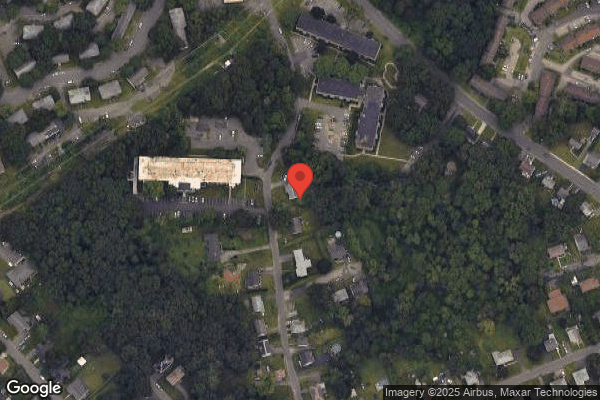

177 WHITEWOOD ROAD, WATERBURY, CT 06708 (203) 757-9491
For profit - Partnership 120 Beds ESSENTIAL HEALTHCARE Data: November 2025
Trust Grade
38/100
#152 of 192 in CT
Last Inspection: December 2024

Within standard 12-15 month inspection cycle. Federal law requires annual inspections.

Overview

Waterbury Center for Nursing & Rehabilitation LLC has received a Trust Grade of F, indicating significant concerns about the quality of care provided. Ranking #152 out of 192 facilities in Connecticut places it in the bottom half, while its county rank of #19 out of 22 suggests only a few local facilities are better. While the trend shows improvement, going from 12 issues in 2024 to just 1 in 2025, the facility has a total of 31 identified issues, with 28 categorized as potential harm. Staffing is a strong point, with a 4 out of 5-star rating and a turnover rate of 28%, lower than the state average. However, specific incidents have raised concerns, such as inadequate food supplies for the menu and failure to maintain a safe and clean environment, showing that while staff stability is good, there are still significant quality issues that need addressing.

Trust Score
F
38/100
In Connecticut
#152/192
Bottom 21%
Safety Record
High Risk
Review needed
Inspections
Getting Better
12 → 1 violations
Staff Stability
✓ Good
28% annual turnover. Excellent stability, 20 points below Connecticut's 48% average. Staff who stay learn residents' needs.
Penalties
✓ Good
No fines on record. Clean compliance history, better than most Connecticut facilities.
Skilled Nurses
✓ Good
Each resident gets 45 minutes of Registered Nurse (RN) attention daily — more than average for Connecticut. RNs are trained to catch health problems early.
Violations
⚠ Watch
31 deficiencies on record. Higher than average. Multiple issues found across inspections.
★★☆☆☆
2.0
Overall Rating
★★★★☆
4.0
Staff Levels
★★★★☆
4.0
Care Quality
★★☆☆☆
2.0
Inspection Score
Stable
2024: 12 issues
2025: 1 issues

The Good

  • 4-Star Staffing Rating · Above-average nurse staffing levels
  • 4-Star Quality Measures · Strong clinical quality outcomes
  • Low Staff Turnover (28%) · Staff stability means consistent care
  • Full Sprinkler Coverage · Fire safety systems throughout facility
  • No fines on record
  • Staff turnover is low (28%)

    20 points below Connecticut average of 48%

Facility shows strength in staffing levels, quality measures, staff retention, fire safety.

The Bad

2-Star Overall Rating

Below Connecticut average (3.0)

Below average - review inspection findings carefully

Chain: ESSENTIAL HEALTHCARE

Part of a multi-facility chain

Ask about local staffing decisions and management

The Ugly 31 deficiencies on record

Feb 2025 1 deficiency
CONCERN (D) 📢 Someone Reported This

A family member, employee, or ombudsman was alarmed enough to file a formal complaint

Potential for Harm - no one hurt, but risky conditions existed

Deficiency F0658 (Tag F0658)

Could have caused harm · This affected 1 resident

**NOTE- TERMS IN BRACKETS HAVE BEEN EDITED TO PROTECT CONFIDENTIALITY** Based on clinical record reviews, facility documentation, facility policy and interviews for one (1) of three (3) sampled reside...

Read full inspector narrative →
**NOTE- TERMS IN BRACKETS HAVE BEEN EDITED TO PROTECT CONFIDENTIALITY** Based on clinical record reviews, facility documentation, facility policy and interviews for one (1) of three (3) sampled residents (Resident #1) who were reviewed for Methadone (a medication used to treat Opioid Use Disorder) medication management, the facility failed to implement the facility policy when a dose of methadone was dropped and spilled and there was no Methadone available for a scheduled dose. The findings include: Resident #1's diagnoses included opioid dependence (a class of drug used to reduce moderate to severe pain, which are usually safe when taken for a short time and as prescribed by a health care provider, but they can be highly addictive and as a result have often been misused or abused). The quarterly Minimum Data Set assessment dated [DATE] identified Resident #1 had no memory recall deficits and was alert. The Resident Care Plan dated 11/19/24 identified Resident #1 had a history or active diagnosis of substance abuse as well as Methadone maintenance treatment. Interventions directed to refer the resident to psych services on admission and as needed, offer the option of attending substance abuse groups, social service and nursing support as needed, assist resident with substance abuse counseling as available, assist resident with transportation to Methadone clinic and for appropriate required follow up as needed, monitor resident for changes if Methadone dose is adjusted and report to provider, and provide resident with daily dose of Methadone for self-administration. A physician's order dated 12/14/24 directed for Methadone 10 milligrams (mg) per milliliter (ml), give 110 mg (11 ml) daily, resident to take from lock box after nurse opens to self-administer. The Chain of Custody Record (a document of the number of doses of Methadone received from the clinic along with a sign off after each dose was administered) dated 1/2/25 with doses for the date range of 1/3/25 through 1/14/25 identified one (1) dose of Methadone was spilled on 1/4/25. The Chain of Custody Record identified on 1/13/25 after Resident #1 was given a dose of Methadone, there were no additional doses left. The Chain of Custody Record failed to identify the Methadone Clinic was notified of the dropped/spilled dose or of the missing dose for 1/14/25. The nurse's note dated 1/14/25 at 2:11 PM identified Resident #1's Methadone was not available, the Advanced Practice Registered Nurse (APRN) was notified and a new order directed to administer Oxycodone (an opioid medication used to treat pain) 5 mg by mouth for one dose. The physician's order dated 1/14/25 directed to give Oxycodone 5 mg by mouth for one (1) dose. Interview with a licensed Alcohol and Drug Counselor from the Methadone Clinic, Person #1, on 2/7/25 at 9:33 AM identified the facility did not inform the Methadone Clinic when Resident #1's Methadone dose was dropped/spilled on 1/4/25, nor did they inform the clinic on 1/14/25 when Resident #1 did not have a dose of Methadone for that day. Person #1 explained the facility should have called the Methadone Clinic as this would be considered an internal incident and the facility should have called to inquire as to what the next step should have been. Person #1 identified had the facility called the clinic, the clinic could have delivered a dose the same day, but at the very least the clinic would have reported it to their medical director. Interview with the Nursing Supervisor, Registered Nurse (RN) #1, on 2/7/25 at 12:14 PM identified on 1/14/25 it was reported to her that a dose of Resident #1's Methadone had been previously dropped/spilled and there was no dose for 1/14/25. RN #1 identified although she reported this to the APRN, she did not call the Methadone Clinic. RN #1 identified she was not aware of what the facility policy directed regarding a missing dose of Methadone, but was now aware that this should have been reported to the Methadone Clinic. Interview with a charge nurse, Licensed Practical Nurse (LPN) #1, on 2/7/25 at 12:17 PM identified on 1/14/25 when she went to administer Resident #1's regular Methadone dose, it was identified that a previous dose had been spilled and there was no dose available for 1/14/25. LPN #1 identified she notified the APRN and the supervisor. LPN #1 identified she did not report this to the Methadone Clinic as Resident #1 was scheduled to go to the clinic the next day to pick up the next 2-weeks doses and an order had been given by the APRN. Interview and clinical record review with the Director of Nursing (DON) on 2/7/25 at 12:36 PM identified this was the first incident she had encountered with a spilled dose of Methadone. The DON identified the normal procedure when there is no Methadone available would be to call the Methadone Clinic to get another dose, but because this happened on a Saturday and the Methadone clinic closes early around 10:00 AM, the clinic was not called. The DON identified she was not aware if the clinic had any on-call availability. The DON identified facility policy directed to call the Methadone Clinic when a resident's dose of Methadone was spilled or not available and not to replace the Methadone with another medication. Interview with the Assistant Director of Nursing (ADON) on 2/7/25 at 12:43 PM identified on 1/14/25 it was reported to her that Resident #1 did not have a dose of Methadone available as one (1) dose had been spilled earlier in the schedule which required the facility to use a second dose on the day of the spill. The ADON identified the Methadone Clinic was not notified of the dropped/spilled dose on 1/4/25, nor were they made aware of the missing dose for 1/14/25. The ADON identified she did not advise LPN #1 to call and report the missing dose to the Methadone Clinic on 1/14/25 because Resident #1 had an appointment the following day and Resident #1's needs were felt to be met with the one-time dose of Oxycodone prescribed by the APRN. The ADON identified facility policy directs to call the Methadone Clinic when a dose of Methadone was spilled/dropped or not available for a resident's scheduled dose. Interview with the APRN on 2/7/25 at 12:44 PM identified on 1/14/25 it was reported that Resident #1's Methadone dose was not available. The APRN identified at that time she gave an order to give Oxycodone 5 mg one-time only to prevent withdrawal. The APRN identified she was not usually involved in the Methadone program and that is why she did not advise facility staff to call the Methadone Clinic. The APRN identified Oxycodone was not a substitute for Methadone, but she prescribed it to prevent Resident #1 from experiencing any withdrawal symptoms. Although attempted, an interview with the facility Medical Director was not obtained. Review of the facility policy titled Liquid Methadone ROM MAT/MMTP (Medication Assisted Treatment/Methadone Maintenance Treatment Program), last revised 11/22/21, directed, in part, for any missed or held dose nursing will update the clinic with any missed doses or late administration. Additionally, the policy directed, in part, in the even of a spilled bottle, nursing will have two nurses verify the pill and immediately clean the spill and destroy any residue in the container and nursing will contact the clinic immediately for replacement.
Dec 2024 8 deficiencies
CONCERN (D) 📢 Someone Reported This

A family member, employee, or ombudsman was alarmed enough to file a formal complaint

Potential for Harm - no one hurt, but risky conditions existed

Notification of Changes (Tag F0580)

Could have caused harm · This affected 1 resident

**NOTE- TERMS IN BRACKETS HAVE BEEN EDITED TO PROTECT CONFIDENTIALITY** Based on clinical record review, facility policy review, and interviews for one sampled resident (Resident #87) reviewed for fam...

Read full inspector narrative →
**NOTE- TERMS IN BRACKETS HAVE BEEN EDITED TO PROTECT CONFIDENTIALITY** Based on clinical record review, facility policy review, and interviews for one sampled resident (Resident #87) reviewed for family notification, the facility failed to notify the correct responsible party when the resident sustained a fall with injury. The findings include: Resident #87 had a diagnosis of Alzheimer's disease. Review of the clinical record identified Resident #87's face sheet noted Person #1 was denoted as conservator of person and estate and Person #2 was noted as the contact person for emergencies. The Social Worker (SW #2) progress note dated 4/8/24 at 10:41 AM identified Person #1 was Resident #87's conservator and Person #2 was very involved and supportive of Resident #87. The annual Minimum Data Set (MDS) assessment dated [DATE] identified Resident #87 had severe cognitive impairment, required extensive assistance with toileting, hygiene, dressing, and required supervision with transfers and ambulation. It further identified the resident had fallen within the past three months but had not sustained injuries from the fall(s). The Resident Care Plan (RCP) dated 7/23/24 identified Resident #87 had a recent fall. Care plan interventions directed to notify physician and responsible party for any changes in condition, neuro-checks per facility policy, and provide call bell and personal items within reach. The nurse's note dated 8/9/24 at 7:00 PM identified Resident #87 was found lying on the floor in the east 2 dining room, had slight swelling to his/her left elbow and complained of pain. The note further identified the physician was notified and ordered Resident #87 be sent to the hospital for evaluation, and charge nurse would notify the family. The nurse's note dated 8/9/24 at 10:32 PM written by LPN #2 identified Person #2 was updated and would meet Resident #87 at the hospital. The nurse's note dated 8/10/24 at 10:20 AM written by the DNS identified Person #1 was updated of Resident #87's fall and returned to the facility with a left distal humerus fracture and splint to the left humerus. Interview with SW #1 on 12/18/24 at 2:30 PM identified that the nursing staff is responsible for notifying the responsible party after a significant change of condition. She also identified that nursing staff would follow the order of the contact list listed on the resident face sheet and identified the face sheet would indicate who would be the first contact in the event of emergency. She further identified Resident #87 had Person #1 (conservator) as number 1 in the list to be contacted in the event of an emergency. Interview with LPN #2 on 12/18/24 at 2:40 PM identified that she provides an update to the resident's primary responsible party when there is a change in condition. She also identified Person #2 was listed as first contact on the face sheet on 8/9/24. Interview with SW #2 on 12/19/24 at 10:15 AM identified Person #1 had been Resident #87's conservator since April 2024 and should be contacted first when there is a change in condition. She also identified that the social worker is responsible for updating the list of contacts when there is a change. She further identified that she updated the list of contacts for Resident #87 when the conservator was approved in April 2024. Interview with the DNS on 12/19/24 at 10:50 AM identified that the nursing staff notified her on 8/10/24 because Resident #87 had a fall with a left humerus fracture, and when she was reviewing and preparing the reportable event, she noticed that Person #2 was updated of the fall and Person #1 was not. She further identified that she reviewed Resident #87's emergency contact list and Person #2 was designated the first person to be contacted instead of Person #1. Additionally, she identified that she corrected the listing of the emergency contact and called Person #1 after noticing the mistake. The Change of Condition policy identified that the facility would ensure that changes in resident's condition are reported to the provider and responsible party.
CONCERN (D) 📢 Someone Reported This

A family member, employee, or ombudsman was alarmed enough to file a formal complaint

Potential for Harm - no one hurt, but risky conditions existed

Free from Abuse/Neglect (Tag F0600)

Could have caused harm · This affected 1 resident

**NOTE- TERMS IN BRACKETS HAVE BEEN EDITED TO PROTECT CONFIDENTIALITY** Based on observation, review of the clinical record, review of facility documentation, review of facility policy/procedures and ...

Read full inspector narrative →
**NOTE- TERMS IN BRACKETS HAVE BEEN EDITED TO PROTECT CONFIDENTIALITY** Based on observation, review of the clinical record, review of facility documentation, review of facility policy/procedures and interviews for the one sampled resident (Resident #82) reviewed for abuse, the facility failed to ensure the resident was free from abuse. The findings include: Resident #82's diagnoses included dementia, syncope and collapse, falls, and cerebral ischemia. The quarterly MDS assessment dated [DATE] identified Resident #82 had moderately impaired cognition, was independent with eating, oral hygiene, toileting hygiene, and transfers. The care plan dated 9/18/24 identified Resident #82 was at risk for cognitive loss related to dementia with interventions that included: use non-verbal communication techniques, minimize distractions, provide verbal reminders for tasks, and provide cues and supervision for tasks. Resident #94's diagnoses included encephalopathy and Alzheimer's disease. The annual MDS assessment dated [DATE] identified Resident #94 had severely impaired cognition, rarely understood others and was rarely understood by others, and was independent with transfers and mobility. The care plan dated 10/2/24 identified Resident #94 was at risk for mood/behavior changes with interventions that included: monitor for changes in mood/behavior and report to physician, monitor for side effects of medication and behavior monitoring as indicated. The care plan further identified the risk for cognitive loss related to dementia with intervention that included: assess level of resident's confusion/disorientation, monitor for changes in mood/behavior, and orient/re-orient resident to environment as needed. The physician's orders for October 2024 directed to monitor Resident #94 for targeted behaviors of pacing, restlessness and crying at the end of each shift. A nurse's progress note dated 10/8/24 at 11:42 AM identified Resident #94 had entered another resident's room and urinated in an inappropriate place, had decreased cognition making redirection difficult and a referral to psychiatric services was made. The psychiatric progress note dated 10/10/24 at 11:52 AM identified Resident #94 was on antipsychotic medication for pacing, had a flat affect, poor situational understanding and was reported to have increased pacing. The note further identified Zoloft (antidepressant medication) would be increased and the worsening behaviors were from advancing illness. The psychiatric progress note dated 10/22/24 at 11:45 AM identified Resident #94 experienced agitation and was constantly pacing. The note further instructed to monitor behaviors and the effectiveness of medications and to implement non-pharmacological interventions of redirection and maintain a calm environment. Review of the medication administration record (MAR) from 9/1/24 through 10/27/24 identified Resident #94 exhibited behaviors of pacing and restlessness 14 out of 57 days. The Reportable Event Report dated 10/28/24 at 7:45 PM identified Resident #94 wandered into Resident #82's room. Resident #82 repeatedly asked Resident #94 to leave, Resident #94 then grabbed Resident #82's right arm, and twisted the skin, which resulted in a hematoma. The report further identified Resident #94 was redirected back to his/her nursing unit following the incident. The physician and/or APRN was notified, and an order was given that directed to apply ice to the affected area for 20 minutes. In addition, the report identified that a Velcro STOP sign was placed across Resident #82's door. On 10/28/24 an intervention was added to Resident #82's care plan that directed to assess for injury, observe for lasting effects from event, offer psychological services and provide validation and support related to the resident being a victim of abuse. A physician's order dated 10/30/24 directed to ensure the stop sign is across the doorway when resident is in the room. On 10/28/24 interventions were added to Resident #94's care plan that included: observe for further abusive behaviors, provide validation and support, and review unacceptable behavior towards others. A psychiatric progress note dated 10/30/24 at 1:14 PM identified Resident #82 was not answering questions coherently when questioned about being afraid following the incident with Resident #94. Observation on 12/16/24 at 11:44 AM identified Resident #94 walking on the east and west unit, and jiggling door handles to stairwell doors. Resident stopped at the doorway of room [ROOM NUMBER] until the room occupant yelled out to keep walking. Interview on 12/18/24 at 9:22 AM with RN#1 identified Resident #94's normal behaviors included pacing, and indicated the resident stops and stares but doesn't usually walk into other residents' rooms. Observation on 12/18/24 at 12:25 PM identified Resident #82 had a mesh stop sign hanging to one side of the doorway, but not across the doorway of Resident #82's room. Resident #82 and his/her roommate were in the room. Review of the Resident Abuse, Mistreatment, Neglect, Exploitation, Misappropriation of Resident Property, and Retaliation policy identified abuse as the infliction of injury with resulting physical harm, pain, or mental anguish. Additionally, the policy indicated that abuse can be intentional or non-intentional.
CONCERN (D)

Potential for Harm - no one hurt, but risky conditions existed

Deficiency F0694 (Tag F0694)

Could have caused harm · This affected 1 resident

**NOTE- TERMS IN BRACKETS HAVE BEEN EDITED TO PROTECT CONFIDENTIALITY** Based on observations, review of the clinical record, review of facility policy and interviews for one sampled resident (Residen...

Read full inspector narrative →
**NOTE- TERMS IN BRACKETS HAVE BEEN EDITED TO PROTECT CONFIDENTIALITY** Based on observations, review of the clinical record, review of facility policy and interviews for one sampled resident (Resident #62) reviewed for intravenous therapy, the facility failed to ensure a physician's order was in place directing the flushing of an unused lumen on a peripherally inserted central catheter (PICC) and failed to ensure that medication/solution infusion and administration set was labelled appropriately. The findings include: Resident #62 was admitted to the facility in November of 2024, with diagnoses that included amputation of the left great toe, sepsis, osteomyelitis, type 2 diabetes mellitus. The admission MDS assessment dated [DATE] identified Resident #62 was cognitively intact, independent with personal hygiene, bed mobility, dressing and ambulated 10 feet using a walker. The assessment further identified Resident #62 was receiving intravenous (IV) medications. The physician's order dated 12/10/24 directed Vancomycin (an antibiotic use to treat infections, osteomyelitis) 2 grams intravenous once daily at 9:00 AM The physician's orders for the month of December 2024 failed to identify an order that directed flushing of the unused lumen on the central venous access device. Observation on 12/19/24 at 10:20 AM identified Resident #62 was lying in bed, an IV pole located on the right side of the bed with an IV bag containing Vancomycin 2 gram in normal saline 500 milliliters(ml) infusing via tubing inserted through the electronic infusion device which was connected to the blue lumen on the PICC line that was located on the right upper extremity. The IV medication did not contain a label indicating the administration rate, the date, time and the nurse's initials. In addition, there was an unused lumen with a red cap which was not in used and had a date of 12/13/24 labeled on the dressing. Observation with the ADNS on 12/19/24 at 10:25 AM identified Resident #62 was lying in bed, an IV pole located on the right side of the bed with an IV bag containing vancomycin 2 gram in normal saline 500 milliliters(ml) infusing via tubing inserted through the electronic infusion device which was connected to the blue lumen on the resident's right upper extremity PICC site without a label on the IV medication and administration set indicating the date, time and the nurse's initial. Also, identified another lumen with a red cap which was not in used and a date of 12/13/24 labeled on the dressing. Interview and review of the clinical records with the ADNS on 12/19/24 at 10:25 AM identified that a resident with a PICC line containing two lumens, should have an order for flushing of the unused lumen (s). The ADNS further identified there was not an order to flush the unused lumen and noted that the IV medication should be labelled with the date, time the mediation was started and the nurse's initials who administered the medication. Interview with the DNS and the Infection Preventionist (LPN #7) on 12/19/24 at 11:21 AM identified unused lumens should be flushed and it is the supervisor's responsibility to ensure that the orders are in place. LPN #7 was asked if the medication solution and tubing was to be label with what information at the time of infusion in which she responded both the medication solution, and the tubing should be labeled with the date, time and the nurse's initial. Interview with the Charge Nurse (LPN #8) on 12/19/24 at 12:39 PM identified she was having difficulty with mixing the medication and had asked the nursing supervisor for assistance. LPN #8 identified the supervisor placed the IV medication in the IV pole, but she connected the tubing to the resident. She identified that it was her responsibility to label the tubing and the medication with the date, time and her initials; however, she thought the supervisor had already done the labeling. LPN #8 identified she had not flushed the unused lumen on the PICC and had only flushed the lumen where the medication had infused as there was no order indicating the flushing of the unused lumen. Interview with the Nursing Supervisor (RN #2) on 12/20/24 at 11:30 AM identified that when residents are admitted with a PICC it is the responsibility of the admitting nursing supervisor to select the appropriate treatments from the batch orders based on the type of central venous access device. RN #2 further identified when residents are admitted with a PICC line that has 2 lumen orders should be in place to flush both lumens. Interview with the Charge Nurse (LPN #9) on 12/20/24 at 11:51 AM identified she could not recall flushing the unused line as there were no orders directing flushing of the unused lumen. LPN #9 identified she flushes the lumens whenever she changed the PICC dressing, and the resident had only one lumen and had recent returned with 2 lumen. Review of the Central Venous Access Device (CVAD) Flushing policy identified a prescriber order is requires for vascular access device (VAD) flushing, the order will be specific with regards to flush solution, volume and frequency. The policy further identified the VAD would be flushed before and after intravenous medication administration, and routinely, at established intervals, when the VAD is not in use. The policy identifies the purpose of flushing is to maintain patency of a central venous access device catheter. Review of the Labeling Infusion policy identified that all medication or solution containers, VAD site and administration set will be labeled.
CONCERN (E)

Potential for Harm - no one hurt, but risky conditions existed

Food Safety (Tag F0812)

Could have caused harm · This affected multiple residents

Based on observations, review of facility policy/procedures and interviews, the facility failed to ensure proper beard coverings were worn in the kitchen. The findings included: Observation of tray l...

Read full inspector narrative →
Based on observations, review of facility policy/procedures and interviews, the facility failed to ensure proper beard coverings were worn in the kitchen. The findings included: Observation of tray line service on 12/18/24 at 11:45 AM identified Dietary Aide #1 plating food with no beard/face covering and a full beard. Interview on 12/18/24 at 11:50 AM with the Dietary Manager identified Dietary Aide #1 should be wearing a beard covering and would tell him at this time to put one on. Review of facility policy titled Beard/Hair Dietary identified staff will be accountable for compliance with this policy and failure to do so will result in disciplinary action. Men with mustaches or beards must fully cover them with a beard net. The beard net must be work in all kitchen premises at all time.
CONCERN (E)

Potential for Harm - no one hurt, but risky conditions existed

Infection Control (Tag F0880)

Could have caused harm · This affected multiple residents

**NOTE- TERMS IN BRACKETS HAVE BEEN EDITED TO PROTECT CONFIDENTIALITY** Based on observations, review of the clinical records, review of facility policy/procedure, review of facility documentation, an...

Read full inspector narrative →
**NOTE- TERMS IN BRACKETS HAVE BEEN EDITED TO PROTECT CONFIDENTIALITY** Based on observations, review of the clinical records, review of facility policy/procedure, review of facility documentation, and interviews during a review of the Infection Control Program, the facility failed to appropriately track and place a resident with a known Multi Drug Resistant Organism (MDRO) and a resident utilizing a feeding tube on Enhanced Barrier Precautions (EBP), and the facility failed to ensure biohazards were stored appropriately. The findings include: 1. Resident #370's diagnoses included gastrostomy, pneumonia, aphasia, nutritional deficiency, and type 2 diabetes mellitus. The Nursing admission assessment dated [DATE] identified Resident #370 was alert, and orientation, memory, and thinking were unable to be assessed. The assessment further identified the resident had a gastrostomy tube and required manual lift assist from stretcher to new surfaces, impairment on both upper and lower extremities. The care plan dated 12/6/24 identified Resident #370 had altered health maintenance, EBP may be applied (when contact precautions do not apply) to residents with wounds, indwelling medical devices regardless of MDRO colonization with an MDRO, gastrostomy tube (G-tube) with a goal that identifies EBP as an approach of targeted gown and glove use during high contact resident care activities to reduce the transmission of MDRO with interventions that included signage on the doors, gown, gloves to be worn with high contact with affected source- dressing, bathing/shower, changing linens, hygiene, assisting with toileting, changing a brief, device care central line, urinary catheter, feeding tube. The physician's order dated 12/6/24 directed Resident #370 was to not receive nothing by mouth (NPO) and G-tube feed only. Intermittent observations of Resident #370's room door from 12/16/24 to 12/19/24 failed to identify a posted signage that identified the need for Enhanced Barrier Precautions (EBP) which noted the need for everyone to perform hand hygiene before entering and when leaving the room, providers, and staff to wear gloves and a gown for high-contact resident care activities such as bathing/showering, dressing, transferring, changing linens, providing hygiene, changing briefs or assisting with toileting, device care or use of a urinary catheter, central line, feeding tube, tracheostomy, wound care: any skin opening along with a green dot beside the affected resident's name on the name plate outside of the room. Review of the facility's Enhanced Barrier Precautions log dated 12/6/24 failed to identify Resident #370 as having a feeding tube which would require EBP usage. Observation on 12/19/24 at 10:09 AM identified after knocking and receiving approval for entering resident's room identified NA #1 was providing care to Resident #370 while he/she was lying in the bed with NA #1 only using a glove. Observation with the ADNS on 12/19/24 at 10:30 AM failed to identify a posted signage that identified the need for Enhanced Barrier Precautions (EBP) which noted the need for everyone to perform hand hygiene before entering and when leaving the room, providers, and staff to wear gloves and a gown for high-contact resident care activities such as bathing/showering, dressing, transferring, changing linens, providing hygiene, changing briefs or assisting with toileting, device care or use of a urinary catheter, central line, feeding tube, tracheostomy, wound care: any skin opening along with a green dot beside the affected resident's name on the name plate outside of the room. The ADNS identified an EBP signage should have been placed on the door along with a green dot beside the affected resident's name on the outside of the room. Interview with NA #1 on 12/19/24 at 10:35 AM identified she was providing personal care to Resident #370 and did not wear both gown and glove during the care activity as the green dot was not placed beside the resident's name nor was a signage indicating EBP was outside of the room. NA #1 further identified she was new to this assignment and had not received any report that the resident was on EBP. NA #1 identified Resident #370 should be on EBP because of the G-tube and should have worn the appropriate PPE such as a gown and a glove when providing care, however she was relying on the appropriate signage outside of the room indicating EBP. Interview with NA #2 on 12/19/24 at 10:35 AM identified she was the nurse aide for Resident #370 the previous week and had not worn the appropriate PPE when providing high contact resident care activities care as there were no signage indicating the resident was on EBP nor could she recall during change of shift report it was mentioned that the resident was on EBP. Interview with the Charge Nurse (LPN #8) on 12/19/24 at 2:10 PM identified she could not recall a signage indicating EBP outside of Resident #370's room neither did she receive such information on report that the resident was on EBP. LPN #8 identified when a resident is on EBP it is indicated by a signage and a green dot beside the resident's name on the outside of the room. Interview with the DNS and the Infection Preventionist (LPN #7) on 12/19/24 at 11:21 AM identified a resident with a feeding tube would be on EBP and staff are made aware using a green dot being placed beside their name on the name plate outside of the room, as well as the EBP signage posted on the outside of the room. LPN #7 further identified that staff is also made aware that a resident is on EBP through the care plan and the face sheet but would not be identified in the physician orders. The DNS and LPN #7 identified it was the responsibility of the management team to ensure the EBP signage was placed on the outside of the resident room. The DNS added that she was responsible for ensuring the signage was there, but somehow missed it as she was the one who updated the care plan to indicate the resident was on EBP. Resident #371's diagnoses included atrial fibrillation, hypertension, and resistance to vancomycin urine. The admission MDS assessment dated [DATE] identified Resident #371 was cognitively intact and required moderate assistance with dressing, toileting hygiene, and maximal assistance with bed mobility. Review of the care plan dated 11/2/24 failed to identify a plan of care for the use of EBP related to history/colonization of a MDRO vancomycin-resistant Enterococcus (VRE). Intermittent observations of Resident #371's room door from 12/16/24 to 12/19/24 failed to identify a posted signage that identified the need for Enhanced Barrier Precautions (EBP) which noted the need for everyone to perform hand hygiene before entering and when leaving the room, providers, and staff to wear gloves and a gown for high-contact resident care activities such as bathing/showering, dressing, transferring, changing linens, providing hygiene, changing briefs or assisting with toileting, device care or use of a urinary catheter, central line, feeding tube, tracheostomy, wound care: any skin opening along with a green dot beside the affected resident's name on the name plate outside of the room. Review of the urine culture dated 11/13/24 with a collection date of 11/11/24 identified Resident #371 had vancomycin-resistant Enterococcus (VRE) organism. Review of the facility's MDRO tracker with a last update dated of 12/2/24 identified Resident #371 as having a history of VRE in the urine. Review of the facility's Enhanced Barrier Precautions log with a last updated date of 12/6/24 failed to identify Resident #371 as having a history/colonization of VRE. Observation with the ADNS on 12/19/24 at 10:30 AM failed to identify a posted signage that identified the need for Enhanced Barrier Precautions (EBP) which noted the need for everyone to perform hand hygiene before entering and when leaving the room, providers, and staff to wear gloves and a gown for high-contact resident care activities such as dressing, bathing, showering, device care or care of a urinary catheter along with a green dot beside the affected resident's name posted on the outside of the room. Interview with NA #1 and NA #2 on 12/19/24 at 9:05 AM identified that staff knows when a resident is on any precautions such as EBP based on the posted signage outside of the resident's room, which also states the type of PPE to worn and when to wear the PPE along with the green dot beside the resident's name who is affected. Interview with the DNS and the Infection Preventionist (LPN #7) on 12/19/24 at 11:21 AM identified Resident #371 had a history of VRE and was not placed on EBP as the facility was only placing residents with targeted MDRO such as (Carbapenem-resistant Enterobacter [NAME] (CRE) and carriers of an MDRO on EBP. Review of the policy with the DNS identified VRE as an example of the MDRO's in which EBP would be utilized and the DNS responded that those were just examples and was not sure why the policy would indicate such information. The DNS further identified herself as well as LPN #7 was a part of the annual policy review and thought that the policy had indicated only targeted MDRO's and residents who were carriers to be placed on EBP. Review of the Enhanced barrier Precautions policy and procedures identified EBP is a relatively new approach that falls between standard and contact precautions and employs targeted gown and glove use during high contact resident care activities. Examples of MDRO's listed in the policy included: Candida auris, MRSA, VRE, and CRE. The policy/procedure further identified appropriate signage for type of precaution will be posted on room door, a green dot is placed next to the resident's name on the door as an indicator for EBP, when EBP is initiated for a resident, it would be discussed at morning report and at the change of each shift, staff will identify which resident require EBP. 2. Observation of the room labelled Biohazard Medical Storage room with the Director of Maintenance on 12/18/24 at 11:05 AM identified a room with several boxes containing clean supplies such incontinent briefs, mask, gloves, isolation gowns and face shield supplies. Continued observation of the left side on entrance to the room identified 6 large red bins labeled Biohazard, Caution, contains medical waste which may be biohazardous, stacked on each other with the top bin opened and overflowing with over 5 sharp containers containing biohazard waste directly next to a cart with shelves containing clean supplies such as: 4 large boxes of incontinent brief and 4 packages of incontinent briefs that were outside of the boxes. Interview with the Central Supply staff on 12/18/24 at 11:15 AM identified she was responsible for collecting the sharp containers from the soiled utility rooms on the units and place them into the red bin in the Biohazard Medical Storage room for pick-up. The Central Supply staff was asked if clean supplies should be stored directly next to the biohazard waste in which she responded that they should not be stored together. She identified the red bin containers contained contaminated needles and other contaminated items in the room which also contained boxes of extra cleaned supplies for emergency usage. Interview with the Administrator on 12/18/24 at 11:35 AM identified biohazards are stored behind a lock door in the basement awaiting to be picked up by the vendor. The Administrator identified that the biohazard should not be stored amongst the clean supplies. She further identified the biohazards were stored in the same room as the outside shed in which they were previously stored is broken and waiting to be rebuilt, however she added the biohazard should not have been stored in close proximity of the clean supplies. Interview with the DNS and the Infection Preventionist (LPN #7) on 12/19/24 at 11:21 AM identified biohazard and clean supplies should not be stored together as it poses a risk for cross contamination. Review of the Medical Waste Storage policy identified medical waste stored for treatment, disposal, or pickup shall be protected in accordance with established policies and procedures. The policy further identified the IP or designee with the administrative staff shall monitor the medical waste storage areas to assure that medical waste is treated, disposed of, or picked up by the authorized vendor on a timely basis.
CONCERN (F)

Potential for Harm - no one hurt, but risky conditions existed

Menu Adequacy (Tag F0803)

Could have caused harm · This affected most or all residents

Based on observations, review of facility documentation, review of facility policy/procedures and interviews, the facility failed to ensure adequate food supply for the posted menu. The findings inclu...

Read full inspector narrative →
Based on observations, review of facility documentation, review of facility policy/procedures and interviews, the facility failed to ensure adequate food supply for the posted menu. The findings included: Initial tour of the kitchen on 12/16/24 at 9:48 AM with the Dietary Manager (DM) identified the walk-in fridge contained no liquid eggs, a box of hard-boiled eggs, and 6 individual eggs in a carton. Fresh cabbage was the only fresh vegetable observed in the walk-in fridge. Observation of dry food storage on 12/16/24 at 10:05 AM with the Dietary Manager identified several bare shelves, 1 box of Scooters cereal, 8 cans of jelly, several boxes of thickener, 6 cans of sauerkraut, and condiments were observed stored on the shelves. Interview on 12/16/24 at 10:16 AM with the DM identified that if scrambled eggs are on the menu and they are out, they could substitute hard boiled eggs, and the fresh cabbage was substituted for the coleslaw they had on the dinner menu that day. She further noted that they would be receiving a delivery of food on 12/17/24 and noted it was common for them to run short on food prior to a delivery due to the fact each order was usually very close in quantity to get through to the next order. Due to budgetary constraints, she cannot order extra to keep on hand to ensure items do not run out and has to keep her orders within the budget which is very tight. Further, she noted substitutions needed to occur on the menu approximately twice per week due to supply and if substitutions are made, she notifies the front desk who makes a page, and they also write it in the substitution log in the kitchen. Review of the substitution log from 9/1/24-12/16/24 identified 17 substitutions had been made during this time. No substitution for scrambled eggs for 12/16/24 were annotated in the book. Interview on 12/16/24 at 10:40 AM with Resident #15 who has intact cognition, identified that they are out of stock of items several times a week. That morning specifically, they were out of milk when he/she asked with it for breakfast, and they had just received a delivery and brought him/her a cup of it. Interview on 12/20/24 at 10:41 AM with the Administrator identified there had been issues with the vendor recently and that they are not always getting what they order. If they were told ahead of time, they were going to be out of stock on something they could order a substitute. Further, the Administrator noted that if they ran out of something in the kitchen and they needed to purchase it, she could always run to the local wholesale club to buy it so there should never be an issue with something being out of stock. When asked when the last time she went to the wholesale club to purchase something for the kitchen she identified it was in the summer time when she went to purchase butter for a picnic. The Administrator identified that if they were out of liquid eggs and had scrambled eggs on the menu, they could utilize the regular eggs to scramble for residents, or substitute a hard-boiled egg. Ordering is done through the central supply, and quantity is determined by their census. Interview with the Food Supply Manager on 12/20/24 at 11:12 AM identified that the facility determines the quantity in which they want to order and send the information to him via their system. He then connects the vendors who will supply the order to the facility. The supply includes meats, dairy, bread, most everything they use will go through him to find a vendor for. The supply manager indicated in a general sense they do substitute majority of the time or find another vendor who has the item and occasionally they are out of stock of an items, but it is not very often. Review of the out of stocks on the last 3 months of delivery orders from 9/1/24-12/20/24 identified 11 items were out of stock during this period with substitutions made for 6 of the out-of-stock items. Review of the posted menu did not annotate any changes. Review of facility policy for Menus directed menus for regular and therapeutic diets are written at least two weeks in advance and are dated and posted in the kitchen at least one week in advance. Deviations from posted menus are recorded (including the reason for the substitution and or deviation and archived).
MINOR (B)

Minor Issue - procedural, no safety impact

MDS Data Transmission (Tag F0640)

Minor procedural issue · This affected multiple residents

Based on review of the clinical record, review of facility documentation, review of facility policy/procedures and interviews for 6 of 12 sampled residents (Resident #17, #18, #66, #67, #99 & #100) re...

Read full inspector narrative →
Based on review of the clinical record, review of facility documentation, review of facility policy/procedures and interviews for 6 of 12 sampled residents (Resident #17, #18, #66, #67, #99 & #100) reviewed for resident assessment, the facility failed to ensure the MDS (minimum date set) assessments were transmitted to CMS (Centers for Medicare & Medicaid Services) within fourteen days of the care plan completion date and/or the MDS completion date. The findings include: Resident #17 had an annual MDS assessment with an assessment reference date (ARD) of 11/6/23. The next annual MDS assessment should have had an ARD of 11/6/24 (an annual assessment is required to be done within 366 of the last annual/comprehensive assessment). The assessment had a care plan completion date of 11/12/24. The assessment should have been transmitted by 11/26/24 (with 14 days). The transmittal record identified the assessment was transmitted on 12/13/24, which made it three days overdue. Resident #18's had a quarterly MDS assessment with an ARD of 8/11/24. The next scheduled assessment was a quarterly MDS assessment with an ARD of 11/11/24 (quarterly assessments must have an ARD of no more than 92 days from the last assessment). The MDS completion date for the assessment was 11/17/24, which indicates that the assessment was required to be transmitted by 12/1/24. The transmittal record identified the assessment was transmitted on 12/15/24, which made it fourteen days overdue. Resident #66 had a significant change MDS assessment with an ARD of 8/12/24. The quarterly MDS assessment should have had an ARD of 11/12/24. The MDS completion date for the assessment was 11/18/24, which indicates the assessment was required to be transmitted by 12/2/24. The transmittal record identified the assessment was transmitted on 12/15/24, which made it thirteen days overdue. Resident #67 had an annual MDS assessment with an ARD of 8/2/24. Review of the facility's MDS system identified a change in condition MDS assessment with an ARD of 11/2/24. The care plan completion date was 11/8/24, which indicates the assessment was required to be transmitted by 11/22/24. The transmittal record identified the assessment was transmitted on 12/13/24, which made it twenty-one days overdue. Resident #99 had an annual MDS assessment with an ARD of 8/2/24. Review of the facility's MDS system identified a quarterly MDS assessment with an ARD of 11/2/24. The MDS completion date was 11/8/24, which indicates the assessment was required to be transmitted by 11/22/24. The transmittal record identified the assessment was transmitted on 12/13/24, which made it twenty-one days overdue. Resident #100's discharge MDS assessment was dated 11/17/24. The assessment had an MDS completion date of 11/23/24, which indicates the assessment was required to be transmitted by 12/7/24. The transmittal record identified the assessment was transmitted on 12/13/24, which made it five days overdue. Because the assessments were not transmitted in a timely manner to CMS, the MDS system registered the assessment as not done because there was no data entered to register that the assessment were completed. Interview on 12/18/24 at 2:02 PM with the Director of Nursing (DNS) identified LPN #1 was the only MDS Coordinator for the building, and they are recruiting for a part time position to help with MDS's. Interview on 12/19/24 at 12:42 PM with the DNS indicated there was not a report (audit trail) she could run to check to see when the assessments were actually completed if in real time. The MDS policy identified that the assessment coordinator or designee is responsible for ensuring resident assessments are submitted in accordance with current federal and state submission timeframes.
MINOR (B)

Minor Issue - procedural, no safety impact

Medical Records (Tag F0842)

Minor procedural issue · This affected multiple residents

**NOTE- TERMS IN BRACKETS HAVE BEEN EDITED TO PROTECT CONFIDENTIALITY** Based on review of the clinical record, review of facility policy, and interviews for the 1 of 22 sampled residents (Resident #3...

Read full inspector narrative →
**NOTE- TERMS IN BRACKETS HAVE BEEN EDITED TO PROTECT CONFIDENTIALITY** Based on review of the clinical record, review of facility policy, and interviews for the 1 of 22 sampled residents (Resident #368) reviewed for advanced directives, the facility failed to ensure copies of the advance directives, consents and appointed healthcare proxy documentation were maintained and readily accessible in the resident's clinical records. The findings include: Resident #368 was admitted to the facility in April of 2024 with diagnoses that included heart failure, myocardial infarction, and muscle weakness. The admission MDS assessment dated [DATE] identified Resident #368 was cognitively intact, had no behaviors, required moderate assistance with dressing, toileting hygiene, transfers and utilized a walker for ambulation with minimal assistance. The care plan dated 4/22/24 identified Resident #368 Advance directives/code status as per the physician's order, which is a Do Not Resuscitate (DNR), Do Not Intubate (DNI), and Do Not hospitalized (DNH) with interventions that included to ensure resident/family wishes are conveyed to any other facility should transfer occur. The physician's order dated 4/18/24 directed a code status Do Not Resuscitate (DNR) and Do Not Intubate (DNI) with an instruction to ensure resident signs Advance Directives form and place a copy in chart. A DNR code status means to withhold cardiopulmonary resuscitation in the event that the resident heartbeat and breathing stops. The physician's order dated 5/11/24 directed a code status DNR/DNI/DNH/RNP- comfort measures no blood pressure, weights are laboratory testing. Review on 12/18/24 of the paper clinical record identified an Advance Directive consent form dated 5/11/24 that indicated a choice of DNR, DNI, DNH, comfort measures only and Registered Nurse Pronouncement (RNP) signed by the resident's Power of Attorney. Review on 12/18/24 of both paper and electronic clinical record identified a Connecticut Statutory Power of Attorney: Long Form which indicates This power of attorney does not authorize the agent to make health care decisions for Resident #368 which was signed and notarized on 6/30/23 along with Resident #368's Last Will and testament document. However, the clinical records both electronic and paper failed to identify any document indicating the appointment of a health care representative nor the advance directive consent form reviewed and signed on admission. Interview with the DNS on 12/18/24 at 12:30 PM identified where would a copy of the appointment of a health care representative document could be found as the document provided in chart and electronic did not identify the appointed health care representative. The DNS who indicated that she was the appointed POA for health identified that she would contact the Attorney to get a copy of the document which identifies her as the POA for health care for Resident #368. The DNS indicated a copy should be in the chart but was unable to recall if she had provided the facility with a copy of the document. Subsequent to surveyor's inquiry, the DNS on 12/19/24 produced a copy of the Health Care Instructions documentation which identified her as the POA, however this document was not located in the chart. Interview with the admission Coordinator on 12/19/24 at 1:01 PM identified she completes various sections of the resident's face sheet such as the contact information which indicates the resident's responsible party, emergency contact, POA, and conservators. She further identifies the resident would need to provide the supporting documents prior to the facility listing/identifying their responsibilities in the contact information section of the face sheet. She identified both her and the social worker would complete the contact information section, providing that they had received the appropriate documentation from the resident. Interview with the Social Worker (SW #2) on 12/19/24 at 1:04 PM identified prior to a POA indication in the resident's record, the resident would have to provide supporting documents which would verify the appointed individual. The SW #2 reviewed both paper and clinical records and was unable to identify any supporting documents appointing a health care representative. She indicated the document should be a part of the record and the documents provided by the family was uploaded in the computer. Review and interview with the DNS on 12/19/24 at 1:49 PM failed to identify a copy of the advance directive which was completed on admission in the resident's record. The DNS identified they did not keep the old advance directive form because it would confuse the staff, hence only the current advance directives are kept in the chart. Review and interview with Medical Records on 12/20/24 at 12:16 PM failed to identify a copy of the advance directive form signed on admission and the supporting document which identifies Resident #368's appointed health care representative. The Medical Record staff identified she was responsible for uploading documents in the electronic medical record system. She further identified all advance directive consent forms both previous and current are kept the resident's record. She explained that the new advance directive form would be on top, and the previous form would be kept behind the new/current form. Interview with the Nursing Supervisor (RN #2) on 12/20/24 at 11:30 AM identified advance directives are reviewed, and consents are obtained on admission with the resident if they are capable and/the responsible party are signed and kept in the chart. RN #2 was asked when advance directives are change does the previous consent form is remove from the chart in which she responded that they are kept behind of the new/current advance directive consent form. RN #2 further identified the previous and current advance directives should be kept in the resident's record. Review of the Chart Depletion policy identified that items to be retained in the chart at all times included physician's orders with code status code change, advance directives and any consent/permission/policy signed by resident/patient. Review of the Advance Directive policy identified living wills submitted upon admission or pre-admission become part of the resident's chart and are additionally noted for awareness of the interdisciplinary team and resident without living wills are provided with advance directives handouts upon admission. The policy further identified nursing reviews advance directive options and completes form, which is filed in the medical chart.
Jun 2024 2 deficiencies
CONCERN (D) 📢 Someone Reported This

A family member, employee, or ombudsman was alarmed enough to file a formal complaint

Potential for Harm - no one hurt, but risky conditions existed

Free from Abuse/Neglect (Tag F0600)

Could have caused harm · This affected 1 resident

**NOTE- TERMS IN BRACKETS HAVE BEEN EDITED TO PROTECT CONFIDENTIALITY** Based on clinical record reviews, facility documentation, facility policy and interviews for one of three sampled residents (Res...

Read full inspector narrative →
**NOTE- TERMS IN BRACKETS HAVE BEEN EDITED TO PROTECT CONFIDENTIALITY** Based on clinical record reviews, facility documentation, facility policy and interviews for one of three sampled residents (Resident #1) who were reviewed for an allegation of staff to resident abuse, the facility failed to ensure Resident #1 was free from verbal abuse during an altercation with a nurse aide. The findings include: Resident #1's diagnoses included chronic kidney disease, heart failure, diabetes mellitus, adjustment disorder with depression and anxiety, unspecified mood disorder, and depression. The quarterly Minimum Data Set assessment dated [DATE] identified Resident #1 had intact cognition, required extensive assistance with turning and repositioning when in bed and toileting, and was dependent for transfers getting in and out of the bed and chair. The Resident Care Plan dated 3/20/24 identified Resident #1 required total assistance in all activities of daily living. Interventions directed to provide assist of two (2) staff members for toileting, dressing, and bathing at bed level, assist of two (2) staff members for bed mobility, Hoyer lift (a mechanical lift to get the resident in and out of the bed) for transfers, and set up for feeding. The Accident and Investigation (A&I) form dated 5/21/24 at 11:00 AM identified Resident #1 reported to the Assistant Director of Nursing (ADON) that on 5/18/24, during the 3-11:00 PM shift a verbal altercation took place between Resident #1 and a nurse aide, Nurse Aide (NA) #2. The A&I identified an investigation revealed two (2) nurse aides were present, NA #1 and NA #2, during the transfer and a statement obtained from NA #1 confirmed she heard NA #2 speak inappropriately to Resident #1 utilizing curse words. Review of the written statement by NA #1 dated 5/21/24 identified on 5/18/24 while getting Resident #1 ready for bed, she witnessed Resident #1 call NA #2 a bitch and then NA #2 called Resident #1 a f_ _king cunt in response. Interview with the Assistant Director of Nursing (ADON) on 6/17/24 at 11:04 AM identified on 5/21/24, Resident #1 asked to speak with her. The ADON identified when she went to visit Resident #1, Resident #1 reported an incident that occurred on 5/18/24 when two (2) nurse aides were present to assist him/her. The ADON identified Resident #1 reported he/she made a comment to NA #2 to which NA #2 called Resident #1 a bitch and another curse word (cunt). The ADON identified she immediately reported this to the Director of Nursing who then initiated an investigation. The ADON identified the facility policy on abuse directs abuse of any type is not tolerated. Interview and chart review with the Director of Nursing (DON) on 6/17/24 at 1:35 PM identified after the ADON took the report from Resident #1, she initiated an investigation. The DON identified NA #2 initially denied the allegation, then returned to the facility to give a written statement, at which point she resigned her position and did not give a written statement. The DON identified as a result of the investigation, verbal abuse was substantiated. The DON identified the facility policy on abuse directed that abuse of any type is prohibited. Review of the facility policy titled Resident Rights, last revised 4/4/18, directed, in part, the resident has the right to be treated with consideration, respect and full recognition of their dignity and individuality. The policy further directed, in part, the resident has the right to be free from verbal, sexual, physical, or mental abuse, corporal punishment and involuntary seclusion. Review of the facility policy titled Resident Abuse, Mistreatment, Neglect, Exploitation, Misappropriation of Resident Property, and Retaliation, last revision dated 9/16/18, directed, in part, it is the policy to ensure residents are free from abuse, mistreatment, neglect, exploitation, misappropriation of property and retaliation. The policy further defined verbal abuse as the intentional use of oral, written, or gestured language that willfully included disparaging and derogatory terms to residents or their families, or within hearing distance regardless of their age, ability to comprehend, or disability.
CONCERN (D) 📢 Someone Reported This

A family member, employee, or ombudsman was alarmed enough to file a formal complaint

Potential for Harm - no one hurt, but risky conditions existed

Report Alleged Abuse (Tag F0609)

Could have caused harm · This affected 1 resident

**NOTE- TERMS IN BRACKETS HAVE BEEN EDITED TO PROTECT CONFIDENTIALITY** Based on clinical record reviews, facility documentation, facility policy and interviews for one of three sampled residents (Res...

Read full inspector narrative →
**NOTE- TERMS IN BRACKETS HAVE BEEN EDITED TO PROTECT CONFIDENTIALITY** Based on clinical record reviews, facility documentation, facility policy and interviews for one of three sampled residents (Resident #1) who were reviewed for an allegation of staff to resident abuse, the facility failed to ensure a nurse aide who had witnessed the verbal altercation reported the incident to the licensed nurses at the time of the occurrence. The findings include: Resident #1's diagnoses included chronic kidney disease, heart failure, diabetes mellitus, adjustment disorder with depression and anxiety, unspecified mood disorder, and depression. The quarterly Minimum Data Set assessment dated [DATE] identified Resident #1 had intact cognition, required extensive assistance with turning and repositioning when in bed and toileting, and was dependent for transfers getting in and out of the bed and chair. The Resident Care Plan dated 3/20/24 identified Resident #1 required total assistance in all activities of daily living. Interventions directed to provide assist of two (2) staff members for toileting, dressing, and bathing at bed level, assist of two (2) staff members for bed mobility, Hoyer lift (a mechanical lift to get the resident in and out of the bed) for transfers, and set up for feeding. The Accident and Investigation (A&I) form dated 5/21/24 at 11:00 AM identified Resident #1 reported to the Assistant Director of Nursing (ADON) that on 5/18/24, during the 3-11:00 PM shift a verbal altercation took place between Resident #1 and a nurse aide, Nurse Aide (NA) #2. The A&I identified an investigation revealed two (2) nurse aides were present, NA #1 and NA #2, during the transfer and a statement obtained from NA #1 confirmed she heard NA #2 speak inappropriately to Resident #1 utilizing curse words. Review of the written statement by NA #1 dated 5/21/24 identified on 5/18/24 while getting Resident #1 ready for bed, she witnessed Resident #1 call NA #2 a bitch and then NA #2 called Resident #1 a f_ _king cunt in response. Interview with the Assistant Director of Nursing (ADON) on 6/17/24 at 11:04 AM identified on 5/21/24, Resident #1 asked to speak with her. The ADON identified when she went to visit Resident #1, Resident #1 reported an incident that occurred on 5/18/24, three (3) days earlier, when two (2) nurse aides were present to assist him/her. The ADON identified Resident #1 reported he/she made a comment to NA #2 to which NA #2 called Resident #1 a bitch and another curse word (cunt). The ADON identified she immediately reported this to the Director of Nursing who then initiated an investigation. Interview with NA #1 on 6/17/24 at 11:21 AM identified the charge nurse and Nursing Supervisor were aware of the incident on 5/18/24 and she provided a written statement dated 5/21/24. Interview and chart review with the Director of Nursing (DON) on 6/17/24 at 1:35 PM identified after the ADON took the report from Resident #1, she initiated an investigation. The DON identified as a result of the investigation, verbal abuse was substantiated. The DON identified the facility policy on reporting of abuse directed that abuse of any type is to be reported to the charge nurse or supervisor immediately. The DON identified NA #1 did not follow the policy by reporting the incident to the charge nurse or supervisor at the time the incident occurred. Review of the facility policy titled Resident Rights, last revised 4/4/18, directed, the resident has the right to be free from verbal, sexual, physical, or mental abuse, corporal punishment, and involuntary seclusion. Review of the facility policy titled Resident Abuse, Mistreatment, Neglect, Exploitation, Misappropriation of Resident Property, and Retaliation, last revision dated 9/16/18, directed, in part, allegations of abuse and neglect are to be reported to the state department of public health within two (2) hours of initial allegation. The policy further directed, in part, all staff will report to their supervisor any allegations or incidents of all types of resident abuse and any supervisor receiving such a report will contact the Director of Nurses (DNS) or ADNS immediately and the DNS or ADNS will notify the administrator as soon as possible after receiving the report, within two (2) hours.
May 2024 2 deficiencies
CONCERN (D) 📢 Someone Reported This

A family member, employee, or ombudsman was alarmed enough to file a formal complaint

Potential for Harm - no one hurt, but risky conditions existed

Deficiency F0658 (Tag F0658)

Could have caused harm · This affected 1 resident

**NOTE- TERMS IN BRACKETS HAVE BEEN EDITED TO PROTECT CONFIDENTIALITY** Based on review of the clinical record, facility documentation, facility policy, and interviews for one (1) of three (3) residen...

Read full inspector narrative →
**NOTE- TERMS IN BRACKETS HAVE BEEN EDITED TO PROTECT CONFIDENTIALITY** Based on review of the clinical record, facility documentation, facility policy, and interviews for one (1) of three (3) residents, (Resident #1), reviewed for accidents, the facility failed to ensure a physician's order was in place prior to administering a heat therapy treatment. The findings include: Resident #1 had diagnoses that included chronic pain, type 2 diabetes mellitus, and heart failure. The quarterly MDS dated [DATE] identified Resident #1 had intact cognition, was continent of bowel and and dependent with activities of daily living. The care plan dated 9/11/2022 identified Resident #1 at risk for pain in the left hip related to physical condition, morbid obesity with nterventions that directed to administer pain medication as ordered and to evaluate effectiveness, refer to physical and occupational therapy as indicated, and encourage the resident to report pain promptly. A physician's order dated 10/6/2022 directed to apply Biofreeze gel (topical pain relief gel) 5% topically to hips as needed for pain twice per day and administer 2 tablets of Acetaminophen 325 MG (mg) every four hours as needed for general discomfort. Review of the Facility's Accident and Incident Form and nurse's notes dated 10/17/2022 at 6:00 P.M. identified Resident #1 presented with a fluid filled blister to h/her right thigh that measures 1.0 centimeters (cm) in length by 1.0 cm in width. A physician's order dated 10/18/2022 directed to apply a protective dressing daily to the Right upper anterior hip blister and notify APRN if the blister opens. An APRN progress note dated 10/18/2022 at 7:55 P.M. identified Resident #1 had a blister to h/her anterior right upper thigh measuring 1.0 cm in length by 1.0 cm in width. APRN #1 indentified that Resident #1 stated that h/she received a heat pack on 10/17/22 from the nurse due to pain in the right hip. APRN #1 identified there was possibility of a burn to Resident #1's right thigh due to the heat pack. Review of the clinical record failed to identify that the resident had a phsyician's order for moist heat treatments. A wound progress note documented by MD #1 on 10/31/2022 indicated Resident #1 was seen for evaluation of a 2nd degree burn to h/her right thigh. The Wound Assessment section of the note indicated: Wound Location: Right Thigh; Wound Type: Partial Thickness Burn with a status of not healed; Measurements: for this initial wound encounter measurements L (length) x W (width) x D (depth) (cm) centimeters: 1.0 x 1.0 x 0.1; and Diagnosis: Burn 2nd degree of second of right thigh. A physician's order dated 10/31/2022 directed to cleanse the right thigh burn with normal saline, followed by calcium alginate, and border gauze daily and as needed. Interview with LPN #1 on 5/17/2024 at 2:00 P.M. LPN #1 identified on 10/17/2022 Resident #1 complained of pain in h/her right thigh, she administered Resident #1 h/her acetaminophen and applied the topical Biofreeze. LPN #1 indicated Resident #1 continued with complaints of pain to h/her right thigh. LPN #1 indicated she offered Resident #1 a moist heat treatment to h/her right thigh, and the resident accepted. LPN #1 identified she placed a wet towel into a plastic bag, placed it in the microwave for approximately 2 minutes, and then wrapped the heated towel in a dry towel. LPN, placed it in a pillowcase and applied it to Resident #1's right thigh for approximately 10 minutes. LPN #1 identified she was not aware that she was not allowed to administer moist heat treatments and that heat treatments require a physician's order. LPN #1 indicated she became aware when the DNS notified her that Resident #1 had a burn on h/her right thigh. Interview and facility documentation review with the Director of Nursing (DNS) on 5/17/2024 at 2:45 P.M. she identified nurses are not to administer any heat treatments to residents. The DNS indicated all heat treatments are performed by therapists who are skilled in this area and all heat treatments are performed in the therapy department gym where residents can be closely monitored. The DNS identified the therapy department obtains the physician's orders for heat treatments which indicates how many minutes, the duration, and layering process for application of heat treatments. The DNS identified that all treatments require a physician's order and LPN #1 did not have a physician's order order to apply heat to the resident. The facility administration policy last revised on, March 23, 2022, identified in part; a provider order is required before administration. Although requested, a facility policy regarding use of heating pads one was not provided for surveyor review. Standards of practice direct a nurse may act with a client-specific order given by a 'listed health professional', meaning physicians or nurse practitioners.
CONCERN (D) 📢 Someone Reported This

A family member, employee, or ombudsman was alarmed enough to file a formal complaint

Potential for Harm - no one hurt, but risky conditions existed

Accident Prevention (Tag F0689)

Could have caused harm · This affected 1 resident

**NOTE- TERMS IN BRACKETS HAVE BEEN EDITED TO PROTECT CONFIDENTIALITY** Based on review of the clinical record, facility documentation, facility policy, and interviews for one (1) of three (3) residen...

Read full inspector narrative →
**NOTE- TERMS IN BRACKETS HAVE BEEN EDITED TO PROTECT CONFIDENTIALITY** Based on review of the clinical record, facility documentation, facility policy, and interviews for one (1) of three (3) residents, (Resident #1), reviewed for accidents, the facility failed to ensure a moist heat treatment was applied per facility protocol. The findings include: Resident #1 had diagnoses that included chronic pain, type 2 diabetes mellitus, and heart failure. The quarterly MDS dated [DATE] identified Resident #1 had intact cognition,and dependent for activities of daily living. The care plan dated 9/11/2022 identified Resident #1 at risk for pain in the left hip related to physical condition, morbid obesity with interventions that directed to administer pain medication as ordered and to evaluate effectiveness, refer to physical and occupational therapy as indicated, and encourage the resident to report pain promptly. A physician's order dated 10/6/2022 directed to apply Biofreeze gel (topical pain relief gel) 5% topically to hips as needed for pain twice per day and administer 2 tablets of Acetaminophen 325 MG (mg) every four hours as needed for general discomfort. Review of the Facility's Accident and Incident Form and nurse's notes dated 10/17/2022 at 6:00 P.M. identified Resident #1 presented with a fluid filled blister to h/her right thigh that measures 1.0 centimeters (cm) in length by 1.0 cm in width. A physician's order dated 10/18/2022 directed to apply a protective dressing daily to the Right upper anterior hip blister and notify APRN if the blister opens. An APRN progress note dated 10/18/2022 at 7:55 P.M. identified Resident #1 had a blister to h/her anterior right upper thigh measuring 1.0 cm in length by 1.0 cm in width. APRN #1 identified that Resident #1 stated that h/she received a heat pack on 10/17/22 from a nurse due to pain in the right hip. APRN #1 identified there was possibility of a burn to Resident #1's right thigh was due to the heat pack. A wound progress note documented by MD #1 on 10/31/2022 indicated Resident #1 was seen for evaluation of a 2nd degree burn to h/her right thigh. The Wound Assessment section of the note indicated: Wound Location: Right Thigh; Wound Type: Partial Thickness Burn with a status of not healed; Measurements: for this initial wound encounter measurements L (length) x W (width) x D (depth) (cm) centimeters: 1.0 x 1.0 x 0.1; and Diagnosis: Burn 2nd degree of second of right thigh. A physician's order dated 10/31/2022 directed to cleanse the right thigh burn with normal saline, followed by calcium alginate, and border gauze daily and as needed. Interview with LPN #1 on 5/17/2024 at 2:00 P.M. LPN #1 identified on 10/17/2022 Resident #1 complained of pain in h/her right thigh, she administered Resident #1 h/her acetaminophen and applied the topical Biofreeze. LPN #1 indicated Resident #1 continued with complaints of pain to h/her right thigh. LPN #1 indicated she offered Resident #1 a moist heat treatment to h/her right thigh, and the resident accepted. LPN #1 identified she placed a wet towel into a plastic bag, placed it in the microwave for approximately 2 minutes, and then wrapped the heated towel in a dry towel. LPN, placed it in a pillowcase and applied it to Resident #1's right thigh for approximately 10 minutes. LPN #1 identified she was not aware that she was not allowed to administer moist heat treatments and that heat treatments require a physician's order. LPN #1 indicated she became aware when the DNS notified her that Resident #1 had a burn on h/her right thigh. Interview and facility documentation review with the Director of Nursing (DNS) on 5/17/2024 at 2:45 P.M. she identified nurses are not to administer any heat treatments to residents. The DNS indicated all heat treatments are performed by therapists who are skilled in this area and all heat treatments are performed in the therapy department gym where residents can be closely monitored. The DNS identified the therapy department obtains the physician's orders for heat treatments which indicates how many minutes, the duration, and layering process for application of heat treatments. The DNS identified that all treatments require a physician's order and LPN #1 did not have a physician's order order to apply heat to the resident. Although requested, a facility policy regarding use of heating pads one was not provided for surveyor review.
Jun 2022 12 deficiencies
CONCERN (D)

Potential for Harm - no one hurt, but risky conditions existed

Free from Abuse/Neglect (Tag F0600)

Could have caused harm · This affected 1 resident

**NOTE- TERMS IN BRACKETS HAVE BEEN EDITED TO PROTECT CONFIDENTIALITY** Based on review of the clinical record, facility documentation, facility policy, and interviews for one of two sampled residents...

Read full inspector narrative →
**NOTE- TERMS IN BRACKETS HAVE BEEN EDITED TO PROTECT CONFIDENTIALITY** Based on review of the clinical record, facility documentation, facility policy, and interviews for one of two sampled residents (Resident # 300) reviewed for abuse, the facility failed to ensure a resident was free from sexual mistreatment by another resident (Resident #47). The findings include: Resident #47 was admitted on [DATE] with diagnoses that included type II diabetes mellitus, schizophrenia, and intellectual disabilities. The quarterly Minimum Data Set (MDS) assessment dated [DATE] identified Resident #47 was without cognitive impairment, independent with bed mobility and transfers, required limited assist with ambulation while using a walker and to assist with dressing. The care plan dated 3/28/22 identified Resident #47 was at risk for mood changes related to a diagnosis of schizophrenia and depression and required assist as needed with ADL skills. Interventions included: to observe the resident for signs and symptoms of depression/anxiety, to provide emotional support and to allow independence with a rolling walker. The Reportable Event dated 5/16/22 identified at 1:00 PM a Nurse Aide (NA # 5) entered room [ROOM NUMBER] to find (Resident #300) with his/her pants off laying on his/her bed and Resident #47 with his/her pants around the ankles. The residents were separated, body audits completed and both resident 's Power of attorney (POA)/conservator of person (COP) were updated. Resident #47 was moved to another unit. The Medical Director and APRN were notified. Abuse Intervention Line was called and a message left. Per request of Agency 2 staff was directed to send Resident # 47 to the emergency room for evaluation to see if sexual intercourse took place. The Emergency Department Physician Documents dated 5/16/22 noted a resident with a history of Intellectual Disabilities presents to the ED for a medical evaluation following a sexual encounter with another resident, which may have been nonconsensual. Resident #47 reported to the ED physician s/he licked another resident (Resident # 300) genitals and that resident touched his/her breasts, s/he allowed this act by adding the encounter was consensual and s/he enjoyed it. The evaluation findings later noted (Resident #47 's) family member arrived and spoke with (Resident #47) and requested the ED physician to speak to Resident #47 once again. (Resident #47) then stated s/he did not want to participate in the sexual activities, and that s/he felt s/he had to, stating s/he felt scared. (Resident #47) also stated his/her pants were down at the feet, but his/her underwear was on the entire time. The other resident (Resident #300) did not touch him/her anywhere on the underwear. An evaluation of body systems did not identify any signs of trauma, tenderness, ecchymosis, abrasions, lacerations, and indicated Resident #47 was cooperative with appropriate affect. Resident #300 was admitted on [DATE] with diagnoses that included unspecified dementia, cognitive communication deficit and hypertension. The quarterly MDS assessment dated [DATE] identified Resident #300 had severe cognitive impairment and was independent with bed mobility, transfers, ambulation and required assist with dressing. The Care plan dated 3/23/22 identified had cognitive loss/ dementia and a potential with ADL deficits. Interventions included using nonverbal communication techniques such as touch, gestures, do not rush and allow independence with transfers, ambulation, and minimal assist with dressing. Reportable Event summary dated 5/18/22 identified on the afternoon of 5/16/22, a NA (NA #5) knocked and entered Resident #300 ' s room and heard (Resident #47) talking. NA #5 pulled back a drawn curtain to Resident #300 ' s bed where she observed Resident #300 laying on his/her in bed, naked from the waist down and legs crossed with Resident #47 sitting on the bed on the opposite side facing him/her with the brief and pants around his/her ankles and his/her hand on (Resident #300 ' s) genitals. Resident #47 stated, Oh God. NA #5 summoned the nursing staff while remaining with the residents who were immediately separated. Resident #47 was calm and cooperative, showed no signs of distress and was escorted back to his/her room. Neither resident had a history of sexual behaviors while at the facility and both were conserved. Both residents were in the TV room just prior to the incident. Both residents received a telehealth psychiatric visit and would also receive followed up with social services. Resident #47 ' s guardian was called, and the case discussed. It was agreed Resident #47 would move to a separate floor. The Medical Director and APRN were updated on the events. An interview on 5/31/22 at 10:22AM with NA #5 identified on 5/16/22, just before lunch time, she was looking for Resident #47and heard his/her voice as she walked by Resident #300 ' s room. NA #5 knocked entered Resident #300 ' s room and observed the curtains were closed so she pulled them back and observed Resident #300 laying on his/her back on top of the bed, naked from the waist down, with arms and legs crossed and with Resident #47 sitting on the opposite side of the bed near Resident #300 ' s legs facing him/her with his/her own pants and brief down around the ankles and his/ her hand on Resident #300 ' s genitals. NA #5 indicated Resident #47 stated Oh God, and quickly released Resident #300 ' s genitals and began to reach down to pull up her/his pants. NA #5 summoned the nursing staff while staying with the residents. NA #5 did not notice if Resident #300 was sexually aroused and did not notice if there were any body fluids on the residents or on the surface areas of the bedding. NA #5 indicated she had last seen the two residents together in the TV room [ROOM NUMBER] minutes prior to the incident. An interview on at 5/31/22 at 10:54 AM with Licensed Practical Nurse (LPN #6) identified she was the assigned nurse working during the afternoon of 5/16/22. LPN #6 was at the nursing station when she heard NA #5 call for her to come. LPN #6 walked in and observed Resident #300 lying in bed, pants down, leaning to one side, propped up elbow and Resident #47 standing beside the bed pulling up his/her pants. The Nursing Supervisor Registered Nurse (RN #3) also entered the room and immediately escorted Resident #47 out the room. LPN #6 indicated body audits were completed for Resident #47 and Resident #300 and there were no signs of injury. The social worker was also summoned. LPN #6 indicated Resident #300 could not recall the incident and Resident #47 did not want his/her family member to know about the incident. An interview on 5/31/22 at 11:15AM with RN #3 indicated she was the assigned Nursing Supervisor of the shift on 5/16/22. RN #3 indicated she was at the nurse station approximately 10 feet from Resident #300 's room when NA #5 reported both residents had their pants down and Resident #47 had her/his hand on Resident #300 ' s genitals. RN #3 went into the room and the curtains were pulled around his/her bed per usual request. RN #3 went around to the other side of the curtain and observed Resident #300 sitting on the edge of the bed near the head and his/her pants were down. Resident #47 was fully dressed and standing by the window. RN #3 stated both residents appeared calm with no real emotion. RN #3 escorted Resident #47 out of the room and notified the DNS, Administrator and social worker who took over the investigation. An interview on 5/31/22 at 11:45AM and at 1:00PM with Social Worker (SW #1) identified she spoke with Resident #47 following the incident and that his/her mood was stable and noted no signs of distress. There were no concerns but had previously noted the two residents had a friendship but never observed inappropriate behaviors. Resident #47 stated s/he touched Resident #300 ' s genitals and put it in her/his mouth. Resident #47 also stated Resident #300 touched his/her breasts. Resident #47 was seen by psychiatric services and evaluated at the ED who indicated no penetration had occurred. Resident #300 had limited recollection of the event stating they had just held hands. An interview on 5/31/22 at 1:09 PM with Psychiatrist #1 identified he met with both residents following the incident and identified the following: Resident #47 had some cognitive delay but had clear recall of the event, was fully participatory and fully aware of what was going on. Psychiatrist #1 also met with Resident #300 who did not recall the incident but had the capacity to voluntarily engage in the activity without coercion. Psychiatrist #1 determined the encounter to be consensual as from a clinical standpoint, cognitive limitation does not mean you do not have capacity to consent and did not render incapable of doing certain things. Psychiatrist #1 indicated he was aware Resident #47 was fearful of how conservator would react to the incident. An interview on 5/31/22 at 1:46 PM with the DNS identified she was notified of the incident by RN #3 who reported NA#5 found Resident #47 on the bed with Resident #300 both with their pants down. The DNS went to speak with Resident #300 who was fearful that a family member was going to be mad and reassured him/her many times that s/he did nothing wrong. Resident #47 stated s/he put Resident #300 ' s genitals in his/her mouth and that Resident #300 touched his/her breasts. The DNS also attempted to speak with Resident #300 who could not recall the incident. The DNS indicated Resident #47 was sent to the emergency per the responsible party ' s request, the abuse investigation line was contacted, and Resident #47 was moved to a separate floor while staff were provided education on recognizing signs and symptoms of sexual behaviors. The DNS further indicated after consulting with the facility psychiatrist and social worker, it was determined the encounter was consensual between Resident #47 and Resident #300. The facility failed to ensure that Resident # 300 was free from sexual abuse from Resident # 47. The facility policy for Resident Abuse directs that all residents be free from any type of abuse including sexual abuse which is defined as any form of sexual contact by force or threat of impose upon any person who lacks decisional capacity to make informed decisions about sexual contact.
CONCERN (D)

Potential for Harm - no one hurt, but risky conditions existed

Report Alleged Abuse (Tag F0609)

Could have caused harm · This affected 1 resident

**NOTE- TERMS IN BRACKETS HAVE BEEN EDITED TO PROTECT CONFIDENTIALITY** Based on clinical record reviews, facility documentation, facility policy, and interviews for two sampled residents (Residents #...

Read full inspector narrative →
**NOTE- TERMS IN BRACKETS HAVE BEEN EDITED TO PROTECT CONFIDENTIALITY** Based on clinical record reviews, facility documentation, facility policy, and interviews for two sampled residents (Residents #47 and # 300) reviewed for abuse, the facility failed to ensure an alleged incident of sexual mistreatment was reported the state agency within required time frames and for Resident #300, failed to report an alleged act of sexual mistreatment to an overseeing state agency. The findings included: 1. Resident #47 was admitted on [DATE] with diagnoses that included type II diabetes mellitus, schizophrenia, and intellectual disabilities. The quarterly Minimum Data Set (MDS) assessment dated [DATE] identified Resident #47 was without cognitive impairment, independent with bed mobility and transfers, required limited assist with ambulation while using a walker and to assist with dressing. The care plan dated 3/28/22 identified Residentn#47 was at risk for mood changes related to a diagnosis of schizophrenia and depression and required assist as needed with ADL skills. Interventions included: to observe the resident for signs and symptoms of depression/anxiety, to provide emotional support and to allow independence with a rolling walker. The Reportable Event dated 5/16/22 identified at 1:00 PM a Nurse Aide (NA # 5) entered room [ROOM NUMBER] to find (Resident #300) with his/her pants off laying on his/her bed and Resident #47 with his/her pants around the ankles. The residents were separated, body audits completed and both resident 's Power of attorney (POA)/conservator of person (COP) were updated. Resident #47 was moved to another unit. The Medical Director and APRN were notified. Abuse Intervention Line was called and a message left. Per request of Agency 2 staff was directed to send Resident # 47 to the emergency room for evaluation to see if sexual intercourse took place. The Emergency Department Physician Documents dated 5/16/22 noted a resident with a history of Intellectual Disabilities presents to the ED for a medical evaluation following a sexual encounter with another resident, which may have been nonconsensual. Resident #47 reported to the ED physician s/he licked another resident (Resident # 300) genitals and that resident touched his/her breasts, s/he allowed this act by adding the encounter was consensual and s/he enjoyed it. The evaluation findings later noted (Resident #47 's) family member arrived and spoke with (Resident #47) and requested the ED physician to speak to Resident #47 once again. (Resident #47) then stated s/he did not want to participate in the sexual activities, and that s/he felt s/he had to, stating s/he felt scared. (Resident #47) also stated his/her pants were down at the feet, but his/her underwear was on the entire time. The other resident (Resident #300) did not touch him/her anywhere on the underwear. An evaluation of body systems did not identify any signs of trauma, tenderness, ecchymosis, abrasions, lacerations, and indicated Resident #47 was cooperative with appropriate affect. 2. Resident #300 was admitted on [DATE] with diagnoses that included unspecified dementia, cognitive communication deficit and hypertension. The quarterly MDS assessment dated [DATE] identified Resident #300 had severe cognitive impairment and was independent with bed mobility, transfers, ambulation and required assist with dressing. The Care plan dated 3/23/22 identified had cognitive loss/ dementia and a potential with ADL deficits. Interventions included using nonverbal communication techniques such as touch, gestures, do not rush and allow independence with transfers, ambulation, and minimal assist with dressing. Reportable Event summary dated 5/18/22 identified on the afternoon of 5/16/22, a NA (NA #5) knocked and entered Resident #300 's room and heard (Resident #47) talking. NA #5 pulled back a drawn curtain to Resident #300 's bed where she observed Resident #300 laying on his/her in bed, naked from the waist down and legs crossed with Resident #47 sitting on the bed on the opposite side facing him/her with the brief and pants around his/her ankles and his/her hand on (Resident #300 ' s) genitals. Resident #47 stated, Oh God. NA #5 summoned the nursing staff while remaining with the residents who were immediately separated. Resident #47 was calm and cooperative, showed no signs of distress and was escorted back to his/her room. Neither resident had a history of sexual behaviors while at the facility and both were conserved. Both residents were in the TV room just prior to the incident. Both residents received a telehealth psychiatric visit and would also receive followed up with social services. Resident #47 ' s guardian was called, and the case discussed. It was agreed Resident #47 would move to a separate floor. The Medical Director and APRN were updated on the events. An interview on 5/31/22 at 10:22AM with NA #5 identified on 5/16/22, just before lunch time, she was looking for Resident #47and heard his/her voice as she walked by Resident #300 ' s room. NA #5 knocked entered Resident #300 ' s room and observed the curtains were closed so she pulled them back and observed Resident #300 laying on his/her back on top of the bed, naked from the waist down, with arms and legs crossed and with Resident #47 sitting on the opposite side of the bed near Resident #300 ' s legs facing him/her with his/her own pants and brief down around the ankles and his/ her hand on Resident #300 ' s genitals. NA #5 indicated Resident #47 stated Oh God, and quickly released Resident #300 ' s genitals and began to reach down to pull up her/his pants. NA #5 summoned the nursing staff while staying with the residents. NA #5 did not notice if Resident #300 was sexually aroused and did not notice if there were any body fluids on the residents or on the surface areas of the bedding. NA #5 indicated she had last seen the two residents together in the TV room [ROOM NUMBER] minutes prior to the incident. An interview on at 5/31/22 at 10:54 AM with Licensed Practical Nurse (LPN #6) identified she was the assigned nurse working during the afternoon of 5/16/22. LPN #6 was at the nursing station when she heard NA #5 call for her to come. LPN #6 walked in and observed Resident #300 lying in bed, pants down, leaning to one side, propped up elbow and Resident #47 standing beside the bed pulling up his/her pants. The Nursing Supervisor Registered Nurse (RN #3) also entered the room and immediately escorted Resident #47 out the room. LPN #6 indicated body audits were completed for Resident #47 and Resident #300 and there were no signs of injury. The social worker was also summoned. LPN #6 indicated Resident #300 could not recall the incident and Resident #47 did not want his/her family member to know about the incident. An interview on 5/31/22 at 11:15AM with RN #3 indicated she was the assigned Nursing Supervisor of the shift on 5/16/22. RN #3 indicated she was at the nurse station approximately 10 feet from Resident #300 's room when NA #5 reported both residents had their pants down and Resident #47 had her/his hand on Resident #300 ' s genitals. RN #3 went into the room and the curtains were pulled around his/her bed per usual request. RN #3 went around to the other side of the curtain and observed Resident #300 sitting on the edge of the bed near the head and his/her pants were down. Resident #47 was fully dressed and standing by the window. RN #3 stated both residents appeared calm with no real emotion. RN #3 escorted Resident #47 out of the room and notified the DNS, Administrator and social worker who took over the investigation. An interview on 5/31/22 at 11:45AM and at 1:00PM with Social Worker (SW #1) identified she spoke with Resident #47 following the incident and that his/her mood was stable and noted no signs of distress. There were no concerns but had previously noted the two residents had a friendship but never observed inappropriate behaviors. Resident #47 stated s/he touched Resident #300 ' s genitals and put it in her/his mouth. Resident #47 also stated Resident #300 touched his/her breasts. Resident #47 was seen by psychiatric services and evaluated at the ED who indicated no penetration had occurred. Resident #300 had limited recollection of the event stating they had just held hands. An interview on 5/31/22 at 1:09 PM with Psychiatrist #1 identified he met with both residents following the incident and identified the following: Resident #47 had some cognitive delay but had clear recall of the event, was fully participatory and fully aware of what was going on. Psychiatrist #1 also met with Resident #300 who did not recall the incident but had the capacity to voluntarily engage in the activity without coercion. Psychiatrist #1 determined the encounter to be consensual as from a clinical standpoint, cognitive limitation does not mean you do not have capacity to consent and did not render incapable of doing certain things. Psychiatrist #1 indicated he was aware Resident #47 was fearful of how conservator would react to the incident. An interview on 5/31/22 at 1:46 PM with the DNS identified she was notified of the incident by RN #3 who reported NA#5 found Resident #47 on the bed with Resident #300 both with their pants down. Resident #47 stated s/he put Resident #300 ' s genitals in his/her mouth and that Resident #300 touched his/her breasts. The DNS indicated she did not report the alleged incident of sexual mistreatment to the police after consulting with the facility psychiatrist and social worker because the encounter was determined to be consensual between Resident #47 and Resident #300. However, she later learned the police were notified by the ED staff. The facility failed to report allegations of sexual abuse to the state agency and local authorities. The facility policy for abuse directs all reports of a crime/or alleged sexual abuse must be immediately reported to the local law enforcement to be investigated.
CONCERN (D)

Potential for Harm - no one hurt, but risky conditions existed

PASARR Coordination (Tag F0644)

Could have caused harm · This affected 1 resident

**NOTE- TERMS IN BRACKETS HAVE BEEN EDITED TO PROTECT CONFIDENTIALITY** Based on review of the clinical record, review of facility documentation, review of facility policy and interviews for one of se...

Read full inspector narrative →
**NOTE- TERMS IN BRACKETS HAVE BEEN EDITED TO PROTECT CONFIDENTIALITY** Based on review of the clinical record, review of facility documentation, review of facility policy and interviews for one of seven sampled residents (Resident #30) reviewed for pre-admission screening and resident review (PASARR,) the facility failed to ensure the resident was referred to the appropriate state-designated authority for a Level II PASARR evaluation following a new psychiatric diagnosis. The findings include: Resident #30's diagnoses included cerebral infarction, dementia without behavioral disturbances, mood disorder, anxiety disorder and schizophrenia. The quarterly MDS assessment dated [DATE] identified Resident #30 had a new diagnosis of schizophrenia, had moderately impaired cognition and was independent for all activities of daily living (ADL's). The care plan dated 12/20/21 identified the resident exhibits and/or is at risk for distressed mood secondary to diagnosis of schizophrenia, anxiety, and dementia with interventions that include; allow resident sufficient time to express feelings of concern, be alert to non-verbal clues or distressed mood signs and symptoms, elicit family and friend support, empower resident to be involved in all aspects of care, monitor for changes in mood, cognition and/ or behavior and report and resident will be followed by psych services. A PASARR Level I screen dated 3/5/21 identified Resident #30's did not have a qualifying disability but noted that if changes occurred or new information refutes the finding, a new screen would need to be completed. A psychiatric evaluation and consultation dated 5/11/21 identified the chief concerns of agitation and paranoia. APRN #2 identified Resident #30 had a history of dementia and depression and noted that the resident had become paranoid and delusional. The noted further noted that per the resident's family, the behavior was how the resident had acted when home and that behavior prompted the resident to be admitted to the facility. In addition, APRN #2's note identified that the resident had responded well to Ability (antipsychotic medication) in the past. The note further identified to add the (new) diagnosis of schizophrenia to the resident's record and start Ability 10mg at night. Interview with SW #1 on 5/26/22 at 11:15 AM identified Resident #30 had not been referred for a Level II PASARR screening following the new diagnosis of schizophrenia. SW #1 identified that the nursing staff had failed to apprise her of the new psychiatric diagnosis of schizophrenia. She further noted that she is responsible for ensuring residents are referred to the appropriate state-designated authority when there is a need for a Level II PASARR assessment, but the nursing staff is responsible for conveying any new psychiatric diagnoses or changes in condition that call for the need for a Level II PASARR evaluation. Review of the admission Criteria Policy identified nursing and medical needs of individuals with mental disorders or intellectual disabilities will be determined by coordination with the Medicaid Pre-admission Screening and Resident Review program (PASARR) to the extent practicable. Potential residents with mental disorders or intellectual disabilities will only be admitted if the State mental health agency has determined (through the preadmission screening program) that the individual has a physical or mental condition that requires the level of services provided by the facility.
CONCERN (D)

Potential for Harm - no one hurt, but risky conditions existed

Quality of Care (Tag F0684)

Could have caused harm · This affected 1 resident

**NOTE- TERMS IN BRACKETS HAVE BEEN EDITED TO PROTECT CONFIDENTIALITY** Based on observation, clinical record review, review of facility policy and interviews for one of six sampled residents (Residen...

Read full inspector narrative →
**NOTE- TERMS IN BRACKETS HAVE BEEN EDITED TO PROTECT CONFIDENTIALITY** Based on observation, clinical record review, review of facility policy and interviews for one of six sampled residents (Resident #84) observed during medication administration the facility failed to administer medications in accordance with physician's orders. The findings include: Resident #84's diagnoses included type 2 diabetes mellitus, chronic kidney disease, dementia and anxiety. The annual MDS assessment dated [DATE] identified Resident #84 had severely impaired cognition, required extensive assistance with bed mobility and total assistance with dressing and personal hygiene. The care plan dated 3/8/22 identified Resident #84 had Diabetes Mellitus with interventions that included; administer diabetes medications as ordered by the physician, monitor and document for side effects and effectiveness. Review of the pharmacist's Medication Regimen Review sheet dated 4/14/22 identified a recommendation to decrease the current ordered medication from Metformin 1000 mg twice daily to Metformin 500 mg twice daily. The physician's order dated 4/20/22 directed to discontinue Metformin 1000 mg tablet two times a day and to start Metformin 500 mg tablet two times a day. Observation on 5/25/22 at 8:35 AM identified LPN #3 preparing medications for Resident #84. LPN #3 prepared Magnesium Oxide 400 mg, Metoprolol Succinate 25 mg and Metformin 1000 mg while comparing against the medication administration record (MAR). LPN #3 administered the medications to Resident #84. Interview with LPN #3 on 5/25/22 at 8:45 AM indicated that although she checked the electronic MAR multiple times and the medication order was transcribed correctly, she made an error and should have given Metformin 500 mg. LPN #3 indicated she thought Resident #84 was receiving Metformin 1000 mg and she was not aware the physician had decreased the Metformin from 1000 mg to 500 mg on 4/20/22 per the physician order sheet and e-MAR, but now realized that the order read Metformin 500 mg to be administered two times a day. Interview with the DNS on 5/26/22 at 10:00 AM identified the facility transitioned to a new pharmacy on 5/2/22 and Metformin was not reordered from the new pharmacy. The DNS identified that the APRN was updated about the medication error. The packet of Metformin with the 1000 mg tablets was removed from the medication cart and Metformin 500mg tabs were ordered from the pharmacy Interview with APRN #1 on 5/26/22 at 11:00 AM identified that the resident received the wrong dose of Metformin but did not experience any adverse effects. The Medication Administration policy directed staff to review the physician orders and compare against medication administration record. The policy further directed to assure the 5 rights are followed: compare the medication name, strength, route and dosage schedule on the medication administration record against the prescription label. Always check three times prior to administration of medication.
CONCERN (D)

Potential for Harm - no one hurt, but risky conditions existed

Pressure Ulcer Prevention (Tag F0686)

Could have caused harm · This affected 1 resident

**NOTE- TERMS IN BRACKETS HAVE BEEN EDITED TO PROTECT CONFIDENTIALITY** Based on clinical record review, review of facility documentation, observations, and interviews for one of three sampled residen...

Read full inspector narrative →
**NOTE- TERMS IN BRACKETS HAVE BEEN EDITED TO PROTECT CONFIDENTIALITY** Based on clinical record review, review of facility documentation, observations, and interviews for one of three sampled residents (Resident #69) with pressure ulcers, the facility failed to ensure that a specialty mattress' settings were in place and were monitored in accordance with the plan of care. The findings included: Resident #69's diagnoses included paraplegia, spina bifida, chronic kidney disease, anemia, osteomyelitis and anxiety. The care plan dated 4/5/22 identified Resident #69 had a sacral wound with an intervention that included low air loss mattress. The 5-day MDS assessment dated [DATE] identified Resident #69 had moderate cognitive impairment, required extensive assistance with bed mobility and total assistance with transfers, dressing and toilet use. The assessment further identified the resident was at risk for developing pressure ulcers and indicated the resident had an unstageable pressure ulcer at the time of the assessment. The physician's order dated 4/22/22 directed low air loss mattress, check placement and functioning per manufacturer's guidelines every shift. A wound note dated 5/23/22 identified Resident #69 had a stage IV pressure ulcer on the sacrum that measured 4.0 cm x 5.0 cm x 1.2 cm with a moderate amount of serosanguinous drainage and 76%-100 % granulation tissue. The wound note further identified the wound was improving. Observation on 5/23/22 at 10:35 AM, 11:30 AM and 12:25 PM identified Resident #69 lying in bed, positioned partially on his/her left side on an air mattress. Further observation identified the low air loss mattress control unit was attached to the foot of the bed. The mattress weight control setting was noted to be set at 350 pounds. Review of Resident #69's weight identified a weight of 145 pounds. Observation and interview with NA #1 on 5/23/22 at 12:25 PM identified she provided morning care to the resident and was unaware of what the setting for the air mattress should be. NA #1 further identified Resident #69's care card directed specialty air mattress use, but no setting directions were noted. Additionally, NA #1 demonstrated how she patted the mattress on top to make sure the mattress was inflated. Further observation and interview with LPN #1 on 5/24/22 at 12:30 PM identified air mattress settings were monitored for functionality every shift by the charge nurse and the mattress control settings were based on the resident's weight. Interview with LPN #2 on 5/23/22 at 12:33 PM identified she administered morning medications to the resident, but she had not checked the low air loss mattress settings at that time. Subsequent to surveyor inquiry, MD #2 (wound care specialist) changed the low air loss mattress control setting to reflect Resident #69's current weight on 5/23/22 at 12:35 PM. MD #2 further identified the low air loss mattress settings should be set up according to the resident's weight and manufacturer recommendations to promote wound healing and to help to prevent further deterioration of the pressure ulcer. The physician's order obtained on 5/23/22 directed nursing staff to check low air loss mattress for function, inflation, and setting per resident's weight or comfort every shift. Air mattress manufacturer recommendations identified the pump and mattress system, was indicated for the prevention and treatment of any and all stage pressure ulcers when used in conjunction with a comprehensive pressure ulcer management program. Instructions directed to determine the resident's weight and set the control knob to the weight setting on the control unit.
CONCERN (D)

Potential for Harm - no one hurt, but risky conditions existed

Accident Prevention (Tag F0689)

Could have caused harm · This affected 1 resident

**NOTE- TERMS IN BRACKETS HAVE BEEN EDITED TO PROTECT CONFIDENTIALITY** Based on observation, review of the clinical record, review of facility documentation, review of facility policy, and interviews...

Read full inspector narrative →
**NOTE- TERMS IN BRACKETS HAVE BEEN EDITED TO PROTECT CONFIDENTIALITY** Based on observation, review of the clinical record, review of facility documentation, review of facility policy, and interviews for one sampled Resident (Resident #21) reviewed for smoking, the facility failed to provide a smoking apron that was in good repair and failed to ensure the smoking area was clean. The findings include: Resident #21's diagnoses included legal blindness, glaucoma, paranoid schizophrenia, and type 2 diabetes mellitus. The quarterly MDS assessment dated [DATE] identified Resident #21 had intact cognition, required extensive assistance for dressing, toileting, transfers, and bed mobility. The assessment further identified that Resident #21's vision was severely impaired. The care plan dated 5/4/22 identified Resident #21 was a smoker. Care plan interventions included, abide by the facility smoking policy, resident will not possess any lighting materials, smoke in designated outside areas with family/friend's supervision, and smoking apron will be used at each smoke break. The Advanced Quarterly Smoking assessment dated [DATE] identified Resident #21 had poor memory, dementia, was unable to locate the designated smoking area, was not safe to hold a cigarette or to properly dispose of ashes or butts and was educated in the use of a smoking apron for safety. Observations on 5/26/22 at 9:00 AM identified eight residents in the smoking area seated approximately four feet apart. A free-standing smoking receptacle was positioned next to each resident. The Director of Recreation (DOR) and the assistant DOR were with the residents along with a locked smoking cart. The staff placed smoking aprons on three residents and handed out cigarettes and lit the cigarettes. Resident #21 had a smoking apron tied around his/her neck, the strap located around the resident's neck was a dingy greyish black color instead of the original white color with a worn patch down the center of the apron with multiple holes in the apron located on the resident's chest and abdomen area. Resident #21 had his/her eyes closed while smoking from 9:00 AM - 9:13 AM. An interview with the DOR on 5/26/22 at 9:10 AM identified Resident #21's smoking apron was dirty, had a worn strip down the center of the smoking apron and contained multiple holes. The DOR indicated she does three out of the four smoking break times daily and she was in the habit of putting on the smoking apron and had not noticed the dirty or worn areas. The DOR indicated she did not have any extra smoking aprons in the smoking cart. The DOR further indicated she did not have a cleaning schedule or routine for cleaning the smoking aprons and did not have a schedule or routine for inspecting the condition of them. The DOR noted she was responsible for the smoking program, and it was her responsibility to make sure residents had the necessary equipment. She noted the central supply person orders and had new smoking aprons and she would get a new one for Resident #21. She further identified that maintenance was responsible for cleaning the smoking patio area and cleaning up cigarette butts that were all around the patio area. She did not know when the area was last time cleaned but did note there were cigarette butts all the way around the smoking area patio and on the patio and handrail. The DOR indicated the numerous cigarette butts on the ground were probably from staff and identified the patio was put in about 3-4 weeks ago. An interview with the DOR on 5/26/22 at 11:30 AM noted she had discarded the smoking aprons and replaced them with new smoking aprons and would order more. Interview with the Administrator on 5/26/22 at 12:55 PM indicated her expectation was that the smoking area and patio area would be kept clean and no cigarette butts on the ground. The Administrator indicated the cleaning of the smoking area and patio was the responsibility of the maintenance department. The Administrator indicated the smoking apron used for Resident #21 should not have been used in the condition that it was in. The Administrator indicated she was going to come up with a schedule for cleaning and inspecting the smoking aprons. Review of facility smoking list dated 5/23/22 indicated there were 12 residents that smoked, and three residents utilized a smoking apron. Review of the facility's Resident Smoking policy indicated smoking was only permitted in designated resident smoking areas which were located outside of the facility. Large standing ashtrays are used and emptied regularly. The manufacturer's insert for the smoking aprons indicated the purpose was designed as an aid in the prevention of accidental ignition of a resident's clothing but is not a substitute for proper supervision. It further identified that residents in wheelchairs who smoke must be supervised. The policy further identified that the smoking apron may be cleaned with a spray-type cleanser and a damp cloth or sponge but do not launder. Although requested, a facility policy for the cleaning of the smoking area was not provided.
CONCERN (D)

Potential for Harm - no one hurt, but risky conditions existed

Incontinence Care (Tag F0690)

Could have caused harm · This affected 1 resident

**NOTE- TERMS IN BRACKETS HAVE BEEN EDITED TO PROTECT CONFIDENTIALITY** Based on review of the clinical record, review of facility documentation, review of facility policy and interviews for one sampl...

Read full inspector narrative →
**NOTE- TERMS IN BRACKETS HAVE BEEN EDITED TO PROTECT CONFIDENTIALITY** Based on review of the clinical record, review of facility documentation, review of facility policy and interviews for one sampled resident (Resident #102) who utilized an indwelling Foley catheter, the facility failed to ensure that an order for a urology consult was scheduled in a timely manner. The findings include: Resident #102's diagnoses included multiple sclerosis, paraplegia, flaccid neurogenic bladder, urinary tract infections, urinogenital implants and acetonuria. The resident care plan dated 1/18/22 identified Resident #120 had an indwelling catheter related to impaired or urethral functioning, urinary obstruction, urinary retention, acute illness, and assistance to heal pressure sore. Care plan interventions include monitor input and output, provide Foley care per facility policy, monitor urine for color, odors and sediment, monitor catheter bag for clogging or back up, keep Foley bag below bladder level, irrigate or change Foley for blockage as needed, monitor for signs/symptoms of infection, change Foley bag per MD orders and position resident as to not lay on Foley tubing. A physician's order dated 2/4/22 directed for a urology consult. The quarterly MDS assessment dated [DATE] identified Resident #102 had moderately impaired cognition, required total assistance for toilet use and personal hygiene and had an indwelling catheter. A physician's order dated 5/13/22 directed for a urology consult to evaluate the chronic leaking of the indwelling Foley catheter. A progress note dated 5/13/22 at 5:53 PM authored by APRN #1 identified Resident #120's had a poor appetite and the Foley catheter leaking. Nursing reports patient's indwelling Foley was changed last week due to leakage; however, it started to leak again as resident was previously noted to be wet and not much of urine output has been found in the Foley catheter bag. The note further identified that the resident had a long history of Foley catheter leakage and several months ago an order was written to increase the size of the Foley balloon and to have resident evaluated by urology. APRN #1 further noted that it was unclear if the resident had been seen by urology and noted that a urology consult would be completed for the leaking of the indwelling Foley catheter. Interview with APRN #1 on 5/25/22 at 9:30 AM identified Resident #102 had a history of a leaking Foley and noted that she placed a urology consult months ago but was unaware if the resident had been seen by the urologist. APRN #1 noted that she wanted a urologist to assess and determine the next appropriate intervention, rather than facility staff try to attempt changing or making adjustments to the Foley. In addition, APRN #1 identified that she was comfortable with changing the balloon size, but the Foley continued to leak and it was the nursing staff's responsibility to obtain the consult appointment. APRN #1 identified she gave a verbal order to the nursing supervisor to obtain the urology consult. Review of the appointment book from February through May 25, 2022 with the ADNS on 5/25/22 at 2:00 PM identified there was not a urology appointment scheduled for Resident #102. Interview with the ADNS on 5/25/22 at 2:05 PM identified the process for scheduling consult appointments was that the physician or APRN writes the order, the nursing staff enters the order into the electronic charting system, then the nursing supervisor schedules the appointment and transportation is arranged by the scheduler. Interview with the DNS on 5/26/22 at 9:45 AM identified a urology appointment had been scheduled for Resident #120. Review of the appointment book on 5/26/22 at 12:00 PM identified Resident #102 had a urology appointment scheduled for 5/31/22 at 9:15 AM (there were orders for a urology consult dated 2/4/22 and 5/13/22 that had not been followed up on, until after survey inquiry).
CONCERN (D)

Potential for Harm - no one hurt, but risky conditions existed

Deficiency F0761 (Tag F0761)

Could have caused harm · This affected 1 resident

Based on observation, review of facility policy and interviews for one of four medication carts, the facility failed to ensure that the staff's personal beverages were not stored in the medication car...

Read full inspector narrative →
Based on observation, review of facility policy and interviews for one of four medication carts, the facility failed to ensure that the staff's personal beverages were not stored in the medication cart containing resident medications and biologicals. The findings include: Observation on 5/25/22 at 8:18 AM on the [NAME] 2 unit, LPN #3 pulled up her KN 95 mask and using a straw drank from a can, then placed the open can with the straw inside the medication cart. Further observation of the medication cart identified that the drawer on the right side contained an open can of Red Bull energy drink with a straw sticking up and placed next to multiple cartons of resident dietary supplements. LPN #3 immediately removed the open can and cleansed the area with disinfectant wipes. Interview with the DNS on 5/25/22 at 8:40 AM identified medication carts are for resident medications and biologicals only and would not expect to have the staff's personal beverage stored inside. Interview with Pharmacist #1 on 5/25/22 at 1:40 PM identified only beverages used for resident medication administration should be on the medication cart and all beverages and straws should be covered to protect against contamination and should be label with the date and time that they were opened. The Storage of Medication policy identified that medications must be stored separately from food and must be labeled accordingly.
CONCERN (E)

Potential for Harm - no one hurt, but risky conditions existed

Infection Control (Tag F0880)

Could have caused harm · This affected multiple residents

Based on review of facility documentation, review of facility policy and interviews, the facility failed to ensure that contact tracing was initiated when three staff members tested positive for COVID...

Read full inspector narrative →
Based on review of facility documentation, review of facility policy and interviews, the facility failed to ensure that contact tracing was initiated when three staff members tested positive for COVID-19 (RN #1, LPN #5 and NA #4). The findings include: Interview and review of the facility's tracking of COVID-19 infections for employees with the Infection Preventionist (LPN #4) on 5/25/22 at 10:00 AM identified on 5/2/22 RN #1 tested positive for COVID-19 infection. The documentation noted that while at work RN #1 present with a stuffy nose, denied high-risk contact (defined by the facility as not wearing a mask for greater than 15 cumulative minutes when less than 6 feet contact with others). RN #1 identified that she had developed a stuffy nose on 5/1/22. The documentation lacked identification of specific units, residents, staff and equipment that RN #1 may have come into contact with while working the 7:00 AM to 4:00 PM shift on 5/2/22. LPN #4 identified that she did not complete contact tracing or outbreak testing at the time because RN #1 reported no high-risk contact. LPN #4 identified that the facility initiated the use of face shields and N-95 masks on 5/12/22 due to notification that Resident #96 (who was a resident on [NAME] 2) testing positive for COVID -19 upon arrival to the hospital. Resident #96 was sent to the hospital for respiratory distress on 5/6/22. She further identified that all Residents were placed on daily assessments for symptoms of COVID-19 at that time. Continued review of the of the documentation with LPN #4 on 5/25/22 at 10:00 AM identified on 5/13/22 LPN #5 tested positive for COVID-19 at the facility after reporting symptoms during her 11:00 Pm to 7:00 AM shift on the [NAME] 2 unit. The tracking document lacked information on what symptoms LPN #5 had. LPN #4 called LPN #5 and ascertained that LPN #5 had lost her sense of taste and smell, had a mild cough and was fatigued. LPN #4 identified that she had not completed contact tracing or outbreak testing at the time since LPN #5 reported no high-risk contact. LPN #5 had also worked the 11:00 PM to 7:00 AM shift on 5/10/22 and 5/11/22 on the [NAME] 2 unit when she may have been contagious. LPN #4 identified that she did not ask further questions about any previous shifts worked by LPN #5. The review of the tracking with LPN #4 also identified that on 5/22/22 NA #4 tested positive for COVID-19 at the facility after reporting symptoms during her shift on the [NAME] 1 unit. She reported symptoms of a running nose, headache and sore throat. LPN #4 identified that she did not complete contact tracing or outbreak testing at the time since NA #4 reported she had worn her N95 and face shield while working on 5/22/22. NA #4 had also worked on the [NAME] 1 unit on 5/21/22 from 7:00 AM to 3:00 PM on the [NAME] 1 unit when she may have been contagious. Interview with the Director of Nurses on 5/25/22 at 12:00 PM identified that she believed that the Infection Preventionist (LPN #4) had completed contact tracing as delineated by the Center for Disease Control and Prevention (CDC) and had discussed her findings in order to determine any next steps or need for outbreak testing. She stated that it was the role of the LPN #4 ' s summaries. She further identified that they did not contact the Connecticut Department of Public to notify about the outbreaks or to seek support from the state epidemiologists. The facility policy, Infection Prevention and Control Manual Interim Policy for Suspected or Confirmed Coronavirus (COVID-19) directs in part that the Infection Preventionist will identify exposures that may warrant restricting asymptomatic employees form working based on CDC guidance for exposures. Although requested, the facility was unable to provide a policy for contact tracing. The CDC ' s Interim Guidance for Managing Healthcare Personnel (HCP) with SARS-CoV-2 Infection or exposure to SARS-CoV-2 Updated February 2, 2022 identified for individuals with confirmed COVID-19 who developed symptoms, consider the exposure window to be 2 days before symptom onset. Additionally, the facility should perform contact tracing to identify any HCP who have had a higher-risk exposure or residents who may have had close contact with the individual with the SARS-CoV-2 infection.
CONCERN (E)

Potential for Harm - no one hurt, but risky conditions existed

Deficiency F0887 (Tag F0887)

Could have caused harm · This affected multiple residents

**NOTE- TERMS IN BRACKETS HAVE BEEN EDITED TO PROTECT CONFIDENTIALITY** Based on review of the clinical records, review of facility policies, review of facility documentation and interviews for three ...

Read full inspector narrative →
**NOTE- TERMS IN BRACKETS HAVE BEEN EDITED TO PROTECT CONFIDENTIALITY** Based on review of the clinical records, review of facility policies, review of facility documentation and interviews for three of five sampled residents (Resident #86, #99 & #106) reviewed for immunizations, the facility failed to ensure documentation indicating that education and consent were obtained regarding COVID-19 vaccination. The findings include: 1. Resident #86 had diagnoses that included anoxic brain injury, hypertension, asthma and diabetes mellitus. A quarterly MDS dated [DATE] identified Resident #86 was severely cognitively impaired and was totally dependent for care. Review of a preventative care report from 1/1/2019 to 5/25/22 for Resident #86 identified that on 12/15/21, the COVID-19 vaccine was refused. Resident # 86 ' s medical record lacked any documentation the provision of education related to COVID-19 vaccines (such as the benefits and potential side effects) and the resident consent/refusal of vaccine form. 2. Resident #99 was admitted to the facility with diagnoses that included chronic obstructive pulmonary disease, atherosclerotic heart disease and dementia. A quarterly MDS dated [DATE] identified Resident #99 was severely cognitively impaired and dependent for bed mobility and personal hygiene. Review of the preventative care report for the time period of 1/1/2019 to 5/25/22 identified on 12/28/20 dose 1 of the COVID-19 vaccine was administered, on 12/28/21, dose 2 of the COVID-19 vaccine was administered and that a booster was provided on 1/18/21. Resident # 99's medical record lacked any documentation of the provision of education related to COVID-19 vaccines (such as the benefits and potential side effects) and the approval to provide the vaccine. The resident consent/refusal of vaccine form dated 9/18/21 was incomplete in the section related to the COVID-19 Vaccine. 3. Resident #106 had diagnoses that included cerebral palsy, peripheral vascular disease and diabetes mellitus. A quarterly MDS dated [DATE] identified Resident #106 was severely cognitively impaired and required extensive assistance of two staff for bed mobility and personal hygiene. Review of the preventative care report for the time period of 1/1/2019 to 5/25/22 for Resident #106 identified that on 12/28/21, dose 1 of the COVID-19 vaccine was administered. Resident #106's medical record lacked documentation that education related to COVID-19 vaccines (such as the benefits and potential side effects) as well as the approval to administer the vaccine were provided. The resident consent/refusal of vaccine form dated 3/10/21 lacked completion of the section entitled COVID-19 Vaccine. Interview with the Infection Preventionist (LPN #4) on 5/26/22 at 1:00 PM identified that she recently started and is reviewing the vaccination status of the residents and is pulling together the required documentation. She was unable to locate the requested documents regarding the COVID-19 vaccinations as requested for Residents #86, #99 or #106. The facility policy: COVID-19 Vaccine Mandate directs in part that COVID-19 vaccinations including boosters will be offered to all residents or their representatives unless medically contraindicated or the individual has already been immunized. All residents/representatives will be educated on the COVID-19 vaccine they are offered in a manner they can understand including information on the benefits and risks consistent with CDC and/or FDA information. This education will include the FDA EUA Fact sheet or Vaccine information, all residents/representatives will be offered the opportunity to ask questions about the risk and benefits of the vaccination. If the vaccination involves 2 doses, all residents/representatives will be provided counseling as indicated above, including the risk and benefits fact sheet before requesting consent for the second dose.
CONCERN (E)

Potential for Harm - no one hurt, but risky conditions existed

Safe Environment (Tag F0921)

Could have caused harm · This affected multiple residents

Based on observation, review of facility policy and interviews, the facility failed to ensure that the smoking area was free of debris and used cigarette butts. The findings include: Observation of th...

Read full inspector narrative →
Based on observation, review of facility policy and interviews, the facility failed to ensure that the smoking area was free of debris and used cigarette butts. The findings include: Observation of the designated resident smoking area on 5/26/22 at 9:00 AM identified eight residents seated approximately 4 feet apart with a free-standing smoking receptacle next to each resident. The DOR and the assistant DOR were supervising the smoking activity. The ground and grassy areas directly around the smoking patio contained a large number of used cigarette butts. There was an adjacent area located about 3 feet away that contained two chairs and had a significant amount of cigarette butts on the ground as well as dirty gloves, food wrappers, and leaves. An interview with the Director of Recreation (DOR) on 5/26/22 at 9:10 AM indicated maintenance was responsible for cleaning the smoking patio area. The DOR indicated she did not know when the last time the area was cleaned but noted it must have been a long time ago. The DOR noted there were cigarette butts all the way around the smoking area patio. The DOR further indicated that the numerous cigarette butts and debris on the ground were probably from staff. An interview and tour of the smoking area with the Director of Maintenance (DOM) on 5/26/22 at 9:20 AM indicated he had just started a few days ago and his department was responsible for cleaning the patio area and grounds. The DOM indicated he would expect the patio area to be swept or blown off at least every couple of days and the cigarette butts to be cleaned up at that time. The DOM indicated there were at least 100 cigarette butts on the ground around the smoking area. The DOM indicated he did not have a schedule for routine cleaning of the smoking area and noted that from the amount of cigarette butts and debris located in the area, it had not been cleaned in at least a couple of weeks. Interview with the DOM on 5/26/22 at 10:45 AM indicated there was no policy for how often the smoking area had to be cleaned. The DOM indicated he did not know how often he needed to clean out the smoking receptacles, but it had not been done since he started. He indicated that he spoke with the assistant maintenance staff worker who indicated he tries to go out to the smoking area and patio every 2 to 3 days if he gets a chance. The DOM indicated the smoking area was cleaned of the garbage, dry leaves, and cigarette butts. In addition, the DOM indicated he was going to make a schedule for the maintenance department for the cleaning of the smoking area and patio and the smoking receptacles. Interview with the Administrator on 5/26/22 at 12:55 PM indicated her expectation was that the smoking area and patio area would be kept clean and no cigarette butts on the ground. The Administrator indicated the cleaning of the smoking area and patio was the responsibility of the maintenance department. Subsequent to surveyor inquiry on 5/26/22 at 1:05 PM the DOM provided an education sheet/policy indicating it was the responsibility of the maintenance department to maintain the cleanliness of the resident and staff smoking areas. The documentation noted that the areas would be cleaned 3 times a week with discarded cigarettes removed from the grounds and the area blown down and swept. The documentation further noted that the smoking receptacles should be emptied, cleaned, and partially filled with water at least once a week. Review of the facility Resident Smoking Policy indicated smoking was only permitted in designated resident smoking areas which was located outside of the facility. Large standing ashtrays are used they will be emptied regularly. If resident was a smoker on admission a smoking assessment will be done and re-evaluated on a quarterly basis to assess the ability to smoke safely with supervision.
MINOR (B)

Minor Issue - procedural, no safety impact

Deficiency F0638 (Tag F0638)

Minor procedural issue · This affected multiple residents

Based on observation, review of the clinical records and interview for eight of nine sampled residents (Resident #2, Resident #5, Resident #16, Resident #18, Resident #23, Resident #27, Resident #52 a...

Read full inspector narrative →
Based on observation, review of the clinical records and interview for eight of nine sampled residents (Resident #2, Resident #5, Resident #16, Resident #18, Resident #23, Resident #27, Resident #52 and Resident #92) reviewed for quarterly assessments, the facility failed to ensure the timely completion of the quarterly assessments. The findings include: Clinical record review of the following completion of the Minimum Data Set (MDS) assessments identified: 1. Resident #2's quarterly MDS dated was due on 4/23/22; however, it was completed on 5/23/22. (30 days late) 2. Resident #5's quarterly MDS was due on 4/26/22; however, it was not completed as of 5/26/22 (making it over 30 days late) 3. Resident #16's quarterly MDS was due on 4/21/22; however, it was completed on 5/20/22. (29 days late) 4. Resident #18's quarterly MDS dated was due on 4/18/22; however, it was completed on 5/18/22. (30 days late) 5. Resident #23's quarterly MDS was due on 4/22/22; however, it was completed on 5/21/22. (29 days late) 6. Resident #27's quarterly MDS was due on 4/18/22; however, it was completed on 5/20/22. (32 days late) 7. Resident #52's quarterly MDS was due on 4/23/22; however, it was completed on 5/21/22. (28 days late) 8. Resident #92's quarterly MDS was due on 4/21/22; however, it was completed on 5/23/22. (32 days late) Interview with LPN #5 on 5/26/22 at 9:05 AM identified she was responsible for completing and submitting the MDS assessments. She acknowledged that she was behind with completing the MDS assessments but was in the process of trying to catch up. In addition, she identified that the regional nurse was assisting her remotely with completing the assessments. The Resident Assessment Instrument 3.0 user manual identified that to be considered timely the Assessment Reference Date (ARD) of the quarterly MDS should be within 92 days of most recent Omnibus Budget Reconciliation Act (OBRA) assessment.
Nov 2019 6 deficiencies
CONCERN (D)

Potential for Harm - no one hurt, but risky conditions existed

Infection Control (Tag F0880)

Could have caused harm · This affected 1 resident

**NOTE- TERMS IN BRACKETS HAVE BEEN EDITED TO PROTECT CONFIDENTIALITY** Based on observation, a review of the clinical record, staff interviews and a review of the facility policy, for one sampled res...

Read full inspector narrative →
**NOTE- TERMS IN BRACKETS HAVE BEEN EDITED TO PROTECT CONFIDENTIALITY** Based on observation, a review of the clinical record, staff interviews and a review of the facility policy, for one sampled resident (Resident # 253) reviewed for pressure ulcers, the facility failed to follow infection control practices related to hand hygiene during wound care. The findings include: Resident # 253 was admitted to the facility on [DATE] with diagnoses that included hypercalcemia, systemic inflammatory response syndrome with acute organ dysfunction and sepsis due to enterococcus. The care plan dated 10/9/19 identified Resident #253 was admitted with a stage 3 pressure ulcer to the coccyx with interventions that included the administration of medications and treatments as ordered, monitor/document for side effects, effectiveness of the medication, and monitor, document and report any changes in skin status: appearance, color, wound healing, signs and symptoms of infection, wound size and or stage. The admission Minimum Data Set (MDS) dated [DATE] identified intact cognition, risk for the development of a pressure ulcer and a stage one or greater pressure ulcer. Physician's orders dated 10/15/19 directed transfer out of bed via a mechanical lift with the assistance of two to an adaptive wheelchair. Physician's orders dated 10/17/19 directed Collagenase Ointment 250 unit/gram. Apply topically to the coccyx wound daily for debridement and cover the wound with border foam. An observation of wound care on 10/18/19 at 9:40 AM identified LPN #1 removed the old dressing to clean the wound and apply ointment with a Q-Tip without first performing hand hygiene. The procedure was stopped and LPN #1 performed hand hygiene before cleansing and applying ointment followed by a dry clean dressing. LPN #1 then took a marker out of her pocket to date and label the outside of the dressing without first performing hand hygiene. Interview with LPN #1 at that time identified while she was aware she was required to perform hand hygiene and or change gloves between tasks, she was nervous and failed to do so. Interview with RN #5 identified LPN #1 should have doffed her gloves and perform hand hygiene between dirty and clean tasks. LPN was re-educated on hand hygiene following the incident. The facility policy for hand hygiene directed in part that hand hygiene would be performed to prevent the transmission of bacteria, germs and infections. Staff would use hand hygiene techniques for conditions that included contact with body fluids, dressing's and mucous membranes.
CONCERN (D)

Potential for Harm - no one hurt, but risky conditions existed

Deficiency F0925 (Tag F0925)

Could have caused harm · This affected 1 resident

Based on observations, a review of facility documentation, staff interviews and a review of facility policy, the facility failed to maintain an effective pest control program. The findings include: Ob...

Read full inspector narrative →
Based on observations, a review of facility documentation, staff interviews and a review of facility policy, the facility failed to maintain an effective pest control program. The findings include: Observations on 12/10/19 at 7:50 AM identified flies coming out of the drains in the Shower Rooms on the 2 East and 2 [NAME] units as well as flies in the hallways. An interview and observation with the Director of Maintenance on 12/10/19 at 10:30 AM noted numerous flies coming from the drains in the shower rooms on the 2 east and 2 west units. The Director of Maintenance identified the facility failed to remit payment to the pest control company. The last service date was in October of 2019 however, the service was specific for rodents control. The Director of Maintenance indicated pest control service should be completed monthly to be effective. Subsequent to surveyor inquiry the facility sequestered a technician from pest control onsite on 12/10/19 at 1:25 PM. A review of the invoice dated 12/10/19 identified they were called to the facility to treat drain flies in the shower rooms and bathrooms. A second observation during a tour of the facility on 12/11/19 at 7:45 AM identified numerous flies still coming out of the drains in the shower rooms on the second floor on the 2 east and 2 west with flies seen in hallways. Interview with the Director of Maintenance on 12/11/19 at 8:20 AM indicated the drain flies were treated by pest control on 12/10/19 however, he/she identified it may take time to eradicate the problem or it may require an additional treatment to resolve the the infestation. Although a policy was requested the facility did not provide a pest control policy.
CONCERN (E)

Potential for Harm - no one hurt, but risky conditions existed

Accident Prevention (Tag F0689)

Could have caused harm · This affected multiple residents

**NOTE- TERMS IN BRACKETS HAVE BEEN EDITED TO PROTECT CONFIDENTIALITY** Based on observations, a review of the facility documentation, staff interviews and a review of the facilities policies and proc...

Read full inspector narrative →
**NOTE- TERMS IN BRACKETS HAVE BEEN EDITED TO PROTECT CONFIDENTIALITY** Based on observations, a review of the facility documentation, staff interviews and a review of the facilities policies and procedures, the facility failed to maintain the hot water boiler and heating system in a safe, hazard free manner that resulted in noxious odors and elevated carbon monoxide levels. The findings include: Upon initial entrance to the facility on [DATE] at 9:00 AM and during subsequent tours of facility with the Director of the Physical Plant during the late morning and early afternoon on 10/15/19 identified strong fuel odors in the basement, emitting from the boiler room. Interview with the Director of Physical Plant on 10/15/19 at 12:38 PM indicated the facility had two (2) boilers. He identified the primary boiler (A) was out of service the previous week, awaiting an ordered replacement part. Therefore the secondary boiler, (B) was being utilized. The Director of the Physical Plant further identified on Friday 10/11/19 at 6:00 AM nursing had reported a nursing unit (West Wing 2) was cool. In anticipation of a potentially cold weekend Contracted Service #1 was called in to service Boiler B (the back-up boiler). The Physical Plan Director indicated the Administrator believed the initial start up of the boiler could cause odors that smelled of fuel. The Director of Physical Plant further indicated it was expected that the initial exhaust odors would diminish however, the current odors had become increasingly strong. Contracted Service #1 came to the facility on [DATE] and identified one combustion exhaust set up was needed. There was no power to the heat pump and it had been jumped out as a temporary fix until the facility had an electrician come out to fix the problem. Subsequent observation of the boiler room on 10/15/19 at 2:18 PM with the Director of Physical Plant noted a strong exhaust fume and a visible bluish haze in the air. Water was noted with red colored liquid floating on its surface on the floor around the secondary (functioning) boiler B. An adjacent storage room with medical records and other debris was on floor with a door that was propped open. Two oscillating floor fans were noted operating in the storage room. One fan was fixed at an open window the other was at the doorway. A large hole was noted in the ceiling positioned over a large rectangular shaped clear plastic container overflowing with clear liquid. The Director of Physical Plant indicated the fans were placed that morning in an effort to ventilate the area due to the exhaust odor. Additionally, a carbon monoxide (CO) detector was observed in the boiler room. The surveyor requested the Director of Physical Plant conduct a test of the device. The device was noted operational via a green light and testing with a resulting audible alarm. On 10/15/19 at 3:00 PM the facility called the local Fire Department to evaluate for potential hazardous fumes. Interview with the Administrator on 10/15/19 at 3:10 PM indicated on Friday 10/11/19 boiler B's circulator malfunctioned and the furnace was serviced. There was no reported odors until he was made aware of odors on Sunday 10/13/19 at approximately 10:00 AM. The Administrator further indicated that although the odors were diminished (as expected) on 10/14/19, Contracted Service #1 was called to make them aware of the odor from the previous day, but the administrator indicated the facility was unable to make contact with Contracted Service #1. The local Fire Department arrived at the facility on 10/15/19 at 3:17 PM and proceeded to measure the fumes in the boiler room and adjacent areas. The carbon monoxide (CO) level was measured by the Fire Department that identified 21 PPM (parts per million) (Low level 50 PPM or less). An adjacent laundry room (utilized by residents) was noted to 6 PPM CO level. All other adjacent areas including the hallway and was noted at 2 PPM. After assuring CO levels were safe in the facility the Fire Department proceeded to ventilate the boiler room by opening adjacent doors and utilized an industrial exhaust fan. At approximately 3:30 PM the facility administration indicated they had contacted the furnace/boiler service company, Contracted Service #1. On 10/15/19 at 3:46 PM the fire inspector evaluated the previously operating (secondary/back up) boiler B and directed the facility to shut it down and applied a red tag to the furnace that required the (boiler) to be repaired. At approximately 5:00 PM the boiler repairmen arrived at the facility and began working on the equipment. The primary boiler A was repaired with the previously ordered part and returned to service. The facility nursing department made the Medical Director aware of the situation, began implementing resident assessments, staff education and monitoring for potential signs and symptoms of carbon monoxide (CO) poisoning. Interview with Laundry Staff #2 on 10/16/19 at 2:29 PM indicated she/he had worked during the weekend (10/12/19 and 10/13/19) on the 7:00 AM-3:00 PM shift and had smelled a strong odor. Interview with Housekeeper #2 on 10/16/19 at 2:53 PM indicated the odor was strong on 10/12/19 and 10/13/19. She/he further indicated RN #4 (Nursing Supervisor) had come to the basement and asked why the hallway exterior doors and the conference room windows were open. Housekeeper #2 indicated odor was making the laundry staff sick and that was why the windows were open. Interview with RN #4 on 10/17/19 at 9:51 AM indicated while going into the basement for linen on 10/13/19 she/he smelled strong odors. She/he indicated laundry staff reported to him/her that they had opened the windows and doors due to the strong odors emitting from the boiler room. She/he indicated the laundry staff reported to her/him that the odors were making them feel nauseous. RN #4 identified on 10/13/19 at 10:15 AM she/he had communicated with the Administrator via text that the doors and windows were open and staff reported feeling nauseated from the odors. Upon entrance to facility (basement area) on 10/17/19 the survey team noted continued diesel exhaust odors in the basement area. On 10/17/19 the Building, Fire and Safety Inspectors (BFSI) were on site and noted continued diesel exhaust odors in the basement area and the local Fire Department was called again and directed the facility administration to shut down boiler furnace A due to excessive exhaust emissions. Contracted Service #1 was notified and returned to facility to assess and repair the heating system. After sealing two (2) discontinued chimney flue pipes and additional work and safety on the primary boiler A, the system was returned to service. Interview with the Director of Nursing (DON) on 10/18/19 indicated from 10/11/19 through 10/15/19 sixteen (16) residents had potentially been exposed to the furnace/boiler exhaust fumes absent ill effect. Interview with the Administrator on 10/17/19 at 1:05 PM indicated the facility failed to notify Contracted Service #1 on 10/12/19-10/13/19 as he assumed the odor was due to initial odors that may be present upon start-up of the furnace. The administrator identified there was an attempt to contact Contracted Service #1 on 10/14/19 but the company was closed for the holiday however, Contracted Service #1 indicated they were open for business all day on Monday the 14 th (holiday), and failed to receive a call from the facility. Further interview with the Administrator failed to identify why he did not contact the electrician which was the recommendation on the invoice from Contracted Service #1 dated 10/11/19. Interview with RN #2 (Corporate nurse) on 10/18/19 at 10:58 AM indicated the facility would purchase a new furnace. The facility Heating, Ventilation, and Air Conditioning (HVAC) policy and procedure directed in part that the facility HVAC systems would be maintained and serviced by a Professional Service Contractor and monitored by the facility maintenance department to ensure optimum performance and to minimize mechanical failure of the facility equipment.
CONCERN (E)

Potential for Harm - no one hurt, but risky conditions existed

Medical Records (Tag F0842)

Could have caused harm · This affected multiple residents

Based on observations, staff interviews, and a review of the facilities policy and procedure, the facility failed to safeguard medical records to prevent loss, destruction, or unauthorized use. The fi...

Read full inspector narrative →
Based on observations, staff interviews, and a review of the facilities policy and procedure, the facility failed to safeguard medical records to prevent loss, destruction, or unauthorized use. The findings include: During an initial tour of the facility on 10/15/19 at 11:00 AM two storage rooms located in the basement contained a multitude of papers, boxes, several beds, a gas grill and other assorted items including pallets and stacks of clinical records adjacent to the facility boiler room. The storage room door was held open with plywood due to an fuel odor that was emitting from the boiler room. A large window in the storage room was open for ventilation that also failed to prevent entrance into the room. During additional tours of the facility on 10/16/19, 10/17/19 and 10/18/2019 clinical records were within boxes that were stacked one on top of another and some were tipped over loose onto the floor in the storage rooms. Other clinical records were identified as not scanned and had water damage. Three pallets with greater than thirty boxes each of clinical records were identified as requiring shredding. All of these clinical records were stored in an unlocked environment. The second storage room located in the basement was also unlocked, unsecured, and contained several boxes of clinical records that were stacked on 4 pallets labeled to be shredded. Interview with the Director of Maintenance on 10/18/19 at 12:00 PM indicated he informed the Administrator on several occasions that clinical records located in the storage rooms needed to go to shredding. The Director of Maintenance could not answer why damaged equipment and various other items were stored in this room rendering the area cluttered and unkempt. Interview, review of facility documentation and observation of the storage area with the facility Administrator on 10/17/19 at 11:15 AM indicated the last time records were disposed of was in May of 2019. The Administrator indicated the reason shredding was not conducted sooner was that the shredding service required a minimum amount of material to be shred and the facility had not reached that quantity. Further interview with the Administrator identified he did not conduct environmental rounds of the basement and was unaware that the storage rooms were cluttered with equipment, clinical records and debris. Additionally, the Administrator indicated he was not aware the storage rooms were opened with clinical records within them. Subsequent to the surveyor inquiry the storage rooms were locked and the shredding company was notified to come to the facility to shred the clinical records Interview with the medical record keeper on 10/18/19 at 1:45 PM indicated she was unaware of the storage conditions and would have taken appropriate action if she was aware. The facility policy and procedure for medical record storage directed in part, that medical records would be stored in a locked room and protected from fire, water damage, and theft.
CONCERN (F)

Potential for Harm - no one hurt, but risky conditions existed

Safe Environment (Tag F0584)

Could have caused harm · This affected most or all residents

**NOTE- TERMS IN BRACKETS HAVE BEEN EDITED TO PROTECT CONFIDENTIALITY** Based on observation, a review of the facility documentation, staff interviews and a review of the facility policies and proced...

Read full inspector narrative →
**NOTE- TERMS IN BRACKETS HAVE BEEN EDITED TO PROTECT CONFIDENTIALITY** Based on observation, a review of the facility documentation, staff interviews and a review of the facility policies and procedures, the facility failed to ensure a widespread safe, clean, comfortable and homelike environment which resulted in the identification of substandard quality of care. The findings include: 1. The surveyor while accompanied by the Maintenance Director observed that the rose bud/blood pressure machine that was at the east nurse station, was not provided with a current, non-expired, electrical safety inspection placard, the last inspection tag date was 8/18 on the machine. 2. The surveyor while accompanied by the Maintenance Director observed that the bed pump that was in room [ROOM NUMBER], was not provided with a current, non-expired, electrical safety inspection placard, the last inspection tag date was 8/18 on the machine. 3. The surveyor, accompanied by a Maintenance Department employee, observed that the wall surfaces within the second (2nd) floor Dining Room has missing pieces of drywall, peeling paint, and wall marring. 4. The surveyor, accompanied by a Maintenance Department employee, observed within the second (2nd) floor Dining Room the radiator covers were broken and damaged. 5. The surveyor, accompanied by a Maintenance Department employee, observed within the second (2nd) floor Dining Room the painted surfaces on the doors and door frames were chipped and peeling. 6. The surveyor, accompanied by a Maintenance Department employee, observed within the second (2nd) floor Dining Room the ceiling tiles had stains. 7. The surveyor, accompanied by a Maintenance Department employee, observed within the second (2nd) floor Dining Room the window near the steam table was cracked. 8. The surveyor, accompanied by a Maintenance Department employee, observed stains in the ceiling in the stairwell near the MDS Coordinators office on the second (2nd) floor. 9. The surveyor, accompanied by a Maintenance Department employee, observed stained ceiling tiles in the Social Services Office on the second (2nd) floor. 10. The surveyor, accompanied by a Maintenance Department employee, observed a dirty ceiling vent in the Staff Development office on the second (2nd) floor. 11. The surveyor, accompanied by a Maintenance Department employee, observed a dirty ceiling vent in the second (2nd) floor Oxygen Room. 12. The surveyor, accompanied by a Maintenance Department employee, observed a dirty ceiling vent in the [NAME] 2 Nourishment Room. 13. The surveyor, accompanied by a Maintenance Department employee, observed an old broken ceiling tile that was water damaged and growing a black substance in the 2 [NAME] Nourishment Room. Tile was on top of the cabinet. 14. The surveyor, accompanied by a Maintenance Department employee, observed that the wall surfaces within the second (2nd) floor Nourishment Room has missing pieces of drywall. 15. The surveyor, accompanied by a Maintenance Department employee, observed that the wall surfaces within the [NAME] 2 nurse station has peeling paint. 16. The surveyor, accompanied by a Maintenance Department employee, observed that the wall surfaces within the second (2nd) floor nurse station by shower room has peeling paint 17. The surveyor, accompanied by a Maintenance Department employee, observed that the wall surfaces within the second (2nd) floor Shower Room has missing tiles. 18. The surveyor, accompanied by a Maintenance Department employee, observed in the second (2nd) floor Shower Room dirty ceiling vents. 19. The surveyor, accompanied by a Maintenance Department employee, observed in the second (2nd) floor Shower Room walls were in need of patch and paint. 20. The surveyor, accompanied by a Maintenance Department employee, observed in room [ROOM NUMBER] the walls are in need of patch and paint. 21. The surveyor, accompanied by a Maintenance Department employee, observed that the ceiling tiles within the 201/202 bath are damaged. 22. The surveyor, accompanied by a Maintenance Department employee, observed the countertop surfaces at the second (2nd) floor [NAME] Soiled Utility Room has missing and peeling laminate surfaces and approximately a 2'x2' section of drywall pulling away from the wall. 23. The surveyor, accompanied by a Maintenance Department employee, observed in the 2 [NAME] Med Room a dirty ceiling vent and the ceiling tiles are damaged. 24. The surveyor, accompanied by a Maintenance Department employee, observed in the 2 [NAME] Med Room delaminated cabinets. 25. The surveyor, accompanied by a Maintenance Department employee, observed in room [ROOM NUMBER] a dirty ceiling vent in the bathroom. 26. The surveyor, accompanied by a Maintenance Department employee, observed in room [ROOM NUMBER] damaged walls and a broken radiator cover. 27. The surveyor, accompanied by a Maintenance Department employee, observed in room [ROOM NUMBER] wall marring by the television, the radiator cover was missing, and the nightstand was broken. 28. The surveyor, accompanied by a Maintenance Department employee, observed in room [ROOM NUMBER] holes in the walls that are in need of patch and paint. 29. The surveyor, accompanied by a Maintenance Department employee, observed in room [ROOM NUMBER] wall marring, and peeling wallpaper. 30. The surveyor, accompanied by a Maintenance Department employee, observed in room [ROOM NUMBER] Bathroom a light fixture missing a cover. 31. The surveyor, accompanied by a Maintenance Department employee, observed in room [ROOM NUMBER] Bathroom a hole in a ceiling tile. 32. The surveyor, accompanied by a Maintenance Department employee, observed that the radiator cover within room [NAME] 2 Lounge is broken, and the walls are in need of patch and paint. 33. The surveyor, accompanied by a Maintenance Department employee, observed in room [ROOM NUMBER] wall marring and missing wall corner pieces, broken radiator cover, and in need of patch and paint. 34. The surveyor, accompanied by a Maintenance Department employee, observed in room [ROOM NUMBER] the clothing wardrobe was in disrepair. 35. The surveyor, accompanied by a Maintenance Department employee, observed in room [ROOM NUMBER] Bathroom was in need of patch and paint. 36. The surveyor, accompanied by a Maintenance Department employee, observed in the corridor at room [ROOM NUMBER] that the required room signage was broken and missing the room number. 37. The surveyor, accompanied by a Maintenance Department employee, observed that the wall surfaces within room [ROOM NUMBER] has missing pieces of drywall. 38. The surveyor, accompanied by a Maintenance Department employee, observed that the wall surfaces within room [ROOM NUMBER] has peeling paint. 39. The surveyor, accompanied by a Maintenance Department employee, observed that an outlet cover within room [ROOM NUMBER] is missing. 40. The surveyor, accompanied by a Maintenance Department employee, observed that the ceilings had a black substance near various vents in the second (2nd) floor west hallway. 41. The surveyor, accompanied by a Maintenance Department employee, observed that the wall/floor surfaces within the second (2nd) floor Bathing Suite has missing tiles, and walls need patch and paint. 42. The surveyor, accompanied by a Maintenance Department employee, observed in room [ROOM NUMBER] Bathroom a dirty ceiling vent. 43. The surveyor, accompanied by a Maintenance Department employee, observed in room [ROOM NUMBER] that the walls were in need of patch and paint. 44. The surveyor, accompanied by a Maintenance Department employee, observed in room [ROOM NUMBER] Bathroom a broken ceiling tile. 45. The surveyor, accompanied by a Maintenance Department employee, observed in room [ROOM NUMBER] a damaged clothing wardrobe. 46. The surveyor, accompanied by a Maintenance Department employee, observed in the Janitor Closet outside room [ROOM NUMBER] had a dirty ceiling vent. 47. Second (2nd) floor hallway by rooms 209-212 is half painted, rest in primer. 48. The surveyor, accompanied by a Maintenance Department employee, observed in room [ROOM NUMBER] the wardrobe was damaged and missing handles, and walls are in need of patch and paint. 49. The surveyor, accompanied by a Maintenance Department employee, observed in room [ROOM NUMBER] the walls were in need of patch and paint. 50. The surveyor, accompanied by a Maintenance Department employee, observed in the Clean Linen Room outside room [ROOM NUMBER] had stained ceiling tiles, walls in need of patch and paint, and the inside door was missing a handle. 51. The surveyor, accompanied by a Maintenance Department employee, observed that the former second (2nd) floor Center Med room was under construction and unsecured. 52. The surveyor, accompanied by a Maintenance Department employee, observed that the wall surfaces within room [ROOM NUMBER] had peeling paint, and missing pieces of drywall. 53. The surveyor, accompanied by a Maintenance Department employee, observed in room [ROOM NUMBER] the Bathroom walls needed patch and paint. 54. The surveyor, accompanied by a Maintenance Department employee, observed that the wall surfaces in the hallway in front of 214 has peeling paint. 55. The surveyor, accompanied by a Maintenance Department employee, observed in Center 2 Tub Room there was missing cove molding, missing floor tiles, and peeling wallpaper. 56. The surveyor, accompanied by a Maintenance Department employee, observed in East 2 Exam Room a dirty ceiling vent. 57. The surveyor, accompanied by a Maintenance Department employee, observed that the wall surfaces within room [ROOM NUMBER] has missing pieces of drywall. 58. The surveyor, accompanied by a Maintenance Department employee, observed that the wall surfaces within bathroom of 214 has missing pieces of drywall, and is in need of patch and paint. 59. The surveyor, accompanied by a Maintenance Department employee, observed that the wall surfaces within the 2nd floor east wing hallway has peeling wall paper. 60. The surveyor, accompanied by a Maintenance Department employee, observed in room [ROOM NUMBER] Bathroom a damaged ceiling. Resident reports that ceiling leaks when it rains. 61. The surveyor, accompanied by a Maintenance Department employee, observed in East 2 Tub Room has a dirty ceiling vent. 62. The surveyor, accompanied by a Maintenance Department employee, observed in East 2 Tub Room walls are in need of patch and paint, missing floor tiles, and sink was not operational. 63. The surveyor, accompanied by a Maintenance Department employee, observed the countertop surfaces at the second (2nd) floor East Soiled Utility Room has missing and peeling laminate surfaces. 64. The surveyor, accompanied by a Maintenance Department employee, observed in room [ROOM NUMBER] walls are in need of patch and paint. 65. The surveyor, accompanied by a Maintenance Department employee, observed in room [ROOM NUMBER] Bathroom that the ceiling had a bowed and stained ceiling tile. 66. The surveyor, accompanied by a Maintenance Department employee, observed that the radiator cover within room [ROOM NUMBER] is broken. 67. The surveyor, accompanied by a Maintenance Department employee, observed that the ceiling tiles within the second (2nd) floor east linen room are damaged. 68. The surveyor, accompanied by a Maintenance Department employee, observed that the wall surfaces within room [ROOM NUMBER] has peeling paint, and damaged ceiling tiles. 69. The surveyor, accompanied by a Maintenance Department employee, observed that the ceiling tiles within room [ROOM NUMBER] bathroom are damaged. 70. The surveyor, accompanied by a Maintenance Department employee, observed in East 2 Lounge wall marring and damaged wallpaper. 71. The surveyor, accompanied by a Maintenance Department employee, observed in East 2 Lounge the windows did not have any stops installed to limit opening. 72. The surveyor, accompanied by a Maintenance Department employee, observed that the window within room [ROOM NUMBER] is broken. 73. The surveyor, accompanied by a Maintenance Department employee, observed in room [ROOM NUMBER] there were holes in the walls, damaged ceiling tiles, and the radiator cover is broken. 74. The surveyor, accompanied by a Maintenance Department employee, observed in room [ROOM NUMBER] there was a hole behind the door and walls are in need of patch and paint. 75. The surveyor, accompanied by a Maintenance Department employee, observed that the wall surfaces within bathroom of 224 has missing pieces of drywall. 76. The surveyor, accompanied by a Maintenance Department employee, observed in the hallway outside room [ROOM NUMBER] there was missing wallpaper, damaged ceiling tiles, and the area was in need of patch and paint. 77. The surveyor, accompanied by a Maintenance Department employee, observed in the East 2 Janitors Closet there was a dirty ceiling vent. 78. The surveyor, accompanied by a Maintenance Department employee, observed the countertop surfaces at the first floor [NAME] Soiled Utility Room has missing and peeling laminate surfaces 79. The surveyor, accompanied by a Maintenance Department employee, observed in room [ROOM NUMBER] there were stained ceiling tiles in the room. 80. The surveyor, accompanied by a Maintenance Department employee, observed in room [ROOM NUMBER] there were stained ceiling tiles in the bathroom, and holes in the walls. 81. The surveyor, accompanied by a Maintenance Department employee, observed in room [ROOM NUMBER] the walls were in need of patch and paint. 82. The surveyor, accompanied by a Maintenance Department employee, observed that the wall surfaces within room [ROOM NUMBER] has peeling paint and the room had only one chair. 83. The surveyor, accompanied by a Maintenance Department employee, observed in room [ROOM NUMBER] Bathroom there is a substance that appears to be growing on the ceiling. 84. The surveyor, accompanied by a Maintenance Department employee, observed in the [NAME] 1 Med Room there was a dirty ceiling vent. 85. The surveyor, accompanied by a Maintenance Department employee, observed in room [ROOM NUMBER] there were damaged walls in need of patch and paint. 86. The surveyor, accompanied by a Maintenance Department employee, observed in room [ROOM NUMBER] Bathroom had damaged wall and ceiling. 87. The surveyor, accompanied by a Maintenance Department employee, observed in room [ROOM NUMBER] Bathroom had damaged wall and ceiling. 88. The surveyor, accompanied by a Maintenance Department employee, observed in room [ROOM NUMBER] there were damaged walls in need of patch and paint. 89. The surveyor, accompanied by a Maintenance Department employee, observed that the radiator cover within the first floor lounge is broken. 90. The surveyor, accompanied by a Maintenance Department employee, observed that room [ROOM NUMBER] only had one chair, the radiator cover was damaged, and the walls were in need of patch and paint. 91. The surveyor, accompanied by a Maintenance Department employee, observed in room [ROOM NUMBER] Bathroom the ceiling was damaged. 92. The surveyor, accompanied by a Maintenance Department employee, observed that the wall surfaces within the first floor west clean linen was missing pieces of drywall. 93. The surveyor, accompanied by a Maintenance Department employee, observed that the radiator cover within room [ROOM NUMBER] was broken, and the walls had peeling paint 94. The surveyor, accompanied by a Maintenance Department employee, observed in room [ROOM NUMBER] had damaged walls that need patch and paint. 95. The surveyor, accompanied by a Maintenance Department employee, observed in room [ROOM NUMBER] Bathroom the ceiling was damaged. 96. The surveyor, accompanied by a Maintenance Department employee, observed in room [ROOM NUMBER] the walls were in need of patch and paint. 97. The surveyor, accompanied by a Maintenance Department employee, observed in Center 1 Bath/Tub Room the walls were in need of patch and paint. 98. The surveyor, accompanied by a Maintenance Department employee, observed in room [ROOM NUMBER] the walls were in need of patch and paint, and the radiator cover was broken. 99. The surveyor, accompanied by a Maintenance Department employee, observed in the Storage Room outside room [ROOM NUMBER] had stained ceiling tiles. 100. The surveyor, accompanied by a Maintenance Department employee, observed that the wall surfaces within the first floor center soiled utility room has peeling paint. 101. The surveyor, accompanied by a Maintenance Department employee, observed that the wall/floor surfaces within the center bathing suite has missing tiles. 102. The surveyor, accompanied by a Maintenance Department employee, observed in room [ROOM NUMBER] the walls in the room and bathroom were in need of patch and paint. 103. The surveyor, accompanied by a Maintenance Department employee, observed in the Nourishment Station outside room [ROOM NUMBER] had a broken radiator cover, stained ceiling tiles, missing floor tiles, and peeling paint. 104. The surveyor, accompanied by a Maintenance Department employee, observed in the Nourishment Station outside room [ROOM NUMBER] had a stained ceiling. 105. The surveyor, accompanied by a Maintenance Department employee, observed that the wall/floor surfaces within the first floor east tub room has missing tiles, and damaged ceiling tiles. 106. The surveyor, accompanied by a Maintenance Department employee, observed the countertop surfaces at the first floor east soiled utility room has missing and peeling laminate surfaces. 107. The surveyor, accompanied by a Maintenance Department employee, observed in room [ROOM NUMBER] the walls in the room and bathroom were in need of patch and paint. 108. The surveyor, accompanied by a Maintenance Department employee, observed in room [ROOM NUMBER] the Bathroom ceiling was damaged. 109. The surveyor, accompanied by a Maintenance Department employee, observed that the closet door within room [ROOM NUMBER] was missing with exposed hardware. 110. The surveyor, accompanied by a Maintenance Department employee, observed that cabinet doors within first floor east med room was missing, ceiling had a black substance. 111. The surveyor, accompanied by a Maintenance Department employee, observed that the light cover within the first floor east storage room was broken. 112. The surveyor, accompanied by a Maintenance Department employee, observed in room [ROOM NUMBER] the walls in the room and bathroom had damage and were in need of patch and paint. 113. The surveyor, accompanied by a Maintenance Department employee, observed in room [ROOM NUMBER] Bathroom walls are in need of patch and paint, and a broken window. 114. The surveyor, accompanied by a Maintenance Department employee, observed that room [ROOM NUMBER] only had one chair. 115. The surveyor, accompanied by a Maintenance Department employee, observed that room [ROOM NUMBER] only had one chair. 116. The surveyor, accompanied by a Maintenance Department employee, observed that the radiator cover within the first floor rehab was broken 117. The surveyor, accompanied by a Maintenance Department employee, observed in room [ROOM NUMBER] the walls in the room and bathroom need patch and paint. 118. The surveyor, accompanied by a Maintenance Department employee, observed in room [ROOM NUMBER] the walls are in need of patch and paint. 119. The surveyor, accompanied by a Maintenance Department employee, observed that there was vegetation growing on the outside of the building. 120. The surveyor, accompanied by a Maintenance Department employee, observed there was cracks in the stucco on the building's exterior. 121. The surveyor, accompanied by a Maintenance Department employee, observed in the hallway outside of Conference Room B had dirty walls, ceiling, and ceiling vent. 122. The surveyor, accompanied by a Maintenance Department employee, observed in the Laundry room the washer closest to the dryers was leaking water on the floor. 123. The surveyor, accompanied by a Maintenance Department employee, observed in the Laundry Room and excessive buildup of lint behind the dryers 124. Resident bedroom [ROOM NUMBER] was noted with a damaged/lifted threshold at the bedroom entrance. 125. Resident bedroom [ROOM NUMBER] contained a damaged non-functioning window blind. 126. Resident bedroom [ROOM NUMBER] noted unfinished compound located on the wall. 127. [NAME] 1 lounge airconditioning (AC) unit under the window was noted with damaged louvers, accumulation of dirt, dust and debris with-in the louvers/airconditioner housing and the wall around the AC unit with noted damaged. 128. The handicap ramp located at the end of [NAME] 1 hallway leading to the smoking area and walkway access to the driveway was noted to contain crumbling concrete, cracks in the concrete and asphalt leading out to driveway. Grass was growing through asphalt that was crumpled and cracked. 129. Resident room [ROOM NUMBER] noted staining on the ceiling in the bathroom. Doorways, trim and radiators in the bedroom and bathroom were marred. Spackle noted on the wall next to the sink. Curtains above the window contained a large amount of gray matter buildup along the top and creases. 130. Resident room [ROOM NUMBER] noted a broken call light, chipped paint above the garbage can. Curtains above the window contained a large amount of gray matter buildup along the top and creases. 131. Resident room [ROOM NUMBER] noted the base board lifted next the bathroom. Curtains above the window contained a large amount of gray matter buildup along top and creases. Chipped paint above the trash can in bedroom was also noted. 132. Resident room # 119 noted radiators and doors in the bedroom and bathroom marred, curtains with a large amount of gray matter buildup along top and creases, stained ceiling in the bedroom and chipped paint above the sink. 133. Resident room [ROOM NUMBER] noted curtains with gray matter buildup, taped/spackled ceiling above the door entrance, marred doors, trim and radiator in the bedroom and bathroom. 134. The East 1 shower room was noted with a marred doorway and trim exposing orange crusted material. An orange crusted hole at the base of the door trim was noted on the inside of the shower room. The ceiling vent contained a large amount of gray matter buildup. 135. Damaged, chipped and/or marred bedroom walls was noted in rooms 202, 205, 206, 207, 208, 210, 211, 212. 136. Damaged, chipped and/or marred bathroom walls was noted in room [ROOM NUMBER]. 137. Damaged, chipped and/or marred doors was noted in the bathrooms of rooms 205, 207, 209, 211, 212. 138. Damaged and/or dust on the ceiling vents was noted in the bathrooms of rooms [ROOM NUMBERS]. 139. Damaged and/or stains on the bedroom ceiling tiles was noted in rooms 204, 206. 140. Damaged, chipped and/or marred bedroom radiator was noted in room [ROOM NUMBER] and 206. 141. Damaged, torn, stains and/or peeling wall paper was noted in rooms 205, 207, 208. 142. Damaged, broken, missing, peeling and/or dirty cove base was noted in rooms 205, 207. 143. Stains, dirt, debris, and/or wax build up on floors, crevices and corners was noted in rooms 201, 202, 203, 204, 208, 211, 212, 213. 144. Damaged, chipped and/or scarred closet door was noted in rooms 201, 202, 208, 209, 210, 212. 145. Damaged, broken and/or missing door knob was noted on the closet door in rooms 208, 209, 211. 146. [NAME] 2 unit hallway contained damaged, torn and/or peeling wall paper and stains on the walls. Marred and chipped door in the hallway was noted on [NAME] 2 next to the elevator. 147. [NAME] 2 unit bathing room's toilet bowl water was running constantly. Dust and debris was noted in the ceiling vent. Damaged and/or stain ceiling tiles. Damaged, torn and/or peeling wall paper. 148. Damaged, chipped and marred door frames in the bathroom on the [NAME] 2 unit was noted in rooms 201, 205, 206, 207, 209, 211. 149. Damaged, stains and white specks was noted on the walls in room [ROOM NUMBER], 207. 150. Damaged and a missing bottom closet drawer was noted in room [ROOM NUMBER]. 151. Damaged and stains on the bathroom ceiling tile was noted in room [ROOM NUMBER]. 152. Damaged, broken and stains on the nightstand door was noted in room [ROOM NUMBER]. 153. Damaged and a missing closet door was identified in room [ROOM NUMBER]. 154. Damaged and a broken foot board on the bed was noted in room [ROOM NUMBER]. 155. Damaged, chipped and a marred bathroom radiator was noted in room [ROOM NUMBER], 208. 156. Damaged and a missing ceiling light fixture and cover in the bathroom was noted in room [ROOM NUMBER]. 157. Damaged and a missing corner bead was noted in room [ROOM NUMBER]. 158. [NAME] 2 unit TV Room was noted to contain damaged, chipped and marred walls, radiator and broken and missing floor tile. Dirt and dust was noted in the wall vent. Stains, marred, and dirty cove base was identified. Review of the daily and weekly maintenance log dated [DATE] through [DATE] failed to contain documentation for the need of repair in these areas. Environmental logs dated [DATE] through [DATE] failed to contain documentation for the need of repair on all resident units. A check request form dated [DATE] completed by the Physical Plant Director identified a request was made for joint compound, paint rollers, paint buckets, cut brushes, wallpaper, glue removal, three gallons of white trim paint for patch projects however, the repairs failed to be conducted and all the materials requested were not obtained. Review of the infection control monthly rounds dated [DATE] and [DATE] identified satisfactory for the facilities floors, walls, ceilings, and vents were kept clean. The rounds also identified satisfactory for bedframes, tables, bathrooms and floors and the resident's rooms were free from dust and lint. An interview on [DATE] at 2:40 PM with House Keeper #1 identified she had worked in housekeeping just over a year and had never been required to remove the curtains in the residential living areas to clean. An interview and review of facility documentation on [DATE] at 8:30 AM with the Physical Plant Director identified he had been working at the facility for approximately 3 months and that during that time, repeated requests had been made to the Administrator for needed supplies absent a response. An interview and review of the facility documentation on [DATE] at 11:47 AM with the Administrator identified on [DATE], subsequent to surveyor inquiry, a status request for the patch supplies was made. Interview with the Administrator on [DATE] at 9:14 AM indicated he was aware of the needed repair issues. The Administrator indicated approximately three weeks ago the regional office called in a long term care design company to assess the facility environment to identify what was needed for a redesign proposal. The Administrator indicated he had not received the information as yet. The Administrator indicated he would call the [NAME] President to check on the status of the proposal. Further interview with the Director of Physical Plant indicated he was responsible for the housekeeping department however, was not aware of the issues of the uncleanliness of the resident areas. He indicated an in-service would be provided to the housekeepers on the importance of cleanliness of the resident's rooms, bathrooms, floors, and common areas. The Director of Physical Plant indicated that maintenance of the facility was ongoing and there was a maintenance log on each unit at the nurse's station where the staff records what needs to be fixed or repaired. The Director of Physical Plant indicated the maintenance log was checked several times during the day. If there was an emergency or safety related concern, the staff members were responsible to call the maintenance department immediately, however issues that were identified were not emergent. The Director of Physical Plant indicated all issues were discussed with the Administrator. Interview with RN #5 on [DATE] at 11:28 AM indicated he/she was aware of the issues identified on the unit that he/she works on (West 2). RN #5 indicated he/she makes environmental rounds once a month and quarterly. RN #5 indicated he/she informed the Director of Physical Plant with the identified issues and findings. RN #5 indicated the environmental issues were discussed in morning meeting and he/she does not know why the environmental issues were not addressed. Review of the facility environmental rounds policy identified in part that the Infection Preventionist or other appropriate designee would complete environmental rounds on a regular basis. Environmental rounds would be an integral part of the daily routine and also would be performed regularly throughout the entire facility, which detailed reporting to all units and departments as needed. The Infection Preventionist would generate reports that identified areas of noncompliance. The report and a corrective action form would be distributed to the supervisors of each area. Review of facility housekeeping and maintenance department responsibilities policy in part identified it was important to maintain a clean, safe, and sanitary environment for residents. This would be accomplished by rigorous daily cleaning of all horizontal surfaces in the building (tabletops, floors, counters, refrigerators, etc.) and by weekly cleaning of problem areas such radiators, cabinets, furniture, etc. Review of facility job description for the housekeeping staff in part directed the primary purpose of the position was to perform the day to day activities of the housekeeping department in accordance with the current Federal, State and Local standards, guidelines and regulations governing the facility, and as directed by the Administrator and Director of the Physical Plant, to assure that the facility was maintained in a clean, safe and comfortable manner. The housekeeping staff would work in all areas of the facility and ensure the resident's rooms were neat, clean and free from odor and that all floors would be mopped daily. Review of facility job description for the Director of the Physical Plant in part directed that the purpose of the position was to develop and implement facility maintenance, laundry and housekeeping policies and procedures in an efficient, cost-effective manner to safely meet residents needs in compliance with Federal, State and Local requirements. The Director would maintain the care and use of supplies, equipment, etc, the appearance of housekeeping areas and must perform regular inspections of resident rooms and units for sanitation, order, and safety. In addition the Director would ensure maintenance and repair schedules for all areas of the facility and perform maintenance and repair procedures. Further, the Director of the Physical Plant would identify and report to the Administrator areas that were in need of repair.
CONCERN (F)

Potential for Harm - no one hurt, but risky conditions existed

Safe Environment (Tag F0921)

Could have caused harm · This affected most or all residents

**NOTE- TERMS IN BRACKETS HAVE BEEN EDITED TO PROTECT CONFIDENTIALITY** Based on observation, a review of the facility documentation, staff interviews and a review of the facility policies and procedu...

Read full inspector narrative →
**NOTE- TERMS IN BRACKETS HAVE BEEN EDITED TO PROTECT CONFIDENTIALITY** Based on observation, a review of the facility documentation, staff interviews and a review of the facility policies and procedures, the facility failed to ensure a widespread safe, clean, comfortable and homelike environment which resulted in the identification of substandard quality of care. The findings include: 1. The surveyor while accompanied by the Maintenance Director observed that the rose bud/blood pressure machine that was at the east nurse station, was not provided with a current, non-expired, electrical safety inspection placard, the last inspection tag date was 8/18 on the machine. 2. The surveyor while accompanied by the Maintenance Director observed that the bed pump that was in room [ROOM NUMBER], was not provided with a current, non-expired, electrical safety inspection placard, the last inspection tag date was 8/18 on the machine. 3. The surveyor, accompanied by a Maintenance Department employee, observed that the wall surfaces within the second (2nd) floor Dining Room has missing pieces of drywall, peeling paint, and wall marring. 4. The surveyor, accompanied by a Maintenance Department employee, observed within the second (2nd) floor Dining Room the radiator covers were broken and damaged. 5. The surveyor, accompanied by a Maintenance Department employee, observed within the second (2nd) floor Dining Room the painted surfaces on the doors and door frames were chipped and peeling. 6. The surveyor, accompanied by a Maintenance Department employee, observed within the second (2nd) floor Dining Room the ceiling tiles had stains. 7. The surveyor, accompanied by a Maintenance Department employee, observed within the second (2nd) floor Dining Room the window near the steam table was cracked. 8. The surveyor, accompanied by a Maintenance Department employee, observed stains in the ceiling in the stairwell near the MDS Coordinators office on the second (2nd) floor. 9. The surveyor, accompanied by a Maintenance Department employee, observed stained ceiling tiles in the Social Services Office on the second (2nd) floor. 10. The surveyor, accompanied by a Maintenance Department employee, observed a dirty ceiling vent in the Staff Development office on the second (2nd) floor. 11. The surveyor, accompanied by a Maintenance Department employee, observed a dirty ceiling vent in the second (2nd) floor Oxygen Room. 12. The surveyor, accompanied by a Maintenance Department employee, observed a dirty ceiling vent in the [NAME] 2 Nourishment Room. 13. The surveyor, accompanied by a Maintenance Department employee, observed an old broken ceiling tile that was water damaged and growing a black substance in the 2 [NAME] Nourishment Room. Tile was on top of the cabinet. 14. The surveyor, accompanied by a Maintenance Department employee, observed that the wall surfaces within the second (2nd) floor Nourishment Room has missing pieces of drywall. 15. The surveyor, accompanied by a Maintenance Department employee, observed that the wall surfaces within the [NAME] 2 nurse station has peeling paint. 16. The surveyor, accompanied by a Maintenance Department employee, observed that the wall surfaces within the second (2nd) floor nurse station by shower room has peeling paint 17. The surveyor, accompanied by a Maintenance Department employee, observed that the wall surfaces within the second (2nd) floor Shower Room has missing tiles. 18. The surveyor, accompanied by a Maintenance Department employee, observed in the second (2nd) floor Shower Room dirty ceiling vents. 19. The surveyor, accompanied by a Maintenance Department employee, observed in the second (2nd) floor Shower Room walls were in need of patch and paint. 20. The surveyor, accompanied by a Maintenance Department employee, observed in room [ROOM NUMBER] the walls are in need of patch and paint. 21. The surveyor, accompanied by a Maintenance Department employee, observed that the ceiling tiles within the 201/202 bath are damaged. 22. The surveyor, accompanied by a Maintenance Department employee, observed the countertop surfaces at the second (2nd) floor [NAME] Soiled Utility Room has missing and peeling laminate surfaces and approximately a 2'x2' section of drywall pulling away from the wall. 23. The surveyor, accompanied by a Maintenance Department employee, observed in the 2 [NAME] Med Room a dirty ceiling vent and the ceiling tiles are damaged. 24. The surveyor, accompanied by a Maintenance Department employee, observed in the 2 [NAME] Med Room delaminated cabinets. 25. The surveyor, accompanied by a Maintenance Department employee, observed in room [ROOM NUMBER] a dirty ceiling vent in the bathroom. 26. The surveyor, accompanied by a Maintenance Department employee, observed in room [ROOM NUMBER] damaged walls and a broken radiator cover. 27. The surveyor, accompanied by a Maintenance Department employee, observed in room [ROOM NUMBER] wall marring by the television, the radiator cover was missing, and the nightstand was broken. 28. The surveyor, accompanied by a Maintenance Department employee, observed in room [ROOM NUMBER] holes in the walls that are in need of patch and paint. 29. The surveyor, accompanied by a Maintenance Department employee, observed in room [ROOM NUMBER] wall marring, and peeling wallpaper. 30. The surveyor, accompanied by a Maintenance Department employee, observed in room [ROOM NUMBER] Bathroom a light fixture missing a cover. 31. The surveyor, accompanied by a Maintenance Department employee, observed in room [ROOM NUMBER] Bathroom a hole in a ceiling tile. 32. The surveyor, accompanied by a Maintenance Department employee, observed that the radiator cover within room [NAME] 2 Lounge is broken, and the walls are in need of patch and paint. 33. The surveyor, accompanied by a Maintenance Department employee, observed in room [ROOM NUMBER] wall marring and missing wall corner pieces, broken radiator cover, and in need of patch and paint. 34. The surveyor, accompanied by a Maintenance Department employee, observed in room [ROOM NUMBER] the clothing wardrobe was in disrepair. 35. The surveyor, accompanied by a Maintenance Department employee, observed in room [ROOM NUMBER] Bathroom was in need of patch and paint. 36. The surveyor, accompanied by a Maintenance Department employee, observed in the corridor at room [ROOM NUMBER] that the required room signage was broken and missing the room number. 37. The surveyor, accompanied by a Maintenance Department employee, observed that the wall surfaces within room [ROOM NUMBER] has missing pieces of drywall. 38. The surveyor, accompanied by a Maintenance Department employee, observed that the wall surfaces within room [ROOM NUMBER] has peeling paint. 39. The surveyor, accompanied by a Maintenance Department employee, observed that an outlet cover within room [ROOM NUMBER] is missing. 40. The surveyor, accompanied by a Maintenance Department employee, observed that the ceilings had a black substance near various vents in the second (2nd) floor west hallway. 41. The surveyor, accompanied by a Maintenance Department employee, observed that the wall/floor surfaces within the second (2nd) floor Bathing Suite has missing tiles, and walls need patch and paint. 42. The surveyor, accompanied by a Maintenance Department employee, observed in room [ROOM NUMBER] Bathroom a dirty ceiling vent. 43. The surveyor, accompanied by a Maintenance Department employee, observed in room [ROOM NUMBER] that the walls were in need of patch and paint. 44. The surveyor, accompanied by a Maintenance Department employee, observed in room [ROOM NUMBER] Bathroom a broken ceiling tile. 45. The surveyor, accompanied by a Maintenance Department employee, observed in room [ROOM NUMBER] a damaged clothing wardrobe. 46. The surveyor, accompanied by a Maintenance Department employee, observed in the Janitor Closet outside room [ROOM NUMBER] had a dirty ceiling vent. 47. Second (2nd) floor hallway by rooms 209-212 is half painted, rest in primer. 48. The surveyor, accompanied by a Maintenance Department employee, observed in room [ROOM NUMBER] the wardrobe was damaged and missing handles, and walls are in need of patch and paint. 49. The surveyor, accompanied by a Maintenance Department employee, observed in room [ROOM NUMBER] the walls were in need of patch and paint. 50. The surveyor, accompanied by a Maintenance Department employee, observed in the Clean Linen Room outside room [ROOM NUMBER] had stained ceiling tiles, walls in need of patch and paint, and the inside door was missing a handle. 51. The surveyor, accompanied by a Maintenance Department employee, observed that the former second (2nd) floor Center Med room was under construction and unsecured. 52. The surveyor, accompanied by a Maintenance Department employee, observed that the wall surfaces within room [ROOM NUMBER] had peeling paint, and missing pieces of drywall. 53. The surveyor, accompanied by a Maintenance Department employee, observed in room [ROOM NUMBER] the Bathroom walls needed patch and paint. 54. The surveyor, accompanied by a Maintenance Department employee, observed that the wall surfaces in the hallway in front of 214 has peeling paint. 55. The surveyor, accompanied by a Maintenance Department employee, observed in Center 2 Tub Room there was missing cove molding, missing floor tiles, and peeling wallpaper. 56. The surveyor, accompanied by a Maintenance Department employee, observed in East 2 Exam Room a dirty ceiling vent. 57. The surveyor, accompanied by a Maintenance Department employee, observed that the wall surfaces within room [ROOM NUMBER] has missing pieces of drywall. 58. The surveyor, accompanied by a Maintenance Department employee, observed that the wall surfaces within bathroom of 214 has missing pieces of drywall, and is in need of patch and paint. 59. The surveyor, accompanied by a Maintenance Department employee, observed that the wall surfaces within the 2nd floor east wing hallway has peeling wall paper. 60. The surveyor, accompanied by a Maintenance Department employee, observed in room [ROOM NUMBER] Bathroom a damaged ceiling. Resident reports that ceiling leaks when it rains. 61. The surveyor, accompanied by a Maintenance Department employee, observed in East 2 Tub Room has a dirty ceiling vent. 62. The surveyor, accompanied by a Maintenance Department employee, observed in East 2 Tub Room walls are in need of patch and paint, missing floor tiles, and sink was not operational. 63. The surveyor, accompanied by a Maintenance Department employee, observed the countertop surfaces at the second (2nd) floor East Soiled Utility Room has missing and peeling laminate surfaces. 64. The surveyor, accompanied by a Maintenance Department employee, observed in room [ROOM NUMBER] walls are in need of patch and paint. 65. The surveyor, accompanied by a Maintenance Department employee, observed in room [ROOM NUMBER] Bathroom that the ceiling had a bowed and stained ceiling tile. 66. The surveyor, accompanied by a Maintenance Department employee, observed that the radiator cover within room [ROOM NUMBER] is broken. 67. The surveyor, accompanied by a Maintenance Department employee, observed that the ceiling tiles within the second (2nd) floor east linen room are damaged. 68. The surveyor, accompanied by a Maintenance Department employee, observed that the wall surfaces within room [ROOM NUMBER] has peeling paint, and damaged ceiling tiles. 69. The surveyor, accompanied by a Maintenance Department employee, observed that the ceiling tiles within room [ROOM NUMBER] bathroom are damaged. 70. The surveyor, accompanied by a Maintenance Department employee, observed in East 2 Lounge wall marring and damaged wallpaper. 71. The surveyor, accompanied by a Maintenance Department employee, observed in East 2 Lounge the windows did not have any stops installed to limit opening. 72. The surveyor, accompanied by a Maintenance Department employee, observed that the window within room [ROOM NUMBER] is broken. 73. The surveyor, accompanied by a Maintenance Department employee, observed in room [ROOM NUMBER] there were holes in the walls, damaged ceiling tiles, and the radiator cover is broken. 74. The surveyor, accompanied by a Maintenance Department employee, observed in room [ROOM NUMBER] there was a hole behind the door and walls are in need of patch and paint. 75. The surveyor, accompanied by a Maintenance Department employee, observed that the wall surfaces within bathroom of 224 has missing pieces of drywall. 76. The surveyor, accompanied by a Maintenance Department employee, observed in the hallway outside room [ROOM NUMBER] there was missing wallpaper, damaged ceiling tiles, and the area was in need of patch and paint. 77. The surveyor, accompanied by a Maintenance Department employee, observed in the East 2 Janitors Closet there was a dirty ceiling vent. 78. The surveyor, accompanied by a Maintenance Department employee, observed the countertop surfaces at the first floor [NAME] Soiled Utility Room has missing and peeling laminate surfaces 79. The surveyor, accompanied by a Maintenance Department employee, observed in room [ROOM NUMBER] there were stained ceiling tiles in the room. 80. The surveyor, accompanied by a Maintenance Department employee, observed in room [ROOM NUMBER] there were stained ceiling tiles in the bathroom, and holes in the walls. 81. The surveyor, accompanied by a Maintenance Department employee, observed in room [ROOM NUMBER] the walls were in need of patch and paint. 82. The surveyor, accompanied by a Maintenance Department employee, observed that the wall surfaces within room [ROOM NUMBER] has peeling paint and the room had only one chair. 83. The surveyor, accompanied by a Maintenance Department employee, observed in room [ROOM NUMBER] Bathroom there is a substance that appears to be growing on the ceiling. 84. The surveyor, accompanied by a Maintenance Department employee, observed in the [NAME] 1 Med Room there was a dirty ceiling vent. 85. The surveyor, accompanied by a Maintenance Department employee, observed in room [ROOM NUMBER] there were damaged walls in need of patch and paint. 86. The surveyor, accompanied by a Maintenance Department employee, observed in room [ROOM NUMBER] Bathroom had damaged wall and ceiling. 87. The surveyor, accompanied by a Maintenance Department employee, observed in room [ROOM NUMBER] Bathroom had damaged wall and ceiling. 88. The surveyor, accompanied by a Maintenance Department employee, observed in room [ROOM NUMBER] there were damaged walls in need of patch and paint. 89. The surveyor, accompanied by a Maintenance Department employee, observed that the radiator cover within the first floor lounge is broken. 90. The surveyor, accompanied by a Maintenance Department employee, observed that room [ROOM NUMBER] only had one chair, the radiator cover was damaged, and the walls were in need of patch and paint. 91. The surveyor, accompanied by a Maintenance Department employee, observed in room [ROOM NUMBER] Bathroom the ceiling was damaged. 92. The surveyor, accompanied by a Maintenance Department employee, observed that the wall surfaces within the first floor west clean linen was missing pieces of drywall. 93. The surveyor, accompanied by a Maintenance Department employee, observed that the radiator cover within room [ROOM NUMBER] was broken, and the walls had peeling paint 94. The surveyor, accompanied by a Maintenance Department employee, observed in room [ROOM NUMBER] had damaged walls that need patch and paint. 95. The surveyor, accompanied by a Maintenance Department employee, observed in room [ROOM NUMBER] Bathroom the ceiling was damaged. 96. The surveyor, accompanied by a Maintenance Department employee, observed in room [ROOM NUMBER] the walls were in need of patch and paint. 97. The surveyor, accompanied by a Maintenance Department employee, observed in Center 1 Bath/Tub Room the walls were in need of patch and paint. 98. The surveyor, accompanied by a Maintenance Department employee, observed in room [ROOM NUMBER] the walls were in need of patch and paint, and the radiator cover was broken. 99. The surveyor, accompanied by a Maintenance Department employee, observed in the Storage Room outside room [ROOM NUMBER] had stained ceiling tiles. 100. The surveyor, accompanied by a Maintenance Department employee, observed that the wall surfaces within the first floor center soiled utility room has peeling paint. 101. The surveyor, accompanied by a Maintenance Department employee, observed that the wall/floor surfaces within the center bathing suite has missing tiles. 102. The surveyor, accompanied by a Maintenance Department employee, observed in room [ROOM NUMBER] the walls in the room and bathroom were in need of patch and paint. 103. The surveyor, accompanied by a Maintenance Department employee, observed in the Nourishment Station outside room [ROOM NUMBER] had a broken radiator cover, stained ceiling tiles, missing floor tiles, and peeling paint. 104. The surveyor, accompanied by a Maintenance Department employee, observed in the Nourishment Station outside room [ROOM NUMBER] had a stained ceiling. 105. The surveyor, accompanied by a Maintenance Department employee, observed that the wall/floor surfaces within the first floor east tub room has missing tiles, and damaged ceiling tiles. 106. The surveyor, accompanied by a Maintenance Department employee, observed the countertop surfaces at the first floor east soiled utility room has missing and peeling laminate surfaces. 107. The surveyor, accompanied by a Maintenance Department employee, observed in room [ROOM NUMBER] the walls in the room and bathroom were in need of patch and paint. 108. The surveyor, accompanied by a Maintenance Department employee, observed in room [ROOM NUMBER] the Bathroom ceiling was damaged. 109. The surveyor, accompanied by a Maintenance Department employee, observed that the closet door within room [ROOM NUMBER] was missing with exposed hardware. 110. The surveyor, accompanied by a Maintenance Department employee, observed that cabinet doors within first floor east med room was missing, ceiling had a black substance. 111. The surveyor, accompanied by a Maintenance Department employee, observed that the light cover within the first floor east storage room was broken. 112. The surveyor, accompanied by a Maintenance Department employee, observed in room [ROOM NUMBER] the walls in the room and bathroom had damage and were in need of patch and paint. 113. The surveyor, accompanied by a Maintenance Department employee, observed in room [ROOM NUMBER] Bathroom walls are in need of patch and paint, and a broken window. 114. The surveyor, accompanied by a Maintenance Department employee, observed that room [ROOM NUMBER] only had one chair. 115. The surveyor, accompanied by a Maintenance Department employee, observed that room [ROOM NUMBER] only had one chair. 116. The surveyor, accompanied by a Maintenance Department employee, observed that the radiator cover within the first floor rehab was broken 117. The surveyor, accompanied by a Maintenance Department employee, observed in room [ROOM NUMBER] the walls in the room and bathroom need patch and paint. 118. The surveyor, accompanied by a Maintenance Department employee, observed in room [ROOM NUMBER] the walls are in need of patch and paint. 119. The surveyor, accompanied by a Maintenance Department employee, observed that there was vegetation growing on the outside of the building. 120. The surveyor, accompanied by a Maintenance Department employee, observed there was cracks in the stucco on the building's exterior. 121. The surveyor, accompanied by a Maintenance Department employee, observed in the hallway outside of Conference Room B had dirty walls, ceiling, and ceiling vent. 122. The surveyor, accompanied by a Maintenance Department employee, observed in the Laundry room the washer closest to the dryers was leaking water on the floor. 123. The surveyor, accompanied by a Maintenance Department employee, observed in the Laundry Room and excessive buildup of lint behind the dryers 124. Resident bedroom [ROOM NUMBER] was noted with a damaged/lifted threshold at the bedroom entrance. 125. Resident bedroom [ROOM NUMBER] contained a damaged non-functioning window blind. 126. Resident bedroom [ROOM NUMBER] noted unfinished compound located on the wall. 127. [NAME] 1 lounge airconditioning (AC) unit under the window was noted with damaged louvers, accumulation of dirt, dust and debris with-in the louvers/airconditioner housing and the wall around the AC unit with noted damaged. 128. The handicap ramp located at the end of [NAME] 1 hallway leading to the smoking area and walkway access to the driveway was noted to contain crumbling concrete, cracks in the concrete and asphalt leading out to driveway. Grass was growing through asphalt that was crumpled and cracked. 129. Resident room [ROOM NUMBER] noted staining on the ceiling in the bathroom. Doorways, trim and radiators in the bedroom and bathroom were marred. Spackle noted on the wall next to the sink. Curtains above the window contained a large amount of gray matter buildup along the top and creases. 130. Resident room [ROOM NUMBER] noted a broken call light, chipped paint above the garbage can. Curtains above the window contained a large amount of gray matter buildup along the top and creases. 131. Resident room [ROOM NUMBER] noted the base board lifted next the bathroom. Curtains above the window contained a large amount of gray matter buildup along top and creases. Chipped paint above the trash can in bedroom was also noted. 132. Resident room # 119 noted radiators and doors in the bedroom and bathroom marred, curtains with a large amount of gray matter buildup along top and creases, stained ceiling in the bedroom and chipped paint above the sink. 133. Resident room [ROOM NUMBER] noted curtains with gray matter buildup, taped/spackled ceiling above the door entrance, marred doors, trim and radiator in the bedroom and bathroom. 134. The East 1 shower room was noted with a marred doorway and trim exposing orange crusted material. An orange crusted hole at the base of the door trim was noted on the inside of the shower room. The ceiling vent contained a large amount of gray matter buildup. 135. Damaged, chipped and/or marred bedroom walls was noted in rooms 202, 205, 206, 207, 208, 210, 211, 212. 136. Damaged, chipped and/or marred bathroom walls was noted in room [ROOM NUMBER]. 137. Damaged, chipped and/or marred doors was noted in the bathrooms of rooms 205, 207, 209, 211, 212. 138. Damaged and/or dust on the ceiling vents was noted in the bathrooms of rooms [ROOM NUMBERS]. 139. Damaged and/or stains on the bedroom ceiling tiles was noted in rooms 204, 206. 140. Damaged, chipped and/or marred bedroom radiator was noted in room [ROOM NUMBER] and 206. 141. Damaged, torn, stains and/or peeling wall paper was noted in rooms 205, 207, 208. 142. Damaged, broken, missing, peeling and/or dirty cove base was noted in rooms 205, 207. 143. Stains, dirt, debris, and/or wax build up on floors, crevices and corners was noted in rooms 201, 202, 203, 204, 208, 211, 212, 213. 144. Damaged, chipped and/or scarred closet door was noted in rooms 201, 202, 208, 209, 210, 212. 145. Damaged, broken and/or missing door knob was noted on the closet door in rooms 208, 209, 211. 146. [NAME] 2 unit hallway contained damaged, torn and/or peeling wall paper and stains on the walls. Marred and chipped door in the hallway was noted on [NAME] 2 next to the elevator. 147. [NAME] 2 unit bathing room's toilet bowl water was running constantly. Dust and debris was noted in the ceiling vent. Damaged and/or stain ceiling tiles. Damaged, torn and/or peeling wall paper. 148. Damaged, chipped and marred door frames in the bathroom on the [NAME] 2 unit was noted in rooms 201, 205, 206, 207, 209, 211. 149. Damaged, stains and white specks was noted on the walls in room [ROOM NUMBER], 207. 150. Damaged and a missing bottom closet drawer was noted in room [ROOM NUMBER]. 151. Damaged and stains on the bathroom ceiling tile was noted in room [ROOM NUMBER]. 152. Damaged, broken and stains on the nightstand door was noted in room [ROOM NUMBER]. 153. Damaged and a missing closet door was identified in room [ROOM NUMBER]. 154. Damaged and a broken foot board on the bed was noted in room [ROOM NUMBER]. 155. Damaged, chipped and a marred bathroom radiator was noted in room [ROOM NUMBER], 208. 156. Damaged and a missing ceiling light fixture and cover in the bathroom was noted in room [ROOM NUMBER]. 157. Damaged and a missing corner bead was noted in room [ROOM NUMBER]. 158. [NAME] 2 unit TV Room was noted to contain damaged, chipped and marred walls, radiator and broken and missing floor tile. Dirt and dust was noted in the wall vent. Stains, marred, and dirty cove base was identified. Review of the daily and weekly maintenance log dated [DATE] through [DATE] failed to contain documentation for the need of repair in these areas. Environmental logs dated [DATE] through [DATE] failed to contain documentation for the need of repair on all resident units. A check request form dated [DATE] completed by the Physical Plant Director identified a request was made for joint compound, paint rollers, paint buckets, cut brushes, wallpaper, glue removal, three gallons of white trim paint for patch projects however, the repairs failed to be conducted and all the materials requested were not obtained. Review of the infection control monthly rounds dated [DATE] and [DATE] identified satisfactory for the facilities floors, walls, ceilings, and vents were kept clean. The rounds also identified satisfactory for bedframes, tables, bathrooms and floors and the resident's rooms were free from dust and lint. An interview on [DATE] at 2:40 PM with House Keeper #1 identified she had worked in housekeeping just over a year and had never been required to remove the curtains in the residential living areas to clean. An interview and review of facility documentation on [DATE] at 8:30 AM with the Physical Plant Director identified he had been working at the facility for approximately 3 months and that during that time, repeated requests had been made to the Administrator for needed supplies absent a response. An interview and review of the facility documentation on [DATE] at 11:47 AM with the Administrator identified on [DATE], subsequent to surveyor inquiry, a status request for the patch supplies was made. Interview with the Administrator on [DATE] at 9:14 AM indicated he was aware of the needed repair issues. The Administrator indicated approximately three weeks ago the regional office called in a long term care design company to assess the facility environment to identify what was needed for a redesign proposal. The Administrator indicated he had not received the information as yet. The Administrator indicated he would call the [NAME] President to check on the status of the proposal. Further interview with the Director of Physical Plant indicated he was responsible for the housekeeping department however, was not aware of the issues of the uncleanliness of the resident areas. He indicated an in-service would be provided to the housekeepers on the importance of cleanliness of the resident's rooms, bathrooms, floors, and common areas. The Director of Physical Plant indicated that maintenance of the facility was ongoing and there was a maintenance log on each unit at the nurse's station where the staff records what needs to be fixed or repaired. The Director of Physical Plant indicated the maintenance log was checked several times during the day. If there was an emergency or safety related concern, the staff members were responsible to call the maintenance department immediately, however issues that were identified were not emergent. The Director of Physical Plant indicated all issues were discussed with the Administrator. Interview with RN #5 on [DATE] at 11:28 AM indicated he/she was aware of the issues identified on the unit that he/she works on (West 2). RN #5 indicated he/she makes environmental rounds once a month and quarterly. RN #5 indicated he/she informed the Director of Physical Plant with the identified issues and findings. RN #5 indicated the environmental issues were discussed in morning meeting and he/she does not know why the environmental issues were not addressed. Review of the facility environmental rounds policy identified in part that the Infection Preventionist or other appropriate designee would complete environmental rounds on a regular basis. Environmental rounds would be an integral part of the daily routine and also would be performed regularly throughout the entire facility, which detailed reporting to all units and departments as needed. The Infection Preventionist would generate reports that identified areas of noncompliance. The report and a corrective action form would be distributed to the supervisors of each area. Review of facility housekeeping and maintenance department responsibilities policy in part identified it was important to maintain a clean, safe, and sanitary environment for residents. This would be accomplished by rigorous daily cleaning of all horizontal surfaces in the building (tabletops, floors, counters, refrigerators, etc.) and by weekly cleaning of problem areas such radiators, cabinets, furniture, etc. Review of facility job description for the housekeeping staff in part directed the primary purpose of the position was to perform the day to day activities of the housekeeping department in accordance with the current Federal, State and Local standards, guidelines and regulations governing the facility, and as directed by the Administrator and Director of the Physical Plant, to assure that the facility was maintained in a clean, safe and comfortable manner. The housekeeping staff would work in all areas of the facility and ensure the resident's rooms were neat, clean and free from odor and that all floors would be mopped daily. Review of facility job description for the Director of the Physical Plant in part directed that the purpose of the position was to develop and implement facility maintenance, laundry and housekeeping policies and procedures in an efficient, cost-effective manner to safely meet residents needs in compliance with Federal, State and Local requirements. The Director would maintain the care and use of supplies, equipment, etc, the appearance of housekeeping areas and must perform regular inspections of resident rooms and units for sanitation, order, and safety. In addition the Director would ensure maintenance and repair schedules for all areas of the facility and perform maintenance and repair procedures. Further, the Director of the Physical Plant would identify and report to the Administrator areas that were in need of repair.
Understanding Severity Codes (click to expand)
Life-Threatening (Immediate Jeopardy)
J - Isolated K - Pattern L - Widespread
Actual Harm
G - Isolated H - Pattern I - Widespread
Potential for Harm
D - Isolated E - Pattern F - Widespread
No Harm (Minor)
A - Isolated B - Pattern C - Widespread

Questions to Ask on Your Visit

  • "What safeguards are in place to prevent abuse and neglect?"
  • "Can I speak with families of current residents?"
  • "What's your RN coverage like on weekends and overnight?"

Our Honest Assessment

Strengths
  • • No fines on record. Clean compliance history, better than most Connecticut facilities.
  • • 28% annual turnover. Excellent stability, 20 points below Connecticut's 48% average. Staff who stay learn residents' needs.
Concerns
  • • Multiple safety concerns identified: Federal abuse finding. Review inspection reports carefully.
  • • 31 deficiencies on record. Higher than average. Multiple issues found across inspections.
  • • Grade F (38/100). Below average facility with significant concerns.
Bottom line: This facility has a substantiated abuse finding. Extreme caution advised. Explore alternatives.

About This Facility

What is Waterbury Center For Nursing & Rehabilitation Llc's CMS Rating?

CMS assigns WATERBURY CENTER FOR NURSING & REHABILITATION LLC an overall rating of 2 out of 5 stars, which is considered below average nationally. Within Connecticut, this rating places the facility higher than 0% of the state's 100 nursing homes. A rating at this level reflects concerns identified through health inspections, staffing assessments, or quality measures that families should carefully consider.
How is Waterbury Center For Nursing & Rehabilitation Llc Staffed?

CMS rates WATERBURY CENTER FOR NURSING & REHABILITATION LLC's staffing level at 4 out of 5 stars, which is above average compared to other nursing homes. Staff turnover is 28%, compared to the Connecticut average of 46%. This relatively stable workforce can support continuity of care.

What Have Inspectors Found at Waterbury Center For Nursing & Rehabilitation Llc?

State health inspectors documented 31 deficiencies at WATERBURY CENTER FOR NURSING & REHABILITATION LLC during 2019 to 2025. These included: 28 with potential for harm and 3 minor or isolated issues.

Who Owns and Operates Waterbury Center For Nursing & Rehabilitation Llc?

WATERBURY CENTER FOR NURSING & REHABILITATION LLC is owned by a for-profit company. For-profit facilities operate as businesses with obligations to shareholders or private owners. The facility is operated by ESSENTIAL HEALTHCARE, a chain that manages multiple nursing homes. With 120 certified beds and approximately 107 residents (about 89% occupancy), it is a mid-sized facility located in WATERBURY, Connecticut.

How Does Waterbury Center For Nursing & Rehabilitation Llc Compare to Other Connecticut Nursing Homes?

Compared to the 100 nursing homes in Connecticut, WATERBURY CENTER FOR NURSING & REHABILITATION LLC's overall rating (2 stars) is below the state average of 3.0, staff turnover (28%) is significantly lower than the state average of 46%, and health inspection rating (2 stars) is below the national benchmark.

What Should Families Ask When Visiting Waterbury Center For Nursing & Rehabilitation Llc?

Based on this facility's data, families visiting should ask: "What safeguards and monitoring systems are in place to protect residents from abuse or neglect?" "Can I visit during a mealtime to observe dining assistance and food quality?" "How do you handle medical emergencies, and what is your hospital transfer rate?" "Can I speak with family members of current residents about their experience?" These questions are particularly relevant given the substantiated abuse finding on record.

Is Waterbury Center For Nursing & Rehabilitation Llc Safe?

Based on CMS inspection data, WATERBURY CENTER FOR NURSING & REHABILITATION LLC has documented safety concerns. The facility has 1 substantiated abuse finding (meaning confirmed case of resident harm by staff or other residents). The facility has a 2-star overall rating and ranks #100 of 100 nursing homes in Connecticut. Families considering this facility should ask detailed questions about what corrective actions have been taken since these incidents.

Do Nurses at Waterbury Center For Nursing & Rehabilitation Llc Stick Around?

Staff at WATERBURY CENTER FOR NURSING & REHABILITATION LLC tend to stick around. With a turnover rate of 28%, the facility is 18 percentage points below the Connecticut average of 46%. Low turnover is a positive sign. It means caregivers have time to learn each resident's needs, medications, and personal preferences. Consistent staff also notice subtle changes in a resident's condition more quickly.

Was Waterbury Center For Nursing & Rehabilitation Llc Ever Fined?

WATERBURY CENTER FOR NURSING & REHABILITATION LLC has no federal fines on record. CMS issues fines when nursing homes fail to meet care standards or don't correct problems found during inspections. The absence of fines suggests the facility has either maintained compliance or corrected any issues before penalties were assessed. This is a positive indicator, though families should still review recent inspection reports for the full picture.

Is Waterbury Center For Nursing & Rehabilitation Llc on Any Federal Watch List?

WATERBURY CENTER FOR NURSING & REHABILITATION LLC is not on any federal watch list. The most significant is the Special Focus Facility (SFF) program, which identifies the bottom 1% of nursing homes nationally based on persistent, serious quality problems. Not being on this list means the facility has avoided the pattern of deficiencies that triggers enhanced federal oversight. This is a positive indicator, though families should still review the facility's inspection history directly.