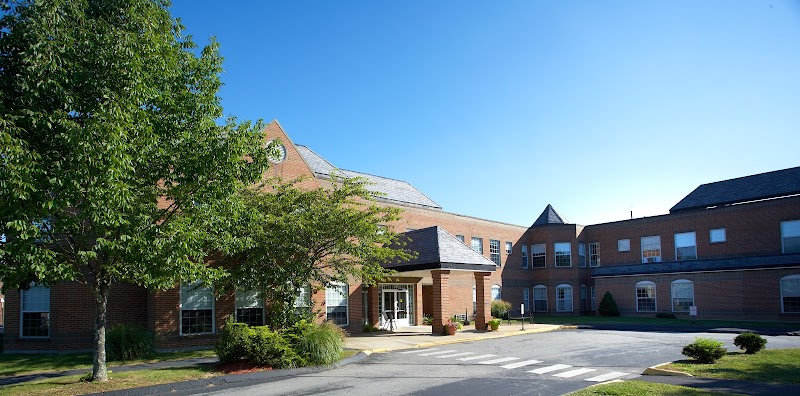
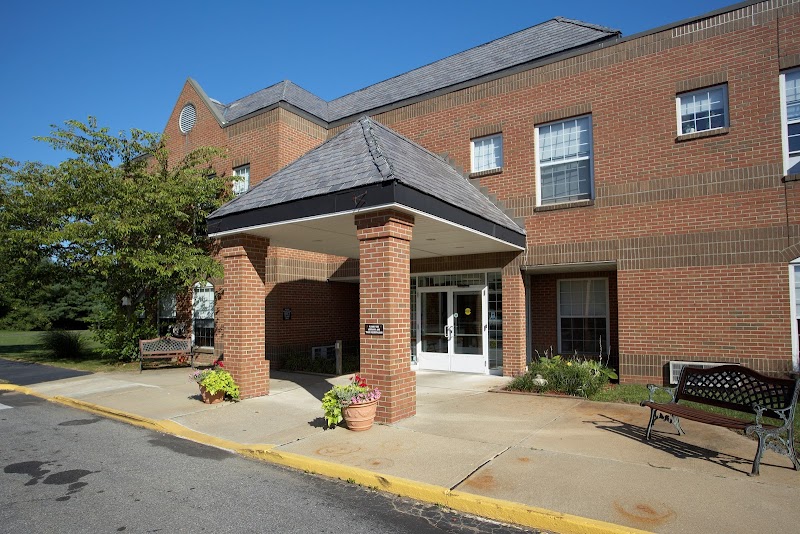
BAYVIEW HEALTH CARE

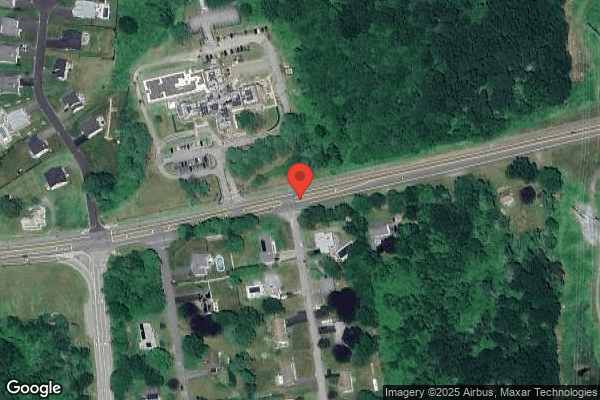
301 ROPE FERRY RD, WATERFORD, CT 06385 (860) 444-1175
For profit - Limited Liability company 127 Beds ATHENA HEALTHCARE SYSTEMS Data: November 2025
Trust Grade
70/100
#54 of 192 in CT
Last Inspection: January 2024

Within standard 12-15 month inspection cycle. Federal law requires annual inspections.

Overview

Bayview Health Care in Waterford, Connecticut, has a Trust Grade of B, meaning it is a good facility and a solid choice for families considering care options. It ranks #54 out of 192 facilities in Connecticut, placing it in the top half, and #7 out of 14 in the local county, indicating that there are only a few better options nearby. The facility is improving, with issues decreasing from 12 in 2024 to just 1 in 2025. Staffing is a relative strength, with a turnover rate of 31%, which is lower than the state average, though their staffing rating is average at 3 out of 5 stars. Notably, there have been no fines on record, which is a positive sign. However, there are some concerns; for example, a resident's advance directives were not reviewed properly upon admission, and some physician orders were not signed in a timely manner, which could affect care. Overall, while there are strengths in staffing stability and a good trust grade, families should also be aware of the noted deficiencies in compliance and documentation.

Trust Score
B
70/100
In Connecticut
#54/192
Top 28%
Safety Record
Low Risk
No red flags
Inspections
Getting Better
12 → 1 violations
Staff Stability
○ Average
31% turnover. Near Connecticut's 48% average. Typical for the industry.
Penalties
✓ Good
No fines on record. Clean compliance history, better than most Connecticut facilities.
Skilled Nurses
○ Average
Each resident gets 33 minutes of Registered Nurse (RN) attention daily — about average for Connecticut. RNs are the most trained staff who monitor for health changes.
Violations
⚠ Watch
24 deficiencies on record. Higher than average. Multiple issues found across inspections.
★★★★☆
4.0
Overall Rating
★★★☆☆
3.0
Staff Levels
★★☆☆☆
2.0
Care Quality
★★★★☆
4.0
Inspection Score
Stable
2024: 12 issues
2025: 1 issues

The Good

  • Full Sprinkler Coverage · Fire safety systems throughout facility
  • No fines on record
  • Staff turnover below average (31%)

    17 points below Connecticut average of 48%

Facility shows strength in fire safety.

The Bad

Staff Turnover: 31%

14pts below Connecticut avg (46%)

Typical for the industry

Chain: ATHENA HEALTHCARE SYSTEMS

Part of a multi-facility chain

Ask about local staffing decisions and management

The Ugly 24 deficiencies on record

Aug 2025 1 deficiency
CONCERN (D) 📢 Someone Reported This

A family member, employee, or ombudsman was alarmed enough to file a formal complaint

Potential for Harm - no one hurt, but risky conditions existed

Deficiency F0658 (Tag F0658)

Could have caused harm · This affected 1 resident

**NOTE- TERMS IN BRACKETS HAVE BEEN EDITED TO PROTECT CONFIDENTIALITY** Based on clinical record reviews, facility documentation, facility policy and interviews for one (1) of three (3) sampled reside...

Read full inspector narrative →
**NOTE- TERMS IN BRACKETS HAVE BEEN EDITED TO PROTECT CONFIDENTIALITY** Based on clinical record reviews, facility documentation, facility policy and interviews for one (1) of three (3) sampled residents (Resident #1) reviewed for medication administration, the facility failed to ensure a narcotic pain medication was refilled to prevent a delay in the administration and failed to obtain a physician's order to administer the medication the following day. The findings include:Resident #1's diagnoses included malignant neoplasms of the left breast, bone and lung and neoplasm related pain. The Nursing admission assessment dated [DATE] identified Resident #1 was alert and oriented and required assistance with activities of daily living. The pain evaluation dated 7/9/25 identified Resident #1 experienced continuous nagging, radiating and deep pain that effected Resident #1's sleep, day to day activities, and appetite. The evaluation indicated the medications Fentanyl and Dilaudid relieved the pain. The Resident Care Plan dated 7/10/25 identified that Resident #1 utilized pain medications related to metastatic cancer (cancer that has spread to other parts of the body) and fractured ribs. Interventions directed to administer analgesic (pain relieving) medications as ordered, monitor for side effects and document effectiveness. A physician's order dated 7/10/25 directed to administer Fentanyl transdermal patch (medicated adhesive patch that's placed on the skin) 100 micrograms per hour (mcg/hr) in combination with a Fentanyl 25 mcg/hr patch to equal 125 mcg/hr every two (2) days for chronic pain and remove per schedule. Review of the July 2025 Medication Administration Record (MAR) identified on 7/14/25 although the Fentanyl was scheduled to be removed at 8:59 AM and a new patch was to be applied at 9:00 AM the Fentanyl was not signed off as removed or applied. The nurse's note dated 7/14/25 failed to identify documentation related to any issues with the supply of the Fentanyl patches and that a provider was notified the Fentanyl was not available therefore the 7AM-3PM dose was omitted. The Controlled Substance Disposition Record for Fentanyl 100 mcg/hr transdermal patch, identified two (2) 100 mcg/hr patches were received by the facility on 7/10/25. The record identified that one (1) patch was signed out on 7/10/25 and 7/12/25, exhausting the supply to zero (0) on 7/12/25. The Controlled Substance Disposition Record for Fentanyl 25 mcg/hr transdermal patch, identified two (2) 25 mcg/hr patches were received by the facility on 7/10/25. The record identified that one (1) patch was signed out on 7/10/25 and 7/12/25, exhausting the supply to zero (0) on 7/12/25. The Controlled Substance Disposition Record for Fentanyl 100 mcg/hr transdermal patch, identified one (1) 100 mcg/hr patch was received by the facility on 7/14/25 and signed in on 7/14/25 by both the 3-11PM Nursing Supervisor, RN #2, and a 3-11PM nurse, Licensed Practical Nurse, LPN #1. The record identified one (1) patch was signed out on 7/15/25 at 9:00 AM by LPN #4. The Controlled Substance Disposition Record for Fentanyl 25 mcg/hr transdermal patch, identified one (1) 25 mcg/hr patch was received by the facility on 7/14/25 and signed in on 7/14/25 by both the 3-11PM Nursing Supervisor, RN #2, and a 3-11PM nurse, Licensed Practical Nurse, LPN #1. The record identified one (1) patch was signed out on 7/15/25 at 9:00 AM by LPN #4. Review of the physician orders failed to identify orders directing to apply both the 100 mcg/hr and the 25 mcg/hr Fentanyl patches on 7/15/25. Review of the July 2025 MAR failed to identify that both the 100 mcg/hr and the 25 mcg/hr Fentanyl patches were signed off as administered on 7/15/25. The MAR indicated the next dose of Fentanyl was applied on 7/17/25. Interview with the 7AM-3PM nurse, LPN #4, on 8/11/25 at 11:47 AM identified on 7/14/25 when she went to retrieve both the 100 mcg/hr and 25 mcg/hr Fentanyl patches from the narcotic box, the patches were not available so she did not remove the previous patches and notified the charge nurse, LPN #2, and requested the Advanced Practice Registered Nurse (APRN) #1 to be contacted. LPN #4 reported the Fentanyl patches did not arrive on her shift on 7/14/25 so she communicated this to the 3-11PM nurse, LPN #1. LPN #4 identified when she arrived the next day (7/15/25) both the 100 mcg/hr and the 25 mcg/hr Fentanyl patches had been delivered from the pharmacy but had not been applied to the resident. LPN #4 indicated although there was no physician's order to apply the patches on 7/15/25 she removed the previous patches and applied both the 100 mcg/hr and the 25 mcg/hr because she knew they were not changed the previous day. LPN #4 identified that she should have indicated in the MAR on 7/14/25 that the Fentanyl patches were not available and either herself or LPN #2 should have written a note regarding the patches and notifying APRN #1. LPN #4 identified she should have not removed the previous Fentanyl patches and applied the new ones without a physician's order, because without the physician's order being entered, she was unable to sign off the Fentanyl patches were administered on 7/15/25. Interview with the 7AM-3PM charge nurse, LPN #2, on 8/11/25 at 11:49 AM identified on 7/14/25, LPN #4 notified her Resident #1's Fentanyl patches were not available to administer, so she called the pharmacy. LPN #2 explained that the pharmacy reported to her there was an insurance issue, so she notified APRN #1 and APRN #1 told her she would contact the pharmacy. LPN #2 identified that she should have written a nurse's note documenting her conversation with the pharmacy and the provider. LPN #2 indicated the nurse, LPN #5, who used the last Fentanyl patches on 7/12/25 should have ensured the supply was refilled or that APRN #1 was notified the supply was depleted. Interview with Person #2 (pharmacist) on 8/11/25 at 12:44 PM identified it was too soon to refill the Fentanyl order per the insurance company when the facility first tried to refill the Fentanyl patches on 7/14/25 and the refill required a prior authorization form to be completed by the facility in order for the insurance to cover additional patches. Person #2 identified the prior authorization form was sent to the facility on 7/14/25 and was completed and faxed back to them the same day and then one (1) of each of the 100 mcg/hr and the 25 mcg/hr Fentanyl patches were refilled and delivered to the facility on 7/14/25. Person #2 identified that if the facility had refilled both doses of the Fentanyl patches on 7/12/25 when they depleted the supply and completed the prior authorization forms as they did on 7/14/25, it would have prevented the delay in the Fentanyl patches being sent to the facility and would have been available for the next administration on 7/14/25. Person #2 reported on 7/14/25 the facility did not request the Fentanyl patches be sent STAT (immediately, within four hours). Interview with APRN #1 on 8/11/25 at 1:50 PM identified LPN #2 notified her on 7/14/25 the Fentanyl patches were not available for administration on 7/14/25, she did contact the pharmacy and completed the prior authorization forms. APRN #1 stated the nurse who used the last Fentanyl patches should have ensured that either the medications were refilled or she was contacted with any issues to prevent a lapse in the administration of the next dose. APRN #1 identified although there were no significant negative outcomes by the one (1) day delay in the Fentanyl administration, as Resident #1 still had the previous patches intact, a provider should have been notified when they were received from the pharmacy and an order obtained to remove the old patches and apply the new patches on 7/14/25 and not the following day. Interview with the Nursing Supervisor, RN #1, on 8/11/25 at 12:11 PM identified on 7/14/25 she was not aware Resident #1 had missed the dose of Fentanyl on the 7AM-3PM shift because the patches were not available, stating no one had reported to her that they were waiting for the medication, so she did not request the Fentanyl patches to be sent STAT. Interview with the 3-11PM nurse, LPN #1, on 8/11/25 at 2:28 PM identified she could not recall either LPN #2 or LPN #4 communicating to her on 7/14/25 that Resident #1 did not receive the Fentanyl patches on the 7AM-3PM shift because they were awaiting delivery from the pharmacy. LPN #1 indicated if she was aware, she would have ensured the provider was contacted about the delivery from the pharmacy and would have obtained a physician's order to remove the previous patches and apply the new ones on her shift. Interview with the 7AM-3PM nurse, LPN #5, on 8/11/25 at 2:30 PM she identified on 7/12/25 when she applied the last remaining Fentanyl patches, she should have checked that the script had refills and she did not attempt to refill the Fentanyl patches in the Electronic Health Record (EHR). Interview with the Director of Nursing (DON) on 8/11/25 at 12:19 PM identified when nursing is about to deplete a supply of medication, they should be either refilling the medication prescription immediately or ensuring that the pharmacy is contacted to inquire about where the medication or prescription is. The DON indicated that for any resident related medication issues or missed administrations, the provider was to be contacted immediately for possible interim orders and to document in the medical record, reporting she was not aware of the delayed Fentanyl transdermal patch administration for Resident #1 on 7/14/25. The DON identified on 7/14/25 the 3-11PM nurse, LPN #1, should have been made aware the Fentanyl patches were not applied on the 7AM-3PM shift and they were awaiting delivery from the pharmacy so that LPN #1 could have contacted the provider and applied the patches when they arrived from the pharmacy. The DON identified the nurses should not be administering medications without a physician's order. Review of the Medication Administration policy dated 4/2015 directed, in part, that medication orders are to be verified on the Medication Administration Record, checked against the physician's order and all medication administration is to be documented. Review of the Nursing Documentation policy dated 2/2016 directed, in part, that the licensed nursing personnel is to document information related to the resident's condition and care provided in the resident's medical record. Notes should be clear, concise and not subject to misinterpretation. Any incident/accident or any unusual happening or situation which could result in bodily injury must be documented in the nurse's notes. Request for physician services must be documented to include what the physician was notified of and the action taken by the physician. Review of the Transcription of Physician's Orders policy dated 4/2015 directed, in part, that all written physician's orders or telephone physician's orders must be duly noted and accurately transcribed by licensed nursing staff. Although requested, facility policies for following physician's orders and medication refills were not provided.
Jul 2024 4 deficiencies
CONCERN (D) 📢 Someone Reported This

A family member, employee, or ombudsman was alarmed enough to file a formal complaint

Potential for Harm - no one hurt, but risky conditions existed

Deficiency F0557 (Tag F0557)

Could have caused harm · This affected 1 resident

**NOTE- TERMS IN BRACKETS HAVE BEEN EDITED TO PROTECT CONFIDENTIALITY** Based on clinical record reviews, facility documentation, facility policy and interviews for one of two sampled residents (Resid...

Read full inspector narrative →
**NOTE- TERMS IN BRACKETS HAVE BEEN EDITED TO PROTECT CONFIDENTIALITY** Based on clinical record reviews, facility documentation, facility policy and interviews for one of two sampled residents (Resident #5) who were reviewed for a potential allegation of abuse, the facility failed to ensure a resident was treated with dignity and respect when a staff member conducted oneself unprofessionally and used profanity in front of a resident. The findings include: Resident #5's diagnoses included multiple pelvic fractures, generalized anxiety disorder, and Post-Traumatic Stress Disorder (PTSD). The admission Minimum Data Set assessment dated [DATE] identified Resident #5 made reasonable and consistent decisions regarding tasks of daily life and required extensive assistance of one (1) staff person for dressing and personal hygiene. The Resident Care Plan dated 12/27/22 identified Resident #5 had anxiety and used anti-anxiety medication. Interventions directed to administer anti-anxiety medications as ordered by the physician, monitor for side effects and effectiveness, and monitor, document, and report any adverse reactions and unexpected side effects as needed. A physician's order dated 2/20/23 directed to administer Clonazepam 1 milligram tablet by mouth every twenty-four (24) hours as needed for anxiety, may repeat twelve (12) hours after scheduled dose, and give 1 milligram by mouth in the evening related to generalized anxiety disorder. A physician's order dated 2/20/23 directed Trazadone hydrochloride 50 milligram tablet by mouth at bedtime for insomnia. The nurse's progress note dated 2/25/23 identified Resident #5 requested his/her Trazadone at 9:00 PM. It was indicated that the charge nurse, Licensed Practical Nurse (LPN) #1 accidentally poured two (2) tablets instead of one (1) and corrected the error prior to administration of the medication to Resident #5. The note identified Resident #5 yelled at LPN #1 about the medication, proceeded to follow LPN #1 to the breakroom on the unit, and Resident #5 recorded LPN #1 with their personal cellphone. The note indicated the nursing supervisor was notified. The Facility Reported Incident report dated 2/27/23 indicated Resident #5 reported an allegation of verbal and emotional abuse by an employee that took place with a 3-11:00 PM charge nurse on the unit on 2/25/23. The report indicated Resident #5 reported a verbal argument between the nurse and Resident #5 occurred after Resident #5 confronted the nurse about being given the wrong dose of medication. The investigation identified LPN #1 did not conduct herself in a professional manner when she swore in front of Resident #5 on the unit on 2/25/23 during the 3-11:00 PM shift. The investigation determined Resident #5 confronted LPN #1 about his/her medication dose on 2/25/23 after LPN #1 acknowledged the error and corrected the administration before Resident #5 took the medication. The report indicated Resident #5 confronted LPN #1 in the hallway after Resident #5 had received the medication, demanded an apology, and started to record LPN #1 with a cellphone in the hallway. Interview and review of the Facility Reported Incident report dated 2/27/23 with the Director of Nursing (DON) on 7/11/24 at 9:45 AM identified the investigation determined LPN #1 demonstrated actions that were not professional and swore in front of Resident #5 during the incident. The DON identified the outcome resulted in the termination of LPN #1 and indicated it was the expectation of all staff to act in accordance with professional standards while at the facility. Although attempted, an interview with LPN #1 was not obtained. Review of the Resident [NAME] of Rights policy dated July 2021 residents had the right to be treated with consideration, respect, and full recognition of his/her dignity.
CONCERN (D) 📢 Someone Reported This

A family member, employee, or ombudsman was alarmed enough to file a formal complaint

Potential for Harm - no one hurt, but risky conditions existed

Quality of Care (Tag F0684)

Could have caused harm · This affected 1 resident

**NOTE- TERMS IN BRACKETS HAVE BEEN EDITED TO PROTECT CONFIDENTIALITY** Based on clinical record reviews, review of facility documentation and interviews for two of five sampled residents (Residents #...

Read full inspector narrative →
**NOTE- TERMS IN BRACKETS HAVE BEEN EDITED TO PROTECT CONFIDENTIALITY** Based on clinical record reviews, review of facility documentation and interviews for two of five sampled residents (Residents #7 and #12) who were reviewed for hospice services, the facility failed to notify the Responsible Party of a referral to hospice or failed to ensure the resident or Responsible party was provided a choice of hospice services to contract. The findings include: 1. Resident #7's diagnoses included dementia, dysphagia (difficulty swallowing, type 2 diabetes mellitus and failure to thrive. The admission record identified a family member was Resident #7's Responsible Party. The quarterly Minimum Data Set assessment dated [DATE] identified Resident #7 rarely or never made decisions regarding tasks of daily life, weighed 102 pounds, and received a mechanically altered diet. The Resident Care Plan dated 5/24/24 identified Resident #7 was a nutritional risk related to the diabetes mellitus, dysphagia and dementia. The care plan indicated Resident #7 had received hospice services that were discontinued and to re-evaluate, ongoing weight loss. Interventions directed to dietician consult as needed, diet as ordered, mighty shake 240 milliliters three (3) times a day, and a snack at 2:00 PM. The nurse's note dated 5/24/24 at 4:04 PM identified Resident #7 previously came off hospice services, but Resident #7 has had a continued decline in his/her weight to 102 pounds. The note indicated a call was placed to family members to update them, notify of hospice re-evaluation and possible readmit to hospice if eligible. The nurse's note dated 5/24/24 indicated the facility spoke with a family member, not the Responsible party, who would update others and was in agreement with the plan of care. A physician's order dated 5/24/24 directed for [NAME] Hospice to evaluate and admit to hospice services if appropriate. The nurse's note dated 5/31/24 at 13:59 PM identified the Responsible Party was updated and was in agreement with having hospice re-evaluate Resident #7 for possible resumption of services. The note indicated a referral to Hartford Healthcare would be made. A physician's order dated 5/31/24 directed Hartford Healthcare Hospice may reevaluate and admit to hospice if appropriate. The nurse's note dated 6/6/24 at 3:46 PM identified Hartford Health Hospice had called the facility regarding a second referral, and the hospice order was faxed to them. The nurse's note dated 6/12/24 at 11:41 AM identified the care plan meeting held at 10:30 AM this morning was reviewed with the Responsible Party. The note indicated the Responsible Party informed the facility Hartford Health Hospice called him/her twice and there was nothing they can pick up Resident #7 for hospice services and the Responsible Party stated he/she did not want [NAME] hospice. In an interview on 7/10/24 at 3:00 PM, the Director of Nursing (DON) identified recently somehow Resident #7 was screened by [NAME] Hospice and not the family's choice of Hartford Health hospice regarding a questioned weight loss. 2. Resident #12's diagnoses included malignant neoplasm of the breast, bone, liver, and intrahepatic bile duct. The nurse's note dated 7/8/24 at 2:26 PM identified Resident #12 expressed the desire to discuss hospice services, the Advanced Practice Registered Nurse and social worker followed up with Resident #12's request for hospice consult, and the order for hospice to evaluate and treat was entered into the physician's orders. The statement of Consent and Election form identified [NAME] Home Health and Hospice was contracted and the consent signed on 7/8/24. Upon further review the clinical record failed to reflect documentation other Hospice agencies the facility has contracts with were discussed with Resident #12 and the family. In an interview on 7/10/24 at 3:00 PM the Director of Nursing (DON) explained the process for hospice was first look at the disease processes, discuss with the resident and family the four (4) agencies the facility has contracts with and document the meeting in the nurse's notes and then make the referral.
CONCERN (D) 📢 Someone Reported This

A family member, employee, or ombudsman was alarmed enough to file a formal complaint

Potential for Harm - no one hurt, but risky conditions existed

Deficiency F0698 (Tag F0698)

Could have caused harm · This affected 1 resident

**NOTE- TERMS IN BRACKETS HAVE BEEN EDITED TO PROTECT CONFIDENTIALITY** Based on clinical record reviews, review of facility documentation and interviews for one of three sampled residents (Resident #...

Read full inspector narrative →
**NOTE- TERMS IN BRACKETS HAVE BEEN EDITED TO PROTECT CONFIDENTIALITY** Based on clinical record reviews, review of facility documentation and interviews for one of three sampled residents (Resident #7) who required a specialized treatment, the facility failed to ensure the resident received the dialysis treatment on the scheduled day. The findings include: Resident #9's diagnoses included type 2 diabetes mellitus, end stage renal disease and status post left hip fracture. A physician's order dated 10/26/22 directed dialysis days Mondays, Wednesdays, and Fridays every day shift. The admission Minimum Data Set assessment dated [DATE] identified Resident #9 made reasonable and consistent decisions regarding tasks of daily life, was dependent on two (2) person assistance with getting in and out of the bed and chair, non-ambulatory and received dialysis treatments. The Resident Care Plan dated 11/7/22 identified Resident #9 required hemodialysis related to end stage renal failure. Interventions directed to monitor the access site, vital signs, and signs and symptoms of renal insufficiency. The nurse's note dated 12/5/22 failed to identify Resident #9 missed the scheduled dialysis treatment due to no transportation and the physician or Advanced Practice Registered Nurse were notified. The nurse's note dated 12/6/22 at 4:16 PM identified the Nursing Supervisor was called to assess Resident #1 for a headache, some nausea and not feeling well. The note identified Resident #1 had missed the dialysis treatment on Wednesday 12/5/22. Subsequent to physician notification Resident was transferred to the Emergency Department. The nurse's note dated 12/13/22 identified Resident #9 was readmitted to the facility at 6:45 PM. The hospital Discharge summary dated [DATE] identified Resident #9 was sent to the emergency department as he/she had missed a dialysis treatment on 12/5/22. An interview conducted with the dialysis center on 12/15/22 identified Resident #9 had missed one (1) dialysis treatment on 12/5/22 due to transportation issues. Interview with the 7AM-3PM charge nurse, Licensed Practical Nurse (LPN) #3, identified the current practice was to call the provider if there was a problem with transportation to a dialysis treatment and question transfer to the hospital.
MINOR (C) 📢 Someone Reported This

A family member, employee, or ombudsman was alarmed enough to file a formal complaint

Minor Issue - procedural, no safety impact

Deficiency F0836 (Tag F0836)

Minor procedural issue · This affected most or all residents

Based on observations, review of facility documentation and interviews for 67 of 108 sampled residents who were reviewed for name bands, the facility failed to ensure the residents had a form the resi...

Read full inspector narrative →
Based on observations, review of facility documentation and interviews for 67 of 108 sampled residents who were reviewed for name bands, the facility failed to ensure the residents had a form the residents were wearing an identification bracelet or some other form of visible identification. The findings include: 1. Observations of the main lobby on 7/10/24 at 9:00 AM identified Resident #10 seated in a wheelchair near the entrance doors and it was noted Resident #10 was not wearing an identification bracelet. When questioned Resident #10 stated he was waiting for transportation to the dialysis center. Observations with the Director of Nursing (DON) and Assistant Director of Nursing (ADON) both identified Resident #10 was not wearing an identification bracelet or other visible form of identification. Subsequently, an identification bracelet was placed on Resident #10's right wrist prior to leaving for dialysis. 2. Observations of the residents seated in the second-floor dining room, lounge area and nurse's station on 7/10/24 at 9:45 AM with the ADON identified of twelve (12) residents, seven (7) residents had no identification bracelet or some other form of visible identification. Interview with the ADON at the time of the observations identified after the 9:00 AM observation of Resident #10 not wearing an identification bracelet, the 7AM-3PM Nursing Supervisor was instructed to conduct an audit to determine how many residents were not wearing an identification bracelet or some other form of visible identification. The ADON identified the nurse's check for identification bracelets when they administer medications, there is no order for an identification bracelet or some other form of visible identification, so the nurse's do not document that they have verified placement of identification. Review of the audit identified a total of 67 residents out of the census of 108 did not have an identification bracelet or some other form of visible identification. Although requested, the facility did not have a specific policy for resident identification.
Jan 2024 8 deficiencies
CONCERN (D)

Potential for Harm - no one hurt, but risky conditions existed

Deficiency F0561 (Tag F0561)

Could have caused harm · This affected 1 resident

**NOTE- TERMS IN BRACKETS HAVE BEEN EDITED TO PROTECT CONFIDENTIALITY** Based on observation, clinical record review, review of facility policy and interviews for two sampled resident (Residents #13 &...

Read full inspector narrative →
**NOTE- TERMS IN BRACKETS HAVE BEEN EDITED TO PROTECT CONFIDENTIALITY** Based on observation, clinical record review, review of facility policy and interviews for two sampled resident (Residents #13 & #76) with medication left at the bedside, the facility failed to ensure the resident was assessed for self-administration of medications. The findings include: 1. Resident #13's diagnoses included dementia, paraplegia, and osteomyelitis. The annual MDS assessment dated [DATE] identified Resident #13 had moderately impaired cognition, required assistance of two staff members for transfers using a mechanical lift, dressing, and toileting hygiene. The assessment further identified Resident #13 required maximal assistance with oral hygiene and personal hygiene. Resident #13 shared a room with Resident #21 whose diagnoses included dementia, anxiety disorder, and multiple sclerosis. Resident #21's annual MDS assessment dated [DATE] identified Resident #21 had severe cognitive impairment and required partial assistance with upper body dressing and locomotion on unit using a manual wheelchair. The care plan dated 11/29/23 identified Resident #13 had impaired cognition related dementia with interventions that included reorient as needed and refer to time of day, date and recent events when interacting with resident. Review of the Self Administration of Medication evaluation dated 12/1/22 completed by RN #8 identified Resident #13 did not desire to self-administer medications. Observation on 1/22/24 at 10:30 AM identified Resident #13 and lying in bed and awake with the overbed table placed in front of him/her. There was a medication cup containing 15ml of a blue liquid sitting on the overbed table. Observation on 1/22/24 at 11:00 AM with the Charge Nurse (LPN #7) identified Resident #13 remained in bed with the overbed table placed in front of him/her and the medication cup containing 15ml of blue liquid remained on the overbed table. The physician's orders for the month of January/2024 directed to administer Peridex Solution 0.12% (Chlorhexidine Gluconate) (preventative maintenance of dental carries) give 15ml by mouth every day and evening with instructions for the resident swish and spit. Interview with LPN #7 on 1/22/24 at 11:00 AM identified that she left the Peridex (antibacterial mouthwash) on the overbed table. LPN #7 further identified that the resident did not have a self-administration order and she is usually there when he/she uses the mouthwash. LPN #7 proceeded to ask Resident #13 if he/she was ready to use the mouthwash to which the resident declined, and LPN #7 then discarded the mouthwash. Interview with the ADNS on 1/29/24 at 12:20 PM identified that a self-administration assessment should be conducted for the specific medication requiring self-administration, and based on how the resident performs a physician's order is obtained. The ADNS further noted that medication should not be left at the resident's bedside if the resident has not been assessed to self-administer and does not have a physician's order to self-administer. Review of the Medication Administration and Documentation policy and procedure identified that the licensed staff is to administer full dose of the medication to the resident via the correct route and observe the resident to ensure medication consumption. 2. Resident #76's diagnoses included alcohol dependence, bipolar disorder, and history of other mental and behavioral disorders. The quarterly minimum data set assessment dated [DATE] identified Resident #76 had intact cognition, utilized a walker and wheelchair for mobility, required supervision to roll left and right, supervision or touching assistance with toilet transfers, and supervision with walking. The assessment further noted the resident had diagnoses inclusive of anxiety disorder, depression, and post-traumatic stress disorder. Resident #76's care plan dated 11/7/23 identified the resident was at risk for oral caries, infection related to history of candidiasis, dental caries, and the risk of oral pain or infections. Care plan interventions included Biotene (mouthwash used to treat dry mouth) 5 ml by mouth every day shift for dry mouth, can be left at the beside for the resident to self-administer. The monthly physician's orders for January/2024 directed to administer Peridex Solution 0.12% (antiseptic mouthwash) 15ml orally every day and evening shift preoperatively for dental extractions with directions to swish and spit the liquid out. Observation on 1/22/24 at 11:20 AM identified a bottle of Peridex 0.12% mouthwash at the resident's bedside. Review of physician's orders for the month of January/2024 failed to identify an order for self-administration of medication and review of the clinical record failed to identify an assessment for self-administration of medication. Interview with LPN #6 on 1/22/24 at 11:39 AM identified she was aware of the Peridex at the bedside as it had been there for a while. She could not identify how long it had been there. LPN#6 further identified that the Peridex should be stored in the medication cart and could not identify whether or not the resident had been assessed to self-administer the prescribed medicated mouthwash. In addition, she noted that they left the Peridex at the bedside because it gives the resident a feeling of independence. Furthermore, after LPN #6 reviewed the clinical record, she noted that the resident had not been assessed to self-administer the Peridex and did not have a physician's order in place allowing the resident to self-administer the Peridex. Interview with the ADNS on 1/29/24 at 12:20 PM indicated that a bottle of Chlorhexidine mouthwash should not have been left at the resident's bedside. Review of the self-medication policy directed upon completion of the inter-disciplinary assessment, if the resident is deemed a candidate for self-medication, social services staff will describe the self-medication program and participation requirements to the resident. Nursing staff will in-service the resident on administration directions, storage procedures, record keeping practices and provide the medication along with storage containers. Review of the medication storage policy directed medication to be stored according to manufacturer's guidelines and secured in a locked storage area. Storage areas may include but are not limited to drawers, cabinet, medication rooms, refrigerators, and carts. The facility must ensure that only appropriately authorized staff have access to the storage area. Review of the medication administration policy directed it was the responsibility of the licensed nurse to assure medications are not left unattended, and keeps medication always secured in a locked area or in visible control.
CONCERN (D)

Potential for Harm - no one hurt, but risky conditions existed

Deficiency F0685 (Tag F0685)

Could have caused harm · This affected 1 resident

**NOTE- TERMS IN BRACKETS HAVE BEEN EDITED TO PROTECT CONFIDENTIALITY** Based on observation, review of the clinical record, review of facility documentation, review of facility policy and interviews,...

Read full inspector narrative →
**NOTE- TERMS IN BRACKETS HAVE BEEN EDITED TO PROTECT CONFIDENTIALITY** Based on observation, review of the clinical record, review of facility documentation, review of facility policy and interviews, for one sampled resident (Resident #67) reviewed for communication/sensory, the facility failed to ensure that that there was follow up when a hearing device was lost. The findings include: Resident #67's diagnoses included dementia, anxiety, and depression. A nurse's admission assessment dated [DATE], identified a left hearing aid. The significant change assessment dated [DATE] identified Resident #67 was severely cognitively impaired, had minimal difficulty with hearing, did not have hearing aids and required extensive assistance with bed mobility, transfers, and toilet use. The care plan dated 11/30/23 identified Resident #67 had communication difficulties related to a hearing impairment, dementia, and lost hearing aids. Care plan interventions included: offer a communication board, encourage head/hand gestures, and speak slowly and clearly when explaining all procedures. During the screening process on 1/22/24, Resident #67 identified that she had difficulty hearing and did not have his/her hearing aids. Observation on 1/29/24 at 10:00 AM, identified Resident #67 did not have hearing aids in place. Interview on 1/29/24 at 10:08 AM with the charge nurse (RN #1) identified that she was unsure whether or not the resident had hearing aids, and after checking the physician's orders, she noted there was not an order for hearing aids. Interview on 1/29/24 at 10:12 AM with NA #1 identified she could not recall seeing the resident with hearing aids, and noted that when a resident has hearing aids, the nurse gives them to the resident, we sometimes help them or remind them to put them in, and it would be on the resident's care card. Interview on 1/29/24 at 10:17 AM with the medication nurse (LPN #1) identified that the resident was admitted with hearing aids, she noted that it had been quite some time since the resident had hearing aids. LPN #1 further noted that they would put the hearing aids in, and the resident would take them out repeatedly and lose them. In addition, she noted that when hearing aids are missing or lost, a room search is conducted, the laundry department is notified, and a missing property form is completed. Interview on 1/29/24 at 10:21 AM with social workers; SW #1, SW #2, and SW #3 identified that when a resident's personal property is missing, a missing property form is filled out and provided to the social work department by whomever finds that an item is missing. The resident's room and belongings are searched, laundry is called and searched, and if the item like hearing aids is not found, they contact the family to see if they would like to have the hearing aid(s) replaced, then the vendor of the family's choice would evaluate the resident for new hearing aids. They further noted that the facility is responsible for replacing the missing item(s). None of the Social Workers were aware of Resident #67 having a missing hearing aid and they did not find documentation that a missing item report had been completed. SW #3 checked the clinical record and found that the resident was admitted with a left hearing aid on 1/7/23. The facility failed to address a plan to ensure the security of Resident #67's hearing device and failed to address the lost hearing device and also failed to follow up with assisting the resident to obtain a new hearing device.
CONCERN (D)

Potential for Harm - no one hurt, but risky conditions existed

Deficiency F0761 (Tag F0761)

Could have caused harm · This affected 1 resident

Based on observation, clinical record review, review of facility policy and interviews for one sampled resident (Resident #76) with medication left at the bedside, the facility failed to ensure a medi...

Read full inspector narrative →
Based on observation, clinical record review, review of facility policy and interviews for one sampled resident (Resident #76) with medication left at the bedside, the facility failed to ensure a medication was appropriately secured. The findings include: Resident #76's diagnoses included alcohol dependence, bipolar disorder, and history of other mental and behavioral disorders. Observation on 1/22/24 at 11:20 AM identified a bottle of Peridex 0.12% (antiseptic mouthwash) mouthwash on Resident #76's bedside table. The monthly physician's orders for January/2024 directed to administer Peridex Solution 0.12% (antiseptic mouthwash) 15ml orally every day and evening shift preoperatively for dental extractions with directions to swish and spit the liquid out. Review of physician's orders for the month of January/2024 failed to identify an order for self-administration of medication and review of the clinical record failed to identify an assessment for self-administration of medication. Interview with LPN #6 on 1/22/24 at 11:39 AM identified she was aware of the Peridex at the bedside as it had been there for a while. She could not identify how long it had been there. LPN#6 further identified that the Peridex should be stored in the medication cart and could not identify whether or not the resident had been assessed to self-administer the prescribed medicated mouthwash. In addition, she noted that they left the Peridex at the bedside because it gives the resident a feeling of independence. Furthermore, after LPN #6 reviewed the clinical record, she noted that the resident had not been assessed to self-administer the Peridex and did not have a physician's order in place allowing the resident to self-administer the Peridex. Interview with the ADNS on 1/29/24 at 12:20 PM indicated that a bottle of Chlorhexidine mouthwash should not have been left at the resident's bedside. Review of the medication storage policy directed medication to be stored according to manufacturer's guidelines and secured in a locked storage area. Storage areas may include but are not limited to drawers, cabinet, medication rooms, refrigerators, and carts. The facility must ensure that only appropriately authorized staff have access to the storage area. Review of the medication administration policy directed it was the responsibility of the licensed nurse to assure medications are not left unattended, and keeps medication always secured in a locked area or in visible control.
CONCERN (E)

Potential for Harm - no one hurt, but risky conditions existed

Deficiency F0578 (Tag F0578)

Could have caused harm · This affected multiple residents

**NOTE- TERMS IN BRACKETS HAVE BEEN EDITED TO PROTECT CONFIDENTIALITY** Basedonclinicalrecordreview reviewoffacilitypolicy andinterviewsfortwoofsixsampledresidents(Resident#39 & #97), reviewedforadvan...

Read full inspector narrative →
**NOTE- TERMS IN BRACKETS HAVE BEEN EDITED TO PROTECT CONFIDENTIALITY** Basedonclinicalrecordreview reviewoffacilitypolicy andinterviewsfortwoofsixsampledresidents(Resident#39 & #97), reviewedforadvancedirectives thefacilityfailedtoensurethatadvancedirectiveswerereviewedwiththeresidentonadmissionandfailedtoensuretherewasasignedcopyoftheAdvanceDirectiveDeclarationCodeStatusformintheresidentsclinicalrecordtoindicatetheresidentsendoflifechoices Thefindingsinclude 1. Resident#39 wasreadmitted tothefacilityinJuneof2023 withdiagnosesthatincludedheartfailure type2 diabetesmellitus andbipolardisorder ThequarterlyMDSassessmentdated[DATE] identifiedResident#39 hadintactcognition requiredassistanceofonestaffmemberfordressing andpersonalhygiene ReviewofResident#39'sclinicalrecordon[DATE] at10:14 AMfailedtoidentifysigneddocumentationrelatedtoadvanceddirectives althoughthecurrentphysiciansordersidentifiedtheresidenthadacodestatusoffullcodewhichmeansthatifapersonsheartstopsbeatingandortheystopbreathing allresuscitationprocedureswillbeprovidedtokeepthemalive Thisprocesscanincludechestcompressions intubation anddefibrillationandisreferredtoasCardiopulmonaryResuscitation(CPR. InterviewwithResident#39 on[DATE] at10:30 AMidentifiedthatheshehadnothadadiscussionwithstaffregardingadvanceddirectivesandthedesignationofcodestatus Resident#39 furthernotedthatacodestatusoffullcodewasthepreferredoption InterviewwithLPN#8 [DATE] at10:50 AMidentifiedthatifResident#39 hadalifethreateningemergencywhereshewouldneedtoprovideCPRorwithholdCPR shewouldlookinthephysicalclinicalrecordundertheadvanceddirectivestabtoreviewtheAdvancedDirectivesDeclarationCodeStatusformandreviewthephysiciansordertoidentifytheresidentscodestatus AfterLPN#8 reviewedthephysiciansorders shenotedthattherewasaphysiciansorderaddressingtheresidentscodestatus however thephysicalclinicalrecordfailedtoidentifyanAdvancedDirectivesDeclarationCodeStatusformfortheresident LPN#8 furtherindicatedthattheAdvancedDirectivesDeclarationCodeStatusformisapartoftheadmissionpaperworkthatisreviewedwiththeresidentortheresidentsrepresentativebytheadmittingnurseorthenursingsupervisor InterviewwiththeNursingSupervisor(RN#3) on[DATE] at12:00PMidentifiedthattheAdvancedDirectivesDeclarationCodeStatusformisreviewedonadmissionwiththeresidentdependingontheresidentscognitivestatusortheresidentsrepresentative Shefurthernotedthattheformoncesignedbytheresidentandorresidentrepresentativeisplacedinthephysiciansbindertobereviewedandsignedbythephysicianafterwhichtheformisplacedintheresidentsphysicalclinicalrecord InterviewwiththeDNSon[DATE] at2:18 PMidentifiedthatthefacilityspolicyistohaveacopyoftheAdvancedDirectivesDeclarationCodeStatusformintheresidentschartandintheElectronicHealthRecords TheDNSindicatedthatthefacilityjustbeganaQualityImprovementPlan(QIP thatincludeseducationandtrainingtomakesuretheyarecompleted TheDNScouldnotidentifywhytheprocedurehadnotbeenfollowedforResident#39. ReviewoftheAdmissionAdvanceDirectivePolicyidentifiedthatacopyoftheresidentsAdvanceDirectiveStatuswillbeplacedanddocumentedintheresidentsmedicalrecords 2. Resident#97'swasadmitted tothefacilityinOctoberof2023 withdiagnosesthatincludedtype2 diabetesmellitus hypertension andRheumatoidarthritis TheadmissionMDSassessmentdated[DATE] identifiedResident#97 hadintactcognition requiredassistanceoftwostafffortransfers dressing toiletingandhygiene ReviewoftheResidentCareConferenceProgressNotedated[DATE] failedtoidentifythatadvancedirectiveswerediscussedwithresidentorresidentrepresentative ReviewofResident#97'sclinicalrecordon[DATE] at10:14 AMfailedtoidentifysigneddocumentationrelatedtoadvanceddirectives althoughthecurrentphysiciansordersidentifiedtheresidenthadacodestatusoffullcodewhichmeansthatifapersonsheartstopsbeatingandortheystopbreathing allresuscitationprocedureswillbeprovidedtokeepthemalive Thisprocesscanincludechestcompressions intubation anddefibrillationandisreferredtoasCardiopulmonaryResuscitation(CPR. InterviewwithLPN#8 [DATE] at10:50 AMidentifiedthatifResident#39 hadalifethreateningemergencywhereshewouldneedtoprovideCPRorwithholdCPR shewouldlookinthephysicalclinicalrecordundertheadvanceddirectivestabtoreviewtheAdvancedDirectivesDeclarationCodeStatusformandreviewthephysiciansordertoidentifytheresidentscodestatus AfterLPN#8 reviewedthephysiciansorders shenotedthattherewasaphysiciansorderaddressingtheresidentscodestatus however thephysicalclinicalrecordfailedtoidentifyanAdvancedDirectivesDeclarationCodeStatusformfortheresident LPN#8 furtherindicatedthattheAdvancedDirectivesDeclarationCodeStatusformisapartoftheadmissionpaperworkthatisreviewedwiththeresidentortheresidentsrepresentativebytheadmittingnurseorthenursingsupervisor InterviewwiththeNursingSupervisor(RN#3) on[DATE] at12:00PMidentifiedthattheAdvancedDirectivesDeclarationCodeStatusformisreviewedonadmissionwiththeresidentdependingontheresidentscognitivestatusortheresidentsrepresentative Shefurthernotedthattheformoncesignedbytheresidentandorresidentrepresentativeisplacedinthephysiciansbindertobereviewedandsignedbythephysicianafterwhichtheformisplacedintheresidentsphysicalclinicalrecord InterviewwiththeDNSon[DATE] at2:18 PMidentifiedthatthefacilityspolicyistohaveacopyoftheAdvancedDirectivesDeclarationCodeStatusformintheresidentschartandintheElectronicHealthRecords TheDNSindicatedthatthefacilityjustbeganaQualityImprovementPlan(QIP thatincludeseducationandtrainingtomakesuretheyarecompleted TheDNScouldnotidentifywhytheprocedurehadnotbeenfollowedforResident#97. ReviewoftheAdmissionAdvanceDirectivePolicyidentifiedthatacopyoftheresidentsAdvanceDirectiveStatuswillbeplacedanddocumentedintheresidentsmedicalrecords
CONCERN (E)

Potential for Harm - no one hurt, but risky conditions existed

Deficiency F0711 (Tag F0711)

Could have caused harm · This affected multiple residents

**NOTE- TERMS IN BRACKETS HAVE BEEN EDITED TO PROTECT CONFIDENTIALITY** Based on clinical record review, and interviews for one sample resident (Resident #14) who was admitted to the facility within t...

Read full inspector narrative →
**NOTE- TERMS IN BRACKETS HAVE BEEN EDITED TO PROTECT CONFIDENTIALITY** Based on clinical record review, and interviews for one sample resident (Resident #14) who was admitted to the facility within the past six months, the facility failed to ensure physician's orders were signed and dated in a timely manner. The findings include: Resident #14 was admitted to the facility on [DATE] with diagnoses that included ulcerative colitis, hemiplegia and hemiparesis following cerebral infarction affecting left non-dominant side, dysphagia, and hypertension. The admission MDS assessment dated [DATE] identified Resident #14 was moderately cognitively impaired and totally dependent on staff for bed mobility, hygiene, toileting, and transfers. Review of the physician's orders from October 2023 through 1/24/24 identified Resident #14 physician's orders were not signed on admission and not renewed every 30 days for 90 days. The physician's orders should have been signed on 11/1/23 (48 hours after admission) and renewed by 12/10/23 and again by 1/10/24. Interview with the Medical Director (MD #1) on 1/24/23 at 2:10 PM identified that he was aware that physician's orders should be signed on admission and renewed every 30 days for the next 90 days. He also identified that the facility utilizes the electronic signature in the physician's orders and had stopped signing the physician's orders on paper. MD #1 further identified that he had been signing the physician's orders electronically but did not realize that he only signed the interim physician's orders. Subsequent to surveyor inquiry Resident #14's physician's orders were renewed on 1/25/24 (86 days late). Interview with DNS on 1/25/24 at 10:20 AM identified that the physician's orders should be signed on admission and renew every 30 days for the next 90 days. She further identified that all physicians will be re-educated on signing the physician orders electronically. Although requested, the facility policy regarding physician visits and the renewing of orders was not provided during the survey.
CONCERN (E)

Potential for Harm - no one hurt, but risky conditions existed

Medication Errors (Tag F0758)

Could have caused harm · This affected multiple residents

**NOTE- TERMS IN BRACKETS HAVE BEEN EDITED TO PROTECT CONFIDENTIALITY** Based on clinical record review, facility policy review, and interviews for one of three sampled residents (Resident #52) review...

Read full inspector narrative →
**NOTE- TERMS IN BRACKETS HAVE BEEN EDITED TO PROTECT CONFIDENTIALITY** Based on clinical record review, facility policy review, and interviews for one of three sampled residents (Resident #52) reviewed for psychotropic medication side effects, the facility failed to ensure that an as needed order for Olanzapine (antipsychotic medication) was limited to14 days. The findings include: Resident #52 was admitted to the facility on [DATE] with diagnoses that included periprosthetic fracture of left hip, depression, anxiety, insomnia, and mild cognitive impairment. The physician's order dated 11/10/23 directed to administer Olanzapine 5 milligrams (mg) by mouth every 12 hours as needed for agitation and/or anxiety. Review of the physician's admission orders failed to identify a stop or discontinue date was set at fourteen days (11/24/23) for the as needed Olanzapine order. The admission MDS assessment dated [DATE] identified Resident # 52 had moderate cognitive impairment, required extensive assistance for dressing, hygiene, toileting, and transfers and received antipsychotic medication in the previous seven days. Review of the Medication Administration Record (MAR) from 11/10/23 to 11/30/23 (20 days) identified Resident #52 was administered the Olanzapine 5mg on six occasions. Review of physician progress notes from 11/24/23 to 11/30/2023 failed to identify Resident #52 was evaluated for the continued use of the as needed Olanzapine. The Resident Care Plan (RCP) dated 11/30/23 identified Resident #52 who used psychotropic medication. Care plan interventions directed to administer psychotropic medication as ordered by the physician, discuss with the physician and family regarding ongoing need for use of the medication, and monitor and/or document any adverse reactions as needed. Review of the MAR from 12/1/23 to 12/31/23 identified Resident #52 was administered Olanzapine 5 mg on fourteen occasions. Review of the MAR from 1/1/24 to 1/22/24 identified Resident #52 was administered Olanzapine 5 mg on eighteen occasions. Review of the psychiatric APRN's note dated 1/22/24 identified Resident #52 was evaluated for depression, anxiety, insomnia, and the as needed medication .Olanzapine. The Olanzapine 5mg PRN was discontinued on 1/22/24 (59 past the 14th day of the order). Interview and clinical record review with the Unit Manager (LPN #2) on 1/25/24 at 10:30 AM identified that as needed orders for antipsychotic medications should only be ordered for a duration of fourteen days and then the physician is required to reevaluate the continued usage of the antipsychotic medication. Further, review of Resident #52's physician's orders identified the Olanzapine was not discontinued and/or the physician had not reevaluated the use of the medication from the origination date of the order (11/10/23). Interview with LPN #3 (7-3 shift charge nurse) on 1/25/24 at 11:00 AM identified Resident #52 was on Olanzapine 5 mg for anxiety and/or agitation and she had not realized that the Olanzapine order had been in effect and in use from the date of admission and had not been evaluated by the physician after the initial fourteen days. Interview with the DNS on 1/29/24 at 11:15 AM identified that residents with antipsychotic medication ordered on an as needed basis should have a duration of fourteen days and then continued use should be reevaluated by the physician. She further identified that the licensed staff would be re-educated to put a duration of fourteen days for any as needed antipsychotic medication orders. The Use of Psychoactive Medications policy identified that anti-psychotic medication would be used in accordance with the standard set forth in the federal law of the State Operational Manual (SOM).
CONCERN (E)

Potential for Harm - no one hurt, but risky conditions existed

Infection Control (Tag F0880)

Could have caused harm · This affected multiple residents

Based on review of facility documentation, review of facility policy, and interviews, the facility failed to provide documentation that environmental rounds were conducted on a quarterly basis, and fa...

Read full inspector narrative →
Based on review of facility documentation, review of facility policy, and interviews, the facility failed to provide documentation that environmental rounds were conducted on a quarterly basis, and failed to provide documentation that infection trends within the facility were monitored and analyzed monthly. The findings include: a. Review of the infection control environmental round documentation for the past two years with the Infection Preventionist (RN #6) on 1/25/24 at 1:00 PM identified that quarterly environmental rounds were not completed for the months of January 2022, October 2022, and January 2023. Interview with RN #6 on 1/29/24 at 1:55 PM identified that she was unable to locate the environmental rounds survey worksheets for the months of January 2022, October 2022, and January 2023. RN #6 further added that she started working at the facility in March of 2023 and it would have been the responsibility of the previous IP nurse. Interview with the DNS on 1/30/24 at 2:35 PM identified that she was not employed at the facility during the time when the environmental rounds were due. The DNS added that she was unable to speak on the issue as neither she nor the current Infection Preventionist was working at the facility during that time. Review of the Environmental Rounds policy identified that environmental rounds should be conducted on a regular basis, but at least quarterly, and the environmental survey worksheets will be retained for review to illustrate the improvement of quality of life within the facility. b. Review of the infection control program with the Infection Preventionist Nurse (IP) RN #6 on 1/25/24 at 1:00 PM failed to identify that monthly analysis of infection trends were completed for December 2022. Interview with RN #6 on 1/30/24 at 11:50 AM identified that she started working as the IP in March of 2023 and was unable to locate any monthly statistical analysis of infection rates/trends for the month of December 2022. RN #6 indicated that statistical analysis of infection rates/trends within the facility should be completed monthly by the Infection Preventionist. Interview with the DNS on 1/30/24 at 2:35 PM identified that she was not employed at the facility during the month of December 2022. The DNS added that she was unable to speak on the issue as neither she nor the current Infection Preventionist was working at the facility during the time. Review of the Infection Control Policy identified that the Infection Preventionist would maintain the monthly infection reports by unit, analyze trends and clusters of infection, and any increase in the rate of infection. Review of the Health Care Associated Infections by Site Monthly policy identified that the IP would monitor the residents on antibiotics or clinical presentation of infection, by completing the resident infection reports monthly.
MINOR (B)

Minor Issue - procedural, no safety impact

Deficiency F0730 (Tag F0730)

Minor procedural issue · This affected multiple residents

Based on review of facility documentation, review of facility policy, and interviews for three sampled nurse aides (NA #3, NA #4, and NA #5) reviewed for yearly performance evaluations, the facility f...

Read full inspector narrative →
Based on review of facility documentation, review of facility policy, and interviews for three sampled nurse aides (NA #3, NA #4, and NA #5) reviewed for yearly performance evaluations, the facility failed to complete performance evaluations for 2022 and 2023. The findings include: Review of NA #3's personnel file identified a hire date of 7/14/2015 and failed to identify that a yearly performance evaluation was completed for 2022 or 2023. Review of NA #4's personnel file identified a hire date of 5/5/22 and failed to identify that a yearly performance evaluation was completed for 2023. Review of NA #5's personnel file identified a hire date of 3/31/22 and failed to identify that a yearly performance evaluation was completed for 2023. Interview with DNS on 1/25/24 at 1:00 PM identified that each employee should have a performance review completed on an annual basis on the anniversary of their hire date. She further identified that she was responsible for ensuring the performance evaluation were completed yearly and could not find documentation to identify that performance evaluations were completed for NA #3, NA #4, and NA#5. The performance review policy identified performance would be based on standards in the job description and would be reviewed at least once a year.
Jun 2023 1 deficiency
CONCERN (D) 📢 Someone Reported This

A family member, employee, or ombudsman was alarmed enough to file a formal complaint

Potential for Harm - no one hurt, but risky conditions existed

ADL Care (Tag F0677)

Could have caused harm · This affected 1 resident

**NOTE- TERMS IN BRACKETS HAVE BEEN EDITED TO PROTECT CONFIDENTIALITY** Based on clinical record reviews, facility documentation, facility policy and interviews for one of three sampled residents (Res...

Read full inspector narrative →
**NOTE- TERMS IN BRACKETS HAVE BEEN EDITED TO PROTECT CONFIDENTIALITY** Based on clinical record reviews, facility documentation, facility policy and interviews for one of three sampled residents (Resident #1) who were dependent on staff for toileting and personal hygiene, the facility failed to ensure personal hygiene was provide when the resident had called for assistance. The findings include: Resident #1's diagnoses included displaced fracture of lateral malleolus of left fibula, weakness, and difficulty in walking. The admission Minimum Data Set assessment dated [DATE] identified Resident #1 had poor decision making skills regarding tasks of daily life, required extensive two (2) person assistance with toilet use, one (1) person assistance with personal hygiene, was always continent of bladder and bowel continence was not rated. A Bowel and Bladder assessment dated [DATE] identified Resident #1 was continent of bowel and bladder. The Resident Care Plan dated 5/13/23 identified Resident #1 was incontinent of bowel and/or bladder. Interventions directed incontinent care will be provided as scheduled and as needed between scheduled times, care will also be provided anytime resident requests, and provide incontinent care approximately every two (2) hours and as needed. The Facility Reported Incident form dated 5/13/23 at 1:00 PM identified Resident #1 reported he/she rang the call bell on three (3) occasions to be changed following an episode of bowel incontinence and the nurse aide assigned to him/her did not provide care. The nurse's note (late entry) dated 5/13/23 at 3:58 PM identified Resident #1 was alert and responsive, a nurse aide notified a nurse of concerns Resident #1 had voiced regarding care. Resident #1 complained he/she had asked to be changed a couple of times and no one came to change Resident #1 and Resident #1 stated, I am human, not a machine, I do not do this purposely. The note indicated the Nursing Supervisor and the Director of Nursing were notified. In a written statement dated 5/14/23 Resident #1 identified he/she rang the call bell either three (3) or four (4) times. Resident #1 indicated he/she did get changed in the morning and then again after having to wait a while. Resident #1 identified he/she was not clear on the time, however stated it was around hour and a half (1-1/2) to two (2) hours he/she waited. Interview with the 7AM-3PM Nursing Supervisor, Registered Nurse (RN) #1, on 6/5/23 at 2:54 PM identified she talked to Resident #1 because he/she was upset that he/she had to ring the call light several times to be helped. RN #1 indicated Resident #1 was incontinent of bowel because he/she had some laxatives, so Resident #1's big complaint was that the call light was not being answered. RN #1 identified the call light would be answered but turned off, not responded to and this happened several times until one (1) of the aides, who was not even Resident #1's aide came in and provided incontinent care. RN #1 identified there were only two (2) nurse aides on that day, and usually three (3) nurse aides were scheduled to work on the rehabilitation unit. Interview with a 7AM-3PM nurse aide, Nurse Aide (NA) #2, on 6/5/23 at 3:00 PM identified she returned from her lunch break around 11:30-11:35AM, there were some call lights on, and she asked the charge nurse if NA #1 went to lunch, and the nurse said, no NA #1 was still here. NA #2 indicated Resident #1 needed to be toilet, she assumed NA #1 was still out on the floor, so she proceeded to pass drinks to the residents on the unit prior to lunch arriving. NA #2 indicated NA #1 came to her and stated she was going to lunch, and she stated to NA #1 I think Resident #1 needs you and NA #1 stated nope, all my people are done. NA #2 identified NA #1 stated she was going to be late for her lunch break and if the nurse wanted to change Resident #1, she could do it. NA #2 identified at that point she realized NA #1 was not going to go change Resident #1, so she just left the drinks, went down and changed Resident #1. NA #2 indicated Resident #1 stated this feels so indignant and disgraceful. Interview with the Director of Nurses (DON) on 6/5/23 at 3:45 PM identified Resident #1 received incontinent care after waiting for an hour and a half (1-1/2) to two (2) hours and Resident #1 should not have to sit in bowel movement. Attempts to interview NA #1 were unsuccessful.
Oct 2021 5 deficiencies
CONCERN (D)

Potential for Harm - no one hurt, but risky conditions existed

Deficiency F0578 (Tag F0578)

Could have caused harm · This affected 1 resident

**NOTE- TERMS IN BRACKETS HAVE BEEN EDITED TO PROTECT CONFIDENTIALITY** Based on clinical record review, review of facility policy and interviews for 1 of 8 sampled residents (Resident #16) reviewed f...

Read full inspector narrative →
**NOTE- TERMS IN BRACKETS HAVE BEEN EDITED TO PROTECT CONFIDENTIALITY** Based on clinical record review, review of facility policy and interviews for 1 of 8 sampled residents (Resident #16) reviewed for advance directives the facility failed to ensure the facility's policy was followed related to documentation of code status. The findings include: Resident #16's diagnoses included chronic obstructive pulmonary disease, diabetes mellitus and dementia. The annual MDS assessment dated [DATE] identified resident was moderately cognitively impaired. The Care Plan dated [DATE] identified Resident #16 had an established advanced directive that expressed the resident's desire to have a code status of do not resuscitate (DNR), do not intubate (DNI), do not hospitalize (DNH) and no feeding tube. Interventions included; do not administer cardiopulmonary resuscitation (CPR) and RN may pronounce. The current monthly Physician's orders (October/2021) identified Resident #16's code status as DNR/DNI/DNH, no feeding tube and RN may pronounce. Review of the clinical record on [DATE] identified there was no evidence of the facility's Advanced Directives Declaration of Code Status form in the designated section of the chart. Interview with LPN #3 on [DATE] at 10:30 AM identified she was unable to find the required documentation in the record and indicated that it should have been completed on admission and placed in the designated plastic sleeve. LPN #3 indicated she would take care of it right away. Interview with the DNS on [DATE] at 10:30 AM identified that upon admission all residents should have their code status addressed and documented on the designated facility forms. The DNS further noted that any of the nurses can complete the forms with the resident or the resident's representative and place the form in the designated section of the medical record. Subsequent to surveyor inquiry, the Advanced Directives Declaration of Code Status form was completed and signed by the resident's representative on [DATE] and the physician signed the form on [DATE]. Review of the facility's admission Procedures Advanced Directives policy, identified; if the resident has an advanced directive (including designation of a Durable Power of Attorney, Health Care Agent, conservator, etc.), the director of admissions or designee will obtain a copy to be placed in the resident's medical record and will document the existence of the Advance Directive on the MDS sheet and on the Advance Directive Checklist. The Director of Admissions or designee will then complete the checklist and place it in the resident's social service file.
CONCERN (D)

Potential for Harm - no one hurt, but risky conditions existed

Notification of Changes (Tag F0580)

Could have caused harm · This affected 1 resident

**NOTE- TERMS IN BRACKETS HAVE BEEN EDITED TO PROTECT CONFIDENTIALITY** Based on clinical record review, review of facility documentation, review of facility policy, and interviews for one of six samp...

Read full inspector narrative →
**NOTE- TERMS IN BRACKETS HAVE BEEN EDITED TO PROTECT CONFIDENTIALITY** Based on clinical record review, review of facility documentation, review of facility policy, and interviews for one of six sampled residents (Resident #285) reviewed for accidents, the facility failed to ensure the physician or advanced practice registered nurse was notified when the resident sustained a fall with injury. The findings include: Resident #285's diagnosis included dementia, atrial fibrillation requiring long term anticoagulants, congestive heart failure, and heart failure. The quarterly MDS assessment dated [DATE] identified Resident #285 had severe cognitive impairment, required extensive assistance of two staff members for bed mobility, transfers and toileting. The assessment further noted that the resident did not ambulate, utilized a wheelchair for mobility, was totally dependent on staff for locomotion and had a range of motion deficit of an upper extremity. Review of Resident #285's clinical record identified a lab result dated 12/4/20 that noted an INR (international normalized ratio) level of 2.4 (normal range is 0.8-1.1). A physician's order dated 12/4/20 directed to give Coumadin 2.5 milligrams (mg) in the evening for long term anticoagulant use and repeat a PT (Prothrombin Time) and INR blood draw on 12/11/20. The reportable event report dated 12/5/20 identified that at 4:15 AM Resident #285 was found on the floor and was observed to have a 9.0 centimeter (cm) hematoma to the mid forehead, a skin tear measuring 0.25 cm near the bridge of the nose, a 0.5 cm skin tear on the right index finger, and a 0.5 cm skin tear on the left elbow. The report further noted that the physician was notified at 4:30 AM. The emergency ambulance run report dated 12/5/20 identified that a 911 call was placed to Emergency Medical Services (EMS) at 7:47 AM. EMS arrival to the facility at 7:58 AM, Resident #285 was noted to have a large hematoma on the forehead (4 x 5 cm with swelling approximately 1.5 inches high). The resident had complaints of right shoulder and collarbone pain, a c-spine collar for stabilization was placed on the resident. Resident #285 departed the facility at 8:14 AM (4 hours after the 4:15 AM fall). The nurse's note dated 12/5/20 at 7:50 AM written by RN #4 (7AM-3PM charge nurse) identified Resident #285 had a fall at 4:15 AM with a head injury, the resident's spouse and physician were notified, a new order was obtained that directed to transfer Resident #285 to the hospital for evaluation. The note further identified RN #4 called the hospital to request an x-ray of the left shoulder and a computed tomography (CT scan) secondary to Coumadin (anticoagulant) use. A physician's order dated 12/5/20 at 8:49 AM directed to send Resident #285 to the hospital for evaluation of head injury (four and one-half hours after the fall). Interview with MD #1 on 10/19/21 at 10:40 AM identified that he would not have been the physician notified of Resident #285's fall on 12/5/20 at 4:15 AM because the facility utilizes a service for after hour concerns. MD #1 indicated he did not recall being notified of the fall on 12/5/20 and noted that if the nurse called the covering doctor and conveyed Resident #285 was on Coumadin, they would have sent him out right away. Interview with RN #4 on 10/20/21 at 9:55 AM identified she worked the 7:00 AM - 3:00 PM shift on 12/5/20 and received report from RN #3. RN #3 conveyed that she was awaiting a callback from the physician to obtain an order to send Resident #285 to the emergency room. RN #4 identified that she made the decision to send Resident #285 to the emergency room and then faxed MD #1 to let him know she had sent the resident to the hospital. RN #4 further noted that she called the nurse at the emergency room, gave report, and called EMS at approximately 7:45 AM. Interview with the DNS on 10/20/21 at 11:15 AM identified that RN #3 texted MD #1 after the fall and awaited a return phone call. The DNS further identified that when RN #4 came in and received report about the fall, RN #4 called MD #1 and received the order to send Resident #285 to the emergency room. In addition, the DNS noted that she expects any resident who is receiving anticoagulants and sustains a head injury be sent to the hospital for an evaluation immediately. She also noted that notification to the physician should be done via phone call and not by a text message or fax. Interview with Person #2 (on call service representative) on 10/22/21 at 11:35 AM identified the on-call service did not receive any calls regarding Resident #285 on 12/5/20. All attempts made to interview RN #3 were unsuccessful. Review of the facility's Significant Change of Condition policy identified: professional staff will communicate with the physician, resident, and family regarding changes in condition to provide timely communication of resident status change which is essential to quality management. The physician ordered changes will be carried out including emergency transport if necessary and the notifications will be documented in the clinical record.
CONCERN (D)

Potential for Harm - no one hurt, but risky conditions existed

Pressure Ulcer Prevention (Tag F0686)

Could have caused harm · This affected 1 resident

**NOTE- TERMS IN BRACKETS HAVE BEEN EDITED TO PROTECT CONFIDENTIALITY** Based on observation, review of the clinical record, review of facility's documentation, and interviews for 1 of 3 sampled resid...

Read full inspector narrative →
**NOTE- TERMS IN BRACKETS HAVE BEEN EDITED TO PROTECT CONFIDENTIALITY** Based on observation, review of the clinical record, review of facility's documentation, and interviews for 1 of 3 sampled residents (Resident #72) reviewed for pressure ulcers, the facility failed to ensure the physician, dietician and responsible party were notified of resident's pressure injury. The findings include: Resident #72's diagnoses included end stage renal disease (ESRD), diabetes mellitus and urinary retention. An admission MDS assessment dated [DATE] identified Resident #72 had intact cognition, required extensive assistance with activities of daily life (ADL's), did not ambulate, had a Foley catheter in place, was incontinent of bowel, received dialysis treatments in the last 14 days and utilized a wheelchair for mobility The assessment further identified that the resident was at risk for pressure ulcer development but did not have any current wounds. A pressure injury evaluation dated 8/27/21 identified an initial evaluation of facility acquired deep tissue injury (DTI) to Resident #72's right heel that was 8.7 cm in length and 5.5 cm in width with no recorded depth. The evaluation further notes a treatment order of skin prep and Allevyn. The resident care plan (RCP) dated 8/29/21 identified the potential for impaired nutritional status due to hemodialysis with an intervention for nutritional assessment as needed. The RCP also identified that Resident #72 had a DTI (deep tissue injury) to right medial heel and altered respiratory status/ difficulty breathing with interventions that included; nutrition/ hydration assessments as needed and monitor for signs and symptoms of respiratory distress and report to physician as needed. Physician's order dated 10/4/21 directed to cleanse the right heel with normal saline, apply silver alginate followed by a clean dry dressing to be administered every two days. Interview and review of the clinical record with RN #2 on 10/7/21 at 12:00 PM identified that, although she implemented the pressure ulcer facility protocol, Resident #72's pressure wound had not been communicated to the attending physician and dietician at the time of discovery. RN #2 further indicated that when Resident #72's pressure ulcer had been identified the facility was also conducting biweekly COVID testing as a result of the elevated COVID infections and the wound notification was missed. RN #2 identified that Resident #72's wound was assessed by the wound physician on 10/6/21. Interview with the Dietician on 10/7/21 at 12:15 PM identified she had not been made aware of Resident #72's pressure wound and would complete a nutritional assessment to ensure appropriate nutritional intake for healing. Subsequent to surveyor inquiry, a nutritional review was completed. Dietician note dated 10/7/21 at 3:25 PM identified liquid protein 30 ml once daily was added and add large meat/protein portions at lunch and dinner for both protein and additional calories. Review of the facility change in condition policy identified that the physician, resident/patient and/or responsible party will be notified by the nurse in the event of a change on condition, including interdisciplinary reassessments to appropriately reflect the new status.
CONCERN (D)

Potential for Harm - no one hurt, but risky conditions existed

Pharmacy Services (Tag F0755)

Could have caused harm · This affected 1 resident

**NOTE- TERMS IN BRACKETS HAVE BEEN EDITED TO PROTECT CONFIDENTIALITY** Based on observation and interviews conducted during a review of medication storage and labeling, the facility failed to remove ...

Read full inspector narrative →
**NOTE- TERMS IN BRACKETS HAVE BEEN EDITED TO PROTECT CONFIDENTIALITY** Based on observation and interviews conducted during a review of medication storage and labeling, the facility failed to remove medication/IV fluids before or on its expiration date. The findings include: Observation with the ADNS on [DATE] at 11:00 AM of the intravenous (IV) supplies located in a locked supply room located near the administrative offices identified twelve 1000 cc bags of IV fluids located in a bin. Six of twelve IV bags of fluids were expired. The expired IV fluids consisted of one bag of potassium chloride that had an expiration date of 9/2021, two bags of 5% dextrose that had an expiration date of 8/2021 and three bags of 5% dextrose with an expiration date of 5/202. Interview with the ADNS identified that the pharmacy usually checks IV supplies monthly but that the nurses were also responsible for checking for expired IV fluids. She further identified that when a resident is started on IV fluids, the facility's stored IV fluids are utilized at times. Subsequent to surveyor's inquiry, the expired IV fluids were removed.
CONCERN (E)

Potential for Harm - no one hurt, but risky conditions existed

Quality of Care (Tag F0684)

Could have caused harm · This affected multiple residents

**NOTE- TERMS IN BRACKETS HAVE BEEN EDITED TO PROTECT CONFIDENTIALITY** Based on observation, clinical record review, review of facility policy and procedures and interviews for 3 sampled residents (R...

Read full inspector narrative →
**NOTE- TERMS IN BRACKETS HAVE BEEN EDITED TO PROTECT CONFIDENTIALITY** Based on observation, clinical record review, review of facility policy and procedures and interviews for 3 sampled residents (Resident #92) reviewed for specialized services, (Resident #285) reviewed accidents, (Resident #400) reviewed for a significant change in condition, the facility failed to ensure that emergency supplies were kept in the resident's room per the facility policy and failed to ensure neurological assessments were completed after unwitnessed falls and failed to ensure that the resident's significant change in mobility and level of alertness was assessed. The findings include: 1. Resident #92's diagnoses included osteomyelitis of the right ankle and foot, peripheral vascular disease, type 2 diabetes mellitus with diabetic chronic kidney disease, end stage renal disease and dependence on renal dialysis. The Resident Care plan dated [DATE] identified Resident #92 received hemodialysis related to renal failure and had an arteriovenous (AV) shunt. Interventions included; encourage resident to go for scheduled dialysis appointments, monitor/document/report as needed any signs or symptoms of infection to shunt site: Redness, swelling, warmth or drainage and to monitor/document/report as needed for signs or symptoms of the following: bleeding, hemorrhage, bacteremia, and septic shock. A physician's order dated [DATE] identified Resident #92 went out for dialysis treatments on Tuesday, Thursday and Saturday at 10:30 AM. The orders further noted a contact phone number for the dialysis center and a bowel protocol. The Medicare MDS assessment dated [DATE] identified Resident #92 had intact cognition, required limited assistance with bed mobility and transfers, did not walk, and was independent with eating. was assist of 1 for transfers, and personal hygiene, non-ambulatory, and utilized a wheelchair for mobility. Interview with LPN #1 on [DATE] at 12:50 PM identified Resident #92 had a right chest Permacath and noted that if it was to dislodge, she would use a non-serrated clamp to occlude bleeding from the Permacath placement site. She further identified that the emergency clamp kit should be in Resident #92's room. Observation with LPN #1 on [DATE] at 12:55 PM identified that there was no emergency clamp kit located in Resident #92's room. LPN #1 identified that because there was no emergency clamp kit in Resident #92's room she would expect that the emergency clamp kit to be in the emergency crash cart. Observation of the emergency crash cart on [DATE] at 12:55 PM with LPN #1 identified that there was no emergency clamp kit in the cart. LPN #1 then checked the medication room where she was unable to locate an emergency clamp kit. LPN #1 indicated that she would need to go to the Pyxis (automated medication dispensing system) room located in the DNS office to get the clamps. On [DATE] at 1:30 PM LPN #1 assembled an emergency clamp kit set and placed it in Resident #92's room. Interview with LPN #2 on [DATE] at 2:45 PM identified that if she was to find a resident's Permacath dislodged, she would clamp the catheter and call the doctor. LPN#2 further indicated that the emergency clamp kit should be located in the resident's room in case of an emergency. Interview with the DNS on [DATE] at 3:00 PM identified it is the expectation to have an emergency clamp located on the unit for immediate use on a Permacath. The clamp should be ready to use in case of bleeding. The DNS further identified that there was a policy and procedure book on the unit that the nursing staff had access to all the time to review for hemodialysis. Interview and observation with Director of physical plant on [DATE] at 3:15 PM identified that the distance from Resident #92 unit to the room where LPN #1 was able to find an emergency clamp was 197 feet away from the unit (in the Pyxis room). 2. Resident #285's diagnosis included dementia, atrial fibrillation requiring long term anticoagulants, congestive heart failure, and heart failure. The quarterly MDS assessment dated [DATE] identified Resident #285 had severe cognitive impairment, required extensive assistance of two staff members for bed mobility, transfers and toileting. The assessment further noted that the resident did not ambulate, utilized a wheelchair for mobility, was totally dependent on staff for locomotion and had a range of motion deficit of an upper extremity. The resident care plan (RCP) dated [DATE] identified Resident #285 was at risk for falls due to cognitive impairment, generalized weakness, and unsteady gait with interventions that included; custom wheelchair with a positioning plan, do not leave unattended in personal leather recliner chair and instruct to ask for assistance prior to attempting to transfer as needed. The reportable event report dated [DATE] completed by RN #5 identified: at 2:50 AM, Resident #285 was found sitting on his/her buttocks next to his/her bed with his/her upper body lying on the bed, no injuries were noted. The report further identified that the fall was unwitnessed, and the physician was notified at 7:00 AM. Interview with RN #5 on [DATE] at 7:30 AM identified that she assessed Resident #285 after the fall. RN #5 indicated she heard resident calling out and as she entered the room observed Resident #285 sitting on his/her buttocks on the floor with the upper half of his/her body still on the bed. She noted that the bed was in the low position and identified that she did not perform a neurological assessment or follow the falls management protocol because Resident #285's top portion of his/her body remained on the bed. RN #5 further identified that she does not perform neurological assessments for residents that do not completely leave the bed or who did not hit their head. RN #5 noted she did not see anything that he could have hit his/her head on with his head still on the mattress and noted that the resident did not move around easily. Interview with the DNS on [DATE] at 11:00 AM identified that Resident #285's fall on [DATE] was unwitnessed and for unwitnessed falls the neurological assessment and the falls management protocol should be done, but because the nurse stated Resident #285's body and head were on the low bed, it appeared Resident #285 did not hit his/her head. The DNS indicated she did not expect RN #5 to do neurological signs because RN#5 did not think Resident #285 hit his/her head. The reportable event report dated [DATE] noted at 4:15 AM Resident #285 was found on the floor and noted to have a 9.0 cm hematoma to the mid forehead, 0.25 cm superficial skin tear to the bridge of the nose, 0.5 cm skin tear to the right index finger and a 0.5 cm skin tear to the left elbow. Review of the neurological observation record dated [DATE] identified that the areas that required documentation consisted of a record of the resident's vital signs, orientation, level of consciousness, pupil reaction, responses (inclusive of verbal and physical movements), and the presence of nausea, vomiting, headache, change in mood/behavior, epistaxis, and seizure activity. Further review of the neurological observation record identified that from 4:30 AM to 7:15 AM, the pupil evaluation, which entails assessing how the resident's pupils respond to light was not done. In addition, the 7:15 AM check lacked documentation to reflect that Resident #285's level of consciousness, responsiveness, presence of nauseas, vomiting, headache, change in mood, epistaxis or seizure activity. were assessed. Review of the emergency ambulance run report dated [DATE] identified that a 911 call was placed to Emergency Medical Services (EMS) at 7:47 AM. EMS arrival to the facility at 7:58 AM, Resident #285 was noted to have a large hematoma on the forehead (4 x 5 cm with swelling approximately 1.5 inches high). The resident had complaints of right shoulder and collarbone pain, a c-spine collar for stabilization was placed on the resident. Resident #285 departed the facility at 8:14 AM (4 hours after the 4:15 AM fall). Interview with NA #1 on [DATE] at 9:30 AM identified that on [DATE], she entered Resident #285's room and observed the resident lying face down on the floor with his head towards the foot of the bed. Interview with MD #1 on [DATE] at 10:40 AM identified that following the resident's unwitnessed fall and subsequent injuries, he would expect the nursing staff to perform vital signs and conduct a neurological assessment of said. He further noted that a complete neurological assessment includes the checking of pupils for changes related to the pupil's reactions to light. Interview with APRN #1 on [DATE] at 11:52 AM indicated if there was an unwitnessed fall the expectation would be nursing would follow the neurological protocol. Interview with NA #2 on [DATE] at 3:45 PM identified; on [DATE] she entered Resident #285's room and observed him/her sitting on the side of the bed and urine on the floor at his/her feet. NA #2 further identified that she left the room to get a towel to clean the urine and ask NA #1 for assistance. NA # 2 identified that as she was returning to Resident #285's room she could hear him/her yelling for help and upon entering the room with NA #1 observed Resident #285 face down on the floor with blood noted on the floor next to the resident's face. Interview with RN #4 on [DATE] at 9:55 AM identified; on [DATE] she arrived to work at 7:00 AM and received report from RN #3 who identified that Resident #285 had fallen and sustained a head injury. RN #4 noted that she called the physician and awaited a callback for an order to send the resident to the hospital. RN #4 further noted that she called 911 (emergency services) because of Resident #285's the injuries and because the resident received Coumadin on a daily basis. Interview with the DNS on [DATE] at 11:15 AM identified that following Resident #285's fall on [DATE], RN #3 should have done a complete neurological assessment per the policy and detailed on the neurological observation record (form). The DNS further identified that she did not know why RN #3 did not check Resident #285's bilateral pupils from 4:15 AM - 7:15 AM and noted that if Resident#285 had refused she would expect it to be documented on the neurological observation record. In addition, the DNS further identified that she could not provide documentation that the neurological assessments were completed for Resident #285's unwitnessed falls on [DATE] and [DATE]. All attempts made to interview RN #3 were unsuccessful. Review of the facility's Falls Management policy dated 8/2018 directed in part: a fall risk evaluation will be conducted by the charge nurse or supervisor on any resident sustaining a fall with or without injury. Neurological checks to be documented on the neurological flow sheet for 72 hours in the following circumstances, resident states that he/she hit head, physical evidence resident hit head, and unwitnessed fall if the resident is unreliable historian. Review of the facility's Neurological Signs policy dated 8/2015 directed in part: any resident who sustains a head injury or when a head injury was questioned or suspected will have neurological signs monitored as follow: every 15 minutes for 1 hour, then every 30 minutes for 1 hour, then every hour for 4 hours, then every 4 hours for 16 hours, and every 8 hours for 48 hours. Neurological signs to be evaluated are inclusive of pupil reaction to light (PEARL), level of consciousness, change in mental status, change in speech, change in strength in extremities, vital signs- blood pressure, pulse and respirations, head pain, and any nausea or vomiting. The findings of each evaluation are compared, analyzed and documented in the medical record. The physician is promptly notified of any abnormal findings. 3. Resident #400's diagnoses include quadriplegia, chronic pain syndrome, alcohol abuse, and Hepatitis C. The annual MDS assessment dated [DATE] identified Resident #400 had intact cognition, required extensive assistance with bed mobility, dressing and hygiene, required total assistance with transfers. The assessment further identified that the resident utilized an electric wheelchair for mobility. The care plan dated [DATE] identified the resident desired to maintain autonomy and independence, used a motorized wheelchair on and off the property and frequently went on out trips where the resident chose to drink alcohol. The care plan further identified that the resident made his/her own choices and frequently refused vital signs, evaluations, treatments and staff intervention. In addition, the care plan identified that the resident had a history of substance abuse with interventions that included; staff may enter and search the resident's room per policy, monitor and assess resident for changes in mental status or loss of consciousness. The care plan further identified that the resident should be observed for functional declines. The monthly physician's orders for the month of August/2021 identified that Resident #400 could go out on LOA (leave of absence) independently and staff may enter and search room as per policy. A reportable event report dated [DATE] identified that at 12:00 PM Resident #400 was found unresponsive, was administered Narcan (opioid antagonist) twice without effect. The resident's blood glucose level was 31 mg/dL (milligrams per deciliter), Glucagon (used to treat hypoglycemia) was administered, and the resident was transferred to the hospital. Resident #400's blood alcohol level at the hospital was 0.1 g/dL (grams per deciliter). Hospital diagnoses included sepsis, hepatic encephalopathy and metabolic acidosis. The resident was placed on hospice and expired on [DATE]. A search of the resident's room revealed multiple pills, multiple bottles of alcohol, marijuana wrapping papers and a smoking pipe. Facility documentation (release from responsibility for LOA form) indicated that the last time the resident left the faciity on LOA was on [DATE]. A late entry nursing note dated [DATE] at 5:05 PM identified that on [DATE] at 4:55 PM RN #3 was called to the reception area to assist Resident #400 with his/her wheelchair. Resident #400 was unable to steer wheelchair and it was stuck in the entrance area of the facility. Resident #400 was noted to be altered and stated that he/she was going out because friends were coming to pick him up. The note further identified that RN #3 explained to the resident that he/she was not safe or in any condition to go out. The note further identified there was no odor of ETOH, and the resident was instructed to go back to his/her room with CNA assistance. The nursing note further noted that once on the nursing unit, Resident #400 would ask to be let off the unit. Resident instructed it was not safe to leave unit at that time and the resident fell asleep in chair. The oncoming nursing supervisor was updated. Interview with RN #3 (3-11 nursing supervisor) on [DATE] at 1:45 PM indicated Resident #400 was in the front lobby attempting to go outside, RN #3 told the resident he/she could not because he/she could not steer his/her wheelchair. The resident was brought upstairs, the resident asked if they could go off the unit and was told no because they were not safe. RN #3 was questioned what altered meant in the nursing note and RN #3 indicated it meant the resident could not control the wheelchair, was impaired but clinically sober, had difficulty with motor skills but no change in cognition and noted that the resident normally had no problems maneuvering his/her wheelchair. Review of Resident #400's clinical record failed to identify that a nursing assessment was completed on [DATE] when the resident was noted to have difficulty maneuvering his/her wheelchair. Interview with LPN #4 (worked 7-3, 3-11 on [DATE] and 7-3 on [DATE] charge nurse) indicated the resident said he/she was fine when brought back upstairs, and the resident continued to want to leave the unit but seemed lethargic and sleepy. When questioned if LPN #4 obtained vital signs and/or neurological signs on the resident in response to his lethargy, LPN #4 responded that the resident does not allow the staff to touch him if he does not want us to. LPN #4 further indicated she did not write a note because there was no significant change although LPN #4 also indicated the resident was not allowed to leave the facility, which Resident #400 could usually do, because of the lethargy. LPN #4 also indicated the 11-7 nurse informed LPN #4 that she held the resident's Dilauded (narcotic pain medication) and Lorazepam (anxiolytic) during the 11-7 shift because the resident seemed out of it. Review of the clinical record identified that there were no nursing notes written by the 11-7 charge nurse. Review of the hospital record dated [DATE] identified that the resident was diagnosed with sepsis due to an unspecified organism and subsequently died at the hospital on [DATE]. The facility's Significant Change policy indicated that professional staff will communicate with the physician, resident/patient, and family regarding changes in condition to provide timely communication of resident/patient status change. Although requested, a facility policy regarding nursing assessment with changes in condition was not provided.
May 2019 5 deficiencies
CONCERN (D)

Potential for Harm - no one hurt, but risky conditions existed

ADL Care (Tag F0677)

Could have caused harm · This affected 1 resident

**NOTE- TERMS IN BRACKETS HAVE BEEN EDITED TO PROTECT CONFIDENTIALITY** Based on observation, clinical record review, and interview for one resident reviewed for assistance with Activities of Daily Li...

Read full inspector narrative →
**NOTE- TERMS IN BRACKETS HAVE BEEN EDITED TO PROTECT CONFIDENTIALITY** Based on observation, clinical record review, and interview for one resident reviewed for assistance with Activities of Daily Living (ADL), (Resident #47), the facility failed to assist the resident with personal hygiene. The findings include: Resident #47's diagnoses included schizoaffective disorder, vascular dementia, anxiety, and diabetes. The quarterly Minimum Data Set (MDS) assessment dated [DATE] identified Resident #47 was moderately cognitively impaired and required extensive assistance with bed mobility, transfers, toileting, and personal hygiene. The Resident Care Plan (RCP) dated 3/18/19 identified an ADL deficit. Interventions directed to provide assistance and/or cueing to maximize current level of function. Observations on 05/06/19 at 02:26 PM identified Resident #47 with chin hair. Subsequent observations on 5/7/19 and 5/8/19 throughout the day identified that Resident #47's chin hair was still noted. An interview with the Director of Nurses (DNS) on 5/8/19 at 3:00 PM identified that he/she was not aware that the resident had chin hair but would go see Resident #47. The DNS identified that the resident often refuses care but that documentation of refusals should be written in the clinical record. Subsequent ot surveyor inquiry, the resident was assisted with the removal of the chin hair and the care plan was updated.
CONCERN (D)

Potential for Harm - no one hurt, but risky conditions existed

Quality of Care (Tag F0684)

Could have caused harm · This affected 1 resident

**NOTE- TERMS IN BRACKETS HAVE BEEN EDITED TO PROTECT CONFIDENTIALITY** Based on observations, review of clinical record, review of facility documentation, review of facility policy, and interviews, f...

Read full inspector narrative →
**NOTE- TERMS IN BRACKETS HAVE BEEN EDITED TO PROTECT CONFIDENTIALITY** Based on observations, review of clinical record, review of facility documentation, review of facility policy, and interviews, for one resident (Resident #47) reviewed for pressure ulcers, the facility failed to ensure placement of a dressing per a physician's order and/or failed to assess changes in skin condition in a timely manner. The findings include: Resident #47's diagnoses included schizoaffective disorder, vascular dementia, anxiety, and diabetes. A physician's order dated 12/3/18 directed to apply protective cream to the peri area when providing incontinent care and as needed, skin protocol Norton Plus upon admission, weekly times four weeks and weekly body audit on shower day every Sunday day shift. Review of the Norton Plus Pressure Ulcer scale dated 12/3/18 identified a score of 13 indicating moderate risk; and on 12/10/18 a score of 7 indicating high risk. Review of the nurse's note dated 1/9/19 identified a dressing was changed to the buttock. Review of the wound physician's note dated 1/11/19 identified a left ischial wound, acute unstageable pressure injury, obscured full thickness skin and tissue loss pressure ulcer unhealed and measuring 3 cm x 1.5 cm x 0.2 cm. Review of the wound physician's note dated 3/1/19 identified the left ischial wound was resolved. The quarterly Minimum Data Set (MDS) assessment dated [DATE] identified Resident #47 was moderately cognitively impaired and required extensive assistance with bed mobility, transfers, toileting, and personal hygiene. The Resident Care Plan (RCP) dated 3/18/19 identified Resident #47 was at risk for skin breakdown due to bowel incontinence, moisture, and refusals to sleep in bed. Interventions included to encourage resident to sleep in bed, clean the peri-rectal area frequently, apply treatment as ordered and encourage resident to allow cleansing frequently, and provide a pressure reducing cushion/mattress as needed. The non-pressure ulcer wound evaluation dated 4/5/19 identified an incontinent associated dermatitis (IAD) to the gluteal cleft to left buttock measuring 1.5 cm x 10 cm x 0.1 cm. The physician's order dated 4/5/19 directed to apply triad to gluteal cleft and left buttock three times daily and as needed, provide good incontinence care, and pressure offload. The non-pressure ulcer wound evaluation dated 4/12/19 identified an IAD to the gluteal cleft to left buttock measuring 1.2 cm x 0.8 cm x 0.1 cm. The non-pressure wound evaluation dated 4/19/19 identified an IAD to the gluteal cleft to left buttock measuring 0.7 cm x 0.5 cm x 0.1 cm. The non-pressure wound evaluation dated 4/27/19 identified an IAD to the gluteal cleft to left buttock that the resident refused to be measured. The non-pressure ulcer wound evaluation dated 5/3/9 identified an IAD to the gluteal cleft to left buttock measuring 1.0 cm x 0.6 cm x 0.1 cm. The physician's order dated 5/3/19 directed to apply bacitracin, followed by a dry protective dressing twice daily and as needed for soiling or dislodgement. Observations on 5/8/19 at 12:55 PM with Licensed Practical Nurse (LPN) #2 identified three open areas to the right gluteal cleft pea sized, the top two areas on the right were noted to be open without slough and beefy red in color, the third lower area was noted to be flakey skin. Additionally, there was one open area to the left gluteal cleft pea sized and beefy red in color. No dressing was noted on the wound. An interview with LPN #2 on 05/08/19 at 02:07 PM identified that he/she had not seen the resident's wounds yet that day and that the Nursing Assistant's (NA's) had not made him/her aware that there was no dressing on the resident's wounds. LPN #2 identified that the NA's who were on that day would not have known that the dressing was missing because they would have thought that the resident only needed a cream. LPN #2 identified that he/she would tell them, but that he/she totally forgot that morning. LPN #2 identified that he/she was the normal nurse for the unit but that only one of the NA worked on the unit intermittently filling in for the regular NA. Interview with NA #4 on 05/08/19 at 02:52 PM identified that the resident did not have a dressing on his/her open areas that morning before breakfast when he/she toileted the resident. Although he/she had received report from LPN #2 that morning, he/she was not told that the resident required a dressing to his/her buttocks. Interview and review of facility documentation with Registered Nurse (RN) #1 on 5/8/19 at 3:00 PM identified that she was not made aware that Resident #47 did not have a dressing on the wound on 5/8/19. RN #1 identified that, although the resident had a care plan for moisture associated skin damage (MASD), the care plan was not reviewed and/or revised to reflect the new open areas but should have been. Review of the physician's order dated 5/8/19 directed to apply triad past to areas to bilateral buttocks three times daily and as needed for protection. The care plan was updated on 5/8/19 to include provide good incontinence care related to IAD on bilateral buttocks to prevent further skin breakdown. Interview with RN #1 on 05/09/19 at 10:10 AM identified that he/she did not measure the wound when new open areas were identified on 5/8/19. RN #1 identified that the facility policy is to measure any new open areas when identified and that the nurse on the unit should have measured the new areas. Subsequent to surveyor inquiry, the left gluteal fold open area was assessed and noted to measure 2 cm x 1.5 cm x 0.1 cm with an origin dated of 4/5/19. The right gluteal fold open area was assessed and noted to measure 4 cm x 2 cm x 0.1 cm. The facility failed to ensure a dressing was in place per physician's orders and/or assess a new wound for cause, location, shape, condition of surrounding tissue and/or review and revise the care plan.
CONCERN (D)

Potential for Harm - no one hurt, but risky conditions existed

Deficiency F0688 (Tag F0688)

Could have caused harm · This affected 1 resident

**NOTE- TERMS IN BRACKETS HAVE BEEN EDITED TO PROTECT CONFIDENTIALITY** Based on observations, review of the clinical record, review of facility documentation, review of facility policy, and interview...

Read full inspector narrative →
**NOTE- TERMS IN BRACKETS HAVE BEEN EDITED TO PROTECT CONFIDENTIALITY** Based on observations, review of the clinical record, review of facility documentation, review of facility policy, and interviews, for one resident (Resident #68) reviewed for mobility, the facility failed to ensure that a resident was assisted with ambulation as requested. The findings include: Resident #68's diagnoses included difficulty in walking and constipation. The quarterly Minimum Data Set (MDS) assessment dated [DATE] identified Resident #68 was moderately cognitively impaired and required extensive assistance with ambulation. The Resident Care Plan (RCP) dated 5/1/19 identified Resident #68 required assistance with Activities of Daily Living (ADL's). Interventions directed to provide assist of one with roller walker for gait and transfers. Review of the physician's order dated 5/3/19 directed a rehabilitation activity order as an assist of one with roller walker for gait and transfers. Interview with Resident #68 on 05/06/19 at 12:59 PM identified that he/she is not being assisted with walking daily, only 2-3 times per week. Additionally, he/she was on rehabilitation and wanted more rehabilitation because he/she planned on going home. Interview and review of facility documentation with Physical Therapist (PT) #1 on 05/09/19 at 10:45 AM identified that Resident #68 was to be discharged to home and that a home evaluation was performed. PT #1 identified that Resident #68 was discharged to nursing on 4/20/19 and that according to an in-service dated 3/19/19 and 4/20/19, gait training with a roller walker and the use of gait belt and wheelchair to follow was provided to the names of the first two Nursing Assistants (NA) on the sheet. PT #1 identified that the same in-service sheet was updated on 4/20/19, that the resident can ambulate distances per tolerance, and PT #1 identified that the second two signatures on the sheet were for the updated version on 4/20/19. with a different two NA's. Review of the Phtscial Therapy Assistant (PTA) note dated 4/19/19 with PT #1 identified that the resident was provided with gait training with roller walker with cues for increased step lengths and upright posture. The PTA initiated Restorative Aide education as well for gait training per discussion with the Registered Physical Therapist (RPT). The PT note dated 4/20/19 identified gait training with a roller walker with NA, nursing staff and restorative. The resident was able to sit to stand with contact guard and ambulate 125 feet and skilled PT was discontinued. PT #1 identified the resident was alert and oriented and can tell how far he/she can go depending on his/her pain. PT #1 identified that Resident #68 was not on a Functional Maintenance Program (FMP) and identified that the decision not to place the resident on an FMP was made because the resident didn't need extensive training provided by the Restorative Aides. PT #1 identified that the direction given to the nursing staff was to walk the resident to tolerance because the resident would self limit if his/her ability was diminished, but that the expectation was to walk the resident daily. PT #1 identified that he/she wrote the discharge note and that nursing direction was also given through the physician's order, but that there was no distance of ambulation indicated. PT #1 indicated that he/she felt the nursing staff was given the direction that they needed. PT #1 identified that a Restorative Aide is a generalized term for the restorative aide staff in the Rehab Department, but could be also be used to describe a nursing assistant and/or anyone who would walk the resident. Interview and review of facility documentation with Registered Nurse (RN) #2 on 05/09/19 at 11:31 AM identified that the facility does not have a system to document how far the resident was walking because there is no where in the electronic health record to record the distance. The facility policy was to follow the electronic health record model and not document the distance residents walk. Additionally, RN #2 identified that Resident #68 was walking almost daily. Review of the ambulation documentation identified that the resident walked on 4/20/19 only in his/her room and did not and/or was not assisted to walk at all on 4/21/19, 4/29/19, 5/4/19 and 5/5/19. RN #2 was unable to identify how the facility tracks distances ambulated by residents and/or how the facility was able to determine the resident was ambulating shorter distances indicating a potential decline. The facility did not provide an ambulation policy.
CONCERN (D)

Potential for Harm - no one hurt, but risky conditions existed

Accident Prevention (Tag F0689)

Could have caused harm · This affected 1 resident

**NOTE- TERMS IN BRACKETS HAVE BEEN EDITED TO PROTECT CONFIDENTIALITY** Based on clinical record review and staff interview, for one of four residents in the survey sample reviewed for accidents (Resi...

Read full inspector narrative →
**NOTE- TERMS IN BRACKETS HAVE BEEN EDITED TO PROTECT CONFIDENTIALITY** Based on clinical record review and staff interview, for one of four residents in the survey sample reviewed for accidents (Resident #318), the facility failed to ensure staff reapproached a resident exhibiting resistive behaviors as noted in the care plan and/or ensure a resident with behaviors was transferred safely resulting in an injury. The findings include: Resident #318 was admitted to the facility on [DATE] with diagnoses that included abnormal gait and mobility and Alzheimer's disease. A nursing admission assessment dated [DATE] indicated Resident #318 was alert and oriented to person only and required assist of 2 for toileting. A resident care plan dated 2/4/19 identified a problem with Activities of Daily Living (ADLs) due to functional deterioration and impaired cognition. Interventions included allow the resident to make choices, break down tasks to simpler sub tasks, provide verbal cues, redirection, assist of 2, and when Resident pounds fists on walls or tables when frustrated-step back and allow the resident time to process if able. An admission Minimum Data Set (MDS) assessment dated [DATE] indicated Resident #318 had severely impaired cognition and required supervision with transfer and walking in the room with two people. Review of nurse's notes identified a note dated 2/16/19 that indicated Resident #318 was becoming aggressive with care. Staff redirected to re-approach at a later time. A note dated 2/27/19 indicated the resident was resistive to care and fighting with staff during care. A note dated 2/28/19 indicated the resident was resistive to care. A nurse's note dated 2/28/19 at 9:42 PM indicated while a nurse aide was performing nightly care Resident #318 became combative, while standing. The nurse aide attempted to place Resident #318 back in the chair and Resident #318 cut his/her right calf on the metal edge of the chair. Attempted to yse steri-strips but would no hold. Resident #318 was sent to the hospital. A review of a reportable event form and investigation dated 2/28/19 indicated Resident #318 was sent to the emergency room after sustaining a laceration to the right calf on a sharp edge on the wheelchair. The laceration was repaired with glue. An interview on 5/8/19 at 11:20 AM with Nurse Aide #7 indicated he/she was requested to assist two other nurse aides to transfer Resident #318 on the toilet. He/she indicated the resident resisted and was unable to be assisted with toileting. Resident #318 was assisted back in the wheelchair. He/she and the two other nurse aides transferred Resident #318 to bed and during the transfer his/her leg got caught in the wheelchair. Nurse Aide #7 indicated the resident continued to be agitated and resistive when he/she was transferred into the bed. An interview on 5/8/19 at 11:45 AM with Nurse Aide #6 indicated he/she was assigned to Resident #318. The resident was agitated in the wheelchair. Nurse Aide #6 thought thought Resident #318 might have to go to the bathroom. He/she asked another aide to assist him/her and they attempted to put the resident on the toilet. The resident was agitated and resistive. Nurse Aide #6 indicated he/she requested assistance with another nurse aide. They were still unable to toilet the resident with three of them. He/she and the other two aides put Resident #318 back in the wheelchair and then transferred the resident to bed. The resident was still agitated and resistive to care and his/her leg got caught in the wheelchair. Nurse Aide #6 indicated he/she did not notify the licensed nurse that the resident was resistive to toileting and/or before the resident was then transferred to bed. He/she notified the nurse after the resident was put into the bed that his/her leg was cut on the wheelchair. An interview on 5/9/19 at 11:11 AM with the Dirctor of Nurses (DNS) indicated although the nurse aides are trained to re-approach a resident if resisting care, and/or pull the call bell if needing assistance, and/or report resistiveness to care to the licensed nurse, he/she felt the staff did the best they could given the situation. The facility failed to ensure the resident was transferred safely after the resident demonstrated resistive behaviors and/or the facility failed to reapproach the resident when he/she exhibited resistive behaviors.
CONCERN (D)

Potential for Harm - no one hurt, but risky conditions existed

Infection Control (Tag F0880)

Could have caused harm · This affected 1 resident

On 05/10/19 at 10:00 AM, the surveyor was not provided with documentation by the the Director of Maintenance to indicate facility had a comprehensive water management plan in place as required. The fa...

Read full inspector narrative →
On 05/10/19 at 10:00 AM, the surveyor was not provided with documentation by the the Director of Maintenance to indicate facility had a comprehensive water management plan in place as required. The facility's plan did not identify committee members, meeting minutes, testing protocols, maintenance schedules, and the plan did not include control measures such as physical controls, temperature management, disinfection level control, visual inspections and environmental testing for Legionella and other opportunistic waterborne pathogens; e.g., Pseudomonas, Acinetobacter, Burkholderia, Stenotrophomonas, nontuberculous mycobacteria and fungi that could grow and spread in the facility's water system.
Understanding Severity Codes (click to expand)
Life-Threatening (Immediate Jeopardy)
J - Isolated K - Pattern L - Widespread
Actual Harm
G - Isolated H - Pattern I - Widespread
Potential for Harm
D - Isolated E - Pattern F - Widespread
No Harm (Minor)
A - Isolated B - Pattern C - Widespread

Questions to Ask on Your Visit

  • "Can I speak with families of current residents?"
  • "What's your RN coverage like on weekends and overnight?"

Our Honest Assessment

Strengths
  • • No major safety red flags. No abuse findings, life-threatening violations, or SFF status.
  • • No fines on record. Clean compliance history, better than most Connecticut facilities.
  • • 31% turnover. Below Connecticut's 48% average. Good staff retention means consistent care.
Concerns
  • • 24 deficiencies on record. Higher than average. Multiple issues found across inspections.
Bottom line: Mixed indicators with Trust Score of 70/100. Visit in person and ask pointed questions.

About This Facility

What is Bayview Health Care's CMS Rating?

CMS assigns BAYVIEW HEALTH CARE an overall rating of 4 out of 5 stars, which is considered above average nationally. Within Connecticut, this rating places the facility higher than 99% of the state's 100 nursing homes. This rating reflects solid performance across the metrics CMS uses to evaluate nursing home quality.

How is Bayview Health Care Staffed?

CMS rates BAYVIEW HEALTH CARE's staffing level at 3 out of 5 stars, which is average compared to other nursing homes. Staff turnover is 31%, compared to the Connecticut average of 46%. This relatively stable workforce can support continuity of care.

What Have Inspectors Found at Bayview Health Care?

State health inspectors documented 24 deficiencies at BAYVIEW HEALTH CARE during 2019 to 2025. These included: 22 with potential for harm and 2 minor or isolated issues.

Who Owns and Operates Bayview Health Care?

BAYVIEW HEALTH CARE is owned by a for-profit company. For-profit facilities operate as businesses with obligations to shareholders or private owners. The facility is operated by ATHENA HEALTHCARE SYSTEMS, a chain that manages multiple nursing homes. With 127 certified beds and approximately 107 residents (about 84% occupancy), it is a mid-sized facility located in WATERFORD, Connecticut.

How Does Bayview Health Care Compare to Other Connecticut Nursing Homes?

Compared to the 100 nursing homes in Connecticut, BAYVIEW HEALTH CARE's overall rating (4 stars) is above the state average of 3.0, staff turnover (31%) is significantly lower than the state average of 46%, and health inspection rating (4 stars) is above the national benchmark.

What Should Families Ask When Visiting Bayview Health Care?

Based on this facility's data, families visiting should ask: "Can I visit during a mealtime to observe dining assistance and food quality?" "How do you handle medical emergencies, and what is your hospital transfer rate?" "Can I speak with family members of current residents about their experience?"

Is Bayview Health Care Safe?

Based on CMS inspection data, BAYVIEW HEALTH CARE has a clean safety record: no substantiated abuse findings (meaning no confirmed cases of resident harm), no Immediate Jeopardy citations (the most serious violation level indicating risk of serious injury or death), and is not on the Special Focus Facility watch list (a federal program monitoring the lowest-performing 1% of nursing homes). The facility has a 4-star overall rating and ranks #1 of 100 nursing homes in Connecticut. While no facility is perfect, families should still ask about staff-to-resident ratios and recent inspection results during their visit.

Do Nurses at Bayview Health Care Stick Around?

BAYVIEW HEALTH CARE has a staff turnover rate of 31%, which is about average for Connecticut nursing homes (state average: 46%). Moderate turnover is common in nursing homes, but families should still ask about staff tenure and how the facility maintains care continuity when employees leave.

Was Bayview Health Care Ever Fined?

BAYVIEW HEALTH CARE has no federal fines on record. CMS issues fines when nursing homes fail to meet care standards or don't correct problems found during inspections. The absence of fines suggests the facility has either maintained compliance or corrected any issues before penalties were assessed. This is a positive indicator, though families should still review recent inspection reports for the full picture.

Is Bayview Health Care on Any Federal Watch List?

BAYVIEW HEALTH CARE is not on any federal watch list. The most significant is the Special Focus Facility (SFF) program, which identifies the bottom 1% of nursing homes nationally based on persistent, serious quality problems. Not being on this list means the facility has avoided the pattern of deficiencies that triggers enhanced federal oversight. This is a positive indicator, though families should still review the facility's inspection history directly.