GREENTREE MANOR NURSING AND REHABILITATION CENTER
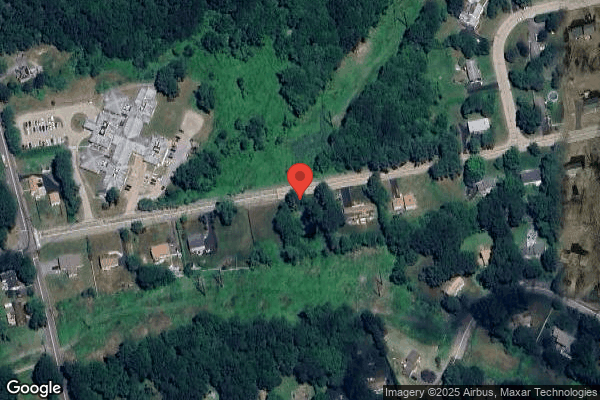
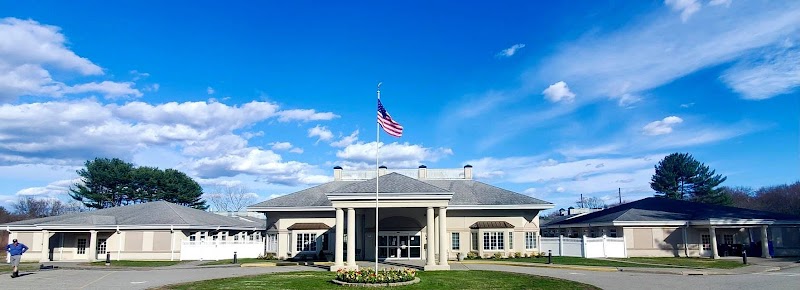
4 GREENTREE DRIVE, WATERFORD, CT 06385 (860) 442-0647
For profit - Corporation 90 Beds RYDERS HEALTH MANAGEMENT Data: November 2025 1 Immediate Jeopardy citation
Trust Grade
0/100
#176 of 192 in CT
Last Inspection: May 2025

Inspected within the last 6 months. Data reflects current conditions.

Overview

Greentree Manor Nursing and Rehabilitation Center has received a Trust Grade of F, indicating poor performance with significant concerns about care and safety. Ranking #176 out of 192 facilities in Connecticut means they are in the bottom half of nursing homes in the state, and at #13 of 14 in the county, only one option is rated higher. The facility's trend is worsening, with the number of reported issues increasing from 10 in 2024 to 27 in 2025, raising alarms about their management. Staffing is rated below average with a 55% turnover rate, much higher than the state average, which can lead to inconsistent care for residents. Additionally, fines totaling $127,702 are concerning and higher than 98% of Connecticut facilities, suggesting ongoing compliance problems. Specific incidents highlight serious deficiencies, including a critical failure to conduct safety assessments during construction work, which exposed residents to potential asbestos and debris. Furthermore, there were serious lapses in care for a resident who suffered a fall; staff failed to use proper transfer techniques and did not ensure a registered nurse assessed the resident afterward, leading to further injury. While the facility has some RN coverage, it is rated as average, and the overall care quality is low, with a 1 out of 5-star rating. Families should weigh these strengths and weaknesses carefully when considering this facility for their loved ones.

Trust Score
F
0/100
In Connecticut
#176/192
Bottom 9%
Safety Record
High Risk
Review needed
Inspections
Getting Worse
10 → 27 violations
Staff Stability
⚠ Watch
55% turnover. Above average. Higher turnover means staff may not know residents' routines.
Penalties
✓ Good
$127,702 in fines. Lower than most Connecticut facilities. Relatively clean record.
Skilled Nurses
○ Average
Each resident gets 30 minutes of Registered Nurse (RN) attention daily — about average for Connecticut. RNs are the most trained staff who monitor for health changes.
Violations
⚠ Watch
85 deficiencies on record. Higher than average. Multiple issues found across inspections.
★☆☆☆☆
1.0
Overall Rating
★★☆☆☆
2.0
Staff Levels
★☆☆☆☆
1.0
Care Quality
★☆☆☆☆
1.0
Inspection Score
Stable
2024: 10 issues
2025: 27 issues

The Good

  • Full Sprinkler Coverage · Fire safety systems throughout facility
  • No fines on record

Facility shows strength in fire safety.

The Bad

1-Star Overall Rating

Below Connecticut average (3.0)

Significant quality concerns identified by CMS

Staff Turnover: 55%

Near Connecticut avg (46%)

Higher turnover may affect care consistency

Federal Fines: $127,702

Well above median ($33,413)

Significant penalties indicating serious issues

Chain: RYDERS HEALTH MANAGEMENT

Part of a multi-facility chain

Ask about local staffing decisions and management

The Ugly 85 deficiencies on record

1 life-threatening 3 actual harm
Jul 2025 3 deficiencies
CONCERN (D) 📢 Someone Reported This

A family member, employee, or ombudsman was alarmed enough to file a formal complaint

Potential for Harm - no one hurt, but risky conditions existed

Grievances (Tag F0585)

Could have caused harm · This affected 1 resident

**NOTE- TERMS IN BRACKETS HAVE BEEN EDITED TO PROTECT CONFIDENTIALITY** Based on review of the clinical record, facility documentation, facility policy and interviews for one (1) of three (3) resident...

Read full inspector narrative →
**NOTE- TERMS IN BRACKETS HAVE BEEN EDITED TO PROTECT CONFIDENTIALITY** Based on review of the clinical record, facility documentation, facility policy and interviews for one (1) of three (3) residents (Resident #1) reviewed for falls, the facility failed to ensure that documented grievance resolutions were implemented. The findings include:Resident #1's diagnoses included dementia with agitation, history of falling and anxiety disorder.The significant change Minimum Data Set (MDS) assessment dated [DATE] identified Resident #1 had severely impaired cognition (Brief Interview for Mental Status (BIMS) score of 0) and required moderate assistance for transfers and ambulation.The Resident Care Plan (RCP) dated 4/24/25 identified that on 4/24/25 Resident #1 had a fall that resulted in a laceration to the back of his/her head (scalp). Interventions included assessing for injuries and notification to the nursing supervisor, provider and family. A nurse's note dated 4/24/25 at 3:34 PM identified Resident #1 had an unwitnessed fall at approximately 3:15 PM, the family and the provider were notified of the incident, and Resident #1 was transferred to the Emergency Department (ED) per physician's orders. Hospital ED notes dated 4/24/25 identified Resident #1 had a laceration to the posterior (backside) aspect of the head, measuring 2.5 centimeters (cm) by 2.5 cm which was cleansed and repaired with five (5) staples, followed by antibiotic ointment and an adhesive bandage. No further directions were documented.A nurse's note dated 4/24/25 at 9:27 PM identified Resident #1 returned to the facility from the ED with 5 staples to the scalp, a new order for Cephalexin (antibiotic) and noted that the staples were to be removed at the facility in seven (7) days.A physician's order dated 4/25/25 directed to monitor 5 staples to the back of the head and report bleeding or signs and symptoms of infection every shift, but failed to direct staple removal until 5/7/25 (13-days after the placement of the staples).A facility grievance dated 5/7/25 identified that per Resident #1's family member, the staples were not removed from the scalp laceration timely. The facility investigation identified that the physician's order for staple monitoring and removal did not include a stop date, a new physician's order was obtained, the 5 staples were removed, and RN #3 received education on ensuring physician's orders included stop dates.Interview with Social Worker #1 (Director of Social Services) on 7/8/25 at 11:55 AM identified she filled out the grievance form and communicated the resolution to the complainant but she was not involved in the investigation. She identified RN #4 (previous DNS) directed her in what to write in the investigation section of the grievance form. She identified that she never saw a documented education for RN #3 but that if it was done, the Administrator would have it.Interview with the Administrator on 7/8/25 at 12:12 PM identified that if a grievance form reported that the corrective action was to include education to the nurse involved, the education should have been documented and available.Interview with RN #3 (Infection Control nurse) on 7/8/25 at 3:25 PM identified she entered the physician's order dated 4/25/25 directing to monitor the staples to Resident #1's scalp laceration, and further identified she should have included staple removal in the order. She identified she was unaware she had not entered a stop date and the facility never educated her on the incident.Interview with the DNS on 7/8/25 at 3:47 PM identified that the facility was unable to locate education or disciplinary action for RN #3 related to the 4/25/25 physician's order or related to the 5/7/25 grievance. She further indicated that if education was completed, it should have been available. The DNS identified that all grievance forms should be complete and accurate.Although attempted, an interview with RN #4 was not obtained.Review of the Concerns, Complaints and/or Grievances policy dated 11/25/16 directed, in part, that concerns, complaints/grievances brought to the Administration's attention will be actively addressed for resolution and inform the resident/interested party of that outcome. The Director of Social Services, Grievance Official, oversees the process, tracks grievances, leads investigations, maintains confidentiality, issues decisions and coordinates with government agencies. All concerns/complaints are investigated and findings reviewed with the Administrator and a Department Head.
CONCERN (D) 📢 Someone Reported This

A family member, employee, or ombudsman was alarmed enough to file a formal complaint

Potential for Harm - no one hurt, but risky conditions existed

Deficiency F0657 (Tag F0657)

Could have caused harm · This affected 1 resident

**NOTE- TERMS IN BRACKETS HAVE BEEN EDITED TO PROTECT CONFIDENTIALITY** Based on review of the clinical record, facility documentation, facility policy and interviews for one (1) of three (3) resident...

Read full inspector narrative →
**NOTE- TERMS IN BRACKETS HAVE BEEN EDITED TO PROTECT CONFIDENTIALITY** Based on review of the clinical record, facility documentation, facility policy and interviews for one (1) of three (3) residents (Resident #1) reviewed for falls, the facility failed to review and revise the plan of care to include a new intervention following a fall in the facility. The findings include:Resident #1's diagnoses included dementia with agitation, history of falling and anxiety disorder.The significant change Minimum Data Set (MDS) assessment dated [DATE] identified Resident #1 had severely impaired cognition (Brief Interview for Mental Status (BIMS) score of 0) and required moderate assistance for transfers and ambulation.The Resident Care Plan (RCP) dated 4/24/25 identified that on 4/24/25 Resident #1 had a fall that resulted in a laceration to the back of his/her head (scalp). Interventions included assessing for injuries and notification to the nursing supervisor, provider and family.A Fall Risk Evaluation dated 4/24/25 identified Resident #1 had three (3) or more falls in the past 3 months, was disoriented at all times, was incontinent, had a balance problem, decreased muscular coordination, and was at high risk for falls.A nurse's note dated 5/9/25 at 6:12 PM by LPN #2 identified Resident #1 had an unwitnessed fall and was found on the floor by a NA. Upon assessment Resident #1 denied pain, headache or blurred vision, vital signs were stable and the family and the provider were notified of the fall with no new orders.Review of the facility Accident and Investigation (A & I) dated 5/9/25 identified Resident #1 was assisted to bed after visiting with family at 6:00 PM and when NA #2 went to check on Resident #1, he/she was on the floor next to the bed. The A & I failed to identify that an intervention was initiated following the fall. Review of the RCP dated 5/21/25 identified a fall with head laceration on 4/24/25 and a fall with no injuries on 5/21/25. The RCP failed to identify the 5/9/25 fall or that new fall interventions were added following the 5/9/25 fall. Interview with the DNS on 7/8/25 at 1:45 PM identified that following a fall, an appropriate intervention should be added to the RCP to prevent future falls. She identified that no interventions were added to the 5/9/25 fall A & I and no new intervention was added to the RCP. She identified that the RN supervisor was responsible for ensuring the A & I was fully completed following a fall and that A & I's are further reviewed in morning report. Interview with LPN #2 on 7/8/25 at 2:08 PM identified she did not add an intervention for Resident #1 following the 5/9/25 fall and was unaware that an intervention needed to be added to the RCP for falls with no injuries.Although attempted, interviews with RN #2 (Nursing Supervisor at the time of the incident) and RN #4 (previous DNS) were not obtained.Review of the Managing Falls and Fall Risk policy (undated) directed, in part, that if falling recurs despite initial interventions, staff will implement additional or different interventions or indicate why the current approach remains relevant. If underlying causes cannot be readily identified or corrected, staff will try various interventions, based on assessment of the nature or category of falling, until falling is reduced or stopped, or until the reason for the continuation of the falling is identified as unavoidable. In conjunction with the attending physician, staff will identify and implement relevant interventions to try and minimize serious consequences of falling.
CONCERN (D) 📢 Someone Reported This

A family member, employee, or ombudsman was alarmed enough to file a formal complaint

Potential for Harm - no one hurt, but risky conditions existed

Quality of Care (Tag F0684)

Could have caused harm · This affected 1 resident

**NOTE- TERMS IN BRACKETS HAVE BEEN EDITED TO PROTECT CONFIDENTIALITY** Based on review of the clinical record, facility documentation, facility policy and interviews for one (1) of three (3) resident...

Read full inspector narrative →
**NOTE- TERMS IN BRACKETS HAVE BEEN EDITED TO PROTECT CONFIDENTIALITY** Based on review of the clinical record, facility documentation, facility policy and interviews for one (1) of three (3) residents (Resident #1) reviewed for falls, the facility failed to ensure a physician's order was obtained timely for the removal of staples from a facility acquired scalp laceration which was sustained from a mechanical fall in the facility. The findings include:Resident #1's diagnoses included dementia with agitation, history of falling and anxiety disorder.The significant change Minimum Data Set (MDS) assessment dated [DATE] identified Resident #1 had severely impaired cognition (Brief Interview for Mental Status (BIMS) score of 0) and required moderate assistance for transfers and ambulation.The Resident Care Plan (RCP) dated 4/24/25 identified that on 4/24/25 Resident #1 had a fall that resulted in a laceration to the back of his/her head (scalp). Interventions included assessing for injuries and notification to the nursing supervisor, provider and family. A nurse's note dated 4/24/25 at 3:34 PM identified Resident #1 had an unwitnessed fall at approximately 3:15 PM, the family and the provider were notified of the incident, and Resident #1 was transferred to the Emergency Department (ED) per physician's orders. Hospital ED notes dated 4/24/25 identified Resident #1 had a laceration to the posterior (backside) aspect of the head, measuring 2.5 centimeters (cm) by 2.5 cm which was cleansed and repaired with five (5) staples, followed by antibiotic ointment and an adhesive bandage. No further directions were documented.A nurse's note dated 4/24/25 at 9:27 PM identified Resident #1 returned to the facility from the ED with 5 staples to the scalp, a new order for Cephalexin (antibiotic) and noted that the staples were to be removed at the facility in seven (7) days.A physician's order dated 4/25/25 directed to monitor 5 staples to the back of the head and report bleeding or signs and symptoms of infection every shift, but failed to direct staple removal until 5/7/25 (13-days after the placement of the staples).A facility grievance dated 5/7/25 identified that per Resident #1's family member, the staples were not removed from the scalp laceration timely. The facility investigation identified that the physician's order for staple monitoring and removal did not include a stop date, a new physician's order was obtained, the 5 staples were removed, and RN #3 received education on ensuring physician's orders included stop dates.Interview with RN #3 (Infection Control nurse) on 7/8/25 at 3:25 PM identified she entered the physician's order dated 4/25/25 directing to monitor the staples to Resident #1's scalp laceration, and further identified she should have included staple removal in the order. She identified she was unaware she had not entered a stop date and the facility never educated her on the incident.Interview with the DNS on 7/8/25 at 3:47 PM identified the 11:00 PM to 7:00 AM shift nurses are responsible for chart checks and reviewing all new orders each day. She identified that the missing order stop date and missing staple removal date should have been identified during a chart check. Additionally, she identified that the facility was unable to locate education for RN #3 related to the 4/25/25 physician's order or any disciplinary action related to the incident.Review of the Medication and Treatment Orders policy (undated) directed, in part, that orders must include the start and stop date and/or specific duration of therapy and any interim follow-up requirements.Review of the admission of a Resident policy (undated) directed, in part, that the nurse shall reconcile medications with the discharging facility's discharge summary/W10. The nurse will notify the attending physician of the resident's arrival and verify orders as ordered and reconciled on the discharge summary/W10.Although requested, a facility policy for physician's orders reconciliation process was not provided.
May 2025 1 deficiency
CONCERN (D) 📢 Someone Reported This

A family member, employee, or ombudsman was alarmed enough to file a formal complaint

Potential for Harm - no one hurt, but risky conditions existed

Free from Abuse/Neglect (Tag F0600)

Could have caused harm · This affected 1 resident

**NOTE- TERMS IN BRACKETS HAVE BEEN EDITED TO PROTECT CONFIDENTIALITY** Based on clinical record review, facility documentation review, facility policy review, and interviews for two of two residents ...

Read full inspector narrative →
**NOTE- TERMS IN BRACKETS HAVE BEEN EDITED TO PROTECT CONFIDENTIALITY** Based on clinical record review, facility documentation review, facility policy review, and interviews for two of two residents (Resident #1 and #2) reviewed for abuse, the facility failed to ensure the residents were free from mistreatment. The findings include: A. Resident #1's diagnoses included depression and anxiety. The Resident Care Plan (RCP) dated 4/24/2025 identified Resident #1 was incontinent of bladder. Interventions directed to provide incontinent care every two hours and as needed, and update the nurse for any areas of skin breakdown. The quarterly Minimum Data (MDS) assessment dated [DATE] identified Resident #1 had a Brief Interview for Mental Status (BIMS) score of fifteen out of fifteen (15/15), indicative of being cognitively intact and required substantial assistance to dependent with ADLs (activities of daily living). B. Resident #2's diagnoses included congestive heart failure and mental disorder due to known physiological condition. The admission MDS assessment dated [DATE] identified Resident #2 had a BIMS score of fifteen out of fifteen (15/15), indicative of being cognitively intact and was partial to substantial assistance with ADLs (activities of daily living). The RCP dated 4/2/2025 identified Resident #2 has a pressure ulcer and requires wound management. Interventions directed to provide wound care per treatment order. Record review and observations identified Resident #1 and Resident #2 were roommates. A facility reportable event form and investigation dated 5/1/2025 at 1:00 PM identified Resident #1 contacted the Administrator by phone and requested an in-person conversation. At that time, Resident #1 reported that NA #1 on the evening shift had yelled at him/her using profanity, when asked Resident #1 requested help with a bedpan. Resident #2 was also interviewed and corroborated the complaint, and NA #1 was suspended pending investigation results. The investigation included staff statements, and identified NA #2 was also involved in the incident and was suspended as well. The facility investigation substantiated the allegation of verbal abuse, Resident #1 and Resident #2 were provided with social service support visits, and the residents were informed the NAs involved would not return to the facility. Interview with Resident #1 on 5/15/2025 at 11:00 AM identified on 4/30/2025 at approximately 7:30 PM, Resident #1 rang his/her call bell to use the bedpan. Resident #1 indicated the curtain was closed and he/she was not able to see anything beyond his/her area. Resident #1 indicated when the staff member arrived in the room, she immediately began yelling/screaming at Resident #2, stating what are you calling for and you're ringing every two f****** seconds. Resident #2 responded by saying I wasn't calling and Resident #1 intervened and said, it was me calling. The staff member did not respond and left the room. Resident #1 indicated the staff member did not provide any care and later LPN #1 came into the room and placed Resident #1 on the bedpan. Resident #1 further indicated he/she did not report the incident until the next day when he/she reported it to the Administrator. Resident #1 stated he/she believed the staff person's voice that responded to the room was NA #1. Interview with Resident #2 on 5/16/2025 at 3:20 PM identified on 4/30/2025 during the 3:00 PM to 11:00 PM shift, Resident #1 had called for assistance and when NA #1 came into the doorway, NA #1 began yelling/screaming/swearing. Resident #2 indicated NA #1 had said you're ringing the bell every f*****g two seconds and made other statements that included swearing and then left the room. Resident #2 indicated NA #1 never assisted Resident #1 with his/her request. Interview with NA #1 on 5/15/2025 at 12:00 PM identified she worked on 4/30/2025 during the 3:00 PM to 11:00 PM shift, and her assignment was heavy with many incontinent residents and residents who utilize the call bell frequently. NA #1 identified she was overwhelmed during the shift and had no assistance from other staff and when she answered a resident's call light, she would initially tell them that she needed to get help first and would come back. NA #1 denied the allegation and indicated she did not swear and would never say those types of statements to the residents. Interview with LPN #1 on 5/15/2025 at 2:05 PM identified on 4/30/2025 during the 3:00 PM to 11:00 PM shift, NA #1 and NA #2 worked on the same unit. LPN #1 indicated that during the shift she heard NA #2 say loudly, why you ringing, and what you want but indicated she's unable to verify when and where she heard the comments. LPN #1 identified NA #2 normally talks like that in general, but not in a negative way. LPN #1 indicated she did not hear either NA #1 or NA #2 make the alleged comments to Resident #1 or Resident #2. Interview with the DON on 5/15/2025 at 2:45 PM identified on 5/1/2025, Resident #1 reported the allegation to the Administrator. The DON indicated that both Resident #1 and Resident #2 were interviewed, and the facility investigation substantiated that the residents were verbally abused by NA #1. Further, NA #1 was an agency NA, and they would not schedule her in the future, and NA #2 resigned prior to the completion of the investigation. Review of the undated facility Abuse Policy directed in part, the facility will ensure each resident is treated with kindness, compassion, and in a dignified manner, and abuse or mistreatment toward a resident was strictly prohibited. Verbal abuse was defined as the use of oral, written or gestured language that willfully includes disparaging and derogatory terms to residents, or within their hearing distance, regardless of their ability to comprehend. Examples of verbal abuse include, but are not limited to: threats of harm, saying things to frighten a resident/patient, such as telling a resident/patient that he/she will never see their family again.
May 2025 22 deficiencies 2 Harm
SERIOUS (G)

Actual Harm - a resident was hurt due to facility failures

Deficiency F0658 (Tag F0658)

A resident was harmed · This affected 1 resident

**NOTE- TERMS IN BRACKETS HAVE BEEN EDITED TO PROTECT CONFIDENTIALITY** Based on review of the clinical record, facility documentation, facility policy, and interviews for 1 of 4 sampled residents (Re...

Read full inspector narrative →
**NOTE- TERMS IN BRACKETS HAVE BEEN EDITED TO PROTECT CONFIDENTIALITY** Based on review of the clinical record, facility documentation, facility policy, and interviews for 1 of 4 sampled residents (Resident # 23) reviewed for accidents, the facility failed to utilize a gait belt for transfers, failed to conduct a Registered Nurse (RN) assessment following a fall and prior to further movement, once transferred failed to conduct a thorough assessment, and failed to contact the physician representing a failure to maintain professional standards of practice. The findings include: Resident #23's diagnoses included dementia, malignant neoplasm of the anal canal, morbid obesity, and was actively receiving chemotherapy. The quarterly Minimum Data Set (MDS) assessment dated [DATE] identified Resident #23 had a Brief Interview for Mental Status (BIMS) score of 12, indicating moderate cognitive impairment. Resident #23 required a wheelchair and a walker for mobility and was dependent on staff for bed mobility, toileting, bathing, transfers. The Resident Care Plan dated 1/28/2025 identified Resident #23 was a fall risk related to a history of falling. Interventions included, keeping the bed in lowest position, remind Resident #23 of self-limitations, and encourage the resident to ask for assistance with personal care. Review of the Physical Therapy Evaluation and Plan of Treatment report dated 3/27/2025 directed staff to use a mechanical lift for all transfers due to medical and safety needs. Review of the Facility Reported Incident (FRI) event form dated 3/31/2025 identified that on 3/31/2025 at 10:30 AM Resident #23 was being transferred from the bed to a wheelchair when his/her legs became weak. Three staff members assisted the resident to the floor, during which the resident's legs bent behind him/her. Resident #23 was then mechanically lifted from the floor to the wheelchair. Resident #23 was assessed and had no complaints and was transferred to his/her scheduled appointment. The FRI report indicated RN #7 notified MD #1 at 2:30 PM on 3/31/2025. Upon arrival to the physician's office, Resident #23 complained of chest pain and left lower extremity pain. The resident was transferred to the Emergency Department and was subsequently diagnosed with a tibia/fibula fracture. An interview with Resident #23 on 4/28/2025 at 11:42 AM identified he/she experienced a fall on 3/31/2025. Resident #23 stated that multiple nursing assistants were helping him/her get out of bed when his/her legs felt weak, were giving out, and he/she informed the staff. Resident #23 was then lowered to the floor and reported to staff he/she was unable to bear weight on the left leg. Staff transferred Resident #23 to the chair and proceeded to send the resident to his/her scheduled colorectal office visit. Resident #23 reported that the APRN at the doctor's office noticed that he/she appeared as pale as a ghost and transferred him/her to the Emergency Department for evaluation. Resident #23 indicated that when he/she was transferred to the stretcher he/she screamed in pain when they moved the left leg. Interview with NA #5 on 5/5/2025 at 11:54 AM identified that after providing morning care to Resident #23, NA #5 positioned him/her seated at the edge of the bed and placed a walker in front of him/her in preparation for transfer. NA #5 indicated that she and NA #1 failed to use a gait belt when transferring Resident #23. Instead, both NAs attempted to transfer Resident #23 by positioning their arms under the resident's armpits in a hook like manner in order to lift Resident #23 from the bed. When the resident attempted to stand, he/she complained of pain, so they stopped the transfer. NA #5 observed that Resident #23's left leg was slightly twisted, and the resident was unable to straighten the leg, NA #5 notified LPN #5, who then assisted with a second attempt to stand Resident #23 before notifying the RN to assess the pain or the slightly twisted leg. While both NAs were positioned on either side of Resident #23, LPN #5 was on the bed pushing the resident up from behind. Resident #23 again expressed pain and an inability to stand. A third attempt was made, the resident was asked by staff to pivot, stated Put me down, and indicated he/she was unable to continue. NA #5 reported that Resident #23's legs just gave out, so they assisted to lower him/her to the floor. Once on the floor, Resident #23 began screaming, My leg, my leg, my leg. NA #5 stated they realized the resident's left leg had been twisted underneath him/her. LPN #8 then lifted the resident's lower body while NA #1 repositioned Resident #23's left leg, and the resident was transferred via a mechanical lift, all prior to RN notification and assessment. NA #5 stated that when RN #7 arrived, she assessed the resident's bandage on her leg (a skin tear that was sustained during a fall on 3/18/2025) and changed the dressing (bandage), but no further assessment of the resident was conducted by RN #7. Staff put a blanket over Resident #23's lap; NA #5 accompanied the resident to the front of the facility and then accompanied Resident #23 to his/her scheduled doctor's appointment. NA #5 indicated that when she and Resident #23 arrived at the doctor's appointment, the resident was noted to be sweating, reported feeling dizzy, his/her blood pressure was elevated, and he/she complained of chest pain. Resident #23 was evaluated by the physician's staff at the appointment and subsequently was transferred to the Emergency Department. NA #5 reiterated that staff had not used a gait belt to transfer Resident #23 during any of the 3 attempts to stand the resident, nor was a mechanical lift considered until after the fall. NA #5 indicated that she knew a gait belt should be used when standing a resident, but she did not have one at the time. NA #5 indicated that a gait belt could have offered support, but she did not request one, despite knowing the facility would have provided one. Interview with the Director of Nursing (DNS) on 5/5/2025 at 12:35 PM identified that if a resident expressed difficulty standing and stated he/she could not stand, staff should have stopped, and a mechanical lift should have been used. The DNS stated that lifting a resident under the axilla was not an appropriate transfer method and a gait belt should have been used. Furthermore, staff should have stopped immediately when the resident stated he/she could not continue. The situation should have been escalated to a Registered Nurse Supervisor to assess the resident's condition prior to proceeding with any transfer or manipulation of Resident #23's leg. Re-interview with the DNS on 5/5/25 at 2:53 identified that although it was indicated on the Reportable Event following Resident #23's fall that the provider (MD or APRN) was notified, through the investigation process, she was unable to substantiate provider notification had occurred. The DNS stated that the facility's policy directed the nurse supervisor to notify the DNS, the administrator, and the physician when there is a change in a resident's condition. The DNS indicated that the facility used an off-hour encrypted provider notification system to report changes in a resident's condition. The DNS indicated that the facility MD never found out that Resident #23 had fallen until the following day when the hospital called the facility. Interview with the Director of Rehabilitation Services on 5/5/2025 at 3:13 PM indicated that using a gait belt to transfer any resident was the standard practice for all resident transfers. Interview with the Chief Clinical and Safety Officer on 5/5/2025 at 3:15 PM identified that staff should have used a gait belt when transferring residents. Interview with MD #1 on 5/6/2025 at 1:36 PM identified that any change in a resident's condition must be reported immediately. MD #1 reported she was not informed of Resident #23's fall and only became aware Resident #23 sustained a fracture when she was contacted by the Emergency Department. MD #1 stated that had she been notified she would not have allowed the resident to leave for her scheduled appointment, instead she would have evaluated the resident herself. If she had not been on-site, she would have evaluated the situation and sent the resident to the Emergency Department. Although requested, the facility did not have a transfer policy. Review of the Notification Change in Condition, Change in Treatment/Services Policy that was in effect directed, in part, that the facility must immediately inform the resident, consult with the resident's physician, and if known, notify the resident's legal representative or any interested family member when there is an accident involving the resident which results in injury and has the potential for requiring physician intervention. According to the American Nurses Association Safe Patient Handling and Mobility, manual patient handling is hazardous for both health care workers and patients. The most common patient related tasks that lead to injury are lifting repositions and transferring. According to American Nurse, if you're walking with a patient who becomes dizzy or experiences a syncopal event, you may not be able to prevent a fall. But you can help to prevent injury by holding on to the gait belt and guiding the patient to the floor, supporting him or her on your thigh and with your large quadricep muscle as you slow descent to the floor.
SERIOUS (G)

Actual Harm - a resident was hurt due to facility failures

Accident Prevention (Tag F0689)

A resident was harmed · This affected 1 resident

**NOTE- TERMS IN BRACKETS HAVE BEEN EDITED TO PROTECT CONFIDENTIALITY** Based on observation, review of the clinical record, facility documentation, facility policy, and interviews for 1 of 4 sampled ...

Read full inspector narrative →
**NOTE- TERMS IN BRACKETS HAVE BEEN EDITED TO PROTECT CONFIDENTIALITY** Based on observation, review of the clinical record, facility documentation, facility policy, and interviews for 1 of 4 sampled residents (Resident # 23) reviewed for accidents, the facility failed to ensure a resident was transferred appropriately, failed to end the transfer and call for the Registered Nurse to assess the resident when he/she complained of pain, failed to ensure a Registered Nurse conducted a thorough assessment that included a range of motion prior to transferring the resident off the floor, and failed to notify the physician of the fall which resulted in a major injury. The findings include: Resident #23's diagnoses included dementia, malignant neoplasm of the anal canal, morbid obesity, and was actively receiving chemotherapy. The quarterly Minimum Data Set (MDS) assessment dated [DATE] identified Resident #23 had a Brief Interview for Mental Status (BIMS) score of 12, indicating moderate cognitive impairment. Resident #23 required a wheelchair and a walker for mobility and was dependent on staff for bed mobility, toileting, bathing, transfers. The Resident Care Plan dated 1/28/2025 identified Resident #23 was a fall risk related to a history of falling. Interventions included, keeping the bed in lowest position, remind Resident #23 of self-limitations, and encourage the resident to ask for assistance with personal care. Review of a Fall Risk Evaluation dated 3/18/2025 directed the facility to observe the resident status using 11 clinical condition parameters, then assign the corresponding risk score, and if the total score was 10 or greater, the resident should be at HIGH RISK for potential falls. Although the evaluation was completed, the facility failed to assign a total score to indicate the level of Resident #23's fall risk. Review of the Physical Therapy Evaluation and Plan of Treatment report dated 3/27/2025 indicated that Resident #23 was seen after hospitalization and was to be mechanically lifted to the wheelchair as the air mattress and bed frame/environmental situation was unsafe at this time for transfers until the patient gains strength. Review of the physician orders, nursing notes, and Resident Care Plan from 3/27/25 through 3/31/2025 failed to identify that the Physical Therapy Evaluation recommendation for a mechanical lift had been implemented. Review of the Facility Reported Incident (FRI) event form dated 3/31/2025 identified that on 3/31/2025 at 10:30 AM Resident #23 was being transferred from the bed to a wheelchair when his/her legs became weak. Three staff members assisted the resident to the floor, during which the resident's legs bent behind him/her. Resident #23 was then mechanically lifted from the floor to the wheelchair. Resident #23 was assessed and had no complaints and was transferred to his/her scheduled appointment. The FRI report indicated RN #7 notified MD #1 at 2:30 PM on 3/31/2025. Upon arrival to the physician's office, Resident #23 complained of chest pain and left lower extremity pain. The resident was transferred to the Emergency Department and was subsequently diagnosed with a tibia/fibula fracture. The physical status before the event was noted to include assisting the resident with 2 staff and a rolling walker for transfers to the wheelchair. After the event, the physical status reflected that Resident #23 required a mechanical lift. Review of the Hospital Discharge summary dated [DATE] identified x-rays taken on 3/31/2025 indicated Resident #23 had a spiral, mildly displaced fracture of the distal fibular metadiaphysis, a transverse mildly displaced fracture of the medial malleolus (distal tibia and fibula fracture), and a hemorrhagic blister on the left shin, which required debridement at the hospital. Observation and interview with Resident #23 on 4/28/2025 at 11:42 AM identified he/she experienced a fall on 3/31/2025. Resident #23 stated that multiple nursing assistants were helping him/her get out of bed when his/her legs felt weak, were giving out, and he/she informed the staff. Resident #23 was then lowered to the floor and reported to staff he/she was unable to bear weight on the left leg. Staff transferred Resident #23 to the chair and proceeded to send the resident to his/her scheduled colorectal office visit. Resident #23 reported that the APRN at the doctor's office noticed that he/she appeared as pale as a ghost and transferred him/her to the Emergency Department for evaluation. Resident #23 indicated that when he/she was transferred to the stretcher he/she screamed in pain when they moved the left leg. Resident #23 was then transferred to the Emergency Department. Interview with NA #5 on 5/5/2025 at 11:54 AM identified that around noon on 3/31/2025, she assisted Resident #23 with morning care in preparation for a 2:30 PM scheduled doctor's appointment. Once Resident #23 was ready, NA #5 positioned him/her seated at the edge of the bed and placed a walker in front of him/her in preparation for the transfer. She indicated that she and NA #1 assisted Resident #23 without the benefit of a gait belt. The transfer was completed by the NAs positioning their arms under the resident's armpits in a hook like manner in order to lift Resident #23 from the bed. When the resident attempted to stand, he/she complained of pain, so they stopped the transfer. NA #5 observed that Resident #23's left leg was slightly twisted, and the resident was unable to straighten the leg. NA #5 notified the LPN. NA #5 stated that when LPN #5 entered the room, a second attempt was made to stand Resident #23. Both NAs were positioned on either side of Resident #23 and LPN #5 was on the bed pushing the resident up from behind. Resident #23 again expressed pain and an inability to stand. A third attempt was then made when LPN #8 entered the room. LPN #8 stood on one side, while both NA #5 and NA#1 stood on Resident #23's opposite side. Resident #23 was brought to a standing position, and they told the resident to pivot. NA#5 stated the resident said, Put me down, and indicated that he/she was unable to continue. NA #5 reported that Resident #23's legs just gave out, so they assisted to lower the resident to the floor. Once on the floor, Resident #23 began screaming, My leg, my leg, my leg. NA #5 stated they realized the resident's left leg had been twisted underneath him/her. LPN #8 then lifted the resident's lower body while NA #1 repositioned Resident #23's left leg. NA #5 reported that a mechanical lift pad was placed under the resident, and LPN #8 used a mechanical lift to transfer Resident #23 to the wheelchair. After Resident #23 was seated in the wheelchair, LPN #5 assessed Resident #23's leg and left to get RN #7. NA #5 stated that when RN #7 arrived, she assessed the resident's bandage on her leg (a skin tear that was sustained during a fall on 3/18/2025) and changed the dressing (bandage), but no further assessment of the resident was conducted. Staff put a blanket over Resident #23's lap, NA #5 accompanied the resident to the front of the facility and then accompanied Resident #23 to his/her scheduled doctor's appointment. When NA #5 and Resident #23 arrived at the doctor's appointment the resident was noted to be sweating, reported feeling dizzy, his/her blood pressure was elevated, and he/she complained of chest pain. NA #5 indicated Resident #23 stated he/she felt as though he/she was spinning. Resident #23 was evaluated by the physician's staff at the appointment and subsequently was transferred to the Emergency Department. NA #5 reiterated that staff had not used a gait belt to transfer Resident #23 during any of the 3 attempts to stand the resident, nor was a mechanical lift considered until after the fall. NA #5 indicated that she knew a gait belt should be used when standing a resident, but she did not have one at the time. NA #5 indicated that a gait belt could have offered support, but she did not request one, despite knowing the facility would have provided one. Additionally, she stated a staff member told her that that the resident now required transfers with a mechanical lift, but that no one had communicated the information to use the mechanical lift for Resident #23 prior to the fall. Interview with the Director of Nursing (DNS) on 5/5/2025 at 12:35 PM identified that if a resident expressed difficulty standing and stated he/she could not stand, staff should have stopped, and a mechanical lift should have been used. The DNS stated that lifting a resident under the axilla was not an appropriate transfer method and a gait belt should have been used. Furthermore, staff should have stopped immediately when the resident stated he/she could not continue. The situation should have been escalated to a Registered Nurse Supervisor to assess the resident's condition prior to proceeding with any transfer or manipulation Resident #23's leg. Re-interview with the DNS on 5/5/25 at 2:53 identified that although it was indicated on the Reportable Event following Resident #23's fall, through the investigation process, the DNS was able to substantiate that RN #7 never notified a provider, MD or APRN, that Resident #23 had fallen. The DNS indicated that the facility MD was not notified until the following day when the hospital called the facility. Interview with the Director of Rehabilitation Services on 5/5/2025 at 3:13 PM indicated that using a gait belt to transfer any resident was the standard practice for all resident transfers. Interview with the Chief Clinical and Safety Officer on 5/5/2025 at 3:15 PM identified that staff should have used a gait belt when transferring residents. Interview with MD #1 on 5/6/2025 at 1:36 PM identified that any change in a resident's condition must be reported immediately. MD #1 reported she was not informed of Resident #23's fall and only became aware Resident #23 sustained a fracture when she was contacted by the Emergency Department. MD #1 stated that had she been notified she would not have allowed the resident to leave for her scheduled appointment, instead she would have evaluated the resident herself. If she had not been on-site, she would have evaluated the situation and sent the resident to the Emergency Department. She further noted that while an orthopedic specialist would be the best suited to speak to the exact cause of the injury, a fall with a twisting mechanism could reasonably result in the type of spiral fracture Resident #23 had sustained. Although requested, the facility did not have a transfer policy. Review of the Notification Change in Condition, Change in Treatment/Services Policy directed, in part, that the supervisor/ RN Manager conduct a complete physical/mental assessment and document the findings. The facility will inform the resident, resident's physician, and the resident's family/legal representative when there is a change in condition.
CONCERN (D)

Potential for Harm - no one hurt, but risky conditions existed

Deficiency F0552 (Tag F0552)

Could have caused harm · This affected 1 resident

**NOTE- TERMS IN BRACKETS HAVE BEEN EDITED TO PROTECT CONFIDENTIALITY** Based on record review, interviews, and facility policy for 3 of 4 sampled residents, (Resident #13, Resident #285, and Resident...

Read full inspector narrative →
**NOTE- TERMS IN BRACKETS HAVE BEEN EDITED TO PROTECT CONFIDENTIALITY** Based on record review, interviews, and facility policy for 3 of 4 sampled residents, (Resident #13, Resident #285, and Resident #287), reviewed for advance directives, the facility failed to ensure that residents had the opportunity to make care decisions and obtain signed consents regarding care to be provided upon admission. The findings include: 1. Resident #13 was admitted on [DATE] with diagnoses that included epilepsy, dysphagia, and depression. The admission Minimum Data Set (MDS) assessment dated [DATE] identified Resident #13 had a Brief Interview of Mental Status (BIMS) score of 15 indicating intact cognition, required set up assistance with personal hygiene, and supervision with transfers and walking 150 feet. A review of physician's orders dated 10/22/24 through 4/30/25 identified that Resident #13 was receiving Seroquel (an antipsychotic medication), and had an order to administer Potassium Iodide in the event of a nuclear disaster. Although the Resident Care Plan (RCP) dated 1/22/2025 identified a problem for psychosocial well-being with interventions for psychotropic medication use and to provide opportunities for participation in decision making, the RCP failed to identify that permission for psychoactive medication use was obtained and failed to identify problems related to the use of potassium iodide, mental health services, or vaccinations. A review of Resident #13's paper chart identified unsigned consent forms for the use of psychoactive medications, emergency use of potassium iodide, provision of mental health services, and vaccination history or preference to receive vaccines. An interview with the Director of Nursing Services (DNS) on 4/30/25 at 9:18 AM identified that the Licensed Practical Nurse (LPN) or nurse supervisor were responsible for ensuring resident consent forms were signed no later than the second day after admission. The DNS was unable to explain why Resident #13's forms remained unsigned for greater than 6 months following admission. The DNS indicated that in the event of a nuclear emergency in the vicinity, Resident #13 would have been administered potassium iodide without his/her consent. Further, Resident #13 was currently being administered Seroquel (antipsychotic) but had failed to sign the facility consent in order to administer the medication and failed to sign the facility consent to receive mental health services. 2. Resident #285 's diagnoses included malignant neoplasm of tongue, diabetes and bipolar disorder. The admission Nursing assessment dated [DATE] identified Resident #285 was cognitively intact with a Brief Interview for Mental Status (BIMS- 14) and required supervision to limited assistance with bed mobility, transfer, toileting and dressing. Resident #285 was unable to consume anything by mouth and required a gastrostomy tube for eating. The admission Resident Care Plan failed to identify any admission related consents. Review of the clinical record admission documentation consent forms for potassium iodide, influenza, pneumococcal, and covid vaccines, psychoactive medications, and psychiatric group treatment failed to identify any signatures from Resident #285 or the Conservator of Person and estate and were left blank. 3. Resident #287's diagnosis included diabetes, congestive heart failure and chronic kidney disease. The admission assessment dated [DATE] identified Resident #287 had a Brief Interview for Mental Status (BIMS) score of 15 indicating no cognitive impairment, and required substantial maximum to total assistance with bed mobility, transfers, dressing, and eating. The Resident Care Plan dated 4/29/25 failed to identify any admission related consents. Review of the clinical record admission documentation forms for potassium iodide, influenza, pneumococcal, covid vaccines, psychoactive medications, and psychiatric group treatment failed to identify any signatures from Resident #287 or the responsible party and were left blank. Review of the admission check list identified an area for the date of the influenza vaccine, pneumovax, and covid vaccine but was left blank. Subsequent to surveyor inquiry, Resident #287's advanced directive, consent for psychoactive medications, psychiatric services consent, consent for administering potassium iodide, influenza vaccine and pneumococcal vaccine were signed on 5/2/25. In an interview with the Director of Nursing on 5/1/25 at 11:23 AM, the admission forms and consents for immunization should be completed within 48 hours of admission. The nurse on the unit and/or the supervisor are responsible for ensuring the forms are completed. Although a policy for obtaining resdient consent prior to treatment was requested, the facility did not provide a policy. Review of the admission of a resident policy directed, in part, the admission Coordinator will meet with the resident and responsible party to complete all necessary paperwork. The unit nurse will be responsible for completing the necessary nursing documentation.
CONCERN (D)

Potential for Harm - no one hurt, but risky conditions existed

Notification of Changes (Tag F0580)

Could have caused harm · This affected 1 resident

**NOTE- TERMS IN BRACKETS HAVE BEEN EDITED TO PROTECT CONFIDENTIALITY** Based on review of the clinical record, facility documentation, facility policy, and interviews for 1 of 4 sampled residents (Re...

Read full inspector narrative →
**NOTE- TERMS IN BRACKETS HAVE BEEN EDITED TO PROTECT CONFIDENTIALITY** Based on review of the clinical record, facility documentation, facility policy, and interviews for 1 of 4 sampled residents (Resident # 23) reviewed for accidents, the facility failed to notify the physician following a fall with a major injury. The findings include: Resident #23's diagnoses included dementia, malignant neoplasm of the anal canal, morbid obesity, and was actively receiving chemotherapy. The quarterly Minimum Data Set (MDS) assessment dated [DATE] identified Resident #23 had a Brief Interview for Mental Status (BIMS) score of 12, indicating moderate cognitive impairment. Resident #23 was dependent on staff for bed mobility, toileting, bathing, and transfers. The Resident Care Plan dated 1/28/2025 identified Resident #23 was a fall risk related to a history of falling. Interventions included, keep the bed in lowest position, remind Resident #23 of self-limitations, and encourage the resident to ask for assistance with personal care. Review of the Physical Therapy Evaluation and Plan of Treatment report dated 3/27/2025 directed staff to use a mechanical lift for all transfers due to medical and safety needs. Review of the Facility Reported Incident (FRI) event form dated 3/31/2025 identified that on 3/31/2025 at 10:30 AM Resident #23 was being transferred from the bed to a wheelchair when his/her legs became weak. Three staff members assisted the resident to the floor, during which the resident's legs bent behind him/her. Resident #23 was then mechanically lifted from the floor to the wheelchair. Resident #23 was assessed and had no complaints and was transferred to his/her scheduled appointment. The FRI report indicated RN #7 notified MD #1 at 2:30 PM on 3/31/2025. Upon arrival to the physician's office, Resident #23 complained of chest pain and left lower extremity pain. The resident was transferred to the Emergency Department and was subsequently diagnosed with a tibia/fibula fracture. Interview with Resident #23 on 4/28/2025 at 11:42 AM identified that he/she experienced a fall on 3/31/2025 after multiple nursing assistants were helping him/her get out of bed without the benefit of a mechanical lift. The resident indicated that his/her legs felt weak, were giving out and he/she was then lowered to the floor and reported the inability to bear weight on his/her left leg. Resident #23 indicated that staff transferred him/her to the chair and proceeded to send him/her out to his/her scheduled gastrointestinal physician office visit. On arrival, the APRN assessed him/her, and he/she was subsequently transferred to the Emergency Department. Interview and facility documentation review with the Director of Nursing Services (DNS), on 5/5/25 at 2:53 PM identified that although the FRI report indicated RN #7 had notified MD #1 on 3/31/2025 at 10:30 AM, the DNS reported this did not occur. The DNS stated that the facility's policy directs the nurse supervisor to notify the DNS, the administrator, and the physician when there is a change in a resident's condition. The DNS indicated that the facility used an off-hour encrypted provider notification system to report changes in a resident's condition. The DNS stated during her investigation, after reviewing the data from encrypted call line, it was determined that RN #7 had never left a message on the secured line nor did she speak with a team provider. Further, MD #1 learned of the incident the following day when the facility received a call from the Emergency Department indicating Resident #23 had experienced a lower left leg fracture. Interview with MD #1 on 5/6/2025 at 1:36 PM identified that any change in a resident's condition must be reported immediately. MD #1 reported she was not informed of Resident #23's fall and only became aware Resident #23 sustained a fracture when she was contacted by the Emergency Department the following day. Review of the Notification Change in Condition, Change in Treatment/Services Policy that was in effect directed, in part, that the facility must immediately inform the resident, consult with the resident's physician, and if known, notify the resident's legal representative or any interested family member when there is an accident involving the resident which results in injury and has the potential for requiring physician intervention.
CONCERN (D)

Potential for Harm - no one hurt, but risky conditions existed

ADL Care (Tag F0677)

Could have caused harm · This affected 1 resident

**NOTE- TERMS IN BRACKETS HAVE BEEN EDITED TO PROTECT CONFIDENTIALITY** Based on review of the clinical record, facility policy, and interviews for the only sampled resident (Resident #18) reviewed fo...

Read full inspector narrative →
**NOTE- TERMS IN BRACKETS HAVE BEEN EDITED TO PROTECT CONFIDENTIALITY** Based on review of the clinical record, facility policy, and interviews for the only sampled resident (Resident #18) reviewed for Activities of Daily Living (ADL), the facility failed to provide showers as scheduled for a dependent resident. The findings include: Resident #18 's diagnoses included Parkingson's disease, anxiety disorder, and spinal stenosis. The quarterly Minimum Data Set (MDS) assessment dated [DATE] identified Resident #18 was moderately cognitively impaired and required substantial maximum assistance with bed mobility, transfers, and dressing, and required total assistance of staff with personal hygiene. The Resident Care Plan dated 4/14/2025 identified Activities of Daily Living (ADLs) Interventions included assisting with bathing, dressing, and hygiene as ordered. Interview with a family member on 5/1/2025 at 1:20 PM identified that Resident #18 was scheduled to get a shower on Tuesdays and Thursdays and Resident #18 had not received showers on Tuesday 4/29/2025 or Thursday 5/1/2025. In an interview and clinical record review with the Director of Nursing Services (DNS) on 5/5/25 at 10:06 AM, failed to reflect documentation a shower had been provided to Resident #18 on 4/1/2025, 4/3/2025, 4/10/2025, 4/22/25, 4/24/2025, and 4/29/25 as identified by blanks on the shower record. The DNS indicated that the charge nurses should check the shower list at the beginning of their shift and provide the list to the NAs to identify which residents were scheduled for showers the day. Additionally, the DNS identified that if there was no documentation of a shower being given, the shower was not given. The nurse and the NA were responsible for ensuring showers were completed for the residents scheduled. The DNS was unable to explain why Resident #18 had not received a shower, but, at times, Resident #18 was known to refuse a mechanical lift to transfer into the shower bed and insisted on using the sit-to-stand lift which was unsafe. Further, the DNS indicated the shower bed had been broken in the past. The DNS was unable to provide documentation that the Resident #18 had refused transfers for showering or the unavailability of the shower bed. Review of the activities of daily living (ADLs) supporting policy directed, in part, residents will be provided care, treatment and services as appropriate to maintain or improve their ability to carry out activities of daily living (ADLs). Residents who are unable to carry out ADLS independently will receive the services necessary to maintain good nutrition, grooming, personal and oral hygiene. In the event that care is declined by the resident, the staff shall ask the resident when they would like care to be provided and notify their nurse/immediate supervisor and reoffer care at a later time. Although requested, a facility policy for shower scheduling was not provided.
CONCERN (D)

Potential for Harm - no one hurt, but risky conditions existed

Quality of Care (Tag F0684)

Could have caused harm · This affected 1 resident

**NOTE- TERMS IN BRACKETS HAVE BEEN EDITED TO PROTECT CONFIDENTIALITY** Based on observations, review of clinical records, facility policy, and interviews for 1 of 3 sampled residents (Resident #20) r...

Read full inspector narrative →
**NOTE- TERMS IN BRACKETS HAVE BEEN EDITED TO PROTECT CONFIDENTIALITY** Based on observations, review of clinical records, facility policy, and interviews for 1 of 3 sampled residents (Resident #20) reviewed for pressure ulcers, the facility failed to follow physician orders for wound care, failed to obtain physician orders for wound care treatment, failed to report a change in skin integrity, and failed to ensure the wound care nurse conducted weekly head to toe skin assessments for a resident with a pressure ulcer per the facility practive, and for 1 of 4 sampled residents, (Resident #52) reviewed for nutrition, the facility failed to follow a physician order to obtain weekly weights. The findings include: 1. Resident #20's diagnoses included epilepsy, bullous pemphigoid, diabetic/pressure ulcer, and cerebral infarction. The quarterly Minimum Data Set (MDS) assessment dated [DATE] identified Resident #20 had a Brief Interview of Mental Status (BIMS) score of 11 indicating moderate cognitive impairment, was dependent on transfers, required extensive assistance with bed mobility, and was at risk for pressure ulcer development. Additionally, Resident #20 was always incontinent of bowel and had 1 unstageable pressure area upon admission. The Resident Care Plan (RCP) dated 4/9/2025 identified Resident #20 had skin integrity problems and bilateral heel pressure areas. Interventions included treatments as ordered, reposition as it meets the resident's needs, follow the skin protocol, record/report any new changes to the physician/nurse, and conduct weekly skin checks. A Physician order dated 4/29/2025 for Resident #20's left heel pressure ulcer directed to cleanse the wound with wound cleanser, apply betadine to the base of the wound, and secure with a dry clean dressing 2 times a day for wound treatment and for the right heel pressure ulcer cleanse the wound with wound cleanser and apply betadine to the base of the wound 2 times a day for wound treatment. 1. Interview and observation on 4/30/2025 at 1:57 PM of Resident #20's wound care by Licensed Practical Nurse (LPN) #3 identified that Resident #20 had both feet wrapped in gauze. When the resident's feet were unwrapped, Xeroform was noted to be present on the outside of his/her left foot. LPN #3 identified there was no physician's order for Xeroform to be applied and was unable to explain why Xeroform had been applied to the left foot. LPN #3 indicated she would speak with the Infection Preventionist/Wound Care Nurse and left the room to go get her. An interview and observation with Registered Nurse (RN) #2, the Infection Preventionist, on 4/30/2025 at 2:29 PM identified RN #2 resumed wound care. RN #2 stated although there was no physician's order for Xeroform, because it was present under the bandage at the beginning of wound care she was going to reapply Xeroform to the left foot wound without a physician's order. Continued observation observed RN #2 apply Xeroform to Resident #20's foot. RN #2 completed the wound care and left the room. A re-interview with RN #2 on 4/30/2025 at 3:40 PM identified that it was not within her scope of practice to change a physician's order and she did not call the physician to change the order but should have. Further, RN #2 could not explain why she placed the Xeroform without a physician's order but did identify she should have followed the current physician wound care orders per facility policy and that subsequent to surveyor inquiry she would be calling the physician to obtain a new wound care order. An interview with the Director of Nursing Services (DNS) on 4/30/2025 at 3:44 PM identified that if there was no physician's order, RN #2 should not have changed the treatment. Further, if RN #2 felt that Resident #20's order needed to be changed there was a telephone number that nurses could call to obtain a new physician's order. 2. A second observation of Resident #20 on 5/5/2025 at 10:40 AM identified his/her hospital gown was wet with exudate (drainage) that was clear to pink tinged and there were several dried red blood spots on the front of his/her hospital gown. The surveyor requested the nurse to evaluate to determine the source of the exudate. After obtaining the resident's permission to observe, an interview and observation, with LPN #4 on 5/5/2025 at 10:46 AM, identified when Resident #20 was turned onto his/her left side, an uncovered wound was observed in the crease of Resident #20's buttocks near the coccyx. A second wound was on the middle right buttocks covered with an undated non-foam 4 by 4 bandage and saturated with brown exudate. A third wound was observed on the upper right buttock area with an undated 4 by 4 foam dressing that was saturated and falling off the area. Review of the physician orders, and the nursing, physician and APRN notes from 1/1/2025 through 5/1/2025 failed to identify Resident #20 had any of the open areas observed, any documentation of the open areas, or that the physician and/or RN was notified of the open areas or gave the treatment orders for the bandages that were currently in place. An observation, interview, and review of clinical record with RN #2 on 5/5/2025 at 10:53 AM identified an open wound to Resident #20's coccyx which measured approximately 2 inches by ¾ inches in size. The wound had partial thickness skin loss with exposed dermis (the middle layer of skin) and a red wound bed. RN #2 indicated that she was not aware of the coccyx wound or the 2 wounds on Resident #20's right buttock. RN #2 identified that she was responsible to perform weekly head to toe skin assessments for any resident with a known skin condition per the facility practice. Although RN #2 stated it was the facility practice for her to perform head to toe skin assessments, she responded she had failed to do so since she had been evaluating Resident #20's heel ulcers which were first identified on 2/13/2025. RN #2 was unable to explain why she had not performed Resident #20's weekly head to toe skin assessments, who placed the bandages to the wounds, how long the bandages had been in place, why staff would treat a wound without a provider order or notification, and/or why she was never notified of a change in Resident #20's skin integrity. Review of the facility's weekly skin check dated 4/29/2025, which lacked identification as to who performed the skin assessment, failed to identify the new areas to Resident's coccyx and buttocks. An interview on 5/5/2025 at 11:40 AM with the Director of Nursing Services (DNS) identified RN #2, the Infection Preventionist, per facility practice was responsible for performing head to toe skin assessments for every resident with a known skin issue on a weekly basis. In addition to the head to toe assessments by the Infection Preventionist, RN #2, on residents with known skin issues, the unit charge nurse was responsible for performing skin checks on every resident weekly and any new findings were to be reported to RN #2 for assessment. The DNS further identified that she was unaware of Resident #20's new skin issues prior to notification on 5/5/2025 by LPN #4. Review of the facility's Weekly Skin Audits Policy identified in part that Certified Nursing Assistants will perform skin checks on a daily basis during incontinence care. The nurse will complete body audits on a weekly basis on an assigned day and as needed. When a newly identified area is identified, the RN Supervisor will be notified, a skin evaluation will be completed, and the physician and wound nurse will be contacted. 2. Resident #52's diagnoses included morbid obesity, lymphedema, and osteoarthritis of the knee and hip. The quarterly Minimum Data Set (MDS) assessment dated [DATE] identified Resident #52 had a Brief Interview for Mental Status (BIMS) score of 15, indicating no cognitive impairment. Resident #52 required a wheelchair for mobility, required maximal assist with dressing, and all transfers, required partial assistance with bed mobility, and was independent with eating. The Resident Care Plan dated 1/14/2025 identified Resident #52 was at risk for fluid volume imbalance related to chronic kidney disease and lymphedema. Interventions included weight monitoring as ordered, monitor skin turgor, and staff to offer small amounts of food and fluids. A physician's order dated 1/20/2025 directed staff to weigh Resident #52 weekly. Review of the clinical weight records dated 1/31/2025 through 5/5/2025 identified Resident #52 was weighed a total of 7 times ( 1/31/2025, 2/5/2025, 2/12/2025, 3/2/2025, 3/26/2015, 4/5/2025, 5/5/20250), out of 14 weekly weights opportunities. In an interview with Resident #52 on 4/28/2025 at 12:30 P.M. he/she identified last being weighed about a month ago. Interview with LPN #5 on 5/1/2025 at 3:05 P.M. identified that Resident #52 had a physician order for weekly weights and that weekly weights should have been completed on Resident 52's shower day (Wednesdays). LPN #5 was unable to explain why Resident #52 had not been weighed as ordered by the physician, adding that it was ultimately the nurse's responsibility to ensure weights were completed and documented. Interview with the Director of Nursing (DNS) on 5/1/2025 at 4:45 PM identified that Resident #52 should have been weighed weekly according to the physician's order. The DNS stated staff were expected to obtain resident weights on shower days or more frequently as needed. Additionally, she indicated the charge nurse on the unit was responsible to ensure NAs obtained the resident's weight which was then documented by the charge nurse, that the dietitian was responsible to monitor for weight changes, and she was unable to explain why weekly weights had not been completed. The DNS stated education would be provided for nursing staff. Interview with NA #1 on 5/5/2025 at 11:05 AM identified she was not aware Resident #52 required weekly weights. NA #1 stated that most residents are weighed monthly, and that the schedule was usually posted near the desk. NA #1 further stated that nurses were responsible for informing NAs when a resident requires weight measurements more frequently than monthly. Interview with Dietitian #1 on 5/5/2025 at 9:45 A.M. identified she was not aware of Resident #52's weekly weight order. Dietitian #1 stated she reviewed resident orders at the time of admission and quarterly thereafter. Dietitian #1 stated she did not have Resident #52 on her weekly weight list. She stated she must have missed the order, indicating that she often struggled to get staff to complete the ordered weights for several residents and has voiced her concerns at the facility's weekly At Risk Meetings, but no action had been taken. Review of facility policy titled, Weight Assessment and Intervention, identified in part, that, the multidisciplinary team will strive to prevent, monitor, and intervene for unstable weight loss for residents.
CONCERN (D)

Potential for Harm - no one hurt, but risky conditions existed

Deficiency F0692 (Tag F0692)

Could have caused harm · This affected 1 resident

**NOTE- TERMS IN BRACKETS HAVE BEEN EDITED TO PROTECT CONFIDENTIALITY** Based on observations, review of the clinical record, facility policy, and interviews for 2 of 4 sampled residents (Resident #54...

Read full inspector narrative →
**NOTE- TERMS IN BRACKETS HAVE BEEN EDITED TO PROTECT CONFIDENTIALITY** Based on observations, review of the clinical record, facility policy, and interviews for 2 of 4 sampled residents (Resident #54 and Resident #285) reviewed for nutrition, for Resident #54, the facility failed to reweigh a resident after a significant weight loss and for Resident #285 the facility failed to obtain a timely admission weight and and failed to reweigh a resident with noted weight loss and receiving nutrition via a gastrostomy tube. The findings include: 1. Resident #54 was admitted to the facility in July of 2024 with diagnoses that included dysphagia (difficulty swallowing), dementia, diabetes and anxiety. The quarterly Minimum Data Set (MDS) assessment dated [DATE] identified Resident #54 had a Brief Interview for Mental Status (BIMS) score of 11, indicating moderate cognitive impairment, required partial/moderate assistance for personal hygiene, bed mobility and transfers. A Resident Care Plan in effect in January of 2025 identified Resident #54 was on mechanically altered diet secondary to dysphagia. Interventions included mechanical soft diet with ground meats, extra sauces/gravies, extra syrups and jellies, supervision of meals, checking ticket for the correct diet, weekly weights and labs as ordered. A physician's order dated 1/2/2025 directed to obtain weekly weights on Thursday evening on the 3:00 to 11:00 PM shift. Review of MAR, Weights and Vitals Summary from 1/2/2025 through 2/14/2025, identified the following weights. Date Weight in pounds (Lbs.) Discrepancy 1/2/2025 242.2 Lbs. 0 1/9/2025 241.0 Lbs. -1.2 Lbs. 1/16/2025 230.8 Lbs. -10.2 Lbs. 2/1/2025 228.6 Lbs. -2.2 Lbs. 2/5/2025 230.2 Lbs. +1.6 Lbs. 2/6/2025 230.0 Lbs. -0.2 Lbs. 2/7/2025 230.0 Lbs. 0 Lbs. 2/14/2025 225.6 Lbs. -4.4 Lbs. Clinical Record review failed to identify reweight documentation or reweight refusals after a 10.2 lbs. weight loss in 1 week as documented on 1/16/2024. Interview and record review with the RN #1 on 5/1/25 at 11:00 AM identified that NAs obtain residents weights and nurses document weights in the Electronic Medical Record (EMR). RN #1 identified that Resident #54 was not reweighed after a significant weight loss documented on 1/16/25. RN #1 could not give a reason why Resident #54 was not reweighed but indicated that he/she should have been reweighed immediately to confirm the weight. Interview with the Dietician, on 5/1/25 at 2:00 PM, identified that she was not notified by nursing staff when Resident#54 lost 10.2 lbs. in one week. The Dietician indicated that she learned of the weight loss about two weeks after the weight loss occurred. The Dietician indicated that any resident with a weight change of 5 lbs. or more from the previous weight should be re-weighed for weight confirmation, and appropriate notifications should be made. Interview with the DNS on 5/5/25 at 12:30 PM failed to identify if attempts to reweigh Resident #54 were made after he/she lost 10.2 Lbs. within a week. The DNS indicated that Resident #54 should have been reweighed, and nursing staff should have notified the dietician. 2. Resident #285 was admitted on [DATE] with diagnoses that included malignant neoplasm of the tongue, gastrostomy tube, and adult failure to thrive. The Nursing admission assessment dated [DATE] identified Resident #285 had a Brief Interview for Mental Status (BIMS) score of 14 indicating intact cognition, and required supervision to limited assistance with bed mobility, transfers, toileting and dressing. Resident #285 was unable to consume anything by mouth and required a Gastrostomy Tube (G-tube) for nutrition. Additionally, the area where the weight should have been documented was blank. The baseline Resident Care Plan (RCP) dated 4/26/2024 identified Resident #285 could not have anything by mouth and would tolerate tube feedings without difficulty and without a significant weight change. Interventions included providing tube feedings, administering/monitoring, and weighing the resident as ordered, and that the dietician was to follow up as needed. A physician's order dated 4/26/2025 directed Resident #285 was to take nothing by mouth and to administer the tube feeding formula via G-tube continuously at 40 milliliters (ml) per hour until seen by the dietician, weigh upon admission and continue to weigh the resident for 4 consecutive weeks. Review of nurse's note dated 4/26/2025 through 4/28/2025 failed to identify an admission weight was obtained. A Nutrition Assessment signed on 4/28/2025 by the dietician identified that Resident #285's admission weight was pending, his/her ideal body weight was 120 pounds (lbs.), and a hospital weight was noted to be 118 lbs. Interview with Registered Nurse (RN) #1 on 4/28/2025 at 2:24 PM failed to identify that Resident #285's admission weight had been obtained per the physician order dated 4/26/2025. RN #1 was unaware that an admission weight had not been obtained stating that she would get one now. Subsequent to surveyor inquiry, Resident #285's weight was obtained (3 days post admission) on 4/29/2025 and noted to be 109.8 lbs. representing a 6.95% weight loss from the hospital weight. In an interview and review of the clinical record with the Director of Nursing Services (DNS) on 5/5/25 at 10:06 AM, documentation failed to reflect an admission weight or that a reweight had been completed. The DNS could not explain why the initial weight was not obtained until 3 days after admission and could not explain why a reweight had not been completed, per the facility policy, and following the significant loss of weight noted from the hospital weight. The DNS further indicated that the nurse and NA were responsible to obtain the admission weight on admission or the next day and obtain a reweight when a significant weight loss was noted. Review of the weight assessment and intervention policy directed, in part, the nursing staff will measure the resident's weight on admission, the next day, and weekly for 4 weeks thereafter. Weights will be recorded in the electronic health record under the individual's medical record. Any weight change of 5% or more since the last weight assessment will be retaken the next day for confirmation. If the weight is verified, nursing will immediately notify the dietician in writing. Verbal notification must be confirmed in writing.
CONCERN (D)

Potential for Harm - no one hurt, but risky conditions existed

Respiratory Care (Tag F0695)

Could have caused harm · This affected 1 resident

**NOTE- TERMS IN BRACKETS HAVE BEEN EDITED TO PROTECT CONFIDENTIALITY** Based on review of the clinical record, facility policy, and interviews for the only sampled resident (Resident # 27) reviewed f...

Read full inspector narrative →
**NOTE- TERMS IN BRACKETS HAVE BEEN EDITED TO PROTECT CONFIDENTIALITY** Based on review of the clinical record, facility policy, and interviews for the only sampled resident (Resident # 27) reviewed for hospitalization, the facility failed to assess a symptomatic resident with a history of congestive heart failure and for the only sampled resident (Resident #44) reviewed for respiratory care, the facility failed to change oxygen tubing in a timely manner. The findings include: 1. Resident #27 's diagnoses included respiratory failure, deep vein thrombosis, pulmonary emboli, and congestive heart failure. The quarterly Minimum Data Set (MDS) assessment dated [DATE] identified Resident #27 had a Brief Interview for Mental Status (BIMS) score of 15, indicating no cognitive impairment. Resident #27 required a walker for ambulation, required supervision with transfers, and partial assistance with dressing and tub/shower transfers. The Resident Care Plan (RCP) dated 12/20/2024 did not address conditions related to the Resident #27's admitting diagnoses including congestive heart failure (CHF), asthma, and recent pulmonary emboli. Additionally, the RCP did not include interventions, goals, or monitoring parameters related to CHF or respiratory distress. Review of the facility Vitals Summary documentation and nursing notes identified Resident #27's oxygen saturation was 96% on 2/21/2025 at 9:20 PM, was 94% on 2/22/2024 at 4:41 PM, was 88% on 2/23/2025 at 11:59 PM, was 90% on 2/23/2025 at 5:37 AM, and decreased to 72% at 2/23/2025 at 4:34 AM. A nurse's note written by LPN #6 dated 2/23/2025 at 5:37 AM identified Resident #27's oxygen saturation was 90% (normal 95% to 100%). LPN #6 indicated that the resident had mild congestion, chills, and was cool to touch. The note failed to identify an assessment of lung sounds, a repeat oxygen saturation level, or that the Registered Nurse (RN) supervisor was notified. A nurse's note written by LPN #7, dated 2/23/2025 at 11:09 AM identified that Resident #27 called for help as he/she was concerned with bilateral leg swelling. LPN #7 indicated that Resident #27 had 1 plus bilateral lower leg edema, and the information was noted in the physician book. Review of the Nursing/Physician communication log dated 2/23/2025 failed to identify an entry for the provider to evaluate Resident #27. A nurse's note dated 2/24/2025 at 1:15 AM identified Resident #27 called LPN #6 into the room with complaints of shortness of breath, and chest tightness. Resident #27 was found to be hypoxic (insufficient oxygen), tachypneic, (rapid breathing), and grimacing. LPN #6 notified RN #6. The nurse's note dated 2/24/2025 at 5:59 AM written by RN #6 identified that he was alerted by the charge nurse that Resident #27 was short of breath, identified that Resident #27 complained of pain, non-radiating, lung sounds were tight, and the resident was congested. A non-rebreather mask was applied; maximum oxygen was given and Resident #27's oxygen saturation was noted to increase to 92%. EMS was called and the resident was transported to the hospital for further evaluation. Review of the Hospital Discharge summary dated [DATE] identified Resident #27 was admitted on [DATE] related to acute hypoxic respiratory failure, shortness of breath, and lower extremity edema. Resident #27 was subsequently diagnosed with an acute onset of Chronic Heart Failure (CHF). Interview with Resident #27 on 4/30/2025 at 9:45 AM identified he/she reported expressing concerns to staff for 2 days prior to being transferred to the hospital for hypoxia, shortness of breath, and lower extremity edema. Interview and review of clinical record with the Chief Clinical and Safety Officer (CCSO) and the Director of Nursing (DNS) on 5/6/2025 at 11:02 AM identified that they would have expected LPN #6 to listen to lung sounds for a resident with a drop in oxygen saturation and a history of CHF when documenting mild congestion. The CCSO indicated if LPN #6 felt as though there was a change in condition the LPN should have escalated the change to the Registered Nurse. According to standard nursing practice, it is expected that a resident with a history of congestive heart failure who potentially exhibits signs of congestion be assessed for respiratory changes, including auscultation of lung sounds and report abnormal finding to a nurse supervisor. 2. Resident #44's diagnoses included diabetes, hypertension, and anxiety. The quarterly Minimum Data Set (MDS) assessment dated [DATE] identified Resident #44 had a Brief Interview for Mental Status (BIMS) score of 13, indicating no cognitive impairment, required set-up assistance with eating, was dependent on staff for toileting and personal hygiene and required the use of oxygen. The Resident Care Plan (RCP) in effect in April and May of 2025 failed to identify a RCP for oxygen use. Physician's orders in effect for the month of May 2025, directed the administration of oxygen at 2-4 Liters Per Minute (lpm) via a nasal cannula, change the oxygen tubing weekly every night shift on Sunday, and check oxygen saturation levels every shift. Observations on 4/28/2025 at 11:54 AM and 4/29/2025 at 11:30 AM identified Resident #44 lying in bed with continuous oxygen being administered via nasal cannula at 2 lpm in place. The oxygen tubing was dated as last being changed on 3/16/2025. Review of Treatment Administration Record (TAR) identified that staff had signed off that the oxygen tubing had been changed on 4/5/2025, 4/12/2025, 4/19/25, and 4/26/25 Interview and observation with the Director of Nursing Services (DNS) on 4/29/2025 at 12:40 identified Resident #44's oxygen tubing with a label dated 3/16/2025 (44 days prior to the observation). The DNS indicated the date of the tubing represented the last time the Resident #44's nasal cannula tubing was changed. The DNS identified that oxygen tubing should have been changed weekly per the physician's order, for infection control purposes, and to maintain the integrity and accuracy of the tubing which could cause ineffective oxygen delivery and pose a safety risk to Resident #44. The DNS indicated that staff should not have signed off the TAR if the tubing had not been changed, that she would need to re-educate staff, and would implement a system to audit weekly tubing changes. Review of facility policy titled, Oxygen Administration, identified that oxygen tubing would be changed weekly.
CONCERN (D)

Potential for Harm - no one hurt, but risky conditions existed

Deficiency F0698 (Tag F0698)

Could have caused harm · This affected 1 resident

**NOTE- TERMS IN BRACKETS HAVE BEEN EDITED TO PROTECT CONFIDENTIALITY** Based on observations, review of clinical records, facility policy, and interviews for the only sampled resident (Resident #56) ...

Read full inspector narrative →
**NOTE- TERMS IN BRACKETS HAVE BEEN EDITED TO PROTECT CONFIDENTIALITY** Based on observations, review of clinical records, facility policy, and interviews for the only sampled resident (Resident #56) reviewed for hemolytic treatments, the facility failed to ensure the treatment center was notified when appointments were going to be missed due to transportation and failed to reschedule the appointment per the hemolytic center's request. The findings include: Resident #56's diagnoses included end stage renal disease, dependence on hemolytic treatment, anemia and amputation. A quarterly Minimum Data Set assessment dated [DATE] identified Resident #56 had a Brief Interview for Mental Status (BIMS) score of 15, indicating no cognitive impairment, was dependent on staff for personal hygiene and transfers and was receiving hemolytic treatment. The Resident Care Plan (RCP) in effect for the month of April of 2025 identified Resident #56 was on hemolytic treatment. Interventions included encouraging Resident #56 to go for the scheduled hemolytic appointments, monitor lab work, monitor for peripheral edema, and obtain vital signs and weigh per protocol. Report any significant changes to the physician. A physician's order in effect for the month of April 2025, directed to send Resident #56 to hemolytic treatments 3 times per week on Tuesdays, Thursdays and Saturdays. Interview on 4/28/2025 at 11:30 AM with Resident #56 identified that he/she had missed two consecutive hemolytic treatments on 4/22/2025 and 4/24/2025 due to transportation issues. Resident #56 identified he/she was on time and ready to be picked up both days by the facility arranged transportation, but a transportation vehicle never arrived. Resident #56 identified that there was a history of the early transportation vehicle arrivals, ahead of the schedule pick up time, and that led to cancellations and/or rescheduling of hemolytic treatments. Resident #56 indicated that due to having set scheduled times for treatments, it was unfair to be picked up too early because that led to extended wait time at the center making him/her uncomfortable in the wheelchair. Interview on 4/30/25 at 2:16 PM with the Scheduler identified that the transportation company failed to pick up the rides (book) that had been requested by the facility, in advance for the 4/22/2025 and 4/24/2025 hemolytic treatments. The Scheduler indicated that she had informed the Administrator and the DNS of the issue. The Scheduler indicated that the resident had not refused rides for the 2 days indicated and that Resident#56 had missed hemolytic treatments on both days due to a lack of transportation arrangements. Review of the clinical record, nursing progress notes by RN #1 identified that on 4/25/2025, Resident #56 blood pressure was 182/99 after he/she missed the second hemolytic treatment scheduled for 4/24/2025. RN#1 identified that physician was notified and ordered immediate lab work be drawn. An attempt was made to draw labs on 4/26/2025 at 7:05 AM but Resident #56 declined and indicated that he/she preferred to have labs drawn at the hemolytic center later during the day on his/her rescheduled visit. Further review of Resident #56 clinical record identified that Resident #56 blood sugar was elevated to 509 on 4/25/2025 at 10:41 PM. Review of the physician's progress note dated 5/1/2025 by MD #1 identified that Resident #56 had missed 2 sessions of hemolytic treatments due to transportation issues and that she had discussed this with the Scheduler, Social Worker, the DNS, and the [NAME] Administrator. MD #1 further indicated that Resident #56, in the past, cancelled the ride when transport did not arrive exactly at the time the resident wanted, but that should not effect the resident's transportation booking as she thought insurance covered the cost of the rides. Interview with the DNS on 5/1/2025 at 11:30 AM, identified that she learned of the transportation issue on 4/22/2025 when Resident #56's ride failed to show up. The DNS indicated that Resident #56 did not receive make-up hemolytic treatments because, in the past, he/she had cancelled hemolytic appointments after the transportation arrived. When a ride was booked it goes into a computer generated ride bank and the transportation companies have to book the ride. Resident #56 did not have a transportation company confirm they would book his/her rides on 4/22/2025 and 4/24/2025 due to the resident having a history of cancelations. The DNS indicated that the facility's policy directed that no further action was necessary if a resident missed the first two hemolytic treatments, and that the resident would be transferred to the emergency room if they missed a third hemolytic treatment. Interview with RN #5 (hemolytic treatment center nurse) on 5/5/2025 at 1:54 PM identified that they offered a make-up treatment the next day when a resident missed their scheduled appointment. RN #5 indicated that the facility never notified the hemolytic treatment center of Resident #56's transportation issue or that they were not going to be able attend their appointment. Further, RN #5 stated that the hemolytic center had to reach out to the facility on both days when Resident #56 did not show up for his/her scheduled treatments and that she had requested the facility to reschedule Resident #56 for make-up treatments the next day. RN #5 indicated that the facility never contacted the hemolytic center to schedule make-up appointments for Resident #56 for either of the missed treatments. Review of facility hemolytic treatment policy, identified in part, that any issues such as concerns, labs, medication, diet, weights, vital signs etc. that affect the resident's plan of care are to be communicated and ensure the resident's transportation is arranged in a timely fashion to and from the hemolytic treatment center .Monitor weights as ordered in the facility and document per the policy.
CONCERN (D)

Potential for Harm - no one hurt, but risky conditions existed

Pharmacy Services (Tag F0755)

Could have caused harm · This affected 1 resident

Based on observations, review of the clinical record, facility policy, and interview for 1 of 5 residents (Resident #1) observed for medication pass the facility failed to ensure unused medications we...

Read full inspector narrative →
Based on observations, review of the clinical record, facility policy, and interview for 1 of 5 residents (Resident #1) observed for medication pass the facility failed to ensure unused medications were properly stored/destroyed. The findings include: Resident #1's diagnosis included thyroid disease and heart failure. Observations on the South Center Unit on 5/1/2025 at 8:42 AM, with LPN #2, identified she disposed of medications that were unused into a garbage can attached to the side of the medication cart. LPN #2 prepared to repour medications that had been disposed of, and was stopped by the surveyor. LPN #2 indicated that the unsued medications should not have been placed in the trash can due to safety concerns as the medications would be accessible to residents. Subsequent to surveyor inquiry, LPN #2 donned, gloves, removed the medications from the garbage and placed all unused medications in the covered and locked sharps container affixed to the other side of the medication cart. Review of the undated Medication Destruction and Disposal policy, identified, in part, that medications will be stored in a locked area until destroyed and that medications considered a hazard are placed in appropriate containers (sharps/biohazarous recepticale.)
CONCERN (D)

Potential for Harm - no one hurt, but risky conditions existed

Drug Regimen Review (Tag F0756)

Could have caused harm · This affected 1 resident

**NOTE- TERMS IN BRACKETS HAVE BEEN EDITED TO PROTECT CONFIDENTIALITY** Based on review of clinical records, facility policy, and interviews for 1 of 5 sampled residents (Resident #69) reviewed for un...

Read full inspector narrative →
**NOTE- TERMS IN BRACKETS HAVE BEEN EDITED TO PROTECT CONFIDENTIALITY** Based on review of clinical records, facility policy, and interviews for 1 of 5 sampled residents (Resident #69) reviewed for unnecessary medications, the facility failed to ensure pharmacy recommendations were reviewed and acted upon. The findings include: Resident #69's diagnoses included Non-Alzheimer's dementia, anxiety, and depression. A physician order dated 9/26/2024 directed to administer 2 tablets of 325 milligram (mg.) acetaminophen by mouth every 4 hours as needed for general discomfort. The Resident Care Plan (RCP) dated 3/5/2025 identified Resident #69 had depression and anxiety. Interventions included medications as ordered, evaluation of the drug regimen to be reviewed by the medical doctor and allowing the resident to verbalize feelings related to the disease process. The quarterly Minimum Data Set (MDS) assessment dated [DATE] identified Resident #69 had a Brief Interview of Mental Status (BIMS) score of 0 indicating severe cognitive impairment, required moderate assistance with personal hygiene, and was independent with transfers. A review of pharmacy recommendations for October 2024, December 2024, February 2025, and April 2025 identified a pharmacy recommendation to update Resident #69's order for acetaminophen to include the maximal daily dose (4000 mg. a day). An interview with the Director of Nursing Services (DNS) on 5/5/2025 at 2:53 PM identified that although the physician was presented with the 4 pharmacy request forms many times to address the recommendation to ensure Resident #69 did not exceed the maximal daily dosage of acetaminophen, the physician failed to address or return the provided forms. The DNS stated it was facility policy for pharmacy recommendation forms to be addressed and signed by the physician as a physician order was needed to make any changes to Resident #69's medication regimen. Although requested, the facility did not provide a policy on pharmacy recommendations.
CONCERN (D)

Potential for Harm - no one hurt, but risky conditions existed

Deficiency F0761 (Tag F0761)

Could have caused harm · This affected 1 resident

**NOTE- TERMS IN BRACKETS HAVE BEEN EDITED TO PROTECT CONFIDENTIALITY** Based on observations, facility documentation, facility policy, and interviews for 1 of 4 medication carts reviewed for medicati...

Read full inspector narrative →
**NOTE- TERMS IN BRACKETS HAVE BEEN EDITED TO PROTECT CONFIDENTIALITY** Based on observations, facility documentation, facility policy, and interviews for 1 of 4 medication carts reviewed for medication storage and labeling, the facility failed to ensure medication carts were locked when not attended and failed to remove expired medications. The findings include: Observations on 4/29/2025 at 11:53 AM on the South Wing identified the medication cart lock in the open position and left unattended at the end of the hallway near room [ROOM NUMBER]. The surveyor pulled on the medication cart drawers and all of the drawers were opened allowing access to the residents' medications. The surveyor immediately asked the staff to get the Director of Nursing Services (DNS) while continuing to monitor the unsecured medication cart. Interview with the DNS on 4/29/2025 at 12:00 PM identified the medication cart was unsecured and unattended. She could not explain why the nurse had left the medication cart unlocked and unattended and locked the cart herself. The DNS indicated she would address the issue with the employee. Observations on 4/30/25 at 11:30 AM, identified in the emergency intravenous (IV) supply tackle box, 1 liter of Normal Saline with 20 milliequivalent of potassium chloride had an expiration date of 11/20/2024, a plastic bag of 10 heparin IV flushes with an expiration date of 1/2025, and 2 Covid vaccines with an expiration date of 4/17/2025. Interview with Director of Nursing Services (DNS) on 4/3/25 at 11:35AM identified the IV fluid, bag of heparin and Covid vaccines were expired. The DNS removed and discarded the expired medications. The DNS indicated that she was responsible for checking the emergency medication box and that it was an oversight that the medications had expired and remained in the emergency box. Review of the Medication Administration policy directed, in part, the medication cart is to be kept closed and locked when out of site of the medication nurse. The Medication Administration policy failed to identify the storage of expired medications.
CONCERN (D)

Potential for Harm - no one hurt, but risky conditions existed

Infection Control (Tag F0880)

Could have caused harm · This affected 1 resident

**NOTE- TERMS IN BRACKETS HAVE BEEN EDITED TO PROTECT CONFIDENTIALITY** Based on observations, review of clinical records, facility documentation, facility policy, and interviews for 1 of 5 residents,...

Read full inspector narrative →
**NOTE- TERMS IN BRACKETS HAVE BEEN EDITED TO PROTECT CONFIDENTIALITY** Based on observations, review of clinical records, facility documentation, facility policy, and interviews for 1 of 5 residents, (Resident #1), reviewed for medication administration, the failed to ensure medications were handled in a clean manner, for 1 of 3 sampled residents, (Resident #20), reviewed for pressure ulcers, and for 1 of 4 residents reviewed, (Resident #285), for nutrition, the facility failed to ensure Personal Protective Equipment (PPE) was worn for residents on Enhanced Barrier Precautions (EBP), for Resident #20 failed to perform hand washing and changing gloves during wound care, and for 1 of 2 medication rooms reviewed, failed to ensure a clean and sanitary environment in the medication room was maintained. The findings include: 1. Resident #1's diagnosis included thyroid disease and heart failure. Observations on the South Center Unit with LPN #2 on 5/1/2025 at 8:42 AM, during the medication administration pass, identified LPN #2 pour Resident #2 Medications. During the medication pour, a tablet of Levothyroxine was dropped. LPN #2 picked up the tablet with her ungloved hand and placed it back in the cup with the medications that had already been poured. LPN #2 was stopped by the surveyor just prior to adding the next medication to the cup. LPN #2 indicated that she should not have replaced the medication in the cup once it had come in contact with the surface of the cart and her hand due to infection control practices. Review of the undated medication Administration General Guideline policy directed, in part, that gloves should be worn when splitting tablets to prevent touching of tablets during the administration process. 2. Resident #20's diagnoses included epilepsy, bullous pemphigoid, and cerebral infarction. The quarterly Minimum Data Set (MDS) assessment dated [DATE] identified Resident #20 had a Brief Interview of Mental Status (BIMS) score of 11 indicating moderate cognitive impairment, was dependent for transfers, required extensive assistance with bed mobility, and was at risk for pressure ulcers. The Resident Care Plan (RCP) dated 4/9/2025 identified Resident #20 had a problem with skin integrity. Interventions included repositioning per resident's needs, treatments as ordered, record/report any new changes to MD/nurse, and weekly skin checks. A Physician's order dated 4/17/2025 directed EBP for wounds and foley catheter. An observation on 4/29/2025 at 10:15 AM identified signage posted on Resident #20's door, visible prior to entry, which indicated EBP with directions that providers and staff must wear gloves and a gown for high contact activities. a. An observation and interview on 4/30/2025 at 1:57 PM with LPN #3 identified that she entered Resident #20's room to provide wound care. LPN #3 set up Resident #20's wound care supplies and was stopped by the surveyor at the moment wound care was to begin being provided. LPN #3 identified that she was aware Resident #20 was on EBP but forgot to put on her PPE. Further she indicated she was aware the reason for the EBP order was due to skin issues and an indwelling urinary catheter. b. An observation and interview on 4/30/2025 at 2:29 PM with RN #2 of Resident #20's wound care identified that RN #2's dirty glove fell off while wrapping the wound area with gauze. Although the dirty glove fell off, RN #2 replaced the same dirty glove instead of replacing it with a clean glove and failed to sanitize her hands. RN #2 identified that she was aware she should have washed her hands and placed new gloves when her dirty glove fell off. RN #2 failed to explain why she had replaced the dirty glove and failed to sanitizer her hands but stated the facility policy instructed staff to change gloves and not replace the dirty glove. An interview with the Director of Nursing Services (DNS) on 4/30/2025 at 2:54 PM for the provision of Resident #20's care identified the expectation for staff was to wear a gown, gloves, and mask when providing care to a Resident on EBP. Additionally, the DNS indicated if a glove fell off during wound care, the expectation was to wash hands and change gloves. c. An interview and observation on 5/5/2025 at 10:20 AM identified that hospice person #1 was providing direct care to Resident #20. Hospice person #1 was touching Resident #20's bare skin with gloves but had failed to wear on a gown. Hospice Person #1 identified she was aware that she should wear the appropriate PPE when providing care for a Resident on EBP, but she failed to notice the EBP sign hung on Resident #20's door. d. An interview and observation on 5/5/2025 at 10:35 AM identified that Hospice Person #2 was in Resident #20's room providing direct care. Hospice Person #2 was touching Resident #20's bare skin and failed to place a gown and gloves on prior to the start of care. Hospice Person #2 identified that she saw the EBP sign stating to gown and glove, but she failed to do so because it didn't click. Subsequent to surveyor inquiry, Hospice Person #2 placed a gown and gloves to provide Resident #20's care. 3. Resident #285 's diagnoses included malignant neoplasm of tongue, diabetes, and bipolar disorder. The Nursing admission assessment dated [DATE] identified Resident #285 had a Brief Interview for Mental Status (BIMS) score of 14 indicating intact cognition, required supervision to limited assistance with bed mobility, transfers, toileting and dressing and he/she was unable to consume anything by mouth and required a Gastrostomy Tube (G-tube) for nutrition. A physician's order dated 4/29/25 directed EBP due to a wound and an indwelling urinary catheter. Observation on 4/29/25 at 10:11 AM identified a sign posted outside of Resident #285's room indicating Enhanced Barrier Precautions should be used. An observation and Interview with OTR #1 on 4/29/25 at 10:11 AM identified OTR #1 was noted to be moving Resident #285's urinary catheter. The privacy curtain was partially closed and OTR #1 failed to be using appropriate PPE (a gown and gloves). Further observation identified OTR #1 provided direct resident care when she transferred Resident #285, wearing gloves but without the benefit of a gown. OTR #1 was stopped by the surveyor. Interview with OTR #1 indicated that although she had been giving direct care to Resident #285, she was not aware she was required to wear a gown. OTR #1 indicated she thought the gown was only for staff who were accessing a gastrostomy tube. After reviewing the EBP sign, she removed her gloves, completed hand hygiene, and placed a gown and gloves on prior to reentering Resident #285's room. Review of the facility's Enhanced Barrier Precautions Policy identified, in part, signage should be posted on the door or wall outside a resident's room indicating the need for EBP. Further the policy identified visitors are to be educated on enhanced precautions and the use of alcohol-based hand rub. 4. Observation and interview with LPN #5 on 5/1/2025 at 11:09 A.M. identified that the medication room was cluttered and dirty. Items were stored in the splash zone of the sink, and the sink required cleaning. The counters were cluttered with boxes, and there was no space to prepare medications. LPN #5 stated that housekeeping was responsible for the daily cleaning of the medication room, but that housekeeping was only allowed to clean the room in the presence of nursing staff. LPN #5 reported the condition of the medication room was not acceptable for preparing medications. Subsequent to surveyors observation the medication room was cleaned to meet professional standards. Review of the facility's Medication Administration General Guidelines Policy and Environmental Services Guidelines Policy did not identify specific procedures or responsibilities for maintaining a clean and sanitary medication room. According to the CMS State Operations Manual facilities must ensure a safe, sanitary, and comfortable environment to help prevent the development and transmission of communicable diseases and infections. This includes maintaining a clean and sanitary medication room.
CONCERN (D)

Potential for Harm - no one hurt, but risky conditions existed

Deficiency F0883 (Tag F0883)

Could have caused harm · This affected 1 resident

**NOTE- TERMS IN BRACKETS HAVE BEEN EDITED TO PROTECT CONFIDENTIALITY** Based on review of the clinical record, facility documentation, facility policy and interviews for 4 of 5 residents (Resident #1...

Read full inspector narrative →
**NOTE- TERMS IN BRACKETS HAVE BEEN EDITED TO PROTECT CONFIDENTIALITY** Based on review of the clinical record, facility documentation, facility policy and interviews for 4 of 5 residents (Resident #13, Resident #282, Resident #285, Resident #287) reviewed for immunizations, the facility failed to obtain a current status for immunizations, failed to offer immunizations, and failed to obtain consent for immunizations. The findings include: 1. Resident #13 had diagnoses that included epilepsy, dysphagia, and depression. The Resident Care Plan (RCP) dated 1/22/2025 failed to identify a contraindication or allergy to any immunizations. The quarterly Minimum Data Set (MDS) assessment dated [DATE] identified Resident #13 had a Brief Interview of Mental Status (BIMS) score of 15 indicating intact cognition, and was independent with personal hygiene, transfers, and walking 150 feet. A review of Resident #13's clinical record identified that consent forms for vaccination administration forms were blank and unsigned. 2. Resident #282's diagnoses included sepsis, (a life-threatening infection), diabetes and end stage renal disease. A physician's order dated 4/16/2025 directed to administer Pneumovax 23, 25 micrograms per 0.5 milliliters, inject 0.5 milliliters intramuscularly as needed for pneumonia prophylaxis and defer if the resident has been previously vaccinated. The admission Minimum Data Set assessment dated [DATE] identified Resident #282 had a Brief Interview for Mental Status (BIMS) of 15 indicating no cognitive impairment, and required partial moderate assistance with bed mobility, personal hygiene and eating, substantial maximum assistance with dressing and total assistance with transfers and toileting. The Resident Care Plan dated 4/24/25 failed to identify a contraindication or allergy to any immunizations. Review of Resident #282's clinical record immunization section failed to identify any immunization status. Immunization consent forms for Covid 19, Influenza, and Pneumococcal vaccines were blank and unsigned. 3. Resident #285' s diagnosis included malignant neoplasm of the tongue, diabetes and adult failure to thrive. The admission assessment dated [DATE] identified Resident #285 had a BIMS of 14 indicating intact cognition, and required supervision to limited assistance with bed mobility, transfers, and dressing. Resident #285 was unable to consume anything by mouth and required a gastrostomy tube for nutrition. The Resident Care Plan dated 4/26/25 failed to identify a contraindication or allergy to any immunizations. Review of Resident #285's clinical record immunization section, failed to identify any immunization status. Immunization consent forms for Covid 19, Influenza, and Pneumococcal vaccines were blank and unsigned. 4. Resident # 287's diagnosis included diabetes, chronic kidney disease stage 5 and chronic congestive heart failure. The admission Nursing Assessment identified a BIMS score of 15 indicating intact cognition, and required extensive to total assistance with bed mobility, transfers and toileting, partial moderate assistance with personal hygiene, dressing and set up assistance with eating. The Resident Baseline Care plan dated 4/28/2025 failed to identify a contraindication or allergy to any immunizations. Review of Resident #287's clinical record immunization section failed to identify any immunization status. In an interview and review of clinical records for Residents #282, #285, and #287 with RN # 1 on 5/1/2025 at 11:15 AM failed to reflect documentation for immunization status, consent for immunizations, or any history of immunizations. An interview with Director of Nursing Services (DNS) on 5/1/25 at 11:23 AM identified that the admission documents including the consents for immunizations were to be completed within 48 hours of admission. The unit nurse and the supervisor were responsible for completing immunization documentation. After a new resident was admitted , the following morning, the clinical record was to be reviewed for completion and a list generated of missing items. The DNS was unable to explain why this process had not occurred. Subsequent to surveyor inquiry, the DNS indicated that a review of the 4 resident records would be conducted and completed for immunizations. The facility's admission of Resident Policy identified in part that the designated Admissions Coordinator will meet with the resident and responsible party to complete all necessary paperwork. The facility's Influenza Vaccination Policy identified in part that the admission Coordinator is responsible for informing all new residents and their responsible [party] of the annual flu vaccine and will notify the infection control nurse of any declines in vaccination offering. The facility's Pneumococcal Vaccination Policy identified in part that the admission Coordinator is responsible for informing all new residents and their responsible party of the vaccination policy and will notify the infection control nurse of any declines in vaccination offering. Further the policy identified that Residents over the age of 65 should have a second pneumococcal vaccine if their first dose was before the age of 65 and if more than 5 years have passed since the vaccination was administered. Although requested, a facility policy for Covid vaccination was not provided.
CONCERN (D)

Potential for Harm - no one hurt, but risky conditions existed

Deficiency F0887 (Tag F0887)

Could have caused harm · This affected 1 resident

**NOTE- TERMS IN BRACKETS HAVE BEEN EDITED TO PROTECT CONFIDENTIALITY** Based on record review, interviews, and facility policy for 1 of 3 residents, (Resident #13), reviewed for advance directives, t...

Read full inspector narrative →
**NOTE- TERMS IN BRACKETS HAVE BEEN EDITED TO PROTECT CONFIDENTIALITY** Based on record review, interviews, and facility policy for 1 of 3 residents, (Resident #13), reviewed for advance directives, the facility failed to offer a covid vaccine. The findings include: Resident #13's admission date was 10/22/2024 and had diagnoses that included epilepsy, dysphagia, and depression. The Resident Care Plan (RCP) dated 1/22/2025 failed to identify any contraindications with vaccination. The quarterly Minimum Data Set (MDS) assessment dated [DATE] identified Resident #13 had a Brief Interview of Mental Status (BIMS) score of 15 indicating intact cognition, and was independent with personal hygiene, transfers, and walking 150 feet. A review of Resident #13's clinical record identified that consent forms for vaccination administration were unsigned. An interview with the Director of Nursing Services (DNS) on 4/30/2025 at 9:18 AM identified that the Licensed Practical Nurse (LPN) or Nurse Supervisor was responsible for ensuring resident consent forms were signed no later than the second day after admission. The DNS failed to identify why Resident #13's forms remained unsigned greater than 6 months after admission. Further the DNS identified that Resident #13 was not up to date with his/her Covid vaccine (last administration date was 6/22/2021). The facility's admission of Resident Policy identified in part that the designated Admissions Coordinator will meet with the resident and responsible party to complete all necessary paperwork. The facility failed to provide a Covid Vaccination Policy.
CONCERN (E)

Potential for Harm - no one hurt, but risky conditions existed

Deficiency F0558 (Tag F0558)

Could have caused harm · This affected multiple residents

**NOTE- TERMS IN BRACKETS HAVE BEEN EDITED TO PROTECT CONFIDENTIALITY** Based on review of clinical records, facility policy, and interviews for 1 of 3 sampled residents (Resident #22) reviewed for ch...

Read full inspector narrative →
**NOTE- TERMS IN BRACKETS HAVE BEEN EDITED TO PROTECT CONFIDENTIALITY** Based on review of clinical records, facility policy, and interviews for 1 of 3 sampled residents (Resident #22) reviewed for choices, the facility failed to make a reasonable accommodation for an individual with mobility needs. The findings include: Resident #22's diagnoses included hemiplegia of the right side, aphasia, and diabetes. The quarterly Minimum Data Set (MDS) assessment dated [DATE] identified Resident #22 had a Brief Interview of Mental Status (BIMS) score of 13 indicating intact cognition, was dependent for transfers, required maximal assistance with personal hygiene and bed mobility, and utilized a motorized wheelchair. The Resident Care Plan (RCP) dated 3/5/2025 identified Resident #22 required assistance with Activities of Daily Living (ADLs). Interventions included assisting with ADLs, mechanical lift for transfers, and reposition Resident #22 in his/her power wheelchair every 2 hours. An interview with Resident #22 on 4/29/2025 at 9:54 AM identified he/she was unable to leave his/her room independently because there was insufficient room for the power wheelchair to exit between his/her roommate's dresser and the end of the bed. Resident #22 further indicated he felt locked up when he/she could not exit the room. An interview with Social Worker #1 on 5/1/2025 at 11:05 AM identified that she was aware Resident #22 could not exit his/her room independently due to space issues between the roommate's bed and dresser and stated to get Resident #22 out of his/her room in the power wheelchair, the roommate's bed needed to be scooted over by staff. Further, she indicated Resident #22 was in a private room on 8/1/2022 with no wheelchair mobility concerns but was moved into a shared room on 6/14/2023. She indicated moving Resident #22 into the shared room, where staff were required to move a bed and dresser each time Resident #22's wheelchair was to exit the room, was not accommodating the resident's need to leave his/her room at will. An observation with the Director of Nursing Services (DNS) on 5/1/2025 at 11:36 AM identified that the width of Resident #22's wheelchair and the distance from his/her roommates dresser and bed were both 90 inches. The DNS moved the dresser in a left direction towards the corner of the wall and measured a new distance from the dresser to the end of the bed of 92 inches. The DNS failed to identify if the new setup of the room, with an additional 2 inch clearance, would accommodate the resident's needs to independently go in and out of his/her room as the distance was measured at an angle. She stated the facility would need to test it to gauge if Resident #22 could exit the room. Although requested, the facility did not provide a policy on Accommodation of Needs for residents.
CONCERN (E)

Potential for Harm - no one hurt, but risky conditions existed

Comprehensive Care Plan (Tag F0656)

Could have caused harm · This affected multiple residents

**NOTE- TERMS IN BRACKETS HAVE BEEN EDITED TO PROTECT CONFIDENTIALITY** Based on review of the clinical record, facility policy and interviews for 1 of 4 sampled residents (Resident #22) reviewed for ...

Read full inspector narrative →
**NOTE- TERMS IN BRACKETS HAVE BEEN EDITED TO PROTECT CONFIDENTIALITY** Based on review of the clinical record, facility policy and interviews for 1 of 4 sampled residents (Resident #22) reviewed for abuse, for the only sampled resident (Resident # 27) reviewed for hospitalization, and for 1 of 3 residents, (Resident #36) reviewed for smoking, the facility failed to develop and implement comprehensive Resident Care Plans. The findings include: 1. Resident #22's diagnoses included hemiplegia of the right side, aphasia, and diabetes. The quarterly Minimum Data Set (MDS) assessment dated [DATE] identified Resident #22 had a Brief Interview of Mental Status (BIMS) score of 13 indicating intact cognition, was dependent for transfers, required maximal assistance with bed mobility, and utilized a motorized wheelchair. The Resident Care Plan (RCP) dated 3/5/2025 identified Resident #22 had communication difficulties as a result of a stroke. Interventions included speaking directly to the resident while facing him/her, ask simple yes/no questions, and provide speech therapy as needed. An interview with Resident #22 on 4/29/2025 at 9:38 AM identified he/she had notified the facility of potential abuse/misappropriation of funds which had not yet been resolved. Resident #22 verbalized being upset that the facility had not provided an update on where the money was and that the police were not returning his/her phone calls. Review of the Reportable Event dated 2/28/25 identified that Resident #22 had reported that $2,000 was missing from his/her bedside table. Review of the summary of events dated 3/6/25 indicated that the facility was unable to substantiate Resident had any money missing. Review of the RCP in effect following the facility summary dated 3/6/2025 and through 5/1/2025 failed to identify Resident #22's had a RCP developed and implemented following an allegation of misappropriation. An interview with the Director of Nursing Services (DNS) on 5/1/2025 at 10:21 AM identified she was aware of the allegation of misappropriation of funds, an investigation had been conducted, and a report was filed with the State Agency on 2/28/2025. The DNS indicated the facility had offered Resident #22 a lock box, which was refused, but she failed to document the offering of the lock box or add the allegation of misappropriation of funds or any new interventions to Resident #22's RCP but indicated the RCP should have been updated. Subsequent to surveyor inquiry, on 5/1/2025 the DNS updated Resident #22's care plan to include his/her needs after an allegation of misappropriation of funds. 2. Resident #27 's diagnoses included respiratory failure, deep vein thrombosis, pulmonary emboli, and congestive heart failure. The quarterly Minimum Data Set (MDS) assessment dated [DATE] identified Resident #27 had a Brief Interview for Mental Status (BIMS) score of 15, indicating no cognitive impairment. Resident #27 required a walker for ambulation, was independent with eating, required supervision with transfers, and partial assistance with dressing and tub/shower transfers. Review of the Resident Care Plan (RCP) dated 12/20/2025 identified that although Resident #27 had listed diagnoses of congestive heart failure (CHF), asthma, and pulmonary embolism, there were no problems, interventions, goals, or monitoring parameters related to CHF or respiratory distress noted in Resident #27's RCP. Interview and review of clinical record with the Chief Clinical and Safety Officer (CCSO) on 5/6/2025 at 11:33 AM identified that Resident #27 had a significant medical history including a recent hospitalization for shortness of breath, acute asthma exacerbation, pulmonary embolism, and a history of congestive heart failure. Although this information was documented on the facility's History and Physical Form, the resident's medical history was not reflected in the RCP. The CCSO confirmed these conditions should have been included and stated he would have expected them to be part of Resident #27's RCP. 3. Resident #36's diagnoses included anxiety, right sided hemiplegia (complete loss of strength on 1 side), and hemiparesis (partial weakness on 1 side) secondary to cerebral infarction. The quarterly Minimum Data Set (MDS) assessment dated [DATE] identified Resident # 36 had a Brief Interview for Mental Status (BIMS) score of 9, indicating moderate cognitive impairment. Resident #36 used a wheelchair for mobility but could independently walk 10 feet. Resident #36 was independent with eating, personal hygiene, dressing, bed mobility and transfers. Review of the Resident Care Plan (RCP) from 4/4/2025 through 4/29/25 did not identify Resident #36 as a smoker, nor did the RCP include interventions related to smoking i.e. supervision level, staff assistance, safety measures, or behavioral concerns. Observation on 4/29/25 at 10:08 AM identified Resident #36 was seated in a wheelchair at the facility's designated outdoor smoking area located in the back of the facility's main building. Resident #36 wore a smoking apron; there were no identified issues with the observation. Interview with the Director of Nursing Services (DNS) on 5/5/25 at 3:28 P.M. identified that Resident #36 should have had a smoking care plan in place. The DNS indicated that Resident #36 had opted for a nicotine patch in lieu of smoking, but that when the resident decided to return to smoking the plan should have been updated. The DNS acknowledged the plan was incomplete and did not reflect current staff practices or the resident's preference for smoking. Subsequent to surveyor interview, the RCP was updated on 5/5/2025. The RCP reflected that the resident smokes three times per day. Interventions included completing a smoking assessment every 90 days and ensuring smoking materials are stored by nursing staff in a secured cart. Review of the Care Planning Policy, in part, directed that a comprehensive and individualized plan of care would be developed for each resident. The care plan would be used to guide caregivers to assist residents to achieve or maintain their highest practical level of well-being.
CONCERN (E)

Potential for Harm - no one hurt, but risky conditions existed

Deficiency F0657 (Tag F0657)

Could have caused harm · This affected multiple residents

**NOTE- TERMS IN BRACKETS HAVE BEEN EDITED TO PROTECT CONFIDENTIALITY** Based on review of clinical records, facility policy, and interviews for 1 of 3 sampled residents, (Resident #7), reviewed for c...

Read full inspector narrative →
**NOTE- TERMS IN BRACKETS HAVE BEEN EDITED TO PROTECT CONFIDENTIALITY** Based on review of clinical records, facility policy, and interviews for 1 of 3 sampled residents, (Resident #7), reviewed for choices, the only sampled resident (Resident #13) reviewed for rehabilitation, the only sampled resident, (Resident #22), reviewed for abuse, the only sampled resident (Resident # 27) reviewed for hospitalization, the only sampled resident (Resident #52) reviewed for care planning, and the only sampled resident (Resident #56) reviewed for hemolytic treatments, the facility failed to review and revise care plans per the requirement and failed to hold quarterly Resident Care Plan (RCP) meetings as required. The findings include: 1.Resident #7's was admitted [DATE] with diagnoses that included seizure disorder, chronic obstructive pulmonary disease, and hypertension. The quarterly Minimum Data Set (MDS) assessment dated [DATE] identified Resident #7 had a Brief Interview of Mental Status (BIMS) score of 15 indicating intact cognition and was independent with transfers and walking 150 feet. The Resident Care Plan (RCP) dated 2/13/2025 identified Resident #7's quality of life should be maintained through providing activities of interest. Interventions included assess and discuss the resident's needs, interests, and communicate resident's preferences with staff via the care plan and verbal communication. a. Review of Resident #7's RCP meeting attendance sheets from 7/8/2024 through 5/1/2025 identified a RCP meeting was held on 10/16/2024. The facility failed to hold any subsequent RCP meetings for Resident #7. b. Review of the resident's clinical record identified quarterly Minimum Data Set (MDS) assessments were completed on 10/11/2024, and 11/9/2024. The facility failed to review and revise Resident #7's care plan within 7 days of the MDS. 2. Resident #13's admission date was 10/22/2024 for diagnoses that included epilepsy, dysphagia, and depression. The Resident Care Plan (RCP) dated 1/22/2025 identified Resident #13 was at risk for issues related to psychosocial wellbeing. Interventions included allow/encourage the resident to express feelings, and to participate in daily care and decision/goal making. The quarterly Minimum Data Set (MDS) assessment dated [DATE] identified Resident #13 had a Brief Interview of Mental Status (BIMS) score of 15 indicating intact cognition, and was independent with personal hygiene, transfers, and walking 150 feet. The facility failed to provide Resident #13's RCP meeting attendance sheets from 10/22/2024 through 5/1/2025 or any documentation that a RCP meetings for Resident #13 had taken place. 3. Resident #22's diagnoses included hemiplegia of the right side, aphasia, and diabetes. The quarterly Minimum Data Set (MDS) assessment dated [DATE] identified Resident #22 had a Brief Interview of Mental Status (BIMS) score of 13 indicating intact cognition, was dependent on chair/bed-to-chair transfers, required maximal assistance with personal hygiene and rolling left and right, and utilized a motorized wheelchair. The Resident Care Plan (RCP) dated 3/5/2025 identified Resident #22 required assistance with ADLs. Interventions included assist with ADLs, mechanical lift for transfers, and reposition the resident in his/her power wheelchair every 2 hours. a. The facility failed to provide Resident #22's RCP meeting attendance sheets for Resident #22 for the calendar years 2024 and 2025. b. Review of the clinical record identified that although quarterly MDS assessments were completed on 8/3/2023, 1/16/2024, 4/11/2024, and 11/30/2024, the facility failed to review and revise Resident #22's care plan within 7 days of the MDS. An interview with Social Worker (SW) #1 on 5/1/25 at 11:05 AM identified that for Resident #7 RCP meetings were no longer held due to the conservator's unattendance, for Resident #13, there were no RCP meetings due to the residents' lack of a conservator for a long period of time, and for Resident #22, the last RCP meeting was held on 12/5/24 and she was unable to explain why there was no RCP meeting held in 2025. SW #1 indicated that she was aware of the requirement and timing to hold RCP meetings, but meetings had not been held. Additionally, SW #1 indicated that for Resident #'s 7 and 22, she was aware that RCP's were to be updated within 7 days after the completion of the MDS assessment but was unable to explain the lack of RCP review and revision. 4. Resident #27's diagnoses included congestive heart failure, pulmonary emboli, and opioid dependence. The quarterly Minimum Data Set (MDS) assessment dated [DATE] identified Resident #27 had a Brief Interview for Mental Status (BIMS) score of 15, indicating no cognitive impairment. Resident #27 required a walker for ambulation, was independent with eating, bed mobility, and transfers. The Resident Care Plan (RCP) dated 3/26/2025 identified Resident #27 experienced chronic pain related to multiple conditions along with behavior problems with occasional medication refusal. Interventions included administering mediations as ordered, monitoring for potential side effects, and staff were to notify the physician of any changes. Physician's notes reviewed from 3/17/2025 to 3/27/2025 identified that during a routine check of the Connecticut's Prescription Monitoring Program, MD #1 identified Resident #27 had filled several prescriptions for narcotics at an outside pharmacy not the facility pharmacy. MD #1 indicated the facility was also filling and administering the same medication that had been allegedly filled by Resident #27. The facility implemented 1:1 constant observation to ensure the resident's safety. Observation and interview with Resident #27 on 4/30/2025 at 9:45 AM identified that Resident #27 was on 1:1 constant observation. Resident #27 reported that he/she made an error by filling prescribed narcotic medications from an outside pharmacy. Resident #27 denied self-administration of these medications. Resident #27 indicated the facility implemented constant observation to watch him/her. Review of the RCP in effect from 3/26/2025 through 4/30/2025 failed to identify that the RCP had been reviewed or revised to include the acquisition of medications from an outside pharmacy or the need for 1:1 constant observation. Interview with the Director of Nursing (DNS) on 5/1/2025 at 5:02 PM identified that the RCP had not been updated to include concerns related to the alleged drug diversion or the implementation of constant observation. The DNS stated that any of the nurses could have updated the RCP and that it was the facility's expectation that this should have been done. 5. Resident #52 's diagnoses included morbid obesity, lymphedema, and osteoarthritis of the knee and hip. The quarterly Minimum Data Set (MDS) assessment dated [DATE] identified Resident #52 had a Brief Interview for Mental Status (BIMS) score of 15, indicating no cognitive impairment. Resident #52 required a wheelchair for mobility, was dependent on dressing, and transfers, and required some assistance with bed mobility. The Resident Care Plan (RCP) dated 4/4/2025 identified Resident #52's wished to be discharged home. Interventions directed staff to evaluate and document the resident's abilities and strengths in collaboration with family, caregivers, and the Interdisciplinary Team (IDT). Review of the Routine Quarterly Care Conference Attendance form dated 4/10/2025, identified in addition to Resident #52, and 2 family members, the IDT consisted of Social Worker (SW) #1 and the Administrator. During an interview with Resident #52 on 4/28/25 at 12:27 PM he/she indicated that he/she felt the interdisciplinary care team does not exist and stated that a representative was not present from the Nursing or Dietary Departments during the last few RCP meetings. Resident #52 expressed he/she felt unsupported due to the absence and lack of input from several clinical disciplines. Interview with SW #1 on 5/1/25 at 3:48 PM identified that she was aware Resident #52's care plan focused on discharge planning and reported that while the resident's 2 family members usually attended the meetings, other departments typically did not, nor did they provide input for the meeting. She stated that the absence of IDT participation had been escalated to the Director of Nursing Services (DNS), who advised her to do her best. SW #1 acknowledged that the lack of input from other IDT members had been a barrier to developing an effective personalized discharge RCP prioritized to meet Resident #52's goals. Interview with the DNS on 5/1/25 at 4:33 P.M. identified the facility had been without an MDS coordinator for approximately 9 months. The DNS stated that the facility policy required attendance and input from social work, nursing, the MDS coordinator, dietary, and recreation staff. The DNS acknowledged that the lack of IDT participation was a known issue and stated, We are just doing the best we can. 6. Resident #56's diagnoses included end stage renal disease, dependence on hemolytic treatment, anemia, and amputation. A quarterly Minimum Data Set (MDS) assessment dated [DATE] identified a Brief Interview for Mental Status (BIMS) score of 15, indicating no cognitive impairment, independent for eating and bed mobility, dependence on staff for transfers, and was receiving hemolytic treatments. The Resident Care Plan (RCP) in effect for the month of April of 2025 identified Resident #56 was on hemolytic treatment. Interventions included encouraging Resident #56 to go for the scheduled hemolytic appointments, monitor lab work, and monitor for peripheral edema, infection to the access site, and obtain vital signs and weight per protocol. Report any significant changes to the physician. A physician order in effect for the month of April of 2025, directed to send Resident #56 to hemolytic treatments 3 times per week. Upon Resident #56's return, staff were to record the hemolytic center weight from the communication book. Review of the Routine Quarterly Care Conference attendance sheets from 6/6/2024 to 4/7/2025 identified that only the Social Worker (SW#1) and Resident #56 were present for 7 of 8 scheduled RCP meetings. Interview and record review with SW#1 on 5/5/2025 at 11:00 AM, identified that she was the only staff member who attended Resident #56's RCP meetings. SW#1 identified the Interdisciplinary Team (IDT) comprised of the dietician, charge nurse, rehabilitation, activities, social worker, and MDS care coordinator were responsible for attending RCP meetings. SW#1was unable to explain why the other IDT members did not attend Resident #56's RCP meetings. SW#1 indicated that she gave notices for Resident #56's scheduled IDT meetings on time, but only the Resident #56 ever showed up. SW#1 indicated that she was aware that Resident #56 was having issues with her rides for his/her hemolytic treatments and indicated that such issues would be discussed in RCP meetings. SW #1 indicated that it had been difficult for her to individually address any resident issues that require a multidisciplinary approach. Interview with the DNS on 5/5/2025 at 11:30 AM, identified that residents care conferences should be attended by all responsible members (IDT members) and could not explain why only SW #1 was attending. The DNS indicated that she will be looking into the issue. Review of the Care Planning - Interdisciplinary Team (IDT) Policy directed, in part, a resident's comprehensive care plan was to be developed by a care planning/interdisciplinary team which includes, the attending physician, the registered nurse, dietary, social services, activity director, physical, occupational, speech therapy, the DNS, charge nurse, nursing assistant, resident, and the resident's family or representative. Additionally, a comprehensive and individualized plan of care would be developed for each resident will be developed within 7 days of the completion of the Resident's MDS. The RCP would be reviewed and updated at least quarterly and as necessary to reflect changes in a resident's status.
CONCERN (E)

Potential for Harm - no one hurt, but risky conditions existed

Unnecessary Medications (Tag F0759)

Could have caused harm · This affected multiple residents

**NOTE- TERMS IN BRACKETS HAVE BEEN EDITED TO PROTECT CONFIDENTIALITY** Based on observations, review of clinical records, facility documentation, facility policy, and interviews on 1 of 4 units revie...

Read full inspector narrative →
**NOTE- TERMS IN BRACKETS HAVE BEEN EDITED TO PROTECT CONFIDENTIALITY** Based on observations, review of clinical records, facility documentation, facility policy, and interviews on 1 of 4 units reviewed for medication to residents, (Resident #1, Resident #4, Resident #8, Resident #16, Resident #17, Resident #36, Resident #37, Resident #38, Resident #39, Resident #45, Resident #46, Resident #49, Resident #50, Resident #55, Resident #56, Resident #66, Resident #68, Resident #75, Resident #77, Resident #233 and Resident #282), the facility failed to ensure meds given greater than once daily were administered at the correct time per the physicians orders. The findings include: Based on observations, review of clinical records, facility documentation, facility policy, and interviews for Residents #1, #4, #8, #16, #17, #37, #38, #39, #46, #49, #50, #55, #56, #68, #75, #77, #233, #282, the facility failed to ensure medications were administered at the correct time per the physician's orders. The findings include: 1. Resident 1's diagnosis included chronic obstructive pulmonary disease, heart failure, old myocardial infarction and chronic respiratory failure with hypoxia. The annual Minimum Data Set (MDS) assessment dated [DATE] identified Resident #1 had a Brief Interview for Mental Status (BIMS) score of 11 indicating moderate cognitive impairment. Physician's orders for the month of April 2025, directed to administer Apixaban 5mg, give 1 tablet by mouth every 12 hours for anticoagulation, Budesonide suspension 0.25 milligrams (mg)/2 milliliters (ml) give 2 ml inhalation orally via nebulizer every 12 hours for COPD exacerbation for 14 days, natural balance tears solution 0.1-0.3% (Dextran 70-Hypromellose) instill 2 drop in both eyes 2 times a day, and Formoterol Fumarate inhalation nebulization solution 20 (mcg) micrograms/2ml (Formoterol Fumarate) give 2ml inhalation orally via nebulizer every 12 hours for COPD exacerbation for 14 days. Record review identified that Resident #1's scheduled medications for 4/28/2025 at 9:00 AM were administered at 11:21 AM, an hour and 21 minutes after the acceptable timeframe. 2. Resident #4's diagnoses included diabetes, schizophrenia and anxiety. The quarterly MDS assessment dated [DATE] identified Resident #4 a BIMS score of 5 indicating severe cognitive impairment Physician's orders for the month of April 2025 directed to administer Haloperidol Lactate Concentrate 2mg/ml, give 5 ml by mouth in the morning and 7.5 ml by mouth at bedtime for schizophrenia, Trazodone HCl oral tablet 50 mg (Trazodone HCl). Give 0.5 tablet by mouth 2 times a day for anxiety, and Valproate Sodium oral solution 250mg/5ml (Valproate Sodium), give 2.5 ml by mouth 2 times a day related to schizophrenia. Record review identified that Resident #4's scheduled medications for 4/28/2025 at 9:00 AM were administered at 11:00 AM, an hour and after the allowed timeframe. 3. Resident 8's diagnoses included hypertensive heart disease with heart failure, other specified disorders of urinary system. The quarterly MDS assessment dated [DATE] identified Resident #8 had a BIMS score of 3 indicating severe cognitive impairment. Physician's orders for the month of April 2025 directed to administer Metoprolol tartrate tablet 50 mg by mouth 2 times a day related to hypertension and Potassium Chloride powder 40 mEq by mouth 2 times a day for hypokalemia. Record review identified that Resident #8's scheduled medications for 4/28/2025 at 9:00 AM were administered at 2:10 PM, 4 hours and 10 minutes after the allowed timeframe. 4. Resident 16's diagnoses included diabetes, dysphagia and muscle weakness. The quarterly MDS assessment dated [DATE] identified Resident #16 had BIMS score of 14 indicative no cognitive impairment. Physician's orders for the month of April 2025 directed to administer Insulin Lispro injection solution 100 unit/ml (Insulin Lispro). Inject 6 units subcutaneously before meals related to type 2 diabetes mellitus 3 times a day with meals. Record review identified that Resident #16's scheduled medications for 4/28/2025 at 9:00 AM were administered at 1:24 PM, 1 hour and 24 minutes after the allowed timeframe. 5. Resident 17's diagnoses included dementia, chronic kidney disease, and generalized muscle weakness. The quarterly MDS assessment dated [DATE] identified Resident #17 had a Brief Interview for Mental Status (BIMS) score of 5 indicating severe cognitive impairment Physician's orders for the month of April 2025 directed to administer Potassium Chloride Extended Release (ER) Capsule 10 MEQ (Potassium Chloride ER), give 10 mEq by mouth 2 times a day for vitamin/mineral deficiency and hypokalemia and Promod liquid protein 2 times a day for wound healing 30cc orally twice a day for wound healing. Record review identified that Resident #17's scheduled medications for 4/28/2025 at 9:00 AM were administered at 6:30 AM, 1 hour and 30 minutes before the allowed timeframe. 6. Resident 37's diagnoses included glaucoma, hallucinations, and hypertension. The quarterly MDS assessment dated [DATE] identified Resident #37 had a BIMS score of 7 indicating severe cognitive impairment Physician's orders for the month of April 2025 directed to administer levetiracetam oral tablet 500mg (Levetiracetam), give 1 tablet by mouth 2 times a day for seizure disorder, Timolol Maleate ophthalmic solution 0.5 % (Timolol Maleate (Ophthalmic), instill 1 drop in both eyes 2 times a day for glaucoma, and Brimonidine Tartrate ophthalmic Solution 0.2 % (Brimonidine Tartrate), instill 1 drop in both eyes 2 times a day for glaucoma. Record review identified that Resident #37's scheduled medications for 4/28/2025 at 9:00 AM were administered at 6:35 AM, 1 hour and 35 minutes before the allowed timeframe. 7. Resident 38's diagnoses included hypertension, acute embolism and thrombosis and atrial fibrillation. The quarterly MDS assessment dated [DATE] identified Resident #38 BIMS score was 15 indicating no cognitive impairment. Physician's orders for the month of April 2025 directed to administer Apixaban Oral Tablet 2.5 mg give 1 tablet by mouth 2 times a day related to acute embolism and thrombosis of unspecified deep veins of right proximal lower extremity, Combigan ophthalmic solution 0.2-0.5%, Brimonidine Tartrate-Timolol maleate). Instill 1 drop in both eyes every 12 hours for glaucoma, and Gabapentin capsule100mg, give 200mg by mouth 2 times a day for neuropathic pain. Record review identified that Resident #38's scheduled medications for 4/28/2025 at 9:00 AM were administered at 12:00 PM, 2 hours after the allowed timeframe. 8. Resident 39's diagnoses included cardiomyopathy, anemia, epilepsy and diabetes. The quarterly MDS assessment dated [DATE] identified Resident #39 BIMS score was 15 indicating no cognitive impairment. Physician's orders for the month of April 2025 directed to administer Acyclovir Oral tablet 400 mg give 1 tablet by mouth every 12 hours related to personal history of other malignant neoplasms of lymphoid, hematopoietic and related tissues, Carvedilol oral tablet 6.25 mg give 1 tablet by mouth every 12 hours for hypertension, Keppra oral tablet 500 mg (Levetiracetam), 1 tablet by mouth 2 times a day for seizure disorder, Midodrine HCl oral tablet 5 mg (Midodrine give1 tablet by mouth 3 times a day related to cardiomyopathy and Magnesium oxide 400 mg oral tablet (magnesium oxide supplement) give 2 tablet by mouth 3 times a day related to personal history of other malignant neoplasms of lymphoid, hematopoietic and related tissues. Record review identified that Resident #39's scheduled medications for 4/28/2025 at 9:00 AM were administered at 1:00 PM, 3 hours after the allowed timeframe. 9. Resident 46's diagnoses included anemia, diabetes and heart failure. The quarterly MDS assessment dated [DATE] identified Resident # 46 BIMS 6 indicating severe cognitive impairment. Physician's orders for the month of April 2025 directed to administer Ferrous Sulfate tablet 325 (65 Fe) mg. Give 1 tablet by mouth 2 times a day for supplement and ProSource Oral liquid (Nutritional Supplements), give 30 ml by mouth 2 times a day for low albumin. Record review identified that Resident #46 's scheduled medications for 4/28/2025 at 9:00 AM were administered at 1:00 PM, 3 hours after the allowed timeframe. 10. Resident 49's diagnoses included dementia, anxiety and depression. The quarterly MDS assessment dated [DATE] identified Resident #49 BIMS 7 indicating severe cognitive impairment. Physician's orders for the month of April 2025 directed to administer Calcium 600+D tablet 600-200 mg-unit(Calcium Carbonate-Vitamin D). Give 1 tablet by mouth 2 times a day for Vitamin/ Mineral deficiency. Record review identified that Resident #49's scheduled medications for 4/28/2025 at 9:00 AM were administered at 11:37 PM, 1 hour and 37 minutes after the allowed timeframe. 11. Resident 50's diagnoses included chronic kidney disease, diabetes and heart failure. The admission MDS assessment dated [DATE] identified Resident #50 BIMS was 15 indicating no cognitive impairment. Physician's orders for the month of April 2025 directed to administer Probiotic oral capsule (Saccharomyces boulardii), give 1 capsule by mouth 2 times a day for antibiotic use, and Saccharomyces boulardii oral packet 250 mg (Saccharomyces boulardii), give 250 mg by mouth 2 times a day related to osteomyelitis. Record review identified that Resident #50 's scheduled medication for 4/28/2025 at 9:00 AM were administered at 1:53 PM, 3 hours 53 minutes after the allowed timeframe. 12. Resident 55's diagnoses included diabetes, hypertension and depression. The quarterly MDS assessment dated [DATE] identified Resident #55 BIMS was 15 indicating no cognitive impairment. Physician's orders for the month of April 2025, directed to administer Eliquis tablet 5 mg (Apixaban) 5 mg by mouth 2 times a day for anticoagulant, Gabapentin tablet 400 mg by mouth 3 times a day for neuropathy, and Tylenol extra strength tablet 500 mg (Acetaminophen) 2 tablets by mouth 2 times a day for pain. Record review identified that Resident #55 's scheduled medications for 4/28/2025 at 9:00 AM were administered at 1:30 PM, 3 hours 30 minutes after the allowed timeframe. 13. Resident 56's diagnoses included end stage renal disease, diabetes and anxiety. The quarterly MDS assessment dated [DATE] identified Resident #56 BIMS was 15 indicating no cognitive impairment. Physician's orders for the month of April 2025 directed to administer Novolog Flex pen subcutaneous solution Pen-injector 100unit/ml (insulin Aspartate) inject 15 unit subcutaneously before meals for diabetes. Record review identified that Resident # 56's scheduled medications for 4/28/2025 at 8:00 AM were administered at 10:08 AM, 1 hours 8 minutes after the allowed timeframe. 14. Resident 68's diagnoses included coronary artery disease, retention of urine depression, and hypertension. The quarterly MDS assessment dated [DATE] identified Resident #68 BIMS was 14 indicating no cognitive impairment. Physician's orders for the month of April 2025 directed to administer Acetaminophen Oral Tablet, give 325 mg by mouth 4 times a day for pain related to atherosclerotic heart disease of native coronary artery without angina pectoris. Record review identified that Resident #68's scheduled medications for 4/28/2025 at 9:00 AM were administered at 11:30 PM, 1 hour and 30 minutes after the allowed timeframe. 15. Resident 75's diagnoses included dementia, hemiplegia and muscle weakness. The admission MDS assessment dated [DATE] identified Resident #75 BIMS was 13 indicating no cognitive impairment. Physician's orders for the month of April 2025, directed to administer Diclofenac Sodium external gel 1 % (topical), apply to the back of the neck topically 4 times a day for pain/inflammation 2 g. Record review identified that Resident #75 's scheduled medications for 4/28/2025 at 9:00 AM medications were administered at 12:21 PM, 2 hours and 21 minutes after the allowed timeframe. 16. Resident 77's diagnoses included diabetes, hypertension and muscle weakness. The admission MDS assessment dated [DATE] identified Resident #77 BIMS was 99 indicating severe cognitive impairment. Physician's orders for the month of April 2025 directed to administer Lovenox injection solution prefilled syringe 60 mg/0.6ml (Enoxaparin Sodium). Inject 60 mg subcutaneously every 12 hours for right lower extremity deep venous thrombosis and Humalog injection solution 100 unit/ml (Insulin Lispro), inject as per sliding scale: subcutaneously before meals and at bedtime for diabetes. Record review identified that Resident #77 's scheduled medications for 4/28/2025 at 9:00 AM were administered at 12:44 PM, 2 hours, 44 minutes after the allowed timeframe. 17. Resident 233's diagnoses included hypertension, anxiety and arthritis. The quarterly MDS assessment dated [DATE] identified Resident #233 BIMS was 15 indicating no cognitive impairment. Physician's orders for the month of April 2025, directed to administer Apixaban oral tablet 2.5 mg give 1 tablet by mouth 2 times a day for anticoagulant, buspirone HCl oral tablet 5 mg give 1 tablet by mouth every 12 hours for mood, Loperamide HCl oral capsule 2 mg, give 1 capsule by mouth 2 times a day for antidiarrheal, and clonidine HCl oral tablet 0.1 mg give 1 tablet by mouth 3 times a day for blood pressure. Record review identified that Resident #233 's scheduled medications for 4/28/2025 at 9:00 AM medications were administered at 1:41 PM, 3 hours and 41 minutes after the allowed timeframe. 18. Resident 282's diagnoses included diabetes, hypokalemia (low potassium) and iron deficiency anemia. The admission MDS assessment dated 2/25 /2025 identified Resident #282 BIMS was 15 indicating no cognitive impairment. Physician's orders for the month of April 2025 directed to administer Tums oral tablet 10mg (Calcium carbonate (antiacid)). Give 1 tablet 2 times a day for hypocalcemia. Record review identified that Resident #282's scheduled medications for 4/28/2025 at 9:00 AM were administered at 1:25 PM, 3 hours and 25 minutes after the allowed timeframe. Observation and interview with RN #2 on 4/28/25 at 12:30 PM identified that she was in the hallway still passing 9:00 AM meds. RN #2 identified that facility had experienced 3 nurse call outs for the 7:00 AM to 3:00 PM shift and efforts for replacements had failed. RN #2 identified that she was fairly new to the facility and had been hired as an Infection Prevention nurse. RN #2 further identified that she had been scheduled to attend her infection control training/orientation in a different facility but while on her way, she was told to come back to the facility and work as a floor RN due to multiple call outs. RN #2 identified that she had arrived back to the facility about 9:00 AM, received report and assumed her role as a floor nurse. Additionally, RN #2 identified that several residents were still awaiting their 9:00 AM meds and indicated that she was slow in passing meds because she started the medication pass late and she had never worked or received orientation on the unit. RN #2 indicated that she had reached out to the DNS about 10:00 AM and expressed concern about the delay in medication pass, but the DNS indicated that she was aware of the situation and had encouraged her to do the best she could. Interview with the Chief Clinical and Safety Officer (CCSO) on 4/28/2025 at 1:00 PM, identified that he had learned of the delay in resident medication administration not long ago and had reallocated staff to help with the medication pass. The CCSO indicated they had experienced multiple call outs and were unable to find replacements. The CCSO indicated that he was not aware that RN #2 had reached out to the DNS and had expressed her concern of the delay in medication administration. Re-interview with the CCSO on 4/28/2025 at 2:00PM identified that he had reached out to the facility's Medical Director, who was physically in the building conducting residents' assessments, to identify any harm or potential harm due to the delay in medication administration. Review of residents' medical records identified that there was no actual harm that resulted due to the delay in medication administration. A review of the Administration of Medications Policies and Procedures policy directed, in part, that medications should be administered within 60 minutes of the scheduled administration time except before, with or after meal orders, which are administered based on mealtimes. The five rights of medication administration, right resident, right drug, right dose, right route and right time are applied for each medication being administered.
CONCERN (E)

Potential for Harm - no one hurt, but risky conditions existed

Deficiency F0800 (Tag F0800)

Could have caused harm · This affected multiple residents

**NOTE- TERMS IN BRACKETS HAVE BEEN EDITED TO PROTECT CONFIDENTIALITY** Based on clinical record review, facility policy, and interviews for 1 of 2 residents, (Resident #22), reviewed for food, the fa...

Read full inspector narrative →
**NOTE- TERMS IN BRACKETS HAVE BEEN EDITED TO PROTECT CONFIDENTIALITY** Based on clinical record review, facility policy, and interviews for 1 of 2 residents, (Resident #22), reviewed for food, the facility failed to accommodate a resident's preferences for meal items. The findings include: Resident #22's diagnoses included hemiplegia of the right side, aphasia, and diabetes. The quarterly Minimum Data Set (MDS) assessment dated [DATE] identified Resident #22 had a Brief Interview of Mental Status (BIMS) score of 13 indicating intact cognition, was dependent on transfers, required maximal assistance with bed mobility, and utilized a motorized wheelchair. A Nutrition assessment dated [DATE] identified Resident #22 was on a LCS diet, had food preferences that should be honored, was to receive large portions, and was to receive a bedtime snack daily. The Resident Care Plan (RCP) dated 3/5/2025 through 4/29/2025 identified Resident #22 was on a regular LCS diet. Interventions included ethnic foods, encourage to eat healthier options, and provide bedtime snacks every evening shift. Physician orders in effect from 11/1/2019 though 4/29/2025 identified Resident #22 was on a low calorie sweetener (LCS) diet of regular texture with liquids at a thin consistency. An interview with Resident #22 on 4/29/2025 at 9:49 AM identified he/she is given boneless pieces of chicken, instead of chicken legs and boned chicken thighs, and provided with bland tasting meals despite making the facility aware of his/her food preferences. Resident #22 further stated he purchased his/her own food outside of the facility and kept peanut butter and jelly, fruit, and other food items in his room because the facility did not accommodate his food requests. Review of the clinical record identified a Social Services note dated 6/27/2023 and written by Social Worker #1 identifying that the Director of Food Services was made aware of Resident #22's preferences, at that time, and indicated he had ordered meat pies, jerk seasoning, and bone-in chicken wings and thighs to meet Resident #22's preference for cultural meals. An interview with the Director of Food Services on 5/5/2025 at 8:14 AM identified he was aware of Resident #22's cultural requests for food and had purchased Jamaican meat pies and fresh fruit. The Director of Food Service stated he would not buy bone in meat because he believed it was a choking hazard and should never be in a long term care facility. He identified Resident #22's needs were being met with the Jamaican meat pies. The Director of Food Service failed to provide evidence that any Jamaican meat pies were currently in the facility's freezer or refrigerator and stated he must have used them all up. An interview with the Director of Nursing Services (DNS) on 5/5/2025 at 9:58 AM identified she was aware of Resident #22's food preferences and indicated the Director of Food Services was responsible for accommodating food requests. She further identified that she was not aware that Resident #22's food preferences were not being accommodated according to his/her request and RCP. Although requested the facility failed to provide a policy for accommodating a resident's food preferences.
CONCERN (E)

Potential for Harm - no one hurt, but risky conditions existed

Food Safety (Tag F0812)

Could have caused harm · This affected multiple residents

Based on observations, facility documentation, facility policy, and interviews the facility failed to ensure the steam table was washed and sanitized after every use, failed to ensure open food items ...

Read full inspector narrative →
Based on observations, facility documentation, facility policy, and interviews the facility failed to ensure the steam table was washed and sanitized after every use, failed to ensure open food items were appropriately dated, and failed to ensure expired foods were removed from storage. The findings include: During a tour of the kitchen with the Director of Food Services on 4/28/2025 at 9:50 AM the following was identified: a. 2 half gallons of milk, each with an expiration date of 4/23/2025, were on a drink cart and were not set in ice. 1 half gallon was 1/2 full and 1 half gallon was full. An interview with the Director of Food Services identified that he was not aware the milk was expired and indicated the milk was intended to be used to serve the residents. b. The walk-in fridge had a soup bowl containing tuna salad dated 4/10/2025. c. 1 tray of cranberry jelly/sauce was dated 2/9/2025. d. 1 tray of cranberry jelly/sauce was dated 4/9/2025. e. 1 open plastic container of cranberry jelly was dated 4/6/2025. f. 2-12 ounce open bags of non-dairy topping, both 1/8 full, was noted to be undated. g. The walk-in freezer was found to have 1 bag of approximately 4 dozen frozen egg patties. The bag was open to air and undated. h. The milk refrigerator was found to have an open and undated 5 pound bag of shredded white cheese that still contained approximately 1 ½ pounds. Tour of the resident dining room with the Director of Food Services on 4/28/2025 at 10:45 AM identified the following: i. The steam table was found to have crusted red food on the sneeze guard. j. One ant was crawling in and out of a chafing dish. k. Crumbs of food were located on the table of the steam table and around 4 chafing dishes. l. Water in 3 of the chafing dishes was discolored and had floating food particles. m. There were stuck on food particles on the outside of the steam table cart. n. Three dirty plates were in chafing dish #2. An interview with the Director of Food Services identified the water in the chafing dishes had not been changed in a few days. A second observation of the steam table with the Director of Food Services on 4/29/25 at 9:15 AM identified the chafing dish lids had food debris on the edges and the side tabletop and bottom shelf had not been cleaned. Further, he indicated that the steam table and side table were not cleaned with sanitizing spray as he uses a scouring powder instead. An interview with the Director of Food Services on 5/1/2025 at 12:25 PM identified the water in the chafing dishes should be emptied after every meal and the steam table should also be cleaned at that time. A third observation of the steam table with the Director of Food Services on 5/5/2025 at 8:06 AM identified the water in the chafing dishes had floating food particles. The Director of Food Services identified that the chafing dishes were not scrubbed and should have been run through the dishwasher. The facility's food policy identified, in part, that all items stored in the refrigerator will be covered, labeled with the contents and date, and prepared foods must be discarded within 3 calendar days of preparation. Further the policy stated that the steam table will be maintained in a safe and sanitary condition.
CONCERN (E)

Potential for Harm - no one hurt, but risky conditions existed

Garbage Disposal (Tag F0814)

Could have caused harm · This affected multiple residents

**NOTE- TERMS IN BRACKETS HAVE BEEN EDITED TO PROTECT CONFIDENTIALITY** F814 [NAME] final Scope and Severity: E Based on observation and interview, the facility failed to ensure the dumpster area was ...

Read full inspector narrative →
**NOTE- TERMS IN BRACKETS HAVE BEEN EDITED TO PROTECT CONFIDENTIALITY** F814 [NAME] final Scope and Severity: E Based on observation and interview, the facility failed to ensure the dumpster area was maintained in a clean and sanitary manner and refuse was appropriately contained. The findings include: Observation of the facility's dumpster area with the Director of Food Service on 4/28/2025 at 10:24 AM identified the following items littered on the ground in front of 2 dumpsters: a. One, 3 cushion sized couch, flipped upside down, with visible water stains and dirt. b. One wood table with padding, upside down with wood in various stages of decomposition/rot. c. One tabletop with cover and foam. Foam was disintegrating and pieces of foam had been chewed away. d. Five cardboard boxes. e. One pedestal table with a metal base. f. One snow shovel. g. One used incontinence disposable under pad (Chux pad). h. Multiple used face masks, used bandages, paper scraps, plastic bags, and Styrofoam cups. An interview with the Director of Food Service on 4/28/2025 at 10:24 AM identified that he had just swept the area around the dumpster and indicated the wind often blew trash against the fence. He further indicated he was aware of a rodent problem near the dumpster and the pest control contractor had placed multiple traps outside of the dumpster area to catch the rats before they entered the facility. The Director of Food Services stated the couch, and tables had been on the ground for about a year and the Director of Maintenance was responsible for removal. An interview on 4/28/2025 at 10:28 AM with the Director of Maintenance identified he was aware of the garbage and used furniture in front of the dumpsters. He stated his request for a dumpster from corporate was denied and calls to local trash haul-away companies were too expensive. An interview with the facility's Chief Clinical Officer on 4/29/2025 at 8:56 AM identified he was made aware of the trash problem near the dumpster on 4/28/2025 by the Director of Maintenance but he had not personally seen the trash issue. An interview and observation with the facility's Chief Clinical Officer on 4/29/2025 at 9:02 AM of the facility's dumpster area identified that the items observed with the Director of Food Service remained as previously observed. The Chief Clinical Officer stated the amount of garbage was greater than what he understood it to be, and he would need to order a dumpster to remove all of the items. The Chief Clinical Officer identified that he was uncertain of the specifics of the facility's policy, but the facility should ensure garbage bags are tied, and all medical/procedure gloves must be bagged and tied. Although requested a facility policy on refuse and garbage storage and disposal was not provided.
Mar 2025 1 deficiency
CONCERN (E) 📢 Someone Reported This

A family member, employee, or ombudsman was alarmed enough to file a formal complaint

Potential for Harm - no one hurt, but risky conditions existed

Safe Environment (Tag F0584)

Could have caused harm · This affected multiple residents

**NOTE- TERMS IN BRACKETS HAVE BEEN EDITED TO PROTECT CONFIDENTIALITY** Based on observations, review of facility documentation, and interviews for two (2) nursing units, the facility failed to provid...

Read full inspector narrative →
**NOTE- TERMS IN BRACKETS HAVE BEEN EDITED TO PROTECT CONFIDENTIALITY** Based on observations, review of facility documentation, and interviews for two (2) nursing units, the facility failed to provide a clean, comfortable, and homelike environment. The findings include: Observations on 3/24/25 at 9:30 AM, 11:30 AM and 2:00 PM during a tour of the facility with the Director of Maintenance identified the following: 1.Handrails that were sticky were noted to have debris stuck on them, 2. Plastic kickboards on resident room doors on the North and South wings had noticeable streaks on the front and behind the board, 3. Shower room [ROOM NUMBER] wall tiles were missing with plastic covering the missing tiles on the walls, 4. The walls on the North and South wings had peeling wallpaper, 5. Resident door jams on Rooms #1, #3, #7, #23, #27 and #30 have a reddish-brown rust appearing substance. 6. Bed rails in Rooms #9, #27, and #31, were observed to have a reddish-brown appearing substance. Interview with the Director of Maintenance on 3/24/25 at 10:10 AM he stated he recently took over the housekeeping department. The Director of Maintenance stated a quote was obtained in May 2024 to replace resident care equipment and to update/renovate resident care areas, however, renovations never occurred. The Director of Maintenance stated he is in the process of working with the Chief Operating Officer to obtain new quotes for renovating resident care areas. The Director of Maintenance stated there are daily and weekly cleaning schedules. Interview with the Chief Operating Officer on 3/24/25 at 11:17 AM identified he is working with the Director of Maintenance to schedule a stripping and rewaxing of the floors by contractors, there are requisitions for the replacement of shower room tiles, beds, and wallpaper to be replaced, with ongoing assessments and discussion to schedule projects for renovations. Interview and observations on 3/24/25 at 2:30 PM during a tour of the facility with the Administrator, she identified there are resident areas that require repair, and deep cleaning. The Administrator stated she is working with the Director of Maintenance, Chief Operating Officer, and the corporate office to get new quotes for renovations. Subsequent to surveyor observation and interview the Administrator stated she was adding additional housekeepers to do a terminal cleaning of resident rooms and all care areas. Although requested a policy for maintenance/cleaning was not provided.
Oct 2024 3 deficiencies
CONCERN (D) 📢 Someone Reported This

A family member, employee, or ombudsman was alarmed enough to file a formal complaint

Potential for Harm - no one hurt, but risky conditions existed

Report Alleged Abuse (Tag F0609)

Could have caused harm · This affected 1 resident

**NOTE- TERMS IN BRACKETS HAVE BEEN EDITED TO PROTECT CONFIDENTIALITY** Based on review of the clinical record, facility documentation, facility policy and interviews for one (1) of three (3) resident...

Read full inspector narrative →
**NOTE- TERMS IN BRACKETS HAVE BEEN EDITED TO PROTECT CONFIDENTIALITY** Based on review of the clinical record, facility documentation, facility policy and interviews for one (1) of three (3) residents (Resident #1) reviewed for abuse and/or neglect, the facility failed to ensure an allegation of abuse was reported immediately to the State Agency as required. The findings include: Resident #1's diagnoses included bipolar disorder with psychotic features, anxiety disorder and delusional disorder. The quarterly Minimum Data Set (MDS) assessment dated [DATE] identified Resident #1 had a Brief Mental Interview for Mental Status (BIMS) of fifteen (15) indicative of intact cognition and was dependent on staff for toileting hygiene and transfers, and required substantial assistance with bed mobility. The Resident Care Plan dated 9/13/24 identified that Resident #1 had accusatory behaviors, refused care and services at times and has a history of making racial slurs with interventions that included to monitor for behaviors, allow the resident to calm down and reapproach as needed, resident was to be a two-person assist with transfers and personal care and acknowledging the resident's fears and verbalizations without validating confabulatory statements. Review of Department of Public Health Facility Licensing & Investigations Section Complaint Submission dated 10/10/24 identified that Resident #1 contacted a local health district and left a voicemail reporting that he/she had been and is continuing to be abused in the facility. The facility was contacted to make them aware of the allegation and the nursing supervisor (RN #2) identified that Resident #1 always required two-staff for care due to frequent allegations made by Resident #1. An Administrators note dated 10/10/24 at 4:25 PM identified that the Administrator spoke with Resident #1 after the nursing supervisor (RN #2) reported to her that she received a phone call from the local health department reporting that the resident had left a voicemail reporting care concerns. The note identified that upon entering the resident's room, he/she was in good spirits, stating he/she was doing well and had no care concerns, and the only concern voiced was his/her desire to return home. Interview with Person #1 on 10/31/24 at 8:55 AM identified that Resident #1 left his/her cell-phone number on the voicemail but when Person #1 called the number, he/she was unable to speak with Resident #1, as he/she hung up on him/her. Person #1 reported that he/she then called the facility and spoke with the evening nursing supervisor (RN #2) and reported the allegation of abuse. He/she identified that RN #2 reported that Resident #1 had dementia and the police had been contacted in the past for allegations of abuse towards staff. Interview with the DNS on 10/31/24 at 10:04 AM identified that she was not in the building on 10/10/24 and was unsure of the details but from her understanding, the Administrator went and spoke with Resident #1 immediately after the allegation was made and the resident did not report any new complaints or concerns, so the allegation of abuse was not reported to the State Agency. She identified that there was no facility Accident and Investigation (A & I) for Resident #1 on 10/10/24. Interview with the Administrator on 10/31/24 at 10:13 AM identified that on 10/10/24, RN #2 reported to her that RN #2 received a call from the health department with care complaints from Resident #1, but the Administrator reported that she (the Administrator) was unable to recall the details of the complaints, stating that RN #2 did not specifically state it was an abuse allegation. She reported that she spoke with the resident because she thought it was important, but stated the resident reported he/she had no issues and no complaints of care, so she felt that she had nothing to report to the State Agency. She reported that if Resident #1 reported an allegation of abuse to her, she would have reported it immediately and then done a full investigation, but the resident was unsure what she was referring to, so she documented the encounter in Resident #1's clinical record and notified Social Worker #1 (Director of SS). Additionally, she identified that Resident #1 had a history of making allegations towards staff. Interview with Social Worker #1 on 10/31/24 at 10:21 AM identified that she was unaware of any allegations made by Resident #1 on 10/10/24 and reported that she was not made aware by the Administrator. Interview with RN #1 on 10/31/24 at 10:38 AM identified that although the Administrator thought the allegation from Resident #1 was important enough to drive back to the facility, she was unsure why the facility would've reported the allegation to the State Agency if the resident denied to her that she made such allegation. Interview with Resident #1 on 10/31/24 at 12:01 PM identified that he/she recalled calling someone and leaving a voicemail alleging abuse against him/her within the facility but reported that he/she thought it was the state they called, and not the local health department. Resident #1 reported that he/she was unable to recall any details of the allegation and if he/she spoke with the Administrator following the allegation, reporting that he/she has spoke with many people recently. Interview with RN #2 on 10/31/24 at 1:09 PM identified that on 10/10/24 just after 3:00 PM, she received a call from the health department stating that Resident #1 had left them a voicemail reporting that he/she had been abused at the facility. She reported that she put the call on hold and then called the Administrator and reported the allegation and requested that she pick-up the call, identifying that the Administrator was present in the building when the accusation was made. RN #2 identified that she did not go to see Resident #1 because the Administrator stated that she would take care of it, as the resident had a history of abuse allegations. RN #2 reported that the person she spoke with on the phone did not give any details as to what kind of abuse Resident #1 was alleging, the date it took place or who was involved and identified that the facility never approached her again with any questions related to the 10/10/24 allegation. She reported that since she received the allegation on 10/10/24 she now communicates to residents and their families on how to report allegations of abuse and/or neglect and how to contact the Ombudsman. Re-interview with the DNS on 10/31/24 at 3:04 PM identified that if RN #2 reported to the Administrator she received an allegation of abuse from an outside source regarding Resident #1, it should have been reported to the State Agency and then investigated as an allegation of abuse. Review of the Abuse Investigation policy dated 11/25/16 directed, in part, that if an incident or suspected incident of resident abuse or neglect be reported, the Administrator, or designee, will appoint a member of management to investigate the alleged incident. All alleged violations involving abuse or neglect are reported to the State Agency immediately, but not later than two (2) hours after the allegation is made.
CONCERN (D) 📢 Someone Reported This

A family member, employee, or ombudsman was alarmed enough to file a formal complaint

Potential for Harm - no one hurt, but risky conditions existed

Investigate Abuse (Tag F0610)

Could have caused harm · This affected 1 resident

**NOTE- TERMS IN BRACKETS HAVE BEEN EDITED TO PROTECT CONFIDENTIALITY** Based on review of the clinical record, facility documentation, facility policy and interviews for one (1) of three (3) resident...

Read full inspector narrative →
**NOTE- TERMS IN BRACKETS HAVE BEEN EDITED TO PROTECT CONFIDENTIALITY** Based on review of the clinical record, facility documentation, facility policy and interviews for one (1) of three (3) residents (Resident #1) reviewed for abuse and/or neglect, the facility failed to provide evidence that an allegation of abuse was investigated. The findings inlcude: Resident #1's diagnoses included bipolar disorder with psychotic features, anxiety disorder and delusional disorder. The quarterly Minimum Data Set (MDS) assessment dated [DATE] identified Resident #1 had a Brief Mental Interview for Mental Status (BIMS) of eleven (11) indicative of moderately impaired cognition and was dependent on staff for toileting hygiene and transfers, and required substantial assistance with bed mobility. The Resident Care Plan dated 7/11/24 identified that Resident #1 had accusatory behaviors and refused care and services at times. Interventions included to monitor for behaviors, allow the resident to calm down and reapproach as needed, resident was to be a two-person assist with transfers and personal care and acknowledging the resident's fears and verbalizations without validating confabulatory statements. Review of Department of Public Health Facility Licensing & Investigations Section Complaint Submission dated 10/10/24 identified that Resident #1 contacted the local Health District and left a voicemail reporting that he/she had been and is continuing to be abused in the facility. It reported that the facility was contacted to make them aware of the allegation and the nursing supervisor (RN #2) identified that Resident #1 always required two-staff for care due to frequent allegations made by Resident #1. An Administrators note dated 10/10/24 at 4:25 PM identified that the Administrator spoke with Resident #1 after the nursing supervisor (RN #2) reported to her that she received a phone call from the local heath department reporting that the resident had left a voicemail reporting care concerns. Upon entering the resident's room, he/she was in good spirits, stating he/she was doing well and had no care concerns and the only concern voiced was his/her desire to return home. Interview with Person #1 on 10/31/24 at 8:55 AM identified that Resident #1 left his/her cell-phone number on the voicemail but when Person #1 called the number, he/she was unable to speak with Resident #1, as he/she hung up on him/her. Person #1 reported that he/she then called the facility and spoke with the evening nursing supervisor (RN #2) and reported the allegation of abuse. He/she identified that RN #2 reported that Resident #1 had dementia and the police had been contacted in the past for allegations of abuse towards staff. Interview with the DNS on 10/31/24 at 10:04 AM identified that she was not in the building on 10/10/24 and was unsure of the details but from her understanding, the Administrator went and spoke with Resident #1 immediately after the allegation was made and the resident did not report any new complaints or concerns, so the allegation of abuse was not investigated or reported to the State Agency. She identified that there was no facility Accident and Investigation (A & I) for Resident #1 on 10/10/24. Interview with the Administrator on 10/31/24 at 10:13 AM identified that on 10/10/24, RN #2 reported to her that RN #2 received a call from the health department with care complaints from Resident #1, but the Administrator reported that she (the Administrator) was unable to recall the details of the complaints, stating that RN #2 did not specifically state it was an abuse allegation. She reported that she spoke with the resident because she thought it was important, but stated the resident reported he/she had no issues and no complaints of care, so she felt that she had nothing to report to the State Agency. She reported that if Resident #1 reported an allegation of abuse to her, she would have reported it immediately and then done a full investigation, but the resident was unsure what she was referring to, so she documented the encounter in Resident #1's clinical record and notified Social Worker #1 (Director of SS). Additionally, she identified that Resident #1 had a history of making allegations towards staff. Interview and observation with Resident #1 on 10/31/24 at 12:01 PM identified that he/she recalled calling someone and leaving a voicemail alleging abuse against him/her within the facility but reported that he/she thought it was the state they called and not the local health department. Resident #1 reported that he/she was unable to recall any details of the allegation and if he/she spoke with the Administrator following the allegation, reporting that he/she has spoken with many people recently. Interview with RN #2 on 10/31/24 at 1:09 PM identified that on 10/10/24 just after 3:00 PM, she received a call from the health department stating that Resident #1 had left them a voicemail reporting that he/she had been abused at the facility. She reported that she put the call on hold and then called the Administrator and reported the allegation and requested that she pick-up the call, identifying that the Administrator was present in the building when the accusation was made. RN #2 identified that she did not go to see Resident #1 because the Administrator stated that she would take care of it, as the resident had a history of abuse allegations. RN #2 reported that the person she spoke with on the phone did not give any details as to what kind of abuse Resident #1 was alleging, the date it took place or who was involved and identified that the facility never approached her again with any questions related to the 10/10/24 allegation or asked her to write a statement. She reported that since she received the allegation on 10/10/24 she now communicates to residents and their families on how to report allegations of abuse and/or neglect and how to contact the Ombudsman. Re-interview with the DNS on 10/31/24 at 3:04 PM identified that if RN #2 reported to the Administrator she received an allegation of abuse from an outside source regarding Resident #1, it should have been reported to the State Agency and then investigated as an allegation of abuse. Review of the Abuse Investigation policy dated 11/25/16 directed, in part, that if an incident or suspected incident of resident abuse or neglect be reported, the Administrator, or designee, will appoint a member of management to investigate the alleged incident. All alleged violations involving abuse or neglect are reported to the State Agency immediately, but not later than two (2) hours after the allegation is made.
CONCERN (D) 📢 Someone Reported This

A family member, employee, or ombudsman was alarmed enough to file a formal complaint

Potential for Harm - no one hurt, but risky conditions existed

Deficiency F0745 (Tag F0745)

Could have caused harm · This affected 1 resident

**NOTE- TERMS IN BRACKETS HAVE BEEN EDITED TO PROTECT CONFIDENTIALITY** Based on review of the clinical record, facility documentation, facility policy and interviews for one (1) of three (3) resident...

Read full inspector narrative →
**NOTE- TERMS IN BRACKETS HAVE BEEN EDITED TO PROTECT CONFIDENTIALITY** Based on review of the clinical record, facility documentation, facility policy and interviews for one (1) of three (3) residents (Resident #1) reviewed for abuse and/or neglect, the facility failed to ensure the resident was provided social services support timely after allegations of abuse. The findings include: Resident #1's diagnoses included bipolar disorder with psychotic features, anxiety disorder and delusional disorder. The quarterly Minimum Data Set (MDS) assessment dated [DATE] identified Resident #1 had a Brief Mental Interview for Mental Status (BIMS) of eleven (11) indicative of moderately impaired cognition and was dependent on staff for toileting hygiene and transfers, and required substantial assistance with bed mobility. The Resident Care Plan dated 7/11/24 identified that Resident #1 had accusatory behaviors and refused care and services at times. Interventions included to monitor for behaviors, allow the resident to calm down and reapproach as needed, resident was to be a two-person assist with transfers and personal care and acknowledging the resident's fears and verbalizations without validating confabulatory statements. Review of Department of Public Health Facility Licensing & Investigations Section Complaint Submission dated 10/10/24 identified that Resident #1 contacted Ledge Light Health District and left a voicemail reporting that he/she had been and is continuing to be abused in the facility. It reported that the facility was contacted to make them aware of the allegation and the nursing supervisor (RN #2) identified that Resident #1 always required two-staff for care due to frequent allegations made by Resident #1. Interview with the Administrator on 10/31/24 at 10:13 AM identified that on 10/10/24, RN #2 reported to her that RN #2 received a call from the health department with care complaints from Resident #1, but the Administrator reported that she (the Administrator) was unable to recall the details of the complaints, stating that RN #2 did not specifically state it was an abuse allegation. She reported that she spoke with the resident because she thought it was important, but stated the resident reported he/she had no issues and no complaints of care, so she felt that she had nothing to report to the State Agency. She reported that if Resident #1 reported an allegation of abuse to her, she would have reported it immediately and then done a full investigation, but the resident was unsure what she was referring to, so she documented the encounter in Resident #1's clinical record and notified Social Worker #1 (Director of SS). The Administrator identified that she was unsure if Social Worker #1 was aware that she needed to follow-up with Resident #1, as the resident denied the allegations. She reported that for all allegations of abuse the social worker is responsible for following-up with the resident daily for three (3) days and documenting the encounters in the clinical record. Additionally, she identified that Resident #1 had a history of making allegations towards staff. Review of social service notes for October 2024 failed to identify any social worker interaction with Resident #1 regarding the allegation of abuse that was reported on 10/10/24. Interview with Social Worker #1 on 10/31/24 at 10:21 AM identified that she was unaware of the abuse allegations made by Resident #1 on 10/10/24, and was not made aware of these allegations by the Administrator or any other staff members. She identified that all grievances, incident reports and Reportable Events are discussed in morning report and if she was off the day of the allegations or if the occurrence fell on the weekend, she would expect to be notified the next day that she is present in the facility so that she can offer support to the resident. She reported that she is responsible for meeting with the resident initially after the allegation of abuse and/or neglect and then daily for three (3) days and as needed. She reported that she has identified communication gaps in the past and is recently doing her own note audits when she arrives in the morning so that she no longer misses any important incidents that occurred. Interview with the DNS on 10/31/24 at 3:04 PM identified that Social Worker #1 should have been notified of the allegations of abuse regarding Resident #1 on 8/31/24 and 10/10/24 so that Social Worker #1 could have provided support to Resident #1 timely. She reported that in the event Social Worker #1 is off, no one is on-call or covering for her. She identified that social services is responsible for meeting with the resident following any allegations of abuse and/or neglect initially and then daily for three (3) days. She reported that she spoke with the Administrator and that moving forward the Administrator will personally notify Social Worker #1 after all allegations of abuse and/or neglect are identified and not wait for morning report to notify her.
Aug 2024 1 deficiency
CONCERN (D) 📢 Someone Reported This

A family member, employee, or ombudsman was alarmed enough to file a formal complaint

Potential for Harm - no one hurt, but risky conditions existed

Transfer Requirements (Tag F0622)

Could have caused harm · This affected 1 resident

**NOTE- TERMS IN BRACKETS HAVE BEEN EDITED TO PROTECT CONFIDENTIALITY** Based on clinical record reviews, facility documentation, facility policies and interviews for one (1) of three (3) sampled resi...

Read full inspector narrative →
**NOTE- TERMS IN BRACKETS HAVE BEEN EDITED TO PROTECT CONFIDENTIALITY** Based on clinical record reviews, facility documentation, facility policies and interviews for one (1) of three (3) sampled residents (Resident #1) who was reviewed for the end of Medicare coverage and the appeals process, the facility failed to review the appeals decision and know that Resident #1 had won the insurance appeal that was filed and not discharge Resident #1 without giving him/her the option to remain at the facility for continued care. The findings include: Resident #1's diagnoses included cellulitis of right toe, generalized muscle weakness, Parkinson, anxiety, depression, and type 2 diabetes. The admission Resident Care Plan dated 7/23/24 identified Resident #1 had a self-care deficit, altered mood patterns, was at risk for falls, had discharge planning in place, and impaired skin integrity. Interventions directed assistance with daily living skills, transfers and ambulation; encourage resident to express feelings and provide realistic feedback, psychiatric consults; physical therapy as ordered, call bell in reach; collaborate with team, resident and family for discharge plan, set up home care as needed; follow orders for skin care The admission Minimum Data Set assessment dated [DATE] identified Resident #1 made reasonable and consistent decisions regarding tasks of daily life, was independent with eating and bed mobility, required moderate assistance with showers, dressing, and ambulating, required maximum assistance with transfers, utilized a wheelchair for mobility, and had an open lesion on a foot. The nurse's note dated 7/31/24 at 9:10 PM identified Resident #1 was demanding to speak with the Nursing Supervisor regarding his/her upcoming discharge and stated it was not safe to go home due to mobility issues. The social service note dated 8/1/24 at 11:42 AM identified Resident #1 voiced concerns to the Director of Social Services regarding his/her readiness to return home citing multiple reasons he/she felt the need to remain at the facility which included a wheelchair not being able to fit through doorways at home and no assistance during the day. The note indicated the Director of Social Services informed Resident #1 the only skilled service covering his/her stay at the facility was the intravenous antibiotics he/she was receiving for the foot infection. The social service note dated 8/1/24 at 3:55 PM along with the Notice of Medicare Non-Coverage (NOMNC) form identified the facility issued the NOMNC to Resident #1 on 8/1/24 with the last covered day of Medicare services on 8/3/24 and a discharge date was set for Sunday 8/4/24. The note indicated the appeal process was explained to Resident #1 and was informed if the intravenous continued following the bloodwork results, the NOMNC would be rescinded. The note identified Resident #1 filed an appeal. The nurse's note dated 8/2/24 at 5:32 PM identified the facility received an order from the Infectious Disease provider to discontinue the intravenous antibiotics. A letter dated 8/2/24 from Acentra, a firm that offers information and assistance to providers, patients and families regarding beneficiary complaints, discharge appeals and immediate advocacy, identified they notified Resident #1 by telephone on 8/2/24 at 4:20 PM of the determination that the decision from the provider to end skilled services was not correct. A copy of an email transaction from the facility identified on Friday 8/2/24 at 4:31 PM the facility received a fax from Acentra with the outcome of the appeal letter which identified Resident #1 won his/her appeal. The email transaction indicated the message was forwarded by the Case Manager, Licensed Practical Nurse (LPN) #1, to the facility on Sunday 8/4/24 at 8:58 PM after Resident #1 was discharged . Review of the nurse's notes from 8/2/24 through 8/4/24 failed to identify staff had discussed the outcome of Resident #1's appeal with the resident. The nurse's note dated 8/4/24 at 2:52 PM identified Resident #1 was discharged at 12:00 PM with the discharge paperwork indicating homecare for nursing and physical therapy were set up for Resident #1. A complaint statement filed by Resident #1 identified Resident #1 was scheduled for discharge on Sunday, 8/4/24 and Resident #1 did not feel it was a safe discharge. The statement indicated Resident #1 requested to speak with the Director of Nursing and Administrator, however they were not in the building on Sunday the day Resident #1 was discharged . The statement identified Resident #1 received a call on 8/5/24 from the insurance company stating they would extend Resident #1's stay at the facility, however Resident #1 was already home at that point. Interview with the Director of Social Services on 8/28/24 at 11:45 AM identified the facility discharge and appeals process was, once a resident decides to file the first appeal, the facility encourages them to remain at the facility pending the outcome of the appeal. The Director of Social Services explained the letter from Acentra is faxed to LPN #1 who forwards it to the Director of Social Services and the resident's interdisciplinary team, and once the facility receives the notification of the outcome of the appeal, the Social Worker and other appropriate team members notify the resident of the outcome. The Director of Social Services identified if the resident won the appeal, they inform the resident that they may stay and continue treatment and if the resident was denied the appeal, they review the next level of appeal process with them. The Director of Social Services was not sure what occurred with Resident #1 because she did not receive the letter until Monday morning 8/6/24, after Resident #1 had already left. Interview with LPN #1 on 8/28/24 at 2:10 PM identified Acentra contacts the resident prior to sending the letter to the facility, however it us unknown if they have spoken with the resident or left a message. LPN #1 explained she typically stops working at 4:00 PM on Friday, therefore she did not see the 8/2/24 fax that came in on Friday evening regarding the outcome of Resident #1's appeal until Sunday evening. Review of the facility policy on Resident's [NAME] of Rights identified the resident has the right to be allowed to stay in the facility and may not be discharged unless the resident is no longer eligible for services as determined by level of care review and further the resident has the right to appeal an involuntary discharge from the facility.
Aug 2024 2 deficiencies
CONCERN (D) 📢 Someone Reported This

A family member, employee, or ombudsman was alarmed enough to file a formal complaint

Potential for Harm - no one hurt, but risky conditions existed

Report Alleged Abuse (Tag F0609)

Could have caused harm · This affected 1 resident

**NOTE- TERMS IN BRACKETS HAVE BEEN EDITED TO PROTECT CONFIDENTIALITY** Based on clinical record review, interviews and review of facility documentation for one of three residents reviewed for abuse o...

Read full inspector narrative →
**NOTE- TERMS IN BRACKETS HAVE BEEN EDITED TO PROTECT CONFIDENTIALITY** Based on clinical record review, interviews and review of facility documentation for one of three residents reviewed for abuse or neglect (Resident #2), the facility failed to report a resident-to-resident threat of bodily harm to the proper authorities. The findings include: 1. Resident # 2 was admitted with diagnoses that include dementia with agitation, schizoaffective disorder, Huntington disease and diabetes mellitus. A resident care plan (RCP) dated 4/26/2024 identified Resident #2 was a wandering/elopement risk and has a mood problem with a history of anger outbursts. The RCP directed to check the function of wander guard bracelet daily, assist to find own room, unit as needed, assist to identify sources of anxiety, provide gentle touch and redirection. An annual MDS assessment dated [DATE] identified Resident #2 had moderate cognitive impairment and was independent for bed mobility, transfer and walking with a walker. 2. Resident #12 was admitted with diagnoses that included chronic kidney disease, personality disorder, diabetes mellitus and difficulty in walking. An admission MDS assessment dated [DATE] identified Resident #12 was alert and oriented, required some assistance for transfer and walked short distances with a rolling walker. The RCP dated 6/14/2024 identified that Resident #12 was at risk for wandering. The RCP directed wander guard placement and to approach in a calm manner. A facility reportable event form dated 6/15/2025 at 1:15 PM identified an incident of resident-to-resident abuse without injury. Resident #2 was upset about what Resident #12 said to Resident #13 (Resident#2's girlfriend). Resident #2 attempted to choke Resident #12. A facility summary dated 6/15/20324 identified Resident #12 was sitting in his/her wheelchair in the hallway close to the lobby when Resident #2 was exiting the main dining room. Resident #2 left his walker and was advancing towards Resident #12. Resident #2 then placed Resident #13 in a choke hold. A visitor alerted the Director of Recreation (Dir. Rec.) who immediately went to the area and attempted to redirect Resident #2 without success. Resident #2 released his/her choke hold only to place both hands around Resident #13's neck. NA #2 arrived and was able to redirect Resident #2 to release his/her grip and return to his/her unit. Resident #2 was sent to the hospital emergency department (ED) for evaluation and Resident #13 was assessed and no injuries were identified. An emergency room note dated 6/15/2024 identified Resident #2 as not a danger to self and others. No change to treatment recommended. A nursing note dated 6/15/2024 at 10:56 PM identified Resident #2 returned from ED. No behaviors identified. A nursing note dated 6/24/2024 at 4:34 PM identified DON notified Resident #2 attempted to charge after another Resident (Resident #12) in order to kick his butt. Resident had a confrontation with the same resident last week that ended in an altercation with physical aggression. Resident #2 was placed on 1 to 1. Facility social worker has sent referral to specialized behavioral health facility for transfer. Interview with the Director of Social Services (SW #1) on 7/30/2024 at 11:19 AM identified that NA #1 had texted her on 6/24/2024 to let her know that Resident #2 was acting up after lunch. Resident #2 appeared angry and had made comments that he/she was going to get him. She continued that she met Resident #2 in the hallway and was able to redirect him/her to her office. Resident #2 appeared angry, saying that he/she was going to kick Resident #13's butt. At that point there was a decision to plan for transfer to specialized behavioral health facility. She started the process and Resident #2 was placed on 1 to 1 monitoring until the transfer was completed on 6/25/2024. Interview with the DON on 7/31/2024 at 11:00 AM identified that she was aware of Resident #2's behavior and comments made on 6/24/2024. She identified that she did not report it as a resident-to-resident abuse without injury as she was unaware that verbal threats without actual interaction between the residents was a reportable event. The facility policy Abuse/Resident directs in part, that once an event is identified, an accident and incident report will be completed. A description of the incident will be documented in the nursing notes. The DON and the Administrator will be notified. The DON or designee would notify the state department of public health (DPH) and the police. Verbal abuse is defined as the use of oral or gestured language that willfully includes disparaging and derogatory terms to residents that included threats of harm. The facility policy Abuse: Reporting to government authorities directed in part, the facility will report all allegations and events for which reports are required under federal or state law to government agencies.
CONCERN (D) 📢 Someone Reported This

A family member, employee, or ombudsman was alarmed enough to file a formal complaint

Potential for Harm - no one hurt, but risky conditions existed

Deficiency F0727 (Tag F0727)

Could have caused harm · This affected 1 resident

Based on review of facility documentation and interviews the facility failed to ensure a Registered Nurse was on duty 24 hours per day. The findings include: A review of the facility staffing identif...

Read full inspector narrative →
Based on review of facility documentation and interviews the facility failed to ensure a Registered Nurse was on duty 24 hours per day. The findings include: A review of the facility staffing identified RN #1 was scheduled until 7:00 AM July 7, 2024 and RN #5 was scheduled from 7:00 AM until 3:00 PM. All other licensed staff scheduled until 7:00 AM and scheduled to come in at 7:00 AM on 7/7/2024 were LPN's. Review of RN #1's facility timesheet for 7/6/2024 identified that she punched out of the facility at 6:04 AM on 7/7/2024. A review of the agency timesheet for RN #5 identified that she started her shift at the facility at 8:00 AM. Interview with the Administrator on 8/1/2024 at 1:00 PM identified she was contacted by the facility that the night supervisor- RN #1 had left the facility at 6:00 AM and that the day supervisor (RN #5) had not arrived at the facility until 8:00 AM. The Administrator further identified RN #1 had indicated she had coordinated with RN #5 to relieve her at 6:00 AM on 7/7/2024 as she needed to leave early for personal reasons. RN #1 indicated that she had to leave and did not inform her or the DON on 7/7/2024 that she was leaving without another RN in the building and/or a replacement. RN #1 should not have left the building without RN coverage and should have informed her or the DON prior to leaving the building. The facility did not have an RN in the facility from 6:04 AM to 8:00 AM on 7/7/2024. Although attempted, an interview with RN #1 was not conducted during the survey. The facility staffing plan directed in part that there was an RN supervisor on 24 hours per day.
Jan 2024 4 deficiencies
CONCERN (D) 📢 Someone Reported This

A family member, employee, or ombudsman was alarmed enough to file a formal complaint

Potential for Harm - no one hurt, but risky conditions existed

Notification of Changes (Tag F0580)

Could have caused harm · This affected 1 resident

**NOTE- TERMS IN BRACKETS HAVE BEEN EDITED TO PROTECT CONFIDENTIALITY** Based on clinical record reviews, facility documentation, facility policy and interviews for one of three sampled residents (Res...

Read full inspector narrative →
**NOTE- TERMS IN BRACKETS HAVE BEEN EDITED TO PROTECT CONFIDENTIALITY** Based on clinical record reviews, facility documentation, facility policy and interviews for one of three sampled residents (Resident #2) who was at risk for skin breakdown, the facility failed to ensure Resident #1's Conservator of Person was notified when the resident developed a pressure ulcer. The findings include: Resident #2's diagnoses included depression, cerebrovascular accident (stroke) with hemiplegia and hemiparesis, muscle weakness, benign neoplasm of meninges, depression, and acute kidney failure. The Resident Information Report identified Resident #1 had a Conservator of Person (COP). The annual Minimum Data Set assessment dated [DATE] identified Resident #2 had some memory recall deficits, required extensive assistance with turning and repositioning when in bed, getting in and out of the bed and chair, and toileting, was frequently incontinent of bowel always incontinent of bladder, had no pressure areas and had Moisture Associated Skin Damage (MASD). The Resident Care Plan dated 8/4/23 identified an alteration in skin integrity related to impaired mobility. Interventions directed to follow facility skin care protocol, preventative measures in place, reposition as it meets resident's needs, dietary consult as needed, pressure redistribution devices as ordered, treatments as ordered, record and report any new changes to the physician and Advanced Practice Registered Nurse (APRN) and ensure resident was repositioned every two (2) to three (3) hours. The nurse's note dated 10/18/23 at 9:26 PM identified Resident #1 had a new skin issue Moisture Associated Skin Damage (MASD) to the coccyx. Upon further review, the note failed to reflect documentation Resident #2's responsible party, COP, was notified of the development of the MASD. The nurse's skin evaluation note dated 10/30/23 identified Resident #2 had no skin issues. The nurse's skin evaluation note dated 11/1/23 at 3:51 PM identified Resident #2 with a new pressure ulcer/injury on the coccyx that measured 1.4 centimeters (cm) length by 0.8 cm width by 0.1 cm depth, and no odor, tunneling or undermining were noted. The note identified the staging as a Stage 2 pressure ulcer, partial thickness with skin loss and exposed dermis. The note failed to reflect documentation Resident #2's responsible party, COP, was notified of the new pressure ulcer. Interview with Person #2 on 1/19/24 at 9:38 AM identified he/she had not been notified when Resident #2 developed the Stage 2 pressure ulcer. Interview and review of the clinical record with the Director of Nursing (DON) and the Corporate Clinical Nurse, Registered Nurse (RN) #1, on 1/19/24 at 12:46 PM identified Resident #2's wound reopened on 11/1/23. The DON identified there was no documentation of the responsible party being notified regarding the Stage 2 pressure ulcer until 11/29/23. The DON indicated Resident #2's responsible party should have been notified on 11/1/23 when the wound re-opened. Review of the facility policy titled Notification Change in Condition, Change in Treatment/Services, last revised 8/2021, directed, in part, the facility must immediately inform the resident, the resident's legal representative or an interested family member when there is a significant change in the resident's physical, mental or psychosocial status and when there is a need to alter treatment significantly. The policy further defined clinical complication may be, in part, the development of a pressure sore. Review of the facility policy titled Charting and Documentation, no date provided, directed, in part, all services provided to the resident or any changes in the resident's medical, physical, functional, or psychosocial condition, shall be documented in the resident's medical record. The policy further directed, in part, documentation of procedures and treatments will include care-specific details, including notification of family, physician or other staff, if indicated.
CONCERN (D) 📢 Someone Reported This

A family member, employee, or ombudsman was alarmed enough to file a formal complaint

Potential for Harm - no one hurt, but risky conditions existed

Free from Abuse/Neglect (Tag F0600)

Could have caused harm · This affected 1 resident

**NOTE- TERMS IN BRACKETS HAVE BEEN EDITED TO PROTECT CONFIDENTIALITY** Based on clinical record reviews, facility documentation, facility policies, and interviews for one of three sampled residents (...

Read full inspector narrative →
**NOTE- TERMS IN BRACKETS HAVE BEEN EDITED TO PROTECT CONFIDENTIALITY** Based on clinical record reviews, facility documentation, facility policies, and interviews for one of three sampled residents (Resident #3) who were reviewed for an allegation of neglect, the facility failed to ensure the resident was fed breakfast and failed to check and provide incontinent care during the 7AM-3PM shift. The findings include: Resident #3's diagnoses included dementia, anxiety, and speech and language deficits. The quarterly Minimum Data Set assessment dated [DATE] identified Resident #3 rarely or never made decisions regarding tasks of daily life, required maximum assistance for eating, oral hygiene, toileting, upper body dressing, and personal hygiene, was totally dependent for bathing and lower body dressing, required substantial assistance with getting in and out of the bed and chair and was incontinent of bowel and bladder all the time. The Resident Care Plan dated 10/5/23 identified Resident #3 had a self-care deficit and required contact guard assistance with all meals, used a Kennedy cup for drinks and was directed to have all lunch and dinner meals in the dining room. The December 2023 Nurse Aide Care Card directed Resident #3 was to have one (1) to one (1) assist for meals. The care plan identified Resident #3 was incontinent of bowel and bladder. Interventions directed to toilet every two (2) and as needed, to provide incontinent care every two (2) hours and as needed, disposable adult incontinence brief, and apply barrier skin protectant following incontinent care. The Facility Reported Incident form dated 12/19/23 identified at 1:45 PM on 12/19/23, Resident #3's family member (Person #1) reported Resident #3 was not fed breakfast or lunch, Resident #3 was wearing the same clothes he/she had on the day before and Resident #3's bed linen was wet with urine. The report indicated the facility suspended the 7AM-3PM nurse aide, Nurse Aide (NA) #1, pending an investigation, Resident #3 was provided care which included feeding Resident #3, providing hygiene care, changing Resident #3, and changing the soiled bed linens. Interview with Corporate Clinical Nurse, Registered Nurse (RN) #1, on 1/5/24 at 1:00 PM identified NA #1 was responsible for providing care to Resident #3 on 12/19/23 on the 7AM-3PM shift and NA #1 did not provide care on that date. Interview with the Director of Nursing (DON) on 1/8/24 at 11:15 AM identified on 12/19/23 right after lunch had been completed, Resident #3's family member, Person #1, reported to her Resident #3's breakfast tray was sitting on the top of Resident #3's dresser completely untouched, Resident #3 was still in bed, and wearing the same clothes as the day before. The DON indicated Person #1 was not sure if Resident #3 had been fed lunch because there was no lunch tray in the room. The DON identified along with the Social Worker, they went to Resident #3's room with Person #1. The DON indicated the breakfast tray was in the room and untouched, Resident was up in the wheelchair with dry clothes on from the prior day, the bed sheets were wet with urine, and there was no lunch tray in Resident #3's room. The DON identified she interviewed NA #1 and obtained a written statement. In the statement NA #1 identified she changed Resident #3 out of bed clothes into the clothes he/she had on that morning. The DON identified NA #1 stated she did not feed Resident #3 breakfast because she was feeding other residents and did not feed Resident #3 lunch because she was assigned to the Dining Room to assist with lunch and NA #1 did not take Resident #3 down to the Dining Room for lunch. The DON indicated Resident #3 was not able to feed him/herself, required meal set up and one (1) to one (1) assist for all meals. The DON identified NA #1 was responsible to provide care for Resident #3 on 12/19/23 and was neglectful in not providing care. Although attempted, an interview with NA #1 was not obtained. Review of the facility Abuse Prevention Policy identified that abuse and neglect were prohibited. Facility neglect training identified that neglect is defined as the failure to provide goods and services necessary to the resident's physical, mental and social well-being. It could include ignoring a resident's needs for help, not providing food or water, not providing incontinent care, or deliberately withholding care. It is a state and federal violation to neglect a resident. Review of the facility Care Plan Policy identified that the care plan was used in developing the resident's daily care routine and was available to staff who had responsibility for providing care to the resident. The Nurse Supervisor used the care plan to complete the nurse aide daily and weekly work assignment sheets.
CONCERN (D) 📢 Someone Reported This

A family member, employee, or ombudsman was alarmed enough to file a formal complaint

Potential for Harm - no one hurt, but risky conditions existed

Safe Transfer (Tag F0626)

Could have caused harm · This affected 1 resident

**NOTE- TERMS IN BRACKETS HAVE BEEN EDITED TO PROTECT CONFIDENTIALITY** Based on clinical record review, review of facility documentation, policies and interviews for one sampled resident (Resident #4...

Read full inspector narrative →
**NOTE- TERMS IN BRACKETS HAVE BEEN EDITED TO PROTECT CONFIDENTIALITY** Based on clinical record review, review of facility documentation, policies and interviews for one sampled resident (Resident #4) who was transferred to an acute care hospital, the facility failed to re-admit the resident and serve the resident a thirty (30) day involuntary discharge notice when the resident was ready for discharge from the hospital. The findings include: Resident #4's diagnoses included depressive disorder, restless leg syndrome, chronic back pain, and morbid obesity. The quarterly Minimum Data Set assessment dated [DATE] identified Resident #4 had no memory recall deficits, was dependent on staff for most activities of daily living and received a scheduled pain medication and an as needed pain medication. The social service note dated 11/16/23 at 10:50 AM the social worker was notified this morning Resident #4's room smelled like marijuana and there was a suspicion of drugs in the room. The note identified when the social worker approached Resident #4 at first, Resident #4 was defensive saying you're here to boot me out? The note indicated the social worker was there to provide support. The Nurse Practitioner's note dated 11/16/23 at 8:56 PM identified Resident #4 was seen related to suspected marijuana use. The note identified Resident #4 reported feeling sad because they think I smoke weed and that I gave it to my friend, but I didn't. The note indicated Resident #4 stated I like this place and I don't want them to be angry with me. The note identified Resident #4 was not a danger to self or others and would benefit from continued behavioral health services. The nurse's note dated 11/17/23 at 6:34 PM identified Resident #4's room was searched with a finding of contraband noted, the police were notified, the items were removed from the facility, and Resident #4 was transferred to the Emergency Department for an evaluation. The hospital social worker's note dated 11/17/23 identified the expected discharge date for Resident #4 was 11/20/23. The note identified Resident #4 was tearful and sad and was worried he/she may not be able to return the LTC facility because of the Fentanyl use. The Emergency Department (ED) Case Management note dated 11/18/23 identified a message was sent to the LTC facility requesting acceptance back and the response sent to the hospital by the facility on 11/18/23 at 7:51 AM stated I'm unable to make the decision over the weekend as Resident #4 has been abusing Fentanyl within the center and that most likely violates the admission agreement at the center. The facility will follow up on Monday if they are able to accept Resident #4 back, the head of the building and corporate personnel will be involved in the decision. The note indicated the ED provider was notified the LTC facility would not accept Resident #4 back over the weekend and Case Manager will need to follow up with the facility on Monday 11/20/23 regarding acceptance back. The note did not identify Resident #4 had informed the facility he/she did not want to return to the facility. Review of the facility clinical record failed to reflect documentation that Resident #4 was served a thirty (30) involuntary discharge notice after being transferred to the hospital on [DATE] until 12/12/12/23 when an emergency discharge notice was delivered to Resident #4 at the hospital indicating Resident #4 was discharged from the facility on 12/12/23. Interview with the Social Worker on 1/19/24 at 1:05 PM identified the facility felt the other residents would be at risk if Resident #4 returned. In an interview with the Director of Nursing (DON) on 1/16/24 at 9:52 AM identified initially the facility was planning on Resident #4 returning to the facility, however documentation in the hospital and facility record indicated Resident #4 did not want to return. The DON identified the facility was informed they needed to serve Resident #4 was a thirty (30) day discharge notice and the facility issued an emergency discharge notice on 12/12/23. The DON identified Resident #4 remains in-patient at the hospital.
CONCERN (D) 📢 Someone Reported This

A family member, employee, or ombudsman was alarmed enough to file a formal complaint

Potential for Harm - no one hurt, but risky conditions existed

Pressure Ulcer Prevention (Tag F0686)

Could have caused harm · This affected 1 resident

**NOTE- TERMS IN BRACKETS HAVE BEEN EDITED TO PROTECT CONFIDENTIALITY** Based on clinical record reviews, facility documentation, facility policy and interviews for one of three sampled residents (Res...

Read full inspector narrative →
**NOTE- TERMS IN BRACKETS HAVE BEEN EDITED TO PROTECT CONFIDENTIALITY** Based on clinical record reviews, facility documentation, facility policy and interviews for one of three sampled residents (Resident #1) who were reviewed for pressure ulcer prevention, the facility failed to document weekly skin assessments to include measurements, staging, and characteristics of a current pressure ulcer, and failed to identify a new pressure ulcer prior to Resident #1 being transferred to the hospital, the new pressure ulcer was noted in the emergency department. The findings include: Resident #1's diagnoses included dementia with behavioral disturbance, anxiety, kyphosis depression, neurocognitive disorder with Lewy bodies, cerebral infarction, and osteoarthritis. The admission Minimum Data Set assessment dated [DATE] identified Resident #1 rarely or never made decisions regarding tasks of daily life, was dependent with turning and repositioning while in the bed, getting in and out of the bed and chair and toileting and required extensive assistance with dressing, eating and personal hygiene, was frequently incontinent of bowel and bladder, was at risk for pressure ulcers and Resident #1 did not have pressure ulcers at the time of assessment. The Resident Care Plan dated 4/19/22 identified Resident #1 was at risk for impaired skin integrity. Interventions directed to follow the facility skin care protocol, preventative measures in place, reposition as it meets the resident's needs, pressure redistribution devices as ordered, and record and report any new changes to the physician or nurse. A physician's order dated 4/4/22 directed to apply a Controlled Ankle Motion (CAM) boot to the right foot when out of bed every shift, remove and check the skin and check the circulation, motor and sensory (CMS) each shift. A physician's order dated 4/5/22 directed to ensure resident was repositioned every two (2) to three (3) hours every shift. A physician's order dated 4/6/22 directed to perform weekly skin checks on bath/shower day every day shift every Wednesday, complete the weekly skin evaluation, and if new findings notify the Registered Nurse for an assessment. A physician's order dated 6/12/22 directed to apply a protective dressing to the upper center back every three (3) days. Review of the June 2022 Treatment Administration Record identified a protective dressing was applied to the upper center back every three (3) days, the cam boot was put on to the right foot when out of bed every shift, remove and check the skin and the circulation, motor and sensory (CMS) each shift, and weekly skin checks were conducted. Review of the clinical record failed to reflect documentation of the upper center back wound to include measurements, staging, drainage, odor and surrounding skin. The Advanced Practice Registered Nurse (APRN) note dated 6/20/22 identified Resident #1's skin was warm and dry to exposed areas, the note did not reflect Resident #1 had a current open area. The facility to hospital transfer form dated 6/21/22 identified Resident #1 had a change in condition and was transferred to the emergency department. Upon further review, the transfer form identified under the skin/wound care section pressure ulcers or injuries was not applicable, there were wounds or bruises present. The hospital emergency department (ED) note dated 6/21/22 identified Resident #1 was assessed in the ED on 6/21/22 at 12:46 PM to have a pressure injury, present on admission, to the upper back. The ED note identified wound care was consulted for a thoracic spine and right lateral ankle wound present on admission. The initial wound consult note dated 6/22/22 identified a Stage 3 right ankle pressure injury that measured 1 centimeter (cm) by 1.5 cm with a scant amount of odorless, serosanguinous drainage, the wound bed was red, non-blanchable with a small amount of slough present, peri-wound was intact and there were no signs or symptoms of infection present. The treatment recommendation was to cleanse with normal saline, pat dry, skin prep to peri-wound and allow one (1) minute to dry, apply Medihoney to wound bed only, cover with a protective dressing and change three (3) times weekly, Monday, Wednesday, Friday. The initial wound consult note identified the thoracic spine wound was unstageable, measured 4cm by 4.5cm, had a small amount of odorless, brown/yellow drainage, the wound bed was covered entirely with a layer of yellow/brown slough, the wound bed and surrounding peri-wound was fluctuant, unable to probe any depth for culture, the peri-wound with moderate induration and swelling, there was localized erythema surrounding the perimeter of the wound bed, a Dakin's 0.0125% wet to dry dressing was applied. The treatment recommendation was to cleanse with normal saline and pat dry, skin prep to peri-wound and allow one (1) minute to dry, apply Dakin's 0.0125% moistened gauze to wound bed only, cover with a protective foam dressing and change twice a day. Other treatment recommendations were offloading boots in place at all times while in bed and a low air loss mattress. Interview and chart review with the Director of Nursing (DON) and the Corporate Clinical Nurse, Registered Nurse (RN) #1, on 1/19/24 at 11:11 AM identified the clinical record did not reflect documentation of Resident #1 having a skin assessment. The DON and RN #1 identified there should be documentation of the skin assessment in the clinical record. The DON and RN #1 indicated they had reviewed Resident #1's clinical record and could not find any documentation regarding pressure ulcers. The DON and RN #1 identified it was the responsibility of the charge nurse to perform the skin assessment and if there are any issues, they are to report it to the RN supervisor. Review of the facility policy titled Preventing Pressure Ulcers last revised 8/2021, directed, in part, skin will be monitored by all nursing staff on a continual basis to prevent pressure ulcers. The policy further directed, Residents unable to change position independently will be turned and repositioned off pressure lying areas every two (2) hours. Additionally, the policy directed wounds are tracked as facility acquired (developed in-house) or community acquired (admitted with) and are assessed and documented on the weekly report and the report is reviewed and maintained by the infection control nurse or his/her designee; thereafter, skin is assessed and results are documented weekly on the Ryders Weekly skin evaluation in the electronic medical record and the treatment [NAME] by a licensed nurse. Although attempted, interviews with the wound care physician and the wound care nurse were unable to be obtained.
Jul 2023 3 deficiencies
CONCERN (D) 📢 Someone Reported This

A family member, employee, or ombudsman was alarmed enough to file a formal complaint

Potential for Harm - no one hurt, but risky conditions existed

Investigate Abuse (Tag F0610)

Could have caused harm · This affected 1 resident

**NOTE- TERMS IN BRACKETS HAVE BEEN EDITED TO PROTECT CONFIDENTIALITY** Based on clinical record review, observations, facility documentation review, facility policy review, and interviews for one of ...

Read full inspector narrative →
**NOTE- TERMS IN BRACKETS HAVE BEEN EDITED TO PROTECT CONFIDENTIALITY** Based on clinical record review, observations, facility documentation review, facility policy review, and interviews for one of four residents (Resident #1) reviewed for abuse, the facility failed to ensure the State Agency was notified timely and an investigation was completed timely after an allegation of mistreatment. The findings include: Resident # 1's diagnoses included binge eating disorder, morbid obesity, depression, and anxiety. The quarterly Minimum Data Set (MDS) assessment dated [DATE] identified Resident #1 was alert and oriented and required extensive assistance with bed mobility and personal hygiene and needed limited assistance with dressing. The Resident Care Plan (RCP) dated 5/25/23 identified a potential for altered mood patterns. Interventions directed to provide one-to-one (1:1) visits to establish a trusting relationship, address concerns and needs, attempt to identify sources of anxiety, and assist to resolve/report changes in mood or mood patterns that are not easily altered. Facility reportable event dated 6/28/2023 identified Resident #1 alleged that on 6/12/2023 a NA and the DNS were forcefully bending his/her knees while attempting to transfer Resident #1 from the wheelchair to the bed. Review of the State Agency reportable events website failed to identify the State Agency was notified on 6/12/2023 of the allegation. Interview and record review with SW #1 on 7/18/2023 at 11:16 AM identified on 6/12/2023 Resident #1 reported the allegation to SW #1, and she notified the DNS. Interview, facility documentation review, and clinical record review with RN #1 and Corporate Clinical Nurse (CCN) #2 on 7/18/2023 at 12:48 PM identified although the State Agency was notified of the allegation on 6/28/2023, the facility was unable to locate an incident report and investigation for the allegation reported on 6/12/2023. RN #1 and CCN #2 were unable to explain why they were unable to locate a facility incident report and investigation to include staff statements, and why the State Agency was not notified until 6/28/2023. Interview identified it was facility policy to complete an incident report, notify the State Agency, and complete a thorough investigation when there is an allegation of abuse/mistreatment. Interview with the Administrator on 7/18/2023 at 1:12 PM identified it was facility policy when to notify the State Agency within 2 hours of an allegation of abuse, and an investigation would be initiated at the time of the allegation. Although the Administrator indicated the State Agency should have been notified timely and an investigation completed, he was unable to explain why the facility was unable to provide documentation that it was completed. Review of the facility Reporting/Investigation Resident Accidents/Incidents Policy dated 11/25/16, directed in part, all accidents/incidents involving residents will be thoroughly investigated by management and appropriate agencies will be notified per regulations.
CONCERN (D) 📢 Someone Reported This

A family member, employee, or ombudsman was alarmed enough to file a formal complaint

Potential for Harm - no one hurt, but risky conditions existed

Medical Records (Tag F0842)

Could have caused harm · This affected 1 resident

**NOTE- TERMS IN BRACKETS HAVE BEEN EDITED TO PROTECT CONFIDENTIALITY** Based on clinical record review, observations, facility documentation review, facility policy review, and interviews for one of ...

Read full inspector narrative →
**NOTE- TERMS IN BRACKETS HAVE BEEN EDITED TO PROTECT CONFIDENTIALITY** Based on clinical record review, observations, facility documentation review, facility policy review, and interviews for one of three residents (Resident #1) reviewed for abuse, the facility failed to ensure the record was complete and accurate to include social service documentation after an allegation of abuse. The findings include: Resident # 1's diagnoses included binge eating disorder, morbid obesity, depression, and anxiety. The quarterly Minimum Data Set (MDS) assessment dated [DATE] identified Resident #1 was alert and oriented and required extensive assistance with bed mobility and personal hygiene and needed limited assistance with dressing. The Resident Care Plan (RCP) dated 5/25/23 identified a potential for altered mood patterns. Interventions directed to provide one-to-one (1:1) visits to establish a trusting relationship, address concerns and needs, attempt to identify sources of anxiety, and assist to resolve/report changes in mood or mood patterns that are not easily altered. Facility reportable event dated 6/28/2023 identified Resident #1 alleged that on 6/12/2023 a NA and the DNS were forcefully bending his/her knees while attempting to transfer Resident #1 from the wheelchair to the bed. Interview and record review with SW #1 on 7/18/2023 at 11:16 AM identified on 6/12/2023 Resident #1 reported the allegation to SW #1, and she notified the DNS. Interview further identified, although SW #1 was aware of the allegation and she provided Resident #1 with support, she indicated she did not write a social services note regarding the allegation. SW #1 indicated she should have written a note and was unable to explain why she did not complete a note. Interview and chart review with RN #1 and Corporate Clinical Nurse (CCN) #2 on 7/18/23 at 12:48 PM identified SW #1 should have written a progress note regarding the allegation. Review of the facility Charting and Documentation Policy directed in part, the following information is to be documented in the resident medical record: events, incidents or accidents involving the resident and progress toward or changes in the care plan goals and objectives.
CONCERN (D) 📢 Someone Reported This

A family member, employee, or ombudsman was alarmed enough to file a formal complaint

Potential for Harm - no one hurt, but risky conditions existed

Infection Control (Tag F0880)

Could have caused harm · This affected 1 resident

**NOTE- TERMS IN BRACKETS HAVE BEEN EDITED TO PROTECT CONFIDENTIALITY** Based on observations, facility policy review, and interviews for facility infection control review, the facility failed to ensu...

Read full inspector narrative →
**NOTE- TERMS IN BRACKETS HAVE BEEN EDITED TO PROTECT CONFIDENTIALITY** Based on observations, facility policy review, and interviews for facility infection control review, the facility failed to ensure a clean linen cart was covered and without non-linen items, and failed to ensure soiled items were not stored on an isolation cart. The findings include: Interview and observations on the North Unit with RN #1 (RN Supervisor) on 7/18/23 from 9:54 AM through 10:06 AM identified the clean linen cart on the North Unit was without the benefit of any cover/protection over the clean linens. Further observations identified the top of the clean linen cart contained non-linen items (i.e. staff supplies). RN #1 indicated the clean linen cart should not be left open and supplies should not be on top of the clean linen cart. Continued North Unit observations identified an isolation cart placed outside room [ROOM NUMBER] had soiled dishes, used drinking cups, and water pitchers on top of the infection control cart. RN #1 identified the isolation cart outside room [ROOM NUMBER] on the North Unit had soiled plates, used drinking cups, and water pitchers on the top of it, and there should be no soiled items on top of the cart. Subsequent to surveyor inquiry, a protective cover was placed on the North Unit linen cart, the supplies were removed from the top of the linen cart, and the soiled/used items were removed from the isolation cart near room [ROOM NUMBER]. Review of the facility undated Laundry Guidelines Policy directed in part, all personnel will handle, store, process, and transport linen to prevent the spread of infection. Additionally, the policy directed, in part, all clean linen will be covered when stored or transported.
Jun 2023 5 deficiencies
CONCERN (D) 📢 Someone Reported This

A family member, employee, or ombudsman was alarmed enough to file a formal complaint

Potential for Harm - no one hurt, but risky conditions existed

Notification of Changes (Tag F0580)

Could have caused harm · This affected 1 resident

**NOTE- TERMS IN BRACKETS HAVE BEEN EDITED TO PROTECT CONFIDENTIALITY** Based on clinical record review, facility documentation review, facility policy review, and interviews for one of three resident...

Read full inspector narrative →
**NOTE- TERMS IN BRACKETS HAVE BEEN EDITED TO PROTECT CONFIDENTIALITY** Based on clinical record review, facility documentation review, facility policy review, and interviews for one of three residents (Resident #1) reviewed for accidents, the facility failed to ensure the responsible party was notified timely of a change in condition, and for one of three residents (Resident #7) reviewed for intake, the facility failed to ensure the physician was notified timely when the resident did not meet their fluid needs. The findings include: a. Resident #1's diagnoses included dementia and CVA. The nursing admission assessment dated [DATE] identified Resident #1 was oriented to self and place (not oriented to time), was admitted for hospice respite services, was incontinent of bladder, and was dependent on staff for transfers and toileting. The Resident Care Plan (RCP) dated 7/29/2020 identified a fall risk. Interventions directed to ensure the call bell was within reach and assist with transfers. Review of the admission W-10 document identified the emergency contact was Resident #1's spouse, and the form listed a contact phone number for the spouse. Review of the clinical record identified the face sheet identified the spouse was the emergency contact and listed a phone number for the spouse. Review of the nursing note dated 7/31/2020 at 11:19 PM identified while two (2) staff were transferring Resident #1 to the toilet, Resident #1's arm hit the bar resulting in a skin tear and sustained a 2 cm skin tear on the left forearm. The nurse attempted to notify the family, phone rang, and no machine answered. The nurse's note dated 8/1/2020 at 5:38 PM identified at 3:45 PM Resident #1 was observed on the floor outside the bathroom, lying on his/her right side. Prior to the fall Resident #1 was ambulating him/herself to the bathroom. The note indicated Resident #1 was alert, forgetful and confused, and was wearing plain socks. An RN assessment identified the following skin tears: left wrist 1 centimeter (cm) by 0.6 cm; right elbow 0.8 by 0.4; right forearm 0.5 by 0.2 cm; and the back of the right upper arm 1.2 by 0.8 cm. Purpura (purple areas) on the left mid forearm 1 by 0.2 cm and the left elbow 0.5 by 1 cm. The note further indicated although the Nurse Practitioner was notified, the resident was the only contact listed in the chart (no responsible party was notified). Interview, clinical record review and facility documentation review with the DON on 6/22/2023 at 12:31 PM identified although the admission W-10, and the face sheet listed the spouse as the responsible party and included a phone number, the DON indicated the spouse was not notified of the fall on 8/1/2023. The DON indicated that the spouse should have been notified of the fall with subsequent skin tears and bruising. Review of facility Reporting/Investigating Resident Accidents/Incidents Policy, dated 11/25/2016, directed in part, the resident's representative will be notified in a timely manner when the resident is involved in an accident/incident. b. Resident #7's diagnoses COVID-19, dementia, chronic kidney disease, and non-Hodgkin lymphoma. The Medicare five (5) day Minimum Data Set (MDS) assessment dated [DATE] identified Resident #7 had severe cognitive impairment and required extensive assistance of two for transfers and assist of one for all other ADL's. The Resident Care Plan (RCP) dated 2/5/2023 identified Resident #7 was admitted with a therapeutic diet secondary to cardiac diagnosis and indicated a goal of no signs or symptoms of dehydration. Interventions directed to push fluids and monitor oral intake. A physician order dated 1/25/2023 at 11:00 PM directed strict intake and output (I & O) measurements and to push fluids for four (4) weeks every shift. Review of the Nutrition assessment dated [DATE] at 3:45 PM identified Resident #7's estimated daily fluid needs were 2,227 to 2,670 centimeters (cc's). Review of the Medication Administration Record (MAR) and the Treatment Administration Record (TAR) for the months of January and February 2023, identified Resident #7's average daily fluid intake was under 1,000 cc's between the dates 1/26 through 2/4/2023, and was under 2,000 cc's between 2/5 through 2/6/2023. Review of the clinical record failed to identify the physician, an APRN, and the dietician were notified that Resident #7 did not meet his/her estimated fluid needs. Although attempted, an interview with Dietician #1 was unable to be obtained. Interview with MD #1 on 6/23/2023 at 10:00 AM identified Resident #7 was admitted to the facility on [DATE] with diagnoses of Covid-19, pneumonia, and chronic kidney disease and required treatment including administration of Vantin (antibiotic), Paxlovid (used to treat COVID) and Prednisone (steroid). MD #1 indicated Resident #7's diagnoses and medication therapy, placed Resident #7 at risk for dehydration and she ordered strict I & O monitoring. MD #1 indicated she was not notified that Resident #7 did not meet his/her estimated daily fluid needs, and she would have wanted to be notified timely to assess if any additional interventions were required. Interview with APRN #1 on 6/23/2023 at 11:20 AM identified Resident #7 she was not notified Resident #7 did not meet his/her estimated daily fluid needs and she would have wanted to be notified to assess if Resident #7 required any additional interventions. Interview with DON on 06/23/2023 at 2:20 PM identified the nursing staff should be documenting strict I &O on paper, but it was being documented in the electronic medical records, and all shifts should accurately record the resident's intake and the night shift nurse should total the daily intake. Although the DON further indicated the physician or APRN should be notified if the resident did not meet their estimated daily needs, she was unable to explain why the physician or APRN were not notified when Resident #7 did not meet his/her daily fluid needs. Review of the facility Intake and Output Policy directed in part, the nurse/NA will chart the fluid intake and output and the night shift will review the fluid intake daily. If a resident is not meeting their recommended daily fluid requirement per dietary, day shift will be notified. The Policy further directed, if a resident's oral fluid intake is below his/her requirements, on day 1 of not meeting their goal to encourage fluids, and on day 2, to notify the physician and assess for signs and symptoms of dehydration.
CONCERN (D) 📢 Someone Reported This

A family member, employee, or ombudsman was alarmed enough to file a formal complaint

Potential for Harm - no one hurt, but risky conditions existed

Abuse Prevention Policies (Tag F0607)

Could have caused harm · This affected 1 resident

**NOTE- TERMS IN BRACKETS HAVE BEEN EDITED TO PROTECT CONFIDENTIALITY** Based on clinical record review, facility documentation review, facility policy review, and interviews for one of three resident...

Read full inspector narrative →
**NOTE- TERMS IN BRACKETS HAVE BEEN EDITED TO PROTECT CONFIDENTIALITY** Based on clinical record review, facility documentation review, facility policy review, and interviews for one of three residents (Resident #2 and 3) reviewed for abuse, the facility failed to ensure a thorough investigation was conducted timely after an allegation of mistreatment, and for facility employee review, the facility failed to ensure one of five employee background checks was conducted timely. The findings include: 1. Resident #2's diagnoses included delusional disorders and cognitive communication deficit. The quarterly MDS dated [DATE] identified Resident #2 was alert and oriented, was always incontinent of urine, had no behaviors, and over the last two (2) weeks had experienced feeling down, depressed, hopeless and had little interest in doing things. Review of the reportable event submitted to the State Agency dated 2/17/2023 at 10:10 AM identified a construction worker came into his/her room a few nights ago and touched him/her. Review of the facility summary submitted to the State Agency dated 2/22/2023 at 12:00 AM identified upon investigation, statements and interviews of resident and staff, the allegation of abuse was not substantiated. Interview, clinical record review, and review of facility documentation with the DON and RN #1 on 6/22/2023 at 10:05 AM identified although the facility notified the State Agency of the allegation of mistreatment, the facility was unable to provide documentation of an investigation and staff statements. The interview identified the facility should conduct an investigation, including obtaining staff statements, and should maintain the record for review, and the DON was unable to explain why the facility had no documentation. Review of facility Abuse prevention Policies/Procedures, dated 11/25/2016 directed in part, witness reports will be documented in writing, accused employees will be suspended from duty until the results are reviewed by the Administrator. 2. Resident #3's diagnoses included arthritis, anxiety, and COPD. The hospital Discharge summary dated [DATE] indicated Resident #3 had an IV on the top of the left hand. The Summary further indicated Resident #3 had a back incision with a Band-Aid, and no other skin impairments were identified. The nursing admission assessment dated [DATE] identified that Resident #3 was alert and oriented, required assist of one staff for transfers, and had venipuncture sites of both arms related to IV lines and blood draws. Further review failed to identify any bruising was noted. Review of Nurse Practitioner (NP) notes dated 6/2 and 6/3/2022 identified skin was clean, dry and intact, and fragile secondary to natural effects of aging. Further review failed to identify any bruising was noted. Facility incident report dated 6/3/2022 at 11 AM identified Resident #3 verbalized to P.T. #1, look at my bruise, that lady that took care of me last night was rough and grabbed me. Review of the facility investigation identified a statement signed by NA #1 that indicated as NA #2 observed, NA #1 directed Resident #3 to use his/her walker. Facility statement signed by NA #2 indicated she observed NA #1 direct Resident #3 to use the walker when going to the bathroom, and the resident used the walker when walking back to bed. Interview, clinical record review, and facility documentation review with the DNS on 6/23/2023 at 12:27 PM identified Resident #3 was admitted to the facility on [DATE], and the record did not identify any bruising of the right wrist upon admission. Interview further identified although Resident #3 alleged on 6/3/2022 that a staff person was rough during the prior night, the facility did not ask Resident #3 for an approximate time of the incident. Further, the DNS was unable to provide documentation that any staff from the 3 PM to 11 PM shift were interviewed regarding the allegation, and indicated the only staff that statements were obtained from were the two (2) NAs and the RN who worked during the 11 PM to 7 AM shift on 6/3/2023. The DNS indicated staff should have asked Resident #3 to identify an approximate time of the incident if possible, should have asked for a description of the staff member, and should have interviewed staff from the prior shift, and she was unable to explain why that was not done. Interview with the DNS on 6/23/2023 at 1:07 PM identified although she recalled NA #2 was suspended after the allegation of mistreatment, and facility policy directs to document when an employee is suspended, the DNS was unable to provide documentation that NA #2 was suspended. Review of NA #2 punch detail identified NA #2 did not work again until 6/8/2022. Interview and review facility documentation with the Director of Human Resources (D.HR) identified when an employee is suspended, a form is completed and signed by the employee and supervisor or herself. Interview identified although NA #2 did not work again until 6/8/2022, the D.HR was unable to identify if NA #2 was scheduled, had called out, and was unable to provide documentation that NA #2 was suspended after the allegation of mistreatment. Although attempted, an interview with NA #1 and #2 were not obtained. Review of facility Abuse prevention Policies/Procedures, dated 11/25/2016 directed in part, to investigate the suspected incident, interview the person reporting the incident and staff members. The Policy further directed witness reports will be documented in writing, accused employees will be suspended from duty until the results are reviewed by the Administrator. 3. NA #3 was hired by the facility on 2/27/2019 and was terminated by the facility on 4/22/2019. Review of the employee file failed to identify a background check and verification of certification was conducted. Interview with RN #1 (corporate nurse) identified that upon hire background checks and verification of current certification would be completed. RN #1 identified the Human Resources staff person was unavailable, and she was unable to locate background checks and verification of current certification for NA #3 prior to the time of hire. Although attempted, Human Resources was not available for interview during survey. Although requested, the facility was unable to produce documentation that criminal background checks were completed for NA #3. The facility Abuse Prevention Policy dated 11/25/2016, directed in part, that criminal background checks/pre-employment screening are completed as a method to prohibit abuse and neglect.
CONCERN (D) 📢 Someone Reported This

A family member, employee, or ombudsman was alarmed enough to file a formal complaint

Potential for Harm - no one hurt, but risky conditions existed

Comprehensive Care Plan (Tag F0656)

Could have caused harm · This affected 1 resident

**NOTE- TERMS IN BRACKETS HAVE BEEN EDITED TO PROTECT CONFIDENTIALITY** Based on clinical record review, facility documentation review, facility policy review and interviews for one of four residents ...

Read full inspector narrative →
**NOTE- TERMS IN BRACKETS HAVE BEEN EDITED TO PROTECT CONFIDENTIALITY** Based on clinical record review, facility documentation review, facility policy review and interviews for one of four residents (Resident #6) reviewed for accidents, the facility failed to ensure care was provided in accordance with the resident's plan of care for a transfer. The findings include: Resident #6 was admitted with diagnoses that included Alzheimer's disease, spinal stenosis, and osteoarthritis. A Minimum Data Set (MDS) assessment dated [DATE] identified Resident #6 had severe cognitive impairment and was totally dependent with assist of two (2) staff members for transfers. A physician order for April 2019 directed to transfer Resident #6 as per facility policy. Resident Care Plan (RCP) dated 4/17/2019 identified Resident #6 was at risk for falls related to dependent for transfers and decreased safety awareness secondary to cognitive status. Interventions direct to transfer with a mechanical lift with the assistance of three (3) staff members. A facility reportable event form dated 4/23/2019 identified Resident #6 reported pain when NA touched his/her left ankle during morning care. An x-ray report identified dated 4/23/2019 identified an ankle fracture of unknown origin. Interview with NA #3 on 6/21/2023 at 2:15 PM identified she was the assigned NA for Resident #6 on 4/22/2019. NA #3 indicated she had provided a shower to Resident #6 with the assistance of another NA. There was no nurse present (or a third staff person) when she transferred Resident #6 into the shower chair, moved Resident #6 to the shower or showered Resident #6. NA #3 indicated Resident #6 had stiff lower legs that made it difficult to move and position Resident #6 in the shower, and she did not know why she did not have a nurse observe the transfers or shower. NA #3 further indicated because of the difficulty moving Resident #6, she moved the shower chair backwards into the shower room; she indicated she was not informed there was a specific way to move Resident #6 into the shower, or that a nurse had to be present for the transfer or shower, and she received education after the incident because she did not have a third staff member present. Interview with the DNS on 6/22/2023 at 11:00 AM identified when staff provide residents with care, any interventions as identified in a resident's plan of care should be followed. The DNS indicated if Resident #6's care plan directed to complete a Hoyer transfer with three (3) staff, then three (3) staff should have completed the transfer and she did not know why the transfer was not done with three (3) staff. The DNS identified that NA #3 was disciplined and terminated for not having a nurse present during the transfer. Interview with RN #4 (staff development nurse) on 6/22/2023 at 1PM identified that she worked at the facility during 2019 and during that time the facility required three (3) staff for all Hoyer lift transfers; two (2) staff for the actual lift transfer and a nurse to monitor the lift. The facility failed to follow Resident #6's plan of care when transferred to shower chair on 4/22/2019. The facility Care Planning: Interdisciplinary Team Policy (undated) directed in part, that the care plan is an individualized comprehensive care plan for each resident, based on a comprehensive assessment.
CONCERN (D) 📢 Someone Reported This

A family member, employee, or ombudsman was alarmed enough to file a formal complaint

Potential for Harm - no one hurt, but risky conditions existed

Deficiency F0692 (Tag F0692)

Could have caused harm · This affected 1 resident

**NOTE- TERMS IN BRACKETS HAVE BEEN EDITED TO PROTECT CONFIDENTIALITY** Based on clinical record review, facility documentation review, facility policy review and interviews for one of four residents ...

Read full inspector narrative →
**NOTE- TERMS IN BRACKETS HAVE BEEN EDITED TO PROTECT CONFIDENTIALITY** Based on clinical record review, facility documentation review, facility policy review and interviews for one of four residents (Resident #7) reviewed for care and services, the facility failed to ensure a dehydration assessment was completed timely when the resident failed to meet the daily estimated fluid needs. The findings include: Resident #7 was admitted on [DATE] with diagnoses COVID-19, dementia, chronic kidney disease, and non-Hodgkin lymphoma. The nursing admission assessment dated [DATE] identified Resident #7 had severe cognitive impairment and required limited assistance with meals. The Resident Care Plan (RCP) dated 2/5/2023 identified Resident #7 was admitted on a therapeutic diet secondary to cardiac diagnosis with the goal for no signs or symptoms of dehydration. Interventions directed to push fluids, monitor by mouth intake, labs as ordered, weekly weights and provide a regular no added salt fat-controlled diet. A physician order dated 1/25/2023 directed strict intake and output (I & O) measurements, push fluids for four (4) weeks every shift for COVID-19. Review of the Nutrition assessment dated [DATE] identified Resident #7's daily estimated fluid/hydration needs were 2,227 to 2,670 cubic centimeters (ccs). Review of the Medication Administration Record (MAR) and Treatment Administration Record (TAR) for January and February 2023, identified Resident #7's average fluid intake was under 1,000 ccs between the dates 1/26 through 2/4/2023, and was under 2,000 cc's between the dates 2/5 through 2/6/23. Further review identified Resident #7 did not meet his/her estimated fluid needs for all days during January (7 out of 31 days) during January, and all days (28 out of 28 days) during February 2023. Review of the clinical record failed to identify the physician and the dietician were notified that Resident #7 did not meet his/her estimated fluid needs. Although attempted, interview with Dietician #1 was unable to be obtained during survey. Interview with MD #1 on 6/23/2023 at 10:00 AM identified Resident #7 was at risk for dehydration, and she ordered Resident #7 to be on strict I & O for four (4) weeks per policy. MD #1 further indicated Resident #7's intake should have been monitored, in accordance with the orders. Interview with APRN #1 on 6/23/2023 at 11:20 AM identified Resident #7 was at risk for dehydration and intake should have been monitored, in accordance with physician orders. Interview with DON on 6/23/2023 at 2:20 PM identified the nursing staff should document I & O on paper, but it was documented in the electronic medical record. The DON identified it was the night shift nurse's responsibility to total/calculate the fluid intake for the day and notify the nursing team in the morning if there are any concerns that need to be addressed if the resident did not meet their estimated needs. Nursing staff should notify the provider and perform a dehydration assessment if a resident does not meet their fluid goals for two (2) days in a row. The DON indicated that although all these interventions should have been performed, she was unable to provide documentation that they were performed. The DON was unable to explain why the I & O was not accurately monitored, and why a dehydration assessment was not performed. Review of the Intake and Output Policy directed in part, the nurse aide and nurse will chart the amount of fluid intake (measured in cc's) and output. Night shift will review the resident fluid intake daily for those on Intake and Output. If a resident is not meeting their recommended daily fluid requirement per dietary, day shift will be notified. The Policy further directed if a resident's by mouth fluid intake is below his/her requirements, which will be determined by resident body weight, the following will take place: 1. Day 1 of not meeting goal, encourage fluids. 2. Day 2 of not meeting goal, notify MD, obtain labs if MD orders and assess for signs and symptoms of dehydration (and discuss with MD, resident, and/or family need for IV hydration).
CONCERN (D) 📢 Someone Reported This

A family member, employee, or ombudsman was alarmed enough to file a formal complaint

Potential for Harm - no one hurt, but risky conditions existed

Medical Records (Tag F0842)

Could have caused harm · This affected 1 resident

**NOTE- TERMS IN BRACKETS HAVE BEEN EDITED TO PROTECT CONFIDENTIALITY** Based on clinical record review, facility documentation review, facility policy review and interviews for one of four residents ...

Read full inspector narrative →
**NOTE- TERMS IN BRACKETS HAVE BEEN EDITED TO PROTECT CONFIDENTIALITY** Based on clinical record review, facility documentation review, facility policy review and interviews for one of four residents (Resident #2, 6, 7, and 8) reviewed for care and services, the facility failed to ensure the clinical record was complete and accurate to include an allegation of mistreatment, and a nursing assessment after an accident, and the facility failed to ensure intake and output was documented timely in the clinical record, and failed to ensure the clinical record was accurate to ensure white out was not used. The findings include: a. Resident #2's diagnoses included delusional disorders and cognitive communication deficit. The quarterly MDS dated [DATE] identified Resident #2 was alert and oriented, was always incontinent of urine, had no behaviors, and over the last two (2) weeks had experienced feeling down, depressed, hopeless and had little interest in doing things. Review of the reportable event submitted to the State Agency dated 2/17/2023 at 10:10 AM identified a construction worker came into his/her room a few nights ago and touched him/her. Review of the facility summary submitted to the State Agency dated 2/22/2023 at 12:00 AM identified upon investigation, statements and interviews of resident and staff, the allegation of abuse was not substantiated. Review of the clinical record failed to identify a corresponding nursing note or social service note regarding the allegation and any support provided. Interview, clinical record review, and review of facility documentation with the DON and SW #1 on 6/22/2023 at 10:30 AM identified although SW #1 saw Resident #2 for follow up visits after the allegation, SW #1 did not document her visits in the clinical record. SW #1 indicated that she thought providing the report to the State Agency was required, and that her follow-up visits did not require documentation in the clinical record. Further, the DON indicated there were no nursing notes regarding the allegation. The DON indicated there should have been nursing notes and SW notes included in the clinical record and did not know why they were not included. Review of the undated Charting and Documentation Policy directed in part, any changes in the resident's medical, physical, functional or psychosocial condition shall be documented in the medical record. b. Resident #6 was admitted with diagnoses that included Alzheimer's disease, spinal stenosis, and osteoarthritis. A Minimum Data Set (MDS) assessment dated [DATE] identified Resident #6 had severe cognitive impairment and was totally dependent with assist of two (2) staff members for transfers. A physician order for April 2019 directed to transfer Resident #6 as per facility policy. Resident Care Plan (RCP) dated 4/17/2019 identified Resident #6 was at risk for falls related to dependent for transfers and decreased safety awareness secondary to cognitive status. Interventions direct to transfer with a mechanical lift with the assistance of three (3) staff members. A facility reportable event form dated 4/23/2019 identified Resident #6 reported pain when NA touched his/her left ankle during morning care. An x-ray report identified dated 4/23/2019 identified an ankle fracture of unknown origin. Nursing note dated 4/23/2019 at 11:17 AM written by RN #6 identified Resident #6 had left ankle foot pain, area was warm, edematous, painful to touch with movement. No external sign of injury or bruising. MD was at bedside and gave new orders for x-ray. Tramadol was given by mouth for pain, and the family was updated. Review of the x-ray report dated 4/23/2019 identified a left ankle fracture involving the left distal tibia and fibula with mild displacement and angulation, and modest osteopenia (bone loss). Additional record review identified, although RN #6 wrote a nursing note dated 4/23/2019 that included an assessment of Resident #6's injury, the review failed to identify a full body assessment for any additional injuries or documentation on an SBAR form. Interview and record review with RN #1 on 6/22/2023 at 10:50 AM identified although an SBAR was completed, the SBAR provided was undated, the SBAR included only prepopulated vital signs from 4/17/2019 and a weight dated 4/12/2019. Interview with the DNS on 6/22/2023 at 11:00 AM identified a fracture would be considered a significant change of condition and a complete assessment with an SBAR form should be completed. A complete assessment would include evaluation of pain, a full skin assessment to determine any other possible injuries and vital signs. c. Resident #7 diagnoses included COVID-19, dementia, chronic kidney disease, and non-Hodgkin lymphoma. The nursing admission assessment dated [DATE] identified Resident #7 had severe cognitive impairment and required limited assistance with meals. The Resident Care Plan (RCP) dated 2/5/2023 identified Resident #7 was admitted on a therapeutic diet secondary to cardiac diagnosis with the goal for no signs or symptoms of dehydration. Interventions directed to push fluids, monitor by mouth intake, labs as ordered, weekly weights and provide a regular no added salt fat-controlled diet. A physician order dated 1/25/2023 directed strict intake and output (I & O) measurements, push fluids for four (4) weeks every shift for COVID-19. Review of the Nutrition assessment dated [DATE] identified Resident #7's daily estimated fluid/hydration needs were 2,227 to 2,670 cubic centimeters (ccs). Review of the Medication Administration Record/Treatment Administration Record (MAR/TAR) for January 2023 identified the following missing/inaccurate intakes: 1. On 1/28, the 3 PM to 11 PM shift was not documented. 2. On 1/29, the 3 PM to 11 PM and 11 PM to 7 AM shifts were not documented. 3. On 1/30, the 11 PM to 7 AM documented an intake of zero (0). On 1/31/2203, the 7 AM to 3 PM and 11 PM to 7 AM shift documented an intake of zero (0). Review of the MAR/TAR for the month of February 2023 identified the following missing/inaccurate intakes: 1. On 2/2 and 2/5, the 11 PM to 7 AM shift documented an intake of zero (0). Interview with DON on 6/23/2023 at 2:20 PM identified although the nursing staff should document the I & O, she was unable to provide documentation of the I & O for the dates listed, and was unable to explain why there was incomplete documentation. Review of the Intake and Output Policy directed in part, the nurse aide and nurse will chart the amount of fluid intake (measured in cc's) and output. d. Resident #8's diagnoses repeated falls, pleural effusion, diabetes mellitus, and hypertension. The Resident Care Plan (RCP) dated 3/2/2023 identified Resident #8 was at risk for falls related to generalized weakness and history of falls. Interventions directed instruct regarding use of appliance/device to aid balance and transfer, ask for assistance prior to attempting to transfer or walk, PT/OT evaluation or screen as ordered, and use proper footwear. The Medicare five (5) day Minimum Data Set (MDS) assessment dated [DATE] identified that Resident #8 required extensive assistance with assist of one for all ADL's. The facility Incident and Summary Form dated 3/4/2023 at 2:45 AM identified Resident #8 attempted to ambulate independently without assistance or the use of an assistive device, and had an unwitnessed fall with a skin tear to the left side of forehead. Review of Resident #8's neurological checks status post an unwitnessed fall identified white out was used on the date 3/4/2023 at 8:30 AM and 10:30 AM for vital signs. Additionally, on 3/5/2023, there was no assessment documented for the 10:30 AM timeframe. Interview with DON on 06/23/23 at 2:20 PM identified although the assessments should have been completed and documented, and white out should not be used on the form, the DON was unable to explain why the assessments were not documented and why white out was used on the clinical record. Subsequent to surveyor inquiry, staff were provided education related to using white out on clinical records and documentation. No facility policy was provided for surveyor review regarding use of white out and documenting assessments.
May 2023 28 deficiencies 1 Harm
SERIOUS (G)

Actual Harm - a resident was hurt due to facility failures

Free from Abuse/Neglect (Tag F0600)

A resident was harmed · This affected 1 resident

**NOTE- TERMS IN BRACKETS HAVE BEEN EDITED TO PROTECT CONFIDENTIALITY** Based on review of the clinical record, facility documentation, facility policy, and interviews for 1 of 6 residents (Resident #...

Read full inspector narrative →
**NOTE- TERMS IN BRACKETS HAVE BEEN EDITED TO PROTECT CONFIDENTIALITY** Based on review of the clinical record, facility documentation, facility policy, and interviews for 1 of 6 residents (Resident #55) reviewed for an allegation of mistreatment, the facility failed to ensure the resident was free from neglect. The findings include: Resident #55's diagnosis included anxiety, morbid obesity, osteoarthritis, and chronic obstructive pulmonary disease. The quarterly Minimum Data Set assessment dated [DATE] identified Resident #55 was cognitively intact (no cognitive deficit), and required the extensive assistance of 2 staff with bed mobility, the assistance of 1 staff with toilet use, and was occasionally incontinent of urine and frequently incontinent of bowel. The care plan dated 4/12/23 identified an allegation of abuse, neglect, related to lengthy call bell response times. Interventions included to provide requests for help with elimination in a timely manner. Interview with Resident #55 on 5/18/23 at 10:54 AM identified that on Sunday night (5/14/23) s/he sat in feces for about 3 hours on the 3:00 PM to 11:00 PM shift. Resident #55 indicated that there were no nurse aides for his/her unit after 7:30 PM leaving two licensed nurses to provide care. Resident #55 indicated that s/he had notified Social Worker #1 of the lack of incontinence care provided to him/her. Resident #55 stated that s/he had a dietary reaction causing him to have diarrhea and be incontinent of stool. Further, Resident #55 indicated that he felt embarrassed and was uncomfortable from sitting in stool for too long. Review of the facility grievance form dated 5/16/23 identified that Resident #55's agency Nurse Aide, NA #4, gave a terrible wash-up/bed bath, there were long call bell wait times, NA #4 left him/her in a soiled brief for too long after a loose bowel movement making him/her feel very uncomfortable, and the situation was embarrassing. The grievance form indicated that all the these problems occurred with NA #4 over the same weekend. Further, the grievance form identified that Social Worker #1 had interviewed Resident #55, had notified nursing and the Administrator, and that the corrective action, to educate the NA on proper bed baths and call bell response times, had been provided, thereby resolving Resident #55's concern. Review of the licensed nurse and social worker progress notes dated 5/12/23 through 5/22/23 failed to identify Resident #55 had any complaints of the weekend of 5/13/23 to 5/14/23. Review of the facility staffing dated 5/13/23 and 5/14/23 identified NA #4 had left the facility at 7:30 PM without a scheduled replacement NA. Interview with Social Worker #1 on 5/22/23 at 9:27 AM identified that Resident #55 was a great advocate for him/herself. Social Worker #1 indicated that Resident #55 had specified that s/he, on 5/14/23, had remained in a feces, (diarrhea), in a soiled brief for 1 hour. Social Worker #1 stated that Resident #55 reported waiting a couple of hours for a response to the call bell and that s/he was told by LPN #10 on 5/14/23, that the facility was short-staffed. Social Worker #1 identified that she had informed the Administrator and the Staff Development Nurse of the allegation of neglect but was unaware if there was a current DNS at the time. Social Worker #1 stated that Resident #55's allegation, according to the facility abuse policy, was an allegation of neglect and should have been reported to the Department of Public Health. Social Worker #1 indicated that Resident #55 had experienced undignified treatment and that Resident #55's allegation of mistreatment was an act of neglect. Interview with the Administrator on 5/22/23 at 1:20 PM indicated that she had talked to Social Worker #1 and felt that there was not enough information to report the allegation to the Department of Public Health. The Administrator indicated that, in review, Resident #55's allegation of neglect should have been reported. Additionally, the Administrator identified that Social Worker #1 had gone to speak with Resident #55 and that there should have been a note in the clinical record. Interview with the DNS on 5/22/23 at 3:15 PM identified that she had not been made aware of the allegation of neglect. Interview with Supervising Registered Nurse #1, on 5/25/23 at 1:35 PM identified that she had worked on 5/14/23 from 7:00 PM to 7:00 AM but had not been notified that Resident #55 had a complaint about NA #4. Interview and review of the facility grievance log with Corporate RN #2 on 5/25/23 at 1:35 PM identified that the incident has now been reported to the Department of Public Health as an allegation of neglect. Although RN #2 indicated that he had conversed with the charge nurse who was caring for Resident #55 at the time of the incontinence incident and was told that the LPN offerred Resident #55 the bed pan, he did not indicate why Resident #55 had been left in soiled incontinent product for from approximately 1 to 3 hours. Attempts to interview NA #4, NA #14, LPN #10, and RN #8 (who worked on 5/14/23 from 7:00 AM to 7:00 PM), were unsuccessful. Review of the facility Grievance Policy dated 12/5/16, identified, in part, that allegations of abuse, would be addressed in accordance with state law and the facility's policies regarding abuse. Review of the Abuse policy identified, in part, that Neglect is the failure of the facility, its employees or service providers to provide goods and services to a resident, that are necessary to avoid physical harm, pain, mental anguish or emotional distress. Investigation/Protection of a resident includes completing a Reportable Event form, documentation of the description of the incident in each resident's nursing notes, notification of the Department of Public Health, completion of an investigation, interviews of witnesses including the accused, and interviews with any party having knowledge useful to the investigation. All alleged violation involving abuse will be reported to DPH immediately, but not later than 2 hours after the allegation is made.
CONCERN (D)

Potential for Harm - no one hurt, but risky conditions existed

Resident Rights (Tag F0550)

Could have caused harm · This affected 1 resident

**NOTE- TERMS IN BRACKETS HAVE BEEN EDITED TO PROTECT CONFIDENTIALITY** Based on clinical record reviews, observations, facility policy and interviews for 2 of 5 residents (Resident# 20) reviewed for ...

Read full inspector narrative →
**NOTE- TERMS IN BRACKETS HAVE BEEN EDITED TO PROTECT CONFIDENTIALITY** Based on clinical record reviews, observations, facility policy and interviews for 2 of 5 residents (Resident# 20) reviewed for dining, the facility failed to ensure staff provided a dignified dining experience and for 1 of 2 residents (Resident# 53) observed for dignity, the facility failed to ensure privacy of a urinary collection bag at the bedside free from public eyesight. The findings included: 1. Resident # 20's diagnoses included in part dementia, contractures, and aphasia. The Nurse Aide (NA) Care Card dated 4/26/2022 indicated Resident #20 required total assistance with feeding, to be seated in an upright position for all meals and to alternate liquids and solids and to provide small bites of food and sips of liquids. The physicians' orders dated 6/26/2020 directed to provide a NAS (no added salt) diet of puree texture with nectar thickened liquids with a fluid intake goal for between 1750-2100 cc's/day. The quarterly Minimum Data Set (MDS) assessment dated [DATE] indicated that cognitive skills were severely impaired, and the resident required extensive assistance of one person for feeding. The Care plan last reviewed dated 11/5/2021 to present indicated in part Resident #20 was at risk for aspiration with interventions that included providing aspiration precautions, to provide safe swallowing techniques by feeding slowly and in small amounts. An observation on 5/18/2023 at 12:30 PM during observation of the dining experience in the main dining room identified NA #2 standing up while feeding Resident #20 in the dining room. An interview on 5/18/2023 with RN#1 at 12:32 PM who was present and assisting in the dining room indicated NA#2 should be seated while assisting Resident #20 with feeding and proceeded to have a discussion with NA#2 who then obtained a chair for herself to sit while continuing to provide feeding assistance to Resident #20. Although a facility policy and procedure for feeding residents was requested it was not provided. 2. Resident # 53's diagnoses included Benign Prostatic Hyperplasia (BPH), polyuria, anxiety and need for assistance with personal care. The N A care card dated 4/26/2022 indicated Resident #53 required assistance with an indwelling catheter for urine. The admission Minimum Data Set (MDS) dated [DATE], indicated in part Resident #53's cognitive status was intact and the resident required limited assistance of one person for toileting. The care plan dated 5/2/2023 indicated Resident #53 had an alteration in urinary elimination related to the need for an indwelling catheter. Interventions included in part, to monitor the catheter for leakage as well as assess for urinary output and to provide perineal care every shift and as needed. A physician's order dated 5/9/2023 directed to insert an 18 French Foley catheter with a 10-cc balloon as needed, provide catheter care every shift and to irrigate the catheter with 30 cc of normal saline if it was not draining. An observation on 5/17/2023 at 12:00 PM identified Resident #53's door open Resident # 53 was noted lying in bed with his/her urinary drainage bag hanging on the side of the bed with visible to public eyesight from the hallway. Interview on 5/17/2023 at 12:02 PM with LPN # 5 indicated that the catheter collection bag should be covered, and she would assist with covering the drainage bag.
CONCERN (D)

Potential for Harm - no one hurt, but risky conditions existed

Deficiency F0561 (Tag F0561)

Could have caused harm · This affected 1 resident

**NOTE- TERMS IN BRACKETS HAVE BEEN EDITED TO PROTECT CONFIDENTIALITY** Based on review of the clinical record and interviews for 1 of 3 residents (Resident #32) reviewed for grievances, the facility ...

Read full inspector narrative →
**NOTE- TERMS IN BRACKETS HAVE BEEN EDITED TO PROTECT CONFIDENTIALITY** Based on review of the clinical record and interviews for 1 of 3 residents (Resident #32) reviewed for grievances, the facility failed to honor resident choice related to getting in and out of bed timely for activities. The findings include: Resident #32's diagnoses included Depressive Episodes, Heart Failure, Chronic Kidney Disease stage 3. The care plan for ADL's related to immobility and weakness dated 5/19/22 included interventions to assist with bathing, dressing, hygiene as ordered, to assist with transfers and ambulation as ordered and to provide Physical therapy, Occupational therapy and Speech therapy consults as ordered. The quarterly Minimum Data Set ( MDS) assessment dated [DATE] identified Resident #32 was cognitively intact and required extensive 2-person physical assist for bed mobility and transfers. The assessment also identified the resident required extensive one person assist for personal hygiene. Interview with Resident #32 on 05/18/23 at 11:50 AM identified she/he had not been getting out of bed for activities before 11:00 AM. A review of the facility grievance filed for Resident #32 dated 9/26/22 identified the resident expressed a concern regarding staff not honoring his/her choice to be out of bed before 11:00AM. A review of Resident #32's recreational participation sheets dated 9/1/22 through 11/1/22 identified the resident attended 14 recreational activities. Additionally, s/he refused to attend activities twice Interview with the Director of Nursing Services ( DNS) on 5/25/23 at 12:16 PM identified she could not provide evidence or documentation that staff had been educated to get the resident out of bed for activities after the 9/26/22 grievance.
CONCERN (D)

Potential for Harm - no one hurt, but risky conditions existed

Deficiency F0578 (Tag F0578)

Could have caused harm · This affected 1 resident

**NOTE- TERMS IN BRACKETS HAVE BEEN EDITED TO PROTECT CONFIDENTIALITY** Based on clinical record reviews and interviews for 2 of 6 residents (Resident # 13 and Resident # 16) reviewed for advanced dir...

Read full inspector narrative →
**NOTE- TERMS IN BRACKETS HAVE BEEN EDITED TO PROTECT CONFIDENTIALITY** Based on clinical record reviews and interviews for 2 of 6 residents (Resident # 13 and Resident # 16) reviewed for advanced directive, the facility failed to obtain a physician's order for the resident's advanced directive in accordance with facility practice. The findings include: 1. Resident # 13 was admitted on [DATE]. The resident's diagnoses included hypertension, depression, anxiety, diabetes mellitus type 2, cardiomyopathy, and hyperlipidemia. The admission MDS assessment dated [DATE] identified the resident was severely cognitively impaired, had memory problems and required limited supervision and oversight for most Activities of Daily Living (ADL). A review of the clinical record and the physician's order for May 2023 failed to reflect a physician's orders for the resident's Advanced Directive wishes. A review of the current physician's orders for May 2023 failed to reflect a physician's order of the resident's code status signed by the physician's orders. A review of the clinical record 5/24/23 at 4:20 PM with the DNS failed to reflect resident's Advanced Directive or a physician's order for the resident's Advanced Directive. The DNS further indicated she believed the resident was a Full Code. Subsequent to inquiry, the DNS on 5/24/23 reviewed Resident # 13's clinical record and made a telephone call to the Medical Doctor to discuss the resident's and or family or conservatory wishes for code status for the Advanced Directive. 2. Resident # 16 was admitted to the facility on [DATE]. The resident's diagnoses included chronic diastolic congestive heart failure, chronic kidney disease, hypertension, metabolic encephalopathy, and hypothyroidism. The admission MDS assessment dated [DATE] identified the resident as moderately cognitively impaired, required limited two persons physical assistance with bed mobility toileting and personal hygiene, non-ambulatory, and no transfers out of bed. A review of the clinical record (electronic medical record and paper copies) and physician's orders dated 10/13/23 through 5/22/23 failed to reflect a physician's order for the resident's Advanced Directive. Interview with RN on 5/22/23 at 3:50 PM identified the resident's Advanced Directive is located near the allergies section in the electronic medical record or paper chart on the unit. RN # 3 also indicated if a resident is a Full Code, it would be listed in the physician's orders. Record review and interview with the DNS ON 5/22/23 at 3:56 PM identified she could not find a physician's orders for the resident's Advanced Directive but would follow up. Record review and interview with the DNS on 5/22/23 at 4:15 PM identified the clinical record failed to reflect the resident's code status but the hospital discharge information dated 10/12/22 identified the resident a Do Not Resuscitate (DNR). The DNS also indicated she could not find a physician's order for the resident DNR and indicated she would conduct and in house audit of Advanced Directive to ensure residents and or family or Conservatory Advanced Directive are followed, educate the staff on the need to ensure residents wishes are documented and followed in the clinical record and identify and system to monitor compliance.
CONCERN (D)

Potential for Harm - no one hurt, but risky conditions existed

Grievances (Tag F0585)

Could have caused harm · This affected 1 resident

**NOTE- TERMS IN BRACKETS HAVE BEEN EDITED TO PROTECT CONFIDENTIALITY** Based on review of the clinical record, facility documentation, facility policy and interviews for 1 of 3 residents (Resident #3...

Read full inspector narrative →
**NOTE- TERMS IN BRACKETS HAVE BEEN EDITED TO PROTECT CONFIDENTIALITY** Based on review of the clinical record, facility documentation, facility policy and interviews for 1 of 3 residents (Resident #32) reviewed for grievances, the facility failed to educate the staff regarding the resident's resolution to be out bed for recreational activities. The findings include: Resident #32's diagnoses included Depressive Episodes, Heart Failure, Chronic Kidney Disease stage 3. The Resident Care Plan (RCP) for ADL's related to immobility and weakness dated 5/19/22 included interventions to assist with bathing, dressing, hygiene as ordered, to assist with transfers and ambulation as ordered and to provide Physical Therapy (PT), Occupational Therapy (OT) and Speech Therapy (ST) consults as ordered. The quarterly Minimum Data Set assessment dated [DATE] identified Resident #32 as cognitively intact and required extensive 2-person physical assist for bed mobility and transfers. The assessment also identified the resident required extensive one person assist for personal hygiene. A review of the facility grievance filed for Resident #32 dated 9/26/22 identified the resident expressed a concern regarding staff not honoring his/her choice to be out of bed for recreational activities. Further review of Resident #32's grievance filed 9/26/22 on 5/23/23 identified the facility failed to provide evidence and/or documentation that the staff had been educated on Resident # 32's request to be out of bed for recreational activities. Interview with Assistant Director of Nursing (ADNS) on 5/25/23 at 11:01 AM identified, any follow up or education to staff regarding a resolution to any grievances would be documented in a binder in the Director of Nursing Services (DNS)'s office. Interview with the DNS on 5/25/23 at 12:16 PM identified she could not provide evidence or documentation regarding any education provident to the staff regarding Resident # 32's request to be out of bed for activities. Review of the Concerns, Complaints &/Or Grievances policy directed in part, should a concern or complaint be brought to the attention of the charge nurse/nursing supervisor, attempts will be made to resolve or correct the issues. All concerns/complaints are investigated, and findings reviewed by the Administrator and a department head.
CONCERN (D) 📢 Someone Reported This

A family member, employee, or ombudsman was alarmed enough to file a formal complaint

Potential for Harm - no one hurt, but risky conditions existed

Abuse Prevention Policies (Tag F0607)

Could have caused harm · This affected 1 resident

**NOTE- TERMS IN BRACKETS HAVE BEEN EDITED TO PROTECT CONFIDENTIALITY** Based on clinical record reviews, facility documentation, facility policy and interviews for 1 of 6 residents( Resident # 39) re...

Read full inspector narrative →
**NOTE- TERMS IN BRACKETS HAVE BEEN EDITED TO PROTECT CONFIDENTIALITY** Based on clinical record reviews, facility documentation, facility policy and interviews for 1 of 6 residents( Resident # 39) reviewed for an allegation of mistreatment, the facility failed to ensure the resident was free from neglect. The findings included: Resident # 39 was admitted on [DATE]. The resident's diagnoses included anxiety disorders, right femur fracture, chronic kidney disease, hypertension, chronic pain, and muscle weakness. The admission MDS assessment dated [DATE] identified the resident was severely cognitively impaired, required extensive one-person physical assistance for bed mobility, toileting, personal hygiene and noted non-ambulatory. Additionally, the assessment identified no resistance to care and at risk for pressure ulcer but no pressure ulcer. A review of the grievance file dated 10/22 to 2/23 failed to identify any care concerns expressed by the resident and family members or conservatory. A review of the nurse's notes and social services note dated 10/22/23 to 2/2023 failed to reflect any care concerns expressed by the resident and or responsible party /family. Resident # 39 on 5/24/23 at 2:05 PM verbalized to surveyor that prior to transferring to her/his current unit her/his bed was soaked and s/he had to change the linen. Residents also verbalized if anyone had any questions, they could speak to her/his family member who would have more information. The surveyor immediately notified the DNS of the resident's statement. Interview with the DNS on 5/24/23 at 2:15 PM identified she had not heard that Resident # 39 bed was soaked, and s/he had to change his/her linen. The DNS indicated she would follow up with the resident and review grievance files. Additionally, the DNS 5/24/23 at 4:30 PM indicated she did speak with the resident's family member to obtain additional information to rule out abuse.
CONCERN (D)

Potential for Harm - no one hurt, but risky conditions existed

Report Alleged Abuse (Tag F0609)

Could have caused harm · This affected 1 resident

**NOTE- TERMS IN BRACKETS HAVE BEEN EDITED TO PROTECT CONFIDENTIALITY** Based clinical record reviews, review of facility documentation and staff interviews for 3 of 6 residents reviewed for abuse/ ne...

Read full inspector narrative →
**NOTE- TERMS IN BRACKETS HAVE BEEN EDITED TO PROTECT CONFIDENTIALITY** Based clinical record reviews, review of facility documentation and staff interviews for 3 of 6 residents reviewed for abuse/ neglect (Resident # 36 and Resident # 39), the facility failed to report an allegation of neglect timely to the state agency and for (Resident #55), the facility failed to ensure the resident was free from neglect. The findings included: 1. Resident #36's diagnoses included generalized anxiety disorder, unspecified abnormalities of gait and mobility, and need for assistance with personal care. The admission Minimum Data Set assessment dated [DATE] identified Resident #36 as moderately cognitively impaired and required a one-person physical assist with bed mobility, transferring and toileting. The Resident Care Plan dated 5/5/23 identified Resident #36 required assistance with activities of daily living and alteration in elimination. Interventions directed to provide assistance to the resident with needed care and incontinence. Interview with Resident #36 on 5/18/2023 at 10:20 AM identified an incident regarding his/her request for incontinence care three to four days ago. Resident #36 requested assistance with changing his/her brief hours after falling asleep. The assigned certified nursing assistant responded he/she was not going to provide a brief change because the certified nursing assistant had offered to change Resident# 36's brief prior to bedtime when the brief was dry. Resident # 36 also indicated that the certified nursing assistant indicated he/she would send a male nursing assistant in to assist him/her with care and left the room. Resident #36 became tearful when recalling the incident and indicated no one came back to assist him/her with incontinent care. Resident # 36 also indicated he/she did not understand why he/she was spoken to so unkindly and reported the incident to the social worker. Resident #36 indicated he/she was unable to identify the name of the certified nursing assistant who refused his/her care. However, Resident # 36 indicated the certified nursing assistant was a female and he/she was fearful of retaliation. Interview with Social Worker #1 on 5/22/23 at 9:48 AM indicated she was unaware of Resident # 36's concern regarding refusal of care by a certified nursing assistant. On 5/22/23 surveyor followed up with Social Worker #1 who identified s/he attempted to interview Resident #36 but was unsuccessful as Resident # 36 was emotional about financial concerns. An interview conducted on 5/22/23 at 3:20 PM with the DNS, Administrator, Social Worker #1, and RN#2 regarding Resident # 36's abuse allegation indicated the allegation of abuse had not been reported to the state agency. The Administrator indicated at 3:25 PM the allegation of abuse would be reported to the state agency. Interview with the DNS on 5/25/23 at 3:25PM failed to indicate Resident # 36's allegation of abuse had been reported to the state agency. The facility policy for Abuse identified the DNS or designee shall notify the DPH of any allegation of abuse and will immediately investigate upon submission of a report. 2. Resident # 39 was admitted on [DATE]. The resident's diagnoses included anxiety disorders, right femur fracture, chronic kidney disease, hypertension, chronic pain, and muscle weakness. The admission MDS assessment dated [DATE] identified the resident was severely cognitively impaired, required extensive one-person physical assistance for bed mobility, toileting, personal hygiene and noted non-ambulatory. Additionally, the assessment identified no resistance to care and at risk for pressure ulcer but no pressure ulcer. A review of the grievance file dated 10/22 to 2/23 failed to identify any care concerns expressed by the resident and family members or conservatory. A review of the nurse's notes and social services note dated 10/22/23 to 2/2023 failed to reflect any care concerns expressed by the resident and or responsible party /family. Resident # 39 on 5/24/23 at 2:05 PM verbalized to surveyor that prior to transferring to her/his current unit her/his bed was soaked and s/he had to change the linen. Residents also verbalized if anyone had any questions, they could speak to her/his family member who would have more information. The surveyor immediately notified the DNS of the resident's statement. Interview with the DNS on 5/24/23 at 2:15 PM identified she had not heard that Resident # 39 bed was soaked, and s/he had to change his/her linen. The DNS indicated she identified s/he could not provide evidence that Resident # 39's allegation of neglect was reported to the state agency within 2 hours . 3. Resident #55's diagnosis included anxiety, morbid obesity, osteoarthritis, and chronic obstructive pulmonary disease. The quarterly Minimum Data Set assessment dated [DATE] identified Resident #55 was cognitively intact (no cognitive deficit) and required the extensive assistance of 2 staff with bed mobility, the assistance of 1 staff with toilet use, and was occasionally incontinent of urine and frequently incontinent of bowel. The care plan dated 4/13/23 identified that Resident #55 was incontinent at times, at risk for skin breakdown, and at risk for urinary tract infection. Interventions included to provide incontinence management care as needed, provide help with elimination in a timely manner, monitor for signs and symptoms of skin breakdown, and urinary tract infection. Interview with Resident #55 on 5/18/23 at 10:54 AM identified that on 5/14/23 s/he sat in feces for 3 hours on the 3:00 PM to 11:00 PM shift. Resident #55 indicated that there were no nurse aides for his/her unit after 7:30 PM, leaving two licensed nurses to provide care. Resident #55 indicated that s/he had notified Social Worker #1 of the lack of incontinence care provided to him/her. Review of the facility grievance form dated 5/16/23 identified that Resident #55's agency Nurse Aide, NA #4, gave a terrible wash-up/bed bath, there were long call bell wait times, NA #4 left him/her in a soiled brief for too long after a loose bowel movement making him/her feel very uncomfortable, and the situation was embarrassing. Further, the grievance form identified that Social Worker #1 had interviewed Resident #55 and notified nursing and the Administrator. Interview with Social Worker #1 on 5/22/23 at 9:27 AM identified that Resident #55 had specified that s/he had remained in a feces, (diarrhea), in a soiled brief for 1 hour on 5/13/23. Social Worker #1 stated that Resident #55 reported waiting a couple of hours for a response to the call bell and that s/he was told by LPN #10 that the facility was short-staffed. Social Worker #1 identified that she had informed the Administrator and the Staff Development Nurse of the allegation and that they were responsible for reporting requirements to the state agency. Social Worker #1 stated that Resident #55's allegation, according to the facility abuse policy, was an allegation of mistreatment, and should have been reported to the Department of Public Health Interview with the Administrator on 5/22/23 at 1:20 PM indicated that she had talked to Social Worker #1 and felt that there was not enough information to report the allegation to the Department of Public Health. The Administrator indicated that, in review, Resident #55's allegation of mistreatment should have been reported. Interview and review of the facility grievance log with Corporate RN #2 on 5/25/23 at 1:35 PM identified that the incident had now been reported to the Department of Public Health as an allegation of mistreatment. Review of the Abuse policy identified that all alleged violations involving abuse will be reported to DPH immediately, but not later than 2 hours after the allegation is mistreatment.
CONCERN (D)

Potential for Harm - no one hurt, but risky conditions existed

Investigate Abuse (Tag F0610)

Could have caused harm · This affected 1 resident

**NOTE- TERMS IN BRACKETS HAVE BEEN EDITED TO PROTECT CONFIDENTIALITY** Based on review of the clinical record, facility documentation, facility policy and interviews for 1 of 3 residents (Resident #5...

Read full inspector narrative →
**NOTE- TERMS IN BRACKETS HAVE BEEN EDITED TO PROTECT CONFIDENTIALITY** Based on review of the clinical record, facility documentation, facility policy and interviews for 1 of 3 residents (Resident #55) reviewed for mistreatment, the facility failed to ensure a thorough investigation was conducted following an allegation of neglect. The findings include: Resident #55's diagnosis included anxiety, morbid obesity, osteoarthritis, and chronic obstructive pulmonary disease. The quarterly Minimum Data Set assessment dated [DATE] identified Resident #55 was cognitively intact (no cognitive deficit) and required the extensive assistance of 2 staff with bed mobility, the assistance of 1 staff with toilet use, and was occasionally incontinent of urine and frequently incontinent of bowel. The care plan dated 4/13/23 identified that Resident #55 was incontinent at times, at risk for skin breakdown, and at risk for urinary tract infection. Interventions included to provide incontinence management care as needed, provide help with elimination in a timely manner, monitor for signs and symptoms of skin breakdown, and urinary tract infection. Interview with Resident #55 on 5/18/23 at 10:54 AM identified that on Sunday night (5/14/23) s/he sat in feces for 3 hours on the 3:00 PM to 11:00 PM shift. Resident #55 indicated that there were no nurse aides for his/her unit after 7:30 PM, leaving two licensed nurses to provide care. Resident #55 indicated that he had notified Social Worker #1 of the lack of incontinence care provided to him/her. Review of the facility grievance form dated 5/16/23 identified that Resident #55's agency Nurse Aide, NA #4, gave a terrible wash-up/bed bath, there were long call bell wait times, NA #4 left him/her in a soiled brief, for too long after a loose bowel movement making him/her feel very uncomfortable, and the situation was embarrassing. The grievance form identified that all the concerns occurred with NA #4 over the same weekend. Further, the grievance form identified that Social Worker #1 had interviewed Resident #55, had notified nursing and the Administrator. Review of the licensed nurse and social worker progress notes dated 5/12/23 through 5/22/23 failed to indicate an investigation into the allegation of neglect was conducted. Interview with Social Worker #1 on 5/22/23 at 9:27 AM identified that Resident #55 had specified that s/he had remained in a feces, (diarrhea), in a soiled brief for 1 hour on 5/14/23. Social Worker #1 stated that Resident #55 reported waiting a couple of hours for a response to the call bell and that s/he was told by LPN #10 that the facility was short-staffed. Social Worker #1 stated she had completed the Grievance form, but had not conducted any further investigation, other than what had appeared on the Grievance form. Interview with the Administrator on 5/22/23 at 1:20 PM indicated that she had talked to Social Worker #1 and felt that there was not enough information to report the allegation to the Department of Public Health. The Administrator indicated that, in review, Resident #55's allegation of mistreatment should have been reported to the Department of Public Health and investigated. Review of the Abuse policy identified that Neglect is the failure of the facility, its employees or service providers to provide goods and services to a resident, that are necessary to avoid physical harm, pain, mental anguish or emotional distress. Investigation/Protection of a resident includes completing a Reportable Event form, documentation of the description of the incident in each resident's nursing notes, notification of the Department of Public Health, completion of an investigation, interviews of witnesses including the accused, and interviews with any party having knowledge useful to the investigation.
CONCERN (D)

Potential for Harm - no one hurt, but risky conditions existed

Assessment Accuracy (Tag F0641)

Could have caused harm · This affected 1 resident

**NOTE- TERMS IN BRACKETS HAVE BEEN EDITED TO PROTECT CONFIDENTIALITY** Based on clinical record reviews and staff interview for 1 sampled for ( Resident # 23) reviewed for Preadmission Screening and ...

Read full inspector narrative →
**NOTE- TERMS IN BRACKETS HAVE BEEN EDITED TO PROTECT CONFIDENTIALITY** Based on clinical record reviews and staff interview for 1 sampled for ( Resident # 23) reviewed for Preadmission Screening and Resident Review , the facility failed to accurately code the resident assessment an for 1 of 3 residents reviewed for discharge (Resident #174) the facility failed to accurately code the MDS to reflect the resident's current location. The findings included: 1 Resident #23's diagnoses included schizoaffective disorder, borderline personality disorder, and anxiety disorder. The annual Minimum Data Set (MDS) assessment dated [DATE] identified Resident #23 as cognitively intact and required extensive assistance with bed mobility, transfers, dressing, and toilet use. The Resident Care Plan dated 7/1/2022 identified the risk of altered mood pattern, use of psychotropic drugs and sleep pattern disturbance related to anxiety. Interventions directed for a psychiatric evaluation or follow-up per Medical Doctor (MD), social work follow-up, one to one visit to address concerns or needs, report changes in mood or mood patterns, and provision of comfort measures. A review of Resident #23's clinical record identified an approved Preadmission Screening and Resident Review Level II outcome identified on 4/6/2022 without a time limit. An interview and clinical record review with RN#6 on 5/25/23 at 2:10 PM identified the annual MDS assessment record dated 6/21/22 failed to reflect correct coding of the Level II Preadmission Screening and Resident Review (PASRR II). Further clinical record review with RN#6 identified the 6/21/22 MDS assessment was modified on 5/17/23 to correct the PASRR II coding, 330 days after the 6/21/22 assessment date. 2. Resident #174's diagnoses included coronary atherosclerosis, cardiac arrhythmias, chronic obstructive pulmonary disease, and chronic kidney disease. The nursing progress notes dated 3/11/23 identified on 3/9/23 the social worker called the resident's Emergency Contact to notify him/her about an emergency evacuation and transferring the resident to another facility. The quarterly MDS assessment dated [DATE] identified Resident #174 was discharged with return anticipated. Further review identified the resident was discharged to another nursing home or swing bed. The nursing progress notes dated 3/28/23 identified on 3/28/23 at 4:30 PM Resident #174 returned to the facility, had no distress and no discomfort. All medications were returned with no new orders. The care plan dated 3/29/23 identified Resident #174 was readmitted to the facility on [DATE] from an extended leave of absent related to emergency evacuation. Interventions directed to meet with the resident on one-to-one during readjustment period and welcome the resident to the facility. Interview and clinical record review with RN #6 MDS Coordinator on 5/22/23 at 11:00 AM identified the resident's discharge was incorrectly coded when the resident was temporarily transferred to another facility on 3/9/23. RN # 6 also indicated the resident returned to the facility on 3/28/23. Further interview identified RN #6 was new to the MDS position and did not realize that a mistake was made. Subsequent to inquiry, the quarterly MDS dated [DATE] was modified and correction request was completed on 5/22/23 to reflect Resident # 174 was not discharged from the facility, (74 days after the resident was temporarily transferred and 55 days after the resident returned to the facility). Review of the facility RAI Version 3.0 Manual Section A directed staff to review the medical record including the discharge plan and discharge orders for documentation of discharge location.
CONCERN (D)

Potential for Harm - no one hurt, but risky conditions existed

Deficiency F0645 (Tag F0645)

Could have caused harm · This affected 1 resident

**NOTE- TERMS IN BRACKETS HAVE BEEN EDITED TO PROTECT CONFIDENTIALITY** Based on clinical record reviews, observations, facility policy and interviews for 1 resident (Resident # 23) reviewed for PASSR...

Read full inspector narrative →
**NOTE- TERMS IN BRACKETS HAVE BEEN EDITED TO PROTECT CONFIDENTIALITY** Based on clinical record reviews, observations, facility policy and interviews for 1 resident (Resident # 23) reviewed for PASSR, the facility failed to ensure completion of a PASSR level 1 and level 2 in a timely manner. The findings include: Resident # 23's diagnoses included in part, Schizophrenia, post-traumatic stress disorder and anxiety. The annual MDS assessment dated [DATE] identified Resident #23 as cognitively intact. An interview and review of the Resident # 23's clinical record on the PASSR agency site, on 5/25/2023 with Social Worker (SW) #1 indicated the most recent PASSR completed on 3/29/2022 and not approved until 4/2023. Review of Resident #23's facility census with SW#1 further indicated Resident # 23 was originally admitted on [DATE] and was discharged home then readmitted on [DATE]. While reviewing the Agency PASSR site with SW #1, she indicated Resident #23 had an emergency Level of Care approved for 7 days that was completed on 7/8/2021 which noted an outcome the facility would be responsible for submitting an updated level 1 PASSR and a level of care screening at admission to evaluate if a Level 2 referral may be initiated. SW #1 further indicated an updated level 1 or initiation of Level 2 was not completed until 9/23/2021 (71 days after the emergency 7-day approval), when a PAASR level 1 was completed and submitted the outcome identified to complete a level 2 which was completed on 9/28/2021 and was approved for 180 Days, then the PASSR level 2 was completed and received 180 approvals for 3/29/2022. Although a facility policy and procedure for PASSR was requested one was not provided .
CONCERN (D)

Potential for Harm - no one hurt, but risky conditions existed

Comprehensive Care Plan (Tag F0656)

Could have caused harm · This affected 1 resident

**NOTE- TERMS IN BRACKETS HAVE BEEN EDITED TO PROTECT CONFIDENTIALITY** Based on observations, clinical record review, review of facility policy, and interviews for the only sampled resident (Resident...

Read full inspector narrative →
**NOTE- TERMS IN BRACKETS HAVE BEEN EDITED TO PROTECT CONFIDENTIALITY** Based on observations, clinical record review, review of facility policy, and interviews for the only sampled resident (Resident #55) reviewed for respiratory care, the facility failed to develop a comprehensive care plan for the use of a sleep apnea device. The findings include: Resident #55's diagnosis included anxiety, morbid obesity, osteoarthritis, and chronic obstructive pulmonary disease. The quarterly Minimum Data Set assessment dated [DATE] identified Resident #55 was cognitively intact (no cognitive deficit) and required the extensive assistance of 2 staff with bed mobility, the assistance of 1 staff with toilet use, and was occasionally incontinent of urine and frequently incontinent of bowel. Observation and interview with Resident #55 on 5/18/23 at 11:13 AM identified a Continuous Positive Airway Pressure (CPAP) device with a CPAP mask attached on the resident's bed side stand. The mask was stored uncovered. Resident #55 indicated that s/he used the CPAP sleep apnea device nightly and that the mask had not been cleaned in quite some time. Review of the Resident Care Plan (RCP) failed to identify that the facility developed an RCP for the use of and for interventions as to how to care for Resident #55's CPAP machine Review of the physician's orders failed to identify that Resident #55 had a directive for the use of a CPAP, sleep apnea device. Observation, review of physician's orders, care plan, and interview with LPN #4 on 05/22/23 at 11:35 AM identified Resident #55's CPAP mask was uncovered and stored on the bed side stand. LPN #4 indicated that Resident #55 did not have a physician's order or a care plan for the use or cleaning of the CPAP machine. LPN #4 indicated that nurses would not know to clean the CPAP mask if there was no physician's order. LPN #4 identified that the CPAP mask should have been stored in a bag when not in use. Review of the undated Resident Care Planning policy identified, in part, that a comprehensive care plan is developed within 7 days of completion of the resident assessment (MDS) and ongoing changes in the resident's status would be updated as needed.
CONCERN (D)

Potential for Harm - no one hurt, but risky conditions existed

Deficiency F0658 (Tag F0658)

Could have caused harm · This affected 1 resident

**NOTE- TERMS IN BRACKETS HAVE BEEN EDITED TO PROTECT CONFIDENTIALITY** Based on clinical record reviews, facility documentation review, facility policy review, and interviews for 1 of 2 sampled resi...

Read full inspector narrative →
**NOTE- TERMS IN BRACKETS HAVE BEEN EDITED TO PROTECT CONFIDENTIALITY** Based on clinical record reviews, facility documentation review, facility policy review, and interviews for 1 of 2 sampled resident (Resident #72) reviewed for advance directives, the facility failed to maintain medical to accurately documented per policy when Cardiopulmonary Resuscitation (CPR) was implemented to meet professional standard of practice and for 1 of 2 residents (Resident #44) who was observed during Medication Administration, the facility failed to properly identify the resident prior to administering medication . The findings included: 1. Resident #72's diagnoses included dementia, atherosclerotic heart disease, atrial fibrillation, and cerebral infarction. The Resident Care Plan dated [DATE] identified Resident #72 as a new admission and required orientation and adjustment to the facility. Interventions included one to one visit to assist the resident in making a positive adjustment, advise/provide written admission information to resident and/or responsible party and explain to the resident services that were available in the facility. An undated Advanced Directives signed by Responsible Party identified Resident #72 as requiring CPR. A physician's order dated [DATE] directed Full Code (CPR). The Medication Administration Record dated [DATE] identified RN #5 administered medication at 6:00 AM as scheduled. The nurse's note dated [DATE] at 6:54 AM identified at 6:00 AM the resident was yelling, which was at the resident's baseline, the nurse went to see the resident with morning medications. The resident was alert and responsive. The resident continued to yell and had NA doing rounds with incontinent care provided. At 6:30 AM phlebotomist observed the resident being unresponsive and notified RN #5. Upon assessment the resident was unresponsive to tactile stimulation, sternal rub, the resident's skin was cool and clammy, pupils fixed. No pulse and no breath sounds. Checked the residents code status as Full Code (CPR) and compressions were initiated, AED and 911 activated. Report called to Emergency Department (ED), Responsible Party and APRN were notified. Review of EMS Report dated [DATE] identified EMS were dispatched at 6:13 AM and arrived at Residents #72 bedside at 6:24 AM. Review of unsigned facility documentation dated [DATE] identified on [DATE] at 5:33 AM the nurse assigned to Resident #72 administered morning medication to the resident. The resident was alert and yelling out (per baseline). At approximately 6:15 AM a laboratory technician (phlebotomist) came to draw blood. The technician stated the resident was unresponsive and cold. The technician called for the nurse on duty. The LPN initially responded to the laboratory technician requesting assistance. The resident was a Full Code, he called 911 and began CPR. The nursing supervisor joined him and continued CPR until emergency technicians arrived and took over the code. The EMT's continued CPR efforts. The resident was taken by stretcher to the emergency room where she/he was pronounced deceased at 6:48 AM. Review of Emergency Department notes dated [DATE] identified the resident arrived in cardiac arrest with signs of prolonged death, rigidity, pallor, no capillary refill, hazy corneas with unresponsive pupils, emesis around oropharynx. About 30 minutes of CPR prior to arrival. Unwitnessed cardiac arrest, asystole on arrival and throughout transport. Time of death was called at 6:48 AM. The facility failed to provide evidence of complete and accurate documentation of the events that happened during a code including but not limited to the names of staff who were involved in the code and the specific timeline of each intervention and reassessment, the time the interventions were stopped and who the facilitator was according to facility policy. Interview with LPN #8 on [DATE] at 11:10 AM identified on [DATE] in the morning (not sure of the exact time), heard the laboratory technician #1 yelling out for help from Resident #72's room. The resident was unresponsive and had no pulse or respiration, LPN #8 directed staff to call 911 and started chest compressions when somebody was bringing the crash cart. RN #5 came into the room, placed CPR board under the resident and took over chest compressions when LPN #8 was administrating rescue breaths. Fire department and EMT's arrived on scene and took over CPR. LPN #8 did not know how many rounds of compressions were completed on the resident, everything happened very quickly. RN #5 was not available for interview during the survey. Interview, clinical record review, and facility documentation review with DNS on [DATE] at 10:25 AM failed to identify when Code Blue was called and what time CPR was started. Further interview failed to provide documentation that CPR Observation/Evaluation Form was completed which identifies date and time of the event, person finding the resident, RN in charge, called for help/time, was code status verified prior to start of CPR, started CPR assessment/time, chest compressions/rescue breaths, second responder name, supervisor responder name, how many people responded to scene, time AED attached, person who performed AED functions, crash cart arrived time, 911 called time, oxygen hooked, EMT arrival time, time the resident was transferred out of the facility. The DNS further identified that the process and importance of documenting interventions during CPR will be reviewed with nursing staff. The DNS identified the facility investigated the Code performed on [DATE] to ensure that the process was done correctly, no issues were identified but she was unable to locate staff statements obtained during the investigation. Review of facility Policy for Cardiopulmonary Resuscitation (CPR) directed in part, in case of cardiopulmonary arrest for a Resident who has indicated the desire for CPR, the Code Blue will be paged on the overhead system. This will be announced 3 times with the location. 911 will immediately be called by a designated staff member, and the time the call was initiated will be documented on the Code Blue Flowsheet. The flowsheet will be given to the nurse who will be the recorder. The policy further directed designate a licensed nurse to be the Recorder who will document exact times of all actions taken for the Code. 2. Resident # 44's diagnoses included cerebrovascular disease, major depressive disorder, and other forms of nystagmus. The quarterly Minimum Data Set assessment dated [DATE] identified Resident #44 was cognitively intact and independent with eating. The Resident Care Plan dated [DATE] identified impaired vision, alteration in neurological status and weakness. Interventions directed to give medications as ordered, cueing and reorientation as needed, and to provide assistance with ADLs. Observation and interview on [DATE] at 7:55 AM identified LPN#6 administering medication to Resident # 44 without the benefit of identifying the resident. LPN#6 indicated s/he failed to identify Resident #44 prior to giving medication and should have identified him/her or had another staff member identify Resident #44 prior to administering medication. LPN#6 further identified the policy for identification of residents during medication administration directed to identify or have staff identify the resident prior to administering their medication and that she failed to identify the resident due to familiarity with the resident. Review of the Medication Administration policy directed identification of residents prior to medication administration by using two methods of identification including checking the photograph attached to the medical record, calling the resident by name (except in residents with cognitive impairment), having the resident verify his/her last name, and verifying resident identification with other facility personnel.
CONCERN (D)

Potential for Harm - no one hurt, but risky conditions existed

Deficiency F0679 (Tag F0679)

Could have caused harm · This affected 1 resident

**NOTE- TERMS IN BRACKETS HAVE BEEN EDITED TO PROTECT CONFIDENTIALITY** Based on clinical record review and staff interviews for 1 of 1 sampled resident (Resident #62) reviewed for activities, the fac...

Read full inspector narrative →
**NOTE- TERMS IN BRACKETS HAVE BEEN EDITED TO PROTECT CONFIDENTIALITY** Based on clinical record review and staff interviews for 1 of 1 sampled resident (Resident #62) reviewed for activities, the facility failed to ensure that activities meet the needs the resident. The findings include: Resident #62's diagnoses include cerebral infarction (stroke) with residual hemiplegia and hemiparesis, depression, and diabetes type 2. The annual MDS assessment dated [DATE] identified Resident #62 as intermittently inattentive and disorganized, totally dependent for transfers with assistance of two, required extensive assistance of two for bed mobility and dressing, extensive assistance of one for personal hygiene, supervision with assist of one for toileting and supervision and set up with assistance of one for eating. A Resident Care Plan dated 3/24/23 identified the resident's quality of life should be maintained or improved by providing activities of interest. Interventions included assessing and discussing resident's needs, interests, and ability to participate in activities of choice. Additionally, staff to encourage participation in activity of interest as tolerated by reminding resident of activity time and location, assist with care to be ready for activity, provide transportation to activity if indicated and to provide individual bedside activities upon request. A physician note dated 4/20/23 identified the resident as oriented to person, place and time and with normal attention and concentration levels. The physician's orders dated 3/1/23 through 5/25/23 directed to may go on LOA (leave of absence) with responsible party and may be transferred to power wheelchair. Additionally, the orders indicated the resident may participate in group & individual activities of choice as tolerated. The Nurse's Aide Care Card indicated transfer status of total lift (Hoyer) and assist of 2 out of and into bed. The ADL (Activities of Daily Living) Flowsheet indicated Resident #62 was transferred out of bed 56% of the time from May 1 to May 25, 2023, (14 days out of 25 days), 57% of the time from April 1 to April 30, 2023 (17 days out of 30 days), and 29% of the time from March 1 to March 9, 2023 and March 24, 2023 to March 31, 2023, (5 days out of 17 days). Interview with Resident #62 on 5/17/23 at 10:44 AM identified that he/she would like to attend activities outside his/her room. Interview with Social Worker on 5/22/23 at 10:19 AM identified the facility determines activity attendance initially upon admission, quarterly at care conferences and quarterly when Social Worker speaks with the resident. Additionally, she further identified Resident #62 would be appropriate to engage and benefit from attending activities outside his/her room but that the resident would need to be out of bed earlier to attend. Observation and interview with Resident #62 on 5/22/23 at 11:15 AM identified he/she remained in bed and that he/she had not yet been washed up. Additionally, the resident identified that he/she desired to get out of bed and visit another resident, but that he/she was dependent on staff to get them out of bed. Observation at 11:21 on 5/22/23 NA #10, entered Resident #62's room, and said that she was going to get resident out of bed, placed Hoyer sling at the end of bed and left the room. Observation of NA #10 returning at 11:40 AM to wash and get resident out of bed. Interview with Recreation Director on 5/22/23 at 11:43 AM, identified Resident #62 would be welcome to attend that that he/she would enjoy therapeutic recreation and indicated the attendance would enhance his/her overall well-being. Additionally, she identified the resident would need to be out of bed earlier to attend activities. Interview with LPN #9 on 5/22/23 at 2:40 PM identified while activities are offered to Resident #62, she identified he/she does not want to attend. Additionally, LPN # 9 indicated Resident# 62 does not want to attend but LPN #9 was unable to provide details on when the last time the resident was asked to attend activities.
CONCERN (D)

Potential for Harm - no one hurt, but risky conditions existed

Pressure Ulcer Prevention (Tag F0686)

Could have caused harm · This affected 1 resident

**NOTE- TERMS IN BRACKETS HAVE BEEN EDITED TO PROTECT CONFIDENTIALITY** Based on clinical record review and staff interview for 1 of 2 residents (Resident # 3), the facility failed to ensure that staf...

Read full inspector narrative →
**NOTE- TERMS IN BRACKETS HAVE BEEN EDITED TO PROTECT CONFIDENTIALITY** Based on clinical record review and staff interview for 1 of 2 residents (Resident # 3), the facility failed to ensure that staff consistently turn and repositioned the resident according to the plan of care. The finding include: Resident # 3's diagnoses included dementia, atrial fibrillation, anemia and osteoarthritis. The quarterly assessment dated [DATE] identified the resident moderately cognitively impaired, total dependence with ambulation and extensive two persons assistance with bed mobility, transfers, toileting and personal hygiene. Additionally, the assessment identified no pressure ulcer but at risk for pressure ulcer development with intervention to provide pressure reducing devices for chair and bed. The care plan for altered skin integrity dated 2/24/21 with revision 11/1/21. Intervention directed to ensure resident is repositioned every 2-3 hours each shift and to off load the resident's heel every shift. A review of the clinical record nurses notes and ADL flow sheets for October 2021 and November 2021 failed to reflect that staff consistently turned and repositioned the resident every two hours. Record review and interview with the DNS on 5/24/23 at 2:20 PM identified s/he could not provide evidence that facility staff consistently turned and repositioned the resident prior to the resident development of a stage 2 pressure ulcer.
CONCERN (D)

Potential for Harm - no one hurt, but risky conditions existed

Accident Prevention (Tag F0689)

Could have caused harm · This affected 1 resident

**NOTE- TERMS IN BRACKETS HAVE BEEN EDITED TO PROTECT CONFIDENTIALITY** Based on observations, facility policy, and interviews for 1 of 1 resident (Resident# 50) who was reviewed for smoking, the faci...

Read full inspector narrative →
**NOTE- TERMS IN BRACKETS HAVE BEEN EDITED TO PROTECT CONFIDENTIALITY** Based on observations, facility policy, and interviews for 1 of 1 resident (Resident# 50) who was reviewed for smoking, the facility failed to ensure that emergency fire safety supplies were available at the designated smoking area and staff was educated regarding smoking emergency procedures. failed to ensure education was provided regarding the emergency procedure. The finding include: Resident # 50's diagnoses included in part Schizophrenia, anxiety, depression, and anemia. The quarterly Minimum Data Set (MDS) assessment dated [DATE] indicated Resident #50 had no cognitive impairment required supervision with assistance of one person for dressing and independent for eating with set up. On 5/18/2023 at 11:00 AM an observation above the door leading into the courtyard had door signage indicating that this area is a designated smoking and no oxygen allowed. A seating area and table were also noted under a gazebo with a closed smoking/butt containment unit. An observation of smoking at 11:00 AM on 5/18/2023 outside in the back of the building it was noted Resident #50 had been waiting in the courtyard area sitting in a chair earlier and NA # 9 (an agency staff member) stated that she obtained the smoking materials from the receptionist and was told to bring the resident to the back of the building smoking area. No other supplies were noted with NA# 9 indicated that she was an agency nurse's aide but has worked at the facility before, but it was her first time bringing a resident out to smoke. Resident #50 was assisted by NA #9 to apply a smoking apron that ties at the neck and covers chest, lap, and thighs while sitting, and was provided two cigarettes, one at a time, as well as a light from a lighter, and was supervised and assisted to dispose of butts in a closed butt containment unit no other supplies were with the nurse aide. Interview with the Administrator on 5/18/2023 at 11:30 AM indicated that during the colder months smoking occurs in the gazebo area and now since it is warmer, and Residents may start to open windows we transition to the designated smoking area in the back of the building. An interview on 05/25/23 at 10:20 AM with the 2 front desk receptionists indicated that there is a lock box that contains the lighter and cigarettes and one or two cigarettes for each of the smokers are given to the nurse aides along with a lighter, the smoking aprons are kept at the nurses station on the units that the nurse aides obtain to put on the resident's that smoke. In response to the surveyor's question regarding where the fire blanket and portable fire extinguisher are in the lobby per the policy the receptionist indicated smoking has moved to the back of the building and that the administrator would be better to talk to regarding the location. 5/25/2023 at 10:35 AM an interview with RN#2 indicated that he would have to ask to see where the portable fire extinguisher and fire blanket are currently but remembers seeing one. An observation 05/25/23 at 10:40 AM outside the facility in the back smoking area identified no fire extinguisher or smoking blanket was found and proceeded back upstairs to the nursing unit where the prior designated smoking area was, not finding a fire blanket or extinguisher. Upon entering the nurse's station, the DNS and another nurse were looking in a large black utility box in a closet area where there was an extinguisher and smoking aprons but no fire blanket. the DNS indicated that if they do not find it, they would obtain another one to replace it. The DNS indicated the procedure for smoking is that the nurse aide takes the tackle box that contains the extinguisher and the aprons out to the smoking session. The DNS was made aware that the tackle box was not taken out on 5/18/2023 at the 11:00AM smoking session and would look for staff education regarding the smoking procedure. An interview and review of facility documentation with the staff development nurse RN#7 on 5/25/23 at 12:16 PM indicated facility staff had smoking training but there was no training provided to staff about the emergency procedure if residents clothing, self or surroundings caught fire. RN #7 indicated Agency staff have initial training, but it does not include any training regarding smoking supervision. Although (NA#9) was supervising a resident who was smoking, she had general orientation training which did not include smoking. The facility smoking policy updated on 4/6/2022 labeled policy for Resident/Patient Smoking safety indicated in part that smoking would occur at designated times in designated areas, and all residents will be supervised by NA's or other trained designated staff members while smoking. The policy further indicated that a fire blanket and portable fire extinguisher was placed in the doorway of the facility lobby entrance in case of fire outside the building (on the opposite side of the building and upstairs from where the designated smoking area is located, and no extinguisher or fire blanket were found in the lobby as verified by the Receptionists.
CONCERN (D)

Potential for Harm - no one hurt, but risky conditions existed

Incontinence Care (Tag F0690)

Could have caused harm · This affected 1 resident

**NOTE- TERMS IN BRACKETS HAVE BEEN EDITED TO PROTECT CONFIDENTIALITY** Based on clinical record review, observations, policy review and staff interviews for 1 of 1 resident (Resident #10) reviewed fo...

Read full inspector narrative →
**NOTE- TERMS IN BRACKETS HAVE BEEN EDITED TO PROTECT CONFIDENTIALITY** Based on clinical record review, observations, policy review and staff interviews for 1 of 1 resident (Resident #10) reviewed for indwelling urinary catheter, the facility failed to ensure the resident's urinary drainage bag was properly placed during a transfer. The findings include: Resident #10's diagnoses included quadriplegia, neuromuscular dysfunction of bladder, history of urinary tract infections, diabetes mellitus and peripheral vascular disease (blood circulation disorder). The quarterly MDS assessment dated [DATE] identified Resident #10 as alert and oriented and totally dependent with two staff for bed mobility, transfers, dressing, toilet use and personal hygiene. The MDS further identified Resident #10 required extensive assistance of one person for eating. A Resident Care Plan dated 2/24/23 identified the resident at risk and has a history of urinary tract infections secondary to urinary SP (suprapubic) tube. Interventions included assessing urine output, monitoring for temperatures, SP tube care every shift, intake and output every shift and monitoring for pain, discomfort or drainage from tube insertion site and to follow SP tube catheter care per protocols. A Resident Care Plan dated 4/11/23 identified the resident at risk for distention due to history of urinary retention with a history of kidney stones. Interventions included monthly catheter and bag changes, using a leg bag, assessing the SP tube every shift and NA (nurse's aide) to not pull-on SP tubing and to ensure leg strap in place to keep tubing in place. The physician's orders dated 4/7/20 through 5/22/23 directed to use leg bag as needed for SP catheter. The physician's orders dated 10/24/16 through 5/22/23 directed to monitor suprapubic catheter wound site every shift for redness, swelling, increased drainage. The NA care card for Resident #10 indicated suprapubic catheter may use leg bag. Observation on 5/17/23 at 11:13 AM identified NA #2 and NA #3 in the process of transferring Resident # 10 out of the bed into his/her wheelchair. Resident #10's indwelling catheter bag was hanging from the Hoyer hook above the level of Resident #10's head. Interview on 5/18/23 at 2:24 PM with LPN #2 identified that indwelling catheter should be kept below the level of the bladder during a transfer. Interview on 5/23/23 at 2:33 PM with the DNS identified that the indwelling catheter should be kept lower than the bladder.
CONCERN (D)

Potential for Harm - no one hurt, but risky conditions existed

Deficiency F0692 (Tag F0692)

Could have caused harm · This affected 1 resident

**NOTE- TERMS IN BRACKETS HAVE BEEN EDITED TO PROTECT CONFIDENTIALITY** Based on clinical record reviews, facility policy and interviews for 1 sampled resident (Resident # 7) reviewed for nutrition, t...

Read full inspector narrative →
**NOTE- TERMS IN BRACKETS HAVE BEEN EDITED TO PROTECT CONFIDENTIALITY** Based on clinical record reviews, facility policy and interviews for 1 sampled resident (Resident # 7) reviewed for nutrition, the facility failed to consistently monitor the resident's weights according to policy and plan of care. The findings included: Resident #7's diagnoses included major depressive disorder, dysphagia, and type two diabetes mellitus. The admission Minimum Data Set assessment dated [DATE] identified Resident #7 was moderately cognitively impaired and independent with eating and drinking. The Resident Care Plan dated 11/16/22 identified a low concentrated sweets diet of regular texture, an unstageable heel wound and needed assistance with activities of daily living related to weakness and impaired mobility. Interventions directed to assist with eating as ordered, provide dietary consult and evaluation as needed and monitor dietary intake as ordered. A physician's order dated 11/3/22 directed to weigh on admission, then continue to weigh resident for four consecutive weeks post admission, and then reassess. A review of the clinical record identified Resident #7 was admitted to the facility on [DATE] and weighed 142.6 lbs. on 11/4/22. Further review of the clinical record for weights identified Resident # 7's weight was not taken again until 12/9/22. Resident # 7's weight on 12/9/22 was noted as 175 lbs. (indicating a 33 lb. weight gain). The resident's weight on 2/2/23 identified weight of 148 lbs. (indicating a 27 lb. weight loss) Interview with the DNS on 5/25/23 at 10:25AM indicated the resident weights taken weekly for first four weeks at the facility, then monthly thereafter if stable. The DNS further indicated the nurse supervisor and charge nurse were responsible to ensuring resident weights are completed. Review of facility policy for weights directs staff to obtain weights upon admission to facility, the following day and weekly for two weeks thereafter. If there are no weight concerns, weights would be measured monthly thereafter.
CONCERN (D)

Potential for Harm - no one hurt, but risky conditions existed

Respiratory Care (Tag F0695)

Could have caused harm · This affected 1 resident

**NOTE- TERMS IN BRACKETS HAVE BEEN EDITED TO PROTECT CONFIDENTIALITY** Based on observations, clinical record review, review of facility policy, and interviews for the only sampled resident (Residen...

Read full inspector narrative →
**NOTE- TERMS IN BRACKETS HAVE BEEN EDITED TO PROTECT CONFIDENTIALITY** Based on observations, clinical record review, review of facility policy, and interviews for the only sampled resident (Resident #55) reviewed for respiratory care, the facility failed to ensure a physicians order for a sleep apnea device and failed to ensure appropriate storage of a sleep apnea device mask. The findings include: Resident #55's diagnosis included anxiety, morbid obesity, osteoarthritis, and chronic obstructive pulmonary disease. The quarterly Minimum Data Set assessment dated [DATE] identified Resident #55 was cognitively intact (no cognitive deficit) and required the extensive assistance of 2 staff with bed mobility, the assistance of 1 staff with toilet use, and was occasionally incontinent of urine and frequently incontinent of bowel. Observation and interview with Resident #55 on 5/18/23 at 11:13 AM identified a Continuous Positive Airway Pressure (CPAP) device with a CPAP mask attached. The mask was uncovered and stored on the bed side stand. Resident #55 indicated that s/he used the CPAP sleep apnea device nightly and that the mask had not been cleaned in quite some time. Resident #55 indicated a CPAP cleaning device located across the room on his/her dresser, stating that s/he could clean the device his/herself, but due to the lack of a wheelchair (on order), and lack of room on his/her cluttered bedside stand, s/he was not able to do so. Resident #55 indicated that the CPAP mask was rarely disinfected. Review of the Resident Care Plan (RCP) failed to identify that the facility developed an RCP for the use of and for interventions as to how to care for Resident #55's CPAP machine Review of the physician's orders failed to identify that Resident #55 had a directive for the use of a CPAP, sleep apnea device. A second observation and interview with Resident #55 on 5/22/23 at 10:30 AM identified the CPAP mask was stored on the floor and the CPAP disinfecting device had been moved to the bedside stand by a family member over the weekend. Observation, review of physician's orders and Interview with LPN #4 on 05/22/23 at 11:35 AM identified Resident #55's CPAP mask was uncovered, had been removed from the floor to the bedside stand and remained uncovered. LPN #4 indicated that Resident #55 did not have a physician's order or care plan for the use or cleaning of the CPAP mask. LPN #4 indicated that nurses would not know to clean the CPAP mask if there was no physician's order directing them to do so. LPN #4 identified that the CPAP mask should be stored in a bag when not in use. Although requested, the facility failed to provide a policy on the use of a CPAP sleep apnea device or the use of a CPAP disinfecting machine.
CONCERN (D)

Potential for Harm - no one hurt, but risky conditions existed

Pharmacy Services (Tag F0755)

Could have caused harm · This affected 1 resident

Based on observation, and interviews for 2 of 4 medication carts reviewed for bimonthly narcotic audits, the facility failed to ensure a systematic, routine reconciliation of narcotics in use and cond...

Read full inspector narrative →
Based on observation, and interviews for 2 of 4 medication carts reviewed for bimonthly narcotic audits, the facility failed to ensure a systematic, routine reconciliation of narcotics in use and conduct bimonthly narcotic cart audits. The findings include: 1.a.Observations on 5/23/23 at 2:31 PM identified narcotic bimonthly audit flow sheet for North Star wing cart was missing the following audits: 2/23 (1), 3/23 (2), and 4/23 (1). b.Observation on 5/23/23 at 2:55 PM identified narcotic bimonthly audit flow sheet for South Center wing cart was missing the following audits: 2/23 (2), 3/23 (2), 4/23 (1). Interview with RN #1 DNS on 5/23/23 at 3:12 PM identified that she was responsible for bimonthly narcotic audits, which were not performed.
CONCERN (D)

Potential for Harm - no one hurt, but risky conditions existed

Deficiency F0761 (Tag F0761)

Could have caused harm · This affected 1 resident

**NOTE- TERMS IN BRACKETS HAVE BEEN EDITED TO PROTECT CONFIDENTIALITY** Based on environmental observations, resident screening during the initial tour, review of clinical records, review of facility ...

Read full inspector narrative →
**NOTE- TERMS IN BRACKETS HAVE BEEN EDITED TO PROTECT CONFIDENTIALITY** Based on environmental observations, resident screening during the initial tour, review of clinical records, review of facility policy, and interviews, the facility failed to ensure safe storage of over the counter medications on the North Star Unit closet, failed to discard an expired medication in the North Star/South Center medication room, failed to discard an expired medication on the South Center medication cart and for Resident #32 and Resident #55, the facility failed to ensure safe storage and evaluation of bedside medication use. The findings included: 1. During the initial tour of the facility on 5/17/23 at 11:21 AM on the North Star unit in the hallway where residents were present, a key pad door was noted to be closed, but was able to be opened when the handle was turned allowing entrance to the closet. Multiple over the counter medications were stored inside. Interview with LPN #1 on 5/17/23 at 11:38 AM identified that the door is usually locked and believed that the key pad had been broken approximately a week. LPN #1 denied that she had informed the maintenance staff, but noted that the Assistant Maintenance Director was aware of the malfunctioning key pad. LPN #1 further indicated that if maintenance staff was present when a problem requiring repair arose, facility staff would verbally tell maintenance of the issue, and that if no maintenance staff were present, there was a request book to write requests for repairs. LPN #1 identified that according to the facility policy, over the counter medications are to be stored in a locked room. Interview with the Assistant Maintenance Director on 5/17/23 at 11:50 AM identified that he was unaware the medication storage closet keypad was not functioning. The Assistant Maintenance Director identified that the facility protocol was to either tell maintenance staff in person or add a request to the maintenance request book. Interview with LPN #2 on 5/17/23 at 12:17 PM identified she thought the medication storage room door lock was broken for a month or more. LPN #2 indicated that she thought the door was regularly checked to ensure the lock was functioning. Interview with the Administrator on 5/17/23 at 12:32 PM identified that the over the counter medication and supply closet should have been locked and that the need for repairs should be requested in the maintenance book which is checked daily by the Assistant Maintenance Director. Further the Administrator indicated that a broken lock on a medication room door required an urgent request for repair, and that if called, the Assistant Maintenance Director would have come in immediately to fix the broken keypad. Review of the over the counter medications stored in the unlocked closet were as follows: One container each of Tylenol 325 mg, Ferrous Gluconate, Zinc, Cranberry tablets, Dulcolax, Mucinex mucus relief, B1 mcg, B Complex with B 12 1000 mcg, Folic Acid 800 mg, Melatonin 3 mg, and 1 bottle of Tussin DM. Two containers each of Acidophilus, stool softener, Senna Plus, Magnesium, B12 1000, Vitamin D 25 mcg, Calcium 600 mg + D3 10, Calcium 600 mg, Multivitamins, Folic Acid 400 mg, Ferrous Gluconate 27 mcg, Slo-Mag, UTI stat, and 2 bottles of Milk of Magnesia and Magnesium Citrate. Three containers each of Naproxen, B12 500, Vitamin C 500 mg, and 3 bottles of Geri-Tussin. Four containers each of Aspirin 325 mg and 4 bottles of artificial tears. Five containers of Vitamin D 10 mcg. Additionally, catheter kits and oral foam swabs were stored on the closet floor. Subsequent to surveyor inquiry, the medication room keypad was immediately repaired. 2. Observations on 5/18/23 at 11:10 AM identified both Resident #32 and Resident #55 had a prescription medications for Fluticasone at the bedside A review of Resident # 32 and Resident # 55's clinical record on 5/18/23 failed to identify that either Resident #32, nor Resident 355 had a physician's order for self-administration of Fluticasone, and neither resident had not been assessed for safe self-administration of medications. A. Resident #32's diagnoses included depressive episodes, Heart Failure, Chronic Kidney Disease stage 3. The quarterly Minimum Data Set assessment dated [DATE] identified Resident #32 as cognitively intact and required extensive 2-person physical assist for bed mobility and transfers. The assessment also identified the resident required extensive one person assist for personal hygiene. Physician's orders in effect dated 5/1/23 through 5/18/23 directed Fluticasone Propionate Suspension 50 mcg1 spray in each nostril every 24 hours and as needed for allergic rhinitis. B. Resident #55 diagnosis included, Morbid Obesity, Depression, Unilateral Primary Osteoarthritis, Left knee. The quarterly Minimum Data Set assessment dated [DATE] identified Resident #55 was cognitively intact and required extensive assistance for bed mobility and transfers. Resident #55 required one-person physical assistance for toileting and personal hygiene. Physician's orders in effect dated 5/1/23 through 5/18/23 directed Fluticasone Propionate Suspension 50 mcg1 spray in each nostril every 24 hours and as needed for allergic rhinitis. Interview with RN #1(corporate) on 5/18/23 at 1:40 PM identified that subsequent to surveyor inquiry, the medications were removed from the bedside and Resident #32 and Resident #55 were assessed for self-administration of medications. The subsequent resident assessments for self-administration of medications for both Resident #32 and Resident #55, failed to indicate that they were able to safely self-administer medications independently and could, therefore, not keep medications stored at the bedside. 3. Observation on 5/23/23 at 2:20 PM identified 3 expired medications observed in the medication storage room. Further observation on 5/23/23 identified 2 bottles of distilled water without a label as to when the distilled water had been opened and identified the original expiration date had passed. Additionally, observation of medication cart #2 on Center Star wing at 2:55 PM, identified an expired (EpiPen) medication. Review of the Medication storage in the Facility policy dated 10/1/15 directed, in part, only licensed personnel (nurses/pharmacists) are permitted to access medication rooms. Medications/Biologicals are stored safely, securely, and properly. In addition, all expired medication(s) would be removed from the active supply and destroyed in the facility. The nurse will check the expiration date of each medication before administering medication. Although requested, the facility failed to provide a policy for resident self-administration of medications.
CONCERN (D)

Potential for Harm - no one hurt, but risky conditions existed

Dental Services (Tag F0791)

Could have caused harm · This affected 1 resident

**NOTE- TERMS IN BRACKETS HAVE BEEN EDITED TO PROTECT CONFIDENTIALITY** Based on observations, record reviews, staff interviews and facility policy for 2 of 2 Residents (Resident #32 and Resident #65)...

Read full inspector narrative →
**NOTE- TERMS IN BRACKETS HAVE BEEN EDITED TO PROTECT CONFIDENTIALITY** Based on observations, record reviews, staff interviews and facility policy for 2 of 2 Residents (Resident #32 and Resident #65) reviewed for dental services, the facility failed to ensure that residents received timely dental care. The findings included: 1.Resident #32's diagnoses included Gastro-Esophageal reflux, Diabetes type 2, Depression. Interview with Resident #32 on 5/18/23 at 12:05 PM identified that s/he had a missing tooth, unable to use his/her partial plate, and that she had seen a dental hygienist some time ago but had received any dental care since. A physician's order dated 2/14/23 directed consults as ordered. A Registered Dental Hygienist consultation dated 3/9/23 identified a need for follow up with the dentist for a fractured tooth and possible decay. The annual Minimum Data Set assessment dated [DATE], identified Resident #32 was cognitively intact and required extensive assistance with bed mobility and personal hygiene. The care plan dated 3/31/23 identified Resident #32 required assistance with activities of daily living related to immobility and weakness. Interventions included assisting with personal hygiene, transfers, and eating as ordered. A nurse's note dated 3/27/23 identified Resident #32 had his/her own teeth, no broken or loose fitting full or partial dentures were noted, no natural teeth or tooth fragments were noted, no or broken natural teeth noted, no cavities or loose natural teeth were noted and there was no mouth or facial pain, discomfort or difficulty with chewing noted. Interview and review of the consultation request binder with LPN #1 on 5/23/23 at 11:00 AM identified that all appointment requests are logged into the binder at the nursing station. LPN #1 failed to identify that the Registered Dental Hygienist recommendation dated 3/9/23 to see a dentist was ever scheduled. Additionally, LPN #1 indicated that the scheduler would make the appointment for any needed dental appointments. Interview with Scheduler #1 on 5/23/23 at 11:07 AM stated that she only scheduled transportation for appointments, not the actual appointments and that if an appointment was needed, the nurses would notify her and send down the consent form. Scheduler #1 indicated that all Medicaid Residents are scheduled routinely with the dentist and that the dentist would be at the facility on 6/1/23 and she would be sure Resident #32 would be seen by the dentist on that date. Interview with Administrator on 5/23/23 at 11:15 AM identified that the night nurse reviewed consultations prior to filing the information in the medical record. If an appointment were required, the 11:00 PM to 7:00 AM nurse would notify the on-coming (7:00 AM to 3:00 PM) nurse that an appointment was required. The 7:00 AM to 3:00 PM nurse would place the required appointment in the request binder, and the supervisor would typically schedule the appointment. 2. Resident #65 was admitted to the facility on [DATE] with diagnoses that included dementia, depression, malignant neoplasm of the brain (cancer) and visual impairment. Nursing Progress notes dated 4/2/23 indicated that the resident was alert and oriented to person, place and time. The annual MDS assessment dated [DATE] identified Resident #65 as alert, communicative and oriented. Resident #65 required limited assistance of 1 for dressing and personal hygiene, and was independent with set up for bed mobility, transferring, eating and toilet use. A Resident Care Plan, last updated on 5/23/23, failed to indicate dental care planning. The Medication Administration Record dated 3/1/23 through 5/31/23, indicated adaptive dining plate and specialized cup for all meals. A dental clinical consult dated 3/9/23 indicated that Resident #65 identified that he/she wanted teeth extracted and dentures. Additionally, the documentation indicated a plan for the next visit for possible extractions of the remaining teeth. The facility provided documentation of residents who had dental consults done on 3/9/23, the resident consult list failed to include Resident #65. Facility documentation identified email communications between the scheduler and LTC Management dated 5/3/23, 5/5/23 and 5/18/23, indicated that dental services were beginning to be scheduled for May. Additionally, the communication failed to include Resident #65. Interview and clinical record review with LPN #3 on 5/18/23 at 10:23 AM, identified that Resident #65's clinical record did contain eye and audiology but did not contain dental consults. Review of the facility Dental policy identified, in part, that routine and emergency dental services to meet the resident's oral health services in accordance with the resident's assessment and plan of care.
CONCERN (D)

Potential for Harm - no one hurt, but risky conditions existed

Deficiency F0809 (Tag F0809)

Could have caused harm · This affected 1 resident

Based on initial screening interviews, review of policy and staff interviews for 1 of 9 residents (Resident # 32), the facility failed to ensure the residents were offered snacks. The finding include:...

Read full inspector narrative →
Based on initial screening interviews, review of policy and staff interviews for 1 of 9 residents (Resident # 32), the facility failed to ensure the residents were offered snacks. The finding include: An Interview with Dietary Services Manager on 5/24/23 at 2:26 PM identified snacks and beverages are available on the cart in each resident's wing. Pudding, apple sauce, sandwiches, and ice cream are available in the day room of each wing as well. The Dietary Service Manger s further indicated snack times are set at 10:00 AM, 2:00 PM and 8:00 PM and staff have been made aware of where snacks are in kitchen for restocking. Interview with Resident #32 on 5/24/23 at 2:50 PM identified snacks are not offered to all residents. Resident #32 indicated s/he would like to be offered a snack and beverage of choice outside of lunch and dinner time. Interview with NA# 7 on 5/24/23 at 2:55 PM identified residents requested snacks during the day, and s/he offered residents a snack after breakfast and beverages during the day. NA#7 indicated s/he offered snacks and beverages daily to residents who are unable to request them. Interview with LPN# 1 on 5/24/23 at 3:00 PM identified that staff should offer snacks to the residents and that snacks were offered to residents daily following lunch at 2:00 PM. LPN#1 further indicated 10:00 AM snack is not offered to residents as the snack cart was refilled in the morning and returned to the wing at 2:00 PM. Interview with LPN# 9 on 5/24/23 at 3:12 PM indicated the nourishment cart are brought to the unit at 2:00 PM daily fully stocked and staff can provide snacks to residents prior to 2:00 PM if requested. Interview with the DNS on 5/24/23 at 3:35 PM identified staff should be offering snacks to residents at least once daily and that it was not appropriate for the resident to have to request a snack to get one. Interview with Regional Administrator on 5/24/23 at 3:40 PM identified the facility should be providing snacks to residents and snacks should be offered at least once with the snack cart being brought to the vicinity of the resident's room.
CONCERN (D)

Potential for Harm - no one hurt, but risky conditions existed

Deficiency F0836 (Tag F0836)

Could have caused harm · This affected 1 resident

Based on observations and interview, the facility failed to maintain annual electrical service checks on Outpatient Patient Physical Therapy (OPPT) equipment. The findings include: During the tour of...

Read full inspector narrative →
Based on observations and interview, the facility failed to maintain annual electrical service checks on Outpatient Patient Physical Therapy (OPPT) equipment. The findings include: During the tour of the physical department on 5/23/23 at 3:20 PM, the sticker on the electric stimulation and ultrasound equipment indicated the equipment was last serviced on 3/22/22. Interview with PTA#1 on 5/23/23 at 3:25 PM indicated the facility reopened its OPPT practice in February 2023 and was awaiting a patient referral prior to servicing the electrical stimulation and ultrasound equipment. PTA #1 further identified the equipment was to be serviced for electrical safety on an annual basis. Interview with DNS on 5/25/23 at 10:22 AM indicate that the electrical stimulation and ultrasound physical therapy equipment was overdue for electrical service. The DNS further indicated she would have her maintenance staff look into this matter. Although requested, facility policy regarding the servicing of electrical equipment was not provided.
CONCERN (D)

Potential for Harm - no one hurt, but risky conditions existed

Safe Environment (Tag F0921)

Could have caused harm · This affected 1 resident

**NOTE- TERMS IN BRACKETS HAVE BEEN EDITED TO PROTECT CONFIDENTIALITY** Based on observations, clinical record reviews, review of facility policy and interviews for 5 of 8 residents, (Residents # 1, 3...

Read full inspector narrative →
**NOTE- TERMS IN BRACKETS HAVE BEEN EDITED TO PROTECT CONFIDENTIALITY** Based on observations, clinical record reviews, review of facility policy and interviews for 5 of 8 residents, (Residents # 1, 32, 50, 51 and 55), the facility failed to ensure resident equipment and supplies were maintained in a clean homelike manner. The findings included: 1. Resident #1's diagnoses included depressive episodes, diabetes mellitus type 2, and hypertension. The quarterly Minimum Data Set assessment dated [DATE] identified Resident #1 cognition brief interview for mental status was noted with dashes (due to staff failure to complete) and noted the resident required extensive assistance for bed mobility, transferring, toileting and personal hygiene. 2. Resident #50's diagnosis included depression Unspecified, anxiety, malignant neoplasm of unspecified breast. The quarterly Minimum Data Set assessment dated [DATE] identified Resident #50 was cognitively intact and required one-person physical assist for toileting and hygiene. Observations for Resident's #1 and #50 (roommates) on 5/17/23 at 3:03 PM identified 3 basins on the bathroom floor (one inside the other) with a bedpan on top. Further observations on 5/18/23 at 10:29 AM identified Resident #1, and Resident #50 had 2 basins and a bedpan on the floor in the bathroom. 3. Resident #32's diagnosis included depressive episodes, Heart Failure, Chronic Kidney Disease stage 3. The annual Minimum Data Set assessment dated [DATE] identified Resident #32 was cognitively intact and required extensive assistance for bed mobility, was a 2-person physical assist for transfers, toileting, and personal hygiene. Observations for Resident #32 on 5/17/23 at 2:29 PM identified 3 wash basins and a urine collection hat noted on the floor in the bathroom. Further observations on 5/18/23 at 11:10 AM, identified Resident # 32 bathroom with 3 wash basins on the floor. 4. Resident #51 diagnosis included Morbid Obesity, Unspecified Dementia, Diabetes Mellitus type 2. The annual Minimum Data Set assessment dated [DATE] identified Resident #51 was cognitively intact and required extensive assistance for bed mobility, two-person physical assist for transfers and toileting/bed pan use. One-person physical assist for personal hygiene. 5. Resident #55's diagnosis included Morbid Obesity, Depression, Unilateral Primary Osteoarthritis, Left knee. The quarterly Minimum Data Set assessment dated [DATE] identified Resident #55 was cognitively intact and required extensive assistance for bed mobility and transfers. He required one-person physical assistance for toileting and personal hygiene. Observations for Resident's #51 and Resident #55 (roommates) on 5/18/23 at 3:00 PM identified a bedpan with small amount of water and fecal matter on the floor in the bathroom, along with 3 other bedpans and 4 wash basins on the floor in the bathroom. Interview with RN #1 on 5/18/23 at 3:10 PM identified disposable/reusable medical equipment should not be stored on the floor. The resident equipment/supplies, should be labeled with resident name, covered, and stored in the bed side nightstand. Review of the Bedpan/Urinal, Offering/Removing policy directed, in part, to clean and dry basins and bedpans, (equipment) after assisting resident's and to return basins to the designated storage area. And do not leave bedpans or urinals on the floor in the bathroom.
CONCERN (E) 📢 Someone Reported This

A family member, employee, or ombudsman was alarmed enough to file a formal complaint

Potential for Harm - no one hurt, but risky conditions existed

ADL Care (Tag F0677)

Could have caused harm · This affected multiple residents

**NOTE- TERMS IN BRACKETS HAVE BEEN EDITED TO PROTECT CONFIDENTIALITY** Based on clinical record reviews, observations, facility documentation review, facility policy review, and interviews for 1 of 3...

Read full inspector narrative →
**NOTE- TERMS IN BRACKETS HAVE BEEN EDITED TO PROTECT CONFIDENTIALITY** Based on clinical record reviews, observations, facility documentation review, facility policy review, and interviews for 1 of 3 residents ( Resident # 16 ) who require assistance with transfers out of bed, the facility failed to transfer the resident out of bed per plan of care and for 3 of 3 residents (Resident #1, Resident #54 and #55) reviewed for ADLs, for Resident #1 under constant observation, the facility failed to respond to a sounding and illuminated call bell in a timely manner, for Resident #54 the facility failed to provide personal hygiene care including showering and shaving according to the plan of care, and for Resident #55, the facility failed to provide nail care according to the plan of care and for (Resident # 176), the facility failed to consistently provide ADL. The findings included: 1. Resident # 16's diagnoses included anxiety, chronic kidney disease, metabolic encephalopathy and hypertension. The quarterly MDS assessment dated [DATE] identified the resident was severely cognitively impaired, required extensive one-person physical assist for bed mobility and toileting, the resident required total assistance from staff with transfers and limited one person assistance with personal hygiene. The NA Care Card for April 2023 and May 2023 directed for transfers total lift with the assistance of two people out of bed and to out of bed to recliners. However, review of ADL flow sheets from April 2023 through May 2023 identified 3 to 4 occasions blank for transfer out of bed. Interview and record review with RN # 3 on 5/22/23 at 3:50 PM identified s/he could not provide evidence or documentation that Resident # 16 was transferred out of bed for the 3 to 4 missing days. RN # 3 also indicated staff failed to document the resident refusal to get out bed or out of bed status per facility practice. 2. Constant observation on 5/22/23 at 10:05 AM through 10:40 AM identified Resident #1's call bell illuminated and sounding at the nurse's station. Licensed staff, LPN #3 and LPN #4 were noted to be at the nurse's station for on and on for a total of 25 minutes during the observation. Interview with Resident #1 on 5/22/23 at 10:32 AM identified that s/he had waited so long for a response to the call bell that s/he no longer remembered what s/he was going to request, but when reminded by his/her roommate, identified that s/he was waiting for the bedpan. Resident #1 denied being incontinent due to the wait. Observation on 5/22/23 at 10:40 AM identified that Resident #1's light was turned off as NA #15 had responded (35 minutes after the observation began) and NA #15 was overheard telling Resident #1 that she had been assisting another resident with a shower and that is why there was a long wait. Interview with LPN #3 on 5/22/23 at 10:43 AM identified that all staff were responsible to assist to answer call lights, she was doing other tasks, and had not done anything to help Resident #1 receive any assistance. Additionally, LPN #3 denied that the facility was short-staffed for the shift. Interview with LPN #4 on 5/22/23 at 10:43 AM identified that she did not respond to Resident #1's call light as she had been hyper focused on her computer. A request for an interview with NA #15, when she was free, was never accommodated. Review of the facility Call Bell policy dated 9/2008 identified, in part, that call bells are to be answered promptly from the desk or to report directly to the resident's room. 3. Resident # 54's diagnoses included dementia, Parkinson's, malnutrition, palliative care, depression, and glaucoma. The quarterly Minimum Data Set assessment dated [DATE] identified Resident # 54 had severely impaired cognition, had no behaviors or rejection of care, and required extensive assistance with bed mobility, transfer, dressing and personal hygiene. The Resident Care Plan dated 4/11/23 identified alternation in ADLs related to impaired mobility and dementia diagnosis. Interventions directed to assist with bathing, dressing and hygiene. Further review identified the resident was to receive needed assistance with self-care resulting with the resident being clean, well-groomed, and appropriately dressed. A review of Resident #54's NA's Care Card located in the resident's room, identified the resident required extensive assistance of one or two staff with bathing and showering. Shower day was scheduled for Wednesday during the 7:00 AM to 3:00 PM shift. The shower schedule located at the nursing station identified Resident #54 shower days were every Wednesday during 7AM to 3PM shift. An interview and observation with NA #6 on 5/18/23 at 10:42 AM identified Resident #54 were scheduled to receive a shower on 5/17/23 but he/she had not had one. When residents are provided showers, it includes shaving and hair washing. The resident had untrimmed and ungroomed facial hair, and his/her hair looked greasy. Further observation identified a large amount of black hair, approximately 1 inch long sticking out of both ears. Further interview identified on 5/17/23, NA #6 provided morning care and assisted the resident into a chair without providing a scheduled shower. There were multiple staff call outs and another NA (NA #7) came to the unit to help and had the resident on her assignment. Interview with NA #7 on 5/22/23 at 10:26 AM identified on 5/17/23 she came to the unit at about 8:00 AM, although she assisted Resident #54 during lunch, she was unable to recall if she was responsible for providing care to the resident. Further interview identified NA #7 did not give the resident a shower on 5/17/23. She explained that she was assigned to give four showers, but Resident #54's room number was not listed on the shower schedule she received. NA #7 identified residents would be shaved on the day of their shower. Interview and review of the clinical record with DNS on 5/25/23 at 2:05 PM identified NAs failed to provide shower and shave Resident #54 according to plan of care. It was her expectation that all residents should be offered and to be provided showers as per the shower schedule and as needed. Review of facility documentation identified that NA #6 provided shower to Resident #54 on 5/17/23 during 7:00 AM to 3:00 PM shift and the resident had no shower the previous Wednesday on 5/10/23. The DNS further identified NA #6 documented she provided shower to the resident on 5/17/23 in error and instead she provided bed bath that day. Further interview identified that subsequent to inquiry, shower was provided to Resident # 54 on 5/18/23, family was asked to bring an electric razor to trim the resident's hair sticking out of his/her ears and staff was provided in-services on the importance of following residents plan of care. Review of facility Shower Protocol directed in part, all residents will have a bath or shower weekly to promote good hygiene, good skin integrity, and to promote a feeling of well-being. This procedure will be performed by the NA 4. Resident #55's diagnosis included sleep apnea, anxiety, morbid obesity, osteoarthritis Chronic Obstructive Pulmonary Disease, The quarterly Minimum Data Set assessment dated [DATE] identified Resident #55 was cognitively intact and required the extensive of assistance of 2 staff with bed mobility and the extensive assistance of 1 staff with personal hygiene. The care plan dated 4/13/23 identified that Resident #55 would receive assistance with self-care as need as evidenced by a clean, well-groomed appearance. Interventions included to assist with bathing, dressing, and hygiene as ordered. Observation and interview with Resident #55 on 05/18/23 at 11:08 AM identified jagged, long (approximately 3/4 of an inch beyond the nail bed) toenails. Resident #55 identified that the podiatrist had been at the facility approximately 2 weeks ago, the nurse aide asked the podiatrist to see the resident, but that he had not. Resident #55 identified that Social Worker #1 was supposed to put him/her on the podiatry list. Review of the physician's orders dated 4/11/23 directed a podiatry consult as needed. Review of the clinical record failed to identify that a consent form was available or had been signed consenting to podiatry services. A second observation and interview with Resident #55 on 5/22/23 at 10:38 AM identified that his/her toenails were slightly shorter but remained long. Resident #55 identified a friend had come to the facility over the weekend and assisted him/her to cut his/her toenails a little. Observation and Interview with LPN #4 on 05/22/23 at 11:35 AM of Resident #55's feet identified that his/her toenails remained long and jagged. LPN #4 indicated that Resident #55 nails were long, s/he needed to see the podiatrist, and that she would send a dashboard (electronic health record note) to the scheduler for an appointment as no facility staff were allowed to cut any of the resident's toenails. Interview with the Scheduler on 5/22/23 at 11:40 PM identified that nursing staff inform her when a resident needs to be scheduled for a podiatry appointment by using the dashboard (electronic health record) to make the notification. Additionally, the nursing staff will send the resident consent to her for her records when an appointment needs to be scheduled. The Scheduler indicated that Resident #55 had not been seen for podiatry services since his/her admission in September of 2022 and that she had not been notified to place Resident #55 on the podiatry list. Interview with the DNS and Corporate Nurse RN #2 on 05/22/23 at 1:43 PM identified that when residents are admitted to the facility, they should be offered services for audiology, podiatry, ophthalmology, and dental. The DNS was unable to locate an authorization form in the clinical record and was unable to identify if Resident #55 was ever offered services. RN #2 indicated that as long as the resident does not have a diagnosis that would prevent staff from cutting resident toenails, staff are allowed to do so. Subsequent to surveyor inquiry, the DNS directed Social Worker #1 to complete an authorization form. Review of the facility undated Nail Care Policy identified, in part, that nails are to be kept clean and trimmed to prevent infection and to prevent accidental scratching and injuries to the skin. Additionally, only nails of diabetic residents or those with circulatory problems could not be trimmed by nursing staff. 5. Resident # 176's diagnoses included major depression, dementia, Chronic Obstructive Pulmonary Disease (COPD) and hypertension. The significant change MDS assessment dated [DATE] identified the resident was severely cognitively impaired identified no mood or behavioral symptoms, required extensive one person assistance with bed mobility and transfer and personal hygiene. The RCP for dated 8/20/21 for incontinent of bowel and bladder. Interventions included take the resident to toilet before leaving room for activities, to monitor the resident for signs and symptoms of Urinary Tract Infection, notify MD and APRN if any and prompt and assist the resident with going to the bathroom every two hours while awake. A review of Resident # 176's ADL flow sheets dated 10/2021 identified 14 out 30 blank occasions on the 11-7 AM shift where staff failed to document the resident was assisted with incontinent care. Further review of the 3- 11 PM shift for incontinent care out 11 of 30 blank occasion where the staff assisted the resident with incontinent care. On the 7-3 PM 21 out 30 occasions where blank where the staff assisted the resident with incontinent care. A review of the October 2021 ADL flow sheets for assistance with dressing identified the following 24 out of 30 occasions blank on the 7- 3 PM shift where staff assisted the resident with dressing. A review of the 3-11pm shift identified 9 out 30 occasions blank where the staff assisted the resident with dressing. A review of the November 2021 ADL flow sheets identified on the 11-7 AM shift for assistance of incontinent care 11 out 30 occasions blank. The 7-3 PM for incontinent assistance noted 21 out of 30 occasions blank and the 11-7 AM shift noted 21 out 30 occasion blanks for assistance with incontinent care. A review of the November 2021 ADL flow sheet for assistance with dressing identified on the 7-3 AM shift 21 out 30 occasions blank. The 3-11 PM assistance with dressing identified 10 out 30 occasions blank for assistance with dressing. Interview and record review with RN # 3 on 5/22/23 at 3:50 PM identified facility practice is to document all care in the ADL per facility practice. The facility was unable to provide the missing documentation for October 2021 and November 2021 on the ADL flow sheets for assistance with incontinent care and dressing.
CONCERN (E)

Potential for Harm - no one hurt, but risky conditions existed

Deficiency F0725 (Tag F0725)

Could have caused harm · This affected multiple residents

**NOTE- TERMS IN BRACKETS HAVE BEEN EDITED TO PROTECT CONFIDENTIALITY** Based on review of the clinical record, facility documentation, facility policy, and interviews for 1 of 3 residents (Resident #...

Read full inspector narrative →
**NOTE- TERMS IN BRACKETS HAVE BEEN EDITED TO PROTECT CONFIDENTIALITY** Based on review of the clinical record, facility documentation, facility policy, and interviews for 1 of 3 residents (Resident #55) reviewed for abuse, the facility failed to ensure appropriate staffing to provide the resident with timely care and services. The findings include: Resident #55's diagnosis included anxiety, morbid obesity, osteoarthritis, and chronic obstructive pulmonary disease. The quarterly Minimum Data Set assessment dated [DATE] identified Resident #55 was cognitively intact (no cognitive deficit), and required the extensive assistance of 2 staff with bed mobility, the assistance of 1 staff with toilet use, and was occasionally incontinent of urine and frequently incontinent of bowel. The care plan dated 4/12/23 identified an allegation of abuse, neglect, related to lengthy call bell response times. Interventions included to provide requests for help with elimination in a timely manner. Interview with Resident #55 on 05/18/23 11:01 AM identified that there were no nurses aide Sunday night, 5/14/23, from 7:30 PM until 11:30 PM and that s/he sat in feces for 3 hours. Interview and review of the facility staff roster for 5/14/23 with the Administrator on 5/22/23 at 2:45 PM identified that the facility, per the Public Health Code was required to have 43.89 hours of licensed staffing during the hours of 7:00 AM to 9:00 PM, but that the facility had 35.34 hours of licensed staff in the building. For the Nurse Aide staff on 5/14/23, per the Public Health Code, the facility was required to have 123.2 hours of nurse aide staff, but only had 87.2 hours of nurse aide staff in the building. The Administrator indicated that the facility made attempts to replace facility call outs with their own staff and agency staff (two nurse aide staff called out for double shifts) but that the facility was short staffed on the evening of 5/14/23 when Resident #55 required assistance with incontinent care and that the facility should have had enough staff to ensure extended call bell wait times did not occur.
CONCERN (E)

Potential for Harm - no one hurt, but risky conditions existed

Food Safety (Tag F0812)

Could have caused harm · This affected multiple residents

**NOTE- TERMS IN BRACKETS HAVE BEEN EDITED TO PROTECT CONFIDENTIALITY** Based on observations of the kitchen, facility policy and interviews, the facility failed to ensure the kitchen was maintained i...

Read full inspector narrative →
**NOTE- TERMS IN BRACKETS HAVE BEEN EDITED TO PROTECT CONFIDENTIALITY** Based on observations of the kitchen, facility policy and interviews, the facility failed to ensure the kitchen was maintained in a clean and sanitary manner and failed to ensure the facility emergency food and water supply were within acceptable expiration dates. The findings included: Initial observation of the Kitchen area on 5/17/2023 at 9:22 AM noted hair covering on 3 of 3 dietary workers in the kitchen area and appropriate glove usage while collecting used breakfast dishware from the unit carts. Observation of the kitchen on 5/17/23 at 10:25 AM with the Director of Dietary identified the following: 1. a. thick dust on the floor and part up the back wall behind the open food prep area to the right of the kitchen entrance. b. A dietary aide was noted prepping food on a prep table to the right of the kitchen entrance with a box to his right on top of the prep table with a tray on top that contained a spilled granular substance, several open condiment cups, paper plates, a rubber band, several pieces of cut cardboard in a pile and a pair of glasses in a glass case. The Dietary Director indicated the tray and items should not present and removed the items from the area. c. The cook was cooking on the stove cooking and behind a pot on the stove a staff lunch box with a phone in the front pocket was sitting on the second shelf of a food prep area. d. Observation of the dishwashing area at 10:45 AM noted that there were several small flying fruit flies. The Dietary Director indicated that the facility has regular pest control service. Additionally, the floor under the furthest dishwashing sink was a pipe and hose leaking causing standing water on the floor and thick brown debris was noted in the corner across the floor area and around the bucket of solution. The Dietary Director indicated buildup of grime and dust on floors are cleaned three times. However, the Dietary Director was unable to provide a cleaning schedule or log for cleaning the kitchen, walls, equipment, or floors at the time of the observation. The Dietary Director indicated that he would notify maintenance of the need to repair the hose and pipe that was leaking. 2 Observation of the emergency food and water supply on 5/18/2023 at 10:55 AM with the Dietary manager identified the emergency water bottles were outdated with a date of September 19, 2019. Subsequent to inquiry the Dietary Director indicated he would follow up. 3 Observation of the facility's canned emergency supply identified 7 green beans were outdated with the best by date of December 2022, coffee was dated best by 3/18/2022, mashed potato dry goods dated best if used by September 2021. The Dietary Director indicated that there was a schedule for rotating the emergency food items into the regular use to prevent expired food. He also indicated he would order new supplies. 4. a. An observation in the dining room on 5/18/2023 at 12:30 PM identified some small flying insects over the corner table are located near the steam table which contained a small some condiment packets and some loose granular substance all on top of a tablecloth. The Dietary Director indicated there were a few fruit flies and that dietary is not in charge of taking care of that table, but he would remove the condiment packets and be sure that the area is cleaned up. An interview and review of the facility pest control log on 5/29/2023 with the Administrator indicated that pest control was in the building monthly. b. Resident #31 was admitted to the facility on [DATE] with diagnoses that included anemia, heart failure, dementia, and thyroid disorder. The annual MDS assessment dated [DATE] identified Resident #31 was alert and oriented and required supervision and assist of 1 with bed mobility, independent with set-up for dressing, transferring, eating and toilet use, and independent with assist of 1 for hygiene. Interview and observation with LPN #2, of Resident's (Resident #31) identified facility mug on resident's bedside table with several (7-8) large fruit-fly like bugs flying and landing on the mug rim. Subsequent to inquiry LPN #2 removed, emptied the mugs contents and removed the mug from Resident #31's room. The facility policy labeled Emergency Menu Food Rotation undated indicated in part Emergency food items must be rotated monthly following the rotation schedule, items will be rotated out so as not to incur excessive food cost in a given week, all emergency food items must be rotated within a year and that it is the responsibility of the Director of Dining Services to monitor the inventory levels of the emergency menu items. The facility policy provided undated all food items directs food will be dated and labeled, the dietary department will be cleaned on a regular schedule and logs/schedules will be kept of cleaning tasks when completed. Although the dietary manger provided sample blank logs for the daily cleaning schedule no completed logs were provided.
CONCERN (E)

Potential for Harm - no one hurt, but risky conditions existed

Infection Control (Tag F0880)

Could have caused harm · This affected multiple residents

Based on review of the facility Infection Control Program, observations, review of facility documentation and interviews for 2 of 2 ( Housekeeper #1 and Nurse Aide #1), the facility failed to follow t...

Read full inspector narrative →
Based on review of the facility Infection Control Program, observations, review of facility documentation and interviews for 2 of 2 ( Housekeeper #1 and Nurse Aide #1), the facility failed to follow the manufacturer's directions for disinfection of surfaces and the facility failed to ensure that COVID 19 outbreak for two employees ( NA # 12 and NA # 14) was reported to the state agency timely and for 1 of 2 residents reviewed for wound care for ( Resident # 7), the facility failed to ensure licensed staff used acceptable infection control practices when conducting wound care. The findings included: 1 .An interview with Housekeeper #1, on 5/18/23 at 9:17 AM, identified that when she uses the facility Sani-Cloth Bleach Germicidal Wipes to disinfect surfaces to prevent the spread of infection, she allows the disinfectant to remain on the surface for 2 minutes. Interview with NA #11, on 5/18/23 at 9:22 AM, identified that her understanding of the facility disinfectant Sani-Cloth Bleach Germicidal Wipes required a dwell time of 2-3 minutes. Interview with Infection Preventionist, RN #1, identified that the facility used disinfectant Sani-Cloth Bleach Germicidal Wipes required a dwell time of 4 minutes. Interview with Staff Educator, RN #7, identified that the facility staff dry times of Sani-Cloth Bleach Germicidal Wipes in June of 2022. Although she provided staff in-service education logs that indicated Face Shield Disinfection education had occurred in February and March of 2022, she failed to provide documentation for the Sani-cloth Bleach Germicidal Wipes June 2022 staff education. A review of manufacturers recommended guidelines for PDI Sani-Cloth Bleach Germicidal Disposable Wipes indicate that treated surfaces must remain visibly wet for a full 4 minutes. 2. Interview and review of facility policy with Infection Preventionist, RN #1, identified that the facility was not in a current COVID-19 outbreak. RN #1 indicated that it was her understanding the facility should report COVID-19 resident outbreaks. Additionally, she indicated that an outbreak report for the state agency did not apply to staff members that tested positive. Interview with Infection Preventionist, RN #1, on 5/25/23 at 3:00 PM identified the facility failed to notify the state agency FLIS (Facility Licensing & Investigations Section) Reportable Events Outbreak Reporting for 2 of 2 COVID-19 positive staff members in the month of December 2022. Additionally, she identified staff NA #12, tested positive on 12/24/22 and that staff NA#13, tested positive on 12/31/22. 3. Observation on 5/17/23 2:57 PM of Resident # 7's wound care of the resident 's pressure ulcer right heel identified LPN #5 failed to dispose of the wound dressing that fell onto the floor, failed to clean bedside table (which was soiled) and applying clean field to place supplies on prior to providing wound care and failed to change gloves following removal of the resident's dressing, failure to wear gloves when handling hydrofera blue. Surveyor intervened an stopped, LPN #5. Interview with LPN #5 identified she was not familiar with facility policy. Subsequent to inquiry the Infection Control Nurse and the DNS reviewed the wound care process with LPN #5. LPN #5 then completed Resident #7's wound care without issue or break in aseptic technique.
Mar 2023 1 deficiency 1 IJ (1 affecting multiple)
CRITICAL (K) 📢 Someone Reported This

A family member, employee, or ombudsman was alarmed enough to file a formal complaint

Immediate Jeopardy (IJ) - the most serious Medicare violation

Accident Prevention (Tag F0689)

Someone could have died · This affected multiple residents

Based on observations, review of facility documentation, review of sampling quality reports, and interviews, the facility failed to conduct an assessment prior to the implementation of carpet and floo...

Read full inspector narrative →
Based on observations, review of facility documentation, review of sampling quality reports, and interviews, the facility failed to conduct an assessment prior to the implementation of carpet and floor removal including but not limited to asbestos testing. The facility initiated the scope of work by allowing vendors to rip up carpeting and underlying flooring (which was later determined to contain asbestos) on 2 nursing units during the hours of 8:00 AM and 5:00 PM, resulting in gaps in flooring and uneven surfaces, floors laden with loose tile fragments, and an inability to effectively clean these surfaces. Residents were observed in the hallways seated in wheelchairs and ambulating through the debris. This posed an immediate risk to the health and safety of residents residing in these units. Sixty-nine (69) residents were evacuated from the facility on 3/9 and 3/10/23 resulting in a finding of Immediate Jeopardy. Facility capacity: 90 Facility census: 81 The following was observed on 3/9/2023 at approximately 10:45 AM along with the facility Maintenance Director: a. The carpeting for South Wing had been completely removed in the corridors and the floor had residual black mastic/floor glue (raised surfaces) apparent throughout the South Wing corridors. b. The flooring contractor was observed on the North wing pulling back carpet with nine (9) by nine (9) inch flooring tiles underneath the carpet that were lifting and identified as Possibly Asbestos Vinyl Tiles. Tile fragments and loose tiles were observed in the area where the carpeting had already been removed. c. The North and South wing door thresholds to resident rooms throughout both hallways and floor surfaces were uneven, posing potential accident hazards. Further, the North wing floor contained tile debris, also posing potential accident hazards as residents of the facility. Residents were observed to be sitting in the hallway in wheelchairs (Resident #1, 2, 3, 4, 5, and 6) and Resident #7 was noted to be ambulating from the South wing and into the North wing unaccompanied where there were loose broken tiles on the floor. d. Observation of the construction dumpster behind the building on 3/9/23 at 11:30 AM identified that the carpeting that had been removed from the South and North Wings along with tile fragments and full tiles were inside the dumpster. The project was stopped after observations of unsafe practices of carpet and flooring removal putting residents at risk resulting in Immediate Jeopardy. The facility failed to mitigate risks to ensure the safety of all residents. e. The survey team observed at approximately 6:30 PM, the facility's negative air machines arrived from a contracted vendor and the company placed 4 negative air machines within the facility; two (2) on the north center wing that had the suspected asbestos disturbed tiles and one (1) on each of the south wings (south center, south shore). At approximately 7:00 PM after the contractor exited the facility it was identified that the machines were not properly installed to maintain negative air and was not ventilated to the exterior of the facility. The machines were exhausting directly into the north center wing hallway. The machines were turned off, unplugged and secured until proper ventilation could be established. The facility requested the company return to the building to establish proper negative air for the facility corridors. At approximately 10:30 PM, the company returned to the facility and properly established negative air for the facility corridors to the exterior of the facility. Interview with the Staff Development Nurse on 3/9/23 at 11:30 AM stated she was informed by corporate staff on 3/6/23 that a carpeting vendor would be coming to the facility to remove and replace the flooring throughout the North and South wings with hardwood vinyl plank flooring. On 3/7/23, work was started by the vendor at 8:00 AM, they worked throughout the day and removed the carpeting out of the south center and south shore wing. The work was loud and disruptive to the unit and ended at 5:00 PM. Interview with Licensed Practical Nurse (LPN) #1 (the charge nurse on North wing) on 3/9/23 at 11:00 AM identified the census on that unit was 30 residents, six (6) residents of which had respiratory diagnoses and required oxygen therapy. Interview with LPN #2 (the charge nurse on South wing) on 3/9/23 at 11:15 AM identified that the census was thirty-nine (39) residents, six (6) of which had respiratory diagnoses, five (5) were dependent on oxygen, and Resident #8 had a tracheostomy (a surgical opening in the neck where a tube is inserted to assist in breathing). Interview with the Chief Operating Officer (COO) on 3/9/23 at 12:30 PM identified that the facility had started the carpet removal on 3/7/23 and had failed to notify the State agency of the flooring project, and neither the facility and/or contractor had the areas tested for asbestos containing materials prior to the flooring project being initiated. Further interview with the COO identified that an environmental consultant was contracted by the facility to test and analyze tile, carpeting, mastic ( floor glue), and air samples for asbestos. The facility had also arranged for negative air machines delivered for a total of 4 negative air machines within the facility two (2) on the North center wing that had the suspected asbestos disturbed tiles and two (2) on the South wings. Review of the Air Quality report dated 3/10/23 identified that a contracted company conducted asbestos ambient air and bulk samples in response to a carpet removal project in hallways North and South where black adhesive was discovered along with a section of 9x9 floor tile (approximately 720 square feet). The samples obtained from the North wing contained 1 percent or greater of total asbestos and should only be handled by a licensed asbestos contractor if disturbed. Asbestos was classified by the Federal Government as a carcinogenic (cancer producing) material. During the period of 3/9/23 at 5:00 PM until 3/10/23 at 5:15 AM, sixty-nine (69) residents were transferred to other skilled nursing facilities for continued care as a result of the unsafe environment that resulted in Immediate Jeopardy. The Immediate Jeopardy was removed on 3/10/23 when the evacuation of residents who resided on the South and North units was completed.
Feb 2021 11 deficiencies
CONCERN (D)

Potential for Harm - no one hurt, but risky conditions existed

Deficiency F0554 (Tag F0554)

Could have caused harm · This affected 1 resident

**NOTE- TERMS IN BRACKETS HAVE BEEN EDITED TO PROTECT CONFIDENTIALITY** Based on observation, review of the clinical record, facility documentation, facility policy, and interviews for 1 resident (Res...

Read full inspector narrative →
**NOTE- TERMS IN BRACKETS HAVE BEEN EDITED TO PROTECT CONFIDENTIALITY** Based on observation, review of the clinical record, facility documentation, facility policy, and interviews for 1 resident (Resident #214) reviewed for accidents, the facility failed to assess Resident #214 to safely self-administer prescribed eye drops and topical medications. The findings include: Resident #214 was admitted to the facility on [DATE] with diagnoses that include COVID-19, generalized anxiety disorder and rhabdomyolysis. Physician's order dated 1/28/21 identified an order for Lotrisone Cream 1-0.05%, apply to left leg every day shift topically for venous stasis and Timolol Maleate Solution 0.25%, install one drop in both eyes one time a day. Physician's order dated 1/28/21 identified an order for Nystatin Powder 100,000 unit/gram, apply to groin, abdominal folds topically every day and evening shift for fungal rash. A 5 day Medicare Minimum Data Set, dated [DATE] identified Resident #214 was cognitively intact and required limited assistance of one-person physical support for personal hygiene. A Resident Care Plan (not dated) identified a problem with having a potential for altered cardiac output secondary to hypertension and hyperlipidemia. Interventions included to administer any medications and treatments as ordered and assess/discuss resident's needs, interest and ability to participant in activities of choice. Observation of Resident #214's room on 2/3/21 at 10:50 AM identified one bottle of Timolol eye drops, two bottles of Nystatin Powder and one bottle of Ammonium Lactate lotion was located on Resident #214's bedside table, in front of the resident. Resident #214 identified he/she takes them as needed and then let's the nursing staff know when he/she uses the medication. Interview with the LPN #5 on 2/3/21 at 12:00 PM identified she was aware that there were medications in Resident #214's room and identified she would usually retrieve them later in the shift and the resident would report what he/she self-administered. LPN #5 identified residents need to be assessed to determine if they are capable to self-administer medications and should have a medication self-administration assessment performed to determine their capabilities. LPN #5 identified any RN can conduct the assessment. Interview and medical record review with the DNS on 2/4/21 at 1:30 PM identified that the facility needs to perform a medication self-administration evaluation for a resident who wishes to self-administer their medication and it's the RN's responsibility to complete the assessment. Additionally, the DNS identified Resident #214 did not have a medication self-administration assessment completed. Subsequent to surveyor inquiry on 2/5/21, RN #7 performed education to nursing staff regarding medication being left at the bedside (including prescribed creams, ointments and powder) and medication self-administration evaluations to be completed if a resident requests to self-administer. If determined they are able to self-administer medication, then an MD order is needed. Review of the Self-Administration policy identified a physician/APRN order must be obtained identifying the specific medication(s) which can be self-administered by the resident. Approval by the Interdisciplinary Team for the resident to self-administer medication shall be based in part on the following factors: An assessment of the resident's cognitive, physical, and visual ability, suitability of the medication for self-administration, and suitability of the medication for storage at the bedside.
CONCERN (D)

Potential for Harm - no one hurt, but risky conditions existed

Deficiency F0561 (Tag F0561)

Could have caused harm · This affected 1 resident

**NOTE- TERMS IN BRACKETS HAVE BEEN EDITED TO PROTECT CONFIDENTIALITY** Based on review of the clinical record, review of the facility documentation, and interviews for one of one sampled residents re...

Read full inspector narrative →
**NOTE- TERMS IN BRACKETS HAVE BEEN EDITED TO PROTECT CONFIDENTIALITY** Based on review of the clinical record, review of the facility documentation, and interviews for one of one sampled residents reviewed for a specific care request (Resident #314), the facility failed to honor Resident #314's request to have only female staff provide personal and incontinent care. The findings include. Resident #314's diagnoses included COVID-19, acute respiratory failure, and congestive heart failure. An admission Minimum Data Set, dated [DATE] identified that Resident #314 was moderately cognitively impaired and required extensive assistance of two for bed mobility. Interview with Licensed Practical Nurse (LPN) #4 on 2/8/21 at 1:00 PM indicated that she admitted Resident #314 on 1/15/21 and Resident #314 requested that only female Nurse Aides (NA's) provide personal/incontinent care while Resident #314 resided in the facility. LPN #4 further indicated that she had verbally informed the next shift during report of Resident #314's request to have only female NA's provide personal/incontinent care. A Reportable Event form dated 1/28/21 identified that Resident #314 had made an allegation of mistreatment on the evening shift but the allegation of mistreatment was not substantiated. Additionally, the Reportable Event form identified that NA #4 (a male NA) had provided care for Resident #314 on 1/25/21 and 1/26/21 on the 11:00 PM to 7:00 AM shift. Interview with NA #4 on 2/9/21 at 1:35 PM indicated that he was assigned to be Resident #314's NA on 1/25/21 and 1/26/21 on the 11:00 PM to 7:00 AM shift and did provide incontinent care to Resident #314 alone and without a female NA. NA #4 also indicated that he was not aware that Resident #314 had requested that only female NA's provide personal/incontinent care. Interview with the Director of Nurses (DNS) on 2/10/21 at 11:15 AM indicated that the resident's request to have only female staff provide incontinent care should have been honored.
CONCERN (D)

Potential for Harm - no one hurt, but risky conditions existed

Deficiency F0655 (Tag F0655)

Could have caused harm · This affected 1 resident

**NOTE- TERMS IN BRACKETS HAVE BEEN EDITED TO PROTECT CONFIDENTIALITY** Based on review of the clinical record, review of the facility documentation, interviews, and review of policy and procedures fo...

Read full inspector narrative →
**NOTE- TERMS IN BRACKETS HAVE BEEN EDITED TO PROTECT CONFIDENTIALITY** Based on review of the clinical record, review of the facility documentation, interviews, and review of policy and procedures for one of three residents reviewed for mistreatment (Resident #314), the facility failed to develop an initial comprehensive baseline care plan for a resident who requested to have only female staff provide personal/incontinent care. The findings include. Resident #314's diagnoses included COVID-19, acute respiratory failure, and congestive heart failure. An admission Minimum Data Set, dated [DATE] identified that Resident #314 was moderately cognitively impaired and required extensive assistance of two for bed mobility. Interview with Licensed Practical Nurse (LPN) #4 on 2/8/21 at 1:00 PM indicated that she admitted Resident #314 on 1/15/21 and Resident #314 requested that only female Nurse Aides (NA's) provide personal/incontinent care while Resident #314 resided in the facility. LPN #4 further indicated that she had verbally informed the next shift during report of Resident #314's request to have only female NA's provide personal/incontinent care. A Reportable Event form dated 1/28/21 identified that Resident #314 had made an allegation of mistreatment on the evening shift but the allegation of mistreatment was not substantiated. Additionally, the Reportable Event form identified that NA #4 (a male NA) had provided care for Resident #314 on 1/25/21 and 1/26/21 on the 11:00 PM to 7:00 AM shift. Review of Resident #314's clinical record which included the nursing notes, the nursing assistant's care card and the Resident Care Plan failed to identify that a baseline care plan was developed which identified Resident #314's requested that only female NA's provide personal/incontinent care while the resident resided in the facility. Interview with NA #4 on 2/9/21 at 1:35 PM indicated that he was assigned to be Resident #314's NA on 1/25/21 and 1/26/21 on the 11:00 PM to 7:00 AM shift and did provide incontinent care to Resident #314 alone and without a female NA present. NA #4 also indicated that he was not aware that Resident #314 had requested that only female NA's provide personal/incontinent care to the resident. Interview with the Director of Nurses (DNS) on 2/10/21 at 11:15 AM indicated that the development of a resident's care plan was the responsibility for all nursing staff to initiate and develop. She also indicated that the resident's request to have only female staff provide incontinent care should have been honored and developed into a person centered care plan. Review of The Facility Care Plan, Comprehensive Person-Centered Policy identified that assessments of residents are ongoing and care plans are revised as information about the residents and the residents' conditions change.
CONCERN (D)

Potential for Harm - no one hurt, but risky conditions existed

Pressure Ulcer Prevention (Tag F0686)

Could have caused harm · This affected 1 resident

**NOTE- TERMS IN BRACKETS HAVE BEEN EDITED TO PROTECT CONFIDENTIALITY** Based on observations, review of the clinical record, facility policy and staff interviews for 1 of 3 residents (Resident #26) r...

Read full inspector narrative →
**NOTE- TERMS IN BRACKETS HAVE BEEN EDITED TO PROTECT CONFIDENTIALITY** Based on observations, review of the clinical record, facility policy and staff interviews for 1 of 3 residents (Resident #26) reviewed for pressure ulcers, the facility failed to ensure there was consistent offloading of Resident #26's heels. Resident #26 was admitted with diagnoses that included dementia with behavioral disturbance, fibromyalgia, bipolar depression, hypertension, atherosclerosis, osteoarthritis and contractures. A Resident Care Plan (RCP) dated 10/7/20 identified a problem of being dependent on staff for activities of daily living. Interventions included to transfer Resident #26 with assistance of 2 staff using a mechanical lift. The quarterly Braden Scale at Risk assessment dated [DATE] identified a significant risk for pressure ulcers. A significant change Minimum Data Set (MDS) dated [DATE] identified Resident #26 was severely cognitively impaired and did not reject care. Additionally, the MDS identified Resident #26 required extensive assistance of 1 for bed mobility, dressing, eating and personal hygiene. The MDS further identified Resident #26 was totally dependent on 2 for transfers in and out of bed and required extensive assistance of 2 for toilet use, did not walk, had a recent weight loss, received hospice care, was at risk for pressure ulcer development and had no pressure injuries at the time of the assessment. The RCP dated 12/8/20 identified a problem of being at risk for alteration in skin integrity, secondary to incontinence and decreased mobility. Interventions included a low air loss mattress (adjust air settings as needed per weight of the resident), turn and reposition on rounds and as needed when in bed/wheelchair, and lotion skin with care. The RCP failed to reflect interventions to offload heels. The December 2020 monthly physician orders directed skin prep to heels every evening and night shift for prophylaxis but failed to include direction to offload bilateral heels. A nurse's note dated 12/10/20 identified a new deep tissue injury (DTI) noted to the right heel and measured 2.0 centimeters (cm) by 1.5 cm. Additionally, the wound was not open, the skin was dark and hard and Resident #26 denied pain. Nurse's notes further identified the APRN and family were notified, bunny boots were placed on both feet, feet were offloaded; skin prep would be applied every shift. Physician orders dated 12/10/20 directed to apply bunny boots and both feet should always be off loaded. A physician's progress note written by MD #1 dated 12/11/20 identified the right heel ulcer was an acute deep tissue pressure injury and directed to offload heels per facility protocol. Interview with NA #2 on 2/4/21 at 9:58 AM identified Resident #26 did not have heel boots to offload his/her feet prior to the development of the DTI to the right heel. Observation of Resident #26's dressing change to the right heel on 2/8/21 at 2:00 PM with LPN #3 identified a light brown discoloration to the area. Additionally, the skin was flat with no fluid, redness, and no reported pain. Review of the medical record and interview with RN #1 (who was the facilities Wound Nurse) on 2/8/21 at 3:00 PM failed to provide evidence that Resident #26's heels were consistently offloaded prior to the development of the right heel deep tissue injury. Additionally, RN #1 identified boots to offload the heels were not ordered until the right heel DTI was identified on 12/8/20. Additionally, RN #1 identified if staff had used pillows to offload the heels, a physician's order would have been obtained, nurses would have documented the offloading on the Treatment Administration Record, and the NA care card would have been updated to direct heel offloading, which had not been done. RN #1 also identified Resident #26 had a significant change, poor nutrition, was on hospice care and this combined with not offloading the heels may have contributed to the development of the heel ulcer. RN #1 identified Resident #26 was at high risk for pressure ulcer development and did not know the reason there was no physician order to offload the heels. RN #1 also identified that she would have expected the Charge Nurses to notify the APRN or MD and obtain orders to offload the heels with heel boots. Interview with RN #4 on 2/9/21 at 1:45 PM identified Resident #26 did not have heel offloading boots in place prior to the development of the right heel pressure ulcer. Additionally, RN #4 indicated Resident #26 could not move in the bed by him/herself and did not refuse care prior to the right heel ulcer development. Further, RN #4 indicated staff sometimes used a pillow to elevate the heels prior to the wound developing. She would sometimes observe the heels on the pillow or the pillow on the chair with the heels not being elevated. Interview with RN #3 on 2/9/20 at 4:15 PM identified Resident #26 was dependent on staff to move, could not move in bed by him/herself and did not refuse care. Additionally, RN #3 did not know how the heel ulcer developed and believed the staff used a pillow to elevate his/her heels at the very least before the heel ulcer developed but failed to provide evidence of offloading. Interview with the Wound Physician (MD # 1) on 2/10/21 at 7:15 AM identified the DTI was caused from pressure and indicated the heels should have been completely offloaded off the bed surface through turning and repositioning for periods of time. Interview with RN #2 on 2/10/21 at 9:37 AM identified she initially observed the heel ulcer on 12/10/20 and indicated Resident #26 had an air mattress and heels were not offloaded prior to identifying the wound and subsequent to the development of the wound, the heel boots were ordered. Facility policy entitled Preventing Pressure Ulcers identified in part that skin integrity would be monitored by all nursing staff on a continual basis to prevent pressure ulcers and residents who were unable to change position independently will be turned and offloaded off pressure lying areas every 2 hours. Additionally, heels should be elevated off the mattress with heel protectors or pillows. Review of the facility policy entitled Repositioning to Prevent Heel Ulcers identified that facility staff will assist with proper lower extremity positioning for residents with decreased mobility and at high risk for pressure ulcers to minimize pressure and shear at the heels and identified to ensure the heels are free of the surface of the bed and utilize heel suspension devices and/or pillows that elevate and offload the heels completely in such a way as to distribute the weight of the leg along with the calf without placing pressure on the Achilles tendon.
CONCERN (D)

Potential for Harm - no one hurt, but risky conditions existed

Deficiency F0692 (Tag F0692)

Could have caused harm · This affected 1 resident

**NOTE- TERMS IN BRACKETS HAVE BEEN EDITED TO PROTECT CONFIDENTIALITY** Based on observation, review of the clinical record, facility policy, and interviews for 1 of 5 sampled residents (Resident #28)...

Read full inspector narrative →
**NOTE- TERMS IN BRACKETS HAVE BEEN EDITED TO PROTECT CONFIDENTIALITY** Based on observation, review of the clinical record, facility policy, and interviews for 1 of 5 sampled residents (Resident #28) reviewed for nutrition, the facility failed to complete weekly weights and failed to ensure the Dietician reassessed Resident #28 when he/she developed a significant weight loss. The findings include: Resident #28's diagnoses included chronic obstructive pulmonary disease, major depressive disorder, vascular dementia with behavioral disturbance and mood disorder. A quarterly Minimum Data Set, dated [DATE] identified Resident #28 was moderately cognitively impaired and required total dependence with two-person physical support for transfers and bed mobility. A Resident Care Plan (RCP) dated 12/10/20 identified a problem with requiring a therapeutic diet due to a history of diabetes and non-compliance with following dietary orders. The RCP also identified a therapeutic 10% weight loss noted in 6 months, Resident #28 recently working with Occupational (OT) and Speech Therapy (SLT) secondary to weight loss. Interventions included weights and diet as ordered, SLT for 15 visits over 4 weeks, referred for weight loss and OT for feeding. Additional interventions included: Supplements as order: Glucerna, to be supervised with all meals, assist as needed every shift, offer as many alternatives as possible for resident to choose from, and accept Resident #28's right to refuse. Physician's order dated 5/3/18 and updated monthly through 2/10/21 directed monthly weights and vital signs. A Nutritional Assessment completed by Registered Dietician (RD) #1 on 12/14/20, identified Resident #28's plan/goal/recommendation was to continue on Glucerna supplement and have weekly weights, monitor by mouth (po) and fluid intake, labs as ordered and Accuchecks being performed. A Weights and Vitals Summary form identified on 12/3/20, Resident #28's weight was 166.0 pounds (lbs) and Resident #28's weight was 147.4 lbs on 1/17/21 (a loss of 18.6 lbs or 11.2% in 45 days). Review of the Nutritional Assessments failed to identify a follow-up Nutrition Assessment was completed by the RD after the recorded weight loss of 18.6 lbs/11.2% on 1/17/21. Interview and medical record review with RD #1 on 2/9/21 at 10:45 AM identified Resident #28 had a history of dementia and recently had shown increased refusal of po intake and a noted weight loss. RD #1 identified every Thursday, a Risk Assessment Meeting was conducted that included the DNS, RN #1, MDS Coordinator, Administrator and herself. During these meetings, any resident or readmissions are included for discussion amongst the team and any areas of concerns are identified and addressed. RD #1 identified interventions that were in place for Resident #28 included Glucerna shakes four times a day, OT/PT follow-ups, assist with feeds as needed and weekly weight. RD #1 identified she reviews all the weights and determines the next intervention, if needed and includes the APRN/MD as well. RD #1 identified she did review the most recent weight of 147.4 lbs on 1/17/21 and believed it was an error. RD #1 thought that during a weekly Risk Assessment Meeting she requested to have a re-weight and weekly weights completed. RD #1 further identified that after she requested a re-weight and weekly weights it was the responsibility of nursing to obtain an order from the APRN, but that was not done. RD #1 identified Resident #28 should have been on weekly weights since her 12/14/20 Nutritional Assessment and should have had a re-weight completed with the 18.6 lb/11.2% loss on 1/17/21. Additionally, RD #1 identified she did not re-assess Resident #28 after the weight loss on 1/17/21, but identified she communicated with Speech Therapy to look at Resident #28. Interview and medical record review with RN #1 on 2/9/21 at 11:15 AM failed to identify weekly weights were communicated to nursing by RD #1 during the weekly Nutritional meetings. RN #1 identified when a resident was noted with a significant weight decline, a re-weight should be completed to verify accuracy. Interview and medical record review with APRN #1 on 2/9/21 at 1:45 PM identified Resident #28 had a history of vascular dementia and had been refusing care, food and being fed with a noted weight loss. APRN #1 identified she reviewed the resident's most recent weight, but also questioned its accuracy. APRN #1 identified a re-weight of Resident #28 should have done to ensure accuracy and weekly weights implemented. Interview and medical record with LPN #6 on 2/10/21 at 10:30 AM identified she weighed Resident #28 in January 2021 with the recorded value of 147.4 lbs. LPN #6 identified she did re-weigh the resident, but the weight remained the same. LPN #6 identified that although she didn't call the APRN or MD about the weight loss, she wrote a note in the electronic charting system, which leaves an alert for the providers to be seen when they review their residents. LPN #6 identified weekly weights should have been ordered per policy. Review of the facility Weight Loss policy identified the Charge Nurse will notify the Supervisor of any 5 lb. weight change in 1 week. If no change in frequency of weights taken is ordered by the physician, the resident with a significant weight loss will be placed on weekly weights for four weeks or until weight has stabilized. The physician will be given an update of the resident's weight at the end of the four-week monitoring period if necessary. The Charge Nurse will supervise and monitor weekly weights. Weekly weights will be kept in the resident's medical record.
CONCERN (D)

Potential for Harm - no one hurt, but risky conditions existed

Pharmacy Services (Tag F0755)

Could have caused harm · This affected 1 resident

Based on observations, clinical record review, facility policies, and staff interviews for 1 of 3 residents observed during medication administration (Resident #46) the facility failed to ensure the c...

Read full inspector narrative →
Based on observations, clinical record review, facility policies, and staff interviews for 1 of 3 residents observed during medication administration (Resident #46) the facility failed to ensure the correct dose of a medication was received from the pharmacy according to the physician's order. The findings include: Resident # 46's diagnoses included acute kidney failure, hypertension, and cerebral infarct. A physician's order dated 1/6/21 identified a reduction of Sertraline (an antidepressant medication) from 50 mg daily to 25 mg daily. A Resident Care Plan (RCP) dated 1/8/21 identified a problem with depression. Interventions included to allow Resident #46 to express feelings, allow time to express him/herself, medications as ordered, psychology consult as indicated, and report ineffectiveness of medications. Observation of medication administration on 2/8/21 at 9:10 AM with LPN #1 identified LPN #1 breaking a Sertraline 50 mg tablet in half with gloved hands. LPN #1 was unable to identify the facility policy on breaking medication in half and identified the medication was scored and had been reduced to 25 mg on 1/7/21. LPN #1 was unable to identify the reason Sertraline 25 mg dose was not available. LPN #1 further identified that the pharmacy sends a medication the same day a change in physician's order is sent to them. Interview with the DNS on 2/8/21 at 9:45 AM identified that the policy of the facility states a dose may be broken in half if scored for one dose and then a new medication is ordered and arrives the same day. In a follow up interview with the DNS on 2/8/21 at 2:35 PM, she identified the pharmacy sent the incorrect dose of Seratraline when it was ordered by the facility on 1/6/21. She further indicated that the Nursing Supervisor on the 3:00 PM to 11:00 PM shift receives the medication from the pharmacy and then gives the medications to the Unit Nurse who checks the accuracy of the medication that arrived. Interview with the Pharmacy Manager on 2/9/21 at 12:30 PM identified the pharmacy received a physician's order on 1/6/21 to decrease Resident #46's Sertraline from 50 mg by mouth (po) daily to Sertraline 25 mg po daily. The Pharmacy Manager further identified the pharmacist receiving the order filled the medication with Sertraline 50 mg in error. Additionally the Pharmacy Manager identified that physician orders arrive electronically, and the pharmacist receives all electronic orders, fills the order and then they are sent to the facility. Facility policy entitled Medication Ordering and Receiving from Pharmacy identified a licensed nurse receives medications delivered to the facility and documents that the delivery was received and secure on the medication receipt. It further identified the licensed nurse verifies medications received and directions for use with the order form and promptly reports any discrepancies and omissions to the issuing pharmacy and the Charge Nurse/Supervisor.
CONCERN (D)

Potential for Harm - no one hurt, but risky conditions existed

Deficiency F0761 (Tag F0761)

Could have caused harm · This affected 1 resident

**NOTE- TERMS IN BRACKETS HAVE BEEN EDITED TO PROTECT CONFIDENTIALITY** Based on observation, interview and review of facility policy, the facility failed ensure IntraVenous (IV) solutions stored in t...

Read full inspector narrative →
**NOTE- TERMS IN BRACKETS HAVE BEEN EDITED TO PROTECT CONFIDENTIALITY** Based on observation, interview and review of facility policy, the facility failed ensure IntraVenous (IV) solutions stored in the Emergency Box (E-box) were not expired. The findings include: On [DATE] at 11:50 AM, an observation of the Emergency Medication Box (E-Box) with RN #1 identified the E-Box contained two 50 milliliters (ml) IV bags of Normal Saline with an expiration date of [DATE] (10 months past the expiration date), four 50 ml IV bags of D5W with an expiration date of [DATE] (7 months past the expiration date), and one 1000 ml IV bag of Potassium Chloride 20 Milliequivalents in Dextrose and Normal Saline with an expiration date of [DATE] (3 months past the expiration date). Interview with RN #1 on [DATE] at 12:00 PM identified that she was responsible to check the IV E-box weekly. She further stated that Nursing Supervisors were also responsible to check the IV E-box and that there was not a process in place to track if weekly checks were completed. She additionally identified the IV E-box had not been checked because it was busy at the facility. The facility policy for Storage of Medication and Supplies identified that Licensed Nurses and applicable facility staff shall ensure proper storage of medication and supplies and that expiration dates shall be monitored. Subsequent to the surveyor's observation, RN #1 disposed of the expired IV solutions.
CONCERN (D)

Potential for Harm - no one hurt, but risky conditions existed

Medical Records (Tag F0842)

Could have caused harm · This affected 1 resident

**NOTE- TERMS IN BRACKETS HAVE BEEN EDITED TO PROTECT CONFIDENTIALITY** Based on staff interview and record review for 1 of 3 sampled residents (Resident #40) reviewed for pressure ulcers, the facilit...

Read full inspector narrative →
**NOTE- TERMS IN BRACKETS HAVE BEEN EDITED TO PROTECT CONFIDENTIALITY** Based on staff interview and record review for 1 of 3 sampled residents (Resident #40) reviewed for pressure ulcers, the facility failed to ensure interventions to prevent a pressure ulcer were documented as completed. The findings include: Resident #40's diagnoses included dementia without behavioral disturbances, peripheral vascular disease, iron deficiency anemia secondary to blood loss (chronic) and COVID-19. A quarterly Minimum Data Set (MDS) dated [DATE] identified Resident #40 had moderately impaired cognition with short and long term memory deficits, required extensive assistance with bed mobility, transfers, dressing, personal hygiene and toilet use. The MDS further identified that Resident #40 was frequently incontinent of bowel and bladder, was at risk for pressure ulcer development and did not have a history of unhealed pressure ulcers. A Resident Care Plan dated 11/19/20 identified that Resident #40 tested positive for COVID-19. Interventions included antibiotic therapy, monitor temperature and respiratory status each shift, place resident on droplet precautions, and maintain consistent staffing. A nurse's notes dated 11/23/20 indicated Resident #40 had generalized weakness and required assistance with activities of daily living. A nurse's note dated 11/26/20 at 6:43 PM identified Resident #40 had a small open area to the coccyx. Triad ointment with a protective dressing was applied and the Nursing Supervisor was notified. A Wound nurse's assessment completed on 11/26/20 indicated Resident #40 had Incontinent Associated Dermatitis (IAD) to the coccyx that measured 0.5 centimeter (cm) in length by 0.5 cm in width by 0.1 cm in depth with a small amount of sero-sanguinous drainage, no odor and no necrotic areas noted. The physician was notified on 11/26/2020 at 7:05 PM and directed to cleanse the area with normal saline or wound cleanse solution, pat dry, apply TRIAD (Hydrophilic wound dressing), then cover with a dry clean dressing. A Resident Care Plan dated 11/26/20 identified that Resident #40 was at risk for alteration in skin integrity and currently had Incontinent Associated Dermatitis (IAD) to the coccyx. Interventions included; mechanical pressure offloading, coccyx cut out cushion to the wheelchair, daily skin inspection during am and pm care, report any changes in skin integrity, toileting/incontinent care and moisture barrier per protocol. A nurse's note dated 11/29/20 at 10:59 PM identified Resident #40's coccyx was treated with Triad and protective dressing. A nurse's note dated 12/1/20 identified that there was an open area to the gluteal cleft with no discharge or signs of infection. The Activities of Daily Living (ADL) flowsheet for the month of December 2020 identified interventions for turning and repositioning daily on all three shifts. The ADL flowsheet identified signatures were missing that turning and positioning had been completed for 75 of 93 shifts (only 18 shifts were signed off as providing the interventions for turning and repositioning). The Treatment Administration Record (TAR) from 12/1/20 to 12/31/20 identified a wound treatment to the coccyx IAD every day on evening shift, cleanse with normal saline/wound cleanser, pat dry, apply TRIAD (hydrophilic wound cream) and cover with dry clean dressing. The TAR reflected that the treatment was administered for the entire month of December with no documentation of the treatment being completed on 12/21/20. The TAR from 12/1/20 to 12/31/20 identified an intervention for mechanical offloading (no area to offload was identified on the TAR), but failed to reflect that the mechanical offloading was documented/signed off as completed from 12/1/20 to 12/27/20. Interview with the Infection Control/Wound Nurse (RN#1) on 2/8/21 at 12:07 PM identified that all residents at risk for breaks in skin integrity are normally placed on a schedule to off load areas prone to the development of pressure ulcers. She noted that mechanical off-loading means keeping the resident off of the affected area (the area where the pressure sore is located). RN #1 could not explain the reason the mechanical offloading was not docomented as being done from 12/1/20 to 12/27/20. Further interview with RN#1 on 2/10/21 at 12:40 PM identified that the TAR did not reflect that turning/repositioning was documented/signed off as being performed consistently. She indicated that she would provide in-service education to the Nurse's Aides (NAs) on the importance of documenting when turning and repositioning residents.
CONCERN (D)

Potential for Harm - no one hurt, but risky conditions existed

Infection Control (Tag F0880)

Could have caused harm · This affected 1 resident

Based on observations, interviews, review of facility documentation and policy for 2 of 4 residents (Resident #9 and Resident #44) reviewed for transmission based precautions, the facility failed to e...

Read full inspector narrative →
Based on observations, interviews, review of facility documentation and policy for 2 of 4 residents (Resident #9 and Resident #44) reviewed for transmission based precautions, the facility failed to ensure Personal Protective Equipment was removed before exiting a resident room and failed to ensure hand hygiene was performed. Resident #9's diagnoses included COVID-19 exposure and dementia. A Resident Care Plan dated 2/4/21 identified a problem of being potentially exposed to COVID-19. Interventions included to observe Resident #9 for signs and symptoms of COVID-19 and directed a 14 day quarantine to include droplet precautions and staff were required to use full PPE. Resident #44 diagnoses included dementia and Parkinson's disease. A Resident Care Plan dated 2/4/21 identified a problem of being potentially exposed to COVID-19. Interventions included to observe Resident #44 for signs and symptoms of COVID-19 and directed a 14 day quarantine to include droplet precautions and staff were required to use full PPE. Resident #9 and Resident #44 were roommates. A sign posted on the room door to Resident #9 and Resident #44 's room directed droplet precautions and directed staff to wear a mask, face shield, gown and gloves. Observation and interview with Nurse Aide (NA) #1 on 2/8/21 at 1:00 PM identified NA #1 walked out of Resident #9 and Resident #44's room, removed the isolation gown she was wearing in the hallway and placed it in the disposal bin a few feet down the hall. Additionally, NA #1 placed her hands in her uniform pockets and proceeded to walk down the hallway without the benefit of washing her hands. Interview with NA #1 identified she went in the room to check on Resident #9 and assisted Resident #44 with repositioning in his/her bed and although she should have removed her gown and washed her hands in the room she did not because she was distracted. Interview with the DNS on 2/8/21 at 2:12 PM identified Resident #9 and Resident #44 were placed on observational exposed precautions because a care provider had tested positive for COVID-19 and indicated NA #1 should have removed the gown, discarded it in the PPE disposal bin inside the room and washed her hands or used alcohol based hand rub before leaving the room. Review of the facility policy entitled Personal Protective Equipment during the COVID-19 Pandemic identified that residents on the observational unit have the potential to become positive and full PPE was required on this unit. Additionally, gowns must be put on before entering a room and removed when exiting a room and when two residents share a room a new gown is used between resident care. Further, handwashing (hand hygiene) is required to prevent the transmission of infection from one person to another and hands should be sanitized before and after each resident contact and after contact with resident belongings and equipment.
CONCERN (E)

Potential for Harm - no one hurt, but risky conditions existed

Respiratory Care (Tag F0695)

Could have caused harm · This affected multiple residents

**NOTE- TERMS IN BRACKETS HAVE BEEN EDITED TO PROTECT CONFIDENTIALITY** Based on observations,interviews, review of clinical records and facility policy for 5 residents observed for respiratory equipm...

Read full inspector narrative →
**NOTE- TERMS IN BRACKETS HAVE BEEN EDITED TO PROTECT CONFIDENTIALITY** Based on observations,interviews, review of clinical records and facility policy for 5 residents observed for respiratory equipment (Resident #1, Resident #18, Resident #20, Resident #43 and Resident #57), the facility failed to ensure nasal cannulas were changed weekly. The findings include: 1. Resident #1's diagnoses included hypertension, acute respiratory failure, and chronic obstructive pulmonary disease (COPD). A significant change Minimum Data Set (MDS) dated [DATE] identified Resident #1 was cognitively intact and required extensive assistance of 1 for dressing. The MDS further identified Resident #1 required extensive assistance of 2 for bed mobility, personal hygiene and required oxygen therapy. A Resident Care Plan (RCP) dated 1/22/21 identified a problem with alteration in respiratory status related to COPD and respiratory failure. Interventions included to administer oxygen according to physician's order. A physician order dated 4/7/20 and updated through 2/10/21 directed to change oxygen tubing weekly on Friday on the 11:00 PM to 7:00 AM shift. An observation on 2/5/21 at 2:00 PM identified Resident #1 lying in bed with head of the bed elevated at 45 degrees with a nasal cannula in place and oxygen flowing at 2.5 liters per minute. The oxygen tubing connected to the concentrator was dated 1/10/21 (26 days old). 2. Resident #18's diagnoses included frontal lobe executive function deficit, peripheral vascular disease and contracture. A quarterly Minimum Data Set (MDS) dated [DATE] identified Resident #18 was cognitively intact and required extensive assistance of 1 for dressing, eating, and personal hygiene. The MDS also identified Resident #18 required extensive assistance of 2 for bed mobility and total dependence of 2 for transfers. A Resident Care Plan dated 12/9/20 identified a problem with an altered respiratory status, difficulty breathing and apnea. Interventions include CPAP machine cleaning management per orders. A physician's order dated 7/9/16 and updated monthly through 2/10/21 directed to resume CPAP at previous setting of 5 every evening and night. An observation on 2/5/21 at 2:10 PM identified Resident #18 seated upright in his/her wheelchair. Although Resident #18 was not wearing oxygen at the time of observation, the oxygen concentrator had oxygen tubing attached which was dated 1/10/21 (26 days old). 3. Resident #20's diagnoses included Insulin Dependent Diabetes, heart failure, and peripheral vascular disease. A quarterly Minimum Data Set (MDS) dated [DATE] identified Resident #20 as having intact cognition and requiring extensive assistance of 1 for dressing. The MDS further identified Resident #20 as requiring extensive assistance of 2 for bed mobility, transfers and requiring oxygen therapy. A Resident Care Plan dated 12/11/20 identified a problem with having an alteration in respiratory status with potential for poor airway clearance, dyspnea, fatigue, and respiratory distress secondary to congestive heart failure, chronic obstructive pulmonary disease and sleep apnea. Interventions included to administer oxygen (O2) as ordered. A physician's order dated directed 6/15/20 and updated monthly through 2/10/21 directed O2 at 2 liters via nasal cannula every shift and check oxygen saturation every shift. An observation on 2/4/21 at 2:00 PM identified Resident #20 sitting in an electric wheelchair beside the bed with portable oxygen on at 2 liters per minute via nasal canula. The oxygen tubing was dated 1/10/21 (26 days old). Additionally, a Nebulizer machine was present with tubing attached without any identifying date on the tubing. 4. Resident #43's diagnoses included dysphagia, Type 2 Diabetes and a terminal lung condition. A quarterly Minimum Data Set (MDS) dated [DATE] identified Resident #43 was severely cognitively impaired and required limited assistance of 1 for bed mobility, transfers, dressing and personal hygiene. The MDS further identified Resident #43 required oxygen therapy. A Resident Care Plan dated 1/13/21 identified a potential problem related to cardiac status. Interventions included oxygen as ordered. A physician's order dated 10/19/18 and updated monthly through 2/10/21 directed to apply oxygen at 4 liters per minute via nasal cannula for an oxygen level less than 92%. A physician's order dated 3/19/20 and updated monthly through 2/10/21 directed to change O2 tubing weekly on Friday on the 11:00 PM to 7:00 AM shift. An observation on 2/5/21 at 2:15 PM identified Resident #43 sitting upright in his/her wheelchair in his/her room beside the bed. An Oxygen concentrator was present and the tubing on the concentrator identified a date of 1/10/21 (26 days old). 5. Resident #57 diagnoses included chronic obstructive pulmonary disease (COPD), acute and chronic respiratory failure, and panic disorder. The quarterly Minimum Data Set, dated [DATE] identified Resident #57 was cognitively intact and required supervision of one for personal hygiene. A Resident Care Plan dated 1/13/21 identified a problem with being at risk for exacerbation of chronic obstructive pulmonary disease and cardiomyopathy. Interventions included to educate and reinforce per physician orders to maintain 2 to 3 liters (L) per minute concentration to prevent Carbon Dioxide retention, Oxygen (O2)/Pulse Ox as ordered, and to observe for signs/symptoms of respiratory/cardiac distress. Physician's order dated 8/31/20 and updated monthly through 2/10/21 directed oxygen 2-4 L per minute via nasal cannula, may titrate up to 4 L maximum if O2 is below 92%. Physician's order dated 9/5/20 and updated monthly through 2/10/21 directed to change O2 and/or nebulizer tubing every Saturday on the 11:00 PM to 7:00 AM shift. Observation of Resident 57's room on 2/3/21 at 12:30 PM identified Resident 57's door was closed and a sign was in place indicating a nebulizer treatment was active at that time. Observation of Resident #57's room on 2/3/21 at 12:55 PM identified Resident #57's oxygen and nebulizer tubing at his/her bedside was dated 1/16/21 (18 days old). Resident #57 was being administered 4 liters/minute of oxygen via a nasal cannula. Interview with RN #1 on 2/4/21 at 11:40 AM identified that she changed the oxygen tubing that morning on 2/4/21 due to Resident #57 refusing last night. RN #1 identified the tubing should be changed on the 11:00 PM to 7:00 AM shift on Saturday's weekly by nursing staff. Interview with Resident #57 on 2/4/21 at 12:05 PM identified he/she did not refuse the oxygen tubing change. Interview with RN #5 on 2/8/21 at 11:05 AM identified Resident #57 had never refused oxygen tubing to be changed during her care or had not received report regarding Resident #57's refusal toward oxygen tubing changes. RN #5 identified it's the night shift's responsibility to change oxygen tubing on Saturdays. Review of the oxygen therapy policy identified that nebulizer/aerosol/humidifier tubing should be changed weekly. Oxygen delivery devices does not have a frequency associated time in place.
CONCERN (E)

Potential for Harm - no one hurt, but risky conditions existed

Food Safety (Tag F0812)

Could have caused harm · This affected multiple residents

Based on observations in the Dietary department, staff interviews and review of facility policy, the facility failed to ensure Dietary staff performed hand hygiene according to infection control stand...

Read full inspector narrative →
Based on observations in the Dietary department, staff interviews and review of facility policy, the facility failed to ensure Dietary staff performed hand hygiene according to infection control standards and failed to ensure food contact surfaces were sanitized with the appropriate solution. The findings include: 1. Observation during a tour of the Dietary Department with [NAME] #1 (who was covering for the Food Service Supervisor) on 2/3/21 at 10:05 AM identified Dietary Aide (DA) #1 touched the front of her face mask with her ungloved right hand. Additionally, DA #1 picked up a knife with her right unwashed hand (that had just been in contact with her face mask) and proceed toward the ham to cut the ham, without the benefit of hand washing. Surveyor intervened and stopped DA #1. Interview with DA #1 at that time identified she did not was her hands after she touched her face mask because she was not aware she needed to perform hand hygiene after touching the mask. Interview with [NAME] #1 on 2/3/21 at 10:10 AM identified DA #1 should have washed her hands immediately after touching her facemask and before proceeding to cut the ham. Interview with the Infection Control Nurse on 2/3/21 at 11:20 AM identified DA #1 should have performed hand hygiene immediately after touching her face mask because the mask was considered contaminated. Facility policy entitled Procedure for Hand Washing identified that hands should be washed after touching your face, and hair and after handling contaminated items. 2. Observation on 2/3/20 at 11:00 AM with [NAME] #1 identified a red bucket containing water solution sitting near the 3-bay sink on the counter. Interview with [NAME] #1 at that time identified the red bucket contained a solution that was used to sanitize the metal food contact surfaces in the kitchen and contained water, pot and pan soap and 3 capfuls of Comet Disinfecting Cleaner with Bleach. Additionally, [NAME] #1 was not sure if there was a written policy or protocol for cleaning the metal surfaces and staff liked to use the bleach because of COVID. Interview with DA #1 on 2/3/21 at 11:10 AM identified she mixed the sanitizing solution after breakfast and the red bucket contained a half a bucket of water, approximately 1 teaspoon of pot and pan soap and 3 sprays of Comet Disinfecting Cleaner with Bleach. Additionally, DA #1 used that solution to clean the metal food contact surfaces and indicated she changed the solution after breakfast, before lunch, and after lunch each day (however, there was no policy, instructions or evidence that the mixture DA #1 used was supposed to be used to disinfect surfaces or would effectively disinfect surfaces). Interview with the Director of Food Service (FSD) on 2/4/21 at 8:15 AM identified the staff should not use the water, soap and Comet bleach solution to sanitize the food contact surfaces and he was not even aware that staff were using this type of solution. Additionally, the FSD identified staff should only use the SYN-QUAT-10 solution that was used to sanitize dishes and the premixed solution could be obtained from the sink dispenser. Additionally, staff should be testing the SYN_QUAT-10 solution for parts per million (PPM) and changed every two hours. Review of the facility policy entitled Cleaning Instructions for Counter Space identified the counter space will be wiped and sanitized prior to and following food preparation and meal service as needed. Additionally, to sanitize spray the counter with sanitizing solution, wipe and allow to air dry.
Understanding Severity Codes (click to expand)
Life-Threatening (Immediate Jeopardy)
J - Isolated K - Pattern L - Widespread
Actual Harm
G - Isolated H - Pattern I - Widespread
Potential for Harm
D - Isolated E - Pattern F - Widespread
No Harm (Minor)
A - Isolated B - Pattern C - Widespread

Questions to Ask on Your Visit

  • "What changes have you made since the serious inspection findings?"
  • "What safeguards are in place to prevent abuse and neglect?"
  • "Can I speak with families of current residents?"
  • "What's your RN coverage like on weekends and overnight?"

Our Honest Assessment

Strengths
  • • Licensed and certified facility. Meets minimum state requirements.
Concerns
  • • Multiple safety concerns identified: Federal abuse finding, 1 life-threatening violation(s), Special Focus Facility, 3 harm violation(s), $127,702 in fines. Review inspection reports carefully.
  • • 85 deficiencies on record, including 1 critical (life-threatening) violation. These warrant careful review before choosing this facility.
  • • $127,702 in fines. Extremely high, among the most fined facilities in Connecticut. Major compliance failures.
  • • Grade F (0/100). Below average facility with significant concerns.
Bottom line: This facility has a substantiated abuse finding. Extreme caution advised. Explore alternatives.

About This Facility

What is Greentree Manor's CMS Rating?

CMS assigns GREENTREE MANOR NURSING AND REHABILITATION CENTER an overall rating of 1 out of 5 stars, which is considered much below average nationally. Within Connecticut, this rating places the facility higher than 0% of the state's 100 nursing homes. A rating at this level reflects concerns identified through health inspections, staffing assessments, or quality measures that families should carefully consider.

How is Greentree Manor Staffed?

CMS rates GREENTREE MANOR NURSING AND REHABILITATION CENTER's staffing level at 2 out of 5 stars, which is below average compared to other nursing homes. Staff turnover is 55%, compared to the Connecticut average of 46%. RN turnover specifically is 72%, which is notably high. RNs provide skilled clinical oversight, so turnover in this role can affect medical care quality.

What Have Inspectors Found at Greentree Manor?

State health inspectors documented 85 deficiencies at GREENTREE MANOR NURSING AND REHABILITATION CENTER during 2021 to 2025. These included: 1 Immediate Jeopardy (the most serious level, indicating potential for serious harm or death), 3 that caused actual resident harm, and 81 with potential for harm. Immediate Jeopardy findings are rare and represent the most serious regulatory concerns. They require immediate corrective action.

Who Owns and Operates Greentree Manor?

GREENTREE MANOR NURSING AND REHABILITATION CENTER is owned by a for-profit company. For-profit facilities operate as businesses with obligations to shareholders or private owners. The facility is operated by RYDERS HEALTH MANAGEMENT, a chain that manages multiple nursing homes. With 90 certified beds and approximately 80 residents (about 89% occupancy), it is a smaller facility located in WATERFORD, Connecticut.

How Does Greentree Manor Compare to Other Connecticut Nursing Homes?

Compared to the 100 nursing homes in Connecticut, GREENTREE MANOR NURSING AND REHABILITATION CENTER's overall rating (1 stars) is below the state average of 3.0, staff turnover (55%) is near the state average of 46%, and health inspection rating (1 stars) is much below the national benchmark.

What Should Families Ask When Visiting Greentree Manor?

Based on this facility's data, families visiting should ask: "What changes have been made since the serious inspection findings, and how are you preventing similar issues?" "What safeguards and monitoring systems are in place to protect residents from abuse or neglect?" "Can you walk me through typical staffing levels on day, evening, and night shifts?" "Can I visit during a mealtime to observe dining assistance and food quality?" These questions are particularly relevant given the facility's Immediate Jeopardy citations, the substantiated abuse finding on record, and the below-average staffing rating.

Is Greentree Manor Safe?

Based on CMS inspection data, GREENTREE MANOR NURSING AND REHABILITATION CENTER has documented safety concerns. The facility has 1 substantiated abuse finding (meaning confirmed case of resident harm by staff or other residents). Inspectors have issued 1 Immediate Jeopardy citation (the most serious violation level indicating risk of serious injury or death). The facility is currently on the Special Focus Facility watch list (a federal program monitoring the lowest-performing 1% of nursing homes nationwide). The facility has a 1-star overall rating and ranks #100 of 100 nursing homes in Connecticut. Families considering this facility should ask detailed questions about what corrective actions have been taken since these incidents.

Do Nurses at Greentree Manor Stick Around?

GREENTREE MANOR NURSING AND REHABILITATION CENTER has a staff turnover rate of 55%, which is 9 percentage points above the Connecticut average of 46%. Moderate turnover is common in nursing homes, but families should still ask about staff tenure and how the facility maintains care continuity when employees leave.

Was Greentree Manor Ever Fined?

GREENTREE MANOR NURSING AND REHABILITATION CENTER has been fined $127,702 across 2 penalty actions. This is 3.7x the Connecticut average of $34,356. Fines at this level are uncommon and typically indicate a pattern of serious deficiencies, repeated violations, or failure to correct problems promptly. CMS reserves penalties of this magnitude for facilities that pose significant, documented risk to resident health or safety. Families should request specific documentation of what issues led to these fines and what systemic changes have been implemented.

Is Greentree Manor on Any Federal Watch List?

GREENTREE MANOR NURSING AND REHABILITATION CENTER is currently an SFF Candidate, meaning CMS has identified it as potentially qualifying for the Special Focus Facility watch list. SFF Candidates have a history of serious deficiencies but haven't yet reached the threshold for full SFF designation. The facility is being monitored more closely — if problems continue, it may be added to the official watch list. Families should ask what the facility is doing to address the issues that led to this status.