APPLE REHAB WATERTOWN

35 BUNKER HILL RD, WATERTOWN, CT 06795 (860) 274-5428
For profit - Corporation 110 Beds APPLE REHAB Data: November 2025
Trust Grade
40/100
#117 of 192 in CT
Last Inspection: June 2024

Within standard 12-15 month inspection cycle. Federal law requires annual inspections.

Overview

Apple Rehab Watertown has received a Trust Grade of D, indicating below-average performance with some concerns. They rank #117 out of 192 facilities in Connecticut, placing them in the bottom half, and #15 out of 22 in Naugatuck Valley County, meaning there are only a few local options that perform better. While the facility's trend is improving-dropping from 13 issues in 2024 to 2 in 2025-there are still significant concerns, including $25,058 in fines, which is higher than 78% of Connecticut facilities. Staffing is a relative strength, with a 4 out of 5 star rating and a turnover rate of 36%, which is below the state average, showing that staff members tend to stay. However, there have been serious issues, such as a failure to provide adequate supervision for residents at risk of falls, leading to injuries, and a lack of confidentiality regarding residents' private information, which raises concerns about overall care and safety.

Trust Score
D
40/100
In Connecticut
#117/192
Bottom 40%
Safety Record
Moderate
Needs review
Inspections
Getting Better
13 → 2 violations
Staff Stability
○ Average
36% turnover. Near Connecticut's 48% average. Typical for the industry.
Penalties
✓ Good
$25,058 in fines. Lower than most Connecticut facilities. Relatively clean record.
Skilled Nurses
○ Average
Each resident gets 34 minutes of Registered Nurse (RN) attention daily — about average for Connecticut. RNs are the most trained staff who monitor for health changes.
Violations
⚠ Watch
38 deficiencies on record. Higher than average. Multiple issues found across inspections.
★★☆☆☆
2.0
Overall Rating
★★★★☆
4.0
Staff Levels
★★☆☆☆
2.0
Care Quality
★★☆☆☆
2.0
Inspection Score
Stable
2024: 13 issues
2025: 2 issues

The Good

  • 4-Star Staffing Rating · Above-average nurse staffing levels
  • Full Sprinkler Coverage · Fire safety systems throughout facility
  • No fines on record
  • Staff turnover below average (36%)

    12 points below Connecticut average of 48%

Facility shows strength in staffing levels, fire safety.

The Bad

2-Star Overall Rating

Below Connecticut average (3.0)

Below average - review inspection findings carefully

Staff Turnover: 36%

Near Connecticut avg (46%)

Typical for the industry

Federal Fines: $25,058

Below median ($33,413)

Moderate penalties - review what triggered them

Chain: APPLE REHAB

Part of a multi-facility chain

Ask about local staffing decisions and management

The Ugly 38 deficiencies on record

1 actual harm
Jan 2025 2 deficiencies
CONCERN (D) 📢 Someone Reported This

A family member, employee, or ombudsman was alarmed enough to file a formal complaint

Potential for Harm - no one hurt, but risky conditions existed

Notification of Changes (Tag F0580)

Could have caused harm · This affected 1 resident

**NOTE- TERMS IN BRACKETS HAVE BEEN EDITED TO PROTECT CONFIDENTIALITY** Based on review of the clinical record, facility documentation, facility policy, and interviews for one (1) of three (3) residen...

Read full inspector narrative →
**NOTE- TERMS IN BRACKETS HAVE BEEN EDITED TO PROTECT CONFIDENTIALITY** Based on review of the clinical record, facility documentation, facility policy, and interviews for one (1) of three (3) residents (Resident #1) reviewed for change in condition, the facility failed to ensure when changes were made in medications and the plan of care the resident's family was notified. The findings include: Resident #1 had diagnoses that included type 2 diabetes mellitus, liver cirrhosis, dementia, and Alzheimer's disease. The physician's orders dated 1/21/24 directed to administer Tresiba subcutaneous solution (a medication used for diabetes mellitus) 100 unit/ml inject 6 units at bedtime, obtain blood sugars at 6:30 A.M., 11:30 A.M., 4:30 P.M. and administer Humalog (Lispro insulin) injection solution (a medication used for diabetes mellitus)100 unit/ml subcutaneously before meals inject per sliding scale: Blood Glucose (BG) is below 60 or above 401, call MD/APRN BG 151-200 administer 2 units BG 201-250 administer 4 units BG 251-300 administer 6 units BG 301-350 administer 8 units BG 351-400 administer 10 units The admission MDS dated [DATE] identified Resident #1's had a Brief Interview for Mental Status score of seven (7) indicative of severely impaired cognition, frequently incontinent of bowel and bladder, required substantial assistance with ADLs, received insulin injections, and Resident #1 and h/her family participated in the assessment and goal setting. The care plan dated 1/30/2024 identified Resident #1 is at risk for hyperglycemia and/or hypoglycemia related to diabetes with interventions directed to administer medications as ordered, check blood sugar if any of the following signs/symptoms are noted complaints of hunger, sweating, confusion, dizziness, increased thirst, nausea or vomiting, abdominal discomfort or changes in mental status, labs as ordered, watch for any changes in mental status and mood state and report to MD/APRN. A pharmacist medication regimen review dated 3/14/24 identified Resident #1 has an order for insulin to be administered via sliding scale and for Tresiba insulin 6 units daily Resident #1's reported A1C was 6.1 % on 3/11/24 appears to have stable glycemic control. The pharmacist recommendation directed to consider discontinuing Resident #1's sliding scale of insulin and continue to monitor fingerstick blood glucose in a frequency appropriate for Resident #1. A review of Resident #1's laboratory reported dated 3/12/24 identified Resident #1's Hemoglobin A1C (a blood test that measures the average blood sugar levels over the past two (2) to three (3) months reported as a percentage) result was 6.1 % (levels between 5.7 % to 6.4 % indicate prediabetes, levels of 6.5 % or higher suggest diabetes). Review of APRN #1's note dated 3/15/24 at 12:00 A.M. identified Resident #1 had multiple episodes of blood glucose above 250. APRN #1 identified for Resident #1's hyperglycemia will increase Tresiba long-acting insulin from 6 units 10 units at bedtime and can move to blood glucose monitoring once per day instead of three times a day. A physician's order dated 3/16/24 directed to administer 10 units of Tresiba subcutaneous solution 100 unit/ML inject subcutaneously at bedtime. Review of the pharmacist recommendation dated 3/14/24 identified on 3/18/24 APRN #1 accepted the recommendations above, signed, and directed to implement as written. The physician's orders dated 3/18/24 written by APRN #1 directed to discontinue obtaining Resident #1's fingerstick for blood sugars at 6:30 A.M., 11:30 A.M., 4:30 P.M. and discontinue Resident #1's sliding scale of Humalog (Lispro insulin) injection solution (a medication used for diabetes mellitus)100 unit/ml subcutaneously before meals. An interview with APRN #1 on 1/16/25 at 10:40 A.M. identified on 3/12/24 Resident #1's had an A1C level of 6.1 % indicating Resident #1's blood sugars were stable. APRN #1 identified on 3/18/24 the pharmacy monthly medication review recommendations directed to consider discontinuing Resident #1's sliding scale of Humalog insulin. APRN #1 identified on 3/18/24 she discontinued Resident #1's blood sugar checks and sliding scale of Humalog insulin sliding scale. APRN #1 identified when a resident has a change in condition and/or change in the plan of care it is the responsibility of the nurses to notify the resident's next of kin. Interview and clinical record review with DNS on 1/16/25 at 2:30 P.M., the DNS was unable to provide documentation to reflect that on 3/18/24 Resident #1's daughter was notified when APRN #1 discontinued Resident #1's sliding scale of Humalog insulin and discontinued Resident #1's blood sugar checks. Review of facility change in resident condition family/MD notification policy dated July 2018 identified; in part, all significant changes in residents' condition will be reported to the physician and family.
CONCERN (D) 📢 Someone Reported This

A family member, employee, or ombudsman was alarmed enough to file a formal complaint

Potential for Harm - no one hurt, but risky conditions existed

Quality of Care (Tag F0684)

Could have caused harm · This affected 1 resident

**NOTE- TERMS IN BRACKETS HAVE BEEN EDITED TO PROTECT CONFIDENTIALITY** Based on review of the clinical record, facility documentation, facility policy, and interviews for one (1) of three (3) residen...

Read full inspector narrative →
**NOTE- TERMS IN BRACKETS HAVE BEEN EDITED TO PROTECT CONFIDENTIALITY** Based on review of the clinical record, facility documentation, facility policy, and interviews for one (1) of three (3) residents (Resident #1) reviewed for diabetes management, the facility failed to ensure diabetes bloodwork was obtained. The findings include: Resident #1 had diagnoses that included type 2 diabetes mellitus, liver cirrhosis, dementia, and Alzheimer's disease. The care plan dated 10/19/24 identified Resident #1 is at risk for hyperglycemia and/or hypoglycemia related to diabetes with interventions that directed to administer medications as ordered, check blood sugar if any of the following signs/symptoms are noted complaints of hunger, sweating, confusion, dizziness, increased thirst, nausea or vomiting, abdominal discomfort or changes in mental status, labs as ordered, watch for any changes in mental status and mood state and report to MD/APRN. The quarterly MDS dated [DATE] identified Resident #1's had a Brief Interview for Mental Status score of five (5) indicative of severely impaired cognition, always incontinent of bowel, frequently incontinent of bladder, dependent with Activities of Daily Living (ADL's). A physician's note dated 10/23/24 written by MD #1 identified Resident #1's vital signs are stable with no new issues. MD #1 indicated the plan is to check Resident #1's Hemoglobin A1C (a blood test that measures the average blood sugar levels over the past two (2) to three (3) months reported as a percentage). A physician's order dated 12/1/24 directed to administer Tresiba subcutaneous solution (a medication for diabetes mellitus) 100 unit/ml inject 10 units at bedtime. The pharmacist medication regimen review dated 12/7/24 at 12:30 P.M. identified Resident #1 has diabetes but an A1C is not available in the medical record in the past 6 months. The recommendation is to monitor Resident #1's A1C on the next convenient lab day and every 6 months if meeting treatment goals or every 3 months if therapy has changed or goals are not being met. On 12/12/24 APRN #1 agreed with the recommendation to obtain Resident #1's A1C and directed to implement the order. Interview with APRN #1 on 1/16/25 at 10:40 A.M. identified Resident #1's diabetes mellitus should be monitored by obtaining an A1C every 6 months. APRN #1 identified on 12/12/24 the pharmacist's monthly medication review for Resident #1's diabetes management recommendation was to obtain Resident #1's A1C. APRN #1 identified on 12/12/24 she signed and agreed with the pharmacist's recommendation for Resident #1 to have an A1C obtained. APRN #1 indicated when she agrees with a resident's pharmacy recommendation her signature directs the order to be implemented. APRN #1 indicated the nurses are responsible for entering the orders. APRN #1 identified on 12/12/24 it was her expectation Resident #1's A1C would be obtained by the lab. Interview with MD #1 on 1/16/25 at 12:40 P.M. identified on 3/12/24 Resident #1's Hemoglobin A1C was 6.1 % and Resident #1's goal was an A1C of 7 % or lower had been met. MD #1 identified his expectations for Resident #1's diabetes mellitus management was Resident #1's A1C would be monitored every 6 months. MD #1 identified Resident #1's A1C should have been obtained no later than October 2024. Interview and clinical record review with the DNS on 1/16/25 at 2:30 P.M., failed to provide documentation to reflect Resident #1 had an A1C obtained since 3/12/24. The DNS identified the nurses and/or the ADNS are responsible for reviewing the resident's monthly pharmacy medication regimen reviews and implementing the physician's orders per the pharmacy recommendations. The DNS could not explain why on 12/12/24 an order was not implemented directing to obtain Resident #1's A1C. Review of facility physician orders undated policy identified the purpose of the policy is to ensure all physician's orders complete and accurate.
Jun 2024 13 deficiencies 1 Harm
SERIOUS (G) 📢 Someone Reported This

A family member, employee, or ombudsman was alarmed enough to file a formal complaint

Actual Harm - a resident was hurt due to facility failures

Accident Prevention (Tag F0689)

A resident was harmed · This affected 1 resident

**NOTE- TERMS IN BRACKETS HAVE BEEN EDITED TO PROTECT CONFIDENTIALITY** Based on a review of clinical records, facility documentation, facility policy and interviews, for two of 5 residents (Resident ...

Read full inspector narrative →
**NOTE- TERMS IN BRACKETS HAVE BEEN EDITED TO PROTECT CONFIDENTIALITY** Based on a review of clinical records, facility documentation, facility policy and interviews, for two of 5 residents (Resident #27 and 41) at risk for falls, the facility failed to implement interventions including adequate supervision to prevent falls consistent with the resident's needs resulting in injury. The findings include: 1. Resident #27 was admitted to the facility in June 2021 with diagnoses that included diabetes, atrial fibrillation, and convulsions. The care plan dated 10/25/23 identified Resident #27 was at risk to fall due to a history of frequent falls with injury, decreased mobility, worsening dementia, history of CVA, and noncompliance with calling and waiting for assistance due to decline in cognition and safety awareness. Interventions included assistance with ADL's and transfers, and to offer the resident early bedtimes. The physician's order dated 11/1/23 directed to provide the assistance of 2 with transfers and ambulation with platform rolling walker. The quarterly MDS assessment dated [DATE] identified Resident #27 had severely impaired cognition and required extensive assistance with transfer and toilet use. The reportable event form dated 11/20/23 at 7:00 PM identified Resident #27 was found on the floor in his/her room in front of the recliner bleeding from the top of the head. Review of the fall scene investigation form dated 11/20/23 identified Resident #27 had a history of prior falls, was alert and confused and the fall was unwitnessed. The nurse's note dated 11/20/23 at 7:24 PM identified Resident #27 had an unwitnessed fall and was observed on the floor in the room at 7:00 PM with bleeding from the head. The RN supervisor assessed the resident, notified the APRN and 911 was called. The revised care plan dated 11/20/23 identified Resident #27 was sent to the hospital for evaluation and was to be monitored every 1 hour upon return. The nurse's note dated 11/21/23 at 1:45 AM identified Resident #27 returned from the hospital with a diagnosis of laceration to the head repaired with 4 sutures. The reportable event form dated 11/23/23 at 1:45 PM identified staff responded to Resident #27's yelling for help and the resident was found on the side of the wheelchair and bed. Per the resident roommate, Resident #27 got up and fell. The RN assessment revealed no internal or external rotation and neurological assessment within normal limits. Resident #27 was alert and confused and required assist of 1 with transfers. Resident #27 initially complained of back pain. The physician and the resident's representative were notified with a decision to not send to the hospital for an evaluation. On 11/24/23, Resident #27 complained of left lower extremity pain, the physician was notified and a new order for an x-ray of the left hip was obtained. The x-ray result revealed acute very subtle impacted left femoral neck fracture, visible only on oblique view, CT scan work up advised. Resident #27 was sent to the hospital for further evaluation. The investigative report dated 11/23/23 identified the nurse aide (NA #2) last saw the resident at 12:15 PM when lunch was served, an hour and a half prior to the fall. The summary report dated 11/29/23 at 12:49 PM identified Resident #27 had an acute impacted left femoral neck fracture and underwent a left hip pinning on 11/25/23. Resident #27 returned to the facility on [DATE]. Review of the clinical record during the period of 11/21/23 - 11/23/23 at 1:45 PM failed to identify documentation that the resident was monitored every hour in accordance with the revised care plan. Review of the clinical record and interview with LPN #6 on 6/18/24 at 11:00 AM identified documentation of every 1 hour monitoring checks after the 11/20/23 fall between 11/21/23 - 11/23/23 could not be found and she was not aware the nurse aides were not monitoring the resident every hour. Review of the clinical record and interview with the DNS on 6/18/24 at 11:20 AM indicated she was not aware that the documentation of the 1 hour checks after the 11/20/23 fall between 11/21/23 - 11/23/23 were not completed. The DNS indicated the RN and the LPN on the units are responsible to give report to the nurse aides when the resident is on every 1 hour checks. The DNS indicated it was the responsibility of the nurse aides on the unit to monitor the resident and document his/her whereabouts every 1 hour. Although attempted, an interview with NA #2, (who last saw Resident #27 an hour and a half prior to the fall on 11/23/23 at 1:45 PM) was not obtained. Review of the Close Monitoring of a Resident policy identified to maintain the safety and well-being of all residents who are exhibiting behaviors that pose a high risk for harm or injury to self or others will be assessed by the RN or designee for close monitoring, which may include either 1:1 observation, or incremental checks (every 15 minutes, every 30 minutes, every 1 hour). Incremental checks (every 15 minutes, every 30 minutes, every 1 hour) are observations and documentation of a resident's status at a given point in time. Incremental checks may be used in instances where a resident may benefit from increased monitoring (i.e. at risk for falls). The close monitoring will be documented in the resident's medical record. 2. Resident #41was admitted to the facility on [DATE] with a diagnosis that included in part, dementia. The significant change MDS assessment dated [DATE] identified Resident #41 had severely impaired cognition, was always continent of bowel, frequently incontinent of bladder, required substantial assistance from staff with dressing, bathing, and toileting and partial to moderate assistance with walking once standing. The care plan dated 1/2/24 identified Resident #41 had a history of multiple falls. Interventions included completing every 15-minute checks and to analyze previous falls to determine whether a pattern/trend could be addressed. Review of the clinical record and reportable event forms identified Resident #41 had 13 falls between 1/24/24 and 5/30/24: a. Unwitnessed fall on 1/24/24 at 4:00 PM in his/her room. Care plan intervention included to sit in common areas when not doing activities for extra safety monitoring. The care card (generated from the care plan and utilized by staff to administer care), included 1 hour checks when the resident was in their room. b. Unwitnessed fall on 2/25/24 at 10:15 AM while in his/her room. c. Unwitnessed fall on 3/2/24 at 3:15 PM while in his/her room. Care plan intervention included the resident should sit in the lobby area during shift change. The care card, included every 1 hour monitoring checks. d. Unwitnessed fall 3/3/24 at 11:45 AM in his/her room. Review of the clinical record failed to identify 1 hour monitoring checks had been completed from 1/24/24 - 3/3/24. e. Unwitnessed fall 3/15/24 at 6:15 PM in the unit's dining room. Care plan intervention included Resident #41 was not to be left unattended in the dining room. f. Unwitnessed fall on 3/15/24 at 7:15 PM in his/her room. Care plan intervention included a pharmacy medication review was conducted with no new recommendations. g. Witnessed fall on 3/16/24 at 3:00 PM by LPN #3 in the unit lobby with subsequent bleeding from the head. Care plan intervention directed that staff perform purposeful staff rounding at shift change to identify Resident #41's location. The clinical record identified Resident #41 was sent to the hospital for evaluation on 3/17/24 at 3:25 PM and returned to the facility with 2 sutures on 3/17/24 at 2:00 AM. h. Unwitnessed fall on 3/20/24 at 1:45 PM in the unit lobby. The investigation form identified Resident #41 was placed on every 15-minute monitoring checks following this fall. The care plan and care card identified Resident #41 had been placed on every 15-minute monitoring checks. i. Unwitnessed fall on 4/1/24 at 10:00 PM the resident was found lying on the floor against a storage door on the unit. Care plan intervention included monitoring for mental status changes. j. Unwitnessed fall on 4/11/24 at 7:00 PM on the floor of the bathroom. Care plan intervention included every 15-minute checks. Review of Resident #41's care card identified Resident #41 was on every 15 minutes checks but needed 1:1 monitoring. Review of the clinical record failed to identify documentation that monitoring checks were conducted during the period of 3/20/24 - 4/11/24. k. Unwitnessed fall on 4/29/24 at 3:15 PM in the unit's shower room. Review of the clinical record failed to identify documentation that the resident was in the lobby during shift change in accordance with the 3/2/24 care plan and that the resident was monitored every 15-minutes during the period of 4/11/24 - 4/29/24. l. Unwitnessed fall on 5/12/24 at 12:00 PM in his/her room. Care plan intervention included the continuation of 15-minute monitoring checks. Review of the clinical record failed to identify documentation that Resident #41 was monitored every 15 minutes during the period of 4/29/24 - 5/12/24. m. Fall on 5/30/24 at 3:00 PM witnessed by the resident's roommate in his/her room. Review of the clinical record failed to identify documentation that Resident #41 was monitored every 15 minutes during the period of 5/12/24 - 5/30/24. Review of Resident #41's care card, provided to this surveyor on 6/18/24, identified that Resident #41 was on every 15-minute checks beginning 5/30/24 and was not to be left unattended. Review of reportable events and the facilities investigations during the period of 1/24/24 - 5/30/24 and interview with the DNS on 6/18/24 at 10:13 AM identified she thought Resident #41 was being monitored every 15 minutes based on the fall history, and this was a nursing measure with no definitive timeframe on how long the monitoring would be completed. The DNS identified that Resident #41 had multiple falls since admission, and she was unable to identify the rationale as to why the resident was not monitored. The DNS indicated that the resident should have been monitored according to the care plan and care card. The facility policy on falls directed that residents would not be left unattended until deemed safe by a supervisor. The policy further directed that the resident's care card would include fall risk and prevention strategies. The policy also directed that each time a resident experienced a fall, a reportable event form would be completed along with an interdisciplinary fall assessment to identify the potential causes of the fall. The facility policy on close monitoring of a resident directed the purpose of the policy was to maintain the safety and wellbeing of all residents in a dignified manner. The policy further directed that residents who were exhibiting behaviors that posed a high risk of harm or injury to self would be assessed by an RN or designee for close monitoring, which would include 1:1 monitoring or incremental checks (i.e every 15 or 30 minutes, or every hour). The policy further directed that the resident's care plan would be updated to reflect the close monitoring status and that the close monitoring would be documented in the resident's medical record.
CONCERN (D)

Potential for Harm - no one hurt, but risky conditions existed

Quality of Care (Tag F0684)

Could have caused harm · This affected 1 resident

**NOTE- TERMS IN BRACKETS HAVE BEEN EDITED TO PROTECT CONFIDENTIALITY** 6. Resident #41 was admitted to the facility on [DATE] with diagnoses that included dementia, heart failure, and hypertension. ...

Read full inspector narrative →
**NOTE- TERMS IN BRACKETS HAVE BEEN EDITED TO PROTECT CONFIDENTIALITY** 6. Resident #41 was admitted to the facility on [DATE] with diagnoses that included dementia, heart failure, and hypertension. The significant change MDS dated [DATE] identified Resident #41 had severely impaired cognition, was always continent of bowel, frequently incontinent of bladder, and required substantial assistance from staff with dressing, bathing, and toileting. The care plan dated [DATE] identified Resident #41 had a history of multiple falls. Interventions included every 15-minute checks and to analyze previous falls to determine whether a pattern/trend could be addressed. Review of the clinical record and facility reportable event form identified Resident #41 had an unwitnessed fall on [DATE] at 4:00 PM. The neurological checks documented for the 72 hours following the fall were incomplete related to vital signs, pupil reaction, and extremity strength. Review of the clinical record also failed to identify a fall assessment was completed or documented related to the fall on [DATE]. Review of the clinical record and facility reportable event form identified Resident #41 had an unwitnessed fall on [DATE] at 10:15 AM. The neurological checks following the fall failed to identify any documentation after 2:15 PM on [DATE]. Review of the clinical record and facility reportable event form identified Resident #41 had an unwitnessed fall on [DATE] at 3:15 PM. The neurological checks documented following the fall failed to identify any documentation related to vital signs after 8:15 PM on [DATE] and failed to identify any documentation related to neurological assessments on [DATE] after 4:15 AM. The neurological sheet also identified the following see attached, had another fall annotated at [DATE] at 8:15 AM. Further review of the clinical record and facility reportable event form identified Resident #41 had an unwitnessed fall [DATE] at 11:45 AM with corresponding neurological checks and post falls assessments beginning [DATE] at 11:45 AM. Review of the clinical record and facility reportable event form identified Resident #41 had an unwitnessed fall on [DATE] at 6:15 PM. The neurological checks documented related to this fall identified neurological checks began [DATE] at 6:00 PM, 15 minutes prior to the incident, and further review of the neurological checks failed to identify any documentation related to this fall after 11:15 AM on [DATE]. Further review of the facility reportable event form identified a form Fall Scene Investigation which failed to identify any resident's name, date, time of fall, or any legible information related to facility staff completing the form. In addition, a neurological check also attached to this form failed to identify any resident name or date of incident. Review of the reportable event investigation form, which identified an investigation was completed related to this fall, was identified as signed by the DNS on [DATE]. Review of the clinical record and facility reportable event form identified Resident #41 had second unwitnessed fall on [DATE] at 7:15 PM. The neurological checks related to this fall failed to identify vital signs or neurological checks were reinitiated at every 15-minute intervals per the facility neurological check flowsheet directions. The documentation related to neurological checks for this fall identified they were initiated at 6:00 PM on [DATE], a neurological check was completed at the time of this fall at 7:15 PM, with the next check done at 8:15 PM on [DATE]. Further review of the neurological checks failed to identify any neurological check documentation completed after [DATE] at 3:15 PM. Review of the clinical record and facility reportable event form identified Resident #41 had a witnessed fall on [DATE] at 3 PM and observed by LPN #3 to fall and on the floor in the unit lobby and had bleeding from the head. The clinical record identified Resident #41 was sent to the hospital for evaluation at 3:25 PM and returned to the facility with 2 sutures on [DATE] at 2:00 AM. Review of the clinical documentation failed to identify any post-accident assessments completed for this fall on Resident #41. Review of the clinical record and facility reportable event form identified Resident #41 had an unwitnessed fall on [DATE] at 1:45 PM. Further review of the facility reportable event form identified the form Interdisciplinary Fall assessment which failed to identify any documentation related to a resident name or date the form was completed, and the form Fall Scene Investigation which failed to identify any resident's name, date, or time of fall. In addition, a neurological check also attached to this form failed to identify any resident name or date of incident. Review of the reportable event investigation form, which identified an investigation was completed related to this fall, was identified as signed by the DNS on [DATE] and identified that Resident #41 was placed on every 15-minute checks following this fall. Review of the clinical record failed to identify any documentation related to neurological checks were initiated or completed, or that 15 minutes checks were implemented. Review of the clinical record and facility reportable event form identified Resident #41 had an unwitnessed fall on [DATE] at 10:00 PM. Review of the neurological checks failed to identify any documentation related to an incident date and failed to identify any documentation of dates and times that neurological checks documented on the flowsheet were completed. Further review of the clinical record and facility reportable event form failed to identify any documentation related to dates and times that the post incident assessments following this fall were completed. Review of the clinical record and facility reportable event form identified Resident #41 had an unwitnessed fall on [DATE] at 7:00 PM. Review of the clinical record identified a resident locator for every 15-minute checks or 1:1 monitoring dated [DATE] with locations documented beginning at 3:00 PM, 4 hours prior to Resident #41's documented fall on [DATE]. The form failed to identify any staff member signatures or identifying information, including any issues, to verify who completed the form. The form failed to identify any documentation after 10:45 PM on [DATE]. Review of the clinical record and facility reportable event form identified Resident #41 had an unwitnessed fall on [DATE] at 3:15 PM. Further review of the facility reportable event form identified the form Interdisciplinary Fall assessment failed to identify any documentation related to a resident name or date the form was completed. Review of the reportable event investigation form, which identified an investigation was completed related to this fall, was identified as signed by the DNS on [DATE]. Further review of the clinical documentation also failed to identify any documentation that post A&I assessments were completed on [DATE]. Review of the clinical record and facility reportable event form identified Resident #41 had an unwitnessed fall on [DATE] at 12:00 PM. Review of the reportable event investigation form, which identified an investigation was completed related to this fall, was identified as signed by the DNS on [DATE], and identified corrective measures included every 15-minute checks would be conducted on Resident #41. Review of the clinical record failed to identify any documentation related to every 15-minute checks being performed prior to or after Resident #41's unwitnessed fall on [DATE]. Review of the clinical record and facility reportable event form identified Resident #41 had a witnessed fall on [DATE] at 3:00 PM. Review of the reportable event investigation form, which identified an investigation was completed related to this fall, was identified as signed by the DNS on [DATE], and identified corrective measures included education to the nurse aide that was assigned to Resident #41 to ensure that the resident was not left unattended. Included in the facility reportable event form was an in-service document completed by the ADNS with one nurse aide signature on [DATE] that the nurse aide review Resident #41's care card every shift, prior to beginning care and be a consistent care giver. Further review of the facility reportable event form identified the nurse aide who was in serviced by the ADNS on [DATE] was not assigned to, and did not provide any care for, Resident #41 at the time of the fall on [DATE]. Review of facility documentation within the facility reportable event form from [DATE] - [DATE] and interview with the DNS on [DATE] at 10:13 AM identified that it was the policy of the facility to complete neurological checks for 72 hours following an unwitnessed fall and if a resident had impaired cognition, and also to complete post-accident and incident assessments for 3 days following any accident or incident that occurred with a resident. The DNS identified that the staff had not completed the neurological checks or post A&I assessments and the facility would need to approach educating the staff differently to ensure that the checks and assessments were completed. Review of the post A&I assessment flowsheet directed that the assessment was to be completed each shift for 72 hours following an accident or incident and to notify the physician if the assessment revealed new or worsened symptoms, and included assessment areas for skin bruising, range of motion, pain, blood pressure, pulse and respirations. The facility policy on falls identified each time resident experienced a fall, post A&I assessments would be completed and documented on for 72 hours after the fall, and that neurological checks would also be completed for 72 hours after a fall for any resident that experienced an unwitnessed fall and was unable to accurately verbalize a head strike due to cognitive status or experienced any type of head injury. The facility policy on neurological assessments directed that neurological checks were used to assess a resident's neurological status following a head injury or any other situation that might alter the resident neurological status, including a fall when a resident was unable to cognitively verbalize a head injury. The policy further directed that the neurological flow sheet would be instituted by the nurse and would be completed every 15 minutes for the first hour, every hour for 4 hours, every 4 hours for the next 24 hours, and every shift for 48 hours after that. The policy directed that the flowsheet documentation should include the date and time of the assessment, the level of consciousness, the pupillary response, the strength and sensation of the extremities, and vital signs. 7. Resident #51 was admitted to the facility on [DATE] with diagnoses that included dementia, adjustment disorder with disturbance of conduct, history of falling, and left sided maxillary, orbital floor, radius, and ulna fractures. The admission MDS dated [DATE] identified Resident #51 had moderately impaired cognition, required a maximal assist with chair/bed-to-chair transfers, sustained a fracture related to a fall within the last 6 months prior to admission, and sustained 1 fall with no injury since admission. The care plan dated [DATE] identified Resident #51 was at risk for falls due to decreased mobility, history of a fall at home, Parkinson's disease, confusion, seizure disorder, and antipsychotic medication use. Interventions included keeping the call bell in reach, maintaining frequent checks on the resident, and the provision of a well-lit and clutter free environment. The nurse's note dated [DATE] at 11:38 PM identified that around 5:00 PM, Resident #51 was found on the floor by the dietary aide, sitting on his/her bottom to the right side of the bed, facing the bed. Water was on the floor secondary to Resident #51 throwing cups of water on the floor throughout the shift. No injuries were noted, Resident #51 denied pain, vital signs were stable, and the nursing supervisor was in to assess. Resident #51 was assisted back into wheelchair by the nurse and nurse aide. Around 6:15 PM, Resident #51 was sitting in front of the nurse's station and complained of increased pain to his/her right lower extremity. A message was left for the resident representative and the on-call APRN was updated and a new order for an x-ray to the right lower extremity was obtained. Resident #51 was assisted into bed around 7:00 PM and had been resting well, with the call light in reach. The nurse's notes dated [DATE] through [DATE] failed to identify neurological checks, including vital signs, and post fall assessments were completed, per the facility policy, following Resident #51's fall on [DATE] at 5:00 PM. The weights and vitals documentation dated [DATE] through [DATE] identified vital signs were obtained at the following times, prior to Resident #51's transfer to the hospital: [DATE] at 11:54 PM. [DATE] at 3:29 AM. [DATE] at 11:19 AM. The Reportable Event Summary dated [DATE] identified that Resident #51 spilled water onto the floor then when he/she attempted to get up sustained a fall. Resident #51 was sent to the hospital and was diagnosed with an acute displaced right femoral neck fracture and a small mildly hyper dense subdural hematoma, with no mass or midline shift. Interview and clinical record review with LPN #4 on [DATE] at 9:49 AM failed to identify neurological monitoring and post-fall assessments were completed following Resident # 51's fall, on [DATE]. LPN #4 indicated that she was the nurse caring for Resident #51, at the time of the fall. LPN #4 further indicated that Resident #51 had been living at the facility for less than 1 month, was agitated, and had been throwing cups of water on the floor during the shift. LPN #4 identified that the staff had gone into Resident #51's room to clean the water throughout the shift, and Resident #51 had refused to go into the dining room, for closer supervision. LPN #4 indicated that Resident #51 was found sitting on the floor around 5:00 PM, by the dietary aide, and that Resident #51 reported that he/she slipped on the water. LPN #4 identified that initially Resident #51 denied pain; the nursing staff put him/her into the wheelchair, and Resident #51 was brought out to sit by the nurse's station for closer monitoring. LPN #4 further identified that she notified the nursing supervisor and began neurological checks and post-fall assessments, immediately and throughout the remainder of her shift. Interview and clinical record review with LPN #5 on [DATE] at 9:49 AM failed to identify neurological monitoring and post-fall assessment documentation was completed following Resident #51's fall on [DATE]. LPN #5 identified that she was the nurse caring for Resident #51 from 11:00 PM until the time of the hospital transfer and that he/she did not complain of pain over night or during the first round of care in the morning; it wasn't until later the next morning that he/she began to complain of pain. LPN #5 further identified that all of Resident #51's neurological checks and post-fall assessments were completed during her shift and were all within normal limits. Interview and clinical record review with the DNS on [DATE] at 2:44 PM identified that they were unable to locate the accurate documentation for Resident #51's neurological checks and post-fall assessments, but that she would continue to look for the documentation, as it could have been misfiled. Interview and clinical record review with the DNS on [DATE] at 12:25 PM identified that she would expect neurological checks and post-fall assessments to be completed, per the facility policy. The facility's Falls: Minimizing Risk of Injury policy directs each time a resident experience a fall, an Accident and Incident (A&I) report will be completed and an interdisciplinary fall assessment in order to identify the potential causes of the fall. Statements will be obtained from staff members at the time of the fall. A status post A&I assessment and neurological checks will be completed and any resident that experiences an un-witnessed fall and is unable to accurately verbalize if he/she hit head due to cognitive status or experienced any type of head injury. The post A&I assessment and neurological monitoring will be documented for 72 hours. 8. Resident #46 was admitted to the facility on [DATE] with diagnoses that included dysphagia, hypertension, and diabetes. A physician's order dated [DATE] directed to check Resident 46's weight every Monday, Wednesday, and Friday on day shift for CHF protocol. The quarterly MDS dated [DATE] identified Resident #46 had severely impaired cognition, was frequently incontinent of bowel, utilized a suprapubic catheter, and required substantial assistance with bathing, dressing, and set up for meals. The care plan dated [DATE] identified Resident #46 was at nutritional risk of weight loss. Interventions included obtaining weights as ordered. Review of the clinical record identified the following weights documented for Resident #46 from [DATE] - [DATE]. [DATE]: 209.7 lbs. [DATE]: 213.6 lbs. [DATE]: 211.0 lbs. [DATE]: 211.0 lbs. [DATE]: 214.0 lbs. [DATE]: 210.0 lbs. [DATE]: 210.9 lbs. [DATE]: 213.8 lbs. [DATE]: 211.9 lbs. [DATE]: 222.0 lbs. [DATE]: 211.9 lbs. [DATE]: 212.0 lbs. [DATE]: 204.0 lbs. Further review of the clinical record failed to identify any additional weights documented for Resident #46. 9. Resident #53 was admitted to the facility on [DATE] with diagnoses that included congestive heart failure, atrial fibrillation, and COPD. Review of the clinical record identified Resident #53 was hospitalized from [DATE] - [DATE] due to acute kidney injury. Review of the clinical recorded identified Resident #53 weighed 338.5 lbs. upon readmission the facility on [DATE]. The physician's orders dated [DATE] directed Torsemide (a diuretic medication used for hypertension and fluid retention) 100 mg one daily and to obtain Resident #53's weight weekly for 4 weeks. Further review of the clinical record identified Resident #53 had previous physician's orders to obtain weights daily from [DATE] - [DATE]. The quarterly MDS dated [DATE] identified Resident # 53 had intact cognition, was continent of bowel and occasionally incontinent bladder, and required substantial assistance with bathing, dressing, and set up for meals. The care plan dated [DATE] identified Resident #53 was at risk for cardiac issues related to CHF and required use of a diuretic. Interventions included to monitor weights as ordered. Interview on [DATE] at 8:45 AM with Resident #53 identified he/she had been being weighed weekly due to his/her history of CHF for weight gain. Resident #53 identified that he/she had been weighed at least 2 - 3 times weekly prior to his/her hospitalization, however following readmission to the facility on [DATE], he/she had only been weighed once or twice. Resident #53 identified he/she had brought up the issue with a staff member on one prior occasion but could not remember the staff member's name or the date. Resident #53 identified he/she was concerned that his/her weights were not being checked as frequently due to his/her cardiac history and ongoing respiratory issues. Review of the clinical record identified Resident #53 weighed 315.5 lbs. on [DATE], a 23 lb. or 6.79% weight loss from [DATE], 13 days prior. The clinical record also identified Resident #53 weighed 306.0 lbs. on [DATE], 9.5 lb. weight loss from [DATE], 40 days prior, and a 32.5 lb. or 9.3% weight loss from [DATE], approximately 7 weeks prior. Further review of the clinical record failed to identify any additional weights documented for Resident #53. Interview with APRN #1 on [DATE] at 8:00 AM identified that Resident #53 did have a previous order for daily weights, but that they were no longer needed due to Resident #53 having a history of stable weights prior to hospitalization on [DATE]. APRN #1 further identified that Resident #53 had not been receiving diuretics in the hospital, and that they were restarted following readmission to the facility, which accounted for his/her weight loss from [DATE]. APRN #1 identified that while Resident #53 did not need daily weights, he/she should have had an order placed for at least weekly weights due to his/her history of CHF and fluid retention while hospitalized . APRN #1 identified that she was responsible for placing the weight orders, and this was an oversight on her part. APRN #1 identified she would place a new order for weekly weights for Resident #53. Interview with the DNS on [DATE] at 10:13 AM identified that it was the policy of the facility to follow the physician's orders related to weight monitoring, that Resident #46 should have had weights obtained and documented 3 times weekly, and Resident #53 should have had weekly weight monitoring for 4 weeks following readmission to the facility on [DATE]. The DNS identified that she would reeducate her staff on the importance of following the physician's orders. The facility policy on heart failure directed that the physician would make recommendations for a resident that included monitoring weight, and that the physician would also monitor for adverse side effects of medications, including diuretics, including fluid imbalance. The facility policy on weight monitoring directed that residents would be weighed upon admission and readmission to the facility every week for 4 weeks and then at least monthly unless otherwise indicated by the physician's order. Based on review of facility documentation, facility policies, and interviews for 5 of 16 residents reviewed for elopement (Resident #24, 40, 41, 43 and 79) the facility failed to effectively manage roam alert bracelets resulting in residents wearing expired roam alert bracelets, bracelet serial numbers improperly documented in the physician order and a resident wearing an elopement bracelet without a physician's order, and for 2 of 5 residents (Resident #41 and 51) reviewed for falls, the facility failed to ensure that neurological assessments and post fall assessments were completed following falls, and for 2 of 4 residents (Resident #46 and 53) reviewed for nutrition, the facility failed to ensure that the physician's orders were followed related to weight monitoring. The findings include: 1. Resident #24 was originally admitted to the facility on [DATE] and readmitted [DATE] with diagnosis that included Alzheimer's disease, dementia, and a history of falling. The quarterly MDS dated [DATE] identified Resident #24 had severely impaired cognition, had the ability to walk 150 feet in a corridor or similar space with moderate assistance, had the ability to propel in wheelchair 150 feet in a corridor or similar space independently, and used a wander/elopement alarm daily. Resident #7 seeks out areas of exit, is cognitively impaired and leaves unit without staff knowledge. The corresponding care plan identified a concern with elopement with interventions that included roam alert on the right ankle, check expiration date, monitor function every shift. A physician's order dated [DATE] directed to monitor psychotropic behaviors including elopement, and roam alert to left ankle, check placement every shift, check function every night shift, expiration date 3/2023 Serial Number: F03BC4 every shift check placement every shift. 2. Resident #40 was admitted to the facility [DATE] with a readmission of [DATE] with diagnoses that included dementia, history of falling, and anxiety disorder. The quarterly MDS dated [DATE] identified severe cognitive impairment, utilized a manual wheelchair for mobility and used a wander/elopement alarm daily. The care plan dated [DATE] identified a concern with elopement with interventions that included to monitor function of roam alert and monitor placement. A physician's order dated [DATE] directed roam alert to right side of wheelchair, check placement every shift, check function every night shift, expiration date 10/2025 serial number F04B83. 3. Resident #41 was admitted to the facility on [DATE] with a readmission [DATE] with diagnoses that included dementia, anxiety disorder, and emphysema. Resident #41's Nursing admission assessment dated [DATE] identified that Resident #41 was an elopement risk and was identified with a cognitive impairment and leaves the unit without staff knowledge. The quarterly MDS dated [DATE] identified severely impaired cognition, ability to walk 150 feet with moderate assistance, and used a wander/elopement alarm daily. The care plan dated [DATE] identified a concern with elopement, and previous attempt to elope with interventions that included to apply roam alert, check the placement each shift, check functioning of roam alert every day as per facility policy, check functioning of roam alert each shift, discuss with my family risks of wandering and elopement. Resident #41 was seen by psychiatry monthly with the most recent evaluation dated [DATE] identifying restlessness with symptoms of wandering, will provide medications and interventions and continue to monitor mood, sleep, and behaviors, continue with current meds, and evaluate for gradual dose reduction (GDR) in the future. A physician's order dated [DATE] directed to monitor psychotropic behaviors including elopement every shift. 4. Resident #43 was admitted to the facility [DATE] and readmitted [DATE] with diagnosis that included dementia, disturbance psychotic, mood disturbance and anxiety. The quarterly MDS dated [DATE] identified severely impaired cognition, utilized a walker and a wheelchair for mobility, and used a wander/elopement alarm daily. The care plan dated [DATE] identified a focus for wandering with interventions that included to apply roam alert, check the placement each shift, and to check functioning every day per facility policy. A physician's order directed to check placement of roam alert Serial number F06FFB expiration date 3/24 to left ankle every shift and check function every night, and a second order to check roam alert placement every shift and to check function every night for serial #F06FFB expiration 3/24. 5. Resident #79 was admitted to the facility [DATE] and readmitted [DATE] with diagnoses that included dementia, hypokalemia (low potassium levels), hypertension. The quarterly MDS dated [DATE] identified Resident #79 had severely impaired cognition, did not utilize a wander/elopement alarm daily, and was able to walk 50 feet with 2 turns with moderate assistance. Resident #79's care plan failed to provide a focus on wandering or elopement. Resident #79 had several Elopement Risk evaluations after hospitalizations. The Elopement Risk evaluation identifies risk factors after determining the resident's mobility. One yes indicator out of 7 results in an elopement risk indicates the resident is at risk for elopement. The form identifies to institute the use of an elopement device (Wander guard/secure care) and follow the guidelines of the AHC Elopement Risk Policy or if it is determined (by) the interdisciplinary team that a resident's behavior does not constitute a risk for elopement, a care plan will be written to reflect appropriate interventions. Resident #79's Elopement Risk evaluations identified the following. [DATE]: 0 of 7 indicators were identified as yes however and Resident #79 was not identified as an elopement risk. [DATE]: 7 of 7 indicators were identified as yes however and Resident #79 was identified as an elopement risk. [DATE]: 3 of 7 indicators were identified as yes however the elopement risk was not addressed. [DATE]: 1 of 7 indicators were identified as yes however, the resident was identified as not an elopement risk. Observation and testing of the roam alerts on [DATE] at 2:20 PM with the ADNS following a reported malfunction identified the following. Using the facility's Roam Alert sheet, which consists of a photograph of the resident who is at risk for elopement and is kept at the main entrances of the facility and every nurse's station. The testing device tests the roam alert for functionality and identifies the serial number of the device worn by the resident at that time. The Roam Alert sheet identified 18 residents on roam alerts with 2 on hospice and currently immobile, one which was discontinued [DATE], 2 expired devices one 3/23 and the second 3/24, and 2 residents who had a device without orders. The ADNS could not provide an explanation regarding the use of expired roam alerts, serial numbers that did not match the clinical record for roam alerts and how roam alerts were checked when there was no physician's order. During the testing, the following discrepancies were identified. Resident #24; roam alert serial # F03BC4 had expired 3/23. Resident #40; the MAR identified the roam alert serial #F04B83 with an expiration date of 10/2025, and currently had roam alert serial #F0D277. The clinical record had an incorrect serial number, and the corresponding expiration date was unknown. Resident #41 did not have an active order for a roam alert, had a history of wandering, was assessed as an elopement risk, and found to be wearing roam alert serial #F079F2, expiration date unknown. Resident #43 roam alert serial #F06FFB had expired 3/24. Resident #79 did not have an active order for a roam alert, had a history of wandering, was assessed as an elopement risk, and found to be wearing roam alert serial #F00260, expiration date unknown. An interview with the ADNS on [DATE] at 10:10AM identified the night supervisor has the responsibility to check the roam alerts nightly. She identified, although it is the night supervisor's job to test each roam alert nightly as the ADNS she is responsible for overseeing the process. On [DATE] at 9:50 AM the ADNS provided an updated facility Roam Alert sheet which consisted of 15 residents. Interview and clinical record review with DNS on [DATE] at 11:30 AM identified she had been made aware of the facility's roam alert discrepancies and indicated the facility is in the process of auditing each alert device and updating the clinical record to support resident monitoring for the device. She indicated all expired devices will be replaced. The facility policy for elopement risk identified an activated elopement bracelet (Wander guard) will be placed on the resident and documented in the medical record if deemed appropriate. Each shift placement of the elopement bracelet will be verified and documented in the medical record. The functioning of the elopement bracelet will be tested on ce a day by utilizing a tester unit and documented in the medical record.
CONCERN (D)

Potential for Harm - no one hurt, but risky conditions existed

Respiratory Care (Tag F0695)

Could have caused harm · This affected 1 resident

**NOTE- TERMS IN BRACKETS HAVE BEEN EDITED TO PROTECT CONFIDENTIALITY** Based on review of facility documentation, facility policy and interview for 1 resident (Resident #91) who had orders to monitor...

Read full inspector narrative →
**NOTE- TERMS IN BRACKETS HAVE BEEN EDITED TO PROTECT CONFIDENTIALITY** Based on review of facility documentation, facility policy and interview for 1 resident (Resident #91) who had orders to monitor oxygen saturation, the facility failed to monitor oxygenation saturation as ordered by the physician. The findings include: Resident #91 was admitted to the facility on [DATE] with diagnoses that included acute respiratory failure with hypoxia, malignant neoplasm of breast, and supraventricular tachycardia. The care plan dated 2/20/24 identified a focus on cardiovascular disease with interventions that included oxygen therapy, oxygen saturations as ordered, and vital signs as ordered per policy. The quarterly MDS dated [DATE] identified Resident #91 had moderately impaired cognition, required moderate assistance with toileting, showering, upper and lower body dressing, and personal hygiene. Resident #91 was dependent with putting on and taking off footwear and was on oxygen therapy. A physician's order dated 6/1/24 directed to monitor oxygen saturation with pulse oximeter every 8 hours, titrate oxygen levels to maintain oxygen saturation above 90 % on room air. The oxygen saturation report dated 6/1/24 - 6/17/24 identified the following: Of 51 opportunities, oxygen saturations were only done 16 times. Interview and clinical record review with the DNS on 6/18/24 at 11:30AM identified it is her expectation that the physician's orders are followed, and oxygen saturations should have been measured and documented every shift for titration. The policy for oxygen administration indicates that a physician's order is necessary for the administration of oxygen.
CONCERN (D)

Potential for Harm - no one hurt, but risky conditions existed

Deficiency F0761 (Tag F0761)

Could have caused harm · This affected 1 resident

**NOTE- TERMS IN BRACKETS HAVE BEEN EDITED TO PROTECT CONFIDENTIALITY** Based on review of the clinical record, facility documentation, facility policy, and interviews, for 2 of 4 medication carts, th...

Read full inspector narrative →
**NOTE- TERMS IN BRACKETS HAVE BEEN EDITED TO PROTECT CONFIDENTIALITY** Based on review of the clinical record, facility documentation, facility policy, and interviews, for 2 of 4 medication carts, the facility failed to ensure Insulin was dated when opened and discarded when expired. The findings include: Review of the medication cart on the upper level on [DATE] at 9:00 AM with LPN #3 identified a Humalog Insulin vial dated as opened on [DATE] and expired on [DATE]. A Lispro Insulin pen was opened but was not dated. Review of the medication cart on the lower level on [DATE] at 9:15 AM with LPN #7 identified a Lispro Insulin pen not dated when opened. A sticker on the Lispro Insulin pen indicated to discard after 28 days once opened. A Levemir Insulin pen was opened and not dated, and a sticker indicated to discard after 42 days once opened. Interview with the DNS on [DATE] at 9:20 AM indicated that all Insulin vials and pens were to be dated when first opened. The DNS indicated that all the Insulin pens and vials have a different number of days that they were good for once opened. The DNS indicated that the nurses were to discard the Insulin pens and vials based on date written on them per the pharmacy recommendation.
CONCERN (D)

Potential for Harm - no one hurt, but risky conditions existed

Deficiency F0804 (Tag F0804)

Could have caused harm · This affected 1 resident

**NOTE- TERMS IN BRACKETS HAVE BEEN EDITED TO PROTECT CONFIDENTIALITY** Based on a review of clinical records, facility documentation, facility policy and interviews for 1 of 5 residents reviewed for ...

Read full inspector narrative →
**NOTE- TERMS IN BRACKETS HAVE BEEN EDITED TO PROTECT CONFIDENTIALITY** Based on a review of clinical records, facility documentation, facility policy and interviews for 1 of 5 residents reviewed for accidents (Resident #8) the facility failed to reheat soup to a safe temperature. The findings include: Resident #8 was admitted to the facility on 5/2023 with diagnoses that included multiple sclerosis (MS), spasmodic torticollis, and dementia. The care plan dated 4/8/24 identified Resident #8 required assistance with ADLs due to history of MS. Interventions included providing total assistance with ADLs. The annual MDS dated [DATE] identified Resident #8 had severely impaired cognition, had a functional limitation in range of motion on one side of the upper extremity and required set up only with meals. Review of a reportable event form dated 5/6/24 identified Resident #8 called for staff assistance between 5:30 PM - 6:00 PM and reported he/she had spilled soup and had a 3 cm x 2 cm reddened area with small, scattered blisters at the left upper quadrant of his/her abdomen/chest area. Interventions included to provide Resident #8 a clothing protecter with meals. An APRN note dated 5/7/24 identified Resident #8 had a second degree burn with blistering noted on his/her chest wall. Treatment included cleansing with normal saline, apply Silvadene and an ABD pad twice daily, and monitor the area for infection. Interview with Person #2 on 6/16/24 at 10:00 AM identified that Resident #8 sustained a burn following the facility staff reheating soup on 5/6/24 that Person #2 had brought into the facility for Resident #8. Person #2 identified that from the report he/she received from the DNS informed her Resident #8 on 5/6/24, Resident #8 requested a portion of the soup to be reheated on 5/6/24, but instead of the full cup of soup, he/she only requested a half a cup of soup instead. Person #2 identified that Resident #8 requested the soup be reheated for 2 ½ minutes. Person #2 identified due to Resident #8's diagnoses of MS and spasmodic torticollis, Resident #8 had issues with positioning due to long standing contractures and that the contractures affected his/her left hand, that Resident #8 was left hand dominant, and that this would often require Resident #8 to use his/her right hand, which also had motor function issues. Interview with NA #1 on 6/17/24 at 10:25 AM identified that staff would assist residents with reheating food, however there was no system in place to check the temperature of the reheated food. NA #1 identified I am not sure how everyone else did it, but I would just heat the food for 30 seconds at a time, feel the container the food was in to see if it felt warm, and then stop once it felt like it was heated. NA #1 identified that the staff did not use any thermometers to check reheated food prior to providing to residents. NA #1 identified this had been the practice since she began working at the facility in 6/2023 until Resident #8 was burned on 5/6/24. Interview with the DNS on 6/17/24 at 11:13 AM identified that she conducted the investigation and was present in the facility on 5/6/24 when Resident #8 spilled soup on his/herself. The DNS identified that facility staff had been reheating food for residents prior to this incident, but that the policy of the facility was that no outside food was to be reheated by the facility and any outside food would have to be reheated by the resident, if able, or by a visitor to bring to the resident. The DNS identified that the reheating policy had been in place for several years, and that staff were not provided with or in serviced on reheating temperatures since this was not a policy of the facility. The DNS also identified since the policy dictated that staff were not to reheat food for residents, no thermometers were available on any of the resident units to check food temperatures. The facility policy on Food Brought into the Facility from Home directed that dietary personnel would not be responsible for holding or reheating any food brought in from an outside source, and that any food items would be stored in airtight containers with labels including the resident's name, date and contents, to be discarded after 3 days. The policy further directed cold foods should be kept at 41 degrees Fahrenheit or colder, and hot foods to at least 135 degrees Fahrenheit.
CONCERN (D)

Potential for Harm - no one hurt, but risky conditions existed

Medical Records (Tag F0842)

Could have caused harm · This affected 1 resident

**NOTE- TERMS IN BRACKETS HAVE BEEN EDITED TO PROTECT CONFIDENTIALITY** 3. Resident #51 was admitted to the facility on [DATE] with diagnoses that included Parkinson's disease, dementia, history of f...

Read full inspector narrative →
**NOTE- TERMS IN BRACKETS HAVE BEEN EDITED TO PROTECT CONFIDENTIALITY** 3. Resident #51 was admitted to the facility on [DATE] with diagnoses that included Parkinson's disease, dementia, history of falling, and left sided maxillary, orbital floor, radius, and ulna fractures. The admission MDS dated [DATE] identified Resident #51 had moderately impaired cognition, required maximum assistance with chair to bed to chair transfers, sustained a fracture related to a fall within the last 6 months prior to admission, and sustained 1 fall with no injury since admission. The care plan dated 4/15/24 identified Resident #51 was at risk for falls due to decreased mobility, history of a fall at home, confusion, seizure disorder, and antipsychotic medication use. Interventions included keeping the call bell in reach, maintaining frequent checks on the resident, and the provision of a well-lit and clutter free environment. The nurse's note dated 4/29/24 at 11:38 PM identified that at approximately 5:00 PM, Resident #51 was found on the floor by the dietary aide and water was on the floor because the resident was throwing cups of water on the floor throughout the shift. No injuries were noted, Resident #51 denied pain, vital signs were stable, and the nursing supervisor completed an assessment. Resident #51 was assisted back into the wheelchair by the nurse and nurse aide. At approximately 6:15 PM, Resident #51 was sitting in front of the nurse's station and complained of increased pain to his/her right lower extremity. A message was left for the resident representative and the on-call APRN was updated. A new order for an x-ray to the right lower extremity was obtained. Resident #51 was assisted into bed at approximately 7:00 PM and had been resting well, with the call light in reach. The nurse's note dated 4/30/24 at 11:36 AM identified the right femur x-ray showed an age indeterminate fracture, correlate with timing of trauma and pain. Resident #51 was seen by the APRN and complained of increased pain during the evaluation. Resident #51's vital signs were within normal limits, the resident was medicated, and an ambulance was called at 11:35 AM. Review of nurse's notes identified Resident #51 was sent to the hospital on 4/30/24 at 11:50 AM and returned to the facility on 5/7/24 at 2:45 PM, (7 days later). On 6/16/24, during the standard recertification survey, a request was made for the neurological checks and the post A&I assessments for the fall that Resident #51 sustained on 4/29/24. Staff provided, and the surveyor received, neurological checks and the post A&I assessments for a fall that Resident #51 sustained 4/21/24, not 4/29/24. On 6/16/24, the surveyor again requested the neurological checks and the post A&I assessments for the fall that was sustained on 4/29/24. The following day, 6/17/24, the ADNS provided the surveyor copies (not originals) of a neurological checks flowsheet and a post A&I assessment flow sheet that was dated 4/29/24 and had Resident #51's name on it. Review of the copies (not originals) provided by the ADNS of a neurological checks flowsheet dated 4/29/24 identified that neurological assessments began on 4/29/24 at 12:30 PM (4.5 hours prior to Resident #51's fall which was at approximately 5:00 PM) and included the residents level of conscious, pupil reaction, strength of extremities, blood pressure, pulse and respirations. These neurological checks were documented as having been done on 4/29/24 at 12:30 PM, 12:45 PM, 1:00 PM, 1:15 PM, 1:30 PM, 2:30 PM, 3:30 PM, and 4:30 PM. (Resident #51 fell at approximately 5:00 PM). Further, although Resident #51 was sent to the hospital on 4/30/24 at 11:50 AM, and was no longer in the facility, staff continued to document on the neurological checks flowsheet the residents level of conscious, pupil reaction, strength of extremities, blood pressure, pulse and respirations for 4/30/24 at 12:30 PM, during the 3:00 PM - 11:00 PM shift, on 5/1/24 during the 11:00 PM - 7:00 AM, 7:00 AM - 3:00 PM, and 3:00 PM - 11:00 PM shifts, and on 5/2/24 during the 11:00 PM - 7:00 AM, 7:00 AM - 3:00 PM shifts. Review of a post A&I assessment flowsheet identified that staff continued to record the residents range of motion, pain level, blood pressure, pulse, respirations, temperature and oxygen saturation after the resident left the facility and was in the hospital on 4/30/24 during the 3:00 PM - 11:00 PM shift and on 4/31/24 (which does not exist), during the 7:00 AM - 3:00 PM, 3:00 PM - 11:00 PM and 11:00 PM - 7:00 AM shifts. Interview and review of the post A&I assessment flowsheet with LPN #4 on 6/17/24 at 9:49 AM, who documented an assessment of Resident #51 on 4/30/24 during the 7:00 AM - 3:00 PM shift and again on 4/31/24 during the 7:00 AM - 3:00 PM shift identified that although the signatures were hers, something did not seem right about the documentation because she would not have dated something 4/31/24, nor would she have completed neurological or post-fall assessments prior to the resident falling, or after the resident was transferred out of the facility. LPN #4 indicated that she did start the neurological checks and post fall assessments around 5:00 PM on 4/29/24, just after Resident #51's fall. In an interview and review of the neurological checks and post A&I assessment flowsheets with the ADNS, who provided the documentation to the surveyor, on 6/17/24 at 11:30 AM she was not able to say where those documents came from that showed neurological checks and post A&I assessments that were done prior to the resident falling on 4/29/24 at 5:00 PM, and after the resident had left the faciity on 4/30/24 at 11:50 AM and was in the hospital. The ADNS was unable to produce the original documents that showed neurological checks and post A&I assessments that were done prior to the resident falling on 4/29/24 at 5:00 PM, and after the resident had left the faciity on 4/30/24 at 11:50 AM and was in the hospital. The ADNS indicated that the neurological checks and post A&I assessments that were included in the original A&I report that was provided to the surveyor were dated 4/21/24, and that she had been looking through files and other A&I reports for the assessments completed following Resident #51's 4/29/24 fall, in case they were misfiled. The ADNS indicated that the copies of the neurological checks and post A&I assessments that were done prior to the resident falling on 4/29/24 at 5:00 PM, and after the resident had left the faciity on 4/30/24 at 11:50 AM and was in the hospital, that were provided to the survey team, had been left on her desk. The ADNS further indicated that she did not know who left those flowsheets on her desk, but she would try to find out. Interview with the DNS on 6/17/24 at 2:44 PM identified that the neurological checks and post A&I assessments that were documented as done prior to the resident falling on 4/29/24 at 5:00 PM, and after the resident had left the faciity on 4/30/24 at 11:50 AM and was in the hospital, that were provided to the survey team contained Resident #51's name and the date of the fall, but the assessment dates and times on the documents did not align with the timing of the fall or hospital transfer. The DNS could not explain why the documentation was incorrect, but she would continue to look for the 4/29/24 neurological checks and post A&I assessment flowsheets, as they were most likely misfiled. Interview and clinical record review with the ADNS on 6/18/24 at 7:55 AM identified that in collaboration with the nurses that provided care to Resident #51 after his/her fall on 4/29/24 and vital signs obtained from documentation in the electronic health record, the neurological checks and post A&I assessments were now accurately completed (with the exception of 9 of the 12 required vital signs) and provided to the survey team. Interview and clinical record review with the DNS on 6/18/24 at 12:25 PM identified that she would expect neurological checks and post-fall assessments to be completed, per the facility policy. Although requested, the facility failed to provide policies related to maintaining a complete and accurate medical record and nursing documentation. Based on review of the clinical record review, facility documentation, facility policy, and interviews for 1 of 5 residents (Resident #8) reviewed for accidents, the facility failed to ensure that the clinical record reflected clear, complete and accurate documentation related to a burn obtained during mealtime, for 1 of 4 residents (Resident #61) reviewed for pressure ulcers, the facility failed to ensure that the clinical record accurately reflected documentation related to a newly found pressure ulcer, and for 1 of 5 residents (Resident #51) reviewed for falls, the facility failed to ensure that the resident's clinical record reflected accurate documentation following an unwitnessed fall. The findings include: 1. Resident #8 was admitted to the facility on [DATE] with diagnoses that included multiple sclerosis (MS), spasmodic torticollis, and dementia. The care plan dated 4/8/24 identified Resident #8 required assistance with ADLs due to history of MS. Interventions included to provide total assistance with ADLs, transfers, and incontinent care. The annual MDS dated [DATE] identified Resident #8 had severely impaired cognition, was always incontinent of bowel, utilized a nephrostomy tube, was dependent on staff to assist with dressing, bathing and toileting and required set up only with meals. A nurse's note dated 5/6/24 at 10:23 PM identified that Resident #8 had a burn related to soup on his/her upper left abdominal and chest area. Further review of the clinical record failed to identify any further documentation related to this incident. Review of a reportable event form dated 5/6/24 identified Resident #8 called for staff assistance between 5:30 PM - 6:00 PM and reported the resident had spilled soup on his/her chest and gown. The reportable event form identified Resident #8 had a 3 cm x 2 cm reddened area with small, scattered blisters at the left upper quadrant of his/her abdomen/chest area. Interventions included providing Resident #8 a clothing protecter with meals. The reportable event form failed to identify any additional information related to the soup and resulting burn. Interview with Resident #8 on 6/16/24 at 8:53 AM identified he/she had spilled soup on his/herself causing a burn. Resident #8 identified that he/she waited 2 minutes, but it was still too hot. Resident #8 was unable to identify when he/she was burnt by the soup or if the soup was part of his/her meal or from an outside source. Interview with Person #2 on 6/16/24 at 10:00 AM identified that Resident #8 had a burn following the facility staff reheating soup on 5/6/24 that Person #2 had brought into the facility for Resident #8. Person #2 identified that Resident #8 had a favorite Italian wedding soup that was made by a local grocer. Person #2 identified he/she would purchase several containers of the soup at a time, freeze them, and then bring 1-2 containers every couple of weeks to the facility for Resident #8. Person #2 identified Resident #8 would ask the facility staff to reheat the soup for him/her, and until 5/6/24 there had never been any issues regarding this. Person #2 identified that from the report he/she received from the DNS and Resident #8 on 5/6/24, Resident #8 requested a portion of the soup to be reheated, but instead of the full cup of soup, he/she only requested a half a cup of soup instead. Person #2 identified that Resident #8 then requested the soup be reheated for 2 ½ minutes, as this is the amount of time the soup was usually reheated. Person #2 identified that Resident #8 was then given the soup, which he/she assumed would have been much hotter due to the portion being smaller, and then at some point Resident #8 was left with the soup in his/her room and found later to have spilt the soup on his/herself, resulting in a burn. Person #2 identified due to Resident #8's diagnoses of MS and spasmodic torticollis, Resident #8 had issues with positioning due to long standing contractures and that the contractures affected his/her left hand, that Resident #8 was left hand dominant, and that this would often require Resident #8 to use his/her right hand, which also had motor function issues. Person #2 identified that that he/she was notified of the burn on 5/6/24 and told that going forward Resident #8 would have the soup reheated by the facility but only by dietary staff or a nurse, and that the soup had previously been reheated by nurse aides. Review of the clinical record and reportable event form failed to identify any of the information identified by Person #2 regarding the circumstances surrounding Resident #8's burn on 5/6/24. Interview with the DNS on 6/17/24 at 11:13 AM identified that she conducted the investigation and was present in the facility on 5/6/24 when Resident #8 spilled soup on his/herself. The DNS identified that facility staff had been reheating food for residents prior to this incident, but that the policy of the facility was that no outside food was to be reheated by the facility and any outside food would have to be reheated by the resident, if able, or by a visitor to bring to the resident. The DNS identified that the reheating policy had been in place for several years, and that staff were not provided with or in serviced on reheating temperatures since this was not a policy of the facility. The DNS also identified since the policy dictated that staff were not to reheat food for residents, no thermometers were available on any of the resident units to check food temperatures. The DNS was unable to identify how the facility would be able to allow residents to have access to food from the outside, including reheating the food, if they were not physically able to do so themselves, or if visitors were not able to come and visit a resident to allow for reheating of food, and that the facility would have to look into this. The DNS also identified that while she was aware of the circumstances regarding the burn sustained by Resident #8, including that the burn was due to soup from his/her visitor being reheated in a microwave by facility staff, the DNS did not include any of this information in the clinical record or the reportable event form, and did not identify why these pieces of information were not identified in the reportable event form or Resident #8's clinical record. The facility policy on accidents and incidents directed that the purpose of the policy was to accurately document a resident accident or incident, and that the DNS (or designee) would review to determine what preventative measures should be put in place. Although requested, the facility failed to provide policies related to maintaining a complete and accurate medical record and nursing documentation. 2. Resident #61 was admitted to the facility on [DATE] with diagnoses that included dementia, chronic obstructive pulmonary disease, and insulin dependent diabetes. A care plan dated 3/20/24 identified Resident #61 had a history of incontinence. Interventions included to monitor skin with ADLs. The quarterly MDS dated [DATE] identified Resident #61 had severely impaired cognition, was frequently incontinent of bowel and bladder and was dependent on staff to assist with bathing, eating, and transfers. A physician's note dated 5/24/24 at 1:34 PM by MD #2, the facility's wound care physician, identified Resident #61 was seen for an initial evaluation of a coccyx wound. The note identified findings of an unstageable coccyx pressure ulcer that measured 2.2 cm x 1.6 cm x 0.1 cm. Review of the clinical record failed to identify any documentation related to any nursing assessments of the pressure ulcer or provider notification regarding pressure ulcer prior MD #2's note on 5/24/24. Interview with MD #2 on 6/17/24 at 9:53 AM identified that she was notified by RN #1, the facility's wound care nurse, of Resident #61's newly identified ulcer on the morning of 5/24/24. MD #2 identified she did not discover the pressure injury, but that the facility nursing staff had identified the injury sometime prior to her visit on 5/24/24. Interview with RN #1 on 6/18/24 at 6:36 AM identified she had been notified of a newly identified skin issue for Resident #61 on 5/24/24 by LPN #3, the nurse assigned to care for Resident #61 that date. RN #1 identified that she notified MD #2 during wound rounds that morning that Resident #61 needed to be added to the list of residents to be seen, but that she did not see or assess Resident #61's wound prior to MD #2's exam. RN #1 identified she did not document any of this information in Resident #61's record since MD #2 completed an exam on the date the pressure ulcer was identified. Interview with LPN # 3 on 6/18/24 at 12:05 PM identified she was the nurse assigned to care for Resident #61 on 5/24/24. LPN #3 identified that she was notified by a nurse aide that Resident #61 had a newly identified skin issue during morning care on that date, and that she assessed the skin area after she was notified of the issue and identified Resident #61 had a reddened area on the coccyx that appeared to be new. LPN #3 then identified she notified RN #1 of the skin issue, and that MD 2 should add Resident #61 to wound rounds for that date. LPN #3 identified she did not document any of the information related to the discovery of the skin issue or subsequent notification to RN #1 or MD #2 due to an oversight on her part. Although requested, the facility failed to provide policies related to maintaining a complete and accurate medical record and nursing documentation.
CONCERN (E)

Potential for Harm - no one hurt, but risky conditions existed

Deficiency F0568 (Tag F0568)

Could have caused harm · This affected multiple residents

Based on review of facility documentation, facility policy, and interviews, the facility failed to place resident council funds in an interest-bearing account and hold, safeguard, manage, and account ...

Read full inspector narrative →
Based on review of facility documentation, facility policy, and interviews, the facility failed to place resident council funds in an interest-bearing account and hold, safeguard, manage, and account for the funds. The findings include: The Resident Council Funds bank account statements dated 4/1/21 to 4/30/24 identified that the account was closed on 4/14/21 and there was $1808.64 withdrawn at that time. Review of the resident council meeting minutes from 1/1/23 to 3/24/24 failed to reflect any discussion of resident council funds. Interview with Residents #13, 17, 23, 33, 35, and 61 on 6/16/24 at 2:00 PM indicated that there was a council president and secretary but not a treasurer. Resident Council residents were in agreement they were not aware of any money or any account that had money for them to use as part of the resident council. Interview with the Director of Recreation on 6/16/24 at 2:45 PM indicated that there was not a treasurer for the resident council. The Director of Recreation indicated that were no monthly or quarterly bank statements for the residents since April 2012. The Director of Recreation indicated that the prior Director of Recreation had a resident council funds account at a local bank and the residents did receive the monthly statements for the monthly resident council meetings but when the prior Director of Recreation left, someone closed the account in April 2021. The Director of Recreation indicated that she was the Assistant Director of Recreation prior to being the Director of Recreation now. The Director of Recreation indicated that the prior Administrator, Administrator #2, informed her that the money, $1806.64, was being held in the business office. The Director of Recreation indicated that when she asked the new Business Office Manager about the money, she was informed it was not in the business office. The Director of Recreation indicated that she had asked Administrator #2 how to open a resident council bank account and was not given any guidance. The Director of Recreation indicated that the facility just had a resident council car show and raised $2400 that is being held in the business office. Interview with the Business Office Manager on 6/16/24 at 2:55 PM indicated that she had only worked at the facility since January 2024 and when she had started, she had heard about the resident council's $1806, but it was not in the business office. The Business Office Manager indicated that there was no ledger or accounting documentation for the resident council funds of $1806. The Business Office Manager indicated that the Recreation Director had asked her regarding the money but indicated she did not have it in the business office. The Business Office Manager indicated she had the $2400 from the car show to give to the Director of Recreation once she opens a bank account. The Business Office Manager pulled a white garbage bag from a file cabinet and inside was a small metal lock box. The Business Office Manager opened the locked box and indicated that was the $2400 from the car show and that she did not have the $1800, did not know where it was and she never saw that money. Interview with Administrator #1 on 6/18/24 at 11:34 AM indicated he had heard about the resident council having an account with $1806 that was closed but he did not know what happened to the money. Administrator #1 indicated subsequent to surveyor inquiry on 6/16/24 facility staff was looking into what happened to the money. Administrator #1 indicated that he thinks yesterday the accountant figured it out, but he could not explain it and recommended to ask the VP of Operations. Interview with the Business Office Manager on 6/18/24 at 12:00 PM indicated that the accountant does not know what happened to the $1806 and indicated that they could not find it. Interview with the VP of Operations on 6/18/24 at 12:10 PM indicated that he believes the last account was closed. The VP of Operations indicated there is a corporate account that contains resident council funds, but is not interest bearing, and he cannot account for the $1800 moving from the closed account in 2021 into this corporate account. After reviewing the corporate account dated from 4/1/2021 until 6/18/24, the VP of Operations indicated that he was not able to show a transfer or a deposit of the $1806 and identified that at the next resident council they will discuss opening a back account for the resident council funds. Interview with the Business Office Manager on 6/18/24 at 12:15 PM indicated that prior to today, she was not aware that there was a corporate account that contained resident council funds and after reviewing the corporate account dated 4/1/2021 until 6/18/24, the Business Office Manager indicated that there was no transfer or a deposit of $1806. Although attempted, an interview with Administrator #2 multiple times was not obtained. Review of the facility Resident Council Funds Policy identified the facility will maintain the resident council funds. The facility will encourage and assist in the establishment of a resident council through periodic communications with residents and families and/or such other means as the facility feels appropriate. Designating the Recreation Director to be approved by the resident council to assist the group and respond to grievances and recommendations of the resident council. Review of the Resident Rights Policy identified the residents have the right to manage their personal financial affairs and cannot be required to your personal funds with the facility. The residents have the right to have the facility to manage your personal funds if you authorize this in writing. The residents have the right to a quarterly accounting of their funds. A separate statement about how the facility manages residents' funds is provided.
CONCERN (E)

Potential for Harm - no one hurt, but risky conditions existed

Deficiency F0583 (Tag F0583)

Could have caused harm · This affected multiple residents

Based on review of facility documentation, facility policy, and interviews the facility failed to ensure the residents private information was kept confidential. The findings include: Observation on 6...

Read full inspector narrative →
Based on review of facility documentation, facility policy, and interviews the facility failed to ensure the residents private information was kept confidential. The findings include: Observation on 6/17/24 at 8:10 AM of medication administration identified LPN #7 moved the medication cart to the room of Resident #23. LPN #7 opened the medication cart and prepared the medications for Resident #23. At 8:15 AM, LPN #7 entered Resident #23's room, without the benefit of closing the computer screen, and gave Resident #23 his/her medications. LPN #7 then exited the room noting that the computer screen had been open with 16 residents' personnel demographics such as names, photo, and room number visible. LPN #7 prepared Resident #37's medications and without the benefit of closing the computer screen, proceeded into Resident #37's room and gave the medications to resident #37. Again, 16 residents' private information was visible on the computer screen. LPN #7 exited the residents' room. LPN #7 pushed the medication cart to the nurse's station and entered the medication room and left the computer screen open with the same 16 residents' information open on the computer screen. LPN #7 exited the medication room. LPN #7 proceeded to enter Resident #37's room and verbally stated she was going to give a tablet of Senna 8.6 mgs to Resident #37 and again, the computer screen was left open to the 16 residents' information. Interview with LPN #7 on 6/17/24 at 8:45 AM indicated that she was not aware that she could not leave the computer screen open with all the resident demographics including photos, room numbers, names, for the 16 residents that were on her unit. LPN #7 that she thought she only had to close the computer screen when the list of a resident's medications were visible. Interview with the DNS on 6/17/24 at 9:40 AM indicated LPN #7 was not supposed to leave the computer screen open with the any resident information unless the nurse was in front of the computer screen. The DNS indicated after she prepares the medication and is leaving the medication cart, the nurse either can close the computer screen or hit a button that makes the screen go to the screen saver so the screen will look blank. The DNS indicated that resident information including the names, room numbers and photos cannot be left on the computer screens when the nurse is not at the computer due to residents right to confidentiality. Review of the facility Medication Administration Policy identified that the nurse was to observe each residents' rights in accordance with applicable law such as blocking unnecessary access to the MAR. Review of the Resident Rights Policy identified residents have the right to privacy and confidentiality regarding all personal and health information kept by the facility pertaining to the resident.
CONCERN (E) 📢 Someone Reported This

A family member, employee, or ombudsman was alarmed enough to file a formal complaint

Potential for Harm - no one hurt, but risky conditions existed

Safe Environment (Tag F0584)

Could have caused harm · This affected multiple residents

**NOTE- TERMS IN BRACKETS HAVE BEEN EDITED TO PROTECT CONFIDENTIALITY** Based on observations, review of facility documentation, review of job descriptions, and interviews for 4 of 4 units, the facili...

Read full inspector narrative →
**NOTE- TERMS IN BRACKETS HAVE BEEN EDITED TO PROTECT CONFIDENTIALITY** Based on observations, review of facility documentation, review of job descriptions, and interviews for 4 of 4 units, the facility failed to ensure the environment was clean, sanitary, maintained in good repair and homelike. The findings included: Review of the infection control surveillance & safety rounds form dated 4/24/24 identified rounds were completed by RN #1 and the Maintenance Supervisor. The infection control surveillance & safety rounds form failed to reflect documentation regarding resident room conditions. Observations on 6/16/24 at 2:08 PM through 2:35 PM, on 6/17/24 at 9:22 AM through 9:50 AM, and on 6/18/24 at 8:46 AM with the Maintenance Supervisor, Housekeeping/Laundry Supervisor, Administrator, and RN #1 identified the following: a. Damaged, missing and/or broken floor tiles in the bedroom on [NAME] unit in room [ROOM NUMBER], and on Cortland unit in room [ROOM NUMBER], and 213. b. Damaged, missing and/or broken floor tiles in the bathroom on [NAME] unit in rooms [ROOM NUMBER], c. Damaged, stains, chipped and/or marred bedroom walls, bathroom walls, on [NAME] unit in rooms 30, 31, 32, 33, 34, 35, 36, 37, 39, 40, 41, 42, 43, 44, and 45. On Crestbrook unit in rooms 50, 51, 52, 53, 54, 57, 58, 59, 60, 61, 62, 63, 64, and 65. And on Taft unit in rooms 220, 221, 223, 227, 229, and hallway. d. Damaged, broken, bent and/or rusty bathroom radiator covers, on [NAME] unit in rooms 32, and 44. On Crestbrook unit in room [ROOM NUMBER], and on Taft unit in rooms [ROOM NUMBER]. e. Damaged, broken, stains, chipped and/or marred bedroom radiators on [NAME] unit in rooms 30, 32, 33, 35, 40, 45, and on Taft unit in room [ROOM NUMBER]. f. Damaged, dirty and/or missing cove base in bedroom and bathroom on [NAME] unit in rooms 31, 33, 36, 39, 40, and 44. On Taft unit in room [ROOM NUMBER]. g. Stains, dirt, debris, discoloration and/or wax build up on the floor bedrooms on [NAME] unit in rooms 30, 31, 32, 33, 34, 35, 36, 37, 38, 39, 40, 41, 42, 43, 44, and 45. On Crestbrook unit in rooms [ROOM NUMBER]. On Cortland in rooms 202, 203, 204, 205, 206, 207, 208, 209, 210, 211, 212, 213, 215, shower room, and lounge. On Taft unit in rooms 214, 216, 217, 218, 219, 220, 221, 222, 223, 224, 225, 226, 227, and 229. h. Stains, dirt, debris, discoloration and/or wax build up on the floor in the bathroom on [NAME] unit in rooms 30, 31, 32, 33, 34, 35, 37, 38, 39, 40, 41, 42, 43, 44, and 45. i. Damaged, peeling, chipped and/or broken nightstand on [NAME] unit in room [ROOM NUMBER]. j. Damaged, peeling, and/or brown stains on bedroom and bathroom ceiling, on [NAME] unit in rooms 31, 35, 37, 41, and hallway. On Crestbrook unit in rooms [ROOM NUMBER]. Cortland unit hallway, and lounge. k. Damaged and/or broken towel rack on [NAME] unit in room [ROOM NUMBER]. l. Damaged, rusty, and/or stain commode in the bathroom on [NAME] unit in rooms [ROOM NUMBER]. Cortland unit tub room. m. Damaged, and/or rusty overbed table legs on [NAME] unit in rooms 31. n. Rusty and/or stains bedframe in bedroom on [NAME] unit in room [ROOM NUMBER] and 45. o. Damaged, broken, and/or missing nightstand drawer knob in bedroom on [NAME] unit in rooms 32 (2nd and 3rd drawer knob missing). p. Damaged, broken, peeling, and/or missing dresser drawer knob in bedroom on [NAME] unit in rooms 35 (2nd and 3rd drawer knob missing), 39, 43, 44, and 45 (3rd drawer knob missing). Cortland unit in rooms 203, 205 (4th drawer knob missing), 206 (4th dresser knob missing), 215 (3rd drawer knob missing). Taft unit in rooms 218 (3rd drawer knob missing), 224 (1st drawer knob missing). q. Damaged, and/or stains privacy curtain in bedroom on [NAME] unit in rooms 33, and 35. r. Damaged and/or stains window curtain in bedroom on Crestbrook unit in room [ROOM NUMBER]. s. Damaged, peeling and/or staining toilet seat in the bathroom on Crestbrook unit in room [ROOM NUMBER]. t. Damaged and/or broken wall protector in hallway on Taft unit. Interview with the Housekeeper/Laundry Supervisor on 6/18/24 at 9:05 AM identified she has been employed with the facility for approximately 8 months. The Housekeeper/Laundry Supervisor identified she was not aware of the resident bedroom floors with stains, dirt, debris, discoloration and/or wax build up on the floors, and the privacy and window curtains dirty with brown stains. Interview with the Maintenance Supervisor on 6/18/24 at 9:10 AM identified he has been employed by the facility in the supervisor position since October 2023. The Maintenance Supervisor indicated he was aware of some of the issues. The Maintenance Supervisor indicated he and the Maintenance Assistant are trying to repair some of the damaged walls in the bedrooms and bathrooms. Interview with RN #1 on 6/18/24 at 9:10 AM identified she has been employed by the facility for approximately 3 years. RN #1 indicated she was aware of some of the issues that were identified during the tour. RN #1 indicated the Maintenance Supervisor, and she does environmental rounds quarterly. Interview with the Administrator on 6/18/24 at 10:20 AM identified he has been employed by the facility for approximately 4 months. The Administrator indicated he was aware of some of the issues identified. The Administrator indicated going forward there will be a meeting with the Maintenance Supervisor, the Housekeeper/Laundry Supervisor, DNS, and RN #1 regarding the expectation of a home like environment. The Administrator indicated that maintaining the facility in a safe comfortable manner is always an ongoing priority. Interview with the DNS on 6/18/24 at 10:30 AM identified she was aware of some of the issues. The DNS indicated that going forward there will be a meeting with the Maintenance Supervisor, the Housekeeper/Laundry Supervisor, and RN #1 regarding the expectation of a home like environment. Review of the infection control surveillance and safety rounds identified to observe facility compliance with infection control policies and procedures. Surveillance rounds are to be conducted on a regular basis by the Infection Control Nurse or his/her designee. The ICN will coordinate times to conduct surveillance rounds. Review of the maintenance supervisor job description identified plans, organizes, and directs the maintenance and repairs of the physical plant, equipment and all essential building systems. Ensures the facility is safe and secure while fostering TQM and striving to attain the facility's mission statement. Review of the maintenance technician identified under direct supervision provides quality maintenance services. Assists in the maintenance and repair of the physical plant and grounds, equipment, and various buildings systems. Provides a clean, orderly, and safe environment for all facility residents and staff. Review of the housekeeping supervisor identified plans, organizes, and directs the provision of housekeeping services. Ensures the facility is safe and secure while fostering quality and striving to attain the facility's mission statement. Within budget guidelines, plans for needed supplies and equipment to maintain quality cleanliness standards. Review of the housekeeping assistant identified under direct supervision provides quality housekeeping services, and a clean, orderly and safe environment for all facility residents and staff.
CONCERN (E)

Potential for Harm - no one hurt, but risky conditions existed

Deficiency F0602 (Tag F0602)

Could have caused harm · This affected multiple residents

Based on review of facility documentation, facility policy, and interviews, the facility failed to place resident council funds in an interest-bearing account and hold, safeguard, manage, and account ...

Read full inspector narrative →
Based on review of facility documentation, facility policy, and interviews, the facility failed to place resident council funds in an interest-bearing account and hold, safeguard, manage, and account for the funds. The findings include: The Resident Council Funds bank account statements dated 4/1/21 to 4/30/24 identified that the account was closed on 4/14/21 and there was $1808.64 withdrawn at that time. Review of the resident council meeting minutes from 1/1/23 to 3/24/24 failed to reflect any discussion of resident council funds. Interview with Residents #13, 17, 23, 33, 35, and 61 on 6/16/24 at 2:00 PM indicated that there was a council president and secretary but not a treasurer. Resident Council residents were in agreement they were not aware of any money or any account that had money for them to use as part of the resident council. Interview with the Director of Recreation on 6/16/24 at 2:45 PM indicated that there was not a treasurer for the resident council. The Director of Recreation indicated that were no monthly or quarterly bank statements for the residents since April 2012. The Director of Recreation indicated that the prior Director of Recreation had a resident council funds account at a local bank and the residents did receive the monthly statements for the monthly resident council meetings but when the prior Director of Recreation left, someone closed the account in April 2021. The Director of Recreation indicated that she was the Assistant Director of Recreation prior to being the Director of Recreation now. The Director of Recreation indicated that the prior Administrator, Administrator #2, informed her that the money, $1806.64, was being held in the business office. The Director of Recreation indicated that when she asked the new Business Office Manager about the money, she was informed it was not in the business office. The Director of Recreation indicated that she had asked Administrator #2 how to open a resident council bank account and was not given any guidance. The Director of Recreation indicated that the facility just had a resident council car show and raised $2400 that is being held in the business office. Interview with the Business Office Manager on 6/16/24 at 2:55 PM indicated that she had only worked at the facility since January 2024 and when she had started, she had heard about the resident council's $1806, but it was not in the business office. The Business Office Manager indicated that there was no ledger or accounting documentation for the resident council funds of $1806. The Business Office Manager indicated that the Recreation Director had asked her regarding the money but indicated she did not have it in the business office. The Business Office Manager indicated she had the $2400 from the car show to give to the Director of Recreation once she opens a bank account. The Business Office Manager pulled a white garbage bag from a file cabinet and inside was a small metal lock box. The Business Office Manager opened the locked box and indicated that was the $2400 from the car show and that she did not have the $1800, did not know where it was and she never saw that money. Interview with Administrator #1 on 6/18/24 at 11:34 AM indicated he had heard about the resident council having an account with $1806 that was closed but he did not know what happened to the money. Administrator #1 indicated subsequent to surveyor inquiry on 6/16/24 facility staff was looking into what happened to the money. Administrator #1 indicated that he thinks yesterday the accountant figured it out, but he could not explain it and recommended to ask the VP of Operations. Interview with the Business Office Manager on 6/18/24 at 12:00 PM indicated that the accountant does not know what happened to the $1806 and indicated that they could not find it. Interview with the VP of Operations on 6/18/24 at 12:10 PM indicated that he believes the last account was closed. The VP of Operations indicated there is a corporate account that contains resident council funds, but is not interest bearing, and he cannot account for the $1800 moving from the closed account in 2021 into this corporate account. After reviewing the corporate account dated from 4/1/2021 until 6/18/24, the VP of Operations indicated that he was not able to show a transfer or a deposit of the $1806 and identified that at the next resident council they will discuss opening a back account for the resident council funds. Interview with the Business Office Manager on 6/18/24 at 12:15 PM indicated that prior to today, she was not aware that there was a corporate account that contained resident council funds and after reviewing the corporate account dated 4/1/2021 until 6/18/24, the Business Office Manager indicated that there was no transfer or a deposit of $1806. Although attempted, an interview with Administrator #2 multiple times was not obtained. Review of the facility Resident Council Funds Policy identified the facility will maintain the resident council funds. The facility will encourage and assist in the establishment of a resident council through periodic communications with residents and families and/or such other means as the facility feels appropriate. Designating the Recreation Director to be approved by the resident council to assist the group and respond to grievances and recommendations of the resident council. Review of the Resident Rights Policy identified the residents have the right to manage their personal financial affairs and cannot be required to your personal funds with the facility. The residents have the right to have the facility to manage your personal funds if you authorize this in writing. The residents have the right to a quarterly accounting of their funds. A separate statement about how the facility manages residents' funds is provided.
CONCERN (E)

Potential for Harm - no one hurt, but risky conditions existed

Food Safety (Tag F0812)

Could have caused harm · This affected multiple residents

Based on observation, review of facility documentation, facility policy, and interviews, the facility failed to ensure the refrigerator and freezers temperatures were recorded, prepared food items wer...

Read full inspector narrative →
Based on observation, review of facility documentation, facility policy, and interviews, the facility failed to ensure the refrigerator and freezers temperatures were recorded, prepared food items were labeled, dated and discarded timely, the kitchen fan was dust free, dietary staff wore a beard guard while preparing food, employee personal items were not stored in kitchen area, the nourishment refrigerator food items were labeled, dated, and discarded when expired, food temperatures were recorded prior to serving. The findings include: Tour of the kitchen with the Director of Dietary (DOD) #1 on 6/16/24 at 7:00 AM identified: 1a. Observation on 6/16/24 at 7:03 AM identified that the temperature log for the walk-in refrigerator and the walk-in freezer were not completed. The log indicated that the temperatures were not recorded between 6/12/24 - 6/16/24 in the mornings. Interview with the DOD #1 on 6/16/24 at 7:05 AM indicated that the cook was responsible for checking and recording the temperatures of the walk-in refrigerator and walk in freezer every morning. DOD #1 indicated that he did not know why it was not done from 6/12/24 - 6/15/24 but he had not done it today because he got called at the last minute due to the cook not showing up and had not had any time. b. Observation of the milk refrigerator and ice cream reach in freezer temperature logs on 6/16/24 at 7:06 AM for June 2024 identified they were not completed. The Temperature Log dated June 2024 identified that staff was to record the temperature of the refrigerator twice a day next to the correct date, all temperatures must be in the following range Freezer 0 degrees or colder, refrigerator 41 degrees of colder, and any temperature that was out of range contact your supervisor immediately. The log identified that the milk refrigerator temperatures were not recorded 4 out of 15 mornings, and 8 times out of 15 times in the evening. The ice cream reach in freezer temperature log identified 6 out of 15 times in the evening the temperatures were not recorded. Interview with DOD #1 on 6/16/24 at 7:06 AM indicated that the dietary aides were responsible to record the temperature twice a day for the milk refrigerator and the ice cream freezer. 2. Observation on 6/16/24 at 7:09 AM of the walk-in freezer identified very thick frost all around the freezer door, inside the freezer door, and on the fan inside the freezer. Interview with the DOD #1 on 6/16/24 at 7:10 AM indicated that the freezer frosting up like that started last year and the facility had a new door installed a few months ago. The DOD #1 indicated that after the door was changed the same problem had continued to occur. The DOD #1 indicated that the company that had installed the door was in the facility for something else and he had mentioned it to the company, but the Director of Maintenance was notified at that time and was responsible to set up the appointment for the company to return and fix the door. DOD #1 indicated he was not aware of the date when the company would return to fix the freezer door. Interview with the Director of Maintenance on 6/16/24 at 7:35 AM indicated that he had been aware of the buildup of frost on the inside and the outside of the walk-in freezer door for about a month. The Director of Maintenance indicated that he had attempted to call the company prior but did not reach anyone and he did not recall any dates that he had attempted to call for service. The Director of Maintenance indicated that he was aware that it is still a problem with the frost build up in the freezer. After surveyor inquiry interview with the Director of Maintenance on 6/16/24 at 8:20 AM indicated that he had called the company, and they will be at the facility tomorrow morning to look at the freezer door to repair it. Interview with Person #1 on 6/16/24 at 8:30 AM indicated that he had not received a call from the Director of Maintenance for the freezer door but about 2 months ago the Director of Dietary #1 had informed him that there was buildup of frost on the freezer door and that maintenance would reach out. Person #1 indicated that after surveyor inquiry the Maintenance Director reached out to him about coming to the facility tomorrow, Monday morning, to look at the frost build up. Person #1 indicated that the facility had ordered a new freezer door in July of 2023, but it was not installed until 1/24/24 awaiting payment. Person #1 indicated normally it would take 5 weeks from the time the order for the door goes in through installation. Person #1 indicated after his people had installed the door that he had noted there was wood above the inside of the freezer door and that moisture would accumulate due to air not being able to move around. Person #1 indicated that he would have to apply metal and calking to fix it. Person #1 indicated that the facility was aware of the issue a couple of months ago, but he was waiting to hear from them to come out and fix it. 3. Observation on 6/16/24 at 7:12 AM of the prepared food items in the walk-in refrigerator identified hotdogs cooked dated 6/12/24, pork cooked dated 6/9/24, macaroni was not labeled or dated, a metal container of brown liquid dated 6/9/24 not labeled, pink large insulated mug with brown substance not covered, labeled, or dated, banana cream pie, 6 individual slices not covered, labeled, or dated, 1 employee personal water bottle not labeled or dated. Interview with the Director of Dietary #1 on 6/16/24 at 7:15 AM indicated that he or the cooks were responsible to discard any item after 3 days and to make sure everything was labeled and dated when being placed in the refrigerator. The Director of Dietary #1 indicated that he did not know why it was not being done. 4. Observation on 6/16/24 at 7:19 AM identified employee personal jackets and pocketbooks were being stored in the kitchen dry storage room for residents. Interview with DOD #1 on 6/16/24 at 10:02 AM indicated that employees were not to store personal belongings in the kitchen dry storage room. DOD #1 indicated that staff have an area outside of the kitchen to store their personnel items. DOD #1 told staff to immediately remove items. 5. Observation on 6/16/24 at 7:20 AM Director of Dietary #1 was making hot cereal over the stove adding the cereal mix into the pot of hot water stirring it without the benefit of a beard guard to cover his facial hair. Interview with the Director of Dietary #1 on 6/16/24 at 7:22 AM indicated that the scheduled cook had called out, so he came in to cover and forgot to put on the beard guard. The Director of Dietary #1 indicated that he was to wear a beard guard while in the kitchen preparing food. 6. Observation on 6/16/24 at 9:30 AM of 1 out of 2 resident nourishment rooms identified in the first-floor nourishment refrigerator was fruit with an expiration date of 6/10/24, a yogurt that expired on 4/7/24, 2 yogurt that expired on 6/14/24, 2 yogurt that expired on 5/1/24, 2 yogurt that expired on 4/30/24, and a go-go squeeze apple sauce expired on 5/25/24. Additionally, there was a lunch box not labeled or dated. Additionally, the bottom right-side drawer was covered in a light brown dried liquid. Interview with the Director of Dietary #1 on 6/16/24 at 9:31 AM indicates that all the unopened prepackaged foods were to be discarded by the expiration dates on the packages. DOD #1 indicated that the lunch box was an employee lunch box and did not belong in the resident's refrigerator. DOD #1 indicated that it was the dietary departments responsibility to discard food items not labeled, dated, or expired and to clean out the refrigerators each day once in the morning and once in the evening when delivering the nourishments. DOD #1 indicated that he does not know why it has not been getting done. 7. Tour of the kitchen with DOD on 6/16/24 at 10:00 AM noted the wall fan in the kitchen was covered in thick dust. Interview with the DOD #1 on 6/16/24 at 10:01 AM indicated that he was responsible to make sure the fans were cleaned, and he tries to take it down and clean it once a month. DOD #1 indicated that he did not recall the date of when it was last cleaned. DOD #1 immediately removed the fan from the kitchen. 8. Review of the Meal Serving Temperature Chart form dated 6/9/24 to 6/15/24 identified that the temperatures were not completed for all food items for breakfast, and none were recorded for supper. Review of the Cooked Foods Temperature Chart form dated 6/16/24 to 6/18/24 identified that on 6/17/24 breakfast, lunch and supper were not recorded and on 6/18/24 breakfast was not recorded. Review of the Meal Serving Temperature Chart form dated 6/16/24 to 6/18/24 identified that the 6/17/24 supper was not reordered and that 6/18/24 breakfast was not recorded. Interview with [NAME] #1 on 6/18/24 at 10:45 AM indicated that he did not take the temperatures of the food at breakfast once prepared and when being to serve because the kitchen was short staffed today and he did not have time. Interview with Dietary Manager #2 on 6/18/24 at 10:50 AM indicated that the expectation was the cook takes the temperature of the food once they are prepared before going into the steam table and document on the cooked foods temperature chart for all foods prepared and cold items and then take the temperature again once the foods are on the steam table and document on the meal serving temperature chart. Review of the documents, DOD #2 indicated that from 6/9/24 - 6/15/24 only the hot cereal and milk was temped daily, and the cook did not take the temperature of the eggs or main meal at breakfast, and hot beverages were not temped daily, and nothing for supper was documented all week for the meal serving temperatures. Review of the forms dated 6/16/24 - 6/18/24, DOD #2 identified the temperatures were not taken on 6/17/24 all day and so far for breakfast on 6/18/24 today was missed. DOD #2 indicated that it was the responsibility of the cook to take the temperatures of all the hot and cold foods being served each meal twice and document at the time the temperatures are being taken. Review of the facility Procedure for Taking Serving Temperatures Policy identified to ensure that all foods are served at the correct temperatures. Minimum and maximum temperatures are outlined on the Serving Food Temperature Chart. Food items that do not meet these temperatures will not be served, until reheated to the proper temperatures. Using a calibrated bimetal thermometer measure the internal temperature of food items and record the temperatures on the Serving Food Temperature Chart. Serving temperatures should be taken when food is placed in the steam table, no longer than 15 minutes before serving time. Review of the facility Dress Code Policy identified to establish dress code for dietary employees. It is the responsibility of the Director of Dietary to make sure all employees meet the minimal requirements. [NAME] guard need to be worn as appropriate. Review of the facility Refrigerator and Freezer Temperature Logs Policy identified to assure that the proper temperature ranges are maintained in all refrigerators and freezers. A temperature log should be maintained on the piece of equipment. This includes refrigerators in the nourishment areas. Temperatures should be checked and recorded on the logs. Refrigerators range from 38-40 degrees and freezers at zero degrees. Review of the facility Snack Dating Policy identified to assure storage and rotation of snacks in resident areas. All items brought to the refrigerators will be dated with the current date. Discard dates once the product is opened. Unopened containers of yogurt discard date stamped on container.
CONCERN (E)

Potential for Harm - no one hurt, but risky conditions existed

Infection Control (Tag F0880)

Could have caused harm · This affected multiple residents

Based on review of facility documentation, facility policy, and interviews the facility failed to ensure the nurse completed hand hygiene during the medication administration according to facility pol...

Read full inspector narrative →
Based on review of facility documentation, facility policy, and interviews the facility failed to ensure the nurse completed hand hygiene during the medication administration according to facility policy. The findings include: Inservice Education dated 1/12/24 identified LPN #7 was educated on hand washing. Licensed Nurse Competency for LPN #7 dated 3/26/24 identified infection control demonstrated hand washing and LPN #7 met the competency. Observation of medication administration on 6/17/24 at 8:10 AM identified LPN #7 moved the medication cart to the room of Resident #23, opened the medication cart and prepared Resident #23's 9:00 AM medications and administered Resident #23's medications without the benefit of hand hygiene prior. Further, while Resident #23 was taking the medications, LPN #7 went over to the resident's roommate and touched him/her on the hair and shoulder, exited the room and did not hand sanitize or wash her hands. LPN #7 moved the medication cart to Resident #37's room and prepared the residents medications and proceeded into Resident #37's room and gave Resident #37 his/her medications. LPN #7 was observed to touch the resident's chest and remove food from the resident's face. LPN #7 did not use hand sanitizer or wash her hands after administering medications and went to the medication room to prepare a medication for Resident #37. LPN #7 went to the nurse's station pushing her medication cart to the medication storage room, entered the medication room touching the door handle and went into the cabinets looking for a medication. LPN #7 exited the room after touching the door handle and administered the medication to Resident #37 without the benefit of hand hygiene. Interview with LPN #7 on 6/17/24 at 8:44 AM indicated that she knew she should conduct hand hygiene before and after providing a resident medication, but she does not know why she did not do it. LPN #7 indicated that after going to the medication room and returning to prepare the medication she should have hand sanitized. LPN #7 indicated that she had been educated on sanitizing her hands during a medication pass but did not know why she did not wash her hands all those times that she should have. Interview with the DNS on 6/17/24 at 9:20 AM indicated that the nurses must hand sanitize prior to preparing a resident's medications, after giving the resident the medications as they go back to the medication cart, and if they have direct contact with a resident. The DNS indicated the nurse must hand sanitize between residents during the medication pass. Interview with RN #1 (Infection Control Nurse) on 6/17/24 at 9:50 AM indicated that the nurse was to use hand sanitizer while doing a medication pass prior to preparing the medication and when exiting a room. RN #1 indicated that the nurses were educated many times on hand washing and the use of hand sanitizer during a medication pass. RN #1 indicated that nurses must hand sanitize between residents and if they touch anything. Review of the facility Medication Administration Policy identified that the nurse was to use appropriate hand hygiene. Prior to preparing or administrating medications, authorized and competent facility staff should follow the facility's infection control policy. Appropriate hand hygiene should be performed before and after direct resident contact.
MINOR (B)

Minor Issue - procedural, no safety impact

Deficiency F0561 (Tag F0561)

Minor procedural issue · This affected multiple residents

**NOTE- TERMS IN BRACKETS HAVE BEEN EDITED TO PROTECT CONFIDENTIALITY** Based on observation, review of the clinical record, facility documentation, facility policy, and interviews for 1 of 4 resident...

Read full inspector narrative →
**NOTE- TERMS IN BRACKETS HAVE BEEN EDITED TO PROTECT CONFIDENTIALITY** Based on observation, review of the clinical record, facility documentation, facility policy, and interviews for 1 of 4 residents (Resident #8) reviewed for accidents, the facility failed to ensure that a resident's meal choices were honored. The findings include: Resident #8 was admitted to the facility on [DATE] with diagnoses that included multiple (MS) sclerosis, spasmodic torticollis, and dementia. The care plan dated 4/8/24 identified Resident #8 required assistance with ADLs due to history of MS. Interventions included providing total assistance with ADLs, transfers, and incontinent care. The annual MDS dated [DATE] identified Resident #8 had severely impaired cognition, was always incontinent of bowel, utilized a nephrostomy tube, was dependent on staff for dressing, bathing and toileting and required set up only with meals. The reportable event form dated 5/6/24 identified Resident #8 called for staff assistance between 5:30 PM - 6:00 PM and reported he/she had spilt soup on his/her chest and gown. Further, Resident #8 was identified with a 3 cm x 2 cm reddened area with small, scattered blisters on the left upper quadrant of his/her abdomen/chest area. Interventions included to provide Resident #8 a clothing protecter with meals. The reportable event form failed to identify any additional information related to the soup and resulting burn, including if the soup was part of Resident #8's meal on 5/6/24 or from an outside source. A nurse's note dated 5/6/24 at 10:23 PM identified that Resident #8 had a burn from soup on his/her upper left abdomen and chest area. Further review of the clinical record failed to identify any further documentation related to this incident. An APRN note dated 5/7/24 identified Resident #8 had a second degree burn with blistering noted on his/her chest wall. Treatment included cleansing with normal saline, applying Silvadene and an ABD pad twice daily, and monitor the area for infection. Interview with Resident #8 on 6/16/24 at 8:53 AM identified he/she had spilled soup on his/herself causing a burn. Resident #8 identified that he/she waited 2 minutes, but it was still too hot. Resident #8 was unable to identify when he/she was burnt by the soup or if the soup was part of his/her meal or from an outside source. Interview with Person #2 on 6/16/24 at 10:00 AM identified that Resident #8 had a burn following the facility staff reheating soup on 5/6/24 that Person #2 had brought into the facility for Resident #8. Person #2 identified that Resident #8 had a favorite Italian wedding soup that was made by a local grocer for several years. Person #2 identified he/she would purchase several containers of the soup at a time, freeze them, and then bring 1 - 2 containers every couple of weeks to the facility for Resident #8. Person #2 identified Resident #8 would ask the facility staff to reheat the soup for him/her, and until 5/6/24 there had never been any issues regarding this. Person #2 identified that from the report he/she received from the DNS and Resident #8 on 5/6/24, Resident #8 requested a portion of the soup to be reheated, but instead of the full cup of soup, he/she only requested a half a cup of soup instead. Person #2 identified that Resident #8 then requested the soup be reheated for 2 ½ minutes, as this is the amount of time the soup was usually reheated. Person #2 identified that Resident #8 was given the soup, which he/she assumed would have been much hotter due to the portion being smaller, and then at some point Resident #8 was left with the soup in his/her room and found later to have spilt the soup on his/herself, resulting in a burn. Person #2 identified that that he/she was notified of the burn on 5/6/24 and told that going forward Resident #8 would have the soup reheated by the facility but only by dietary staff or a nurse, and that the soup had previously been reheated by nurse aides. Person #2 further identified that while this information was provided to him/her on 5/6/24, Resident #8 identified to Person #2 that the facility had told Resident #8 that if he/she wanted to have any food provided from the outside going forward, that outside food would not be reheated by any staff of the facility under any circumstances, and only visitors coming to see Resident #8 could reheat any food for him/her, including soup. Person #2 identified that while he/she had not been notified by the facility of this, he/she hoped this was not true as Resident #8 looked forward to the soup and he/she would not be able to come to facility on a regular basis just to reheat the soup for Resident #8 to be able to enjoy. Interview with NA #1 on 6/17/24 at 10:25 AM identified that the facility staff had been instructed that any outside food brought in by visitors for residents of the facility could not be reheated by any facility staff following the burn sustained by Resident #8 on 5/6/24. NA #1 identified this had been the practice since she began working at the facility in 6/2023 until Resident #8 was burned on 5/6/24. Interview with the DNS on 6/18/24 at 10:13 AM identified that facility staff had been reheating food for residents prior to this incident, but that the policy of the facility was that no outside food was to be reheated by the facility and any outside food would have to be reheated by the resident, if able, or by a visitor to bring to the resident. The DNS identified that the reheating policy had been in place for several years, and that staff were not provided with or in serviced on reheating temperatures since this was not a policy of the facility. The DNS also identified since the policy dictated that staff were not to reheat food for residents, no thermometers were available on any of the resident units to check food temperatures. The DNS was unable to identify how the facility would be able to allow residents to have access to food from the outside, including reheating the food, if they were not physically able to do so themselves, or if visitors were not able to come and visit a resident to allow for reheating of food, and that the facility would have to look into this. The facility policy on food brought into the facility from home directed that dietary personnel would not be responsible for holding or reheating any food [NAME] in from an outside source, and that any food items would be stored in airtight containers with labels including the resident's name, date and contents, to be discarded after 3 days. The policy further directed cold foods should be kept at 41 degrees Fahrenheit or colder, and hot foods to at least 135 degrees Fahrenheit. The facility policy on Resident Rights directed that residents of the facility had the right to make choices about aspects of their lives significant to them, and to be treated with consideration, respect and full recognition of their dignity and individuality.
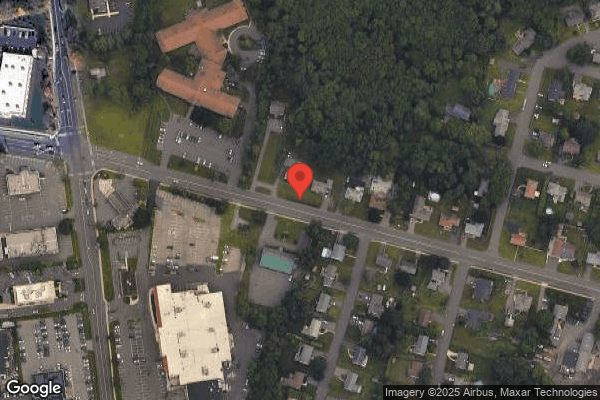
Nov 2023 1 deficiency
MINOR (B) 📢 Someone Reported This

A family member, employee, or ombudsman was alarmed enough to file a formal complaint

Minor Issue - procedural, no safety impact

Medical Records (Tag F0842)

Minor procedural issue · This affected multiple residents

**NOTE- TERMS IN BRACKETS HAVE BEEN EDITED TO PROTECT CONFIDENTIALITY** Based on clinical record reviews, facility documentation, facility policy and interviews for one of three sampled residents (Res...

Read full inspector narrative →
**NOTE- TERMS IN BRACKETS HAVE BEEN EDITED TO PROTECT CONFIDENTIALITY** Based on clinical record reviews, facility documentation, facility policy and interviews for one of three sampled residents (Resident #1) who were reviewed for care and services, the facility failed to ensure staff documented care as being performed by the licensed personnel per the physician's order. The findings include: Resident #1's diagnoses included dementia, muscle wasting and atrophy, unstageable pressure ulcer to the sacrum, urinary tract infection and acute kidney failure. The admission Minimum Data Set assessment dated [DATE] identified Resident #1 rarely or never made decisions regarding tasks of daily living, required extensive assistance with bed mobility, transfers, ambulation, locomotion, dressing, toileting, and personal hygiene and was frequently incontinent of bladder and occasionally incontinent of bowels. A physician's order dated 9/4/23 directed to ensure Resident #1's heels were offloaded when in bed each shift. The Resident Care Plan dated 9/6/23 identified alteration in skin related coccyx ulcer. Interventions directed to use air mattress as ordered, consult with wound care nurse specialist as ordered/needed, explain risks and consequences of not relieving pressure off back and buttocks and allowing staff to reposition, gentle handling during all transfers and care procedures, inspect skin when providing care for signs and symptoms of breakdown and liquid protein as ordered. A physician's order dated 9/7/23 directed to cleanse the stage 2 sacrum pressure ulcer with normal saline, apply alginate followed by bordered foam, and change daily and as needed for soiling or dislodgement. The Treatment Administration Record (TAR) dated September 2023 identified there were no nurses' signatures the wound care was conducted on 9/13/23, 9/14/23 and 9/21/23. The September 2023 TAR identified no nurses' signatures for the ordered offloading of heels each shift on 9/11/23 for the 11PM-7AM shift, 9/13/23 for both the 7AM-3PM and the 3PM-11PM shift, 9/14/23 for the 7AM-3PM, 9/20/23 for the 3PM-11PM and 11PM-7AM shifts, 9/21/23 for the 7AM-3PM and 3PM-11PM shifts, 9/26/23 for the 3PM-11PM and 11PM-7AM shifts, 9/27/23 for the 7AM-3PM shift and 9/28/23 for the 3PM-11PM shift. The TAR dated October 2023 identified there were no nurses' signatures for the ordered wound care on 10/1/23 and there were no signatures for the offloading of Resident #1's heels on 10/11/23 during the 3PM-11PM shift and 10/18/23 during the 3PM-11PM shift. Interview and chart review with the Director of Nursing (DON) on 11/30/23 at 1:47 PM identified the facility policy directs staff to document on care when it is provided. The DON identified there were no signatures for the wound care or offloading of the heels on the dates above and is unsure why there was no documentation the care was provided as ordered. The DON identified the wound care and offloading heels should have been documented per policy. Review of the facility policy titled Nursing Documentation, undated, directed, in part nursing documentation provides an account of information about the resident's health care status and provides an account of any changes in condition, current assessments, and any concerns that alters the resident's plan of care.
Oct 2023 2 deficiencies
CONCERN (D) 📢 Someone Reported This

A family member, employee, or ombudsman was alarmed enough to file a formal complaint

Potential for Harm - no one hurt, but risky conditions existed

Free from Abuse/Neglect (Tag F0600)

Could have caused harm · This affected 1 resident

**NOTE- TERMS IN BRACKETS HAVE BEEN EDITED TO PROTECT CONFIDENTIALITY** Based on review of the clinical record, facility documentation, facility policy, and interviews for one (2) of three (3) residen...

Read full inspector narrative →
**NOTE- TERMS IN BRACKETS HAVE BEEN EDITED TO PROTECT CONFIDENTIALITY** Based on review of the clinical record, facility documentation, facility policy, and interviews for one (2) of three (3) residents reviewed for abuse and neglect, the facility failed to ensure that the resident received incontinent care, resulting in a finding of neglect, (Resident #1), and the facility failed to ensure that a resident was free from mistreatment and was treated in a dignified manner (Resident #2). The findings include: 1. Resident #2 was admitted to the facility with diagnoses that included dementia with behavioral disturbance and chronic kidney disease. The admission MDS dated [DATE] identified Resident #2 had severely impaired cognition and inattention behavior present, required extensive assistance of one staff for bed mobility, transfers, toilet use, personal hygiene and walking and was frequently incontinent of bladder. A care plan dated 7/25/23 identified a Resident #2 could be physically and/or verbally aggressive toward staff members or other residents and on 7/27/23 was aggressive and urinating on the floors with interventions that included to not express anger or impatience verbally or with physical movements (ex. Pointing finger) as those responses would be likely to increase confusion and agitation, be sure you have the residents attention before speaking or touching him/her, be cognizant of not invading the resident's personal space and allow the resident time to respond to directions or requests (due to dementia, more time is required to absorb instructions). A nursing note written by RN #1 dated 9/15/23 at 10:25 PM identified RN #1 was summoned by a family member to go check on a resident. Upon entering Resident #2's room, RN #1 observed Resident #2 standing in the bathroom with LPN #1 and NA #3 walking out of the room. LPN#1 stated that NA #3 was yelling at Resident #2, grabbing Resident #2 by the arm, and pulling Resident #2 across the room. Resident #2 was alert and confused at baseline and was unable to explain what happened. No injury was noted at that time. NA #3 was asked to leave the building immediately. A nursing note written by LPN #1 dated 9/15/22 at 11:22 PM identified LPN #1 observed a NA having an aggressive interaction with Resident #2 in the bathroom. LPN #1 sent NA #3 out of the bathroom and told her not to give any patient care and to wait for her at the nurse's desk. Review of the accident & incident (A&I) form dated 9/15/23 identified a NA yelled at Resident #2, grabbed Resident #2 on his/her arm and pulled Resident #2 across the room. No injury was identified, the APRN, Resident #2's family and police were notified. A statement written by Person #1 (a resident's family member) identified that she witnessed NA #3 physically dragging a male resident by pulling him/her by his/her arm down the hallway and into a room. The A & I summary identified the allegation was unsubstantiated. The summary further identified NA #3 was asked to toilet Resident #2 by LPN #1 because the resident had a habit of urinating right where he/she was. NA #3 escorted Resident #2 to his/her room by holding onto his/her wrist and moving quickly. Once NA #3 brought Resident #2's to his/her bathroom, NA #3 left to go get clean linen to perform care. When NA #3 was going to go get linen another Resident alerted her that Resident #2 had a butter knife in his/her possession. Once NA #3 arrived back to Resident #2's bathroom, she removed the butter knife from the resident's hand and Resident #2 became agitated. LPN #1 was alerted by the Admissions Assistant to go to Resident #2's bathroom, when LPN #1 arrived at Resident #2's bathroom, she opened the door and heard NA #2 say I am not doing this with you today to Resident #2 and NA #3 was holding Resident #2 up attempting to get him/her to the toilet. LPN #1 instructed NA #3 to let go of Resident #2 leave the room and meet her at nurse's station, LPN #1 then completed care for Resident #2. Although the summary identified the event was unsubstantiated, the facility failed to identify the reason that the event was unsubstantiated, although the event had multiple witnesses, (3) facility staff and one (1) resident family member). Interview with the Admission's assistant on 10/4/23 at 1:06 PM identified she came out of a resident's room and saw NA #3 holding Resident #2 by his/her wrist and was moving so quickly that Resident #2 was almost tripping over his/her feet. She identified she heard a female yelling in Resident #2's bathroom and called for the nurse because she did not know what was happening. Interview with LPN #1 on 10/4/23 at 1:12 PM identified Resident #2 was by the nurse's station and was getting ready to urinate and requested that NA #3 to bring Resident #2 to the bathroom and NA #3 responded I am so tired of this. LPN #1 identified she did not see NA #3 bring Resident #2 down the hall, however, approximately a minute later a resident's family member requested that she go to Resident #2's room right away. LPN #1 identified she heard NA #3 yell I am sick and tired of doing this with you and Resident #2 responded let me go B****. LPN #1 observed NA #3 holding Resident #2 with his/her upper arm pulling him/her to the bathroom toilet. She identified Resident #2 was a fall risk and she was worried he/she could fall. LPN #1 stated that she told NA #3 to leave the bathroom two times and go to the nurse's station. LPN #1 identified with Resident #2, you must use a quiet voice and tell him/her what you are doing for each step. LPN #1 identified that NA #3 never mentioned the resident having a butter knife. Interview with NA #3 on 10/4/23 at 1:32 PM identified LPN #1 asked her to take Resident #2 to the bathroom, she escorted Resident #2 to his/room by holding his/her hand, Resident #2 was resisting as she encouraged him/her to walk. Resident #2 was brought to the bathroom, and at this time she was alerted by another resident that Resident #2 had a butter knife. When she entered Resident #2's bathroom Resident #2 was holding the knife in his/her right hand down by his/her thigh, she removed the knife and Resident #2 became agitated and cussed at her. NA#3 identified that's she stated I am not going to do this to Resident #2. The charge nurse came in the room and asked NA#3 to leave the room immediately. She identified she did not tell the charge nurse about Resident #2 having a butter knife. NA#3 identified that she should have gotten the nurse when Resident #2 had the knife and became agitate. She further identified she did not feel threatened by Resident #2 and Resident #2 did not point the knife at her. She identified she was suspended pending the investigation and re-educated on dementia training and reporting to shift nurse when there is conflict before returning to work. Interview with the Administrator on 10/4/23 at 3:00 PM identified the allegation was unsubstantiated because NA #3 was moving quickly due to Resident #2's history of urinating wherever he/she is. She identified NA #3's voice was raised because she was alarmed Resident #2 had a butterknife. However, the Administrator identified NA #3 should not have held Resident #2 by the wrist while ambulating. NA #3 was suspended pending the outcome of the investigation and completed education before returning to work on dementia and reporting conflict to the nurse. . Review of the abuse policy directed abuse or mistreatment of any kind toward a resident is strictly prohibited. 2. Resident #1 was admitted to the facility with diagnoses that included diverticulitis of the intestine, Alzheimer's disease, and down syndrome. A nursing admission assessment dated [DATE] identified Resident #1 was not able to follow commands, was not able to understand, was not oriented to place or time, and further identified Resident #1 was incontinent with bowel and bladder. The care plan dated 9/7/23 identified Resident #1 was at risk for skin breakdown due to decreased mobility and incontinence with Interventions that included incontinent care per policy and transfers/ambulation per physician orders. An admission MDS dated [DATE] identified Resident #1 had severely impaired cognition, was frequently incontinent of bowel and bladder and required extensive assist of two staff with toilet use, personal hygiene, bed mobility and transfers. Review of Resident #1's NA care card identified Resident #1 was incontinent and was to be toileted every two hours. A Social Services note dated 9/20/23 at 3:38 PM identified Resident #1's family member reached out with concerns about care. The concerns were addressed by the Administrator and a concern form was initiated. Resident #1's family member requested Resident #1 to be discharged home the next day. Review of Resident #1's concern form (grievance) dated 9/20/23 identified Resident #1's family member reported Resident #1 was not changed for over eight (8) hours on 9/19/23. The form identified all staff were interviewed the NA during the 7:00 AM - 3:00 PM shift last preformed rounds at 1:00 PM and the NA during the 3:00 PM - 11:00 PM shift came in and checked on Resident #1 right away and he/she did not need anything and the private aid for Resident #1 did not voice any concerns. The form further identified that nurses were in the room multiple times and no complaints were voiced. Staff were educated on the two-hour incontinent care check and change policy and giving report to each other. Interview with NA #1, assigned to Resident #1 on 9/19/23 during the 7:00 AM to 3:00 PM shift identified she checked Resident #1 for incontinence approximately every hour because Resident #1 was unable to verbalize when h/she required incontinent care. Resident #1 was last checked and provided incontinent care after lunch around 12:30/1:00 PM. She identified Resident #1's family took Resident #1 outside in the afternoon. She identified her shift ended at 3:00 PM and gave report to the oncoming NA, NA #2. Interview with NA #2, assigned to Resident #1 on 9/19/23 during the 3:00 PM to 11:00 PM shift identified she went into Resident #1's room when she came in around 3:00 PM and Resident #1 was sitting in his/her wheelchair. She identified there was a private aid in Resident #1's room and they did not indicate anything was wrong with Resident #1, she did not check Resident #1 for incontinence at that time. Somewhere between 6:00 PM to 7:00 PM (approximately six hours after Resident #1 was last changed and provided incontinence care) a different private aid came to Resident #1's room and put the call light on and requested incontinent care for Resident #1. The private aid identified Resident #1 had a bowel movement and urinated, and Resident #1's pants were wet with urine. Resident #1 was changed into his/her bed clothes and could not remember if she changed Resident #1 after being placed to bed. NA #2 further identified she did not check residents for incontinence care unless a resident asks to be changed. When NA #2 was asked about residents who cannot ask for help, she identified most of the residents on the floor were alert and could ask when they needed to be changed. She identified she was in-serviced after this event and was educated to physically check residents for incontinence care every two hours. Interview with the Administrator on 10/4/23 at 3:00 PM identified when the event was reported to facility staff, a grievance form was completed, not an A & I because Resident #1 had two private aids in his/her room during the day and they did not ring the call bell or request assistance. However, the Administrator identified the private aids were not to perform care on Resident #1 per facility policy. She further identified incontinent residents should be checked for incontinence every two hours and changed if necessary. Review of the incontinent care policy directed that incontinent care is performed by nursing staff on all residents following an episode of incontinence, every two hours and as needed. Review of the abuse policy directed abuse or mistreatment of any kind toward a resident is strictly prohibited. Review of the abuse/resident policy directed all allegations will be thoroughly investigated and acted upon according to the steps of the policy. It identified neglect means the deprivation by an individual, including caretaker, of goods or services that are necessary to attain or maintain physical, mental, and psychosocial well-being. It further identified anyone witnessing, and/or having knowledge of the abuse or mistreatment of any kind towards a resident will report the incident immediately to the supervisor. An A & I will be completed for each resident involved
CONCERN (D) 📢 Someone Reported This

A family member, employee, or ombudsman was alarmed enough to file a formal complaint

Potential for Harm - no one hurt, but risky conditions existed

Investigate Abuse (Tag F0610)

Could have caused harm · This affected 1 resident

**NOTE- TERMS IN BRACKETS HAVE BEEN EDITED TO PROTECT CONFIDENTIALITY** Based on review of the clinical record, facility documentation, facility policy, and interviews for 1 of 2 Residents (Resident #...

Read full inspector narrative →
**NOTE- TERMS IN BRACKETS HAVE BEEN EDITED TO PROTECT CONFIDENTIALITY** Based on review of the clinical record, facility documentation, facility policy, and interviews for 1 of 2 Residents (Resident #1), reviewed for incontinence care, the facility failed to complete a thorough and accurate investigation for an allegation of neglect. The findings include: Resident #1 was admitted to the facility with diagnoses that included diverticulitis of the intestine, Alzheimer's disease, and down syndrome. Nursing admission assessment dated [DATE] identified Resident #1 was not able to follow commands, was not able to understand, was not oriented to place or time. It further identified Resident #1 was incontinent with bowel and bladder. The care plan dated 9/7/23 identified Resident #1 was at risk for skin breakdown due to decreased mobility and incontinence. Interventions included incontinent care per policy and transfers/ambulation per physician orders. The admission MDS dated [DATE] identified Resident #1 had severely impaired cognition, was frequently incontinent of bowel and bladder and required extensive assist of two staff with toilet use, personal hygiene, bed mobility and transfers. Review of Resident #1's NA care card identified Resident #1 was incontinent and was to be toileted every two hours. Social Services note dated 9/20/23 at 3:38 PM identified Resident #1's family member reached out with concerns about care. The concerns were addressed by the Administrator and concern form initiated. Resident #1's family member requested Resident #1 to be discharged home tomorrow. Review of Resident #1's concern form (grievance) dated 9/20/23 identified Resident #1's family member reported Resident #1 was not changed for over eight hours on 9/19/23. It identified all staff were talked too, the NA during the 7:00 AM - 3:00 PM shift last preformed rounds at 1:00 PM and the NA during the 3:00 PM - 11:00 PM shift came in and checked on Resident #1 right away and he/she did not need anything and the private aid for Resident #1 did not voice any concerns. It identified LPN's were in the room multiple times and no complaints were voiced. Staff were educated on two hour change policy and giving report to each other. Although requested, documented of the investigation statements of staff were not produced. Interview with NA #1, assigned to Resident #1 on 9/19/23 during the 7:00 AM - 3:00 PM shift identified she checked Resident #1 for incontinence approximately every hour because Resident #1 could not verbalize when he/she was wet. Resident #1 was last checked and provided incontinent care after lunch around 12:30/1:00 PM. She identified Resident #1's family took Resident #1 outside in the afternoon. She identified her shift ended at 3:00 PM and gave report to the oncoming NA, NA #2. Interview with NA #2, assigned to Resident #1 on 9/19/23 during the 3:00 PM - 11:00 PM shift, identified she went into Resident #1's room when she came in around 3:00 PM and Resident #1 was sitting in his/her wheelchair. She identified there was a private aid in Resident #1's room and they did not indicate anything was wrong with Resident #1. She identified she did not check Resident #1 for incontinent care that time. Between 6:00 PM - 7:00 PM (approximately six hours after Resident #1 was last changed and provided incontinence care) a different private aid for Resident #1 came to Resident #1's room and put the call light on for incontinence care. She identified Resident #1 had a bowel movement and urinated. She identified Resident #1's pants were wet with urine. She identified Resident #2 was changed into his/her bed clothes and could not remember if she changed Resident #2 after being placed to bed. NA #2 further identified she did not check residents for incontinence care unless a resident asked. When NA #2 was asked about residents who cannot ask for help, she identified most of the residents on the floor were alert and could ask when they needed to be changed. She identified she was in-serviced after this event and was educated to physically check residents for incontinence care every two hours. Interview with the Administrator on 10/4/23 at 3:00 PM identified when the event was reported to facility staff, a grievance form was completed, not an A & I. She identified a grievance was conducted, not an A & I, because Resident #1 had two private aids in his/her room during the day and they did not ring the call bell or request assistance. However, the Administrator identified the private aids were not to perform care on Resident #1 per facility policy. She further identified incontinent residents should be checked for incontinence every two hours. Review of the incontinent care policy directed that incontinent care is performed by nursing staff on all residents following an episode of incontinence, every two hours and as needed. Review of the abuse/resident policy directed all allegations will be thoroughly investigated and acted upon according to the steps of the policy. It identified neglect means the deprivation by an individual, including caretaker, of goods or services that are necessary to attain or maintain physical, mental and psychosocial well-being. It further identified anyone witnessing, and/or having knowledge of the abuse or mistreatment of any kind towards a resident will report the incident immediately to the supervisor. An A & I will be completed for each resident involved.
Sept 2023 1 deficiency
CONCERN (D) 📢 Someone Reported This

A family member, employee, or ombudsman was alarmed enough to file a formal complaint

Potential for Harm - no one hurt, but risky conditions existed

Deficiency F0678 (Tag F0678)

Could have caused harm · This affected 1 resident

**NOTE- TERMS IN BRACKETS HAVE BEEN EDITED TO PROTECT CONFIDENTIALITY** Based on clinical review, interviews, and facility policy review for one resident (Resident #1) reviewed for Cardiopulmonary Res...

Read full inspector narrative →
**NOTE- TERMS IN BRACKETS HAVE BEEN EDITED TO PROTECT CONFIDENTIALITY** Based on clinical review, interviews, and facility policy review for one resident (Resident #1) reviewed for Cardiopulmonary Resuscitation (CPR), the facility failed to ensure that an Automatic External Defibrillator (AED) was accessible when a resident required CPR. The finding included: Resident #1's diagnoses included kidney failure, heart failure Schizophrenia and history of TIA. Review of a quarterly Minimum Data Set assessment dated [DATE] identified Resident #1 had moderate cognitive impairment and was dependent for ADLs and personal hygiene. The Resident Care Plan (RCP) dated [DATE] identified Resident #1 requested to be a full code with interventions that directed to follow resident's wishes for CPR. Review of physician's orders dated [DATE] identified a medical directive for the resident full code status. Review of RN #1's nurses note dated [DATE] at 7:30 AM identified that RN #1 was called by Charge Nurse at 4: 30 AM that the [resident ] was on the floor and appeared to be unresponsive. On arrival patient was noted on floor unresponsive, had no pulse and CPR was started immediately and continued until the arrival of the Paramedics. The note identified that 911 was called stat at 4:31 AM, arrived at 4: 40 AM and arrived to room at 04: 45 AM. The note identified that CPR was turned over to EMS. The note identified in part, that after much effort and medications, CPR failed and patient was pronounced by ED physician at 5: 06 AM via telephone to EMS. Clinical record review and facility documentation review failed to identify staff brought an AED (Automated External Defibrillator) to Resident #1's room when CPR was initiated. Interview with LPN #1 on [DATE] at 11:00 AM identified that on [DATE] at approximately 4:30 AM she entered Resident #1's room to medicate the resident's roommate and observed R#1 on the floor by his/her bed. LPN #1 immediately called out to NA #1 to assist her to check the resident as he/he was face down. LPN #1 stated that she had NA #1 stay with R #1 as she called for help and retrieved the emergency cart and as she returned to the resident's room, LPN #2 arrived and she and LPN #1 were able to check the resident who was pulseless. LPN #1 stated that they started CPR immediately as EMS was called. LPN #1 was unable to identify that the AED was brought to the room and stated that no AED was used during CPR. Interview with LPN #2 on [DATE] at 12:15 PM identified that on [DATE] he responded to LPN #1's call and when he arrived, he and LPN #1 checked and the resident was pulseless and he started compressions as LPN #1 provided respirations via ambu - bag. LPN #2 identified that he did not retrieve the AED and did not see that the AED was in the room during CPR. Interview with NA # 1 on [DATE] at 1:00 PM identified that she was not directed to get the AED and did not recall the AED in the room. Interview with RN Supervisor #1 on [DATE] at 11:45 AM identified that she was called by the charge nurse at 04: 30 AM and was informed that R#1 was on the floor and appeared to be unresponsive. RN #1 identified that upon arrival she observed R #1 on the floor, unresponsive. She identified that the resident had no pulse and CPR was started immediately, by LPN #1 and LPN #2. RN #1 stated that 911 was called at 4:31 AM and arrived at 4: 40 AM and was at the resident at 4: 45 AM . RN #1 acknowledged that the emergency cart was at the resident's bedside and thought she saw the AED on the cart, she was unable to identify who brought the AED to the incident and acknowledged that it was not used during CPR. Interview with the Director of Nurses on [DATE] at 11:00 AM identified that after the incident, the process was reviewed and it wasn't clear if the AED was brought to R#1 during when CPR was being administered and acknowledged that no staff identified that they brought the AED to the scene. The DON stated that staff should have been directed to get the AED and it should have been used. The DON identified that subsequent to the incident nursing staff was reeducated on the facility's CPR policy that directs the use of the AED during CPR. Review of the facility CPR Policy directed that the individual who recognizes a medical emergency initiates emergency response by notifying the nurse on the unit and the RN supervisor. When the need for resuscitation is made, begin CPR and send staff to call 911 and get the emergency supply cart and the AED. The policy further directed that when the AED arrives, power on the AED, attach the pads to the resident's chest and follow the steps that the AED guides.
Mar 2023 1 deficiency
CONCERN (D) 📢 Someone Reported This

A family member, employee, or ombudsman was alarmed enough to file a formal complaint

Potential for Harm - no one hurt, but risky conditions existed

Comprehensive Care Plan (Tag F0656)

Could have caused harm · This affected 1 resident

**NOTE- TERMS IN BRACKETS HAVE BEEN EDITED TO PROTECT CONFIDENTIALITY** Based on clinical record review, facility documentation review, facility policy, review and interviews for one of three resident...

Read full inspector narrative →
**NOTE- TERMS IN BRACKETS HAVE BEEN EDITED TO PROTECT CONFIDENTIALITY** Based on clinical record review, facility documentation review, facility policy, review and interviews for one of three residents (Resident #1) reviewed for wounds, the facility failed to ensure a comprehensive care plan was developed timely to include skin integrity for a resident identified at risk for alteration in skin. The findings include: Resident #1 was admitted with diagnoses that included displaced fracture of the left femur, dementia, muscle wasting and chronic obstructive pulmonary disease. A nursing admission assessment dated [DATE] at 11:15 PM identified Resident #1 had two (2) left hip incisions, without signs of redness, warmth, or drainage. One (1) incision had seven (7) staples and the other incision had 32 staples. Resident #1 was alert and oriented to person but was not oriented to place or time and required two (2) staff assistance for transfers, positioning and had no weight bearing to lower extremities. The assessment further indicated Resident #1 had a moderate risk for pressure ulcers due to it identified the following: very moist skin, was chairfast (ability to walk severely limited or non-existent), had very limited mobility (made only occasional slight changes to body or extremity position and unable to make frequently significant changes independently) and probably inadequate nutrition due to decreased food intake. A physician's order dated 1/15/2023 directed a Braden scale (pressure ulcer risk assessment be completed on admission and every week for four (4) weeks. A Resident Care Plan (RCP) initiated on 1/16/2023 identified Resident #1 needed assistance with activities of daily living with interventions that include incontinence care as per policy. Additional review failed to identify the RCP addressed pressure wounds or skin integrity risk. An admission Minimum Data Set (MDS) assessment dated [DATE] identified Resident #1 had severe cognitive impairment, was totally dependent with assistance of two (2) staff members for bed mobility, transfer, toilet use and needed extensive assistance of one (1) staff member for personal hygiene. Resident #1 was also frequently incontinent of urine and bowel with reported moderate pain occasionally over the previous five (5) days, and the MDS identified Resident #1 was at risk for developing a pressure ulcer. The RCP was updated on 1/23/2023 to identify Resident #1 had a significant weight loss with interventions that included to provide supplement, diet as ordered, provide snacks and encourage fluids. Additional review failed to identify the RCP addressed pressure wounds or skin integrity. A wound physician note dated 1/27/2023 at 12:07 PM identified Resident #had a bilateral buttock irritation and a dermatologic rash. Interventions directed to apply a barrier paste, cover with telfa, and to change every shift and as needed. A weekly Braden scale dated 1/29/2023 at 1:54 PM identified that Resident #1 was a high risk for pressure ulcers, noted friction and shear was now a problem due to Resident #1 required moderate to maximum assistance in moving, complete lifting without sliding against the sheet impossible. Review of the clinical record failed to identify a care plan was developed that addressed Resident #1's risk for a pressure ulcer. Interview with RN #2 (MDS coordinator) on 3/20/2023 at 12:11 PM identified that she was responsible to update the RCP and noted that she did not address Resident #1's risk for pressure wounds or skin integrity on Resident #1's plan and care. RN #2 indicated she knew she should have developed a skin risk care plan and indicated she must have just missed it when writing the RCP. Although she did review the plan on 1/28/2023 as part of the interdisciplinary process, she did not update the plan at that time to include a focus on skin integrity and was not sure why. Interview with the Director of Nurses (DNS) on 3/20/2023 at 1:30 PM identified that if a Resident is identified as high risk for pressure ulcers, developed moisture associated skin damage (MASD) or had a significant weight loss, the resident's care plan should address preventative measures regarding pressure development. She continued by identifying that the MDS coordinator was responsible to update Resident #1's plan of care and identified the care plan should have included a risk for alteration in skin integrity. The facility Care Planning Policy dated 2019 directed in part, the facility develops and implement a comprehensive and individualized care plan for each resident, that guide caregivers to assist residents to achieve or maintain their highest practical level of wellbeing. The care plan should be reviewed and updated at least quarterly and as necessary to reflect changes in the resident's status. The facility undated Wound and Skin Care Protocols Policy directed in part, the care plan will address preventative and/or treatment of impaired skin integrity.
Nov 2022 2 deficiencies
CONCERN (D) 📢 Someone Reported This

A family member, employee, or ombudsman was alarmed enough to file a formal complaint

Potential for Harm - no one hurt, but risky conditions existed

Free from Abuse/Neglect (Tag F0600)

Could have caused harm · This affected 1 resident

**NOTE- TERMS IN BRACKETS HAVE BEEN EDITED TO PROTECT CONFIDENTIALITY** Based on clinical record review, observations, facility documentation review, facility policy review, and interviews for one of ...

Read full inspector narrative →
**NOTE- TERMS IN BRACKETS HAVE BEEN EDITED TO PROTECT CONFIDENTIALITY** Based on clinical record review, observations, facility documentation review, facility policy review, and interviews for one of four residents (Resident #1) reviewed for abuse, the facility failed to ensure the resident was free mistreatment and failed to ensure the resident's privacy was maintained. The findings include: Resident #1's diagnoses included dementia, depression, anxiety, hypertension, and unstageable pressure ulcer of sacral region. The quarterly Minimum Data Set (MDS) assessment dated [DATE] identified Resident #1 had severe cognitive impairment and required extensive assistance with bed mobility, dressing, toileting, and personal hygiene. The Resident Care Plan (RCP) dated 10/7/2022 identified Resident #1 had an impaired memory and decision-making skills, required assist with personal care and had pain. Interventions directed to restate items in simple terms, medications as ordered, and to control pain and symptoms and maintain dignity. A physician's order dated 10/1/2022 directed to apply Fentanyl Patch-72 hour 25 micrograms (mcg) per hour, apply one patch transdermal every 72 hours for pain and remove per schedule. Review of the October 2022 Medication Administration Record (MAR) identified the Fentanyl Patch was applied on 10/9/2022 during the 3 to 11 PM shift. A facility incident and investigation form dated 10/12/2022 at 8:30 PM identified a staff member took a photograph of Resident #1 without consent. Additionally, the form identified an investigation was initiation, police, family, and the physician were notified. The investigation identified LPN #1 was unable to locate the Fentanyl Patch that was applied on 10/9/2022. The patch was placed on Resident #1's chest by one Nurse (LPN #2). When the LPN #1 went to check the placement of the patch and could not locate the patch, she inquired with LPN #2 where the patch was placed. LPN #2 indicated the patch was located on the upper chest. LPN #1 took a photo of Resident #1 and sent it to LPN #2 who worked the prior shift to inquire where the patch was located on Resident #1. The investigation further identified although Resident #1 was wearing a johnny, Resident #1's chest was exposed in the photo that was taken and sent to LPN #2. The Fentanyl Patch was later located on Resident #1's shirt in the laundry. The social worker's note dated 10/13/22 at 1:52 PM identified Resident #1 was seen secondary to a reportable event. Additionally, the note identified Resident #1 did not show an signs or symptoms of ill effect, was content, appeared to be at baseline and did not voice any concerns or complaints. Interview with LPN #1 on 10/31/2022 at 10:29 AM identified on 10/10/2022 she could not find the Fentanyl Patch that was placed previously on Resident #1. LPN #1 indicated she sent a text message to LPN #2, who had applied the patch on 10/9/2022, to question where the patch had been placed and was told it was on Resident #1's sternum. LPN #1 was unable to locate the patch after texting with LPN #2, and she took a picture of the area where the patch was supposed to have been placed on Resident #1 (the sternal/mid chest area) and texted the photo to LPN #2. LPN #1 indicated she notified the nursing supervisor (DNS was the shift supervisor) and the hospice nurse that she was unable to locate the Fentanyl Patch and thought it may have come off with clothes and went to the laundry. LPN #1 further identified she did not verify if there was consent for photographs in Resident #1's medical record and she should have checked for consent prior to taking the picture. LPN #1 further identified she was unaware of a facility policy regarding photographs of residents. Interview with LPN #2 on 10/31/2022 at 10:49 AM identified she received a text message from LPN #1 on 10/11/2022 questioning where the Fentanyl patch had been placed. LPN #2 further identified LPN #1 sent a picture of Resident #1's chest area without the benefit of being covered up by clothing; Resident #1's upper chest was exposed in the photo. LPN #2 identified she informed the DNS about the picture. LPN #2 indicated she showed the DNS and Administrator the picture, and the facility initiated an investigation. Interview with the Administrator on 10/31/2022 at 12:36 PM identified facility policy on photographs states you cannot take a picture without consent and any photograph's take should be from the shoulders up only. The Administrator further identified the picture that LPN #1 sent to LPN #2, was a photo of Resident #1 from approximately mid-waist up and was without the benefit of clothing. Additionally, the Administrator identified this photograph should not have been taken and/or sent to another staff member. The Administrator further identified after this incident an in-service was given for all staff on the facility photograph policy. Additional interview with the Administrator on 11/2/2022 at 7:54 AM identified although Resident #1 was not completely naked in the photograph (Resident #1's johnny was pulled up exposing his/her chest and a showed part of Resident #1's face), the photo exposing Resident #1's chest should not have been taken. Review of the facility (undated) Protecting Resident Privacy and Prohibiting Mental Abuse Related to Photographs and Audio/Video Recordings by Facility Staff policy, directed in part, mental abuse includes but is not limited to abuse that is facilitated or caused by staff taking or using photographs that would demean or humiliate a resident. The Policy further directed, taking photographs of a resident in his/her private space without the resident's or designated representative's written consent is a violation of the resident's right to privacy and confidentiality. Taking unauthorized photographs of residents in any state of dress or undress and/or keeping or distributing them through multimedia messages is a violation of a resident's right to privacy and confidentiality and may create psychosocial harm, extreme embarrassment, humiliation, and degradation at the thought of the public or unknown persons accessing the photographs.
CONCERN (D) 📢 Someone Reported This

A family member, employee, or ombudsman was alarmed enough to file a formal complaint

Potential for Harm - no one hurt, but risky conditions existed

Deficiency F0725 (Tag F0725)

Could have caused harm · This affected 1 resident

**NOTE- TERMS IN BRACKETS HAVE BEEN EDITED TO PROTECT CONFIDENTIALITY** Based on facility staffing and interviews reviewed for staffing, the facility failed to ensure staffing was distributed to ensur...

Read full inspector narrative →
**NOTE- TERMS IN BRACKETS HAVE BEEN EDITED TO PROTECT CONFIDENTIALITY** Based on facility staffing and interviews reviewed for staffing, the facility failed to ensure staffing was distributed to ensure sufficient staffing on each unit. The findings include: Review of facility documentation identified for October 15, 2022, the facility census was ninety-two (92) residents and the [NAME] unit had twenty-nine (29) residents. Further review of the facility staffing identified although the facility had eight (8) NAs working the 7 AM to 3 PM shift, the [NAME] unit with twenty-nine (29) residents was staff with one (1) NA scheduled for the 7:00 AM to 3:00 PM shift. Interview with Person #3/Ombudsman on 11/1/2022 at 9:36 AM identified she visited the facility on 10/15/2022 at 10 AM. The posted staffing indicated the 7 AM to 3 PM shift had one (1) RN, four (4) LPNs and eight (8) NAs. Person #3 further indicated the [NAME] unit had only one (1) licensed staff and one (1) NA for 29 residents, and she observed some residents were in bed, breakfast trays were still on the unit and five residents had not yet received their breakfast. Interview with NA #1 on 11/1/2022 at 10:15 AM identified she was the only NA working on the [NAME] unit on 10/15/2022 for the 7 AM to 3 PM shift. She further indicated the nurses assist with serving meals, and she was responsible to provide the residents with any personal care needed for the shift. Interview with the Administrator on 11/1/2022 at 2:01 PM identified there were one and a half (1.5) NAs scheduled for the [NAME] unit on 10/15/2022 during the 7 AM to 3 PM shift with twenty-nine residents, and there should have been more NAs scheduled. Additionally, the Administrator identified the ideal staffing ratio would be to have one staff member to eight to ten residents on the day shift, and not the 1.5 to 29 residents scheduled on October 15, 2022. Review of the Facility Assessment, undated, directed in part, direct care staff on the day shift should be a one NA to thirteen residents.
Feb 2022 11 deficiencies
CONCERN (D)

Potential for Harm - no one hurt, but risky conditions existed

Deficiency F0578 (Tag F0578)

Could have caused harm · This affected 1 resident

**NOTE- TERMS IN BRACKETS HAVE BEEN EDITED TO PROTECT CONFIDENTIALITY** Based on review of the clinical record, review of facility policy and staff interviews for one of two residents (Resident #237) ...

Read full inspector narrative →
**NOTE- TERMS IN BRACKETS HAVE BEEN EDITED TO PROTECT CONFIDENTIALITY** Based on review of the clinical record, review of facility policy and staff interviews for one of two residents (Resident #237) reviewed for advanced directives, the facility failed to ensure the resident's advanced directive was addressed timely. The findings include: Resident #237's diagnoses that included heart failure, essential hypertension, COPD, chronic kidney disease. The admission physician's progress notes dated 1/19/2021 failed to address the resident's code status. The admission Minimum Data Set (MDS) assessment dated [DATE] identified intact cognition. The clinical record identified the resident was re-admitted to the facility on [DATE]. The January physician's orders 2022 failed to direct the resident's code status. The Medical Interventions Consent Form dated 1/25/2022 and signed by Resident #237's family member identified Resident#237 's choices regarding the administration for life support systems included Do Not Resuscitate (DNR) and Do Not Intubate and No Artificial Means of Nutrition including tube feedings and TPN. Interview with Registered Nurse (RN #3) on 1-26-22 at 1:53 PM identified she did not know why the resident's advanced directives was not addressed before 1/25/2022 and did not know why there was no order to address the DNR status. Additionally, RN #3 indicated she was new to the facility and not sure of the process. Interview with Licensed Practical Nurse (LPN #2) on 1/26/22 at 1:55PM identified that although the consent was signed DNR, and an order was not obtained, and she did not know why this occurred. Additionally, LPN #2 indicated the charge nurse was responsible for reviewing the advanced directive consent form with the resident or responsible party and once it was signed by the resident or responsible party, the physician would sign the advanced directive, write, an order and the charge nurse would enter the order into the computer. LPN#2 also indicated the advanced directives should be addressed right away upon admission to the facility and although Resident #237 requested a DNR status s/he would remain a Full Code until the physician order was obtained. Interview with the Director of Nursing Services (DNS) 1/26/22 2:02 PM identified she did not know why Resident # 237's advanced directive was not addressed until 1/25/2022 (11 days after admission). The DNS identified the advanced directive should have been addressed within 24 hours of admission and indicated it was the responsibility of the admission charge nurse to ensure the advanced directives was completed or followed up each shift if the resident could not sign him/herself. Additionally, the advanced directives are signed by the nurse, patient or responsible party, and the doctor who would have addressed directives in the physician's orders and the progress note during the admission process. The DNS also indicated new admissions are reviewed in morning report and could not explain how this was missed. Interview with Social Worker (SW #1) on 1/27/2022 at 1:03PM identified Resident # 237 was not conserved and responsible for him/herself. SW # 1 indicated the resident capable of signing the advanced directive form. The facility policy entitled Advanced Directives directed in part that the licensed nursing staff and /or the resident's attending physician will review the advanced directive with the capable resident, or the substitute decision maker and a plan of care related to advanced directives will be documented on the residents advanced directives consent form. Additionally, the policy noted a physician's order would be obtained and physician's orders directive would be noted in the physician progress notes.
CONCERN (D)

Potential for Harm - no one hurt, but risky conditions existed

Notification of Changes (Tag F0580)

Could have caused harm · This affected 1 resident

**NOTE- TERMS IN BRACKETS HAVE BEEN EDITED TO PROTECT CONFIDENTIALITY** Based on observation, review of the clinical record, facility policy and interviews for one of three residents (Resident #52) re...

Read full inspector narrative →
**NOTE- TERMS IN BRACKETS HAVE BEEN EDITED TO PROTECT CONFIDENTIALITY** Based on observation, review of the clinical record, facility policy and interviews for one of three residents (Resident #52) reviewed for pressure wounds, the facility failed to notify the family of the resident's change in condition. The findings include: Resident #52 was admitted to the facility with diagnoses that included unspecified dementia with behavioral disturbance, anxiety, depression, and hypertension. The quarterly MDS assessment dated [DATE] identified Resident #52 had severely impaired cognition, was always incontinent of bowel and bladder, required extensive assistance with bed mobility, dressing, toileting, transfers, and personal hygiene, and had an unstageable pressure ulcer that was not present on admission. The care plan dated12/12/21 identified Resident #52 had a potential for alteration in skin related to incontinence as well as an unstageable pressure ulcer to coccyx. Interventions included: to encourage good nutrition and fluid intake, provide incontinent care as needed with use of barrier cream, Balmex to reddened coccyx and buttocks, reposition every 2 hours and as needed, off load heels in bed, lotion skin daily, air mattress to bed and wheelchair cushion and no soaker pads to mattress, use chux pad and draw sheet. A nurse's note dated 12/13/21 at 1:28 PM indicated Resident #52 was seen by the wound care physician and to refer to the physician progress notes. A wound care physician's note dated 12/13/21 at 6:59 PM identified Resident #52 with a stage 3 pressure wound to the coccyx which measured 4 Centimeters (CM) by 4 CM by 0.1 CM with small amounts of serosanguinous draining with mild odor. The wound bed had 26-50% eschar, 1-25% slough, 1-25% granulation with no epithelization. Additionally, the note indicated the physician ordered wound care which directed to cleanse with normal saline followed by Santyl, Calcium Alginate with silver dressing every 3 days, a pressure redistribution mattress, group 2 support surface, wheelchair pressure redistribution cushion, ROHO cushion and offload pressure/reposition every 2 hours. A physician's order dated 12/14/21 directed to turn and reposition the resident every 2 hours. A physician's order dated 12/14/21 directed to cleanse the coccyx wound with normal saline followed by Santyl and Alginate with Silver and border foam dressing daily. A wound care physician's note dated 12/20/21 at 5:36 PM identified Resident #52 with a stage 3 pressure ulcer to coccyx which measured 4 CM by 3.5 CM by 0.1 CM with small amounts of serosanguinous drainage with a mild odor. Additionally, the note indicated the wound bed had 26-50% granulation, 26-50% slough tissue and no epithelialization and no change in the wound progression. A wound care physician's note dated 12/27/21 at 8:57 PM identified Resident #52 with a stage 3 coccyx wound, slightly improved which measured 3.2 CM by 3.3 CM by 0.1 CM with small amount of serosanguinous drainage with a mild odor. Additionally, the note indicated the wound bed was covered with 76-100% slough tissue with no granulation, no eschar, and no epithelialization. A wound care physician's note dated 1/3/22 at 8:15 PM identified Resident #52 with a stage 3 coccyx wound, deteriorating with measurements of 4 CM by 3 CM by 1 CM with small amounts of serosanguinous drainage with a mild odor. Additionally, the note identified undermining at 11:00 o'clock to 4 o'clock with 76-100% slough tissue, no granulation, no epithelialization, and no eschar with the plan to start Doxycycline 100 Milligrams (MG) twice a day (BID). A physician's order dated 1/3/22 directed for Doxycycline 100 MG by mouth BID for 10 days. A nurse's note dated 1/4/22 at 2:05 PM indicated Resident #52 was seen by the Advanced Practice Registered Nurse (APRN) and the coccyx wound was evaluated. Additionally, the note identified that a wound culture was obtained on 1/3/22 and sent to the laboratory per the charge nurse. A wound care physician's note dated 1/10/22 at 7:02 PM identified Resident #52 with a stage 3 coccyx wound, slightly improved on examination which measured 3 CM by 2 CM by 0.5 CM with a moderate amount of serosanguinous drainage with no odor and the wound bed with 76-100% granulation. A wound care physician's note dated 1/17/22 at 6:46 PM identified Resident #52 with a stage 3 coccyx wound which is stable, measuring 3 CM by 2 CM by 0.5 CM with moderate amounts of serosanguinous drainage with no odor and the wound bed with 100% beefy, red granulation tissue. Additionally, the note indicated the wound treatment would be changed to Calcium Alginate with Silver and border foam. A physician's order dated 1/18/22 direct to cleanse the stage 3 coccyx wound with normal saline followed by Calcium Alginate with Silver and cover with a bordered foam gauze daily. A wound care physician's note dated 1/24/22 at 10:43 PM identified Resident #52 with a stage 3 coccyx wound slightly improved with increased granulation that measured 2.5 CM by 1.5 CM by 0.5 CM with undermining at 10:00 o'clock to 1 o'clock with small amounts of serosanguinous drainage with no odor. Additionally, the note indicated the wound bed had 76-100% beefy, red granulation tissue with no slough, no eschar, and no epithelialization. An interview with RN #1 on 1/27/22 at 8:50 AM identified that when a resident develops a new open area to the skin, the APRN/ Medical Doctor (MD) and the responsible party or conservator should be notified immediately. Additionally, RN#1 indicated that there was no documentation for Resident #52 that reflected the responsible party or conservator was notified of the stage 3 pressure ulcer to the coccyx. RN #1 further indicated the expectation is that notification of responsible party or conservator or the physician would be documented in the clinical record. An interview with the DNS on 1/27/22 at 10:06 AM indicated that when a resident develops a new pressure ulcer or a change in condition, the APRN/MD and the responsible party or conservator should be notified, and this should be documented in the clinical record.
CONCERN (D)

Potential for Harm - no one hurt, but risky conditions existed

Abuse Prevention Policies (Tag F0607)

Could have caused harm · This affected 1 resident

**NOTE- TERMS IN BRACKETS HAVE BEEN EDITED TO PROTECT CONFIDENTIALITY** Based on review of the clinical record, facility documentation, facility policy and interviews for one sampled resident (Residen...

Read full inspector narrative →
**NOTE- TERMS IN BRACKETS HAVE BEEN EDITED TO PROTECT CONFIDENTIALITY** Based on review of the clinical record, facility documentation, facility policy and interviews for one sampled resident (Resident #47) reviewed for skin condition, the facility failed to implement their abuse policy to investigate an injury of unknown origin. The findings include: Resident # 47 was admitted with diagnoses that include Alzheimer's disease, Dementia with behavioral disturbance, Diabetes Mellitus, and morbid obesity. A care plan initiated on 6/15/21 identified that Resident #47 is at risk for bruising due to anticoagulant therapy. Interventions include: to watch for signs of active bleeding and report to MD/APRN any hematuria, petechiae, bruising, bloody stools, or blood-tinged sputum. A quarterly MDS assessment dated [DATE] identified that Resident #47 was severely cognitively impaired requiring extensive assistance of 2 staff for bed mobility, transfers, and extensive assistance of 1 for personal hygiene. A nursing weekly body audit dated 11/12/21 at 9:27 PM did not identify any new areas or area of altered skin integrity. A nursing progress note dated 11/18/21 at 10:50 PM identified that Resident #47 had a large bruise on the left buttock. Although initialed as completed by Licensed Practical Nurse (LPN #4), Resident #47's medical record lacked a documentation of a weekly body audit for 11/19/21. Interview with Nurse Aide (NA #3) on 1/27/22 at 9:33 AM identified that she could not recall if she had cared for Resident #47 on 11/18/21. Interview with RN #4 (evening supervisor) on 1/27/22 at 9:35 AM identified that she could not recall ever that she received a report that Resident # 47 had a new left hip bruise. RN #4 indicated she had observed an occasional bruise on Resident #47's arms after blood draws. RN #4 continued by stating should a staff member identify a new bruise on a resident, the staff member should immediately report the bruise to the supervisor, so an assessment could be completed, and an investigation initiated. Interview and review of Resident #47's medical record with the DNS on 1/27/21 at 10:30 AM identified that with the documentation of the discovery of the bruise on 11/18/21, the nursing supervisor should have been notified, and an investigation started as the bruise would have been considered an injury if unknown origin. Especially when it was Resident #47 as her/his skin is beautiful. An Accident and Incident report should have been completed. Interview with LPN #4 on 1/27/21 at 11 :00 AM identified that she had identified a large bruise on Resident #47's left buttock, about the size of a ½ dollar on 11/18/21. She continued by stating she was surprised to find a bruise on Resident #47 even though s/he was receiving anticoagulant, as Resident 47 never had bruises. LPN # 4 continued by stating that a NA had been with her when she identified the area, but she could not recall the NA's name. LPN #4 added that she thought she had notified the supervisor but could not recall the supervisor's name. LPN # 4 stated that anytime staff find a bruise on a resident it would immediately report to the supervisor. She further stated that skin audits are done weekly, and she could not recall why she did not complete one for Resident #47 on 11/19/21 despite initialing that it was done. Multiple attempts to contact NA #2 were unsuccessful The facility policy Accident/Incidents- Reportable Events directs in part that an event that that involves an abusive act to a resident by any person; for the purposes of this classification, abuse means verbal, mental, sexual, or physical attack on a resident that may include infliction of injury, unreasonable confinement, any form of misappropriation, injuries of unknown origin and intimidation or punishment. The facility policy Abuse/Resident directs that allegation of abuse toward a resident must be reported immediately to a facility supervisor and that all allegations will be thoroughly investigated and acted upon according to the policy that included: Identification, investigation, reporting to the state authority and responding per requirements.
CONCERN (D)

Potential for Harm - no one hurt, but risky conditions existed

Report Alleged Abuse (Tag F0609)

Could have caused harm · This affected 1 resident

**NOTE- TERMS IN BRACKETS HAVE BEEN EDITED TO PROTECT CONFIDENTIALITY** Based on review of the clinical record, facility documentation, facility policy and interviews for one sampled resident (Residen...

Read full inspector narrative →
**NOTE- TERMS IN BRACKETS HAVE BEEN EDITED TO PROTECT CONFIDENTIALITY** Based on review of the clinical record, facility documentation, facility policy and interviews for one sampled resident (Resident #47) reviewed for skin condition, the facility report an unknown injury of origin timely. The findings include: Resident # 47 was admitted with diagnoses that include Alzheimer's disease, Dementia with behavioral disturbance, Diabetes Mellitus, and morbid obesity. A care plan initiated on 6/15/21 identified that Resident #47 is at risk for bruising due to anticoagulant therapy. Interventions include: to watch for signs of active bleeding and report to MD/APRN any hematuria, petechiae, bruising, bloody stools, or blood-tinged sputum. A quarterly MDS assessment dated [DATE] identified that Resident #47 was severely cognitively impaired requiring extensive assistance of 2 staff for bed mobility, transfers, and extensive assistance of 1 for personal hygiene. A nursing weekly body audit dated 11/12/21 at 9:27 PM did not identify any new areas or area of altered skin integrity. A nursing progress note dated 11/18/21 at 10:50 PM identified that Resident #47 had a large bruise on the left buttock. Although initialed as completed by Licensed Practical Nurse (LPN #4), Resident #47's medical record lacked a documentation of a weekly body audit for 11/19/21. Interview with Nurse Aide (NA #3) on 1/27/22 at 9:33 AM identified that she could not recall if she had cared for Resident #47 on 11/18/21. Interview with RN #4 (evening supervisor) on 1/27/22 at 9:35 AM identified that she could not recall ever that she received a report that Resident # 47 had a new left hip bruise. RN #4 indicated she had observed an occasional bruise on Resident #47's arms after blood draws. RN #4 continued by stating should a staff member identify a new bruise on a resident, the staff member should immediately report the bruise to the supervisor, so an assessment could be completed, and an investigation initiated. Interview and review of Resident #47's medical record with the DNS on 1/27/21 at 10:30 AM identified that with the documentation of the discovery of the bruise on 11/18/21, the nursing supervisor should have been notified, and an investigation started as the bruise would have been considered an injury if unknown origin. An Accident and Incident report should have been completed. Interview with LPN #4 on 1/27/21 at 11 :00 AM identified that she had identified a large bruise on Resident #47's left buttock, about the size of a ½ dollar on 11/18/21. She continued by stating she was surprised to find a bruise on Resident #47 even though s/he was receiving anticoagulant, as Resident 47 never had bruises. LPN # 4 continued by stating that a NA had been with her when she identified the area, but she could not recall the NA's name. LPN #4 added that she thought she had notified the supervisor but could not recall the supervisor's name. LPN # 4 stated that anytime staff find a bruise on a resident it would immediately report to the supervisor. Multiple attempts to contact NA #2 were unsuccessful The facility policy Accident/Incidents- Reportable Events directs in part that an event that that involves an abusive act to a resident by any person; for the purposes of this classification, abuse means verbal, mental, sexual, or physical attack on a resident that may include infliction of injury, unreasonable confinement, any form of misappropriation, injuries of unknown origin and intimidation or punishment. The facility policy Abuse/Resident directs that allegation of abuse toward a resident must be reported immediately to a facility supervisor and that all allegations will be thoroughly investigated and acted upon according to the policy that included: Identification, investigation, reporting to the state authority and responding per requirements. The facility failed to report Resident #47's injury of unknown origin as required.
CONCERN (D)

Potential for Harm - no one hurt, but risky conditions existed

Investigate Abuse (Tag F0610)

Could have caused harm · This affected 1 resident

**NOTE- TERMS IN BRACKETS HAVE BEEN EDITED TO PROTECT CONFIDENTIALITY** Based on review of the clinical record, facility documentation, facility policy and interviews for one sampled resident (Residen...

Read full inspector narrative →
**NOTE- TERMS IN BRACKETS HAVE BEEN EDITED TO PROTECT CONFIDENTIALITY** Based on review of the clinical record, facility documentation, facility policy and interviews for one sampled resident (Resident #47) reviewed for skin condition, the facility failed to implement their abuse policy to investigate an injury of unknown origin to prevent further abuse by protecting the resident . The findings include: Resident # 47 was admitted with diagnoses that include Alzheimer's disease, Dementia with behavioral disturbance, Diabetes Mellitus, and morbid obesity. A care plan initiated on 6/15/21 identified that Resident #47 is at risk for bruising due to anticoagulant therapy. Interventions include: to watch for signs of active bleeding and report to MD/APRN any hematuria, petechiae, bruising, bloody stools, or blood-tinged sputum. A quarterly MDS assessment dated [DATE] identified that Resident #47 was severely cognitively impaired requiring extensive assistance of 2 staff for bed mobility, transfers, and extensive assistance of 1 for personal hygiene. A nursing weekly body audit dated 11/12/21 at 9:27 PM did not identify any new areas or area of altered skin integrity. A nursing progress note dated 11/18/21 at 10:50 PM identified that Resident #47 had a large bruise on the left buttock. Although initialed as completed by Licensed Practical Nurse (LPN #4), Resident #47's medical record lacked a documentation of a weekly body audit for 11/19/21. Interview with Nurse Aide (NA #3) on 1/27/22 at 9:33 AM identified that she could not recall if she had cared for Resident #47 on 11/18/21. Interview with RN #4 (evening supervisor) on 1/27/22 at 9:35 AM identified that she could not recall ever that she received a report that Resident # 47 had a new left hip bruise. RN #4 indicated she had observed an occasional bruise on Resident #47's arms after blood draws. RN #4 continued by stating should a staff member identify a new bruise on a resident, the staff member should immediately report the bruise to the supervisor, so an assessment could be completed, and an investigation initiated. Interview and review of Resident #47's medical record with the DNS on 1/27/21 at 10:30 AM identified that with the documentation of the discovery of the bruise on 11/18/21, the nursing supervisor should have been notified, and an investigation started as the bruise would have been considered an injury if unknown origin. Especially when it was Resident #47 as her/his skin is beautiful. An Accident and Incident report should have been completed. Interview with LPN #4 on 1/27/21 at 11 :00 AM identified that she had identified a large bruise on Resident #47's left buttock, about the size of a ½ dollar on 11/18/21. She continued by stating she was surprised to find a bruise on Resident #47 even though s/he was receiving anticoagulant, as Resident 47 never had bruises. LPN # 4 continued by stating that a NA had been with her when she identified the area, but she could not recall the NA's name. LPN #4 added that she thought she had notified the supervisor but could not recall the supervisor's name. LPN # 4 stated that anytime staff find a bruise on a resident it would immediately report to the supervisor. Multiple attempts to contact NA #2 were unsuccessful The facility policy Abuse/Resident directs that allegation of abuse toward a resident must be reported immediately to a facility supervisor and that all allegations will be thoroughly investigated and acted upon according to the policy that included: Identification, investigation, reporting to the state authority and responding per requirements.
CONCERN (D)

Potential for Harm - no one hurt, but risky conditions existed

Comprehensive Care Plan (Tag F0656)

Could have caused harm · This affected 1 resident

**NOTE- TERMS IN BRACKETS HAVE BEEN EDITED TO PROTECT CONFIDENTIALITY** Based on observation, review of the clinical record reviews, facility policy, and interviews for one of three residents (Residen...

Read full inspector narrative →
**NOTE- TERMS IN BRACKETS HAVE BEEN EDITED TO PROTECT CONFIDENTIALITY** Based on observation, review of the clinical record reviews, facility policy, and interviews for one of three residents (Resident # 40) reviewed hospitalization and for one of two resident's (Resident # 486) reviewed for pain management, the facility failed to establish a comprehensive care plan to address Resident #40's anticoagulant and Resident #486's pain. The findings included: 1. Resident #40 was admitted with diagnoses that included Gastrointestinal Hemorrhage, atrial fibrillation, and dementia without behavioral disturbance. A care plan review dated 3/26/21, 7/2/21, 8/1/21 and 11/12/21 identified that Resident #40 had orders for Pradaxa (anticoagulant). A discharge MDS assessment dated [DATE] identified that Resident #40 was severely cognitively impaired requiring extensive assistance with 2 staff for bed mobility, transfer and did not walk in room. Additionally, the MDS assessment identified that Resident #40 was on an anticoagulant. A physician's order revised on 11/29/21 (initiated on 7/21/21) directed to provide Resident #40 with Pradaxa capsule 75 MG 2 times daily for anticoagulant. A care plan dated 12/28/21 identified that Resident #40 had blood in the stool and was sent to the hospital for evaluation but lacked any previous plan to address Resident's use of an anticoagulant. Interview with LPN #2 on 1/26/22 at 1:00 PM identified that Resident #40 was on Pradaxa and that there is usually a care plan that would address the problem. Interview with the DNS on 1/26/22 at 1:30 PM identified that if a resident was on an anticoagulant such as Pradaxa the resident's care plan should address the anticoagulant providing guidance on appropriate interventions and monitoring. The facility policy care planning in part directed that a comprehensive care plan is to be developed for each resident. 2. Resident # 486's diagnoses included Hemiplegia and Hemiparesis following Cerebral Infarction affecting right non-dominant side, Major depressive disorder, dysphagia, and Aphasia. The quarterly MDS assessment dated [DATE] identified Resident # 486 had intact cognition, was continent of bowel and bladder and required total assistance of two for bed mobility, extensive assist of two with transfers, extensive assist of one with personal hygiene. Resident #486 frequently used both scheduled pain medication and as needed pain medication. A physician's order dated 1/14/2021 directed to give hydrocodone-Acetaminophen 5-325 MG give one tab by mouth every 6 hours for pain. Review of the care plan on 1/31/22 identified that the facility failed to develop a comprehensive care plan with timetables and interventions to address Resident #486's pain. An interview with RN #1 on 1/31/2022 at 11:00 AM failed to identify a comprehensive care plan for pain was completed in the resident's clinical record. She also indicated that pain was addressed in the initial 48-hour baseline care plan that was initiated upon admission by the admitting nurse and could not recall why she did not address pain during the initial or proceeding care conferences. RN #1 indicated that she reviews all documentation prior to interdisciplinary meetings and identified that she missed implementing the comprehensive care plan with goals, timetables, and interventions to address pain. .
CONCERN (D)

Potential for Harm - no one hurt, but risky conditions existed

Deficiency F0692 (Tag F0692)

Could have caused harm · This affected 1 resident

**NOTE- TERMS IN BRACKETS HAVE BEEN EDITED TO PROTECT CONFIDENTIALITY** Based review of the clinical record, facility policy and interviews for one of two residents (Resident #45) reviewed for nutriti...

Read full inspector narrative →
**NOTE- TERMS IN BRACKETS HAVE BEEN EDITED TO PROTECT CONFIDENTIALITY** Based review of the clinical record, facility policy and interviews for one of two residents (Resident #45) reviewed for nutrition, the facility failed to implement the dietician's recommendations when a significant weight loss was identified. The findings include: Resident #45 was admitted with diagnoses that included Diabetes Mellitus, heart failure, dementia without behavioral disturbance and hyperlipidemia. An active physician's order initiated on 8/3/21 directed a no salt added diet, regular texture, thin liquid consistency, low fat, and low cholesterol diet. A physician's order dated 11/19/21 directed to give ensure clear once daily, one time for daily supplement. Resident #45's weight on 11/20/21 was recorded as 151.5 lbs. A quarterly MDS assessment dated [DATE] identified that Resident #45 was severely cognitively impaired requiring extensive assistance of 1 staff member for bed mobility, dressing and personal hygiene. Resident #45 was independent with set up help only for eating. The Resident Care Plan dated 12/4/21 identified that Resident #40 had diabetes and to provide diet as ordered respecting resident's choices. The Resident Care plan also identified that Resident #45 had a potential for nutritional decline noting a significant weight loss on 11/8/21 a weight loss of 26.5 pounds (lbs.) in 90 days. Interventions included to provide snacks and supplements as ordered. The care plan also noted the resident's plan of care was modified with each significant weight loss noting that Resident #45 is on also on a diuretic. A dietician progress note dated 12/6/21 at 12:04 PM identified that 12/6/21 the resident's weight was 152.2 lbs. and was stable times 2 months and she would continue to monitor. A dietician progress note dated 1/7/22 at 3:27 PM identified that Resident #45 was receiving 8 ounces of Ensure Clear daily. On 1/6/21 Resident #45's weight was 145.3 lbs. with a significant weight loss if 8.1 lbs. over the past month or 5.3%. The progress note continues by identifying that Resident #45's previous weight loss had been addressed with laboratory blood work on 12/1/21 with adequate protein stores but that food intake varies noting that the supplement of Ensure clear is well accepted by Resident #45 and that she recommends increasing the supplement to 2x daily. Resident #45's weight was recorded on 1/13/22 as 147 lbs., on 1/19/22 as 144Lbs, and on 1/26/22 as 142.6 lbs. Interview with LPN #1 on 1/27/21 at 9 :00 AM identified that when the dietician recommends any changes for a resident, the dietician will fill out the physician order form, not sign it but place it into the medical record and flag the chart for a new order. LPN #1 further stated when she would see the flag, she would go to the chart and if it was written by the dietician, she would notify the physician or APRN so the order could be put into place. She identified that Resident #45 had had weight loss but seemed to be doing better, with stable weights in recent months. She could not recall any notification by the dietician that there were new recommendations in January, but she did recall the dietician evaluated Resident #45 in early January 2022. Interview with APRN #1 on 1/27/22 at 11:00 AM identified that Resident #45 has had continued issues with maintaining her/his weight but that s/he had stabilized since end of December 2021. She added that Resident #45 has had no significant skin issues and that her/his laboratory blood work and BMI continued to be good. APRN#1 continued identifying that heart failure can cause fluctuations in weight and that she had requested a dietician evaluation when notified of Resident #45's weight loss in December 2021. She continued to verbalize that she was unaware of any recent weight loss and was not notified of the Resident #45's significant weight loss identified on January 6, 2022. She stated that the nursing staff would inform her of any significant weight fluctuations with increase as Resident #45 has heart failure. She also indicated she should be informed of any significant weight loss. Interview with the Dietician on 1/27/22 at 11:40 AM identified that she recalled evaluating Resident #45 since admission due to continued weight loss noting that Resident #45 had stabilized her/his weight over the past 2 months with fluctuations noted as Resident #45 is on diuretics. The Dietician noted that Resident #45 does not always eat her/his meals, but her/his family brings in homemade meals at times. Supplements have been added and recently when she saw Resident #45 in January, she had recommended increased Ensure Clear supplement to twice daily. She identified that since the end of December 2021, Resident #45's weight seemed to have stabilized but since the nursing staff reported that Resident #45 liked the Ensure clear supplement, she thought it was a good idea to increase it. She continued by identifying that when she recommends a change for any resident, she will fill out a physician's order sheet and flag for the physician to sign. The Dietician continued by verbalizing she will discuss concerns with the staff but that the flag on the chart also reminds the nursing staff to follow up. She could not recall if she had completed an order form in January 2022 when she recommended the Ensure Clear supplement to twice daily but continued by saying that if it wasn't done it may be that she may not have completed the order form. Interview with the DNS on 2/1/21 at 12:00 PM identified that a significant weight loss should be reported to the physician/APRN as per the protocol and it was the nurse's responsibility. She was unclear how Resident #45's 1/6/22 significant weight loss was not reported. She was aware that Resident#45 had had previous weight loss but believed it was In December 2021 and could not recall the exact date she was last notified. The facility policy Weight Monitoring directs in part that weights are recorded on a weight sheet or in point click care and the charge nurse will review the weight, compare to the previous weight to determine a 5% weight loss in 1 month or a 10% weight loss in 180 days. A significant weight change should be reported to the physician/APRN, Dietician, responsible party, and the DNS. The facility failed to implement the Resident #45's supplement increase as recommended by the Dietician on 1/7/21.
CONCERN (D)

Potential for Harm - no one hurt, but risky conditions existed

Deficiency F0710 (Tag F0710)

Could have caused harm · This affected 1 resident

**NOTE- TERMS IN BRACKETS HAVE BEEN EDITED TO PROTECT CONFIDENTIALITY** Based review of the clinical record, review of facility policy and interviews for one of two residents (Resident #45) reviewed f...

Read full inspector narrative →
**NOTE- TERMS IN BRACKETS HAVE BEEN EDITED TO PROTECT CONFIDENTIALITY** Based review of the clinical record, review of facility policy and interviews for one of two residents (Resident #45) reviewed for nutrition, the facility failed to notify the APRN when a significant weight loss was identified. The findings include: Resident #45 was admitted with diagnoses that included Diabetes Mellitus, heart failure, dementia without behavioral disturbance and hyperlipidemia. An active physician's order initiated on 8/3/21 directed a no salt added diet, regular texture, thin liquid consistency, low fat, and low cholesterol diet. A physician's order dated 11/19/21 directed to give ensure clear once daily, one time for daily supplement. Resident #45's weight on 11/20/21 was recorded as 151.5 lbs. A quarterly MDS assessment dated [DATE] identified that Resident #45 was severely cognitively impaired requiring extensive assistance of 1 staff member for bed mobility, dressing and personal hygiene. Resident #45 was independent with set up help only for eating. The Resident Care Plan dated 12/4/21 identified that Resident #40 had diabetes and to provide diet as ordered respecting resident's choices. The Resident Care plan also identified that Resident #45 had a potential for nutritional decline noting a significant weight loss on 11/8/21 a weight loss of 26.5 pounds (lbs.) in 90 days. Interventions included to provide snacks and supplements as ordered. The care plan also noted the resident's plan of care was modified with each significant weight loss noting that Resident #45 is on also on a diuretic. A dietician progress note dated 12/6/21 at 12:04 PM identified that 12/6/21 the resident's weight was 152.2 lbs. and was stable times 2 months and she would continue to monitor. A dietician progress note dated 1/7/22 at 3:27 PM identified that Resident #45 was receiving 8 ounces of Ensure Clear daily. On 1/6/21 Resident #45's weight was 145.3 lbs. with a significant weight loss if 8.1 lbs. over the past month or 5.3%. The progress note continues by identifying that Resident #45's previous weight loss had been addressed with laboratory blood work on 12/1/21 with adequate protein stores but that food intake varies noting that the supplement of Ensure clear is well accepted by Resident #45 and that she recommends increasing the supplement to 2x daily. Resident #45's weight was recorded on 1/13/22 as 147 lbs., on 1/19/22 as 144Lbs, and on 1/26/22 as 142.6 lbs. Interview with LPN #1 on 1/27/21 at 9 :00 AM identified that when the dietician recommends any changes for a resident, the dietician will fill out the physician order form, not sign it but place it into the medical record and flag the chart for a new order. LPN #1 further stated when she would see the flag, she would go to the chart and if it was written by the dietician, she would notify the physician or APRN so the order could be put into place. She identified that Resident #45 had had weight loss but seemed to be doing better, with stable weights in recent months. She could not recall any notification by the dietician that there were new recommendations in January, but she did recall the dietician evaluated Resident #45 in early January 2022. Interview with APRN #1 on 1/27/22 at 11:00 AM identified that Resident #45 has had continued issues with maintaining her/his weight but that s/he had stabilized since end of December 2021. She added that Resident #45 has had no significant skin issues and that her/his laboratory blood work and BMI continued to be good. APRN#1 continued identifying that heart failure can cause fluctuations in weight and that she had requested a dietician evaluation when notified of Resident #45's weight loss in December 2021. She continued to verbalize that she was unaware of any recent weight loss and was not notified of the Resident #45's significant weight loss identified on January 6, 2022. She stated that the nursing staff would inform her of any significant weight fluctuations with increase as Resident #45 has heart failure. She also indicated she should be informed of any significant weight loss. Interview with the Dietician on 1/27/22 at 11:40 AM identified that she could not recall if she had completed an order form in January 2022 when she recommended the Ensure Clear supplement to twice daily but continued by saying that if it wasn't done it may be that she may not have completed the order form. Interview with the DNS on 2/1/21 at 12:00 PM identified that a significant weight loss should be reported to the physician/APRN as per the protocol and it was the nurse's responsibility. She was unclear how Resident #45's 1/6/22 significant weight loss was not reported. She was aware that Resident#45 had had previous weight loss but believed it was In December 2021 and could not recall the exact date she was last notified. The facility policy Weight Monitoring directs in part that weights are recorded on a weight sheet or in point click care and the charge nurse will review the weight, compare to the previous weight to determine a 5% weight loss in 1 month or a 10% weight loss in 180 days. A significant weight change should be reported to the physician/APRN, Dietician, responsible party, and the DNS. The facility failed to notify the APRN of Resident #45's significant weight loss on 1/6/21.
CONCERN (D)

Potential for Harm - no one hurt, but risky conditions existed

Deficiency F0886 (Tag F0886)

Could have caused harm · This affected 1 resident

Based on review of facility documentation, review of the facility COVID-19 outbreak testing line, the facility failed to ensure staff was tested within accordance to facility policy and infection cont...

Read full inspector narrative →
Based on review of facility documentation, review of the facility COVID-19 outbreak testing line, the facility failed to ensure staff was tested within accordance to facility policy and infection control standards in response to an outbreak of COVID-19. The findings include: Review of the facility outbreak line list identified the COVID 19 outbreak started on 12/14/2021. Review of the new hire tracking identified that NA #1 was hired on 12/16/2021 and review of the vaccination card identified NA #1 was fully vaccinated. Review of the outbreak testing logs 12/16/2021 through 1/26/2022 failed to identify NA # 1 was tested. Interview with the Infection Control Nurse (RN#1) on 1-25-22 at 2:30 PM identified NA #1 was required to test two times per week, and she had no documentation to show that NA #1 had been tested. Additionally, the 11-7 AM nursing supervisor was responsible for ensuring that staff are tested. She would then leave sticky notes, or the test cards so RN #1 could document the results in the testing log. Review of the in-service sheet dated 1-26-22 identified NA #1 was educated that she must test two times per week during an outbreak of COVID-19. Interview with NA #1 on 1/27/2022 at 10:33 AM identified she had tested a few times, however, could not recall when. NA #1 further indicated that she recalls on one occasion she attempted to test but there was no solution available for the antigen card test therefore she did not perform the test. However, NA #1 could not recall if she told anyone about the issue. Additionally, she indicated she was told she needed to test but would forget and because she was fully vaccinated, she assumed she did not need to get tested. Multiple calls were made to the Nursing Supervisor (RN # 2), but the attempts were unsuccessful. Interview with the DNS on 1/27/2022 at 10:35 AM identified there was adequate supply of testing solution and N A #1 should have been tested twice a week. The DNS also indicated she was not aware that NA #1 was not following the policy. Additionally, employees were required to self-test and the supervisor was responsible to ensure it was done and the results were documented on a paper roster. Although requested the facility policy did not provide a policy entitled outbreak testing. The CDC guidance for outbreak testing dated 9/10/2021 identified to perform testing for all residents and HCP on the affected unit(s), regardless of vaccination status, immediately (but not earlier than 2 days after the exposure, if known) and, if negative, again 5-7 days later. -
CONCERN (E)

Potential for Harm - no one hurt, but risky conditions existed

Infection Control (Tag F0880)

Could have caused harm · This affected multiple residents

Based on observations, review of the facility infection control program, review of facility policy and staff interview, the facility failed to ensure proper storage of extended wear Personal Protectiv...

Read full inspector narrative →
Based on observations, review of the facility infection control program, review of facility policy and staff interview, the facility failed to ensure proper storage of extended wear Personal Protective Equipment (PPE), failed to ensure proper cleaning of protective eye protection, and failed to ensure the antibiotic log was completed and failed to identify if infections met standardized criteria. The findings included: 1. Observation on Tour of the Laundry Room on 01/25/22 at 11:31 AM identified an open N 95 mask and face shield was laying on a towel on the clean linen table beside clean sheets, however not touching. Laundry Aide (LA) #1, identified she had been out on the units earlier and the mask and shield were used, and she was not instructed on where she should store her PPE. Additionally, she would reuse her mask and shield and change it every other day and at the end of the day she would put the mask in a plastic bag and store it in a grey bin near the clean linen storage area. LA #1 also indicated she cleaned her face shield with the facility hand sanitizer before resting it on the towel and was not instructed in what to clean the face shield. Interview with the Infection Control Nurse on 1/25/22 11:40 AM identified the N95 mask should have been stored in a paper bag and not on the clean linen table and discarded at the end of the shift or every 5 uses when supply was short, however, the facility had adequate masks to change daily. Additionally, the face shield should be cleaned with the Sani disinfectant wipes, and not hand sanitizer and placed in a paper bag and currently there was no designated space to store the PPE. Further, the face shields could be reused until damaged, and staff could retrieve a new one. Review of the Inservice training dated 2/26/2021 identified LA #1 received education to save N95 in a bag in the holding location and reuse for 3 days or replace as needed. The training did not address storage or cleaning of face shields. Review of the facility policy entitled Interim Infection Prevention and Control Recommendations for patients with suspected or confirmed Coronavirus Disease 2019 directed in part N95 will be stored in a paper bag and stored in a designated area by the facility when in a contingency phase or during breaktime and if not in contingency phase must be discarded after each day of work. Extended use of eye protection identified eye protection should be discarded or if damaged, and if it is reprocessed it should be dedicated to new employee stored in a designated area. Additionally, the policy did not direct how to clean the face shield. 2.Review of the facility's antibiotic tracking log for December 2021 and January 2022 identified the log was not accurately completed. Additionally, the resident name, type of infection, and antibiotic orders were documented. However, the log failed to address if the infection criteria was met, failed to reassess the antibiotic use after 48 hours and failed to address concerns related to antibiotic use as indicated on the tracking log. Review of the infection criteria forms identified they were incomplete and failed to determine if infection criteria was met for each resident. Interview with the Infection Preventionist (RN#1) on 1/26/2022 at 11:03 AM identified she was not aware she had to complete the log until recently and she did not have time to complete the tracking and documentation of the infection criteria because she was focused on the COVID 19 outbreak and vaccination. RN#1 also indicated she worked the floor at least once a week. Interview with Corporate Nurse (RN # 5) on 1/26/2022 at 11:19 AM identified RN # 3 was responsible for completing the infection criteria forms and the antibiotic tracking log RN#5 also indicated RN# 3 and had prior education on how to complete the log in November 2021. Additionally, all residents who were administered antibiotics should be tracked, reassessed within 48 hours and any concerns should be documented. Interview with the DNS at the time of the incident identified she was not aware this was not completed and if she had known would have delegated staff to assist and support RN #1. Although requested the facility did not provide policy related to antibiotic tracking. -
CONCERN (E)

Potential for Harm - no one hurt, but risky conditions existed

Deficiency F0882 (Tag F0882)

Could have caused harm · This affected multiple residents

Based on review of the facility infection control program, review policy and staff interviews, the facility failed to ensure the infection control nurse had specialized training in infection preventio...

Read full inspector narrative →
Based on review of the facility infection control program, review policy and staff interviews, the facility failed to ensure the infection control nurse had specialized training in infection prevention and control. The findings included: Review of an in-service education sheet provided by corporate staff identified RN #1 attended an education session on 11/7/2021 which included the program mission, infection control responsibilities, antibiotic stewardship and infection criteria, surveillance monitoring and statistics, MDRO, reportable disease and outbreak precautions. Review of the Certificate of Training for the Infection Control Nurse (RN #1) identified she completed Module 1 of the CDC infection Control Training Program. Interview with RN #1 on 1/24/22 1:55PM identified she assumed the role as Infection Control Nurse in September 2021 (4 months ago) and although she completed one module of the CDC infection control training, she did not have time to complete the training because she had to administer covid vaccinations and boosters and worked on the unit at least one day every week. RN#1 further indicated she was the staff development nurse, the wound nurse and although RN # 7 (the prior infection control nurse) was employed at the facility 8 hours per week in a supervisor role, she did not assist her with duties related to the infection control program. Interview with Corporate Nurse (RN #6) and the DNS on 1-27-2022 at 9:45 AM identified RN #6 completed 24 hours of training from corporate staff related to the role, however, was required to complete the specialized CDC infection control training. The DNS indicated s/he would have expected the training to be completed as soon as possible, within 2-3 months of assuming the role. Additionally, RN #1 had completed 1 of the 24 training modules and due to COVID 19 and staffing challenges it was not completed and moving forward the facility would ensure it was completed. The DNS indicated she was not aware the training was not done and indicated RN #1 was not pulled to the floor to cover call outs and if she had known she was not able to complete all her duties she would have delegated staff to support her. Review of RN #1 ' s signed job description identified she assumed the role of Infection Control Nurse on 9/29/2021 and qualifications included in part noted RN #1 must meet all federal and state licensure requirements.
Aug 2019 5 deficiencies
CONCERN (D)

Potential for Harm - no one hurt, but risky conditions existed

Deficiency F0578 (Tag F0578)

Could have caused harm · This affected 1 resident

**NOTE- TERMS IN BRACKETS HAVE BEEN EDITED TO PROTECT CONFIDENTIALITY** Based on observation, review of the clinical record, facility documentation, facility policy, and interviews for one of twenty t...

Read full inspector narrative →
**NOTE- TERMS IN BRACKETS HAVE BEEN EDITED TO PROTECT CONFIDENTIALITY** Based on observation, review of the clinical record, facility documentation, facility policy, and interviews for one of twenty two residents reviewed for Advance Directives (Resident #399), the facility failed to obtain a physician's order related to Resident #399's preferred code status. The findings include: Resident #399 was admitted to the facility on [DATE] with diagnoses that included diabetes, hypertension, Parkinson's disease, atrial fibrillation, and heart failure. The Resident Care Plan dated [DATE] identified Resident #399 had a problem with requiring assistance with all activities of daily living. Interventions included advanced directives per resident/representative and per physician orders. A physician's order dated [DATE] directed Resident #399's code status was to provide Cardio Pulmonary Resuscitation (CPR). A Medical Interventions Consent Form dated [DATE] and signed by Resident #399 identified Resident #399's code status as Do Not Resuscitate (DNR)/Do Not Intubate (DNI). A physician's progress note dated [DATE] identified Resident #399 was a DNR/DNI, however, physician orders failed to reflect code status as DNR/DNI. The admission Minimum Data Set, dated [DATE] identified Resident #399 had intact cognition, was occasionally incontinent of urine, frequently incontinent of bowels, and required extensive assistance with dressing, toilet use and personal hygiene. Review of Resident #399's clinical record and interview with the DNS on [DATE] at 2:50 PM failed to identify a physician's order to reflect Resident 399's change in code status from Full Code status on admission ([DATE]) to DNR/DNI code status on [DATE]. Subsequent to surveyor's inquiry, a physician's order dated [DATE] directed DNR/DNI. Review of Resident #399's clinical record and Interview with RN #1 on [DATE] at 1:45PM identified that in the event Resident #399 was found pulseless and not breathing prior to the physician's order dated [DATE], he/she would have followed the active physician's order dated [DATE] and initiate CPR (despite Resident #399 changing code status to DNR/DNI on [DATE]). Review of the facility's Advanced Directive policy directed a physician's order will be obtained regarding advance directives.
CONCERN (D)

Potential for Harm - no one hurt, but risky conditions existed

Investigate Abuse (Tag F0610)

Could have caused harm · This affected 1 resident

**NOTE- TERMS IN BRACKETS HAVE BEEN EDITED TO PROTECT CONFIDENTIALITY** Based on observation, review of the clinical record, facility documentation, facility policy, and interviews for one of one resi...

Read full inspector narrative →
**NOTE- TERMS IN BRACKETS HAVE BEEN EDITED TO PROTECT CONFIDENTIALITY** Based on observation, review of the clinical record, facility documentation, facility policy, and interviews for one of one resident reviewed for an allegation of mistreatment (Resident #397), the facility failed to initiate an investigation when Resident #397 was spoken to inapproriately. The findings include: Resident #397 was admitted to the facility on [DATE] with diagnoses that included adenocarcinoma and total hysterectomy. The Nursing admission assessment dated [DATE] indicated that Resident #397 was able to follow commands, was able to understand, and oriented to person place and time. A Minimum Data Set had not yet been completed. A nurse's note dated 8/10/19 at 8:10 PM identified that Resident #397 was alert and oriented, requesting not to be awakened in the middle of the night. Interview with Resident #397 on 8/12/19 at 1:30 PM identified that a Nurse Aide (NA #2) entered his/her room at 1:20 AM on 8/10/19 and announced that she was there to check the bed wetters. Resident #397 indicated that he/she was shocked, frightened and indicated that the NA #2 was disrespectful. Resident #397 indicated that he/she did not know the name of the NA #2 but indicated that he/she reported the incident to his/her daughter and Registered Nurse (RN) #3. Resident #397 stated that RN #3 indicated that she would take care of the issue. Social Service initial assessment dated [DATE] indicated Resident #397 was alert and oriented. Interview with the Social Worker on 8/13/19 at 1:10 PM indicated that Resident #397 reported that he/she didn't like it at the facility and that she/he was in bed when the night aide came in and stated that she was there to check on bed wetters. Interview with RN #3 on 8/13/19 at 3:15 PM indicated that Resident #397 reported to her that a NA (whom Resident #397 was able to describe) entered his/her room and announced that she was there to change the bed wetters. RN #3 indicated that comments made by the NA were unacceptable. RN #3 indicated that she reported the incident to the oncoming staff and the staff decided not to awaken Resident #397 at night. RN #3 indicated that she did not report the incident to the DNS who would have directed RN #3 on a decision as to whether to initiate a concern. Subsequent to surveyor's inquiry, the facility initiated an investigation into the Resident #397's alleged mistreatment. Attempts to contact NA #2 were unsuccessful. A review of the facility's Abuse/Resident policy indicated that anyone witnessing, and/or having knowledge of the abuse or mistreatment of any kind toward a resident will report the incident immediately to the supervisor, and that the administrator /DNS or designee will immediately conduct an investigation upon submission of a report.
CONCERN (D)

Potential for Harm - no one hurt, but risky conditions existed

Deficiency F0655 (Tag F0655)

Could have caused harm · This affected 1 resident

**NOTE- TERMS IN BRACKETS HAVE BEEN EDITED TO PROTECT CONFIDENTIALITY** Based on review of the clinical record, facility documentation, facility policy, and interviews for one of three sampled residen...

Read full inspector narrative →
**NOTE- TERMS IN BRACKETS HAVE BEEN EDITED TO PROTECT CONFIDENTIALITY** Based on review of the clinical record, facility documentation, facility policy, and interviews for one of three sampled resident reviewed for falls (Resident #8), the facility failed to implement a baseline care plan upon admission related to being at risk for falls. The findings include: Resident #8 was admitted to the facility on [DATE] with diagnoses that included difficulty walking, muscle weakness, unsteadiness on feet, and zoster ocular disease. The nursing admission fall risk assessment dated [DATE] identified Resident #8 was at risk for falling. The nursing admission assessment dated [DATE] identified Resident #8 required assistance of one and use of a device with ambulation. The Resident Care Plan (RCP) dated 5/2/19 failed to identify Resident #8 was at risk for falling (despite the fall risk assessment identifying Resident #8 was at risk for falling). A physician's order dated 5/2/19 directed to provide assistance of one with mobility and transfers. The five day admission Minimum Data Set assessment dated [DATE] identified Resident #8 was mildly cognitively impaired and required extensive assistance with bed mobility, transfers, toilet use, and locomotion. The Resident Care Plan dated 5/13/19 (11 days after admission) identified a problem with being at risk for falls with interventions that directed to encourage the resident to wear proper and non-slip footwear and to ensure call bell is within reach while in bed or in bedside chair. An interview with the DNS on 8/15/19 at 9:00 AM indicated she would expect a baseline care plan to be implemented, including a care plan for falls, within 48 hours of Resident #8's admission and include interventions to prevent falls. Review of facility policy titled Falls: Minimizing risk of injury identified upon admission a fall risk assessment will be completed. Residents who are at risk shall have a care plan that addresses interdisciplinary measures to prevent falls and any environmental/equipment recommendations to prevent injuries.
CONCERN (D)

Potential for Harm - no one hurt, but risky conditions existed

Accident Prevention (Tag F0689)

Could have caused harm · This affected 1 resident

**NOTE- TERMS IN BRACKETS HAVE BEEN EDITED TO PROTECT CONFIDENTIALITY** Based on clinical record review, review of facility documentation, review of facility policy, and interviews for one of two samp...

Read full inspector narrative →
**NOTE- TERMS IN BRACKETS HAVE BEEN EDITED TO PROTECT CONFIDENTIALITY** Based on clinical record review, review of facility documentation, review of facility policy, and interviews for one of two sampled residents reviewed for falls (Resident #8), the facility failed to implement a fall prevention intervention that was developed in the plan of care. The findings include: Resident #8 was admitted to the facility on [DATE] with diagnoses that included difficulty walking, muscle weakness, unsteadiness on feet, and zoster ocular disease. The nursing admission fall risk assessment dated [DATE] identified Resident #8 was at risk for falling and required assistance of one and use of a device with ambulation. A physician's order dated 5/2/19 directed to provide assistance of one with mobility and transfers. The admission Minimum Data Set (MDS) assessment dated [DATE] identified Resident #8 was mildly cognitively impaired and required extensive assistance with bed mobility, transfers, toilet use, and locomotion. Additionally, the MDS identified Resident #8 did not have a history of falls, and had no falls prior to admission. The Resident Care Plan (RCP) dated 5/13/19 identified Resident #8 was at risk for falls with interventions that directed to encourage the resident to wear proper/non-slip footwear and to ensure call bell is within reach while in bed or in bedside chair. The RCP dated 5/15/19 identified Resident #8 was at risk for falls with interventions that identified Resident #8 was on the Falling Leaf Program. An interview and observation with the Administrator on 8/14/19 at 10:19 AM indicated the Fall Leaf Program was used to identify a resident at risk for falls and a 'leaf' is placed outside the resident's room to alert staff. An observation with the Administrator on 8/14/19 at 10:30 AM outside Resident #8's room identified there was not a leaf placed outside the Resident #8's room to alert staff that Resident #8 was a fall risk. The Administrator identified there should be a leaf outside Resident #8's room by the door and did not know the reason there was not a leaf present. Intermittent observations between 8/12/19 through 8/14/19 identified there was not a leaf placed on door by Resident #8's name outside of Resident #8's room to identify Resident #8 as being at risk for falls and on the Falling Leaf Program. A review of the facility Reportable Event forms identified Resident #8 had falls without major injuries on 5/16/19, 5/28/19, 6/10/19, 6/18/19, 7/4/19, 8/1/19, 8/3/19, and 8/13/19. Although the RCP had been updated with new interventions after each fall, Resident #8 did not have a leaf secured to the outside of the room that identified him/her as a fall risk. An interview with the DNS on 8/14/19 at 10:55 AM indicated that the Fall Leaf Protocol was implemented for residents at risk for falls. The DNS identified Resident #8 was on the Fall Leaf protocol and he/she would expect to see the leaf outside of Resident # 8's room. Additionally, the DNS identified that Licensed Practical Nurse (LPN) #1 was responsible for putting the leaf outside the resident's door. An interview with LPN #1 on 8/15/19 at 10:00 AM indicated he/she was responsible for placing the leaf on the door by the name of the resident identified at risk for falls. Additionally, LPN #1 indicated on 5/16/19 Resident #8 was transferred from a different unit and with the room change, the leaf may have been left behind. Subsequent to surveyor interview LPN #1 placed the leaf on the door outside of Resident # 8's room by the resident's name. A review of the facility Fall Leaf protocol identified leaves are placed outside the door by the name of the resident. This identifies that the resident as a fall risk and frequent safety checks should be done to prevent any falls and ensure resident's needs are meet.
CONCERN (D)

Potential for Harm - no one hurt, but risky conditions existed

Deficiency F0692 (Tag F0692)

Could have caused harm · This affected 1 resident

**NOTE- TERMS IN BRACKETS HAVE BEEN EDITED TO PROTECT CONFIDENTIALITY** Based on review of the clinical record, facility documentation, facility policy, and interviews for one of five residents revie...

Read full inspector narrative →
**NOTE- TERMS IN BRACKETS HAVE BEEN EDITED TO PROTECT CONFIDENTIALITY** Based on review of the clinical record, facility documentation, facility policy, and interviews for one of five residents reviewed for nutrition (Resident #37), the facility failed to provide a fortified food item as directed by the Physician and/or Dietician. The findings include: Resident #37 was admitted to the facility on [DATE] with diagnoses that included Alzheimer's disease, Parkinson's disease, arthritis and hypertension. Physician's orders dated 2/18/19 directed a regular diet with regular consistency. A review of the weight record identified Resident #37's weight was 137.6 pounds (lbs) on 3/1/19. The admission Minimum Data Set (MDS) assessment dated [DATE] identified Resident #37 had moderately impaired cognition and required supervision of one person to eat. Physician's orders dated 3/18/19 directed 180 milliliters House Supplement by mouth three times a day at 9:00 AM, 2:00 PM and 5:00 PM daily. A review of the weight record identified Resident #37 weighed 119 lbs on 5/6/19 (indicating a weight loss of 13.52% and/or 18.6 lbs over a period of 2 months and 5 days.) A Dietician note dated 5/6/19 at 12:17 PM identified Resident #37 lost 7.6 pounds in a one month period which indicated a significant weight loss of 6%. The Dietician note further identified supplements would be continued and fortified potatoes at lunch daily would be initiated. A Physician order dated 5/6/19 identified Resident #37 had significant weight loss and directed to add fortified potatoes at lunch every day. The Resident Care Plan (RCP) dated 5/6/19 identified a problem with Resident #37 continuing to lose weight with interventions that included to provide fortified potatoes at lunch. A copy of a diet change form, located in the clinical record and dated 5/6/19 directed to add fortified potatoes to Resident #37's lunch every day. A review of the clinical record identified Resident #37 weighed 109.4 pounds on 8/2/19 indicating and additional weight loss of 8.07% and/or 9.6 lbs from 5/6/19 to 8/2/19 and/or a total weight loss of 20.49% and/or 28.2 lbs over a period of 5 months and 5 days. Observation of Resident #37's lunch meal on 8/14/19 at 12:27 PM identified Resident #37 eating in his/her room. The meal tray consisted of ravioli, salad, roll, and watermelon without the benefit of fortified potatoes. Interview on 8/14/19 at 12:28 PM with Chef #7 identified Resident #37 was not provided fortified potatoes because he/she was not on the list of residents to receive fortified potatoes. Interview on 8/14/19 at 1:15 PM with the Director of Dietary identified a diet change form is completed with a change in a resident's diet order. The diet change form is delivered to the dietary department's mailbox, a member of the dietary staff notes the change and the original diet change form is kept on file in the kitchen and a copy is kept in the resident's chart. The Director of Dietary further identified he could not locate a diet change form that directed to provide fortified potatoes to Resident #37 at lunch (despite a copy being present in Resident #37's clinical record). The Director of Dietary could not provide an explanation for the reason the kitchen did not have the change in diet form. Interview with the Dietician on 8/15/19 at 10:33 AM identified a ½ cup serving of fortified mashed potatoes provides 266 calories as opposed to 86 calories that are provided in a ½ cup serving of regular mashed potatoes. Subsequent to surveyor inquiry, a diet change form and the cook/server worksheet was updated to provide fortified mashed potatoes to Resident # 37 at lunch. The Dietician recommendation policy identified the Dietician will make recommendations to improve the overall nutritional needs of the resident. The Dietician will communicate recommendations in writing to the nursing staff. The nursing staff will notify the Physician of the recommendations. If the Physician approves the recommendations, a Physician order will be obtained.
Understanding Severity Codes (click to expand)
Life-Threatening (Immediate Jeopardy)
J - Isolated K - Pattern L - Widespread
Actual Harm
G - Isolated H - Pattern I - Widespread
Potential for Harm
D - Isolated E - Pattern F - Widespread
No Harm (Minor)
A - Isolated B - Pattern C - Widespread

Questions to Ask on Your Visit

  • "Can I speak with families of current residents?"
  • "What's your RN coverage like on weekends and overnight?"

Our Honest Assessment

Strengths
  • • 36% turnover. Below Connecticut's 48% average. Good staff retention means consistent care.
Concerns
  • • 38 deficiencies on record, including 1 serious (caused harm) violation. Ask about corrective actions taken.
  • • $25,058 in fines. Higher than 94% of Connecticut facilities, suggesting repeated compliance issues.
  • • Grade D (40/100). Below average facility with significant concerns.
Bottom line: Trust Score of 40/100 indicates significant concerns. Thoroughly evaluate alternatives.

About This Facility

What is Apple Rehab Watertown's CMS Rating?

CMS assigns APPLE REHAB WATERTOWN an overall rating of 2 out of 5 stars, which is considered below average nationally. Within Connecticut, this rating places the facility higher than 0% of the state's 100 nursing homes. A rating at this level reflects concerns identified through health inspections, staffing assessments, or quality measures that families should carefully consider.

How is Apple Rehab Watertown Staffed?

CMS rates APPLE REHAB WATERTOWN's staffing level at 4 out of 5 stars, which is above average compared to other nursing homes. Staff turnover is 36%, compared to the Connecticut average of 46%. This relatively stable workforce can support continuity of care.

What Have Inspectors Found at Apple Rehab Watertown?

State health inspectors documented 38 deficiencies at APPLE REHAB WATERTOWN during 2019 to 2025. These included: 1 that caused actual resident harm, 35 with potential for harm, and 2 minor or isolated issues. Deficiencies causing actual harm indicate documented cases where residents experienced negative health consequences.

Who Owns and Operates Apple Rehab Watertown?

APPLE REHAB WATERTOWN is owned by a for-profit company. For-profit facilities operate as businesses with obligations to shareholders or private owners. The facility is operated by APPLE REHAB, a chain that manages multiple nursing homes. With 110 certified beds and approximately 101 residents (about 92% occupancy), it is a mid-sized facility located in WATERTOWN, Connecticut.

How Does Apple Rehab Watertown Compare to Other Connecticut Nursing Homes?

Compared to the 100 nursing homes in Connecticut, APPLE REHAB WATERTOWN's overall rating (2 stars) is below the state average of 3.0, staff turnover (36%) is near the state average of 46%, and health inspection rating (2 stars) is below the national benchmark.

What Should Families Ask When Visiting Apple Rehab Watertown?

Based on this facility's data, families visiting should ask: "Can I visit during a mealtime to observe dining assistance and food quality?" "How do you handle medical emergencies, and what is your hospital transfer rate?" "Can I speak with family members of current residents about their experience?"

Is Apple Rehab Watertown Safe?

Based on CMS inspection data, APPLE REHAB WATERTOWN has a clean safety record: no substantiated abuse findings (meaning no confirmed cases of resident harm), no Immediate Jeopardy citations (the most serious violation level indicating risk of serious injury or death), and is not on the Special Focus Facility watch list (a federal program monitoring the lowest-performing 1% of nursing homes). The facility has a 2-star overall rating and ranks #100 of 100 nursing homes in Connecticut. While no facility is perfect, families should still ask about staff-to-resident ratios and recent inspection results during their visit.

Do Nurses at Apple Rehab Watertown Stick Around?

APPLE REHAB WATERTOWN has a staff turnover rate of 36%, which is about average for Connecticut nursing homes (state average: 46%). Moderate turnover is common in nursing homes, but families should still ask about staff tenure and how the facility maintains care continuity when employees leave.

Was Apple Rehab Watertown Ever Fined?

APPLE REHAB WATERTOWN has been fined $25,058 across 1 penalty action. This is below the Connecticut average of $33,329. While any fine indicates a compliance issue, fines under $50,000 are relatively common and typically reflect isolated problems that were subsequently corrected. Families should ask what specific issues led to these fines and confirm they've been resolved.

Is Apple Rehab Watertown on Any Federal Watch List?

APPLE REHAB WATERTOWN is not on any federal watch list. The most significant is the Special Focus Facility (SFF) program, which identifies the bottom 1% of nursing homes nationally based on persistent, serious quality problems. Not being on this list means the facility has avoided the pattern of deficiencies that triggers enhanced federal oversight. This is a positive indicator, though families should still review the facility's inspection history directly.