SAINT MARY HOME

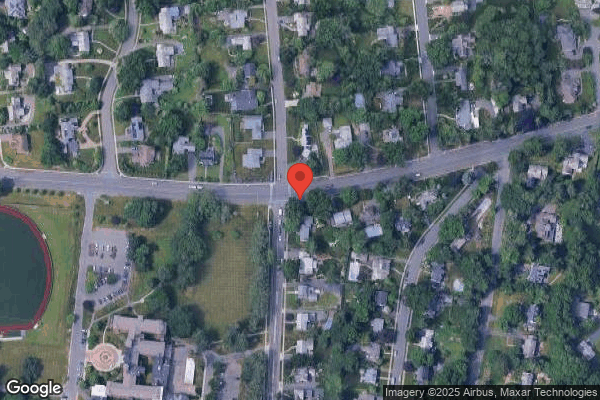
2021 ALBANY AVE, WEST HARTFORD, CT 06117 (860) 570-8200
Non profit - Corporation 256 Beds TRINITY HEALTH Data: November 2025
Trust Grade
35/100
#139 of 192 in CT
Last Inspection: November 2024

Within standard 12-15 month inspection cycle. Federal law requires annual inspections.

Overview

Saint Mary Home in West Hartford, Connecticut has received a Trust Grade of F, indicating poor performance with significant concerns. Ranking #139 out of 192 facilities in the state places it in the bottom half, and #49 out of 64 in Capitol County means there are only a few local options that are better. The facility is worsening, with issues increasing from 7 in 2022 to 12 in 2024, which raises serious red flags. Staffing is a relative strength, earning 4 out of 5 stars with a low turnover rate of 24%, suggesting that staff members remain consistent and familiar with the residents' needs. However, there have been some concerning incidents, including a failure to accurately manage a resident's medications after hospitalization, leading to their serious decline in mental health, and multiple residents not being offered COVID-19 vaccinations as required. Overall, while there are some positive aspects regarding staffing, the facility's significant issues and poor ratings make it a concerning choice for families.

Trust Score
F
35/100
In Connecticut
#139/192
Bottom 28%
Safety Record
High Risk
Review needed
Inspections
Getting Worse
7 → 12 violations
Staff Stability
✓ Good
24% annual turnover. Excellent stability, 24 points below Connecticut's 48% average. Staff who stay learn residents' needs.
Penalties
✓ Good
No fines on record. Clean compliance history, better than most Connecticut facilities.
Skilled Nurses
○ Average
Each resident gets 39 minutes of Registered Nurse (RN) attention daily — about average for Connecticut. RNs are the most trained staff who monitor for health changes.
Violations
⚠ Watch
23 deficiencies on record. Higher than average. Multiple issues found across inspections.
★★☆☆☆
2.0
Overall Rating
★★★★☆
4.0
Staff Levels
★★★★☆
4.0
Care Quality
★★☆☆☆
2.0
Inspection Score
Stable
2022: 7 issues
2024: 12 issues

The Good

  • 4-Star Staffing Rating · Above-average nurse staffing levels
  • 4-Star Quality Measures · Strong clinical quality outcomes
  • Low Staff Turnover (24%) · Staff stability means consistent care
  • Full Sprinkler Coverage · Fire safety systems throughout facility
  • No fines on record
  • Staff turnover is low (24%)

    24 points below Connecticut average of 48%

Facility shows strength in staffing levels, quality measures, staff retention, fire safety.

The Bad

2-Star Overall Rating

Below Connecticut average (3.0)

Below average - review inspection findings carefully

Chain: TRINITY HEALTH

Part of a multi-facility chain

Ask about local staffing decisions and management

The Ugly 23 deficiencies on record

1 actual harm
Nov 2024 7 deficiencies
CONCERN (D)

Potential for Harm - no one hurt, but risky conditions existed

Deficiency F0657 (Tag F0657)

Could have caused harm · This affected 1 resident

**NOTE- TERMS IN BRACKETS HAVE BEEN EDITED TO PROTECT CONFIDENTIALITY** Based on review of the clinical record, review of facility documentation, review of facility policy/procedures and interviews fo...

Read full inspector narrative →
**NOTE- TERMS IN BRACKETS HAVE BEEN EDITED TO PROTECT CONFIDENTIALITY** Based on review of the clinical record, review of facility documentation, review of facility policy/procedures and interviews for one of six sampled residents (Resident #60) residing on the secured unit, the facility failed to ensure the resident's care plan was comprehensive in regards to behaviors of wandering, elopement risk and placement on a secured unit. The findings included: Resident #60 was admitted to the facility in October of 2023 with diagnoses that included dementia, personal history of disease of the nervous system and sensory organs, and unsteadiness on feet and repeated falls. The annual MDS assessment dated [DATE] identified Resident #60 had severely impaired cognition, required partial/moderate assistance with chair to bed, toilet, and tub transfers, required supervision or touching assistance with walking 10 feet and wheeling 150 feet in the wheelchair. Additionally, the MDS indicated the resident did not exhibit wandering, rejection of care, or physical or verbal behaviors. The care plan reviewed for dates 10/17/2023 through 11/7/2024 identified Resident #60 had a chronic cognitive deficit and required ADL assistance related to dementia with interventions to provide cues/reminders during tasks, encourage involvement in activities and monitor baseline cognitive functions and monitor/record for changes. However, the care plan failed to identify any mention of wandering/elopement/or placement on the facility's secured unit. Review of Physician's orders, including discontinued orders from 10/17/2023 through 11/7/2024 identified the resident continued to require a skilled level of care based on evaluation of the resident' medical status, failed to direct placement on a secured unit and failed to direct monitoring for wandering/elopement. The Wandering/Elopement Risk assessment dated [DATE] identified Resident #60 had not exhibited any wandering behavior and had no history of wandering behavior. A Social Services note dated 11/3/2023 at 6:29 PM identified Resident #60's Brother was notified the resident was moved to the secured unit for wandering off of the current unit. The Wandering/Elopement Risk assessment dated [DATE] identified the resident had exhibited wandering behavior 1 to 3 days, wandering aimlessly, and exhibiting exit-seeking behavior. The assessment indicated that elopement prevention care plan was initiated or updated. Review of Nursing Progress notes from 11/4/24 through 11/7/24 identified the resident was adjusting well to the secured unit without elopement behavior noted. The nursing progress note dated 11/8/24 at 12:28 PM identified the resident self-propelled in the wheelchair and was noted to be wandering on the East 1 unit and when interviewed Resident #60 indicated he/she was looking his/her daughter. Additionally, the note identified the resident was within staff site until able to move to [NAME] 1, the secured unit. Physician's note dated 11/29/24 identified the resident required long term care and had had multiple falls. The note did not indicate the resident resided on a secured unit or had a problem with wandering/elopement. The Wandering/Elopement Risk assessment dated [DATE] identified wandering behavior had occurred 1 to 3 days since the last assessment. Additionally, this assessment indicated the resident was wandering to find family or pet, wandering aimlessly, and was actively exhibiting exit-seeking behavior and that an elopement prevention care plan had been initiated or updated. The Wandering/Elopement Risk assessment dated [DATE] identified wandering behavior was not exhibited and the resident had preciously attempted to leave a residence or other place unescorted and that the resident was cognitively impaired and independently ambulatory and had two previous wandering events while looking for his/her daughter. The assessment form indicated that an elopement prevention care plan was initiated or updated. The Wandering/Elopement Risk assessment dated [DATE] identified wandering behavior was not exhibited and that the resident had not had a history of elopement but did indicate the resident was cognitively impaired and independently ambulatory. Directions on the assessment form identified initiating/updating a care plan or service plan for elopement risk. Interview on 11/5/24 at 11:18 AM with SW #2 identified that care plans were completed by all disciplines, but the baseline care plan would be completed by nursing and whomever needed to add to the comprehensive could add to it. SW#2 indicated the nursing staff does the wandering/elopement assessment immediately if there was a concern and then quarterly. Interview on 11/5/24 at 2:59 PM with the DNS identified behaviors such as wandering or elopement should be reflected in the care plan. Interview on 11/5/24 at 3:30 PM with the Medical Director identified placement on the secured unit was a collaborative effort and discussed at risk meetings. The medical director indicated that wandering/elopement or transfer to the secured unit would be reflected in the resident's care plan. The facility policy for comprehensive care planning identified residents would have a patient specific plan of care identifying services that would be in place to maintain the resident's well-being. The wandering/elopement policy identified monitoring for wander guards, however, the facility did not utilize wander guards.
CONCERN (D)

Potential for Harm - no one hurt, but risky conditions existed

ADL Care (Tag F0677)

Could have caused harm · This affected 1 resident

**NOTE- TERMS IN BRACKETS HAVE BEEN EDITED TO PROTECT CONFIDENTIALITY** Based on observation, review of the clinical record, review of facility documentation, review of facility policy and interviews ...

Read full inspector narrative →
**NOTE- TERMS IN BRACKETS HAVE BEEN EDITED TO PROTECT CONFIDENTIALITY** Based on observation, review of the clinical record, review of facility documentation, review of facility policy and interviews for one sampled resident (Resident #58) reviewed for Activities of Daily Living (ADL's), the facility failed to ensure the resident was provided nail care. The findings include: Resident #58's diagnoses include dementia, disorientation and difficulty swallowing. The quarterly MDS assessment dated [DATE] identified Resident #58 was severely cognitively impaired, was moderately visually impaired, required moderate assistance for personal hygiene and was dependent for toileting, showering, and transfers. The Social Worker note dated 9/5/24 at 12:55 PM identified Resident #58 was very hard of hearing and had poor eyesight. The care plan dated 9/24/24 identified Resident #58 was at risk for a self-care deficit, required assistance with activities of daily living related to a visual impairment with interventions that included providing assistance in completing ADL tasks, and assistance with meals. Observation on 10/31/24 at 11:30 AM identified a brown like substance under the fingernails on Resident #58's left hand, the nails affected included the pointer, middle and ring finger nails. Observation on 11/5/24 at 12:15 PM identified a brown/black colored substance under Resident #58's fingernails on both the left- and right-hand. Observation on 11/7/24 at 10:40 AM with RN#3 (unit manager on East 2) and NA #1 identified Resident #58's nails on both hands had a brown, black colored substance underneath the nails, and a couple of the nails on the right hand, had jagged edges. Interview on 11/7/24 at 10:45 AM with NA #1 indicated the resident does not always allow care to be provided. The resident yells and calls out at times during care. If the resident pulls away or says no to care, care including nail care, would not be provided. NA #1 noted the resident's nails should be cleaned. Interview on 11/7/24 at 10:46 AM with RN #3 indicated the resident's nails should be cleaned and gently filed, and the substance under the resident's nails, appeared to be something other than feces. If NA#1 needed assistance to provide nail care for Resident #58, RN#3 identified she would provide support. On 11/7/24 at 10:50 AM subsequent to surveyor inquiry, Resident #58's nails were cleaned by NA#1. Although requested, the NA ADL flow sheets for the last 2 months were not provided. Review of the Activities of Daily Living (ADL) policy directed to document and provide individualized ADL care to each resident. Individualized care needs will be documented as appropriate.
CONCERN (E)

Potential for Harm - no one hurt, but risky conditions existed

Deficiency F0572 (Tag F0572)

Could have caused harm · This affected multiple residents

Based on review of facility documentation, review of facility policy/procedures and interviews, the facility failed to ensure that resident rights were reviewed on an ongoing basis. The findings inclu...

Read full inspector narrative →
Based on review of facility documentation, review of facility policy/procedures and interviews, the facility failed to ensure that resident rights were reviewed on an ongoing basis. The findings include: A review of the resident council's monthly meeting minutes for the period of May 2024 through October 2024 failed to identify that resident rights were reviewed at the resident council meetings and/or that resident rights information was disseminated to the resident council as a group or to the residents in general. Interview on 11/04/24 at 2:07 PM with the resident council identified that the facility did not review resident rights during the resident council meetings and did not disseminate resident rights information to the residents on a routine basis. Interview on 11/7/24 at 9:29 AM with the Therapeutic Recreation Director identified the residents received a Resident's [NAME] of Rights when admitted to the facility. She further noted that she is the designated person that assists the residents with the resident council meetings and noted that the meetings did not have a designated time to review resident rights. In addition, the facility did not have policies in place that addressed resident council. Interview on 11/7/24 at 10:27 with the Administrator identified the recreation department is responsible for conducting the resident council meetings and that the expectation is that the recreation staff will review resident rights with the residents during the meetings.
CONCERN (E)

Potential for Harm - no one hurt, but risky conditions existed

Deficiency F0603 (Tag F0603)

Could have caused harm · This affected multiple residents

**NOTE- TERMS IN BRACKETS HAVE BEEN EDITED TO PROTECT CONFIDENTIALITY** Based on observations, review of clinical records, review of the facility assessment and interviews for six sampled residents (R...

Read full inspector narrative →
**NOTE- TERMS IN BRACKETS HAVE BEEN EDITED TO PROTECT CONFIDENTIALITY** Based on observations, review of clinical records, review of the facility assessment and interviews for six sampled residents (Residents #29, #55, #60, #142, #167, and #184) residing on the secured unit (West 1), the facility failed to assess, care plan, demonstrate the secured unit was the least restrictive setting, and obtain consents for residents who were selected to reside on the secured unit. The findings included: Observations during all days of the survey October 31st, November 4, 5, 6, 7, and 8, 2024 identified the [NAME] 1 unit located on the first floor had entrance doors that were closed and secured. There was a key code pad adjacent to the doors that required a number code to be entered in order to gain access to the unit. All exterior doors and stairwell doors on the unit also required a key code to access the door. The staff was noted to input the code for visitors to exit the unit or enter the unit. Review of the Facility Assessment on 11/4/24 identified the facility's capability of managing residents with dementia and/or behaviors and indicated that residents with wandering behaviors would be considered for placement on the secured unit. The facility assessment did not include the criteria or specific function for placement on the unit. Interview on 11/4/24 at 12:47 PM with the Administrator identified the facility did not have a policy for the dementia unit (secured unit). She identified the unit was specifically a dementia unit and required a diagnosis of dementia for placement. She indicated she was unaware of other criteria for placement on the unit and that it would be an interdisciplinary decision for placement. Interview on 11/5/24 at 11:19 AM with SW #2 identified that placement on the secured unit involved the whole team and indicated the MDS, RN, SW, rehabilitation staff and Administrator were part of the team. She further identified that the doctor was not included at morning report when placement is discussed, and that nursing is responsible for completing the wandering assessments. She further identified that placement on the unit is talked about sporadically, but SW#2 was unsure what is documented in the clinical chart for residents residing on the secured dementia unit. Additionally, SW #2 indicated that some families request placement on the unit, but that most placements would be for safety reasons. Interview on 11/5/24 at 11:52 AM with the DNS identified placement on the secured unit depended on resident history. The DNS indicated the resident had to have a diagnosis of dementia, and if a resident was found wandering, they would be placed on the secured unit. If there was a placement on the unit, there were not consents, and the families, or conservators would be notified of the placement. The DNS identified the placements on the secured unit are discussed at the risk meetings which are run by the doctor. She indicated there are not re-assessments and the facility does not indicate whether the placement was the least restrictive. She indicated there was not an order placed for placement, nor a note regarding placement. Interview on 11/5/24 at 2:59 PM with the Administrator confirmed the facility did not have criteria outlined for placement on the secured unit. She identified the placements were discussed at the morning meetings daily and the risk meetings, weekly. She indicated that residents who exhibited behaviors in other areas of the facility would be placed on the secured unit. Additionally, she indicated that the secured unit was usually full because of requests for the residents to stay there, and there were rarely placements made. Interview on 11/6/24 at 2:13 PM with RN#1(unit supervisor) identified that placement on the secured unit or transfer onto the unit involved a discussion with the doctor and the family. RN #1 indicated the resident would have a diagnosis of dementia and would have to have wandering behaviors or safety concerns. Interview on 11/6/24 at 3:34 PM with the Medical Director identified there was a long process for placement on the secured unit, but if a resident was wandering or had a pattern of unsafe behaviors they would be placed on the secured unit. The Medical Director identified there were no guidelines for placement and that it was a medical assessment or a psychological assessment. He indicated that medical reasons for placement were ruled out and that he would expect a provider note indicating the resident resided on a secured unit but that the note might vary among different providers. Resident #29's diagnoses included unspecified dementia severe with other behavioral disturbance, Dysthymic disorder, and dysphagia oral stage. The wander/elopement risk assessments dated 4/15/24 and 7/23/24 identified the resident did not exhibit wandering behavior. The care plan dated 8/13/24 identified the resident had self-care deficits, falls, and confusion related to dementia but failed to identify the resident was placed on the secured unit and failed to identify behaviors of wandering. The quarterly MDS assessment dated [DATE] identified Resident #29 had severely impaired cognition, required substantial/maximal assistance for all transfers, and used a manual wheelchair for mobility, did not use physical restraints or alarms, and did not exhibit hallucinations, delusions, rejection of care or wandering behaviors. Resident #55's diagnoses included senile degeneration of brain, spinal stenosis, and dementia. The quarterly MDS assessment dated [DATE] identified the resident did not refuse care, did not exhibit wandering behavior, was dependent with toileting, shower/bathing, lower dressing, and required substantial/maximum assistance with upper body dressing and personal hygiene, sit to lying, lying to sitting on side of bed and all transfers. The assessment further noted the resident required a wheelchair and could not self-propel, thus was dependent on staff for movement around the unit. The care plan dated 9/16/24 identified Resident #55 was an elopement risk with an intervention to remains on secured locked unit. Additionally, the resident was identified as receiving Hospice care with interventions that included collaborate with hospice when changes to plan of care are made, Hospice SW and nurse to visit as needed to provide support, maintain an environment that promotes comfort, modify environment based on wants/needs and monitor for signs of restlessness or agitation. The wandering/elopement risk assessment dated [DATE] identified that wandering behavior was not exhibited. This was the only wandering/elopement risk assessment provided for this resident. Resident #60 was admitted to the facility in October of 2023 and had diagnoses that included dementia, psychotic disorder, anxiety, and repeated falls. The Wandering/Elopement Risk assessment dated [DATE] identified Resident #60 had not exhibited any wandering behavior and had no history of wandering behavior. The Wandering/Elopement Risk assessment dated [DATE] identified Resident #60 had exhibited wandering behavior 1 to 3 days, was wandering to find family or pet, wandering aimlessly, and exhibiting exit-seeking behavior. The assessment indicated that an elopement prevention care plan was initiated or updated. The Wandering/Elopement Risk assessment dated [DATE] identified wandering behavior had occurred 1 to 3 days since the last assessment. Additionally, this assessment indicated the resident was wandering to find family or pet, wandering aimlessly, and was actively exhibiting exit-seeking behavior and that an elopement prevention care plan had been initiated or updated. The Wandering/Elopement Risk assessment dated [DATE] identified wandering behavior was not exhibited and the resident had previously attempted to leave a residence or other place unescorted and that the resident was cognitively impaired and independently ambulatory and had two previous wandering events. The assessment form indicated that an elopement prevention care plan was initiated or updated. The Wandering/Elopement Risk assessment dated [DATE] identified wandering behavior was not exhibited and that the resident had not had a history of elopement but did indicate the resident was cognitively impaired and independently ambulatory. Directions on the assessment form identified initiating/updating a care plan or service plan for elopement risk. The annual MDS assessment dated [DATE] identified Resident #60 had severely impaired cognition, required partial/moderate assistance with chair to bed, toilet, and tub transfers, required supervision or touching assistance with walking 10 feet and wheeling 150 feet in the wheelchair. Additionally, the MDS indicated the resident did not exhibit wandering, rejection of care, or physical or verbal behaviors. The care plan reviewed for dates 10/17/2023 through 11/7/2024 identified Resident #60 had a chronic cognitive deficit and required ADL assistance related to dementia with interventions to provide cues/reminders during tasks, encourage involvement in activities and monitor baseline cognitive functions and monitor/record for changes. However, the care plan failed to identify any mention of wandering/elopement/or placement on the facility's secured unit. Review of Physician's orders, including discontinued orders from 10/17/2023 through 11/7/2024 identified the resident continued to require a skilled level of care based on evaluation of the resident' medical status, the orders failed to direct placement on a secured unit and failed to direct monitoring for wandering/elopement. Interview on 11/06/24 at 11:54 AM with resident's responsible party identified he/she was notified that the resident had a room change but was unaware that the resident was moved the secured unit. Resident #142's diagnoses included dementia, cerebral infarction unspecified, and peripheral vascular disease. The wandering/elopement risk assessment dated [DATE] identified wandering behavior was not exhibited. This was the only wandering assessment provided from the facility. The significant change MDS assessment dated [DATE] identified Resident #142 had severely impaired cognition, was dependent with toileting, showering, and personal hygiene, did not exhibit hallucinations, delusions, physical or behavioral symptoms, rejection of care, or wandering. The care plan dated 7/15/24 identified the resident was admitted for short term rehabilitation post hospitalization for stercoral colitis and lived on memory care unit with a goal to return to assisted living facility and interventions to include social work to work collaboratively with patient, family, IDT, and assisted living community to determine post discharge needs. Resident #167's diagnoses included Wernicke's encephalopathy, dementia, and difficulty in walking. Physician's progress notes dated 9/29/23, 1/24/24, 5/22/24, 7/25/24, and 9/18/24 identified the resident was transferred to memory unit because of agitation, risk of flight and indicated an attempted elopement in June 2023 but failed to identify re-assessment of placement on the secured unit and failed to identify that this was the least restrictive placement for the resident. The quarterly MDS assessment dated [DATE] identified Resident #167 had severely impaired cognition, did not exhibit hallucinations, delusions, physical or verbal behavioral symptoms, rejection of care or wandering behaviors, and required supervision or touching assistance with walking 10 and 50 feet with use of a walker. The care plan dated 10/7/24 identified resident #167 was at risk for wandering due to dementia and impaired safety awareness with a goal to not wander unsafely on or off memory lane through the next review with intervention to assess elopement risk upon admission, quarterly, or with significant change of condition and update care plan accordingly. Resident #184 was admitted to the facility in July of 2024 with diagnoses that included Alzheimer's disease, end stage renal disease, and diabetes mellitus without complications. The Wandering/Elopement Risk assessment dated [DATE] identified wandering behavior was not exhibited. Additionally, the assessment indicated the resident had not previously attempted to leave a residence or other place unescorted, was not cognitively impaired and independently ambulatory, did not have a history of elopement, was not on medication to manage elopement behaviors, had not verbalized intent to leave the facility, was not wandering to find family or a pet, was not wandering aimlessly and was not actively exit-seeking. Review of Nursing progress note from 7/22/24 through 11/6/24 identified the resident was placed on [NAME] 1 unit but failed to identify this was a secured unit, failed to identify consent for placement, assessment or reason for placement, or identification that this was the least restrictive placement for the resident. Additionally, nursing progress notes identified the resident was alert and oriented to self, was pleasant and cooperative with care, and did not have behavioral issues. Review of provider progress notes dated from 7/24/24 through 9/23/24 failed to identify assessment or reason for placement on a secured unit and failed to identify the placement on the secured unit as the least restrictive placement for the resident. The admission MDS dated [DATE] identified Resident #184 had severely impaired cognition, was always incontinent of bowel and bladder, utilized a walker and a wheelchair, required substantial/maximal assistance with toileting hygiene, shower/bathing, and partial/moderate assistance with all transfers and position changes. Psychiatric Evaluation and Consultation notes reviewed from 7/24/24 through 10/7/24 identified Resident #184 did not exhibit any behavioral or mood concerns and failed to identify resident was housed on a secured unit. The care plan dated 11/6/24 failed to identify the resident resided on a secured unit. Interview on 11/8/24 at 12:02 PM with the DNS and the Administrator identified placement on the unit would be for safety reasons, including wandering/elopement. Additionally, the Administrator indicated the residents were not re-evaluated for placement and that most placements remained in place based on requests from family members. Further, the Administrator could not identify whether or not consents for placement on the unit were obtained.
CONCERN (E)

Potential for Harm - no one hurt, but risky conditions existed

Deficiency F0761 (Tag F0761)

Could have caused harm · This affected multiple residents

**NOTE- TERMS IN BRACKETS HAVE BEEN EDITED TO PROTECT CONFIDENTIALITY** Based on observation, interviews and review of facility policy for 3 of 4 medication rooms, the facility failed to ensure medica...

Read full inspector narrative →
**NOTE- TERMS IN BRACKETS HAVE BEEN EDITED TO PROTECT CONFIDENTIALITY** Based on observation, interviews and review of facility policy for 3 of 4 medication rooms, the facility failed to ensure medication rooms had sanitary refrigerators, maintained at appropriate temperatures and expired medications were removed from the cabinets. Additionally, for 3 of 5 medication carts, the facility failed to ensure the carts were clean. The findings include: Observation of the [NAME] Crossing medication storage room with LPN #4 on 10/31/24 at 10:30 AM noted expired medication contained in the overstock cabinet consisting of 1 full bottle of 325 milligrams(mg) of Aspirin (100 tablets) with an expiration date of 9/24, and the freezer had a heavy accumulation of frost/ice. Interview with LPN #4 on 10/31/24 at 10:35 AM identified that she was unsure of who was responsible for cleaning out and restocking medication in the medication storage room. LPN #4 identified that the freezer needed to be defrosted and that the 11:00 PM to 7:00 AM shift was responsible for picking up discontinued medications. Interview with RN #1 at 11:15 AM on 10/31/24 identified that everyone should be monitoring the refrigerators temperatures but usually it is 3PM-11PM and it should be done daily. Also, RN#1 identified that 11PM-7AM was responsible for cleaning out expired medications from the storage rooms, that the freezer needed to be defrosted, and the refrigerator was soiled. Observation of the [NAME] medication storage room with LPN #5 on 10/31/24 at 11:00 AM on identified that the freezer had a heavy accumulation of frost/ice and needed to be defrosted, temperature logs were missing from 9/2/24, 9/3/24, 9/6/24, 9/7/24, 9/11/24, 9/12/24, 9/16,24, 9/17/24, 9/21/24, 9/22/24, 9/25/24, 9/26/24, 10/24/24, and 10/31/24. The refrigerator was found to be soiled with a tan, dried liquid type substance. The refrigerator contained 650 milligram Tylenol suppository (5 suppositories) with an expiration date of 4/24 (7 months past the expiration date). Also in the refrigerator was Bisacodyl suppository 10mg house stock 10 in a box, 12 boxes of Influenza vaccine, Ziopetan 0.0015% eye vials (3 boxes), Trulicity 1.5mg/0.5ml-0.5ml, Formoterol Fumarate 40ml one unit dose, a bottle of Rocklaton 0.02-0.005% eye drops, a bottle of Dorzolamide HCL 2% eye drops, a bottle of Rhopressa 0.02%, a bottle of Brimonidine Tartrate , a bottle of Latanoprost 0.005%, 2 pens of Trulicity 0.75mg/0.5ml, 1 Insulin Glargine pen, and 2 vials of Lispro 100units/ml. Also, observed in the over stock cabinet in the [NAME] medication room, a full bottle of Aspirin 325 milligrams(ml) (100 tablet) with an expiration date of 9/24 (2 months past the expiration date). Interview on 10/31/24 at 11:00 AM with LPN #5 identified that the refrigerator was soiled, needed to be cleaned, and the freezer need to be defrosted. The temperature logs were missing numerous dates and that 11:00 PM-7:00 AM and 3:00 PM-11:00 PM nursing staff were responsible for tracking the temperatures. Observation of the East 2 medication cart on 10/31/24 at 12:00 PM with LPN #1 noted loose medication pills in the second drawer from the bottom along with loose pieces of paper. Interview with LPN #1 on 10/31/24 at 12:05 PM identified that that everyone was responsible for cleaning the medication cart and that she felt it was not clean. Observation of the [NAME] 1 medication cart along with the [NAME] 1 medication storage room on 10/31/24 at 12:15 PM with LPN #2 identified that there were dropped pills inside of the medication cart on the bottom along with a brown liquid substance. The refrigerator temperature logs were missing dates from 10/22/24, 10/23/24, 10/24/24, 10/29/24, 10/30/24, and 10/31/24. Contents of the refrigerator included: 2 bottles of Lorazepam 2mg/ml, 4 Lantus pens of 100units/ml, 3 vials of Lispro 100units/ml, and 1 pen of Trulicity 0.75mg/0.5ml-0.5ml. Interview with LPN #2 on 10/31/24 at 12:20 PM identified that the medication cart was not clean and that the brown substance was sticky. LPN #2 identified that 11:00 PM -7:00 AM nursing staff oversaw cleaning the medication cart, and she was unsure of the policy. Observation of the EAST 1 med cart on 10/31/24 at 12:30 PM with LPN #3 identified that the medication cart contained a Geria Lanta 325 Milliliter(ml)Full bottle with an expiration date of 9/24 (2 months past the expiration date). Inside the cart it was noted to have brown, substance with a bubble pack containing medication laying in the bottom of the med cart. Interview with LPN #3 on 10/31/24 at 12:35 PM identified that everyone was responsible for going through the cart, but 11:00 PM-7:00 AM nursing staff were responsible. LPN #3 stated that the staff could do better at cleaning the cart and identified that the bubble packed medication belonged to a current resident. LPN #3 identified that she would contact maintenance to clean the cart. An interview with the Infection Preventionist (RN #2) on 10/31/24 at 2:20 PM identified that she doesn't always have access to the medication storage rooms because the unit nurse has the keys. RN #2 also identified that she checks the refrigerators on her rounds but not the freezers. Both the Director of Housekeeping and RN #2 identified that the freezers on [NAME] and Fitsgerald both needed to be defrosted and that the refrigerator on [NAME] was soiled. Also, the Director of Housekeeping and RN #2 identified that [NAME] 1 and East 1 medication carts were soiled and needed to be cleaned stating that nursing staff was to communicate to housekeeping when the medication carts needed to be cleaned including the refrigerators/freezers. Review of the facility policy for Cleaning of Refrigerators identified that all refrigerators and freezers should be cleaned by housekeeping on a regular basis and as necessary by nursing departments for spills. Also, identified the temperatures of any refrigerator or freezer that contains drugs, should be checked daily per the night shift and logged to ensure proper temperature control. Review of the facility policy for Storage and Expiration of Medications identified that the facility should ensure that medications and biologicals that have an expired date on the label, have been retained longer than recommended by manufacturer or supplier guidelines or contaminated or deteriorated, are stored separate from other medications until destroyed or returned to the pharmacy or supplier. Also, identified the facility should ensure that medication and biologicals are stored at their appropriate temperatures according to the United States Pharmacopeia guidelines for temperature ranges. Facility staff should monitor the temperatures of vaccines twice a day. Refrigerators temperatures should be from 36 degree-46 degrees.
CONCERN (E)

Potential for Harm - no one hurt, but risky conditions existed

Deficiency F0883 (Tag F0883)

Could have caused harm · This affected multiple residents

**NOTE- TERMS IN BRACKETS HAVE BEEN EDITED TO PROTECT CONFIDENTIALITY** Based on review of clinical records, review of facility documentation, review of facility policy/procedures, and interviews for ...

Read full inspector narrative →
**NOTE- TERMS IN BRACKETS HAVE BEEN EDITED TO PROTECT CONFIDENTIALITY** Based on review of clinical records, review of facility documentation, review of facility policy/procedures, and interviews for two of five sampled residents (Resident #83 and Resident #160), reviewed for immunizations, the facility failed to administer the pneumococcal vaccine as requested by the resident upon admission. The findings include: 1. Resident #83 was admitted to the facility in the month of June 2024 with diagnoses that included pneumonia, multiple rib fracture, and Alzheimer's disease. The quarterly MDS assessment dated [DATE] identified Resident #83 had severely impaired cognition. Review of the Vaccination Consent form for pneumovax identified Resident #83 gave the facility permission to administer the pneumovax vaccine on 6/26/2024. Review of Resident #83 clinical records failed to identify that he/she had received the vaccination at the facility or had change his/her decision. 2. Resident #160 was admitted to the facility in the month of June 2024 with diagnoses that included schizoaffective disorder, fracture of the right femur and heart failure. The quarterly MDS assessment dated [DATE] identified Resident #160 was cognitively intact. Review of the Vaccination Consent form for pneumovax identified Resident #160 gave the facility permission to administer the pneumovax vaccine on 6/26/2024. Review of Resident #160 clinical records failed to identify that he/she had received the vaccination at the facility or had change his/her decision. Interview with the Infection Preventionist nurse (RN #2) on 11/7/24 at 9:45 AM identified the charge nurses and/or supervisors are responsible to obtain the consent, obtain a physician's order, order the vaccine, administer the vaccine and document in the resident's immunization records. RN #2 further identified that she was not informed that the vaccine was not administer nor the charge nurse or supervisor notified her of any issues as to why the resident did not receive the vaccine as if the consent was signed the expectation was that it would be administered. Interview with the Nursing Supervisor/Unit Manager (RN #3) on 11/7/24 at 10:11 AM identified that the vaccine consents were obtained by the charge nurse and the nursing supervisor for resident who were responsible for themselves and cognitively intact, but it was primarily the responsibility of the charge nurse. RN #3 further identified the procedure after a vaccine consent was obtained from the resident or resident representative, that a physician's order would be obtained, the vaccine would be ordered from pharmacy then administered to the resident followed by updating the resident's immunization records. Review of the Immunization of Patients/Residents policy in effect up until of September 2024 identified all new patients/residents will be assessed for pneumococcal and Prevnar 13 vaccine status upon admission and permission obtained from the patient/resident (or representative) to administer the pneumococcal vaccine. The policy further identified that the pneumococcal vaccine should be administered one time only per physician's order.
CONCERN (F)

Potential for Harm - no one hurt, but risky conditions existed

Deficiency F0887 (Tag F0887)

Could have caused harm · This affected most or all residents

**NOTE- TERMS IN BRACKETS HAVE BEEN EDITED TO PROTECT CONFIDENTIALITY** Based on review of the clinical records, review of facility documentation, facility policy/procedures, and interviews for 5 of 5...

Read full inspector narrative →
**NOTE- TERMS IN BRACKETS HAVE BEEN EDITED TO PROTECT CONFIDENTIALITY** Based on review of the clinical records, review of facility documentation, facility policy/procedures, and interviews for 5 of 5 residents (Resident #83, Resident #97, Resident #120, Resident #160 and Resident #187), reviewed for immunizations, the facility failed to ensure that the COVID-19 vaccination were offered and/or assessed to residents. The findings include: 1. Resident #83 was admitted to the facility in the month of June 2024 with diagnoses that included pneumonia, multiple rib fracture, and Alzheimer's disease. The quarterly MDS assessment dated [DATE] identified Resident #83 had severely impaired cognition. The assessment further identified that Resident #83 COVID-19 vaccination was not up to date. Review of Resident #83's immunization consents and/records, along with the new admission vaccine audit documentation for June 2024 with the Infection Preventionist (RN #2) on 11/7/24 at 9:45 AM failed to identify that the COVID-19 booster vaccine was offered to the resident. 2. Resident #97 was admitted to the facility in the month of November 2023 with diagnoses that included type 2 diabetes mellitus, spinal stenosis and chronic obstructive pulmonary disease (COPD). The quarterly MDS assessment dated [DATE] identified Resident #97 was cognitively intact. Review of Resident #97's immunization consents and/records, along with the new admission vaccine audit documentation for November 2023 with the Infection Preventionist (RN #2) on 11/7/24 at 9:45 AM failed to identify that the COVID-19 vaccine was offered and/or assessed for past immunization. 3. Resident #120 was admitted to the facility in the month of October 2022 with diagnoses that included end stage renal disease, anemia and dementia. The annual MDS assessment dated [DATE] identified Resident #120 had severely impaired cognition. Review of Resident #120's immunization consent and/records with the Infection Preventionist (RN #2) on 11/7/24 at 9:45 AM failed to identify that the COVID-19 booster vaccine was offered to the resident. 4. Resident #160 was admitted to the facility in the month of June 2024 with diagnoses that included schizoaffective disorder, fracture of the right femur and heart failure. The quarterly MDS assessment dated [DATE] identified Resident #160 was cognitively intact. The assessment further identified that Resident #160 COVID-19 vaccination was not up to date. Review of Resident #160 immunization consents and/records, along with the new admission vaccine audit documentation for June 2024 with the Infection Preventionist (RN #2) on 11/7/24 at 9:45 AM failed to identify that the COVID-19 booster vaccine was offered to the resident. 5. Resident #187 was admitted to the facility in the month of August 2024 with diagnoses that included dislocation of internal right hip prosthesis, right artificial hip joint and dementia. The annual MDS assessment dated [DATE] identified Resident #187 had severely impaired cognition. Review of Resident #97's immunization consents and/records, along with the new admission vaccine audit documentation for August 2024 with the Infection Preventionist (RN #2) on 11/7/24 at 9:45 AM failed to identify that the COVID-19 vaccine was offered and/or assessed for past immunization. Interview with RN #2 on 11/6/24 at 11:33 AM identified that the COVID-19 vaccine was not offered to the residents as the facility was not offering the vaccine at the time. RN #2 identified that she would review the resident's COVID-19 vaccine status vaccination history, as when the vaccine became available, she would know what vaccine was needed. Interview with the Administrator and RN #2 on 11/6/24 at 2:30 PM identified that the COVID-19 immunization facility's policy in 2023 and 2024 did in fact indicated that the residents would receive the vaccine and the booster vaccine. The Administrator identified for some reason the vaccine was not offered and prior to this inquiry the COVID-19 vaccine consent was not apart of the admission packet. RN #2 identified that on admission the admitting nurse would obtain vaccine consents for all required vaccine, then obtain a physician's order for the requested vaccine for the vaccine to given by the nurse. The Administrator identified that the COVID-19 vaccine was schedule for November 2024, however, failed to identify that consents were provided to residents. Interview with the DNS on 11/7/24 at 10:55 AM identified that she thought that the COVID-19 vaccine was being offered to the residents as it was the infection preventionist responsibility to assess the resident's COVID-19 vaccination information on admission. Interview with the Nursing Supervisor/Unit Manager (RN #3) on 11/7/24 at 10:11 AM identified that vaccine consents were obtained by the charge nurse and the nursing supervisor for resident who were responsible for themselves and cognitively intact, but it was primarily the responsibility of the charge nurse. RN #3 identified that tetanus, pneumococcal and influenza vaccine consents were discussed and reviewed on admission, while for the COVID-19 vaccine, the nurses would inquire about the resident COVID-19 vaccine status but would let the resident know that the vaccine was not available currently and when it became available it would be administered. RN #3 identified that she could only recall the primary series (1st dose and 2nd dose) and one booster vaccine being offered and administered to the residents. RN #3 was asked if she recalled the COVID-19 vaccine being offered in 2023 and 2024 like the influenza vaccine in which she responded that it was not offered on an annual basis like the influenza vaccine. Interview with RN #2 on 11/8/24 at 10:00 AM identified that the COVID-19 vaccine was last offered for administration to the residents in January of 2023. RN #2 was asked if she was aware of the newsletter mailing with COVID-19 consents that was mailed to resident in October of 2023, which she responded that she was informed of the mailing that was going to be sent out, however did not received a consent form from the resident. RN #2 identified that she was and would be responsible for any COVID-19 vaccine administration as she would be the individual who orders the vaccine, ensured the consents were obtained and the vaccine was schedule to be administered. After surveyor's inquiry facility stating that the vaccine would be offered in November 2024, however consents are mailing yet to be obtained or initiated. Interview with the Pharmacy Technician #1 (the pharmacy provider of the facility) on 11/8/24 at 11:20 AM identified that the last ordering and delivered COVID-19 vaccine from the facility was on January 11, 2023, and failed to identify any order for the COVID-19 vaccine that was schedule for this year yet. The Pharmacy Technician #1 identified that she could not recall the pharmacy not having the COVID-19 vaccine available for homes and that there might had been a delay of a day or two but there was nothing major. In addition, the Pharmacy Technician #1 identified that homes (nursing homes) would schedule a clinic for the vaccine administration and notify the pharmacy of the schedule date so that the vaccines could be delivered timely. Interview with the DNS on 11/8/24 at 11:29 AM identified when asked where the facility obtained and/order vaccines in which the DNS identified that all vaccines are obtained and/order from the same pharmacy who provides the facility with all medications. Interview with Unit Manager (RN #5) on 11/8/24 at 12:00 PM identified that the COVID-19 vaccine consents were not completed in the resident's chart. RN #5 was asked since she was the unit manager of a long-term care unit if any resident had inquired about the COVID-19 vaccine, which she responded that the residents were asking especially with the influenza vaccine being offered and administered. RN #5 further identified that the COVID-19 vaccine was not offered as it was not available and was told recently after she had inquired about the COVID-19 vaccine that the vaccine would be offered to the residents soon. Review of the Infection Prevention and Control Manual Coronavirus (COVID-19) section of COVID-19 immunization dated 5/15/2023 and 10/3/24 identified in both that residents or resident representatives and staff at the facility will be provided education regarding the benefits and potential side effects associated with the Covid-19 vaccine and any boosters recommended and offered the vaccine when it is available to the facility, unless it is medically contraindicated, or resident or staff has already been immunized.
Sept 2024 2 deficiencies
CONCERN (D) 📢 Someone Reported This

A family member, employee, or ombudsman was alarmed enough to file a formal complaint

Potential for Harm - no one hurt, but risky conditions existed

Comprehensive Care Plan (Tag F0656)

Could have caused harm · This affected 1 resident

**NOTE- TERMS IN BRACKETS HAVE BEEN EDITED TO PROTECT CONFIDENTIALITY** Based on clinical record review, facility documentation review, facility policy review, and interviews for one of three resident...

Read full inspector narrative →
**NOTE- TERMS IN BRACKETS HAVE BEEN EDITED TO PROTECT CONFIDENTIALITY** Based on clinical record review, facility documentation review, facility policy review, and interviews for one of three residents (Resident #2) reviewed for accidents, the facility failed to ensure care was provided in accordance with the plan of care. The findings include: Resident #2's diagnoses included cerebral infarction, and hemiplegia (weakness) of left nondominant side. The admission MDS assessment dated [DATE] identified Resident #2 required extensive two (2) persons physical assist for bed mobility/support. Review of Physical Therapy evaluation note dated 5/4/2024 indicated that Resident #2 was instructed on rolling side to side with max assist of two (2), noted Resident #2 listed towards the right side with noted left hemiplegia neglect, attempted to sit at edge of bed with assist of two (2), and unable to sit fully upright at edge of bed. The Resident Care Plan (RCP) dated 5/6/2024 identified Resident #2 required assistance with ADLS. Interventions directed assist of two (2) with ADLs as needed. Physician's note dated 5/6/2024 indicated Resident #2 was oriented to person, place and time, had dense left hemiplegia and could not feel his/her left side, weakness. The nurse aide care card (Resident Summary) directed Resident #2 required the assist of two (2) at all times. Facility accident/incident report dated 5/8/2024 at 5:40 AM identified Resident #2 rolled out of bed onto floor during AM care. The facility investigation identified Resident #2 required total assistance with care, and Resident #2 stated he/she lost his/her grip on the bedrail during incontinent care. No injuries were identified. Review of NA #1's written signed statement after the fall identified Resident #2 was holding onto the railing when she provided care and Resident #2 let go of the bedrail and slipped onto the floor. Review of nursing note dated 5/8/2024 (written by LPN #1) identified that while Resident #2 was provided care, staff rolled Resident #2 onto his/her left side and Resident #2 tried to hold onto the bedrail. Resident #2 was too weak to hold onto the rail, let go of the rail and rolled out of bed onto the floor. The supervisor was notified at 5:40 AM, resident was assessed by supervisor, assisted back off floor with Hoyer lift, the family and APRN were notified. Interview, clinical record and facility documentation review with LPN #1 on 9/5/2024 at 12:31 PM identified NA #1 was a float staff and had provided care to Resident #2 by herself prior to the fall out of bed on 5/8/2024 at 5:40 AM. LPN #1 further indicated that a resident with a stroke should have a two person assist for care if the resident's care plan indicated two (2) person assist. On 9/5/2024 at 1:59 PM interview, clinical record review and facility documentation review with the DNS identified that Resident #2 could not use his/her left side, and that NA #1 should have had another staff member with her to provide care, as the Resident Care Plan directed assist of two (2) staff. The DNS was unable to explain why NA #1 did not have a second staff, and indicated that NA #1 was given a written warning regarding not having a second person to assist when providing ADL care to the resident. Interview, clinical record and facility documentation review with RN #2 on 9/9/2024 at 7:58 AM indicated that on 5/8/2024 when Resident #2 fell/slipped out of bed. RN #2 stated she provided education to NA #1 that a second NA was required for Resident #2's care and NA #1 needed to read the facility Resident Summary (NA care card). On 9/10/2024 at 12:51 PM interview, review of facility documentation with NA #1 identified she was aware Resident #2 required two (2) staff for care, but she provided the care alone because the other NA working was busy assisting another resident. NA #1 stated she was changing Resident #2 while Resident #2 was holding onto the railing, and then let go. Resident #2 slipped to the floor, and stated she could not hold Resident #2 to prevent the fall. NA #2 stated she had read the resident's care card and she should have had another staff with her to provide the care.
CONCERN (D) 📢 Someone Reported This

A family member, employee, or ombudsman was alarmed enough to file a formal complaint

Potential for Harm - no one hurt, but risky conditions existed

Accident Prevention (Tag F0689)

Could have caused harm · This affected 1 resident

**NOTE- TERMS IN BRACKETS HAVE BEEN EDITED TO PROTECT CONFIDENTIALITY** Based on clinical record review, facility documentation review, facility policy review, and interviews for one of three resident...

Read full inspector narrative →
**NOTE- TERMS IN BRACKETS HAVE BEEN EDITED TO PROTECT CONFIDENTIALITY** Based on clinical record review, facility documentation review, facility policy review, and interviews for one of three residents (Resident #2) reviewed for accidents, the facility failed to ensure resident care was provided in accordance with the plan of care to prevent a fall. The findings include: Resident #2's diagnoses included cerebral infarction, and hemiplegia (weakness) of left nondominant side. The admission MDS assessment dated [DATE] identified Resident #2 required extensive two (2) persons physical assist for bed mobility/support. Review of Physical Therapy evaluation note dated 5/4/2024 indicated that Resident #2 was instructed on rolling side to side with max assist of two (2), noted Resident #2 listed towards the right side with noted left hemiplegia neglect, attempted to sit at edge of bed with assist of two (2), and unable to sit fully upright at edge of bed. The Resident Care Plan (RCP) dated 5/6/2024 identified Resident #2 required assistance with ADLS. Interventions directed assist of two (2) with ADLs as needed. Physician's note dated 5/6/2024 indicated Resident #2 was oriented to person, place and time, had dense left hemiplegia and could not feel his/her left side, weakness. The nurse aide care card (Resident Summary) directed Resident #2 required the assist of two (2) at all times. Facility accident/incident report dated 5/8/2024 at 5:40 AM identified Resident #2 rolled out of bed onto floor during AM care. The facility investigation identified Resident #2 required total assistance with care, and Resident #2 stated he/she lost his/her grip on the bedrail during incontinent care. No injuries were identified. Review of NA #1's written signed statement after the fall identified Resident #2 was holding onto the railing when she provided care and Resident #2 let go of the bedrail and slipped onto the floor. Review of nursing note dated 5/8/2024 (written by LPN #1) identified that while Resident #2 was provided care, staff rolled Resident #2 onto his/her left side and Resident #2 tried to hold onto the bedrail. Resident #2 was too weak to hold onto the rail, let go of the rail and rolled out of bed onto the floor. The supervisor was notified at 5:40 AM, resident was assessed by supervisor, assisted back off floor with Hoyer lift, the family and APRN were notified. Interview, clinical record and facility documentation review with LPN #1 on 9/5/2024 at 12:31 PM identified NA #1 was a float staff and had provided care to Resident #2 by herself prior to the fall out of bed on 5/8/2024 at 5:40 AM. LPN #1 further indicated that a resident with a stroke should have a two person assist for care if the resident's care plan indicated two (2) person assist. On 9/5/2024 at 1:59 PM interview, clinical record review and facility documentation review with the DNS identified that Resident #2 could not use his/her left side, and that NA #1 should have had another staff member with her to provide care to prevent the fall. The DNS was unable to explain why NA #1 did not have a second staff, and indicated that NA #1 was given a written warning regarding not having a second person to assist when providing ADL care to the resident. Interview, clinical record and facility documentation review with RN #2 on 9/9/2024 at 7:58 AM indicated that on 5/8/2024 when Resident #2 fell/slipped out of bed. RN #2 stated she provided education to NA #1 that a second NA was required for Resident #2's care and NA #1 needed to read the facility Resident Summary (NA care card). On 9/10/2024 at 12:51 PM interview, review of facility documentation with NA #1 identified she was aware Resident #2 required two (2) staff for care, but she provided the care alone because the other NA working was busy assisting another resident. NA #1 stated she was changing Resident #2 while Resident #2 was holding onto the railing, and then let go. Resident #2 slipped to the floor, and stated she could not hold Resident #2 to prevent the fall. NA #2 stated she had read the resident's care card and she should have had another staff with her to provide the care to prevent the fall.
Aug 2024 1 deficiency
CONCERN (D) 📢 Someone Reported This

A family member, employee, or ombudsman was alarmed enough to file a formal complaint

Potential for Harm - no one hurt, but risky conditions existed

Resident Rights (Tag F0550)

Could have caused harm · This affected 1 resident

**NOTE- TERMS IN BRACKETS HAVE BEEN EDITED TO PROTECT CONFIDENTIALITY** Based on clinical record reviews, facility documentation, facility policies and interviews for one of three sampled residents (R...

Read full inspector narrative →
**NOTE- TERMS IN BRACKETS HAVE BEEN EDITED TO PROTECT CONFIDENTIALITY** Based on clinical record reviews, facility documentation, facility policies and interviews for one of three sampled residents (Resident #1) who was having episodes of diarrhea and required staff assistance to unplug an intravenous (IV) pump prior to toileting, the facility failed to respond to the resident's call bell timely which led to the resident utilizing the bed side wash basin to relieve him/herself of a bowel movement. The findings include: Resident #1's diagnoses included acute gastroenteropathy, diarrhea, Methicillin susceptible staph infection, unsteadiness on feet, weakness, and depression. The admission Resident Care Plan dated 5/12/24 identified Resident #1 had a self-care deficit, was at risk for falls, was receiving IV antibiotics for an infection, was on contact precautions due to diarrhea and Norovirus, and was at risk for skin breakdown. Interventions directed to allow the resident to complete as much as possible with activities of daily living tasks and then assist as necessary, provide incontinence care as needed, keep call light in reach, provide IV antibiotics as ordered, pressure reducing air mattress, assist with turning and repositioning, and skin protection after incontinent episodes as needed. The admission Minimum Data Set (MDS) assessment dated [DATE] identified Resident #1 made reasonable and consistent decisions regarding tasks of daily life, required supervision for bed mobility, and transfers, moderate assistance with ambulation, was occasionally incontinent of urine and frequently incontinent of stool. A nurse's note dated 5/19/24 at 4:53 PM identified Resident #1 continued to have loose stools and the as needed medication Imodium was given with fair effect. Interview with Person #1 on 8/8/24 at 10:10 AM identified on 5/19/24 Resident #1 called him/her very upset stating he/she needed to get Resident #1 out of the facility. Person #1 indicated Resident #1 was hooked up to an IV and had to use the bathroom due to diarrhea and no one was answering the call bell. Person #1 stated she lives close by and came directly to the facility to find Resident #1 had used the bed pan which was found on top of the garbage pail. Person #1 stated Resident #1 was unable to get to the bathroom, because the IV was plugged into the wall and hooked up into his/her arm. Interview with the 8AM-4PM nurse aide, Nurse Aide (NA) #2, on 8/8/24 at 1:00 PM identified she recalled Resident #1 had a bowel movement on the wash basin and it was on top of the garbage can. NA #2 recalled two (2) staff members went into the room and saw the wash basin, but she could not recall who the staff were. NA #2 identified Resident #1 told her she used the basin because no one was responding to the call bell. Interview with the Director of Nursing (DON) on 8/8/24 at 2:50 PM identified if staff had gotten to Resident #1's room quickly enough, Resident #1 would have likely used the bathroom, and the way Resident #1 relieved herself on the wash basin was not dignified. Review of the facility policy for Resident Rights identified the resident had the right to be treated with dignity in an environment that promotes maintenance or enhancement of quality of life and privacy in treatment and in care for personal needs.
Jun 2024 1 deficiency
CONCERN (D) 📢 Someone Reported This

A family member, employee, or ombudsman was alarmed enough to file a formal complaint

Potential for Harm - no one hurt, but risky conditions existed

Medical Records (Tag F0842)

Could have caused harm · This affected 1 resident

**NOTE- TERMS IN BRACKETS HAVE BEEN EDITED TO PROTECT CONFIDENTIALITY** Based on review of the clinical record, facility documentation, facility policy, and interviews for one (1) of three (3) residen...

Read full inspector narrative →
**NOTE- TERMS IN BRACKETS HAVE BEEN EDITED TO PROTECT CONFIDENTIALITY** Based on review of the clinical record, facility documentation, facility policy, and interviews for one (1) of three (3) residents (Resident #1) reviewed for notification, the facility failed to ensure the clinical record was complete and accurate to reflect the conservator of person was notified when a new medication was ordered and administered. The findings include: Resident #1 with diagnoses that included dementia, weakness, and depression. The comprehensive nursing admission assessment dated [DATE] identified Resident #1 had severely impaired cognition, was always incontinent of bowel and occasionally incontinent of bladder and required assistance of one with bed mobility, personal hygiene, transfers, and eating. The care plan dated 5/15/24 identified Resident #1 had mood and behavior concerns as evidenced by a depression diagnosis with interventions that directed to administer medications as ordered, monitor for adverse reactions, provide a calm, quiet environment, and monitor for triggers of mood and behavior changes. A physician's order dated 5/17/24 directed to administer trazodone (antidepressant and sedative) 50 milligrams (mg) every 12 hours as needed for agitation. Review of the Medication Administration Record (MAR) identified on 5/17/24 at 8:48 P.M. LPN #3 administered Resident #1 trazodone 50 mg. The nurse's note dated 5/18/24 at 7:39 P.M. written by LPN #2 identified that Resident #1's family member does not want Resident #1 on any tranquilizers without h/her approval, LPN #1 notified MD#1 and an order was obtained to discontinue the trazodone. Interview and clinical record review with the DNS on 6/11/24 at 1:30 P.M. was unable to provide documentation to reflect that on 5/17/24 Resident #1's family member was notified when MD #1 wrote a new order that directed to administer Resident #1 trazodone 50 mg every 12 hours as needed for agitation. The DNS indicated LPN #3 did call Resident #1's family member on 5/17/24 prior to administering trazodone to Resident #1 but did not write a nurse's note. The DNS identified on 5/17/24 LPN #3 should have written a nurse note to identify that she notified Resident #1's family member that trazodone was ordered. Interview with LPN #3 on 6/11/24 at 2:00 P.M. identified on 5/17/24 Resident #1 had increased agitation. LPN #3 identified MD #1 was notified and he wrote a new order that directed to administer to Resident #1 trazodone 50 mg every 12 hours as needed for agitation. LPN #3 identified prior to administering Resident #1 trazodone on 5/17/24 she called Resident #1's family member to provide an update on the new order for trazodone. LPN #3 indicated Resident #1's family member agreed with the use of trazodone as needed. LPN #3 identified on 5/17/24 on the 3 PM to 11 PM shift it was a chaotic evening and she forgot to write a nurse's note indicating she contacted Resident #1's family member. Although requested, a facility nursing documentation policy was not provided.
Jan 2024 1 deficiency
CONCERN (D) 📢 Someone Reported This

A family member, employee, or ombudsman was alarmed enough to file a formal complaint

Potential for Harm - no one hurt, but risky conditions existed

Deficiency F0657 (Tag F0657)

Could have caused harm · This affected 1 resident

**NOTE- TERMS IN BRACKETS HAVE BEEN EDITED TO PROTECT CONFIDENTIALITY** Based on clinical record review, facility documentation, facility policy, and interviews for one (1) of three (3) residents, (Re...

Read full inspector narrative →
**NOTE- TERMS IN BRACKETS HAVE BEEN EDITED TO PROTECT CONFIDENTIALITY** Based on clinical record review, facility documentation, facility policy, and interviews for one (1) of three (3) residents, (Resident #1), reviewed for behaviors, the facility failed to review and revise the care plan to include interventions for chewing behaviors at all times. The findings include: Resident # 1 had diagnoses that included Alzheimer's disease, dementia with behavioral disturbance, anxiety, dysthymic disorder, and major depressive disorder. The care plan dated 11/1/2023 identified Resident #1 had impaired thought process related to Alzheimer's and dementia and chewing behaviors with interventions directed to provide a chewing device that will be given to the resident when out of bed in the wheelchair. An undated care card identified that the resident was to be provided with the chewing device while out of bed and in the wheelchair. The care plan and care card failed to identify interventions for the chewing behavior while the resident was in bed. A significant change in status MDS dated [DATE] identified Resident #1 had severely impaired cognition with the absence of speech, was frequently incontinent of bowel and bladder and was dependent with Activities of Daily Living. A nurse's note dated 12/3/2023 at 6:23 A.M. written by RN #3 identified she was called to the unit at 5:15 A.M. by LPN #2. LPN#2 reported Resident #1 was noted with a bloody mouth and was chewing on his/her index finger. Upon arrival to Resident #1's bedside Resident #1's mouth was bloody and right-hand index finger was partially chewed off. Resident #1 showed no signs or symptoms of pain or discomfort. An ace wrap and dressing applied to Resident #1's right hand, 911 was called, and a call to Resident #1's daughter was notified. The APRN was notified verbal orders obtained to transfer Resident #1 to the hospital. A review of the Facility's Accident and Incident form dated 12/4/2023 identified on 12/3/2023 at 5:15 A.M. Resident #1's was chewing on his/her right index finger. LPN #2 was called to Resident #1's room by NA #4, Resident #1 noted with a bloody mouth and was chewing on his/her finger. The NA incident follow-up statement for injury of unknown origin dated 12/3/2023 by NA#4 identified she had last seen Resident #1 at 3:30 A.M. to provide incontinent care and when NA#4 went into Resident #1's room at approximately 5:15 A.M. she noted Resident #1 with his/her right hand in his/ her mouth and it was bloody. A review of the Emergency Department provider notes dated 12/3/2023 at 7:59 identified Resident #1 presents with EMS from nursing home. Resident #1 was found chewing on his/her right index finger. Resident #1 had a large avulsion injury to the right index finger. The X-ray shows the second digit swollen with subcutaneous gas, there also appears to be loss of cortication along the radial aspect of the second proximal phalanges. Resident #1 was seen by the hand surgeon, performed a bedside incision and drainage, a bulky dressing was applied, no surgery would be performed. Interview with NA #4 on 1/26/24 at 10:30 AM identified that she was the NA that had Resident #1 on her assignment on 12/2-12/3/23 on the 11:00 PM to 7:00 AM shift. NA #4 identified that the resident received turning and repositioning and incontinent care at 12:30 AM, 2:00 AM and at 3:30 AM, the resident was sleeping at those times. At 5:15 AM she entered the room to render care and noted that the resident's sheets, hands, and mouth were bloody, and the resident had chewed on h/her index finger, she called for the nurse right away. NA#4 stated that she could not recall if the chewing device was in bed with the resident, however, if she was not provided with the device she would chew on her nightgown, she had never witnessed the resident biting her skin. An interview with LPN #2 on 1/25/2024 at 1:25 P.M. and on 1/26/2024 at 6:30 P.M. who is Resident #1's primary charge nurse on the 11:00 PM to 7:00 AM shift indicated on 12/3/2023 at approximately 3:00 A.M. she had seen Resident #1 laying in his/her bed awake and calm, with no chewing behavior or abnormalities noted, and the chewing device was in bed with the resident, but the resident did not have the device was not in h/her hand. At Approximately 5:15 AM NA #4 called him to the room, and he then called the supervisor, and the resident was sent to the hospital. LPN #2 identified Resident #1 liked to chew and was always chewing on the chewing device, if Resident #1 did not have his/her chewing device, he would observe Resident #1 chewing on the edge of his/her nightgown, however, he had never witnessed the resident chewing on h/her skin. Interview and clinical record review with PA #1 on 1/26/2024 at 10:45 A.M. indicated she was aware that Resident #1 had an oral fixation and liked to chew on objects. PA #1 identified Resident #1 had a chewing device for his/her oral fixation which was refractory to antipsychotic medications. PA #1 identified Resident #1's oral fixation manifested as chewing and the chewing device was effective in treating the behavior. PA #1 indicated if Resident #1's intervention was to only provide him/her with the chewing device when out of bed in his/her wheelchair, during the day only she would have expected another intervention to be in place when Resident #1 was in bed as these chewing behaviors would not subside when Resident #1 was lying in bed. Interview with the Medical Director on 1/26/24 at 2:00 PM identified that it was possible that the resident thought that h/her hand was the chewing device and may have had impaired pain receptors due to the diagnosis of dementia. The Medical Director further identified that if the resident had mistaken h/her hand for the chewing device it would not have taken very long for the resident to cause that type of damage to h/her hand. An interview with the Administrator and DNS on 1/25/2024 at 2:00 P.M. they identified Resident #1 had a chewing device that he/she chewed on when he/she was awake out of bed during the daytime hours, this device was care planned to be provided while the resident was up in the wheelchair only, as they were not aware that the resident required the chew device while in bed. Review of the facility care planning process policy identified care plans will be developed with those areas identified as care needs. Individualized interventions will be carefully planned according to the problem areas identified.
Feb 2022 7 deficiencies 1 Harm
SERIOUS (G)

Actual Harm - a resident was hurt due to facility failures

Deficiency F0760 (Tag F0760)

A resident was harmed · This affected 1 resident

**NOTE- TERMS IN BRACKETS HAVE BEEN EDITED TO PROTECT CONFIDENTIALITY** Based on review of the clinical record, facility documentation, facility policy and interview for 1 resident (Resident #60) revi...

Read full inspector narrative →
**NOTE- TERMS IN BRACKETS HAVE BEEN EDITED TO PROTECT CONFIDENTIALITY** Based on review of the clinical record, facility documentation, facility policy and interview for 1 resident (Resident #60) reviewed for hospitalization, the facility failed to ensure medications were accurately reconciled after the resident returned from the hospital resulting in the omission of a medication for 9 days which resulted in a significant change in the residents mental status and a subsequent 12 day hospitalization. The findings include: Resident #60's diagnoses included schizophrenia, cerebral palsy, congenital hydrocephalus and seizure disorder. A progress note, written by MD #3 (resident's primary care physician) dated 10/13/20 identified Resident #60 had a history of schizophrenia and seizure disorder and was currently on Clozapine 400mg daily. The quarterly MDS dated [DATE] identified Resident #60 had moderately impaired cognition, required total 1-person assistance with bathing, extensive 2-person assistance with bed mobility, transfers, toilet use and locomotion on unit, extensive 1 person assistance with dressing, grooming and locomotion off unit and supervision with eating. Resident did not ambulate. The corresponding care plan identified the resident was taking medication to manage mood and depression related to a diagnosis of schizophrenia. Interventions included to provide psychiatric services, observe for behaviors and support resident when exhibiting those behaviors. Physician's November 2020 orders (with original date of 10/26/18) directed to administer Clozapine 400mg once daily at 9:00 PM. A Nurse's Note dated 11/12/20 identified the resident was transferred to the hospital admitting at 12:25 PM for a planned overnight admission for bowel preparation for scheduled colonoscopy on 11/13/20. A Nurse's Note dated 11/14/20 identified the resident returned to the facility via stretcher from the hospital at 6:00 PM, was status post colonoscopy on 11/13/20 and was alert and responsive. Orders were verified with MD #2 by charge nurse. Review of the Hospital Medicine Inpatient Discharge Summary identified discharge date of 11/14/20 indicating there were no active hospital problems. Review of the discharge medication list did not include Clozapine, which resident had been taking daily. Further review of the discharge instructions directed to resume all previous medications and the only new medication was sucralfate. Review of the November 2020 MAR identified Clozapine 400mg had been administered daily at 9:00 PM from 11/1/20 through 11/11/20. Further review indicated that subsequent to Resident #60 ' s return from the hospital on [DATE], the Clozapine 400mg was not administered between 11/14/20 through 11/20/20, 7 days. Review of a progress note, written by MD #3, dated 11/16/20 (2 days after readmission from scheduled inpatient colonoscopy) identified Resident #60 had a history of schizophrenia and seizure disorder and was currently on Clozapine 400mg daily. Review of MD #2's progress note dated 11/20/20 identified Resident #60 was seen and upon examination Resident #60 was not responding to painful stimuli, was not following any commands and was not seen spontaneously moving extremities. MD #2 identified resident had a history of seizures and was on Keppra and carbamazepine. MD #2 ' s note indicated because of the altered mental status and unresponsiveness, will send to the ER as concerned about nonconvulsive seizure. Resident #60 was maintaining airway and not in any acute respiratory distress. The hospital Discharge summary dated [DATE] identified Resident #60 with diagnoses including seizure disorder and schizophrenia who recently abruptly stopped chronic Clozapine use and presented with altered mental status concerning for catatonia induced acute metabolic encephalopathy. Resident #60 does not appear to be on the Clozapine which he/she had been taking in the past. It ' s unclear currently if this was a medication reconciliation error. The resident was admitted to the floor for further management of the altered mental status. Psychiatry was consulted and upon their assessment there was likely a component of catatonia. Clozapine was restarted at a small dose and increased every day by 25mg until reaching a dose of 200mg twice daily. Given the catatonia, the resident was started on an Ativan taper with improvement in the mental status. Upon discharge the resident is back to baseline mental status but in terms of mobility, physical therapy was recommended. Interview with RN #5 on 2/2/22 at 11:50 AM identified that she no longer works at the facility and did not recall Resident #60's readmission to her unit on 11/14/20. RN #5 identified during this time, COVID-19 protocols were in place and admissions and readmissions were arriving on her unit constantly, because it was the unit where residents would quarantine after hospital stays or appointments. RN #5 indicated there was a lot of movement on that unit during this time because after quarantining, the resident would then be transferred back to their original unit. RN #5 identified although she did not recall this particular readmission, her usual practice was to contact resident's physician or APRN, if unavailable, or their covering provider to verify orders. RN #5 identified she typically compared resident's previous orders with those documented on the hospital discharge instructions and reviewed with physician. If any discrepancies were identified, RN #5 indicated she would bring the concern to the physician's attention to receive further instruction or clarification. Interview with MD #2 on 2/3/22 at 9:15AM identified he was the medical director for the facility and was not Resident #60's primary care physician, however after reviewing the clinical record, identified that he was the physician who verified orders upon resident's return to facility after the scheduled inpatient colonoscopy on 11/12/20 - 11/14/20. MD#2 identified he does rely on the nurse who is reviewing discharge orders with him to bring any discrepancies needing to be clarified or addressed, to his attention. MD #2 identified at that time, COVID protocols were in place requiring residents returning after appointments and hospitalizations to be quarantined on a designated unit. Resident #60, who resided on another unit prior to the scheduled 11/12/20 - 11/14/21 procedure, was readmitted on to the designated quarantining unit. MD #2 identified when nurses who are unfamiliar with a resident's medications are reviewing and verifying with physician, discrepancies can be missed. MD #2 identified because the discharge documentation did not list Clozapine on the medication list, it had been missed, and if not brought to his attention, he would not have known it needed to be addressed. MD #2 identified that it was his usual practice to write a note if there are any concerns or changes that he makes or addresses and in reviewing his notes, he did not see anything pertaining to the Clozapine. MD #2 identified when he was asked to see Resident #60 on 11/20/20, and found the resident to be unresponsive, and he was concerned about seizures. MD #2 identified that there were many holes, like swiss cheese, contributing to this missed medication and subsequent hospitalization. MD #2 identified he was working with the DNS and nursing to prevent and identify discrepancies in the future. Interview with Pharmacist #1 on 2/4/22 at 11:35 AM identified that abrupt cessation of Clozapine was not recommended due to the potential for cholinergic rebound (headache, nausea, vomiting, diarrhea), agitation, confusion, insomnia and extrapyramidal symptoms (EPS). Pharmacist #1 identified if Clozapine was to be discontinued, the recommendation was for a gradual dose reduction over 1 - 2 weeks. Interview with APRN #1 on 2/7/22 at 10:10 AM identified that she has known Resident #60 since 2015 and that the resident had been receiving Clozapine for as long as she's known the resident. APRN #1 identified she was aware resident had been scheduled for the inpatient prep and colonoscopy (11/12/20) because the resident was unable to tolerate the prep in the facility. APRN #1 identified that she had been off when resident returned to facility on 11/14/20 and for the next 2-3 days and was not the provider who reviewed the orders upon resident's reentry. APRN #1 identified when she saw the resident midweek, she noted resident to be alert but was not his/her usual self and ordered lab work, chest x-ray, KUB and ultrasound. APRN #1 identified that intravenous fluid were started however due to the resident' further decline after assessment by MD #2 on 11/20/20, the resident was sent to the ER for further evaluation. APRN #1 identified upon review of resident's clinical record on the day of hospital transfer (11/20/20), she noted that the Clozapine had been discontinued on 11/14/20 (upon return from colonoscopy procedure) but had not been resumed, indicating resident had not received the medication since 11/11/20, a total of 9 days. APRN #1 identified when she identified this 9-day lapse of the resident not receiving Clozapine, she notified the hospital ER staff. APRN #1 indicated that although her usual practice was to inform the RN supervisor at the facility about any concerns needing to be addressed, she did not recall who she had informed about the discontinued Clozapine at the time. APRN #1 identified Resident #60's hospital admission was largely due to the abrupt discontinuation of Clozapine, resulting in altered mentation, which could have been prevented had there not been so many missteps from the time of resident's return to facility, status post inpatient colonoscopy. Interview with the DNS on 2/8/22 at 3:00PM identified that at the time of this incident, there was a different process in place for reconciliation of medications. The DNS indicated they implemented a more formalized procedure and educated licensed staff on verification of orders and their new process. Although requested, no documentation of education was provided. Although requested, a policy was not provided related to reconciliation of medications.
CONCERN (D)

Potential for Harm - no one hurt, but risky conditions existed

Deficiency F0602 (Tag F0602)

Could have caused harm · This affected 1 resident

Based on review of banking statements, facility's documentation and interviews for 1 of 4 residents, (Resident #66) who was reviewed for misappropriation, the facility failed to prevent misappropriati...

Read full inspector narrative →
Based on review of banking statements, facility's documentation and interviews for 1 of 4 residents, (Resident #66) who was reviewed for misappropriation, the facility failed to prevent misappropriation of the resident's personal funds. The findings include: Resident #66 was admitted to facility in 2017. Interview on 1/13/22 at 11:48 AM with Person #1 (Resident #66's representative) identified that the resident received quarterly financial statements from facility. Following detailed review of the quarterly statements, Person #1 noted that Resident #66 had been billed for multiple hairdresser visits in one day and/or week. Person #1 notified the Regional Ombudsman who organized a meeting with the Administrator and 2 representatives from the business office. A review of Resident #66's personal funds records by the facility identified that a total of $268.75 was withdrawn from the account without permission. Person #1 indicated the facility failed to provide any information regarding what happened to the $268.75 and reported that he/she was told by the facility that Resident #66's account would be reimbursed. At the time of interview, Person #1 indicated he/she was awaiting a quarterly billing statement ending December 2021 to confirm reimbursement and identified that the two staff in the business office who were responsible for billing no longer worked at facility, and that both were gone less than a month after the incident was reported, and meeting was held. Review of the last 4 quarters of Resident #66's personal statement and hairdresser's logs dated 10/1/20 to 9/30/21 identified there were hairdresser service charges billed to the resident that did not appear on the hairdressing logs provided, as well as duplicate billing on the same date. Both the facility and Person #1 agreed that Resident #66 was overcharged an excess of $268.75, for hair dressing services that were not rendered. Interview with Hairdresser #1 on 1/13/22 at 1:48 PM identified that Resident #66 was her customer, and that the representative requested that Resident #66's hair be done once per week. Hairdresser #1 identified that even though it was not always possible to accommodate the resident every week, she had never performed services more than once per week. Hairdresser #1 identified that she provided a log of services and to what resident she provided, along with the pricing for services on a daily or weekly basis to facility. In an interview with the Administrator on 1/14/22 at 10:55 AM identified that there was a database used for managing the residents accounts, all transactions are virtual, and the incident may have resulted from a data entry error. The Administrator identified that the two bankers in the business office had resigned unassociated with incident. When asked if a complete investigation was completed to determine if other residents were affected, the Administrator indicated it was not. The Administrator could not identify where the $268.75 had gone. Review of Banker #2 personnel file indicated she resigned 10/6/21 effective the same day. Review of the Business Office Manager personnel file indicated she resigned 10/25/21 effective 11/12/21. Attempts to interview Banker #2 and the Business Office Manager were unsuccessful. Review of the facility's policy identified that misappropriation included deliberate misplacement, exploitation, wrongful, temporary, or permanent use of a resident's money without.
CONCERN (D)

Potential for Harm - no one hurt, but risky conditions existed

Medical Records (Tag F0842)

Could have caused harm · This affected 1 resident

**NOTE- TERMS IN BRACKETS HAVE BEEN EDITED TO PROTECT CONFIDENTIALITY** Based on review of the clinical record, facility documentation, facility policy and interviews for 1 resident (Resident #700), r...

Read full inspector narrative →
**NOTE- TERMS IN BRACKETS HAVE BEEN EDITED TO PROTECT CONFIDENTIALITY** Based on review of the clinical record, facility documentation, facility policy and interviews for 1 resident (Resident #700), reviewed for skin integrity, the facility failed to maintain an accurate clinical record according to the resident's experience. The findings included: Resident #700's diagnoses included severe intellectual disabilities, anxiety disorder and osteoarthritis. The admission MDS dated [DATE] identified Resident #700 had moderately impaired cognition and no pressure ulcers. Review of the wound physician's progress notes dated 9/7, 9/14, and 9/21/21 identified that Resident #700 was admitted to the facility on [DATE] for rehabilitation and long-term care after a three-month hospitalization. The note indicated the resident is evaluated at this time by wound care for an area of pressure ulceration on the right buttock which was present on admission. Interview with RN #7 on 2/15/22 at 3:08 PM and review of the wound note dated 9/7/21 indicated that the Resident #700's pressure ulcer was identified on 9/3/21 by the facility, not on admission, and that MD #2 may have confused Resident #700 with another resident.
CONCERN (D)

Potential for Harm - no one hurt, but risky conditions existed

Deficiency F0919 (Tag F0919)

Could have caused harm · This affected 1 resident

**NOTE- TERMS IN BRACKETS HAVE BEEN EDITED TO PROTECT CONFIDENTIALITY** Based on observation, review of the clinical record, facility documentation, facility policy, and interviews for 1 resident (Res...

Read full inspector narrative →
**NOTE- TERMS IN BRACKETS HAVE BEEN EDITED TO PROTECT CONFIDENTIALITY** Based on observation, review of the clinical record, facility documentation, facility policy, and interviews for 1 resident (Resident #47) reviewed for environment, the facility failed to ensure a nonfunctioning call light was reported and replaced immediately, per facility policy. The findings include: Resident #47 was admitted to the facility with diagnoses that included hemiplegia. The quarterly MDS dated [DATE] identified Resident #47 had intact cognition, was frequently incontinent of bowel and occasionally incontinent of bladder and required extensive assistance with bed mobility, toilet use and hygiene. Resident #47 required total assistance with transfers. The care plan dated 11/16/21 identified functional urinary incontinence related to neurological dysfunction, history of BPH. Interventions included to check for incontinence, change if wet/soiled, clean skin with mild soap and water, apply moisture barrier, three times daily, evaluate incontinence pattern to determine voiding schedule, use pads/briefs to manage incontinence. Interview with Resident #47 on 1/10/22 at 10:42 AM identified that his/her diaper was soiled, and he/she wanted to be changed. The call light button on the resident's bed was activated by the resident at 10:42 AM. Resident #47 identified that there would be times that he/she would be waiting for a long time when he/she rings the call bell to be changed. Surveyor observed, after 5 minutes, no staff came to check on the resident. Additionally, surveyor observed resident pushing the call light button again. Surveyor observed that the light outside of resident's door, was not lit up. Surveyor pulled the emergency cord from the bathroom and the light outside the door showed red blinking light and was also beeping. Staff, then, went to check on the resident. Interview with NA #2 on 1/10/22 at 10:58 AM identified that the resident's call light did not work. Upon further surveyor inquiry, NA #2 identified she initially noticed that the Resident #47's call light was not working when she worked last Thursday, and she was not aware how long it had been non-functional. Interview with LPN #1 on 1/10/22 at 11:02 AM identified that she was not aware that the resident's call light was not functioning. Subsequent to surveyor inquiry, LPN #1 stated that she would put a work order to have the call light fixed. LPN #1 stated that maintenance was responsible for fixing the call light system. Additionally, LPN #1 later identified that the resident's room had 2 call bell buttons, for when there would be another resident admitted into the room. LPN further explained that one of the call bells was not working and that the resident might have used the one that was broken. Upon further surveyor inquiry, LPN #1 identified that all staff were responsible for making sure that resident call bells were properly working. Subsequent to surveyor inquiry, LPN put in a work order in the computer. Interview with Facilities Operations Manager on 1/12/22 at 10:06 AM identified that maintenance was done by the vendor. He also stated that facility does not have a policy for maintenance of the call bell systems. He stated that if there are issues identified with the call bell system, that their department will fix them. He explained that the resident's room was used as 2-bed room and there were originally 2 call bells. Additionally, he stated that when maintenance staff went in resident's room that afternoon to check the call bells, one of the two was not working but the one intended for the other bed was working indicating that the resident might have used the non-working call bell instead of the functioning one. He further stated that the non-functioning one was removed, and resident's call bell was replaced with a new call bell cord later that day. Interview with DNS on 1/12/22 at 10:46 AM identified that staff are expected to report to charge nurse or supervisor immediately if a call bell was found to be not functional, and maintenance would also be informed, and a work order would be entered. The DNS also stated that there was usually a spare call bell cord on the floor, in case a call bell needed to be replaced right away, and the nurses were aware of this. Review of work order log failed to show any previous work order for the non-functioning call bell in that specific room. Review of facility policy titled Answering Call Lights directed to report all defective call lights immediately to the supervisor to assure proper maintenance response.
CONCERN (E)

Potential for Harm - no one hurt, but risky conditions existed

Safe Environment (Tag F0584)

Could have caused harm · This affected multiple residents

**NOTE- TERMS IN BRACKETS HAVE BEEN EDITED TO PROTECT CONFIDENTIALITY** Based on observation, review of the clinical record, facility documentation, facility policy and interviews, for 6 of 7 units, t...

Read full inspector narrative →
**NOTE- TERMS IN BRACKETS HAVE BEEN EDITED TO PROTECT CONFIDENTIALITY** Based on observation, review of the clinical record, facility documentation, facility policy and interviews, for 6 of 7 units, the facility failed to ensure comfortable and safe temperature levels in the resident rooms and maintain a temperature range of 71 degrees to 81 degrees per CMS guidelines. The findings include: Observation of resident units and resident rooms on 1/18/22 at 1:35 PM - 4:00 PM with Maintenance Person #1 identified the resident rooms temperatures ranged between 55 degrees Fahrenheit and 78 degrees Fahrenheit. West 1 unit resident room temperatures ranged between 66 degrees and 74 degrees F. Observation identified multiple residents with extra bath blankets covering them in the rooms. East 1 unit resident room temperatures ranged between 66 degrees and 72 degrees. Observation identified multiple residents with sweaters and extra bath blankets covering them. East 2 unit resident room temperatures ranged was between 55 degrees and 75 degrees. Observation identified multiple residents with sweaters and extra bath blankets covering them. West 2 unit resident room temperatures ranged between 50 degrees and 74 degrees. Observation identified multiple residents with sweaters and extra bath blankets covering them. West 3 unit resident room temperatures was between 68 degrees and 78 degrees. Observation identified multiple residents with sweaters and extra bath blankets covering them. [NAME] unit resident room temperatures was between 67 degrees and 76 degrees. Observation identified multiple residents with sweaters and extra bath blankets covering them. Resident #33 was admitted to the facility on [DATE] with diagnoses that included pyogenic arthritis, major depressive disorder, displacement fracture of lateral condyle of right tibia. The 5-day MDS dated [DATE] identified Resident #33 had intact cognition and required extensive assistance with personal hygiene. Interview with Resident #33 on 1/18/22 at 1:53 PM identified he/she resides on the East 1 unit and indicated it gets real cold at night in his/her room. Resident #33 indicated the staff does add extra blankets on the bed at night. Room temperature on 1/18/22 was 70 degrees at that time. Resident #65 was admitted to the facility on [DATE] with diagnoses that included iron deficiency anemia, rheumatoid arthritis, and history of transient ischemic attack. The significant change MDS dated [DATE] identified Resident #65 had intact cognition and required extensive assistance with personal hygiene. Interview with Resident #65 on 1/18/22 at 1:56 PM identified he/she resides on East 1 unit. Resident #65 indicated it gets real cold at night in his/her room and indicated the staff would place extra blankets on the bed at night. Room temperature on 1/18/22 was 72 degrees at that time Resident #36 was admitted to the facility on [DATE] with diagnoses that included chronic kidney disease, dementia with behavioral disturbance, and repeated falls. The quarterly MDS dated [DATE] identified Resident #36 had intact cognition and required extensive assistance with personal hygiene. Interview with Resident #36 on 1/18/22 at 2:00 PM identified he/she resides on [NAME] 1 unit. Resident #36 was observed sitting on the bedside chair with a towel wrapped around his/her shoulders. Resident #36 indicated that it is cold. Staff brought blanket and wrapped it around Resident #36 shoulders and placed a blanket on his/her lap. Room temperature on 1/18/22 was 69 degrees at that time. Interview with NA #2 on 1/18/22 at 2:15 PM identified she has been employed at the facility for 11 years and works on the East 2 unit. She indicated that she worked on Saturday 1/15/22 and Sunday 1/16/22 and it was freezing on the floor and the resident rooms. She indicated the staff had to give the residents multiple blankets to try and keep them warm. She identified some residents had has much as 4 blankets on them. She indicated the staff was also cold. Resident #54 was admitted to the facility on [DATE] with diagnoses that included osteoarthritis of knee, major depressive disorder, and idiopathic peripheral autonomic neuropathy. The quarterly MDS dated [DATE] identified Resident #54 had moderate impaired cognition and was independent with personal hygiene with setup help only. Interview with Resident #54 on 1/18/22 at 2:32 PM identified he/she resides on East 2 unit. Resident #54 indicated at night it's cold in the room and indicated this weekend (Saturday 1/15/22 and Sunday 1/16/22) there was no heat in the room or in the hallway. Resident #54 indicated on Monday 1/17/22 in the morning the heat came on full blast. Room temperature on 1/18/22 was 74 degrees at that time. Interview with LPN #1 on 1/18/22 at 2:36 PM identified she has been employed at the facility for 13 years. LPN #1 indicated she worked on the weekend Saturday 1/15/22 and Sunday 1/16/22 on the 7:00 AM - 3:00 PM shift on the East 2 unit. She indicated the floor/unit was cold this weekend. She indicated the residents were complaining how cold it was and extra blankets were given to the residents. LPN #1 indicated she called the front desk and reported that it was cold on the unit. She indicated the person from the front desk came up and checked some of the rooms. He went into room [ROOM NUMBER] and called Maintenance #2. Maintenance #2 came in and it was still cold on the unit. She indicated when she left at 3:00 PM the unit was still cold. Resident #132 was admitted to the facility on [DATE] with diagnoses that included anemia, congestive heart failure, hypothyroidism, and cerebral infarction. The quarterly MDS dated [DATE] identified Resident #132 had moderate impaired cognition and required extensive assistance with persona hygiene. Interview with Resident #132 on 1/18/22 at 2:50 PM identified he/she resides on [NAME] 3 unit and indicated it is very cold in the room every day and night. Resident #132 indicated he/she has been complaining about the heat for couple of months. Resident #132 indicated he/she has complained to all the staff on the floor. Resident #132 indicated the staff puts extra blankets on the bed plus a personal comforter. Resident #132 indicated it was very cold this weekend (Saturday 1/15/22 and Sunday 1/16/22) there was no heat in the room and the nighttime was very cold. Room temperature on 1/18/22 was 68 degrees at that time. Resident #122 was admitted to the facility on [DATE] with diagnoses that included osteoarthritis, dementia with behavioral disturbance, and type II diabetes mellitus. The annual MDS dated [DATE] identified Resident #122 had severely impaired cognition and required extensive assistance with personal hygiene with one-person physical assist. Interview with Resident #122 on 1/18/22 at 3:00 PM identified he/she resides on [NAME] 2 unit. Resident #122 indicated the room is cold there is no heat in the room. He/she indicated the staff give extra blankets on the bed at night. Room temperature on 1/18/22 was 67 degrees at that time. Resident #12 was admitted to the facility on [DATE] with diagnoses that included dislocation of right humerus, rheumatic mitral valve disease, and obesity. The annual MDS dated [DATE] identified Resident #12 had intact cognition and required extensive assistance with personal hygiene with one-person physical assist. Interview with Resident #12 on 1/18/22 at 3:44 PM identified he/she resides on East 1 unit. Resident #12 indicated its cold in his/her room especially at night when the temperature drops. Resident #12 indicated it was very cold this weekend (Saturday 1/15/22 and Sunday 1/16/22) there was no heat. Room temperature on 1/18/22 was 66 degrees at that time. Observation of multiple blankets on the floor in front of the glass sliding doors in Resident #12 room. Resident #23 was admitted to the facility on [DATE] with diagnoses that included heart failure, chronic kidney disease, osteoarthritis right knee, pain in right knee, and pain left knee. The annual MDS dated [DATE] identified Resident #23 had intact cognition and required extensive assistance with personal hygiene with one-person physical assist. Interview with Resident #23 on 1/18/22 at 3:47 PM identified he/she resides on East 2 unit. Resident #23 indicated it's always cold in his/her room. He/she indicated that is why there are blankets on the floor in front of the sliding doors in his/her room. Resident #23 indicated it was very cold over the weekend (Saturday 1/15/22 and Sunday 1/16/22) there was no heat, and he/she took the room temperature with an App on his/her I-phone and it read 55 degrees. The radiator was also cold in the room. Resident #23 indicated Saturday 1/15/22 night the room was so cold he/she told the nurse on the 11:00 PM -7:00 AM shift, and told the nurse that he/she was going to call 911. The nurse said please don't let her call the security guard first. Resident #23 indicated the security guard came to his/her room and maintenance on the phone and he felt the radiator and it was cold. He/she indicated Maintenance #2 came into the room that morning around 4:30 AM and he didn't do anything the room was still cold. Room temperature on 1/18/22 was 65 degrees at that time. Observation of multiple blankets on floor in front of glass sliding doors in Resident #23 room. Interview with Maintenance #1 on 1/18/22 at 3:55 PM identified he has been employed at the facility for 10 ½ years. He identified that he was not aware of the issues with Resident #23's room being cold. He indicated if a resident complains about the heat one of the maintenance staff will look into the issue. He indicated the boilers, and the water temperature are checked every morning except for the weekend and holidays. Observation with Maintenance #1 on 1/18/22 identified 6 out of 7 units the temperature ranged from 50 degrees to 80 degrees. Interview with Maintenance #2 on 1/19/22 at 12:40 PM identified he has been employed by the facility for 35 years. He indicated he received a phone call on Sunday 1/16/22 morning at 4:20 AM by the security guard. He indicated the security guard identified Resident #23 complained there is no heat in his/her room. He asked the security guard to check if the valve to the radiator was open and to check the sliding doors to make sure they were closed. Maintenance #2 indicated he came into the facility at 5:15 PM and went to East 2 unit and went to Resident #23's room and felt the radiator and the pipe was hot. He indicated that he took the room temperature it fluctuated between 49 degrees and 53 degrees in Resident #23's room at that time. He indicated he went out into the hallway and the temperature read 57 degrees. He indicated that he explained to Resident #23 that the temperature had dropped during the night that is why it is cold, and the radiator is hot, and he placed sheets on the floor at the glass sliding doors. He indicated that it is always cold in the resident rooms due to the glass sliding doors. Interview with the Facilities Operations Manager on 1/19/22 at 2:22 PM identified he has been employed at the facility for 3 ½ years. He identified that he is aware of the residents complaining of the rooms and the facility being cold. He indicated the preventative maintenance is done every morning except for the weekends and holidays. He indicated the maintenance department does not monitor air temperatures in the rooms or the hallways unless there is a reason to check certain areas. He indicated that the maintenance department does not keep temperature logs. He indicated the maintenance department has not received any maintenance request for heat. Interview with Social Worker #1 on 1/19/22 at 4:27 PM identified she was not aware of the issue of heat. She indicated no residents had complained to her that they were cold, and their rooms were cold. If I had any complaints, I would have brought the issue to the DNS and the maintenance department. Interview with Recreation Director #2 on 1/19/22 at 2:06 PM identified she was not aware of the issue. She indicated during resident council meeting the residents did not complain of the temperature in the facility. Interview with Recreation Director 12 on 1/19/22 at 2:23 PM identified she was not aware of the issue. She indicated during resident council meeting the residents did not complain of the temperature in the facility. She indicated the residents did not complain to her regarding the weekend (1/15/22 - 1/16/22) was cold and their rooms were cold and that there was not heat in the facility. Interview with the DNS on 1/19/22 at 3:00 PM identified she was not aware of the issue. She indicated upon making rounds the residents did not complain to her that their rooms were cold over the weekend. The DNS indicated she will have the maintenance department look into the issue. Interview with the Administrator on 1/19/22 at 3:30 PM identified she was aware that the weather was going to be cold outside over the weekend (1/15/22 - 1/16/22). She indicated that she was aware of the issue and that Maintenance #2 came to the facility on Sunday 1/16/22 and check all boilers and there was no issue with the boiler. Although requested, a facility policy was not provided. Review of the facility Director 3-Facilities Operations job description identified the Director of Facilities Operations is responsible for directing facilities maintenance operations of buildings and property e.g., HVAC, plumbing, electrical, utilities; and manages the hiring, training and supervision of staff, professionals, and manage the business. The Director may oversee construction work and often manages other core Sodexo services, and/or logistics. Review of the facility Maintenance Lead job description identified supervises a variety of multi-trade inspections, renovations, repairs and maintenance functions on equipment and utility systems, while demonstrating initiative in making suggestions for problem solving solutions, along with general support of department goals, while maintaining a constant, modern, safe, pleasant, and comfortable environment for residents, visitors, and staffs. Assures that all repairs and preventative maintenance are performed both inside and on the grounds of the facility, following all State and Federal guidelines as it pertains to resident and workers safety. Review of the facility Skilled Maintenance Technician identified performs basic maintenance service or repairs in the following areas of plumbing, carpentry, painting, and plastering, machine servicing, electrical repairs, grounds keeping and HVAC. Provides all documents needed for departmental reports: accountability and quality. The facility failed to ensure comfortable and safe temperature levels in the resident rooms and maintain a temperature range of 71 degrees to 81 degrees per CMS guidelines.
CONCERN (E)

Potential for Harm - no one hurt, but risky conditions existed

Deficiency F0807 (Tag F0807)

Could have caused harm · This affected multiple residents

**NOTE- TERMS IN BRACKETS HAVE BEEN EDITED TO PROTECT CONFIDENTIALITY** Based on observation, review of the clinical record, facility docuentation, facility policy, and interviews for 6 of 7 units rev...

Read full inspector narrative →
**NOTE- TERMS IN BRACKETS HAVE BEEN EDITED TO PROTECT CONFIDENTIALITY** Based on observation, review of the clinical record, facility docuentation, facility policy, and interviews for 6 of 7 units reviewed for hydration, the facility failed to ensure fresh drinking water was provided for hydration. The findings include: Tour on 1/18/22 at 1:35 PM through 3:30 PM with Maintenance #1 on [NAME] 1, East 1, East 2, [NAME] 2, [NAME] and [NAME] identified no water pitchers on the units or in resident rooms. Interview with NA #4 on 1/18/22 at 1:44 PM on the [NAME] 1 unit identified she has been employed at the facility for 10 ½ years. NA #4 identified she was aware the residents did not have water pitchers. She indicated she was not assigned to pass out the water pitchers. NA #4 indicated the kitchen did not deliver water pitchers to the unit today. Interview with NA #5 on 1/8/22 at 1:47 PM on the [NAME] 1 unit identified she has been employed at the facility for 6 years. NA #5 identified she was aware the residents did not have water pitchers. She indicated her assignment was responsible to pass out the water pitchers to the resident rooms. NA #5 indicated the kitchen is responsible to bring the water pitchers to the floor. She indicated the kitchen did not deliver the water pitchers to the floor today. Interview with LPN #4 on 1/18/22 at 1:50 PM on the [NAME] 1 unit identified she was not aware that the kitchen did not deliver the water pitchers to the floor this morning. LPN #4 indicated the kitchen is responsible to bring the water pitchers to the floor and the nurse aide that is assigned to water pitchers will pass the water pitchers to the resident rooms. Interview with NA #2 on 1/18/22 at 2:15 PM on the East 2 unit identified she has been employed at the facility for 11 years. NA #2 identified the kitchen only brought 6 water pitchers to the unit this morning before breakfast. Only 6 residents received water pitchers. NA #2 indicated sometimes the kitchen bring the water pitchers and sometimes they don't. Interview with NA #7 on 1/18/22 at 2:20 PM on the East 2 unit identified she has been employed at the facility for 14 years. NA #7 indicated she floated to East 2 today. She indicated sometimes the kitchen bring the water pitchers and sometimes they don't. She indicated it happens on all the units. Interview with NA #6 on 1/18/22 at 2:30 PM on the [NAME] 2 unit identified she has been employed at facility for 14 years. NA #6 indicated the kitchen did not bring the water pitchers to the floor as of yet. She indicated that the kitchen is responsible to bring the water pitchers to the floor. Interview with LPN #1 on 1/18/22 at 2:36 PM on the East 2 unit identified she has been employed at the facility for 13 years. She identified she was not aware that there were no water pitchers on the unit today. LPN #1 indicated the kitchen is responsible to deliver the water pitchers to the unit in the morning. Interview with Sous Chef #1 on 1/18/22 at 3:04 PM identified he was not aware that the water pitchers were not delivered to the units today. He identified the Dining Service Utility (DSU) that are assigned to the dishwashing and trucks delivery are responsible for delivering the water pitchers to the units. Sous Chef #1 indicated East 1 just called for the water pitchers. He indicated Dishwasher #1 and Dishwasher #2 was assigned to deliver the water pitchers to the units. He indicated the Hospitality Manager is responsible for the DSU. Interview with LPN #6 on 1/18/22 at 3:20 PM on the [NAME] unit identified she has been employed at the facility for 3 ½ years. LPN #6 indicated the kitchen did not bring the water pitchers to the unit today. She indicated that she offered the residents a cup of water. Interview with the DNS on 1/19/22 at 11:00 AM identified she was not aware the water pitchers were not being delivered on the units on 1/18/22. The DNS indicated it is the responsibility of the kitchen to deliver the water pitchers to the units every morning. The DNS indicated the expectation of the facility is that the nursing staff on the unit would have call the kitchen and ask for the water pitchers. Interview with the Hospitality Manager on 1/19/22 at 11:56 AM identified he was not aware of the issue. He indicated it is the responsibility of the 2 truckers to bring the water pitchers to the units. He indicated the water pitchers are to be delivered between 10:00 AM -10:15 AM every day including the weekend. The Hospitality Manager indicated he will educate the general kitchen staff. Interview with Dishwasher #1 on 1/19/22 at 12:02 PM identified he was not assigned to deliver the water pitchers to the floors on 1/18/22. He indicated every day the 2 dishwashers are assigned to bring the water pitchers to the floors. He indicated he was supposed to take the water pitchers to the units yesterday. But the kitchen was down 3 workers on Tuesday 1/18/22 on the morning shift. He indicated himself and another dishwasher was supposed to bring the water pitchers to the unit. But the managers that came in to helped took the assignment to bring the water pitchers to the units. Interview with NA #8 on 1/19/22 at 1:00 PM on East 1 identified she has been employed with the facility for 34 years. NA #8 indicated she has no idea why the floor did not get any water pitchers yesterday. NA #8 indicated the floor usually get the water pitchers on time. She indicated the water pitcher are delivered after breakfast. Interview with NA #1 on 1/19/22 at 1:04 PM on East 1 unit identified she has been employed with the facility for 19 years. NA #1 indicated she does not know why the water pitchers were not delivered to the unit yesterday. NA #1 indicated the unit usually get the water pitchers every day after breakfast. Although attempted, an interview with Dishwasher #3 was not obtained. Review of the facility water pass/serving policy identified to provide an outline or process to provide the resident with fresh drinking water and to provide adequate fluids. The community will determine specific water pass times. This facility is after breakfast/before lunch. A cart will be delivered by dietary with filled water pitchers with ice. The facility failed to ensure fresh drinking water was provided for hydration.
CONCERN (E)

Potential for Harm - no one hurt, but risky conditions existed

Food Safety (Tag F0812)

Could have caused harm · This affected multiple residents

Based on observation, review of facility documentation, facility policy, and interviews, the facility failed to maintain an accurate record of the dishwasher temperatures and failed to ensure repair o...

Read full inspector narrative →
Based on observation, review of facility documentation, facility policy, and interviews, the facility failed to maintain an accurate record of the dishwasher temperatures and failed to ensure repair or replacement of equipment parts was completed in a timely manner. The findings include: 1. Observation on 1/10/22 at 9:40 AM with Sous Chef #1 identified he was not aware that the dishwashing machine temperature log had been completed, in advance, for the date of 1/10/22 for lunch and dinner. Interview on 1/10/22 at 10:55 AM with the Director of Dining Services identified she was not aware that the dishwasher machine temperature log had been completed for the date of 1/10/22 for lunch and dinner. The Director of Dining Services indicated the dietary aide should not have filled the form out prior to lunch and dinner. Interview on 1/10/22 at 11:00 AM with Sous Chef #1 identified he educated the dietary aide on the importance of filling out the dish machine temperature log accurately. Subsequent to surveyor inquiry a training/in-service participant log dated 1/10/22 was provided to the dietary aide. Review of the facility dish machine temperature policy identified dish machine wash and rinse water should be maintained at temperature that meet the guidelines established by the Food Drug Administration. State or local regulations will apply if more strict. Multi-tank, conveyor, multi-temperature machine: Wash temperature 150 F degrees, Pumped rinse temperature 160 F degree, Final rinse temperature 180 F -194 F degrees. Confirms the wash and rinse temperatures listed on the manufacture's data plate on the dish machine. Write these temperatures on the dish machine temperature record. If documentation of the temperatures and test strips/max temps results has been assigned to a Food and Nutrition Associate, confirms that it is completed at each meal period. 2. Observation and tour of the kitchen on 1/10/22 at 10:58 AM with the Director of Dining Services identified the following: a. Damaged and holes noted on the wall behind the banana shelf. b. Rusty 6 shelves noted in refrigerator #5 (the cooks cooler). Interview on 1/20/22 at 11:34 AM with the Director of Dining Services identified she was aware of the bottom hole on the wall and she was not aware of the top hole on the wall behind the banana shelf. The Director of Dining Services indicated she would place a maintenance request for the damage and holes on the wall and replacement for the 6 shelves in refrigerator #5. Subsequent to surveyor inquiry a maintenance request form was completed on 1/10/22 at 1:42 PM identifying there were two holes in the wall near the rack in the prep area under the bananas. Subsequent to surveyor inquiry a maintenance request form was completed on 1/10/22 at 1:52 PM identifying shelves in the cook ' s cooler (refrigerator #5) need to be replaced. Subsequent to surveyor inquiry a requisition dated 1/11/22 identified 4 wire shelf-grey was ordered for the refrigerator. Although requested, a facility policy was not provided. The facility failed to maintain an accurate record of the dishwasher temperatures and failed to ensure repairs or replacement of equipment parts was completed in a timely manner.
Jul 2019 4 deficiencies
CONCERN (D)

Potential for Harm - no one hurt, but risky conditions existed

Comprehensive Care Plan (Tag F0656)

Could have caused harm · This affected 1 resident

**NOTE- TERMS IN BRACKETS HAVE BEEN EDITED TO PROTECT CONFIDENTIALITY** Based on review of the clinical record, review of facility documentation, review of facility policy and/or procedures, and inter...

Read full inspector narrative →
**NOTE- TERMS IN BRACKETS HAVE BEEN EDITED TO PROTECT CONFIDENTIALITY** Based on review of the clinical record, review of facility documentation, review of facility policy and/or procedures, and interviews, for one resident reviewed for an injury of unknown origin (Resident #214), the facility failed to facility failed to review and/or revise the plan of care to address the resident's transfer status and/or needs. The findings include: Resident #214's diagnoses included Alzheimer's disease, dementia without behavioral disturbance, abnormalities with gait and mobility, osteoporosis, and status/post closed hip fracture of the right femoral neck. A quarterly assessment dated [DATE] identified Resident #214 as severely cognitively impaired, without behaviors, requiring limited assistance of one staff for transfers, with unsteady balance when transitioning from a seated to standing position, and as only able to stabilize with human assistance. The Resident Care Plan (RCP) and/or nurse aide care assignment (updated on 5/1/19) identified a problem with Activities of Daily Living (ADL) Care and/or mood and behavior. Interventions included use slow, clear speech with visual cues, supervise resident when toileting, resident is independent for mobility, and if combative during care, explain what you are going to do and reproach later if combative. Additionally, the care plan addressing a risk for falls identified an intervention to allow Resident #214 to ambulate independently on the unit and monitor for unsteady gait. A reportable event dated 6/10/19 at 8:45 A.M. identified in part, that during morning care Nurse (NA) #4 found Resident #214 lying in bed with a bruise to the right posterior and inner thigh. A review of the facility investigation which was initiated on 6/10/19 noted that statements were obtain from direct care staff prior to the discovery of the bruise in an attempt to determine how the injury had occurred. On 7/24/19 at 1:45 P.M. an interview and review of the clinical record and facility documentation with NA #3 indicated that he/she was asked by NA #8 to assist him/her with transferring Resident #214 into his/her chair with use of a gait belt on 6/9/19 at 11:30 A.M. just prior to lunch. NA #3 further indicated Resident #214 was cooperative, did not resist care and/or offered no complaints and/or did not appear as having any trouble with moving and NA #3 did not notice any bruising at the time of care. An interview with NA #8 on 7/25/19 at 10:10 A.M. was noted as being consistent with NA #3's account as to what occurred during care. On 7/24/19 at 3:48 P.M. an interview and review of the facility documentation and the clinical record with NA #6 indicated he/she was assigned to provide care to Resident #214 on 6/9/19 during the 3-11 P.M. shift. NA #6 noted that he/she transferred the resident into bed with the help of NA #7 and a gait belt. NA #6 further noted he/she didn't notice any bruising to the resident after setting him/her into bed. An interview with NA #7 on 7/24/19 at 3:40 P.M. was noted as being consistent with NA #6's account of what had occurred during care. On 7/25/19 at 10:50 A.M. interview and review of the clinical record and the facility documentation with NA #2 indicated that he/she was assigned to provide care for Resident #214 during the 11:00 P.M. to 7:00 A.M. shift (i.e. 6/9/19 going into 6/10/19) and the resident was an assist of one with transfers at all times. On 7/25/19 at 11:10 A.M. an interview and review of the resident care plan (RCP) and/or the nurse aide care card with the Assistant Director of Nurses (ADNS) failed to reflect documentation that the resident's RCP and/or nurse aide care card reflected the resident's actual needs and/or abilities regarding the residents transfer status. The ADNS further indicated that although he/she would have expected the staff to staff to utilize a gait belt with transfers, the care plan was to have been updated to reflect the resident's current needs.
CONCERN (D)

Potential for Harm - no one hurt, but risky conditions existed

Pharmacy Services (Tag F0755)

Could have caused harm · This affected 1 resident

**NOTE- TERMS IN BRACKETS HAVE BEEN EDITED TO PROTECT CONFIDENTIALITY** Based on observation, review of the clinical record, review of facility documentation, review of facility policy, and interviews...

Read full inspector narrative →
**NOTE- TERMS IN BRACKETS HAVE BEEN EDITED TO PROTECT CONFIDENTIALITY** Based on observation, review of the clinical record, review of facility documentation, review of facility policy, and interviews, for one of four residents (Resident #1) reviewed for medication administration, the facility failed to ensure the medication administration and/or controlled substance record was accurately documented in a timely manner. The findings include: Observation of med cart B on [NAME] Crossing unit with Licensed Practical Nurse (LPN) #3, on 7/22/19 at 10:59 AM identified that the amount of Oxycodone 5mg tablets on Resident #1's controlled substance disposition record was not consistent with the amount of tablets in the blister pack. (Controlled substance record indicated one more than was found in Oxycodone blister card). Observation of the Medication Administration Record at that time with LPN #3 identified that Oxycodone 5 mg had not been documented as given on 7/22/19 AM. An interview with LPN #3 on 7/22/19 at 11:07 AM indicated that he/she usually signs off a narcotic when he/she removes a drug from the locked narcotics drawer. He/she indicated he/she was busy that day, and thought he/she had signed out the OxyContin on the Medication Administration Record and intended to go back and sign the narcotics inventory form. Subsequent to the surveyor's inquiry, on 7/22/19 during 11:07 AM interview , LPN #3 was observed to record '9:22 AM' on Resident #1's controlled substance disposition record for Oxycodone 5 mg. An interview with the Director of Nurses (DNS) on 7/23/19 at 9:51 AM indicated that he/she would expect to have the Medication Administration Record signed after the OxyContin was given, and would expect the controlled substance disposition record to be signed after the medication was given. When asked how soon after a medication is administered she would expect the medication to be documented, the DNS indicated he/she would refer to the medication administration policy for specific timing of documenting medications administered. Review of the facility Medication Administration policy failed to reflect that timing of documentation for medications administered. Requested from DNS 7/25/19 at 10:00 AM was a policy on narcotics inventory and medication storage. The DNS indicated that facility did not have a medication storage or narcotics inventory policy and the medication administration policy was the only medications related policy in place.
CONCERN (D)

Potential for Harm - no one hurt, but risky conditions existed

Deficiency F0761 (Tag F0761)

Could have caused harm · This affected 1 resident

Based on observation and interview, for one of four medication carts reviewed, the facility failed to ensure medication carts were free from several loose pills in the bottom of the medication cart. T...

Read full inspector narrative →
Based on observation and interview, for one of four medication carts reviewed, the facility failed to ensure medication carts were free from several loose pills in the bottom of the medication cart. The findings include: Observation of the dementia unit medication cart with Licensed Practical Nurse (LPN) #1 on 7/24/19 at 2:28 PM identified the medication cart had many loose pills in the bottom of the cart. Interview with the Director of Nurses (DNS) on 7/24/19 at 2:51 PM identified the medication carts should be cleaned on Sundays on the 11:00PM to 7:00AM shift and the DNS would not be able to know if these medication were all from since Sunday. The DNS further identified that there is no policy for cleaning medication carts, it is the facility procedure to clean the carts on 11:00PM to 7:00AM shift on Sundays. Observation and interview with Licensed Practical Nurse (LPN) #1, with LPN #1 removing loose pills from the bottom of the medication cart on 7/24/19 at 2:56 PM identified 80 loose pills removed from the blister pack drawer of the medication cart, with more loose pills remaining in the bottom of the med cart.
CONCERN (D)

Potential for Harm - no one hurt, but risky conditions existed

Food Safety (Tag F0812)

Could have caused harm · This affected 1 resident

Based on observation, interviews, and review of facility documentation, the facility failed to ensure food temperatures were monitored consistently. The findings include: Review of facility food temp...

Read full inspector narrative →
Based on observation, interviews, and review of facility documentation, the facility failed to ensure food temperatures were monitored consistently. The findings include: Review of facility food temperature logs for July 2019 with the Head Chef on 7/22/19 at 10:40 AM identified that the majority of supper temperatures were blank, (all were blank except for July 5th, 10th, 11th, 15th, and 21st). Breakfast and lunch temperatures were not recorded on 7/10/19, 7/11/19, and 7/12/19, and breakfast temperatures were also not recorded on the 7/14/19. The Head Chef further identified that all meal temperatures should have been documented and the cooks were responsible for this. The facility failed to ensure that temperatures were consistently documented.
Understanding Severity Codes (click to expand)
Life-Threatening (Immediate Jeopardy)
J - Isolated K - Pattern L - Widespread
Actual Harm
G - Isolated H - Pattern I - Widespread
Potential for Harm
D - Isolated E - Pattern F - Widespread
No Harm (Minor)
A - Isolated B - Pattern C - Widespread

Questions to Ask on Your Visit

  • "What safeguards are in place to prevent abuse and neglect?"
  • "Can I speak with families of current residents?"
  • "What's your RN coverage like on weekends and overnight?"

Our Honest Assessment

Strengths
  • • No fines on record. Clean compliance history, better than most Connecticut facilities.
  • • 24% annual turnover. Excellent stability, 24 points below Connecticut's 48% average. Staff who stay learn residents' needs.
Concerns
  • • Multiple safety concerns identified: Federal abuse finding, 1 harm violation(s). Review inspection reports carefully.
  • • 23 deficiencies on record, including 1 serious (caused harm) violation. Ask about corrective actions taken.
  • • Grade F (35/100). Below average facility with significant concerns.
Bottom line: This facility has a substantiated abuse finding. Extreme caution advised. Explore alternatives.

About This Facility

What is Saint Mary Home's CMS Rating?

CMS assigns SAINT MARY HOME an overall rating of 2 out of 5 stars, which is considered below average nationally. Within Connecticut, this rating places the facility higher than 0% of the state's 100 nursing homes. A rating at this level reflects concerns identified through health inspections, staffing assessments, or quality measures that families should carefully consider.

How is Saint Mary Home Staffed?

CMS rates SAINT MARY HOME's staffing level at 4 out of 5 stars, which is above average compared to other nursing homes. Staff turnover is 24%, compared to the Connecticut average of 46%. This relatively stable workforce can support continuity of care.

What Have Inspectors Found at Saint Mary Home?

State health inspectors documented 23 deficiencies at SAINT MARY HOME during 2019 to 2024. These included: 1 that caused actual resident harm and 22 with potential for harm. Deficiencies causing actual harm indicate documented cases where residents experienced negative health consequences.

Who Owns and Operates Saint Mary Home?

SAINT MARY HOME is owned by a non-profit organization. Non-profit facilities reinvest revenue into operations rather than distributing to shareholders. The facility is operated by TRINITY HEALTH, a chain that manages multiple nursing homes. With 256 certified beds and approximately 194 residents (about 76% occupancy), it is a large facility located in WEST HARTFORD, Connecticut.

How Does Saint Mary Home Compare to Other Connecticut Nursing Homes?

Compared to the 100 nursing homes in Connecticut, SAINT MARY HOME's overall rating (2 stars) is below the state average of 3.0, staff turnover (24%) is significantly lower than the state average of 46%, and health inspection rating (2 stars) is below the national benchmark.

What Should Families Ask When Visiting Saint Mary Home?

Based on this facility's data, families visiting should ask: "What safeguards and monitoring systems are in place to protect residents from abuse or neglect?" "Can I visit during a mealtime to observe dining assistance and food quality?" "How do you handle medical emergencies, and what is your hospital transfer rate?" "Can I speak with family members of current residents about their experience?" These questions are particularly relevant given the substantiated abuse finding on record.

Is Saint Mary Home Safe?

Based on CMS inspection data, SAINT MARY HOME has documented safety concerns. The facility has 1 substantiated abuse finding (meaning confirmed case of resident harm by staff or other residents). The facility has a 2-star overall rating and ranks #100 of 100 nursing homes in Connecticut. Families considering this facility should ask detailed questions about what corrective actions have been taken since these incidents.

Do Nurses at Saint Mary Home Stick Around?

Staff at SAINT MARY HOME tend to stick around. With a turnover rate of 24%, the facility is 22 percentage points below the Connecticut average of 46%. Low turnover is a positive sign. It means caregivers have time to learn each resident's needs, medications, and personal preferences. Consistent staff also notice subtle changes in a resident's condition more quickly. Registered Nurse turnover is also low at 23%, meaning experienced RNs are available to handle complex medical needs.

Was Saint Mary Home Ever Fined?

SAINT MARY HOME has no federal fines on record. CMS issues fines when nursing homes fail to meet care standards or don't correct problems found during inspections. The absence of fines suggests the facility has either maintained compliance or corrected any issues before penalties were assessed. This is a positive indicator, though families should still review recent inspection reports for the full picture.

Is Saint Mary Home on Any Federal Watch List?

SAINT MARY HOME is not on any federal watch list. The most significant is the Special Focus Facility (SFF) program, which identifies the bottom 1% of nursing homes nationally based on persistent, serious quality problems. Not being on this list means the facility has avoided the pattern of deficiencies that triggers enhanced federal oversight. This is a positive indicator, though families should still review the facility's inspection history directly.