WEST HARTFORD HEALTH & REHABILITATION CENTER
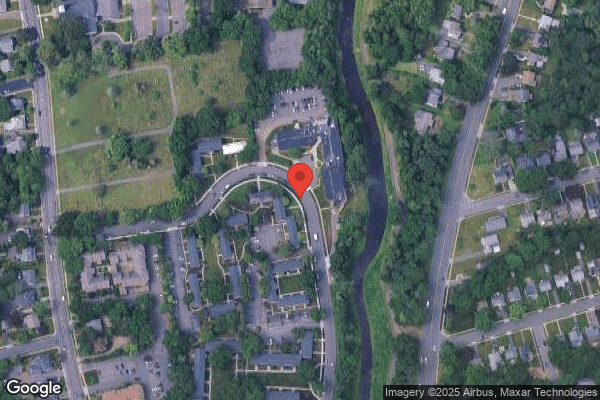
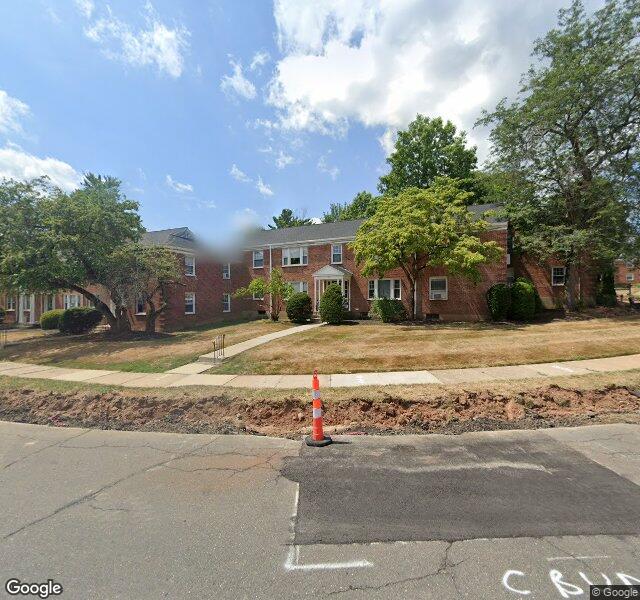
130 LOOMIS DR, WEST HARTFORD, CT 06107 (860) 521-8700
For profit - Corporation 160 Beds Independent Data: November 2025
Trust Grade
63/100
#106 of 192 in CT
Last Inspection: August 2025

Inspected within the last 6 months. Data reflects current conditions.

Overview

West Hartford Health & Rehabilitation Center has a Trust Grade of C+, which indicates it is slightly above average but still has room for improvement. It ranks #106 out of 192 facilities in Connecticut, placing it in the bottom half, and #36 out of 64 in Capitol County, meaning there are better local options available. The facility's performance is worsening, with issues increasing from 7 in 2023 to 12 in 2025. Staffing is a concern, reflected by a low rating of 1 out of 5 stars, although the 30% turnover rate is better than the state average. Inspection findings reveal several issues, including expired medications not being discarded properly, unsanitary ice machines, and a lack of documentation for monthly water flushes, which could pose health risks. Overall, while there are some strengths, such as no fines recorded, the facility needs to address significant weaknesses in safety and care practices.

Trust Score
C+
63/100
In Connecticut
#106/192
Bottom 45%
Safety Record
Low Risk
No red flags
Inspections
Getting Worse
7 → 12 violations
Staff Stability
✓ Good
30% annual turnover. Excellent stability, 18 points below Connecticut's 48% average. Staff who stay learn residents' needs.
Penalties
✓ Good
No fines on record. Clean compliance history, better than most Connecticut facilities.
Skilled Nurses
○ Average
RN staffing data not reported for this facility.
Violations
⚠ Watch
25 deficiencies on record. Higher than average. Multiple issues found across inspections.
★★★☆☆
3.0
Overall Rating
★☆☆☆☆
1.0
Staff Levels
★★★☆☆
3.0
Care Quality
★★★★☆
4.0
Inspection Score
Stable
2023: 7 issues
2025: 12 issues

The Good

  • Low Staff Turnover (30%) · Staff stability means consistent care
  • Full Sprinkler Coverage · Fire safety systems throughout facility
  • No fines on record
  • Staff turnover is low (30%)

    18 points below Connecticut average of 48%

Facility shows strength in staff retention, fire safety.

The Bad

3-Star Overall Rating

Near Connecticut average (3.0)

Meets federal standards, typical of most facilities

The Ugly 25 deficiencies on record

Aug 2025 12 deficiencies
CONCERN (D)

Potential for Harm - no one hurt, but risky conditions existed

Safe Environment (Tag F0584)

Could have caused harm · This affected 1 resident

**NOTE- TERMS IN BRACKETS HAVE BEEN EDITED TO PROTECT CONFIDENTIALITY** Based on observations, review of facility documentation, and interviews for 4 of 5 residents (Resident #4, Resident # 72, Reside...

Read full inspector narrative →
**NOTE- TERMS IN BRACKETS HAVE BEEN EDITED TO PROTECT CONFIDENTIALITY** Based on observations, review of facility documentation, and interviews for 4 of 5 residents (Resident #4, Resident # 72, Resident #92, and Resident #124) reviewed for environmental concerns, the facility failed to ensure a safe, clean, comfortable, and homelike environment. The findings included: Resident #4 was admitted on [DATE] and diagnoses included paraplegia, and seizure disorder. The quarterly Minimum Data Set (MDS) assessment dated [DATE] identified Resident #4 was cognitively intact and required the assistance of 2 or more helpers for toilet hygiene and transfers. Observations on 8/20/25 at 12:18 PM Resident #4's lunch tray was placed on bedside tray table that had worn and chipped edges, on 8/25/25 at 11:43AM Resident #4 had personal items on the bedside tray table with worn and chipped edges, and on 8/26/25 at 11:35 AM Resident #4 had personal items on the bedside table with worn and chipped edges. Interview with Licensed Practical Nurse (LPN) # 7 on 8/26/25 at 11:50 AM identified she was not aware Resident #4's bedside tray table had chipped and worn edges. She further identified that the maintenance department has a logbook at the nurse's desk and any items that need to be fixed or repaired in resident's rooms on the unit, should be written in the book. Review of the maintenance book, dated March 2025 through August 2025 on the Harmony unit on 8/26/25 at 11:55 AM, identified Resident #4's bedside tray table was not included.Interview with Certified Nurse Aid (CNA) NA #8 on 8/26/25 at 12:05 PM identified that she was not aware of Resident #4's bedside tray tables condition of chipped and worn edges. She further identified Resident #4 had this bedside tray table since she returned from the hospital 2 weeks ago, and the condition of the bedside tray table should have been written in the unit maintenance book. Interview with the Infection Preventionist on 8/26/25 at 12:13 PM identified that he performs environmental rounds monthly and generally conducts them alone and sometimes a member of housekeeping will join him. He checks 4 resident rooms and 2 resident bathrooms per unit every month. Further identified that he was not aware of Resident #4's bedside tray table condition with chipped and worn edges and that he would replace with a newer condition one. Subsequent to surveyor inquiry, on 8/26/25 at 2:49 PM Resident #4's bedside tray table was replaced. Resident #72 was admitted on [DATE] and diagnoses included anxiety disorder and depression. The quarterly MDS assessment dated [DATE] identified Resident #72 was moderately cognitively impaired and had impairments on both sides of lower legs and used a wheelchair for mobility. Observations on 8/28/25 at 2:20 PM and on 8/29/25 at 10:29 AM identified Resident #72's wall under the television in his/her room was marked with deep scratch marks in the wall and wallpaper. Interview with the Infection Preventionist on 8/28/25 at 2:25 PM identified the wallpaper in resident's rooms is old and peels and the Administrator wants to replace it throughout the building Interview with NA #9 on 8/29/25 at 10:29 AM identified that Resident #72's wheelchair hit and scraped the wall under the television and peeled off the wallpaper. Further identified, NA #9 did not write Resident #72's wall condition in the maintenance book on the Reflection unit. Resident #92 was admitted on [DATE] and diagnoses included cerebral infarction (stroke) and Parkinson's disease. The quarterly MDS assessment dated [DATE] identified Resident # 92 was severely cognitively impaired and required the assistance of 2 or more helpers with toilet hygiene, lower body dressing and transfers. Observations on 8/28/25 at 2:22 PM and on 8/29/25 at 10:36 AM, identified a medium to larger size portion of wallpaper on the wall behind Resident #92's head of bed peeling off. Interview with LPN #8 on 8/29/25 at 10:36 AM identified the peeling wallpaper behind Resident #92's head of bed was caused when bed was moved. Further identified, the peeling wallpaper in Resident #92's room was not written in the maintenance book on the Reflections unit. Review of the Reflections unit maintenance book from March 2025 thorough August 2025 on 8/29/25 at 10:40 AM identified Resident #72's damaged wall under the television and Resident #92's peeling wallpaper behind the head of bed was not written in the book.Resident #124 was admitted on [DATE] and diagnoses included anxiety disorder, depression, and paranoid personality disorder. The quarterly MDS assessment dated [DATE] identified Resident #124 was moderately cognitively impaired and required the assistance of 2 or more helpers with toilet hygiene, lower body dressing and transfers. Observations on 8/28/25 at 2:23 PM and on 8/29/25 at 9:08 AM identified the wall under the window in Resident#124's window had a large section of wallpaper peeled off and missing. Interview with NA #7 on 8/29/25 at 9:10 AM identified that the large section of peeled off wallpaper under Resident #124's window occurred a year ago when another resident who was in the same room and same bed as Resident #124, peeled off the large section of wallpaper. Further identified, NA #7 did not write the condition of Resident #124's wall under the window in the maintenance book on the unit because maintenance was aware of it and had replaced Resident #124's window shade 2 months ago. Review of the Tranquility unit maintenance book, March 2025 through August 2025, on 8/29/25 at 9:16 AM identified the condition of Resident #124's wall under window was not written in book. Interview with the Director of Physical Plant on 8/29/25 at 10:44 AM identified that maintenance does not attend monthly environmental rounds and it is the expectation for staff to write the areas and residents' rooms that need repair in the maintenance book on all the units. Further identified, maintenance was aware of peeling wallpaper in some residents' rooms and replaced it with a plastic material called Acrovyn and the Administrator would like to replace all the wallpaper in the building with the Acrovyn material. Interview and review of Resident #4's bedside tray table photo with the Administrator on 8/29/25 at 10:53 AM identified that Resident #4's bedside tray should not have been in use but removed and replaced, and staff should write in the maintenance books on the units when an issue is identified. Review of the Environmental Rounds policy dated 5/12/23 directed, in part, to ensure a clean, safe environment for residents, staff, and visitors by identifying and addressing environmental and infection control concerns. Rounds are conducted by the Infection Preventionist, Environmental Services Supervisor, or a designated member of the Quality Assurance and Performance Improvement team and enter needs for repair in maintenance log and inform maintenance if repair is needed immediately. ______________________________________________________________________________________________________________________________________________________________________________________
CONCERN (D)

Potential for Harm - no one hurt, but risky conditions existed

Report Alleged Abuse (Tag F0609)

Could have caused harm · This affected 1 resident

**NOTE- TERMS IN BRACKETS HAVE BEEN EDITED TO PROTECT CONFIDENTIALITY** Based on review of the clinical record, review of facility documentation, review of facility policy and staff interviews, for on...

Read full inspector narrative →
**NOTE- TERMS IN BRACKETS HAVE BEEN EDITED TO PROTECT CONFIDENTIALITY** Based on review of the clinical record, review of facility documentation, review of facility policy and staff interviews, for one of three sampled residents (Resident #124) reviewed for abuse, the facility failed to notify local law enforcement following an allegation of abuse. Resident #124 was admitted to the facility on [DATE] with diagnoses that included dementia, paranoid personality disorder, anxiety, and depression. The quarterly Minimum Data Set (MDS) assessment dated [DATE] identified Resident #124 had moderately impaired cognition and required moderate assistance with personal hygiene and required the assistance of 2 or more staff members with toilet hygiene, dressing, and transfers. The Resident care Plan (RCP) dated 6/13/25 identified behavioral and psychosocial support related to frequent 911 calls for [NAME] Hartford Police Department rather than alerting staff for care needs or will call for dissatisfaction of meal choice and not receiving medications. Interventions included to have 2 staff members for care, provide clear expectations for what can and cannot be accommodated, and offer the resident structured choices whenever feasible (e.g. meal preferences, clothing selection, activity participation). Physician's orders dated 6/20/25 directed to administer Clonazepam 1 milligram (MG) 3 times per day for anxiety disorder and administer Lexapro 10 MG once daily for paranoid personality disorder. Review of the State of Connecticut Reportable Event (RE) form dated 8/20/25 identified Resident #124 alleged that he/she received rough care by a certified nurse aide (CNA) on the evening of shift of 8/19/25. The physician was notified, Resident #124's family was notified, and the Administrator started her investigations with staff interviews on 8/20/25. The local police department was not notified. Review of the RE form dated 8/21/25 identified the conclusion of the alleged abuse for Resident #124 was investigated and determined to be unsubstantiated. Interview with the Administrator on 8/26/25 at 10:30 AM identified that she did not notify the local police department due to Resident #124's history of accusatory behaviors and the multiple phone calls that Resident #124 has made to the police department on his/her own. Review of the Abuse policy dated 11/2016 and amended on 01/2017 directed, in part, if appropriate, the allegation will be reported to the local law enforcement agency at the same time as it is reported to the state agencies.
CONCERN (D)

Potential for Harm - no one hurt, but risky conditions existed

Deficiency F0627 (Tag F0627)

Could have caused harm · This affected 1 resident

**NOTE- TERMS IN BRACKETS HAVE BEEN EDITED TO PROTECT CONFIDENTIALITY** Based on clinical record review, interviews, and review of facility policy for 1 of 2 residents reviewed for discharge (Resident...

Read full inspector narrative →
**NOTE- TERMS IN BRACKETS HAVE BEEN EDITED TO PROTECT CONFIDENTIALITY** Based on clinical record review, interviews, and review of facility policy for 1 of 2 residents reviewed for discharge (Resident #146), the facility failed to allow a resident to return after a therapeutic leave, failed to involve the interdisciplinary team in the discharge, and failed to notify the appropriate state agency of a concern with a resident not returning from a leave of absence. The findings include: Resident #146 was admitted on [DATE] with diagnoses that included anxiety, heart failure, and dysphagia (swallowing difficulties). A physician's order dated 7/29/2025 directed that the resident may go on a leave of absence (LOA) with a responsible party, with medications if necessary. The Nursing wandering/elopement risk assessment dated [DATE] indicated that Resident #146 ambulated independently and was a low risk for elopement. The admission nursing assessment dated [DATE] identified that Resident #146 had adequate short and long-term memory and was oriented to person, place, and time. The nursing assessment further indicated that the resident's mood was passive and speech was intact. The nursing assessment also indicated that Resident #146 required supervision for toileting and hygiene, and required limited assistance for transfers, dressing, and locomotion. A social services note dated 8/1/2025 indicated that Resident #146 was cognitively intact and was going on an LOA during the weekend and that nursing was aware and agreed to the LOA. The social work note did not indicate that Resident #146 requested to be discharged , but instead identified that the resident had indicated they would be back in time for a meeting scheduled for 8/4/2025. Additionally, the social work note did not indicate that Resident #146 was informed of a bed-hold policy or an LOA policy. A nursing note dated 8/2/2025 at 8:20 AM identified that Resident #146 went on an LOA with Person #1 with all appropriate medications. The note further indicated that the resident had informed the nurse that they would return on 8/3/2025. A nursing note dated 8/3/2025 at 10:54 AM identified that Person #1 had called the nursing supervisor. The note indicated that Resident #146 was slurring their words, and the nurse was unable to understand their speech. The note further indicated that Person #1's speech was also slurred but understandable. The note identified that Person #1 indicated Resident #146 would not be able to return on 8/3/2025 but rather 8/4/2025. The note failed to identify follow-up with a medical provider or an appropriate state agency for a resident who had not returned from an LOA and was noted to be slurring their speech and unable to communicate, which was not the resident's baseline. A nursing note dated 8/3/2025 at 11:26 AM identified that Person #1 had indicated that they would bring Resident #146 back to the facility on 8/4/2025 at 8:00 AM. The note did not indicate that the nurse had spoken to Resident #146 or that Resident #146 had indicated they wanted to be discharged . A review of a facility Supervisor's Report for 8/3/2025 identified that Resident #146 was on LOA and would return on Monday (8/4/2025). A social services note dated 8/4/2025 at 5:00 PM identified that on 8/4/2025 at 8:45 AM, Person #1 had called the facility, indicating that Resident #146 was experiencing knee pain and difficulty ambulating and that the nursing supervisor had recommended that Person #1 take Resident #146 to the hospital for evaluation. The social services note further indicated that by the afternoon of 8/4/2025, Resident #146 had not returned and was unreachable by phone. A review of notes identified that, other than calling, the facility failed to take steps to ensure that Resident #146 remained safe and failed to notify the appropriate state agency of a resident who had not returned from an LOA and then became unreachable by phone. The social services note dated 8/4/2025 further indicated that Person #1 was eventually reached by phone and Person #1 indicated that they had not sought medical attention and that they were waiting for a friend to help take Resident #146 back to the facility. The social services note identified that Person #1 was informed by social services and the Administrator that Resident #146 was considered as discharged Against Medical Advice (AMA) due to not having returned at the agreed-upon time from an LOA. The social services note failed to identify that a medical provider was involved in the AMA discharge of Resident #146. The social services note also failed to identify that Resident #146 had expressed a desire to be discharged from the facility. A nursing note dated 8/4/2025 at 10:38 PM indicated that Resident #146's room was cleared of belongings by staff. A review of hospital records dated 8/5/2025 identified that Resident #146 was evaluated for knee pain and that the resident had recently been discharged from a skilled nursing facility. A review of the facility Release From Responsibility for LOA form identified that if a resident did not return by midnight without prior approval, it would be considered a discharge AMA and would not be permitted to return. The release form was signed by LPN #5, but did not contain a signature of Person #1 or Resident #146. On 8/27/2025 at 1:45 PM, an interview with Person #1 indicated they were informed by the Administrator on 8/4/2025 not to come back and that the resident was discharged for not returning from an LOA at the agreed-upon time. Person #1 indicated Resident #146 went to the hospital on 8/5/2025 for knee pain. Person #1 further indicated that they were not aware of a facility policy for LOA and AMA discharges. Additionally, Person #1 indicated that neither they nor the resident had received a written notification prior to discharge. On 8/27/2025 at 2:25 PM, an interview with Social Worker #1 identified that she had not told Resident#146 that if they did not come back from an LOA on the designated day and time, they would not be allowed to return. Additionally, Social Worker #1 was not aware of a policy given to residents indicating that they could not return to the facility if they did not return from an LOA on a predetermined day and time. Social Worker #1 further indicated that when Resident #146 had requested to go on LOA, they had not indicated that they wanted to be discharged . Social Worker #1 also indicated that when a resident is discharged AMA, the procedure is that a physician is informed, residents are given a form to sign, and residents are explained the potential consequences of leaving AMA. On 8/27/2025 at 2:47 PM, an interview with Social Worker #2 indicated that on 8/4/2025, she attempted to call Resident #146 and Person #1 but was unsuccessful until 4:00 PM or 4:45 PM. Additionally, Social Worker #2 indicated that on 8/4/2025, Resident #146 was informed they would not be able to return due to not coming back after an LOA at the designated date and time. On 8/27/2025 at 3:09 PM, an interview with the Administrator and Social Worker #2 further indicated that Social Worker #2 and the Administrator had been speaking to Person #1 on 8/4/2025 and not to Resident #146 directly, although Social Worker #2 indicated they believed the conversation was on speaker and thought they could hear Resident #146. The Administrator indicated that during the conversation with Person #1 on 8/4/2025, it was difficult to follow the conversation, and she was not sure if Person #1 was impaired in some way. The Administrator further indicated that an elopement protocol, a wellness visit, or informing the department of social services was not initiated because the facility knew where Resident #146 was located, Resident #146 was self-responsible, and was not over the age of 65. On 8/28/2025 at 10:53 AM, an interview with APRN # 1 indicated that APRN#1 was not notified on 8/3/2025 that Resident #146 had not come back from an LOA and was having slurred speech over the phone. APRN#1 indicated that since it was the weekend, there was an on-call provider, and that if an on-call provider were contacted, there would have been a provider note. APRN#1 indicated that on the morning of 8/4/2025, she found out Resident #146 had not returned and that the Administrator had informed APRN#1 that if the resident did not return, they would be discharged AMA. APRN#1 further indicated that she was not involved in the AMA discharge and that she was informed that Resident #146 was discharged during morning rounds, but could not recall the date. APRN#1 indicated that when a resident is discharged AMA, it is usually because the resident wants to leave, and the facility tries to involve more people, like therapy, to try to make the discharge safe. APRN #1 identified that Resident #146 had not expressed any intent to leave the facility or expressed a desire to be discharged . On 8/28/2025 at 12:28 PM, an interview with RN#2 identified that she had spoken to Resident #146 on 8/3/2025, but she could not understand them since the resident was slurring their words. RN#2 indicated she was not concerned about the resident's safety because she felt that the resident and Person #1 were inside a house and were safe; therefore, she did not notify a provider but indicated she emailed the Administrator. On 8/28/2025 at 1:00 PM, an interview with LPN#5 indicated that he was the nurse taking care of Resident #146 on 8/2/2025 when Resident #146 went on LOA. LPN#5 indicated that Resident #146 had not expressed any intention of not coming back nor expressed a desire to be discharged AMA. LPN#5 indicated that at the time, he was not aware of a policy indicating that if a resident who did not come back from an LOA at a designated time would not be allowed to return. LPN #5 did indicate that after Resident #146 did not return from LOA, there had been some in-service regarding LOA, but could not recall when the in-service was. There was no number for Resident #146, and so they could not be reached. A review of the facility policy LOA (Leave of Absence) Resident Out on Leave identified that residents may leave on LOA for personal, medical, or therapeutic reasons. Residents under Medicaid are permitted 21 days annually, and residents under private pay are responsible for room and board. Additionally, the policy indicated that if a resident does not return by the end of the approved leave period without prior approval, the facility will attempt to contact the resident, and if unable to contact the resident, then it would be considered a discharge against medical advice and would not be permitted to return. The facility policy for Leaving Against Medical Advice identified that it was a facility policy to provide a safe discharge as possible to the resident/responsible party who chooses to leave before their physician deemed it advisable. The policy also indicated that a supervisor would obtain an MD order for discharge AMA, a W10, and a discharge summary would be provided to the resident, and a copy would be kept in the medical record. Additionally, the supervisor or charge nurse would ask the resident to sign an Against Medical Advice Discharge Form and document their signing or refusal to sign.
CONCERN (D)

Potential for Harm - no one hurt, but risky conditions existed

Deficiency F0628 (Tag F0628)

Could have caused harm · This affected 1 resident

**NOTE- TERMS IN BRACKETS HAVE BEEN EDITED TO PROTECT CONFIDENTIALITY** Based on clinical record review, interviews, and review of facility policy for 1 of 2 residents reviewed for discharge (Resident...

Read full inspector narrative →
**NOTE- TERMS IN BRACKETS HAVE BEEN EDITED TO PROTECT CONFIDENTIALITY** Based on clinical record review, interviews, and review of facility policy for 1 of 2 residents reviewed for discharge (Resident #146), the facility failed to provide written notice to the resident prior to discharge and failed to inform the resident regarding their right to appeal. The findings include: Resident #146 was admitted on [DATE] with diagnoses that included anxiety, heart failure, and dysphagia (swallowing difficulties). A physician's order dated 7/29/2025 directed that the resident may go on a leave of absence (LOA) with a responsible party, with medications if necessary. The admission nursing assessment dated [DATE] identified that Resident #146 had adequate short and long-term memory and was oriented to person, place, and time. The nursing assessment further indicated that the resident's mood was passive and speech was intact. The nursing assessment also indicated that Resident #146 required supervision for toileting and hygiene, and required limited assistance for transfers, dressing, and locomotion. A social services note dated 8/1/2025 indicated that Resident #146 was cognitively intact and was going on an LOA during the weekend and that nursing was aware and agreed to the LOA. A nursing note dated 8/2/2025 at 8:20 AM identified that Resident #146 went on an LOA with Person #1 with all appropriate medications. The note further indicated that the resident had informed the nurse that they would return on 8/3/2025. A nursing note dated 8/3/2025 at 11:26 AM identified that Person #1 had indicated that they would bring Resident #146 back to the facility on 8/4/2025 at 8:00 AM. The note did not indicate that Resident #146 was spoken to, or that Resident #146 had indicated they wanted to be discharged . A social services note dated 8/4/2025 at 5:00 PM identified that on 8/4/2025, Person #1 was reached by phone in the afternoon, and Person #1 indicated that they were waiting for a friend to help take Resident #146 back to the facility. The social services note identified that Person #1 was informed by social services and the Administrator that Resident #146 was considered as discharged Against Medical Advice (AMA) due to not having returned at the agreed-upon time from an LOA, which constituted a violation of facility protocol. The social services note failed to identify that a medical provider was notified of or involved in the AMA discharge of Resident #146. The social services note also failed to identify that Resident #146 had expressed a desire to be discharged from the facility. The social work note failed to indicate that a written notice of an involuntary discharge or that Resident #146 was informed of their right to appeal. A nursing note dated 8/4/2025 at 10:38 PM indicated that at 4:00 PM, the nurse was informed that Resident #146 was not returning to the facility, and the room was cleared of belongings. On 8/27/2025 at 1:45 PM, an interview with Person #1 indicated they were informed by the Administrator on 8/4/2025 not to come back and that the resident was discharged for not returning from an LOA at the agreed-upon time. Person #1 indicated that they were not aware of a facility policy for LOA and AMA discharges. Additionally, Person #1 indicated that neither they nor the resident had received a written notification prior to discharge. On 8/27/2025 at 2:47 PM, an interview with Social Worker #2 indicated she attempted to call Resident #146 and Person #1 but was unsuccessful until 4:00 PM or 4:45 PM. Additionally, Social Worker #2 indicated that it was on 8/4/2025 that Resident #146 was told they would not be able to return due to not coming back after an LOA at the designated date and time. Social Worker #2 indicated that a written discharge notice and information on the right to appeal were not provided to the resident.
CONCERN (D)

Potential for Harm - no one hurt, but risky conditions existed

Deficiency F0657 (Tag F0657)

Could have caused harm · This affected 1 resident

**NOTE- TERMS IN BRACKETS HAVE BEEN EDITED TO PROTECT CONFIDENTIALITY** Based of review of the clinical record, facility documents, interviews, and facility policy, for 1 of 3 residents, (#106) review...

Read full inspector narrative →
**NOTE- TERMS IN BRACKETS HAVE BEEN EDITED TO PROTECT CONFIDENTIALITY** Based of review of the clinical record, facility documents, interviews, and facility policy, for 1 of 3 residents, (#106) reviewed for Pressure Ulcer the facility failed to ensure staff updated a care plan to accurately reflect the resident status. The findings include: Resident #106's diagnosis includes pressure ulcer of the sacral region and quadriplegia. The quarterly Minimum Data Set (MDS) assessment dated [DATE] indicated Resident #106 had one unstageable pressure ulcer. The care plans dated April 2025 indicated Resident #106 was at risk for pressure ulcers due to impaired mobility, incontinence of bowels and requiring assistance with positional changes. Interventions in place included in part to follow pressure ulcer prevention guidelines, provide a pressure redistributing bed support surface and seating surface devices, provide treatments as ordered, utilize a skin protectant/moisture barrier with incontinent care and to evaluate skin condition daily during care and report any abnormalities to the nurse. The care plan also indicated Resident #106 had an unstageable pressure ulcer of the sacrum with one intervention to provide the wound clinic service as ordered. A physician's order dated 06/23/2025 at 11:47 AM directed to apply PICO wound therapy to the sacral pressure ulcer through 06/30/2025. The care plan indicating Resident #106 had an unstageable pressure ulcer was updated with an intervention to use the PICO wound therapy machine as ordered. A nursing progress note dated 06/26/2025 at 12:18 PM indicated the PICO wound therapy had been in place during the early morning but loosened as the day progressed. New orders were obtained to discontinue the PICO treatment and a new treatment order was obtained. A physician's order dated 06/26/2025 at 11:57 AM directed to discontinue the PICO treatment. The quarterly MDS dated [DATE] indicated Resident #106 had one stage 4 pressure ulcer that was not present on admission. The care plans continued to indicate Resident #106 was at risk for pressure ulcer with no change in the interventions and also indicated Resident #106 had an unstageable pressure ulcer with the interventions of providing the wound clinic service and to provide PICO therapy. An interview, clinical record review, and facility electronic document review on 08/25/2025 at 11:28 AM with RN #1, the facility wound nurse, indicated Resident #106's wound treatments changed over time as the wound evolved and the use of the PICO wound therapy only lasted for 3-4 days as it could not handle the amount of wound drainage. As a result, a larger Wound Vac therapy machine was ordered and implemented but the resident did not like it and it was discontinued. RN #1 further indicated s/he was responsible for updating the care plans for residents with pressure ulcers and the current care plan was not up to date as it indicated Resident #106 had an unstageable pressure ulcer, when actually the pressure ulcer was a stage 4. In addition, the intervention to apply the PICO wound therapy remained in the care plan but had been discontinued on 06/26/2025 (60 days ago). RN #1 further indicated resident #106's preference to not limit his/her time out of bed and to reposition despite recommendations to do so, were not reflected in the care plan. RN #1 indicated turning and repositioning was not part of the care plan and documentation was not required by the Nurse Aides as it was expected as part of the care for all residents. The facility policy labeled pressure ulcer prevention and management indicated in part an individualized care plan would be developed for residents with pressures ulcers including, wound care orders, pain management strategies, nutritional support and interventions. The facility policy labeled Turning and Repositioning indicated in part all residents at risk for skin breakdown will be turned and repositioned at least every 2 hours during the day and every 3 hours overnight or as ordered by the practitioner and documented in the resident's individualized care plan. The policy further indicated certified nurse aides and the nursing staff are responsible for turning and repositioning and the licensed nurse is responsible for monitoring compliance and updating the care plan as necessary. _____________________________________________________
CONCERN (D)

Potential for Harm - no one hurt, but risky conditions existed

Quality of Care (Tag F0684)

Could have caused harm · This affected 1 resident

**NOTE- TERMS IN BRACKETS HAVE BEEN EDITED TO PROTECT CONFIDENTIALITY** Based on review of the clinical record, facility documents, interviews and facility policy for 1 of 2 residents (#126) reviewed ...

Read full inspector narrative →
**NOTE- TERMS IN BRACKETS HAVE BEEN EDITED TO PROTECT CONFIDENTIALITY** Based on review of the clinical record, facility documents, interviews and facility policy for 1 of 2 residents (#126) reviewed for Accidents/Fall the facility staff failed to complete a comprehensive post fall investigation with injury, failed to provide ongoing documentation regarding the left knee condition post fall and failed to obtain a treatment order for the injury for 5 days. The findings include: Resident #126's diagnosis included non-pressure ulcer of part of the right foot and type 2 diabetes.The admission Minimum Data Set assessment (MDS) dated [DATE] indicated in part Resident #126 had mild cognitive impairment, was receiving occupational and physical therapy and had no history of falls prior to admission or at the facility. The care plan dated August 2025 indicated Resident #126 was at risk for falls due to impaired gait, balance medications with known risk and at risk for falls and for falls with serious injuries. The interventions included evaluation by physical and occupational therapy, to keep the call bell within reach, bed in low position and to provide safety precautions for falls. A facility Reportable Event form dated 08/18/2025 indicated at 12:30 PM Resident #126 had slipped and sat on the floor during a therapy session in the Rehab Gym sustaining a skin tear to the right knee. The report indicated the fall was witnessed and two statements were obtained from the treating occupational assistant (OT#1) and a physical therapist (PT #2). The report further indicated after the Registered Nurse assessed the resident; Resident #126 was assisted off the floor via a mechanical lift device and 2 persons assistance. The report further indicted the resident indicated while trying to step forward while the parallel bars s/he slipped. A Medical note dated 08/18/2025 at 12:33 PM completed by Advanced Practice Registered Nurse (APRN) #1 indicated in part s/he was asked to see Resident #126 who had a witnessed fall during therapy on exam a skin tear was noted to the right knee with full range of motion and no visible deformities and indicated to continue with post fall assessment per facility guidelines and inform provider with abnormal findings from baseline assessment. A nursing note dated 08/18/2025 at 07:15 PM indicated the writer and the APRN( NP) had been called to the therapy department, and the Nurse Practitioner found the resident on the floor in therapy with a right knee skin tear. The note indicated a xeroform dressing followed by a clean dry dressing was applied and the responsible party was notified of the fall. No further nursing notes address the fall or the left knee skin tear until 08/21/2025. The fall care plan was updated with the addition of Resident #126 being lowered to the floor in therapy and a new intervention to continue therapy was added. A nursing note dated 08/21/2025 at 08:06 AM indicated the wound nurse was to see Resident #126 this day. A Wound/Ostomy APRN Consultation (APRN #2) note dated 08/21/2025 indicated in part following resident regarding right foot surgical wound and initial assessment of Resident #126's abrasion to the left knee measuring 2.5x1.5 (cm) that was clean and pink with scant drainage and no odor. Recommendations at that time were to continue treatment to the right foot per the surgeon's orders and to cleanse the left knee wound with normal saline, apply xeroform, followed by foam dressing on Monday Wednesday and Friday and as needed. A physician's order dated 08/24/2025 at 02:47 PM directed to provide wound care to the left knee abrasion every Monday, Wednesday and Friday by rinsing with normal saline, applying xeroform followed by a foam dressing on the 7-3 shift. An interview, record review, and facility document review with the Assistant Director of Nursing (ADNS) and the Director of Nursing (DNS) on 08/29/2025 at 10:24 AM indicated no post fall monitoring had been documented in the nurses' notes as expected for a fall with head injury but would have nursing look for the documentation included in the accident/incident packet used as a backup to the electronic charting. On 08/29/2025 at 10:44 AM further review of the records and documents with the DNS and the ADNS lacked investigation of surrounding circumstances of the fall and the DNS called PT #2 to attend the interview. PT #2 indicated Resident #126 had nonskid socks and a hard-soled bootie at the time of the fall further indicating s/he felt the resident may have been tired as had exercises earlier in the morning and the resident was asked by the OT assistant #1 if the resident was tired but Resident #126 wanted to continue. PT #2 indicated therapy had used a slide board out of bed for 3 days once felt better stand pivot transfer with therapy and continued a mechanical lift transfer with Nursing. On 08/29/2025 at 12:15 PM the ADNS indicated the facility had no post fall policy and verified no treatment orders were obtained for the left knee skin tear on 08/18/2025 but orders were written on 08/24/2025(6 days later). On 08/29/2025 at 1:00PM interview and record review with RN #1 the Infection Preventionist/wound nurse, indicated the wound APRN had evaluated and treated Resident #126 on Friday 08/21/2025 and the recommendations written by the APRN were sent to the facility over the weekend and written on Monday 08/24/2025, further indicating there was no delay in treating Resident #126 as the orders were for Monday Wednesday and Friday. RN #1 was unable to comment regarding why no orders were obtained for the left knee skin tear that was sustained on 08/18/2025 and no orders for treatment until 08/24/2025.
CONCERN (D)

Potential for Harm - no one hurt, but risky conditions existed

Deficiency F0694 (Tag F0694)

Could have caused harm · This affected 1 resident

**NOTE- TERMS IN BRACKETS HAVE BEEN EDITED TO PROTECT CONFIDENTIALITY** Based on observations, staff interviews, and a review of facility policy for the only resident reviewed for antibiotic therapy (...

Read full inspector narrative →
**NOTE- TERMS IN BRACKETS HAVE BEEN EDITED TO PROTECT CONFIDENTIALITY** Based on observations, staff interviews, and a review of facility policy for the only resident reviewed for antibiotic therapy (Resident #9), the facility failed to ensure that licensed staff administered saline and heparin intravenous flushes as per policy and the standard of care. The findings include: Resident #9 was admitted on [DATE] with diagnoses that included infection of an artificial hip joint and an open wound on the hip area. The admission MDS assessment, dated 7/20/2025, identified that Resident #9 was cognitively intact; however, it failed to note that Resident #9 had an intravenous catheter. A physician's orders dated 7/14/2025 directed the use of a central line (a long intravenous catheter inserted into a large vein with the tip ending near the heart that allows for long-term delivery of medications and fluids) for intermittent infusions. The orders also directed to flush the central line (a process of administering a solution through the catheter to clear out blood, prevent clots, and maintain the central line's patency). The order directed that flushing should be with 10 mL of saline before the medication is administered; after the medication has been administered, the central line should be flushed with 10 mL of saline and then 5 mL of heparin 10 units/mL (a fast-acting blood thinner). A physician's order dated 7/31/2025 directed to administer Vancomycin (an antibiotic) 1.5 grams in 250 milliliters (mL) of 0.9% sodium chloride intravenously (IV) daily at 9:00 AM. On 8/21/2025 at 11:15 AM, LPN#5 was observed disconnecting Vancomycin from Resident #9's central line, flushing the central line with a blue-colored syringe, followed by flushing the same port of the central line with a white colored syringe. An interview with LPN#5 on 8/21/2025 at 11:20 AM identified that LPN#5 had flushed Resident #9's central line first with 5 mL of Heparin 10 units/mL, followed by 10 mL of 0.9% saline solution. LPN#5 indicated that heparin was used to prevent the central line from developing clots that could occlude the catheter. A record review and follow-up interview with LPN #5 at 3:30 PM indicated that the facility used the SASH protocol, which stood for Saline, Antibiotic, Saline, Heparin. A review of Resident #9's orders with LPN#5 identified an order directing to flush the central line after a medication with saline and then heparin. LPN#5 indicated that she was not sure why she had flushed with heparin first and then saline and indicated she may have misread the order on the computer. On 5/21/2025 at 3:59 PM, an interview with the DNS indicated that the facility uses the acronym SASH to remind staff how and when to flush central lines. The DNS indicated that SASH stood for Saline, Antibiotic, Saline, Heparin, and did not know why LPN#5 may have flushed with heparin first and then saline. A review of the facility policies for IV management contained a chart titled Vascular Access Device Flushing and Maintenance Chart, which indicated that for central lines being used for intermittent medication administration, 10mL of saline would be used to flush the catheter after medication administration and then with 5mL of heparin. ___________________________________________
CONCERN (D)

Potential for Harm - no one hurt, but risky conditions existed

Respiratory Care (Tag F0695)

Could have caused harm · This affected 1 resident

**NOTE- TERMS IN BRACKETS HAVE BEEN EDITED TO PROTECT CONFIDENTIALITY** Based on observation, review of the clinical record, interviews, and review of the facility policy for the only resident reviewe...

Read full inspector narrative →
**NOTE- TERMS IN BRACKETS HAVE BEEN EDITED TO PROTECT CONFIDENTIALITY** Based on observation, review of the clinical record, interviews, and review of the facility policy for the only resident reviewed for Respiratory Care, (#145) the facility failed to ensure respiratory equipment settings were obtained and reflected in the physician orders. The findings include: Resident #145's diagnosis included obstructive sleep apnea. The admission Minimum dataset assessment (MDS) dated [DATE] indicated Resident #145 was cognitively intact but failed to indicate Resident #145 was utilizing a Cpap (Continuous Positive Airway Pressure) a non-invasive mechanical respirator. A physician's order dated 08/19/2025 at 07:20 PM directed Cpap settings- on at 9:00PM (bedtime) and off at 07:00 AM. An observation 08/20/2025 at 11:40 AM found Resident #140 with a C-pap machine at the bedside, a medical device that provides a continuous flow of air pressure while an individual is sleeping used in treating sleep apnea. An interview, clinical record and facility policy review on 08/29/2025 at 10:50 AM with the ADNS and the DNS found Resident #145's Cpap order lacking the machine settings and did not know why the settings were not obtained and entered into the physician order. Subsequent to surveyor inquiry, a physician's order dated 08/29/2025 at 11:56 AM was entered into Resident #145's clinical record and directed to provide Cpap at 19.2 pressure setting on at 9:00PM (HS) and off at 7:00AM. The facility policy labeled C-pap indicated in part a physician's order would include the settings, flow liter for oxygen (if used) and the time period to wear it.
CONCERN (D)

Potential for Harm - no one hurt, but risky conditions existed

Deficiency F0849 (Tag F0849)

Could have caused harm · This affected 1 resident

**NOTE- TERMS IN BRACKETS HAVE BEEN EDITED TO PROTECT CONFIDENTIALITY** Based on observation, review of the clinical record, interviews, and facility policy review, for 1of 2 residents reviewed for Ho...

Read full inspector narrative →
**NOTE- TERMS IN BRACKETS HAVE BEEN EDITED TO PROTECT CONFIDENTIALITY** Based on observation, review of the clinical record, interviews, and facility policy review, for 1of 2 residents reviewed for Hospice (#140) the facility did not ensure receipt of renewal orders and plan of care for a specialized service and the facility failed to initiate an end-of-life care plan. The findings include: Resident #140's diagnosis included unspecified Dementia with behavioral disturbance. The admission Minimum Data Set (MDS) assessment dated [DATE] indicated Resident #140 had severe cognitive impairment and was receiving Hospice care. The care plan dated 04/25/2025 indicated Resident #140's Advanced Directive was Do not resuscitate, do not intubate and do not hospitalize due to terminal illness and to provide comfort care. The sole intervention was to honor the residents ‘and family's wishes. The quarterly MDS assessment dated [DATE] indicated Resident #140 was receiving Hospice care.The care plan dated July 2025 indicated Resident #140's Advanced Directive was do not resuscitate, do not intubate and do not hospitalize due to terminal illness and to provide comfort care. With the sole intervention to honor the residents' and family's wishes. No revisions to the Advanced Directives care plan were made including coordination of services provided by the Hospice provider and the facility related to end of life care (95 days after admission on Hospice services). An interview and record review with the social worker on 08/28/2025 at 10:40 AM indicated s/he was unable to locate an End of Life(Hospice) care plan in the resident's medical record indicating it was the responsibility of the social worker to initiate a Hospice/end of life care plan and did not know why s/he did not initiate one. The Social Worker indicated s/he would start a care plan and have the interdisciplinary team review and revision as needed. The social worker also indicated the Hospice provider was not routinely invited to participate in the Hospice residents care plan meeting and none were invited to Resident #147's care plan meetings. On 08/28/2025, subject to surveyor inquiry, Social Worker #1 initiated a Terminal Condition care plan (137 days after admission on Hospice) with interventions including to assist with Hospice services through the designated provider, honor code status (Advanced Directives) discuss prognosis with family, resident and the physician, and resident #140 to attain psychological and spiritual ease before death. On 08/28/2025 at 11:10 AM an interview and record review with the ADNS found no 90-day re-certification paperwork after 04/26/2025 and would contact the business office manager and medical records.An interview on 08/28/25 at 11:45 AM with the Financial Director (Business office manager) indicated s/he did not have any certification paperwork and the ADNS had contacted the Hospice service provider to request them. On 08/29/2025 subject to surveyor inquiry, Hospice Certification Renewal orders with plans of care (142 days after Resident #147 was admitted on Hospice services) for Resident #140 were received by the facility from the Hospice provider for 2 certification periods, 04/27/2025- 07/25/2025 and 07/26/2025-09/23/2025.The facility policy labeled Policy for Care of Hospice Residents contracted with an Outside Agency indicted in part the facility aims to provide compassionate coordinated care to hospice residents. The policy further indicated that the facility would develop a comprehensive care plan in collaboration with the hospice agency incorporating input from the resident and the family including pain management, symptom control, emotional support, and any other hospice-related services. _______________________________________________ ________________________________
CONCERN (E)

Potential for Harm - no one hurt, but risky conditions existed

Deficiency F0761 (Tag F0761)

Could have caused harm · This affected multiple residents

**NOTE- TERMS IN BRACKETS HAVE BEEN EDITED TO PROTECT CONFIDENTIALITY** Based on observations, facility policy and interviews reviewed for Medication Storage and Labeling, for 2 of 4 medication rooms ...

Read full inspector narrative →
**NOTE- TERMS IN BRACKETS HAVE BEEN EDITED TO PROTECT CONFIDENTIALITY** Based on observations, facility policy and interviews reviewed for Medication Storage and Labeling, for 2 of 4 medication rooms (Bliss unit and Reflection unit), the facility failed to ensure that expired medications were discarded, labeled appropriately and failed to ensure personal items belonging to staff were stored appropriately. The findings include: 1.Tour of the Medication room on Bliss unit on 8/21/25 at 9:13 AM revealed the following: Observation on 8/21/25 at 9:17 AM of Polydent Antibacterial Denture Cleaner that expired on 1/4/24 and Zinc tablets with an expiration date of 4/2025, an open box containing 20 packs of [NAME] cleaner, however, date when opened was not identified, 8oz container of Thick and easy powder opened, however, a date indicating when the container was opened was not identified and Ekos Hand Cream with an expiration date of 6/25.Interview with LPN #1 on 8/21/25 at 9:17 AM indicated that all nurses are responsible for ensuring expired medications are discarded. (handing expired medication to the DNS) and he believed the hand cream belonged to staff. Interview with LPN#1 on 8/21/25 at 9:20 AM indicated that medication should have a date of when they are open. He reported the nurse opening the box/ items are responsible for ensuring all items are dated. LPN#1 is unsure why this item is not dated. 2. Tour of the Medication room on Reflection unit on 8/21/25 at 9:33 AM revealed the following: Observation on 8/21/25 at 9:34 AM of 1 - 8oz container of Thick and easy powder opened, however, a date indicating when the container was opened was not identified. Interview with the DNS on 8/21/25 at 12:15 pm indicated that all medications should be labeled and dated once opened. She also reported personal items for nurses should be stored in the closet by the nursing station, areas on the ground floor or any available conference room. The Facility Medication Storage policy indicates in part that All expired medications will be removed from the active supply and destroyed. When the original seal of manufacture's container or vial is initially broken, the container or vial will be dated. The Facility Personal possessions policy indicated in part that storage options available are lockers are available on the ground floor, in the restrooms and a storage closet is located on each unit for staff use.
CONCERN (E)

Potential for Harm - no one hurt, but risky conditions existed

Food Safety (Tag F0812)

Could have caused harm · This affected multiple residents

Based on observation, interviews and facility policy the facility failed to ensure 2 out of 3 ice machines were maintained in a sanitary manner. The findings include:An observation on 08/21/2025 at 11...

Read full inspector narrative →
Based on observation, interviews and facility policy the facility failed to ensure 2 out of 3 ice machines were maintained in a sanitary manner. The findings include:An observation on 08/21/2025 at 11:36 AM of the interior of the Unit 1 ice machine found a buildup of a black substance on the inner edges of the ice machine. The log fixed to the machine labeled Ice Machine Cleaning Schedule had columns for every month to indicate the date cleaned a check off for removal of the ice, one for cleaning, and another for sanitizing and a column to indicate who completed the work. The last date entered was 06/22/2025. Another labeled affixed to the ice machine was from the mechanical service provider, indicating annual cleaning, sanitization and cleared drains was completed on 03/13/2025. Observation of the ice machines located on Unit 1 and Unit 2 and interviews on 08/29/2025 at 2:40 PM with the Physical Plant Director and the Regional Director of Environmental Services found a buildup of a black substance inside the ice machine located where the machine makes the ice. Each machine had a tag indicating maintenance was provided yearly by an outside service and a check off list with initials was attached to each machine indicating monthly cleaning had been performed. The unit 2 ice machine indicated it had been cleaned 07/2025 and the unit one ice machine had been cleaned on 8/23/2025. The Regional Environmental Services Director indicated housekeeping was responsible to clean the ice machines located on the units and the black build up was unacceptable. The Regional Director of Environmental Services provided the facility policy for cleaning the ice machines and indicated the housekeeping staff would be educated regarding the procedure for cleaning the ice machine and was unable to locate any previous training provided for this task.The facility policy labeled Ice Machine Maintenance, indicated the facility ice machines are maintained in a clean and sanitary condition to prevent contamination and reduce the risk of infection to residents, staff and visitors. The policy indicated Environmental staff conduct a visual inspection daily of the ice machines to ensure they are clean from spills, debris, or visible mold; monthly Environmental services would perform a basic cleaning of external surfaces using an approved disinfectant and drain lines would be checked for leaks and buildup; annually, the ice machine would be emptied, thoroughly cleaned and sanitized according to the manufacturer's instructions. ----
CONCERN (E)

Potential for Harm - no one hurt, but risky conditions existed

Infection Control (Tag F0880)

Could have caused harm · This affected multiple residents

Based on facility record review and staff interviews, the facility did not maintain records of monthly water flushes according to the facility water management plan. The findings include: An environme...

Read full inspector narrative →
Based on facility record review and staff interviews, the facility did not maintain records of monthly water flushes according to the facility water management plan. The findings include: An environmental assessment completed by a contractor and dated 4/9/2018 identified risk areas for opportunistic pathogens and recommended mitigation steps. Areas that were at risk included showers, tubs, faucet taps, and eye wash stations. Recommendations included flushing any uncommonly used tubs, showers, and faucets for 3 to 5 minutes, and the process was documented and kept in the service records section of the water management program. Additionally, the water management plan indicated that eyewash stations should be flushed monthly. An environmental annual inspection dated 4/21/2021 from a contractor identified recommendations that included using all aspects of the facility assessment mitigation plan, establishing a flushing program, and documenting all water-related tasks, such as preventative maintenance, routine, and emergency events. A review of yearly Exposure Control/Water Plan meeting minutes dated 1/7/2025 identified that the water plan/legionnaires prevention plan was in process and that testing had been completed for 2024. A further review of the facility's water management plan identified that the facility gets the water tested for opportunistic pathogens. The last two tests were on 4/15/2024 and 4/21/2025, both of which were negative for the presence of opportunistic pathogens. On 8/26/2025 at 1:00 PM, a review of facility documents for water management with the Director of Physical Plant identified that the last documented water flushing was on 12/18/2023. The Director of Physical Plant indicated that he was unsure why the flushing was not documented but indicated that he knows he has performed them and may have forgotten to return to the office to document the flushing because his additional responsibilities. The Director of Physical Plant identified that the flushing included flushing the water storage tanks, random resident rooms, showers, and sinks, including sinks in the dirty utility rooms of the resident units. Additionally, tubs were part of the flushing, but most of the tubs had been removed, except for one resident unit that has a hydro tub. The Director of Physical Plant indicated that the last time he performed flushing was on 7/21/2025 after he returned from vacation. For eye wash stations, the Director of Physical Plant indicated he has started using tags that hang from the eye wash station to document the flushing; however, he indicated that he plans on putting tags on the tubs and sinks that are flushed but has not started using tags for the tubs or sinks yet. The Director of Physical Plant indicated that he was on an extended leave from 9/20/2024 to 12/2025, where he came on and off to work. The Director indicated that the Special Projects Supervisor was covering for him during his leave of absence. On 8/6/2025 at 1:23 PM, an interview with the Special Projects Supervisor indicated that he was covering for the Director of Physical Plant when the Director had been out on extended leave. The Special Projects Supervisor indicated he recalled flushing the tub in the resident shower area but did not recall flushing sinks in the soiled utility rooms. Additionally, the Director of Physical Plant indicated he did not recall having to document any of the flushing performed. On 8/6/2025 at 2:00 PM, an interview with the Administrator identified that the 4/21/2021 recommendations from the contractor were the last recommendations received. Additionally, the Administrator indicated that during the Exposure Control/Water Plan meeting, the water plan is reviewed as well as testing, but that reviewing the flushing documentation is not part of the meeting. A review of the Water Management Plan Policy identified that a water management plan should be adopted and implemented but did not identify specific preventative measures to prevent the growth of opportunistic pathogens.
Aug 2023 7 deficiencies
CONCERN (D)

Potential for Harm - no one hurt, but risky conditions existed

Resident Rights (Tag F0550)

Could have caused harm · This affected 1 resident

**NOTE- TERMS IN BRACKETS HAVE BEEN EDITED TO PROTECT CONFIDENTIALITY** Based on observation, review of the clinical record, review of facility documentation, review of facility policy, and interviews...

Read full inspector narrative →
**NOTE- TERMS IN BRACKETS HAVE BEEN EDITED TO PROTECT CONFIDENTIALITY** Based on observation, review of the clinical record, review of facility documentation, review of facility policy, and interviews for 1 sampled resident (Resident # 125) who had an allegation of mistreatment, the facility failed to ensure that the resident was treated and spoken to in a dignified manner. The findings include: Resident #125's diagnoses included peripheral vascular disease, permanent atrial fibrillation, thrombocytopenia, and congestive heart failure (CHF). The quarterly MDS assessment dated [DATE] identified Resident #125 had intact cognition, had no behaviors, was independent with bed mobility, transfers, and ambulation, required limited assistance with toilet use and personal hygiene and utilized a walker for mobility. The care plan dated 7/28/23 identified Resident #125 had a communication deficit related to major depressive disorder and anxiety disorder with interventions that included: staff to use a calm positive approach and allow extra time for resident to speak. The care plan further noted an ADL decline/deficit with interventions that included: staff to assist as needed with bathing, hygiene, dressing, toileting, and incontinent care as needed. Interview with Resident #125 on 8/22/23 at 12:13 PM identified that the care at the facility was not what he/she hoped for. He/she noted that she has spent many nights crying because the staff were mean and cruel. Resident #125 further identified that the aides are mean, speak rudely and do not introduce themselves. He/she noted that she wished they would get rid of the bullies. In addition, Resident #125 identified that she knocked over a glass vase which wet the bed and when she called for help the nurse's aide complained that he/she did not have time to change the bed, Resident #125 noted that the NA put a pad on the bed over the wet area and instructed the him/her to go back to bed. Resident #125 indicated that when he/she woke up, his/her pajamas were wet, and no one provided assistance. He/she indicated an unidentified aide came in and shouted, what do you want?. The resident indicated he/she was directed to change in the bathroom without assistance and was spoken to in a harsh manner. Interview with Resident #119 (Resident #125's roommate) on 8/22/23 at 1:45 PM Identified that Resident #125 made to lay in a wet bed although the NA put a pad on the bed. Resident #119 was unable to identify the NA's involved, nor could he/she specify which evening it was. A second interview with Resident #125 on 8/24/23 at 5:53 AM indicated that the aide on the 3p-11p shift sat on his/her walker and watched him/her struggle with taking his/her pants off and when the resident asked for assistance the NA replied that he/she shouldn't wear those clothes anyway. Resident #125 further noted that the interaction was humiliating. Interview with Social Worker #1 on 8/29/23 at 2:16 PM indicated that she had not been aware of Resident #125's concerns. Interview with the Administrator on 8/30/23 at 11:58 AM indicated the facility was investigating the allegations of mistreatment. The Abuse/fear of retaliation policy indicated that physical abuse was defined as willful infliction of injury, confinement, intimidation, punishment, or deprivation of care that is necessary to maintain physical and/or mental wellness. The policy identified verbal abuse as spoken, written, or gestural language that is disrespectful to any resident or family member. The policy identified mental abuse as humiliation, harassment, threats of punishment, or deprivation.
CONCERN (D) 📢 Someone Reported This

A family member, employee, or ombudsman was alarmed enough to file a formal complaint

Potential for Harm - no one hurt, but risky conditions existed

Report Alleged Abuse (Tag F0609)

Could have caused harm · This affected 1 resident

**NOTE- TERMS IN BRACKETS HAVE BEEN EDITED TO PROTECT CONFIDENTIALITY** Based on review of the clinical record, review of facility documentation, review of facility policy, and interviews one sampled ...

Read full inspector narrative →
**NOTE- TERMS IN BRACKETS HAVE BEEN EDITED TO PROTECT CONFIDENTIALITY** Based on review of the clinical record, review of facility documentation, review of facility policy, and interviews one sampled resident (Resident #80) who sustained an injury of unknown origin, the facility failed to report the injury to the state survey agency. The findings include: Resident #80's diagnoses included encephalopathy, chronic kidney disease, hypertension, type 2 diabetes mellitus, dementia without behaviors, anxiety, and depression. A quarterly MDS assessment dated [DATE] identified Resident #80 had moderate cognitive impairment, required limited assistance with bed mobility, transfers, and ambulation, and required extensive assistance with dressing, eating, toilet use and hygiene. Resident #80's care plan dated 4/2/23 identified a focus area of anticoagulant medication use with interventions that included: monitor for active bleeding, bruising and to notify MD if they occur. The care plan further identified the resident was at risk for falls and had a history of falls with interventions that included: blood sugar checks as ordered, fall assessments, low bed, floor mats, offer toileting after bed and after rest periods, and medication reviews. An Accident and Incident Report dated 5/12/23 identified Resident #80's family member noticed a lump on the back of the resident's head and reported this to staff. Staff observation noted a lump to the back of the resident's head that appeared to be purple in color (bruise). The report further indicated that APRN#2 was notified on 5/12/23 at 12:15 PM, an investigation was conducted and there were no witnesses to what could have caused the injury. It further noted Resident #80 presented as alert and sleepy. Interview with the Administrator on 8/30/23 at 12:00 PM identified that Resident #80's injury was not reported to the state survey agency because she did not feel that the injury was suspicious or significant. She further identified that they speculated Resident #80 may have hit his/her head when sitting down hard into a chair, but they could not provide a definitive conclusion as to how the injury occurred. The Accident/Incident Report policy identified an injury of unknown origin is reportable if the source of the injury was not observed by anyone, or the source of the injury cannot be explained by the resident and the source is suspicious because of the extent, location, number, and incidence of injuries over time.
CONCERN (D) 📢 Someone Reported This

A family member, employee, or ombudsman was alarmed enough to file a formal complaint

Potential for Harm - no one hurt, but risky conditions existed

Quality of Care (Tag F0684)

Could have caused harm · This affected 1 resident

**NOTE- TERMS IN BRACKETS HAVE BEEN EDITED TO PROTECT CONFIDENTIALITY** Based on clinical record review, review of facility policy, and staff interviews for one sampled resident (Resident #80) who exp...

Read full inspector narrative →
**NOTE- TERMS IN BRACKETS HAVE BEEN EDITED TO PROTECT CONFIDENTIALITY** Based on clinical record review, review of facility policy, and staff interviews for one sampled resident (Resident #80) who experienced a significant change in condition, the facility failed to ensure the resident was assessed in a timely manner and failed to seek timely medical evaluation of the resident. The findings include: Resident #80's diagnoses included encephalopathy, chronic kidney disease, hypertension, type 2 diabetes mellitus, dementia without behaviors, anxiety, and depression. Physician's orders for the month of May/2023 identified Resident #80 had an order for Eliquis (anticoagulant medication) 2.5mg to be administered twice per day. A quarterly MDS assessment dated [DATE] identified Resident #80 had moderate cognitive impairment, required limited assistance with bed mobility, transfers, and ambulation, and required extensive assistance with dressing, eating, toilet use and hygiene. Resident #80's care plan dated 4/2/23 identified a focus area of anticoagulant medication use with interventions that included: monitor for active bleeding, bruising and to notify MD if they occur. The care plan further identified the resident was at risk for falls and had a history of falls with interventions that included: blood sugar checks as ordered, fall assessments, low bed, floor mats, offer toileting after bed and after rest periods, and medication reviews. An Accident and Incident Report dated 5/12/23 identified Resident #80's family member noticed a lump on the back of the resident's head and reported this to staff. Staff observation noted a lump to the back of the resident's head that appeared to be purple in color (bruise). The report further indicated that APRN#2 was notified on 5/12/23 at 12:15 PM, an investigation was conducted and there were no witnesses to what could have caused the injury. It further noted Resident #80 presented as alert and sleepy. A nurse's progress note dated 5/12/23 at 1:14 PM written by an LPN indicated that at about 11:00 AM resident's family member reported to staff that the resident had a lump to back of the head and identified RN #2 assessed the resident. Further review of Resident #80's clinical record failed to identify RN #2's assessment findings. A physician's progress note dated 5/15/23 at 8:51 AM identified that Resident #80 was examined due to posterior head swelling, and scalp hematoma. The note further identified the resident was transferred to the hospital for a head CT scan and an order was given to hold the Eliquis for evaluation due to scalp hematoma and resident on blood thinner. A late entry nursing progress note dated 5/16/23 at 8:44 AM by RN #2 identified that on 5/12/23 she had not assessed Resident #80's injury to the back of the head because the resident was asleep and lying on his/her back and was not able to visualize the back of the head. A physician's progress note dated 5/16/23 at 11:15 AM identified that the head CT scan was negative and ordered the continued holding of Eliquis and to monitor the scalp for skin breakdown. Interview with APRN #2 on 8/30/23 at 10:30 AM identified she had not assessed Resident #80 on 5/12/23. She further noted that she did not recall if she had been made aware of the injury but identified that if she was aware of the resident being on a blood thinner, she would have sent the resident out to be evaluated. In addition, APRN #2 identified that the protocol for someone on a blood thinner that sustains a head injury is to send them to the emergency room to be evaluated. Interview with RN #2 on 8/30/23 at 11:15AM identified that once she received report of the lump to the back of Resident #80 's head, she went to see the resident but did not assess the resident because the resident was asleep. She further noted that to her recollection, the area was not assessed until three days after the discovery of the injury (5/15/23). RN #2 further noted that she had reported the injury to APRN #2 but could not recall whether she reported that the resident was receiving an anticoagulant (blood thinner) medication. The facility failed to ensure that a newly discovered head injury of a resident who was receiving anticoagulant medication was initially assessed by the registered nurse with findings reported to the physician/APRN.
CONCERN (D)

Potential for Harm - no one hurt, but risky conditions existed

Pressure Ulcer Prevention (Tag F0686)

Could have caused harm · This affected 1 resident

**NOTE- TERMS IN BRACKETS HAVE BEEN EDITED TO PROTECT CONFIDENTIALITY** Based on clinical record review, observations, review of facility documentation and interviews for one of six sampled residents ...

Read full inspector narrative →
**NOTE- TERMS IN BRACKETS HAVE BEEN EDITED TO PROTECT CONFIDENTIALITY** Based on clinical record review, observations, review of facility documentation and interviews for one of six sampled residents (Resident #38) who had a facility acquired pressure ulcer, the facility failed to consistently implement measures to prevent the development of a pressure ulcer. The findings include: Resident #38's diagnoses included congestive heart failure, acute kidney failure, type two diabetes mellitus, anemia, peripheral vascular disease (PVD), right knee replacement, gout, hyperlipidemia, and hypertension. The quarterly MDS assessment dated [DATE] identified Resident #38 had severe cognitive impairment with no behavioral issues, required extensive assistance with bed mobility, transfers, dressing, and personal hygiene, was non-ambulatory and required total assistance with locomotion. The assessment further identified that the resident had a functional limitation in range of motion to a lower limb (affecting one side), utilized a wheelchair for mobility, and was at risk for the development of pressure ulcers but did not have a pressure ulcer. A nursing note written by RN #5 dated 8/3/23 identified Resident #38 had a red non-blanchable area to the left heel that measured 3.0 centimeters (cm) by 3.0 cm. Resident #38's care plan dated 8/3/23 identified Resident #38 had a circulation disorder affecting the arteries, veins, and/or lymphatic system (PVD) resulting in insufficient perfusion to the lower extremities which increased the resident's risk for pressure ulcers, deep vein thrombosis and stroke with interventions that included: medication as ordered, evaluate skin condition daily during care, report any skin abnormalities to nurse, dynamic pressure-redistributing bed support surface, follow pressure ulcer prevention guidelines per policy pain management and labs as per order. The care plan further identified Resident #38 had a stage one pressure ulcer to the left heel with interventions that included: offload heels in bed, wound treatment plan, medications as ordered and specialty mattress. Review of the MDS tracking records identified Resident #38 was discharged to an acute care hospital on 8/5/23 and returned to the facility on 8/9/23. The hospital Discharge summary dated [DATE] identified Resident #38's bilateral heels should be offloaded when in bed. The nursing admission note dated 8/9/23 identified Resident #38 had very limited mobility and was at moderate risk for pressure ulcers. The assessment further noted that there was a non-intact area to the resident's foot/feet, but pulse, color and temperature was within normal limits. The assessment failed to identify the specific area of skin that was not intact. A physician's order dated 8/9/23 directed Resident #38 to have skin prep applied to heels and have heel protector boots when in bed. A review of the treatment administration record (TAR) and the nurse aide care card for the month of August/2023 failed to identify the intervention to offload Resident #38's heels. APRN #1's (wound specialist) note dated 8/10/23 identified Resident #38 had an evolving deep tissue injury (DTI) that measured 1.1 cm by 1.5 cm to the left heel. A physical therapy note dated 8/13/23 identified Resident #38 required moderate assistance of two persons to safely roll from side to side and for transfers in and out of bed. APRN #1's note dated 8/17/23 identified the DTI to the left heel was resolved. The progress note dated 8/22/23 at 12:58 PM written by the medical APRN identified Resident #38 was refusing to utilize the offloading soft booties in bed. The note further identified Resident #38 was alert, oriented, had clear speech, followed commands and was calm and cooperative. The note did not identify that Resident #38 was refusing all means of offloading heels while in bed. Interview with Resident #38 on 8/23/23 at 9:15 AM identified that he/she had no issues with keeping his/her heels off the bed because it helped to alleviate the pain in his/her knees, however he/she needed the help of staff due to pain in the knees when trying to move. Observation on 8/23/23 at 9:30 AM with RN #1 (7:00 AM to 3:00 PM supervisor) identified Resident #38's heels resting in the bed and pillows used were under Resident #38's thighs. RN #1 identified heels should be positioned off the bed, and it would have been the staff on the 11:00 PM to 7:00 AM shift that did not position Resident #38's heels as ordered. He further identified that the staff would need re-education in positioning. Observation on 8/23/23 at 2:32 PM with NA #2 identified Resident #38's left heel was offloaded on pillow with protective dressing in place while the right heel was resting on the bed (not offloaded). A nurse's note dated 8/24/23 at 3:54 AM identified Resident #38 was alert and able to make his/her needs known and was only able to move his/herself slightly in bed. APRN #1's note dated 8/24/23 identified Resident #38 had a new stage two area at the apex of the left heel that measured 1.0 cm by 1.3 cm. The wound was described as pink, clean with scant serous drainage and no odor. Interview with APRN #1 on 8/24/23 at 11:48 AM identified Resident #38's heels were sometimes observed in the bed and not offloaded as recommended. She further identified that this inconsistency would have been a contributing factor for the development of the stage two pressure ulcer to the left heel. Interview with the DNS on 8/24/23 at 12:46 PM identified that all staff were expected to follow the pressure ulcer prevention protocol when instituted because the main purpose was to preserve and maintain the integrity of the resident's skin. She also identified that a reinforced education will be arranged by the infection control nurse for the staff. The wound care prevention policy identified that if a new wound was noted it should be assessed and the assessment documented, updates provided to the supervisor, infection preventionist, physician, dietitian and family. The policy further identified that the resident's care plan should be updated to reflect the care needs for the resident. The policy further identified that treatment protocol is determined by the characteristic/s of the wound.
CONCERN (D)

Potential for Harm - no one hurt, but risky conditions existed

Infection Control (Tag F0880)

Could have caused harm · This affected 1 resident

Based on observations, clinical record review, review of facility documentation, review of facility policy, and interviews for one sampled resident (Resident #53) who utilized an indwelling catheter, ...

Read full inspector narrative →
Based on observations, clinical record review, review of facility documentation, review of facility policy, and interviews for one sampled resident (Resident #53) who utilized an indwelling catheter, the facility failed to utilize personal protective equipment (PPE) during the provision of indwelling catheter care. The findings include: Resident #53's diagnoses included neuromuscular dysfunction of the bladder, quadriplegia, and urinary retention. The monthly physician's orders for August/2023 directed Enhanced Barrier Precautions for a history of Methicillin-resistant Staphylococcus aureus (MRSA) and also directed the resident have an indwelling Foley catheter. Intermittent observations of Resident #53's room door from 8/21/23 to 8/24/23 identified posted signage that identified the need for Enhanced Barrier Precautions (EBP) which noted the need for everyone to perform hand hygiene before entering and when leaving the room, providers, and staff to wear gloves and a gown for high-contact resident care activities such as bathing, showering, device care or care of a urinary catheter. Observation on 8/24/23 at 11:25AM identified LPN #3 entered Resident #53's room, performed hand hygiene, applied clean gloves, switched the resident's drainage bag to a leg bag then removed her gloves and performed hand hygiene. LPN #3 did not don a gown for the procedure. Interview with LPN #3 on 8/24/23 at 1:06 PM identified he was aware Resident #53 was on enhanced barrier precautions and noted that he should have worn a gown and gloves when he changed the urinary drainage bag to a leg drainage bag. LPN #3 further noted that he did not have a reason as why he did not don a gown during the procedure. Interview with RN #5 (Infection Control Nurse) on 8/30/23 at 8:16 AM identified that he placed the EBP signage outside of Resident #53's room to bring awareness to staff to follow the protocol for enhanced barrier precautions due to the resident having a history of MRSA and having an indwelling catheter in place. The Enhanced Barrier Precautions policy and procedure identified that residents who meets criteria will be placed on Enhanced Barrier Precautions and gowns and gloves will be worn during activities of daily living, transfers, changing bed linens, toileting/hygiene care, and device care.
MINOR (B)

Minor Issue - procedural, no safety impact

Deficiency F0730 (Tag F0730)

Minor procedural issue · This affected multiple residents

Based on review of facility documentation, facility policy, and interviews for 2 nurses' aides, the facility failed to complete annual performance evaluations. The findings include: Review of the per...

Read full inspector narrative →
Based on review of facility documentation, facility policy, and interviews for 2 nurses' aides, the facility failed to complete annual performance evaluations. The findings include: Review of the personnel files of NA #6 and NA #7 failed to reflect that yearly (annual) performance evaluation reviews were completed. Interview with the DNS on 8/30/23 at 9:52 AM identified NA #6 performance evaluations were not completed for the year 2022 and NA #7 performance evaluation were not completed for 2022 and/or 2023. The DNS indicated that it was the responsibility of the charge nurse to complete performance reviews for the nurses' aides. The DNS indicated that she started her position in October 2022 and recognized that the performance evaluation was not completed. DNS further added that in her first two months as the DNS, she initiated one on one interviews with staff to complete reviews, which was unsuccessful; after which she made packets for charge nurse and supervisors to complete the performance reviews. The Performance Review policy identified that a performance review for every staff member will be completed at the end of the introductory period and annually thereafter.
MINOR (C)

Minor Issue - procedural, no safety impact

Deficiency F0947 (Tag F0947)

Minor procedural issue · This affected most or all residents

Based on review of facility documentation, review of facility policy and interviews for six of six nurse aides (NA #6, NA #7, NA #8, NA #9, NA #10, and NA #11), the facility failed to ensure the requi...

Read full inspector narrative →
Based on review of facility documentation, review of facility policy and interviews for six of six nurse aides (NA #6, NA #7, NA #8, NA #9, NA #10, and NA #11), the facility failed to ensure the required hours of dementia training were provided. The findings include: Review of the facility's mandatory yearly dementia training for NA #6, NA #7, NA #8, NA #9, NA #10, and NA #11's identified the facility was unable to provide documentation that eight hours of training was completed for the year 2022. Interview with RN #4 (staff development nurse) on 8/30/23 at 12:21 PM identified that she did not have documentation that the identified nurse aides completed the required eight hours of dementia training for the year 2022. Interview with the Administrator on 8/30/23 at 1:00 PM identified the nurses' aides are rotated on each unit when staffing becomes short, and any of the nurses' aides can be utilized to work on the dementia unit. The policy titled Specialized Alzheimer's/Dementia Care Unit identified the facility would work with the Alzheimer's Association of CT to provide 8 hours of specialized dementia training to all hands-on staff and to provide specialized education throughout the year.
Jun 2021 6 deficiencies
CONCERN (D)

Potential for Harm - no one hurt, but risky conditions existed

Quality of Care (Tag F0684)

Could have caused harm · This affected 1 resident

**NOTE- TERMS IN BRACKETS HAVE BEEN EDITED TO PROTECT CONFIDENTIALITY** Based on clinical record review, review of facility documentation, review of facility policy, and interviews for one sampled Res...

Read full inspector narrative →
**NOTE- TERMS IN BRACKETS HAVE BEEN EDITED TO PROTECT CONFIDENTIALITY** Based on clinical record review, review of facility documentation, review of facility policy, and interviews for one sampled Resident (Resident #367) reviewed for bowel elimination the facility failed to follow the physician's orders related to bowel regimen. The findings include: Resident #367's diagnoses included constipation, fall with multiple rib fractures and humerus fracture. Interview with Resident #367 on 5/26/21 at 10:19 AM identified she/he had a bad night last night, Resident #367 indicted that last night she/he had severe pain in her/his abdomen due to constipation and not having a bowel movement in the last 4-5 days. Resident #367 identified that last night into the morning the nurse gave her/him medication to help move her/his bowels and she/he had started moving her/his bowels during the night into this morning and was starting to feel better. A review of Resident #367's clinical record identified a physician's order dated 5/13/21 that directed: administer Milk of Magnesia (laxative) 400mg/5ml oral suspension 30 (milliliters) ml once daily as needed for constipation with instructions to use 1st, Bisacodyl (stimulant laxative) 10mg rectal suppository once daily as needed for constipation with instruction to use 2nd, Fleet Enema(laxative) give 1 application by rectal route once daily as needed if Dulcolax suppository ineffective with instructions to use 3rd. In addition, the physician's orders directed to give Oxycodone (narcotic) 2.5 (milligrams) mg orally every 6 hours as needed for moderate pain and Oxycodone 5 mg orally every 6 hours as needed for severe pain. The orders further identified an order for fluid restriction of 1000 ml per day. The Resident Care Plan (RCP) dated 5/13/21 identified Resident #367 had constipation with a goal that the resident would have at least one bowel movement every 3 days. Interventions included; bowel regimen as ordered and therapeutic diet. The admission MDS assessment dated [DATE] identified that Resident #367 had intact cognition, required extensive assistance with bed mobility, transfers, toilet use and personal hygiene and required total assistance with locomotion. The assessment further identified that the resident was frequently incontinent of bowel and bladder, was not on a toileting program and bowel patterns included constipation. Review of the Medication Administration Electronic Record for the period of 5/13/21-5/26/21 identified that the resident was administered Oxycodone on 5/13/21 at 6:09 PM, 5/14/21 at 9:44 AM and 6:30 PM, 5/15/212 at 10:10 AM, 5/18/21 at 9:05 AM and 7:49 PM, 5/19/21 at 6:25 AM, and 5/21/21 at 9:26 PM. The MAR further identified that Milk of Magnesia was not administered during this time period, Bisacodyl 10 mg rectal suppository was administered on 5/20/21 at 6:30 AM and 5/25/21 at 9:26 PM, and on 5/26/21 a Fleet enema was administered at 12:30 AM. According to the literature constipation is a common side-effect of Oxycodone. (www.healthline.com/health/oxycodone-oral-tablet) Review of the nursing assistant documentation in the resident's electronic record for the time period of 5/20/21-5/26/21 identified that Resident #367 had a bowel movement on 5/20/21 on the 7-3 PM shift and a bowel movement documented on 5/25/21 on the 3-11 PM shift. Review of the documentation identified that Resident #367 went for a total of 15 shifts (approximately 4.5 days) without a bowel movement. Review of the paper bowel movement chart from 5/20/21- 5/26/21 identified that there was no corresponding documentation to reflect the resident's bowel movement on 5/20/21 (the record noted that there was no bowel movements on the night or evening shift and there was no documentation for the day shift) or 5/25/21 (no documentation noted). The nurse's note dated 5/25/21 at 10:50 PM identified that Resident #367 complained of constipation and a suppository was given. The nurse's note dated 5/26/21 at 3:07 AM identified that Resident #367 complained of difficulty passing stool at midnight after receiving suppository at 9:00 PM. Resident #367 complained of lower abdominal pain and fullness with observed abdomen distention, positive bowel sounds in all four quadrants. The resident was turned onto his/her left side and passed flatus only. A fleets enema was administered at 1:00 AM and Resident #367 was assisted to the toilet, after 20 minutes the resident was able to pass a medium amount of formed brown stool. The physician's progress note dated 5/26/21 indicated Resident #367 had complained of constipation, had 1 bowel movement last night and 2 this morning. The note further identified that new orders for Senna S (laxative) twice daily and MiraLAX (laxative) once daily as needed if no bowel movement and liberalize fluids to 1500 ml per day. Interview with RN #1 on 5/26/21 at 10:45 AM identified that the facility's Bowel Protocol is to be initiated when there is no bowel movement in 9 shifts (3 days) and to follow the physician orders. RN #1 provided a copy of the protocol the nurses and nursing assistants were to follow from the bowel movement book located on the unit. RN #1 indicated, the nursing assistants are to document in the electronic record and the paper bowel record book at the nurses' station. RN #1 further identified that if Resident #367 had not had a bowel movement in 9 shifts or 3 days the charge nurse should follow the physicians' bowel regimen orders starting with the administration of milk of magnesia, then the administration of the Bisacodyl suppository second and if needed, a fleets enema third. Interview with LPN #2 on 5/26/21 at 3:00 PM indicted Resident #367 reported she/he had abdominal pain on 5/25/21 on the 3-11 shift. LPN #2 indicted she reviewed the nursing assistant bowel movement paper book and noted Resident #367 hadn't had a bowel movement for the last 2 days, so she administered a suppository to Resident #367. LPN #2 indicated she did not review the electronic record to see if Resident #367 had received Milk of Magnesia the shift prior. LPN #2 noted that when she gave the suppository, she could feel hard stool when inserting the suppository and further noted that by 11:00 PM Resident #367 had one dime size hard stool. She also identified that she had Resident #367 lay on his/her left side and notified the RN supervisor. Interview with the DNS on 5/27/21 at 1:30 PM identified that the bowel protocol was not initiated after Resident #367 went nine shifts without a bowel movement and there were a noted fifteen shifts of no documented bowel movements prior to the initiation of the bowel protocol. The DNS indicted that the nursing assistants are required to document in the electronic record and on paper in the bowel movement book at the nurse's station. The DNS further indicated that the charge nurses are responsible for following the physician's orders as written by administering milk of magnesia first and if not effective on that shift the next shift will follow with a suppository and if that is not effective the next shift will administer a fleets enema. In addition, the DNS identified that if there are no results after all three medications are administered, then the nurse should notify the physician/APRN. Review of the facility's bowel elimination policy and procedure identified in part: Nursing assistants are to document the resident's bowel movements in the electronic record and the paper record, and the charge nurses are responsible for reviewing the bowel movement documentation.
CONCERN (D)

Potential for Harm - no one hurt, but risky conditions existed

Accident Prevention (Tag F0689)

Could have caused harm · This affected 1 resident

**NOTE- TERMS IN BRACKETS HAVE BEEN EDITED TO PROTECT CONFIDENTIALITY** Based on review of the clinical record, facility documentation, facility policy, and interviews for one of four residents (Resid...

Read full inspector narrative →
**NOTE- TERMS IN BRACKETS HAVE BEEN EDITED TO PROTECT CONFIDENTIALITY** Based on review of the clinical record, facility documentation, facility policy, and interviews for one of four residents (Resident # 115) reviewed for accidents, the facility failed to complete a thorough investigation regarding a resident who sustained a major fracture after a fall to eliminate and /or reduce risk factors. The findings include: Resident #115 was admitted on [DATE] with diagnoses that included Type II diabetes mellitus, hypertension, and weakness. A Fall Risk assessment dated [DATE] noted Resident #115 had a history of falls and was at high risk for falls. The quarterly Minimum Data Set (MDS) assessment dated [DATE] identified Resident #115 was moderately cognitively impaired, required one person assist with bed mobility, transfer, ambulation with the use of a walker and toileting. The MDS assessment also identified Resident #115 had 2 or more falls in the previous quarter with no injury. The nurse's notes dated 2/4/19 9.25 P.M. identified the charge nurse called this writer and told this writer the resident fell again .The resident was observed lying on the floor next to her/his bed head in contact with night stand, small raised area on to the left side of the head, no pain or discomfort on assessment . The resident's care plan was revised to include non-skid footwear. The nurse's notes dated 2/4/19 11:10 P.M. identified Resident # 115 was found on floor in room at 3:30 P.M. appeared as if she/he was ambulating to the bathroom and resident stated that she sat down on the floor because she/he forgot that the wheelchair wasn't behind her /him at the time she/he only had he/his walker in front of her/him. No injury noted neuros initiated per unwitnessed fall, and neuros within normal limits, range of motion at baseline, and no apparent distress. Advanced Practice Registered Nurse (APRN) was notified by supervisor on duty and family updated. The resident's care plan was revised to include remove commode and to provide a medical work up. The nurse's notes dated 4/8/19 at 5:09 A.M. noted alert with confusion at 11:50 P.M. resident observed laying on the floor next to her/his bed with no compliant of pain or discomfort, resident has positive range of motion to upper and lower extremities, resident returned to bed via Hoyer with assist x2, neurological check implemented and Advanced Practice Registered Nurse (APRN) updated . Staff was directed to send resident out for CT scan if Power of Attorney (POA) agrees to have the resident to be seen by emergency room Department. POA request that resident stay at the facility and be monitored for adverse effects. The resident's neurological checks were noted within normal limits. The care plan dated 4/16/19 identified Resident #115 was at risk for falls related to medications that can cause lethargy and confusion and noted a history of recent unwitnessed falls with no injury. Interventions included: to offer the resident assist with toileting, to encourage the resident to ask for help and to wear nonskid socks. The care plan further identified noncompliance with wearing a name band and asking for assist with ambulation. The nursing progress note dated 4/25/2019 entered at 1:00 A.M. identified a staff member from the unit reported Resident # 115 was noted on the floor and observed face down lying on the floor on the walker, wearing shoes on her/his feet, alert, responsive, no loss of consciousness, observed bleeding from the right index finger, the resident was also noted with a bump on the right forehead and on the eyebrow, discoloration on the right middle finger and on both knees. The supervisor called 911 and Resident #115 was transferred to an acute care hospital for further evaluation at 12.10 A.M. The progress note dated 4/25/2019 also noted the family was notified. The Intra Agency Report dated 4/25/19 included recommendations for a follow up with the hand surgeon, Follow up with head injury clinic for subdural bleed, avoid Pradaxa x 1 week, cervical collar until seen by orthopedic and directed to follow up with bone and joint institute as soon as possible. A Reportable Event Summary dated 4/26/19 noted Resident #115 had a mechanical fall on 4/24/19 at 11:30 P.M. which resulted in a displaced fracture of the left Cervical 1 transverse process, an apparent orbital fracture, and an open area on her/his right index finger requiring 16 sutures to close. The resident's bathroom door was locked from his/her side, so she/he went to enter from another resident's room (shared bathroom) when the fall occurred. Skilled therapy was resumed on 4/26/19, the resident was educated to request assistance prior to ambulation until cleared by skilled therapies and a lock adjustment was requested. An interview on 5/25/21 at 12:09 P.M. and 5/28/21 at 8:38 A. M. with Nurse Aide (NA #3) identified she worked the 11-7 A.M. shift the evening of 4/24/19 into 4/25/19 and recalled the incident occurred shortly after coming on shift. NA #3 stated she had previously walked by Resident #115's room at 11:00 P.M. at change of shift and witnessed Resident #115 in bed. NA #3 could not recall if Resident #115 was asleep or awake if the call light was on when she walked by or where the walker was in the room in relation to Resident #115. At 11:20 P.M., NA #3 witnessed Resident #115 coming out of his/her room into the hallway and turn into a neighboring resident room where there was a shared bathroom when she/he lost his/her balance and fell before NA #3 could get to him/her. The resident was noted on top of the walker when she/he fell. NA #3 notified the supervisor and stayed with Resident #115. NA #3 also indicated she could not recall if Resident #115 said anything at the time of the fall. Interview and clinical record review on 5/25/21 at 2:37 P.M. with the Rehabilitation Director identified Resident #115 was seen on 4/11/19 due to Activities of Daily Living (ADL) decline and a recent fall. She/he was previously independent with a rolling walker but determined to need services, so the resident's ADL status was changed to assist of one with a walker, independent with wheelchair on the unit. The Rehabilitation Director also indicated the resident on 4/24/19 was an assist of one with walker. An interview and clinical record review on 5/26/21 at 1:20 P.M. and 5/28/21 at 12:13 P.M. with the Administrator identified any problems accessing a locked bathroom was handled as a care plan approach rather than policy or procedure back in 2018 when a problem was identified with the resident's bathroom mate was noted locking the door. An interview on 5/26/21 at 2:35 P.M. with the facility Medical Director identified it would be her expectation that for a moderately cognitively impaired resident who demonstrated noncompliance with requesting assist with ambulation, interventions should include a bed safety alarm, closer supervision, a medication review for any possible contributing factors and referral to rehabilitation. An interview on 5/26/21 at 3:30 P.M. with NA # 4 identified she was the assigned NA on 4/24/19 on the 3-11:00 P.M. shift for Resident #115. NA # 4 indicated she could only recall the Resident #115 was sleeping in bed at 11:00 P.M. when she was getting ready to go off shift. NA #4 could no longer recall if Resident #115 had used the call light, attempted to get out of bed earlier in the shift and where the walker was placed in Resident #115's room. An interview on 6/2/21 at 9:15 A.M. with Licensed Practice Nurse (LPN #8) identified she was previously employed as a 3-11 P.M. nurse in 2019. According to LPN #8, Resident #115 was often non compliant with asking for assist with ambulation and had many falls. If interviewed, her statement would have been included as part of the investigation and was not. Interview with the Administrator on 5/26/21 at 1:20 P.M. and 5/28/21 at 12:13 P.M. identified statements were not provided by staff as part of the accident investigation. Because the fall was witnessed it was not necessary to obtain statements from the previous off going shift. However, a review of the facility investigation with the Administrator did not include information regarding Resident 115's disposition prior to the fall, if the resident had used a call light before or at the time of the incident, if there were attempts earlier in the evening to get out of bed, if Resident #115 was awake just prior to the incident, the time she/he was last toileted and where the walker was left in the room at the time of the fall. The facility policy for Accident/ Incident Report policy directed a thorough investigation will be completed on accidents and incidents. Further statements/questions will be asked of staff who were present during the event or who may have information related to the event as needed. The interdisciplinary team will review accident and injury reports (A&I) and additional measures may be put in place to promote resident wellbeing. The facility failed to complete a thorough investigation for a resident who sustained a fall with a major injury.
CONCERN (D)

Potential for Harm - no one hurt, but risky conditions existed

Deficiency F0692 (Tag F0692)

Could have caused harm · This affected 1 resident

**NOTE- TERMS IN BRACKETS HAVE BEEN EDITED TO PROTECT CONFIDENTIALITY** Based on review of the clinical record, review of facility documentation, review of facility policy and interviews for 1 of 4 sa...

Read full inspector narrative →
**NOTE- TERMS IN BRACKETS HAVE BEEN EDITED TO PROTECT CONFIDENTIALITY** Based on review of the clinical record, review of facility documentation, review of facility policy and interviews for 1 of 4 sampled residents (Resident #99) reviewed for nutrition, the facility failed to perform weekly weights per physician orders. The findings include: Resident #99 had diagnoses that included Alzheimer's disease, psychotic disorder with delusions, basal cell carcinoma of skin, dementia with behavioral disturbances and anxiety disorder. The quarterly MDS assessment dated [DATE] identified Resident #99 had severe impaired cognition, required limited assistance of one staff member for eating, had a weight of 121 pounds (lbs.) with a significant weight loss within the past six months and was not on a physician prescribed weight loss plan. Resident #99's care plan dated 04/23/21 identified a focus area of nutrition related to a significant weight loss within the past six months. Care plan interventions included; dietician consult as needed, assess efficacy of diet quarterly and as needed, encourage resident participation in food choices, ice cream twice a day, observe food consumption, observe weights, offer appropriate fluids and snacks between meals per protocol, OT as ordered and as needed, Provide assistance with meals as needed, provide diet education and reinforcement as needed, provide resident food preferences as possible and review labs as ordered. Physician's order dated 04/23/21 directed for weekly weights for 4 weeks then monthly weights. Review of Resident #99's weights documented in the clinical record on 5/27/21 identified the following: weight was 121.4 lbs. on 4/23/21 and 124.4 lbs. on 5/14/21. The time period between the two weights was 21 days and reflected a weight difference of 3 lbs. No additional weights were documented between 4/23/21 and 5/14/21. Interview with NA #4 on 6/1/21 at 10:05AM identified that it is the NA's responsibility to obtain weights on a resident. RN's or LPN's will update the NA if a resident is a weekly weight or has a weight assigned that shift. NA's obtain weights on Wednesday, but it can occur on any day or shift as well. NA #4 further identified that the NA's document the weights in the weight books and then the RN's or LPN's will chart those weights in the electronic medical records. LPN #4 was unable to identify why weekly weights were not documented for Resident #99. Interview with LPN #7 on 6/1/21 at 10:50 AM identified that it is the NA's responsibility to obtain weights on a resident. RN's or LPN's will notify the NA's when a resident requires a weight or is a weekly weight. The weights are performed on day shift on Wednesday but can be done on any time or day. LPN #7 identified Resident #99 was a weekly weight, but the order should be finished at this current date. LPN #7 was unable to verify that Resident #99's was weighed weekly between the time period of 4/23/21 and 5/14/21. Interview with RN #1 on 6/1/21 at 11:15 AM identified that all weights recorded in the weight books are reviewed by the RN's and the LPN's and they are also responsible for documenting the weights in the electronic medical record. RN #1 was unable to find documentation that the physician ordered weekly weights were performed for the designated time period. Interview with the Dietician on 6/1/21 at 1:00 PM identified that she ordered weekly weights for Resident #99 for additional weight loss monitoring because the resident had experienced a significant weight loss. The Dietician identified that weekly weights were not completed for Resident #99 but should have been. She further identified that although weekly weights were not performed, Resident #99 is trending in a positive direction and does not need additional interventions at this time. In addition, the Dietician noted that the computerized system utilized (electronic medical record) flags residents who have had a weight loss or gain of significance and she uses the system to identify residents who require dietician intervention. She further identified that the residents are reviewed at the weekly weight meetings and all nursing staff including DNS, ADNS, Supervisors, MDS Coordinator and staff nurses attend the meeting. The Dietician noted that she addresses the issues for the nursing staff to follow-up on including the intervention of weekly weights. Review of the weight policy identified: Residents will have their weights monitored unless otherwise ordered. Residents with significant weight loss (non-intentional) will be monitored weekly by the registered dietician and a note reflecting the visit and subsequent interventions (e.g. supplements) will be entered.
CONCERN (D)

Potential for Harm - no one hurt, but risky conditions existed

Unnecessary Medications (Tag F0759)

Could have caused harm · This affected 1 resident

Based on observations, clinical record reviews, review of facility documentation and interviews, for 2 of 6 sampled residents (Resident #58 and #94) observed for medication administration, the facilit...

Read full inspector narrative →
Based on observations, clinical record reviews, review of facility documentation and interviews, for 2 of 6 sampled residents (Resident #58 and #94) observed for medication administration, the facility failed to ensure that the medication error rate was not greater than five percent (5%). The findings include: Resident #58's diagnoses include hypertension, heart failure, tachycardia, stroke, hip and knee replacement. A physician's order dated 5/10/21 directed: administer Carvedilol (alpha beta blocker used to treat hypertension, and chronic heart failure) 3.125 milligrams (mg), 1 tablet by mouth, two times per day at 8:30 AM and 4:30 PM, with meals. Observation of medication administration on 5/25/21 identified LPN #1 administer Carvedilol 3.125mg to Resident #58 at 11:01 AM (approximately 2.5 hours after the ordered time of 8:30 AM). Interview with LPN #1 on 5/25/21 at 11:01 AM identified that LPN #1 arrived to work at 8:00 AM, which was an hour later than her scheduled time to start work. She noted that by the time she received report and set-up the medication cart, the medication was administered late after the breakfast meal. Interview and review of the Administration Audit Detailed Report for Resident #58 with LPN #1 on 5/26/21 at 10:00 AM identified that Carvedilol 3.125 mg was documented as being administered on 5/25/21 at 9:01 AM, LPN #1 stated that although she administered the residents medications at 11:01 AM, the medication was scheduled to be administered at 8:30 AM, therefore, she falsified the documentation to reflect that the medication was administered at 9:01 AM. Further interview with LPN #1 identified that she was not aware that the physician's order directed for Carvedilol to be given with meals and on 5/25/21 the resident had breakfast at about 8:00 AM. Review of facility electronic drug information available to nursing staff identified that Carvedilol should be taken by mouth with food as directed by the physician. Resident #94's diagnoses include seizures, muscle spasm and muscle contracture. A physician's order dated 5/24/21 directed to administer Baclofen (muscle relaxant) 5 mg by mouth three times per day at 9:00 AM, 1:00 PM and 6:00 PM. Observation of medication administration on 5/25/21 at 11:07 AM identified LPN #1 administer Baclofen 5 mg to Resident #94 (approximately two hours after the ordered time of 9:00 AM). Interview and review of the Administration Audit Detailed Report for Resident #94 with LPN #1 on 5/26/21 at 10:30 AM identified that, Baclofen 5 mg was documented as administered on 5/25/21 at 9:02 AM, LPN #1 identified that although she administered the medication at 11:07 AM, the medication was scheduled to be administered at 9:00 AM, therefore she falsified her documentation to reflect that the medication was administered on time and not late. Interview with APRN #2 on 5/26/21 at 1:55 PM identified that Baclofen 5mg was ordered to be administered at 9:00 AM, 1:00 PM and 6:00 PM to help Resident #94 relax during functional hours. She also stated that physician's orders should be followed. Review of facility electronic drug information available to nursing staff identified that Baclofen is used to treat muscle spasms caused by certain conditions. Review of the facility's medication administration and general guideline policy identified; medications are administered within 60 minutes of scheduled times, except for orders that specify that the medication is to be given before, with or after a meal The observed errors related to the timeliness of the medications administered resulted in a facility medication error rate of 7.69%.
CONCERN (D)

Potential for Harm - no one hurt, but risky conditions existed

Infection Control (Tag F0880)

Could have caused harm · This affected 1 resident

Based on observations, review of policy and procedures and interviews, the facility failed to ensure that infection control standards for donning and doffing personal protective equipment and for hand...

Read full inspector narrative →
Based on observations, review of policy and procedures and interviews, the facility failed to ensure that infection control standards for donning and doffing personal protective equipment and for handling soiled linen was maintained. The findings include: Observations of the exposed/quarantine unit noted signage posted on the door of Resident #521 that identified the need for Transmission Based Precautions including: gown, gloves mask and eyewear and directed staff to doff gowns and perform hand hygiene prior to exiting the room. Observation on 5/26/21 at 10:23 AM identified NA #2 open the door and exit the room of Resident #519 while wearing gloves on both hands and carrying soiled bed linens in her right hand. NA#2 walked down the hallway and placed the dirty linen in the laundry cart, NA #2 then doffed her gloves and her surgical mask and without the benefit of cleansing her hands she opened the clean precaution cart with the intention of obtaining a new surgical mask. NA #2 stopped and cleansed her hands with hand sanitizer before donning a new surgical mask (but this was after opening the cart without sanitizing hands). NA #2 then answered Resident #519's call light and returned to the precaution cart located in front of Resident #521's room. NA #2 removed her surgical mask and placed it on top of the clean precaution cart, performed hand hygiene and donned a new surgical mask, picked up the dirty mask and discarded it in Resident #521's room. Interview on 5/26/21 at 10:30 AM with NA #2 identified that the gloves that she was wearing when she exited Resident #519's room were dirty when she touched the doorknob to open the resident's room door, she further noted that the dirty linen she carried should have been placed in a bag for disposal prior to exiting the resident's room. Additionally, NA #2 identified that she was aware of the need to discard used personal protective equipment including mask and gloves prior to exiting the resident's room, perform hand hygiene and to not place dirty PPE on top of the clean precaution cart. Interview with Registered Nurse #3 on 5/27/21 at 10:10 AM identified the process to remove a surgical mask that was being worn over an N95 mask would be to remove prior to exiting the resident room and she would not expect a staff member to place a dirty mask on top of a clean precaution cart. Additionally, Registered Nurse #3 identified dirty linen is to be placed in a plastic bag prior to placing it in the linen cart and remove dirty gloves as the bag is considered clean or the cart should be placed directly outside of the room the staff member is performing care in, to allow for easy disposal of soiled linen. Review of facility documentation dated 1/1/20- 5/26/21 entitled Course Completion History identified that NA #2 completed the following staff education: don and doff personal protective equipment, hand hygiene, infection control and enhanced barrier precautions for nursing. Review of the facility's policy entitled Laundry and Linen Management identified that staff are not to transport soiled linen by hand outside the specific care area from where it was removed. Review of CDC guidance entitled Selection of Personal Protective Equipment directed in part to limit opportunities for touch contamination and to protect yourself, others and environmental surfaces such as light switches, door and cabinet knobs can become contaminated if touched by soiled gloves as well as to discard gloves after patient care in the nearest trash receptacle.
MINOR (C)

Minor Issue - procedural, no safety impact

Safe Environment (Tag F0921)

Minor procedural issue · This affected most or all residents

Based on observation and interviews for 3 of 5 medication carts and 3 of 4 medication refrigerators reviewed for medication storage, the facility failed to ensure that the medication storage equipment...

Read full inspector narrative →
Based on observation and interviews for 3 of 5 medication carts and 3 of 4 medication refrigerators reviewed for medication storage, the facility failed to ensure that the medication storage equipment and medication storage rooms were maintained in sanitary conditions. The findings include: On 05/25/21 at 10:00 AM during a tour of the Tranquility unit and inspection of the medication room, medication cart (1) and medication refrigerator. Spilled liquid and dust particles were noted in the medication cart as well as loose pills observed in the bottom of the medication cart. The medication fridge was also noted to have spilled liquid stains and dust noted on the bottom of the fridge. The medication cart and refrigerator were cleaned by LPN# 3 immediately following the surveyor's inquiry. On 05/26/21 at 8:30 AM inspection of the Harmony unit's medication cart (1), medication refrigerator and medication room noted loose pills and dust particles noted at the bottom of medication cart, dried dark liquid remnants noted on medication refrigerator shelves and the medication room floor had dust particles and other debris behind the door to the room. On 05/26/21 at 8:45 AM Bliss unit's medication room and medication carts (2) were inspected, spilled dried liquid, loose tablets/pills, and dust particles noted on bottom of medication carts and refrigerator. Interview with LPN# 3 on the Tranquility unit on 05/25/21 at 10:00 AM, identified that it is usually the nurses who are responsible for cleaning the medication cart and refrigerator, however sometimes there is not enough time to do it. Interview with LPN# 4 on the Harmony B unit on 06/01/21 identified that the nurses are responsible for keeping the medication carts and medication fridge clean, however sometimes there is not enough time to do it on her shift. After surveyor's enquiry LPN# 5 cleaned the medication refrigerator and called housecleaning to mop the medication room floor. Interview conducted with director of housekeeping on 06/01/21 at 8:52 AM identified that the housekeepers where responsible for the general cleanliness of the nurses' station and medication rooms but were responsible for cleaning the medication carts or the medication refrigerators.
Understanding Severity Codes (click to expand)
Life-Threatening (Immediate Jeopardy)
J - Isolated K - Pattern L - Widespread
Actual Harm
G - Isolated H - Pattern I - Widespread
Potential for Harm
D - Isolated E - Pattern F - Widespread
No Harm (Minor)
A - Isolated B - Pattern C - Widespread

Questions to Ask on Your Visit

  • "Can I speak with families of current residents?"
  • "What's your RN coverage like on weekends and overnight?"

Our Honest Assessment

Strengths
  • • No major safety red flags. No abuse findings, life-threatening violations, or SFF status.
  • • No fines on record. Clean compliance history, better than most Connecticut facilities.
  • • 30% annual turnover. Excellent stability, 18 points below Connecticut's 48% average. Staff who stay learn residents' needs.
Concerns
  • • 25 deficiencies on record. Higher than average. Multiple issues found across inspections.
Bottom line: Mixed indicators with Trust Score of 63/100. Visit in person and ask pointed questions.

About This Facility

What is West Hartford Health & Rehabilitation Center's CMS Rating?

CMS assigns WEST HARTFORD HEALTH & REHABILITATION CENTER an overall rating of 3 out of 5 stars, which is considered average nationally. Within Connecticut, this rating places the facility higher than 0% of the state's 100 nursing homes. This mid-range rating indicates the facility meets federal standards but may have areas for improvement.

How is West Hartford Health & Rehabilitation Center Staffed?

CMS rates WEST HARTFORD HEALTH & REHABILITATION CENTER's staffing level at 1 out of 5 stars, which is much below average compared to other nursing homes. Staff turnover is 30%, compared to the Connecticut average of 46%. This relatively stable workforce can support continuity of care.

What Have Inspectors Found at West Hartford Health & Rehabilitation Center?

State health inspectors documented 25 deficiencies at WEST HARTFORD HEALTH & REHABILITATION CENTER during 2021 to 2025. These included: 22 with potential for harm and 3 minor or isolated issues.

Who Owns and Operates West Hartford Health & Rehabilitation Center?

WEST HARTFORD HEALTH & REHABILITATION CENTER is owned by a for-profit company. For-profit facilities operate as businesses with obligations to shareholders or private owners. The facility operates independently rather than as part of a larger chain. With 160 certified beds and approximately 129 residents (about 81% occupancy), it is a mid-sized facility located in WEST HARTFORD, Connecticut.

How Does West Hartford Health & Rehabilitation Center Compare to Other Connecticut Nursing Homes?

Compared to the 100 nursing homes in Connecticut, WEST HARTFORD HEALTH & REHABILITATION CENTER's overall rating (3 stars) is below the state average of 3.0, staff turnover (30%) is significantly lower than the state average of 46%, and health inspection rating (4 stars) is above the national benchmark.

What Should Families Ask When Visiting West Hartford Health & Rehabilitation Center?

Based on this facility's data, families visiting should ask: "Can you walk me through typical staffing levels on day, evening, and night shifts?" "Can I visit during a mealtime to observe dining assistance and food quality?" "How do you handle medical emergencies, and what is your hospital transfer rate?" "Can I speak with family members of current residents about their experience?" These questions are particularly relevant given the below-average staffing rating.

Is West Hartford Health & Rehabilitation Center Safe?

Based on CMS inspection data, WEST HARTFORD HEALTH & REHABILITATION CENTER has a clean safety record: no substantiated abuse findings (meaning no confirmed cases of resident harm), no Immediate Jeopardy citations (the most serious violation level indicating risk of serious injury or death), and is not on the Special Focus Facility watch list (a federal program monitoring the lowest-performing 1% of nursing homes). The facility has a 3-star overall rating and ranks #100 of 100 nursing homes in Connecticut. While no facility is perfect, families should still ask about staff-to-resident ratios and recent inspection results during their visit.

Do Nurses at West Hartford Health & Rehabilitation Center Stick Around?

Staff at WEST HARTFORD HEALTH & REHABILITATION CENTER tend to stick around. With a turnover rate of 30%, the facility is 16 percentage points below the Connecticut average of 46%. Low turnover is a positive sign. It means caregivers have time to learn each resident's needs, medications, and personal preferences. Consistent staff also notice subtle changes in a resident's condition more quickly.

Was West Hartford Health & Rehabilitation Center Ever Fined?

WEST HARTFORD HEALTH & REHABILITATION CENTER has no federal fines on record. CMS issues fines when nursing homes fail to meet care standards or don't correct problems found during inspections. The absence of fines suggests the facility has either maintained compliance or corrected any issues before penalties were assessed. This is a positive indicator, though families should still review recent inspection reports for the full picture.

Is West Hartford Health & Rehabilitation Center on Any Federal Watch List?

WEST HARTFORD HEALTH & REHABILITATION CENTER is not on any federal watch list. The most significant is the Special Focus Facility (SFF) program, which identifies the bottom 1% of nursing homes nationally based on persistent, serious quality problems. Not being on this list means the facility has avoided the pattern of deficiencies that triggers enhanced federal oversight. This is a positive indicator, though families should still review the facility's inspection history directly.