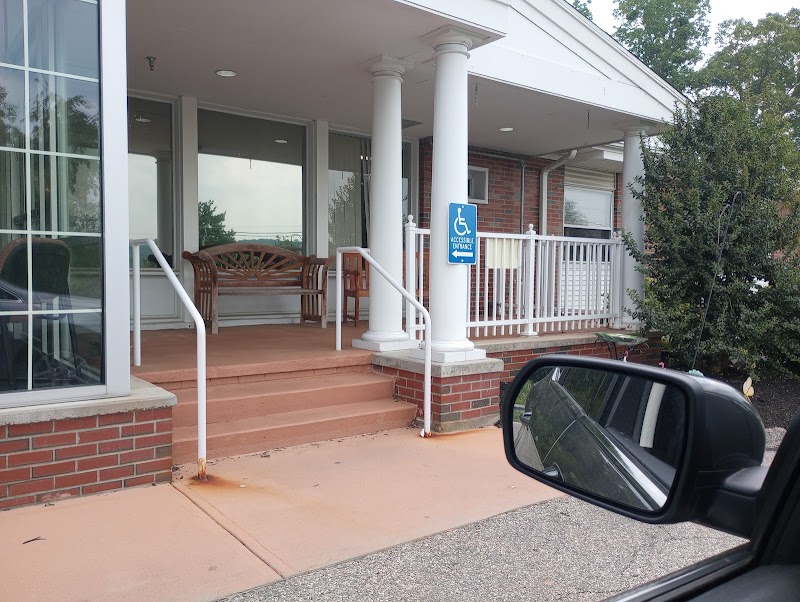
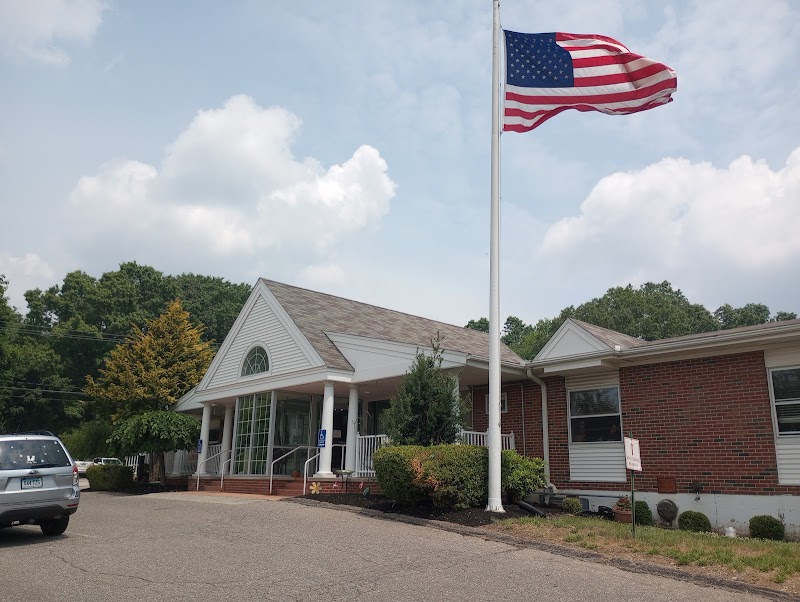
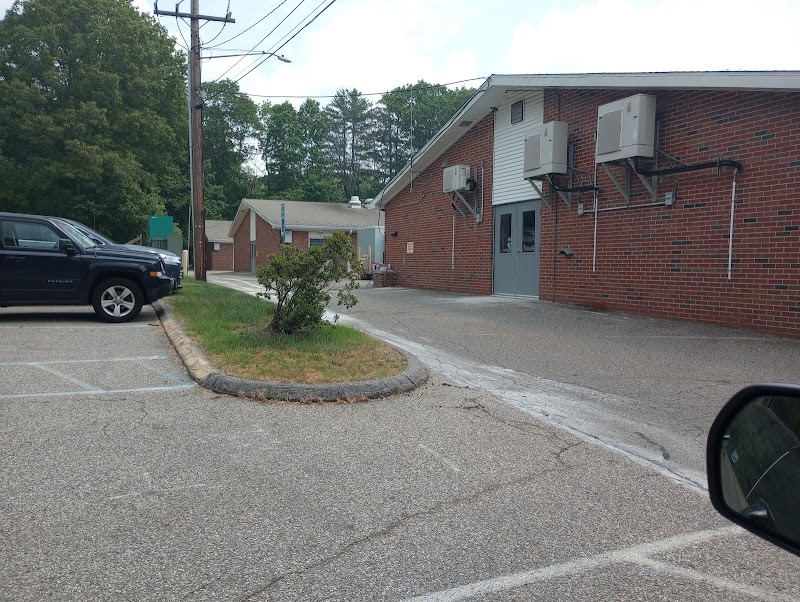
VANDERMAN PLACE

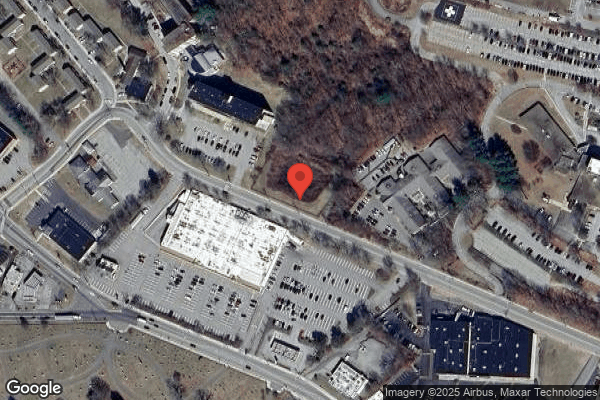
595 VALLEY STREET, WILLIMANTIC, CT 06226 (860) 450-7060
For profit - Limited Liability company 124 Beds Independent Data: November 2025
Trust Grade
45/100
#147 of 192 in CT
Last Inspection: May 2025

Inspected within the last 6 months. Data reflects current conditions.

Overview

Vanderman Place in Willimantic, Connecticut, has a Trust Grade of D, indicating it is below average and has some concerns. Ranking #147 out of 192 facilities in the state puts it in the bottom half, while locally it sits at #54 out of 64, meaning only one facility nearby performs worse. The facility is worsening, with issues increasing from 3 in 2024 to 16 in 2025. Staffing is a relative strength with a rating of 4 out of 5 stars, though turnover is at 45%, which is average for Connecticut. While the facility has no fines on record, it has concerning RN coverage, being lower than 77% of facilities in the state. Specific incidents include a failure to provide adequate supervision that led to a resident's fall and injuries, and a lack of proper food safety practices in the kitchen, including expired food and staff not wearing hair coverings. Overall, while Vanderman Place has some strengths in staffing, significant weaknesses in oversight and safety practices should be carefully considered.

Trust Score
D
45/100
In Connecticut
#147/192
Bottom 24%
Safety Record
Moderate
Needs review
Inspections
Getting Worse
3 → 16 violations
Staff Stability
○ Average
45% turnover. Near Connecticut's 48% average. Typical for the industry.
Penalties
✓ Good
No fines on record. Clean compliance history, better than most Connecticut facilities.
Skilled Nurses
○ Average
Each resident gets 34 minutes of Registered Nurse (RN) attention daily — about average for Connecticut. RNs are the most trained staff who monitor for health changes.
Violations
⚠ Watch
57 deficiencies on record. Higher than average. Multiple issues found across inspections.
★★☆☆☆
2.0
Overall Rating
★★★★☆
4.0
Staff Levels
★★★☆☆
3.0
Care Quality
★★☆☆☆
2.0
Inspection Score
Stable
2024: 3 issues
2025: 16 issues

The Good

  • 4-Star Staffing Rating · Above-average nurse staffing levels
  • Full Sprinkler Coverage · Fire safety systems throughout facility
  • No fines on record
  • Staff turnover below average (45%)

    3 points below Connecticut average of 48%

Facility shows strength in staffing levels, fire safety.

The Bad

2-Star Overall Rating

Below Connecticut average (3.0)

Below average - review inspection findings carefully

Staff Turnover: 45%

Near Connecticut avg (46%)

Typical for the industry

The Ugly 57 deficiencies on record

1 actual harm
May 2025 12 deficiencies
CONCERN (D)

Potential for Harm - no one hurt, but risky conditions existed

Free from Abuse/Neglect (Tag F0600)

Could have caused harm · This affected 1 resident

**NOTE- TERMS IN BRACKETS HAVE BEEN EDITED TO PROTECT CONFIDENTIALITY** Based on review of clinical records, review of facility documentation, facility policy review and staff interviews for 3 out of ...

Read full inspector narrative →
**NOTE- TERMS IN BRACKETS HAVE BEEN EDITED TO PROTECT CONFIDENTIALITY** Based on review of clinical records, review of facility documentation, facility policy review and staff interviews for 3 out of 6 residents (Residents #30, # 75, 193) reviewed for abuse, the facility failed to ensure each resident was free from abuse. The findings included. 1. a. Resident #30's diagnosis included hemiplegia, hemiparesis, aphasia and anxiety. The annual Minimum Data Set (MDS) assessment dated [DATE] indicated mild cognitive impairment. The care plan dated 3/3/2025 indicated Resident #30 was involved in an altercation with roommate (Resident #31) on 12/23/2024. Interventions included 1:1 visits with the social worker, offer a room change and place with an appropriate roommate, refer to psychiatric services for follow up and for staff to monitor for signs and symptoms of any changes in resident's moods or behaviors and address promptly. b. Resident #33's diagnosis included adjustment disorder and depressive episodes. The quarterly MDS assessment dated [DATE] indicated Resident #31 was cognitively intact. The care plan dated 2/25/2025 indicated Resident #33 had a history of agitation. Interventions included: to continue with medication as ordered 1:1 visits with the social worker as needed and refer to psychiatric services for follow up as needed. The care plan further indicated Resident #33 had potential for trauma related to history of being assaulted. Interventions included: to assist residents in identifying triggers and measures to relieve anxiety and to observe adjustment difficulties. The facility Incident Report indicated a Resident-to-Resident altercation occurred on 12/23/2024 at 6:15 PM where roommates (Resident #30 and #33), were witnessed arguing over closet space, came out of the room continuing to argue, Resident #30 allegedly grabbed Resident #33's arm over closet space and Resident #33 was observed striking Resident #30 in the face. The report further indicated that the supervisor (RN #4) notified the Director of Nursing Services immediately after placing the residents on 1:1 supervision, a room change was completed, the local police were notified, and an investigation was initiated. On 5/23/25 at 11:27 AM an interview and review of written statement with a charge nurse (LPN #8) who witnessed what transpired during the incident identified Resident #30 stated clothing in the shared closet each resident shared were claiming to be their own, Resident #33 was attempting to leave the room but Resident #30 was trying to block his/her exit. LPN #8 indicated s/he allowed Resident #33 to leave the room. Resident #30 followed Resident #33 out of the room, and both started to argue again, Resident #30 attempted to stop Resident #33 again while trying to get away from the situation at which time LPN #8 and other staff tried to separate the residents. LPN #8's statement indicated she/he saw Resident #33 strike Resident #30 in the cheek twice while he/she tried to separate them. LPN #8 further indicated the supervisor was notified and arrived on the unit and notified who needed to be called and the police came in. Attempts to reach NA #7 on 5/23/25 at 11:41 AM and NA# 9 05/23/25 11:47 AM who written statements indicated observing Resident #31 strike Resident #30 were not successful. On 5/23/25 at 1:34 PM an interview with the Nursing Supervisor (RN #4) indicated she/he did not recall to anything about the incident and was out of the country on vacation . RN # 4 asked the surveyor to refer to the written statement. 2. Resident #75 's diagnoses included vascular dementia, difficulty in walking and depression. The quarterly Minimum Data Set assessment dated [DATE] identified Resident #75 was cognitively impaired and required partial assistance with bed mobility and sit to stand transfers. MDS identified Resident #75 requires a manual wheelchair to ambulate. The care plan dated 8/23/24 identified Resident #75 is at risk for changes in mood/behavior. impaired cognition. Interventions included: to provide comfort and emotional (support) as needed and to refer to psychiatric services for intervention as needed. A nurse's note dated 9/23/24 at 5:48 PM identified Charge nurse reported resident was hit by another resident in the face. This incident was witnessed by nursing assists who stated resident when in the other person's bedroom and hit her/him in the face with her/his hands. Residents couldn't recall what happened due to cognitive loss dementia. On assessment no signs or symptoms of injury noted. The phone interview with NA #1 on 5/22/25 at 12:22 PM indicated Resident #75 and Resident #63 lived on different units at the time of the incident. NA#1 reported Resident #63 was a known wander who often wanders into other resident's room, particularly Resident # 63 wandered into Resident #75's room due to the room being at the end of the hallway, where Resident #63 likes to hangout. NA#1 stated the day of the incident she heard Resident #75 screaming stop bumping into me. She reported upon entering the room Resident #63 grabbed Resident #75s by the hair and pulled. NA#1 reported she was able to intervene and separate them. Interview with ADNS on 5/22/25 01:55 PM indicated any resident with known wandering behaviors should have been cued and supervised. She reported subsequent to the incident on 9/23/24 interventions were put in place to prevent Resident #63 from wandering into Resident #75's room. Facility abuse policy indicates in part It is the policy of the facility that each resident has the right to be free from abuse . it is the philosophy of the facility to encourage an environment that recognizes the special qualities of our residents and provides them with a safe place. 3 a. Resident #81's diagnosis included adjustment disorder with mixed anxiety and depressed mood. The care plan dated 4/14/2025 indicated Resident #81 had a diagnosis of major depression, sad and anxious mood. Interventions included: 1: 1 visit by the social worker for venting, socialization and emotional support. The care plan further indicated Resident #81 had potential for trauma related to medical condition, pending surgical procedure and depression/anxiety. Interventions included: to assist the resident to identify triggers and measures that relieve anxiety and to observe for adjustment difficulties. The care plan further indicated Resident #81 stated difficulty sleeping through the night. Interventions included: to evaluate room for noise, darkness, temperature and comfort and offer sleep aid as ordered. The admission Minimum Data Set (MDS) assessment dated [DATE] indicated Resident #81 was cognitively intact. b. Resident #193's diagnosis included dementia, Parkinsons disease, and syncope with collapse(fall). A nursing progress note dated 5/20/2025 at 11:30 PM indicated Resident #193 arrived via ambulance from the hospital for admission. The resident was oriented to name and date of birth but otherwise confused. The Nursing admission /readmission Evaluation dated 5/21/2025 at 2:10 AM indicated in part Resident #193 was oriented to person, confused and cognitively impaired. The care plan dated 5/21/2025 indicated in part Resident #193 had impaired cognitive function. Interventions included: keeping the routine consistent and trying to provide consistent caregivers. The care plan further indicated Resident #193 was at risk for falls. Interventions included: to anticipate needs, call bell within reach, and to provide a safe environment. An observation 5/21/25 at 06:49 AM identified Resident #193 in the lounge in a reclining wheelchair with NA #8 present who indicated Resident #193 had come out of his/her room and she/he had been attempting to place the resident back to bed secondary fall risk and confused. On 5/21/2025 at 6:52 AM and interview and observation with the nursing supervisor (RN #) indicated NA#8 had been watching Resident #193 for safety due to agitation as Resident #193 had a verbal altercation with a threat made to Resident # 81 with the roommate last night so the staff brought Resident #193 out of the room. After being asked what process was followed the altercation RN #1 indicated to refer to the charge nurse for more information and her/his nurses note. On 5/21/25 at 6:53 AM an interview with charge nurse LPN #6 indicated the roommate, Resident #81 said s/he was going to strangle Resident #193. NA #8 stayed with the residents while LPN #6 obtained a wheelchair and brought it to the NAs in the room who then transferred Resident #193 into the wheelchair and brought Resident # 193\ to the lounge where NA #8 stayed with Resident # 193 for safety. LPN #6 further indicated Resident #81 was very unhappy. An interview on 5/21/25 at 06:54 AM with NA #8 with LPN #6 present indicated Resident #193 was in his/her room yelling and attempting to get out of bed. The roommate (Resident #81) indicated she/he did not want Resident #193 in the room and the resident should be somewhere else. NA #8 indicated she/he told Resident #81 s/he would need to speak with the social worker in the morning. NA#8 indicated while Resident #193 was yelling, Resident #81 told Resident #193 to shut the fuck up or I will strangle you. Resident #193 was brought out to the lounge in a wheelchair where NA#8 stayed with the resident. LPN #6 added the supervisor (RN#1) came to the unit. When asked what the process was when an altercation between two residents occurs, LPN #6 indicated she/he was taught to call the supervisor and separate the residents. LPN #6 and NA#8 indicated the supervisor suggested brining the resident to the lounge and asked what happened, no statements in writing were requested from them. A nursing note dated 5/21/2025 at 2:21:00 written by RN #1 indicated (Resident #193) was yelling and not getting along with roommate (Resident #81) Resident #193 was found walking in room, confused and placed in a wheelchair and indicated Resident # 193 was monitored by nurse aides. An interview with the DNS on 5/23/2025 at 2:12 PM indicated the incidents of abuse (Resident #30, #31 and #81, #193) were found to be substantiated. The facility policy labeled Abuse indicated in part notes verbal abuse is defined as oral written that willfully includes disparaging and derogatory terms to residents or within their hearing distance regardless of age, ability to comprehend, or disability. The policy further indicated some examples of verbal abuse include threats of harm and saying things to frighten a resident. The policy also indicated that allegations or observation of abuse must be reported immediately to the administrator and the DNS. After notification is made to the administrator and the DNS, the administrative staff or the nursing supervisor will assume responsibility for notifying the physician and conducting an immediate investigation into the alleged incident (during the shift it occurred). The incident needs to be reported to the state agency and the local law enforcement need to be notified within 2 hours of the abuse allegation or observed abuse.
CONCERN (D)

Potential for Harm - no one hurt, but risky conditions existed

Report Alleged Abuse (Tag F0609)

Could have caused harm · This affected 1 resident

**NOTE- TERMS IN BRACKETS HAVE BEEN EDITED TO PROTECT CONFIDENTIALITY** Based on clinical record reviews, facility documentation, review of policy and interviews for 1 out of 6 residents (Resident #19...

Read full inspector narrative →
**NOTE- TERMS IN BRACKETS HAVE BEEN EDITED TO PROTECT CONFIDENTIALITY** Based on clinical record reviews, facility documentation, review of policy and interviews for 1 out of 6 residents (Resident #193) reviewed for abuse, the facility failed to ensure staff immediately reported an episode of verbal abuse to the Administrator, the Director of Nursing Services, local authorities, start the investigation and timely report the abuse to the state agency. The findings included: 1 a Resident #81's diagnosis included adjustment disorder with mixed anxiety and depressed mood. The care plan dated 4/14/2025 indicated Resident #81 had a diagnosis of major depression, sad and anxious mood. Interventions included: 1:1 visits by the social worker for venting, socialization and emotional support. The care plan further indicated Resident #81 had potential for trauma related to medical condition, pending surgical procedure and depression/anxiety. Interventions included: to assist the residents to identify triggers and measures that relieve anxiety and to observe for adjustment difficulties. The care plan further indicated Resident #81 stated difficulty sleeping through the night. Interventions included: to evaluate room for noise, darkness, temperature and comfort and offer sleep aid as ordered. The admission Minimum Data Set (MDS) assessment dated [DATE] indicated Resident #81 was cognitively intact. b. Resident #193's diagnosis included dementia, Parkinsons disease, and syncope with collapse(fall). A nursing progress note dated 5/20/2025 at 11:30 PM indicated Resident #193 arrived via ambulance from the hospital for admission to the facility. The resident was oriented to name and date of birth but otherwise confused. The Nursing admission /readmission Evaluation dated 5/21/2025 at 2:10 AM indicated in part Resident #193 was oriented to person, confused and cognitively impaired. The care plan dated 5/21/2025 indicated in part Resident #193 had impaired cognitive function. Intervention included: to keep the routine consistent and try to provide consistent caregivers. The care plan further indicated Resident #193 was at risk for falls. Interventions included: to anticipate needs, call bell within reach, and to provide a safe environment. An observation 5/21/25 at 6:49 AM identified Resident #193 in the lounge in a reclining wheelchair with NA #8 present who indicated Resident #193 had come out of his/her room and she/he had attempted to put the resident back to bed secondary to fall risk and confusion. On 5/21/2025 at 06:52 AM and interview and observation with the nursing supervisor (RN #1), indicated NA#8 had been watching Resident #193 for safety due to agitation as Resident #193 had a verbal altercation with a threat made to Resident #193 with the roommate (Resident # 81) last night. The staff brought Resident #193 out of the room due to the threat. After being asked what process was followed after the altercation RN #1 indicated to refer to the charge nurse for more information and her/his nurses notes. On 5/21/25 at 06:53 AM an interview with charge nurse LPN #6 indicated the roommate (Resident #81) said s/he was going to strangle Resident #193 so while NA #8 stayed with the residents LPN #6 obtained a wheelchair. LPN # 6 brought the wheelchair to the nurse aides in the room and Resident #193 was transferred into the wheelchair and brought to the lounge where NA #8 stayed with Resident # 193 for safety. LPN #6 further indicated Resident #81 was very unhappy. An interview on 5/21/25 at 06:54 AM with NA #8 with LPN #6 present indicated Resident #193 was in his/her room yelling and attempting to get out of bed. The roommate (Resident #81) indicated not wanting Resident #193 in the room and the resident should be somewhere else. NA #8 indicated telling Resident #81 s/he would need to speak with the social worker in the morning. NA#8 indicated while Resident #193 was yelling, Resident #81 told Resident #193 to shut the fuck up or I will strangle you. Resident #193 was brought out to the lounge in a wheelchair where NA#8 stayed with the resident. LPN #6 added the supervisor (RN#1) came to the unit. When asked what the process was when an altercation between two residents occurs, LPN #6 indicated she/he have been taught to call the supervisor and separate the residents. LPN #6 and NA#8 indicated the supervisor suggested brining the resident to the lounge and asked what happened, no statements in writing were requested from them. A nursing note dated 5/21/2025 at 9:21 PM written by RN #1 indicated (Resident #193) was yelling and not getting along with roommate (Resident #81) Resident #193 was found walking in room, confused and placed in a wheelchair where she/he could be monitored by the nurse aides. An interview with the Director of Nursing Services (DNS) on 5/21/25 at 7:39 AM upon arrival at the facility indicated she/he had not received any calls from the nursing supervisor overnight. An interview and clinical record review with RN#1 on 5/21/25 at 7:45 AM identified she/he did not write any details about the altercation between the two residents because s/he did not hear Resident #81 threaten Resident #193. RN #1 response to being asked if s/he documented in the aggressor's clinical record (Resident #81) RN#1 indicated no note was written and verified during the record review no other staff members wrote any notes related to the incident. An interview and record review on 5/21/25 at 8:49 AM with the DNS indicated s/he would have expected a phone call to her/him immediately and separation of the residents for safety. If the residents are under control, call the physician and report the incident if not, send the resident(s) to the hospital for an evaluation. The DNS further indicated she/he would report the incident to the state agency after the interview, since she/he was just informed (7.5 hours after it occurred). The DNS further indicated a room change for Resident #193 was completed this am and she/he would be reaching out to psychiatric services for both residents. An interview with the DNS on 5/23/2025 at 02:12 PM indicated the incidence of abuse for (Residents #81, #193) was substantiated. The facility policy labeled Abuse indicated in part that allegations or observation of abuse must be reported immediately to the administrator and the DNS. After notification is completed to the administrator and the DNS, the administrative staff or the nursing supervisor will assume responsibility for notifying the physician and conduct an immediate investigation into the alleged incident (during the shift it occurred). The incident needs to be reported to the state agency and the local law enforcement within 2 hours of the observation or allegation of abuse.
CONCERN (D)

Potential for Harm - no one hurt, but risky conditions existed

Deficiency F0628 (Tag F0628)

Could have caused harm · This affected 1 resident

**NOTE- TERMS IN BRACKETS HAVE BEEN EDITED TO PROTECT CONFIDENTIALITY** Based on review of the clinical record, review of facility policy and interviews for the only residents (Resident # 87), reviewe...

Read full inspector narrative →
**NOTE- TERMS IN BRACKETS HAVE BEEN EDITED TO PROTECT CONFIDENTIALITY** Based on review of the clinical record, review of facility policy and interviews for the only residents (Resident # 87), reviewed for hospitalization, the facility failed to ensure staff notified the resident and responsible party in writing of reason for transfer/discharge to the hospital. The findings include. Resident #87's diagnosis included Gastroesophageal Reflux (GERD) without bleeding, gastrostomy status, dysphagia and cerebral infarction. The admission Minimum Data Set (MDS) assessment dated [DATE] indicated Resident #87 had moderate cognitive difficulty. The care plan dated 5/22/2025 indicated Resident # 87 had a potential for bleeding secondary to use of anticoagulation therapy secondary to a new Cerebrovascular Accident (CVA). Intervention included: to administer medication as ordered, laboratory work as ordered, observe for adverse side effects and notify the physician immediately. The progress note dated 5/23/2025 at 5:36 AM indicated Resident #87 vomited a large amount of dark black emesis, the provider and responsible party were notified, and Resident #87 was sent to the hospital. An interview and record review on 5/23/25 at 2:27 PM with the Administrator and the Assistant Director of Nursing Services (ADNS), indicated the ADNS did not know what the process was for informing the resident and responsible party of a bed hold when a resident is transferred to the hospital. The ADNS also was unable to locate any documentation in the clinical record indicating verbally or in writing the responsible party had been notified of the bed hold options. The Administrator indicated there was a process and she/he would talk with the social worker and the Business Office Manager. On 5/23/25 at 2:37 PM the Administrator found information regarding the bed hold process on page 11 of the admission packet. However, the Administrator was unable to indicate how the facility informs the resident and/or responsible party of bed hold options in writing when a resident is transferred to the hospital. An interview with the Business Office Manager on 5/23/25 at 2:45 PM indicated the social worker would oversee notification in writing to the resident/responsible party and the ombudsman when there is a bed held, the bed hold information with payment option is in the admission packet. An interview on 05/23/25 2:50 PM with the Administrator indicated when she/he spoke to the social worker she/he indicated there was no form or documentation for tracking bed hold notification. The Administrator indicated the facility always holds each resident's bed. The facility policy labeled Bed-Holds and Returns indicated in part prior to transfers and therapeutic leaves, residents or resident representatives will be informed in writing of the bed hold and return policy.
CONCERN (D)

Potential for Harm - no one hurt, but risky conditions existed

Comprehensive Care Plan (Tag F0656)

Could have caused harm · This affected 1 resident

**NOTE- TERMS IN BRACKETS HAVE BEEN EDITED TO PROTECT CONFIDENTIALITY** Based on clinical record reviews, observation, record review, and staff interviews for 1 of 4 residents reviewed for Abuse (Resi...

Read full inspector narrative →
**NOTE- TERMS IN BRACKETS HAVE BEEN EDITED TO PROTECT CONFIDENTIALITY** Based on clinical record reviews, observation, record review, and staff interviews for 1 of 4 residents reviewed for Abuse (Resident # 63),the facility failed to ensure a person-centered care plan with identified interventions for known behaviors and for 1 of 1 resident reviewed for positioning (Resident #30), the facility failed to develop and implement a care plan that addressed the resident's refusal of a hand splint. The findings included: 1.Resident #63's diagnoses included dementia, anxiety disorder and Alzheimer's disease. The care plan initiated 1/9/25 and revised on 3/25/25 identified, Resident #63 has the potential for elopement; wanders self-propelling in wheelchair, at times can be intrusive wandering, disrupting others and poor self-awareness. Interventions include attempting to redirect when wandering, encouraging participation in recreational activities, and observing for safety. The quarterly Minimum Data Set (MDS) assessment dated [DATE] identified Resident #63 was cognitively impaired. The MDS identified the resident uses walker and [NAME] chair to ambulate and noted the resident exhibited wandering behaviors that occurred daily. A physician's order dated 9/5/24 directed to assess placement of wander guard every shift. A nurse's note dated 9/23/24 at 4:59 PM identified in part Resident #63 hit another resident in the face (Resident # 75). On assessment resident with increased agitation talking loudly . both residents were separated immediately and aggressor (Resident #63) placed on 1.1 supervision. A review of the Interview with Assistant Director of Nursing Services (ADNS) on 5/22/25 1:55 PM indicated any resident with known wandering behaviors should have been cued and supervised. She also reported after the incident on 9/23/24 interventions were put in place to prevent Resident #63 from wandering into Resident #75's room Interview with on LPN #8 on 5/23/25 at 2:29 PM indicated, given the behaviors were identified prior to incident, there should have been a care plan with interventions to address the behavior. She also indicated that the staff or department who triggered the behaviors on the MDS should have ensured it was included on the care plan. Facilities Comprehensive Person-Centered care plan policy indicates in part Disciplines will be responsible for updating the care plan when there is a new problem that requires that discipline to intervene. : 2.Resident #30 was admitted with diagnoses that included right-sided paralysis, stroke, and difficulty speaking. A physician's order dated 10/13/2024 directed Resident #30 to wear a right wrist/hand orthosis daily: on at noon meal and off after evening meal. The physician's order identified the resident was able to don and doff the orthosis independently and further directed to remind Resident #30 daily at noon meal to put on the splint and help per resident preference. The quarterly MDS assessment dated [DATE] identified Resident #30 had unclear speech and moderate cognitive impairment. Additionally, the MDS assessment indicated Resident #30 had not exhibited behaviors of rejecting evaluation or care. A care plan revised on 4/1/2025 identified Resident #30 required a splint to the right hand worn continuously. Interventions included a resting hand split placed at noon meal if it was not already in place and removed at bedtime, to assist the resident as needed for proper application. A review of the Treatment Administration Record (TAR) from 5/1/2025 through 5/21/2025 indicated Resident #30 had refused the right-hand splint on 5/6/2025, 5/10/2025, 5/16/2025, and 5/19/2025. A nursing note dated 5/16/2025 indicated Resident #30 refused his/her hand splint twice. An observation on 5/19/2025 at 12:09 PM identified Resident #30 as not wearing a right-hand split. An observation on 5/20/2025 at 12:00 identified the resident was not wearing a right-hand splint. On 5/22/2025 at 12:45 PM, an interview with LPN #3 identified the LPN thought that Resident #30 had a splint on and the aides were responsible for applying splints. On 5/22/2025 at 12:47 PM, an interview with NA #5 indicated Resident #30 does not like to wear the right-hand splint and the resident removes it when it is placed by the nurse aides. NA#5 indicated she had not offered the splint on 5/22/2025 and indicated she was not aware of when the resident should be reminded to apply the hand splint. On 5/22/2025 at 1:01 PM, an observation with NA#5 identified that NA#5 had difficulty in locating Resident #30's splint and eventually found it in the resident's wardrobe on the top drawer. Resident #30 was observed applying the hand splint independently. On 5/22/2025 at 1:30 PM, Resident #30 was observed in the hallway wearing the right-hand splint. On 5/23/2025 at 11:21 AM, an interview with the ADNS indicated although the resident has a physician's order to remind to wear right hand splint, she would not have expected staff to remind the resident to put on the right-hand splint because the resident is alert and oriented. Additionally, the ADNS indicated that if the resident was refusing the splint, as staff had identified, then there should have been a care plan addressing the resident's refusal of the right-hand splint. The facility policy for the use and monitoring of splinting devices indicated that it was the nursing unit's responsibility to ensure that the splint was worn and cared for properly.
CONCERN (D)

Potential for Harm - no one hurt, but risky conditions existed

Deficiency F0657 (Tag F0657)

Could have caused harm · This affected 1 resident

**NOTE- TERMS IN BRACKETS HAVE BEEN EDITED TO PROTECT CONFIDENTIALITY** Based on review of the clinical record and interviews for the only resident (Resident # 5) reviewed for Bowel and Bladder Incont...

Read full inspector narrative →
**NOTE- TERMS IN BRACKETS HAVE BEEN EDITED TO PROTECT CONFIDENTIALITY** Based on review of the clinical record and interviews for the only resident (Resident # 5) reviewed for Bowel and Bladder Incontinence (Resident #5), the facility failed to ensure the care plan was updated to include offering a bowel and bladder retraining trial and any refusals related to participation in a retraining program. The findings include. Resident #5's diagnosis included unspecified dementia with behavioral disturbances, anxiety, and diabetes. The Minimum Data Set (MDS) assessment dated [DATE] indicated Resident #5 as moderately cognitively impairment, uses a wheelchair and a walker, noted independence for toilet transfers and frequently incontinent of bowel and bladder. The Care plan dated 3/25/25 indicated Resident #5 was incontinent of bowels related to impaired mobility and cognition. Interventions included: to check resident every 2 hours and assist as needed and observation of pattern of incontinence and to initiate toileting schedule if needed. The care plan further indicated Resident #5 has functional mixed bladder incontinence related to impaired mobility and cognition. The care plan also indicated Resident #5 was resistant to care including refusing weights, medication and care An interview and record review on 5/20/25 at 10:10 AM with RN #1 supervisor and MDS nurse indicated the MDS assessment dated [DATE] indicate Resident #5 was frequently incontinent of urine and bowels. However, there was no evidence that Resident #5 was offered a voiding trial or bowel and bladder retraining programs or that the resident refused to participate in any of the above. RN #1 indicated the quarterly nursing assessments documented Resident #5 as continent, but the MDS which looked at all documentation indicated Resident #5 was frequently incontinent of bowel and bladder. Although RN #1 indicated Resident #5's care plan included a specific care plan indicating resistance to care nowhere in the complete care plan where it mentioned the resident was offered bowel bladder retraining program and the resident refused.
CONCERN (D)

Potential for Harm - no one hurt, but risky conditions existed

Quality of Care (Tag F0684)

Could have caused harm · This affected 1 resident

**NOTE- TERMS IN BRACKETS HAVE BEEN EDITED TO PROTECT CONFIDENTIALITY** Based on, review of the clinical record, facility documentation, facility policy and interviews for 1 of 5 residents reviewed (R...

Read full inspector narrative →
**NOTE- TERMS IN BRACKETS HAVE BEEN EDITED TO PROTECT CONFIDENTIALITY** Based on, review of the clinical record, facility documentation, facility policy and interviews for 1 of 5 residents reviewed (Resident # 55) reviewed for unnecessary medication, the facility failed to ensure medications were given according to physician's orders. The findings include: Resident #55 's diagnoses included unspecified dementia, paranoid schizophrenia and depression. The quarterly Minimum Data Set (MDS) assessment dated [DATE] identified Resident #55 was cognitively impaired and required supervision/ touching assistance with eating, oral hygiene and maximal assistance for personal hygiene. The care plan dated 4/1/25 identified Resident #55 requires psychotropic drugs for dementia schizophrenia and appetite stimulant (Haldol, Prozac, Remeron, trazadone). Interventions included administering medications as ordered; monitor for therapeutic effect and side effects of medication; complete behavior monitoring sheets every shift. a.A physician's order dated 4/10/25 directed Haloperidol Tablet 0.5 MG Give 1 tablet by mouth at bedtime for anxiety, insomnia. The Medication Administration Records (MAR) for May 2025 identified the following medication were not given on 5/5/25: Haloperidol, Melatonin, Mirtazapine, Trazadone HCL, Guaifenesin ER, Acetaminophen Extra strength in accordance to physician's orders. May 2025 MAR also noted the following were not given on 5/7/25: Trazadone and Morphine. A review of the nursing notes for the month of May 2025 did not identify Resident #55 refusing any medications. b The MAR for May 2025 also identified the following were not performed for Resident # 55) on May 5, 2025. Ensure Plus, assessing pain, assessing for shortness of breath, assessing signs and symptoms of antidepressant. Compression stockings/ ace wraps were not applied according to order. The MAR for May 2025 noted the following were not performed on 5/7/25 Ensure Plus, assessing pain, assessing for shortness of breath. A review of the nursing notes for the month of May 2025 did not identify Resident #55 refusing any supplements or assessments. The interview with the ADNS on 5/23/25 at 10:27 AM indicated the expectation is that the MAR should be signed off if the medications are administered. She further indicated if the resident refuses, then it should be documented. Facilities Administering Medications policy identifies in part Medications are administered in a safe and timely manner, and as prescribed. If drug is withheld, refused, or given at a time other than scheduled time, the individual administering the medication shall initial and circle the MAR space provided for that drug and dose.
CONCERN (D)

Potential for Harm - no one hurt, but risky conditions existed

Deficiency F0887 (Tag F0887)

Could have caused harm · This affected 1 resident

Based on review of the facility Infection Control Program, facility documents and interview, the facility failed to ensure staff were offered education regarding the Covid 19 vaccination and alternati...

Read full inspector narrative →
Based on review of the facility Infection Control Program, facility documents and interview, the facility failed to ensure staff were offered education regarding the Covid 19 vaccination and alternative locations to receive the vaccine if the facility was unable to obtain the vaccine to offer to staff. The findings include: An interview with the Infection Control Nurse, Assistant Director of Nursing Services (ADNS) on 5/21/2025 at 11:50 AM identified she/he was not offered the Covid-19 immunization, and no education was provided about the Covid-19 vaccine or where the vaccine could be obtained if the facility was unable to offer and provide the vaccine. The ADNS further indicated the facility was unable to obtain the Covid 19 vaccine from the pharmacy for facility staff.
CONCERN (E)

Potential for Harm - no one hurt, but risky conditions existed

Deficiency F0552 (Tag F0552)

Could have caused harm · This affected multiple residents

**NOTE- TERMS IN BRACKETS HAVE BEEN EDITED TO PROTECT CONFIDENTIALITY** Based on review of the clinical record, review of facility documentation and staff interviews for 5 of 5 residents (Residents 24...

Read full inspector narrative →
**NOTE- TERMS IN BRACKETS HAVE BEEN EDITED TO PROTECT CONFIDENTIALITY** Based on review of the clinical record, review of facility documentation and staff interviews for 5 of 5 residents (Residents 24, 55, 56 and # 73) reviewed for Psychotropic medications, the facility failed to ensure informed consent for the use of a new psychotropic medication was obtained from the responsible party prior to the use of the medication. The findings included: 1. Resident #22's diagnosis included cognitive deficits following a cerebral infarction, unspecified intellectual disabilities and major depression. The quarterly Minimum Data Set (MDS) assessment dated [DATE] indicated Resident #22 had severe cognitive impairment, The care plan dated 1/14/2025 indicated in part Resident #22 had a communication problem related to history of intellectual disability and cognitive deficits. Interventions included: to anticipate and meet needs, speech therapy as indicated, use of communication techniques which enhance interaction. A psychiatric prescribers note dated 2/05/2025 indicated Resident #22 was able to express his/her needs through gestures and limited verbalizations, reports feeling depressed over medical limitations, and appeared mildly depressed. Additionally, given Resident #22's symptoms and willingness to initiate treatment a trial of antidepressant will be initiated with monitoring of side effects. A physician's order dated 2/5/2025 directed to administer Sertraline HCL(Antidepressant) 25 Milligram (MG) tablet by mouth once daily for depression. An interview with the Director of Nursing Services (DNS) on 5/22/2025 at 12:28 PM indicated the psychotropic consent forms were in a binder in the MDS nurse's office but not available. The DNS also indicated this process is somewhat new; I will let you know what I find. An interview on 5/22/2025 1:30 PM with the Director of Nursing [NAME] (DNS) indicated even though Resident #22 had been receiving Sertraline since 2/5/2025 (105 days since medication was started) the informed consent for use of Sertraline for Resident #22 slipped through the cracks and staff is working on consent at this time. The DNS further indicted she/he was unable to find a progress note stating staff contacted Resident #22's Conservator for informed consent On 5/22/2025 at 1:10 PM the administrator approached the surveyor with the 2/05/2025 psychiatric provider note that indicated Resident #22 gave permission for use of the antidepressant. The surveyor pointed out Resident #22 has a conservator of person and requested documentation that informed consent for use of psychotropic medication was provided to the conservator. On 5/22/2025 at 1:20 PM the Administrator indicated the inability to find any documentation the conservator had been informed of and provided consent for use of psychotropic medication. On 5/23/2025 at 9:21 AM a consent form for Resident #22 obtained via phone on 5/22/2025 (106 days after the medication was started) not signed by the person who obtained consent. 2. Resident #24's diagnosis included unspecified dementia and anxiety. The quarterly Minimum Data Set (MDS) assessment dated [DATE] indicated Resident #24 was cognitively intact. A physician's order dated 11/14/2024 directed to administer Citalopram Hydrobromide (antidepressant) 20 MG tablet once daily by mouth along with a 10 MG tab for a 30 MG dose. The care plan dated 12/17/2024 indicated Resident #24 had a behavior problem being accusatory related to dementia. Intervention included anticipating needs, assisting to develop more appropriate methods of coping with and interacting with staff. A physician's order dated 2/3/2025 directed to administer risperidone (antipsychotic) tablet 1 MG once daily for behavioral disturbances related to dementia. An interview on 5/22/2025 at 1:30 PM with the Director of Nursing [NAME] (DNS) indicated staff is working on consents for many residents at this time. An interview on 5/23/2025 at 08:38AM with Registered Nurse (RN #8) the MDS Nurse indicated the scheduler had the psychotropic medication book with the consents. An interview and review of clinical documents of various residents kept in a binder on 5/23/2025 at 8:40 AM with the scheduler identified she and a nurse aide were assigned about 2 weeks ago to call the families of the residents on the list and obtain consent over the phone for medications. They also indicated if the family had questions they would be directed to a nurse. The scheduler provided 2 psychotropic medication consent forms, one for Citalopram (antidepressant and the other for Risperdal (antipsychotic) each dated 5/08/2025 indicating verbal consent was obtained on this date. (190 days and 107 days respectively after starting the medication) An interview on 5/23/2025 at 9:11 AM with the Administrator identified she/he was waiting for the facility psychotropic medication policy. At 9:40 AM the Administrator indicated s/he had called the DNS (not in the facility) who indicated there was no policy for psychotropic medications. 3. Resident #55 's diagnoses included unspecified dementia, paranoid schizophrenia and depression. The quarterly Minimum Data Set assessment dated [DATE] identified Resident #55 was cognitively impaired and required supervision/ touching assistance with eating, oral hygiene and maximal assistance for personal hygiene. The care plan dated 4/1/25 identified Resident #55 requires psychotropic drugs for dementia schizophrenia and appetite stimulant (Haldol, Prozac, Remeron, trazadone). Interventions included administering medications as ordered; monitor for therapeutic effect and side effects of medication; complete behavior monitoring sheets every shift. A physician's order dated 3/15/23 directed mirtazapine 15 MG tab give 1 tablet orally at bedtime for antidepressant, an order dated 9/5/24 directed Fluoxetine HCl Oral Tablet 10 MG (Fluoxetine)Give 3 tablet by mouth one time a day for depression and anxiety and an order dated 4/10/25 directed Haloperidol Tablet 0.5 MG Give 1 tablet by mouth at bedtime for anxiety, insomnia. (consent signed for 5/8/25) The Medication Administration Records March 2023 through May 2025 indicated the following medications administered prior to consent: Fluoxetine; started 9/5/24 consent obtained 5/8/25. Haloperidol Tablet: started 4/10/25 consent obtained 5/8/25 and mirtazapine, started 3/15/23 consent obtained on 5/8/25. The interview with ADNS on 5/23/25 at 10:34AM indicated the DNS is responsible for obtaining concerns and new staff are being trained to assume the role. She is unable to explain why consents were not obtained prior to admission. Review of the Psychoactive Drug System policy dated October 2019 directed a consent from the resident and or responsible party will be obtained when a resident is started on a psychoactive medication and the resident or responsible party will be notified when the dose of the psychoactive medication has been changed by the practitioner. 4. Resident #56's diagnoses included metabolic encephalopathy, anxiety disorder, and dementia with psychotic disturbance. A physician's order dated 6/21/23 directed to administer Olanzapine (Zyprexa) 5 MG by mouth two times a day and 2.5 MG by mouth every eight hours as needed for psychotic disorder. The quarterly MDS assessment dated [DATE] identified Resident #56 had severe cognitive impairment and required set-up assistance with oral hygiene, personal hygiene, and moderate assistance with toileting hygiene, shower, and lower body dressing. The Resident Care Plan (RCP) dated 3/13/25 identified Resident #56 with impaired cognition related to dementia. Intervention directs the conservator to remain involved and intervene as needed. The RCP dated 3/13/25 also identified Resident #56 used psychotropic medications related to history of agitated behaviors and delusions. Interventions included: to administer psychotropic medications as ordered by physician and monitor side effects, and discuss with Medical Doctor, family the need for use of medication. The Psychotropic Medication Therapy Informed Consent Form dated 5/19/25 for medication Olanzapine identified verbal consent from the conservator of person (COP) and no signature from the person who obtained verbal consent from the facility. Interview with the Nurse Scheduler on 5/23/25 at 10:21 AM identified that a request was made by the Director of Nursing Services to help and assist with making phone calls to family and responsible parties to obtain verbal consent for psychotropic medications. Nurse Scheduler indicated she was not aware of the process for obtaining consent for psychotropic medication and commented she was only asked to help and did not think, she was responsible for signing the form once she received a verbal consent. Nurse Scheduler identified she was not aware of the Psychoactive Drug System policy. Interview on 5/23/25 at 10:34 AM with the Assistant Director of Nursing Services (ADNS) identified she was not aware of the process for obtaining consent from the responsible parties for psychotropic medications. She identified the Director of Nursing Services (DNS), and RN #1 were the ones responsible for the completion. The ADNS further indicated she was not familiar with the Psychoactive Drug System policy. An interview on 5/23/25 at 11:06 AM with RN #1 identified the process for obtaining consents from responsible parties for psychotropic medications was a new project started at the beginning of the week. She identified the Nurse Scheduler and a Certified Nurse Aide (CNA) who was on light duty were asked to call family and responsible parties to obtain verbal consent, and they were not aware that the form required a signature. RN #1 identified she was not aware of the Psychoactive Drug System policy. DNS was unavailable for an interview. 5. Resident #73's diagnoses included Alzheimer's disease, depression, and Post- Traumatic Stress Disorder. The quarterly Minimum Data Set (MDS) assessment dated [DATE] identified Resident #73 had severe cognitive impairment and required supervision (helper provides verbal cues and assistance) with oral hygiene, toileting hygiene, upper & lower body dressing, and toilet transfer. The RCP dated 12/5/24 identified Resident #73 had a new onset of antipsychotic medication related to an increase in behavioral symptoms and agitated behavior. Interventions included: discussing with Medical Doctor and family the ongoing need for use of medication, monitor and record target behavior symptoms, and monitor and report adverse reactions to Psychotropic medications A physician's order dated 11/20/24 directed to administer buspirone 5 MG by mouth one time a day for anxiety. A physician's order dated 12/5/24 directed to administer quetiapine fumarate (Seroquel) 25 MG by mouth in the morning for psychotic behaviors related to dementia. A physician's order dated 2/3/25 directed to administer trazodone 50 MG by mouth one time a day for anxiety. A physician's order dated 3/26/25 directed to administer Seroquel 25 MG by mouth in the evening for restlessness and agitation. A physician's order dated 3/28/25 directed to administer buspirone 7.5 MG by mouth three times a day for agitation/anxiety. A physician's order dated 4/9/25 directed to administer escitalopram oxalate (Lexapro) 20 MG by mouth one time a day for depression. . A physician's order dated 6/4/24 directed to administer Memantine 10 MG by mouth one time a day for anxiety/agitation. However, a review of the Psychotropic Medication Therapy Informed Consent Forms for Resident #73 dated 5/21/25 for medications; quetiapine, trazodone, escitalopram, and buspirone, identified verbal consent from the responsible party and no signature from the person who obtained verbal consent from the facility. Interview on 5/23/25 at 10:34 AM with the Assistant Director of Nursing Services (ADNS) identified she was not aware of the process for obtaining consent from the responsible parties for psychotropic medications. She identified the Director of Nursing Services (DNS), and RN #1 were the ones responsible for the completion. The ADNS further indicated she was not familiar with the Psychoactive Drug System policy. An interview on 5/23/25 at 11:06 AM with RN #1 identified the process for obtaining consents from responsible parties for psychotropic medications was a new project started at the beginning of the week. She identified the Nurse Scheduler and a Certified Nurse Aide (CNA) who was on light duty were asked to call family and responsible parties to obtain verbal consent, and they were not aware that the form required a signature. RN #1 identified she was not aware of the Psychoactive Drug System policy. Review of the Psychoactive Drug System policy dated October 2019 directed a consent from the resident and or responsible party will be obtained when a resident is started on a psychoactive medication and the resident or responsible party will be notified when the dose of the psychoactive medication has been changed by the practitioner.
CONCERN (E)

Potential for Harm - no one hurt, but risky conditions existed

Accident Prevention (Tag F0689)

Could have caused harm · This affected multiple residents

Based on clinical record reviews, observations and staff interviews for 3 of 3 (Residents #25, #63 and #78) with a history of wandering, the facility failed to ensure soiled utility on Units 1, 2, and...

Read full inspector narrative →
Based on clinical record reviews, observations and staff interviews for 3 of 3 (Residents #25, #63 and #78) with a history of wandering, the facility failed to ensure soiled utility on Units 1, 2, and 3 were not accessible to residents to prevent an accident.The findings included: 1. Resident #25's diagnosis includes Alzheimer's disease. Resident #25's Nursing Quarterly Evaluation dated 3/08/2025 at 11:18 AM indicated Resident #25 wanders without purpose. 2. Resident #63's diagnosis includes dementia with behavioral disturbance. Resident #63's Nursing Quarterly Evaluation dated 3/29/2025 at 7:46 PM indicated Resident #63 wanders without purpose, oblivious to needs and safety, and is confused. 3. Resident #78's diagnosis includes dementia with psychotic disturbance. Resident #78'sNursing quarterly evaluation indicted Resident #78 wanders without purpose, is oblivious to needs or safety and is disoriented and exit seeking An observation on 5/20/25 at 8:34 AM identified the dirty utility rooms on each unit accessible by pushing the door handle. Inside the soiled utility rooms were garbage cans and soiled linen in bags not covered, hazardous waste containers and equipment. Wing 1 had a specimen refrigerator with no lock and placed on an uneven surface when the door pulled open causing the person to tip forward (no specimens were in the refrigerator at this time). An observation and interview of each soiled utility room with the Director of Nursing Services (DNS) on 5/20/25 at 10:39 AM identified wing 1 had dirty linen, garbage, a hazardous waste box and a specimen refrigerator without a lock on an unsteady surface. The DNS indicated the refrigerator could be secured with a lock and a stable surface to sit on. Unit 2 had the same soiled linen, trash, hazardous waste container, no refrigerator but a small sink and a hopper (large open toilet bowl, no lid with a large sprayer to clean bed pans). Unit 3 had no refrigerator, a vacuum cleaner and a machine used for snaking pipes on the floor (per the DNS), a sink, and a hopper, several trash cans filled with bags, dirty linens with cans uncovered and one loose face cloth on top of the dirty bags. The DNS indicated the team had never really thought about the potential for residents who wander to enter the dirty utility rooms as no residents had ever tried. The DNS further indicated s/he would provide a list of all residents who wander and would meet with the Administrator and Maintenance Director about their concerns. An interview on 5/20/2025 at 2:00 PM with the Administrator indicated all 3 units soiled utility room doors now have passcode locks so only staff can enter.
CONCERN (E)

Potential for Harm - no one hurt, but risky conditions existed

Deficiency F0761 (Tag F0761)

Could have caused harm · This affected multiple residents

**NOTE- TERMS IN BRACKETS HAVE BEEN EDITED TO PROTECT CONFIDENTIALITY** Based on observations of Wings 2 and 3 and staff interviews, the facility failed to ensure the medication refrigerator was free ...

Read full inspector narrative →
**NOTE- TERMS IN BRACKETS HAVE BEEN EDITED TO PROTECT CONFIDENTIALITY** Based on observations of Wings 2 and 3 and staff interviews, the facility failed to ensure the medication refrigerator was free of food items and failed to keep medication rooms clean. The facility failed to ensure a medication cart was secure and accessible to only licensed staff. The findings included: 1 a. Observation on 5/23/25 at 11:45 AM of Wing 3 medication room with LPN #5 identified the following: The bottom door shelf of the medication refrigerator was observed to have an opened 12-ounce bottle of a tan-colored drink that had a manufacturer label indicating 20 grams of protein and with vanilla cream flavor. LPN #5 indicated the drink was not an item used by the facility. There were no labels indicating if the drink belonged to a resident. The shelf in the medication refrigerator was also noted to be stained with orange and tan residue. The medications stored in the refrigerator included: 2 boxes of formoterol fumarate 20mg/2ml vials (a medication used to treat respiratory conditions like asthma and COPD), two vials of latanoprost eye drops, 12 vials of insulin, seven bags of insulin pens, and four boxes of acetaminophen suppositories. b. The cabinet above the sink of Wing 3 medication room was observed to have a black plastic bottle, a purple plastic bottle, and a grey tumbler-style bottle with no labels. The grey-colored tumbler was noted to be stuck onto the shelf of the cabinet, and when removed, it left a sticky residue on the cabinet shelf. In addition to the bottles and a tumbler in the cabinet, there was also a tube of open toothpaste with blue residue on the opening of the tube. There was also a 30-gram tube of opened Lidocaine/Prilocaine 2.5%/2.5% cream with an expiration date of 2/2025. The tube of cream had a pharmacy label that was torn, and no resident name or prescription information was able to be read. Observation of the sink further identified sticky brown and white residue near an appliance used to crush resident medications. Behind the entry door of the medication room, there were eight jackets/sweatshirts that did not have resident labels on them. An interview with LPN #5 indicated she did not know who the water bottles and tumbler belonged to or how long they were there. LPN #5 also indicated she was not sure what the sticky residue in the cabinet and the sticky brown and white residue around the sink were at time of the observation. LPN #5 further indicated she did not know who the jackets and sweatshirts belonged to. LPN #5 did indicate that the staff had a locker room and break room to use. c.On 5/23/2025 at 12:28 PM, the Wing 2 medication room observed with LPN #4 identified the following: Next to the sink in the medication room, there was one pink-colored travel mug with a brown residue on the clear mug cover, a pink travel mug with a pink lid, and a pink ceramic-like mug with no lid. Behind the door, there were seven jackets with no resident labels. In the cabinet under the counter, there was a backpack and a black purse. An interview with LPN #4 indicated the purse belonged to her (LPN #4). LPN# 4 further indicated she did not know who the jackets belonged to, and the jackets had been there since she had started working at the facility about a year ago. On 5/23/2025 at 12:53 PM, an interview with the ADNS indicated the vanilla cream protein drink in the Wing 3 medication refrigerator should not have been stored there. The ADNS did not know whether jackets and personal belongings such as mugs or cups should have been stored in medication rooms. Additionally, the ADNS indicated that housekeeping cleaned the medication room and refrigerator but were not able to clean the room on the day in question yet. The facility policy for the Storage of Medications directs nursing staff to be responsible for maintaining medication storage and preparation areas in a clean, safe, and sanitary manner. Drug containers that have missing, incomplete, improper, or incorrect labels are returned to the pharmacy for proper labeling before storing. Discontinued, outdated, or deteriorated drugs are returned to the pharmacy or destroyed. Medications requiring refrigeration are stored separately from food. Although requested, the facility was unable to provide a policy for the storage of personal belongings in the medication rooms. 2.Observation on 5/19/25 outside room [ROOM NUMBER] from 120 PM to 1:28 PM identified medication cart outside room [ROOM NUMBER] unlocked and licensed staff not within eyesight of the medication cart. No residents were noted in the area. However, Nurse Aide (NA) 8 was noted entering and exiting room [ROOM NUMBER] while surveyor was present with the unlocked medication cart but did not alert LPN # 8 the medication cart was unlocked. LPN # 8 was noted talking to a resident in the bathroom at the time of the incident. Interview with LPN # 8 on 5/19/25 at time of the incident identified she ran to assist a resident in room [ROOM NUMBER] and forgot to lock the medication cart. LPN # 8 indicated she had been locking the medication cart all day but did not do so this one time. Surveyor: [NAME], Cesar
CONCERN (E)

Potential for Harm - no one hurt, but risky conditions existed

Infection Control (Tag F0880)

Could have caused harm · This affected multiple residents

**NOTE- TERMS IN BRACKETS HAVE BEEN EDITED TO PROTECT CONFIDENTIALITY** Based on observations , review of the facility Infection Control program, review of policy and interviews, the facility failed t...

Read full inspector narrative →
**NOTE- TERMS IN BRACKETS HAVE BEEN EDITED TO PROTECT CONFIDENTIALITY** Based on observations , review of the facility Infection Control program, review of policy and interviews, the facility failed to ensure staff performed hand hygiene after providing care to a resident on Enhanced Barrier Precautions [EBP] and for 1 of 1 resident reviewed for wounds (Resident #52), the facility failed to ensure staff disposed of used gloves in a sanitary manner and failed to perform appropriate hand hygiene during a dressing change and failed to wear appropriate Personal Protective Equipment ( PPE) for a resident on precaution. The findings included: 1.An observation on 5/21/2025 at 6:25 AM identified NA #1 and NA #2 coming out of Resident #22 and roommate's room (signage for Enhanced Barrier Precautions [EBP] and Personal Protective Equipment (PPE) set up were noted outside the room) and into the hallway starting to walk down the hall. NA #1 had a used glove in his/her right hand, and nurse aides had not completed hand hygiene before coming out of the room. An interview with NA#1 identified she/he did not know when the sign went up outside the door of Resident # 22's room and s/he was not sure what had to be done. NA# 2 after thought indicated there was hand sanitizer on the wall inside the doorway and both staff members utilized the hand sanitizer to complete hand hygiene. The charge nurse LPN #1 then came out of the resident room without completing hand hygiene and told Nurse Aides # 1 and # 2 I am going to go to the nurse's station to make a note and proceeded to go down the hall. Upon the surveyor's inquiry, LPN #1 answered the isolation sign was for the roommate and after reading the sign motioned in a scrubbing motion with hands indicated she/he used hand sanitizer going in and out of the room then immediately. LPN #1 went to use the hand sanitizer for hand hygiene. The 3 staff members were assisting Resident #22 with care at the time of the observations. 2. Observation on 5/19/25 at 12:58 PM of Droplet precaution sign posted on a resident's room noted all people entering the room should put on Personal Protective Equipment (PPE). Observation on 5/19/25 at 12:58 PM identified two nurse aides entered the room with no PPE (Gloves, gown or mask). Interview with NA#2 identified PPE does not apply given they were just going in to drop off the meal. Interview with ADNS on 5/19/25 at 2:48 PM indicated if a Resident is on precaution staff entering the room should use the appropriate PPE. The DNS indicated staff have been educated on droplet precautions but would reeducate them again. 3. Resident #52's diagnoses included lymphedema (a chronic condition characterized by swelling in the soft tissues of the body) and neuropathy (nerve damage that can cause pain, numbness, tingling, or weakness in different parts of the body). The quarterly MDS assessment dated [DATE] indicated Resident #52 was cognitively intact and did not have any open lesions or ulcers. The MDS assessment further indicated the resident required substantial/maximal assistance to put on and take off shoes and socks. A nursing note dated 4/6/2025 indicated Resident #52 was noted to have a scab to the left second toe and indicated the supervisor was made aware. A wound provider note dated 4/16/2025 indicated the wound was not pressure-related, and contributing factors were the resident's lymphedema and neuropathy. A physician's order dated 4/30/2025 directed the application of a betadine external solution of 5% to the left second toe every day and evening shift, letting it dry and covering with a band-aid. On 5/22/2025 at 2:22 PM, LPN #4 was observed performing Resident #52's left second toe dressing. LPN #4 set up her working area prior to the surveyor entering the resident's room. Dressing materials were set up on an overbed table; there were food items such as an open tea, a pitcher of water, and unopened packages of cookies on the overbed table next to the clean dressing materials. LPN #4 donned clean gloves, removed the old dressing, and cleaned the area with saline. LPN #4 removed the gloves, inverted them, and placed them on the resident's bed. LPN #4 then donned new, clean gloves (hand hygiene was not observed). LPN #4 applied betadine to the wound area, removed her right-hand glove, and placed it on the resident's bed. LPN #4 donned a new glove on the right hand (hand hygiene was not observed). LPN #4 applied a skin protectant around the wound area and applied a new band-aid to the resident's left second toe. LPN #4 removed both gloves, placed them on the resident bed, reached into her pocket to grab a pen, and dated the band-aid. LPN #4 donned new, clean gloves (hand hygiene was not observed) and replaced the resident's sock. An interview with LPN #4 indicated she had cleaned the overbed table with an alcohol cleaner prior to placing the clean dressing change items on the table. Additionally, LPN #4 indicated hand hygiene should have been done after removing the old dressing. LPN #4 also indicated she was not aware that hand hygiene should be done after removing gloves and before putting on new gloves. On 5/23/2025 at 11:08 AM, an interview with the ADNS and the Wound Nurse (RN#2) identified having food items on the same overbed table as the clean dressing change items was acceptable if food items were closed and kept away from the dressing items. The ADNS and RN#2 further indicated LPN #4 should have performed hand hygiene after removing gloves. The facility policy titled Specific Personal Protective Equipment directed employees to wash their hands after removing gloves.
CONCERN (F)

Potential for Harm - no one hurt, but risky conditions existed

Food Safety (Tag F0812)

Could have caused harm · This affected most or all residents

Based on the tour of the kitchen, observations, review of facility policy and staff interviews, the facility failed to ensure hair coverings were worn while in the kitchen. The facility failed to ensu...

Read full inspector narrative →
Based on the tour of the kitchen, observations, review of facility policy and staff interviews, the facility failed to ensure hair coverings were worn while in the kitchen. The facility failed to ensure food was consistently labeled and dated and expired foods were discarded. The findings included: Tour of the kitchen on 5/19/25 at 9:57 AM during the initial walk through with the Administrator identified the following: 1.an Observation on 5/19/25 at 9:57 AM of Cook#1 in the kitchen without hair covering. Interview with Cook#1 on 5/19/25 at 9:57 AM indicated hair covering should be on while in the kitchen. [NAME] #1 also indicated he/she had a hat on but forgot to put it back on when he/she reentered the kitchen. b. Observation on 5/19/25 at 10:05 AM of the walk-in refrigerator identified 3 bags of waffles were opened with no labels of when it was opened or used by date. Observation further identified cooked turkey dated 5/16/25 with no label of a used by date. Interview with [NAME] #1 on 5/19/25 at 10:05 AM indicated food items should indicate when they were cooked and when items should be used by. c. Observation on 5/19/25 at 10:08 AM of the walk-in freezer identified frozen burgers with a use by date of 3/31/25. Interview with the Administrator and [NAME] #1 on 5/19/25 at 10:08 AM identified foods should be discarded by the use by date. They both were unable to explain why the burgers were not discarded. 2. Observation on 5/19/25 at 10:30 AM of the dry storage room identified 10 cases of expired California Farms evaporated milk can with expiration date August 2024. A telephone interview with the Food Service Director on 5/21/25 at 8:44 AM identified all kitchen staff should be checking dates to ensure food is not expired. She also indicated that her expectation is that food contains labels and dates once opened and a discarded date. The Food Service Director further indicated that a hair net or hat should be worn in the kitchen at all times. A request for the facility food service policy was made on 5/19/25 at 10:00 AM and on 5/22/25 at 10:30 AM, however, no policy was provided.
May 2025 2 deficiencies
CONCERN (D) 📢 Someone Reported This

A family member, employee, or ombudsman was alarmed enough to file a formal complaint

Potential for Harm - no one hurt, but risky conditions existed

Comprehensive Care Plan (Tag F0656)

Could have caused harm · This affected 1 resident

**NOTE- TERMS IN BRACKETS HAVE BEEN EDITED TO PROTECT CONFIDENTIALITY** [NAME], [NAME] P. Based on clinical record review, facility documentation review, facility policy review, and interviews for fou...

Read full inspector narrative →
**NOTE- TERMS IN BRACKETS HAVE BEEN EDITED TO PROTECT CONFIDENTIALITY** [NAME], [NAME] P. Based on clinical record review, facility documentation review, facility policy review, and interviews for four of four residents (Resident #1 and #3) reviewed for comprehensive care plans, the facility failed to ensure the care plans included bed rail usage/interventions. The findings include: 1. A. Resident #1's diagnoses included dementia and contractures. Physician order dated 1/28/2025 directed to provide half side rails on every shift. The Significant Change Minimum Data Set (MDS) assessment dated [DATE] identified Resident #1 had a Brief Interview for Mental Status (BIMS) score of zero out of fifteen (0/15), indicative of severe impaired cognition and was dependent with ADLs (activities of daily living). The Resident Care Plan (RCP) dated 2/15/2025 identified Resident #1 had an ADL self-care deficit related to dementia. Interventions directed required staff to turn and reposition in bed and allow staff to maximize independence with turning and repositioning in bed. A nursing quarterly evaluation dated 2/15/2025 identified Resident #1's side rail/grab bar recommendation was to use bilateral side rails. The side rail/grab bar decision indicated that the side rail(s) were indicated and serve as an enabler to promote independence at this time. Record review failed to identify a care plan that directed use of the side rails. B. Resident #3's diagnoses included dementia and anxiety disorder. Physician order dated 2/6/2025 directed to provide two, quarter side rails bilaterally on every shift. A nursing quarterly evaluation dated 3/20/2025 identified Resident #3's side rail/grab bar recommendation was bilateral side/grab rails. The side rail/grab bar decision indicated that the side rail/grab bar(s) were indicated and serve as an enabler to promote independence at this time. The Quarterly MDS assessment dated [DATE] identified Resident #3 had a BIMS score of thirteen out of fifteen (13/15), indicative of cognitively intact and required assistance with ADLs. The RCP dated 4/2/2025 identified Resident #3 has an ADL self-care deficit related to dementia with the inability to initiate or follow through consistently. Interventions directed to assist with ADLs and was independent for bed mobility and moving side to side. Intermittent observations on 4/30 and 5/1/2025 during the 7:00 AM to 3:00 PM shift identified bilateral top bed rails were being utilized. Record review failed to identify a care plan that directed use of the side rails. Interview with DON on 5/1/2025 at 2:50 PM identified the care plans for Resident #1 and Resident #3 did not include a side rail indication or include side rail use. The DON identified all residents should have care plans reflecting the use of side rails. The DON was unable to indicate why Resident #1 and Resident #3's care plans did not include use of side rails. Review of the Side Rail Policy dated 5/2017 directed in part, upon admission, re-admission, significant change, a change in bed mobility, and as needed, the resident will be evaluated for the need for partial side rails to assist with bed mobility. The resident/significant other/responsible party will be provided with education regarding the decision on use of partial side rails to assist with bed mobility. The use of side rails or partial side rails will be documented on the resident's plan of care.
CONCERN (D) 📢 Someone Reported This

A family member, employee, or ombudsman was alarmed enough to file a formal complaint

Potential for Harm - no one hurt, but risky conditions existed

Deficiency F0700 (Tag F0700)

Could have caused harm · This affected 1 resident

**NOTE- TERMS IN BRACKETS HAVE BEEN EDITED TO PROTECT CONFIDENTIALITY** Based on clinical record review, facility documentation review, facility policy review, and interviews for four of four resident...

Read full inspector narrative →
**NOTE- TERMS IN BRACKETS HAVE BEEN EDITED TO PROTECT CONFIDENTIALITY** Based on clinical record review, facility documentation review, facility policy review, and interviews for four of four residents (Resident #1, #2, #3, and #4) reviewed for quality of care, the facility failed to provide education and obtain consents for use of bed rails, and the facility failed to date completed bed rail testing/audits, and failed to perform bed rail audits at six-month intervals in accordance with facility policy, and failed to ensure staff accurately performed a side rail test for risk of entrapment per device manufacture guidelines. The findings include: 1. A. Resident #1's diagnoses included dementia and contractures. Physician order dated 1/28/2025 directed to provide half side rails on every shift. The Significant Change Minimum Data Set (MDS) assessment dated [DATE] identified Resident #1 had a Brief Interview for Mental Status (BIMS) score of zero out of fifteen (0/15), indicative of severe impaired cognition and was dependent with ADLs (activities of daily living). The Resident Care Plan (RCP) dated 2/15/2025 identified Resident #1 had an ADL self-care deficit related to dementia. Interventions directed required staff to turn and reposition in bed and allow staff to maximize independence with turning and repositioning in bed. A nursing side rail quarterly evaluation dated 2/15/2025 identified Resident #1's side rail/grab bar recommendation was to use bilateral side rails. The side rail/grab bar decision indicated that the side rail(s) were indicated and serve as an enabler to promote independence at this time. Review of Resident #1's clinical record failed to identify a consent was obtained for bed rail use. B. Resident #2's diagnoses included dementia with behavior disturbance and anxiety disorder. The Quarterly MDS assessment dated [DATE] identified Resident #2 had a BIMS score of twelve out of fifteen (12/15), indicative of moderately impaired cognition and was independent with ADLs. A nursing side rail quarterly evaluation dated 2/28/2025 identified Resident #2's side rail/grab bar recommendation was side rails were not indicated at this time. The RCP dated 3/7/2025 identified Resident #2 had an ADL self-care deficit related to dementia, arthritis, left shoulder pain, and weakness. Interventions directed use of side rails to include one (1) grab bar and one and half (1 ½) side rails on the window side of the bed. Physician order dated 4/28/2025 directed to provide one (1) grab bar and one (1) half side rail (window side) to assist with bed mobility. Intermittent observations on 4/30/2025 and 5/1/2025 during the 7:00 AM to 3:00 PM shift identified bilateral top bed rails were being utilized. Review of Resident #2's clinical record failed to identify consent of bed rail use was obtained. C. Resident #3's diagnoses included thrombocytosis, dementia and cerebral infarction. Physician order dated 2/6/2025 directed to provide two (2) quarter side rails bilaterally on every shift. A nursing side rail quarterly evaluation dated 3/20/2025 identified Resident #3's side rail/grab bar recommendation was to use bilateral grab bars. The side rail/grab bar decision indicated that the side rail/grab bars were indicated and serve as an enabler to promote independence at this time. The Quarterly MDS assessment dated [DATE] identified Resident #3 had a BIMS score of thirteen out of fifteen (13/15), indicative of cognitively intact and required assistance with ADLs. The RCP dated 4/2/2025 identified Resident #3 has an ADL self-care deficit related to dementia with the inability to initiate or follow through consistently. Interventions directed assist with ADLs and was independent for bed mobility and moving side to side. Intermittent observations on 4/30/2025 and 5/1/2025 during the 7:00 AM to 3:00 PM shift identified bilateral top bed rails were being utilized. Review of Resident #3's clinical record failed to identify consent of bed rail use was obtained. D. Resident #4's diagnoses included Parkinson's disease, dementia, and morbid obesity. Physician order dated 2/11/2025 directed to provide two (2) quarter side rails. The Quarterly MDS assessment dated [DATE] identified Resident #4 had a BIMS score of zero out of fifteen (0/15), indicative of severely impaired cognition and was dependent with ADLs. The RCP dated 4/7/2025 identified Resident #4 required assistance with bed mobility. Interventions directed two (2) ¼ side rails up as ordered while in bed A nursing side rail quarterly evaluation dated 4/7/2025 identified Resident #4's side rail/grab bar recommendation was bilateral side rails. The side rail/grab bar decision indicated that the side rails were indicated and serve as an enabler to promote independence at this time. Record review failed to identify the resident and/or family were educated on the risks associated with side/grab bar use. Intermittent observations on 4/30/2025 and 5/1/2025 during the 7:00 AM to 3:00 PM shift identified bilateral top bed rails being utilized. Review of Resident #4's clinical record failed to identify consent of bed rail use was obtained. Interview and record review with DON (Director of Nursing) on 5/1/2025 at 2:50 PM identified residents and/or the responsible parties should be provided education regarding use of side rails, and consents should be obtained. The DON indicated she had reviewed Resident #1, #2, #3, and #4's records, and was unable to provide documentation that education was provided and that consents were obtained for the use of the bedrails/side rails. The DON identified she was informed that the previous DON had removed the consent for bedrails that had been located within the admission paperwork, and indicated that was why the residents did not have consent paperwork. Review of the Side Rail Policy dated 5/2017 directed in part, The resident/significant other/responsible party will be provided with education regarding the decision on use of partial side rails to assist with bed mobility. The Policy further directed, use of partial side rails will be documented on the resident's plan of care. 2. Review of facility documentation for Resident #1, #2, #3, and #4's bed, mattress, side rail, entrapment and safety audit form identified all resident's beds had passed inspection in March and April 2025 and May 2024. Additionally, there was no date listed on any of the audit forms. Documentation review failed to identify the side rails were audited twice a year. Interview with DOM (Director of Maintenance) on 5/1/2025 at 1:45 PM identified he performs the audits on the bed rails annually. The DOM indicated if there is an open time in his schedule to perform the audits on a random basis (the beds are not assigned a scheduled time), he will conduct them, but he does not document the dates of the audits on the paperwork. The DOM was unable to provide documentation of the dates that the beds were audited. Review of the Bed and Side Rail Safety, Assessment, and Audit Policy dated 8/01/2023 directed in part, twice annually, at six-month intervals, and as needed, the residential site manager, or the manager's designee, shall visibly assess the bed and side rails, using the Bed and Side Rail Safety Checklist. Any issues identified in the checklist shall be documented by the person completing the checklist along with a proposed plan to address the identified issues. 3. Observation of Resident #3's bed on 4/30/2025 at 12:45 PM identified the left upper side railing was loose and was able to extend outward by approximately three (3) to four (4) inches. Interview with DOM on 4/30/2025 at 1:30 PM identified the facility utilized the Bionix B4000 Bed System Measurement Device (BSMD) to perform entrapment assessments on all resident beds. Review of the Bionix B400 BSMD instruction manual for Zone 3 (side rail zone) directed in part the following instructions: 1. Firmly push the mattress away from the rail being measured until it stops. 2. Put the cone near the rail being tested and attach the safety strap. 3. Put the cone horizontally in the gap. Do not push the tool down into the gap. 4. Turn the cone until the line on the end is horizontal. 5. Let the cone sink into the space by its own weight. If the cone is tilted, use one hand to gently level it. Do not push the tool down in the gap. 6. Determine whether the cone's center sinks completely below the surface of the mattress. 7. Interpret test results and record the results on the data sheet. Interview and observation of an audit of the Bionix B4000 BSMD guidelines performed on Resident #3's bed on 4/30/2025 at 2:00 PM with the DOM identified DOM did not accurately perform Zone 3 of the testing requirements. The DOM did not follow the manufacture guidelines for Zone 3, and instead, the test DOM performed was indicated for Zone 4. The test for Zone 3 was not performed. Subsequent to surveyor inquiry, Resident #3's bed side railing was fixed, prior to retesting for Zone #3 on 5/1/2025. Interview with DOM on 5/1/2025 at 1:45 PM identified although he did not test Zone #3 accurately, he believed Resident #3's bed passed the test due to all other zones had passed the testing/audit and met the expected range of distance allowed of 4 ¾ (four and three-quarter) inches within the gaps. The DOM was unable to explain how the bed would pass if Zone 3 was not tested.
Mar 2025 2 deficiencies
CONCERN (D) 📢 Someone Reported This

A family member, employee, or ombudsman was alarmed enough to file a formal complaint

Potential for Harm - no one hurt, but risky conditions existed

Medication Errors (Tag F0758)

Could have caused harm · This affected 1 resident

**NOTE- TERMS IN BRACKETS HAVE BEEN EDITED TO PROTECT CONFIDENTIALITY** Based on review of the clinical record, facility policy and interviews for one (1) of three (3) residents (Resident #1) reviewed...

Read full inspector narrative →
**NOTE- TERMS IN BRACKETS HAVE BEEN EDITED TO PROTECT CONFIDENTIALITY** Based on review of the clinical record, facility policy and interviews for one (1) of three (3) residents (Resident #1) reviewed for behaviors, the facility failed to ensure that behavior monitoring was completed on a resident receiving antipsychotic medications. The findings include: Resident #1's diagnoses included anxiety disorder, schizoaffective disorder and bipolar disorder. A physician's order dated 10/9/24 directed to administer Aripiprazole 5 milligram (mg) tablet by mouth at bedtime for bipolar disorder. A physician's order dated 6/11/24 directed to administer Cariprazine (an antipsychotic medication used to treat schizophrenia, bipolar disorder and major depression) 6 milligram (mg) capsule by mouth once daily. The quarterly Minimum Data Set (MDS) assessment dated [DATE] identified Resident #1 had a Brief Mental Interview for Mental Status (BIMS) of fifteen (15) indicative of intact cognition and was dependent on staff for transfer assistance. The Resident Care Plan (RCP) dated 12/26/24 identified that Resident #1 uses psychotropic medications related to diagnoses of bipolar disorder and schizoaffective disorders with interventions that included to administer psychotropic medications as ordered by physician and monitor for side effects and effectiveness every shift and monitoring/recording occurrences of target behavior symptoms and document per facility protocol. A physician's order dated 1/27/25 and discontinued on 2/13/25 directed to administer Seroquel (an antipsychotic medication used to treat schizophrenia, bipolar disorder and depression) 25 milligram (mg) tablet by mouth at bedtime. A physician's order dated 2/13/25 directed to administer Seroquel 25 milligram (mg) tablet by mouth at bedtime. Review of physician's orders dated 1/1/25 through 2/28/25 failed to identify a physician's order directing staff to monitor Resident #1's behaviors associated with the use of antipsychotic medications. Review of the January and February 2025 Medication Administration Records for Resident #1 failed to identify that behaviors were being monitored alongside the use of antipsychotics. Review of nurse's notes dated 1/1/25 through 2/19/25 failed to identify documentation related to behavior monitoring every shift. Interview with APRN #1 (psychiatric) on 3/6/25 at 11:40 AM identified that Resident #1 should have had behavior monitoring in place every shift, as he/she was on several antipsychotic medications. She identified that she was new to the facility, so she did not identify the omissions but stated that behavior monitoring is used to identify any increased or improved behaviors and guides a resident's treatment. She identified that at the least, the resident should have been monitored every shift for mood, anxiety, paranoia and agitation. Interview with the ADNS on 3/6/25 at 11:50 AM identified that although she was unable to locate any documented behavior monitoring on Resident #1, she would expect that a physician's order be obtained when a resident is placed on any antipsychotics and that target behaviors are monitored every shift. She reported that she was unsure why a physician's order had not been obtained and why target behaviors were not monitored on Resident #1, as they should have been. Review of the Behavioral Assessment, Intervention and Monitoring policy (undated) directed, in part, that behavioral symptoms will be identified using facility-approved behavioral screening tools and the comprehensive assessment. Residents will have minimal complications associated with the management of altered or impaired behavior. The facility will comply with regulatory requirements related to the use of medications to manage behavioral changes. The interdisciplinary team will evaluate behavioral symptoms in residents to determine the degree of severity, distress and potential safety risk to the resident, and develop a plan of care accordingly. Review of the Antipsychotic Medication Use policy (undated) directed, in part, that the attending physician and other staff will gather and document information to clarify a resident's behavior, mood, function, medical condition, specific symptoms and risks to the resident and others. The attending physician and facility staff will identify, evaluate and document, with input from other disciplines and consultants as needed, symptoms that may warrant the use of antipsychotic medications. The staff will observe, document, and report to the attending physician information regarding the effectiveness of any interventions, including antipsychotic medications. The physician shall respond appropriately by changing or stopping problematic doses or medications, or clearly documenting why the benefits of the medication(s) outweigh the risks or suspected or confirmed adverse consequences.
CONCERN (D) 📢 Someone Reported This

A family member, employee, or ombudsman was alarmed enough to file a formal complaint

Potential for Harm - no one hurt, but risky conditions existed

Medical Records (Tag F0842)

Could have caused harm · This affected 1 resident

**NOTE- TERMS IN BRACKETS HAVE BEEN EDITED TO PROTECT CONFIDENTIALITY** Based on review of the clinical record, facility documentation, facility policy and interviews for one (1) of three (3) resident...

Read full inspector narrative →
**NOTE- TERMS IN BRACKETS HAVE BEEN EDITED TO PROTECT CONFIDENTIALITY** Based on review of the clinical record, facility documentation, facility policy and interviews for one (1) of three (3) residents (Resident #2) reviewed for hospitalizations, the facility failed to ensure complete and accurate documentation including an oxygen level when the resident was noted to have increased respirations and breathing heavily, provider notification and ensuring documentation of a physician's order related to a Emergency Department (ED) transfer. The findings include: Resident #2's diagnoses included acute and chronic respiratory failure, congestive heart failure, chronic kidney disease and kidney failure. The Resident Care Plan (RCP) dated 1/15/24 identified that Resident #2 has altered cardiovascular status related to atrial fibrillation (irregular heartbeat) with interventions that included to assess for chest pain, shortness of breath, monitor vital signs and notify the physician of significant abnormalities, and monitor/document/report as needed any changes in lung sounds on auscultation, edema and changes in weight. The admission Minimum Data Set (MDS) assessment dated [DATE] identified Resident #2 had a Brief Mental Interview for Mental Status (BIMS) of fifteen (15) indicative of intact cognition and required substantial assistance with bed mobility and was dependent on staff for transfers and ambulation. A nurse's note dated 2/15/24 at 5:20 AM identified that Resident #2 was scheduled for dialysis and was to be transported by his/her spouse. The note identified that it took an assist of three (3) staff to get the resident into the wheelchair and the resident was then brought out to the nurses station awaiting his/her spouse to bring the car to the side door. While waiting, the resident started breathing heavily, skin was noted to be pale and cold, the resident complained of blurry vision and weakness but denied any pain. Vital signs were obtained to include a blood pressure of 101/92, heart rate of 60 beats per minute, body temperature of 97.6 degrees Fahrenheit and respirations between 24 and 28. The note identified that the nursing supervisor was present and 911 was called at 5:40 AM and the ambulance arrived and transported Resident #2 to the hospital. Review of nurse's notes dated 2/15/24 through 2/16/24 failed to identify any additional notes or documentation that an RN assessment was completed, the provider was notified or that an oxygen (Sp02) level was obtained. Review of physician's orders dated 2/15/24 through 2/16/24 failed to identify a physician's order directing staff to transfer the resident to the hospital for an evaluation. A social service note dated 2/16/24 at 8:07 AM identified that per nursing, Resident #2 was transferred to the hospital on 2/15/24 and passed away at the hospital. Interview with RN #2 (Nursing Supervisor) on 3/6/25 at 1:19 PM identified that staff identified promptly that Resident #2 had a change in condition, as he/she had a very brittle health status stating she was notified by RN #1, and the resident was immediately sent to the ED for evaluation. She reported that although she did not document a note and she should have, she assessed the resident to include lung sounds and stated they obtained an oxygen level on the resident but stated she was unsure why it wasn't documented in the clinical record. She identified that she also notified the provider of the change and obtained a physician's order to transfer the resident to the ED but stated that she must have forgotten to enter the order and document who she notified and at what time, stating it was a hectic morning. RN #2 reported that it was facility practice that the assessment, provider notification and time of transfer for a change in condition was to be documented in a nurse's note, stating they didn't have a SBAR assessment in their system. Interview with RN #1 on 3/6/25 at 1:52 PM identified that as soon as Resident #2's spouse went to get the car, the resident became pale, diaphoretic and his/her respirations increased. She identified that although the vitals were documented except for the oxygen level, she was aware the resident appeared to be short of breath and they would have checked his/her oxygen and must have forgot to document the result. She identified that RN #2 was responsible for notifying the physician and obtaining and entering the order to transfer the resident to the ED for evaluation. Interview with the ADNS on 3/6/25 at 3:3 PM identified that all care provided to a resident and communication with a provider regarding a resident should be documented in the clinical record timely. Review of the Change in a Resident's Condition or Status policy (undated) directed, in part, that the nurse will notify the resident's attending physician or physician on call when there has been a significant change in the resident's physical/emotional/mental condition or the need to transfer the resident to a hospital/treatment center. Prior to notifying the Physician or healthcare provider, the nurse will make detailed observations and gather relevant and pertinent information for the provider, including information prompted by the SBAR Communication Form. The nurse will record in the resident's medical record information relative to changes in the resident's medical/mental condition or status.
Dec 2024 3 deficiencies
CONCERN (D) 📢 Someone Reported This

A family member, employee, or ombudsman was alarmed enough to file a formal complaint

Potential for Harm - no one hurt, but risky conditions existed

Comprehensive Care Plan (Tag F0656)

Could have caused harm · This affected 1 resident

**NOTE- TERMS IN BRACKETS HAVE BEEN EDITED TO PROTECT CONFIDENTIALITY** Based on review of the clinical record, facility documentation, facility policy and interviews for one (1) of three (3) resident...

Read full inspector narrative →
**NOTE- TERMS IN BRACKETS HAVE BEEN EDITED TO PROTECT CONFIDENTIALITY** Based on review of the clinical record, facility documentation, facility policy and interviews for one (1) of three (3) residents (Resident #1) who was at risk for elopement , the facility failed to develop an at risk for elopement care plan . The findings include: Resident #1's diagnoses included Parkinson's disease, dementia with behavioral disturbances, adjustment disorder (excessive reactions to stress) and repeated falls. The admission Minimum Data Set (MDS) assessment dated [DATE] identified Resident #1 had a Brief Mental Interview for Mental Status (BIMS) of fifteen (15) indicative of intact cognition and required supervision assistance with transfers and ambulation with a walker. Review of the Elopement Risk Evaluation dated 6/24/24 identified that Resident #1 was at risk for elopement. A nurse's note dated 9/7/24 at 9:21 AM identified that the resident insisted on leaving the facility to attend church and he/she was unable to be redirected. The nurse supervisor followed the resident out the front door, and he/she became 'belligerent' and proceeded down the driveway accompanied by staff. The police were called and when they arrived the resident was agreeable to returning to the facility. A nurse's note dated 9/7/24 at 9:47 AM identified that a Wanderguard was applied to the resident's walker, after being previously removed by the resident. A nurse's note dated 9/9/24 at 3:31 PM identified that the resident once again went out to the front porch unattended and was resistive to the staffs request and redirection to return inside, reporting that staff stayed with the resident, and he/she did eventually return inside but then refused to use the walker. The clinical record lacked any physician's orders for a Wanderguard to be placed to Resident #1 from 6/24/24 through 9/10/24 (please cross reference F 684). A physician's order dated 9/11/24 directed to check for placement of the Wanderguard to the left shoe every shift and to check the function of the device daily on the 11:00 PM to 7:00 AM shift. A physician's order dated 9/18/24 directed to check for placement of the Wanderguard in the tennis ball on the foot of the walker every shift and to check the function of the device daily on the 11:00 PM to 7:00 AM shift. A nurse's note dated 10/4/24 at 7:12 PM identified that the resident was agitated and running down the hallway without his/her walker. The resident became upset and was yelling and swearing at the staff and insisted that he/she was leaving. The police were called and were able to calm the resident down. A nurse's note dated 10/5/24 at 5:20 PM identified that at 5:00 PM, the resident stated he/she was going outside, refused the walker and was unable to be redirected, The note identified that he/she then 'burst open' the door on the second wing and a male staff accompanied him/her to sit in the sun. A nurse's note dated 10/23/24 at 11:58 AM identified that the resident took off down the driveway towards the street. Staff attempted to encourage the resident to return back inside the facility, but the resident was unable to be redirected and became aggressive, swinging at the staff. The police were called for assistance. A Psychiatric Emergency Certificate (PEC, a document used for psychiatirc emergencies) was initiated, and the resident was transported to the hospital. Interview with the DNS on 12/11/24 at 11:58 AM identified that the resident had exited through both the front entrance and the emergency exits throughout his stay at the facility, most recently on 9/7/24, 10/5/24 and 10/23/24, however was accompanied by staff. She identified that the resident did not have an at risk for elopement care plan and should have, since the elopement assessment on 6/24/24 identified that the resident was at risk for elopement. Review of the Person Centered Care plan policy identified that care plans will contain the necessary information to properly care for the resident. Review of the Wanderguard policy dated 12/6/21 directed, in part, that the resident will be evaluated to determine if they are at risk for wandering out of the facility. Should the resident be deemed at risk for wandering out of the facility, a physician's order will be obtained to have the Wanderguard applied, the care plan and care card will be updated to reflect the use of the device. The resident's Wanderguard will be checked every shift for placement and will be checked for function every 11-7 shift. Wanderguard placement and function checks will be documented on the [NAME].
CONCERN (D) 📢 Someone Reported This

A family member, employee, or ombudsman was alarmed enough to file a formal complaint

Potential for Harm - no one hurt, but risky conditions existed

Quality of Care (Tag F0684)

Could have caused harm · This affected 1 resident

**NOTE- TERMS IN BRACKETS HAVE BEEN EDITED TO PROTECT CONFIDENTIALITY** Based on review of the clinical record, facility documentation, facility policy and interviews for one (1) of three (3) resident...

Read full inspector narrative →
**NOTE- TERMS IN BRACKETS HAVE BEEN EDITED TO PROTECT CONFIDENTIALITY** Based on review of the clinical record, facility documentation, facility policy and interviews for one (1) of three (3) residents (Resident #1) reviewed for elopement, the facility failed to obtain a physician's order timely for a Wanderguard to be placed after the resident was identified as at risk for elopement and failed to ensure that staff was monitoring the placement and functionality of the Wanderguard in accordance with facility policy. The findings include: Resident #1's diagnoses included Parkinson's disease, dementia with behavioral disturbances, adjustment disorder (excessive reactions to stress) and repeated falls. The admission Minimum Data Set (MDS) assessment dated [DATE] identified Resident #1 had a Brief Mental Interview for Mental Status (BIMS) of fifteen (15) indicative of intact cognition and required supervision assistance with transfers and ambulation with a walker. Review of the Elopement Risk Evaluation dated 6/24/24 identified that Resident #1 was at risk for elopement. There was no care plan for elopement risk (please reference F 656). A nurse's note dated 9/7/24 at 9:21 AM identified that the resident insisted on leaving the facility to attend church and he/she was unable to be redirected. The nurse supervisor followed the resident out the front door, and he/she became 'belligerent' and proceeded down the driveway accompanied by staff. The police were called and when they arrived the resident was agreeable to returning to the facility. A nurse's note dated 9/7/24 at 9:47 AM identified that a Wanderguard was applied to the resident's walker, after being previously removed by the resident. A physician's order dated 9/11/24 directed to check placement of the Wanderguard to the left shoe every shift and to check the function of the device daily on the 11:00 PM to 7:00 AM shift. The clinical record lacked any documentation or physician's orders for a Wanderguard, and to check for placement and functionality from 6/24/24 (when the elopement assessment identified a wander risk) through 9/10/24. Interview with the ADNS on 12/19/24 at 11:29 AM identified that the resident was identified as at risk for elopement on admission on [DATE]. The ADNS identified that while looking through the clinical record she located an order for the Wanderguard to be placed to Resident #1 on 7/29/24, however, the order did not specify the location of the Wanderguard, and it did not carry over to the Treatment Administration Record (TAR) for the nurses to ensure the placement and functionality of the Wanderguard. Review of the Wanderguard policy dated 12/6/21 directed, in part, that the resident will be evaluated to determine if they are at risk for wandering out of the facility. Should the resident be deemed at risk for wandering out of the facility, a physician's order will be obtained to have the Wanderguard applied, the care plan and care card will be updated to reflect the use of the device. The resident's Wanderguard will be checked every shift for placement and will be checked for function every 11-7 shift. Wanderguard placement and function checks will be documented on the [NAME].
CONCERN (D) 📢 Someone Reported This

A family member, employee, or ombudsman was alarmed enough to file a formal complaint

Potential for Harm - no one hurt, but risky conditions existed

Deficiency F0745 (Tag F0745)

Could have caused harm · This affected 1 resident

**NOTE- TERMS IN BRACKETS HAVE BEEN EDITED TO PROTECT CONFIDENTIALITY** Based on review of the clinical record, facility policy and interviews for one (1) of three (3) residents (Resident #4) reviewed...

Read full inspector narrative →
**NOTE- TERMS IN BRACKETS HAVE BEEN EDITED TO PROTECT CONFIDENTIALITY** Based on review of the clinical record, facility policy and interviews for one (1) of three (3) residents (Resident #4) reviewed for a room change, the facility failed to ensure a room change was documented and social service support was provided regarding a room change. The findings include: Resident #4's diagnoses included major depressive disorder and conversion disorder (mental health issues causing physical symptoms). The admission Minimum Data Set (MDS) assessment dated [DATE] identified Resident #4 had a Brief Mental Interview for Mental Status (BIMS) of fifteen (15) indicative of intact cognition and was independent with bed mobility and required moderate assistance for transfers and ambulation. Review of the facility census identified that Resident #4 was admitted to the facility on [DATE] and his/her room was changed on 1/17/23. A nurse's note dated 1/17/23 at 4:34 AM identified that Resident #4 expressed agitation with the roommate's behaviors of blasting music and television during the night. A voice message was left for social services. A nurse's note dated 1/18/23 at 4:02 AM identified that Resident #4 was adjusting to new room and roommate. Review of social service notes for January 2023 failed to identify any documentation until 1/26/23, which did not note a room change had occurred. Interview with Social Worker #1 on 12/11/24 at 2:16 PM identified that although she was not employed by the facility in 2023, social services is responsible for handling all room changes, including touring potential new rooms for residents and their families, getting approval from the resident representative if applicable, documenting on the initial room change and then following-up with the resident for two (2) days after the room change to ensure the resident is adjusting well to their new environment. She identified that all encounters are to be documented in the clinical record, and she was unsure why Resident #4's room had been changed and there was no documentation from social services in the clinical record. Interview with the DNS on 12/11/24 at 2:32 PM identified that social services is responsible for the coordination of all room changes including communication to families regarding the room change, following up with the resident for 2-days following the room change and documentation in the clinical record. She identified that anytime that there's communicated issues with a resident's roommate, they do their best to accommodate a change as early as possible and was unsure what had transpired with Resident #4 or who changed the resident's room on 1/17/24. Review of the Transfer, Room to Room policy dated 12/2016 directed, in part, that the following information should be recorded in the resident's medical record: The date and time the room transfer was made, the name and title of the individual who assisted in the move, all assessment data obtained during the move and how the resident tolerated the move.
May 2023 20 deficiencies
CONCERN (D)

Potential for Harm - no one hurt, but risky conditions existed

Resident Rights (Tag F0550)

Could have caused harm · This affected 1 resident

**NOTE- TERMS IN BRACKETS HAVE BEEN EDITED TO PROTECT CONFIDENTIALITY** Based on clinical record reviews, facility documentation, facility policy and interviews for one sampled resident (Resident #33)...

Read full inspector narrative →
**NOTE- TERMS IN BRACKETS HAVE BEEN EDITED TO PROTECT CONFIDENTIALITY** Based on clinical record reviews, facility documentation, facility policy and interviews for one sampled resident (Resident #33) who was calling out to the staff, the facility failed to treat the resident with respect and dignity. The findings include: Resident #33's diagnoses included vascular dementia without behavioral disturbance, anxiety, and mild cognitive impairment. The quarterly Minimum Data Set assessment dated [DATE] identified Resident #33 rarely or never made decisions regarding tasks of daily life, had disorganized thinking, difficulty focusing and exhibited physical behaviors towards others. The nurse's note dated 2/24/22 at 2:45 PM identified a staff member reported to the Director of Nursing (DON) and Administrator that last evening another staff member told Resident #33 to shut up. The note indicated when following up with Resident #33, he/she was alert to himself only and confused and Resident #33 was unable to give any account of the evening before. When asked if Resident #33 had any concerns, as it was reported he/she was yelling out last evening, Resident #33 stated I was looking for my parents. Resident #33 did not appear to be in any distress, was lying in bed folding papers on his/her bedside table and appeared calm. The Facility Reportable Event form dated 2/24/22 identified on 2/24/22 at approximately 12:30 AM the 11PM-7AM charge nurse and Nursing Supervisor were assessing Resident #33's roommate who had been experiencing a change in condition. The report identified Resident #33 was anxious, agitated and began yelling out and at that time the charge nurse witnessed the Nursing Supervisor yell to Resident #33 to shut up. The investigation identified the Nursing Supervisor was released from employment. Interview with the 11PM-7AM charge nurse, Licensed Practical Nurse (LPN) #1, on 4/25/23 at 12:15 PM identified Resident #33's roommate fell, Resident #33 was very scared and was yelling to call the ambulance, to call the police. LPN #1 indicated when Resident #33 was yelling, the Nursing Supervisor yelled at Resident #33 to shut up. Interview with the 11PM-7AM nurse aide, Nurse Aide (NA) #1, on 4/25/23 at 1:08 PM identified Resident #33's roommate fell, there was a lot of commotion in the room and Resident #33 was yelling What happened, why is he/she on the floor, what is going on? NA #1 indicated RN #1 then started yelling at Resident #33 Just be quiet, shut up, he/she is okay, and we are helping him/her. Although in the interview with the 11PM-7AM Nursing Supervisor, Registered Nurse (RN) #1, on 4/25/23 at 3:00 PM, RN #1 denied saying to Resident #33 to shut up, the incident was witnessed by LPN #1 and NA #1. Interview with the former Director of Nursing (DON) on 4/25/23 at 3:05 PM identified it was reported by a staff member that RN #1 yelled at Resident #33 to shut up. The DON indicated the allegation was witnessed by staff members, the allegation was substantiated, and RN #1 was terminated. The Resident's [NAME] of Rights directed the residents have the right to be treated with consideration, respect and full recognition of the resident dignity and individuality. The residents had a right to receive quality care and services with reasonable accommodation of resident individual needs and preferences, except when resident health or safety or the health of safety of others would be endangered by such accommodation.
CONCERN (D)

Potential for Harm - no one hurt, but risky conditions existed

Deficiency F0553 (Tag F0553)

Could have caused harm · This affected 1 resident

**NOTE- TERMS IN BRACKETS HAVE BEEN EDITED TO PROTECT CONFIDENTIALITY** Based on review of the clinical record, facility documentation, facility policy, and interviews for 1 of 2 residents (Resident #...

Read full inspector narrative →
**NOTE- TERMS IN BRACKETS HAVE BEEN EDITED TO PROTECT CONFIDENTIALITY** Based on review of the clinical record, facility documentation, facility policy, and interviews for 1 of 2 residents (Resident #3) reviewed for care planning, the facility failed to invite the resident to the care plan meetings, and for 1 of 2 residents (Resident #6), the facility failed to ensure that care plan meetings were held timely. The findings include: 1. Resident #3 was admitted to the facility with diagnoses that included stroke affecting the right side. The quarterly MDS dated [DATE] and 6/22/22 identified Resident #3 had intact cognition. Review of the Interdisciplinary Care Conference Form dated 6/28/22 identified the meeting was attended by the MDS coordinator, Social Worker, dietary and Recreation, however, Resident #3 did not sign in as having attended. The quarterly MDS dated [DATE], 12/15/22, and 1/5/23 identified Resident #3 had intact cognition. Review of the Interdisciplinary Care Plan Schedules from 7/1/22 through 4/2023 identified Resident #3 had scheduled care plan meetings on 9/29/22, and 12/20/22. Review of the nurse's notes, social worker notes and Interdisciplinary Care Plan Schedules dated 1/1/22 - 1/5/23 failed to reflect that Resident #3 had been invited to and/or refused to attend care plan meetings during that time. The quarterly MDS dated [DATE] identified Resident #3 had intact cognition. The Interdisciplinary Care Conference Form dated 3/23/23 indicated the meeting was attended by the Social Worker, Recreation, and Resident #3. Interview with Resident #3 on 4/25/23 at 2:11 PM indicated in the last 2 or more years he/she has only been invited to 1 care plan meeting. Resident #3 indicated if they had invited him/her to the meetings, he/she would love to go and would have a lot to say regarding his/her plan of care and the care he/she receives. Interview with the MDS Coordinator (LPN #2) on 4/26/23 at 1:36 PM indicated the computer informs her when residents are due for their next MDS and care plan meeting. LPN #2 indicated she was responsible to make out the monthly care plan meeting schedules and provide them to the different departments. LPN #2 indicated the social worker was responsible to invite the resident, bring the resident to the meeting, and run the meeting. LPN #2 indicated she will attend the care plan meetings if able, but she does not always attend. LPN #2 indicated the social worker was responsible to ensure that all who attend the meeting sign in on the form, and the social worker would maintain the sign in sheets. LPN #2 indicated she had the monthly schedules from July 2022 until now but was not able to locate the January 2022 through June 2022. Interview with SW #1 on 4/26/23 at 1:42 PM indicated she was responsible for inviting the residents to the quarterly and annual care plan meetings. SW #1 indicated the MDS Coordinator was responsible for making the monthly care plan meeting schedule and she did not keep any copies of prior months. SW #1 indicated the LPN #2 makes the monthly calendar, and the receptionist sends out the letters to families or responsible parties. SW #1 indicated the recreation department delivers the letter to the residents that are invited. SW #1 indicated the meetings were held in her office and she was responsible for inviting the resident on the day of the meeting. SW #1 indicated Resident #3 was able to make his/her needs known and should be invited to attend all care plan meetings. SW #1 indicated there is a spot on the sign in form to document if the resident refuses to attend. SW #1 indicated everyone that attends the meeting must sign in on the form. SW #1 reviewed the electronic medical record, chart and files in her office and indicated from January 2022 until now she was only able to find the Interdisciplinary Care Conference Form dated 3/23/23. SW #1 reviewed the social worker progress notes and indicated there were no care plan meeting notes that indicated that Resident #3 was invited and/or refused to attend the care plan meetings from 1/1/22 until 1/5/23. SW #1 indicated the notes from the meetings were written directly onto the sign in form at each meeting that was held. Interview with SW #1 on 4/27/23 at 11:35 AM indicated she was only able to find one Interdisciplinary Care Conference Form dated 6/28/22 but the resident did not sign as attended nor did anyone write that Resident #3 had refused to attend. Review of Comprehensive Care Plans policy identified the individualized comprehensive care plan that includes measurable objectives and timetables to meet the resident's medical, nursing, mental, and psychosocial needs is developed for each resident. The facility care plan interdisciplinary team, in coordination with the resident, resident's representative, develops and maintains a comprehensive care plan that identifies the highest level of functioning the resident may be expected to attain. Interdisciplinary members include but are not limited to the resident/representative, attending physician, RN with responsibility for the resident, nurse aide with responsibility for the resident, member from food and nutrition, and any professional or staff or as requested by the resident. Review of the Resident Rights Policy identified the resident had the right to participate in the planning of person-centered plan of care. 2. Resident # 6 was admitted to the facility on [DATE] with diagnoses that included osteoarthritis of the left knee, bipolar disorder, and schizophrenia. Review of the clinical record identified a care plan meeting for Resident #6 was held on 9/12/22. The quarterly MDS dated [DATE] identified Resident # 6 had intact cognition and required assistance of one staff member with transfers and bathing. The care plan dated 2/25/23 identified Resident #6 would work with the therapy department to regain functional abilities and return to his/her previous living arrangement or determine the needed changes in returning to the community. Interventions included allowing time for one to one visits with the social work staff to vent concerns and ask questions, and to encourage Resident #6 with decision making and participation in care. Interview with Resident #6 on 4/25/23 at 2:35 PM identified he/she had a conservator who was also his/her attorney, and they both had not been invited to or attended a care plan meeting at the facility since sometime in the early fall of 2022. Resident #6 further identified that at that care plan meeting, he/she had expressed that he/she would like to have a plan in place to move from the facility to a lower level of care, including a group home environment. Resident #6 reported that he/she had not been invited to a care plan meeting since that time and that there had been no further discussion regarding moving to a group home. Although requested, care plan meeting forms/notes and sign in sheets of care plan meetings for dates after 9/12/22 were not provided. Interview with LPN #2 on 4/27/22 at 2:40 PM that while she was responsible for updating MDS reports for all residents in the facility, she did not attend care plan meetings regularly and that all care plan meetings were run by Social Worker #1. Interview with Social Worker (SW) #1 on 5/2/23 at 1:35pm identified that she returned to work at the facility sometime on or around 1/1/23 after leaving employment at the facility for a year. SW #1 identified that she did not know when any of the last care plan meetings were held prior to her return to work. SW #1 also identified that Resident #6 had a care plan meeting scheduled for 5/9/23 but should have had one earlier in 2023. SW #1 reported that she attempted to reach out to Resident #6 and his/her conservator to set up a care plan meeting, but due to the conservator not being available to attend, the meeting was not scheduled. SW #1 identified she was supposed to follow up with Resident #6 and set up the care plan meeting to a time that the conservator would be able to attend, but it got missed. SW #1 failed to provide any documentation or time frame on when the attempt was made, but reported it was after her return to the facility on 1/1/23. SW #1 also identified all residents in the facility should have care plan meetings quarterly. The facility policy on resident rights identified that residents have the right to participate in the development of a person-centered plan of care, and that the facility would make every effort to assist residents in exercising their rights.
CONCERN (D)

Potential for Harm - no one hurt, but risky conditions existed

Report Alleged Abuse (Tag F0609)

Could have caused harm · This affected 1 resident

**NOTE- TERMS IN BRACKETS HAVE BEEN EDITED TO PROTECT CONFIDENTIALITY** Based on clinical record reviews, review of facility documentation, facility policies and interviews for one of three sampled re...

Read full inspector narrative →
**NOTE- TERMS IN BRACKETS HAVE BEEN EDITED TO PROTECT CONFIDENTIALITY** Based on clinical record reviews, review of facility documentation, facility policies and interviews for one of three sampled residents (Resident #33) who were reviewed for an allegation of mistreatment, the facility failed to report the allegation to the Administrator or the Director of Nursing at the time the allegation of mistreatment was identified. The findings include: Resident #33's diagnoses included vascular dementia without behavioral disturbance, anxiety, and mild cognitive impairment. The quarterly Minimum Data Set assessment dated [DATE] identified Resident #33 rarely or never made decisions regarding tasks of daily life, had disorganized thinking, difficulty focusing and exhibited physical behaviors towards others. The nurse's note dated 2/24/22 at 2:45 PM identified a staff member reported to the Director of Nursing (DON) and Administrator that last evening another staff member told Resident #33 to shut up. The note indicated when following up with Resident #33, he/she was alert to himself only and confused and Resident #33 was unable to give any account of the evening before. When asked if Resident #33 had any concerns, as it was reported he/she was yelling out last evening, Resident #33 stated I was looking for my parents. Resident #33 did not appear to be in any distress, was lying in bed folding papers on his/her bedside table and appeared calm. The Facility Reportable Event form dated 2/24/22 identified on 2/24/22 at approximately 12:30 AM the 11PM-7AM charge nurse and Nursing Supervisor were assessing Resident #33's roommate who had been experiencing a change in condition. The report identified Resident #33 was anxious, agitated and began yelling out and at that time the charge nurse witnessed the Nursing Supervisor yell to Resident #33 to shut up. The investigation identified the Nursing Supervisor was released from employment. Interview with the 11PM-7AM charge nurse, Licensed Practical Nurse (LPN) #1, on 4/25/23 at 12:15 PM identified the allegation of mistreatment happened around 1:30 AM on 2/24/22. LPN #1 indicated she reported the incident to the incoming 7AM-3PM Nursing Supervisor around 7:00 AM because the 11PM-7AM Nursing Supervisor was alleged of mistreating Resident #33, and she did not have phone numbers to call either the Administrator or the DON. LPN #1 identified she went to three (3) nurse's station and the Administrator or the DON's phone numbers were not listed there. LPN #1 indicated the facility policy was to report the allegation of mistreatment immediately however there was nobody to report the allegation to. Interview with the former Director of Nursing (DON) on 4/25/23 at 3:05 PM identified the allegation of mistreatment was to be reported immediately to her or the Administrator. The DON indicated the phone numbers were posted everywhere in the facility in case the staff needed to contact them. The Abuse of Residents policy and procedure directed once the allegation of abuse had been made, the supervisor who initially received the report must inform the Administrator/Director of Nursing immediately and initiate gathering requested information.
CONCERN (D)

Potential for Harm - no one hurt, but risky conditions existed

Transfer Notice (Tag F0623)

Could have caused harm · This affected 1 resident

**NOTE- TERMS IN BRACKETS HAVE BEEN EDITED TO PROTECT CONFIDENTIALITY** Based on review of the clinical record, facility documentation, facility policy and interview for 2 of 2 residents (Resident #33...

Read full inspector narrative →
**NOTE- TERMS IN BRACKETS HAVE BEEN EDITED TO PROTECT CONFIDENTIALITY** Based on review of the clinical record, facility documentation, facility policy and interview for 2 of 2 residents (Resident #33 and 36), who had been transferred to the hospital, the facility failed to notify the Office of the State Long-Term Care Ombudsman of the hospital transfers. The findings include: 1. Resident #33 was admitted to the facility in February 2021 with diagnoses that included vascular dementia, psychotic disturbance, mood disturbance, and anxiety. a. Review of the census form identified Resident #33 was transferred to the hospital and admitted on [DATE]. Review of the census form identified Resident #33 was readmitted to the facility on [DATE]. b. Review of the census form identified Resident #33 was transferred to the hospital on 1/30/23. Review of the census form identified Resident #33 was readmitted to the facility on [DATE]. 2. Resident #36 was admitted to the facility in December 2022 with diagnoses that included diabetes mellitus, and end stage renal disease. Review of the census form identified Resident #36 was transferred to the hospital on 4/10/23. Review of the census form identified Resident #36 was readmitted to the hospital on [DATE]. Although requested, the facility could not provide documentation that the Office of the State Long-Term Care Ombudsman was notified of Resident #33 and 36's transfers/admissions to the hospital. Interview with the Director of Social Services on 5/1/23 at 10:39 AM identified she has been employed by the facility for approximately 4 months. The Director of Social Services was unable to provide documentation to reflect the Office of the State Long-Term Care Ombudsman was provided with the monthly notification of resident's transfer/discharges. The Director of Social Services identified in the past, the admission Coordinator was responsible for providing the Office of the State Long-Term Care Ombudsman with the notification of resident's transfer/discharges. The Director of Social Services indicated she was not aware that the notification of resident's transfer/discharges was not being provided. Interview with the DNS on 5/1/23 at 3:00 PM identified she was not aware that the Office of the State Long-Term Care Ombudsman was not being notified of the hospital transfers/admissions. Interview with the Administrator on 5/2/23 at 10:17 AM he was not aware that the Office of the State Long-Term Care Ombudsman was not being notified of the hospital transfers/admissions. The Administrator indicated the previous admission Coordinator was responsible for providing the notification of resident's transfer/discharges. The Administrator indicated there is a new admission Coordinator in that position now. Review of the facility discharge notification to the State of Connecticut Ombudsman policy identified in the event of a facility-initiated discharge/transfer of a resident from the facility, the Long-Term Care Ombudsman Program (LTCOP) will be notified before or as close as possible to the actual time of facility initiated transfer or discharge. Notice of transfer or discharge and Ombudsman notification policy identified the facility must send a copy of the notice of transfer or discharge to the representative of the Office of the State Long Term Care (LTC) Ombudsman.
CONCERN (D)

Potential for Harm - no one hurt, but risky conditions existed

Comprehensive Care Plan (Tag F0656)

Could have caused harm · This affected 1 resident

**NOTE- TERMS IN BRACKETS HAVE BEEN EDITED TO PROTECT CONFIDENTIALITY** Based on observations, review of the clinical record, facility documentation, facility policy and interview for 1 of 3 residents...

Read full inspector narrative →
**NOTE- TERMS IN BRACKETS HAVE BEEN EDITED TO PROTECT CONFIDENTIALITY** Based on observations, review of the clinical record, facility documentation, facility policy and interview for 1 of 3 residents (Resident #33) who was reviewed for an allegation of mistreatment, the facility failed to review and revise the care plan after a witnessed allegation of mistreatment, and for 1 of 2 residents (Resident #63) reviewed for accidents, the facility failed to develop and implement a comprehensive care plan related to smoking. The findings include: 1. Resident #33's diagnoses included vascular dementia without behavioral disturbance, anxiety, and mild cognitive impairment. The quarterly MDS dated [DATE] identified Resident #33 rarely or never made decisions regarding tasks of daily life, had disorganized thinking, difficulty focusing and exhibited physical behaviors towards others. The nurse's note dated 2/24/22 at 2:45 PM identified a staff member reported to the DNS and Administrator that last evening another staff member told Resident #33 to shut up. The note indicated when following up with Resident #33, he/she was alert to him/herself only and confused and Resident #33 was unable to give any account of the evening before. When asked if Resident #33 had any concerns, as it was reported he/she was yelling out last evening, Resident #33 stated I was looking for my parents. Resident #33 did not appear to be in any distress, was lying in bed folding papers on his/her bedside table and appeared calm. The reportable event form dated 2/24/22 identified on 2/24/22 at approximately 12:30 AM the 11:00 PM - 7:00 AM charge nurse and nursing supervisor were assessing Resident #33's roommate who had been experiencing a change in condition. The report identified Resident #33 was anxious, agitated and began yelling out and at that time the charge nurse witnessed the Nursing Supervisor yell to Resident #33 to shut up. The investigation identified the Nursing Supervisor was released from employment. Review of the care plan dated 3/3/22 failed to reflect documentation that the care plan was revised to address the 2/24/22 incident of mistreatment. Interview and review of Resident #33's care plan with the MDS Coordinator, Licensed Practical Nurse (LPN) #2, on 4/25/23 at 1:48 PM identified she could not find the care plan revision after a witnessed allegation of mistreatment on 2/24/22. LPN #2 indicated the charge nurses were responsible to review and revise Resident #33's care plan after the incident on 2/24/22. LPN #2 identified she updated the resident care plans quarterly and she was not employed at the facility when the allegation of mistreatment happened. Interview with former DNS on 4/25/23 at 3:05 PM identified Resident #33 had no recollection of the allegation of mistreatment so there was nothing to care plan. The DNS indicated the Summary Report listed the interventions that were put in place after the allegation of mistreatment. The DNS indicated the charge nurses were responsible to revise the care plan and if the care plan was not reviewed and revised, it was the responsibility of the MDS Coordinator to review and revise Resident #33's care plan. 2. Resident # 63 was admitted to the facility on [DATE] with diagnoses that included metabolic encephalopathy, anemia, and generalized muscle weakness. The admission nursing assessment dated [DATE] identified that Resident #63 reported he/she quit smoking 2 weeks prior to admission. The initial care plan dated 11/26/22 identified Resident #63 did not smoke and failed to identify a recent history of tobacco use. A nursing note dated 2/9/23 at 7:02 PM identified that Resident #63 requested to smoke at the facility and that a smoking assessment had been requested. A subsequent nursing note dated 2/17/22 at 2:15 PM identified that Resident #63 was out to smoke with other residents during the designated smoking time. The care plan dated 3/17/23 failed to identify Resident #63's use of tobacco at the facility. The quarterly MDS dated [DATE] identified Resident #63 had moderately impaired cognition, was frequently incontinent of bowel and bladder, required the assistance of one staff member for transfers, toilet use and personal hygiene, and use of a walker and a wheelchair for mobility. On 4/25/23 at 10:30 AM, the facility provided a supervised smoking list to the survey team of the residents who currently smoke. The list did not include Resident #63. Observations on 4/25/23 at 1:30 PM during the afternoon smoking session identified Resident #63 seated at the designated smoking area actively smoking a cigarette. Immediately following the observation, the facility provided a revised supervised smoking list to the survey team. The list did not include Resident #63. Interview with Resident #63 on 4/26/23 at 8:45 AM identified he/she had been smoking at the facility for months. Resident #63 identified a family member was required to provide his/her smoking materials to the facility and the cigarettes were given to him/her during the designated smoking times (10:30 AM, 1:00 PM, and 4:00 PM). Resident #63 further identified he/she smoked a pack and a half of cigarettes daily prior to admission to the facility. Interview on 5/1/23 9:45 AM with the DNS initially identified Resident #63 was not a smoker. RN #3 then identified that Resident #63 was an active smoker at the facility. The DNS identified that if residents wanted to smoke, a smoking assessment should have been completed by either herself or one of the nursing supervisors. Once smoking was approved, the resident's family members or representative would provide the smoking material to the facility. The DNS was unsure why Resident #63's initial care plan did not reflect a recent history of tobacco use, was not updated to reflect active smoking at the facility, or why Resident #63 was not on the initial or revised supervised smoking list. The DNS also could not identify why she was unaware Resident #63 was an active smoker at the facility. The facility policy on comprehensive care plans directed that comprehensive care plans were based on a thorough assessment. The policy further directed that each resident's comprehensive care plan was designed to incorporate identified problem areas, risk factors associated with those areas, and aid in preventing or reducing declines in the resident's functional status. The facility policy on resident smoking directed that smoking care plans would be individualized for each resident, and that quarterly and change of conditions assessments would be completed as part of the care planning process.
CONCERN (D)

Potential for Harm - no one hurt, but risky conditions existed

Deficiency F0657 (Tag F0657)

Could have caused harm · This affected 1 resident

**NOTE- TERMS IN BRACKETS HAVE BEEN EDITED TO PROTECT CONFIDENTIALITY** Based on clinical record reviews, facility documentation, facility policy and interviews for one of three sampled residents (Res...

Read full inspector narrative →
**NOTE- TERMS IN BRACKETS HAVE BEEN EDITED TO PROTECT CONFIDENTIALITY** Based on clinical record reviews, facility documentation, facility policy and interviews for one of three sampled residents (Resident #33) who was reviewed for allegation of mistreatment, the facility failed to review and revise Resident #33's care plan to prevent the reoccurrence and protect the safety of residents after a witnessed allegation of mistreatment. The findings include: Resident #33's diagnoses included vascular dementia without behavioral disturbance, anxiety, and mild cognitive impairment. The quarterly Minimum Data Set assessment dated [DATE] identified Resident #33 had severe cognitive impairment, required extensive assistance with bed mobility and transfer. The nurse's note dated 2/24/23 at 2:45PM identified a staff member reported to the DON and the Administrator that last evening another staff member told Resident #33 to shut up. when following up with Resident #33, he/she was alert to himself only and confused. Resident #33 was unable to give any account of the evening before. When asked if Resident #33 had any concerns, as it was reported he/she was yelling out last evening and Resident #33 stated I was looking for my parents. Resident #33 did not appear to be in any distress. Resident #33 was lying in bed folding papers on his/her bedside table and appeared calm. The Facility Reportable Event form dated 2/24/22 identified LPN #1 witnessed nursing supervisor, RN #1 yelling at Resident #33 to shut up. Interview and review of Resident #33's care plan with MDS coordinator, Licensed Practical Nurse (LPN) #2 on 4/25/23 at 1:48PM identified she could not find the care plan revision after a witnessed allegation of mistreatment on 2/24/22. LPN #2 indicated the charge nurses were responsible to review and revise Resident #33's care plan after the incident on 2/24/22. LPN #2 identified she updated the residents care plans quarterly and she was not employed at the facility when the allegation of mistreatment happened. Interview with former Director of Nursing (DON) on 4/25/23 at 3:05PM identified Resident #33 had no recollection of the allegation of mistreatment so there was nothing to care plan. The DON indicated the Summary Report listed the interventions that were put in place after the allegation of mistreatment. The DON indicated the charge nurses were responsible to revise the care plan and if the care plan was not reviewed and revised, it was the responsibility of the MDS coordinator to review and revise Resident #33's care plan.
CONCERN (D)

Potential for Harm - no one hurt, but risky conditions existed

Quality of Care (Tag F0684)

Could have caused harm · This affected 1 resident

**NOTE- TERMS IN BRACKETS HAVE BEEN EDITED TO PROTECT CONFIDENTIALITY** Based on observation, review of the clinical record, facility documentation, facility policy, and interviews for 1of 4 residents...

Read full inspector narrative →
**NOTE- TERMS IN BRACKETS HAVE BEEN EDITED TO PROTECT CONFIDENTIALITY** Based on observation, review of the clinical record, facility documentation, facility policy, and interviews for 1of 4 residents (Resident #5) reviewed for medication administration, the facility failed to follow the physician's orders, for 1 resident (Resident #10) reviewed for quality of care, the facility failed to ensure communication while on leave of absence (LOA) or maintain records of when resident went LOA to the day program and for 1 resident (Resident #74) reviewed for blood glucose monitoring, the facility failed to add parameters of notification to the physician for blood sugars outside of normal parameters. The findings include: 1. Resident #5 was admitted to the facility with diagnoses that included gastroparesis, irritable bowel syndrome, and dementia. The quarterly MDS dated [DATE] identified Resident #5 had moderately impaired cognition and required limited assistance with dressing and personal hygiene. A physician's order dated 2/17/23 directed to give Erythromycin Base 250 mg tablet every 8 hours for gastroparesis. The care plan dated 2/21/23 identified potential for gastrointestinal alteration due to a diagnosis of gastroparesis. Interventions included to administer medications as ordered by the physician. A physician's order dated 2/22/23 directed to administer Erythromycin Base 250 mg 1 tablet every 8 hours. Review of the MAR dated 2/1/23 - 3/27/23 identified that Erythromycin 250 mg was signed off as administered daily at 7:00 AM, 2:00 PM, and 9:00 PM. Review of the MAR dated 3/28/23 - 5/1/23 identified that Erythromycin 250 mg was signed off as administered daily at 9:00 AM, 2:00 PM, and 9:00 PM. Observation on 5/1/23 at 9:13 AM identified LPN #4 prepared and administered medications for Resident #5 including the Erythromycin 250 mg tablet. Interview with LPN #4 on 5/1/23 at 9:30 AM indicated the medication order indicated the Erythromycin was being given at 9:00 AM, 2:00 PM, and 9:00 PM. Review by LPN #4 of the physician's order and the directions on the blister package for the Erythromycin, LPN #4 indicated the physician's directions were to give the medication every 8 hours and that was also on the blister package for the medication. LPN #4 indicated when the order was put in, it was not placed in the computer with the every 8-hour option. If it had, the medication would come up to be given at 6:00 AM, 2:00 PM, and 10:00 PM. Interview with the DNS on 5/1/23 at 10:10 AM indicated if the physician ordered a medication every 8 hours it would be scheduled at 6:00 AM, 2:00 PM, and 10:00 PM. After clinical record review, the DNS indicated Resident #5's Erythromycin was ordered by the physician every 8 hours but was not scheduled every 8 hours on the MAR. The DNS indicated that the facility just started to use the electronic medical record for medication administration on 3/28/23 and when the order was put into the computer someone had changed the times by accident. The DNS indicated that the current times were not 8 hours apart per the physician's order. Interview with APRN #2 on 5/1/23 at 10:20 AM indicated Resident #5 has a diagnosis of gastroparesis, and the Erythromycin must be given every 8 hours because that is the standard of practice for the dosing of this medication to be effective. APRN #2 indicated the mechanism of action for this medication helps with emptying the stomach for gastroparesis that was why it must be given every 8 hours. APRN #2 indicated she would never approve of giving the medication other than every 8 hours and no one had notified her that the times of this medication needed to be changed or that they were changed. Additionally, APRN #2 indicated if the nurses were not giving the medication every 8 hours her expectation is she would be notified, and she had not been. Although attempted, an interview with MD #1 was not obtained. Review of the Medication Administration policy identified medications are administered in accordance with written orders of the prescriber. Always employ the MAR during the medication administration. Prior to administration of any medication, the medication and dosage schedule on the residents MAR are compared with the medication label. If the label and the MAR are different and the container or there is any reason to question the dosage or directions, the physicians' orders are checked for the correct dosage schedule. Review of facility Medication Pass Times by Unit identified every 8 hours equals 6:00 AM, 2:00 PM, and 10:00 PM. 2. Resident #10 was admitted to the facility with diagnoses that included dysphasia, and dementia. The care plan dated 2/14/23 identified the resident has a gastric-tube (g-tube) for all nutritional needs. Interventions included nothing by mouth. The quarterly MDS dated [DATE] identified Resident #10 had severely impaired cognition and required total assistance for feeding, dressing, and transfers. Additionally, Resident #10 required tube feeding for greater than 50% of nutritional intake. A physician's order dated 3/20/23 directed to give Glucerna liquid 1.2 calorie at 50 ml per hour via pump\turn on at 6:00 PM and turn off at 6:00 AM, and a bolus of 240 ml's via g-tube at 11:00 AM, and Trazadone 100mg 3 times a day. Observations on 4/25/23 at 10:00 AM and 11:00 AM identified Resident #10 was not in his/her room. Interview with LPN #5 on 4/25/23 at 11:00 AM indicated Resident #10 goes on a leave of absence every day, Monday through Friday to a day program. The nurse aides bring Resident #10 to the front lobby about 7:45 AM and he/she returns around 3:45 PM and is left in the front lobby. LPN #5 indicated Resident #10 required total assistance with care and needed to take briefs with him/her to the day program. The resident also received a bolus feeding daily at 11:00 AM. LPN #5 indicated there is no communication between the facility and the day program. LPN #5 indicated Resident #5 is nonverbal, requires a mechanical (hoyer) lift, and total care. LPN #5 indicated Resident #10 could not communicate what happened at the day program. Interview with the DNS on 4/25/23 at 2:00 PM indicated after review of the clinical record, there was not an order in the record for Resident #10 to go to day program but Resident #10 does go to day program Monday through Friday and they do not use a communication book. Further, the DNS indicated the nurses do not sign Resident #10 in or out of the facility and there was nothing in the last month of progress notes. The DNS noted she could not verify which days Resident #10 did or did not attend day program during the month of April 2023. Subsequent to surveyor inquiry, a physician progress note dated 4/27/23 at 9:53 PM indicated as the Medical Director he was aware that the resident went out to day care with LOA order and has been stable going to day care. Review of the nurse's notes, Leave of Absence Forms and MAR and TAR's dated 4/1/23 - 4/30/23 failed to reflect Resident #10 had left the faciity on an LOA and/or returned. A physician's order dated 4/28/23 indicated Resident #10 may go LOA to day program when available. Interview with LPN #5 on 5/2/23 at 11:38 AM indicated the name, address, contact person, and phone number of the day program were not in Resident #10's medical record. LPN #5 indicated there was a piece of paper posted on a bulletin board on the back wall behind the nurse's station with that information. LPN #5 indicated she does not know if Resident #10 received the daily bolus of tube feeding or the flush. LPN #5 was not aware of any medications being given at the day program. LPN #5 indicated there was no communication between the facility, her as the charge nurse and the day program that Resident #10 goes to for approximately 8 hours a day during the week. LPN #5 indicated there was no tracking system to recall which days Resident #10 did or did not attend the day program. LPN #5 indicated it was not recorded on the LOA form, the MAR, the TAR or in the progress notes. LPN #5 indicated there are days Resident #10 does not go for example if he/she needed labs done, if there wasn't a nurse at the day program, or Resident #10 was not feeling well, but could not recall if that had occurred during the month of April 2023. LPN #5 indicated if the day program calls and cancels she does not document that in the progress notes. LPN #5 indicated that a check mark means that a nurse had administered that medication or tube feeding. Review of the April 2023 MAR identified there were 13 check marks on Monday through Thursdays for the 11:00 AM water bolus that indicated Resident #10 had received the bolus at 11:00 AM at the facility. LPN #5 indicated she knows Resident #10 had gone to the day program and was not at the facility but could not recall if or when he/she had missed any days. LPN #5 indicated there was no record at the facility to look back and see which days Resident #10 had attended the day program. LPN #5 indicated the nurses, including herself, were signing off that Resident #10 had received either the tube feeding or bolus when he/she was not in the facility. Interview with the DNS on 5/2/23 at 11:52 AM indicated they do not have any records to indicated which days Resident #10 went to the day program, but they just know he/she goes LOA to the day program Monday through Friday. The DNS indicated she was not aware if he/she missed any days or returned early, and review of the clinical record was not able to indicate any days. In review of the MAR, the DNS indicated the nurses at the facility were putting a check mark that they gave the bolus feeding at 11:00 AM while Resident #10 was LOA at the day program which was not correct but maybe the nurses were signing off that they had confirmation each day that Resident #10 had received the bolus and the flush at the day program. The DNS indicated the nurses should only be signing off when they give the bolus or the flush. Interview with the Day Program Nurse, (RN #4) on 5/2/23 at 12:06 PM indicated Resident #10 participates in the day program Monday through Friday from 9:00 AM until 2:30 PM. RN #4 indicated at the program he/she does arts and crafts, participates in activities, and is wheeled in the facility to go on errands. RN #4 indicated she requests the physician's orders for Resident #10 every 60 days. RN #4 indicated she is not notified if there are any changes or interim orders until the current orders expire and she calls for the new orders. RN #4 indicated she was not aware that Resident #10 had been on any antibiotics recently. RN #4 indicated she gives Resident #10 Glucerna 1.2 240 ml around 11:00 AM with a 60 ml water flush before and after, a 125ml water flush at 10:00 AM and 2:00 PM, and Trazadone 100mg at between 1:00 PM and 2:00 PM. RN #4 indicated she had MAR's for the feedings, water flushes, and medication she had given. RN #4 indicated the facility has never requested copies of the MAR's. RN #4 indicated that Resident #10 had left early on 4/3/23 but did receive the tube feeding but not the Trazadone. RN #4 indicated Resident #10 was absent on 4/5/23. RN #4 indicated the facility has never requested a copy of the MARs to verify whether Resident #10 had received the feedings, flushes, or medication. Although attempted, an interview with MD #1 was not obtained. Review of the Authorized Leave of Absence Policy identified that the purpose was to allow residents the opportunity to leave the center for socialization. Procedure was to obtain a physician's order for the resident to leave the facility with medications, ensure the responsible party agrees to the outing, provide a scheduled medication with written instructions, and document in the progress notes that medications were given to the resident with instructions. Record the date and time on the form when resident leaves and returns to the facility. Although requested, a facility policy for the LOA to a day program the DNS indicated there was not a policy to provide. 3. Resident #74 was admitted to the facility on [DATE] with diagnoses that included type 2 diabetes and dementia. The admission MDS dated [DATE] identified Resident #74 had severely impaired cognition, used both a walker and a wheelchair for mobility. The care plan dated 2/16/23 identified to administer medications as ordered by the doctor and monitor and document for side effects and effectiveness. A physician's order dated 3/28/23 directed to check blood sugars at 7:30 AM and 4:30 PM. The order lacked direction related to parameters for physician notification. The blood sugar summary for April 2023 identified the resident had blood sugar readings above 350 four times, and above 400 five times. Interview and review of the clinical record with the DNS on 5/1/23 1:10 PM identified it is up to the physician to determine if blood sugar parameters are necessary and her expectation is that the physician or APRN is notified with blood sugars above 350 or 400. Interview and review of the clinical record with APRN #1 on 5/1/23 at 10:20 AM identified that as standard business practice in every facility, the physician or APRN should be notified if blood sugar is less than 70 or greater than 350 or 400. APRN #1 further stated it is expected that the provider should be notified to begin immediate intervention. Interview and review of the clinical record with the Medical Director on 5/1/23 at 10:20 AM identified that the parameters for blood sugars should be in place, and as a new resident, Resident #74 should have had some parameters. The blood sugar policy failed to indicate blood sugar parameter direction.
CONCERN (D)

Potential for Harm - no one hurt, but risky conditions existed

Accident Prevention (Tag F0689)

Could have caused harm · This affected 1 resident

**NOTE- TERMS IN BRACKETS HAVE BEEN EDITED TO PROTECT CONFIDENTIALITY** Based on observation, review of the clinical record, facility documentation, facility policy and interviews, for 1 of 2 resident...

Read full inspector narrative →
**NOTE- TERMS IN BRACKETS HAVE BEEN EDITED TO PROTECT CONFIDENTIALITY** Based on observation, review of the clinical record, facility documentation, facility policy and interviews, for 1 of 2 residents (Resident #63) reviewed for accidents, the facility failed to follow the smoking policy, including completing a smoking assessment, care plan and education for a resident who was actively smoking. The findings include: Resident # 63 was admitted to the facility on [DATE] with diagnoses that included metabolic encephalopathy, anemia, and generalized muscle weakness. The admission nursing assessment dated [DATE] identified that Resident #63 reported he/she quit smoking 2 weeks prior to admission. The initial care plan dated 11/26/22 identified Resident #63 did not smoke and failed to identify a recent history of tobacco use. A nursing note dated 2/9/23 at 7:02 PM identified that Resident #63 requested to smoke at the facility and that a smoking assessment had been requested. A subsequent nursing note dated 2/17/22 at 2:15 PM identified that Resident #63 was out to smoke with other residents during the designated smoking time. The care plan dated 3/17/23 failed to identify Resident #63's use of tobacco at the facility. The quarterly MDS dated [DATE] identified Resident #63 had moderately impaired cognition, was frequently incontinent of bowel and bladder, required the assistance of one staff member for transfers, toilet use and personal hygiene, and use of a walker and a wheelchair for mobility. On 4/25/23 at 10:30 AM, the facility provided a supervised smoking list to the survey team of the residents who currently smoke. The list did not include Resident #63. Observations on 4/25/23 at 1:30 PM during the afternoon smoking session identified Resident #63 seated at the designated smoking area actively smoking a cigarette. Immediately following the observation, the facility provided a revised supervised smoking list to the survey team. The list did not include Resident #63. Interview with Resident #63 on 4/26/23 at 8:45 AM identified he/she had been smoking at the facility for months. Resident #63 identified a family member was required to provide his/her smoking materials to the facility and the cigarettes were given to him/her during the designated smoking times (10:30 AM, 1:00 PM, and 4:00 PM). Resident #63 further identified he/she smoked a pack and a half of cigarettes daily prior to admission to the facility. Interview with the MDS Coordinator, (LPN #2) on 4/27/22 at 2:40 PM identified that while she was responsible for updating MDS reports for all residents in the facility, she did not attend care plan meetings regularly and did not update the MDS to reflect smoking for any of the residents that smoked unless she was notified to by the DNS or an RN once a smoking assessment had been completed. Interview with the DNS and RN #3 on 5/1/23 at 9:45 AM initially identified Resident #63 was not a smoker. RN #3 then identified that he/she was an active smoker at the facility. The DNS identified that if residents wanted to smoke, a smoking assessment should have been completed by either herself or one of the nursing supervisors. Once smoking was approved, the resident's family members or representative would provide the smoking material to the facility. The DNS was unsure why Resident #63's initial care plan did not reflect a recent history of tobacco use, was not updated to reflect active smoking at the facility, or why Resident #63 was not on the initial or revised supervised smoking list. The DNS also could not identify why she was unaware Resident #63 was an active smoker at the facility. Review of the smoking policy directed the purpose was to maintain a safe resident smoking environment and upon admission, residents would be informed in writing of the facility policy on smoking, the resident or representative would sign the smoking policy education and smoking agreement and the documentation would be placed with the resident's clinical record. The policy further directed that all residents of the facility would have an initial evaluation on admission to determine if they can safely smoke, and that assessment would also be completed quarterly and with a change of conditon as a part of the care planning process.
CONCERN (D)

Potential for Harm - no one hurt, but risky conditions existed

Deficiency F0692 (Tag F0692)

Could have caused harm · This affected 1 resident

**NOTE- TERMS IN BRACKETS HAVE BEEN EDITED TO PROTECT CONFIDENTIALITY** Based on review of the clinical record, facility documentation, facility policy, and interview for 1 of 5 residents (Resident #2...

Read full inspector narrative →
**NOTE- TERMS IN BRACKETS HAVE BEEN EDITED TO PROTECT CONFIDENTIALITY** Based on review of the clinical record, facility documentation, facility policy, and interview for 1 of 5 residents (Resident #229) reviewed for nutrition, the facility failed to ensure weights were completed per facility policy and physician's orders. The findings include: Resident #229's hospital Discharge summary dated [DATE] identified Resident #229 weighed 84.7 lbs. Resident #229 was admitted to the facility on [DATE] with diagnoses that included moderate protein calorie malnutrition, diabetes, and hypercholesterolemia. A physician's order dated 4/7/23 directed to weigh the resident on admission, and weekly for 4 weeks, then monthly unless otherwise indicated. The end date for this order was 4/8/23. Review of progress notes dated 4/7/23 - 4/25/23 did not reflect the resident had refused to have his/her weight obtained. Review of the clinical record identified Resident #229 weighed 88.2 lbs. on 4/10/23. The admission MDS dated [DATE] identified Resident #229 had intact cognition and required extensive assistance with transfers, ambulating, toilet use, and personal hygiene. A dietitian recommendation form dated 4/18/23 identified that Resident #229 needed a weight to be done and she did not see the physician's order for the weights. The care plan dated 4/22/23 identified Resident #229 had an alteration in nutrition related to diabetes, diagnosis of protein calorie malnutrition, and BMI at lower end of normal. Interventions included monitoring weights as ordered. A dietitian recommendation form dated 4/25/23 identified that Resident #229 needed a weight obtained. Further, the form noted that Resident #229 had not had a weight since admission. A dietitian recommendation form dated 4/29/23 identified that a weight was pending. Resident #229 has not had a weight done since 4/10/23. Interview with the DNS on 5/1/23 at 1:10 PM indicated all new admissions are to have a weight done on admission, weekly for 4 weeks and then monthly unless the physician or dietitian indicate they want to continue. The DNS indicated the nurse aides get the weights, and the nurses were responsible to sign off in the MAR that the weight had been done. The DNS noted there was only a weight done on 4/10/23 and 4/29/23. The DNS indicated she does not know why the nursing staff did not get the weekly weights per the policy and if Resident #229 had refused it should have been documented in the progress notes however, it had not. Interview with the Dietitian on 5/2/23 at 12:25 PM indicated weights are to be obtained on admission, and weekly for 4 weeks unless she or the physician asked for daily weights. The Dietitian indicated she was aware that Resident #229 was missing weights since admission, and she had asked the day supervisor to get the weights many times. The Dietitian indicated she was aware there is a problem at the facility with getting the weights completed and indicated she made copies of the recommendations she gave to the supervisor regarding the missing weights for Resident #229 on 4/4, 4/25, and 4/29/23. In review of the clinical record, the Dietitian indicated the physician's order was put in for admission weight and weekly for 4 weeks as a one-time order and not as a routine order. The Dietitian indicated nursing had put the order in wrong and she reminded them weekly to put the order back in the right way, so it would populate every week on the day that the weight was needed. The Dietitian indicated the weights should have been done on admission 4/7/23 and then on 4/10, 4/17, and 4/25, but were not done. The Dietitian indicated with only one weight she did not even know if that weight on 4/10/23 was accurate. The Dietitian indicated she was not able to know if Resident #229 had gained or lost weight since admission because the weights were not being done. Review of the Weight Monitoring Policy identified the nursing staff will obtain resident weights on admission, and weekly for 3 weeks thereafter. If no weight concerns are noted at this point, weights will be measured monthly thereafter. Weights are recorded in the resident's medical record. Any weight change of 5% or more since last weight will be retaken within 24 hours for confirmation. If the weight is verified notify the dietitian, physician, and the resident/responsible party.
CONCERN (D)

Potential for Harm - no one hurt, but risky conditions existed

Tube Feeding (Tag F0693)

Could have caused harm · This affected 1 resident

**NOTE- TERMS IN BRACKETS HAVE BEEN EDITED TO PROTECT CONFIDENTIALITY** Based on observation, review of the clinical record, facility documentation, facility policy, and interviews for 1 of 5 resident...

Read full inspector narrative →
**NOTE- TERMS IN BRACKETS HAVE BEEN EDITED TO PROTECT CONFIDENTIALITY** Based on observation, review of the clinical record, facility documentation, facility policy, and interviews for 1 of 5 residents (Resident #10) reviewed for nutrition, the facility failed to label and date g-tube equipment. The findings include: Resident #10 was admitted to the facility with diagnoses that included dysphasia and dementia. The care plan dated 2/14/23 identified the resident had a g-tube for all nutritional needs. Interventions included for the resident to receive nothing by mouth. The quarterly MDS dated [DATE] identified Resident #10 had severely impaired cognition and required total assistance for feeding, dressing, and transfers. Additionally, Resident #10 required tube feeding for greater than 50% of nutritional intake. A physician's order dated 3/20/23 directed to administer Glucerna liquid 1.2 calorie at 50 ml per hour via pump\turn on at 6:00 PM and turn off at 6:00 AM, and administer a bolus of 240 ml's via g-tube at 11:00 AM. Additionally, change the feeding bottle every other day or when the bottle is empty. Furthermore, change the syringe and date it once daily on the 3:00 PM to 11:00 PM shift. Observation on 4/25/23 at 10:00 AM and 12:00 PM identified the tube feed Glucerna 1.2 cal hung with 800 ml left out of a 1000 ml bottle on the feeding pump without the benefit of a date or time. The syringe was in a bag hung from the feeding pump pole without the benefit of a date or time. Interview with LPN #5 on 4/25/23 at 1:00 PM indicated Resident #10's tube feed goes on at 6:00 PM and gets turned off at 6:00 AM and the tube feed bottle is good for 48 hours once hung. LPN #5 indicated Resident #10 goes on a leave of absence Monday through Friday from approximately 7:45 AM until 3:30 PM. LPN #5 indicated the Glucerna 1.2 cal Resident #10 was currently using only had 800 ml out of the 1000 ml bottle of Glucerna 1.2 cal and would be restarted at 6:00 PM. LPN #5 indicated this bottle was not properly labeled because it was missing the date and time when it was hung and the initials of the nurse that hung it. LPN #5 pointed to the label on the bottle and indicated the nurse that opened this bottle should have filled out the label. LPN #5 indicated the label required the residents name, room number, date and time hung, amount of ml's per hour, and the nurse's initials. LPN #5 noted the syringe hanging in the bag on the pole for Resident #10's g-tube was not labeled with resident's name, was not dated, and did not have the nurse's initials. LPN #5 indicated the 3:00 PM - 11:00 PM nurse was responsible to change the syringe and the bag daily. Interview with the DNS on 5/1/23 at 2:38 PM indicated the feeding bottle must have the date and initials of the nurse that opened it and initially hung it. The DNS indicated the label on the bottle did not need to be filled out except for the date and nurse's initials. The DNS indicated when Resident #10 returned from his/her leave of absence the evening nurse would just look at the bottle and compare it to the physician's orders and use the partially used bottle of tube feeding. The DNS indicated the nurse could use the expiration date on the bottle to make sure it did not expire. The DNS indicated the g-tube syringe in the bag should be dated and can be used for 24 hours and there was a physician's order to change daily on evening shift. The Glucerna label indicated to hang product up to 48 hours after initial connection when clean technique used and only one new feeding set was used. Otherwise, hang no longer than 24 hours. The label on each bottle contains residents name, room number, date opened, start time, and rate to be administered in milliliters per hour. Review of the Enteral Feeding Policy identified to prevent contamination, hang time for the closed system of enteral formulas have a hang time of 24 - 48 hours, per manufactures instructions. Prevention errors in administration included checking the enteral nutrition label against the order before administration. Check the following information residents name, room number, type of formula, date and time formula was prepared, route of delivery, access site, and rate of administration. On the formula label document initials, date and time formula was hung.
CONCERN (D)

Potential for Harm - no one hurt, but risky conditions existed

Respiratory Care (Tag F0695)

Could have caused harm · This affected 1 resident

**NOTE- TERMS IN BRACKETS HAVE BEEN EDITED TO PROTECT CONFIDENTIALITY** Based on observation, review of the clinical record, facility documentation, facility policy, and interviews for 1 resident (Res...

Read full inspector narrative →
**NOTE- TERMS IN BRACKETS HAVE BEEN EDITED TO PROTECT CONFIDENTIALITY** Based on observation, review of the clinical record, facility documentation, facility policy, and interviews for 1 resident (Resident #11) reviewed for respiratory services, the facility failed to label and date oxygen tubing per the physician's order. The findings include: Resident #11 was admitted to the facility with diagnoses that included acute and chronic respiratory failure and chronic obstructive pulmonary disease. The care plan dated 2/15/23 identified the resident had chronic obstructive pulmonary disease with interventions that included to apply oxygen at 2 liters per minute via nasal cannula. A physician's order dated 3/29/23 directed to change the oxygen tubing weekly and ensure the tubing is labeled and dated. The quarterly MDS dated [DATE] identified Resident #11 had intact cognition and required limited assistance with transfer, dressing, toileting, and personal hygiene. Additionally, Resident #11 required oxygen. Observation on 4/26/23 at 9:50 AM identified Resident #11 was sitting in the lounge with his/her walker with a portable oxygen tank on via nasal cannula. The tubing was without the benefit of a date when last changed. Observation and interview with LPN #5 on 4/26/23 at 10:34 AM indicated the oxygen tubing was changed on a weekly basis by the charge nurse on the 11:00 PM until 7:00 AM shift. LPN #5 indicated when changing the tubing the nurse was responsible to place a piece of tape on it with the nurse's initials, date, and time when changed. LPN #5 indicated the nasal cannula on Resident #11 at this time does not have any tape with the initials, date, or time when it was last changed. Interview with the DNS on 4/27/23 at 10:15 AM indicated the oxygen tubing is to be changed on a weekly basis by the charge nurse. The DNS indicated when the tubing is changed the nurse is responsible to place a piece of tape on the tubing with the nurse's initials and the date when changed. The DNS indicated the nurses were to follow the physician's orders. Review of the oxygen use policy identified the residents will be provided oxygen per the physician's orders as needed. The purpose was to safely administer oxygen to treat and prevent hypoxia.
CONCERN (D)

Potential for Harm - no one hurt, but risky conditions existed

Infection Control (Tag F0880)

Could have caused harm · This affected 1 resident

**NOTE- TERMS IN BRACKETS HAVE BEEN EDITED TO PROTECT CONFIDENTIALITY** Based on observations, review of the clinical record, facility documentation, facility policy and interview for 1 resident (Resi...

Read full inspector narrative →
**NOTE- TERMS IN BRACKETS HAVE BEEN EDITED TO PROTECT CONFIDENTIALITY** Based on observations, review of the clinical record, facility documentation, facility policy and interview for 1 resident (Resident #17) reviewed pressure ulcers, the facility failed to ensure that staff maintained proper infection control technique and hand hygiene during a dressing change. The findings included: Resident #17 was admitted to the facility on [DATE] with diagnoses that included stroke, diabetes and heart failure. The care plan dated 3/31/23 identified Resident #17 had an alteration in skin integrity due to a right heel wound. Interventions included offloading heels in bed and administering treatments as ordered. The quarterly MDS dated [DATE] identified that Resident #17 had moderately impaired cognition, required the assistance of one staff member with transfers, personal hygiene, dressing, toileting, and was frequently incontinent of bowel and bladder. Resident #17 was also identified to have a stage 3 pressure ulcer. A wound care physician's note dated 4/25/23 identified that Resident #17 had a stage 3 pressure ulcer on the right heel. The treatment plan included applying calcium alginate and gauze dressing once daily. Observation on 5/1/23 at 1:17 PM of a dressing change performed by LPN #6 on Resident #17's right heel pressure ulcer identified LPN #6 was observed using the foot of the bed to place the dressing materials, without a barrier between the bedding and the dressing packages prior to beginning the dressing change but was observed placing a folded towel under Resident #17's heels. LPN #6 was observed using gloves while opening the dressing materials which included 2 partially opened packages of 4 x 4 gauze, a small bottle of normal saline, an open 4 x 4 package of calcium alginate dressing material, and medical tape while also touching Resident #17's bedding. Following removal of the old dressing on Resident #17's right heel, LPN #3 was observed discarding the gloves used to remove the old dressing but did not perform any hand hygiene prior to donning a new set of gloves. LPN #3 placed the old dressing material in the same area on Resident #17's bedding as the clean dressing material. LPN #6 then used a 4 x 4 gauze with saline to cleanse the pressure ulcer. With the same gloves on following the cleaning, LPN #6 was observed reaching into her pocket to retrieve a pair of bandage scissors and an unopened alcohol pad package. LPN #6 then opened the alcohol pad package, cleaned the bandage scissors, and then discarded the gloves and old dressing materials, washed her hands with soap and water, and donned a new pair of gloves to apply a new clean dressing. LPN #6 completed the dressing change and again reached into her pocket to retrieve marker with the gloves used to apply the new dressing and then wrote the date, time and her initials on the new dressing. Following completion of the dressing change, LPN #6 was observed discarding the remaining dressing material packaging, doffing her gloves, using hand sanitizer to cleanse her hands, and then with ungloved hands removed the towel under Resident #17's heels and bringing it to the soiled utility room on the unit. Immediately following this observation, an interview with LPN #3 identified she did not believe there were any infection control or hand hygiene issues with the dressing change. LPN #6 identified that that her pockets were clean when she put her gloved hands into her pocket; that she performed hand hygiene appropriately, and the dressing materials were set up correctly. LPN #6 also identified the towel used for the dressing change was not soiled so she did not need to don any gloves to remove it from Resident #17's bed. An interview with RN #3 (Infection Preventionist) on 5/1/23 at 1:33 PM identified that facility staff should use a clean surface, such as a bedside table with a clean pad placed down as a barrier, to place all the materials needed for the dressing change, including the marker, scissors, and a container for any soiled or dirty materials. RN #3 further identified that during a dressing change, at no point should facility staff reach into their pockets with gloved hands, and that hand hygiene should be completed after removing dirty gloves and before applying clean gloves, and that gloves should be used to discard dirty linen, even if not visibly soiled. The facility policy on hand hygiene directed that the purpose of the policy was to decrease the risk of transmission of infection. The policy further identified that facility staff should perform hand hygiene with use of an alcohol-based hand sanitizer immediately before touching a resident, after touching a resident or the resident's immediate environment and after contact with contaminated surfaces. The policy further directed that gloves were not a substitute for hand hygiene and that if a task required gloves, hand hygiene should be performed prior to donning gloves, before touching a resident or the resident's environment and immediately after glove removal. The facility policy on clean dressing technique directed that a clean field for the dressing change should be established for the dressing change supplies, and that a container lower than the clean dressing field should be used for soiled materials.
CONCERN (E)

Potential for Harm - no one hurt, but risky conditions existed

Deficiency F0578 (Tag F0578)

Could have caused harm · This affected multiple residents

**NOTE- TERMS IN BRACKETS HAVE BEEN EDITED TO PROTECT CONFIDENTIALITY** Based on review of the clinical record, facility documentation, facility policy and interviews, for 3 of 4 residents (Resident #...

Read full inspector narrative →
**NOTE- TERMS IN BRACKETS HAVE BEEN EDITED TO PROTECT CONFIDENTIALITY** Based on review of the clinical record, facility documentation, facility policy and interviews, for 3 of 4 residents (Resident #6, 13 and 229), the facility failed to ensure advance directives were reviewed with the resident or the resident representative to ensure that their choices were honored. The findings include: 1. Resident #6 was admitted to the facility on [DATE] with diagnoses that included osteoarthritis of the left knee, bipolar disorder, and schizophrenia. The admission record also identified that Resident #6 had a conservator of person (COP). The quarterly MDS dated [DATE] identified Resident #6 had intact cognition and required assistance of one staff member with transfers and bathing. The care plan dated [DATE] identified Resident #6 had an advance directive status of full code, (full code means that if a person's heart stopped beating and/or they stopped breathing, all resuscitation procedures will be provided to keep them alive. This process can include chest compressions, intubation, and defibrillation and is referred to as CPR). Interventions included to discuss advance directives with the resident, family or legal representative on admission to the facility and as needed, and to review advance directives quarterly and as needed. A review of the clinical record identified an undated advance directive form for Resident #6 with a check mark at the line next to full code. The areas of the form acknowledging review, verification and signature by the resident or resident representative were blank. 2. Resident #13 was admitted to the facility on [DATE] with diagnoses that included schizophrenia, siabetes, and aftercare for a right hip replacement. The quarterly MDS dated [DATE] identified Resident #13 had moderately impaired cognition and required supervision with personal hygiene, locomotion on and off unit, and was independent with all other activities of daily living. The care plan dated [DATE] identified Resident #13 had an advance directive status of full code. Interventions included to discuss advance directives with the resident, family or legal representative on admission to the facility and as needed, and to review advance directives quarterly and as needed. A review of the clinical record identified an advance directive form for Resident #13 dated [DATE] with a check mark at the line next to full code. The areas of the form acknowledging review, verification and signature by the resident or resident representative were blank. An initial request was made to the facility on [DATE] at 8:30 AM for any documentation related to discussion, review and signed advance directives for Resident #6 and Resident #13. Interview on [DATE] at 9:58 AM with the DNS identified that the admission supervisor was responsible to get the advance directive form filled out and completed within 24 - 48 hour of admission. On [DATE] at 11:00 AM, RN #3 provided a signed advance directive form for Resident #13 which was dated [DATE]. RN #3 identified that the facility was unable to locate any previously signed advance directive forms in Resident #13's clinical record. Further, RN #3 identified that the facility was attempting to contact the COP for Resident #6, as the facility was also unable to locate a signed advance directive form in Resident #6's clinical record. RN #3 also identified she was unable to locate any documentation in the clinical records for each resident to show the facility had previously discussed and reviewed advance directives with the residents. RN #3 identified that the advance directive form should be reviewed with the resident or conservator, completed, and signed upon admission to the facility. The advance directives policy directed that advance directives will be respected, and that upon admission to the facility, residents would be provided written information including the right to formulate advance directives. The policy further directed that residents have the right to change advance directives at any time, and the facility interdisciplinary team would review advance directives with residents annually to ensure that such directives are still the wishes of the resident. 3. Hospital Discharge summary dated [DATE] identified Resident #229 requested do not resuscitate (DNR). Resident #229 was admitted to the facility on [DATE] with diagnoses that included diabetes, cardiomyopathy, and schizophrenia. Rehabilitation screen written by Speech Therapist #1 dated [DATE] indicated Resident #229 had intact cognition. A physician's order dated [DATE] directed DNR. The admission MDS dated [DATE] identified Resident #229 had intact cognition and required extensive assistance with transfers, toileting, and personal hygiene. Review of clinical record on [DATE] at 11:00 AM identified the advance directive form for code status was not filled out or signed by the Resident #229 or physician. Interview with LPN #3 on [DATE] at 11:45 AM indicated she was the charge nurse for Resident #229. LPN #3 indicated on admission the charge nurse was responsible for getting the advance directives completed within the first 24 - 48 hours. LPN #3 indicated right now, based on the hospital discharge paperwork, Resident #229 was a DNR, and so on admission the nurse would just put in physician's orders the DNR code status from the hospital however, LPN #3 indicated Resident #229's code status had not been completed. LPN #3 indicated Resident #229 may have been a DNR at the hospital but once at the facility may change his/her mind and want to be a full code. LPN #3 indicated that was why it was important to be discussed at admission. LPN #3 indicated Resident #229 was responsible for him/herself. LPN #3 indicated she did not feel Resident #229 was a good historian and that the family member should have filled out the advance directive form on admission or the nurse could call the family to find out the wishes for the code status. LPN #3 indicated the advanced directive form for Resident #229 was blank and was not signed by the resident, resident's representative or the physician. Interview with the DNS on [DATE] at 9:58 AM indicated the admission supervisor was responsible to get the code status form filled out and completed within 24 - 48 hours of admission to the facility. The DNS indicated Resident #229 was a DNR at the hospital and the code status from the hospital was only good for 48 hours from the time of admission. The DNS indicated if Resident #229 had refused to sign the advance directives form, her expectation was the nurse would write a progress note as to why the resident had refused. The DNS indicated there was no progress note from admission until now indicating Resident #229 refused to sign the form. The DNS indicated Resident #229 could sign the advance directive form him/herself. The DNS indicated Resident #229 would be a full code after the initial 48 hours until the code status form was signed by Resident #229 and the APRN or physician. The care plan dated [DATE] identified the advance directive status as a DNR. Interventions included discussing advance directives with patient, family, or legal representative at admission and as necessary. After surveyor inquiry, the Physicians Order for Advanced Directive Form dated [DATE] identified that Resident #229 signed the form as a DNR and the APRN signed the form on [DATE]. Interview with the DNS on [DATE] at 1:15 PM indicated Resident #229 was a DNR from [DATE] -[DATE] but was a full code from [DATE] until the advance directive form was completed by the APRN signing it on [DATE]. The DNS indicated she had spoken with Resident #229 on [DATE] (21 days after admission) and Resident #229 signed the advance directive form as a DNR. The DNS indicated she had left the code status form in a book for the physician to sign and that was why it was not in Resident #229's medical record. The DNS indicated she gave the signed advance directive form to the APRN today and the APRN had signed it. Review of facility Advance Directive Policy identified upon admission of a resident to the facility, the social worker or designee will provide written information on the right to formula advance directives. The resident has the right to change his/her advance directives at any time. Although requested, a CPR/DNR policy was not provided.
CONCERN (E)

Potential for Harm - no one hurt, but risky conditions existed

Deficiency F0726 (Tag F0726)

Could have caused harm · This affected multiple residents

Based on review of facility documentation, facility policy and interviews, the facility failed to ensure annual competencies were completed timely for facility nursing staff. The findings included: A ...

Read full inspector narrative →
Based on review of facility documentation, facility policy and interviews, the facility failed to ensure annual competencies were completed timely for facility nursing staff. The findings included: A request was made on 5/1/23 for documentation of annual nursing competencies for 2021, 2022, and 2023 for licensed nursing staff. The facility failed to provide any documentation regarding completion of annual competencies. Interview on 5/2/23 at 11:23 AM with the DNS identified she was unable to locate any requested documentation showing completion of annual competencies for licensed nursing staff, but that competencies were completed during new hire orientation. The DNS also identified that the facility did not have a set time frame for completion of annual competencies, and that competencies were completed as they come up, if we notice they haven't been done in a while. The DNS was also unable to identify a timeframe when the last annual competencies were completed. Interview with LPN #4 on 5/2/23 at 1:52 PM identified she could not remember the last time she completed annual competencies. LPN #4 identified she had been employed by the facility for over 3 years, and she may have had annual competencies in 2021, but she was not sure. Interview with LPN #5 on 5/2/23 at 1:55 PM identified she was unsure of the last time she completed annual competencies. LPN #5 indicated that she remembered the facility offered some type of training in the fall of either 2021 or 2022 but was unsure what the training was related to and could not remember it if had to do with competencies. The facility assessment policy directed that the purpose of the assessment was to determine what resources were needed to competently care of residents of the facility. The policy further directed that facility resources needed to provide competent care included staff training, education, and competencies. Although requested, the facility failed to provide a policy on annual competency requirements for licensed nursing staff.
CONCERN (E)

Potential for Harm - no one hurt, but risky conditions existed

Food Safety (Tag F0812)

Could have caused harm · This affected multiple residents

Based on observation, review of facility documentation, facility policy, and interviews, the facility failed to ensure hair nets and beard guards were worn in the kitchen, that employee food was not s...

Read full inspector narrative →
Based on observation, review of facility documentation, facility policy, and interviews, the facility failed to ensure hair nets and beard guards were worn in the kitchen, that employee food was not stored in resident refrigerators, and sanitizing solutions were adequate to disinfect surfaces in the kitchen. The findings include: 1. Observation on 4/25/23 at 9:50 AM identified the Dietary Supervisor carrying food into the walk-in refrigerator with his beard guard bunched up under his chin against his neck with the 4 - 5-inch chin hair not restrained. Dietary Aide #1 was standing in the kitchen next to the counter with his hair net in a bowl shape on the top of his head above ear level with 50% (3- 4 inches of his hair) not restrained or covered. Dietary Aide #2 was exiting the dish room in the kitchen carrying clean dishes with her hair net in a bun with pieces hanging at the top of her head with at least 75% of her hair not restrained. Interview with the Dietary Supervisor on 4/25/23 at 9:51 AM indicated he was putting out the food that was delivered and indicated that the hair nets and beard guards must always be worn in the kitchen. Interview with Dietary Aide #1 on 4/25/23 at 9:52 AM indicated he was in a hurry this morning when he put on his hair net. Interview with Dietary Aide #2 on 4/25/23 at 9:53 AM indicated her hair net was only on the bun because it must have slid up and she did not notice. Dietary Aide #2 indicated that her hair net does that all the time. Review of the Dietary Dress Code Policy identified hairnets must be worn at all times while in the kitchen. 2. Tour of the kitchen with Dietary Supervisor on 4/25/23 at 10:00 AM identified a half full water bottle on the shelf in the residents walk in refrigerator. The 3-door refrigerator had a container of cheddar macaroni salad half gone, not dated or labeled, a bag of salt and vinegar potato chips with the top open not labeled or dated half gone, and a 10-ounce bag of Dorito Scoops opened, and half gone with the top open not labeled or dated. Interview with the Dietary Supervisor on 4/25/23 at 10:05 AM indicated the water bottle, macaroni salad, and the 2 bags of chips belonged to the dietary employees. The Dietary Supervisor indicated the employees were not to store their food items with the resident's food in the kitchen refrigerators and discarded the items. 3. Interview with [NAME] #1 on 4/27/23 at 9:54 AM indicated she just wiped down the cook's work area and counters with the solution in the red bucket and was still using it at this time to wipe down the counters because there was a bleach solution in the red bucket. [NAME] #1 tested the solution at that time and indicated although the test strip was supposed to read at 50 ppm or higher to disinfect the surfaces in the kitchen, it had no change of color and was less than 10 ppm's. [NAME] #1 tried a second test strip with the same result. [NAME] #1 indicated she was using the last sink in the 3-bay sink for the solution, and it tested at 50 ppm's. [NAME] #1 indicated she filled her red bucket with bleach and water from the 3 bay sink dispenser at 6:00 AM this morning and has not changed the water solution yet but once she was completed with the morning she would change it before lunch. Interview with the Dietary Supervisor on 4/27/23 at 10:12 AM indicated the sanitizer used for the red buckets to wipe down surfaces and the 3 bay sink uses a bleach solution, and the ppm range should be 50 - 100 ppm. The Dietary Supervisor indicated he did not know how long the bleach solution was good for before it would have to be changed to maintain above the 50 ppm range. The Dietary Supervisor indicated it obviously does not last 4 hours and identified he did not see a policy for the use of bleach to clean in the kitchen on the counter tops and the pots and pans in the 3-bay sink but would continue to look. The Dietary Supervisor indicated this afternoon he will have the cook make new bleach solution and test it every hour until it is less than 50 ppm's and then he would know how long the bleach solution was good for and how often the dietary staff will need to change the buckets of bleach solution to effectively disinfect surfaces and equipment in the kitchen. Interview with the Administrator on 4/27/23 at 10:42 AM indicated there was not a way to test the bleach because it is unstable and can change within minutes of being made or tested. The Administrator indicated he spoke with the Dietary Supervisor and was informed that dietary staff had rashes from the quat disinfectant solution, so the Dietary Supervisor changed to bleach. The Administrator indicated the kitchen will immediately go back to using the quat disinfectant solution for sanitizing and he will provide long gloves for the staff that has a history of rashes from the quat solution. Interview with Dietary Supervisor on 5/2/23 at 10:17 AM indicated he had been disinfecting in the kitchen with bleach for the last 8 years because one staff member had asthma issues breathing in the chemical and a couple of other staff including himself had skin irritations on their arms from the disinfectant chemical that was used at that time and he made the decision to use bleach instead of quat disinfectant. Although requested, a facility policy on bleach solution and employee food in resident refrigerators were not provided.
CONCERN (E)

Potential for Harm - no one hurt, but risky conditions existed

Deficiency F0947 (Tag F0947)

Could have caused harm · This affected multiple residents

Based on review of facility documentation, facility policy and interviews the facility failed to ensure the annual 12 hour required in-service training was completed timely for nurse aide staff. The f...

Read full inspector narrative →
Based on review of facility documentation, facility policy and interviews the facility failed to ensure the annual 12 hour required in-service training was completed timely for nurse aide staff. The findings include: A request was made on 5/1/23 to the facility to provide documentation showing completion of the annual required 12 hours of nurse aide in-service training for 2021, 2022, and 2023. Interview on 5/2/23 at 11:23 AM with the DNS identified she was unable to locate any documentation showing completion of the annual required 12 hours of in-service training for facility nurse aide staff. The DNS identified the facility did not have a set time frame for completion of the in-service training and they were completed as they come up, if we notice they haven't been done in a while. The DNS also failed to identify the date that the last annual in-services were completed. Interview with NA #3 and NA #4 on 5/2/23 at 1:58 PM identified they could not remember the last time they had completed any type of nurse aide training. NA #3 identified she could not remember when the last time any nurse aide training was offered. NA #4 identified it's been a long time, I can't remember the last time. The facility assessment policy directed that the purpose of the assessment was to determine what resources were needed to competently care of residents of the facility. The policy further directed that facility resources needed to provide competent care included staff training, education, and competencies. The policy also directed that the facility was required to complete in-service training for nurse aide staff, and that the training must be sufficient to ensure the continuing competence of nurse aides but must be no less than 12 hours per year and included dementia and resident abuse prevention training.
MINOR (B)

Minor Issue - procedural, no safety impact

Deficiency F0577 (Tag F0577)

Minor procedural issue · This affected multiple residents

Based on observation, review of facility policy and interviews, the facility failed to post in a place readily accessible to residents, and family members, the results of the most recent survey of the...

Read full inspector narrative →
Based on observation, review of facility policy and interviews, the facility failed to post in a place readily accessible to residents, and family members, the results of the most recent survey of the facility and notice of the availability of such reports. The findings include: On 4/27/23 at 10:29 AM, members of the resident council (Resident #16, 20, 55, and 68), identified they were not aware and had never been notified by the facility of the state survey result book or where it was located. The resident council members also reported they were not aware they were able to review the results or that state survey results were public information. On 4/27/23 at 11:49 AM, during an observation at the front desk the state survey book could not be located. After asking the front desk Receptionist, she identified the state survey book was located in a file rack/divider to the right of where she was seated at the desk. After pulling 3 other binders from the rack, she located the state survey results in one of the white plastic 3 ring binders. The binder had a front label slipped into the clear plastic covering of the binder but was positioned at the end of the file rack, closest to the wall, located behind 5 white plastic 3 ring binders. The state survey binder did not have any identifying information along the binder edge and appeared identical to the 5 binders it was located behind. Interview with the Recreation Director on 4/27/23 at 2:53 PM identified that she reviewed resident rights with the resident council every meeting and that she probably reviewed information on the state survey results, but she will mostly focus on their rights such as being able to have choices, be free from abuse, and to contact the State Ombudsman. Interview with the DNS and Administrator on 4/27/23 at 3:00 PM identified they both believed the state survey results were in a location that was readily accessible to the residents. The Administrator identified that he thought the binder location was acceptable, but that he was not aware that the binder edge with the state survey results was not labeled. Subsequent to surveyor inquiry, observation on 5/1/23 at 8:20 AM identified the state survey result binder was relocated to a wall mounted display at the left entrance point to the facility next to the front desk. The facility policy on resident rights identified that residents of the facility had the right to have access to and examine the state survey results.
MINOR (B)

Minor Issue - procedural, no safety impact

Medical Records (Tag F0842)

Minor procedural issue · This affected multiple residents

**NOTE- TERMS IN BRACKETS HAVE BEEN EDITED TO PROTECT CONFIDENTIALITY** Based on review of the clinical record, facility documentation, facility policy, and interviews for 1 resident (Resident #10) re...

Read full inspector narrative →
**NOTE- TERMS IN BRACKETS HAVE BEEN EDITED TO PROTECT CONFIDENTIALITY** Based on review of the clinical record, facility documentation, facility policy, and interviews for 1 resident (Resident #10) reviewed for tube feeding, the facility failed to ensure that nurses did not document the administration of medication and bolus tube feedings that they themselves had not administered, when the resident was not in the facility. The findings include: Resident #10 was admitted to the facility with diagnoses that included dysphasia and dementia. The care plan dated 2/14/23 identified the resident has a g-tube for all nutritional needs. Interventions included for the resident to receive nothing by mouth. The quarterly MDS dated [DATE] identified Resident #10 had severely impaired cognition and required total assistance for feeding, dressing, and transfers. Additionally, Resident #10 required tube feeding for greater than 50% of nutritional intake. A physician's order dated 3/20/23 directed to administer a bolus of Glucerna liquid 1.2 calorie 240 ml's via g-tube at 11:00 AM. Flush the g-tube with 125ml of water every 4 hours. Additionally, administer Trazadone 100mg via g-tube 3 times a day. Observation on 4/25/23 at 10:00 AM and 11:00 AM identified Resident #10 was not in his/her room. Interview with LPN #5 on 4/25/23 at 11:00 AM indicated Resident #10 goes on a leave of absence every day, Monday through Friday to a day program. The nurse aides bring Resident #10 to the front lobby about 7:45 AM and he/she returns around 3:45 PM and is left in the front lobby. LPN #5 indicated Resident #10 required total assistance with care and needed to take briefs with him/her to the day program. The resident also receives a bolus feeding daily at 11:00 AM. LPN #5 indicated there is no communication between the facility and the day program and indicated she does not communicate to discuss whether Resident #10 received the 11:00 AM bolus feeding, the 125 ml water flush every 4 hours, or the Trazadone. LPN #5 indicated Resident #5 is nonverbal, requires a mechanical (hoyer) lift, and total care. LPN #5 indicated Resident #10 could not communicate what happened at the day program. Interview with the DNS on 4/25/23 at 2:00 PM indicated there was no LOA order for Resident #10 to go to the day program but Resident #10 does go to day program Monday through Friday. The DNS indicated they do not use a communication book to document if the resident had received the bolus feeding, water flush, or any medications. The DNS indicated there was no documentation to indicate Resident #10 was in or out of the facility. The DNS noted she could not verify which days Resident #10 did or did not attend day program during the month of April 2023. Interview with LPN #5 on 5/2/23 at 11:38 AM indicated she does not know if Resident #10 receives the daily bolus of tube feeding or the flush while LOA at the day program and she was not aware of any medications being given while LOA at the day program. LPN #5 indicated there was no communication between the facility, her as the charge nurse and the day program. LPN #5 indicated there are days Resident #10 does not go for example if he/she needed bloodwork done, if there isn't a nurse at the day program, or Resident #10 was not feeling well, but she could not recall if that had occurred during the month of April 2023. Review of the April 2023 MAR identified there were 13 check marks, Monday through Friday, for the 11:00 AM tube feed bolus which indicated Resident #10 had received the bolus at 11:00 AM at the facility. LPN #5 indicated there was no record at the facility to look back and see which days Resident #10 had attended the day program. LPN #5 indicated the nurses were signing off, including herself, that Resident #10 received the bolus feeding, the flushes, and the Trazadone when he/she was not in the facility. LPN #5 indicated she did not know if Resident #10 had received the medication or bolus feeding while on the LOA to the day program. Interview with the DNS on 5/2/23 at 11:52 AM indicated they do not have any records to indicated which days Resident #10 went to the day program, but they just know he goes LOA to the day program Monday through Friday. The DNS indicated she was not aware if the resident missed any days or returned early, and review of the clinical record was not able to indicate any days. The DNS indicated the facility does not track which days the resident goes LOA to day program. In review of the MAR, the DNS indicated the check mark means that the nurse is signing that they administered that medication or bolus feeding. The DNS indicated the nurses at the facility are documenting that they gave the bolus feeding while the resident was LOA at the day program which was not correct. The DNS indicated the nurses should only be signing off when they give the bolus or the flush. Interview with the nurse at the day program, (RN #4) on 5/2/23 at 12:06 PM indicated Resident #10 participates in the day program Monday through Friday from 9:00 AM until 2:30 PM. RN #4 indicated at the program he/she does arts and crafts, participates in activities, and is wheeled in the facility to go on errands. RN #4 indicated every 60 days she gets a copy of the physician's orders for Resident #10. RN #4 indicated she is not notified if there are any changes or interim orders until the current orders expire and she calls for the new orders. RN #4 indicated she gives Resident #10 Glucerna 1.2, 240 ml around 11:00 AM with a 60 ml water flush before and after, a 125ml water flush at 10:00 AM and 2:00 PM, and Trazadone 100mg at between 1:00 PM and 2:00 PM. RN #4 indicated she had MAR's for the feedings, water flushes, and medication she had given. RN #4 indicated the facility has never requested copies of the MAR's. RN #4 indicated that Resident #10 had left early on 4/3/23 but did receive the tube feeding but not the Trazadone. RN #4 indicated Resident #10 was absent on 4/5/23. RN #4 indicated the facility has never requested a copy of the MARs to verify whether or not Resident #10 had received the feedings, flushes, or medication. Review of the April 2023 MAR identified Glucerna 1.2cal 240 ml bolus was administered, at the facility, at 11:00 AM, 13 days out of 20 days (Monday - Friday). The 125 ml water flush was scheduled at 8:00 AM and was signed off as given 16 days out of 20 days and the 12:00 PM was signed off as given 16 days out of 20 days (Monday through Friday). Additionally, the Trazadone 100mg scheduled at 2:00 PM was signed off as given 12 days out of 20 days (Monday through Friday) at the facility. Review of the Medical Records Policy identified that the facility must maintain clinical records on each resident in accordance with professional standards. The facility must maintain accurate, complete, and organized clinical information about each resident that is readily available for resident care.
MINOR (B)

Minor Issue - procedural, no safety impact

Staffing Data (Tag F0851)

Minor procedural issue · This affected multiple residents

Based on review of facility documentation and interviews the facility failed to electronically submit to CMS complete and accurate direct care staffing information. The findings include: A review of ...

Read full inspector narrative →
Based on review of facility documentation and interviews the facility failed to electronically submit to CMS complete and accurate direct care staffing information. The findings include: A review of the payroll-based journal (PBJ) report provided to the survey team on entrance on 4/25/23 identified that for fiscal year 2022, during quarter 4 (7/1/22 - 9/30/22), staffing concerns were identified based on staffing data reported to CMS by the facility. The areas triggered for staffing concerns included a one-star staffing rating, excessively low weekend staffing, no RN hours for 4 or more days, and failure to have licensed nursing coverage 24 hours a day for 4 or more days. Interview with the Administrator and DNS on 5/2/23 at 12:39 PM identified that the facility failed to submit the required data to the PBJ report on multiple dates for quarter 4 of 2022. The DNS provided daily working versions of the clinical staffing sheets from 7/1/22 - 9/30/22 which identified the facility staffing was sufficient for all dates identified as triggered for staffing concerns by the PBJ report. The Administrator identified that a change of ownership occurred at the facility in July 2022, and prior to the change, the corporate office of the prior owner entered the PBJ data. Following the change, the Administrator was responsible for entering the PBJ data, which he delegated to personnel in the human resources department. The Administrator identified that due to staffing changes in HR, the PBJ data was not submitted. The Administrator further identified that while it was his responsibility to ensure the PBJ data was entered correctly and timely, he did not conduct any follow up to make sure it was completed. The Administrator identified that going forward, he would follow up to ensure that the PBJ data was entered as he was not aware of the issue until notified by the survey team. The facility assessment policy directed that the purpose of the assessment was to determine what resources were needed to competently care of residents of the facility. The policy further directed that to help identify facility resources needed to provide competent care of residents, identifying staff, health care professionals, and medical practitioners needed included data from the PBJ. Although requested, the facility failed to provide a policy on reporting staffing to the PBJ.
MINOR (C)

Minor Issue - procedural, no safety impact

Deficiency F0885 (Tag F0885)

Minor procedural issue · This affected most or all residents

Based on review of the facility documentation, facility policy, and interviews, the facility failed to inform residents, their representatives, and families of confirmed Covid 19 cases in the facility...

Read full inspector narrative →
Based on review of the facility documentation, facility policy, and interviews, the facility failed to inform residents, their representatives, and families of confirmed Covid 19 cases in the facility. The findings include: The DNS identified on 5/2/23 at 3:40 PM that the Voice Friend used for notification of Covid 19 outbreaks to families, care givers, staff and residents was deactivated in October 2022 when the new owners took over. The DNS identified the notification to caregivers and residents of outbreaks as well residents being observed (3 or more) for signs of Covid 19 was the responsibility of the infection control nurse, however, the Infection Control nurse had indicated during previous interview 5/1/23 1:25 PM that she was not responsible and did not oversee the notification process. The facility policy for notification of resident/responsible party with onset of new Covid 19 cases states the facility will inform residents, their representatives, and families of those residing in the facility by 5:00 PM the next calendar day following the occurrence of either a single confirmed infection of Covid 19 or 3 or more residents or staff with new on-set of respiratory symptoms. Weekly updates will be provided and/or additional notification shall be made by 5:00 PM the following day following subsequent occurrences.
Sept 2020 18 deficiencies 1 Harm
SERIOUS (G)

Actual Harm - a resident was hurt due to facility failures

Accident Prevention (Tag F0689)

A resident was harmed · This affected 1 resident

**NOTE- TERMS IN BRACKETS HAVE BEEN EDITED TO PROTECT CONFIDENTIALITY** Based on a review of the clinical record, staff interviews, a review of the facility documentation, and a review of the facility...

Read full inspector narrative →
**NOTE- TERMS IN BRACKETS HAVE BEEN EDITED TO PROTECT CONFIDENTIALITY** Based on a review of the clinical record, staff interviews, a review of the facility documentation, and a review of the facility policy for 1 of 2 residents (Resident #47) reviewed for accidents, the facility failed to provide adequate supervision to prevent a fall that resulted in an injury. The findings include: Resident (R) #47 was admitted to the facility on [DATE] with diagnoses that included dementia with behavioral disturbance, major depression, and congestive heart failure. The quarterly Minimum Data Set (MDS) assessment dated [DATE] identified moderate cognitive impairment, required limited assistance of one person for transfers, toileting, personal hygiene and ambulating in the room and hallway. Additionally, R #47 had unsteady balance when moving from a seated to a standing position, while walking, turning around, and was only able to stabilize with human assistance. The physical therapy Discharge summary dated [DATE] identified R #47 was a fall risk and required stand by and contact guard assistance for ambulation, and the use of a rolling walker to maintain gait stability and tolerance. The fall risk assessment dated [DATE] identified R #47 was a high risk for falls. The care plan dated 5/19/20 identified a problem of noncompliance with transfers, required assistance of one person and fell secondary to walking without assistance. Interventions included to educate, explain and document potential consequences of noncompliance. The reportable event form dated 6/21/20 at 1:20 PM identified R #47 fell and hit the right side of his/her head on a wheelchair and landed on his/her right hip and buttock. R#47 was alert with intermittent confusion and required assistance of one person for transfers, ambulation and toileting with interventions that included close monitoring and place the resident in common areas when restless. The fall investigation report dated 6/21/20 identified R #47 was standing across from the nurse's station with his/her walker prior to the fall and refused to sit in the chair. Review of a statement written by LPN # 5 identified R#47 was standing across from the nurse's station with his/her walker and refused to sit in a chair. Additionally, LPN #5 indicated she heard a sound and observed R# 47 on the floor laying on his/her right buttocks, with the right side of his/her head against a wheelchair. The physicians order dated 6/21/20 directed imaging of the right hip. The radiology report dated 6/21/20 at 4:45 AM identified a subcapital impaction right hip fracture. The physicians order dated 6/21/20 directed to transport R #47 to the emergency room secondary to a right hip fracture. The facility interagency referral form identified R #47 was transferred to the hospital on 6/21/20 at 8:00 PM. The hospital Discharge summary dated [DATE] identified R #47 required a surgical pinning of the right hip, required minimal assistance of one person for transfers and ambulation and directed a physical and occupational therapy evaluation. The physical therapy discharge evaluation identified R#47 received physical therapy services 6/26/20 through 7/22/20 for gait training, transfer training, standing balance activities and bilateral lower extremity strengthening. The occupational therapy Discharge summary dated [DATE] identified R#47 received occupational therapy services from 6/26/20 through 7/23/2020 for toileting hygiene training, bathing and dressing and identified therapy was necessary for decreased balance, decreased strength and activity tolerance and pain. The physician's orders dated 6/29/2020 directed R#47 to be transferred out of bed with the assistance of one person to a standard wheelchair and to ambulate R#1 with assistance of one person and a rolling walker. Interview with LPN #5 on 9/18/20 at 12:25 PM identified R #47 walked out of his/her room alone with his/her walker into the hallway and refused to sit down. LPN #5 indicated she could not redirect the resident and left R#47 by him/herself in the hallway because she had to take care of other residents. LPN #5 indicated R#47 was restless and confused and she could not be redirected. LPN #5 identified she was behind the desk when R #47 fell and indicated the nurse aides on the unit were in other residents' rooms. LPN #5 notified RN #5 who assessed R#47. Three staff members transferred R #47 to the wheelchair. LPN #5 identified R #47 limped after they stood him/her and three staff members performed a stand pivot transfer of R# 47 into the bed. The APRN was notified, imaging was ordered, and Tylenol 650 milligrams (mg) was administered with fair effect. Interview with RN #5 (Nurse Supervisor) on 9/18/20 at 11:28 AM identified R#47 was non-compliant with safety and staff could not keep him/her still. R #47 was standing in the hallway near the nurse's desk with his/her walker by him/herself and fell hitting his/her head on the side of a wheelchair. RN #5 indicated she assessed R #47, there was no apparent injury, and three staff members transferred R#47 back into bed. Additionally, RN# 5 identified R#47 should have been assisted by one person for transfers and walking in the hall, and was not because staff were busy caring for other residents. RN #5 indicated the best she could do was watch R#47 from a distance. RN #1 identified other interventions were not put into place because there was not enough staff. Interview with the Director of Nursing (DNS) on 9/18/20 at 1:00 PM identified R#47 required the assistance of one staff member for transfers and walking. The DNS indicated it was the responsibility of RN #5 and LPN #5 to ensure R#47 was supervised and assisted for ambulation in the hallway in accordance with the plan of care. Additionally, the DNS identified RN#5 and LPN #5 received a written corrective action for leaving R#47 unattended prior to the fall. Review of the fall policy directed in part that the facility would identify residents at risk for falls and implement interventions to minimize and/or eliminate contributing factors for falls for residents that were at risk.
CONCERN (D)

Potential for Harm - no one hurt, but risky conditions existed

Report Alleged Abuse (Tag F0609)

Could have caused harm · This affected 1 resident

**NOTE- TERMS IN BRACKETS HAVE BEEN EDITED TO PROTECT CONFIDENTIALITY** Based on a clinical record review, a review of the facility documentation, staff interviews for three of six residents reviewed ...

Read full inspector narrative →
**NOTE- TERMS IN BRACKETS HAVE BEEN EDITED TO PROTECT CONFIDENTIALITY** Based on a clinical record review, a review of the facility documentation, staff interviews for three of six residents reviewed for abuse, (Resident #11,#44 and #78), the facility failed to report a substantiated allegation of verbal abuse to the appropriate state agency and for one of three residents reviewed for abuse, (Resident#22), the facility failed to ensure an allegation of neglect was reported and investigated in a timely manner in accordance with facility policy. The findings include: 1. Resident (R) #11 was admitted to the facility on [DATE] with diagnoses that included bipolar depression, and alcohol abuse. The quarterly Minimum Data Set (MDS) assessment dated [DATE] identified intact cognition and the resident had the ability to understand and make him/herself understood. The care plan dated 6/24/20 identified the potential for mood changes due to depression and anxiety with interventions that included medication changes as needed, identify possible triggers for anxiety, encourage verbalization of thoughts and feelings, provide emotional support, observe for significant changes in behavior and notify the physician with significant changes in mood. The reportable event form dated 9/2/20 identified R#11 reported to staff that NA#2 verbalized inappropriate comments to him/her and his/her roommate, R #44. The investigation statement written by RN #2 identified R#11 reported NA #2 made statements that were derogatory and disparaging regarding R#11's weight. R #11 requested snacks from NA #2 who informed R#11 there were none and would make fun of R#11 because he/she was overweight. Interview with R#11 on 9/10/20 at 10:20 AM identified he/she requested an extra sandwich at night and NA #2 told him /her that he was too busy, and he/she did not need a snack due to his/her obesity. 2. Resident #22 had a diagnosis of dementia and heart failure. A care plan dated 7/14/20 identified that the resident had the potential for alteration in skin integrity related to requiring assistance with bed mobility, and incontinence with interventions that included to provide incontinent care every two (2) hours and as needed, and to reposition every two (2) hours and as needed. A care plan dated 8/4/20 identified that the resident did not want to receive personal care from male Nurse Aides. A quarterly Minimum Data Set, dated [DATE] identified that Resident #22 had moderate cognitive impairment, required extensive assistance with bed mobility, was frequently incontinent, and was at risk for developing pressure ulcers. Interview with Nurse Aide (NA) #4 on 9/2/20 at 10:30 AM identified that she had gone in to care for Resident #22 on 9/2/20 between 9:00 and 10:00 AM and noted that Resident #22's bed was soaked with urine from head to toe, and the resident stated that he/she had not received any personal care on the 11:00 PM to 7:00 AM shift. NA#4 identified that she had reported the allegation between 9:00 and 10:00 AM to the 7:00 AM to 3:00 PM supervisor, Registered Nurse (RN) #6. Interview with RN #6 on 9/2/20 at 3:00 PM (5 hours after Resident #22 made the allegation) identified that she had recalled hearing the allegation about Resident #22 but could not remember who had informed her. She further stated that she did not speak with Resident #22 and had not reported the allegation to the administrator or Director of Nurses, and/or started an investigation into the allegation, because she had planned on speaking with the 11:00 PM to 7:00 AM supervisor about the allegation. Interview with RN #1 (who was covering for the DON that day) on 9/2/20 at 3:10 PM identified that she had not been informed of the allegation, and that RN #1 should have reported the allegation immediately so an investigation could have been started. Interview with Resident #22 on 9/3/20 at 1:00 PM identified that although a NA came into the room and offered her juice and her neck pillow, and the nurse had come in during the night to administer medications, she did not receive any personal care. Interview with the Director of Nurses on 9/9/20 at 4:00 PM identified that she had spoken to RN #6, and RN #6 stated that when NA #4 reported to allegation to her she did not state that Resident #22 did not receive care. She was told the resident had a concern about care she received, but RN #6 did not inquire about what the care issue was, and she should have. Attempts were made to further interview RN #6 about her statement she gave to the DON but were unsuccessful. Subsequent to surveyor inquiry on 9/2/20 an investigation into the allegation was initiated. Review of the abuse prohibition policy identified that allegations of abuse will be reported promptly and thoroughly investigated. The shift supervisor is responsible for immediate initiation of the reporting process, and the administrator or DON are responsible for the investigation. 3. Resident (R) #44 was admitted to the facility on [DATE] with diagnosis that included morbid obesity, osteoarthritis, chronic pain syndrome, paranoid schizophrenia, and anxiety. The MDS assessment dated [DATE] identified intact cognition, the resident could make him/herself understood and had the ability to understand others. Additionally, R #44 required extensive assistance of one person to move in bed, was dependent on two staff members for transfers in and out of bed and was non-ambulatory. The care plan dated 8/5/20 identified a mood disorder, major depression and anxiety as a problem with interventions that included to identify strengths and positive coping skills, provide 1:1 visits for emotional support, assist R#44 to develop activities that are meaningful, and to offer support and reassurance. The reportable event form dated 9/2/20 identified R#44 indicated NA #2 verbalized inappropriate comments and was rough with care. Review of the statement written by RN #1 and the Director of Nursing (DNS) dated 9/2/20 and 9/4/20 respectively identified R #44 reported that NA #2 made derogatory statements and was rough when moving R #44 in bed, even when R#44 told NA #2 it hurt when he/she moved him/her. An RN assessment was conducted that was absent signs of injury. Interview with NA #2 on 9/14/20 at 11:16 AM identified R#44 expressed he/she was uncomfortable when NA #2 assisted the resident to turnover in bed. NA #2 indicated he did not stop providing care when R #44 identified he/she was uncomfortable because he could not leave Rf#44 in a soiled brief. NA #2 indicated he/she did not notify the nurse of the incident. 4. Resident (R) #78 was admitted to the facility on [DATE] with diagnoses that included multiple sclerosis, anxiety and depression. The care plan dated 6/3/20 identified depression and anxiety as a problem with interventions that included encourage verbalization of thoughts and feelings, focus on abilities, provide emotional support, 1:1 visits with the social worker, provide choices, administer medications as needed and utilize psychiatric services. The quarterly Minimum Data Set (MDS) dated [DATE] identified R#1 was cognitively intact and was able to make him/herself understood. The reportable event form dated 9/2/20 identified R #78 accused NA #2 of verbalizing inappropriate comments and asked questions that made R#78 feel uncomfortable. The statement written by the DNS dated 9/2/20 identified NA #1 asked R#78 about his/her personal medical history and referenced sexually transmitted diseases. Interview with R #78 on 9/10/20 at 10:00 AM identified NA#1 had discussed sexually transmitted diseases with the resident. Additionally, NA #2 touched his/her private parts in front of the resident and asked R #78 if he was a mama's boy/girl because he/she had cared for his/her elderly mother. Furthermore, R #78 identified NA #2 questioned why he/she got a stimulus check because all R #78 did was lay in bed. Interview with NA #2 on 9/14/20 at 11:16 AM identified he/she asked R #78 if he was a mama's boy/girl and if R#78 received a stimulus check. NA #2 indicated he told the resident he did not think people who received social security should get a stimulus check if they are not spending money. NA #2 identified when R #78 told him/her that he/she liked to buy food with the money, NA#2 informed R #78 he was eating too much food and he was overweight. The psychiatric evaluations dated 9/2/20, 9/3/20 and 9/4/20 identified Residents #11, #44 and #78 were not depressed, anxious, did not display psychotic symptoms and had been eating and sleeping well. R#11, R #44, and R #78 felt safe in the facility and were aware of their right to be free from abuse. Interview with the DNS on 9/10/20 at 12:36 PM identified NA #2's behavior was not inappropriate, the facility substantiated verbal abuse based on the alert and oriented cognitive status of each resident, and NA #2 was subsequently terminated. The DNS identified she did not report the allegation of abuse to the department of social services because she was unaware she had to. Subsequent to surveyor inquiry the DNS completed the mandated reporter form for long-term care facilities and notified the department of social services on 9/10/20. Review of the facility policy entitled Abuse Prohibition Policy identified abuse should be reported to local law enforcement and appropriate state agencies immediately by fax or telephone after identification of the alleged or suspected incident. The policy further directed to initiate the process according to the elder justice act and state specific regulations.
CONCERN (D)

Potential for Harm - no one hurt, but risky conditions existed

Comprehensive Care Plan (Tag F0656)

Could have caused harm · This affected 1 resident

**NOTE- TERMS IN BRACKETS HAVE BEEN EDITED TO PROTECT CONFIDENTIALITY** Based on a clinical record review, staff interviews, a review of the facility documentation and a review of the facility policy ...

Read full inspector narrative →
**NOTE- TERMS IN BRACKETS HAVE BEEN EDITED TO PROTECT CONFIDENTIALITY** Based on a clinical record review, staff interviews, a review of the facility documentation and a review of the facility policy for one of three residents who were at risk for falls, (Resident #58), the facility failed to ensure proper footwear was in place in accordance with the plan of care. The findings include: Resident #58 had a diagnosis of dementia and diabetes. A care plan dated 6/8/20 identified Resident #58 was a fall risk related to weakness, an abnormal gait, and a history of falls with interventions that included to ensure proper footwear was worn, and to have gripper socks or shoes on at all times. A quarterly Minimum Data Set (MDS) assessment dated [DATE] identified severe cognitive impairment, extensive assistance with transfers, toilet use, and a history of falls. A fall risk assessment dated [DATE] identified Resident #58 was a high risk for falls. A nurse's note dated 9/2/20 at 1:30 AM identified Resident #58 was found on the floor on his/her knees facing away from the bed, and not wearing his/her non-skid socks. Resident #58 stated he/she was on the way to the bathroom. Resident #58's knees were noted to be red, but Resident #58 had no complaints of pain. Review of the September 2020 Treatment Administration Record (TAR) identified gripper socks should be on the resident at all times. The gripper socks were signed off for the 11:00 PM to 7:00 AM shift on 9/2/20. Review of a reportable event dated 9/2/20 at 1:00 AM identified Resident #58 was found on his/her knees next to the bed, stating that he/she had to use the bathroom, with no injuries noted. Review of the fall scene investigation identified Resident #58 had bare feet at the time of the fall. Interview with LPN # 6 on 9/9/20 at 10:30 AM identified she was the nurse on the unit at the time of the fall, and although she had signed off on the TAR that Resident #58 was wearing the gripper socks, she did not actually check, as she left that responsibility to the Nurse Aides (NA) to check for gripper socks. Interview with NA #5 on 9/9/20 at 3:45 PM identified he was the only nurse's aide on the unit at the time Resident #2 fell, and he was very busy providing care to other residents, and did not have time to check Resident #58 to ensure that his/her non-skid socks were in place. Interview with the Director of Nurses on 9/9/20 at 4:00 PM identified it would be the expectation that non-skid socks were checked for placement at the beginning of the shift, and it was the responsibility of the nurse to ensure that the gripper socks were on before he/she signed the TAR. Review of the fall policy identified the facility would implement interventions to minimize and eliminate contributing factors for falls for residents who were at risk.
CONCERN (D)

Potential for Harm - no one hurt, but risky conditions existed

Quality of Care (Tag F0684)

Could have caused harm · This affected 1 resident

**NOTE- TERMS IN BRACKETS HAVE BEEN EDITED TO PROTECT CONFIDENTIALITY** 2. Review of the physician's orders dated 9/1/20 identified Resident #32 received hemodialysis treatments every Tuesday, Thursda...

Read full inspector narrative →
**NOTE- TERMS IN BRACKETS HAVE BEEN EDITED TO PROTECT CONFIDENTIALITY** 2. Review of the physician's orders dated 9/1/20 identified Resident #32 received hemodialysis treatments every Tuesday, Thursday and Saturday. Review of the dialysis communication log identified a serum albumin level of 3.6 on 8/10/20 with recommendations from the dialysis center to add zone protein bars, Nepro or another protein supplement to the resident's diet. Review of the August and September 2020 physician orders failed to identify an order for the recommended protein supplement. Review of nutrition notes dated 7/15/20 identified the Nepro supplement was discontinued on 4/20/20. Interview with the Dietician on 9/18/20 at 12:39 PM identified if he had been aware of the recommendation to increase the protein, he would have written a note in chart to address the recommendation. The dietician could not recall if the nursing staff informed him/her of the laboratory value and recommendations from the dialysis communication book. The dietician indicated had he/she been aware he would have signed the communication form and provided it to nursing staff to obtain the order from the physician. Interview with LPN #3 on 9/18/20 at 1:45 PM identified dialysis communication remains in the communication binder. Recommendations for the dietary department are sent to the kitchen via a dietary slip, and when the dietician approves the recommendation the supervisor would obtain the order. Interview with APRN #1 on 9/18/20 at 2:11 PM identified he could not recall if he was notified of the residents' albumin level and/or the recommendations to increase protein in the resident's diet. Additionally, APRN#1 indicated the nursing staff typically place laboratory results in the APRN book and if he was not in the building the nursing staff should have called a practitioner to obtain the order. Review of the blood work failed to identify APRN#1 signed the recommendation to increase Residents #36's protein. Although requested the facility was unable to provide a policy related to communication and recommendations from a resident that receives a special procedure outside of the facility. Based on review of the clinical record, facility policy and interview for one sampled resident (Resident # 32) reviewed for specialized treatment, the facility failed to consistently monitor and document fluid intake for a resident on a fluid restriction and failed to follow a recommendation for a specialized treatment. The findings include: 1. Resident #32's diagnoses included end stage renal disease, renal mass and anemia. The quarterly MDS dated [DATE] identified Resident #32 had moderately impaired cognition, required total assistance with transfers, toilet use, bathing, and dressing, and was independent with eating after set up. The care plan dated 7/30/20 identified Resident #32 had a potential for alteration in fluid balance related to end stage renal disease. Interventions included to monitor and document intake and output (I&O) every shift and report significant changes to the physician. Physician's order dated 8/1/20 directed to maintain a fluid restriction of 1200 ml per day. Review of the Total Intake and Output Record dated 8/1/20 through 9/17/20 (48 total days/144 total shifts), documentation for I&O totals were missing on 34 days, and documentation of I&O was missing for 14 shifts. Interview and review of the clinical record with the primary charge nurse, (LPN #1) on 9/17/20 at 9:30 AM identified she was aware Resident #32 was on a 1200 ml fluid restriction and required intake and output monitoring. LPN #1 indicated although she tried to complete I&O monitoring at the end of her shift, sometimes it was missed, or she forgot. Additionally, LPN #1 indicated the nurse working 11:00 PM - 7:00 AM was responsible to complete I&O totals for all 3 shifts. Review of the Hemodialysis Guidelines identified renal diets and fluid restrictions will be followed as prescribed by a physician's order. Review of the Hydration Protocol identified examples of conditions which may place a resident at risk for dehydration and may warrant I&O monitoring include residents on fluid restrictions. Nursing Responsibility: Shift designated by the DNS will be responsible to total the 24-hour Intake and Output. Be sure to add I&O from the CNA worksheet and include water flushes and fluids given during med pass. Residents with bathroom privileges, a hat should be used to record the output. For residents who are incontinent, the number of times incontinent should be recorded for the output. Each shift is responsible to document the resident's intake and output on the I&O monitoring record. Although Resident #32 had a diagnoses of end stage renal disease and a physician's order for a 1200ml/day fluid restriction, the facility staff failed to consistently monitor and document I&O, including totaling the I&O on 34 days.
CONCERN (D)

Potential for Harm - no one hurt, but risky conditions existed

Pressure Ulcer Prevention (Tag F0686)

Could have caused harm · This affected 1 resident

**NOTE- TERMS IN BRACKETS HAVE BEEN EDITED TO PROTECT CONFIDENTIALITY** Based on a clinical record review, observations and staff interviews for one of two sampled residents with pressure ulcers (Resi...

Read full inspector narrative →
**NOTE- TERMS IN BRACKETS HAVE BEEN EDITED TO PROTECT CONFIDENTIALITY** Based on a clinical record review, observations and staff interviews for one of two sampled residents with pressure ulcers (Resident #57), the facility failed to ensure mattress settings were accurate and monitored in accordance with the resident's weight. The findings included: Resident #57's diagnoses included coronary artery disease, hypertension, renal insufficiency, diabetes mellitus, cerebrovascular disease, Parkinson's and Alzheimer's disease. The care plan dated 7/22/20 identified the resident required the use of a low air loss mattress secondary to skin breakdown to the coccyx. Interventions included to set the mattress at soft plus, and to check the placement and functioning of the mattress every shift. The physician's order dated 7/23/20 directed an air mattress with a soft plus setting, and to ensure the function and setting of the mattress every shift. The Minimum Data Set (MDS) assessment dated [DATE] identified severe cognitive impairment, extensive assistance with bed mobility, and total dependence with locomotion, dressing, toilet use, personal hygiene, and the resident had a stage IV pressure ulcer. A wound note dated 9/8/20 identified a stage IV pressure ulcer on the sacrum that measured 1.5-centimeter (cm) x 0.8 cm x 0.2 cm with moderate serous exudate and 100 % granulation tissue. The wound notes further identified surgical debridement was conducted to remove biofilm. Observations on 9/17/20 at 9:40 AM, 10:15 AM and 11:00 AM identified a specialty air mattress attached to the foot of the bed. The air mattress control setting was noted to be set at 325 pounds. Interview with RN #1 (Wound Nurse) on 9/17/20 at 11:05 AM identified the resident was admitted on [DATE] with an unstageable pressure ulcer on sacrum. RN #1 further identified the charge nurse on the unit was responsible to check and adjust the air mattress settings during her/his shift. Further interview with RN #1 indicated a specialty air mattress setting was monitored for functionality and to ensure the setting was accurate by the charge nurse every shift. Additionally, the mattress control settings were based on the resident's current weight. Observation with RN #1 at the time of the interview noted the air mattress was set at 325 pounds. Review of Resident #57's weight identified a current weight of 124 pounds. Subsequent to surveyor inquiry, RN #1 changed the air mattress setting to reflect Resident #57's current weight, and a sticker was attached to the air mattress device with directions for the setting. Interview with LPN #1 (charge nurse) on 9/17/20 at 11:15 AM identified he/she was unsure of the air mattress settings and did not know the mattress should have been set in accordance with the resident's weight. Interview with NA #1, that provided morning care to the resident, identified he/she was unaware of the setting for the air mattress. NA #1 further identified the Resident Care Card directed to set the air mattress at soft, and further directions were not provided by the facility regarding weight considerations. Interview with MD #2 on 9/18/20 at 10:34 AM indicated the air mattress settings should be set in accordance to the resident's weight to prevent further deterioration of the pressure ulcer and further skin breakdown.
CONCERN (D)

Potential for Harm - no one hurt, but risky conditions existed

Deficiency F0694 (Tag F0694)

Could have caused harm · This affected 1 resident

**NOTE- TERMS IN BRACKETS HAVE BEEN EDITED TO PROTECT CONFIDENTIALITY** 2. A review of the facility IV program identified annual nursing competencies for education/training/supervision/competencies w...

Read full inspector narrative →
**NOTE- TERMS IN BRACKETS HAVE BEEN EDITED TO PROTECT CONFIDENTIALITY** 2. A review of the facility IV program identified annual nursing competencies for education/training/supervision/competencies were not completed. Interview with the DNS on [DATE] at 2:33 PM identified the IV competencies were not completed because the nurse who was responsible had transitioned to another position, and then pulled to an alternate facility temporarily with no replacement provided. The DNS indicated she was ultimately responsible for ensuring the competencies were complete. Although a policy for competencies for education/training/supervision related to IV therapy was requested, none was provided. 3. Resident #77 was admitted to the facility on [DATE] with diagnoses that included Methicillin-Resistant Staphylococcus Aureus (MRSA), and chronic obstructive pulmonary disease. The MDS dated [DATE] identified Resident #77 was without cognitive impairment and required limited assist with personal care. The care plan dated [DATE] identified Resident #77 was receiving intravenous (IV) therapy for treatment of MRSA. Interventions included to monitor infusion rate, provide education on all aspects of IV therapy, and observe insertion site for signs and symptoms of infection. Physician's orders dated 9/2, 9/7 and [DATE] directed to administer Vancomycin 500mg IV via midline catheter. The physician's order failed to direct the infusion rate. Interview and review of the clinical record with RN #1 on [DATE] at 2:14 PM identified when she was transcribing IV orders, it was an oversight that the rate of infusion was not documented. Interview with the DNS on [DATE] at 2:23 PM identified that while the pharmacy determines the rate of infusion, she was unable to provide policies or procedures that noted the practice. Although attempts were made, tan interview with the pharmacist was unable to be obtained. Review of the policy for Obtaining and Transmitting Infusion Therapy Orders directs medication orders for IV must include the rate in infusion. Based on observation, review of the clinical record, facility documentation, facility policy, and interviews for 1 resident (Resident #26) who required venous access (port-a-cath), the facility failed to ensure the physician orders and pharmacy directions were followed and for 1 resident (Resident #77) reviewed for intravenous (IV) therapy, the facility failed to ensure annual education/training/supervision/competencies were completed, the facility failed to ensure physician orders for IV therapy were transcribed according to policy and standard of care, and the facility failed to ensure that expired antibiotics were discarded timely to prevent administration. The findings include: 1. Resident #26's diagnoses included clostridial myonecrosis, methicillin resistant staphylococcus, diabetes, hypertension, atrial fibrillation, endocarditis, cardiac arrest and dementia. The admission Minimum Data Set (MDS) assessment dated [DATE] identified moderate cognitive impairment, extensive assistance with bed mobility, dressing and eating. The care plan dated [DATE] identified Resident #26 was administered antibiotics for clostridial myonecrosis via a peripheral inserted central catheter (PICC). Resident #26 was sent to the emergency room on [DATE] as the PICC was not functional. The resident returned to the facility on [DATE] with an implanted port and orders to continue intravenous antibiotics. Interventions directed staff to monitor the infusion rate and site every hour. Review of [DATE] monthly physician's order directed Cefepime 2 gm/100 ml NaCL. Infuse intravenously at 200 ml/hour every 8 hours. Review of [DATE] Medication Administration Record (MAR) identified Cefepime 2 gm/100 ml NaCL should be activated and mixed immediately prior to the administration of Cefepime 2 gm. Infuse intravenously at 200 ml/hour every 8 hours. Further review of infusion medication sheet identified Cefepime 2 gm/50 ml intravenously was signed by nursing staff as administered every 8 hours. Observation on [DATE] at 10:55 AM identified an almost completed infusion of Cefepime 2 gm/100 ml NaCl with directions to activate and mix immediately prior to use and to infuse intravenously at 200 ml/hour every 8 hours. The infusion pump was set up at 100 cc/hour (50% slower than recommended). Further observation identified white labels attached to both sides of bag containing mixed Cefepime, two labels directed use by [DATE]. Interview with LPN #1 on [DATE] at 11:10 AM identified she/he mixed and initiated Cefepime 2 gm in 100 ml at 10:00 AM and although she/he signed the Infusion Medication sheet identifying 50 ml, LPN #1 failed to review the physician's order and to identify the discrepancy in the fluid amount. LPN #1 identified although the infusion bag directed to mix Cefepime at 200 cc/hour, the infusion pump rate can only be set at 100 ml/hour. LPN #1 further identified she/he did not notice the two white stickers that identified an expiration date of [DATE]. Subsequent to surveyor inquiry the facility completed a medication error report dated [DATE]. The report identified Resident #26 received an expired medication administered at 100 ml/hour with an order to be administered at 200 ml/hour. LPN #1 received a written warning for administering an expired medication at the wrong rate and education was provided. Interview with Pharmacist #1 on [DATE] at 11:00 AM identified the medication's concentration/dose, including the amount of fluid the medication should be mixed in, and the infusion rate was implemented based on manufactures guidelines that were built into the master drug library created at the pharmacy. Pharmacist #1 further identified white labels with expiration date were applied to the bag by pharmacy before dispensing the medication to the facility. If the medication was used after the expiration date, the medication may not have the same quality and most often is not stable. Interview with APRN #1 on [DATE] at 11:30 AM identified he/she would expect the facility to notify the physician when discrepancies in medication orders were identified.
CONCERN (D)

Potential for Harm - no one hurt, but risky conditions existed

Deficiency F0698 (Tag F0698)

Could have caused harm · This affected 1 resident

**NOTE- TERMS IN BRACKETS HAVE BEEN EDITED TO PROTECT CONFIDENTIALITY** 2. Review of the physician's orders dated 9/1/20 identified Resident #32 received hemodialysis treatments every Tuesday, Thursda...

Read full inspector narrative →
**NOTE- TERMS IN BRACKETS HAVE BEEN EDITED TO PROTECT CONFIDENTIALITY** 2. Review of the physician's orders dated 9/1/20 identified Resident #32 received hemodialysis treatments every Tuesday, Thursday and Saturday. Review of the dialysis communication log identified a serum albumin level of 3.6 on 8/10/20 with recommendations from the dialysis center to add zone protein bars, Nepro or another protein supplement to the resident's diet. Review of the August and September 2020 physician orders failed to identify an order for the recommended protein supplement. Review of nutrition notes dated 7/15/20 identified the Nepro supplement was discontinued on 4/20/20. Interview with the Dietician on 9/18/20 at 12:39 PM identified if he had been aware of the recommendation to increase the protein, he would have written a note in chart to address the recommendation. The dietician could not recall if the nursing staff informed him/her of the laboratory value and recommendations from the dialysis communication book. The dietician indicated had he/she been aware he would have signed the communication form and provided it to nursing staff to obtain the order from the physician. Interview with LPN #3 on 9/18/20 at 1:45 PM identified dialysis communication remains in the communication binder. Recommendations for the dietary department are sent to the kitchen via a dietary slip, and when the dietician approves the recommendation the supervisor would obtain the order. Interview with APRN #1 on 9/18/20 at 2:11 PM identified he could not recall if he was notified of the residents' albumin level and/or the recommendations to increase protein in the resident's diet. Additionally, APRN#1 indicated the nursing staff typically place laboratory results in the APRN book and if he was not in the building the nursing staff should have called a practitioner to obtain the order. Review of the blood work failed to identify APRN#1 signed the recommendation to increase Residents #36's protein. Although requested the facility was unable to provide a policy related to communication and recommendations from a resident that receives a special procedure outside of the facility. Based on review of the clinical record, facility policy and interview for one sampled resident (Resident # 32) reviewed for specialized treatment, the facility failed to consistently monitor and document fluid intake for a resident on a fluid restriction and failed to follow a recommendation for a specialized treatment. The findings include: 1. Resident #32's diagnoses included end stage renal disease, renal mass and anemia. The quarterly MDS dated [DATE] identified Resident #32 had moderately impaired cognition, required total assistance with transfers, toilet use, bathing, and dressing, and was independent with eating after set up. The care plan dated 7/30/20 identified Resident #32 had a potential for alteration in fluid balance related to end stage renal disease. Interventions included to monitor and document intake and output (I&O) every shift and report significant changes to the physician. Physician's order dated 8/1/20 directed to maintain a fluid restriction of 1200 ml per day. Review of the Total Intake and Output Record dated 8/1/20 through 9/17/20 (48 total days/144 total shifts), documentation for I&O totals were missing on 34 days, and documentation of I&O was missing for 14 shifts. Interview and review of the clinical record with the primary charge nurse, (LPN #1) on 9/17/20 at 9:30 AM identified she was aware Resident #32 was on a 1200 ml fluid restriction and required intake and output monitoring. LPN #1 indicated although she tried to complete I&O monitoring at the end of her shift, sometimes it was missed, or she forgot. Additionally, LPN #1 indicated the nurse working 11:00 PM - 7:00 AM was responsible to complete I&O totals for all 3 shifts. Review of the Hemodialysis Guidelines identified renal diets and fluid restrictions will be followed as prescribed by a physician's order. Review of the Hydration Protocol identified examples of conditions which may place a resident at risk for dehydration and may warrant I&O monitoring include residents on fluid restrictions. Nursing Responsibility: Shift designated by the DNS will be responsible to total the 24-hour Intake and Output. Be sure to add I&O from the CNA worksheet and include water flushes and fluids given during med pass. Residents with bathroom privileges, a hat should be used to record the output. For residents who are incontinent, the number of times incontinent should be recorded for the output. Each shift is responsible to document the resident's intake and output on the I&O monitoring record. Although Resident #32 had a diagnoses of end stage renal disease and a physician's order for a 1200ml/day fluid restriction, the facility staff failed to consistently monitor and document I&O, including totaling the I&O on 34 days.
CONCERN (D)

Potential for Harm - no one hurt, but risky conditions existed

Deficiency F0745 (Tag F0745)

Could have caused harm · This affected 1 resident

Deficiency Text Not Available

Read full inspector narrative →
Deficiency Text Not Available
CONCERN (D)

Potential for Harm - no one hurt, but risky conditions existed

Medication Errors (Tag F0758)

Could have caused harm · This affected 1 resident

**NOTE- TERMS IN BRACKETS HAVE BEEN EDITED TO PROTECT CONFIDENTIALITY** Based on a clinical record review, staff interviews and a review of the facility policy for one of five residents (Resident #54)...

Read full inspector narrative →
**NOTE- TERMS IN BRACKETS HAVE BEEN EDITED TO PROTECT CONFIDENTIALITY** Based on a clinical record review, staff interviews and a review of the facility policy for one of five residents (Resident #54), the facility failed to ensure an order for a psychoactive medication was limited to fourteen days. The findings include: Resident # 54 was admitted to the facility on [DATE] with diagnosis that included dementia, psychotic disorder, anxiety, and depression. The Minimum Data Set (MDS) assessment dated [DATE] identified severe cognitive impairment, exhibited difficulty with concentration for 2-6 days, daily behaviors of wandering, and received antidepressant and antianxiety medications for 7 days. The care plan dated 8/10/20 identified a problem with anxiety with interventions that included to observe for periods of anxiety and document, provide a calm, quiet environment, psychiatric consultations as ordered, and to report medication ineffectiveness to the practitioner. Review of the physician's orders dated 9/9/20 directed Trazadone 50 milligrams (mg) orally, every eight hours as needed for thirty days for anxiety. Interview with the Director of Nursing (DNS) on 9/18/20 at 2:00 PM indicated the facility policy directed any as needed psychoactive medication can only be ordered for fourteen days. If the resident required additional medication a reassessment by the prescriber would be necessary to determine the need for further pharmacological treatment, and an additional order would need to be obtained. The facility policy entitled Psychoactive Medication Administration directed in part that as needed psychoactive medications are limited to fourteen days. As needed psychoactive medications cannot be renewed unless the attending physician or prescribing practitioner evaluates the resident for appropriateness of that medication.
CONCERN (D)

Potential for Harm - no one hurt, but risky conditions existed

Medical Records (Tag F0842)

Could have caused harm · This affected 1 resident

**NOTE- TERMS IN BRACKETS HAVE BEEN EDITED TO PROTECT CONFIDENTIALITY** Based on review of the clinical record, facility documentation, facility policy and interview for 1 resident (Resident #87) revi...

Read full inspector narrative →
**NOTE- TERMS IN BRACKETS HAVE BEEN EDITED TO PROTECT CONFIDENTIALITY** Based on review of the clinical record, facility documentation, facility policy and interview for 1 resident (Resident #87) reviewed for death, the facility failed to accurately document the pronouncement of death for a resident without a physician's order for nurse pronouncement. The findings include: Resident #87's diagnoses included morbid obesity, obstructive sleep apnea, type 1 diabetes mellitus and schizophrenia. Physician's order dated [DATE] directed Resident #87's code status as Full Code (in the event of cardiopulmonary arrest, perform CPR). The admission MDS dated [DATE] identified Resident #87 had moderately impaired cognition and required extensive assistance with all ADL's. The care plan dated [DATE] identified Resident #87's advanced directive status was full code. Interventions included to discuss advanced directives with patient, family or legal representative, call 911 and initiate CPR in the event of cardiopulmonary arrest. A nurse's note dated [DATE] at 4:05 AM identified Resident #87 was found unresponsive with no pulse or respirations and CPR was initiated. EMS (911) was called and CPR was continued. Paramedics arrived and advanced life support measures were provided with no response. Additionally, pupils were fixed and dilated, there was no apical heartbeat for 1 minute, no respirations and Resident #87 was pronounced by RN #5 at 4:17 AM. MD #1, the DNS and family were notified. Physician's order (telephone order) dated [DATE] directed to remove endotracheal tube, RNP (RN Pronouncement). The Death Certificate identified Resident #87 was pronounced deceased on [DATE] at 4:17AM by RN #5. Interview with APRN #1 on [DATE] at 2:00 PM identified an order for RN pronouncement must be written by the physician or APRN prior to resident's death and cannot be given as a telephone order after death. Additionally, APRN indicated that the physician or APRN should come in to pronounce death when there is no written order for RN pronouncement. Interview with RN #5 on [DATE] at 3:20 PM identified she was summoned to Resident #87's room, assessed the resident, who was unresponsive and had no pulse or respirations. EMS (911) was called, CPR continued until the paramedics arrived at which time they took over the code. RN #5 identified life saving measures continued, including insertion of an endotracheal tube (ET) and jugular vein line by the paramedics. The paramedic then contacted the emergency room physician who directed them to stop CPR. RN #5 identified the paramedics informed her they do not sign the pronouncement of death. RN #5 identified she called MD #1 to notify him of resident's death and because the resident still had the ET tube and intravenous (IV) line in place, MD #1 directed RN #5 to remove both ET tube and IV line and gave a telephone order for RN Pronouncement. MD #1 indicated he was not coming to facility to pronounce the resident. RN #5 indicated she documented in the nurse's notes and signed the death certificate as having pronounced the resident's death because she was not sure what she was supposed to document. RN #5 identified her documentation should have included paramedic contacting ER physician receiving direction to stop CPR. Although a policy was requested, none was provided.
CONCERN (D)

Potential for Harm - no one hurt, but risky conditions existed

Safe Environment (Tag F0921)

Could have caused harm · This affected 1 resident

**NOTE- TERMS IN BRACKETS HAVE BEEN EDITED TO PROTECT CONFIDENTIALITY** Based on observations, a review of facility documentation and staff interviews for one sampled resident (Resident #44), reviewed...

Read full inspector narrative →
**NOTE- TERMS IN BRACKETS HAVE BEEN EDITED TO PROTECT CONFIDENTIALITY** Based on observations, a review of facility documentation and staff interviews for one sampled resident (Resident #44), reviewed for activities of daily living, the facility failed to provide a wheelchair that was sanitary and comfortable. The findings include: Resident (R) #44 was admitted to the facility on [DATE] with diagnosis that included morbid obesity, osteoarthritis, chronic pain syndrome, paranoid schizophrenia, and anxiety. The physician orders dated 7/10/20 directed a power custom wheelchair and supervision for all wheel chair use. The quarterly Minimum Data Set (MDS) dated [DATE] identified intact cognition, extensive assistance of one person for bed mobility, dependent on two staff members for transfers, non-ambulatory, and used a wheelchair for mobility. The care plan dated 8/18/20 identified R#44 required a custom power wheelchair for mobility secondary to weakness, polyneuropathy, chronic pain and chronic obstructive pulmonary disease. The physical therapy notes dated 9/4/20 identified R#44 was utilizing an adaptive wheelchair pending repairs to his/her custom wheelchair. Observation and interview with R#44 on 9/17/20 at 11:16 AM identified the resident was sitting in a non-powered adaptive modified custom wheelchair and the right side of the arm rest was taped with white peeling adhesive. The left arm rest was torn with exposed yellow foam. R #44 identified his power chair was sent for repair a few weeks ago and he was provided a non-powered wheelchair as a substitute. Interview with the Director of Rehabilitation on 9/17/20 at 9:25 AM identified R#44's power chair was broken and sent for repair. R #44 was provided the adaptive modified custom wheelchair as it was the only chair available. The Director of Rehabilitation further indicated many of the spare chairs were donated, and the facility did not have a process to fix or maintain the chairs. The Director of Rehabilitation identified the chair arm rests were not typically repaired as wheelchair parts are too expensive, and it would take too long to fix. The request for repair of Resident #44's' power chair was made on 8/25/20 and the chair had not been returned to the facility as of 9/17/20. Interview with the Administrator on 9/18/20 at 8:43 AM identified she would have expected the temporary wheelchair arm rests to be replaced by the maintenance staff and R#44 should not have been provided a chair that was torn with exposed foam. Additionally, the Administrator identified physical therapy should check the wheelchairs and request that maintenance repair the equipment prior to resident use. Review of the facility policy entitled Customized Wheelchairs failed to address the maintenance of wheelchairs and/or that physical therapy should ensure a wheelchair was checked prior to resident use.
CONCERN (E)

Potential for Harm - no one hurt, but risky conditions existed

Free from Abuse/Neglect (Tag F0600)

Could have caused harm · This affected multiple residents

**NOTE- TERMS IN BRACKETS HAVE BEEN EDITED TO PROTECT CONFIDENTIALITY** Based on a clinical record review, a review of the facility documentation, staff interviews, and a review of the facility policy...

Read full inspector narrative →
**NOTE- TERMS IN BRACKETS HAVE BEEN EDITED TO PROTECT CONFIDENTIALITY** Based on a clinical record review, a review of the facility documentation, staff interviews, and a review of the facility policy for four of six residents reviewed for allegations of abuse and neglect, Resident #11, #44 and #78, the facility failed to ensure the resident was free from verbal abuse, and for Resident #22, the facility failed to ensure the resident was free from neglect. The findings include: 1. Resident (R) #11 was admitted to the facility on [DATE] with diagnoses that included bipolar depression, and alcohol abuse. The quarterly Minimum Data Set (MDS) dated [DATE] identified intact cognition and the resident had the ability to understand and make him/herself understood. The care plan dated 6/24/20 identified a potential for mood changes due to depression and anxiety with interventions that included medication changes as needed, identify possible triggers to anxiety, encourage verbalization of thoughts and feelings, provide emotional support, observe for significant changes in behavior, and notify the physician with significant changes in mood. The reportable event form dated 9/2/20 identified R #11 reported to staff that NA#2 verbalized inappropriate comments to him/her and his/her roommate, R #44. The investigation statement written by RN #2 identified R#11 reported NA #2 made statements that were derogatory and disparaging regarding R #11's weight. R #11 requested snacks from NA #2 who informed R#11 there were none and would make fun of R#11 because he/she was overweight. Interview with R #11 on 9/10/20 at 10:20 AM identified he/she requested an extra sandwich at night and NA #2 told him /her that he was too busy and he/she did not need a snack due to his/her obesity. 2. Resident #22 had a diagnosis of dementia and heart failure. A quarterly Minimum Data Set, dated [DATE] identified moderate cognitive impairment, extensive assistance with bed mobility, was frequently incontinent, and was at risk for the development of pressure ulcers. A care plan dated 7/14/20 identified the potential for alteration in skin integrity related to the need for assistance with bed mobility and incontinence, with interventions that included to provide incontinent care every two (2) hours and as needed, and to reposition every two (2) hours and as needed. The care plan identified that the resident did not want a male nurse to care for him/her. Interview with Nurse Aide (NA) #4 on 9/2/20 at 10:30 AM identified that she provided care for Resident #22 on 9/2/20 between 9:00 and 10:00 AM and noted Resident #22's bed was soaked with urine from head to toe, and the resident stated that he/she had not received personal care on the 11:00 PM to 7:00 AM shift. NA#4 identified she had reported the allegation between 9:00 and 10:00 AM to RN #6 (Nursing Supervisor). Interview with Resident #22 on 9/3/20 at 1:00 PM identified although a NA came into the room and offered her juice and her neck pillow, and that the nurse had come in during the night to administer medications, she was not offered and did not receive any personal care. Interview with NA #5 on 9/4/20 at 3:00 PM identified that on 9/1/20 he had worked the 3:00 PM to 11:00 PM shift, and then had worked 11:00 PM until 3:00 AM on 9/1-9/2/20. He further identified that he was working alone on Unit 2 (Resident #22's unit), so he did not have an assignment to work off of, and he was doing his rounds on all the residents on unit 2. He stated that he had entered the Residents #22's room to provide her with a drink and a neck pillow but did not provide any repositioning or incontinent care from 11:00 PM to 3:00 AM because he was aware the resident did not want any male NA's. NA #5 further stated that he did not seek out female staff to care for Resident #22 because he was working that unit alone, and there was no female NA on the unit. NA #5 stated that he left around 3:00 AM and NA #6 had come from another unit to replace him. Interview with NA #6 on 9/3/20 at 1:30 PM identified that she had been working on Unit 3 with another NA on 9/1-9/2/20 but was asked to go to Unit 2 (Resident #22's unit) because there was only one NA (NA#5) working on that unit, and the NA was leaving at 3:00 AM. When NA #5 left for the night, he stated that all of his rounds were completed. So she started to do rounds on unit 2. NA #6 stated that she was not working from an assignment sheet because she was the only NA on the unit (providing care for 47 patients) so she was doing her best to provide repositioning or incontinent care for the residents on her unit. She further stated that she did not provide incontinent care or repositioning for Resident #22 from 3:00 AM to 7:00 AM because when Unit 2 only has one NA, unit 3 NA's usually perform rounds on the short hallway of Unit 2 (where Resident #22 resided). Interview with NA #7 on 9/3/20 at 12:30 PM identified that she worked on Unit 3 on 9/1-9/2/20. She did not provide any personal care to Resident #1, stayed in her unit all night, and did not take care of the short hallway on Unit 2. Interview with Licensed Practical Nurse (LPN) #6 on 9/3/20 at 8:30 AM identified that she was the charge nurse on Unit 2 9/1/20-9/2/20 on the 11:00 PM to 7:00 AM shift. LPN #6 was aware that NA #5 (the male Nurse Aide) was working by himself on the unit, and was also aware that Resident #22 did not want care provided by a male NA. LPN #6 further identified she did not provide any repositioning or incontinent care for Resident #22 which was required every 2 hours, but did administer medications to the resident and place his/her phone on the charger. She had assumed that once NA #6 came onto the unit around 3:00 AM that NA #3 had provided Resident #22 with incontinent care and repositioning ( although she was aware that the resident required incontinent care and repositioning from the hours of 11:00 PM to 3:00 AM). Interview with the Director of Nurses on 9/8/20 at 2:44 PM identified that the conclusion to the investigation was that Resident #22 who required every 2 hour positioning and incontinent care did not receive the care on the 11:00 PM to 7:00 AM shift. The involved staff was disciplined and education was provided to all staff. The DON further identified that Unit 3 does not take the short hallway on 11:00 PM to 7:00 AM shift, and does not know why NA #6 was under that impression. The DON stated that another issue was that since the units only had 1 NA each, they were not working off of assignments, and all residents should have an assigned NA. The facility was educating staff to ensure that all NA's work off of assignments and all residents have an assigned NA. 3. Resident (R) #44 was admitted to the facility on [DATE] with diagnosis that included morbid obesity, osteoarthritis, chronic pain syndrome, paranoid schizophrenia, and anxiety. The MDS assessment dated [DATE] identified intact cognition, the resident could make him/herself understood and had the ability to understand others. Additionally, R #44 required extensive assistance of one person to move in bed, was dependent on two staff members for transfers in and out of bed, and was non-ambulatory. The care plan dated 8/5/20 identified a mood disorder, major depression and anxiety as a problem with interventions that included to identify strengths and positive coping skills, provide 1:1 visits for emotional support, assist the resident to develop activities that are meaningful, and to offer support and reassurance. The reportable event form dated 9/2/20 identified R#44 indicated NA #2 verbalized inappropriate comments and was rough with care. Review of the statement written by RN #1 and the Director of Nursing (DNS) dated 9/2/20 and 9/4/20 respectively identified R#44 reported that NA #2 made derogatory statements and was rough when moving R #44 in bed, even when R#44 told NA #2 it hurt when he/she moved him/her. An RN assessment was conducted absent signs of injury. Interview with NA #2 on 9/14/20 at 11:16 AM identified R#44 expressed he/she was uncomfortable when NA #2 assisted the resident to turnover in bed. NA #2 indicated he did not stop providing care when R#44 identified he/she was uncomfortable because he could not leave R#44 in a soiled brief. NA #2 indicated he/she did not notify the nurse of the incident. 4. Resident (R) #78 was admitted to the facility on [DATE] with diagnoses that included multiple sclerosis, anxiety and depression. The care plan dated 6/3/20 identified depression and anxiety as a problem with interventions that included to encourage verbalization of thoughts and feelings, focus on abilities, provide emotional support, 1:1 visits with the social worker, provide choices, administer medications as needed and utilize psychiatric services. The quarterly Minimum Data Set (MDS) dated [DATE] identified R#1 was cognitively intact and was able to make him/herself understood. The reportable event form dated 9/2/20 identified R #78 accused NA #2 of verbalizing inappropriate comments and asked questions that made R#78 feel uncomfortable. The statement written by the Director of Nursing (DNS) dated 9/2/20 identified NA #1 asked R#78 about his/her personal medical history and referenced sexually transmitted diseases. Interview with R #78 on 9/10/20 at 10:00 AM identified NA#1 had discussed sexually transmitted diseases with the resident. Additionally, NA #2 touched his/her private parts in front of the resident and asked R #78 if he was a mama's boy/girl because the resident cared for his/her elderly mother. Furthermore, R #78 identified NA #2 questioned why he/she got a stimulus check because all R #78 did was lay in bed. Interview with NA #2 on 9/14/20 at 11:16 AM identified he/she asked R #78 if he was a mama's boy/girl and if R#78 received a stimulus check. NA #2 indicated he told the resident he did not think people who received social security should get a stimulus check if they are not spending money. NA #2 identified when R #78 told him/her that he/she liked to buy food with the money, NA#2 informed R#78 he was eating too much food, and he was overweight. The psychiatric evaluations dated 9/2/20, 9/3/20 and 9/4/20 identified Residents #11, #44 and #78 were not depressed, anxious, absent psychotic symptoms and had been eating and sleeping well. R#11, R #44, and R #78 felt safe in the facility and were aware of their right to be free from abuse. Interview with the DNS on 9/10/20 at 12:36 PM identified NA #2's behavior was not acceptable and the facility substantiated verbal abuse based on the alert and oriented cognitive status of each resident, and NA #2 was subsequently terminated. Review of the Abuse Policy directed in part that the facility prohibits mistreatment, neglect, abuse, of residents and misappropriation of property by anyone including staff, family, friends and that neglect was defined as any failure to provide goods and services necessary to avoid physical harm, mental anguish and/or mental illness. Verbal abuse was defined as oral, written or gestured language that willfully includes disparaging and derogatory terms to residents, or families within hearing distance.
CONCERN (E)

Potential for Harm - no one hurt, but risky conditions existed

Deficiency F0725 (Tag F0725)

Could have caused harm · This affected multiple residents

**NOTE- TERMS IN BRACKETS HAVE BEEN EDITED TO PROTECT CONFIDENTIALITY** Based on observations, a review of the facility documentation, staff interviews, for one of three residents reviewed for neglect...

Read full inspector narrative →
**NOTE- TERMS IN BRACKETS HAVE BEEN EDITED TO PROTECT CONFIDENTIALITY** Based on observations, a review of the facility documentation, staff interviews, for one of three residents reviewed for neglect, (Resident#22), the facility failed to ensure staffing was adequately distributed throughout the facility to meet the needs of the resident. The findings include: Resident #22 had a diagnosis of dementia and heart failure. A care plan dated 7/14/20 identified that Resident #22 had the potential for alteration in skin integrity related to requiring assistance with bed mobility, and incontinence with interventions that included to provide incontinent care every two (2) hours and as needed, and to reposition every 2 hours and as needed. A care plan dated 8/4/20 identified that the resident #22 did not want personal care from male Nurse Aides. A quarterly Minimum Data Set, dated [DATE] identified that Resident #22 had moderate cognitive impairment, required extensive assistance with bed mobility, was frequently incontinence, and was at risk for developing pressure ulcers. Interview with Nurse Aide (NA) #4 on 9/2/20 at 10:30 AM identified that she had gone into care for the Resident #22 on 9/2/20 between 9:00 and 10:00 AM and noted that the residents bed was soaked with urine from head to toe and Resident #1 stated that he/she had not received any personal care on the 11:00 PM to 7:00 AM shift. NA#4 reported the allegation to the 7:00 AM to 3:00 PM supervisor, Registered Nurse (RN) #6. NA #4 further identified that she had come in on 9/2/20 for the 7:00 AM to 3:00 PM shift on Unit 2 and found at least four (4) residents soaked in urine. The urine appeared to have been there for quite some time as the urine had made rings on the sheets. Interview with Resident #22 on 9/3/20 at 1:00 PM identified that although a NA came into the room and offered him/her juice and his/her neck pillow, and the nurse had come in during the night to administer medications, she was not offered and did not receive any personal care. Interview with NA #5 on 9/4/20 at 3:00 PM identified that on 9/1/20 he had worked the 3:00 PM to 11:00 PM shift, and then had worked 11:00 PM until 3:00 AM on 9/1-9/2/20. He further identified that he was working alone on Unit 2 (Resident #22's unit), so he did not have an assignment to work off of and was doing his rounds on all the residents on Unit 2. He stated that he had entered the Residents #22's room to provide a drink and a neck pillow but did not provide any repositioning or incontinent care, because he was aware that Resident #22 did not want any male NA's. NA #5 further stated that he did not seek out female staff to care for Resident #22, there was not a female NA assigned to the unit and furthermore all of the staff were aware that he was working that unit alone, and were also aware that Resident #22 did not want male NA's caring for him/her. NA #5 stated that he left around 3:00 AM and NA #6 had come from another unit to replace him. Interview with NA #6 on 9/3/20 at 1:30 PM identified that she had been working on Unit 3 with another NA but was asked to go to Unit 2 (Resident #22's unit) because there was only one NA (NA#5) working on that unit, and the NA was leaving at 3:00 AM. When NA #6 left for the night, he stated that all of his rounds were completed, so she started to do rounds on Unit 2. NA #6 stated that she was not working from an assignment sheet because she was the only NA on the unit (she stated that she was providing care for 47 patients) so she was doing her best to provide repositioning or incontinent care for the residents on her unit. She further stated that she did not provide incontinent care or repositioning for Resident #22 from 3:00 AM to 7:00 AM because when Unit 2 only has one NA, Unit 3 NA's usually perform rounds on the short hallway of unit 2 (where Resident #22 resided). Interview with Licensed Practical Nurse (LPN) #6 on 9/3/20 at 8:30 AM identified that she was the charge nurse on Unit 2 on 9/1/20-9/2/20 on the 11:00 PM to 7:00 AM shift. LPN #6 was aware that NA #5 (the male Nurse Aide) was working by himself on the unit, and was also aware that Resident #22 did not want care provided by a male NA. LPN #6 further identified she did not provide any repositioning or incontinent care for the resident but did administer medications to Resident #22 and place his/her phone on the charger. She had assumed that once NA #6 came onto the unit around 3:00 AM that she had provided Resident #22 with incontinent care and repositioning. Interview with the NA #7 who worked on Unit 3 on 9/3/20 at 12:00 PM identified that she did not provide any personal care to Resident #22, and stayed on her unit all night, and did not take care of the short hallway on Unit 2. Interview with NA #8 on 9/3/20 at 1:45 PM identified that she had come in at about 5:00 AM and went to Unit 3 to help with rounds. Review of the 11:00 PM to 7:00 AM schedule had NA#5 scheduled to work Unit 2, but she went to Unit 3 because she was scheduled there for the 7:00 AM to 3:00 PM shift. Interview with NA #9 on 9/3/20 at 1:25 PM identified that she had come to work at 6:00 AM to help the 11:00 PM to 7:00 AM shift with rounds, and although she was scheduled to work on Unit 2, she reported to Unit 3 because that is where she was scheduled to work on the 7:00 AM to 3:00 PM shift. Review of the staffing for 9/1/20 into 9/2/20 for the 11:00 PM to 7:00 AM shift identified that Unit 3 had two NA's from 11:00 PM until 3:00 AM, one nurse aide from 3:00 AM to 5:00 AM, two NA's from 5:00 AM until 6:00 AM and three NA's from 6:00 AM to 7:00 AM with a census of 24. Unit 2 had one NA from 11:00 PM to 3:00 AM and when that NA went home, another NA worked from 3:00 AM until 6:45 AM with a census of 47. Interview with the nursing supervisor (RN #7) on 9/3/20 at 7:30 AM identified that he/she worked on 9/1-9/2/20 on the 11:00 PM to 7:00 AM shift and that there was one NA on Unit 1 with 6 patients, but it was the COVID-19 observation unit, she had already started her assignment and could not help the other units for fear of cross contamination of the residents. She further identified that NA #6 had come to her on that night crying and stated that she felt she could not handle the patient load. RN #7 stated that she tried to calm NA #6 down and told her that they would get through this. RN #7 identified that she did not call management or make adjustments to NA#6's workload, because there was no one to call in to help, and that the staffing situation was not adequate in the facility on many occasions. Interview with the Director of Nurses (DON) on 9/3/20 at 1:00 PM identified that one NA on Unit 2 would not be optimal to care for the residents, and that NA's #8 and #9 should have checked the 11:00 PM to 7:00 AM schedule and reported to Unit 2 to help NA #6 with rounds. Furthermore, she was not contacted or told that NA #6 felt she could not handle the workload on Unit 2 that night. The DON stated that because there was only one NA on each unit, they were not using assignments, but that every resident should have a NA assigned to them to ensure they receive care. Also, the facility will be doing education in regard to all residents having an assigned NA. The DON identified that the staffing that was usually scheduled on the 11:00 PM to 7:00 AM shift was one NA on Unit 1, two NA's on Unit 2, and 2 NA's on Unit 3. The DON further identified that although there was enough staff scheduled on the 11:00 PM to 7:00 AM shift, the staffing was not organized in the way that it should have been, and the staff should have been more evenly distributed to meet the needs of the residents.
CONCERN (E)

Potential for Harm - no one hurt, but risky conditions existed

Deficiency F0730 (Tag F0730)

Could have caused harm · This affected multiple residents

Based on a review of the facility documentation, staff interviews, and a review of the facilities polices for 1 of 3 employees, the facility failed to ensure performance evaluations were completed ann...

Read full inspector narrative →
Based on a review of the facility documentation, staff interviews, and a review of the facilities polices for 1 of 3 employees, the facility failed to ensure performance evaluations were completed annually in accordance with the facility policy, and the facility failed to ensure comprehensive nurse aide training was conducted annually. The findings include: 1. Review of NA #2's employee file and interview with the Director of Human Resources (HR) on 9/10/20 at 2:00 PM identified NA #2 was hired on 6/2/02 and his/her file contained performance evaluations from 11/11/14, 6/30/16, and 7/23/18. An annual performance evaluation was not conducted in 2015 or 2019. The Director of HR indicated she had been in her position for one month and was working to reorganize the files and ensure required items were available. Interview with RN #3 (Nursing Supervisor) on 9/10/20 at 3:15 PM identified she was the staff development nurse last year and it was the responsibility of the 3:00 PM-11:00 PM supervisor to complete the annual performance appraisals and she did not know why the evaluations had not been completed. Interview with the Director of Nursing (DNS) identified on 9/18/20 at 1:15 PM it was the responsibility of the staff development nurse to oversee annual performance evaluations and assign them to the supervisor or designee. The DNS did not know why NA#2's evaluations had not been completed, however, identified there had been many changes with staffing and that was likely the issue. Interview with NA #2 on 9/14/20 identified he did not remember receiving a performance evaluation in 2015 or 2019. Review of the facility policy entitled Annual Employee Evaluation directed in part that the facility conducted annual reviews. The manager was responsible to complete the evaluation and arrange a meeting to discuss the review. 2. Interview and review of the in-service training log with RN #3 on 9/17/20 at 4:00 PM identified she was the staff development nurse until a couple of months ago when she became the 3:00 PM-11:00 PM supervisor. RN #3 maintained an in-service binder dated 2019, however the training log identified a total of 5.5. hours of training for nurse aides which included four hours for fire safety, abuse, neglect, resident rights, bloodborne pathogens, protected healthcare information, dementia, accident prevention, hazardous materials, workplace violence, emergency preparedness and falls. Further training included active shooter (0.5 hours), patient centered care (0.5 hours) and elopement (0.5hours). RN #3 identified she did not log the hours to ensure 12 hours of annual nurse aide training. Interview with the Director of Nursing (DNS) on 9/18/20 at 1:57 PM identified the training was not tracked because the facility moved RN #3 to a different position. The Assistant Director of Nursing (ADNS) who took over the position was moved to an alternate facility to assist with COVID related issues, and the facility failed to ensure the task was reassigned.
CONCERN (E)

Potential for Harm - no one hurt, but risky conditions existed

Deficiency F0761 (Tag F0761)

Could have caused harm · This affected multiple residents

Based on observation, review of facility documentation, facility policy and interview for 1 of 3 medication storage rooms, the facility failed to ensure the medication refrigerator temperatures were m...

Read full inspector narrative →
Based on observation, review of facility documentation, facility policy and interview for 1 of 3 medication storage rooms, the facility failed to ensure the medication refrigerator temperatures were maintained according to recommended parameters. The findings include: Observation on 9/17/20 at 11:20AM with RN #1 identified 2 medication refrigerators in the Unit 1 medication storage room. One refrigerator was designated for house stock medications, and the other for unit 1 resident medications. The house Stock refrigerator contained multiple unopened insulin pens and unopened purified protein derivative (PPD) vials. Two thermometers located in the house stock refrigerator, within close proximity of each other, read different temperatures. One thermometer read 39 degrees Fahrenheit (F), the other read 28 degrees F. Review of the August 2020 temperature log identified for 26 of the 31 days of the month, the temperatures ranged between 30 - 35 degrees F. Review of the Refrigerator Temperature Log documentation for September 2020 identified temperatures ranged between 32 - 35 degrees F. Continued observation on 9/17/20 at 11:20 AM with RN #1 of the Unit 1 medication refrigerator identified multiple unopened insulin pens and a current temperature of 34 degrees F. Review of the Refrigerator Temperature Log for July 2020 identified for 17 days, temperatures were below 36 degrees F, ranging from 32 - 35 degrees F. Review of the Refrigerator Temperature Log for September 2020 identified temperatures ranged between 32 - 35 degrees F. Although requested, RN #1 was unable to locate the August 2020 Refrigerator Temperature Log. Interview with RN #1 at the time of observation identified she was unaware that the temperature readings were documented consistently below the desired range. RN #1 identified the 11:00 PM - 7:00 AM nurse was responsible to check and record the medication refrigerator temperatures, and if not within the acceptable range, should try and adjust the temperature using the temperature control dial. Additionally, the nurse should also inform the DNS. Interview with RN #7 on 9/18/20 at 9:00 AM identified she was the regular night nurse on Unit 1 and was responsible to check and record the medication refrigerator temperatures. When asked why the majority of the temperatures were below the recommended range she indicated she had never noticed the instructions on the bottom of the form directing the temperature range until RN #1 informed her yesterday. Additionally, had she known, RN #7 indicated she would have tried to adjust the temperature using the control dial until it reached the desired temperature. Subsequent to surveyor inquiry, RN #1 contacted the pharmacy to receive further instruction regarding the effect low refrigerator temperatures may have on the medications stored in both refrigerators. Additionally, another refrigerator was to be obtained for use if needed. Review of the Refrigerator Temperature Logs directed the following; Temperature for medication refrigerator should be between 36 and 46 degrees F. All others should be 40 degrees or below. If temperature is not adequate, notify appropriate individuals for repair, and remove contents to another refrigerator for storage. Document action taken on this sheet. Note: Refrigerator Temperatures must be verified daily by the 11:00 PM - 7:00 AM shift. They must be recorded upon the Refrigerator Temperature Log. The Temperature must be between 36 - 46 degrees F. In the event that the temperature is less than 36 degrees or greater than 46 degrees, the auditing nurse must investigate the discrepancy and make adjustments. Once the adjustments are complete, recheck the temperature within a two hour time period. Please document findings accordingly.
CONCERN (E)

Potential for Harm - no one hurt, but risky conditions existed

Deficiency F0837 (Tag F0837)

Could have caused harm · This affected multiple residents

Deficiency Text Not Available

Read full inspector narrative →
Deficiency Text Not Available
CONCERN (E)

Potential for Harm - no one hurt, but risky conditions existed

Deficiency F0841 (Tag F0841)

Could have caused harm · This affected multiple residents

Deficiency Text Not Available

Read full inspector narrative →
Deficiency Text Not Available
CONCERN (E)

Potential for Harm - no one hurt, but risky conditions existed

Infection Control (Tag F0880)

Could have caused harm · This affected multiple residents

**NOTE- TERMS IN BRACKETS HAVE BEEN EDITED TO PROTECT CONFIDENTIALITY** Based on observations, clinical record reviews, staff interviews, and a review of the facility documentation for one sampled re...

Read full inspector narrative →
**NOTE- TERMS IN BRACKETS HAVE BEEN EDITED TO PROTECT CONFIDENTIALITY** Based on observations, clinical record reviews, staff interviews, and a review of the facility documentation for one sampled resident (Resident #35 ), the facility failed to ensure an aerosolized medication was administered in a manner consistent with current infection control standards, and for one of three sampled residents (Resident #65), the facility failed to ensure a resident donned a facial mask when transported in the hallway, and for one sampled resident (Resident #288), the facility failed to ensure staff donned a facial mask while assisting the resident with care who was on droplet precautions, and the facility failed to ensure a comprehensive water management plan was in place, and failed to ensure only vendors that provided emergency services were allowed to enter the building . The findings include: 1. Resident #35's diagnoses included Alzheimer's disease, chronic obstructive pulmonary disease (COPD), and acute respiratory failure (ARF). The resident's care plan dated 7/29/20 identified an alteration in respiratory status secondary to chronic obstructive pulmonary disease (COPD), and acute respiratory failure (ARF), with interventions that directed the administration of medication and oxygen as ordered. Physician's orders dated 8/3/20 directed nursing staff to administer Budesonide 0.5mg/2ml (Pulmicort) nebulizer suspension, via nebulizer twice daily at 6:00 AM and 6:00 PM. Interview and observation during the tour of the facility on 9/14/20 at 6:30 AM identified LPN#14 administering an aerosolized nebulizer treatment to Resident #35 in his/her room with the door open. LPN#14 wore a cloth mask, without the benefit of an N-95 respiratory mask. Interview with LPN#14 indicated he/she was not aware that during an aerosolized treatment, an N-95 respiratory mask must be worn and the door to the resident's room must be closed during and after the treatment. Interview with the Infection Control Nurse (ICN) on 9/16/20 at 11:00 AM indicated LPN #14 should have worn an N-95 mask while he/she administered the nebulizer treatment and the door to the resident's room should have been closed. 2. Resident # 65 was admitted on [DATE] with diagnoses that included major depression, anxiety, diabetes and had a COVID-19 test on 8/9/20 that was negative. The care plan dated 8/12/20 identified Resident #65 had the potential for respiratory complications related to COVID- 19 and was noncompliant with mask use due to his/her personal choice with interventions that included the use of a mask when out of his/her bedroom, and to educate the resident regarding the need for mask use, and if Resident #65 should refuse to wear a mask, educate and document the refusal. The admission Minimum Data Set (MDS) assessment dated [DATE] identified moderate cognitive impairment and the resident did not reject care. Review of the clinical record failed to identify a risk assessment for the appropriate use of a facial mask. Observation on 9/16/20 at 10:40 AM identified OT #1 transported Resident #65 from his/her room down the hall to the therapy room without a facial mask. OT#1 placed a face mask on Resident #65 in the therapy room, and Resident #65 did not refuse to wear the mask. Interview with OT#1 on 9/16/20 at 11:00 AM identified she did not place a mask on Resident #65's face prior to leaving his/her room because a mask was not available in the resident's room. OT #1 indicated she should have found and applied a mask to Resident #65's face before transporting him/her in the hall and did not. OT#1 identified she placed a mask on Resident #65's face when they arrived in the therapy room and the resident did not refuse to wear the mask for the entire session. Interview with the Director of Nursing (DNS) on 9/16/20 at 2:00 PM identified all residents should be transported in the hallway with a face mask. The DNS indicated the facility did not conduct risk assessments for mask use and if a resident refused to wear a mask, the staff should find out why and document the reason in the plan of care. The education in-service entitled Clarification on Resident use of Masks dated 4/10/20, signed, and acknowledged by OT#1 identified when a resident was brought out of his/her room all efforts should be made to have the resident utilize a face mask. Although requested a face mask policy for residents the facility did not provide a policy. 3. Resident #288 was admitted on [DATE] with diagnosis that included a perforated abdominal viscus and depression. A physician order dated 9/10/20 directed droplet precautions for 14 days upon admission. The resident care plan dated 9/10/20 identified Resident #288 was recently admitted to the facility and was at risk for being exposed to COVID-19. Intervention directed that droplet precautions would be maintained throughout the quarantine period, and a precaution sign would be placed on the door. Observation on 9/17/20 at 5:30 PM identified a droplet precaution sign on Resident #288's door alerting the staff to don appropriate personal protective equipment (PPE) prior to entering Resident #288's room. Further observation identified NA #3 walking out of Resident #288's room without the benefit of wearing a face shield. Interview with NA #3 at the time of observation identified she went into Resident #288's room to pick up the dinner tray. NA #3 indicated she was rushing and forgot to put the face shield on. Interview with the DNS on 9/17/20 at 5:37 PM identified when staff enters a room with a resident on droplet precaution, the staff should wear a mask, isolation gown, face shield and gloves. Subsequent to the surveyor inquiry NA #3 was educated regarding wearing appropriate PPE on the quarantine unit. Use of Personal Protective Equipment (PPE) during the pandemic of COVID-19 in the 2020 policy directed PPE for any resident who had suspected or confirmed COVID-19 would include, eye protection, facemask, face shield, isolation gown and gloves. 4. On 9/16/20 at 10:30 AM, the surveyor was not provided documentation to indicate the facility had a comprehensive water management plan in place and was maintaining the plan as required. The facility's plan did not include meeting minutes to show what was discussed in the required meetings and/or the facilities decision to test or not test the water, and the rationale for the decision. 5. On 9/16/20 at 8:30 AM, the surveyor was presented documentation that demonstrated the facility had various vendors that conducted non-emergent work in the facility. Both the Centers for Medicare and Medicaid in addition to the Governor's executive orders directed that vendors shall not be allowed to conduct routine maintenance in any resident areas within any facility in order to protect the residents, staff of the facility, and the vendors from the COVID-19 virus. The facility failed to comply with these orders.
Understanding Severity Codes (click to expand)
Life-Threatening (Immediate Jeopardy)
J - Isolated K - Pattern L - Widespread
Actual Harm
G - Isolated H - Pattern I - Widespread
Potential for Harm
D - Isolated E - Pattern F - Widespread
No Harm (Minor)
A - Isolated B - Pattern C - Widespread

Questions to Ask on Your Visit

  • "Can I speak with families of current residents?"
  • "What's your RN coverage like on weekends and overnight?"

Our Honest Assessment

Strengths
  • • No fines on record. Clean compliance history, better than most Connecticut facilities.
  • • 45% turnover. Below Connecticut's 48% average. Good staff retention means consistent care.
Concerns
  • • 57 deficiencies on record, including 1 serious (caused harm) violation. Ask about corrective actions taken.
  • • Grade D (45/100). Below average facility with significant concerns.
Bottom line: Trust Score of 45/100 indicates significant concerns. Thoroughly evaluate alternatives.

About This Facility

What is Vanderman Place's CMS Rating?

CMS assigns VANDERMAN PLACE an overall rating of 2 out of 5 stars, which is considered below average nationally. Within Connecticut, this rating places the facility higher than 0% of the state's 100 nursing homes. A rating at this level reflects concerns identified through health inspections, staffing assessments, or quality measures that families should carefully consider.

How is Vanderman Place Staffed?

CMS rates VANDERMAN PLACE's staffing level at 4 out of 5 stars, which is above average compared to other nursing homes. Staff turnover is 45%, compared to the Connecticut average of 46%. This relatively stable workforce can support continuity of care.

What Have Inspectors Found at Vanderman Place?

State health inspectors documented 57 deficiencies at VANDERMAN PLACE during 2020 to 2025. These included: 1 that caused actual resident harm, 52 with potential for harm, and 4 minor or isolated issues. Deficiencies causing actual harm indicate documented cases where residents experienced negative health consequences.

Who Owns and Operates Vanderman Place?

VANDERMAN PLACE is owned by a for-profit company. For-profit facilities operate as businesses with obligations to shareholders or private owners. The facility operates independently rather than as part of a larger chain. With 124 certified beds and approximately 95 residents (about 77% occupancy), it is a mid-sized facility located in WILLIMANTIC, Connecticut.

How Does Vanderman Place Compare to Other Connecticut Nursing Homes?

Compared to the 100 nursing homes in Connecticut, VANDERMAN PLACE's overall rating (2 stars) is below the state average of 3.0, staff turnover (45%) is near the state average of 46%, and health inspection rating (2 stars) is below the national benchmark.

What Should Families Ask When Visiting Vanderman Place?

Based on this facility's data, families visiting should ask: "Can I visit during a mealtime to observe dining assistance and food quality?" "How do you handle medical emergencies, and what is your hospital transfer rate?" "Can I speak with family members of current residents about their experience?"

Is Vanderman Place Safe?

Based on CMS inspection data, VANDERMAN PLACE has a clean safety record: no substantiated abuse findings (meaning no confirmed cases of resident harm), no Immediate Jeopardy citations (the most serious violation level indicating risk of serious injury or death), and is not on the Special Focus Facility watch list (a federal program monitoring the lowest-performing 1% of nursing homes). The facility has a 2-star overall rating and ranks #100 of 100 nursing homes in Connecticut. While no facility is perfect, families should still ask about staff-to-resident ratios and recent inspection results during their visit.

Do Nurses at Vanderman Place Stick Around?

VANDERMAN PLACE has a staff turnover rate of 45%, which is about average for Connecticut nursing homes (state average: 46%). Moderate turnover is common in nursing homes, but families should still ask about staff tenure and how the facility maintains care continuity when employees leave.

Was Vanderman Place Ever Fined?

VANDERMAN PLACE has no federal fines on record. CMS issues fines when nursing homes fail to meet care standards or don't correct problems found during inspections. The absence of fines suggests the facility has either maintained compliance or corrected any issues before penalties were assessed. This is a positive indicator, though families should still review recent inspection reports for the full picture.

Is Vanderman Place on Any Federal Watch List?

VANDERMAN PLACE is not on any federal watch list. The most significant is the Special Focus Facility (SFF) program, which identifies the bottom 1% of nursing homes nationally based on persistent, serious quality problems. Not being on this list means the facility has avoided the pattern of deficiencies that triggers enhanced federal oversight. This is a positive indicator, though families should still review the facility's inspection history directly.