BICKFORD HEALTH CARE CENTER
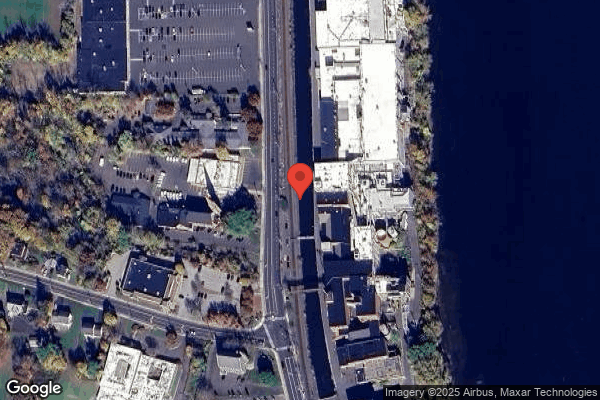
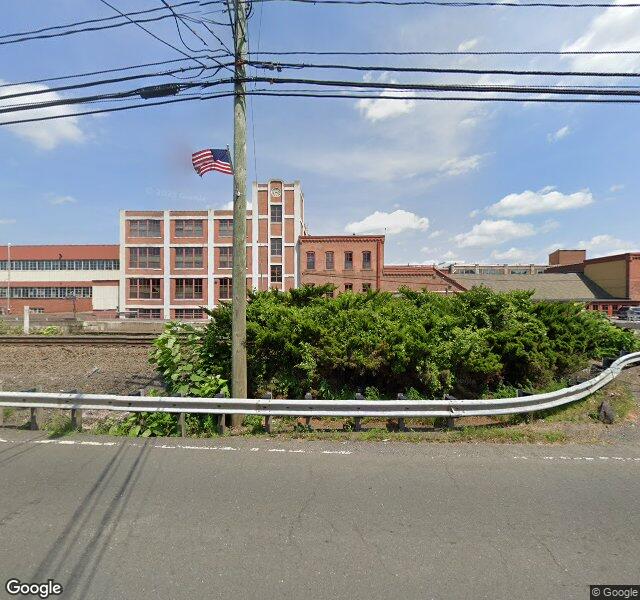
14 MAIN STREET, WINDSOR LOCKS, CT 06096 (860) 623-4351
Non profit - Corporation 48 Beds Independent Data: November 2025
Trust Grade
0/100
#167 of 192 in CT
Last Inspection: April 2024

Within standard 12-15 month inspection cycle. Federal law requires annual inspections.

Overview

Bickford Health Care Center currently has a Trust Grade of F, indicating significant concerns about the quality of care provided. They rank #167 out of 192 nursing homes in Connecticut, placing them in the bottom half of facilities in the state, and #58 out of 64 in Capitol County, suggesting limited local options. While the facility shows an improving trend, reducing issues from 23 in 2024 to 3 in 2025, the staffing rating is a relative strength, with 4 out of 5 stars and only 47% turnover, which is average. However, the center has incurred $62,363 in fines, higher than 96% of facilities in Connecticut, which raises concerns about compliance issues. Specific incidents of concern include a failure to report a resident's worsening pressure ulcer condition and neglecting to ensure safety checks on bedframes, resulting in injuries. Overall, families should weigh the staffing strengths against the serious compliance and care issues present at this facility.

Trust Score
F
0/100
In Connecticut
#167/192
Bottom 14%
Safety Record
High Risk
Review needed
Inspections
Getting Better
23 → 3 violations
Staff Stability
⚠ Watch
47% turnover. Above average. Higher turnover means staff may not know residents' routines.
Penalties
○ Average
$62,363 in fines. Higher than 69% of Connecticut facilities. Some compliance issues.
Skilled Nurses
✓ Good
Each resident gets 64 minutes of Registered Nurse (RN) attention daily — more than 97% of Connecticut nursing homes. RNs are the most trained staff who catch health problems before they become serious.
Violations
⚠ Watch
60 deficiencies on record. Higher than average. Multiple issues found across inspections.
★☆☆☆☆
1.0
Overall Rating
★★★★☆
4.0
Staff Levels
★☆☆☆☆
1.0
Care Quality
★☆☆☆☆
1.0
Inspection Score
Stable
2024: 23 issues
2025: 3 issues

The Good

  • 4-Star Staffing Rating · Above-average nurse staffing levels
  • Full Sprinkler Coverage · Fire safety systems throughout facility
  • No fines on record

Facility shows strength in staffing levels, fire safety.

The Bad

1-Star Overall Rating

Below Connecticut average (3.0)

Significant quality concerns identified by CMS

Staff Turnover: 47%

Near Connecticut avg (46%)

Higher turnover may affect care consistency

Federal Fines: $62,363

Above median ($33,413)

Moderate penalties - review what triggered them

The Ugly 60 deficiencies on record

2 actual harm
Mar 2025 3 deficiencies 1 Harm
SERIOUS (G) 📢 Someone Reported This

A family member, employee, or ombudsman was alarmed enough to file a formal complaint

Actual Harm - a resident was hurt due to facility failures

Pressure Ulcer Prevention (Tag F0686)

A resident was harmed · This affected 1 resident

**NOTE- TERMS IN BRACKETS HAVE BEEN EDITED TO PROTECT CONFIDENTIALITY** Based on review of the clinical record, facility documentation, facility policy, and interviews for one (1) of three (3) residen...

Read full inspector narrative →
**NOTE- TERMS IN BRACKETS HAVE BEEN EDITED TO PROTECT CONFIDENTIALITY** Based on review of the clinical record, facility documentation, facility policy, and interviews for one (1) of three (3) residents (Resident #1) reviewed for pressure ulcers, the facility failed to report a deterioration in wound status to the physician, ensure wound care was completed in accordance with physicians orders, and ensure an air mattress was provided timely which resulted in a deterioration of a pressure ulcer. The findings include: Please cross reference F 580 and F 658. Resident #1's diagnoses included Parkinson's disease (a movement disorder of the nervous system that worsens over time), dementia with behavioral disturbances, type 2 diabetes mellitus and muscle weakness. A Braden assessment dated [DATE] identified that Resident #1 was a moderate risk for developing pressure ulcers. The quarterly Minimum Data Set (MDS) assessment dated [DATE] identified Resident #1 had a Staff Assessment for Mental Status completed identifying short-term and long-term memory problems indicative of severely impaired cognition, was always incontinent of bladder, frequently incontinent of bowel, had two (2) stage two (2) pressure ulcers, one (1) which was present on admission and required assistance with bed mobility and Activities of Daily Living, and was at risk for developing additional pressure ulcers. The Resident Care Plan (RCP) dated 12/31/24 identified Resident #1 had a new stage 2 pressure ulcer (partial thickness skin loss, presenting as a shallow open ulcer with a red or pink wound bed) with interventions that included turning and repositioning the resident every two hours and as needed, keeping the bed linens dry, therapy to screen for custom wheelchair positioning, visits with the wound physician as needed and treatment to the coccyx as ordered and to follow the skin care protocols. a) A wound physician note dated 2/4/2025 at 6:04 AM identified that Resident #1 had a stable stage 2 pressure ulcer to the coccyx measuring 2.5 centimeters (cm) in length by 0.3 cm in width by 0.2 cm in depth with a scant amount of serosanguinous drainage (fluid that's discharged from a wound that's a mixture of the watery part of blood and red blood cells)., 100 percent (%) granulation tissue (new pink or red tissue that forms in the healing process of wounds) and no odor was noted. The treatment recommendations included cleansing the wound with wound cleanser, applying hydrogel (provides moisture to the wound, promotes granulation tissue and encourages complete healing) to the wound bed and then securing with a dry, clean dressing daily and as needed. A nurse's note dated 2/8/2025 at 4:55 PM identified that Resident #1's coccyx wound had worsened, reporting that there was slight tunneling 0.5 cm depth and was 1.5 cm length by 0.5 cm width and that the resident was to be reassessed by the wound team for further evaluation and treatment update. A nurse's note dated 2/9/2025 at 5:00 PM identified that Resident #1's coccyx wound had worsened, reporting that there was slight tunneling 0.5 cm depth and was 1.5 cm length by 0.5 cm width and that the resident was to be reassessed by the wound team for further evaluation and treatment update. Review of progress notes dated 2/8, 2/9, 2/10/2025 failed to identify that the nursing supervisor nor a provider was notified of the deterioration of Resident #1's wound. A wound physician note dated 2/11/2025 at 6:52 AM identified that Resident #1 had a worsening stage 2 pressure ulcer to the coccyx measuring 3.5 centimeters (cm) in length by 1.6 cm in width by 0.2 cm in depth with a moderate amount of serosanguinous drainage, 75 percent (%) granulation tissue (new pink or red tissue that forms in the healing process of wounds) and 25 % eschar tissue (dead tissue that forms over healthy skin and over time falls off) with no odor was noted. The treatment recommendations included cleansing the wound with wound cleanser, applying calcium alginate with silver (an antimicrobial dressing that helps absorb moderate to heavy wound drainage that's at a high-risk for infection) to the wound bed and then securing with a dry, clean dressing daily and as needed. Interview with Licensed Practical Nurse (LPN) #1 on 3/14/2025 at 12:03 PM identified that on 2/8/2025 and 2/9/2025, she notified the Nursing Supervisor (Registered Nurse (RN) #3) that Resident #1's wound had worsened and that tunneling was present but was unsure if the provider was notified, stating that would have been RN #3's responsibility to notify the provider. Interview with RN #3 on 3/14/2025 at 3:06 PM identified that LPN #1 did not notify her on 2/8/2025 or 2/9/2025 that Resident #1's wound had worsened and that tunneling was present. She identified that if she had, she would assessed Resident #1's wound and notified the provider if her assessment greatly differed from the last time the resident was seen by Medical Doctor (MD) #1 and she would have written a note documenting everything she had observed and done. b) A wound physician note dated 2/18/2025 at 6:40 AM identified that Resident #1 had a worsening unstageable pressure ulcer to the coccyx measuring 3.2 centimeters (cm) in length by 1.7 cm in width by 0 cm (unable to determine) in depth with a small amount of serous drainage (a clear fluid that drains from wounds and is a sign of healing), 100 percent (%) slough tissue (nonhealing tissue that needs to be removed from the wound for healing to take place) and no odor was noted. The treatment recommendations included cleansing the wound with wound cleanser, applying Santyl (a prescription ointment that removes dead tissue from wounds so that they can start to heal) to the wound bed and then securing with a dry, clean dressing daily and as needed. The note identified that the wound continues to deteriorate and was now unstageable so Santyl will now be started and recommend for the resident to be placed on an air mattress for pressure offloading. i. A physician's order dated 2/18/2025 directed to apply Santyl ointment to the coccyx open area. Cleanse open area with wound cleanser/Normal Saline, apply Santyl, pat dry and cover with dry clean dressing daily. Review of the Medication Administration History for February 2025 identified that the above wound treatment was transcribed on 2/18/2025 and had been signed off as administered on 2/19, 2/20, 2/21, and 2/22/2025. An administration note dated 2/18/2025 at 12:36 PM identified that the treatment was not administered, as it was completed by the wound team. An administration note by LPN #1 dated 2/23/2025 at 1:57 PM identified that the Santyl was unavailable and that the wound was cleansed and alginate was applied followed by a dry clean dressing until the medication arrived. Interview with LPN #1 on 3/14/2025 at 12:03 PM identified that on 2/23/2025, the Santyl was unavailable, so she notified the Nursing Supervisor (RN #3) and although she was unsure if RN #3 notified the provider or obtained dressing orders pending the delivery of the Santyl, she reported that she applied calcium alginate per the previous treatment order so that the drainage was contained. She identified that she should follow orders when administering treatments and medications but reported that she thought it was better than no treatment. Interview with RN #2 (Infection Control nurse) on 3/14/2025 at 12:14 PM identified that on 2/18/2025 the treatment was not done during the wound care visit as stated in the nurses note, as they don't carry a house stock of Santyl. RN #2 further identified that it was not appropriate for LPN #1 to apply calcium alginate to Resident #1's wound on 2/23/2025 without first notifying the provider and requesting an alternative treatment pending the delivery of the Santyl. ii. A nurse's note dated 2/23/2025 written by LPN #5 at 11:51 PM identified that the wound on Resident #1's coccyx appeared infected the area was cleansed and covered. A nurse's note dated 2/24/2025 at 12:12 AM identified that the nurse (LPN #5) had called the writer (RN #4) into the resident's room to assess the coccyx wound and that the wound was noted to be black and contain slough. It reported that the resident's family member was present and was concerned that the wound was infected. The note identified that vital signs were obtained and were within normal limits but that the resident appeared to be in discomfort, so medication was given. RN #5 called MD #2 (wound doctor) for any recommendations, but that MD #2 did not pick up, so she left a message. It identified that report was given to the next shift to follow-up in the morning. Review of the clinical record failed to identify that the physician was notified on 2/23/2025 when the wound appeared to be infected. An Advanced Practice Registered Nurse (APRN) note dated 2/24/2025 at 7:30 PM identified that she was requested to see Resident #2 for their wound, but reported that she did not assess the wound, as a treatment was already in place. The note identified that the family was notified and was upset that the dressing was not removed and the area assessed but she reported to them that MD #1 would assess the wound the next morning. Although attempted, interviews with RN #4 and LPN #5 were not obtained. iii. The clinical record failed to identify that an order was in place or that the resident was placed on an air mattress as recommended by the wound care doctor on 2/18/15. Interview with RN #2 (Infection Control nurse) on 3/14/2025 at 12:14 PM identified that she must not have read down far enough in MD #1's note and missed the recommendation for the air mattress on 2/18/2025, stating that an order should have been entered to check function and settings every shift and it should have been applied on 2/18/2025, but because the recommendation was missed, it was not, and maintenance was not notified to either apply and house stock air mattress or order an air mattress for Resident #1. Interview with MD #1 (wound physician) on 3/14/2025 at 11:20 AM identified that when he assessed Resident #1's wound on 2/25/2025, the resident did not have an air mattress in place to his/her bed as recommended on 2/18/2025. Interview and with RN #1 on 3/14/2025 at 11:36 AM identified that she could not speak for the 2/18/2025 visit with MD #1 as to why the air mattress was not entered as an order, but stated the air mattress was currently in place and set to 180 pounds, normal pressure, and that on 2/25/2025 when the air mattress was recommended again on MD #1's note, she must have forgotten to enter the order for the air mattress, as all air mattresses should be entered as an order for the nurses to ensure function and settings every shift. A wound physician note dated 2/25/2025 at 7:06 AM identified that Resident #1 had a worsening unstageable pressure ulcer to the coccyx measuring 4 centimeters (cm) in length by 1.7 cm in width by 0 cm (unable to determine) in depth with a moderate amount of serosanguinous drainage (fluid that's discharged from a wound that's a mixture of the watery part of blood and red blood cells)., 100 percent (%) slough tissue (nonhealing tissue that needs to be removed from the wound for healing to take place) and no odor was noted. The treatment recommendations included cleansing the wound with wound cleanser, applying Santyl (a prescription ointment that removes dead tissue from wounds so that they can start to heal) to the wound bed and then securing with a dry, clean dressing daily and as needed. The note identified that the wound is again measuring larger but that they are starting to debride with Santyl, recommending for the resident to offload pressure from the area and that he/she would benefit from a back to bed schedule to offload pressure, as well as a low air loss mattress. Interview with APRN #1 on 3/14/2025 at 1:51 PM identified that for Resident #1, she would review and sign off on any treatment recommendations from MD #1 that she thought were appropriate, including the Santyl and air mattress to Resident #1's bed and stated she would expect that they both be entered as physician's orders when recommended. She reported that if there was a change in Resident #1's wound, including size, tissue appearance, drainage and skin surrounding the wound, or if the Santyl was unavailable, and if MD #1 was unavailable at the time, she would expect to be notified so that she could direct the staff in a treatment plan or offer an alternative treatment or substitute. She identified that it not appropriate for staff to administer a different treatment from what is ordered without first notifying a provider. Interview with MD #1 (wound physician) on 3/14/2025 at 11:20 AM identified that the further decline in Resident #1's wound from 2/18/2025 to 2/25/2025 was due to the inconsistent treatment application of the Santyl and the air mattress not being implemented as recommended for offloading the area on 2/18/2025. Interview with the Director of Nurses on 3/14/2025 at 10:37 AM on identified that he could not speak to whether or not the physician was notified of the provider of the change in condition of the wound, however, if they did it should be documented in the clinical record. The DNS further identified that he was unsure what happened with the air mattress and was unsure why the Santyl was unavailable on 2/23/25. Review of the Prevention of Pressure Ulcers policy (undated) directed, in part, that the facility should have a system/procedure to assure assessments are timely and appropriate and changes in condition are recognized, evaluated, reported to the practitioner, physician and family, and are addressed. Review of the Administration of Medication Overview policy (undated) directed that medications will be administered by licensed personnel as ordered by the physician for the treatment of disease and maintenance of resident's health. Although requested, facility policies for Air Mattresses and Physician's Orders were not provided.
CONCERN (D) 📢 Someone Reported This

A family member, employee, or ombudsman was alarmed enough to file a formal complaint

Potential for Harm - no one hurt, but risky conditions existed

Notification of Changes (Tag F0580)

Could have caused harm · This affected 1 resident

**NOTE- TERMS IN BRACKETS HAVE BEEN EDITED TO PROTECT CONFIDENTIALITY** Based on review of the clinical record, facility policy and interviews for one (1) of three (3) residents (Resident #1) reviewed...

Read full inspector narrative →
**NOTE- TERMS IN BRACKETS HAVE BEEN EDITED TO PROTECT CONFIDENTIALITY** Based on review of the clinical record, facility policy and interviews for one (1) of three (3) residents (Resident #1) reviewed for pressure ulcers, the facility failed to notify the practioner timely of deterioration to a pressure ulcer. The findings include: Resident #1's diagnoses included Parkinson's disease (a movement disorder of the nervous system that worsens over time), dementia with behavioral disturbances, type 2 diabetes mellitus and muscle weakness. The quarterly Minimum Data Set (MDS) assessment dated [DATE] identified Resident #1 had a Staff Assessment for Mental Status completed identifying short-term and long-term memory problems indicative of severely impaired cognition and required supervision assistance with bed mobility, maximal assistance with toileting hygiene and transfers and was dependent on staff for personal hygiene. The Resident Care Plan (RCP) dated 12/31/24 identified that Resident #1 had a new stage 2 pressure ulcer (partial thickness skin loss, presenting as a shallow open ulcer with a red or pink wound bed) with innterventions that included turning and repositioning the resident every two hours and as needed, therapy to screen for custom wheelchair positioning, visits with the wound physician as needed and treatment to the coccyx as ordered. a) A wound physician note dated 2/4/25 at 6:04 AM identified that Resident #1 had a stable stage 2 pressure ulcer to the coccyx measuring 2.5 centimeters (cm) in length by 0.3 cm in width by 0.2 cm in depth with a scant amount of serosanguinous drainage (fluid that's discharged from a wound that's a mixture of the watery part of blood and red blood cells), 100 percent (%) granulation tissue (new pink or red tissue that forms in the healing process of wounds) and no odor was noted. The treatment recommendations included cleansing the wound with wound cleanser, applying hydrogel (provides moisture to the wound, promotes granulation tissue and encourages complete healing) to the wound bed and then securing with a dry, clean dressing daily and as needed. A nurse's note dated 2/8/25 at 4:55 PM identified that Resident #1's coccyx wound had worsened, reporting that there was slight tunneling 0.5 cm depth and was 1.5 cm length by 0.5 cm width and that the resident was to be reassessed by the wound team for further evaluation and treatment update. A nurse's note dated 2/9/25 at 5:00 PM identified that Resident #1's coccyx wound had worsened, reporting that there was slight tunneling 0.5 cm depth and was 1.5 cm length by 0.5 cm width and that the resident was to be reassessed by the wound team for further evaluation and treatment update. Review of progress notes dated 2/8/25 through 2/10/25 failed to identify that the nursing supervisor nor a provider was notified of the decline of Resident #1's wound. A wound physician note dated 2/11/25 at 6:52 AM identified that Resident #1 had a worsening stage 2 pressure ulcer to the coccyx measuring 3.5 centimeters (cm) in length by 1.6 cm in width by 0.2 cm in depth with a moderate amount of serosanguinous drainage, 75 percent (%) granulation tissue (new pink or red tissue that forms in the healing process of wounds) and 25 % eschar tissue (dead tissue that forms over healthy skin and over time falls off) and no odor was noted. The treatment recommendations included cleansing the wound with wound cleanser, applying calcium alginate with silver (an antimicrobial dressing that helps absorb moderate to heavy wound drainage that's at a high-risk for infection) to the wound bed and then securing with a dry, clean dressing daily and as needed. Interview with LPN #1 on 3/14/25 at 12:03 PM identified that on 2/8/25 and 2/9/25, she notified the Nursing Supervisor (RN #3) that Resident #1's wound had worsened and that tunneling was present but was unsure if the provider was notified, stating that would have been RN #3's responsibility to notify the provider and that she (LPN #1) didn't follow up with RN #3. She identified that on 2/23/25, the Santyl was unavailable, so she notified the Nursing Supervisor (RN #3) and although she was unsure if RN #3 notified the provider or obtained dressing orders pending the delivery of the Santyl, she reported that she applied calcium alginate per the previous treatment order so that the drainage was contained and documented it in the administration note. She identified that she should follow orders when administering treatments and medications but reported that she thought it was better than not administering a treatment at all. Interview with RN #3 on 3/14/25 at 3:06 PM identified that LPN #1 never notified her on 2/8/25 or 2/9/25 that Resident #1's wound had worsened and that tunneling was present. She identified that if she had, she would have assessed Resident #1's wound and notified the provider if her assessment greatly differed from the last time the resident was seen by MD #1 and she would have written a note documenting everything she had observed and done. Additionally, she identified that LPN #1 never notified her on 2/23/25 that Resident #1's Santyl was unavailable, stating she would have called the pharmacy to inquire about the status of the medication and then contacted the on-call to obtain an alternative treatment pending the delivery of the Santyl. b) A wound physician note dated 2/18/25 at 6:40 AM identified that Resident #1 had a worsening unstageable pressure ulcer to the coccyx measuring 3.2 centimeters (cm) in length by 1.7 cm in width by 0 cm (unable to determine) in depth with a small amount of serous drainage (a clear fluid that drains from wounds and is a sign of healing), 100 percent (%) slough tissue (non-healing tissue that needs to be removed from the wound for healing to take place) and no odor was noted. The treatment recommendations included cleansing the wound with wound cleanser, applying Santyl (a prescription ointment that removes dead tissue from wounds so that they can start to heal) to the wound bed and then securing with a dry, clean dressing daily and as needed. The note identified that the wound continues to deteriorate and was now unstageable so Santyl will now be started and recommend for the resident to be placed on an air mattress for pressure offloading. A physician's order dated 2/18/25 directed to apply Santyl ointment to the coccyx open area. Cleanse open area with wound cleanser/Normal Saline, pat dry and cover with dry clean dressing daily. .A nurse's note dated 2/23/25 at 11:51 PM identified that the wound on Resident #1's coccyx appeared infected and reported that the area was cleansed and covered and that it had measured 3.5 cm in length by 4 cm in width. The note identified that the supervisor (RN #4) assessed the wound and placed a call to the pharmacy about the medication order. A nurse's note dated 2/24/25 at 12:12 AM identified that the nurse (LPN #5) had called the writer (RN #4) into the resident's room to assess the coccyx wound and that the wound was noted to be black and contain slough. It reported that the resident's family member was present and was concerned that the wound was infected. The note identified that vital signs were obtained and were within normal limits but that the resident appeared to be in discomfort, so medication was given. It reported that the charge nurse (LPN #5) did a wound dressing change but that it required Santyl, which had been unavailable so she called the pharmacy, and they stated the Santyl would arrive that evening. It identified that she called MD #2 (previous wound doctor) for any recommendations, but that MD #2 did not pick up, so she left a message. It identified that report was given to the next shift to follow-up in the morning. Review of progress notes dated 2/23/25 failed to identify that MD #1 (current wound physician) or an in-house provider (APRN #1 or MD #3) was notified of the wound changes. An Advanced Practice Registered Nurse (APRN) note dated 2/24/25 at 7:30 PM identified that she was requested to see Resident #2 for their wound, but reported that she did not assess the wound, as the treatment was already in place. The note identified that the family was notified and was upset that the dressing was not removed and the area assessed but she reported to them that MD #1 would assess the wound the next morning. A wound physician note dated 2/25/25 at 7:06 AM identified that Resident #1 had a worsening unstageable pressure ulcer to the coccyx measuring 4 centimeters (cm) in length by 1.7 cm in width by 0 cm (unable to determine) in depth with a moderate amount of serosanguinous drainage (fluid that's discharged from a wound that's a mixture of the watery part of blood and red blood cells), 100 percent (%) slough tissue (nonhealing tissue that needs to be removed from the wound for healing to take place) and no odor was noted. The treatment recommendations included cleansing the wound with wound cleanser, applying Santyl (a prescription ointment that removes dead tissue from wounds so that they can start to heal) to the wound bed and then securing with a dry, clean dressing daily and as needed. The note identified that the wound was again measuring larger but that they were starting to debride with Santyl, recommending for the resident to offload pressure from the area and that he/she would benefit from a back to bed schedule to offload pressure, as well as a low air loss mattress. An APRN note dated 2/25/25 at 7:31 PM identified that she discussed Resident #2's wound with MD #1 who reported that if the Santyl was ineffective in wound debridement then the resident may require surgical debridement and the possibility of a Foley catheter (a tube inserted into the bladder to drain urine) or a temporary ostomy (a surgical procedure that creates an opening in the abdomento allow waste to exit the body) to keep the wound area clean and dry to aid in healing. Interview with MD #1 (wound physician) on 3/14/25 at 11:20 AM identified that if staff had assessed the wound and noticed a decline in the size, appearance, odor, drainage or the surrounding skin, he expected that either himself or a facility provider should have been contacted about the change or requesting an alternative treatment, stating he had not been contacted between his weekly scheduled visits regarding Resident #1. Interview with the Director of Nurses on 3/14/2025 at 10:37 AM on identified that he could not speak to whether or not the physician was notified of the provider of the change in condition of the wound, however, if they did it should be documented in the clinical record. Although attempted, interviews with RN #4 and LPN #5 were not obtained. Review of the Pressure Ulcer Prevention and Managing Skin Integrity policy (undated) directed, in part, that staff will communicate skin concerns so the entire healthcare team can implement interventions. Physical agents that may improve the overall integrity of the skin such as protective creams, barriers, coverings, pressure reducing devices, etc. The care and intervention for any identified skin breakdown or wound will be aimed at the prevention of any further advancement of the wound, or additional skin breakdown; Implementation of appropriate evidence-based care for the problem identified; Collaboration with the independent and interdisciplinary health care teams regarding the presence of breakdown and the intervention plan; Close monitoring and response to treatment; Provisions for changes in the plan if progress toward expected outcomes are not evident. The presence of skin breakdown/abnormal skin appearance will be documented upon admission and daily. Upon identification of a wound, a full wound assessment, including its location, size and description of the tissue involved will be completed. Interventions and progress towards outcome focused goals need regular documentation according to established procedures. Review of the Prevention of Pressure Ulcers policy (undated) directed, in part, that the facility should have a system/procedure to assure assessments are timely and appropriate and changes in condition are recognized, evaluated, reported to the practitioner, physician and family, and are addressed. Although requested, a facility policy for Physician's Orders was not provided.
CONCERN (D) 📢 Someone Reported This

A family member, employee, or ombudsman was alarmed enough to file a formal complaint

Potential for Harm - no one hurt, but risky conditions existed

Deficiency F0658 (Tag F0658)

Could have caused harm · This affected 1 resident

**NOTE- TERMS IN BRACKETS HAVE BEEN EDITED TO PROTECT CONFIDENTIALITY** Based on review of the clinical record, facility policy and interviews for one (1) of three (3) residents (Resident #1) reviewed...

Read full inspector narrative →
**NOTE- TERMS IN BRACKETS HAVE BEEN EDITED TO PROTECT CONFIDENTIALITY** Based on review of the clinical record, facility policy and interviews for one (1) of three (3) residents (Resident #1) reviewed for pressure ulcers, the facility failed to ensure that a pressure ulcer was treated in accordance with physician's orders. The findings include: Resident #1's diagnoses included Parkinson's disease (a movement disorder of the nervous system that worsens over time), dementia with behavioral disturbances, type 2 diabetes mellitus and muscle weakness. The quarterly Minimum Data Set (MDS) assessment dated [DATE] identified Resident #1 had a Staff Assessment for Mental Status completed identifying short-term and long-term memory problems indicative of severely impaired cognition and required supervision assistance with bed mobility, maximal assistance with toileting hygiene and transfers and was dependent on staff for personal hygiene. The Resident Care Plan (RCP) dated 12/31/24 identified that Resident #1 had a new stage 2 pressure ulcer (partial thickness skin loss, presenting as a shallow open ulcer with a red or pink wound bed). Interventions included turning and repositioning the resident every two hours and as needed, therapy to screen for custom wheelchair positioning, visits with the wound physician as needed and treatment to the coccyx as ordered. A wound physician note dated 2/18/25 at 6:40 AM identified that Resident #1 had a worsening unstageable pressure ulcer to the coccyx measuring 3.2 centimeters (cm) in length by 1.7 cm in width by 0 cm (unable to determine) in depth with a small amount of serous drainage (a clear fluid that drains from wounds and is a sign of healing), 100 percent (%) slough tissue (non healing tissue that needs to be removed from the wound for healing to take place) and no odor was noted. The treatment recommendations included cleansing the wound with wound cleanser, applying Santyl (a prescription ointment that removes dead tissue from wounds so that they can start to heal) to the wound bed and then securing with a dry, clean dressing daily and as needed. The note identified that the wound continues to deteriorate and was now unstageable so Santyl would now be started. A physician's order dated 2/18/25 directed to apply Santyl ointment to the coccyx open area. Cleanse open area with wound cleanser/Normal Saline, pat dry and cover with dry clean dressing daily. Review of the Medication Administration History for February 2025 identified that the above wound treatment was transcribed on 2/18/25 and had been signed off as not administered on 2/23/25. An administration note dated 2/23/25 at 1:57 PM identified that the drug was unavailable and that the wound was cleansed and alginate was applied followed by a dry clean dressing until the medication arrived. Review of nurse's notes dated 2/23/25 failed to identify that the provider was notified that the Santyl was unavailable for Resident #2 on 2/23/25 and that an alternative order was obtained to apply alginate pending the delivery of the Santyl from the pharmacy. Review of physician's orders dated 2/23/25 failed to identify an order directing to apply alginate to the resident's wound pending delivery of the Santyl from the pharmacy. Interview with LPN #1 on 3/14/25 at 12:03 PM identified that on 2/23/25, the Santyl was unavailable for Resident #1 on 2/23/25, so she notified the Nursing Supervisor (RN #3) and although she never followed up with RN #3 and was unsure if RN #3 notified the provider or obtained dressing orders pending the delivery of the Santyl, she reported that she applied calcium alginate per the previous treatment order so that the drainage was contained and documented it in the administration note. She identified that she should always follow physician's orders when administering treatments and medications but reported that she thought it was better than no treatment to the wound. Interview with RN #3 on 3/14/25 at 3:06 PM identified that LPN #1 never notified her on 2/23/25 that Resident #1's Santyl was unavailable, stating that if she had she (RN #3) would have called the pharmacy to inquire about the status of the medication and then contacted the on-call to obtain an alternative treatment pending the delivery of the Santyl. Interview with RN #2 (Infection Control nurse) on 3/14/25 at 12:14 PM identified that it was not appropriate for LPN #1 to apply calcium alginate to Resident #1's wound on 2/23/25 without first notifying the provider and requesting an alternative treatment pending the delivery of the Santyl. She reported that she was unaware that LPN #1 had documented that she had applied alginate to Resident #1's wound as an alternative and stated she was unsure why she would have done that without direction from the provider. Interview with APRN #1 on 3/14/25 at 1:51 PM identified that if there was a change in Resident #1's wound, including size, tissue appearance, drainage and skin surrounding the wound, or if the Santyl was unavailable, and if MD #1 (wound physician) was unavailable at the time, she would expect to be notified so that she could direct the staff in a treatment plan or offer an alternative treatment or substitute. She identified that it was not appropriate for staff to administer a different treatment from what was ordered without first notifying a provider. Review of the Pressure Ulcer Prevention and Managing Skin Integrity policy (undated) directed, in part, that staff will communicate skin concerns so the entire healthcare team can implement interventions. Physical agents that may improve the overall integrity of the skin such as protective creams, barriers, coverings, pressure reducing devices, etc. The care and intervention for any identified skin breakdown or wound will be aimed at the prevention of any further advancement of the wound, or additional skin breakdown; Implementation of appropriate evidence-based care for the problem identified; Collaboration with the independent and interdisciplinary health care teams regarding the presence of breakdown and the intervention plan; Close monitoring and response to treatment; Provisions for changes in the plan if progress toward expected outcomes are not evident. The presence of skin breakdown/abnormal skin appearance will be documented upon admission and daily. Review of the Administration of Medication Overview policy (undated) directed that medications will be administered by licensed personnel as ordered by the physician for the treatment of disease and maintenance of residents health. Although requested, a facility policy on Physician's Orders was not provided.
Dec 2024 1 deficiency 1 Harm
SERIOUS (G) 📢 Someone Reported This

A family member, employee, or ombudsman was alarmed enough to file a formal complaint

Actual Harm - a resident was hurt due to facility failures

Accident Prevention (Tag F0689)

A resident was harmed · This affected 1 resident

**NOTE- TERMS IN BRACKETS HAVE BEEN EDITED TO PROTECT CONFIDENTIALITY** Based on clinical record review, facility documentation and interviews for one (1) of three (3) residents (Resident #2) reviewed...

Read full inspector narrative →
**NOTE- TERMS IN BRACKETS HAVE BEEN EDITED TO PROTECT CONFIDENTIALITY** Based on clinical record review, facility documentation and interviews for one (1) of three (3) residents (Resident #2) reviewed for accidents, the facility failed to complete monthly maintenance checks to ensure resident's bedframes were free from sharp/jagged edges in accordance with manufacturer's recommendations resulting in a laceration to the leg requiring (8) eight sutures. The findings included: Resident #2 had diagnoses which included Parkinsonism, major depressive disorder, epilepsy and epileptic syndromes. Review of Resident #2's Care Plan dated 10/1/24 identified a history of Parkinson's disease and an assist of one with transfers with interventions that directed to encourage the resident to participate in care, assistance with activities of daily living, and to use assistive devices to enhance activity of daily living performance. Review of the quarterly Minimum Data Set (MDS) assessment dated [DATE] identified Resident #2 had a Brief Mental Interview for Mental Status (BIMS) of eleven (11) indicative of moderate cognitive impairment and required moderate assistance of one staff member for transfers. Review of the Facility Licensing and Investigations Sections Reportable Event Form dated 11/18/24 at 6:30 PM identified Resident #2 had sustained an 8.0 centimeter by 0.4 centimeter by 0.25 centimeter laceration to his/her right leg due to a sharp-edged area on his/her bedframe during a transfer. Resident #2 complained of burning and discomfort. The report further identified the Medical Director was notified and directed the resident be sent to the emergency department. Review of the hospital Discharge summary dated [DATE] identified Resident #2 was seen in the emergency department for a right leg laceration and had eight (8) stitches placed. Interview with Resident #2 on 12/11/24 at 10:30 AM identified being transferred to his/her bed from his/her wheelchair with the assistance of a Nurse Aide (NA), his/her leg encountered something sharp on the bed frame, after transferring from his/her wheelchair to his/her bed and cut his/her leg open, and indicated it was a very painful experience. Interview with NA #1 on 12/11/24 at 12:40 PM identified that on 11/18/24 he/she had transferred the resident from the wheelchair to his/her bed on the day without any problem. NA #1 indicated Resident #2 held onto his/her walker for support after standing up from his/her wheelchair while NA#1 assisted in guiding the resident's transfer to his/her bed. NA #1 indicated that once Resident #2 had pivoted and sat onto his/her bed, he/she had noticed blood on the floor near the resident's bed and then noticed a sharp, jagged edge on the bedframe that had come into contact with Resident #2's leg. Interview with the President of Facility Operations, on 12/11/24 at 10:15 AM identified that resident bed safety checks were performed yearly by an outside vendor which included assessing the resident's beds for function and electrical safety, however, not for structural hazards. The President identified the area of the bedframe that injured Resident #2 was due to a defect along the edge of one of the hallowed, metal support bars that created a sharp, jagged edge, the ends of these hallowed, metal support bars were generally milled smooth and covered by a plastic cap, but over time, the caps detach from the bedframe and expose the hollowed end. The President indicated the caps, once detached, were generally not replaced as their use was for cosmetic purposes only, and were not concerned the ends of the metal support bars were exposed as they were milled smooth. The President identified that the facility did not have any bed safety checks in place to prevent injury hazards. Interview with Person #1 (the vendor hired to perform the annual bed safety checks) on 12/11/24 at 11:02 AM identified the resident's beds were assessed for functional and electrical safety only during annual bed checks, assessing the bedframe for any structural hazards/anomalies was not part of the annual safety check. Interview with Person #2 and Person #3 (both representatives of the manufacturer of the bed) on 12/11/24 at 2:16 PM and 2:29 PM identified end caps on the bed frame should be replaced if missing to provide a safe surface for residents. Interview with the Director of Nurses (DNS) on 12/11/24 at 12:12 PM identified monthly bed frame checks have now been instituted to monitor for any safety hazards with the bed. The DNS further identified the [NAME] on the Resident #2's bed frame was immediately filed down and taped heavily to prevent any further injury from occurring. A new end cap was applied to the bed frame when the shipment was received. Subsequent to the incident the facility that on 11/19/24 all the facility's bed frames were assessed and no other hazardous anomalies/defects were found. Review of manufacturer guidelines for preventative maintenance directed to visually inspect the bed and accessories for broken welds or cracks, and check for loose hardware, (which includes end caps) monthly.
Aug 2024 2 deficiencies
CONCERN (D) 📢 Someone Reported This

A family member, employee, or ombudsman was alarmed enough to file a formal complaint

Potential for Harm - no one hurt, but risky conditions existed

Quality of Care (Tag F0684)

Could have caused harm · This affected 1 resident

**NOTE- TERMS IN BRACKETS HAVE BEEN EDITED TO PROTECT CONFIDENTIALITY** Based on clinical record review, observations, facility documentation review, facility policy review, and interviews for one (1)...

Read full inspector narrative →
**NOTE- TERMS IN BRACKETS HAVE BEEN EDITED TO PROTECT CONFIDENTIALITY** Based on clinical record review, observations, facility documentation review, facility policy review, and interviews for one (1) of three (3) residents (Resident #7) reviewed for activities of daily living, the facility failed to follow care plan as directed. The findings include: Resident #7's diagnoses included syncope and collapse, altered mental status and peripheral vascular disease. The quarterly Minimum Data Set (MDS) assessment dated [DATE] identified that Resident # 7 had a Brief Interview for Mental Status (BIMS) score of nine (9) out of fifteen (15), indicative of moderate cognitive impairment and dependent with assist of two (2) for transfers, substantial/maximal assistance for dressing lower body, toilet use and frequently incontinent of bowel and bladder. The Resident Care Plan (RCP) dated 5/26/2024 identified assistance with ADLs due to physical limitations with interventions that directed to provide assistance to the resident with ADLs as per care card and as needed. A physician's order dated 6/30/2024 directed transfers up out of bed with total mechanical left assist of two (2) every shift. Review of Nurse Aide Assignments dated 7/6/2024 7:00 AM to 3:00 PM shift identified that NA #11 was assigned Resident #7 on 7/6/2024 and indicated Resident #7 was to be up out of bed by 10 AM. Review of nursing notes dated 7/6/2024 at 7:53 AM identified resident was changed and repositioned as scheduled, no change of skin condition noted. No further documentation regarding resident out of bed status. Review of nurse aide care card identified Resident #7 up to wheelchair daily between 9:00 and 10:00 AM, and back to bed as requested. Interview on 8/22/2024 at 8:02 AM with NA #10 identified that while Resident #7 was not on her assignment on 7/6/2024 7:00 AM to 3:00 PM shift, she was working on the East wing that shift and recalls that the agency aide arrived later in the shift that day and that Resident #7 was mechanically lifted out of bed late, around 12:30 PM. Interview on 8/22/2024 at 8:46 AM with NA #14 identified that she was working on 7/6/2024, that Resident #7 was not on her assignment, knew Resident #7 required a mechanical lift to transfer out of bed and recalled that Resident #7 was assisted out of bed late on the 7:00 AM to 3:00 PM shift on 7/6/2024, but that it must have been at least by 12 PM, as Resident #7 eats in the dining room. Multiple attempts to obtain an interview with NA #11 were unsuccessful. Interview with the DNS on 8/5/24 at 8:45 AM identified that residents should be taken out of bed in accordance with their plan of care. Review of facility Care Plans - Using the Care Plan Policy directed in part, care plan shall incorporate goals and objectives that lead to the resident's highest obtainable level of independence. The care plan shall be used in developing the resident's daily care routines and will be available to staff personnel who have the responsibility for providing care or services to the resident. CNAs are responsible for reporting to the nursing supervisor any objectives that have not been met or expected outcomes that have not been achieved.
CONCERN (D) 📢 Someone Reported This

A family member, employee, or ombudsman was alarmed enough to file a formal complaint

Potential for Harm - no one hurt, but risky conditions existed

Medical Records (Tag F0842)

Could have caused harm · This affected 1 resident

**NOTE- TERMS IN BRACKETS HAVE BEEN EDITED TO PROTECT CONFIDENTIALITY** Based on clinical record review, facility documentation review, and interviews for three (3) of five (5) residents (Resident #1,...

Read full inspector narrative →
**NOTE- TERMS IN BRACKETS HAVE BEEN EDITED TO PROTECT CONFIDENTIALITY** Based on clinical record review, facility documentation review, and interviews for three (3) of five (5) residents (Resident #1, #2, #5), reviewed for medication administration, the facility failed to ensure the clinical record was complete and accurate to include documentation of medication administration and blood sugar monitoring. The findings include: 1. Resident #1's diagnoses included diabetes, depression, muscle spasms, left sided hemiplegia and hemiparesis of and overactive bladder. The quarterly Minimum Data Set (MDS) assessment dated [DATE] identified that Resident #1 was alert and oriented. The Resident Care Plan (RCP) dated 7/10/2024 identified Resident #1 had a diagnosis of diabetes with interventions that included to monitor/record report blood glucose per MD order, insulin as ordered. Physician orders dated 6/20/2024 directed to administer the following medications at 8:00 AM and 9:00 AM: Acetaminophen 325 mg two (2) tablets two (2) times a day for discomfort, Colace 100 mg one (1) tablet daily for stool constipation, Multi-vitamin one (1) tablet daily, Oxybutynin extended release 24-hour tablet 10 mg one (1) tablet daily for overactive bladder, Tizanidine 4 mg, one (1) tablet two (2) times a day for muscle relaxation, Tramadol 50 mg, one (1) tablet three (3) times a day for muscle spasms and Vitamin E 268 mg (400 unit), one (1) capsule daily and Zoloft 50 mg, administer two (2) tablets daily for depression/anxiety. Administer insulin per the sliding scale at 7:30 AM : Novolin R Regular U100 insulin, 100 unit/ml, administer per sliding scale, if blood sugar less than 70 call MD, 151 to 200 give 3 units, 201 to 250 give 5 units, 251 to 300 give 8 units, 301 to 350 give 10 units, 351 to 400 give 12 units, Review of the July 2024 MAR dated 7/11/2024 failed to reflect that Resident #1's blood sugar, 8:00 AM and 9:00 medications were administered, as they were not signed off as administered. The medications included: Acetaminophen 325 mg two (2) tablets, Colace 100 mg, Multivitamin one (1) tablet, Oxybutynin extended release 24-hour tablet 10 mg, Tizanidine 4 mg, Tramadol 50 mg, Vitamin E 268 mg (400 unit), and Zoloft 50 mg, Atorvastatin 20 mg. 2. Resident #2's diagnoses included osteomyelitis, and hypertension. The nurse's admission assessment dated [DATE] identified that Resident #2 was severely cognitively impaired and was taking Plavix due to history of right lower extremity stent. The Resident Care Plan (RCP) dated 6/4/2024 identified Resident #2 had the potential for pain, interventions included to administer pain medication as ordered. Physician orders dated 5/31/2024 directed to administer Acetaminophen 500 mg two (2) tablets three (3) times a day for pain, Furosemide 20 mg one (1) tablet daily to reduce swelling and for hypertension, Losartan 25 mg (give 12.5 mg) daily for hypertension, MiraLAX 17gram/dose, give 17 gm daily for constipation, and Plavix 75 mg one (1) tablet daily for blood thinner. In addition physician order's dated 7/8/2024 directed Tramadol 25 mg two (2) times daily for pain. Review of the July 2024 MAR dated 7/11/2024 for 8:00 AM and 9:00 AM failed to reflect that Resident #2 received Furosemide 20 mg, MiraLAX 17gram/dose, Plavix 75 mg and Tramadol 25 mg, Acetaminophen 500 mg two (2) tablets and Losartan 25 mg (give 12.5 mg) as they were not signed off as administered. 3. Resident #5's diagnoses included history of embolism, hypertension, dysphagia, anemia, and protein calorie malnutrition. The quarterly MDS assessment dated [DATE] identified that Resident #5 was alert and oriented. The Resident Care Plan (RCP) dated 5/21/2024 identified Resident #5 had a history of weight loss, dysphagia, interventions included Ensure supplement four (4) times a day and medications per MD order. Physician orders dated 7/3/2024 directed Ensure/Boost Pudding supplement three (3) times a day with oral medications, Iron 325 mg one (1) tablet two (2) times a day for anemia, Megestrol 400 mg/10ml, administer 10 ml daily for loss of appetite and control cancer cell growth, Pentoxifylline Extended Release 400 mg daily for history of pulmonary embolism, and Verapamil Extended Release 240 mg daily for hypertension. Review of the July 2024 MAR dated 7/11/2024 for the 8:00 AM and 9:00 AM medications failed to reflect the medications were administered as they were not signed off as administered. The medications included: Iron 325 mg, Megestrol 400 mg/10ml, administer 10 ml, Pentoxifylline Extended Release 400 mg, and Verapamil Extended Release 240 mg and the Ensure/Boost Pudding supplement. Interview and clinical record review on 8/5/2024 at 1:43 PM with LPN #3 identified that she worked on 7/11/2024 and was assigned to administer medications to the residents on the East Wing which included Resident #1, #2 and #5. She further indicated that she gave Resident #1, #2 and #5 their medications, however, must not have signed them off as administered. Interview, clinical record review, facility documentation review and facility policy with the DNS and Administrator on 8/5/2024 at 2:45 PM identified that LPN #3 was assigned to the East Wing on 7/11/2024 and was to administer medications, complete blood sugar monitoring for Resident #1, #2, and #5 as part of her assignment. In review of the facility Documentation policy, directs in part the following information is to be documented in the resident medical record: medications administered. The DNS indicated that LPN #3 should have documented in the MAR that the medications and monitoring of blood sugars as ordered for 7:30 AM, 8 AM and 9 AM on 7/11/2024 were administered. The Administrator questioned if there was a software issue on 7/11/2024 but was unable to verify this occurred. The DNS further indicated that the ADNS completes an audit of medications administered weekly. Review of the facility Specific Medication Procedures directed in part, after administration of medications to document the administration in the MAR or TAR.
Apr 2024 20 deficiencies
CONCERN (D)

Potential for Harm - no one hurt, but risky conditions existed

Deficiency F0565 (Tag F0565)

Could have caused harm · This affected 1 resident

Based on observations, Review of Resident Council Meetings, facility documentation, and interviews, the facility failed to follow up on resident concerns in Resident Council Meetings timely. The findi...

Read full inspector narrative →
Based on observations, Review of Resident Council Meetings, facility documentation, and interviews, the facility failed to follow up on resident concerns in Resident Council Meetings timely. The findings include: On 4/24/24 at 10:00 AM during the Resident Council meeting, Resident's # 1, 7, 13 and 17 reported that their bedrooms were cold and drafty. The residents indicated that they had complained about room temperatures often to the Administration and had also brought the concern up in Resident Council Meetings with no resolution. Review of the Resident Council Meeting Minutes from 1/31/24 identified Resident #1 had complained about a draft coming through his/her bedroom window. There were handwritten notes on the meeting minutes stating maintenance was notified and was addressing the issue. Further review of the Resident Council Meeting Minutes from 2/29/24 identified Resident #1 and Resident #7 complained about drafts coming through their bedroom windows. There were handwritten notes on the meeting minutes stating that maintenance was notified and was addressing the issue. Interview with the Recreation Director on 4/24/24 at 12:53 PM identified when there are any resident concerns or issues brought up at Resident Council Meetings, she will then communicate them with the specific departments, indicating that there was no facility process for the concerns voiced in the Resident Council Meetings. She also identified these concerns are not carried over or brought up at the next month's meeting to discuss the resolution, as the meetings last for an extended period, so she will try and go back and follow-up with the residents who had concerns individually, but her follow-ups are not documented. Additionally, she was unaware if these concerns were formally written on concern forms. The Recreational Director also indicated that some of the concerns voiced by the residents have been discussed more than once with no resolution as verbalized by the residents. Interview with the Director of Maintenance on 4/24/24 at 2:58 PM identified the Recreational Director had notified him of the residents who had complained of drafty windows. He sampled room temperatures and placed thermometers in random bedrooms and the bedrooms residents that had complained, but the temperatures had not fallen below 73 degrees Fahrenheit. He indicated that the windows in the facility are drafty and need replacing. The facility was going to caulk the windows as a temporary fix. He reported his maintenance staff resigned and was supposed to do the caulking before he left a few months ago, but it was never completed or followed up on. Additionally, the Maintenance Director failed to produce documentation on the sampled room temperatures. Interview with the Administrator on 4/24/24 at 3:15 PM identified that when there are concerns presented in Resident Council Meetings, there should be concern forms generated regarding the concerns. She reported that after the monthly Resident Council Meeting minutes are completed, she will review them with her team, they will write up concern forms, and then she will sign off on the meeting minutes. The Administrator reported the concern forms are given to the specific department that can address the concern to be completed, and that she would expect the concern to be addressed or resolved as soon as possible or before the next meeting. She reported she would expect the concern and the solution to be communicated to the residents as soon as there is a plan in place and at the next Resident Council Meeting as follow up. Review of the Concern Form Log failed to identify any concern forms for Resident #1 or Resident #7 regarding bedroom window drafts or room temperatures. A second interview with Administrator on 4/25/24 at 11:10 AM identified she was unable to locate any additional concern forms not already in the Concern Form Log binder. Although requested, a facility policy on Resident Council concerns was not provided.
CONCERN (D)

Potential for Harm - no one hurt, but risky conditions existed

Deficiency F0578 (Tag F0578)

Could have caused harm · This affected 1 resident

**NOTE- TERMS IN BRACKETS HAVE BEEN EDITED TO PROTECT CONFIDENTIALITY** Based on clinical record, review of facility policy and interviews for 1 of 1 resident (Resident # 39), the facility failed to e...

Read full inspector narrative →
**NOTE- TERMS IN BRACKETS HAVE BEEN EDITED TO PROTECT CONFIDENTIALITY** Based on clinical record, review of facility policy and interviews for 1 of 1 resident (Resident # 39), the facility failed to ensure the resident's Advanced Directive was reviewed with the responsible party timely. The finding include: Resident #39's diagnosis included cerebral infarction and Alzheimer's disease. A physician's order dated 10/10 2023 directed to provide Full code status for Advanced Directives. A progress note dated 10/11/2023 at 5:11 AM indicated in part Resident #27 had a Conservator of Person (COP) and the code status was to be determined (TBD). The quarterly Minimum Data Set (MDS) assessment dated [DATE] indicated Resident #27 had some difficulty in daily decision making in new situations only. On 4/22/2024 at 1:20 PM an interview and record review with Registered Nurse (RN #1) indicated not finding the advanced directives sheet for Resident #39. However, RN # 1 did indicate seeing the resident's Advanced Directives in the past and s/he would investigate the matter right away. An interview and clinical record review with SW #1 on 4/23/24 at 8:05 AM indicated the COP had not been responsive to communications and due spiritual beliefs maybe having difficulty deciding. However, SW #1 could not provide any documentation of communications with the COP since 10/11/2023 and indicates s/he should have documented the attempts to reach out to the conservator. An interview and record review with LPN #2 (unit manager) on 4/23/24 at 8:50 AM indicated the resident's COP was spiritual and on admission had crossed out the Advanced Directives form but LPN #2 could not provide the crossed-out form or any communications with the COP since admission. LPN #2 further indicated the documentation and communication to the COP regarding Advanced Directives would be completed by the social worker. The facility policy dated 4/18/2024 labeled admission Procedure Advanced Directives indicated in part if a resident does not have an advanced directive on admission and is incapacitated, the advanced directive form will be given to family and or the responsible party noted on the admission check list and then given to the social worker for completion.
CONCERN (D)

Potential for Harm - no one hurt, but risky conditions existed

Transfer Notice (Tag F0623)

Could have caused harm · This affected 1 resident

**NOTE- TERMS IN BRACKETS HAVE BEEN EDITED TO PROTECT CONFIDENTIALITY** Based on review of the clinical record, review of facility documentation and interviews for 1 of 2 residents (Resident #44) revi...

Read full inspector narrative →
**NOTE- TERMS IN BRACKETS HAVE BEEN EDITED TO PROTECT CONFIDENTIALITY** Based on review of the clinical record, review of facility documentation and interviews for 1 of 2 residents (Resident #44) reviewed for hospitalization, the facility failed provide notification of transfer/discharge to the Regional Ombudsman's Office timely. The findings include: Resident #44's diagnoses included acute respiratory failure with hypoxia, hypertension, and heart disease. An annual Minimum Data Set (MDS) assessment dated [DATE] identified Resident #44 as severely cognitively impaired, required substantial assistance for bed mobility and personal hygiene, and was dependent on staff for transfers. Review of the clinical record identified Resident #44 was transferred to and admitted to an acute care facility on [DATE] and returned to the facility on [DATE]. Resident #44 was also transferred to and admitted to an acute care facility again on [DATE]. The resident expired in the hospital on [DATE]. However, review of the clinical record failed to identify documentation and the Regional Ombudsman's Office was notified of the transfers to the hospital on [DATE] or [DATE]. Interview with Social Worker #1 on [DATE] at 11:25 AM identified he does not contact the Regional Ombudsman Office about facility transfers to the hospital and indicated the responsibility of the reporting was the business office. SW#1 further indicated the Business Office Manager was not in the facility. Interview with the DNS on [DATE] at 1:16 PM identified that s/he was not aware of where the Regional Ombudsman Office notifications for Resident # 44 were located, but s/he would reach out to the Business Office Manager for clarification. Although requested, a facility policy for notification of the Regional Ombudsman Office when a resident is admitted to the hospital was not provided.
CONCERN (D) 📢 Someone Reported This

A family member, employee, or ombudsman was alarmed enough to file a formal complaint

Potential for Harm - no one hurt, but risky conditions existed

Deficiency F0625 (Tag F0625)

Could have caused harm · This affected 1 resident

**NOTE- TERMS IN BRACKETS HAVE BEEN EDITED TO PROTECT CONFIDENTIALITY** Based on review of the clinical record, review of policy and interviews for 1 of 2 residents (Resident #44) reviewed for hospita...

Read full inspector narrative →
**NOTE- TERMS IN BRACKETS HAVE BEEN EDITED TO PROTECT CONFIDENTIALITY** Based on review of the clinical record, review of policy and interviews for 1 of 2 residents (Resident #44) reviewed for hospitalization, the facility failed to provide evidence that the resident and or responsibly party was made aware of the facility bed hold notice upon hospitalization. The findings include: Resident #44's diagnoses included acute respiratory failure with hypoxia, hypertension, and heart disease. An annual Minimum Data Set (MDS) assessment dated [DATE] identified Resident #44 as severely cognitively impaired, required substantial assistance for bed mobility and personal hygiene, and was dependent on staff for transfers. Review of the clinical record identified Resident #44 was transferred to and admitted to an acute care facility on [DATE] and returned to the facility on [DATE]. Resident #44 was also transferred to and admitted to an acute care facility on [DATE]. The resident expired in the hospital on [DATE]. Review of the clinical record failed to identify evidence the resident/responsible party was notified of the bed hold policy on [DATE] or [DATE]. Interview with Social Worker #1 on [DATE] at 11:25 AM identified he does not contact the family about the bed hold policy and indicated notification responsibility was the business office. SW # 1 further indicated the Business Office Manager was not in the facility. Interview with the DNS on [DATE] at 1:16 PM identified s/he was not aware of the bed hold process but s/he would contact the Business Office Manager for clarification. Although requested, a Bed Hold policy was not provided.
CONCERN (D)

Potential for Harm - no one hurt, but risky conditions existed

MDS Data Transmission (Tag F0640)

Could have caused harm · This affected 1 resident

**NOTE- TERMS IN BRACKETS HAVE BEEN EDITED TO PROTECT CONFIDENTIALITY** Based on review of the clinical record, and interview for 2 of 3 residents (Resident #1 and Resident #35) reviewed for Resident ...

Read full inspector narrative →
**NOTE- TERMS IN BRACKETS HAVE BEEN EDITED TO PROTECT CONFIDENTIALITY** Based on review of the clinical record, and interview for 2 of 3 residents (Resident #1 and Resident #35) reviewed for Resident Assessments, the facility failed to complete and transmit the annual Minimum Data Set (MDS) assessments timely. The findings include: 1. Resident #1's diagnoses included diabetes mellitus, hypertension, and anxiety. The annual Minimum Data Set (MDS) assessment dated [DATE] identified Resident #1 was cognitively intact and required supervision for bed mobility, transfers, and ambulation. Additionally, the MDS signature page identified that section Z was not signed. Review of the facility's electronic health record identified the annual MDS dated [DATE] was in progress and had not yet been signed or transmitted. 2. Resident #35's diagnoses included dementia without behavioral disturbances, hypertension, and dysphagia. The annual MDS dated [DATE] identified Resident #35 was severely cognitively impaired and required supervision for bed mobility and was dependent for transfers. Additionally, the MDS signature page identified that section Z was not signed. Interview and clinical record review with LPN #1 (MDS Coordinator) on 4/25/24 at 10:49 AM identified her assessments require an RN co-signer, as she is an LPN. She indicated that when the MDS is complete, she sends the assessment to the DNS to have her/him signed off and once it is signed, she is then responsible for transmitting the completed assessment. She also reported that there had been software errors, where the system uncheck all of the sections and she have to re-do the assessment and indicated she did not notify anyone of the issues she had been having and the issue has since been resolved. She identified that the annual MDS's for Resident #1 and Resident #35 should have been signed and transmitted within 14 days of the 3/11/24 Assessment Reference Date (ARD), by 3/25/24, per the Resident Assessment Instrument (RAI). Subsequent to surveyor inquiry, LPN #1 indicated she would get the MDS's for Resident's #1 and #35 to signed and transmitted the late assessments. Review of the Resident Assessment Instrument (RAI) Manual identified the MDS completion date must be no later than the Assessment Reference Date (ARD) plus 14 calendar days.
CONCERN (D)

Potential for Harm - no one hurt, but risky conditions existed

Medication Errors (Tag F0758)

Could have caused harm · This affected 1 resident

**NOTE- TERMS IN BRACKETS HAVE BEEN EDITED TO PROTECT CONFIDENTIALITY** Based on clinical record reviews, facility documentation, facility policy and interviews for 1 of 5 sampled residents (Resident ...

Read full inspector narrative →
**NOTE- TERMS IN BRACKETS HAVE BEEN EDITED TO PROTECT CONFIDENTIALITY** Based on clinical record reviews, facility documentation, facility policy and interviews for 1 of 5 sampled residents (Resident #26) who were reviewed for unnecessary medications, the facility failed to review or discontinue the use of a PRN (as needed) psychotropic medication. The findings include: Resident #26's diagnoses included diabetes mellitus type II and vascular dementia. The admission Minimum Data Set (MDS) assessment dated [DATE] identified Resident #26 was severely cognitively impaired, required total assist of two for bed mobility, transfers, toileting and received psychotropic medication. The Resident Care Plan dated 11/7/23 identified Resident #26 had a diagnosis of depression and was prescribed psychotropic medication. Interventions directed to provide psychiatric consultation as needed and monitor for side effects of medications. The physician's orders dated 2/5/24 directed Trazadone 25MG every (6) hours when needed for 14 days for agitation and restlessness with no date of discontinuation. The psychiatric progress notes dated 3/18/24 and 4/15/24 did not include a documented review of the when needed use of Trazadone, its continued use, or discontinuation of the medication. An interview and clinical record review with the Director of Nursing Services on 4/29/24 at 12:30 PM identified the medication should have been reviewed for its continued use or discontinuation. Although requested, a policy for the PRN use of psychotropic medication was not provided.
CONCERN (D)

Potential for Harm - no one hurt, but risky conditions existed

Medical Records (Tag F0842)

Could have caused harm · This affected 1 resident

**NOTE- TERMS IN BRACKETS HAVE BEEN EDITED TO PROTECT CONFIDENTIALITY** Based on review of the clinical record, facility documentation, facility policy and interviews for the 1 of 1 sampled resident (...

Read full inspector narrative →
**NOTE- TERMS IN BRACKETS HAVE BEEN EDITED TO PROTECT CONFIDENTIALITY** Based on review of the clinical record, facility documentation, facility policy and interviews for the 1 of 1 sampled resident (Resident #45) reviewed for death, the facility failed to ensure the resident's death certificate was in the clinical record. The findings include: Resident #45's diagnoses included dementia without behavioral disturbances, hypertension, and hypothyroidism. The quarterly Minimum Data Set assessment dated [DATE] identified Resident #45 was moderately cognitively impaired and required supervision for eating, substantial assistance for bed mobility, was dependent for transfers. The Medication Administration Record for Resident #45 dated [DATE] through [DATE] identified Resident #45 had a code status of Do Not Resuscitate, Do Not Intubate, palliative care. The Resident Care Plan dated [DATE] identified Resident #45 was comfort measures only. Interventions included having staff ensure the resident was comfortable during bathing, repositioning, dressing, and during linen changes. Pain controlled as ordered. A nurse's note dated [DATE] at 7:05 AM identified Resident #45 had deceased at 5:00 AM and the APRN, family, and funeral home had been notified. Review of the clinical record failed to identify a signed death certificate from [DATE] for Resident #45. Interview and clinical record review with LPN # 2 (Unit Manager) on [DATE] at 12:31 PM identified the death certificate was not located in the closed record. She indicated the physician signs the death certificates online and that completed death certificates are located on the Connecticut Vital Record website. She further identified she was not aware of the facility printing out any death certificates since the process went electronic about a year ago. Interview with the DNS on [DATE] at 1:16 PM identified death certificates have not been printed out and included in the closed record of any residents that have passed away in the facility since the process went to electronic signing a year ago He reported the process require the RN supervisor to initiate the death certificate in the CT Vital Record website, which will then generate a certificate number. The RN then notifies the physician, and the physician will then go onto the website and sign the certificate electronically. The DNS further indicated s/he was unsure if the facility should be printed out to form to include in the medical record and stated s/he would call CT Vital Record to inquire about how to print the death certificate. Subsequent to surveyor inquiry, a death certificate was provided for Resident #45, reporting the time of death was [DATE] at 5:10 AM and signed by the physician on [DATE]. Review of the Death Policy dated 11/2017 directed, in part, that all records must be completed and forwarded to Medical Records for disposition. Keep all copies and forms in a neat and organized fashion in the front of the chart.
CONCERN (E)

Potential for Harm - no one hurt, but risky conditions existed

Grievances (Tag F0585)

Could have caused harm · This affected multiple residents

Based on a review of the facility grievance file, observations, facility documentation, facility policy and interviews, the facility failed to inform residents of how to file a grievance and failed to...

Read full inspector narrative →
Based on a review of the facility grievance file, observations, facility documentation, facility policy and interviews, the facility failed to inform residents of how to file a grievance and failed to ensure the required information related to contact information for filing a grievance with government officials were posted in the facility. The facility also failed to maintain the results of all grievances for at least 3 years. The findings included: a. On 4/24/24 at 10:00 AM during the Resident Council Meeting, Residents # # 1, # 7 13, 17 and 34 reported they were not aware of how to file a grievance within the facility. Additionally, the residents were unable to locate information within the facility to direct them on who to contact to file a grievance. b. After the Resident Council Meeting on 4/24/24 at 11:17 AM, observations were made of the main entrance area and on all units of the facility identified no contact information of government official and any language on how to file a grievance posted/displayed for residents and visitors at the time of the observation. c. Review of the facility's Concern Form Log identified 6 concerns (grievances) in the binder dating from 4/24/23 through 4/15/24. Interview with Social Worker #1 on 4/24/24 at 12:23 PM identified s/he was not aware of a policy for concerns (grievances) and stated there was no formal process s/he knew of at the time of the conversation. SW #1 identified the Social Workers job is to normally oversee facility grievances at past facilities s/he had been employed. However, this facility ran differently, and the Administrator was the point person for concerns. S/he also indicated s/he is employed part time and that if someone approached him/her with a concern, s/he would speak with them and fill out a Concern Form, then give it to the Administrator. SW #1 also indicated s/he keeps the logbook of the concerns in her/his office and if the Administrator wanted him/her to follow up on the resolution, s/he would, but would only do so if requested by the Administrator. SW #1 further indicated s/he does not always find out the outcomes of the concerns and could not provide documentation of past concerns prior to 4/24/23 in his/her possession and directed surveyor to the Administrator for questions regarding past concerns. Additionally, SW #1 was not aware of any postings within the facility directing the residents/resident representatives on how to file a concern, or who is responsible for posting the grievance procedure and staff contact information for filing grievances. Interview with the Administrator on 4/24/24 at 3:15 PM identified the Social Worker is responsible for the facility concerns. She indicated the grievance process involves the Social Worker meeting with the resident/resident representative and fill out the Concern Form, then send the form to the specific department the concern involved, then review the form as a team. The Administrator also identified the Social Worker will then follow up with the resident/family, the administrator will sign the completed form, and then the Social Worker will file a copy of the concern. The Administrator was unable to provide past concerns from 12/28/21 through 10/15/22, prior to the facility closure on 10/28/22, reporting the Social Worker should have had copies of any concerns for that time. Additionally, she was not aware if the facility had a posting directing residents/resident representatives on how to file a grievance, including contact information. The Administrator further indicated there was a resident/family information board on the right-hand side after entering the main entrance and stated the Social Worker would be responsible for the postings and answer questions regarding other postings within the building if they existed. Review of the Resident Concern Form policy directed, in part, staff are responsible for bringing a concern to the Social Worker, or designee. The Social Worker or designee then completes the Resident Concern Form, and then distributes the form to the department of concern to investigate and complete. The completed form is given to Social Services, who then passes it on to the Administrator for review. Social Services then notifies the resident/family of the outcome and will then keep a record of the complete investigation and the report given. Although requested, a policy for Residents/Resident Representatives on how to file a grievance was not obtained. A second interview with Social Worker #1 on 4/25/24 at 10:29 AM identified s/he was not aware that it was his/her responsibility to post information regarding how to file concerns including his/her contact information, nor was s/he aware the Social Worker was responsible for the concerns process prior to surveyor inquiry. SW #1 indicated that if s/he had been aware, s/he would have had postings and would have followed the whole concern process through from reporting to conclusion and follow up and maintain copies of the full investigation for at least 3 years. S/he was unaware of any education provided to staff on this process and reported s/he was unsure of who was responsible.
CONCERN (E)

Potential for Harm - no one hurt, but risky conditions existed

Free from Abuse/Neglect (Tag F0600)

Could have caused harm · This affected multiple residents

**NOTE- TERMS IN BRACKETS HAVE BEEN EDITED TO PROTECT CONFIDENTIALITY** Based on clinical record reviews, facility documentation, review of policy and staff interviews for 2 of 6 residents reviewed fo...

Read full inspector narrative →
**NOTE- TERMS IN BRACKETS HAVE BEEN EDITED TO PROTECT CONFIDENTIALITY** Based on clinical record reviews, facility documentation, review of policy and staff interviews for 2 of 6 residents reviewed for abuse (Resident #26 and Resident # 44), the facility failed to ensure the residents were protected after an allegation of suspected verbal abuse to prevent further potential abuse and were free from physical abuse. The findings included: 1. Resident #26 was admitted to the facility on [DATE]. The resident's diagnoses included dementia, seizures, and schizoaffective disorder. A Resident Care Plan (RCP) dated 3/27/23 identified Resident #26 was unable to vocalize due to cognitive impairment. Interventions included for staff to observe the resident for crying, yelling, or grimacing behaviors. The quarterly Minimum Data Set (MDS) assessment dated [DATE] identified Resident #26 had short and long-term memory problems and was severely cognitively impaired. Additionally, the MDS identified Resident #26 required extensive assistance from at least two people for bed mobility, transfers, and personal hygiene. A physician's order dated 6/26/23 directed repositioning every two hours. A facility Incident Report from 7/14/23 identified an incident of suspected verbal abuse which identified a staff member was noted yelling at Resident #26. The facility investigation indicated the Recreation Director overheard Nurse Aide (NA#4) yelling at Resident #26 on 7/13/23 at 4:00 PM. The facility investigation included statements from the Recreation Director, NA#4, NA#3, and Licensed Practical Nurse (LPN# 4). The facility conclusion of the investigation identified no verbal abuse and determined there was no mistreatment of the resident. A nursing progress note by the Director of Nursing Services (DNS) at the time (DNS#2) dated 7/14/23 identified that verbal abuse was reported on 7/14/23 and the staff member involved was sent home. Additionally, the progress note indicated the police, the resident's Power of Attorney (POA), and the resident's provider were notified on 7/14/23. Attempts to contact DNS#2 during the survey were unsuccessful. On 7/24/24 at 11:00 AM, an interview with Licensed Practical Nurse (LPN#4) indicated she had asked NA#4 to reposition Resident#26 on 7/13/23 at around 4:00 PM. LPN#4 indicated she heard a loud noise while she was in the hallway, which she indicated was related to NA#4 bumping into Resident#26's wheelchair. LPN#4 denied hearing yelling or any suspected abuse. Additionally, LPN # 4 indicated she witnessed NA#3 and NA#4 reposition Resident#26 without incident. LPN#4 also identified she was not made aware by any staff member any allegation of abuse until 7/14/23, when she was asked to make a statement. Additionally, LPN#4 indicated NA#4 continued to work until the end of the shift at 11:00 PM. On 4/24/24 at 12:04 PM, an interview with the Recreation Director identified on the day in question she overheard NA#4 yelling at Resident #26. The Recreation Director indicated that she was in the room across the hallway from Resident #26's room at the time and she was getting ready to go home. The Recreation Director also indicated NA#5 and LPN#4 were in the hallway. The Recreation Director identified she reported the incident the next day, on 7/14/23, to the Administrator around 8:30 AM. The Recreation Director indicated she was under the impression that she needed to report allegations of abuse directly to the Administrator but was informed by the Administrator on 7/14/23 incidents of abuse should be reported right away and if it is on the off shift staff should report the incident to the nursing supervisor. The Recreation Director indicated that she remembered getting yearly in-services regarding abuse prevention, but felt overwhelmed because she had just begun working as a Recreation Director during that time in question. The Recreation Director indicated she does not recall seeing NA#4 on 7/14/23 and thought NA#4 may have been sent home on 7/14/23. On 4/29/24 at 11:55 AM, an interview with the Administrator identified the facility did not have any knowledge about the abuse allegation until 7/14/23 when she was informed by the Recreation Director. The Administrator indicated the facility performs yearly in-service for abuse prevention, and she would have expected the Recreation Director to have reported the alleged abuse the same day on 7/13/23. The Administrator further identified NA#4 did finish her/his shift on 7/13/23 because the facility was not aware of the alleged abuse until the next day (NA#4 worked for 7 additional hours after the alleged abuse occurred). The Administrator further indicated Resident #26 did not have any roommates at the time. Additionally, the Administrator indicated NA#4 did not work on 7/14/23 pending the investigation and that the punch card for 7/14/23 was manually inputted because the facility paid NA#4 for her/his scheduled shift since the investigation concluded there was no instance of verbal abuse. The Administrator indicated that the facility has no other way to ensure staff get paid when a staff member does not punch in or out other than manually inputting the time. The facility failed to ensure that an allegation of potential verbal abuse was reported immediately to administration to ensure the protection of residents and prevent further potential abuse. 2. Resident #44's diagnoses included dementia, unspecified with other behavioral disturbance, anxiety disorder, and hypertension. A physician's order dated 7/7/22 directed psychiatric evaluation and treatment. The quarterly Minimum Data Set (MDS) assessment dated [DATE] identified Resident #44 as severely cognitively impaired, and the resident required supervision with toileting, oral hygiene, and partial assistance with showering. The Resident Care Plan dated 9/29/22 identified Resident #44 had behavioral symptoms towards other residents. Interventions included: allowing distance in seating other residents around resident, obtaining a psychiatric consult and psychosocial therapy, and to move resident to a quiet, calm environment when resident became physically abusive. 3. Resident #197's diagnosis included vascular dementia, psychotic disturbance, and mood disturbance. The quarterly MDS assessment dated [DATE], identified Resident #197 as severely cognitively impaired, and the resident required set up help for toileting, transfers, and one-person physical assistance for personal hygiene. Requests were made to obtain a copy of the Resident Care Plan for Resident #197 on 4/25/24, 4/29/24, and 4/30/24; however, the care plan was not provided. Review of the Adverse Event Report dated 9/29/22 at 8:10 AM identified Resident #199 observed Resident #44 and Resident #197 vocally exchanging verbiage and reaching out at each other swatting each other's hands with open hands. Resident #197 was sitting in the hallway, and s/he immediately stopped NA #1. NA#1 immediately separated both residents and notified the charge nurse. RN Supervisor #2 assessed both residents and reported no injuries. Actions taken included: residents were separated and placed on 1:1 supervision in a calm quiet environment. RN Supervisor # 2 completed a physical assessment. Social Services and psychiatric services were notified as well as the local police department. A nurse's note dated 9/29/22 at 8:30 AM identified Resident #44 had an altercation with his/her roommate, Resident #197. Roommate, Resident #197, was transferred to another room. Resident #44 noted to be calm and at baseline. A Social Services note dated 9/29/22 at 9:48 AM identified the social worker attempted to contact Resident #44's responsible party at 9:45 AM to inform the responsible party the resident was involved in a verbal dispute with his/her roommate that resulted in a minor physical exchange with no injury, but the social worker was unable to contact the responsible party. Previous progress notes reflect that nursing staff were able to contact responsible party about the incident earlier. Social Worker visited resident to discuss incident Resident was at his/her baseline cognitive, emotional, and physical functioning at time of visit. Resident #44 had significant cognitive deficits. Social Worker educated resident to seek staff if upset about anything and to not physically touch another resident. Social Worker will monitor resident's functioning ongoing and provide psychosocial support as needed. Resident # 197 who was involved in the altercation with Resident # 44 was transferred to another room. A nurse's note dated 9/29/22 at 7:11 PM identified Resident #44 was alert/oriented with baseline confusion. Had verbal and minor physical altercation with roommate, Resident #197. This writer alerted by staff. Residents were already distanced from each other, and Resident #197 was escorted from his/her room. No injury observed at this time to either resident. Resident #197 was changed to another room. No further occurrences. Safety maintained. The family was updated, and a report was made to the local police department. A nurses note dated 9/29/22 at 7:19 PM identified Resident (#44) as alert and oriented with baseline confusion. Had verbal and minor physical altercation with his/her roommate. No injury observed, resident was changed to another room. No further occurrences. Safety maintained. The family was updated, and a report was made to local police department. A written statement on 9/29/22 from NA#1 identified Resident #199 alerted her Resident #44 and Resident #197 were fighting. When she walked in the room Resident #197 stated he/she hit me and Resident #44 stated and I'll hit him/her again. Further NA#1's statement said that she did not witness a physical altercation. She took Resident # 197 to eat in the dining room while a coworker alerted the charge nurse. A written statement on 9/29/22 from NA#2 identified the last time she saw Resident #44 he/she was sitting in his/her chair in his/her room. After the incident she put him/her back in his/her room in the chair because Resident #197 was moved to another room. NA #2 further stated that she did not see anything that happened between the 2 residents. A written statement from RN#2 on 9/29/22 identified NA #2 alerted her to the altercation between Resident #44 and Resident #197 which was witnessed by Resident #199. RN #2 assessed Resident #197. RN #2 spoke with Resident #44 and asked him/her to explain what happened. He/she was not able to explain what occurred. His/her statements were not coherent or associated with the question. At that time was only alert to self. Further RN#2 stated that there were no injuries. He/she was observed by NA#2 and found to be calm. The Nursing Director Services, responsible party, and local police department were notified. The 9/29/22 Nurse Aide Care card interventions for Resident #197, were revised to provide a private room, and to reduce environmental noise to create a calm atmosphere. Review of the facility 24-hour Report dated 9/29/23 did not include increased observation/supervisions for Resident #'s 44 and 197 following the altercation. A physician's order dated from 9/1/2 through 9/30/22 identified Resident #197 was out of bed independently, did not require an assistive device. Required assistance of one for dressing, bathing, toileting, and hygiene. In an interview and clinical record review with DNS on 4/24/24 at 10:00 AM identified the clinical record failed to reflect evidence for the following: a psychiatric evaluation was completed, care plan interventions following the 9/29/22 incident, and that Resident #44 was placed on 1:1 supervision until cleared by psychiatry. Interview on 4/24/24 at 11:05 AM with NA #1 identified that she did not recall the incident between Resident #44 and Resident #197. Interview with RN #2 4/24/24 12:13 PM identified she did not recall the details. She also stated Resident #44 and Resident #197 had issues over the television. frequently but never resulted in a physical altercation. Normally we would put them on 1:1 supervision or checks every 15 minutes and get a psychiatric evaluation. She did not recall if that occurred at that time. Interview with NA#2 4/24/24 at 1:48 PM identified that she did not recall the events of the altercation between Resident #44 and Resident #197. Requests for documentation for Resident #44 and Resident #197, for 1:1 supervision following the altercation and a psychiatric evaluation, were made on 4/25/24 and 4/29/24, and 4/30/24 were not provided. Review of the Abuse Prohibition policy, undated, directed, in part, to provide any necessary interventions to insure the resident's safety and well-being. Review of the every 15 minutes policy, undated, directed, in part, objectives are to facilitate a rapid response by staff, to any change by patient or within environment that creates unsafe conditions.
CONCERN (E)

Potential for Harm - no one hurt, but risky conditions existed

Abuse Prevention Policies (Tag F0607)

Could have caused harm · This affected multiple residents

**NOTE- TERMS IN BRACKETS HAVE BEEN EDITED TO PROTECT CONFIDENTIALITY** Based on clinical record reviews, facility documentation, facility policy and interviews for 2 of 6 sampled residents (Residents...

Read full inspector narrative →
**NOTE- TERMS IN BRACKETS HAVE BEEN EDITED TO PROTECT CONFIDENTIALITY** Based on clinical record reviews, facility documentation, facility policy and interviews for 2 of 6 sampled residents (Residents #18 and # 26) who were reviewed for abuse, the facility failed to implement facility policies following an alleged incident of resident-to-resident physical and verbal mistreatment. The findings included: 1. Resident #18's diagnoses included Parkinsonian and unspecified dementia. The admission Minimum Data Set, dated [DATE] identified Resident #18 as moderately cognitively impaired, required one to two persons assist with activities of daily living and supervision using a wheelchair. The Resident Care Plan dated 4/27/23 identified Resident #18 had impaired decision making related to dementia. Interventions directed to support and to reassure the resident in new situations. A nurses note dated 5/23/23 at 11:53 PM identified Resident #18 was observed hitting another resident (unknown) with a newspaper on the legs lightly near the nurses' station. Resident #18 stated, We are playing a game Resident # 18 was re-directed and educated that this behavior was not acceptable. Resident #18 stated s/he understood, and the supervisor was made aware. Safety was maintained with continued observation. However, review of facility documentation and state agency Reportable Events submission line identified no documented evidence that the alleged incident of resident-to-resident physical mistreatment was reported to the overseeing state agency or documented investigative report. An interview with Licensed Practical Nurse, LPN #4 on 4/29/24 at 9:25 AM identified she was the assigned charge nurse on 5/23/23 during the second shift. LPN #4 identified she observed Resident #18 lightly hit another resident with a newspaper. LPN #4 could not recall who the other resident was and indicated Resident #18 told LPN #4 that s/he and the other resident were just playing around. LPN #4 separated the two residents and notified the nursing supervisor, Registered Nurse, RN #9. An interview with the Director of Nursing Services on 4/29/24 at 12:32 PM identified the incident should have been reported and investigated following the allegation of resident-to-resident mistreatment. An interview with RN #9 on 4/29/24 at 1:15 PM identified she was the assigned nursing supervisor on 5/23/23 during the 3:00 PM to 11:00 PM shift but she was unable to recall the incident. RN #9 identified for any reported allegation of resident-to-resident mistreatment, she would separate the residents, conduct an assessment for injuries, notify the Director of Nursing Services who would have been responsible for notifying the overseeing state agency and initiate and an investigation. A review of the Abuse prohibition policy dated 5/2022 directed for any allegation of abuse, the facility is required to complete an Incident Report and initiate appropriate interventions to ensure resident safety and or protect the resident from additional harm. Immediate actions included removing the resident from the abuser, notifying the supervisor, completing an assessment if physical abuse was suspected, initiating an investigation, and notifying the overseeing state agency immediately, but not later than (2) hours after the allegation is made. The outcome of the investigation is to be submitted within (5) working days. 2. Resident #26 was admitted to the facility on [DATE]. The resident's diagnoses included dementia, seizures, and schizoaffective disorder. A Resident Care Plan (RCP) dated 3/27/23 identified Resident #26 was unable to vocalize due to cognitive impairment. Interventions included for staff to observe the resident for crying, yelling, or grimacing behaviors. The quarterly Minimum Data Set (MDS) assessment dated [DATE] identified Resident #26 had short and long-term memory problems and was severely cognitively impaired. Additionally, the MDS identified Resident #26 required extensive assistance from at least two people for bed mobility, transfers, and personal hygiene. A physician's order dated 6/26/23 directed repositioning every two hours. A facility Incident Report from 7/14/23 identified an incident of suspected verbal abuse where a staff member was yelling at Resident #26. The facility investigation indicated the Recreation Director overheard Nurse Aide (NA#4) yelling at Resident #26 on 7/13/23 at 4:00 PM. The facility investigation included statements from the Recreation Director, NA#4, NA#3, and Licensed Practical Nurse (LPN# 4). The facility conclusion of the investigation identified no verbal abuse and determined there was no mistreatment of the resident. A nursing progress note by the Director of Nursing Services (DNS) at the time (DNS#2) dated 7/14/23 identified that verbal abuse was reported on 7/14/23 and the staff member involved was sent home. Additionally, the progress note indicated the police, the resident's Power of Attorney (POA), and the resident's provider were notified on 7/14/23. Attempts to contact DNS#2 during the survey were unsuccessful. On 7/24/24 at 11:00 AM, an interview with Licensed Practical Nurse (LPN#4) indicated she had asked NA#4 to reposition Resident#26 on 7/13/23 at around 4:00 PM. LPN#4 indicated she heard a loud noise while she was in the hallway, which she indicated was related to NA#4 bumping into Resident#26's wheelchair. LPN#4 denied hearing yelling or any suspected abuse. Additionally, LPN # 4 indicated she witnessed NA#3 and NA#4 reposition Resident#26 without incident. LPN#4 also identified that she was not made aware by any staff member regarding any allegation of abuse until 7/14/23, when she was asked to make a statement. Additionally, LPN#4 indicated NA#4 continued to work until the end of the shift at 11:00 PM. On 4/24/24 at 12:04 PM, an interview with the Recreation Director identified on the day in question she overheard NA#4 yelling at Resident #26. The Recreation Director indicated that she was in the room across the hallway from Resident #26's room at the time and she was getting ready to go home. The Recreation Director also indicated NA#5 and LPN#4 were in the hallway. The Recreation Director identified she reported the incident the next day, on 7/14/23, to the Administrator around 8:30 AM. The Recreation Director indicated she was under the impression that she needed to report allegations of abuse directly to the Administrator but was informed by the Administrator on 7/14/23 incidents of abuse should be reported right away and if it is on the off shift that they should be reported to the nursing supervisor. The Recreation Director indicated that she remembered getting yearly in-services regarding abuse prevention, but she felt overwhelmed because she had just begun working as a Recreation Director during that time. The Recreation Director indicated she does not recall seeing NA#4 on 7/14/23 and thought NA#4 may have been sent home on 7/14/23. On 4/25/24 at 10:03 AM, an interview with NA#4 identified she was asked to reposition Resident #26 by LPN#4. NA#4 indicated that she caused a loud noise when she tripped over Resident #26's wheelchair. NA#4 denied yelling at Resident #26 and indicated NA#3 helped her reposition Resident #26. NA#4 indicated she did not finish her shift on 7/13/23 until 11:00 PM because she was doing a double shift that day. NA#4 did not recall working on 7/14/23 and believed she was sent home that day. On 4/25/24 at 10:27 AM, an interview with NA#3 indicated she helped NA#4 reposition Resident #26 on 7/13/23. NA#3 denied hearing any yelling. NA#3 indicated she heard a loud noise when she was in the hallway near Resident#26's room and that NA#4 had informed her ( NA# 3) s/he had tripped over Resident#26's wheelchair. NA#3 indicated NA#4 may have come in to work but was sent home. A review of punch cards for NA#4 identified NA#4 worked from 7:00 AM to 11:00 PM on 7/13/23. Additionally, the punch card indicated NA#4 worked on 7/14/23 7:00 AM to 3:00 PM. On 4/29/24 at 11:55 AM, an interview with the Administrator identified the facility did not have any knowledge about the abuse allegation until 7/14/23 when she was informed by the Recreation Director. The Administrator indicated the facility performs yearly in-service for abuse prevention, and she would have expected the Recreation Director to have reported the alleged abuse the same day on 7/13/23. The Administrator further identified NA#4 did finish her/his shift on 7/13/23 because the facility was not aware of the alleged abuse until the next day (NA#4 worked for 7 additional hours after the alleged abuse occurred). The Administrator further indicated Resident #26 did not have any roommates at the time. Additionally, the Administrator indicated NA#4 did not work on 7/14/23 pending the investigation and indicated the punch card for 7/14/23 was manually inputted because the facility paid NA#4 for her/his scheduled shift since the investigation concluded there was no instance of verbal abuse. The Administrator indicated the facility has no other way to ensure staff get paid when a staff member does not punch in or out other than manually inputting the time. The facility policy for abuse in part notes immediate action required when there is suspected abuse, staff is to remove the abuser from the resident and notify the nursing supervisor. The supervisor or designee will then alert the Administrator or DNS and staff will be direct to place the employee on administrative leave pending completion of the investigation.
CONCERN (E) 📢 Someone Reported This

A family member, employee, or ombudsman was alarmed enough to file a formal complaint

Potential for Harm - no one hurt, but risky conditions existed

Report Alleged Abuse (Tag F0609)

Could have caused harm · This affected multiple residents

**NOTE- TERMS IN BRACKETS HAVE BEEN EDITED TO PROTECT CONFIDENTIALITY** Based on clinical record reviews, facility documentation, facility policy and interviews for 3 of 6 sampled residents (Residents...

Read full inspector narrative →
**NOTE- TERMS IN BRACKETS HAVE BEEN EDITED TO PROTECT CONFIDENTIALITY** Based on clinical record reviews, facility documentation, facility policy and interviews for 3 of 6 sampled residents (Residents #18, # 40 and # 44) reviewed for abuse, the facility failed to report an allegation of staff to resident physical mistreatment and or initiate an investigation timely. The findings included: 1. Resident #18's diagnoses that included Parkinsonian and unspecified dementia. The admission Minimum Data Set, MDS assessment dated [DATE] identified Resident #18 as moderately cognitively impaired, required one to two persons assistance with activities of daily living and supervision using a wheelchair. The Resident Care Plan, RCP dated 3/24/23 identified Resident #18 had impaired decision making related to dementia. Interventions directed to support and to reassure the resident in new situations. A facility Reportable Event dated 4/11/23 at 6:51 PM identified Resident #18 reported to a staff member, Registered Nurse #4 on 4/11/23 at 2:00 PM s/he felt mistreated by a staff member, Licensed Practical Nurse, (LPN #5), when LPN #5 was administering his/her medication on 4/10/23 around 11:00 PM. The physician, responsible party and police were notified, and LPN #5 was removed from the schedule pending outcome of the investigation. The facility failed to report the allegation of mistreatment to the overseeing state agency within required time frames. An interview with the Administrator on 4/22/24 at 1:44 PM identified, once known, the allegation should have been reported immediately to the overseeing state agency and that nursing staff were authorized to initiate notifications when allegations occur outside of routine business hours. A review of the Abuse Prohibition policy dated 5/2022 directed any allegation of abuse, should be reported to the overseeing state agency immediately, but not later than (2) hours after the allegation is made. 2. Resident #40's diagnosis included dementia, mood disturbance dysphagia and anemia. The care plan dated 3/8/2024 indicated Resident #40 was at risk for skin breakdown. Interventions included avoiding shearing, keeping linens clean dry and wrinkle free, to monitor for skin breakdown and use moisture barrier to the perineal area, to turn and reposition in bed and complete weekly wound assessments. The quarterly Minimum Data Set (MDS) assessment dated [DATE] identified cognitive skills for daily decision making was moderately impaired, decision making is poor requiring supervision and or cues and noted substantial assistance to roll left and right and the resident was dependent for transfer to and from bed/chair. The MDS further indicated Resident #40 was at risk for but had no pressure ulcers or skin injuries. On 4/24/2024 at 1:05 PM wound care of the left heel was observed with LPN #3 completed the treatment with LPN #4 assisting. Treatment was completed per the physicians' orders with no concerns. It was noted that a wedge cushion was in place in bed to allow the heels to hang over the edge of the wedge. The surveyor observed a discolored area on the top lateral aspect of the resident's left foot. LPN #3 indicated if the discoloration was new or had been there but would find out. On 4/25/2024 an interview with the charge nurse LPN #4 indicated s/he did not hear anything regarding Resident #40's bruise/discoloration on the top of left foot while getting report. Interview with LPN #2 the unit manager indicated not knowing about the bruise discoloration on the top of Resident # 40's left foot. LPN # 4 also indicated an incident report should have been completed and s/he would speak to the DNS. A Physician Assistant (PA#1) progress note progress note dated 4/25/24 at 9:02 AM indicated staff requested Resident #40 be seen for discoloration to the dorsum of the left foot, Resident # 40 was noted with no pain or known trauma and has known vascular disease. The resident was diagnosed with purpura. Interview and record review with the DNS on 4/25/2024 at 12:25 PM indicated s/he was not aware of the area on the foot until this am and could not provide evidence of an Incident Report and indicated s/he did ask the PA who was in the building this am to examine Resident #40. who indicated the area is from Peripheral Vascular Disease. The DNS further indicated he/she would have expected LPN #3 to have consulted the supervisor on 4/24/2024 to have the area assessed and indicated an investigation of bruise form should have been completed. The facility Abuse Prohibition policy dated 4/18/2024 labeled Abuse/Potential Abuse: indicated in part an allegation of abuse, neglect exploitation or mistreatment including injuries of unknown source are reported to the state agency immediately but no later than 2 hours after the allegation had been made. The policy further indicated upon identification an Incident Report, supervisor follow up and a comprehensive internal facility investigation will be performed with subsequent timely notification to the appropriate agencies. 3. Resident #44's diagnoses included dementia, unspecified with other behavioral disturbance, anxiety disorder, and hypertension. A physician's order dated 7/7/22 directed psychiatric evaluation and treatment. The quarterly Minimum Data Set assessment dated [DATE] identified Resident #44 as severely cognitively impaired, and required supervision with toileting, oral hygiene, and partial assistance with showering. The Resident Care Plan dated 9/29/22 identified Resident #44 had behavioral symptoms towards other residents. Interventions included allowing distance in seating other residents around resident, obtaining a psychiatric consult and psychosocial therapy, and to move resident to a quiet, calm environment when resident became physically abusive. Review of the Adverse Event Report identified the allegation of abuse occurred on 9/29/22 however, it was reported to the state agency on 10/11/22. Interview on 4/23/24 at 10:00 AM with the DNS, identified s/he was aware of the untimely filing/ reporting and stated it was due to her/him not having access to the state system as s/he was a recent hire. Review of the Abuse Prohibition Policy, undated, directed, in part, The Administrator, Director of Nursing or their designee assumes responsibility for the immediate verbal notification of the incident to the following: The Department of Public Health for all alleged violations involving abuse, are reported immediately, but not later than 2 hours after the allegation is made.
CONCERN (E)

Potential for Harm - no one hurt, but risky conditions existed

Investigate Abuse (Tag F0610)

Could have caused harm · This affected multiple residents

**NOTE- TERMS IN BRACKETS HAVE BEEN EDITED TO PROTECT CONFIDENTIALITY** Based on clinical record reviews, facility documentation, facility policy and interviews for 3 of 6 sampled residents (Resident ...

Read full inspector narrative →
**NOTE- TERMS IN BRACKETS HAVE BEEN EDITED TO PROTECT CONFIDENTIALITY** Based on clinical record reviews, facility documentation, facility policy and interviews for 3 of 6 sampled residents (Resident #18 and Resident # 40) reviewed for abuse, the facility failed to ensure the protection of resident(s) following an allegation of resident-to-resident physical mistreatment. The findings included: 1. Resident #18 had diagnoses that included Parkinsonian and unspecified dementia. The admission Minimum Data Set, MDS assessment dated [DATE] identified Resident #18 as moderately cognitively impaired, required one to two persons assist with activities of daily living and supervision using a wheelchair. The Resident Care Plan, RCP dated 3/24/23 identified Resident #18 had impaired decision making related to dementia. Interventions directed to support and to reassure the resident in new situations. A nurse's note for Resident #18 on 5/13/24 at 9:13 AM identified s/he had a restful night until 5:30 AM when the resident across the hall, Resident #98, turned the television on loud. Resident #18 was heard yelling and complaining about the television volume and alerted NA #4 to check on them. Resident #18 was observed (in Resident #98's room) sitting in a wheelchair and was pushing a table towards Resident #98 who was in a standing position. Resident #98 pushed the table back towards Resident #18 but did not hit h/her. The push from both parties was not abrupt or hard. The two residents were separated with Resident #18 being placed at the nurse's station for supervision. The physician and responsible party were notified, and psychiatry was updated to re-evaluate. A Psychiatric Evaluation note dated 5/19/23 (six days following the event) identified Resident #18 was evaluated for reports of irritability, not sleeping and hallucinating with no reference to the resident-to-resident altercation. Medications were adjusted that included an increase in psychotropic medication and the initiation of Melatonin to treat insomnia. Resident #18 was determined not to be a threat to h/herself or others. However, the clinical record review identified there was no documented enhanced supervision implemented for Resident #18 following the alleged resident to resident altercation with Resident # 98 until Resident #18 was evaluated by psychiatry on 5/19/23. 2. Resident #98 had diagnoses that included chronic obstructive pulmonary disease (COPD) dementia and anxiety. The admission MDS assessment dated [DATE] identified Resident #98 as severely cognitively impaired and required supervision with ambulation. The RCP dated 5/6/23 identified Resident #98 had cognitive loss and dementia. Interventions included anticipating needs and explaining what you intend to do. A nurse's note for Resident #98 dated 5/13/23 at 9:48 AM identified Resident #98 turned on h/her television on loud at 5:30 AM. An argument was heard, and NA #4 was alerted to check on the residents. NA #4 observed Resident #98 standing in h/her room having a conflict with another resident (Resident # 18) who was sitting in a wheelchair. Resident #18 was observed to push the bedside table towards Resident 98's abdomen with Resident #98 pushing back without getting hit. According to NA #4, neither push was abrupt nor hard. Resident #18 was removed from the room. Resident #98 denied injury. The physician and responsible party were notified with no new orders. A Facility Reportable Event dated 5/14/23 at 6:47 AM identified on 5/13/23 at 5:30 AM NA #4 reported hearing Resident #18 yelling to Resident #98 to turn down the volume of her/his television. He/she witnessed Resident #18 sitting in h/her wheelchair holding the end of a bed table. NA #4 observed Resident #18 push the bed table towards Resident #98 striking her/him on the abdomen. Resident #98 was observed standing and holding the end of bed table. An interview and clinical record review with Registered Nurse, RN #5 on 4/24/24 at 9:11 AM identified she was the assigned nursing supervisor who worked during the 11:00 PM to 7:00 AM shift on 5/12/23 overnight to 5/13/23. RN #5 identified NA #4 reported Resident #18 and Resident #98 had an altercation over the loud volume of Resident #98's television. NA #4 had separated the two residents after the incident. RN #5 believed Resident #18 was closely monitored after the incident but could not recall if physician's orders were obtained or if enhanced supervision every 15 minutes had been initiated after the incident and s/he would have normally documented if enhanced supervision was initiated. An interview with the Director of Nursing Services on 4/24/24 at 9:45 AM identified all residents should be separated following a resident-to-resident altercation and placed on one-to-one supervision until evaluated by psychiatry. A review of the Abuse prohibition policy dated 5/2022 directed for any allegation of abuse, the facility is required to complete an Incident Report and initiate appropriate interventions to ensure resident safety and or protect the resident from additional harm. Immediate actions included removing the resident from the abuser, notifying the supervisor, completing an assessment if physical abuse was suspected, initiating an investigation, and notifying the overseeing state agency immediately, but not later than (2) hours after the allegation is made. Although attempted, an interview with the (former) psychiatric provider during the survey the attempt was unsuccessful. 3. Resident #40's diagnoses included dementia, mood disturbance dysphagia and anemia. The care plan dated 3/8/2024 indicated Resident #40 was at risk for skin breakdown. Interventions included: avoiding shearing, keeping linens clean dry and wrinkle free, monitoring skin breakdown and use moisture barrier to the perineal area, turn and reposition in bed and to complete weekly wound assessments. The quarterly Minimum Data Set (MDS) assessment dated [DATE] indicated cognitive skills for daily decision making was moderately impaired, decision-making poor requiring supervision and or cues and noted substantial assistance to roll left and right and the resident was dependent for transfer to and from bed/chair. The MDS further indicated Resident # 40 was at risk for but had no pressure ulcers or skin injuries. On 4/24/2024 at 1:05 PM wound care of the left heel was observed with LPN #3 completed the treatment with LPN #4 assisting. Treatment was completed per the physicians' orders with no concerns. It was noted that a wedge cushion was in place in bed to allow the heels to hang over the edge of the wedge. The surveyor observed a discolored area on the top lateral aspect of the resident's left foot. LPN #3 indicated if the discoloration was new or had been there but would find out. A Physician assistant (PA#1) progress note progress note dated 4/25/24 at 9:02 AM indicated a request to see Resident #40 for discoloration to the dorsum of the left foot, Resident # 40 was noted without pain or known trauma, and has known PVD. A diagnosis was made for purpura. On 4/25/2024 an interview with the charge nurse LPN #4 indicated s/he did not hear anything regarding Resident #40's bruise/discoloration on the top of left foot while getting report. Interview with LPN #2 the unit manager indicated not knowing about the bruise discoloration on the top of Resident # 40's left foot. LPN # 4 also indicated an incident report should have been completed and s/he would speak to the DNS. Interview and record review with The DNS on 4/25/2024 at 12:25 PM indicated s/he was unaware of the area on Resident # 40's foot until this am s/he could not provide an Incident Report but did ask the Physician's Assistant ( PA) who was in the building this am to examine Resident #40. The PA indicated the area is from Peripheral Vascular Disease. The DNS further indicated he/she would have expected LPN #3 to have consulted the supervisor on 4/24/2024 to have the area assessed and indicated an investigation of bruise form should have been completed. The facility Abuse Prohibition policy dated 4/18/2024 labeled Abuse/Potential Abuse: indicated in part an allegation of abuse, neglect exploitation or mistreatment including injuries of unknown source are reported to the state agency immediately but no later than 2 hours after the allegation had been made. The policy further indicated upon identification an Incident Report, supervisor follow up and a comprehensive internal facility investigation will be performed with subsequent timely notification to the appropriate agencies.
CONCERN (E)

Potential for Harm - no one hurt, but risky conditions existed

Comprehensive Care Plan (Tag F0656)

Could have caused harm · This affected multiple residents

**NOTE- TERMS IN BRACKETS HAVE BEEN EDITED TO PROTECT CONFIDENTIALITY** Based on clinical record reviews, facility documentation, facility policy and interviews for 4 of 6 sampled residents (Residents...

Read full inspector narrative →
**NOTE- TERMS IN BRACKETS HAVE BEEN EDITED TO PROTECT CONFIDENTIALITY** Based on clinical record reviews, facility documentation, facility policy and interviews for 4 of 6 sampled residents (Residents # 5, # 26, # 27 and # 34) who were reviewed for pressure ulcers, the facility failed to ensure a comprehensive care plan was developed to address the residents at risk for skin break down, prevention of pressure ulcer development and incontinence. The findings included: 1. Resident #5 was admitted on [DATE] with a diagnosis of cervical spine fracture, Alzheimer's disease, and dementia. The quarterly Minimum Data Set (MDS) assessment dated [DATE] identified Resident #5 had short-term and long-term memory problems and was severely cognitively impaired. The MDS also identified Resident #5 required substantial to maximum assistance with rolling left and right and moving from a lying position to sitting on the side of the bed. Resident #5 required partial to moderate assistance for walking 10 to 50 feet. Additionally, the quarterly assessment noted incontinent of bowel and bladder. The MDS further identified the resident did not have any unhealed pressure injuries and was at risk of developing injuries. A nursing progress note dated 1/29/24 indicated Resident #5 was transferred to a hospital secondary to agitation. A hospital Discharge summary dated [DATE] indicated that the resident was discharged on 2/9/24 from the hospital. A nursing progress note dated 2/9/24 identified Resident #5 returned from the hospital with a linear open area to the superior coccyx measuring 0.7 CM by 0.1 CM. The nursing note further identified Triad cream was applied to the area. A Braden scale for prediction of pressure sore risk dated 2/9/24 indicated Resident #5 had a score of 16 where 15-18 indicated a risk for pressure ulcer development. A physician's order dated 2/27/24 directed assistance of one person for bed mobility as well as for transferring from bed to wheelchair. A Braden scale for prediction of pressure sore risk dated 3/1/24 indicated Resident #5 had a score of 13, where 13-14 indicated a moderate risk for pressure ulcer development. A care card dated 3/15/24 indicated Resident #5 was able to stand and pivot with the assistance of one staff member from the bed to a cushioned wheelchair. The care card also identified the resident was incontinent of bowel and bladder. Interventions included walking up to 50 feet with the assistance of two people. However, no interventions addressing the resident's risk for pressure injury were noted. A review of the electronic medical record for 2/10/24 to 4/10/24 failed to identify a care plan addressing Resident #5's high risk for pressure injury. A wound physician's evaluation dated 4/11/24 identified a new Stage 2 pressure ulcer to the coccyx measuring 0.6 cm L, 0.5 cm W, and 0.1 cm D with no exudate and intact peri-wound area. Treatment recommendations included cleansing with saline and the application of barrier cream. A care plan dated 4/12/24 identified Resident #5 had actual skin breakdown to the coccyx; interventions included frequent incontinent care and frequent repositioning on rounds. The skin care plan was initiated and implemented 42 days after the last Braden score which identified the resident as a moderate risk for pressure injury, and 5 months and 5 days after the admission Braden score identified the resident as being a high risk for pressure injury. A care card dated 4/12/24 noted interventions to walk the resident up to 50 feet with the assistance of two people and the implementation of a 24-hour turn and reposition schedule using a repositioning cushion. Included in the care card was a clock diagram illustrating the 24-hour turn and repositioning schedule. On 4/23/24 at 12:18 PM, an interview with the nurse manager (LPN#2) identified residents at risk for pressure ulcers would have turning and positioning in place as an intervention. LPN#2 was unsure if interventions were in place for Resident #5 prior to the identification of the stage 2 pressure ulcer. LPN#2 On 4/23/24 at 1:40 PM, an interview and record review with the MDS Coordinator (LPN#1) indicated she would have expected Resident #5 to have had a care plan addressing his/her risk for pressure injury based on the resident condition and a Braden scale taken on 3/1/24. Additionally, LPN#1 identified that the Interdisciplinary Team is responsible for care planning. A record review with LPN#1 failed to identify a care plan for Resident #5's risk for pressure injury and that a care plan for skin breakdown was developed after the resident had developed a stage 2 pressure injury on the coccyx. 2. Resident #26's diagnoses included diabetes mellitus type II and vascular dementia. An admission nurse's note dated 3/22/23 identified Resident had a stage (3) pressure ulcer to the coccyx, stage (2) pressure ulcer to the right heel and stage (2) pressure ulcer to the right medial malleolus (bony prominence of the ankle) present on admission. A low air loss mattress was placed on the bed and Resident #26 was referred to the specialty wound consultant. The physician's orders dated 3/24/24 directed to cleanse and apply Calcium Alginate daily, offload heels, reposition every two hours, and conduct a weekly body audit on shower days. The admission Minimum Data Set (MDS) assessment dated [DATE] identified Resident #26 was severely cognitively impaired, required total assist of two for bed mobility, transfers, toileting, was at risk for the development of a pressure ulcer and had at least two unhealed pressure ulcers. The Resident Care Plan, RCP dated 3/31/23 identified Resident #26 had a stage (3) pressure ulcer to the right coccyx and a problem with activity of daily living (ADL). Interventions directed to utilize a full back Hoyer pad and provide two assists for transfers and noted no interventions to manage the resident's pressure ulcer. The Braden Scale dated 4/4/23 identified a score of 11 indicating Resident #26 was at high risk for the development of skin breakdown. A nurse's note dated 2/2/24 identified Resident #26's old stage (4) pressure ulcer had reopened measuring 2cm x 1.2 cm x 0.5cm. The RCP failed to identify Resident #26 was at risk for the development of pressure injuries or any interventions for known pressure injuries. An interview with the Assistant Director of Nursing (ADNS) on 4/24/24 at 12:01 PM identified she was not responsible for the development of a care plan for a resident at risk or with known pressure injuries and any staff could initiate a care plan. An interview with LPN #1 on 04/24/24 at 12:18 PM identified she was responsible for completing the MDS assessments and assisted with care planning along with the Interdisciplinary Team. An interview and clinical record review with DNS on 4/24/24 at 12:22PM identified he was responsible for ensuring wound recommendations were followed and the development of a care plan for a resident at risk or with a known pressure injury. The DNS identified upon admission; a Braden Risk Assessment is performed to identify if a resident was at risk for skin breakdown. From there a care plan should be developed and include interventions such as cleanliness, repositioning, and weekly skin audits on shower days. Although, the DNS identified he conducted rounds to ensure the interventions were being carried out he was unable to identify that a comprehensive care plan in place with interventions for being at risk for and for known pressure injuries for Resident #26 prior to 9/12/23 with the addition of an air mattress. Resident #26 had since been placed on a routine turn schedule as of 3/11/24. The DNS identified all skin care related to a person at risk for pressure injuries should be included in the care plan. An interview with the Medical Director on 4/25/24 at 11:38 AM identified he would expect the care plan to reflect a resident at risk for or with known pressure injuries. An interview with the MD #2 on 4/25/24 at 1:31 PM identified she provided specialty wound services to the facility on a weekly basis. MD #2 identified she was currently treating Resident #26 for a pressure ulcer to the coccyx and communicated mostly with LPN #1 about wound related matters. MD #2 identified she would expect any recommendations she made to be followed including repositioning. 3 Resident #27's diagnosis included dementia and dysphagia. The annual Minimum Data Set (MDS) assessment dated [DATE] indicated Resident #40 was rarely or never understood decisions for regarding tasks for daily living were poor and the resident required cues and supervision. The MDS further indicated care planning would proceed for urinary incontinence. A Braden Skin assessment was completed on 3/9/2024 indicating Resident #27 was at high risk for developing a pressure ulcer. The care plan dated 4/14/2024 indicated Resident #27 had a stage 2 pressure ulcer on the left buttock with intervention including 24-hour repositioning and turning schedule and to reposition every two hours in bed, use wedge cushion to keep off back use triad paste to the left buttocks as needed pending occupational therapy evaluation and treatment. An interview with the DNS and LPN #1 the MDS nurse on 4/29/2024 at 11:25 AM identified although the annual MDS assessment triggered to proceed with care planning for incontinence no care plan was initiated. 4. Resident #34 's diagnoses included diabetes mellitus Type 2, Peripheral Vascular Disease, and altered mental status. Braden Scale for Prediction of Pressure Sore Risk dated 10/29/2023 identified Resident #34 had a score of 11 which indicated a high risk for developing pressure ulcers. The admission Minimum Data Set assessment dated [DATE] identified Resident #34 as moderately cognitively impaired and required maximum assistance for toileting, personal hygiene, and moderate assistance for dressing. The Resident Care Plan dated 10/31/23 identified Resident #34 required assistance with ADLs due to weakness and physical limitations. Interventions included encouraging the resident to participate in care, to provide assistance with personal care, and to be evaluated by physical, occupational, and speech therapy. A physician's order dated 11/2/23 directed to complete a body audit every week on shower day. A physician progress note (MD #2) dated 11/9/23 identified that Resident #34 had moisture associated skin damage and directed, in part, to follow the facility pressure ulcer prevention protocol. A nurse's note dated 11/30/23 at 5:06 PM identified that Resident #34 had moisture associated skin damage on his/her coccyx as per wound MD. In an interview and clinical record review on 4/25/24 at 12:00 with LPN #1 (MDS Coordinator) identified the clinical record failed to include documentation to prevent pressure ulcers, and that a quarterly Braden Scale assessment was not completed. Further LPN #1 identified Resident #34 at risk for skin breakdown should have been care planned for risk of skin breakdown. In an interview and clinical record review with the DNS and Administrator on 4/29/24 at 10:36 AM, it was identified that resident #34 was at risk for skin breakdown at admission and interventions for the prevention of skin breakdown should have been documented on the Resident Care Plan. A review of the facility policy for Care Planning (no date) directed a comprehensive care plan shall be developed based on identified needs, strengths and preferences and developed no later than (7) days after the completion of the MDS. The care plan is developed by the Interdisciplinary Team in collaboration with the resident/family and physician. The care plan will include the statement of the problem, measurable goals, interventions to achieve the goals and the discipline responsible for carrying out the goals. The care plan will be reviewed quarterly or as needed to reflect changes in the resident status.
CONCERN (E)

Potential for Harm - no one hurt, but risky conditions existed

Deficiency F0657 (Tag F0657)

Could have caused harm · This affected multiple residents

**NOTE- TERMS IN BRACKETS HAVE BEEN EDITED TO PROTECT CONFIDENTIALITY** Based on clinical record reviews, facility documentation, facility policy and interviews for 2 of 6 residents ( Resident # 15 an...

Read full inspector narrative →
**NOTE- TERMS IN BRACKETS HAVE BEEN EDITED TO PROTECT CONFIDENTIALITY** Based on clinical record reviews, facility documentation, facility policy and interviews for 2 of 6 residents ( Resident # 15 and Resident # 40) at risk for pressure ulcer development, the facility failed to revise the residents plan of care timely. The findings included: 1. Resident #15's diagnosis included diabetes mellitus, heart failure, back pain, and anxiety. The care plan dated 2/12/24 at risk for skin break down related to activity intolerance due to pain Interventions included: to encourage position change frequently and on rounds, to observe skin/boney prominences, to provide a cushion to the bedside chair when out of bed and to off load heels and to encourage good nutritional intake. The admission Minimum Data Set (MDS) assessment dated [DATE] indicated Resident #15 had moderate cognitive impairment and identified the resident was a risk. The assessment noted no pressure ulcers. A Braden Scale assessment was completed on 3/8/24 which noted Resident # 15 was at high risk for skin break down. An admission Nursing Assessment completed on readmission on [DATE] indicated Resident #15 was readmitted with a stage 2 pressure ulcer on the coccyx. Interventions for the plan of care directed a 24-hour positioning plan and blanket rolls under the ankles. Although the Nurse Aide Care Card dated 4/5/2024 noted a 24-hour position turn schedule with a roll under ankles, incontinence. The care plan failed to reflect the frequency of turning per the Pressure Ulcer Prevention Plan for toileting/incontinent care every 2 hours and turning and repositioning (per the turn schedule) every two hours. A Braden skin risk assessment completed on 4/20/24 at 4:30 PM indicated Resident #15 was at risk for pressure ulcer with a score of 16. The care plan dated 4/24/2024 indicated Resident #15 has impaired skin integrity and uses an air mattress with interventions including to provide an air mattress to the bed to promote comfort. The care plan continued to fail to reflect the frequency for turning and repositioning and incontinent care every 2 hours per facility practice/ policy. A 24-hour positioning schedule Clock Diagram was provided with the date of 4/25/2024. (20 days later) An interview and record review with LPN #1 the MDS nurse identified all team members are responsible for updating care plans. 2. Resident #40's diagnosis included dementia, mood disturbance dysphagia and anemia. The care plan dated 3/8/2024 indicated Resident #40 was at risk for skin breakdown. Intervention included: to avoid shearing, keep linens clean dry and wrinkle free, to monitor for skin breakdown and use moisture barrier to the perineal area, turn and reposition in bed and complete weekly wound assessments. A Braden assessment completed on 3/9/2024 indicated Resident #40 was at high risk for skin breakdown. The quarterly Minimum Data Set (MDS) assessment dated [DATE] identified the resident was moderately cognitively impaired, required substantial assistance to roll left and right and noted dependent for transfer to and from bed/chair. The MDS further indicated risk for pressure ulcer but noted no pressure ulcers or skin injuries. A progress note dated 4/21/2024 at 5:17 PM indicated the charge nurse went to assess Resident # 40 and noted an open area on the left heel. The note further indicated the pressure ulcer was a stage 2 with measurements of 3 CM x 3.5 CM in size (no depth documented), and moisture associated skin damage was noted on the buttocks. The care plan dated 4/21/2024 indicated a pressure ulcer on the left heel. Interventions directed to follow the treatment orders and to offload heels at all times. On 4/24/2024 at 1:05 PM observations of wound treatment by LPN # 4 in the presence of LPN # 3 identified a wedge cushion in place in bed that allowed the resident's heels to hang over the edge of the wedge. Interview and record review with the charge nurse LPN #3 on 4/24/2024 indicated the care card 3/15/2024 reviewed on 4/24/24 did not indicate how or when to reposition Resident # 40 while in bed and failed to reflect turning and repositioning had consistently occurred. Interview and record review with The DNS on 4/29/2024 at 11:20 AM indicated the care card dated 3/15/2024 7 days after completion of the Braden assessment (high risk) did not include turning and repositioning. The DNS further indicated the Pressure Ulcer Prevention Plan for a resident at high risk indicated a resident at high risk should have a heels up pad, Spenco boots and Q 1 hour turning. The facility Pressure Ulcer Prevention Plan dated 4/18/2024 indicated those residents with a score of 15-18 were at mild risk and interventions would include moisturizing skin, Q 2 hour turns and repositioning, toileting per resident's request and incontinent care Q 2 hours.
CONCERN (E)

Potential for Harm - no one hurt, but risky conditions existed

Deficiency F0658 (Tag F0658)

Could have caused harm · This affected multiple residents

**NOTE- TERMS IN BRACKETS HAVE BEEN EDITED TO PROTECT CONFIDENTIALITY** Based on clinical record reviews, review of facility policy and staff interviews for 5 of 10 residents ( Residents #1,# 15, #18,...

Read full inspector narrative →
**NOTE- TERMS IN BRACKETS HAVE BEEN EDITED TO PROTECT CONFIDENTIALITY** Based on clinical record reviews, review of facility policy and staff interviews for 5 of 10 residents ( Residents #1,# 15, #18, # 23 #26 and #34) reviewed for unnecessary medications and 5 of 5 residents (Resident # #3, #10, #12, #18, #23 and #33) observed during medication pass, the facility failed to ensure a reason or the rationale for the use of the routine and when needed medications were noted in the physician's orders to meet professional standards. The findings included: 1. Resident #1's diagnoses included diabetes mellitus, chronic venous hypertension, and cerebrovascular disease. The quarterly Minimum Data Set (MDS) assessment dated [DATE] indicated Resident #1 had mild cognitive impairment, received insulin and an antidepressant medication. The physician's medication orders from 3/1/2024 through 4/25/2024 did not indicate the reason for use for all medications ordered during the above time. 2. Resident #3's diagnoses included vascular dementia, diabetes mellitus, cancer, hypertension, and paroxysmal atrial fibrillation. The annual MDS assessment dated [DATE] indicated a mild cognitive deficit and noted the resident received antidepressant, diuretic, and opioid medications. The physician's orders from 3/1/2024 through 4/25/2024 failed to identify the reason for use for all medications ordered during the above time. 3. Resident #10's diagnoses included Atrial Fibrillation, heart failure, diverticulosis, and diabetes mellitus. The quarterly MDS assessment dated [DATE] indicated Resident #10 was cognitively intact and received anticoagulant medication. The physician's orders from 3/1/2024 through 4/25/2024 failed to indicate the reason for use for all medications ordered during the above time. 4. Resident #12 diagnoses included Parkinsonism, Bradycardia, Hypothyroidism, hyperlipidemia, and atrial fibrillation. The quarterly MDS assessment dated 1/8/ 2024 indicated Resident #12 was cognitively intact and received an antibiotic, diuretic, opioid and hypoglycemic medications. The physician's orders from 3/1/2024 through 4/25/2024 failed to indicate the reason for use for all medications ordered during the above time. 5. Resident #15's diagnoses included diabetes mellitus, hypoosmolality and hyponatremia, anxiety disorder, hypertension, and heart failure. The admission MDS assessment dated [DATE] indicated Resident #15 had moderate cognitive impairment and received an antibiotic, antianxiety, anticoagulant, and diuretic medications. a. The physician's orders from 3/1/2024 through 4/25/2024 failed to indicate the reason for use for all medications ordered during the above time. b. A physician's order dated 4/21/2024 directed to provide Seroquel 25 (Antipsychotic) MG tablet orally 3 times daily as needed x 14 days (with no indication for the use of the medication). An interview and record review with LPN #2 on 4/23/24 at 11:00 AM indicated the order for Seroquel 3 times a day as needed physician's orders did not indicate to the nurse what was reason for the medication. LPN # 2 further indicated s/he would call the psychiatric Advanced Practice Registered Nurse (APRN) to clarify the order. 6. Resident #18's diagnoses included parkinsonism, dementia, diabetes mellitus, and atherosclerotic heart disease. The quarterly MDS assessment dated [DATE] indicated Resident #18 was rarely or never understood, moderately impaired for daily decision making and received antipsychotic antidepressant and hypoglycemic medications. The physician's orders from 3/1/2024 through 4/25/2024 failed to indicate the reason for use for all medications ordered during the above time. 7. Resident #23's diagnoses included Bacteremia, Systemic Inflammatory Response Syndrome, diabetes mellitus, hypertension, and atrial fibrillation. The quarterly MDS assessment dated [DATE] indicated Resident 323 was cognitively intact, received insulin injections, antidepressant, anticoagulant, diuretic, and hypoglycemic medications. The physician's orders from 3/1/2024 through 4/25/2024 failed to indicate the reason for use for all medications ordered during the above time. 8. Resident #26's diagnoses included type 2 diabetes mellitus, vascular dementia, schizoaffective disorder, renal agenesis, and insomnia. The annual MDS assessment dated [DATE] indicated Resident #26 was cognitively severely impaired for daily decision making and noted the resident received insulin injections, antipsychotic, and anticoagulant medications. The physician's orders from 3/1/2024 through 4/25/2024 did failed to identify the reason for use for all medications ordered the above time. 9. Resident #33's diagnoses included hypertension, atherosclerotic heart disease, hypothyroidism, depression, and heart failure. The annual MDS assessment dated [DATE] indicated Resident #33 rarely or never understood and noted modified independence (some difficulty in new situations only) while making decisions regarding tasks of daily living. The physician's medication orders from 3/1/2024 through 4/25/2024 failed to indicate the reason for use for all medications ordered during the above time and the utilization of antidepressant medication. 10. Resident #34's diagnoses included syncope, hypothyroidism, urinary retention, and atherosclerotic heart disease. The quarterly MDS assessment dated [DATE] indicated Resident #34 had moderate cognitive impairment, received antidepressant and antibiotic medications. The physician's medications orders from 3/1/2024 through 4/25/2024 failed to indicate the reason for use for all medications ordered during that time. Interview and record review with the DNS on 4/24/2024 at 10:50 AM identified there was no reason why the resident's use for medications were not noted in the physician's orders. The DNS further s/he has spoken to psychiatric services to be sure they are adding reasons for use for medication in the physician's orders when they write medication orders. An interview with the Medical Director on 4/25/24 at 11:35 AM indicated s/he did not know residents needed reasons for use of all medications and indicated s/he would discuss with the DNS. Although a policy for writing medications orders was requested one was not provided.
CONCERN (E)

Potential for Harm - no one hurt, but risky conditions existed

Pressure Ulcer Prevention (Tag F0686)

Could have caused harm · This affected multiple residents

**NOTE- TERMS IN BRACKETS HAVE BEEN EDITED TO PROTECT CONFIDENTIALITY** Based on clinical record reviews, facility documentation, review of policy and staff interviews for 4 of 6 residents reviewed fo...

Read full inspector narrative →
**NOTE- TERMS IN BRACKETS HAVE BEEN EDITED TO PROTECT CONFIDENTIALITY** Based on clinical record reviews, facility documentation, review of policy and staff interviews for 4 of 6 residents reviewed for pressure ulcers (Residents #5 # 26 # 34 and # 40), the facility failed to initiate interventions to prevent the development of a pressure ulcer for a resident at risk for developing pressure injuries and who later developed a pressure ulcer and the facility failed to ensure a healed pressure did not reopen. The findings included: 1. Resident #5's diagnoses included cervical spine fracture, Alzheimer's disease, and dementia. The quarterly Minimum Data Set (MDS) assessment dated [DATE] identified Resident #5 had short-term and long-term memory problems and had severe impairment of cognitive skills for daily decision making. The MDS also identified Resident #5 required substantial to maximum assistance with rolling left and right and moving from a lying position to sitting on the side of the bed. The resident was frequently incontinent of bowel and bladder. The MDS further identified the resident did not have any unhealed pressure injuries and indicated the resident was at risk for developing injuries. A hospital Discharge summary dated [DATE] indicated Resident # 5 was discharged and noted no pressures ulcer at time of discharge. A nursing progress note dated 2/9/24 at 1:57 PM identified Resident #5 returned from the hospital at 10:56 AM and was noted with a linear stage 2 coccyx area measuring 0.7 Centimeter (CM) by 0.1 CM. The nursing note further identified that Triad cream was applied. The physician was notified of the stage 2 open area and an order was obtained for Triad paste every shift for 14 days (2/9/24 through 2/23/24). A Braden Scale for prediction of pressure sore risk dated 2/9/24 indicated Resident #5 had a score of 16 where 15-18 indicated a risk for pressure ulcer development. A Braden scale for prediction of pressure sore risk dated 3/1/24 indicated Resident #5 had a score of 13, where 13-14 indicated a moderate risk for pressure ulcer development. A review of the nurse's notes dated 2/14/24, 2/28/24 and 3/6/24 indicated body audits were performed during the resident's shower day, and no new skin issues were identified. A care card dated 3/15/24 indicated Resident #5 was able to stand and pivot with the assistance of one staff member from the bed to a cushioned wheelchair. The care card also identified the resident was incontinent of bowel and bladder. Interventions included walking up to 50 feet with the assistance of two people. However, the care card updated 3/15/24 did not direct staff to turn and reposition the resident until 4/12/24 update. A review of the nurse's notes dated 2/24/24 through 3/27/24 identified no open areas. A review of the Treatment Administration Record (TAR) identified the weekly body audit for skin was completed every week from 2/9/24 through 4/10/24. The weekly body audits did not identify any pressure injury or any skin impairment. However, review of the clinical record from 2/23/24 through 4/10/24 failed to identify any open area until 4/11/24. A wound physician's evaluation dated 4/11/24 identified a new Stage 2 pressure ulcer to the coccyx measuring 0.6 CM L, 0.5 CM W, and 0.1 CM with no exudate and intact peri-wound area. The Treatment Administration Record recommendations included cleansing with saline and the application of barrier cream. A care plan dated 4/12/24 identified Resident #5 had actual skin breakdown to the coccyx; interventions included: frequent incontinent care and frequent repositioning on rounds. The facility implemented on 4/12/24 a 24-hour turn and reposition schedule using a repositioning cushion. However, a review of the clinical record from 2/9/24 through 4/10/24 (2 months) failed to reflect evidence of turning and repositioning of Resident # 5 per facility practice. On 4/23/24 at 12:18 PM, an interview with the nurse manager (LPN#2) indicated for residents identified at risk for pressure ulcers, turning and positioning are put in place. LPN#2 was unsure if interventions were in place for Resident #5 prior to the identification of the stage 2 pressure ulcer. Several attempts to contact the wound physician during the survey were unsuccessful. On 4/29/24 at 11:17 AM, an interview and record review with the DNS in the presence of the Administrator identified turning and position are not formally documented by staff, but the expectation is staff follow what is on the resident's care card. The DNS was not able to provide evidence Resident # 5 was turned and repositioned by staff every 1-2 hours from 2/9/24 through 4/10/24 while in the wheelchair and in bed prior to the resident developing a new stage 2 pressure ulcer on 4/11/24. 2 Resident #34's diagnoses included diabetes mellitus Type 2, Peripheral Vascular Disease (PVD), osteoarthritis and altered mental status. The quarterly MDS assessment dated [DATE] identified the resident was moderately cognitively impaired, incontinent of bowel and bladder. The assessment also noted the resident had no unhealed pressure ulcer. The Resident Care Plan dated 4/16/24 identified Resident #34 had pressure ulcer/injury. Interventions included assessing skin breakdown risk using the Braden scale quarterly and as needed, avoiding shearing resident's skin during positioning, transferring, and turning, and to use pillows for pressure reduction when resident is in the bed. The Resident Care Card updated on 4/16/24 included cloth rolls under heels while in bed, alternating air mattress at resident's weight. A physician's order dated 4/18/24 directed to cleanse stage 3 pressure ulcer left heel with normal saline, covered with Calcium Alginate then apply abdominal pad and wrap with roll gauze daily and when needed. The left heel measured 2.5 CM by 2.0 CM by 0.1 CM with 1-24 percent epithelial and 25-49 percent granulation. The wound was also noted draining moderate amount of serosanguineous drainage with moist maceration. The physician's progress note dated 4/25/24 identified a consultation was requested for reported left heel wound. Additionally noted left heel was first evaluated 4/18/24 and identified as stage 3 pressure ulcer with pain erythema. The left heel measured 1.5 CM by 1.0 CM by 0.1 CM with 1-24 percent epithelial and 25-49 percent granulation. The wound was also noted draining moderate amount of serosanguineous drainage and moist maceration. Assessment plan directed Facility Protocol offload heels per facility protocol/ off load pressure / reposition every two hours. However, the clinical record failed to reflect off loading and turning and repositioning of the resident from 3/1/24 through 4/17/24 until the physician's order on 4/18/24 which directed Facility Protocol offload heels per facility protocol/ off load pressure / reposition every two hours after the resident developed a stage 2 pressure ulcer on the heel. In an interview and clinical record review on 4/25/24 at 12:00 PM with Licensed Practical Nurse LPN #1 (MDS Coordinator) identified the resident was at risk for skin breakdown and the Braden Scale for April 2024 was not completed because the physician's order was discontinued in error. Interview with Wound MD #2, on 4/25/24 at 1:30 PM identified her expectations for residents at risk for skin breakdown would include turning and repositioning, frequent assessment for areas that are prone to pressure areas and heel checks. She also would expect staff to follow any recommendations in her notes. Additional attempts to call MD #2 on 4/25/24 and 4/29/24 were unsuccessful. In an interview and clinical record review with the DNS and Administrator on 4/29/24 at 10:36 AM identified Resident #34 was at risk for skin breakdown at admission and interventions for prevention of skin breakdown should have been documented on the Resident Care Plan and the Resident Care Card but were not included in either document for Resident # 34. An interview with RN# 1 on 5/2/24 at 10:39 A.M. identified she was not sure if skin breakdown prevention measures were in place in Resident # 34's plan of care. Review of the Prevention and Management of Pressure Ulcers policy, undated, directed, in part, residents receive the care and services they need according to established practice guidelines, so that residents who enter the facility without a pressure injury do not develop one unless the individual's clinical condition demonstrates that they were unavoidable. Further the policy states the resident is assessed for pressure injury risk factors on admission then weekly x 3 weeks, quarterly, annually and with any significant change in condition. Review of the Pressure Ulcer Prevention Plan, undated, directed, in part, a score of 10-12 is high risk and interventions to include Heels-up pad, Spenco boots in bed, and every 1 hour turning and repositioning. Although Requests for the facility policy and documentation on 4/29/24 and 4/30/24 to support implementation of pressure ulcer prevention including turning and repositioning, and offloading pressure on heels, were not provided. 3. Resident #26's diagnoses included diabetes mellitus type II and vascular dementia. An admission nurse's note dated 3/22/23 identified Resident #26 had a stage (3) pressure ulcer to the coccyx, stage (2) pressure ulcer to the right heel and stage (2) pressure ulcer to the right medial malleolus (bony prominence of the ankle) present on admission. A low air loss mattress was placed on the bed and Resident #26 was referred to the specialty wound consultant. The physician's orders dated 3/24/23 directed to cleanse and apply Calcium Alginate daily, offload heels, reposition every two hours, and conduct a weekly body audit- on shower days. The admission Minimum Data Set (MDS) assessment dated [DATE] identified Resident #26 was severely cognitively impaired, required total assist of two for bed mobility, transfers, toileting, was at risk for the development of a pressure ulcer and had at least two unhealed pressure ulcers. The Resident Care plan dated 3/31/23 identified Resident #26 had a stage (3) pressure ulcer to the coccyx and a problem with activity of daily living (ADL). Interventions directed to utilize a full back Hoyer pad and provide two assists for transfers with no documented interventions to manage the pressure ulcer. The Braden Scale dated 4/4/23 identified a score of 11 indicating Resident #26 was at high risk for the development of skin breakdown. A review of Wound Tracking dated 3/23/23 through 11/9/23 identified on 4/20/23 the left heel pressure ulcer had healed, on 4/27/23 the right ankle pressure ulcer had healed, and the coccyx wound was stable. A Wound Consultation note dated 11/16/23 identified the stage 4 pressure ulcer had resolved with recommendations that included following the facility Pressure Ulcer protocol, continue pressure redistribution mattress, and reposition every two hours. A review of the physician's orders dated 1/5/24 directed the discontinuation of repositioning every two hours with no evidence of documented repositioning for Resident #26. A nurse's note dated 2/2/24 identified Resident #26's old stage (4) pressure ulcer had reopened measuring 2CM x 1.2 CM x 05 CM. A review of the Braden Risk assessments identified (1) documented Braden Risk assessment dated [DATE] with no subsequent Braden Risk assessment until 2/18/24. A review of the weekly skin audits identified that although signed off as completed weekly, there was no documented result of the assessment(s) on (4) of (10) occasions between 11/16/23 and 2/2/24 prior to the re-opening of the coccyx pressure ulcer. An interview with the Assistant Director of Nursing Services (ADNS) on 4/24/24 at 12:01 PM identified that although she was not the designated wound nurse, she assisted with monitoring the facility wounds for any decline in wounds and making sure orders were in place. The ADNS identified the weekly wound consults were provided to the facility by the wound specialist and reviewed by herself, Director of Nursing, DNS and Unit Manager, Licensed Practical Nurse, LPN #2 to ensure recommendations were followed. An interview and clinical record review with the DNS on 4/24/24 at 12:22PM identified he was responsible for ensuring wound recommendations were followed. The DNS identified that there was no documented turning and repositioning schedule for Resident #26 prior to the re-opening of the coccyx pressure ulcer and there should have been. The DNS further identified there was no consistent documentation of weekly skin assessments in the clinical record. The DNS identified that although Braden Skin assessments should be completed on admission, quarterly and with a change of condition, the assessment was not completed according to policy. The DNS further indicated Resident #26 did not have a Braden Risk assessment completed at the time the coccyx wound re-opened on 2/2/24. Resident #26 had since been placed on a routine turn schedule as of 3/11/24. An interview with the MD #2 on 4/25/24 at 1:31 PM identified she provided specialty wound services to the facility on a weekly basis. MD #2 identified she was currently treating Resident #26 for a pressure ulcer to the coccyx and communicated mostly with LPN #1 about wound related matters. Resident #26 was admitted to the facility with the pressure ulcer but had since healed before re-opening on 2/2/24. MD #2 identified that although she was unable to determine with certainty if the return of the pressure injury was avoidable, Resident #26 was at risk for re-opening of the pressure ulcer due to a history of a pressure ulcer and co-morbidities. MD #2 identified she would expect any recommendations she made to be followed including repositioning. 4. Resident #40's diagnosis included dementia, mood disturbance dysphagia and anemia. The care plan dated 3/8/2024 indicated Resident #40 was at risk for skin breakdown with intervention including, avoid shearing, keep linens clean dry and wrinkle free, monitor for skin breakdown and use moisture barrier to the perineal area, turn and reposition in bed and complete weekly wound assessments. A Braden assessment completed on 3/9/2024 indicated Resident #40 was at high risk for skin breakdown. The quarterly Minimum Data Set (MDS) assessment dated [DATE] identified the resident was moderately cognitively impaired, required substantial assistance to roll left and right and noted dependent for transfer to and from bed/chair. The MDS further indicated at risk for but had no pressure ulcers or skin injuries. A progress note dated 4/21/2024 at 5:17 PM indicated charge nurse went to assess the resident and noted an open area on the left heel. The note further indicated the pressure ulcer was a stage 2 with measurements of 3 CM x 3.5 CM in size (no depth documented), and moisture associated skin damage was noted on the buttocks. The physician, family and wound care consultant were notified, and treatment obtained. The care plan dated 4/21/2024 indicated a pressure ulcer on the left heel. Interventions to follow the treatment orders and to offload heels at all times. On 4/24/2024 at 1:05 PM observations of wound treatment by LPN # 4 in the presence of LPN # 3 identified treatment as prescribed. Further observations identified wedge cushion in place in bed that allowed the heels to hang over the edge of the wedge. Interview and record review with the charge nurse LPN #3 on 4/24/2024 indicated the care card 3/15/2024 reviewed on 4/24/24 did not indicate how or when to reposition Resident # 40 while in bed and failed to reflect turning and repositioning had consistently occurred. Interview and record review with The DNS on 4/29/2024 at 11:20 AM indicated the care card dated 3/15/2024 7 days after completion of the Braden assessment (high risk) did not include turning and repositioning. The DNS further indicated the Pressure Ulcer Prevention Plan for a resident at high risk indicated a resident at high risk should have a heels up pad, Spenco boots and Q1 hour turning. The DNS further indicated Spenco boots were contraindicated with the air mattress but was unable to provide the documentation to support the contraindication. A review of the Pressure Ulcer Prevention Plan (no date) directed interventions (based on skin breakdown) were to be initiated upon admission and a copy of the Braden Scale provided to the ADNS. No breakdown or stage I included to moisturize skin, repositioning, incontinent care every two hours and toileting per resident request. Stage II/ excoriations, soft heels/clear blisters would include an air mattress, elevated heels, and mild risk interventions. Stage II, Stage III/deep tissue injury would include heels up pad, Spenco (offload) boots in bed and repositioning every hour. Stage 4/necrotic areas/deep tissue injury include an alternating air mattress, and back to bed schedule.
CONCERN (E)

Potential for Harm - no one hurt, but risky conditions existed

Deficiency F0692 (Tag F0692)

Could have caused harm · This affected multiple residents

**NOTE- TERMS IN BRACKETS HAVE BEEN EDITED TO PROTECT CONFIDENTIALITY** Based on review on clinical record reviews, facility documentation, facility policy and interviews for 3 of 4 Residents (Residen...

Read full inspector narrative →
**NOTE- TERMS IN BRACKETS HAVE BEEN EDITED TO PROTECT CONFIDENTIALITY** Based on review on clinical record reviews, facility documentation, facility policy and interviews for 3 of 4 Residents (Residents # 22, # 27 and #34) reviewed for nutrition, the facility failed to follow their policy for weight loss. The findings included: 1. Resident #22's diagnoses included protein-calorie malnutrition, dysphagia (difficulty swallowing), and gastro-esophageal reflux disease. The admission Minimum Data Set assessment dated [DATE] identified Resident #22 was cognitively intact and required setup assistance with eating, limited assistance with transfers, and extensive assistance for bed mobility. Review of the clinical record identified Resident #22 weighed 116.2 pounds on 7/3/23, 145.4 pounds on 8/3/23, and 111.4 pounds on 8/16/23 and 8/17/23. A physician's order dated 7/6/23 directed to weigh Resident #22 monthly, compare weight to the previous month, reweigh as needed, and update physician with any significant change. Review of the hospital Discharge summary dated [DATE] identified Resident #22 was admitted to the hospital on [DATE] with diagnoses of blood loss anemia, E Coli urinary tract infection, hypoglycemia (low blood sugar) secondary to reduced appetite and difficulty swallowing, and hypokalemia (low potassium levels), and was discharged back to the nursing facility on 8/9/24. Additionally, the hospital documented a weight of 71 kg (156.528 pounds) on 8/9/23. The nurse's notes dated 8/5/23 through 8/16/23 failed to identify any weights or resident refusal of weights. Review of the Administration Treatment Record and Medication Administration Record of Resident #22 for 8/2024 failed to document any additional weights not documented in the weights section, nor were there any documented weight refusals. The Resident Care Plan dated 8/15/23 identified Resident #22 was on a mechanically altered diet (puree) due to dysphagia, had difficulty swallowing at times, and had a history of significant weight loss with continued gradual weight loss. Interventions included to honor food preferences within mechanical restriction, monitor for signs and symptoms of difficulty chewing and swallowing, offer supplements as ordered, administer Marinol and Remeron medications as ordered to aid in appetite, monitor laboratory work to determine effect of the therapeutic diet, weigh resident per physician's orders and alert physician, dietician, and responsible party with significant weight changes. Interview and clinical record review with LPN #2 (Unit Manager) on 4/29/24 at 10:22 AM identified the clinical record failed to provide evidence of the resident's weight after readmission on [DATE], until 8/16/23, 1 week later. She indicated that a weight should have been obtained the day of readmission and then daily for 3 days, and then per the physician's orders. She also identified the charge nurse has the overall responsibility of making sure the NA's obtained the weight and the weight is documented timely in the clinical record. She further indicated she was unable to locate a any weight refusal and could not explain why a weight was not obtained until a week after readmission. 2. Resident #27's diagnoses included dementia and dysphagia. The annual Minimum Data Set (MDS) assessment dated [DATE] indicated Resident # 27 was rarely or never understood decisions for regarding tasks for daily living were poor and required cues and supervision. The MDS further indicated there was a weight loss of 5% or more in the last month or 10% in the last 6 months. The assessment also noted the resident received a therapeutic diet and had no oral or dental concerns. The care plan dated 3/30/2024 indicated Resident #40 had risk for impaired swallowing related to dementia Interventions: included in part to monitor and record weight and to notify the physician and dietitian and responsible party of significant weight changes, to assist resident to eat as needed, to provide supplements as ordered, offer substitutes and to report and document when resident leaves 25% or more food uneaten. A review of the weights documented on 3/5/2024 at 4:59 PM indicated a weight of 143.8 pounds and on 4/4/24 the weight recorded was 130.2 pounds (13.6-pound weight loss in 30 days). A nursing progress note dated 4/4/2024 indicated a significant weight loss and the dietitian, the physician, and Power of Attorney (POA) were notified in addition to the supervisor. The Registered Dietitian entered a progress note dated 4/18/2024 at 2:23 PM acknowledging the weight loss, spoke to family and physician. The resident refuses to eat at times and indicated the advanced directives indicated No Tube Feeding. A physician's order dated 5/4/2023 indicated to obtain weights monthly on the first shower day 3-11 PM shift on Fridays and to compare to previous month and reweigh as needed. An interview with the DNS on 4/29/2024 at 11:35 AM indicated Resident # 27 should have been re-weighed after the first weight was found to have a significant weight loss. 2. Resident #22's diagnoses included protein-calorie malnutrition, dysphagia (difficulty swallowing), and gastro-esophageal reflux disease. The admission Minimum Data Set assessment dated [DATE] identified Resident #22 was cognitively intact and required setup assistance with eating, limited assistance with transfers, and extensive assistance for bed mobility. Review of the clinical record identified that Resident #22 weighed 116.2 pounds on 7/3/23, 145.4 pounds on 8/3/23, and 111.4 pounds on 8/16/23 and 8/17/23. A physician's order dated 7/6/23 directed to weigh Resident #22 monthly, compare weight to the previous month, reweigh as needed, and update physician with any significant change. Review of the Saint [NAME] Hospital Discharge summary dated [DATE] identified that Resident #22 was admitted to the hospital on [DATE] with diagnoses of blood loss anemia, E Coli urinary tract infection, hypoglycemia (low blood sugar) secondary to reduced appetite and difficulty swallowing, and hypokalemia (low potassium levels), and was discharged back to the nursing facility on 8/9/24. Additionally, the hospital documented a weight of 71 kg (156.528 pounds) on 8/9/23. Review of nurse's notes dated 8/5/23 through 8/16/23 failed to identify any weights or resident refusal of weights. Review of the administration record of Resident #22 for 8/2024 failed to document any additional weights not documented in the weights section, nor were there any documented weight refusals. The Resident Care Plan dated 8/15/23 identified Resident #22 was on a mechanically altered diet (puree) due to dysphagia, had difficulty swallowing at times, and had a history of significant weight loss with continued gradual weight loss. Interventions included to honor food preferences within mechanical restriction, monitor for signs and symptoms of difficulty chewing and swallowing, offer supplements as ordered, administer Marinol and Remeron medications as ordered to aid in appetite, monitor lab work to determine effect of the therapeutic diet, weigh resident per physician's orders and alert physician, dietician, and responsible party with significant weight changes. Interview and clinical record review with LPN #2 (Unit Manager) on 4/29/24 at 10:22 AM identified that the clinical record failed to document a weight after readmission on [DATE], until 8/16/23, 1 week later. She indicated that a weight should have been obtained the day of readmission and then daily for 3 days, and then per the physician's orders. She identified the charge nurse has the overall responsibility to make sure the NA's obtained the weight and that the weight is documented timely in the clinical record. She was unable to locate a documented weight refusal and was unsure why a weight was not obtained until a week after readmission. Review of the Weight Monitoring policy dated 11/9/2015 directed, in part, that all residents will be weighed upon admission and readmission and then weekly unless otherwise noted in the physician's orders. A discrepancy of 5-pound weight loss or gain from the previous documented weight will be verified by a second weight within 48 hours. 3 Resident #34 's diagnoses included diabetes mellitus Type 2, dysphasia, and altered mental status. The admission Minimum Data Set assessment dated [DATE] identified Resident #34 was moderately cognitively impaired and required maximum assistance for toileting, personal hygiene, and moderate assistance for dressing. The Resident Care Plan dated 11/1/23 identified mechanically altered diet related to dysphagia and noted the resident was at risk for significant weight loss due to less than 75% intake at times. Interventions included to honor location of meals, to ensure dentures were in place, soft and bite sized food pieces, monitor and record weight, and to honor food preferences. A physician's order dated 11/1/23 directed to provide a regular diet with a mechanical soft consistency. Although requested on 4/29/24, 4/30/24, and 5/1/24, copies of dietary/nutrition notes, weights since admission, and nursing notes were not provided by the facility. In an interview and clinical record review with the Administrator and DNS on 4/29/24 at 10:19 AM indicated the resident weight on 12/4/23 was 196.2 pounds and on 1/9/24 was 186.1 pounds which resulting in a 10.1 pound weight loss. The DNS identified the resident should have been re-weighed within 48 hours to verify the significant weight loss. DNS was unsure why the re-weight did not occur. The facility policy dated 4/18/2024 and labeled Weight Monitoring indicated in part if a discrepancy of a 5-pound weight loss or gain from the previous documented weight will be verified by a second weight within 48 hours.
CONCERN (E) 📢 Someone Reported This

A family member, employee, or ombudsman was alarmed enough to file a formal complaint

Potential for Harm - no one hurt, but risky conditions existed

Deficiency F0727 (Tag F0727)

Could have caused harm · This affected multiple residents

Based on staff interviews and review of Payroll Based Journal (PBJ) submissions for Quarter 4 of 2023, Quarter 3 of 2023, Quarter 2 of 2023, and Quarter 1 of 2023, the facility failed to to ensure the...

Read full inspector narrative →
Based on staff interviews and review of Payroll Based Journal (PBJ) submissions for Quarter 4 of 2023, Quarter 3 of 2023, Quarter 2 of 2023, and Quarter 1 of 2023, the facility failed to to ensure the required number of Registered Nurse hours . The findings include: The PBJ submissions for Quarter 4 of 2023 (July 1 through September 30), Quarter 3 of 2023 (April 1 through June 30), Quarter 2 of 2023 (January 1 through March 31), and Quarter 1 of 2023 (October 1 through December 31, 2022) identified identified that the facility had no RN hours reported. On 4/29/24 at 12:21 PM, an interview with the Administrator indicated the facility was not operational from 10/24/22 through 3/15/23, which corresponds with quarters 1 and 2 of 2023. Additionally, the Administrator identified the facility had adopted a new payroll system as of January 2023 and has been working with the software vendor who oversees the system to identify why payroll data has not been submitted automatically. The Administrator further identified that prior to January 2023, PBJ data was entered manually. Although, the facility provided staff schedules from 3/12/23 through 9/30/23 which identified RN nursing supervisors were scheduled to work day, evening, and night shifts, the facility was unable to provide documentation from Centers for Medicare and Medicaid Services (CMS) to indicated the facility had met the required number of RN hours for Quarters 1 of 2023 to Quarters 4 of 2023.
CONCERN (E) 📢 Someone Reported This

A family member, employee, or ombudsman was alarmed enough to file a formal complaint

Potential for Harm - no one hurt, but risky conditions existed

Staffing Data (Tag F0851)

Could have caused harm · This affected multiple residents

Based on staff interviews and review of Payroll Based Journal (PBJ) submissions for Quarter 4 of 2023, Quarter 3 of 2023, Quarter 2 of 2023, and Quarter 1 of 2023, the facility failed to ensure that P...

Read full inspector narrative →
Based on staff interviews and review of Payroll Based Journal (PBJ) submissions for Quarter 4 of 2023, Quarter 3 of 2023, Quarter 2 of 2023, and Quarter 1 of 2023, the facility failed to ensure that PBJ data was complete and accurate. The findings include: The PBJ submissions for Quarter 4 of 2023 (July 1 through September 30), Quarter 3 of 2023 (April 1 through June 30), Quarter 2 of 2023 (January 1 through March 31), and Quarter 1 of 2023 (October 1 through December 31, 2022) identified the facility failed to have licensed nursing coverage 24 hours/day, noted excessively low weekend staffing, and had no RN hours. On 4/29/24 at 12:21 PM, an interview with the Administrator indicated the PBJ data was not accurate. The Administrator indicated she had to call Centers for Medicare and Medicaid Services ( CMS) to understand the issue that was occurring when she found out the facility had triggered PBJ staffing. The Administrator indicated the facility was not operational from 10/24/22 through 3/15/23, which corresponds with quarters 1 and 2 of 2023. Additionally, the Administrator identified the facility had adopted a new payroll system as of January 2023 and has been working with the software vendor who oversees the system to identify why payroll data has not been submitted automatically. The Administrator further identified that prior to January 2023, PBJ data was entered manually.
CONCERN (F)

Potential for Harm - no one hurt, but risky conditions existed

Food Safety (Tag F0812)

Could have caused harm · This affected most or all residents

Based on observations, review of facility documentation and interviews the facility failed to ensure a staff member applied hair/beard net while in the kitchen, consistently logged dishwasher temps da...

Read full inspector narrative →
Based on observations, review of facility documentation and interviews the facility failed to ensure a staff member applied hair/beard net while in the kitchen, consistently logged dishwasher temps daily, document what was done when dishwasher temperatures were not within range, and consistently document food temperatures for all meals daily per facility practice. The findings included: 1. Observation on 4/21/24 at 9:00 AM Dietary Aide #1 identified ( DA#1) washing hands at the sink wearing a baseball style hat with hair noted below the cap lower edges and was also noted with a mustache and short beard without the use of a beard and hair net. Dietary aide #1 at the time of the observation indicated not having a beard and applied a hairnet and a face mask to cover exposed hair. Dietary Aide #1 further indicated his/her shift started at 6:00AM. 2. Observation and review of the kitchen dishwasher temperature log on 4/22/2024 at 11:05 AM with the dietary manager indicated on the following dates first shift 4/10 115 for wash and 125 rinse and 4/19/2024 the wash was noted at 110 and rinse 120 were below normal temperatures ( 120-140 rinse and wash temperatures). Additionally, further review of the dishwashing temperature identified on the second shift on 4/2, 4/4, 4/11, 4/13, and 4/17/2024,no temperatures were logged. The Dietary Manager indicated not knowing why the temperature on the second shift were not logged and further indicted the below temperatures logged may have been due to the the dietary aide not taking the water temperature at the correct time in the process. On 4/22/2024 after service of the mid-day meal at 1:00 PM observation and interview with the Director of Dietary identified s/he could not explain why they were missing. 3. The food temperature by the [NAME] were missing entries on 3/27, 4/1, 4/5, 4/11, 4/17, 4/19/2024 for ground meat, dessert, soup gravy and alternate entree and Director of dietary clarified the log dated Sunday was 4/21/2024. On 4/22/2024 after service of the mid-day meal at 1:00 PM observation and interview with the Director of Dietary identified s/he could not explain why food temperatures were missing.
Dec 2021 27 deficiencies
CONCERN (D)

Potential for Harm - no one hurt, but risky conditions existed

Report Alleged Abuse (Tag F0609)

Could have caused harm · This affected 1 resident

**NOTE- TERMS IN BRACKETS HAVE BEEN EDITED TO PROTECT CONFIDENTIALITY** Based on review of the clinical record, facility documentation, facility policy and interviews for 1 of 2 Residents (Resident #1...

Read full inspector narrative →
**NOTE- TERMS IN BRACKETS HAVE BEEN EDITED TO PROTECT CONFIDENTIALITY** Based on review of the clinical record, facility documentation, facility policy and interviews for 1 of 2 Residents (Resident #13) reviewed for abuse, the facility failed to ensure the state agency was notified of a large bruise of unknown origin. The findings include: Resident #13 was admitted to the facility in July 2018 with diagnoses that included dementia, iron deficiency anemia, and diabetes. The quarterly MDS dated [DATE] identified Resident #13 had severely impaired cognition, was totally dependent on staff for activities of daily living. Although requested, the MDS for July 2021was not provided. The care plan dated 7/6//21 identified at risk for bleeding due to on aspirin therapy. Interventions directed to monitor for signs of active bleeding, purpura, ecchymotic areas, and hematomas. A physician's order dated 8/5/21 directed to transfer Resident #13 out of bed to an adaptive wheelchair with the assistance of 2 staff and a rolling walker. Further, place a hoyer pad in the wheelchair as the resident may be transferred via hoyer back to bed as needed. The nursing note dated 8/9/21 at 10:20 AM by LPN #3 indicated she was called to Resident #13's room this morning around 10:15 AM. Resident #13 was noted with a bruise to his/her right upper back and right breast that measured 10.5cm by 7.5cm on his/her right upper back, and 4.5cm by 3.3cm on his/her right breast. Resident #13 denied pain and had no signs of pain. LPN #3 asked Resident #13 with the west wing nursing assistant present if the resident felt safe at the facility. Resident #13 replied yes, but was not able to recall how the bruise occurred. The physician, (MD #1) and the emergency contact were updated. Interview with the DNS on 12/22/21 at 11:41 AM indicated there was not a reportable event form relating to the bruise found on 8/9/21. The DNS indicated it was her expectation there would be a reportable event form and investigation done for a bruise that large, but she had been looking for the last couple of days and was not able to find the it or an investigation to see what the root cause was for the bruise after surveyor request. Additionally, the DNS indicated the 8/9/21 bruise should have been reported to DPH as bruises of unknown origin. The DNS did not know if this was reported to DPH reportable event site at this time. Interview with LPN #3 on 12/23/21 at 10:21 AM indicated the nursing assistant told him/her but could not recall which nursing assistant about the large bruise. LPN #3 went to Resident #13's room and paged the DNS and told her about the bruise on the residents' right side. LPN #3 noted she had done the measurements of the areas and it appeared dark purple and asked Resident #13 if he/she felt save at the facility. LPN #3 noted she had started reportable event form but gave it to the DNS to complete. LPN #3 noted she had been educated in the past if there was a bruise of unknow origin and they did not know how the resident got it to ask the resident if he/she feels safe. LPN #3 did not know how Resident #13 had got the large bruise that was from his/her back and wrapped around to the breast. Interview with the Administrator on 12/23/21 at 12:10 PM noted if there was a bruise of unknown origin, the policy is to report the bruise to the supervisor or DNS. The DNS was responsible to complete a reportable event form and would investigate the cause of the bruise. The Administrator noted the physician and family would be notified and if needed the state agency. The Administrator wasn't sure if the bruise needed to be reported to the state agency immediately but that it would have to be reported and documented. Interview with the DNS on 12/28/21 at 11:00 AM noted she had not found any incident report, documentation, investigation, interventions or that it was reported to the state agency for the large bruise noted on 8/9/21 for Resident #13. Although attempted multiple times, the surveyor was unable to reach the prior DNS. Interview and clinical record review with DNS on 12/28/21 at 11:00 AM failed to reflectthat the state agency was notified of the 8/9/21 bruise of unknown origin. Review of the FLIS Reportable Event website failed to reflect the bruise of unknown origin, found on 8/9/21 had been reported. Review of facility Reporting Abuse to Facility Management Policy identified the Administrator or DNS must be notified immediately of suspected abuse or incidents of abuse including injuries of unknown sources. When an alleged or suspected case of mistreatment, neglect, injuries of unknown source, the facility administrator or designee, will immediately notify the following of the incident: 1. State licensing/certification agency responsible for surveying and licensing the facility. 2. The residents' responsible party. 3. Law enforcement. 4. The residents attending physician. 5. The facilities medical director. Review of facility Abuse Investigations indicated all reports of resident abuse, neglect, and injuries of unknown source shall be promptly and thoroughly investigated by facility management. The Administrator will provide a written report of the results of all abuse investigations and appropriate action taken to the state agency within 5 working days of the reported incident.
CONCERN (D)

Potential for Harm - no one hurt, but risky conditions existed

Investigate Abuse (Tag F0610)

Could have caused harm · This affected 1 resident

**NOTE- TERMS IN BRACKETS HAVE BEEN EDITED TO PROTECT CONFIDENTIALITY** Based on review of the clinical record, facility documentation, facility policy and interview for 1 of 2 residents (Resident #13...

Read full inspector narrative →
**NOTE- TERMS IN BRACKETS HAVE BEEN EDITED TO PROTECT CONFIDENTIALITY** Based on review of the clinical record, facility documentation, facility policy and interview for 1 of 2 residents (Resident #13) reviewed for abuse, the facility failed to conduct a thorough investigation into an injury of unknown origin. The findings include: Resident #13 was admitted to the facility in July 2018 with diagnoses that included dementia, iron deficiency anemia, and diabetes. The quarterly MDS dated [DATE] identified Resident #13 had severely impaired cognition, was totally dependent on staff for activities of daily living. Although requested, the MDS for July 2021was not provided. The care plan dated 7/6//21 identified at risk for bleeding due to on aspirin therapy. Interventions directed to monitor for signs of active bleeding, purpura, ecchymotic areas, and hematomas. A physician's order dated 8/5/21 directed to transfer Resident #13 out of bed to an adaptive wheelchair with the assistance of 2 staff and a rolling walker. Further, place a hoyer pad in the wheelchair as the resident may be transferred via hoyer back to bed as needed. The nursing note dated 8/9/21 at 10:20 AM by LPN #3 indicated she was called to Resident #13's room this morning around 10:15 AM. Resident #13 was noted with a bruise to his/her right upper back and right breast that measured 10.5cm by 7.5cm on his/her right upper back, and 4.5cm by 3.3cm on his/her right breast. Resident #13 denied pain and had no signs of pain. LPN #3 asked Resident #13 with the west wing nursing assistant present if the resident felt safe at the facility. Resident #13 replied yes, but was not able to recall how the bruise occurred. The physician, (MD #1) and the emergency contact were updated. Interview with the DNS on 12/22/21 at 11:41 AM indicated there was not a reportable event form relating to the bruise found on 8/9/21. The DNS indicated it was her expectation there would be a reportable event form and investigation done for a bruise that large, but she had been looking for the last couple of days and was not able to find the it or an investigation to see what the root cause was for the bruise after surveyor request. Additionally, the DNS indicated the 8/9/21 bruise should have been reported to DPH as bruises of unknown origin. The DNS did not know if this was reported to DPH reportable event site at this time. Interview with LPN #3 on 12/23/21 at 10:21 AM indicated the nursing assistant told him/her but could not recall which nursing assistant about the large bruise. LPN #3 went to Resident #13's room and paged the DNS and told her about the bruise on the residents' right side. LPN #3 noted she had done the measurements of the areas and it appeared dark purple and asked Resident #13 if he/she felt save at the facility. LPN #3 noted she had started reportable event form but gave it to the DNS to complete. LPN #3 noted she had been educated in the past if there was a bruise of unknow origin and they did not know how the resident got it to ask the resident if he/she feels safe. LPN #3 did not know how Resident #13 had got the large bruise that was from his/her back and wrapped around to the breast. Interview with the Administrator on 12/23/21 at 12:10 PM noted if there was a bruise of unknown origin, the policy is to report the bruise to the supervisor or DNS. The DNS was responsible to complete a reportable event form and would investigate the cause of the bruise. The Administrator noted the physician and family would be notified and if needed the state agency. The Administrator wasn't sure if the bruise needed to be reported to the state agency immediately but that it would have to be reported and documented. Interview with the DNS on 12/28/21 at 11:00 AM noted she had not found any incident report, documentation, investigation, interventions or that it was reported to the state agency for the large bruise noted on 8/9/21 for Resident #13. Although attempted multiple times, the surveyor was unable to reach the prior DNS. Interview and clinical record review with DNS on 12/28/21 at 11:00 AM failed to reflect that the state agency was notified of the 8/9/21 bruise of unknown origin. Review of the FLIS Reportable Event website failed to reflect the bruise of unknown origin, found on 8/9/21 had been reported. Review of facility Abuse Investigations indicated all reports of resident abuse, neglect, and injuries of unknown source shall be promptly and thoroughly investigated by facility management. The Administrator will provide a written report of the results of all abuse investigations and appropriate action taken to the state agency within 5 working days of the reported incident. Review of facility Conducting an Investigation identified it was to conduct a comprehensive investigation to prevent future occurrences. The goals of the investigation were to look at causative factors and interventions to prevent further injury. Additionally, to obtain written statements from any witnesses or potential witness. The following documents should be in the facilities investigation file: incident report, all statements, all interviews, staffing schedules and assignment sheets, nursing documentation 24 hours post incident, a copy of a full body assessment, copy of the revised care plan post incident, and verification all appropriate state and local agencies were notified.
CONCERN (D)

Potential for Harm - no one hurt, but risky conditions existed

Transfer Requirements (Tag F0622)

Could have caused harm · This affected 1 resident

**NOTE- TERMS IN BRACKETS HAVE BEEN EDITED TO PROTECT CONFIDENTIALITY** Based on review of the clinical record, facility policy, and staff interviews for 1 of 2 residents (Resident #30) reviewed for c...

Read full inspector narrative →
**NOTE- TERMS IN BRACKETS HAVE BEEN EDITED TO PROTECT CONFIDENTIALITY** Based on review of the clinical record, facility policy, and staff interviews for 1 of 2 residents (Resident #30) reviewed for closed records, the facility failed to maintain discharge documentation including a discharge summary and plan of care. The findings include: Resident #30 was admitted to the facility on [DATE] with diagnoses that included PVD, HTN, dementia. The care plan dated 10/4/21 identified the resident was admitted for respite care with interventions that included to provide appropriate respite care, psychosocial support and therapeutic activities. A nurse's note dated 10/4/21 at 4:00 PM identified that at 1:45 PM Resident #30 was admitted for respite care for 7 days. The admission MDS dated [DATE] identified Resident #30 had moderately impaired cognition, was continent of bowel and bladder and required supervision with ADL's. A Social work noted dated 10/11/21 at 7:59 PM identified that Resident #30 is scheduled to be discharged home to previous living arrangements. It further identified that the discharge was planned in advance as this resident was a respite patient. Interview with Social Worker #1 on 12/22/21 at 11:45 AM identified that when a patient is discharged he initiates the same discharge paperwork for a respite patient as he would any other resident. He identified that he completes his section then hands it to nursing to complete their section, and that nursing would make a copy of the discharge for the medical record. Interview with LPN #15 on 12/22/21 at 12:00 PM identified that she competes a section of the discharge paperwork and the RN completes the last page. She stated she believed that the RN makes a copy for the medical record and then the LPN and RN go into the residents room together and review the discharge with the resident. Interview with the DNS on 12/22/21 at 12:10 PM identified that she is not aware that a copy of the discharge plan should be made for the medical record. Review of the clinical record on 12/22/21 at 12:00 PM failed to reflect a discharge plan. Review of the discharge policy directed staff to obtain an MD order for discharge and complete the appropriate paperwork that will accompany the resident to the discharge destination.
CONCERN (D)

Potential for Harm - no one hurt, but risky conditions existed

Comprehensive Care Plan (Tag F0656)

Could have caused harm · This affected 1 resident

**NOTE- TERMS IN BRACKETS HAVE BEEN EDITED TO PROTECT CONFIDENTIALITY** Based on review of the clinical record, facility documentation, facility policy, and interviews for 4 residents (Resident #4, 8,...

Read full inspector narrative →
**NOTE- TERMS IN BRACKETS HAVE BEEN EDITED TO PROTECT CONFIDENTIALITY** Based on review of the clinical record, facility documentation, facility policy, and interviews for 4 residents (Resident #4, 8, 13 and 230), the facility failed to develop a comprehensive care plan according to established timeframes. The findings include: 1. Resident # 4 was admitted to the facility in April 2020 with diagnoses that included diabetes, heart failure, and seizures. The quarterly MDS dated [DATE] identified Resident #4 had severely impaired cognition, and was totally dependent for activities of daily living. Review of the clinical record identified the last interdisciplinary care plan conference was held on 8/3/21, over 4 months ago. Although requested, the Administrator and DNS could not provide a documentation that a comprehensive care plan had been developed for Resident #4. Further, the nurse aide care card was last revised on 2/9/21, 10 months prior. 2. Resident #8 was admitted to the facility in August 2019 with diagnoses that included dementia, heart failure and chronic kidney disease. The annual MDS dated [DATE] identified Resident #8 had severely impaired cognition and required limited to extensive assist for all activities of daily living. Review of the clinical record identified the last interdisciplinary care plan conference was held on 8/30/21, more than 3 months ago. Further, the nurse aide care card was last revised on 9/13/19, more than 2 years prior. 3. Resident #13 was admitted to the facility in July 2018 with diagnoses that included dementia, Alzheimer's Disease, auditory and visual hallucinations. The quarterly MDS dated [DATE] identified Resident #13 had severely impaired cognition. The last interdisciplinary care plan conference was held on 7/6/21, over 5 months ago. Further, the nurse aide care card was last revised on 9/20/19, more than 2 years ago. 4. Resident #230 was admitted to the facility in April 2019 with diagnoses that included dementia, heart failure, and kidney failure. The significant change MDS dated [DATE] identified Resident #230 had moderately impaired cognition and was totally dependent on staff for all activities of daily living. The last interdisciplinary care plan conference was held on 8/3/21, 4 months ago. Further, the nurse aide care card was last revised on 9/23/19, more than 2 years ago. Review of Resident #230's clinical record and interview with LPN #2 and LPN # 3 on 12/22/21 at 8:53 AM indicated there was not a care plan in place, only the nurse aide care card dated 9/23/19. LPN #2 indicated she verbally tells the nurse aides how to provide care for a resident, she does not look at the resident care cards. Interview with the DNS on 12/22/21 at 8:57 AM indicated the facility currently does not have an MDS coordinator. The DNS was unable to answer questions about the MDS or care plans. Interview with the Administrator on 12/22/21 at 9:00 AM indicated the facility does not currently have an MDS coordinator and she did not know who is responsible to schedule the quarterly care plan conferences, update the care plans, or update the nurse aide care cards. Interview and review of the clinical record with the DNS on 12/22/21 at 9:56 AM indicated the nurses were responsible to update the care plans. The DNS indicated there had not been any resident care conferences since she has been at the facility since 9/3/21. The DNS indicated she does not know who schedules the resident care conferences. The DNS indicated the MDS coordinator was responsible to update the care plans. The DNS indicated she did not know who was responsible to update the nurse aide care cards. Interview with charge nurses LPN #2 and LPN # 3 on 12/22/21 at 10:33 AM indicated there was no care plans in the electronic medical record and indicated they were only taught to put in an intervention for a fall but was not taught how to update a care plan or how to look up a care plan in the electronic medical records. LPN #2 and LPN #3 indicted they do not know who updates the nurse aide care cards or the care plans. Interview with the SW #1 on 12/28/21 at 11:27 AM indicated the MDS the care conferences are scheduled by the MDS coordinator. SW #1 noted the MDS coordinator would notify the families of the dates and time of the meetings. SW #1 indicated the MDS coordinator left in August 2021, and there has not been any meetings since then. The SW #1 noted he did not know how to make the schedule, he would just follow the one provided from the MDS coordinator. SW #1 indicated neither the Administrator or DNS had asked him to take over the care conferences because he does not know how to do the schedule. The SW#1 indicated his role was to do the documentation of the meeting. Interview on 12/28/21 at 11:42 AM Accounts Payable #1 noted she had the employee files and the last MDS coordinator left the faciity on 8/14/21. AP #1 indicated there was someone that came to the facility for a couple of weeks but then left, and there has not been anyone since then. Although attempted, an interview with prior DNS and MDS coordinator were not obtained. The Job description for the MDS coordinator indicated it was the MDS coordinators responsibility to oversee the writing and completion of resident care plans. Additionally, to coordinate and lead the resident care conferences. Review of Resident Care Cards Update Procedure identified there was a master book of resident care cards used to update the care plan and is taken to all care conferences quarterly meetings. If a charge nurse attends the quarterly care conference who is not the charge nurse, all changes on the resident care card must be communicated to the charge nurse of that respective wing so that appropriate updates may be made in a timely manner and put on the 24-hour report. It is the responsibility of the charge nurse to update the resident care cards. The charge nurse will update the card appropriately and the revision will be done in pencil and revision date on the bottom of the card. Review of facility Assessment Schedule Policy identified residents will be assessed by the interdisciplinary team on a regular schedule to ensure resident needs and safety are identified and appropriate approaches are developed. Assessments are to be completed within 24-48 hours of admission, quarterly, annually, and change of condition.
CONCERN (D)

Potential for Harm - no one hurt, but risky conditions existed

Quality of Care (Tag F0684)

Could have caused harm · This affected 1 resident

**NOTE- TERMS IN BRACKETS HAVE BEEN EDITED TO PROTECT CONFIDENTIALITY** Based on review of the clinical record, facility documentation, facility policy, and interviews for 1 residents (Resident #13) r...

Read full inspector narrative →
**NOTE- TERMS IN BRACKETS HAVE BEEN EDITED TO PROTECT CONFIDENTIALITY** Based on review of the clinical record, facility documentation, facility policy, and interviews for 1 residents (Resident #13) reviewed for Quality of Care, the facility failed to ensure a RN assessment when the resident had a change of condition. The findings include: Resident #13 was admitted to the facility in July 2018 with diagnoses that included dementia, iron deficiency anemia, and diabetes. The quarterly MDS dated [DATE] identified Resident #13 had severely impaired cognition and was totally dependent on staff for activities of daily living. The care plan dated 4/13/21 identified Resident #13 was at risk for bleeding due to aspirin therapy. Interventions included to monitor for signs of active bleeding, purpura, ecchymosis and hematomas. A physician's order dated 8/5/21 directed to transfer the resident out of bed to the adaptive wheelchair with the assistance of 2 staff with a rolling walker and place a hoyer pad in wheelchair as the resident may be transferred via the hoyer lift back to bed as needed. The nursing note dated 8/9/21 at 10:20 AM by LPN #3 indicated she was called to resident room this morning around 10:15 AM and the resident was noted with a bruise to his/her right upper back and right breast that measured 10.5 cm by 7.5 cm on the right upper back and 4.5 cm by 3.3 cm on the right breast. Resident #13 did not recall incident. Interview and review of the clinical record with the DNS on 12/22/21 at 11:41 AM indicated a reportable event form was not completed. Additionally, the DNS indicated there was no documentation of an assessment by a registered nurse (RN) and identified for any bruise, skin tear or fall, a registered nurse is responsible to do an assessment and document that assessment. Interview with the Administrator on 12/23/21 at 12:10 PM noted if there was a bruise of unknown origin, he would expect there to be an RN assessment done by the supervisor or DNS and documented when the incident occurs. Interview with the DNS on 12/28/21 at 11:00 AM noted there was not an RN assessment documented for the large bruise of unknown origin noted on 8/9/21 for Resident #13. The DNS noted there should have been an initial RN assessment done when the bruise was first noted. Although requested, a facility policy on assessments of bruises of unknown origin and RN assessment was not provided.
CONCERN (D)

Potential for Harm - no one hurt, but risky conditions existed

Deficiency F0712 (Tag F0712)

Could have caused harm · This affected 1 resident

Based on review of the clinical record, facility documentation, facility policy, and interviews for 1 resident (Resident #13), the facility failed to ensure the annual history and physical was complet...

Read full inspector narrative →
Based on review of the clinical record, facility documentation, facility policy, and interviews for 1 resident (Resident #13), the facility failed to ensure the annual history and physical was completed timely. The findings include: Resident #13 was admitted to the facility in July 2018 with diagnoses that included Alzheimer's Disease, auditory and visual hallucinations, and diabetes. Review of the clinical record identified the last History and Physical was done 1/16/2020 (1 year and 11 months ago). Interview and review of the clinical record with MD #1 on 12/23/21 at 12:28 PM identified he tries to keep track of the annual history and physicals that need to be done for his residents and indicated he was responsible to make sure the history and physicals were done on time. MD #1 noted the history and physicals need to be done annually for all residents. MD #1 indicated the last annual history and physical in Resident #13's chart was done January 2020 and indicated he did not start seeing resident until March 2021. MD #1 indicated the prior physician, MD #2, was responsible to do January 2021 annual history and physical. MD #1 noted he thought he went through all the charts when he first took over for MD #2's residents, but he must have missed it. Interview with the Administrator on 12/23/21 at 1:00 PM noted she was not sure who kept track of annual history and physicals getting done for the residents and indicated the physician was responsible to do the annual history and physicals. Although attempted, an interview with the DNS was not obtained. Although requested, a facility policy for annual history and physicals was not provided.
CONCERN (D)

Potential for Harm - no one hurt, but risky conditions existed

Food Safety (Tag F0812)

Could have caused harm · This affected 1 resident

**NOTE- TERMS IN BRACKETS HAVE BEEN EDITED TO PROTECT CONFIDENTIALITY** Based on observation and interview the facility failed to discard foods or products on or before expiration date and label food ...

Read full inspector narrative →
**NOTE- TERMS IN BRACKETS HAVE BEEN EDITED TO PROTECT CONFIDENTIALITY** Based on observation and interview the facility failed to discard foods or products on or before expiration date and label food items stored on shelves and in refrigerator. The findings include: 1. Observation on 12/14/21 at 11:00 AM identified a large can of sausage gravy had a heavy concentration of dust, with dents and noted discoloration. Several items were expired including two cases of pureed [NAME] vegetables (11/17/20), powdered milk (2/22/19) and oatmeal (1/2021). Interview with the Food Services Director, in the presence of the Administrator, on 12/14/21 at 11:15 AM identified the dented can and expired food products were part of the 3-day emergency food supply. The Food Service Director indicated it was his responsibility to ensure the products were rotated and maintained and indicated he had been off and had returned 5 days ago. Interview on 12/14/21 at 12:40 PM with the Administrator indicated it is her expectation that foods are rotated and that the three day emergency supply is maintained. 2. Observation on 12/20/21 at 10:11 AM with Director of Food Services it was identified that 4 loaves of bread, 1 half pack of hamburger bread and 2 half loaves of bread were on the shelf with no labels/dates. Inspection of the items stored in walk in fridge identified jugs of milk (2) and plates of dessert that had no labels/dates. Interview with the Director of Food Services on 12/20/21 at 10:30 AM identified that food is usually labeled/dated however sometimes employees forget. Although requested, a facility's policy related to labeling/dating food items was not provided.
CONCERN (E)

Potential for Harm - no one hurt, but risky conditions existed

Notification of Changes (Tag F0580)

Could have caused harm · This affected multiple residents

**NOTE- TERMS IN BRACKETS HAVE BEEN EDITED TO PROTECT CONFIDENTIALITY** Based on review of the clinical record, facility documentation, and interview for 1 resident (Resident #230) reviewed for notifi...

Read full inspector narrative →
**NOTE- TERMS IN BRACKETS HAVE BEEN EDITED TO PROTECT CONFIDENTIALITY** Based on review of the clinical record, facility documentation, and interview for 1 resident (Resident #230) reviewed for notification of change, the facility failed to ensure the physician and POA were notified timely with a change in condition from hospice services. The findings include: Resident #230 was admitted to the facility in April 2019 with diagnoses that included heart failure, and dementia. Although requested, the MDS prior to 6/11/21 was not provided. Review of the clinical record failed to reflect nurses notes dated 6/1/21 - 6/18/21. Review of nurses notes dated 6/18/21 - 8/1/21 failed to reflect the status of Resident #230's condition related to hospice care or that the physician or resident representative were notified in the discontinuation of hospice. Review of the Long Term Status Form dated 6/11/21 indicated Resident #230 was taken off of hospice services and benefits. Although the form required a signature of the resident or resident representative, the form was signed by the facility nurse and the facility billing department person on 6/14/21. A dietitian note dated 8/2/21 at 2:41 PM indicated Resident #230 was no longer on hospice with recommendations to start therapy per social worker. Liberal diet remains appropriate given age and no significant weight changes. The social service note dated 8/11/21 at 11:44 AM identified Resident #230 was no longer on hospice. Social worker will continue to monitor residents' function and provide psychosocial support as needed. A significant change MDS dated [DATE] identified Resident #230 had moderately impaired cognition, was totally dependent on staff for all activities of daily living and was on hospice. The quarterly MDS dated [DATE] identified Resident #230 had moderately impaired cognition and was not on hospice. Interview and review of the clinical record on 12/22/21 at 9:56 AM with the DNS indicated the expectation is the physician and POA must be notified when hospice services are discontinued and with the start of therapy because this is significant change of condition and there was an MDS done on 8/15/21. The DNS indicated the nurse is responsible write a note in the progress note section of the medical record when hospice is discontinued, and that the physician and resident representative have been notified. Review of the clinical record by the DNS failed to reflect the physician or the resident representative were notified of the change of condition. The DNS indicated there wasn't any paperwork for hospice in the medical record and would investigate. The DNS noted any time there was a significant change of condition for the better or worse the physician and POA must be notified, and she was not sure why it was not done or documented. Although attempted, an interview with MDS #1 was not obtained. Although requested, a facility policy on change of condition and physician and responsible party notification, was not provided.
CONCERN (E)

Potential for Harm - no one hurt, but risky conditions existed

Safe Environment (Tag F0584)

Could have caused harm · This affected multiple residents

**NOTE- TERMS IN BRACKETS HAVE BEEN EDITED TO PROTECT CONFIDENTIALITY** Based on observation, review of facility documentation, facility policy, and interview, the facility failed to ensure the reside...

Read full inspector narrative →
**NOTE- TERMS IN BRACKETS HAVE BEEN EDITED TO PROTECT CONFIDENTIALITY** Based on observation, review of facility documentation, facility policy, and interview, the facility failed to ensure the resident rooms were homelike. The findings include: Interview and tour with the Director of Maintenance (DOM) on 12/20/21 at 1:20 PM identified the following: room [ROOM NUMBER]A had scuff marks and torn wallpaper on wall as you enter at the foot of bed 1, and bed 1 privacy curtain had multiple brown substance stains. The DOM was not able to identify substance and had privacy curtain removed. room [ROOM NUMBER] had a 6 inch long by 3 inch wide hole in the wall approximately 8 inches up from the floor. room [ROOM NUMBER] had multiple areas of torn wallpaper. room [ROOM NUMBER]'s bathroom call bell was a piece of cloth tied to a chain hanging on floor. Additionally, there was torn wallpaper on wall. The DOM during tour indicated he was aware of the areas noted and there was not a maintenance log book at the nurses station but he plans on making a maintenance book for staff to write in and notify maintenance of any issues. Additionally, he plans on removing all wallpaper from all the resident rooms, patching the walls, and painting. Interview with the Administrator on 12/22/21 at 9:30 AM indicated the last maintenance director was not from long term care and was not doing things correctly. The Administrator indicated he left the beginning of November and she and hired a new maintenance director. The Administrator indicated the last DNS was doing the environmental rounds before she left a month ago. The Administrator was aware there were repairs that needed to be done. Interview with the DNS on 12/22/21 at 11:30 AM indicated she was not involved in environmental rounds as DNS for the last month or prior as the supervisor since beginning of September. The DNS indicated she did not do any environmental rounds. Although requested, a policy for environmental rounds was not provided.
CONCERN (E)

Potential for Harm - no one hurt, but risky conditions existed

Deficiency F0638 (Tag F0638)

Could have caused harm · This affected multiple residents

**NOTE- TERMS IN BRACKETS HAVE BEEN EDITED TO PROTECT CONFIDENTIALITY** Based on review of the clinical record, facility documentation, facility policy, and interviews for 9 residents (Residents #4, 2...

Read full inspector narrative →
**NOTE- TERMS IN BRACKETS HAVE BEEN EDITED TO PROTECT CONFIDENTIALITY** Based on review of the clinical record, facility documentation, facility policy, and interviews for 9 residents (Residents #4, 230, 2, 3, 6, 7, 9, 19, and 27) reviewed resident assessment, the facility failed to complete quarterly MDS assessments according to established timeframes. The findings include: 1. Resident #4 was admitted to the facility in [DATE] with diagnoses that included diabetes, heart failure, and seizures. Review on [DATE] identified the quarterly MDS dated [DATE] had not been completed or transmitted. 2. Resident #230 was admitted to the facility in [DATE] with diagnosis that included dementia and heart failure. Review of the record on [DATE] identified the quarterly MDS dated [DATE] had not been completed or transmitted. 3. Resident #2 was admitted on [DATE]. A quarterly assessment was completed on [DATE]. On [DATE] Resident #2's quarterly assessment was in progress but was not completed nor submitted. 4. Resident #3 was admitted on [DATE]. A quarterly assessment was completed on [DATE]. On [DATE] Resident #3's quarterly assessment was in progress but was not completed nor submitted. 5. Resident #6 was admitted on [DATE]. Resident #6 expired on [DATE], however, a discharge tracking MDS was not completed nor submitted. 6. Resident #7 was admitted on [DATE]. An annual assessment was completed on [DATE]. On [DATE] Resident #7's quarterly assessment was in progress but was not completed nor submitted. 7. Resident #9 was admitted on [DATE]. An admission assessment was completed on [DATE]. On [DATE] Resident #9's quarterly assessment was in progress but was not completed nor submitted. 8. Resident #19 was admitted on [DATE]. A quarterly assessment was completed on [DATE]. On [DATE] Resident #19's quarterly assessment was in progress but was not completed nor submitted. 9. Resident #27 was admitted on [DATE]. A quarterly assessment was completed on [DATE]. On [DATE] Resident #27's quarterly assessment was in progress but was not completed nor submitted. Interview with the DNS on [DATE] at 12:00 PM identified the quarterly MDS should be completely and submitted timely according to Medicare requirements. The DNS identified the facility currently does not have a MDS coordinator and the assessments have not been completed or submitted in a timely manner. Interview with the Administrator on [DATE] at 9:00 AM indicated the facility does not currently have an MDS coordinator, so the MDS assessments were not completed or transmitted. The Administrator noted the MDS's need to be completed quarterly and annually for all residents. The Administrator indicated she was aware that the MDS's had not been getting completed or transmitted for a while and indicated the facility had an LPN doing the MDS's prior, and the prior DNS was signing off when the MDS's were completed. The Administrator indicated she did not know who was responsible to schedule the quarterly care conferences, update the care plans, or the nursing assistant care cards. The Administrator indicated she was not able to print out the transmission MDS report and no one at the facility knew how to do that. The facility policy for MDS requirements identified the facility must meet the federal requirements of the MDS. Review of the Resident Assessment Manual (RAI) identified that quarterly assessments must be completed every three months. According to Appendix PP §483.20(c) Quarterly Review Assessment. A facility must assess a resident using the quarterly review instrument specified by the State and approved by CMS not less frequently than once every 3 months. The MDS completion date (Item Z0500B) must be no later than 14 days after the ARD (ARD + 14 calendar days). Interview on [DATE] at 11:42 AM with AP #1 (Accounts Payable) noted she had the employee files and the last MDS nurse left the faciity on [DATE]. AP #1 indicated there was someone that came to the facility for a couple of weeks but then left, and there has not been anyone since then.
CONCERN (E)

Potential for Harm - no one hurt, but risky conditions existed

MDS Data Transmission (Tag F0640)

Could have caused harm · This affected multiple residents

**NOTE- TERMS IN BRACKETS HAVE BEEN EDITED TO PROTECT CONFIDENTIALITY** Based on review of the clinical record, facility documentation, facility policy, and interviews for 9 residents (Residents #4, 2...

Read full inspector narrative →
**NOTE- TERMS IN BRACKETS HAVE BEEN EDITED TO PROTECT CONFIDENTIALITY** Based on review of the clinical record, facility documentation, facility policy, and interviews for 9 residents (Residents #4, 230, 2, 3, 6, 7, 9, 19, and 27) reviewed resident assessment, the facility failed to transmit MDS assessments according to established timeframes. The findings include: 1. Resident #4 was admitted to the facility in [DATE] with diagnoses that included diabetes, heart failure, and seizures. Review on [DATE] identified the quarterly MDS dated [DATE] had not been completed or transmitted. 2. Resident #230 was admitted to the facility in [DATE] with diagnosis that included dementia and heart failure. Review of the record on [DATE] identified the quarterly MDS dated [DATE] had not been completed or transmitted. 3. Resident #2 was admitted on [DATE]. A quarterly assessment was completed on [DATE]. On [DATE] Resident #2's quarterly assessment was in progress but was not completed nor submitted. 4. Resident #3 was admitted on [DATE]. A quarterly assessment was completed on [DATE]. On [DATE] Resident #3's quarterly assessment was in progress but was not completed nor transmitted. 5. Resident #6 was admitted on [DATE]. Resident #6 expired on [DATE], however, a discharge tracking MDS was not completed nor transmitted. 6. Resident #7 was admitted on [DATE]. An annual assessment was completed on [DATE]. On [DATE] Resident #7's quarterly assessment was in progress but was not completed nor transmitted. 7. Resident #9 was admitted on [DATE]. An admission assessment was completed on [DATE]. On [DATE] Resident #9's quarterly assessment was in progress but was not completed nor transmitted 8. Resident #19 was admitted on [DATE]. A quarterly assessment was completed on [DATE]. On [DATE] Resident #19's quarterly assessment was in progress but was not completed nor transmitted. 9. Resident #27 was admitted on [DATE]. A quarterly assessment was completed on [DATE]. On [DATE] Resident #27's quarterly assessment was in progress but was not completed nor transmitted. Interview with the DNS on [DATE] at 12:00 PM identified the quarterly MDS should be completely and submitted timely according to Medicare requirements. The DNS identified the facility currently does not have a MDS coordinator and the assessments have not been completed or submitted in a timely manner. Interview with the Administrator on [DATE] at 9:00 AM indicated the facility does not currently have an MDS coordinator, so the MDS assessments were not completed or transmitted. The Administrator noted the MDS's need to be completed quarterly and annually for all residents. The Administrator indicated she was aware that the MDS's had not been getting completed or transmitted for a while and indicated the facility had an LPN doing the MDS's prior, and the prior DNS was signing off when the MDS's were completed. The Administrator indicated she did not know who was responsible to schedule the quarterly care conferences, update the care plans, or the nursing assistant care cards. The Administrator indicated she was not able to print out the transmission MDS report and no one at the facility knew how to do that. The facility policy for MDS requirements identified the facility must meet the federal requirements of the MDS.
CONCERN (E)

Potential for Harm - no one hurt, but risky conditions existed

Deficiency F0725 (Tag F0725)

Could have caused harm · This affected multiple residents

Based on review of facility documentation and staff interviews the facility failed to ensure sufficient staffing on 12/22/21 which resulted in the DNS having to work 3 consecutive shifts. The findings...

Read full inspector narrative →
Based on review of facility documentation and staff interviews the facility failed to ensure sufficient staffing on 12/22/21 which resulted in the DNS having to work 3 consecutive shifts. The findings include: Interview with the Administrator on 12/23/21 at 10:00 AM identified the DNS worked 12/22 the day shift and evening shift, and stayed to work the 3rd shift (11-7) because the RN scheduled to relieve her did not show up. The Administrator also stated that the DNS called her at the end of the 2nd shift on 12/22/21 and informed her of the situation. The Administrator then called the scheduler to try to call other staff to come in and relieve the DNS, who had already worked 16 hours (7-3 and 3-11 shifts). The Administrator stated that the scheduler and the DNS were not able to find a replacement to relieve the DNS, so the DNS stayed and worked the 11-7 shift. The Administrator further stated that staff can work 2 shifts (16 hours) but not more than that. Interview with the Scheduler on 12/23/21 at 10:20 AM identified that DNS called her on the night of 12/22/21 before midnight and told her that the staff who was supposed to relieve her did not show up, and did not call out either. The Scheduler also stated that she attempted to call other nurses on their staff list but was unsuccessful at getting anybody to work for the 3rd shift (11-7) that night. Upon surveyor inquiry, the scheduler stated that staff can only work 16 hours or two shifts. Despite surveyor requests, the facility was not able to provide a staffing policy for review.
CONCERN (E)

Potential for Harm - no one hurt, but risky conditions existed

Deficiency F0726 (Tag F0726)

Could have caused harm · This affected multiple residents

Based on review of facility documentation and staff interviews, the facility failed to ensure licensed nurses had the specific competencies and skill sets necessary to care for the residents', and fai...

Read full inspector narrative →
Based on review of facility documentation and staff interviews, the facility failed to ensure licensed nurses had the specific competencies and skill sets necessary to care for the residents', and failed to ensure nurse aides demonstrated competency in skills and techniques necessary to care for residents'. The findings include: Interview with the DNS on 12/22/21 at 1:00 PM identified that training and competencies are required to be done annually. The DNS indicated that she is not able to locate or provide verification or documentation that competencies, nursing staff education was done for the past year. The DNS also indicated when she first started working in the facility, the facility did not have a staff development coordinator/nurse, who is responsible to perform monitoring and tracking staff education and competencies. Interview with Administrator on12/23/21 at 11:00 AM identified that she is not able to locate nurse competencies, education, /training or performance evaluations.
CONCERN (E)

Potential for Harm - no one hurt, but risky conditions existed

Deficiency F0729 (Tag F0729)

Could have caused harm · This affected multiple residents

Based on review of facility documentation, facility policy and staff interviews, the facility failed to ensure nurse aide competencies were completed per established guidelines. The findings include: ...

Read full inspector narrative →
Based on review of facility documentation, facility policy and staff interviews, the facility failed to ensure nurse aide competencies were completed per established guidelines. The findings include: Interview with DNS on 12/22/21 at 1:00 PM identified that nurse aide trainings, performance evaluations and competencies are required to be done annually, however, she was not able to locate or provide verification or documentations that the competencies, education, or performance evaluations had been done. The DNS also indicated that there was no competencies done, when she first started in the facility, because the facility did not have a staff development coordinator. The DNS also mentioned that the SDC is responsible to perform, monitor and track staff education and competencies. Interview with Administrator on 12/23/21 at 11:00 AM identified that she is not able to locate nurse aide competencies, educations/trainings, or performance evaluations. The facility failed to provide verification and documentation of nursing competencies and performance evaluations despite multiple requests.
CONCERN (E)

Potential for Harm - no one hurt, but risky conditions existed

Deficiency F0730 (Tag F0730)

Could have caused harm · This affected multiple residents

Based on review of facility documentation, facility policy and staff interviews, the facility failed to ensure nurse aide performance reviews at least once every 12 months per established guidelines. ...

Read full inspector narrative →
Based on review of facility documentation, facility policy and staff interviews, the facility failed to ensure nurse aide performance reviews at least once every 12 months per established guidelines. The findings include: Interview with DNS on 12/22/21 at 1:00 PM identified that nurse aide trainings, performance reviews and competencies are required to be done annually, however, she was not able to locate or provide verification or documentations that the performance reviews had been done. The DNS also indicated that there was no competencies done, when she first started in the facility, because the facility did not have a staff development coordinator. The DNS also mentioned that the SDC is responsible to perform, monitor and track staff education and competencies. Interview with Administrator on 12/23/21 at 11:00 AM identified that she is not able to locate nurse aide competencies, educations/trainings, or performance evaluations. The facility failed to provide verification and documentation of nursing competencies and performance evaluations despite multiple requests.
CONCERN (E)

Potential for Harm - no one hurt, but risky conditions existed

Deficiency F0761 (Tag F0761)

Could have caused harm · This affected multiple residents

**NOTE- TERMS IN BRACKETS HAVE BEEN EDITED TO PROTECT CONFIDENTIALITY** Based on observation, review of facility policy and interviews the facility failed to ensure the safe storage of a prescribed me...

Read full inspector narrative →
**NOTE- TERMS IN BRACKETS HAVE BEEN EDITED TO PROTECT CONFIDENTIALITY** Based on observation, review of facility policy and interviews the facility failed to ensure the safe storage of a prescribed medication. The findings include: Observation of LPN #2's medication cart on [DATE] at 12:00 PM identified in the top first drawer, three (3) un-identified tablets were located in between medication bottles in open view. Interview and medication review with LPN #2 on [DATE] at 12:05 PM identified the 3 unknown medications to be: a. Remeron 7.5mg b. Vitamin B12 500mg c. Vitamin D 1000mg LPN #2 identified medication should be stored in their respective bottles/containers with proper labeling. Any medications that are found not inside their respective bottles/containers must be wasted with another nurse for proper medication disposal. LPN #2 identified staff should clean their medication carts at the end of each shift and ensure no loose medication are identified within the cart. Observation of LPN #3's medication cart on [DATE] at 12:20 PM identified in the top first drawer, three (3) un-identified tablets were located in between medication bottles in open view. Interview and medication review with LPN #3 on [DATE] at 12:25 PM identified the 3 unknown medications to be: a. Aspirin 81mg b. Colace 100mg c. Vitamin D 1000mg LPN #3 identified medication should be stored in their respective bottles/containers with proper labeling. Any medications that are found not inside their respective bottles/containers must be wasted with another nurse for proper medication disposal. LPN #3 identified staff should clean their medication carts at the end of each shift and ensure no loose medication are identified within the cart. Observation of the medication storage room with LPN #3 on [DATE] at 12:35 PM identified in the refrigerator, three (3) boxes with 10 doses in each box of 2020-2021 Influenza Vaccine (Fluarix Quadrivalent) with an expiration date identified to expire on [DATE]. Interview with LPN #3 on [DATE] at 12:45 PM identified if staff identify expired medication, staff should notify the RN Supervisor or DNS for proper medication disposal or notify pharmacy and they will dispose the medications or vaccines. Interview with DNS on [DATE] at 1:30 PM identified medications should only be in their respective containers and nursing staff should waste any medications with another nurse for proper disposal or notify the RN Supervisor and pharmacy to follow their guidance. Review of the Medication Storage Policy identified medication and biologicals are stored safely, securely, and properly following manufacturer's recommendations or those of the supplier. The provider pharmacy dispenses medications in containers that meet legal requirements including requirement of good manufacturing practices where applicable. Medications are kept and stored in these containers.
CONCERN (E)

Potential for Harm - no one hurt, but risky conditions existed

Deficiency F0838 (Tag F0838)

Could have caused harm · This affected multiple residents

Based on review of facility documentation and interview the facility failed to ensure a facility assessment was completed and updated per established requirements. The findings include: Interview with...

Read full inspector narrative →
Based on review of facility documentation and interview the facility failed to ensure a facility assessment was completed and updated per established requirements. The findings include: Interview with Administrator on 12/23/21 at 10:40 AM identified that she is not able to locate the facility assessment and is not aware if and when it was updated or reviewed. The Administrator stated that she is aware that the facility assessment is to be reviewed annually. Although requested, a facility assessment was not provided.
CONCERN (E)

Potential for Harm - no one hurt, but risky conditions existed

Deficiency F0883 (Tag F0883)

Could have caused harm · This affected multiple residents

**NOTE- TERMS IN BRACKETS HAVE BEEN EDITED TO PROTECT CONFIDENTIALITY** Based on review of the clinical records, facility documentation and interviews for 3 of 5 residents (Resident #8, 14 and 114) re...

Read full inspector narrative →
**NOTE- TERMS IN BRACKETS HAVE BEEN EDITED TO PROTECT CONFIDENTIALITY** Based on review of the clinical records, facility documentation and interviews for 3 of 5 residents (Resident #8, 14 and 114) reviewed for immunizations, the facility failed to maintain documentation of education for pneumococcal vaccines regarding the benefits and potential side effects of the immunization to the resident/ resident representative, failed to maintain a measured means of monitoring the status of the pneumococcal immunization for residents who received the vaccination in the past, the type of vaccination received (23-valent pneumococcal polysaccharide vaccine (PPSV23) and 13-valent pneumococcal conjugate vaccine (PCV13) or those that may have refused. Additionally, for Resident #124, the facility failed to identify the residents pneumococcal vaccination status and offer education upon admission. The findings include: 1. Resident #8 was admitted on [DATE]. A review of Resident #8's immunization record identified the administration of the pneumococcal vaccine 10/1/02 without identifying the type (PPSV23 or PCV13) that was previously administered with no documented offer of education for an alternate or refusal on admission or subsequent thereafter. 2. Resident #14 was admitted on [DATE]. A review of Resident #14's immunization record identified the administration of the pneumococcal vaccine 6/25/19 without identifying the type (PPSV23 or PCV13) that was previously administered and no documented offer of education for an alternate or refusal on admission. 3. Resident #124 was admitted on [DATE]. A review of Resident #124's immunization record identified no documentation that (PPSV23 or PCV13) that was previously administered with no documented offer of education for an alternate or refusal on admission. An interview on 12/21/21 at 10:30 AM and 12:24 PM and 1:00 PM with RN #1 identified she was the Infection Preventionist and new to the facility as of 12/14/21. RN #1 indicated she had inquired about the status of the infection program and maintenance of all the tracking systems with the previous with the previous DNS upon hire and was assured all was in place. RN #1 indicated there was no system in place that tracked pneumococcal vaccination status of the residents. An interview on 12/22/21 at 9:37 AM with the interim DNS identified the former DNS indicated pneumococcal vaccine status of the residents needed to be addressed but was not completed as she only came into the role as the interim DNS beginning December 3. 2021 when the former DNS left. Attempts to reach the former DNS were unsuccessful. Although additional immunization records were requested, none were provided. Although policies for pneumococcal immunizations was requested, none was provided. Each resident is required to be offered pneumococcal immunization, unless the immunization is medically contraindicated, or the resident has already been immunized. There should be documentation in the medical record if there is reason to believe that pneumococcal vaccine(s) was given previously, but the date cannot be verified, and this had an impact upon the decision regarding administration of the vaccine(s). Facilities must follow the CDC and ACIP recommendations for vaccines. Advisory Committee on Immunization Practices (ACIP) recommends that both 23-valent pneumococcal polysaccharide vaccine (PPSV23) and 13-valent pneumococcal conjugate vaccine (PCV13) vaccines should be administered routinely in series to all adults aged > 65 years. ACIP explained that PPSV23 is effective in preventing invasive pneumococcal disease (IPD) but the effectiveness of PPSV23 in preventing non-bacteremic pneumococcal pneumonia has been inconsistent. ACIP expects administration of both PCV13 and PPSV23 will provide optimal protection against pneumococcal infections. The recommendations for adults aged <65 years are different than for adults aged > 65 years so they should be vaccinated based on the ACIP recommendations for their age group.
CONCERN (E)

Potential for Harm - no one hurt, but risky conditions existed

Deficiency F0885 (Tag F0885)

Could have caused harm · This affected multiple residents

**NOTE- TERMS IN BRACKETS HAVE BEEN EDITED TO PROTECT CONFIDENTIALITY** Based on review of the clinical record, facility documentation and interviews for 1 resident (Resident #15) reviewed for infecti...

Read full inspector narrative →
**NOTE- TERMS IN BRACKETS HAVE BEEN EDITED TO PROTECT CONFIDENTIALITY** Based on review of the clinical record, facility documentation and interviews for 1 resident (Resident #15) reviewed for infection control, the facility failed to ensure written notification was provided to the responsible party following a newly identified resident case of Covid 19. The findings include: Resident #15 was admitted on [DATE] with diagnoses that included heart failure, atrial fibrillation and stage # kidney disease. The admission MDS dated [DATE] identified Resident #15 had moderate cognitive impairment and required supervision with personal care. Inter - agency patient referral report dated 11/3/21 identified Resident #15 was transferred to an outside community hospital after experiencing chest pain with audible wheezing. Nursing progress note dated 11/5/21 identified on 11/4/21 the facility was in receipt of Resident #15's Covid test dated 11/1/21, and that the results were positive. The Administrator, Medical Director, residents, families were notified as was the epidemiologist and staff at the facility. An interview on 12/21/21 at 1:33 PM with the Administrator identified she started working effective 10/1/21. The Administrator indicated for any Covid positivity identified with staff or residents, written notification was sent to residents or responsible parties. The Administrator indicated she did not send out written notification to residents/responsible parties when Resident #15 tested positive as it was identified in the hospital (even though resident came from the facility). Although a care plan was requested for Resident #15 none was provided. Although documented notification to all residents/responsible parties from clinical records was requested, none was provided. Although policies or procedures where requested for family notification, none were provided.
CONCERN (E)

Potential for Harm - no one hurt, but risky conditions existed

Deficiency F0886 (Tag F0886)

Could have caused harm · This affected multiple residents

**NOTE- TERMS IN BRACKETS HAVE BEEN EDITED TO PROTECT CONFIDENTIALITY** Based on review of the clinical records, facility documentation and interviews, the facility failed to ensure Covid testing was ...

Read full inspector narrative →
**NOTE- TERMS IN BRACKETS HAVE BEEN EDITED TO PROTECT CONFIDENTIALITY** Based on review of the clinical records, facility documentation and interviews, the facility failed to ensure Covid testing was completed, according to established requirements, to include testing of 'exempt staff, ' conducted at least weekly or more based on community spread, on a consistent basis and following a newly identified resident case of Covid. The findings include: 1. A review of the facility Binex (rapid testing) identified two 'exempt' employees (RN #2 and Accounts Receivable Staff #1) had not been tested at least weekly from 9/27/21 to 12/20/21, and the testing had not increased to twice weekly when the positivity rate in the community was high on a consistent basis. Binex Rapid Testing Log noted RN #2 tested on four occasions between 9/28/21 and 12/21/21. Binex Rapid Testing Log noted Accounts Receivable Staff #1 tested on five occasions between 9/28/21 and 11/5/21, weekly from 11/5/21 to 12/2/21, 12/16/21 and 12/20/21. Both exemptions failed to include documented approval. One exempt staff provided direct care and had contact with at least one unvaccinated resident. An interview on 12/21/21 at 10:30 AM with RN #1 identified she was the Infection Preventionist and new to the facility as of 12/14/21. RN #1 indicated that although inconsistent, there was some weekly testing that occurred for ' exempt ' staff from 9/28/21 through 12/20/21. RN #1 indicated she was not aware of the required twice weekly testing based in high community transmission of Covid. An interview on 12/21/21 at 10:49 AM with Accounts Receivable Staff #1 identified she was identified as 'exempt' but received no documented approval for the exemption, only a conversation with the previous Administrator who verbally approved the exemption. An interview on 12/21/21 at 12:28 PM with RN #2 identified she thought had documented approval for the exemption. Although RN #2 indicated she had been testing at least weekly, but not twice weekly. Facility documentation noted RN #2 had tested on four occasions between 9/28/21 and 12/21/21. RN #2 indicated she worked as a Nursing Supervisor during the nightshift and had direct contact with at least one of two unvaccinated residents. Signed approvals were obtained for exempt employees subsequent to surveyor inquiry. Although a facility policy for Covid testing for staff and residents was requested, none was provided. 2. Resident #15 was admitted on 9/2121 with diagnoses that included heart failure, atrial fibrillation and stage # kidney disease. The admission MDS dated [DATE] identified Resident #15 had moderate cognitive impairment and required supervision with personal care. Inter - agency patient referral report dated 11/3/21 identified Resident #15 was transferred to an outside community hospital after experiencing chest pain with audible wheezing. Nursing progress note dated 11/5/21 identified on 114/21 the facility was in receipt of Resident #15's Covid test dated 11/1/21, and the results were positive. The Administrator, Medical Director, residents, families were notified as was the epidemiologist and staff at the facility. Binex Testing log dated 11/4/21 through 11/24/21 identified 6 staff obtained a negative rapid test on 11/4/21 with one additional staff obtaining a negative rapid test on 11/14/21. The Binex Testing log did not include documented subsequent rapid or PCR tests for any of the previously tested staff between 11/1121 and 11/24/21. Electronic communication on 12/24/21 at 11:07 AM with Epidemiologist #1 identified she was informed by the former DNS of a resident who was readmitted back to the facility on [DATE], had previously tested negative (the facility was still choosing to test all new admissions regardless of vaccination status at that time), had visits from family (unknown vaccination status) and recent multiple trips out to the ER for complaints of chest pain, and had many comorbidities. While at the hospital, Resident #15 tested positive on 11/3/21. The most recent CDC guidance was provided to the former DNS from September 10, 2021 (the ability to complete contact tracing and then complete focused testing rather than broad based testing or if unable to complete contact tracing then complete broad-based testing). The facility had already started whole house staff and resident testing per the DNS. While at the facility the resident had no roommates and didn't leave his/her room, so the DNS indicated she was not concerned about potential resident exposure and only had 2 staff members with exemptions for vaccinations. On 11/24/21 the facility reported no additional positivity. An interview on 12/21/21 at 12:24 PM with the interim DNS and RN #1 indicated there was uncertainty to the degree of contact tracing that was completed when resident positivity was identified. Although there appeared to be limited staff testing conducted following identification of positivity beginning 11/4/21, there was no documented subsequent staff testing for a total of two weeks. Efforts to reach the former DNS was unsuccessful. Although a care plan was requested for Resident #15 none was provided. Although policies for staff and resident Covid testing following known positivity was requested, none was provided. Centers for Disease Control and Prevention CDC guidance dated September 10, 2021 related to testing require asymptomatic healthcare personnel (HCP) with a higher-risk exposure and residents with close contact with someone with SARS-CoV-2 infection, regardless of vaccination status, should have a series of two viral tests for SARS-CoV-2 infection. In these situations, testing is recommended immediately (but not earlier than 2 days after the exposure) and, if negative, again 5-7 days after the exposure. Criteria for use of post-exposure prophylaxis are described elsewhere. In nursing homes, unvaccinated HCP should continue expanded screening testing based on the level of community transmission as follows: In nursing homes located in counties with substantial to high community transmission, unvaccinated HCP should have a viral test twice a week.
CONCERN (E)

Potential for Harm - no one hurt, but risky conditions existed

Deficiency F0887 (Tag F0887)

Could have caused harm · This affected multiple residents

Based on review of the clinical records, facility documentation and interviews, the facility failed to ensure Covid vaccines were offered and administered to staff as indicated by the Centers for Dise...

Read full inspector narrative →
Based on review of the clinical records, facility documentation and interviews, the facility failed to ensure Covid vaccines were offered and administered to staff as indicated by the Centers for Disease Control and Prevention's National Healthcare Safety Network (NHSN). The findings include: Review of the employee vaccination log dated 9/27/21 through 12/20/21 identified the following: No documented vaccination status for twenty-three of ninety-eight staff with 8 currently employed and no documented attestation verifying vaccination status for six of ninety-eight staff. Staff Vaccination Log did not include a complete list of contracted staff such as lab personnel and x-ray staff. Covid authentication cards for two nurse aides noted the first dose was administered after 9/27/21. (NA #2) had a documented first dose on 10/7/21 and remained in the facility. One previously employed nurse aide, (NA #10) had a documented first dose on 10/20/21 and worked until 11/17/21. Two 'exempt' employees did not include documented approval. One exempt staff (RN #2) provided direct care and had contact with at least one unvaccinated resident. An interview on 12/21/21 at 10:30 AM with RN #1 identified she was the Infection Preventionist and new to the facility as of 12/14/21. RN #1 was attempting to address infection control concerns including staff vaccine authentication but was not yet familiar with all the staff so verifying staff including contracted staff, agency etc. and receiving staff response had been a challenge. RN #1 indicated that although inconsistent, there was some weekly testing that occurred for exempt staff from 9/28/21 through 12/20/21 and was not aware of the required twice weekly testing based in high community transmission of Covid. RN #1 also indicated some employees reported problems with obtaining second dose due to pharmacy reported shortages. RN #1 did not know if staff reported concerns to the facility to attempt to locate alternate vaccination sites or notified the state agency and had no documentation of such. An interview on 12/21/21 at 10:47 AM with the Administrator identified although the facility was attempting to address inaccuracies of any missed employees, they were going by whatever employee list was currently in the book. The Administrator indicated the previous DNS had submitted the employee vaccination authentication within required timeframes. An interview on 12/21/21 at 10:49 AM Accounts Receivable Staff #1 identified she was identified as 'exempt' but received no documented approval for the exemption, only a conversation with the previous Administrator who verbally approved the exemption. An interview on 12/21/21 at 10:59 AM NA #10 identified she was previously employed as a nurse aide at the facility, and identified she was not provided any direction from the facility regarding vaccination within required timeframes and received her first dose after the 9/27/21 deadline (10/20/21.) An interview on 12/21/21 at 12:28 PM with RN #2 identified she had an exemption which she thought had documented approval. Although RN #2 indicated she had been testing at least weekly, facility documentation noted RN #2 had tested on four occasions between 9/28/21 and 12/21/21. RN #2 indicated she worked as a Nursing Supervisor during the nightshift and had direct contact with at least one of two unvaccinated residents. Signed approvals were obtained for exempt employees subsequent to surveyor inquiry. Although a facility policy for Covid vaccination of staff was requested, none was provided. Centers for Disease Control and Prevention's National Healthcare Safety Network (NHSN) require facilities to ensure Covid vaccines were offered and administered to staff as indicated by the Centers for Disease Control and Prevention's (NHSN) according to standards of care as outlined by the secetary.
CONCERN (F)

Potential for Harm - no one hurt, but risky conditions existed

Deficiency F0711 (Tag F0711)

Could have caused harm · This affected most or all residents

**NOTE- TERMS IN BRACKETS HAVE BEEN EDITED TO PROTECT CONFIDENTIALITY** Based on review of the clinical record, facility documentation, facility policy, and interviews for 3 residents (Resident #4, 8,...

Read full inspector narrative →
**NOTE- TERMS IN BRACKETS HAVE BEEN EDITED TO PROTECT CONFIDENTIALITY** Based on review of the clinical record, facility documentation, facility policy, and interviews for 3 residents (Resident #4, 8, and 230), the facility failed to ensure the physician's orders were reviewed and signed according to established timeframes. The findings include: 1. Resident #4 was admitted to the facility in April 2020 with diagnoses that included diabetic, heart failure, and seizures. The quarterly MDS dated [DATE] identified Resident #8 had severely impaired cognition and required total assistance for all activities of daily living. Review of the clinical record failed to reflect that the monthly physician's orders were signed by the physician since 8/12/21, 4 months. Further, physician orders for September through December 2021 were not available in the paper clinical record. 2. Resident #8 was admitted to the facility in August 2019 with diagnosis that included dementia, chronic kidney disease, and heart failure. The annual MDS dated [DATE] identified Resident #8 was severely impaired cognition and limited to extensive assistance for activities of daily living. Review of the clinical record failed to reflect that the monthly physician's orders were signed by the physician since 8/5/21, 4 months. Further, physician orders for September through December 2021 were not available in the paper clinical record. 3. Resident #230 was admitted to the facility in May 2019 with diagnosis that included dementia, bilateral lower extremity edema, and heart failure. A current MDS and care plan although requested, was not available. Review of the clinical record failed to reflect that the monthly physician's orders were signed by the physician since 8/5/21, 4 months. Further, physician orders for September through December 2021 were not available in the paper clinical record. Interview and review of the clinical records of Resident #4,8 and #230 with LPN # 3 on 12/23/21 at 9:10 AM indicated the 11:00 PM - 7:00 AM shift was responsible to print out the monthly orders for the physician to sign but they have not done it since August 2021. LPN #3 indicated the monthly orders should have been printed and the physician was to sign the printed monthly orders. LPN #3 indicated MD #1 does not go into the electronic medical records he does everything on paper. LPN #3 noted there were no monthly orders in the charts for MD #1 to sign for Resident #4, 8, and 230 for September, October, November, and December 2021. LPN #3 noted the last signed monthly orders were in August 2021. Interview with MD #1 on 12/23/21 at 9:49 AM indicated he sees every resident monthly and indicated he was signing monthly orders every month until August 2021. MD #1 indicated he was the Medical Director and saw most of the residents at the facility and there was 1 other physician at the facility. MD #1 indicated the facility had problems printing the monthly orders out every month due to staffing problems. MD #1 indicated the last monthly orders that were printed and signed were August 2021. MD #1 indicated he had spoken with the prior DNS multiple times and the new DNS a couple of times about the monthly orders not being printed for him to sign. MD #1 noted the DNS informed him the facility did not have a stable night nurse to print the monthly orders. MD #1 indicated he was frustrated because he does not have access to the electronic medical record, and he relies on the nurses to review and print the monthly orders for him. MD #1 indicated he had spoken to the DNS's multiple times and the monthly orders were still not being printed for him. Interview with the Administrator on 12/23/21 at 10:01 AM indicated she was not aware that the physician's monthly orders were not being printed, reviewed, and signed by the primary physician. The Administrator indicated the DNS's did not share that information with her. Interview with MD #1 on 12/23/21 12:28 PM indicated after surveyor inquiry the December 2021 monthly orders were printed for all the residents at the facility for his review and signature. Interview with the DNS on 12/28/21 at 11:00 AM indicated she was aware the monthly orders were not being printed because of the 11:00 PM - 7:00 AM staffing was sometimes agency staff and were not able to print the monthly orders. Review of Chart Content for Medical Record Policy identified residents must be under the care of a licensed physician authorized to practice medicine in the state and must be seen by the physician for the first 30, 60, and 90 following residents' admission to the facility and then at least every 60-day intervals thereafter. Also, all physician orders must be signed by the physician. Physician orders must be reviewed and renewed the length of time that orders should remain in effect should not exceed 60 days.
CONCERN (F)

Potential for Harm - no one hurt, but risky conditions existed

Administration (Tag F0835)

Could have caused harm · This affected most or all residents

Based on observations, review of the clinical records, facility policies, facility documentation and interviews, the facility lacked effective administration to maintain the highest practicable physic...

Read full inspector narrative →
Based on observations, review of the clinical records, facility policies, facility documentation and interviews, the facility lacked effective administration to maintain the highest practicable physical, mental and psychosocial well-being of the residents. The findings include: The Administrator failed to: 1. Ensure the physician signed and dated orders and progress notes as required. 2. Ensure MDS assessments were completed according to established timeframes. 3. Ensure staff developed resident centered comprehensive care plans. 4. Ensure sufficient nurse staffing, licensed nurse and nurse aide competencies and annual nurse aide performance reviews. 5. Ensure a facility assessment was developed and implemented. 6. Ensure an infection control and prevention program was maintained, including an antibiotic stewardship program and clear immunization documentation. 7. Ensure covid testing of staff and residents was completed according to requirements, that covid vaccines were given as required and that documentation was comprehensive to reflect such.
CONCERN (F)

Potential for Harm - no one hurt, but risky conditions existed

Deficiency F0837 (Tag F0837)

Could have caused harm · This affected most or all residents

Based on review of facility documentation and interviews, the facility failed to demonstrate an active (engaged and involved) governing body responsible for establishing and implementing policies rega...

Read full inspector narrative →
Based on review of facility documentation and interviews, the facility failed to demonstrate an active (engaged and involved) governing body responsible for establishing and implementing policies regarding the management of the facility. The findings include: The Governing body failed to ensure the following; a. Development, implementation and annual review of an effective and comprehensive QAPI program. b. An identified frequency that the administrator reported to the Governing Body, how this communication would be done, how the Governing Body was to respond, as well as what specific types of problems and information (i.e., survey results, allegations of abuse or neglect, complaints, etc.) are reported or not reported directly to the Governing Body. c. Oversight and involvement in the Facility Assessment. d. Documentation that the Governing Body appointed the current Administrator. Interview with the Administrator on 12/28/21 at 12:30 PM identified that although the above information was requested, the information was not provided.
CONCERN (F)

Potential for Harm - no one hurt, but risky conditions existed

Infection Control (Tag F0880)

Could have caused harm · This affected most or all residents

**NOTE- TERMS IN BRACKETS HAVE BEEN EDITED TO PROTECT CONFIDENTIALITY** Based on review of the clinical records, facility documentation, and interviews, the facility failed to maintain an infection pr...

Read full inspector narrative →
**NOTE- TERMS IN BRACKETS HAVE BEEN EDITED TO PROTECT CONFIDENTIALITY** Based on review of the clinical records, facility documentation, and interviews, the facility failed to maintain an infection prevention and control program designed to provide a safe, sanitary and comfortable environment and to help prevent the development and transmission of communicable diseases and infections. The findings include: A review of the facility infection control program identified the following: Review of the Infection Control Long Term Policy and Procedure manual identified it was last updated 5/2017. The facility lacked a measured trackable system for preventing, identifying, reporting, investigating, and controlling new and existing infections and communicable diseases for all residents, staff, volunteers, visitors, and other individuals providing services under a contractual arrangement before spread to other persons in the facility and procedures for reporting possible incidents of communicable disease or infections. The facility lacked tracking of multidrug resistant organisms (MDRO). The facility lacked a documented system for maintaining environmental rounds that included corrective action taken by the facility. A review of the Quarterly Nursing Department quality assurance performance standards (QAPI) Medical Staff Review dated 4/2021 through 6/2021 noted Covid 19 updates without a summary of routine infection control monitoring and treatment. QAPI meeting dated 7/2021 through 9/2021 noted infection control continued to be a challenge without any documented routine infection control monitoring or treatment of routine or Covid related information. Interview on 12/21/21 at 10:30 AM and 12:24 PM with RN #1 identified she was the Infection Preventionist (IP) and new to the facility as of 12/14/21. RN #1 was attempting to address infection control concerns starting with environmental rounds when it was identified there was no system in place. RN #1 indicated she had inquired about the status of the infection control program and maintenance of all the tracking systems with the previous DNS upon hire and was assured all was in place. RN #1 immediately determined after hire there was no measured means of tracking infections, tracking of multidrug resistant organisms, tracking of antibiotic use or documented environmental rounds. An interview on 12/21/21at 11:28 AM with LPN #3 identified she had worked at the facility for four years. LPN #3 identified logs were not maintained that tracked routine infections, and indicated the nursing supervisor reviewed all admission paperwork for infections and for immunization status. LPN #3 indicated although the previous DNS would have discussions with staff related to Covid policies / infection control hand hygiene, she was never requested to sign verifying the completion of such training. An interview on 12/21/21 at 12:24 PM with the DNS (interim) and RN #1 identified the last Infection Preventionist (IP) left on 7/8/21, 5 months ago. The previous DNS was covering during that time frame until she left on 12/3/21. The interim DNS indicated that she started September 2021 as a nursing supervisor and was directed to assume the DNS position on [DATE] when the previous DNS left. The interim DNS indicated as a nursing supervisor she would screen for residents with MDRO's on admission and had not identified any new cases since she started. The interim DNS believed the DNS was tracking infections prior to leaving and had identified since becoming the interim DNS that that there was no mechanism in place for tracking infections or MDRO's. An interview on 12/22/21 at 10:35 AM with the Medical Director identified he believed the former DNS was previously overseeing the infection control program and that he visited the facility weekly where any concerns related to infection control were discussed. The Medical Director indicated that he attended quarterly meetings where he believed infection control rates and incidents were discussed but was unaware there was no documentation included in the meeting minutes. The Medical Director also indicated he was not aware there was not a tracking system in place for infection control monitoring and treatment, tracking of MDRO's, or tracking of environmental rounds and corrective action. MD #1 indicated the tracking systems should have been in place. The medical Director indicated there had been a large changeover in staffing recently. An interview on 12/22/21 at 10:53 AM with the Acting Manager for the facility and the Administrator indicated he (Acting Manager) began day to day oversight of daily operations beginning November 1, 2021, and the Administrator began October 1, 2021. The Acting Manager and Administrator both indicated efforts had been focused on acquiring an IP through recruiting, job fairs, etc. and that an IP had been hired, beginning 12/14/21. However, the Acting Manager and Administrator had no knowledge of the day to day operations as the former DNS was overseeing of the infection control program, nor did they have any knowledge the program itself was underserved. The Administrator also indicated she was unsure who was responsible for the oversight of environmental rounds but thought it was maintenance and nursing. The Administrator was unable to provide any documented environmental rounds with corrective action. The Acting Manager indicated he did not know who oversaw environmental rounds. The Administrator also indicated there were other medical staff meetings that took place where infection control was discussed buts he was unable to provide documentation of such meetings later indicating there was none. Although policies were requested detailing the principles of an infection prevention and control program (IPCP), none were provided.
CONCERN (F)

Potential for Harm - no one hurt, but risky conditions existed

Antibiotic Stewardship (Tag F0881)

Could have caused harm · This affected most or all residents

**NOTE- TERMS IN BRACKETS HAVE BEEN EDITED TO PROTECT CONFIDENTIALITY** Based on review of the clinical records, facility documentation, and interviews, the facility failed to ensure an antibiotic ste...

Read full inspector narrative →
**NOTE- TERMS IN BRACKETS HAVE BEEN EDITED TO PROTECT CONFIDENTIALITY** Based on review of the clinical records, facility documentation, and interviews, the facility failed to ensure an antibiotic stewardship program that included antibiotic use protocols and a system to monitor antibiotic use. A review of the facility infection control program identified no tracking of antibiotic use or evidence of practice utilizing the principles of antibiotic stewardship that reduces the risk of adverse events, including the development of antibiotic-resistant organisms, from unnecessary or inappropriate antibiotic use and implement a facility-wide system to monitor the use of antibiotics. A review of Quarterly Nursing Department quality assurance performance standards (QAPI) Medical Staff Review dated 4/2021 through 9/2021 did not include any tracking of antibiotic and outcomes. An interview on 12/21/21 at 11:28 AM with LPN #3 identified she worked at the facility for four years. When there is a suspected infection, the doctor is notified for an order for antibiotics and a culture. Additional fluids may also be provided but only once an order was in place for antibiotics and a culture. LPN #3 indicated education related to infection control was discussed by the former DNS but nothing documented. LPN #3 also indicated the new IP (RN #3) had recently been inquiring about residents on antibiotics. An interview on 12/21/21 at12:24 PM with the DNS (interim) and RN #1 identified the last Infection Preventionist (IP) left on 7/8/21. The previous DNS was covering during that time frame until she left on 12/3/21. The interim DNS indicated that she started September 2021 as a nursing supervisor and was directed to assume the DNS position on [DATE] when the previous DNS left. The interim DNS indicated as a nursing supervisor she had not identified anyone requiring the use of antibiotics since she started and was unable to provide examples of residents who were monitored for routine infections that applied the principles of antibiotic stewardship. An interview on 12/21/21 at 10:30AM and 1:00PM with RN #1 identified she was the Infection Preventionist and new to the facility as of 12/14/21. RN #1 indicated she had inquired about the status of the infection program and maintenance of all the tracking systems with the previous DNS upon hire and was assured all was in place. RN #1 there was no system in place that tracked antibiotic use and, realizing the importance, would be implementing. An interview on 12/22/21 at 10:35 AM with the Medical Director identified although he oversaw antibiotic use in the facility, he was not aware there was no antibiotic use tracking system in place and was not sure if the lab was involved in tracking antibiotic use and infection rates. Efforts to contact the former DNS were unsuccessful. Although policies related to antibiotic stewardship were requested, none were provided.
MINOR (C)

Minor Issue - procedural, no safety impact

QAPI Program (Tag F0867)

Minor procedural issue · This affected most or all residents

Based on observation, review of clinical records, review of facility documentation, and interviews, the facility failed to ensure that the Quality Assurance (QA) Committee identified, discussed defici...

Read full inspector narrative →
Based on observation, review of clinical records, review of facility documentation, and interviews, the facility failed to ensure that the Quality Assurance (QA) Committee identified, discussed deficient practices and/or developed and implemented plans of action to correct the identified deficiencies. The findings include: The regulation of Quality Assurance is not met as evidenced by: Please refer to F580, F584, F609, F610, F622, F636, F638, F640, F656, F684, F711, F712, F725, F726, F729, F730, F761, F812, F880, F881, F883, F885, F886 and F887. Additionally, the regulation of Quality Assurance is not met as evidenced by repeat noncompliance with the following regulations: F584, F609, F610, F684, F865 and F880. Although requested, the facility was unable to provide documentation of QAPI initiatives in place to address the identified quality deficiencies.
Nov 2019 7 deficiencies
CONCERN (D)

Potential for Harm - no one hurt, but risky conditions existed

Safe Environment (Tag F0584)

Could have caused harm · This affected 1 resident

Based on observations, review of facility documentation, and interviews for 1 of 2 communal shower/bathrooms (East Wing), the facility failed to ensure that the shower/bathroom was maintained in a saf...

Read full inspector narrative →
Based on observations, review of facility documentation, and interviews for 1 of 2 communal shower/bathrooms (East Wing), the facility failed to ensure that the shower/bathroom was maintained in a safe, sanitary and homelike manner. The findings include: Observations on 11/24/19 at 12:23 PM of the East wing communal shower/bathroom area identified the following; four prune sized grey fuzzy clumps of debris scattered across the tiled floor of the room, a metal shelf located above the sink in the bathroom coated with a dried white colored film, below the soap dispenser on the floor was a shiny, wet looking white milky substance approximately twelve inches in diameter with a thin wooden tongue depressor beside it. On the far right wall of the shower room a mattress was on the floor and propped against a tub. A reddish, black colored mold-like substance was identified around and beside the drain of the tub, in cervices of the tub and on the seat of the tub. The shower head above the tub drain was dripping with water and observed to have a reddish black substance coating it. The shower stall to the right of the tub had black and a reddish mold-like substance on the wall tiles adjacent to the floor and the toilet to the right of the shower stall had brown fecal like material affixed to the toilet inside the bowel and on the outside body of the toilet. A white plastic toilet paper roller was on the back of the toilet seat and a crumpled clear glove was observed in the corner by the toilet and a small roll of toilet paper was resting on the grab bar to the right of the toilet. Interview and tour of the East wing communal shower/bathroom with the Director of Nurses (DNS) on 11/24/19 at 3:00 PM identified that the East wing shower room was functional and utilized by the residents on the unit. Observations at 3:00 PM with the DNS were unchanged from the observations made on 11/24/19 at 12:23 PM. The DNS identified that the communal shower/bathroom needed cleaning. In addition, the DNS identified that housekeeping was responsible for cleaning the shower/bathroom and nursing staff was responsible for notifying housekeeping of the condition of the shower room. The DNS further identified that the condition of the shower/bathroom was unacceptable as it was not clean, sanitary or homelike. A tour of the East shower/bathroom and an interview with Housekeeper #1 on 11/24/19 at 3:09 PM identified that he/she had not cleaned the shower room that day. Housekeeper #1 identified that at times the night shift switched out resident mattress and would leave the used mattress in the shower room. Housekeeper #1 further identified that the dirty mattress did not belong in the resident shower room and noted that the mattress would be cleaned before being utilized for a resident. He/she also noted that the mattress should have been stored elsewhere. Housekeeper #1 also noted that the laundry bag in the toilet area was full and needed to be removed. He/she further noted that h/shee was responsible for cleaning the shower room and heshe had not done so that day. Observations of the East wing shower/bathroom with the Administrator and the Director of Housekeeping/Maintenance on 11/24/19 at 3:13 PM were consistent with earlier observations. The Director of Housekeeping/Maintenance identified that the shower/bathroom was to be cleaned daily and as needed. He/she identified that the shower room was in need of cleaning and its current condition was not homelike, sanitary or clean. He also identified the shower head above the tub was dripping water which likely caused the staining in the base of the tub and the shower head needed repair and the tub needed cleaning. He further identified that the dirty mattress did not belong on the floor propped up against the tub in the resident's shower area. He/she identified the shower room floors needed dusting related to the fuzz like debris. He/she identified the stained tiles near the shower stall and base of the toilet room had reddish and black mold like substances that needed to be removed. He/she identified the wet milky substance on the floor below the soap dispenser was likely soap and that the dispenser was not working which was causing the soap to pool on the floor beside the sink. The Administrator identified that the soap on the floor was not safe. The Director of Housekeeping/Maintenance identified that the housekeeper was responsible for cleaning the bathroom. He/she further identified that maintenance was responsible for maintaining the tiles, soap dispenser functionality, and mechanicals of the bathroom. The Housekeeper/Maintenance Director identified that housekeeping is available daily until 6:00 PM. The Director of Housekeeping/Maintenance identified he/she had no work requests from nursing related to the condition of the shower room and he/she identified that he/she did not perform environmental rounds that included the shower room on a regular basis. The Administrator identified that the condition of the shower room was not acceptable and identified the room needed cleaning, re-caulking and removal of the dirty mattress. Review of the facility job description for housekeeping identified housekeeping is responsible to clean, sweep, mop lavatories and bathing areas which entails the use of a broom, cleans bowls sinks and exposed pipes, cleans tables, chairs, beds, and other furniture throughout building and other duties as directed by administrator. Although requested, a facility cleaning schedule for the shower room was not provided.
CONCERN (D)

Potential for Harm - no one hurt, but risky conditions existed

Report Alleged Abuse (Tag F0609)

Could have caused harm · This affected 1 resident

**NOTE- TERMS IN BRACKETS HAVE BEEN EDITED TO PROTECT CONFIDENTIALITY** Based on review of the clinical record, review of facility documentation and interviews for 1 of 2 sampled residents (Resident #...

Read full inspector narrative →
**NOTE- TERMS IN BRACKETS HAVE BEEN EDITED TO PROTECT CONFIDENTIALITY** Based on review of the clinical record, review of facility documentation and interviews for 1 of 2 sampled residents (Resident #32) reviewed for an allegation of mistreatment, the facility failed to ensure that an allegation of mistreatment was reported to the state survey agency. The findings include: Resident #32 was admitted to the facility on [DATE] with diagnoses that included vascular dementia with behavioral disturbances, anxiety disorder, and visual discomfort. A quarterly Minimum Data Set (MDS) assessment dated [DATE] identified Resident #32 had severe cognitive impairment, had no behavior symptoms, was independent with all activities of daily living and was continent of bowel and bladder. Resident #32's care plan dated 9/24/19 identified the resident was new to the facility and not familiar with activities, staff or residents. Interventions included, participate in group activities daily and encourage activities of interest. Additionally, the care plan identified a long term goal that Resident #32 would verbalize positive feelings about his/her placement in long term care contributing to his/her psychosocial well-being with interventions that included, encourage socialization, referrals for psychiatric services as needed, and social worker visits as needed. A nurse's note dated 10/7/19 at 3:46 PM identified Resident #32 had an appointment with a specialist who made recommendations for diagnostic tests including lab work for sexually transmitted diseases. A care plan dated 10/8/19 identified Resident #32 often expressed accusatory behaviors related to sexual innuendos. Interventions included establishing a trusting relationship with the resident, exploring the resident's past effective and ineffective coping mechanisms, and encouraging the resident to verbalize feelings, concerns, fears, while remaining nonjudgmental. Interview with Person #2, on 11/25/19 at 9:45AM identified she was contacted by Resident #32's physician's office on 10/8/19 related to a potential concern about an allegation of sexual mistreatment the resident made during an office visit on 10/7/19. Person #2 identified the physician's office communicated that the resident's statements and behaviors were concerning and related to potential mistreatment in the facility. Person #2 identified she visited Resident #32 at the facility on 10/9/19 in the presence of the Assistant Director of Nursing Services (ADNS). Person #2 identified the resident was unable to provide details related to the allegation of sexual mistreatment. Person #2 further noted during the visit to the facility on [DATE], she spoke with the ADNS, Administrator #2 (Administrator at the time), and DNS about the resident's allegations of potential mistreatment. Person #2 identified that the facility was awaiting test results to determine any future treatment need and had contacted the resident's family to determine if the resident's allegations had been based upon past issues. Interview on 11/25/19 at 2:30 PM with Person #1, (office manager and former administrator) and the DNS identified a facility reportable incident was not sent to the Department of Public Health related to Resident #32's allegation of sexual mistreatment on 10/7/19. Interview with the DNS on 11/25/19 at 4:01 PM identified that the DNS was new to the facility. She identified that she recalled Resident #32 made comments to his/her physician on 10/7/19 consistent with comments the resident made previously that he/she had been molested. The DNS identified the incident was handled by RN #2, the prior DNS who was in the facility 10/8/19. The DNS identified that she was told by administration that there was no need to report the incident involving Resident #32 to the state survey agency as the statement was made in the physician office, not the facility. Interview with RN #2, (prior DNS), on 11/25/19 at 4:21 PM identified that although she had worked on 10/8/19, she was working as a per diem nurse on a project involving MDS updates. RN #2 identified she was not directly involved with any incident involving Resident #32. RN #2 identified that any resident allegation of abuse was to be reported to the state survey agency regardless of where the resident made the allegation of mistreatment. Interview with social worker #1 (SW) on 11/25/19 at 4:38 PM identified that on 10/9/19 there had been conversation in morning report related to Resident #32's allegation of potential sexual abuse. SW identified it was his understanding that the allegation of sexual misconduct made by the resident was not an issue that occurred in the physician office. SW identified that Resident #32 could not clearly communicate where or when a potential issue related to sexual mistreatment may have occurred. SW #1 identified that although he spoke with Resident #32 and was aware of the allegation made in the resident's physician office of sexual misconduct, he did not report the incident to the state survey agency as the allegation was made in the physician's office, not the facility. SW #1 identified that any allegation of sexual misconduct should be reported to the state agency. Interview with Administrator #2 on 11/26/19 at 9:58 AM identified she had been the administrator in charge of the facility on 10/7/19. She identified that Resident #32 went for a physician office visit and exam on 10/7/19 with a nurse aide from the facility. She further noted that she received a call from the nurse aide at the physician's office to report that Resident #32 alleged mistreatment of a sexual nature. Administrator #2 identified that although Resident #32's allegation of sexual misconduct was communicated by the nurse aide to the facility during the physician's office visit, it was not related to an incident at the physician office. Administrator #2 identified it was not clear when the alleged sexual abuse occurred. She further identified that she contacted Person #1 who had been an administrator at the facility in the past in order to get direction. Administrator #2 identified that the DNS was to investigate the incident in the facility and it was determined that Resident #32 made the allegation of sexual mistreatment at the physician office so no report to the state survey agency was needed. She noted that in hindsight, a reportable event form should have been sent to the state survey agency. Review of the facility's abuse policy identified that when an alleged or suspected case of mistreatment, neglect, injuries of unknown source or abuse is reported, the facility Administrator, and or his designees will immediately notify the following persons or agencies of such an incident: a. The State Licensing/ certification agency responsible for surveying/ licensing the facility. In addition, the policy defined abuse as willful infliction of injury, unreasonable confinement, intimidation, or punishment with resulting physical harm, pain or mental anguish. Sexual abuse was defined as, but not limited to sexual harassment, sexual coercion or sexual assault. The facility failed to report an allegation of mistreatment to the state survey agency in a timely manner.
CONCERN (D)

Potential for Harm - no one hurt, but risky conditions existed

Investigate Abuse (Tag F0610)

Could have caused harm · This affected 1 resident

**NOTE- TERMS IN BRACKETS HAVE BEEN EDITED TO PROTECT CONFIDENTIALITY** Based on observation, review of the clinical record, review of facility documentation and interviews for 1 sampled resident (Res...

Read full inspector narrative →
**NOTE- TERMS IN BRACKETS HAVE BEEN EDITED TO PROTECT CONFIDENTIALITY** Based on observation, review of the clinical record, review of facility documentation and interviews for 1 sampled resident (Resident #10) reviewed for an injury of unknown origin, the facility failed to conduct a thorough investigation of an injury of unknown origin. The findings include: Resident #10's diagnoses included transient ischemic attack, cerebral infarct, repeated falls, and vascular dementia. An annual Minimum Data Set (MDS) dated [DATE] identified Resident #10 had long and short term memory problems, had moderately impaired cognition indicating that the resident made poor decisions and required cues and supervision. The assessment further noted that the resident required extensive assist of one with bed mobility, transfers, toilet use and dressing. In addition, the assessment noted that the resident did not ambulate, utilized a wheelchair for mobility and required limited assistance for locomotion, did not have any range of motions issues, and was occasionally incontinent of bladder and frequently incontinent of bowel. The reportable event form dated 5/31/19 at 6:45 PM indicated Resident #10 was noted to have a purplish bruise near his left eye and noted that the action taken was to monitor. It further noted that the physician and family were notified and an investigation was initiated. A nurse's note dated 5/31/19 at 8:32 PM identified that Resident #10 had a purplish bruise near his left eye. Resident #10 has no recollection of how it happened. No complaints of pain and no visual changes noted. MD notified and son notified. The nurse's note dated 6/1/19 at 7:30 AM identified discoloration to left inner eye persists, resident denies pain and/or vision changes. An interview with DNS on 11/26/19 at 10:10 AM indicated it is the responsibility of the staff nurse that is on duty and responsible for the resident to do the accident and incident report. Additionally, the staff nurse is to update the care plan with an intervention immediately to prevent further injury. DNS indicated if the bruise occurs on day shift she would expect the nurse's to go back 11-7 and the 3-11 shift prior to the bruise being noted unless they know what happened. The DNS indicated that there was not an investigation indicating the root cause of the bruise and there was not an intervention for the bruise because it wasn't investigated. Review of facility policy for Accidents and Incidents -Investigating and Reporting identified the charge nurse, nursing supervisor, or the department director shall promptly initiate and document investigation or incident. The circumstances surrounding the accident or incident and any corrective action taken shall be included on the report of incidents and accident form.
CONCERN (D)

Potential for Harm - no one hurt, but risky conditions existed

Quality of Care (Tag F0684)

Could have caused harm · This affected 1 resident

**NOTE- TERMS IN BRACKETS HAVE BEEN EDITED TO PROTECT CONFIDENTIALITY** Based on observation, review of the clinical record, review of facility documentation and interviews for 1 sampled resident (Res...

Read full inspector narrative →
**NOTE- TERMS IN BRACKETS HAVE BEEN EDITED TO PROTECT CONFIDENTIALITY** Based on observation, review of the clinical record, review of facility documentation and interviews for 1 sampled resident (Resident #10) reviewed for antipsychotic medications, the facility failed to follow physician's orders for monthly orthostatic blood pressures. The findings include: Resident # 10 was admitted to the facility on [DATE] with diagnoses that included transient ischemic attack, cerebral infarct, and vascular dementia with behaviors. A physician's order dated 9/5/19 directed to complete orthostatic blood pressures while lying, sitting and standing with the results documented in the progress notes, once a day on the 4th of the month on the 7:00 AM to 3:00 PM shift. In addition, the orders directed to administer Seroquel (antipsychotic medication) 25mg by mouth twice per day in the morning and at bedtime. The orders further directed for Seroquel 25 mg to be administered daily by mouth at 1:00 PM. The quarterly Minimum Data Set (MDS) dated [DATE] identified Resident #10 had moderately impaired cognition, required extensive assist of one for bed mobility, transfers, dressing and toilet use and was occasionally incontinent of bladder and frequently incontinent of bowel. The care plan dated 9/23/19 identified that Resident #10 received antipsychotic medication with interventions that included to monitor resident's mood and response to medication. The care plan also noted that the resident had a history of falls related to attempts to stand up unassisted. Review of the clinical record failed to identify that orthostatic blood pressure monitoring was completed for the months of September, October or November. Review of the clinical record and interview with the DNS on 11/26/19 at 10:20 AM, failed to provide documentation that monthly orthostatic blood pressures where done per the physician's orders. Although requested, a facility policy was not provided for orthostatic blood pressures or antipsychotic medication monitoring.
CONCERN (D)

Potential for Harm - no one hurt, but risky conditions existed

Deficiency F0692 (Tag F0692)

Could have caused harm · This affected 1 resident

**NOTE- TERMS IN BRACKETS HAVE BEEN EDITED TO PROTECT CONFIDENTIALITY** Based on observation, review of the clinical record, review of facility documentation and interviews for 1 sampled resident (Res...

Read full inspector narrative →
**NOTE- TERMS IN BRACKETS HAVE BEEN EDITED TO PROTECT CONFIDENTIALITY** Based on observation, review of the clinical record, review of facility documentation and interviews for 1 sampled resident (Resident #10) reviewed for weight loss, the facility failed to follow up on dietary recommendations for a significant weight loss. The findings include: Resident # 10's diagnoses include transient ischemic attack, cerebral infarct, and vascular dementia. Review of the clinical record identified that Resident #10's recorded weight on 8/4/19 was 136.8 pounds (lbs.) and on 9/1/19 it was 128.8 lbs. which was a weight loss of 5.85% in a month A physician's order dated 09/05/19 directed to offer Resident #10 a sandwich daily at 2:00 PM, house supplement 120ml by mouth four times per day, regular chopped with no salt packets and no salty meats with thin liquids. The orders also identified that the resident required the assist of one for feeding due to safety concerns with meals and to weigh the resident on a monthly basis. The quarterly MDS dated [DATE] identified Resident #10 had moderately impaired cognition, was independent with eating with set up assistance and had not lost weight in the past 6 months. A nurse's note dated 10/6/19 at 2:51 PM identified that the resident had a 15 pound weight loss from 8/8/19 to 10/6/19 and the weight on 9/27/19 was 121.6. The note further identified that Resident #10's current weight was 120.2 pounds and the resident had a decreased appetite at times. The nurse's note identified that the resident had an order for house supplements 4 times a day but refused at times. In addition, the note identified that the physician was notified they would continue to monitor. A dietitian's quarterly review dated 10/12/19 noted that the resident had a variable appetite with consumption of meals between 25%-100%. She further noted that the resident had a 15% weight loss over the past six months, which is significant and she made a recommendation to increase the house supplement to 240cc four times per day. A physician's order dated 10/29/19 directed to administer Remeron (antidepressant) 7.5mg at bedtime for weight loss and appetite. A nurse's note dated 11/21/19 at 12:40 PM identified Resident #10's weight was 110.8 pounds and the physician was faxed the current weight along with previous weights. A nurse's note dated 11/21/19 at 11:36 PM identified that the physician visited and suggested that a referral to the nutritionist be made related to excess weight loss. Review of the medication administration record for September/2019, October/2019 and November/2019 noted that house supplement 120 ml was administered at 8:00 AM, 12:00PM, 4:00 PM and at 8:00 PM, but failed to note the percentage of the supplement consumed. Additionally, review of the clinical record failed to reflect the increase in the supplement amount from 120cc to 240cc four times per day. Observations on 11/24/19 at 9:30 AM identified resident sitting in hallway near nurses' station with over bed table in front of him eating his breakfast and at 12:15 PM, the resident was noted in the dining room not eating lunch. Further observation on 11/26/19 at 12:40 PM identified Resident #10 did not eat lunch and a nurse administered 120ml of house health shake, which the resident drank 100%. An interview with RD #1 on 11/26/19 at 9:30 AM noted Resident #10 had a significant weight loss on 10/12/19. She indicated that when the resident started losing weight on 9/1/19 he/she should have been re-weighed immediately to confirm the weight loss and then if it was accurate then be placed on weekly weights. She did not address why when her assessment was completed on 10/21/19, she had not indicated that the resident should be weighed weekly. RD #1 further noted that she saw the resident on 10/12/19 and recommended to increase the house supplement from 120ml to 240 ml 4 times a day and document the percentage taken. She noted that she placed her dietary recommendations on the weekly dietitian report and gave it to the DNS and the food service supervisor. Additionally, RD #1 indicated that the nursing staff should document the percentage of supplement taken so when she reviews it she will be able to judge if the supplement is effective or if she needs to change it. An interview with the DNS on 11/26/19 at 10:10 AM identified that the dietician should be keeping track of the weekly and monthly weights. The DNS indicated that she received the dietitian's weekly report sheet and she was aware of the recommendation to increase Resident #10's house supplement. The DNS indicated that she placed the recommendation in the physicians' book at the nurses' station and she asked staff if it was done and they reassured her it was in place. After surveyor inquiry she is aware the order was not put into place. An interview with the DNS on 11/26/19 at 2:00 PM indicated she is not able to find the documentation for the amount taken of the house supplement. The DNS indicated that when the order was transcribed the nurse must have forgotten to trigger the order for the percentage to appear on the medication administration record. Review of facility policy identified each resident will be weighed on a regular basis to monitor weight gain or loss as a method of evaluating nutritional status. The procedure is all residents will be weighed on admission and on a monthly basis. At the physician's order residents will be weighed daily or weekly. All weights will be recorded on the vital sign sheet in the medical record. Any changes of 5 pounds plus or minus will be reported to the physician and the dietician will be consulted. Although requested, a facility policy was not provided for weight loss or for dietitian assessments.
CONCERN (D)

Potential for Harm - no one hurt, but risky conditions existed

Infection Control (Tag F0880)

Could have caused harm · This affected 1 resident

**NOTE- TERMS IN BRACKETS HAVE BEEN EDITED TO PROTECT CONFIDENTIALITY** Based on observation, record review and interview, for one resident ( Resident #1) observed during a blood sugar collection via ...

Read full inspector narrative →
**NOTE- TERMS IN BRACKETS HAVE BEEN EDITED TO PROTECT CONFIDENTIALITY** Based on observation, record review and interview, for one resident ( Resident #1) observed during a blood sugar collection via a glucometer, the facility failed to maintain an infection prevention and control program to prevent the development and transmission of communicable diseases and infections by failing to ensure that staff followed manufacturer guidelines on required cleaning and disinfecting of a multi-use glucometer to prevent the possible transmission of blood borne pathogens and failed to conduct quality control testing in accordance with the manufacturers recommendations to ensure the accuracy of the blood glucose readings. The failures of the facility resulted in placing a total of seven residents at risk for inaccurate blood glucose readings resulting in the finding Immediate Jeopardy. The findings include: Resident #1 was admitted to the facility on [DATE] with diagnosis which included dementia and Type I and Type II Diabetes. The quarterly MDS assessment dated [DATE] identified moderately impaired short and long term memory deficits, and received insulin daily in the last 7 days. The care plan dated 9/3/19 identified a therapeutic diet related to the diagnoses of diabetes with interventions which included to monitor blood glucose as ordered, and report findings as needed to the physician. The physician orders dated 11/8/19 directed to complete a finger stick for blood sugar 4 times daily, and administer Humalog insulin per sliding scale based on the blood glucose level. Review of the November 2019 [DATE]/1/19 through 11/24/19, identified Resident #1 had blood glucose monitoring completed on 95 occasions. Additionally, the MAR identified Resident #1 received Humalog insulin according to the sliding scale on 23 occasions. Observation on 11/24/19 at 11:35 AM identified LPN#1 obtained a blood glucose sample using the Assure Prism glucometer for Resident #1. At the conclusion of the procedure, LPN #1 obtained a Sani Cloth bleach germicidal wipe (Gold Top container EPA 9480-8) and cleaned the glucometer for one minute thirty seconds allowing it to air dry. LPN #1 identified both the Sani Cloth wipe (Gold Top) and the PDI Super Sani Cloth were available for cleaning the glucometers but she always used the Sani Cloth wipe in the gold top container. A review of the Sani Cloth bleach germicidal wipe directions for use identified to assure continuous 4 minute wet contact time. Interview with manufacturer of the Assure Glucometer on 11/24/19 at 12:30 PM identified the cleaning of the glucometer has only been tested with the PDI Super Sani wipes (EPA number 9480-4) and three other wipes which are listed in the instruction manual. The manufacturer further identified the only cleaning wipe that should be used are the ones that are listed as the other wipes have not been tested on the Assure Prism glucometers and could impact the reliability of the glucometer. Interview and review of the facility Assure Prism Glucometer Policy dated 4/2/19 with RN#1 on 11/24/19 at 12:40PM identified she trains the licensed staff upon hire and annually on the proper procedure for the cleaning the glucometers. RN#1 further identified the training includes the use of the PDI Super Sani Cloth (purple top container) as recommended by the manufacturer. The Manufacturers Guidelines for Cleaning and Disinfecting the Assure Prism meter to disinfect the meter, clean the meter with one of the validated disinfecting wipes (Clorox Germicidal wipes, Dispatch Hospital Cleaner Disinfectant Towels with Bleach, Cavi Wipes 1, or PDI Super Sani Cloth Germicidal wipes. Pull out one towelette and wipe the entire surface of the meter 3 times horizontally and 3 times vertically using a new towelette to remove blood borne pathogens. Review of the Assure Prism glucometer user instruction manual recommended control testing to ensure the meter and test strips work properly and further indicated to perform control testing when the meter is used for the first time, when a new bottle of strips is used, when the test strip cap was left open for a period of time, if the meter was dropped, and if the strips and meter do not function properly. According to the FDA blood Glucose Meters Blood glucose meters, can become contaminated with blood and, if used for multiple residents, must be cleaned and disinfected after each use according to manufacturer's instructions for multi-patient use. The FDA has released guidance for manufacturers regarding appropriate products and procedures for cleaning and disinfection of blood glucose meters. This guidance can be found at the FDA's website: http://www.fda.gov/MedicalDevices/ProductsandMedicalProcedures/InVitroDiagnosticsucm227935.htm An excerpt from this guidance reads: The disinfection solvent you choose should be effective against HIV, Hepatitis C, and Hepatitis B virus. Outbreak episodes have been largely due to transmission of Hepatitis B and C viruses. However, of the two, Hepatitis B virus is the most difficult to kill. Interview with the DNS on 11/25/19 at 1:08PM identified it is the practice of the facility to conduct quality control daily on the glucometers to ensure the accuracy of the blood glucose readings. The DNS identified it is responsibility of the 11:00PM-7:00AM licensed staff to conduct quality control checks on the glucometer every night. The DNS further identified that quality control testing has not been completed since July 2019. Subsequent to surveyor inquiry, the facility submitted an action plan to include: removal of gold top Sani Wipes from medication carts, retraining of all licensed staff regarding the proper cleaning of the glucometer and quality control guidelines for the glucometer, random audits of licensed staff on proper glucometer cleaning and quality control testing. The action plan was implemented immediately on 11/24/19and the Immediate Jeopardy was identified as abated on 11/25/19.
MINOR (C)

Minor Issue - procedural, no safety impact

Deficiency F0865 (Tag F0865)

Minor procedural issue · This affected most or all residents

Based on a review of facility documentation, facility policies and interviews, the facility failed to ensure that a plan and policy for quality assurance and improvement program was in place. The find...

Read full inspector narrative →
Based on a review of facility documentation, facility policies and interviews, the facility failed to ensure that a plan and policy for quality assurance and improvement program was in place. The findings include: An interview with the Administrator and DNS on 11/26/19 at 11:33 AM identified that the Administrator recently assumed his position at the facility and the DNS began her role at the facility in September 2019. The Administrator and DNS noted they were unable to locate an existing facility policy and procedure for quality assurance and performance improvement committee (QAPI) nor could they locate a facility QAPI plan. The DNS identified that the facility held quarterly medical staff meetings and at that time there was focus on facility quality issues. The DNS identified that although the Medical Staff Meeting minutes dated 10/17/19 were titled MedStaff and QAPI, there was no separate QAPI meeting. Additionally, the DNS identified that the medical staff meeting members did not include dietary, building services, or recreational department representatives. The Administrator identified that moving forward he intended to establish a separate QAPI committee to establish, maintain and oversee the QAPI program.
Understanding Severity Codes (click to expand)
Life-Threatening (Immediate Jeopardy)
J - Isolated K - Pattern L - Widespread
Actual Harm
G - Isolated H - Pattern I - Widespread
Potential for Harm
D - Isolated E - Pattern F - Widespread
No Harm (Minor)
A - Isolated B - Pattern C - Widespread

Questions to Ask on Your Visit

  • "Can I speak with families of current residents?"
  • "What's your RN coverage like on weekends and overnight?"

Our Honest Assessment

Strengths
  • • Licensed and certified facility. Meets minimum state requirements.
Concerns
  • • Multiple safety concerns identified: Special Focus Facility, 2 harm violation(s), $62,363 in fines, Payment denial on record. Review inspection reports carefully.
  • • 60 deficiencies on record, including 2 serious (caused harm) violations. Ask about corrective actions taken.
  • • $62,363 in fines. Extremely high, among the most fined facilities in Connecticut. Major compliance failures.
  • • Grade F (0/100). Below average facility with significant concerns.
Bottom line: This facility is on CMS's Special Focus list for poor performance. Consider alternatives strongly.

About This Facility

What is Bickford Health's CMS Rating?

CMS assigns BICKFORD HEALTH CARE CENTER an overall rating of 1 out of 5 stars, which is considered much below average nationally. Within Connecticut, this rating places the facility higher than 0% of the state's 100 nursing homes. A rating at this level reflects concerns identified through health inspections, staffing assessments, or quality measures that families should carefully consider.

How is Bickford Health Staffed?

CMS rates BICKFORD HEALTH CARE CENTER's staffing level at 4 out of 5 stars, which is above average compared to other nursing homes. Staff turnover is 47%, compared to the Connecticut average of 46%.

What Have Inspectors Found at Bickford Health?

State health inspectors documented 60 deficiencies at BICKFORD HEALTH CARE CENTER during 2019 to 2025. These included: 2 that caused actual resident harm, 56 with potential for harm, and 2 minor or isolated issues. Deficiencies causing actual harm indicate documented cases where residents experienced negative health consequences.

Who Owns and Operates Bickford Health?

BICKFORD HEALTH CARE CENTER is owned by a non-profit organization. Non-profit facilities reinvest revenue into operations rather than distributing to shareholders. The facility operates independently rather than as part of a larger chain. With 48 certified beds and approximately 42 residents (about 88% occupancy), it is a smaller facility located in WINDSOR LOCKS, Connecticut.

How Does Bickford Health Compare to Other Connecticut Nursing Homes?

Compared to the 100 nursing homes in Connecticut, BICKFORD HEALTH CARE CENTER's overall rating (1 stars) is below the state average of 3.0, staff turnover (47%) is near the state average of 46%, and health inspection rating (1 stars) is much below the national benchmark.

What Should Families Ask When Visiting Bickford Health?

Based on this facility's data, families visiting should ask: "Can I visit during a mealtime to observe dining assistance and food quality?" "How do you handle medical emergencies, and what is your hospital transfer rate?" "Can I speak with family members of current residents about their experience?"

Is Bickford Health Safe?

Based on CMS inspection data, BICKFORD HEALTH CARE CENTER has documented safety concerns. The facility is currently on the Special Focus Facility watch list (a federal program monitoring the lowest-performing 1% of nursing homes nationwide). The facility has a 1-star overall rating and ranks #100 of 100 nursing homes in Connecticut. Families considering this facility should ask detailed questions about what corrective actions have been taken since these incidents.

Do Nurses at Bickford Health Stick Around?

BICKFORD HEALTH CARE CENTER has a staff turnover rate of 47%, which is about average for Connecticut nursing homes (state average: 46%). Moderate turnover is common in nursing homes, but families should still ask about staff tenure and how the facility maintains care continuity when employees leave.

Was Bickford Health Ever Fined?

BICKFORD HEALTH CARE CENTER has been fined $62,363 across 2 penalty actions. This is above the Connecticut average of $33,702. Fines in this range indicate compliance issues significant enough for CMS to impose meaningful financial consequences. Common causes include delayed correction of deficiencies, repeat violations, or care failures affecting resident safety. Families should ask facility leadership what changes have been made since these penalties.

Is Bickford Health on Any Federal Watch List?

BICKFORD HEALTH CARE CENTER is currently an SFF Candidate, meaning CMS has identified it as potentially qualifying for the Special Focus Facility watch list. SFF Candidates have a history of serious deficiencies but haven't yet reached the threshold for full SFF designation. The facility is being monitored more closely — if problems continue, it may be added to the official watch list. Families should ask what the facility is doing to address the issues that led to this status.