COMPLETE CARE AT KIMBERLY HALL NORTH
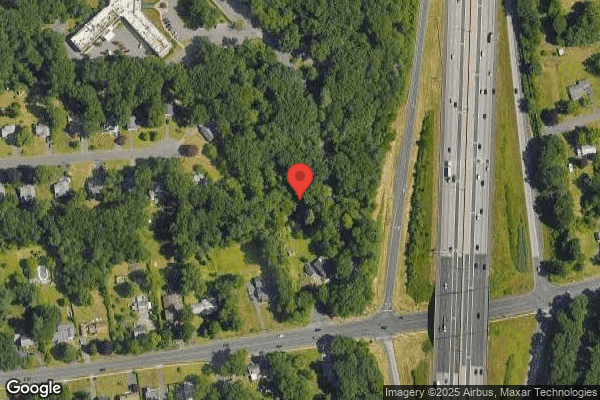

1 EMERSON DR, WINDSOR, CT 06095 (860) 688-6443
For profit - Limited Liability company 150 Beds COMPLETE CARE Data: November 2025 2 Immediate Jeopardy citations
Trust Grade
14/100
#91 of 192 in CT
Last Inspection: September 2024

Within standard 12-15 month inspection cycle. Federal law requires annual inspections.

Overview

Complete Care at Kimberly Hall North in Windsor, Connecticut has a Trust Grade of F, indicating significant concerns regarding the quality of care provided. While it ranks #91 out of 192 nursing homes in the state, placing it in the top half, it faces serious issues that have resulted in a troubling trend, with the facility showing an improving number of deficiencies, down from 12 in 2024 to 4 in 2025. Staffing ratings are below average with a turnover rate of 35%, which is somewhat better than the Connecticut average, yet the overall RN coverage is also rated as average. Notably, the facility has faced critical incidents, including a failure to accurately transcribe medication orders for a resident, leading to missed doses and re-hospitalization, as well as delays in providing pain medication to another resident. While there are some strengths, such as the facility's quality measures rating and a lower staff turnover, families should weigh these against the serious concerns regarding medication management and care quality.

Trust Score
F
14/100
In Connecticut
#91/192
Top 47%
Safety Record
High Risk
Review needed
Inspections
Getting Better
12 → 4 violations
Staff Stability
○ Average
35% turnover. Near Connecticut's 48% average. Typical for the industry.
Penalties
✓ Good
$8,278 in fines. Lower than most Connecticut facilities. Relatively clean record.
Skilled Nurses
⚠ Watch
Each resident gets only 28 minutes of Registered Nurse (RN) attention daily — below average for Connecticut. Fewer RN minutes means fewer trained eyes watching for problems.
Violations
⚠ Watch
32 deficiencies on record. Higher than average. Multiple issues found across inspections.
★★★☆☆
3.0
Overall Rating
★★☆☆☆
2.0
Staff Levels
★★★★★
5.0
Care Quality
★★☆☆☆
2.0
Inspection Score
Stable
2024: 12 issues
2025: 4 issues

The Good

  • 5-Star Quality Measures · Strong clinical quality outcomes
  • Full Sprinkler Coverage · Fire safety systems throughout facility
  • No fines on record
  • Staff turnover below average (35%)

    13 points below Connecticut average of 48%

Facility shows strength in quality measures, fire safety.

The Bad

3-Star Overall Rating

Near Connecticut average (3.0)

Meets federal standards, typical of most facilities

Staff Turnover: 35%

11pts below Connecticut avg (46%)

Typical for the industry

Federal Fines: $8,278

Below median ($33,413)

Minor penalties assessed

Chain: COMPLETE CARE

Part of a multi-facility chain

Ask about local staffing decisions and management

The Ugly 32 deficiencies on record

2 life-threatening 1 actual harm
Jul 2025 2 deficiencies
CONCERN (D) 📢 Someone Reported This

A family member, employee, or ombudsman was alarmed enough to file a formal complaint

Potential for Harm - no one hurt, but risky conditions existed

Resident Rights (Tag F0550)

Could have caused harm · This affected 1 resident

**NOTE- TERMS IN BRACKETS HAVE BEEN EDITED TO PROTECT CONFIDENTIALITY** Based on review of the clinical record, facility documentation, facility policy, and interviews for one (1) of three (3) residen...

Read full inspector narrative →
**NOTE- TERMS IN BRACKETS HAVE BEEN EDITED TO PROTECT CONFIDENTIALITY** Based on review of the clinical record, facility documentation, facility policy, and interviews for one (1) of three (3) residents (Resident #1) reviewed for ADL's, the facility failed to ensure a resident who was dependent on staff for feeding was fed in a dignified manner. The findings include:Resident #1 had diagnoses that included dementia, dysphagia oropharyngeal phase, mood disorder, lack of coordination, and difficulty walking.Physician's orders dated 5/9/2025 directed to provide a regular dysphagia puree texture diet with nectar thick liquids.The quarterly Minimum Data Set (MDS) assessment dated [DATE] identified Resident #1 had short-term and long-term memory impairment, severely impaired cognitive skills for daily decision making, was frequently incontinent of bowel and bladder, dependent on staff for all ADLs including eating, bed mobility, transfers, was non ambulatory, dependent on staff for mobility in the wheelchair, and on a mechanically altered diet.The Resident Care Plan (RCP) dated 5/30/2025 identified Resident #1 was at risk for impaired swallowing related to dementia. Interventions directed to provide dysphagia puree consistency diet as ordered, sit upright for all oral intake and medications, feed slowly, small bites/sips via cup, alternate liquids and solids, if coughing occurs no food/liquids until coughing resolves, and monitor for signs and symptoms of aspiration coughing during/after meals, watery eyes, choking, moist sounding voice, or increased temperature.The Resident Care Card directed to assist or feed Resident #1 at mealtimes, provide slow approach and cues while feeding, provide a dysphagia puree consistency diet with nectar thick liquids, if coughing occurs no food/liquids until coughing resolves, and monitor for signs and symptoms of aspiration, coughing during/after meals, watery eyes, choking, moist sounding voice, feed slowly small bites/sips, alternate liquids and solids.Review of the documentation survey report dated 7/12/2025 for the 7:00 A.M. to 3:00 P.M. shift identified NA #1 signed off the eating task at 1:00 P.M. indicating the task was completed.Interview with Person #2 on 7/12/2025 at 9:56 A.M. identified video footage dated 7/12/2025 at approximately 9:40 A.M. captured Resident #1 being fed breakfast by NA #1. Person #2 identified h/she sent the video footage to the facility on 7/13/2025. Review of the one-minute video footage on 7/29/2025 identified the video was dated 7/12/2025 during the breakfast meal. NA #1 was sitting in a chair spoon feeding Resident #1. NA #1 proceeded to place a full spoonful of oatmeal with a piece of scrambled egg to Resident #1's lips then partially inserted the spoon into Resident #1's mouth. NA #1 stated to Resident #1 open with the spoon still at Resident #1's mouth, Resident #1 lifted h/her left hand and moved it towards h/her mouth. NA #1 took the spoon away from Resident #1's mouth. NA #1 then opened a sugar packet, added it to the oatmeal, and stirred it slightly. NA #1 took the bowl of oatmeal placed it under Resident #1's chin and stated to Resident #1 try this one. NA #1 proceeded to put two heaping spoonful's of oatmeal into Resident #1's mouth with oatmeal dripping off the spoon onto Resident #1's chin. NA #1 used the spoon to remove the oatmeal from Resident #1's chin and stated, you doing good, then proceeded to place another heaping spoonful of oatmeal into Resident #1's mouth.Interview with NA #1 on 7/29/2025 at 11:16 A.M. identified prior to 7/12/2025 she received education on feeding residents and passed the competency titled Feeding the Resident. NA #1 identified that on 7/12/2025 she was aware Resident #1 needed to be fed slowly and did not realize how fast she was feeding Resident #1. NA #1 identified she should have ensured Resident #1 swallowed each spoonful of oatmeal before inserting an additional spoonful into Resident #1's mouth.Interview with the DNS on 7/29/2025 at 12:35 P.M. identified that based on video footage dated 7/12/2025, NA #1 was feeding Resident #1 too fast. The DNS identified that staff should feed residents slowly and ensure the resident swallows food in their mouth before feeding another spoonful of food. The DNS identified that NA #1 should have paused between each spoonful of oatmeal and not fed Resident #1 one spoonful after another.Review of the facility's Resident Rights policy dated 7/1/2024; in part, identified the resident has the right to a dignified experience.
CONCERN (D) 📢 Someone Reported This

A family member, employee, or ombudsman was alarmed enough to file a formal complaint

Potential for Harm - no one hurt, but risky conditions existed

Deficiency F0726 (Tag F0726)

Could have caused harm · This affected 1 resident

**NOTE- TERMS IN BRACKETS HAVE BEEN EDITED TO PROTECT CONFIDENTIALITY** Based on review of the clinical record, facility documentation, facility policy, and interviews for one (1) of three (3) residen...

Read full inspector narrative →
**NOTE- TERMS IN BRACKETS HAVE BEEN EDITED TO PROTECT CONFIDENTIALITY** Based on review of the clinical record, facility documentation, facility policy, and interviews for one (1) of three (3) residents (Resident #1) reviewed for ADL's, the facility failed to ensure a resident who was dependent on staff for feeding, was fed using the proper feeding technique. The findings included:Resident #1 had diagnoses that included dementia, dysphagia oropharyngeal phase, mood disorder, lack of coordination, and difficulty walking.Physician's orders dated 5/9/2025 directed to provide a regular dysphagia puree texture diet with nectar thick liquids.The quarterly Minimum Data Set (MDS) assessment dated [DATE] identified Resident #1 had short-term and long-term memory impairment, severely impaired cognitive skills for daily decision making, was frequently incontinent of bowel and bladder, dependent on staff for all ADLs including eating, bed mobility, transfers, was non ambulatory, dependent on staff for mobility in the wheelchair, and on a mechanically altered diet.The Resident Care Plan (RCP) dated 5/30/2025 identified Resident #1 was at risk for impaired swallowing related to dementia. Interventions directed to provide dysphagia puree consistency diet as ordered, sit upright for all oral intake and medications, feed slowly, small bites/sips via cup, alternate liquids and solids, if coughing occurs no food/liquids until coughing resolves, and monitor for signs and symptoms of aspiration coughing during/after meals, watery eyes, choking, moist sounding voice, or increased temperature.The Resident Care Card directed to assist or feed Resident #1 at mealtimes, provide slow approach and cues while feeding, provide a dysphagia puree consistency diet with nectar thick liquids, if coughing occurs no food/liquids until coughing resolves, and monitor for signs and symptoms of aspiration, coughing during/after meals, watery eyes, choking, moist sounding voice, feed slowly small bites/sips, alternate liquids and solids.Review of NA #1's clinical competency validation dated 6/27/2025 on Feeding the Resident identified that NA #1 passed the Feeding the Resident competency.Review of the documentation survey report dated 7/12/2025 for the 7:00 A.M. to 3:00 P.M. shift identified NA #1 signed off the eating task at 1:00 P.M. indicating the task was completed.Interview with Person #2 on 7/12/2025 at 9:56 A.M. identified video footage dated 7/12/2025 at approximately 9:40 A.M. captured Resident #1 being fed breakfast by NA #1. Person #2 identified h/she sent the video footage to the facility on 7/13/2025. Review of the one-minute video footage on 7/29/2025 identified the video was dated 7/12/2025 during the breakfast meal. NA #1 was sitting in a chair spoon feeding Resident #1. NA #1 proceeded to place a full spoonful of oatmeal with a piece of scrambled egg to Resident #1's lips then partially inserted the spoon into Resident #1's mouth. NA #1 stated to Resident #1 open with the spoon still at Resident #1's mouth, Resident #1 lifted h/her left hand and moved it towards h/her mouth. NA #1 took the spoon away from Resident #1's mouth. NA #1 then opened a sugar packet, added it to the oatmeal, and stirred it slightly. NA #1 took the bowl of oatmeal placed it under Resident #1's chin and stated to Resident #1 try this one. NA #1 proceeded to put two heaping spoonful's of oatmeal into Resident #1's mouth with oatmeal dripping off the spoon onto Resident #1's chin. NA #1 used the spoon to remove the oatmeal from Resident #1's chin and stated, you doing good, then proceeded to place another heaping spoonful of oatmeal into Resident #1's mouth.Interview with NA #1 on 7/29/2025 at 11:16 A.M. identified prior to 7/12/2025 she received education on feeding residents and passed the competency titled Feeding the Resident. NA #1 identified that on 7/12/2025 she was aware Resident #1 needed to be fed slowly and did not realize how fast she was feeding Resident #1. NA #1 identified she should have ensured Resident #1 swallowed each spoonful of oatmeal before inserting an additional spoonful into Resident #1's mouth.Interview and review of the video footage with Speech and Language Pathologist (SLP) #1 on 7/29/2025 at 11:30 A.M. identified based on the video footage dated 7/12/2025, NA #1 was feeding Resident #1 too fast. SLP #1 identified that Resident #1 needed to be fed slowly, and NA #1 should have paused between each bite of oatmeal.Interview with the DNS on 7/29/2025 at 12:35 P.M. identified that based on video footage dated 7/12/2025, NA #1 was feeding Resident #1 too fast. The DNS identified that staff should feed residents slowly and ensure the resident swallows food in their mouth before feeding another spoonful of food. The DNS identified that NA #1 should have paused between each spoonful of oatmeal and not fed Resident #1 one spoonful after another.Review of the facility's Feeding the Resident clinical competency validation form identified; in part, the critical elements directed to offer the food in bite-size pieces, make sure the resident's mouth is empty before the next bite, and wipe food from the resident's mouth and hands as necessary.Although requested, a facility policy for feeding residents was not provided.
Jun 2025 2 deficiencies
CONCERN (D) 📢 Someone Reported This

A family member, employee, or ombudsman was alarmed enough to file a formal complaint

Potential for Harm - no one hurt, but risky conditions existed

Free from Abuse/Neglect (Tag F0600)

Could have caused harm · This affected 1 resident

**NOTE- TERMS IN BRACKETS HAVE BEEN EDITED TO PROTECT CONFIDENTIALITY** Based on review of the clinical record, facility documentation, facility policy, and interviews for one (1) of three (3) residen...

Read full inspector narrative →
**NOTE- TERMS IN BRACKETS HAVE BEEN EDITED TO PROTECT CONFIDENTIALITY** Based on review of the clinical record, facility documentation, facility policy, and interviews for one (1) of three (3) residents (Resident #1) reviewed for abuse, the facility failed to ensure that a resident, who was being fed by facility staff, was free from abuse. The findings include:Resident #1 had diagnoses that included dementia, dysphagia oropharyngeal phase, mood disorder, lack of coordination, and difficulty walking.The Resident Care Card dated 5/1/2025 directed to assist or feed Resident #1 at mealtimes as needed, provide slow approach and cues while feeding, encourage Resident #1 to consume all fluids during meals, and if Resident #1 becomes combative or resistive, postpone care/activity and allow h/her time to regain composure, and redirect as necessary. Physician's orders dated 5/9/2025 directed to provide a regular dysphagia puree texture diet with nectar thick liquids. The quarterly Minimum Data Set (MDS) assessment dated [DATE] identified Resident #1 had short-term and long-term memory impairment, severely impaired cognitive skills for daily decision making, was frequently incontinent of bowel and bladder, dependent on staff for all ADLs including eating, bed mobility, and transfers, was non ambulatory and dependent on staff for mobility in the wheelchair.The Resident Care Plan (RCP) dated 5/30/2025 identified Resident #1 was at risk for a decreased ability to perform ADLs. Interventions directed to provide assistance for eating as needed, provide slow approach and cues while feeding, Resident #1 could be resistive to care at times and nursing staff should re-approach Resident #1 for breakfast and dinner after 1st attempt. Review of the documentation survey report dated 6/3/2025 for the 7:00 A.M. to 3:00 P.M. shift identified NA #1 signed off the eating task at 8:00 A.M. and at 12:00 P.M. indicating the tasks were completed. Interview with Person #1 on 6/27/2025 identified video footage dated 6/3/2025 at approximately 9:30 A.M. identified Resident #1 being fed breakfast by NA #1. Person #1 gave consent for the video footage to be viewed by facility staff. Interview and review of the video footage on 6/27/2025 at 9:50 A.M. with the Director of Nursing (DNS), Administrator, RN #1 (regional nurse), and RN #4 (Regional Director of Clinical) identified during the breakfast meal NA #1 was sitting in a chair spoon feeding Resident #1, and as NA #1 puts the spoon towards Resident #1's mouth, Resident #1 put h/her hands up in attempt to block h/her face. NA #1 moved Resident #1's hands away and proceeded to place a spoonful of oatmeal into Resident #1's mouth. NA #1 stood up with the spoon still in the Resident #1's mouth while pushing the spoon further into Resident #1's mouth causing Resident #1's head to jerk to the right. NA #1 stated to Resident #1 stop kicking, I am done, although in the video footage, Resident #1 was not kicking. NA #1 then threw the spoon on the meal tray, placed the plastic cover on the oatmeal, and left the room. The DNS identified that when NA #1 started to feed Resident #1 and Resident #1 put h/her hands up, NA #1 should have stopped feeding Resident #1, tried to redirect Resident #1, gave Resident #1 time, and then reapproached Resident #1. An interview with RN #1 (regional nurse) on 6/27/2025 at 11:01 A.M. identified that based on the video footage dated 6/3/2025, NA #1's actions toward Resident #1 could not be rebutted. RN #1 indicated NA #1 would be terminated for mistreating Resident #1. Subsequent to viewing the video footage dated 6/3/2025 the DNS and Administrator identified they would initiate a class B accident and incident report with an event type of staff to resident abuse without injury and NA #1 was suspended pending the outcome of the investigation. Although attempted, interviews with LPN #1 and NA #1 were not obtained. Review of facility Abuse, Neglect, and Exploitation policy dated 7/1/2024; in part, identified the facility will provide protections for the health, welfare, and rights of each resident by developing and implementing written policies and procedures that prohibit and prevent abuse, abuse means the willful infliction of injury, intimidation resulting in physical harm, pain or mental anguish which can include staff to resident abuse, and employees receive annual training through planned in-services and as needed.
CONCERN (D) 📢 Someone Reported This

A family member, employee, or ombudsman was alarmed enough to file a formal complaint

Potential for Harm - no one hurt, but risky conditions existed

Comprehensive Care Plan (Tag F0656)

Could have caused harm · This affected 1 resident

**NOTE- TERMS IN BRACKETS HAVE BEEN EDITED TO PROTECT CONFIDENTIALITY** Based on review of the clinical record, facility documentation, facility policy, and interviews for one (1) of three (3) residen...

Read full inspector narrative →
**NOTE- TERMS IN BRACKETS HAVE BEEN EDITED TO PROTECT CONFIDENTIALITY** Based on review of the clinical record, facility documentation, facility policy, and interviews for one (1) of three (3) residents (Resident #1) reviewed for abuse, the facility failed to ensure interventions were implemented for a resident who is dependent on staff for eating. The findings include:Resident #1 had diagnoses that included dementia, dysphagia oropharyngeal phase, mood disorder, lack of coordination, and difficulty waking.The Kardex Report dated 5/1/2025 directed to assist or feed Resident #1 at mealtimes as needed, provide slow approach and cues while feeding, encourage Resident #1 to consume all fluids during meals, and if Resident #1 becomes combative or resistive, postpone care/activity and allow h/her time to regain composure, and redirect as necessary. The physician's orders dated 5/9/2025 directed to provide a regular dysphagia puree texture diet with nectar thick liquids. The quarterly [NAME] Data Set (MDS) dated [DATE] identified Resident #1 had short-term and long-term memory impairment (not capable of completing a brief interview for mental status exam), severely impaired cognitive skills for daily decision making, was frequently incontinent of bowel and bladder, dependent on staff for all ADLs, including eating, bed mobility, and transfers, was non ambulatory and dependent on staff for mobility in the wheelchair.The Resident Care Plan dated 5/30/2025 identified Resident #1 at risk for decreased ability to perform ADLs. Interventions directed to provide assist for eating as needed, provide slow approach and cues while feeding, Resident #1 can be resistive at care at times, nursing should re-approach Resident #1 for breakfast and dinner after 1st attempt. Interview and review of the video footage on 6/27/2025 at 9:50 A.M. with the Director of Nursing (DNS), Administrator, Registered Nurse (RN#1 regional nurse), and RN #4 (Regional Director of Clinical) identified the date of the video was 6/3/2025 which showed NA #1 sitting in a chair feeding Resident #1 with a spoon as NA #1 puts the spoon towards Resident #1's mouth Resident #1 put h/her hands up in attempt to block h/her face, NA #1 moved Resident #1's hands away, proceeded to place a spoonful of oatmeal into Resident #1's mouth, NA #1 stood up with the spoon still in the Resident #1's mouth pushing the spoon further into Resident #1's mouth causing Resident #1's head to jerk to the right NA #1 stated to Resident #1 stop kicking I am done, although in the video footage Resident #1 was not kicking, NA #1 then throws the spoon on the meal tray, places the plastic cover on the oatmeal, and leaves the room. The DNS identified on 6/3/2025 when NA #1 started to feed Resident #1 the resident put h/her hands up NA #1 should have stopped feeding Resident #1, tried to redirect Resident #1, and gave Resident #1 time, and then reapproached Resident #1. Although attempted, interviews with LPN #1 and NA #1 were not obtained. Review of the facility Comprehensive Care plan policy dated 4/1/2025; in part, identified the facility will develop and implement a comprehensive person-centered care plan for each resident to meet a resident's medical, nursing, and mental psychosocial needs to meet professional standards of quality.
Sept 2024 10 deficiencies
CONCERN (D) 📢 Someone Reported This

A family member, employee, or ombudsman was alarmed enough to file a formal complaint

Potential for Harm - no one hurt, but risky conditions existed

Free from Abuse/Neglect (Tag F0600)

Could have caused harm · This affected 1 resident

**NOTE- TERMS IN BRACKETS HAVE BEEN EDITED TO PROTECT CONFIDENTIALITY** Based on clinical record reviews, observation, facility documentation, facility policy and interviews for 2 of 6 sampled residen...

Read full inspector narrative →
**NOTE- TERMS IN BRACKETS HAVE BEEN EDITED TO PROTECT CONFIDENTIALITY** Based on clinical record reviews, observation, facility documentation, facility policy and interviews for 2 of 6 sampled residents (Resident #76) reviewed for abuse, the facility failed to ensure a resident was free from physical mistreatment by another resident (Resident #139) and for Resident # 122 , the facility failed to ensure the resident was free from physical abuse by Resident # 10. The findings included: 1. Resident #76's diagnoses included Alzheimer's disease and anxiety disorder. The quarterly Minimum Data Set (MDS) assessment dated [DATE] identified Resident #76 as severely cognitively impaired, required assistance with activities of daily living (ADL), and was independent with ambulation. The Resident Care Plan (RCP) dated 7/1/24 identified Resident #76 at risk for elopement, wandering/pacing and tended to ambulate quickly. Interventions directed to reside on a secured unit and, redirect near exits/doorways and encourage resident to slow down when ambulating. 2. Resident #139's diagnoses that included Alzheimer's disease, depression and aphasia. The quarterly MDS assessment dated [DATE] identified Resident #139 required assistance with Activities of Daily Living ( ADL) skills and was independent with ambulation. The RCP dated 7/22/24 identified Resident #139 exhibited wandering behaviors, had the potential to exhibit physical behaviors such as biting, aggression, grabbing related to dementia and had a history of past resident mistreatment. Interventions directed to divert to alternate activities, redirect from peers if observed to be agitated and ambulating in the hallway. An observation on 9/17/24 at 2:07 PM identified Resident #139 pacing up and down the halls on a secured memory care unit. Resident #139 went into a resident room that two residents were occupying at the time and where s/he did not reside. Nurse Aide, NA #4 who was standing just outside the dining common area, immediately attempted to redirect Resident #139 out of the room who was initially resistive but eventually exited into the hallway. Resident #139 then grabbed a hair product from NA #4's hand and threw it on the floor before continuing to quickly resume pacing down the hall. NA #4 then returned to the dining/common area and stood just outside the door. At 2:15 PM Resident #139 was observed pacing the hallway along with other residents that included Resident #76. Both Resident #76 and Resident #139 were ambulating in the same direction down the hall walking past the medication cart at the same time. NA #4 stated, S/he (Resident #139) just hit (Resident #76) in the back!. Registered Nurse, RN #5, who was with the medication cart at the time immediately directed staff to take Resident #76 to her/his room, called for assistance and remained with Resident #139. A facility Reportable Event dated 9/17/24 at 3:41 PM on 9/17/24 at 2:15 PM identified staff, (NA #4) reported observing Resident #139 hit Resident #76 in the back while walking by in the hallway on unit. Staff immediately intervened and separated both residents. Both residents were ambulating independently in the hallway on unit. Resident #139 was immediately placed on 1:1 observation. The physician, family and local police were notified. A body audit was completed for Resident #76 no injury noted. An interview with RN #5 on 9/18/24 10:16 AM identified she was administering medications when she observed Resident #139 walk up to Resident #76 and then walk side by side. RN #5 looked away momentarily and then heard NA #4 say Resident #76 was hit in the back by Resident #139. RN #5 immediately separated the two residents, called for another nurse and initiate 1:1 supervision for Resident #139. RN #5 further identified Resident #139, had aphasia, any speech was disorganized, and staff had to anticipate her/his needs. Resident #139 was agitated earlier in the shift before lunch, ambulating quickly in the hall. RN #5 called in Resident #139's family member who came to the facility to assist and bring her/his outside and Resident #139 seemed calm when returning to the unit. RN #5 identified she was not aware Resident #139 was agitated and was throwing objects just prior to the event and would have had staff well known to Resident #139 intervene or provided a medication used as needed for agitation. An interview with NA #4 on 9/18/24 11:00 AM identified she was routinely assigned to the unit and was familiar with Resident #139's behavior. NA #4 identified minutes before the incident, Resident #139 was observed entering another resident(s) room and was redirected out. Resident #139 was agitated and grabbed a hair product NA #4 was holding and threw it on the floor before continuing down the hall. NA #4 identified that when Resident #139 begins throwing things, she notifies the nurse but did not during this occasion as the nurse was nearby and NA #4 thought she would have observed the incident. NA #4 identified minutes later, Resident #139 was ambulating down the hall behind, and then alongside Resident #76 who both were walking around the medication cart. Resident #139 hit Resident #76 in the back before continuing down the hall. RN #5 intervened and separated the residents. NA #4 further identified that although Resident #139 had previously been the alleged aggressor in a previous resident to resident altercation, s/he did not normally attack other residents. An interview with the Director of Nursing Services, DNS on 9/18/24 at 12:18 PM identified Resident #139 was involved in a separate resident to resident altercation where s/he was the aggressor and had difficulty being redirected at times when agitated. Resident #139's family member was occasionally called in to assist by removing Resident #139 from the unit which had been effective in the past. The DNS identified she would expect staff to inform the nurse right away if efforts to redirect were ineffective and expect that residents be free from any mistreatment. A review of the facility policy for Abuse given during the survey for the incident directs the facility to provide protections for the health welfare and rights of each resident by developing and implementing written policies and procedures that prohibit and prevent abuse, neglect and exploitation including physical abuse. 3. Resident #122's diagnoses included dementia, anxiety, and depression. The admission MDS assessment dated [DATE] identified Resident #122 as severely cognitively impaired and exhibited wandering behaviors. Additionally, the MDS assessment noted wandering behavior that significantly intruded on privacy or activities of others. A care plan dated 9/24/2023 identified Resident #122 had the potential to exhibit behaviors such as entering others' rooms, making beds, and attempting to help residents. Interventions included: to provide activities to keep the resident occupied, such as a cleaning kit, a duster, and items to fold and sort. An Accident and Incident (A&I) Report dated 6/13/2023 indicated Resident #122 was in the hallway by a rest bench. Resident #122 was observed by NA # 14 holding on to Resident #10's wheelchair. Resident #10 turned around, held Resident #122's right hand, and bit Resident #122's right forearm. A nursing note dated 6/13/2023 identified Resident #122 was bitten on the right forearm by Resident # 10 and both residents were immediately separated. A care plan dated 6/16/2023 identified Resident #122 as a recipient of a resident-resident altercation and at risk for mood alteration. Interventions included redirecting the resident away from other residents when seen wandering in the hallway and gently guiding the resident away from potential conflict. An A&I Report dated 6/25/2023 identified staff observed Resident #10 on top of Resident #122 on the floor in the doorway of Resident #10's room. The A&I also indicated Resident #10 reported to staff Resident #122 had come into Resident #10's room and refused to leave. Resident #10 indicated s/he then hit Resident #122 when the resident refused to leave. A nursing note dated 6/25/2023 indicated Resident #122 was knocked down by Resident #10 and developed a bruise on the right forearm. The note also indicated Resident #122 did not remember what happened. 4. Resident #10's diagnoses included dementia, schizoaffective disorder, and impulse disorder. The MDS assessment dated [DATE] indicated Resident #10 with moderate cognitive impairment and noted the resident did not exhibit physical or verbal behaviors directed toward others. A nursing note dated 6/13/2024 indicated that Resident #10 bit Resident #122 on the right arm after Resident #122 touched Resident #10 on the arm. A psychiatric evaluation dated 6/15/2023 identified the resident was oriented to self, place, and time. The evaluation further indicated facility staff had reported that Resident #10 had bitten their peer when the peer entered Resident #10's room. Additionally, the evaluation indicated the resident expressed frustration with fellow residents on the nursing unit. The evaluation also identified the resident was easily frustrated by dementia-associated behaviors. A nursing note dated 6/25/2023 indicated Resident #122 walked by Resident #10's room. The nursing notes further indicated Resident #10 transferred from the bed to a wheelchair, rolled over to the doorway, got out of the wheelchair, and jumped on Resident #122, knocking both to the ground. On 9/17/2024 at 1:21 PM an interview with NA #2 identified s/he could not recall the 6/13/2023 or 6/25/2023 incidents. NA #2 indicated Resident #122 walked around the unit going into other residents' rooms and making the beds. NA #2 also indicated many residents would attempt to go to Resident #10's room, but as soon as a resident was in the doorway, Resident #10 would tell them to go away. In an interview on 9/18/2024 at 11:28 AM, NA #1 indicated she could not recall the details of the incident on 6/25/2023 but indicated Resident #122 liked going into other residents' rooms to fold clothes. NA #1 identified Resident #10 was oriented and made her/his needs known in 2023. NA #1 indicated Resident #10 may have complained about residents going into his/her room and thought that was why Resident #10 was in a private room. NA #1 further indicated there were no stop signs in use for Resident #10's room at the time of the incident. On 9/18/2024 at 11:59 AM, an interview with the Director of Nursing Services (DNS) indicated the incident on 6/25/2023 occurred at the doorway of Resident #10's room; the DNS indicated that when the residents were found, they were half in the hallway and half in the room. The DNS indicated stop signs used to deter wandering residents were not in use at the time because Resident #122 would remove the signs and still go into other residents' room. The facility believed supervising and redirecting Resident #122 was the most effective intervention. The DNS also indicated the incident occurred at 2:14 PM, which is close to the change of shift, and that staff did not witness the incident because staff were probably in other rooms providing care.
CONCERN (D)

Potential for Harm - no one hurt, but risky conditions existed

Deficiency F0657 (Tag F0657)

Could have caused harm · This affected 1 resident

**NOTE- TERMS IN BRACKETS HAVE BEEN EDITED TO PROTECT CONFIDENTIALITY** Based on clinical record review and staff interviews for the 1 resident reviewed for pressure ulcers( Resident #39) the facility...

Read full inspector narrative →
**NOTE- TERMS IN BRACKETS HAVE BEEN EDITED TO PROTECT CONFIDENTIALITY** Based on clinical record review and staff interviews for the 1 resident reviewed for pressure ulcers( Resident #39) the facility failed to ensure staff updated the care plan when there was a change in the resident's wound status. The findings include: Resident #39's diagnosis include pressure ulcer of the sacral region, stage 4. The Nursing admission assessment dated [DATE] at 9:12 PM indicated Resident #39 had a stage 3 pressure ulcer on the coccyx (later known as sacral). The Initial Wound Evaluation and Management Summary form dated 2/14/2024 completed by the consulting wound physician indicated Resident #39's sacral pressure ulcer was staged as an unstageable pressure ulcer due to necrosis, noted the wound was debrided during the visit and indicated the wound would eventually deteriorate to a stage 4 pressure ulcer wound then fill in with granulation tissue. A nursing progress note dated 2/15/2024 at 8:43 AM indicated in part Resident #39 had an unstageable Deep Tissue injury to the sacrum which was debrided during the consulting wound physician visit on 2/14/2024. The admission Minimum Data set (MDS) assessment dated [DATE] indicated Resident #39 as severely cognitively impaired and noted a stage 4 pressure ulcer present on admission. The Wound evaluation and management summary note dated 2/21/2024 completed by the consulting wound physician indicated at this visit the pressure ulcer of the sacrum after debridement during this visit was a stage 4 pressure ulcer. The summary note further indicated the correct staging of the pressure ulcer at the last visit (2/14/2024) after debridement was a stage 3. The care plan initiated 2/21/2024 indicated Resident #39 was at risk for skin breakdown and had a present on admission (POA) stage 4 pressure ulcer of the sacrum. Interventions included : to provide wound care as ordered, turn and reposition 4 times per shift as tolerated, a low air loss mattress on bed and weekly skin check by a licensed nurse. A nursing progress note dated 2/15/2024 at 8:43 AM indicated in part Resident #39 had an unstageable Deep Tissue injury to the sacrum which was debrided during the consulting wound physician visit on 2/14/2024. Review of the facility resident Matrix on 9/16/24 at 8:47 AM indicated Resident #39 had a stage 4 pressure ulcer pressure ulcer not present on admission. A record review and interview with the ADNS/IP/wound nurse on 9/17/2024 at 1:30 PM indicated the sacral wound was a stage 3 on admission and the wound MD after debriding the wound on 2/21/2024 declined to a stage 4 pressure ulcer. The ADNS indicated now the wound is a facility acquired pressure ulcer and was no longer considered a wound that was present on admission. A record review and interview with RN # 4 MDS nurse at 3:19 PM indicated the hospital at discharge staged the coccyx (Sacral) wound as a stage 3, review of the admission notes and wound physician notes through 2/21/2024 indicated the sacral wound deteriorated from a stage 3 (2/14/2024) to a stage 4 pressure ulcer as noted on the 2/21/2024 consulting wound physician visit note. The consulting wound visit also noted the wound could no longer be considered a Present on admission pressure ulcer. RN #4 indicated although Resident #39 had other wounds on admission, the only stage 4 documented on all the MDS assessments was the sacral wound indicating it was present on admission (POA). RN# 4 indicated the care plan would need to be updated as it also indicated the pressure ulcer was present on admission.
CONCERN (D)

Potential for Harm - no one hurt, but risky conditions existed

ADL Care (Tag F0677)

Could have caused harm · This affected 1 resident

**NOTE- TERMS IN BRACKETS HAVE BEEN EDITED TO PROTECT CONFIDENTIALITY** Based on observations, review of the clinical record, facility policy and interviews for 1 of 30 residents (Resident #67) review...

Read full inspector narrative →
**NOTE- TERMS IN BRACKETS HAVE BEEN EDITED TO PROTECT CONFIDENTIALITY** Based on observations, review of the clinical record, facility policy and interviews for 1 of 30 residents (Resident #67) reviewed for dinning, the facility failed to provide adaptive equipment at mealtime per care plan. The findings include: Resident #67's diagnoses included dementia, muscle weakness, and Alzheimer's disease. A dietician's note dated 3/7/24 at 11:56 AM identified resident feeds self with the help of adaptive equipment. The quarterly Minimum Data Set assessment dated [DATE] identified Resident #67 as severely cognitively impaired and required supervision with transfers, bed mobility, and was independent with eating. The Resident Care Plan with update on 8/8/24 identified Resident #67 would be able to feed self with the help of adaptive equipment. Interventions included to provide a Kennedy cup (added to care plan on 6/26/23). A physician's order dated 8/18/24 indicated resident to be on a no salt packet diet, ground texture. A meal ticket dated 9/15/24 identified resident required adaptive equipment, a Kennedy cup for meals. Observation on 9/15/24 at 12:00 PM, identified resident was drinking out of a regular cup and did not have a Kennedy cup on his/her tray. Interview with NA #1 on 9/15/24 at 12:00 PM identified the resident did not have a Kennedy cup even though Resident # 67's meal ticket indicated a Kennedy cup should be provided. NA #1 also indicated the kitchen provides the adaptive equipment. Interview with the Director of Dietary on 9/15/24 at 1:00 PM indicated the kitchen provides the adaptive equipment, and s/he was unsure why the resident did not have a Kennedy cup on her/his tray. Dinning observation on 9/16/24 at 9:00 AM identified Resident # 67 was provide a Kennedy cup after surveyor inquiry. Review of the current Food and Nutrition Services policy dated 10/2019 directed, in part, nursing staff will ensure that assistive devices are available to residents as needed.
CONCERN (D)

Potential for Harm - no one hurt, but risky conditions existed

Quality of Care (Tag F0684)

Could have caused harm · This affected 1 resident

**NOTE- TERMS IN BRACKETS HAVE BEEN EDITED TO PROTECT CONFIDENTIALITY** Based on review of the clinical records, observations, facility policy, and interviews for 1 of 5 residents (Resident # 75) revi...

Read full inspector narrative →
**NOTE- TERMS IN BRACKETS HAVE BEEN EDITED TO PROTECT CONFIDENTIALITY** Based on review of the clinical records, observations, facility policy, and interviews for 1 of 5 residents (Resident # 75) reviewed for unnecessary medications, the facility failed to monitor the behaviors associated with psychotropic medications as directed in the physician's orders and professional standards and for for 1 of 2 resident (Resident #98) reviewed for positioning and mobility, the facility failed to apply a knee brace per physician order and for 1 sampled resident (Resident #113) reviewed for edema, the facility failed to ensure therapeutic management to reduce swelling for a resident with edema was implemented in accordance with physician orders. The findings included: 1. Resident #75's diagnoses included major depressive disorder, history of suicidal ideation, and cerebral vascular disease. The care plan dated 6/19/24 identified a concern with the use of psychotropic drugs Interventions included: to compete the behavior monitoring flow sheet, gradual reduction as ordered, monitor for changes in mental status and functional level and report to physician, as well as to monitor for continued need of medication as indicated. The quarterly MDS assessment dated [DATE] identified Resident #75 had severely impaired cognition and noted a diagnosis of non-Alzheimer's dementia, was able to walk 10 feet once standing, and able to wheel his/her manual wheelchair at least 150 feet in a corridor or similar space. A physician's order dated 9/1/24 directed to give Seroquel 50 Milligrams (mg) by mouth 3 times daily for vascular dementia with anxiety. Give Seroquel 25mg by mouth every 6 hours as needed for agitation. The physician order dated 9/5/24 directed to give Trazodone 50mg (give 0.5 tablet) every 6 hours as needed for anxiety, agitation, and restlessness for 14 days. The physician order dated 9/11/24 directed to give Lorazepam Intensol Oral Concentrate 2mg/ml (Lorazepam) 0.5 ml by mouth every 2 hours as needed for comfort for 30 days/give 0.5 ml sublingually every 2 hours as needed for agitation and restlessness. A previous physician's order dated 8/20/24 directed to give Lorazepam Oral Concentrate 2mg/ml (Lorazepam) 0.5 ml sublingually every 2 hours as needed for agitation with a stop date of 9/11/24. The MAR with physician's order dated 9/1/24 directed to monitor the behavior of negative statements at the end of each shift with no behaviors identified for the month of September 2024, with omissions identified on 9/7/24 on the 11:00PM-7:00AM shift and an omission on 9/17/24 on the 7:00AM-3:00PM shift. The Medication Administration Record (MAR) with physician's orders dated 9/1/24 directed to generically monitor Resident #75 behavior every shift with no behaviors identified thru 9/17/24, an omission on 9/7/24 on the 11:00PM-7:00AM shift and an omission on 9/17/24 on the 7:00AM-3:00PM shift. The Electronic Medical Record (EMR) identified psychotropics were administered on the following dates in September 2024 with no behaviors identified: Lorazepam 0.5 ml was administered on an as needed basis on 9/5/24 at 9:08PM Lorazepam 0.5 ml was administered on an as needed basis on 9/9/24 at 7:00PM Lorazepam 0.5 ml was administered on an as needed basis on 9/9/24 at 9:00PM Lorazepam 0.5 ml was administered on an as needed basis on 9/13/24 at 8:49AM Seroquel 25mg was administered on an as needed basis on 9/3/24 at 9:29PM Seroquel 25mg was administered on an as needed basis on 9/3/24 at 9:27PM Seroquel 25mg was administered on an as needed basis on 9/5/24 at 1:33PM Seroquel 25mg was administered on an as needed basis on 9/9/24 at 4:30PM Seroquel 25mg was administered on an as needed basis on 9/9/24 at 8:00PM Trazodone 50mg (0.5 tablet) was administered on an as needed basis at 9/3/24 at 5:46PM Trazodone 50mg (0.5 tablet) was administered on an as needed basis at 9/7/24 at 3:24PM, Trazodone 50mg (0.5 tablet) was administered on an as needed basis at 9/9/24 at 6:00PM Trazodone 50mg (0.5 tablet) was administered on an as needed basis at 9/10/24 at 8:00PM Trazodone 50mg (0.5 tablet) was administered on an as needed basis at 9/11/24 at 7:30PM Trazodone 50mg (0.5 tablet) was administered on an as needed basis at 9/12/24 at 7:30PM Trazodone 50mg (0.5 tablet) was administered on an as needed basis at 9/13/24 at 5:30PM Interview with the Psychiatric Advanced Practiced Registered Nurse (APRN #2) identified she relies on the resident record for documented behaviors as well as input from the nursing staff. When questioned regarding the lack of documentation in the EMR regarding behaviors she indicated it is her expectation the behaviors are documented per nursing protocol. Interview and clinical record review with the DNS on 9/19/24 at 12:05PM identified the behavior monitoring sheet indicated Resident #75 did not exhibit any behaviors for the month of September 2024, yet as needed psychotropics were administered. The DNS's initial response was Resident #75 consistently tries to get up from his/her wheelchair and when questioned if the psychotropics are to prevent the resident from standing, she indicated they were not prescribed for that reason. The DNS failed to identify any documented behaviors attributing to the administration of the psychotropic medications either in the behavior section of Resident #75 EMR or in the nurse's notes for the days of psychotropic medication administration for September 2024. The DNS later identified it is her expectation that nurses document the behavior(s) exhibited prior to the administration of the psychotropic medication for a behavior and indicate a nurse's note with the behavior. The policy for Psychotropic Medication Use given during the survey notes antipsychotic medications may be considered for residents with dementia but only after medical, physical, functional, psychological, emotional psychiatric, social and environmental causes of behavioral symptoms have been identified and addressed. The policy also notes residents will only receive antipsychotic medications when necessary to treat specific conditions for which they are indicated and effective. 2. Resident #98's diagnoses included polyosteorarthritis, pain in right knee, and dementia. A physician's order dated 4/8/24 directed to apply knee brace after morning care and remove before evening care. In-service forms dated 4/4/24 and 4/8/24 identified the nursing staff and Nurse Aides (NA) were trained to donning and doffing Resident #98's knee brace. A physical Therapy noted dated 4/8/24 identified nursing staff and NAs were trained to donning and doffing Resident #98's knee brace. The quarterly Minimum Data Set assessment dated [DATE] identified Resident #98 as severely cognitively impaired and required 2-person assistance for toileting, transferring and was independent with eating. The Resident Care Plan dated 9/6/24 identified the resident as at risk for alterations in comfort related to osteoarthritis. Interventions included to evaluate pain and medicate as needed. Observations of resident on 9/15/24 at 11:45 AM and 1:45 PM and on 9/16/24 at 8:45 am and 9/17/24 at 12:10 PM identified Resident # 98 was not wearing a knee brace. Interview on 9/17/24 at 12:11PM with NA #3 identified Resident #98 had a knee brace, but the resident removes it all the time, so it was discontinued. Interview with MDS RN #4 Coordinator on 9/18/24 at 9:10 AM identified the care plan should have included resident's refusal to wear the knee brace. Further RN # 4 identified the knee brace was discontinued on 9/17/24. The discontinuation was after surveyor inquiry. Interview and record review on 9/18/24 at 11:10 AM with ADNS identified she would expect any refusals of a resident to wear a knee brace would be reported to the physician. Further the ADNS identified the refusals should be care planned. The ADNS stated the application of the brace should be on the NA [NAME]. Upon review of the record, it was not included on the [NAME] or the care plan. The ADNS identified the order was written incorrectly therefore it did not flow to the [NAME] or the Treatment Administration Record (TAR). The ADNS stated the nurse reviewing the order should have ensured it was written properly. Interview on 9/18/24 at 2:00 PM with Physical Therapy (PT #1) identified she is no longer employed by facility but recalls the resident. She remembers ordering the knee brace for the resident. Her expectations would have been that staff would have applied the brace initially until such time that resident had a comfort and could tolerate it. Once she was confident that the resident could tolerate it, she would educate the nursing staff (including NAs) to don and doff the brace. PT # 1 indicated after the training; she would enter the order into facility software. PT#1 also stated her expectation would be, once the order is entered, the nursing staff/NAs would apply the brace as ordered. If the resident is not tolerating the brace, she would expect to be notified at which time she would discontinue the order. Although requested, a policy for assistive devices was not provided. 3. Resident #113's diagnoses included localized edema (swelling in the lower extremities) and hypertension. The quarterly Minimum Data Set assessment dated [DATE] identified Resident #113 as severely cognitively impaired and dependent with activities of daily living, independent with ambulation. The Resident Care Plan dated 7/19/24 identified Resident #113 was at risk for skin breakdown related lower leg edema and had behaviors that included refusal of TEDs (compression stockings). Interventions directed to place ACE wraps to bilateral lower extremities according to physician orders and postpone care/activity to allow time for to regain composure if combative or resistive. The physician's orders dated 9/1/24 directed Ace wrap both lower extremities starting from feet to calf daily during 7-3 PM shift. An observation on 9/15/24 at 2:46 PM identified Resident #113 had edematous lower extremities bilaterally, in bare feet with no Ace wrap in place. A second observation with Nurse Aide, NA #5 on 9/17/24 at 1:36 PM identified Resident #113 wearing socks and without Ace wraps to both lower extremities. A subsequent observation on 9/17/24 at 2:52 PM identified Resident #113 without Ace wraps and Registered Nurse, RN #5 counting medicating with the oncoming nurse for the following shift. A review of the MAR and nursing progress notes dated 9/1/24 through 9/16/24 identified Resident #113 had Ace wraps applied daily with no documented refusals. The MAR and nursing progress notes dated 9/17/24 identified Resident #113 did not have Ace wraps applied to the lower extremities with no documented rationale. An interview with RN #5 on 9/18/24 at 10:32 AM identified nursing was responsible for applying the Ace wraps during the 7:00 AM to 3:00 PM shift. RN #5 identified she had not applied the Ace wraps to Resident #113 at any time during the shift on 9/17/24. RN #5 identified she had realized she did not have the supplies and intended to obtain them. Additionally, RN #5 needed the assistance of the nurse aide staff to apply the Ace wrap. Other matters were prioritized during the remainder of the shift and RN #5 did not complete the task as an oversight. An interview with the Director of Nursing Services, DNS on 9/18/24 at 12:31 PM identified she would expect nursing staff to apply the Ace wrap according to physician orders. Although requested, a policy for implementing therapeutic interventions or management of a resident with edema were not provided.
CONCERN (D)

Potential for Harm - no one hurt, but risky conditions existed

Accident Prevention (Tag F0689)

Could have caused harm · This affected 1 resident

**NOTE- TERMS IN BRACKETS HAVE BEEN EDITED TO PROTECT CONFIDENTIALITY** Based on clinical record reviews, observations, and staff interviews for 6 of 6 residents observed during dining, ( Resident #9 ...

Read full inspector narrative →
**NOTE- TERMS IN BRACKETS HAVE BEEN EDITED TO PROTECT CONFIDENTIALITY** Based on clinical record reviews, observations, and staff interviews for 6 of 6 residents observed during dining, ( Resident #9 #32, #44, #107, #116, #135), the facility failed to ensure supervision was provided while residents were still eating. The findings include: 1. Resident #9's diagnosis' included dementia, diabetes mellitus and Gastroesophageal Reflux. The quarterly Minimum Data Set (MDS) assessment dated [DATE] indicated Resident #9 as severely cognitively impaired and required supervision and set up for eating. The care plan dated 7/12/2024 indicated Resident #9 required set up with eating and assistance of one person for ambulation with an assistive devise. The care plan further indicated Resident #9 required assistance with meals related to dementia. Interventions included : to provide assistance with meals as needed, noted the resident was on a liberalized diet and to encourage oral intake. 2. Resident #32's diagnosis included diabetes mellitus, dementia, Alzheimer's disease and syncope and collapse. The quarterly MDS assessment dated [DATE] indicated Resident #32 as severely cognitively impaired, received a therapeutic diet (no added salt) and set up for eating. The care plan dated 8/29/2024 indicated Resident #32 required assistance with activities of daily living (ADL). Intervention included assistance of one person for transfers and to encourage the resident to attend meals in the dining room. 3. Resident #44's diagnosis included mild cognitive impairment and failure to thrive. The annual Minimum Data Set (MDS) assessment indicated Resident #44 as cognitively intact and required supervision for eating. The care plan date 8/19/2024 indicated Resident #44 had nutritional concerns with interventions including to assist with meals as needed. 4. Resident #107's diagnosis included dementia and protein calorie malnutrition. The annual Minimum Data Set (MDS) assessment dated [DATE] indicated Resident #107 had moderate cognitive impairment and required set up assistance for eating. The care plan dated 7/25/2024 indicated Resident #107 at risk for decline in ADL. Intervention include assistance of 1 person for eating as needed. 5. Resident #116 diagnosis included Gastro- Esophageal Reflux (GERD). The quarterly Minimum Data Set (MDS) assessment dated [DATE] indicated Resident #116 as severely cognitively impaired and required extensive assistance of one person for eating. The care plan dated 6/18/2024 indicated Resident #116 was dependent for ADL with interventions including dependent on staff for eating. 6. Resident #135's diagnosis included diabetes mellitus, dementia and Alzheimer's disease. The quarterly Minimum Data Set (MDS) assessment dated [DATE] had moderate cognitive impairment, was on a therapeutic diet and required set up for eating. The care plan dated 8/2/2024 identified Resident #135 at risk for decline in ADL but was independent with eating. An observation on 9/15/2024 at 12:50 PM identified 6 residents seated at tables in the main dining area. Resident #116 was seated at a table with food on the table and the resident was holding a bowl with food inside of the bowl. Seated next to Resident #116 was Resident #9 with some eaten food items on his/her plates on the table. At another table Residents #32 and #135 were seated together both with some uneaten food items on the table in front of them. Residents #44 and #107 were seated at another table both with their lunch items mostly eaten and one drinking a beverage. No staff members were in the area as surveyor waited for staff recreation staff arrived to take Resident #32 and #135 back to their rooms at this time The surveyor noted a licensed nurse up the hallway at a medication cart at the nurse's station (LPN #1) who indicated he/she was assigned to supervise the main dining room but had to leave to return to the unit to ensure resident medications were administered timely. LPN #1 further indicted only one resident was still eating when he/she left the main dining room. Upon returning to the main dining room [ROOM NUMBER] residents were still remaining Residents #32, #135 and #9 and #116 with no staff present but recreation staff returned to transport Residents #9 and #135 from the dining room. On 9/15/2024 at 1:16 PM the attention of RN #3 was obtained and during observation and interview. RN # 3 identified residents should not have been left unsupervised in the dining room and went to find a nurse aide to stay with the remaining residents until all residents were done eating. On 9/15/2024 an interview with the ADNS at 1:45 PM indicated there was a rotating schedule of for charge nurses on each unit who are assigned to supervise the main dining room. Sometimes the supervisor or manager on duty will supervise the dining room as well and indicated the resident should not have been left alone. An interview on 9/19/2024 at 9:30 AM with Resident #116 indicated he/she ate in the dining room regularly and if no staff was in attendance. Resident # 116 indicated in an emergency he/she would yell for help.
CONCERN (D)

Potential for Harm - no one hurt, but risky conditions existed

Deficiency F0726 (Tag F0726)

Could have caused harm · This affected 1 resident

**NOTE- TERMS IN BRACKETS HAVE BEEN EDITED TO PROTECT CONFIDENTIALITY** Based on clinical record review, review of facility documentation, observation, facility policy and staff interviews, the facili...

Read full inspector narrative →
**NOTE- TERMS IN BRACKETS HAVE BEEN EDITED TO PROTECT CONFIDENTIALITY** Based on clinical record review, review of facility documentation, observation, facility policy and staff interviews, the facility failed to ensure staff competencies were current for the provision of Intravenous Therapy ( IV) and for 1 of 3 residents ( Resident #39) reviewed for at risk for pressure ulcer, the facility failed to ensure facility nursing staff were trained in the use, settings and maintenance of Low Air Loss (ALA) mattresses. The findings included: 1. A review of staff competencies for the management of Intravenous Therapy ( IV) identified there were no documented competencies for IV Therapy for 17 of 47 licensed staff. An interview and facility documentation review with the Assistant Director of Nursing Services ADNS on 9/17/24 at 12:35 PM identified she reviewed competencies for IV therapy with the assigned licensed staff at the time any resident was prescribed IV therapy. A review of the Facility Assessment identified staff competencies for IV therapy were required to be completed upon hire and then annually for all licensed staff. 2. Resident #39's diagnosis include pressure ulcer of the sacral region, stage 4. A physicians order dated 2/15/2024 10:00 directed to provide a Low Air Loss (LAL) mattress as of 2/13/2024, to hand check upon set up and every shift including settings to soft and low and check functioning every shift. The quarterly Minimum Data set (MDS) assessment dated [DATE] indicated Resident #39 as severely cognitively impaired and noted a stage 4 pressure ulcer present on admission. The care plan dated 8/19/24 indicated Resident #39 was at risk for skin breakdown and had a pressure ulcer on admission (POA) stage 4 pressure ulcer of the sacrum. Interventions included in part to provide wound care as ordered, turn and reposition 4 times per shift as tolerated, a low air loss mattress on the bed and a weekly skin check by a licensed nurse. An observation on 9/17/2024 at 11:07 AM during set up for wound care identified the low air loss mattress noted to be set to 260 lbs. and low. At conclusion of wound care RN #4 verified the setting at 260 pounds and low and indicated s/he would need to check the physician's orders. On 9/17/2024 at 12:15 PM an interview and record review with Unit manager RN #4 with LPN #2 in attendance, indicated after looking at the physician order for the Low Air Loss (LAL) mattress the staff needed to call for assistance. They were told the instructions for setting the LAL mattress were in the care plan. RN#4 identified the care plan directed to set the mattress to the resident's weight. RN #4 reviewed the clinical record and Resident #39's weight was 80 pounds, and the air mattress was not set at the correct setting and should be set to 80 pounds. On 9/17/2024 at 12:20 PM an interview and observation with LPN #2 indicated the last facility s/he worked at the settings were in the physician order and the order was not clear. Observation of the LAL mattress with LPN #2 indicated the setting was at 250 pounds s/he had not adjusted the setting during the beginning of the shift at 7:00AM and a dial which noted soft on the left and firm on the right and the center identified pounds. LPN #2 agreed Resident #39 did not look 250 pounds (actually 80 pounds) but indicated if the mattress is set too low the resident could bottom out and touch the mattress, On 9/18/24 at 12:19 PM an interview and review of the facility documents with the ADNS indicated there were no in servicing found or training with staff on how to use the LAL mattress with the physician's orders, set the settings and maintain them. After surveyor inquiry, a current in-service training on low air loss mattress training was done. Although, the training the facility provided was the facility policy regarding Support Surface Guidelines that did not include information on the use of the particular low air loss mattress being used in the facility. The ADNS indicated the in-servicing did not include the manufacturer guidelines. Regional Clinical Managers, RNs #3 and #10, were present and review the manufacturer guidelines provided as the LAL mattress is use at the facility did not indicate to set the mattress to the resident's weight but to adjust the setting to a comfortable setting from soft to firm which contradicted the care plan. RN #10 indicated an air mattress should be checked to ensure it is not bottoming out under the resident. The ADNS was unable to provide staff training or a facility policy/procedure containing low air loss air mattress information. RN #10 further indicated a new in-service would need to be completed with the staff. The facility policy labeled Prevention of Pressure Ulcers/Injuries indicated in part to select appropriate support surfaces based on the resident's mobility, continence, skin moisture and perfusion, body size, weight and overall risk factors. The manufacturer guidelines/user manual for the Selectis Alternating Pressure Pump and Mattress indicated in part the pump and mattress are intended to reduce the incidence of pressure ulcers while optimizing patient comfort in home care and long-term care settings.
CONCERN (D)

Potential for Harm - no one hurt, but risky conditions existed

Deficiency F0805 (Tag F0805)

Could have caused harm · This affected 1 resident

**NOTE- TERMS IN BRACKETS HAVE BEEN EDITED TO PROTECT CONFIDENTIALITY** Based on clinical record review, observations, facility policy and interviews for 1 of 30 residents (Resident #141) reviewed for...

Read full inspector narrative →
**NOTE- TERMS IN BRACKETS HAVE BEEN EDITED TO PROTECT CONFIDENTIALITY** Based on clinical record review, observations, facility policy and interviews for 1 of 30 residents (Resident #141) reviewed for dinning, the facility failed to ensure that food was served in the correct form for a resident on a mechanically altered diet. The findings include: Resident #141's diagnoses included Alzheimer's disease, dysphagia, and hypertension. A physician's order dated 7/30/24 directed to provide a regular diet, chopped texture and thin consistency. The admission Minimum Data Set assessment dated [DATE] identified Resident #141 as severely cognitively impaired and required maximum assistance with showering, toileting, and set up assistance for eating. The Resident Care Plan dated 8/15/24 identified Resident #141 had an altered diet texture due to dysphagia. Interventions included to provide diet as ordered. A dietician's note dated 8/27/24 at 12:50 PM identified the resident is on a regular diet with chopped texture. An observation of the lunch meal on 9/17/24 12:15 PM identified Resident #141 was on a chopped diet as per his/her lunch ticket however he/she was given a dinner roll. Interview on 9/17/24 at 12:15 PM with NA#2 identified s/he had no idea which foods were allowed on a chopped diet. NA 3 2 further stated s/he just serves the food from the kitchen. NA # 2 also indicated s/he assumed what is on the resident's tray is the correct food for their diet. When asked what s/he would do if s/he noticed the food on the tray did not match the meal ticket, NA #2 stated nothing, when I notify the kitchen, they just send back the same tray. Observation with the dietician on 9/17/24 at 12:30 PM identified the resident was observed with a dinner roll on his/her plate that was not cut up and the resident was on a chopped diet, the dietician stated s/he did not think that was part of the chopped diet. Interview with Food Service Director on 9/17/24 at 12:57 PM identified a dinner roll is not allowed on a chopped diet. When asked the process to ensure residents received the correct diets and choices, s/he identified the last person on the tray line in the kitchen double and triple checks the food on the tray to the ticket and notes food preferences and special/therapeutic diets. The Food Service Director indicated s/he was not sure why the resident did not get the correct food items. Interview on 9/19/24 at 9:48 AM with Speech Language Pathologist ( SLP #1) identified that a dinner roll was not allowed on a chopped diet and Resident #141 should not have received a dinner roll with his/her meal. SLP #1 stated s/he conducts in-service monthly for all of staff and specific residents, as well as notify the Food Service Director with any changes in diet via a dietary slip. SLP #1 further indicated s/he SPL # 1 would expect the nurse aides to know what is on the specific diets and to ensure residents receive the correct diet. A copy of the chopped diet guidelines identified notes a dinner roll was not allowed on a chopped diet. A copy of the menu for a chopped diet included crustless bread quartered. Review of the current Food and Nutrition Services policy dated 10/2019 directed, in part, food and nutrition services staff will inspect food trays to ensure that the correct meal is provided to each resident.
CONCERN (D)

Potential for Harm - no one hurt, but risky conditions existed

Deficiency F0806 (Tag F0806)

Could have caused harm · This affected 1 resident

**NOTE- TERMS IN BRACKETS HAVE BEEN EDITED TO PROTECT CONFIDENTIALITY** Based on clinical record review, observation, facility policy and interviews for 1 of 30 residents (Resident #90) reviewed for d...

Read full inspector narrative →
**NOTE- TERMS IN BRACKETS HAVE BEEN EDITED TO PROTECT CONFIDENTIALITY** Based on clinical record review, observation, facility policy and interviews for 1 of 30 residents (Resident #90) reviewed for dining, the facility failed to honor resident's food preference. The findings include: Resident #90's diagnoses included dementia, hypertension, and muscle weakness. The Resident Care Plan (RCP) dated 6/10/24 identified diagnosis of dementia which sometimes affects weight and/or appetite. Interventions included to provide the resident with food and beverage choices as available. The annual Minimum Data Set ( MDS) assessment dated [DATE] identified Resident #90 as severely cognitively impaired and required substantial assistance with toileting, showering, and noted the resident was independent with eating. A physician's order dated 8/18/24 directed to provide a regular diet with regular texture. Observations on 9/15/24 at 12:00 PM, identified Resident # 90's lunch ticket did not match the meal the resident was served. The lunch ticket indicated Resident # 90 should have received assorted cold cereals. The meal served to Resident # 90 at time of the observation was an egg salad sandwich and macaroni salad. There was no cereal on his/her tray Interview with Nurse Aide ( NA #1) on 9/15/24 at 12:30 PM identified the trays come up from the kitchen prepared and Nurse Aides do not have to add anything to the trays, they serve them as they are. Interview with NA #1 on 9/17/24 at 12:15 PM indicated s/he serves the dietary trays as they come up from the kitchen. S/he doesn't match the ticket with the meal. NA #1 further indicated if s/he notified the kitchen, they would just send the same meal. Interview with the Director of Dietary on 9/17/24 at 12:57 PM identified there is a staff member at the end of the tray line who ensures meals served meets all dietary restrictions and preferences as outlined on the meal ticket before the food is placed on the meal trucks. Review of the current Food and Nutrition Services policy dated 10/2019, directed, in part, food and nutrition staff will inspect food trays to ensure the correct meal is provided to each resident. Review of the current Nutrition Assessments policy dated 5/2/2021, directed, in part, the facility will conduct an interview with the resident/family for the following: food allergies, food preferences, previous diet modifications, and feeding ability/adaptive utensils are part of the nutritional assessment.
CONCERN (D)

Potential for Harm - no one hurt, but risky conditions existed

Infection Control (Tag F0880)

Could have caused harm · This affected 1 resident

**NOTE- TERMS IN BRACKETS HAVE BEEN EDITED TO PROTECT CONFIDENTIALITY** Based on clinical record review, observations, review of policy and interviews and for 1 resident ( Resident #39), reviewed for ...

Read full inspector narrative →
**NOTE- TERMS IN BRACKETS HAVE BEEN EDITED TO PROTECT CONFIDENTIALITY** Based on clinical record review, observations, review of policy and interviews and for 1 resident ( Resident #39), reviewed for pressure ulcer, the facility failed to ensure staff followed procedure for enhanced barrier precautions, hand hygiene and handling of trash and clean wound items. The finding include: 1. a. Resident #39's diagnosis include pressure ulcer of the sacral region, stage 4. The quarterly Minimum Data set (MDS) assessment dated [DATE] indicated Resident #39 was severely cognitively impaired and noted a stage 4 pressure ulcer present on admission. The care plan dated 8/19/2024 indicated Resident #39 at risk for skin breakdown and had a pressure ulcer on admission (POA) stage 4 pressure ulcer of the sacrum. Interventions included in part to provide wound care as ordered, turn and reposition 4 times per shift as tolerated, provide a low air loss mattress on bed and to conduct weekly skin check by a licensed nurse. During an observation of wound care on 9/17/24 at 11:07 AM with charge nurse LPN #2 and unit manager RN #6 identified LPN #2 after removing Resident # 39's old dressing from the sacral wound placing the dressing on the resident's top sheet, then into the prepared trash bag at the bedside. With dirty gloves LPN #2 handled Resident #39's plastic zip lock wound supply bag with dirty gloves after noting a specific xeroform dressing was needed. RN #6 directed LPN #2 to wash hands and apply new gloves before proceeding. LPN #2 proceeded to conduct hand washing and apply clean gloves. The wound was cleansed with normal saline, hand hygiene was completed, a clean pair of gloves donned. A xeroform dressing followed by a foam dressing was applied to the wound. LPN #2 then gathered the trash bag placed it on the television stand on top of an open nonsterile package of 4x4 dressings went to the sink to wash hands. On 9/17/24 at 11:30 AM an interview with RN #4 indicated the trash and clean dressing should not have been handled with dirty gloves and then placed onto the television stand. RN #4 indicated both items should have been discarded. b. On 9/17/2024 at 11:35 AM during observation and interview with the ADNS/IP/wound nurse indicated Resident #39 is on enhanced barrier precautions and a gown should have been worn by the staff providing wound care. The ADNS/IP/wound nurse further indicated a sign is posted outside to the side of Resident #39's door, no cart outside the room but Personal Protective Equipment (PPE) carts located in the hall with supplies shared for all residents requiring PPE. On 9/17/24 11:48 AM an interview with RN #4 and LPN #2 indicated they did not see the sign outside Resident #39's door requiring enhanced barrier precautions. RN #4 indicated gowns should have been worn during the procedure and LPN #2 indicated s/he did not know a gown was needed. The ADNS provided recent training completed by LPN #2 and RN #4 regarding enhanced barrier precautions. The facility policy labeled Hand Hygiene indicated in part use of an alcohol-based hand rub for routinely decontaminating hands should be used before putting on a new pair of gloves. If hands are not visibly dirty and if alcohol-based hand rub is not available hands may be washed with antimicrobial soap and water for enhanced barrier precautions (EBP). The facility policy labeled Enhanced Barrier Precautions indicated in part gowns and gloves need to be immediately available near or outside the resident's room and PPE is only required when conducting high contact care activities including wound care.
MINOR (B)

Minor Issue - procedural, no safety impact

Resident Rights (Tag F0550)

Minor procedural issue · This affected multiple residents

Based on observations of the noon meal and staff interview for 1 of 4 units (memory unit) residents were served their noon meal on dietary trays, the facility failed to provide a home like environment...

Read full inspector narrative →
Based on observations of the noon meal and staff interview for 1 of 4 units (memory unit) residents were served their noon meal on dietary trays, the facility failed to provide a home like environment. The findings include: Observations on 9/15/24 at 12:00 PM on 9/16/24 at 9:00 AM and again at 12:00 PM identified 30 residents on memory unit dining room served their lunch meals on dietary trays. Interview with Administrator on 9/16/24 at 2:30 PM identified residents on the memory unit meals are on trays to act as a barrier to deter other residents from taking other resident's food.
May 2024 2 deficiencies
CONCERN (D) 📢 Someone Reported This

A family member, employee, or ombudsman was alarmed enough to file a formal complaint

Potential for Harm - no one hurt, but risky conditions existed

Resident Rights (Tag F0550)

Could have caused harm · This affected 1 resident

**NOTE- TERMS IN BRACKETS HAVE BEEN EDITED TO PROTECT CONFIDENTIALITY** Based on clinical record review, facility documentation review, facility policy review, and interviews for one of three resident...

Read full inspector narrative →
**NOTE- TERMS IN BRACKETS HAVE BEEN EDITED TO PROTECT CONFIDENTIALITY** Based on clinical record review, facility documentation review, facility policy review, and interviews for one of three residents (Resident #1) reviewed for abuse or neglect, the facility failed to ensure staff comments within hearing of the resident were with respectful. The findings include: Resident #1 was admitted with diagnoses that included loss of movement on both sides of the body after a stroke, dementia. A quarterly MDS assessment dated [DATE] identified Resident #1 had severe cognitive impairment and sometimes understood others. The RCP dated 3/28/2024 identified Resident #1 had impaired communication due to cognitive loss and dementia. Interventions directed to explain all procedures one step at a time and the reason for performing care, speak clearly and slowly while making eye contact and use short phrases that required yes or no answers. A facility grievance form dated 4/18/2024 identified Resident #1's conservator had questioned a comment made by a MD #1 observed on room video. The grievance indicated on 4/22/2024 the results of the investigation were provided to the family member and indicated MD #1 was not speaking to Resident #1 when he made the comments but was discussing with staff about the signage that was posted in the room. The form indicated staff education was provided regarding resident rights and dignity, professional conduct and language, and details of the situation regarding the signage in the room. Resident #1's conservator requested MD #1 no longer be assigned to care for Resident #1, agreed that MD #1's comments did not reference Resident #1, and was satisfied with the results of the investigation. Interview with the Administrator on 5/8/2024 at 10:56 AM identified that on 4/17/2024, Resident #1's conservator reported MD #1 made a comment when in Resident #1's room. The Administrator reviewed the room video and initiated a grievance. The Administrator stated a sign posted in the room that informed staff a camera was in use in the room, and blocking or obstructing the camera would result in discipline. MD #1 was observed to read the sign and spoke to someone out of view of the camera (out of the resident's view); the comment included a reference to getting a trashing or spanking in regard to the discipline verbiage on the sign and staff nearby laughed at MD #1's comment. The Administrator stated MD #1's comments were unprofessional and should not have been made in a resident's room. Interview and facility documentation review with MD #1 on 5/8/2024 at 11:00 AM identified on 4/17/2024 as he was about to provide care for Resident #1, he noticed signage on the back wall of the room near the foot of Resident #1's bed. The sign had information about the room camera and referenced discipline for staff if the camera was covered and MD #1 indicated he found the sign offensive. MD #1 stated he turned and addressed Person #1 (vendor) who was in the hallway outside the room and commented to him about the sign, what were they going to do, would it be a thrashing or a spanking. MD #1 further indicated that he thought the sign was inappropriate towards the staff and realized that he should not have made the comment in a resident room. MD #1 stated after the comments were made, he provided care for Resident #1 with no unusual behaviors noted. The DON was unavailable for interview during the survey, Review of the facility Residents [NAME] of Rights Policy dated 5/2021 directed in part, that residents have the right to be treated with respect and dignity. Review of facility documentation identified staff education was initiated on 4/17/2024 regarding professional conduct, language, resident respect and dignity, and the sign posted in Resident #1's room, with audits and a QAPI meeting was held on 4/18/2024. Based on review of facility documentation, no additional incidents were identified, and past non-compliance was identified.
CONCERN (D) 📢 Someone Reported This

A family member, employee, or ombudsman was alarmed enough to file a formal complaint

Potential for Harm - no one hurt, but risky conditions existed

Free from Abuse/Neglect (Tag F0600)

Could have caused harm · This affected 1 resident

**NOTE- TERMS IN BRACKETS HAVE BEEN EDITED TO PROTECT CONFIDENTIALITY** Based on clinical record review, facility documentation review, facility policy review, and interviews for one of three resident...

Read full inspector narrative →
**NOTE- TERMS IN BRACKETS HAVE BEEN EDITED TO PROTECT CONFIDENTIALITY** Based on clinical record review, facility documentation review, facility policy review, and interviews for one of three residents (Resident #2) reviewed for abuse, the facility failed ensure the resident was free from mistreatment. The findings include: Resident #2 was admitted with diagnoses that included anxiety, and major depression. A quarterly MDS assessment dated [DATE] identified Resident #2 was alert and oriented and was independent for ambulation. The RCP dated 8/9/2022 identified Resident #2 as at risk for distressed, fluctuating mood due to sadness, depression and anxiety caused by family discourse and estrangement. Interventions directed to monitor for behavior changes, to provide empathy, support and to encourage Resident #2 to seek support from staff for distressed mood. A facility investigation report dated 9/1/2022 at 8:30 AM identified an allegation of staff to resident abuse without injury. Resident #2 reported that NA #1 told him/her they were a troublemaker and that's why he/she was here. NA #1 was placed on administrative leave pending investigation. The facility investigation summary dated 9/10/2022 identified NA #1 had a disagreement about the linen hamper with Resident #1 on 9/1/2022 at 7:10 AM. Later that morning NA #1 heard Resident #1 having a conversation with NA #2 in the hallway and walked up to NA #2 and Resident #2 and accused Resident #2 of telling lies about NA #1. NA #1 later approached Resident #2 when he/she was talking to LPN #1 and NA #1 alleged Resident #2 of making things up to cause trouble. NA #1 then addressed Resident #2 stating This is why you are here because you are a troublemaker. The summary further indicated due to the results of the investigation, NA #1's employment was terminated. Interview with NA #1 on 5/8/2024 at 12:19 PM identified on 9/1/2022 at about 8:15 AM during a conversation with Resident #2, Resident #2 indicated NA #2 would not let him/her put dirty linen in the facility and NA #2 approached them saying that Resident #1 was lying and making stuff up. NA #1 tried to explain to NA #2 what they were talking about, but NA #2 walked away. Resident #1 started to cry saying that NA #1 had told Resident #1 that because Resident #1 had tried to run away, her/his family had placed Resident #1 in the facility. Resident #1 then went over to LPN #1 who was at the medication cart and began to tell LPN #1 what he/she had just reported to NA #1. Interview with LPN #1 on 5/8/2024 at 1:00 PM identified about 8:30 AM Resident #1 came to speak with LPN #1. Resident #1 was crying, saying that NA #1 told her Resident #2 that he/she was a liar. As LPN #1 began to ask Resident #1 what happened, NA #1 approached and told Resident #1 to stop lying and told Resident #1 that he/she was a liar and that was why he/she was placed at the facility. LPN #1 then directed NA #1 to the nurse's station, notified the supervisor, and she escorted Resident #1 to his/her room and provided support. LPN #1 indicated NA #1 was sent home. LPN #1 stated NA #1 should not have made the comments to Resident #1 and did not know why NA #1 acted that way. Facility documentation review and interview with RN #1 on 5/8/2024 identified the facility investigation of the incident on 9/1/2022 substantiated the allegation of abuse and NA #1's employment was terminated. Review of facility Abuse, Neglect and Misappropriation Policy dated 5/2021, directed in part, verbal abuse means the use of oral, written, or gestured language that willfully includes disparaging and derogatory terms to residents. Metal abuse is defined as humiliation and harassment. The Policy further directed that residents would be free from abuse.
May 2022 8 deficiencies 2 IJ
CRITICAL (J)

Immediate Jeopardy (IJ) - the most serious Medicare violation

Quality of Care (Tag F0684)

Someone could have died · This affected 1 resident

**NOTE- TERMS IN BRACKETS HAVE BEEN EDITED TO PROTECT CONFIDENTIALITY** Based on review of the clinical record, review of facility documentation, and interviews for one of three sampled residents (Res...

Read full inspector narrative →
**NOTE- TERMS IN BRACKETS HAVE BEEN EDITED TO PROTECT CONFIDENTIALITY** Based on review of the clinical record, review of facility documentation, and interviews for one of three sampled residents (Resident #127) who experienced a change in condition that required a hospitalization, the facility failed to ensure that readmission physician's orders were transcribed accurately resulting in the resident missing 12 doses of medications (6 days) and not receiving the accurate dosages of another medication culminating in the resident being re-hospitalized . These failures resulted in the finding of Immediate Jeopardy. The findings include: Resident #127 was admitted to the facility on [DATE] with diagnoses which included Alzheimer's disease, type 2 diabetes mellitus, chronic bronchitis, chronic obstructive pulmonary disease, hypertension, hyperlipidemia, chronic kidney disease (stage 3) and atrial fibrillation. The admission MDS assessment dated [DATE] identified Resident #127 had severe cognitive impairment, required extensive assistance with bed mobility, transfers, ambulation, locomotion, dressing, toilet use and personal hygiene, was independent with eating, had no range of motion deficits, utilized a wheelchair and walker as mobility devices and received anticoagulant medication. The MDS further noted the resident's diagnoses included coronary artery disease, pulmonary embolism and respiratory failure. The care plan initiated in February of 2022 identified Resident #127 had impaired cognitive function related to dementia with interventions that included observe and evaluate types of changes in cognitive status, e.g., confusion, orientation, forgetfulness, decision making ability, ability to express self, ability to understand others, impulsivity, mental status and notify physician as needed A reportable event report dated 4/28/22 identified that upon Resident #127's re-admission to the facility on 4/19/22 the following medications were not transcribed into the electronic medical record and thus not included on the medication administration record (MAR): Eliquis, Metformin, and Metoprolol Tartrate and Prednisone was not transcribed properly. The report identified the event type as a medication error of clinical significance and noted the resident had been hospitalized on [DATE] and was expected to return to the facility on 4/30/22. The hospital Discharge summary dated [DATE] identified Resident #127 was admitted to the hospital on [DATE] for the chief complaint of shortness of breath (sudden onset of respiratory distress and change in mental status after receiving Rocephin (antibiotic) for cellulites. The discharge summary contained a medication list with all current and recommended medications. The list included an order for Prednisone (steroid) 20 mg by mouth every morning with breakfast for two days and then 10 mg by mouth for three days, Metformin (anti-diabetic medication) 500mg by mouth two times per day with meals, Metoprolol Tartrate (beta blocker used to treat high blood pressure, angina, heart failure and it may lower the risk of death after a heart attack) 25 mg by mouth every twelve hours and Eliquis (used to prevent serious blood clots from forming due to atrial fibrillation or surgery) 5mg twice per day. Review of the admission physician's orders located in the electronic medical record dated 4/19/22 failed to reflect that the orders for Metoprolol Tartrate, Metformin, and Eliquis were transcribed (entered into the electronic medical record system). Further review identified the order for Prednisone was entered incorrectly. The order was written as Prednisone 20mg once per day for three days then stop until 4/25/22 and Prednisone 10mg give two tablets by mouth one time per day for SOB (shortness of breath) for two days. Review of the medication administration record (MAR) for April identified Resident #127 was administered 20 mg of Prednisone on the 20, 21, 23, 24 and 25th. The MAR indicated that Prednisone was not administered on the 22nd. According to the hospital discharge summary Resident #127 should have received 10mg on April 22, 23 and 24th. The MAR did not contain the orders for the Metformin, Metoprolol Tartrate or the Eliquis resulting in the medications not being administered between 4/19/22 and 4/25/22. The nurse's note dated 4/19/22 at 6:11 PM written by RN #4 identified that Resident #127 arrived at the facility a little after 5:00 PM and medications were reviewed and verified with Physician #1. The nurse's note dated 4/21/22 at 3:51 PM identified Resident #127 was alert and confused per baseline. It further noted he/she was on 3 liters of oxygen via nasal cannula, lung sounds clear to auscultation, no cardiac or respiratory distress and no indication of pain or discomfort. The nurse's note dated 4/22/22 at 9:52 PM identified Resident #127 was on the 3rd day post readmission, denied pain, appetite good, blood pressure: 138/70, pulse: 76, respirations: 20, oxygen saturation level noted to be 98% on oxygen. The nurse's note dated 4/25/22 at 9:00 AM written by RN #5 identified Resident #127 had altered mental status with response to painful stimuli. The DNS was immediately notified, and a full body audit was completed. Vital signs were taken and reported to Physician #1 who ordered that the resident be sent to the hospital. The hospital Discharge summary dated [DATE] identified that that the resident was admitted to the hospital on [DATE] with the chief complaint of unresponsiveness. It further noted the final diagnoses on discharge as acute on chronic hypoxic respiratory failure, COPD exacerbation, acute on chronic diastolic heart failure exacerbation, acute metabolic encephalopathy, questionable atrial fibrillation with lots of artifact, hypomagnesemia and hypokalemia likely diuresis related, history of bilateral pulmonary embolism with secondary hypercoagulable state on Eliquis, COPD on 2 to 3 liters admitted on 6 liters and back down to 3 liters, diabetes mellitus type 2, hypertension, hypothyroidism and dementia. The summary also noted that the resident had a moderate left pleural effusion. Further review of the discharge summary identified that during the hospital course the resident was diuresed with intravenous Lasix (diuretic) 40 mg twice daily for the heart failure. The resident was admitted to the telemetry unit. Interview on 5/10/22 at 9:30 AM with the DNS, Corporate Clinical Director and MDS nurse identified that during a record review the MDS nurse identified that the resident was not receiving Eliquis, which the resident had been taking prior to 4/19/22, this discrepancy prompted an overall medication review which resulted in the discovery that the Eliquis along with the Metformin and the Metoprolol Tartrate had been missed for 6 days for a total of 12 missed doses of each medication. The review also identified that the incorrect dose of Prednisone had been administered for three days with one missed dose (4/22/22). Interview on 5/11/2022 at 12:40 PM with RN# 5 identified that on 4/25/22 she greeted Resident #127 and the resident only opened his/her eyes when normally he/she would respond verbally. RN# 5 identified that she performed a mild sternal rub and the resident mildly groaned and turned away from the nurse. She further identified that since the resident is always engaging, she notified the DNS who assessed Resident #127, Physician #1 was notified, and an order given to send the resident to the hospital to be evaluated. The clinical hospital transfer form also completed by RN# 5 identified the resident's vital signs as follows, blood pressure 156/70, respirations 26, temperature 98.2, oxygen saturation 99% on 3liters of oxygen per minute, heart rate 50 and blood glucose level 134 mg/dl (levels of 80mg/dl to 130mg/dl is the normal range for a type 2 diabetic before the consumption of a meal). Interview on 5/11/2022 at 2:00 PM with RN #4 identified upon Resident #127's readmission on [DATE], she reviewed and verified the medication orders with Physician #1. RN #4 further identified that she worked 7:00 AM to 7:00 PM on 4/19/22 and although she confirmed the orders with Physician #1, she noted that the orders were electronically entered into the resident's electronic medical record by RN #7 (RN #7 worked 7:00 PM to 7:00 AM on 4/19/22). Interview on 5/11/2022 at 2:34 PM with Physician #1 identified that upon Resident #127's readmission to the facility, medications were approved as recommended by the hospital. He further noted that it was unfortunate that the resident had not received all of the ordered medications and was upset that the medication errors occurred. In addition, he indicated that he did not feel that the failure to administer the ordered medications for six days contributed to the resident being re-hospitalized on [DATE]. Physician #1 noted that the resident had a COPD exacerbation and the Metformin has been known to have a lasting effect, the resident's blood pressures were normal and there was no evidence of clotting. In addition, he acknowledged that Resident #127 was administered higher doses of Prednisone than he/she should have but also felt that this did not have an adverse effect on the resident. Physician #1 noted that any medications that are ordered should be administered. Interview on 5/11/2022 at 3:00 PM with the DNS identified that prior to the discovery of the medication errors/omissions, the facility did not have a policy in place that addressed the admission/readmission process but noted that the practice involves the orders being entered into the EMR and a chart check completed to confirm the orders. The DNS further identified that the unit manager/nursing supervisor or RN on duty on the 3:00 PM to 11:00 PM or 11:00 PM to 7:00 AM shifts perform the chart check. The DNS could not provide any documentation that a chart check had been performed for Resident #127 when he/she was readmitted to the facility on [DATE]. Interview on 5/12/2022 at 7:40 AM with RN #7 identified she could not recall entering the physician's orders into the EMR on the evening of 4/19/2022, but review of the electronic medical record identified that RN #7 entered the medications into the system. A second interview on 5/12/2022 at 12:55 PM with RN #4 identified that she utilized a cell phone to scan the discharge medication summary forms to Physician #1 and received a text message back from Physician #1 that read meds look good. In addition, RN #4 was able to indicate on her cell phone what she had sent to the physician and the message that he sent to her indicating an approval of the orders. A review of the scanned forms matched the discharge medication summary forms. Following the discovery of the medication errors, the facility initiated a new protocol dated 4/29/2022 that identified the following: * Upon admission and readmission, the discharge summary and W-10 will be compared for any discrepancies. If it is a readmission, the orders will also be compared to the resident's orders form the prior admission. All orders will then be reviewed with the MD or APRN with discrepancies noted and clarified and documented in a nurses note. * Once medications are reconciled and orders obtained, orders are to be transcribed into the point click care (PCC . electronic medical record system) and checked by a second nurse immediately following transcription. * The process is to be documented on the admission Checklist * The admission Checklist will be completed for all new admissions/ readmissions and verified by a second nurse. * The resident's record will be reviewed again by Nursing Management and documented on the admission checklist. * When transcribing orders, be sure to verify the correct medication, dose, route and frequency as well as ensuring that it is transcribed into PCC in a manner that displays on the MAR or TAR (treatment administration record) and has a schedule A review of the facility's corrective action plan on 5/12/22 at 4:00 PM included a review of the records of all twelve residents admitted to the facility since 4/19/22. Licensed staff were educated and re-educated on the protocol to have two nurses review the medication reconciliation and transcription process for new admissions and readmissions with an administrative nurse performing a third check of the records. An audit of the newly admitted and readmitted resident records from 4/19/22 identified no other irregularities. The facility failed to ensure critical medications were transcribed correctly and administered to Resident #127 as ordered for a period of six days resulting in the omission of a total of 36 doses of the combined omitted medications of Metoprolol Tartrate, Metformin, and Eliquis, in addition, the wrong Prednisone dose was administered for three days and one day it was omitted all together. These failures resulted in a finding of Immediate Jeopardy
CRITICAL (J)

Immediate Jeopardy (IJ) - the most serious Medicare violation

Deficiency F0760 (Tag F0760)

Someone could have died · This affected 1 resident

**NOTE- TERMS IN BRACKETS HAVE BEEN EDITED TO PROTECT CONFIDENTIALITY** Based on review of the clinical record, review of facility documentation, and interviews for one of three sampled resident (Resi...

Read full inspector narrative →
**NOTE- TERMS IN BRACKETS HAVE BEEN EDITED TO PROTECT CONFIDENTIALITY** Based on review of the clinical record, review of facility documentation, and interviews for one of three sampled resident (Resident #127) reviewed for a change in condition, the facility failed to ensure the resident was free of significant medication errors related to critical medications (Metformin, Metoprolol, Eliquis) not administered for six days for a total of 36 mixed doses as well as the incorrect dosage of Prednisone administered for a total of three days. The failures resulted in a finding of Immediate Jeopardy. The findings include: Resident #127 was admitted to the facility on [DATE] with diagnoses which included Alzheimer's disease, type 2 diabetes mellitus, chronic bronchitis, chronic obstructive pulmonary disease, hypertension, hyperlipidemia, chronic kidney disease (stage 3) and atrial fibrillation. The admission MDS assessment dated [DATE] identified Resident #127 had severe cognitive impairment, required extensive assistance with bed mobility, transfers, ambulation, locomotion, dressing, toilet use and personal hygiene, was independent with eating, had no range of motion deficits, utilized a wheelchair and walker as mobility devices and received anticoagulant medication. The MDS further noted the resident's diagnoses included coronary artery disease, pulmonary embolism and respiratory failure. The care plan initiated in February of 2022 identified Resident #127 had impaired cognitive function related to dementia with interventions that included observe and evaluate types of changes in cognitive status, e.g., confusion, orientation, forgetfulness, decision making ability, ability to express self, ability to understand others, impulsivity, mental status and notify physician as needed A reportable event report dated 4/28/22 identified that upon Resident #127's re-admission to the facility on 4/19/22 the following medications were not transcribed into the electronic medical record and thus not included on the medication administration record (MAR): Eliquis, Metformin, and Metoprolol Tartrate and Prednisone was not transcribed properly. The report identified the event type as a medication error of clinical significance and noted the resident had been hospitalized on [DATE] and was expected to return to the facility on 4/30/22. The hospital Discharge summary dated [DATE] identified Resident #127 was admitted to the hospital on [DATE] for the chief complaint of shortness of breath (sudden onset of respiratory distress and change in mental status after receiving Rocephin (antibiotic) for cellulites. The discharge summary contained a medication list with all current and recommended medications. The list included an order for Prednisone (steroid) 20 mg by mouth every morning with breakfast for two days and then 10 mg by mouth for three days, Metformin (anti-diabetic medication) 500mg by mouth two times per day with meals, Metoprolol Tartrate (beta blocker used to treat high blood pressure, angina, heart failure and it may lower the risk of death after a heart attack) 25 mg by mouth every twelve hours and Eliquis (used to prevent serious blood clots from forming due to atrial fibrillation or surgery) 5mg twice per day. Review of the admission physician's orders located in the electronic medical record dated 4/19/22 failed to reflect that the orders for Metoprolol Tartrate, Metformin, and Eliquis were transcribed (entered into the electronic medical record system). Further review identified the order for Prednisone was entered incorrectly. The order was written as Prednisone 20mg once per day for three days then stop until 4/25/22 and Prednisone 10mg give two tablets by mouth one time per day for SOB (shortness of breath) for two days. Review of the medication administration record (MAR) for April identified Resident #127 was administered 20 mg of Prednisone on the 20, 21, 23, 24 and 25th. The MAR indicated that Prednisone was not administered on the 22nd. According to the hospital discharge summary Resident #127 should have received 10mg on April 22, 23 and 24th. The MAR did not contain the orders for the Metformin, Metoprolol Tartrate or the Eliquis resulting in the medications not being administered between 4/19/22 and 4/25/22. The nurse's note dated 4/19/22 at 6:11 PM written by RN #4 identified that Resident #127 arrived at the facility at 5:00 PM and medications were reviewed and verified with Physician #1. The nurse's note dated 4/21/22 at 3:51 PM identified Resident #127 was alert and confused per baseline. It further noted he/she was on 3 liters of oxygen via nasal cannula, lung sounds clear to auscultation, no cardiac or respiratory distress and no indication of pain or discomfort. The nurse's note dated 4/22/22 at 9:52 PM identified Resident #127 was on the 3rd day post readmission, denied pain, appetite good, blood pressure: 138/70, pulse: 76, respirations: 20, oxygen saturation level noted to be 98% on oxygen. The nurse's note dated 4/25/22 at 9:00 AM written by RN #5 identified Resident #127 had altered mental status with response to painful stimuli. The DNS was immediately notified, and a full body audit was completed. Vital signs were taken and reported to Physician #1 who ordered that the resident be sent to the hospital. The hospital Discharge summary dated [DATE] identified that that the resident was admitted to the hospital on [DATE] with the chief complaint of unresponsiveness. It further noted the final diagnoses on discharge as acute on chronic hypoxic respiratory failure, COPD exacerbation, acute on chronic diastolic heart failure exacerbation, acute metabolic encephalopathy, questionable atrial fibrillation with lots of artifact, hypomagnesemia and hypokalemia likely diuresis related, history of bilateral pulmonary embolism with secondary hypercoagulable state on Eliquis, COPD on 2 to 3 liters admitted on 6 liters and back down to 3 liters, diabetes mellitus type 2, hypertension, hypothyroidism and dementia. The summary also noted that the resident had a moderate left pleural effusion. Further review of the discharge summary identified that during the hospital course the resident was diuresed with intravenous Lasix (diuretic) 40 mg twice daily for the heart failure. The resident was admitted to the telemetry unit (patients who suffer from heart disease, heart failure and complications associated with cardiac conditions are placed on the telemetry unit for close monitoring). Interview on 5/10/22 at 9:30 AM with the DNS, Corporate Clinical Director and MDS nurse identified that during a record review the MDS nurse identified that the resident was not receiving Eliquis, which the resident had been taking prior to 4/19/22.This discrepancy prompted an overall medication review which resulted in the discovery that the Eliquis along with the Metformin and the Metoprolol Tartrate had been missed for 6 days for a total of 12 missed doses of each medication. The review also identified that the incorrect dose of Prednisone had been administered for three days with one missed dose (4/22/22). Interview on 5/11/2022 at 12:40 PM with RN# 5 identified that on 4/25/22 she greeted Resident #127 and the resident only opened his/her eyes when normally he/she would respond verbally. RN# 5 identified that she performed a mild sternal rub and the resident mildly groaned and turned away from the nurse. She further identified that since the resident is always engaging, she notified the DNS who assessed Resident #127, Physician #1 was notified, and an order given to send the resident to the hospital to be evaluated. The clinical hospital transfer form also completed by RN# 5 identified the resident's vital signs as follows, blood pressure 156/70, respirations 26, temperature 98.2, oxygen saturation 99% on 3liters of oxygen per minute, heart rate 50 and blood glucose level 134 mg/dl (levels of 80mg/dl to 130mg/dl is the normal range for a type 2 diabetic before the consumption of a meal). Interview on 5/11/2022 at 2:00 PM with RN #4 identified upon Resident #127's readmission on [DATE], she reviewed and verified the medication orders with Physician #1. RN #4 further identified that she worked 7:00 AM to 7:00 PM on 4/19/22 and although she confirmed the orders with Physician #1, she noted that the orders were electronically entered into the resident's electronic medical record by RN #7 (RN #7 worked 7:00 PM to 7:00 AM on 4/19/22). Interview on 5/11/2022 at 2:34 PM with Physician #1 identified that upon Resident #127's readmission to the facility, medications were approved as recommended by the hospital. He further noted that it was unfortunate that the resident had not received all of the ordered medications and was upset that the medication errors occurred. In addition, he indicated that he did not feel that the failure to administer the ordered medications for six days contributed to the resident being re-hospitalized on [DATE]. Physician #1 noted that the resident had a COPD exacerbation and the Metformin has been known to have a lasting effect, the resident's blood pressures were normal and there was no evidence of clotting. In addition, he acknowledged that Resident #127 was administered higher doses of Prednisone than he/she should have but also felt that this did not have an adverse effect on the resident. Physician #1 noted that any medications that are ordered should be administered. Interview on 5/11/2022 at 3:00 PM with the DNS identified that prior to the discovery of the medication errors/omissions, the facility did not have a policy in place that addressed the admission/readmission process but noted that the practice involves the orders being entered into the EMR and a chart check completed to confirm the orders. The DNS further identified that the unit manager/nursing supervisor or RN on duty on the 3:00 PM to 11:00 PM or 11:00 PM to 7:00 AM shifts perform the chart check. The DNS could not provide any documentation that a chart check had been performed for Resident #127 when he/she was readmitted to the facility on [DATE]. Interview on 5/12/2022 at 7:40 AM with RN #7 identified she could not recall entering the physician's orders into the EMR on the evening of 4/19/2022, but review of the electronic medical record identified that RN #7 entered the medications into the system. A second interview on 5/12/2022 at 12:55 PM with RN #4 identified that she utilized a cell phone to scan the discharge medication summary forms to Physician #1 and received a text message back from Physician #1 that read meds look good. In addition, RN #4 was able to indicate on her cell phone what she had sent to the physician and the message that he sent to her indicating an approval of the orders. A review of the scanned forms matched the discharge medication summary forms. Interview on 5/12/2022 at 3:20 PM with the Pharmacy Consultant indicated Eliquis has a half-life of 12 hours resulting in the medication having cleared Resident #127's system in a 48 hour period, meaning after 4/21/22 there was no anticoagulant in the resident's system, which could have resulted in the resident forming a blood clot/pulmonary embolism. According to information contained on the website healthfully.com once a diabetic stops taking Metformin, the blood glucose levels will increase which can have an adverse impact on overall health. According to the website Drugs.com abrupt discontinuation of Metoprolol Tartrate can exacerbate angina and may increase the risk of a heart attack; it notes that the dose should be reduce gradually over a few weeks as instructed by a physician. The Drugs.com website further identified that the lowest effective dose should always be used because it can increase the blood pressure. Following the discovery of the medication errors, the facility initiated a new protocol dated 4/29/2022 that identified the following: * Upon admission and readmission, the discharge summary and W-10 will be compared for any discrepancies. If it is a readmission, the orders will also be compared to the resident's orders from the prior admission. All orders will then be reviewed with the MD or APRN with discrepancies noted and clarified and documented in a nurses note. * Once medications are reconciled and orders obtained, orders are to be transcribed into the point click care (PCC . electronic medical record system) and checked by a second nurse immediately following transcription. * The process is to be documented on the admission Checklist * The admission Checklist will be completed for all new admissions/ readmissions and verified by a second nurse. * The resident's record will be reviewed again by Nursing Management and documented on the admission checklist. * When transcribing orders, be sure to verify the correct medication, dose, route and frequency as well as ensuring that it is transcribed into PCC in a manner that displays on the MAR or TAR (treatment administration record) and has a schedule The facility failed to ensure critical medications were administered to Resident #127 as ordered for a period of six days resulting in the omission of a total of 36 doses of the combined omitted medications of Metoprolol Tartrate, Metformin, and Eliquis, in addition, the wrong Prednisone dose was administered for three days and one day it was omitted all together culminating in the resident being hospitalized for acute on chronic hypoxic respiratory failure, COPD exacerbation, acute on chronic diastolic heart failure exacerbation, acute metabolic encephalopathy, questionable atrial fibrillation as well as a moderate left pleural effusion. These failures resulted in a finding of Immediate Jeopardy A review of the facility's corrective action plan on 5/12/22 at 4:00 PM included a review of the records of all twelve residents admitted to the facility since 4/19/22. Licensed staff were educated and re-educated on the protocol to have two nurses review the medication reconciliation and transcription process for new admissions and readmissions with an administrative nurse performing a third check of the records. An audit of the newly admitted and readmitted resident records from 4/19/22 identified no other irregularities. The Immediate Jeopardy was removed on 5/12/22.
SERIOUS (G)

Actual Harm - a resident was hurt due to facility failures

Deficiency F0697 (Tag F0697)

A resident was harmed · This affected 1 resident

**NOTE- TERMS IN BRACKETS HAVE BEEN EDITED TO PROTECT CONFIDENTIALITY** Based on observations, review of the clinical record, review of facility documentation and interviews for one of three sampled r...

Read full inspector narrative →
**NOTE- TERMS IN BRACKETS HAVE BEEN EDITED TO PROTECT CONFIDENTIALITY** Based on observations, review of the clinical record, review of facility documentation and interviews for one of three sampled residents (Resident #96) reviewed for pain management, the facility failed to provide requested pain medication in a timely manner. The findings include: Resident #96's diagnoses included malignant neoplasm of bronchus or lung, malignant neoplasm of vertebral column, malignant neoplasm of other parts of the nervous system, chronic obstructive pulmonary disease, anxiety disorder, generalized muscle weakness and depression. The quarterly MDS assessment dated [DATE] identified Resident #96 was cognitively intact, required limited assistance with ambulation, was independent with transfers, bed mobility, dressing, eating, personal hygiene and toilet use. The assessment further noted that the resident received opioid medication every day for the past seven days. The care plan dated 4/15/22 identified Resident #96 exhibited or was at risk for alterations in comfort related to bone cancer and neuropathy with interventions that included, medicate Resident #96 as ordered for pain and monitor for effectiveness, complete pain assessment- evaluate pain characteristics; quality, severity, location, precipitating/relieving factors, encourage resident to request pain medication before pain becomes severe, and monitor for non-verbal signs or symptoms of pain medicate as ordered. A physician's order dated 4/26/22 directed to monitor for pain and complete pain evaluation; Oxycodone HCL 10 MG every 4 hours by mouth as needed for breakthrough pain and Oxycontin ER 20 MG every 12 hours by mouth for moderate to severe pain (scheduled for 8 AM and 8 PM). Observation and interview on 5/2/22 at 12:00 PM identified Resident #96 seated in a standard wheelchair in his/her room with oxygen in place via nasal cannula. Resident #96 was alert and rationale and identified that that he/she was in pain and was waiting for his/her pain medication that was due at 8:00 AM. Resident #96 reported that when the nurse came to his/her room around 9:00 AM to assess pain he/she told the nurse that the severity of his/her pain was 8 out of 10 but had increased to 9 out of 10 since that time and now he/she was very uncomfortable. In addition, Resident #96 identified that this was not the first time he/ she had to wait to receive pain medication and noted that at times he/she had waited a whole day. Resident #96 further identified that he/she would be told by the nurse that the medication had 'ran out' and had to be reordered or there was no one to help retrieve medication from the pyxis machine. Interview on 5/2/22 at 12:09 PM with RN #3 identified Resident #96's Oxycontin (pain medication) had run out and she needed to retrieve it from the Pyxis. Interview on 5/4/22 at 9:37 AM with RN #3 identified that Resident #96's Oxycontin ER 20 MG had 'ran out' in the cart and had to be retrieved from the emergency supply in the Pyxis and identified that it required two nurses to retrieve narcotic medication from the emergency supply in the Pyxis. She further identified that she asked RN #4 to assist but she was still performing medication administration on her unit and was unable to assist. RN #3 noted that she went back to Resident #96 to tell him/her that she was waiting for someone to help with the Pyxis and noted the resident said OK. In addition, RN #3 identified that she thought Resident #96 could bare the pain and did not feel it was emergent for him/her to be administered the pain medication. Further interview identified that RN #3 noted that any pain score over a 7 was indicative of moderate to severe pain. She also noted that it had not occurred to her to administer the resident the as needed pain medication (Oxycodone HCL) and acknowledged that the scheduled Oxycontin was not administered to the resident until 2:00 PM on 5/2/22 (six hours after the scheduled time). Interview on 5/3/22 at 9:00 AM with Resident #96 identified that he/she was administered the requested pain medication at 2:00 PM and noted that he/she had to endure pain for that duration and had to try sleeping and resting to alleviate his/her severe pain. Interview on 5/12/22 at 1:00 PM with RN #6 (corporate nurse) identified that nurses are expected to reorder medications for the medication cart via electronic service and must obtain physician's orders for narcotics. She identified that emergency supplies for narcotics were kept in the Pyxis. She further noted that the DNS was not able to help RN #3 retrieve Resident #96 on that day because the DNS was new to the facility (since January 2022) and did not have access to the Pyxis. A review of the facility's pain management policy identified that residents will be evaluated as part of the nursing assessment process for the presence of pain or change in pain status. Pain management will be consistent with professional standards of practice to maintain the highest possible level of comfort for residents. By providing a system to identify, assess, treat, and evaluate pain.
CONCERN (D)

Potential for Harm - no one hurt, but risky conditions existed

Deficiency F0757 (Tag F0757)

Could have caused harm · This affected 1 resident

**NOTE- TERMS IN BRACKETS HAVE BEEN EDITED TO PROTECT CONFIDENTIALITY** Based on clinical record review, review of facility documentation, review of facility policy and interview for two or six sample...

Read full inspector narrative →
**NOTE- TERMS IN BRACKETS HAVE BEEN EDITED TO PROTECT CONFIDENTIALITY** Based on clinical record review, review of facility documentation, review of facility policy and interview for two or six sampled residents (Resident #38 & #77) reviewed for unnecessary medications, the facility failed to ensure target behaviors were monitored for a resident receiving antipsychotic medication per facility policy. The findings include: 1. Resident #38's diagnoses included dementia with behavioral disturbances, Parkinson's disease and hypertension. The quarterly MDS assessment dated [DATE] identified Resident #38 was severely cognitively impaired with physical behavior symptoms directed towards others occurring 1 to 3 days during the 7-day assessment period. The care plan dated 12/8/22 identified Resident #38 was at risk for complications related to the use of psychotropic drugs. Interventions directed to complete behavior monitoring flow sheet. The monthly Physician's orders for May 2022 directed to administer Seroquel 50 milligrams (mg) two times a day. Review of Resident #38's Behavior Monitoring and Interventions flow sheet documentation for January 2022, identified that although behavior symptoms of wandering, hitting and kicking were monitored from 1/1/22 through 1/13/22, no behavior monitoring documentation was documented for the remainder of January 2022. Additionally, no behavior monitoring documentation could be found from February 2022 through 5/4/22. Subsequent to surveyor inquiry, a Behavior Monitoring and Intervention flow sheet was initiated on 5/5/22. Interview with RN #4 on 5/5/22 at 10:00 AM identified that when they had flooding in January on the dementia unit, several of the binders containing flowsheets and documentation got wet and were moved and placed in the DNS's office. Subsequent to surveyor inquiry, RN#4 found the behavior monitoring book in DNS's office and initiated new flow sheets for the month of May. RN #4 further identified that no one realized the behavior monitoring book wasn't there because all their documentation goes in the electronic medical record (EMR). Additionally, RN identified there was nothing on the medication administration record (MAR) or treatment administration record (TAR) to prompt you to look for behavior monitoring flow sheets. RN #4 identified that someone should have noticed that the book/binder was missing and started a new binder. Interview with the DNS on 5/5/22 at 10:45AM identified that she started as DNS in January right after the flooding incident on the dementia unit. The DNS identified that although she observed all the water damaged binders in her office, there had been so many other issues going on that she hadn't gone through them and was not sure what the binders were for. The DNS further identified that behavior monitoring for target behaviors should be completed for dementia residents receiving antipsychotic medications and noted the nurses on the units were responsible for completing them. The DNS noted that someone should have recognized that they were missing and/or not being done prior to now, almost 4 months after the fact. Review of the facility's Psychotropic Medication Use policy identified antipsychotic medications used to treat behavioral or psychological symptoms of dementia must be clinically indicated, be supported by an adequate rationale for use, and may not be used for a behavior with an unidentified cause. Facility staff should monitor the resident's behavior pursuant to facility policy using a behavioral monitoring chart or behavioral assessment record for residents receiving psychotropic medication for organic mental syndrome with agitated or psychotic behaviors. Facility staff should monitor behavioral triggers, episodes and symptoms. Facility staff should document the number and/or intensity of symptoms and the resident's response to staff interventions. 2. Resident #77's diagnoses included dementia with behavioral disturbances, hypertension and anxiety. The annual MDS dated [DATE] identified Resident #77 was severely cognitively impaired with continuous inattention and disorganized thinking. The care plan for March of 2022 identified Resident #77 was at risk for complications related to the use of psychotropic drugs. Interventions included to complete behavior monitoring flow sheet. Physician's orders dated 5/5/22 directed to administer Risperdal 0.25mg two times a day. Review of Resident #77's Behavior Monitoring and Interventions flow sheet for January 2022 identified that although behavior symptoms of rejection of care, hitting and yelling were monitored from 1/1/22 through 1/13/22, no behavior monitoring documentation was documented for the remainder of January 2022. Additionally, no behavior monitoring documentation could be found from February 2022 through 5/4/22. Subsequent to surveyor inquiry, a Behavior Monitoring and Intervention flow sheet was initiated on 5/5/22. Interview with RN #4 on 5/5/22 at 10:00 AM identified that when they had flooding in January on the dementia unit, several of the binders containing flowsheets and documentation got wet and were moved and placed in the DNS's office. Subsequent to surveyor inquiry, RN#4 found the behavior monitoring book in DNS's office and initiated new flow sheets for the month of May. RN #4 further identified that no one realized the behavior monitoring book wasn't there because all their documentation goes in the electronic medical record (EMR). Additionally, RN identified there was nothing on the medication administration record (MAR) or treatment administration record (TAR) to prompt you to look for behavior monitoring flow sheets. RN #4 identified that someone should have noticed that the book/binder was missing and started a new binder. Interview with the DNS on 5/5/22 at 10:45AM identified that she started as DNS in January right after the flooding incident on the dementia unit. The DNS identified that although she observed all the water damaged binders in her office, there had been so many other issues going on that she hadn't gone through them and was not sure what the binders were for. The DNS further identified that behavior monitoring for target behaviors should be completed for dementia residents receiving antipsychotic medications and noted the nurses on the units were responsible for completing them. The DNS noted that someone should have recognized that they were missing and/or not being done prior to now, almost 4 months after the fact. Review of the facility's Psychotropic Medication Use policy identified antipsychotic medications used to treat behavioral or psychological symptoms of dementia must be clinically indicated, be supported by an adequate rationale for use, and may not be used for a behavior with an unidentified cause. Facility staff should monitor the resident's behavior pursuant to facility policy using a behavioral monitoring chart or behavioral assessment record for residents receiving psychotropic medication for organic mental syndrome with agitated or psychotic behaviors. Facility staff should monitor behavioral triggers, episodes and symptoms. Facility staff should document the number and/or intensity of symptoms and the resident's response to staff interventions.
CONCERN (D)

Potential for Harm - no one hurt, but risky conditions existed

Deficiency F0887 (Tag F0887)

Could have caused harm · This affected 1 resident

**NOTE- TERMS IN BRACKETS HAVE BEEN EDITED TO PROTECT CONFIDENTIALITY** Based on clinical record review, review of facility's documentation and interviews for one sampled resident (Resident #48) revie...

Read full inspector narrative →
**NOTE- TERMS IN BRACKETS HAVE BEEN EDITED TO PROTECT CONFIDENTIALITY** Based on clinical record review, review of facility's documentation and interviews for one sampled resident (Resident #48) reviewed for immunizations, the facility failed to follow CDC recommendations for the administration of the COVID-19 booster vaccines. The findings include: Resident #48 had diagnoses that included dementia with behavioral disturbances, disorder of bilirubin metabolism, hypertension, disorder of bone density and structure, iron deficiency anemia and generalized muscle weakness. The admission MDS assessment dated [DATE] identified Resident #48 had moderate cognitive impairment, required extensive assistance with bed mobility, and was independent with eating. The assessment further noted Resident #48 was offered and declined the influenza vaccine and was up to date with pneumococcal vaccination. A review of Resident #48's clinical record identified two vaccination record cards. One card indicated Resident #48 received a dose of the Johnson and Johnson Covid-19 vaccine on 4/6/21. The second Covid-19 vaccination record card identified that the resident received a booster of the Pfizer vaccine on 10/20/21 and the Moderna booster vaccine on 11/4/21. Further review of the record identified a consent form for the COVID-19 vaccine. The consent was dated 10/28/21 (dated after both doses of the booster vaccine was administered). A nurse's note dated 11/5/21 at 3:47 PM identified that Resident #48 received the Covid-19 booster vaccine and tolerated it well. Interview with Person #1 on 5/5/22 at 9:13 AM identified he/she is Resident #48's responsible party and noted that he/she gave consent for only one vaccine on 10/20/21. He/she identified that the facility called and provided an update that Resident #48 had received 2 Covid-19 booster vaccinations in error. Person #1 further identified that he/she was very upset, and Resident #48 was sick for two days after receiving the second booster dose within days of receiving the first booster (administered 15 days apart). Interview with RN #3 on 5/18/22 at 2:48 PM (administered the first booster) identified that upon admission all residents are screened for Covid-19 vaccination and a consent form is offered to resident or responsible party to confirm approval or declination of the vaccination. She further noted that during vaccine clinics at the facility, the nurse would call the responsible party who have not yet filled out the consent form and obtain a verbal consent for the administration of the vaccination. She further identified that Resident #48's responsible party was called, and verbal consent was given on 10/21/21. Interview with LPN #4 on 5/17/22 at 3:27 PM (administered the second COVID-19 booster vaccination) identified that the former DNS of the facility provided a list of all the residents that required a vaccine on 11/4/21. She further noted that she only referred to the list and Resident #48 was on the list, therefore he/she was administered the vaccine. A review of the facility's Covid-19 policy failed to identify/address the process for administering and checking for past vaccination. The CDC recommendations that for people who two booster vaccinations are recommended either based on age or health status, the second booster should be administered at least four months after the first booster was administered.
CONCERN (E)

Potential for Harm - no one hurt, but risky conditions existed

Free from Abuse/Neglect (Tag F0600)

Could have caused harm · This affected multiple residents

**NOTE- TERMS IN BRACKETS HAVE BEEN EDITED TO PROTECT CONFIDENTIALITY** Based on clinical record reviews, review of facility's documentation, review of facility policy and interviews for two of three ...

Read full inspector narrative →
**NOTE- TERMS IN BRACKETS HAVE BEEN EDITED TO PROTECT CONFIDENTIALITY** Based on clinical record reviews, review of facility's documentation, review of facility policy and interviews for two of three sampled residents (Residents # 73 & #109) reviewed for resident to resident altercations, the facility failed to ensure the residents were free from physical abuse. The findings include: 1. Resident #73's diagnoses included dementia, cerebrovascular disease and hypertension. The 5-day MDS dated [DATE] identified Resident #73 was severely cognitively impaired and was independent with all activities of daily living (ADL's). The care plan dated 2/6/22 identified Resident #73 exhibits or has impaired/decline in cognitive function related to dementia with interventions that included, observe and evaluate types of changes to cognitive status including confusion, orientation, forgetfulness, decision making ability, ability to express self, ability to understand others and impulsivity, and notify physician as needed. Resident #38's diagnoses included dementia, Parkinson's disease and hypertension. The quarterly MDS dated [DATE] identified Resident #38 was severely cognitively impaired with physical behavior symptoms directed towards others occurring 1 to 3 days. Resident was independent with ambulation. The care plan dated 12/8/22 identified the potential to exhibit physical behaviors related to cognitive loss/dementia with interventions that included, observe for non-verbal signs of physical aggression, e.g., rigid body position, clenched fists, etc. and respond with prn, remove from environment or redirection, with a calm quiet manner; divert by giving alternative objects or activities; evaluate need for psych/behavioral health consult. Review of Resident #38's reportable events from August 2021 through February 2022 identified three resident to resident altercations (8/21/21, 11/9/22 & 2/23/22). The reportable event reports identified that Resident #38 had either hit grabbed or squeezed another resident. A Reportable Event Report dated 2/23/22 at 5:00 PM identified NA#3 heard yelling coming from Resident #73's room where he/she was eating dinner. Upon arrival to room, Resident #38 was observed standing near Resident #73 who was seated in room. Resident #73 was observed with blood on his/her bottom right lip and indicated Resident #38 had punched him/her in the mouth. The bleeding was noted to be minimal and stopped within minutes. The residents were separated and Resident #38, who is nonverbal, returned to his/her room. The physician, responsible parties and police department were notified of the incident and the corrective action included supervision during dining hours for Resident #38, redirect him/her from Resident #73's room and psychiatry to evaluate. Interview with the Director of Social Work on 5/5/22 at 9:15 AM identified that staff tries to keep close watch of Resident #38 because he/she has had physical altercations with other residents since admission. The Social Worker identified Resident #38 was easy to redirect. She further identified that they try to provide diversional activities by offering snacks as resident will often lash out if he/she is attempting to take food from another resident. She further noted that Resident #38 is followed by the Supportive Care/Psychiatric APRN regularly and medications have been adjusted. In addition, she identified that Resident #38 had been doing well since the last incident involving Resident #73. Interview with NA#3 on 5/5/22 at 9:45 AM identified she was a regular aide for Resident #38 and knew him/her well. NA #3 identified they try to watch Resident #38 closely when he/she is out of his/her room to prevent him/her from getting into mischief. NA#3 identified Resident #38 likes to touch things and sometimes goes into other resident rooms if he/she sees something he/she wants. NA #3 conveyed that on 2/23/22 on the evening shift, she heard Resident #73 yelling and when she got to Resident #73's room, she observed Resident #38 standing over Resident #73. Resident #73's lip was bleeding, and he/she was holding onto Resident #38's hand as to prevent him/her from hitting again. Although NA#3 indicated she did not see the altercation from the beginning, she thought Resident #38 went into Resident #73's room, wanted to take something off the meal tray and when he/she went to take the food, Resident #73 tried to stop him/her and Resident #38 hit Resident #73 in the mouth. Interview with RN #4 on 5/5/22 at 10:30 AM identified Resident #38 likes to play with things and does wander into other resident's s rooms. RN #4 identified that if Resident #38 sees something he/she wants like food, he/she will try to take it and if resistance is met, he/she may hit or slap in order to get it. Interview with the DNS on 5/5/22 at 11:30 AM identified that all residents should be protected from any kind of abuse. The DNS indicated that although it was difficult to monitor residents with dementia who have behaviors, it was still important to prevent any abuse or mistreatment. She further identified that the staff on the unit know the resident very well and do their best to distract residents or create diversions when they observe potential altercations in order to prevent and avoid incidents. Review of the facility's Abuse Prohibition policy identified, in part, abuse is defined as the willful infliction of injury. Willful, as used in this definition of abuse, means the individual must have acted deliberately, not that the individual must have intended to inflict injury or harm. Physical abuse includes hitting, slapping, pinching, kicking, etc. 2. Resident #109's diagnoses include obesity, generalized muscle weakness, hypothyroidism, asthma, depression, anxiety, and dementia with behavioral disturbance. The admission MDS assessment dated [DATE] identified Resident #109 had moderate cognitive impairment, no behavioral symptoms, extensive assistance with bed mobility, transfers, dressing and personal hygiene, and was independent with eating The Resident Care Plan dated 1/10/22 identified that Resident #109 had impaired cognitive function or thought processes related dementia with interventions that included, observe and evaluate types of changes in cognitive status, e. g., confusion, orientation, forgetfulness, decision making ability, ability to express self, ability to understand others, impulsivity, mental status and notify physician as needed. The reportable event report dated 3/16/22 with a noted time of 9:30 AM, identified Resident #109 reported that his/her roommate (Resident #14) grabbed his/ her wrist and pushed a bedside table towards him/her. The incident was unwitnessed, and the residents were immediately separated and assessed. Resident #14 was assessed by the APRN and psychiatrist and transferred to the hospital for further evaluation. Resident #14's diagnoses included dementia, spinal stenosis of the cervical region, depression and hypertension. The admission MDS dated [DATE], identified Resident #14 had severely impaired cognition, physical behavioral symptoms directed towards others such as hitting, grabbing, or scratching. The assessment further identified Resident #14 required extensive assistance for bed mobility, transfers, ambulation and toilet use, required limited assist with eating, utilized a wheelchair for mobility and received antipsychotic and antidepressant medications. The care plan dated 2/3/22 identified Resident #14 was resistive to care and had physical behaviors that included biting, spitting, hitting, kicking and twisting staffs' fingers during care. Care plan interventions included diverting Resident #14 by giving alternate activities, social services to provide support as needed, and evaluate need for psychiatric/behavioral health consult. A nurse's note dated 3/15/22 at 4:49 PM identified Resident #14 was hitting/punching, kicking and twisting the nurse aide's finger during care. Resident #14 was witnessed trying to grab other residents' fingers. Resident #14 put self on the floor twice today, re-direction was attempted but Resident #14 became agitated and removed applesauce and pudding off of the nurses' medication cart and dumped the contents on the cart. Resident #14 was unable to be redirected and attempted to grab the fingers of a resident that was sitting in a wheelchair asleep at the nurses' station. A nurse's note dated 3/15/22 at 4:48 PM identified Resident #14 approached the nurse and attempted to twist her fingers while screaming and swearing at her. Redirection was ineffective. A social service note dated 3/16/22 at 11:15 AM identified Resident #14 had aggressive behaviors that morning and was not able to be redirected. Behaviors towards roommate and staff, resident was a danger to self or others and sent to the hospital to be evaluated. A social service note dated 3/16/22 at 11:28 AM identified support offered after unwitnessed resident to resident altercation between Resident #109 and Resident #14. Resident #14 had aggressive behaviors towards Resident #109. Staff immediately separated residents and Resident #14 was taken out of the room. Support and reassurance provided. Resident #109 attended recreation program, no signs, or symptoms of distress, coping appropriately. Social Services will remain involved. A nurse's note dated 3/16/22 at 6:10 PM identified RN #3 was notified by the charge nurse that Resident #14 attempted to hit Resident #109 with a trash can. Resident #109 reported to the charge nurse that his/her roommate had grabbed his/her arm. The staff went to the residents' room and observed trash strewn all over the floor. The residents were separated in order to deescalate the situation. A social service note dated 3/17/22 at 10:55 AM identified Resident #109 recalled incident and had some anxiety related to it. Resident #109 had a room change today and expressed happiness plus felt better in new area. Introduced to roommate. Support and reassurance provided. Social services will remain involved. Review of the clinical record inclusive of nurses' notes, physician's orders and the care plan failed to reflect what actions the facility took to address Resident #14's behaviors directed at staff and residents. Interview with Resident #109 on 5/02/22 at 11:15 AM identified that a few months ago when Resident #14 was his/ her roommate, Resident #14 hit him/her on his/her right wrist, and it still hurt at times. He/she explained that Resident #14 was no longer his/her roommate. Interview with LPN #3 on 5/10/22 at 12:00 PM identified on 3/16/22 during her morning medication rounds she heard a loud scream from Resident #109 and Resident #14's room. She went to check and noted that there was a NA already in the room and there was garbage all over the floor. She asked resident #109 what happened, and he/she pointed to Resident #14 and reported that he/she had attacked him/her. The NA reported that when she went in the room Resident #14 had the trash receptacle held over her head and was about to throw it at Resident #109. LPN #3 identified that she immediately removed Resident #109 from the room and notified the supervisor. LPN #3 further identified that Resident #14 oftentimes wandered in/out of resident rooms and got angry whenever staff tried to redirect, she noted that Resident #14 would spit or physically attack. Review of the facility's abuse prohibition policy identified that the facility prohibits any verbal, sexual, physical, or mental abuse and strives to comply with the Elder Justice Act. The facility will include training and reporting obligations not limited to implementing appropriate interventions to deal with aggressive and or catastrophic reactions of patients. The facility will provide adequate supervision when the risk of resident-to-resident altercation is suspected. The center is responsible for identifying patients who have a history of disruptive or intrusive interactions or who exhibit other behaviors that make them more likely to be involved in an altercation.
CONCERN (E)

Potential for Harm - no one hurt, but risky conditions existed

Report Alleged Abuse (Tag F0609)

Could have caused harm · This affected multiple residents

**NOTE- TERMS IN BRACKETS HAVE BEEN EDITED TO PROTECT CONFIDENTIALITY** Based on review of the clinical record, review of facility documentation, review of facility policy and interviews for two sampl...

Read full inspector narrative →
**NOTE- TERMS IN BRACKETS HAVE BEEN EDITED TO PROTECT CONFIDENTIALITY** Based on review of the clinical record, review of facility documentation, review of facility policy and interviews for two sampled residents (Residents #32 & #47) who had skin injuries of unknown origin, the facility failed to report the injuries of unknown origin to the state survey agency. The findings include: 1. Resident #32 had diagnoses that included Parkinson's disease, cerebrovascular disease, dementia, convulsions, hypertension, lack of coordination, asthma, osteoarthritis and heart failure. The quarterly MDS assessment dated [DATE] identified Resident #32 had severe cognitive impairment, required extensive assistance with eating transfers and bed mobility, required total assistance with dressing, toileting and personal hygiene, did not ambulate, had range of motion deficits of all extremities, utilized a wheelchair for mobility, did not have behavioral symptoms and had not fallen in the past three months. The nurse's note dated 4/22/22 at 2:20 AM identified that a NA observed bruising to the right center forehead of Resident #32. The note identified that that the resident was not on blood thinners, and neuro checks were initiated. The bruise measured 3cm by 3cm. The on call physician was notified and gave orders for blood tests: CBC and platelet count. In addition, the physician ordered an EKG and the note further identified that the resident had a heart rate of 48. Interview on 5/4/22 at 9:00 AM with the DNS identified that the facility did not know how the bruise occurred and also identified that although it was her responsibility to report injuries of unknown origin to the state survey agency, she had neglected to report the bruise. She did not have an explanation other than she may have missed it due to having multiple responsibilities. The facility Abuse policy dated 5/1/22 directs in part that an injury of unknown origin is defined as an injury where the source of the injury was not observed and is suspicious due to the extent of the injury or location of the injury or number of injuries observed at a particular point. The policy also states that injuries of unknown origin will be investigated to determine if abuse and neglect is suspected and upon receiving a report of suspected abuse the allegation is reported to the appropriate state authority and local authorities including injuries of unknown origin no later than 24 hours after the allegation is made if serious bodily injury is not identified. 2. Resident #69 was admitted with diagnoses that include dementia without behavioral disturbance, chronic kidney disease and depression. A quarterly MDS assessment dated [DATE] identified Resident #69 was moderately cognitively impaired, required extensive assistance for bed mobility and transfers, required total assistance for personal hygiene and toilet use. A care plan dated 12/28/21 identified Resident #69 was at risk for bruising due to frail/fragile skin with interventions that included, observe skin condition daily with ADL care and report abnormalities, long pants as tolerated, padded leg rests and side rails. Review of the weekly nursing skin check forms dated 1/4/22 at 6:00 PM and 1/11/22 at 6:00 PM did not identify any skin injuries or wounds. A change in condition SBAR (Situation, Background, Assessment, Recommendation) Communication form dated 1/14/22 at 9:00 AM identified Resident #69 had a bruise to the left lower extremity (LLE) that measured 5 cm by 2.5 cm with scabbing and a 5 cm by 3 cm bruise to the right forearm. An RN nursing progress note dated 1/14/22 at 1:06 PM identified Resident #69 had bruises to his/her right forearm (RFA) and left lower extremity. The note identified that the bruise to the RFA measured 5cm by 3 cm and was purple red in color, and the bruise to LLE measured 15 cm and was purple and red in color. APRN and family updated. A facility accident and incident form dated 1/14/21 at 8:50 AM identified that Resident #69 had a bruise that measured 15 cm by 2.5 cm to the left lower extremity and a 5 cm by 3 cm bruise to the RFA observed by the NA during am care. The incident was classified as an event that resulted in a minor injury and not reportable to proper authorities. Interview with LPN #1 on 5/4/22 at 1:00 PM identified that Resident #69 had fragile skin prone to skin tears and will occasionally have a small bruise, in the past, on hands and maybe forearms. LPN #1 further noted that if she observed a skin tear or bruise, she would notify her supervisor. She continued by stating that Resident #69 could move his/ her arms but preferred to keep them crossed over his/her chest with his/her hands near his/her face for comfort. She also noted that Resident #69 was not known to thrash around in bed or the chair and is generally not resistive to care but has been known to hit his/her fist on the bedside table if upset. Interview with the DNS on 5/4/22 at 2:00 PM identified that she was recently hired and has not yet been able to evaluate all the Residents who have fragile skin but she would expect that any time a Resident is discovered to have bruises as identified on Resident #69, it is classified as an injury of unknown origin, and should be reported to the state agency and thoroughly investigated. In addition, she noted that the bruises of unknown origin were not reported to the state survey agency and it was also not investigated. The facility policy Abuse Prohibition dated 5/1/22 directs in part that an injury of unknown origin is defined as an injury where the source of the injury was not observed and is suspicious due to the extent of the injury or location of the injury or the number of injuries observed at a particular point. The policy continues by directing that injuries of unknown origin will be investigated to determine if abuse and neglect is suspected and upon receiving a report of suspected abuse, the CED or designee will report allegations to the appropriate state authority and local authorities including injuries of unknown origin no later than 24 hours after the allegation is made if serious bodily injury is not identified.
CONCERN (E)

Potential for Harm - no one hurt, but risky conditions existed

Deficiency F0882 (Tag F0882)

Could have caused harm · This affected multiple residents

Based on observations, review of facility documentation and interviews, the facility failed to have an Infection Control Preventionist (ICP) to monitor and perform infection surveillance. The findings...

Read full inspector narrative →
Based on observations, review of facility documentation and interviews, the facility failed to have an Infection Control Preventionist (ICP) to monitor and perform infection surveillance. The findings include: During the survey period of 5/2/22 - 5/12/22 it was noted that the facility did not have a full time ICP in place to provide continuous monitoring and surveillance for infection control and prevention. Interview with part time ICP, RN #8 on 5/5/22 at 11:09 AM identified that she provided coverage on Tuesday and Thursday covering 20 hours per week because she was employed full time at a sister facility. She also identified that when not at the facility she was monitoring infection control procedures remotely. Interview with RN #6 on 5/18/22 at 3:30 PM identified that since October 2019 there had not been a full-time ICP in the facility. Further interview identified that the facility had received COVID relief funds (CRF) to facilitate the hiring process. RN #6 further identified that the facility had been actively seeking to recruit an ICP without any success to date.
Sept 2019 8 deficiencies
CONCERN (D)

Potential for Harm - no one hurt, but risky conditions existed

Investigate Abuse (Tag F0610)

Could have caused harm · This affected 1 resident

**NOTE- TERMS IN BRACKETS HAVE BEEN EDITED TO PROTECT CONFIDENTIALITY** Based on review of the clinical record, facility documentation, facility policy and/or procedures and interviews for one of four...

Read full inspector narrative →
**NOTE- TERMS IN BRACKETS HAVE BEEN EDITED TO PROTECT CONFIDENTIALITY** Based on review of the clinical record, facility documentation, facility policy and/or procedures and interviews for one of four residents reviewed for skin condition and/or non- pressure wound (Resident #52), the facility failed thoroughly investigate and/or determine the route cause and/or an analysis of an injury and/or skin tear in accordance to the facility policy. The findings include: Resident #52's diagnoses included dementia with behavioral disturbance, dementia with delusions and depression, psychotic disorder with delusions, fragile skin and a history for falls. A quarterly Minimum Data Set ( MDS) assessment dated [DATE] identified the resident as severely impaired for cognitive status, as having behavior symptoms towards his/herself, independent for most Activities of Daily Living (ADL). The Resident Care Plan (RCP) updated on 5/8/19 identified risk for bruising and/or skin tears and/or fragile skin as the focus and/or poor safety awareness and/or skin breakdown. Interventions included : to dress the resident in loose fitted tops-under-bra, encourage resident to wear long sleeves as allowed and/or tolerated by resident, nails to be trimmed on shower day, pat (do not rub) skin when drying (12/18/16), preventive skin care i.e. lotions, barrier creams when needed, provide treatment to skin tear per Medical Doctor ( MD) order , to monitor for signs of infection until healed and report changes, to evaluate skin risk factors per protocol, to monitor skin for sign and symptoms of skin breakdown i.e. redness, cracking, blistering, decreased sensation and skin that does not blanche easily and to conduct weekly skin assessment by licensed nurse. A physician's orders dated 5/18/19 directed to cleanse skin tear to the left top hand with wound cleanser, to apply Xeroform®, followed by a Dry Clean Dressing (DCD). The physician's orders also directed to change the resident dressing to the left top hand every three days and when need times 14 days, then re-evaluate. Reportable Event (RE) dated 5/18/19 at 8:15 A.M. identified in part, Resident # 52 was found with a skin tear to the left lower dorsal part of the hand around 8:15 A.M. Resident # 52 was unable to answer any questions about the skin tear due to dementia, the resident denied pain and/or discomfort and indicated no witness to the event. A review of NA#1 investigative statement dated 5/18/19 at 8:15 A.M. of the facility investigation of the incident noted part, that during morning care while washing Resident # 52, NA#1 noticed the resident had a skin tear on the left hand and reported the injury to the nurse. Upon further review of the RE and/or facility investigation identified that documentation failed to reflect the root cause analysis of the skin tear was completed to help determine what factors may have been involved in causing the resident's injury. According to NA#3's statement given to facility regarding Resident # 52's skin tear identified he/she noticed the skin tear to the resident's hand on 9/10/19 at 4:37 P.M. prior to taking the resident to his/her room, further review of facility documentation failed to reflect if the resident had been utilizing a long sleeve shirt and/or Geri Sleeves at the time the skin tear was discovered. In addition, a review of a RE dated 9/10/19 at 5:00 P.M. (more than 3 months after a skin tear was found on 5/18/19) noted Resident #52 was observed as having a skin tear to the right posterior hand measuring 4.2 Centimeter (CM) x 0.4 Centimeter . Although attempts were made to contact Nurse Aide (NA#1) assigned to Resident #52 at time of the RE, on 9/25/19 at 11:12 A.M. and 3:20 P.M they were unsuccessful. Attempts were made to contact NA#3 (who discovered the residents skin tear on 5/18/19 on 9/26/19 at 1:00 P.M. and 310 P.M. were unsuccessful. On 9/26/19 at 2:20 P.M. interview and review of the clinical record and the RE with the Administrator in the presence of the DNS identified that the facility investigation documentation failed to identify that a root cause analysis was conducted to help determine the source and/or the cause of Resident #52's skin tear to the left hand per facility practice. On 9/26/19 at 2:20 P.M. interview and review of the clinical record and the RE with the Administrator in the presence of the DNS identified he/she could not provide additional information/ and or documentation for RE dated 9/10/19 regarding a root cause analysis of the resident's skin tear. The DNS also indicated she/he noted that information regarding the use and/or refusal of Geri-Sleeves and/or a long sleeve shirt by Resident # 52 had not been noted in the investigation. According to the facility's policy and/or procedures for Accidents and/or Incidents under the follow-up investigation section identified in part, when conducting an investigation, make every effort to ascertain the cause of the accident and/or incident, complete the investigation within 5 days and a root cause analysis will be completed within 30 days of the occurrence.
CONCERN (D)

Potential for Harm - no one hurt, but risky conditions existed

Deficiency F0657 (Tag F0657)

Could have caused harm · This affected 1 resident

**NOTE- TERMS IN BRACKETS HAVE BEEN EDITED TO PROTECT CONFIDENTIALITY** Based on clinical record review, review of policy and interview for one four of sampled residents (Resident #119) reviewed for a...

Read full inspector narrative →
**NOTE- TERMS IN BRACKETS HAVE BEEN EDITED TO PROTECT CONFIDENTIALITY** Based on clinical record review, review of policy and interview for one four of sampled residents (Resident #119) reviewed for assistance with ADL, the facility failed to revise the resident's plan of care for toileting needs. The findings include: Resident # 119's diagnoses included atrial fibrillation bipolar and dementia. The MDS assessment dated [DATE] identified the resident was severely cognitively impaired, had memory problems, required extensive assistance with bed mobility and total dependence on staff with personal hygiene. The RCP dated 9/7/19 for resident is dependent for ADL care and personal hygiene secondary to limited mobility. Interventions included to provide a low bed, mechanical lift in and out of bed with the assist of 2 to Customized Wheel Chair (CWC) and to provide a pelvic positioning belt. The RCP dated 9/7/19 for resident is incontinent of urine and unable to participate in in retraining secondary to cognitive status. Interventions included: to complete a voiding diary and evaluate for patterns of incontinence at appropriate intervals, to utilize appropriate continent product and to use absorbent products when needed. Observation on 9/25/19 at 7:30 A.M. identified NA # 4 providing incontinent care to Resident # 119. Resident # 119's sheet was saturated with urine, a bath blanket was folded in half on top of the resident's pressure reducing mattress and Resident # 119's brief was saturated with a strong urine smell. Further observation on 9/25/19 of Resident # 119's incontinent care with NA # 4 and the DNS at 7:40 A.M. identified the resident was incontinent of large amount strong urine, brief and bed sheet saturated with urine. The resident buttocks was noted with minimal wrinkles and intact. A review of the ADL flow sheet 9/24/19 on 3- 11 P.M. and 11-7 A.M. shifts failed to reflect the last time Resident # 119 received incontinent care on the two shifts. Interview with NA # 4 on 9/25/19 at the time of the observation identified she/he was unsure when was the last time Resident # 119 received incontinent care. Interview with the DNS on 9/25/19 at 8:15 A.M. identified Resident # 119 wet in the bed with the sheet, blanket and brief heavily soiled with urine. The DNS indicated she/he did not know when the last time the resident received incontinent care was. The DNS also indicated when /she he spoke to NA # 5 this morning (NA # 5) indicated Resident # 119 received incontinent care between 5:30 A.M. and 6:30 A.M. on the 11-7 A.M. shift. Interview with NA # 5 on 9/25/19 at 5:45 P.M. identified she/he believes she/he (NA # 5) provided incontinent care to Resident # 119 on the 11-7 A.M. shift between 4:30 A.M. to 6:30 A.M. NA # 5 also indicated Resident # 119 often heavily wet the bed on the 11-7 A.M since his/her admission to the facility. NA # 5 also indicated she/he informed the nursing staff that the resident's briefs the facility utilized does not keep Resident # 119 dry. NA # 5 further indicated she/he could not recall which licensed staff she/he notified that the facility briefs did not keep Resident # 119 dry. A review of Resident # 119's care plans on 9/26/19 failed to reflect how often the resident required incontinent care and /or the need for an absorbent incontinent brief that could consume the resident's heavy urine flow.
CONCERN (D)

Potential for Harm - no one hurt, but risky conditions existed

Deficiency F0658 (Tag F0658)

Could have caused harm · This affected 1 resident

**NOTE- TERMS IN BRACKETS HAVE BEEN EDITED TO PROTECT CONFIDENTIALITY** Based on review of the clinical record, facility documentation, facility policy and/or procedures and interviews for one of four...

Read full inspector narrative →
**NOTE- TERMS IN BRACKETS HAVE BEEN EDITED TO PROTECT CONFIDENTIALITY** Based on review of the clinical record, facility documentation, facility policy and/or procedures and interviews for one of four sampled residents reviewed for skin condition and/or non- pressure wound (Resident #52), the facility failed to ensure care and/or services were provided in accordance to the plan of care. The findings include: Resident #52's diagnoses included dementia with behavioral disturbance, dementia with delusions and depression, psychotic disorder with delusions, fragile skin and a history for falls. A quarterly MDS assessment dated [DATE] identified the resident as severely impaired for cognitive status, as having behavior symptoms towards his/herself, independent for most ADL. The RCP updated on 5/8/19 identified risk for bruising and/or skin tears and/or fragile skin secondary to poor safety awareness. Interventions included: to dress the resident in loose fitted tops-under-garment, encourage resident to wear long sleeves as allowed and/or tolerated by resident, nails to be trimmed on shower day, pat (do not rub) skin when drying (12/18/16), preventive skin care i.e. lotions, barrier creams when needed , to provide treatment to skin tear per Medical Doctor ( MD) order and to monitor for signs of infection until healed and report changes, evaluate skin risk factors per protocol, monitor skin for sign and symptoms of skin breakdown i.e. redness, cracking, blistering, decreased sensation and skin that does not blanche easily, weekly skin assessment by the licensed nurse. The physician's orders dated 5/18/19 directed to cleanse skin tear to the left top hand with wound cleanser, apply Xeroform®, followed by a dry clean dressing (DCD) change every three days when needed for 14 days and then re-evaluate. The Reportable Event (RE) dated 5/18/19 at 8:15 A.M. identified in part, the resident was found with a skin tear to the left lower dorsal part of the hand. Resident # 52 was unable to answer questions due to dementia, the resident denied pain and/or discomfort and indicated the facility had no witness to the incident. The nurse's progress notes dated 5/18/18 at 8:40 A.M. identified Resident # 52 had a change in condition-skin tear in the left lower dorsal hand on 5/18/19 in the morning. A skin integrity report with the initial wound date of 5/18/19 depicted a wound to the dorsal left hand of the anatomical image referred to as a skin tear, lacked documentation to reflect the resident's wound discovered on 5/18/19 was assessed in a timely manner by a licensed staff. Upon further review of the skin integrity report identified the first measurement of Resident #52's skin tear on 5/18/19 measurements of 2.3 Centimeter (CM) by 0.5 CM in size was obtained 5/21/19 ( three days later). On 9/25/19 at 2:20 P.M. an interview and review of the clinical record with Regional Director of Nurse's (RN#1) in the presence of the facility's DNS identified that the licensed staff did not assess and /or measure Resident # 52's skin tear on 5/18/19 when initially identified . According to the facility's policy and/or procedures for skin integrity management notes in part under the Practice and/or Standard section Performance of Wound Observations directs staff to measure the wound and to complete the skin integrity report upon initial identification of altered skin integrity.
CONCERN (D)

Potential for Harm - no one hurt, but risky conditions existed

ADL Care (Tag F0677)

Could have caused harm · This affected 1 resident

**NOTE- TERMS IN BRACKETS HAVE BEEN EDITED TO PROTECT CONFIDENTIALITY** Based on clinical record review and interviews for one of four sampled resident who were reviewed for assistance with ADL (Resid...

Read full inspector narrative →
**NOTE- TERMS IN BRACKETS HAVE BEEN EDITED TO PROTECT CONFIDENTIALITY** Based on clinical record review and interviews for one of four sampled resident who were reviewed for assistance with ADL (Resident # 38), the facility failed to follow the resident's plan of care for assistance with eating. The findings include: Resident # 38's diagnoses included vascular dementia with behavior disturbances, dysphagia, BPH diabetes mellitus, major depression GERD. The quarterly MDS assessment dated [DATE] identified the resident was severely cognitively impaired, had memory problems, noted independence with eating and required set only. The RCP for 7/9/19 for at risk for impaired swallowing related to lethargy. Interventions directed to alternate bits with sips, to provide gentle assistance to hold the resident's head up, to provide total set up for all meals and directed staff to encourage the resident to alternate liquids with solid food. Observation on 9/26/19 at 1:00 P.M. identified Resident # 38 in the room with a bib and with his/her dietary tray in front of him/her without the benefit of staff present to provide verbal cues to encourage the resident to alternate liquids with solid food. The resident was noted to consume 75 percent of his/her noon meal puree diet and liquid beverages on dietary tray without the benefit of staff present to provide guidance / verbal cueing. Further observation of Resident # 38 with RN# 3 on 9/26/19 at 1:10 P.M. identified Resident # 38 verbalizing to the surveyor and RN # 3 I feed myself lunch I do it by myself. Interview with NA #6 in the presence of RN # 3 on 9/26/19 at 1:17 P.M. identified she/he (NA # 6) brought Resident # 38 his/her dietary tray for the noon meal, set up the dietary and then left the room. NA #6 further indicated she/he left the resident's room because he/she thought Resident # 38 was independent with eating and required no assistance. RN # 3 indicated during the interview that Resident # 38 required some assistance with eating after she/he reviewed the plan of care via computerized medical record.
CONCERN (D)

Potential for Harm - no one hurt, but risky conditions existed

Quality of Care (Tag F0684)

Could have caused harm · This affected 1 resident

**NOTE- TERMS IN BRACKETS HAVE BEEN EDITED TO PROTECT CONFIDENTIALITY** Based on clinical record reviews, review of facility documentation, review policy and staff interviews for one of four sampled r...

Read full inspector narrative →
**NOTE- TERMS IN BRACKETS HAVE BEEN EDITED TO PROTECT CONFIDENTIALITY** Based on clinical record reviews, review of facility documentation, review policy and staff interviews for one of four sampled residents reviewed for accidents ( Resident # 14), the facility failed to conduct a thorough investigation regarding the circumstance surrounding the root cause analysis of the resident's fall and /or for one of four residents reviewed for skin condition and/or non-pressure wound (Resident # 52), the facility failed to ensure care and/or services were provided in accordance to the plan of care . The findings included: 1. Resident # 14's diagnoses included vascular dementia without behavior disturbances, major depression, anxiety Gastro-Esophageal Reflux Disease without esophagitis and insomnia. The quarterly MDS assessment dated [DATE] identified the resident was severely cognitively impaired, had memory problems and required extensive assistance from staff with bed mobility, transfers, locomotion, toileting and personal hygiene. The MDS assessment dated [DATE] also identified no falls within the last 6 months. The Reportable Event ( RE) dated 6/28/19 at 11:00 P.M. identified Resident # 14 was observed lying on his/her right side on the floor of his/her room, bleeding from the head and indicated the resident vomited twice. Additionally, the RE identified Resident # 14's bleeding from the head was controlled, family and Medical Doctor (MD) were notified and staff was direct to send the resident to an acute care facility for an evaluation. The RE for injury noted a laceration to forehead, the resident vomited twice after the fall, complain of pain at laceration site to head and back. For Action Taken: Resident to be toileted before bed each evening. A review of the ADL flow sheets for Resident # 14 from 6/25/19 through 6/29/19 failed to reflect when the last was the time Resident # 14 was toileted on the 3-11 P.M. shift. The RCP for 4/11/19 and updated 7/1/19 for resident at risk for falls secondary to impaired mobility. Interventions included: to place the call light within reach while the resident was in the bed or close proximity to the bed, to maintain a clutter free environment in the resident's room consistent with furniture, frequent checks while in bed, resident to be offered out of bed to wheelchair on last rounds on the second shift if awake and directed to monitor for and assistance with toileting needs. The nurse's notes dated 7/1/19 identified Resident # 14 at 10 : 24 P.M. return to the facility from the hospital by ambulance via stretcher with a family member, the resident was admitted to hospital for status post fall with Urinary Tract Infection ( UTI) and laceration to forehead. A review of the facility investigation on 9/26/19 with the DNS on 9/25/19 at 2:30 P.M. regarding the root cause analysis for fall and the laceration to Resident # 14's forehead on 6/28/19 at 11:00 P.M. failed to identify that facility staff had interviewed all parties who may have had knowledge of the accident on the 3-11 P.M. and /or when Resident # 14 was last toileted on the 3-11 P.M. to assist with the identification of the root cause analysis of an unwitnessed fall /accident. 2.Resident #52's diagnoses included dementia with behavioral disturbance, dementia with delusions and depression, psychotic disorder with delusions, fragile skin and a history for falls. A quarterly MDS assessment dated [DATE] identified the resident as severely impaired for cognitive status, as having behavior symptoms towards his/herself, independent for most ADL. The RCP updated on 5/8/19 identified risk for bruising and/or skin tears and/or fragile skin secondary to poor safety awareness. Interventions included: to dress the resident in loose fitted tops-under-garment, encourage resident to wear long sleeves as allowed and/or tolerated by resident, nails to be trimmed on shower day, pat (do not rub) skin when drying (12/18/16), preventive skin care i.e. lotions, barrier creams when needed , to provide treatment to skin tear per Medical Doctor ( MD) order and to monitor for signs of infection until healed and report changes, evaluate skin risk factors per protocol, monitor skin for sign and symptoms of skin breakdown i.e. redness, cracking, blistering, decreased sensation and skin that does not blanche easily, weekly skin assessment by the licensed nurse. The physician's orders dated 5/18/19 directed to cleanse skin tear to the left top hand with wound cleanser, apply Xeroform®, followed by a dry clean dressing (DCD) change every three days when needed for 14 days and then re-evaluate. The Reportable Event (RE) dated 5/18/19 at 8:15 A.M. identified in part, the resident was found with a skin tear to the left lower dorsal part of the hand. The nurse's progress notes dated 5/18/18 at 8:40 A.M. identified Resident # 52 had a change in condition-skin tear in the left lower dorsal hand on 5/18/19 in the morning. A skin integrity report with the initial wound date of 5/18/19 depicted a wound to the dorsal left hand of the anatomical image referred to as a skin tear, lacked documentation to reflect the resident's wound discovered on 5/18/19 was assessed in a timely manner by a licensed staff. Upon further review of the skin integrity report identified the first measurement of Resident #52's skin tear on 5/18/19 measurements of 2.3 Centimeter (CM) by 0.5 CM in size was obtained 5/21/19 ( three days later). On 9/25/19 at 2:20 P.M. an interview and review of the clinical record with Regional Director of Nurse's (RN#1) in the presence of the facility's DNS identified that the licensed staff did not assess and /or measure Resident # 52's skin tear on 5/18/19 when initially identified in accordance to facility practice .
CONCERN (D)

Potential for Harm - no one hurt, but risky conditions existed

Garbage Disposal (Tag F0814)

Could have caused harm · This affected 1 resident

Based on observations, review of facility policy and interviews during initial tour of the dietary department, the failed to dispose of garbage properly. The findings include: Observation on 9/23/19 a...

Read full inspector narrative →
Based on observations, review of facility policy and interviews during initial tour of the dietary department, the failed to dispose of garbage properly. The findings include: Observation on 9/23/19 at 10:26 A.M. with the Administrator and DNS identified the following concerns: 1. Entrance door by the kitchen was noted with 4 pair of gloves and/or 2 mayonnaise packets on the ground. 2. Near the dumpster was noted with 1 pair of gloves and/or 1 facial mask on the ground. 3. In the corner area 6 damaged and/or broken garbage containers, 1 window frame, accumulation of debris/garbage and/or rotten woods was noted on the ground. An interview with the DNS on 9/23/19 at 10:29 A.M. identified he/she was not aware of the issues. The DNS indicated the expectation of the facility is to have no debris/garbage left on the grounds. An interview with the Administrator on 9/23/19 at 10:29 A.M. identified he/she was not aware of the concerns identified above. The Administrator indicated he/she could not indicate the department or person who was responsible for leaving the gloves, mask and/or the mayonnaise packets on the ground. The Administrator indicated the maintenance department is responsible for maintaining the grounds around the dumpster area to ensure the area is clean at all times. The Administrator also indicated on 9/23/19 his/her expectation and the expectation of the facility is to have no debris/garbage left on the grounds and/or the grounds around the dumpster. The Administrator indicated he/she would have the area cleaned up immediately and would collaborate with the maintenance department to ensure the area was cleaned. The Administrator further indicated he/she would conduct an in-service with staff regarding the cleanliness of the grounds around the dumpster area. An interview with the Maintenance Director on 9/23/19 at 1:19 P.M. identified he/she conducted round of the outside grounds this morning at 7:00 A.M. and cleaned the grounds. The Maintenance Director indicated it is the responsibility of the maintenance department to maintain the dumpster area in a clean manner. Subsequent to surveyor inquiry, observations on 9/23/19 at 1:30 P.M. and 9/24/19 at 8:52 AM. with the Administrator identified the grounds area around the dumpster was clean. Review of the outside cleaning policy notes the exterior of the building and surrounding grounds are observed for cleanliness and overall appearance. To ensure the exterior of the building and surrounding grounds are clean and free of debris. Areas include all entrances, exits, sidewalks, parking lot, dumpster, loading dock, patios, and courtyards.
CONCERN (E)

Potential for Harm - no one hurt, but risky conditions existed

Food Safety (Tag F0812)

Could have caused harm · This affected multiple residents

**NOTE- TERMS IN BRACKETS HAVE BEEN EDITED TO PROTECT CONFIDENTIALITY** Based on observations, review of facility documentation, review of facility policy, and staff interview, the facility failed to ...

Read full inspector narrative →
**NOTE- TERMS IN BRACKETS HAVE BEEN EDITED TO PROTECT CONFIDENTIALITY** Based on observations, review of facility documentation, review of facility policy, and staff interview, the facility failed to store, prepare, distribute and serve food in accordance with professional standards for food service safety. The findings include: During a tour of the kitchen on 9/23/19 at 9:45 AM with the Food Service Director identified the following concerns: 1. The coffee machine counter bottom shelves was noted with accumulation of debris and/or stains. 2. The floor underneath the coffee machine counter was noted with multiple debris and/or stains. 3. The tray preparation table bottom shelves was noted with moderate amount of debris and/or stains. 4. The juice counter bottom shelves was noted with accumulation of debris and/or stains. 5. The floor underneath the juice counter was noted with multiple debris and/or stains. 6. The toaster counter bottom shelves was noted with accumulation of dirt, debris and/or stains. 7. The floor underneath the toaster counter was noted with multiple debris and/or stains. 8. The slicer/mixer/food processor counter bottom shelf was noted with moderate amount of debris and/or stains. 9. The floor underneath the slicer/mixer/food processor counter was noted with multiple debris and/or stains. 10. The juice refrigerator was noted with a 16.9 fluid ounce of [NAME] Farm Purified Water bottle full with water. 11. The hand sink was noted with water dripping from the faucet. 12. The milk refrigerator was noted with a towel on the floor in the back of refrigerator. 13. The preparation table bottom shelf was noted with moderate amount of debris and/or stains. An interview with the Food Service Director on 9/23/19 at 10:00 A.M. identified he/she had been employed for 6 months. The Food Service Director indicated he/she was not aware of the identified concerns listed above. The Food Service Director indicated it is the responsibility of all dietary staff to make sure the kitchen is clean throughout the day. The Food Service Director indicated the closing [NAME] and dietary staff members are responsible for making sure the kitchen is clean at the end of the day. The Food Service Director indicated he/she will provide an in-service to the kitchen staff regarding cleanliness of the kitchen. Review of the kitchen environment policy identified all food preparation areas, food service areas, and dining areas will be maintained in a clean and sanitary condition. The Dining Services Director will ensure that the kitchen is maintained in a clean and sanitary manner, including floors, walls, ceilings, lighting, and ventilation.
MINOR (B)

Minor Issue - procedural, no safety impact

Assessment Accuracy (Tag F0641)

Minor procedural issue · This affected multiple residents

**NOTE- TERMS IN BRACKETS HAVE BEEN EDITED TO PROTECT CONFIDENTIALITY** Based on clinincal record reviews, review of facility documentation and interviews for two sampled residents ( Resident # 46 and...

Read full inspector narrative →
**NOTE- TERMS IN BRACKETS HAVE BEEN EDITED TO PROTECT CONFIDENTIALITY** Based on clinincal record reviews, review of facility documentation and interviews for two sampled residents ( Resident # 46 and Resident # 120) reviewed for Minimum Data Set ( MDS) accuracy the facility failed to ensure the residents MDS assessment was coded accurately to reflect the resident's current status at the time of the assessment. The finding included: 1. Resident #46 was admitted to the facility on [DATE] with diagnoses that included Parkinson's disease, Meniere's disease, cerebrovascular disease, left eye blindiness and dementia with behavioral disturbance. The annual MDS assessment dated [DATE] identified Resident #46 was with severe impaired cognition, required extensive assistance with transfers and activities of daily living, utilized a wheelchair for mobility, and received and anticoagulant daily. Interview and review of clinical record with RN #2 on 9/26/19 at 01:30 PM identified the MDS data entered on the 7/15/19 MDS that indicated Resident # 46 was receiving a daily anticoagulant was entered in error and indicated this error would be corrected immediately. 2. Resident # 120's diagnoses included dementia with Lewy bodies, depression Benign Prostatic Hperplasia without lower Urinary Tract Symptoms, chronic kidney disease and Parkinson's disease. A review of the quarterly assessments for Resident # 120 dated 5/23/19 and 8/22/19 identified Resident # 120 was not receiving hospice while a resident and failed to reflect that the resident received hospice care in accordance to the plan of care outline in the RCP 6/21/19. The Resident Care Plan ( RCP) hospice care due to end stage diagnosis of dementia dated 11/19/18 with an update 6/21/19. Intervention included : Code status DNR/DNI/ DNH/NMP, to establish routine center/hospice care, hospice aide , hospice chaplin one time a month and when needed. Record review and interview wtih RN #2 on 9/19/19 at 1:00 P.M. identified Resident # 120's quarterly assessments for 5/23/19 and 8/22/19 which noted the resident was not receiving hospice care while a resident was a data entry error. Subsquent to inquiry, RN # 2 submitted a corrections MDS assessment for 5/23/19 and 8/22/19 to reflect the resident's status of receiving hospice care while a resident.
Understanding Severity Codes (click to expand)
Life-Threatening (Immediate Jeopardy)
J - Isolated K - Pattern L - Widespread
Actual Harm
G - Isolated H - Pattern I - Widespread
Potential for Harm
D - Isolated E - Pattern F - Widespread
No Harm (Minor)
A - Isolated B - Pattern C - Widespread

Questions to Ask on Your Visit

  • "What changes have you made since the serious inspection findings?"
  • "What safeguards are in place to prevent abuse and neglect?"
  • "Can I speak with families of current residents?"
  • "What's your RN coverage like on weekends and overnight?"

Our Honest Assessment

Strengths
  • • 35% turnover. Below Connecticut's 48% average. Good staff retention means consistent care.
Concerns
  • • Multiple safety concerns identified: Federal abuse finding, 2 life-threatening violation(s), 1 harm violation(s). Review inspection reports carefully.
  • • 32 deficiencies on record, including 2 critical (life-threatening) violations. These warrant careful review before choosing this facility.
  • • Grade F (14/100). Below average facility with significant concerns.
Bottom line: This facility has a substantiated abuse finding. Extreme caution advised. Explore alternatives.

About This Facility

What is Complete Care At Kimberly Hall North's CMS Rating?

CMS assigns COMPLETE CARE AT KIMBERLY HALL NORTH an overall rating of 3 out of 5 stars, which is considered average nationally. Within Connecticut, this rating places the facility higher than 0% of the state's 100 nursing homes. This mid-range rating indicates the facility meets federal standards but may have areas for improvement.
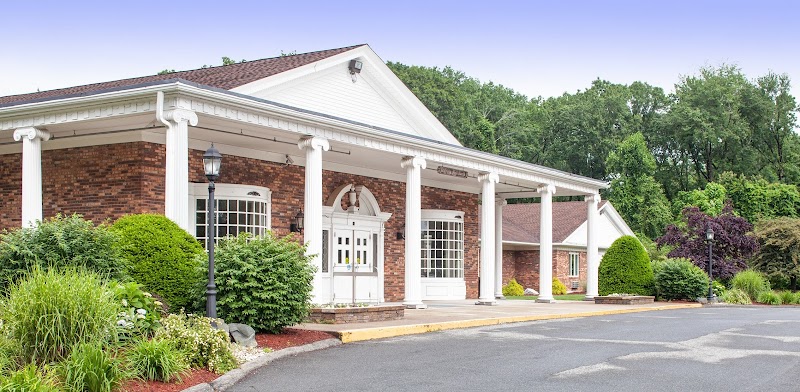
How is Complete Care At Kimberly Hall North Staffed?

CMS rates COMPLETE CARE AT KIMBERLY HALL NORTH's staffing level at 2 out of 5 stars, which is below average compared to other nursing homes. Staff turnover is 35%, compared to the Connecticut average of 46%. This relatively stable workforce can support continuity of care.

What Have Inspectors Found at Complete Care At Kimberly Hall North?

State health inspectors documented 32 deficiencies at COMPLETE CARE AT KIMBERLY HALL NORTH during 2019 to 2025. These included: 2 Immediate Jeopardy (the most serious level, indicating potential for serious harm or death), 1 that caused actual resident harm, 27 with potential for harm, and 2 minor or isolated issues. Immediate Jeopardy findings are rare and represent the most serious regulatory concerns. They require immediate corrective action.

Who Owns and Operates Complete Care At Kimberly Hall North?

COMPLETE CARE AT KIMBERLY HALL NORTH is owned by a for-profit company. For-profit facilities operate as businesses with obligations to shareholders or private owners. The facility is operated by COMPLETE CARE, a chain that manages multiple nursing homes. With 150 certified beds and approximately 143 residents (about 95% occupancy), it is a mid-sized facility located in WINDSOR, Connecticut.

How Does Complete Care At Kimberly Hall North Compare to Other Connecticut Nursing Homes?

Compared to the 100 nursing homes in Connecticut, COMPLETE CARE AT KIMBERLY HALL NORTH's overall rating (3 stars) is below the state average of 3.0, staff turnover (35%) is significantly lower than the state average of 46%, and health inspection rating (2 stars) is below the national benchmark.

What Should Families Ask When Visiting Complete Care At Kimberly Hall North?

Based on this facility's data, families visiting should ask: "What changes have been made since the serious inspection findings, and how are you preventing similar issues?" "What safeguards and monitoring systems are in place to protect residents from abuse or neglect?" "Can you walk me through typical staffing levels on day, evening, and night shifts?" "Can I visit during a mealtime to observe dining assistance and food quality?" These questions are particularly relevant given the facility's Immediate Jeopardy citations, the substantiated abuse finding on record, and the below-average staffing rating.

Is Complete Care At Kimberly Hall North Safe?

Based on CMS inspection data, COMPLETE CARE AT KIMBERLY HALL NORTH has documented safety concerns. The facility has 1 substantiated abuse finding (meaning confirmed case of resident harm by staff or other residents). Inspectors have issued 2 Immediate Jeopardy citations (the most serious violation level indicating risk of serious injury or death). The facility has a 3-star overall rating and ranks #100 of 100 nursing homes in Connecticut. Families considering this facility should ask detailed questions about what corrective actions have been taken since these incidents.

Do Nurses at Complete Care At Kimberly Hall North Stick Around?

COMPLETE CARE AT KIMBERLY HALL NORTH has a staff turnover rate of 35%, which is about average for Connecticut nursing homes (state average: 46%). Moderate turnover is common in nursing homes, but families should still ask about staff tenure and how the facility maintains care continuity when employees leave.

Was Complete Care At Kimberly Hall North Ever Fined?

COMPLETE CARE AT KIMBERLY HALL NORTH has been fined $8,278 across 1 penalty action. This is below the Connecticut average of $33,162. While any fine indicates a compliance issue, fines under $50,000 are relatively common and typically reflect isolated problems that were subsequently corrected. Families should ask what specific issues led to these fines and confirm they've been resolved.

Is Complete Care At Kimberly Hall North on Any Federal Watch List?

COMPLETE CARE AT KIMBERLY HALL NORTH is not on any federal watch list. The most significant is the Special Focus Facility (SFF) program, which identifies the bottom 1% of nursing homes nationally based on persistent, serious quality problems. Not being on this list means the facility has avoided the pattern of deficiencies that triggers enhanced federal oversight. This is a positive indicator, though families should still review the facility's inspection history directly.