COMPLETE CARE AT KIMBERLY HALL-SOUTH
1 EMERSON DRIVE, WINDSOR, CT 06095 (860) 688-6443
For profit - Limited Liability company 180 Beds COMPLETE CARE Data: November 2025 1 Immediate Jeopardy citation
Trust Grade
41/100
#126 of 192 in CT
Last Inspection: November 2024

Within standard 12-15 month inspection cycle. Federal law requires annual inspections.

Overview

Complete Care at Kimberly Hall-South has a Trust Grade of D, which means it is below average and has several concerns. Ranking #126 out of 192 facilities in Connecticut places it in the bottom half, and #47 out of 64 in Capitol County indicates that there are only a few local options that are better. While the facility shows an improving trend, decreasing issues from 13 to 7 in the past year, there are still significant weaknesses, including a critical incident where a resident experienced a severe bleed after dialysis due to inadequate monitoring. Staffing is a relative strength with a 3/5 star rating and a 23% turnover rate, which is lower than the state average; however, the facility also faced $14,069 in fines, which indicates some compliance issues. Additionally, there were concerns about expired medications and not meeting residents' food preferences, highlighting both strengths and weaknesses that families should consider carefully.

Trust Score
D
41/100
In Connecticut
#126/192
Bottom 35%
Safety Record
High Risk
Review needed
Inspections
Getting Better
13 → 7 violations
Staff Stability
✓ Good
23% annual turnover. Excellent stability, 25 points below Connecticut's 48% average. Staff who stay learn residents' needs.
Penalties
✓ Good
$14,069 in fines. Lower than most Connecticut facilities. Relatively clean record.
Skilled Nurses
✓ Good
Each resident gets 45 minutes of Registered Nurse (RN) attention daily — more than average for Connecticut. RNs are trained to catch health problems early.
Violations
⚠ Watch
37 deficiencies on record. Higher than average. Multiple issues found across inspections.
★★☆☆☆
2.0
Overall Rating
★★★☆☆
3.0
Staff Levels
★★★★★
5.0
Care Quality
★☆☆☆☆
1.0
Inspection Score
Stable
2024: 13 issues
2025: 7 issues

The Good

  • 5-Star Quality Measures · Strong clinical quality outcomes
  • Low Staff Turnover (23%) · Staff stability means consistent care
  • Full Sprinkler Coverage · Fire safety systems throughout facility
  • No fines on record
  • Staff turnover is low (23%)

    25 points below Connecticut average of 48%

Facility shows strength in quality measures, staff retention, fire safety.

The Bad

2-Star Overall Rating

Below Connecticut average (3.0)

Below average - review inspection findings carefully

Federal Fines: $14,069

Below median ($33,413)

Minor penalties assessed

Chain: COMPLETE CARE

Part of a multi-facility chain

Ask about local staffing decisions and management

The Ugly 37 deficiencies on record

1 life-threatening
May 2025 2 deficiencies
CONCERN (D) 📢 Someone Reported This

A family member, employee, or ombudsman was alarmed enough to file a formal complaint

Potential for Harm - no one hurt, but risky conditions existed

Quality of Care (Tag F0684)

Could have caused harm · This affected 1 resident

**NOTE- TERMS IN BRACKETS HAVE BEEN EDITED TO PROTECT CONFIDENTIALITY** Based on review of the clinical record, facility documentation, facility policy, and interviews for one (1) of three (3) residen...

Read full inspector narrative →
**NOTE- TERMS IN BRACKETS HAVE BEEN EDITED TO PROTECT CONFIDENTIALITY** Based on review of the clinical record, facility documentation, facility policy, and interviews for one (1) of three (3) residents (Resident #2) reviewed for falls, the facility failed to complete and document neurological checks after an unwitnessed fall per facility policy. The findings include: Resident #2 was admitted to the facility with diagnoses that included encephalopathy, dementia and adult failure to thrive. The nursing admission assessment dated [DATE] identified Resident #2 was verbally incomprehensible, was only orientated to person, required extensive assistance with activities of daily living (ADL'S). The admission minimum data set MDS assessment dated [DATE] identified Resident #2 had moderately impaired cognition (Brief Interview for Mental Status (BIMS) score of 8) and had one fall with no injury since admission. The care plan dated 4/5/24 identified Resident #2 was at risk for falls secondary to dementia with forgetfulness and impulsive behavior. Interventions included to assist Resident #2 to organize belongings for a clutter free environment, therapy/rehab services as indicated and approved by hospice, after meals recline Resident #2 in chair for comfort and bring Resident #2 to a common area to observe when restless. A nursing change in condition note dated 4/23/24 at 12:41 AM identified Resident #2 had an unwitnessed fall and was found on his/her buttocks with a skin tear on his/her left arm. It identified the plan was to notify a provider of any change in condition, fall precautions per facility protocol, assess pain per protocol and monitor with neuro checks per protocol. A physician's order dated 4/23/24 directed to notify a provider of any change in condition, fall precautions per facility protocol, assess pain per protocol and monitor with neuro checks per protocol. Review of the accident & incident form dated 4/23/24 and medical record failed to identify neurological checks were completed. A nursing change in condition note dated 4/24/24 at 1:57 AM identified Resident #2 had an unwitnessed fall, was found on the floor sitting on his/her buttocks by the bed and could not recall what happened. It identified the plan was to notify a provider of any change in condition, fall precautions per facility protocol, assess pain per protocol and monitor with neuro checks per protocol. A physician's order dated 4/24/24 directed to notify a provider of any change in condition, fall precautions per facility protocol, assess pain per protocol and monitor with neuro checks per protocol. Review of the accident & incident form dated 4/23/24 and medical record failed to identify neurological checks were completed. Although requested, the DNS was unable to produce Resident #2's neurological checks for 4/23/24 and 4/24/24. Review of the neurological assessment policy directed neurological assessment are completed to assess neurological status after an un-witnessed fall. Neurological assessments will be completed as follows: every fifteen minutes for the first hour, every thirty minutes for the next two hours, every hour for the next two hours, every shift for the next seventy two hours and then as the primary healthcare provider orders.
CONCERN (D) 📢 Someone Reported This

A family member, employee, or ombudsman was alarmed enough to file a formal complaint

Potential for Harm - no one hurt, but risky conditions existed

Deficiency F0697 (Tag F0697)

Could have caused harm · This affected 1 resident

**NOTE- TERMS IN BRACKETS HAVE BEEN EDITED TO PROTECT CONFIDENTIALITY** Based on review of the clinical record, facility documentation, facility policy, and interviews for one (1) of three (3) residen...

Read full inspector narrative →
**NOTE- TERMS IN BRACKETS HAVE BEEN EDITED TO PROTECT CONFIDENTIALITY** Based on review of the clinical record, facility documentation, facility policy, and interviews for one (1) of three (3) residents (Resident #2) reviewed for hospice, the facility failed to administer prescribed morphine during the dying process, for a prolonged period of time, after an ineffecive dose was administered. The findings include: Resident #2 was admitted to the facility with diagnoses that included encephalopathy, dementia and adult failure to thrive. A provider order dated 3/28/24 directed do not resuscitate. A provider order dated 4/5/24 directed morphine .25 ml by mouth every two (2) hours as needed for pain. The admission minimum data set (MDS) assessment dated [DATE] identified Resident #2 had moderately impaired cognition (Brief Interview for Mental Status (BIMS) score of 8) and received hospice care while a resident. The Resident Care Plan (RCP) dated 4/23/24 identified hospice services began 4/11/24 due to an end stage diagnosis of dementia and failure to thrive. Interventions included to assess for pain, restlessness, agitation and other signs of discomfort, medicate as ordered and evaluate effectiveness and provide non-pharmacological approaches to aid in decreasing comfort. The RCP further directed to provide emotional and social support to the patient and family to address anticipatory grief and end of life wishes. The RCP identified Resident #2 was at risk for alterations in comfort. Interventions included to medicate Resident #2 as ordered for pain, monitor for effectiveness, monitor for side effects and report to the physician as indicated. A nursing note by RN #2 dated 4/28/24 at 12:00 PM identified the unit nurse called her stating Resident #2 was sleeping and did not respond when called. Resident #2's family member was informed of Resident #2's status, did not want him/her to be hospitalized and would go in to the facility to see him/her. Review of the mediation administration record (MAR) dated 4/28/24 identified morphine .25 ml was administered by LPN #1 at 9:45 AM and was documented as ineffective. The medical record failed to identify what interventions were done, if any, for Resident #2's ineffective morphine dose. The vital signs dated 4/28/24 at 1:40 PM identified Resident #2's heart rate was 123 beats per minute (BPM) (normal range is 60-100 BPM), respirations were 22 breaths per minute (normal range is 12-20 breaths per minute), and oxygenation of 81% on room air (normal range is 95-100%). A physician's order dated 4/28/24 at 3:15 PM directed morphine .25 ml by mouth every one (1) hour as needed for pain. A nursing note by RN #2 dated 4/28/24 at 3:22 PM identified Resident #2's family members questioned the unit nurse several times about his/her morphine medication, which was every two hours as needed. They requested it be increased to every hour. Review of the MAR on 4/28/24 identified morphine .25 ml was administered by RN #1 at 3:45 PM (effectiveness was unknown, 6 hours after the last dose of morphine was administered), 5:00 PM (effectiveness was unknown), 6:00 PM (effective) and 7:00 PM (effective). A nursing note by LPN #1 dated 4/28/24 at 3:53 PM identified Resident #2 was responsive to physical stimuli and noted with labored breathing. Oxygen was administered at 2 liters/minute and family asked if oxygen could be removed and LPN #1 explained it should be kept on due to oxygen levels. Resident #2's family members were at the bedside and constantly requesting Morphine. Resident #2 was resting with no signs of pain/discomfort. An RN death pronouncement dated 4/28/24 identified Resident #2's date and time of death was 4/28/24 at 7:27 PM. Interview with Person #1 (Resident #2's family member and health care representative) on 5/1/25 at 12:30 PM identified she went to visit Resident #1 at approximately 10:00 AM on 4/28/24 and Resident #2 was agitated, air hungry, had rapid/shallow respirations and was sweating. She identified the nurse told her Resident #2 just received morphine, so Person #1 requested the morphine dose be changed to hourly. Person #1 identified the nurse told her she would contact the physician, and no further doses of morphine were administered. Person #1 identified that at around 2:00 PM, the nurse went into Resident #2's room and asked if everyone was okay, but did not assess Resident #2. Person #1 identified that at 3:00 PM, she went out of the room to find a nurse and requested Resident #2 receive a dose of morphine. She further identified that due to a change of shift, the nurse did not return to the room until 3:40 PM and the nurse indicated she had to complete her medication pass for the other residents on the unit before administering Resident #2's morphine. Person #1 requested the supervisor and the supervisor identified the morphine dose had been changed from every two (2) hours to every one (1) hour. The supervisor took over medication administration for Resident #2 and Resident #2 received a morphine dose at 3:45 PM (approximately six (6) hours after the previous administration). Interview with LPN #1 (administered morphine on 4/28/24 at 9:45 AM) on 5/1/25 at 12:42 PM identified she could not remember Resident #2. However, LPN #1 identified if an as needed medication is administered and ineffective, she would notify the physician, the hospice team and document in the medical record. She was unable to speak to why there were no follow up interventions to Resident #2's ineffective morphine dose at 9:45 AM and why no further doses were administered. Review of the coordination of hospice services policy directed that the plan of care will include directives for managing pain and other uncomfortable symptoms and will be revised and updated as necessary. Review of the pain management policy directed that facility staff will observe nonverbal indicator which may indicated the presence of pain such as change in vital signs (increased heart rate, respirations and/or blood pressure) and perspiration. It identified to reassess and adjust the medication dose to optimize the resident's pain relief while monitoring the effectiveness of the medication and work the minimize or manage side effects. Facility staff will notify the practitioner if the resident's pain is not controlled by the current treatment regimen.
Apr 2025 1 deficiency
CONCERN (D) 📢 Someone Reported This

A family member, employee, or ombudsman was alarmed enough to file a formal complaint

Potential for Harm - no one hurt, but risky conditions existed

Comprehensive Care Plan (Tag F0656)

Could have caused harm · This affected 1 resident

**NOTE- TERMS IN BRACKETS HAVE BEEN EDITED TO PROTECT CONFIDENTIALITY** Based on clinical record review, facility documentation review, facility policy review, and interviews for one of three resident...

Read full inspector narrative →
**NOTE- TERMS IN BRACKETS HAVE BEEN EDITED TO PROTECT CONFIDENTIALITY** Based on clinical record review, facility documentation review, facility policy review, and interviews for one of three residents (Resident #2) reviewed for wounds, the facility failed to ensure staff developed a comprehensive care plan to include an alteration in skin integrity. The findings include: Resident #2's diagnoses included hemiplegia and hemiparesis (paralysis and weakness of one side), diabetes, chronic kidney disease stage 4, and heart failure. The admission Minimum Data Set (MDS) assessment dated [DATE] identified that Resident # 2 had a Brief Interview for Mental Status (BIMS) score of ten out of fifteen, indicative of moderate cognitive impairment and required total care for ALDs, rolling, and was frequently incontinent of bowel and bladder. The Resident Care Plan (RCP) dated 1/29/2025 identified a risk for impairment to skin integrity secondary to generalized weakness, impaired mobility, incontinence and diabetes. Interventions directed use of pressure relieving devices in bed and/or chair, observe/document/report to MD/APRN as needed, and turn and reposition four (4) times per shift. Review of admission note dated 1/9/2025 identified a moisture associated skin damage (MASD) to left buttock and scrotum. Nursing note dated 1/9/2025 at 8:26 PM identified the MASD, and a three (3) centimeter (cm) skin tear on the left arm. Review of initial specialty physician wound evaluation and management summary dated 1/22/2025 identified Resident #2 had a left lower buttock Stage 3 pressure ulcer, a left upper buttock stage 2 pressure ulcer, and a right buttock stage 2 pressure ulcer. Nursing change in condition note dated 1/28/2025 (no time) identified a small open area noted on the left side of the G-Tube, measured 0.9 by 0.7 by 0.1 centimeters (cm). the APRN was notified at 7:22 PM with orders to leave the abdominal skin opening open to air and notify of any change in condition. Nursing note dated 1/29/2025 at 8:44 PM identified wound doctor to see wound on buttocks. Skin integrity report dated 1/29/2025 and wound evaluation and management summary report dated 1/29/2025 identified an unstageable wound to left sacrum. Additional record review failed to identify a care plan was developed related to actual alteration in skin integrity. Interview, clinical record and facility documentation review with DNS and RN #2 on 4/3/2025 at 12:11 PM identified although Resident #2 had a care plan in place for a risk for alteration in skin integrity, Resident #2's care plan did not include the actual alteration in skin integrity. Interview identified the care plan should have been updated to reflect the actual alterations in skin integrity. Review of facility Comprehensive Care Plans Policy directed in part, to develop and implement a comprehensive person-centered care plan for each resident, that includes measurable objectives and timeframes to meet a resident's medical needs. A comprehensive care plan will describe at a minimum the services that are to be furnished. Facility documentation review identified staff education was initiated on 2/20/2025 and included when a resident has a skin alteration, a care plan must be updated with the new area and new interventions. Audits were initiated on 2/18/2025 and a QAPI meeting was held on 2/18/2025. Based on review of facility documentation, past non-compliance was identified.
Feb 2025 2 deficiencies 1 IJ
CRITICAL (J) 📢 Someone Reported This

A family member, employee, or ombudsman was alarmed enough to file a formal complaint

Immediate Jeopardy (IJ) - the most serious Medicare violation

Deficiency F0698 (Tag F0698)

Someone could have died · This affected 1 resident

**NOTE- TERMS IN BRACKETS HAVE BEEN EDITED TO PROTECT CONFIDENTIALITY** Based on clinical record review, interviews, and review of facility documentation for one (1) of three (3) residents (Resident #...

Read full inspector narrative →
**NOTE- TERMS IN BRACKETS HAVE BEEN EDITED TO PROTECT CONFIDENTIALITY** Based on clinical record review, interviews, and review of facility documentation for one (1) of three (3) residents (Resident #1) reviewed for dialysis, the facility failed to adequately assess an Arteriovenous Fistula (AVF) (a surgical connection made between an artery and a vein accessed by needles to administer hemodialysis treatment) dialysis access site that was bleeding status post hemodialysis treatment to ensure bleeding had stopped, subsequently the resident had a significant bleed and was sent to the hospital and diagnosed with hemorrhagic shock requiring four (4) units of blood resulting in a finding of Immediate Jeopardy. The findings included: Resident #1's diagnoses included end stage renal disease and Type 2 diabetes mellitus. Review of Resident #1's Care Plan dated [DATE] identified the risk for injury or risk of complications related to renal dialysis with interventions that directed to observe for active bleeding and monitor hemodialysis access site for excessive redness, swelling, pain at site, signs and symptoms of infection, and excessive bleeding from the site, and to report to physician as indicated. Review of the quarterly Minimum Data Set assessment (MDS) dated [DATE] identified Resident #1 had a Brief Mental Interview for Mental Status (BIMS) of twelve (12), indicative of moderately impaired cognition. The MDS further identified Resident #1 required substantial assistance with bathing and personal hygiene and received hemodialysis treatments. A physician's order dated [DATE] at 4:39 PM identified that the resident attends dialysis three (3) times weekly at 8:30 AM. The order directed to monitor the AVF site for signs and symptoms of infection, edema, bleeding and upon return from dialysis; to notify the primary care physician and dialysis unit if there are signs and symptoms of infection, and if the AVF site is bleeding, to apply pressure for fifteen (15) minutes and notify MD/Physician if bleeding does not stop. Review of nurse's notes dated [DATE] at 11:01 PM identified LPN #1 was alerted that Resident #1's left upper arm AVF was bleeding by the Nurse Aide (NA), the supervisor was then notified and assisted with applying a pressure dressing. The note further identified the bleeding had become worse around 9:30 PM, a call was made to the supervisor who assisted in sending the resident to the hospital, and 911 was called. Emergency Medical Technician's (EMT's) applied a more effective pressure dressing and took the resident via stretcher to the hospital. Review of an ambulance run sheet date [DATE] at 9:45 PM identified that upon entry into Resident #1's room the resident was noted with several layers of bandages on the arm, all soaked with blood. The soaked bandages were removed and direct pressure was applied and the bleeding was controlled. The resident was being wheeled to the ambulance from the facility when a sudden change in mental status was noted and the resident became apneic (lack of breathing), and pulseless. The cardiac pads were applied and two (2) compressions were given and on the third (3rd) compression the resident yelled out, the resident returned to a normal sinus rhythm (normal cardiac rhythm). Review of hospital discharge records dated [DATE] identified Resident #1 arrived at the hospital in hemorrhagic shock (acute decrease in the body's supply of blood) with a blood pressure of 50/30 (normal blood pressure 110/70) and received four (4) units of packed red blood cells and one (1) unit of frozen fresh plasma (FFP)(a blood transfusion). Interview with the Certified Clinical Hemodialysis Technician (CCHT) on [DATE] 1:52 PM identified that Resident #1 completed dialysis treatment at 3:06 PM, the AVF had clotted and there was no bleeding prior to the discharge back to the Skilled Nursing Facility. Interview with Licensed Practical Nurse (LPN) #1 on [DATE] at 11:07 AM identified that when the resident returned from hemodialysis sometime after 3:00 PM, he looked at the dressed AVF site and no visible signs of bleeding were evident. Around 8:00 PM Nurse Aide (NA) #1 informed him that Resident #1's AVF was bleeding. LPN #1 identified that he requested RN #1's assistance with the resident, and assisted RN #1 by holding the bandages in place as RN #1 secured the dressing to the resident's arm. LPN #1 identified that no additional pressure (manual) was applied to the access, that they just let the absorbent pads do the job. LPN #1 further identified that bleeding had ceased after the dressing was changed, and after performing two (2) ten (10) minute checks on the resident, LPN #1 had determined the bleeding had stopped as the dressing remained clean, dry and intact. However, LPN #1 indicated he/she didn't check the access site under the dressing to ensure the bleeding had actually stopped as he/she did not want to disturb the area and cause it to bleed again. LPN #1 indicated the standard of practice for access bleeds was to apply a pressure dressing to the access site without applying additional pressure to the area and that if the bandage applied was tight enough it should be sufficient to stop the bleeding. LPN #1 further identified he/she was notified at approximately 9:30 PM that Resident #1's access was noted to be bleeding through the dressing. LPN #1 informed RN #1 of the situation, and indicated the bandages were soaked with blood, that the resident had blood dripping down his arm, and that blood was on the bedsheet (approximately the size of a one (1) dollar bill). LPN #1 further identified RN #1 had assisted with Resident #1's had placed manual pressure on the access area until emergency medical technicians arrived. (This interview was read back to LPN #1 on [DATE] at 12:00 PM and verified to be accurate). Interview with RN #1 on [DATE] at 11:39 PM identified he/she was informed after dinner that Resident #1's access was bleeding and observed Resident #1's bandages were somewhat bloodied, but not saturated. RN #1 indicated he/she removed the dressing from dialysis from earlier in the day which were soaked in blood, and placed an Abdominal Pad (ABD pad- a long, thick and absorbent (multi layered) dressing used to cover wounds) dressing vertically over the wrapped gauze around it and the arm to secure the dressing, and applied tape to hold the gauze in place. RN #1 further identified he/she did not apply manual pressure to the access and that the gauze itself acted as a pressure dressing. RN #1 indicated he/she checked on Resident #1 twenty (20) minutes after the pressure dressing was applied and determined that the bleeding had stopped, because the dressing and tape were clean, dry and intact. She did not check under the dressings bandage and visualize the access site to ensure the bleeding had stopped. Around 30 minutes after she last checked the resident she was informed Resident #1's access site was again bleeding, she saw that the dressing was soaked with blood. RN #1 applied additional 4x4 gauze pads and an ABD pad on top of the previous dressing, secured them in place, applied a towel on top of the dressing and applied manual pressure to the access site until emergency medical technicians arrived. (Interview read back to RN #1 at the conclusion of the interview on [DATE] and verified as accurate). An untimed written statement provided by the facility dated [DATE] (2 weeks after the incident) written by RN #1 identified that RN #1 was notified by LPN #1 that the resident was bleeding at the AVF site. She placed three (3) four (4) by four (4) dressings and an ABD pad over the dressings placed at hemodialysis early in the day and wrapped the area in cling wrap. She applied manual pressure for 10 minutes, and at the end of 10 minutes she lifted up the end of the tape and didn't see any bleeding so she informed the charge nurse the bleeding had stopped and left the unit. She returned twenty (20) minutes later and the dressing was free from breakthrough bleeding. Thirty (30) minutes later she was called to the unit because LPN#1 had noted some blood on the dressing, however, it was not saturated. RN #1 placed 3-4 gauze dressings on the area and held pressure until emergency services arrived. Interview with Emergency Medical Technician (EMT) #1 on [DATE] at 10:23 AM identified he/she entered Resident #1's room as three (3) staff members were changing his/her sheets, and that Resident #1 had a big, bulky bandage on his/her left upper arm that was saturated with blood. EMT #1 indicated he/she removed the bloody dressing and applied a new pressure dressing to the access site and noted the arterial (lower cannulation site) was bleeding and the venous (upper cannulation site) was scabbed over. EMT #1 further identified the bleeding stopped once the pressure dressing was applied and that the dressing remained clean, dry, and intact throughout transport to the hospital. Interview with the Medical Director (MD) on [DATE] at 3:27 PM identified if an AVF access starts to bleed at the facility, staff is to apply pressure with gauze over the access site for five (5) to seven (7) minutes and may leave the resident unattended for a few minutes if the bleed was small, a breakthrough bleed. However, if the access failed to clot, the MD indicated the resident should be sent out to the hospital for further evaluation. The MD further indicated to properly assess if the access (AVF) bleeding has stopped, the nurse should remove the dressing to check the actual needle (puncture) insertion sites rather than assess by the cleanliness of the dressing to see if the access site is still bleeding. Interview with the Director of Nurses (DNS) on [DATE] at 12:20 PM identified that there are currently 47 residents in the facility receiving hemodialysis treatment. The DNS further identified that it was inappropriate for staff to leave Resident #1 after applying the first pressure dressing, that staff should have removed the dressings and checked the access site to ensure the bleeding had stopped prior to leaving the resident. Further, the physician should have been called when the resident's access first bled on evening of [DATE], approximately five (5) hours after he/she returned from dialysis treatment. Interview with the Staff Development Nurse (SDN) on [DATE] at 12:45 PM identified the facility does not provide dialysis access training during the nurse's orientation, however the nurse could receive training while precepted if there was an actual bleeding event while he/she was working. The SDN further identified the facility did not have a specific guideline, timeframe, or training checklist to ensure staff receives training on what to do for bleeding hemodialysis accesses. Review of the hemodialysis policy identified the facility will provide the necessary care and treatment, consistent with professional standards of practice, physician's orders, the comprehensive person-centered care plans, and resident's goals and preferences to meet the special medical nursing, mental and psychosocial needs of residents receiving hemodialysis.
CONCERN (D) 📢 Someone Reported This

A family member, employee, or ombudsman was alarmed enough to file a formal complaint

Potential for Harm - no one hurt, but risky conditions existed

Deficiency F0726 (Tag F0726)

Could have caused harm · This affected 1 resident

**NOTE- TERMS IN BRACKETS HAVE BEEN EDITED TO PROTECT CONFIDENTIALITY** Based on clinical record review, facility documentation, polic review and interviews the facility failed to ensure that staff wa...

Read full inspector narrative →
**NOTE- TERMS IN BRACKETS HAVE BEEN EDITED TO PROTECT CONFIDENTIALITY** Based on clinical record review, facility documentation, polic review and interviews the facility failed to ensure that staff was educated and aware of what to do when a hemodialysis resident with an Ateriovenous Fistula (AVF) was noted to be bleeding from the AVF. The findings include: Resident #1's diagnoses included end stage renal disease and Type 2 diabetes mellitus. Review of Resident #1's Care Plan dated [DATE] identified the risk for injury or risk of complications related to renal dialysis with interventions that directed to observe for active bleeding and monitor hemodialysis access site for excessive redness, swelling, pain at site, signs and symptoms of infection, and excessive bleeding from the site, and to report to physician as indicated. Review of the quarterly Minimum Data Set assessment (MDS) dated [DATE] identified Resident #1 had a Brief Mental Interview for Mental Status (BIMS) of twelve (12), indicative of moderately impaired cognition. The MDS further identified Resident #1 required substantial assistance with bathing and personal hygiene and received hemodialysis treatments. A physician's order dated [DATE] at 4:39 PM identified that the resident attends dialysis three (3) times weekly at 8:30 AM. The order directed to monitor the AVF site for signs and symptoms of infection, edema, bleeding and upon return from dialysis; to notify the primary care physician and dialysis unit if there are signs and symptoms of infection, and if the AVF site is bleeding, to apply pressure for fifteen (15) minutes and notify MD/Physician if bleeding does not stop. Review of nurse's notes dated [DATE] at 11:01 PM identified LPN #1 was alerted that Resident #1's left upper arm AVF was bleeding by the Nurse Aide (NA), the supervisor was then notified and assisted with applying a pressure dressing. The note further identified the bleeding had become worse around 9:30 PM, a call was made to the supervisor who assisted in sending the resident to the hospital, and 911 was called. Emergency Medical Technician's (EMT's) applied a more effective pressure dressing and took the resident via stretcher to the hospital. Review of an ambulance run sheet date [DATE] at 9:45 PM identified that upon entry into Resident #1's room the resident was noted with several layers of bandages on the arm, all soaked with blood. The soaked bandages were removed and direct pressure was applied and the bleeding was controlled. The resident was being wheeled to the ambulance from the facility when a sudden change in mental status was noted and the resident became apneic (lack of breathing), and pulseless. The cardiac pads were applied and two (2) compressions were given and on the third (3rd) compression the resident yelled out, the resident returned to a normal sinus rhythm (normal cardiac rhythm). Review of hospital discharge records dated [DATE] identified Resident #1 arrived at the hospital in hemorrhagic shock (acute decrease in the body's supply of blood) with a blood pressure of 50/30 (normal blood pressure 110/70) and received four (4) units of packed red blood cells and one (1) unit of frozen fresh plasma (FFP)(a blood transfusion). Interview with Licensed Practical Nurse (LPN) #1 on [DATE] at 11:07 AM identified that when the resident returned from hemodialysis sometime after 3:00 PM, he looked at the dressed AVF site and no visible signs of bleeding were evident. Around 8:00 PM Nurse Aide (NA) #1 informed him that Resident #1's AVF was bleeding. LPN #1 identified that he requested RN #1's assistance with the resident, and assisted RN #1 by holding the bandages in place as RN #1 secured the dressing to the resident's arm. LPN #1 identified that no additional pressure (manual) was applied to the access, that they just let the absorbent pads do the job. LPN #1 further identified that bleeding had ceased after the dressing was changed, and after performing two (2) ten (10) minute checks on the resident, LPN #1 had determined the bleeding had stopped as the dressing remained clean, dry and intact. However, LPN #1 indicated he/she didn't check the access site under the dressing to ensure the bleeding had actually stopped as he/she did not want to disturb the area and cause it to bleed again. LPN #1 indicated the standard of practice for access bleeds was to apply a pressure dressing to the access site without applying additional pressure to the area and that if the bandage applied was tight enough it should be sufficient to stop the bleeding. LPN #1 further identified he/she was notified at approximately 9:30 PM that Resident #1's access was noted to be bleeding through the dressing. LPN #1 informed RN #1 of the situation, and indicated the bandages were soaked with blood, that the resident had blood dripping down his arm, and that blood was on the bedsheet (approximately the size of a one (1) dollar bill). LPN #1 further identified RN #1 had assisted with Resident #1's had placed manual pressure on the access area until emergency medical technicians arrived. (This interview was read back to LPN #1 on [DATE] at 12:00 PM and verified to be accurate). Interview with RN #1 on [DATE] at 11:39 PM identified he/she was informed after dinner that Resident #1's access was bleeding and observed Resident #1's bandages were somewhat bloodied, but not saturated. RN #1 indicated he/she removed the dressing from dialysis from earlier in the day which were soaked in blood, and placed an Abdominal Pad (ABD pad- a long, thick and absorbent (multi layered) dressing used to cover wounds) dressing vertically over the wrapped gauze around it and the arm to secure the dressing, and applied tape to hold the gauze in place. RN #1 further identified he/she did not apply manual pressure to the access and that the gauze itself acted as a pressure dressing. RN #1 indicated he/she checked on Resident #1 twenty (20) minutes after the pressure dressing was applied and determined that the bleeding had stopped, because the dressing and tape were clean, dry and intact. She did not check under the dressings bandage and visualize the access site to ensure the bleeding had stopped. Around 30 minutes after she last checked the resident she was informed Resident #1's access site was again bleeding, she saw that the dressing was soaked with blood. RN #1 applied additional 4x4 gauze pads and an ABD pad on top of the previous dressing, secured them in place, applied a towel on top of the dressing and applied manual pressure to the access site until emergency medical technicians arrived. (Interview read back to RN #1 at the conclusion of the interview on [DATE] and verified as accurate). An untimed written statement provided by the facility dated [DATE] (2 weeks after the incident) written by RN #1 identified that RN #1 was notified by LPN #1 that the resident was bleeding at the AVF site. She placed three (3) four (4) by four (4) dressings and an ABD pad over the dressings placed at hemodialysis early in the day and wrapped the area in cling wrap. She applied manual pressure for 10 minutes, and at the end of 10 minutes she lifted up the end of the tape and didn't see any bleeding so she informed the charge nurse the bleeding had stopped and left the unit. She returned twenty (20) minutes later and the dressing was free from breakthrough bleeding. Thirty (30) minutes later she was called to the unit because LPN#1 had noted some blood on the dressing, however, it was not saturated. RN #1 placed 3-4 gauze dressings on the area and held pressure until emergency services arrived. Interview with LPN #2 on [DATE] at 12:30 PM failed to identify when asked what to do when a dialysis resident had a bleeding AVF. LPN #2 indicated that he/she was to apply a clamp and dressing to an arteriovenous fistula (located in the resident's arm) if it was bleeding, and when questioned about the process of applying the clamp and dressing to the bleeding AVF, LPN #2 identified he/she was unsure of what to do. Of further note, LPN #2 was the only nurse working on the F wing during first shift that housed twenty (20) residents receiving dialysis, seven (7) of which had AVF accesses. Interview with the Staff Development Nurse (SDN) on [DATE] at 12:45 PM identified that there are 47 hemodialysis patients that reside in the skilled nursing facility, as there is a dialysis den. The standard of practice for a bleeding AVF access was for nurses to reinforce the current dressing, apply no additional manual pressure to the access site, to notify dialysis staff if the clinic was still open, and then notify the APRN (Advanced Practice Registered Nurse) and Medical Director of the issue. The SDN failed to provide training documents to verify staff received training on what to do for bleeding dialysis accesses/sites, however indicated staff was to follow first-aid instructions and place a reinforcement bandage over the access and secure with a stretch bandage. The SDN indicated the facility does not provide dialysis access training during the nurse's orientation, however the nurse could receive training while precepted if there was an actual bleeding event while he/she was working. The SDN further identified the facility did not have a specific guideline, timeframe, or training checklist to ensure staff receives training on what to do for bleeding accesses. Review of the hemodialysis policy identified the facility will provide the necessary care and treatment, consistent with professional standards of practice, physician's orders, the comprehensive person-centered care plans, and resident's goals and preferences to meet the special medical nursing, mental and psychosocial needs of residents receiving hemodialysis.
Jan 2025 2 deficiencies
CONCERN (D) 📢 Someone Reported This

A family member, employee, or ombudsman was alarmed enough to file a formal complaint

Potential for Harm - no one hurt, but risky conditions existed

Accident Prevention (Tag F0689)

Could have caused harm · This affected 1 resident

**NOTE- TERMS IN BRACKETS HAVE BEEN EDITED TO PROTECT CONFIDENTIALITY** Based on review of clinical records, interviews, and review of facility documentation for one (1) of three (3) residents reviewe...

Read full inspector narrative →
**NOTE- TERMS IN BRACKETS HAVE BEEN EDITED TO PROTECT CONFIDENTIALITY** Based on review of clinical records, interviews, and review of facility documentation for one (1) of three (3) residents reviewed for accidents, the facility failed to safely transfer a resident while using a Hoyer Lift. The findings included: Resident #1 had diagnoses that included transient ischemic attack, cerebral infarction, difficulty walking, syncope and collapse. Review of the Comprehensive Minimum Data Set (MDS) assessment dated [DATE] identified Resident #1 had a Brief Mental Interview for Mental Status (BIMS) of eight (8) indicative of moderate cognitive impairment. The MDS further identified Resident #1 was dependent with chair to bed-to-chair transfers. Review of Resident #1's Care Plan dated 8/20/24 identified the risk for decreased ability to perform activities of daily living (ADL's) and directed assist of two (2) bed mobility, toileting, dressing, bathing, and for transfers using a mechanical lift. Review of the Facility Licensing and Investigations Section Reportable Event Form dated 8/27/24 identified Resident #1 was transferred from his/her bed to his/her wheelchair by two (2) aides utilizing a Hoyer Lift, however, the Hoyer Lift tilted and hit the resident in the face/head following the transfer, causing an abrasion to the top of his/her scalp. Interview with RN #1 on 1/14/25 at 1:34 PM identified he/she received report from two (2) nurse's aides on 8/27/24 that Resident #1 sustained an injury during their bed to wheelchair transfer. RN #1 further indicated the two (2) nurse's aides had transferred Resident #1 from his/her bed utilizing a Hoyer Lift into his/her wheelchair, however after the resident was transferred into his/her wheelchair, the Hoyer Lift had tilted over and the overhead bar (which secured the seat sling supporting the resident to the Hoyer Lift during transfer) hit the resident in the head and caused a small abrasion. RN #1 identified the resident was assessed and his/her wound was attended to. Interview with the Regional Resource Nurse (RRN) on 1/14/25 at 1:40 PM failed to identify what caused the Hoyer Lift to tilt after Resident #1 was transferred from his/her bed into his/her wheelchair on 8/27/25. Interview with the Director of Nurses (DON) on 1/14/25 at 5:13 PM identified staff were trained on how to use the Hoyer Lift, that transfers were a two (2) person assist process with one (1) person guiding the resident during the mechanical transfer process while the other person moved the lift. Although identified it was the responsibility of both staff members to ensure residents were transferred safely, she was unsure of what had occurred during the transfer that caused the Hoyer to tilt and hit the resident in the head.
CONCERN (D) 📢 Someone Reported This

A family member, employee, or ombudsman was alarmed enough to file a formal complaint

Potential for Harm - no one hurt, but risky conditions existed

Infection Control (Tag F0880)

Could have caused harm · This affected 1 resident

**NOTE- TERMS IN BRACKETS HAVE BEEN EDITED TO PROTECT CONFIDENTIALITY** Based on review of clinical records, interview, and review of facility documentation reviewed for one (1) of three (3) residents...

Read full inspector narrative →
**NOTE- TERMS IN BRACKETS HAVE BEEN EDITED TO PROTECT CONFIDENTIALITY** Based on review of clinical records, interview, and review of facility documentation reviewed for one (1) of three (3) residents reviewed for incontinent care, the facility failed to perform hand hygiene in accordance with facility policy. The findings included: Resident #1's diagnoses included Type 2 diabetes mellitus without complications and a urinary tract infection. Review of Resident #1's Care Plan dated 11/18/24 identified risk for decreased ability to perform activities of daily living (ADL's) including toileting with interventions that directed to provide the resident with extensive assist of one (1) for toileting hygiene. Review of the Comprehensive Minimum Data Set assessment dated [DATE] identified Resident #1 had a Brief Mental Interview for Mental Status (BIMS) of twelve (12), indicative of moderate cognitive impairment. The MDS further identified Resident #1 was dependent with toileting hygiene and was frequently incontinent of bowel and bladder. Observation performed on 1/14/25 at 2:45 PM identified NA #1 preparing Resident #1 for incontinent care. NA #1 had prepared the area, gathered the needed supplies, and applied gloves prior to removing the incontinent brief and cleaning the resident with a hygienic spray and moist washcloth. NA #1 then removed his/her gloves and applied a new set of gloves prior to applying barrier cream to the resident, however failed to perform hand hygiene prior to applying new gloves. NA #1 then removed his/her gloves after applying the barrier cream and applied new gloves, again failing to perform hand hygiene prior to applying the new gloves. NA #1 then applied a new, clean brief to Resident #1, lowered his/her [NAME], covered him/her with the bed sheet and blanket, and ensured his/her comfort prior to removing his/her gloves and performing hand hygiene. Interview with NA #1 on 1/14/25 at 2:50 PM identified the facility standard of practice was to perform hand hygiene each time gloves were removed during incontinence care and that he/she forgot to do so. Review of the Glove policy directed gloves must be worn when handling blood, body fluids, secretions, excretions, mucous membranes and/or non-intact skin and to wash hands after removing gloves.
Nov 2024 7 deficiencies
CONCERN (D)

Potential for Harm - no one hurt, but risky conditions existed

Deficiency F0561 (Tag F0561)

Could have caused harm · This affected 1 resident

**NOTE- TERMS IN BRACKETS HAVE BEEN EDITED TO PROTECT CONFIDENTIALITY** Based on observation, review of the clinical record, facility documentation, facility policy, and interviews for 1 resident (Res...

Read full inspector narrative →
**NOTE- TERMS IN BRACKETS HAVE BEEN EDITED TO PROTECT CONFIDENTIALITY** Based on observation, review of the clinical record, facility documentation, facility policy, and interviews for 1 resident (Resident # 68) reviewed for activities of daily living (ADLs), the facility failed to ensure that the resident's choices related to care were honored. The findings include: Resident # 68 was admitted to the facility on [DATE] with diagnoses that included quadriplegia, neuralgia, and neurogenic bowel. The quarterly MDS dated [DATE] identified Resident # 68 had intact cognition, was always incontinent of bowel and bladder and was dependent on staff to assist with toileting, bathing and transfers. A physician's order dated 4/26/24 directed to Resident #68 was to be assisted back to bed by 8 PM each day per resident request. Review of the record identified the order was originally entered into the electronic record by RN #3. The care plan dated 5/3/24 identified it was important to Resident #68 to have the opportunity to engage in daily routines relative to preferences. Interventions included Resident #68 choosing his/her own bedtime. Interview with Resident #68 on 11/17/24 at 9:45 AM identified he/she had several issues with NA #1 who worked during the 3-11 PM shift, providing care. Resident #68 identified that NA #1 was very talkative and demanding when providing care, and many times did not answer his/her call light timely when NA #1 was assigned to him/her. Resident #68 also identified that NA #1 would often leave the unit multiple times a shift which the facility was aware of, and that Resident #68 had a physician's order to be assisted to bed by 8 PM, but due to the issues with NA #1 leaving the unit or not being available, he/she often had to wait, often until 10 PM. Resident #68 identified due to all of these issues; he/she had refused to allow NA #1 to care for him/her multiple times. Resident #68 identified that despite his/her refusals to allow NA #1 to provide care, several facility staff had spoken with him/her and asked him/her to allow NA #1 to assist with his/her car due to multiple reasons, including staffing assignments in the facility being based on seniority and Resident #68's care requirements that included 2 staff members to assist with transfers. Resident #68 identified he/she eventually allowed NA #1 to provide care with transfers, however Resident #68 identified he/she really did not want NA #1 involved in any of his/her care. Resident #68 identified he/she had told multiple people over the last year of his/her request to not have NA #1 provide care but could not remember all of the staff he/she discussed the matter with. Resident #68 denied any issues related to abuse but reiterated that he/she did not want NA #1 providing care for him/her due to their personalities not meshing. Review of NA #1's personal file failed to identify any documentation related to Resident #68's reporting of issues related to care or interactions with NA #1. Review of the resident grievance records for 2023 and 2024 failed to identify any grievances filed on behalf of Resident #68 related to NA #1. Interview with RN #3 on 11/19/24 at 9:45 AM identified that she was not aware of any issues related to Resident #68 requesting that NA #1 not be assigned to provide care. RN #3 identified that she was aware of issues related to staff complaining about NA #1 but that she had not received any complaints from Resident #68 related to NA #1. RN #3 failed to provide any specific issues related to NA #1 and care, but identified she was aware of some issues related to staff complaints regarding NA #1. RN #3 identified that she did enter the order related to Resident #68 being assisted to bed by 8 PM, but identified she did not remember why the order was placed. Interview with LPN #1 on 11/19/24 at 10:45 AM identified that Resident #68 had requested to be assisted to bed and had complained to her regarding the issue, and that she reported this to RN #3 who then placed the order for the physician to sign in April 2024. LPN #1 identified Resident #68 had notified her that he/she did not care for NA #1 and had personality conflicts with her, and had issues with being assisted to bed timely. LPN #1 identified that while she was aware that Resident #68 did not want NA #1 to provide care, she was not aware what the facility had done to address the situation other than putting the order in place. LPN #1 identified that everyone knows he/she doesn't like NA #1 and that LPN #3 and LPN #4 were the primary nurses on the 3-11 PM shift and would know more regarding the situation. LPN #1 also identified that LPN #3 had been trying to work on issues with NA #1 related to remaining on the unit and work assignments, but had not been successful. LPN #1 failed to elaborate any further on what the issues were. Interview with LPN #4 on 11/19/24 at 11:29 AM identified that Resident #68 had issues in the past with NA #1, but was okay with NA #1 working with him/her, as long as NA #1 was not in Resident #68's room by herself. LPN #4 identified that Resident #68 expected to be assisted to bed right away, but due to the need for a hoyer lift and 2 staff to transfer, at times Resident #68 had to wait until staff were available. LPN #4 identified that Resident #68 did not like NA #1 personally, and that was the issue with care. LPN #4 also identified that NA #1 was routinely assigned as Resident #68's primary nurse aide, but the staff on the unit worked as a team. When asked why, if Resident #68 had continually voiced that he/she did not want NA #1 to provide care or be assigned to him/her, was NA #1 still being assigned to the resident, LPN #4 reiterated that the staff on the unit worked as a team so even if NA #1 was assigned to Resident #68, it would not always be her addressing his care needs. LPN #4 identified that when Resident #68 initially requested for NA #1 not to be assigned or to provide care to him/her, multiple staff spoke with Resident #68 and identified that NA #1 would at least need to assist with transfers. LPN #4 identified that Resident #68 then allowed this. LPN #4 identified his understanding was as long as NA #1 did not go into Resident #68's room alone there was no issue with her providing care with another staff member. When asked who this information was reported to, LPN #4 identified it was common knowledge for all the staff, including RN #3, the Administrator who Resident #68 spoke with regularly, and the DNS. LPN #4 identified he had recently been out of work from 7/24-11/24, and the issue had been going on prior to his leave but was unable to identify how long Resident #68 had voiced issues with NA #1. Interview with the DNS on 11/19/24 at 11:40 AM identified she was aware with issues related to NA #1 remaining on task, leaving the unit multiple times during the shift, and not assisting other facility staff on the unit when needed. The DNS identified that she had spoken with NA #1 but did not place any documentation in NA #1's personnel file. The DNS identified she was not aware of any issues with Resident #68 reporting he/she did not want NA #1 assigned to him/her or to provide care and that she was only hearing of this at the time of this interview. The DNS identified that there were no issues with seniority at the facility that would prevent NA #1 from being reassigned to another unit, and that Resident #68 was cognitively intact and had the choice to decide who he/she wanted to provide care, unless there was an emergency that could potentially cause Resident #68 harm. The DNS identified that she was unsure why staff had not reported this information to her previously, and that she would address the matter right away. Interview with the Administrator on 11/19/24 at 12:00 PM identified he was not aware of any issues related to Resident #68 and NA #1, and Resident #68 had not requested or spoken with him regarding NA #1 not providing care. Subsequent to surveyor inquiry, the DNS notified Resident #68 and this surveyor on 11/19/24 at 12:20 PM that NA #1 would no longer be working on Resident #68's unit, would no longer be assigned to Resident #68, and that this change would be permanent. Although attempted, an interview with LPN #3 was not obtained. The facility policy on resident rights directed that residents of the facility had the right to be treated with respect and dignity, including the right to receive services of the facility with reasonable accommodation of the resident's needs and preferences. The policy further directed that residents of the facility had the right to, and the facility must promote and facilitate, the resident's right to self determination through support of the resident's choices, including the right to choose health care and providers of health care services, and that the resident had the right to make choices about the aspects of his/her life in the facility that were significant to the resident.
CONCERN (D)

Potential for Harm - no one hurt, but risky conditions existed

Deficiency F0578 (Tag F0578)

Could have caused harm · This affected 1 resident

**NOTE- TERMS IN BRACKETS HAVE BEEN EDITED TO PROTECT CONFIDENTIALITY** Based on review of the clinical record, facility policy, and interviews for 2 of 2 residents (Resident #66 and 70) reviewed for ...

Read full inspector narrative →
**NOTE- TERMS IN BRACKETS HAVE BEEN EDITED TO PROTECT CONFIDENTIALITY** Based on review of the clinical record, facility policy, and interviews for 2 of 2 residents (Resident #66 and 70) reviewed for Advance Directives, the facility failed to review code status, with the resident and resident's representative according to facility policy. The findings include: 1. Resident #66 was admitted to the facility on [DATE] with diagnoses that included congestive heart failure, chronic obstructive pulmonary disease, and stage 2 chronic kidney disease. The care plan dated [DATE], (revised [DATE], [DATE], [DATE], and [DATE]), identified Resident #66 had an established advance directive CPR (Cardiopulmonary resuscitation). Interventions included activating resident's advance directive, as indicated, providing resident/health care decision maker with sufficient information to make an informed decision, and reviewing contents and providing opportunity to update and/or make changes to Advance Directive with resident and/or healthcare decision maker quarterly and as needed. The admission MDS dated [DATE] identified Resident #66 was admitted from a short-term general hospital and had moderately impaired cognition. A physician's order dated [DATE] directed Full Code (a medical directive that instructs a patient's health care team to perform lifesaving procedures in the event of a medical emergency, such as cardiac or respiratory arrest). The Decree/Appointment of Conservator/Voluntary Representation document dated [DATE] identified Person #1 as Resident #66's conservator of the person and estate. The document directs that the conservator of the person shall have the authority over the Petitioner's personal needs in the following areas: personal care, comfort, safety and maintenance, medial or other professional care, subject to C.G.S section 45a-656(d), residence, subject to C.G.S section 45a-656b, and personal effects. The undated and unsigned Resident/Patient Health Care Instructions document identified an X for the following goals: No, do not attempt CPR; allow death to occur naturally (DNR). Transfer to hospital for any condition requiring hospital-level care. All medical tests acceptable (treatment planned for diagnosed condition). Two sticky notes attached to the Resident/Patient Health Care Instructions document dated [DATE] identified, refused to continue and will not sign-multiple excuses and dated [DATE] identified, reapproached and still refuses. A social service (SS) note dated [DATE] at 12:13 PM identified social services called and also emailed patient's COP/E in order to sign off on patient's code status wishes. Awaiting a response so the code status to be returned. No issues noted at this time, SS will remain involved as needed. During an interview with the DNS and SW #2 on [DATE] at 2:00 PM, SW #2 identified that earlier in the day, she had left a voicemail and sent email to Person #1 to discuss Resident #66's advance directive choices. Subsequent to surveyor inquiry a Resident/Patient Health Care Instructions document, signed by Resident #66 but not dated, identified Resident #66's initials for the following goals: No, do not attempt CPR; allow death to occur naturally (DNR). Transfer to hospital for any condition requiring hospital-level care. Limited (noninvasive, low risk) medical tests only. Antibiotics acceptable. No artificial ventilation. No artificially administered fluids and nutrition. Other life sustaining treatments acceptable if recommended for an acute episode, but not indefinitely. The social service note dated [DATE] at 11:31 AM identified code status updated from the COP/E to reflect patient's new wishes for his/her code status. Orders and care plan updated. Interview and clinical record review with SW #2 on [DATE] at 7:51 AM identified that she had heard back from Person #1 and now Resident #66 was a DNR, per his/her wishes. SW #2 indicated that she was not sure why there was a gap in completing Resident #66's Resident/Patient Health Care Instructions document, but that she had challenges getting in contact with Person #1, and Person #1 had not attended the quarterly care conferences. SW #2 further indicated that it was not brought to her attention that Resident #66 had indicated that she wanted to be a DNR on admission, and that his/her Resident/Patient Health Care Instructions document had not been signed. SW #2 identified that upon Resident #66's admission, he/she was responsible for self, and ideally the advance directive documentation should be signed at the time of admission. SW #2 identified that she would have to obtain additional information to confirm who would be responsible for reapproaching a resident that initially refused to sign the Resident/Patient Health Care Instructions document. SW #2 identified that she would have assisted with getting the form signed if she was aware that Resident #66 had indicated that he/she would like to be a DNR. Upon clinical record review, it was identified that Resident #66's quarterly Care Conferences had not been completed from [DATE] through [DATE], but SW #2 indicated that she had discussed code status with Resident #66 during other meetings, prior to being conserved. SW #2 further indicated that code status was also discussed during Resident #66's [DATE], [DATE], and [DATE] quarterly care conferences; review of the [DATE], [DATE], and [DATE] attendance signature sheets identified Resident #66 did not attend the [DATE] or [DATE] conferences but attended the [DATE] conference. Interview with Person #1 on [DATE] at 9:15 AM identified that while she believes she did discuss life support choices and advance directives with Resident #66 and the facility, she could not recall the outcome of the conversations, and she did not have documentation of those conversations. Person #1 indicated that she could not remember when it was brought to her attention that Resident #66's wishes were to be a DNR, but on [DATE] she signed Resident #66's advance directive documentation. Interview with the DNS and the Director of Clinical Operations on [DATE] at 10:51 AM identified that the expectation is that advance directive education would be reviewed with the resident and/or resident representative and documentation would be completed within the first 24 hours. The DNS further identified that advance directives would also be reviewed or updated, at the request of the resident and/or resident representative and during the resident's quarterly care conference. The Director of Clinical Operations identified that in this case where Resident #66 had refused to sign the documentation of his/her wishes, he would expect that a conversation would have occurred in order to understand the reasons for refusals; and that upon conservatorship he would have expected advance directive documents to have been reviewed and signed. The facility's Residents' Rights Regarding Treatment and Advance Directives policy directs the facility to support and facilitate a resident's right to request, refuse and/or discontinue medical or surgical treatment and to formulate an advance directive. The policy further directs the facility to provide the resident or resident representative information, in a manner that is easy to understand about the right to refuse medical or surgical treatment and formulate an advance directive, the facility will periodically assess the resident for decision making abilities and approach the health care proxy or legal representative if the resident is determined not to have decision making capacities, the facility will identify or arrange for an appropriate representative for the resident to serve as primary decision maker if the resident is assessed as unable to make relevant health care decisions, the facility will define and clarify medical issues and present them to the resident or legal representative as appropriate, during the care planning process the facility will identify, clarify and review with the resident or legal representative whether they desire to make any changes related to any advanced directives. 2. Resident #70 was admitted to the facility on [DATE] with diagnoses that included stroke, hemiplegia, and aphasia. Review the clinical record identified a signed advance directive form dated [DATE] for Resident #70 which directed do not resuscitate, do not intubate, and RN to pronounce in the event of death (DNR/DNI/RNP). The name and signature on the advance directive form did not belong to Resident #70, and further review of the clinical record failed to identify any resident representative or emergency contact with the name and signature identified on the form. A physician's order dated [DATE] directed Resident #70 had advance directives that included DNR/DNI/RNP. The annual MDS dated [DATE] identified Resident #70 had severely impaired cognition, was always incontinent of bowel and bladder and was dependent on staff assistance with dressing, toileting, and bathing. The care plan dated [DATE] identified Resident #70 has established advance directives that included DNR/DNI/RNP. Interventions included to review the contents and provide the opportunity to update and/or make changes to the advance directives with the resident or healthcare decision maker quarterly and as needed. Review of the clinical record failed to identify that the facility had reviewed advance directives with any of Resident #70's listed resident representatives since admission. Interview with RN #3 (unit manager) on [DATE] at 6:45 AM identified that the signature on Resident #70's advance directive form from [DATE] was a family member of the resident. RN #3 identified Resident #70 had other court appointed resident representatives and she was unable to locate any additional documentation to identify that Resident #70's advance directives with any additional resident representatives since admission to the facility. Interview with Social Worker #1 on [DATE] at 3:10 PM identified that after surveyor inquiry regarding with RN #3, she attempted to contact Resident #70's resident representatives to review the advance directives in place to determine if any changes needed to be made. Social Worker #1 identified she was not aware that the signed advance directives on file from Resident #70's admission had not been reviewed with any resident representative on record. The facility policy on advance directives directed that during the care planning process, the facility would clarify and review, with the resident or legal representative, whether they desire to make any changes to the advance directives. The policy further directed that decisions regarding advance directives and treatment would periodically be reviewed as periodically review as part of the comprehensive care planning process.
CONCERN (D)

Potential for Harm - no one hurt, but risky conditions existed

Notification of Changes (Tag F0580)

Could have caused harm · This affected 1 resident

**NOTE- TERMS IN BRACKETS HAVE BEEN EDITED TO PROTECT CONFIDENTIALITY** Based on review of the clinical record, facility documentation, facility policy, and interviews for 2 of 2 residents (Resident #...

Read full inspector narrative →
**NOTE- TERMS IN BRACKETS HAVE BEEN EDITED TO PROTECT CONFIDENTIALITY** Based on review of the clinical record, facility documentation, facility policy, and interviews for 2 of 2 residents (Resident #8 and 66) reviewed for non-pressure skin condition, the facility failed to notify the provider or resident representative of a change in condition and allegation of abuse. The findings include: 1. Resident #8 was admitted to the facility in January 2023 with diagnoses that included dementia and end stage renal disease requiring dialysis. The nursing admission assessment dated [DATE] identified a healed abrasion to the mid forehead. The physician's admission history and physician dated 1/24/23 did not reflect an area to the forehead. The quarterly MDS dated [DATE] identified Resident #8 had severely impaired cognition. a. Review of the provider notes and nurse's notes dated 1/1/24 to 5/12/24 did not reflect the area to the to the resident's forehead. Review of the skin weekly skin checks performed by a licensed nurse dated 4/3/24 to 5/8/24 did not reflect any new or current skin injury or wounds. A physician's order dated 4/18/24 directed to obtain a wound consult and treatment as indicated and weekly showers with skin checks on Wednesdays 3:00 PM to 11:00 PM shift. The nurse's note written by LPN #7 dated 5/13/24 at 5:32 AM identified that Resident #8 picked the scab on the mid forehead, and she cleansed it with normal saline and left open to air. Review of the nurse's notes dated 5/13/24 to 7/1/24 failed to reflect an RN assessment of the area on the resident's mid forehead had been done, or that the APRN/MD and resident representative were made aware of the area on the resident's mid forehead. Interview with the second floor Unit Manager (RN #3) on 11/19/24 at 7:30 AM indicated that when a resident has a change in condition there would be an RN assessment and the resident representative and APRN or physician would be notified. After review of the clinical record, RN #3 indicated that she did not see any documentation that on 5/13/24 there was an RN assessment of the scab that had been picked on the mid forehead nor that the APRN or physician and resident representative were notified. Interview with RN #3 on 11/19/24 at 8:47 AM indicated that on the admission assessment dated [DATE] there was a healed abrasion to the mid forehead and not until 5/13/24 there was an LPN who noted Resident #8 had picked the scab to the forehead causing it to bleed. RN #3 indicated that her expectation was that Resident #8 would have had an RN assessment, and the nurse would have notified the resident representative and the APRN or physician. b. Review of the weekly skin checks performed by a licensed nurse dated 10/2/24 to 11/11/24 did not identify any new or current skin injury or wounds. Review of the nursing notes and the APRN/MD notes dated 10/2/24 to 11/17/24 did not identify an open or scabbed are noted to Resident #8's forehead. A physician's order dated 10/13/24 directed to give a weekly bed bath due to dialysis permacath with skin checks on Wednesdays 3:00 PM to 11:00 PM shift. Observation on 11/17/24 at 9:06 AM noted a scabbed area approximately nickel size with some fresh dry blood and some hard dried blood noted on the resident's mid forehead. Resident #8 was not able to indicate what had happened. Interview with LPN #6 on 11/17/24 at 11:07 AM observed Resident #8 had an area to the forehead and indicated that she had not seen that prior and did not receive anything regarding this area to the mid forehead during the change of shift-to-shift report. After clinical record review, LPN #6 indicated that the area on the mid forehead must be new because she could not find anything in the documentation under a change of condition assessment or in a progress note. LPN #6 indicated that her expectation was there would be a documented RN assessment and the APRN and resident representative would be notified. Review of the nurse's notes dated 11/17/24 to 11/19/24 did not identify there was an RN assessment or that the APRN/MD and resident representative were updated. Interview with DNS and Director of Clinical Operations (RN #5) on 11/19/24 at 10:05 AM indicated staff are aware that the area on Resident #8's forehead opens and closes but only had seen a nurses note dated 5/13/24 written by an LPN and there was not documentation that the resident representative and the APRN or physician were notified. Additionally, RN #5 indicated that on 11/17/24 when surveyor and LPN #6 observed the bleeding and partially scabbed area to Resident #8's forehead there was not an RN assessment and the resident representative and APRN or physician were not notified. RN #5 and the DNS indicated that the expectation was when there is any change of condition that the LPN notifies the RN, the RN does an assessment and documents the assessment and notifies the resident representative and provider. RN #5 indicated that he would have an RN do an assessment and notify the resident representative and APRN. Interview with second floor Unit Manager (RN #3) on 11/19/24 at 10:59 AM indicated she was responsible to do weekly wound measurements and documentation of pressure and non-pressure areas. RN #3 indicated that there was no documentation for the 5/13/24 and the 11/17/24 skin areas or that the APRN or physician and resident representative were notified. RN #3 indicated that she will do an RN assessment today and document it and notify the resident representative and the APRN today. Review of the Skin Assessment Policy identified it was the policy to perform a full body skin assessment as art of the systemic approach to pressure injury prevention and management. A full body head to toe skin assessment will be conducted by a licensed or registered nurse upon admission or readmission and weekly thereafter and if there is a change in condition. Documentation of skin assessment includes the date, time, nurses name and title. The documentation will include the observation, type of wound, measurements, color, wound bed, drainage, odor, and if there was pain noted. Review of the Skin Integrity for Skin Tears Policy identified it was the policy to provide proper treatment and care to maintain skin integrity. The facility will utilize a systemic approach for the prevention and management of skin tears, including assessment, care planning, monitoring, and modification of interventions as appropriate. The licensed nurse will conduct skin assessments according to facility policy. When a skin tear is discovered, the nurse will complete an accident and incident report. The following information shall be documented: the residents name, the employee who discovered the skin tear, the site and description of the skin tear, the date and time the skin tear was discovered, the name of the employee who provided care to the resident 24 hours previously, site care rendered and evaluation of the incident, the names of any witnesses, the date and time the physician and resident representative were notified , and any other information relevant to the incident. The attending physician will assume responsibility for the overall care and treatment of the resident's medical condition. The attending physician will be notified of the presence, progression towards healing, or lack of healing of any skin tears, assessments of residents, and reporting any changes in condition to the physician. Interventions will be modified in the resident's plan of care as needed. Considerations for needed modifications include changes in medical condition or factors affecting the risk for skin tears, new onset or recurrent skin tears, lack of progression towards healing, resident is non-compliance, and changes in the resident's goals and preferences. 2. Resident #66 was admitted to the facility on [DATE] with diagnoses that included congestive heart failure, chronic obstructive pulmonary disease, and stage 2 chronic kidney disease. The annual MDS dated [DATE] identified Resident #66 had intact cognition, was frequently incontinent of bowel and bladder, was dependent for rolling left to right and chair/bed-to-chair transfers and required a maximal assist with bathing and toileting hygiene. The care plan dated 11/8/24 identified Resident #66 exhibits verbal behaviors related to, accusatory statements, at times. Interventions included to evaluate the nature and circumstances of the verbal behavior with the resident and/or resident representative and to provide social service visits to provide support, as needed. During an interview with Resident #66 and SW #2 on 11/18/24 at 9:05 AM, Resident #66 identified that about 2 weeks ago, a nurse aide came into his/her room and woke him/her up by grabbing the top of his/her shirt. Resident #66 identified that when he/she asked the nurse aide what she was doing, the nurse aide indicated that she was there to wash him/her up. Resident #66 indicated that when the nurse aide was washing the upper part of his/her body he/she said something to the nurse aide but could not recall what was said, and the nurse aide told him/her to be quiet, shoved a washcloth in his/her mouth, and laughed. Resident #66 could not specifically recall the nurse aide's name but was able to provide a physical description; Resident #66 denied reporting this incident to any facility staff members prior to this interview. Review of the 11/18/24 through 11/19/24 nurse's notes failed to identify Resident #66's Conservator was notified of the abuse allegation. Review of the 11/18/24 through 11/19/24 social service notes failed to identify Resident #66's Conservator was notified of the abuse allegation. Interview with Resident #66's Conservator (Person #1) on 11/19/24 at 9:15 AM identified that she had not been notified of Resident #66's allegation that a nurse aide put a washcloth in his/her mouth. Person #1 further identified that she had not received an email or a voicemail regarding the allegation and her voicemail box was not full. Interview with SW #2 on 11/19/24 at 9:53 AM identified that she did not notify Person #1 of Resident #66's allegation, but that she would inquire if the DNS or Nursing Supervisor made the notification to the responsible party. Interview and clinical record review with the DNS on 11/19/24 at 10:56 AM indicated that the Nursing Supervisor (RN #3) had notified Person #1 of Resident #66's allegation on 11/18/24, but review of the progress notes dated 11/18/24 through 11/19/24 failed to identify documentation that Person #1 was notified. The DNS indicated that following an allegation of abuse, she would expect the responsible party to be notified and documentation of the notification to be in the clinical record. Interview with RN #3 on 11/19/24 at 11:16 AM identified that she left a message in Person #1's confidential mailbox on 11/18/24 at around 3:00 PM. RN #3 indicated that she did not document the responsible party notification in Resident #66's clinical record, most likely because somebody called her away to go do something else. RN #3 indicated that she should have documented, in the progress notes, that she attempted to contact Person #1 and left a voicemail, and it is her usual practice to document such notifications in the progress notes. The facility's Notification of Changes policy directs the facility to promptly inform the resident, consult's the resident's physician, and notifies, consistent with his or her authority, the resident representative when there is change requiring notification. Circumstances requiring notification include: accidents, significant change in the resident's physical, mental, or psychosocial condition such as deterioration in health, mental, or psychosocial status, circumstances that require a need to alter treatment, a transfer or discharge from the facility, a change in room or roommate assignment, and a change in resident rights.
CONCERN (D)

Potential for Harm - no one hurt, but risky conditions existed

Comprehensive Assessments (Tag F0636)

Could have caused harm · This affected 1 resident

**NOTE- TERMS IN BRACKETS HAVE BEEN EDITED TO PROTECT CONFIDENTIALITY** Based on review of the clinical record, facility policy, and interviews for 1 of 2 residents (Resident #66) reviewed for Advance...

Read full inspector narrative →
**NOTE- TERMS IN BRACKETS HAVE BEEN EDITED TO PROTECT CONFIDENTIALITY** Based on review of the clinical record, facility policy, and interviews for 1 of 2 residents (Resident #66) reviewed for Advance Directive, the facility failed to ensure resident care conferences (RCC) were completed quarterly. The findings include: Resident #66 was admitted to the facility on [DATE] with diagnoses that included congestive heart failure, chronic obstructive pulmonary disease, and stage 2 chronic kidney disease. The admission MDS dated [DATE] identified Resident #66 was admitted from a short-term general hospital and had moderately impaired cognition. The care plan dated 11/17/23 identified Resident #66 was at risk for limited meaningful engagement related to self-isolation. Interventions included providing opportunities for choice during care/activities to provide a sense of control. The social service notes dated 11/4/23 through 11/19/24 failed to identity quarterly care conferences were completed from 11/4/23 through 7/17/24; quarterly care conferences were completed on 7/18/24, 8/1/24, and 11/7/24. Interview with Resident #66 on 11/17/24 at 10:20AM identified that he/she recalled attending one care plan meeting but could not remember if he/she had been invited to other care conferences and chose not to attend. Interview with Resident #66's Conservator (Person #1) on 11/19/24 at 9:15 AM identified that, since becoming Resident #66's Conservator on 3/11/24, she had been invited to Resident #66's RCC's and believed that she had participated in one care conference. Person #1 further identified that she and the facility social worker were also in contact, as needed, via email and telephone. Interview and clinical record review with SW #2 on 11/19/24 at 9:53 AM failed to identify documentation of quarterly resident care conferences from Resident #66's admission on [DATE] through 7/18/24. SW #2 identified that while official resident care conferences did not occur quarterly, she had frequent conversations and meetings with Resident #66. SW #2 indicated that the MDS coordinator is responsible for scheduling RCC's. Interview and clinical record review with the MDS Coordinator (RN #4) on 11/19/24 at 10:40 AM identified that Resident #66 was initially admitted for a short-term stay so social services would have been responsible for completing his/her initial RCC and that one of the social workers could better speak to why Resident #66's initial resident care conference was missed. RN #4 indicated that Resident #66 had MDS assessments completed at the end of January and April, so he/she should have been scheduled to have an RCC at the end of January or the beginning of February and then again at the end of April or the beginning of May. RN #4 indicated that it appeared that Resident #66's initial RCC and quarterly RCC's following the January and April MDS assessments were missed, and she was unsure how that could have happened. Interview with the DNS on 11/19/24 at 10:56 AM identified that she would expect the first resident care conference to be completed 72 hours after admission, and that would be completed by social services, if the resident was admitted as short-term. The DNS further identified that she would expect resident care conferences to be completed quarterly, after the initial RCC and the MDS Coordinator was responsible for scheduling those meetings. The facility's Resident, Family, Care Plan Conferences policy directs the facility to assure the resident and/or family/representatives are part of the interdisciplinary team and participate in the development and ongoing review of the person-centered interdisciplinary plan of care. The conferences will be scheduled based on identified needs and regulatory standards. If the resident and resident representatives do not participate in the development of the plan, an explanation will be included in the resident's medical record. The policy directs the procedure as follows: notify resident and family/legal representative of the next scheduled care conference, notify the appropriate interdisciplinary team members, review the interdisciplinary plan of care and the anticipated goals and interventions, ask the resident/resident representative to express their preferences about care, review the CAA's summary sheet, and summarize the outcome of the meeting and document attendance.
CONCERN (D)

Potential for Harm - no one hurt, but risky conditions existed

Quality of Care (Tag F0684)

Could have caused harm · This affected 1 resident

**NOTE- TERMS IN BRACKETS HAVE BEEN EDITED TO PROTECT CONFIDENTIALITY** Based on review of the clinical record, facility documentation, facility policy, and interviews for 1 resident (Resident #8) rev...

Read full inspector narrative →
**NOTE- TERMS IN BRACKETS HAVE BEEN EDITED TO PROTECT CONFIDENTIALITY** Based on review of the clinical record, facility documentation, facility policy, and interviews for 1 resident (Resident #8) reviewed for non-pressure skin condition, the facility failed to document an RN assessment when the resident was identified with a scabbed area on the forehead, and for 1 resident (Resident #68) reviewed for Activities of Daily Living (ADLs), the facility failed to ensure that a low air loss mattress was set per the physician's orders. The findings include: 1. Resident #8 was admitted to the facility in January 2023 with diagnoses that included dementia and end stage renal disease requiring dialysis. The nursing admission assessment dated [DATE] identified a healed abrasion to the mid forehead. The physician's admission history and physician dated 1/24/23 did not reflect an area to the forehead. The quarterly MDS dated [DATE] identified Resident #8 had severely impaired cognition. a. Review of the provider notes and nurse's notes dated 1/1/24 to 5/12/24 did not reflect the area to the to the resident's forehead. Review of the skin weekly skin checks performed by a licensed nurse dated 4/3/24 to 5/8/24 did not reflect any new or current skin injury or wounds. A physician's order dated 4/18/24 directed to obtain a wound consult and treatment as indicated and weekly showers with skin checks on Wednesdays 3:00 PM to 11:00 PM shift. The nurse's note written by LPN #7 dated 5/13/24 at 5:32 AM identified that Resident #8 picked the scab on the mid forehead, and she cleansed it with normal saline and left open to air. Review of the nurse's notes dated 5/13/24 to 7/1/24 failed to reflect an RN assessment of the area on the resident's mid forehead had been done. Interview with the second floor Unit Manager (RN #3) on 11/19/24 at 7:30 AM indicated that when a resident has a change in condition there would be an RN assessment. After review of the clinical record, RN #3 indicated that she did not see any documentation that on 5/13/24 there was an RN assessment of the scab that had been picked on the mid forehead. Interview with RN #3 on 11/19/24 at 8:47 AM indicated that on the admission assessment dated [DATE] there was a healed abrasion to the mid forehead and not until 5/13/24 there was an LPN who noted Resident #8 had picked the scab to the forehead causing it to bleed. RN #3 indicated that her expectation was that Resident #8 would have had an RN assessment b. Review of the weekly skin checks performed by a licensed nurse dated 10/2/24 to 11/11/24 did not identify any new or current skin injury or wounds. Review of the nursing notes and the APRN/MD notes dated 10/2/24 to 11/17/24 did not identify an open or scabbed are noted to Resident #8's forehead. Observation on 11/17/24 at 9:06 AM noted a scabbed area approximately nickel size with some fresh dry blood and some hard dried blood noted on the resident's mid forehead. Resident #8 was not able to indicate what had happened. Interview with LPN #6 on 11/17/24 at 11:07 AM observed Resident #8 had an area to the forehead and indicated that she had not seen that prior and did not receive anything regarding this area to the mid forehead during the change of shift-to-shift report. After clinical record review, LPN #6 indicated that the area on the mid forehead must be new because she could not find anything in the documentation under a change of condition assessment or in a progress note. LPN #6 indicated that her expectation was there would be a documented RN assessment. Review of the nurse's notes dated 11/17/24 to 11/19/24 did not identify there was an RN assessment of the area on the resident's mid forehead. Interview with DNS and Director of Clinical Operations (RN #5) on 11/19/24 at 10:05 AM indicated staff are aware that the area on Resident #8's forehead opens and closes but only had seen a nurses note dated 5/13/24 written by an LPN. Additionally, RN #5 indicated that on 11/17/24 when surveyor and LPN #6 observed the bleeding and partially scabbed area to Resident #8's forehead there was not an RN assessment. RN #5 and the DNS indicated that the expectation was when there is any change of condition that the LPN notifies the RN, the RN does an assessment and documents the assessment. Interview with LPN #2 on 11/19/24 at 10:41 AM indicated she was the full-time charge nurse on the unit with Resident #8. LPN #2 indicated that the area on Resident #8's forehead opens and gets scabbed over and heals and then Resident #8 picks at it and opens it again and then it heals. LPN #2 indicated this has occurred many times since his/her admission. LPN #2 indicated that she does not know how many times the area to the forehead had opened and then healed. LPN #2 indicated that Resident #8 had not been seen by the facility wound physician and there were no weekly wound assessments completed by the RN unit manager RN #3 so she could not clearly identify when the area had opened and closed. Interview with second floor Unit Manager (RN #3) on 11/19/24 at 10:59 AM indicated she was responsible to do weekly wound measurements and documentation of pressure and non-pressure areas. RN #3 indicated that there was no documentation for the 5/13/24 and the 11/17/24 skin areas. Interview with second floor Unit Manager (RN #3) on 11/19/24 at 10:59 AM indicated she was responsible to do weekly wound measurements and documentation of pressure and non-pressure areas. RN #3 indicated that was responsible to do the weekly wound rounds with the wound physician that comes to the facility. RN #3 indicated that she is aware of the area on Resident #8's forehead that has opened and healed many times. RN #3 indicated that she has not followed Resident #8's forehead on a weekly basis from when it opens until when it heals. RN #3 indicated that she does not know why she has not followed it and done weekly documentation, because reflecting now she believes she should have followed it. RN #3 indicated that she recalls in the past once there was a treatment for bacitracin to the area. RN #3 indicated that LPN #6 did not notify her on 11/17/24 during the 7:00 AM to 3:00 PM shift that Resident #8 had a change of condition with an open area or scabbed area to the forehead and needed an RN assessment. Review of the Skin Assessment Policy identified it was the policy to perform a full body skin assessment as art of the systemic approach to pressure injury prevention and management. A full body head to toe skin assessment will be conducted by a licensed or registered nurse upon admission or readmission and weekly thereafter and if there is a change in condition. Documentation of skin assessment includes the date, time, nurses name and title. The documentation will include the observation, type of wound, measurements, color, wound bed, drainage, odor, and if there was pain noted. Review of the Skin Integrity for Skin Tears Policy identified it was the policy to provide proper treatment and care to maintain skin integrity. The facility will utilize a systemic approach for the prevention and management of skin tears, including assessment, care planning, monitoring, and modification of interventions as appropriate. The licensed nurse will conduct skin assessments according to facility policy. When a skin tear is discovered, the nurse will complete an accident and incident report. The following information shall be documented: the residents name, the employee who discovered the skin tear, the site and description of the skin tear, the date and time the skin tear was discovered, the name of the employee who provided care to the resident 24 hours previously, site care rendered and evaluation of the incident, the names of any witnesses, the date and time the physician and resident representative were notified , and any other information relevant to the incident. The attending physician will assume responsibility for the overall care and treatment of the resident's medical condition. The attending physician will be notified of the presence, progression towards healing, or lack of healing of any skin tears, assessments of residents, and reporting any changes in condition to the physician. Interventions will be modified in the resident's plan of care as needed. Considerations for needed modifications include changes in medical condition or factors affecting the risk for skin tears, new onset or recurrent skin tears, lack of progression towards healing, resident is non-compliance, and changes in the resident's goals and preferences. 2. Resident #68 was admitted to the facility on [DATE] with diagnoses that included neuralgia, and neurogenic bowel. The annual MDS dated [DATE] identified Resident #68 had intact cognition, was always incontinent of bowel and bladder and was dependent on staff to assist with toileting, bathing and transfers. The MDS also identified Resident #68 was at risk for developing pressure ulcers. A physician's order dated 9/25/24 directed to set the specialty air mattress to Resident #68's weight (318 lbs.) and to check settings and function every shift. The care plan dated 9/26/24 identified Resident #68 had a low air loss (LAL) mattress. Interventions included to set per resident weight (318 lbs.) and check settings and functions every shift. Review of the clinical record identified Resident #68 had a weight of 323.6 lbs. on 11/4/24. Observation and interview with Resident #68 on 11/17/24 at 9:45 AM identified Resident #68's specialty air mattress was set to 220 lbs., 103.6 lbs. under Resident #68's last recorded weight. Resident #68 identified he/she could not remember how long the mattress had been in place, but that he/she did not weigh 220 lbs. and that the mattress was not set to his/her weight. Resident #68 also identified he/she would not be able to tell if there was an issue with the mattress due to his/her medical conditions. Observations of Resident #68's specialty mattress on 11/18/24 at 2:00 PM and 11/19/24 at 9:40 AM identified Resident #68's specialty air mattress was set to 220 lbs. Observation and interview with RN #3 on 11/19/24 at 9:45 AM identified Resident #68's air mattress was set to 220 lbs., which was more than 100 lbs. below Resident #68's most recent weight. RN #3 identified she was unsure why Resident #68's bed was set incorrectly and would look into the issue. During this observation, RN #3 changed the setting of Resident #68's specialty mattress to 290 lbs., the next weight setting, and identified she did not want to set it to the next setting, 350 lbs., as this would be over Resident #68's current weight. Interview with LPN #1 on 11/19/24 at 10:45 AM identified that she was typically assigned to care for Resident #68 on day shift and that she had been notified by RN #3 that Resident #68's specialty mattress setting was incorrect. LPN #1 identified that going forward she would make sure she was more careful in checking the setting was correct and would notify the nursing staff on the unit to make sure to check the physician's order against the mattress setting. Interview with the DNS on 11/19/24 at 11:40 AM identified the facility had recently changed over the specialty mattresses used for residents of the facility from a leased contract with a vendor to specialty mattresses purchased by the facility for residents. The DNS identified that the change happened in 9/2024, and she believed that the difference in the mattress settings-the prior mattresses were set to a specific number (i.e. 1, 2,3,4 etc.), while the new mattress settings were weight dependent-was the cause of the issue. The DNS identified that she would have expected the nursing staff to follow the physician's order, and going forward the staff would be educated to ensure that the specialty mattress was set currently. The facility policy on support surfaces directed that these surfaces included specialty mattresses. The policy further directed that support surfaces would be utilized in accordance with a physician's order, and that powered surfaces or those requiring air would be checked by the licensed nurse each shift and as needed for proper function and/or inflation.
CONCERN (D)

Potential for Harm - no one hurt, but risky conditions existed

Deficiency F0698 (Tag F0698)

Could have caused harm · This affected 1 resident

**NOTE- TERMS IN BRACKETS HAVE BEEN EDITED TO PROTECT CONFIDENTIALITY** Based on review of the clinical record, facility documentation, facility policy and interviews for 1 resident (Resident #6) who ...

Read full inspector narrative →
**NOTE- TERMS IN BRACKETS HAVE BEEN EDITED TO PROTECT CONFIDENTIALITY** Based on review of the clinical record, facility documentation, facility policy and interviews for 1 resident (Resident #6) who required a specialty medical intervention and fluid restriction, the facility failed to ensure fluid intake and output were monitored according to professional standards and facility policy. The findings include: Resident #6 was admitted to the facility in August 2024 with diagnoses that included end stage renal disease, dependence on renal dialysis, and congestive heart failure. The admission MDS dated [DATE] identified Resident #6 had moderate cognitive impairment, required supervision with eating and dependent with toileting hygiene. The care plan dated 9/16/24 identified Resident #6 exhibited impaired renal function and was at risk for complications related to dependence of hemodialysis. Interventions included hemodialysis on Monday, Wednesday, and Friday at the dialysis center. Observe, document, and report to the MD/APRN for signs and symptoms of fluid overload (increase shortness of breath, significant weight gain, edema) as needed. The care plan dated 9/16/24 identified Resident #6 was at risk for dehydration related to fluid restriction. Interventions included to maintain fluid restriction per the physician's order. Monitor for signs of dehydration. Review of the nurse's note dated 10/1/24 - 10/31/24 failed to reflect documentation regarding the daily total of fluid intakes. The physician's order dated 11/1/24 directed to monitor daily fluid restriction of 1500 cc in 24 hours. Dietary 1080 cc, nursing 420 cc (180 cc on 7:00 AM - 3:00 PM, 150 cc on 3:00 PM - 11:00 PM, 90 cc on 11:00 PM - 7:00 AM). Review of the nurse's note dated 11/1/24 - 11/18/24 failed to reflect documentation regarding the daily total of fluid intakes. The dietitian's notes dated 11/6/24 at 4:58 PM identified Resident #6 as a renal diet, and 1500 cc fluid restriction. The dietitian's notes failed to reflect documentation regarding Resident #6 meeting the fluid restriction daily as per physician's order. Review of the medication administration record (MAR) dated 11/1/24 - 11/30/24 directed to monitor daily fluid restriction of 1500 cc in 24 hours. Dietary 1080 cc, nursing 420 cc (180 cc on 7:00 AM - 3:00 PM, 150 cc on 3:00 PM - 11:00 PM, 90 cc on 11:00 PM - 7:00 AM). The MAR identified documentation of fluid intake from nursing during medication administration. Review of the clinical record, and facility documentation failed to reflect documentation for the month of 10/1/24 - 10/31/24 and 11/1/24 - 11/18/24 of the dietary intake of 1080 cc from nursing during meals. The clinical record failed to reflect documentation of daily total fluid intakes. Review of the clinical record, and facility documentation for the month of 10/1/24 - 10/31/24 and 11/1/24 - 11/18/24 failed to reflect documentation of intake and output from nursing regarding dietary fluid intake of 1800 cc with meals. Review of the facility documentation failed to reflect documentation of the dietary intake of 1080 cc from nursing during meals. The clinical record failed to reflect documentation of daily total fluid intakes. Interview with RN #5 (Director of Clinical Operations) on 11/19/24 at 12:32 PM identified he was not aware of the issue until now. RN #5 indicated he was not aware that the computer did not total the resident fluid intake and output at the end of the day. RN #5 indicated he was not aware that the computer did not reflect documentation for the nurse aide input of fluid intake and output. RN #5 indicated he was not aware that the computer did not have a section for the nurse aide to document the resident fluid intake and output. RN #5 indicated he was not aware that the nurse aides did not have an intake and output form for documentation. RN #5 indicated he will provide the staff with a daily intake and output form and address the computer system. Interview with NA #5 on 11/19/24 at 12:35 PM identified there were no residents on fluid restriction or intake and output on the unit at this time. Interview with RN #7 (unit manager) on 11/1924 at 12:42 PM indicated she has been the unit manager for approximately 2 weeks. RN #7 indicated she was not aware that the nurse aides were not aware of the residents on fluid restrictions or intake and output. RN #7 indicated she was not aware that the nurse aides were not documenting the resident intake and output. RN #7 indicated she was not aware that the intake and output were not being tallied at the end of each day. RN #7 indicated she will educate the staff regarding documentation of intake and output. RN #7 indicated Resident #6 fluid intake and output should have been monitored, she was unable to find documentation to support that this was done. Interview with RN #2 (charge nurse) on 11/19/24 at 12:45 PM identified she was aware of the resident on fluid restrictions. RN #2 indicated the fluid restriction breakdown was on the MAR for nursing during medication administration. RN #2 indicated she had given report to the nurse aides on the unit that morning at the beginning of the shift regarding residents on fluid restrictions. RN #2 indicated she does not know where the nurse aides document the resident intake and output. RN #2 indicated that the old computer system with the previous company had a section where the nurse aides can document the resident fluid intake and output. RN #2 indicated with the old computer system with the previous company the total of the fluid intake and output for the day will automatically be documented at the end of the 3:00 PM - 11:00 PM shift. Interview with NA #5 on 11/19/24 at 12:47 PM identified she was not aware that Resident #6 was on fluid restrictions. NA #5 indicated she did not document Resident #6 fluid intake and output. NA #5 indicated that the old computer system with the previous company had a section where the nurse aides can document the resident fluid intake and output. NA #5 indicated that the previous company had an intake and output form that the nurse aide can document the fluid intake and output for each shift. NA #5 indicated the new company did not provide them with an intake and output form for documenting resident on fluid intake and output. Interview with RN #8 (Regional Resource Nurse) on 11/19/24 at 12:50 PM identified she was not aware of the issue. RN #8 indicated she will educate the nursing staff regarding fluid restriction, intake and output documentation. Review of the facility hemodialysis policy identified the facility will provide the necessary care and treatment, consistent with professional standards of practice, physician orders, the comprehensive person-centered care plan, and the resident's goals and preferences, to meet the special medical, nursing, mental, and psychosocial needs of the residents receiving hemodialysis. The facility will assure that each resident receives care and services for the provision of hemodialysis consistent with professional standards of practice. The licensed nurse will communicate to the dialysis facility via telephone communication or written format, such as a dialysis communication form or other form, that will include, but not limited itself to: Nutritional/fluid management including documentation of weights, resident compliance with food/fluid restrictions or the provision of meals before, during and/or after dialysis and monitoring intake and output measurements as ordered.
MINOR (B)

Minor Issue - procedural, no safety impact

Transfer Notice (Tag F0623)

Minor procedural issue · This affected multiple residents

**NOTE- TERMS IN BRACKETS HAVE BEEN EDITED TO PROTECT CONFIDENTIALITY** Based on review of the clinical record, facility documentation, facility policy and interview for 6 of 6 residents (Resident #6,...

Read full inspector narrative →
**NOTE- TERMS IN BRACKETS HAVE BEEN EDITED TO PROTECT CONFIDENTIALITY** Based on review of the clinical record, facility documentation, facility policy and interview for 6 of 6 residents (Resident #6, 66, 68, 73, 80, and 101), who had been transferred to the hospital, the facility failed to notify the Office of the State Long-Term Care Ombudsman of the hospital transfers. The findings include: 1. Resident #6 was admitted to the facility in [DATE] with diagnoses that included diabetes, end stage renal disease, and dependence on renal dialysis. Review of the census form identified Resident #6 was transferred to the hospital on [DATE]. An SBAR summary dated [DATE] at 8:18 PM identified Resident #6 was readmitted to the facility that evening with diagnoses of acute encephalopathy, returned to baseline mental status. Review of the action summary report for the month of [DATE] failed to reflect the Office of the State Long-Term Care Ombudsman had been notified of Resident #6's hospitalization on [DATE]. 2. Resident #66 was admitted to the facility on [DATE] with diagnoses that included congestive heart failure, chronic obstructive pulmonary disease, and stage 2 chronic kidney disease. The census form identified Resident #66 began a hospital leave on [DATE] and returned to the facility on [DATE]. The Action Summary Report dated [DATE] failed to identify the Office of the State Long-Term Care Ombudsman had been notified of Resident #66's hospitalization on [DATE]. 3. Resident #68 was admitted to the facility on [DATE] with diagnoses that included neuralgia, and neurogenic bowel. Review of the clinical record identified Resident #68 was hospitalized from [DATE] - [DATE]. Review of the action summary reports for 9/2024 and 10/2024 failed to identify any notification to the state LTC Ombudsman related to Resident #68's transfer to the hospital on [DATE]. 4. Resident #73 was admitted to the facility in [DATE] with diagnoses that included congestive heart failure, end stage renal disease, and dependence on renal dialysis. Review of the census form identified Resident #73 was transferred to the hospital on [DATE], and [DATE]. A nurse's note dated [DATE] at 5:58 AM identified Resident #73 was readmitted to the facility. A nurse's note dated [DATE] at 9:29 PM identified Resident #73 was scheduled to be discharged home. Resident #73 insisted on going back to the hospital for further evaluation and treatment. Resident #73 called 911 and was transferred to the hospital. Review of the action summary report for the month of [DATE] failed to reflect the Office of the State Long-Term Care Ombudsman had been notified of Resident #73's hospitalization on [DATE] and [DATE]. 5a. Resident #80 was admitted to the facility in [DATE] with diagnoses that included pneumonia moderate protein-calorie malnutrition, and atrial fibrillation. Hospital Transfer Form dated [DATE] at 6:58 PM identified Resident #80 was being transferred to the hospital for being short of breath. The nursing readmission form dated [DATE] at 5:00 PM identified Resident #80 was readmitted to the facility from the hospital. Review of the action summary report for the month of [DATE] failed to reflect the Office of the State Long-Term Care Ombudsman had been notified of Resident #80s hospitalization on [DATE]. b. Hospital Transfer Form dated [DATE] at 2:16 PM identified Resident #80 was at a physician appointment and had an abnormal EKG and was transferred to the hospital. Review of the census form identified Resident #80 was transferred to the hospital on [DATE]. The social services note dated [DATE] identified Resident #80 was readmitted to the facility on [DATE] from the hospital. Review of the action summary report for the month of [DATE] failed to reflect the Office of the State Long-Term Care Ombudsman had been notified of Resident #80s hospitalization on [DATE]. 6. Resident #101 was admitted to the facility in [DATE] with diagnoses that included diabetes, chronic kidney disease stage 5, dependence on renal dialysis. Review of the census form identified Resident #101 was transferred to the hospital on [DATE]. Review of the skilled nursing to hospital transfer form dated [DATE] at 4:28 PM identified Resident #101 was transferred to the hospital. Review of the action summary report for the month of [DATE] failed to reflect the Office of the State Long-Term Care Ombudsman had been notified of Resident #101's hospitalization on [DATE]. Interview with SW #1 on [DATE] at 12:43 PM indicated that she was responsible to update the ombudsman every month within the first 2 weeks for the month prior for any residents that left the facility AMA (against medical advice), discharged home, left facility after a respite stay, or had expired at facility. SW #1 indicated that she does not update the ombudsman regarding residents that go to the hospital. SW #1 indicated that she generates a computerized list of residents to fax to the ombudsman. SW #1 indicated she does not recall who informed her that she does not have to report the hospitalizations to the ombudsman. SW #1 indicated that she would ask the Administrator for the policy. Interview with the DNS on [DATE] at 1:23 PM identified she was not aware that the resident transfers to the hospital were not being sent to the Office of the State Long-Term Care Ombudsman. The DNS indicated that the social service department will add the resident transfers to the hospital to the State Long-Term Care Ombudsman monthly list. Review of the facility transfer and discharge (including against medical advice (AMA) policy identified the policy of the facility to permit each resident to remain in the facility, and not initiate transfer or discharge for the resident from the facility, except in limited circumstances. Transfer - refers to the movement of a resident from a bed in one certified facility to a bed in another certified facility when the resident expects to return to the original facility. The facility's transfer/discharge notice will be provided to the residents and the residents' representative in a language and manner in which they can understand. The notice will include all of the following at the time it is provided: The name, address (mailing and email), and phone number of the representative of the Office of the State Long-Term Care Ombudsman. The facility will maintain evidence that the notice was sent to the Ombudsman.
Sept 2024 3 deficiencies
CONCERN (D) 📢 Someone Reported This

A family member, employee, or ombudsman was alarmed enough to file a formal complaint

Potential for Harm - no one hurt, but risky conditions existed

Notification of Changes (Tag F0580)

Could have caused harm · This affected 1 resident

**NOTE- TERMS IN BRACKETS HAVE BEEN EDITED TO PROTECT CONFIDENTIALITY** Based on clinical record reviews, facility documentation, facility policy, and interviews for one (1) of three (3) sampled resid...

Read full inspector narrative →
**NOTE- TERMS IN BRACKETS HAVE BEEN EDITED TO PROTECT CONFIDENTIALITY** Based on clinical record reviews, facility documentation, facility policy, and interviews for one (1) of three (3) sampled residents (Resident #1) reviewed for change in condition, the facility failed to ensure the physician was notified at the time when there was a new onset of drainage from the surgical incision after the incision was bumped. The findings include: Resident #1 had diagnoses that included acquired absence of right leg below the knee, gangrene, type 2 diabetes mellitus, and end stage renal disease. A physician's order dated 8/28/24 directed to don Nutmegger (stocking to shrink stump) to the right lower extremity at all times, remove every shift for skin inspections, leave the sutures in place to the right below the knee amputation, monitor the incision line every shift for signs and symptoms of infection, and update the physician or Advanced Practice Registered Nurse (APRN) as needed with noted abnormalities. The resident care plan dated 8/29/24 identified Resident #1 was admitted with a right below the knee amputation and a left heel deep tissue injury. Interventions directed to observe the surgical site for signs and symptoms of infection and report increased temperature, redness, warmth, or excessive drainage to physician, and weekly treatment documentation to include measurement of each area of the skin breakdown, width, length, depth, type of tissue and exudate. The physician's progress note dated 8/29/24 identified Resident #1's incision to the right below the knee amputation was dry. The nurse's note dated 8/29/24 at 12:30 PM identified a dressing was applied to Resident #1's right below the knee amputation due to scant drainage. Upon further review, the nurse's note failed to reflect documentation that the physician and/or APRN were notified to the scant dressing, the need for a dressing, and that Resident #1 had bumped the incision. The admission Minimum Data Set assessment dated [DATE] identified Resident #1 made reasonable and consistent decision regarding tasks of daily life. The nurse's note dated 9/5/24 at 1:30 PM identified upon removing the right below the knee dressing an area of slough measuring 7.2 centimeters was discovered and the in-house provider was notified. The nurse's note dated 9/5/24 at 3:50 PM identified a worsened right below the knee amputation site, images were sent to the surgeon's office who recommended Resident #1 be transferred to the hospital for evaluation. Interview with the charge nurse, Licensed Practical Nurse (LPN) #1, on 9/13/24 at 9:50 AM he indicated on 8/29/24 it was reported to him that Resident #1 bumped the surgical incision of the right below the knee amputation. LPN #1 identified prior to Resident #1 bumping the surgical incision it had been open to air. LPN #1 indicated upon assessment of the surgical incision he observed the staples were still intact, but there was new pinkish colored drainage in a scant amount coming from the incision and he placed a dry clean dressing over the surgical incision. LPN #1 identified he did not notify the physician or APRN to report Resident #1 had bumped the incision, new drainage, and that he applied a dry clean dressing. Interview with APRN #2 on 9/13/24 at 12:00 PM identified she was not made aware on 8/29/24 that Resident #1 bumped the surgical incision to the new right below the knee amputation site. APRN #2 identified her expectation was the nurse notifies her when a resident has a change in condition. APRN #2 identified LPN #1 should have notified her on 8/29/24 when there was new drainage, and LPN #1 applied a dry clean dressing. APRN #2 indicated she had seen Resident #1 on 9/2/24 and 9/3/24 and the surgical incision was open to air, well approximated with staples in place, no drainage was noted, and there were no signs of infection. Interview with the Director of Nursing (DON) on 9/13/23 at 1:00 PM identified her expectation is when a resident has any change in condition the APRN is notified. The DON indicated LPN #1 should have notified the APRN on 8/29/24 when Resident #1 bumped the surgical incision and had a scant amount of drainage. Review of facility change in condition policy dated 10/2019, directed in part, the nurse will notify the resident's attending physician or physician on call when there has been an accident or incident involving the resident.
CONCERN (D) 📢 Someone Reported This

A family member, employee, or ombudsman was alarmed enough to file a formal complaint

Potential for Harm - no one hurt, but risky conditions existed

Deficiency F0658 (Tag F0658)

Could have caused harm · This affected 1 resident

**NOTE- TERMS IN BRACKETS HAVE BEEN EDITED TO PROTECT CONFIDENTIALITY** Based on clinical record reviews, facility documentation, facility policy, and interviews for one (1) of three (3) sampled resid...

Read full inspector narrative →
**NOTE- TERMS IN BRACKETS HAVE BEEN EDITED TO PROTECT CONFIDENTIALITY** Based on clinical record reviews, facility documentation, facility policy, and interviews for one (1) of three (3) sampled residents (Resident #1) reviewed for wound treatments, the facility failed to assess the surgical site every shift in accordance with the physician's order and document when the resident refused the assessment be conducted. The findings include: Resident #1 had diagnoses that included acquired absence of right leg below the knee, gangrene, type 2 diabetes mellitus, and end stage renal disease. A physician's order dated 8/28/24 directed to don Nutmegger (stocking to shrink stump) to the right lower extremity at all times, remove every shift for skin inspections, leave the sutures in place to the right below the knee amputation, monitor the incision line every shift for signs and symptoms of infection, and update the physician or Advanced Practice Registered Nurse (APRN) as needed with noted abnormalities. The resident care plan dated 8/29/24 identified Resident #1 was admitted with a right below the knee amputation and a left heel deep tissue injury. Interventions directed to observe the surgical site for signs and symptoms of infection and report increased temperature, redness, warmth, or excessive drainage to physician, and weekly treatment documentation to include measurement of each area of the skin breakdown, width, length, depth, type of tissue and exudate. The admission Minimum Data Set assessment dated [DATE] identified Resident #1 made reasonable and consistent decision regarding tasks of daily life. Review of the September 2024 Treatment Administration Record (TAR) identified on 9/2/24 and 9/4/24 on the 3-11PM shift Registered Nurse (RN) #3 signed off on the treatments indicating she removed the Nutmegger from the right lower extremity below the knee amputation and inspected the incision and skin for signs and symptoms of infection. A review of the clinical record failed to identify a nurse's note written by RN #3 indicating Resident #1 refused an assessment of the incision nor RN #3 noted any abnormalities with the incision. Interview with RN #3 on 9/13/24 at 11:15 AM identified although she signed off on the TAR on 9/2/24 and 9/4/24 on the 3-11PM shift indicating she completed the ordered treatments, she did not visualize the surgical incision. RN #3 indicated Resident #1 refused the assessment of the surgical incision. RN #3 identified when she signed off on the TAR that would indicate she completed the treatments ordered. Interview with APRN #2 on 9/13/24 at 12:00 PM identified she expects if the nurse signs off on the TAR the nurse completed the ordered treatment. APRN #2 identified when RN #3 signed off on the TAR on 9/2/24 and 9/4/24 that indicated she removed the Nutmegger from the amputation site and inspected the skin, the surgical incision and assessed for any signs of infection. Interview with the Director of Nursing (DON) on 9/13/24 at 1:00 PM identified she expects when a nurse signs off on a resident's TAR the nurse has completed the ordered treatment including visualizing a surgical incision and the surrounding skin. The DON identified RN #3 should not have signed off on the TAR indicating she completed the ordered treatments on 9/2/24 and 9/4/24 without visualizing the surgical incision. Review of facility charting, and documentation policy identified the following information is to be documented in the resident medical record treatments or services performed.
CONCERN (D) 📢 Someone Reported This

A family member, employee, or ombudsman was alarmed enough to file a formal complaint

Potential for Harm - no one hurt, but risky conditions existed

Pressure Ulcer Prevention (Tag F0686)

Could have caused harm · This affected 1 resident

Based on clinical record reviews, facility documentation, facility policy, and interviews for one (1) of three (3) residents (Resident #1) reviewed for pressure injury to the left heel, the facility f...

Read full inspector narrative →
Based on clinical record reviews, facility documentation, facility policy, and interviews for one (1) of three (3) residents (Resident #1) reviewed for pressure injury to the left heel, the facility failed to ensure a wound assessment was conducted. The findings include: Resident #1 had diagnoses that included acquired absence of right leg below the knee, gangrene, type 2 diabetes mellitus, and end stage renal disease. A physician's order dated 8/28/24 directed to monitor the deep tissue site to left heel for changes, update the physician with noted abnormal changes, and apply skin prep to left heel every evening shift for prevention. The resident care plan dated 8/29/24 identified Resident #1 was at risk for alteration in skin and had a left deep tissue injury on admission. Interventions directed weekly skin check by the licensed nurse. Review of the Treatment Administration Record from 8/29/24 to 9/4/24 identified the skin prep was applied to the left heel every evening shift. Review of the clinical record failed to identify documentation related to a completed wound assessment for the left heel deep tissue injury. Interview with APRN #2 on 9/13/24 at 12:00 PM identified her expectations are wound assessments be conducted upon admission and weekly until the wound is healed. Interview and clinical record review with the Director of Nursing (DON) on 9/13/24 at 1:00 PM identified she was unable to provide documentation to reflect a wound assessment was conducted on the left heel deep tissue injury. The DON identified her expectations are when a resident is admitted with any type of wound the nurse conducts a wound assessment that identifies the type of wound, location, and size of the wound and then weekly wound assessments are conducted until the wound is healed. The DON identified a wound assessment was not completed for the left heel deep tissue injury. Review of the facility pressure injury prevention guidelines directed in part, the policy is to prevent the formation of avoidable pressure injuries and promote healing of existing pressure injuries. Compliance with interventions will be documented in the medical record for residents who have a pressure injury present: treatment and medication administration records and weekly wound summary charting.
Jul 2024 2 deficiencies
CONCERN (D) 📢 Someone Reported This

A family member, employee, or ombudsman was alarmed enough to file a formal complaint

Potential for Harm - no one hurt, but risky conditions existed

Notification of Changes (Tag F0580)

Could have caused harm · This affected 1 resident

**NOTE- TERMS IN BRACKETS HAVE BEEN EDITED TO PROTECT CONFIDENTIALITY** Based on review of the clinical record, facility documentation, facility policy, and interviews for one (1) of three (3) residen...

Read full inspector narrative →
**NOTE- TERMS IN BRACKETS HAVE BEEN EDITED TO PROTECT CONFIDENTIALITY** Based on review of the clinical record, facility documentation, facility policy, and interviews for one (1) of three (3) residents, (Resident #1), reviewed for medications administration, the facility failed to notify the physician when a medication was not administered in accordance with physician orders. The findings include: Resident #1 was admitted to the facility on [DATE] with diagnoses that included malignant neoplasm of prostate and heart failure. Review of the hospital discharge instructions dated 6/24/24 identified to continue taking abiraterone 250 mg tablet four tablets by mouth every morning on an empty stomach (a medication used to treat prostate cancer) . The medication was last administered in the hospital on 6/24/24 at 6:00 AM. The nursing admission assessment dated [DATE] identified Resident #1 was admitted to the facility for metastatic prostate cancer to the bone. Resident #1 was alert and oriented and required extensive assistance with activities of daily living (ADL's). A physician's order dated 6/24/24 directed Abiraterone Acetate 250 mg, four tablets by mouth once a day on empty stomach at 7:00 AM. Review of the medication administration report (MAR) for June 2024 identified on 6/25/24 and 6/26/24 Resident #1's abiraterone acetate was signed off as not administered. The clinical record failed to identify that the physician was notified that the abiraterone was not administered as ordered. Review of a grievance form dated 6/27/24 identified Resident #1's family member stated Resident #1 did not receive his/her chemotherapy medications which were brought in from home. The DNS was made aware and education was provided to clarify in the electronic medical record if a medication was coming from home instead of the facility pharmacy. Interview with RN #2 on 7/16/24 at 1:19 PM identified she is a RN supervisor who admits and assess new patients but could not remember Resident #1. She identified for new admissions the orders are put in under the pharmacy and the pharmacy would call if a medication is not available. She identified medications brought from the outside would need to be approved by the physician. However, she was unable to state where Resident #1's medication bottle was placed and if the physician was notified of Resident #1's outside medication. Interview with RN #4 on 7/15/24 at 2:23 PM identified she was Resident #1's nurse on 6/27/24 during the 7:00 AM - 4:00 PM shift. She identified the complainant asked her if Resident #1 received his/her medication and looked in the electronic record and identified it was not given. She identified she found the medication bottle in the medication cart tucked back behind other medications. She identified she had not given Resident #1 the medication because it was too late for him/her to receive it because he/she already ate. She further identified when a medication is brought from home, in the medication record the order should state personal supply. Therefore if it is not found, the family can contacted for the medication. She identified if the medication comes from the pharmacy, it would come in a blister pack. Interview with the Medical Director on 7/15/24 at 11:25 AM identified if a medication is not able to be administered, the physician should be notified. He identified the DNS notified him as he was walking in the building on 6/27/24 ( the medications were missed on 6/25 and 6/26/24). He further identified there was no adverse effect from missing two doses of the abiraterone acetate medication. Interview with the DNS on 7/16/24 at 11:10 AM identified that the phsyician shoudl have [NAME] notifed when the resident did not receive the abiraterone on 6/24 and 6/25/24 . She identified she notified the Medical Director and called Resident #1's oncologist on 6/26/2024. The oncologist stated to continue Resident #1's medication that day as long as Resident #1's waited two hours before eating to take the medication and one hour after with no eating. She identified the nursing staff were educated on how to enter in orders from the family/resident to alert staff the medication is from the home not pharmacy. She identified the home medication should be placed in the medication cart and the nurse should give report to the oncoming nurse about the location of the medication. Attempts to interview RN #3 who was the charge nurse on 6/24 and 6/25 were unsuccessful.
CONCERN (D) 📢 Someone Reported This

A family member, employee, or ombudsman was alarmed enough to file a formal complaint

Potential for Harm - no one hurt, but risky conditions existed

Quality of Care (Tag F0684)

Could have caused harm · This affected 1 resident

**NOTE- TERMS IN BRACKETS HAVE BEEN EDITED TO PROTECT CONFIDENTIALITY** Based on review of the clinical record, facility documentation, facility policy, and interviews for one (1) of three (3) residen...

Read full inspector narrative →
**NOTE- TERMS IN BRACKETS HAVE BEEN EDITED TO PROTECT CONFIDENTIALITY** Based on review of the clinical record, facility documentation, facility policy, and interviews for one (1) of three (3) residents, (Resident #1), reviewed for medications, the facility failed to ensure medications were administered in accordance with physician orders. The findings include: Resident #1 was admitted to the facility on [DATE] with diagnoses that included malignant neoplasm of prostate and heart failure. Review of the hospital discharge instructions dated 6/24/24 identified to continue taking abiraterone 250 mg tablet four tablets by mouth every morning on an empty stomach (a medication used to treat prostate cancer) . The medication was last administered in the hospital on 6/24/24 at 6:00 AM. The nursing admission assessment dated [DATE] identified Resident #1 was admitted to the facility for metastatic prostate cancer to the bone. Resident #1 was alert and oriented and required extensive assistance with activities of daily living (ADL's). A physician's order dated 6/24/24 directed Abiraterone Acetate 250 mg tablet four tablets by mouth once a day on empty stomach at 7:00 AM. Review of the medication administration report (MAR) for June 2024 identified on 6/25/24 and 6/26/24 Resident #1's abiraterone acetate was signed off as not administered. Review of a grievance form dated 6/27/24 identified Resident #1's family member stated Resident #1 did not receive his/her chemotherapy medications which were brought in from home. The DNS was made aware and education was provided to clarify in the electronic medical record if a medication was coming from home instead of the facility pharmacy. Review of the performance improvement committee meeting date 6/27/24 identified a new resident did not receive medication that was brought in from home. It identified nursing staff who did not provide the medication would receive a 1:1 education and licensed staff will be re-educated on what to do if a medication is being brought from home, how to enter the order, validate if the resident had received it and what to do if it could not be located. Interview with the Complainant on 7/15/24 on 11:49 AM identified Resident #1's medication (abiraterone acetate) came with Resident #1 to the facility from the hospital. She identified on 6/27/24 she came into the facility to bring Resident #1 to his/her radiation appointment. She identified she asked the nurse if Resident #1 received his/her medication yet, as he/she can not eat up to one hour after. She identified the nurse looked it up in the electronic medical record and identified it was not in stock therefore not given. The complainant identified Resident #1 had the medication with him/her when he/she was admitted to the facility and when the nurse looked in the medication cart further, the bottle was found. Interview with RN #2 on 7/16/24 at 1:19 PM identified she is a RN supervisor who admits and assess new patients but could not remember Resident #1. She identified for new admissions the orders are put in under the pharmacy and the pharmacy would call if a medication is not available. She identified medications brought from the outside would need to be approved by the physician. However, she was unable to state where Resident #1's medication bottle was placed and if the physician was notified of Resident #1's outside medication. Interview with RN #4 on 7/15/24 at 2:23 PM identified she was Resident #1's nurse on 6/27/24 during the 7:00 AM - 4:00 PM shift. She identified the complainant asked her if Resident #1 received his/her medication and looked in the electronic record and identified it was not given. She identified she found the medication bottle in the medication cart tucked back behind other medications. She identified she had not given Resident #1 the medication because it was too late for him/her to receive it because he/she already ate. She further identified when a medication is brought from home, in the medication record the order should state personal supply. Therefore if it is not found, the family can contacted for the medication. She identified if the medication comes from the pharmacy, it would come in a blister pack. Interview with the Medical Director on 7/15/24 at 11:25 AM identified if a medication is not able to be administered, the physician should be notified. He identified the DNS notified him as he was walking in the building on 6/27/24. He further identified there was no adverse effect from missing two doses of the abiraterone acetate medication. Interview with the DNS on 7/16/24 at 11:10 AM identified when a resident brings in a medication from the outside, it should be given to the supervisor. She identified she does not know who collected Resident #1's medication, She identified it was brought to her attention on 6/27/24 from Resident #1's family member that Resident #1 was not revieing his/her medication. She identified she received Resident #1's MAR and identified he/she did not receive his/her abiraterone acetate on 6/25/24 and 6/26/24. She identified she notified the Medical Director and called Resident #1's oncologist. The oncologist stated to continue Resident #1's medication that day as long as Resident #1's waited two hours before eating to take the medication and one hour after with no eating. She identified the nursing staff were educated on how to enter in orders from the family/resident to alert staff the medication is from the home not pharmacy. She identified the home medication should be placed in the medication cart and the nurse should give report to the oncoming nurse about the location of the medication. Attempts to interview RN #3 who was the charge nurse on 6/25 and 6/26 were unsuccessful. Review of the medications brought to the facility by the resident/family policy directed that if a medication is not otherwise available and/or is determined to be essential to the resident's life, health, safety or well-being to be able to take a medication brought in the from the outside, the DNS and nursing staff will check that the medication had been ordered by the resident's physician, the contents are labeled in accordance with established policies and the contents of each containers have been verified by a licensed nurse.
Jul 2024 1 deficiency
CONCERN (D) 📢 Someone Reported This

A family member, employee, or ombudsman was alarmed enough to file a formal complaint

Potential for Harm - no one hurt, but risky conditions existed

ADL Care (Tag F0677)

Could have caused harm · This affected 1 resident

**NOTE- TERMS IN BRACKETS HAVE BEEN EDITED TO PROTECT CONFIDENTIALITY** Based on clinical record reviews, facility documentation, facility policy, and interviews for one of four sampled residents (Res...

Read full inspector narrative →
**NOTE- TERMS IN BRACKETS HAVE BEEN EDITED TO PROTECT CONFIDENTIALITY** Based on clinical record reviews, facility documentation, facility policy, and interviews for one of four sampled residents (Resident #1) who were dependent on staff for activities of daily living, the facility failed to ensure incontinent care was provided timely and failed to check on the resident every one (1) hour and reposition the resident every two (2) hours in accordance with the physician's orders and the care plan. The findings include: Resident #1's diagnoses included quadriplegia, anxiety, neuropathic bladder, and neurogenic bowel. The quarterly Minimum Data Set assessment dated [DATE] identified Resident #1 was cognitively intact, was always incontinent of urine and stool, was at risk for skin breakdown, required extensive two (2) person assistance with turning and repositioning when in bed for bed, bathing and extensive one (1) person assistance with dressing and personal hygiene. The Resident Care Plan dated 5/3/24 identified Resident #1 was at risk for skin breakdown, had a self-care deficit requiring total care, and was incontinent of bowel and bladder. Interventions directed turning and repositioning four (4) times per shift, monitor for complications of immobility including incontinence, assess for bladder distention every four (4) hours, staff to check on resident every one (1) hour, flat call bell in place, keep skin clean and dry, provide assistance of two (2) people for bed mobility, and to provide perineal care and barrier cream after incontinent episodes. A physician's order dated 6/3/24 directed the following for neurogenic bowel: Colace capsule 100 milligrams (mg) one (1) per day, senna lax tablet two (2) one time per day, Culturelle capsule one (1) two (2) times per day, and bisacodyl rectal suppository 10 mg insert one (1) time per day give in the evening and turn and reposition four (4) times per shift. The Nurse Aide Care Card for June 2024 identified Resident #1 was to be turned and repositioned four (4) times per shift. Review of the nurse's notes from 6/4/24 to 6/29/24 failed to identify Resident #1 refused any care. Review of the June 2024 Treatment Administration Record (TAR) failed to reflect documentation for treatments provided on 6/18/24 during the 11PM-7AM shift which in part included application of an antifungal cream to the upper back, turning and repositioning four (4) times per shift, behavior monitoring, skin prep to the right heel, check for the right ankle orthotic and the left brace/boot was in place, check that the heels are off loaded, check low air loss mattress, and check that the head of bed is elevated. The MAR identified Resident #1 received a bisacodyl rectal suppository at 8:00 PM on 6/18/24. The Facility Reported Incident form dated 6/19/24 at 8:10 MA identified Resident #1 reported he/she did not receive care on last rounds of the 11PM-7AM shift and the last time care had been provided ws at 12:00 AM. The investigation identified the 11PM-7AM nurse aide went in at 6:30 AM and told Resident #1 she was waiting for a second person to provide routine morning care. Staff returned at 7:00 [NAME] at that time Resident #1 refused the care and alerted the staff he/she notified the local authorities. Subsequent to the local authorities' visit, Resident #1 was provided morning care. Review of the social service note dated 6/19/24 at 5:29 PM identified the social worker made a wellness check with Resident #1 regarding the incident that occurred during the 11PM-7AM shift on 6/18/24. Interview with the 7AM-3PM charge nurse, Licensed Practical Nurse (LPN) #1, on 7/3/24 at 11:00 AM identified when she arrived on the unit at approximately 7:17 AM on 6/19/24, the 11PM-7AM nurse aide informed her Resident #1 was upset because no one had changed him/her during the 11PM-7AM shift, two (2) people were required to change Resident #1 and only one (1) staff was available. LPN #1 indicated she proceeded to Resident #1's room and Resident #1 had already called the police to report this, refused to be changed at that time and wanted to wait until the police arrived to make the complaint. LPN #1 identified she did not know how long Resident #1 was incontinent for and the only way Resident #1 would have been able to determine the need to be changed would have been by an odor or length of time since last being changed due to his/her inability to feel sensation from quadriplegia. LPN #1 identified staff are supposed to check the resident every one (1) to two (2) hours during the 11PM-7AM shift. Interview with Resident #1 on 7/3/24 at 11:45 AM identified he/she was given the daily ordered suppository on 6/18/24 at 8:30 PM. Resident #1 identified his/her bowels would slowly evacuate throughout the night and he/she had requested to be allowed to sleep until 5:00 AM before getting changed. Resident #1 identified due to quadriplegia he/she required two (2) staff to assist with incontinent care and on the 11PM-7AM shift there was only one (1) nurse aide and one (1) nurse assigned to provide care. Resident #1 identified a second nurse aide came to the unit in the morning to assist with care, however on more than one (1) occasion the assigned nurse aide had to search for a second person to assist which delayed the care. Resident #1 identified he/she called the police because this had been an ongoing issue. Resident #1 indicated on 6/18/24 the 11PM-7AM nurse aide came into the room at approximately 12:00 AM to assist with the I-pad and provide water and no one came into the room again until around 6:40 AM at which time the nurse aide told him/her she was unable to find a second person to assist with care and would come back as soon as she could. Resident #1 reported by 6:00 AM he/she was becoming very anxious because no one had come in to change him/her. Interview with the 11PM-7AM nurse aide, Nurse Aide (NA) #1, on 7/3/24 at 12:10 PM identified on 6/18/24 from she was the only nurse aide assigned to the unit and there was one (1) charge nurse on the unit. NA #1 identified she responded to Resident #1's call bell around 12:30 AM to assist with the I-pad and provide water. NA #1 stated she asked the 11M-7AM charge nurse, Licensed Practical Nurse (LPN) #2, to assist with incontinent care at approximately 6:30 AM but LPN #2 was passing medications at the time. NA#1 identified she was unaware of the resident care plan and physician's orders to check Resident #1 during the night and thought Resident #1 was only checked if he/she rang the call bell. Interview with LPN #2 on 7/3/24 at 1:45 PM identified Resident #1 was supposed to be checked every two (2) to three (3) hours. LPN #2 indicated she was unaware Resident #1 had received a suppository at 8:00 PM on 6/18/24. Interview with the Director of Nursing (DON) on 7/3/24 at 2:45 PM identified there were discrepancies between the care plan and Resident #1's wishes for incontinent care and checks during the 11PM-7AM shift, staff were not following the resident care plan and physician's orders, and facility policies were not followed for care and documentation. Review of the Supporting Activities of Daily Living policy, last revised 10/19, directed that staff will provide appropriate care and services for residents who are unable to carry out ADLs independently in accordance with their plan of care including elimination. Review of the Resident Rights Policy, last revised 6/23, identified residents had the right to receive the services and/or items included in the plan of care. Review of the Care Planning Policy, last revised 11/21, directed all resident care and interventions must be carried out per the Care Plan.
Oct 2023 1 deficiency
CONCERN (D) 📢 Someone Reported This

A family member, employee, or ombudsman was alarmed enough to file a formal complaint

Potential for Harm - no one hurt, but risky conditions existed

Deficiency F0658 (Tag F0658)

Could have caused harm · This affected 1 resident

Based on clinical record reviews, facility documentation, and interviews for one of three sampled residents (Resident #1) who were reviewed for the administration of the morning medication, the facili...

Read full inspector narrative →
Based on clinical record reviews, facility documentation, and interviews for one of three sampled residents (Resident #1) who were reviewed for the administration of the morning medication, the facility failed to administer medications in accordance with the standard of practice, one hour before or after the designated time per the physician's order. The findings include: Resident #1's diagnoses included malignant neoplasm of the bladder neck and bladder, malignant neoplasm of the medulla of the left adrenal gland, and pulmonary embolism. An admission physician's order dated 9/27/23 directed Midodrine HCL 4 milligrams (MG) give one tablet by mouth before meals for low blood pressure, Cyproheptadine HCL 4 mg give one tablet by mouth before meals at bedtime, Calcium Carbonate 500 mg give two tablets by mouth with meals, Prednisone 5mg give two tablets by mouth once a day, Fludrocortisone Acetate 0.1 mg once a day, Lidoderm patch 5% apply to lower back topically one time a day for back pain at bedtime remove, Polyethylene Glycol 3350 powder give 17 gram once a day, Oxycodone HCL ER 12 hour abuse-deterrent 20 mg give 2 tablets by mouth every 12 hours for pain, Dronabinol 10 mg give 1 capsule by mouth two times a day, Apixaban 5 mg give 1 tablet by mouth every 12 hours, Nystatin mouth/throat suspension 100000 unit/milliliter (ml) give 5 ml by mouth four times a day, Sodium Bicarbonate 650 mg give 1 tablet by mouth three times a day, Sodium Zirconium Cyclosilicate 10 gram give 1 pocket by mouth one time a day. Review of the September 28, 2023 Electronic Medication Administration Record (EMAR) identified Midodrine to be administered at 7:30 AM and was administered at 10:57 AM (2 hours and 27 minutes late), Cyproheptadine to be administered at 7:30 AM and was administered at 12:10 PM (2 hours and 40 minutes late), Calcium Carbonate to be administered at 8:00 AM and was administered at 10:59 AM (1 hour and 59 minutes late), Prednisone to be administered at 8:00 AM and was administered at 10:58 AM (1 hour and 58 minutes late), Fludrocortisone Acetate to be administered at 9:00 AM and was administered at 10:58 AM (1 hours and 58 minutes late), Lidoderm patch to be administered at 9:00 AM and was administered at 10:59 AM (1 hours and 59 minutes late), Polyethylene Glycol to be administered at 9:00 AM and was administered at 11:00 AM (2 hours late), Oxycodone to be administered at 9:00 AM and was administered at 11:03 AM (2 hours and 3 minutes late), Dronabinol to be administered at 9:00 AM and was administered at 11:02 AM (2 hours and 2 minutes late), Apixaban to be administered at 9:00 AM and was administered at 10:58 AM (1 hour and 58 minutes late), Nystatin to be administered at 9:00 AM and was administered at 11:04 AM (2 hours and 4 minutes late), Sodium Bicarbonate to be administered at 9:00 AM and was administered at 2:06 PM (5 hours and 6 minutes late), and Sodium Zirconium Cyclosilicate to be administered at 9:00 AM and was administered at 2:10 PM (5 hours and 10 minutes late), Midodrine to be administered at 11:30 AM and was administered at 2:07 PM (2 hours and 37 minutes late), Cyproheptadine to be administered at 11:30 AM and was administered at 2:13 PM (2 hours and 43 minutes late), and Calcium Carbonate to be administered at 12:00 PM and was administered at 2:07 PM (2 hour and 37 minutes late). Review of the September 29, 2023, Electronic Medication Administration Record (EMAR) identified Midodrine to be administered at 7:30 AM and was administered at 9:54 AM (2 hours and 24 minutes late), Cyproheptadine to be administered at 7:30 AM and was administered at 9:55 AM (2 hours and 25 minutes late), Calcium Carbonate to be administered at 8:00 AM and were administered at 9:55 AM (55 minutes late), and Prednisone to be administered at 8:00 AM and was administered at 9:54 AM (54 minutes late). Interview with Advanced Practice Registered Nurse (APRN) #1 on 10/19/23 at 2:26 PM identified she was notified by the charge nurse of the late medication administration on 9/28/23. APRN #1 indicated she did not change the times of the medications that were to be administered twice a day, three (3) times a day or four (4) times a day. Interview with the 7AM-3PM charge nurse, Licensed Practical Nurse (LPN) #1, on 10/20/23 at 8:59 AM identified on 9/29/23 she administered Resident #1's medications around 9:00 AM, however she documented the medication administration late in the EMAR. LPN #1 indicated one of the residents on her unit had a change in condition and she assisted with the resuscitative efforts and that was why she documented the administration of the medications late. Interview and clinical record review with the Director of Nursing (DON) on 9/20/23 at 10:40 AM identified a nurse could administer medications an hour before and after the scheduled time. The DON indicated she was unaware the medications were administered late on 9/28/23 and 9/29/23. LPN #2 was not available for an interview. Review of The Administration of Medication Administration Times Policy and Procedure Manual directed unless otherwise specified by the physician, medication will be administered within sixty (60) minutes before or after the facilities dosing schedule, except before or after meals order and non-routine time ordered medications. Licensed nursing professionals or certified medication assistants, as determined by the state regulation, administer medications according to times of administration determined by the facilities Pharmacy Committee. Medication administration passes may begin sixty (60) minutes before the scheduled times of medication administration but may not exceed sixty (60) minutes after the scheduled times of administration. Medications ordered to be given before meals are administered approximately thirty (30) minutes before mealtime.
May 2022 8 deficiencies
CONCERN (D)

Potential for Harm - no one hurt, but risky conditions existed

Deficiency F0625 (Tag F0625)

Could have caused harm · This affected 1 resident

**NOTE- TERMS IN BRACKETS HAVE BEEN EDITED TO PROTECT CONFIDENTIALITY** Based on clinical record review, review of the facility policy and staff interviews for one of three sampled residents (Resident...

Read full inspector narrative →
**NOTE- TERMS IN BRACKETS HAVE BEEN EDITED TO PROTECT CONFIDENTIALITY** Based on clinical record review, review of the facility policy and staff interviews for one of three sampled residents (Resident # 68) reviewed for discharge, the facility failed to notify the resident's responsible party of the facility's bed hold policy in a timely manner. The findings include: Resident's diagnoses included neuromuscular dysfunction of the bladder, primary insomnia, COVID 19, pulmonary fibrosis, hyperlipidemia, depression, gastrostomy, chronic respiratory failure with hypoxia, Parkinson disease, dementia without behavior disturbances, tracheostomy status, history transient ischemic attack, CVA, atrial fibrillation, anemia, hypertension, and pneumonia. The quarterly Minimum Data Set (MDS) assessment dated [DATE] identified the resident was severely cognitively impaired, required extensive assistance with bed mobility and personal hygiene. The physician's order dated 5/5/22 directed for transfer Do Not Resuscitate. The discharge assessment return anticipated dated 5/5/22 identified the resident had an unplanned discharge to an acute care facility with a 5/11/22 re-entry into the facility. The discharge assessment return anticipated dated 5/15/22 identified the resident had an unplanned discharge on [DATE] to an acute care facility. The social service notes dated 5/16/22 at 8:29 AM identified patient discharged to the hospital on 5/15/22 due to an acute change in his/her medical status. Social Service will follow up with patient once he returns to the facility. A review of the nurse's notes dated 5/5/22 through 5/22/22 failed to reflect that the resident's responsible party had been made aware of the facility's bed hold policy. Interview with the Director of Social Service 5/20/22 at 1:02 PM and the Social Worker 5/23/22 at 11:00 AM identified Resident # 68 did not have an overnight stay at the acute care facility on 5/11/22 therefore there was no need for bed hold notification. The Social Worker further indicated she could not provide documentation or evidence that Resident # 68's responsible party was notified of the bed hold policy from 5/15/22 to 5/23/22 at 11:00 AM
CONCERN (D)

Potential for Harm - no one hurt, but risky conditions existed

Deficiency F0657 (Tag F0657)

Could have caused harm · This affected 1 resident

**NOTE- TERMS IN BRACKETS HAVE BEEN EDITED TO PROTECT CONFIDENTIALITY** Based on observation, review of the clinical record, facility documentation, facility policy, and interviews for one resident (R...

Read full inspector narrative →
**NOTE- TERMS IN BRACKETS HAVE BEEN EDITED TO PROTECT CONFIDENTIALITY** Based on observation, review of the clinical record, facility documentation, facility policy, and interviews for one resident (Resident # 19) reviewed for hydration, the facility failed to ensure the resident's comprehensive care plan was reviewed and revised by the interdisciplinary team when Resident #19 had a change in condition. The findings include: Resident # 19 was admitted to the facility on [DATE] with diagnoses that included dysphagia following cerebral infarction, hemiplegia and hemiparesis following stroke, aphasia following cerebral infarction. The quarterly MDS assessment dated [DATE] identified Resident # 19 had intact cognition, was frequently incontinent of bowel and bladder and required extensive assistance of 1 with bed mobility and personal hygiene. The quarterly assessment also noted the resident requires assist of one for eating, The care plan dated 3/14/2022 failed to identify a revision to the care plan after a change in condition. The care plan failed to identify that Resident #1 was started on intravenous hydration related to dehydration, it also failed to identify that resident was being treated with Intravenous antibiotic for a diagnosis of urinary tract infection. A nurse's note dated 5/14/2022 at 7:00 PM identified that Resident #19 had a change in condition at the time of evaluation Resident #19's vital signs, weight and blood sugar were: BP 115/70 85- 96 % Room Air, Blood Glucose: BS 199.0. Resident spiked a temp of 103F (Normal Range 98.6 to 99 Fahrenheit). Physician notified. One time dose of Ibuprofen 600mg one tab by mouth given. Wet cool towels applied to head and under arms with positive effect. STAT Chest X-ray ordered. Laboratory bloodwork as ordered; complete blood count (CBC) comprehensive metabolic panel and a basic metabolic panel, Physician's orders were obtained for urine sample for urinalysis and to increase oral fluids. CBC indicated that Resident had a BUN of 36. A physician's order dated 5/15/2022 directed to give Lactated Ringers Solution infuse at 80 ml/HR intravenously every shift for hydration for 2 Days. A nurse's note dated 5/15/2022 at 11:00 AM identified that Resident #1 continues with fever of 103.2 new orders given for intravenous hydration and antibiotic to be started. A physician's progress note dated 5/15/2022 at 2:43 PM identified the resident had a fever for 2 days. The nursing staff notified the physician of Resident #19's temperature of 103.2. The resident was noted with no history of a cold, cough, shortness of breath or abdominal pain, nausea vomiting diarrhea. Resident # 19 tested negative for Covid 19 n this morning. The plan will be to start intravenous fluids lactated ringers at 80cc/hr. Fever Likely secondary to urinary tract infection, IV meropenem 1gm every 12hours, (based on previous culture and sensitivities report), follow up urine cultures. Follow up chest X-ray. A physician noted dated 5/16/2022 at 12:00 AM identified Resident # 19 was noted with a Fever-high suspicion for urinary tract infection. A wait for final urine culture. Continue meropenem. Additionally noted hyponatremia will change from lactated Ringer's to normal saline at 75cc an hour for 3 L. Repeat laboratory blood work tomorrow. Obtain chest x-ray as recent chest x-ray was not available. The plan will be to put parameters to hold psychotropic medication if resident is somnolent. Continue to monitor status closely and adjust treatment as necessary. If there is any deterioration in resident's overall status, we will have to consider transitioning to hospital level of care. A physician's order dated 5/16/2022 directed to give sodium chloride solution 0.9 % use 75 ml/hour intravenously every shift for poor appetite, poor fluid intake for 3 Days. A physician's order dated 5/16/22 directed to give meropenem-Sodium Chloride Solution Reconstituted 1 GM/50ML give1 gram intravenously every 8 hours for Urinary tract infection for 2 days. Observations on 5/16/2022 at 11:00 AM identified the resident receiving intravenous therapy of lactated ringers infusing into the right arm. An interview with Nurse Aide #1 (NA) on 5/17/2022 at 12:45 PM identified that that Resident #19 use to eat better but since the weekend the resident now consume one orange juice, one shake and about 25 % of her/his apple juice. NA #1 further indicated Resident # 19 requires one-person physical assistance during feeding. NA #1 indicated she does not report to the nurses when the resident refused to eat or drink. Interview and clinical record review with Licensed Practical Nurse #1 (LPN) on 5/18/2022 at 11:54 AM, identified that it is the responsibility of the charge nurses and the supervisor to update the care plan when a change in condition occurs. However, review of the care plan identified the resident's care was not updated when the resident experienced a change in condition. LPN #1 further indicated she did not have a chance to update the care plan. Interview with Registered Nurse (RN) #2 on 5/18/2022 at 12:12 PM identified that Resident #19 did in fact have a change in condition and the care plan should have been updated and this was missed by staff. Interview with Director of Nursing Services (DNS) on 5/18/2022 at 12:39 PM identified her expectation was that the charge nurses would be the one updating the care plan when a change of condition occurs or the manager the next day. The DNS indicated that she had asked the (MDS) Coordinator #1 to review the 24-Hour Shift Report and to update care plans. Interview with MDS Coordinator #1 on 5/19/2022 at 8:58 AM indicated that she will make changes to the care plan usually quarterly or during any change in condition. She also updates the care plan during morning report when she is notified of a change. MDS Coordinator #1 further indicated she could not recall if the resident's dehydration, IV fluids and antibiotic utilization were discussed on 5/16/22 in morning report. Review of facility Person Centered Care Plan dated 6/12/2019 identified that the care plans will be reviewed and revised by the interdisciplinary team after each assessment, including both the comprehensive and quarterly review assessments, and as needed to reflect the response to care and changing needs and goals. -
CONCERN (D)

Potential for Harm - no one hurt, but risky conditions existed

Accident Prevention (Tag F0689)

Could have caused harm · This affected 1 resident

**NOTE- TERMS IN BRACKETS HAVE BEEN EDITED TO PROTECT CONFIDENTIALITY** Based on observations, review of facility policy and interviews for 2 of 3 residents reviewed for accidents (Resident #64 and Re...

Read full inspector narrative →
**NOTE- TERMS IN BRACKETS HAVE BEEN EDITED TO PROTECT CONFIDENTIALITY** Based on observations, review of facility policy and interviews for 2 of 3 residents reviewed for accidents (Resident #64 and Resident #69), the facility failed to secure the biohazard room and the housekeeping cart to keep the environment free from accident hazards. The findings included: 1. Resident #64 was admitted to the facility on [DATE] with diagnoses that included vascular dementia with behavioral disturbances. The physician's order dated 1/17/22 directed to utilize a Wander Guard/Wander Elopement Device due to poor safety awareness which expires 1/2022 and to update the physician's order with new date when bracelet is changed. Additionally, the physician's orders dated 1/17/22 directed to check the device and functioning every night. The physician's order dated 1/18/2022 directed to utilize a Wander Guard/Wander Elopement Device due to poor safety awareness, which expires 4/20/25. The quarterly MDS assessment dated [DATE] identified Resident #64 had severely impaired cognition, required extensive assistance of 1 person for bed mobility, transfers, eating, and toilet use. The resident also required total assistance of 1 person for bathing. The Resident Care Plan (RCP) dated 5/16/22 identified a risk for decreased ability to perform activities of daily living (ADL) in bathing, grooming, personal hygiene, dressing, eating, bed mobility, transfer, locomotion, and toileting related to cognitive status. Interventions included: to encourage the use of rolling walker when ambulating in room and in the halls and to provide a wheelchair when needed. RCP 5/16/22 interventions further indicated: to observe Resident #64 for fatigue, shortness of breath and/or change in condition, to adjust tasks accordingly, to encourage the resident to pace self during ADL activities, provide Resident #64 with extensive assistance of one with transfers using pivot transfers, provide assist with eating as needed and extensive assistance of one for toileting, dressing personal hygiene and bathing. Observations on 5/15/22 at 1:40 PM Resident #64 was noted with staff members at the exit door located south of the unit while attempting to exit the unit. Observations on 5/17/22 at 9:30 AM on B-wing identified an unattended housekeeping cart in the small hallway, with opened curtain, across from the nurse's station, with Resident #69 standing facing the cart and within 1 foot of it) unlocked with an open cardboard box on top with a small spray can inside. The Unit Secretary was noted to be sitting at the station was notified by the surveyor of the location of the cart and wandering Resident #69. Resident #69 turned toward surveyor and walked out of the small hall away from the housekeeping cart and wandered down the main hallway. The Unit Secretary called for the housekeeping manager. Surveyor remained with the unattended housekeeping cart until the Director of Housekeeping arrived on the unit. Interview with the Director of Housekeeping on 5/17/22 at 9:35 AM identified on this unit there is no place to accommodate locking the housekeeping cart. The cart would need to be moved to the other unit to secure and locked in a closet when not in use. The Housekeeping Director further indicated that he would call for the housekeepers to come remove the cart and transfer to the secure location and he would begin in-servicing the housekeeping staff. A facility policy for stocking a cart in part directed staff that when the housekeeping carts are not in use, carts are stored in a designated locked area. The facility failed ensure a housekeeping cart was secured and not left unattended. 2 Resident #69 was admitted to the facility with diagnoses that included dementia and Alzheimer's disease. An elopement assessment dated [DATE] at 1:04 PM identified that Resident #69 had a history of wandering which places the resident at a significant risk of getting into a potentially dangerous place and that Resident #69 was unable to locate significant landmarks such as bathroom, dining room or patient room without assistance. A quarterly MDS assessment dated [DATE] identified that Resident #69 rarely understands others and is moderately cognitively impaired, the resident requires cues and supervision but is independent with set up help only to walk in the unit corridor. Additionally Resident #69 had a wander/elopement alarm in place that was used daily. An APRN note dated 5/9/22 at 1:28 PM identified that Resident #69 normally noted pacing the in hallway and is hard to keep in her/his room. A care plan revised on 5/16/22 identified that Resident #69 is at risk for elopement due to wandering or intrusive behaviors related to dementia and cognitive loss. Intervention included: resident does not consistently wear name id bracelet, picture on record and to encourage resident to participate in activity preferences. An active physician order as of 5/17/22 directed to place a wander guard due to poor safety awareness. Observation on the secured unit on 5/16/22 at 10:30 AM identified Resident #69 walking up and down the hallway of the unit. A tour of the unit identified the biohazardous waste room's door opened to the corridor and lacked a lock to secure it. Additionally, a storage room located in an alcove easily accessible by residents was unlocked with an unattended housekeeping cart stored in it. Inspection of the cart revealed that the mop bucket was full of gray discolored water and the unlocked storage area underneath contained a 1/2 full spray bottle of Peroxide Multi Surface cleaner and disinfectant. Interview with the Director of Maintenance and Department of Public Health Building Fire and Safety on 5/16/22 at 10:30 AM identified that the cart and biohazardous waste room should be secured. Observation and interview on 5/17/22 at 11:00 AM with the DNS identified that the biohazardous waste room door was unlocked and should be secured. The DNS further indicated that the unattended housekeeping cart should be secured in a locked area not in the alcove. Interview with Housekeeper #1 on 5/17/22 at 11:10 AM identified that he had gotten the cart in the morning from another unit and had placed the housekeeping cart in the alcove when he completed his morning work. He continued by stating he was new and had stored the housekeeping cart in the alcove and had planned to put it in the storage closet as the housekeeping closet was full. Housekeeper #1 further indicated that he had placed the cart in the storage closet when he was done. Interview and observation with the District Regional Manager and Administrator on 5/17/22 at 11:20 AM identified that the biohazardous waste room door was unlocked and should be secured. They also indicated the unattended housekeeping cart should be secured in a locked area. The facility policy stocking a cart in part directs to store the cart properly and to not leave the cart unattended and to store the cart in a secure area. Subsequent to the surveyor's observation, a lock was placed on the biohazardous waste room and housekeeping staff were educated to never leave their cart unsupervised and when not in use, the cart must be kept in the locked housekeeping closet on the unit on 5/17/22.
CONCERN (D)

Potential for Harm - no one hurt, but risky conditions existed

Deficiency F0883 (Tag F0883)

Could have caused harm · This affected 1 resident

**NOTE- TERMS IN BRACKETS HAVE BEEN EDITED TO PROTECT CONFIDENTIALITY** Based on observations, review of facility policy, clinical record review and interviews for one of five residents (Resident #69)...

Read full inspector narrative →
**NOTE- TERMS IN BRACKETS HAVE BEEN EDITED TO PROTECT CONFIDENTIALITY** Based on observations, review of facility policy, clinical record review and interviews for one of five residents (Resident #69) reviewed for immunizations, the facility failed to screen and offer the Resident the influenza vaccine. The findings include: Resident #69 was admitted to the facility with diagnoses that included dementia and hypertension. A review of the Resident #69's clinical record identified an Influenza Vaccination Form dated 12/11/19 that documented the resident had refused the influenza vaccination but failed to provide any documentation that Resident #69 was screened or offered the influenza vaccination when admitted to the facility. Interview with the DNS on 5/32/22 at 9:30 AM identified that Resident #69 was evacuated from another corporate facility and admitted [DATE]. The DNS continued by stating that she assumed the Resident had been offered the influenza vaccine at the other facility and that the other facility had offered the Resident the influenza vaccine. The DNS added that it was an oversight on her part. The facility policy Influenza Immunization policy dated 11/15/21 directs in part that influenza immunization history will be obtained and documented upon admission.
CONCERN (E)

Potential for Harm - no one hurt, but risky conditions existed

Deficiency F0761 (Tag F0761)

Could have caused harm · This affected multiple residents

**NOTE- TERMS IN BRACKETS HAVE BEEN EDITED TO PROTECT CONFIDENTIALITY** Based on observations, review of facility policy and staff interviews for three of five medication rooms, the facility failed to...

Read full inspector narrative →
**NOTE- TERMS IN BRACKETS HAVE BEEN EDITED TO PROTECT CONFIDENTIALITY** Based on observations, review of facility policy and staff interviews for three of five medication rooms, the facility failed to ensure that medications were within acceptable expiration dates to meet profession standard of practice. The findings included: 1. Observation on 5/17/22 at 3:05 PM of the second floor Fairfield Unit medication room identified the following expired medications: Budesonide Suspension with an expiration date of 10/21, Ventolin AFA with an expiration date of 4/22, hydrogen peroxide with expiration date of 8/20 and hydrocortisone suppository with expiration date of 11/21. Interview with LPN #2 on 5/17/22 at 3:20 PM. identified she was unable to identify who was responsible for checking expired medications in the medication room. LPN #2 on 5/17/22 was also unable to identify how often the nurse should check for the expired medication. 2.Observation on 5/17/22 at 3:15 PM of the [NAME] (E) unit identified multiple expired medications: an open bottle of prednisolone solution 15mg/5ml opened and dated on 3/22/22 with additional written information of expiration date 9/22/22, earwax removal drops with expiration date of 3/22, an open bottle of nitroglycerin 0.4 MG with expiration date of 12/21, an open bottle of NovoLog and Humalog in room temperature with no known date when it was opened, Calcium D3 600mg/400 IU with expiration date of 3/22, an open bottle of nystatin solution 100000/1 ml with no known date when it was opened and written expiration date of 9/22/22 on the bottle, 2 bottle of acetylcysteine 10% solution with expiration date of 9/21, one bottle of lactulose solution with expiration date of 10/21 and an additional one bottle of lactulose solution with expiration date of 4/21. Interview with the DNS on 5/17/22 at 3:45 PM indicated the charge nurse and she would remove the outdated medications from the medication room. The DNS on 5/17/22 through observation and interview and 3:45 PM indicated she would conduct in house review for outdated medications in the medication rooms. The DNS also indicated the pharmacist consultant also helped in identifying and discarding any expired medications kept in the medication room. Interview with DNS on 5/17/22 at 3:45 PM to 3:50 PM. identified she needed to check the policy on how often the facility needed to check for expired medications in the medication room. The unit manager nurse, infection control nurse, supervisor and the DNS were responsible for making sure that there were no expired medications kept in the medication room. The pharmacist consultant also assisted in identifying and discarding any expired medications kept in the medication room. There was a bin container in the medication room to store any medications for disposal. 3.Observation on 5/18/22 at 11:30 PM of the Cornwall (C) unit identified that the medication storage was noted with a bottle of iron supplement 220mg/5ml with expiration date of 4/22. Subsequent to inquiry, the charge nurses and DNS on 5/17/22 and 5/18/22 indicated they would remove the outdated medications from the medication room. The DNS on 5/17/22 through observation and interview and 3:45 PM indicated she would conduct in house review for outdated medications in the medication room. A review of the facility policy for Disposal of Medication Waste dated 6/1/21 note in part all medications will be disposed of in accordance with applicable federal, state, and local regulations for the disposal of chemical and potentially dangerous or hazardous pharmaceutical. A review of the facility policy for Disposal of Medication Waste dated 6/1/21 note in part the following all medications will be disposed of in accordance with applicable federal, state, and local regulations for the disposal of chemical and potentially dangerous or hazardous pharmaceutical.
CONCERN (E)

Potential for Harm - no one hurt, but risky conditions existed

Deficiency F0800 (Tag F0800)

Could have caused harm · This affected multiple residents

**NOTE- TERMS IN BRACKETS HAVE BEEN EDITED TO PROTECT CONFIDENTIALITY** Based upon observation, clinical record reviews and interviews, the facility failed to provide resident specific food preference...

Read full inspector narrative →
**NOTE- TERMS IN BRACKETS HAVE BEEN EDITED TO PROTECT CONFIDENTIALITY** Based upon observation, clinical record reviews and interviews, the facility failed to provide resident specific food preferences for meals for five sampled residents (Residents #16, #17, #74, #83 and #444) reviewed for food preferences at mealtime. The findings included: 1.Resident #16's diagnoses included acute on chronic diastolic (congestive heart failure), and dementia. The quarterly MDS assessment dated [DATE] identified the resident was moderately cognitively impaired, required limited one-person physical assistance with eating and noted no weight loss or gain of 5% in the last month and no weight loss or gain of 10% in the last month or 6 months. 5/16/22 12:20PM during dining Resident #16's meal ticket noted the resident requested salad but was served baked chicken, cubed oven baked potatoes and a roll, no vegetables. The resident was observed with no salad at time of the observation. When a family member inquired about the resident salad the NA indicated there was no salad. Observation of the kitchen and interview with the Food Service Director on 5/16/2020 10:40 AM. Identified that salad is always available to residents. 2. Resident #17's diagnoses which included osteomyelitis, cellulitis of left lower limb, type 2 diabetes mellitus with other circulatory complications, diabetic chronic kidney disease, diabetic neuropathy, absence of right leg above the knee, chronic systolic congestive heart failure. The admission MDS assessment dated [DATE] identified no cognitive impairment or memory problems and the resident required limited assistance with eating. Additionally, the admission assessment noted no weight loss or gain of 5% in the last month and no weight loss or gain of 10% in the last month or 6 months. 3. Resident #74's diagnoses included syncope and collapse, type 2 diabetes mellitus with chronic kidney disease, diabetic neuropathy, and unspecified diabetic retinopathy without macular edema, gastrointestinal hemorrhage, and gout. The admission MDS assessment dated [DATE] identified no cognitive impairment or memory problems, independence with eating. Additionally, the admission assessment noted no weight loss or gain of 5% in the last month and no weight loss or gain of 10% in the last month or 6 months. 4. Resident 83's diagnoses included anemia, coronary artery disease, hypertension, Peripheral Vascular Disease (PVD), hyperlipidemia and renal insufficiency. Th quarterly MDS 4/25/22 identified the resident's cognition was intact and noted no memory problems. The assessment noted the resident also required supervision with eating. Additionally, the admission assessment noted no weight loss or gain of 5% in the last month and no weight loss or gain of 10% in the last month or 6 months. 5 Resident # 444's diagnoses included anemia, coronary artery disease, hypertension, renal insufficiency, hyperlipidemia, and arthritis. The admission MDS assessment dated [DATE] identified no cognitive impairment or memory problems, required supervision and oversight with eating, noted resident was on a physician prescribed weight loss regimen and no weight gain of 5 % in one month or 10% in 6 months. On 5/16/22 during the initial day of the survey, Residents #16, #17, #74, #83, and #444 expressed concerns about not being provided alternative meal during dining. Resident # 83 verbalized to the surveyor I ' d give anything just to have a fried egg. 5/17/22 11:40 AM with the Food Services Director identified s/he was in the process of updating the choices on the menu to ensure residents are aware of all choices available to them 7 days a week. However, observation by the surveyor identified the menu was posted in the kitchen but not in resident areas to identify menu selection and alternative choices. 5/18/2022 at 10:10 AM with the Dietician identified that s/he meets with every resident upon admission to discuss their diet and residents are given a sheet with alternatives. The dietician also indicated the nurse aides will get the resident's meal request and report to dietary. A policy was requested during the survey for meal selection or choices but was not provided.
CONCERN (E)

Potential for Harm - no one hurt, but risky conditions existed

Infection Control (Tag F0880)

Could have caused harm · This affected multiple residents

Based on observations, review of facility policy and interviews, the facility failed to ensure that residents' laundry was handled by donning appropriately and failed to clean Personal Protective Equi...

Read full inspector narrative →
Based on observations, review of facility policy and interviews, the facility failed to ensure that residents' laundry was handled by donning appropriately and failed to clean Personal Protective Equipment (PPE) to prevent the spread of infection. The findings included: 1.Observation of the laundry on 5/17/22 at 11:00 AM AM with the Infection Preventionist identified laundry staff #1 attempted to correctly don a Personal Protection Equipment gown that was hanging on a hook, inside out with success on the third try. The gown was a 3-armhole isolation gown that is donned by placing arms into the traditional sleeves and then sliding the left arm through the opening in the protective panel and in the failed attempts, Laundry Staff # 1 first placed his head through the hole in the protective panel each time which would not allow him to put his arms through the gown's sleeves so that he could don the gown properly. Interview with Laundry staff #1 identified that it was the regular staff's day off, but he was covering and had completed the Resident laundry that morning, donning the gown, gloves and face shield/goggles while pointing to the hook on the wall. Upon noting that there was no face shield or goggles on the hook, Laundry Staff #1 identified that he had left them on the clean side and proceeded to get them, lifting clean towels to locate them. He continued by stating that he had worn PPE in the morning as he knew the facility had positive COVID-19 residents in the building and therefore he needed the PPE. Interview with the Infection Preventionist on 5/17/22 at 11:15AM identified that the laundry staff are from an agency, but they have been educated on the correct procedure for donning and doffing during orientation. 2.Observation of the laundry on 5/23/22 at 9:30 AM identified laundry staff #2 after correctly donning and doffing his gown and gloves, proceeded to take off his face shield then taking a washcloth saturated with hand sanitizer and then proceed to clean the outside of the face shield and the inside without the benefit of using gloves. He continued by stating he may need to scrub for a while with the washcloth to clear the residue from the hand sanitizer so he could see, while demonstrating using the washcloth to continue to clean both the inside and outside of the shield. He then hung the face shield on the hook where the clean gowns were hung stating that he needed to hang it there to dry. He continued by stating he wore the face shield to protect himself from possible splashing when he was placing the soiled laundry in the washers as he knew there were COID positive residents in the facility. The facility policy Personal Protective Equipment (PPE) Guide for Healthcare Personal dated 5/3/22 directed for donning a 3 armhole Isolation gown, simply slip arms into traditional sleeves and then slide left arm through opening in the protective front panel. The policy in part also directed while wearing a clean pair of gloves, carefully wipe the inside of the face shield using a clean cloth with a neutral detergent or cleaning wipe and then carefully wipe the outside of the face shield or googles using a wipe or clean cloth saturated with an EPA-registered hospital disinfectant solution. Then wipe the outside of the face shield or goggles with clean water or alcohol to remove residue and then to remove gloves and perform hand hygiene. The facility policy soiled linen handling directed that laundry employees apply proper PPE and perform hand hygiene when sorting and handling soiled linen. The facility policy, laundry operations, directed in part that laundry workers must always wear proper PPE when handling soiled linen.
MINOR (B)

Minor Issue - procedural, no safety impact

Grievances (Tag F0585)

Minor procedural issue · This affected multiple residents

Based on observations, review of facility policy and staff interviews, the facility failed to post the state agency address for filing a grievance in an area for residents and visitors. The findings i...

Read full inspector narrative →
Based on observations, review of facility policy and staff interviews, the facility failed to post the state agency address for filing a grievance in an area for residents and visitors. The findings include: Observations on 5/18/22 from 10:40 AM to 10:50 AM of the second floor Resident Information Board for residents and visitors lacked documentation of the state agency address for filing a grievance. Further observation on 5/18/22 at 11:30 AM on the first floor identified although the Resident Information Board had the state agency telephone number there was no documentation to identify the address and location of the state agency. Interview at 10:50 AM with the Social Worker identified she thought the state agency telephone number was located on the Resident Information Board outside her office. Interview with the DNS on 5/18/22 at 11:35 AM identified she thought the telephone and address of the state agency was noted on the Resident Board on the first floor. Subsequent to inquiry the facility posted the state agency address for filing a grievance on the Resident Information Board. The facility admission Information Package 1-1-20 and policy notes for grievances that resident have the right to voice grievances without discrimination or reprisal. You have the right to have prompt efforts made by the facility to resolve grievances you may have, including those about the behavior of other residents. You have a right to file a complaint with the Connecticut Department of Public Health, The Connecticut Department of Social Services or Connecticut Long Term Care Ombudsmen regarding abuse, neglect, or misappropriation of resident property. A list of names, addresses and telephone numbers of these agencies you may wish to contact is attached.
Oct 2019 8 deficiencies
CONCERN (D)

Potential for Harm - no one hurt, but risky conditions existed

Deficiency F0561 (Tag F0561)

Could have caused harm · This affected 1 resident

**NOTE- TERMS IN BRACKETS HAVE BEEN EDITED TO PROTECT CONFIDENTIALITY** Based on clinical record review, review of facility documentation and staff interview for one of three sampled residents (Reside...

Read full inspector narrative →
**NOTE- TERMS IN BRACKETS HAVE BEEN EDITED TO PROTECT CONFIDENTIALITY** Based on clinical record review, review of facility documentation and staff interview for one of three sampled residents (Resident # 20) who required assistance with Activities of Daily Living, the facility failed to honor the resident's preference regarding bed time. The findings include: Resident # 20's diagnoses included diabetes mellitus type 2, major depression, Benign Prostatic Hyperplasia (BPH), osteoarthritis, anxiety, congestive heart failure, morbid obesity, chronic atrial fibrillation and insomnia. The quarterly MDS assessment dated [DATE] identified the resident's cognition and memory were intact and the resident required total dependence from the staff with bed mobility, transfers and toilet use. Interview with Resident #20 on 10/21/19 at 3:45 P.M. identified that Nurse Aide (NA) #5 who recently assisted him/her with hour of sleep care handled him/her roughly and would not listen to him/her when he/she ( Resident # 20) told NA # 5 he/she did not want to go to bed at 6:15 P.M. Resident # 20 also indicated he/she did not want to cause NA # 5 to be upset with him/her therefore he/she went to bed at 6:15 P.M. the day in question. The Reportable Event dated 10/21/19 identified during an interview with a surveyor Resident # 20 stated a NA was rough with care and placed him/her into bed earlier than he/she prefers. The Reportable Event also indicated the administrator was notified, the police and indicated an investigation was initiated per facility protocol. The RCP dated 10/22/19 for assistance with ADL secondary to limited mobility. Interventions included: to provide the resident with total assistance with incontinent care and directed the resident be out of bed in a powered wheelchair with one cushion as tolerated. During a discussion with Resident # 20 in the presence of the DNS on 10/24/19 at 12:35 P.M. the resident indicated that NA # 5 often placed him/her in bed at 6:00 P.M. when he/she work on the unit. Interview with the DNS on 10/24/19 at the time of the discussion with Resident # 20 identified NA # 5 will no longer provide care to Resident # 20 and indicated the resident's plan of care was updated to include do not place the resident in bed before 8 :00 P.M. Interview with the Registered Nurse (RN#3) on 10/24/19 at 1:02 P.M. identified NA # 5 received educational training regarding Resident [NAME] of Rights, honoring resident's preferences and the resident has the right to refuse care.
CONCERN (D)

Potential for Harm - no one hurt, but risky conditions existed

Comprehensive Care Plan (Tag F0656)

Could have caused harm · This affected 1 resident

**NOTE- TERMS IN BRACKETS HAVE BEEN EDITED TO PROTECT CONFIDENTIALITY** Based on review of the clinical record, facility documentation, facility policy and procedures for one of three residents noted ...

Read full inspector narrative →
**NOTE- TERMS IN BRACKETS HAVE BEEN EDITED TO PROTECT CONFIDENTIALITY** Based on review of the clinical record, facility documentation, facility policy and procedures for one of three residents noted with a change in condition (Resident #50), the facility failed to develop a comprehensive plan of care with interventions, goal and timeframes to address the resident's contractures and diagnosis of osteoporosis. The findings include: Resident #50's diagnoses included osteoarthritis, diabetes mellitus II, and dementia with behavioral disturbance, vascular wound to the left calf, Peripheral Vascular Disease (PVD) and peripheral arterial disease, dysphagia, aphasia, and glaucoma and mood disorder. A quarterly MDS assessment dated [DATE] identified the resident as severely impaired for decision-making skills, requiring total assistance from staff for most ADL, functional limitation in range of motion on both sides for upper and lower extremities and without having a fracture in the past 6 months. A Reportable Event (RE) dated 9/30/19 at 3:09 P.M. noted in part, Resident #50 had an X-Ray of the left elbow secondary to swelling and pain. The X-Ray was suggestive of intercondylar fracture of the humerus. Facility documentation of the RE identified that although the resident offered no complaints of left elbow pain on all three shifts (11:00 P.M. to 7:00 A.M., 7:00 A.M to 3:00 P.M. and 3:00 P.M. to 11:00 P.M.) on 9/24/19. The report also noted the resident began to complain of left elbow pain on 9/25/19 during care on the second shift (3:00 P.M. to 11:00 P.M.). The nursing progress note dated 9/25/19 at 6:25 P.M. identified Resident #50 reported having pain in his/her left arm. On assessment the resident was noted with a swollen elbow. Resident # 50 had a contracture of the elbow and indicated the resident was unable to extend per baseline. The on call physician was notified and staff was directed to obtain a Uric Acid in the morning and to administer Tylenol® (APAP) when needed for pain. The physician's orders dated 9/26/19 directed to give APAP 650 mg (milligrams) three times a day for pain to left elbow until 9/30/19. The Advanced Practical Registered Nurse ( APRN) Follow up note dated 9/30/19 at 12:00 P.M. noted Resident #50 was seen today per nursing to evaluate the resident's left elbow swelling and discomfort which started 3-4 days ago. Uric Acid levels drawn were negative. There has been no recent trauma. No fever or chills, no other new specific issues. Resident # 50 has been receiving some ice and Tylenol ®with some positive results. Plan: Will obtain an X-Ray of the left elbow. Continue Tylenol ® as needed. Continue ice and will continue short course of systemic steroids. A review of X Ray results dated 9/30/19 at 3:05 P.M. noted in part, the AP (anterior-posterior) and lateral views are limited due to Resident #50's contracture. Optimal imaging cannot be obtained. The lateral view suggests the presence of an intercondylar fracture of the humerus. On 10/24/19 at 4:20 P.M. an interview and review of the clinical record, facility documentation with the DNS lacked evidence to reflect that although Resident # 50's previous diagnoses of osteoarthritis and contractures to the elbow and knee joints, the clinical record failed to reflect a comprehensive plan of care with goals, time tables and interventions to address the resident's needs related to osteoarthritis and contractures. The DNS further indicated even though the X -ray was inconclusive for a fracture to the left elbow he/she would expected a care plan to be in place to address the resident's diagnosis and contractures.
CONCERN (D)

Potential for Harm - no one hurt, but risky conditions existed

Deficiency F0658 (Tag F0658)

Could have caused harm · This affected 1 resident

**NOTE- TERMS IN BRACKETS HAVE BEEN EDITED TO PROTECT CONFIDENTIALITY** Based on clinical record review and staff interview for one of three residents in the survey sample reviewed for accidents (Resi...

Read full inspector narrative →
**NOTE- TERMS IN BRACKETS HAVE BEEN EDITED TO PROTECT CONFIDENTIALITY** Based on clinical record review and staff interview for one of three residents in the survey sample reviewed for accidents (Resident # 396), the facility failed to ensure the neurological data collection related to the frequency of the assessment after a fall with a suspected head injury was based on professional standards of quality. The findings include: Resident # 396 was admitted to the facility on [DATE] with diagnoses that included pyogenic arthritis of the left knee, end stage renal disease, ischemic heart disease, diabetes mellitus, and adjustment disorder with depressed mood. An admission MDS assessment dated [DATE] indicated Resident # 396 had no cognitive impairment, no behaviors, noted the resident required extensive assist with bed mobility and transfer, did not walk, had a history of a fall in the last 2-6 months prior to admission, and indicated the resident received a dialysis. A RCP dated June 2019 identified a problem related to risk for falls related to impaired mobility. Interventions included: to maintain a clutter free environment in the room with consistent furniture arrangement, place the call bell within while in bed or close proximity to the bed, remind the resident to use the call light when attempting to ambulate or transfer, and directed to provide therapy/rehabilitation Physical Therapy (PT) treatment. A Reportable Event form dated 8/2/19 at 6:15 P.M. indicated Resident # 396 self-toileted him/herself. Neurological assessments dated 8/2/19 at 6:15 P.M. through 8/3/19 at 3:00 A.M. were conducted. No injury was noted. A physician's note dated 8/2/19 indicated Resident # 396 was evaluated via video. The resident denies head or neck injury and/ or any injuries. The staff was directed once again to continue to monitor with neurological checks per facility protocol. Review of a Reportable Event form dated 8/2/19 at 11:45 P.M. indicated Resident # 396 attempted to transfer him/herself without assistance and fell. No injury was noted. The RCP noted a revised intervention dated 8/2/19 which included to offer the resident toileting before meals, after meals, and before bed and as need. An intervention dated 8/3/19 directed staff to cue and/or encourage the resident to go into the bathroom with initial rounds on the 11:00 P.M. to 7:00 A.M. shift. An intervention dated 8/5/19 included to conduct a voiding diary. On 8/7/19 at 11:15 PM Resident # 396 was noted lying on the left sided floor mat. The resident indicated he/she felt more comfortable lying on the floor. Neurological assessments dated 8/7/19 at 11:15 P.M. through 8/10/19 (11 PM- 7:00 A.M.) were completed. No injury was noted. RCP noted a revised intervention dated 8/7/19 that included psychiatry to evaluate and recommend for placing self on floor. An intervention dated 8/8/19 included a low bed at hour of sleep. A physician's progress note dated 8/9/19 indicated Resident # 396 was being followed up for left knee septic arthritis, continued monitoring of weakness, CAD, pain, diabetes mellitus, ESRD, hypertension, and debility. The resident had refused dialysis x 2 this week. The potential dangers of not continuing dialysis were discussed. The resident understood he/she would need to attend tomorrow. The resident had no falls for 2 days. The resident was impulsive and attempted to self-transfer. The need to wait for assistance was discussed with the resident. A nurse's note dated 8/11/19 indicated Resident # 396 was found on the floor in the morning. The resident's vitals were noted: B/P 112/59, pulse 73, respirations 22, temperature 97.4, and oxygen 96% within normal limits. A physician's note dated 8/11/19 at 10:39 A.M. noted Resident # 396 was evaluated by video. The note indicated the resident had an unwitnessed fall, the resident had some headache, no scalp bruise of lacerations, was moving all extremities, no loss of consciousness (LOC) or other injuries. The resident is on baby aspirin. The blood pressure was 112/59, pulse was 73, respirations were 22, and pulse oxygen was 96%, no scalp swellings. The note indicated the plan was neurological checks per protocol, notify for any worsening symptoms- nausea/vomiting/vision complaints/seizures. Disposition stay in facility. A nurse's note dated 8/11/19 at 11:12 A.M. indicated he/she was called to the resident's room because the resident was found on the floor. Vital signs were stable, positive range of motion, neuros pupils equal and reactive to light (PERLA), equal and bilateral grasps, no apparent injury. The nurse's note dated 8/11/19 also indicated the physician was notified. A nurse's note dated 8/11/19 at 11:42 A.M. indicated a head to toe assessment was performed on the resident. The resident admitted to hitting head. An assessment was done on the resident's scalp palpated. Resident # 396 had no swelling or bruising. Neurological checks continued. A nurse's note dated 8/11/19 at 12:30 P.M. indicated Resident # 396 made a rapid change in mentation. Slow verbal response, reaching out in air, body twitching. The supervisor was informed and assessed the resident. A nurse's note dated 8/11/19 at 12:37 P.M. indicated Resident # 396 had an unplanned transfer. A nurse's note dated 8/11/19 at 3:16 P.M. indicated staff was called to the resident's room to assess mentation. The resident was unresponsive, noted with shallow irregular breathing and diaphoretic. The writer was made aware by the charge nurse that Resident # 396 refused dialysis the day before. The EMTs were called and an order was obtained to send the resident to the hospital for an evaluation. A review of a Reportable Event form dated 8/11/19 at 9:00 A.M. indicated Resident # 396 was found lying on the floor at the bedside. There was no injury noted. A neurological assessment flow sheet dated 8/11/19 noted assessments were completed at 9:00 A.M., 9:30 A.M., 10:00 A.M., 10:30 A.M., 11:00 A.M., and 12:00 P.M The assessments noted, in part, Resident # 396 was alert, pupils were equal and reactive to light, hand grasps were strong, moving all extremities, and appropriate pain response but failed to document the size of the resident's pupils. Review of a hospital record dated 8/11/19 indicated Resident # 396 arrived at the hospital on 8/11/19 at 1:32 P.M. Upon arrival, the patient was exhibiting decerebrate posturing, quite stiff, unresponsive to verbal and physical stimulus, sternal rub was ineffective. The patient was taken to CT scan that showed a significant right subdural hematoma causing a midline shift. Neurosurgery stated nothing could be done for resident secondary to a nonsurvivable event. On 8/13/19 the decision was made to make the patient comfort measures only. The patient was successfully extubated. On the morning of 8/14/19 the patient was pronounced dead at 4:45 A.M. by provider. A review of the clinical record and interview on 10/23/19 at 12:00 P.M. with Licensed Practical Nurse ( LPN # 1) indicated on 8/11/19 around breakfast time Resident # 396 was found on the floor. He/she immediately called RN # 3 who assessed the resident. LPN # 1 indicated he/she continued neurological examination data collection on the resident and the resident was fine. Around 12:00 P.M. the resident had a mentation change. Resident # 396 was speaking slowly and his/her body was twitching. LPN #1 further indicated he/she notified the RN # 3 immediately. A review of the clinical record and staff interview on 10/23/19 at 12:30 P.M. with RN # 3 indicated he/she was notified that Resident # 396 was found on the floor on 8/11/19 in the morning. He/she assessed the resident and called the physician who conducted a video assessment. RN # 3 indicated he/she did the initial neurological assessment and complete assessment which noted the resident was within normal limits. RN # 3 indicated he/she did not see the resident again until he/she was called by LPN # 1 to indicate the resident had a change in condition. RN #3 also indicated she/he could not recall how soon after her initial assessment he/she was called to reassess the resident. RN # 3 indicated although his/her nurse's note indicated 3:16 PM, that was when he/she had time to document his/her findings, not the time he/she assessed the resident. RN # 3 indicated when he/she was notified of the resident's change in condition he/she came up immediately to assess the resident. The resident had shallow breathing, was unresponsive, diaphoretic and twitching. RN # 3 indicated 911 was called immediately. RN # 3 indicated the EMTs were with Resident # 396 for a while before the resident left the facility. A subsequent interview on 10/23/19 at 1:58 PM with LPN # 1 indicated when he/she was doing the neurological data collection on Resident # 396 he/she shined the flash light in the resident's eyes one at a time. LPN #1 further indicated when the light is shined in the eyes there are changes. LPN # 1 also indicated she/he looked to see that the pupil got bigger. LPN #1 when the pupil get bigger that meant it was normal and documented on the neurological assessment flow record PERL. An interview on 10/23/19 at 2:10 P.M. with RN # 3 indicated he/she had been at the facility as the staff development nurse for about a year. He/she had never done competencies with the licensed staff on how to conduct a neurological assessment. He/she indicated neurological assessment is basic knowledge like a vital sign. RN # 3 further indicated a neurological assessment competency would only be conducted if it was reported to him/her that a licensed nurse was unable to conduct the assessment. RN # 3 indicated at no time, since he/she has been the staff development nurse, had it been reported to him/her that a neurological assessment could not be performed by a licensed nurse. An interview on 10/23/19 at 3:15 PM with LPN # 1 in the presence of RN # 3 indicated when he/she conducted the neurological data collection on Resident # 396 he/she talked to the resident to see he/she was answering questions appropriately, he/she shined the flash light in the resident's eyes one at a time to see if the pupils got bigger, he/she had the resident squeeze his/her hands to see if it was the same grip, he/she had the resident move his/her arms and legs, asked the resident if he/she was in pain, and took the resident's vital signs. At that time RN # 3 indicated when he/she assessed the resident's pupils he/she shined the flashlight in the resident's eyes one at a time to see if the pupils constrict and that the pupils are equal in size. LPN # 1 responded that the pupils constrict as you pull the flashlight back from the eyes. At that time RN # 3 indicated he/she would conduct a competency with LPN # 1 on how to appropriately conduct a neurological data collection . Review of the facility policy on neurological assessment notes the assessment is to be performed as indicated or ordered. When a patient sustains an injury to the head and/or has an unwitnessed fall, neurological assessment will be performed every 30 minutes x two hours, then every one hour x four hours, then every four hours x 24 hours. The policy and procedure directed staff to evaluate the patient's pupils and eye movement by asking the patient to open his/her eyes. If he/she does not respond, gently lift the eyelids. Inspect the pupils for size, shape, and equality. Note if the pupils are deviated from midline. Hold each eyelid open in turn, keeping the other eye covered. Swing the penlight from the patient's ear toward the midline of the face. Shine the light directly into the patient's eyes (pupil should constrict immediately). Hold both eyelids open, shine light in one eye only, watch for constriction of other pupil (pupil should constrict immediately). An interview on 10/23/19 at 4:10 P.M. with the DNS and the Corporate Nurse indicated although the source for the frequency of neurological assessments could not be provided. The policy has been in effect since 1998 and reviewed in 2016. The Corporate Nurse on 5:30 P.M. indicated the Medical Director review all policies yearly and indicated she/he would provide evidence of the Medical Director yearly policy review for neurological assessments.
CONCERN (D)

Potential for Harm - no one hurt, but risky conditions existed

Pressure Ulcer Prevention (Tag F0686)

Could have caused harm · This affected 1 resident

**NOTE- TERMS IN BRACKETS HAVE BEEN EDITED TO PROTECT CONFIDENTIALITY** Based on clinical record review and interview for one of three residents ( Resident #21) reviewed for pressure ulcer, the facili...

Read full inspector narrative →
**NOTE- TERMS IN BRACKETS HAVE BEEN EDITED TO PROTECT CONFIDENTIALITY** Based on clinical record review and interview for one of three residents ( Resident #21) reviewed for pressure ulcer, the facility failed to ensure the resident's pressure reduction device was in the in the resident's wheel chair when the resident went for his/her specialized treatment . The finding included: Resident diagnoses included major depression, obesity, osteoarthritis, hypertension neuropathy. The quarterly MDS assessment dated [DATE] identified the resident's cognition and memory were intact, the resident required total dependence from the staff with bed mobility, transfers, toileting and personal hygiene. The RCP dated 5/2/19 and 8/15/19 for at risk for skin breakdown related to impaired sensation, limited mobility and actual skin breakdown secondary to moisture and excessive perspiration. Interventions directed to encourage the resident to get out of bed into the wheel chair on Monday/ Wednesday /Friday as agreed, to turn and reposition the resident and check skin four times per shift and frequently with care. The Wound Evaluation and Management Summary sheet dated 9/4/19 identified Resident # 21 had a Stage 2 pressure ulcer on the right buttocks at least 3 days duration , noted light serous exudate and indicated no pain associated with the resident's condition. Additionally, the wound evaluation dated 9/4/19 identified Resident # 21's Stage 2 pressure ulcer on the right buttocks measured 10 Centimeter (CM) by 6 CM by 0.2 CM and directed a for the chair a pressure reduction device The physician's order dated 9/5/19 directed for the Stage 2 pressure ulcer to right buttocks, to cleanse the resident's wound with NS and apply hydrocolloid every three days on the day shift. The physician's orders dated 9/12/19 directed staff to apply Z Guard to the resident's buttocks twice a day starting on 9/13/19. During a discussion with Resident # 21 on 10/24/19 at 1:45 P.M to 2:00 P.M. the resident indicated her/his buttocks hurt and she/he was glad to be in bed after her/his specialized treatment. When surveyor questioned the resident about his/her pressure reduction device in seat of wheel chair during specialized treatment, Resident # 21 replied They forgot to put the cushion in the wheelchair when I went down for my treatment. Interview with RN #4 on 10/24/19 at 2:13 P.M. identified Resident # 21 went down to his/her specialized treatment today without his/her pressure reduction cushion and indicated she/he would make an attempt to look for the cushion and/or get another one.
CONCERN (D)

Potential for Harm - no one hurt, but risky conditions existed

Deficiency F0757 (Tag F0757)

Could have caused harm · This affected 1 resident

Based on review of the clinical record, facility policy and procedures and interview for one of five residents reviewed for Unnecessary Mediation and behaviors (Resident #72), the facility failed to e...

Read full inspector narrative →
Based on review of the clinical record, facility policy and procedures and interview for one of five residents reviewed for Unnecessary Mediation and behaviors (Resident #72), the facility failed to ensure the resident's target behaviors were monitored. The findings include: Resident #72's diagnoses included Diabetes Mellitus type II, PVD, anxiety disorder, mood disorder and dementia with behavioral disturbance. The RCP updated 9/19/19 identified resistive to care as the focus. Interventions included: to monitor conditions that may contribute to resistance to care, observe medications, especially new and/or changed and/or discontinued for side effects and the resident's response contributing to resisting care. The psychiatric notes dated 9/23/19 identified in part, the resident's Remeron was increased from 22.5 MG to 45 MG. Resident # 72 was seen for symptoms of being angry and refusing care. The psychiatric note also indicated the resident was not a currently a risk for suicide and was not currently a harm others A review of Psychiatry Communication form dated 9/23/19 listed target behaviors for anger and irritability. On 10/1/19 at 12:01 P.M. Resident #72 indicated he/she primarily stays in his/her room due to an altercation with an unidentified resident and/or person in the common area over a television set about a year ago or more. A review of the resident's Behavior Monitoring sheets for September 2019 through October 2019 identified that although the facility was monitoring the resident for low mood and paranoia target behaviors, the facility documentation failed to reflect that the facility had monitored Resident # 72 for anger and refusal of care. On 10/21/19 at 12:37 P.M. interview and review of the clinical record with the DNS regarding Resident #72's interview and/or psychiatric interventions for the resident identified she/he was unaware of the resident's altercation and indicated she/he would expect the staff monitor the resident for behaviors of anger and irritability in accordance to the psychiatric recommendation.
CONCERN (D)

Potential for Harm - no one hurt, but risky conditions existed

Dental Services (Tag F0791)

Could have caused harm · This affected 1 resident

**NOTE- TERMS IN BRACKETS HAVE BEEN EDITED TO PROTECT CONFIDENTIALITY** Based on clinical record review, review of facility documentation and interview for one sampled resident (Resident #23) reviewed...

Read full inspector narrative →
**NOTE- TERMS IN BRACKETS HAVE BEEN EDITED TO PROTECT CONFIDENTIALITY** Based on clinical record review, review of facility documentation and interview for one sampled resident (Resident #23) reviewed for dental needs, the facility failed to ensure the resident was seen by the dental staff per resident request. The finding include: Resident # 23's diagnoses included depression, hypertension and Diabetes Mellitus Type 2. The admission Record identified the resident was admitted to the facility on [DATE]. The Dental Health Drive Form dated 1/3/19 for request for services identified No- I will make alternate arrangements for dental services. The Health Drive form dated 5/2/19 for request for services not Yes- I request to be seen by the dentist. The quarterly MDS assessment dated [DATE] cognition and memory intact and the resident required extensive assistance with personal hygiene. The RCP dated 8/19/19 identified risk for oral health or dental care problems evidenced by broken, loose and carious teeth. Interventions included to obtain dental referral as needed. The physician's orders for October 2019 (original date 11/14/2018) directed dental consultation and treatment as needed for patient health and comfort. Interview with Resident # 23 on 10/21/19 identified he/ she had not had any dental services since admission, nor were the services offered by the facility. Interview on 10/24/19 at 12:30 P.M. with Medical Person # 1 identified the dentist did not visit the facility in May 2019 and June 2019 secondary to being on vacation therefore Resident # 23 was not seen. The resident was not seen by the dentist in July 2019. On 10/24/19 at 5:30 P.M. during a discussion with the Administrator and DNS identified Resident # 23 was placed on the dental list to be seen by the dentist recently but Resident # 23 could not be seen secondary to the dental visit was for urgent visits only. Resident # 23 had to be placed on the dental list for the following month.
CONCERN (E)

Potential for Harm - no one hurt, but risky conditions existed

ADL Care (Tag F0677)

Could have caused harm · This affected multiple residents

**NOTE- TERMS IN BRACKETS HAVE BEEN EDITED TO PROTECT CONFIDENTIALITY** Based on clinical record review, review of facility documentation and staff interview for one of three sampled residents (Reside...

Read full inspector narrative →
**NOTE- TERMS IN BRACKETS HAVE BEEN EDITED TO PROTECT CONFIDENTIALITY** Based on clinical record review, review of facility documentation and staff interview for one of three sampled residents (Resident # 20) who required assistance with Activities of Daily Living, the facility failed to ensure the resident received showers in accordance his/her plan of care. The finding include: Resident # 20's diagnoses included diabetes mellitus type 2, major depression, Benign Prostatic Hyperplasia (BPH), osteoarthritis, anxiety, congestive heart failure, morbid obesity, chronic atrial fibrillation and insomnia. The quarterly MDS assessment dated [DATE] identified the resident's cognition and memory were intact and the resident required total dependence from the staff with bed mobility, transfers and toilet use. A review of the ADL flow sheet dated for June 2019 identified the resident had a bed baths on 6/3/19, 6/5/19 6/6/19 , 6/17/19, 618/19, 6/19/19, 6/20/19, 6/22/19 and 6/24/19. Additionally the ADL flow sheets for July 2019 identified the resident had a bed baths on July 2019 on 7/1/19, 7/5/19, 7/9/19 7/10, 7/11/19 7/12/19, 7/13/19 7/14/19, 7/15/19 7/16/19 7/17/19 and 7/18/19 and for August 2019 on 8/11/19 and 8/20/19 2 occasions out of 31 days ( for the month of August 2019). The RCP dated 10/22/19 for assistance with ADL secondary to limited mobility. Interventions included: to provide the resident with total assistance with incontinent care and directed the resident be out of bed in a powered wheelchair with one cushion as tolerated. During an interview with Resident # 22 on 10/22/19 at 1:00 P.M. he/she indicated that he/she would like a shower at least weekly but he/she has not had a shower for months due to problem with the facility shower chair device. Resident # 20 further indicated he/she received his/her first shower this month. An interview with Administrator on 10/24/19 at 10: 40 A.M. and 1:10 P.M. identified the facility purchased a shower /bathing device within the last three weeks a so for Resident # 20 to take a shower in but the device did not work. The shower device was unsafe for the resident after assessment and had to be removed. Therefore staff was directed no to use the new shower device. The administrator also indicated up to the three weeks ago Resident # 20 was fine with having a bed bath. Interview with the DNS on 10/24/19 at 12:45 P.M. identified the facility did order a shower stretcher /device for Resident # 20 but the device did not work for safety reason. The DNS also indicated PT was working with nursing to resolve the resident's shower/stretcher chair device issue.
MINOR (B)

Minor Issue - procedural, no safety impact

Safe Environment (Tag F0584)

Minor procedural issue · This affected multiple residents

**NOTE- TERMS IN BRACKETS HAVE BEEN EDITED TO PROTECT CONFIDENTIALITY** Based on observations, review of facility documentations and interviews for one of fifteen rooms reviewed on the D-wing unit (ro...

Read full inspector narrative →
**NOTE- TERMS IN BRACKETS HAVE BEEN EDITED TO PROTECT CONFIDENTIALITY** Based on observations, review of facility documentations and interviews for one of fifteen rooms reviewed on the D-wing unit (room [ROOM NUMBER]), the facility failed to ensure the resident's bathroom was safe, clean and homelike .The findings include: During tour of the D-wing unit on 10/21/19 at 9:45 A.M. observations of a bathroom in room [ROOM NUMBER] identified the floor surrounding the base of the toilet had several missing floor tiles on the right and left side of the toilet. The lower back wall (to the left of the toilet) had a breach and/or opening with cracked and ripped wallpaper. The brown baseboard molding below the breach was warped and had a bulging appearance. The wallpaper surrounding the grab bar to the left of the toilet was cracked, ripped and separated from the wall. Observation of the left upper corner of the ceiling noted a missing ceiling tile. The opening where the missing ceiling was noted identified a portion of a cinder block wall, cob webs and portions of a HVAC (heating, ventilation, and air conditioning) tubing and pipe were exposed. On 10/24/19 at 3:05 P.M. an observation and interview with the Director of Maintenance (DOM) regarding the bathroom in room [ROOM NUMBER] indicated that random room checks and rounds are conducted monthly. The DOM further indicated he/she was not aware of the disrepair to the floor tiles, walls and the ceiling tile missing in room [ROOM NUMBER] bathroom. The DOM further indicated that he/she would have expected the nurse aides to report the areas of disrepair to the nurse on the unit. The nurse on the unit once reported would utilize the facility's computerized system to enter concerns regarding the bathroom in room [ROOM NUMBER] into the system. The information would then be sent to the DOM through his/her hand held transmitter/ receiver to notify maintenance of the concerns and repairs.
Understanding Severity Codes (click to expand)
Life-Threatening (Immediate Jeopardy)
J - Isolated K - Pattern L - Widespread
Actual Harm
G - Isolated H - Pattern I - Widespread
Potential for Harm
D - Isolated E - Pattern F - Widespread
No Harm (Minor)
A - Isolated B - Pattern C - Widespread

Questions to Ask on Your Visit

  • "What changes have you made since the serious inspection findings?"
  • "Can I speak with families of current residents?"
  • "What's your RN coverage like on weekends and overnight?"

Our Honest Assessment

Strengths
  • • 23% annual turnover. Excellent stability, 25 points below Connecticut's 48% average. Staff who stay learn residents' needs.
Concerns
  • • Multiple safety concerns identified: 1 life-threatening violation(s). Review inspection reports carefully.
  • • 37 deficiencies on record, including 1 critical (life-threatening) violation. These warrant careful review before choosing this facility.
  • • $14,069 in fines. Above average for Connecticut. Some compliance problems on record.
  • • Grade D (41/100). Below average facility with significant concerns.
Bottom line: Trust Score of 41/100 indicates significant concerns. Thoroughly evaluate alternatives.

About This Facility

What is Complete Care At Kimberly Hall-South's CMS Rating?

CMS assigns COMPLETE CARE AT KIMBERLY HALL-SOUTH an overall rating of 2 out of 5 stars, which is considered below average nationally. Within Connecticut, this rating places the facility higher than 0% of the state's 100 nursing homes. A rating at this level reflects concerns identified through health inspections, staffing assessments, or quality measures that families should carefully consider.
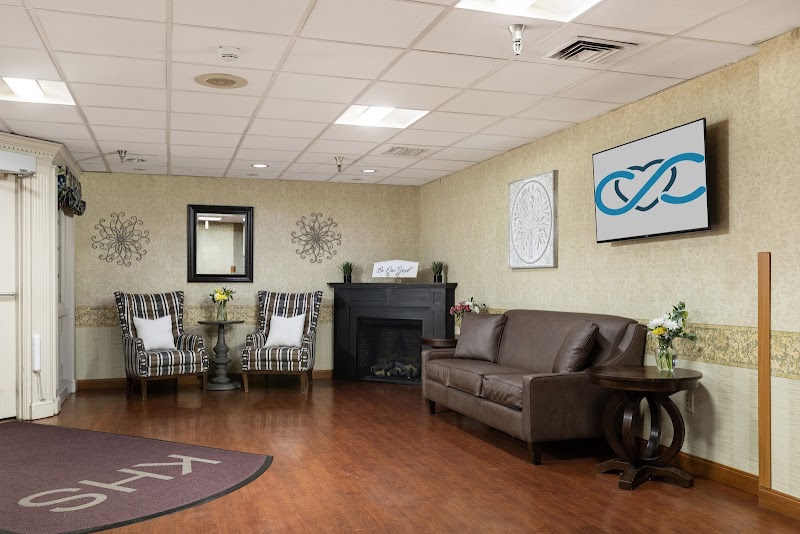
How is Complete Care At Kimberly Hall-South Staffed?

CMS rates COMPLETE CARE AT KIMBERLY HALL-SOUTH's staffing level at 3 out of 5 stars, which is average compared to other nursing homes. Staff turnover is 23%, compared to the Connecticut average of 46%. This relatively stable workforce can support continuity of care.

What Have Inspectors Found at Complete Care At Kimberly Hall-South?

State health inspectors documented 37 deficiencies at COMPLETE CARE AT KIMBERLY HALL-SOUTH during 2019 to 2025. These included: 1 Immediate Jeopardy (the most serious level, indicating potential for serious harm or death), 33 with potential for harm, and 3 minor or isolated issues. Immediate Jeopardy findings are rare and represent the most serious regulatory concerns. They require immediate corrective action.
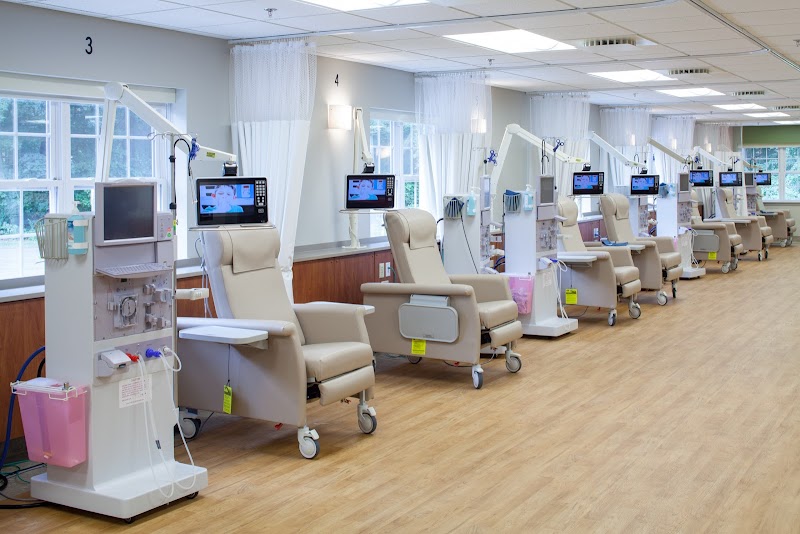
Who Owns and Operates Complete Care At Kimberly Hall-South?

COMPLETE CARE AT KIMBERLY HALL-SOUTH is owned by a for-profit company. For-profit facilities operate as businesses with obligations to shareholders or private owners. The facility is operated by COMPLETE CARE, a chain that manages multiple nursing homes. With 180 certified beds and approximately 105 residents (about 58% occupancy), it is a mid-sized facility located in WINDSOR, Connecticut.
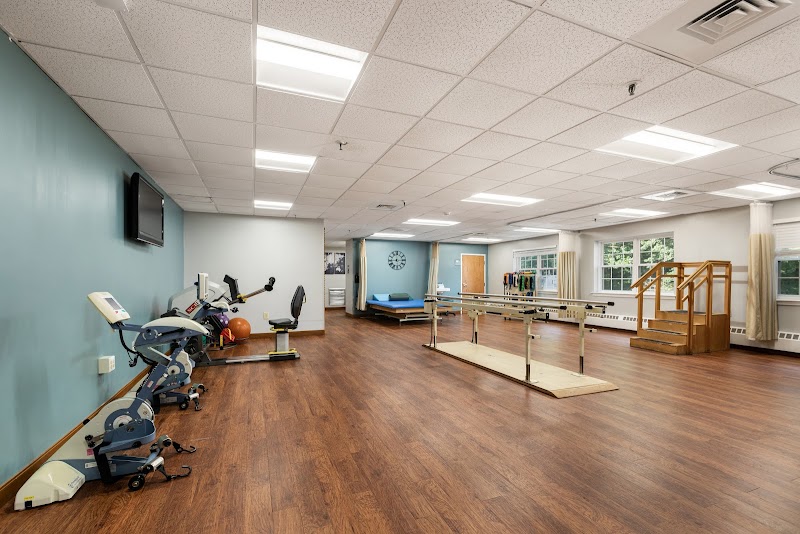
How Does Complete Care At Kimberly Hall-South Compare to Other Connecticut Nursing Homes?

Compared to the 100 nursing homes in Connecticut, COMPLETE CARE AT KIMBERLY HALL-SOUTH's overall rating (2 stars) is below the state average of 3.0, staff turnover (23%) is significantly lower than the state average of 46%, and health inspection rating (1 stars) is much below the national benchmark.

What Should Families Ask When Visiting Complete Care At Kimberly Hall-South?

Based on this facility's data, families visiting should ask: "What changes have been made since the serious inspection findings, and how are you preventing similar issues?" "Can I visit during a mealtime to observe dining assistance and food quality?" "How do you handle medical emergencies, and what is your hospital transfer rate?" "Can I speak with family members of current residents about their experience?" These questions are particularly relevant given the facility's Immediate Jeopardy citations.

Is Complete Care At Kimberly Hall-South Safe?

Based on CMS inspection data, COMPLETE CARE AT KIMBERLY HALL-SOUTH has documented safety concerns. Inspectors have issued 1 Immediate Jeopardy citation (the most serious violation level indicating risk of serious injury or death). The facility has a 2-star overall rating and ranks #100 of 100 nursing homes in Connecticut. Families considering this facility should ask detailed questions about what corrective actions have been taken since these incidents.

Do Nurses at Complete Care At Kimberly Hall-South Stick Around?

Staff at COMPLETE CARE AT KIMBERLY HALL-SOUTH tend to stick around. With a turnover rate of 23%, the facility is 23 percentage points below the Connecticut average of 46%. Low turnover is a positive sign. It means caregivers have time to learn each resident's needs, medications, and personal preferences. Consistent staff also notice subtle changes in a resident's condition more quickly.

Was Complete Care At Kimberly Hall-South Ever Fined?

COMPLETE CARE AT KIMBERLY HALL-SOUTH has been fined $14,069 across 1 penalty action. This is below the Connecticut average of $33,220. While any fine indicates a compliance issue, fines under $50,000 are relatively common and typically reflect isolated problems that were subsequently corrected. Families should ask what specific issues led to these fines and confirm they've been resolved.

Is Complete Care At Kimberly Hall-South on Any Federal Watch List?

COMPLETE CARE AT KIMBERLY HALL-SOUTH is not on any federal watch list. The most significant is the Special Focus Facility (SFF) program, which identifies the bottom 1% of nursing homes nationally based on persistent, serious quality problems. Not being on this list means the facility has avoided the pattern of deficiencies that triggers enhanced federal oversight. This is a positive indicator, though families should still review the facility's inspection history directly.