BAY TERRACE REHABILITATION AND HEALTH CENTER


889 SOUTH LITTLE CREEK ROAD, DOVER, DE 19901 (302) 674-0566
For profit - Limited Liability company 77 Beds PRESTIGE HEALTHCARE ADMINISTRATIVE SERVICES Data: November 2025
Trust Grade
43/100
#27 of 43 in DE
Last Inspection: February 2025

Within standard 12-15 month inspection cycle. Federal law requires annual inspections.

Overview

Bay Terrace Rehabilitation and Health Center has received a Trust Grade of D, which indicates below-average performance and some concerns about care quality. It ranks #27 out of 43 nursing homes in Delaware, placing it in the bottom half, and #6 out of 7 in Kent County, meaning there is only one local option that is better. The facility's trend is worsening, with reported issues increasing from 14 in 2024 to 18 in 2025. Staffing is a relative strength, earning 4 out of 5 stars with a 40% turnover rate, which is below the state average. However, the facility has faced $19,937 in fines, which is average, yet concerning given the number of deficiencies found, including a serious incident where a resident did not receive proper bowel management leading to hospitalization, and issues with inadequate pain assessments and food safety protocols. Families should weigh these strengths and weaknesses when considering this facility for their loved ones.

Trust Score
D
43/100
In Delaware
#27/43
Bottom 38%
Safety Record
Moderate
Needs review
Inspections
Getting Worse
14 → 18 violations
Staff Stability
○ Average
40% turnover. Near Delaware's 48% average. Typical for the industry.
Penalties
✓ Good
$19,937 in fines. Lower than most Delaware facilities. Relatively clean record.
Skilled Nurses
✓ Good
Each resident gets 51 minutes of Registered Nurse (RN) attention daily — more than average for Delaware. RNs are trained to catch health problems early.
Violations
⚠ Watch
38 deficiencies on record. Higher than average. Multiple issues found across inspections.
★★☆☆☆
2.0
Overall Rating
★★★★☆
4.0
Staff Levels
★★★★☆
4.0
Care Quality
★★☆☆☆
2.0
Inspection Score
Stable
2024: 14 issues
2025: 18 issues

The Good

  • 4-Star Staffing Rating · Above-average nurse staffing levels
  • 4-Star Quality Measures · Strong clinical quality outcomes
  • Full Sprinkler Coverage · Fire safety systems throughout facility
  • No fines on record
  • Staff turnover below average (40%)

    8 points below Delaware average of 48%

Facility shows strength in staffing levels, quality measures, fire safety.

The Bad

2-Star Overall Rating

Below Delaware average (3.3)

Below average - review inspection findings carefully

Staff Turnover: 40%

Near Delaware avg (46%)

Typical for the industry

Federal Fines: $19,937

Below median ($33,413)

Minor penalties assessed

Chain: PRESTIGE HEALTHCARE ADMINISTRATIVE

Part of a multi-facility chain

Ask about local staffing decisions and management

The Ugly 38 deficiencies on record

1 actual harm
Feb 2025 18 deficiencies
CONCERN (D)

Potential for Harm - no one hurt, but risky conditions existed

Resident Rights (Tag F0550)

Could have caused harm · This affected 1 resident

Based on observation and interview, it was determined that for two (R43 and R63) out of eighteen (18) residents in the investigative sample, the facility failed to ensure residents were treated with r...

Read full inspector narrative →
Based on observation and interview, it was determined that for two (R43 and R63) out of eighteen (18) residents in the investigative sample, the facility failed to ensure residents were treated with respect and dignity. Findings include: 1. Review of R43's clinical record revealed: 4/8/24 - R43 was admitted to the facility. 4/12/24 - An admission MDS documented R43 as cognitively intact with a BIMS score of 14. 2/11/25 10:31 AM - An observation of E20 (LPN) entering R43's room revealed that staff did not knock or request to enter. 2/13/25 11:01 AM - An observation of E12 (CNA) entering R43's room revealed that staff did not knock or request to enter. 2/13/25 11:10 AM - An interview with E12 confirmed that she entered R43's room without knocking or requesting to enter. 2. Review of R63's clinical record revealed: 9/23/24 - R63 was admitted to the facility. 9/27/24 - An admission MDS documented R63 as cognitively intact with a BIMS score of 15. 2/11/25 10:24 AM - An observation of E20 (LPN) entering R63's room revealed that staff did not knock or request to enter. 2/11/25 10:27 AM - An interview with E20 confirmed that she entered R63's room and did not knock or request to enter. 2/13/25 11:10 AM - An interview with E12 confirmed that she entered R43's room without knocking or requesting to enter. The facility failed to ensure that R43 and R63 were treated with respect and dignity. 2/19/25 1:41 PM - Findings were reviewed during the exit conference with E1(NHA), and E2 (DON).
CONCERN (D)

Potential for Harm - no one hurt, but risky conditions existed

Deficiency F0568 (Tag F0568)

Could have caused harm · This affected 1 resident

Based on interview and record review, it was determined that for one (R43) out of one resident reviewed for personal funds, the facility failed to ensure that the resident received their quarterly per...

Read full inspector narrative →
Based on interview and record review, it was determined that for one (R43) out of one resident reviewed for personal funds, the facility failed to ensure that the resident received their quarterly personal funds statement. Findings include: The facility policy entitled; Transactions Involving Residents Funds last updated November 2024 indicated, Quarterly statements will be provided in writing to the resident or the resident's representative, at the end of the quarter and upon request. Review of R43's clinical record revealed: 4/8/24 - R43 was admitted to facility. 12/30/24 - A quarterly MDS assessment documented that R43 was cognitively intact. 6/24/24 - 9/30/24 - A review of R43's electronic record revealed that the quarterly statement was not provided. 2/11/25 10:34 AM - During an interview, R43 reported the facility manages R43's money and the resident has not received quarterly statements. 2/18/25 9:12 AM - During an interview E1 (NHA) confirmed R43 did not receive quarterly statements. 2/18/25 9:14 AM - During an interview E10 (Business Office Manager) confirmed R43 was not provided with quarterly statements. 2/19/25 1:41 PM - Findings were reviewed during the exit conference with E1 and E2 (DON).
CONCERN (D)

Potential for Harm - no one hurt, but risky conditions existed

Deficiency F0583 (Tag F0583)

Could have caused harm · This affected 1 resident

Based on observation and interview,it was determined that for one (R43) out of eighteen sampled residents, the facility failed to protect personal privacy. Findings include: Review of R43's clinical r...

Read full inspector narrative →
Based on observation and interview,it was determined that for one (R43) out of eighteen sampled residents, the facility failed to protect personal privacy. Findings include: Review of R43's clinical record revealed: 4/8/24 - R43 was admitted to the facility. 4/12/24 - An admission MDS documented R43 as cognitively intact with a BIMS score of 14. 2/11/25 10:33 AM - An interview with R43 revealed that R43 felt she was unable to have a private phone call in the facility due to not having a phone available to use in her room. R43 stated when she makes phone calls she uses the phone in the facility lobby. R43 stated that when she asked the facility advised her she could get a cell phone for personal use. 2/17/25 1:26 PM - An interview with E22 (Corporate Maintenance) confirmed that all resident rooms currently do not have phone access and the facility is running the phone lines today so the residents will have personal phones available to use in each room. 2/17/25 01:45 PM - An interview with E2 (DON) revealed that the facility has portable phones available for use that the residents can take back to the rooms and utilize. E2 also stated that the nursing supervisor has a phone that family members are given the number to call. 2/18/25 2:43 PM - An interview with R43 revealed that R43 was unaware of a portable phone to use for personal calls and staff had not offered the use of it to maintain privacy. 2/19/25 1:41 PM - Findings were reviewed during the exit conference with E1(NHA) and E2 (DON).
CONCERN (D)

Potential for Harm - no one hurt, but risky conditions existed

Transfer Notice (Tag F0623)

Could have caused harm · This affected 1 resident

Based on record review and interview, it was determined that for one (R60) out of two residents reviewed for hospitalization the facility failed to notify the Ombudsman of the residents transfer to th...

Read full inspector narrative →
Based on record review and interview, it was determined that for one (R60) out of two residents reviewed for hospitalization the facility failed to notify the Ombudsman of the residents transfer to the hospital. Findings include: The facility policy on Transfer and Discharge last updated September 2024, indicated Emergency Transfers/Discharges - The Social Services Director, or designee, will provide copies of the notices for emergency transfers to the Ombudsman, but the may be sent when practicable, such as in a list of residents on a monthly basis. Review of R60's clinical record revealed: 9/17/24 - R60 was transferred from the facility to the hospital emergently. 2/17/25 1:36 PM - E1 (NHA) provided the September 2024 Ombudsman Notification List of residents transferred out of the facility. A review of the list lacked evidence of notice of R60's transfer. 2/17/25 1:35 PM - E1 confirmed the findings. 2/19/25 1:41 PM - Findings were reviewed during the exit conference with E1 and E2 (DON).
CONCERN (D)

Potential for Harm - no one hurt, but risky conditions existed

PASARR Coordination (Tag F0644)

Could have caused harm · This affected 1 resident

Based on interview and record review, it was determined that for two (R19 and R31) out of three residents reviewed for PASARR, the facility failed to ensure that a referral for PASARR screening was co...

Read full inspector narrative →
Based on interview and record review, it was determined that for two (R19 and R31) out of three residents reviewed for PASARR, the facility failed to ensure that a referral for PASARR screening was completed. Findings include: 1. Review of R19's clinical record revealed: 3/7/18 - R19 was admitted to the facility with the diagnoses including non-Alzheimer's dementia. 4/16/18 - A PASARR level I was submitted to the state PASARR authority and had no evidence of any serious mental illness noted. 12/23/24 - A quarterly MDS assessment documented that R19 had the following diagnoses: non Alzheimer's dementia and psychotic disorder. 2/17/25 3:21 PM - A phone interview with E23 (SW) confirmed that a PASARR update had not been submitted since March of 2021. E23 also confirmed that the PASARR system had an issue with the system having previous employee information in system and resulting in the facility being unable to submit updates. 2. Review of R31's clinical record revealed: 2/13/19 - R31 was admitted to the facility with diagnoses including psychotic disorder with behavioral disturbances and altered mental status. 4/21/21 - A review of R31's diagnoses list revealed a new diagnosis of major depressive disorder and delusional disorder were added. 9/16/21 - A psychology progress note documented that R19 had the following new diagnoses: mood disorder and delusional disorder. 10/1/22 - A review of R31's diagnoses list revealed a new diagnosis of unspecified dementia with other behavioral disturbances. 1/7/25 - A quarterly MDS assessment documented R19 had a diagnoses of a psychotic disorder, depression, mood disorder, and non Alzheimer's dementia. 2/17/25 3:21 PM - A phone interview with E23 (SW) confirmed that a PASARR update had not been submitted since March of 2021. E23 also confirmed that the PASARR system had an issue with the system having previous employee information in system and resulting in the facility being unable to submit updates. 2/19/25 1:41 PM - Findings were reviewed during the exit conference with E1(NHA) and E2 (DON).
CONCERN (D)

Potential for Harm - no one hurt, but risky conditions existed

Deficiency F0655 (Tag F0655)

Could have caused harm · This affected 1 resident

Based on record review and interview it was determined that for one (R69) out of one reviewed for new admission, the facility failed to ensure that a baseline care plan was completed. Findings include...

Read full inspector narrative →
Based on record review and interview it was determined that for one (R69) out of one reviewed for new admission, the facility failed to ensure that a baseline care plan was completed. Findings include: Record review for R69 revealed: 11/29/24 - R69 was admitted to the facility. 12/4/24 - A review of R69's clinical record revealed a lack of evidence of a baseline care plan. 2/17/25 12:57 PM - E1 (NHA) confirmed that there was no evidence that R69 had a base line care plan developed and that a summary of the plan was provided to the resident/ resident representative. 2/19/25 1:41 PM - Findings were reviewed during the exit conference with E1and E2 (DON).
CONCERN (D)

Potential for Harm - no one hurt, but risky conditions existed

Comprehensive Care Plan (Tag F0656)

Could have caused harm · This affected 1 resident

Based on interview and record review, it was determined that for one (R63) out of eighteen residents in the investigative sample the facility failed to develop and implement a comprehensive resident c...

Read full inspector narrative →
Based on interview and record review, it was determined that for one (R63) out of eighteen residents in the investigative sample the facility failed to develop and implement a comprehensive resident centered care plan for an identified care area. Findings include: Cross refer F690 Review of R63's clinical record revealed: 9/23/24 - R63 was admitted to the facility. 9/23/24 - A care plan (last updated 1/6/25) was initiated for R63 and documented R63 had a self care defecit related to limited mobility with interventions including R63 was completely dependent on staff for toileting use and to encourage R63 to participate to the fullest extent possible with care. 9/27/24 - An admission MDS assessment documented R63 was dependent on staff for toileting. The MDS also documented R63 was always incontinent of bowel and bladder and was not on a toileting program. 12/27/24 - A quaterly MDS assessment documented R63 was dependent on staff for toileting. The MDS also documented R63 was always incontinent of bowel and frequently incontinent bladder and was not on a toileting program. The facility failed to develop and implement a comprehensive resident centered care plan related to R63's incontinence. 2/19/25 1:41 PM - Findings were reviewed during the exit conference with E1(NHA) and E2 (DON).
CONCERN (D) 📢 Someone Reported This

A family member, employee, or ombudsman was alarmed enough to file a formal complaint

Potential for Harm - no one hurt, but risky conditions existed

Deficiency F0657 (Tag F0657)

Could have caused harm · This affected 1 resident

Based on record review and interview, it was determined for two (R22 and R63) out of eighteen residents in the investigative sample the facility failed to review and revise the care plan. Findings inc...

Read full inspector narrative →
Based on record review and interview, it was determined for two (R22 and R63) out of eighteen residents in the investigative sample the facility failed to review and revise the care plan. Findings include: 1. Review of R22's clinical record revealed: 12/14/18 - R22 was admitted to the facility. 12/14/18 - A care plan documented that R22 had a self care deficit related to impaired mobility and cognitive defect with the following interventions: provide total assist with personal hygiene and dressing, provide a bed bath per RP (responsible party) and risk for falls in shower chair due to severe chorea. 2/19/25 10:30 AM - An interview with E3 (ADON) confirmed that R22 was unsafe to use shower chair or stretcher related to falls and that care plan was not updated to accurately reflect R22's current plan of care. 2. Review of R63's clinical record revealed: 9/23/24 - R63 was admitted to the facility. 9/25/24 - A care plan for R63 was initiated for pain related to chronic pain with the following interventions: administer analgesia per orders, monitor and document side effects from pain medication, monitor/record/report to nurse any signs and symptoms of pain to the nurse, and notify the physician if interventions are unsuccessful or if current complaint is a significant change from resident's experience of pain. 2/14/25 12:31 PM - An interview with E2 (DON) and E19 (Corporate) confirmed that R63's care plan lacked an acceptable level of pain and updated interventions related to non-pharmacological interventions. 2/19/25 1:41 PM - Findings were reviewed during the exit conference with E1(NHA) and E2 (DON).
CONCERN (D) 📢 Someone Reported This

A family member, employee, or ombudsman was alarmed enough to file a formal complaint

Potential for Harm - no one hurt, but risky conditions existed

ADL Care (Tag F0677)

Could have caused harm · This affected 1 resident

Based on observation, interview and record review, it was determined that for three (R19, R22 and R55) out of five residents reviewed for ADL's, the facility failed to ensure ADL care was provided to ...

Read full inspector narrative →
Based on observation, interview and record review, it was determined that for three (R19, R22 and R55) out of five residents reviewed for ADL's, the facility failed to ensure ADL care was provided to dependent residents. Findings include: 1. Review of R55's clinical record revealed: 1/2/25 - R55 was admitted to the facility with multiple diagnoses including legal blindness. 1/3/25 - A baseline care plan documented that R55 had visual impairment and needed substantial maximum assistance with hygiene. 1/9/25 - An admission MDS assessment documented that R55's vision was severely impaired, and that the resident required partial moderate assistance to complete hygiene related ADL's such as shaving. 2/11/25 9:08 AM - During an interview R55 stated, I have a brand new razor and they have used it once. I can't see and need help to shave. R55 was observed with significant unkempt facial hair that he confirmed was not his preference. 2/14/25 10:48 AM - R55 was observed with unkempt facial hair. 2/14/25 1:11 PM - The surveyor accompanied E11 (CNA) to R55's room where R55 remained with unkempt facial hair. E11 confirmed that that she was aware of R55's visual impairment and did not offer to assist R55 with shaving/hygiene because This is a rehab floor so I assume they can all do that themselves. February 2025 - Review of the CNA task completion documented that hygiene, which includes shaving, was documented as completed and was inconsistent with observation of R55's unkempt facial hair. 2. Review of R19's clinical record revealed: 3/7/18 - R19 was admitted to the facility. 3/7/18 - A care plan documented that R19 had a self care defect for related to impaired mobility and cognitive defect with the following interventions: provide total assist with with personal hygiene and dressing, provide tub bath/shower two times a week, and provide tub bath/ shower with total dependence. 12/27/24 - A quarterly assessment documented that R19 was dependent with one staff member for ADL's including showering and bathing. 1/2025 - A review of the January CNA documentation record revealed that R19 was receiving two showers a week on Sunday and Thursday. 2/2025 - A review of the February CNA documentation record revealed that R19 was receiving two showers a week on Sunday and Thursday. 2/13/25 11:34 AM - An observation of R19 with uncombed, unmanaged, greasy hair. 2/14/25 1:50 PM - An observation of R19 with uncombed, unmanaged, greasy hair. 2/17/25 9:35 AM - An observation of R19 with uncombed, unmanaged, greasy hair. 2/18/25 9:54 AM - An observation of R19 with uncombed, unmanaged, greasy hair. 2/19/25 9:30 AM - An observation of R19 with uncombed, unmanaged, greasy hair. 2/19/25 9:50 AM - An interview with E28 (CNA) confirmed that R19's shower's were signed off and confirmed the R19's hair did not appear clean. E28 stated that typically the floor has limited staff and it is difficult to complete twelve residents per CNA, especially on shower days. E28 stated a CNA can be scheduled to come in and assist with showers but they have not been in since previous week. 2/19/25 10:30 AM - An interview with E3 (ADON) confirmed that a CNA responsible for showers was not present on unit today and will review acuity for the unit to see if they can get more staff to assist the unit. The facility failed to assist a dependent resident with ADL care. 3. Review of R22's clinical record revealed: 12/14/18 - R22 was admitted to the facility. 12/14/18 - A care plan documented that R22 had a self care defect for related to impaired mobility and cognitive defect with the following interventions: provide total assist with with personal hygiene and dressing, provide a bed bath per RP (responsible party) and risk for falls in shower chair due to severe chorea. 1/3/25 - A CNA task for R19 was revised for bed baths on Tuesday's 3 to 11 and Friday's 7 to 3 and bed bath for all other days unless specified. 2/13/25 11:44 AM - An observation of R22 with uncombed, unmanaged, greasy hair. 2/14/25 1:40 PM - An observation of R22 with uncombed, unmanaged, greasy hair. 2/17/25 9:55 AM - An observation of R22 with uncombed, unmanaged, greasy hair. 2/18/25 10:07 AM - An observation of R22 with uncombed, unmanaged, greasy hair. 2/19/25 9:30 AM - An observation of R22 with uncombed, unmanaged, greasy hair. 2/19/25 9:50 AM - An interview with E28 (CNA) confirmed that R22's bath's were signed off and confirmed the R22's hair did not appear clean. E28 stated that typically the floor has limited staff and it is difficult to complete twelve residents per CNA, especially on shower days. E28 stated a CNA can be scheduled to come in and assist with showers but they have not been in since previous week. 2/19/25 10:30 AM - An interview with E3 (ADON) confirmed that a CNA responsible for showers was not present on unit today and will review acuity for the unit to see if they can get more staff to assist the unit. The facility failed to assist a dependent resident with ADL care. 2/19/25 1:41 PM - Findings were reviewed during the exit conference with E1(NHA), and E2 (DON).
CONCERN (D)

Potential for Harm - no one hurt, but risky conditions existed

Quality of Care (Tag F0684)

Could have caused harm · This affected 1 resident

Based on interview and record review it was determined that for two (R43 and R63) out of two residents reviewed for general care and services, the facility failed to ensure treatment and care in accor...

Read full inspector narrative →
Based on interview and record review it was determined that for two (R43 and R63) out of two residents reviewed for general care and services, the facility failed to ensure treatment and care in accordance with professional standards of practice and physician orders. Findings include: 1. Review of R43's clinical record revealed: 4/8/24 - R43 was admitted to the facility with diagnoses including but not limited to constipation. 12/30/24 - A quarterly MDS assessment documented that R43 has a diagnosis of constipation unspecified. 1/2/25 - A review of physician's orders revealed the following orders: -Milk of Magnesia (MOM) give 30 mL every seventy two hours as needed for constipation if no bowel movement (BM) after three days. -Bisacodyl suppository 10 mg insert one suppository rectally as needed for constipation daily if no results from MOM. -Fleet enema insert one dose rectally every twenty four hours as needed if no BM in three days. 1/21/25 to 2/10/25 - Review of the CNA documentation sheet revealed that the facility failed to ensure that physician's orders were implemented when R43 failed to have bowel activity for nine (9) shifts on the following dates: - 2/10/25 ending on 7 AM to 3 PM shift - total of 12 shifts. 2/18/25 12:40 PM - An interview with E16 (LPN) revealed that the bowel protocol is initiated by the 7 AM to 3 PM shift after review of the facilities BM report and the supervisor will notify nurses who is on the list to have protocol initiated. 7 AM to 3 PM will document medication in the electronic medical record (EMR) and verbally notify the next shift regarding results of protocol. E16 confirmed that R43 had 12 shifts with no BM and protocol was initiated. 2. Review of R63's clinical record: 9/23/24 - R63 was admitted to the facility with the following diagnoses but not limited to venous insufficiency and local infection of the skin and subcutaneous tissue. 12/17/24 - A physician's order documented acetic acid irrigation solution use one application every day shift for open areas to R63's left lower leg: cleanse left lower leg with acetic acid and apply bacitracin and abdominal pad daily and as needed. Order was discontinued 1/20/25. 1/17/25 - A physician's order documented to R63's left leg dressing apply bacitracin (antibiotic ointment) then non-adherent dressing, wrap with ACE bandage. 2/11/25 - A physician's order documented to cleanse R63's left leg with soap and water then apply dermaseptin infused kling and wrap legs daily and as needed. 2/13/25 11:25 AM - An observation of wound care to R63's lower extremities revealed that E20 (LPN) administered acetic acid irrigation solution to R63's lower left leg and applied bacitracin ointment to open areas post irrigation solution. 2/13/25 2:37 PM - An interview with E20 confirmed that the current physician's order in the system was not the same as the treatment administered at 11:25 AM. E20 stated she was given a verbal order by E9 (Physician) this morning and to change the treatment. Facility documentation did not reflect this change in treatment orders. 2/14/25 12:31 PM - An interview with E9 confirmed that the treatment order in the EMR was not the current order for R63's current plan of care. The facility failed to follow a physician's order. 2/19/25 1:41 PM - Findings were reviewed during the exit conference with E1(NHA), and E2 (DON).
CONCERN (D)

Potential for Harm - no one hurt, but risky conditions existed

Deficiency F0688 (Tag F0688)

Could have caused harm · This affected 1 resident

Based on observation and interview, it was determined that for one (R31) out of two residents reviewed for positioning and mobility, the facility failed to apply an ordered splint device. Findings inc...

Read full inspector narrative →
Based on observation and interview, it was determined that for one (R31) out of two residents reviewed for positioning and mobility, the facility failed to apply an ordered splint device. Findings include: Review of R31's clinical record revealed: 2/13/19 - R31 was admitted to the facility with diagonoses to including hemipleglia and hemiparesis following a cerebral vascular accident. 2/13/19 - A care plan was initiated for R31 documented actual contractures related to decreased mobility with the following interventions: left and right hand/wrist orthotic on each shift, maintain joints and body in a neutral body position at all times, and passive range of motion as tolerated. 6/26/24 - A physician's order for R31 documented apply right hand/wrist orthortic on every shift and remove for range of motion (ROM), hygiene, and routine skin checks every two hours. 12/12/24 - A physician's order for R31 documented apply left hand soft resting hand splint to be on in morning and remove in evening. 1/7/25 - A quarterly MDS assessment documented that R31 had impairments bilaterally to upper extremities and dependent of one staff for ADL's. 2/13/25 9:02 AM - An observation of R31 with bilateral contractures to bilateral upper extremities and no splints noted in place. 2/13/25 11:00 AM - An observation of R31 with bilateral splints noted but not in proper placement for intended function. 2/18/25 9:40 AM - An observation of R31 with bilateral contractures to bilateral upper extremities and no splints noted in place. 2/18/25 11:40 AM - An observation of R31 with bilateral contractures to bilateral upper extremities and no splints noted in place. 2/18/25 11:41 AM - An interview with E12 (CNA) confirmed that R31 wears bilateral hand splints and stated they are applied in the morning and removed in the evening. E12 confirmed that the CNA is responsible to check for placement of the splint during the day and adjust if moved out of place. E12 confirmed that R31's bilateral hand splints were not placed properly at time of observation. 2/19/25 9:27 AM - An observation of R31 with bilateral contractures to bilateral upper extremities and no splints noted in place. 2/19/25 10:45 AM - An interview with E26 (CNA) confirmed that R31 did not have splints on and stated that another staff member told her R31's bilateral splint order was discontinued. 2/19/25 10:52 AM - An interview with E27 (COTA) confirmed that R31's bilateral splint order was not discontinued. 2/19/25 10:59 AM - An interview with E16 (LPN) confirmed that R31 still had an active order in the EMR (electronic medical record) for bilateral splints and stated that she will ensure they get placed on R31. 2/19/25 1:41 PM - Findings were reviewed during the exit conference with E1(NHA), and E2 (DON).
CONCERN (D)

Potential for Harm - no one hurt, but risky conditions existed

Incontinence Care (Tag F0690)

Could have caused harm · This affected 1 resident

Based on interview and record review it was determined that for two (R53 and R63) out of two residents reviewed for bowel and bladder, the facility failed to provide services to maintain or restore bo...

Read full inspector narrative →
Based on interview and record review it was determined that for two (R53 and R63) out of two residents reviewed for bowel and bladder, the facility failed to provide services to maintain or restore bowel and bladder continence. Findings include: 1. Review of R53's clinical record revealed: 4/5/24 - R53 was admitted to the facility. 4/5/24 - A care plan was initiated for bladder incontinence related to occasionally incontinent with the following interventions: apply barrier cream with each incontinent episode, change clothing with each incontinent episode, and check resident every two hours for incontinence and provide care. 10/9/24 - A quarterly MDS assessment documented that R53 required supervision of one for toileting. The MDS also documented that R53 had a BIMS score of 5 indicating cognitive decline and was occasionally incontinent of bladder, always continent of bowel, and was not indicated for a toileting program. 10/2024 - A review of the October CNA documentation record revealed that R53 was incontinent of urine 14 times out of 95 opportunities and incontinent of bowel 14 out of 96 opportunities. 11/4/24 - A bowel and bladder assessment documented R53 was incontinent of urine and continent of bowel. The assessment also documented that R53 was aware of urges for toileting and required assistance of one for toileting. 11/2024 - A review of the November CNA documentation record revealed that R53 was incontinent of urine 40 out of 93 opportunities and incontinent of bowel seven times out of 91 opportunities. 11/15/24 - A significant change MDS assessment documented that R53 required supervision of one for toileting. The MDS also documented that R53 was frequently incontinent of bladder, occasionally incontinent of bowel, and was not indicated for a toileting program. 12/2024 - A review of the December CNA documentation record revealed that R53 was incontinent of urine 62 times out of 101 opportunities and incontinent of bowel 11 times out of 96 opportunities. 1/2025 - A review of the January CNA documentation record revealed that R53 was incontinent of urine 79 times out of 102 opportunities and incontinent of bowel 13 times out of 98 opportunities. 2/2025 - A review of the February CNA documentation record revealed that R53 was incontinent of urine 42 out of 49 opportunities and incontinent of bowel four times out of 55 opportunities. 2/8/25 12:45 PM - An interview with E25 (CNA) confirmed that R53 was an assist of one staff for toileting and that R53 can tell staff that she has to use the bathroom. E25 stated that she does not recall resident being on a toileting program. The facility lacked evidence that they attempted to restore bowel and bladder function for R53. 2. Review of R63's clinical record revealed: 9/23/24 - R63 was admitted to the facility. 9/27/24 - An admission MDS assessment documented R63 is dependent on staff for toileting. The MDS also documented R63 was always incontinent of bowel and bladder and was not on a toileting program. 11/2024 - A review of the November CNA documentation record revealed that R63 was continent of urine four times out of 96 opportunities and continent of bowel six times out of 96 opportunities. 12/2024 - A review of the December CNA documentation record revealed that R63 was continent of urine two times out of 105 opportunities and continent of bowel two times out of 98 opportunities. 12/27/24 - An quaterly MDS assessment documented R63 is dependent on staff for toileting. The MDS also documented R63 was always incontinent of bowel and and frequently incontinent bladder and was not on a toileting program. 12/30/24 - A bowel and bladder assessment documented R63 was total incontinence of urine and total incontinence of bowel. The assessment also documented that R63 was unaware of urges for toileting and required complete dependence of one for toileting. 1/2025 - A review of the January CNA documentation record revealed that R63 was continent of urine zero times out of 101 opportunities and continent of bowel zero times out of 98 opportunities. 2/11/25 10:20 AM - An interview with R63 revealed that R63 was using a bed pan prior to admission to the facility and R63 stated she requested to use one and has not received one. 2/18/25 11:30 AM - An interview with E12 (CNA) confirmed that R63 is dependent for care and R63 is able to verbalize when she needs to use the bathroom. E12 stated that R63 does not use a bed pan and has not been on a toileting program that she can recall. The facility lacked evidence that they attempted to restore bowel and bladder function for R63. 2/19/25 1:41 PM - Findings were reviewed during the exit conference with E1(NHA), and E2 (DON).
CONCERN (D)

Potential for Harm - no one hurt, but risky conditions existed

Respiratory Care (Tag F0695)

Could have caused harm · This affected 1 resident

Based on observation, interview and record review, it was determined that for one (R375) out of one resident reviewed for respiratory care, the facility failed to provide professional standards of of ...

Read full inspector narrative →
Based on observation, interview and record review, it was determined that for one (R375) out of one resident reviewed for respiratory care, the facility failed to provide professional standards of of practice by ensuring the oxygen tubing was changed weekly and nasal cannula was stored in a bag when not in use. Findings include: Review of R375's clinical record revealed: 12/12/24 - R375 was admitted to the facility. 12/12/24 - A physician order was written to administer oxygen at 2 liters/minute via nasal cannula, may titrate to maintain SpO2 90% or greater. 12/13/24 - A physician order was written to change oxygen tubing weekly and PRN (as needed) and to label tubing, date time and initial. Nasal cannula to be stored in a bag when not in use. 12/16/24 - An admission MDS indicated R375 had a BIMS score of 3 (severe impairment ) and diagnoses of COPD, asthma and respiratory failure. 2/11/25 10:29 AM - An observation of R375's oxygen tubing revealed a label dated 1/30/25, no time or initial. Oxygen tubing was on the floor beside R375's bed. 2/11/25 11;12 AM - During an interview, E15 (LPN) confirmed that the tubing was labeled 1/30/25, no time or initial and the oxygen tubing was on the floor. 2/12/25 1:20 PM - An observation revealed R375 was in bed with nasal cannula applied, tubing was still labeled 1/30/25. 2/12/25 approximately 1: 40 PM - During an interview, E21 (Regional Corporate Consultant) confirmed the oxygen tubing needed to be changed and stated I'll take care of it. 2/19/25 1:41 PM - Findings were reviewed during the exit conference with E1(NHA), and E2 (DON).
CONCERN (D)

Potential for Harm - no one hurt, but risky conditions existed

Medication Errors (Tag F0758)

Could have caused harm · This affected 1 resident

Based on clinical record review and interview, it was determined that for two (R31 and R53) out of five residents reviewed for unnecessary medications, the physician failed to ensure that an appropria...

Read full inspector narrative →
Based on clinical record review and interview, it was determined that for two (R31 and R53) out of five residents reviewed for unnecessary medications, the physician failed to ensure that an appropriate diagnosis was reflected in the resident's chart while antipsychotic medications were being administered. Additionally, the facility failed to ensure that a fourteen day stop date was implemented for an as needed antipsychotic medication. Findings include: 1. Review of R31's clinical record included: 2/13/19 - R31 was admitted to the facility with the following diagnosis, but not limited to, psychotic disorder with delusions. 1/24/25 - A physician's order for R31 documented risperidone (antipsychotic) tablet 0.5 mg: give one tablet by mouth at bedtime for delusional disorder. 1/2025 - A review of the monthly medication review (MRR) documented a recommendation to evaluate use of risperidone for delusional disorder. 2/1/25 - A physician's order for R31 documented risperidone tablet 0.5 mg: give one tablet by mouth at bedtime for delusional disorder. 2/14/25 9:55 AM - An interview with E2 (DON) confirmed that antipsychotropic medications were not being prescribed or written with appropriate diagnosis related to use. E2 confirmed that the provider no longer worked at the facility and the provider documenting the proper indication of use was an ongoing concern. 2. Review of R53's clinical record revealed: 4/5/24 - R53 was admitted to the facility with the following diagnosis, but not limited to, unspecified dementia with agitation. 2/6/25 - A physician's order for R53 documented lorazepam (anti-anxiety medication) 0.5 mg: give one tablet by mouth every six hours as needed for anxiety for 90 days. 2/14/25 10:45 AM - An interview with E2 and E19 (Corporate) confirmed that the aforementioned physician's order did not include a stop date of 14 days and the facility could not provide documentation of rationale from provider for extending order longer than 14 days. 2/19/25 1:41 PM - Findings were reviewed during the exit conference with E1(NHA), and E2 (DON).
CONCERN (D)

Potential for Harm - no one hurt, but risky conditions existed

Dental Services (Tag F0791)

Could have caused harm · This affected 1 resident

Based on observation, interview and record review, it was determined that for two (R59 and R63) out of two sampled residents for dental services, the facility failed to assist the residents in obtaini...

Read full inspector narrative →
Based on observation, interview and record review, it was determined that for two (R59 and R63) out of two sampled residents for dental services, the facility failed to assist the residents in obtaining routine dental services. Findings include: 1. Review of R59's clinical record: 1/8/24 - R59 was admitted to facility. 4/4/24 - A review of R59's care plan documented R59 has a risk for an alteration in nutrition/hydration secondary to dementia, type II diabetes, and hypertension. The interventions included the following but not limited to explain and reinforce the importance of maintaining diet ordered and educate on refusals and risks. The care plan lacked evidence of a care plan relating to dental concerns. 12/17/24 - An annual MDS documented R59 had no natural teeth, no broken or loosely fitting dentures/partials, and no mouth or tooth pain. 2/11/25 9:37 AM - An interview with R59 revealed that R59 did not have dentures and complained of difficulty chewing due to not having dentures. R59 stated she wanted to see a dentist and had not been offered to see one. 2/18/25 2:53 PM - An interview with E1 (NHA) and E24 (Corporate) confirmed R59 had not seen the dentist or had been offered dental services. 2. Review of R63's clinical record revealed: 9/23/24 - R63 was admitted to the facility. 9/25/24 - A review of R63's care plan documented R63 had a potential for ADL self care deficit related to limited mobility. Interventions included assistance of one staff member for personal hygiene and oral care. The care plan lacked evidence of a care plan relating to dental concerns. 12/23/24 - A quarterly MDS assessment documented that R63 did not have broken or loosely fitting dentures and R63 had no mouth or facial discomfort. 2/11/25 10:25 AM - An interview with R63 revealed that she had not seen a dentist since admission and R63 would like to receive dental services. 2/18/25 2:53 PM - An interview with E1 (NHA) and E24 (Corporate) confirmed R63 had not seen the dentist or had been offered dental services. The facility failed to offer dental services to R53 and R63. 2/19/25 1:41 PM - Findings were reviewed during the exit conference with E1(NHA), and E2 (DON).
CONCERN (E)

Potential for Harm - no one hurt, but risky conditions existed

Deficiency F0697 (Tag F0697)

Could have caused harm · This affected multiple residents

Based on observation, interview, and record review it was determined that for three (R63, R53, and R59) out of three residents reviewed for pain, the facility failed to ensure that that adequate pain ...

Read full inspector narrative →
Based on observation, interview, and record review it was determined that for three (R63, R53, and R59) out of three residents reviewed for pain, the facility failed to ensure that that adequate pain management was provided and pain assessments were not conducted with a consistent scale for pre and post pain assessments. Findings include: April 2002 - The pain management standards by the American Geriatrics Society included: appropriate assessment and management of pain; assessment in a way that facilitates regular reassessment and follow-up; same quantitative pain assessment scales should be used for initial and follow up assessment; set standards for monitoring and intervention; and collect data to monitor the effectiveness and appropriateness of pain management. November 2009 - The American Academy of Pain Medicine, Pharmacological Management of Persistent Pain in Older persons, stated to refer to the previous American Geriatrics Society for specific recommendations for pain assessment in older persons that remain relevant. 1. Review of R63's clinical record revealed: 9/23/24 - R63 was admitted to the facility with the diagnoses including chronic pain, venous insufficiency, and cellulitis. 9/25/24 - A care plan for R63 was initiated for pain related to chronic pain with the following interventions: administer analgesia per orders, monitor and document side effects from pain medication, monitor/record/report to nurse any signs and symptoms of pain to the nurse, and notify the physician if interventions are unsucessful or if current complaint is a significant change from resident's experience of pain. 9/27/24 - An admission MDS documented R63 was receiving scheduled pain medication, as needed pain medication, pain frequency is occasional, and level of 3/10 as highest pain level in the last 5 days. 11/12/24 - A physician's order for R63 documented Tramadol 50 mg give one tablet by mouth every six hours for moderate and severe pain as needed and give thirty minutes prior to wound care. 11/2024 - A review of the November MAR revealed that R63 received Tramadol one time out of the 18 ordered opportunities to be given. 12/2024 - A review of the December MAR revealed that R63 received Tramadol one time out of the 31 ordered opportunities to be given. 1/2025 - A review of the January MAR revealed that R63 received Tramadol zero times out of the 31 ordered opportunities to be given. 2/11/25 10:15 AM - An interview with R63 revealed that R63 was having bilateral lower leg pain at a score of 7-8 out of 10. R63 stated she had received Tylenol for pain and it was ineffective and she had told the doctor previously that Tylenol does not help her pain. 2/13/25 11:11 AM - An observation of R63's wound care treatment revealed that R63 stated she had pain of 5/10 prior to administration of the treatment. R63 confirmed she was a 10/10 during treatment and 10/10 after treatment. An observation of resident yelling out every time E20 (LPN) would touch an area on R63's left lower extremity. R63's bilateral lower extremities were covered in crusted scab like areas and when touched the crusted area would come off and revealed reddened tissue underneath. R63 stated that the liquid (acetic acid) that E20 was applying to her legs was burning and stinging when applied. 2/13/25 11:25 AM - An interview with E20 revealed that she administered Tylenol 650 mg to R63 despite the order in the EMR stated to give Tramadol (pain medication) 50 mg 30 minutes prior to wound care. 2/13/25 2:37 PM - An interview with E20 confirmed she only administers the Tramadol when R63 complains of moderate or severe pain. E20 confirmed that she usually gives R63 Tylenol prior to wound care and today she did because resident complained of 5/10 pain. 2/14/25 12:31 PM - An interview with E9 (MD) confirmed that the Tramadol was to be administered 30 minutes prior to R63 receiving wound care to control pain. E9 was unaware staff was not administering the Tramadol per order. 2/14/25 1:00 PM - An interview with R63 confirmed she received Tramadol per order and her legs are less painful today. 2/2025 - A review of the February MAR revealed that R63 received Tramadol four times out of the 13 opportunities to be given. The facility failed to administer pain medication prior to wound care treatment per physician's order. 2. Review of R53's clinical record revealed: 4/5/24 - R53 was admitted to the facility. 4/5/24 - A care plan was initiated and documented that R53 had pain related to generalized pain, diagnosis of pain in joints, right shoulder pain, and hemrorroid pain. Interventions included notify physician if interventions are unsuccessful and observe and report any changes in usual routine, sleep pattern, or if current pain complaint is a significant change from baseline. 4/18/24 - An admission MDS documented that R53 was on a scheduled pain regimen and had constant pain. 12/2024 - A review of R53's December MAR revealed that R53's pain was not being monitored every shift and PRN (as needed) medications were being administered with a numerical pre pain score and post score documented as ineffective, effective, and unchanged. R53 received four doses of Tylenol out of 30 potential opportunities with the incorrect pain scale used pre and post administration. 1/2025 - A review of R53's January MAR revealed that R53's pain was not being monitored every shift and PRN (as needed) medications were being administered with a numerical pre pain score and post score documented as ineffective, effective, and unchanged. R53 received four doses of Tylenol out of 30 potential opportunities with the incorrect pain scale used pre and post administration. 2/2025 - A review of R53's February MAR revealed that R53's pain was not being monitored every shift and PRN (as needed) medications were being administered with a numerical pre pain score and post score documented as ineffective, effective, and unchanged. R53 received one dose of Tylenol out of 30 potential opportunities with the incorrect pain scale used pre and post administration. 2/11/25 9:42 AM - An interview with R53 revealed that she is having left knee pain and Tylenol is not effective. 2/14/25 12:31 PM - An interview with E2 (DON) and E19 (Corporate) confirmed that R53's pain was not being monitored and the pain scale did not match pre and post assessment. The review of R53's medical record revealed that the facility failed to monitor pain with a consistent scale. 3. Review of R59's clinical record revealed: 12/23/23 - R59 was admitted to the facility. 1/8/24 - A review of the care plan lacked evidence of a pain care plan. 1/19/24 - An admission MDS documented that R59 was on a scheduled pain medication and did not have pain currently. 12/2024 - A review of R59's December MAR revealed that R59's pain was not being monitored every shift and PRN (as needed) medications were being administered with a numerical pre pain score and post score documented as ineffective, effective, and unchanged. R59 received four doses of Tylenol out of 30 potential opportunities with the incorrect pain scale used pre and post administration. 1/2025 - A review of R59's January MAR revealed that R59's pain was not being monitored every shift and PRN (as needed) medications were being administered with a numerical pre pain score and post score documented as ineffective, effective, and unchanged. R59 received one dose of Voltaten (topical pain cream) out of 30 potential opportunities with the incorrect pain scale used pre and post administration. 2/2025 - A review of R59's February MAR revealed that R59's pain was not being monitored every shift and PRN (as needed) medications were being administered with a numerical pre pain score and post score documented as ineffective, effective, and unchanged. R59 received two doses of Tylenol and five doses of Voltaren out of 30 potential opportunities with the incorrect pain scale used pre and post administration. 2/18/25 09:30 AM - An interview with R59 revealed she is having bilateral knee pain and Tylenol is not effective. 2/14/25 12:31 PM - An interview with E2 (DON) and E19 (Corporate) confirmed that R59's pain was not being monitored and the pain scale did not match pre and post assessment. The review of R59's medical record revealed that the facility failed to monitor pain with a consistent scale. 2/19/25 1:41 PM - Findings were reviewed during the exit conference with E1(NHA), and E2 (DON).
CONCERN (E)

Potential for Harm - no one hurt, but risky conditions existed

Food Safety (Tag F0812)

Could have caused harm · This affected multiple residents

Based on observation and interview it was determined that the facility failed to ensure food was stored, prepared, and served in a manner that prevents food borne illness to the residents. Findings in...

Read full inspector narrative →
Based on observation and interview it was determined that the facility failed to ensure food was stored, prepared, and served in a manner that prevents food borne illness to the residents. Findings include: 1. 2/11/25 8:39 AM - During the initial tour of the kitchen the surveyor observed the following: - The hair on the front of E5's (FSS) head was unsecured by a hair net. - The hand washing sink located in the dish area was obstructed by a fan and the paper towel dispenser was empty. - The small refrigerator for milk storage contained an opened gallon of milk with an expiration date of 2/5/25. 2. 2/17/25 10:06 AM - During a tour of the kitchen, food particles were splattered on the top and sides of the cooktop and oven. Food debris and other litter was on the kitchen floor, under the shelving, prep trables and oven. 2/17/25 11:05 AM - The underside of all of the shelves on the plastice shelving units in the walk-in refrigerator had numerous areas of small black circular staining, which appeared to be mold or mildew creating the potential for contamination of food items stored there. 2/17/25 11:40 AM - During a tour of the kitchen, the walk-in refrigerator contained a pan of sausage patties, which was not completely covered exposing it to contamination from dust and other debri 2/19/25 1:41 PM - Findings were reviewed during the exit conference with E1(NHA), and E2 (DON).
MINOR (C)

Minor Issue - procedural, no safety impact

Drug Regimen Review (Tag F0756)

Minor procedural issue · This affected most or all residents

Based on record review and interview, it was determined that the facility failed to develop policies and procedures for the monthly MRR (Medication Regimen Reviews) that included time frames for diffe...

Read full inspector narrative →
Based on record review and interview, it was determined that the facility failed to develop policies and procedures for the monthly MRR (Medication Regimen Reviews) that included time frames for different steps in the MRR process. Findings include: 1/2025 - Review of the facilities undated policy titled, Medication Regimen Review, lacked information regarding the time frames for a pharmacist response for urgent recommendations. 2/14/25 9:55 AM - An interview with E2 (DON) and E19 (Corporate) confirmed the policy was current. The facilities policy did not meet expected requirements to address timeframes for urgent recommendations. 2/19/25 1:41 PM - Findings were reviewed during the exit conference with E1(NHA), and E2 (DON).
Dec 2024 4 deficiencies 1 Harm
SERIOUS (G) 📢 Someone Reported This

A family member, employee, or ombudsman was alarmed enough to file a formal complaint

Actual Harm - a resident was hurt due to facility failures

Quality of Care (Tag F0684)

A resident was harmed · This affected 1 resident

**NOTE- TERMS IN BRACKETS HAVE BEEN EDITED TO PROTECT CONFIDENTIALITY** Based on record review and interview, it was determined for one (R1) out of three residents reviewed for hospitalization, the fa...

Read full inspector narrative →
**NOTE- TERMS IN BRACKETS HAVE BEEN EDITED TO PROTECT CONFIDENTIALITY** Based on record review and interview, it was determined for one (R1) out of three residents reviewed for hospitalization, the facility failed to provide services to maintain R1's bowel function. The facility's failure to initiate the bowel protocol resulted in harm to R1 as it resulted in R1 undergoing a fecal disimpaction procedure during his 11/23/24 hospitalization. Additionally, the facility failed to obtain ordered blood work, to provide neb treatment due to machine not available and failed to obtain peripheral access for intravenous fluid infusion and supplemental oxygen order. Findings include: Cross refer F561 and F677. Review of R1's clinical record revealed: 8/14/15 - R1 was admitted to the facility with diagnoses, including but not limited to, diabetes, stroke with left-sided weakness, constipation, dementia and PEG feeding tube in-situ. a. The facility's Bowel Protocol- Laxative: Milk of Magnesia 30 cc after 3rd day without BM (bowel movement) (3-11) (signifies given on the 3 PM to 11 PM shift) - if no BM, then bisacodyl suppository (7-3) (signifies 7 AM to 3 PM shift) - if no BM, then fleets enema (3-11) (signifies 3 PM to 11 PM shift) 2/1/18 - R1 was ordered senna syrup (a medication used to treat constipation) 8.8. mg/5 ml - give 10 ml via PEG tube two times a day related to constipation. 1/31/21 - R1 was started on Lactulose solution (a medication used to treat constipation by increasing water absorption and pressure in the colon) 20 gm/30 ml- give 30 ml via PEG two times a day for ileus (a partial or complete non-mechanical blockage of the intestine). It should be noted that R1 was ordered to be administered the two above- mentioned laxative medications twice a day every day as part of his routine medications. 11/19/24 9:54 PM - E6 (CNA) documented in R1's electronic medical record (EMR) that R1 was incontinent of a large, putty-like stool. Review of R1's EMR progress notes revealed no documentation by nursing or the providers regarding R1's lack of bowel movement from 11/19/24 night shift to 11/23/24 evening shift. Any notes during this time period lacked evidence of assessment of R1's abdomen and documentation of bowel sounds. Review of R1's EMR revealed no additional bowel/laxative medication was ordered after nine shifts (3 days) with no documentation of R1 having a bowel movement. 11/22/24 12:51 PM - E7 (NP) documented in R1's EMR progress notes, XXX[AGE] year old male with pmhx (past medical history) of CVA ( cerebral vascular accident/stroke) with hemiplegia and dependent for all ADLs (activities of daily living) .Notified this morning that patient is hypoxic, tachypneic, rhonchorus (sic) and febrile . Physical exam: Gastrointestinal: soft: positive; Tender: negative; Distended; negative; Dysphagia; positive; Bowel sounds Present: X 4 Quadrants; PEG tube; positive . This note lacked evidence of any documentation regarding R1's lack of bowel movement in three days or any interventions to alleviate his constipation. R1's last documented bowel movement (BM) was 11/19/24 at 9:54 PM. From 11/19/24 at 9:54 PM until 11/23/24 at 6:24 PM ,which was a total of eleven and a half shifts, R1 did not have a bowel movement. 11/23/24 6:24 PM - [Ambulance transport] Emergency medical technicians (EMTs) arrived at the facility to transport R1 to the hospital for respiratory distress. 11/24/24 2:02 AM - C1 (hospital emergency room physician) documented in R1's Hospitalist History and Physical Note, .Physical Exam- Abdominal: General: Abdomen is flat. Tenderness: There is generalized abdominal tenderness . 11/24/24 5:28 PM - C3 (hospital general surgery resident/MD) documented in R1's medical record, .diagnostic workup for his sepsis shows large fecal stool burden in rectum, general surgery consulted for fecal disimpaction .Physical Exam- Abdomen: mildly distended .CT of abdomen and pelvis .There is moderate fecal retention, especially within the rectum, which is distended up to 8 cm (centimeters) .will evaluate patient at bedside and perform digital rectal exam and fecal disimpaction. Will also order soap suds enema. After his disimpaction, recommend resident be placed on a bowel regimen . C2 (hospital general surgeon attending/MD) documented in R1's medical record a consult note, [AGE] year old male bedbound, previous stroke, contractures, PEG tube dependent for feeding, suprapubic cystostomy catheter in place, admitted for urosepsis. General surgery consulted for fecal (stool) disimpaction (a procedure to remove trapped stool from the rectum). Will perform a fecal disimpaction at bedside. Continue enemas. Review of R1's EMR CNA (certified nurses aide) tasks revealed various CNAs documented, DN- No bowel movement from Tuesday, 11/19/24 night shift to Saturday, 11/23/24 day shift. This confirmed that R1 went a total of eleven 8-hour shifts without having a bowel movement. 12/2/24 2:45 PM - During an interview with E2 (DON) and E4 (RCC), E2 reiterated the facility's bowel protocol for when a resident goes three days without a bowel movement. We run the report from the EMR. It is called a complex alert documentation report. Usually it is the day shift supervisor who runs the report. Then we discuss the residents on the BM list at the morning clinical meeting. Then an order is entered to start the protocol with milk of magnesia to be given on evening shift (3-11 PM) as a one-time order so it flags red in the MAR for the nurse to administer and sign off the medication. The facility was unable to provide evidence of the complex alert documentation report for 11/22/24 and 11/23/24 when requested. The facility was unable to provide evidence of the one-time order for milk of magnesia for R1 that was to be entered on 11/23/24 and administered on 11/23/24 evening shift. It should be noted that, per the facility's protocol, day three (9 shifts) without a bowel movement for R1 would flag in the report system on Friday, 11/22/24 after evening shift. The first complex alert documentation report that would reflect this information was Saturday, 11/23/24. There were no morning clinical meetings on weekends and therefore no complex alert documentation report. b. The facility's Oxygen Administration Policy: .Policy Explanation and Compliance Guidelines: 1. Oxygen is administered under orders of a physician, except in the case of an emergency. In such case, oxygen is administered and orders for oxygen are obtained as soon as practicable when the situation is under control .8. Staff shall notify the physician of any changes in the resident's condition, including changes in vital signs, oxygen concentrations, or evidence of complications associated with the use of oxygen. Revised 5/2024 11/22/24 Friday 10:29 AM - E15 (LPN) documented in R1's Electronic medical record (EMR), .On assessment @approx. (sic) 0830, resident appear (sic) to be struggling to breathe, lung sounds assessed resident has coarse and crackling lung sounds. O2 (oxygen) assessed, resident at 77 %, O2 @2L (liters) applied, rose to 93% via NC (nasal cannula), B/P (blood pressure) - 133/81, HR (heart rate) 120 (normal adult heart rate is 60 to 100 beats per minute), Temp 98.9, 42 breaths per minute (normal adult respiratory rate is 12 to 20 per minute). On-call NP contacted with no answer, [E16] (MD) contacted with no answer, NP later called back with N. O (new order) ceftriaxone (antibiotic) 1 gm, guaifenesin liquid (cough medicine) 100 mg/5 ml, CBC w/diff (blood work- complete blood count with differential), BMP (blood work- basic metabolic panel). [E16] applied to N.O. for Xray. Resident emergency contact #1 contacted to make aware of the resident condition. 11/22/24 Friday 12:51 PM - E7 (NP) documented in R1's EMR progress notes, XXX[AGE] year old male with pmhx (past medical history) of CVA with hemiplegia and dependent for all ADLs . Notified this morning that patient is hypoxic, tachypneic, rhonchorus (sic) and febrile . Plan: Ceftriaxone 1 gm IM (intramuscular) q (every) 24 hours X (times) 5 days, Normal saline @ 50 ml/hr for 3 days. Antitussive, antipyretics as needed, suction q 2 hours . 11/22/24 - E7 (NP) ordered in R1's EMR, .BMP one time only for febrile illness .CBC with Diff one time only for febrile illness . flu, COVID, RSV one time only for viral panel swab .please place peripheral IV, if unable to obtain, consider external IV team to come and place midline .vital signs q shift x 3 days .Ipratropium-Albuterol solution (inhaled bronchodilator medication) 0.5-2.5 (3) mg/ 3 ml - 1 dose inhale orally four times a day for congestion; Start date - 11/23/2024 0000 .Sodium chloride solution 0.9% - use 50 ml/hr intravenously x 24 hours for IV infusion for hydration X 3 days. 11/22/24 Friday 2:13 PM - E15 (LPN) documented in R1's EMR, Nurses Note -NP notified and confirmed N.O . Use 50 ml/hr intravenously X 24 hours for IV infusion for hydration for 3 days. Please place peripheral IV (intravenous access). Flu, COVID, RSV (respiratory syncytial virus) (swabs). Vital signs q shift for 3 days. BMP, CBC with diff, Chest X-ray- crackles heard during assessment. Resident RP (representative) made aware of all N.O, is ok with treating resident in house. 11/22/24 Friday 7:35 PM - E11 (RN supervisor) documented in R1's EMR, Nurses note - NP called for update on patient. Gave her the vitals, pts (sic) heart rate is 110, orders received, informed her that his labs will not be drawn until 7:00 AM 11-23-24, she verbalized understanding. 11/22/24 Friday 8:10 PM - E11 documented in R1's EMR, Nurses note - Called [facility contracted laboratory] lab to get STAT labs ordered, left message on voice mail, will pass on in report. 11/22/24 Friday 9:21 PM - E11 documented in R1's EMR, Administration note - Sodium chloride solution 0.9% use 50 ml/hr intravenously x 24 hours for IV infusion for hydration for 3 days, no IV access. 11/23/24 Saturday 11:34 AM - E11 documented in R1's EMR, Nurses note - call placed to [medical practice] awaiting call back, can't get IV in patient. 11/23/24 Saturday 1:05 PM - E11 documented in R1's EMR, Nurse note - spoke to NP [E17] informed her pts. (sic) vitals, breathing at a rate of 28 on 5 liters nasal cannula, expiratory wheezes, 112/72, 107, 98.3. Unable to get IV access several attempts, facility does not have outside company to insert IV venous access. Phlebotomist unable to draw labs . Review of R1's clinical records lacked evidence of the facility's plan for obtaining peripheral access after several failed attempts and having no external company to come insert a midline. 11/23/24 Saturday 2:00 PM - E11 documented in R1's EMR, Nurses note - spoke with NP [E17] she reordered labs, station called the lab. I was informed unable to send phlebotomist out until Monday. Review of R1's clinical records lacked evidence of the facility's plan for obtaining STAT labs in a timely fashion after [laboratory] was unable to obtain the lab draw and allegedly informed the facility of a delay in another attempt until Monday, 11/24/24, which was close to seventy-two hours after the STAT labs were ordered. 11/23/24 Saturday 3:36 PM - E15 (LPN) documented in R1's EMR, Orders administration note - Ipratropium- Albuterol solution 1 dose inhaled orally four times a day for congestion . Machine not available per supervisor. Review of R1's clinical record lacked evidence of the facility's plan for the administration of the ipratropium- albuterol medication in light of the lack of a nebulizer machine availability. This medication was ordered to start on 11/23/24 at 0000 (midnight) so R5 missed four doses of the medication by the time R5 was sent to the hospital. Review of R1'S clinical record revealed a lack of any documented vital signs or nurses notes for the entire 11/22/24 night shift (from 11 PM on 11/22/24 to 7 AM 11/23/24). There were vitals signs documented for day and evening shifts on 11/22/24 and day and evening shifts on 11/23/24. 11/23/24 Saturday 6:26 PM - From R1's [Emergency transport company] Prehospital Care Report, the emergency medical technicians (EMTs) arrived in R1's room and increased his supplemental oxygen to 6 L NC. 11/23/24 Saturday 6:59 PM - R1 arrived at [hospital] emergency room. 11/23/24 Saturday 7:09 PM - E18 (RN) documented in R1's EMR, Nurses note - With the resident's spouse agreement and provider, sent to ED (emergency room) for increased respiratory distress and lethargy. Spouse disallowed labs work pending until Monday. Resident sent to ED for further evaluation and treatment. 11/24/24 Sunday 2:02 AM - C1 (hospital ER physician) documented in R1 's hospital EMR, Hospitalist History and Physical- In the ED, patient meets sepsis criteria with fever, tachypnea, tachycardia .labs 11/23/24 7:07 PM- WBC (white blood count) 13.8 (normal range 4.5-11.0), glucose 1359 (normal range 70-140), BUN 190 (normal range 7-20), creatinine 4.3 ( normal range 0.7-1.3), sodium 153 (normal range 137-145) and potassium 5.9 (normal range 3.5-5.1) .Plan: 1. Admit to ICU ( intensive care unit), consult critical care team. Manage hyperglycemia with insulin drip. Received IV sepsis bolus . 11/27/24 8:28 AM - During a telephone interview, C5 (laboratory supervisor) stated, For STAT labs, we come out our next availability. We have a phlebotomist available on weekends from 5 AM to 12 noon. It is limited .[laboratory] lab did have staff available on Sunday 11/24/24 to draw lab work. 11/27/24 9:44 AM - During an interview, E15 (LPN) stated, A guy from [laboratory] lab did come out on Saturday to draw labs. I think his name was [C7] and he was unsuccessful at getting the labs. 11/27/24 9:59 AM - During a telephone interview, C6 (lab personnel) confirmed that their company has a lab tech named [C7], who was sent to [facility] on Saturday morning to obtain labs. C6 also stated, No on came out on Friday (11/22/24) after the morning run . During weekdays, if a STAT lab order is called in prior to 3 PM, we have the availability to send a phlebotomist out that day. If the order comes in after 3 PM, the STAT lab order is added to the next morning's lab run . There were STAT labs called in on Saturday (11/23/24). There was a message on the voicemail. I was here on Saturday and checked the answering machine. [C7] came to the facility on Saturday 11/23/24 for the STAT labs. I am not seeing any labs in the system for [R1] on that day, probably put in as a UTL (unable to obtain). Of note, the order for the STAT was documented by E15 (LPN) on Friday 11/22/24 at 2:13 PM. 11/27/24 12:11 PM - During an interview, E2 (DON) confirmed that R1's EMR orders did not have an order entered for supplemental oxygen on 11/22/24 or 11/23/24. E2 also confirmed that the facility was not able to provide evidence of R1's STAT lab results as the lab was not successful at obtaining the ordered lab work. E2 also stated, We don't have the swabs results (flu, COVID, RSV). E2 confirmed the facility had the ability to perform a COVID swab in house. The facility failed to enter a supplemental oxygen order from its initiation during R1's respiratory crisis on 11/22/24 at 10:29 AM until R1's transfer to the hospital thirty-two hours later. During these thirty-two hours, R1's supplemental oxygen was titrated from 2L NC to 5L NC. 12/2/24 3:10 PM - The findings were reviewed with E1 (NHA), E2 (DON), E3 (ADON), E4 (RCC) and E5 (RDO) at the exit conference.
CONCERN (D) 📢 Someone Reported This

A family member, employee, or ombudsman was alarmed enough to file a formal complaint

Potential for Harm - no one hurt, but risky conditions existed

Deficiency F0561 (Tag F0561)

Could have caused harm · This affected 1 resident

**NOTE- TERMS IN BRACKETS HAVE BEEN EDITED TO PROTECT CONFIDENTIALITY** Based on record review and interview, it was determined that for one (R1) out of three reviewed for quality of care , the facili...

Read full inspector narrative →
**NOTE- TERMS IN BRACKETS HAVE BEEN EDITED TO PROTECT CONFIDENTIALITY** Based on record review and interview, it was determined that for one (R1) out of three reviewed for quality of care , the facility failed to provide services for hygiene that met with R1's stated preference of a shower for personal hygiene. Findings include: Cross refer F677 and F684. Review of R1's clinical record revealed: 8/14/15 - R1 admitted to the facility with diagnoses, including but not limited to, diabetes, stroke with left-sided weakness, constipation, dementia and PEG feeding tube in-situ. 10/14/24 - R1's annual Minimum Data Set (MDS) assessment documented in Section F- Preferences for Customary Routine and Activities that it was very important for R1 to choose between a tub bath, shower, bed bath or sponge bath. Due to R1 being nonverbal, F1 (R1's wife) was documented as the primary respondent who answered the MDS questions. Review of R1's care [NAME] revealed, Bathing: Showers preferred Sundays and Thursdays 3-11 (evening shift) (bed bath all other days unless otherwise specified). 11/3/24 10:43 PM - On Sunday, E8 (CNA) documented on R1's care [NAME] that R1 was totally dependent for bathing with a two+ person physical assist and had been given a bed bath. 11/7/24 8:28 PM - On Thursday, E6 (CNA) documented on R1's care [NAME] that R1 was totally dependent for bathing with a two+ person physical assist and had been given a bed bath. 11/10/24 10:12 PM - On Sunday, E9 (CNA) documented on R1's care [NAME] that R1 was totally dependent for bathing with a two+ person physical assist and had been given a bed bath. 11/14/24 10:55 PM - On Thursday, E6 (CNA) documented on R1's care [NAME] that R1 was totally dependent for bathing with a two+ person physical assist and had been given a bed bath. 11/17/24 10:27 PM - On Sunday, E10 (CNA) documented on R1's care [NAME] that R1 was totally dependent for bathing with a two+ person physical assist and had been given a bed bath. 11/21/24 10:45 PM - On Thursday, E6 (CNA) documented on R1's care [NAME] that R1 was totally dependent for bathing with a one person physical assist and had been given a bed bath. Review of R1's entire month of November 2024 care [NAME] revealed there was no evidence that R1 was given his preferred shower at any point during the month. 12/2/24 3:10 PM - The findings were reviewed with E1 (NHA), E2 (DON), E3 (ADON), E4 (RCC) and E5 (RDO) at the exit conference.
CONCERN (D) 📢 Someone Reported This

A family member, employee, or ombudsman was alarmed enough to file a formal complaint

Potential for Harm - no one hurt, but risky conditions existed

Deficiency F0578 (Tag F0578)

Could have caused harm · This affected 1 resident

**NOTE- TERMS IN BRACKETS HAVE BEEN EDITED TO PROTECT CONFIDENTIALITY** Based on record review and interview, it was determined that for one (R2) out of three residents reviewed for Advanced Directive...

Read full inspector narrative →
**NOTE- TERMS IN BRACKETS HAVE BEEN EDITED TO PROTECT CONFIDENTIALITY** Based on record review and interview, it was determined that for one (R2) out of three residents reviewed for Advanced Directives, the facility failed to have a process for documenting and communicating R2's code status decision to the staff. Findings include: The facility's Residents' Rights Regarding Treatment and Advanced Directives Policy: It is the policy of this facility to support and facilitate a resident's right to request, refuse and/or discontinue medical or surgical treatment and to formulate an advance directive .9. Any decision making regarding the resident's choices will be documented in the resident's medical record and communicated to the interdisciplinary team and staff responsible for the resident's care . revised 5/2024 [DATE] - R2 formulated an Advanced Health Care Directive in the presence of a lawyer that named her daughter, [F2], with her other children, as her attorneys-in-fact to make health and/or personal care decisions . Declarant's Health Care Instructions to Physicians - 2.01 If I am incapacitated and in a terminal condition . I direct that I DO NOT want my life prolonged .I do not want used cardiopulmonary resuscitation . [DATE] - R2 was admitted to the facility with diagnoses, including but not limited to, S/P right hip fracture repair and cognitive deficit. [DATE] - E21 (Guest Services) completed with R2 the facility Resuscitation Policy form marking R2 as a Full Code (start CPR) (cardiopulmonary resuscitation). On the line for R2's signature, R2 wrote Restudent. The back of the form contained the Consent to treatment, here R2 signed only her first name and failed to date the document. Both of R2's signatures were witnessed by E21. [DATE] - E20 (NP) ordered in R2's EMR, Full code. [DATE] - E22 (Guest Services) completed with F2 (R2's daughter/POA) the facility Resuscitation Policy form marking R2 as a DNR (Do not resuscitate) (No CPR) (cardiopulmonary resuscitation). F2's signature was witnessed by both E22 and E3 (ADON). The facility Resuscitation Policy form documented R2's wishes regarding life-sustaining treatment as DNR. [DATE] 8:41 PM - E19 (RN) documented in R2's EMR, Nurses note . patient new admission from [hospital] .The on-call from [medical practice] [E20] (NP) notified, confirmed all the orders, Rp (representative) [F2] (R2's daughter/POA) notified of patient arrival at the facility . [DATE] - E21 scanned into R2's EMR the copy of the facility Resuscitation Policy form that R2 signed, stating R2 wanted a Full code order. [DATE] - E21 scanned into R2's EMR a copy of R2's Advanced Directive (dated [DATE]), which the daughter had provided and stated R2 did not CPR. [DATE] approximately 10 AM- E20 (NP) documented in R2's EMR initial consult note, . History of present illness : 88 y.o (year old) with history of dementia . Patient was found resting in bed with patient's daughter at bedside .Code status: Full code (current and verified [DATE]) . Advance Care Planning- Details: I spent 20 minutes (start time : 1017 Stop time: 1037) in advanced care plan activities. Advance care planning services were explained to the patient and family/persons present as above . The patients' (sic) values and overall goals of future treatments/care were discussed. The patient has the following goals- full code . [DATE] - E22 scanned into R2's EMR the copy of the facility Resuscitation Policy form that F2 signed, stating R2 wanted a DNR order. The facility failed to provide evidence of a process that ensured that the providers were notified that R2's family had requested a change to R2's code status. [DATE] - R2's admission Minimum Data Set (MDS) documented R2's Basic Inventory of Mental Status (BIMS) score as a three, which reflected a severe cognitive impairment. [DATE] - E20 (NP) documented in R2's EMR follow up note, .History of present illness: patient found resting in bed with patient's daughter at bedside .Daughter request for foley to be removed .Code Status List: AD: Full code- other directive (current and verified) [DATE] . [DATE] - E20 (NP) documented in R2's EMR follow up note, .Code Status List: AD: Full code- other directive (current and verified) [DATE] . [DATE] 3:00 PM - E20 (NP) documented in R2's EMR follow up note, . History of present illness: . patient seen today for follow up . Daughter at bedside .Code Status List: AD: Full code- other directive (current and verified) [DATE] . [DATE] - E20 (NP) documented in R2's EMR follow up note, .Code Status List: AD: Full code- other directive (current and verified) [DATE] . [DATE] - E23 (MD) documented in R2's EMR follow up note, .Code Status List: AD: Full code- other directive (current and verified) [DATE] . Advanced Care Planning details: full code from records. This was the first physician encounter that R2 had at the facility, which occurred 20 days after her admission. The facility failed to produce evidence that the physician attempted to contact the family to discuss goals of care and code status. E23's [DATE] note documented that the full code order was confirmed from the records; however, R2's Advanced Health Care Directive (dated [DATE]) was uploaded into R2's facility EMR and stated that R2's wishes were DNR. [DATE] - E20 (NP) documented in R2's EMR follow up note, .Code Status List: AD: Full code- other directive (current and verified) [DATE] . [DATE] - E20 (NP) documented in R2's EMR follow up note, . Chief Complaint/ Nature of presenting problem: low BP (blood pressure) . BP 103/60 [DATE] 8:16 PM . Code Status List: AD: Full code- other directive (current and verified) [DATE] . [DATE] - E20 (NP) documented in R2's EMR follow up note, . Chief Complaint/ Nature of presenting problem: low BP (blood pressure) .BP 111/68 [DATE] 11:11 AM . Code Status List: AD: Full code- other directive (current and verified) [DATE] . [DATE] - E20 (NP) documented in R2's EMR follow up note, .Code Status List: AD: Full code- other directive (current and verified) [DATE] . [DATE] - E20 (NP) documented in R2's EMR follow up note, .Code Status List: AD: Full code- other directive (current and verified) [DATE] . [DATE] - E20 (NP) documented in R2's EMR follow up note, .History of present illness: . Patient daughter at bedside. Daughter had concerns on patient's right foot .Code Status List: AD: Full code- other directive (current and verified) [DATE] . [DATE] - E20 (NP) documented in R2's EMR follow up note, . History of present illness: . Patient daughter at bedside. I reviewed medication changes with daughter .Code Status List: AD: Full code- other directive (current and verified) [DATE] . [DATE] 2:21 PM - E23 (MD) ordered in R2's EMR, DNR (do not resuscitate) that was entered into R2's EMR by E18 (RN). There were twelve (12) provider encounters, often with the daughter/POA at the bedside, that provided the opportunity to affirm the code status directly with the POA. The facility failed to have a process that communicated to the providers responsible for R2's care that a second and changed facility resuscitation form had been filled out and uploaded into R2's EMR. This form reflected R2's wish to have a DNR order. [DATE] 4:38 PM - E18 (RN) documented in R2's EMR, Nurses note- resident has low oxygen level 77% on room air but improved with oxygen therapy to 95% @2 liter/min. Physician made aware and chest xray, cbc, bmp and urinalysis were ordered. At this time, no s/s (signs/symptoms) of acute distress. Family made aware. [DATE] 6:32 PM - R2's Prehospital care report documented EMTs arrived at R2's bedside. The report narrative written by C10 stated, EMS (emergency medical services) noted that the patient had a hospital band from [hospital] on her wrist from an admittance date of [DATE]. The wrist band had a DNR sticker on it. When EMS asked if the patient had a DNR, the nurse left the room after saying, 'I don't know' .EMS then started to move the patient out of her room when the pulse oximeter gave a reading that the patient's heart rate had [NAME] (heart rate slowing to a dangerous level) down to 20. EMS palpated the patient's pulse and it correlated on the way out of the nursing home. EMS asked if they could get a copy of the DNR, nursing staff was rude towards EMS and said, 'I don't know if I can find it. I will get you a copy . [DATE] 10:10 AM - C8 (hospital palliative NP) completed R2's Palliative medicine Inpatient consult which stated, Pt (patient) wishes no aggressive resuscitation in thee event of a cardiopulmonary emergency .once a LTC (long-term care) bed is found, they would like to have hospice services involved. Her current code status (hospital record) orders reflect her wishes .Code status: DNAR - dtr (daughter) brought paperwork for paper chart at desk. [DATE] 11:35 AM- During an interview, E22 (Guest Services) stated, I have been here since [DATE]. The old social worker left in August. She had been doing the DNR paperwork. After she left in August, it got assigned to me . I knew from the language on the form that I should not be filling it out . As of yesterday ([DATE]), the admitting nurse is responsible for getting the code status paperwork done. Guest services gets the admission paperwork completed 9with the resident) and then uploads it in the EMR. Guest services will upload the DNR/Advanced directive paperwork into the system if the nurse gives it to me. [DATE] 2:05 PM - During an interview with E2 (DON) and E4 (RCC), E2 stated, The process for advanced directives and code status- the nurse and supervisor on the floor got to the newly admitted resident and ask about code status. They have the resident sign the facility's Resuscitation Policy paperwork. If the resident is confused or has a low BIMS, they call the family or RP (representative person). If we cannot contact them, then the resident defaults to a full code. Both the nurse and the supervisor must sign the form. Then they call the provider to verify the order. We document orders in the EMR and on the ribbon on the PCC dashboard. E4 stated, We self-identified there was an issue and had E2 write a new process for obtaining code status orders. [DATE] 2:48 PM - During a telephone interview, C10 (EMT) stated, Myself and my partner [C9] went to [facility] on this run .She still had the DNR wrist band on from her hospitalization in September. The wrist band was blue and said DNR . At this point, [R2] had bradied down (heart rate had dropped) to 18 on our monitor. I asked about her code status. The nurse brought me a copy of an inhouse Resuscitation policy form that stated she [R2] was a full code. We knew the paramedics were coming so we wanted to get her to the ambulance quickly for them to work on her there. On our way out, we were met by the paramedics who assisted with her care in the ambulance. [DATE] 3:37 PM - During a telephone interview, F2 (R2's daughter/POA) stated that on [DATE], the hospital told her that her mom [R2] would be transferring to [facility]. F2 stated, I went home to get some things and it was during that time, that my mom was transported to [facility]. The facility did try to call to let me know my mom had arrived at the building, but they were calling my mom's landline, not my cell number. E21 and E22 from Guest Services had my mom sign all the paperwork .my mom can have a conversation, but she shouldn't be signing paperwork . anyway, my mom checked the box for full code on the facility form. When I came to the facility, I brought mom's advanced directive and power of attorney paperwork and gave a copy to them. I remember speaking with the social worker about code status. Not sure if I spoke to the nurse practitioner or doctor. There have been a lot of people with all my mom's transfers. I really don't remember . When asked about her mom's transfer back to the hospital on [DATE], F2 stated, Last Thursday [[DATE]], I came in and found my mom in distress. She was having trouble breathing. Two nurses came in to help her; they had trouble getting a pulse ox reading on my mom. They put her on oxygen. The one male nurse pointed to her bracelet (hospital DNR bracelet) and asked, 'what is this?' I replied that is her DNR bracelet. He then said that she was not marked in the system as a DNR. I told him that I gave the facility of her advanced directive and filled out the resuscitation form stating that was her wish . I typically visit my mom in the early afternoon and my sister comes in the evening. Both of us are there almost every day .My mom and our family went to the effort to get her an advanced directive back in 2018. Those are her wishes and we as a family support that. It was my family's intention that my mom be a DNR the entire time that she was in the facility. [DATE] 2:22 PM - During a telephone interview, C9 (EMT) stated, When I asked her [R2's] code status. The nurse replied that she was a DNR. I asked her to get me a copy. After we loaded R2 on the ambulance for the paramedics to work on her, I went back in the facility and the clinician handed me a DNR policy sheet that the daughter had signed stating that R2 was a DNR. [DATE] 10:35 AM - During an interview, E24 (Social Work) stated, .During the Social work assessment, the daughter [F2] stated that she was not sure and wanted to check her mom's advanced directive regarding code status. So we entered a full code status on the assessment Then the daughter brought in paperwork that said she was a DNR later that day. E24 confirmed that she as a social worker does not enter the order in R2's EMR regarding code status. E24 stated, That would be done by a provider. [DATE] 3:10 PM - The findings were reviewed with E1 (NHA), E2 (DON), E3 (ADON), E4 (RCC) and E5 (RDO) at the exit conference.
CONCERN (D) 📢 Someone Reported This

A family member, employee, or ombudsman was alarmed enough to file a formal complaint

Potential for Harm - no one hurt, but risky conditions existed

ADL Care (Tag F0677)

Could have caused harm · This affected 1 resident

**NOTE- TERMS IN BRACKETS HAVE BEEN EDITED TO PROTECT CONFIDENTIALITY** Based on record review and interview, it was determined that for one (R1) out of three residents reviewed for quality of care, t...

Read full inspector narrative →
**NOTE- TERMS IN BRACKETS HAVE BEEN EDITED TO PROTECT CONFIDENTIALITY** Based on record review and interview, it was determined that for one (R1) out of three residents reviewed for quality of care, the facility failed to provide the necessary services to R1 to maintain good grooming and oral hygiene. Findings include: Cross refer F561 and F684. Review of R1's clinical record revealed: 8/14/15 - R1 admitted to the facility with diagnoses, including but not limited to, diabetes, stroke with left-sided weakness, dementia, PEG feeding tube and supra- pubic catheter in-situ. 10/14/24 - R1's annual Minimum Data Set (MDS) assessment documented in Section GG- Functional Abilities documented R1 as dependent for oral hygiene, shower/bathe self, and personal hygiene. The MDS defined dependent as helper does all of the effort. Resident does none of the effort to complete the activity. Oral hygiene was defined in the MDS as the ability to use suitable items to clean teeth. The task of shower/bathe self was defined in the MDS as the ability to maintain perineal hygiene, adjust clothes before and after voiding or having a bowel movement. If managing an ostomy, include wiping the opening but not managing equipment. Personal hygiene in the MDS assessment was defined as the ability to maintain personal hygiene, including combing hair, shaving, applying makeup, washing/drying face and hands (excludes baths, showers, and oral hygiene). Review of R1's care [NAME] for the month on November 2024 revealed multiple CNA's documented in the task section, Oral hygiene, personal hygiene and shower/bathe self - dependent. The helper does all of the effort. Resident does none of the effort to complete this activity. 11/23/24 6:24 PM - [Ambulance transport] Emergency medical technicians (EMTs) arrived at the facility to transport R1 to the hospital for respiratory distress. 11/23/24 8:56 PM - C4 (RN, hospital forensic nurse) photographed R1's appearance upon his admission to [hospital] emergency room. Review of R1's [hospital] forensic photos and documents revealed, .Photograph #4 [IMG_1740] Patient [R1] suprapubic cath, dried drainage around cath . The surveyor noted photo to have crusty, dark debris surrounding the insertion site of R1's suprapubic catheter. .Photograph #7 [IMG_1744] Patients (sic) pillow, linen dirty . The surveyor noted R1 with greasy hair and pillowcase with yellowish, brown stain where R1's head was on the pillow. .Photograph #10 [IMG_1747] inside of patients (sic) mouth, poor dental care . The surveyor noted R1's lips were cracked and flaking, R1 's tongue had dry, white patches on it, which can be a sign of bacteria build up and discolored, dull teeth with plaque buildup. .Photograph #11 [IMG_1748] Patient rolled to right side. Image of patients (sic) back, dried skin, yellowing, scabs . The surveyor noted the majority of R1's back was covered with patches of skin that are hyperpigmented, scaly and rough due to poor hygiene (dermatitis neglecta) with underlying inflamed, pink skin. 11/27/24 11:05 AM - During an interview when asked about the facility's shower beds for bedbound residents, E2 (DON) stated, Yes we have one but I am not sure it is available for the staff to use. E11 (RN Supervisor/Unit manager) piped in, no there are no shower beds in the facility. To which , E4 (RCC) responded, What do you mean there aren't any shower beds? 11/27/24 12:01 PM - During an interview, E7 (NP) stated, . [R1] has contact dermatitis and he sweats a lot so the derm [consult] ordered the hibclens wash. After being shown photograph #11 [IMG_1748], E7 stated, [R1] is not being properly cleaned. That (pointing at the dry flaky skin patches) should all come off with water and a washcloth . When asked if she or the other providers had been notified that the facility had no functional shower beds, E7 stated that she was not aware of that. 12/2/24 2:10 PM - The surveyor toured each unit and requested to see the unit's shower rooms. On D wing, during an interview, E12 (LPN) stated, We have a brand new shower bed. It has never been used. It can't fit into the shower room. The surveyor observed there was a cement tiled half wall that made it impossible to maneuver the shower bed into the shower area in the shower room. On B wing, E13 (LPN) stated that the unit did have a shower bed and it could fit in the shower area, if the CNAs moved the wheelchair tub out of the way. She stated there were issues with draining the shower bed because there was a drain in the shower so when they use the shower bed, they have to run a tube from the shower bed into the wheelchair tub to drain the dirty water from the shower bed. On C wing, E14 (CNA) stated, We don't have a shower bed. Ours is broken. That is why [R1] does not get showers. And even if it works, it really does not fit in the shower are because of that wall (pointing to the tiled half wall). 12/2/24 3:10 PM - The findings were reviewed with E1 (NHA), E2 (DON), E3 (ADON), E4 (RCC) and E5 (RDO) at the exit conference.
Feb 2024 10 deficiencies
CONCERN (D)

Potential for Harm - no one hurt, but risky conditions existed

Comprehensive Care Plan (Tag F0656)

Could have caused harm · This affected 1 resident

Based on record review and interview, it was determined that for one (R1) out of sixteen residents reviewed for care plans, the facility failed to develop and implement a comprehensive resident center...

Read full inspector narrative →
Based on record review and interview, it was determined that for one (R1) out of sixteen residents reviewed for care plans, the facility failed to develop and implement a comprehensive resident centered care plan for an identified care area. Findings include: Review of R1's clinical record revealed: 1/24/23 - R1 was admitted to the facility. 1/24/23 - A physician's order was written for R1 to use the hoyer lift with assist of two for transfers. A review of the January 2023 and February 2023 CNA task flow sheet revealed that CNA's were marking not applicable for transfers. 2/22/24 9:33 AM - An interview with E4 (RN) confirmed that R1 refuses to get out of bed. 2/22/24 10:35 AM - An interview with E12 (CNA) revealed that R1 refused to get out of bed regularly despite staff offering to get R1 out of bed. The facility lacked evidence of developing and implementing a person centered care plan related to R1's repeated refusals to get out of bed. 2/23/24 2:50 PM - Finding was reviewed with E1 (NHA), E2 (DON) and E3 (ADON) during the exit conference.
CONCERN (D)

Potential for Harm - no one hurt, but risky conditions existed

Deficiency F0676 (Tag F0676)

Could have caused harm · This affected 1 resident

Based on observation, interview and record review, it was determined that for one (R53) out of one resident reviewed for assistance with ADL's, the facility failed to provide cueing, prompting or assi...

Read full inspector narrative →
Based on observation, interview and record review, it was determined that for one (R53) out of one resident reviewed for assistance with ADL's, the facility failed to provide cueing, prompting or assistance to R53 while she was eating her lunch. Findings include: Cross refer to F692 and F810 Review of R53's clinical record revealed the following: 4/3/23 - R53 was admitted to the facility with various diagnoses, including dementia. 4/10/23 (revised 11/27/23) - A care plan was developed for R53's nutritional problem related to general condition with interventions, including but not limited to .assist resident as needed .encourage resident to eat .encourage resident to feed self 75% of meal .staff to finish feeding meal PRN (when necessary) if resident will allow . 11/24/23 - R53's quarterly MDS assessment revealed that R53's cognition was severely impaired. In addition, R53 required setup and/or clean up assistance for eating and was noted with behavioral symptoms including throwing or smearing of food. 2/19/24 12:19 PM through 12:30 PM - During multiple dining observations in the facility's main dining room, R53 was seen seated at the table with a plate of pureed food served by E16 (Dietary Staff) in front of her. Unsupervised and unattended, R53 was observed picking up her spoon, but the spoon fell on the plate. R53 continued to do this and the spoon repeatedly dropped on the table. R53 was next observed scooping the pureed food on her plate and ingesting it, licking her hands. 2/19/23 12:30 PM - FM1 (R53's family member) entered the dining room and walked towards R53. R53 remained unattended and unsupervised, and was actively scooping the pureed food on her plate and ingesting it. FM1 took a seat at R53's table and started telling R53 to use the spoon, as he guided her right hand to pick up the spoon. Successive observation revealed that R53 attempted to use the spoon to scoop her vanilla pudding from the cup, but the spoon dropped on the plate. R53 then attempted to drink the vanilla pudding from the cup. 2/19/23 12:33 PM - Facility staff, E12 (CNA) and E18 (CNA), were observed attending to R53 to clean and wipe her hands, but both CNAs left leaving FM1 to continue cueing R53 to use the spoon to scoop her pureed food. 2/19/23 12:38 PM - In an interview, FM1 stated that (R53) has dementia and has difficulty using the spoon for scooping food. FM1 further stated that, .The nursing staff should continue to supervise (R53) while she is eating because she is making a mess while scooping the food with her hands. This happened before one time when I visited her in the hall and they (nursing staff) left her alone eating in the TV room making a mess with her food and her hands. She is not eating well and losing weight. FM1 continued to state that, (R53) has trouble using the regular spoon - with her dementia and increased weakness, she needs a wide handled spoon to make it easy for her to pick it up and scoop her food. I don't know how the nursing staff here can get it done for mother (R53). Someone has to look at her and see if she can use that kind of device. 2/19/23 12:55 PM - During an interview, E18 (CNA) stated that, .Resident [R53] is needing assistance now with feeding. E18 (CNA) continued to state that she reports to the nurse if a resident needs a feeding device. E18 further confirmed that resident [R53] needed an assistive device for feeding and that she will let the nurse know. 2/20/24 3:30 PM - Findings were discussed with E1 (NHA) and E2 (DON). 2/23/24 2:50 PM - Findings were reviewed with E1 (NHA), E2 (DON) and E3 (ADON) during the exit conference.
CONCERN (D)

Potential for Harm - no one hurt, but risky conditions existed

Deficiency F0692 (Tag F0692)

Could have caused harm · This affected 1 resident

Based on record review and interview, it was determined that for one (R53) out of two residents reviewed for nutrition, the facility failed to identify and assess a significant weight loss. Additional...

Read full inspector narrative →
Based on record review and interview, it was determined that for one (R53) out of two residents reviewed for nutrition, the facility failed to identify and assess a significant weight loss. Additionally the facility failed to increase a nutritional supplement as requested by the RD. Findings include: Cross Refer to F676 and F810 Review of R53's clinical record revealed: 4/3/23 - R53 was admitted to the facility. 4/7/23 - A physician's order was written for regular diet, pureed texture, thin consistency, with extra calories. 4/10/23 - A care plan was created for nutrition risk potential related to general condition with the following interventions: allow enough time to finish meals; assist resident as needed; encourage resident to feed self 75% of meal; evaluate ability to swallow, etc. 6/22/23 - A physician's order was written for two cal one time a day for supplement give four ounces. 11/30/23 - A quarterly MDS assessment revealed that R53 was a set up and/or clean up assistance with eating and the resident completes the task. 12/4/23 - A review of the weight and vitals in the EMR revealed that R53 weighed 85.2 pounds. 12/2023 - A review of meal intake for December 2023 revealed that R53 consumed an average of 75-100% and 14 meals were 25% or less or refused. 1/23/24 - A review of the weight and vitals in the EMR revealed that R53 weighed 76.0 pounds. This is a 10.8% or 9.2 pounds loss from 12/4/23. 1/2024 - A review of meal intake for January 2024 revealed that R53 consumed an average of 75-100% with 32 meals were 25% or less or refused. The facility lacked evidence of a reweigh for R53 to verify the weight loss. There was no evidence in the clinical record that the dietitian or the doctor were consulted about the significant weight loss. 2/18/24 3:09 PM - A progress note from E13 (dietition) revealed R53 had a weight loss of 9.2 pounds between December 2023 and January 2024. E13 recommended an increase of supplement to twice a day. This was twenty-six days after the initial weight loss. 2/23/24 - Review of the physician's orders revealed that the supplement was not increased based on the 2/18/24 request. 2/23/24 10:41 AM - During an interview, E13 confirmed that a request for an increase in R53's supplement was submitted and was unsure why the order was not put in yet. E13 stated that she will take care of it today. 2/23/24 11:00 AM - E13 provided documentation that the request for R53's increase in supplement was given to the practitioner on 2/21/24 and no order noted. The order was entered into R53's electronic medical record after a phone call was placed to the practitioner. 2/23/24 - A review of the weight and vitals in the EMR revealed that R53 weighed 80 pounds. The facility failed to recognize R53's significant weight loss, which resulted in a delay of interventions to correct the weight loss. 2/23/24 2:50 PM - Finding was reviewed with E1 (NHA), E2 (DON), and E3 (ADON) during the exit conference.
CONCERN (D)

Potential for Harm - no one hurt, but risky conditions existed

Tube Feeding (Tag F0693)

Could have caused harm · This affected 1 resident

Based on observation and record review, it was determined that for one (R34) out of one resident reviewed for enteral (tube used to feed resident directly into the stomach) feeding, the facility faile...

Read full inspector narrative →
Based on observation and record review, it was determined that for one (R34) out of one resident reviewed for enteral (tube used to feed resident directly into the stomach) feeding, the facility failed to ensure that R34, received the appropriate treatment to prevent potential complications of enteral feeding. Findings include: Review of R34's clinical record revealed: 8/6/23 - R34 was admitted to the facility with difficulty of swallowing. 11/17/23 - R34's comprehensive MDS assessment revealed that R34's cognition was severely impaired and was dependent on one staff member for assistance. R34 was receiving enteral feeding. 2/5/24 - R34 had a physician's order for Jevity 1.5 to run at 45 ml/hr (milliliters/hour) up at 10:30 AM and down at 6:30 PM. 2/19/24 9:46 AM - In an observation in R34's room, E14 (LPN) was observed setting R34's feeding pump flow rate at 45 ml/hr. 2/19/24 9:47 AM - E14 was observed infusing an unlabeled enteral bottle of approximately 400 ml of enteral feeding formula into R34's enteral tube. An unlabeled bottle with approximately 200 ml of enteral feeding formula was also found on R34's bedside table. 2/19/24 9:48 AM - During an interview, E14 stated that she assumed it was the Jevity 1.5 feeding bottle that the previous shift used. E14 also confirmed that the enteral bottle infusing on R34's enteral tube was not labeled. E14 further stated that it's the facility's standard of practice to label the feeding bag or feeding bottle with the resident's name, name of the feeding formula, flow rate and the date and time that the new bottle or bag was initiated. 2/20/24 3:30 PM - Findings were discussed with E1 (NHA) and E2 (DON). 2/23/24 2:50 PM - Findings were reviewed with E1, E2 and E3 (ADON) during exit conference.
CONCERN (D)

Potential for Harm - no one hurt, but risky conditions existed

Respiratory Care (Tag F0695)

Could have caused harm · This affected 1 resident

Based on observation, interview and record review, it was determined that for two (R1 and R17) out of two sampled residents for respiratory care, the facility failed to maintain oxygen as ordered. Fin...

Read full inspector narrative →
Based on observation, interview and record review, it was determined that for two (R1 and R17) out of two sampled residents for respiratory care, the facility failed to maintain oxygen as ordered. Findings include: 1. Review of R1's clinical record revealed: 1/24/23 - R1 was admitted to the facility with a diagnosis of chronic obstructive pulmonary disease (COPD). 1/24/23 - A physician's order was written for continuous oxygen at 1.5 L/min (Liters per minute) via nasal cannula. 2/20/24 10:33 AM - An observation of R1's oxygen tubing revealed R1 was receiving oxygen via nasal cannula and the tubing had no date or label. 2/21/24 11:49 AM - An observation of R1's oxygen tubing revealed R1 was receiving oxygen via nasal cannula and the tubing had no date or label. 2/22/24 9:39 AM - An observation of R1's oxygen tubing revealed R1 was receiving oxygen via nasal cannula and the tubing had no date or label. 2/22/24 10:31 AM - During an interview, E4 (RN) revealed that R1 did not have an order for tubing change weekly and confirmed no date on current oxygen tubing. 2. Review of R17's clinical record revealed: 1/4/18 - R17 was admitted to the facility with diagnoses of chronic obstructive pulmonary disease (COPD), shortness of breath and wheezing. 6/11/21 - A physician's order was written for oxygen 2 L (Liters) via nasal cannula as needed for complaint of shortness of breath. May titrate up to 3 L. Check oxygen saturation every four hours for forty-eight hours to maintain oxygen saturation 92% or greater. 9/30/22 - A physician's order was written when oxygen in use, change nasal cannula tubing weekly and as needed every night shift every Monday. The facility lacked evidence of oxygen tubing change from 6/11/21 to 9/30/22. 2/22/24 9:35 AM - An observation of R17 using oxygen connected to a concentrator and no label noted on tubing. 2/23/24 8:42 AM - An observation of R17 using oxygen connected to a concentrator and no label noted on tubing. 2/23/24 9:50 AM - During an interview, E5 (RN) confirmed the tubing was not labeled or dated. E5 confirmed that the MAR was signed off but the tubing did not have a label. 2/23/24 2:50 PM - Findings were reviewed with E1 (NHA), E2 (DON) and E3 (ADON) during the exit conference.
CONCERN (D)

Potential for Harm - no one hurt, but risky conditions existed

Dental Services (Tag F0791)

Could have caused harm · This affected 1 resident

Based on observation, interview and record review, it was determined that for two (R3 and R57) out of three sampled residents for dental services, the facility failed to assist the residents in obtain...

Read full inspector narrative →
Based on observation, interview and record review, it was determined that for two (R3 and R57) out of three sampled residents for dental services, the facility failed to assist the residents in obtaining routine dental services. Findings include: 1. 5/25/05 - R3 was admitted to the facility. 1/16/24 - A progress note revealed that Resident's molar fell out this shift. No bleeding noted. No c/o (complaint of) or s/s (signs or symptoms) of pain or discomfort. 1/17/24 - A progress note revealed Communication with Family Note test: RP (responsible party) . of molar that fell out on its own on 1/16/24. Still no pain or bleeding noted. 2/19/24 9:59 AM - During an interview, R3 said that his teeth are decaying. R3 said that several have fallen out. 2/20/24 - A progress note revealed Resident's RP called with the date and time for resident's dental appointment. This Thursday on 2/22/24 at 8:00 AM with (name and address of dental office). This information was related (sic) to the Unit RN for transportation scheduling. 2/20/24 3:27 PM - A progress note revealed SW called resident's RP back and informed her per Nursing that in the attempt to schedule resident's transportation for the dentist this Thursday, transportation needs advanced notice of 72 hours. The RP stated she would call and try to reschedule the appointment for next week. 2/21/24 10:27 AM - An Orders administration note revealed Reschedule dentist appointment one time only for 2 Days. Per RP she was rescheduling appt, (appointment) will follow up with RP today. 2/21/24 11:07 AM - During an interview, E10 (RN) stated that R3's dental complaints are new. R3 has not complained of pain to her. R3's (family member title) is his RP and she will make the dentist appointment. The facility does not have a dentist in house. The resident's RP makes the appointment and then transportation is arranged by nursing. 2/21/24 11:10 AM - A progress note revealed the following: Spoke with resident RP. She is still working on getting resident dental appt rescheduled. She will contact us when she has made the appt. 2/23/24 9:09 AM - During an interview, E6 (SW) stated that the facility goes through the resident's representative, who schedules the dental appointment. There was no onsite dentist. The nurse will then schedule transportation. E6 believes a dental evaluation was offered yearly, but she was not sure where or if this was documented. E6 stated that most residents are able to tell staff if they want to see the dentist. 2/23/24 9:25 AM - During an interview, R3 stated that he has to go to them (staff) for a dental evaluation to be scheduled. R3 stated that no one asks him if he would like a dental visit. R3 said he told staff at that time that the tooth fell out that he would like to see a dentist. R3 said this has happened before. 2/23/24 11:12 AM - During an interview, E11 (RN) said that if resident had asked to see the dentist, it should have been documented in the medical record. E11 stated that R3 has had teeth fall out before. R3 was not complaining of pain and has not had any problems eating. E11 said she will follow up with RP today about the appointment. E11 believes there was a delay in resident getting to the appointment due to transportation. 2/23/24 12:58 PM - During an interview, E11 (RN) stated that RP was supposed to have called in the morning about the appointment, but so far she hasn't. E11 said that usually RP calls later in the day, but if she doesn't hear from her, she will call herself. Surveyor and E11 discussed the need for a dental evaluation to be offered annually and then the facility can then document the resident's refusal or acceptance of the evaluation. 2. Review of R57's clinical record revealed: 1/8/24 - R57 was admitted to the facility. 1/9/24 - An admission MDS assessment was completed for R57 and indicated no broken or loose fitting dentures, no natural teeth or broken teeth and no mouth or facial pain. 2/19/24 9:43 AM - During an interview and observation revealed that R57 had several missing teeth and was waiting to see a dentist related to obtaining dentures. 2/23/24 9:17 AM - During an interview, E6 (SW) revealed that the facility requires the responsible party to make dental appointments. The facility will assist with transportation to appointments once the responsible party makes the appointment. E6 confirmed that R57 has not had a dental appointment or record that one has been offered. 2/23/24 2:50 PM - Findings were reviewed with E1 (NHA), E2 (DON) and E3 (ADON) during the exit conference.
CONCERN (E)

Potential for Harm - no one hurt, but risky conditions existed

Deficiency F0657 (Tag F0657)

Could have caused harm · This affected multiple residents

8. Review of R53's clinical record revealed: 4/3/23 - R53 was admitted to the facility. 2/22/24 - A review of quarterly care plan meetings for the following dates 4/4/23, 6/15/23, 9/7/23, 11/30/23 an...

Read full inspector narrative →
8. Review of R53's clinical record revealed: 4/3/23 - R53 was admitted to the facility. 2/22/24 - A review of quarterly care plan meetings for the following dates 4/4/23, 6/15/23, 9/7/23, 11/30/23 and 2/22/24 lacked evidence of input from the Physician and the CNA. 2/23/24 9:09 AM - During an interview, E6 (SW) confirmed that the mandatory IDT consists of the treating provider, the nurse who cares for the resident, the CNA who cares for the resident, a dietary staff, and activities staff member. E6 confirmed that the care plan meetings for R53 lacked the Physician and the CNA's input. 2/23/24 2:50 PM - Findings were reviewed with E1 (NHA), E2 (DON) and E3 (ADON) during the exit conference. Based on record review and interview, it was determined that for eight (R3, R7, R9, R10, R14, R27, R32 and R53) out of of sixteen (16) sampled residents, the facility failed to have input from all required interdisciplinary team (IDT) members at the residents' care plan meetings. In addition, R53's nutrition risk care plan was not revised. Findings included: 1. Review of R3's clinical record revealed: 5/25/05 - R3 was admitted to the facility. 2/21/24 - A review of quarterly care plan meetings for the following dates 1/12/23, 4/6/23, 6/29/23, 9/21/23 and 12/14/23 lacked evidence of input from the Physician and the CNA. 2. Review of R7's clinical record revealed: 8/25/22 - R7 was admitted to the facility. 2/22/24 - A review of quarterly care plan meetings for the following dates 3/6/23, 6/8/23, 8/31/23 and 1/4/24 lacked evidence of input from the Physician and CNA. A review of a quarterly care plan meeting on 11/22/23 lacked evidence of input from the Physician, dietary and the CNA. 3. Review of R9's clinical record revealed: 8/14/08 - R9 was admitted to the facility. 2/21/24 - A review of quarterly care plan meetings for the following dates 2/23/23, 7/20/23, 10/12/23 and 1/4/24 lacked evidence of input from the Physician and the CNA. A review of a quarterly care plan meeting on 4/27/23 lacked evidence of input from the Physician, activities and the CNA. 4. Review of R10's clinical record revealed: 6/17/16 - R10 was admitted to the facility. 2/21/24 - A review of quarterly care plan meetings for the following dates 1/23/23, 4/6/23, 6/29/23, 9/21/23 and 12/14/23 lacked evidence of input from the Physician and the CNA. 5. Review of R14's clinical record revealed: 8/14/15 - Resident was admitted to the facility. 2/22/24 - A review of quarterly care plan meetings for the following dates 2/23/23, 4/27/23, 7/10/23, 10/12/23 lacked evidence of input from the Physician and the CNA. 6. Review of R27's clinical record revealed: 8/6/20 - Resident was admitted to the facility. 2/22/24 - A review of quarterly care plan meetings for the following dates 3/30/23, 6/22/23 and 9/14/23 lacked evidence of input from the Physician and the CNA. A review of a quarterly care plan meeting on 11/22/23 lacked evidence of input from the Physician, dietary and the CNA. 7. Review of R32's clinical record revealed: 12/28/21 - Resident was admitted to the facility. 2/21/24 - A review of quarterly care plan meetings for the following dates 4/6/23, 6/29/23 and 9/21/23 lacked evidence of input from the Physician and the CNA. A review of a quarterly care plan meeting on 12/14/23 lacked evidence of input from the Physician, dietary and the CNA. 2/22/24 approximately 11:10 AM - When asked if E7 (CNA) attends care plan meetings, E7 responded, No, should I? E7 said she was a newer employee, however, so E7 didn't know if she was supposed to attend. 2/22/24 approximately 11:50 AM - When asked if E8 (CNA) attends care plan meetings, E8 said she was unsure what this was. The Surveyor explained they are quarterly IDT meetings where the resident's care plan was discussed. E8 stated she was a newer employee and wasn't sure about whether she would attend. 2/22/24 12:03 PM - When asked if CNAs attend care plan meetings or provide input, E9 (CNA) stated, No we don't. 2/23/24 9:09 AM - During an interview, E6 (SW) and the Surveyors confirmed that the mandatory IDT consists of the treating provider, the nurse who cares for the resident, the CNA who cares for the resident, a dietary staff, and activities staff member. The Surveyors pointed out that although the care plan meetings are held consistently, in most meetings, neither the treating provider nor the CNA participated.
CONCERN (E)

Potential for Harm - no one hurt, but risky conditions existed

Deficiency F0802 (Tag F0802)

Could have caused harm · This affected multiple residents

Based on document review and interview, it was determined that the facility failed to provide a sufficient number of staff qualified to safely and effectively provide food and nutrition services. Find...

Read full inspector narrative →
Based on document review and interview, it was determined that the facility failed to provide a sufficient number of staff qualified to safely and effectively provide food and nutrition services. Findings include: 2/19/24 9:48 AM - Interview with E1 (NHA) revealed that only two members of the Kitchen staff were in possession of a current Food Protection Manager's certification from an accredited Food Safety program, and that neither of them were present in the kitchen during this day's morning and mid-day meal preparation. A staff person with a current Food Protection Manager's certification from an accredited Food Safety program must be on duty during every meal service. 2/19/24 12:25 PM - Document review revealed that one (1) of the two (2) Food Protection Manager certificates had an expiration date of 2/19/24. 2/19/24 2:43 PM - Findings were confirmed with E1 (NHA).
CONCERN (E)

Potential for Harm - no one hurt, but risky conditions existed

Food Safety (Tag F0812)

Could have caused harm · This affected multiple residents

Based on observation and interview, it was determined that the facility failed to ensure food was stored, prepared and served in a manner that prevents foodborne illness to the residents. Findings inc...

Read full inspector narrative →
Based on observation and interview, it was determined that the facility failed to ensure food was stored, prepared and served in a manner that prevents foodborne illness to the residents. Findings include: 2/19/24 8:57 AM - During the initial tour of the kitchen, the walk-in refrigerator contained the following undated items: turkey lunchmeat, individual serving size pies, which had no protective covering, green peas, and baked potatoes. Containers of thickened juice, regular juice, and gravy were noted with expired use by dates. 2/19/24 10:39 AM - During a tour of the kitchen, there was some sugar and coffee grounds spilled on the floor below one of the prep tables. 2/19/24 11:48 AM - A block of butter was left uncovered on a prep-table for more than three (3) hours allowing possible contamination from dust, debris, and other contaminants. 2/19/24 1:23 PM - During a review of the food temperature logs, the facility kitchen records had no food temperatures recorded for twenty-four (24) meals out of two-hundred seventy-six (276) meals sampled. Temperatures of cooked foods and cold ready to eat foods were not being consistently recorded prior to being served. Fish, meat, and poultry must be heated to an appropriate specific temperature depending on the type of food and the method used to prepare it. Vegetables must be heated to one hundred thirty-five (135) degrees Fahrenheit (F), and cold ready to eat foods must be held below forty-one (41) degrees (F) to maintain food safety. 2/19/24 2:43 PM - Findings were confirmed with E1 (NHA).
CONCERN (E)

Potential for Harm - no one hurt, but risky conditions existed

Garbage Disposal (Tag F0814)

Could have caused harm · This affected multiple residents

Based on observation and interview, it was determined that the facility failed to ensure garbage and refuse were disposed of properly to prevent pest invasion. Findings include: 2/19/24 9:34 AM - Duri...

Read full inspector narrative →
Based on observation and interview, it was determined that the facility failed to ensure garbage and refuse were disposed of properly to prevent pest invasion. Findings include: 2/19/24 9:34 AM - During the initial tour of the kitchen, two large garbage cans were not in use, but were uncovered. 2/19/24 11:57 AM - Subsequent tours of the kitchen revealed the two garbage cans remained uncovered throughout the day. 2/19/24 2:43 PM - Findings were confirmed with E1 (NHA).
Feb 2023 2 deficiencies
CONCERN (D) 📢 Someone Reported This

A family member, employee, or ombudsman was alarmed enough to file a formal complaint

Potential for Harm - no one hurt, but risky conditions existed

Report Alleged Abuse (Tag F0609)

Could have caused harm · This affected 1 resident

Based on interview and review of other facility documentation, it was determined that for one (R1) out of one resident sampled for abuse, the facility failed to identify and immediately report within ...

Read full inspector narrative →
Based on interview and review of other facility documentation, it was determined that for one (R1) out of one resident sampled for abuse, the facility failed to identify and immediately report within two hours an allegation of verbal abuse between staff and a resident. Findings include: The facility abuse policy, last updated September 2017, indicated, Any employee of a facility or anyone who provides services to a patient or resident of a facility on a regular or intermittent basis who has reasonable cause to believe that a patient or resident in a facility has been abused, mistreated, neglected or financially abused shall immediately report such abuse . During an interview on 2/20/23 at 9:42 AM, E5 (CNA) confirmed that on 2/14/23 E5 observed E4 (CNA) telling R1, What did I tell you about biting and hitting, do you want me to beat your ass? E5 confirmed the observation was verbal abuse, but did not immediately report it. 2/20/23 1:05 PM - The facility submitted an incident to the State Agency regarding the allegation of staff to resident abuse of R1. 2/21/23 1:54 PM - Findings were reviewed during the exit conference with E1 (NHA), E2 (DON) and E3 (ADON). 2/23/23 11:42 AM - Review of facility documentation of abuse training revealed that E5 (CNA) received abuse training and education on 4/4/22.
CONCERN (E) 📢 Someone Reported This

A family member, employee, or ombudsman was alarmed enough to file a formal complaint

Potential for Harm - no one hurt, but risky conditions existed

Deficiency F0563 (Tag F0563)

Could have caused harm · This affected multiple residents

Based on record review and interview, it was determined that the facility failed to ensure residents rights to visitation were protected during a COVID-19 outbreak at the facility. Findings include: R...

Read full inspector narrative →
Based on record review and interview, it was determined that the facility failed to ensure residents rights to visitation were protected during a COVID-19 outbreak at the facility. Findings include: Review of QSO-20-39-NH memorandum for Nursing Home Visitation COVID-19, created 9/17/20 and revised 9/23/22, indicated, Facilities must allow indoor visitation at all times and for all residents as permitted under the regulations. While previously acceptable facilities can no longer limit the frequency and length of visits for residents, the number of visitors, or require advance scheduling of visits. The undated facility policy that addresses visiting hours indicated, . visiting is permitted twenty four hours per day. Seven days a week at the residents pleasure . Due to COVID-19 pandemic, visitation hours are adjusted according to federal and state guidelines . 2/7/23 - E1 (NHA) authorized email correspondence to residents and families that indicated the following, In order to help with stopping the spread inside and outside the building, I have made the decision to shut the building down to visitation . If someone must visit we are asking the visit be limited to just the responsible party of the resident and the visit last no more than 15 minutes once a day. Let me make it clear that I do not feel anyone from outside the building should be visiting residents at this time . any other visitor, who is not the responsible party, will be denied admission to the facility. 2/9/23 - An email with the subject line Denied Visitors was submitted directly to the State Agency. The email contained an attached copy of the 2/7/23 email the facility sent to residents and families detailed above. 2/20/23 2:40 PM - During an interview, R4 was asked whether resident visitations had been restricted and R4 responded, They were [restricted], but not lately. People can come in now. 2/20/23 3:06 PM - During an interview, E1 (NHA) confirmed the facility restricted visitation in response to a COVID-19 outbreak. E1 then provided a copy of a drafted email to be sent to residents/responsible parties announcing the resumption of visitation effective the same date, 2/20/23. 2/21/23 1:54 PM - Findings were reviewed during the exit conference with E1, E2 (DON) and E3 (ADON).
Sept 2022 4 deficiencies
CONCERN (D)

Potential for Harm - no one hurt, but risky conditions existed

Deficiency F0679 (Tag F0679)

Could have caused harm · This affected 1 resident

**NOTE- TERMS IN BRACKETS HAVE BEEN EDITED TO PROTECT CONFIDENTIALITY** Based on observation, interview and record review, it was determined that for one (R23) out of three residents reviewed for acti...

Read full inspector narrative →
**NOTE- TERMS IN BRACKETS HAVE BEEN EDITED TO PROTECT CONFIDENTIALITY** Based on observation, interview and record review, it was determined that for one (R23) out of three residents reviewed for activities, the facility failed to provide an ongoing program of activities designed to meet the resident needs in accordance with the comprehensive assessment and plan of care. In addition, the facility activity staff were unaware of where to locate the resident activity preferences. Findings include: An undated policy entitled Activity Care plan included: Long term (activity) goals should be appropriate to residents needs. Review of R23's clinical record revealed: 9/9/16 - R23 was admitted to the facility with Parkinson's Disease and dementia. 1/24/17 - A care plan for activities included Resident Likes: Music (variety), Sing-a-longs, listening to music/CD's/VCR, videos, being read to, watching/listening to TV (documentaries, musicals, (train rides) and courtyard visits (weather permitting). Will engage in aspects of Tranquil Stimulation program that can be provided on an individual basis. 7/29/22 - A quarterly MDS assessment documented that R23 had severe cognitive impairment, was unable to speak and was dependent on staff for all care. 9/20/22 10:29 AM - During an observation, R23 was in the section C television room staring blankly at the ceiling. R23 was not engaged in meaningful or preferred activities. Although E18 (Activity Assistant) was in the television room, R23 was not engaged and was without staff interaction for approximately twenty minutes. 9/21/22 2:20 PM - During an observation, R23 was in bed staring aimlessly at the ceiling without meaningful activity. There was no music or television provided to R23. The room was silent. 9/22/22 8:57 AM - During an observation, R23 was in the right corner of the television room on the C unit reclined in a geri-chair, eyes open and staring up toward the ceiling. The television was on, but R23 was not turned the right way to be able to see it. 9/22/22 11:18 AM - R23 was observed in the corner of the television room, in a geri-chair with her mask up over her eyes. E18 (Activity Assistant) was sitting at a table in front of the television watching a game show with R36 and R48 and was not interacting with any other residents. R23 was in the back of the room at a table, turned towards the wall without meaningful interaction. 9/22/22 11:28 AM - Although E18 was still in the television room, R23 remained in the corner of the room without meaningful activity. R23 continued to have her mask up over her eyes. 9/22/22 11:34 AM - During an interview, E18 (Activity Assistant) revealed that she was not aware of a [NAME] or anything for the activity staff to have knowledge of the activity interests for each of the residents. E18 further revealed she finds out what the resident's activities and interests are by asking them (the residents) or from other staff. When asked by the Surveyor what if the resident could not tell you due to being non-verbal, E18 was unable to state where to find the information. E18 stated that activity staff do not have access to the resident care plans. When asked what activities R23 was interested in, E18 stated that she did not know, but she thought it might be music. E18 stated that the residents in geri-chairs were usually asleep. E18 stated that she was not sure if E6 (Activity Director) could supply her with a list of resident interests, but she could ask E6. The Surveyor informed E18 that R23 had her mask up over her eyes and was not included in any activity. E18 looked at R23, continued to watch the game show, and engaged only with R36 and R48. 9/22/22 11:52 AM - E19 (CNA) entered the television room, was approximately five feet away from R23. E19 failed to identify that R23's mask was covering her eyes and the resident was not engaged in an activity. 9/22/22 12:17 PM - During an interview, E6 (Activity Director) confirmed the facility did not have a [NAME] with resident interests for the Activity Assistants, but they are discussed in morning meeting. E6 stated that she could provide Activity Aides with resident preferences for activities. The Surveyor informed E6 that R23 was observed for three days without any activity or stimulation. E6 stated the facility had a program for impaired residents that included massage, gentle touch, music etc. and the Tranquil Program would be starting up again tomorrow (9/23/22). E6 confirmed that R23 had not been receiving individualized activities, including the Tranquil Program related to COVID. 9/26/22 9:19 AM - During an observation, R23 was again at a back table in the television room alone and not engaged in any activity. Findings were reviewed with E1 (NHA), E2 (ANHA), and E3 (DON) during the exit conference on 9/26/22 beginning at approximately 12:30 PM.
CONCERN (D)

Potential for Harm - no one hurt, but risky conditions existed

Quality of Care (Tag F0684)

Could have caused harm · This affected 1 resident

Based on observation, interview and record review, it was determined that for one (R49) out of one resident reviewed for activities of daily living, the facility failed to apply R49's ted hose per the...

Read full inspector narrative →
Based on observation, interview and record review, it was determined that for one (R49) out of one resident reviewed for activities of daily living, the facility failed to apply R49's ted hose per the physician's order. Findings include: Review of R49's clinical record revealed: 1/6/20 - R49 was admitted to the facility with dementia. 1/6/20 - R49's care plan for self care deficit included to apply R49's ted hose in the morning and remove at night. 8/20/21 - A physicians order included: Apply ted hose (open toes): in AM (morning), off HS (at night). 9/9/22 - A quarterly MDS assessment documented that R49 was dependent on staff for activities of daily living. 9/20/22 10:17 AM, 9/22/22 9:32 AM and 9/23/22 9:58 AM - R49 was observed without his ted hose. 9/26/22 9:59 AM - During an interview, E16 (RN) confirmed that the order for R49's ted hose was still in place, still in the care plan, and were being signed off for the month of September when they were not being applied. Findings were reviewed with E1 (NHA), E2 (ANHA) and E3 (DON) during the exit conference on 9/26/22, beginning at approximately 12:30 PM.
CONCERN (D)

Potential for Harm - no one hurt, but risky conditions existed

Respiratory Care (Tag F0695)

Could have caused harm · This affected 1 resident

Based on observation and interview, it was determined that for one (R38) out of one resident reviewed for oxygen therapy, the facility failed to provide respiratory care per professional standards. Fi...

Read full inspector narrative →
Based on observation and interview, it was determined that for one (R38) out of one resident reviewed for oxygen therapy, the facility failed to provide respiratory care per professional standards. Findings include: An undated facility policy entitled Oxygen Administration Of Via Concentrator included: Oxygen cannula and tubing are to be changed every week and PRN if cannula becomes contaminated. Date is to be indicated on piece of tape affixed to cannula and tubing. 9/20/22 9:39 AM - During an observation, R38's oxygen nasal cannula, tubing and the humidifier bottle were not labeled with a date of when they were last changed. 9/20/22 2:07 PM - During an interview, E17 (LPN) confirmed R38's oxygen equipment was not labeled with a date and E17 was unaware of when they were last changed. Findings were reviewed with E1 (NHA), E2 (ANHA) and E3 (DON) during the exit conference on 9/26/22, beginning at approximately 12:30 PM.
CONCERN (E)

Potential for Harm - no one hurt, but risky conditions existed

Food Safety (Tag F0812)

Could have caused harm · This affected multiple residents

Based on observation of the facility kitchen and interview of staff, it was determined that the facility failed to maintain consistent food temperature (temp[s]) logs. Findings include: 9/21/22 11:20 ...

Read full inspector narrative →
Based on observation of the facility kitchen and interview of staff, it was determined that the facility failed to maintain consistent food temperature (temp[s]) logs. Findings include: 9/21/22 11:20 AM - Review of the facility food temperature logs revealed a total of thirty-four (34) meals served between July 1, 2022 and September 21, 2022 with no food temps recorded. During an interview on 9/21/22 at 1:13 PM, E7 (FSD) confirmed temps were not taken at every meal, E7 explained the missed temps were due to staffing challenges. During an interview on 9/21/22 at 2:04 PM, E1(NHA) confirmed the findings. Findings were reviewed with E1, E2 (ANHA) and E3 (DON) during the exit conference on 9/26/22, beginning at approximately 12:30 PM.
Understanding Severity Codes (click to expand)
Life-Threatening (Immediate Jeopardy)
J - Isolated K - Pattern L - Widespread
Actual Harm
G - Isolated H - Pattern I - Widespread
Potential for Harm
D - Isolated E - Pattern F - Widespread
No Harm (Minor)
A - Isolated B - Pattern C - Widespread

Questions to Ask on Your Visit

  • "Can I speak with families of current residents?"
  • "What's your RN coverage like on weekends and overnight?"

Our Honest Assessment

Strengths
  • • 40% turnover. Below Delaware's 48% average. Good staff retention means consistent care.
Concerns
  • • 38 deficiencies on record, including 1 serious (caused harm) violation. Ask about corrective actions taken.
  • • $19,937 in fines. Above average for Delaware. Some compliance problems on record.
  • • Grade D (43/100). Below average facility with significant concerns.
Bottom line: Trust Score of 43/100 indicates significant concerns. Thoroughly evaluate alternatives.

About This Facility

What is Bay Terrace Rehabilitation And's CMS Rating?

CMS assigns BAY TERRACE REHABILITATION AND HEALTH CENTER an overall rating of 2 out of 5 stars, which is considered below average nationally. Within Delaware, this rating places the facility higher than 0% of the state's 100 nursing homes. A rating at this level reflects concerns identified through health inspections, staffing assessments, or quality measures that families should carefully consider.
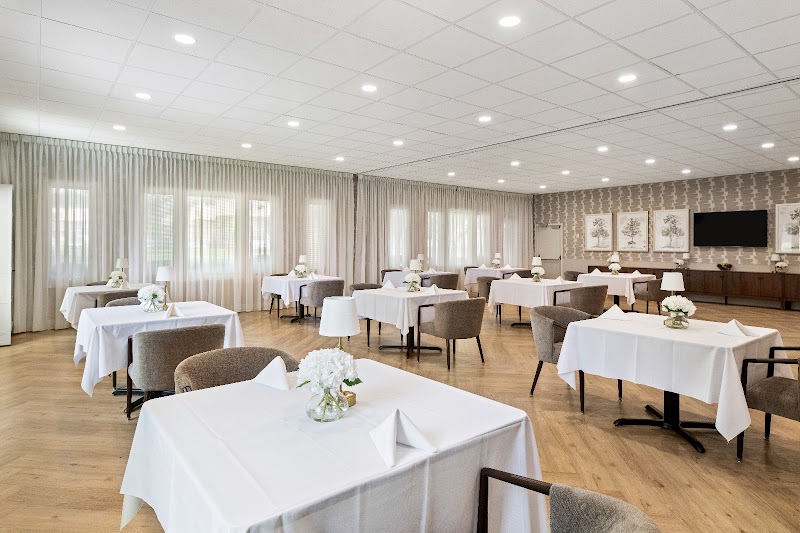
How is Bay Terrace Rehabilitation And Staffed?

CMS rates BAY TERRACE REHABILITATION AND HEALTH CENTER's staffing level at 4 out of 5 stars, which is above average compared to other nursing homes. Staff turnover is 40%, compared to the Delaware average of 46%. This relatively stable workforce can support continuity of care. RN turnover specifically is 56%, which is notably high. RNs provide skilled clinical oversight, so turnover in this role can affect medical care quality.

What Have Inspectors Found at Bay Terrace Rehabilitation And?

State health inspectors documented 38 deficiencies at BAY TERRACE REHABILITATION AND HEALTH CENTER during 2022 to 2025. These included: 1 that caused actual resident harm, 36 with potential for harm, and 1 minor or isolated issues. Deficiencies causing actual harm indicate documented cases where residents experienced negative health consequences.
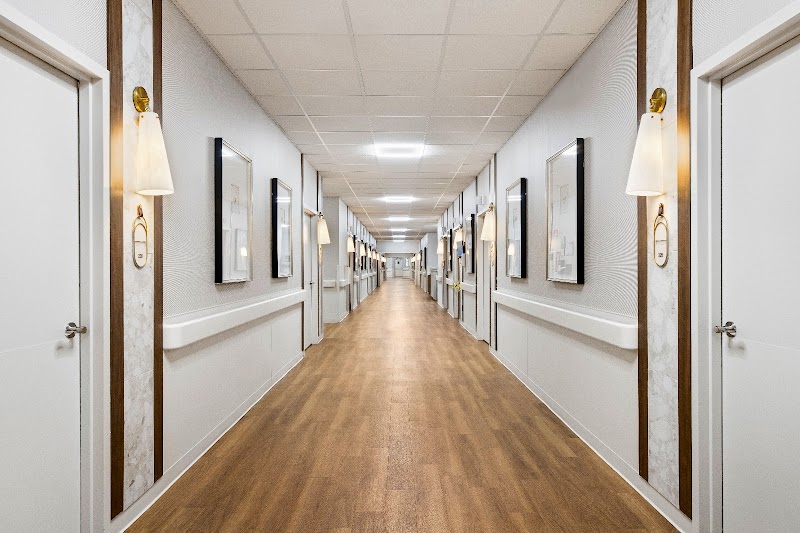
Who Owns and Operates Bay Terrace Rehabilitation And?

BAY TERRACE REHABILITATION AND HEALTH CENTER is owned by a for-profit company. For-profit facilities operate as businesses with obligations to shareholders or private owners. The facility is operated by PRESTIGE HEALTHCARE ADMINISTRATIVE SERVICES, a chain that manages multiple nursing homes. With 77 certified beds and approximately 70 residents (about 91% occupancy), it is a smaller facility located in DOVER, Delaware.
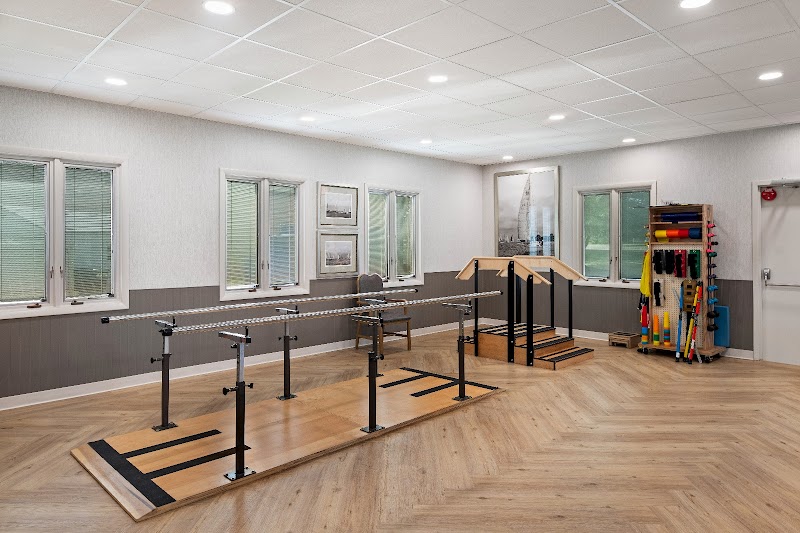
How Does Bay Terrace Rehabilitation And Compare to Other Delaware Nursing Homes?

Compared to the 100 nursing homes in Delaware, BAY TERRACE REHABILITATION AND HEALTH CENTER's overall rating (2 stars) is below the state average of 3.3, staff turnover (40%) is near the state average of 46%, and health inspection rating (2 stars) is below the national benchmark.

What Should Families Ask When Visiting Bay Terrace Rehabilitation And?

Based on this facility's data, families visiting should ask: "Can I visit during a mealtime to observe dining assistance and food quality?" "How do you handle medical emergencies, and what is your hospital transfer rate?" "Can I speak with family members of current residents about their experience?"

Is Bay Terrace Rehabilitation And Safe?

Based on CMS inspection data, BAY TERRACE REHABILITATION AND HEALTH CENTER has a clean safety record: no substantiated abuse findings (meaning no confirmed cases of resident harm), no Immediate Jeopardy citations (the most serious violation level indicating risk of serious injury or death), and is not on the Special Focus Facility watch list (a federal program monitoring the lowest-performing 1% of nursing homes). The facility has a 2-star overall rating and ranks #100 of 100 nursing homes in Delaware. While no facility is perfect, families should still ask about staff-to-resident ratios and recent inspection results during their visit.

Do Nurses at Bay Terrace Rehabilitation And Stick Around?

BAY TERRACE REHABILITATION AND HEALTH CENTER has a staff turnover rate of 40%, which is about average for Delaware nursing homes (state average: 46%). Moderate turnover is common in nursing homes, but families should still ask about staff tenure and how the facility maintains care continuity when employees leave.

Was Bay Terrace Rehabilitation And Ever Fined?

BAY TERRACE REHABILITATION AND HEALTH CENTER has been fined $19,937 across 2 penalty actions. This is below the Delaware average of $33,278. While any fine indicates a compliance issue, fines under $50,000 are relatively common and typically reflect isolated problems that were subsequently corrected. Families should ask what specific issues led to these fines and confirm they've been resolved.

Is Bay Terrace Rehabilitation And on Any Federal Watch List?

BAY TERRACE REHABILITATION AND HEALTH CENTER is not on any federal watch list. The most significant is the Special Focus Facility (SFF) program, which identifies the bottom 1% of nursing homes nationally based on persistent, serious quality problems. Not being on this list means the facility has avoided the pattern of deficiencies that triggers enhanced federal oversight. This is a positive indicator, though families should still review the facility's inspection history directly.