DELAWARE HOSPITAL F/T CHRONICALLY ILL (DHCI)
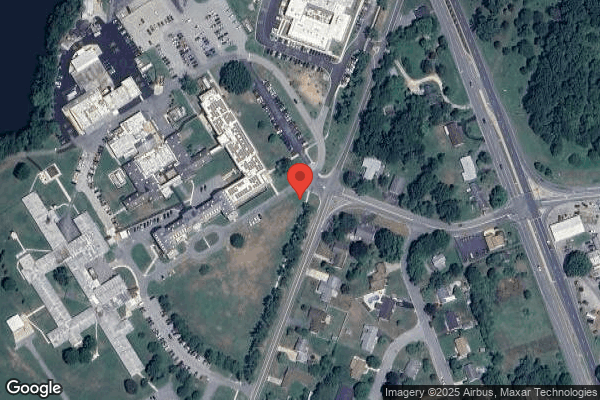
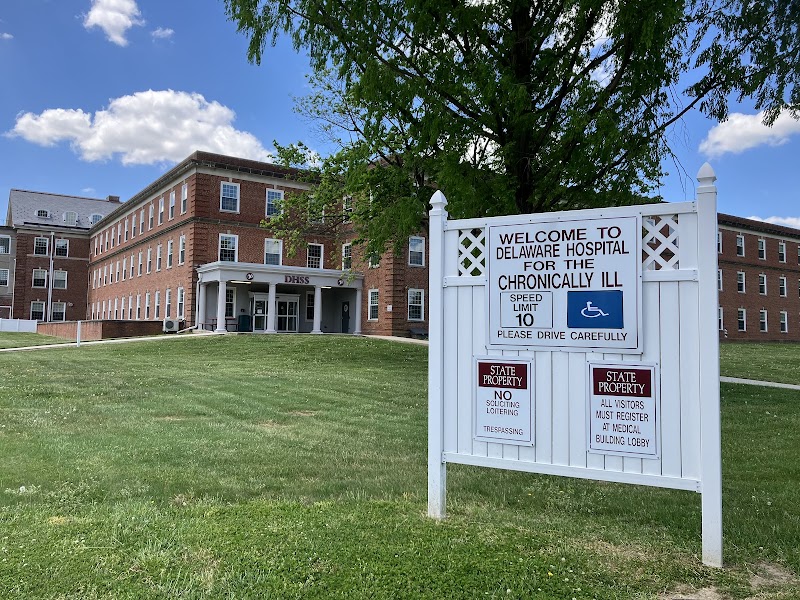
100 SUNNYSIDE ROAD, SMYRNA, DE 19977 (302) 223-1500
Government - State 175 Beds Independent Data: November 2025 2 Immediate Jeopardy citations
Trust Grade
54/100
#17 of 43 in DE
Last Inspection: December 2024

Within standard 12-15 month inspection cycle. Federal law requires annual inspections.

Overview

Delaware Hospital for the Chronically Ill (DHCI) has a Trust Grade of C, indicating that it is average compared to other facilities, which means it is neither great nor terrible. It ranks #17 out of 43 nursing homes in Delaware, placing it in the top half of the state, and #4 out of 7 in Kent County, suggesting that only three local options are better. The facility's performance has been stable, with the same number of issues reported in both 2024 and 2025. Staffing is a strong point, receiving a 5/5 star rating, but the turnover rate is 45%, which is average for Delaware. However, they have faced significant concerns, including critical incidents where residents were not adequately supervised, leading to one resident eloping from the facility and another sustaining serious injuries during a transfer. On a positive note, the facility's overall rating is 4/5 stars, but it still has room for improvement, especially in health inspections which received a 2/5 star rating.

Trust Score
C
54/100
In Delaware
#17/43
Top 39%
Safety Record
High Risk
Review needed
Inspections
Holding Steady
2 → 2 violations
Staff Stability
○ Average
45% turnover. Near Delaware's 48% average. Typical for the industry.
Penalties
○ Average
$17,345 in fines. Higher than 55% of Delaware facilities. Some compliance issues.
Skilled Nurses
✓ Good
Each resident gets 151 minutes of Registered Nurse (RN) attention daily — more than 97% of Delaware nursing homes. RNs are the most trained staff who catch health problems before they become serious.
Violations
⚠ Watch
11 deficiencies on record. Higher than average. Multiple issues found across inspections.
★★★★☆
4.0
Overall Rating
★★★★★
5.0
Staff Levels
★★★★★
5.0
Care Quality
★★☆☆☆
2.0
Inspection Score
Stable
2024: 2 issues
2025: 2 issues

The Good

  • 5-Star Staffing Rating · Excellent nurse staffing levels
  • 5-Star Quality Measures · Strong clinical quality outcomes
  • Full Sprinkler Coverage · Fire safety systems throughout facility
  • No fines on record
  • Staff turnover below average (45%)

    3 points below Delaware average of 48%

Facility shows strength in staffing levels, quality measures, fire safety.

The Bad

Staff Turnover: 45%

Near Delaware avg (46%)

Typical for the industry

Federal Fines: $17,345

Below median ($33,413)

Minor penalties assessed

The Ugly 11 deficiencies on record

2 life-threatening
Oct 2025 1 deficiency 1 IJ
CRITICAL (J) 📢 Someone Reported This

A family member, employee, or ombudsman was alarmed enough to file a formal complaint

Immediate Jeopardy (IJ) - the most serious Medicare violation

Accident Prevention (Tag F0689)

Someone could have died · This affected 1 resident

**NOTE- TERMS IN BRACKETS HAVE BEEN EDITED TO PROTECT CONFIDENTIALITY** Based on observation, interview, record review and other facility documentation, it was determined that for two (R1and R2) out o...

Read full inspector narrative →
**NOTE- TERMS IN BRACKETS HAVE BEEN EDITED TO PROTECT CONFIDENTIALITY** Based on observation, interview, record review and other facility documentation, it was determined that for two (R1and R2) out of three residents sampled for accidents, the facility failed to ensure that R1 and R2 received adequate supervision to prevent accidents. R1, a severely cognitively impaired resident, was able to elope from the building on 9/26/25 during the 11:00 PM to 7:00 AM shift. R1 was found on 9/26/25 at 8:38 AM, approximately 17-20 miles from the facility. This failure put R1 at immediate risk for severe injury or death due to exposure to traffic and environmental hazards while walking on the road unsupervised. An immediate jeopardy (IJ) was called at 12:30 PM on10/1/25. The facility abated the IJ on 10/2/25 at 3:00 PM. R2, a completely dependent resident, sustained a right femur fracture from a fall from the bed to the floor while a staff member was providing care and the resident rolled off the bed. Findings include: 12/4/23 - A facility document entitled, Elopement of Resident, documented, .The facility provides a safe environment and adequate supervision that respects the residents' dignity and minimizes the residents' risk for accidents or harm. Residents identified as at risk for elopement requires the vigilance of all staff. Residents identified as being at risk for elopement will have person- centered interventions to monitor and manage their risk as reflected in the care plan.1. Review of R1's clinical records revealed:10/24/24 - R1 was admitted to the secured unit of the facility with diagnoses including but not limited to mild cognitive impairment, major neurocognitive disorder and impaired decision making. R1's elopement assessment documented a score of 4, indicating a high risk for elopement.10/30/24 - R1's admission MDS assessment documented a BIMS score of 99, indicating the inability to conduct a cognitive interview. 10/31/24 (revised 1/29/25) - R1's elopement care plan documented, . Unaware of safety risk.at risk for wandering and eloping. want to return to the community. The interventions included, .Complete frequent face to face checks.1/22/25 7:33 AM - R1's clinical record documented, Resident was noted to be up at the nurses' station, fully dressed, with his shoes on. Resident repeatedly asked to leave his unit so he could walk to [previous place of residence] to get his hair cut. Resident informed that we could cut his hair but refused, insisted that he needs to go to [previous place of residence.] Resident remained near the nurses' station repeatedly asking people to let him out so he can walk to [previous place of residence].1/22/25 7:46 AM - R1's clinical record documented, Resident standing in front of the unit manager's office pleading with all the staff that passed by to let him out of the door.1/23/25 12:28 PM - R1's clinical record entitled Plan of Care Note, included, Risk for elopement due to recent talk of going to [name of recent place of residence.]1/23/25 2:54 PM - R1's clinical record documented, .Stated multiple times.been a year. want to go to [name of previous residence.] Please help [R1's name.]8/12/25 10:19 AM - R1's clinical record documented, Resident pacing up and down the hallway.8/15/25 4:44 PM - R1's clinical record documented, Resident was observed in the back hallway by the emergency exit door.9/4/25 12:02 PM - R1's clinical record documented, Resident expressed desire to leave the facility, per resident, it's been two years since he was taken to the hospital and then brought here. He stated, I am not sick, I want to go to [previous place of residence.]9/4/25 9:01 PM - R1's clinical record documented, Resident expressed desire to leave the facility to go [previous place of residence.]9/8/25 1:03 PM - R1's clinical record documented, Resident requested to speak with someone about getting out of this facility. Stated, I am not sick, I don't need to be here. Social Services came to speak with resident, reassured him that everything is being done to help him. Resident pulled out a piece of paper with his address written on it and stated, That's where I live. Resident spoke very clearly, explaining his experience in the hospital and how he got there and how he came to be at this facility. Resident expressed that he is very eager to get out of [name of current facility.]9/13/25 11:06 AM - R1's clinical record documented, Resident up out of his room, pacing around more than usual and expressing verbally the desire to leave, saying he's been here too long and wants to go back to where he used to live.9/14/25 8:53 PM - R1's clinical record documented, .Continues to stand in the hallway staring at the back and side doors.9/15/25 2:57 PM - R1's clinical record documented, Engaged in conversation with resident during which resident expressed his interest in going back to live the community.9/16/25 1:08 AM - R1's clinical record documented, . Ambulating back and forth in the hallway asking to go to [place of previous residence.]9/22/25 1:33 PM - R1's clinical record documented, . [R1] very vocal about his wants. Stated that he was brought to [name of facility] from the hospital and was supposed to stay here for a bit.9/23/25 - R1's annual MDS documented a BIMS score of 99, indicating the inability to conduct a cognitive interview.9/25/25 2:38 PM - R1's clinical record documented, Resident noted with slight agitation, kept saying he needs to get to [previous place of residence] to see his family. Redirected with little success. Noted to be standing by front doors of unit but no attempt to leave.9/26/25 6:00 AM - R1's clinical record documented, During unit rounds at 6:00 AM, resident was not noted to be in his usual sleeping position in his room. After a brief search of resident's room and his usual unit locations, still unable to locate resident, resident's window noted to be opened. 9/26/25 8:38 AM - The facility's investigation documented, E5 (QA) successfully located [R1] walking on the road. E5 was trying to convince him to get into the vehicle and he went into the [NAME]. Later, more staff came from [the facility] including the police. We searched the [NAME] for approximately 45 minutes but could not locate him. After 45 minutes to one hour, a driver passing by stopped and asked if we were searching for someone. We said yes, and he described the person and said he fit the description of someone he had just passed about two miles down from the location where we were searching. We saw [R1] walking on the road.and he was brought back to the facility. An alarm was put on the window, and he was placed on 1:1 close supervision for safety.9/30/25 11:00 AM - The Surveyor observed that R1's bedroom window had a device that sounded an alarm when the window was opened. A check of the windows on the secured unit revealed that 8 out of 10 windows were unlocked and easily opened by the Surveyor. There was a total of 18 residents who resided on this secure unit. 9/30/25 12:00 PM - During an interview E1 (NHA) stated, We knew that the resident [R1] was an elopement risk on admission. He was placed in the secure unit for close monitoring. He placed on 1:1 supervision for 72 hours from 9/26/25 through 9/29/25 after the elopement, then hourly visual checks. Window limiters were approved by the fire marshal and will be installed on all the windows on [name of unit] upon delivery.9/30/25 12:30 PM - A review R1's clinical records from his admission to the date of the elopement lacked evidence of a person-centered care plan for elopement despite multiple episodes of exiting seeking and verbalization of wanting to leave the facility.9/30/25 1:00 PM - A review the facility's video recording from 9/26/25 at 12 midnight to 6:30 AM revealed:12:03 AM - R1 was observed exiting his room and entering the hallway.12:08 AM - R1 was observed returning to his room.12:21 AM - Staff member was observed walking past the resident's room, did not enter.12:25 AM - Staff member was observed looking at the resident's room from the end of the hallway.12:58 AM - Staff member was observed walking past the resident's room, did not enter.1:39 AM - Staff member was observed walking past the resident's room, did not enter.1:52 AM - Staff member was observed walking past the resident's room, did not enter.2:20 AM - Staff member was observed walking past the resident's room, did not enter.2:45 AM - Staff member was observed walking past the resident's room, did not enter.3:44 AM - Staff member was observed walking past the resident's room, did not enter.4:02 AM - Staff member was observed walking past the resident's room, did not enter.4:26 AM - Staff member was observed walking past the resident's room, did not enter.4:41 AM - Staff member was observed walking past the resident's room, did not enter.4:46 AM - Staff member was observed walking past the resident's room, did not enter.4:56 AM - Staff member was observed walking past the resident's room, did not enter.4:59 AM - Staff member was observed walking past the resident's room, did not enter.5:10 AM - Staff member was observed walking past the resident's room, did not enter.5:40 AM - Staff member was observed walking past the resident's room, did not enter.5:55 AM - Staff member was observed walking past the resident's room, did not enter.6:04 AM - Staff member was observed walking past the resident's room, did not enter.6:07 AM - New staff on the unit, entered, exited the resident's room and walked back to the nursing station.6:10 AM - Staff members entered the resident's room, other rooms, and checked the back doors.6:11 AM to 6:18 AM staff members were observed outside of the building. The staff failed to follow R1's care plan for visual check for 18 out of 20 opportunities.10/1/25 10:00 AM - During an interview E8 (CNA) stated, The last time I saw the resident in the hallway was around midnight. The Surveyor asked E8 whether R1 had verbalized that he wanted to leave the facility. E8 stated, Yes, all the time.10/1/25 10:10 AM - During an interview E7 (CNA) stated, He [R1] was independent with going to the bathroom so I did not know I have to do anything for him at night. I did not know he was an elopement risk and needed to be checked every hour. I now know that I must see him with my eyes every 30 minutes. The Surveyor asked E7 whether R1 had verbalized that he wanted to leave the facility. E7 stated, Yes, many times.10/1/25 10:30 AM - During an interview E13 (LPN) stated, I check on my residents when I come on shift. I went into the room around 6:10 AM but did not see the resident. I checked the bathroom and the closet but did not see him. I went outside and saw that the window was open. I went to the tell the supervisor right away.10/1/25 4:00 PM - The facility's abatement plan for the immediate jeopardy included:- All staff in the facility and staff reporting for scheduled shifts were in-serviced on the current elopement policy and face-to-face checks for residents at risk for elopement.- The facility reviewed all current residents and identified 8 residents deemed to be at higher risk for elopement. These residents were placed on every one-hour face-to-face checks.- The care plans were updated to reflect specific interventions for high elopement risks.- An alarm was placed on R1's window and all the windows on the units were checked and locked. When windows were found to be damaged, maintenance was called for immediate repair.- R1 was moved to another secure unit with alarm on the window and double locks on both entrances.- All the windows on the secure unit have hard wired alarms and were tested on this same day.- Window limiters were approved by the fire marshal and will be installed upon delivery.10/1/25 1:00 PM - Staff interviews conducted, and in-service education and training verified.10/2/25 2:45 PM - Staff training records reviewed and verified. The IJ was abated at 3:00 PM.10/2/25 3:30 PM - Findings were verified with E1 (NHA) and E2 (DON.) 2. Review of R2's clinical records revealed:4/7/20 - R2 was admitted to the facility with diagnoses including severe intellectual disability, cerebral palsy and morbid obesity12/4/23 - A facility document entitled, Fall Risk Prevention Policy, documented, .The facility will ensure that the resident environment is safe and free of hazards. That each resident receives adequate supervision and assistance to prevent falls or minimize the risk for fall related injuries.3/14/25 - R2's quarterly MDS documented a BIMS score of 00, indicating an inability to conduct a cognitive interview. R2 was non-ambulatory and completely dependent on staff for all activities of daily living.5/11/25 8:57 PM - A facility incident report submitted to the Division documented, Resident fell from the bed to the floor during care and sustained a right eyebrow cut/swollen and Rt [right] knee abrasion. Provider was notified and resident sent to the ER for evaluation.5/13/25 11:00 AM - R2's clinical record documented, Resident seen today for decreased ROM [range of motion] to right knee. Right knee noted with swelling and warm to touch. Resident moaned and grimaced when the right knee was touched. Right knee tender to touch, resident unable to flex knee to 90 degrees. X-ray of right knee ordered.5/13/25 8:40 PM - R2's clinical record documented, .Showed that the resident's right femur is fractured.Send the resident out via 911.5/16/25 11:35 AM - The facility's 5 day follow up report to the Division documented, .admitted for right knee surgery due to a right femur fracture. She [R2] had surgery and returned on 5/16/25.10/1/25 2:00 PM - The facility's post fall investigation documented, [R2] was not care planned for falls because she is unable to move herself. E6 (CNA) interview statement documented, .[R2] does not move at all and cannot scoot because she is heavy. E6 advised that she turned [R2] on her right side as she reached for a washcloth. Resident was being turned towards the window and as she reached for the washcloth R2 rolled off the bed. She fell face down on the floor.The facility failed to provide adequate supervision to prevent R2's fall with injury.10/2/25 1:30 PM - A review of the facility's actions after R2's fall revealed:- R2's care plan was revised and updated for 2 staff members assistance with bed mobility.- All nursing staff were trained on fall prevention during resident care. The training included not rolling the resident away from the staff's body. Ensure that the resident is in the middle of the bed before turning him/her away from your body (if you must turn the resident away from you.)- The certified nursing assistant (CNA) involved in the fall was required to re-take new hire orientation, which included shadowing another CNA before she could return to provide resident care independently.- The fall was discussed and reviewed at the fall committee meeting on 5/16/25 and at QAPI meetings 6/30/25 and 7/28/25.- A review of all falls since 5/11/25 during the fall committee meeting and QAPI meetings revealed no falls relating to resident's positioning in bed or during care.10/2/25 2:30 PM - Based on staff interviews and review of the above corrective actions, it was determined that this deficient practice was past non-compliance with an abatement date of 5/16/25 at 3:00 PM. 10/2/25 3:30 PM - During an interview, findings were confirmed with E2 (DON).10/3/25 1:30 PM - Findings were reviewed with E1 (NHA), E2 (DON) and E3 (ADON) at the exit conference.
Feb 2025 1 deficiency 1 IJ
CRITICAL (J) 📢 Someone Reported This

A family member, employee, or ombudsman was alarmed enough to file a formal complaint

Immediate Jeopardy (IJ) - the most serious Medicare violation

Accident Prevention (Tag F0689)

Someone could have died · This affected 1 resident

**NOTE- TERMS IN BRACKETS HAVE BEEN EDITED TO PROTECT CONFIDENTIALITY** Based on observation, interview, and record review, it was determined that for one (R1) out of three residents reviewed for acci...

Read full inspector narrative →
**NOTE- TERMS IN BRACKETS HAVE BEEN EDITED TO PROTECT CONFIDENTIALITY** Based on observation, interview, and record review, it was determined that for one (R1) out of three residents reviewed for accident hazards and falls, the facility failed to ensure that R1 received adequate hands-on assistance and supervision to prevent a fall to the extent possible. R1, a cognitively impaired and dependent resident sustained a fall on [DATE] when two staff members improberly used a mechanical lift to perform a transfer. The facility's failure caused R1 to suffer a subdural hematoma and two (2) lacerations to her scalp. R1 was sent emergently to the hospital. Due to this failure, an Immediate Jeopardy (IJ) was called at 10:30 AM on [DATE]. Findings include: The facility's fall policy dated 2023 and titled, Fall Prevention, included, .The facility will ensure that the resident environment is safe and free of hazards. That each resident receives adequate supervision to prevent falls or minimize the risk for fall related injuries . Review of R1's clinical record revealed: [DATE] - R1 was admitted to the facility with diagnoses including dementia, chronic kidney disease and weight loss. [DATE] - R1's fall care plan (revised [DATE]) documented, Transfer with the help of 2 people using a mechanical lift, using the appropriate size sling . [DATE] - R1's quarterly MDS documented a BIMS score of 00, indicating a severe cognitive impairment. R1's MDS also documented, Complete dependence on the staff for all activities of daily living, including eating, dressing and transfers. [DATE] - E5 (CNA) documented in a facility's investigative document titled and timed 12:30 PM, Employee Interview Statement, After I provided care for [R1] Me and the nurse (R4 LPN) were putting her [R1] in the chair, and she slid from her sling to the floor. [DATE] - E4 documented in a facility's investigative document titled and timed 12:30 PM, Employee Interview Statement, .I was in the room .and started (the roommate's) tube feeding. After starting the feeding, I noticed [R1's] CNA come with a lift to get her up for lunch. I told her that since I'm already in the room, I will watch her while she put [R1] in her wheelchair. I watched [E5] connect all 4 hooks to the Hoyer lift. Then she lifted her (R1) up. I saw both of [R1's] legs of out of the sling, and I told [E5] that I will hold both legs so that they don't hit the wheelchair. I was not able to get to them in time. I heard [R1] fall on the floor. I ran immediately and called the unit manager in the dayroom. [DATE] 1:30 PM - E6 (NP) documented in R1's clinical record, Resident fell from the Hoyer lift a few minutes before we were called to the unit staff reports the fall was due to slipping while being transferred. Resident has bleeding of head, left hand, left leg pain .she repeated mumbled in distress .limited exam to her head because of diffuse bleeding and need to apply pressure to the laceration . [DATE] 2:44 PM - E4 (LPN) documented in R1's nursing progress notes, Resident fell at 1244 [12:44 PM] during 2 people transfer from her bed to her chair. She was noted with blood on the back of her head and her right shin. She was alert, treatment was provided. 911 was activated and was sent to the hospital. Of note, both E5 and E6's investigative statements documented that the fall occured at 12:30 PM. [DATE] 12:15 PM - The facility's immediate action plan included training of E4 and E5 on the use of the mechanical lift. [DATE] 1:30 PM - During an interview, E5 (CNA) stated, The fall happened so sudden and fast. I provided her care, and she was ready to get up in the chair. The nurse (E4) was in the room was taking care of the other patient. The nurse said, I am already here, I will help you. The pad was under the resident [R1] and I hooked up the sling to the lift. The nurse was on the other side of bed. I raised the sling to get her [R1] off the bed and tried to straighten myself and it happened suddenly. I was behind the lift and tried to open the legs of the lift to put the resident above the chair. The nurse was around the side of the bed, but the resident slid out of the bed before she could reach her. The Surveyor asked E5 if the nurse Had hands on the resident while she was being lifted from the bed. E5 stated, The nurse was coming around the bed to reach the resident. It all happened so fast. [DATE] 12:30 PM - During an interview R4 (LPN) stated, I was putting the feeding up for the roommate and the aide [E5] was helping [R1] to get up for lunch. She finished getting her ready to get up and I told her that I would help her with the lift. I was on one side of the bed, and the aide was on the other side. She started to bring her around to the chair, and I saw her [R1's] legs hanging out of the sling. I said, Hold on, let me secure her legs so they don't hit the wheelchair. The resident was in the air already by the time I got around from the other side of the bed. And [E5] was backing up with the lift to put her in the chair. I came around to help put the resident in the chair, but she started to slide and fell before I could reach her. I did not get to reach her legs before she hit the floor. [DATE] 10:30 AM - An Immediate Jeopardy was called due to the seriousness of this incident. [DATE] 1:30 PM - A review of R1's hospital records revealed that she sustained the following: - An intra cranial traumatic hemorrhage, - A 9 cm. laceration to the mid- scalp, - A 5 cm. laceration to the back of her scalp. R1 was placed on comfort care and expired at the hospital. The facility failed to provide the recommended use of two persons hands on assistance for R1 during the transfer from the bed to the wheelchair with the use of a mechanical lift. R1 sustained a traumatic fall which resulted in head injuries and expired at the hospital. [DATE] 3:30 PM - The facility's abatement plan was accepted. The facility's action plan included: - All nursing staff will complete a mandatory in-service training on the proper use of mechanical lifts and the requirement for two-person assistance with hands on the resident while in the air when transferring residents. - A review of the facility protocols for safe transfers, including the use of mechanical lifts, a detailed explanation of the risks and potential injuries caused by improper transfers, emphasis on the importance of following the care plan for each resident and using the required number of staff for transfers; and hands-on resident training while in the air, on proper techniques and safety protocols for lifting and transferring residents while using mechanical lifts. - A full review of all residents' care plans requiring two-persons assistance for transfers. [DATE] 1:00 PM - Based on the Surveyor's review of the facility's investigation, documented response, completion of audits from [DATE] to [DATE], staff interviews and no further mechanical lift fall or injuries, the IJ was considered abated on [DATE] at 7:00 AM. [DATE] 3:00 PM - Findings were reviewed at the exit conference with E1 (NHA), and E2 (ADON.)
Feb 2022 9 deficiencies
CONCERN (D)

Potential for Harm - no one hurt, but risky conditions existed

Deficiency F0568 (Tag F0568)

Could have caused harm · This affected 1 resident

Based on interview and record review, it was determined that the facility failed to provide two (R18 and R78) out of four residents reviewed for personal funds with quarterly statements of resident fu...

Read full inspector narrative →
Based on interview and record review, it was determined that the facility failed to provide two (R18 and R78) out of four residents reviewed for personal funds with quarterly statements of resident funds. Findings include: September 2013 - The facility policy provided by E9 (Financial Determination Administrator) included that quarterly personal funds statements Will be sent to a client or their legal or responsible representative. 1. Review of R78's clinical record revealed: 11/17/98 - R78 was originally admitted to the facility. 1/7/22 - An Annual MDS (Minimum Data Set) assessment documented that R78 was moderately cognitively impaired with poor decision-making skills. 2/14/22 3:45 PM - During an interview, R78 stated No. I don't get statements. They [the facility] robbed me! I went from $3,000 to nothing! 2/22/22 1:55 PM - During an interview with E9, it was revealed that the facility does not send quarterly personal funds statements to FM2 (resident representative for R78) because the facility is R78's representative payee. E9 stated that she was not aware that a resident representative / guardian needs to receive quarterly statements if the facility was the resident's representative payee. 2. Review of R18's record revealed: 12/3/21 - A quarterly MDS assessment documented that R18 was severely cognitively impaired. 2/14/22 1:30 PM - In an interview, FM1 (POA and resident representative for R18) reported that no financial statements had ever been mailed to her by the facility. 2/17/22 12:07 PM - During an interview, E9 (Financial Determination Administrator) said that FM1(R18's POA) had not been mailed R18's account statement because FM1 was not listed as the financial contact for R18. 2/17/22 2:00 PM - A facility policy provided by E9 stated that R18's financial account statements will be provided to the resident or the resident's representative quarterly. 2/22/22 2:30 PM - Findings were reviewed with E1 (NHA) and E2 (DON) during the exit conference.
CONCERN (D)

Potential for Harm - no one hurt, but risky conditions existed

Report Alleged Abuse (Tag F0609)

Could have caused harm · This affected 1 resident

Based on record review, interview and other facility documentation, it was determined that for two (R31 and R78) out of two residents reviewed for abuse, the facility failed to immediately report alle...

Read full inspector narrative →
Based on record review, interview and other facility documentation, it was determined that for two (R31 and R78) out of two residents reviewed for abuse, the facility failed to immediately report allegations of abuse. Findings include: A facility policy entitled Protection from Abuse and Responding to Reportable Incidents (last revised 4/1/21) included: c. Immediately shall mean as soon as the situation is stabilized (e.g., actions have been taken to provide treatment, comfort and safety of residents involved. 1. Not later than 2 hours if the alleged violation involves abuse. Cross refer F610 1. Review of R31's clinical record revealed: 2/22/05 - R31 was admitted to the facility with a brain injury. 1/30/22 11:15 AM - An incident report submitted to the State Agency documented that on this date and time R31 reported to the facility, Resident stated that his CNA 'verbally abuses me.' She calls me stupid and that I am full blown schizophrenic and that is in my file. She told me I did this to myself. She was talking about the kidney disease. 1/31/22 1:13 PM - The 1/30/22 incident was reported to the State Agency approximately twenty-six hours later. 2/17/22 11:45 AM - During an interview, E11 (Charge Nurse) confirmed the incident occurred on a weekend and it was reported to the Supervisor. The facility incident report was then prepared by E12 (RN Supervisor) on 1/31/22 at 11:30 AM. E12 reported the incident to the State agency on 1/31/22 at 1:13 PM. 2. Review of R78's clinical record revealed: 11/17/98 - R78 was admitted to the facility with a stroke and dementia. 2/14/22 3:45 PM - During an initial interview, a State Surveyor asked R78 if he has ever been abused and he said two CNAs hit him a couple of weeks ago. 2/14/22 approximately 4:10 PM - A facility internal incident report included: Per survey team member, the resident reported he was abused two weeks ago when she asked him Have you been abused? The Surveyor immediately reported the allegation of abuse. 2/16/22 1:39 PM - An email to SS1 (DHCQ - Division of Healthcare Quality Investigator) composed by E13 (Quality Assurance Administrator) included that on 2/14/22 a State Surveyor completed an interview with R78 as part of the annual licensing survey. During the interview, R78 shared that he had been abused. After the interview, the State Surveyor shared the allegation of abuse with the facility Nursing Supervisor. 2/16/22 2:35 PM - An email reply to the facility from SS1 (DHCQ Investigator) included: I have checked our IRC complaint system and there is no recent facility reported incident for abuse regarding R78 . However, our office will still need an Incident Report from your facility regarding the initial allegation (of abuse) made on 02/14/22. 2/21/22 1:30 PM - During an interview, E10 (Hospital Administrator) and E1 (Nursing Home Administrator) confirmed that the incident had not yet been formally reported to the State Agency. E1 stated that SS1 (DHCQ Investigator) was emailed regarding the incident. E1 and E10 reported they thought that after the Surveyor reported the incident to the facility, the Surveyor would formally report the allegation of abuse by R78 to the State Agency. 2/22/22 12:01 PM - The facility to immediately report an allegation of abuse. 2/22/22 2:30 PM - Findings were reviewed with E1 (NHA) and E2 (DON) during the exit conference.
CONCERN (D)

Potential for Harm - no one hurt, but risky conditions existed

Investigate Abuse (Tag F0610)

Could have caused harm · This affected 1 resident

Based on record review, interview and review of other facility documentation, it was determined that for one (R31) out of two residents reviewed for abuse, the facility failed to immediately put measu...

Read full inspector narrative →
Based on record review, interview and review of other facility documentation, it was determined that for one (R31) out of two residents reviewed for abuse, the facility failed to immediately put measures in place to ensure further potential abuse. In addition, the facility failed to thoroughly investigate R31's allegation of abuse. Findings include: A facility policy entitled Protection from Abuse and Responding to Reportable Incidents (approved 4/1/21) included: Prevention: Prevent further potential abuse .while an investigation is in progress. Cross refer F609 1. 2/22/05 - R31 was admitted to the facility with a brain injury. a. 1/30/22 11:15 AM - An incident report submitted to the State Agency documented that on this date and time R31 reported to the facility, Resident stated that his CNA (E21) 'verbally abuses me.' She calls me stupid and that I am full blown schizophrenic and that is in my file. She told me I did this to myself. She was talking about the kidney disease. 1/30/22 - Review of the facility CNA resident assignment sheet confirmed that E21 (CNA) worked on the 7:00 AM to 3:00 PM shift and was assigned to R31. Review of the electronic employee time stamps for time worked on 1/30/22 revealed that E21 clocked in at 7:00 AM and clocked out at 3:00 PM. The allegation of abuse occurred at 11:15 AM and E21 remained at the facility until 3:00 PM. E21 was removed from R31's care assignment, but remained in the facility caring for other residents. 2/4/22 - A 5 day follow up submitted to the State Agency by the facility included in the root cause analysis that the CNA was immediately reassigned and removed from the resident's care. 2/17/22 10:37 AM - During an interview, E11 (Charge Nurse) confirmed that E21 (CNA) was reassigned and removed from R31's care after the allegation of abuse, but worked the rest of the shift providing resident care. E11 added that two CNA's just swapped their assignment to have someone else care for R31. The facility failed to protect R31 and/or other residents from further potential abuse. b. A facility policy entitled Protection from Abuse and Responding to Reportable Incidents (last approved 4/1/21) included: Investigation - Interview all potential witnesses. Review of the facility investigation related to R31's allegation of abuse on 1/30/22 revealed that only E21 (CNA) and E11 (Charge Nurse) provided written statements. No other staff working on R31's unit provided statements. The facility failed to thoroughly investigate R31's allegation of abuse. 2/22/22 2:30 PM - Findings were reviewed with E1 (NHA) and E2 (DON) during the exit conference.
CONCERN (D)

Potential for Harm - no one hurt, but risky conditions existed

PASARR Coordination (Tag F0644)

Could have caused harm · This affected 1 resident

Based on clinical record review and interview, it was determined that for one (R4) out of one resident reviewed for PASARR (Preadmission Screening and Resident Review), the facility failed to refer R4...

Read full inspector narrative →
Based on clinical record review and interview, it was determined that for one (R4) out of one resident reviewed for PASARR (Preadmission Screening and Resident Review), the facility failed to refer R4 with newly evident or possible serious mental disorder(s) for a PASARR level II resident review. Findings include: Review of R4's clinical record revealed: 11/6/00 - A PASARR Level I analysis was completed prior to R4's admission to the facility and determined that a nursing home admission was necessary. R4 had PTSD (post-traumatic stress disorder), chronic adjustment disorder and depression. R4 was prescribed medication to treat depression. 6/13/02 - R4 was admitted to the facility. 2/21/22 9:40 AM - During an interview, E26 (SW) confirmed that no PASARR's had been submitted to the State since R4 was admitted to the facility in 2002. 2/21/22 10:00 AM - During an interview, E8 (Pharmacist) confirmed that R4 had three antipsychotic medications since 2016 for bipolar mood disorder and borderline personality disorder, including Seroquel originally ordered 2/21/19, Zyprexa from 2016 - 2019 and Risperidone from January - September 2016. 2/22/22 10:29 AM - SS2 (State PASARR Supervisor) confirmed that the facility should have referred R4 for a PASARR level II resident review when he had new psychiatric diagnoses and antipsychotic medications were prescribed. 2/22/22 2:30 PM - Findings were reviewed with E1 (NHA) and E2 (DON) during the exit conference.
CONCERN (D)

Potential for Harm - no one hurt, but risky conditions existed

Comprehensive Care Plan (Tag F0656)

Could have caused harm · This affected 1 resident

Based on record review, interview and review of other facility documentation, it was determined that for one (R31) out of 20 sampled residents investigated for comprehensive care plans, the facility f...

Read full inspector narrative →
Based on record review, interview and review of other facility documentation, it was determined that for one (R31) out of 20 sampled residents investigated for comprehensive care plans, the facility failed to initiate a comprehensive care plan to monitor R31's dialysis catheter. Findings include: Cross refer F698 1. Review of R31's clinical record revealed: 2/22/05 - R31 was admitted to the facility with a brain injury and dialysis was initiated related to kidney disease. 8/28/21 - A doctor's order included: I attend dialysis with (said Dialysis Center) on Mondays, Wednesdays and Fridays at 9:40 AM. 2/4/22 - Although R31's care plan included that R31 had a dialysis catheter in his right upper chest, there were no interventions in place to monitor it for an intact dressing or complications. 2/16/22 12:45 PM - During an interview, E14 (Unit Manager) confirmed there was not a comprehensive care plan to monitor R31's dialysis catheter. 2/22/22 2:30 PM - Findings were reviewed with E1 (NHA) and E2 (DON) during the exit conference.
CONCERN (D)

Potential for Harm - no one hurt, but risky conditions existed

Deficiency F0698 (Tag F0698)

Could have caused harm · This affected 1 resident

Based on record review, interview and review of other facility documentation, it was determined that for one (R31) out of one sampled residents reviewed for dialysis, the facility failed to monitor R3...

Read full inspector narrative →
Based on record review, interview and review of other facility documentation, it was determined that for one (R31) out of one sampled residents reviewed for dialysis, the facility failed to monitor R31's dialysis catheter and failed to consistently monitor R31's before (pre) and after (post) dialysis weights. Findings include: Review of R31's clinical record revealed: 2/22/05 - R31 was admitted to the facility with a brain injury and dialysis was initiated related to kidney disease which required a dialysis catheter. 11/20/20 - A physician's order included: Weights three times per week Monday, Wednesday and Friday morning. Review of R31's Dialysis Communication forms revealed: -12/6/21; 1/7/22; 1/19/22; and 1/26/22 - no post dialysis weights. -12/27/21 - no pre or post dialysis weights. -2/9/22 - no pre dialysis weight. 02/16/22 12:45 PM - During an interview, E14 (Unit Manager) confirmed there was no physician's order to monitor R31's dialysis catheter. 2/17/22 10:05 AM - During an interview, E14 confirmed there were missing dialysis weights on the aforementioned dates. E14 stated that the facility was responsible for pre dialysis weights and the dialysis center was responsible to record post dialysis weights in R31's dialysis communication book. 2/17/22 10:26 AM - During an interview, E11 (Charge nurse) confirmed that the facility does not weigh R31 after dialysis or contact the dialysis center to follow up on post dialysis weights. 2/22/22 2:30 PM - Findings were reviewed with E1 (NHA) and E2 (DON) during the exit conference.
CONCERN (D)

Potential for Harm - no one hurt, but risky conditions existed

Medication Errors (Tag F0758)

Could have caused harm · This affected 1 resident

2a. The following was reviewed in R47's clinical record: 6/22/21 - A physician order was written for Valium 5 mg/ml - 5 mg into the muscle PRN (as needed for seizure activity times 6 doses, 5 mg every...

Read full inspector narrative →
2a. The following was reviewed in R47's clinical record: 6/22/21 - A physician order was written for Valium 5 mg/ml - 5 mg into the muscle PRN (as needed for seizure activity times 6 doses, 5 mg every 5 minutes and may repeat up to 30 mg total dose. The order lacked an end date or rationale for continued use beyond 14 days. 2/21/22 3:00 PM - During an interview, E8 (Pharmacist) said that the prescription for Valium was renewed by the Physician on 12/28/21. E8 confirmed that the order was extended beyond 14 days and did not include a specific duration for use. b. 2/10/20 - A physician order for Seroquel twice daily was written for R47. 3/23/21 - A review of documentation revealed an AIM's test was completed. 10/26/21 - The pharmacy medication review revealed the last AIM'S test was competed on 3/23/21 (7 months ago). 1/25/22 - A pharmacy medication review incorrectly documented that medication monitoring was adequate, no changes recommended. 2/21/22 9:00 AM - Review of the clinical record lacked evidence of an AIM's assessment after 3/28/21. 2/21/21 1:30 PM - During an interview, E18 (RN) confirmed that AIM's testing was not completed since 3/23/21 for R47. E18 immediately confirmed with E3 (Blossom Unit Manager) that AIM's assessments should be completed every three months for residents on psychotropic medications. Findings were reviewed with E1 (NHA) and E2 (DON) during exit conference on 2/22/22 at 2:22 PM. Based on interview and record review, it was determined that for two (R47 and R62) out of five residents reviewed for unnecessary medications, for R62, the facility failed to complete a Gradual Dose Reduction (GDR) and for R47, the facility failed to monitor side effects of psychoactive medication. Additionally, for R47, the facility failed to ensure that PRN psychotropic medication had a specific duration for continued use. Findings include: The facility policy Psychoactive Medications, dated 11/15/17, documented that an AIM's assessment should be completed quarterly for residents taking psychotropic medication. 1. Review of R62's clinical record revealed: 6/1/04 - R62 was admitted to the facility with major depressive disorder, recurrent, severe with psych symptoms. 10/31/17 (revision date) - The Policy and Procedure for psychoactive medication documented that the Pharmacy Consultant Will recommend GDR to the primary care physician/NP when appropriate, after each quarterly review. GDR must be attempted quarterly, unless clinically contraindicated. 5/14/21 - An annual MDS assessment documented the use of an antidepressant and a GDR was clinically contraindicated per the Physician, dated 8/29/17. There were no mood symptoms or behaviors. 6/3/21 - Physicians orders revealed an order for Risperdal 12.5 mg to be given by injection into the muscle for one day, then hold 13 days for major depressive disorder and antipsychotic features, then give the next dose. 6/14/21 - A Psychiatric consult signed by E16 (MD) documented R62's mood as Not too bad and was cooperative, pleasant. 1/14/22 - A quarterly MDS assessment documented use of an antipsychotic and no mood symptoms or behaviors. 1/20/22 - Review of the Pharmacist Medication Regimen Review revealed Risperdal consider GDR due on 1/1/22. The facility lacked evidence that the recommendation was considered by the Physician. 2/18/22 12:27 PM - During an interview, E6 (RNAC) confirmed that GDR information for a resident taking an antipsychotic medication was obtained from Behavioral Health Services. 2/21/22 - An email communication with E22 (MD) provided no additional information about a GDR for Risperdal. There was no evidence of a GDR or rationale not to conduct one in the clinical record.
CONCERN (E)

Potential for Harm - no one hurt, but risky conditions existed

Food Safety (Tag F0812)

Could have caused harm · This affected multiple residents

Based on observations and interviews, it was determined that the facility failed to ensure that food was stored, prepared, and served in a sanitary manner. Findings include: 2/14/22 8:30 - 9:15 AM - D...

Read full inspector narrative →
Based on observations and interviews, it was determined that the facility failed to ensure that food was stored, prepared, and served in a sanitary manner. Findings include: 2/14/22 8:30 - 9:15 AM - During the initial kitchen tour with E25 (Food Service Supervisor), the following were observed: - an upright refrigerator in the food preparation area contained: - 3 unlabeled insulated lunch bags belonging to staff. - an unlabeled zip lock baggie containing fresh broccoli. - an unlabeled plastic container with a lid containing a staff members soup. - 2 opened unlabeled jars of chicken and beef base and a bottle of hot sauce. - an approximately 3 inch by 3 inch piece of butter wrapped in plastic and unlabeled. - a hand sink in the food preparation area did not have a garbage can close by. 2/14/22 9:15 AM - During an interview, the above findings were confirmed with E25. 2/15/22 9:20 AM - During the kitchen inspection an unlabeled open bag of frozen french fries was observed in a freezer. 2/15/22 1:30 PM - During an interview, the above findings were confirmed with E24 (Food Service Director). 2/22/22 2:30 PM - Findings were reviewed with E1 (NHA) and E2 (DON) during the exit conference.
MINOR (B)

Minor Issue - procedural, no safety impact

Assessment Accuracy (Tag F0641)

Minor procedural issue · This affected multiple residents

Based on observation, interview, and record review, it was determined that for one (R22) out of two residents reviewed for pressure wounds, the facility failed to complete accurate MDS assessments. Fi...

Read full inspector narrative →
Based on observation, interview, and record review, it was determined that for one (R22) out of two residents reviewed for pressure wounds, the facility failed to complete accurate MDS assessments. Findings include: A review of MDS assessments 4/23/21 (annual), 9/17/21 and 12/3/21 (quarterly) documented that R22 had a stage 3 wound and an unstageable wound. 2/14/22 11:12 AM - During an interview, R22 stated she had a wound on her bottom that the facility was treating. 2/16/22 10:30 AM - During a wound care observation performed by E5 (WCN), R22 had a wound on the left hip area with depth down to the bone. 2/16/22 11:29 AM - During an interview, E5 (WCN) stated that R22 had the stage 4 left hip wound for over a year. E5 said that a wound care company had also been treating the resident for this chronic Stage 4 wound. 2/16/22 11:56 AM - During an interview, E6 (RNAC) confirmed that she had made an error when coding R22's pressure wound and confirmed the three MDS assessments were coded inaccurately. 2/22/22 2:30 PM - Findings were reviewed with E1 (NHA) and E2 (DON) during the exit conference.
Understanding Severity Codes (click to expand)
Life-Threatening (Immediate Jeopardy)
J - Isolated K - Pattern L - Widespread
Actual Harm
G - Isolated H - Pattern I - Widespread
Potential for Harm
D - Isolated E - Pattern F - Widespread
No Harm (Minor)
A - Isolated B - Pattern C - Widespread

Questions to Ask on Your Visit

  • "What changes have you made since the serious inspection findings?"
  • "Can I speak with families of current residents?"
  • "What's your RN coverage like on weekends and overnight?"

Our Honest Assessment

Strengths
  • • 45% turnover. Below Delaware's 48% average. Good staff retention means consistent care.
Concerns
  • • Multiple safety concerns identified: 2 life-threatening violation(s). Review inspection reports carefully.
  • • 11 deficiencies on record, including 2 critical (life-threatening) violations. These warrant careful review before choosing this facility.
  • • $17,345 in fines. Above average for Delaware. Some compliance problems on record.
  • • Grade C (54/100). Below average facility with significant concerns.
Bottom line: Mixed indicators with Trust Score of 54/100. Visit in person and ask pointed questions.

About This Facility

What is Delaware Hospital F/T Chronically Ill (Dhci)'s CMS Rating?

CMS assigns DELAWARE HOSPITAL F/T CHRONICALLY ILL (DHCI) an overall rating of 4 out of 5 stars, which is considered above average nationally. Within Delaware, this rating places the facility higher than 99% of the state's 100 nursing homes. This rating reflects solid performance across the metrics CMS uses to evaluate nursing home quality.
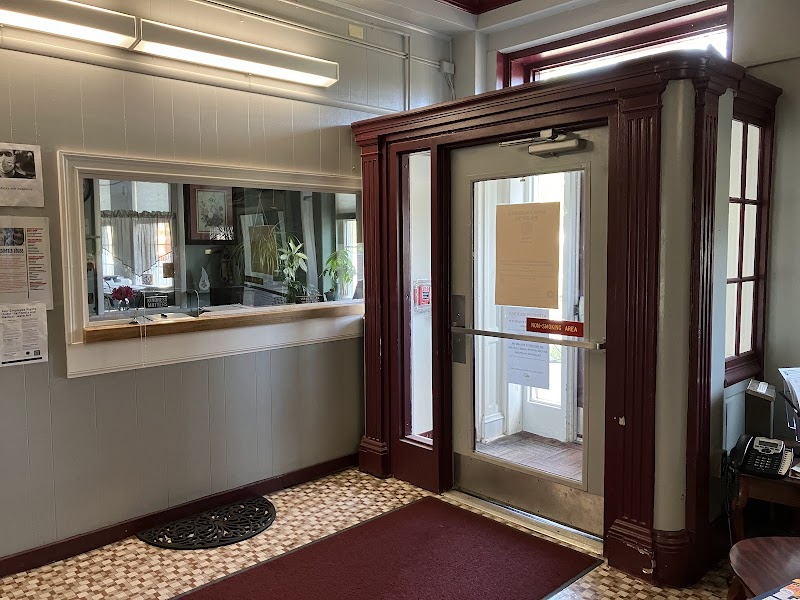
How is Delaware Hospital F/T Chronically Ill (Dhci) Staffed?

CMS rates DELAWARE HOSPITAL F/T CHRONICALLY ILL (DHCI)'s staffing level at 5 out of 5 stars, which is much above average compared to other nursing homes. Staff turnover is 45%, compared to the Delaware average of 46%. This relatively stable workforce can support continuity of care.

What Have Inspectors Found at Delaware Hospital F/T Chronically Ill (Dhci)?

State health inspectors documented 11 deficiencies at DELAWARE HOSPITAL F/T CHRONICALLY ILL (DHCI) during 2022 to 2025. These included: 2 Immediate Jeopardy (the most serious level, indicating potential for serious harm or death), 8 with potential for harm, and 1 minor or isolated issues. Immediate Jeopardy findings are rare and represent the most serious regulatory concerns. They require immediate corrective action.
Who Owns and Operates Delaware Hospital F/T Chronically Ill (Dhci)?

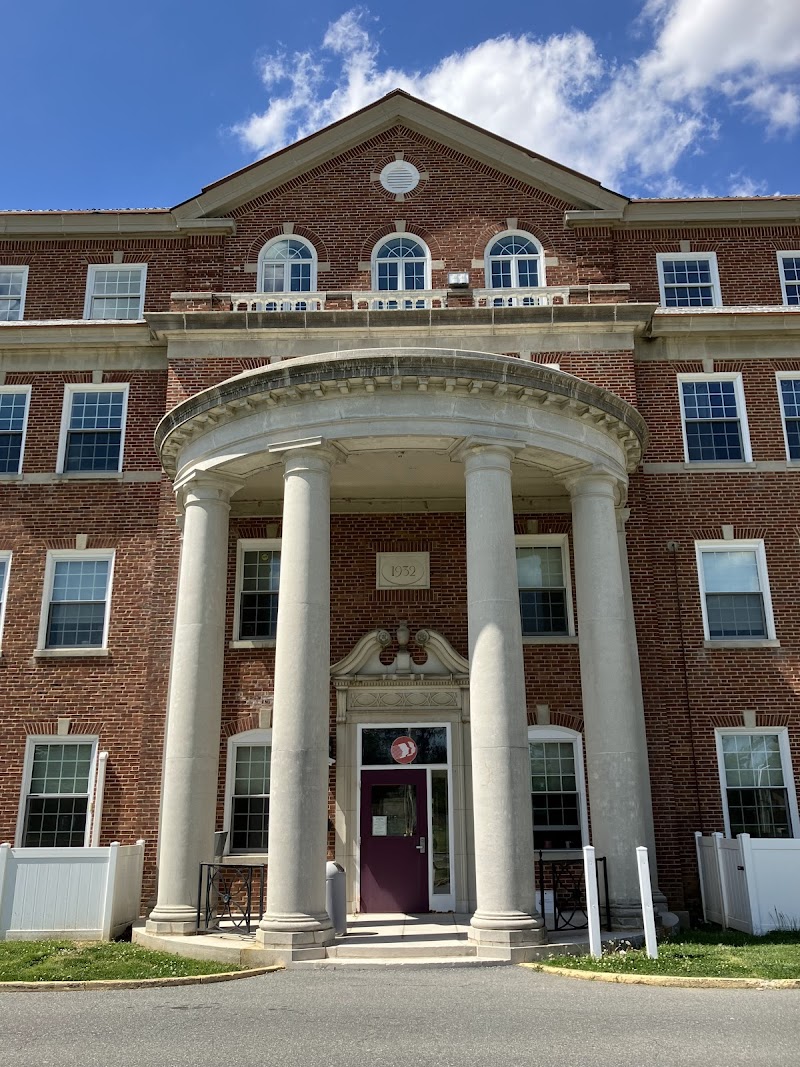
DELAWARE HOSPITAL F/T CHRONICALLY ILL (DHCI) is owned by a government entity. Government-operated facilities are typically run by state, county, or municipal agencies. The facility operates independently rather than as part of a larger chain. With 175 certified beds and approximately 71 residents (about 41% occupancy), it is a mid-sized facility located in SMYRNA, Delaware.
How Does Delaware Hospital F/T Chronically Ill (Dhci) Compare to Other Delaware Nursing Homes?

Compared to the 100 nursing homes in Delaware, DELAWARE HOSPITAL F/T CHRONICALLY ILL (DHCI)'s overall rating (4 stars) is above the state average of 3.3, staff turnover (45%) is near the state average of 46%, and health inspection rating (2 stars) is below the national benchmark.

What Should Families Ask When Visiting Delaware Hospital F/T Chronically Ill (Dhci)?

Based on this facility's data, families visiting should ask: "What changes have been made since the serious inspection findings, and how are you preventing similar issues?" "Can I visit during a mealtime to observe dining assistance and food quality?" "How do you handle medical emergencies, and what is your hospital transfer rate?" "Can I speak with family members of current residents about their experience?" These questions are particularly relevant given the facility's Immediate Jeopardy citations.

Is Delaware Hospital F/T Chronically Ill (Dhci) Safe?

Based on CMS inspection data, DELAWARE HOSPITAL F/T CHRONICALLY ILL (DHCI) has documented safety concerns. Inspectors have issued 2 Immediate Jeopardy citations (the most serious violation level indicating risk of serious injury or death). The facility has a 4-star overall rating and ranks #1 of 100 nursing homes in Delaware. Families considering this facility should ask detailed questions about what corrective actions have been taken since these incidents.

Do Nurses at Delaware Hospital F/T Chronically Ill (Dhci) Stick Around?

DELAWARE HOSPITAL F/T CHRONICALLY ILL (DHCI) has a staff turnover rate of 45%, which is about average for Delaware nursing homes (state average: 46%). Moderate turnover is common in nursing homes, but families should still ask about staff tenure and how the facility maintains care continuity when employees leave.

Was Delaware Hospital F/T Chronically Ill (Dhci) Ever Fined?

DELAWARE HOSPITAL F/T CHRONICALLY ILL (DHCI) has been fined $17,345 across 1 penalty action. This is below the Delaware average of $33,252. While any fine indicates a compliance issue, fines under $50,000 are relatively common and typically reflect isolated problems that were subsequently corrected. Families should ask what specific issues led to these fines and confirm they've been resolved.

Is Delaware Hospital F/T Chronically Ill (Dhci) on Any Federal Watch List?

DELAWARE HOSPITAL F/T CHRONICALLY ILL (DHCI) is not on any federal watch list. The most significant is the Special Focus Facility (SFF) program, which identifies the bottom 1% of nursing homes nationally based on persistent, serious quality problems. Not being on this list means the facility has avoided the pattern of deficiencies that triggers enhanced federal oversight. This is a positive indicator, though families should still review the facility's inspection history directly.