EVERGREEN POST ACUTE
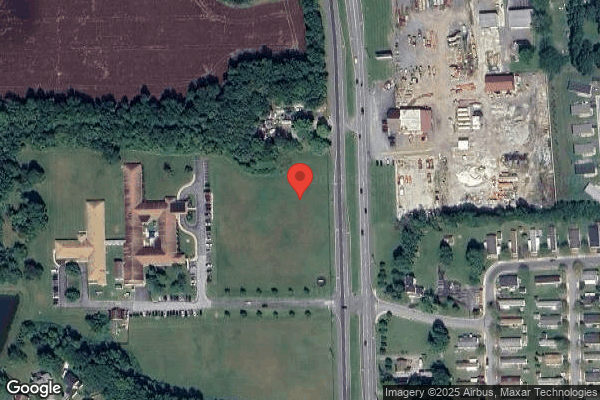

3034 SOUTH DUPONT BLVD, SMYRNA, DE 19977 (302) 653-5085
For profit - Limited Liability company 151 Beds PRESTIGE HEALTHCARE ADMINISTRATIVE SERVICES Data: November 2025 1 Immediate Jeopardy citation
Trust Grade
0/100
#32 of 43 in DE
Last Inspection: April 2025

Within standard 12-15 month inspection cycle. Federal law requires annual inspections.

Overview

Evergreen Post Acute in Smyrna, Delaware, has received a Trust Grade of F, indicating significant concerns about the quality of care provided. It ranks #32 out of 43 nursing homes in Delaware, placing it in the bottom half of facilities in the state and #7 out of 7 in Kent County, meaning it is the least favorable option locally. While the facility is showing improvement in the number of issues reported-going from 27 in 2024 to 25 in 2025-there are still serious concerns, including $109,425 in fines, which is higher than 75% of Delaware nursing homes. Staffing has a rating of 3 out of 5, which is average, but the turnover rate is concerning at 48%. Additionally, there are significant incidents documented, including a failure to administer CPR to a resident who required it, leading to a tragic death, and a serious medication error that hospitalized a resident due to incorrect medication dosages. Overall, while there are some areas of strength, the facility's weaknesses raise significant concerns for families considering care for their loved ones.

Trust Score
F
0/100
In Delaware
#32/43
Bottom 26%
Safety Record
High Risk
Review needed
Inspections
Getting Better
27 → 25 violations
Staff Stability
⚠ Watch
48% turnover. Above average. Higher turnover means staff may not know residents' routines.
Penalties
✓ Good
$109,425 in fines. Lower than most Delaware facilities. Relatively clean record.
Skilled Nurses
○ Average
Each resident gets 31 minutes of Registered Nurse (RN) attention daily — about average for Delaware. RNs are the most trained staff who monitor for health changes.
Violations
⚠ Watch
74 deficiencies on record. Higher than average. Multiple issues found across inspections.
★★☆☆☆
2.0
Overall Rating
★★★☆☆
3.0
Staff Levels
★★★★☆
4.0
Care Quality
★★☆☆☆
2.0
Inspection Score
Stable
2024: 27 issues
2025: 25 issues

The Good

  • 4-Star Quality Measures · Strong clinical quality outcomes
  • Full Sprinkler Coverage · Fire safety systems throughout facility
  • No fines on record

Facility shows strength in quality measures, fire safety.

The Bad

2-Star Overall Rating

Below Delaware average (3.3)

Below average - review inspection findings carefully

Staff Turnover: 48%

Near Delaware avg (46%)

Higher turnover may affect care consistency

Federal Fines: $109,425

Well above median ($33,413)

Significant penalties indicating serious issues

Chain: PRESTIGE HEALTHCARE ADMINISTRATIVE

Part of a multi-facility chain

Ask about local staffing decisions and management

The Ugly 74 deficiencies on record

1 life-threatening 5 actual harm
Apr 2025 23 deficiencies 1 Harm
SERIOUS (G) 📢 Someone Reported This

A family member, employee, or ombudsman was alarmed enough to file a formal complaint

Actual Harm - a resident was hurt due to facility failures

Deficiency F0760 (Tag F0760)

A resident was harmed · This affected 1 resident

Based on record review and interview, it was determined that for one (R644) out of eleven residents, the facility failed to ensure that R644 was free of medication error. On 9/13/24, R644 was inadvert...

Read full inspector narrative →
Based on record review and interview, it was determined that for one (R644) out of eleven residents, the facility failed to ensure that R644 was free of medication error. On 9/13/24, R644 was inadvertently given the incorrect medications (amlodopine 10mg, benzapril 40mg, Coreg 25 mg and selevamer 800mg). This medication error resulted in harm as R644's blood pressure significantly dropped and she was sent emergently to the hospital for evaluation and treatment. This harm is being cited as past non-compliance. Findings include: Facility's Medication Administration policy: Medications are administered by licensed nurses, or other staff who are legally authorized to do so in this state, as ordered by the physician and in accordance with professional standards of practice, in a manner to prevent contamination or infection. Procedure: 3. Identify resident by photo in the MAR (medication administration record) . 10. Compare medication source with MAR to verify resident name, medication name, form, dose, route and time . Rev. 1/2025 Review of R644's clinical record revealed: 9/12/24 - R644 admitted to the facility with diagnoses including but not limited to, heart failure and chronic obstructive pulmonary disease. 9/13/24 9:30 AM - E23 (staff RN) documented in R644's EMR progress notes, Resident's vital signs checked and resident noted to be hypotensive 65/26 in LUE (left upper extremity) . 9/13/24 9:37 AM - C6 (EMT) documented in R644's prehospital care report, . The staff relayed the patient [R644] was given amlodipine 10 mg, benzaprine 40 mg, Coreg 25 mg and sevelamer 800 mg this morning at 8:20 AM. The staff relayed that those medications are not prescribed for the patient and the patient was suppose to be given amlodipine 5 mg, clonidine 0.1mg, furosemide 40 mg and losaratan 100 mg. The staff relayed that they checked the patient's blood pressure an hour after the medication mix-up and found the patient to be hypotensive and 911 was activated . 9/13/24 9:48 AM - R644's blood pressure (BP) documented on the prehospital care report as 50/20. 9/13/24 9:53 AM - R644's blood pressure (BP) documented on the prehospital care report as 50/26. 9/13/24 3:25 PM - C7 (hospital ER DO) documented on R644's ER visit summary, .Reason for visit: drug overdose, Diagnosis: hypotension .You were seen here in the emergency room for your low blood pressure after taking the wrong medication. We did an evaluation that included blood work and gave you IV fluids .Blood pressure 110/51 . 9/14/24 1:31 AM -E27 (LPN) documented in R644's EMR progress notes, .Resident returned from [hospital] via stretcher accompanied by 2 EMTs . VS 132/78 (BP), 72 (HR), 18 (Respirations), 97.9 (temperature), 98 (pulse oximetry) on O2 (oxygen) . R644 spent approximately 16 hours in the hospital ER receiving IV fluids and having her vital signs monitored. R644 returned to the facility on 9/14/25 at 1:31 AM. 9/18/24 - R644's admission MDS documented a BIMS score of 14, which was reflective of normal cognition. 4/11/25 2:03 PM -During a telephone interview, C6 confirmed that E27 (LPN) admitted to accidentally giving R644 her roommate's medications. 4/11/25 3:12 PM - A review of the facility's incident investigation provided a typed and signed statement from E27 (staff LPN) stating,Around 8:15 AM, I pulled R644 roommate's medications. I was looking at the name in the room, there was only one name in there. I took her blood pressure, and it was normal. I called her [R644's roommate's name]. I said to R644, 'I have your medication' and she said I need my medication in pudding. I did not know she [R644] was hard of hearing. I gave medication and then I went to the roommate in B bed and that's when I realized I gave A bed, B bed's medication. I looked at the arm bands after I realized I made a mistake. At 8:20 AM the unit manager contacted the provider and provider stated to recheck the vital signs in a n hour. I re-checked her in about an hour later. Her blood pressure was 74/55 automatic blood pressure machine and then re-checked again still low. At 9:21 AM the unit manager contacted the provider and received orders to send to the ER for evaluation. 4/14/25 11:30 AM - An attempt to contact E27 for an interview was unsuccessful. 4/16/25 3:30 PM - A review of all the documentation of the corrective action plan completed by the facility included: -Timely reporting to the state Agency -Additional education regarding medication administration for E27 -Additional monitoring of E27 including a 3-person med pass with the Pharmacist to verify her knowledge of med administration and shadowing during all med passes until she was cleared for normal duty. E27 was terminated on 1/1/25 for failing to perform the requirements of the job. -Notification of the family informing them of the medication error It was verified by the surveyor that the corrections were completed as of 9/18/24 through document review and interview. 4/17/25 1:45 PM - Findings were reviewed with E1 (NHA) and E2 (DON).
CONCERN (D)

Potential for Harm - no one hurt, but risky conditions existed

Resident Rights (Tag F0550)

Could have caused harm · This affected 1 resident

Based on observation and interview, it was determined that for one (R14) out of forty-three (43) residents in the investigative sample, the facility failed to ensure R14 was treated with respect and d...

Read full inspector narrative →
Based on observation and interview, it was determined that for one (R14) out of forty-three (43) residents in the investigative sample, the facility failed to ensure R14 was treated with respect and dignity. Findings include: 1. Review of R14's clinical record revealed: 12/13/20 - R14 was admitted to the facility. 4/8/25 8:34 AM - During an observation, E45 (CNA) knocked on R14's room door and entered the room without waiting for R14's response/permission to enter the room. 4/8/25 8:45 AM - During an observation, E44 (Central Supply) knocked on R14's room door and entered the room without waiting for R14's response/permission to enter the room. 4/8/25 9:01 AM - During an interview E44 (Central Supply) confirmed that the expectation is to knock and wait for a response to enter a resident's room. E44 confirmed that she did not wait for a response before entering R14's room. 4/8/25 9:49 AM - During an observation, E45 knocked on R14's room door and entered the room without waiting for R14's response/permission to enter the room. 4/11/25 2:16 PM - During an observation, E45 knocked on R14's room door and entered the room without waiting for R14's response/permission to enter room. 4/11/25 2:21 PM - During an interview E45 (CNA) confirmed that the expectation is to knock and wait for a response to enter a resident's room. E45 confirmed she did not wait for a response before entering R14's room.
CONCERN (D) 📢 Someone Reported This

A family member, employee, or ombudsman was alarmed enough to file a formal complaint

Potential for Harm - no one hurt, but risky conditions existed

Deficiency F0578 (Tag F0578)

Could have caused harm · This affected 1 resident

Based on record review and interview, it was determined that for one (R641) out of the seven residents reviewed for advanced directives, the facility failed to ensure that R641's' representative was i...

Read full inspector narrative →
Based on record review and interview, it was determined that for one (R641) out of the seven residents reviewed for advanced directives, the facility failed to ensure that R641's' representative was included in the advanced directive acknowledgment as R641 had cognitive impairment. Findings include: Review of R641's clinical record revealed: 7/5/24 - R641 was admitted to the facility. 7/11/24 - R641's admission MDS documented a BIMS score of 11, which was reflective of moderate cognitive impairment. 4/11/25 10:05 AM - A review of R641's EMR revealed that R641's face sheet listed F4 (R641's daughter) as the emergency contact #1. The EMR also contained documentation of a signed and notarized POA with two witnesses dated from 2006 that named F4 as the sole POA for both durable medical and financial issues. 4/11/25 10:25 AM - A review of R641's admission paperwork revealed that E6 (SW) completed the Advance Directive Acknowledgment form with R641 on 7/5/24. A review of the form revealed that R641 printed her name on the signature line using a different first name and mispelling her last name, leaving a letter out of it. 4/11/25 11:04 AM - During an interview, E5 (SW Director) stated, For new admissions, we try to do the BIMS section of the MDS right away. If they come in during the evening, we try to do it the next day. A BIMS score for a person with cognitive impairment is 6 or 7. If they have a score of 10-11, then it is a judgment decision. We don't really have a cutoff score for when residents cannot make decisions. It is more of a judgment thing. There really is not any formal training for the BIMS test. It is a piece of paper that we follow. When filling out the Advance Directive Acknowledgement form, if they want more information about advanced directives, we get the ombudsman involved. 4/11/25 11:47 AM - During an interview, E2 (DON) stated, Normally, if the BIMS score is below 12, we get the family representative or POA involved in signing the paperwork. 4/17/25 1:45 PM - Findings were reviewed with E1 (NHA) and E2 (DON).
CONCERN (D) 📢 Someone Reported This

A family member, employee, or ombudsman was alarmed enough to file a formal complaint

Potential for Harm - no one hurt, but risky conditions existed

Deficiency F0582 (Tag F0582)

Could have caused harm · This affected 1 resident

Based on record review and interview, it was determined that for one (R188) out of four residents reviewed for Beneficiary Notification Review, the facility failed to ensure the resident was informed ...

Read full inspector narrative →
Based on record review and interview, it was determined that for one (R188) out of four residents reviewed for Beneficiary Notification Review, the facility failed to ensure the resident was informed in advance of a change that occurred to their bill. Findings include: Review of R188's clinical record revealed: 5/2/24 - R188 was admitted to the facility. 6/1/24 - An Eligibility Verification Notice was provided to the facility by R188's insurance that indicated the resident had 0 days remaining for nursing home stay. 6/3/24 11:15 AM - A SNFABN notice was read over the telephone to R188's Responsible Party (RP)(R188's daughter) that explained beginning on 6/4/25 R188 and RP would be responsible to pay out of pocket for the R188's facility stay. The notice was completed by E5 (SW) and witnessed by E6 (SW). 4/11/25 8:15 AM - During an interview, E4 (BOM) confirmed that R188 and RP were not made aware of the change in billing in advance. E4 explained that the facility was made aware of R188's change in coverage on 6/3/24 and provided the SNFABN notice that same day, then charged R188 from the last date of coverage 5/26/24. 4/11/25 9:00 AM - A statement of the same date was provided to the surveyor by E4 (BOM) that indicated R188 was billed from 5/26/24 - 5/31/24 $506.00/day = $3036.00. Then billed 6/1/24 -6/3/24 $506.00/day = $1518.00 for room and board. The statement contained a projected write off of the bill dated 4/30/25. E4 stated she contacted corporate that morning and that R188 and RP would no longer be responsible for the bill. 4/17/25 1:45 PM - Findings were reviewed with E1 (NHA) and E2 (DON).
CONCERN (D)

Potential for Harm - no one hurt, but risky conditions existed

Deficiency F0583 (Tag F0583)

Could have caused harm · This affected 1 resident

Based on a random observation and interview, it was determined that for four (R37, R69, R72, and R133) residents, the facility failed to protect personal privacy. Findings include: 4/10/25 11:08 AM - ...

Read full inspector narrative →
Based on a random observation and interview, it was determined that for four (R37, R69, R72, and R133) residents, the facility failed to protect personal privacy. Findings include: 4/10/25 11:08 AM - A random observation of the staff charting station on Sierra Unit with a monitor displaying resident's protected health information: - R37's admission date, admitting diagnoses, and birthdate. - R69's admission date, admitting diagnoses, and birthdate. - R72's admission date, admitting diagnoses, and birthdate. - R133's admission date, admitting diagnoses, and birthdate. 4/10/25 11:10 AM - During an interview with E3 (ADON), it was confirmed that a charting station monitor was left open, displaying R37's, R69's, R72's and R133's personal protected health information (PHI). The information was visible to anyone passing by the monitor. E3 took immediate action to close the screen and secure the PHI. 4/17/25 1:45 PM - Findings were reviewed with E1 (NHA) and E2 (DON).
CONCERN (D) 📢 Someone Reported This

A family member, employee, or ombudsman was alarmed enough to file a formal complaint

Potential for Harm - no one hurt, but risky conditions existed

Deficiency F0603 (Tag F0603)

Could have caused harm · This affected 1 resident

Based on record review and interviews, for one (R112) out of five sampled for abuse, it was determined that R112 was not free from involuntary seclusion. Findings include: Cross refer F684 and F880. ...

Read full inspector narrative →
Based on record review and interviews, for one (R112) out of five sampled for abuse, it was determined that R112 was not free from involuntary seclusion. Findings include: Cross refer F684 and F880. Review of R112's clinical record revealed: 7/30/24 - R112 was admitted to the facility. 8/18/24 - A SBAR (physician's communication tool) documented that R112 had a rash on both arms and upper thighs. 8/18/24 3:15 PM - A nursing skin observation tool documented R112 had the following skin conditions noted: right antecubital rash, left antecubital rash, bilateral thighs front. 8/27/24 - A care plan documented that R112 was placed on isolation precautions related to scabies. 8/27/24 3:12 PM - A physician's order documented that R112 was on contact isolation due to scabies for fourteen days. R112's 8/24 MAR documented that Ivermectin oral tablets and Permethrin external cream for scabies were started on 8/29/24. 9/3/24 - A physician (C5 NP) progress note documented that R112 was seen and examined for a scabies. C5 documented for R112 to continue on Permethrin external cream to skin at bedtime for seven days, then for two days a week, and to continue isolation precautions. 9/16/24 - A physician (C5 NP) progress note documented that R112 requested to be seen and wanted to be taken off isolation precautions. The progress note documented that the rash to upper extremities had resolved and that the rash was now on lower extremeties and inner thighs. E21 documented for R112 to continue on Permethrin external cream and added benadryl and hydrocortisone creams regimen for itching. R112 was to continue on contact isolation precautions. 10/4/24 - A physicians (C5) progress note documented R112 was seen for a follow up for scabies and that a new linear rash was noted on his abdomen. It was noted that the rash had improved with the applications of Permethrin cream. R112 was to continue on isolation precautions. 11/9/24 - A physicians order was written for R112 to have a consult with dermatology related to scabies. 11/13/24 - A physician progress note documented that R112 was seen for a follow up post dermatology consult, and dermatology diagnosed R112 with atopic dermatitis (generalized rash). Per dermatology, R112's rash was unrelated to scabies and contact isolation discontinued per order. 4/8/25 6:48 AM - An interview with R112 revealed that R112 was on contact isolation for 78 days related to a misdiagnosed scabies outbreak. R112 stated I felt like a prisoner being confined to this room all that time and no one would listen to me until I saw the dermatologist. R112 stated that he did not receive showers until sometime in October. 4/14/25 10:48 AM - An interview with E38 (CNA) confirmed that R112 was on isolation precautions and unable to shower from August 27, 2024 to October 16, 2024. 4/15/25 10:30 AM - During an interview with C2 (NP) and C5 (NP), C2 stated that the providers do not determine how long a resident is on isolation precautions, that the facility mandates the timeframe. C2 and C5 confirmed that they did not refer to the CDC guidelines for the treatment of scabies for R112. Additionally, C2 stated that R112 had requested a meeting with the providers to discuss why he was still on isolation precautions, and C2 confirmed that once R112 was seen by dermatology, that R112's isolation precautions were removed. 4/15/25 11:12 AM - An interview with E1 (NHA) confirmed that the process of determining isolation precautions is a collaborative effort between the IDT team which includes input from the physician's, management, and the infection control preventionist. 4/17/25 1:45 PM - Findings were reviewed with E1 (NHA) and E2 (DON).
CONCERN (D) 📢 Someone Reported This

A family member, employee, or ombudsman was alarmed enough to file a formal complaint

Potential for Harm - no one hurt, but risky conditions existed

Transfer Notice (Tag F0623)

Could have caused harm · This affected 1 resident

Based on record review and interview, it was determined that for one (R79) out of five residents reviewed for hospitalizations, the facility failed to notify R79's responsible party in writing of the ...

Read full inspector narrative →
Based on record review and interview, it was determined that for one (R79) out of five residents reviewed for hospitalizations, the facility failed to notify R79's responsible party in writing of the reason for transfer to the hospital. Findings include: Review of R79's clinical record revealed: 11/6/20 - R79 was admitted to the facility, with diagnoses including but not limited to, dementia. 4/1/25 - R79's quarterly MDS documented a BIMS score as three, which reflected severe cognitive impairment. 4/5/25 9:38 PM (Saturday) - E9 (LPN) documented in R79's EMR progress note, .Resident vomited again a large amount of brown colored vomit. Resident with change in LOC .order to send to ER via 911 .Emergency contact [F1] notified. 4/14/25 1:32 PM - A review of R79's EMR revealed F1 (R79's responsible party) was listed as the Emergency Contact #1. 4/15/25 10:14 AM - A review of R79's transfer notice, dated 4/7/25 (Monday) and signed by E10 (Admissions Director), failed to document to whom the notice of transfer was presented. 4/15/25 12:03 PM - During an interview, E10 stated, The bed hold and transfer/discharge notification form is housed in the social work department. They fill in the form and print it out. I then call the family member and make sure they know the resident has left the facility. I go over the bed hold policy based on their insurance. I date and time the notification and it gets scanned I to the resident's EMR . No, I don't mail the notification form to the family member. The facility failed to notify in writing R79's transfer to the hospital. Additionally, E10 confirmed that a copy of the notification form was not mailed to R79's responsible person. Additionally, the notification scanned into R79's EMR stated reason for transfer/discharge: ER. R79 was transferred to the hospital 4/5/25 for change in LOC and vomiting large amounts of brown secretions. 4/17/25 1:45 PM - Findings were reviewed with E1 (NHA) and E2 (DON).
CONCERN (D) 📢 Someone Reported This

A family member, employee, or ombudsman was alarmed enough to file a formal complaint

Potential for Harm - no one hurt, but risky conditions existed

Deficiency F0637 (Tag F0637)

Could have caused harm · This affected 1 resident

Based on record review and interview, it was determined that for one (R136) out of forty-three sampled residents, the facility failed to complete a comprehensive assessment after R136 had a significan...

Read full inspector narrative →
Based on record review and interview, it was determined that for one (R136) out of forty-three sampled residents, the facility failed to complete a comprehensive assessment after R136 had a significant change in status. Findings include: Review of R136's clinical record revealed: 11/7/24 - R136 was admitted to the facility. 12/6/24 - R136 was admitted to hospice care. 1/2/25 - C2 (consultant NP) entered an order into R136's EMR, Hospice [local hospice service] every shift. This was twenty-seven days after R136 was admitted to a hospice service. 4/9/25 1:44 PM - A review of R136's EMR MDS schedule revealed there was no significant change MDS completed within fourteen days of R136's hospice admission. 4/10/25 11:02 AM - In a telephone interview, C1 (hospice office staff) confirmed. [R136] was admitted to our hospice service on 12/6/2024. 4/10/25 11:27 AM - During an interview, E4 (Business Office Manager) confirmed, [R136] went on hospice care on 12/6/24. 4/10/25 1:23 PM - During an interview, E11 (RNAC) confirmed that R136's MDS for a significant change was completed on 1/3/25, as soon as the MDS office became aware that R136 was placed on hospice services. We were not aware of the change. We did the mandatory MDS assessment as soon as we were notified. 4/11/25 9:36 AM - Review of the Ombudsman Transfer/Discharge list for December 2024 revealed R136 was listed as converting to hospice on 12/6/24. 4/17/25 1:45 PM - Findings were reviewed with E1 (NHA) and E2 (DON).
CONCERN (D)

Potential for Harm - no one hurt, but risky conditions existed

Assessment Accuracy (Tag F0641)

Could have caused harm · This affected 1 resident

Based on record review and interviews, it was determined for two (R40 and R50) out of forty-three sampled residents, the facility failed to ensure the MDS was accurate. Findings include: 1. Review of ...

Read full inspector narrative →
Based on record review and interviews, it was determined for two (R40 and R50) out of forty-three sampled residents, the facility failed to ensure the MDS was accurate. Findings include: 1. Review of R40's clinical record revealed: 12/15/15 - R40 was admitted to the facility. 9/10/24 - A quarterly MDS assessment documented R40 was experiencing verbal behavioral symptoms directed towards others for one to three days during the review period. 9/2024 - A CNA behavioral flow sheet documented R40 had behaviors for five days from 9/3/24 to 9/10/24. 12/10/24 - A quarterly MDS assessment documented R40 was experiencing verbal behavioral symptoms directed towards others for one to three days during the review period. 12/2024 - A CNA behavioral flow sheet documented R40 had behaviors for five days from 12/3/24 to 12/10/24. 4/17/25 10:15 AM - During an interview, E46 (RN) confirmed that R40 had an increase in verbal behaviors specifically during shift change prior to R40 moving to a different unit. 4/17/25 10:30 AM - During an interview, E5 (SW) confirmed that the MDS data was not accurate for R40 during the September 2024 and December 2024 review. 2. Review of R50's clinical record revealed: 7/25/23 - R50 was admitted to the facility. 10/15/24 - A quarterly MDS assessment documented that R50 was experiencing physical behavioral symptoms towards others and other behavioral symptoms not directed at others for one to three days during the review period. 10/2024 - A CNA behavioral flow sheet documented R50 had behaviors for five days from 10/8/24 to 10/15/24. 1/15/25 - A quarterly MDS assessment documented that R50 was experiencing behaviors on zero days during the review period. 1/2025 - A CNA behavioral flow sheet documented R50 had behaviors for four days from 1/8/25 to 1/15/25. 4/17/25 10:30 AM - An interview with E5 (SW) confirmed that the MDS data was not accurate for R50 during the October 2024 and January 2025 review. 4/17/25 1:45 PM - Findings were reviewed with E1 (NHA) and E2 (DON).
CONCERN (D) 📢 Someone Reported This

A family member, employee, or ombudsman was alarmed enough to file a formal complaint

Potential for Harm - no one hurt, but risky conditions existed

Comprehensive Care Plan (Tag F0656)

Could have caused harm · This affected 1 resident

Based on record reviewed and interview it was determined that for one (R196) out of forty-three residents sampled, the facility failed to ensure the person centered care plan included necessary interv...

Read full inspector narrative →
Based on record reviewed and interview it was determined that for one (R196) out of forty-three residents sampled, the facility failed to ensure the person centered care plan included necessary interventions. Findings include: The facility policy on dialysis care last updated, January 2025 indicated, The nurse will monitor and document the status of the resident's access site. Review of R196's clinical record revealed: 2/15/25 - R196 was admitted to the facility with multiple diagnoses including kidney disease. 2/16/25 - A task was added to R196's physicians orders for blood pressure medications for staff not to obtain blood pressures on the resident's right arm. 2/18/25 - A care plan was created for R196's renal disease. Interventions for the care plan included dialysis twice a week, monitor lab and report abnormal results, observe for and report any signs of infection/leaking/dislodgement of dialysis catheter and record weights and report changes. There was no evidence that the care plan included an intervention to avoid blood pressures to the right arm due to the dialysis catheter. 2/21/25 - An admission MDS assessment documented that R196 received dialysis. 4/17/25 4:26 PM - During an interview E2 (DON) confirmed the finding. 4/17/25 5:00 PM - Findings were reviewed with E1 (NHA) and E2 (DON).
CONCERN (D) 📢 Someone Reported This

A family member, employee, or ombudsman was alarmed enough to file a formal complaint

Potential for Harm - no one hurt, but risky conditions existed

Deficiency F0660 (Tag F0660)

Could have caused harm · This affected 1 resident

Based on record review and interview it was determined that for one (R188) out of three residents reviewed for discharge the facility failed implement a discharge planning process that prepared the re...

Read full inspector narrative →
Based on record review and interview it was determined that for one (R188) out of three residents reviewed for discharge the facility failed implement a discharge planning process that prepared the resident/RP to effectively transition to post-discharge care. Findings include: The facility policy on transfer and discharge undated indicated, Anticipated transfers or discharges - A post discharge plan of care that is developed with the participation of the resident and the residents representative which will assist the resident to adjust to his or her new living environment. Review of R188's clinical record revealed: 5/2/24 - R188 was admitted to the facility. 5/3/24 - A care plan for discharge documented that R188 expressed wish for discharge to home. 5/3/24 12:34 PM - A social work progress note written by E6 (SW) in R188's clinical record documented, Resident is short term care at our facility. Resident will be discharged back to prior living arrangement once therapy is completed. The note did not document R188's actual discharge date . 5/9/24 - An admission MDS assesment documented that R188 was admitted with plans to discharge to the the community. 6/1/24 - An Eligibility Verification Notice was provided to the facility by R188's insurance that indicated the resident had 0 days remaining for nursing home stay as of 5/26/24 6/3/24 11:15 AM - A SNFABN notice was read over the telephone to R188's RP. 6/3/24 11:52 AM - A social work progress note in R188's clinical record written by E5(SW) documented, [R188] had his discharge plan meeting today with the interdisciplinary team along with [responsible party]. E5 (SW) informed resident and family member of 100th day 5/26/24 . SW also inform resident and family member the facility just notified of discharge to home on 6/4/24 for the resident. SW also informed resident and family member of private pay cost of $506.00. Family member and resident have refused to pay private rate. SW did inform resident and family once bill has been received call the number to file a dispute. 6/4/24 - A discharge return not anticipated MDS assessment was completed for R188 that documented the discharge was planned. 4/10/25 2:38 PM - During an interview E5 (SW) confirmed that R188 and their RP were notified of their discharge date on 6/3/24 giving one day to prepare for R188's transfer home. 4/17/25 1:45 PM - Findings were reviewed with E1 (NHA) and E2 (DON).
CONCERN (D)

Potential for Harm - no one hurt, but risky conditions existed

Deficiency F0676 (Tag F0676)

Could have caused harm · This affected 1 resident

Based on interview, observation and record reviews it was determined that for one (R132) out of one resident reviewed for communication the facility failed to provide assistive devices to support comm...

Read full inspector narrative →
Based on interview, observation and record reviews it was determined that for one (R132) out of one resident reviewed for communication the facility failed to provide assistive devices to support communication for R132 who was fluent only in Spanish. 3/8/25 - R132 was admitted to facility for rehabilitation. 3/8/25 - The care plan documented that R132's participation in activities was limited due to a language barrier, as the resident was fluent only in Spanish. R132 had difficulty communicating, as evidenced by a limited understanding and use of English. The care plan goal was to facilitate communication through alternative methods, such as a communication board, to express needs and wants. Interventions included teaching R132 how to use a communication book/board or electronic device and utilizing a Spanish interpreter as needed. 3/10/25 - A baseline care plan documented Spanish as the primary language for R132. 3/10/25 - A physician's order for speech therapy evaluation and treatment 1-3x per week for 41 days for dysphagia therapy and group therapy as indicated. 3/17/25 - An admission MDS documented that R132 has the ability to understand others and be understood by others adequately. 4/8/25 10:01 AM - An observation of R132 interacting with E49 (LPN) revealed R132 can speak very little and broken English using hand gestures to communicate her needs. 4/8/25 10:05 AM - During an interview with E49 (LPN) when asked how staff communicates with R132, E49 stated that staff sometimes use a translation app on their personal cell phones to attempt communication with R132 or call the resident's representative, (F7), to assist with translation when needed. E49 was unaware of whether the facility had a language line available for staff to use when communicating with residents who do not speak English. 4/9/25 3:15 PM - An observation of R132's room with no communication board and an activities calendar printed in English hung on her wall. 4/9/25 3:28 PM: During an interview, E33 (Guest Services) stated that a daily bulletin is delivered to the bedside each morning listing available food options and daily activities. E33 also showed the surveyor a binder kept in the bedside table drawer that lists food choices residents can select from. The binder provided to R132 was in English. 4/11/25 10:11 AM - During an interview, C9 (Speech Therapist Contractor) reported that a phone interpreter service was used to conduct the assessments. The printed swallow study instructions provided to the patient were in Spanish, and a communication board (pictures, spanish and english) was also given to assist with understanding. C9 noted that she collaborated with dietary services for R132's. 4/11/25 10:56 AM - During an interview, C10 (contractor Rehab Director) revealed that therapy uses the language line to communicate with R132 and that a communication board had previously been provided for R132 to keep in her room. 4/11/25 - During an observation immediately following the above interview, no communication board was found in R132's room. Therapy staff provided the surveyor with a communication board at that time and it was placed on the residents bedside table. 4/16/25 - During an interview E1 (NHA) stated that language line information with phone number and instructions on use are posted at R132's bedside as well as each nurse station and medication carts. E1 further stated that the facility also has a Spanish speaking employee that will help to interpret everyday conversations/daily living conversations when needed. 4/16/25 12:16 PM - An observation of R132 in the hallway, smiling and engaging with the surveyor and staff. E34 (LPN) spoke to R132 in English, asking if she had any current needs and if she would like to wait in the lobby for her lunch delivery from outside the facility. E34 repeated the questions multiple times. R132 appeared confused, lifted her hands, and shrugged her shoulders, indicating she did not understand what was being asked. 4/16/25 12:49 PM - During an interview with R132 with the use of an interpreter line, R132 confirmed that she does not like the food provided by the facility and further stated that she is not able to read the daily bulletin that lists food options and activities for the day as she is not able to read written language at all. Additionally, R132 confirmed that Nursing and CNA staff do not use the language line when trying to communicate with her. R132 further expressed feeling lonely, hopeless and frustrated as she does not understand what staff is saying and staff does not understand her. 4/17/25 1:45 PM - Findings were reviewed with E1 (NHA) and E2 (DON).
CONCERN (D)

Potential for Harm - no one hurt, but risky conditions existed

ADL Care (Tag F0677)

Could have caused harm · This affected 1 resident

2. Review of R73's clinical record revealed: 1/2/20 - R73 was admitted to the facility. 1/4/20 - A care plan documented that R73 required assitance with all ADL's with the following interventions: as...

Read full inspector narrative →
2. Review of R73's clinical record revealed: 1/2/20 - R73 was admitted to the facility. 1/4/20 - A care plan documented that R73 required assitance with all ADL's with the following interventions: assist with daily hygiene, grooming, oral care, and eating as needed; encourage to participate in self care; praise all efforts; report any changes or decline to provider. 2/25/25 - A quaterly MDS documented R73 required set up or clean up assistance of one staff member for oral hygiene. Additionally the MDS documented R73had a BIMS score of 15 meaning he was cognitively intact. 4/8/25 8:21 AM - An interview with R73 revealed the need for assistance with ADL's and he feels that staff is not attentive to his needs. 4/10/25 9:37 AM - An interview with R73 confirmed that he brushes his teeth after staff set up breakfast. Also, R73 confirmed he had not been set up at this time to bursh his teeth. 4/10/25 11:26 AM - An observation of R73 had not brushed his teeth and R73's toothbrush was sitting in cup in bathroom dry. 4/10/25 11:34 AM - An interview with E45 (CNA) confirmed that she did not assist R73 with oral care this morning. Additionally E45 confirmed documenting the oral care was completed in EMR. The facility failed to assist R73 with ADL's. Based on observation, interview, and record review it was determined that for four (R130, R73 and R114) out of fourteen residents reviewed for ADL (Activities of Daily Living) the facility failed to provide ADL care for dependent residents. Findings include: Cross Refer, F657 example 1 1. Review of R130's clinical record revealed: 3/7/25 - R130 was admitted to the facility. 3/10/25 - A review of R130's care plan for ADL self-care deficit documented [R440] will be clean, dressed and well groomed daily to promote dignity and psychosocial wellbeing for ninety days. R440's interventions included assist with daily hygiene, grooming, dressing, oral are, and eating as needed. 3/13/25 - R130's admission MDS assessment documented the resident was severely cognitively impaired and required substantial maximum assistance for personal hygiene and grooming. 4/8/25 9:26 AM - An observation of R130's hands revealed encrusted dark debris underneath each fingernail on the right and left hands. Additionally, R130's fingernails were long and needed to be trimmed. 4/11/25 10:48 AM - During a phone interview RP2 (Responsible Party) stated, I noticed that her nails are dirty and long, so I was planning on bringing in a nail clipper and a file to do her nails today. 4/11/25 11:01 AM - Another observation confirmed that R130 still had not been provided nail care. R130's nails on both hands still had dark encrusted debris underneath the resident's fingernails. 4/11/25 11:07 AM - During an interview E16 (RN, UM) checked R130's fingernails on both hands. E16 confirmed R130 had not been provided nail care. E16 stated, Yes they do need to be cleaned and cut. E16 then stated, Well last week the CNA was trying to do [R130's] nails and she became combative so it couldn't get done. 4/11/25 11:20 AM - E2 (DON) confirmed R130 needed nail care and then stated, Ok this will be taken care of right away. 4/11/25 11:45 AM - E2 confirmed and stated, [R130] had been provided nail care. 3. Review of R114 clinical record revealed: 10/1/24 - R114's was admitted to the facility. 2/20/25 - A quarterly MDS documented that R114 was dependent on staff for personal hygiene. 2/26/25 - R114's care plan included that the resident required assist of one person for ADL care. R144's care plan did not include refusal of nail care. 4/8/25 8:17 AM - An observation revealed that R114 had black debris underneath all his fingernails. 4/8/25 1:15 PM - An observation revealed that R114 had black debris underneath all his fingernails. 4/9/25 8:50 AM - An observation revealed that R114 had black debris underneath all his fingernails. 4/10/25 9:00 AM - During an interview E36 (CNA) stated when she gives a bath she washes residents entire body, provides nail care, and the resident bath days are two times a week unless there are special instructions on task list. 4/10/25 9:05 AM - During an interview, E37 (CNA) confirmed R114 received a bath on 4/5/25 and 4/9/25 during the 7:00 AM to 3:00 PM shift. E37 also acknowledged the nail care was her responsibility and stated she would complete it at this time. 4/10/25 9:07 AM - During a confirming interview E12 (LPN) confirmed black debris underneath all his nails . 4/17/25 1:45 PM - Findings were reviewed with E1 (NHA) and E2 (DON).
CONCERN (D) 📢 Someone Reported This

A family member, employee, or ombudsman was alarmed enough to file a formal complaint

Potential for Harm - no one hurt, but risky conditions existed

Quality of Care (Tag F0684)

Could have caused harm · This affected 1 resident

Based on interview and record review it was determined that for two (R112 and R644) out of forty three residents reviewed in the investigative sample, the facility failed to ensure received treatment ...

Read full inspector narrative →
Based on interview and record review it was determined that for two (R112 and R644) out of forty three residents reviewed in the investigative sample, the facility failed to ensure received treatment and care in accordance with professional standards of practice and physician orders. Findings include: 1. Review of R112's clinical record revealed: Cross refer F603 and F880 7/30/24 - R112 was admitted to the facility. 8/27/24 3:12 PM - A physician's order documented that R112 was on contact isolation due to scabies for fourteen days. 11/9/24 - A physicians order was written for R112 consult to dermatology related to scabies. 11/13/24 - A specialist physician's (dermatologist) progress note documented that R112 was not contagious and to remove isolation precautions. 4/15/25 10:30 AM - An interview with C2 (NP) and C5 (NP) confirmed that R112 was on contact precautions from 8/27/24 to 11/13/24. There was a ten week delay in consulting the dermatologist resulting in R112 being in isolation for 78 days. 2. R644's clinical record revealed: Cross refer F760 9/12/24 - R644 admitted to the facility with diagnoses including but not limited to, heart failure and chronic obstructive pulmonary disease. 10/2/24 - C2 (contractor NP) entered order in R644's EMR stating, DC (discontinue) PICC (peripherally inserted central catheter) RUE (right upper extremity) . 10/3/24 - R644's Resident Care Conference Attendance Record documented that E23 (RN) and F3 (R644's daughter) participated in this discharge planning conference. The paperwork stated, PICC will be pulled by nursing . 10/5/24 - R644 was discharged home on hospice services. 4/11/25 2:08 PM - During a telephone interview, F3 (R644's daughter) stated, .When my mom [R644] arrived home after discharge from Evergreen, her PICC line was still in. It was supposed to be taken out at Evergreen prior to discharge.
CONCERN (D) 📢 Someone Reported This

A family member, employee, or ombudsman was alarmed enough to file a formal complaint

Potential for Harm - no one hurt, but risky conditions existed

Accident Prevention (Tag F0689)

Could have caused harm · This affected 1 resident

Based on observation, record review and interview, it was determined that for one (R35) out of 11 resiedents reviewed for accidents the facility failed to implement a care planned fall intervention. F...

Read full inspector narrative →
Based on observation, record review and interview, it was determined that for one (R35) out of 11 resiedents reviewed for accidents the facility failed to implement a care planned fall intervention. Findings include: Review of R35's clinical record revealed: 6/27/24 - R35 was admitted to the facility. 6/27/24 - An admission MDS documented the resident required extensive to total assistance with most ADLs, including transfers and mobility. The resident was dependent for bed mobility, toileting, and dressing. 9/25/24 - R35 was readmitted to the facility from the hospital with diagnoses including a right broken leg from a fall at the facility. A care plan revised on 10/2/24 included a new intervention for fall mats to be placed at the bedside when R35 is in bed. 10/3/24 - A fall risk assessment scored R35 at 17, indicating a high risk. On the following dates, no fall mats were observed at the bedside while R35 was in bed: 4/8/25 at 7:46 AM 4/11/25 at 2:27 PM 4/15/25 at 10:25 AM On 4/15/25 from approximately 10:55 AM to 11:00 AM, during an interview and observation with E15 (CNA) and E16 (CNA) it was confirmed there were no fall mats at the bedside or in the room. 4/15/25 11:10 AM - An interview with E16 (Unit Manager) and E2 (Director of Nursing) it was revealed that the intervention for fall mats was listed on the task list. E2 confirmed that fall mats should have been placed at the bedside while R35 was in bed and stated the issue would be addressed immediately. On 4/16/25 at 8:23 AM, during a final observation, R35 was in bed with fall mats appropriately in place. 4/17/25 1:45 PM - Findings were reviewed with E1 (NHA) and E2 (DON).
CONCERN (D)

Potential for Harm - no one hurt, but risky conditions existed

Deficiency F0808 (Tag F0808)

Could have caused harm · This affected 1 resident

Based on observation and interview, it was determined that for one (R3) out of ten residents sampled for dining, the facility failed to provide the therapeutic diet that was prescribed by the physicia...

Read full inspector narrative →
Based on observation and interview, it was determined that for one (R3) out of ten residents sampled for dining, the facility failed to provide the therapeutic diet that was prescribed by the physician. The facility failed to provide R3 large portions. Findings include: Review of R3's clinical record revealed: 5/24/24 - R3 was admitted to the facility. 1/23/25 - A physician's order for R3 documented low concentrated sweets diet, regular texture, thin liquid consistency: give large portions for all three meals. 4/14/25 12:10 PM - An observation of R3's meal tray that contained one piece of chicken, mashed potatoes, string beans, fruit cup and drinks on tray. The mashed potatoes and vegetables were one serving and not large portions. 4/14/25 12:26 PM - An interview with E40 (CNA) confirmed that R3 was on large portions and if R3 wants them she will ask staff for more. E40 confirmed that the mashed potatoes and green beans were not large portion. 4/14/25 12:29 PM - An interview with E41 (FSD) confirmed that large portions refers to the sides and double portions refers to the entrees. 4/15/25 12:15 PM - An observation of R3's meal tray that contained chicken broccoli casserole, side of rice, banana, and a fresh fruit cup. The casserole and side of rice were regular portions. 4/15/25 12:19 PM - An interview with E39 (CNA) and E40 (CNA) confirmed that R3's portions were not large portions. 4/17/25 1:45 PM - Findings were reviewed with E1 (NHA) and E2 (DON).
CONCERN (D)

Potential for Harm - no one hurt, but risky conditions existed

Antibiotic Stewardship (Tag F0881)

Could have caused harm · This affected 1 resident

**NOTE- TERMS IN BRACKETS HAVE BEEN EDITED TO PROTECT CONFIDENTIALITY** Based on record review and interview, it was determined that for two (R18 & R33) out of five residents reviewed for antibiotic u...

Read full inspector narrative →
**NOTE- TERMS IN BRACKETS HAVE BEEN EDITED TO PROTECT CONFIDENTIALITY** Based on record review and interview, it was determined that for two (R18 & R33) out of five residents reviewed for antibiotic usage, the facility failed to monitor antibiotic usage. Findings include: Facility's Antibiotic Stewardship program Policy: It is the policy of this facility to implement an Antibiotic Stewardship Program as part of the facility's overall infection prevention and control program. The purpose of this program is to optimize the treatment of infections while reducing adverse events associated with antibiotic use . Rev. 12/2024 1. Review of R18's clinical record revealed: 9/9/21 - R18 was admitted to the facility. 12/10/24 - C5 (consultant NP) entered an order in R18's EMR stating, Metronidazole (antibiotic) oral tablet 500 mg- give 1 tablet by mouth two times a day for cellulitis of penis for 5 days. 12/12/24 - C3 (consultant MD) documented in R18's re-admission history and physical note, .admitted to [hospital] for penis necrosis, and underwent debridement of penis on 12/7/24 .Physical exam: Skin- see wound care note .Plan: Penis Necrosis: . continue on metronidazole 500 mg 1 tab every 12 hours for 5 days and cefpodoxime 200 mg 2 tabs 2 times a day for 5 days . 12/13/24 - C3 (consultant MD) entered order in R18's EMR, Cefpodoxime proxetil (antibiotic) oral tablet 200 mg- give 2 tablets by mouth two times a day for cellulitis of penis X 5 days. 4/14/25 12:31 PM - A review of the facility's infection control line listing for December 2024 revealed that R18's cefpodoxime and metronidazole antibiotic courses were not listed on the document. A review of R18's hospitalization Discharge summary dated [DATE] revealed R18 was being treated with cefpodoxime post-operatively after having a necrotic mass removed from his penis. The facility failed to implement their protocol to monitor antibiotic usage with regard to R18's cefpodoxime and metronidazole. 2. Review of R33's clinical record revealed: 12/25/24 - R33 was admitted to the facility. 12/25/24 - C2 (consultant NP) initiated an order in R33's EMR stating, Vancomycin HCl (antibiotic) 25 mg/ml solution- give 125 mg by mouth two times a day for c-diff for 5 days. 2/8/25 - C5 (consultant NP) initiated an order in R33's EMR stating, Bactrim DS (antibiotic) oral tablet 800-160 mg- give 1 tablet by mouth two times a day for UTI (urinary tract infection). 4/14/25 12:31 PM - A review of the facility's December 2024 infection control line listing revealed that R33's vancomycin antibiotic course and C-difficile infection was not documented. A review of the facility's February 2025 infection control line listing revealed that R33's Bactrim antibiotic course and UTI infection were not documented. The facility failed to implement their protocol to monitor antibiotic usage with regard to R33's vancomycin and Bactrim. 4/16/25 1:55 PM - During an interview, E12 (LPN/IP) stated that the monthly infection control line listing was the method that the facility used to track infections and antibiotic usage in the facility. 4/17/25 1:45 PM -Findings were reviewed with E1 (NHA) and E2 (DON).
CONCERN (D)

Potential for Harm - no one hurt, but risky conditions existed

Deficiency F0883 (Tag F0883)

Could have caused harm · This affected 1 resident

**NOTE- TERMS IN BRACKETS HAVE BEEN EDITED TO PROTECT CONFIDENTIALITY** Based on record review and interview, it was determined that for two (R33 and R96) out of twelve residents reviewed for pneumoco...

Read full inspector narrative →
**NOTE- TERMS IN BRACKETS HAVE BEEN EDITED TO PROTECT CONFIDENTIALITY** Based on record review and interview, it was determined that for two (R33 and R96) out of twelve residents reviewed for pneumococcal vaccines, the facility failed to accurately assess the residents' pneumococcal vaccine status. Findings include: Facility's Pneumococcal Vaccine (Series) Policy: It is our policy to offer our residents immunization against pneumococcal disease in accordance with current CDC guidelines and recommendations . Policy Explanation and Compliance Guidelines: 1. Each resident will be assessed for pneumococcal immunization upon admission .6. A pneumococcal vaccination is recommended for all adults 65 years and older and based on the following recommendations: . b. For adults 65 years or older who have only received a PPSV23: Give 1 dose PVC15 or PCV20. 1. The PCV15 or PCV20 dose should be administered at least one year after the most recent PPSV23 vaccination . Rev 1/2025 1. Review of R33's clinical record revealed: 12/25/24 - R33,aged [AGE] years, was admitted to the facility. 12/25/24 - R33 signed Attachment D Pneumococcal Pneumonia and Influenza Vaccinations/Tuberculosis Testing form from the admission packet and consented to receive the pneumococcal pneumonia vaccine. 12/29/24 - R33's admission MDS assessment documented R33 as having a BIMS score of 14, which reflected normal cognition. 1/15/25 - R33 was administered the PCV20 vaccine by the facility. 4/10/25 3:45 PM - A review of the DelVax (vaccine registry) website revealed R33 had been administered PPV23 on 9/5/13 and PCV20 vaccine on 8/19/24, just five months prior. 4/14/25 10:49 AM - During an interview, E12 (staff LPN/ Infection Preventionist) confirmed that she had access to the DelVax website. E12 stated, .[nurse] used to put the vaccines in Delvax but she does not work here anymore. Now we do it sometimes. When the resident comes in, we ask them about their vaccines. We look on the hospital records and the historic records. If they are not up-to-date, we offer it to them .We only give the pneumococcal 20 vaccine here now . 2. Review of R96's clinical record revealed: 10/1/24 - R96 was admitted to the facility. 10/7/24 - R96's admission MDS assessment documented a BIMS score of 9, which was reflective of moderate cognitive impairment. 4/11/25 10:35 AM - A review of R96's face sheet revealed that F5 (R96's daughter) was R96's Power of Attorney (POA). The EMR contained documentation of Attachment D Pneumococcal Pneumonia and Influenza Vaccinations/Tuberculosis testing form that was signed by R96. This document was not dated and granted consent for R96 to be vaccinated with the pneumovax and influenza vaccines. 4/11/25 11:04 AM - During an interview, E5 (SW Director) stated, For new admissions, we try to do the BIMS section of the MDS right away. If they come in during the evening, we try to do it the next day. A BIMS score for a person with cognitive impairment is 6 or 7. If they have a score of 10 -11, then it is a judgment decision. We don't really have a cutoff score for when residents cannot make decisions. It is more of a judgment thing. There really is not any formal training for the BIMS test. It is a piece of paper that we follow. The facility failed to involve R96's known POA in obtaining consents for vaccinations. 4/17/25 1:45 PM - Findings were reviewed with E1 (NHA) and E2 (DON).
CONCERN (E)

Potential for Harm - no one hurt, but risky conditions existed

Safe Environment (Tag F0584)

Could have caused harm · This affected multiple residents

**NOTE- TERMS IN BRACKETS HAVE BEEN EDITED TO PROTECT CONFIDENTIALITY** Based on observation and interview, it was determined that for two out of three resident units the facility failed to provide a ...

Read full inspector narrative →
**NOTE- TERMS IN BRACKETS HAVE BEEN EDITED TO PROTECT CONFIDENTIALITY** Based on observation and interview, it was determined that for two out of three resident units the facility failed to provide a clean and homelike environment. Findings include: 4/15/25 10:23 AM - During an observation in room [ROOM NUMBER] Seaside Unit, the bathroom door frame had multiple areas of chipped paint. The wall to the right of the bathroom had several scrapes and an exposed metal plate was observed on the left corner of the bathroom wall. 4/15/25 10:32 AM - During an observation in room [ROOM NUMBER] Seaside Unit, the wall to the right of the bathroom had multiple scrapes and black marks. 4/15/25 10:41 AM - During an observation in room [ROOM NUMBER] Seaside Unit, the bathroom wall facing the toilet had two areas of missing plaster just above the baseboard. 4/15/25 10:52 AM - During an interview, E7 (CNA) stated she has worked on the unit for five years and was aware of the rooms in question the needed repairs. When asked how long the rooms have been in a state of disrepair? E7 responded way over six months close to a year. 4/15/25 11:05 AM - During an interview, E8 (Maintenance Director) confirmed the repairs in rooms [ROOM NUMBER]. E8 revealed they did the hallway repairs first. When asked how long he had been aware of the repairs in resident rooms, E8 responded it's been a long time, close to a year. 4/16/25 2:50 PM - During an observation in room [ROOM NUMBER] Sierra Unit, the bathroom door frame had multiple areas of chipped paint.The wall to the right of the bathroom had several areas of missing plaster and multiple scrape marks. 4/16/25 2:55 PM - During an observation in room [ROOM NUMBER] Sierra Unit, the bathroom door frame had multiple areas of chipped paint.The wall to the right of the bathroom had several areas of missing plaster and multiple scrape marks. 4/16/25 3:02 PM - During an interview, E8 demonstrated how to retrieve work orders. E8 stated that any staff member can place a work order online. E8 also maintains a worklog on his cell phone and confirmed there are no current orders for painting or repairs to resident rooms. 4/10/25 2:20 PM - An observation of the Sierra unit tub room noted tiles missing on shower floor approximately 3L x 4W, a dark black substance noted in the grout of tile on the floor, and dirt and debris noted all over floor close to entrance. 4/11/25 10:04 AM - An observation of the Sierra unit tub room noted tiles missing on shower floor approximately 3L x 4W and a dark black substance noted in the grout between the tiles on the floor. 4/14/25 11:45 AM - An observation of the Sierra unit tub room noted tiles missing on shower floor approximately 3L x 4W and a dark black substance noted in the grout between the tiles on the floor. 4/15/25 1:45 PM - An observation of the Sierra unit tub room noted tiles missing on shower floor approximately 3L x 4W and a dark black substance noted in the grout between the tiles on the floor. 4/16/25 9:43 AM - In an interview with E43 (Housekeeping) confirmed that the tub room is cleaned daily and sometimes twice daily. E43 confirmed the tiles have been broken and maintenance has been notified. Additionally, E43 confirmed the dark substance noted in the grout of the tiles on the floor. 4/16/25 9:49 AM - In an interview with E42 (Maintenance) confirmed that no work order was in the system regarding the missing tiles to be replaced in the Sierra Unit tub room. E42 stated he will take care of it today. 4/17/25 1:45 PM - Findings were reviewed with E1 (NHA) and E2 (DON).
CONCERN (E) 📢 Someone Reported This

A family member, employee, or ombudsman was alarmed enough to file a formal complaint

Potential for Harm - no one hurt, but risky conditions existed

Deficiency F0657 (Tag F0657)

Could have caused harm · This affected multiple residents

3. Review of R119's clinical record revealed: 5/13/24 - R119 was admitted to the facility. 5/20/24 - An admission MDS was completed. 5/22/24 - The admission Resident Care Conference Attendance Sheet ...

Read full inspector narrative →
3. Review of R119's clinical record revealed: 5/13/24 - R119 was admitted to the facility. 5/20/24 - An admission MDS was completed. 5/22/24 - The admission Resident Care Conference Attendance Sheet for R119's post admission care plan meeting lacked evidence of attendance or input from a physician, a registered nurse, a CNA, or dietary staff. 4/17/25 8:34 AM - In an email communication, the surveyor notified E1 (NHA) and E2 (DON) that there was a lack of evidence of input by all IDT members at the initial care plan meeting. E1 responded that the facility will ensure participation from these parties immediately and ongoing in all care plan meetings, including the initial meetings. 4. Review of R120's clinical record revealed: 5/14/24 - R120 was admitted to the facility. 5/20/24 - An admission MDS was completed. 5/20/24 - The admission Resident Care Conference Attendance Sheet for R120's post admission care plan meeting lacked evidence of attendance or input from a physician, a registered nurse, a CNA, or dietary staff. 4/17/25 8:34 AM - In an email communication, the surveyor notified E1 (NHA) and E2 (DON) that there was a lack of evidence of input by all IDT members at the initial care plan meeting. E1 responded that the facility will ensure participation from these parties immediately and ongoing in all care plan meetings, including the initial meetings. 5. Review of R91's clinical record revealed: 2/27/25 - R91 was admitted to the facility. 3/5/25 - An admission MDS was completed for R91. 3/7/25 10:00 AM - The admission Resident Care Conference Attendance Sheet for R91's post admission care plan meeting lacked evidence of attendance or input from a physician, a CNA, or dietary staff. 4/14/25 11:57 AM - An interview with E5 (SW) confirmed that all members of the interdisciplinary team were not present or provided input on 3/7/25 for R91's care plan meeting. E5 confirmed input from the physician, CNA, and dietary was not provided. 4/17/25 1:45 PM - Findings were reviewed with E1 (NHA) and E2 (DON). Based on record review and interview, it was determined that for five residents (R91, R119, R120, R130, and R440) out of forty three sampled residents, it was determined that for R440 and R130 the facility failed to implement care plan interventions. For R12, the facility failed to hold a quarterly care plan meeting. For R91, R119, and R120 the facility failted to have input from all required interdisciplinary team (IDT) members at the residents' care plan meetings. Findings include: 1. Review of R440's clinical record revealed: 4/1/25 - R440 was admitted to the facility with the diagnosis of syndrome of inappropriate antidiuretic hormone secretion (a condition in which high levels of a hormone cause the body to retain water). 4/2/25 3:00 PM - A physician's was order written for R440 that documented Fluid restriction 1200 milliters a day. 4/2/25 - R440's care plan that was initiated on 4/2/25 documented potential/alteration in nutritional status r/t (sic) need for mechanically altered, fluid restricted diet. The care plan lacked evidence the resident was resistive to the physician's order for a fluid restrictive diet. 4/8/25 10:09 AM - An observation revealed that R440 had a water pitcher sitting on the nightstand next to the bed filled with ice water, and a large drinking mug sitting on the over bed table next to R440's bed filled with liquid. [R440] stated, oh that has Gatorade in it. 4/9/25 8:53 AM - A second observation revealed that R440 had a water pitcher and two other large drinking mugs at the bedside. 4/9/25 9:15 AM - An interview with E16 (RN, UM) confirmed that R440 does not comply with fluid restrictions. E16 stated, [R440's] wife brings in additional fluids for him, we have educated them we are keeping a close eye on it and I'm going to check to see if the care plan was updated to reflect this problem, if not I'm updating it now, we are going to stay on top of that. 4/9/25 - R440's care plan, revised 4/9/25, documented resistive/noncompliant with treatment/care related to disbelief in value of treatment (resident and family has been educated numerous times on risks associated with not following fluid restrictions) interventions included provide education about risks of not complying with therapeutic regimen, provide education to patient/family. Cross Refer, F677 example 1 2. Review of R130's clincial record revealed: 3/7/25 - R130 was admitted to the facility. 3/10/25 - A review of R130's care plan for ADL self-care deficit documented [R440's] will be clean, dressed and well-groomed daily to promote dignity and psychosocial wellbeing for ninety days. R440's interventions included assist with daily hygiene, grooming, dressing, oral care, and eating as needed. 3/13/25 - R130's admission MDS assessment documented the resident was severely cognitively impaired and required substantial maximum assistance for personal hygiene and grooming. 4/8/25 9:26 AM and 4/11/25 11:07 AM - Observations confirmed that R130's nails on both hands were long, with dark encrusted debris underneath each nail. E16 (RN UM) confirmed that R130 needed nail care. 4/11/25 11:07 AM - E16 (RN UM) stated Well last week the CNA was trying to do [R130's] nail care and she ecame combative so it couldn't get done. E16 also confirmed R130's ADL care plan had not been revised to reflect refusal of nail care. E16 stated, No she has not been care planned for refusing nail care.
CONCERN (E)

Potential for Harm - no one hurt, but risky conditions existed

Food Safety (Tag F0812)

Could have caused harm · This affected multiple residents

Based on observation and interview it was determined that the facility failed to ensure food was stored, prepared, and served in manner that prevents food borne illness to the residents. Findings incl...

Read full inspector narrative →
Based on observation and interview it was determined that the facility failed to ensure food was stored, prepared, and served in manner that prevents food borne illness to the residents. Findings include: 1. 4/8/25 8:20 AM - Observation and inspection of the Sierra Unit nourishment refridgerator revealed that it contained a sandwich, container of pickles and a container of sliced tomatoes that were undated and unlabeled. The finding was immediately confirmed by E20 (LPN) unit manager. 2. 4/8/25 11:28 AM - During a dining observation in the main dining room, E21 (DA) was observed wearing gloves and holding a paper meal ticket in the right hand. At 11:33 AM, E21 left the dining room and entered the kitchen to communicate with kitchen staff. E21 then returned to the dining room at the food service counter still holding the same meal ticket paper in right hand, touched her nose, adjusted her face mask with the left hand then reached into the bag of bread with the same left hand to prepare a sandwich. The surveyor intervened, and E21 put down the meal ticket, and discarded both gloves and donned a new pair of gloves with out performing any hand hygiene. E21 immediately confirmed the findings and discarded the slice of bread. 3. 4/10/25 11:36 AM - 11:48 AM - During a follow up visit to inspect the facility kitchen the following was observed: - Eight plates removed from plating area contained food debris. - Two dessert cups removed from dish rack contained food debris. - Meat stored on the top most shelf in the refrigerator thawing over vegetables. - Visible dust on the fan in the dish area. E22 (FSD) immediately confirmed the findings. 4/17/25 1:45 PM - Findings were reviewed with E1 (NHA) and E2 (DON).
CONCERN (E) 📢 Someone Reported This

A family member, employee, or ombudsman was alarmed enough to file a formal complaint

Potential for Harm - no one hurt, but risky conditions existed

Infection Control (Tag F0880)

Could have caused harm · This affected multiple residents

**NOTE- TERMS IN BRACKETS HAVE BEEN EDITED TO PROTECT CONFIDENTIALITY** 4/8/25 6:16 AM - A random observation revealed a clear plastic trash bag with dirty briefs and gloves was sitting on the floor i...

Read full inspector narrative →
**NOTE- TERMS IN BRACKETS HAVE BEEN EDITED TO PROTECT CONFIDENTIALITY** 4/8/25 6:16 AM - A random observation revealed a clear plastic trash bag with dirty briefs and gloves was sitting on the floor in front of room [ROOM NUMBER] which had signage on the door that indicated EBP (Enhanced Barrier Precautions). 4/8/25 6:20 AM - E26 (CNA) was observed leaving room [ROOM NUMBER] wearing disposable gloves. E26 picked up the trashbag and proceeded to walk across the hallway to room [ROOM NUMBER] another room with EBP signage on the door, placed the trash bag on the floor and entered the room wearing the contaminated gloves on both hands. 4/8/25 6:41 AM - During an interview E2 (DON) observed the trash bag was sitting on the floor in the doorway of room [ROOM NUMBER]. E2 stated, No this should not be it should go directly to the biohazard room. E2 picked the trash bag up off the floor, E26 opened the door to leave room [ROOM NUMBER] wearing gloves, E2 stopped E26 in the hallway and educated the CNA on wearing gloves, hand washing and that trash should not go from room to room and is to be taken to the biohazard room for disposal. The trash was disposed off by E2. 4/8/25 8:31 AM - An additional observation of room [ROOM NUMBER] with EBP signage revealed a clear plastic bag with dirty linen and a bag with briefs and other trash were sitting on the floor inside of room [ROOM NUMBER]. E16 (RN, UM) entered room [ROOM NUMBER] and picked the bags up off the floor. E16 confirmed and stated, Yes I know the trash bags being left on the floor is an infection control concern. E16 proceeded to take the bags to the biohazard room for disposal. 4/17/25 1:45 PM -Findings were reviewed with E1 (NHA) and E2 (DON). Based on record review and interview, it was determined that for two (R14 and R639) out of twelve residents reviewed for infection control, the facility failed to initiate and maintain appropriate precautions per CDC guidelines. Additionally the facility failed to follow standard precautions. Findings include: CDC's Infection Control Appendix A: Type and duration of Precautions Recommended for Selected Infections and Conditions .Multidrug-resistant organisms, infection or colonization (e.g., MRSA, VRE, VISA/VRSA, ESBLs, resistant S.pneumoniae) Contact + Standard . February 7, 2025 Facility's Infection Prevention and control Program Policy: .Policy Explanation and Compliance Guidelines: .5. Isolation Protocol (Transmission-Based Precautions): a. A resident with an infection or communicable disease shall be placed on transmission-based precautions as recommended by current CDC guidelines. Rev 1/2025 Facility's Enhanced Barrier Precaution Policy: It is the policy of this facility to implement enhanced barrier precautions for the prevention of transmission of multidrug-resistant organisms (MDRO). Enhanced Barrier precautions refer to the use of gown and gloves for use during high-contact resident care activities for residents known to be colonized or infected with a MDRO as well as those at risk of MDRO acquisition (e.g. residents with wounds or indwelling medical devices). 1.Review of R14's clinical record revealed: 12/13/20 - R14 was admitted to the facility with diagnoses including but not limited to, multiple sclerosis, seizures and S/P colostomy. 10/5/23 - 10:23 AM - C3 (consultant medical director) documented in R14's progress note, .History of present illness: Patient is a [AGE] year old male with past medical history significant for HTN (hypertension) . colostomy . 4/1/24 - New EBP guidelines from CMS were effective in long term care facilities. 11/22/24 - C2 (consultant NP) initiated an order in R14's EMR, Enhanced Barrier precautions related to history of ESBL urine, colostomy. Every shift for monitoring. The facility failed to initiate EBP for R14 until eight months (from 4/1/24 to 11/22/24) after the new guidelines were mandated. 4/16/25 - 12:01 PM - During an interview, E2 (DON) confirmed that R14 has had a colostomy since he has been in the facility. 2. Review of R639's clinical record revealed: 6/21/24 - R639 was admitted to the facility with diagnoses including but not limited to, chronic obstructive pulmonary disease. 10/3/24 - 5:37 PM - C4 (hospital MD) documented in R639's discharge summary, Principal diagnosis: MRSA pneumonia . due to positive MRSA swab . discharge medications: .linezolid 600 mg (milligram) tablet- take 1 tablet by mouth 2 times a day for 20 days . 10/3/24 - C2 (NP) entered order in R639's EMR stating, linezolid tablet 600 mg - give 1 tablet by mouth every 12 hours for infection of lungs for 20 days. 4/16/25 - 10:35 AM - A review of R639's EMR revealed that there was not a contact precautions order in effect while R639 was being treated for MRSA pneumonia with linezolid (antibiotic to treat MRSA pneumonia). The facility failed to initiate contact precautions for R639 while he was being treated for MRSA pneumonia from 10/3/24 to 10/24/24.
MINOR (B)

Minor Issue - procedural, no safety impact

Deficiency F0761 (Tag F0761)

Minor procedural issue · This affected multiple residents

Based on observation and interview it was determined that for three out of three medication carts observed the facility failed to ensure that opened medications were labeled with an open date. Finding...

Read full inspector narrative →
Based on observation and interview it was determined that for three out of three medication carts observed the facility failed to ensure that opened medications were labeled with an open date. Findings include: 1. 4/8/25 6:25 AM - An observation and inspection of the Sierra Unit B cart revealed four liquid medications that were opened and undated. The finding was immediately confirmed by E18 (LPN). 2. 4/8/25 6:33 AM - An observation and inspection of the Sierra Unit A cart revealed two liquid medications that were opened and undated. The finding was immediately confirmed by E18 (LPN). 3. 4/8/25 6:53 AM - An observation and inspection of the Seaside Unit A cart revealed four liquid medications that were opened and undated. The finding was immediately confirmed by E19 (LPN). 4/17/25 1:45 PM - Findings were reviewed with E1 (NHA) and E2 (DON).
Jan 2025 2 deficiencies
CONCERN (D) 📢 Someone Reported This

A family member, employee, or ombudsman was alarmed enough to file a formal complaint

Potential for Harm - no one hurt, but risky conditions existed

Report Alleged Abuse (Tag F0609)

Could have caused harm · This affected 1 resident

Based on interview, record review and a review of other facility documentation, it was determined that for one (R1) out of three sampled residents reviewed abuse, the facility failed to report an alle...

Read full inspector narrative →
Based on interview, record review and a review of other facility documentation, it was determined that for one (R1) out of three sampled residents reviewed abuse, the facility failed to report an allegation of abuse. Findings include: Cross refer to F610 The facility policy titled Abuse, Neglect, Exploitation last updated, May 2024 indicated, .Reporting of all alleged violations to the Administrator, state agency, adult protective services and to all other required agencies within specified timeframes: a. Immediately, but not later than 2 hours after the allegation is made, if the events that cause the allegation involve abuse . Review of R1's clinical record revealed: 1/2/25 - R1 was admitted to the facility with a diagnosis including Alzheimer's disease. 1/3/24 - A Brief Interview for Mental Status (BIMS) was completed for R1 and showed a score of 8 out of 15 indicating that the resident was moderately cognitively impaired. 1/13/25 11:57 AM - During an interview, E7 (CNA) stated that on 1/5/25 F1 reported to her that a staff member was being mean to R1. E7 further stated that R1 had stated that the staff was being rude. 1/13/25 12:56 PM - During an interview, E8 (Supervisor) stated that on 1/5/25 F1 reported to her that a staff member had said something to R1 that was not nice. E8 had F1 write a statement and then placed the statement under the door of E4 (SW), since it was the weekend. 1/13/25 1:16 PM - During an interview, E4 stated that they saw the statement in her office on 1/6/25 and gave it to E3 (ADON). 1/13/25 1:56 PM - During an interview, E3 (ADON) did not know about a statement made from F1 regarding R1's accusation of abuse. 1/13/25 2:07 PM - During an interview, E1 (NHA) did not know about a statement made from F1 regarding R1's accusation of abuse. There was no evidence that the facility reported R1's allegation of abuse. 1/14/25 12:55 PM - Findings were reviewed during the exit conference with E1 and E2 (DON).
CONCERN (D) 📢 Someone Reported This

A family member, employee, or ombudsman was alarmed enough to file a formal complaint

Potential for Harm - no one hurt, but risky conditions existed

Investigate Abuse (Tag F0610)

Could have caused harm · This affected 1 resident

Based on interview, record review and review of other facility documentation, it was determined that for one (R1) out of three sampled residents for investigating an allegation of abuse, the facility ...

Read full inspector narrative →
Based on interview, record review and review of other facility documentation, it was determined that for one (R1) out of three sampled residents for investigating an allegation of abuse, the facility failed to protect residents from abuse and investigate an allegation of abuse. Findings include: Cross refer to F609 The facility policy Abuse, Neglect, Exploitation last updated, May 2024 indicated, . An immediate investigation is warranted when suspicion of abuse, neglect or exploitation, or reports of abuse, neglect or exploitation occur . Review of R1's clinical record revealed: 1/2/25 - R1 was admitted to the facility with diagnosis of Alzheimer's disease. 1/3/24 - A Brief Interview for Mental Status (BIMS) was completed for R1 and showed a score of 8 out of 15 indicating that the resident was moderately cognitively impaired. 1/13/25 11:43 AM - During an interview E6 (LPN) stated that on 1/5/25, F1 reported that a staff was inappropriate to R1. E6 stated that E8 (Supervisor) did not request that they write a statement. 1/13/25 11:57 AM - During an interview E7 (CNA) stated that on 1/5/25, F1 reported to her that a staff member was being mean to R1. E7 further stated that R1 had stated the staff was being rude. E7 reported this to E8 (Supervisor) and stated that E8 did not interview them or have them write a statement. 1/13/25 12:56 PM - During an interview E8 stated that on 1/5/25, F1 reported to her that a staff member had said something to R1 that was not nice. E8 had F1 write a statement and then placed the statement under the door of E4 (SW) since it was the weekend. E8 stated that she checked the facility schedule on the alleged date/time of the incident and did not find an employee who matched the description. 1/13/25 1:16 PM - During an interview, E4 stated that they saw the statement in her office on 1/6/25 and gave it to E3 (ADON). 1/14/25 12:09 PM - During an interview E1 (NHA) stated they did not know about the statement written by F1, it was not brought forward as a formal matter and that R1 was discharged the next day. 1/13/25 2:07 PM - During an interview, E1 (NHA) did not know about a statement made from F1 regarding R1's accusation of abuse and that an investigation should have been completed. There was no evidence that the facility investigated R1's allegation of abuse to the state agency 1/14/25 12:55 PM - Findings were reviewed during the exit conference with E1 and E2 (DON).
May 2024 27 deficiencies 4 Harm
SERIOUS (G)

Actual Harm - a resident was hurt due to facility failures

Pressure Ulcer Prevention (Tag F0686)

A resident was harmed · This affected 1 resident

REVISED POST IDR Based on observation, interviews and record review it was determined that for one (R110) out of two residents reviewed for pressure ulcers, the facility failed to provide care and ser...

Read full inspector narrative →
REVISED POST IDR Based on observation, interviews and record review it was determined that for one (R110) out of two residents reviewed for pressure ulcers, the facility failed to provide care and services to prevent an avoidable deep tissue injury from developing, causing harm. Findings include: Review of R110's clinical record revealed: 7/7/23 - R110 was admitted to the facility with diagnoses including but not limited to diabetes mellitus with other circulatory complications, dementia, progressive neuropathy and stroke. 7/7/23 - A care plan, last revised 1/4/24, documented that R110 was at risk for alteration in skin integrity related to diabetes, impaired mobility and incontinence. The care plan included to notify physician and significant other of any change in skin condition, observe skin condition with activities of daily living every day and report abnormalities and turn and reposition with skin checks every two hours. 1/9/24 - A quarterly MDS for R110 documented that R110 was dependent to move from sitting to lying, lying to sitting on the side of the bed, for lower body dressing and putting on/off footwear, required moderate assistance to sit to stand and required substantial assistance (the staff does more than half of the effort) to walk 10 feet. R110 was documented to use a wheelchair with setup assistance. R100 was at risk of developing pressure ulcers with no current ulcers. There were pressure reducing devices for the chair and bed in place and ointments/medications other than to the feet being used. 3/6/24 - A review of the physician's orders revealed a treatment order for the right heel to cleanse with normal saline, air dry, apply hydrogel, calcium alginate and a clean dry dressing every day shift and as needed. The aforementioned treatment order was for R110's right heel for a diabetic foot ulcer. 3/12/24 - A nursing Braden Scale documented R110 with a score of 16 (15 - 18 is considered at risk of skin breakdown). 3/13/24 - A wound evaluation form documented a new pressure related deep tissue injury to the right, top of foot with measurements of 5 cm x 7 cm x 0 cm with 100% epithelial cells in the wound bed and the wound edges are attached. The document listed the treatment to apply skin prep and leave open to air twice a day. No color description of the wound was provided. 3/13/24 - A review of a physician's order revealed a treatment order for R110 for the right, top foot to apply skin prep and leave open to air. Do not wrap with kling. Change every day and evening shift and as needed. 3/13/24 - A treatment order for R110 for the right heel and left heel to cleanse with normal saline, air dry, apply skin prep and hydrocolloid. Do not wrap with kling. Change every Wednesday and as needed. The aforementioned treatment orders instructed staff not to use kling to wrap around R110's foot. 3/14/24 - A treatment order for R110 for the right heel to cleanse with normal saline, air dry, apply medi-honey and calcium alginate, cover with abdominal pad and wrap lightly with kling every day shift and as needed. 3/20/24 - A wound evaluation form for R110 documented the wound to the right, top of foot as a pressure related, stage 2 with measurements of 4 cm x 5 cm x 0.10 cm with 100% epithelial cells in the wound bed and the wound edges are attached. The document listed the treatment to cleanse with normal saline, apply skin prep and hydrocolloid weekly. No color description of the wound was provided. The wound inaccurately back staged from a deep pressure injury to a pressure ulcer stage 2. 3/27/24 - A wound evaluation form for R110 documented the wound to the right, top of foot as a pressure related, unstageable with measurements of 4 cm x 7 cm x 0.10 cm with 75 - 99% epithelial cells and 1 - 24% of slough in the wound bed and the wound edges are attached. There was a moderate amount of fluid from the wound. The document did not say what type of fluid. The document listed the treatment to cleanse with normal saline, apply medical grade honey and calcium alginate then cover with border gauze weekly. No color description of the wound was provided. 5/8/24 - A wound evaluation form for R110 documented the wound to the right, top of foot as a pressure related, unstageable with measurements of 3.10 cm x 4 cm x 0.10 cm with 1 - 24% epithelial cells and 25 - 49% of slough in the wound bed and the wound edges are attached. There was a moderate amount of serosanguineous (clear to pale yellow liquid mixed with blood) fluid from the wound. The document listed the treatment to use skin prep for the area around the wound and apply a hydrocolloid dressing weekly. No color description of the wound was provided. 5/9/24 9:38 AM - An observation of R110's wound to the right, top foot appears to be on top of the right foot at the bend where the foot meets the right leg. The wound size was approximately 2.5 cm x 5 cm x 0.1 cm and was a rectangular shape. The appearance of the wound showed approximately 75% slough tissue with 25% epithelial cells in the wound bed. There was a small amount of serous (clear to pale yellow liquid) fluid drainage. The wound edges were intact. The wound was yellow in color. 5/14/24 10:38 AM - An interview with E18 (LPN) revealed that there was an order in place to wrap R110's right foot and she is not sure if the wound on the top of the right foot came from wrapping R110's foot. Then, the order changed to not wrap the right foot. 5/15/24 1:00 PM - An interview with E40 (Wound NP) confirmed that R110's wound on the top of the right foot was a result of being wrapped too tight with kling gauze. E40 stated she asked the staff not to wrap the foot. 5/16/24 10:35 AM - In an interview with E42 (wound RN) confirmed that the treatment order dated 3/6/24, for the right heel, did not include wrapping the right heel at all. E42 stated that staff have two options to use for a clean dry dressing and they are a border gauze (rectangular pad of gauze that has sticky border around the gauze pad; larger sized band-aide) or a kling gauze (a rolled cotton gauze). E42 stated that the staff were wrapping the kling too tight and the wound was pressured related. E42 stated they spoke with E18 about it since that unit is her full-time area. E18 told E42 that she did not want the gauze to fall off. 5/20/24 1:35 PM - Findings were reviewed with E2 (DON), E4 (Consultant), and E21 (Corporate Clinical Nurse).
SERIOUS (G) 📢 Someone Reported This

A family member, employee, or ombudsman was alarmed enough to file a formal complaint

Actual Harm - a resident was hurt due to facility failures

Accident Prevention (Tag F0689)

A resident was harmed · This affected 1 resident

Based on record review, observations and interviews, it was determined that for one (R106) out of three residents reviewed for accidents, the facility failed to ensure that R106 received adequate supe...

Read full inspector narrative →
Based on record review, observations and interviews, it was determined that for one (R106) out of three residents reviewed for accidents, the facility failed to ensure that R106 received adequate supervision to prevent falls. R106 fell two times due to lack of adequate supervision by staff resulting in harm to the resident, broken ribs and broken nose, which required him to be transferred to the hospital for treatment and evaluation. Additionally, R106 had multiple falls due to the lack of assistance with toileting and on 8/14/23, R106 got up to the bathroom that resulted in R106's fall and broken ribs. Findings include: The facility's policy titled, Safety and Supervision of Residents dated 1/2024, documented, Our facility strives to make the environment as free from accident hazards as possible. Resident safety and supervision and assistance to prevent accidents are facility - wide priorities . Individualized, Resident - Centered Approach to Safety .4. Implementing interventions to reduce accident risks and hazards .c. Providing training . d. Ensuring that interventions are implemented; and e. Documenting interventions .5. Monitoring the effectiveness of interventions .a. Ensuring that interventions are implemented .b. Evaluating the effectiveness . Cross Refer F690 and F842 Review of R106's clinical records revealed: 6/23/23 - R106 was admitted to the facility with diagnoses including but not limited to dementia, Parkinson's disease, mood disorder muscle weakness and repeated falls. 6/23/23 - A hospital discharge summary note revealed that R106 was admitted for ambulatory dysfunction and recurrent falls likely secondary to long term alcohol use/ Parkinson's disease/postural instability, cognitive impairment with agitation and mood disorder. 6/23/23 - R106's facility Fall Risk Evaluation revealed moderate risk with a score of 13. 6/24/23 - R106 was care planned for risk for falls due to history of falls, poor safety awareness . with interventions including but not limited to ambulate as tolerated per resident's ability, assess for fall risk on admission, quarterly, bed in low position .encourage and assist as need to wear proper nonslip footwear. 6/28/23 - A facility Fall Risk Evaluation revealed R106 was a high risk to fall. 6/30/23 - R106's MDS assessments revealed that R106 was cognitively impaired with no behavioral issues. R106 required limited assistance of one staff person for bed mobility, transfer, ambulation and toilet use. R106 had a fall with no injury since his admission to the facility. 7/4/23 - A progress note by E46 (Rehab MD) documented, PT (Physical Therapy)/OT (Occupational Therapy) .Maintain fall precautions. Frequent check - ins. July 2023 - A review of R106's July 2023 facility incident reports revealed that R106 had eight falls, three of which were related to the need to toilet. 7/1/23 12:30 AM - R106 had unwitnessed fall in his room trying to use the bathroom without assistance .non skid socks not in place . 7/1/23 10:15 PM - R106 was observed sitting on his buttocks in his room .he was going to toilet .no witnesses found . 7/4/23 3:38 AM - R106 was found sitting on the floor in his room by CNA around 3:10 AM .stated, I went to use the bathroom and I fell .on my way coming out .no witnesses found . A review of the facility's Fall Risk Evaluations revealed R106 was consistently a High Fall Risk for the following dates: 7/10/23, 7/15/23, 7/22/23, 7/22/23 and 7/31/23. A follow up review of R106's fall risk care plan revealed additional interventions to include: - Ambulate as tolerated per resident's ability (revised 7/2/23) - Observe for and report development of pain, bruises, changes in mental status, ADL function, appetite, or neurological status per facility guideline post fall (7/22/23) - Review medication regimen (7/24/23) Despite having three falls associated with going to the bathroom there was no evidence that R106 was assessed for a scheduled toileting plan. August 2023 - A review of R106's August 2023 facility incident reports revealed that R106 had four falls on 8/3/23, 8/12/23, 8/14/23 and 8/18/23. 8/3/23 7:00 PM - Witnessed fall, R106 had fallen on floor in bathroom .stated, I fell on the floor trying to use the bathroom .wheelchair brakes not locked .assisted back to wheelchair with 2 person staff assistance . 8/12/23 5:00 PM - R106 was observed on the floor in his bedroom with skin tear to left elbow .stated, I fell on floor. A review of the facility's Fall Risk Evaluations revealed R106 was consistently a High Fall Risk for the following dates: 8/3/23, 8/12/23, 8/14/23, 8/17/23 and 8/18/23. A follow up review of R106's risk for fall care plan revealed additional interventions to include: - 1:1 Supervision (8/3/23) - Analyze previous falls to determine whether pattern/trend can be addressed (8/4/23) - Place appropriate call bells within reach (8/4/23) - Anti- tippers on patient's wheelchair (8/15/23) 8/14/23 9:05 AM - A late entry progress note for IDT (interdisciplinary Team) note following 8/12/23 fall documented, RCA (Root Cause Analysis): loss of balance secondary to poor safety awareness and impulsiveness further compromised by diagnosis of dementia and Parkinson (sic) Interventions .Remind resident to ask for help ambulating. 30 - minutes safety checks. 8/14/23 9:10 PM - A facility incident report submitted to the State agency documented that R106 was observed by staff sitting on the floor next to his wheelchair. R106 complained of pain to the right side of his chest. R106's X-ray results indicated broken ribs. R106 had a physician's order to be transferred to the hospital for evaluation and treatment. A written statement by E50 (CNA) documented that on 8/14/23 at 9:10 PM she saw R106 sitting on the floor in his room. 8/16/23 9:55 AM - Hospital records documented, had a ground level fall last night trying to get up to the bathroom . 8/17/23 11:00 AM - A hospital Discharge Summary documented that R106, . presented after fall and was found to have broken ribs .past medical history of .frequent falls during R106's hospitalization .was deemed unsafe to be alone, so had a one-to-one sitter ordered because he kept trying to get out of bed .This is his baseline mentation and behavior. Although R106 was care planned for 1:1 supervision to prevent falls there was no evidence that the resident was under adequate supervision when he fell resulting in broken ribs. Despite having two falls associated with going to the bathroom there was no evidence that R106 was assessed for a scheduled toileting plan. 8/18/23 2:30 AM - A facility incident report submitted to the State agency documented that R106 was observed by staff in dining room falling out of his wheelchair to the floor striking his temple area above his right eyebrow. Resident sustained laceration with hematoma over right eyebrow. R106 had a physician's order to transfer to the hospital for evaluation and treatment. A written statement by E25 (CNA) documented that on 8/18/23 at 2:30 AM, He [R106] got up the wheelchair. I told him to sit, he did and I lock (sic) the chair and I turned around to sit and he got up again and fell . 8/18/23 6:58 AM - A hospital ED (Emergency) Provider Notes revealed that R106 had bilateral nasal bone fractures. Treatment plan including laceration wound management and repair. R106 was ordered oral antibiotics for prophylaxis. A review of R106's August CNA flowsheet revealed a lack of evidence that R106 was monitored for 1:1 Supervision. Despite being care planned to 1:1 supervision to prevent falls, there was no evidence that R106 was being supervised when he fell and broke his nose. 5/20/24 1:35 PM - Findings were reviewed with E2 (DON), E4 (Consultant), and E21 (Corporate Clinical Nurse).
SERIOUS (G) 📢 Someone Reported This

A family member, employee, or ombudsman was alarmed enough to file a formal complaint

Actual Harm - a resident was hurt due to facility failures

Incontinence Care (Tag F0690)

A resident was harmed · This affected 1 resident

**NOTE- TERMS IN BRACKETS HAVE BEEN EDITED TO PROTECT CONFIDENTIALITY** Based on record review, observations and interviews, it was determined that for one (R106) out of five residents reviewed for bo...

Read full inspector narrative →
**NOTE- TERMS IN BRACKETS HAVE BEEN EDITED TO PROTECT CONFIDENTIALITY** Based on record review, observations and interviews, it was determined that for one (R106) out of five residents reviewed for bowel and bladder, the facility failed to ensure appropriate treatment and services to restore and/or maintain bladder function were implemented. Findings include: Review of R106's clinical records revealed: Cross Refer to F641, F656, F689 and F842 The facility's policy titled, Incontinence with a revised date 1/2024, documented, Based on resident's comprehensive assessment, all residents that are incontinent will receive appropriate treatment and services .1. must ensure that residents who are continent of bladder and bowel upon admission receive appropriate treatment, services, and assistance to maintain continence unless his or her clinical condition is or becomes such that continence is not possible to maintain .4. Residents .incontinent of bowel and bladder will receive appropriate treatment .and to restore continence to the extent possible .5. Periodically (as required and when there is a change in pattern of elimination), staff will re-evaluate each individual's level of continence using quarterly and significant change re- evaluation tool. 6/23/23 - R 106 was admitted to the facility with diagnoses including but not limited to enlarged prostate and dementia. 6/23/23 - A facility new admission Bladder and Bowel Evaluation documented that R106 was continent of urine. 6/24/23 (revised 7/4/23) - R106 was care planned for risk for alteration in skin integrity related to decline in mental awareness, and decreased mobility. Interventions (initiated 6/24/23) included to check for incontinence and provide incontinent care as needed. 6/30/23 - R106's admission MDS assessment revealed that R106 was cognitively impaired, was always continent of bladder and was not on a toileting program. A review of R106's hourly voiding diary for the following: 6/24/23 - 6/30/23 five episodes of incontinence out of 238 opportunities. 7/1/23 - 7/31/23 fifteen episodes of incontinence out of 1090 opportunities. 8/1/23 - 8/31/23 twenty-five episodes of incontinence out of 500 opportunities. 9/1/23 - 9/30/23 fifty episodes of incontinence out of 803 opportunities. 10/1/23 - 10/20/23 eighty-seven episodes of incontinence out of 529 opportunities. There was no evidence of an individualized toileting program initiated for R106 despite the increase of incontinence episodes. A review of R106's CNA bladder continence flow sheet for the following: 6/23/23 - 6/30/23 two episodes of urine incontinence out of 22 opportunities (9%). July 2023 - six episodes of urine incontinence out of 89 opportunities (7%). August 2023 - fourteen episodes of urine incontinence out of 79 opportunities (18%). September 2023 - fifteen episodes of urine incontinence out of 76 opportunities (20%). October 2023 - forty-eight episodes of urine incontinence out of 85 opportunities (56%). November 2023- seventy-eight episodes of urine incontinence out of 89 opportunities (89%). December 2023 - eighty-seven episodes of urine incontinence out of 93 opportunities (93%). January 2024 - ninety-three episodes of urine incontinence out of 94 opportunities (99%). February 2024 - eighty-five episodes of urine incontinence out of 87 opportunities (98%). March 2024 - ninety-three episodes of urine incontinence out of 93 opportunities (100%). April 2024 - seventy-five episodes of urine incontinence out of 86 opportunities (87%). 7/24/23 - R106's care plan intervention for risk for falls due to history of falls was revised to include toileting schedule every 2-3 hours and as needed. 8/17/23 - A facility Admission/readmission Screener documented that R106 was continent of bladder. 8/17/23 - A facility readmission Bladder and Bowel Evaluation documented that R106 was incontinent of urine, 8/25/23 - R106's risk for falls care plan intervention of toileting schedule every 2-3 hours and as needed was discontinued. 9/1/23 - A facility Bladder and Bowel Evaluation documented that R106 was continent of urine. 9/26/23 - R106 was care planned for physical aggression as evidenced by hitting staff related to cognitive loss with interventions including checking for unmet needs for example toilet, hunger, thirst, fatigue, pain. 9/28/23 - R106's quarterly MDS assessment revealed that R106 was cognitively impaired, was occasionally incontinent of bladder and was not on a toileting program. 11/8/23 - R106's care plan interventions for risk in alteration in hydration were updated to include [R106] will have two person assist when toileting. 12/26/23 - R106's quarterly MDS assessment revealed that R106 was cognitively impaired, was always incontinent of bladder and was not on a toileting program. Further review of R106's clinical records lacked evidence that a quarterly Bladder and Bowel evaluation was completed during the December 2023 review period. 3/26/24 - R106's quarterly MDS assessment revealed that R106 was cognitively impaired, was always incontinent of bladder and was not on a toileting program. 3/27/24 - R106 was care planned for placing self on floor/slides off chair related as evidenced by resident intentionally sliding out of chair for comfort r/t dementia. Interventions including but not limited to offer toileting. The approach did not include a frequency of toileting. 4/5/24 - A facility Bladder and Bowel Evaluation documented that R106 was incontinent of urine. 4/24/24 - A facility Admission/readmission Screener documented that R106 was incontinent of bladder and to initiate voiding diary and develop a care plan for bladder incontinence. 5/28/24 9:01 AM - In an interview, E58 (CNA) stated, . Before [R106] broke his ribs in August 2023, he was able to stand up and wet his briefs before he reached the bathroom .or sometimes he would reach the bathroom but he was already peeing on the floor on the way to the bathroom. He needed two staff to assist him with walking. We had to get a urinal and aim it on his genitals so that if he pees while walking to the bathroom the urinal would catch and avoid spilling urine on the floor. We used to check him every two hours because he was continent when he first came, before he had those falls. Then he became an hourly check since his first fall in July 2023 . 5/28/24 9:27 AM - During an interview, E59 (CNA) stated, .I know [R106] since November 2023 and he was always incontinent with bladder. He was always wet with urine. He was not on a voiding diary but we just check on him every two hours and ask him if he wants to go to the bathroom. Sometimes he tells you if he wants to go, other times he was already wet . 5/28/24 9:51 AM - In an interview, E28 (CNA) stated, . Ever since I was assigned in this (unit), I was only able to do 1:1 sitter for [R106]. We would take him to the bathroom every two hours to check if he is wet. Or when ever I see him starting to move a lot and getting anxious, it's a signal for me to know that he may need to pee or has a bowel movement . 5/28/24 10:05 AM - During an interview, E60 (CNA) stated, .When I first had [R106] on my assignment in September 2023, he was both continent and incontinent. Sometimes he was able to tell you that he wanted to use the bathroom and found him dry but will eventually go. Other times, he's already wet when he asks us to take him to the bathroom. We toilet him every two hours .He was not on hourly toileting. 5/28/24 10:37 AM - In an interview, E39 (LPN) stated that she was not R106's primary nurse but she knew that R106 was continent of bladder and used the toilet in June 2023. E39 further stated that R106 progressively needed more help with his toilet and bathroom use probably after his fracture (broken ribs). When asked for the process when a resident has a change in bladder functional status from always continent to occasionally, frequently and always incontinent, E39 explained that it is an expectation for the floor nurse or charge nurse to assess and evaluate the resident's current bladder status to verify the change that the CNAs reported. E39 continued to state that once assessment was done, interventions will be put into place for example initiating a 3 - Day voiding diary establish a personalized pattern for when a resident would be found wet in his briefs and becomes incontinent and then come up with a toileting program to check the resident based on the voiding patterns. 5/28/24 11:02 AM - During an interview, E35 (LPN) stated that she was the UM (Unit Manager) in the (unit) last year 2023. E35 further stated, [R106] was continent/incontinent of bladder on admission - but mostly continent and was toileted every two hours unless he asked to be brought to the bathroom. He was for the most part to totally continent of bladder. Even if the CNAs were telling me [R106] became incontinent, I did not push for a change in his continent status because he was not wet, and he was always dry with me. He was continent before he fell and broke his ribs. I used to take him to the bathroom every morning and I would find him dry but he was able to go (urinate) and I would give him enough time to finish for at least 5 minutes, and not to rush him so he could completely empty his bladder. 5/28/24 11:54 AM - In an interview, E19 (RN UM/Sup) stated that since she started working in the facility, she has always known R106 to be incontinent of bladder. R19 stated that she was the temporary UM for (unit) in March 2024 and that she completed R106's quarterly bladder and bowel evaluation for the review period 4/5/24. E19 confirmed that R106's December 2023 quarterly bladder and bowel evaluation was not completed. 5/28/24 12:04 PM - During an interview, E21 (Corporate Clinical Nurse) stated that R106 showed a mix bladder continence/incontinence episodes. E21 further explained that there was no no need for a check and change or toileting program on R106 as he was showing different patterns each time. E21 stated that a staff was assigned to do 1:1 supervision on R106 and that the same staff was to take R106 to the bathroom along with another staff as R106 required a sit - to stand - up lift for toilet. 5/28/24 12:15 PM - In a follow up interview, E21 confirmed that R106's December 2024 Bladder and Bowel quarterly evaluation was not completed. Despite the facility's awareness of R106's mixed bladder continent and incontinent status, the facility failed to ensure that R106 received the appropriate treatment and services to restore and/or maintain bladder function were implemented when the facility failed to perform a thorough bladder assessment and establish a person centered toileting program. R106 was continent of bladder on admission on [DATE]. The subsequent months showed R106's decline in bladder continence from frequently incontinent in August, occasionally incontinent in September, to always incontinent of bladder beginning December 2023. 5/28/24 2:00 PM - Findings were discussed with E1 (NHA), E2 (DON) and E21 (Corporate Clinical Nurse).
SERIOUS (G) 📢 Someone Reported This

A family member, employee, or ombudsman was alarmed enough to file a formal complaint

Actual Harm - a resident was hurt due to facility failures

Deficiency F0692 (Tag F0692)

A resident was harmed · This affected 1 resident

Based on interview and record review, it was determined that for one (R399) out of one resident reviewed for hydration, the facility failed to ensure that R399 was offered adequate fluid intake to pre...

Read full inspector narrative →
Based on interview and record review, it was determined that for one (R399) out of one resident reviewed for hydration, the facility failed to ensure that R399 was offered adequate fluid intake to prevent dehydration. This resulted in harm where R399 was transferred to the hospital with a diagnosis of dehydration and lithium toxicity. Findings include: Review of R399's clinical record revealed: 6/10/23 - A hospital laboratory result documented R399's lithium level as 1.2 mmol/L (normal 0.5 - 1.2 mmol/L). The BUN was 14 mg/dL (normal is 7.0 - 17.0), the creatinine level was 0.71 mg/dL (normal is 0.52 - 1.04). 6/14/23 - R399 was admitted to the facility with diagnoses including but not limited to bipolar disorder, mood disorder, major depressive disorder, diabetes mellitus and hypertension. 6/14/23 - E6 (MD) signed an order for lithium 900 mg by mouth at bedtime for schizoaffective disorder, bipolar type. 6/14/23 - E6 signed an order for lisinopril-hydrochlorothiazide 10 - 12.5 mg by mouth at bedtime for hypertension including a diuretic medication which can lead to dehydration. 6/14/23 - An occupational therapy note documented that R399 was independent to feed herself with supervision. 6/15/23 - A care plan documented that R399 had a potential or alteration in nutritional status related to the need for therapeutic diet secondary to diabetes mellitus. The goals were to remain within or achieve fluid balance and consume/tolerate greater than 50% of meals and 75 - 100 % of fluids provided. Interventions were to administer medications as ordered and honor food preferences. Observe skin, labs and hydration status as needed. Observe skin status, bowel habits and oral intake. Provide prescribed diet and monitor during and between meals for consumption. Review lab values and notify physician of abnormal values as needed. 6/20/23 - An admission MDS documented R399 as able to eat and drink herself with supervision and setup help only. R399 had no impairments for the upper extremities and an impairment on one side for the lower extremities. 6/20/23 - E53 (LPN) created an order to encourage 240 ml oral fluid every shift for two weeks signed by E6. The facility lacked evidence that the aforementioned order was started prior to 7/1/23, which is 10 days after the order was initiated. 6/22/23 - A care plan documented that R399 was at risk for adverse effects related to the use of antidepressant medication, use of antipsychotic medication. Monitor/record/report to MD PRN side effects and adverse reactions of psychoactive medications: . refusal to eat, difficulty swallowing, dry mouth . loss of appetite, weight loss, muscle cramps nausea, vomiting, behavior symptoms not usual to the person. Observe for and report to physician signs of adverse reaction such as decline in mental status, decline in positioning/ambulation ability, lethargy, complaints of dizziness, tremors, etc. 6/27/23 - A lab result report for R399 documented that the BUN was high at 60 mg/dL (normal is 7.0 - 17.0), the creatinine level was high at 1.20 mg/dL (normal is 0.52 - 1.04) and the BUN to creatinine ratio level was high at 50 mg/dL (normal is 6-22). No new interventions intiated as a result of this abnormal lab work. 6/28/23 - An occupational therapy note documented that R399 was unable to use a spoon to scoop food and unable to hold a juice cup and R399 required maximum assistance in order to feed herself. 6/29/23 - A physical therapy note documented that R399 appeared increasingly lethargic each day and nursing was aware of the same. 6/30/23 - An occupational therapy note documented R399 declining, required maximum encouragement to participate in therapy and maximum assistance for feeding self. The aforementioned therapy notes reveal R399's decline in self-feeding from the baseline of being independent with supervision on 6/14/23 to a maximum assistance dependent on 6/30/23. A review of the CNA task sheet revealed that from 6/14/23 to 6/28/23, R399 was independent or needed supervision only along with no physical help from staff or setup help only for eating and drinking. From 6/29/23 to 7/3/23, R399 was documented as requiring total dependence with 1 person to physical assist for eating and drinking. There was a lack of a dietary assessment to calculate the hydration needs for R399. The standard practice for fluid intake is based on 30 mL per kilogram of weight. On 6/14/23, R399 weighed 212 pounds equal to 96.36 kilograms. R399 would need approximately 2,890 mL of fluid for the day. From 6/14/23 to 6/29/23, R399 was documented as eating 51% - 75% or 76% - 100% of the meals for breakfast, lunch and dinner. From 6/30/23 to 7/3/23, R399 was documented as eating on average as 0% - 25% of the meals. June 2023 fluid intake documented totals: 6/14 - 720 mL (milliliters), 6/15 - 720 mL, 6/16 - 600 mL, 6/17 - 840 mL, 6/18 - 960 mL, 6/19 - 720 mL, 6/20 - 480 mL, 6/21 - 720 mL, 6/22 - 720 mL, 6/23 - 1,080 mL, 6/24 - 720 mL, 6/25 - 480 mL, 6/26 - 480 mL, 6/27 - 860 mL, 6/28 - 600 mL, 6/29 - 350 mL, 6/30 - 480 mL. July 2023 fluid intake documented totals: 7/1 - 1,200 mL (milliliters), 7/2 mL - 1,120 mL, 7/3 - 240 mL. 7/3/23 11:19 AM - A physician note by E57 (Former AGNP) documented that nursing reports R399 with altered mental status since yesterday and worsening today. R399 was unable to participate in assessment due to altered mental status and was noted to have an elevated temperature of 101 and the blood pressure was 77/44. She recently completed Bactrim (antibiotic) for positive urinalysis test with no growth on the urine culture. R399 transported to the emergency room for evaluation. 7/3/23 11:38 AM - A nursing note by E56 (Former UM) documented R399 was unable to feed self, unable to hold a cup and max assistance with everything. E56 was called to R399's bedside at approximately 11:30 AM where R399 displayed a change in mental status, was difficult to arouse and responds to painful stimuli. Nurse practitioner made aware, 911 notified and patient to be evaluated at the emergency room. 7/3/23 - A discharge MDS documented R399 as requiring extensive assistance with eating and drinking. 7/3/23 12:40 PM - An emergency room note by P3 (MD) documented R399 presented to the ED (emergency room) for altered mental status. Per Pinnacle, (R399) has been gradually deteriorating for the last two days A lab result report for R399 documented that the lithium level was high at 3.7 mmol/L (normal is 0.6 - 1.2 mmol/L), the BUN was high at 80 mg/dL (normal is 7.0 - 18.0), the creatinine level was high at 2.7 mg/dL (normal is 0.6 - 1.0) and the BUN to creatinine ratio level was high at 29.6 mg/dL (normal is 6 - 22). R399's blood pressure was 85/52. 7/3/23 2:28 PM - A hospital history and physical by P5 (MD) documented R399 . is hypotensive, has lithium toxicity, acute renal failure. I discussed with the critical care team and she will be transferred to their service . she is critically ill, will be admitted to ICU and most likely will be started on dialysis. 9/1/23 3:58 PM - A discharge summary by P4 (MD) from the hospital documented R399 as having acute kidney failure due to dehydration in the setting of hypotension and lithium toxicity treated with dialysis. Hypovolemic shock in the setting of hypotension and dehydration treated with intravenous fluid boluses and levophed. 5/8/24 12:47 PM - An interview with F3 (R399's sister) revealed that R399 was not eating, she appeared glazed over and she was not physically getting better. R399's mental state was not close to where she could communicate effectively, she was slurring her words and she was lethargic. 5/15/24 10:41 AM - An interview with E55 (LPN) revealed that if a CNA documents a zero for eating a meal, then they would come tell the nurse and we will try to offer them something else to eat then document if a substitute was offered and why the resident refused. If the resident continues to be documented as a zero for eating a meal, then I would notify the provider. E55 could not remember R399 very well but stated that towards the end of her stay, R399 was not eating as much and we had to strongly encourage her to eat. E55 also stated that R399's family member told her that R399's twitching was lasting longer than normal. 5/20/24 8:58 AM - An interview with E54 (CNA) revealed that if a resident has a decline in eating and drinking, they check the difference between breakfast and lunch and tell the nurse the resident did not eat as much as they normally do. E54 did not remember R399 but reviewed the CNA documentation for June and July showing the change from independent to dependent eating. E54 stated that would be something she would have told the nurse about. 5/20/24 1:35 PM - Findings were reviewed with E2 (DON), E4 (Consultant), and E21 (Corporate Clinical Nurse).
CONCERN (D)

Potential for Harm - no one hurt, but risky conditions existed

Resident Rights (Tag F0550)

Could have caused harm · This affected 1 resident

Based on observation, interview and record review, it was determined that the facility failed to promote R18's dignity by keeping R18's urinary collection bag in a privacy bag. Findings include: Revi...

Read full inspector narrative →
Based on observation, interview and record review, it was determined that the facility failed to promote R18's dignity by keeping R18's urinary collection bag in a privacy bag. Findings include: Review of R18's clinical record revealed: 12/13/20 - R18 was admitted to the facility. 3/26/24 - A significant change MDS indicated R18 has an indwelling urinary catheter. 5/9/24 10:06 AM - An observation of R18 sitting by the nurses station and the urine collection bag was uncovered. 5/10/24 1:16 PM - An observation of R18 sitting by the nurses station and the urine collection bag was uncovered. 5/13/24 9:09 AM - An observation of R18 sitting by the nurses station and the urine collection bag was uncovered. 5/14/24 2:13 PM - An interview with E36 (CNA) confirmed R18's urinary collection bag was covered at this time and confirmed the privacy bag was put in place today. 5/20/24 1:35 PM - Findings were reviewed with E2 (DON), E4 (Consultant), and E21 (Corporate Clinical Nurse).
CONCERN (D)

Potential for Harm - no one hurt, but risky conditions existed

Deficiency F0558 (Tag F0558)

Could have caused harm · This affected 1 resident

Based on observations, interviews and record review, it was determined that for one (R65) out of one sampled resident reviewed for choices and preferences, the facility failed to accommodate R65's pre...

Read full inspector narrative →
Based on observations, interviews and record review, it was determined that for one (R65) out of one sampled resident reviewed for choices and preferences, the facility failed to accommodate R65's preference for showers. Findings include: Review of R65's clinical record revealed: 6/2/20 - R65 was admitted to the facility. 11/30/23 - A significant change MDS assessment revealed that R65 was dependent for transfers and showering and also revealed it was very important for R65 to be able to chose a bath or a shower. 5/9/24 11:33 AM - An interview with R65 revealed that R65 has not had a shower or washed her hair since September 2023. R65 stated that staff told her the bariatric shower bed was broken and she was unable to shower. A review of CNA documentation from August 2023, September 2023, October 2023, November 2023, December 2023, January 2024, February 2024, March 2024, April 2024, and May 2024 revealed that R65 has been only receiving bed baths from staff. 5/14/24 10:57 AM - An interview with E19 (RN) revealed that she was unaware of R65's preference for showers and could not confirm if one of the shower beds was bariatric. 5/15/24 9:27 AM - An interview with R65 and E19 confirmed that E65 will receive a shower during this shift and the new schedule for showers is Wednesday and Saturday. 5/20/24 1:35 PM - Findings were reviewed with E2 (DON), E4 (Consultant), and E21 (Corporate Clinical Nurse).
CONCERN (D)

Potential for Harm - no one hurt, but risky conditions existed

Deficiency F0578 (Tag F0578)

Could have caused harm · This affected 1 resident

Based on interview and record review, it was determined that for three (R18, R65 and R116 ) out of six residents reviewed for Advance Directives, the facility failed to offer an opportunity to formula...

Read full inspector narrative →
Based on interview and record review, it was determined that for three (R18, R65 and R116 ) out of six residents reviewed for Advance Directives, the facility failed to offer an opportunity to formulate an advance directive. Findings include: 1. Review of R18's clinical record revealed: 12/13/20 - R18 was admitted to the facility. 3/26/24 - A significant change MDS revealed R18 was cognitively intact with a BIMs score of 15. 5/9/24 10:06 AM - An interview with R18 confirmed the facility did not offer to assist in formulating an advanced directive for him upon admission. 5/13/24 - A review of the electronic medical records lacked evidence that R18 had an advanced directive on file. 5/14/24 11:47 AM - An interview with E1 (NHA) confirmed that R18 did not have an advanced directive and was not previously offered to formulate one upon admission. 2. Review of R65's clinical record revealed: 6/2/20 - R65 was admitted to the facility. 2/29/24 - A quarterly MDS revealed that R65 was cognitively intact with a BIMs score of 15. 5/9/24 10:42 AM - An interview with R65 confirmed the facility did not offer to assist in formulating an advanced directive for him upon admission. 5/9/24 11:18 AM - A review of the electronic medical records lacked evidence that R65 had an advanced directive on file. 5/14/24 11:47 AM - An interview with E1 (NHA) confirmed that R65 did not have an advanced directive and was not previously offered to formulate one upon admission. 3. Review of R116's clinical record revealed: 2/1/23 - R116 was admitted to the facility. 1/30/24 - A review of an annual MDS revealed that R116 was cognitively intact and had a BIMs score of 15. 5/9/24 11:28 AM - An interview with R116 confirmed the facility did not offer to formulate an advanced directive for him upon admission. 5/9/24 11:58 AM - A review of the electronic medical records lacked evidence that R116 had an advanced directive on file. 5/14/24 11:47 AM - An interview with E1 (NHA) confirmed that R116 did not have an advanced directive and was not previously offered the opportunity to formulate one upon admission. 5/20/24 1:35 PM - Findings were reviewed with E2 (DON), E4 (Consultant), and E21 (Corporate Clinical Nurse).
CONCERN (D)

Potential for Harm - no one hurt, but risky conditions existed

Grievances (Tag F0585)

Could have caused harm · This affected 1 resident

Based on record review and interviews, it was determined that for one (R80) out of two reviewed for Personal Property, the facility failed to maintain evidence demonstrating the result of R80's grieva...

Read full inspector narrative →
Based on record review and interviews, it was determined that for one (R80) out of two reviewed for Personal Property, the facility failed to maintain evidence demonstrating the result of R80's grievance regarding her missing personal items. The facility grievance policy also lacked documentation a specific process for how the resident/family were informed of the results of the grievance investigation. Findings include: Resident and Family Grievance Policy .1. Director of Social Services has been designated as the Grievance Official . 4. Grievance may be voiced in the following forums: a. Verbal complaint to a staff member of Grievance Official . Review of the facility Resident and Family Grievance Policy revealed the policy lacked a documented, specific process for how the resident/ family were informed of the results of the grievance investigation. 1/14/24 - R80 was admitted to the facility with diagnoses, including but not limited to, end stage renal disease, diabetes and difficulty walking. 5/10/24 10:53 AM - During an interview, R80 stated that she (R80) was transferred to the hospital two times. She returned to a different room on both occasions, and her belongings were packed by the facility staff. R80 stated that she was missing several items clothing, a bag of correspondence (mail from Social Security, banking), all her toiletries and coloring books. R80 further stated that she informed Social Services, but she still has not recovered some of the items. 5/13/24 11:45 AM - During an interview, E14 (Social Work assistant) stated, When items are reported missing by a resident to Social Work, we tell the director of the department assigned to that missing item. We give them an hour or two to look for the item. If we find it, we give it back to the resident. If we don't find it, we ask the resident for receipts and then replace or pay for the item. We document the grievance in out computer grievance log. 5/13/24 1:25 PM - During an interview, E1 (NHA) confirmed that E7 (Director of Social Work) was the facility's Grievance Official. The surveyor reviewed the Grievance log and found no evidence of a grievance regarding R80's missing personal items, including her bag of correspondence. 5/13/24 3:09 PM - During an interview, E7 stated, The facility knew about the bag of correspondence and we looked for it. We told the daughter and the resident that we could not find the bag [of correspondence]. We called her previous roommate to see if she accidentally took the bag home when she was discharged . The roommate's family claimed they didn't have it .We did not document anything in our grievance log . [R80] did not tell us that she was still missing clothing. 5/14/24 10:40 AM - During a telephone interview, F1 (R80's daughter) stated, When mom was admitted [to the facility] in January, I brought her new clothes, a bag of personal mail, which included her new social security card, coloring books, crayons, a fan, bed pads and some Depends briefs as well as toiletries and lotions. The fan had my name on it and Mom's room number. Mom was sent to the hospital on 1/20 until 2/9. They never called me to come get her stuff. It was put in storage. When my Mom came back, they couldn't find the stuff . Mom went out to the hospital again on 2/19 to 2/26, and her stuff was missing again. I looked in one of the storage rooms and I found her fan and bible. All her books have her name in them. I also found Mom's clothes under another resident's name. I got those clothes back for Mom. The facility was not able to provide evidence of R80's written grievance decision regarding her missing correspondence that included the date the grievance was received, a summary statement of the resident's grievance, steps taken to investigate the grievance, a summary of the pertinent findings, a statement of whether the grievance was confirmed or not confirmed, any corrective action taken as a result of the grievance and the date the written decision was issued. 5/16/24 2:45 PM - Findings were discussed with E1 (NHA) and E4 (Corporate Consultant).
CONCERN (D) 📢 Someone Reported This

A family member, employee, or ombudsman was alarmed enough to file a formal complaint

Potential for Harm - no one hurt, but risky conditions existed

Report Alleged Abuse (Tag F0609)

Could have caused harm · This affected 1 resident

Based on record review and interview, it was determined that for one (R294) out of one sampled resident reviewed for reporting of alleged violations, it was determined that the facility failed to iden...

Read full inspector narrative →
Based on record review and interview, it was determined that for one (R294) out of one sampled resident reviewed for reporting of alleged violations, it was determined that the facility failed to identify and immediately report an injury of unknown source. Findings include: 10/11/2023 - Resident was admitted to facility status post C2-T1 fusion and C2-C7 laminectomy on 10/3/23. 11/1/23 6:18 AM - A wound care note written by E40 (NP) revealed the following: This is the first assessment of R294's surgical wounds by me. Patient reports hearing a popping/crack sound yesterday during a transfer but did not report it to staff. Her shirt and bed linens were soaked in blood at the time of my exam. Significant surgical dehiscence to the mid upper back wound was found on exam 911 was called by staff nurse for immediate referral to the hospital. 11/1/23 11:30 AM - A nursing note revealed: Patient resting in bed at start of shift. Tolerated meal and all medication as prescribed. Resident voiced no c/o (complaints of) pain. Resident transferred to hospital for dehiscence of surgical site posterior area of neck. 11/1/23 1:08 PM - A nursing note revealed: Late entry. Resident assessed during wound rounds. Resident's posterior surgical incision found to be acutely dehisced. Resident's shirt and bed linens saturated in fresh red blood. Resident quickly sent to hospital for evaluation. 5/9/24 untimed - The Surveyor's review of the IRC (Incident Reporting Center) lacked evidence that that an injury of unknown origin was reported to the State Authority. 5/16/24 1:15 PM - In an interview, E1 (NHA) and E2 (DON) confirmed that the incident should have been reported. 5/20/24 1:35 PM - Findings were reviewed with E2 (DON), E4 (Consultant), and E21 (Corporate Clinical Nurse).
CONCERN (D) 📢 Someone Reported This

A family member, employee, or ombudsman was alarmed enough to file a formal complaint

Potential for Harm - no one hurt, but risky conditions existed

Investigate Abuse (Tag F0610)

Could have caused harm · This affected 1 resident

Based on interview, record review, and review of other facility documentation, as indicated, it was determined that for one (R294) out of one sampled resident for investigate/correct alleged violation...

Read full inspector narrative →
Based on interview, record review, and review of other facility documentation, as indicated, it was determined that for one (R294) out of one sampled resident for investigate/correct alleged violation, the facility failed to thoroughly investigate an injury of unknown source. The facility policy on Abuse, Neglect and Exploitation last reviewed on 4/2/24 indicated the following: B. Written procedures for investigations include: 1. Identifying staff responsible for the investigation .3. Investigating different types of alleged violations; 4. Identifying and interviewing all involved persons, including the alleged victim, alleged perpetrator, witnesses, and others who might have knowledge of the allegations; 5. Focusing the investigation on determining if abuse, neglect, exploitation, and/or mistreatment has occurred, the extent, and cause; and 6. Providing complete and thorough documentation of the investigation. 10/11/2023 - Resident was admitted to facility status post C2-T1 fusion and C2-C7 laminectomy. 11/1/23 6:18 AM - A wound care note written by E40 (NP) revealed the following: This is the first assessment of R294's surgical wounds by me. Patient reports hearing a popping/crack sound yesterday during a transfer but did not report it to staff . Significant surgical dehiscence to the mid upper back wound was found on exam 911 was called by staff nurse for immediate referral to the hospital. 11/1/23 11:30 AM - A nursing note revealed: Patient resting in bed at start of shift. Tolerated meal and all medication as prescribed. Resident voiced no c/o pain. Resident transferred to (hospital) for dehiscence of surgical site posterior area of neck. 11/1/24 1:08 PM - A nursing note revealed: Late entry: Resident assessed during wound rounds. Resident's posterior surgical incision found to be acutely dehisced. Resident's shirt and bed linens saturated in fresh red blood. Resident quickly sent to hospital for evaluation. 5/15/24 1:31 PM - In an interview, E42 (RN) stated that she heard that an aide might have been rough during care prior to the dehiscence of the surgical wound, but R42 did not know if an investigation was completed. The facility lacked evidence of a thorough investigation of unknown source given allegations of a possible injury during transfer and incomplete contact and interviews with staff who provided care to R294. 5/15/24 1:22 PM - An interview with E1 (NHA) confirmed that a complete and thorough investigation of a wound of unknown origin was not undertaken. 5/20/24 1:35 PM - Findings were reviewed with E2 (DON), E4 (Consultant), and E21 (Corporate Clinical Nurse).
CONCERN (D) 📢 Someone Reported This

A family member, employee, or ombudsman was alarmed enough to file a formal complaint

Potential for Harm - no one hurt, but risky conditions existed

Assessment Accuracy (Tag F0641)

Could have caused harm · This affected 1 resident

Based on record review and interviews, it was determined for four (R2, R46, R98 and R106) out of thirty residents in the investigative sample, the facility failed to ensure the MDS was accurate. Findi...

Read full inspector narrative →
Based on record review and interviews, it was determined for four (R2, R46, R98 and R106) out of thirty residents in the investigative sample, the facility failed to ensure the MDS was accurate. Findings include: 1. Review of R2's clinical record revealed: 7/26/23 - A dental report confirmed that R2 was edentulous (has no teeth). 11/9/23 - An annual MDS revealed that under No natural teeth or tooth fragment(s) (edentulous), the response was recorded as no. 11/30/23 - A dental report confirmed that R2 was edentulous. 2/8/24 - A quarterly MDS was completed and revealed that the above statement was not addressed. Section L for dental was not completed. 5/7/24 - A quarterly MDS was completed and revealed that the above statement was not addressed. Section L for dental was not completed. 5/13/24 8:56 AM - In an interview, R2 confirmed he has no teeth. 5/17/24 9:55 AM - In an interview with E37 (RNAC), it was confirmed that resident was edentulous, yet the MDS does not reflect this. E37 also confirmed that the quarterly assessment was inaccurate. 4. Cross Refer F690 Review of R106's clinical record revealed: 6/23/23 - R106 was admitted to the facility. 6/30/23 - An admission MDS assessment revealed that R106 was always continent of bladder and was not on a toileting program. 5/28/24 12:00 PM - A review of R106's hourly voiding diary from 6/24/23 through 6/30/23 revealed that R106 was found wet in 5 out of 238 opportunities. 5/28/24 12:55 PM - In an interview, E61 (Regional MDS Consultant) stated that R106's 7 day look back period was between 6/24/23-6/30/23. E61 further stated that during the look back period, R106 only had one incontinent episode and E61 thought it was an erroneous coding by the staff. E61 added, I went to the floor and interviewed the staff, they (CNAs) said [R106] was continent of bladder. I did not know there was a voiding diary so I did not see the rest of the CNA documentation where it showed [R106] had more than one incontinent episodes during the look back period. 5/28/24 1:00 PM - During an interview, E21 (Corporate Clinical Nurse) confirmed that R106's MDS admission assessment for bladder incontinence was coded inaccurately. 5/28/24 2:00 PM - Findings were discussed with E1 (NHA), E2 (DON) and E21 (Corporate Clinical Nurse). 2. Review of R46's clinical record revealed: 9/11/15 - R46 was admitted to the facility with diagnoses including but not limited to anxiety. 5/7/24 - An quarterly MDS revealed that R46 had no behavioral occurrences during the review period. 5/2024 - A review of the CNA behavior flow sheet revealed that R46 had verbal aggression from 5/1/24 to 5/7/24. 5/16/24 10:35 AM - An interview with E37 (RNAC) revealed that she is not responsible for the section documenting the behaviors in the MDS. 5/16/24 10:42 AM - Interview with E7 (SW) confirmed that social services is responsible for documenting the behavior section of the MDS. E7 confirmed that R46 had documented behaviors and the MDS was inaccurate. 3. Review of R98's clinical record revealed: 7/24/23 - R98 was admitted to the facility. 4/25/24 - A quarterly MDS revealed that R98 had no behavioral occurrences during the review period. 4/2024 - 5/2024 - A review of the CNA behavior flow sheet revealed that R98 had verbal and physical aggression from 4/18/24 to 4/25/2024. 5/16/24 10:42 AM - Interview with E7 (SW) confirmed that social services is responsible for documenting behavior section of the MDS. E7 confirmed that R98 had documented behaviors and the MDS was inaccurate. 5/20/24 1:35 PM - Findings were reviewed with E2 (DON), E4 (Consultant), and E21 (Corporate Clinical Nurse).
CONCERN (D) 📢 Someone Reported This

A family member, employee, or ombudsman was alarmed enough to file a formal complaint

Potential for Harm - no one hurt, but risky conditions existed

PASARR Coordination (Tag F0644)

Could have caused harm · This affected 1 resident

2. Review of R28's clinical record revealed: 4/2/21 - R28 was admitted to the facility with diagnoses, including but not limited to, stroke affecting the right dominant side and aphasia (a language di...

Read full inspector narrative →
2. Review of R28's clinical record revealed: 4/2/21 - R28 was admitted to the facility with diagnoses, including but not limited to, stroke affecting the right dominant side and aphasia (a language disorder). 4/2/21 - R28's Preadmission Screening and Resident Review (PASARR) stated, PASARR Level I Determination: No Level II Required - No SMI (significant mental illness)/ID (intellectual disability). Rationale: The Level I screen indicated that a PASARR disability is not present because of the following reason: There is no evidence of a PASARR condition of an intellectual/developmental disability or a serious behavioral health condition. If changes occur or new information refutes these findings, a new screen must be submitted. 4/13/23 - E6 (MD) completed and signed a Physician's Affidavit that stated, Based on tests and my examination of this patient [R28], it is my professional opinion that she does have a disability that significantly interferes with the ability to make responsible decisions regarding health care, food, clothing, shelter or finances. In my opinion, the patient [R28] does not have sufficient mental capacity to understand the nature of guardianship in order to consent to the appointment of a guardian. 5/16/24 12:40 PM - During an interview, E6 confirmed that she completed the Physician's Affidavit that deemed R28 to have an intellectual disability. When asked about the term intellectual disability, E6 replied, It says it right on the paperwork (pointing to the Physician's Affidavit document that asked describe the disability) . I wrote aphasia due to stroke, poor cognition. When asked if E6 informed Social Services to request a new PASARR evaluation for a new diagnosis of intellectual disability, E6 replied, Twenty years working in long-term care, I don't even know what a PASARR is. 5/16/24 12:49 PM- During an interview when asked if R28 had a new PASARR evaluation after being deemed to have an intellectual disability, E7 (Social Services Director) stated, No, I wasn't told that there was a new diagnosis that warranted an updated PASARR evaluation. 5/16/24 2:45 PM - Findings were discussed with E1 (NHA) and E4 (Corporate consultant). 3. Review of R46's clinical record revealed: 9/11/15 - R46 was admitted to the facility with diagnoses including but not limited to anxiety. 10/1/15 - A level I PASARR revealed that R46 does have a serious mental illness and individual needs can be met in a nursing facility. 6/19/20 - R46 was diagnosed with major depressive disorder recurrent, severe with psychotic symptoms. 2/8/23 - R46 was diagnosed with bipolar disorder and insomnia. 5/16/24 9:26 AM - A review of the progress notes for R46 revealed that the facility submitted an updated PASARR review for R46. 5/17/24 1:15 PM - An interview with E7 (SW) confirmed that an update was submitted to reflect the new diagnoses for R46. 4. Review of R116's clinical record revealed: 1/10/23 - A level I PASARR was submitted for R116 and confirmed no level II required. 2/1/23 - R116 was admitted to the facility. 1/30/24 - R116 was diagnosed with persistent mood (affective) disorder and mood disorder due to unknown physiological condition with mixed features. 5/14/24 10:07 AM - An interview with E7 (SW) confirmed the last PASARR requested for R116 was 1/10/23 prior to admission. E7 confirmed that no further updates have been submitted to the state PASARR authority. 5/20/24 1:35 PM - Findings were reviewed with E2 (DON), E4 (Consultant), and E21 (Corporate Clinical Nurse). Based on interview and record review, it was determined that for four (R2, R28, R46 and R116) out of six residents reviewed for PASARR, the facility failed to ensure that a referral for a PASARR screening was completed. Findings include: 1. Review of R2's clinical record revealed: 12/1/21 - R2 was admitted to the facility. 8/4/22 - A review of R2's medical record revealed that R2 had a PASRR level 1 that indicated the following: The Level 1 screen indicates that a PASRR disability is not present because of the following reason: A neurocognitive disorder/dementia is primary and progressed . 6/21/23 - A diagnosis of major depressive disorder, recurrent, severe with psychotic symptoms was added to R2's diagnoses, yet there was no request for an updated PASRR since the one completed in 2022. 5/13/24 11:07 AM - S1 (PASRR State Authority) confirmed that a resident review PASRR should have been completed due to this new mental health diagnosis as it suggested a new primary mental illness. 5/14/24 approximately 11:50 AM - An interview, E7 (Social Services Director) and E14 (Social Work Assistant) confirmed that, per S1, an updated screening should have been completed for R2.
CONCERN (D)

Potential for Harm - no one hurt, but risky conditions existed

Deficiency F0645 (Tag F0645)

Could have caused harm · This affected 1 resident

Based on interview and record review, it was determined that for one (R47) out of six residents sampled for PASARR review, the facility failed to provide evidence that a Delaware State PASARR was obta...

Read full inspector narrative →
Based on interview and record review, it was determined that for one (R47) out of six residents sampled for PASARR review, the facility failed to provide evidence that a Delaware State PASARR was obtained prior to admission. Findings include: Review of R47's clinical record revealed: 12/15/15 - R47 was admitted to the facility with diagnoses including but not limited to major depressive disorder. 9/19/16 - R47 was diagnosed with delusional disorder, anxiety disorder and mood disorder due to unknown physiological condition. 2023 - 2024 - A review of clinical records lacked evidence of a level I PASARR and a referral for update to the State PASARR authority. 5/17/24 1:15 PM- An interview with E7 (SW) confirmed that R47 was admitted without a PASARR level I or any PASARR review and will submit one today. E7 confirmed that she contacted the State PASARR authority and a level I was not on file. 5/20/24 1:35 PM - Findings were reviewed with E2 (DON), E4 (Consultant), and E21 (Corporate Clinical Nurse).
CONCERN (D) 📢 Someone Reported This

A family member, employee, or ombudsman was alarmed enough to file a formal complaint

Potential for Harm - no one hurt, but risky conditions existed

Comprehensive Care Plan (Tag F0656)

Could have caused harm · This affected 1 resident

Based on record review and interview, it was determined that for two (R40 and R106) out of three residents reviewed for bowel and bladder, the facility failed to develop a person centered care plan to...

Read full inspector narrative →
Based on record review and interview, it was determined that for two (R40 and R106) out of three residents reviewed for bowel and bladder, the facility failed to develop a person centered care plan to address incontinence. Findings include: 1. Review of R40's clinical record revealed: 1/23/20 - R40 was admitted to the facility. 2/6/24 - An admission assessment documented R40 was cognitively intact , always incontinent of bowel, bladder was not rated, and no toileting plan initiated. 4/30/24 - A quarterly MDS documented R40 was cognitively intact, always incontinent of bowel and bladder, and no toileting plan in place. 5/10/24 - Review of R40's care plan revealed a lack of evidence that a person centered care plan with interventions was developed to address R40's incontinence. 5/13/24 9:23 AM - During an interview, E39 (LPN) confirmed that R40 is incontinent of bowel and bladder she calls for help when she needs to be changed. 5/13/24 approximately 11:30 AM - During an interview E48 (RN/UM) confirmed R40's care plan lacked evidence that a person centered care plan was developed to include incontinence care. Cross Refer F690 2. Review of R106's clinical record review: 6/23/23 - R106 was admitted to the facility. 6/30/23 - An admission MDS assessment revealed that R106 was cognitively impaired, was always continent of bladder and was not on a toileting program. 9/28/23 - A quarterly MDS assessment revealed that R106 was cognitively impaired, occasionally incontinent of bladder and was not on a toileting program. 12/26/23 - A quarterly MDS assessment revealed that R106 was cognitively impaired, was always incontinent of bladder and was not on a toileting program. 3/26/24 - A quarterly MDS assessment revealed that R106 was cognitively impaired, was always incontinent of bladder and was not on a toileting program. 5/28/24 8:30 AM - A review of R106's care plan revealed a lack of evidence that a person centered care plan with interventions was developed to address R106's bladder incontinence. 5/28/24 11:10 AM - During an interview, E35 (LPN Sup) confirmed that R106 did not have a bladder incontinence care plan with interventions. 5/28/24 2:00 PM - Findings were discussed with E1 (NHA), E2 (DON) and E21 (Corporate Clinical Nurse).
CONCERN (D)

Potential for Harm - no one hurt, but risky conditions existed

Deficiency F0658 (Tag F0658)

Could have caused harm · This affected 1 resident

**NOTE- TERMS IN BRACKETS HAVE BEEN EDITED TO PROTECT CONFIDENTIALITY** Based on record review and interviews, it was determined that for one (R3) out of four residents reviewed for Medication Adminis...

Read full inspector narrative →
**NOTE- TERMS IN BRACKETS HAVE BEEN EDITED TO PROTECT CONFIDENTIALITY** Based on record review and interviews, it was determined that for one (R3) out of four residents reviewed for Medication Administration, the facility failed to ensure that R3's care met accepted, professional standards. The nurses documented signing out multiple medications as being administered via the oral route when in fact, the medications were being given via the enteral route due to R3 being NPO. Findings include: Nursing Rights of Medication Administration . It is the standard during nursing education to receive instruction on a guide to clinical medication administration and upholding patient safety known as the five rights or five R's of medication administration .The traditional five rights in traditional sequence include: right drug, right patient, right dose, right route, and right time. National Library of Medicine, September 4, 2023. Review of R3's clinical record revealed: 7/5/18 - R3 was admitted to the facility with diagnoses, including but not limited to, multiple sclerosis. 2/14/24 - R3 was admitted to the hospital for an altered mental status. 3/1/24 - While hospitalized , R3 underwent placement of a percutaneous endoscopic gastrostomy tube (PEG- a feeding tube) for the diagnoses malnutrition/ failure to thrive. 3/7/24 - R3 was re-admitted to the facility. 3/7/24 10:26 PM - E15 (RN Nursing supervisor) entered orders for acetaminophen, atorvastatin, bisacodyl, cholecalciferol, clopidogrel, cyanocobalamin, labetolol, losartan, Maalox, metformin, milk of magnesium, pantoprozole, polyethylene glycol and senna. All fourteen medications were ordered to be administered by mouth. 3/10/24- E11(Dietitian) documented in R3's EMR an order, NPO (a medical term that means nothing by mouth). 3/12/24 - E16 (Speech therapist) performed a Cognitive Impairment SLP (Speech Language Pathologist) Screen with R3 and documented R3 as Strictly NPO. 5/14/24 8:25 AM - The surveyor attempted to observe R3's 8:00 AM medication pass. E18 (LPN) stated that she had already given her AM medications via R3's PEG tube. E18 confirmed that R3's 5/14/24 AM medications were in fact given via the enteral [PEG tube] route. 5/15/24 9:15 AM - During the observation of R3's 8:00 AM medication pass, E6 (MD) was called for clarification of the medication administration route, and it was changed from by mouth to via PEG Tube. E18 stated that since R3's admission on [DATE], the nursing staff, including herself, had been administering R3's medications via the enteral [PEG-Tube] route but were signing the medications out on R3's Medication Administration Record (MAR) under the order that stated by mouth. The facility failed to ensure that the services provided by the nursing staff met the professional standards of quality with regards to the Five Rights of Medication Administration. 5/16/24 2:45 PM - Findings were discussed with E1 (NHA) and E4 (Corporate consultant).
CONCERN (D) 📢 Someone Reported This

A family member, employee, or ombudsman was alarmed enough to file a formal complaint

Potential for Harm - no one hurt, but risky conditions existed

ADL Care (Tag F0677)

Could have caused harm · This affected 1 resident

**NOTE- TERMS IN BRACKETS HAVE BEEN EDITED TO PROTECT CONFIDENTIALITY** Based on observation and interviews, it was determined that for four (R18, R54, R65, and R79) out of six residents reviewed for ...

Read full inspector narrative →
**NOTE- TERMS IN BRACKETS HAVE BEEN EDITED TO PROTECT CONFIDENTIALITY** Based on observation and interviews, it was determined that for four (R18, R54, R65, and R79) out of six residents reviewed for ADLs, the facility failed to ensure ADLs were provided to dependent residents. Findings include: 1. Review of R18's clinical record revealed: 12/13/20 - R18 was admitted to the facility. 3/26/24 - A significant change MDS revealed that R18 was dependent for toileting hygiene which includes perineal hygiene and using the toilet, commode or urinal. R18 was also dependent for chair to bed to chair transfer. R18 has a BIMS score of 15 and is alert and oriented. 5/9/24 10:56 AM - An interview with R18 revealed that he has been up in his chair since 6:00 AM and requested for his CNA to change him. R18 stated, She told me I have to wait until after lunch to be changed. 5/9/24 12:56 PM - An observation of R18 following the CNA to his room to receive care. 5/9/24 - A review of the CNA documentation flow sheet revealed that E43 (CNA) only provided perineal hygiene once during the shift. 5/9/24 1:34 PM - A review of the CNA [NAME] revealed that R18 was incontinent of urine and dependent for perineal care. 5/16/24 9:02 AM - An observation of R18 sitting in his wheelchair at the nurses station. 5/16/24 12:02 PM - An observation and interview with R18 revealed he was still sitting at the nurses station and stated he had not been changed this shift. 5/16/24 1:50 PM - An interview with E44 (CNA) confirmed that R18 only gets checked once a shift and provided continence care due to being a Hoyer lift transfer. E44 confirmed that R18 went back to bed at 2 PM and then provided care. 5/16/24 2:04 PM - An interview with E43 (CNA) confirmed that R18 remained in his chair until after lunch on 5/9/24 and continence care was provided once. 2. Review of R54's clinical record revealed: 7/7/23 - R54 was admitted to the facility. 7/13/23 - An admission MDS revealed that R54 was dependent for toileting hygiene which includes perineal hygiene and using the toilet, commode or urinal. R54 was also dependent for transfers in and out of bed. 9/6/23 - A facility grievance form revealed that R54 reported that staff left her in the geri-chair from 11:00 AM to 9:00 PM on 9/5/23. The grievance form stated that R54's brief and clothing were wet and R54 was crying. R54 asked to go back to bed and was told by staff that they were short handed and she would have to wait. 5/16/24 11:30 AM - An interview with E45 (former DON) revealed that R54 was left up in her chair for several hours when the facility started the investigation. E45 stated she cannot recall all the details from the date but remembers investigating. E45 stated that R54 is alert and oriented and the grievance report was accurate. 3. Review of R65's clinical record revealed: 6/2/20 - R65 was admitted to the facility. 2/29/24 - A quarterly MDS assessment revealed that R65 was dependent for transfers and showering. 5/9/24 11:33 AM - An interview with R65 revealed that R65 has not had a shower or washed her hair since September 2023. R65 stated that staff told her the bariatric shower bed was broken and she was unable to shower. A review of CNA documentation from August 2023, September 2023, October 2023, November 2023, December 2023, January 2024, February 2024, March 2024, April 2024, and May 2024 revealed that R65 has only received bed baths from staff and lacked evidence of hair being washed. 5/14/24 10:53 AM - An interview with E24 (CNA) revealed that R65 has been receiving bed baths and hair usually does not get washed during a bed bath. 4. Review of R79's clinical record revealed: 1/2/20 - R79 was admitted to the facility. 2/27/24 - A quarterly MDS revealed that R79 requires substantial/maximal assist with showering. 5/9/24 9:45 AM - An interview with R79 revealed that he needs staff member assist with nail care. An observation of R79 revealed multiple long, overgrown nails on right hand. 5/10/24 2:06 PM - An observation of R79 with multiple, long overgrown nails on right hand. 5/13/24 9:10 AM - An observation of R79 in the shower with the door closed and no staff assistance noted during the time of observation. 5/13/24 10:00 AM - An observation of R79 after shower with multiple, long overgrown nails on right hand. 5/14/24 10:45 AM - An interview with E47 (CNA) revealed on shower day the staff is expected to provide all care including oral care, shaving, nail care, and peri care. E47 confirmed that signing off the shower tasks confirms all tasks involved were completed. E47 confirmed that R79 has not received nail care and had multiple long, overgrown nails on the right hand. 5/20/24 1:35 PM - Findings were reviewed with E2 (DON), E4 (Consultant), and E21 (Corporate Clinical Nurse).
CONCERN (D) 📢 Someone Reported This

A family member, employee, or ombudsman was alarmed enough to file a formal complaint

Potential for Harm - no one hurt, but risky conditions existed

Quality of Care (Tag F0684)

Could have caused harm · This affected 1 resident

3. Review of R397's clinical record revealed: 10/26/23 - R397 was admitted to the facility with diagnoses including type II diabetes and morbid obesity due to excess calories. 10/27/23 12:30 PM - A ph...

Read full inspector narrative →
3. Review of R397's clinical record revealed: 10/26/23 - R397 was admitted to the facility with diagnoses including type II diabetes and morbid obesity due to excess calories. 10/27/23 12:30 PM - A physician's order was written for Humalog quick pen inject 25 units intramuscularly three times a day for diabetes. 10/28/23 - A care plan was written for potential/alteration in Nutritional status related to a need for therapeutic, fluid restricted diet secondary to DM, cardiac dx, morbid obesity. Expected weight variances related to diuretic use. Interventions included record percent of each meal and/or supplement consumed and Record weight and notify physician, patient, family or significant other of any significant change as needed. 11/3/23 to 11/7/23 - A review of the CNA task sheet revealed that R397's meal consumption was documented as 0% from 6 PM on 11/4/23 through 6 PM on 11/7/23. 11/7/23 12:30 PM - A physician's order was written for Humalog quick pen inject 20 units intramuscularly three times a day for diabetes. Blood glucose check revealed a blood glucose level of 99 mg/dL. The MAR indicated the medication was held by the nurse at this time. The physician's order lacked parameters to hold the administration of insulin. 11/7/23 5:30 PM - A review of the MAR revealed that R397's blood glucose was 73 mg/dL and the insulin was signed out as administered. 11/7/23 5:46 PM - A progress note documented R397 had abnormal labs and was being transported to the hospital. 11/8/23 4:38 AM - A progress noted documented R397 was admitted to the hospital with hypoglycemia (low blood glucose) and acute kidney injury. 11/23/23 - A discharge summary from the admitting hospital revealed that R397 presented with hypoglycemia after insulin administration from facility. 5/14/24 10:53AM - An interview with E9 (NP) revealed that when R397's blood glucose was 73 mg/dL, .I would have expected to be notified. E9 assessed R397 on 11/7/23 and stated that staff failed to mention R397's low intake and low blood glucose readings. E9 stated he ordered labs and diagnostic tests related to R397's assessment earlier that day. When the labs came back abnormal, R397 was sent to the hospital. 5/14/24 11:32 AM - An interview with E34 revealed that she would administer insulin if the blood glucose is above 70 mg/dL and the resident has eaten. E34 stated that if the blood glucose is below 70 mg/dL and the resident has not eaten, she will call the provider. E34 confirmed that she administered the Humalog to F397 despite a low meal intake. 5/14/24 3:07 PM - An interview with E52 revealed confirmed that she uses nursing judgment when blood glucose levels are in the 80 - 90 mg/dL when administering insulin. E52 confirmed that she held the Humalog for R397 on 11/7/23 at 12:30 PM due to low blood glucose and poor intake. The facility documentation lacked evidence of assessment and nursing judgement related to R397's blood glucose of 73 mg/dL and administration of Humalog. R397 had not consumed a meal in four days and the documentation lacked evidence of consulting a medical provider prior to administering the insulin. 5/20/24 1:35 PM - Findings were reviewed with E2 (DON), E4 (Consultant), and E21 (Corporate Clinical Nurse). Cross Refer F689 2. Review of R106's clinical records revealed: 6/23/23 - R106 was admitted to the facility. 6/23/23 - R106's hospital discharge summary indicated that R106 was for follow up with neurology as an outpatient. 5/16/24 - During an interview, E21 (Corporate Clinical Nurse) stated that R106's neurologist while at the hospital recommended for R106 to continue his medications to include Seroquel, an antipsychotic and Carbidopa/Levodopa for Parkinson's Disease. A review of R106's physician's orders lacked evidence that R106 was ordered for a neurology consult. 5/21/24 2:42 PM - In an email correspondence, the surveyor requested copies of R106's neurology consult notes and when R106 was seen by an outpatient neurologist per hospital discharge summary on 6/23/23. 5/23/24 12:26 PM - In an email correspondence, E1 (NHA) documented that the facility was not been able to get our hands on this consult. When [R106] returned from the hospital in August, it wasn't listed as needing follow up. We have asked the hospital for a full release of the hospital records to determine if he was seen in the hospital by neurology. There is work in place currently in coordination with the [clinic] to get an appointment scheduled . 5/23/24 12:26 PM - Findings were confirmed by E1 (NHA). Based on record review, interview, and review of other facility documentation, it was determined that for three (R294, R106 and R397) out of three sampled residents reviewed for quality of care, the facility failed to ensure that each resident received treatment and care in accordance with professional standards of practice. For R294, the facility failed to provide orders or provision of care for this resident's surgical wound. 1. 10/11/23 - Interagency Discharge Orders revealed that wound care instructions were given for the resident's surgical wound to the left forearm. These instructions also stated that the patient underwent C2-T1 fusion and C2-C7 laminectomy for cervical cord compression. Please follow up with (the doctor) in 2 weeks. 10/11/23 - Resident admitted to facility status post C2-T1 fusion and C2-C7 laminectomy (surgical procedure to the neck). 10/13/23 (Sunday) - A nursing note revealed: There are 7 sutures intact to left forearm. Pt (patient) is wearing cervical neck collar due to post op spinal surgery. Pt requested to wait until Monday to remove the neck stabilizer for skin assessment. The facility lacked evidence of the neck wound. 10/14/23 - A nursing note revealed: Has wounds present: left lower leg Treatment to wound performed on shift as ordered. Scant amt (amount) of drainage. Serous drainage (thin, watery, clear) noted from wound. Turned & repositioned frequently. Offloading of affected area. Skin treatments performed as ordered. The facility lacked evidence of the neck wound. 10/14/23 - Wound care order, as follows: Treatment to LLE (left lower extremity) clean with NSS (normal saline solution), pat dry, apply xeroform then apply ABD (abdominal gauze pad) and cover with Kerlix (gauze bandage roll) every day shift. There was no evidence of treatment ordered for the cervical wound. The facility lacked evidence of the neck wound. 10/14/23 - A nursing note revealed: Resident medicated with oxycodone 5 mg IR as ordered for c/o pronounced Neck, Left, shoulder, and Left arm pain subjectively rated 10/10 by resident .Visual assessment of skin revealed no new areas of concern. Dressing to LLE (left lower extremity) wound changed. The facility lacked evidence of the neck wound. 10/16/23 - A nursing note revealed: Neck brace remains in place. Stitches to left forearm remain intact. The facility lacked evidence of the neck wound. 10/16/23 - A nursing note revealed: s/s of pain: neck Pain medication given .Neck brace remains in place. Stitches to left forearm remain intact (late entry). There is no evidence that the cervical collar was removed to inspect the cervical wound. The facility lacked evidence of the neck wound. 10/17/24 - Note by E7 (Director of Social Work) revealed: (Resident) was able to complete her BIMS assessments she scored 15/15 which indicates she is cognitively intact. 10/17/23 - A nursing note revealed: Skin is warm & dry. Has wounds present: left lower leg Dressing to wound remains clean, dry, and intact. There is no evidence that the cervical collar was removed to inspect the cervical wound. The facility lacked evidence of the neck wound. 10/18/23 - A nursing note revealed: Skin is warm & dry. Has wounds present: left lower leg Dressing to wound remains clean, dry, and intact Skin treatments performed as ordered. There is no evidence that the cervical collar was removed to inspect the cervical wound. The facility lacked evidence of the neck wound. 10/19/23 - An NP note revealed: Wound # 4 Mid upper back Surgical Treatment Recommendations: 1. None. 2. Per Surgeon's request, monitor daily for s/s of infection. 3. Secure with bordered gauze. 4. Change daily. PREVENTATIVE MEASURES: The patient has a surgical wound. There is no evidence of infection noted today upon assessment. If complications arise, staff understands to contact operating surgeon. Keep all surgical follow-up appointments. 10/19/23 - A nursing note revealed: Skin is warm & dry. Has wounds present: LLE Dressing to wound remains clean, dry, and intact. Displays s/s (signs/symptoms) of pain: neck pain level 10 - 10/19/2023 2:48 PM Pain scale: Numerical Pain medication given. Patient resting in bed at start of shift. 10/10 neck pain reported, unchanged with pain medication. No distress noted. Patient picked up for dialysis this am and has not returned yet. There is no evidence that the cervical collar was removed to inspect the cervical wound even with complaints of neck pain. 10/20/23 - A nursing note revealed: Skin is warm & dry. Has wounds present: left lower leg. Dressing to wound remains clean, dry, and intact. s/s of pain: neck pain level 10 - 10/21/2023 1:18 PM Pain scale: Numerical Pain medication given. Pain remains unchanged. There is no evidence that the cervical collar was removed to inspect the cervical wound even with complaints of neck pain. 10/21/23 - A nursing note revealed: Skin is warm & dry. Has wounds present: LLE Dressing to wound remains clean, dry, and intact. Displays s/s of pain: neck pain level 10. There is no evidence that the cervical collar was removed to inspect the cervical wound even with complaints of neck pain. 10/22/23 - A nursing note revealed: Skin is warm & dry. Has wounds present: LLE Dressing to wound remains clean, dry, and intact. Displays s/s of pain: neck pain level 10. There is no evidence that the cervical collar was removed to inspect the cervical wound even with complaints of neck pain. 10/23/23 - A nursing note revealed: Skin is warm & dry. Has wounds present: left lower leg Dressing to wound remains clean, dry, and intact. There is no evidence that the cervical collar was removed to inspect the cervical wound. 10/24/23 - An NP note revealed: Patient was unable to be evaluated by the skin and wound team today; patient was not in facility at the time of visit. Of note, the patient is currently in isolation for active Covid infection, which is likely impeding wound healing. 10/25/23 - A nursing note revealed: Has wounds present: LLE Treatment to wound performed on shift as ordered. Scant amt of drainage. Serosanguinous drainage (thin, red tinged) noted from wound. Peri-wound skin is intact. neck pain level 10 - 10/25/2023 4:18 PM Pain scale: Numerical Pain medication given. Pain remains unchanged. There is no evidence that the cervical collar was removed to inspect the cervical wound even with complaints of neck pain. 10/26/23 - A nursing note revealed: Has wounds present: LLE Treatment to wound performed on shift as ordered. Scant amt of drainage. Serosanguinous drainage (thin, red tinged) noted from wound. s/s of pain: neck pain level 10 - 10/26/2023 2:27 PM Pain scale: Numerical Pain medication given. Pain remains unchanged. There is no evidence that the cervical collar was removed to inspect the cervical wound. 10/27/24 - A nursing note revealed: Patient had offsite appointment today (10/27/23 @1245) at (the hospital) for surgical follow up. Patient was to be taken by facility transport staff, but patient states that she is not feeling well and is refusing to go out for appointment. Unit manager made aware. 10/27/23 - A nursing note revealed: Has wounds present: LLE Treatment to wound performed on shift as ordered. Scant amt of drainage. Serosanguinous drainage (thin, red tinged) noted from wound. Peri-wound skin is intact. Displays s/s of pain: Neck pain level 10 - 10/27/2023 7:28 PM Pain scale: Numerical Pain medication given. Pain remains unchanged. There is no evidence that the cervical collar was removed to inspect the cervical wound. 10/28/23 - A nursing note revealed the following: Late entry . neck brace removed and surgical site to posterior neck assessed with no s/s infection/drainage noted, sutures intact 10/28/23 - A nursing note revealed: Skin is warm & dry. Has wounds present: left lower leg Treatment to wound performed on shift as ordered. No drainage noted. There is no evidence that the cervical collar was removed to inspect the cervical wound. 10/29/23 - A nursing note revealed: skin is warm & dry. Has wounds present: LLE dressing to wound remains clean, dry, and intact. There is no evidence that the cervical collar was removed to inspect the cervical wound. 10/31/23 - A nursing note revealed: s/s of pain: neck pain level 10 - 10/31/2023 3:57 PM Pain scale: Numerical Pain medication given. Pain remains unchanged. Has wounds present: LLE Treatment to wound performed on shift as ordered with no mention made of evaluation of cervical area. The facility lacked evidence that assessment, signs/symptoms of infection and ongoing monitoring of R294's cervical surgical wound. The MAR/TAR for October 2023 lacked evidence that wound care was ordered for R294's cervical wound. Review of R294's records revealed that she was assessed eighteen times for the LLE wound and only once for the cervical wound from 10/11/23 through 10/31/23. Additionally, the records document that the cervical collar was only removed once by nursing staff in the 21 days that R294 was in the facility. 11/1/23 6:18 AM - A wound care note written by E40 (NP) revealed the following: Wound: 4: Location: Mid upper back; Primary Etiology: Surgical dehiscence; Wound Status: Reopened; Odor Post Cleansing: None; Stage/Severity: Full Thickness; Size: 15 cm x 8 cm x 8 cm. Calculated area is 120 sq cm. Wound Edges: Unattached. Periwound: Intact; Exposed Tissues: Bone. Exudate: Heavy amount of Sanguineous. Wound # 4 Mid upper back Surgical dehiscence. Treatment Recommendations: 1. immediate referral to ER (Emergency Room). PREVENTATIVE MEASURES: The patient has a surgical wound. There is no evidence of infection noted today upon assessment. If complications arise, staff understands to contact operating surgeon. Keep all surgical follow-up appointments. This is the first assessment of R294's surgical wounds by me. Patient reports hearing a popping/crack sound yesterday during a transfer but did not report it to staff . Significant surgical dehiscence to the mid-upper back wound was found on exam 911 was called by staff nurse for immediate referral to the hospital. 11/1/23 11:30 AM - A nursing note revealed: Patient resting in bed at start of shift. Tolerated meal and all medication as prescribed. Resident voiced no c/o (complaints of) pain. Resident transferred to hospital for dehiscence of surgical site posterior area of neck. 11/1/23 1:08 PM - A nursing note revealed: Late entry: Resident assessed during wound rounds. Resident's posterior surgical incision found to be acutely dehisced. Resident's shirt and bed linens saturated in fresh red blood. Resident quickly sent to hospital for evaluation. 5/15/24 11:59 AM - In an interview, E9 (NP) stated that whoever does the resident's admission would enter wound care and then wound care NP's would then follow the resident. E9 stated that when surgical glue is used, it doesn't require any overt treatment plan, but staff would still need to ensure that the wound was still intact. E9 would expect the cervical collar to be removed daily for skin inspection. E9 stated that the surgeon drives the care for surgical wounds and facility providers would not make these orders. 5/16/24 11:42 AM - In an interview with E6 (MD), E9, and E6 (NP), E6 stated that the that the wound team follows the orders given by the surgeon and that they come to the facility once a week. The wound care providers put orders in, but that nurses can also enter a verbal order. E6 further stated that if nursing had questions about the discharge instructions, the nurse should call the surgeon for clarification. E6 stated that she and her providers do not provide wound care orders for surgical wounds due to legal considerations.
CONCERN (D) 📢 Someone Reported This

A family member, employee, or ombudsman was alarmed enough to file a formal complaint

Potential for Harm - no one hurt, but risky conditions existed

Respiratory Care (Tag F0695)

Could have caused harm · This affected 1 resident

Based on record review and interview, it was determined that for one (R297) out of four residents reviewed for respiratory care the facility failed to properly administer oxygen. Findings include: Rev...

Read full inspector narrative →
Based on record review and interview, it was determined that for one (R297) out of four residents reviewed for respiratory care the facility failed to properly administer oxygen. Findings include: Review of R297's clinical record revealed: 2/21/24 - R297 was admitted to the facility with a diagnosis of emphysema (a chronic lung disease causes shortness of breath). 2/23/24 - A care plan documented R297 is at risk for respiratory impairment related to congestive heart failure (the heart is unable to pump enough blood to meet the body's needs), emphysema. Interventions included: - elevate the head of the bed. - evaluate lung sounds and vital signs, report any abnormalities to the physician. - labs per physician orders. - obtain pulse oximetry (measures blood oxygen saturation levels - desired range 94% to 100%) and report abnormal findings. 2/24/24 - A nursing progress note documented that R297 was having breathing difficulties and E19 (RN/Sup UM) placed a non-rebreather mask (enables delivery of high concentrations of oxygen) on R297 and set the flow rate to 4L/minute (correct flow ate is 10-15L/minute). EMS was called and upon arrival R297's respiratory rate was 30 breaths a minutes (normal range 12-20 breaths per minute). R297 was transported to the hospital. 5/15/24 12:02 PM - During an interview E39 (LPN) was asked if a resident needed to be placed on a non-rebreather mask at what rate should th flow of oxygen be set at? E39 answered 11-15 L/minute. 5/15/24 12:07 PM - During an interview E48 (RN/UM) was asked if a resident needed to be placed on a non-rebreather mask at what rate should th flow of oxygen be set at? she answered 10-15 L/minute. 5/16/24 12:46 PM - During an interview E19 confirmed that R297's oxygen flow while using a non-rebreather mask was set at 4L/minute. 5/20/24 1:35 PM - Findings were reviewed with E2 (DON), E4 (Consultant), and E21 (Corporate Clinical Nurse).
CONCERN (D) 📢 Someone Reported This

A family member, employee, or ombudsman was alarmed enough to file a formal complaint

Potential for Harm - no one hurt, but risky conditions existed

Deficiency F0711 (Tag F0711)

Could have caused harm · This affected 1 resident

**NOTE- TERMS IN BRACKETS HAVE BEEN EDITED TO PROTECT CONFIDENTIALITY** 2. 7/5/18 - R3 was admitted to the facility with the following diagnoses, including but not limited to, multiple sclerosis. 2/14...

Read full inspector narrative →
**NOTE- TERMS IN BRACKETS HAVE BEEN EDITED TO PROTECT CONFIDENTIALITY** 2. 7/5/18 - R3 was admitted to the facility with the following diagnoses, including but not limited to, multiple sclerosis. 2/14/24 - R3 was admitted to the hospital for an altered mental status. 3/1/24- While hospitalized , R3 underwent placement of a percutaneous endoscopic gastrostomy tube (PEG- a feeding tube). 3/7/24 - R3 was re-admitted to the facility. The hospital discharge summary included discharge instructions that stated, Diet, tube feeding no tray. 3/7/24 10:26 PM - E15 (RN Nursing supervisor) entered orders for acetaminophen, atorvastatin, bisacodyl, cholecalciferol, clopidogrel, cyanocobalamin, labetolol, losartan, Maalox, metformin, milk of magnesium, pantoprozole, polyethylene glycol and senna. All fourteen medications were ordered to be administered by mouth. 3/10/24 - E11(Dietitian) documented in R3's EMR an order, NPO (a medical term that means nothing by mouth). 3/12/24 - E16 (Speech therapist) performed a Cognitive Impairment SLP (Speech Language Pathologist) Screen with R3 and documented R3 as Strictly NPO. 3/15/24 2:00 PM - E6 (MD) co-signed the NPO order on R3's EMR. 3/15/24 2:00 PM - E6 (MD) co-signed R3's medication orders, which included: acetaminophen, bisacodyl, cholecalciferol, cyanocobalamin, maalox, milk of magnesium, and senna that were ordered to be administered by mouth. 5/15/24 9:54 AM - E13 (LPN) documented a verbal order for the Treatment Administration record (TAR) from E12 (NP) that stated, Give all resident medications via the PEG-Tube every shift, resident is NPO. This order was back-dated to 3/8/24. 5/15/24 5:08 PM - E12 co-signed the verbal order to Give all resident medications via the PEG-Tube every shift, resident is NPO. Upon review, the Surveyor was not able to find evidence of this TAR order on the March 2024, April 2024 or May 2024 TAR record. 5/15/24 12:24 PM - During an interview, E9 (NP) stated, .They [the nursing supervisor] put the orders in when the resident is admitted . When we [the NPs] see the resident and write the note, we look at the meds [medications] and the other orders. I just look for the med [name]. I don't look for the route necessarily. 5/20/24 1:35 PM - Findings were reviewed with E2 (DON), E4 (Consultant), and E21 (Corporate Clinical Nurse). Based on record review, interview, and review of other facility documentation, it was determined that for two (R3 and R294) of five sampled residents, the facility failed to ensure the medical care of the resident was supervised by the physician regarding the evaluation of administration of medications by a PEG tube (a feeding tube) and the provision of care for a surgical wound. Findings include: 1. 10/11/23 - Resident admitted to facility status post C2-T1 fusion and C2-C7 laminectomy. 5/15/24 11:59 AM - In an interview, E9 (NP) stated that whoever does the resident's admission would enter wound care and then wound care NP's would then follow the resident. E9 stated that when surgical glue is used, it doesn't require any overt treatment plan, but staff would still need to ensure that the wound was still intact. E9 would expect the cervical collar to be removed daily for skin inspection. E9 stated that the surgeon drives the care for surgical wounds and facility providers would not make these orders. 5/16/24 11:42 AM - In an interview with E6 (MD), E9, and E6 (NP), E6 stated that the that the wound team follows the orders given by the surgeon and that they come to the facility once a week. The wound care providers put orders in, but that nurses can also enter a verbal order. E6 further stated that if nursing had questions about the discharge instructions, the nurse should call the surgeon for clarification. E6 stated that she and her providers do not provide wound care orders for surgical wounds due to legal considerations. 5/16/24 approximately 1:00 PM - In a telephonic interview, E47 (NP) stated that orders are entered automatically and are uploaded into the charting system. E47 stated that vendor treatments are considered recommendations. When a wound NP sees a resident, it creates a room log, which contains the type of wounds, room number, treatment that is being done, etc. The whole log is emailed to the nursing facility, including the NHA, DON and the facility providers. The wound NP comes to the facility once a week. The facility lacked evidence that that there was routine wound care order for R294's cervical, surgical wound or that routine care was provided for this wound. Review of the MAR/TAR for October, 2023 documented there was no wound care ordered for this surgical wound.
CONCERN (D)

Potential for Harm - no one hurt, but risky conditions existed

Drug Regimen Review (Tag F0756)

Could have caused harm · This affected 1 resident

Based on record review and interviews, it was determined that for one (R3) out of four residents reviewed for Medication Administration, the facility failed to ensure that R3's monthly medication revi...

Read full inspector narrative →
Based on record review and interviews, it was determined that for one (R3) out of four residents reviewed for Medication Administration, the facility failed to ensure that R3's monthly medication review was completed. Findings include: Medication Regimen Review (MRR) Policy- the drug regimen of each resident is reviewed at least once a month by a licensed pharmacist and includes a review of the resident's medical chart . 7/5/18 - R3 was admitted to the facility with diagnoses, including but not limited to, multiple sclerosis. 2/14/24 - R3 was admitted to the hospital for an altered mental status. 3/1/24- While hospitalized , R3 underwent placement of a percutaneous endoscopic gastrostomy tube (PEG- a feeding tube) for a diagnosis of malnutrition/failure to thrive. 3/7/24 - R3 was re-admitted to the facility. 3/7/24 10:26 PM - E15 (RN Nursing supervisor) entered orders for acetaminophen, atorvastatin, bisacodyl, cholecalciferol, clopidogrel, cyanocobalamin, labetolol, losartan, Maalox, metformin, milk of magnesium, pantoprozole, polyethylene glycol and senna. All fourteen medications were ordered to be administered by mouth. 3/10/24- E11(Dietitian) documented in R3's EMR an order, NPO (a medical term that means nothing by mouth). 3/12/24 - E16 (Speech therapist) performed a Cognitive Impairment SLP (Speech Language Pathologist) Screen with R3 and documented R3 as Strictly NPO. 3/15/24 2:00 PM - E6 (MD) co-signed E11's NPO order on R3's EMR. 3/15/24 2:00 PM - E6 (MD) co-signed R3's medication orders that were ordered to be administered by mouth. The facility lacked evidence of a Medication Regimen Review (MRR) for R3 for the month of March 2024. On 4/27/24 and 5/12/24, E10 (registered pharmacist) documented on R3's medical records for the monthly MRR, no recommendations. 5/16/24 10:35 AM - During a telephone interview, E10 (Pharm D consultant) stated, I do review all the orders when performing a medication review. When asked about having by mouth medication orders for R3, who was strictly NPO, E10 stated, 'I did not pick up on that. 5/16/24 2:45 PM - Findings were discussed with E1 (NHA) and E4 (Corporate consultant).
CONCERN (D) 📢 Someone Reported This

A family member, employee, or ombudsman was alarmed enough to file a formal complaint

Potential for Harm - no one hurt, but risky conditions existed

Deficiency F0757 (Tag F0757)

Could have caused harm · This affected 1 resident

3. Review of R47's clinical record revealed: 12/15/15 - R47 was admitted to the facility. 1/11/16 - A care plan was initiated for R47's use of anticoagulant therapy with an intervention of observing a...

Read full inspector narrative →
3. Review of R47's clinical record revealed: 12/15/15 - R47 was admitted to the facility. 1/11/16 - A care plan was initiated for R47's use of anticoagulant therapy with an intervention of observing and monitoring for side effects such as blood in urine/stool, gums/nose bleeding, bruising. 10/21/22 - A physician's order for R47 was written for Pradaxa capsule (anticoagulant) one capsule by mouth twice a day related to chronic atrial fibrillation. 8/2023 - A review of the August MAR revealed no documentation related to adverse effects of anticoagulant therapy. 5/20/24 9:27 AM - An interview with E38 (UM) confirmed adverse effects were not being monitored for R47. 4. Review of R98's clinical record revealed: 7/24/23 - R98 was admitted to the facility with a diagnosis of major depressive disorder, concurrent. 4/25/24 - A quarterly MDS revealed R98 is prescribed an antidepressant. 5/2024 - A review of R98's MAR revealed a lack of monitoring for adverse effects of trazodone. 5/20/24 9:27 AM - An interview with E38 (UM) confirmed R98 was prescribed trazodone and confirmed lack of monitoring for adverse effects related to trazodone. 5/20/24 1:35 PM - Findings were reviewed with E2 (DON), E4 (Consultant), and E21 (Corporate Clinical Nurse). Based on record review and interview it was determined that for four (R61, R106, R47, and R98) out of five residents reviewed for medication review, the facility failed to ensure adequate monitoring of adverse effects for R61, R47 and R98. The facility failed to ensure that R106 was free from unnecessary medication. Findings include: 1. Review of R106's clinical records revealed: 4/24/24 - R106 had a physician's order for Seroquel (quetiapine) 25 mg one tablet by mouth two times a day related to persistent mood affective disorder. 5/8/24 11:09 AM - A medical GDR (gradual dose reduction) was completed by P1 (Psych Doctor) and documented, Discontinue Seroquel. Remeron 15 mg at night. 5/9/24 3:03 PM - A nurse progress note by E22 (RN) documented that R106 had a GDR completed and that the recommendation was to start Remeron 15 mg (milligrams) at bedtime. NP (Nurse Practitioner) .made aware. 5/11/24 - A Consultant Pharmacist Report noted for the facility to evaluate quetiapine use for mood disorder. The facility's response signed and dated by the physician on 5/13/24 indicated, NNO (no new order) per psych. 5/15/24 - A review of R106's May 2023, MAR (Medication Administration Record) revealed that R106's order for Seroquel was not discontinued on 5/8/24 and that R106 continued to receive Seroquel 25 mg one tablet by mouth two times a day. 5/16/24 8:37 AM - In an interview, E19 (RN Sup/UM) stated that there was a mishap. E19 also stated that, I did not take notes, it was E2 [DON] who took notes that showed to increase the Remeron to 15 mg but we did not hear him [P1] mention about discontinuing the Seroquel during the GDR meeting . No, I did not D/C (discontinue) the Seroquel. 5/16/24 9:55 AM - In an interview, E2 (DON) stated, I was at the meeting and I took down notes. He (P1) did not mention to discontinue the Seroquel. I called him this morning to clarify the order. He wanted the Seroquel to be discontinued. 5/16/24 12:04 PM - Review of R106's MAR revealed that R106's order for Seroquel was discontinued. 5/16/24 12:31 PM - In an interview, P1 (Psych Doctor) stated, We had a GDR meeting last week and I made [R106's] change to one medication at a time starting with weaning him off Seroquel. I received a call from the facility early this morning telling me that that the recommendation to discontinue the Seroquel was not done. I still want them to discontinue it. 5/16/24 1:03 PM - During an interview, E12 (NP) stated, I do not know about [R106's] 5/8/24 GDR report. 5/16/24 1:08 PM - During an interview, E9 (NP) sated, E19 gave me a report and showed me a list of residents on GDR review last week in (unit) but it did not include [R106]. I do not know about [R106's] Seroquel. 2. Review of R61's clinical records revealed the following: 8/24/22 - R61 was admitted to the facility. 4/30/24 1:53 PM - A psych note documented, Resident does have a history of depression and seems somewhat emotionally sensitive. His mood should continue to be monitored. 5/7/24 - R61 had a physician's order for trazodone 100 mg one tablet by mouth at bedtime for insomnia. 5/8/24 - R61 had a physician's order for trazodone 50 mg one tablet by mouth daily for mood. 5/9/24 (initiated 1/23/23)- R61 had a care plan for adjustment disorder with depressed mood and at risk for changes in behavior problems related to depression, tearfulness and suicidal ideation, poor impulse control/destruction, physical aggression towards another resident, making false statements regarding staff and residents, making third party threats to staff Interventions included Administer medications per physician order. Observe for changes in behavior/side effects. 5/14/24 11:00 AM - Review of R61's May 2024 Medication Administration Record lacked evidence that R61's behavior of tearfulness and sadness were monitored for receiving trazodone. 5/14/24 12:45 PM - In an interview, E19 (RN Sup/UM) confirmed that she was not able to include [R61's] behavior monitoring in the MAR. E19 further stated that R61's behavior should still be monitored.
CONCERN (D) 📢 Someone Reported This

A family member, employee, or ombudsman was alarmed enough to file a formal complaint

Potential for Harm - no one hurt, but risky conditions existed

Deficiency F0761 (Tag F0761)

Could have caused harm · This affected 1 resident

Based on observation and interview it was determined the facility failed to receive and document narcotic medications per professional standards of care. Findings include: Review of R65's clinical rec...

Read full inspector narrative →
Based on observation and interview it was determined the facility failed to receive and document narcotic medications per professional standards of care. Findings include: Review of R65's clinical record revealed: 6/2/20 - R65 was admitted to the facility. 4/4/24 11:15 AM - A physician's order was written for oxycodone (narcotic pain medication) give one tablet by mouth every eight hours. 5/17/24 - A review of R65's narcotic count verification sheets revealed that for the months of November 2023, December 2023, January 2024, February 2024, March 2024, and April 2024 the verification sheets lacked evidence of date, time, and a nurse's signature of receipt. 5/20/24 9:27 AM - An interview with E38 (RN UM) confirmed the narcotic count verification sheets lacked the date, time, and a nurse's signature. 5/20/24 1:35 PM - Findings were reviewed with E2 (DON), E4 (Consultant), and E21 (Corporate Clinical Nurse).
CONCERN (D)

Potential for Harm - no one hurt, but risky conditions existed

Deficiency F0773 (Tag F0773)

Could have caused harm · This affected 1 resident

Based on record review and interview, it was determined, for one (R79) out of one resident sampled for laboratory services, the facility failed to promptly notify the ordering medical practitioner of ...

Read full inspector narrative →
Based on record review and interview, it was determined, for one (R79) out of one resident sampled for laboratory services, the facility failed to promptly notify the ordering medical practitioner of laboratory results that fell outside of clinical reference ranges. Findings include: Review of R79's clinical record revealed: 1/2/20 - R79 was admitted to the facility. 5/9/24 9:47 AM - In an interview with R79 revealed he had pain when urinating and the facility collected urine this morning for analysis and culture. 5/10/24 3:49 PM - A review of lab results revealed that R79 was positive for a urinary tract infection. The culture was still pending at this time. 5/11/24 (Saturday) 2:52 PM - A review of lab results revealed the urine sample from R79 was positive for growth. 5/13/24 (Monday) - A physicians order was written for Bactrim DS (antibiotic) by mouth daily for urinary tract infection. 5/14/24 11:04 AM - An interview with E39 (LPN) confirmed if lab results posted during weekend hours and were out of range the on call provider should be notified of the results. The facility lacked evidence of promptly reporting abnormal lab results to the medical provider. 5/20/24 1:35 PM - Findings were reviewed with E2 (DON), E4 (Consultant), and E21 (Corporate Clinical Nurse).
CONCERN (D) 📢 Someone Reported This

A family member, employee, or ombudsman was alarmed enough to file a formal complaint

Potential for Harm - no one hurt, but risky conditions existed

Medical Records (Tag F0842)

Could have caused harm · This affected 1 resident

**NOTE- TERMS IN BRACKETS HAVE BEEN EDITED TO PROTECT CONFIDENTIALITY** Based on interview, record review and review of other facility documentation it was determined that the facility failed to ensur...

Read full inspector narrative →
**NOTE- TERMS IN BRACKETS HAVE BEEN EDITED TO PROTECT CONFIDENTIALITY** Based on interview, record review and review of other facility documentation it was determined that the facility failed to ensure, in accordance with professional standards and practices, that medical records for two (R40 and R106) out of five residents of the investigative sampled residents were accurate. Findings include: Review of R40's clinical record revealed: 1/23/24 - R40 was admitted to the facility with diagnoses, including but not limited to, bipolar disorder, schizoaffective disorder bipolar type, and depression. 2/22/24 - E8 (NP) documented in R40's electronic medical record (EMR), Risperdal (an anti-psychotic agent) 1 mg (milligram)- Give 1 tablet by mouth at bedtime for total 5 mg and Risperdal 4 mg - Give 1 tablet at bedtime for total 5 mg. 5/16/24 12:45 PM - During an interview, E1(NHA) confirmed that R40's Risperdal orders in the EMR did not contain a diagnosis. 5/20/24 1:35 PM - Findings were reviewed with E2 (DON), E4 (Consultant), and E21 (Corporate Clinical Nurse). 2. Cross Refer F689 and F690 Review of R106's clinical records revealed: 6/23/23 - R106 was admitted to the facility. a. 8/3/23 - R106's care plan interventions for risk for fall was updated to include 1:1 Supervision. 5/15/24 3:30 PM - A review of R106's CNA flowsheets from September 2023 through January 2024 revealed a lack of evidence that the staff documented a 1:1 supervision completed for R106. 5/16/24 9:08 AM - During an interview, E21 (Corporate Clinical Nurse) stated that there were no documentation of R106's hourly 1:1 Supervision for the months starting September 2023 through January 2024. E21 further stated that R106's hourly 1:1 Supervision was indicated in the CNA [NAME] as FYI (For Your Information), but the CNAs only started signing it off as assigned task on 1/30/24. b. 8/17/23 - A facility readmission Bladder and Bowel Evaluation documented that R106 was incontinent of urine. 9/1/23 - A facility Bladder and Bowel Evaluation documented that R106 was continent of urine .Resident [R106] has occasional bladder incontinence, toileting program initiated . 4/5/24 - A facility Bladder and Bowel Evaluation documented that R106 was incontinent of urine .Incontinent (Initiate Voiding Diary) . 5/28/24 9:00 AM - A review of R106's CNA flowsheets from October 2023 through January 2024 revealed a lack of evidence that R106's voiding diary and hourly toileting program were accurately documented from 10/21/23 - 1/29/24. 5/28/24 2:10 PM - During an interview, E21 (Corporate Clinical Nurse) stated that since R106 was already on the hourly 1:1 staff supervision, the staff was also to take R106 to toilet every hour. E21 stated that the 1:1 supervision was not signed off by the CNAs in their task until 1/30/24. 5/28/24 2:00 PM - Findings were discussed with E1 (NHA), E2 (DON) and E21 (Corporate Clinical Nurse).
CONCERN (E)

Potential for Harm - no one hurt, but risky conditions existed

Deficiency F0657 (Tag F0657)

Could have caused harm · This affected multiple residents

Based on record review and interview, it was determined that for five (R2, R32, R55, R88 and R120) out of five sampled residents for care plan timing and revision, the facility failed to have input fr...

Read full inspector narrative →
Based on record review and interview, it was determined that for five (R2, R32, R55, R88 and R120) out of five sampled residents for care plan timing and revision, the facility failed to have input from all required interdisciplinary team (IDT) members at the residents' care plan meetings. Findings include: The facility policy entitled Comprehensive Care Plans, last reviewed 4/24, indicated 4. The comprehensive care plan will be prepared by an interdisciplinary team, that includes, but is not limited to: a. The attending physician or non-physician practitioner designee involved in the resident's care, if the physician is unable to participate in the development of the care plan. b. A registered nurse with responsibility for the resident. c. A nurse aide with responsibility for the resident. d. A member of the food and nutrition services staff. e. The resident and the resident's representative, to the extent practicable. f. Other appropriate staff or professionals in disciplines as determined by the resident's needs or as requested by the resident. Examples include, but are not limited to: i. The RAI Coordinator. ii. Activities Director/Staff. iii. Social Services Director/Social Worker. iv. Licensed therapists Review of R2's clinical record revealed: 12/1/21 - R2 was admitted to the facility. 5/14/24 - A review of the quarterly care plan meeting for 5/25/23 lacked evidence of input from the Physician. A review of the quarterly care plan meetings for 8/17/23, 11/9/23 and 2/15/24 lacked evidence of input from the Physician and certified nursing assistant. 2. Review of R32's clinical record revealed: 5/19/16 - R32 was admitted to the facility. 5/14/24 - A review of the quarterly care plan meeting for 4/27/23 lacked evidence of input from the Physician. A review of the quarterly care plan meeting notes for 7/27/23 and 1/4/24 lacked evidence of input the full interdisciplinary team as sign in sheets were not received. A review of the quarterly care plan meeting for 4/18/24 lacked evidence of input from the Physician and certified nursing assistant. Additionally, the facility lacked evidence that R32 had a quarterly care plan meeting in October, 2023. 3. Review of R55's clinical record revealed: 10/27/16 - R55 was admitted to the facility. 5/14/24 - The facility lacked evidence of that R55 had a quarterly care plan meeting between 7/27/23 through 1/24/24. A review of the quarterly care plan meeting for 1/25/24 lacked evidence of input from the Physician, certified nursing assistant and a member of the food and nutrition services staff. A review of the quarterly care plan meeting for 4/18/24 lacked evidence of input from the Physician and certified nursing assistant. 4. Review of R88's clinical record revealed: 2/14/22 - R88 was admitted to the facility. 5/14/24 - A review of the quarterly care plan meeting for 11/9/23 lacked evidence of input from the Physician, certified nursing assistant and Social Worker. A review of the quarterly care plan meetings for 1/25/24 and 4/18/24 lacked evidence of input from the Physician and certified nursing assistant. 5. Review of R120's clinical record revealed: 7/21/23 - R120 was admitted to the facility. 5/14/24 - A review of the quarterly care plan meeting for 11/2/23 lacked evidence of input from the Physician and certified nursing assistant. Review of the quarterly care plan meetings for 1/25/24 and 4/11/24 lacked evidence of input from the Physician, certified nursing assistant and a member of the food and nutrition services staff. 5/14/24 approximately 11:50 AM - In an interview, E7 (Social Services Director) and E14 (Social Work Assistant) confirmed that they were unaware of all mandatory IDT members that need to provide input at resident care plan meetings. 5/20/24 1:35 PM - Findings were reviewed with E2 (DON), E4 (Consultant), and E21 (Corporate Clinical Nurse).
CONCERN (E)

Potential for Harm - no one hurt, but risky conditions existed

Infection Control (Tag F0880)

Could have caused harm · This affected multiple residents

Based on observation and interview, the facility failed to establish and maintain an infection prevention and control program designed to provide a safe and sanitary environment. Findings include: 1. ...

Read full inspector narrative →
Based on observation and interview, the facility failed to establish and maintain an infection prevention and control program designed to provide a safe and sanitary environment. Findings include: 1. 5/9/24 10:49 AM - Laundry Aide (E41) was observed placing soiled laundry into the washing machine using ungloved hands. An interview revealed that E41 was not aware of safe handling practices for general soiled laundry or for laundry belonging to residents who were on various types of precautions due to illness. 2. A facility policy titled Infection Prevention and Control Program with a revision date of 1/2024 documented This facility has established and maintains an infection prevention and control program designed to provide a .sanitary .environment to help prevent the development and transmission of .infection . Review of R113's clinical record revealed: 9/1/23 - R113 was admitted to the facility. 5/20/24 9:10 AM - During an interview, R113 stated on 10/18/23 E24 (CNA) was cleaning out the toilet bowl from her bedside commode over the sink in her room which is located opposite the bed. R113 had taken a video using her cell phone and proceeded to show it to the surveyor. The video clearly showed a person holding the bedside commode bucket over the sink but the contents were not visible. R113 stated that she spoke to the social worker and also submitted a complaint to the state agency. 5/20/24 9:18 AM - During an interview (E21) (corporate clinical nurse) confirmed that she had been made aware of the incident and that E7 (SW) went to speak with R113. E21 stated that an investigation was conducted and staff education provided. 5/20/24 1:35 PM - Findings were reviewed with E2 (DON), E4 (Consultant), and E21 (Corporate Clinical Nurse). 5/21/24 - A document was submitted via email to the state agency. The document comprised of a telephone interview with E24 and a statement of a brief education regarding the proper procedure for emptying a commode toilet bowl. The document was dated 5/20/24, the incident took place on 10/8/23.
CONCERN (F)

Potential for Harm - no one hurt, but risky conditions existed

Food Safety (Tag F0812)

Could have caused harm · This affected most or all residents

Based on observation and interview, it was determined that the facility failed to ensure food was stored, prepared, and served in a manner that prevents food borne illness to the residents. Findings i...

Read full inspector narrative →
Based on observation and interview, it was determined that the facility failed to ensure food was stored, prepared, and served in a manner that prevents food borne illness to the residents. Findings include: 5/9/24 9:35 AM - During a tour of the kitchen, the surveyor observed E48 (Dietary Services Manager) test the sanitizer level of the solution in two red sanitizing buckets. When E48 tested the sanitizing solution in both buckets, the test strips from each of the two buckets indicated that the level of chemical concentration in the buckets was not at a sufficient level to provide proper sanitization. 5/9/24 9:42 AM - A container of dry rice was spilled on the floor near the sink in the kitchen and left for over an hour. 5/9/24 10:27 AM - Observation of nourishment refrigerator in the Aspen unit revealed an opened carton of Nutritional Shake that was undated. The instructions on the carton indicate that once opened, any remaining product should be discarded after four (4) days. 5/9/24 11:53 AM - Observation of nourishment refrigerator in the Seaside Unit revealed an opened bottle of thickened juice that was dated 4/1/24. The instructions on the carton indicate that once opened, any remaining product should be discarded after ten (10) days. 5/9/24 1:43 PM - Findings were confirmed with E1 (NHA) 5/20/24 1:35 PM - Findings reviewed with E2 (DON), E4 (Consultant), and E21 (Corporate Clinical Nurse).
Apr 2023 12 deficiencies
CONCERN (D)

Potential for Harm - no one hurt, but risky conditions existed

Safe Environment (Tag F0584)

Could have caused harm · This affected 1 resident

Based on interview and observation of one out of two units toured, it was determined that the facility failed to provide a clean and homelike environment. Findings include: 4/6/23 1:37 PM - An observa...

Read full inspector narrative →
Based on interview and observation of one out of two units toured, it was determined that the facility failed to provide a clean and homelike environment. Findings include: 4/6/23 1:37 PM - An observation on the Sierra unit revealed the following: black matter in the shower stall to the back right, black matter on the shower curtain, and a brown substance caking up the drain. 4/10/23 9:24 AM - An interview with E18 (Housekeeping) revealed there was not a set schedule to clean the shower rooms, however, E18 said that the showers could be cleaned daily. Observation in the shower room with E18 confirmed there was mildew and mold in the shower, there was build up around the drain, and build up on the grout. Furthermore, E18 added that the shower room needs to be scrubbed up. Findings were reviewed during the Exit Conference with E1 (NHA), E2 (DON), and E3 (Regional Nurse) on 4/11/23, at approximately 1:30 PM.
CONCERN (D)

Potential for Harm - no one hurt, but risky conditions existed

Transfer Notice (Tag F0623)

Could have caused harm · This affected 1 resident

Based on record review and interview, it was determined that for one (R49) out of three residents reviewed for hospitalization, the facility failed to ensure the Ombudsman was notified of the resident...

Read full inspector narrative →
Based on record review and interview, it was determined that for one (R49) out of three residents reviewed for hospitalization, the facility failed to ensure the Ombudsman was notified of the residents transfer to the hospital. Findings include: Review of R49's clinical record revealed: R49 was transferred to the hospital on 3/8/23 - 3/9/23 and then again on 3/23/23 - 3/25/23. 3/31/23 - E7 (SSD) sent an email of monthly transfer notices to the Ombudsman's office. R49's transfers were not listed on the notice. During an interview on 4/10/23 at 1:48 PM, E7 confirmed the finding. E7 reported she was unaware of the requirement to notify the Ombudsman of residents transferred to the hospital and was only providing notice of residents who were discharged . Findings were reviewed during the Exit Conference with E1 (NHA), E2 (DON), and E3 (Regional Nurse) on 4/11/23, at approximately 1:15 PM.
CONCERN (D)

Potential for Harm - no one hurt, but risky conditions existed

ADL Care (Tag F0677)

Could have caused harm · This affected 1 resident

Based on observation, interview, and record review, it was determined that for one (R98) out of five sampled residents for ADL's (activities of daily living), the facility failed to provide oral hygie...

Read full inspector narrative →
Based on observation, interview, and record review, it was determined that for one (R98) out of five sampled residents for ADL's (activities of daily living), the facility failed to provide oral hygiene and grooming of facial hair for a resident that required extensive assistance. Findings include: A facility policy and procedure titled, ADL Care undated, documented: To gather detailed information that will help to develop a plan of care that is appropriate for the resident in their ADL care; the process is continuous from admission and continues until the resident is discharged . 4. Grooming and Dressing includes: As you provide the resident with personal care needs, you should note .b. Assistance needed with bathing, hair, and nail care, dressing and undressing, mouth care. Review of R98's clinical record revealed: 2/1/21 - R98 was admitted to the facility with a diagnosis of Parkinson's Disease (a progressive disorder of the nervous system that affects movement or a disorder of the brain that leads to shaking (tremors) and difficulty in walking, movement, and coordination). 12/29/22 - R98's Annual MDS Assessment documented extensive assist of one staff for brushing his teeth and shaving. Review of R98's ADL care plan initiated on 2/1/21 (revised 1/3/23) revealed assist with daily hygiene, grooming, dressing, oral care and eating as needed. 3/31/23 - R98's Quarterly MDS Assessment documented extensive assist of one staff was needed for brushing his teeth and shaving. 4/3/21 10:00 AM - A random observation and initial interview with R98 revealed he had long facial hair and moist caked food on and between his teeth. R98 said Nobody brushed my teeth this morning. 4/5/23 10:48 AM - A second observation and interview with R98 revealed that oral care was not provided and R98 had not been shaved. 4/5/23 11:58 AM - During an observation and interview with E23 (CNA), E23 said I gave him a bed bath and got him dressed; I didn't get a chance to shave him yet, but I'm going to. In addition, E23 said that she brushed R98's teeth this morning, E23 checked in R98's nightstand and dresser for a toothbrush, toothpaste and mouthwash which revealed that R98 did not have these items. E23 then stated Oh, I forgot his gums were bleeding this morning, I threw the toothbrush out. E23 said that she had not reported this to the nurse. E24 (LPN) said to E23 You know where everything is in the storage room. E23 placed a new toothbrush, toothpaste, and mouthwash in R98's drawer. E24 asked E23 if she told R98's Nurse that his gums had been bleeding this morning. E23 replied No, I did not. 4/6/23 9:28 AM - A repeat observation and interview with R98 revealed that R98 continued to have long facial hair and R98's toothbrush was still in an unopened wrapper. R98 said No, my teeth were not brushed and I want to get shaved. 4/6/23 2:20 PM - Observed R98 in bed and unshaven. 4/11/23 Findings were reviewed with E1 (NHA), E2 (DON) and E3 (RN) during the Exit Conference, beginning at 1:15 PM.
CONCERN (D)

Potential for Harm - no one hurt, but risky conditions existed

Quality of Care (Tag F0684)

Could have caused harm · This affected 1 resident

Based on interview, record review and review of other documentation, it was determined that for one (R128) out of one resident reviewed for skin conditions, the facility failed to initiate timely trea...

Read full inspector narrative →
Based on interview, record review and review of other documentation, it was determined that for one (R128) out of one resident reviewed for skin conditions, the facility failed to initiate timely treatment to R128's pinky toe. Findings include: Review of R128's record revealed the following: 1/19/23 - R128 was admitted to the facility. 1/19/23 - An admission MDS revealed that R128 was severely cognitively impaired, totally dependent on staff for bed mobility, transfers, toilet use, and eating, requiring extensive assistance of one person. 1/20/23 10:49 PM - An SBAR documented that R128 had a fluid filled blister on the right pinky toe. The facility lacked evidence of initiating a treatment to R128's right foot from 1/20/23 to 1/22/23, despite the above notification to the Physician. 1/22/23 - A treatment order was initiated for skin prep to both feet for blisters every shift. 1/24/23 8:39 AM - A review of progress notes revealed that R128 was evaluated by E25 (WCNP) who documented, Right lateral foot fluid filled vesicle, left lateral foot fluid filled vesicle with what appears to be vascular changes noted to the lateral foot and left fourth and fifth toes. 4/10/23 9:30 AM - An interview with E14 (WCN), confirmed that fluid filled vesicles (blisters) were identified on 1/20/23 and treatment was initiated on 1/22/23. E14 assessed R128 on 1/23/23 for the new skin condition identified. E14 reviewed the orders during the interview and confirmed that a treatment was not ordered until two days later. E14 also revealed that if a skin condition arises during a weekend the area would not be assessed until Monday when E14 returns to work. 4/10/23 10:00 AM - An interview with E15 (LPN) confirmed that R128 had active skin treatments in place before she was discharged from the facility. Findings were reviewed during the Exit Conference with E1 (NHA), E2 (DON), and E3 (Regional Nurse) on 4/11/23, at approximately 1:15 PM.
CONCERN (D)

Potential for Harm - no one hurt, but risky conditions existed

Deficiency F0698 (Tag F0698)

Could have caused harm · This affected 1 resident

Based on interview and record review, it was determined that for one (R15) out of one resident reviewed for dialysis, the facility failed to monitor the residents dialysis catheter. Findings include: ...

Read full inspector narrative →
Based on interview and record review, it was determined that for one (R15) out of one resident reviewed for dialysis, the facility failed to monitor the residents dialysis catheter. Findings include: 6/12/21 - R15 was admitted to the facility. 6/14/21 - A care plan initiated for R15's dependency on hemodialysis revealed that the AV fistula (dialysis catheter in arm) should be checked per Physician's order and any abnormalities are to be reported to the Physician. 4/6/23 - A review of R15's Physicians orders lacked evidence of an order to check R15's dialysis catheter. 4/6/23 10:35 AM - An interview with R15 revealed that staff do not assess the dialysis catheter before leaving the facility or upon return from dialysis. 4/6/23 10:40 AM - An interview with E16 (LPN) confirmed that staff do not assess the dialysis catheter pre and post dialysis. 4/6/23 10:50 AM - An interview with E17 (LPN UM) confirmed there was no Physician's order to assess the dialysis catheter. Findings were reviewed during the Exit Conference with E1 (NHA), E2 (DON), and E3 (Regional Nurse) on 4/11/23, at approximately 1:15 PM.
CONCERN (D)

Potential for Harm - no one hurt, but risky conditions existed

Deficiency F0730 (Tag F0730)

Could have caused harm · This affected 1 resident

Based on review of facility documentation and interview, it was determined that for six (E8, E9, E10, E11, E12 and E21) out of six employee evaluations reviewed, the facility failed to ensure that per...

Read full inspector narrative →
Based on review of facility documentation and interview, it was determined that for six (E8, E9, E10, E11, E12 and E21) out of six employee evaluations reviewed, the facility failed to ensure that performance evaluations were conducted every 12 months. Findings include: 1. E8 was due for an evaluation on 11/3/22 and it was not conducted until 2/25/23. 2. E9 was due for an evaluation on 8/14/22 and it was not conducted until 1/29/23. 3. E10 was due for an evaluation on 7/2/22 and it was not conducted until 2/3/23. 4. E11 was due for an evaluation on 8/6/22 and it was not conducted until 2/1/23. 5. E12 was due for an evaluation on 9/10/22 and it was not conducted until 2/3/23. 6. E21 was due for an evaluation on 4/7/22 and it was not conducted until 2/1/23. During an interview with E13 (Human Resources) on 4/11/23 at 10:00 AM, E13 acknowledged that the six performance evaluations were late. Findings were reviewed with E1 (NHA), E2, (DON) and E3 (Regional Nurse) during the exit conference, beginning at approximately 1:15 PM.
CONCERN (D)

Potential for Harm - no one hurt, but risky conditions existed

Unnecessary Medications (Tag F0759)

Could have caused harm · This affected 1 resident

Based on observation and interview, it was determined that the facility failed to ensure that it was free of a medication error rate of 5% or greater. Medication pass observations identified three (3)...

Read full inspector narrative →
Based on observation and interview, it was determined that the facility failed to ensure that it was free of a medication error rate of 5% or greater. Medication pass observations identified three (3) errors out of twenty-six (26) opportunities, resulting in a medication error rate of 11.5%. Findings include: Cross refer to F760 Review of R116's clinical record revealed: 1/2/23 - A Physician's order was written for Galantamine Hydrobromide 8 mg, give two tablets (tabs) by mouth daily related to Alzheimer's Disease. 1/3/23 - Physician's orders were written for Potassium Chloride 20 MEQ Extended Release, give one tab by mouth daily for nutritional supplementation and for Levetiracetam 500 mg, give one tab by mouth twice a day for seizures. 4/5/23 9:00 AM - During a random medication pass observation, E20 (RN) administered the above medications to R116 after crushing the medications. 4/5/23 10:30 AM - During an interview, E20 confirmed that the medication instructions for Galantamine Hydrobromide, Potassium Chloride Extended Release and Levetiracetam stated the medications should not have been crushed. Findings were reviewed with E1 (NHA), E2 (DON) and E3 (Regional Nurse) during the exit conference, beginning at approximately 1:15 PM.
CONCERN (D)

Potential for Harm - no one hurt, but risky conditions existed

Deficiency F0760 (Tag F0760)

Could have caused harm · This affected 1 resident

**NOTE- TERMS IN BRACKETS HAVE BEEN EDITED TO PROTECT CONFIDENTIALITY** Based on observation and staff interview, it was determined that the facility failed to ensure that one (R116) out of eight (8) ...

Read full inspector narrative →
**NOTE- TERMS IN BRACKETS HAVE BEEN EDITED TO PROTECT CONFIDENTIALITY** Based on observation and staff interview, it was determined that the facility failed to ensure that one (R116) out of eight (8) sampled residents reviewed for medication (med) review was free from significant medication errors. During a med pass observation, R116 was administered three oral meds in a crushed form that did not follow the manufacturer's instructions to not crush the meds prior to administration. Findings include: Galantamine Hydrobromide tablet is an enteric coated tablet; crushing enteric coated tablets releases the drug into the stomach where it may be destroyed by stomach acid and not be absorbed into the body. Potassium Chloride is an Extended Release tablet, designed to slowly release the drug in the body over an extended period of time instead of all at once when crushed; high potassium levels may cause life threatening heart rhythm problems, muscle weakness and/or paralysis. Crushing Levetiracetam tablets can produce a bad taste in the mouth. Review of R116's clinical record revealed: R116 was admitted to the facility on [DATE] and was ordered the following medications: 1. Galantamine Hydrobromide 8 mg, give two tablets (tabs) by mouth daily for Alzheimer's Disease. 2. Potassium Chloride 20 MEQ Extended Release, give one tab by mouth daily for nutritional supplementation. 3. Levetiracetam 500 mg, give one tab by mouth twice a day for seizures. 4/5/23 9:00 AM - During a random medication pass, E20 (RN) administered the above meds to R116 after crushing them. 4/5/23 10:30 AM - During an interview, E20 confirmed the medication instructions for Galantamine Hydrobromide, Potassium Chloride Extended Release and Levetiracetam stated the medications should not be crushed. Findings were reviewed with E1 (NHA), E2 (DON) and E3 (Regional Nurse) during the exit conference, beginning at approximately 1:15 PM.
CONCERN (D)

Potential for Harm - no one hurt, but risky conditions existed

Deficiency F0790 (Tag F0790)

Could have caused harm · This affected 1 resident

**NOTE- TERMS IN BRACKETS HAVE BEEN EDITED TO PROTECT CONFIDENTIALITY** Based on interview and record review, it was determined that for one (R98) out of two sampled residents for dental services, the...

Read full inspector narrative →
**NOTE- TERMS IN BRACKETS HAVE BEEN EDITED TO PROTECT CONFIDENTIALITY** Based on interview and record review, it was determined that for one (R98) out of two sampled residents for dental services, the facility failed to assist the resident in obtaining routine dental services. Findings include: A facility policy and procedure titled, Resident Dental Care, undated, documented: It is the policy of this facility, in accordance with residents' needs, to assist residents in obtaining routine (to the extent covered under State Plan) and emergency dental care. 1. The dental needs of each resident are identified through the physical assessment and are addressed in each resident's plan of care. 1. Oral/dental status shall be documented according to assessment findings. R98's clinical record revealed: 2/1/21 - R98 was admitted to the facility with a diagnosis of Parkinson's Disease (a progressive disorder of the nervous system that affects movement or a disorder of the brain that leads to shaking (tremors) and difficulty in walking, movement and coordination). 4/3/23 10:00 AM - During a random observation and interview R98 had two teeth on his left upper gum that were darkened in color. R98 said that he had a tooth that had broken off in the back of the left lower side of his mouth and two teeth that had broken off on the left upper side. R98 said, I need to get my teeth checked, the last time I saw a Dentist he told me that I had a few cavities that needed to be filled. 4/5/23 09:03 AM - E1 (NHA) stated, R98 has not been seen by the Dentist and I don't know why, but he hasn't. 4/5/23 11:48 AM - An interview with E24 (LPN) revealed that all the residents are seen by the Dentist for routine dental services for getting their teeth cleaned. E24 did not know if R98 was seen by the Dentist recently. 4/5/23 12:08 PM - An interview with RP1 (Responsible Party) revealed The facility told him that they have a Dentist that comes to the facility and R98 would be seen by the facility's Dentist. The facility failed to identify a potential need for dental services by not providing care and services to maintain oral health for a resident admitted to the facility on [DATE]. 4/11/23 Findings were reviewed with E1 (NHA), E2 (DON) and E3 (RN) during the Exit Conference, beginning at 1:15 PM.
CONCERN (D)

Potential for Harm - no one hurt, but risky conditions existed

Medical Records (Tag F0842)

Could have caused harm · This affected 1 resident

Based on record review and interview, it was determined that for one (R7) out of five residents reviewed for unnecessary medication administration, the facility failed to properly identify the appropr...

Read full inspector narrative →
Based on record review and interview, it was determined that for one (R7) out of five residents reviewed for unnecessary medication administration, the facility failed to properly identify the appropriate indication for which the medication Tamsulosin was being administered. Findings include: 1/3/23 - admission to the facility with a history of neuromuscular dysfunction of the bladder, unspecified. 4/6/23 untimed - Review of R7's chart revealed that R7 was prescribed Tamsulosin HCl Oral Capsule 0.4 MG, Give 0.4 mg by mouth at bedtime for Benign Prostate Take 1 capsule (0.4 mg total) by mouth once a day after breakfast. 4/6/23 2:20 PM - During an interview with E19 (LPN), he/she stated that R7 was prescribed Tamsulosin for benign prostate. The Surveyor said to E19 (LPN), But this resident is a woman, noting that females do not have a prostate. E19 (LPN) then confirmed benign prostate was the wrong indication for R7 to receive this medication. 4/11/2023 approximately 1:30 PM - Findings were reviewed at the Exit Conference with E1 (NHA), E2 (DON) and E3 (Regional Nurse).
CONCERN (D)

Potential for Harm - no one hurt, but risky conditions existed

Deficiency F0887 (Tag F0887)

Could have caused harm · This affected 1 resident

Based on interview and record review, it was determined that the facility failed to provide one (R98) out five sampled residents for immunizations, an informed consent for four administered doses of t...

Read full inspector narrative →
Based on interview and record review, it was determined that the facility failed to provide one (R98) out five sampled residents for immunizations, an informed consent for four administered doses of the COVID-19 vaccine. Findings include: A facility policy and procedure titled, Infection Prevention and Control Program, revised 10/2022, documented: The facility has established and maintains an infection prevention and control program designed to provide safe, sanitary, and comfortable environment and to help to prevent the development and transmission of communicable diseases and infection. 8. COVID-19 Immunization: c. Education about the vaccine, risks, benefits, and potential side effects will be given to residents or resident representatives and staff prior to offering the vaccine. R98's clinical record revealed: - 6/30/21 Dose 1 SARS-COV-2 (COVID-19) Moderna US Inc. 053C21A; - 7/28/21 Dose 2 SARS-COV-2 (COVID-19) Moderna US Inc. 006D21A; - 3/15/22 Moderna Booster 033K21; - 8/16/22 Pfizer Booster. 4/10/23 1:30 PM - During a review of R98's immunization record, E24 (LPN) confirmed the dates that COVID-19 vaccines and boosters were given to R98 and that the record of R98's informed consent was dated 12/1/22 (after the vaccines and boosters) and signed by E24. 4/11/23 Findings were reviewed with E1 (NHA), E2 (DON) and E3 (RN) during the Exit Conference, beginning at 1:15 PM.
CONCERN (E)

Potential for Harm - no one hurt, but risky conditions existed

Food Safety (Tag F0812)

Could have caused harm · This affected multiple residents

Based on observation and interview, it was determined that the facility failed to ensure that all staff employ hygienic practices, ensure the safe storage of food and beverages, and ensure food storag...

Read full inspector narrative →
Based on observation and interview, it was determined that the facility failed to ensure that all staff employ hygienic practices, ensure the safe storage of food and beverages, and ensure food storage and preparation equipment is kept clean. Findings include: 4/03/23 8:32 AM - During the initial tour of the Kitchen, the Surveyor observed significant amounts of food crumbs, dried food particles and other small pieces of debris on the floor and shelves of the walk-in refrigerator. 4/03/23 9:25 AM - During a follow-up visit to the Kitchen, the Surveyor observed a foil covered tray with large amounts of food debris on it under an oven, a damaged support pad under the sanitizer delivery tube above the third compartment of the three (3) compartment sink and several areas of cracked and peeling paint adjacent to the three (3) compartment sink and the cooking equipment. 4/03/23 11:10 AM - During a follow-up visit to the Kitchen, the Surveyor observed a staff person enter the Kitchen to assist with serving lunch. The staff member did not have a hair net on. When the staff person was instructed by another staff person to put on a hair net; it was being worn incorrectly allowing large amounts of hair unsecured while plating food. 4/05/23 1:29 PM - E1 (NHA) confirmed all findings. Findings were reviewed during the Exit Conference with E1, E2 (DON), and E3 (Regional Nurse) on 4/11/23 at approximately 1:15 PM.
Jan 2023 2 deficiencies
CONCERN (D) 📢 Someone Reported This

A family member, employee, or ombudsman was alarmed enough to file a formal complaint

Potential for Harm - no one hurt, but risky conditions existed

Quality of Care (Tag F0684)

Could have caused harm · This affected 1 resident

**NOTE- TERMS IN BRACKETS HAVE BEEN EDITED TO PROTECT CONFIDENTIALITY** Based on record review, staff interview, review of other facility documentation, and EMS records as indicated, it was determined...

Read full inspector narrative →
**NOTE- TERMS IN BRACKETS HAVE BEEN EDITED TO PROTECT CONFIDENTIALITY** Based on record review, staff interview, review of other facility documentation, and EMS records as indicated, it was determined that the facility failed to provide the care and services necessary to promote the highest level of well-being for one (R1) out of three sampled residents. The facility failed to have a system in place to obtain a timely do not resuscitate (DNR) order for R1 which resulted in the facility implementing CPR (Cardiopulmonary Resuscitation) and utilizing an AED (automated external defibrillator). Findings include: Cross refer F842. Review of the undated facility policy titled Cardiopulmonary Resuscitation (CPR) stated, It is the policy of this facility to adhere to residents' rights to formulate advance directives. In accordance to these rights, this facility will implement guidelines regarding (CPR) .Policy Explanation and Compliance Guidelines: 1. If a resident experiences a cardiac arrest, facility will provide basic life support including CPR, prior to the arrival of emergency medical services, and: a. In accordance with the resident's advance directive, or b. In the absence of advance directives or a Do Not Resuscitate order; and c. If the resident does not show obvious signs of clinical death (e.g. rigor mortis .) . Review of the facility's undated written process titled Procedure for a Code stated, Resident is found unresponsive, check resident's code status, if full code, be prepared to administer CPR, announce for help and overhead page, grab crash cart and AED to bring to location, one certified responder assess resident and start, one CPR certified responder assess resident and start CPR and one responder prepare AED, delegate someone to prepare discharge paperwork, call 911, and notify RP and MD, assign tasks to each person . Review of R1's clinical records revealed the following: [DATE] 12:49 PM - The hospital's Physician Certification Statement stated, .Code Status DNR . [DATE] 12:55 PM - The hospital's Interagency Nursing Communication Record Form B documented .DNR - Yes (checked) . [DATE] 1:53 PM - R1 was readmitted to the facility from the hospital. [DATE] 1:57 PM - A Nurses's Note by E6 (LPN) documented, .Spoke with (Name of R1's wife) .Wife reports she wants resident to be DNR. Resident's wife will not be in to sign consent form until Friday . [DATE] 4:57 PM - Addendum: Nurses Note by E6 (LPN) documented Spoke with wife about code status explaining the difference between DNR and full code. Resident's wife states 'ok yeah I will have him as a DNR' but I will not be in until Friday to complete and sign the DNR form/consent form. [DATE] 9:42 PM - A Physicians Progress Note by E5 (NP) for a post hospitalization evaluation, history and physical and medication reconciliation failed to include the code status for R1. Although the above hospital transfer records indicated R1's code status was DNR, R1's spouse verbalized DNR for R1, and an admission visit by E5 (NP) was completed on [DATE], the facility failed to have a system in place to obtain a DNR order. [DATE] 10:55 PM - The Code Blue Flow Sheet documented the start time of the code as 10:55 PM and under Actions Taken During Code: 10:55 PM, 4 cycles of compression, additional 2 cycles given of CPR, AED placed on 11:03 . [DATE] untimed - A Resuscitation Designation form was completed which stated that R1's spouse was contacted by telephone as the patient/resident designee for R1 and the spouse wished to make R1 a DNR. This contained the witness signatures of E8 (RN Supervisor) and E7 (LPN). [DATE] untimed - A Treatment Limitations/DNR Order Form stated, This form should be completed after a thorough discussion between physician and patient/legal surrogate .Choose one of the following two options: [check documented for] 2. DNR (NO CPR) .Do Not Resuscitate/RN may pronounce .Do not intubate .Physician Signature/Title included E5's [NP's signature and title and dated [DATE] without time] .RN Signature included signature of E8 [RN Supervisor] without time; Signature of Responsible Party/Resident included 'TV' [Handwritten name of R1's spouse] and date of [DATE]. [DATE] 11:01 PM - The Prehospital Care Report from EMS (Emergency Medical System) stated the call was received by EMS at 10:55 PM, CPR was initiated and at 11:12 PM termination of CPR was granted per the EMS Physician. [DATE] 11:09 PM - A Physician's Order for DNR/DNI was entered in the EMR by E8 (RN Supervisor) with the ordering provider as E9 (MD). [DATE] 11:15 PM - Nurse's Note by E8 (RN Supervisor) documented At 2300 (11:00 PM) Charge nurse reported that resident was unresponsive, upon arrival in room (number), observed resident not breathing, no pulse and no HR (heart rate). This nurse called out for help, code status verified and announced code blue, CPR started, 911 and wife made aware. Wife requested DNR, DNI, 911 arrived 2310 (11:10 PM), resident pronounce death (sic) at 2312 (11:12 PM) by EMS. Wife made aware, spouse request to send deceased body to the funeral home. [DATE] 1:00 AM - A Nurse's Note by E7 (LPN) documented About 2300 (11:00 PM) assign (sic) nurse notified this nurse resident is unresponsive and does not have pulse or respiration. This nurse checked PCC (Point Click Care, the facility's electronic medical records system), resident did not have code status, check in chart, code status not in place. Code blue was called on the intercom, 911 was called, crash cart send with staff, RN and nurse to room. Called (sic) was placed to resident wife with 2 nurses present on phone on speaker to verified what code status will be. Resident's wife verified (sic) code status as DNR/DNI stating 'she does not want compression but he can go to the hospital'. EMS had already arrive (sic) and was in resident room verifying code status with their on call MD. Call placed to [doctor's name] office, left message to notified. Papers were copy given to EMS. Minutes later, resident was pronounced. [DATE] 2:30 PM - An interview with E2 (DON) was conducted and E2 confirmed that the facility did not have a written process for obtaining a DNR order. [DATE] 10:45 AM - An interview with E5 (NP) was conducted regarding the above form titled Resuscitation Designation dated [DATE]. E5 stated that the form was already completed before she was provided the document and she was asked to sign the form, which she signed and dated [DATE]. The Surveyor verbalized that R1 expired the previous day on [DATE]. E5 stated that she did not have a thorough discussion with R1's wife related to the DNR code status nor was she the Medical Practitioner who gave the DNR on [DATE] when R1 was found without a pulse. E5 stated that the facility's process was to have the code status obtained by the admission nursing staff and if the responsible party was considering DNR or decided on DNR, the Medical Practitioner would be notified so a discussion can be completed and DNR order placed. E5 verbalized that during her initial visit on [DATE], since R1 was not cognitively intact, she did not address R1's code status although the above hospital records indicated R1 was a DNR. [DATE] 4:00 PM - An interview with E2 (DON) and E2 (RCC) was conducted. E2 confirmed that the above Code Blue Flow Sheet was incomplete and confirmed that the facility had no written process and/or expectations on the completion of this record, including the staff who were involved in the Code Blue, the timeline for each intervention taken and reassessment, the time the interventions were terminated and who the scribe was. E2 stated although not documented, she identified seven staff members who responded to the Code Blue and they have been interviewed. In regard to the use of the form titled Treatment Limitations/DNR Order Form and the Resuscitation Designation form, both E2 and E3 confirmed that the facility had no written process for the use of these forms and acknowledged that the process for obtaining a code order will need to be revised. [DATE] 10:30 AM Findings were reviewed during the Exit Conference with E1 (NHA), E2 DON, E3, (RCC), and and E4 (RCD).
CONCERN (D) 📢 Someone Reported This

A family member, employee, or ombudsman was alarmed enough to file a formal complaint

Potential for Harm - no one hurt, but risky conditions existed

Medical Records (Tag F0842)

Could have caused harm · This affected 1 resident

**NOTE- TERMS IN BRACKETS HAVE BEEN EDITED TO PROTECT CONFIDENTIALITY** Based on record reviews, interviews and review of facility documentation, it was determined that for one (R1) out of three (3) s...

Read full inspector narrative →
**NOTE- TERMS IN BRACKETS HAVE BEEN EDITED TO PROTECT CONFIDENTIALITY** Based on record reviews, interviews and review of facility documentation, it was determined that for one (R1) out of three (3) sampled residents, the facility failed to ensure accurate and complete records. For R1, the facility failed to accurately reflect the telephone conversation between the facility staff and R1's nurse in the progress notes. In addition, the facility failed to ensure complete and accurate documentation when Code Blue was implemented on [DATE] at 10:55 PM. Findings include: Cross refer F684. Review of R1's clinical record revealed: [DATE] 12:49 PM - The hospital's Physician Certification Statement stated .Code Status DNR . [DATE] 12:55 PM - The hospital's Interagency Nursing Communication Record Form B documented .DNR - Yes (checked) [DATE] 1:53 PM - R1 was admitted to the facility from the hospital. 1. [DATE] 1:57 PM - Nurses's Note by E6 (LPN) documented .Spoke with (Name of R1's wife) .Wife reports she wants resident to be DNR. Resident's wife will not be in to sign consent form until Friday . [DATE] 4:57 PM - Addendum: Nurses Note by E6 (LPN) documented Spoke with wife about code status explaining the difference between DNR and full code. Resident's wife states 'ok yeah I will have him as a DNR' but I will not be in until Friday to complete and sign the DNR form/consent form. [DATE] 1:15 PM - An interview with E6 (LPN) in the presence of E2 (DON) revealed that E6 stated that her [DATE] note was a clerical error as the spouse was thinking that she wanted R1 to be a DNR. E2 stated that if the spouse was unsure, she would have requested an order for full code until the decision was made by the spouse. Subsequent to this interview, the Surveyor was provided the following written statement by E6 which stated, On [DATE] I spoke with wife about code status explaining the difference between DNR and full code. Resident wife stated 'Ok yeah I think I will have him as a DNR but I will not be in until Friday to complete and sign the DNR form/consent form' signed on [DATE] - (E6). Although during the survey on [DATE] at 1:15 PM, E6 (LPN) verbalized that her documentation was a clerical error, the facility failed to ensure the clinical records were accurate and complete. 2. [DATE] 10:55 PM - A Code Blue Flow Sheet documented start time code of was 10:55 PM, Actions Taken During Code: 10:55 PM, 4 cycles of compression, additional 2 cycles given of CPR, AED placed on 11:03 . There was lack of evidence of complete and accurate documentation of the events surrounding this code including but not limited to the names of staff who were involved in the code, the specific timeline of each intervention and reassessment, when the measures were stopped, and who was the writer of this documentation. [DATE] 10:30 AM Findings were reviewed during the Exit Conference with E1 (NHA), E2 DON, E3, (RCC), and E4 (RCD).
Dec 2022 2 deficiencies 1 IJ
CRITICAL (J) 📢 Someone Reported This

A family member, employee, or ombudsman was alarmed enough to file a formal complaint

Immediate Jeopardy (IJ) - the most serious Medicare violation

Deficiency F0678 (Tag F0678)

Someone could have died · This affected 1 resident

**NOTE- TERMS IN BRACKETS HAVE BEEN EDITED TO PROTECT CONFIDENTIALITY** Based on interview, record review and review of other documentation as indicated, it was determined that for one (R1) out of thr...

Read full inspector narrative →
**NOTE- TERMS IN BRACKETS HAVE BEEN EDITED TO PROTECT CONFIDENTIALITY** Based on interview, record review and review of other documentation as indicated, it was determined that for one (R1) out of three residents sampled for a change in condition, the facility failed to ensure that Nursing personnel provided basic life support Cardiopulmonary Resuscitation (CPR) to a resident who was a full code (a designation that means to intercede if a patient's heart stops beating and/or the patient stops breathing). Upon finding R1 unresponsive on [DATE] at approximately 5:10 to 5:15 AM, facility nursing staff failed to provide CPR to R1 who had a physicians' order for a full Code. Facility staff did not check R1's code status. Due to facility staff failing to identify R1's code status, the facility failed to call a Code Blue and initiate CPR until 5:45 AM, resulting in an approximately 35 minute delay. R1 was pronounced dead by the paramedics at 6:01 AM. The facility's failure placed R1 in a situation with a serious adverse outcome of death. Due to the facility's corrective measures following the incident, this is being cited as an immediate jeopardy, past non-compliance with an abatement date of [DATE], which was verified by interviews and review of facility records. Findings include: The facility's policy entitled Cardiopulmonary Resuscitation (CPR), dated 2021, stated, It is the policy of this facility to adhere to residents' rights to formulate advance directives. In accordance to these rights, this facility will implement guidelines regarding cardiopulmonary resuscitation (CPR). Policy Explanation and Compliance Guidelines: 1. If a resident experiences a cardiac arrest, facility staff will provide basic life support, including (CPR), prior to the arrival of emergency medical services and: a. In accordance with the resident's advance directives, or b. In the absence of advance directives or a Do Not Resuscitate order; and c. If the resident does not show obvious signs of clinical death (e.g., rigor mortis, dependent lividity, decapitation, transection, or decomposition). 2. CPR certified staff will be available at all times. 3. Staff will maintain current CPR certification for healthcare providers. [DATE] - R1 was admitted to the facility. [DATE] - A Physician's order was written for a full code. [DATE] 2:51 PM - A progress note documented that a care plan meeting was held. The team reviewed R1's code status and indicated the resident would remain a full code. [DATE] 5:33 AM - A progress note documented that at 5:15 AM, R1 was found unresponsive. E6 (LPN) was unable to obtain vital signs and R1 did not respond to a sternal rub. E5 (Nurse Supervisor) was notified, assessed R1 and pronounced R1 dead at 5:25 AM. [DATE] 5:50 AM - A progress note documented that at 5:20 AM, E5 was notified by E6 that R1 was unresponsive. E5 assessed the resident and determined R1 was not responding to a sternal rub and had no pulse. The apical (left chest) pulse when auscultated (listened to) no less than 3 minutes with no heart rate, no pulse rate and pupils were fixed with no reflex, dilated and no respirations. Upon reverification of CPR status was initiated, EMS was called. The timeline provided by the facility established that on [DATE] at 5:10 AM, R1 was unresponsive at 5:45 AM and 35 minutes later, CPR was initiated on a resident that was a full code. 4:45 AM to 4:50 AM - E5 (Nurse Supervisor) returned to the room and removed the nebulizer mask, the resident was breathing and oxygen was in place. 5:10 AM to 5:15 AM - E4 (CNA) notified E6 (LPN) to check on R1, E4 said She did not look right. E6 assessed R1, there was no response to a sternal rub, no pulse, or pulse ox reading. E6 went to E7 (LPN) and asked her to call E5. 5:20 AM - E5 arrived right away and conducted an assessment. Per E5, E6 was asked what had been done so far and What was she? (what was her code status). The response from E5 was that R1 had passed. 5:25 AM - Per E6 after E5 completed her assessment it was mentioned that R1 had expired. There were conflicting statements from the Nurse and the Supervisor about what was said regarding the resident passing or expiring or if the RN pronounced or not. 5:33 AM - E5 went to the nurses station and opened the resident's profile. Per the Supervisor, she stayed in the room to move equipment on the side when the nurse did not respond. 5:42 AM - E6 went out of the room after clearing [sic] to check resident's profile, but was unsuccessful logging in. About the same time, the nurse in charge (E5) yelled she is a full code. 5:45 AM - E5 went to the room to start CPR, while the Nurse in charge (E6) looked for the other Nurse (E7) and crash cart was wheeled to room. 5:48 AM - 911 was called; CPR continued. 5:59 AM - EMS arrived and took over. 6:25 AM - EMS pronounced the resident. [DATE] 8:00 AM - The facility determined the nursing staff failed to identify a code status and initiate CPR on a full code resident. The facility developed a plan to ensure the failure would not occur again. On [DATE] the facility plan included: - The facility contacted the contracted Nursing Staffing Agency and requested that E6 be placed on the facility's Do Not Send List. Also, the staffing Agency was provided the training material describing the process for an unresponsive resident. This material was an effort to alert and educate agency staff that worked in the facility of the new procedure. Furthermore, agency staff would not be able to work in the facility until the in person training at the facility was completed. The facility initiated response to R1's incident included: In-service education on the procedure for a code with all staff in the building, including current licensed nursing staff. The facility's plan was in place to ensure the remaining current licensed nursing staff were in-serviced prior to their returning to work at the facility, which was implemented. [DATE] 3:35 PM - An interview with EMS confirmed that on [DATE] at 5:49 AM, the facility notified 911 that an ambulance was needed and it was reported that a resident was weak and unresponsive. EMS arrived at 6:01 AM and confirmed cardiac arrest (death). [DATE] 3:36 PM - The facility was notified of the Immediate Jeopardy on [DATE] at 3:36 PM. A removal plan below was accepted on [DATE] at 6:05 PM and included: -Staff involved were suspended pending investigation. Licensed staff were re-educated on code status/CPR policy on [DATE]. On-going in-servicing to include part-time, PRN, and agency licensed staff upon entry to the facility. -Re-education was focused on timely identification of code status and initiation of CPR. -Staff were able to demonstrate/verbalize the code status/CPR procedure when a resident was found unresponsive to correct the identified deficient practice. [DATE] to [DATE] - Through interview and record review, the Surveyor confirmed the facility had regained compliance on [DATE]: - A root cause analysis was conducted identifying the lack of communication between staff and where the code status is found. - Nursing staff currently working in the facility received the education and training. - Competencies were signed by E8 (Staff Educator), E2 (DON) and E9 (RN). - Oncoming staff were provided the education and training prior to being allowed on their assigned units. - During interviews, it was confirmed post training, that staff were able to identify where to find residents' code status' and identify what the procedure was for a code. [DATE] 8:30 AM - During an interview, it was confirmed by E2 that the severity of the event was recognized and that the facility developed a training plan and initiated it on [DATE]. [DATE] 4:00 PM - Findings were reviewed during the exit conference with E1 (NHA), E2 and E3 (CN). As a result of the facility's corrective measures in response to the incident, with an abatement date of [DATE] that was verified by interviews and review of facility documentation, this deficiency was cited as past non-compliance.
CONCERN (D) 📢 Someone Reported This

A family member, employee, or ombudsman was alarmed enough to file a formal complaint

Potential for Harm - no one hurt, but risky conditions existed

Report Alleged Abuse (Tag F0609)

Could have caused harm · This affected 1 resident

**NOTE- TERMS IN BRACKETS HAVE BEEN EDITED TO PROTECT CONFIDENTIALITY** Based on interview and record review, it was determined that for one (R1) out of three residents reviewed for a change in condit...

Read full inspector narrative →
**NOTE- TERMS IN BRACKETS HAVE BEEN EDITED TO PROTECT CONFIDENTIALITY** Based on interview and record review, it was determined that for one (R1) out of three residents reviewed for a change in condition, the facility failed to ensure that an alleged violation of neglect was reported immediately, but not later than 2 hours after the allegation was made to the State Survey Agency. R1 was found unresponsive and nursing staff failed to perform basic life support Cardiopulmonary Resuscitation (CPR) to a resident who was a full code (a designation that means to intercede if a patient's heart stops beating and/or the patient stops breathing). R1 expired. The facility failed to report that CPR was not performed timely on R1 to the State Agency until [DATE] at 5:50 PM, approximately 144 hours later. Findings include: Cross refer to F678 Review of R1's clinical record revealed: [DATE] - R1 was admitted to the facility. [DATE] - A physician's order was written for R1 to be a Full Code. [DATE] 5:33 AM - A progress note documented that at 5:15 AM, R1 was found unresponsive. E6 (LPN) was unable to obtain vital signs and R1 did not respond to a sternal (the center part of the chest) rub. E5 (Nurse Supervisor) was notified, assessed R1 and pronounced R1 dead at 5:25 AM. [DATE] 5:50 AM - A progress note documented that at 5:20 AM, E5 was notified that R1 was unresponsive. E5 assessed the resident and determined R1 was not responding to sternal rub and had no pulse. Upon reverification [of R1's full code status] CPR was initiated, EMS was called. [DATE] at 11:05 AM - During an interview with E6 (LPN), E6 revealed that she went to assess the resident around 5:10 AM or 5:15 AM. E6 confirmed that she did not know or check the code status for R1 and CPR was not initiated at this time. [DATE] 11:05 AM - During an interview with E5 (Nurse Supervisor), it was confirmed that R1's code status was unknown at the time she arrived at R1's room. E5 further revealed after it was determined that R1 was a full code, at approximately 5:25 AM, CPR was initiated. [DATE] 8:30 AM - During an interview, it was confirmed by E2 (DON) that the severity of the allegation was recognized, however, the facility failed to immediately submit the allegation to the State timely due to a continued investigation. [DATE] 4:00 PM - Findings were reviewed during the exit conference with E1 (NHA), E2 and E3 (CN).
Nov 2022 6 deficiencies
CONCERN (D) 📢 Someone Reported This

A family member, employee, or ombudsman was alarmed enough to file a formal complaint

Potential for Harm - no one hurt, but risky conditions existed

Deficiency F0561 (Tag F0561)

Could have caused harm · This affected 1 resident

2. Review of R8's clinical record revealed: 2/25/22 - R8 was admitted to the facility. 3/1/22 - An admission MDS assessment documented that R8 was severely cognitively impaired, dependent on staff f...

Read full inspector narrative →
2. Review of R8's clinical record revealed: 2/25/22 - R8 was admitted to the facility. 3/1/22 - An admission MDS assessment documented that R8 was severely cognitively impaired, dependent on staff for bathing and it was very important to choose between a tub bath, shower, bed bath or sponge bath. 3/2/22 - R8's care plan included the need for assistance with bathing related to cognitive deficits, physical limitations and a recent extensive stroke. 10/2022 - Per R8's Physician's order and the CNA electronic record, R8 was to be showered on Wednesdays and Saturdays on the 3-11 shift. Review of the CNA's task information for the month of October lacked evidence of R8 being showered for the whole month; R8 was only provided bed baths. Review of the record revealed that R8 had not refused his showers in October. 11/1/22 2:45 PM - During an interview, E21 (CNA) reported that if she needed to get information on a resident's shower, she would go into the resident CNA documentation to see what day and what shift a resident was to have their showers. 11/1/22 3:00 PM - During an interview, E22 (QA) confirmed that the facility lacked evidence of R8 receiving a shower, any refusals and that R8's Physician's orders included showers on Wednesdays and Saturdays on the 3-11 shift. 11/7/22 - 3:10 PM - Findings were reviewed during the exit conference with E1 (NHA), E2 (DON), E14 (CN), and E15 (CN). Based on interview and record review, it was determined that for two (R7 and R8) out of three residents investigated for choices, the facility failed to ensure that bathing preferences were honored. Findings include: 1. Review of R7's clinical record revealed: 4/21/21 - R7 was admitted to the facility. 4/21/21 - The care plan for self care deficit related to activities of daily living due to R7's cognitive impairment stated that R7 required assistance with bathing. 4/27/21 - The admission MDS Assessment documented that R7 was moderately impaired for daily decision making, he required two plus staff assistance for bathing and it was very important for him to choose between a tub bath, shower, and bed or sponge bath. 4/22/21 through 5/31/21 - CNA documentation indicated that R7 was scheduled for a shower twice a week on Mondays and Thursdays. R7 was scheduled for 11 showers during this period of time and he received seven showers on the following dates: 4/22/21, 4/26/21, 5/5/21, 5/13/21, 5/20/21, 5/24/21, and 5/31/21. There was lack of evidence that R7's preference for showers twice a week were offered, refused, or declined for four out of the 11 scheduled showers from 4/22/22 through 5/31/11. 11/2/22 3:30 PM - During an interview with E2 (DON), it was confirmed that the facility was unable to provide evidence that R7 was offered showers twice a week as noted above.
CONCERN (D) 📢 Someone Reported This

A family member, employee, or ombudsman was alarmed enough to file a formal complaint

Potential for Harm - no one hurt, but risky conditions existed

ADL Care (Tag F0677)

Could have caused harm · This affected 1 resident

Based on record review and interview, it was determined that for one (R7) out of three residents sampled for activities of daily living, the facility failed to ensure that a resident who was unable to...

Read full inspector narrative →
Based on record review and interview, it was determined that for one (R7) out of three residents sampled for activities of daily living, the facility failed to ensure that a resident who was unable to carry out the activity of daily living of bathing received the necessary services to maintain personal hygiene. Findings include: Review of R7's clinical record revealed: 4/21/21 - R7 was admitted to the facility. 4/21/21 - The care plan for self care deficit related to activities of daily living due to R7's cognitive impairment stated that R7 required assistance with baths and showers. 4/27/21 - The admission MDS Assessment documented that R7 was moderately impaired for daily decision making and required two plus staff assistance for bathing. 4/22/21 through 5/31/21 - CNA documentation revealed there was lack of evidence that R7 was offered, refused, or declined bathing for six out of nine days in April 2021 and 22 out of 31 days in May 2021. 11/2/22 3:30 PM - During an interview with E2 (DON), it was confirmed that R7 was to be offered a bath on a daily basis on the days that R7 was not showered. The facility was unable to provide evidence that R7 was offered and/or refused baths for 28 out of 40 days during the above dates. 11/7/22 - 3:10 PM - Findings were reviewed during the exit conference with E1 (NHA), E2 (DON), E14 (CN) and E15 (CN).
CONCERN (D) 📢 Someone Reported This

A family member, employee, or ombudsman was alarmed enough to file a formal complaint

Potential for Harm - no one hurt, but risky conditions existed

Deficiency F0688 (Tag F0688)

Could have caused harm · This affected 1 resident

Based on observation, interview and record review, it was determined that for one (R3) out of three residents sampled for range of motion (ROM), the facility failed to ensure consistent treatment and ...

Read full inspector narrative →
Based on observation, interview and record review, it was determined that for one (R3) out of three residents sampled for range of motion (ROM), the facility failed to ensure consistent treatment and services to include splint application and ROM per the physicians order to decrease the opportunity for increased resident contractures. Findings include: Review of R3's clinical record revealed: 2/25/22 - R3 was admitted to the facility after sustaining a stroke and left-sided weakness. 5/17/22 - R3's care plan included: - Observe for and report any changes in ROM noted during daily care. - Perform PROM (passive range of motion) on right and left upper and lower extremities twice a day for 15 minutes. 9/4/22 - A five day MDS assessment documented that R3 required extensive assistance for activities of daily living and had limited ROM to his arm and leg on one side of his body. 9/29/22 10:23 AM - A physician's order included: Apply resting hand splint to left hand/wrist. (Put) on daily between 7 AM - 9 AM and remove daily between 1 PM - 3 PM. 11/1/22 1:25 PM - During an interview, E13 (LPN) stated that it is the responsibility of the CNA's (Certified Nursing Aides) to apply resident splints, but it is usually the RA (Restorative Aide) that applies the splints. 11/1/22 1:50 PM - During an interview, E16 (RA) confirmed that she was the one who usually completes the resident splint application in the morning. When E16 is off duty, it is the responsibility of the CNA's to complete the splint application for their assigned residents. E16 stated that if she notices a change in a resident's contracture or that the resident needs to be re-evaluated, she is the one that would report it to the therapy department. 11/2/22 10:11 AM - During an observation and interview, E17 (CNA) was observed attempting to apply R3's left hand contracture splint. E17 was observed pulling back on R3's left fingers and they were not opening enough for his splint to be applied. R3 was observed with facial grimacing, guarding and statements of how it hurt him. E17 then stated that she was not going to apply the splint related to the discomfort. Review of R3's record revealed that R3 had not been assessed for an increase in the contracture by measuring his right hand since 3/29/22, when R3 was found to have a minimal contracture. 11/2/22 10:15 AM - During an interview, E18 (Director of Therapy) stated that the facility completes quarterly contracture measurements and confirmed that the therapy notes lacked evidence of measurements. 11/3/22 approximately 9:10 AM - During an interview, E19 (Occupational Therapy) stated that she had attempted to apply R3's left hand splint, but it was too painful for R3. E19 stated that she was going to trial some other splints or initiate a palm guard to start to decrease the pain. E19 confirmed that R3 had an increase in his contracture. Review of the contracture assessments revealed that on 3/29/22, R3 had a minimal left hand contracture and on 11/3/22, R3 had a moderate contracture. 11/3/22 1:20 PM - During an interview, E19 (OT) confirmed that R3 had a decline in his left hand contracture. 11/7/22 9:30 AM - During an interview, E19 (OT) reported that she had applied a new splint that was smaller as to not require R3's fingers to be as extended and cause discomfort. 11/7/22 approximately 10:30 AM - During an interview, E2 (DON) confirmed that from 9/29/22 upon discharge from therapy until 11/1/22, the facility lacked evidence of left hand splint application in R3's clinical record. The task for splint application was not included in the CNA documentation until 10/28/22 and documentation was initiated on 11/1/22. 11/7/22 1:16 PM - During an interview E20 (CNA) stated that the task section of the medical record is where she would find how to care for the resident. R3's task for splint application was not in the record. The facility lacked evidence of R3's left splint application for all of October 2022. 11/7/22 - 3:10 PM - Findings were reviewed during the exit conference with E1 (NHA), E2 DON, E14 (CN), and E15 (CN).
CONCERN (D) 📢 Someone Reported This

A family member, employee, or ombudsman was alarmed enough to file a formal complaint

Potential for Harm - no one hurt, but risky conditions existed

Deficiency F0760 (Tag F0760)

Could have caused harm · This affected 1 resident

Based on record review and interview, it was determined that for one (R1) out of three residents reviewed for medication errors, the facility failed to administer R1's antibiotic as ordered when R1 wa...

Read full inspector narrative →
Based on record review and interview, it was determined that for one (R1) out of three residents reviewed for medication errors, the facility failed to administer R1's antibiotic as ordered when R1 was discharged from the hospital for sepsis. Consequently, this resulted in a significant medication error when R1's intravenous (IV) antibiotic was incorrectly discontinued and led to an extended administration beyond the initial date of recommended completion. Additionally, when R1's antibiotic Cefazolin (same as Ancef- different manufacturers) was not delivered from the pharmacy, the facility failed to utilize their back up Omnicell supply. Findings include: Review of R1's clinical record revealed: 5/13/22 - R1 was admitted to the facility with several diagnoses including severe sepsis. 5/13/22 - R1's hospital discharge summary documented the following, It was recommended that patient be continued IV Cefazolin [an antibiotic] for a total duration of 38 days. Stop antibiotics on 6/20/22. Patient is being discharged on IV Cefazolin. 5/13/22 - E3 (NP) wrote an order for R1's antibiotic to be given IV for six days with a stop date of 5/19/22. 5/14/22 1:08 AM - An order administration note documented that R1's antibiotic was not given because there was None on hand. 5/14/22 12:26 PM - An order administration note documented that R1's antibiotic was not given because the facility was Waiting on pharmacy to deliver. 5/16/22 12:43 PM - E3 (NP) documented the following in R1's clinical record, Physicians Progress Note. Post hospital visit/ hospital record review/medication reconciliation . Patient is admitted to Pinnacle for rehabilitation status post hospitalization for sepsis . ID [Infectious Disease Practice] recommended that patient be continued on IV [antibiotic] for a total duration of 38 days (Stop antibiotics on 6/20/2022). 5/17/22 1:58 PM - E4 (MD) documented the following in R1's clinical record, He is being seen today for an admission H&P [history and physical]. ID recommended that patient be continued on IV Cefazolin for a total duration of 38 days (Stop antibiotics on 6/20/2022) . He continues on IV antibiotics and is followed by Infectious Disease. 5/17/22- A modification of the admission MDS assessment documented that R1 had a diagnosis of septicemia, was receiving antibiotics and IV medications. 5/19/22 - E4 (MD) wrote an order for R1's antibiotic to be given IV for three administrations with a stop date of 5/20/22. 5/19/22 5:39 AM - A nurses note in R1's clinical record documented, Midnight dose was unavailable to be administered. Pharmacy was notified . will be on the next Delivery, E3 (NP) was also notified she stated it will be addressed this morning, Nursing Supervisor made aware will continue to monitor resident. 5/20/22 - A care plan for R1's risk for continued infection related to recent sepsis and need for IV antibiotics was created with the goal that the infection will be resolved without complications in 90 days. Care plan interventions included to administer medication according to Physician orders. 5/21/22 9:04 PM - A nurses note in R1's clinical record documented, Resident received in bed alert and oriented but confused post IV ABT (antibiotic) completion. 5/22/22 9:51 PM - E5 (LPN) documented the following in a nurses note, Resident upset came out of room wandering the hall and agitated and refused redirection, resident saying he wanted to go home. After a few minutes resident went back to his room. Situation was explained to wife and daughter. In this process it was noted that resident IV antibiotic was to continue for 33 more days. On call was made aware and gave order to resume the antibiotic. Order was sent to pharmacy. 5/23/22 - E4 (MD) wrote an order for R1's antibiotic to be given IV every eight hours to equal total dose of 38 days with a stop date of 6/25/22. 5/23/22 3:04 PM - E5 (LPN) documented in an order administration note that R1's antibiotic was not given because the facility was Awaiting medication delivery NP aware ok to hold until medication arrives. May 2022 - Review of R1's MAR revealed that R1 missed the following doses of IV antibiotics: 3/14/22 - two out of three doses; 5/19/22 - one out of three doses; 5/20/22 - one out of three doses; 5/21/22 - three out of three doses; 5/22/22 - two out of three doses. 6/24/22 12:34 - E3 (NP) documented in a note in R1's clinical record, Resident will receive last dose of IV/ABT after 2:00 PM dose. During an interview on 11/1/22 at 2:19 PM, E2 (DON) stated, the Expectation of staff when a medication is not available is to notify the MD/NP, check the Omnicell [back up medication storage] and contact the pharmacy. During an interview on 11/1/22 at 3:01 PM, E5 (LPN) stated the following regarding unavailable medications, If not in Omnicell we call the pharmacy and the doctor or NP. E5 could not recall whether the Omnicell was checked for the availability of R1's antibiotic. 11/2/22 - Review of the Omnicell inventory for May 2022 revealed the availability of six vials of Cefazolin, the IV antibiotic ordered for R1. During an interview on 11/2/22 at 9:35 AM with E4 (MD), it was reported that, I think I told the NP (E3) to review and then I came back and determined to resume the order. During an interview on 11/2/22 at 11:55 AM, E2 (DON) stated, The report sheet says antibiotic therapy until the 20th, so I'm thinking I don't know, but they assumed May (20th), not June (20th). During an interview on 11/2/22 at 4:00 PM, E3 (NP) confirmed the above findings and stated it was An error on my part. I usually follow what ID sends. E3 also confirmed that the Ancef located on the Omnicell list of available medications would have sufficed until the pharmacy delivery of Cefazolin. 11/2/22 2:15 PM - Findings were reviewed with E1 (NHA) and E2 (DON). 11/7/22 - 3:10 PM - Findings were reviewed during the exit conference with E1 (NHA), E2, E14 (CN), and E15 (CN).
CONCERN (D) 📢 Someone Reported This

A family member, employee, or ombudsman was alarmed enough to file a formal complaint

Potential for Harm - no one hurt, but risky conditions existed

Medical Records (Tag F0842)

Could have caused harm · This affected 1 resident

Based on record review and interview, it was determined that for one (R8) out of ten residents reviewed, the facility failed to ensure the accuracy of medical records. Findings include: Cross refer F...

Read full inspector narrative →
Based on record review and interview, it was determined that for one (R8) out of ten residents reviewed, the facility failed to ensure the accuracy of medical records. Findings include: Cross refer F684, Example #1 Review of R8's clinical record revealed: 12/10/18 - R8 was originally admitted to the facility. 6/28/21 3:20 PM - A Nurse's Note by E4 (LPN) documented, Resident sent to ER this shift at about 1500 (3:00 PM) for left ear infection/cellulitis, imbalance, poor oral intake, and fall at about 1400 (2:00 PM). POA (R8's Power of Attorney) called and made aware of patient current status and order to send out and agree with treatment. 911 called and patient transfer out, report called to ED charge nurse. vitals 98.0, 68, 18, 151/60, 91% on room air. 6/28/21 (Untimed) - The Delaware Interagency Transfer Form - Emergent, completed by E7 (RN, UM) stated, .Reason & Time for Transfer: Left ear infection/cellulitis. There was lack of evidence that the facility documented that R8 had a fall earlier on 6/28/21, at approximately 2:00 PM. 11/2/22 3:30 PM - During an interview with E2 (DON), E2 confirmed that the facility failed to document R8's fall on 6/28/21 on the Interagency Transfer Form. 11/7/22 - 3:10 PM - Findings were reviewed during the exit conference with E1 (NHA), E2, E14 (CN), and E15 (CN).
CONCERN (E) 📢 Someone Reported This

A family member, employee, or ombudsman was alarmed enough to file a formal complaint

Potential for Harm - no one hurt, but risky conditions existed

Quality of Care (Tag F0684)

Could have caused harm · This affected multiple residents

Based on record review, interview, and review of other documentation, it was determined that for three (R1, R4 and R8) out of three residents sampled for falls, the facility failed to complete post fa...

Read full inspector narrative →
Based on record review, interview, and review of other documentation, it was determined that for three (R1, R4 and R8) out of three residents sampled for falls, the facility failed to complete post fall neurological assessments (neurochecks) and/or monitor/provide respiratory status/interventions. For R8, the facility failed to complete neurochecks and to comprehensively assess and closely monitor R8's respiratory status and provide respiratory interventions post fall with a change in condition. For R1, the facility failed to complete neurochecks as indicated post fall. For R4, the facility failed to assess and monitor R4's lungs and oxygen saturations during a significant change in medical status that included confusion and shortness of breath (SOB) with subsequent hospitalization. Additionally, the facility failed to maintain R4's weights as ordered. Findings include: Review of the facility's Oxygen Administration policy with a revision date of 1/2022 stated, .oxygen is administered under orders of a physician, except in the case of an emergency. In such case, oxygen is administered and orders for oxygen are obtained as soon as practicable when the situation is under control . The above policy failed to define what was considered cases of emergency and/or what clinical indication(s) would require the administration of oxygen. Cross refer F842, Example #1 1. Review of R8's clinical record revealed: 12/10/18 - R8 was originally admitted to the facility. 6/2/21 - A Physician's Order was written for vital signs and screening for COVID-19 every shift to include a pulse ox (measures the amount of saturated oxygen in the blood) and to notify the Nursing Supervisor and enter a note if the pulse ox was less than 93%. 6/18/21 - The Quarterly MDS Assessment stated R8 was impaired for daily decision making and was independent with transfers, walking, and locomotion on and off the unit. 6/2/21 night shift through 6/28/21 day shift - The Medication Administration Record documented for 75 out of 77 shifts in which oxygen saturations were documented, that the saturation level was 95% or greater. Only two shifts documented a saturation level less than 95%: - 6/24/21 day shift at 94%; - 6/28/21 day shift at 94%. There was lack of evidence that the facility identified during the day shifts on 6/24/21 and 6/28/21 that R8's oxygen saturation decreased below her baseline. 6/28/21 2:00 PM - The facility reported an unwitnessed fall in which R8 was found sitting on the floor in her room with her legs stretched out and her back against the bathroom door. ROM to all extremities was performed without difficulty and there was no obvious injury. Neurochecks were started and the NP was notified of the fall and ordered to send R8 to the ER for evaluation. 6/28/21 2:00 PM - Review of the initial neurocheck lacked evidence that vital signs were completed. The evaluation documented that R8's bilateral (both sides) upper and lower extremities (BUE and BLE) were weak. 6/28/21 2:15 PM - The subsequent neurocheck documented only a temperature of 98.0 F and there was lack of evidence that additional vital signs were taken at 2:15 PM. In addition, R8's BUE and BLEs remained weak. 6/28/21 2:30 PM - The neuro check documented a BP of 148/72, temperature of 97.8 F, pulse 72, respiratory rate of 18 and BUE and BLEs remained weak. 6/28/21 2:45 PM - The neurocheck failed to include vital signs and R8's BUE and BLEs remained weak. 6/28/21 3:20 PM - A Nurse's Note by E4 (LPN) documented, Resident send to ER this shift at about 1500 (3:00 PM) for left ear infection/cellulitis, imbalance, poor oral intake, and fall at about 1400 (2:00 PM) POA (R8's Power of Attorney) called and made aware of patient current status and order to send out and agree with treatment. 911 called and patient transfer out, report called to ED (emergency department) charge nurse. Vitals 98.0, 68, 18, 151/60, 91% on room air.'' There was lack of evidence that the facility identified a change in condition, as evidenced by R8's decrease in oxygen saturation to 91%, failure to thoroughly assess R8's ongoing condition and failure to provide emergency oxygen prior to the arrival of Emergency Medical Services (EMS). 6/28/21- The EMS documentation included the following narrative: - 1445 (2:45 PM): Dispatcher received the call at 1445 (PM) for mentioned location (the facility where R8 resided). - 1456 (2:56 PM): On scene and 1458 (2:58 PM), assessment of the resident initiated, the record stated, .Pt. (patient) found in facility bed alert, oriented and lethargic. Facility staff stated pt. was more lethargic (sluggish) than her normal .Pt. vitals obtained .SpO2 (oxygen saturation) at 81%. Facility staff stated pt. was not normally on oxygen. Pt. was then placed on a NRB (non-rebreather) mask at 15 lpm (liters per minute). Facility staff exited pt. room and pt. stated she needed help and wanted to be transported . continued pt. vitals and assessment. Pt. remained on O2 at 10 lpm via NRB . Further, that at 1515 (3:15 PM), R8's oxygen saturation increased to 98% while on 10 lpm NRB. 6/28/21 3:50 PM - The hospital's Emergency Department's Provider Note documented, . Upon EMS arrival, pt. was found to be hypoxic (low oxygen level) where she was 81% on RA, which improved to 98% on NRB . Chief Complaint . Shortness of breath . Pulmonary: . breath sounds: Rales (at the bases, in left lung) present . ED Vitals .6/28/21 3:45 PM BP 191/99, pulse 103, respiration rate 20, temperature 98.7 F, SpO2 86% on RA (room air) . 6/28/21 3:52 PM .SpO2 96% nasal cannula 3 L/min . 6/29/21 - A Pulmonary Consultation documented pneumonia in both lower lobes. 11/2/22 9:50 AM - An interview with E4 (LPN) confirmed that the vital signs including oxygen saturation of 91% documented on the 6/28/21 Nurse's Note timed 3:20 PM was obtained immediately after the unwitnessed fall at 2:00 PM on 6/28/21. E4 confirmed there was lack of evidence of the administration of emergency oxygen when the oxygen saturation level was 91%. 11/2/22 11:45 AM - An interview with E3 (NP) was conducted with E3 reviewing R8's clinical records. E3 stated that she assessed R8 after the unwitnessed fall on 6/28/22. E3 stated the reason for transferring R8 to the ER was for further evaluation of the left outer ear/jaw swelling and redness, as documented in E3's note, dated and timed 6/28/21 at 2:23 PM. E3 further stated if a resident requires the administration of oxygen emergently, nursing staff should initiate oxygen and then consult the Attending Physician to obtain an order for oxygen. 11/2/22 3:30 PM - An interview with E3 (NP) and E2 (DON) was conducted. E3 acknowledged that R8 experienced a drop in her oxygen saturation level to 91%, however, E3 assessed R8 after the fall on 6/28/21 at approximately 2:00 PM and determined that the oxygen saturation was stable, thus, no oxygen administration was warranted. E3 acknowledged there was lack of evidence of auscultation of R8's lungs in her note dated 6/28/21 and timed 2:23 PM, however, E3 stated that she auscultated the lungs and no abnormality was identified. E3 stated that no ongoing reassessment the of respiratory system was warranted since R8 was stable, despite the fact that approximately one hour transpired between the initial oxygen saturation of 91% post fall at 2:00 PM and the subsequent level of 81% obtained by EMS at 3:00 PM. 11/2/22 8:35 PM - An email was received which contained a written statement by E3 (NP) stating, The following statement is in regards to resident (Name of R8). The patient was seen and assessed on 6/28/21 following a fall. The patient had vital signs and pulse ox done. Pulse ox of 91% was noted on room air. Oxygen therapy was not initiated at the time based on the fact that her respiratory status was stable and the patient was in no apparent distress. 91% alone is not indicative of Hypoxia nor does it meet the criteria for Hypoxia. At the time the facility was addressing the resident's medical condition which included the assessment of post fall, poor PO (oral) intake and cellulitis of her face. The oxygen saturation measure of 91% post fall coincided at the time of the resident was being assessed and the decision to send the patient to the ER was made. (Signature of E3) and date of 11/2/2022. 11/3/22 4:50 PM - An email was received from E1 (NHA) which contained a written statement by E7 (RN, UM) which stated, To the best of my recollection of the incident ., I was in my office that is adjacent to nurse's station, I heard some activity at the nurse's station. On inquiry, I was made aware by the floor nurse (E4/LPN) that (R8) had fallen, she had no injury and was assessed by the NP. I was told that NP ordered for the resident to be sent out to the hospital due to her not eating. I went to the resident's room to see the resident. She was not observed in any distress or shortness of breath. I did not complete an assessment due to NP (E3) have (sic) already done so. I left the room while the nurses were preparing her for transfer. I saw 911 coming to the floor. No concerns were brought to my attention. (Signature of E7) and date of 11/3/22. 11/7/22 1:56 PM - An email was received from E1 (NHA) which contained a written statement by E5 (Medical Director and R8's Attending Physician) which stated, I agree with the nurse practitioner assessment and the pulse ox indicated in her note. There were other medical issues being addressed at that time. The NP was in touch with me (E5), the resident was being treated for cellulitis, progressive adult failure to thrive. After the resident had a fall, she was assessed by the Nurse Practitioner and was found to be clinically compromised related to cellulitis, poor intake/failure to thrive and the fall. Due to the multiple acute medical conditions, it was warranted more investigative studies and hospitalized treatment was required. Based on NP assessment and monitoring while at bedside with the resident and facility staff there were no other indicators of respiratory distress, no cyanosis, no labored breathing or shortness of breath, the pulse ox of 91% did not seem unusual considering the other medical issues going on. Her vital signs at that time were found to be reasonably stable and did not warrant supplemental oxygenation . 2. Review of R1's clinical record revealed; 5/17/22 6:35 AM - A note in R1's clinical record documented, Upon entering the room the resident was found . lying next to his bed on the left side . Resident was asked did he recall hitting his head resident stated, 'yes.' At which time, an assessment was conducted Neurological, checks were also applied. Review of R1's post fall neurological assessment (neurocheck) form revealed the absence of assessments of level of consciousness and of pupillary response to both eyes from 5/17/22 at 5:20 AM through 5/18/22 at 4:20 AM. The neurocheck also lacked evidence of hand grasp assessments from 5/17/22 at 4:20 PM through 5/18/22 at 4:20 AM. During an interview on 11/1/22 at 9:43 AM, E2 (DON) confirmed the findings. 3. Review of R4's clinical record revealed: a. 5/16/22 - An annual MDS assessment documented R4 was cognitively intact (able to make own decisions). R4 had diagnoses including congestive heart failure (CHF), atrial flutter, hypertension, long term use of anticoagulants (blood thinner) and sleep apnea. 6/2/22 - A Physician's order was written for continuous O2 (oxygen) at 2 L/minute via NC (a tube placed into nostrils to deliver oxygen) and maintain SpO2 (pulse oximetry - measures amount of oxygen in the blood) greater than 92%, check every shift. End of order date was 10/14/22. Review of vital sign documentation revealed on 10/5/22 at 12:50 PM: 128/62, 103, 18, 97.7, and 96% on room air. There was lack of evidence that a complete set of vital signs were taken thereafter. 10/6/22 11:55 AM - A nurse's note documented,Resident complained of an uncomfortable feeling in her chest. Some confusion was observed and SOB (shortness of breath) noted O2 rendered. NP and daughter notified. An order was obtained from E3 (NP) to send R4 to the hospital. At 11:20 AM, R4 was transported out of the facility by EMS. 11/2/22 1:16 PM - During an interview, E10 (LPN) stated that R4 wasn't her normal self, unable to form words and was SOB. E10 stated, I put on oxygen at 2 liters via nasal cannula, then asked E11 (UM) to assess R4. E10 confirmed there was a lack of evidence that staff were auscultating (listening to lungs with a stethoscope) R4's lungs and checking pulse ox's (measures blood oxygen saturation levels). 11/2/22 2:07 PM - During an interview, E11 (UM) confirmed that she went in to assess R4, then called 911 at 10:45 AM and EMS arrived at 11:20 AM. E11 stated that R4 was SOB and confused, then confirmed that no auscultation of R4's lungs and no pulse ox's were done. 11/7/22 11:42 AM - During an interview, E3 (NP) confirmed that on 10/6/22 just before 10:30 AM, she received a phone call from E10 (LPN) in regards to R4's condition and ordered R4 to be sent to the hospital. E3 stated that at 11:55 AM, she saw R4 and confirmed that no physical assessment was performed and there was no evidence of vital signs being taken. b. 9/5/22 - A Physician's order was written to weigh R4, Mondays, Wednesdays, and Fridays on day shift. 10/2/22 - A Nutrition progress note documented that R4 continued with bilateral lower extremely edema (retention of fluid into the tissue resulting in swelling of both lower legs), MD aware and continue on diuretic (medicine that help reduce the amount of water/excess fluid in the body), and weights on Mondays,Wednesdays, and Fridays. 10/5/22 2:39 PM - A Physician's progress note documented CHF - chronic, stable continue Lasix (diuretic), monitor weights and labs. CHF protocol. Review of the weights revealed that weights weren't completed on Monday 10/3/22 and Wednesday 10/5/22. 11/3/22 8:50 AM - An interview was conducted via telephone with E12 (RD) who confirmed that R4 had CHF, was taking a diuretic and R4's weights needed to be monitored three times a week on Mondays, Wednesdays, and Fridays as weight variances were expected related to this medication. 11/7/22 - 3:10 PM - Findings were reviewed during the exit conference with E1 (NHA), E2 DON, E14 (CN), and E15 (CN).
Understanding Severity Codes (click to expand)
Life-Threatening (Immediate Jeopardy)
J - Isolated K - Pattern L - Widespread
Actual Harm
G - Isolated H - Pattern I - Widespread
Potential for Harm
D - Isolated E - Pattern F - Widespread
No Harm (Minor)
A - Isolated B - Pattern C - Widespread

Questions to Ask on Your Visit

  • "What changes have you made since the serious inspection findings?"
  • "Can I speak with families of current residents?"
  • "What's your RN coverage like on weekends and overnight?"

Our Honest Assessment

Strengths
  • • Licensed and certified facility. Meets minimum state requirements.
Concerns
  • • Multiple safety concerns identified: 1 life-threatening violation(s), 5 harm violation(s), $109,425 in fines. Review inspection reports carefully.
  • • 74 deficiencies on record, including 1 critical (life-threatening) violation. These warrant careful review before choosing this facility.
  • • $109,425 in fines. Extremely high, among the most fined facilities in Delaware. Major compliance failures.
  • • Grade F (0/100). Below average facility with significant concerns.
Bottom line: Trust Score of 0/100 indicates significant concerns. Thoroughly evaluate alternatives.

About This Facility

What is Evergreen Post Acute's CMS Rating?

CMS assigns EVERGREEN POST ACUTE an overall rating of 2 out of 5 stars, which is considered below average nationally. Within Delaware, this rating places the facility higher than 0% of the state's 100 nursing homes. A rating at this level reflects concerns identified through health inspections, staffing assessments, or quality measures that families should carefully consider.

How is Evergreen Post Acute Staffed?

CMS rates EVERGREEN POST ACUTE's staffing level at 3 out of 5 stars, which is average compared to other nursing homes. Staff turnover is 48%, compared to the Delaware average of 46%. RN turnover specifically is 64%, which is notably high. RNs provide skilled clinical oversight, so turnover in this role can affect medical care quality.

What Have Inspectors Found at Evergreen Post Acute?

State health inspectors documented 74 deficiencies at EVERGREEN POST ACUTE during 2022 to 2025. These included: 1 Immediate Jeopardy (the most serious level, indicating potential for serious harm or death), 5 that caused actual resident harm, 67 with potential for harm, and 1 minor or isolated issues. Immediate Jeopardy findings are rare and represent the most serious regulatory concerns. They require immediate corrective action.
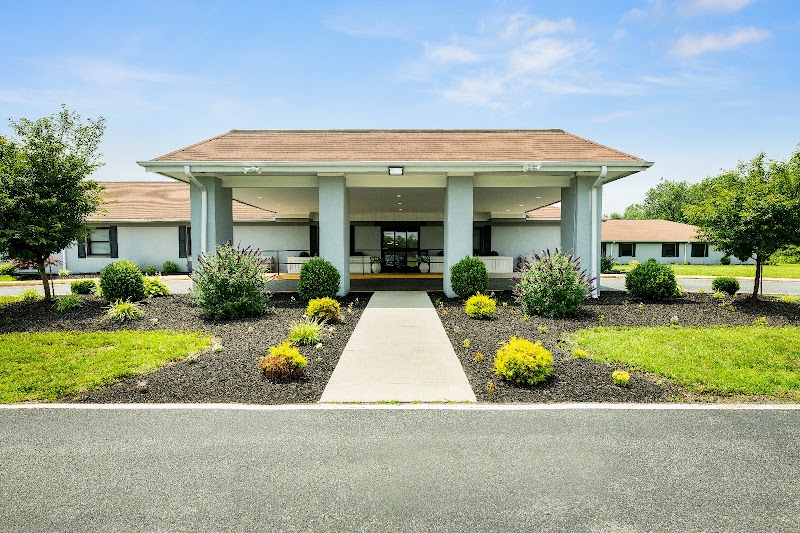
Who Owns and Operates Evergreen Post Acute?

EVERGREEN POST ACUTE is owned by a for-profit company. For-profit facilities operate as businesses with obligations to shareholders or private owners. The facility is operated by PRESTIGE HEALTHCARE ADMINISTRATIVE SERVICES, a chain that manages multiple nursing homes. With 151 certified beds and approximately 130 residents (about 86% occupancy), it is a mid-sized facility located in SMYRNA, Delaware.
How Does Evergreen Post Acute Compare to Other Delaware Nursing Homes?

Compared to the 100 nursing homes in Delaware, EVERGREEN POST ACUTE's overall rating (2 stars) is below the state average of 3.3, staff turnover (48%) is near the state average of 46%, and health inspection rating (2 stars) is below the national benchmark.

What Should Families Ask When Visiting Evergreen Post Acute?

Based on this facility's data, families visiting should ask: "What changes have been made since the serious inspection findings, and how are you preventing similar issues?" "Can I visit during a mealtime to observe dining assistance and food quality?" "How do you handle medical emergencies, and what is your hospital transfer rate?" "Can I speak with family members of current residents about their experience?" These questions are particularly relevant given the facility's Immediate Jeopardy citations.

Is Evergreen Post Acute Safe?

Based on CMS inspection data, EVERGREEN POST ACUTE has documented safety concerns. Inspectors have issued 1 Immediate Jeopardy citation (the most serious violation level indicating risk of serious injury or death). The facility has a 2-star overall rating and ranks #100 of 100 nursing homes in Delaware. Families considering this facility should ask detailed questions about what corrective actions have been taken since these incidents.

Do Nurses at Evergreen Post Acute Stick Around?

EVERGREEN POST ACUTE has a staff turnover rate of 48%, which is about average for Delaware nursing homes (state average: 46%). Moderate turnover is common in nursing homes, but families should still ask about staff tenure and how the facility maintains care continuity when employees leave.

Was Evergreen Post Acute Ever Fined?

EVERGREEN POST ACUTE has been fined $109,425 across 3 penalty actions. This is 3.2x the Delaware average of $34,173. Fines at this level are uncommon and typically indicate a pattern of serious deficiencies, repeated violations, or failure to correct problems promptly. CMS reserves penalties of this magnitude for facilities that pose significant, documented risk to resident health or safety. Families should request specific documentation of what issues led to these fines and what systemic changes have been implemented.

Is Evergreen Post Acute on Any Federal Watch List?

EVERGREEN POST ACUTE is not on any federal watch list. The most significant is the Special Focus Facility (SFF) program, which identifies the bottom 1% of nursing homes nationally based on persistent, serious quality problems. Not being on this list means the facility has avoided the pattern of deficiencies that triggers enhanced federal oversight. This is a positive indicator, though families should still review the facility's inspection history directly.