SOLARIS HEALTHCARE FOREST LAKE
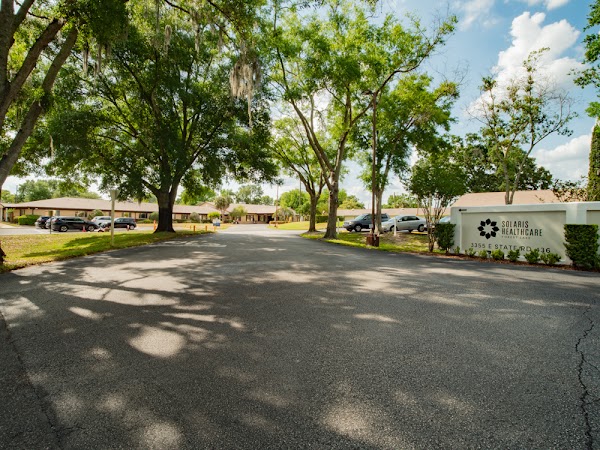
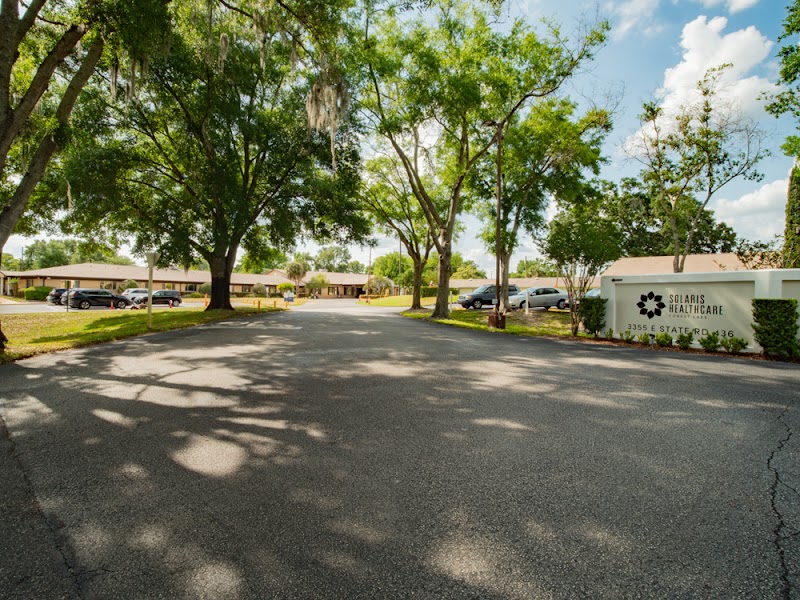
3355 E SEMORAN BLVD, APOPKA, FL 32703 (407) 862-6263
For profit - Limited Liability company 222 Beds SOLARIS HEALTHCARE Data: November 2025 2 Immediate Jeopardy citations
Trust Grade
54/100
#278 of 690 in FL
Last Inspection: March 2025

Within standard 12-15 month inspection cycle. Federal law requires annual inspections.

Overview

Solaris Healthcare Forest Lake has received a Trust Grade of C, indicating that it is average compared to other nursing homes. It ranks #278 out of 690 facilities in Florida, placing it in the top half of the state, and #3 out of 10 in Seminole County, meaning only two local options are better. Unfortunately, the facility is experiencing a worsening trend, with issues increasing from 3 in 2023 to 5 in 2025. Staffing is a concern here, rated 2 out of 5 stars, but the turnover rate of 38% is below the state average, suggesting some staff do stay longer. On the downside, the facility has faced serious incidents, including a critical failure to respect a resident's advance directive regarding end-of-life care, resulting in unwanted CPR, and lapses in verifying proper medical procedures during emergencies. While there are strengths in overall care quality, families should be aware of these significant issues.

Trust Score
C
54/100
In Florida
#278/690
Top 40%
Safety Record
High Risk
Review needed
Inspections
Getting Worse
3 → 5 violations
Staff Stability
○ Average
38% turnover. Near Florida's 48% average. Typical for the industry.
Penalties
✓ Good
$15,269 in fines. Lower than most Florida facilities. Relatively clean record.
Skilled Nurses
○ Average
Each resident gets 36 minutes of Registered Nurse (RN) attention daily — about average for Florida. RNs are the most trained staff who monitor for health changes.
Violations
○ Average
10 deficiencies on record. Average for a facility this size. Mostly minor or procedural issues.
★★★★☆
4.0
Overall Rating
★★☆☆☆
2.0
Staff Levels
★★★★★
5.0
Care Quality
★★★☆☆
3.0
Inspection Score
Stable
2023: 3 issues
2025: 5 issues

The Good

  • 5-Star Quality Measures · Strong clinical quality outcomes
  • Full Sprinkler Coverage · Fire safety systems throughout facility
  • No fines on record
  • Staff turnover below average (38%)

    10 points below Florida average of 48%

Facility shows strength in quality measures, fire safety.

The Bad

Staff Turnover: 38%

Near Florida avg (46%)

Typical for the industry

Federal Fines: $15,269

Below median ($33,413)

Minor penalties assessed

Chain: SOLARIS HEALTHCARE

Part of a multi-facility chain

Ask about local staffing decisions and management

The Ugly 10 deficiencies on record

2 life-threatening
Jul 2025 3 deficiencies
CONCERN (D) 📢 Someone Reported This

A family member, employee, or ombudsman was alarmed enough to file a formal complaint

Potential for Harm - no one hurt, but risky conditions existed

Pharmacy Services (Tag F0755)

Could have caused harm · This affected 1 resident

**NOTE- TERMS IN BRACKETS HAVE BEEN EDITED TO PROTECT CONFIDENTIALITY** Based on observation, interview, and record review, the facility failed to provide pharmaceutical services to ensure medications...

Read full inspector narrative →
**NOTE- TERMS IN BRACKETS HAVE BEEN EDITED TO PROTECT CONFIDENTIALITY** Based on observation, interview, and record review, the facility failed to provide pharmaceutical services to ensure medications were administered according to acceptable standards of practice for 1 of 2 residents observed during a medication administration pass, of a total sample of 9 residents, (#3).Findings:Resident #3 was admitted to the facility on [DATE] with diagnoses that included Parkinson's disease, personality disorder, depressive disorder, persistent mood disorder, and hyperlipidemia. Review of the Minimum Data Set admission Assessment with an Assessment Reference date of 6/25/25 revealed resident #3 had a Brief Interview for Mental Status score of 15/15, which indicated the resident was cognitively intact. On 7/10/25 at 8:57 AM, Licensed Practical Nurse (LPN) A prepared resident #3's medications which included Divalproex capsule 125 milligrams (mg), Escitalopram 10mg, Buspirone 10 mg, Cetirizine 10 mg, and Alkums 1250/500 mg. LPN A checked the photograph on the medication administration record (MAR) for identification of resident #3 before entering the resident's room.On 7/10/25 at 9:08 AM, LPN A entered the room and proceeded to resident #3's bedside. LPN A greeted resident #3 and placed five medication cups on the resident's bedside table and informed resident #3 she was going to administer her morning medications. LPN A started to explain the name of each medication in the medication cups to resident #3. During that process, LPN A held one of the medication cups and told resident #3 that it contained her seizure medication. LPN A informed the resident that she could not remember the name of the medication so she informed the resident, and both surveyors that she would be right back. LPN A stated she was returning to the medication cart to check the name of the seizure medication. LPN A walked out of resident #3's room but left all of the medication cups that held the yet to be administered medications on the resident's bedside table. Upon return to resident #3's bedside, LPN A stated the name of the medication she forgot and proceeded to administer all the prepared medications to resident #3. Further observation during the medication pass revealed LPN A did not call resident #3 by her name, did not ask the resident to say her name or her date of birth , and she did not check an armband. LPN A did not use a second identifier to verify the resident's identity before she administrated the medications. On 7/10/25 at 9:35 AM, LPN A stated if there was a new resident who she did not know, she asked for their name or date of birth . She stated she used the picture on the MAR as identification. LPN A stated the five rights for medication administration were right patient, right dose, and right medication, but she could not recall the other two rights for medication administration. LPN A stated the residents at this facility did not wear wristbands for identification, but she knew resident #3 and checked her picture on the MAR. LPN A explained the facility practice was to use a second identifier before administrating medications, and she could have the residents say their name, their birthday or check with a second nurse. She said, I had her say her name. LPN A was informed that the resident that verbalized her name and date of birth was not resident #3, but actually another resident observed earlier for medication pass. LPN A acknowledged she left resident #3's medications unattended on the bedside table which she should not have done. On 7/10/25 at 4:18 PM, the 100 Unit's Manager (UM) stated the process of medication verification included the use of two identifiers which could include the resident's name, date of birth (DOB), or the resident could be verified with another nurse before administering medications. On 7/11/25 at 10:19 AM, the Director of Nursing stated the expectation was that nurses would know the five rights for medication administration. She stated medications were not to be left at the bedside unattended and the nurse should use two forms of resident identification during a medication pass. Review of the facility policy for Medication Administration General Guidelines revised January 2018 showed medications were administered as prescribed in accordance with good nursing principles and practices. Section four of the policy listed the five medication rights which included the, Right resident, right drug, right dose, right route, and right time. The policy indicated the five rights were to be applied for each administration of medications. The policy revealed, 8) Residents are identified before medication is administered using two methods of identification.
CONCERN (D) 📢 Someone Reported This

A family member, employee, or ombudsman was alarmed enough to file a formal complaint

Potential for Harm - no one hurt, but risky conditions existed

Unnecessary Medications (Tag F0759)

Could have caused harm · This affected 1 resident

**NOTE- TERMS IN BRACKETS HAVE BEEN EDITED TO PROTECT CONFIDENTIALITY** Based on observation, interview, and record review, the facility failed to prevent medication errors related to not following ph...

Read full inspector narrative →
**NOTE- TERMS IN BRACKETS HAVE BEEN EDITED TO PROTECT CONFIDENTIALITY** Based on observation, interview, and record review, the facility failed to prevent medication errors related to not following physicians' orders for 1 of 2 residents sampled for medication administration, of a total sample of 9 residents, (#6). There were 2 medication errors in 11 opportunities, for a medication error rate of 18.18%.Findings:Resident #6 was admitted to the facility on [DATE] with diagnoses including asthma, hyponatremia (low sodium), hypertension, gastro-esophageal reflux, osteoarthritis, and chronic kidney disease. On 7/10/25 at 9:15 AM, Licensed Practical Nurse (LPN) A prepared resident #6's scheduled morning medications. She removed Losartan 50 milligrams (mg), Meloxicam 7.5 mg, Omeprazole 20 mg, Ursodiol 300 mg, Pregabalin capsule 100 mg, Sodium Chloride 1 gram (gm), and Fluticasone Salmeterol ACT aerosol 500/50 microgram (mcg). On 7/10/25 at 9:21 AM, during medication administration pass LPN A administered Losartan 50 mg to resident #6. The nurse signed off that she administered Fluticasone Salmeterol ACT aerosol 500/50 mcg, one inhalation. LPN A said she had six pills total inside the individual medication cups and was reminded the inhalation of Fluticasone Salmeterol ACT aerosol she was holding in her hand would count as the seventh medication for resident #6. LPN A proceeded to administer resident #6 her morning medications. During the administration, LPN A administered two inhalations of the Fluticasone Salmeterol ACT aerosol 500/50 mcg to resident #6. Review of the physician orders and reconciliation with the Medication Administration Record (MAR) revealed LPN A signed for administration of Losartan 100 mg which was ordered on 7/02/25. A closer review showed the Losartan 50 mg for resident #6 was discontinued on 7/02/25. Further review of the physician orders and MAR reflected that LPN A signed off that she administered one inhalation of Fluticasone Salmeterol ACT aerosol 500/50 mcg during the medication pass, instead of the two she actually administered. On 7/10/25 at 3:44 PM, LPN A pulled up the MAR on her computer which indicated she signed off for administration of Losartan 100 mg tablet. She stated she administered the 100 mg tablet. LPN A was informed she administered Losartan 50mg one tablet instead of the physician ordered Losartan 100 mg tablet. Observation and review of resident #6's medication card/bubble packages with LPN A revealed a bubble package for Losartan 100mg give 1 tablet every day, filled by the pharmacy on 7/02/25 and out of the 30 pills the count showed there were 27 tablets left, which indicated only three tablets had been removed from the bubble package over the last eight days. Further review of other bubble packages revealed one for Losartan 50 mg give one tablet every day, filled by the pharmacy on 6/19/25. Out of the 30 tablets total, it showed 16 tablets were left. LPN A verified both Losartan bubble packages with their corresponding physician orders for start dates, stop dates and the number of tablets that remained in each bubble package. LPN A stated if the medication dosage was changed, nurses would order the new dosage of the medication from the pharmacy. She explained they would keep the Losartan 50 mg medication package and administer two 50 mg tablets until the new 100 mg dosage arrived from the pharmacy. LPN A explained the facility's process for discontinued medications was to take the discontinued medications and put them in the medication room so they could be returned to the pharmacy. LPN A elaborated that nurses must get a new label from the pharmacy which indicated the medication had been discontinued while they continued to use that medication package. LPN A acknowledged during the medication administration observation she administered two inhalations of Fluticasone Salmeterol ACT aerosol rather than one inhalation as ordered. She confirmed she did not follow the physician orders for the Fluticasone Salmeterol ACT aerosol. On 7/11/25 at 10:19 AM, the Director of Nursing (DON) stated nurses were to follow the physician orders. She stated medication information on the bubble pack should match the physician's order. The DON stated nurses were to contact the physician and put the directions on the sticker in place, so other nurses would be informed of the changes before administering the medications. She stated discontinued medications should be removed from the medication cart immediately. Review of the facility policy for Medication Administration General Guidelines revised January 2018 revealed, 5) Prior to administration of any medication, the medication and dosage schedule on the resident's medication administration record (MAR) are compared with the medication label. If the label and MAR are different and the container has not already been flagged indicating a change in directions, or if there is any reason to question the dosage or directions, the physician orders are checked for the correct dosage schedule. The policy indicated when a medication order was changed, and the current supply could continue to be used, the container should be flagged right away and the order change communicated to the pharmacy. The policy detailed that medications would be administered in accordance with written orders of the prescriber.
CONCERN (D) 📢 Someone Reported This

A family member, employee, or ombudsman was alarmed enough to file a formal complaint

Potential for Harm - no one hurt, but risky conditions existed

Infection Control (Tag F0880)

Could have caused harm · This affected 1 resident

Based on observation, interview, and record review, the facility failed to adhere to proper infection control practices for 1 of 2 residents observed during medication administration, of a total sampl...

Read full inspector narrative →
Based on observation, interview, and record review, the facility failed to adhere to proper infection control practices for 1 of 2 residents observed during medication administration, of a total sample of 9 residents, (#6). Findings: On 6/12/25 resident #6 was admitted to the facility with diagnoses of asthma, hyponatremia (low sodium), hypertension, gastro-esophageal reflux, osteoarthritis, and chronic kidney disease. On 7/10/25 at 9:15 AM, Licensed Practical Nurse (LPN) A retrieved resident #6's morning medications from the medication cart. On 7/10/25 at 9:21 AM, during medication preparation LPN A placed several medication cups on top of the medication cart. She then placed Losartan 50 milligrams (mg), Meloxicam 7.5 mg, Omeprazole 20 mg, Ursodiol 300 mg, Pregabalin capsule 100 mg, Sodium Chloride 1 gram (gm), and Fluticasone Salmeterol ACT aerosol 500/50 microgram (mcg) each into the separate medication cups. LPN A then proceeded to stack the medication cups on top of each other in order to carry all of the medications in her hands to resident #6's room. The bottom of each stacked medication cup which had been sitting directly on of the medication cart surface was in direct contact with the tablets in the cups below them. LPN A administered the contaminated tablets to resident #6.On 7/10/25 at 9:40 AM, LPN A explained she stacked the medications cups because she could not carry all the medications in her hands, and she could not leave anything behind on the medication cart. She stated the top of the medication cart was not ideal for sanitation in regard to stacking the medication cups inside each other on top of the tablets. She stated she received in-service education on proper medication administration last month.On 7/11/25 at 10:19 AM, the Director of Nursing (DON) confirmed the top of the medication cart was not considered sanitary. She stated the facility had gray trays that nurses could use to carry medications to the residents' rooms, so they did not have to stack the medication cups inside each other. The DON explained once the medication cup was on the surface of the cart it was no longer sanitary because there was no barrier between the medication tablets and the bottom of the medication cups. Review of the facility policy for Medication Administration General Guidelines dated January 2018, showed medications were administered as prescribed in accordance with good nursing principles and practices. The policy detailed that authorized personnel should administer medications only after the personnel were properly oriented to the facility for administration and an adequate supply of disposable containers, equipment, and supplies should be maintained on the medication cart for administering medications.
Mar 2025 2 deficiencies
CONCERN (D)

Potential for Harm - no one hurt, but risky conditions existed

Drug Regimen Review (Tag F0756)

Could have caused harm · This affected 1 resident

**NOTE- TERMS IN BRACKETS HAVE BEEN EDITED TO PROTECT CONFIDENTIALITY** Based on interview, and record review, the facility failed to ensure pharmacy reports of irregularities with medication regimens...

Read full inspector narrative →
**NOTE- TERMS IN BRACKETS HAVE BEEN EDITED TO PROTECT CONFIDENTIALITY** Based on interview, and record review, the facility failed to ensure pharmacy reports of irregularities with medication regimens were reviewed, including actions taken to address the discrepancies, and their rationale for 1 of 5 residents reviewed for medication review, (#151). Findings: 1. Resident #151 was admitted on [DATE] with the diagnoses of fibromyalgia, severe obesity, acute respiratory failure, osteoarthritis, polyneuropathy, anxiety, anemia, hypothyroidism, depression, migraine, and chronic kidney failure, unspecified. On 12/08/24, the consulting pharmacist recommended the side effects of the anxiolytic (antianxiety) medication Buspirone be monitored along with the behaviors related to the antidepressant medication Bupropion Extended Release (XL), which included target behaviors, interventions, adverse effects, and effectiveness of the antidepressant. Review of the medical record revealed no evidence the recommendations were reviewed or addressed by the attending physician as no changes to the residents' orders were made and no rationale for not adding them were provided. Review of the medical record revealed on 1/19/25, the pharmacist recommended a change in the order for potassium 10 milliequivalents (mEq) tablet to Potassium Chloride 10% oral solution (20 mEq/15 milliliters (ml)), 7.5 ml daily with at least 120 ml cold water, because the pharmacist noted, solid sources of potassium chloride were contraindicated for patients with delayed gastric emptying. Review of the medical record revealed no evidence that the pharmacy recommendations were reviewed or addressed; no changes to the orders were made and no rationale was provided. Review of the medical record revealed on 2/07/25, the pharmacist repeated the recommendation for side effect monitoring of the anxiolytic (antianxiety) medication Buspirone, along with monitoring behaviors for the antidepressant Bupropion XL. Review of the medical record revealed no evidence these recommendations were ever reviewed or addressed by the attending physician. On 3/11/25, for the third month the recommendations to monitor the side effects for Buspirone and to monitor behaviors related to the antidepressant Bupropion XL were given by the consulting pharmacist. Review of the medical record revealed no evidence the recommendations were reviewed or addressed. On 3/17/25, an order to monitor behaviors for the antidepressant Bupropion XL was added, but did not include to document for target behaviors, interventions, adverse effects, or effectiveness, as was recommended by the pharmacist, nor a rationale for not adding these recommendations. On 3/27/25 at 1:53 PM, the Director of Nursing (DON) stated the pharmacist reviewed resident medications monthly for appropriateness and for irregularities, then emailed their reports with any recommendations to the DON. The DON stated she then distributed the recommendations to the appropriate Unit Managers who then contacted the doctors. She explained the process must be completed before the end of the month. The DON verified there was an 'order set' available for antianxiety medication side effects, but confirmed it was not added to resident #151's orders anytime between December 2024 and March 2025 as recommended. She confirmed the antidepressant behavior monitoring was not added in December 2024 through February of 2025 as recommended, and when added on March 17, 2025, it did not include the specific recommendations of the pharmacist, but just to monitor behaviors. The DON stated it was important to follow up on pharmacist recommendations because the facility must follow physician orders, and address pharmacy recommendations to provide appropriate care for the residents. The DON added, the January recommendation in January for the change from the Potassium tablet to the liquid form was addressed with the physician with the resident refusing. However, she acknowledged there was no evidence of this until a late entry progress note was added after the interview on the afternoon of 3/27/25. The facility policy entitled Medication Regimen Review, dated 2006, with most recent revision of January 2018, indicated pharmacist recommendations were to be acted upon and documented by the facility staff and/or the prescriber. The policy described that the prescriber either accepted and acted upon the recommendations or rejected them with an explanation.
CONCERN (E)

Potential for Harm - no one hurt, but risky conditions existed

PASARR Coordination (Tag F0644)

Could have caused harm · This affected multiple residents

**NOTE- TERMS IN BRACKETS HAVE BEEN EDITED TO PROTECT CONFIDENTIALITY** 3. Resident #136 was admitted on [DATE] with diagnoses of acute respiratory failure with hypoxia (low oxygen), Parkinson's disea...

Read full inspector narrative →
**NOTE- TERMS IN BRACKETS HAVE BEEN EDITED TO PROTECT CONFIDENTIALITY** 3. Resident #136 was admitted on [DATE] with diagnoses of acute respiratory failure with hypoxia (low oxygen), Parkinson's disease, type 2 diabetes mellitus, stroke, insomnia, bipolar disorder, depressive disorder, and post-traumatic stress disorder. Review of the PASARR level I screening dated 2/19/25 revealed it did not include the diagnoses bipolar disorder, depressive disorder, nor post-traumatic stress disorder. On 3/26/25 at 4:06 PM, in a joint interview the Admissions Clerk and Admissions Director stated they both reviewed admission referrals which included reviews of the hospital transfer form for patient transfers, including the PASARR form, prior to admission. They agreed they looked to see if the PASARR was complete, but stated they didn't check the assessment for accuracy. They added, the Social Services Director reviewed the PASARRs for accuracy. On 3/26/25 at 4:19 PM, the Director of Social Services stated she checked to see if the PASARR was accurate and then she provided the PASARR to the Regional Social Worker or the Director Of Nursing. The Director of Social Services added, during Gradual Dose Reduction (GDR) meetings for medications, she reviewed the PASARR's to ensure their accuracy, especially if any new psychiatric diagnoses were added. She did not say why resident #136's level I PASARR was not accurate. 4. Resident #19 was initially admitted to the facility on [DATE] and readmitted on [DATE] from the hospital. Some of her diagnoses included acute respiratory failure with hypoxia, pneumonia, chronic obstructive pulmonary disease, heart failure, generalized anxiety disorder and major depressive disorder. Resident #19's most recent MDS assessment with an assessment reference date of 2/27/25 revealed the resident scored 15 out of 15 on the Brief Interview for Mental Status which indicated she had no cognitive impairment. The assessment indicated she felt depressed, but had no behaviors nor rejection of care and listed diagnoses of both anxiety disorder and depression. Resident #19's Order Summary Report showed the resident had an order for Sertraline HCl Oral Tablet 50 mg, 3 tablets given by mouth at bedtime for depression. Resident #19 had a Plan of Care initiated on 2/29/24 for the use of antidepressant medication related to the diagnosis of depression. On 3/26/25 at 10:31 AM, a review of resident #19's PASARR Level I Screen for Serious Mental Illness and /or Intellectual Disability or Related Conditions dated 1/04/24 incorrectly revealed no diagnoses listed in Section A for Mental Illness or Suspected Mental Illness. 5. Review of the medical record revealed resident #185 was admitted to the facility on [DATE] from the hospital. Some of her diagnoses included nontraumatic intracerebral hemorrhage, displaced intertrochanteric fracture of the right femur, dementia, major depressive disorder, generalized anxiety disorder, and Alzheimer's disease. Resident #185's admission Minimum Data Set (MDS) with an assessment reference date of 2/24/25 revealed the resident scored 6 out of 15 on the Brief Interview for Mental Status which indicated she was cognitively impaired. The assessment indicated resident #185 felt depressed, exhibited behaviors and rejected care. She had diagnoses of anxiety disorder and depression. Resident #19's Order Summary Report showed the resident had an order for Citalopram Hydrobromide 20 mg and half tablet to be given by mouth one time a day for depression. The resident also had orders for Trazadone HCL tablet 50 mg and half tablet to be given by mouth every twelve hours for depression. Resident #185 had a Plan of Care which was initiated and revised on 3/27/25 related to the diagnosis of depression and another care plan for the use of antidepressants initiated and revised on 2/18/25. On 3/26/25 at 3:47 PM, review of resident #185's PASARR Level I Screen for Serious Mental Illness and /or Intellectual Disability or Related Conditions dated 2/18/25 revealed no diagnoses listed in Section A for Mental Illness or Suspected Mental Illness. 6. Resident #9 was initially admitted to the facility on [DATE] and readmitted on [DATE] from a rehabilitation hospital. Some of her diagnoses included chronic respiratory failure with hypoxia, hypotension (low blood pressure), type 2 diabetes mellitus, end stage renal disease, and bipolar disorder. Resident #9's Quarterly MDS assessment with an assessment reference date of 1/3/25 revealed the resident scored 00 out of 15 on the Brief Interview for Mental Status which indicated she was cognitively impaired. The assessment revealed resident #9 had no behaviors nor rejection of care and included bipolar disorder as an active diagnosis. Resident #9 had a Plan of Care initiated on 4/08/21 and revised on 7/09/21 for mood problems related to anxiety. Another focus in the Plan of Care revealed resident #9 had a history of being aggressive with staff, anxiety, depression, anger, and poor impulse control initiated 12/06/20. On 3/26/25 at 4:32 PM, a review of resident #9's PASARR Level I Screen for Serious Mental Illness and /or Intellectual Disability or Related Conditions dated 1/17/22 revealed no diagnoses listed in Section A for Mental Illness or Suspected Mental Illness. 7. Resident #72 was admitted to the facility on [DATE] from an acute care hospital. Some of his diagnoses included unspecified fracture of the right femur, partial paralysis following stroke, type 2 diabetes mellitus, chronic kidney disease and major depressive disorder. Resident #72's admission MDS assessment with a reference date of 12/13/24 revealed the resident scored 6 out of 15 on the Brief Interview for Mental Status which indicated he was cognitively impaired. The assessment indicated the resident felt down, depressed and hopeless, but had no behaviors nor rejection of care and listed depression as an active diagnosis. Resident #72's Order Summary Report showed the resident had an order for Venlafaxine HCL tablet extended release 24 hour, 150 mg to be given with Venlafaxine HCL tablet extended release 75 mg to equal 225 mg given daily for depression. The Plan of care revealed resident #72 had mood problems related to depression initiated on 12/10/24. On 3/26/25 at 4:38 PM, a review of resident #9's PASARR Level 1 Screen for Serious Mental Illness and /or Intellectual Disability or Related Conditions dated 12/06/24 revealed no diagnoses were listed in Section A for Mental Illness or Suspected Mental Illness. On 3/26/25 at 4:06 PM, the Admissions Director and the Admissions Clerk explained they reviewed PASARRs for potential residents prior to admission. They ensured the form was completed, then given to the Social Services Department who further reviewed them and would determine if a Level II PASARR was needed. On 3/26/25 at 4:19 PM, the Social Services Director (SSD) explained she would review the level I PASARR forms and if necessary, would let the Regional Social Worker or the Director of Nursing (DON) know of any updates or discrepancies. She said most times, she would learn of updated PASARRs or add new diagnoses during the Interdisciplinary Team meetings with the Psychiatrist when they addressed Gradual Dose Reductions for residents on psychotropic medications. The SSD and DON acknowledged and confirmed the list of seven residents, (#17, #199, #136, #19, #185, #9 and #72) whose PASARRs were inaccurate and noted the missing diagnoses in Section A of the form. On 3/27/25 at 9:52 AM, the DON stated that her expectation was accurate diagnoses were listed in Section A of the PASARR screening forms. The Facility's Policy on Preadmission Screening and Resident Review reviewed December 2024 stated A complete and accurate PASARR is required upon admission of each resident. Residents who may need Level II will not be admitted until the review has been completed and that the determination has been made to ensure that placement in a nursing facility is appropriate. The admissions department is responsible for assuring that each resident has a complete and accurate PASARR screening upon admission. If new information has been discovered, facility should complete a Level I or review if applicable. Social Services is responsible for any referral of an in-house resident in need of a level II. Based on interview, and record review, the facility failed to ensure completion and accuracy of Level I Preadmission Screening and Resident Reviews (PASARRs) on admission, and/or failed to make referrals for newly evident or possible mental disorders to evaluate the need for specialized mental health services or alternate placement for 7 of 7 residents reviewed for PASARR, of a total sample of 53 residents, (#17, #199, #136, #19, #185, #9 and #72). Findings: 1. Resident #17's medical record revealed she was admitted to the facility on [DATE] from an acute care hospital with a diagnoses including diverticulitis, fibromyalgia, generalized anxiety disorder, and major depressive disorder. Review of the resident 5-day Minimum Data Set (MDS) dated [DATE] revealed the resident had a diagnosis of anxiety, and depression listed under section active psychiatric and mood disorders. The MDS assessment noted the resident was taking antianxiety and antidepressant medications. The resident's level I PASARR form dated 10/09/24 was completed prior to admission to the facility. The form indicated only the diagnosis of anxiety listed under Section IA, Mental Illness or suspected Mental Illness. A psychiatry consultation dated 10/15/24 revealed the resident had diagnoses of major depressive disorder, generalized anxiety, and dementia without behavioral, psychotic, mood disturbances. Resident's plan of action included continuing Donepezil and Memantine for dementia and Duloxetine for depression. The resident's Clonazepam for anxiety was changed from as needed (PRN) to a scheduled medication at bedtime. Review of resident #17's physician medication orders revealed the resident was ordered Clonazepam 0.5 milligrams (mg) at bedtime for anxiety with a start date of 10/15/24, Gabapentin 100 mg every 8 hours for neuropathy with a start date of 10/11/24, Memantine HCl 10 mg every morning and at bedtime for dementia with a start date of 10/09/24, Donepezil HCl 10 mg daily for dementia with a start date of 10/10/24, and Sertraline HCl 25 mg at bedtime for depression with a start date of 12/17/24. Review of resident #17's care plan revealed a focus initiated 10/10/24 regarding the use of antidepressant medication related to depression. Review of the resident's medical record revealed no updates had been made to the level I PASARR form to include this mental illness, major depressive disorder. 2. Resident #199's medical record revealed he was admitted to the facility on [DATE] from an acute care hospital with diagnoses including metabolic encephalopathy (brain dysfunction), dementia without behavioral, psychotic, or mood disturbances, and cognitive communication deficit. Review of the resident admission MDS assessment dated [DATE] revealed the resident had no diagnosis listed under section active psychiatric and mood disorders, but the assessment indicated the resident was taking antianxiety and antipsychotic medications. The resident's PASARR form dated 1/29/25 was completed prior to admission to the facility. The form indicated no mental illness or suspected mental illness under Section IA. Review of resident #199's physician medication orders revealed the resident was ordered Rexulti 0.25 mg every day for mood disorder with a start date of 1/29/25 and was discontinued on 2/04/25 and an order for Trazodone 25 mg every 12 hours for diagnosis of depression with a start date of 2/04/25. A Psychiatry consultation dated 2/04/25 under the section 'Plan of Action' revealed the resident's medication Rexulti was discontinued and Trazodone 25mg every 12 hours for depression was started. The resident was started on this medication because non-pharmacological interventions were not sufficient to manage the symptoms of the resident. The consultation described the medication was prescribed because in general it helped with depression, anxiety, panic attacks, post trauma anxiety, irritability, agitation and sleep. Review of resident #199's care plan revealed a focus initiated 2/05/25 about the use antidepressant medications and the resident being at risk for complications from these medications. Review of resident medical record revealed no updates were made to the PASARR form to include this mental illness diagnosis.
Jul 2023 2 deficiencies 2 IJ
CRITICAL (J) 📢 Someone Reported This

A family member, employee, or ombudsman was alarmed enough to file a formal complaint

Immediate Jeopardy (IJ) - the most serious Medicare violation

Deficiency F0578 (Tag F0578)

Someone could have died · This affected 1 resident

**NOTE- TERMS IN BRACKETS HAVE BEEN EDITED TO PROTECT CONFIDENTIALITY** Based on interview and record review, the facility failed to implement procedures to ensure a resident's wishes related to healt...

Read full inspector narrative →
**NOTE- TERMS IN BRACKETS HAVE BEEN EDITED TO PROTECT CONFIDENTIALITY** Based on interview and record review, the facility failed to implement procedures to ensure a resident's wishes related to health care treatments and procedures at the end of life were followed and failed to honor an advance directive that reflected the decision to withhold cardiopulmonary resuscitation (CPR) for 1 of 8 (#1) sampled residents reviewed for resident rights and CPR. These failures contributed to resident #1 receiving CPR in violation of an explicit wish for a natural and dignified death. There was likelihood resident #1 experienced severe pain, and could have suffered broken bones, organ damage and a prolonged dying process. On [DATE] at approximately 4:47 AM, resident #1 was found unresponsive with no heart rate and no respirations. A Respiratory Therapist (RT) initiated Cardiopulmonary Resuscitation (CPR) without first verifying the resident's wishes regarding CPR (code status) in the medical record. A RN instructed staff to continue CPR after verifying a current order for DNR. Emergency Medical Services (EMS) arrived at the facility and spoke to the resident's spouse who confirmed the resident had a Do Not Resuscitate Order (DNRO). CPR was discontinued and resident #1 was pronounced dead at 4:52 AM. The facility failed to honor the resident's wishes not to be resuscitated and failed to follow physician order for Do Not Resuscitate. The facility's failure to honor the right to choose withholding of lifesaving interventions placed all residents with a Do Not Resuscitate Order (DNRO) advance directive at risk for serious psychosocial harm, physical trauma, and a prolonged, undignified death from unwanted resuscitation efforts. This failure resulted in Immediate Jeopardy starting on [DATE]. The Immediate Jeopardy was removed on [DATE] and compliance was achieved on [DATE] after verification of corrective actions. Findings: Cross reference F678. Resident #1 was admitted to the facility on [DATE] with diagnoses including respiratory failure, dependence on respiratory [ventilator] status, tracheostomy status and gastrostomy status. Review of the Minimum Data Set (MDS) significant change in status assessment with assessment reference date of [DATE] revealed resident #1 had a Brief Interview for Mental Status score of 15 which indicated the resident was cognitively intact. The document indicated the resident was tracheostomy and ventilator dependent and received oxygen and suctioning. A care plan for Advance Directives which indicated resident #1 had selected Do Not Resuscitate (DNR) status was initiated [DATE]. The document read, Advance Directives will be honored and assistance provided with changes as needed. Review of resident #1's electronic medical record (EMR) revealed a State of Florida Do Not Resuscitate Order (DNRO) form signed by resident #1 on [DATE]. The Facility's policy and procedure for Do Not Resuscitate Order revised [DATE] read, Our facility will not use cardiopulmonary resuscitation and related emergency measures to maintain life functions on a resident when there is a Do Not Resuscitate Order in effect. In a phone interview on [DATE] at 4:08 PM, Registered Nurse (RN) B described the sequence of events on [DATE], the day resident #1 received CPR. He recalled sometime close to 5:00 AM, resident #1's spouse came out of the room and asked for someone to check on the resident. The Respiratory Therapist (RT) C assigned to him was busy, so he went to the room. RN B stated when he entered the room, the resident was very pale, unresponsive and did not have a pulse. RN B pushed the code blue button on the wall to get assistance and then went out to check resident #1's code status. He looked in the EMR and saw resident #1 had an order for DNR. He stated RN Supervisor G came to the desk about that time and he informed her of the resident's code status (DNR order). RN B recalled RN Supervisor G informed him CPR was already in progress and had to continue. He stated his first impression was the chest compressions should stop since the resident had an order for DNR. She told him they had to keep doing CPR and wait for EMS to arrive. RN B stated he took the emergency cart which contained resuscitation equipment and went to resident #1's room. When he entered the room with the cart, RT C and RT E were taking turns with the manual resuscitation bag and doing chest compressions. He explained EMS arrived shortly after and were informed of the DNR status. EMS instructed staff to cease CPR efforts. In a phone interview on [DATE] at 7:40 AM, RT C confirmed she was the RT assigned to resident #1 the morning of [DATE]. She recalled the resident's spouse came out to the station and stated resident #1 was having difficulty breathing. RT C explained she started to go to resident #1's room, but forgot the keys to the breathing treatment cart and went back to get them from another RT. As she was headed back to the room, she saw the code blue light on outside resident #1's room. RT C stated when she entered the room, she began assisted manual ventilation with a manual resuscitation bag in the event there was a mucous plug that needed to be cleared. She explained RT E was in the room and started chest compressions when they could not find a pulse. RT C recalled another RT entered the room and informed them resident #1 had an order for a DNR, but RN Supervisor G told them they had to keep going since CPR was already started. RT C stated they continued with CPR until EMS arrived. EMS asked resident #1's spouse if she wanted them to continue and she told them to stop. In a phone interview on [DATE] at 12:36 PM, RN Supervisor G confirmed she was on the phone when she heard the code blue alert. When she entered the room, she observed two RTs had initiated CPR. She acknowledged she went to the nurse station and RN B informed her resident #1 had an order for DNR. She explained she was on the phone with the DON (former) and was instructed to continue CPR until EMS arrived which she shared with RN B. On [DATE] at 9:37 AM, RN Unit Manager H stated she was not present in the facility the day of the incident, but was informed afterward. She explained each resident's code status was in the EMR and it was the responsibility of staff to verify code status prior to initiating CPR. RN Unit Manager H stated she was always told to stop CPR if you found someone had an order for a DNR after it was initiated. She explained, you have to honor their wishes. In a phone interview on [DATE] at 10:28 AM, resident #1's spouse stated she usually visited earlier in the day, but on [DATE] she woke up during the night and just wanted to go in and sit with the resident. She recalled early in the morning, she went to the nurse station and told RT C that resident #1 needed some attention. RT C told her she would be there in a minute. Resident #1's spouse stated she told her the resident needed someone now. She heard a code blue being announced and saw the emergency cart. She explained there was a lot going on and she tried to remember if her spouse had signed a DNRO. She stated she said something about a DNRO and the EMS crew must have overheard her. The EMS person asked if she wanted them to stop. She told them if the resident was going to have broken ribs or brain damage, she wanted them to stop. Resident #1's spouse recalled a conversation she had with the resident when he was in the hospital. She stated he expressed to her and her son that he did not want to have his ribs broken or suffer brain damage. She recalled resident #1 said he just wanted to die in peace. She stated it was his decision to not be resuscitated if he stopped breathing or his heart stopped. Review of the immediate corrective measures implemented by the facility revealed the following, which were verified by the survey team at the time of the survey: *On [DATE], the attending physician, Medical Director, Administrator, Director of Nursing and family were notified of the incident and an investigation was initiated. Immediate education done with all in-house staff regarding verification of code status prior to initiating CPR. Advance Directive audit and code blue drills initiated. *On [DATE], an Ad Hoc Quality Assurance and Performance Improvement (QAPI) committee meeting was held and included the following staff: Medical Director, NHA, DON, ADON, RM, Evening Nurse Supervisor, RSSD, CEO, CEO of Consulting Group, RNC, RICP, RT Supervisor, and RT Manager. A Performance Improvement Plan on advance directives was started. Education and audits were started which included code blue drills with test and audit of code status for all residents. 100% chart audit completed by [DATE]. * The Ad Hoc QAPI meeting on [DATE] included the following staff: MD, NHA, DON, ADON, RNC, RM, RN Unit Manager for 400 unit. The content of the QAPI meeting included: Discussion of the process to verify code status, system changes to put into place, and monitoring tools that will be used. Reviewed education and audits completed to date. Updated content of education message. *The Ad Hoc QAPI meeting on [DATE] included the following staff: MD, NHA, DON, Risk Preventionist, ADON, Director of Education, UMs, and other department heads. The content of the QAPI meeting included: Reviewed all the education that had been provided to clinical staff, the education provided to other staff, reviewed mock code drills performed, and audits conducted. Came to consensus that facility was in compliance for education and audits/mock drills. Continued to review the advance directives, code status and CPR. Reviewed audit tools to ensure they were being done correctly. *From [DATE] to [DATE], the facility educated clinical staff on the topics of Advance Directives, Code Blue alert and when to start/stop CPR which included a post-test. Education included the instructions, In the event CPR is initiated when there is an order for DNR, CPR is to be discontinued upon confirmation of DNR status, consistent with physician orders for DNR. *On [DATE] all clinical staff had been received training/in-service education and had participated in a code [NAME] drill. Education for non-clinical staff and any new employees after [DATE] is ongoing. *From [DATE] to [DATE], the facility took actions to reduce the risk of future occurrences. All staff were educated on the Policy and Procedure related to Advance Directives with a focus on Code Status and Following the Physician's orders with post-test; New Hire staff orientation to include Code Blue response and verification of code status in EMR; Code status and Advanced Directives confirmed at the time of admission and orders placed in EMR; Code status and Advanced Directives reviewed with all residents at the time of care plan meetings and Code Blue Drills (includes verifying Code Status, Advance Directives and DNRO). Interviews conducted on [DATE] with 15 staff members (4 Certified Nursing Assistants, 3 Licensed Practical Nurses, 1 RN, 1 Maintenance Assistant, 1 Certified Occupational Therapy Assistant, 1 housekeeper, 3 Respiratory Therapists and 1 unit secretary) indicated they were knowledgeable of advance directives and where to verify the code status in the EMR prior to providing CPR. The surveyors validated the education with attendance sheets for code blue drills and in-services. From [DATE] to [DATE], 427 staff members received in-service/education. Review of QAPI audits revealed daily code blue drills were conducted per performance improvement plan. The resident sample was expanded to include three additional residents who elected DNR status. Interviews and record reviews revealed no concerns for residents #2, #3, #4, #5, #6, #7, and #8 related to advance directives. Based on the facility's corrective actions, the survey team determined the facility was in substantial compliance on [DATE].
CRITICAL (J) 📢 Someone Reported This

A family member, employee, or ombudsman was alarmed enough to file a formal complaint

Immediate Jeopardy (IJ) - the most serious Medicare violation

Deficiency F0678 (Tag F0678)

Someone could have died · This affected 1 resident

**NOTE- TERMS IN BRACKETS HAVE BEEN EDITED TO PROTECT CONFIDENTIALITY** Based on record review and interview, licensed nurses and respiratory therapists failed to follow the facility's policy and proc...

Read full inspector narrative →
**NOTE- TERMS IN BRACKETS HAVE BEEN EDITED TO PROTECT CONFIDENTIALITY** Based on record review and interview, licensed nurses and respiratory therapists failed to follow the facility's policy and procedure for Cardiopulmonary Resuscitation (CPR) related to verification of physician orders for resuscitation or code status in an emergency and process for following the Do Not Resuscitate Order (DNRO) for 1 of 8 residents reviewed for advance directives (#1). On [DATE] at approximately 4:47 AM, resident #1 was found unresponsive with no heart rate and no respirations. A Respiratory Therapist (RT) initiated CPR without first verifying the resident's physician orders and advance directives (code status) in the medical record. Emergency Medical Services (EMS) arrived at the facility and spoke to the resident's spouse who confirmed the resident had a DNRO. CPR was discontinued and resident #1 was pronounced dead at 4:52 AM. The facility failed to follow their policies and procedures for Cardiopulmonary Resuscitation by not checking the resident's code status prior to initiating CPR. This resulted in failure to honor the resident's wishes and physician order for Do Not Resuscitate. The facility's failure to ensure staff followed procedures related to honoring an advance directive to withhold CPR contributed to resident #1 suffering unwanted, aggressive resuscitation efforts and placed all residents who had valid DNROs at risk for serious injury/impairment/prolonged death. This failure resulted in Immediate Jeopardy starting on [DATE]. The Immediate Jeopardy was removed on [DATE] and compliance was achieved on [DATE] after verification of corrective actions. Findings: Cross reference F578. Resident #1, a [AGE] year-old male, was admitted to the facility on [DATE] with diagnoses including respiratory failure, dependence on respiratory [ventilator] status, tracheostomy status and gastrostomy status. Review of the Minimum Data Set (MDS) significant change in status assessment with assessment reference date of [DATE] revealed resident #1 had a Brief Interview for Mental Status score of 15 which indicated he was cognitively intact. The document indicated the resident was tracheostomy and ventilator dependent and received oxygen and suctioning. Review of resident #1's electronic medical record (EMR) revealed a State of Florida Do Not Resuscitate Order (DNRO) form dated [DATE] that was signed by the resident and his attending physician. The document showed the resident's signature under the statement, Being informed of my right to refuse cardiopulmonary resuscitation (CPR), including artificial ventilation, cardiac compression, endotracheal intubation and defibrillation, I direct that CPR be withheld or withdrawn from me. The physician's statement read, I direct the withholding or withdrawal of CPR from the patient in the event of the patient's cardiac or respiratory arrest. Resident #1's EMR contained a physician order dated [DATE] which read, Do Not Resuscitate. A Nurses Progress Note dated [DATE] at 7:17 AM revealed Registered Nurse (RN) B was called to the room by resident's spouse. Upon entering, he observed resident #1 was pale and unresponsive. RN B immediately called for help and left the room to check on his code status. The note indicated resident #1 had a DNRO. RN B notified RN Supervisor G who came to the nurse station. He was told that CPR had already commenced and CPR had to keep going as per policy until relieved by EMS. EMS arrived at 4:52 AM and called out time of death. A Respiratory Progress Note dated [DATE] at 6:03 AM indicated resident #1's spouse requested the RT to come check on the resident as he was short of breath. The note indicated upon entering the room, RT C noted the resident looked pale, with a weak pulse. Her note read, CPR was initiated with 100% manual resuscitation bag . Suction for scant amount of thick pale/yellow secretions. Review of the facility's policy and procedure 14.1 Emergency Procedure - Cardiopulmonary Resuscitation revised [DATE] read, If an individual is found unresponsive, briefly assess for abnormal or absence of breathing, Verify or instruct a staff member to verify the DNR or code status of the individual. If the resident is a full code begin CPR. The Facility's policy and procedure for Do Not Resuscitate Order revised [DATE] read, Our facility will not use cardiopulmonary resuscitation and related emergency measures to maintain life functions on a resident when there is a Do Not Resuscitate Order in effect. On [DATE] at 11:15 AM, The Administrator and Interim Director of Nursing (DON) discussed the incident investigation and Root Cause Analysis related to resident #1 receiving CPR despite documentation of a DNRO. The Administrator and DON stated during the investigation, several staff statements were taken and it was discovered RT E entered the room during the code blue and began chest compressions on resident #1 without verifying his code status. The Administrator explained that RT E gave conflicting statements during a couple of interviews. The Administrator stated the facility had identified the root cause as the RT saw the Code Blue alert and provided CPR without verifying the resident's code status. He confirmed that first and foremost, staff have to check the wishes of the resident and honor those wishes. The Administrator acknowledged that once the staff discovered the resident had an order for DNR, they should have stopped CPR. They could not provide CPR if they did not have a physician order to do so. He explained staff were educated on code blue alerts, honoring Advance Directives and where to verify a resident's code status. Training also included if a resident was found to be a DNR, CPR should stop if already initiated in order to honor the resident's wishes., Attempts were made to reach RT E, but he did not answer the phone and did not return phone calls. In a phone interview on [DATE] at 4:08 PM, Registered Nurse (RN) B described the sequence of events on [DATE], the day resident #1 received CPR. He recalled sometime close to 5:00 AM, resident #1's spouse came out of the room and asked for someone to check on the resident The Respiratory Therapist (RT) C assigned to him was busy, so he went to the room. RN B stated when he entered the room, the resident was very pale, unresponsive and did not have a pulse. RN B pushed the code blue button on the wall to get assistance and then went out to check resident #1's code status. He looked in the EMR and saw resident #1 had an order for DNR. He stated RN Supervisor G came to the desk about that time and he informed her of the resident's code status (DNR order). RN B recalled RN Supervisor G informed him CPR was already in progress and had to continue. He stated his first impression was chest compressions should stop since the resident had an order for DNR. She told him they had to keep doing CPR and wait for EMS to arrive. RN B stated he took the emergency cart which contained resuscitation equipment and went to resident #1's room. When he entered the room with the cart, RT C and RT E were taking turns with the manual resuscitation bag and doing chest compressions. He explained EMS arrived shortly after and were informed of the DNR status and EMS instructed staff to cease CPR efforts. In a phone interview on [DATE] at 7:40 AM, RT C confirmed she was the RT assigned to resident #1 the morning of [DATE]. She recalled the resident's spouse came out to the station and stated the resident was having difficulty breathing. RT C explained she started to go to resident #1's room but forgot the keys to the breathing treatment cart and went back to get them from another RT. As she was headed back to the room, she saw the code blue light on outside resident #1's room. RT C stated when she entered the room, she began assisted manual ventilation with a manual resuscitation bag in the event there was a mucous plug that needed to be cleared. She explained RT E was also in the room and started chest compressions when they could not find a pulse. RT C recalled RT F entered the room and asked if resident #1 was a DNR. She stated they did not know and RT F went out to check. RT F returned and informed them he was a DNR, but RN Supervisor G told them they had to keep going since CPR was already started. RT C stated they continued with CPR until EMS arrived. EMS asked resident #1's spouse if she wanted them to continue and she told them to stop. In a phone interview on [DATE] at 7:30 AM, RT F confirmed she was at the respiratory station where they sit to document in the medical record. She recalled the spouse of resident #1 came to the station and called the RT C to come to the room. RT C asked for the keys from RT F and left. RT F observed the Code Blue light flashing and went into the room. Upon entering, she observed RT E doing chest compressions and RT C using the manual resuscitation bag. She asked what resident #1's code status was and did not get a response. She stated she left the room and went to the nurse station to verify code status. RT F spoke with RN B and was informed the resident had an order for a DNR. She explained RN Supervisor G was in the hall and said they had to continue with CPR once started because it was the policy of the facility. RT F returned to the room and shared the information with RT C and RT E. In a phone interview of [DATE] at 1:08 PM, RT D stated he was the lead RT the night of the incident. He recalled seeing the code blue alert went to resident #1's room. He stated as he entered, he observed RT E doing chest compression and RT C was using the manual resuscitation bag. RT D asked if he could help and RT C stated she was trying to see if the resident had a mucous plug in his airway. He stated LPN A entered and assisted RT E and RT C with chest compression. He recalled RT F checked resident #1's code status and informed them the resident had an order for a DNR. RT D reported RN Supervisor G told them they had to continue with CPR once initiated. When EMS came, he exited the room. He acknowledged staff had to verify code status before initiating CPR. In a phone interview on [DATE] at 12:36 PM, RN Supervisor G confirmed she was on the phone when she heard the code blue alert. When she entered the room, she observed two RTs had initiated CPR. She acknowledged she went to the nurse station and RN B informed her resident #1 had an order for a DNR. She explained she was on the phone with the DON (former) and was instructed to continue CPR until EMS arrived which she shared with RN B. In a phone interview on [DATE] at 8:36 AM, Licensed Practical Nurse (LPN) A stated he was the medication cart when resident #1's spouse asked him to go to the resident's room. LPN A explained he directed her to RN B who was resident #1's nurse. He observed RN B enter the room and then saw the code blue light. He stated he locked his cart and went to the room. LPN A recalled he observed RT E doing chest compressions when he arrived. He explained he asked loudly if anyone knew the code status of the resident and no one answered. LPN A stated he asked if they needed help and RT E said they did, so he did one round of CPR and RT E took over again. He recalled RN B entered the room and LPN A asked what the resident's code status was. LPN A stated RN B told him resident #1 had an order for a DNR. LPN A then said they should stop CPR. He explained RN B informed him RN Supervisor G said the policy was to continue CPR once started until EMS arrived. LPN A confirmed EMS asked about resident #1's code statue and were informed he was a DNR. LPN A stated he left the room at that point because it was getting crowded. On [DATE] at 9:37 AM, RN Unit Manager H stated she was not here the day of the incident but was informed the following day. She explained each resident's code status was in the EMR and it was the responsibility of staff to verify code status/orders for DNR prior to initiating CPR. RN Unit Manager H stated she was always told to stop CPR if you found someone had an order for a DNR after it was initiated. She explained, you have to honor their wishes. In a phone interview on [DATE] at 10:28 AM, resident #1's spouse stated she usually visited earlier in the day but on [DATE] she woke up during the night and just wanted to go in and sit with him. She recalled early in the morning, she went to the nurse station and told RT C that the resident needed some attention. RT C told her she would be there in a minute. Resident #1's spouse stated she told her he needed someone now. She heard a code blue being announced and saw the emergency cart. She explained there was a lot going on and she tried to remember if the resident had signed a DNRO. She stated she said something about a DNRO and the EMS crew must have overheard her. The EMS person asked if she wanted them to stop. She told them if he was going to have broken ribs or brain damage, she wanted them to stop. Resident #1's spouse recalled a conversation she had with the resident when he was in the hospital. She stated he expressed to her and her son that he did not want to have his ribs broken or suffer brain damage. She recalled resident #1 said he just wanted to die in peace. She stated it was his decision to have an order for DNR. Review of the immediate corrective measures implemented by the facility revealed the following, which were verified by the survey team at the time of the survey: *On [DATE], the attending physician, Medical Director, Administrator, Director of Nursing and family were notified of the incident and an investigation was initiated. Immediate education done with all in-house staff regarding verification of code status prior to initiating CPR. Advance Directive audit and code blue drills initiated. *On [DATE], an Ad Hoc Quality Assurance and Performance Improvement (QAPI) committee meeting was held. A Performance Improvement Plan on advance directives was started. Education and audits were started which included code blue drills with test and audit of code status for all residents. 100% chart audit completed by [DATE]. *On [DATE], [DATE], [DATE] and [DATE], Ad Hoc QAPI meetings were held with Administrator, Director of Nursing, Medical Director and administrative staff. Education, audits and drills were reviewed and revised as indicated. *From [DATE] to [DATE], the facility educated all clinical staff on the topics of Advance Directives, Code Blue alert and when to start/stop CPR which included a post-test. Education included the instructions, In the event CPR is initiated when there is an order for DNR, CPR is to be discontinued upon confirmation of DNR status, consistent with physician orders for DNR. On [DATE], 100 percent of clinical staff were trained and had participated in a code blue drill. Education continued to include all staff and new employees. *From [DATE] to [DATE], the facility took actions to reduce the risk of future occurrences. All staff were educated on the Policy and Procedure related to Advance Directives with a focus on Code Status and Following the Physician's orders with post-test; New Hire staff orientation to include Code Blue response and verification of code status in EMR; Code status and Advanced Directives confirmed at the time of admission and orders placed in EMR; Code status and Advanced Directives reviewed with all residents at the time of care plan meetings and Code Blue Drills (includes verifying Code Status, Advance Directives and DNRO). Interviews conducted on [DATE] with 15 staff members (4 Certified Nursing Assistants, 3 Licensed Practical Nurses, 1 RN, 1 Maintenance Assistant, 1 Certified Occupational Therapy Assistant, 1 housekeeper, 3 Respiratory Therapists and 1 unit secretary) indicated they were knowledgeable of advance directives and where to verify the code status in the EMR prior to providing CPR. The surveyors validated the education with attendance sheets for code blue drills and in-services. Review of QAPI audits revealed daily code blue drills were conducted per performance improvement plan. The resident sample was expanded to include three additional residents who elected DNR status. Interviews and record reviews revealed no concerns for residents #2, #3, #4, #5, #6, #7, and #8 related to advance directives. Based on the facility's corrective actions, the survey team determined the facility was in substantial compliance on [DATE].
Mar 2023 1 deficiency
CONCERN (D) 📢 Someone Reported This

A family member, employee, or ombudsman was alarmed enough to file a formal complaint

Potential for Harm - no one hurt, but risky conditions existed

Accident Prevention (Tag F0689)

Could have caused harm · This affected 1 resident

**NOTE- TERMS IN BRACKETS HAVE BEEN EDITED TO PROTECT CONFIDENTIALITY** Based on observation, interview and record review, the facility failed to provide adequate supervision to prevent elopement for ...

Read full inspector narrative →
**NOTE- TERMS IN BRACKETS HAVE BEEN EDITED TO PROTECT CONFIDENTIALITY** Based on observation, interview and record review, the facility failed to provide adequate supervision to prevent elopement for 1 of 1 resident reviewed for actual elopement, of a total sample of 3 residents reviewed for elopement, (#1). Findings: Review of the medical record revealed resident #1 was admitted to the facility on [DATE] from an acute care hospital. His diagnoses included metabolic encephalopathy, stroke, chronic lung disease, major depression, and alcohol dependence. The Minimum Data Set Modification of admission assessment dated [DATE] revealed resident #1 had adequate hearing, clear speech and moderate cognitive impairment. The assessment indicated he needed supervision for bed mobility, transfers, and walking on or off the unit. The document showed the resident had no wandering behaviors and did not use a wander/elopement alarm during the look back period. An Elopement Risk Evaluation dated 12/23/22 revealed resident #1 was deemed at risk for elopement due to his cognitive impairment and ability to ambulate independently. The document indicated resident #1 was easily re-directed, did not express a desire to leave the facility, nor have a history of wandering. The evaluation did not show any interventions were put in place to mitigate his risk for elopement. Review of the medical record revealed resident #1 had a care plan for elopement initiated on 12/23/22. The goal was for the resident to respond to redirection by staff if he wandered or attempted to exit the building. The care plan listed only one intervention, Resident at risk for elopement. A subsequent Elopement Risk Evaluation dated 12/30/23, determined resident #1 was no longer cognitively impaired; therefore, he was not at risk for elopement. As a result, the resident's care plan for risk for elopement was resolved. Review of the medical record revealed resident #1 had a care plan dated 12/29/22 for impaired cognitive function, impulsiveness, and fluctuating cognitive abilities. Interventions included assistance with all decision-making, and cue, re-orient and supervise as needed. The resident had a care plan for risk for falls related to his medical history and potential side effects of medications. The document noted he had an actual fall on 2/05/23. On 3/14/23 at 6:52 AM, resident #1 was seated on his bed and wore street clothes and tennis shoes. He was alert and oriented to himself and place, but confused to time. Resident #1 recalled he left the facility in the early morning on 2/23/23. He explained he had been in the 100 Unit common room watching television because he could not sleep. The resident stated he got up and just walked through the sliding doors, and sat on a chair. He recalled the staff were angry with him, so he left the patio, walked past the white fence and headed up the driveway. Resident #1 explained he walked to a neighborhood grocery/retail store to buy shampoo, but it was not open. He stated he waited in front of the store for a while, until a worker showed up and told him the store would not be open until 6:00 AM. Resident #1 recalled he then went to a nearby fast food restaurant and a discount retail store to check if they were open. He explained he was walking in the dark when the police found him and brought him back to the facility. Review of a Progress Note dated 2/23/23 at 7:47 PM, revealed agency Registered Nurse (RN) A documented that at 4:15 AM that morning, resident #1 unlocked the facility's outer sliding entrance doors and went outside. The note indicated approximately three minutes later, RN B attempted to get resident #1 to return inside, but he refused and insisted he wanted to sit on a chair outside. RN A wrote that RN B came back inside the facility to inform him and RN C that the resident refused to come inside. The progress note showed approximately five minutes later, RNs A, B and C walked outside together to try and convince resident #1 to come back inside, but he was no longer there. RN A documented that staff searched inside and outside the premises and did not find the resident. RN A's documentation showed he called the overnight Nursing Supervisor at approximately 4:28 AM to inform her of the situation. On 3/15/23 at 2:24 PM, in a telephone interview, agency RN B stated he was at the 100-unit nurses' station with RNs A and C when he saw resident #1 approach the exterior exit doors. He explained the inner sliding doors opened automatically, and then resident #1 walked through the atrium, manually unlocked and opened the outer sliding doors, and headed outside. RN B stated he immediately followed resident #1 outside and saw him seated on a chair to the right of the door. He recalled resident #1 refused to come back in, so he went back inside to get help from the other staff, and left resident #1 alone outside on the chair. RN B stated after he discussed possible methods to redirect the resident with RNs A and C, they all went back outside and discovered he was missing. He recalled RN A accompanied him to search the back of the facility's property, and RN C headed up the sloping driveway towards the front of the facility. RN B stated they were unable to locate resident #1 outside, so they initiated a search inside the facility. He recalled while he searched, he saw Certified Nursing Assistant (CNA) E by the nurses' station and CNA D was in the hallway. RN B stated he decided to search the area near the facility by car since resident #1 still had not been found. RN B explained he drove through the assisted living facility's parking lot next door to the facility, crossed the street to check at the gas station / convenience store, and then down the road to a fast food restaurant. RN B confirmed nobody announced the designated code on the overhead paging system to alert all staff of the elopement. RN B stated, in retrospect, he should not have left resident #1 outside without supervision as it was an unsafe situation. He acknowledged he could have rung the doorbell or knocked on the door to get the attention of other staff instead of leaving resident #1 alone. On 3/15/23 at 1:50 PM, in a telephone interview, RN A recalled he was assigned to resident #1 on the night of 2/23/23. He stated he was at the 100-unit nurses' station and observed the resident open the front door and exit the building. He verified RN B immediately followed resident #1 outside but returned by himself a few minutes later. RN A confirmed he joined RNs B and C to search for the resident in the dark outside the facility but they were unable to find him. RN A acknowledged it was not safe for resident #1 to be left outside, unsupervised in the dark, and a staff member should have stayed with him. On 3/14/23 at 11:04 AM, in a telephone interview, CNA E stated she was resident #1's assigned aide on the night he eloped from the facility. She recalled she last saw the resident in bed watching television at approximately 12:00 AM. She recalled on return from her lunch break, she heard a commotion near the nurses' station and RNs A and B told her resident #1 had eloped. CNA E stated while the 100-Unit staff searched for the resident inside the facility, she jumped into her car to comb the streets and drove through several shopping [NAME]. CNA E explained she stopped to ask people if they had seen resident #1 but no one had, and she drove back to the facility as she could not find him anywhere. Review of CNA E's timecard for the morning of 2/23/23 revealed a conflict with the timeline noted in the facility's investigation. The time card showed CNA E returned from her lunch break at the 2:39 AM, almost two hours before the the medical record showed the facility initiated a search for resident #1. In a telephone interview on 3/14/23 at 9:57 AM, the overnight Nursing Supervisor recalled receiving a phone call on the morning of 2/23/23 from the nurses on the 100-Unit who informed her they could not find a resident. She stated the nurses sounded alarmed and they explained resident #1 had been left outside unsupervised when he refused to come inside with RN B. They told her when they went back outside a few minutes later, the resident was gone. She confirmed staff searched for him inside and outside before they notified her, and they did not announce the code for elopement to alert all staff to join the search. The Nursing Supervisor stated she called 911 for assistance, and the Sheriff's office found resident #1 walking a little over a mile away from the facility and brought him back a little after 5:00 AM. The Nursing Supervisor confirmed resident #1 should not have been left outside, alone and unsupervised, even for a short time. She explained residents were allowed to sit outside, but it was the facility's policy to supervise them at all times. On 3/16/23 at 1:01 PM, resident #1's likely elopement route was retraced. He left the 100-Unit common room, exited through the atrium and front door, and turned right to follow the driveway that led away from the facility. The resident walked approximately 1000 feet to the end of the driveway and turned right to walk along the sidewalk adjacent to the 6-lane divided highway in front of the facility. Resident #1 was found by a Sheriff's Deputy approximately one mile away from the facility. On 3/16/23 at 11:09 AM, the Medical Director stated he was notified of resident #1's elopement. He explained resident #1 had been at the facility for almost two months during which he made no previous attempts to elope. The Medical Director described resident #1 as street-smart since he had been homeless at various periods throughout his life, but he acknowledged staff should not have left resident #1 unsupervised as that situation allowed him to elope from the facility. On 3/16/23 at 6:35 PM, the Risk Specialist stated the facility's investigation of the incident identified two root causes. The first was the resident was able to unlock the outer door to exit the facility, and the second was staff allowed the resident to remain outside alone. She confirmed residents should never be left outside unsupervised. Review of the facility's policy Missing Resident/Resident Elopement Prevention & Management with review date of 8/04/22 revealed the definition, Elopement occurs when a resident leaves the premises or a safe area without authorization and or any necessary supervision to do so.
Oct 2021 2 deficiencies
CONCERN (D)

Potential for Harm - no one hurt, but risky conditions existed

Deficiency F0561 (Tag F0561)

Could have caused harm · This affected 1 resident

**NOTE- TERMS IN BRACKETS HAVE BEEN EDITED TO PROTECT CONFIDENTIALITY** Based on interview and record review, the facility failed to provide showers as per the resident's preference, and as scheduled ...

Read full inspector narrative →
**NOTE- TERMS IN BRACKETS HAVE BEEN EDITED TO PROTECT CONFIDENTIALITY** Based on interview and record review, the facility failed to provide showers as per the resident's preference, and as scheduled for 1 of 5 residents reviewed for choices of a total sample of 57 residents, (#133). Findings: Resident #133 was admitted to the facility on [DATE] with diagnoses including, Corona Virus Disease 2019 (COVID-19), Diabetes type II, generalized muscle weakness, unsteadiness on feet, and acquired absence of right toe(s). The resident's admission Minimum Data Set (MDS) assessment with Assessment Reference Date of 9/30/21 revealed the resident's cognition was moderately impaired, with a Brief Interview for Mental Status (BIMS) score of 12/15. A question on the assessment, How important is it to you to choose between a tub bath, shower, bed bath , or sponge bath, was answered as very important. Resident #133 required extensive assistance with one person physical assist for dressing, and personal hygiene, and had total dependence on staff for bathing. On 10/18/21 at 1:02 PM, and 10/20/21 at 10:24 AM, resident #133 stated he had not received a shower since his admission to the facility. He explained he had bed baths, but wanted to have showers. On 10/20/21 at 12:15 PM, the Director of Nursing (DON) stated showers were scheduled at least twice weekly, and bathing was based on the resident's preference. She said showers/baths were documented in the resident's electronic record. The DON noted if the resident refused his/her showers/bath it would be documented in the electronic record in Point of Care Response History. Review of the Tasks and the Certified Nursing Assistant's (CNA) [NAME] revealed the resident preferred showers, and his preferred days were Wednesday and Saturday. Review of the Point of Care Response History form from 9/24/21 to present revealed the resident received a shower on 9/29/21 and on 10/06/21. There was no documentation to indicate the resident received/refused his showers on his scheduled shower days on 10/02/21, 10/09/21, 10/13/21 and 10/16/21. A review of the Point of Care Response History regarding showers for resident #133 was conducted with the DON. She acknowledged the findings, and verbalized there was no documentation to indicate showers were given on the resident's scheduled shower days. The DON stated the expectation was that showers be given on the resident's scheduled shower days, unless refused by the resident. She explained the Point of Care Response History had a category to document refusal, and no refusals were documented. On 10/20/21 at 1:44 PM, Registered Nurse (RN) C stated showers were scheduled and given per the resident's preference. RN C said if a resident refused his/her showers, the CNA would report to the resident's nurse and the refusal would be documented. RN C stated there were no reports of refusals of showers by resident #133. On 10/20/21 at 2:27 PM, CNA B said there was a list of resident to be showered each day. She said if the resident refused his/her showers, it would documented by the CNA, and the resident's nurse. CNA B did not provide an answer as to why the resident did not receive showers as per his preference. A care plan for Activities of Daily Living (ADL) self-care performance deficit, created on 9/24/21 included, Showers-Extensive Assist x 1. The policy Activities of Daily Living (ADL's), last reviewed on 5/13/21 read, Residents who are unable to carry out activities of daily living independently will receive the services necessary to maintain good .grooming and personal and oral care. The policy Resident Rights with effective date 8/15/2017 read, .Our residents have the right to make choices about how they want to live their lives and receive care .Make choices about aspects of his or her life in the facility that are significant to the resident.
CONCERN (D)

Potential for Harm - no one hurt, but risky conditions existed

ADL Care (Tag F0677)

Could have caused harm · This affected 1 resident

**NOTE- TERMS IN BRACKETS HAVE BEEN EDITED TO PROTECT CONFIDENTIALITY** Based on observation, interview and record review, the facility failed to provide activities of daily living (ADL) care related ...

Read full inspector narrative →
**NOTE- TERMS IN BRACKETS HAVE BEEN EDITED TO PROTECT CONFIDENTIALITY** Based on observation, interview and record review, the facility failed to provide activities of daily living (ADL) care related to nail care for 1 of 5 residents reviewed for ADL's, (#143). Findings: Resident #143 was admitted to the facility on [DATE] with diagnoses of Type 2 Diabetes Mellitus, glaucoma and muscle weakness. The admission Minimum Data Set (MDS) assessment dated [DATE] revealed resident #143 had a Brief Interview for Mental Status (BIMS) score of 13 indicating his cognition was intact. He had severely impaired vision, required extensive assistance of 1 staff person for eating and personal hygiene, and was totally dependent on 2 staff person for bathing. His care plan for ADL self-care performance deficit initiated on 09/30/21 revealed staff should check nail length and trim and clean on bath day and as necessary and to report any changes to the nurse. His care plan for potential/actual impairment to skin integrity initiated on 09/30/21, and revised on 10/17/21 noted resident should avoid scratching his skin and keep finger nails short. Review of the Point of Care tasks response history form from 09/30/21 to 10/20/21 revealed resident #143 received a shower on 10/13/21. He was provided bed bath daily from 09/30/21 to 10/19/21. On 10/19/21 at 10:52 AM, resident #143 was alert and in bed. His finger nails to both hands were 1/2 centimeters (cm) long, jagged, and had dark brown debris in nailbeds. He stated he preferred to have his nails trimmed and cleaned as he sometimes used his hands during meals. He also stated that no one had asked him if he wanted his finger nails trimmed and cleaned. On 10/20/21 at 1:58 PM, resident #143 was seated in his wheelchair. His finger nails remained long with dark debris under nailbeds. On 10/20/21 at 2:14 PM, Certified Nursing Assistant (CNA) A stated she had been assigned to the resident's care since he was on the other unit before he was transferred to the current unit. She said he was totally dependent for most of his ADL care as he had vision problems. She added he never refused care and he was given complete bath last Thursday, 10/14/21. She explained when providing bed bath, CNAs were supposed to check the resident from top to bottom, shave facial hair or beard if needed and check finger nails if they needed to be cleaned and trimmed. At 2:25 PM, she acknowledged resident #143's finger nails needed to be cleaned and trimmed. She explained she had 11 assigned residents during her shift and did not have time to clean his nails. She said the residents assigned to her were not confused but they demanded too much. On 10/22/21 at 10:12 AM, the Interim Director of Nursing (DON) stated that during showers, CNAs were expected to wash the resident's hair, shave facial hair/beard, clean and/or trim nails if needed. If residents refuse, the assigned nurse needed to be notified of the refusal. She also stated that sometimes, the activity staff helped in providing nail care for the residents. On 10/22/21 at 10:20 AM, the Activity Director said for dependent residents, the activity staff provided multisensory stimulation which included massaging hands. He said if the resident preferred to have a manicure, it would be provided as part of the activity. Review of activity task form dated 09/30/21 to 10/21/21 indicated resident #143 did not receive any manicure as part of the activities provided to him. The ADL care of fingernails/toenails guideline dated 05/13/21 revealed that under general guidelines, nail care includes daily cleaning of the finger nails and regular trimming of finger nails and toenails.
Understanding Severity Codes (click to expand)
Life-Threatening (Immediate Jeopardy)
J - Isolated K - Pattern L - Widespread
Actual Harm
G - Isolated H - Pattern I - Widespread
Potential for Harm
D - Isolated E - Pattern F - Widespread
No Harm (Minor)
A - Isolated B - Pattern C - Widespread

Questions to Ask on Your Visit

  • "What changes have you made since the serious inspection findings?"
  • "Can I speak with families of current residents?"
  • "What's your RN coverage like on weekends and overnight?"

Our Honest Assessment

Strengths
  • • 38% turnover. Below Florida's 48% average. Good staff retention means consistent care.
Concerns
  • • Multiple safety concerns identified: 2 life-threatening violation(s). Review inspection reports carefully.
  • • 10 deficiencies on record, including 2 critical (life-threatening) violations. These warrant careful review before choosing this facility.
  • • $15,269 in fines. Above average for Florida. Some compliance problems on record.
  • • Grade C (54/100). Below average facility with significant concerns.
Bottom line: Mixed indicators with Trust Score of 54/100. Visit in person and ask pointed questions.

About This Facility

What is Solaris Healthcare Forest Lake's CMS Rating?

CMS assigns SOLARIS HEALTHCARE FOREST LAKE an overall rating of 4 out of 5 stars, which is considered above average nationally. Within Florida, this rating places the facility higher than 99% of the state's 100 nursing homes. This rating reflects solid performance across the metrics CMS uses to evaluate nursing home quality.
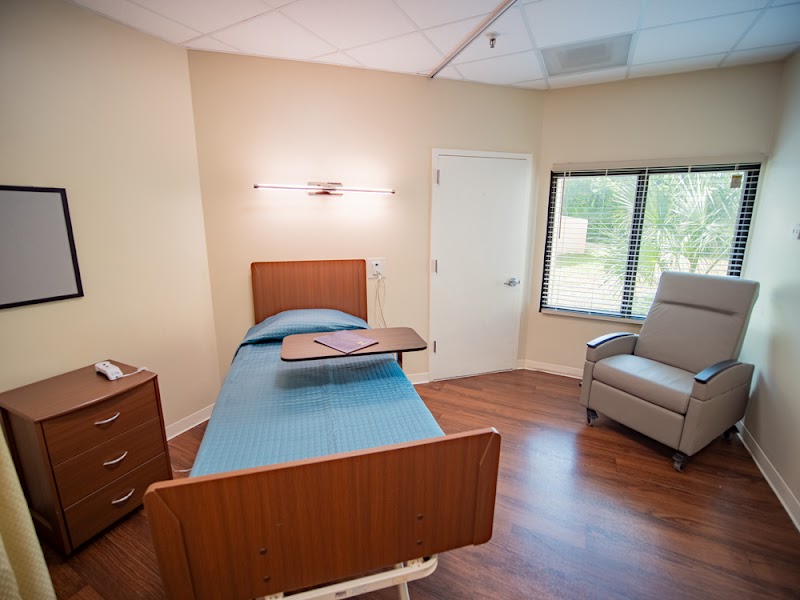
How is Solaris Healthcare Forest Lake Staffed?

CMS rates SOLARIS HEALTHCARE FOREST LAKE's staffing level at 2 out of 5 stars, which is below average compared to other nursing homes. Staff turnover is 38%, compared to the Florida average of 46%. This relatively stable workforce can support continuity of care.

What Have Inspectors Found at Solaris Healthcare Forest Lake?

State health inspectors documented 10 deficiencies at SOLARIS HEALTHCARE FOREST LAKE during 2021 to 2025. These included: 2 Immediate Jeopardy (the most serious level, indicating potential for serious harm or death) and 8 with potential for harm. Immediate Jeopardy findings are rare and represent the most serious regulatory concerns. They require immediate corrective action.
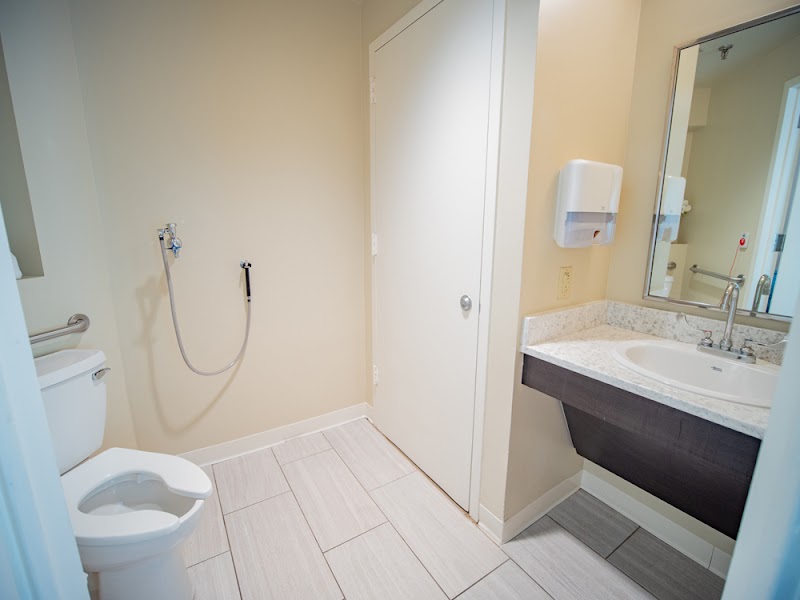
Who Owns and Operates Solaris Healthcare Forest Lake?

SOLARIS HEALTHCARE FOREST LAKE is owned by a for-profit company. For-profit facilities operate as businesses with obligations to shareholders or private owners. The facility is operated by SOLARIS HEALTHCARE, a chain that manages multiple nursing homes. With 222 certified beds and approximately 208 residents (about 94% occupancy), it is a large facility located in APOPKA, Florida.
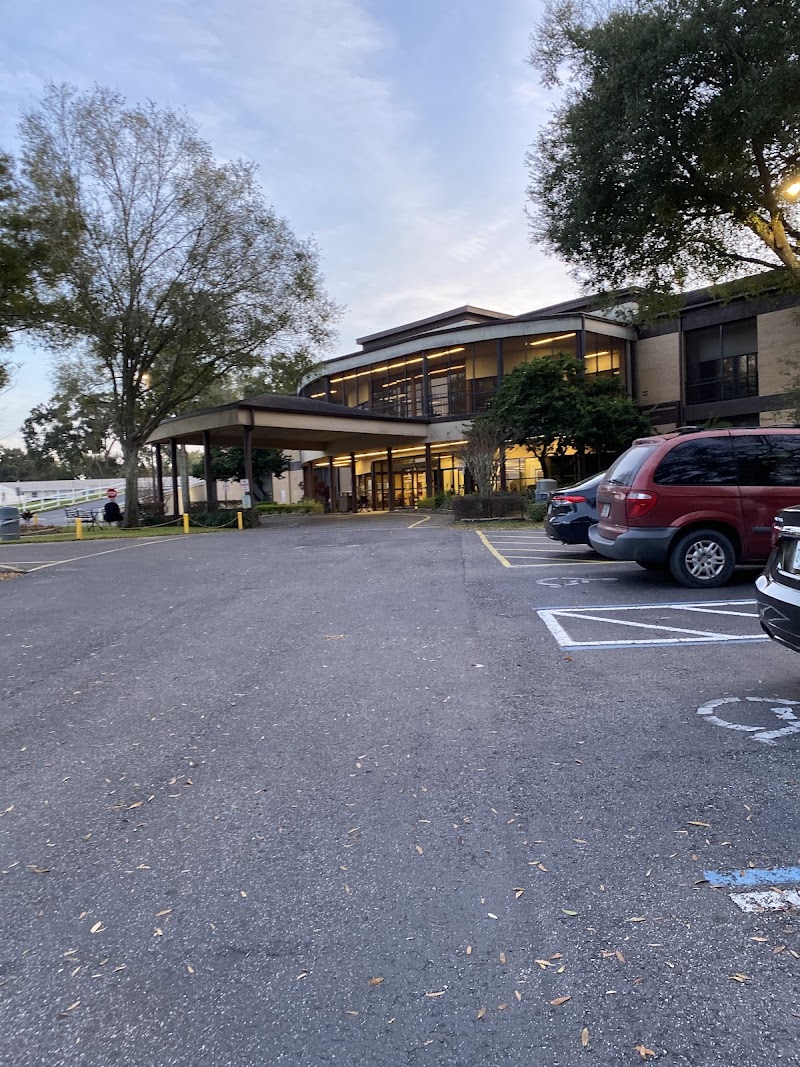
How Does Solaris Healthcare Forest Lake Compare to Other Florida Nursing Homes?

Compared to the 100 nursing homes in Florida, SOLARIS HEALTHCARE FOREST LAKE's overall rating (4 stars) is above the state average of 3.2, staff turnover (38%) is near the state average of 46%, and health inspection rating (3 stars) is at the national benchmark.

What Should Families Ask When Visiting Solaris Healthcare Forest Lake?

Based on this facility's data, families visiting should ask: "What changes have been made since the serious inspection findings, and how are you preventing similar issues?" "Can you walk me through typical staffing levels on day, evening, and night shifts?" "Can I visit during a mealtime to observe dining assistance and food quality?" "How do you handle medical emergencies, and what is your hospital transfer rate?" These questions are particularly relevant given the facility's Immediate Jeopardy citations and the below-average staffing rating.

Is Solaris Healthcare Forest Lake Safe?

Based on CMS inspection data, SOLARIS HEALTHCARE FOREST LAKE has documented safety concerns. Inspectors have issued 2 Immediate Jeopardy citations (the most serious violation level indicating risk of serious injury or death). The facility has a 4-star overall rating and ranks #1 of 100 nursing homes in Florida. Families considering this facility should ask detailed questions about what corrective actions have been taken since these incidents.

Do Nurses at Solaris Healthcare Forest Lake Stick Around?

SOLARIS HEALTHCARE FOREST LAKE has a staff turnover rate of 38%, which is about average for Florida nursing homes (state average: 46%). Moderate turnover is common in nursing homes, but families should still ask about staff tenure and how the facility maintains care continuity when employees leave.

Was Solaris Healthcare Forest Lake Ever Fined?

SOLARIS HEALTHCARE FOREST LAKE has been fined $15,269 across 1 penalty action. This is below the Florida average of $33,232. While any fine indicates a compliance issue, fines under $50,000 are relatively common and typically reflect isolated problems that were subsequently corrected. Families should ask what specific issues led to these fines and confirm they've been resolved.

Is Solaris Healthcare Forest Lake on Any Federal Watch List?

SOLARIS HEALTHCARE FOREST LAKE is not on any federal watch list. The most significant is the Special Focus Facility (SFF) program, which identifies the bottom 1% of nursing homes nationally based on persistent, serious quality problems. Not being on this list means the facility has avoided the pattern of deficiencies that triggers enhanced federal oversight. This is a positive indicator, though families should still review the facility's inspection history directly.