CONCERN
(D)
Potential for Harm - no one hurt, but risky conditions existed
Safe Environment
(Tag F0584)
Could have caused harm · This affected 1 resident
**NOTE- TERMS IN BRACKETS HAVE BEEN EDITED TO PROTECT CONFIDENTIALITY** Based on observation, interview, and record review the facility did not ensure a safe, clean, and homelike environment in two re...
Read full inspector narrative →
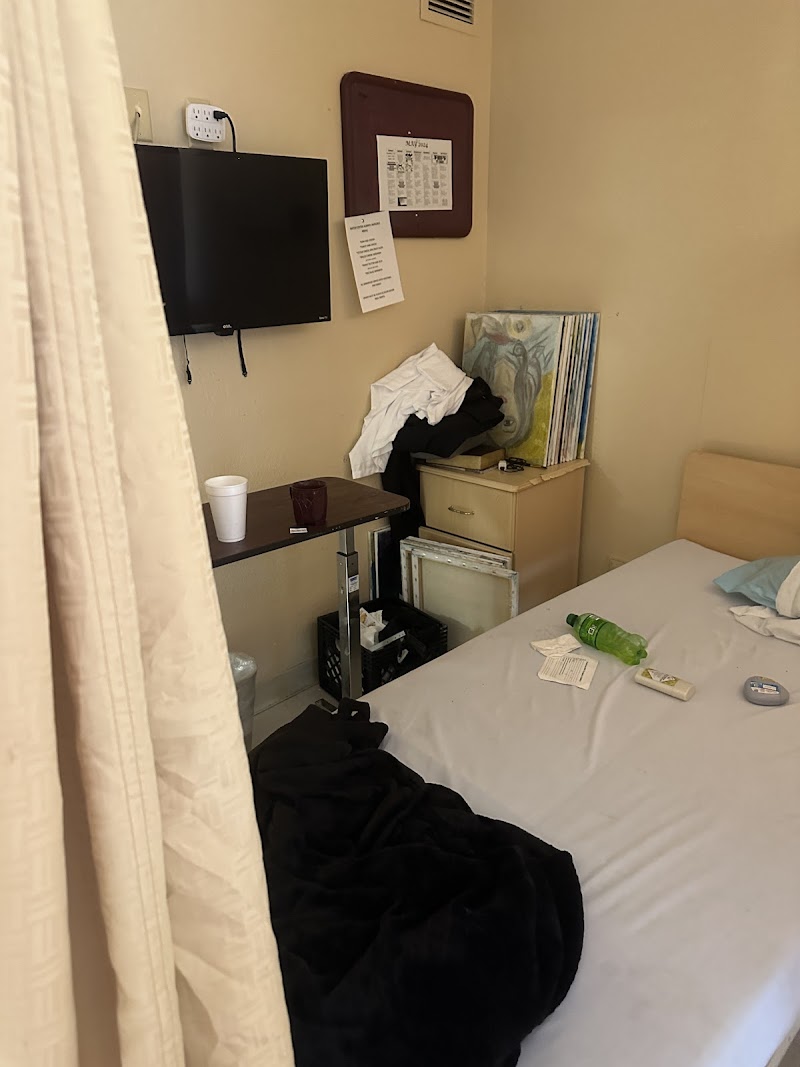
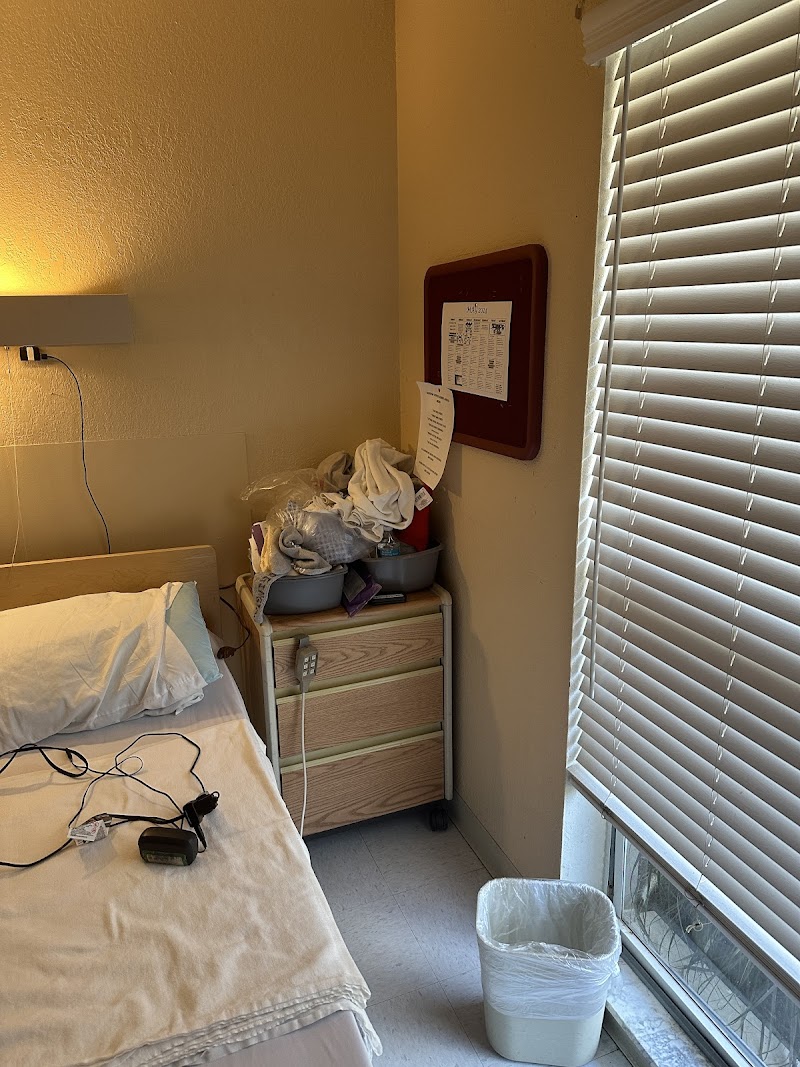
**NOTE- TERMS IN BRACKETS HAVE BEEN EDITED TO PROTECT CONFIDENTIALITY** Based on observation, interview, and record review the facility did not ensure a safe, clean, and homelike environment in two resident rooms housing a total of four residents (Rm 311 and RM [ROOM NUMBER]) related to windows not being completely sealed shut and for two residents (#30 and #3) related to unclean equipment and broken equipment out of a sample of 48 residents.
Findings included:
1. An observation made on 7/27/24 at 11:20 a.m. revealed the window in room [ROOM NUMBER] was floor height and not sealed shut with an approximate opening of a half inch. One of the two residents who resided in the room was in bed watching television.
An observation made on 7/28/24 at 9:25 a.m. revealed the window in room [ROOM NUMBER] was floor height and not sealed shut with an approximate opening of half an inch. The resident in the B bed was observed sleeping in a low bed next to the window.
An observation on 7/28/24 at 10:02 a.m. revealed the window in room [ROOM NUMBER] was not sealed shut with an approximate opening of one inch. The resident in the B bed was sleeping in his bed in the lowest position and next to the window.
During an interview with Staff R, Certified Nursing Assistant (CNA) on 7/29/24 at 12:20 p.m. she confirmed the opening of the window in room [ROOM NUMBER] and stated she hasn't enter any [electronic work order system] orders recently. She stated, I noticed that too.
(Photographic Evidence Obtained)
2. An interview attempt and observation was made on 7/27/24 at 10:36 a.m. of Resident #30 while in his bed. Resident #30 did not respond to questions when asked. Resident #30's feeding pump attached to the intravenous (IV) pole was observed to have drops of a dry cream colored liquid on the face of it, on the IV pole and on the floor. The tube feeding was not hung at the time. (Photographic Evidence Obtained)
Review of the admission Record for Resident #30 revealed his diagnoses to include displacement of other gastrointestinal prosthetic devices, implants and grafts, and cerebral palsy.
Review of the current care plan for Resident #30 revealed a nutritional focus of [Resident #30] has a potential nutritional problem r/t (related to) receives TF (tube feeding) in addition to PO (oral intake) diet.
An observation made on 7/28/24 at 9:25 a.m. of Resident #30's tube feeding pole revealed it had drops of a dry cream colored liquid on the face of it and on the floor.
3. An observation on 7/27/24 at 10:59 a.m. revealed Resident #3 was being placed in his specialized wheelchair and the foot and leg rest were crooked. The resident was nonverbal but making noises.
An additional observation on 7/27/24 at 2:06 p.m. revealed Resident #3 in his specialized wheelchair and the foot and leg rest of the chair were crooked.
Review of the admission Record for Resident #3 revealed he had diagnoses to include functional quadriplegia, foot drop of right and left foot, contracture of muscle for multiple sites, low back pain and hemiplegia and hemiparesis affecting the left non-dominant side, and seizures.
Review of the [NAME] for Resident #3 revealed in the Resident Care section the resident was totally dependent on staff for ADLs (activities of daily living).
During an observation and interview on 7/29/24 at 1:46 p.m. Resident #3 was observed in bed with his specialized chair in the room. Staff N, LPN observed the specialized chair and confirmed the specialized chair's foot and leg rest were crooked.
During an interview with Staff M, CNA on 7/28/24 at 3:51 p.m. she stated she would tell the housekeeper on the hall for that day if there was a concern related to housekeeping in a resident room or leave a note for the head of housekeeping. For maintenance issues, she would use the [electronic work order system].
During an interview with Staff D, Licensed Practical Nurse (LPN) on 7/28/24 at 4:00 p.m. she stated if there was an issue with maintenance she would put a work order in [electronic work order system].
A review of the work orders from June 2024 to July 2024 revealed it was silent of any work orders for windows not sealing shut and Resident #3's crooked foot rest on his wheelchair.
During an interview on 7/29/24 at 12:25 p.m. the Director of Housekeeping stated housekeeping goes into rooms once a day. They have a whole section and should clean something if they see something that needs cleaning.
Durning an interview with the Maintenance Director on 7/30/24 at 11:59 a.m. he stated the expectation is a work order is to be put in [electronic work order system] and he had not received anything related to the windows or Resident #3's wheelchair. He confirmed he does not check the windows and that is done during concierge rounds and he should be notified if there is a concern. He stated there are clips at the top to prevent the windows from opening any further.
Review of a procedure titled, Housekeeping Procedures, revised 9/5/21, showed for the section of Daily Patient Room Cleaning that every room was to be cleaned is that resident's home - treat it as such.
CONCERN
(D)
Potential for Harm - no one hurt, but risky conditions existed
Grievances
(Tag F0585)
Could have caused harm · This affected 1 resident
**NOTE- TERMS IN BRACKETS HAVE BEEN EDITED TO PROTECT CONFIDENTIALITY** Based on observation, interview, and record review the facility failed to accurately document and promptly resolve a grievance f...
Read full inspector narrative →
**NOTE- TERMS IN BRACKETS HAVE BEEN EDITED TO PROTECT CONFIDENTIALITY** Based on observation, interview, and record review the facility failed to accurately document and promptly resolve a grievance for one resident (#66) out of three sampled residents.
Findings included:
During an interview on 7/27/24 at 12:03 p.m. Resident #66 stated the night staff saw his [name brand] ear buds and a couple of other items and they were all stolen before noon. He stated he did a grievance and sent the Nursing Home Administrator (NHA) two receipts two months ago and has follow up emails and a text message and nothing has been done. He stated the other items he replaced himself, but the only reason he didn't replace the ear buds was because he used a $100 credit plus $69 to purchase them. He tried to explain this to the NHA and provided the receipts.
A review of the Grievance Logs from January 2024 to July 2024 revealed no grievances related to the missing property for Resident #66.
An interview was conducted with Staff M, Certified Nursing Assistant (CNA) on 7/28/24 at 3:51 p.m. She stated a couple of weeks ago Resident #66 filed a grievance about another resident and was not aware of the missing items.
During an interview on 7/29/24 at 1:29 p.m. Staff N, Licensed Practical Nurse (LPN) stated he turned in a grievance to the NHA on behalf of Resident #66 approximately two weeks ago related to the missing ear buds. He stated he filled the form out for him and placed it in the Social Services Director's office.
Review of the admission Record for Resident #66 showed he was admitted to the facility on [DATE] with diagnoses to include quadriplegia C1-C4 incomplete, major depressive disorder, generalized anxiety disorder.
Review of Resident #66's Minimum Data Set, dated [DATE], showed in Section C-Cognitive Patterns a Brief Interview for Mental Status score of 15, indicating intact cognition.
Review of a Grievance/Concern Report for Resident #66 and provided by the Social Services Director was dated 7/27/24. The report for Resident #66 read as follows:
Receipt of Grievance/Concern Section: silent of who the concern was reported to.
Description of Grievance/Concern Section documented: Resident stated that he is missing his [name brand speaker].
Facility Use Only: Facility Follow Up Section revealed: Resident was informed that he needed to provide a receipt and we can replace it. Grievance is ongoing. Date Assigned: 7/22/24. This section was silent of what action was taken to resolve the grievance/concern, result of action taken, if the care plan was updated, and if this was an allegation of abuse, neglect, exploitation or misappropriation.
Review of a Grievance/Concern Report, dated 7/22/24, filed on behalf of Resident #66 read as follows:
Receipt of Grievance/Concern Section showed the concern was reported to Staff O, Business Office Assistant.
Description of Grievance/Concern Section documented: Resident stated that he is missing his [name brand speaker].
Facility Use Only: Facility Follow Up Section revealed: resident needs to submit receipt for the purchase of the [name brand speaker] which we're waiting on once received it will be processed by business office. Grievance is ongoing as of now. This section was silent of the date assigned, what action was taken to resolve the grievance/concern, result of action taken, if the care plan was updated, and if this was an allegation of abuse, neglect, exploitation or misappropriation.
An interview was conducted on 7/30/24 at 1:27 p.m. with the Social Services Director (SSD). The SSD stated as of 7/27/24 we still haven't received a receipt. We follow up every three days. I will follow up to show it was attempted. She stated on 7/22/24 the concern was reported to [Staff O]. She stated she thought it was just the [name brand speaker]. She stated she needed a receipt because it needs to be signed off on. She reviewed the grievance form and confirmed the earbuds were not included on it. She stated she missed it.
An interview was conducted with the NHA on 7/30/24 starting at 1:50 p.m. He confirmed he spoke with Resident #66 and requested the receipts. He stated Resident #66 mentioned the [name brand speaker] but did not mention the earbuds. He confirmed the Grievance/Concern report should show the progress, and he would expect notes.
Review of the facility policy titled, Grievance/Concern Management, effective February 2021, revealed the policy as: Residents/representative has the right to present concerns on behalf of themselves, and/or others to the staff and/or administrator of the facility, to governmental officials, or to any other person. The concern may be filed verbally or in writing, and the reporter may request to remain anonymous .These rights also include the right to prompt efforts by the facility to resolve resident concerns, including concerns/grievances with respect to the behavior of other residents.
Topic - Grievance/Concern Management
A reasonable expected time for completing a review of the concern .
4. NHA is responsible for oversight of the concern process.
5. The Social Services Representatives/Grievance Official in collaboration with the NHA will be responsible for assigning the concern to the appropriate department for investigation. Social Services will monitor and document resident/family satisfaction upon completion of the investigation and the summary of findings/conclusion.
5.[sic] The facility leadership team will review and discuss concerns and the progress of an investigation(s) and resolutions(s) .
12. Complete a concern report investigation with summary and conclusion.
13. Social Services staff will provide information regarding compliance line information for unresolved concerns.
CONCERN
(D)
📢 Someone Reported This
A family member, employee, or ombudsman was alarmed enough to file a formal complaint
Potential for Harm - no one hurt, but risky conditions existed
Comprehensive Care Plan
(Tag F0656)
Could have caused harm · This affected 1 resident
**NOTE- TERMS IN BRACKETS HAVE BEEN EDITED TO PROTECT CONFIDENTIALITY** Based on observations, interviews, and record review facility failed to develop and implement care plans for two residents (#90 ...
Read full inspector narrative →
**NOTE- TERMS IN BRACKETS HAVE BEEN EDITED TO PROTECT CONFIDENTIALITY** Based on observations, interviews, and record review facility failed to develop and implement care plans for two residents (#90 and #18) out of forty eight sampled residents.
Findings included:
1. Review of a progress note for Resident #90, dated 7/3/24, showed Notified by CNA [Certified nursing assistant] staff that resident lying on the floor between bed and bedside table. Assess the resident no signs of pain or distress noted and no injury, used [mechanical]lift, MD [Medical doctor] notify, and the family notify.
Review of a progress note, dated 7/5/24 showed the resident had a fall from bed during care.
Review of the admission Record showed Resident #90 was admitted on [DATE] with diagnoses including tracheostomy status, morbid obesity, reduced mobility, lack of coordination, muscle wasting and atrophy, and unspecified sequelae of other cerebrovascular disease.
Review of Resident #90's Minimum Data Set (MDS), dated [DATE], Section GG, Functional Abilities and Goals showed resident has upper and lower extremity impairment on both sides.
Review of Resident #90's care plan showed a focus area of ADL [Activities of Daily Living]: The Resident has an ADL Self Care Performance Deficit. Interventions included BED MOBILITY: Assist of 2 to turn and/or reposition, dated 6/9/23 and revised on 4/3/24.
An interview was conducted on 7/29/24 at 9:33 a.m. with Staff D, Licensed Practical Nurse (LPN). She confirmed Resident #90 had fallen out of her bed during care. She said she was not present at the time, but was told the CNA rolled the resident and she just kept rolling off the bed. She said the resident did not have any injuries.
An interview was conducted on 7/29/24 at 2:55 p.m. with the Assistant Director of Nursing (ADON). She said Resident #90 had a fall on 7/3/24 while the CNA was providing care. She said the CNA rolled the resident toward himself to change her and the resident rolled off the bed. The ADON said in his statement the CNA said he rolled the resident toward himself, and the resident's upper body rolled off the bed. He said he grabbed her by the waist but couldn't lift her, so he lowered her to the floor. The ADON confirmed only one staff member was in the room and providing care for Resident #90. The ADON said the CNA should not have been providing care by himself and he did not follow the care plan. She confirmed Resident #90 should have had two staff members assisting with rolling and/or repositioning according to the care plan at the time of the fall.
The CNA involved in the incident was unable to be reached.
2. An observation was conducted on 7/27/24 at 2:42 p.m. of Resident #18. The resident was in bed with the head of the bed elevated. He did not have anything in his hands and was constantly moving his hands, and pulling at the bed control and call bell and trying to grab things around him.
Review of the admission Record for Resident #18 showed he was admitted on [DATE] with diagnoses including lack of coordination, muscle wasting and atrophy, reduced mobility, cognitive communication deficit, mixed receptive-expressive language disorder, cerebral infarction, and tracheostomy status.
Review of Resident #18's MDS, dated [DATE], Section C - Cognitive Patterns, showed he had a Brief Interview for Mental Status (BIMS) score of 13, indicating he was cognitively intact. Section GG, Functional Abilities and Goals showed he was dependent for rolling left and right and sitting to lying.
Review of progress notes for Resident #18 showed he had a change of condition due to a fall on 7/22/24 and again on 7/23/24. A progress note, dated 7/23/24, showed the resident was observed on the floor with the top of his body on the floor and the bottom half of his body on the bed. The resident had a hematoma and orders were received to send him to the hospital.
An observation was conducted on 7/28/24 at 11:35 a.m. and 1:09 p.m. of Resident #18. During both observations the resident was constantly fidgeting and grabbing at things. He pulled on his bed control and call bell and hit the buttons on the control raising and lowering the head of the bed and the bed height.
An interview was conducted on 7/29/24 at 1:22 p.m. with Staff J, LPN. She confirmed Resident #18 had two falls. She said the resident sometimes throws himself out of the bed when he can't have what he wants.
An interview was conducted on 7/20/24 at 11:02 a.m. with Staff G, CNA. She said she regularly cares for Resident #18 and the resident had been fidgeting and grabbing at things for quite some time. Staff G said she always tried to give him his tablet or phone to occupy his hands so he wouldn't mess with the cords and remotes. She said Resident #18 fell a couple of times because he kept messing with stuff. Staff G said when the resident's phone and tablet were charging, he would pull and mess with everything around him. She said he likes for his hands to be busy.
An interview was conducted on 7/29/24 at 4:21 p.m. with the ADON. She said the resident didn't really throw himself out of the bed but would push buttons that would raise the head of the bed, be pulling at cords, or trying to reach for something and fall. She said Resident #18 fidgeting until he fell out of bed was a newer thing. She confirmed the resident had fallen out of bed multiple times due to his fidgeting and messing with the bed controls and it should probably be care planned. She said she had looked at it as anxiety versus a behavior. The ADON said since the fidgeting had reached the point the resident had been found multiple times half out of his bed on the floor it should be care planned.
Review of Resident #18's care plan did not address his fidgeting/restless behavior. There was a care plan for the resident being at risk for falls or fall related injury because of deconditioning. There was no mention of his fidgeting/restless behavior and no interventions in place to address the behavior. The interventions of bolsters for the bed and a medication review were added on 7/25/24. Resident #18 did have a behavior care plan in place, but it did not address fidgeting/restless behavior. Resident #18 had a care plan in place for psychotropic medication related to anxiety to manage anxiety/restlessness, but there were no goals or interventions listed on the care plan.
An interview was conducted on 7/30/24 at 10:35 a.m. with Staff K, Clinical Reimbursement Director. She said if Resident #18's fidgeting/restlessness is leading to him falling out of bed yes, he should be care planned for it. She said falls are discussed in the morning meeting and nursing and herself discuss interventions that would be beneficial. She said the resident went out to the hospital after his fall so interventions were not put in place immediately. Staff K reviewed Resident #18's medical record and confirmed he returned from the hospital on 7/23/24, the same day he fell the second time. She also confirmed the resident's care plan did not address his fidgeting/restlessness or anxiety. She said at the meeting to discuss the resident's falls she was told the reason he fell was that he put the head of the bed up with his remote, there was no mention of fidgeting/restlessness. Staff K said if nursing would have told her Resident #18's fidgeting/restlessness was leading to him pushing the buttons and putting the head of the bed up, she would have put interventions in place. Staff K reviewed the resident's care plan for psychotropic medication related to his anxiety/restlessness and said there should most definitely be goals and interventions in place.
Review of a facility policy titled Care Plan-Interdisciplinary Plan of Care from Interim to Meeting, dated 2/24, showed the following:
Policy
The facility shall support that each resident must receive, and the facility must provide the necessary care and services to attain or maintain the highest practicable physical, mental and psychosocial well-being, in accordance with the comprehensive assessment and plan of care. The facility shall assess and address care issues that are relevant to individual residents, to include, but are not limited to, monitoring resident condition, and responding with appropriate interventions.
The comprehensive care plan is an interdisciplinary communication tool. It includes measurable objectives and time frames and describes the services that are to be furnished to attain or maintain the resident's highest practicable physical, mental, and psychosocial well-being. The care plan is reviewed and revised periodically, and the services provided or arranged are consistent with each resident's written plan of care.
The overall care plan should be oriented towards:
1. Preventing avoidable declines in functioning or functional levels or otherwise clarifying why another goal takes precedence (e.g., palliative approaches in end-of-life situation, coordination with Hospice plan of care). Managing risk factors to the extent possible or indicating the limits of such interventions.
CONCERN
(D)
Potential for Harm - no one hurt, but risky conditions existed
Incontinence Care
(Tag F0690)
Could have caused harm · This affected 1 resident
**NOTE- TERMS IN BRACKETS HAVE BEEN EDITED TO PROTECT CONFIDENTIALITY** Based on observations, interviews, and record reviews, the facility failed to ensure care for an indwelling catheter was provide...
Read full inspector narrative →
**NOTE- TERMS IN BRACKETS HAVE BEEN EDITED TO PROTECT CONFIDENTIALITY** Based on observations, interviews, and record reviews, the facility failed to ensure care for an indwelling catheter was provided in accordance with professional standards of practice for one (#87) of one resident sampled for urinary catheters.
Findings included:
A review of Resident #87's medical record revealed Resident #87 was admitted to the facility on [DATE].
A review of Resident #87's physician orders revealed an order dated 7/9/2024 for urinary catheter care daily and as needed. Resident #87's physician orders also revealed an order dated 7/25/2024 for metronidazole 500 milligrams (mg) by mouth two times a day for 7 days due to vaginal discharge.
An observation was conducted on 7/27/2024 at 10:45 AM in Resident #87's room. Resident #87 was observed resting in bed with a urinary catheter bag hanging from the right side of the bed. The urinary catheter bag was observed resting on the floor while hanging from the bed. The urine observed in Resident #87's catheter tubing appeared cloudy, thick, and with a moderate amount of sediment.
An observation was conducted on 7/28/2024 at 10:36 AM in Resident #87's room. Resident #87 was observed resting in bed with a urinary catheter bag hanging from the right side of the bed. The urinary catheter bag was observed resting on the floor while hanging from the bed.
An observation was conducted on 7/29/2024 at 9:21 AM in Resident #87's room. Resident #87 was observed resting in bed with a urinary catheter bag hanging from the right side of the bed. The urinary catheter bag was observed resting on the floor while hanging from the bed.
An observation of catheter care for Resident #87 was conducted on 7/29/2024 at 10:21 AM with Staff F, Certified Nursing Assistant (CNA) and Staff G, CNA. Staff F, CNA and Staff G, CNA conducted hand hygiene and donned an isolation gown and gloves prior to providing catheter care. Staff G, CNA gathered several towels, washcloths, and basins with clean water and soapy water. Staff G, CNA explained the procedure to Resident #87 prior to starting and confirmed a comfortable water temperature with the resident. Staff F, CNA removed Resident #87's brief and assisted the resident to a comfortable position. Staff G, CNA placed a washcloth in the soapy water basin and began to clean Resident #87's peri area and catheter tubing using appropriate technique throughout and changing washcloths out with each pass. Staff G, CNA then placed a clean wash cloth into the basin of clean water to rinse off each area previously cleaned, including the catheter tubing. Staff G, CNA did not change gloves or perform hand hygiene after cleaning Resident #87 or before rinsing the previously cleaned areas. Staff G, CNA used a clean washcloth to dry the previously cleaned areas and did not change gloves or perform hand hygiene prior to drying the the areas. A clean brief was placed on Resident #87 and the resident was repositioned for comfort. Both staff members doffed their gowns and gloves and performed hand hygiene before exiting the room. An interview was conducted with Staff G, CNA and Staff F, CNA following the procedure. Staff G, CNA addressed she did not changed gloves and perform hand hygiene after cleaning Resident #87's peri area and catheter tubing before rinsing the areas. Staff F, CNA stated catheter bags are to be kept below the level of the bladder and should not be touching the floor.
An interview was conducted on 7/30/2024 at 12:14 PM with the Assistant Director of Nursing (ADON), Staff C, Registered Nurse (RN)/Unit Manager (UM) and the Director of Nursing (DON). Staff C, RN/UM stated catheter bags should be stored below the level of the bladder and should not be touching the floor. The ADON stated she would expect nursing staff to change gloved and perform hand hygiene in between washing dirty areas and rinsing clean areas and stated staff are taught to do so during competency training.
A review of the facility competency titled, Competency: Perineal Care/Catheter Care revealed the following steps under the section titled Female Resident:
- Apply a small amount of liquid soap to each wash cloth as it is being used.
- Clean in a downward motion from front to back.
- Changes water and repeats procedure to remove soap, change gloves, wash hands, and re-glove.
CONCERN
(D)
Potential for Harm - no one hurt, but risky conditions existed
QAPI Program
(Tag F0867)
Could have caused harm · This affected 1 resident
**NOTE- TERMS IN BRACKETS HAVE BEEN EDITED TO PROTECT CONFIDENTIALITY** Based on observation, interview, and record review, the facility failed to provide Quality Assurance and Performance Improvement...
Read full inspector narrative →
**NOTE- TERMS IN BRACKETS HAVE BEEN EDITED TO PROTECT CONFIDENTIALITY** Based on observation, interview, and record review, the facility failed to provide Quality Assurance and Performance Improvement (QAPI) practice that demonstrated identification, monitoring and implementation of an effective action plan to correct citations related to ensuring care for an indwelling catheter was provided in accordance with professional standards of practice for two (#7 and #8) of two residents sampled for urinary catheters (F690) during the revisit survey conducted on 9/9/2024.
Findings included:
A review of Resident #7's medical record revealed Resident #7 was admitted to the facility on [DATE].
A review of Resident #7's physician orders revealed an order dated 7/30/2024 for urinary catheter care daily and as needed.
An observation of catheter care for Resident #7 was conducted on 9/9/2024 at 1:54 PM with Staff A, Certified Nursing Assistant (CNA) with the facility's Director of Nursing (DON) observing the procedure. Staff A, CNA conducted hand hygiene and donned an isolation gown and gloves prior to providing catheter care. Staff A, CNA gathered several towels, washcloths, soap, and a basin with clean water. Staff A, CNA explained the procedure to Resident #7 prior to starting and confirmed a comfortable water temperature with the resident. Staff A, CNA removed Resident #7's brief and assisted the resident to a comfortable position. Staff A, CNA placed a washcloth in the water basin and added soap to the washcloth. Staff A, CNA began to clean Resident #7's peri area using appropriate technique throughout and using a clean side of the washcloth with each pass. Staff A, CNA removed his gloves and donned clean gloves before continuing the procedure. Staff A, CNA did not perform hand hygiene after doffing dirty gloves or before donning clean gloves. Staff A, CNA placed a washcloth in the water basin and added soap to the washcloth. Staff A, CNA began to clean Resident #7's catheter tubing using appropriate technique throughout and using a clean side of the washcloth with each pass. Staff A, CNA removed his gloves and donned clean gloves before continuing the procedure. Staff A, CNA did not perform hand hygiene after doffing dirty gloves or before donning clean gloves. Staff A, CNA placed a washcloth in the water basin and rinsed the previously cleaned areas using appropriate technique throughout and using a clean side of the washcloth with each pass. Staff A, CNA removed his gloves and donned clean gloves before continuing the procedure. Staff A, CNA did not perform hand hygiene after doffing dirty gloves or before donning clean gloves. Staff A, CNA used a clean towel to dry the previously rinsed areas using proper technique. Staff A, CNA removed his gloves and donned clean gloves before continuing the procedure. Staff A, CNA did not perform hand hygiene after doffing dirty gloves or before donning clean gloves. The DON donned an isolation gown and gloves and assisted Staff A, CNA with incontinence care for Resident #7. After gathering trash, both staff members doffed their gowns and gloves and performed hand hygiene before exiting the room. An interview was conducted with Staff A, CNA and the DON following the observation. Staff A, CNA stated he had received in-service training related to conducting hand hygiene in between glove changes and stated I completely forgot. The DON stated facility nursing staff were provided in-service education related to proper hand hygiene and personal protective equipment (PPE) usage.
A review of Resident #8's medical record revealed Resident #8 was admitted to the facility on [DATE].
A review of Resident #8's physician orders revealed an order dated 8/24/2024 for urinary catheter care daily and as needed.
An observation of catheter care for Resident #8 was conducted on 9/9/2024 at 2:41 PM with Staff B, CNA with the facility's DON observing the procedure. Staff B, CNA conducted hand hygiene and donned an isolation gown and gloves prior to providing catheter care. Staff B, CNA gathered several towels, washcloths, soap, and a basin with clean water. Staff B, CNA explained the procedure to Resident #8 prior to starting and confirmed a comfortable water temperature with the resident. Staff B, CNA added soap to the basin of water prior to starting the procedure. Staff B, CNA removed Resident #8's brief and assisted the resident to a comfortable position. Staff B, CNA placed a washcloth in the soapy water basin and began to clean Resident #8's peri area and catheter tubing using appropriate technique throughout and using a clean side of the washcloth with each pass. Staff B, CNA then placed a clean wash cloth into the same basin of water used to wash the resident to rinse off each area previously cleaned, including the catheter tubing. Staff B, CNA did not change gloves or perform hand hygiene after cleaning Resident #8 or before rinsing the previously cleaned areas. Staff B, CNA removed her gloves and donned clean gloves before continuing the procedure. Staff B, CNA did not perform hand hygiene after doffing dirty gloves or before donning clean gloves. Staff B, CNA used a clean towel to dry the previously rinsed areas using proper technique. After the procedure, Staff B, CNA doffed the PPE and exited the room. An interview was conducted with Staff B, CNA following the procedure. Staff B, CNA stated they would normally use two basins when performing catheter care on a resident but she was in a hurry and needed to leave a 3:00 PM. Staff B, CNA also stated two basins, one to wash the resident and one to rinse the resident, should have been used during the procedure. Staff B, CNA stated she was not able to perform hand hygiene throughout the procedure because the resident's bathroom was occupied. Staff B, CNA was not able to explain why she did not change gloves after cleaning the resident and before rinsing the resident.
An interview was conducted on 9/9/2024 at 6:00 PM with the facility's DON and Nursing Home Administrator (NHA). The NHA stated findings of the previous survey were discussed following the survey to discuss a plan of corrections with the interdisciplinary team (IDT). Facility policies and procedures were used as a basis to determine the education needed to corrected the identified deficiencies or the previous survey. The DON stated nursing staff received in-service education related to proper catheter care technique using a mannequin and walked through the procedure with the nursing staff. Following the in-service education, audits were conducted during resident catheter care to ensure nursing staff were conducting catheter care using proper technique. The NHA and DON stated no concerns were identified during the audit process.
A review of the facility's in-service training record revealed Staff A, CNA and Staff B, CNA received in-service education on 8/14/2024 related to catheter care procedures and hand hygiene procedures during catheter care. Review of the facility's competency training record revealed Staff A, CNA completed the competency titled Competency: Perineal Care/Catheter Care on 8/14/2024 and Staff B, CNA completed the same competency on 8/15/2024, with no concerns identified during the observation.
A review of the facility competency titled, Competency: Perineal Care/Catheter Care revealed the following steps under the section titled Male Residents:
- Clean in a downward motion from top to bottom.
- Changes water and repeats procedure to remove soap, change gloves, wash hands, and re-glove.
The competency also revealed, under the section titled Catheter Care: Male and Female, CNA uses a wash cloth for the cleaning with soap and rinsing with changed water.
A review of the facility policy titled Quality Assessment and Assurance (QA&A) Compliance, effective July 2022, revealed under the section titled Policy, the purpose of the committee is to review and analyze facility related data, evaluate improvement plans effectiveness, and direct appropriate actions for the facility response. The policy also revealed under the section titled Procedure, department heads/disciplines are required to develop department specific audit plans and report activities and audit findings to the committee at intervals determined by risk analysis, and at the direction of the NHA. Negative findings are addressed through education, development of a Performance Improvement Plan, or other means as indicated.
CONCERN
(E)
Potential for Harm - no one hurt, but risky conditions existed
Respiratory Care
(Tag F0695)
Could have caused harm · This affected multiple residents
**NOTE- TERMS IN BRACKETS HAVE BEEN EDITED TO PROTECT CONFIDENTIALITY** Based on observation, interview and record review, the facility failed to ensure oxygen therapy was administered as ordered for ...
Read full inspector narrative →
**NOTE- TERMS IN BRACKETS HAVE BEEN EDITED TO PROTECT CONFIDENTIALITY** Based on observation, interview and record review, the facility failed to ensure oxygen therapy was administered as ordered for four residents (#50, #271, #170 and #114) of seven residents sampled.
Findings included:
1. Review of the medical record revealed Resident #50 was admitted to the facility on [DATE] with diagnoses to include chronic respiratory failure, and chronic obstructive pulmonary disease (COPD, according to the admission Record.
During an observation on 7/28/24 at 11:00 a.m., the resident's oxygen was observed to be set and administering at 2.5 liters per minute (LPM). (Photographic Evidence Obtained) During an interview with the resident at the time of the observation, the resident stated her oxygen should be at 3 liters all the time. The resident confirmed she had used oxygen for a long time.
Review of the current physician's orders for Resident #50 showed:
-Oxygen at 4 LPM (liters per minute) Via N/C (nasal cannula) continuously for COPD with humidification. dated 11/25/22.
Review of the annual Minimum Data Set (MDS), dated [DATE], revealed:
-Section C-Cognitive Patterns: Brief Interview for Mental Status (BIMS) score 15/15, indicating the resident was cognitively intact.
-Section O: Oxygen was checked yes.
Review of the care plan showed:
-Focus: oxygen, with interventions that included but not limited to Administer Oxygen as ordered, dated 11/04/21.
On 7/29/24 at 9:41 a.m. an observation was conducted with Staff C, Registered Nurse (RN)/Unit Manager (UM). During the observation Resident #50's oxygen was noted as set on 2.5 LPM. The RN/UM confirmed the setting and stated it was supposed to be at 2 LPM; she decreased the setting to 2 LPM.
2. Review of the medical record revealed Resident #271 was admitted to the facility on [DATE] with diagnoses to include chronic obstructive pulmonary disease (COPD), according to the admission Record.
During an observation on 7/28/24 at 11:35 a.m. the resident's oxygen was noted set and administering at 2 LPM (Photographic Evidence Obtained) During an interview with the resident at the time of the observation, the resident said she was not aware she was on oxygen.
Review of the current physician's orders for Resident #271 showed:
-Oxygen at 3 LPM Via N/C continuously for COPD dated 11/25/22.
Review of the care plan showed:
-Focus: oxygen, with interventions that included but not limited to Administer Oxygen as ordered, dated 7/27/24.
On 7/29/24 at 9:43 a.m. an observation was conducted with Staff C, RN/UM. During the observation Resident #271's oxygen was noted as set on 2 LPM. The RN/UM confirmed the setting. At the time of the observation, the oxygen nasal cannula and tubing were observed looped over the oxygen concentrator and not on the resident.
Review of the policy titled, Oxygen Therapy, dated November 2023, revealed:
1. Verify physician order .
7. Apply device to resident with the appropriate liter flow.
On 7/30/24 at 10:43 a.m. an interview was conducted with the Director of Nursing (DON). The DON stated the Respiratory Therapist (RT) is responsible for ensuring the resident's oxygen is set to the correct amount. The DON stated the RT comes to the facility once a week, and confirmed in the interim periods the nurse is responsible for ensuring the oxygen is being administered as per the physician's order. She confirmed it was her expectation that oxygen is administered as ordered.
3. Review of the admission Record for Resident #114 revealed an admission to the facility on 6/13/24 with diagnoses to include cardiac arrest cause unspecified, and chronic obstructive pulmonary disease with (acute) exacerbation.
Review of Resident #114's active physician orders, dated 6/14/24, revealed:
Humidified oxygen per trach (tracheostomy) continuously 1 liter.
Review of the care plan for Resident #114, dated 6/19/24, revealed:
OXYGEN: The resident has Oxygen Therapy r/t SOB (related to shortness of breath)
The interventions included:
-Administer Oxygen as ordered. (Refer to current POS/MAR [physician orders/medication administration record] for current order)
-Give humidified oxygen as prescribed.
On 7/28/24 at 10:36 a.m. Resident #114 was observed lying in bed with a trach with oxygen flowing via a concentrator set at 2 liters.
On 7/28/24 at 3:26 p.m. Resident #114 was observed lying in bed with a trach with oxygen flowing via a concentrator set at 2 liters.
During an interview on 7/29/24 at 2:42 p.m. with Staff L, Registered Nurse, (RN) she confirmed the oxygen order for Resident #114 was for continuous oxygen at 1 liter.
4. Review of the admission Record for Resident #170 revealed an admission to the facility of 7/24/24 with a diagnosis of pulmonary cryptococcosis, other specified interstitial pulmonary diseases.
Review of the July 2024 MAR for Resident #170 revealed: Oxygen at 4 LPM (liters per minute) Via NC (nasal cannula) continuously for SOB. every shift for Shortness of Breath, ordered 7/24/24.
Review of the care plan for Resident #170, dated 7/25/24, revealed OXYGEN: The resident has Oxygen Therapy r/t SOB. The interventions included:
-Administer Oxygen as ordered. (Refer to current POS/MAR for current order).
On 7/28/24 at 9:53 a.m. Resident #170 was observed lying in bed with a nasal cannula with oxygen flowing via a concentrator set at 3 liters.
On 7/28/24 at 3:22 p.m. Resident #170 was observed lying in bed with a nasal cannula with oxygen flowing via a concentrator set at 3 liters.
During an interview on 7/29/24 at 2:38 p.m. Staff L, RN confirmed the oxygen order for Resident #170 was for continuous oxygen at 4 liters.
CONCERN
(E)
Potential for Harm - no one hurt, but risky conditions existed
Deficiency F0761
(Tag F0761)
Could have caused harm · This affected multiple residents
Based on observations and interviews, the facility failed to ensure medication was stored properly in two (400 hall and 200 hall) out of two medication carts audited, one out of one medication rooms a...
Read full inspector narrative →
Based on observations and interviews, the facility failed to ensure medication was stored properly in two (400 hall and 200 hall) out of two medication carts audited, one out of one medication rooms audited, for one resident (#62) out of 48 sampled residents and on three out of four hallways.
Findings included:
An observation was conducted on 7/27/24 at 9:29 a.m. of a medication cart unlocked on the 400 hall. The nurse was observed to be in a resident room and no other nurses were in the hall at the time. (Photographic Evidence Obtained)
An observation was conducted on 7/27/24 at 9:38 a.m. of a medication cart on the 400 hall with a bag of IV (intravenous) medication (Ceftriaxone) sitting in the side compartment of the medication cart not locked up. There were no nurses in sight of the medication cart. (Photographic Evidence Obtained)
An audit was completed on 7/28/24 at 9:10 a.m. of the 200 hall medication cart with Staff A, Registered Nurse (RN). The bottom drawer of the medication cart contained two weekly pill boxes with medication in each compartment. The boxes had no names or labels. An interview was conducted at that time with Staff A. She said the pill boxes belonged to a resident and she doesn't use them. She confirmed the pill boxes were not labeled and dated and she was going to dispose of them. (Photographic Evidence Obtained)
An observation was conducted on 7/28/24 at 9:13 a.m. of an IV medication (Vancomycin) sitting on top of a medication cart on the 100 hall. The nurse was observed going in a resident room and then to the medication room leaving the IV medication on top of the cart unsecured. (Photographic Evidence Obtained)
An interview was conducted on 7/28/24 at 9:33 a.m. with Staff B, Licensed Practical Nurse (LPN). She said IV medication is typically kept in the medication storage room. She said she had it out trying to catch up to the resident and trying to let it get warmer. When asked if it should be left of top of the medication cart she stated, Should it be locked up? She then proceeded to put it in the medication cart.
An interview was conducted on 7/28/24 at 9:44 a.m. with Staff C, RN/Unit Manager (UM). She said the pill boxes in the medication cart were for a resident that was admitted two days ago. She said she does not know what the medication is because it came from the resident's home. She said the pill boxes should not have been in the medication cart, they should have been sent home with family. Staff C said IV medication should be stored in the medication room until it is time to hang up for administration. She said it should not be left on top or in the side compartment of the medication cart.
An audit was conducted on 7/28/24 at 9:59 a.m. of the 300/400 unit medication room with Staff D, LPN. The medication refrigerator contained a Basaglar insulin pen with no name or prescription label. Staff D said the pen should have a label on it and she did not know who it belonged to.
An audit was conducted on 7/28/24 at 4:00 p.m. of the 300 hall medication cart with Staff D, LPN. Three loose pills were found in the top two drawers in the medication cart. An interview was conducted at that time. Staff D said the night shift nurses are responsible for cleaning the medication carts. She said if she sees loose pills she will take them out and dispose of them properly. She confirmed they should not be in the medication cart.
An interview was conducted on 7/30/24 at 11:00 a.m. with the Director of Nursing (DON). She confirmed the night shift nurses clean the medication carts. She said herself, the UM and Assistant Director of Nursing (ADON) check the carts in between. She said there should be no loose or unlabeled medication in the carts. The DON said IV medication should stay in the medication room until it is going to be hung for the resident.
Review of a policy titled, Medication Storage, dated 9/18, showed the following:
Policy
Medication and biologicals are stored properly, following manufacturer's or provider pharmacy recommendations, to maintain their integrity and to support safe effective drug administration. The medication supply shall be accessible only to licensed nursing personnel, pharmacy personnel, or staff members lawfully authorized to administer medications.
Procedures
3. In order to limit access to prescription medications, only licensed nurses, pharmacy staff, and those lawfully authorized to administer medications (such as medication aides) are allowed access to medication carts. Medication rooms, cabinets, and medication supplies should remain locked when not in use or attended by persons with authorized access.
2. An observation was conducted on 7/27/24 at 10:31 a.m. in Resident #62's room. Resident #62 was observed resting in bed with his bedside table in front of him. An albuterol inhaler, a vial of eye drops, and a spray bottle of wound cleanser were observed on Resident #62's bedside table. Resident #62 stated he kept the medications in his room and administered the inhaler and eye drops to himself as needed.
An observation was conducted on 7/28/24 at 10:22 a.m. in Resident #62's room. Resident #62 was observed resting in bed with his bedside table in front of him. An albuterol inhaler, a vial of eye drops, and a spray bottle of wound cleanser were observed on Resident #62's bedside table.
A review of Resident #62's medical record did not reveal an assessment related to Resident #62's ability to self-administer medications.
An interview was conducted on 7/30/24 at 12:24 p.m. with the ADON, Staff C, RN/UM and the DON. The ADON stated all resident medications should be stored inside of the medication carts unless a medication needs to be refrigerated and the medication would be stored in the medication refrigerator. Staff C, RN/UM stated the facility did not have any resident's who self-administered medications. Staff C, RN/UM also stated an assessment would need to be performed to determine if a resident would be able to self-administer their own medications. The ADON and the DON both stated medications should not be stored at the resident's bedside and should be removed from the resident's room. The DON stated she would expect Certified Nursing Assistant (CNA) staff to notify the nurse if they observe medication in a resident's room so the medication can be properly stored.
CONCERN
(E)
Potential for Harm - no one hurt, but risky conditions existed
Infection Control
(Tag F0880)
Could have caused harm · This affected multiple residents
**NOTE- TERMS IN BRACKETS HAVE BEEN EDITED TO PROTECT CONFIDENTIALITY** Based on observations, interviews, and record reviews, the facility failed to maintain an effective infection control and preven...
Read full inspector narrative →
**NOTE- TERMS IN BRACKETS HAVE BEEN EDITED TO PROTECT CONFIDENTIALITY** Based on observations, interviews, and record reviews, the facility failed to maintain an effective infection control and prevention program to prevent the spread of infection by 1.) failing to ensure transmission based precautions were implemented in a timely manner for one resident (#323) of one resident under transmission based precautions in the facility, 2.) failed to obtain physician's orders for transmission based precautions upon admission for one resident (#323) of one resident under transmission based precautions in the facility, 3.) failed to ensure appropriate signage for transmission based precautions was displayed outside of resident rooms under transmission based precautions for one resident (#323) of one resident under transmission based precautions in the facility, 4.) failed to implement enhanced barrier precautions during wound care treatment for one resident (#96) of four residents sampled for wound care, and 5.) failed to ensure hand hygiene was performed during meal service by two dietary staff members (P and Q) and random staff members delivering lunch service in the main dining room and one hall (300) of four halls observed.
Findings included:
1. A review of Resident #323's medical record revealed Resident #323 was admitted to the facility on [DATE].
A review of Resident #323's physician orders revealed the following orders:
- An order dated 7/14/2024 for Vancomycin Hydrochloride 125 milligrams (mg) give 1 capsule by mouth four times a day for clostridium difficile (c. diff) for 14 Days.
- An order dated 7/27/2024 for contact isolation precautions for c. diff.
A review of Resident #323's Pre-admission Screening Tool, dated 7/9/24, revealed under the section titled Contact Precautions: Diagnosis a hand written note C Diff positive 7/11/2024.
A review of Resident #323's care plan revealed a Focus area as [Resident #323] received antibiotic therapy related to a diagnosis of c. diff. Interventions included initiating contact isolation precautions and monitoring for possible side effects every shift.
An observation was conducted on 7/27/2024 at 10:31 a.m. outside of Resident #323's room. No signage indicating Resident #323 was on contact isolation precautions was observed outside of the resident's room and no personal protective equipment (PPE) was observed outside of Resident #323's room.
An observation was conducted on 7/29/2024 at 2:20 p.m. outside of Resident #323's room. Signage indicating Resident #323 was on droplet/contact isolation precautions was observed outside of the resident's room. The signage posted outside of the resident's room revealed staff must don an isolation gown, an N95 respirator, eye protection, and gloves before entering the resident's room.
An interview was conducted on 7/29/2024 at 2:23 p.m. with the facility's Director of Clinical Services (DCS). The DCS observed the signage on Resident #323's door and addressed the signage should indicate Resident #323 was on contact isolation precautions, not contact/droplet isolation precautions.
An interview was conducted on 7/30/2024 at 12:20 p.m. with Staff C, Registered Nurse (RN)/Unit Manager (UM) and the Assistant Director of Nursing (ADON). The ADON stated Resident #323 was on contact isolation precautions due to testing positive for c. diff and was admitted to the facility with the precautions in place. Staff C, RN/UM stated orders for transmission based precautions should be in place upon the resident's admission because they are notified of the need for precautions before the resident is admitted to the facility. The ADON stated proper signage indicating the type of precautions the resident is on should also be posted at the time of the admission.
2. A review of Resident #96's medical record revealed Resident #96 was admitted to the facility on [DATE].
A review of Resident #96's physician orders revealed the following orders:
6/6/2024: Cleanse sacrum with normal saline and apply [brand name] collagenase to wound bed, pack loosely with normal saline moistened gauze, cover with dry dressing, change daily on the evening shift and as needed for soilage or dislodgement.
7/24/2024: Enhanced Barrier Precautions every shift for wounds.
An observation of wound care was conducted on 7/29/2024 at 1:14 p.m. for Resident #96 with Staff H, Licensed Practical Nurse (LPN) and Staff I, Certified Nursing Assistant (CNA). Signage outside of Resident #96's room revealed Resident #96 was on Enhanced Barrier Precautions. The signage revealed providers and staff must must wear gowns and gloves for high contact resident care activities, including wound care of any skin opening requiring a dressing. The signage appeared very dark in color and was difficult to read clearly. Staff H, LPN and Staff I, CNA performed hand hygiene and donned gloves before explaining the procedure to Resident #96 and positioning the resident for the procedure. A mesh bag with isolation gowns was observed on the back of Resident #96's door. Staff H, LPN gathered supplies for the procedure and entered Resident #96's room. Staff H, LPN completed the wound care for Resident #96 while Staff I, CNA provided assistance with positioning Resident #96 during the procedure. Staff H, LPN and Staff I, CNA did not don an isolation gown at any time during the wound care procedure. Following the procedure, Staff H, LPN and Staff I, CNA repositioned Resident #96 for comfort, removed their gloves, and performed hand hygiene before exiting the room. An interview was conducted with Staff H, LPN and Staff I, CNA following the procedure. Staff H, LPN observed the signage posted outside of Resident #96's room indicating the resident was under Enhanced Barrier Precautions. Staff H, LPN was not able to explain what Enhanced Barrier Precautions were and was not able to explain why Enhanced Barrier Precautions was implemented. Staff H, LPN had difficulty reading the signage posted outside of Resident #96's room, even with the use of corrective lenses. Staff I, CNA stated Enhanced Barrier Precautions were implemented to keep what's on me on me and to protect the resident from further risk of infection. Staff I, CNA also stated an isolation gown should have been donned prior to performing the wound care procedure.
An interview was conducted on 7/29/2024 at 2:03 p.m. with Staff C, RN/UM and the ADON. Staff C, RN/UM stated she has received specialized training related to infection prevention and control and assists the ADON in the duties as the facility's infection preventionist. The ADON stated she conducted education with facility staff related to the use of Enhanced Barrier Precautions, which is used to protect residents at a higher susceptibility of infections. Staff C, RN/UM stated Enhanced Barrier Precautions is used for any resident who has an opening not natural to their body, including wounds. The ADON stated Enhanced Barrier Precautions should be used when giving wound care to a resident. Staff C, RN/UM and the ADON observed the signage posted to Resident #96's door and addressed the signage appeared very dark.
A review of the facility policy titled, Barrier Precautions, effective April 2024, revealed contact precautions are used when the employee expects to be in direct or indirect contact with a patient and/or his or her environment including a person's room or objects in contact with the person that has an infection with an organism transmitted fecal-orally, such as clostridium difficile or wound and skin infections or multi-drug resistant bacteria. Personal Protective Equipment (PPE) required before entering a contact precaution designated room is always gloves and a gown. The policy also revealed Enhanced Barrier Precautions (EBP) refers to an infection control intervention designed to reduce transmission or multi-drug resistant organisms (MDROs) that employ targeted gown and glove use during high contact activities. EBP are used in conjunction with standard precautions and expand the use of PPE to donning of gown and gloves during high-contact resident care activities that provide opportunities for transfer of MDROs to staff hands and clothing. EBP is indicated for residents with wounds and/or indwelling medical devices even if the resident is not known to be infected or colonized with MDRO.
3. An observation of the lunch meal service in the main dining room on 7/27/24 at 11:29 a.m. prior to the lunch meal arriving a staff member was serving beverages to the residents. She touched her N95 mask by pulling it down to ask a resident if they wanted coffee. She served the coffee and failed to perform hand hygiene prior to serving the coffee.
An observation on 7/27/24 at 12:24 p.m. of the lunch trays being delivered on the 300 Hall revealed a lunch tray being delivered to room [ROOM NUMBER] Bed A. The resident's bedside table had multiple personal items on it and it was uneven. The lunch tray was slid onto the table and two staff members were observed touching the bedside table in an attempt to straighten it out for the resident. They left room and each retrieved another tray and delivered those trays to other residetns with no hand hygiene performed.
An interview was conducted on 7/28/24 at 3:51 p.m. with Staff M, Certified Nursing Assistant (CNA) who stated they are to hand sanitize before they deliver a tray and after.
An interview was conducted on 7/29/24 at 1:48 p.m. with Staff N, Licensed Practical Nurse (LPN) and he confirmed staff should sanitize their hands between tray delivery.
An observation of the tray line for lunch on 7/29/24 at 11:10 a.m. revealed Staff P, Dietary Aide with her hands in her pockets as she was waiting for the cook to plate the food. Staff Q, Dietary Aide was observed with her hands placed on her hips multiple times prior to the plating of lunch meal at 11:25 a.m. Staff P and Staff Q did not perform hand hygiene. Staff P was observed at 11:30 a.m. with her hands in her pockets then touched a tray with food to be served without performing hand hygiene. Immediately following this observation an interview was conducted with the Certified Dietary Manager and she confirmed hand hygiene should have been performed after having their hands in pockets and on their clothes.
CONCERN
(F)
Potential for Harm - no one hurt, but risky conditions existed
Deficiency F0645
(Tag F0645)
Could have caused harm · This affected most or all residents
**NOTE- TERMS IN BRACKETS HAVE BEEN EDITED TO PROTECT CONFIDENTIALITY** 16. Record review revealed Resident #31 was admitted to the facility on [DATE] with diagnoses that included mood disorder and un...
Read full inspector narrative →
**NOTE- TERMS IN BRACKETS HAVE BEEN EDITED TO PROTECT CONFIDENTIALITY** 16. Record review revealed Resident #31 was admitted to the facility on [DATE] with diagnoses that included mood disorder and unspecified psychosis. On 9/1/2023 anxiety disorder was added as a diagnosis and on 4/1/2023 schizoaffective disorder, bipolar type was added as a diagnosis.
Review of the quarterly MDS, dated [DATE], revealed:
-Section I: Active Diagnosis- anxiety disorder, depression, psychotic disorder, and schizophrenia.
-Section N: Medications administered- antipsychotic and hypnotic.
Review of the MAR for July 2024 showed:
-Seroquel Oral Tablet 100mg three times a day related to schizoaffective disorder, bipolar type.
Review of the PASRR Level I, dated 11/29/2022, revealed:
-Section IA, no Mental Illness or suspected Mental Illness checked.
17. Record review revealed Resident #7 was admitted to the facility on [DATE] with diagnoses that included bipolar disorder, anxiety disorder, major depressive disorder, and seizures.
Review of the quarterly MDS, dated [DATE], revealed:
-Section I: Active Diagnosis- anxiety disorder, depression, and bipolar disorder
-Section N: Medications administered- antidepressant.
Review of the MAR for July 2024 showed:
-Depakote Oral tablet delayed release 250mg two times a day related to bipolar disorder.
-Duloxetine HCL oral capsule delayed release 20mg. 1 capful two times a day for depression.
-Lamotrigine oral tablet 25mg every 12 hours related to seizures.
-Aricept oral tablet 5mg one time a day for dementia.
Review of the PASRR Level I, dated 1/15/2019 revealed:
-Section IA, showed only Depressive disorder.
18. Record review revealed Resident #102 was admitted to the facility on [DATE] and re-admitted on [DATE] with diagnoses that included major depressive disorder, anxiety disorder, and mood disorder.
Review of the quarterly MDS, dated [DATE], revealed:
-Section I: Active Diagnosis- anxiety disorder, depression, mood disorder.
-Section N: Medications administered- antidepressant and hypnotic.
Review of the MAR for July 2024 showed:
-Lexapro oral tablet 10mg one time a day for depression.
-Lorazepam oral tablet 1mg every eight hours for anxiety.
-Diazepam oral tablet 5mg every 12 hours an needed for anxiety.
Review of the PASRR Level I, dated 11/20/2023, revealed:
-Section IA, no Mental Illness or suspected Mental Illness checked.
19. Record review revealed Resident #10 was admitted to the facility on [DATE] with diagnoses that included dementia, altered mental status, major depressive disorder, panic disorder, and anxiety disorder.
Review of the quarterly MDS dated [DATE] revealed:
-Section I: Active Diagnosis- anxiety disorder and depression
-Section N: Medications administered- antipsychotic, antianxiety, antidepressant,
Review of the MAR for July 2024 showed:
-Sertraline HCL oral tablet 50mg at bedtime for depression.
-Xanax oral tablet 0.5mg every eight hours as needed for agitation for 14 days.
Review of the PASRR Level I, dated 11/14/2023 revealed:
-Section IA, no Mental Illness or suspected Mental Illness checked.
6. A review of Resident #87's medical record revealed Resident #87 was admitted to the facility on [DATE] with a diagnosis of major depressive disorder.
A review of Resident #87's Quarterly Minimum Data Set (MDS) assessment, with an Assessment Reference Date (ARD) of 5/6/2024 revealed under Section I - Active Diagnoses, Resident #87 had a diagnosis of depression. Resident #87's MDS assessment also revealed, under Section N - Medications, Resident #87 received antidepressant medication.
A review of Resident #87's physician orders revealed an order, dated 3/18/24 for mirtazapine 15 milligrams (mg), give 0.5 tablet by mouth (PO) at bedtime for depression.
A review of Resident #87's PASRR assessment, dated 1/26/24 revealed, under the section titled A. MI (Mental Illness) or suspected MI (check all that apply), the checkbox for the selection Depressive Disorder was not checked.
7. A review of Resident #96's medical record revealed Resident #96 was admitted to the facility on [DATE] with diagnoses of major depressive disorder, anxiety disorder, and other stimulant abuse.
A review of Resident #96's Quarterly MDS assessment, with an ARD of 7/12/24 revealed under Section I - Active Diagnoses, Resident #96 had diagnoses of depression and anxiety disorder. Resident #96's MDS assessment also revealed, under Section N - Medications, Resident #96 received antidepressant medication.
A review of Resident #96's physician orders revealed an order, dated 7/25/24 for duloxetine hydrochloride (HCl) delayed release sprinkle 60 mg PO at bedtime for depression.
A review of Resident #96's PASRR assessment, dated 6/4/24, revealed under the section titled A. MI or suspected MI (check all that apply), the checkboxes for the selections Depressive Disorder, Anxiety Disorder, and Bipolar Disorder were checked. The checkbox for the selection Substance Abuse was not checked. The assessment also revealed Resident #96 did not have a diagnosis or suspicion of SMI or ID and a Level II PASRR evaluation was not required.
8. A review of Resident #53's medical record revealed Resident #53 was admitted to the facility on [DATE] with diagnoses of major depressive disorder, alcohol abuse, and cocaine abuse.
A review of Resident #53's Quarterly MDS assessment, with an ARD of 5/8/24 revealed under Section I - Active Diagnoses, Resident #53 had a diagnosis of depression . Resident #53's MDS assessment also revealed, under Section N - Medications, Resident #53 received antidepressant medication.
A review of Resident #53's physician orders revealed an order, dated 6/26/24 for duloxetine HCl 30 mg PO one time a day for depression.
A review of Resident #53's PASRR assessment, dated 11/1/21 revealed, under the section titled A. MI or suspected MI (check all that apply), the checkbox for the selection Substance Abuse was checked. The checkbox for the selection Depressive Disorder was not checked.
9. A review of Resident #62's medical record revealed Resident #62 was admitted to the facility on [DATE] with a diagnosis of major depressive disorder.
A review of Resident #62's Quarterly MDS assessment, with an ARD of 5/7/24 revealed under Section I - Active Diagnoses, Resident #62 had a diagnosis of depression. Resident #62's MDS assessment also revealed, under Section N - Medications, Resident #62 received antidepressant medication.
A review of Resident #62's physician orders revealed an order, dated 10/12/23 for mirtazapine 30 mg, give 2 capsules PO one time daily for major depressive disorder. Resident #62's physician orders also revealed an order, dated 10/12/23 for bupropion HCl extended release 150 mg PO one time daily for major depressive disorder.
A review of Resident #62's PASRR assessment, dated 8/3/21, revealed, under the section titled A. MI or suspected MI (check all that apply), the checkbox for the selection Depressive Disorder was not checked.
10. A review of Resident #51's medical record revealed Resident #51 was admitted to the facility on [DATE] with a diagnosis of anxiety disorder, major depressive disorder, and bipolar disorder.
A review of Resident #51's Quarterly MDS assessment, with an ARD of 4/8/24 revealed under Section I - Active Diagnoses, Resident #62 had a diagnosis of depression, anxiety disorder, and bipolar disorder. Resident #51's MDS assessment also revealed under Section N - Medications, Resident #51 received antianxiety and antidepressant medications.
A review of Resident #51's physician orders revealed the following orders:
- An order dated 10/13/23 for divalproex sodium 500 mg PO twice daily for bipolar disorder.
- An order dated 12/5/23 for lorazepam 0.5 mg PO twice daily for anxiety.
- An order dated 7/18/23 for duloxetine HCl 60 mg PO one time a day for depression
- An order dated 7/18/23 for trazodone HCl 50 mg PO at bedtime for depression.
A review of Resident #51's PASRR assessment, dated 12/4/21 revealed, under the section titled A. MI or suspected MI (check all that apply), the checkboxes for the selections Depressive Disorder, Anxiety Disorder, and Bipolar Disorder were checked. The assessment also revealed Resident #51 did not have a diagnosis or suspicion of SMI or ID and a Level II PASRR evaluation was not required.
Based in interview and record review, the facility failed to ensure the accuracy of the Level I Pre-admission Screening and Resident Review (PASRR) for twenty-three (#2, #3, #21, #16, #66, #87, #96, #53, #7, #31, #48, #32, #74, #62, #89, #10, #11, #27, #102, #51, #4, #33, and #20) of twenty-three residents reviewed.
Findings included:
1. Record review revealed Resident #89 was admitted to the facility on [DATE] with diagnoses that included schizoaffective disorder, bipolar type and major depressive disorder according to the admission Record.
Review of the quarterly Minimum Data Set (MDS), dated [DATE], revealed:
-Section I: Active Diagnosis - Depression and Schizophrenia
-Section N: Medications administered - Antidepressant.
Review of the Medication Administration Record (MAR) for July 2024 showed:
-Duloxetine 30 milligrams (mg) - 1 capsules via G-Tube daily for depression
-Trazodone 50mg via G-Tube daily for depression.
Review of the PASRR Level I, dated 06/07/2023, revealed:
-Section IA, Bipolar and Schizophrenia checked, depressive disorder was not checked
-Section II 5 primary diagnosis of Dementia checked no.
-Section II 6 secondary diagnoses of Dementia checked no.
2. Record review revealed Resident #2 was admitted to the facility on [DATE] with diagnoses that included vascular dementia, major depressive disorder, and other recurrent depressive disorders.
Review of the significant change MDS, dated [DATE], revealed:
-Section I: Active Diagnosis - depression
-Section N: Medications administered - none checked.
Review of the PASRR Level I, dated 07/28/2024, revealed:
-Section IA, no Mental Illness, or suspected Mental Illness checked.
-Section II 5 primary diagnosis of Dementia checked yes.
-Section II 6 secondary diagnoses of Dementia checked no.
3. Record review revealed Resident #33 was admitted to the facility on [DATE] with diagnoses that included paranoid schizophrenia, unspecified schizophrenia, psychosis and anxiety.
Review of the quarterly MDS, dated [DATE], revealed:
-Section I: Active Diagnosis - Anxiety, Psychotic Disorder and Schizophrenia
-Section N: Medications administered - Antipsychotic.
Review of the MAR for July 2024 showed:
-Quetiapine 25mg - 1 tablet orally daily for Schizophrenia
-Quetiapine 50mg - 1 tablet orally at bedtime for Schizophrenia.
Review of the PASRR Level I, dated 03/08/2023 revealed:
-Section IA, Anxiety checked, Schizophrenia not checked.
-Section II 5 primary diagnosis of Dementia checked no.
-Section II 6 secondary diagnoses of Dementia checked no.
4. Record review revealed Resident #27 was admitted to the facility on [DATE] with diagnoses that included vascular dementia, schizoaffective disorder, and major depressive disorder.
Review of the quarterly MDS, dated [DATE], revealed:
-Section I: Active Diagnosis -Depression and Schizophrenia
-Section N: Medications administered - none.
Review of the MAR for July 2024 showed:
-Adlarity Patch weekly 10mg/day every Tuesday for dementia.
Review of the PASRR Level I, dated 01/10/2019 revealed:
-Section IA, no Mental Illness, or suspected Mental Illness checked.
-Section II 5 primary diagnosis of Dementia checked yes.
-Section II 6 secondary diagnoses of Dementia checked no.
5. Record review revealed Resident #21 was admitted to the facility on [DATE] with diagnoses that included major depressive disorder and anxiety.
Review of the admission MDS, dated [DATE], revealed:
-Section I: Active Diagnosis -Anxiety and Depression.
-Section N: Medications administered - Antipsychotic, Antianxiety, and Antidepressant.
Review of the MAR for July 2024 showed:
-Paroxetine 10mg - 1 tablet daily orally for Depression
-Quetiapine 50mg - 1 tablet daily orally at bedtime for Bipolar Disorder
-Trazodone 50mg - 1 tablet daily orally for Depression
-Alprazolam 0.5mg - 1 tablet orally three times daily foe Anxiety.
Review of the PASRR Level I, dated 04/11/2024 revealed:
-Section IA, no Mental Illness, or suspected Mental Illness checked.
-Section II 5 primary diagnosis of Dementia checked no.
-Section II 6 secondary diagnoses of Dementia checked no.
During an interview on 07/29/24 at 3:20 p.m. with the Assistant Director of Nursing (ADON) and the Nursing Home Administrator (NHA), the ADON stated it is all nurses' and the Social Services department's responsibility to ensure the PASRR was correct and present on admission to the facility. The ADON stated following a new diagnosis, it is the registered nurse's (RN) responsibility to ensure the PASRR is updated if they have access to the system The ADON confirmed she was currently the only facility RN with access to update the PASRR. The ADON also confirmed PASRR Level I data are incorrect for a significant number, including those listed.
An interview was conducted on 7/30/24 at 10:13 a.m. with the Social Services Director (SSD). She said when a resident gets to the facility, they come with a PASRR from the hospital. She said she looks at them to see if they need a Level II PASRR. She stated she had been doing audits on PASRRs and did not find any issues, except for a few residents that needed a Level II. She confirmed she had not had any PASRR training at the facility. She said if she finds issues, she lets the nurse know. Review of an audit log for June and July 2024 provided by the SSD showed residents had been checked for the presence of a PASRR. The audits did not address the accuracy of the PASRR.
Review of a policy titled PASRR (Pre-admission Screening & Resident Review) Requirements Level I & Level II, dated February 2021, showed:
.The screening is reviewed by Admissions for suspicion of serious mental illness & intellectual disability to ensure appropriate placement in the least restrictive environment, and to identify the need to provide applicants with needed specialized services.
2. Determine if a serious mental illness &/or intellectual disability or a related condition exists while reviewing the PASRR for completed by the Acute Care Facility. (Trigger for Level II Completion)
If preadmission screening requires a Level II evaluation, submit all required documents to CARES timely, so that a Level II can be completed within the required time frames.
11. Review of the admission Record showed Resident #3 was admitted to the facility on [DATE], with diagnoses to include unspecified psychosis not due to a substance or known physiological condition (12/16/16), unspecified dementia, unspecified severity without behavioral disturbance psychotic disturbance mood disturbance, and anxiety (10/1/22), unspecified mental disorder due to know physiological condition (9/26/17), obsessive-compulsive disorder unspecified (9/26/17), encephalopathy (12/16/16), major depressive disorder recurrent unspecified (12/16/16), unspecified mood (affective) disorder (12/16/16), phobic anxiety disorder unspecified (12/16/16), and anxiety disorder (12/16/16).
Review of the July 2024 Medication Administration Record (MAR) showed the physician order for Xifaxan Oral Tablet 550 MG (milligrams) - give 1 tablet by mouth two times a day for hepatic encephalopathy, order date 7/12/24, was administered as ordered.
Review of the care plan for Resident #3 showed:
-Cognition [Resident #3] has impaired cognitive function/dementia or impaired thought processes r/t (related to) severely impaired: due to baring trauma, initiated 12/29/17 and revised 11/14/23.
Review of Resident #3's Minimum Data Set, dated [DATE], revealed in Section I - Active Diagnoses the following: Non-Alzheimer's dementia, anxiety, depression, psychotic disorder, unspecified mental disorder due to known physiological condition, and obsessive compulsive disorder.
Review of a PASRR Level I for Resident #3, dated 12/29/10, showed diagnoses to include brain injury in MVA (motor vehicle accident), dementia without behavior disturbance and depression.
A review of Resident #3's medical chart and electronic medical record revealed the records were silent of a revised PASRR Level I with additional diagnoses or a PASRR Level II.
12. Review of the admission Record showed Resident #74 was admitted to the facility on [DATE] with an original admission date of 11/3/21. Resident #74's diagnoses included mixed receptive-expressive language disorder (11/3/21), cognitive communication deficit (11/3/21), generalized anxiety disorder (11/22/22), dementia in other disease classified elsewhere unspecified severity, with other behavioral disturbance (10/1/22), unspecified mood (affective) disorder (6/8/22), and unspecified psychosis not due to a substance or known physiological condition (11/3/21).
Review of the medical record for Resident #74 revealed a Certification of Incapacity to Make Informed Healthcare Decisions form signed on 6/28/23.
Review of the July 2024 MAR showed physician orders for Lorazepam Oral Tablet .5MG, and Buspirone HCI Oral Tablet 10 MG were administered as ordered.
Review of Resident #74's MDS, dated [DATE], revealed in Section I - Active Diagnoses the following: Non-Alzheimer's dementia, anxiety, psychotic disorder, and unspecified mood (affective) disorder. Section N - Medications showed antianxiety medication was administered.
Review of a PASRR Level I for Resident #74, dated 12/26/21, showed no diagnoses checked in Section 1A for MI or suspected MI. Section II showed no checked for all questions and Dementia was check as no for the primary diagnoses as well as related neurocognitive disorder. The PASRR Level I dated 7/28/24 and provided for review showed no diagnoses were checked in Section 1A.
13. Review of the admission Record showed Resident #4 was admitted to the facility on [DATE] with diagnoses to include cognitive communication deficit (6/23/21), pseudobulbar affect (8/19/22), other specified mental disorders due to know physiological condition (6/8/22), major depressive disorder recurrent unspecified (6/8/22), mixed receptive-expressive language disorder (5/30/22), generalized anxiety disorder (3/27/22), unspecified psychosis not due to a substance or known physiological condition (12/27/21), and other stimulant abuse uncomplicated (6/23/21).
Review of the MAR for July 2024 showed physician orders for Depakote Sprinkles Oral Capsule Delayed Release Sprinkle 125 MG, Ativan Tablet 1 MG, Buspirone HCI 7.5 mg, and Nuedexta Capsule 20-10 MG were administered as ordered.
Review of Resident #4's MDS, dated [DATE], revealed in Section I-Active Diagnoses the diagnoses of anxiety, depression, psychotic disorder, cognitive communication deficit, pseudobulbar affect and other mental disorders due to know physiological condition. Section N-Medications showed Resident #4 was administered antianxiety medication.
Review of a PASRR Level I for Resident #4, dated 6/28/21, showed in Section 1A only substance abuse was checked for the diagnoses. In Section IB no conditions were checked, and in Section II all of the boxes were checked no.
The record was silent of a revised PASRR Level I or a PASRR Level II for the additional diagnoses identified in 2022.
14. Review of the admission Record showed Resident #66 was admitted to the facility on [DATE] with an original admission date of 5/7/21. Resident #66's diagnoses included major depressive disorder (5/5/22), other psychoactive substance abuse (5/5/22), bipolar disorder (5/7/21), other specified depressive episodes (5/7/21), generalized anxiety disorder (5/7/21) and traumatic shock (5/7/21).
Review of Resident #66's MDS, dated [DATE], showed in Section I-Active Diagnoses the diagnoses of anxiety, depression, bipolar disorder, and other psychoactive substance abuse. Section N-Medications showed Resident #66 was administered antianxiety, and antidepressant medications.
Review of the MAR for July 2024 showed physician orders for Duloxetine HCI Oral Capsule Delayed Release Particles 60 MG, Wellbutrin XL Oral Tablet Extended Release 24 Hour 300 MG, and Ativan Oral Tablet .5 MG were administered as ordered.
Review of a PASRR Level I for Resident #66, dated 9/12/22 showed no diagnoses checked in Section 1A for MI or suspected MI. In Section IB no conditions were checked, and in Section II all of the boxes were checked no.
15. Review of the admission Record showed Resident #48 was admitted to the facility on [DATE] with an original admission date of 11/16/22. Resident #48's diagnoses included generalized anxiety disorder (12/16/22), and other psychoactive substance abuse (11/16/22).
Review of Resident #48's MDS, dated [DATE], showed in Section I-Active Diagnoses the diagnoses of anxiety disorder, depression, and other psychoactive substance abuse. Section N-Medications showed Resident #48 was administered antidepressant medication.
Review of the MAR for July 2024 showed a physician order for Duloxetine HCI Oral Capsule Delayed Release Particles 60 MG was administered as ordered.
Review of a PASRR Level I for Resident #48, dated 11/11/22 showed only substance abuse checked in Section 1A for MI or suspected MI. In Section IB no conditions were checked, and in Section II all of the boxes were checked no.
The record was silent of a revised PASRR Level for the additional diagnosis identified in 2022.
20. Review of the admission Record for Resident #16, revealed an admission to the facility on [DATE] with diagnoses to include unspecified dementia, unspecified severity without behavioral disturbance, psychotic disturbance, mood disturbance, and anxiety (10/1/2022), anxiety disorder unspecified (7/1/2020), schizophrenia unspecified (4/8/2016), profound intellectual disabilities (6/9/2011), bipolar disorder unspecified (6/9/2011), major depressive disorder recurrent unspecified (6/9/2011), unspecified mental disorder due to known physiological condition (6/9/2011), unspecified mood [affective] disorder (6/9/2011), post-traumatic stress disorder unspecified (6/9/2011) and cerebral palsy (6/9/2011).
Review of the July 2024 Medication Administration Record (MAR) for Resident #16 revealed the following physician orders were administered as ordered:
- Zoloft Oral Tablet 50 MG (milligram) (Sertraline HCl) Give 1 tablet by mouth one time a day for depression, 5/10/2023
-Prazosin HCl Capsule 1 MG Give 1 mg by mouth two times a day for PTSD (post traumatic stress disorder), 8/31/2017.
Review of the Quarterly Minimum Data Set (MDS) assessment for Resident #16, dated 07/18/2024, showed:
-Section I; Active Diagnoses showed: cerebral palsy, Non-Alzheimer's dementia, seizure disorder or epilepsy, anxiety disorder, depression, bipolar disorder, schizophrenia, and post traumatic stress disorder (PTSD).
-Section N-Medications showed: Antianxiety checked, and Antidepressant checked.
Review of the Level I PASRR form located in the medical record for Resident #16, dated 05/18/2011, revealed:
-Section 1 Part A. marked No for mental illness
-Section 1 Part B marked Yes for Mental Retardation
-Section II marked No
-Section III marked No
-Section IV marked No
-Section V marked No.
The medical record for Resident #16 was silent of an updated Level I PASRR with the new diagnoses.
21. Review of the admission Record for Resident #20, revealed an admission to the facility on [DATE] with diagnoses to include: alcohol abuse uncomplicated, anxiety disorder unspecified, and bipolar disorder current episode manic without psychotic features unspecified.
Review of the July 2024 MAR for Resident #20 revealed the following physician orders were administered as ordered:
-Xanax Oral Tablet 0.25 MG (Alprazolam) *Controlled Drug* Give 1 tablet by mouth every 8 hours as needed for anxiety for 14 Days Give at bedtime 7/15/24 ending 7/29/24
-busPIRone HCl Oral Tablet 10 MG (Buspirone HCl) Give 1 tablet by mouth three times a day for anxiety (5/10/24)
-QUEtiapine Fumarate Oral Tablet 25 MG (Quetiapine Fumarate) Give 1 tablet by mouth three times a day for bipolar (5/10/24).
Review of the MDS assessment for Resident #20, dated 6/10/2024, revealed:
Section I: Active Diagnoses- anxiety disorder, and bipolar disorder.
Section N: Medications-antipsychotics, antianxiety, hypnotic, and opioid were administered.
Review of the Level I PASRR form located in the clinical record for Resident #20, dated 5/8/2024, revealed:
Section 1 Part A: other, ETOH (ethyl alcohol) abuse
Section 1 Part B: nothing marked
Section II: nothing marked
Section IV: checked NO.
The medical record was silent of a revised Level I PASRR to include the diagnoses of anxiety disorder or bipolar disorder.
22. Review of the admission Record for Resident #32 revealed an admission to the facility on [DATE] with diagnoses to include: major depressive disorder recurrent unspecified (10/12/2018), schizophrenia unspecified (10/12/2018), adjustment disorder with mixed disturbance of emotions and conduct (10/12/2018), personal history of traumatic brain injury (10/12/2018) and expressive language disorder (11/21/2018).
Review of the July 2024 MAR for Resident #32 revealed the physician order for SEROquel Oral Tablet 25 MG (Quetiapine Fumarate) Give 25 mg by mouth two times a day related to schizophrenia was administered as ordered.
Review of the MDS assessment for Resident #32, dated 07/05/2024, revealed:
Section I-Diagnoses: Depression, and Schizophrenia.
Section N-Medications: Antipsychotic.
Review of the Level I PASRR form located in the clinical record for Resident #32, dated 04/05/2017, revealed:
Section I Part A. nothing marked
Section I Part B. traumatic brain injury and seizures marked
Section II: all marked No
Section III: not a provisional admission
Section IV: No diagnosis or suspicion of SMI (serious mental illness) or ID (intellectual disability) indicated.
The medical record for Resident #32 was silent of a revised Level I PASRR include the new diagnoses of major depressive disorder, schizophrenia and adjustment disorder with mixed disturbance of emotions and conduct.
23. Review of the admission Record for Resident #11 revealed an admission to the facility on [DATE] with diagnoses to include: major depressive disorder, recurrent, unspecified (05/13/2019), unspecified psychosis not due to substance or known physiological condition (05/03/2019), generalized anxiety disorder (05/03/2019), schizophrenia, unspecified (05/03/2019), other epilepsy, intractable, without status epilepticus (05/03/2019) and restlessness and agitation (11/10/2020).
Review of the Level I PASRR form located in the clinical record for Resident #11, dated 11/19/2018, revealed:
Section I Part A-Schizophrenia and insomnia checked
Section II: marked no.
Review of the care plan located in the clinical record, dated 5/5/2024, revealed: Resident #11 uses psychotropic medications and anticonvulsants to manage seizures.
The medical record for Resident #32 was silent of a revised Level I PASRR to include the new diagnoses.